
Galle Bedding
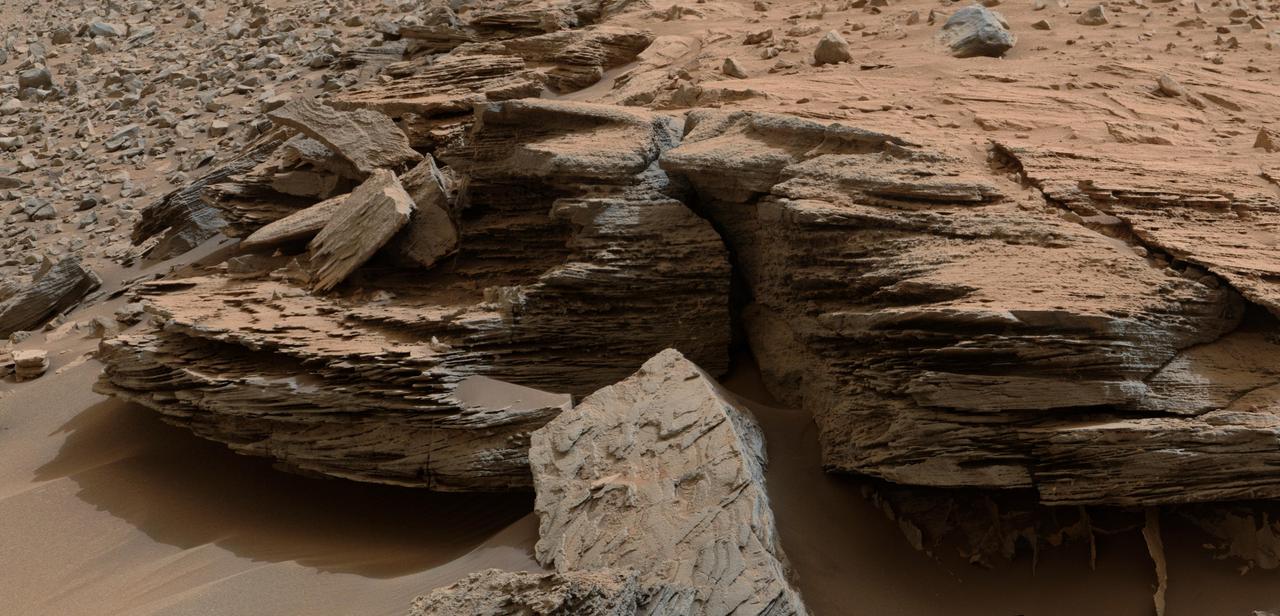
This view from the NASA Curiosity Mars rover shows an example of cross-bedding that results from water passing over a loose bed of sediment. It was taken at a target called Whale Rock within the Pahrump Hills outcrop at the base of Mount Sharp.
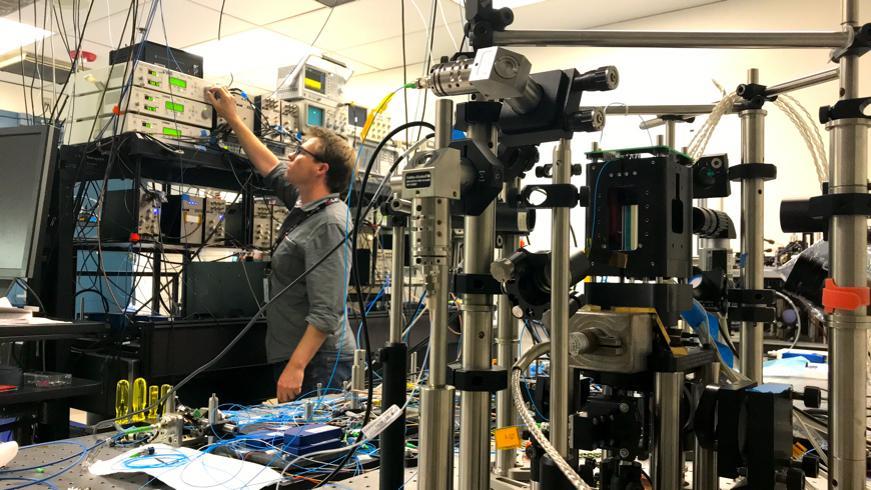
Cold Atom Laboratory (CAL) physicist David Aveline works in the CAL test bed, which is a replica of the CAL facility that stays on Earth. Scientists use the test bed to run tests and understand what is happening inside CAL while it is operating on the International Space Station. https://photojournal.jpl.nasa.gov/catalog/PIA23001

This observation from NASA Mars Reconnaissance Orbiter covers an outcrop of possible cyclic bedding within a crater in Arabia Terra.
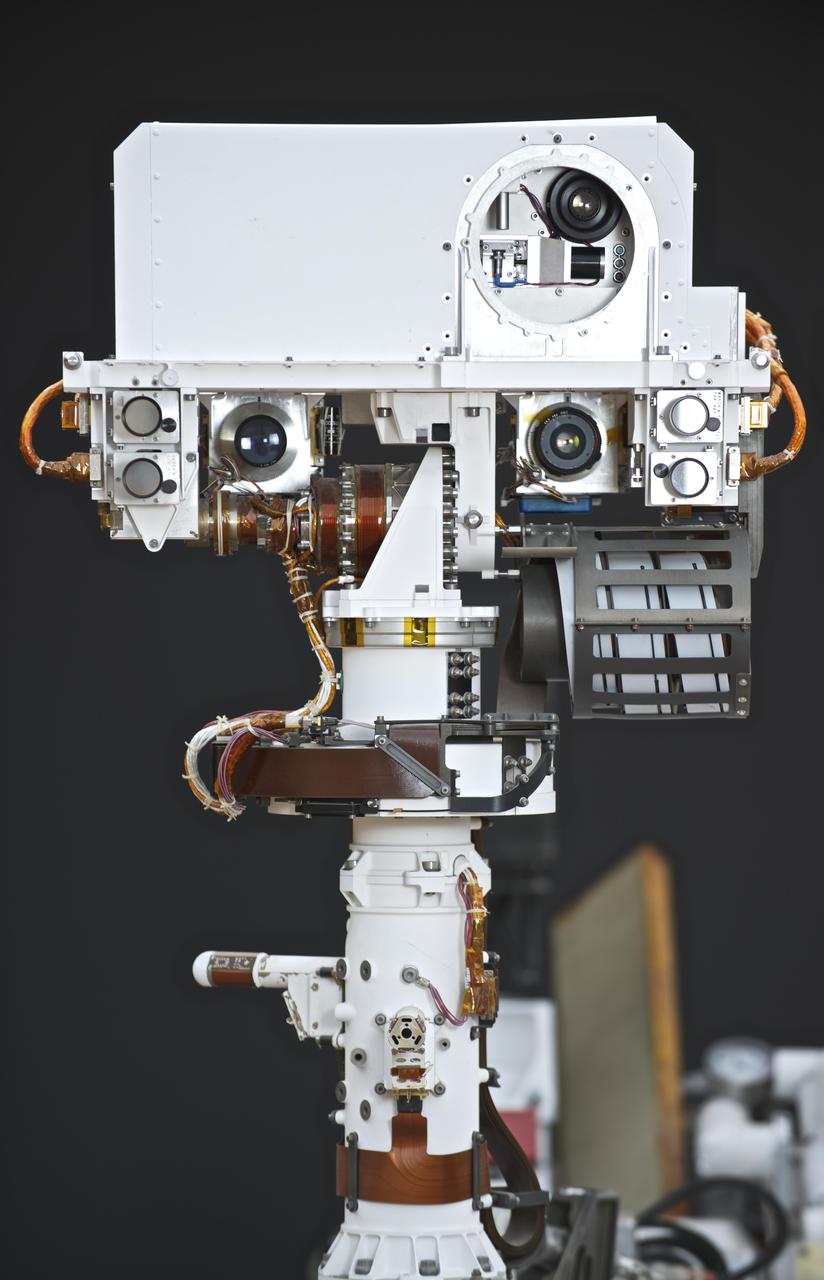
This photograph shows the Vehicle System Test Bed VSTB rover, a nearly identical copy to NASA Curiosity rover on Mars.
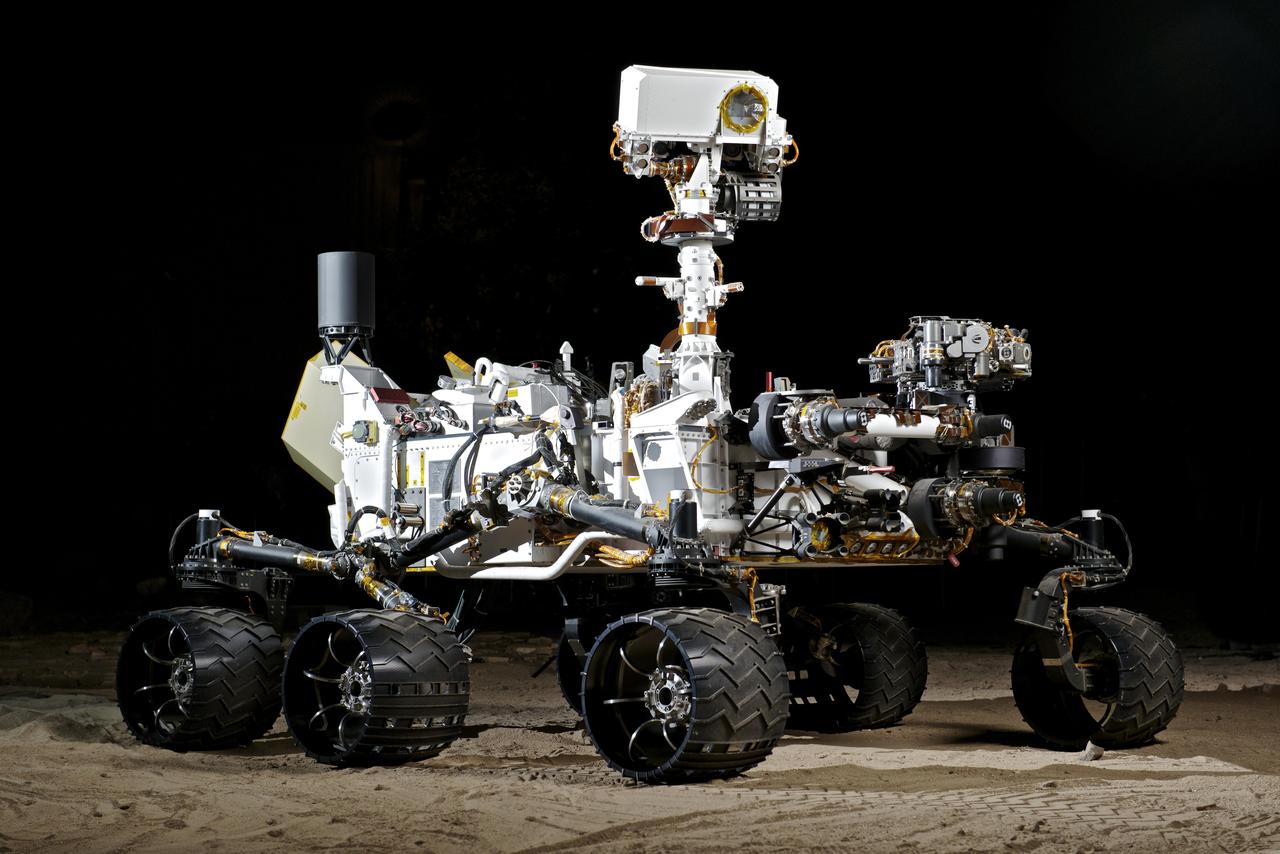
This photograph shows the Vehicle System Test Bed VSTB rover, a nearly identical copy to NASA Curiosity rover on Mars.
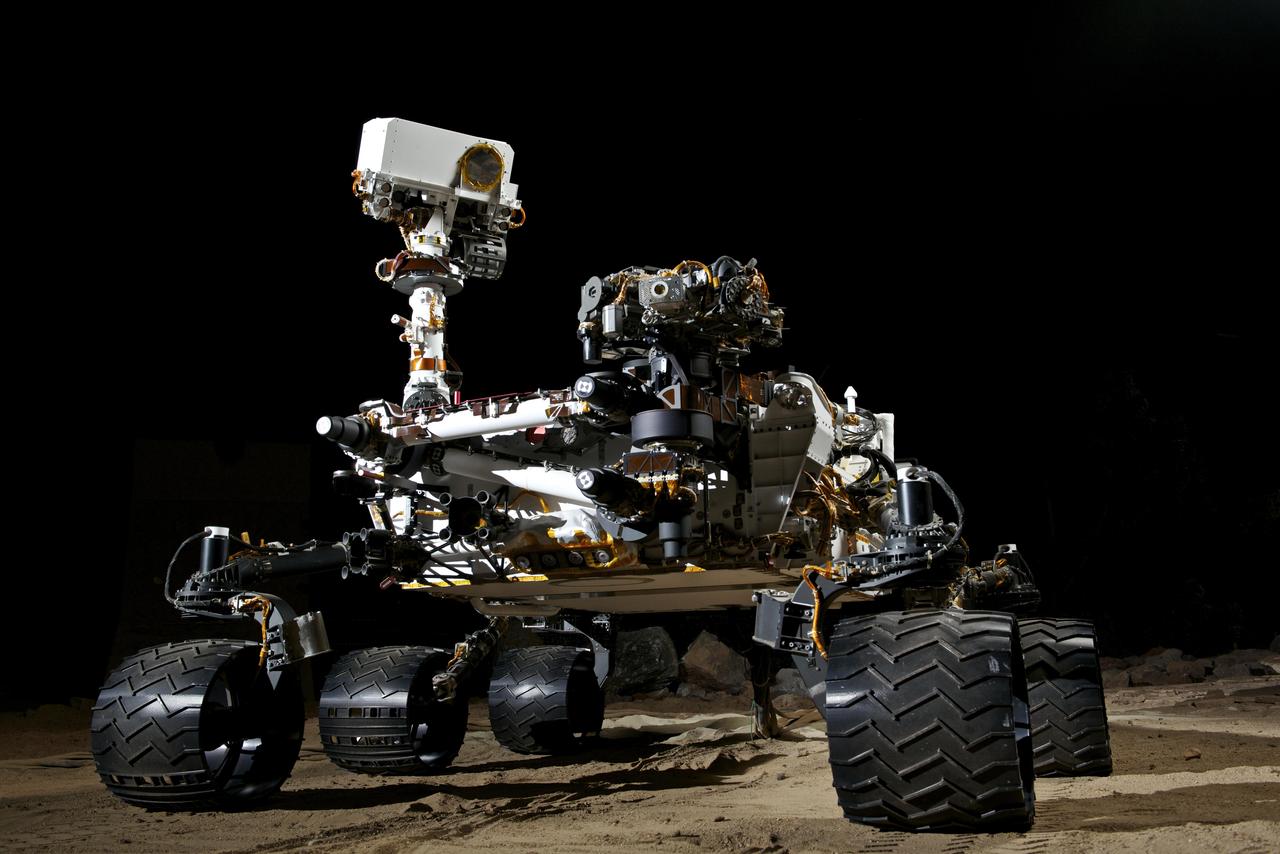
This photograph shows the Vehicle System Test Bed VSTB rover, a nearly identical copy to NASA Curiosity rover on Mars.
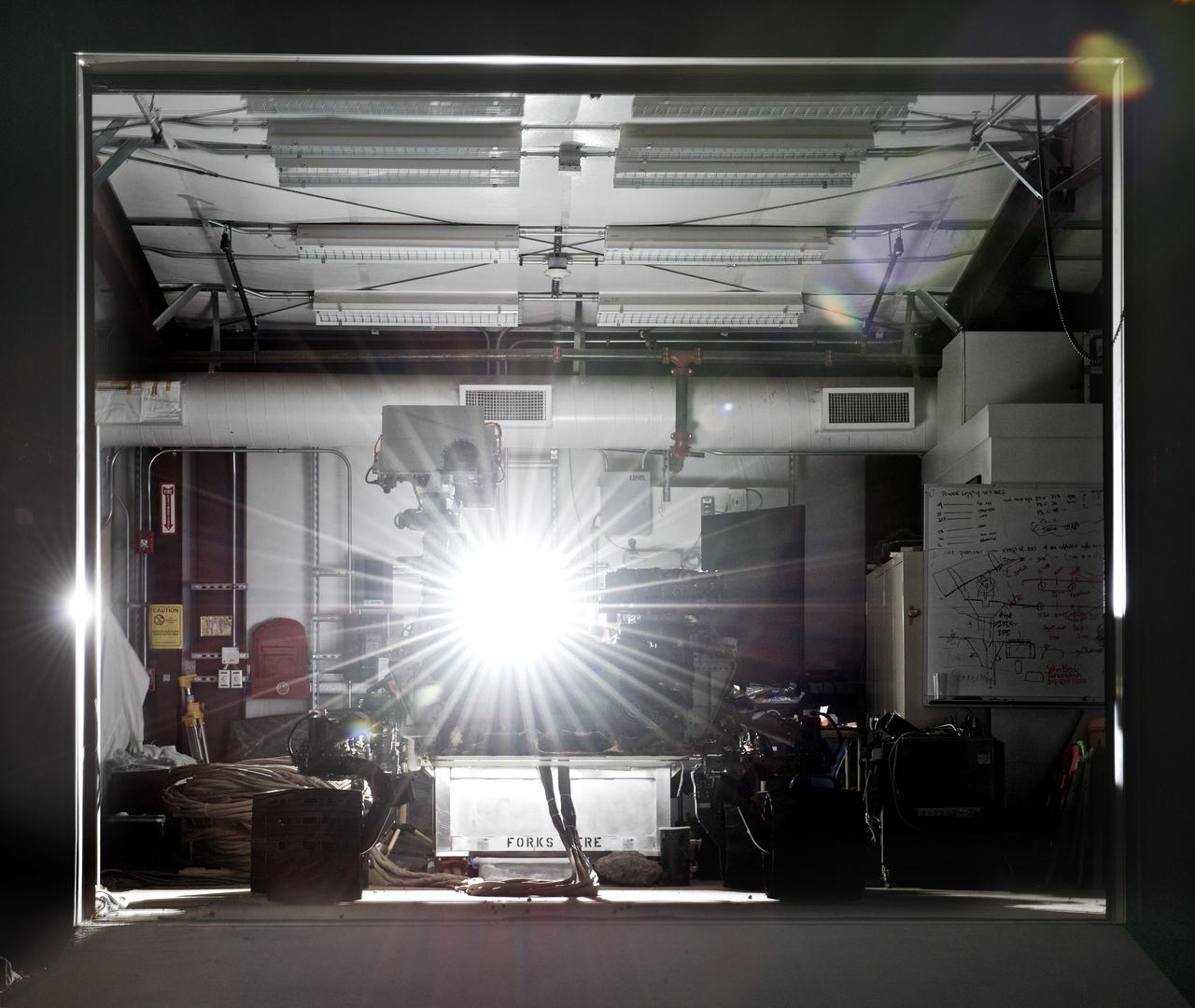
This photograph shows the Vehicle System Test Bed VSTB rover, a nearly identical copy to NASA Curiosity rover on Mars.
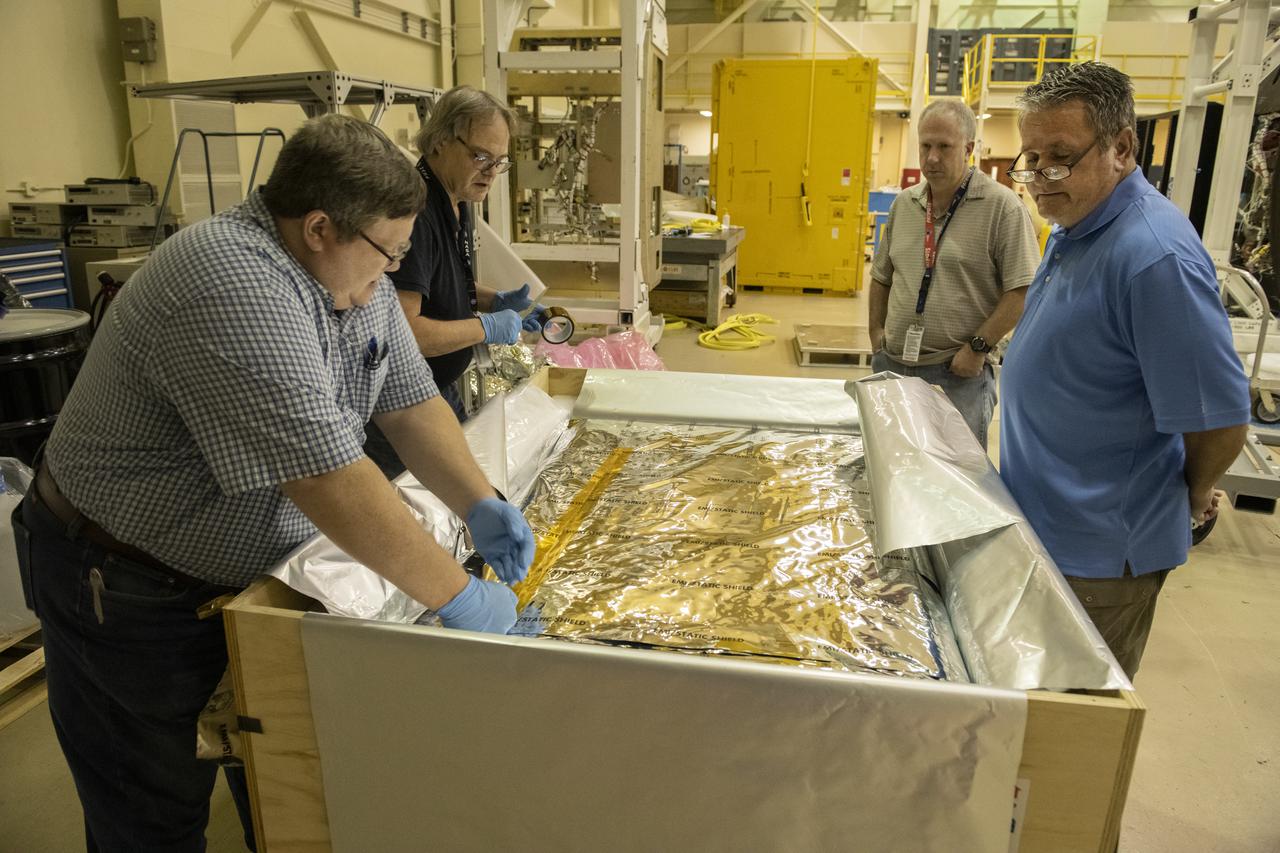
The 4-bed Carbon Dioxide Scrubber, new Environmental Control and Life Support Systems technology developed, built, tested, and integrated at NASA's Marshall Space Flight Center to be launched to the International Space Station, is readied for shipment to NASA's Wallops Flight Facility in Wallops Island, Virginia. The hardware will fly to space Aug. 1 via the Cygnus NG-16 commercial spacecraft, and will be tested aboard the space station for one year.
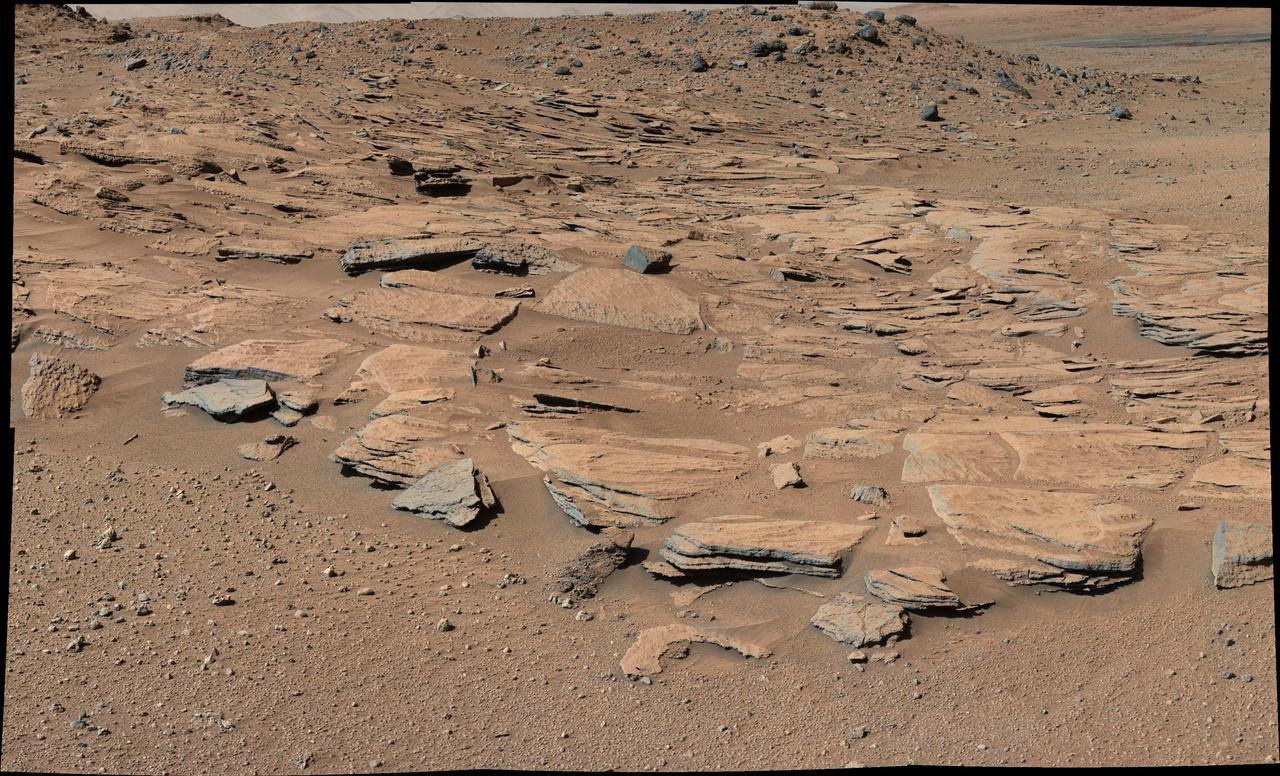
This image from Curiosity Mastcam shows inclined beds of sandstone interpreted as the deposits of small deltas fed by rivers flowing down from the Gale Crater rim and building out into a lake where Mount Sharp is now.
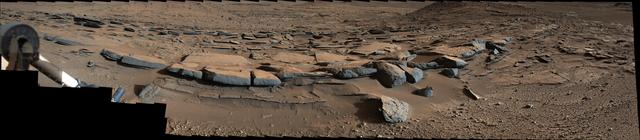
On March 25, 2014, view from the Mastcam on NASA Curiosity Mars rover looks southward at the Kimberley waypoint. Multiple sandstone beds show systematic inclination to the south suggesting progressive build-out of delta sediments.
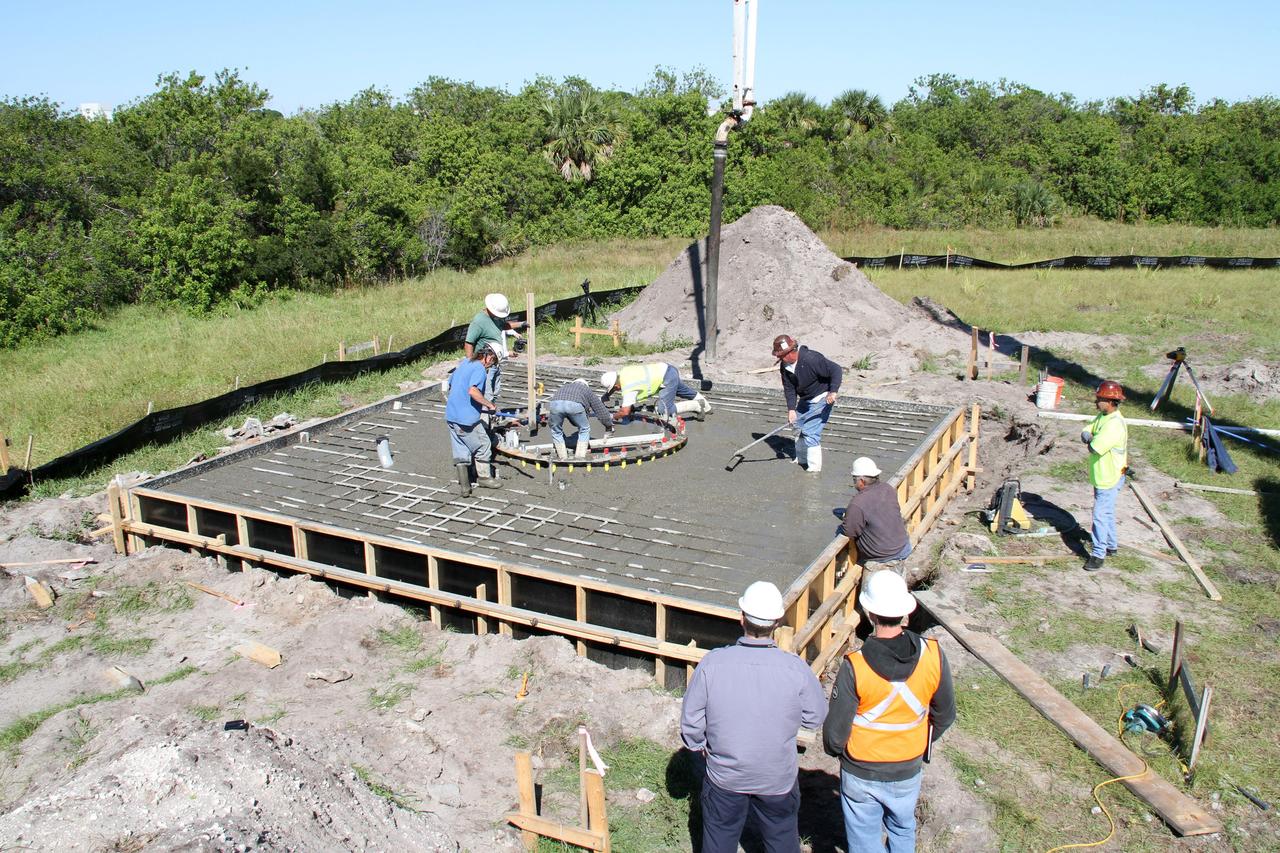
CAPE CANAVERAL, Fla. – At NASA’s Kennedy Space Center in Florida, workers pour and spread concrete at the base of the site of the Antenna Test Bed Array for the Ka-Band Objects Observation and Monitoring, Ka-BOOM system. The construction site is near the former Vertical Processing Facility, which has been demolished. Workers are placing the pile foundations for the 40-foot-diameter dish antenna arrays and their associated utilities, and preparing the site for the operations command center facility. Photo credit: NASA/Ben Smegelski
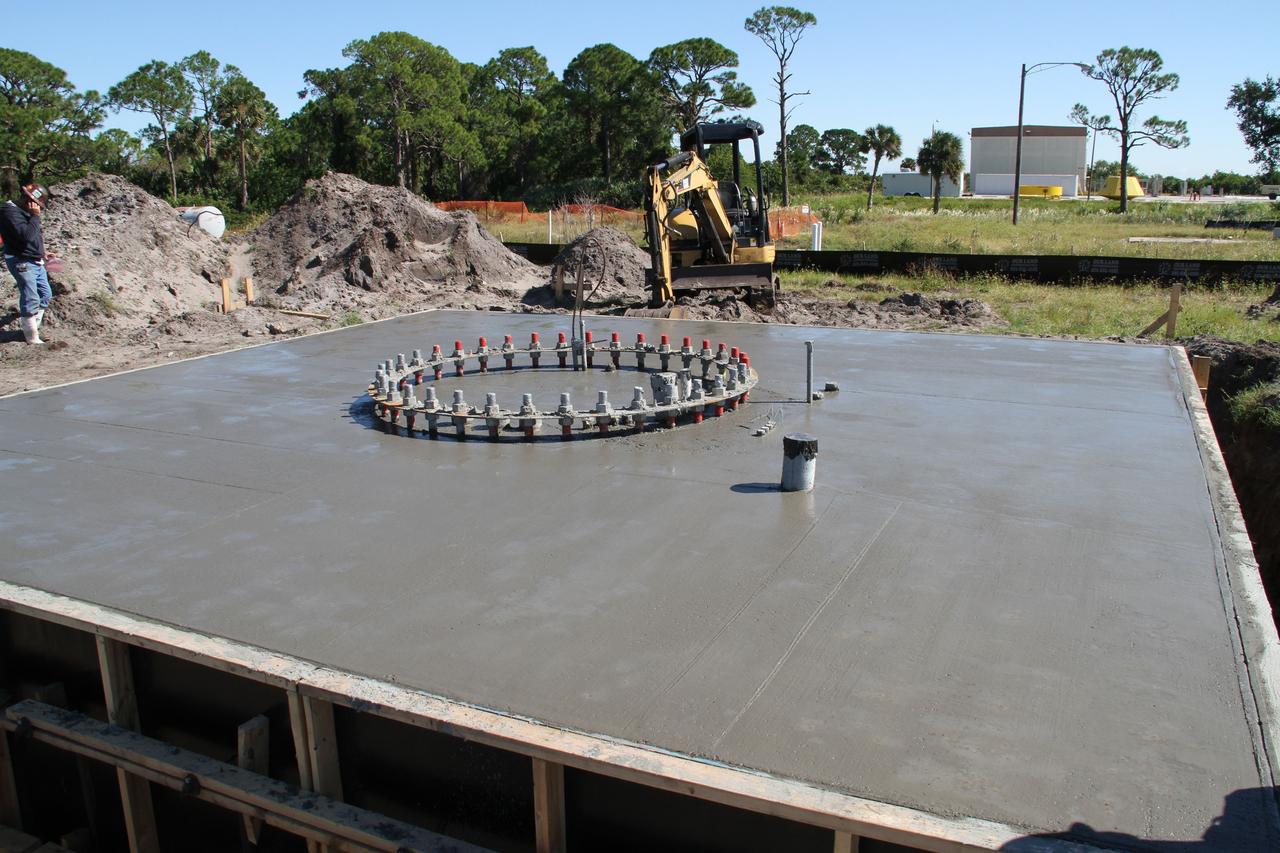
CAPE CANAVERAL, Fla. – At NASA’s Kennedy Space Center in Florida, concrete has been poured at the site of the Antenna Test Bed Array for the Ka-Band Objects Observation and Monitoring, Ka-BOOM system. The construction site is near the former Vertical Processing Facility, which has been demolished. Workers are placing the pile foundations for the 40-foot-diameter dish antenna arrays and their associated utilities, and preparing the site for the operations command center facility. Photo credit: NASA/Ben Smegelski
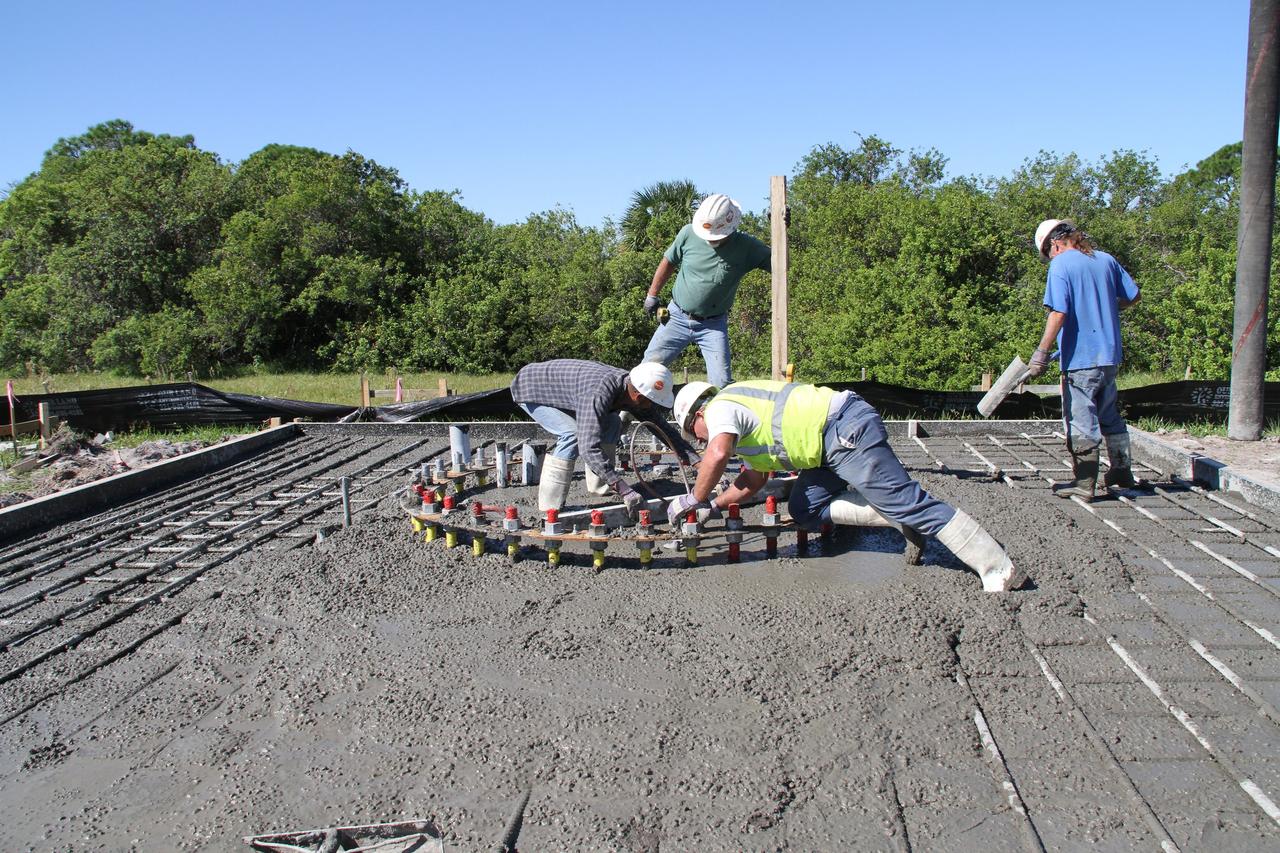
CAPE CANAVERAL, Fla. – At NASA’s Kennedy Space Center in Florida, workers continue construction of the Antenna Test Bed Array for the Ka-Band Objects Observation and Monitoring, or Ka-BOOM, system. The construction site is near the former Vertical Processing Facility, which has been demolished. Workers are placing the pile foundations for the 40-foot-diameter dish antenna arrays and their associated utilities, and preparing the site for the operations command center facility. Photo credit: NASA/Ben Smegelski
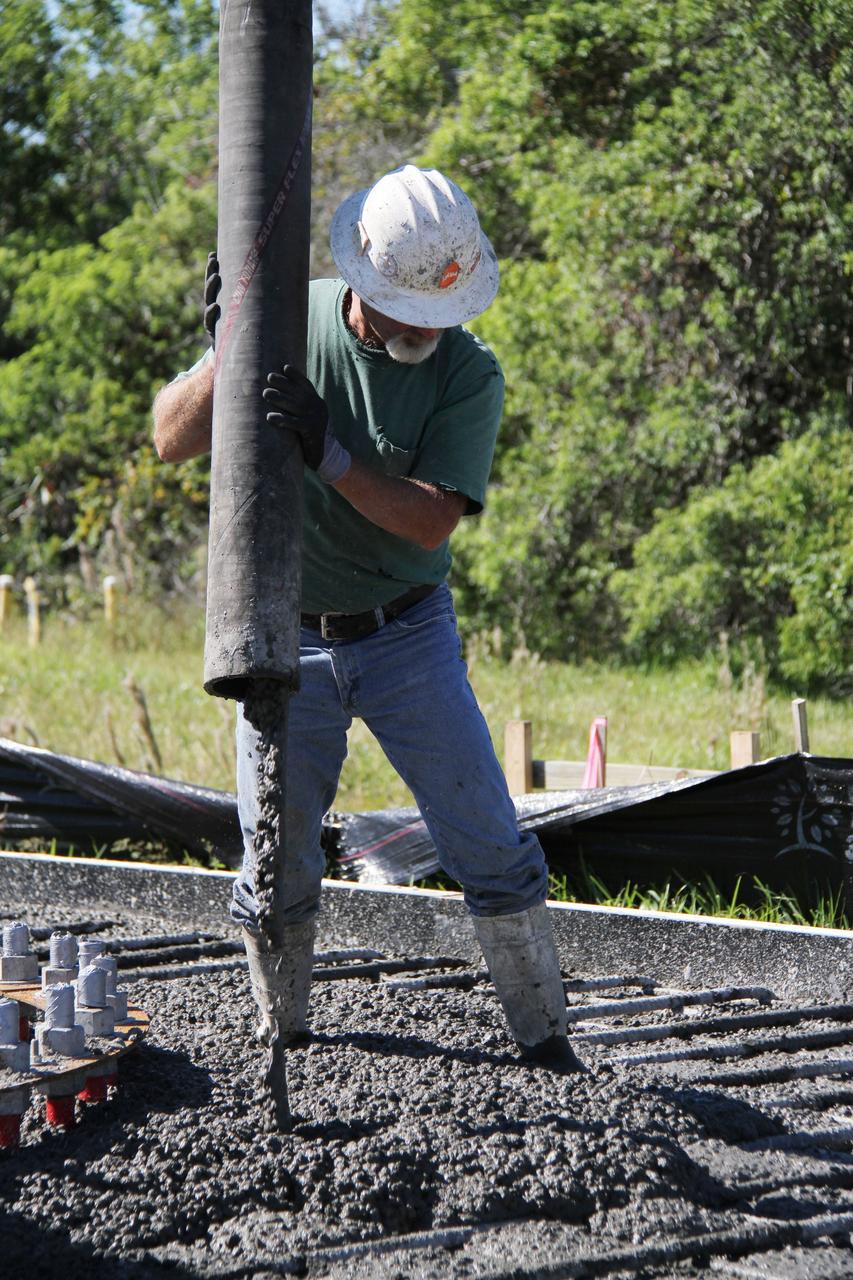
CAPE CANAVERAL, Fla. – At NASA’s Kennedy Space Center in Florida, a worker continues construction of the Antenna Test Bed Array for the Ka-Band Objects Observation and Monitoring, or Ka-BOOM, system. The construction site is near the former Vertical Processing Facility, which has been demolished. Workers are placing the pile foundations for the 40-foot-diameter dish antenna arrays and their associated utilities, and preparing the site for the operations command center facility. Photo credit: NASA/Ben Smegelski
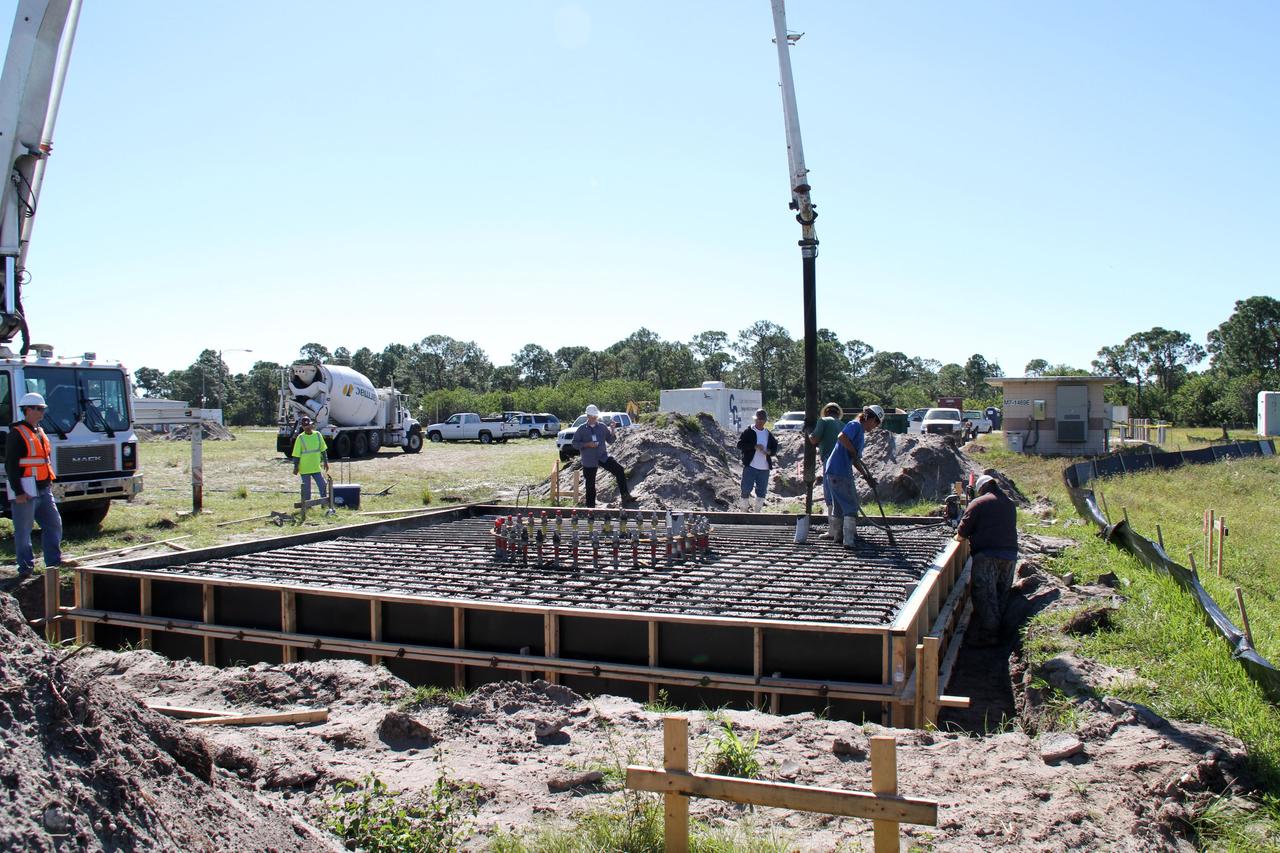
CAPE CANAVERAL, Fla. – At NASA’s Kennedy Space Center in Florida, workers pour concrete at the base of the site of the Antenna Test Bed Array for the Ka-Band Objects Observation and Monitoring, or Ka-BOOM system. The construction site is near the former Vertical Processing Facility, which has been demolished. Workers are placing the pile foundations for the 40-foot-diameter dish antenna arrays and their associated utilities, and preparing the site for the operations command center facility. Photo credit: NASA/Ben Smegelski
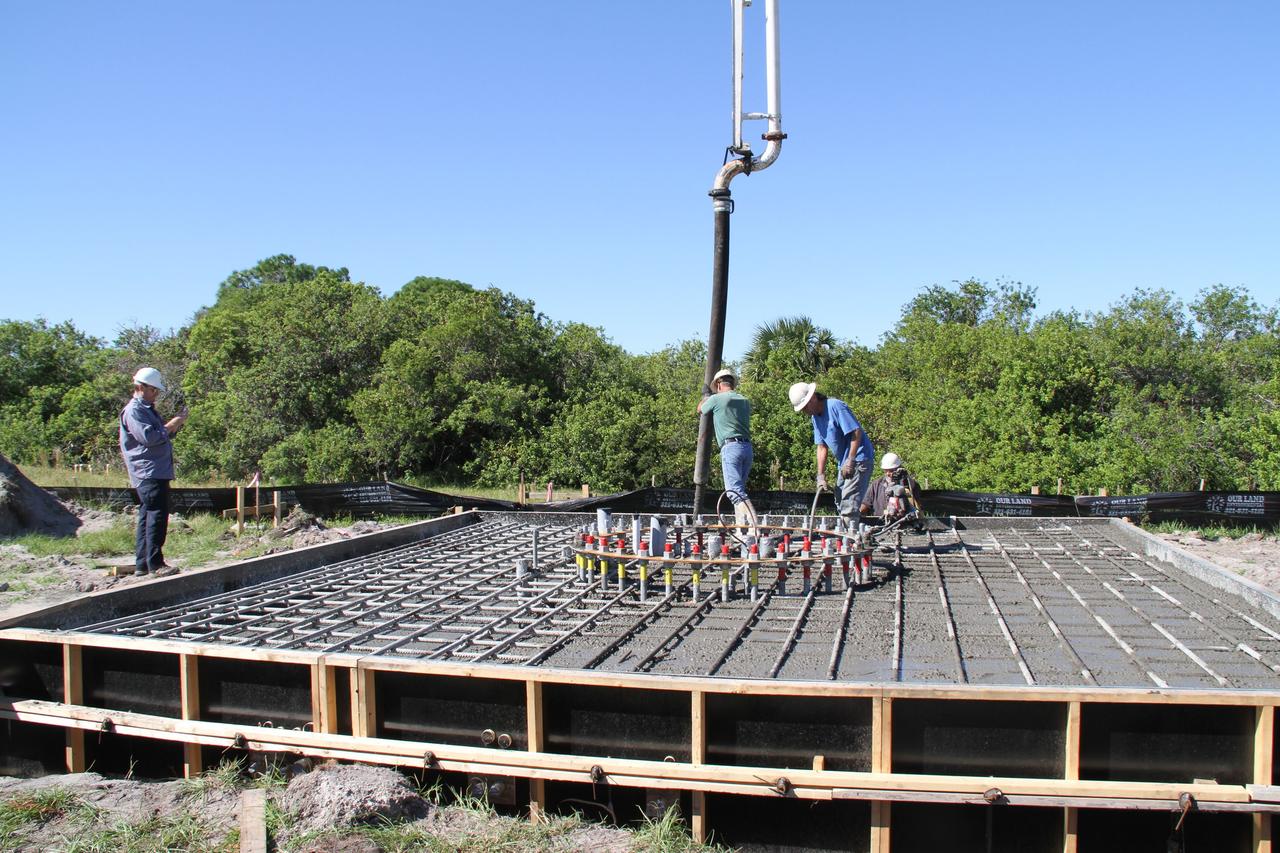
CAPE CANAVERAL, Fla. – At NASA’s Kennedy Space Center in Florida, workers continue construction of the Antenna Test Bed Array for the Ka-Band Objects Observation and Monitoring, or Ka-BOOM, system. The construction site is near the former Vertical Processing Facility, which has been demolished. Workers are placing the pile foundations for the 40-foot-diameter dish antenna arrays and their associated utilities, and preparing the site for the operations command center facility. Photo credit: NASA/Ben Smegelski
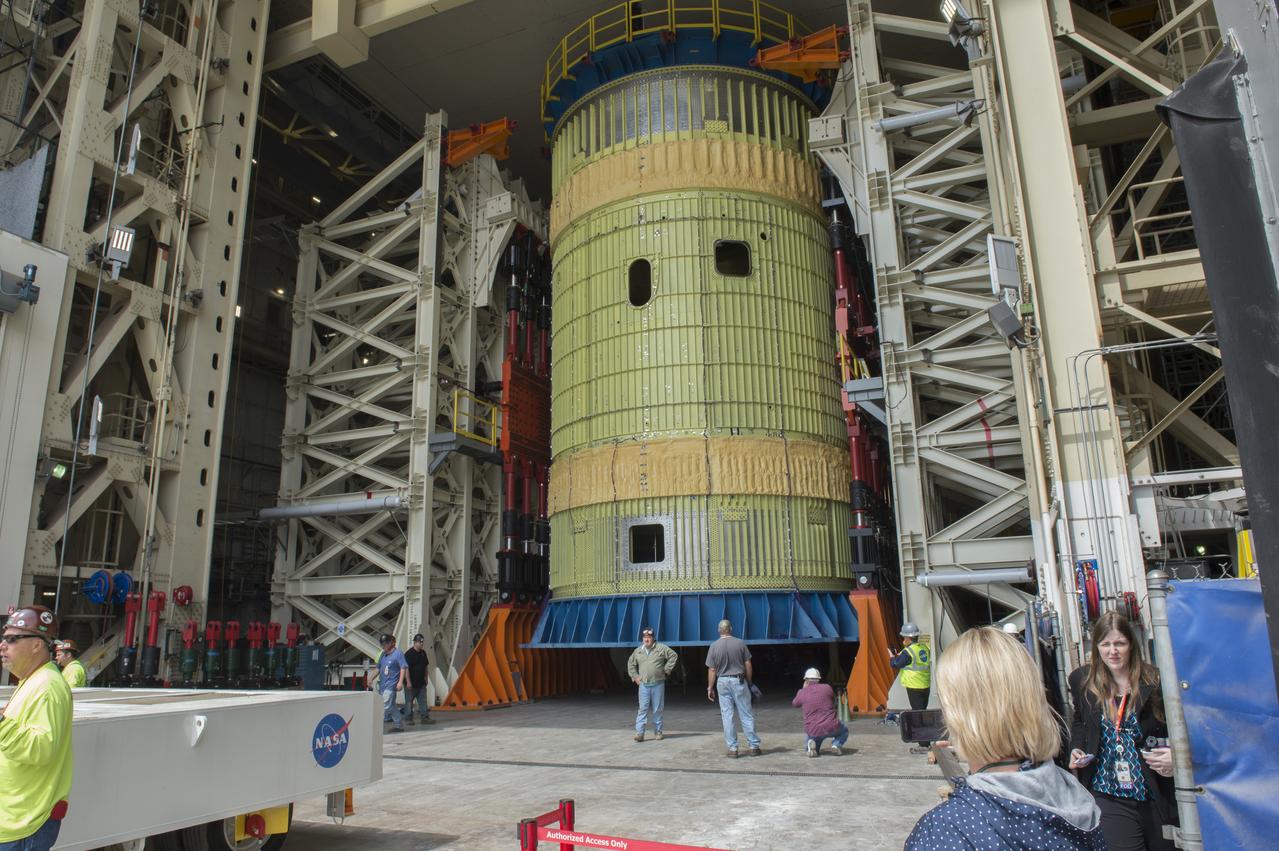
SLS Intertank Test Article, ITA, is attached to crosshead of load test Annex, Bldg. 4619, and removed from bed of KMAG transporter. ITA is slowly raised from bed of KMAG transporter and KMAG is removed.

Documentation of the University of Texas Medical Branch (UTMB) bed rest study taken for archival purposes. A participant visits with a guest at the Galveston facility's Flight Analogs Research Unit.
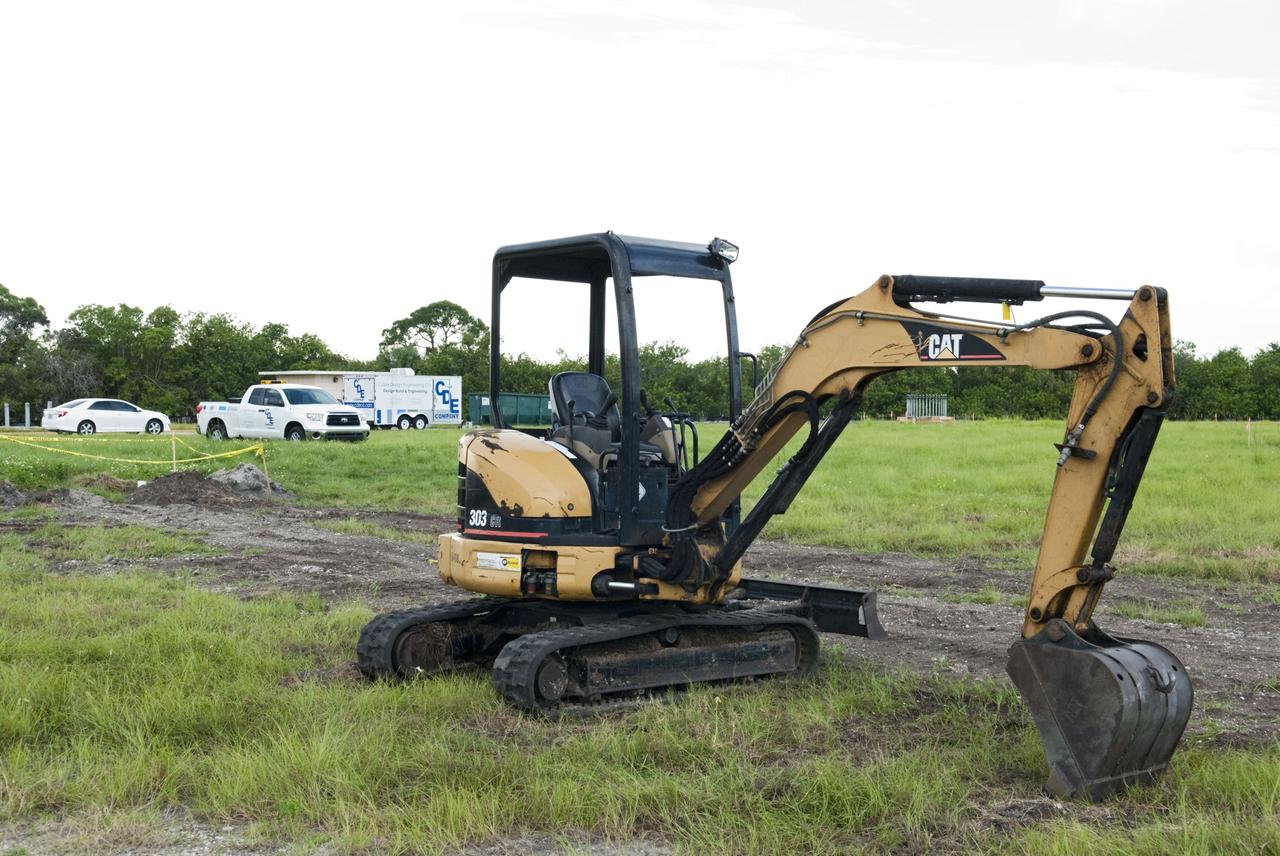
CAPE CANAVERAL, Fla. -- At NASA’s Kennedy Space Center in Florida, groundbreaking will begin for the construction of the Antenna Test Bed Array for the Ka-Band Objects Observation and Monitoring, or Ka-BOOM, system. The construction site is near the former Vertical Processing Facility, which has been demolished. Workers will begin construction on the pile foundations for the 40-foot-diameter dish antenna arrays and their associated utilities, and prepare the site for the operations command center facility. Photo credit: NASA/Charisse Nahser
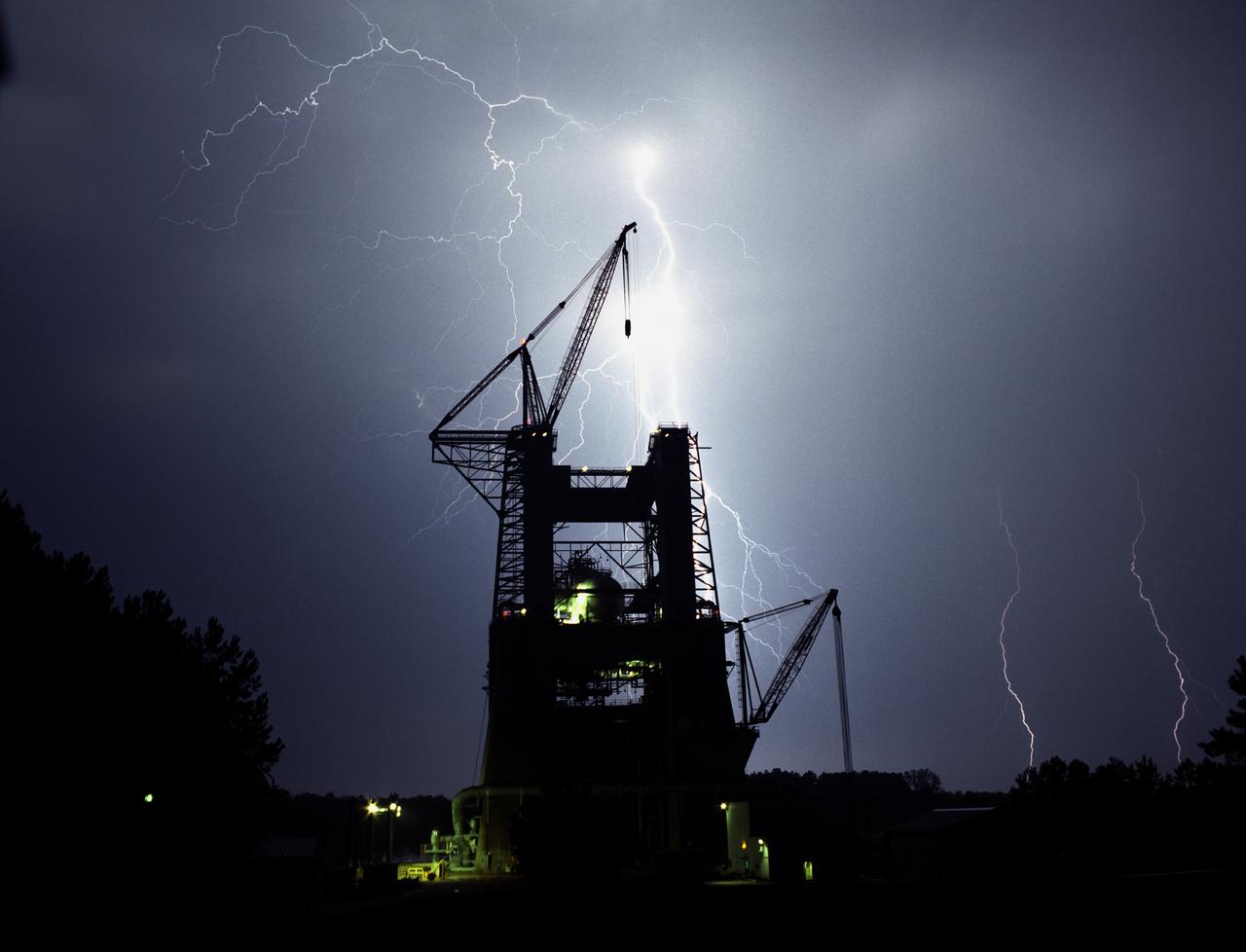
Multiple lightning bolts struck the Technology Test Bed, formerly the S-IC Static Test Stand, at the Marshall Space Flight Center (MSFC) during a thunderstorm. This spectacular image of lightning was photographed by MSFC photographer Dernis Olive on August 29, 1990.
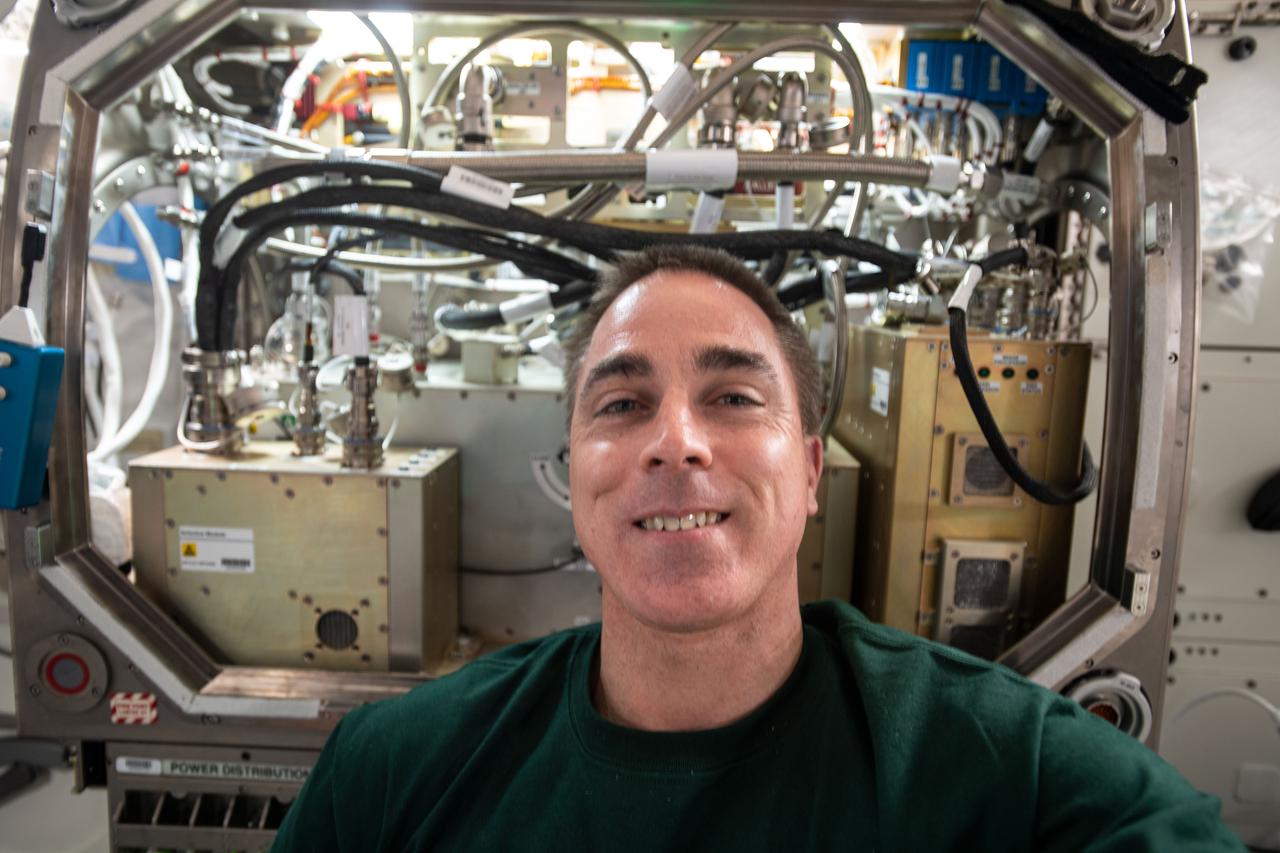
iss063e068516 (Aug. 12, 2020) --- NASA astronaut and Expedition 63 Commander Chris Cassidy poses for a portrait in front of the Microgravity Science Glovebox as he was setting up the Packed Bed Reactor Experiment inside the research device. The new science hardware is exploring technology to support water recovery, planetary surface processing and oxygen production.
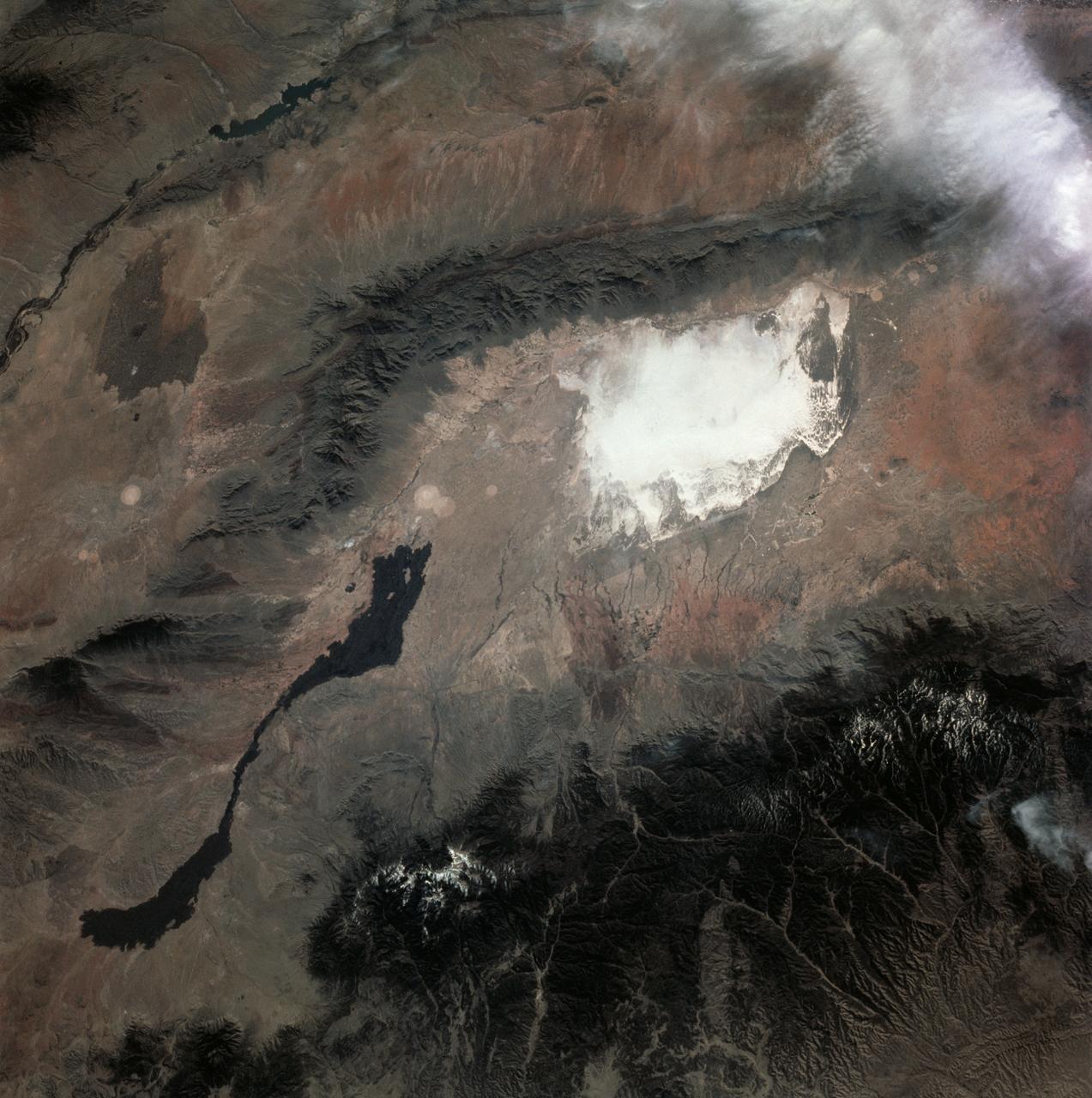
STS003-10-613 (22-30 March 1982) --- A truly remarkable view of White Sands and the nearby Carrizozo Lava Beds in southeast NM (33.5N, 106.5W). White Sands, site of the WW II atomic bomb development and testing facility and later post war nuclear weapons testing that can still be seen in the cleared circular patterns on the ground. Space shuttle Columbia (STS-3), this mission, landed at the White Sands alternate landing site because of bad weather at Edwards AFB, CA. Photo credit: NASA
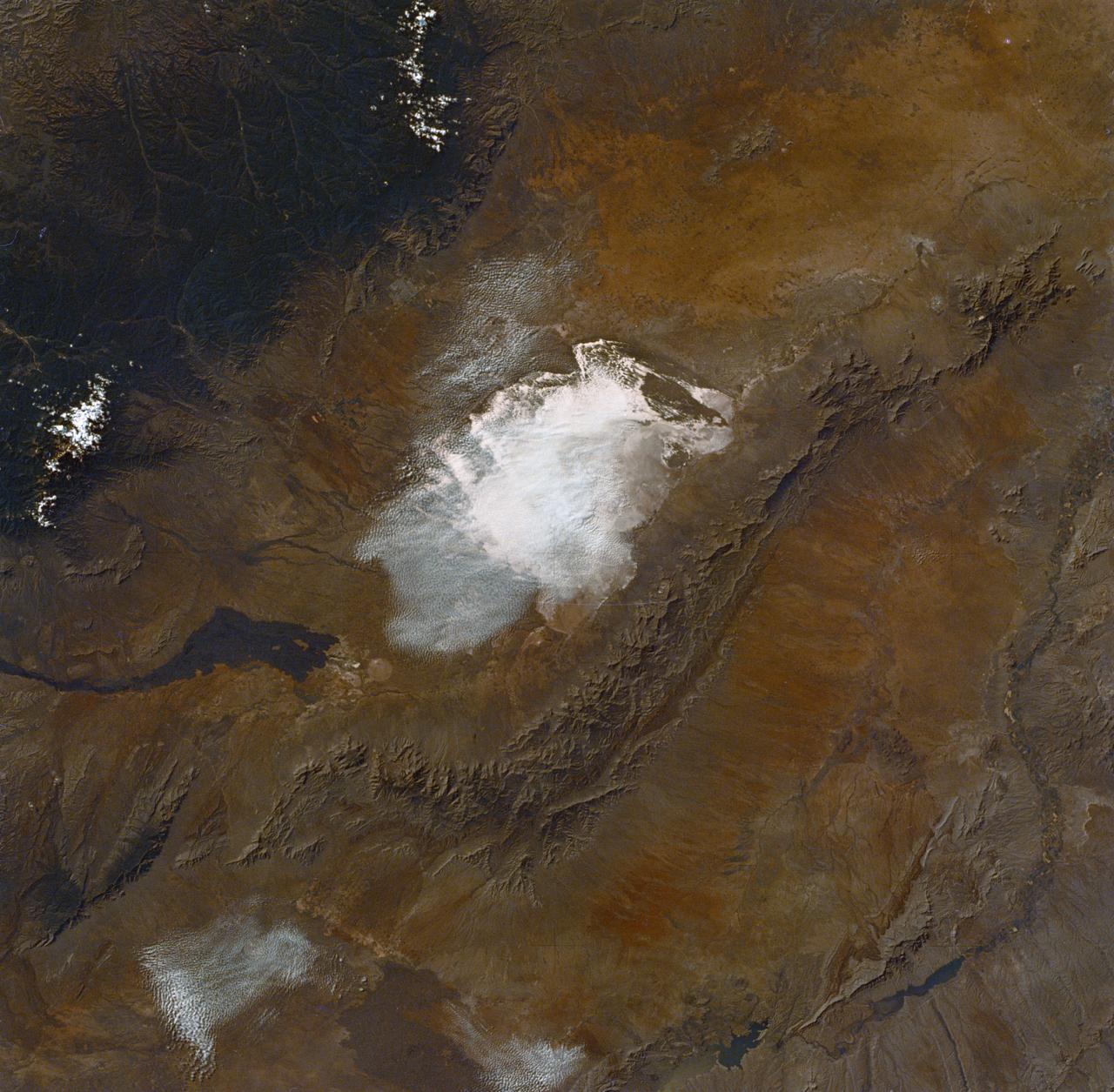
SL2-04-288 (22 June 1973) --- A truly remarkable view of White Sands and the nearby Carrizozo Lava Beds in southeast New Mexico (33.5N, 106.5W). White Sands, site of the WW II atomic bomb development and testing facility and later post war nuclear weapons testing that can still be seen in the cleared circular patterns on the ground. Photo credit: NASA
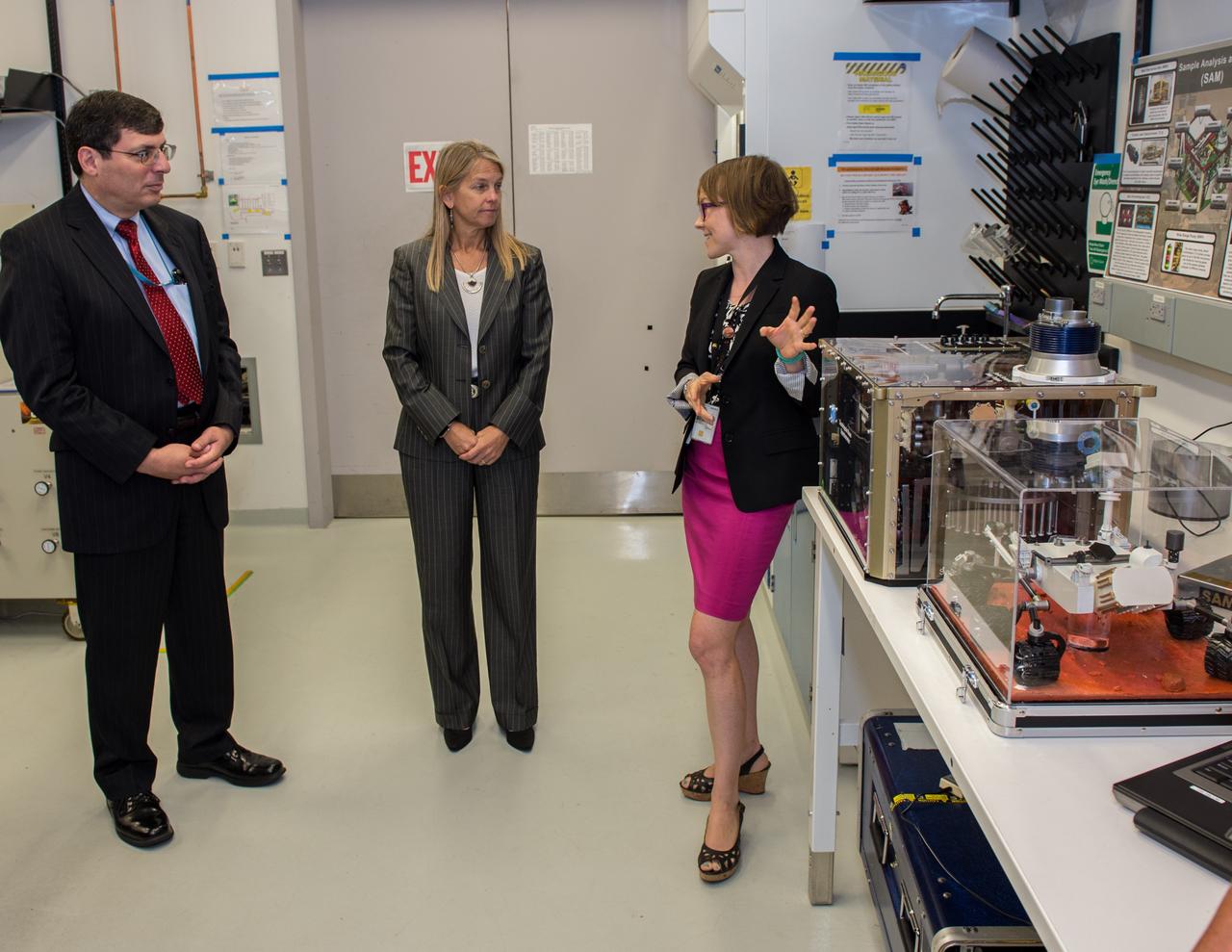
NASA Deputy Administrator Dr. Dava Newman tours Goddard Space Flight Center with Center Director Chris Scolese; Sample Analysis at Mars (SAM) instrument Test Bed; Dr. Melissa Trainer
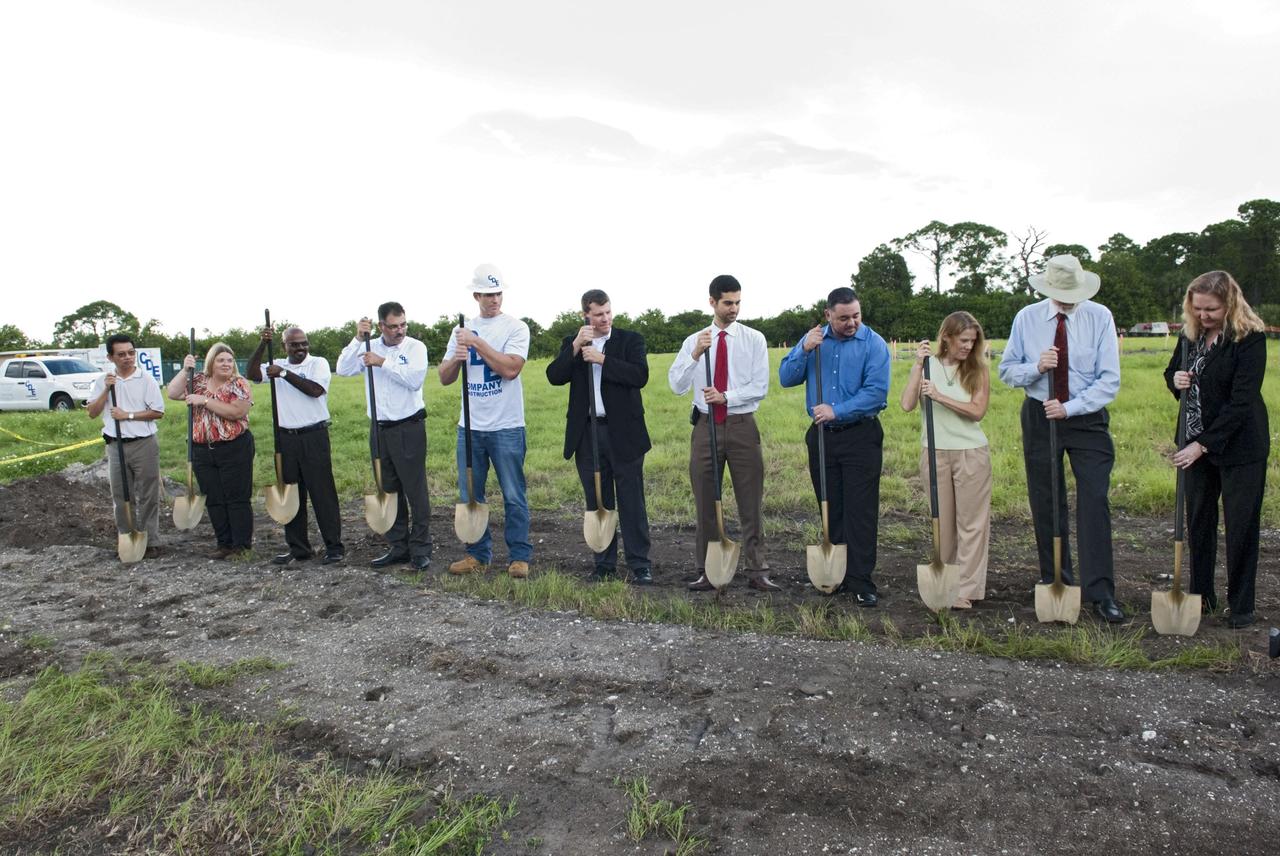
CAPE CANAVERAL, Fla. -- At NASA’s Kennedy Space Center in Florida, a groundbreaking was held to mark the start of construction on the Antenna Test Bed Array for the Ka-Band Objects Observation and Monitoring, or Ka-BOOM system. Holding ceremonial shovels, from left are Michael Le, lead design engineer and construction manager Sue Vingris, Cape Design Engineer Co. project manager Kannan Rengarajan, chief executive officer of Cape Design Engineer Co. Lutfi Mized, president of Cape Design Engineer Co. David Roelandt, construction site superintendent with Cape Design Engineer Co. Marc Seibert, NASA project manager Michael Miller, NASA project manager Peter Aragona, KSC’s Electromagnetic Lab manager Stacy Hopper, KSCs master planning supervisor Dr. Bary Geldzabler, NASA chief scientist and KSC’s Chief Technologist Karen Thompson. The construction site is near the former Vertical Processing Facility, which has been demolished. Workers will begin construction on the pile foundations for the 40-foot-diameter dish antenna arrays and their associated utilities, and prepare the site for the operations command center facility. Photo credit: NASA/Charisse Nahser
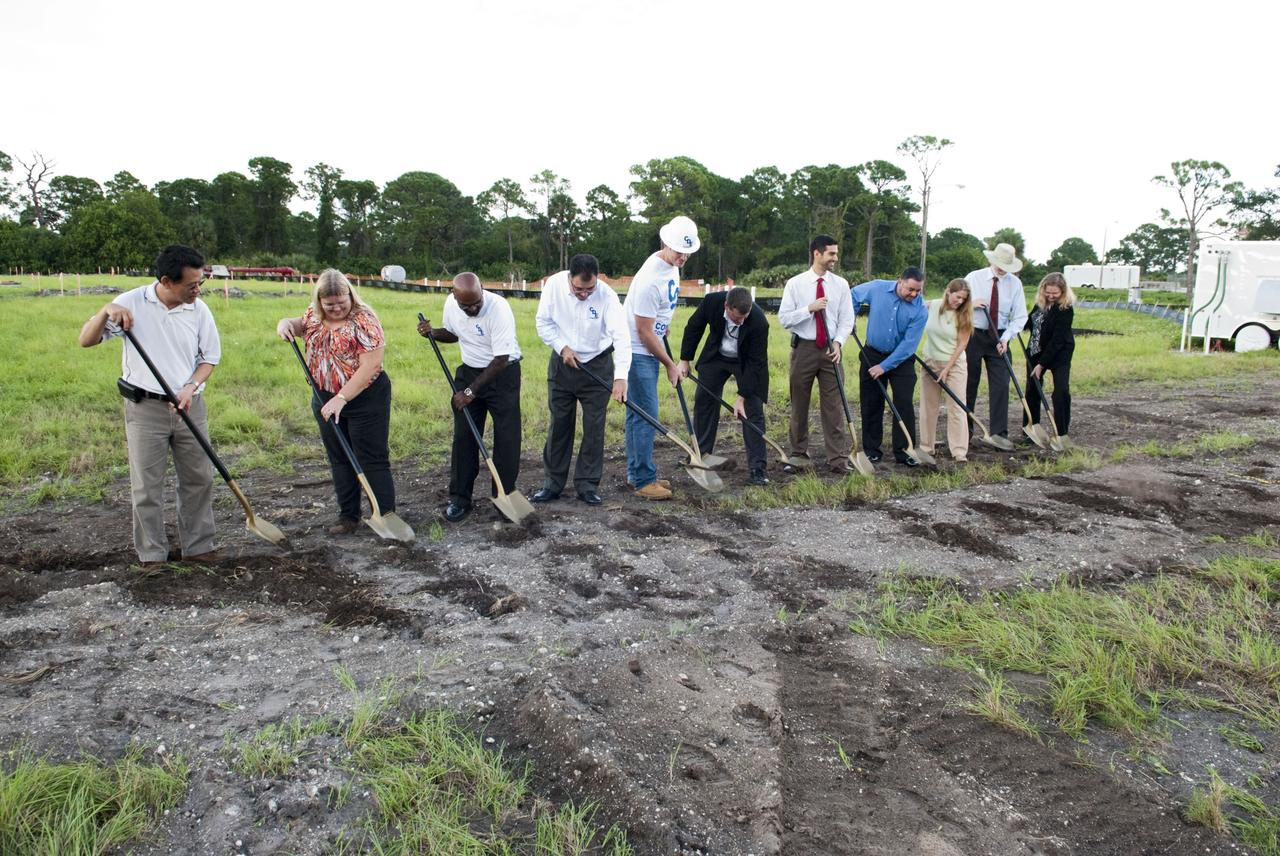
CAPE CANAVERAL, Fla. -- At NASA’s Kennedy Space Center in Florida, a groundbreaking was held to mark the start of construction on the Antenna Test Bed Array for the Ka-Band Objects Observation and Monitoring, or Ka-BOOM system. Using ceremonial shovels to mark the site, from left are Michael Le, lead design engineer and construction manager Sue Vingris, Cape Design Engineer Co. project manager Kannan Rengarajan, chief executive officer of Cape Design Engineer Co. Lutfi Mized, president of Cape Design Engineer Co. David Roelandt, construction site superintendent with Cape Design Engineer Co. Marc Seibert, NASA project manager Michael Miller, NASA project manager Peter Aragona, KSC’s Electromagnetic Lab manager Stacy Hopper, KSCs master planning supervisor Dr. Bary Geldzabler, NASA chief scientist and KSC’s Chief Technologist Karen Thompson. The construction site is near the former Vertical Processing Facility, which has been demolished. Workers will begin construction on the pile foundations for the 40-foot-diameter dish antenna arrays and their associated utilities, and prepare the site for the operations command center facility. Photo credit: NASA/Charisse Nahser
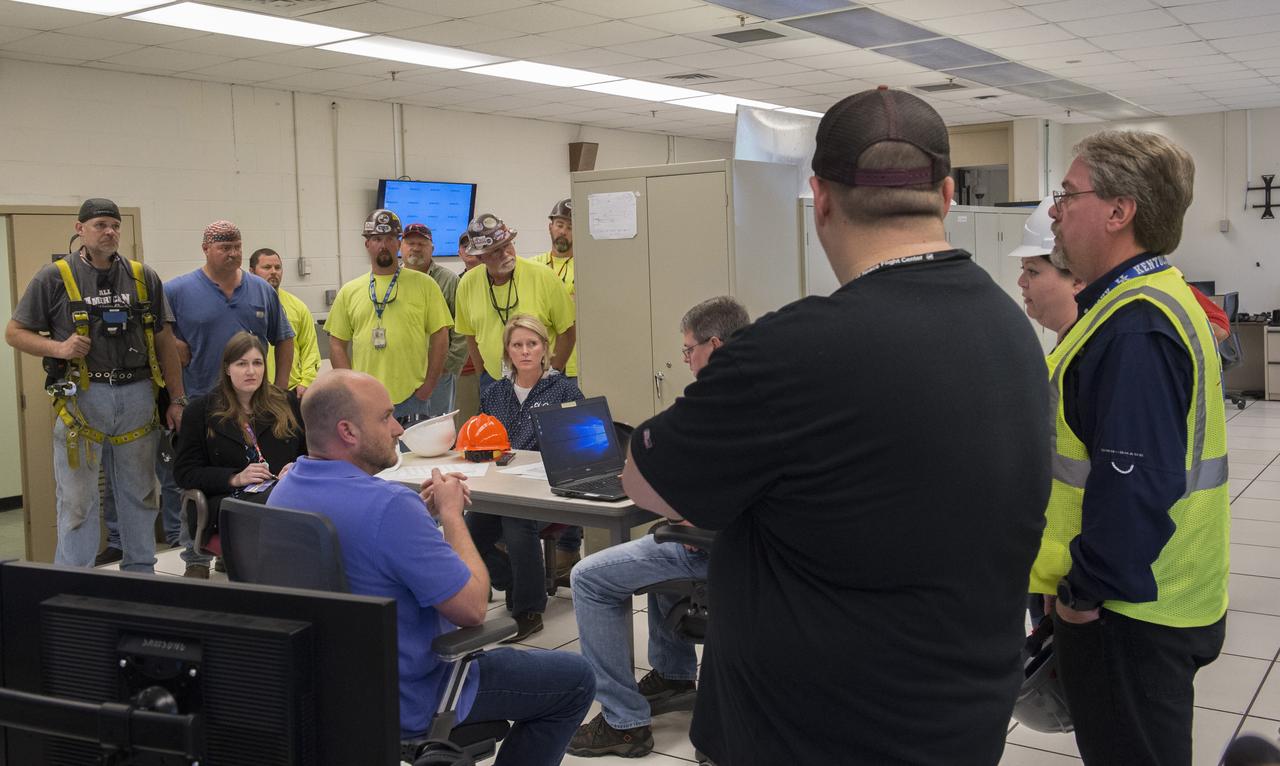
SLS INTERTANK TEST ARTICLE IS ATTACHED TO CROSSHEAD OF LOAD TEST ANNEX, BLDG. 4619, AND REMOVED FROM BED OF KMAG TRANSPORTER. Matt Cash conducts tag up meeting before lift of ITA from KMAG transporter
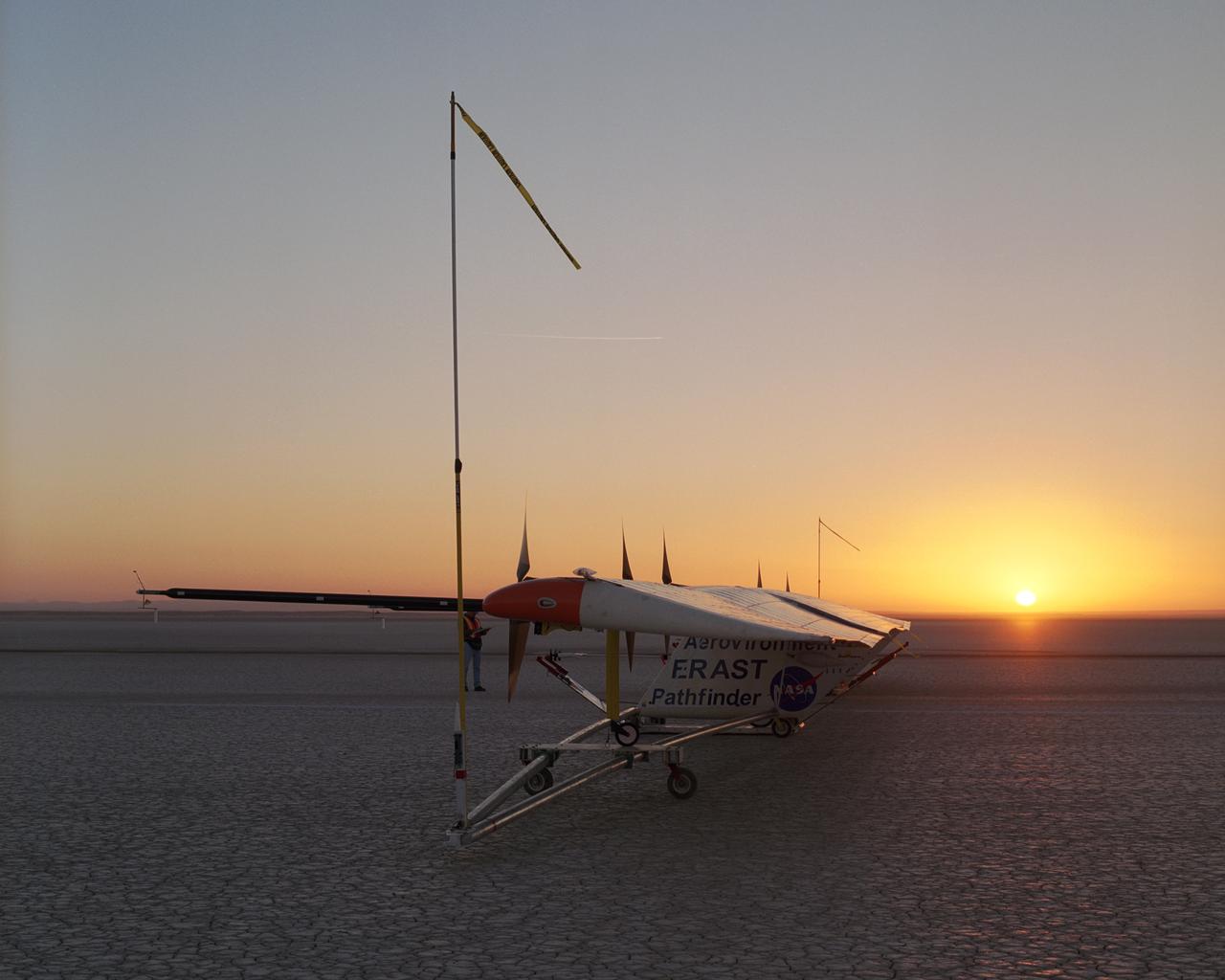
As the rising sun dawns over the parched bed of Rogers Dry Lake, AeroVironment's solar-electric Pathfinder-Plus awaits takeoff on its final research flight.
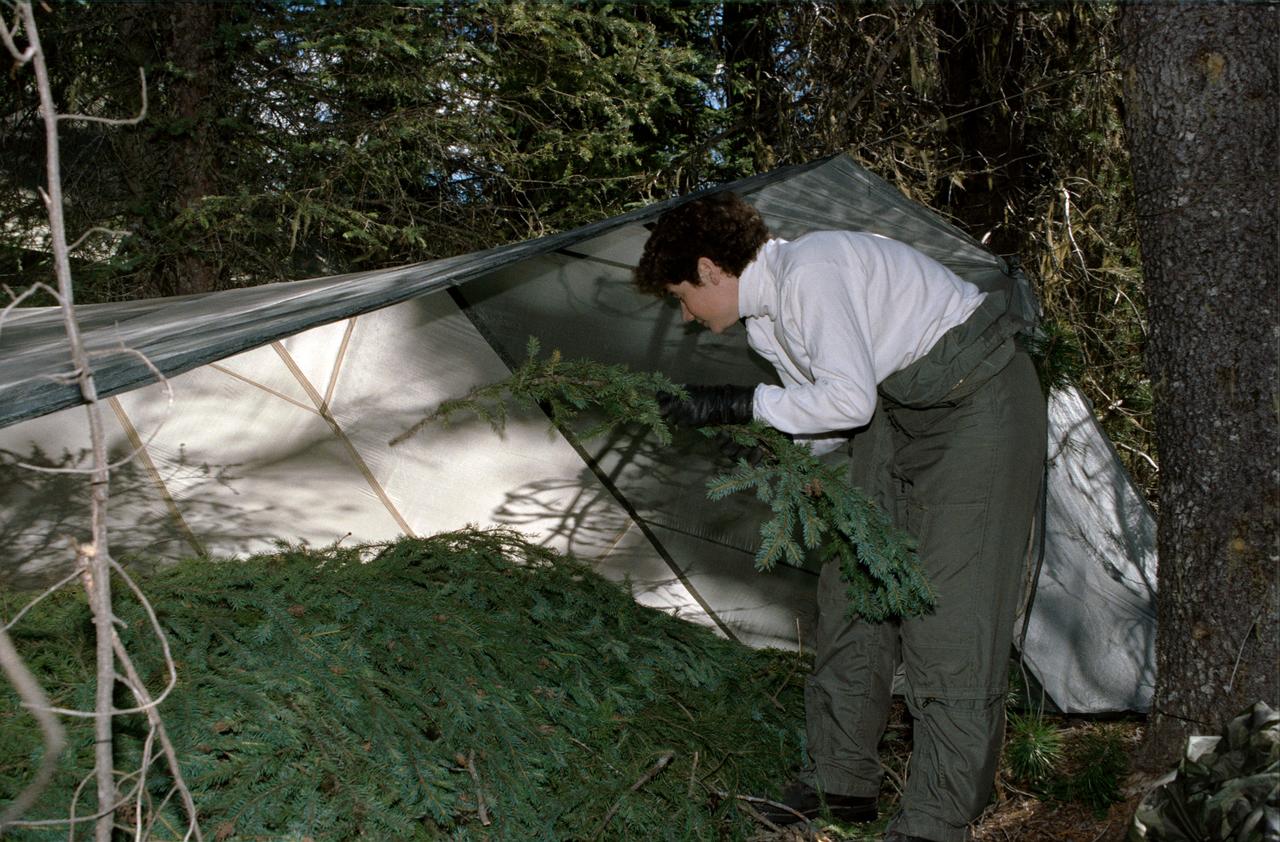
1990 Group 13 Astronaut Candidate (ASCAN) Susan J. Helms gathers pine branches to create bedding under a tent she has constructed from a parachute. Helms, along with her classmates, is participating in wilderness survival training at Fairchild Air Force Base (AFB) Spokane, Washington. The training was conducted in the mountain forests of Washington from 08-26-90 through 08-30-90.
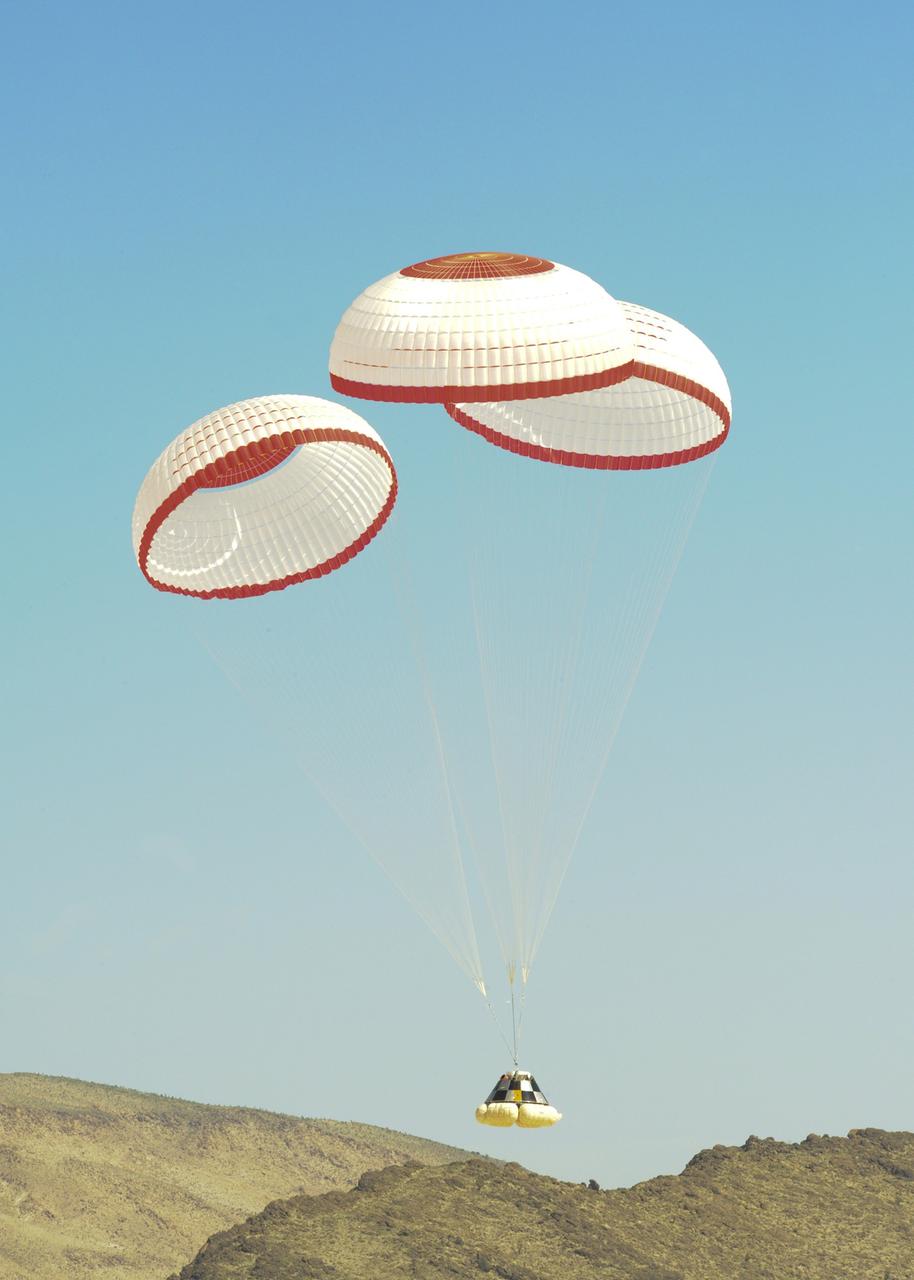
DELAMAR DRY LAKE BED, Nev. – The Boeing Company's CST-100 crew capsule floats to a smooth landing beneath three main parachutes over the Delamar Dry Lake Bed near Alamo, Nev. This is the second parachute test that Boeing performed under its partnership with NASA's Commercial Crew Program CCP. The first showed the parachute system’s deployment scheme worked and that it could be re-packed and re-used for this second test. In 2011, NASA selected Boeing during Commercial Crew Development Round 2 CCDev2) activities to mature the design and development of a crew transportation system with the overall goal of accelerating a United States-led capability to the International Space Station. The goal of CCP is to drive down the cost of space travel as well as open up space to more people than ever before by balancing industry’s own innovative capabilities with NASA's 50 years of human spaceflight experience. Six other aerospace companies also are maturing launch vehicle and spacecraft designs under CCDev2, including Alliant Techsystems Inc. ATK, Excalibur Almaz Inc., Blue Origin, Sierra Nevada, Space Exploration Technologies SpaceX, and United Launch Alliance ULA. For more information, visit www.nasa.gov/commercialcrew. Image credit: Boeing
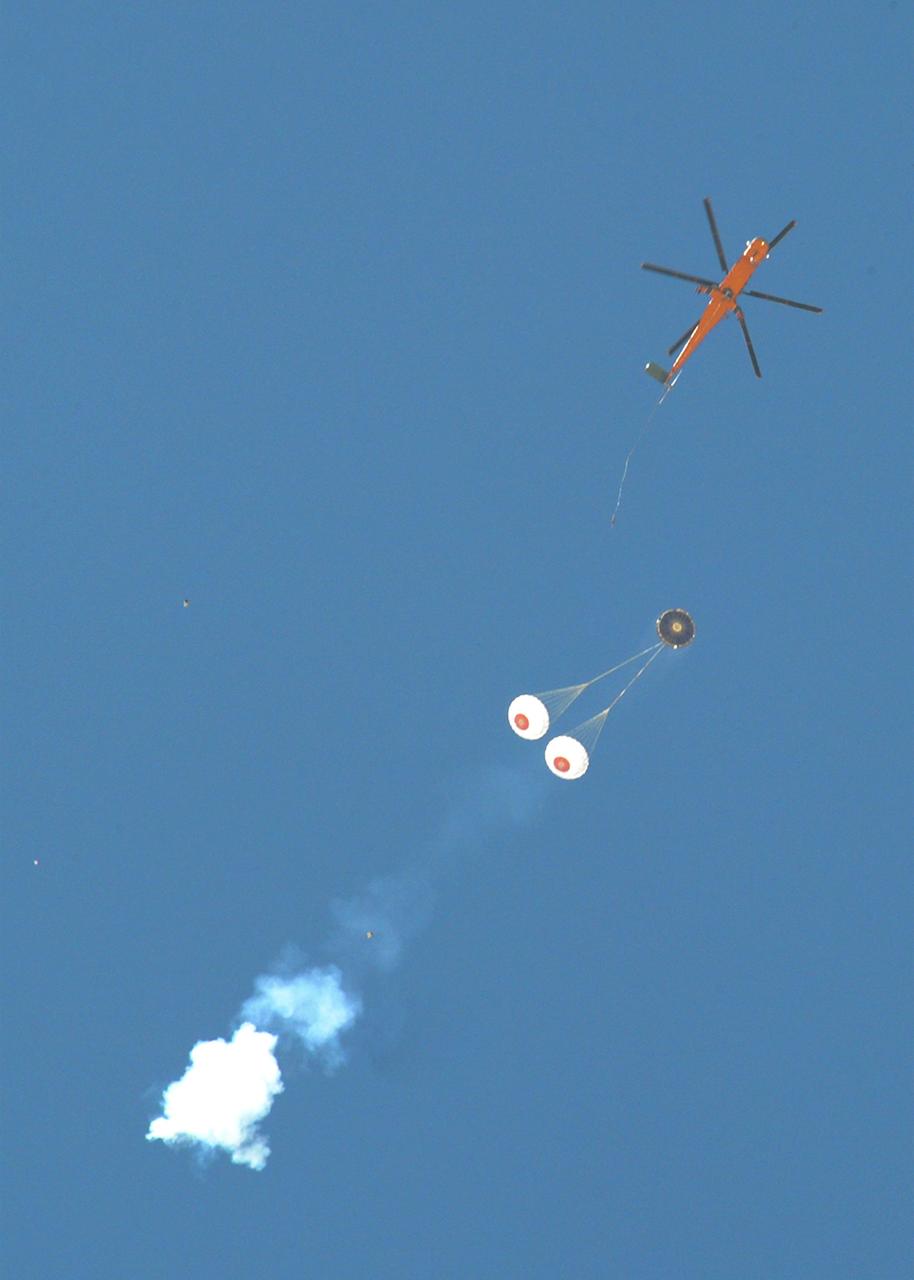
DELAMAR DRY LAKE BED, Nev. – An Erickson Sky Crane helicopter releases The Boeing Company's CST-100 crew capsule over the Delamar Dry Lake Bed near Alamo, Nev., where it floated to a smooth landing beneath its parachute system. This is the second parachute test that Boeing performed under its partnership with NASA's Commercial Crew Program CCP. The first showed the parachute system’s deployment scheme worked and that it could be re-packed and re-used for this second test. In 2011, NASA selected Boeing during Commercial Crew Development Round 2 CCDev2) activities to mature the design and development of a crew transportation system with the overall goal of accelerating a United States-led capability to the International Space Station. The goal of CCP is to drive down the cost of space travel as well as open up space to more people than ever before by balancing industry’s own innovative capabilities with NASA's 50 years of human spaceflight experience. Six other aerospace companies also are maturing launch vehicle and spacecraft designs under CCDev2, including Alliant Techsystems Inc. ATK, Excalibur Almaz Inc., Blue Origin, Sierra Nevada, Space Exploration Technologies SpaceX, and United Launch Alliance ULA. For more information, visit www.nasa.gov/commercialcrew. Image credit: Boeing
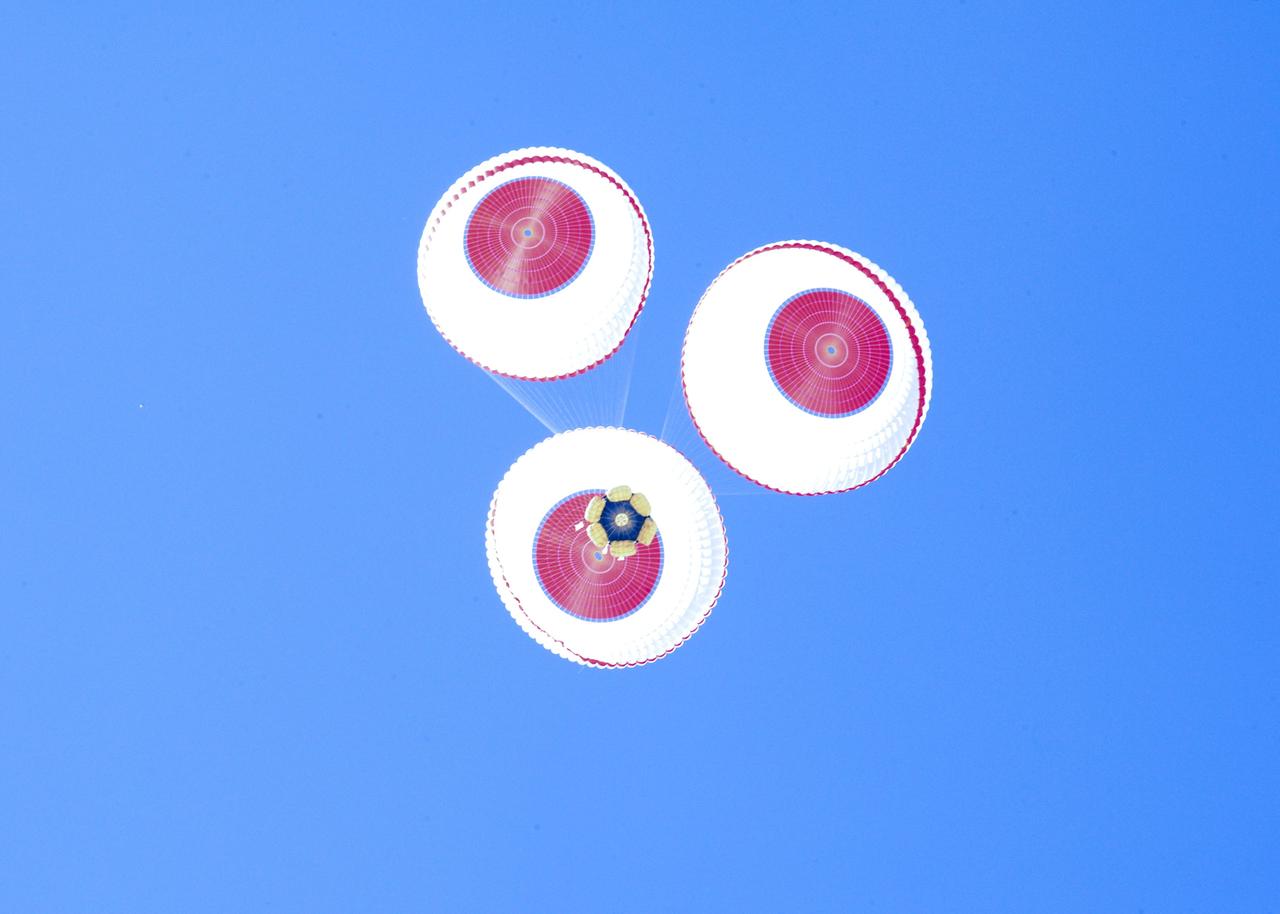
DELAMAR DRY LAKE BED, Nev. – The Boeing Company's CST-100 crew capsule floats to a smooth landing beneath three main parachutes over the Delamar Dry Lake Bed near Alamo, Nev. This is the second parachute test that Boeing performed under its partnership with NASA's Commercial Crew Program CCP. The first showed the parachute system’s deployment scheme worked and that it could be re-packed and re-used for this second test. In 2011, NASA selected Boeing during Commercial Crew Development Round 2 CCDev2) activities to mature the design and development of a crew transportation system with the overall goal of accelerating a United States-led capability to the International Space Station. The goal of CCP is to drive down the cost of space travel as well as open up space to more people than ever before by balancing industry’s own innovative capabilities with NASA's 50 years of human spaceflight experience. Six other aerospace companies also are maturing launch vehicle and spacecraft designs under CCDev2, including Alliant Techsystems Inc. ATK, Excalibur Almaz Inc., Blue Origin, Sierra Nevada, Space Exploration Technologies SpaceX, and United Launch Alliance ULA. For more information, visit www.nasa.gov/commercialcrew. Image credit: Boeing
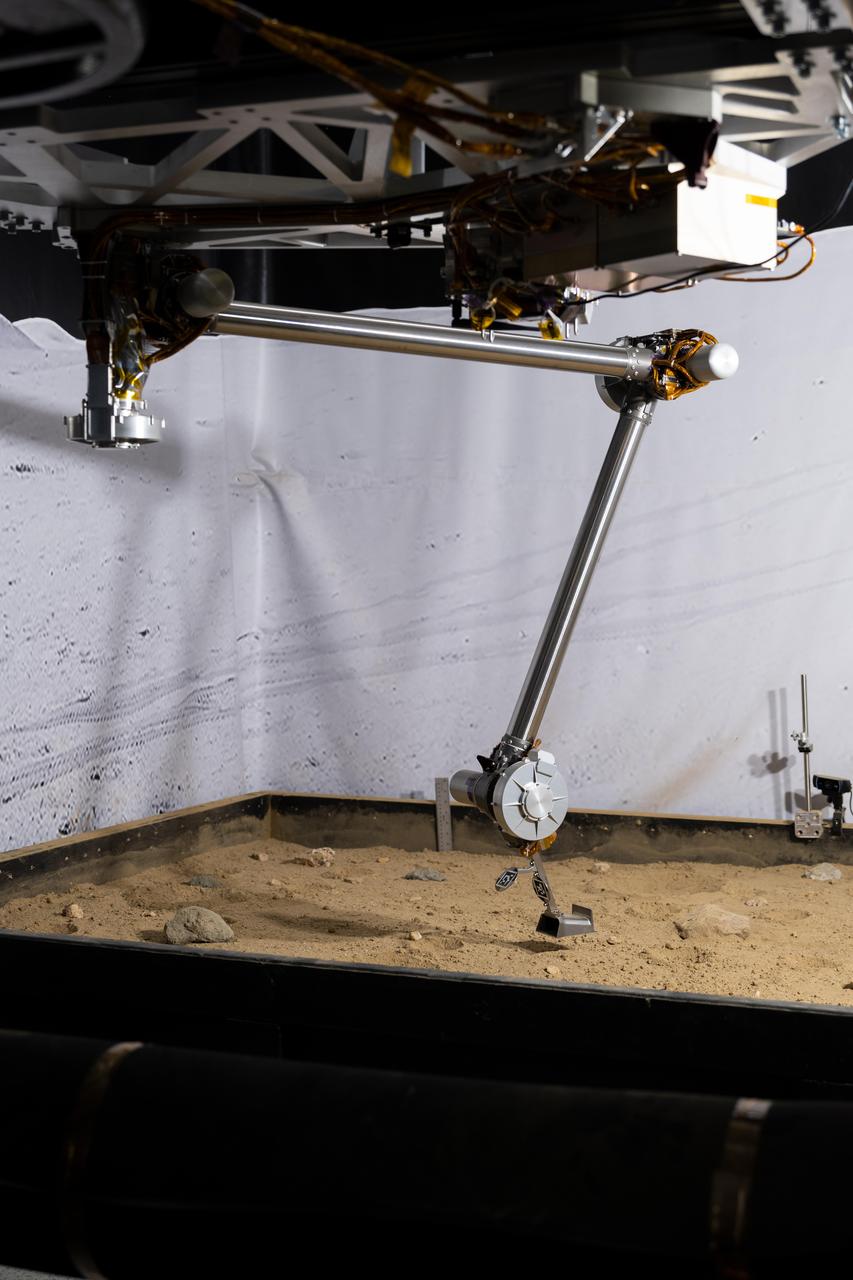
The 3D-printed titanium scoop of the Cold Operable Lunar Deployable Arm (COLDArm) robotic arm system is poised above a test bed filled with material to simulate lunar regolith (broken rocks and dust) at NASA's Jet Propulsion Laboratory in Southern California. COLDArm can function in temperatures as cold as minus 280 degrees Fahrenheit (minus 173 degrees Celsius). COLDArm is designed to go on a Moon lander and operate during lunar night, a period that lasts about 14 Earth days. Frigid temperatures during lunar night would stymie current spacecraft, which must rely on energy-consuming heaters to stay warm. To operate in the cold, the 6-foot-6-inch (2-meter) arm combines several key new technologies: gears made of bulk metallic glass that require no lubrication or heating, cold motor controllers that don't need to be kept warm in an electronics box near the core of the spacecraft, and a cryogenic six-axis force torque sensor that lets the arm "feel" what it's doing and make adjustments. A variety of attachments and small instruments could go on the end of the arm, including the scoop, which could be used for collecting samples from a planet's surface. Like the arm on NASA's InSight Mars lander, COLDArm could deploy science instruments to the surface. https://photojournal.jpl.nasa.gov/catalog/PIA25317
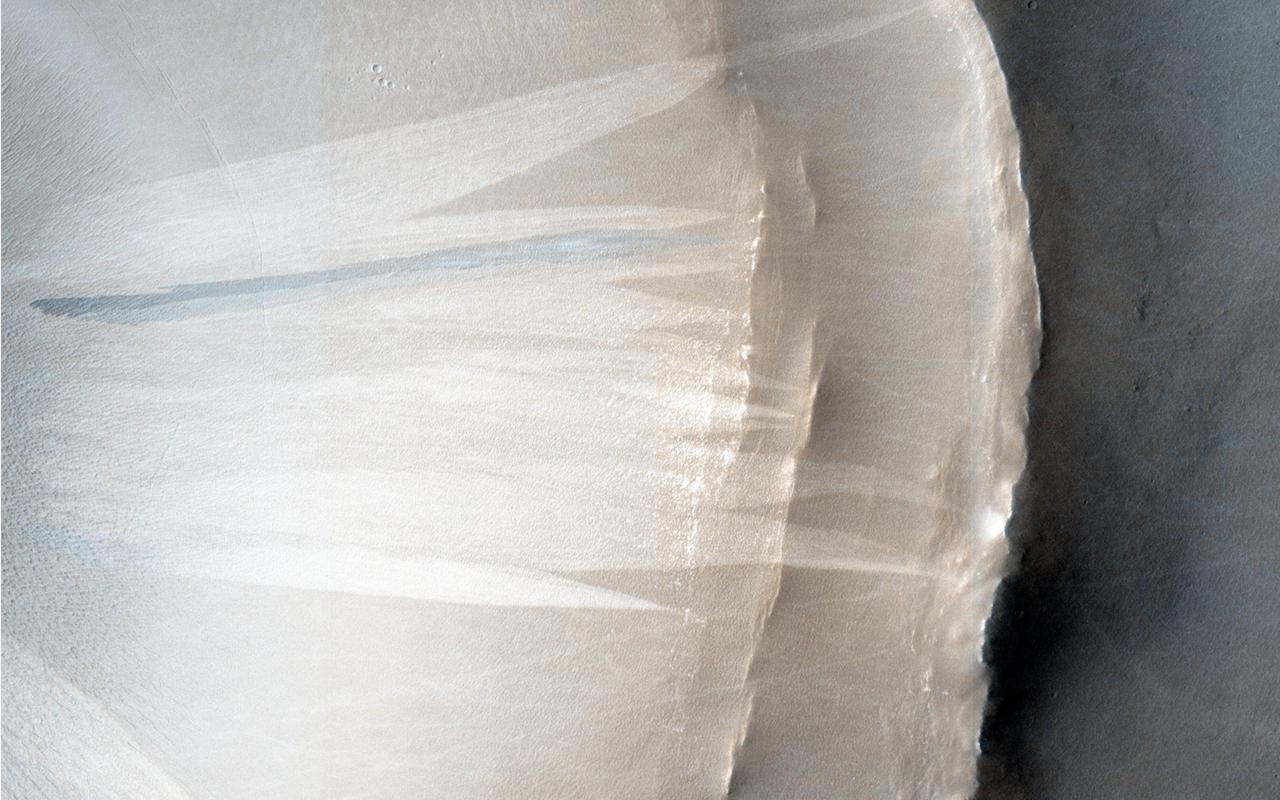
This image from NASA Mars Reconnaissance Orbiter shows features commonly found in dusty areas: impacts, slope streaks and bed-forms.
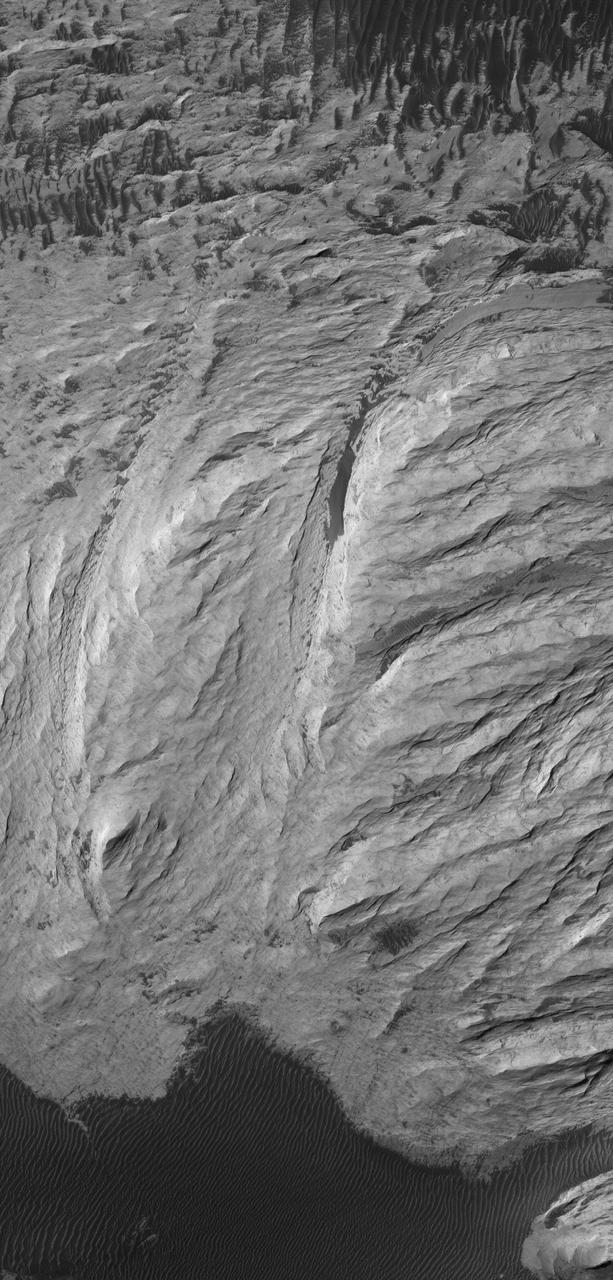
This MOC image shows outcrops of light-toned, massively-bedded rock in western Candor Chasma, part of the Valles Marineris trough system
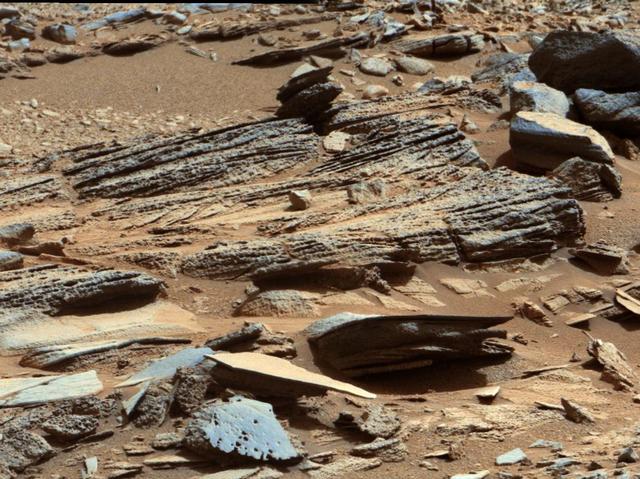
This image from the Mast Camera Mastcam on NASA Mars rover Curiosity shows inclined layering known as cross-bedding in an outcrop called Shaler.
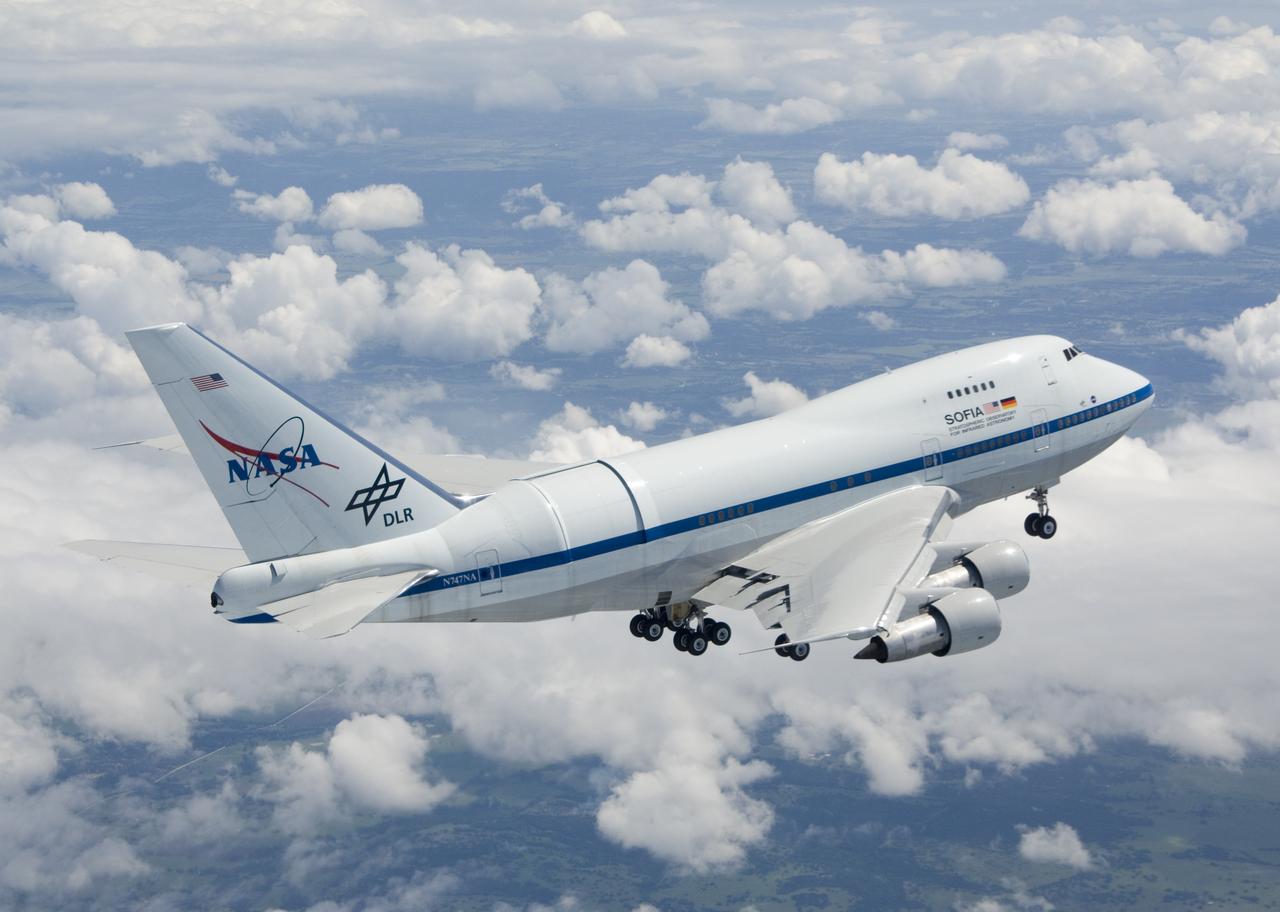
NASA's Boeing 747SP SOFIA airborne observatory soars over a bed of puffy clouds during its second checkout flight over the Texas countryside on May 10, 2007.
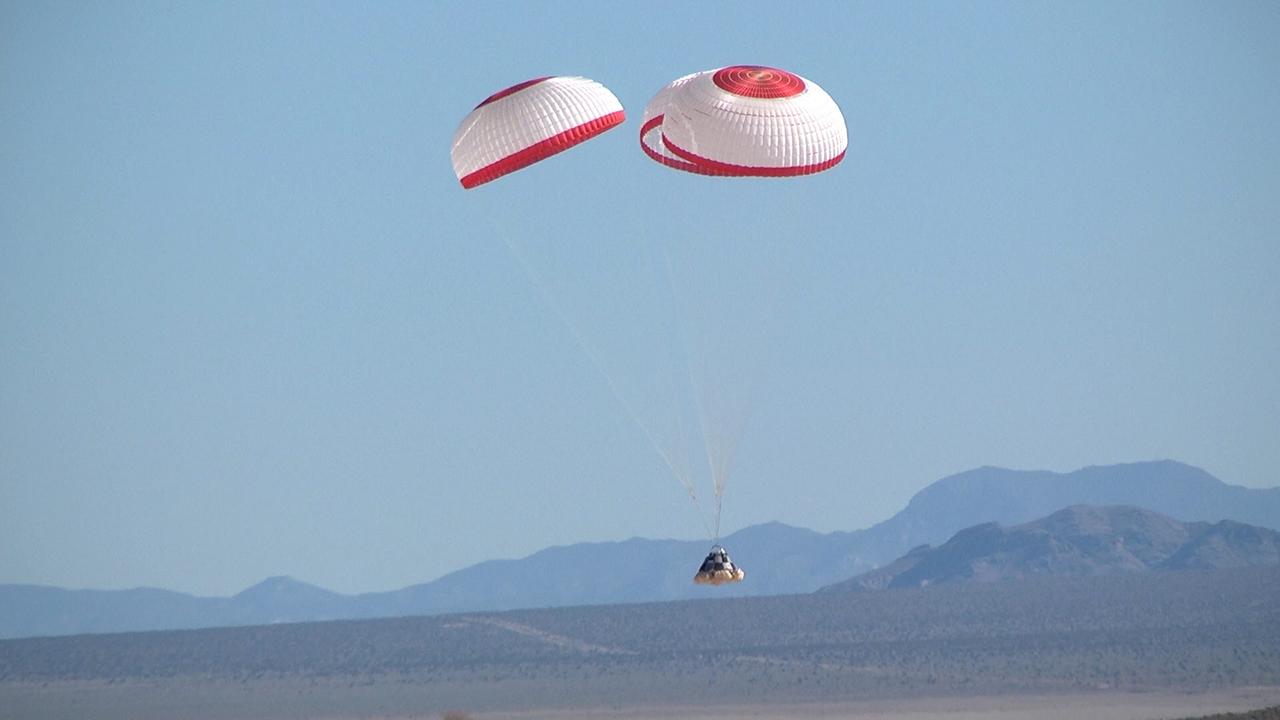
DELAMAR DRY LAKE BED, Nev. -- The Boeing Company's CST-100 boilerplate crew capsule floats toward a smooth landing beneath three main parachutes after being released from an Erickson Sky Crane helicopter at about 11,000 feet above Delamar Dry Lake Bed near Alamo, Nev. This is one of two tests that Boeing will perform for NASA's Commercial Crew Program CCP in order to validate the spacecraft's parachute system architecture and deployment scheme, characterize pyrotechnic shock loads, confirm parachute sizing and design, and identify potential forward compartment packaging and deployment issues. In 2011, NASA selected Boeing during Commercial Crew Development Round 2 CCDev2) activities to mature the design and development of a crew transportation system with the overall goal of accelerating a United States-led capability to the International Space Station. The goal of CCP is to drive down the cost of space travel as well as open up space to more people than ever before by balancing industry’s own innovative capabilities with NASA's 50 years of human spaceflight experience. Six other aerospace companies also are maturing launch vehicle and spacecraft designs under CCDev2, including Alliant Techsystems Inc. ATK, Excalibur Almaz Inc., Blue Origin, Sierra Nevada, Space Exploration Technologies SpaceX, and United Launch Alliance ULA. For more information, visit www.nasa.gov/commercialcrew. Image credit: Boeing

Understanding both the spatial and temporal distribution of hydrated (water-bearing) minerals on Mars is essential for deciphering the aqueous history of the planet. Over 300 meters of layered beds are exposed in this trough of Noctis Labyrinthus, at the western edge of Valles Marineris. The beds are mixtures of light- and dark-toned materials, and include units that contain hydrated minerals, like sulfates and clays. Mapping these minerals and their stratigraphic relationships indicates numerous hydrologic and/or depositional events in localized environments spread over time. The diversity of materials within the trough implies active hydrologic processes and/or changing chemical conditions, perhaps due to influxes of groundwater from nearby Tharsis volcanism. http://photojournal.jpl.nasa.gov/catalog/PIA14455

NASA's F-15B Aeronautics Research Test Bed performs a calibration flight of the shock-sensing probe over Edwards, California, on Aug. 6, 2024. The probe will measure shock waves from NASA's X-59.

NASA's F-15B Aeronautics Research Test Bed performs a calibration flight of the shock-sensing probe over Edwards, California, on Aug. 6, 2024. The probe will measure shock waves from NASA's X-59.

NASA's F-15B Aeronautics Research Test Bed performs a calibration flight of the shock-sensing probe over Edwards, California, on Aug. 6, 2024. The probe will measure shock waves from NASA's X-59.

NASA's F-15B Aeronautics Research Test Bed performs a calibration flight of the shock-sensing probe over Edwards, California, on Aug. 6, 2024. The probe will measure shock waves from NASA's X-59.
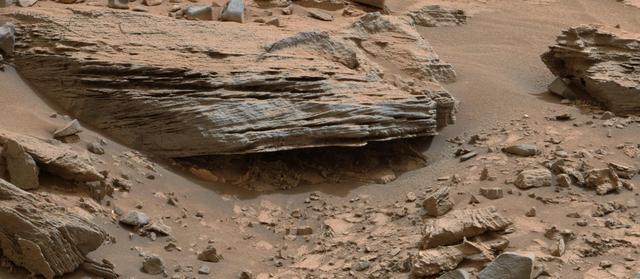
Cross-bedding seen in the layers of this Martian rock is evidence of movement of water recorded by the waves or ripples of loose sediment the water passed over, such as a current in a lake. This image is from NASA Curiosity Mars rover.

The Seven Sisters, also known as the Pleiades star cluster, seem to float on a bed of feathers in a new infrared image from NASA Spitzer Space Telescope. Clouds of dust sweep around the stars, swaddling them in a cushiony veil.

The Seven Sisters, also known as the Pleiades star cluster, seem to float on a bed of feathers in a new infrared image from NASA Spitzer Space Telescope. Clouds of dust sweep around the stars, swaddling them in a cushiony veil.
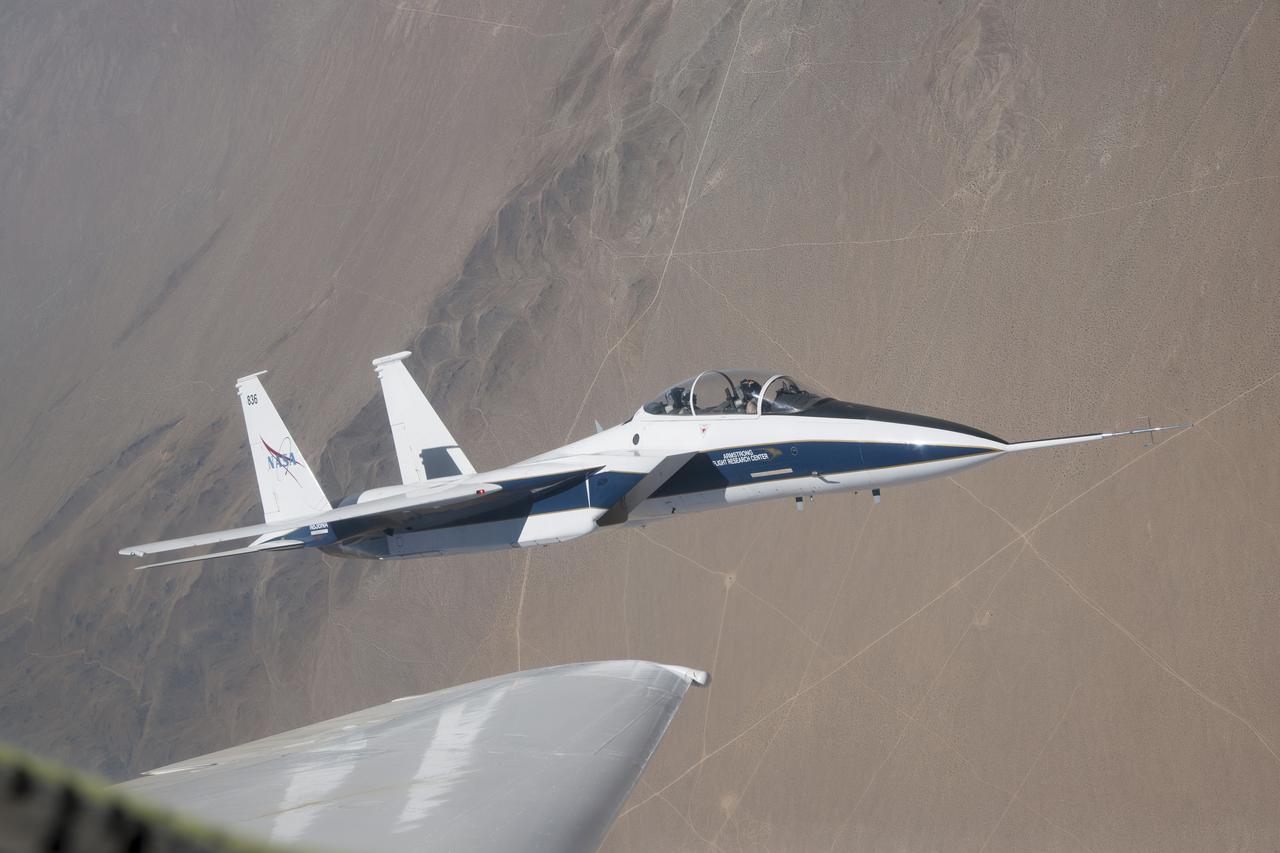
NASA’s F-15 research test bed will expose the Swept Wing Laminar Flow test article to speeds up to Mach 2, matching conditions presented during wind tunnel testing at NASA’s Langley Research Center.
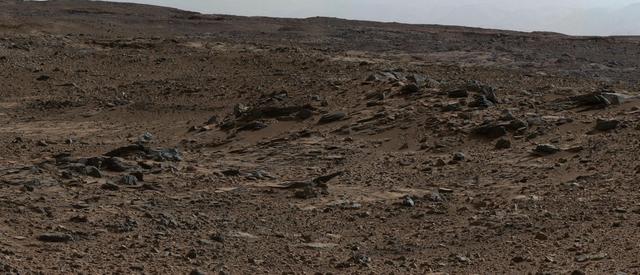
This image shows inclined beds characteristic of delta deposits where a stream entered a lake, but at a higher elevation and farther south than other delta deposits north of Mount Sharp.
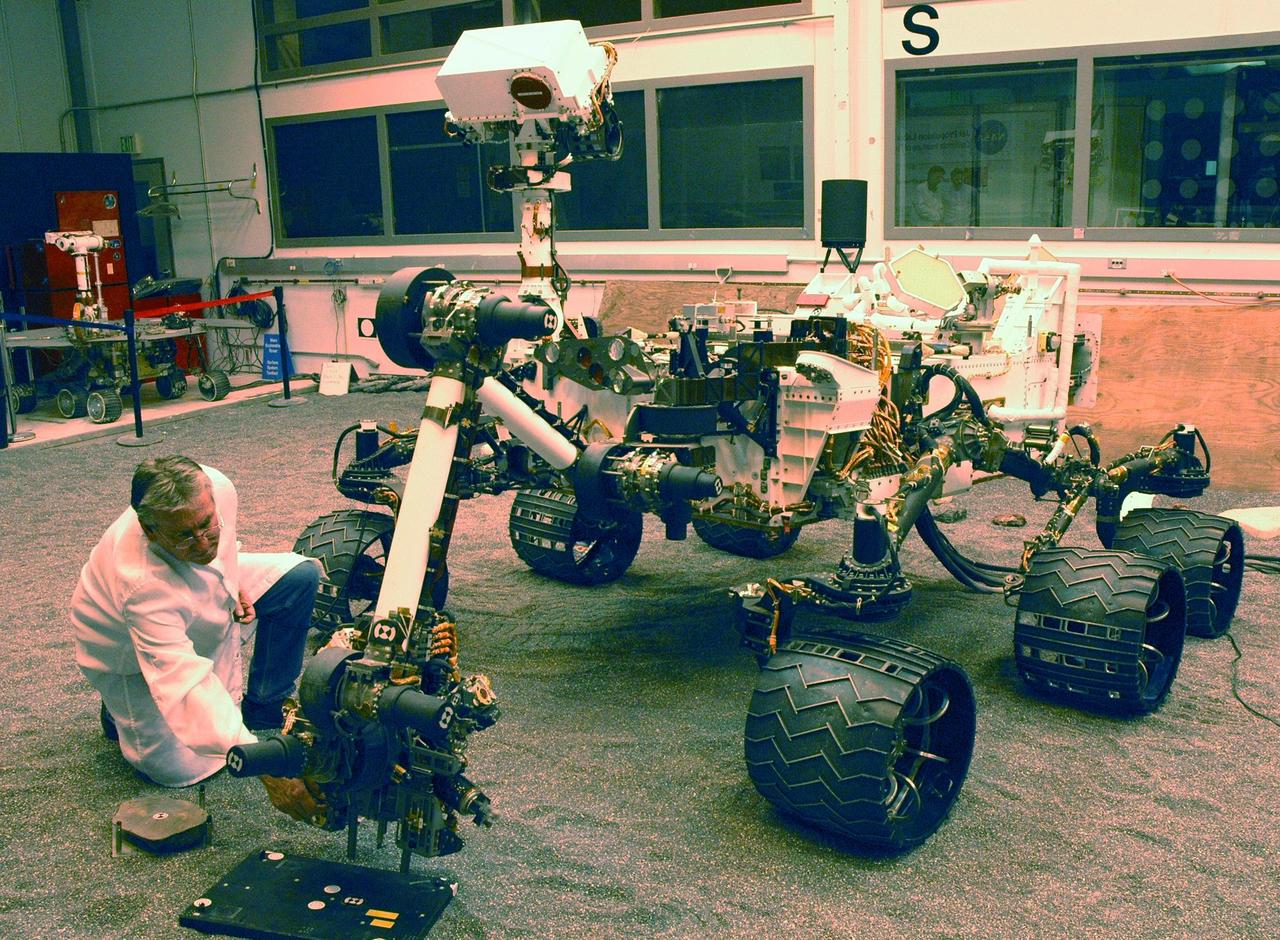
A NASA Mars Science Laboratory test rover called the Vehicle System Test Bed, or VSTB, at NASA Jet Propulsion Laboratory, Pasadena, CA serves as the closest double for Curiosity in evaluations of the mission hardware and software.
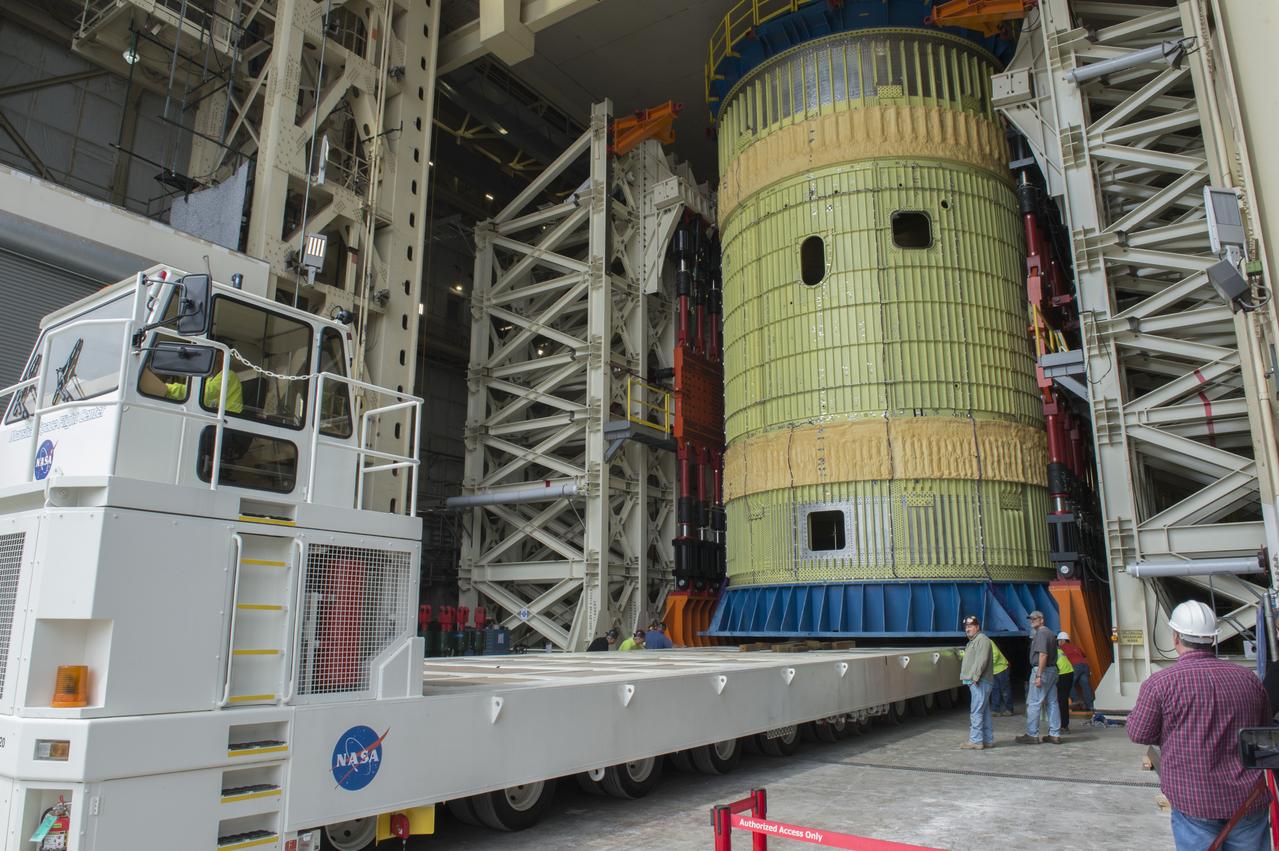
SLS Intertank Test Article, ITA, is attached to crosshead of load test Annex, Bldg. 4619, and removed from bed of KMAG transporter. ITA is slowly raised from bed of KMAG transporter and KMAG is removed.
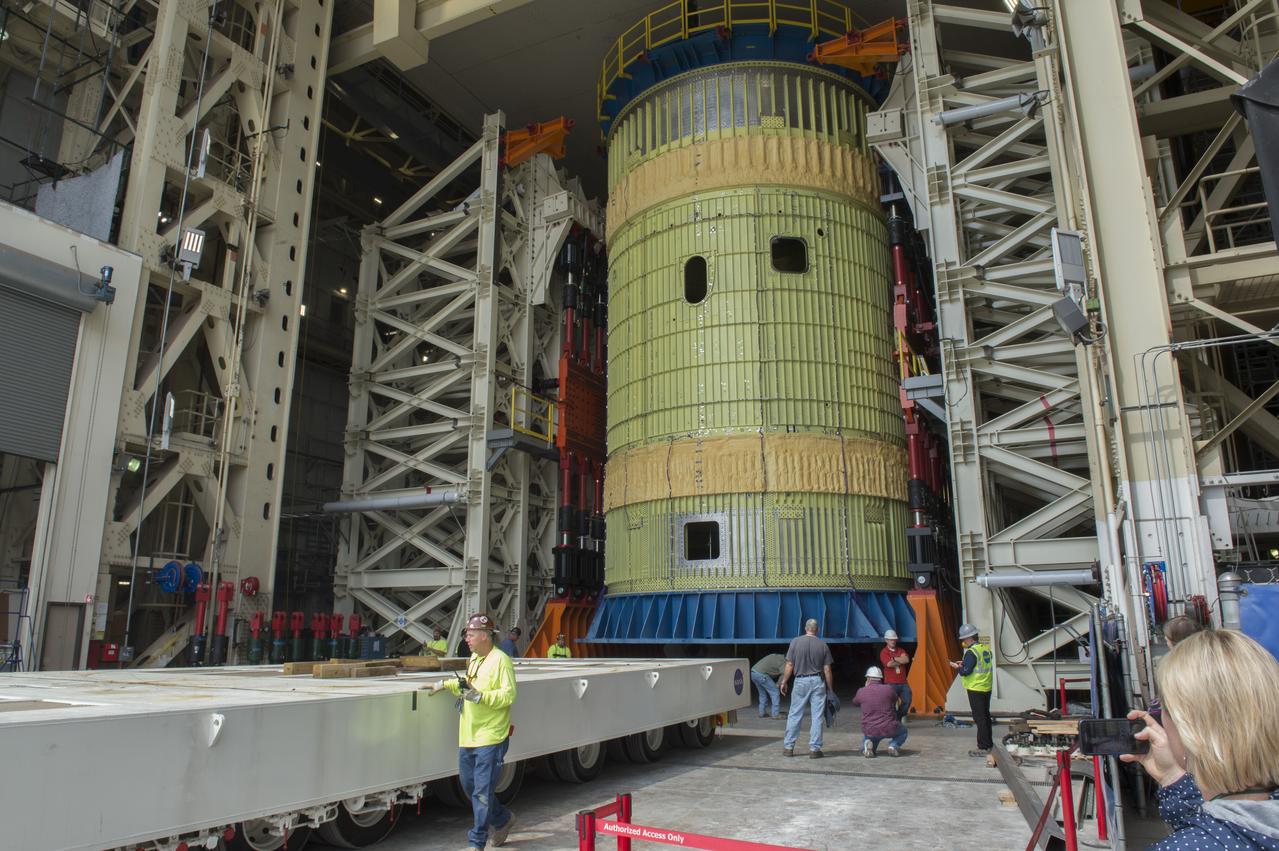
SLS Intertank Test Article, ITA, is attached to crosshead of load test Annex, Bldg. 4619, and removed from bed of KMAG transporter. ITA is slowly raised from bed of KMAG transporter and KMAG is removed.
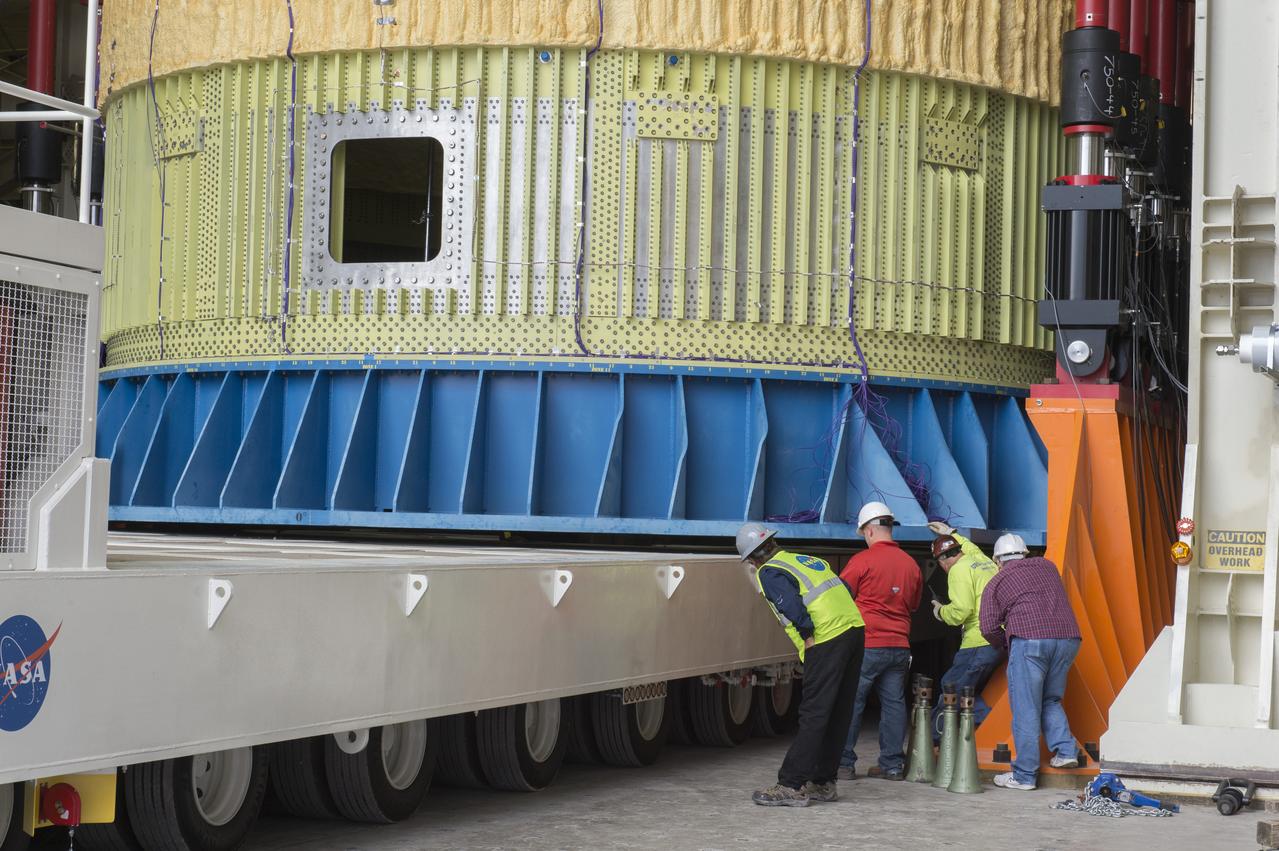
SLS Intertank Test Article, ITA, is attached to crosshead of load test Annex, Bldg. 4619, and removed from bed of KMAG transporter. ITA is slowly raised from bed of KMAG transporter and KMAG is removed.

Packed Bed Reactor Experiment
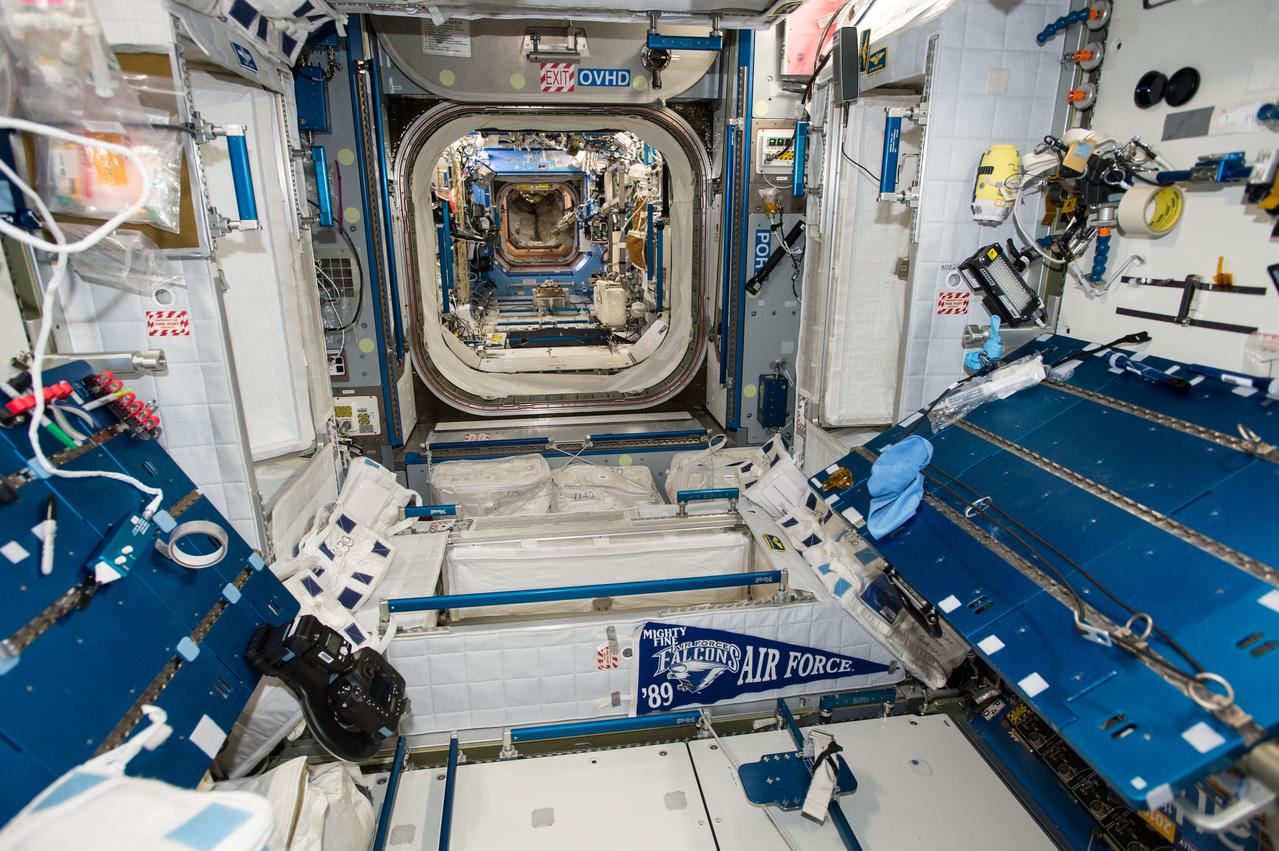
GMT337_15_23_Terry Virts_CDRA bed 4_128
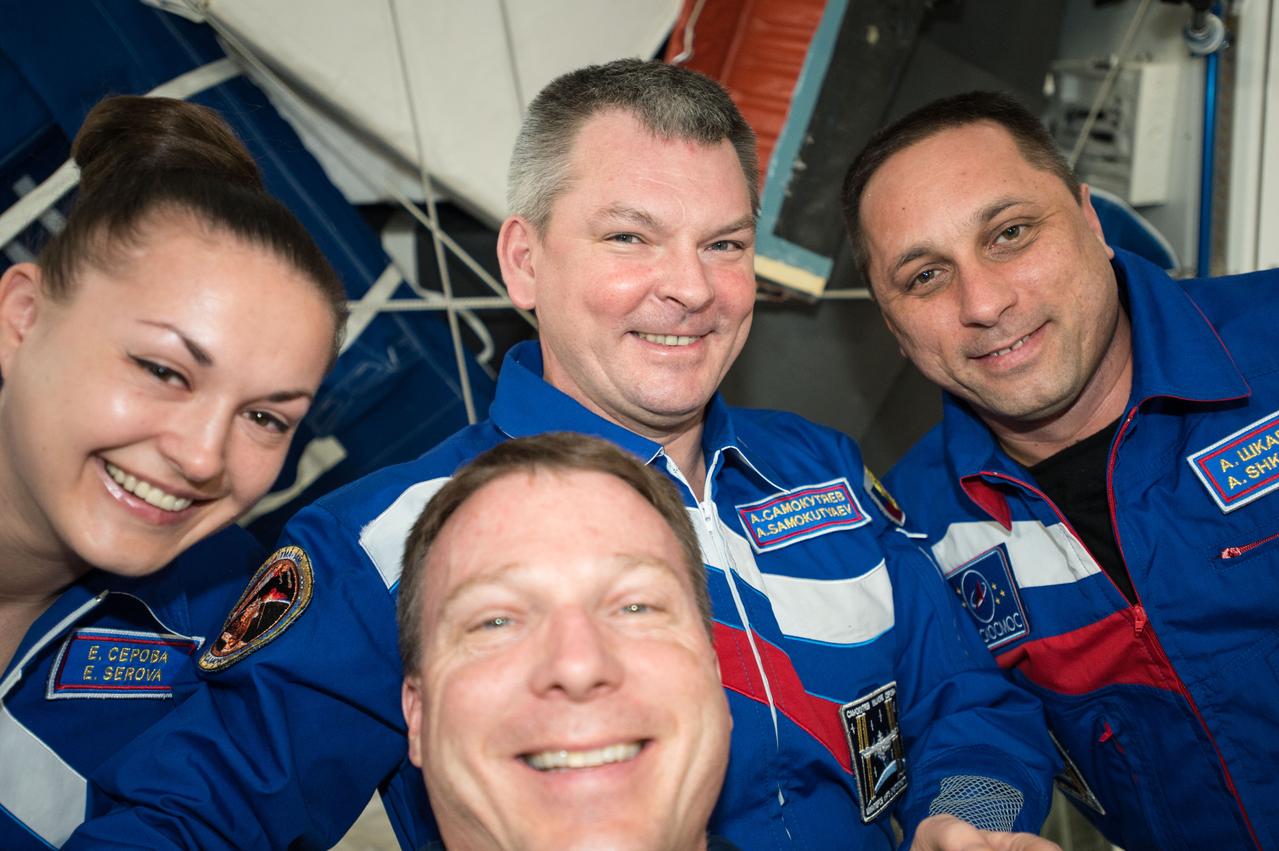
GMT337_15_23_Terry Virts_CDRA bed 4_128

This anaglyph from Mars Global Surveyor MGS shows layers in Galle Crater. 3D glasses are necessary to view this image.
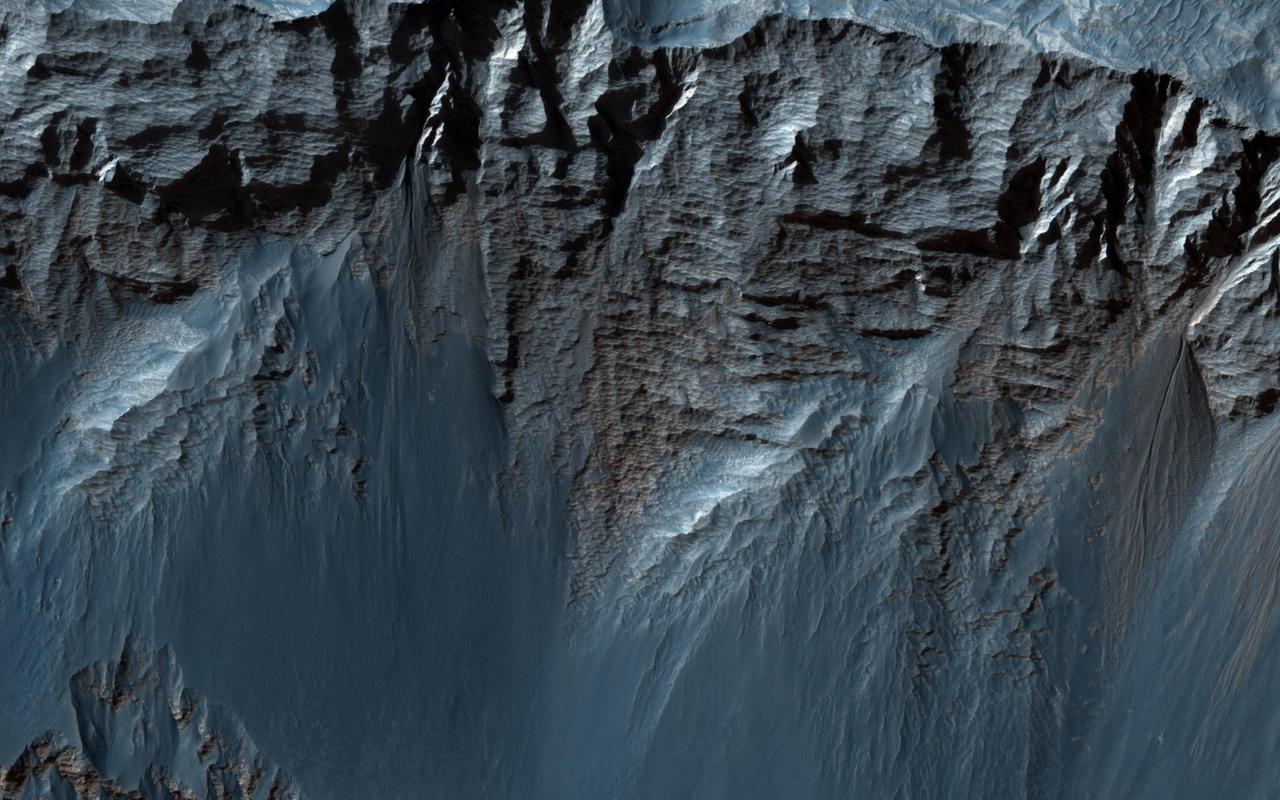
This beautiful image shows terrific layers and exposed bedrock along a cliff in west Candor Chasma, which is part of the extensive Valles Marineris canyon system as seen by NASA Mars Reconnaissance Orbiter.

Billions of years ago, a river flowed across this scene in Mawrth Vallis. Like on Earth, these river beds can get filled up with rocks that are cemented together. After Mars became a colder, drier place and the river disappeared, the rocky river bed remained. In this HiRISE image, we see a dark ridge snaking across the surface. The dark ridge is the old river bed. It is raised above its surroundings now because these softer surroundings have been eroded away, whereas the rocky river bed resists that. Scientists call these ridges inverted channels and many of them are visible in this area of Mars. https://photojournal.jpl.nasa.gov/catalog/PIA25081
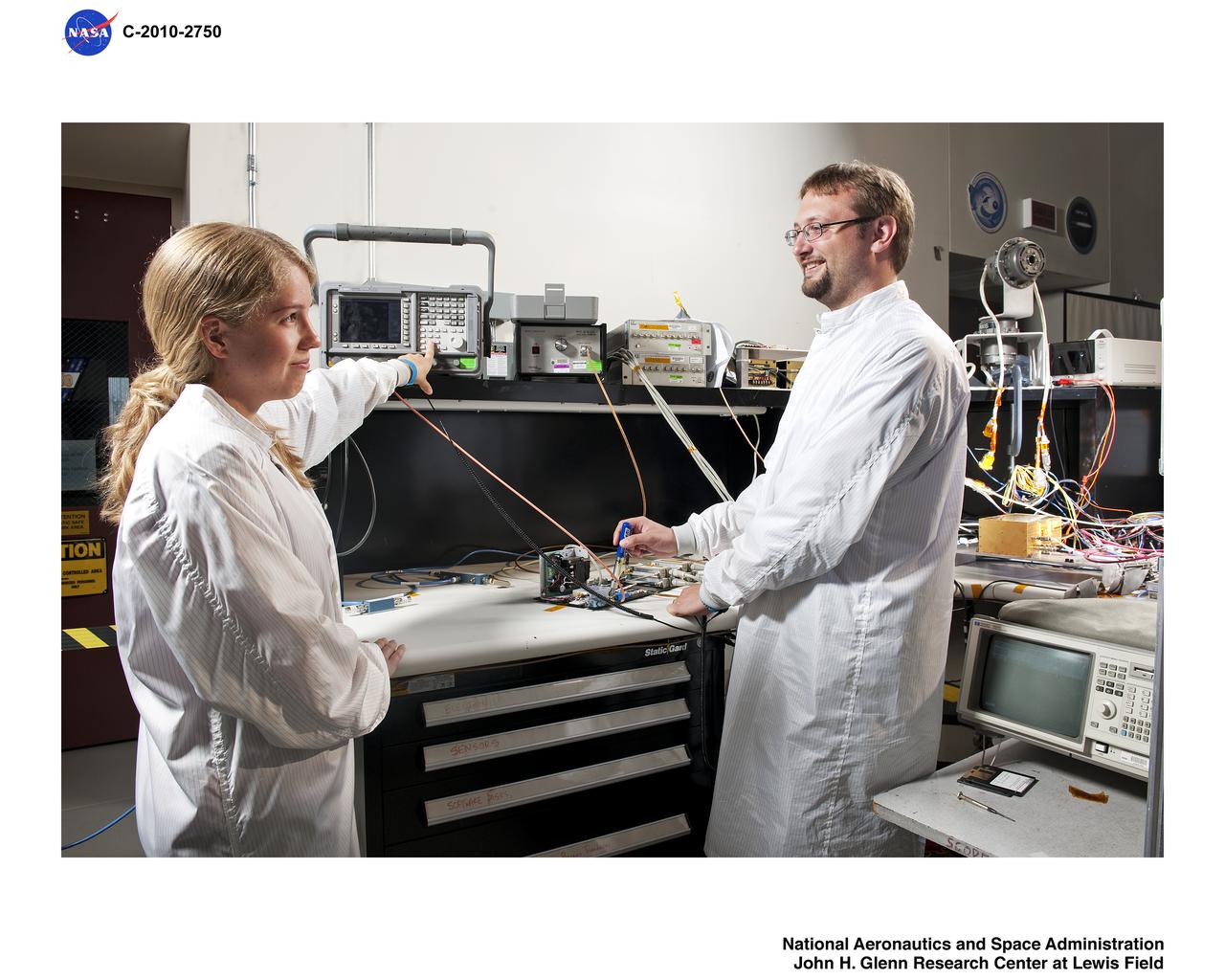
Communications, Navigation, and Networking Reconfigurable Test-bed (CoNNeCT)
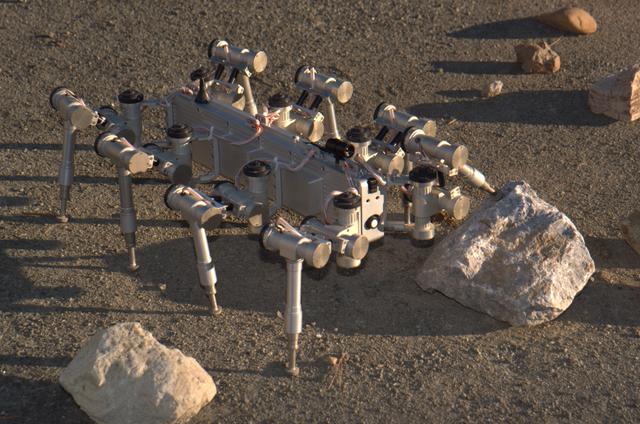
Scorpion robot demo at the Ames Mars test bed
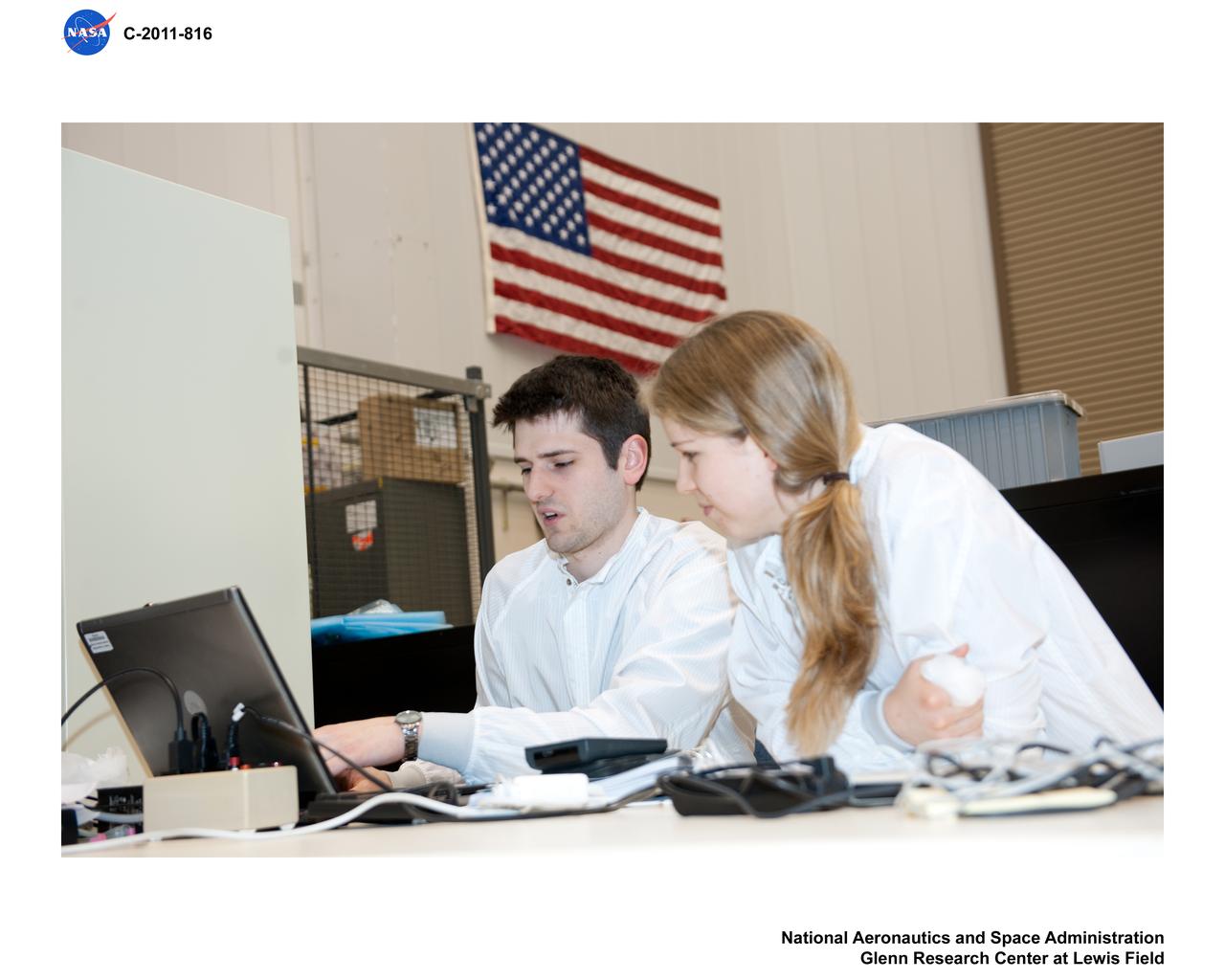
Communications, Navigation, and Network Reconfigurable Test-bed, CoNNeCT
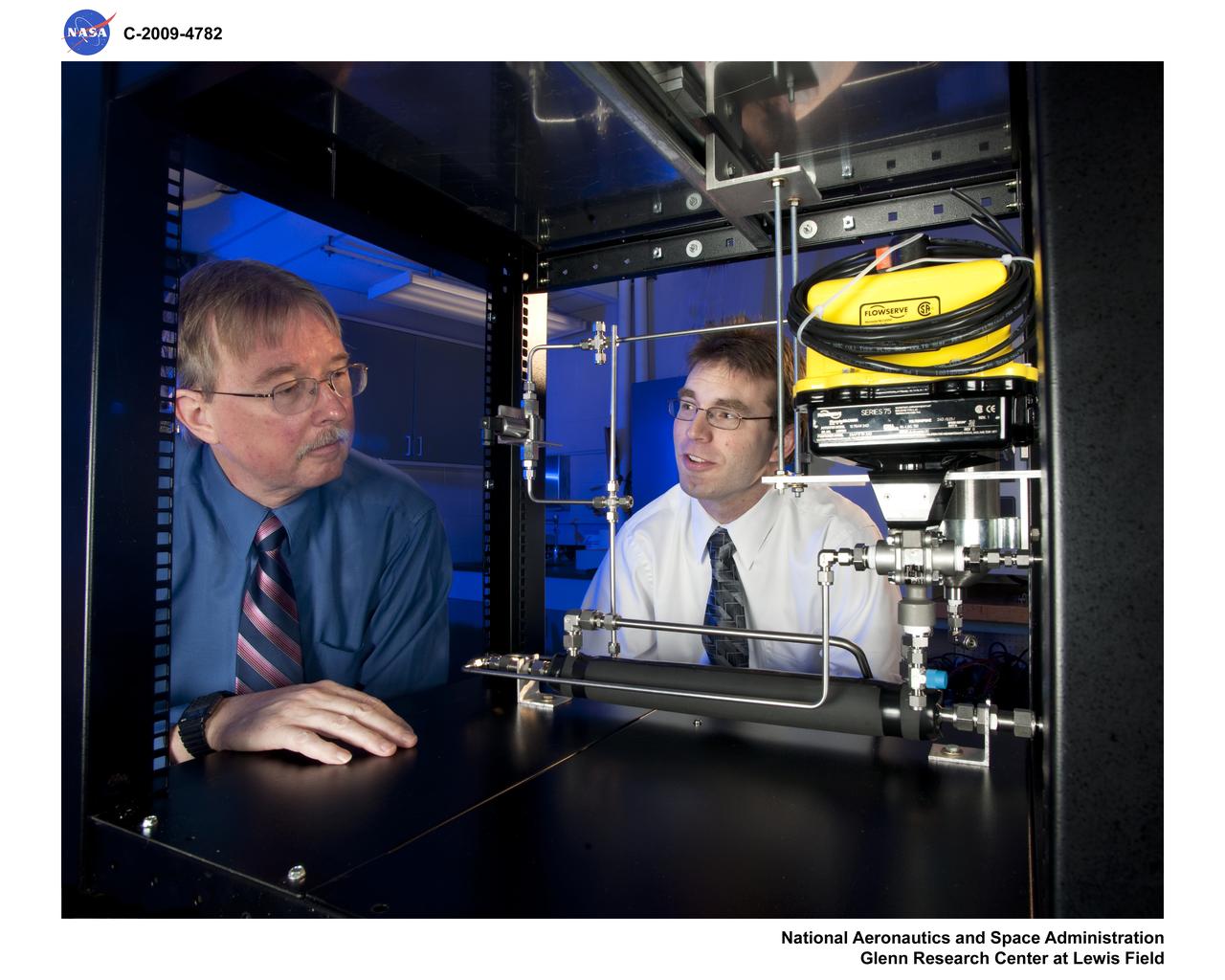
Common Test Bed, Fuel Cell Laboratory
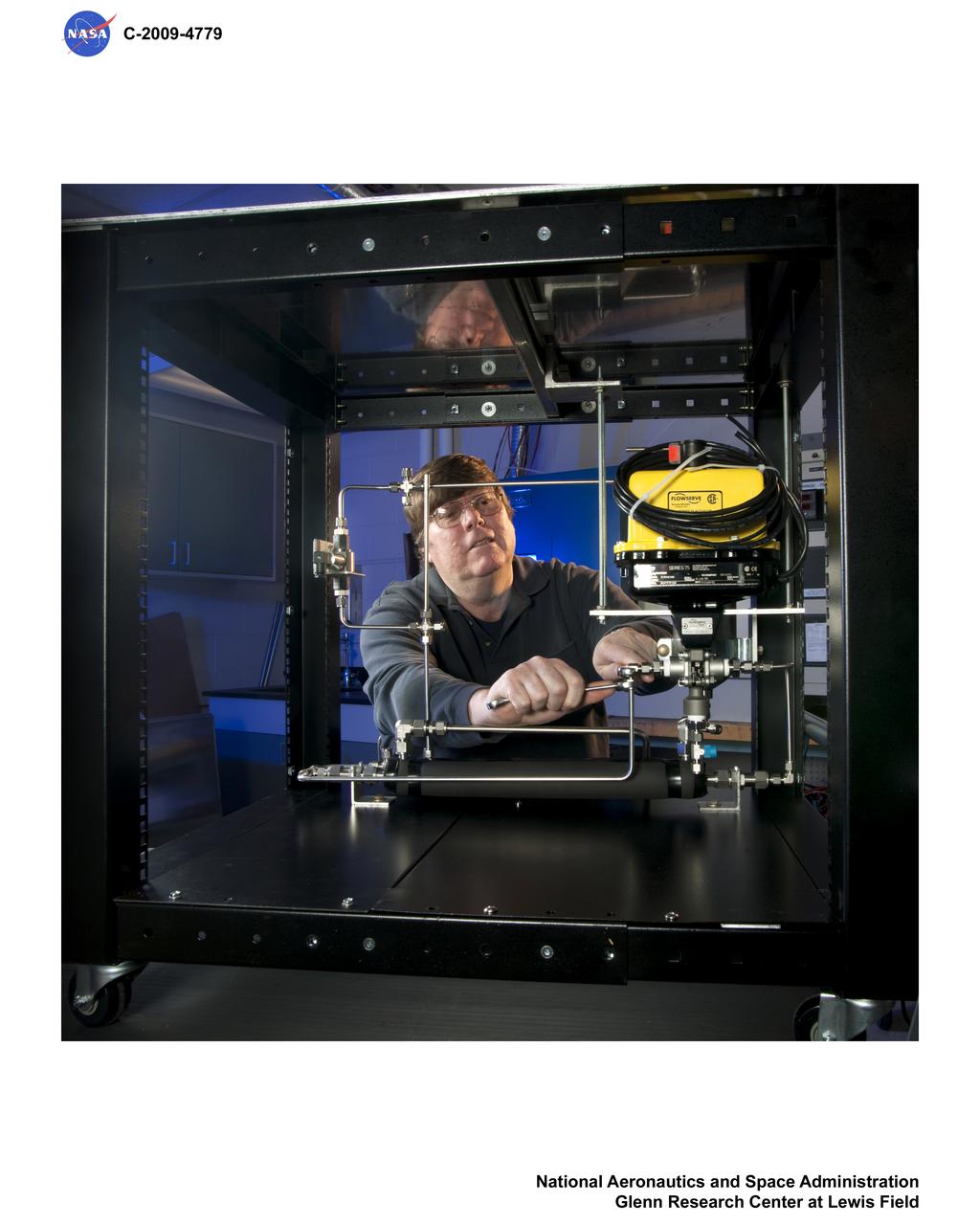
Common Test Bed, Fuel Cell Laboratory
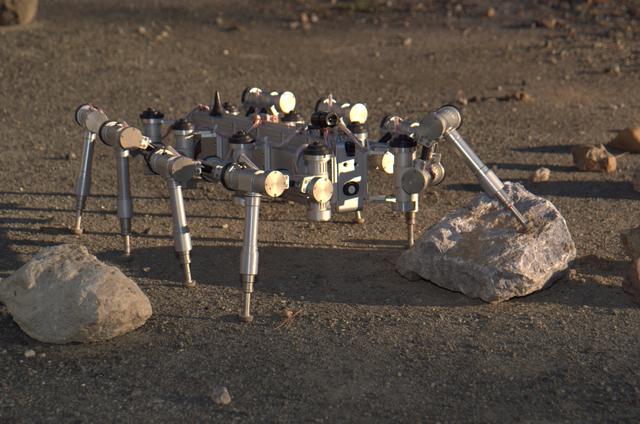
Scorpion robot demo at the Ames Mars test bed
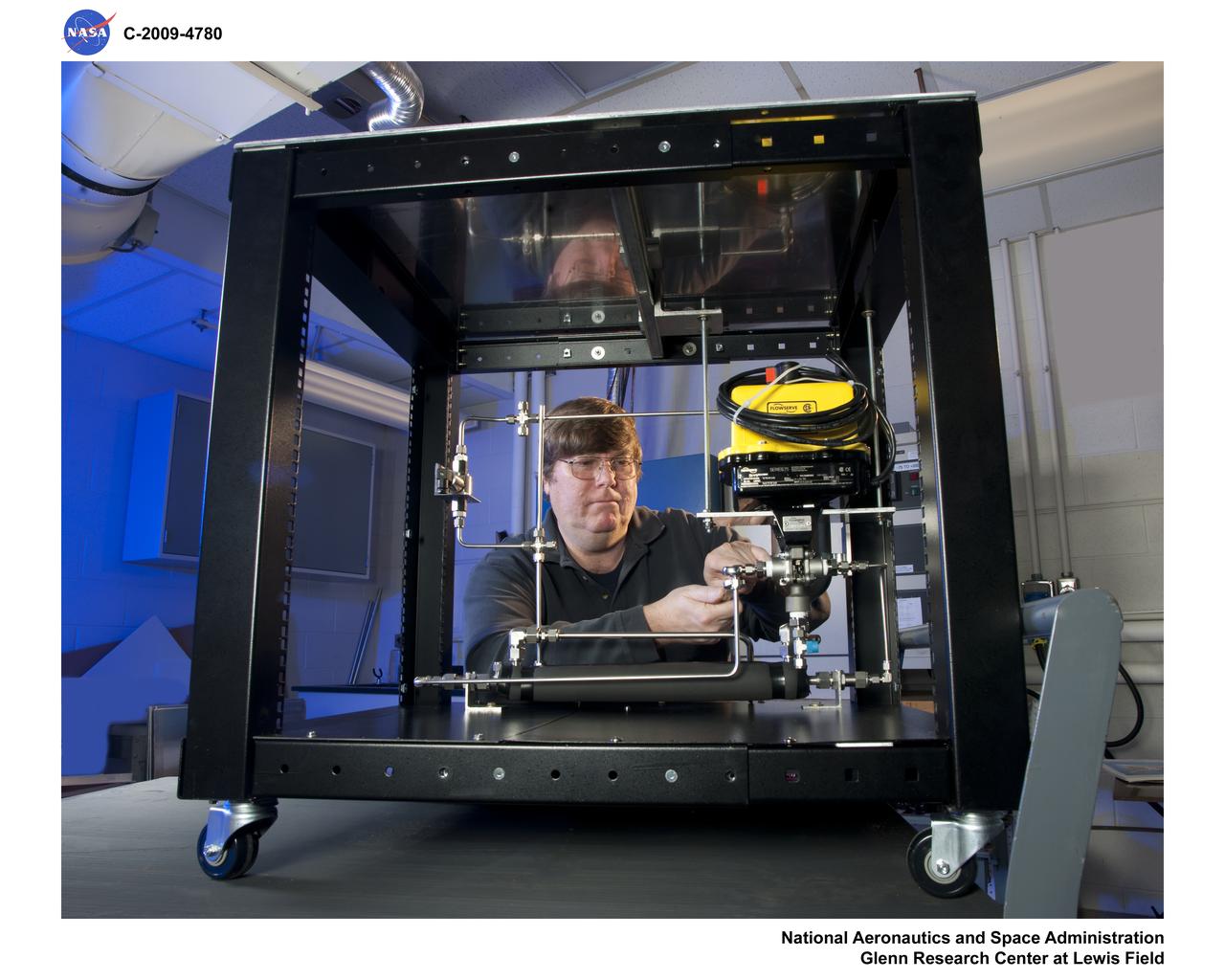
Common Test Bed, Fuel Cell Laboratory
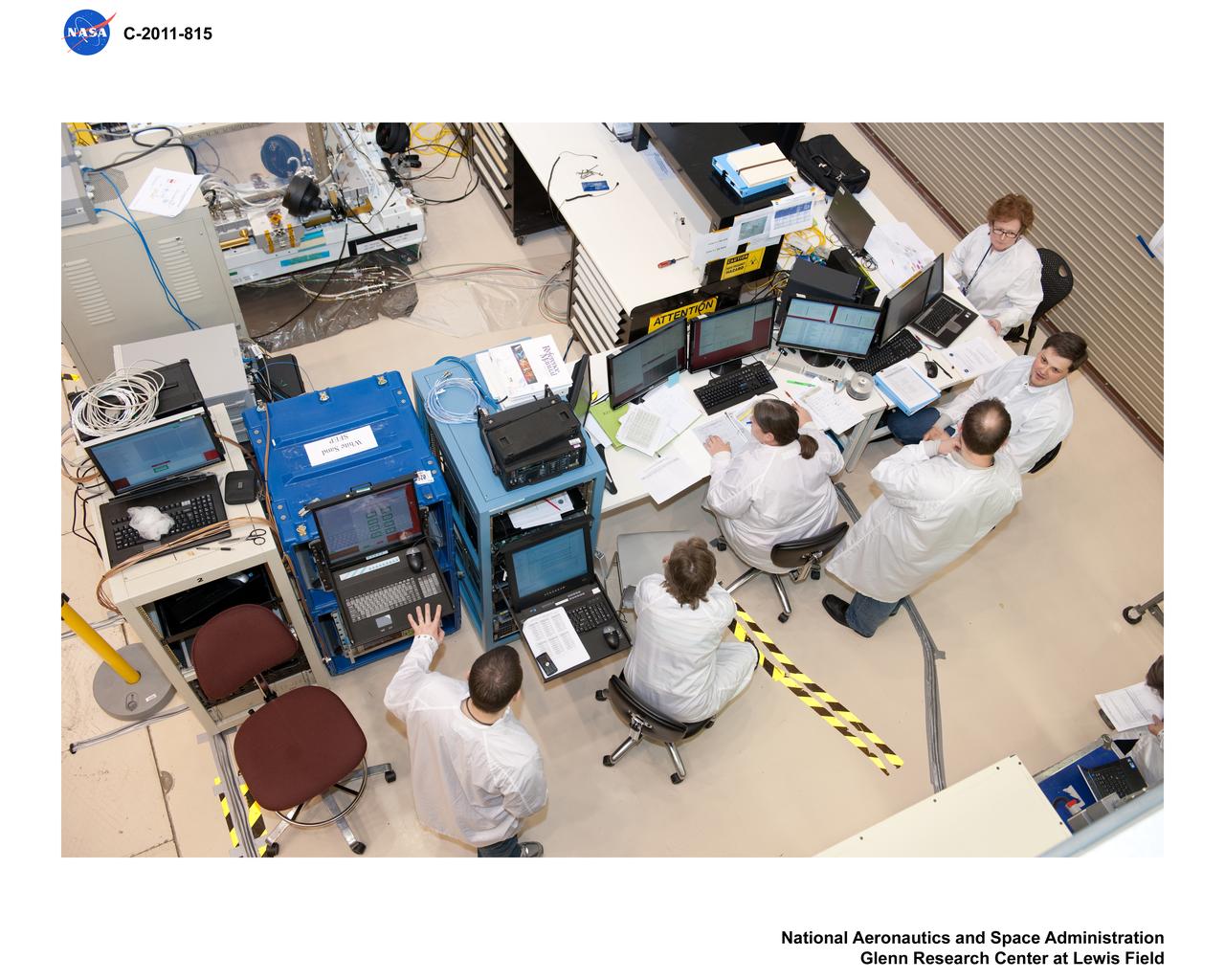
Communications, Navigation, and Network Reconfigurable Test-bed, CoNNeCT
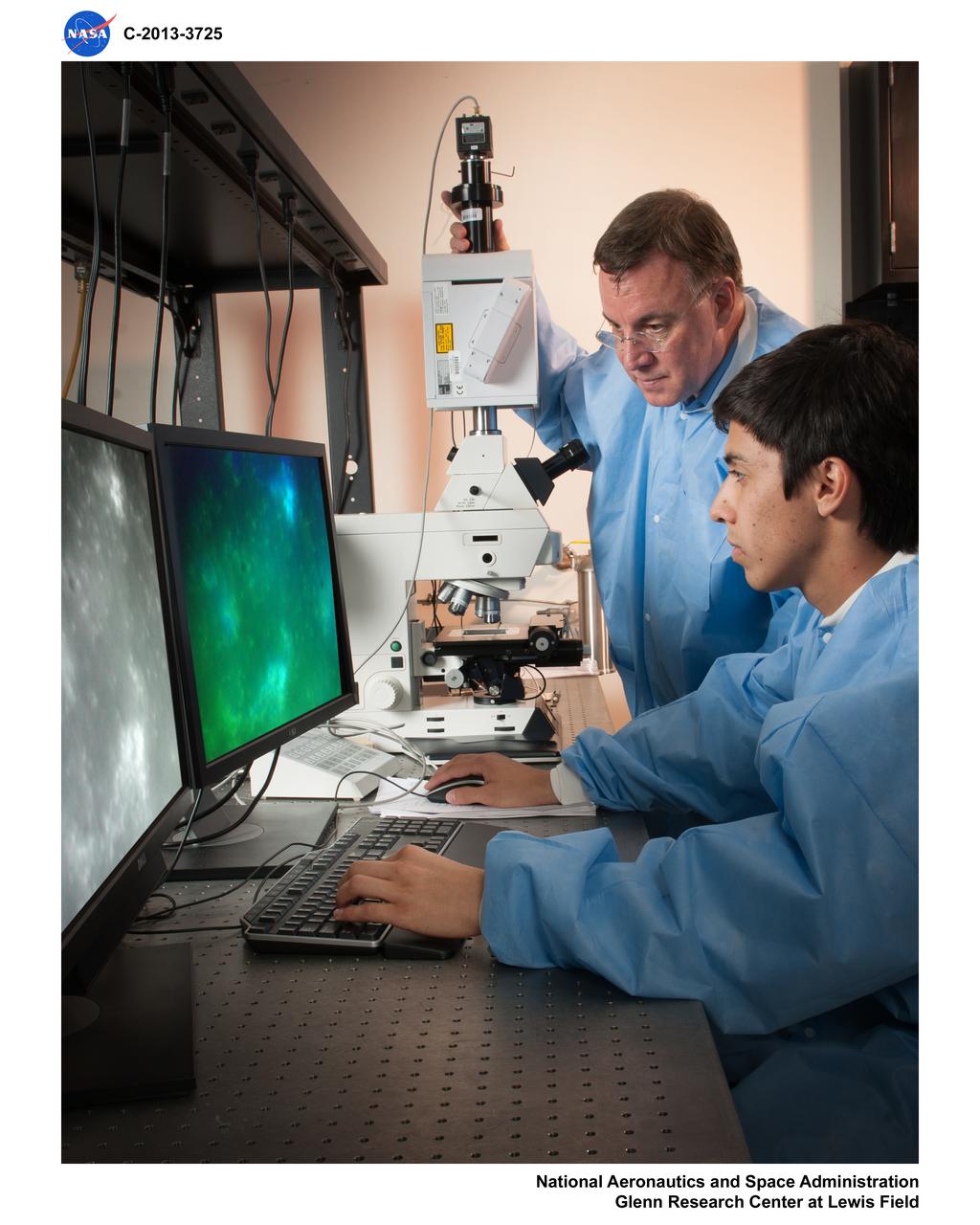
Advanced Colloid Experiment, ACE, Confocal Test Bed

Hypersonic test bed model with shock generator
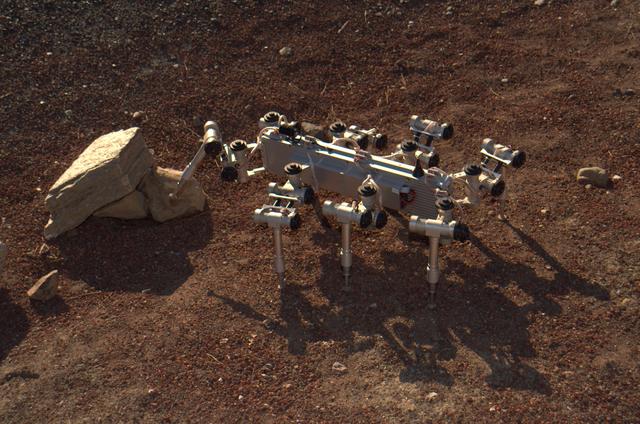
Scorpion robot demo at the Ames Mars test bed
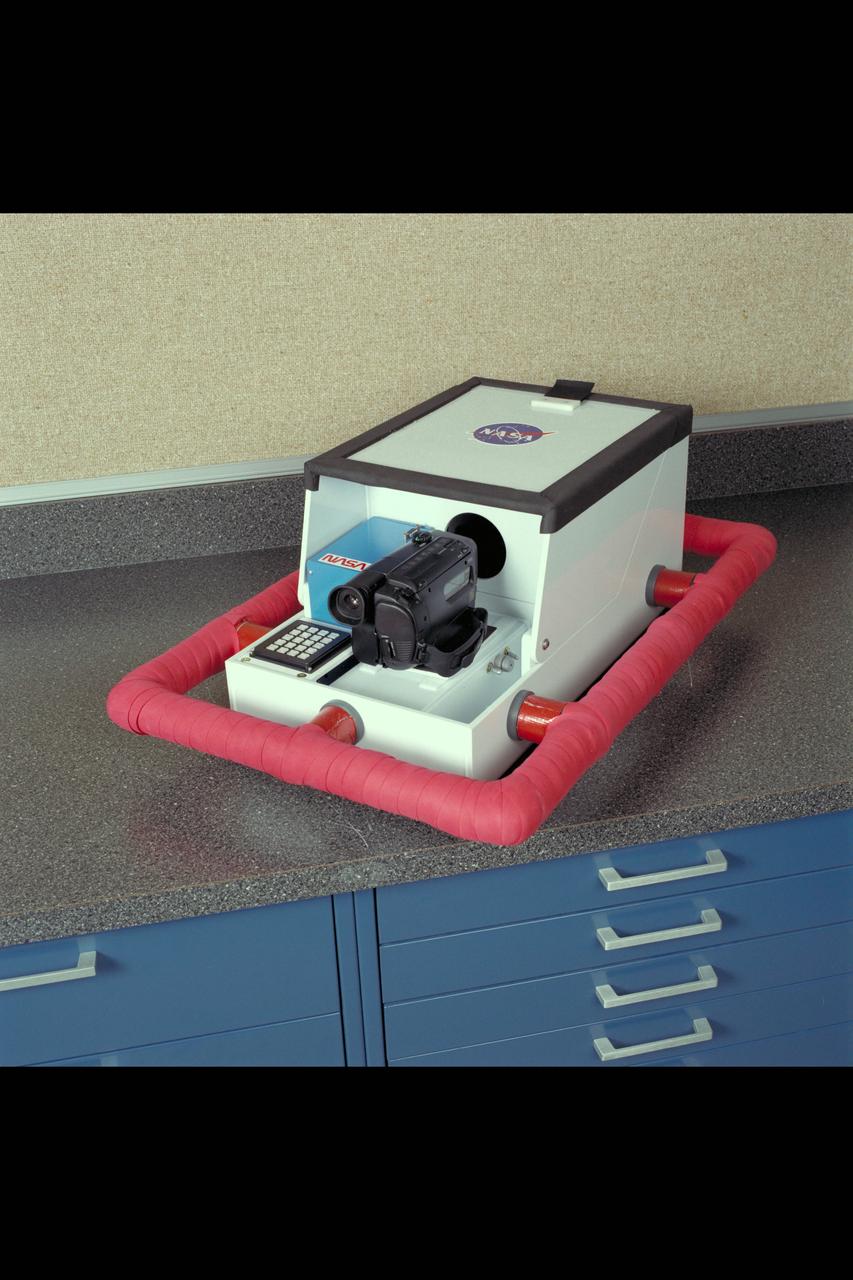
Ames Life Sciences Experiments: free floater test bed
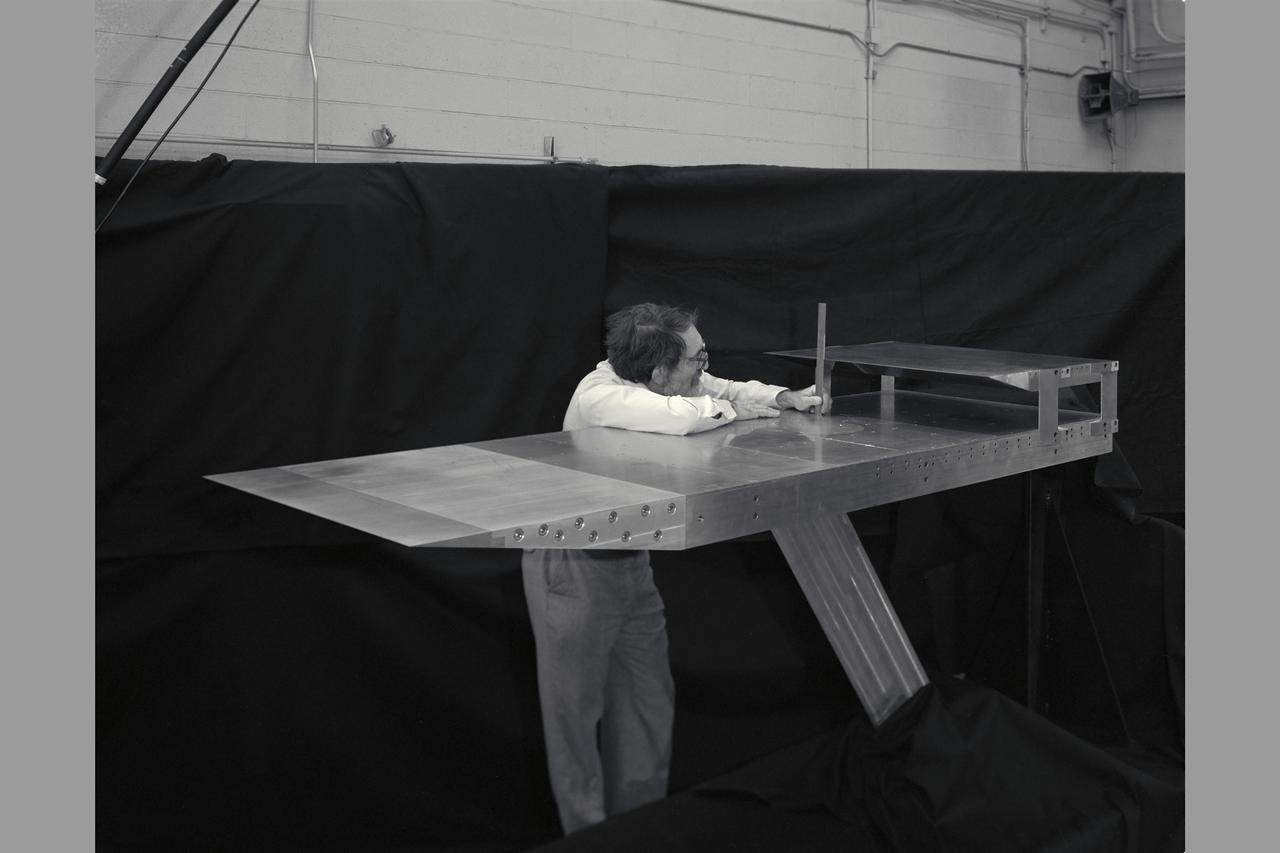
Hypersonic test bed model with shock generator and M. Kussoy
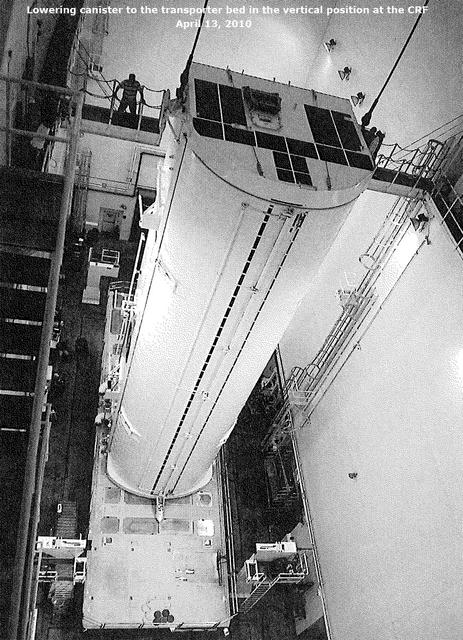
Lowering canister to the transporter bed in the vertical position at the CRF, April 13, 2010
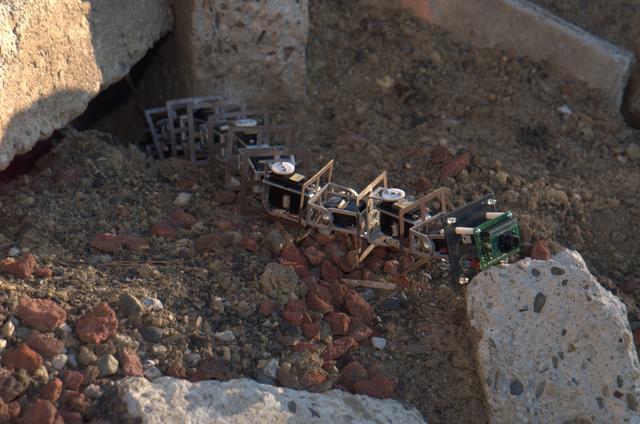
Scorpion robot demo at the Ames Mars test bed (Snakebot)
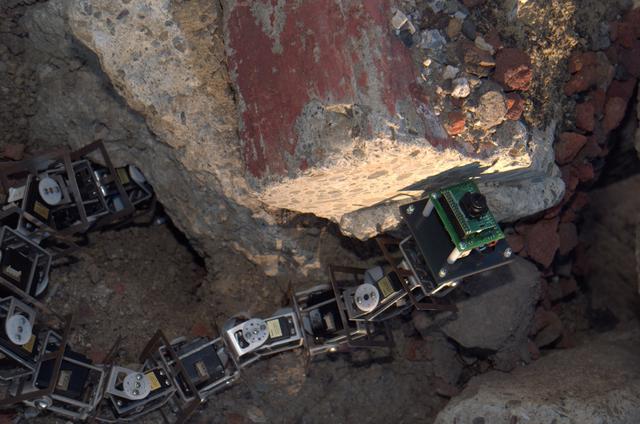
Scorpion robot demo at the Ames Mars test bed (Snakebot)
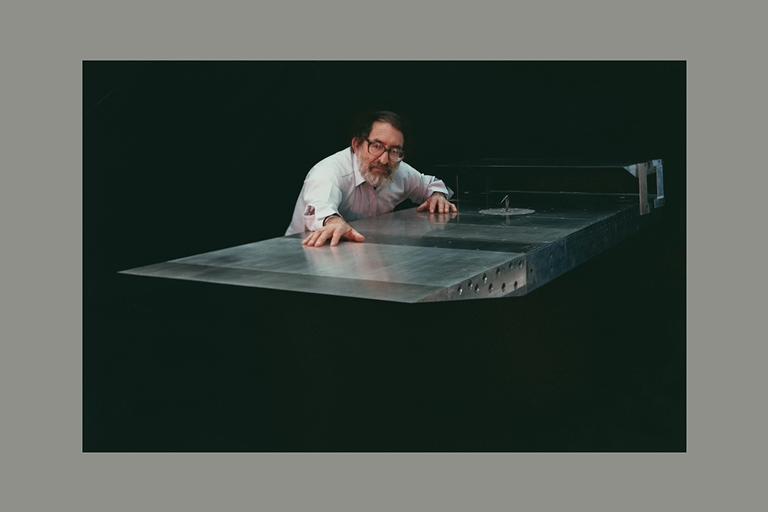
Hypersonic test bed model with shock generator and M. Kussoy
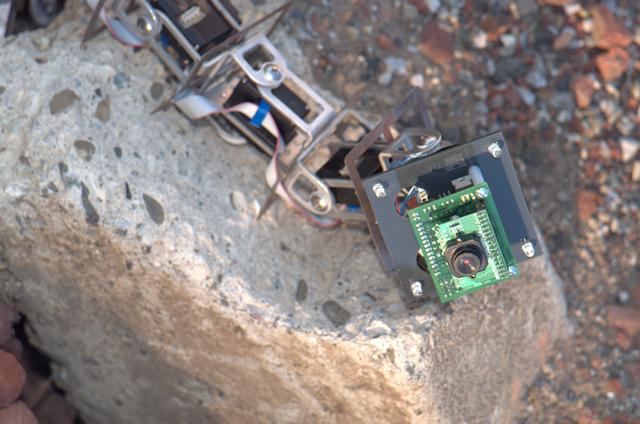
Scorpion robot demo at the Ames Mars test bed (Snakebot)
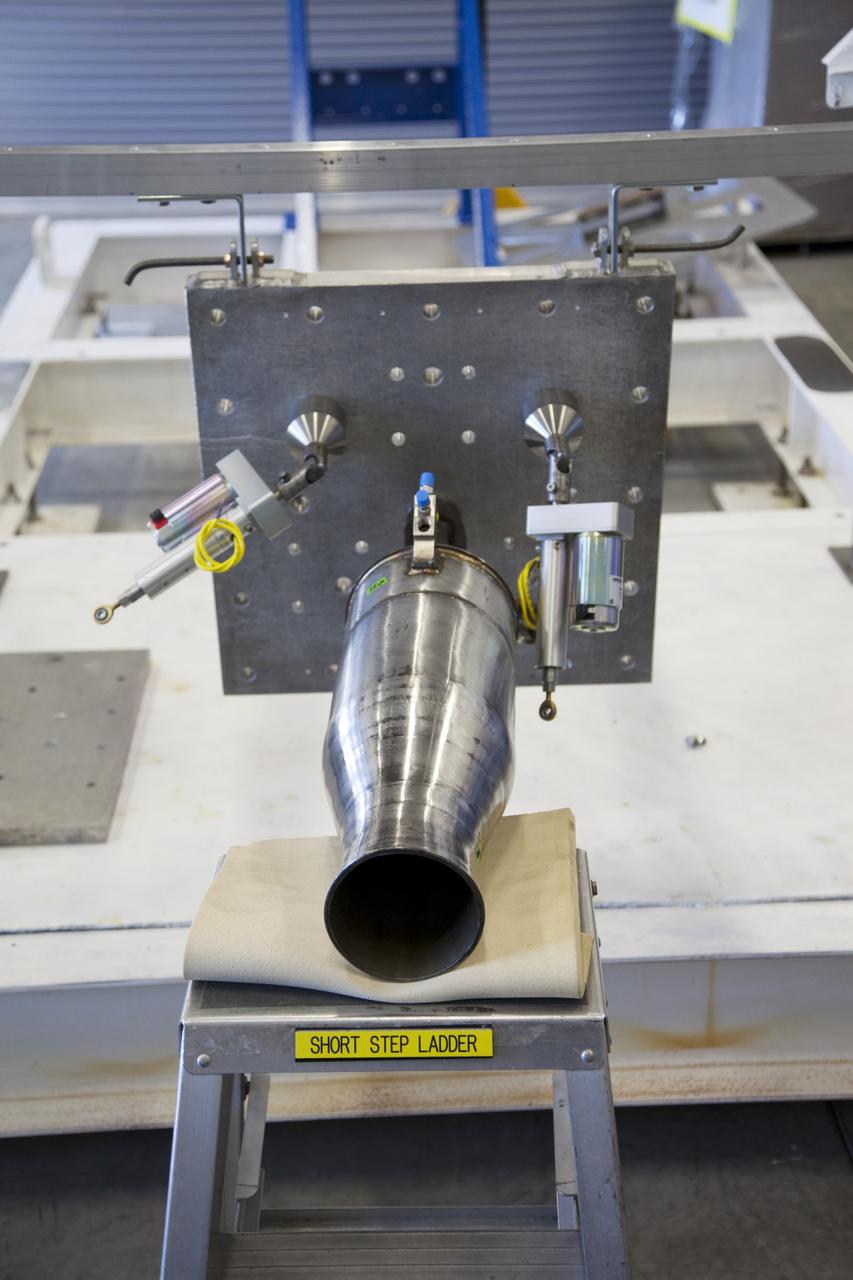
CAPE CANAVERAL, Fla. -- At the Neo Liquid Propellant Testbed inside a facility near Kennedy Space Center’s Shuttle Landing Facility in Florida, engineers are working on the buildup of the Neo test fixture and an Injector 71 engine that uses super-cooled propellants. NASA engineers are working on the design and assembly of the Neo Liquid Propellant Testbed as part of the Engineering Directorate’s Rocket University training program. Photo credit: NASA/Frankie Martin
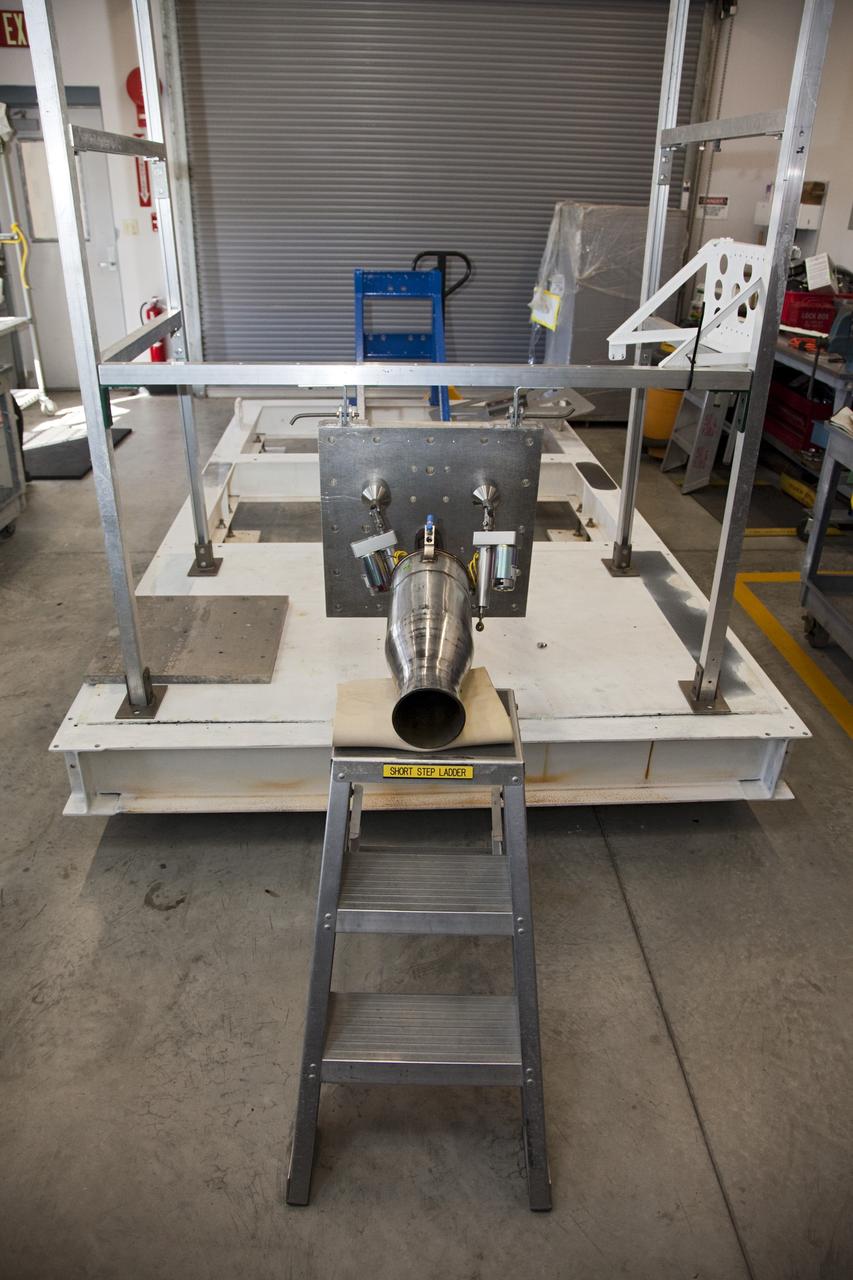
CAPE CANAVERAL, Fla. -- At the Neo Liquid Propellant Testbed inside a facility near Kennedy Space Center’s Shuttle Landing Facility in Florida, engineers are working on the buildup of the Neo test fixture and an Injector 71 engine that uses super-cooled propellants. NASA engineers are working on the design and assembly of the Neo Liquid Propellant Testbed as part of the Engineering Directorate’s Rocket University training program. Photo credit: NASA/Frankie Martin
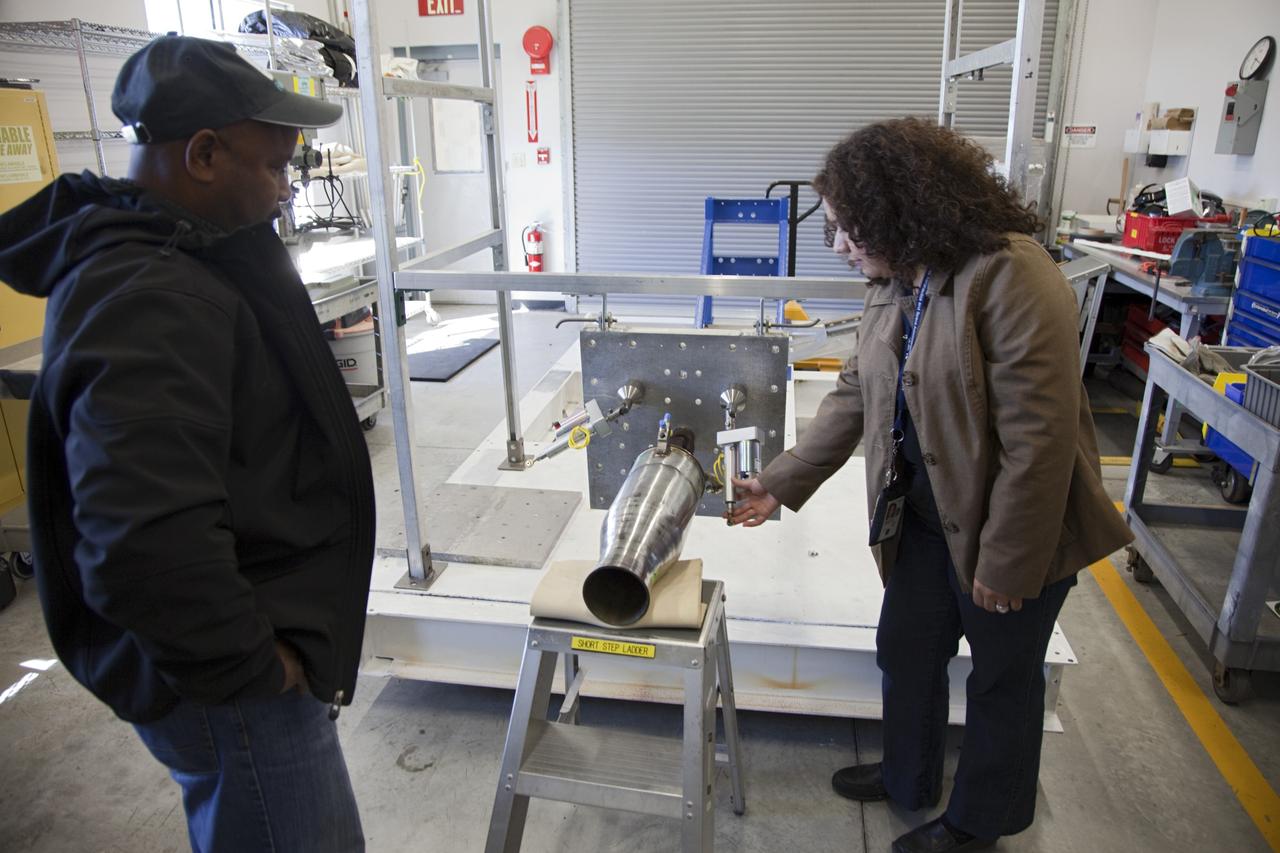
CAPE CANAVERAL, Fla. -- At the Neo Liquid Propellant Testbed inside a facility near Kennedy Space Center’s Shuttle Landing Facility in Florida, engineers and Rocket University project leads Kyle Dixon, left, and Evelyn Orozco-Smith check the buildup of the Neo test fixture and an Injector 71 engine that uses super-cooled propellants. NASA engineers are working on the design and assembly of the Neo Liquid Propellant Testbed as part of the Engineering Directorate’s Rocket University training program. Photo credit: NASA/Frankie Martin
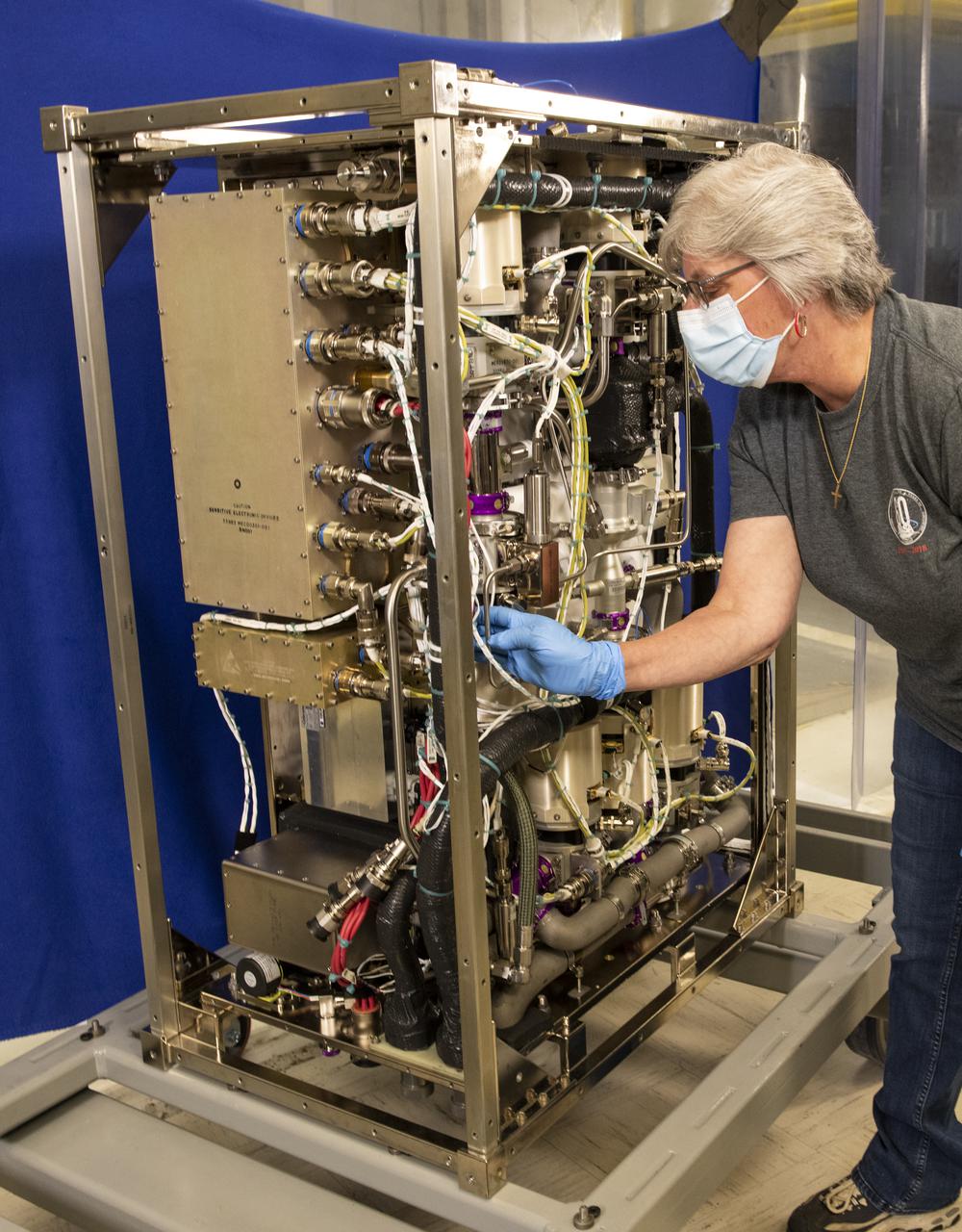
The flight demonstration unit of the next-generation 4-bed CO2 Scrubber (4BCO2) is targeted for launch aboard NG16 NET August 1, 2021. Once aboard the space station, this u nit will be mounted in a basic express rack. This four-bed technology is a mainstay for metabolic CO2 removal and crew life support. The new 4-Bed Carbon Dioxide Scrubber, developed, built, and tested at NASA’s Marshall Space Flight Center in Huntsville, Alabama, is checked out by Kathi Lange, a Bastion Technologies contractor supporting the quality assurance group in Marshall’s Safety and Mission Assurance Directorate, prior to its shipment to NASA’s Wallops Flight Facility in Wallops Island, Virginia.
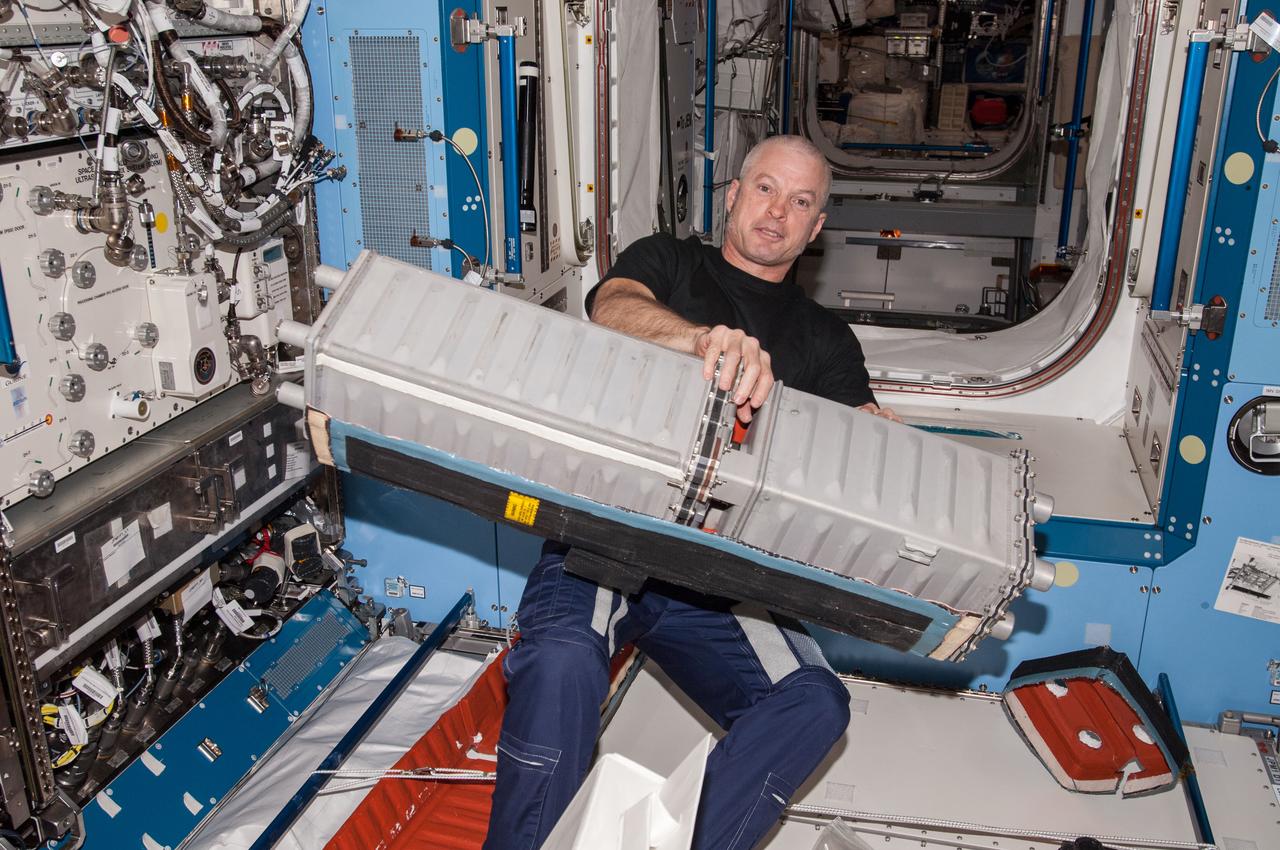
ISS040-E-026221 (30 June 2014) --- NASA astronaut Steve Swanson, Expedition 40 commander, holds the Carbon Dioxide Removal Assembly (CDRA) in the Kibo laboratory of the International Space Station.
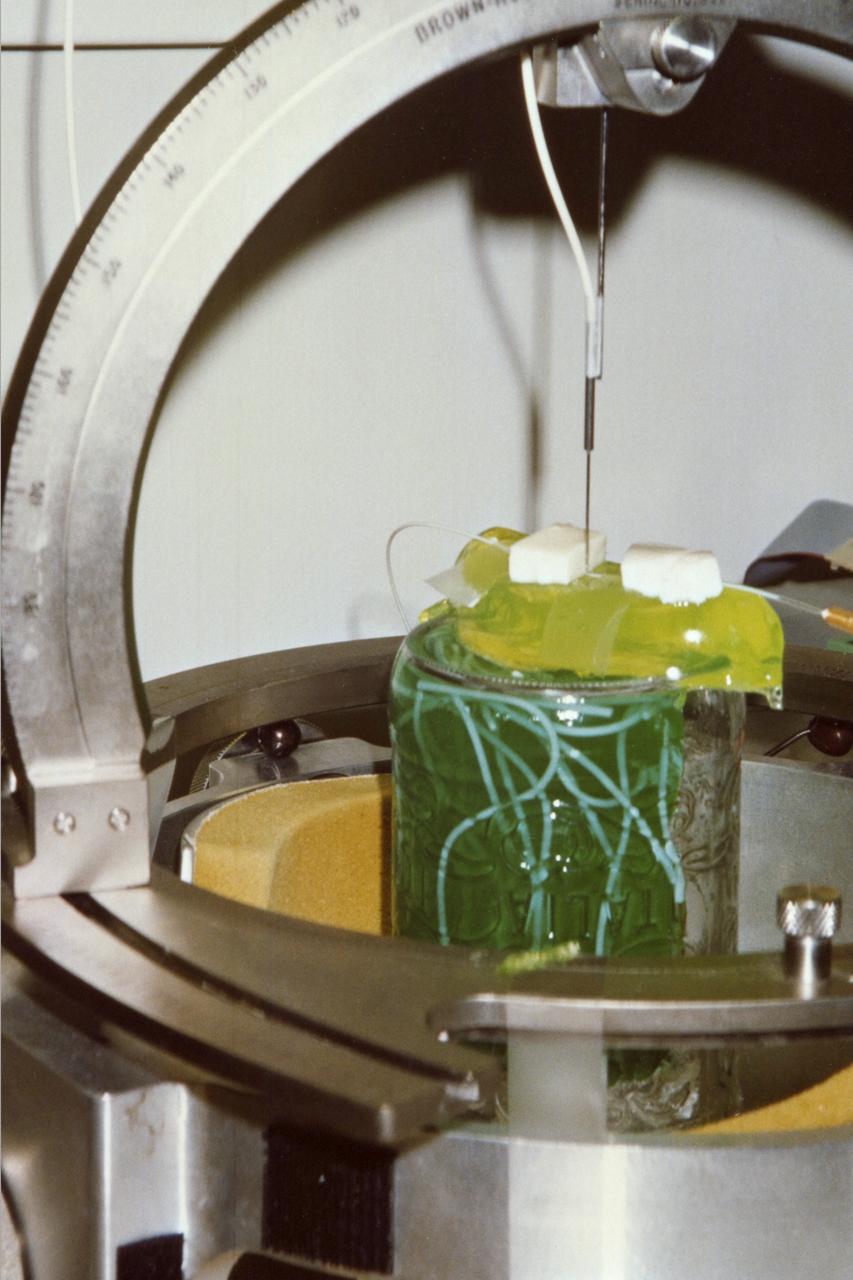
Robot Brain Operation and Test Bed. N-269 with Robert Mah and Dr. Russell Andrews. Palo Alto VA Stanford.

A modified Space Shuttle Main Engine is static fired at Marshall's Technology Test Bed.
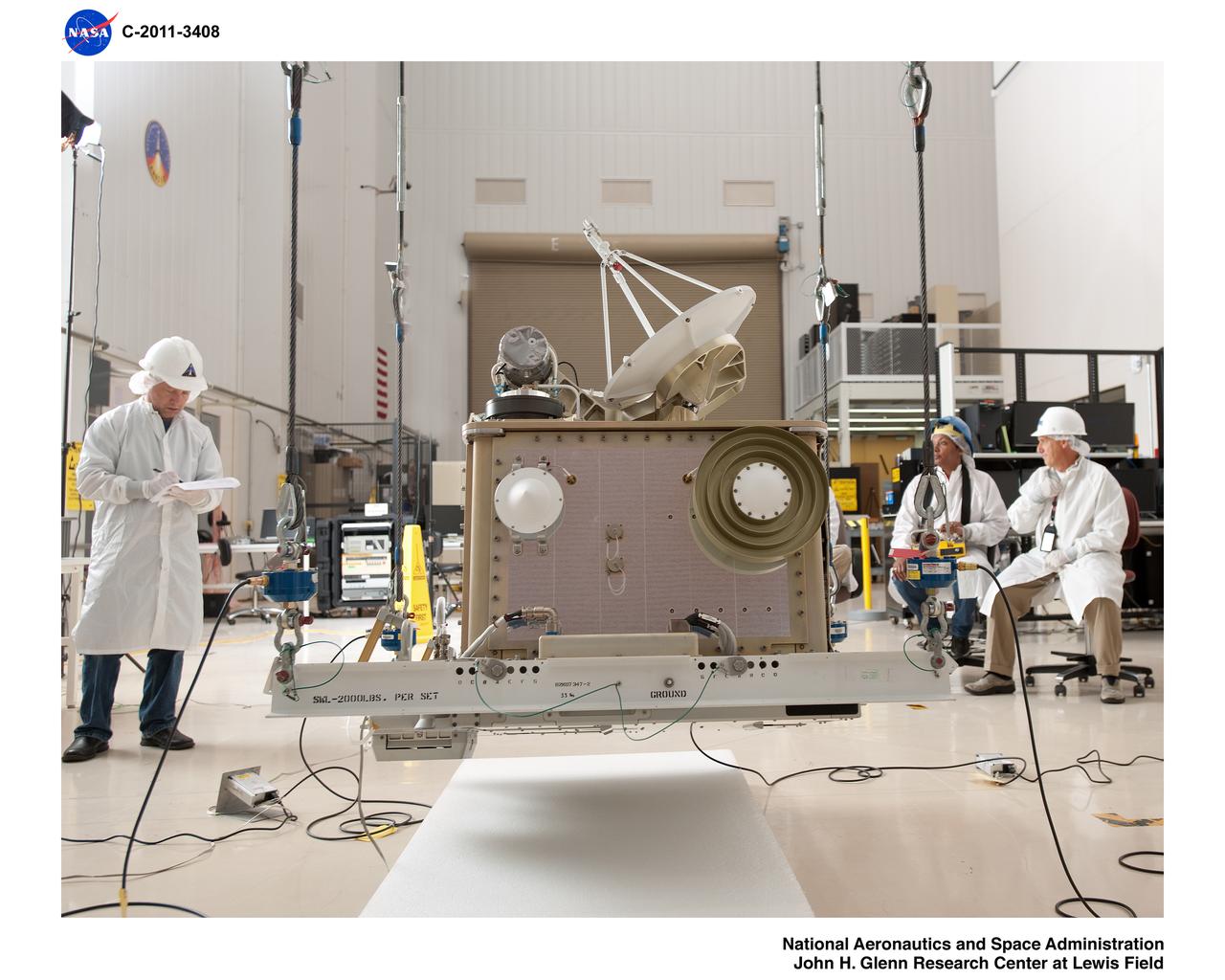
Communications, Navigation, and Network Reconfigurable Test-bed, CoNNeCT, Gravity Test on the Space Communications and Navigation, SCaN, Testbed

A modified Space Shuttle Main Engine is static fired at Marshall's Technology Test Bed.
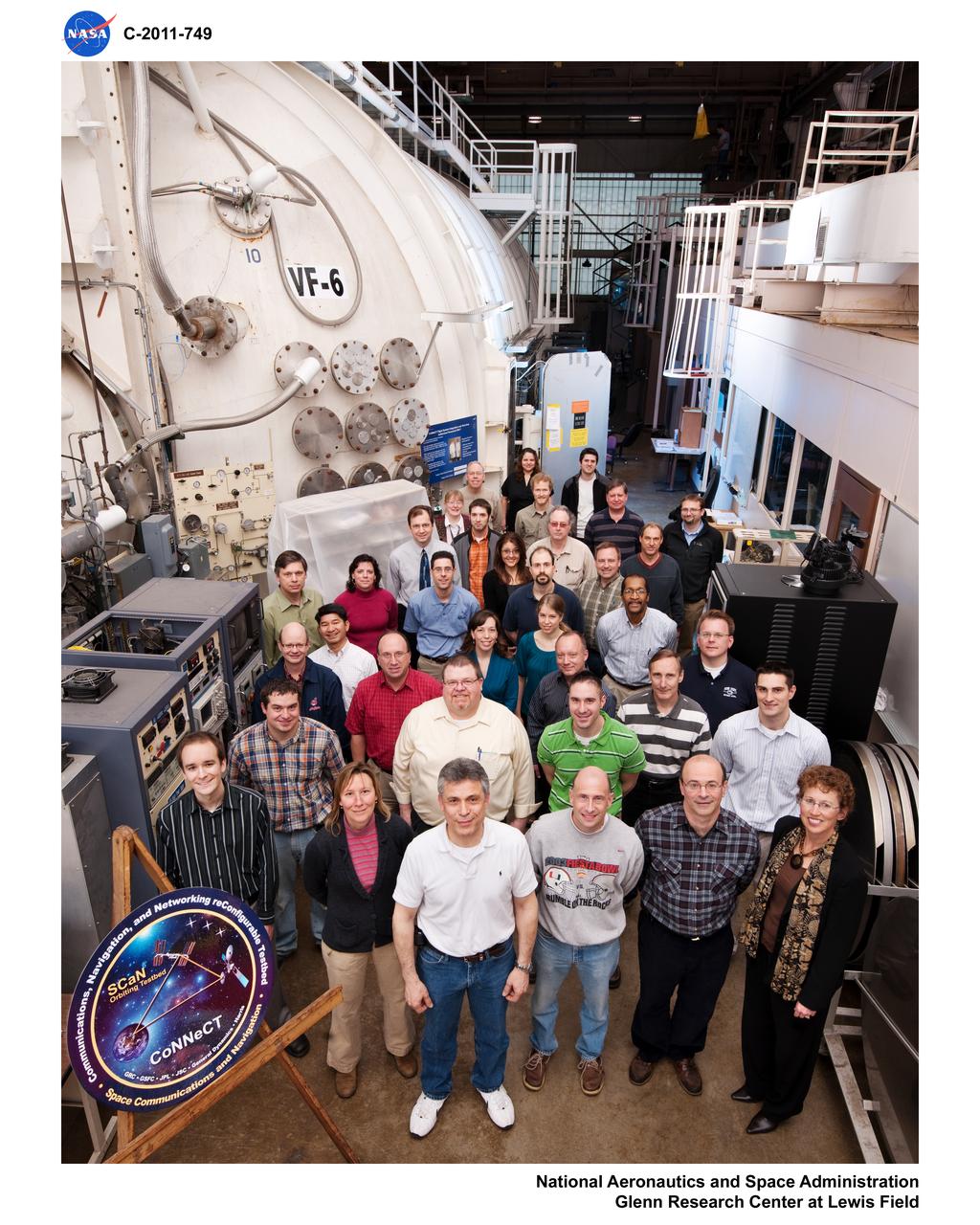
Communications, Navigation, and Network Reconfigurable Test-bed, CoNNeCT Thermal Vacuum, TVAC Testing Team
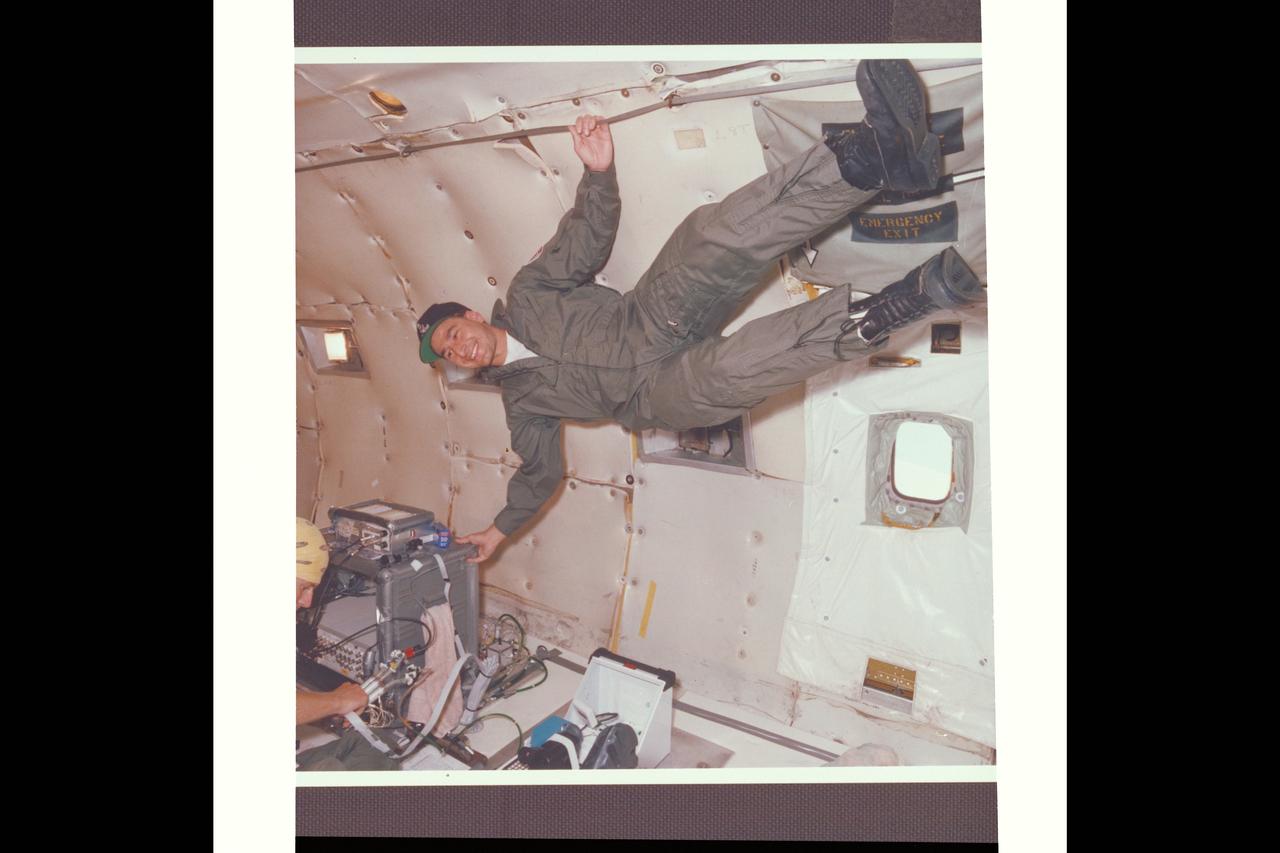
Free Floater Test Bed (FFTB) JSC KC-135 Flight, MacElroy Flight Group
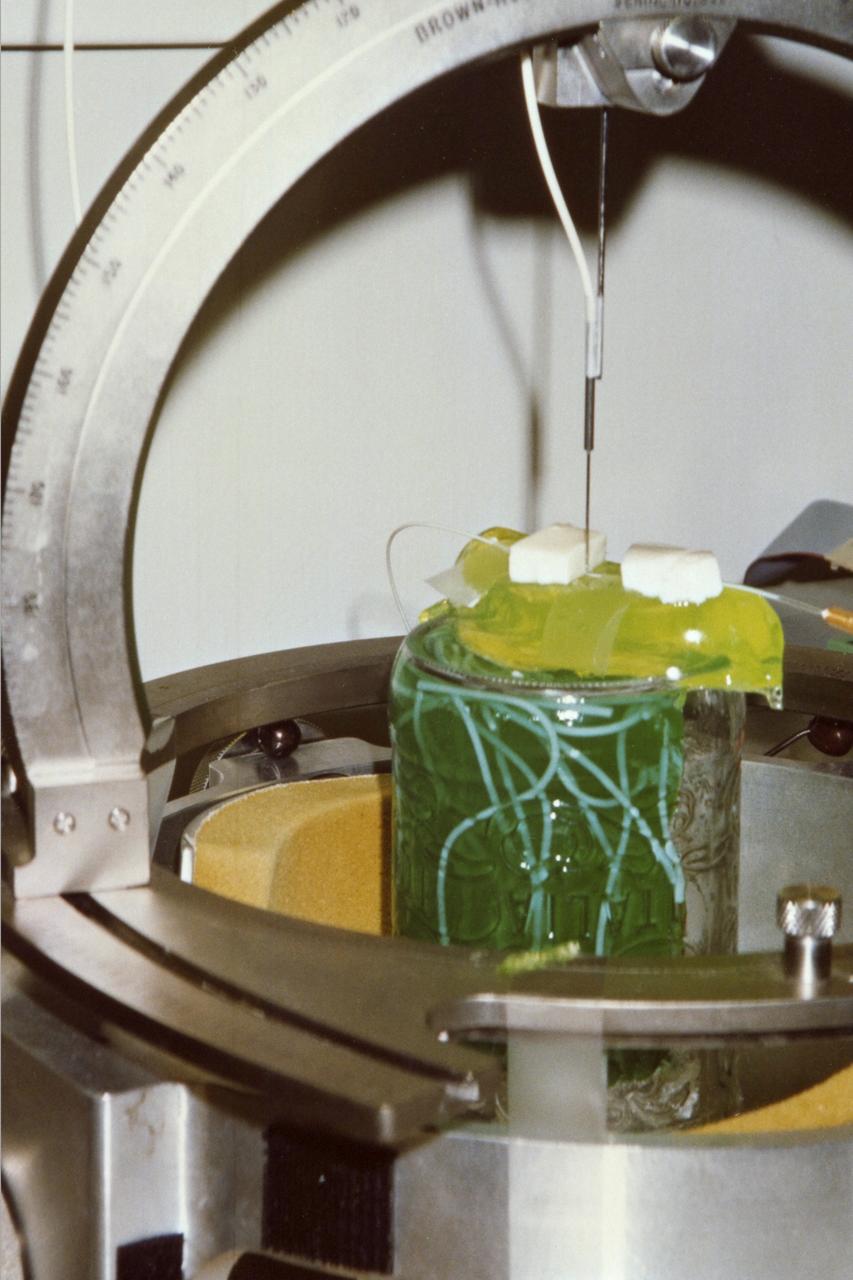
Robot Brain Operation and Test Bed. N-269 with Robert Mah and Dr. Russell Andrews. Palo Alto VA Stanford.
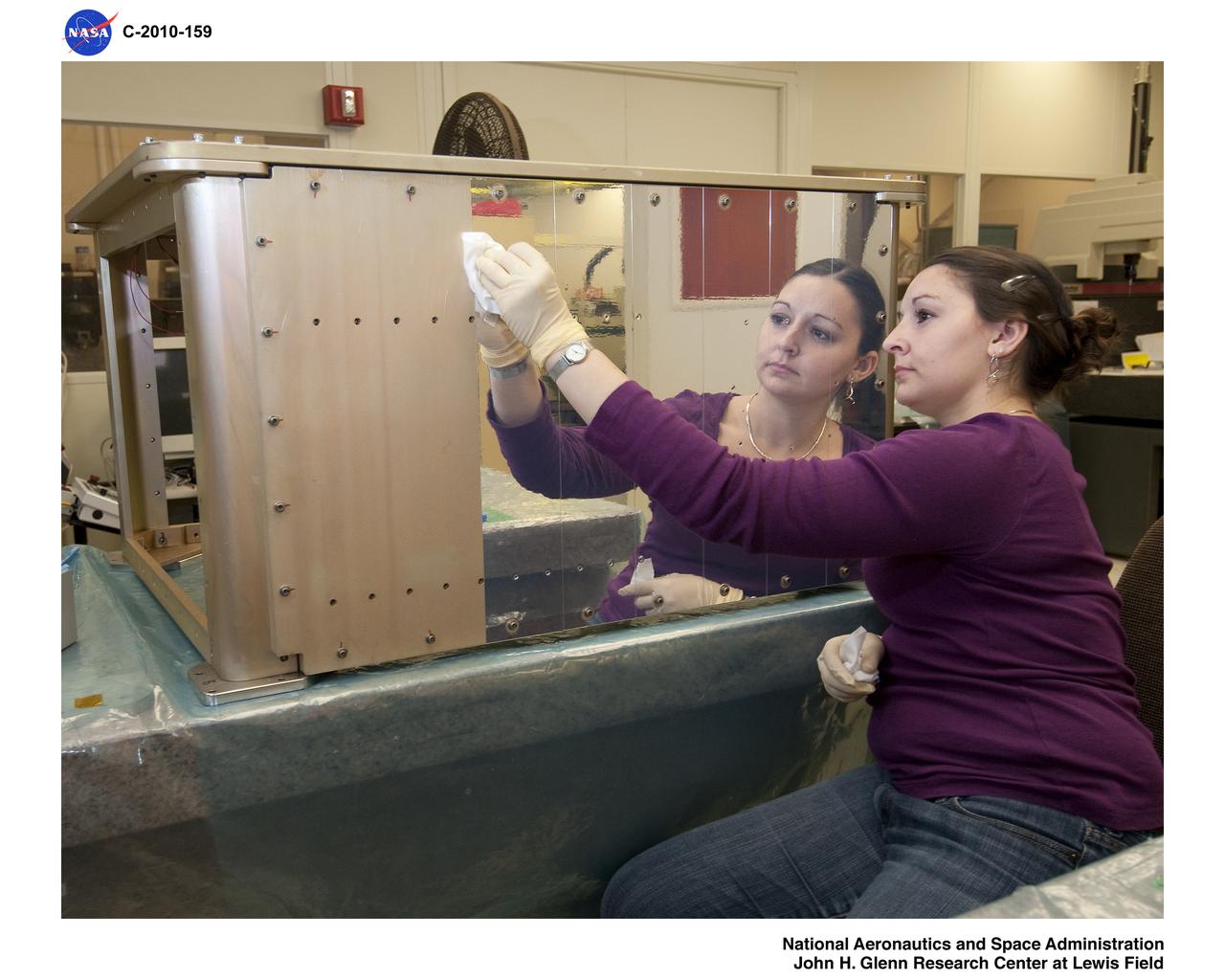
Communications, Navigation, and Networking Reconfigurable Test-bed, CoNNeCT; Silver Teflon Foil Installation
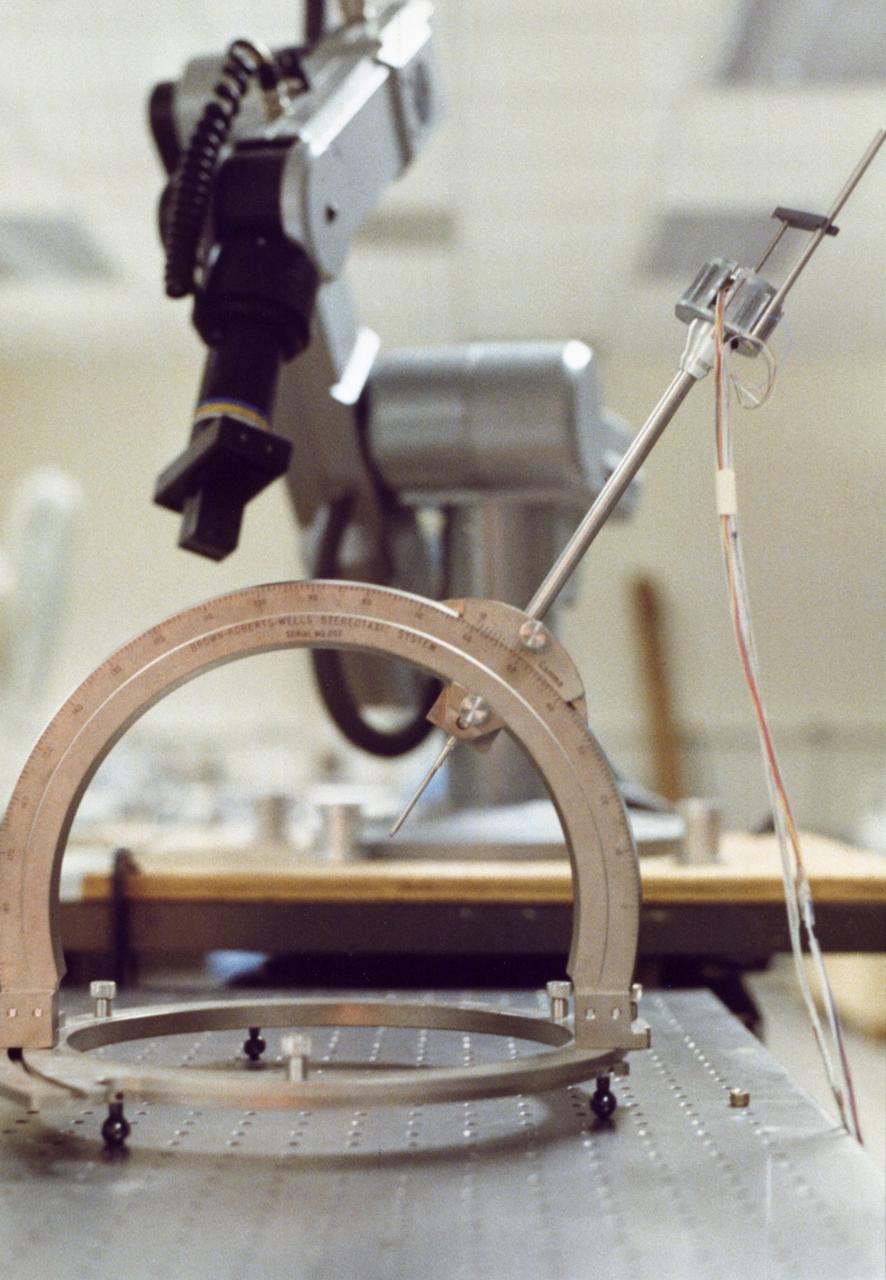
Robot Brain Operation and Test Bed. N-269 with Robert Mah and Dr. Russell Andrews. Palo Alto VA Stanford.
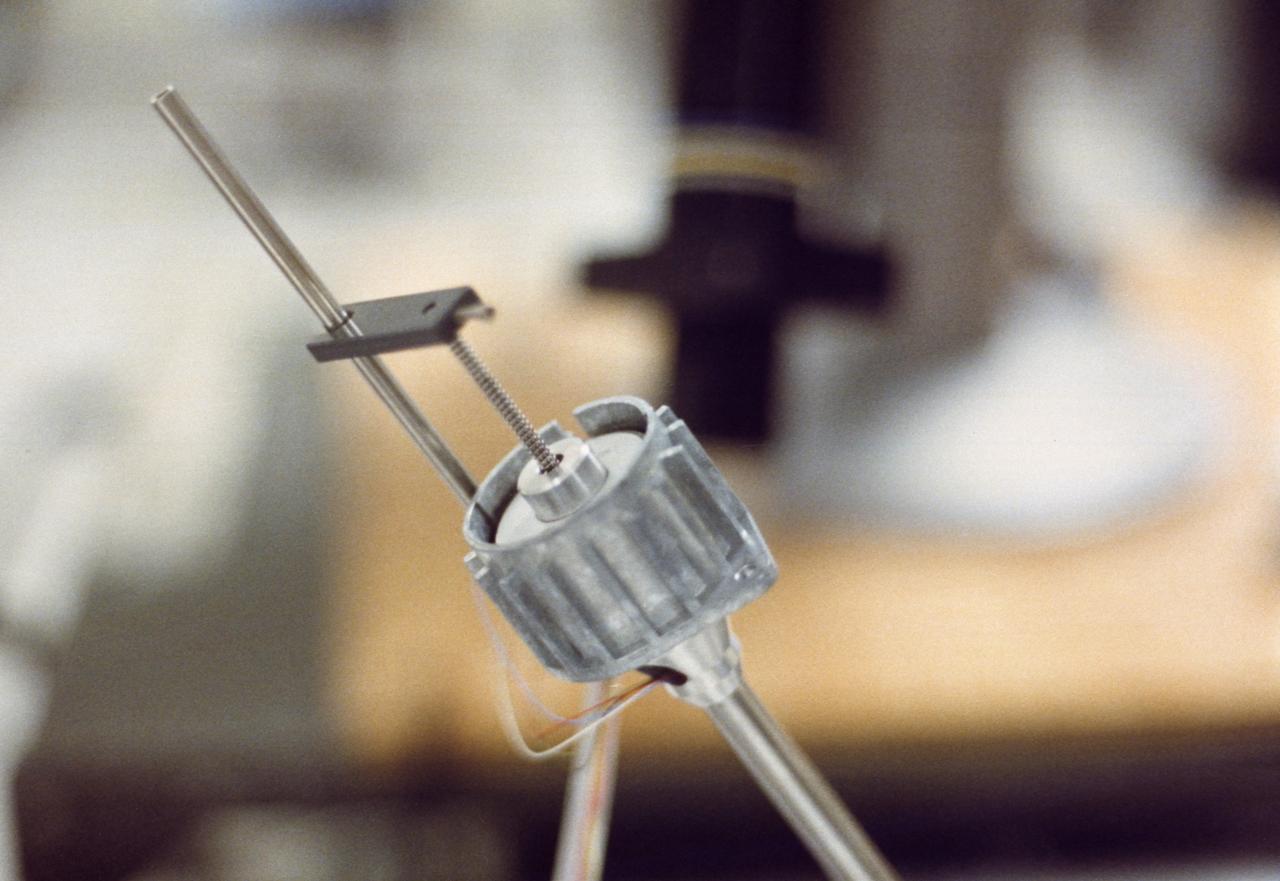
Robot Brain Operation and Test Bed. N-269 with Robert Mah and Dr. Russell Andrews. Palo Alto VA Stanford.
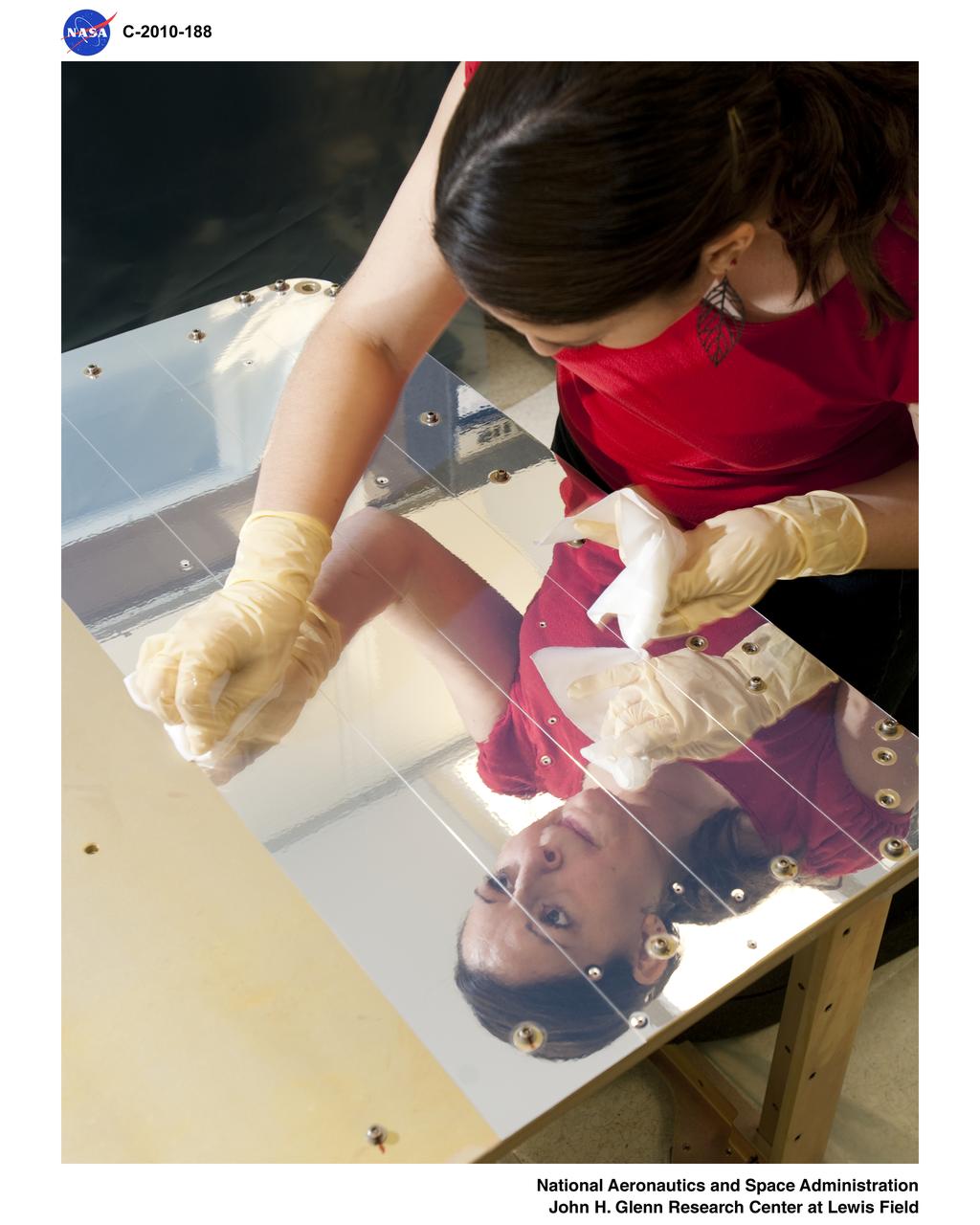
Communications, Navigation, and Networking Reconfigurable Test-bed, CoNNeCT; Silver Teflon Foil Installation
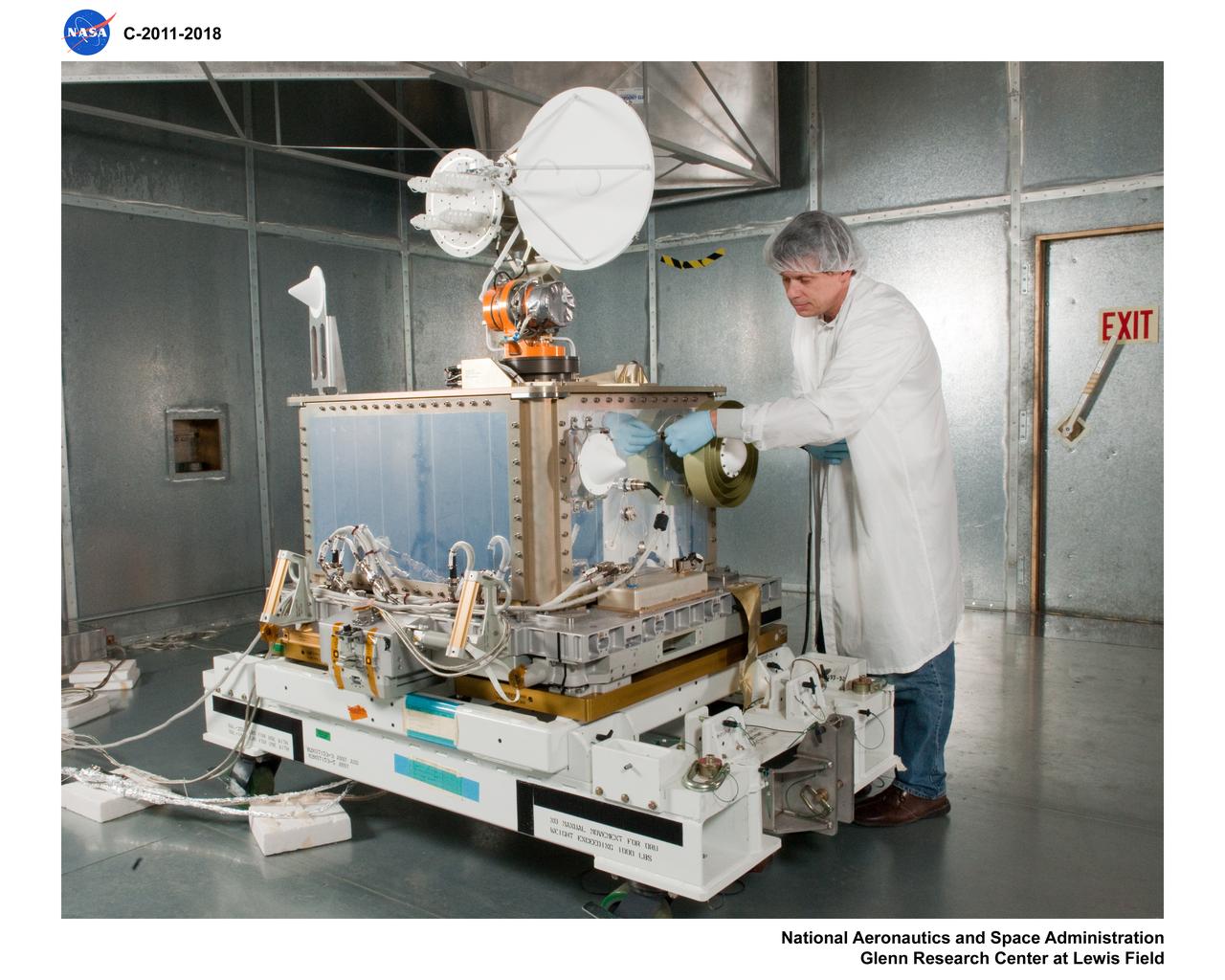
Communications, Navigation, and Network Reconfigurable Test-bed, CoNNeCT hardware in the Electromagnetic Interferance, EMI, Laboratory
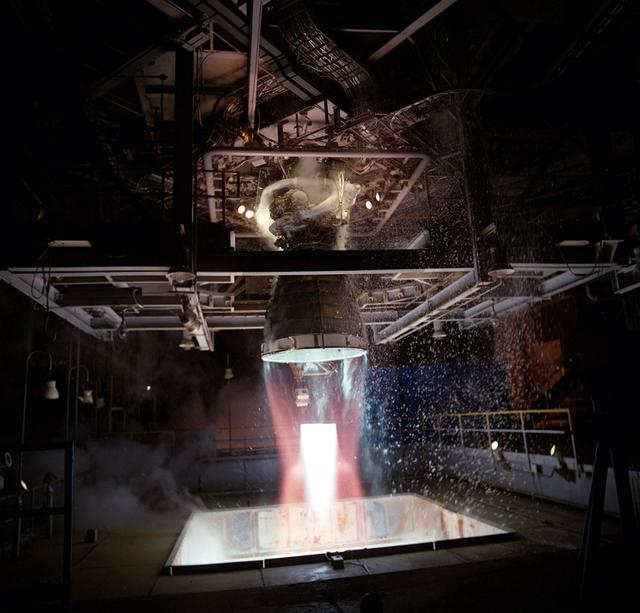
A modified Space Shuttle Main Engine is static fired at Marshall's Technology Test Bed.
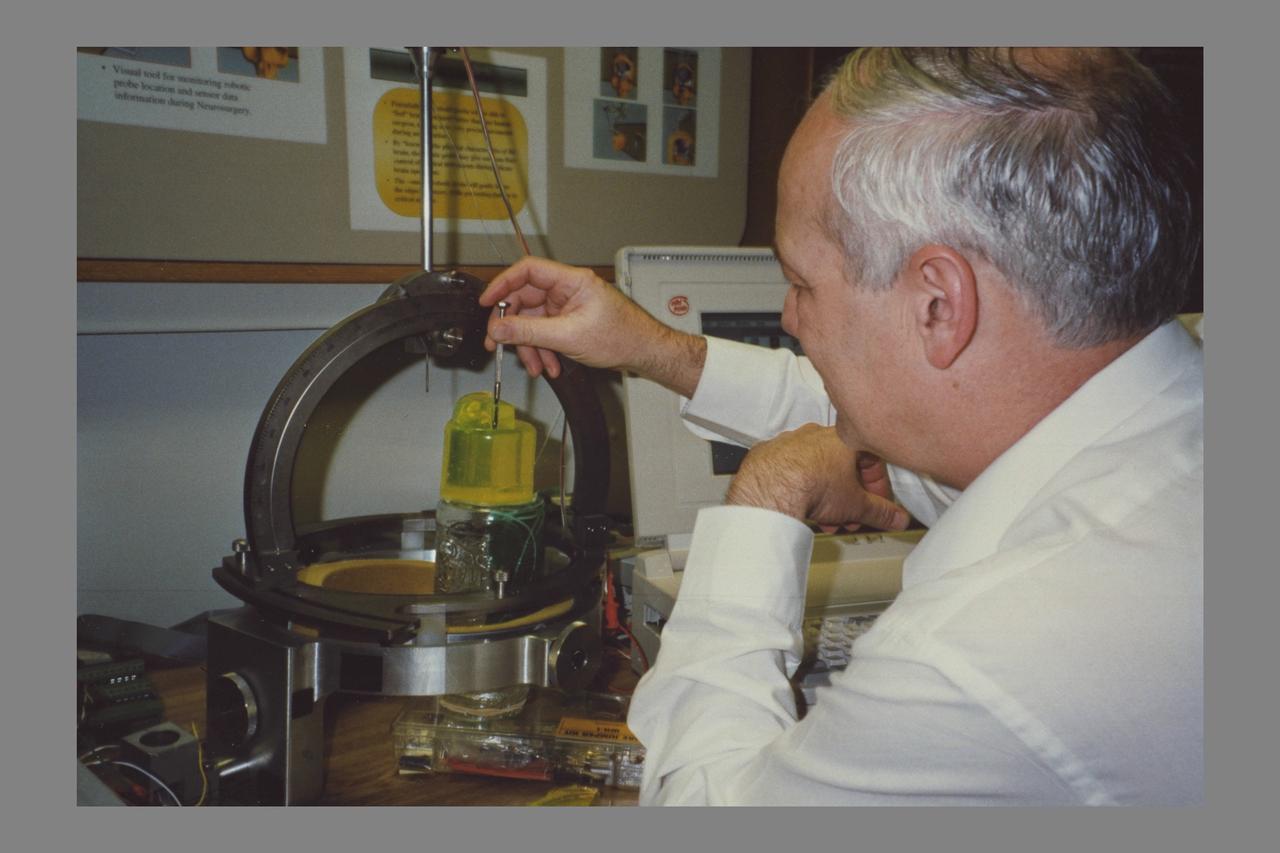
Robot Brain Operation and Test Bed. N-269 with Robert Mah and Dr. Russell Andrews. Palo Alto VA Stanford.
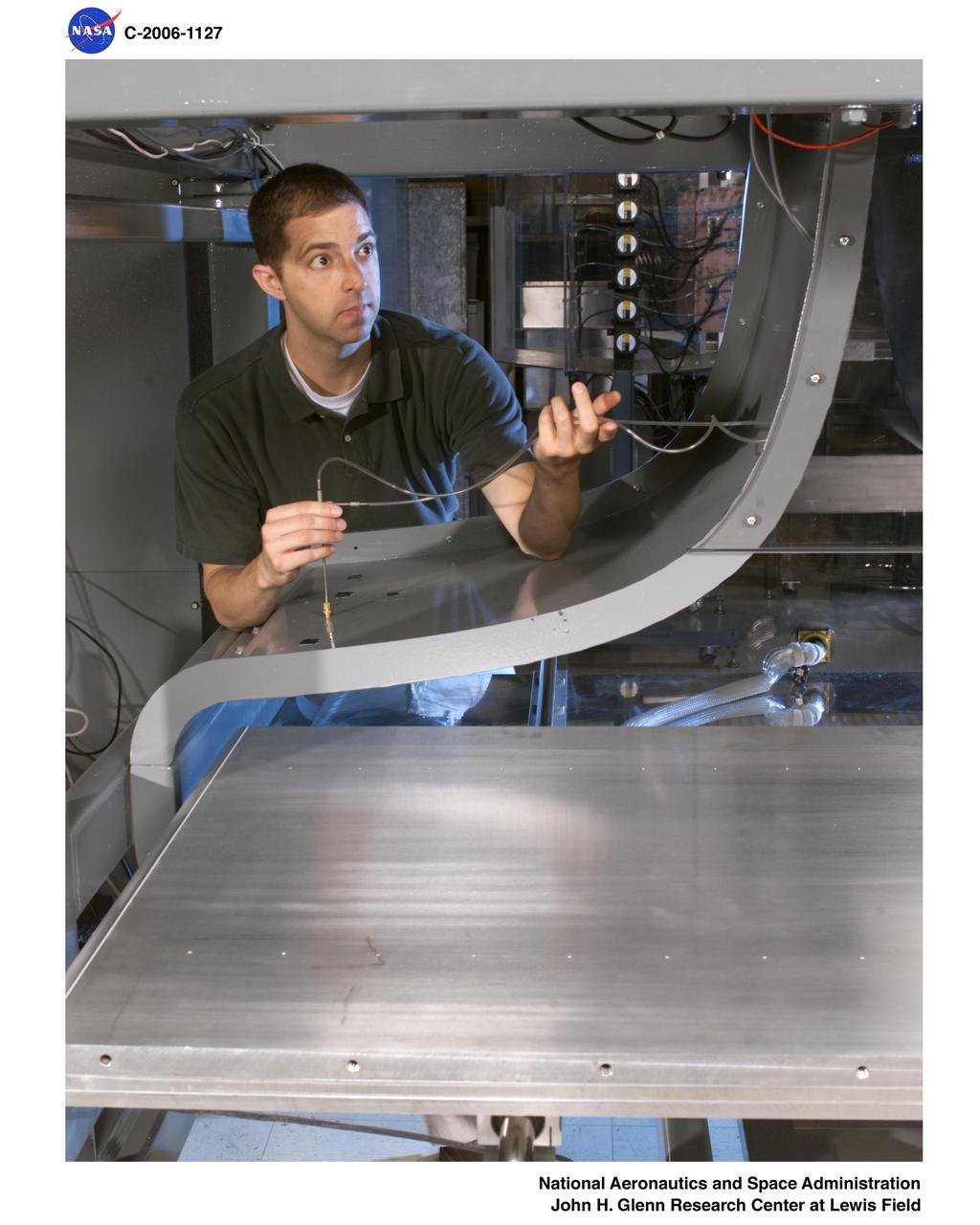
Icing Physics Flow Lab at Case Western Reserve University. Test bed in rolled out position with researcher making adjustments
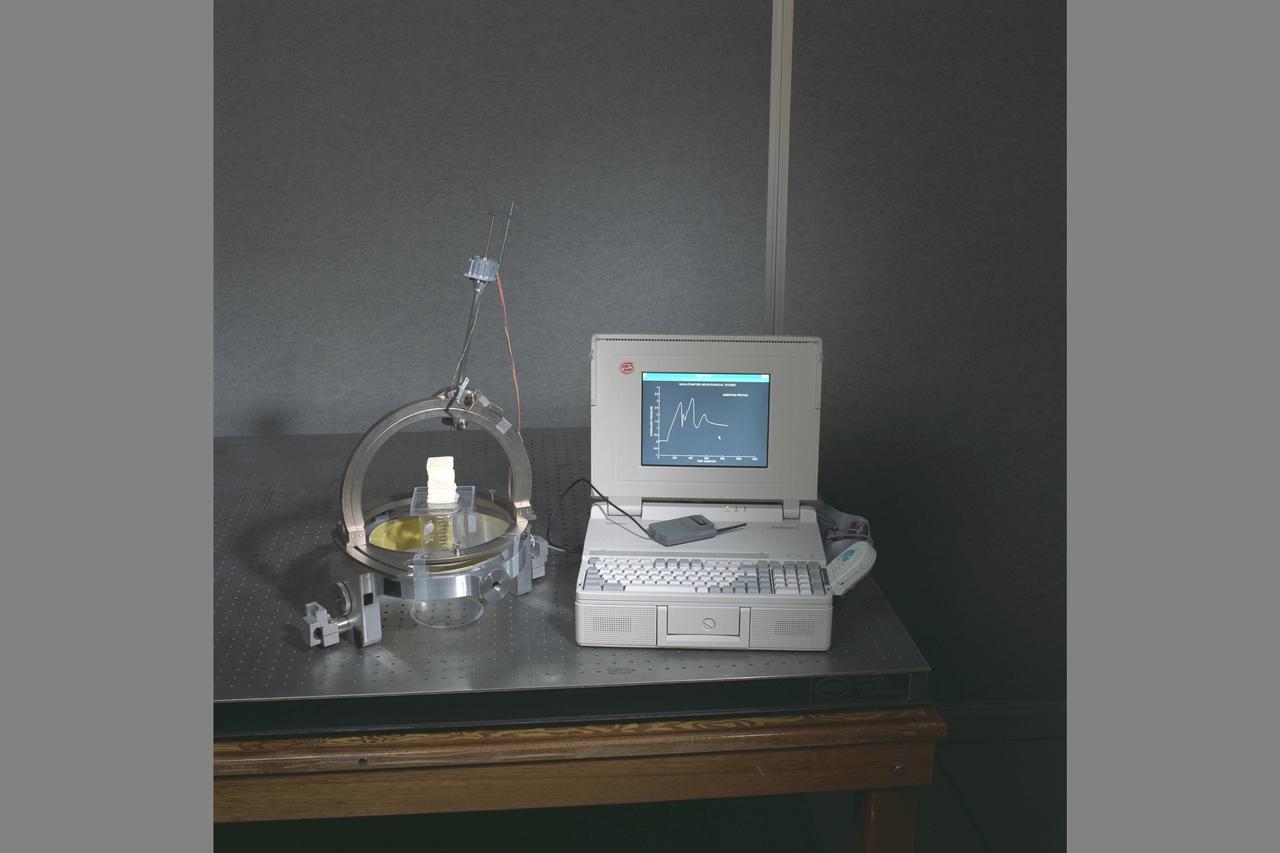
Robot Brain Operation and Test Bed. N-269 with Robert Mah and Dr. Russell Andrews. Palo Alto VA Stanford.
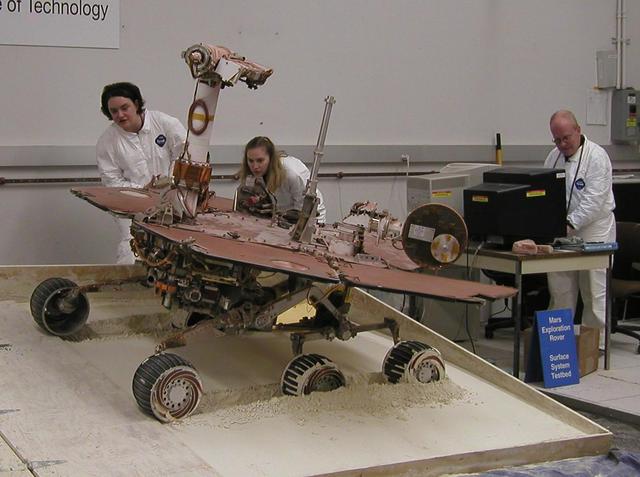
While a test rover rolls off a plywood surface into a prepared bed of soft soil, rover team members Colette Lohr left and Kim Lichtenberg center eye the wheels digging into the soil and Paolo Bellutta enters the next driving command.
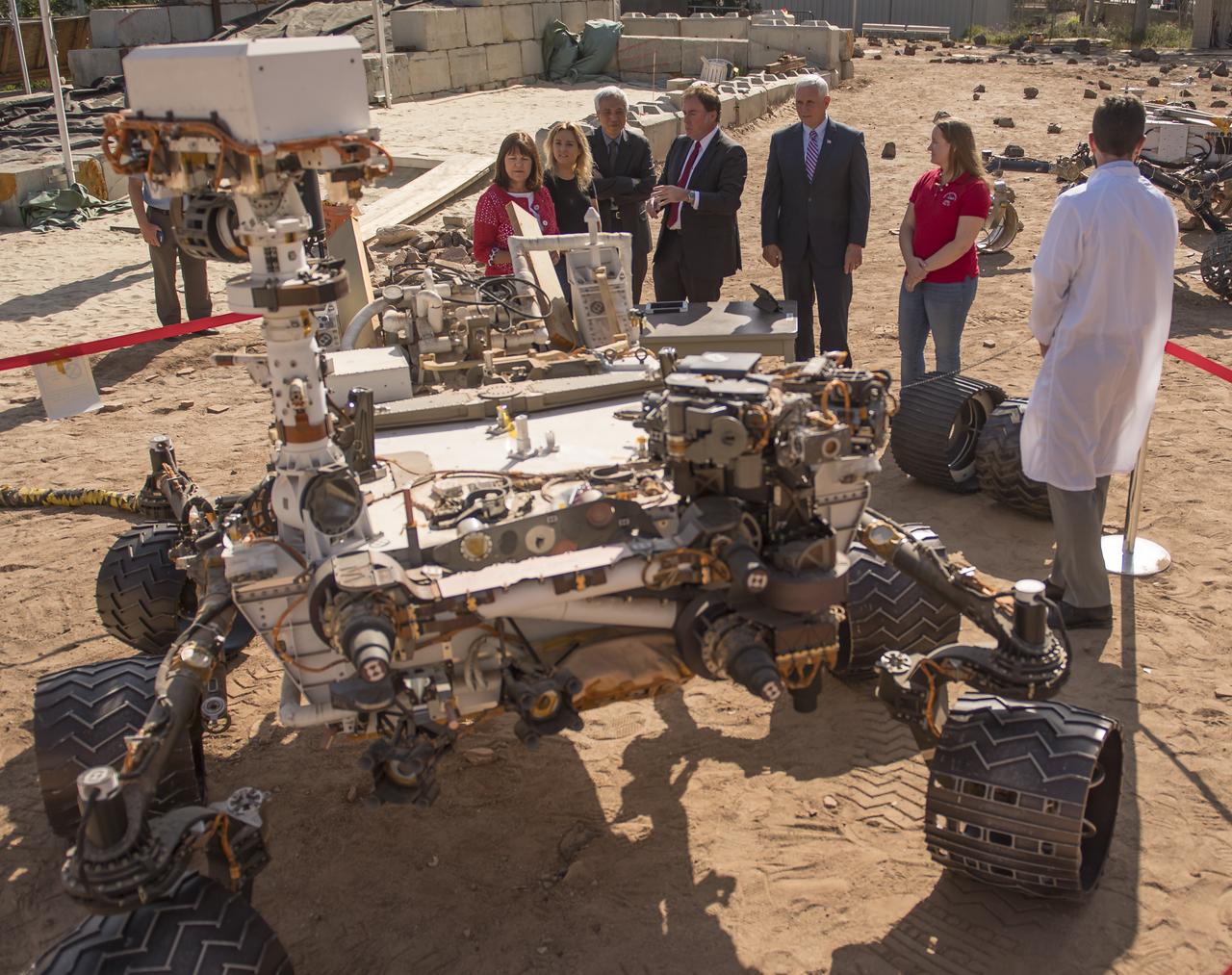
U.S. Vice President Mike Pence, 5th from left, joined by his wife Karen Pence, left, and daughter Charlotte Pence. 2nd from left, view the Vehicle System Test Bed (VSTB) rover in the Mars Yard during a tour of NASA's Jet Propulsion Laboratory, Saturday, April 28, 2018 in Pasadena, California. NASA Mars Exploration Manager Li Fuk, 2nd from left, JPL Director Michael Watkins, Mars Curiosity Engineering Operations Team Chief Megan Lin, and MSL Engineer Sean McGill, right, helped explain to the Vice President and his family how they use these test rovers. Photo Credit: (NASA/Bill Ingalls)