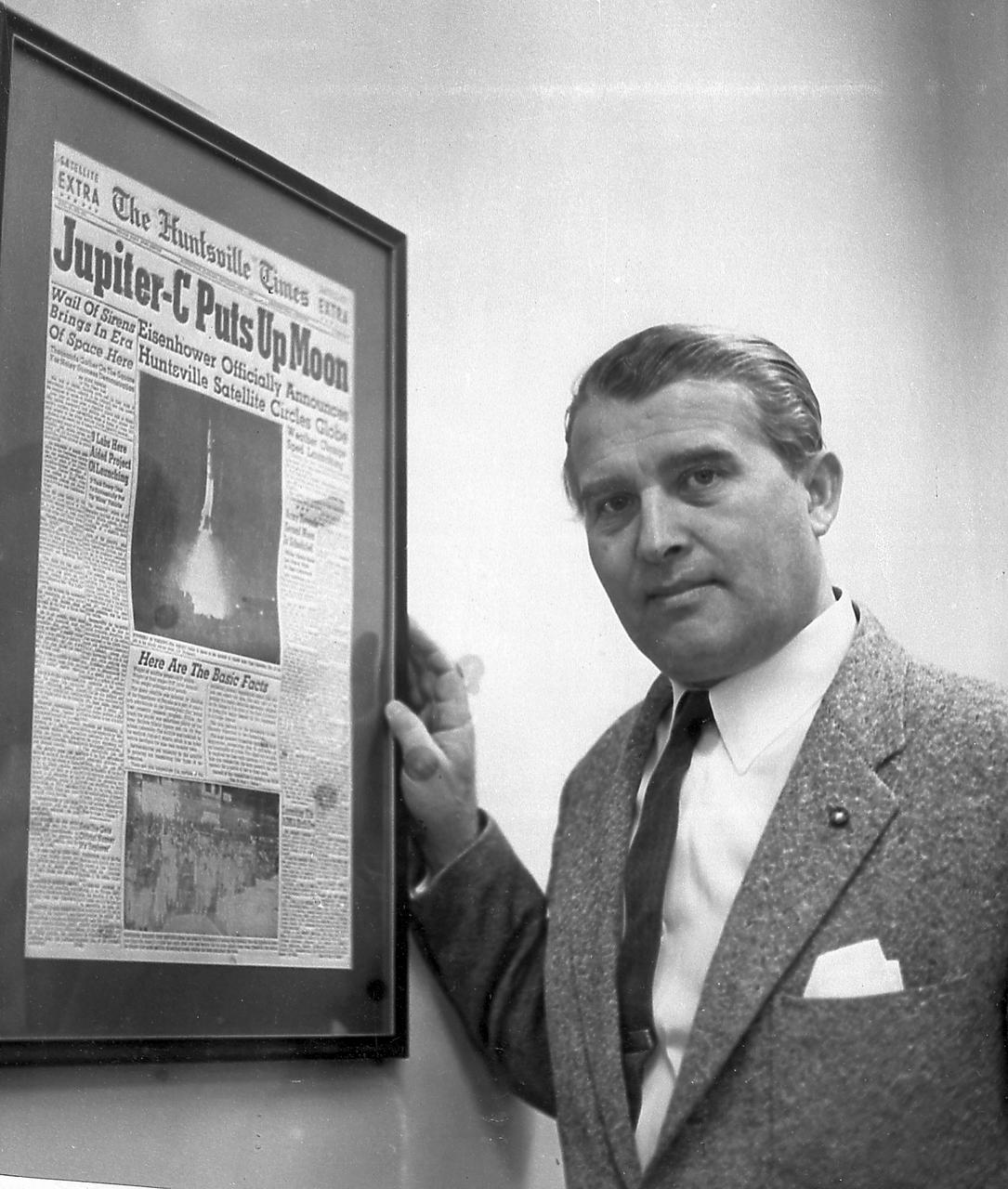
Dr. von Braun is presented with the front page of the Huntsville Times arnouncing the launch of Explorer I, the first U.S. Earth satellite, which was boosted by the Jupiter-C launch vehicle developed by Army Ballistic Missile Agency (ABMA) under the direction of Dr. von Braun. The occasion was the fifth Anniversary of the Explorer I launch in January 1958.

TODD MAY, SPECIAL TECHNICAL ASSISTANT TO THE MARSHALL CENTER DIRECTOR, AND NASA ADMINISTRATOR CHARLES BOLDEN TALK WITH HUNTSVILLE CITY MAYOR TOMMY BATTLE, CENTER, DURING THE MARSHALL SMALL BUSINESS ALLIANCE MEETING MARCH 24 AT THE DAVIDSON CENTER FOR SPACE EXPLORATION IN HUNTSVILLE. BATTLE PROVIDED OPENING REMARKS AT THE EVENT, AND BOLDEN WELCOMED GUESTS AND PRESENTED THE MARSHALL CENTER WITH THE NASA SMALL BUSINESS ADMINISTRATOR'S CUP AWARD FOR FISCAL YEAR 2010 -- THE SECOND TIME IN THREE YEARS MARSHALL HAS BROUGHT HOME THIS PARTICULAR AWARD FOR EXCELLENCE.
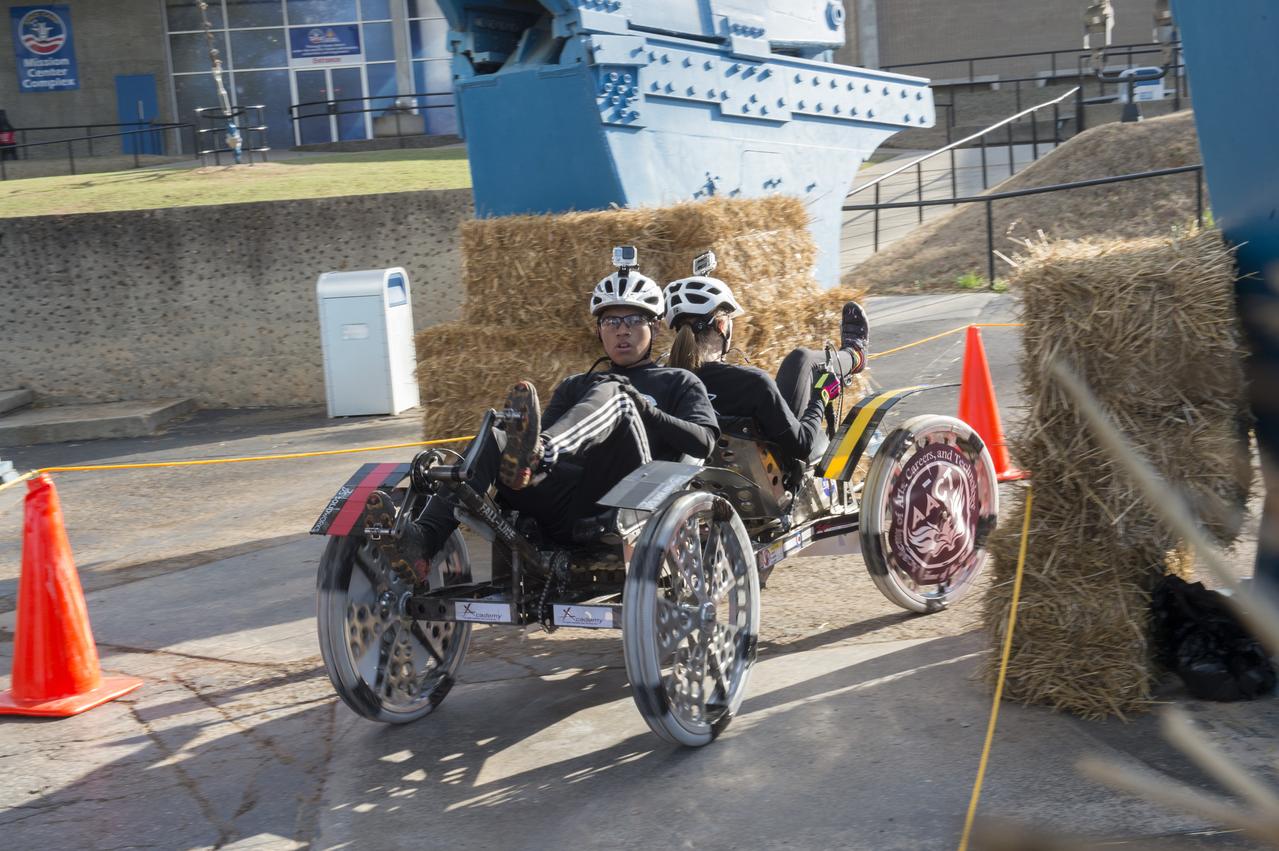
2017 Exploration Rover Challenge events at the U.S. Space and Rocket Center in Huntsville, Alabama. High school and college students from around the U.S. and the world come together for this 2 day event which challenges them to compete for the fastest time as well as technical design of the actual rover itself.
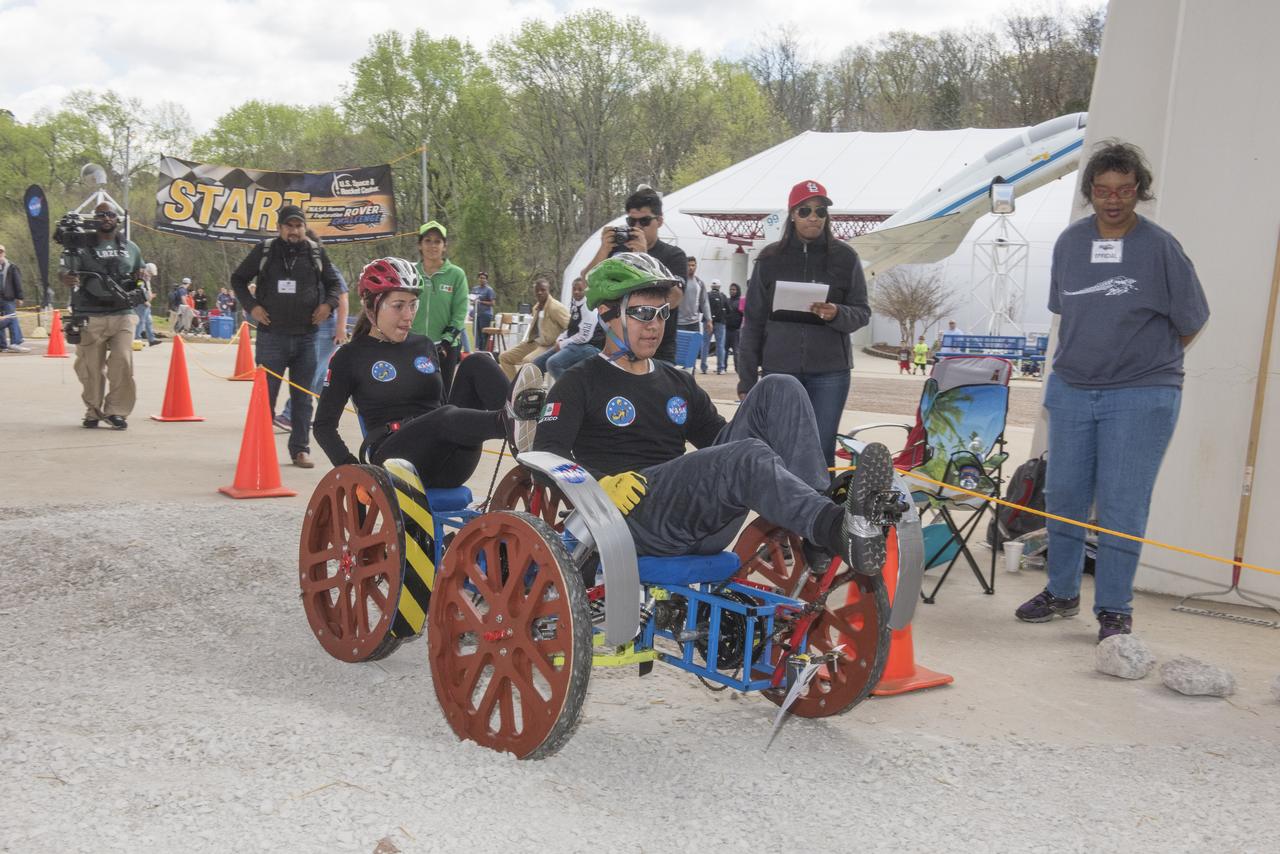
2017 Exploration Rover Challenge events at the U.S. Space and Rocket Center in Huntsville, Alabama. High school and college students from around the U.S. and the world come together for this 2 day event which challenges them to compete for the fastest time as well as technical design of the actual rover itself.

2017 Exploration Rover Challenge events at the U.S. Space and Rocket Center in Huntsville, Alabama. High school and college students from around the U.S. and the world come together for this 2 day event which challenges them to compete for the fastest time as well as technical design of the actual rover itself.
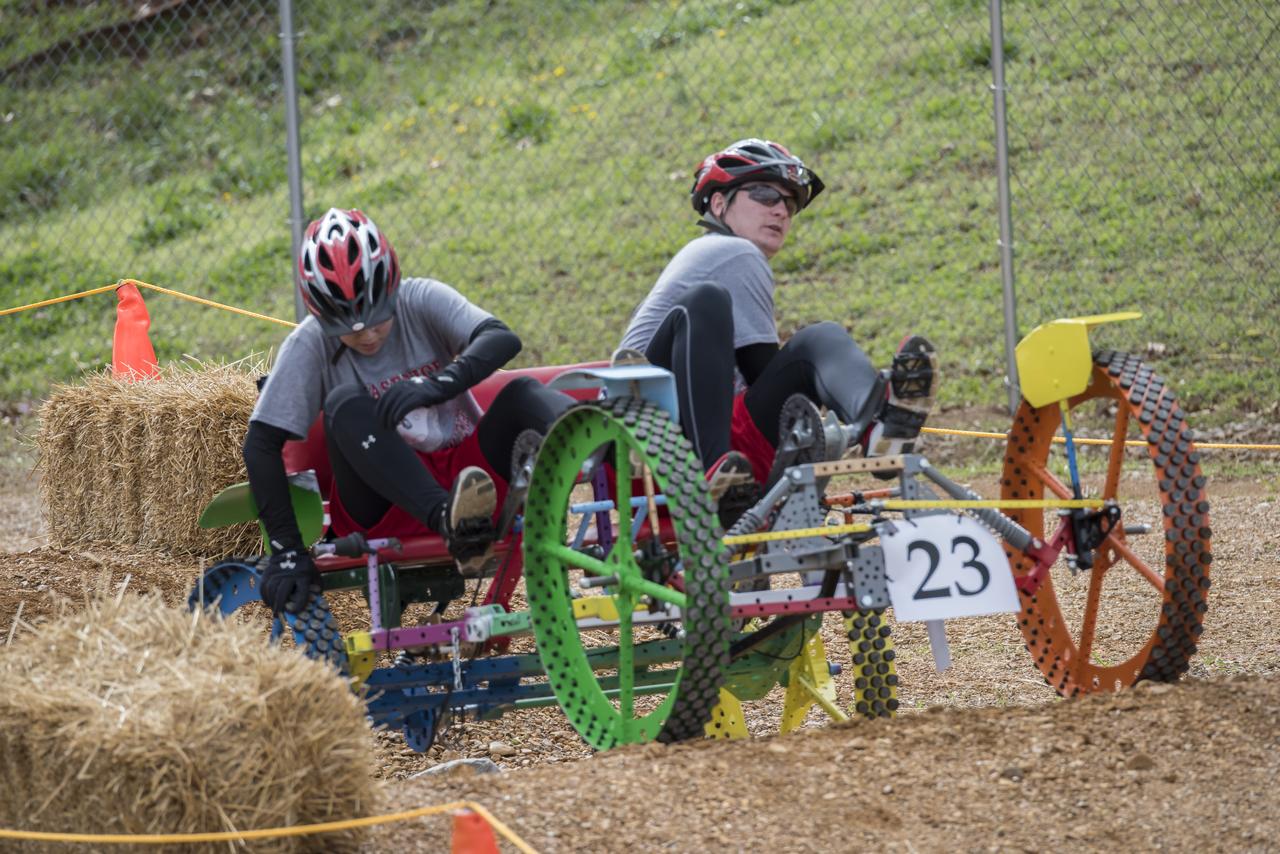
2017 Exploration Rover Challenge events at the U.S. Space and Rocket Center in Huntsville, Alabama. High school and college students from around the U.S. and the world come together for this 2 day event which challenges them to compete for the fastest time as well as technical design of the actual rover itself.
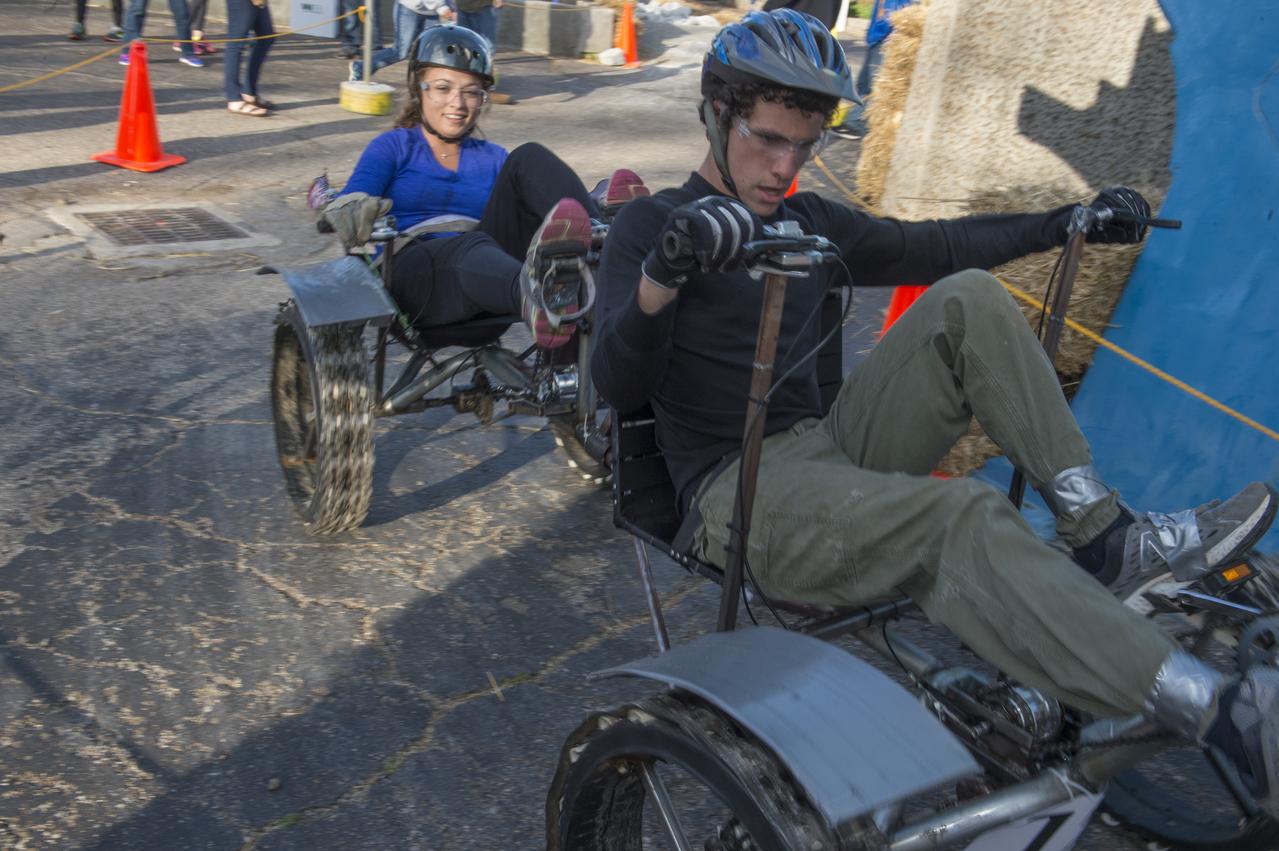
2017 Exploration Rover Challenge events at the U.S. Space and Rocket Center in Huntsville, Alabama. High school and college students from around the U.S. and the world come together for this 2 day event which challenges them to compete for the fastest time as well as technical design of the actual rover itself.
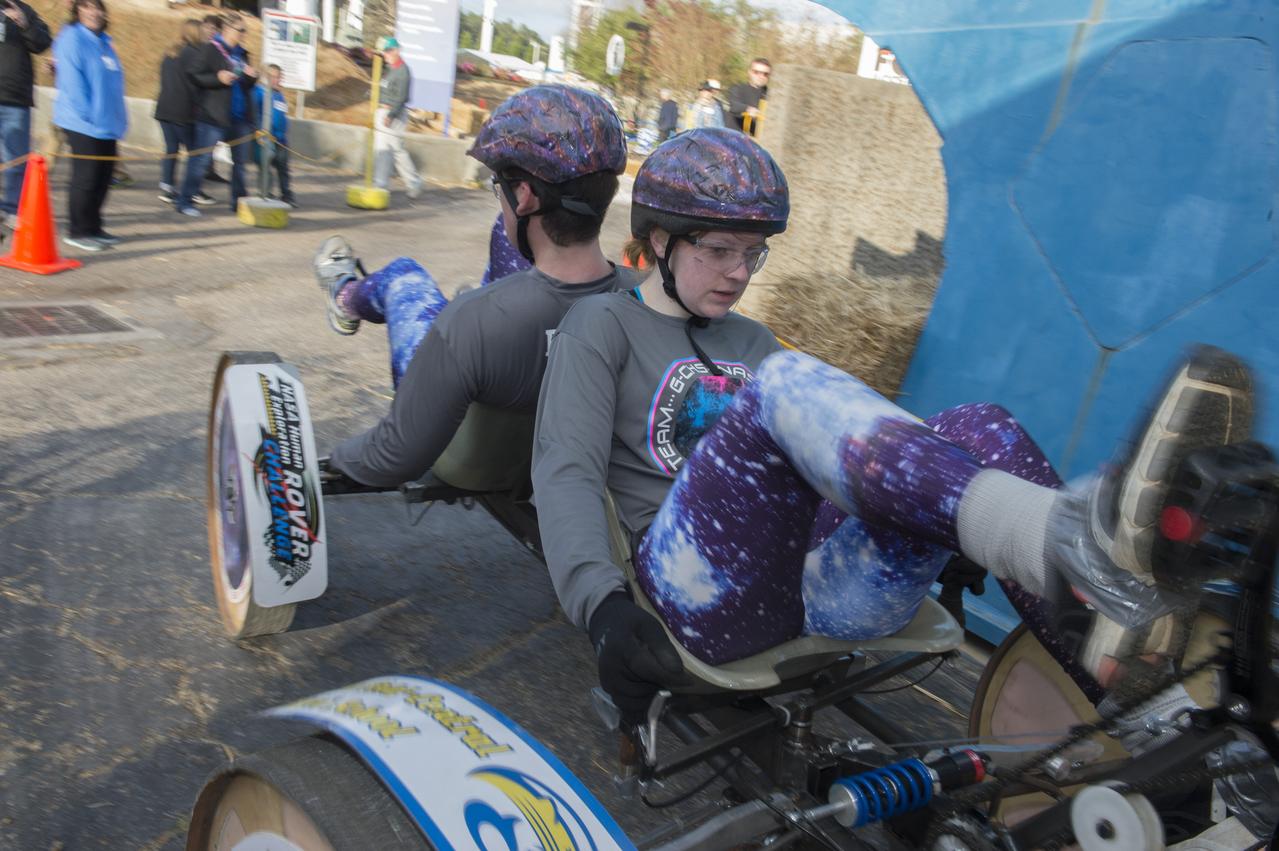
2017 Exploration Rover Challenge events at the U.S. Space and Rocket Center in Huntsville, Alabama. High school and college students from around the U.S. and the world come together for this 2 day event which challenges them to compete for the fastest time as well as technical design of the actual rover itself.
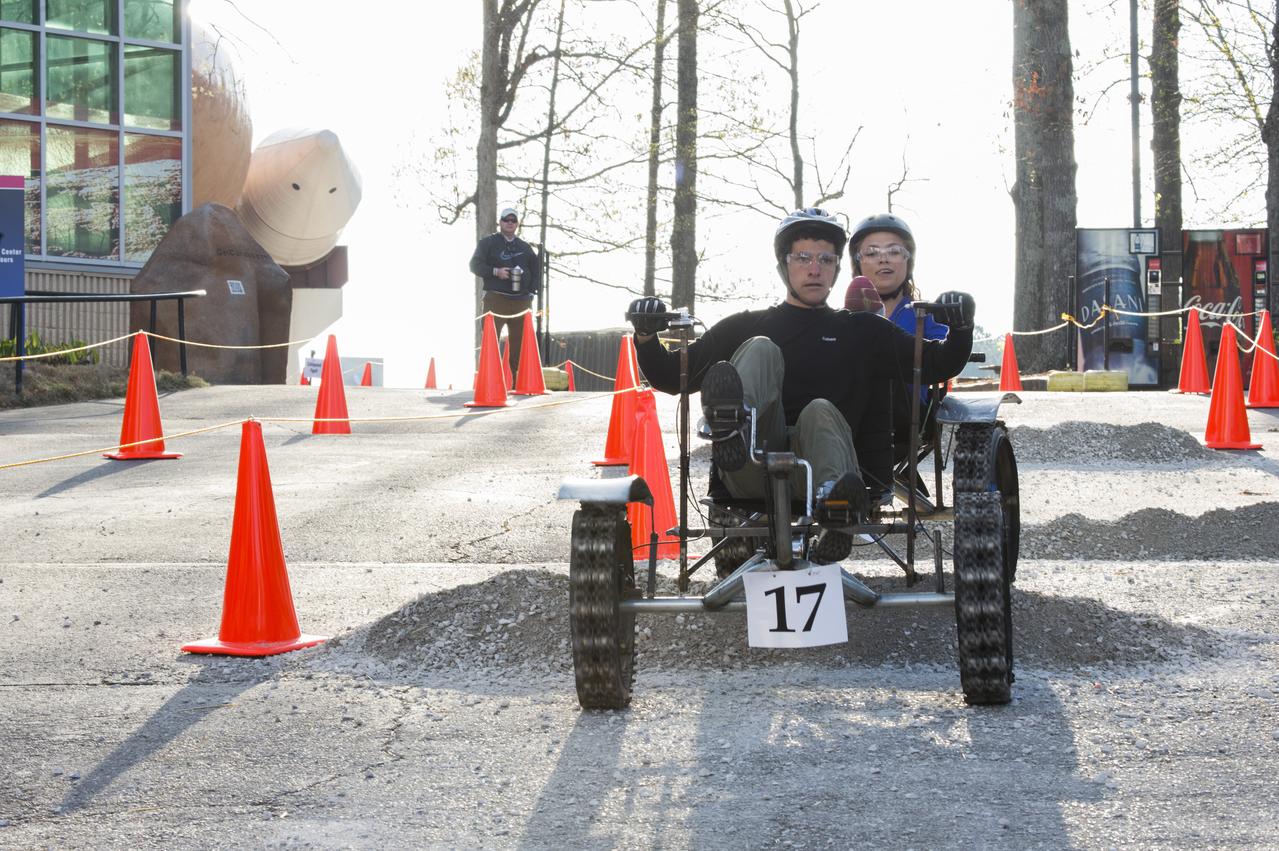
2017 Exploration Rover Challenge events at the U.S. Space and Rocket Center in Huntsville, Alabama. High school and college students from around the U.S. and the world come together for this 2 day event which challenges them to compete for the fastest time as well as technical design of the actual rover itself.
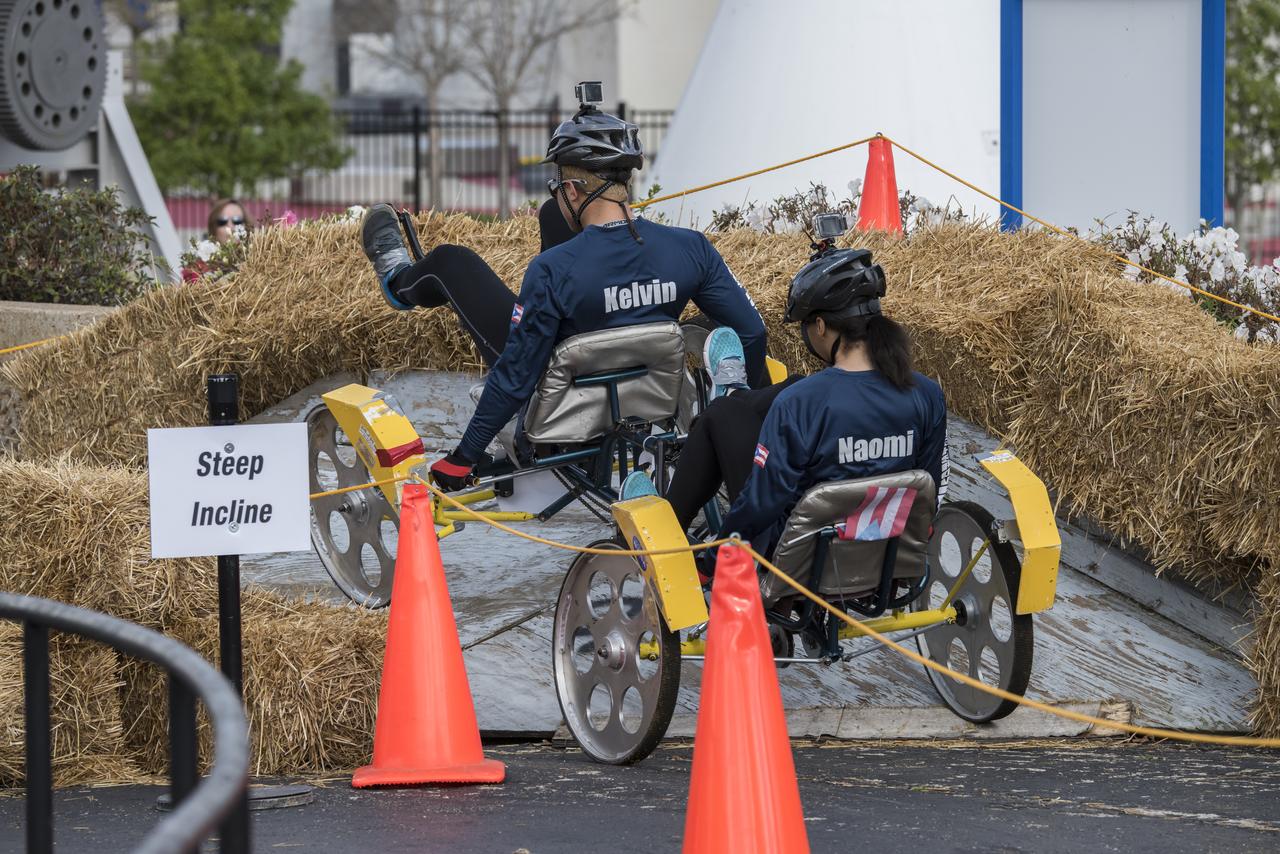
2017 Exploration Rover Challenge events at the U.S. Space and Rocket Center in Huntsville, Alabama. High school and college students from around the U.S. and the world come together for this 2 day event which challenges them to compete for the fastest time as well as technical design of the actual rover itself.
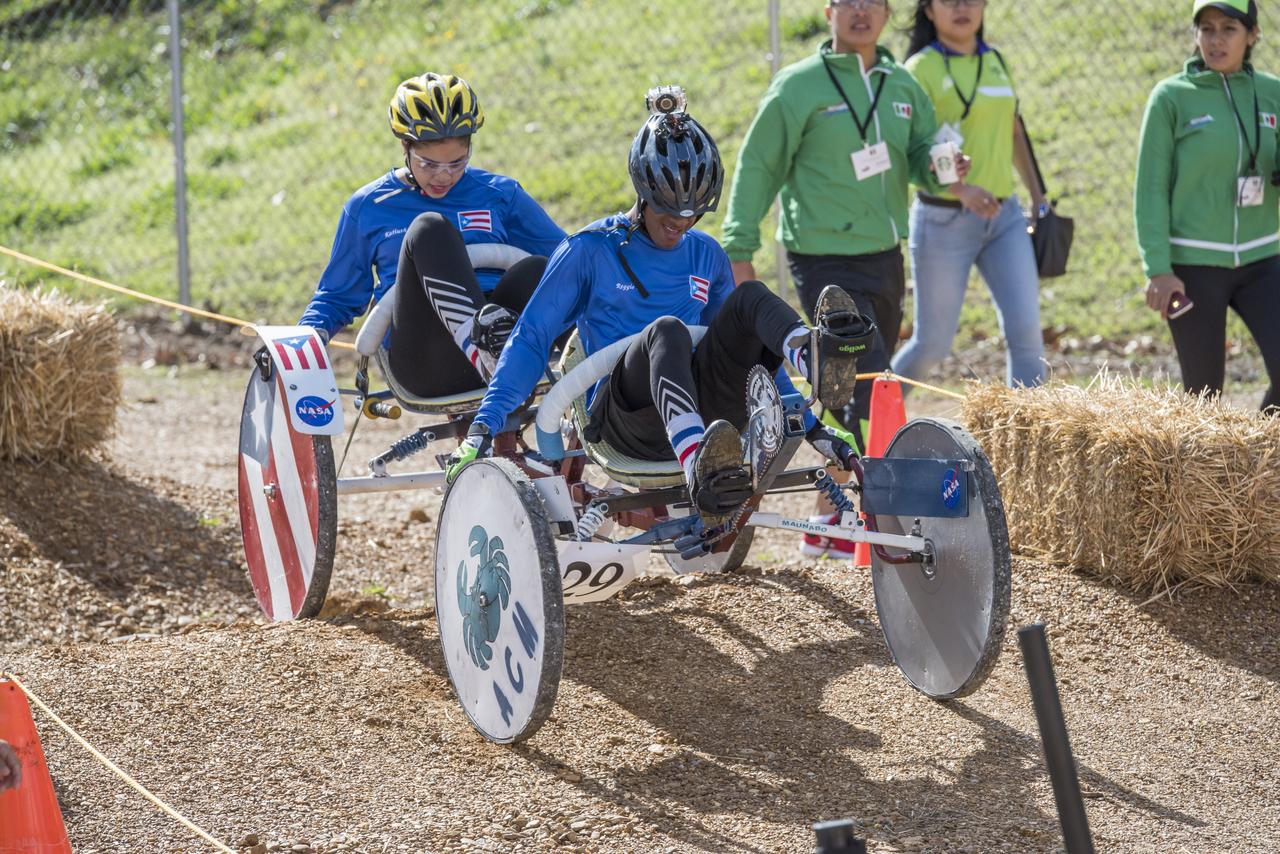
2017 Exploration Rover Challenge events at the U.S. Space and Rocket Center in Huntsville, Alabama. High school and college students from around the U.S. and the world come together for this 2 day event which challenges them to compete for the fastest time as well as technical design of the actual rover itself.
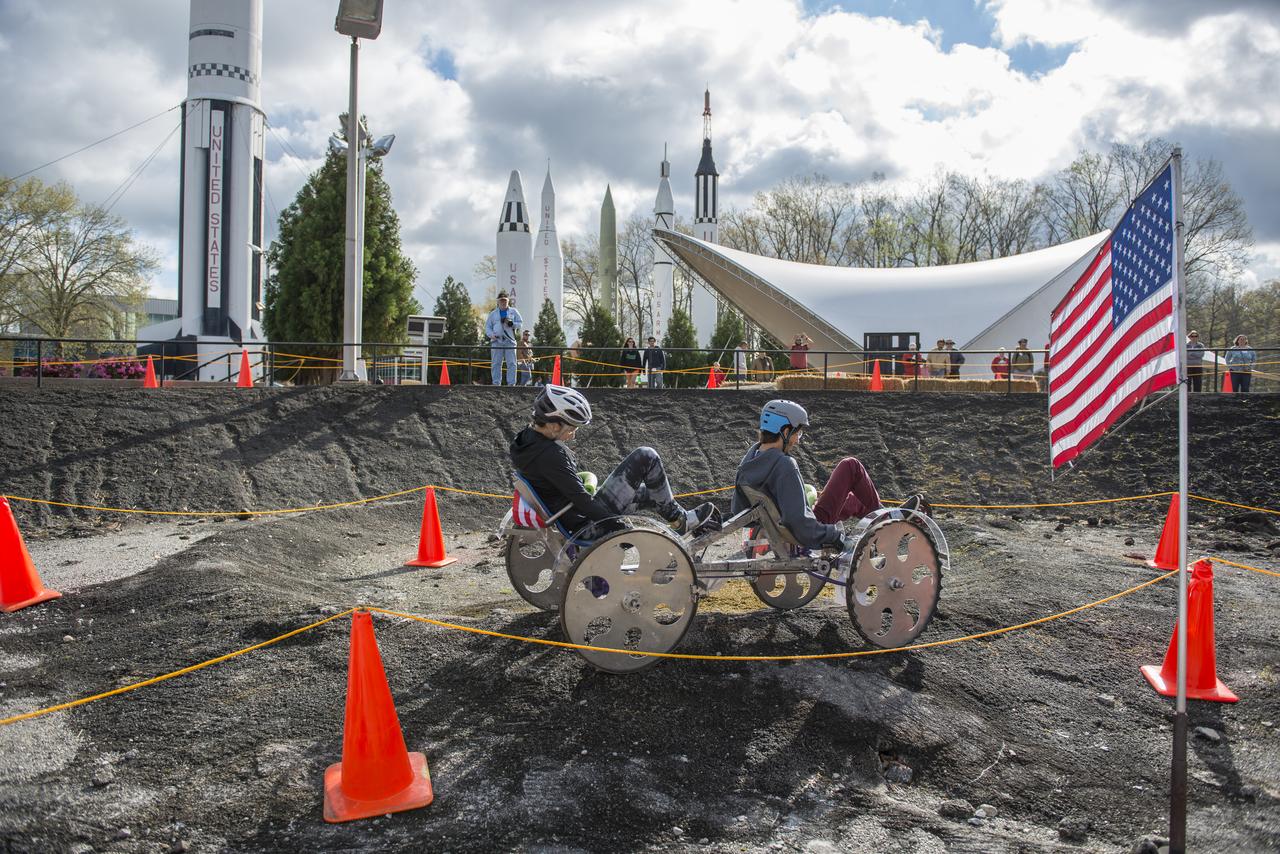
2017 Exploration Rover Challenge events at the U.S. Space and Rocket Center in Huntsville, Alabama. High school and college students from around the U.S. and the world come together for this 2 day event which challenges them to compete for the fastest time as well as technical design of the actual rover itself.

2017 Exploration Rover Challenge events at the U.S. Space and Rocket Center in Huntsville, Alabama. High school and college students from around the U.S. and the world come together for this 2 day event which challenges them to compete for the fastest time as well as technical design of the actual rover itself.
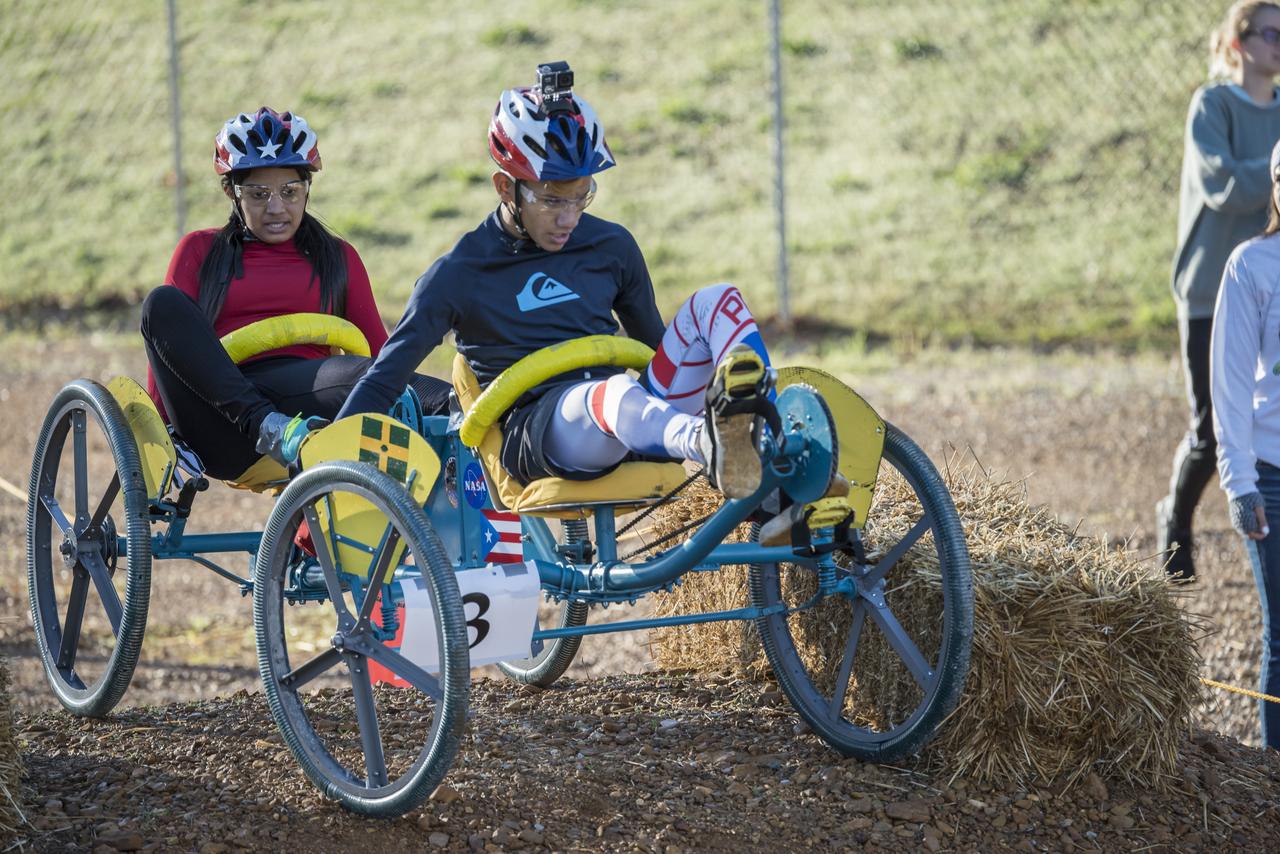
2017 Exploration Rover Challenge events at the U.S. Space and Rocket Center in Huntsville, Alabama. High school and college students from around the U.S. and the world come together for this 2 day event which challenges them to compete for the fastest time as well as technical design of the actual rover itself.
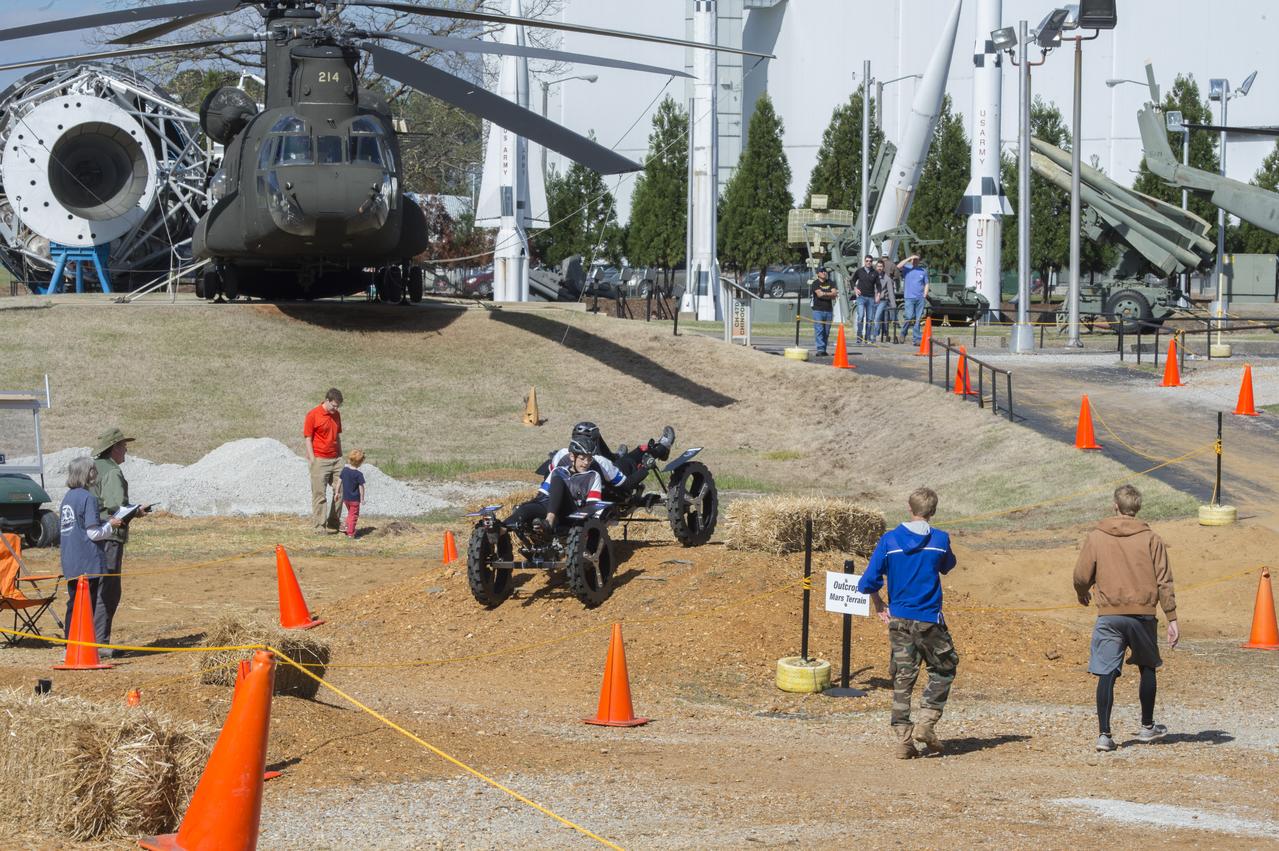
2017 Exploration Rover Challenge events at the U.S. Space and Rocket Center in Huntsville, Alabama. High school and college students from around the U.S. and the world come together for this 2 day event which challenges them to compete for the fastest time as well as technical design of the actual rover itself.
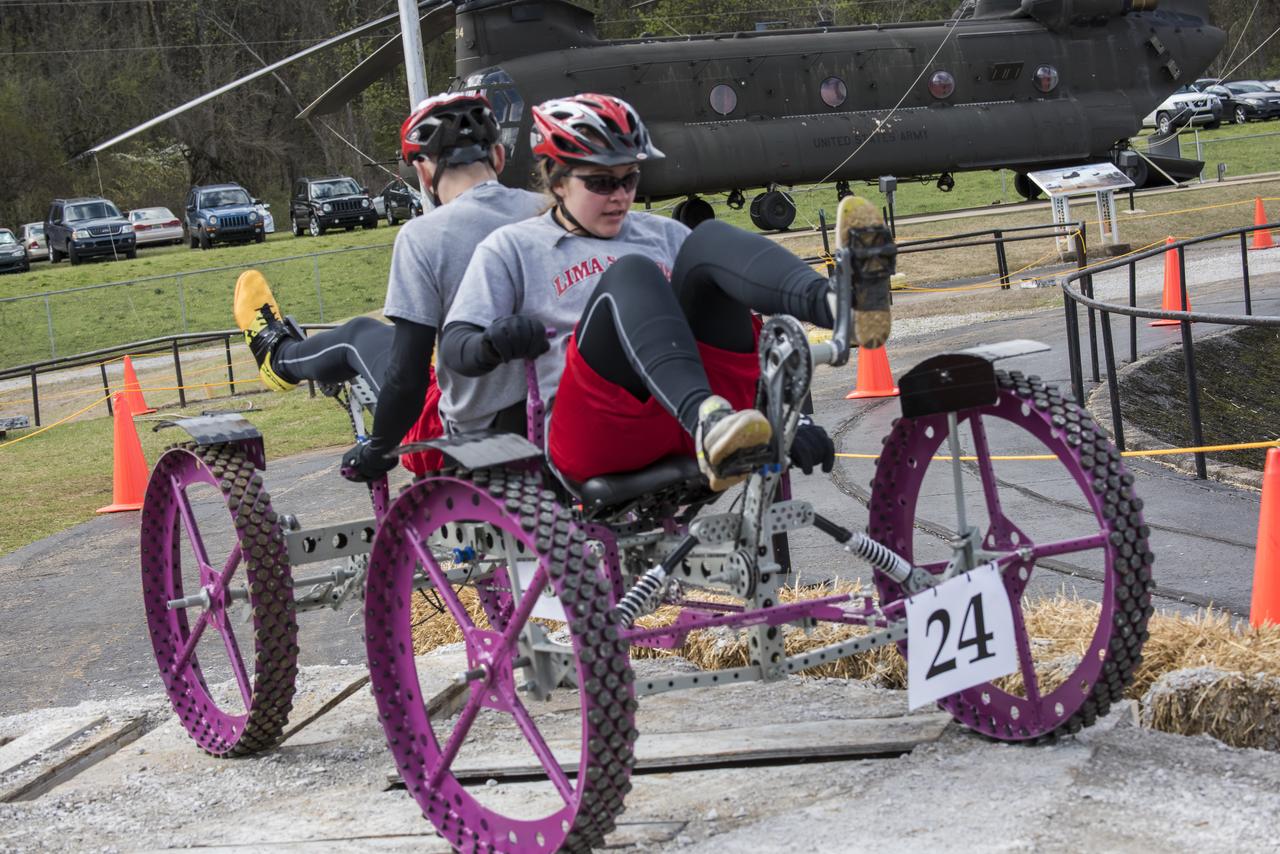
2017 Exploration Rover Challenge events at the U.S. Space and Rocket Center in Huntsville, Alabama. High school and college students from around the U.S. and the world come together for this 2 day event which challenges them to compete for the fastest time as well as technical design of the actual rover itself.
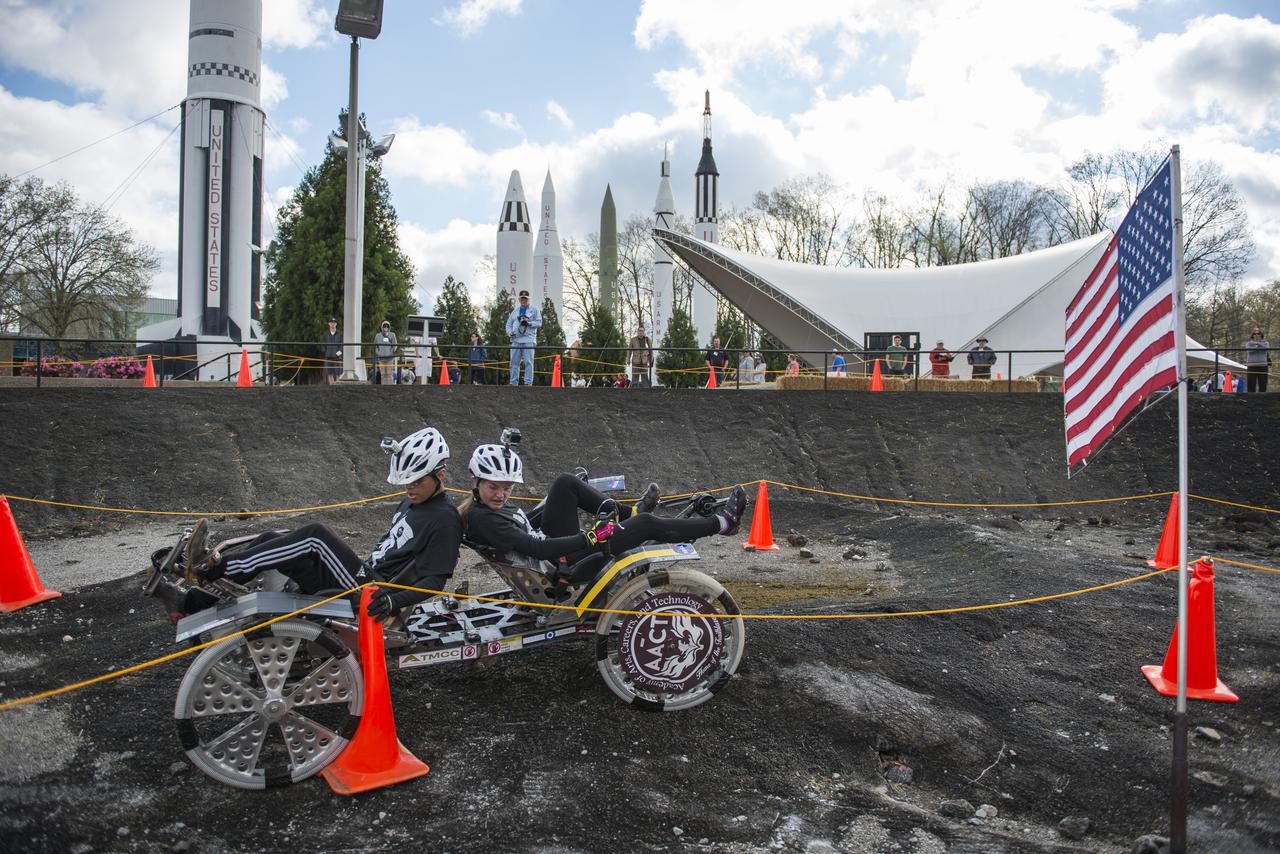
2017 Exploration Rover Challenge events at the U.S. Space and Rocket Center in Huntsville, Alabama. High school and college students from around the U.S. and the world come together for this 2 day event which challenges them to compete for the fastest time as well as technical design of the actual rover itself.
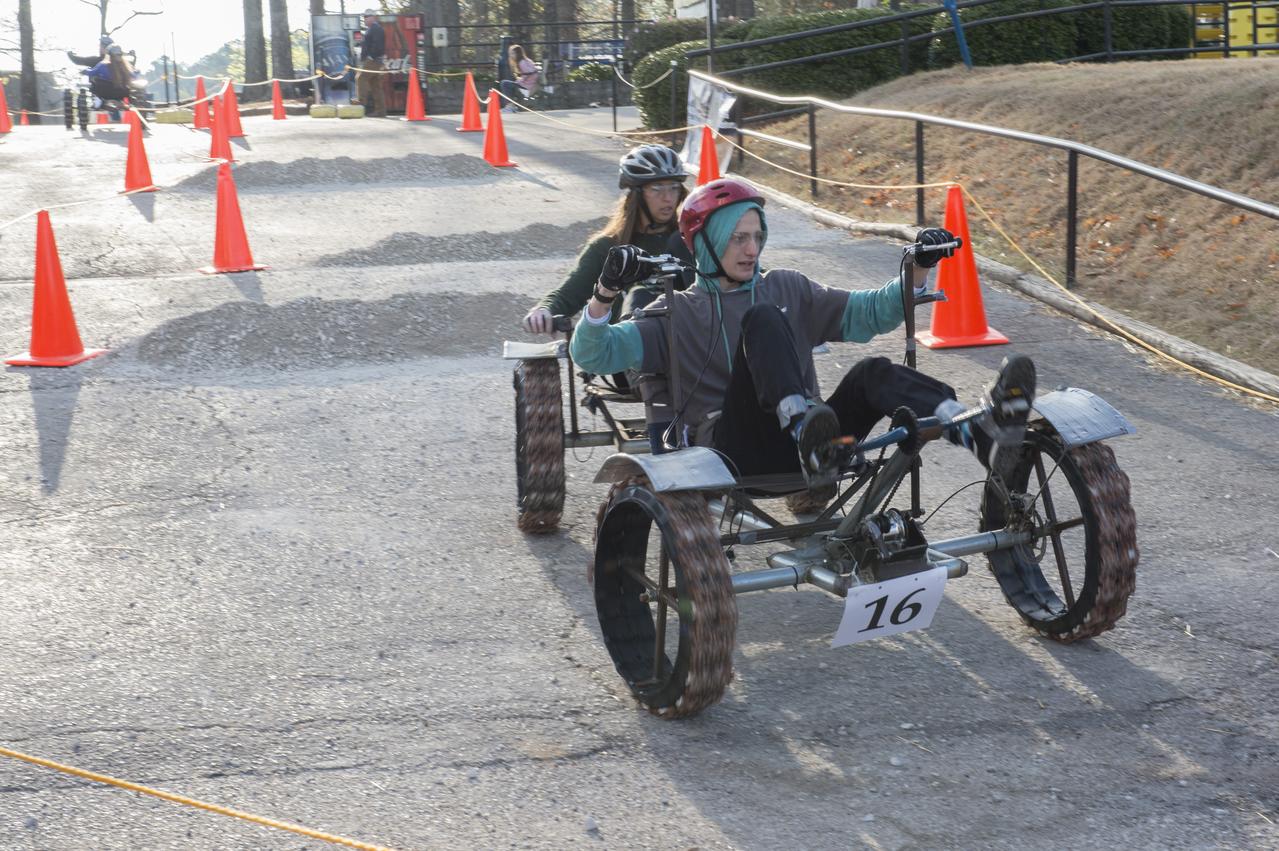
2017 Exploration Rover Challenge events at the U.S. Space and Rocket Center in Huntsville, Alabama. High school and college students from around the U.S. and the world come together for this 2 day event which challenges them to compete for the fastest time as well as technical design of the actual rover itself.
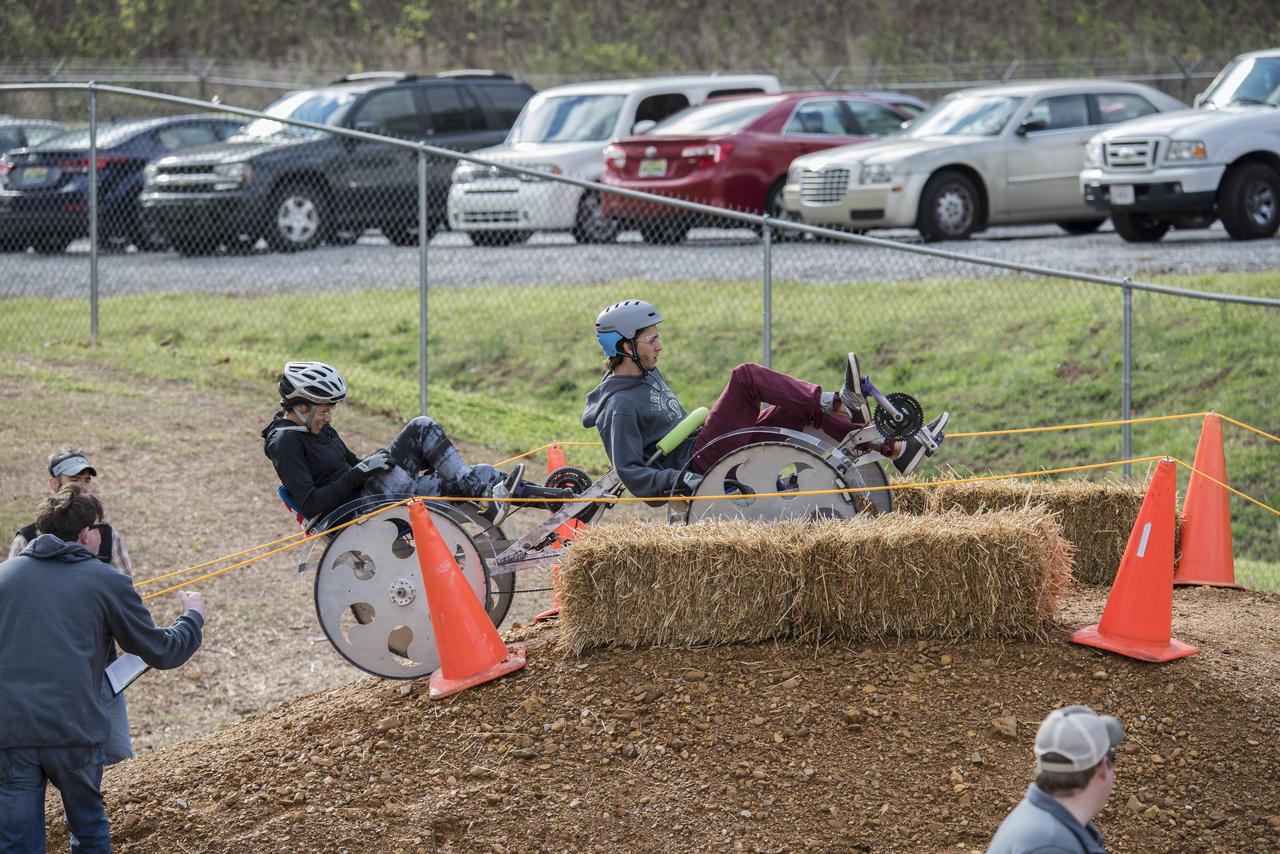
2017 Exploration Rover Challenge events at the U.S. Space and Rocket Center in Huntsville, Alabama. High school and college students from around the U.S. and the world come together for this 2 day event which challenges them to compete for the fastest time as well as technical design of the actual rover itself.
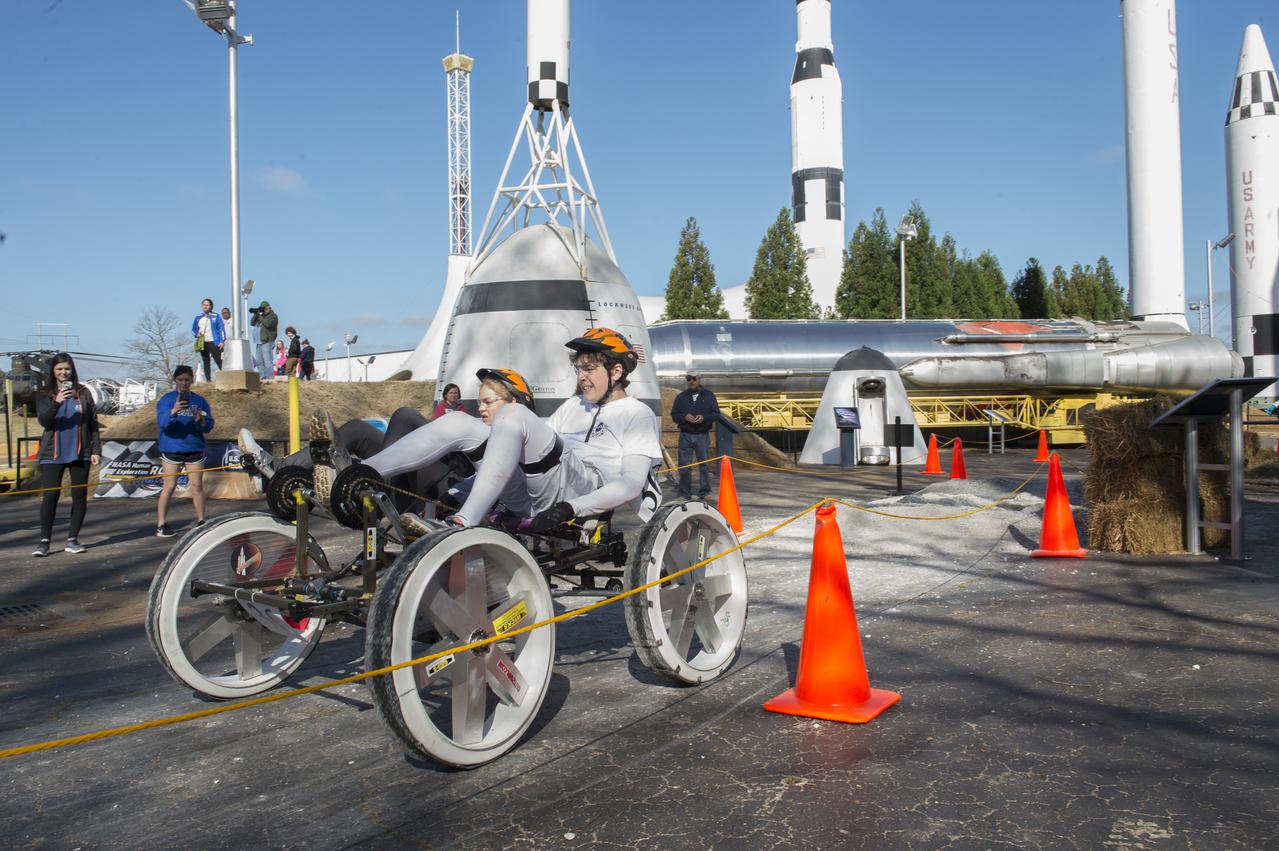
2017 Exploration Rover Challenge events at the U.S. Space and Rocket Center in Huntsville, Alabama. High school and college students from around the U.S. and the world come together for this 2 day event which challenges them to compete for the fastest time as well as technical design of the actual rover itself.
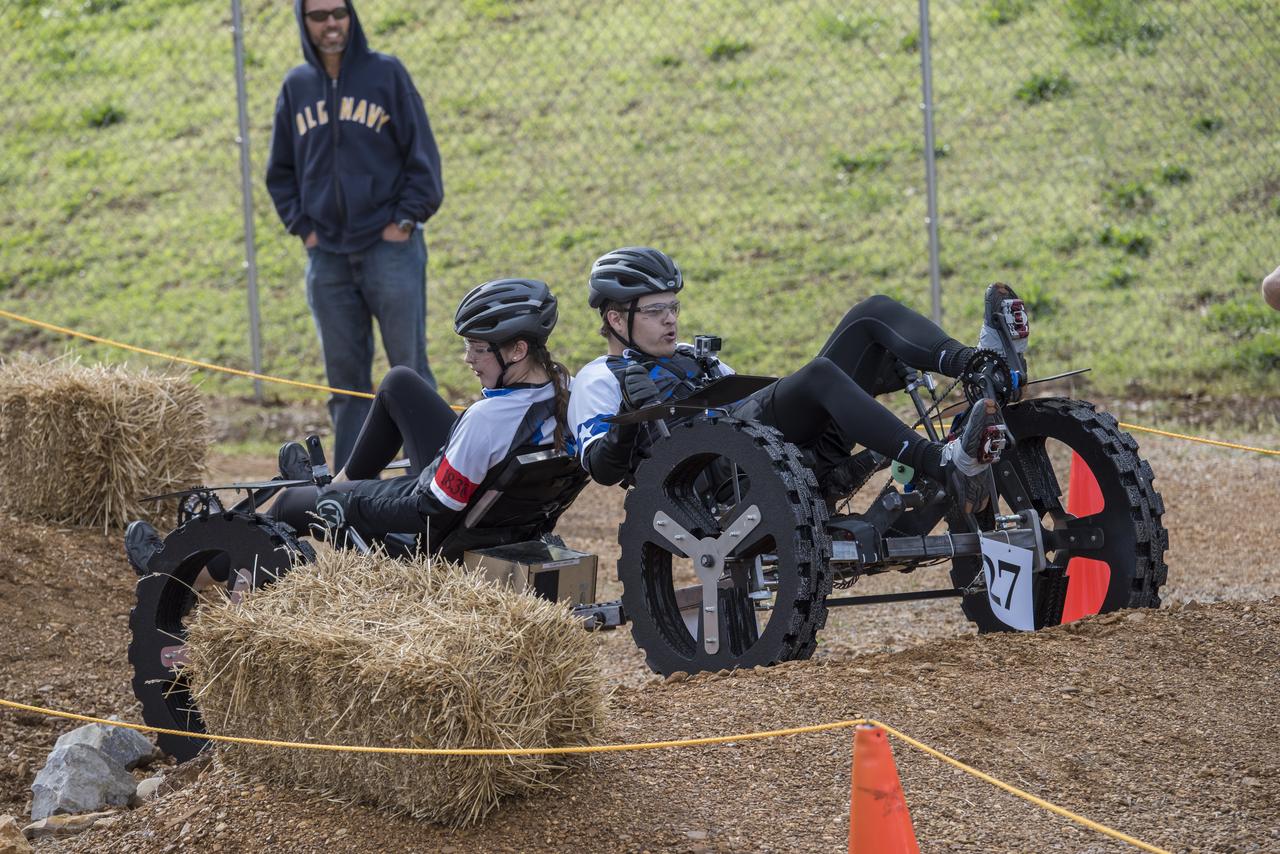
2017 Exploration Rover Challenge events at the U.S. Space and Rocket Center in Huntsville, Alabama. High school and college students from around the U.S. and the world come together for this 2 day event which challenges them to compete for the fastest time as well as technical design of the actual rover itself.
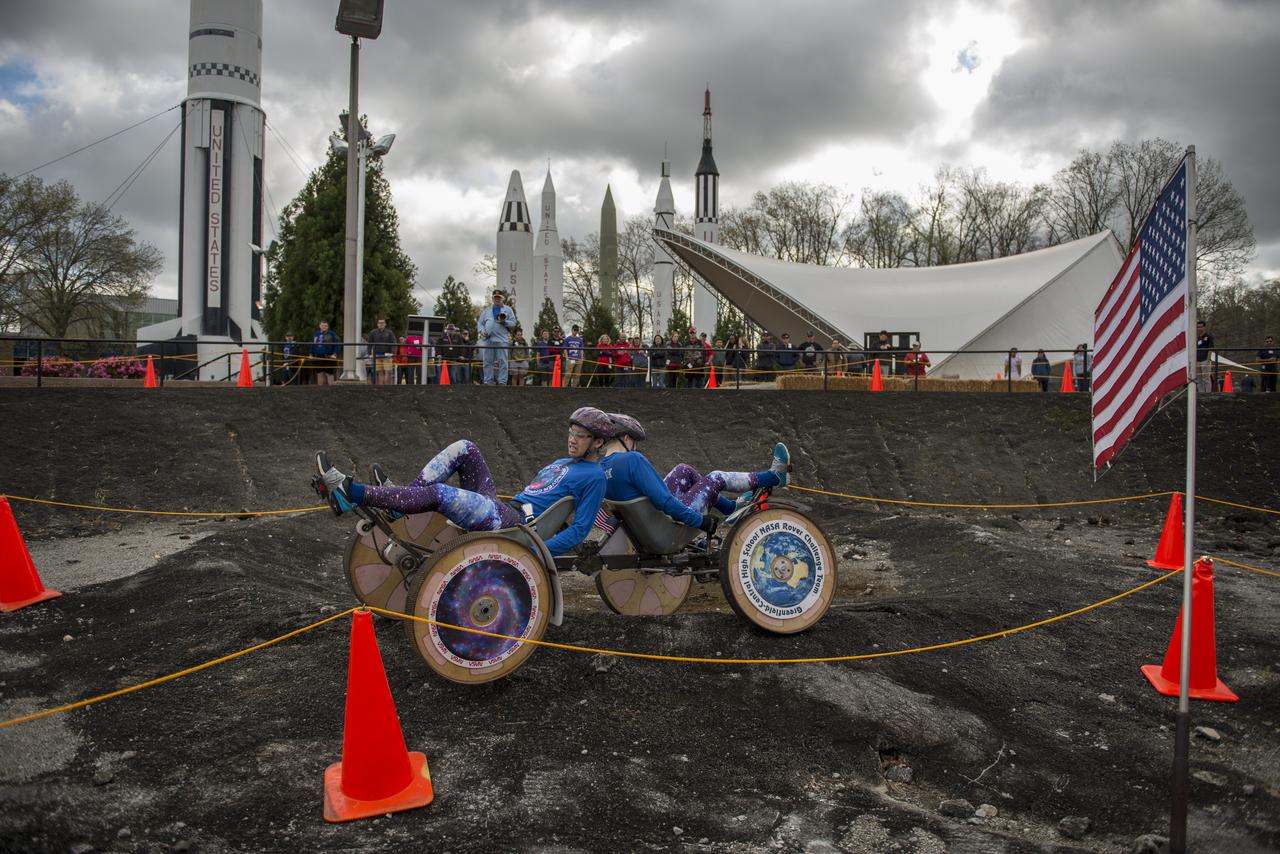
2017 Exploration Rover Challenge events at the U.S. Space and Rocket Center in Huntsville, Alabama. High school and college students from around the U.S. and the world come together for this 2 day event which challenges them to compete for the fastest time as well as technical design of the actual rover itself.
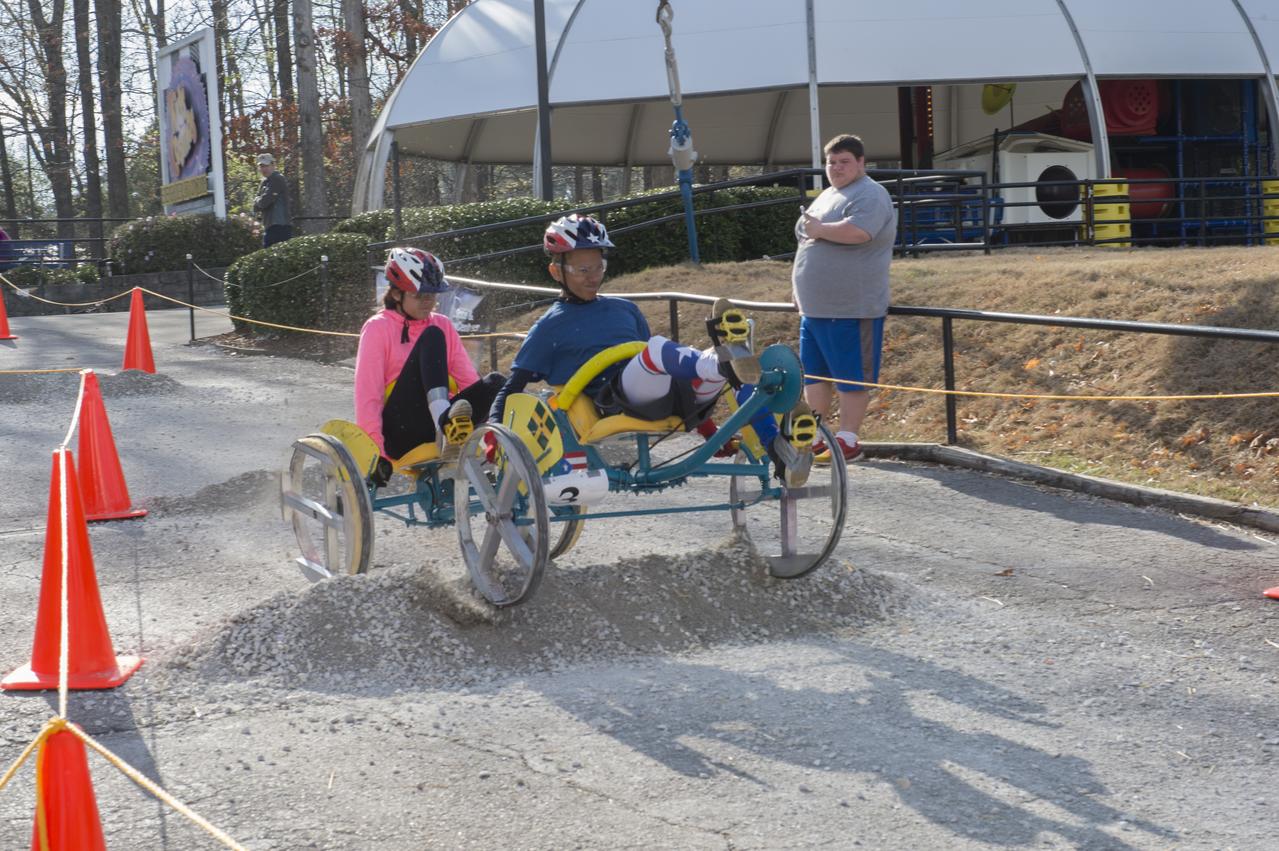
2017 Exploration Rover Challenge events at the U.S. Space and Rocket Center in Huntsville, Alabama. High school and college students from around the U.S. and the world come together for this 2 day event which challenges them to compete for the fastest time as well as technical design of the actual rover itself.
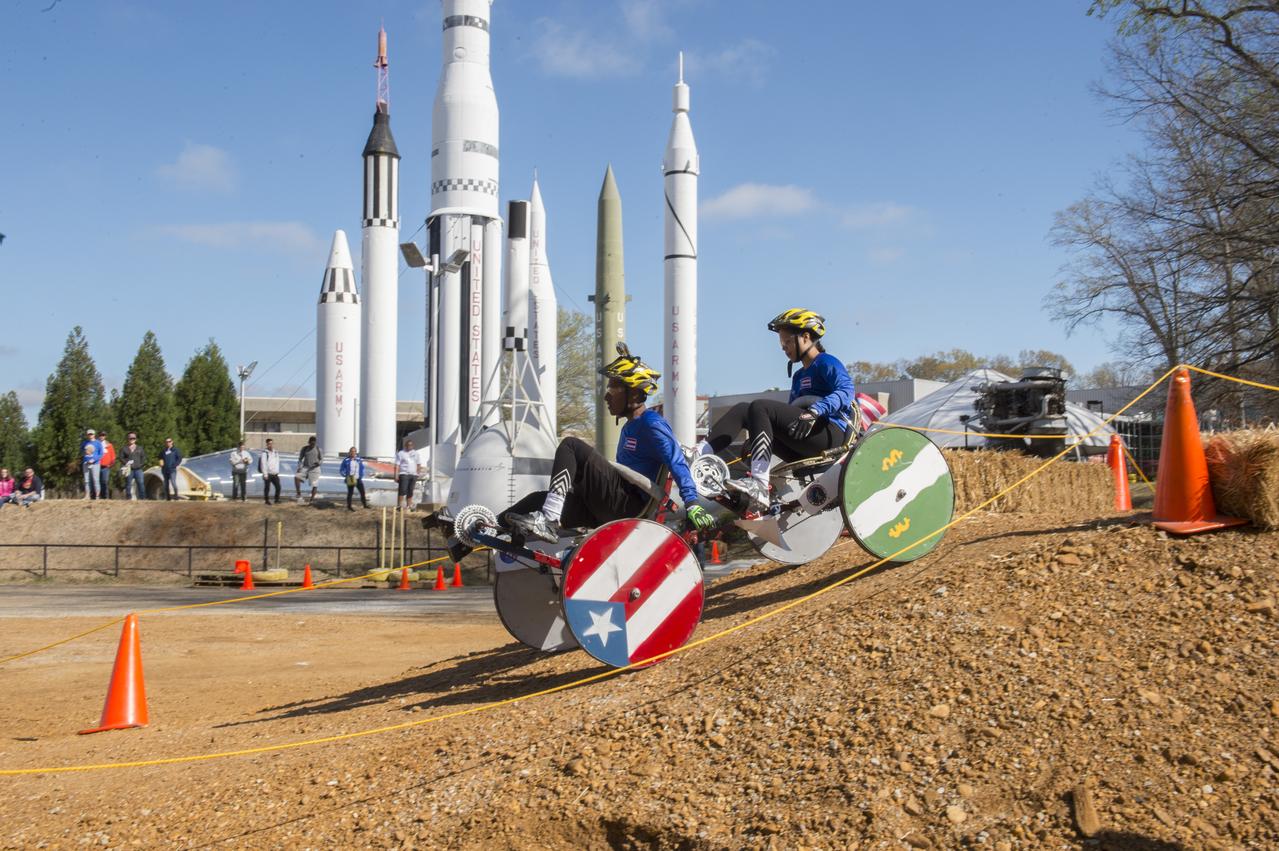
2017 Exploration Rover Challenge events at the U.S. Space and Rocket Center in Huntsville, Alabama. High school and college students from around the U.S. and the world come together for this 2 day event which challenges them to compete for the fastest time as well as technical design of the actual rover itself.
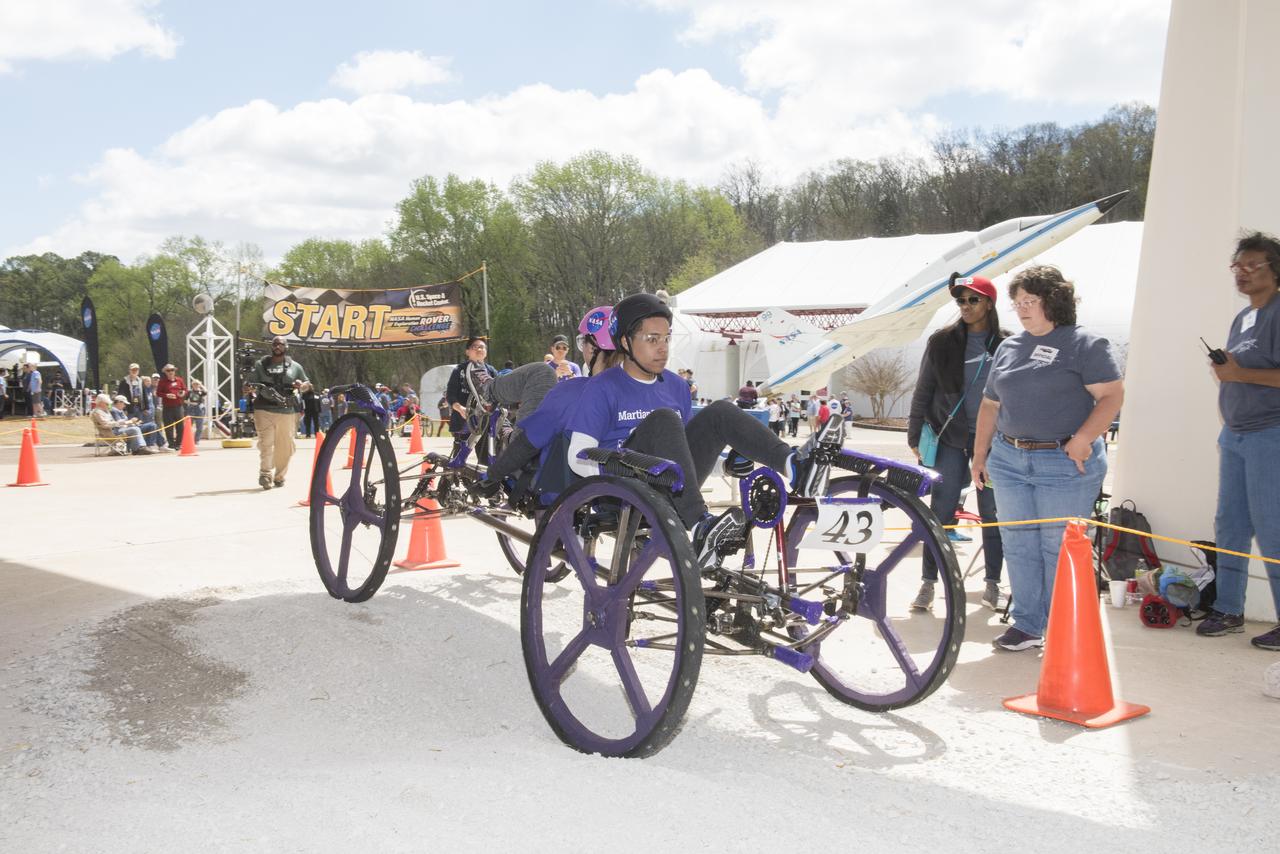
2017 Exploration Rover Challenge events at the U.S. Space and Rocket Center in Huntsville, Alabama. High school and college students from around the U.S. and the world come together for this 2 day event which challenges them to compete for the fastest time as well as technical design of the actual rover itself.
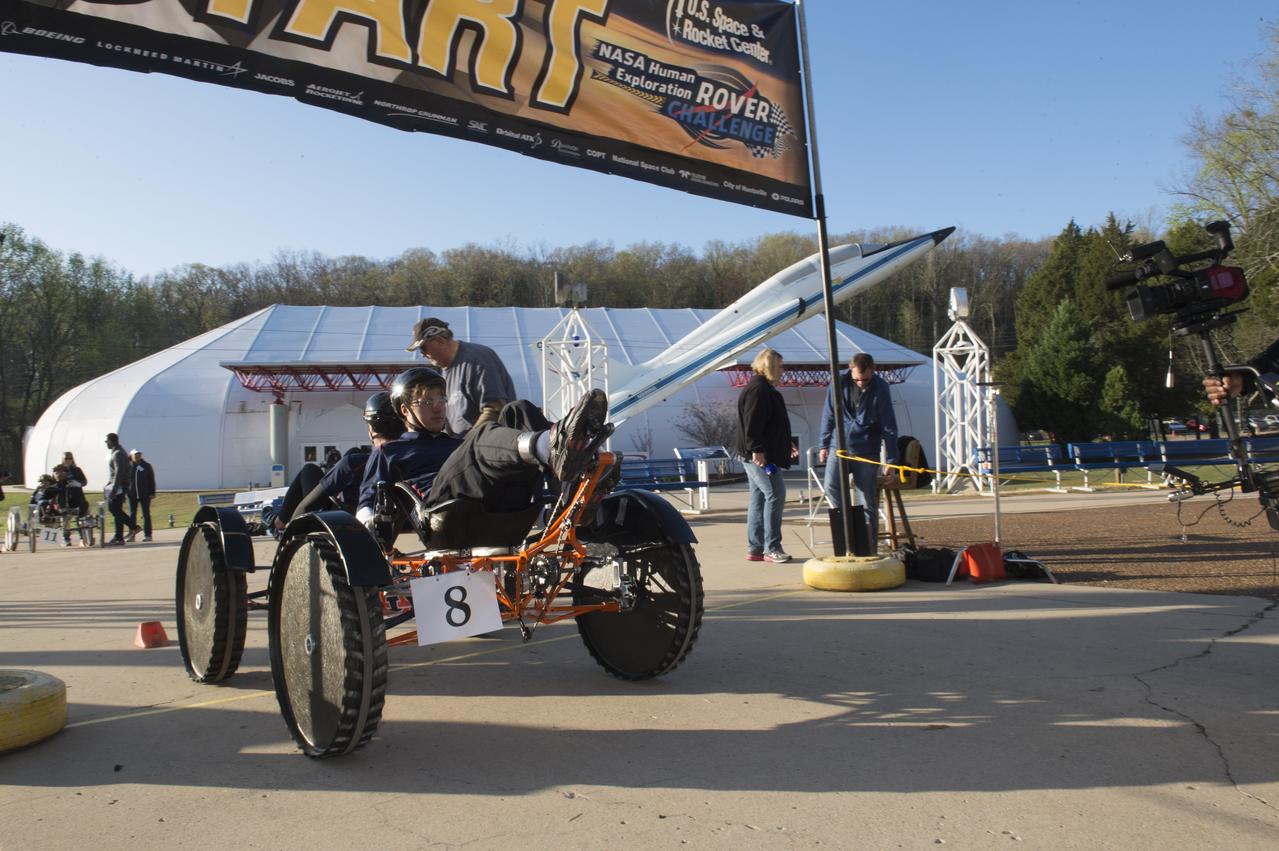
2017 Exploration Rover Challenge events at the U.S. Space and Rocket Center in Huntsville, Alabama. High school and college students from around the U.S. and the world come together for this 2 day event which challenges them to compete for the fastest time as well as technical design of the actual rover itself.
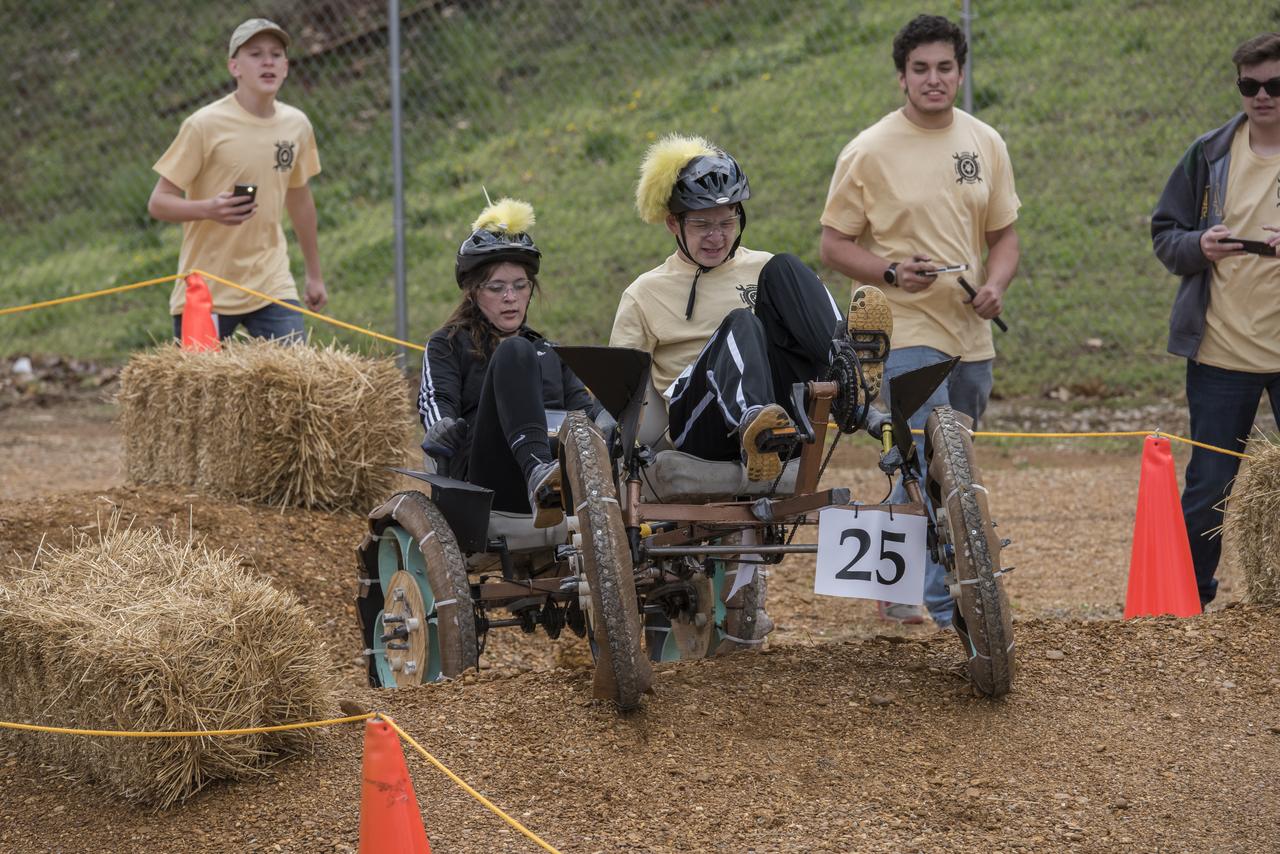
2017 Exploration Rover Challenge events at the U.S. Space and Rocket Center in Huntsville, Alabama. High school and college students from around the U.S. and the world come together for this 2 day event which challenges them to compete for the fastest time as well as technical design of the actual rover itself.
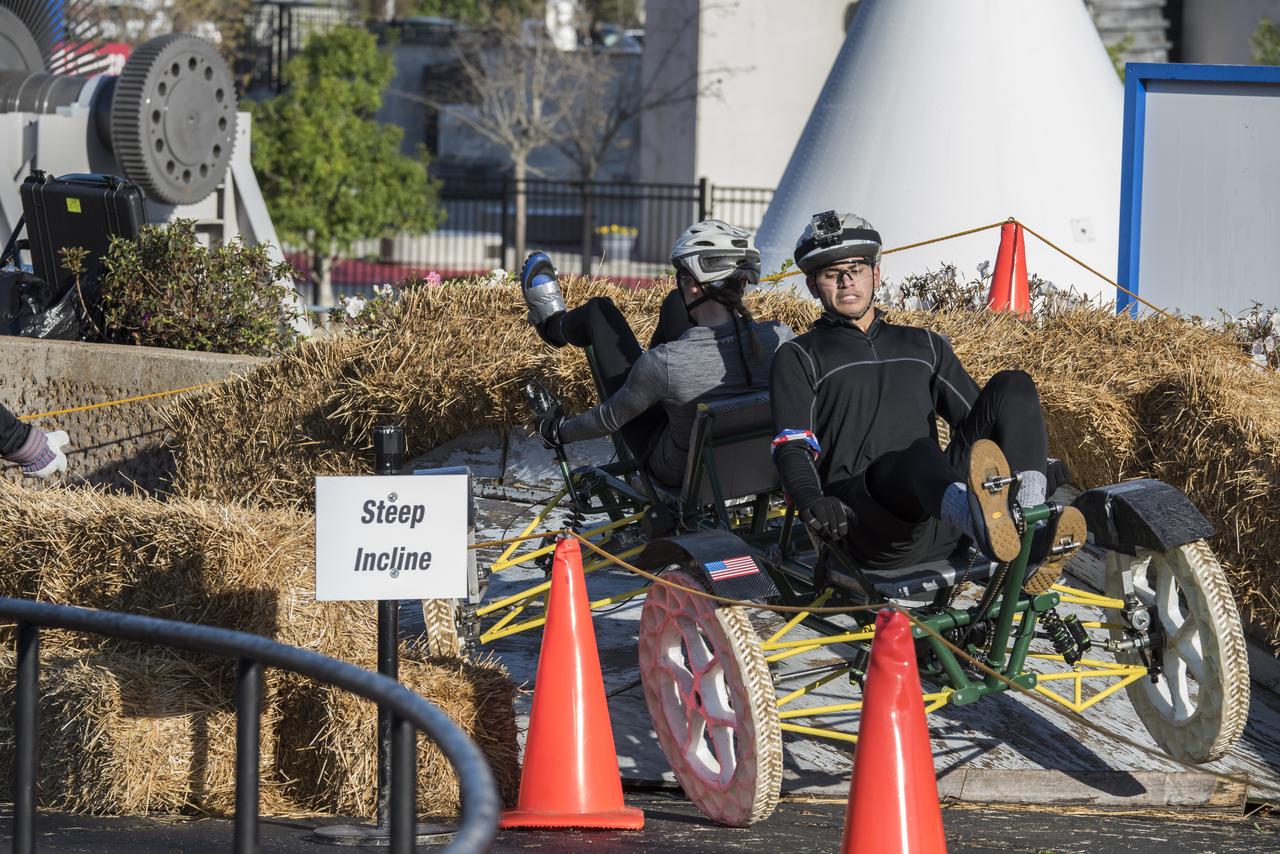
2017 Exploration Rover Challenge events at the U.S. Space and Rocket Center in Huntsville, Alabama. High school and college students from around the U.S. and the world come together for this 2 day event which challenges them to compete for the fastest time as well as technical design of the actual rover itself.
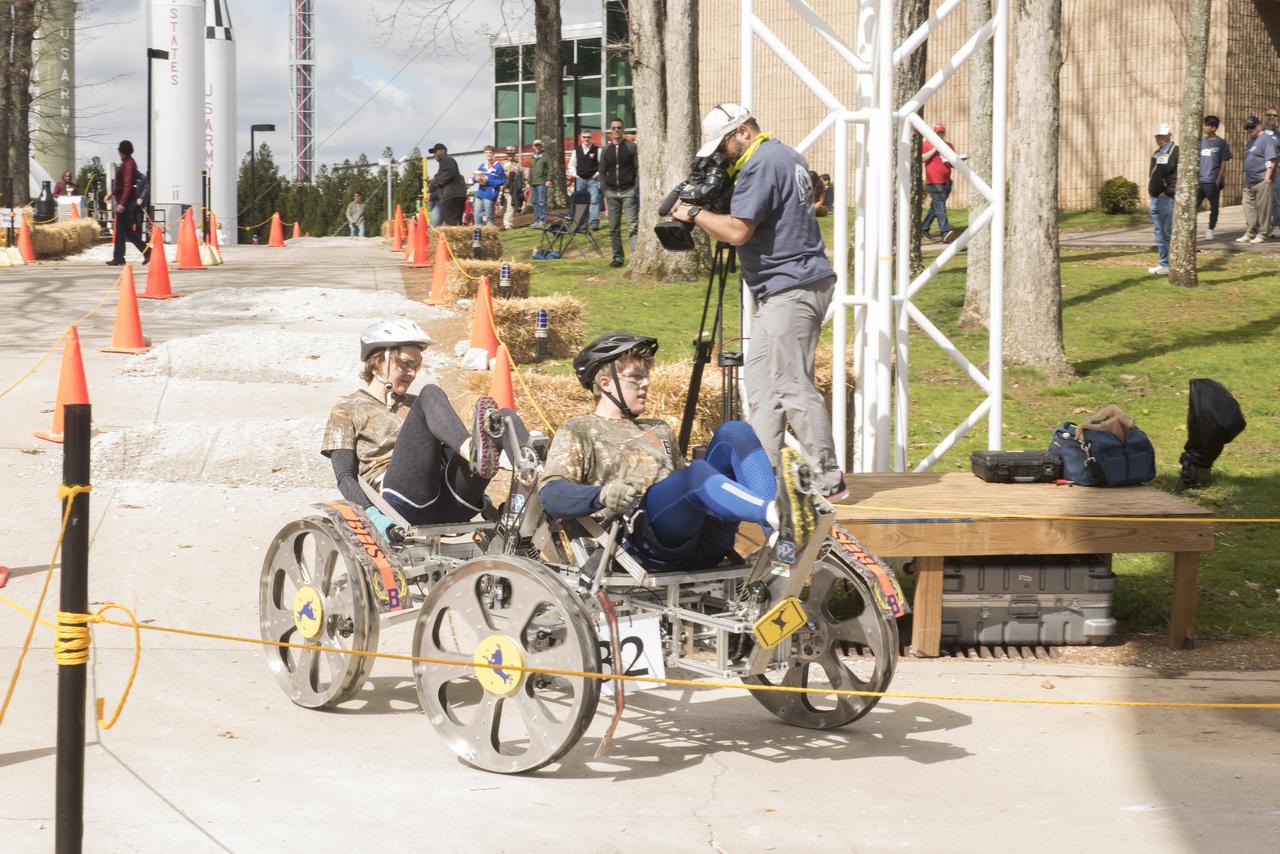
2017 Exploration Rover Challenge events at the U.S. Space and Rocket Center in Huntsville, Alabama. High school and college students from around the U.S. and the world come together for this 2 day event which challenges them to compete for the fastest time as well as technical design of the actual rover itself.
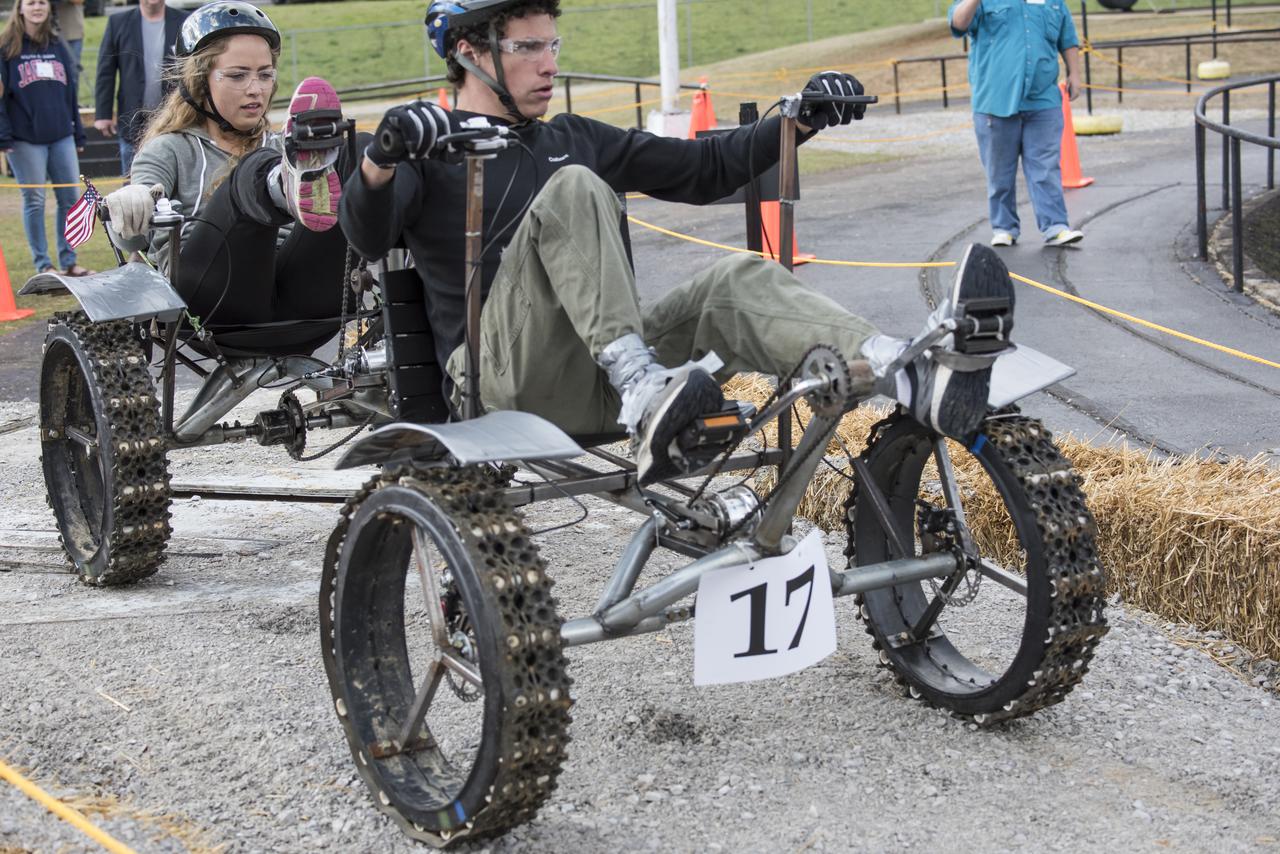
2017 Exploration Rover Challenge events at the U.S. Space and Rocket Center in Huntsville, Alabama. High school and college students from around the U.S. and the world come together for this 2 day event which challenges them to compete for the fastest time as well as technical design of the actual rover itself.
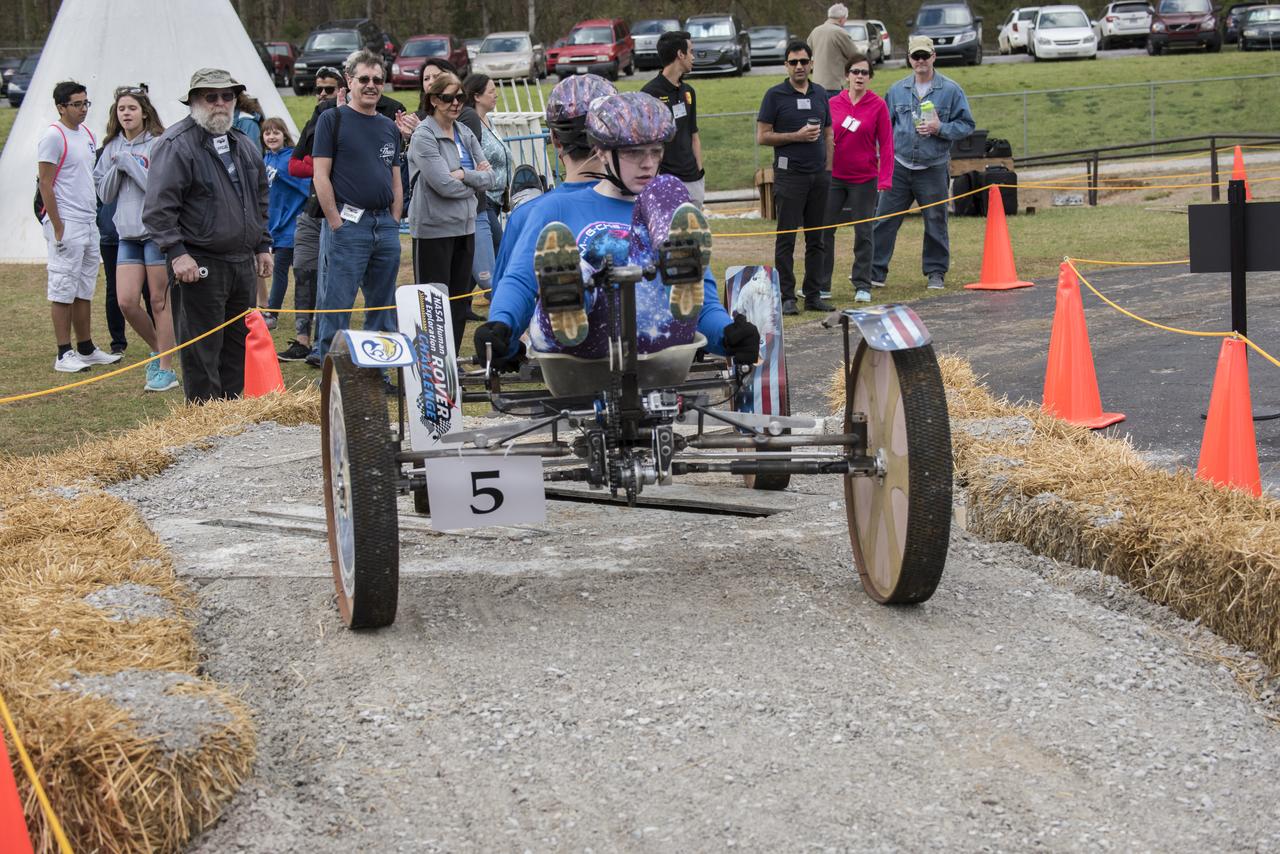
2017 Exploration Rover Challenge events at the U.S. Space and Rocket Center in Huntsville, Alabama. High school and college students from around the U.S. and the world come together for this 2 day event which challenges them to compete for the fastest time as well as technical design of the actual rover itself.
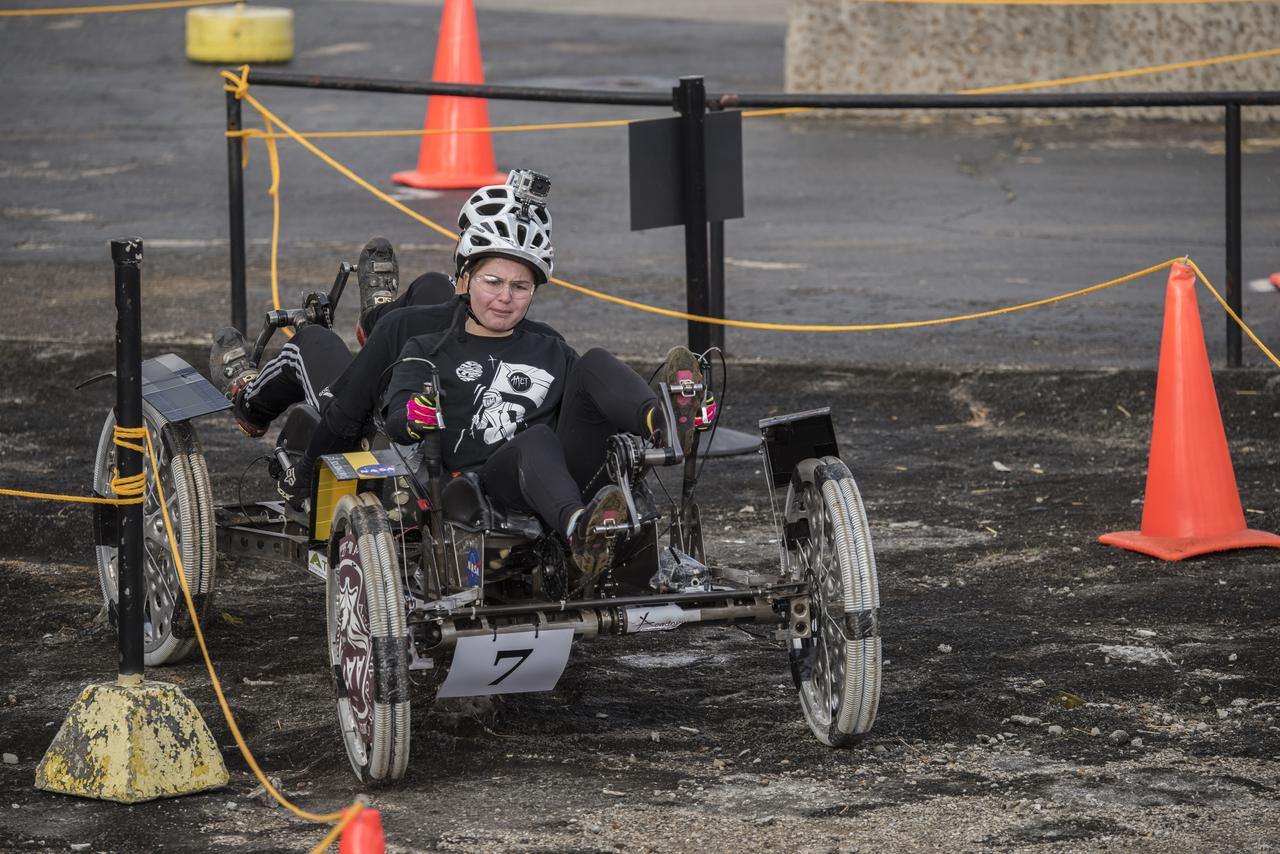
2017 Exploration Rover Challenge events at the U.S. Space and Rocket Center in Huntsville, Alabama. High school and college students from around the U.S. and the world come together for this 2 day event which challenges them to compete for the fastest time as well as technical design of the actual rover itself.

2017 Exploration Rover Challenge events at the U.S. Space and Rocket Center in Huntsville, Alabama. High school and college students from around the U.S. and the world come together for this 2 day event which challenges them to compete for the fastest time as well as technical design of the actual rover itself.
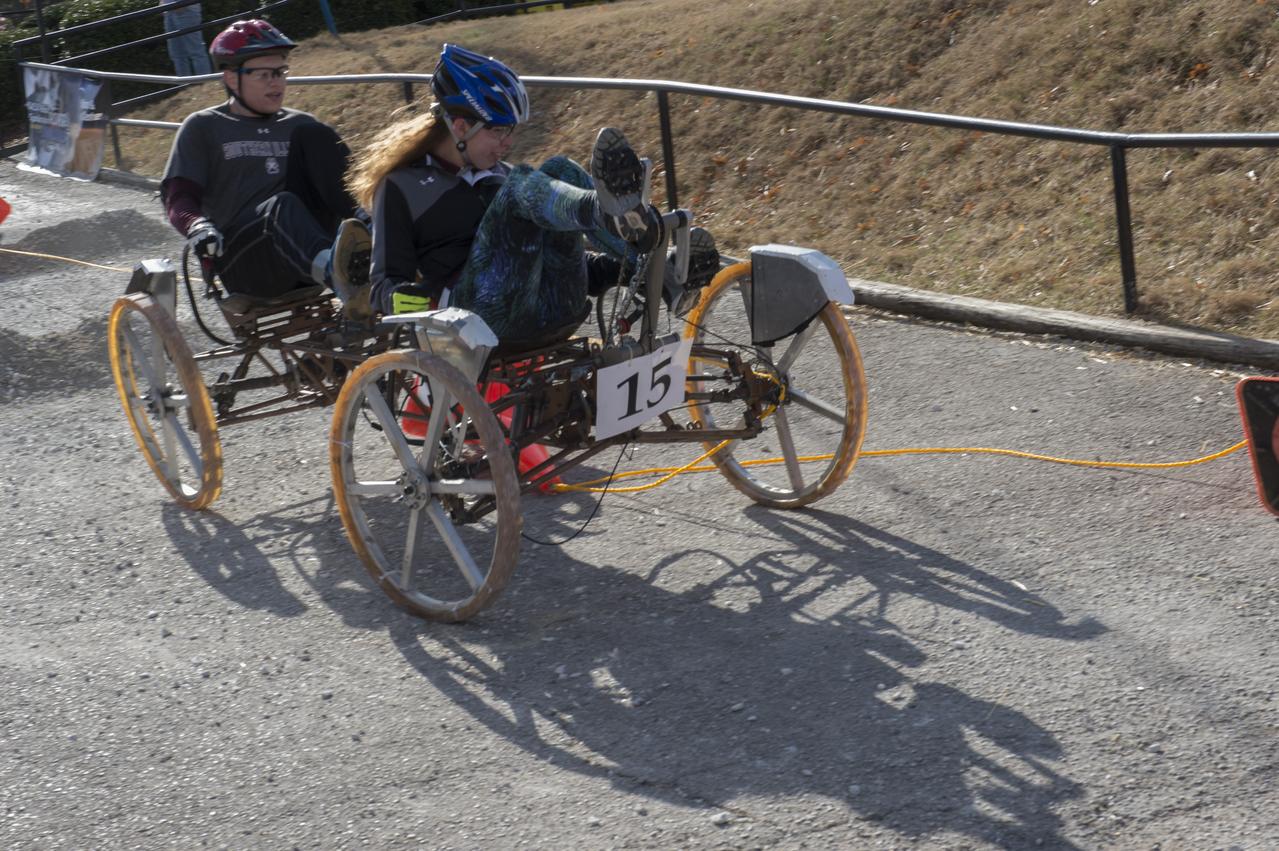
2017 Exploration Rover Challenge events at the U.S. Space and Rocket Center in Huntsville, Alabama. High school and college students from around the U.S. and the world come together for this 2 day event which challenges them to compete for the fastest time as well as technical design of the actual rover itself.
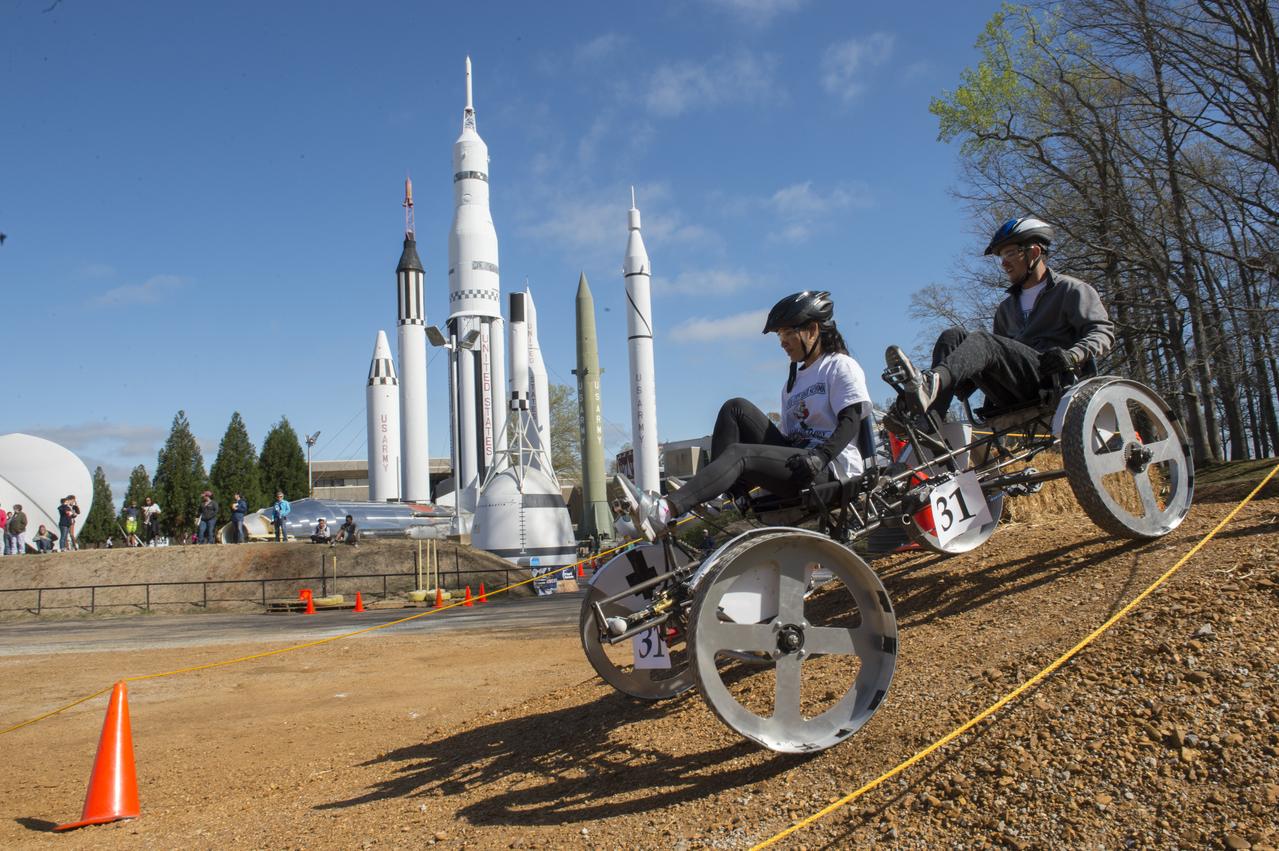
2017 Exploration Rover Challenge events at the U.S. Space and Rocket Center in Huntsville, Alabama. High school and college students from around the U.S. and the world come together for this 2 day event which challenges them to compete for the fastest time as well as technical design of the actual rover itself.

2017 Exploration Rover Challenge events at the U.S. Space and Rocket Center in Huntsville, Alabama. High school and college students from around the U.S. and the world come together for this 2 day event which challenges them to compete for the fastest time as well as technical design of the actual rover itself.
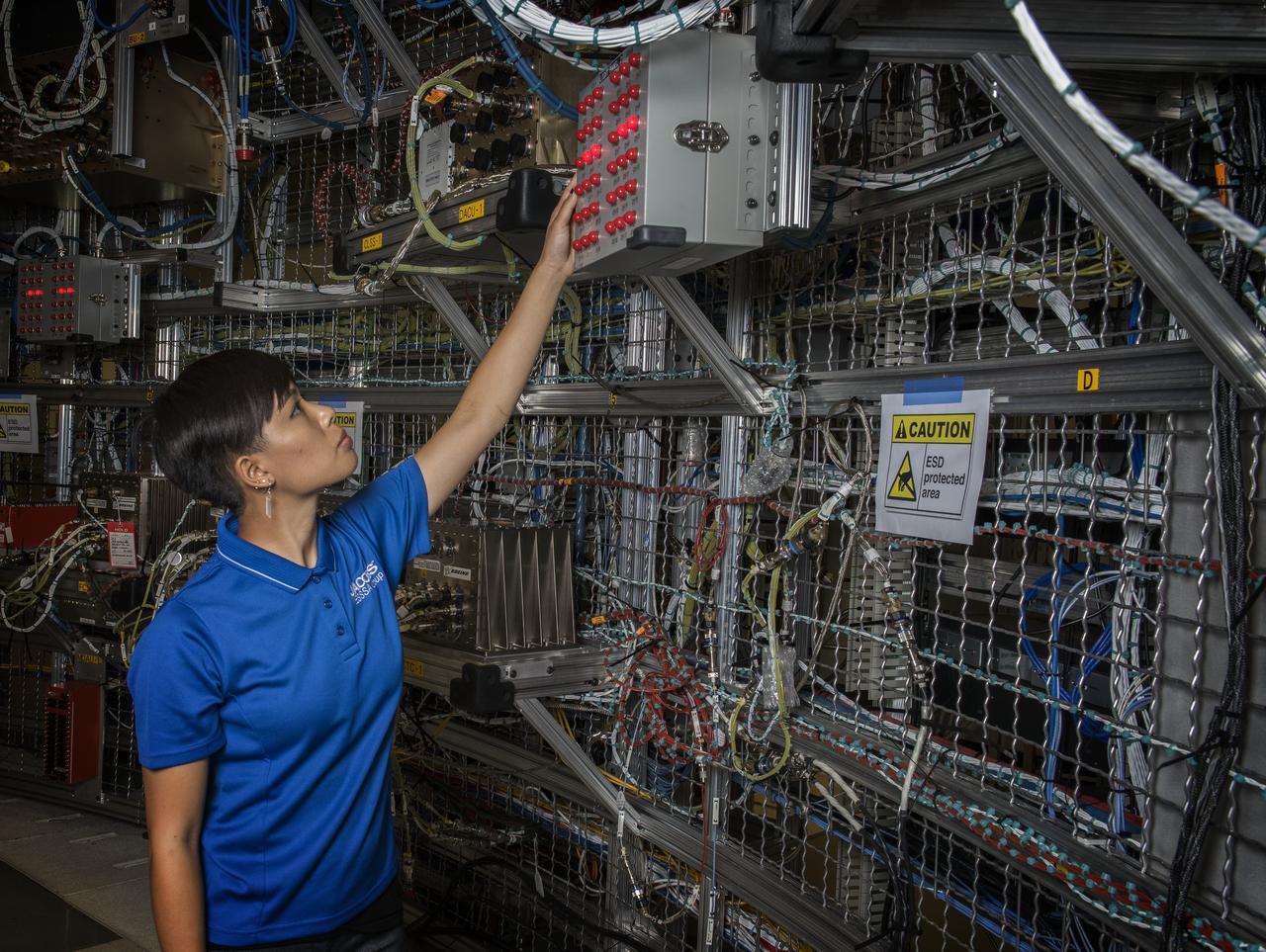
RATANA MEEKHAM, AN ELECTRICAL INTEGRATION TECHNICIAN FOR QUALIS CORP. OF HUNTSVILLE, ALABAMA, HELPS TEST AVIONICS -- COMPLEX VEHICLE SYSTEMS ENABLING NAVIGATION, COMMUNICATIONS AND OTHER FUNCTIONS CRITICAL TO HUMAN SPACEFLIGHT -- FOR THE SPACE LAUNCH SYSTEM PROGRAM AT NASA’S MARSHALL SPACE FLIGHT CENTER IN HUNTSVILLE, ALABAMA. HER WORK SUPPORTS THE NASA ENGINEERING & SCIENCE SERVICES AND SKILLS AUGMENTATION CONTRACT LED BY JACOBS ENGINEERING OF HUNTSVILLE. MEEKHAM WORKS FULL-TIME AT MARSHALL WHILE FINISHING HER ASSOCIATE'S DEGREE IN MACHINE TOOL TECHNOLOGY AT CALHOUN COMMUNITY COLLEGE IN DECATUR, ALABAMA. THE SPACE LAUNCH SYSTEM, NASA’S NEXT HEAVY-LIFT LAUNCH VEHICLE, IS THE WORLD’S MOST POWERFUL ROCKET, SET TO FLY ITS FIRST UNCREWED LUNAR ORBITAL MISSION IN 2018. ITS FIRST.
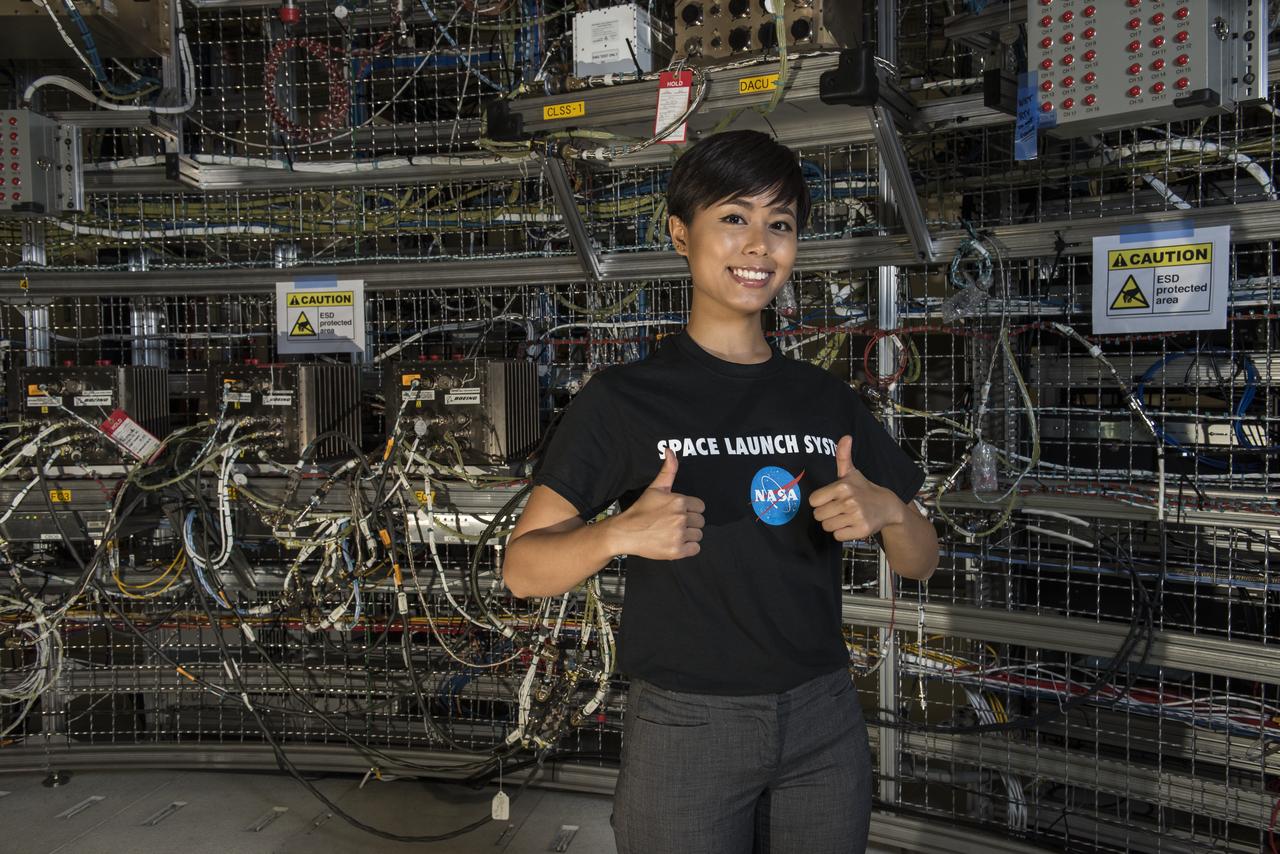
RATANA MEEKHAM, AN ELECTRICAL INTEGRATION TECHNICIAN FOR QUALIS CORP. OF HUNTSVILLE, ALABAMA, HELPS TEST AVIONICS -- COMPLEX VEHICLE SYSTEMS ENABLING NAVIGATION, COMMUNICATIONS AND OTHER FUNCTIONS CRITICAL TO HUMAN SPACEFLIGHT -- FOR THE SPACE LAUNCH SYSTEM PROGRAM AT NASA’S MARSHALL SPACE FLIGHT CENTER IN HUNTSVILLE, ALABAMA. HER WORK SUPPORTS THE NASA ENGINEERING & SCIENCE SERVICES AND SKILLS AUGMENTATION CONTRACT LED BY JACOBS ENGINEERING OF HUNTSVILLE. MEEKHAM WORKS FULL-TIME AT MARSHALL WHILE FINISHING HER ASSOCIATE'S DEGREE IN MACHINE TOOL TECHNOLOGY AT CALHOUN COMMUNITY COLLEGE IN DECATUR, ALABAMA. THE SPACE LAUNCH SYSTEM, NASA’S NEXT HEAVY-LIFT LAUNCH VEHICLE, IS THE WORLD’S MOST POWERFUL ROCKET, SET TO FLY ITS FIRST UNCREWED LUNAR ORBITAL MISSION IN 2018. ITS FIRST.
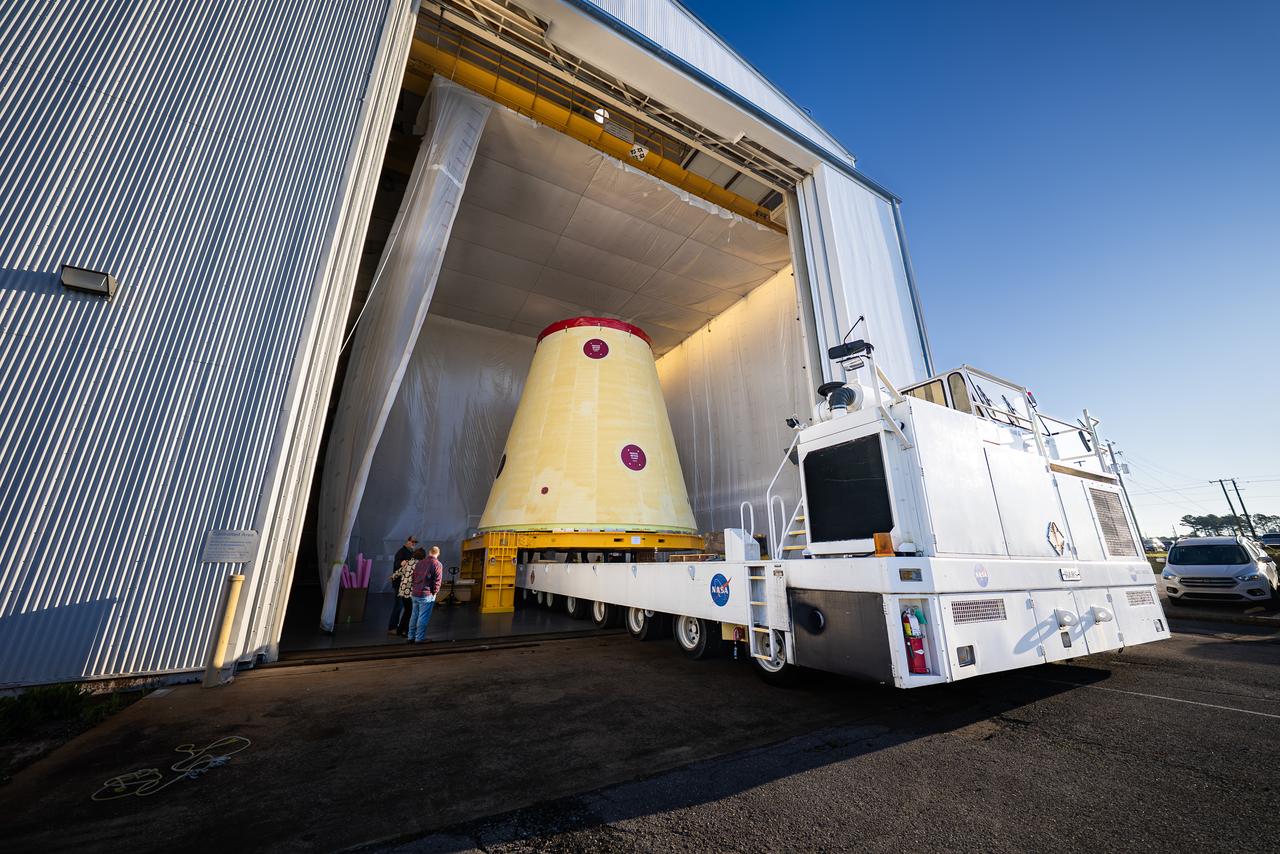
These images and videos show technicians at NASA’s Marshall Space Flight Center in Huntsville, Alabama, March 17, 2025, moving the completed launch vehicle stage adapter for Artemis III from Building 4649 to Building 4708 where it will remain until it is time to ship the hardware to NASA’s Kennedy Space Center in Florida. The cone-shaped hardware connects the SLS (Space Launch System) rocket to the upper stage, the interim cryogenic propulsion stage, and protects the rocket’s flight computers, avionics, and electrical devices during launch and ascent during the Artemis missions.

These images and videos show technicians at NASA’s Marshall Space Flight Center in Huntsville, Alabama, March 17, 2025, moving the completed launch vehicle stage adapter for Artemis III from Building 4649 to Building 4708 where it will remain until it is time to ship the hardware to NASA’s Kennedy Space Center in Florida. The cone-shaped hardware connects the SLS (Space Launch System) rocket to the upper stage, the interim cryogenic propulsion stage, and protects the rocket’s flight computers, avionics, and electrical devices during launch and ascent during the Artemis missions.
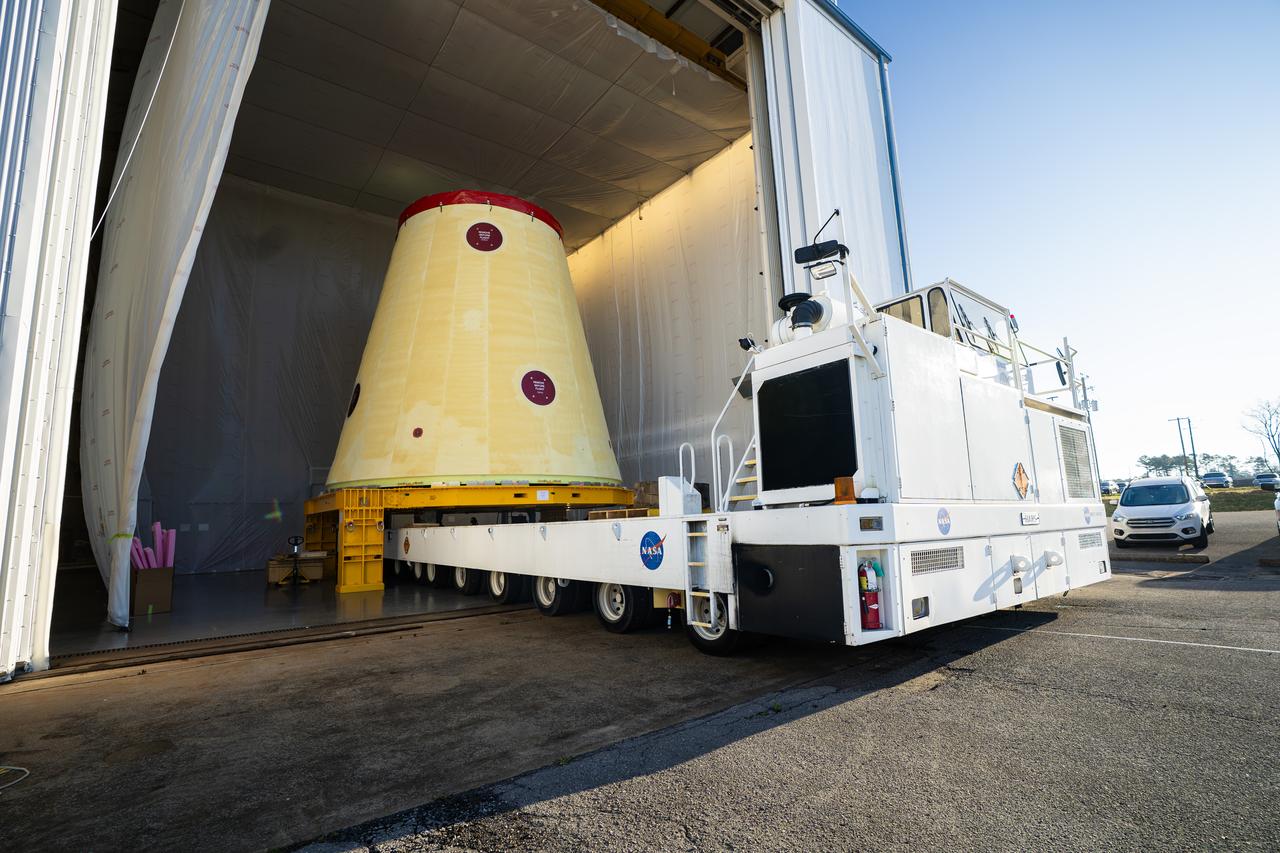
These images and videos show technicians at NASA’s Marshall Space Flight Center in Huntsville, Alabama, March 17, 2025, moving the completed launch vehicle stage adapter for Artemis III from Building 4649 to Building 4708 where it will remain until it is time to ship the hardware to NASA’s Kennedy Space Center in Florida. The cone-shaped hardware connects the SLS (Space Launch System) rocket to the upper stage, the interim cryogenic propulsion stage, and protects the rocket’s flight computers, avionics, and electrical devices during launch and ascent during the Artemis missions.
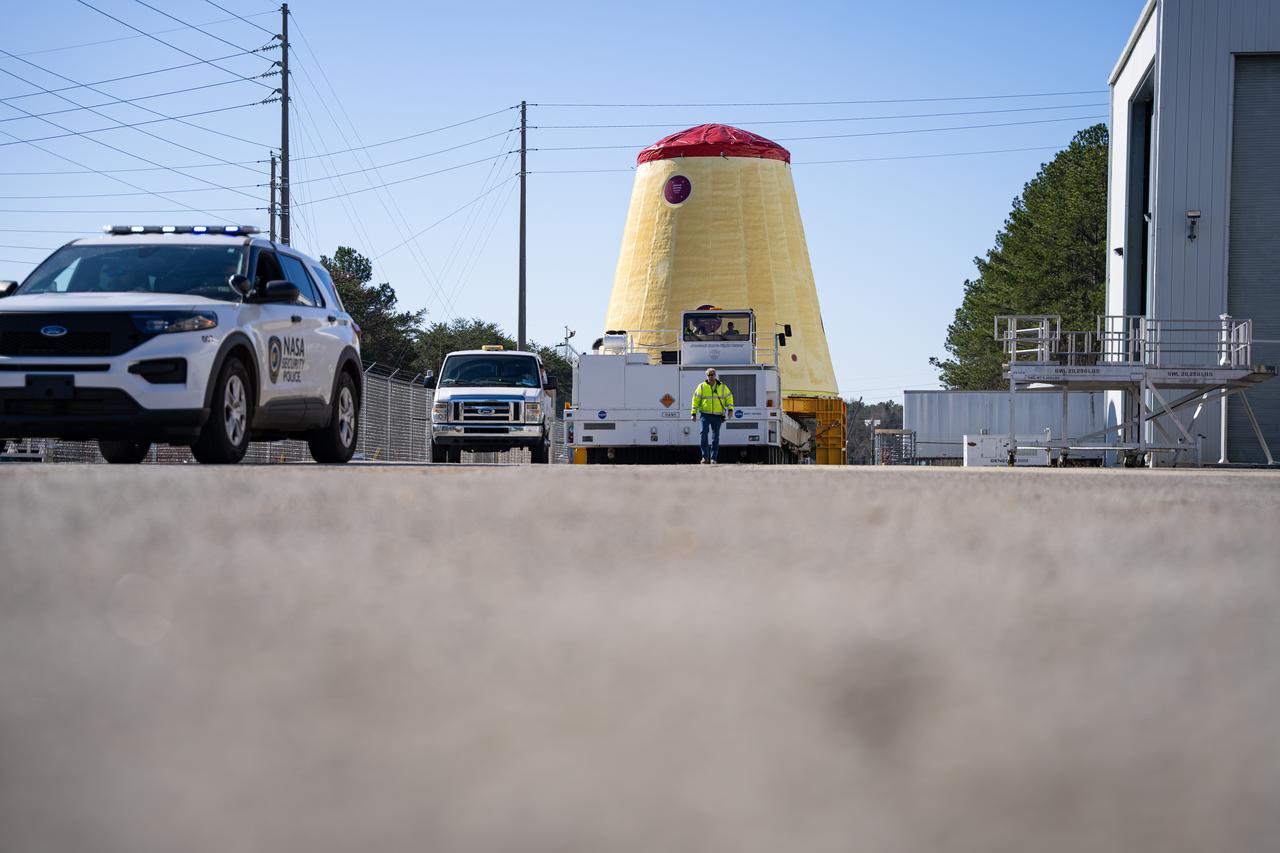
These images and videos show technicians at NASA’s Marshall Space Flight Center in Huntsville, Alabama, March 17, 2025, moving the completed launch vehicle stage adapter for Artemis III from Building 4649 to Building 4708, where it will remain until it is time to ship the hardware to NASA’s Kennedy Space Center in Florida. The cone-shaped hardware connects the SLS (Space Launch System) rocket to the upper stage, the interim cryogenic propulsion stage, and protects the rocket’s flight computers, avionics, and electrical devices during launch and ascent during the Artemis missions.
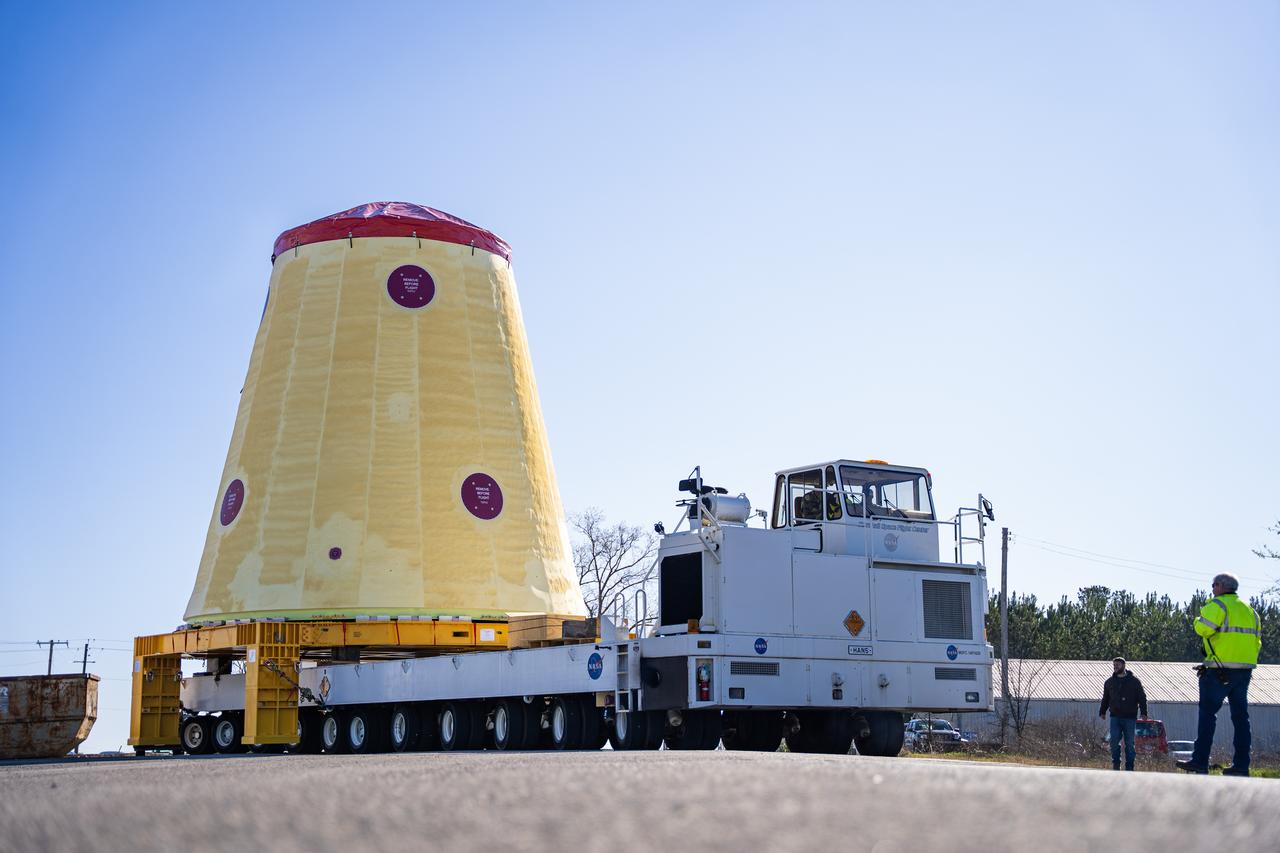
These images and videos show technicians at NASA’s Marshall Space Flight Center in Huntsville, Alabama, March 17, 2025, moving the completed launch vehicle stage adapter for Artemis III from Building 4649 to Building 4708 where it will remain until it is time to ship the hardware to NASA’s Kennedy Space Center in Florida. The cone-shaped hardware connects the SLS (Space Launch System) rocket to the upper stage, the interim cryogenic propulsion stage, and protects the rocket’s flight computers, avionics, and electrical devices during launch and ascent during the Artemis missions.
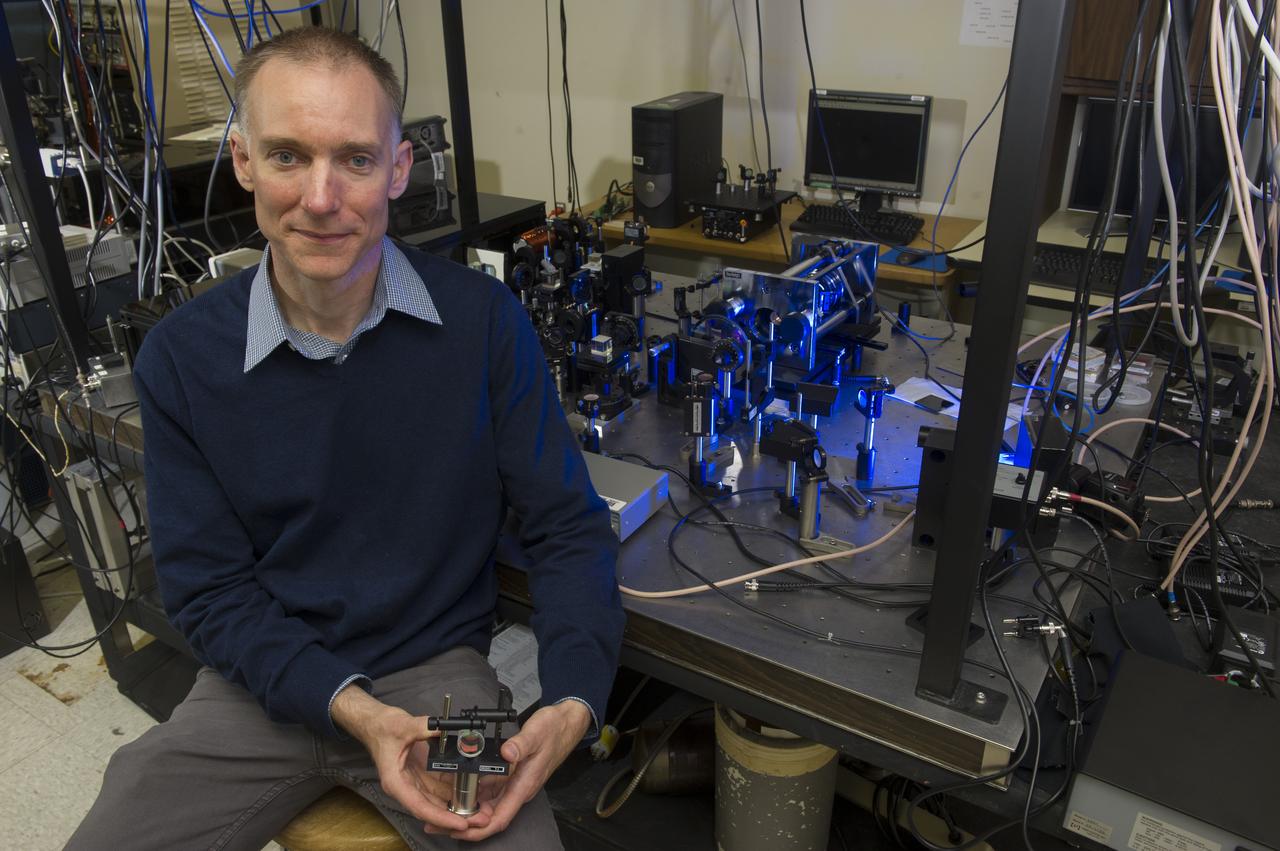
NASA RESEARCHER DR. DAVID SMITH AT NASA’S MARSHALL SPACE FLIGHT CENTER IN HUNTSVILLE, ALA., IS LEADING A THREE-YEAR PROJECT TO REVOLUTIONIZE IN-FLIGHT NAVIGATION SYSTEMS FOR SPACE VEHICLES AND MILITARY AND COMMERCIAL VEHICLES. SMITH AND HIS TEAM SEEK TO REFINE THE HIGHLY SENSITIVE OPTICAL GYROSCOPES THAT DRIVE SPACE VEHICLES’ INERTIAL GUIDANCE SYSTEMS – DELIVERING GYROSCOPES AT LEAST 1,000 TIMES MORE SENSITIVE THAN CURRENT SYSTEMS.
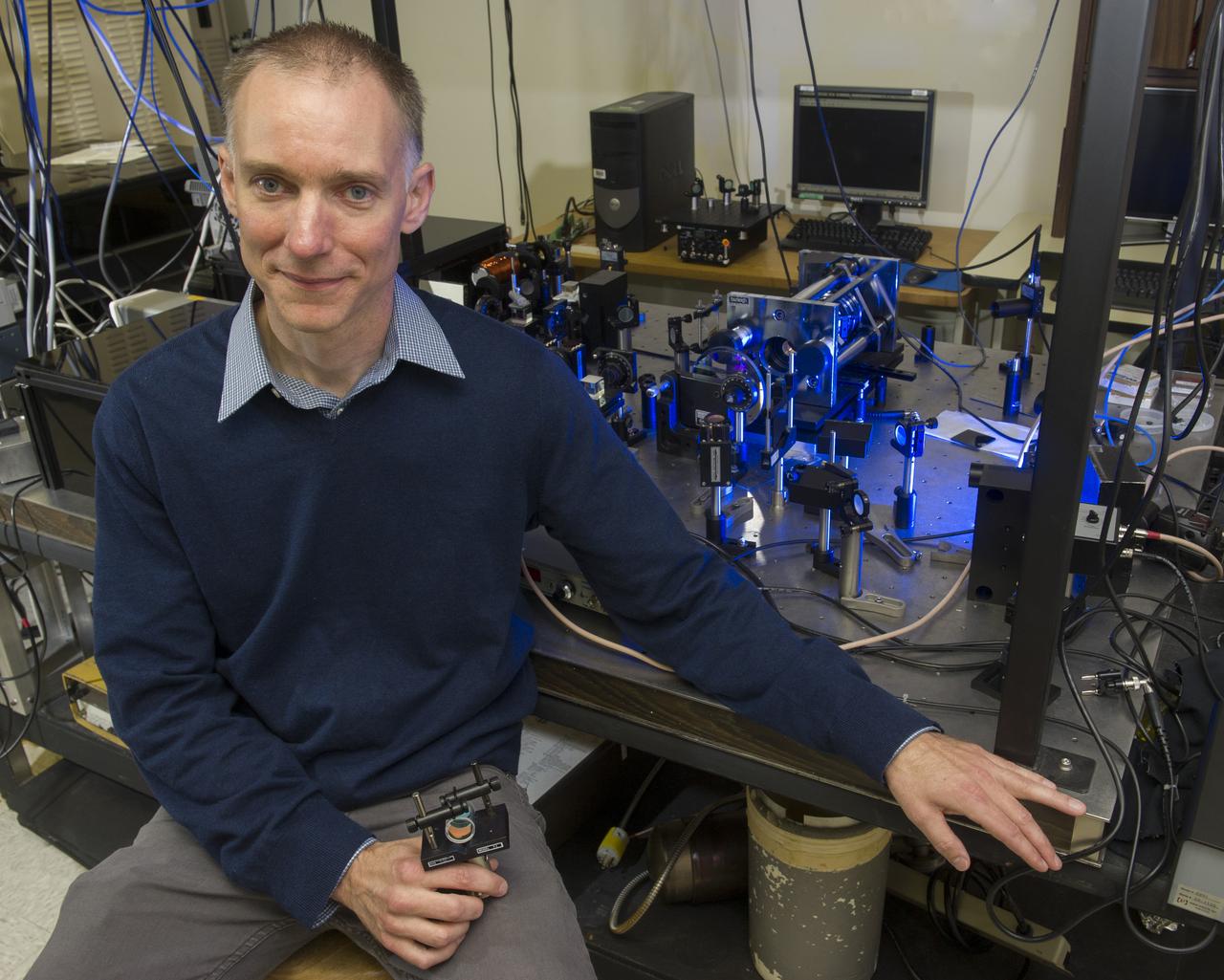
NASA RESEARCHER DR. DAVID SMITH AT NASA’S MARSHALL SPACE FLIGHT CENTER IN HUNTSVILLE, ALA., IS LEADING A THREE-YEAR PROJECT TO REVOLUTIONIZE IN-FLIGHT NAVIGATION SYSTEMS FOR SPACE VEHICLES AND MILITARY AND COMMERCIAL VEHICLES. SMITH AND HIS TEAM SEEK TO REFINE THE HIGHLY SENSITIVE OPTICAL GYROSCOPES THAT DRIVE SPACE VEHICLES’ INERTIAL GUIDANCE SYSTEMS – DELIVERING GYROSCOPES AT LEAST 1,000 TIMES MORE SENSITIVE THAN CURRENT SYSTEMS.
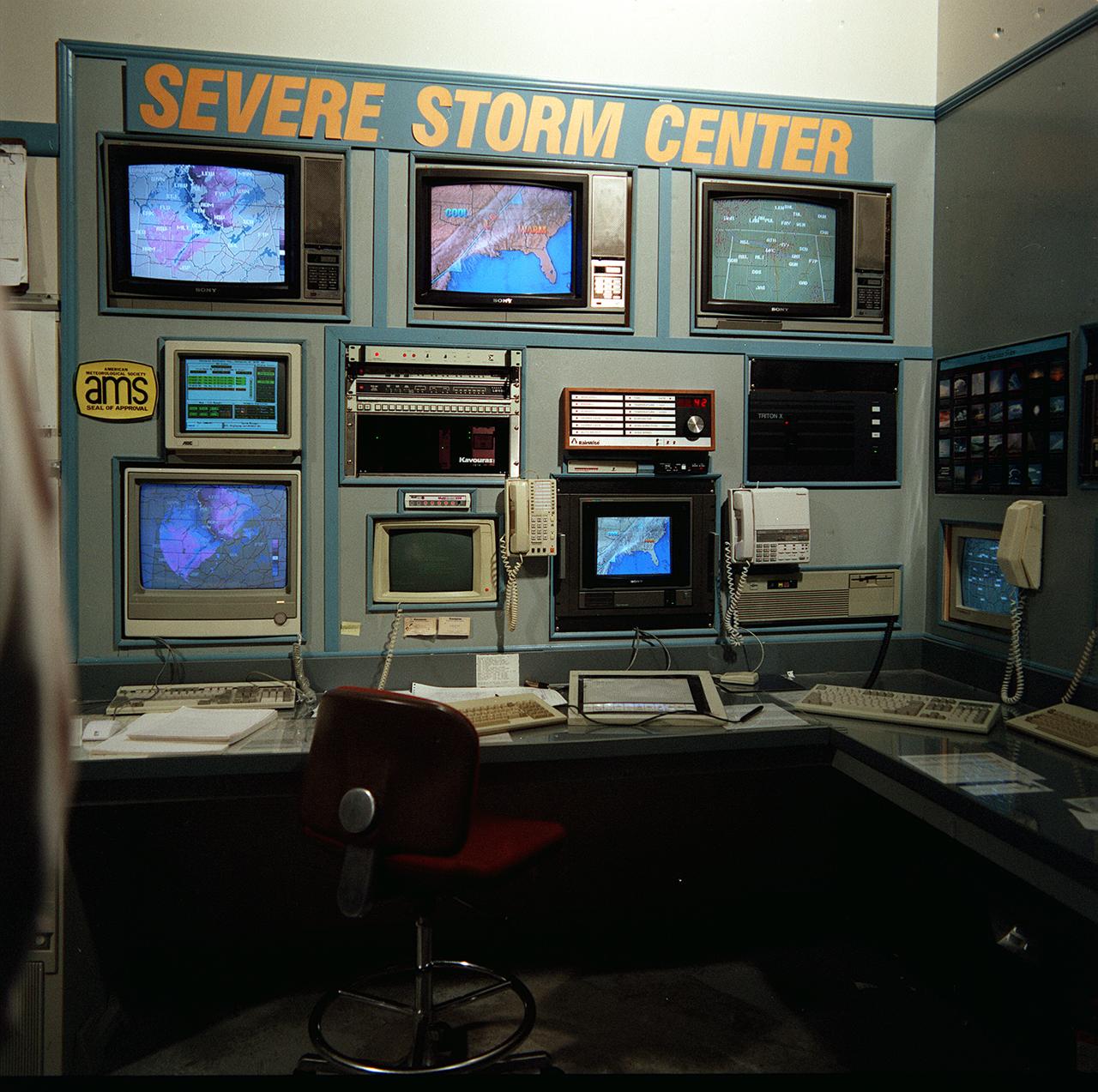
Bob Barin, a Huntsville meterorologist, has formed a commercial weather advisory service. The weather information is based on data from Marshall Space Flight Center (MSFC) collected from anternas in Alabama and Tennessee. Baron proposed and concluded an agreement with MSFC whereby the center would provide him the data and he would refine and enhance real-time software. By using his service, clients can monitor the approach of storms and schedule operations accordingly.
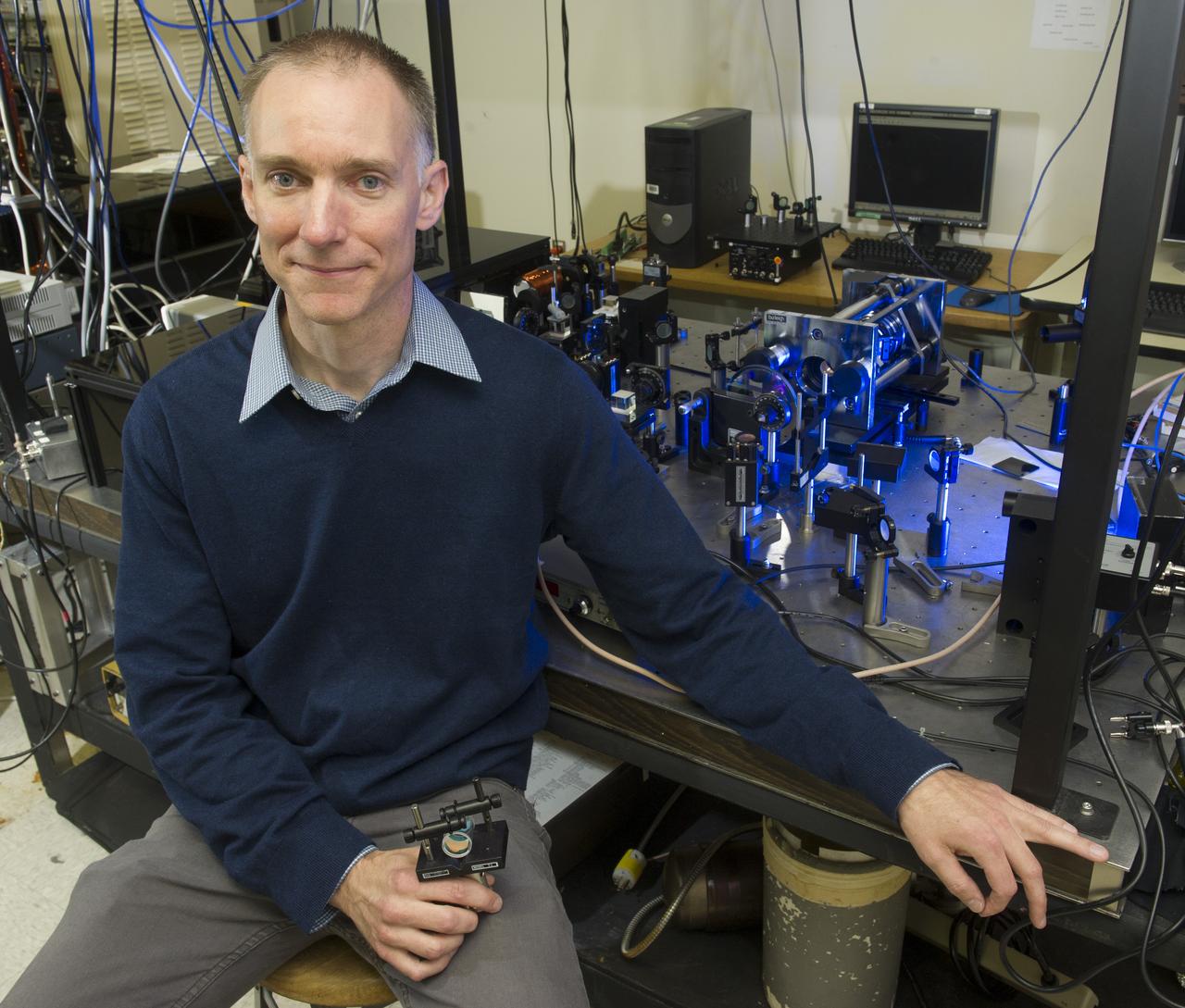
NASA RESEARCHER DR. DAVID SMITH AT NASA’S MARSHALL SPACE FLIGHT CENTER IN HUNTSVILLE, ALA., IS LEADING A THREE-YEAR PROJECT TO REVOLUTIONIZE IN-FLIGHT NAVIGATION SYSTEMS FOR SPACE VEHICLES AND MILITARY AND COMMERCIAL VEHICLES. SMITH AND HIS TEAM SEEK TO REFINE THE HIGHLY SENSITIVE OPTICAL GYROSCOPES THAT DRIVE SPACE VEHICLES’ INERTIAL GUIDANCE SYSTEMS – DELIVERING GYROSCOPES AT LEAST 1,000 TIMES MORE SENSITIVE THAN CURRENT SYSTEMS.
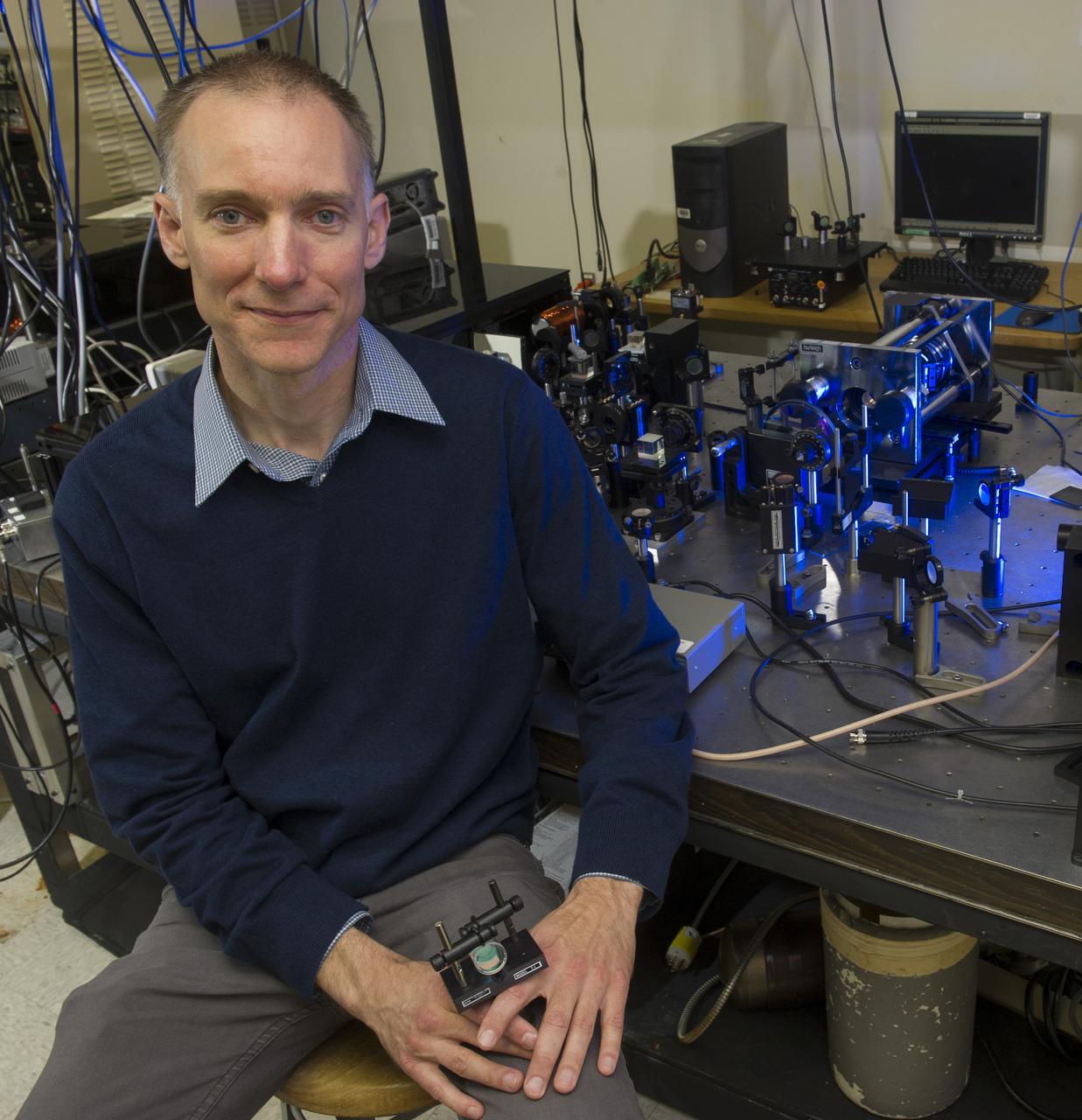
NASA RESEARCHER DR. DAVID SMITH AT NASA’S MARSHALL SPACE FLIGHT CENTER IN HUNTSVILLE, ALA., IS LEADING A THREE-YEAR PROJECT TO REVOLUTIONIZE IN-FLIGHT NAVIGATION SYSTEMS FOR SPACE VEHICLES AND MILITARY AND COMMERCIAL VEHICLES. SMITH AND HIS TEAM SEEK TO REFINE THE HIGHLY SENSITIVE OPTICAL GYROSCOPES THAT DRIVE SPACE VEHICLES’ INERTIAL GUIDANCE SYSTEMS – DELIVERING GYROSCOPES AT LEAST 1,000 TIMES MORE SENSITIVE THAN CURRENT SYSTEMS.
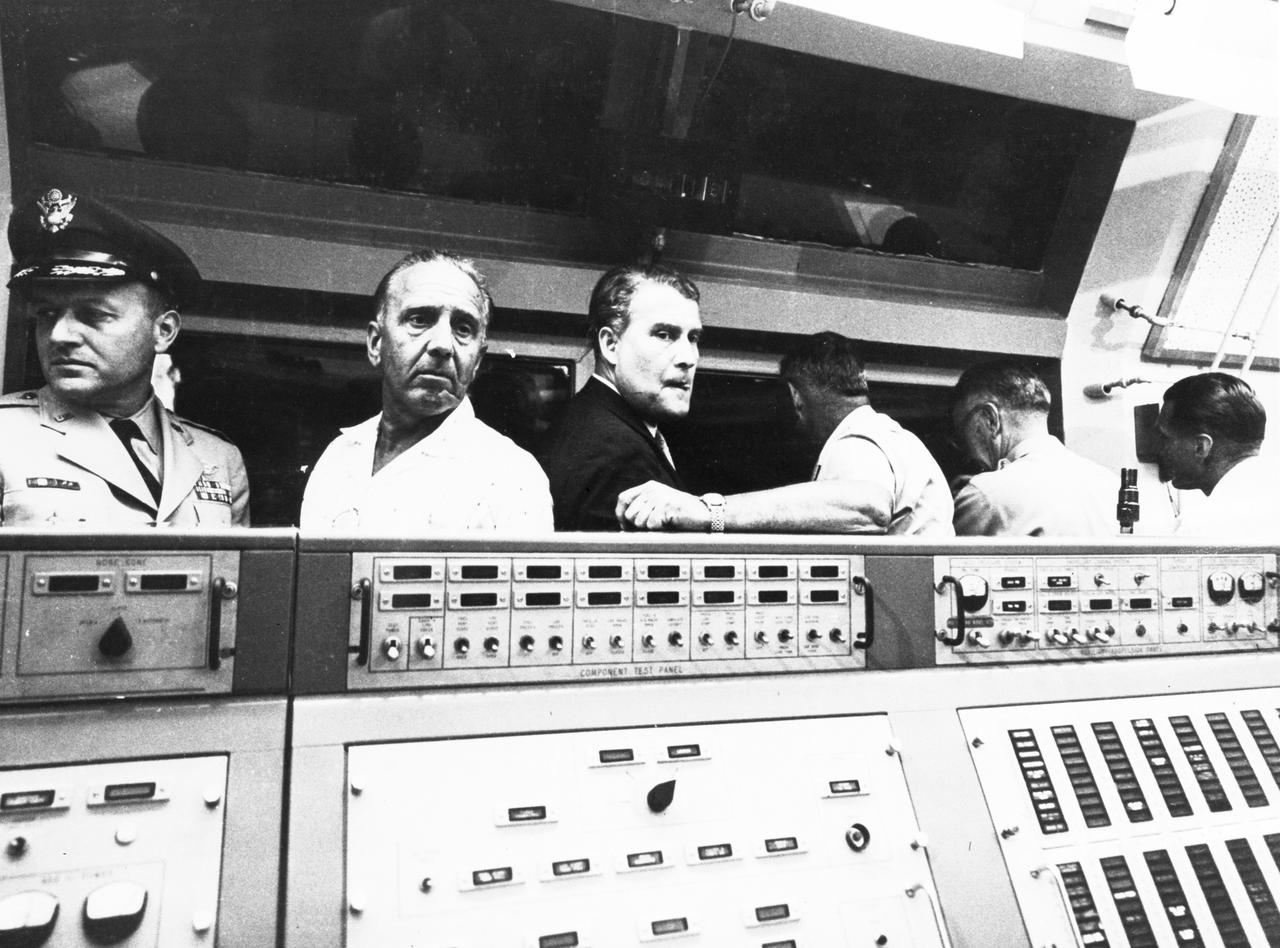
This photograph shows Dr. von Braun, second from the left, in the blockhouse at the Florida launch facilities on March 3, 1959. He and others gathered for the launch of the Pioneer IV satellite. On the left of Dr. von Braun is Kurt Debus, who managed the Florida launch facilities. To the right of Dr. von Braun is Army General John B. Medaris. Next to him is General John Barclay. At this time, Dr. von Braun and his associates were members of the Army Ballistic Missile Agency in Huntsville, Alabama.

NASA RESEARCHER DR. DAVID SMITH AT NASA’S MARSHALL SPACE FLIGHT CENTER IN HUNTSVILLE, ALA., IS LEADING A THREE-YEAR PROJECT TO REVOLUTIONIZE IN-FLIGHT NAVIGATION SYSTEMS FOR SPACE VEHICLES AND MILITARY AND COMMERCIAL VEHICLES. SMITH AND HIS TEAM SEEK TO REFINE THE HIGHLY SENSITIVE OPTICAL GYROSCOPES THAT DRIVE SPACE VEHICLES’ INERTIAL GUIDANCE SYSTEMS – DELIVERING GYROSCOPES AT LEAST 1,000 TIMES MORE SENSITIVE THAN CURRENT SYSTEMS.
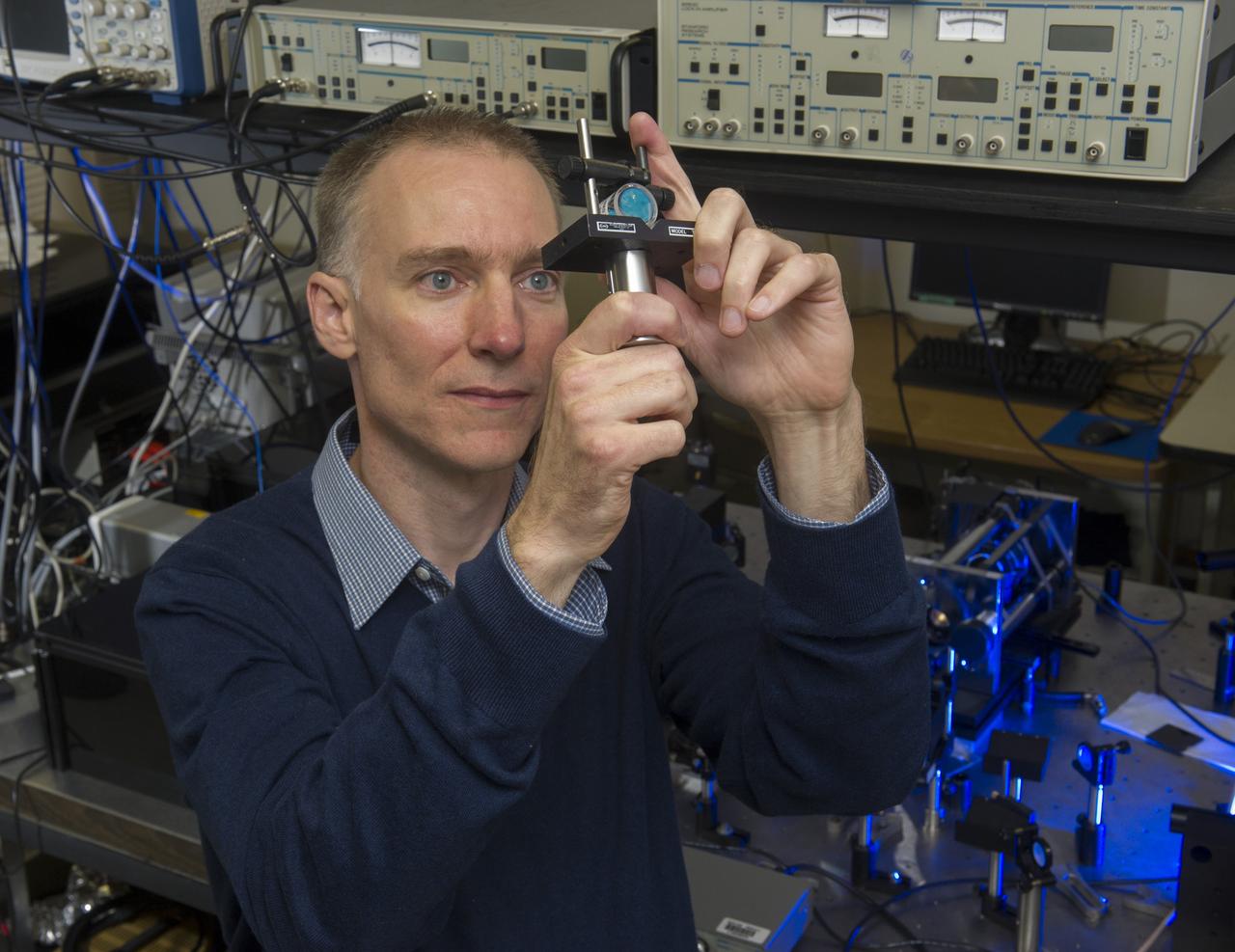
NASA RESEARCHER DR. DAVID SMITH AT NASA’S MARSHALL SPACE FLIGHT CENTER IN HUNTSVILLE, ALA., IS LEADING A THREE-YEAR PROJECT TO REVOLUTIONIZE IN-FLIGHT NAVIGATION SYSTEMS FOR SPACE VEHICLES AND MILITARY AND COMMERCIAL VEHICLES. SMITH AND HIS TEAM SEEK TO REFINE THE HIGHLY SENSITIVE OPTICAL GYROSCOPES THAT DRIVE SPACE VEHICLES’ INERTIAL GUIDANCE SYSTEMS – DELIVERING GYROSCOPES AT LEAST 1,000 TIMES MORE SENSITIVE THAN CURRENT SYSTEMS.
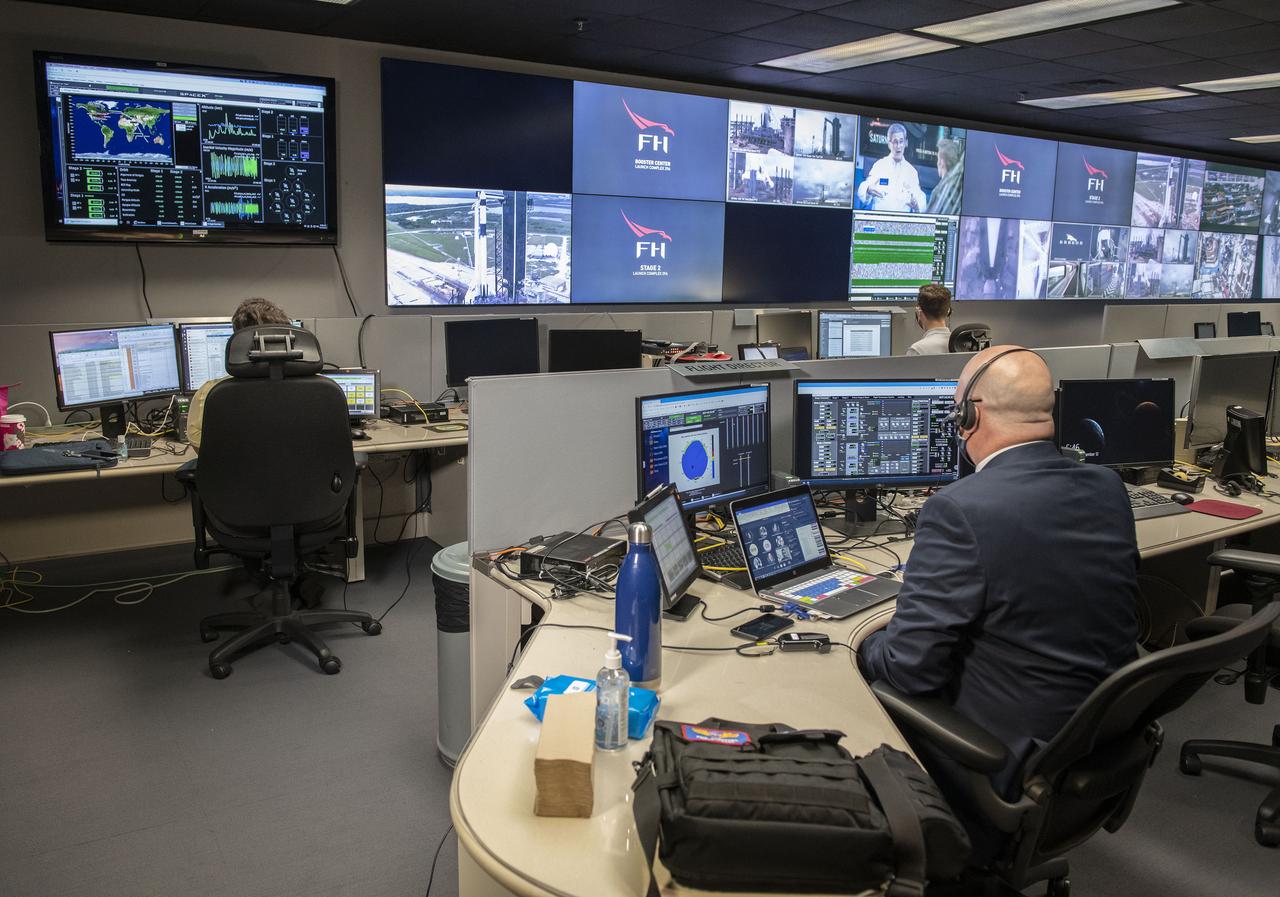
Teams at NASA’s Marshall Space Flight Center help monitor launch conditions for the Crew 1 mission from the Huntsville Operations Support Center in Huntsville, Alabama. SpaceX will launch a Falcon 9 rocket carrying NASA astronauts aboard the company’s Crew Dragon spacecraft to the International Space Station on Nov. 14, 2020. The Marshall team is supporting flight control teams working with NASA’s Johnson Space Center in Houston, Texas, NASA’s Kennedy Space Center in Cape Canaveral, Florida, and SpaceX headquarters in Hawthorne, California, as they monitor the different phases of the upcoming mission. Engineers and technicians at Marshall will use headsets and loops to communicate with the multiple locations on console for the launch. The Crew 1 flight is part of NASA’s Commercial Crew Program. The Crew 1 astronauts will arrive at the space station for docking a short time later at 4:20 a.m. on Sunday, Nov. 15 to join Expedition 64 for a six-month science mission.
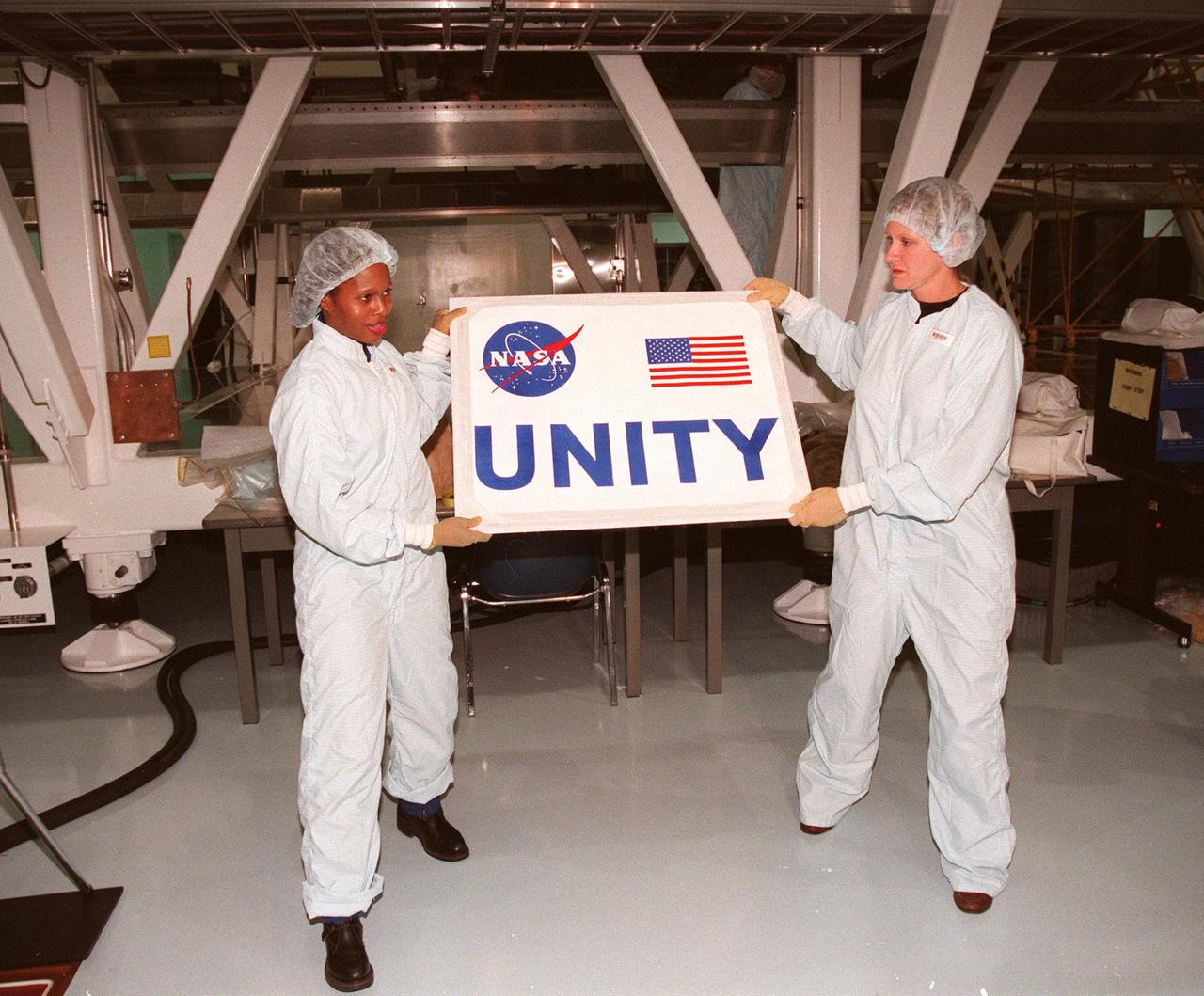
In the Space Station Processing Facility, holding the nameplate for the Unity connecting module are (left) Joan Higginbotham, with the Astronaut Office Computer Support Branch, and (right) Nancy Tolliver, with Boeing-Huntsville. Part of the International Space Station, Unity was expected to be transported to Launch Pad 39A on Oct. 26 for launch aboard Space Shuttle Endeavour on Mission STS-88 in December. The Unity is a connecting passageway to the living and working areas of ISS. While on orbit, the flight crew will deploy Unity from the payload bay and attach Unity to the Russian-built Zarya control module which will be in orbit at that time

A replica of the Saturn V rocket that propelled man from the confines of Earth's gravity to the surface of the Moon was built on the grounds of the U. S. Space and Rocket Center in Huntsville, AL. in time for the 30th arniversary celebration of that historic occasion. Marshall Space Flight Center and its team of German rocket scientists headed by Dr. Wernher von Braun were responsible for the design and development of the Saturn V rocket. Pictured are MSFC's current Center Director Art Stephenson, Alabama Congressman Bud Cramer, NASA Administrator Dan Goldin, and director of the U. S. Space and Rocket Center Mike Wing during the dedication ceremony.
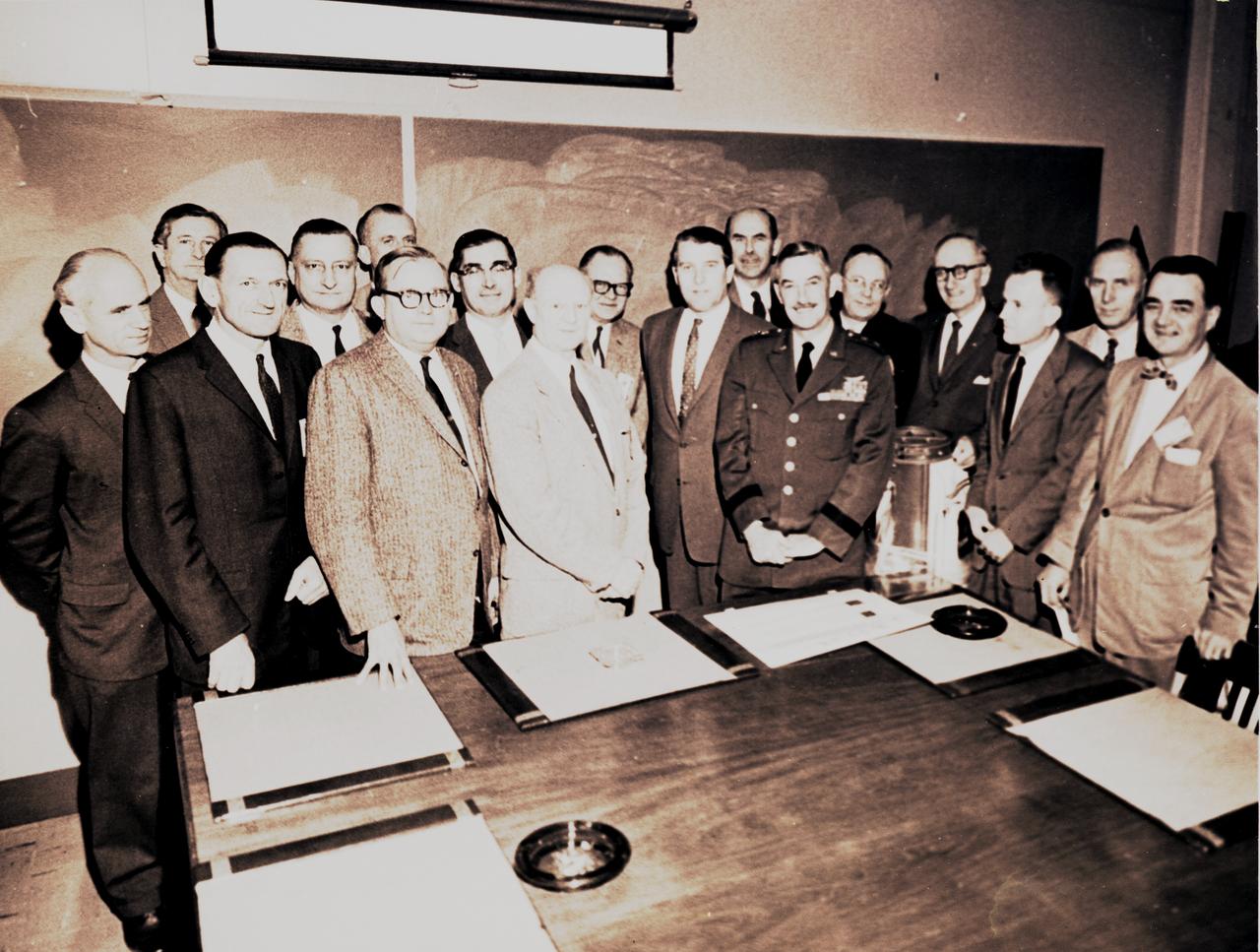
This photograph of Dr. von Braun, shown here to the left of General Bruce Medaris, was taken in the fall of 1959, immediately prior to Medaris' retirement from the Army. At the time, von Braun and his associates worked for the Army Ballistics Missile Agency in Huntsville, Alabama. Those in the photograph have been identified as Ernst Stuhlinger, Frederick von Saurma, Fritz Mueller, Hermarn Weidner, E.W. Neubert (partially hidden), W.A. Mrazek, Karl Heimburg, Arthur Rudolph, Otto Hoberg, von Braun, Oswald Lange, Medaris, Helmut Hoelzer, Hans Maus, E.D. Geissler, Hans Heuter, and George Constan.
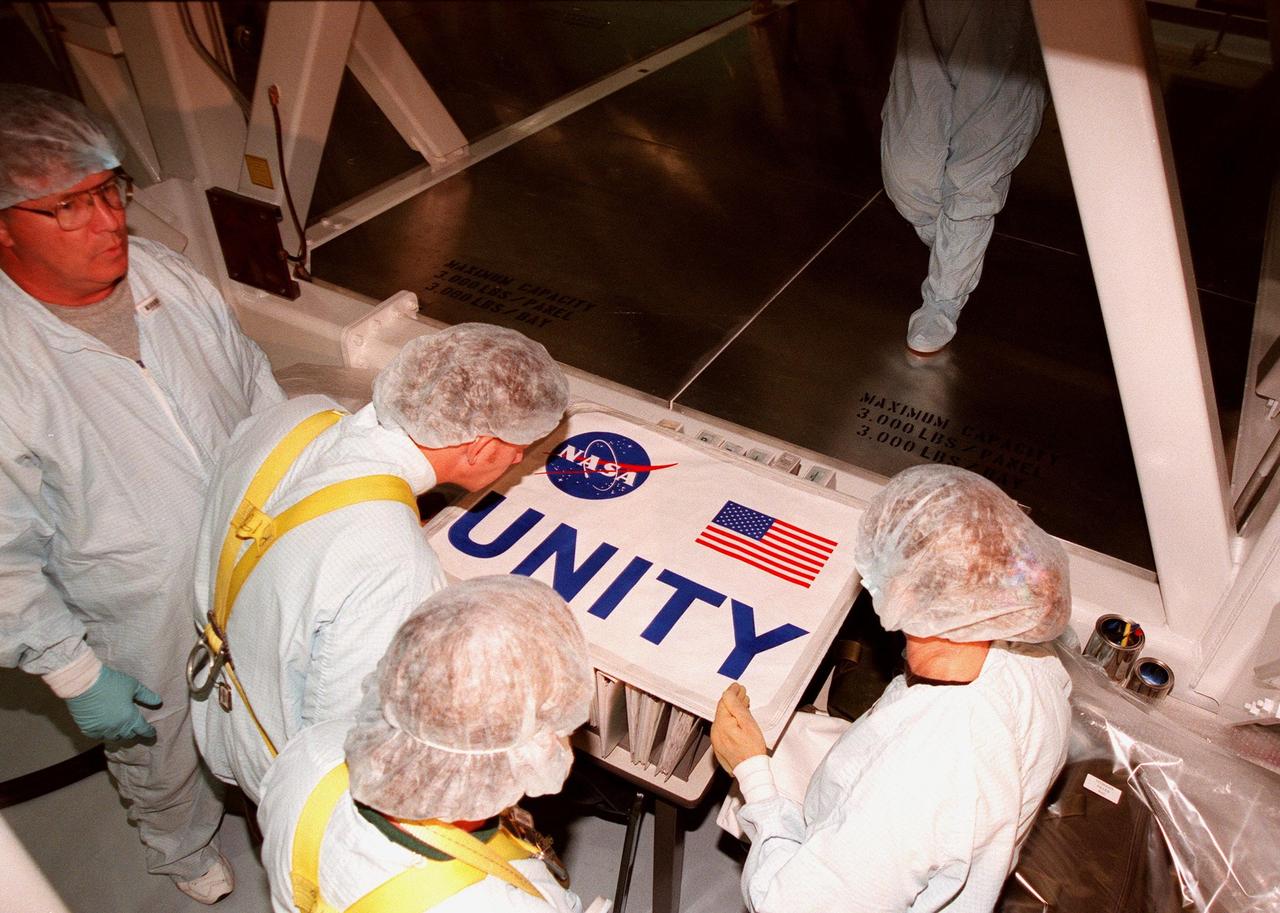
Examining the nameplate for the Unity connecting module, in the Space Station Processing Facility, are (left to right) Joe Schweiger and Tommy Annis, of Boeing-KSC, and Nancy Tolliver, of Boeing-Huntsville. An unidentified worker behind them looks on. Part of the International Space Station, Unity was expected to be transported to Launch Pad 39A on Oct. 26 for launch aboard Space Shuttle Endeavour on Mission STS-88 in December. The Unity is a connecting passageway to the living and working areas of ISS. While on orbit, the flight crew will deploy Unity from the payload bay and attach Unity to the Russian-built Zarya control module which will be in orbit at that time
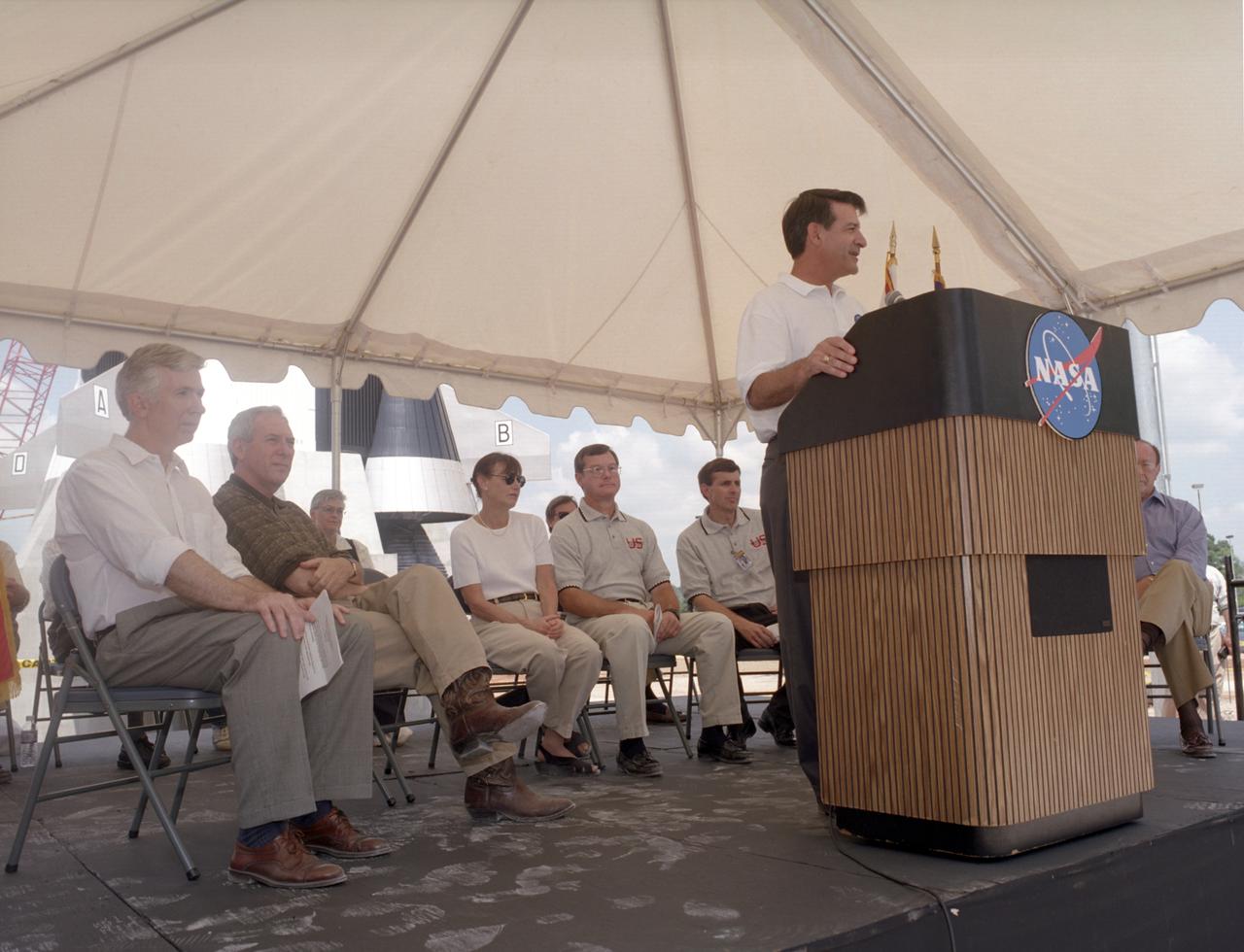
A replica of the Saturn V rocket that propelled man from the confines of Earth's gravity to the surface of the Moon was built on the grounds of the U. S. Space and Rocket Center in Huntsville, AL. in time for the 30th arniversary celebration of that historic occasion. Marshall Space Flight Center and its team of German rocket scientists headed by Dr. Wernher von Braun were responsible for the design and development of the Saturn V rocket. Pictured are MSFC's current Center Director Art Stephenson, Alabama Congressman Bud Cramer, and NASA Administrator Dan Goldin during the dedication ceremony.
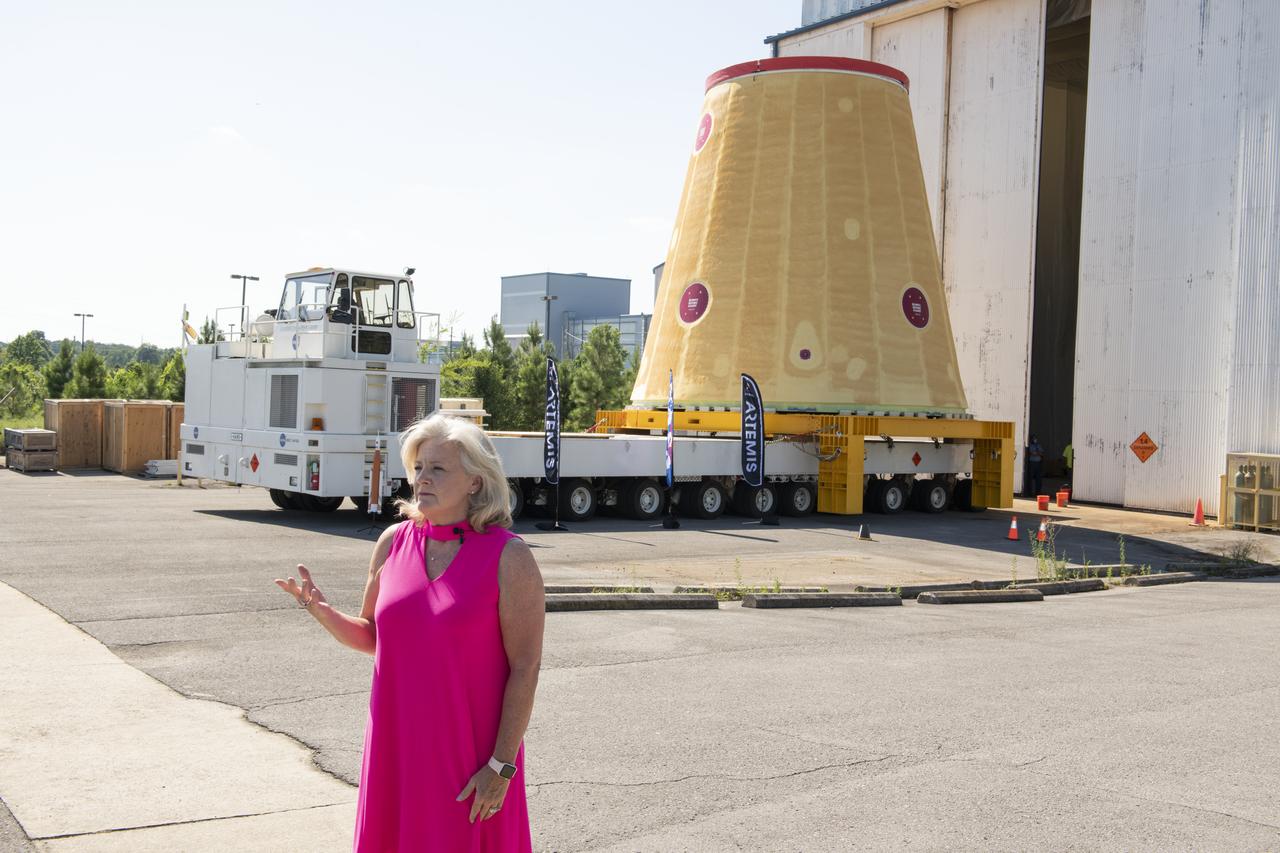
Jody Singer, director of NASA’s Marshall Space Flight Center in Huntsville, Alabama, joins local government officials and others as the Marshall move team prepares to transport the Artemis I launch vehicle stage adapter for the agency’s Space Launch System (SLS) rocket. Huntsville-based Teledyne Brown Engineering built the launch vehicle stage adapter at a state-of-the-art manufacturing facility at Marshall. Teledyne officials joined Singer to see the adapter one last time before it heads to the barge. This is the last piece of Marshall-built SLS rocket hardware set for delivery to Kennedy in preparation of the Artemis I mission to the Moon. A move team led by Marshall’s Center Operations will transport the adapter from the manufacturing facility to NASA’s Pegasus barge. The barge will take the adapter to NASA’s Kennedy Space Center in Florida for assembly and launch. Other parts of the Artemis I SLS rocket that were manufactured in Alabama include the Orion stage adapter built by Marshall teams and the Interim Cryogenic Propulsion Stage, which was built by Boeing and United Launch Alliance in Decatur, Alabama and will provide the power to send Orion to the Moon.
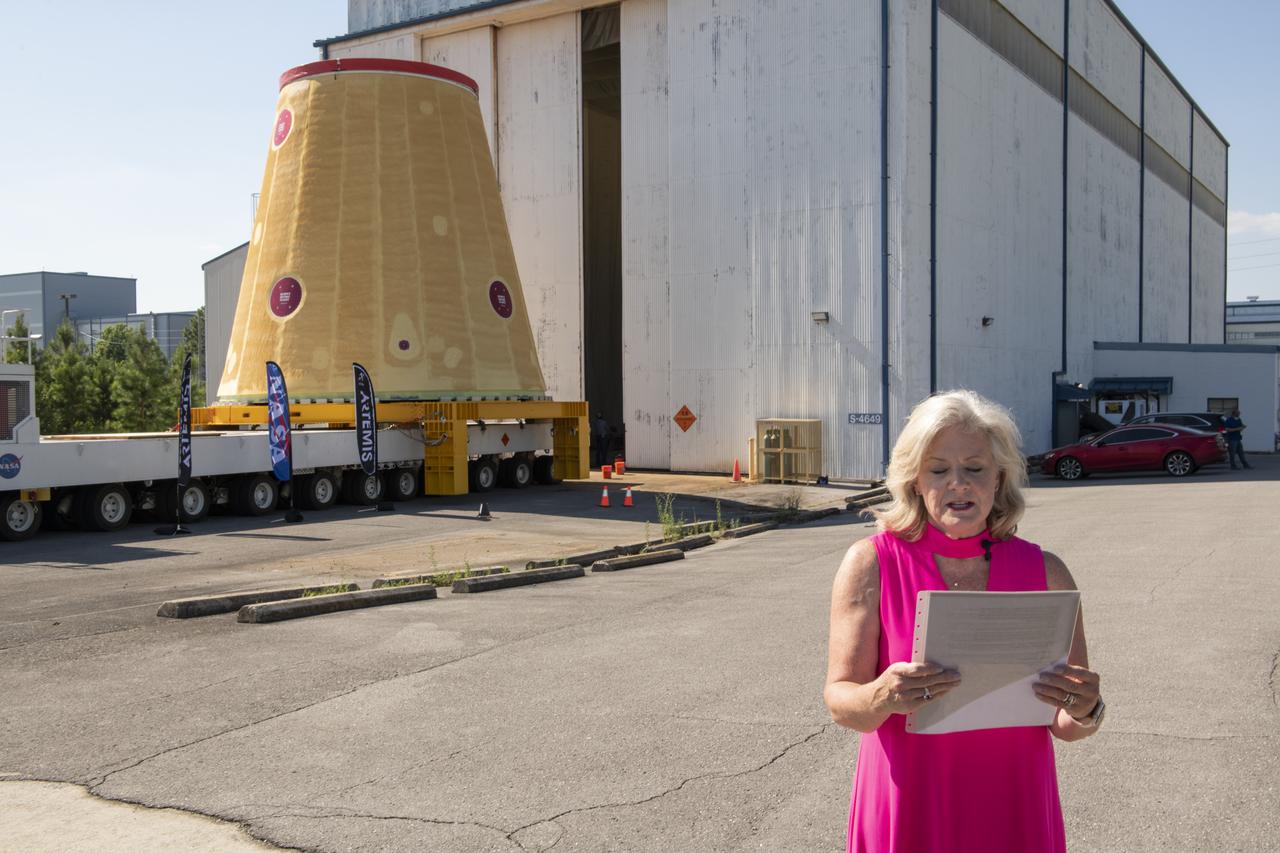
Jody Singer, director of NASA’s Marshall Space Flight Center in Huntsville, Alabama, joins local government officials and others as the Marshall move team prepares to transport the Artemis I launch vehicle stage adapter for the agency’s Space Launch System (SLS) rocket. Huntsville-based Teledyne Brown Engineering built the launch vehicle stage adapter at a state-of-the-art manufacturing facility at Marshall. Teledyne officials joined Singer to see the adapter one last time before it heads to the barge. This is the last piece of Marshall-built SLS rocket hardware set for delivery to Kennedy in preparation of the Artemis I mission to the Moon. A move team led by Marshall’s Center Operations will transport the adapter from the manufacturing facility to NASA’s Pegasus barge. The barge will take the adapter to NASA’s Kennedy Space Center in Florida for assembly and launch. Other parts of the Artemis I SLS rocket that were manufactured in Alabama include the Orion stage adapter built by Marshall teams and the Interim Cryogenic Propulsion Stage, which was built by Boeing and United Launch Alliance in Decatur, Alabama and will provide the power to send Orion to the Moon.

Jody Singer, director of NASA’s Marshall Space Flight Center in Huntsville, Alabama, joins local government officials and others as the Marshall move team prepares to transport the Artemis I launch vehicle stage adapter for the agency’s Space Launch System (SLS) rocket. Huntsville-based Teledyne Brown Engineering built the launch vehicle stage adapter at a state-of-the-art manufacturing facility at Marshall. Teledyne officials joined Singer to see the adapter one last time before it heads to the barge. This is the last piece of Marshall-built SLS rocket hardware set for delivery to Kennedy in preparation of the Artemis I mission to the Moon. A move team led by Marshall’s Center Operations will transport the adapter from the manufacturing facility to NASA’s Pegasus barge. The barge will take the adapter to NASA’s Kennedy Space Center in Florida for assembly and launch. Other parts of the Artemis I SLS rocket that were manufactured in Alabama include the Orion stage adapter built by Marshall teams and the Interim Cryogenic Propulsion Stage, which was built by Boeing and United Launch Alliance in Decatur, Alabama and will provide the power to send Orion to the Moon.

Jody Singer, director of NASA’s Marshall Space Flight Center in Huntsville, Alabama, joins local government officials and others as the Marshall move team prepares to transport the Artemis I launch vehicle stage adapter for the agency’s Space Launch System (SLS) rocket. Huntsville-based Teledyne Brown Engineering built the launch vehicle stage adapter at a state-of-the-art manufacturing facility at Marshall. Teledyne officials joined Singer to see the adapter one last time before it heads to the barge. This is the last piece of Marshall-built SLS rocket hardware set for delivery to Kennedy in preparation of the Artemis I mission to the Moon. A move team led by Marshall’s Center Operations will transport the adapter from the manufacturing facility to NASA’s Pegasus barge. The barge will take the adapter to NASA’s Kennedy Space Center in Florida for assembly and launch. Other parts of the Artemis I SLS rocket that were manufactured in Alabama include the Orion stage adapter built by Marshall teams and the Interim Cryogenic Propulsion Stage, which was built by Boeing and United Launch Alliance in Decatur, Alabama and will provide the power to send Orion to the Moon.

Jody Singer, director of NASA’s Marshall Space Flight Center in Huntsville, Alabama, joins local government officials and others as the Marshall move team prepares to transport the Artemis I launch vehicle stage adapter for the agency’s Space Launch System (SLS) rocket. Huntsville-based Teledyne Brown Engineering built the launch vehicle stage adapter at a state-of-the-art manufacturing facility at Marshall. Teledyne officials joined Singer to see the adapter one last time before it heads to the barge. This is the last piece of Marshall-built SLS rocket hardware set for delivery to Kennedy in preparation of the Artemis I mission to the Moon. A move team led by Marshall’s Center Operations will transport the adapter from the manufacturing facility to NASA’s Pegasus barge. The barge will take the adapter to NASA’s Kennedy Space Center in Florida for assembly and launch. Other parts of the Artemis I SLS rocket that were manufactured in Alabama include the Orion stage adapter built by Marshall teams and the Interim Cryogenic Propulsion Stage, which was built by Boeing and United Launch Alliance in Decatur, Alabama and will provide the power to send Orion to the Moon.

Teams at NASA’s Marshall Space Flight Center help monitor launch conditions for the Crew 1 mission from the Huntsville Operations Support Center in Huntsville, Alabama. SpaceX will launch a Falcon 9 rocket carrying NASA astronauts aboard the company’s Crew Dragon spacecraft to the International Space Station on Nov. 14, 2020. The Marshall team is supporting flight control teams working with NASA’s Johnson Space Center in Houston, Texas, NASA’s Kennedy Space Center in Cape Canaveral, Florida, and SpaceX headquarters in Hawthorne, California, as they monitor the different phases of the upcoming mission. Engineers and technicians at Marshall will use headsets and loops to communicate with the multiple locations on console for the launch. The Crew 1 flight is part of NASA’s Commercial Crew Program. The Crew 1 astronauts will arrive at the space station for docking a short time later at 4:20 a.m. on Sunday, Nov. 15 to join Expedition 64 for a six-month science mission.
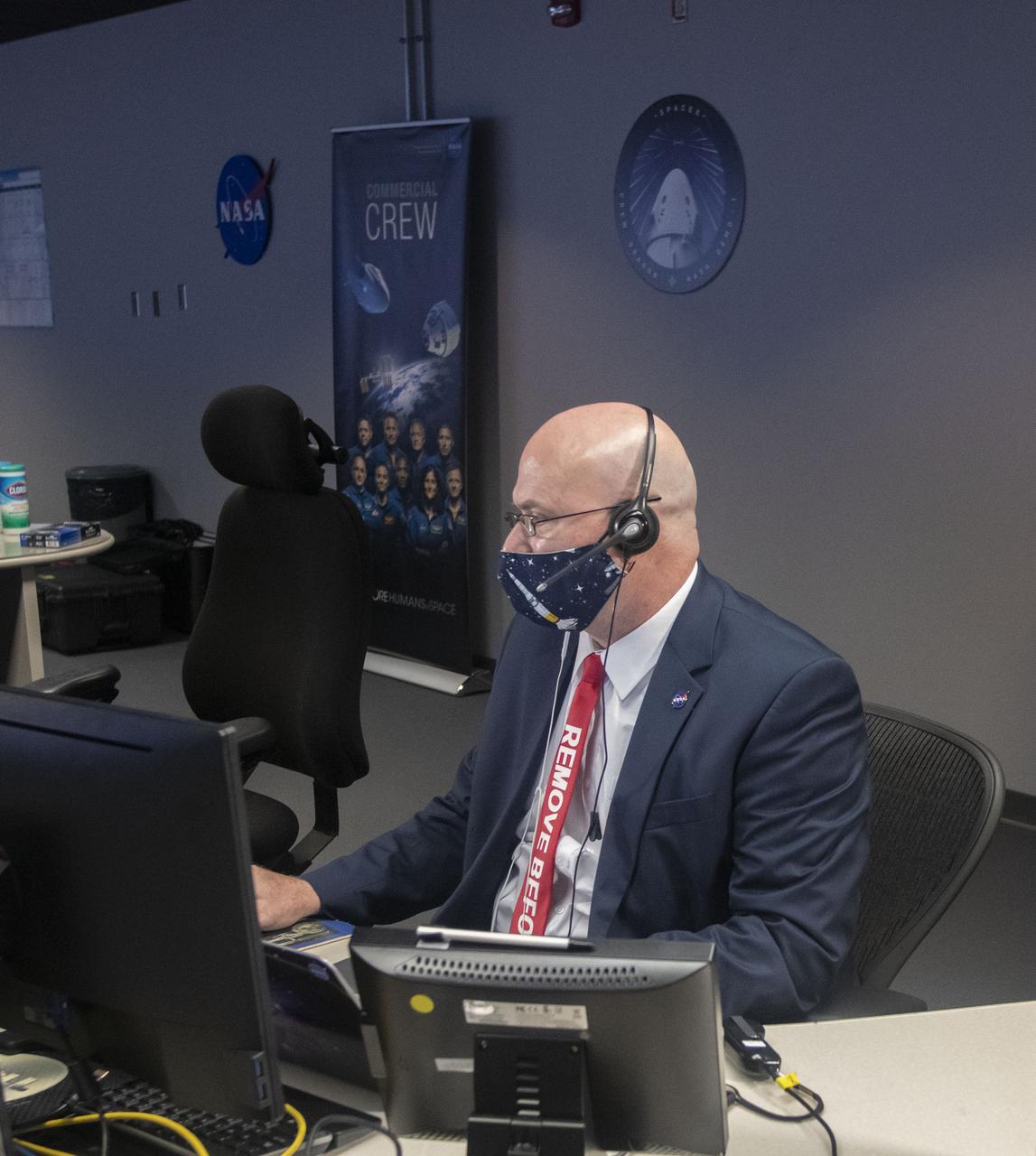
Teams at NASA’s Marshall Space Flight Center help monitor launch conditions for the Crew 1 mission from the Huntsville Operations Support Center in Huntsville, Alabama. SpaceX will launch a Falcon 9 rocket carrying NASA astronauts aboard the company’s Crew Dragon spacecraft to the International Space Station on Nov. 14, 2020. The Marshall team is supporting flight control teams working with NASA’s Johnson Space Center in Houston, Texas, NASA’s Kennedy Space Center in Cape Canaveral, Florida, and SpaceX headquarters in Hawthorne, California, as they monitor the different phases of the upcoming mission. Engineers and technicians at Marshall will use headsets and loops to communicate with the multiple locations on console for the launch. The Crew 1 flight is part of NASA’s Commercial Crew Program. The Crew 1 astronauts will arrive at the space station for docking a short time later at 4:20 a.m. on Sunday, Nov. 15 to join Expedition 64 for a six-month science mission.
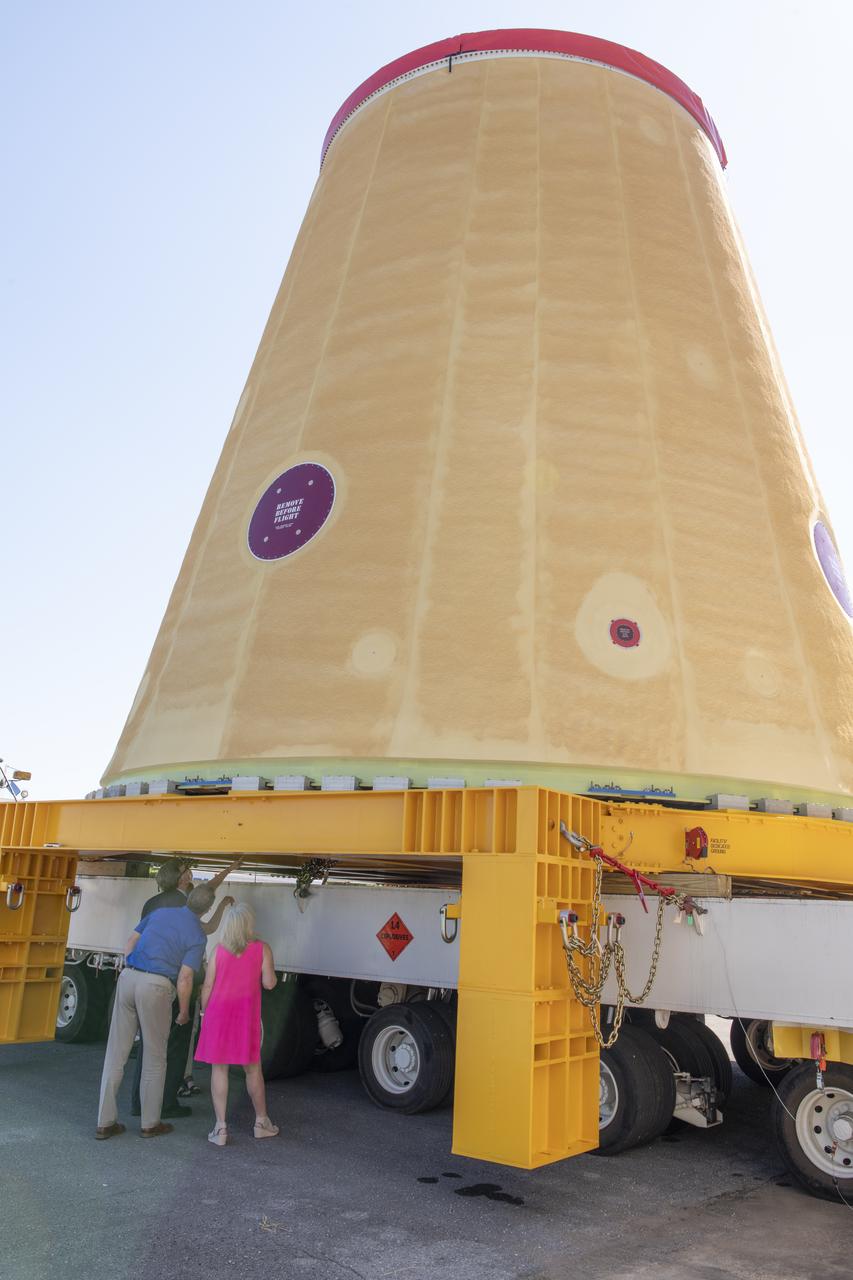
Jody Singer, director of NASA’s Marshall Space Flight Center in Huntsville, Alabama, joins local government officials and others as the Marshall move team prepares to transport the Artemis I launch vehicle stage adapter for the agency’s Space Launch System (SLS) rocket. Huntsville-based Teledyne Brown Engineering built the launch vehicle stage adapter at a state-of-the-art manufacturing facility at Marshall. Teledyne officials joined Singer to see the adapter one last time before it heads to the barge. This is the last piece of Marshall-built SLS rocket hardware set for delivery to Kennedy in preparation of the Artemis I mission to the Moon. A move team led by Marshall’s Center Operations will transport the adapter from the manufacturing facility to NASA’s Pegasus barge. The barge will take the adapter to NASA’s Kennedy Space Center in Florida for assembly and launch. Other parts of the Artemis I SLS rocket that were manufactured in Alabama include the Orion stage adapter built by Marshall teams and the Interim Cryogenic Propulsion Stage, which was built by Boeing and United Launch Alliance in Decatur, Alabama and will provide the power to send Orion to the Moon.
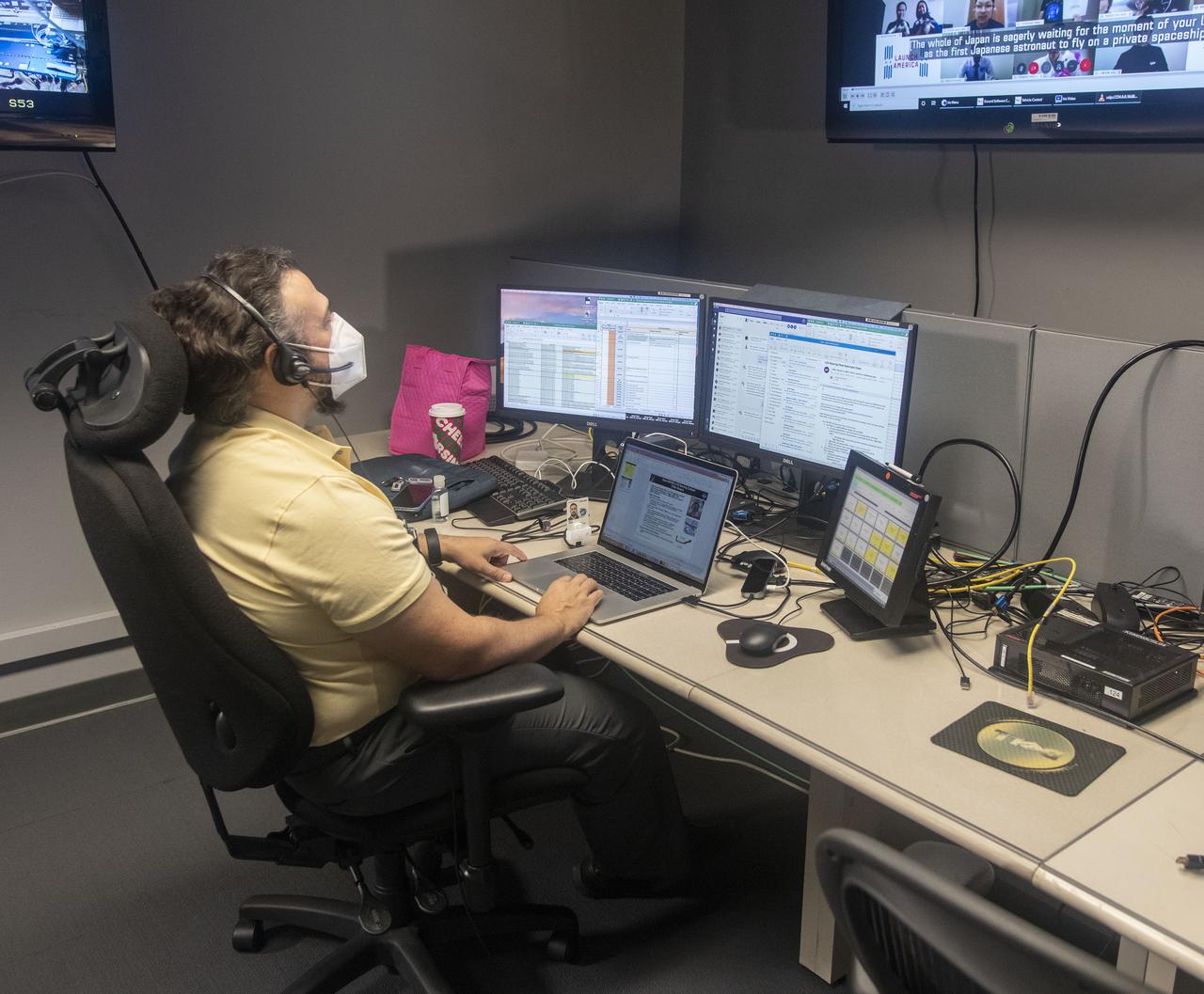
Teams at NASA’s Marshall Space Flight Center help monitor launch conditions for the Crew 1 mission from the Huntsville Operations Support Center in Huntsville, Alabama. SpaceX will launch a Falcon 9 rocket carrying NASA astronauts aboard the company’s Crew Dragon spacecraft to the International Space Station on Nov. 14, 2020. The Marshall team is supporting flight control teams working with NASA’s Johnson Space Center in Houston, Texas, NASA’s Kennedy Space Center in Cape Canaveral, Florida, and SpaceX headquarters in Hawthorne, California, as they monitor the different phases of the upcoming mission. Engineers and technicians at Marshall will use headsets and loops to communicate with the multiple locations on console for the launch. The Crew 1 flight is part of NASA’s Commercial Crew Program. The Crew 1 astronauts will arrive at the space station for docking a short time later at 4:20 a.m. on Sunday, Nov. 15 to join Expedition 64 for a six-month science mission.
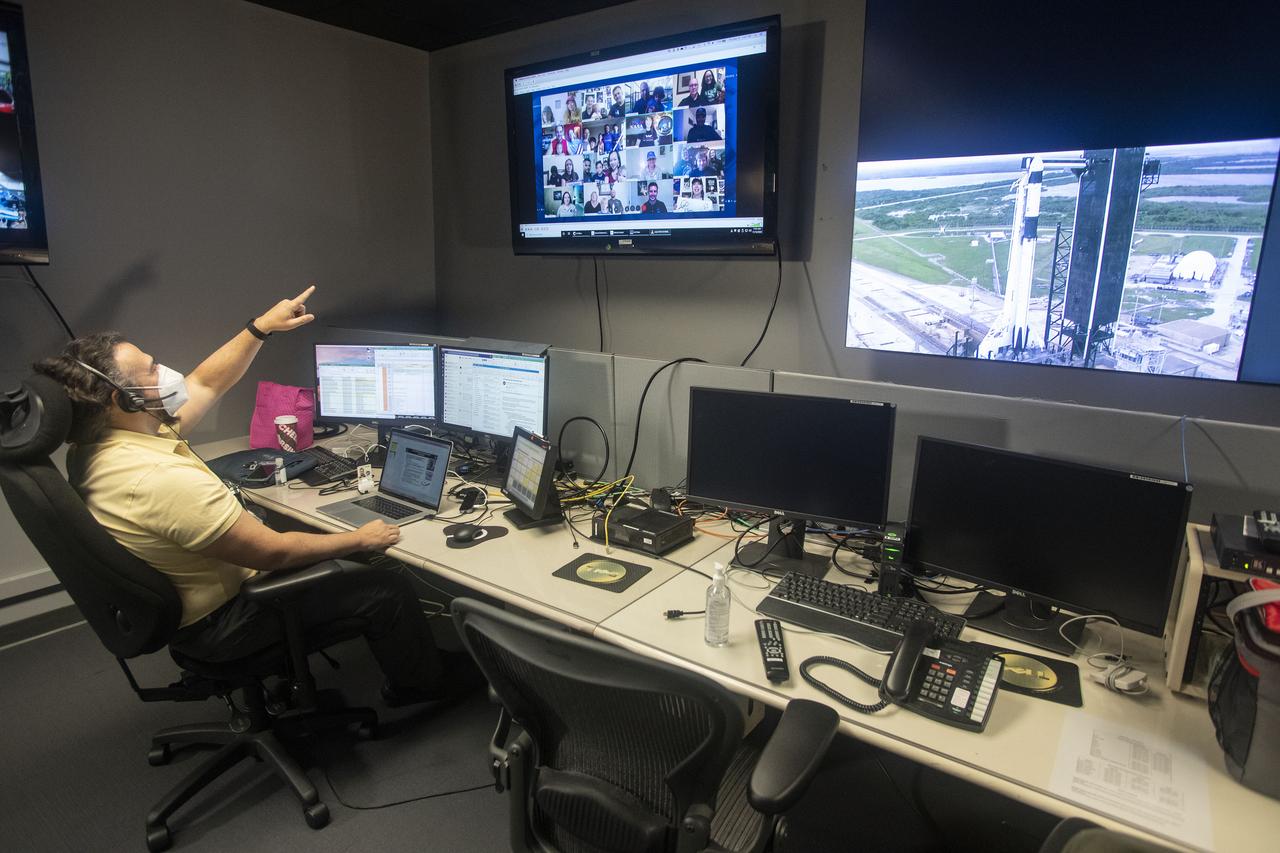
Teams at NASA’s Marshall Space Flight Center help monitor launch conditions for the Crew 1 mission from the Huntsville Operations Support Center in Huntsville, Alabama. SpaceX will launch a Falcon 9 rocket carrying NASA astronauts aboard the company’s Crew Dragon spacecraft to the International Space Station on Nov. 14, 2020. The Marshall team is supporting flight control teams working with NASA’s Johnson Space Center in Houston, Texas, NASA’s Kennedy Space Center in Cape Canaveral, Florida, and SpaceX headquarters in Hawthorne, California, as they monitor the different phases of the upcoming mission. Engineers and technicians at Marshall will use headsets and loops to communicate with the multiple locations on console for the launch. The Crew 1 flight is part of NASA’s Commercial Crew Program. The Crew 1 astronauts will arrive at the space station for docking a short time later at 4:20 a.m. on Sunday, Nov. 15 to join Expedition 64 for a six-month science mission.
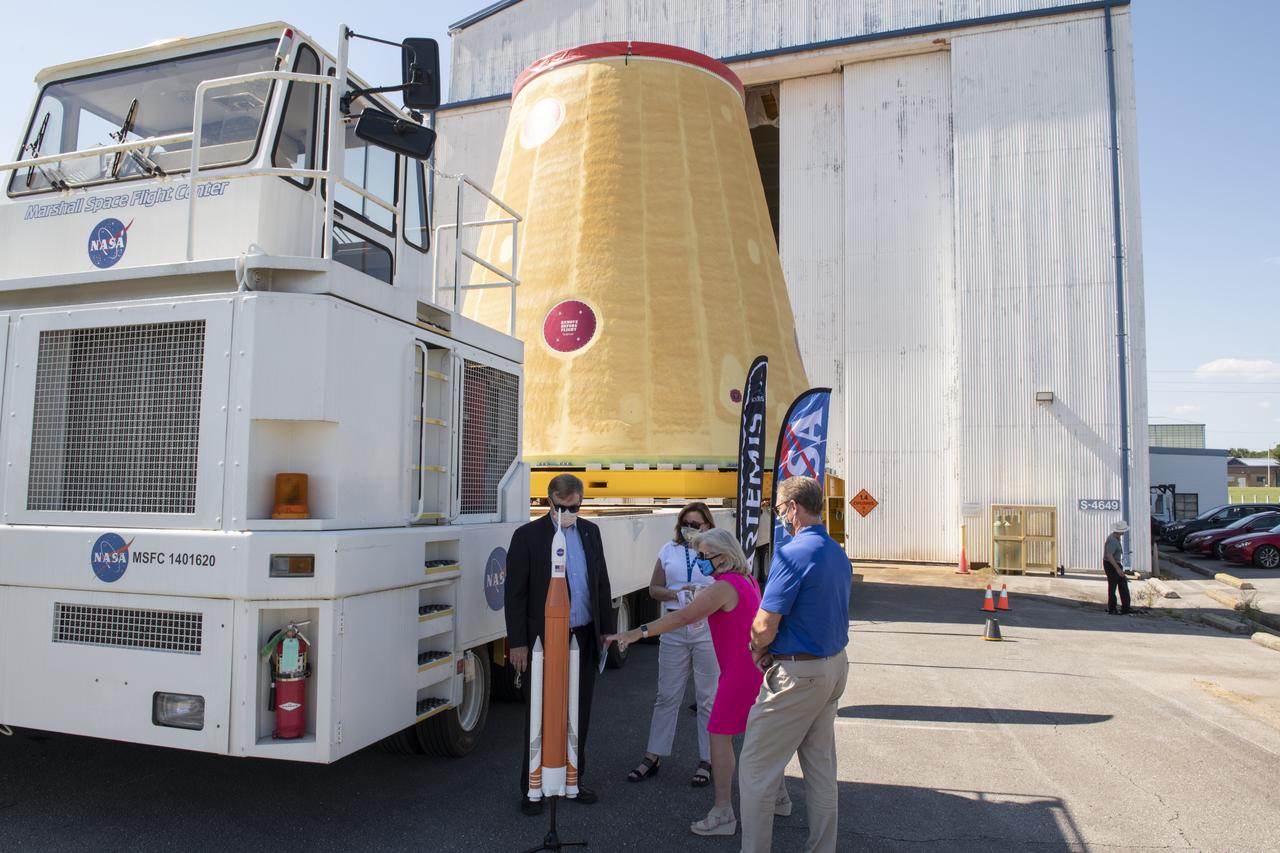
Jody Singer, director of NASA’s Marshall Space Flight Center in Huntsville, Alabama, joins local government officials and others as the Marshall move team prepares to transport the Artemis I launch vehicle stage adapter for the agency’s Space Launch System (SLS) rocket. Huntsville-based Teledyne Brown Engineering built the launch vehicle stage adapter at a state-of-the-art manufacturing facility at Marshall. Teledyne officials joined Singer to see the adapter one last time before it heads to the barge. This is the last piece of Marshall-built SLS rocket hardware set for delivery to Kennedy in preparation of the Artemis I mission to the Moon. A move team led by Marshall’s Center Operations will transport the adapter from the manufacturing facility to NASA’s Pegasus barge. The barge will take the adapter to NASA’s Kennedy Space Center in Florida for assembly and launch. Other parts of the Artemis I SLS rocket that were manufactured in Alabama include the Orion stage adapter built by Marshall teams and the Interim Cryogenic Propulsion Stage, which was built by Boeing and United Launch Alliance in Decatur, Alabama and will provide the power to send Orion to the Moon.
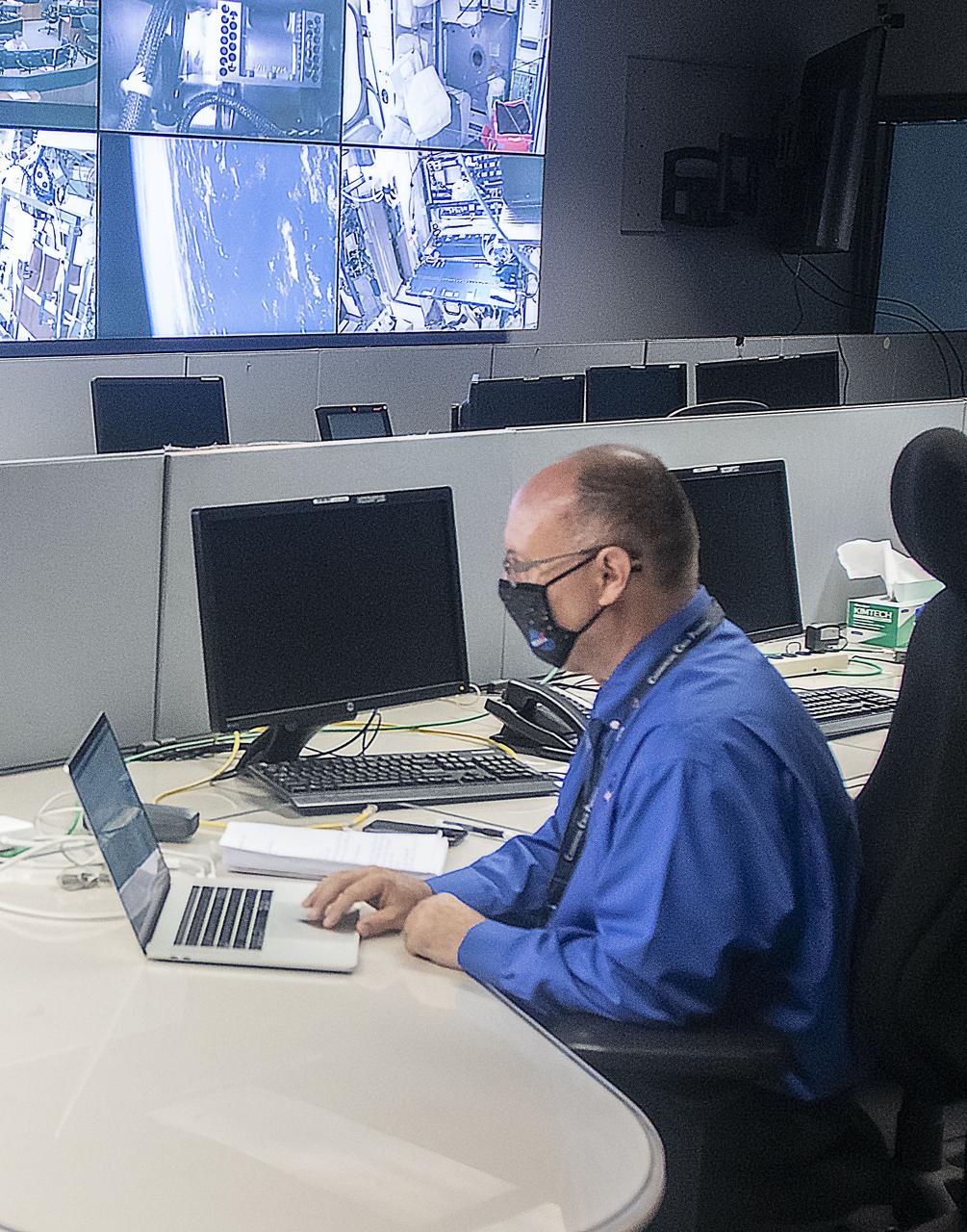
Teams at NASA’s Marshall Space Flight Center help monitor launch conditions for the Crew 1 mission from the Huntsville Operations Support Center in Huntsville, Alabama. SpaceX will launch a Falcon 9 rocket carrying NASA astronauts aboard the company’s Crew Dragon spacecraft to the International Space Station on Nov. 14, 2020. The Marshall team is supporting flight control teams working with NASA’s Johnson Space Center in Houston, Texas, NASA’s Kennedy Space Center in Cape Canaveral, Florida, and SpaceX headquarters in Hawthorne, California, as they monitor the different phases of the upcoming mission. Engineers and technicians at Marshall will use headsets and loops to communicate with the multiple locations on console for the launch. The Crew 1 flight is part of NASA’s Commercial Crew Program. The Crew 1 astronauts will arrive at the space station for docking a short time later at 4:20 a.m. on Sunday, Nov. 15 to join Expedition 64 for a six-month science mission.
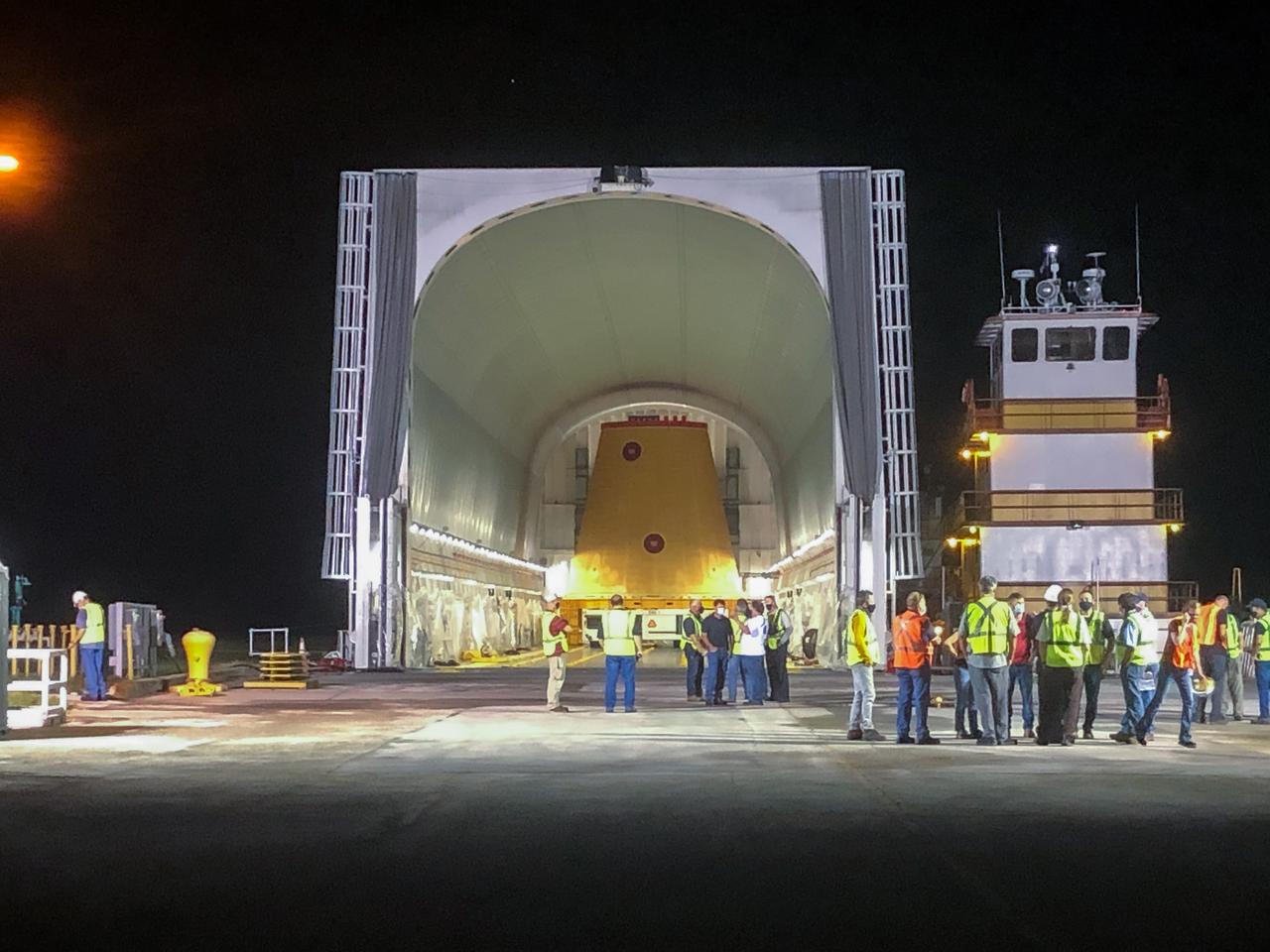
Technicians with NASA’s Exploration Ground Systems prepare to offload the launch vehicle stage adapter (LVSA) for the agency’s Space Launch System (SLS) rocket and move it to the Vehicle Assembly Building (VAB) at NASA’s Kennedy Space Center in Florida on July 30, 2020, for processing. Carried by NASA’s Pegasus barge, the LVSA arrived at Kennedy’s Launch Complex 39 turn basin wharf after departing from the agency’s Marshall Space Flight Center in Huntsville, Alabama. The LVSA will connect the SLS core stage to the rocket’s upper stage and will remain in the VAB until it’s time for stacking on the mobile launcher ahead of the Artemis I launch. The first in a series of increasingly complex missions, Artemis I will test SLS and the Orion spacecraft as an integrated system prior to crewed flights to the Moon.
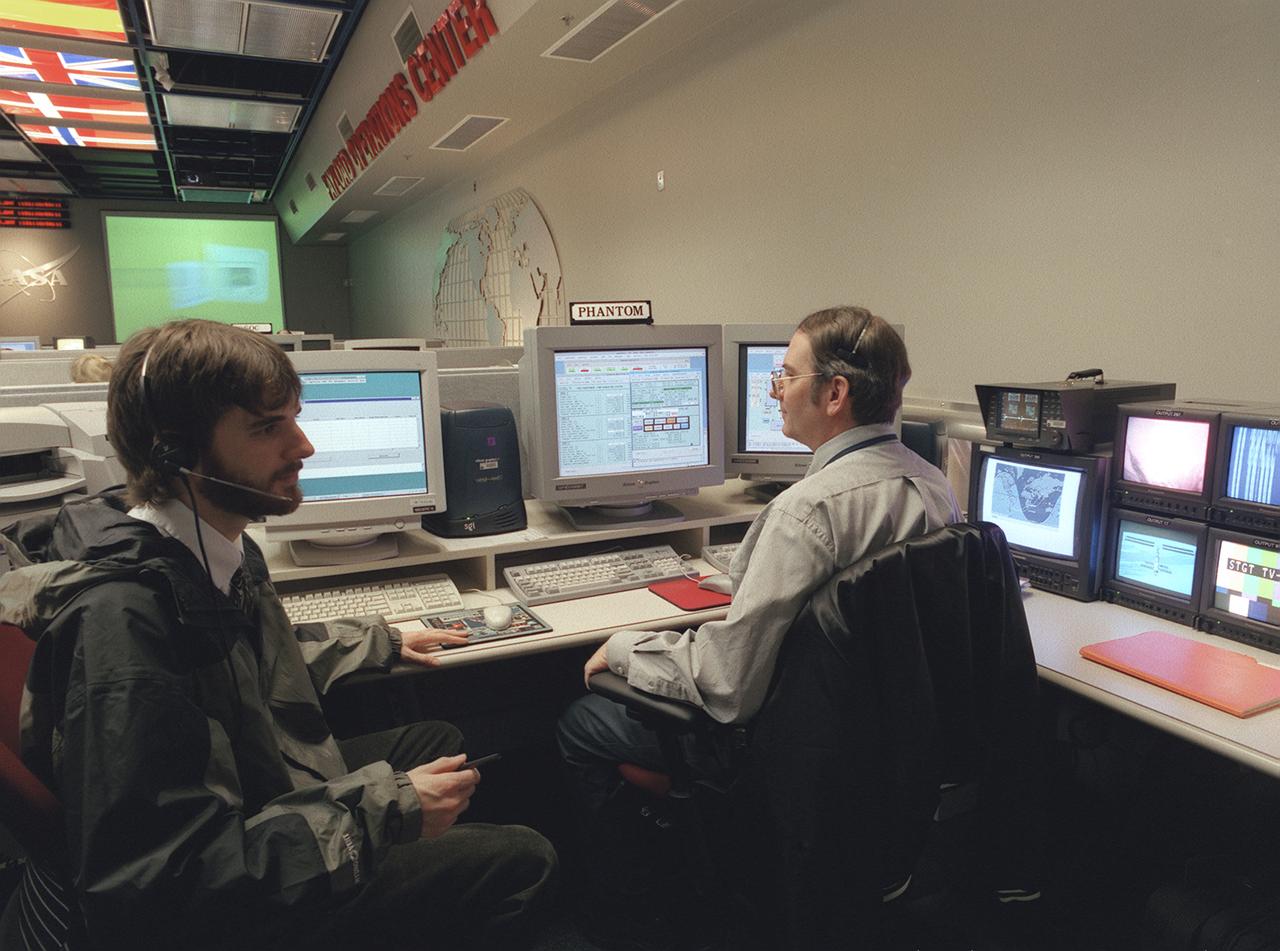
The Payload Operations Center (POC) is the science command post for the International Space Station (ISS). Located at NASA's Marshall Space Flight Center in Huntsville, Alabama, it is the focal point for American and international science activities aboard the ISS. The POC's unique capabilities allow science experts and researchers around the world to perform cutting-edge science in the unique microgravity environment of space. The POC is staffed around the clock by shifts of payload flight controllers. At any given time, 8 to 10 flight controllers are on consoles operating, plarning for, and controlling various systems and payloads. This photograph shows the Photo and TV Operations Manager (PHANTOM) at a work station. The PHANTOM configures all video systems aboard the ISS and ensures they are working properly, providing a video link from the ISS to the POC.
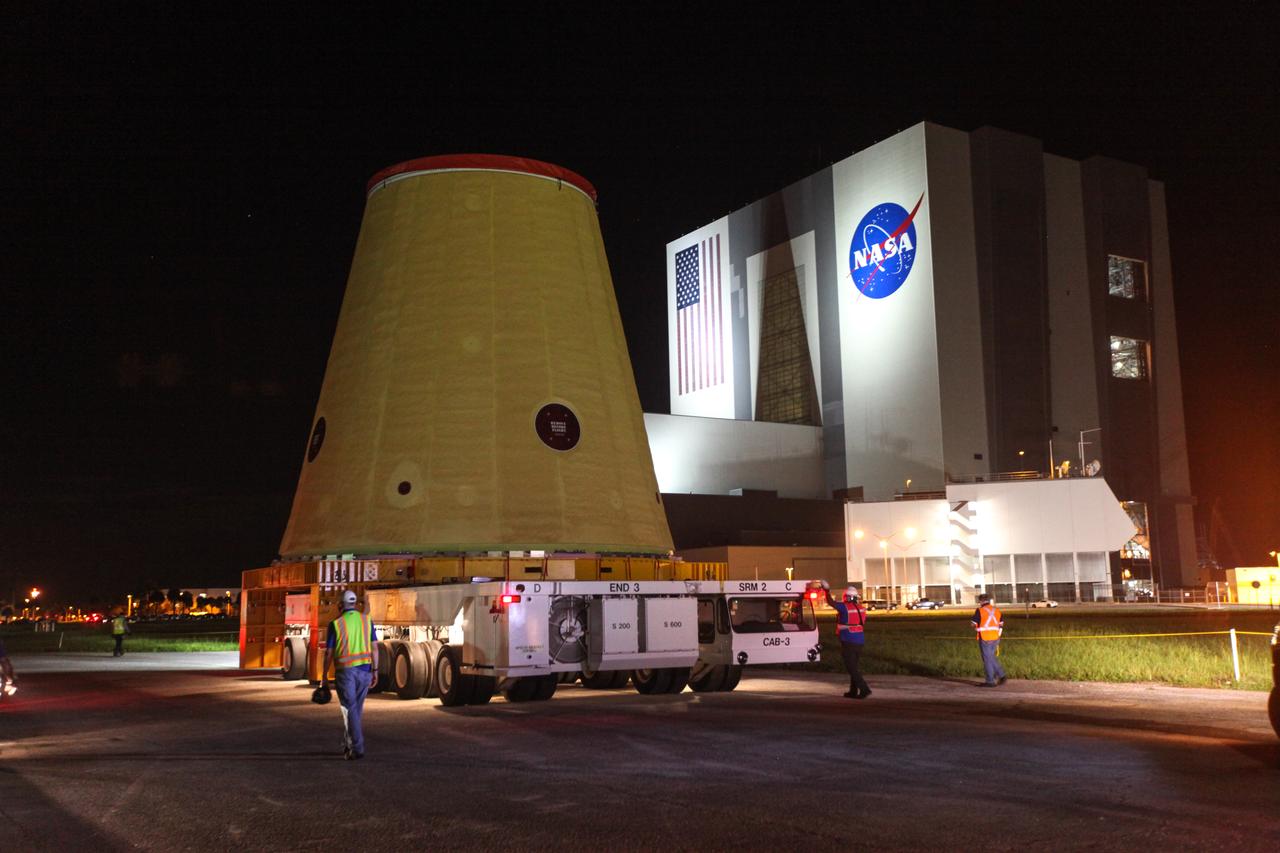
Technicians with NASA’s Exploration Ground Systems move the launch vehicle stage adapter (LVSA) for the agency’s Space Launch System (SLS) rocket to the Vehicle Assembly Building (VAB) at NASA’s Kennedy Space Center in Florida on July 30, 2020, for processing. Carried by NASA’s Pegasus barge, the LVSA arrived at Kennedy’s Launch Complex 39 turn basin wharf after departing from the agency’s Marshall Space Flight Center in Huntsville, Alabama. The LVSA will connect the SLS core stage to the rocket’s upper stage and will remain in the VAB until it’s time for stacking on the mobile launcher ahead of the Artemis I launch. The first in a series of increasingly complex missions, Artemis I will test SLS and the Orion spacecraft as an integrated system prior to crewed flights to the Moon.
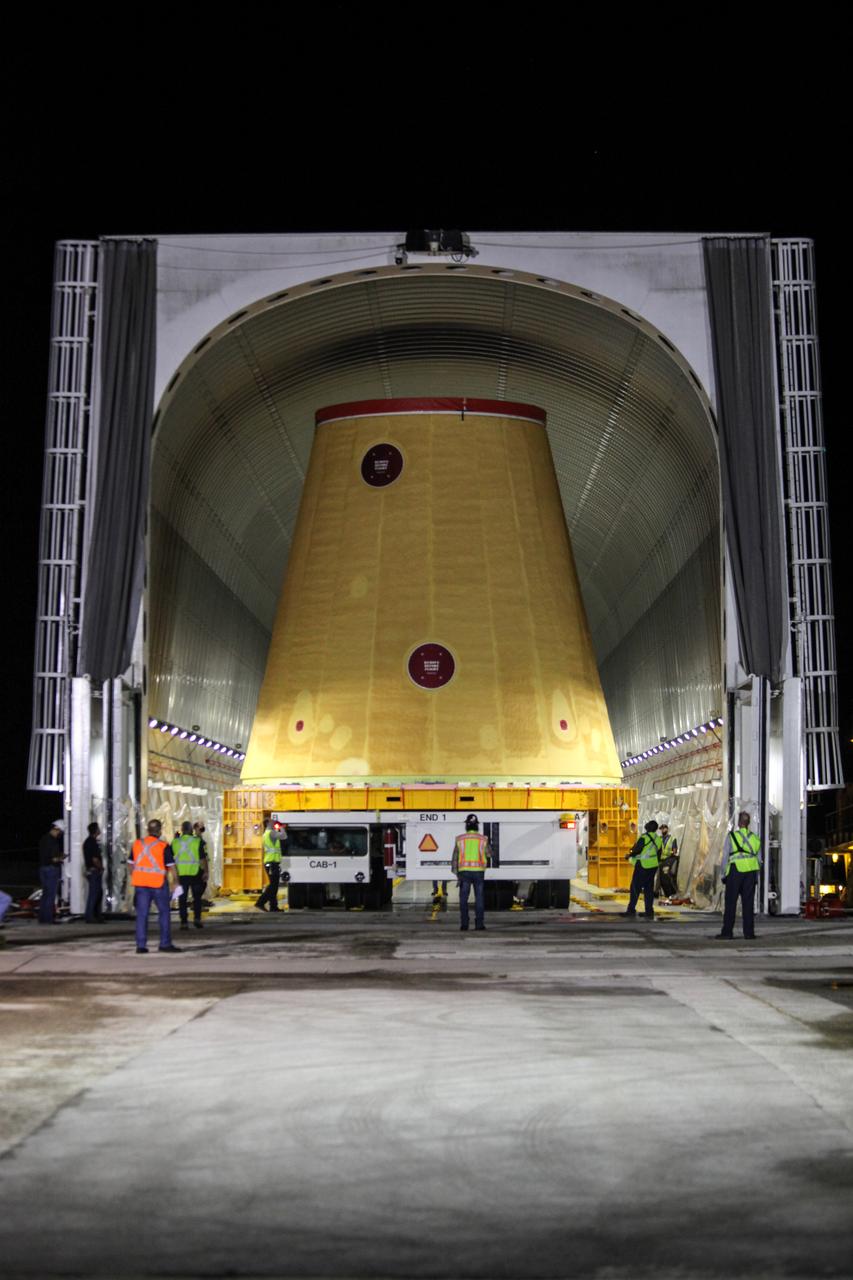
Technicians with NASA’s Exploration Ground Systems prepare to offload the launch vehicle stage adapter (LVSA) for the agency’s Space Launch System (SLS) rocket and move it to the Vehicle Assembly Building (VAB) at NASA’s Kennedy Space Center in Florida on July 30, 2020, for processing. Carried by NASA’s Pegasus barge, the LVSA arrived at Kennedy’s Launch Complex 39 turn basin wharf after departing from the agency’s Marshall Space Flight Center in Huntsville, Alabama. The LVSA will connect the SLS core stage to the rocket’s upper stage and will remain in the VAB until it’s time for stacking on the mobile launcher ahead of the Artemis I launch. The first in a series of increasingly complex missions, Artemis I will test SLS and the Orion spacecraft as an integrated system prior to crewed flights to the Moon.
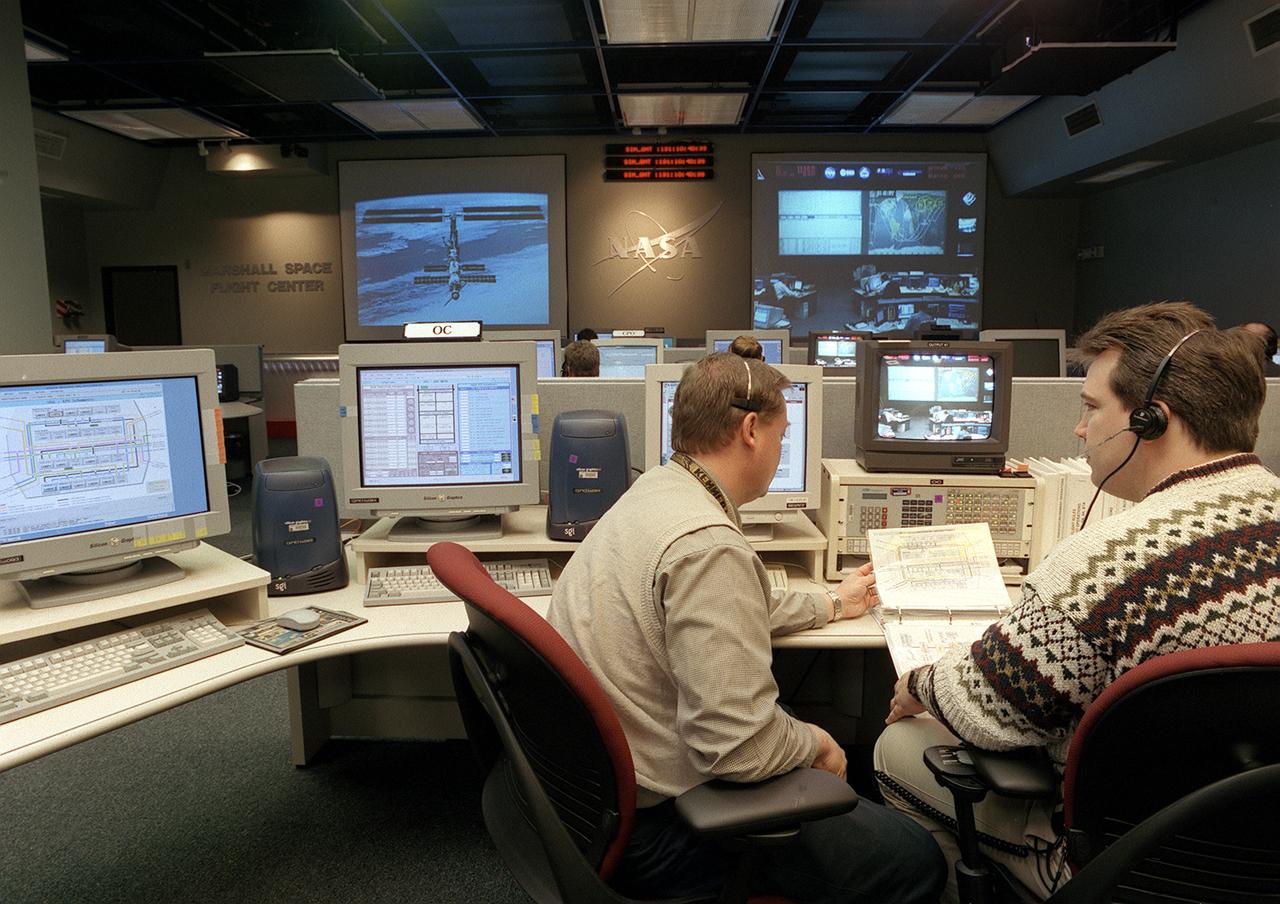
The Payload Operations Center (POC) is the science command post for the International Space Station (ISS). Located at NASA's Marshall Space Flight Center in Huntsville, Alabama, it is the focal point for American and international science activities aboard the ISS. The POC's unique capabilities allow science experts and researchers around the world to perform cutting-edge science in the unique microgravity environment of space. The POC is staffed around the clock by shifts of payload flight controllers. At any given time, 8 to 10 flight controllers are on consoles operating, plarning for, and controlling various systems and payloads. This photograph shows the Operations Controllers (OC) at their work stations. The OC coordinates the configuration of resources to enable science operations, such as power, cooling, commanding, and the availability of items like tools and laboratory equipment.
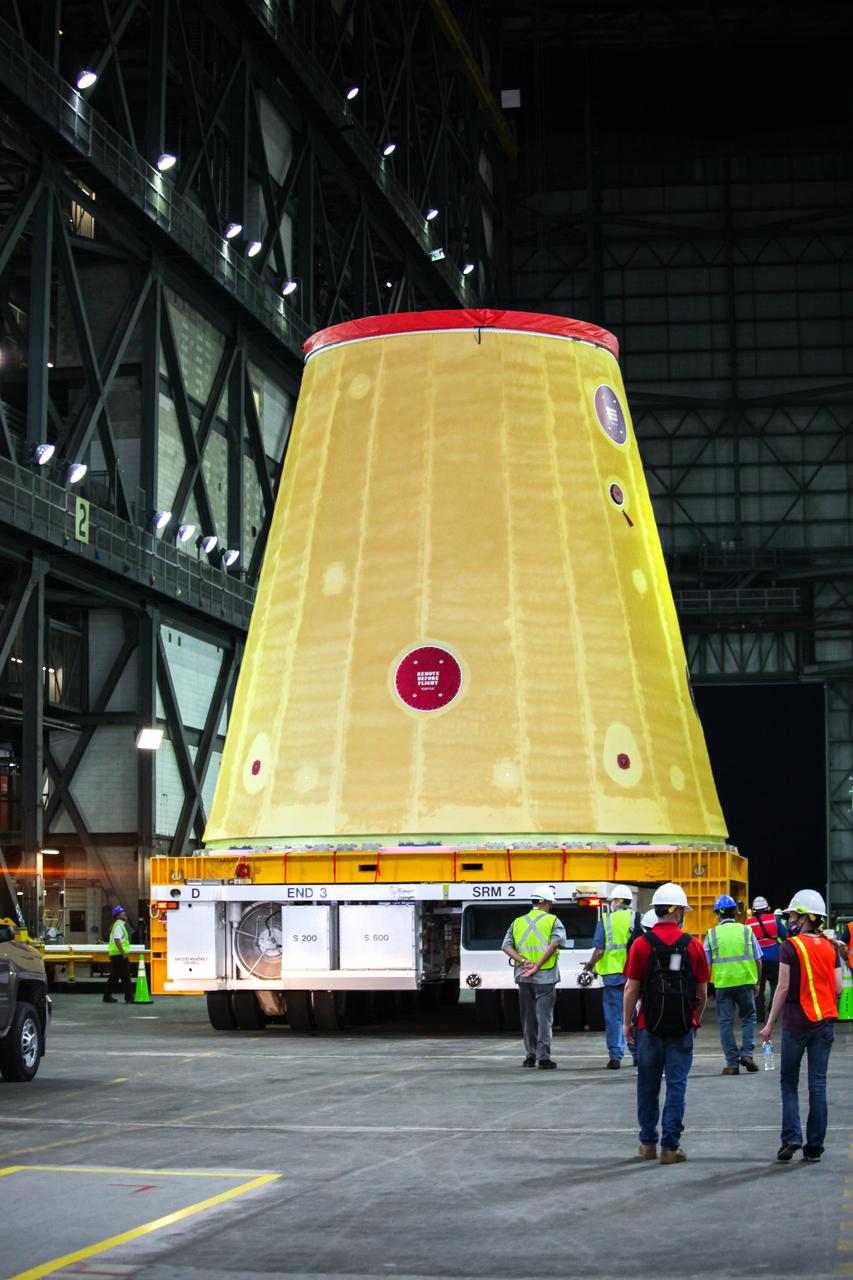
Technicians with NASA’s Exploration Ground Systems move the launch vehicle stage adapter (LVSA) for the agency’s Space Launch System (SLS) rocket into the Vehicle Assembly Building (VAB) at NASA’s Kennedy Space Center in Florida on July 30, 2020, for processing. Carried by NASA’s Pegasus barge, the LVSA arrived at Kennedy’s Launch Complex 39 turn basin wharf after departing from the agency’s Marshall Space Flight Center in Huntsville, Alabama. The LVSA will connect the SLS core stage to the rocket’s upper stage and will remain in the VAB until it’s time for stacking on the mobile launcher ahead of the Artemis I launch. The first in a series of increasingly complex missions, Artemis I will test SLS and the Orion spacecraft as an integrated system prior to crewed flights to the Moon.
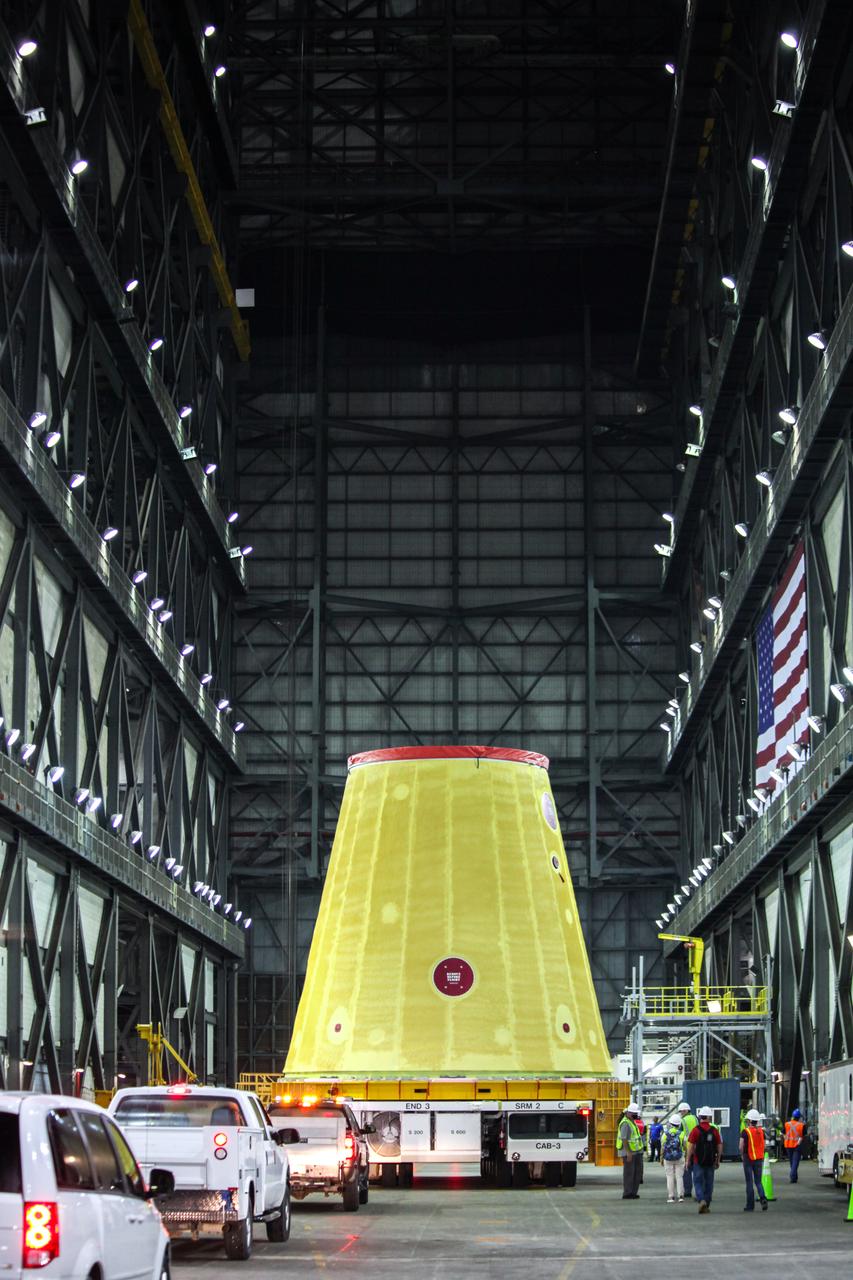
The launch vehicle stage adapter (LVSA) for NASA’s Space Launch System (SLS) rocket is moved into the Vehicle Assembly Building (VAB) at the agency’s Kennedy Space Center in Florida on July 30, 2020, for processing. Carried by NASA’s Pegasus barge, the LVSA arrived at Kennedy’s Launch Complex 39 turn basin wharf after departing from the agency’s Marshall Space Flight Center in Huntsville, Alabama. The LVSA will connect the SLS core stage to the rocket’s upper stage and will remain in the VAB until it’s time for stacking on the mobile launcher ahead of the Artemis I launch. The first in a series of increasingly complex missions, Artemis I will test SLS and the Orion spacecraft as an integrated system prior to crewed flights to the Moon.
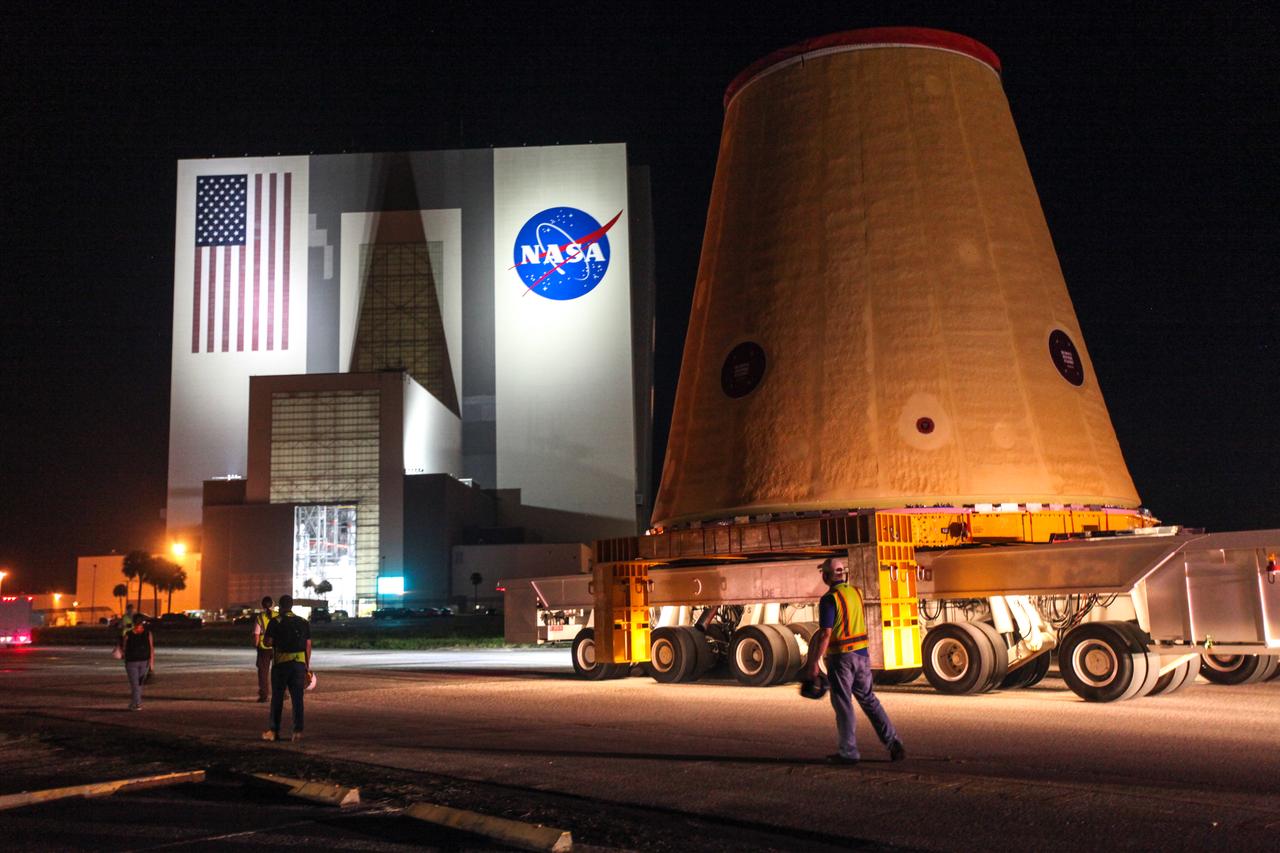
Technicians with NASA’s Exploration Ground Systems move the launch vehicle stage adapter (LVSA) for the agency’s Space Launch System (SLS) rocket to the Vehicle Assembly Building (VAB) on July 30, 2020, for processing. Carried by NASA’s Pegasus barge, the LVSA arrived at Kennedy Space Center’s Launch Complex 39 turn basin wharf after departing from the agency’s Marshall Space Flight Center in Huntsville, Alabama. The LVSA will connect the SLS core stage to the rocket’s upper stage and will remain in the VAB until it’s time for stacking on the mobile launcher ahead of the Artemis I launch. The first in a series of increasingly complex missions, Artemis I will test SLS and the Orion spacecraft as an integrated system prior to crewed flights to the Moon.
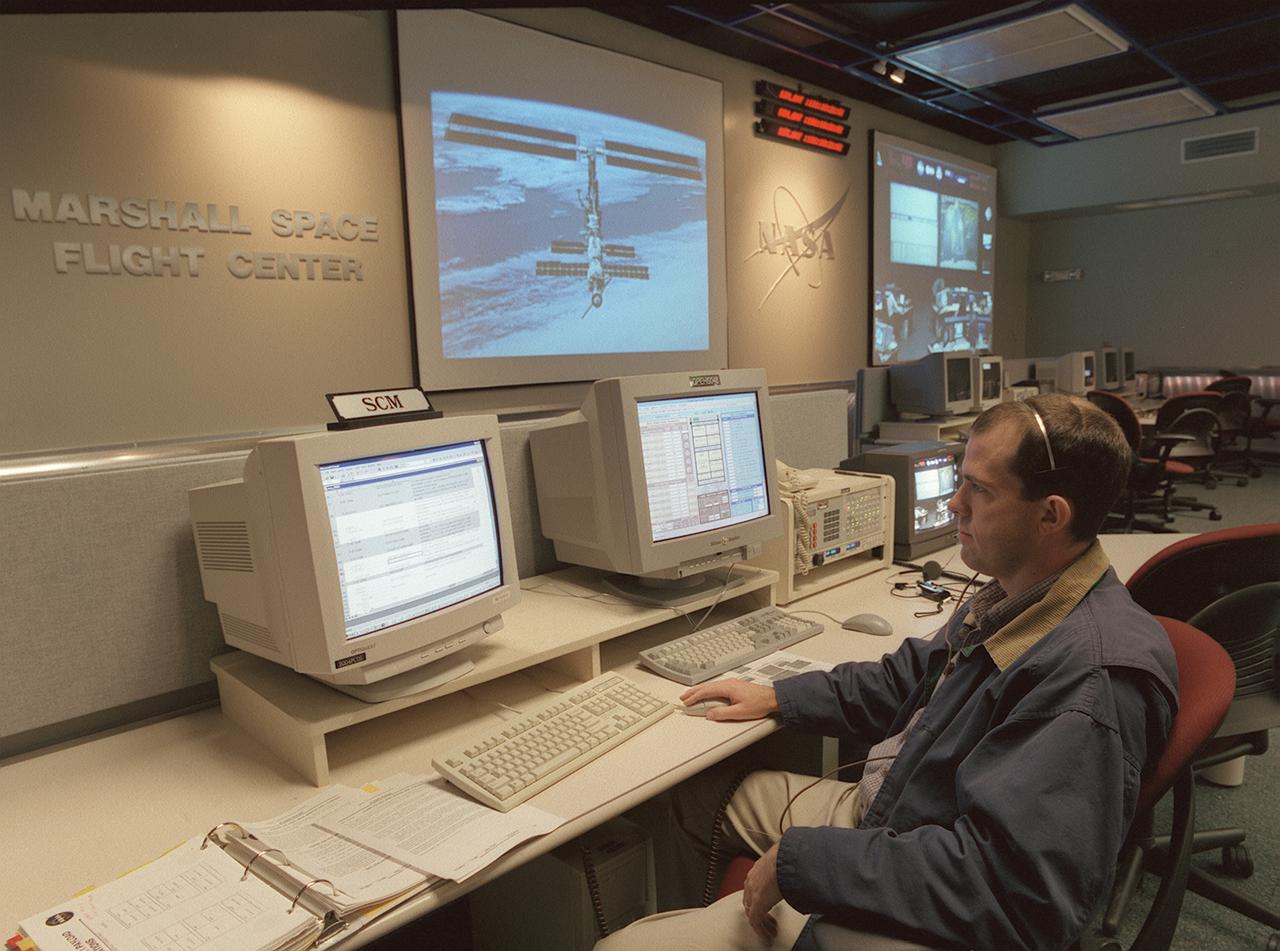
The Payload Operations Center (POC) is the science command post for the International Space Station (ISS). Located at NASA's Marshall Space Flight Center in Huntsville, Alabama, it is the focal point for American and international science activities aboard the ISS. The POC's unique capabilities allow science experts and researchers around the world to perform cutting-edge science in the unique microgravity environment of space. The POC is staffed around the clock by shifts of payload flight controllers. At any given time, 8 to 10 flight controllers are on consoles operating, plarning for, and controlling various systems and payloads. This photograph show the Safety Coordination Manager (SCM) at a work station. The SCM monitors science experiments to ensure they are conducted in a safe manner in accordance with strict safety regulations.
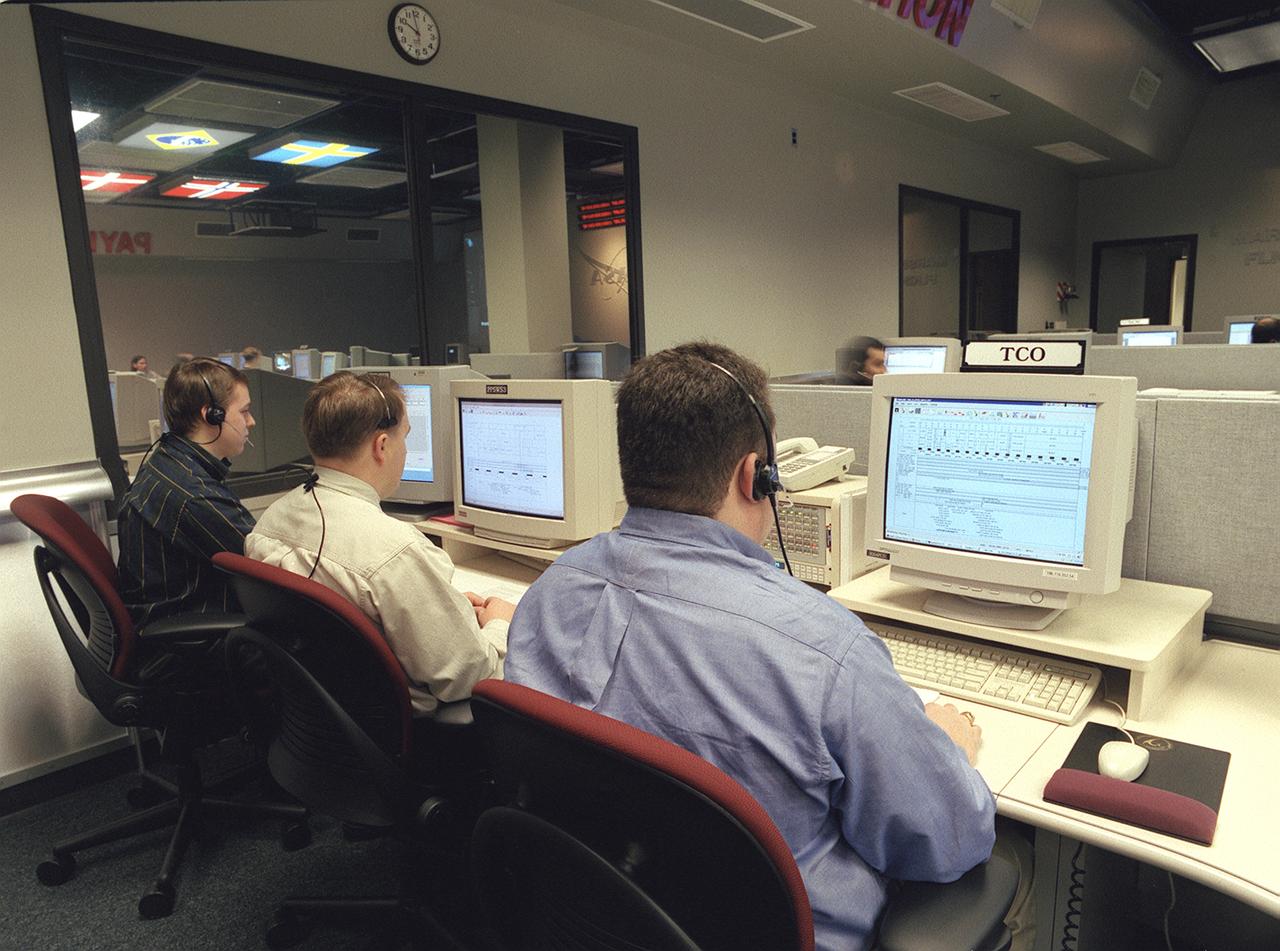
The Payload Operations Center (POC) is the science command post for the International Space Station (ISS). Located at NASA's Marshall Space Flight Center in Huntsville, Alabama, it is the focal point for American and international science activities aboard the ISS. The POC's unique capabilities allow science experts and researchers around the world to perform cutting-edge science in the unique microgravity environment of space. The POC is staffed around the clock by shifts of payload flight controllers. At any given time, 8 to 10 flight controllers are on consoles operating, plarning for, and controlling various systems and payloads. This photograph shows the Timeline Change Officer (TCO) at a work station. The TCO maintains the daily schedule of science activities and work assignments, and works with planners at Mission Control at Johnson Space Center in Houston, Texas, to ensure payload activities are accommodated in overall ISS plans and schedules.
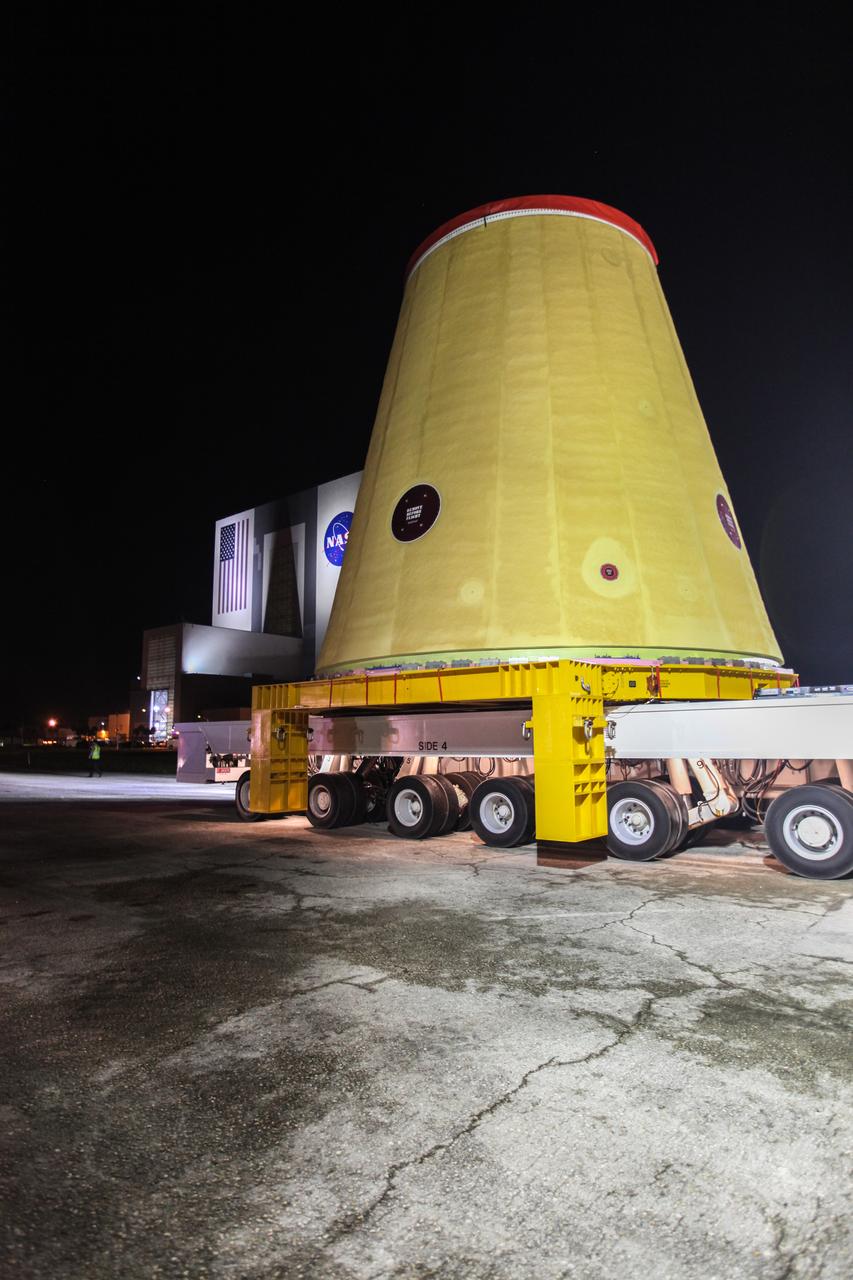
The launch vehicle stage adapter (LVSA) for NASA’s Space Launch System (SLS) rocket is transported to the Vehicle Assembly Building (VAB) for processing at NASA’s Kennedy Space Center in Florida on July 30, 2020. Carried by NASA’s Pegasus barge, the LVSA arrived at Kennedy’s Launch Complex 39 turn basin wharf after departing from the agency’s Marshall Space Flight Center in Huntsville, Alabama. The LVSA will connect the SLS core stage to the rocket’s upper stage and will remain in the VAB until it’s time for stacking on the mobile launcher ahead of the Artemis I launch. The first in a series of increasingly complex missions, Artemis I will test SLS and the Orion spacecraft as an integrated system prior to crewed flights to the Moon.
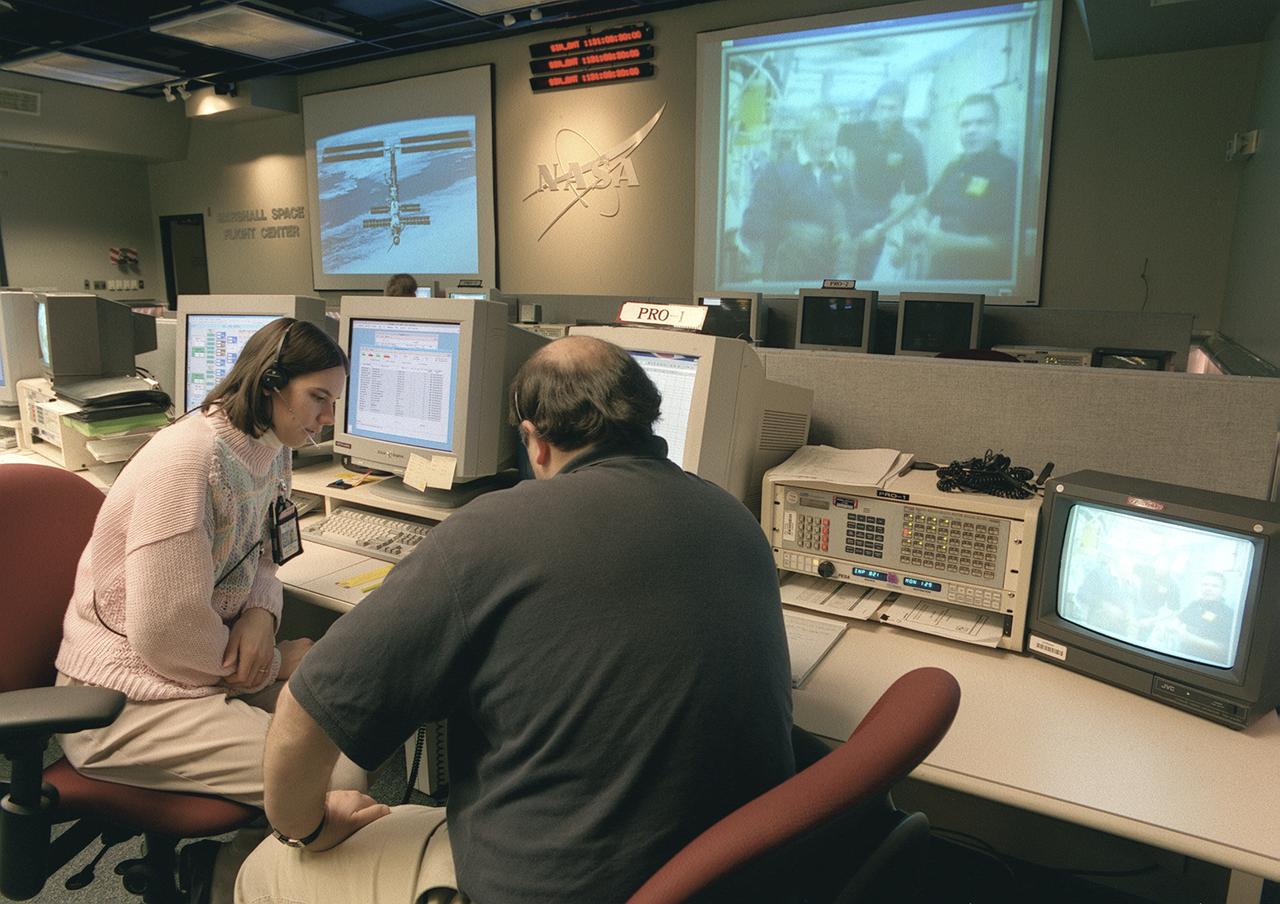
The Payload Operations Center (POC) is the science command post for the International Space Station (ISS). Located at NASA's Marshall Space Flight Center in Huntsville, Alabama, it is the focal point for American and international science activities aboard the ISS. The POC's unique capabilities allow science experts and researchers around the world to perform cutting-edge science in the unique microgravity environment of space. The POC is staffed around the clock by shifts of payload flight controllers. At any given time, 8 to 10 flight controllers are on consoles operating, plarning for, and controlling various systems and payloads. This photograph shows a Payload Rack Officer (PRO) at a work station. The PRO is linked by a computer to all payload racks aboard the ISS. The PRO monitors and configures the resources and environment for science experiments including EXPRESS Racks, multiple-payload racks designed for commercial payloads.
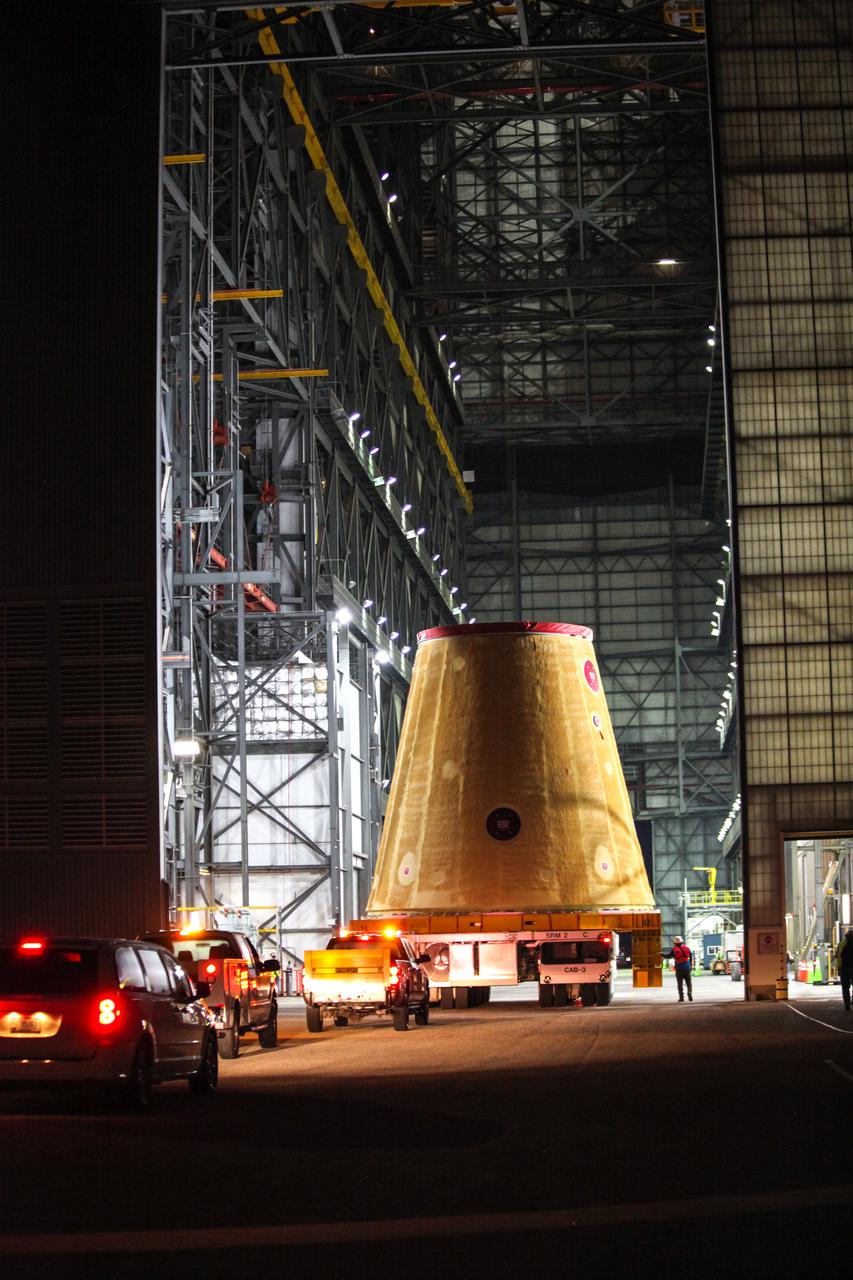
Technicians with NASA’s Exploration Ground Systems move the launch vehicle stage adapter (LVSA) for the agency’s Space Launch System (SLS) rocket into the Vehicle Assembly Building (VAB) at NASA’s Kennedy Space Center in Florida on July 30, 2020, for processing. Carried by NASA’s Pegasus barge, the LVSA arrived at Kennedy’s Launch Complex 39 turn basin wharf after departing from the agency’s Marshall Space Flight Center in Huntsville, Alabama. The LVSA will connect the SLS core stage to the rocket’s upper stage and will remain in the VAB until it’s time for stacking on the mobile launcher ahead of the Artemis I launch. The first in a series of increasingly complex missions, Artemis I will test SLS and the Orion spacecraft as an integrated system prior to crewed flights to the Moon.
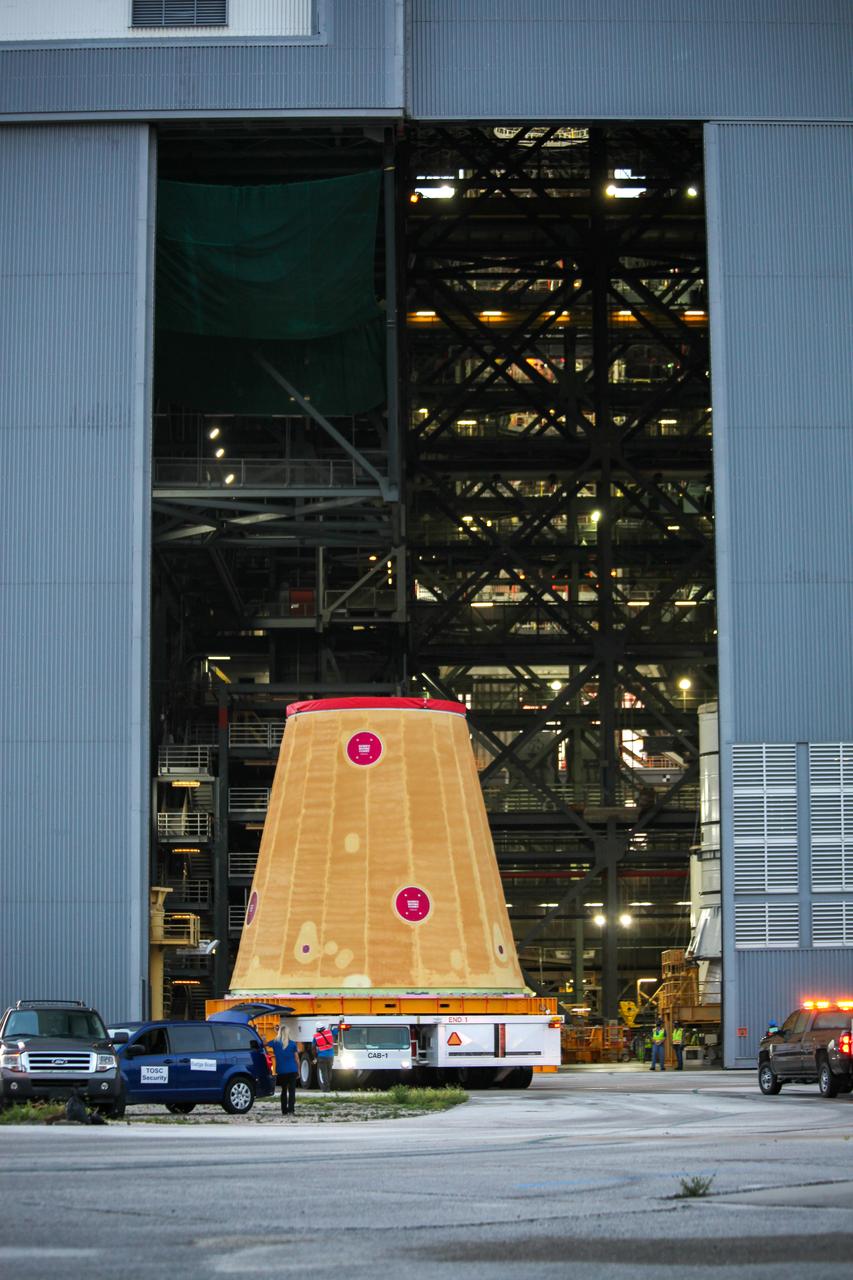
Technicians with NASA’s Exploration Ground Systems move the launch vehicle stage adapter (LVSA) for the agency’s Space Launch System (SLS) rocket into the Vehicle Assembly Building (VAB) at NASA’s Kennedy Space Center in Florida on July 30, 2020, for processing. Carried by NASA’s Pegasus barge, the LVSA arrived at Kennedy’s Launch Complex 39 turn basin wharf after departing from the agency’s Marshall Space Flight Center in Huntsville, Alabama. The LVSA will connect the SLS core stage to the rocket’s upper stage and will remain in the VAB until it’s time for stacking on the mobile launcher ahead of the Artemis I launch. The first in a series of increasingly complex missions, Artemis I will test SLS and the Orion spacecraft as an integrated system prior to crewed flights to the Moon.
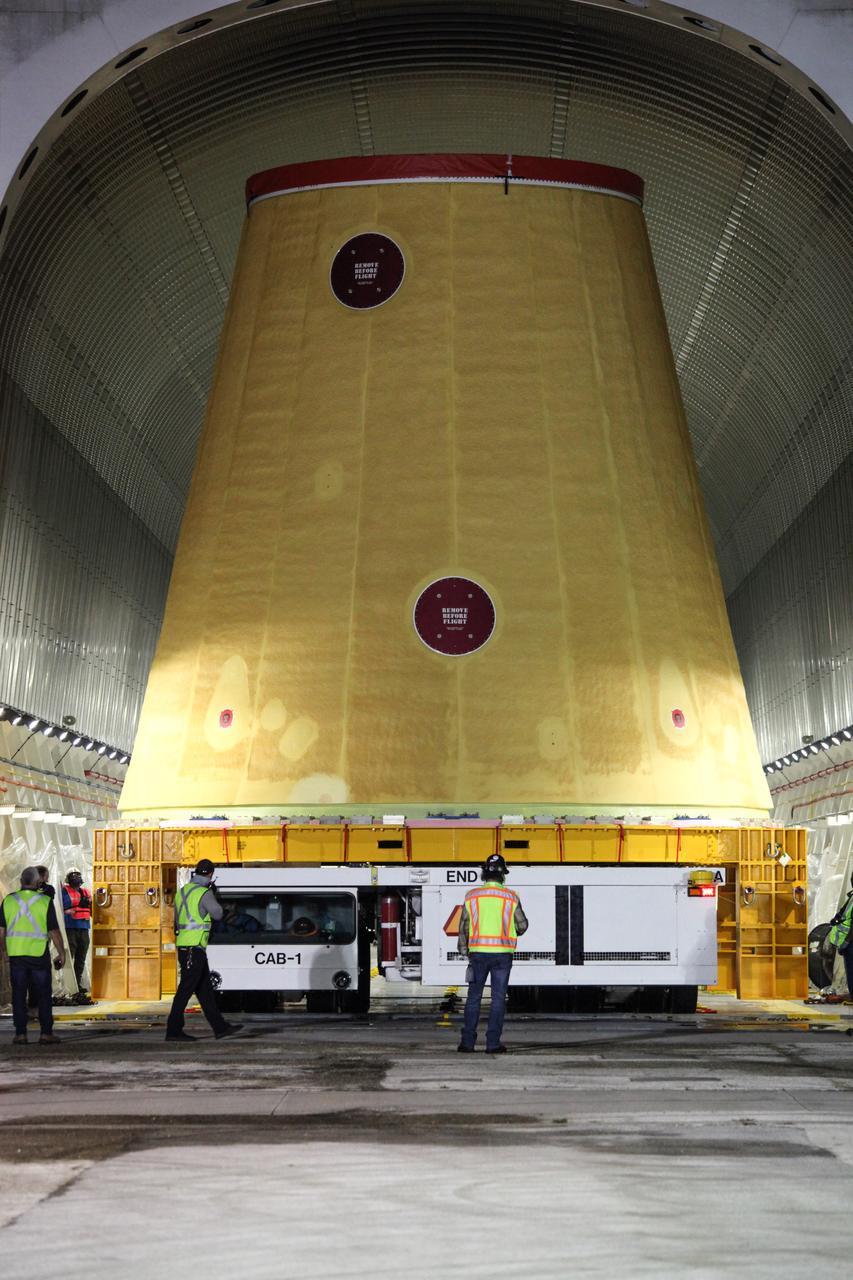
Technicians with NASA’s Exploration Ground Systems begin to offload the launch vehicle stage adapter (LVSA) for the agency’s Space Launch System (SLS) rocket and move it to the Vehicle Assembly Building (VAB) at NASA’s Kennedy Space Center in Florida on July 30, 2020, for processing. Carried by NASA’s Pegasus barge, the LVSA arrived at Kennedy’s Launch Complex 39 turn basin wharf after departing from the agency’s Marshall Space Flight Center in Huntsville, Alabama. The LVSA will connect the SLS core stage to the rocket’s upper stage and will remain in the VAB until it’s time for stacking on the mobile launcher ahead of the Artemis I launch. The first in a series of increasingly complex missions, Artemis I will test SLS and the Orion spacecraft as an integrated system prior to crewed flights to the Moon.
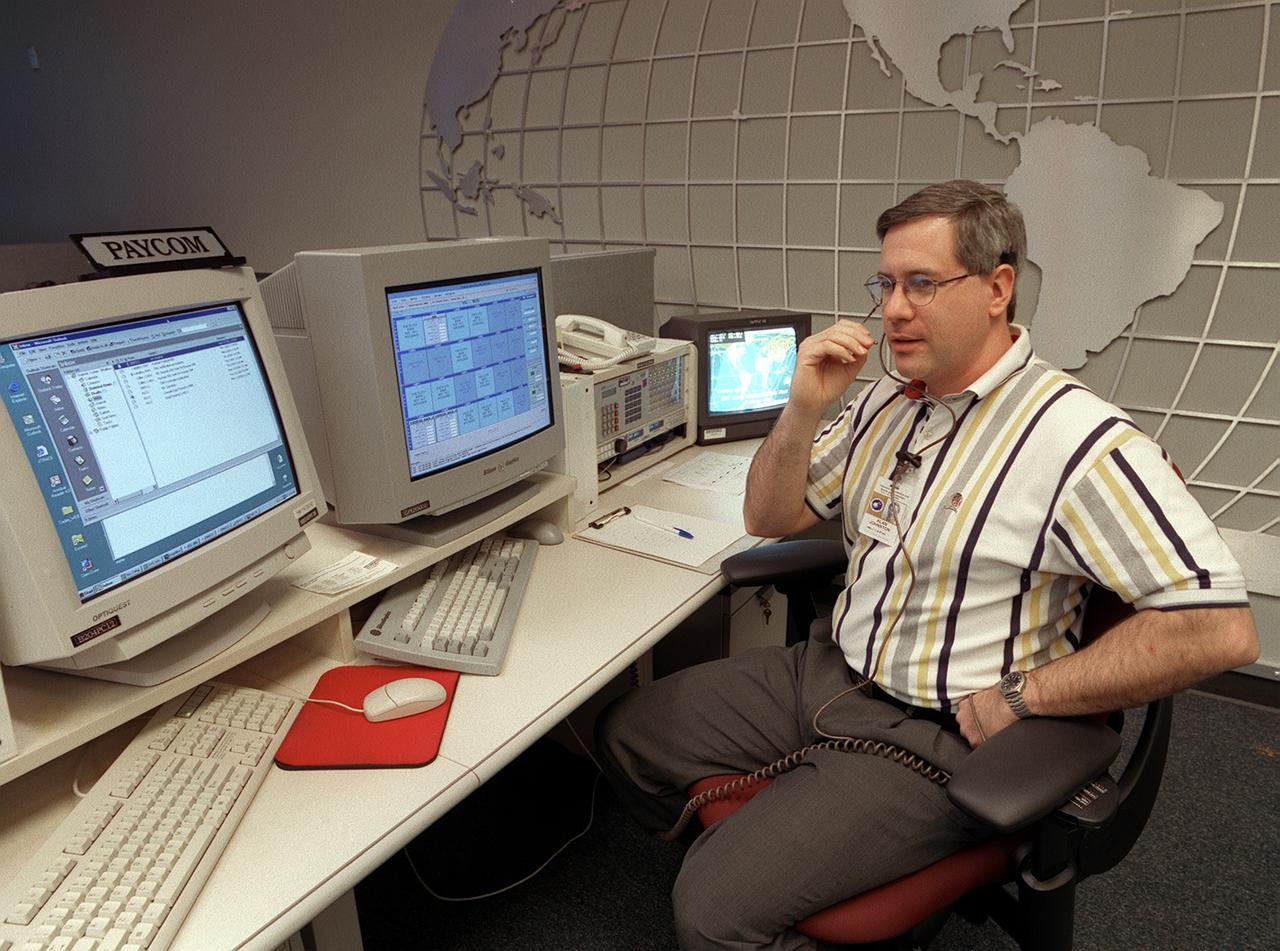
The Payload Operations Center (POC) is the science command post for the International Space Station (ISS). Located at NASA's Marshall Space Flight Center in Huntsville, Alabama, it is the focal point for American and international science activities aboard the ISS. The POC's unique capabilities allow science experts and researchers around the world to perform cutting-edge science in the unique microgravity environment of space. The POC is staffed around the clock by shifts of payload flight controllers. At any given time, 8 to 10 flight controllers are on consoles operating, plarning for, and controlling various systems and payloads. This photograph shows the Payload Communications Manager (PAYCOM) at a work station. The PAYCOM coordinates payload-related voice communications between the POC and the ISS crew. The PAYCOM is the voice of the POC.
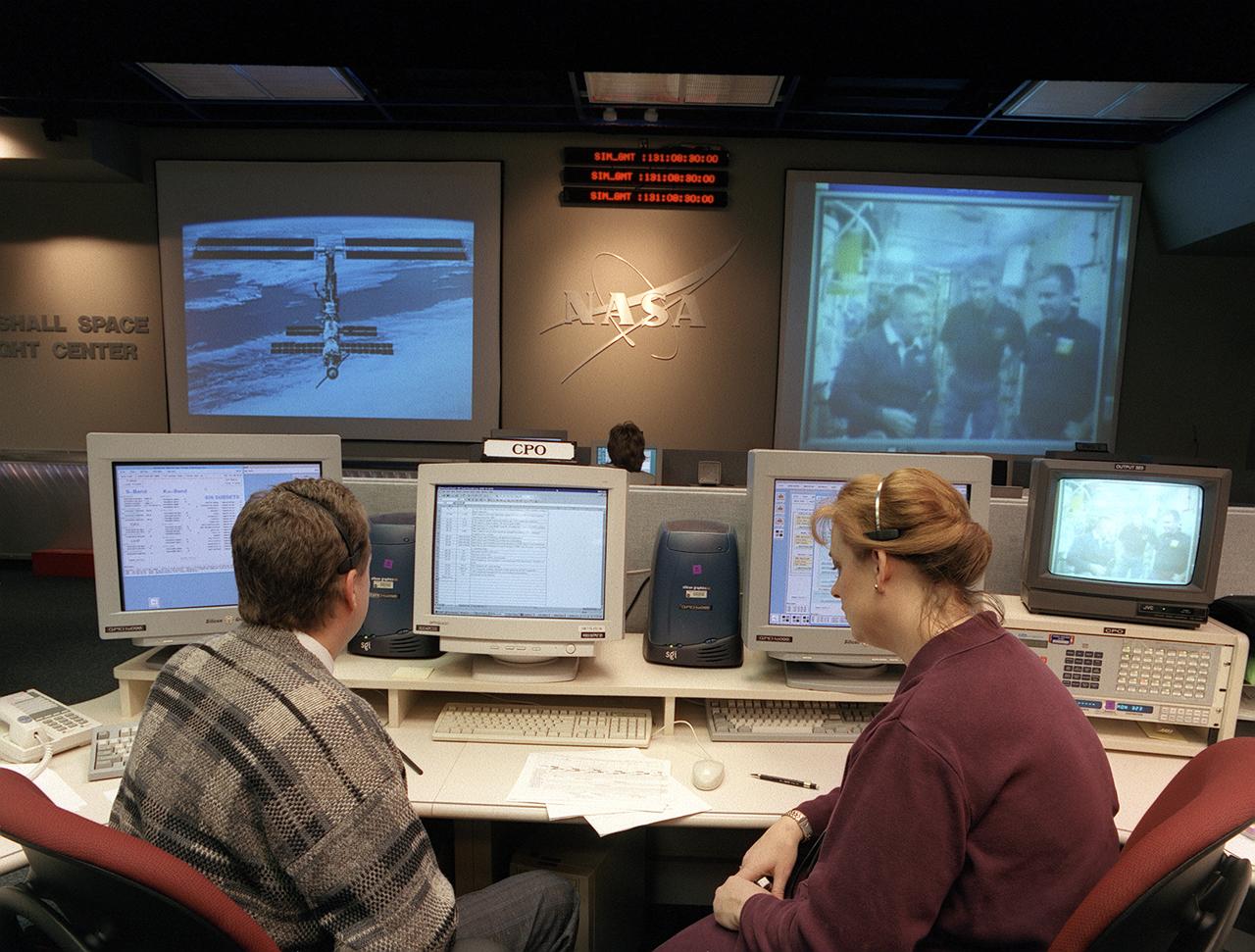
The Payload Operations Center (POC) is the science command post for the International Space Station (ISS). Located at NASA's Marshall Space Flight Center (MSFC) in Huntsville, Alabama, it is the focal point for American and international science activities aboard the ISS. The POC's unique capabilities allow science experts and researchers around the world to perform cutting-edge science in the unique microgravity environment of space. The POC is staffed around the clock by shifts of payload flight controllers. At any given time, 8 to 10 flight controllers are on consoles operating, plarning for, and controlling various systems and payloads. This photograph shows the Command and Payload Multiplexer/Demultiplexer (MDM) Officers (CPO's) at their work stations. The CPO maintains the command link between the Operation Center at MSFC and Mission Control at Johnson Space Center in Houston, Texas, and configures the link to allow the international partners and remote scientists to operate their payloads from their home sites.
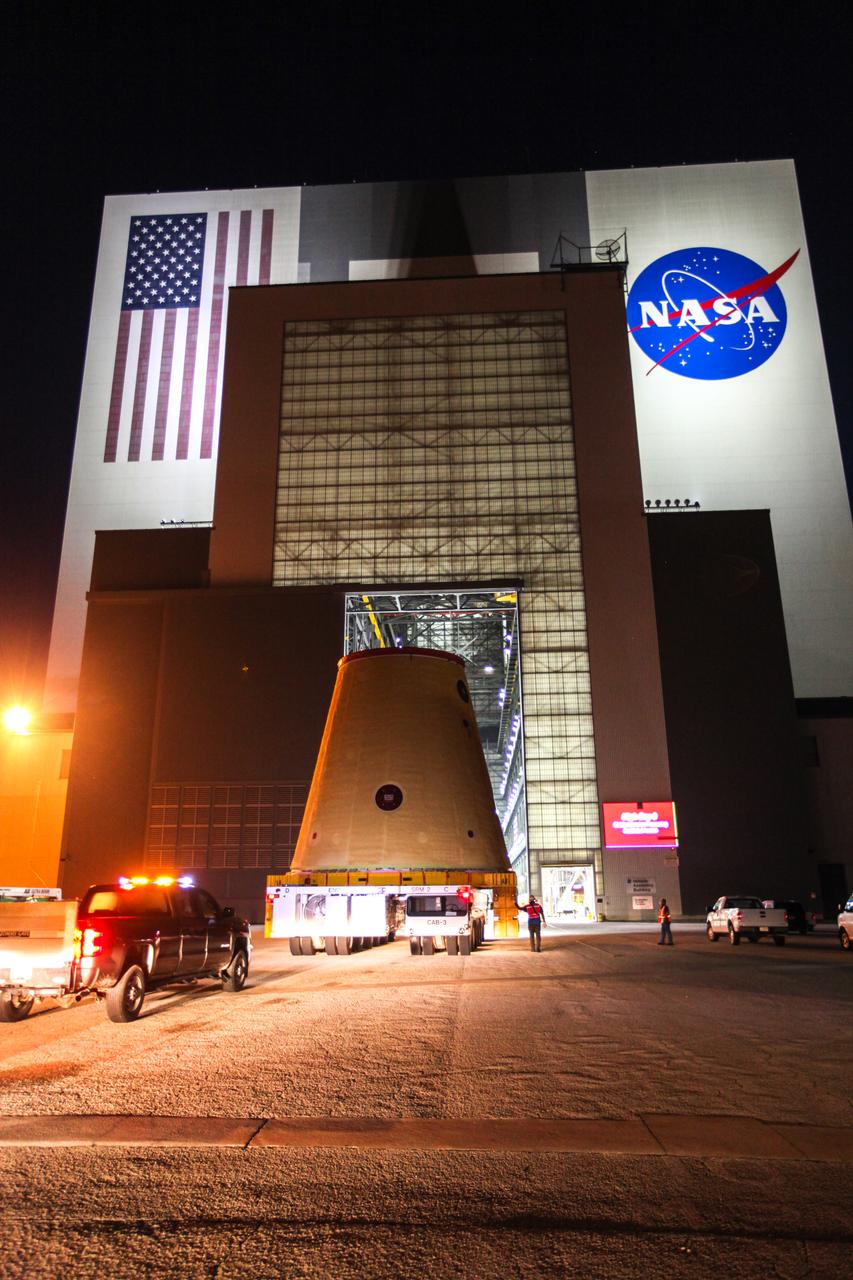
Technicians with NASA’s Exploration Ground Systems move the launch vehicle stage adapter (LVSA) for the agency’s Space Launch System (SLS) rocket into the Vehicle Assembly Building (VAB) at NASA’s Kennedy Space Center in Florida on July 30, 2020, for processing. Carried by NASA’s Pegasus barge, the LVSA arrived at Kennedy’s Launch Complex 39 turn basin wharf after departing from the agency’s Marshall Space Flight Center in Huntsville, Alabama. The LVSA will connect the SLS core stage to the rocket’s upper stage and will remain in the VAB until it’s time for stacking on the mobile launcher ahead of the Artemis I launch. The first in a series of increasingly complex missions, Artemis I will test SLS and the Orion spacecraft as an integrated system prior to crewed flights to the Moon.
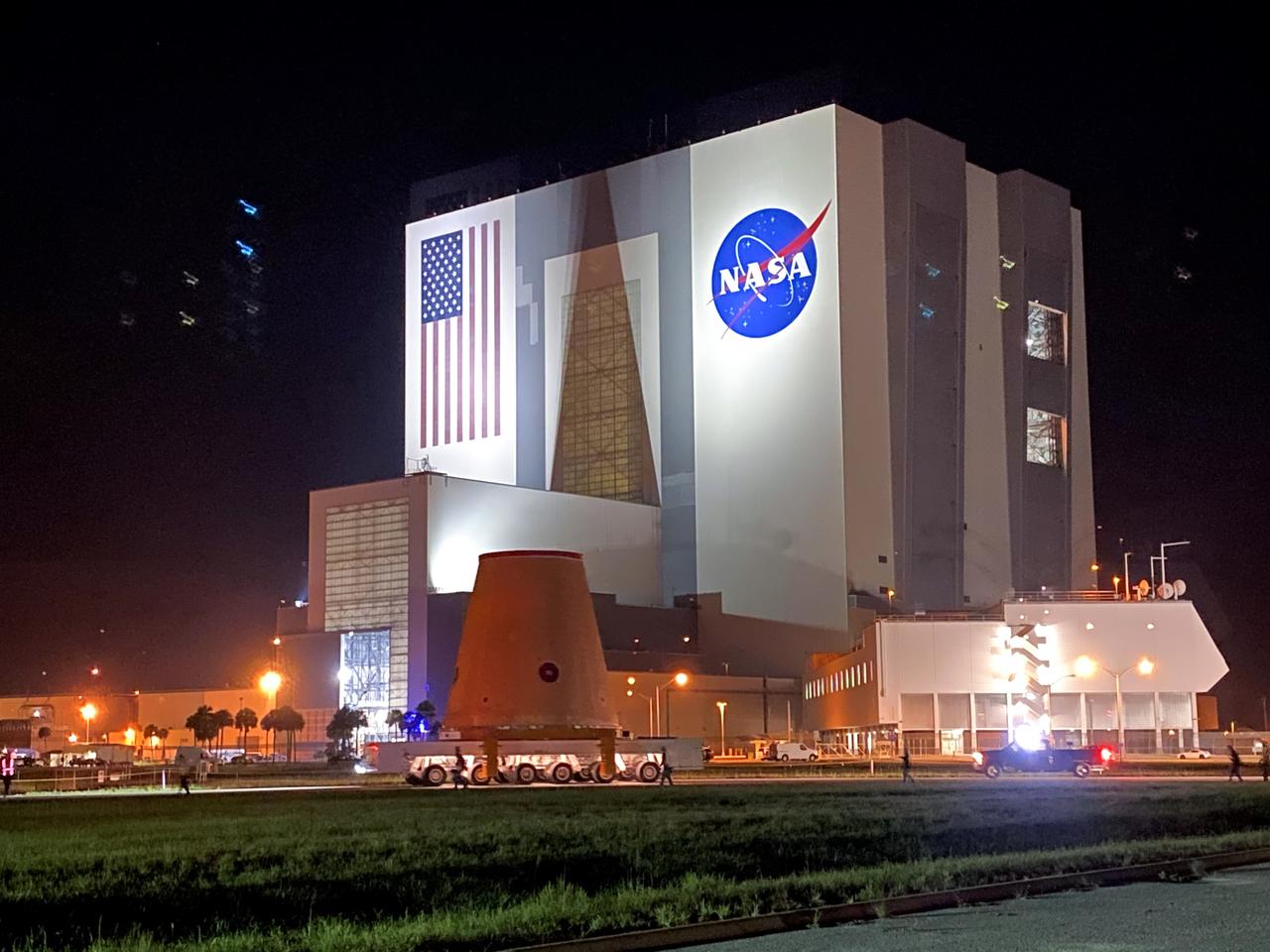
Technicians with NASA’s Exploration Ground Systems move the launch vehicle stage adapter (LVSA) for the agency’s Space Launch System (SLS) rocket to the Vehicle Assembly Building (VAB) on July 30, 2020, for processing. Carried by NASA’s Pegasus barge, the LVSA arrived at Kennedy Space Center’s Launch Complex 39 turn basin wharf after departing from the agency’s Marshall Space Flight Center in Huntsville, Alabama. The LVSA will connect the SLS core stage to the rocket’s upper stage and will remain in the VAB until it’s time for stacking on the mobile launcher ahead of the Artemis I launch. The first in a series of increasingly complex missions, Artemis I will test SLS and the Orion spacecraft as an integrated system prior to crewed flights to the Moon.
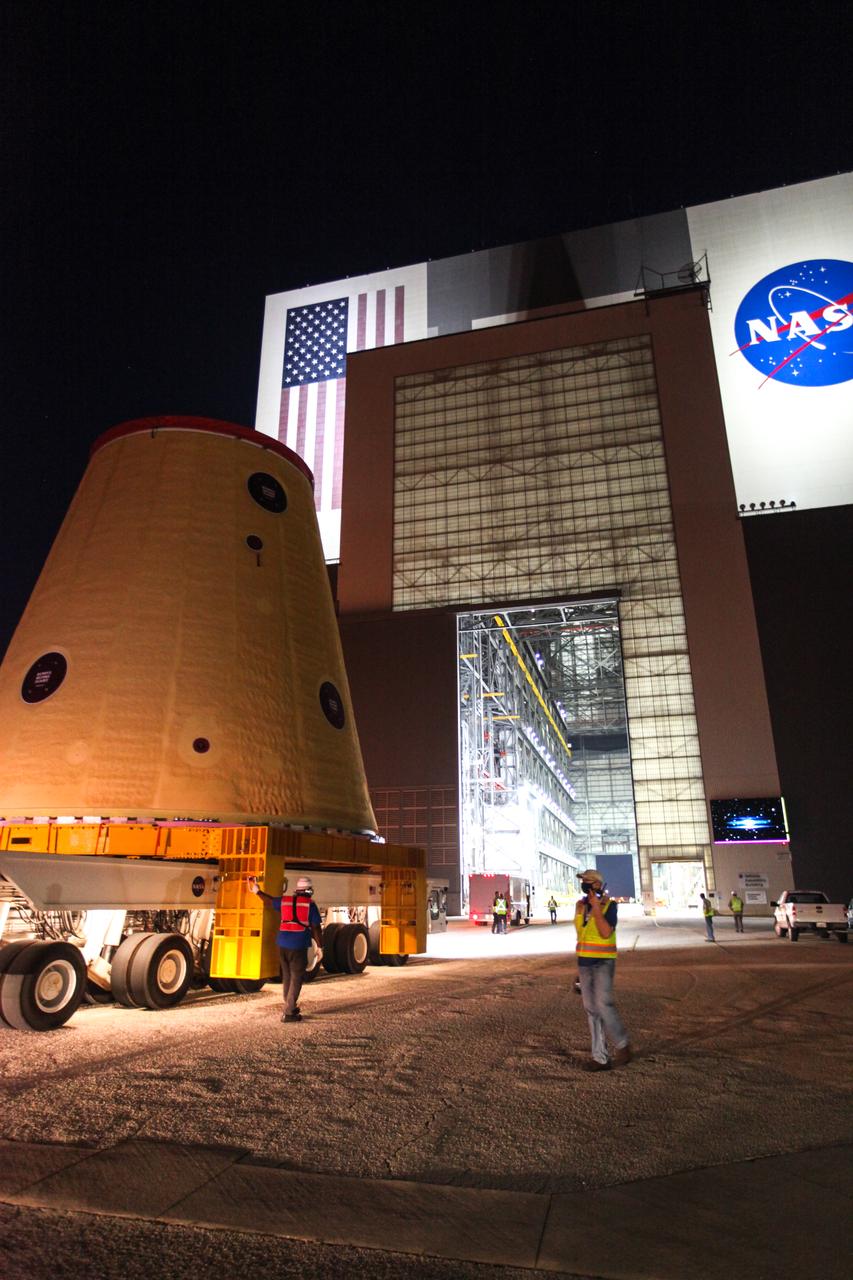
Technicians with NASA’s Exploration Ground Systems move the launch vehicle stage adapter (LVSA) for the agency’s Space Launch System (SLS) rocket into the Vehicle Assembly Building (VAB) at NASA’s Kennedy Space Center in Florida on July 30, 2020, for processing. Carried by NASA’s Pegasus barge, the LVSA arrived at Kennedy’s Launch Complex 39 turn basin wharf after departing from the agency’s Marshall Space Flight Center in Huntsville, Alabama. The LVSA will connect the SLS core stage to the rocket’s upper stage and will remain in the VAB until it’s time for stacking on the mobile launcher ahead of the Artemis I launch. The first in a series of increasingly complex missions, Artemis I will test SLS and the Orion spacecraft as an integrated system prior to crewed flights to the Moon.
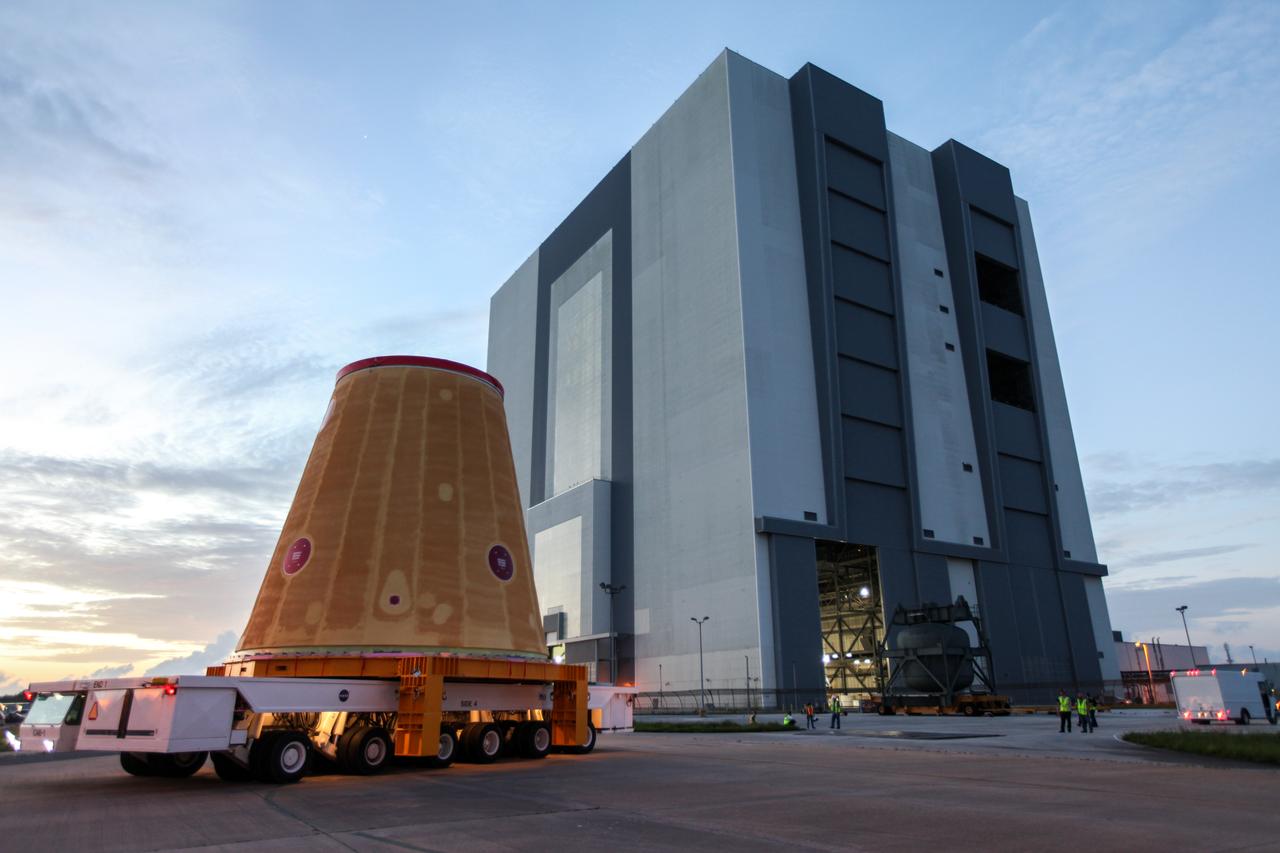
Technicians with NASA’s Exploration Ground Systems move the launch vehicle stage adapter (LVSA) for the agency’s Space Launch System (SLS) rocket to the Vehicle Assembly Building (VAB) at NASA’s Kennedy Space Center in Florida on July 30, 2020, for processing. Carried by NASA’s Pegasus barge, the LVSA arrived at Kennedy’s Launch Complex 39 turn basin wharf after departing from the agency’s Marshall Space Flight Center in Huntsville, Alabama. The LVSA will connect the SLS core stage to the rocket’s upper stage and will remain in the VAB until it’s time for stacking on the mobile launcher ahead of the Artemis I launch. The first in a series of increasingly complex missions, Artemis I will test SLS and the Orion spacecraft as an integrated system prior to crewed flights to the Moon.
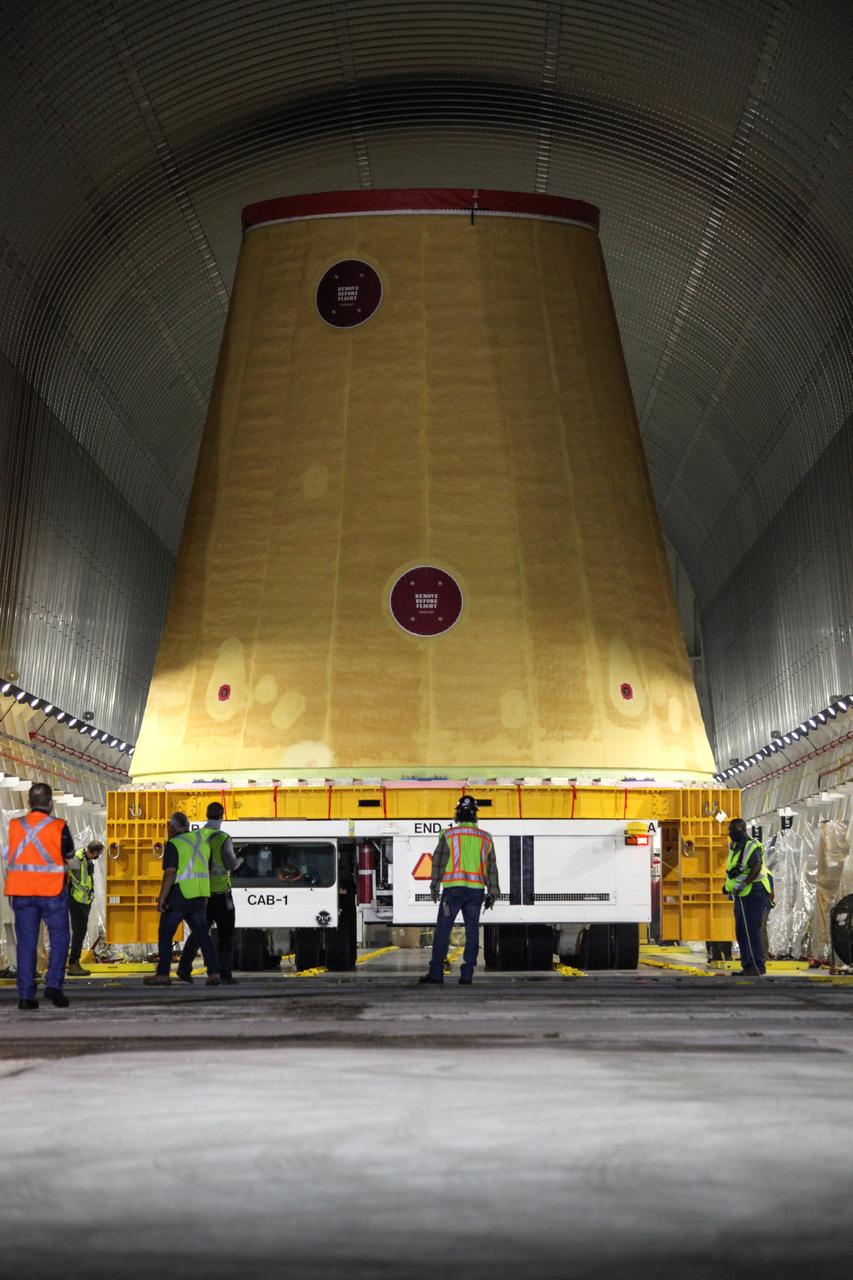
Technicians with NASA’s Exploration Ground Systems prepare to offload the launch vehicle stage adapter (LVSA) for the agency’s Space Launch System (SLS) rocket and move it to the Vehicle Assembly Building (VAB) at NASA’s Kennedy Space Center in Florida on July 30, 2020, for processing. Carried by NASA’s Pegasus barge, the LVSA arrived at Kennedy’s Launch Complex 39 turn basin wharf after departing from the agency’s Marshall Space Flight Center in Huntsville, Alabama. The LVSA will connect the SLS core stage to the rocket’s upper stage and will remain in the VAB until it’s time for stacking on the mobile launcher ahead of the Artemis I launch. The first in a series of increasingly complex missions, Artemis I will test SLS and the Orion spacecraft as an integrated system prior to crewed flights to the Moon.
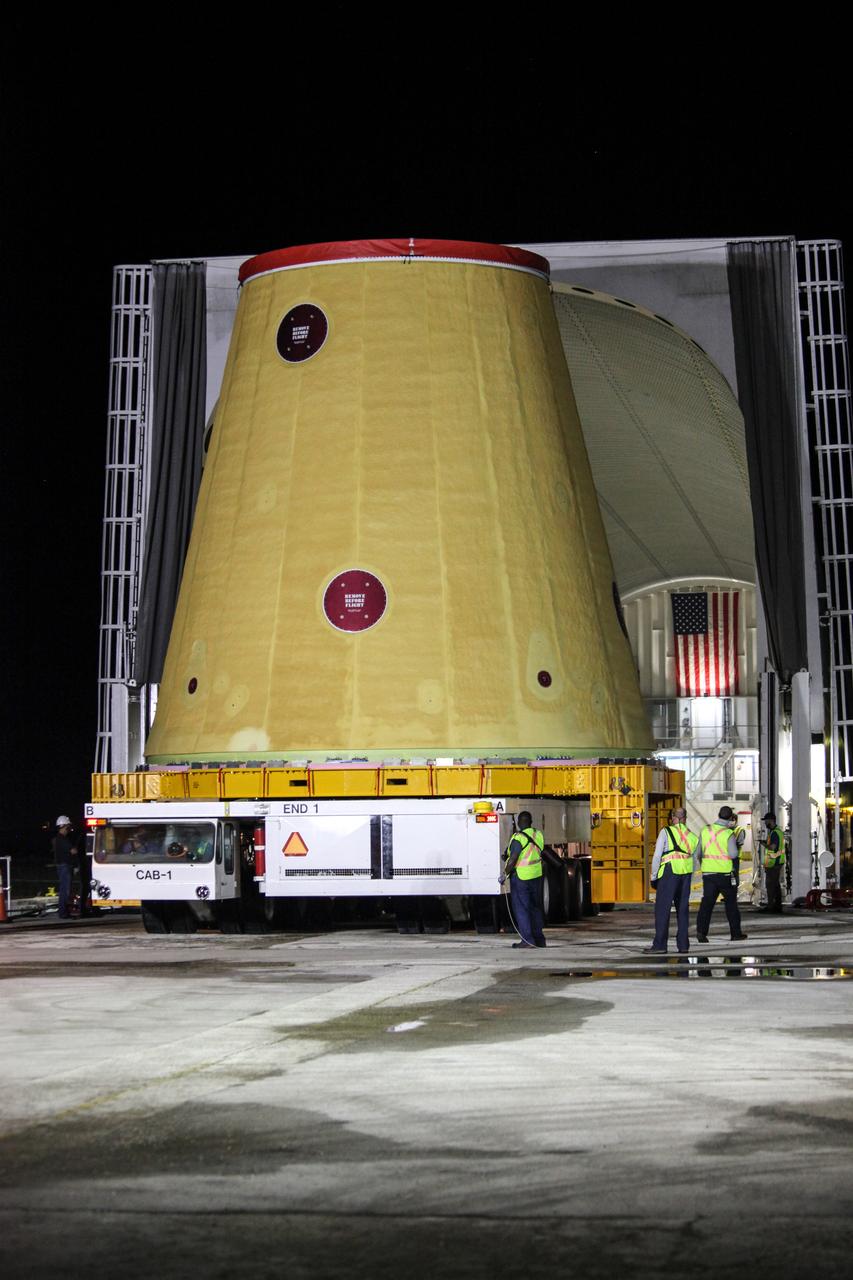
Technicians with NASA’s Exploration Ground Systems move the launch vehicle stage adapter (LVSA) for the agency’s Space Launch System (SLS) rocket off of the Pegasus barge for transportation to the Vehicle Assembly Building (VAB) at NASA’s Kennedy Space Center in Florida on July 30, 2020, for processing. The LVSA arrived at Kennedy’s Launch Complex 39 turn basin wharf after departing from the agency’s Marshall Space Flight Center in Huntsville, Alabama. The LVSA will connect the SLS core stage to the rocket’s upper stage and will remain in the VAB until it’s time for stacking on the mobile launcher ahead of the Artemis I launch. The first in a series of increasingly complex missions, Artemis I will test SLS and the Orion spacecraft as an integrated system prior to crewed flights to the Moon.
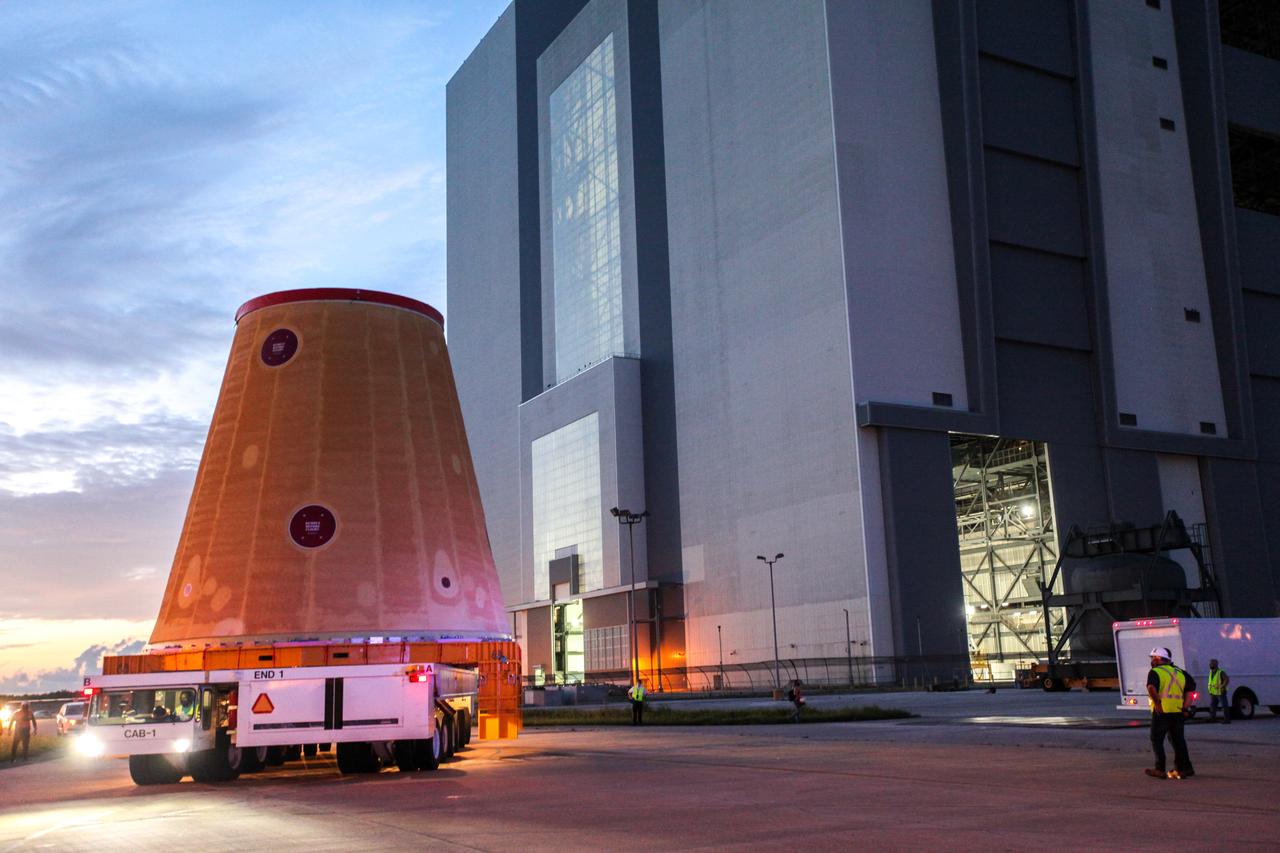
Technicians with NASA’s Exploration Ground Systems move the launch vehicle stage adapter (LVSA) for the agency’s Space Launch System (SLS) rocket to the Vehicle Assembly Building (VAB) at NASA’s Kennedy Space Center in Florida on July 30, 2020, for processing. Carried by NASA’s Pegasus barge, the LVSA arrived at Kennedy’s Launch Complex 39 turn basin wharf after departing from the agency’s Marshall Space Flight Center in Huntsville, Alabama. The LVSA will connect the SLS core stage to the rocket’s upper stage and will remain in the VAB until it’s time for stacking on the mobile launcher ahead of the Artemis I launch. The first in a series of increasingly complex missions, Artemis I will test SLS and the Orion spacecraft as an integrated system prior to crewed flights to the Moon.
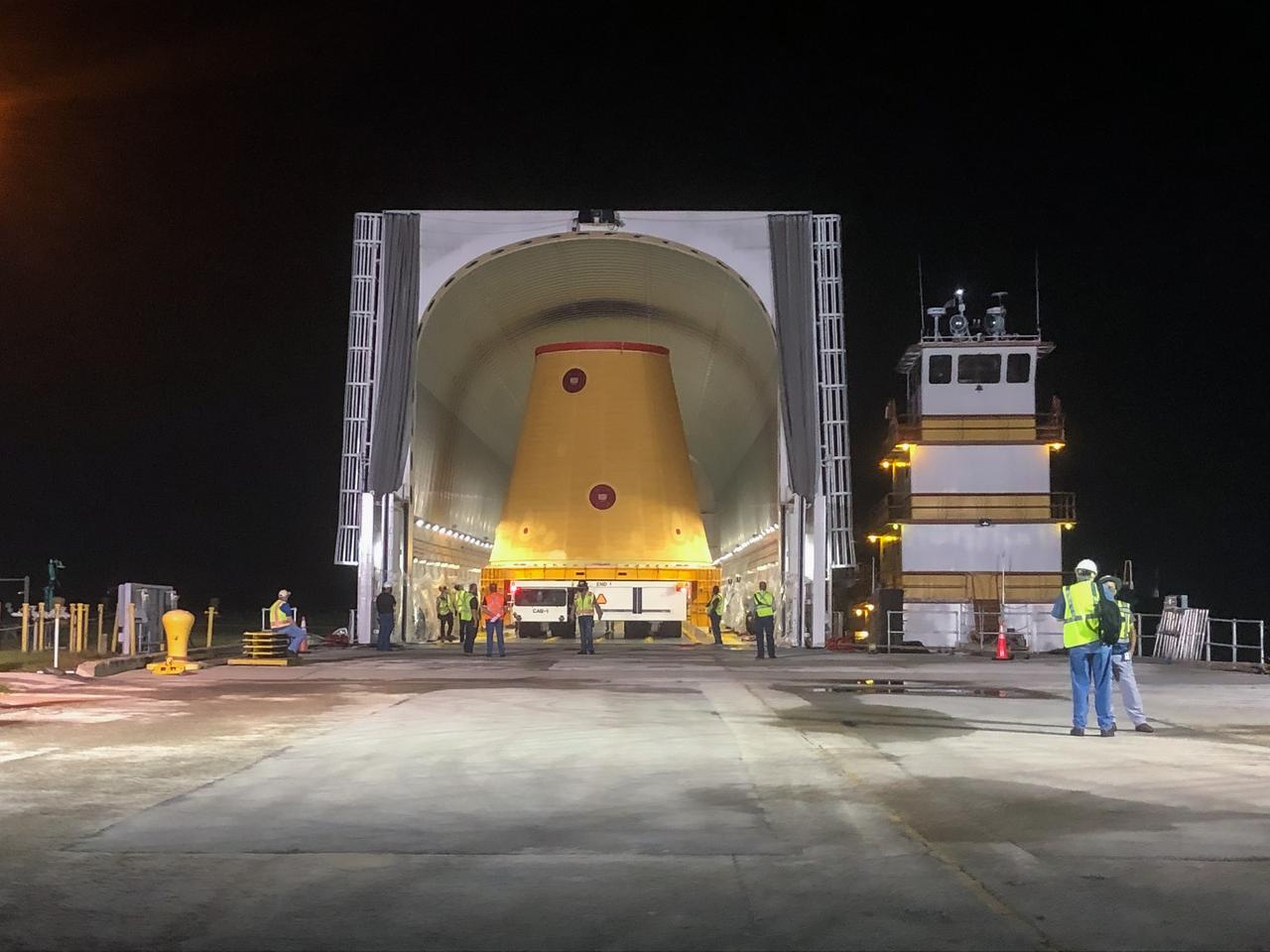
Technicians with NASA’s Exploration Ground Systems prepare to offload the launch vehicle stage adapter (LVSA) for the agency’s Space Launch System (SLS) rocket and move it to the Vehicle Assembly Building (VAB) at NASA’s Kennedy Space Center in Florida on July 30, 2020, for processing. Carried by NASA’s Pegasus barge, the LVSA arrived at Kennedy’s Launch Complex 39 turn basin wharf after departing from the agency’s Marshall Space Flight Center in Huntsville, Alabama. The LVSA will connect the SLS core stage to the rocket’s upper stage and will remain in the VAB until it’s time for stacking on the mobile launcher ahead of the Artemis I launch. The first in a series of increasingly complex missions, Artemis I will test SLS and the Orion spacecraft as an integrated system prior to crewed flights to the Moon.
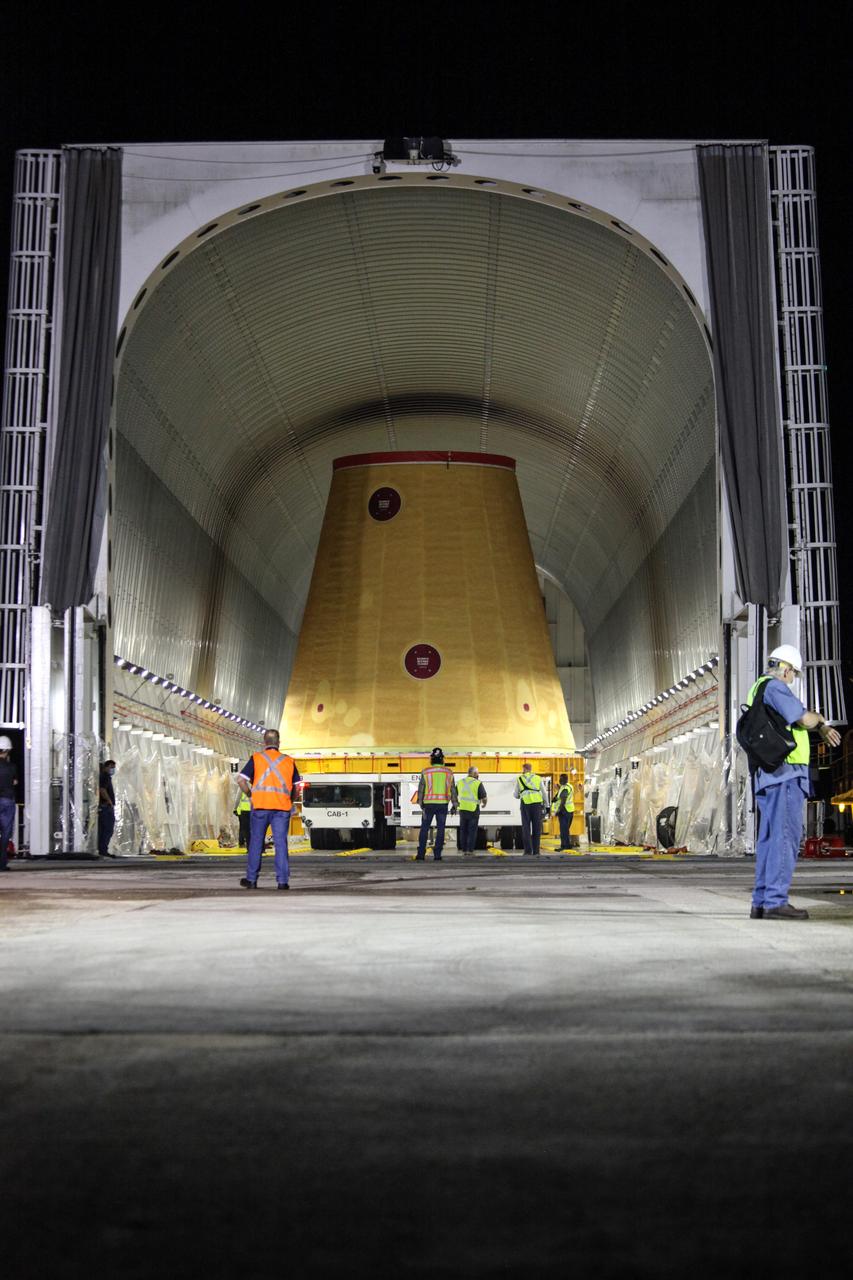
Technicians with NASA’s Exploration Ground Systems prepare to offload the launch vehicle stage adapter (LVSA) for the agency’s Space Launch System (SLS) rocket and move it to the Vehicle Assembly Building (VAB) at NASA’s Kennedy Space Center in Florida on July 30, 2020, for processing. Carried by NASA’s Pegasus barge, the LVSA arrived at Kennedy’s Launch Complex 39 turn basin wharf after departing from the agency’s Marshall Space Flight Center in Huntsville, Alabama. The LVSA will connect the SLS core stage to the rocket’s upper stage and will remain in the VAB until it’s time for stacking on the mobile launcher ahead of the Artemis I launch. The first in a series of increasingly complex missions, Artemis I will test SLS and the Orion spacecraft as an integrated system prior to crewed flights to the Moon.
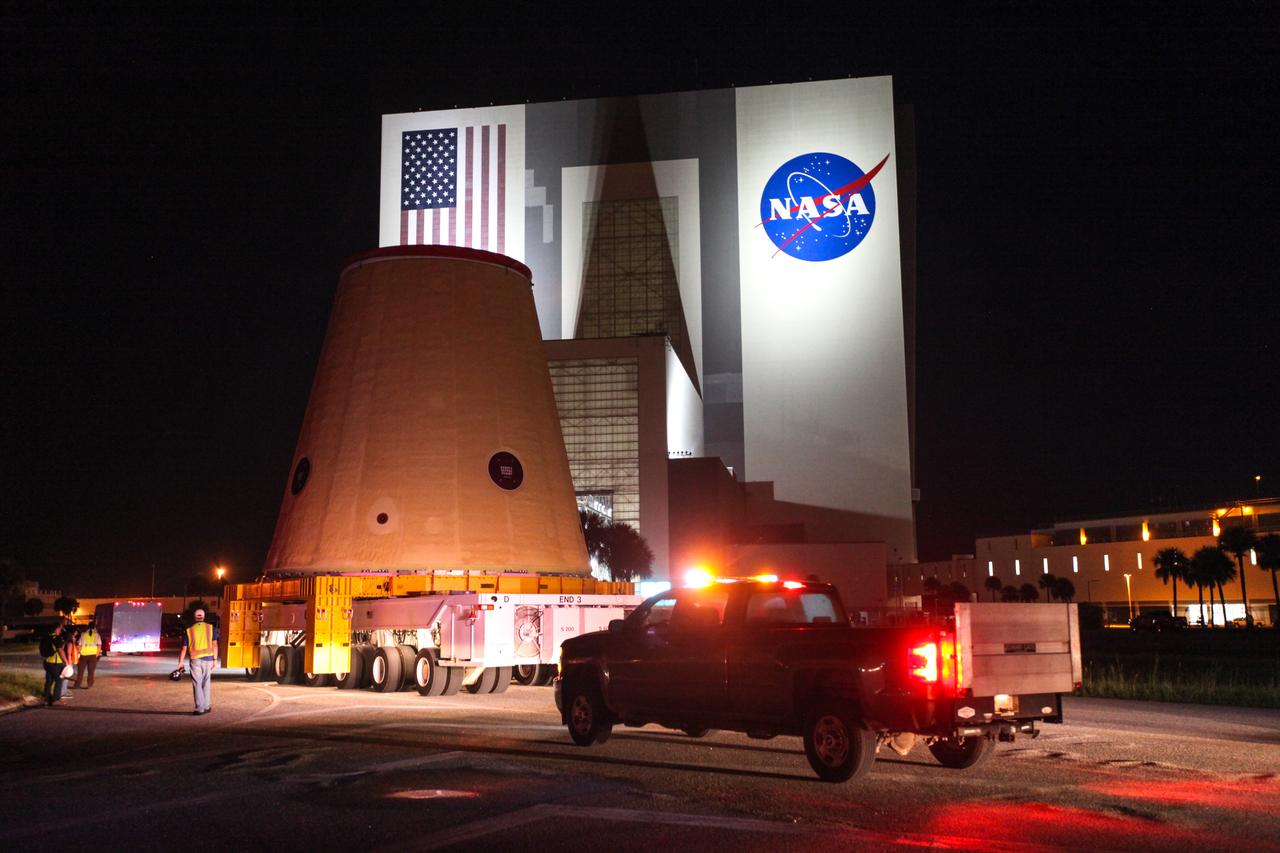
Technicians with NASA’s Exploration Ground Systems move the launch vehicle stage adapter (LVSA) for the agency’s Space Launch System (SLS) rocket to the Vehicle Assembly Building (VAB) on July 30, 2020, for processing. Carried by NASA’s Pegasus barge, the LVSA arrived at Kennedy Space Center’s Launch Complex 39 turn basin wharf after departing from the agency’s Marshall Space Flight Center in Huntsville, Alabama. The LVSA will connect the SLS core stage to the rocket’s upper stage and will remain in the VAB until it’s time for stacking on the mobile launcher ahead of the Artemis I launch. The first in a series of increasingly complex missions, Artemis I will test SLS and the Orion spacecraft as an integrated system prior to crewed flights to the Moon.
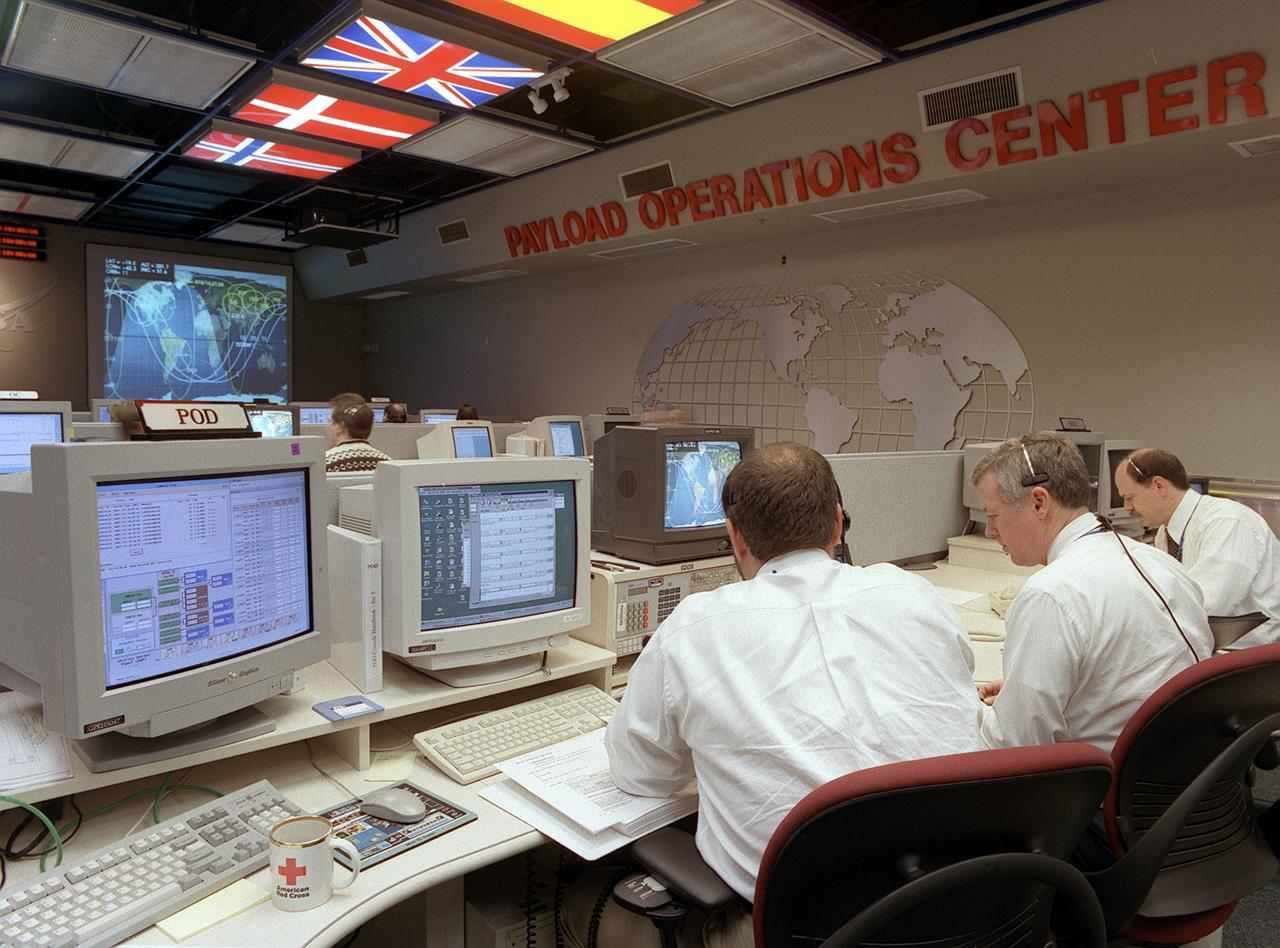
The Payload Operations Center (POC) is the science command post for the International Space Station (ISS). Located at NASA's Marshall Space Flight Center in Huntsville, Alabama, it is the focal point for American and international science activities aboard the ISS. The POC's unique capabilities allow science experts and researchers around the world to perform cutting-edge science in the unique microgravity environment of space. The POC is staffed around the clock by shifts of payload flight controllers. At any given time, 8 to 10 flight controllers are on consoles, operating, plarning for, and controlling various systems and payloads. This photograph shows the Payload Operations Director (POD) at work. The POD is the leader of the POC flight control team. The Director guides all payload activities in coordination with Mission Control at Johnson Space Center at Houston, Texas, the Station crew, the international partners, and other research facilities.
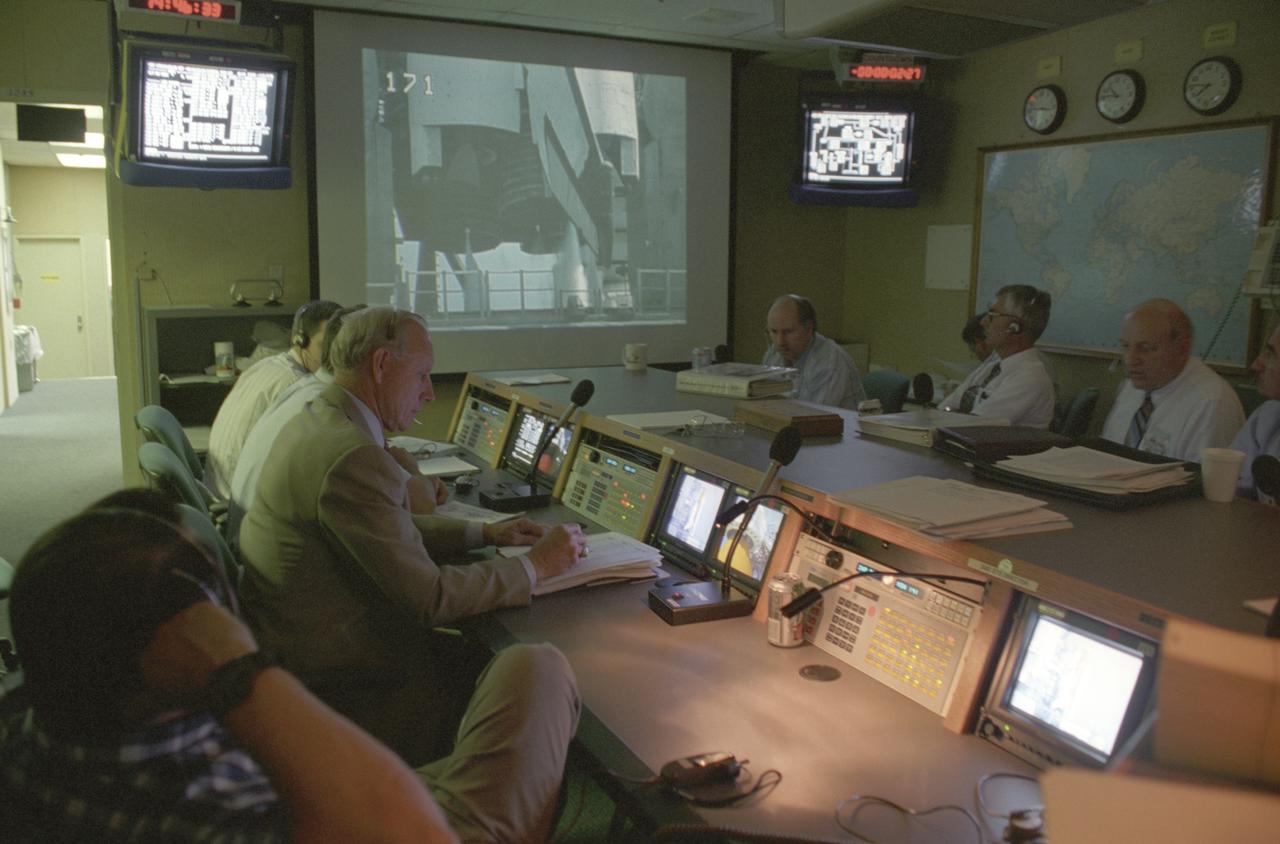
Launched on June 20, 1996, the STS-78 mission’s primary payload was the Life and Microgravity Spacelab (LMS), which was managed by the Marshall Space Flight Center (MSFC). During the 17 day space flight, the crew conducted a diverse slate of experiments divided into a mix of life science and microgravity investigations. In a manner very similar to future International Space Station operations, LMS researchers from the United States and their European counterparts shared resources such as crew time and equipment. Five space agencies (NASA/USA, European Space Agency/Europe (ESA), French Space Agency/France, Canadian Space Agency /Canada, and Italian Space Agency/Italy) along with research scientists from 10 countries worked together on the design, development and construction of the LMS. This photo was taken in the Shuttle Action Center (SAC) of the Huntsville Operations Support Center (HOSC) Spacelab Payload Operations Control Center (SL POCC) at MSFC during the mission.
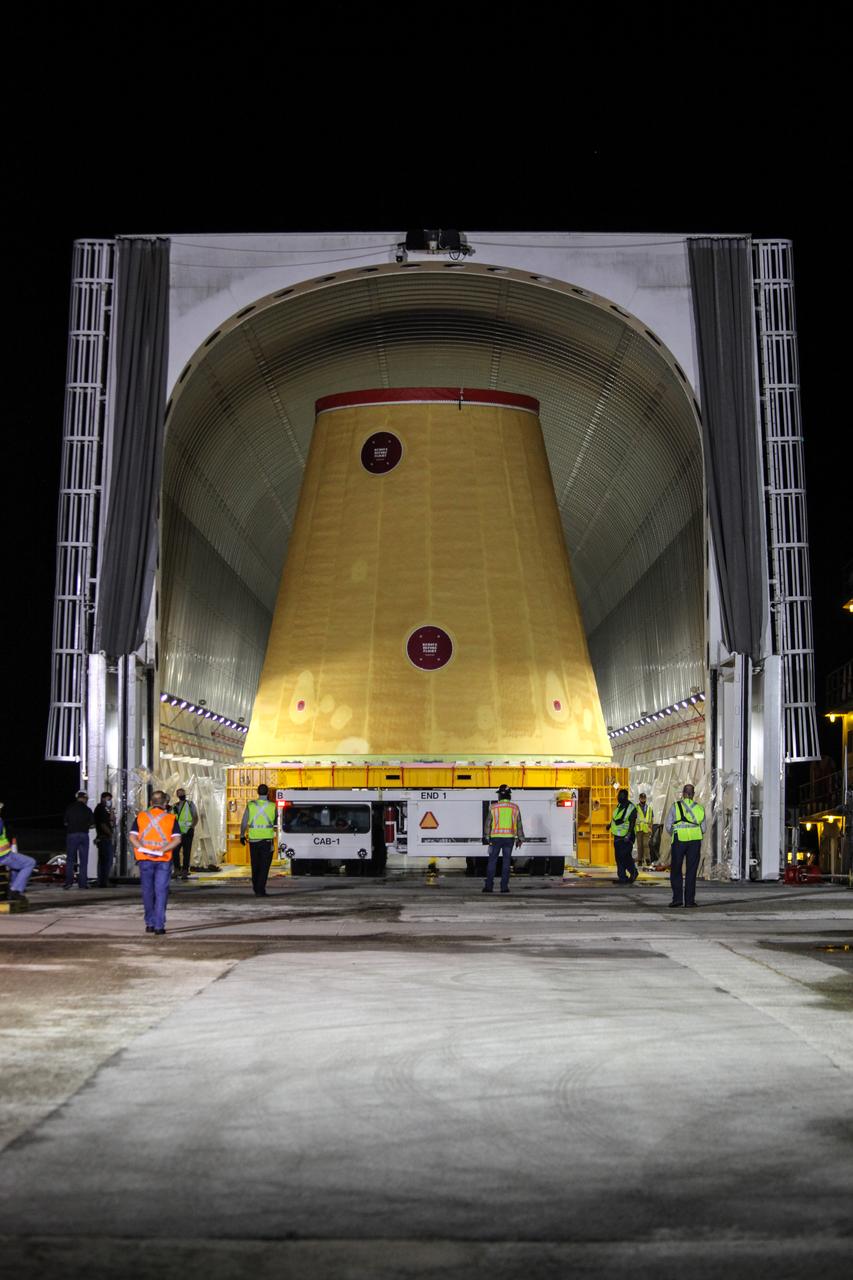
Technicians with NASA’s Exploration Ground Systems begin to offload the launch vehicle stage adapter (LVSA) for the agency’s Space Launch System (SLS) rocket and move it to the Vehicle Assembly Building (VAB) at NASA’s Kennedy Space Center in Florida on July 30, 2020, for processing. Carried by NASA’s Pegasus barge, the LVSA arrived at Kennedy’s Launch Complex 39 turn basin wharf after departing from the agency’s Marshall Space Flight Center in Huntsville, Alabama. The LVSA will connect the SLS core stage to the rocket’s upper stage and will remain in the VAB until it’s time for stacking on the mobile launcher ahead of the Artemis I launch. The first in a series of increasingly complex missions, Artemis I will test SLS and the Orion spacecraft as an integrated system prior to crewed flights to the Moon.
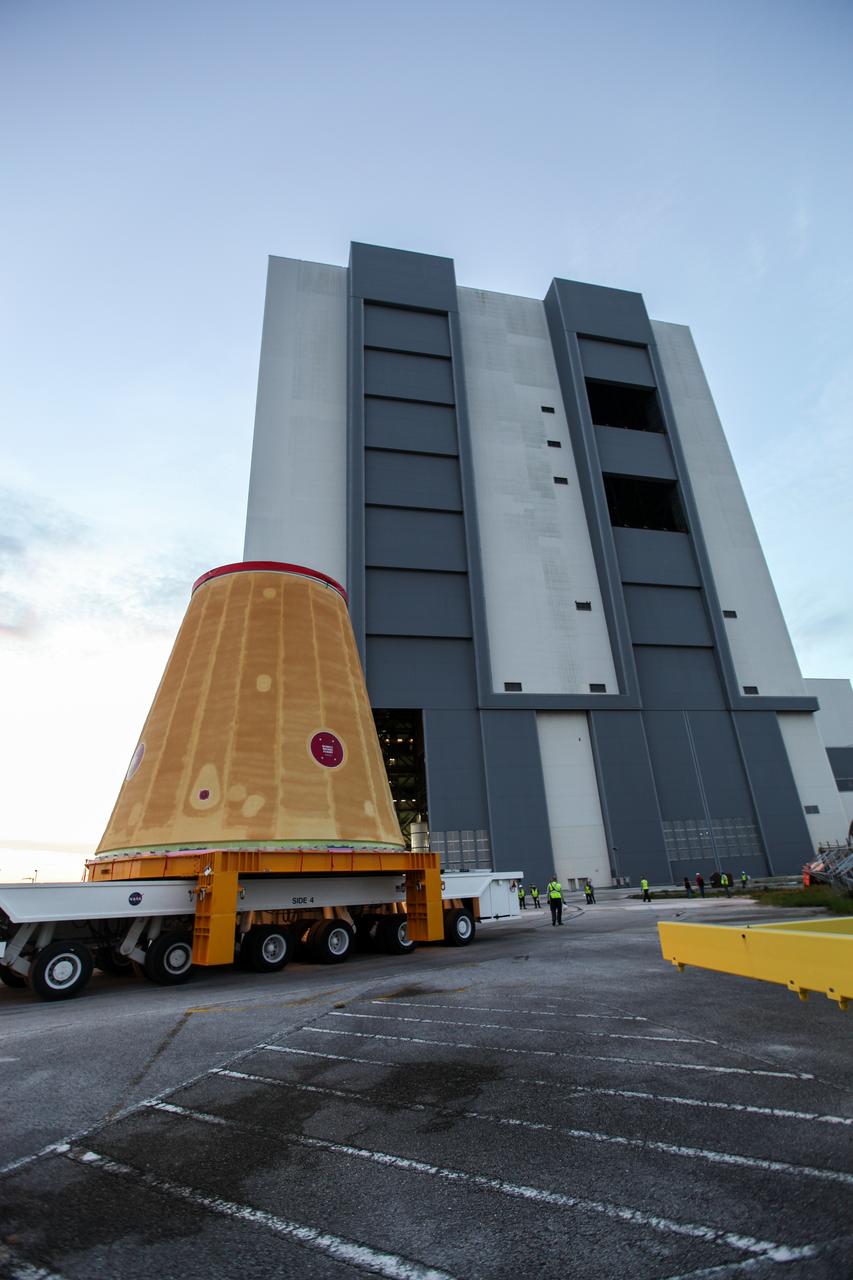
Technicians with NASA’s Exploration Ground Systems move the launch vehicle stage adapter (LVSA) for the agency’s Space Launch System (SLS) rocket to the Vehicle Assembly Building (VAB) at NASA’s Kennedy Space Center in Florida on July 30, 2020, for processing. Carried by NASA’s Pegasus barge, the LVSA arrived at Kennedy’s Launch Complex 39 turn basin wharf after departing from the agency’s Marshall Space Flight Center in Huntsville, Alabama. The LVSA will connect the SLS core stage to the rocket’s upper stage and will remain in the VAB until it’s time for stacking on the mobile launcher ahead of the Artemis I launch. The first in a series of increasingly complex missions, Artemis I will test SLS and the Orion spacecraft as an integrated system prior to crewed flights to the Moon.