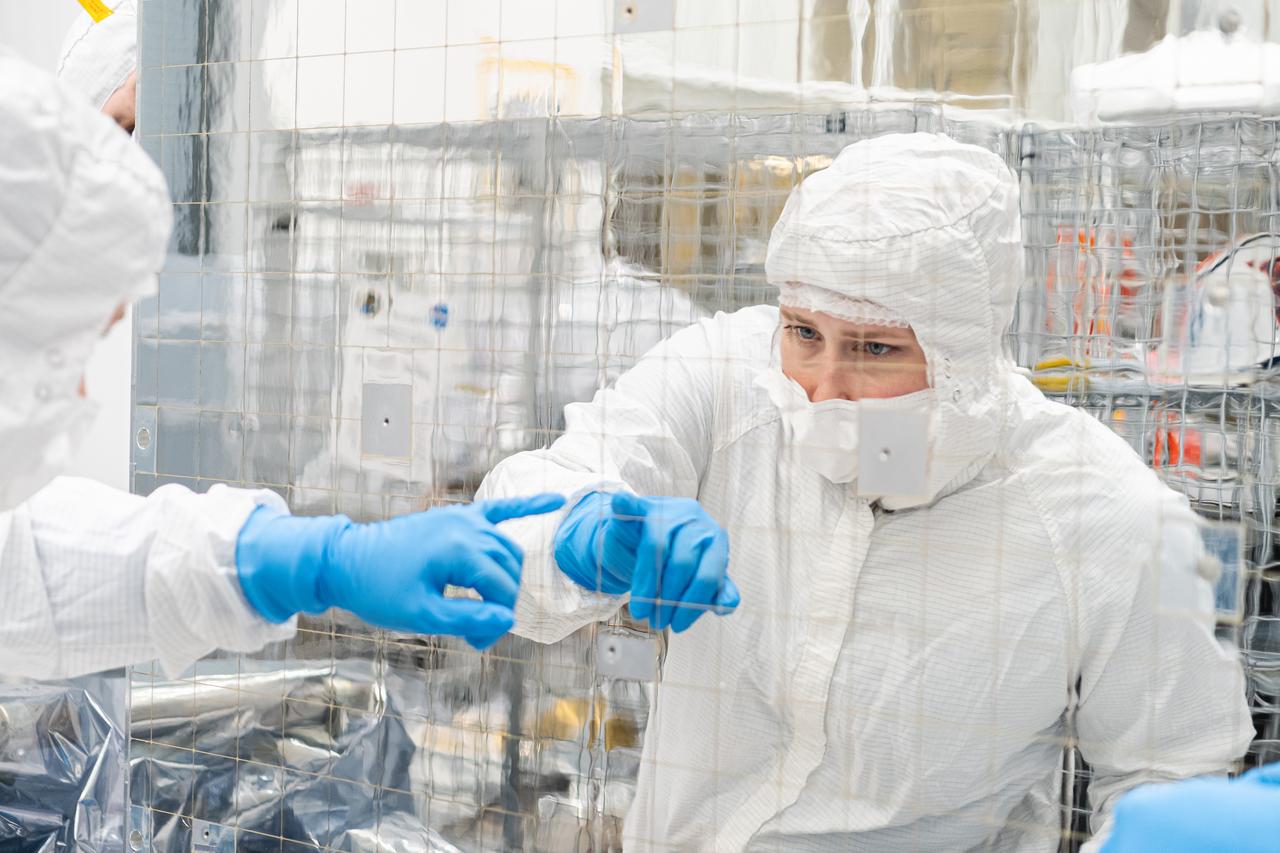
Contamination control technician Sydnie Heiman inspects one of OSAM-1's radiator panels inside the cleanroom at Goddard Space Flight Center, Greenbelt Md., July 10, 2023. This photo has been reviewed by OSAM1 project management and the Export Control Office and is released for public view. NASA/Mike Guinto
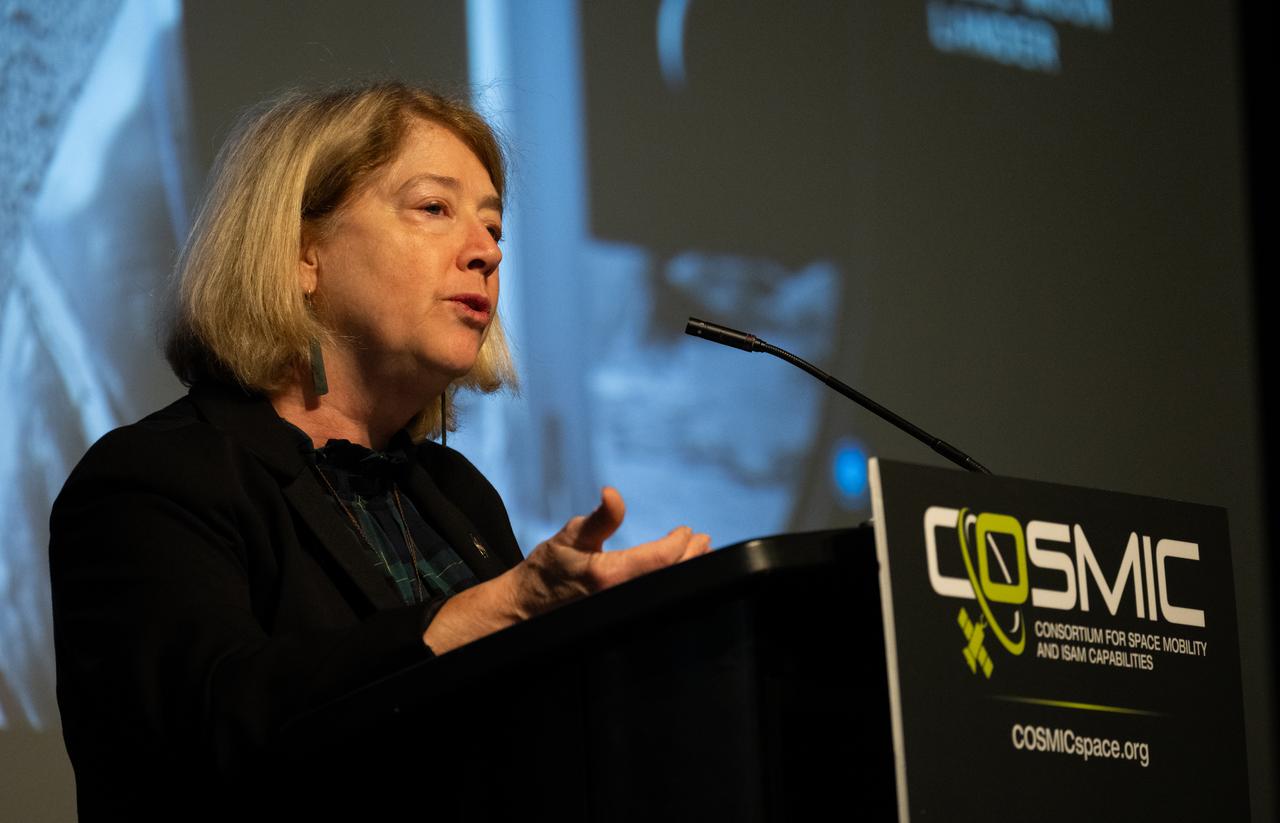
NASA Deputy Administrator Pam Melroy delivers keynote remarks at the Consortium for Space Mobility and ISAM Capabilities (COSMIC) workshop, Tuesday, Nov. 7, 2023, at the University of Maryland in College Park, Md. NASA’s Space Technology Mission Directorate formulated and funds COSMIC, aiming to create a nationwide aerospace community alliance that provides global leadership in space mobility and in-space servicing, assembly, and manufacturing (ISAM) for use in Earth orbit, lunar orbit, deep space, and on planetary surfaces. Photo Credit: (NASA/Joel Kowsky)
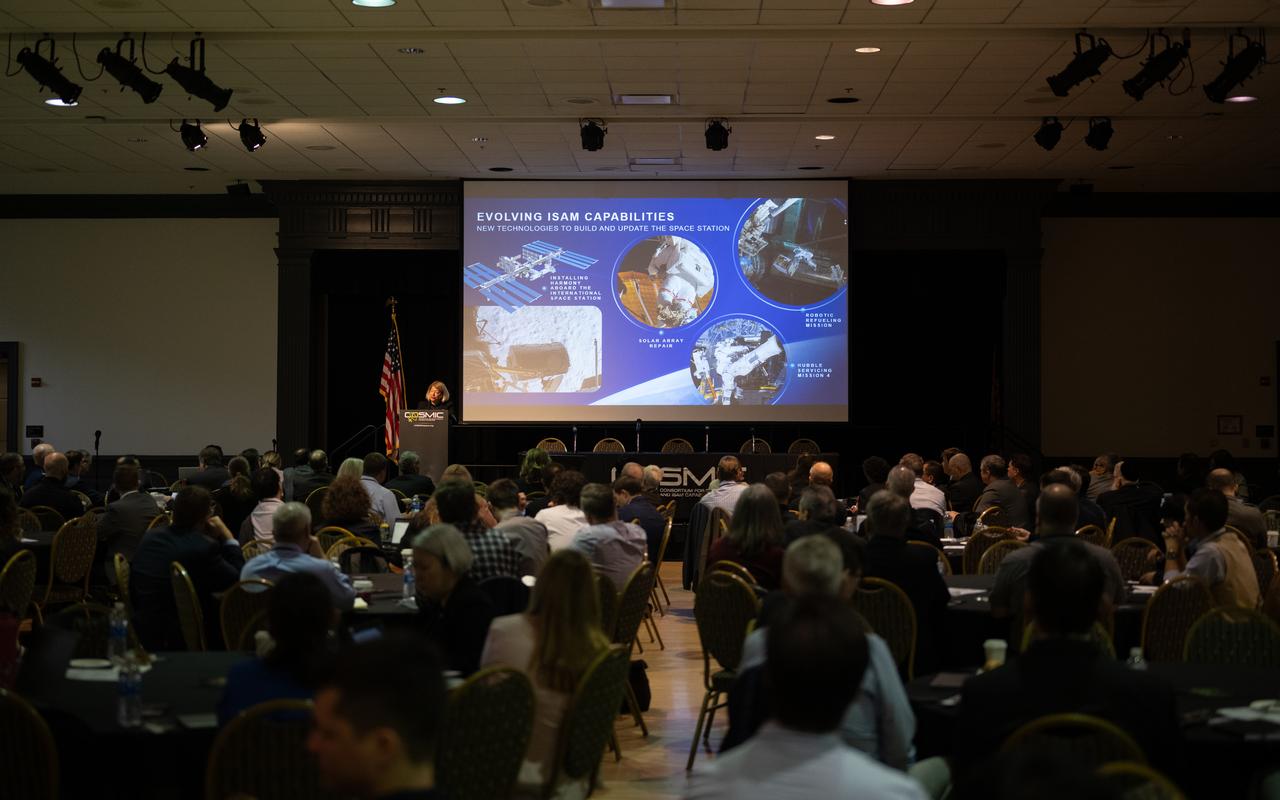
NASA Deputy Administrator Pam Melroy delivers keynote remarks at the Consortium for Space Mobility and ISAM Capabilities (COSMIC) workshop, Tuesday, Nov. 7, 2023, at the University of Maryland in College Park, Md. NASA’s Space Technology Mission Directorate formulated and funds COSMIC, aiming to create a nationwide aerospace community alliance that provides global leadership in space mobility and in-space servicing, assembly, and manufacturing (ISAM) for use in Earth orbit, lunar orbit, deep space, and on planetary surfaces. Photo Credit: (NASA/Joel Kowsky)
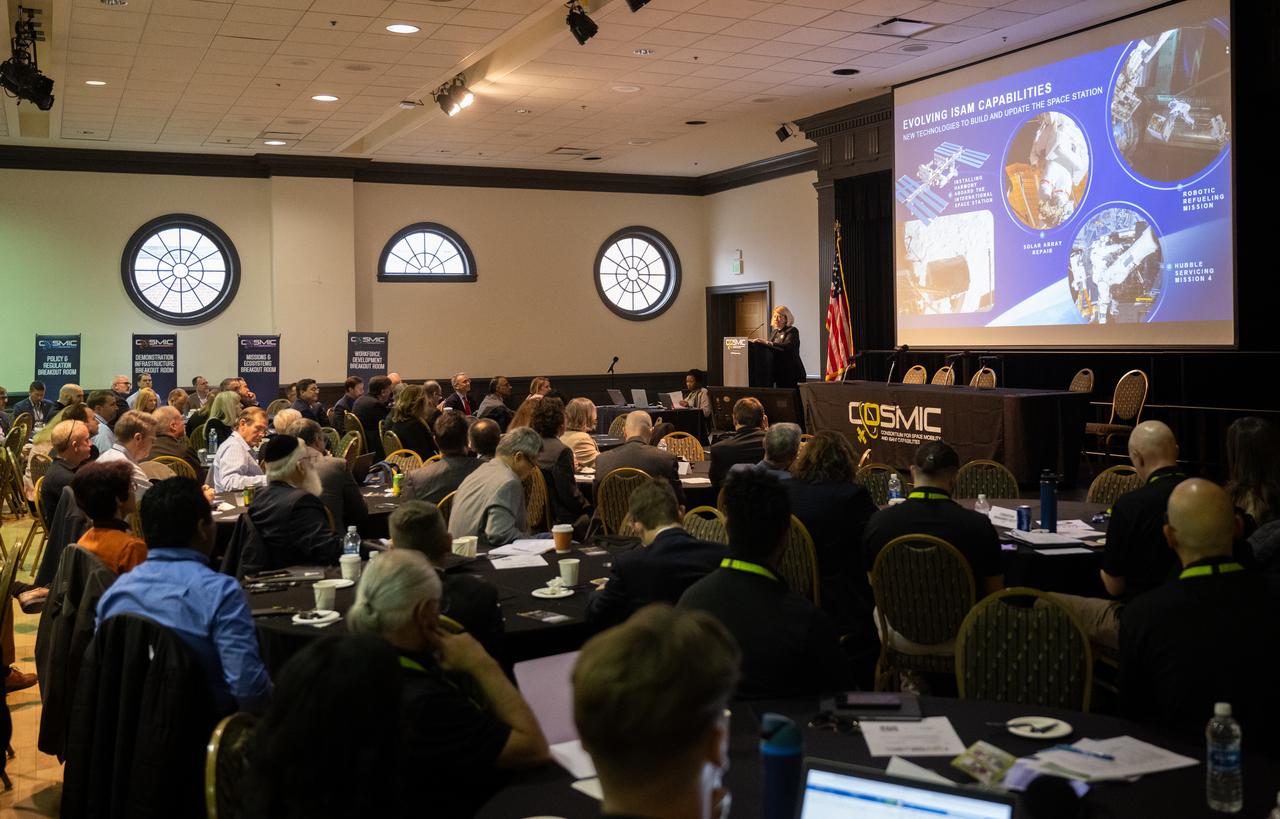
NASA Deputy Administrator Pam Melroy delivers keynote remarks at the Consortium for Space Mobility and ISAM Capabilities (COSMIC) workshop, Tuesday, Nov. 7, 2023, at the University of Maryland in College Park, Md. NASA’s Space Technology Mission Directorate formulated and funds COSMIC, aiming to create a nationwide aerospace community alliance that provides global leadership in space mobility and in-space servicing, assembly, and manufacturing (ISAM) for use in Earth orbit, lunar orbit, deep space, and on planetary surfaces. Photo Credit: (NASA/Joel Kowsky)
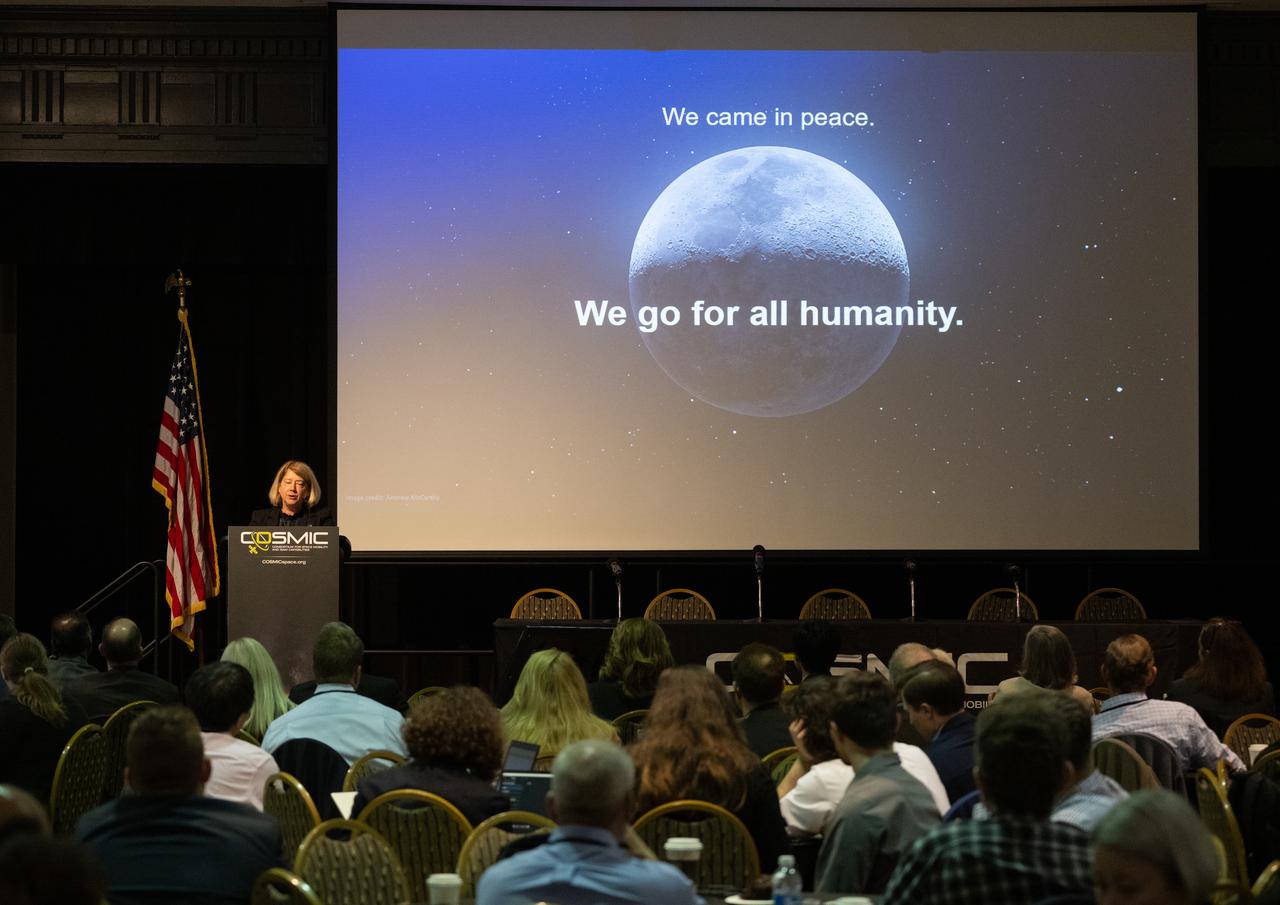
NASA Deputy Administrator Pam Melroy delivers keynote remarks at the Consortium for Space Mobility and ISAM Capabilities (COSMIC) workshop, Tuesday, Nov. 7, 2023, at the University of Maryland in College Park, Md. NASA’s Space Technology Mission Directorate formulated and funds COSMIC, aiming to create a nationwide aerospace community alliance that provides global leadership in space mobility and in-space servicing, assembly, and manufacturing (ISAM) for use in Earth orbit, lunar orbit, deep space, and on planetary surfaces. Photo Credit: (NASA/Joel Kowsky)
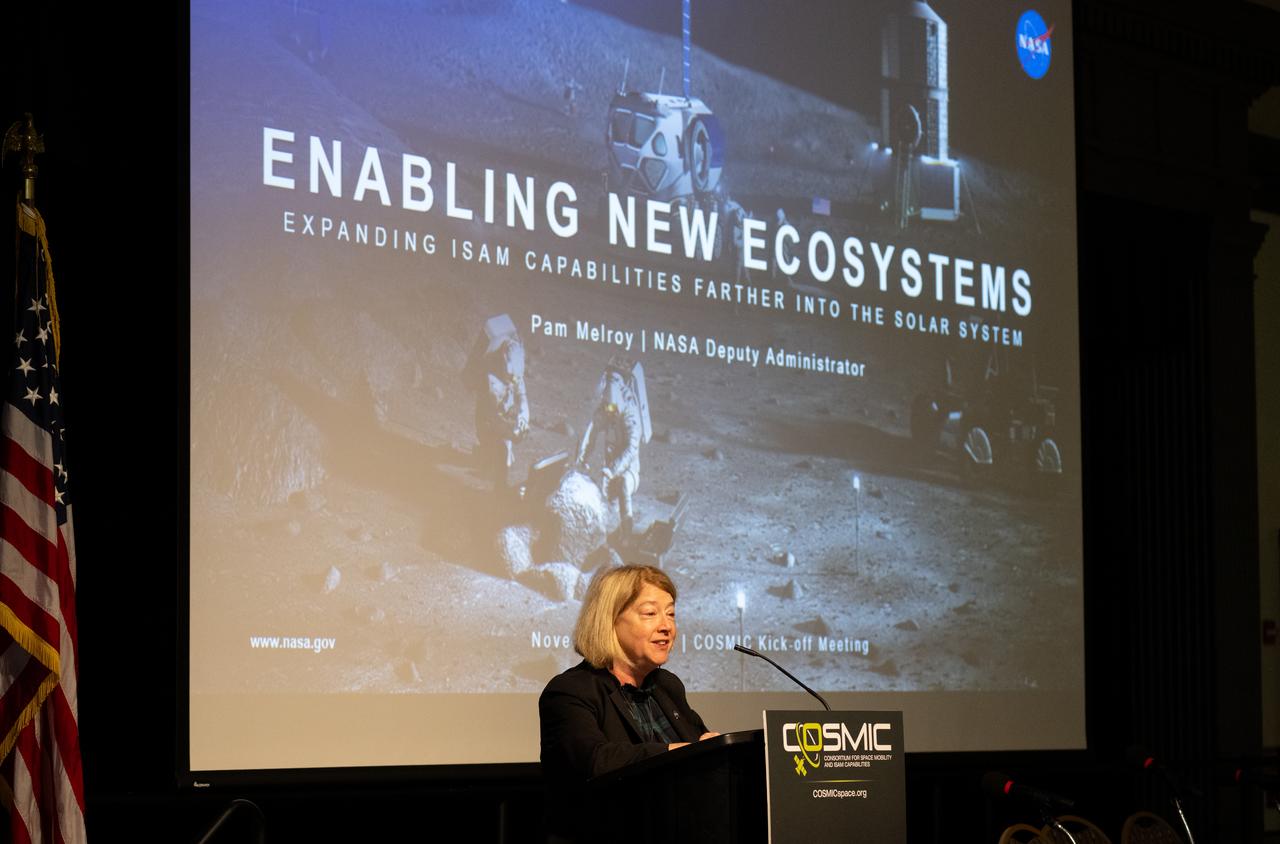
NASA Deputy Administrator Pam Melroy delivers keynote remarks at the Consortium for Space Mobility and ISAM Capabilities (COSMIC) workshop, Tuesday, Nov. 7, 2023, at the University of Maryland in College Park, Md. NASA’s Space Technology Mission Directorate formulated and funds COSMIC, aiming to create a nationwide aerospace community alliance that provides global leadership in space mobility and in-space servicing, assembly, and manufacturing (ISAM) for use in Earth orbit, lunar orbit, deep space, and on planetary surfaces. Photo Credit: (NASA/Joel Kowsky)
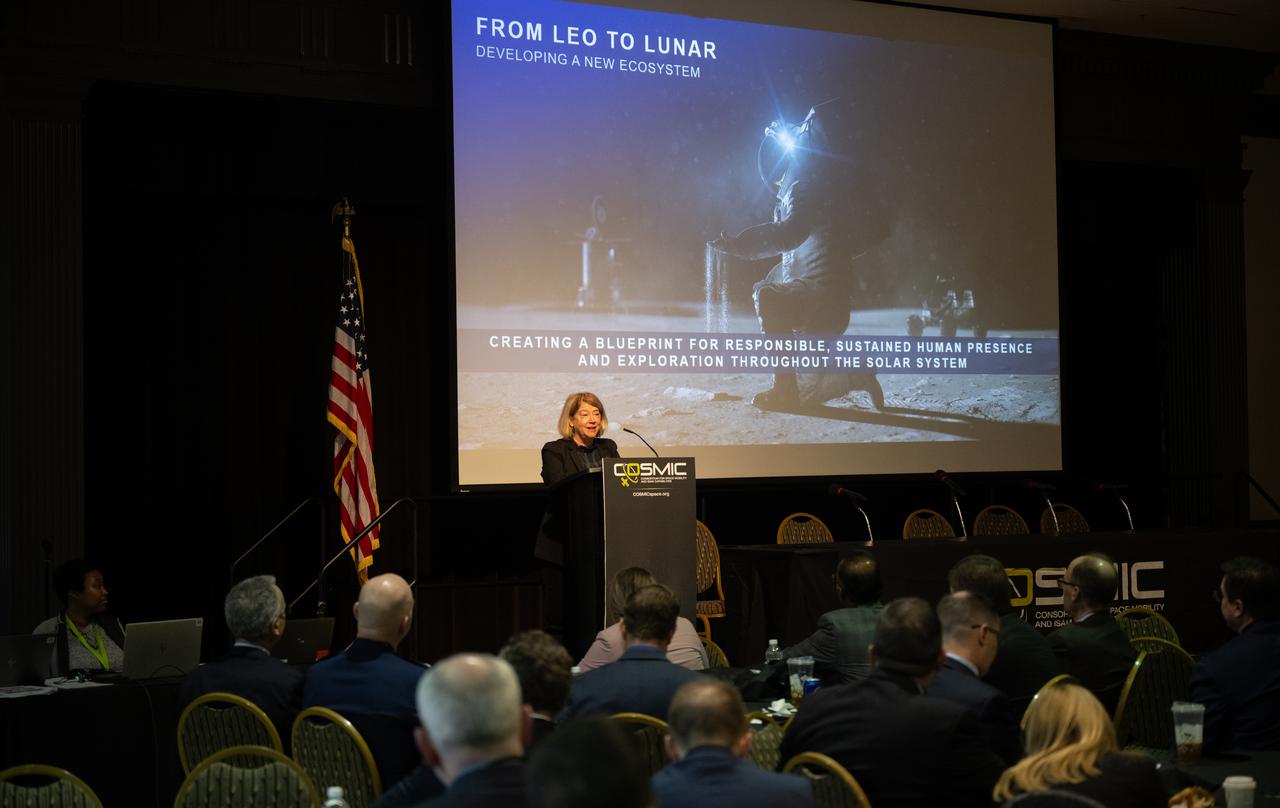
NASA Deputy Administrator Pam Melroy delivers keynote remarks at the Consortium for Space Mobility and ISAM Capabilities (COSMIC) workshop, Tuesday, Nov. 7, 2023, at the University of Maryland in College Park, Md. NASA’s Space Technology Mission Directorate formulated and funds COSMIC, aiming to create a nationwide aerospace community alliance that provides global leadership in space mobility and in-space servicing, assembly, and manufacturing (ISAM) for use in Earth orbit, lunar orbit, deep space, and on planetary surfaces. Photo Credit: (NASA/Joel Kowsky)
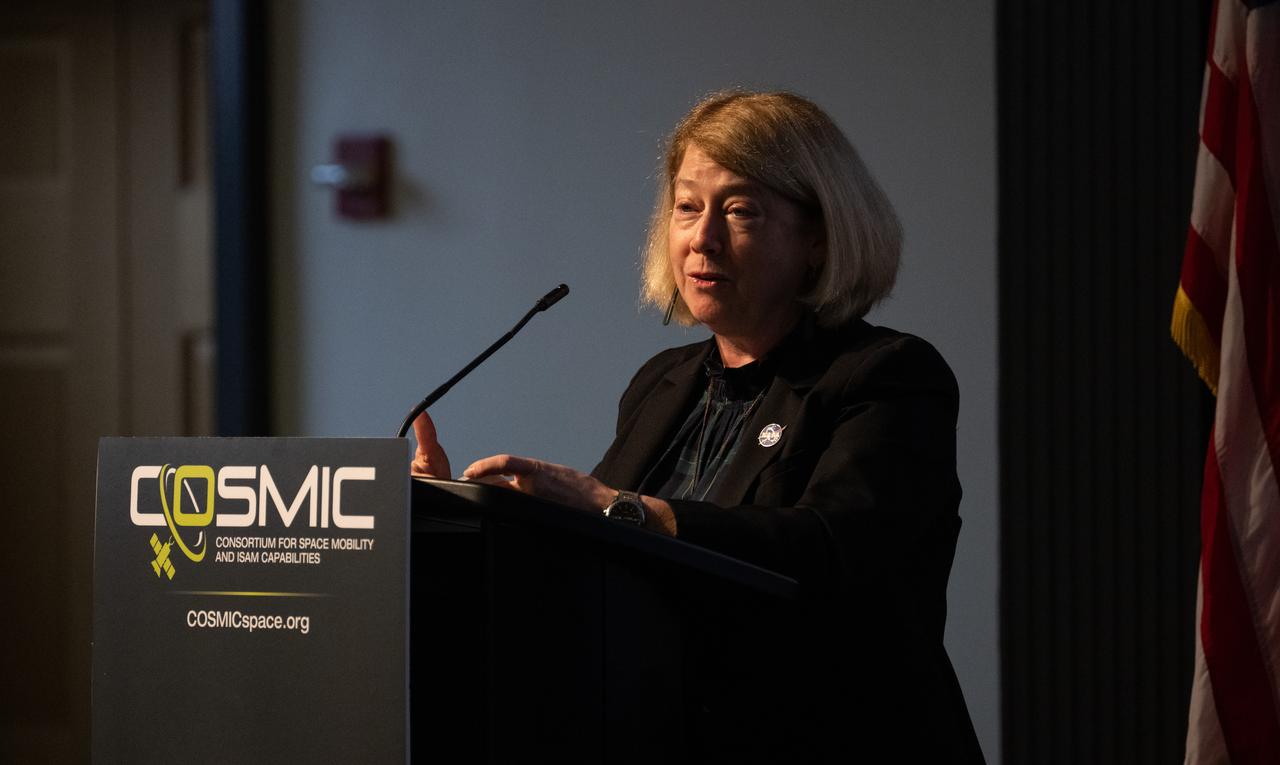
NASA Deputy Administrator Pam Melroy delivers keynote remarks at the Consortium for Space Mobility and ISAM Capabilities (COSMIC) workshop, Tuesday, Nov. 7, 2023, at the University of Maryland in College Park, Md. NASA’s Space Technology Mission Directorate formulated and funds COSMIC, aiming to create a nationwide aerospace community alliance that provides global leadership in space mobility and in-space servicing, assembly, and manufacturing (ISAM) for use in Earth orbit, lunar orbit, deep space, and on planetary surfaces. Photo Credit: (NASA/Joel Kowsky)
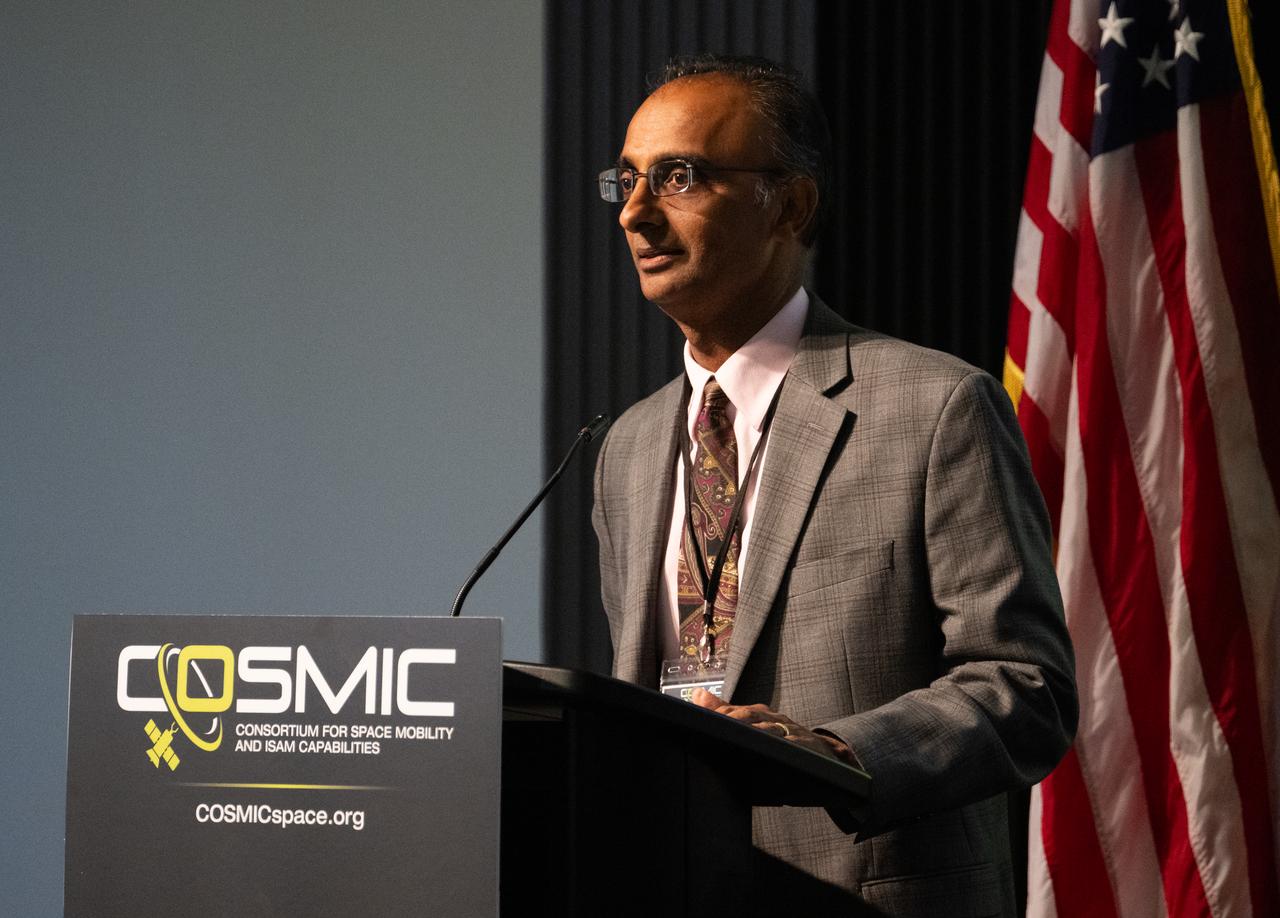
Prasun Desai, acting associate administrator for NASA's Space Technology Mission Directorate, delivers opening remarks at the Consortium for Space Mobility and ISAM Capabilities (COSMIC) workshop, Tuesday, Nov. 7, 2023, at the University of Maryland in College Park, Md. NASA’s Space Technology Mission Directorate formulated and funds COSMIC, aiming to create a nationwide aerospace community alliance that provides global leadership in space mobility and in-space servicing, assembly, and manufacturing (ISAM) for use in Earth orbit, lunar orbit, deep space, and on planetary surfaces. Photo Credit: (NASA/Joel Kowsky)
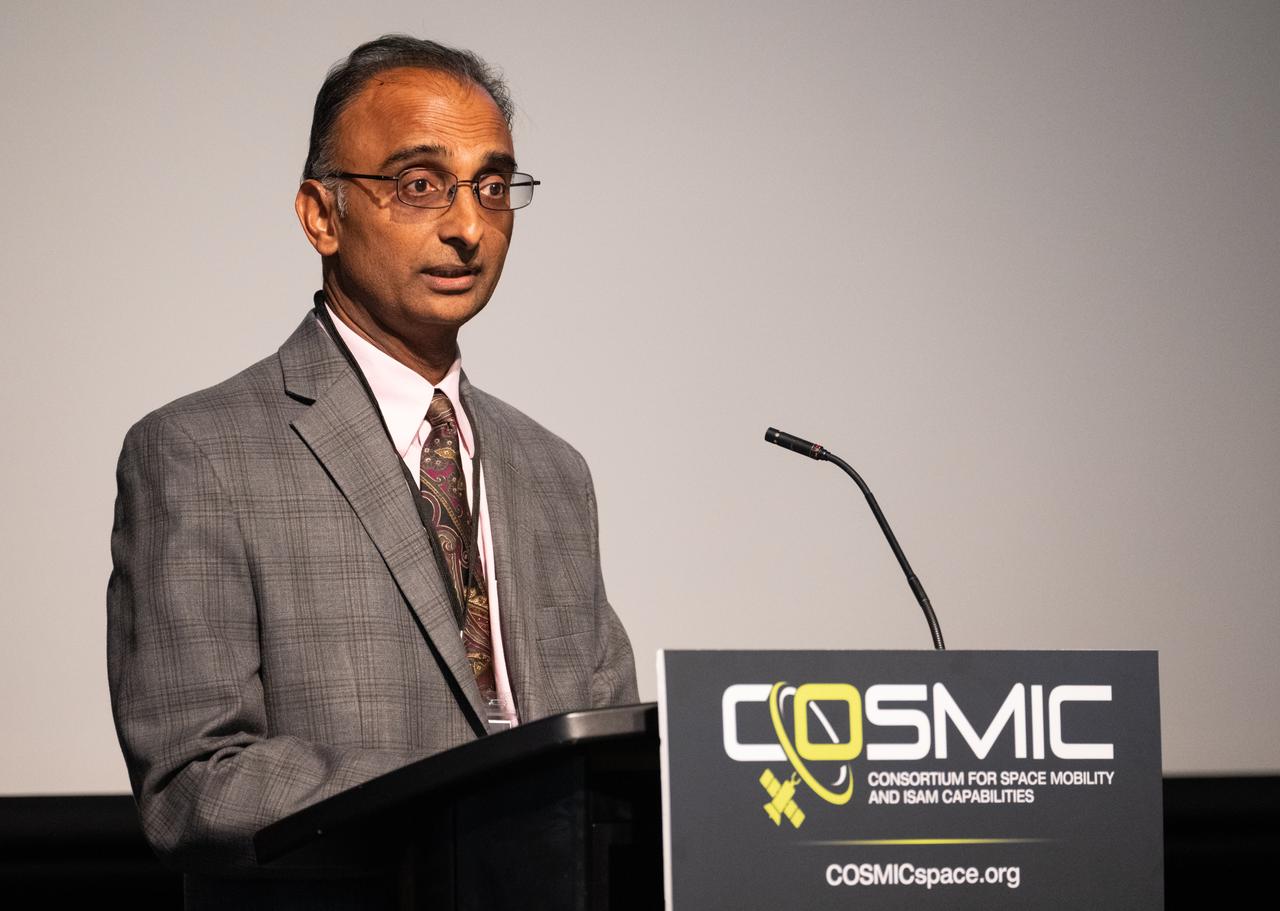
Prasun Desai, acting associate administrator for NASA's Space Technology Mission Directorate, delivers opening remarks at the Consortium for Space Mobility and ISAM Capabilities (COSMIC) workshop, Tuesday, Nov. 7, 2023, at the University of Maryland in College Park, Md. NASA’s Space Technology Mission Directorate formulated and funds COSMIC, aiming to create a nationwide aerospace community alliance that provides global leadership in space mobility and in-space servicing, assembly, and manufacturing (ISAM) for use in Earth orbit, lunar orbit, deep space, and on planetary surfaces. Photo Credit: (NASA/Joel Kowsky)
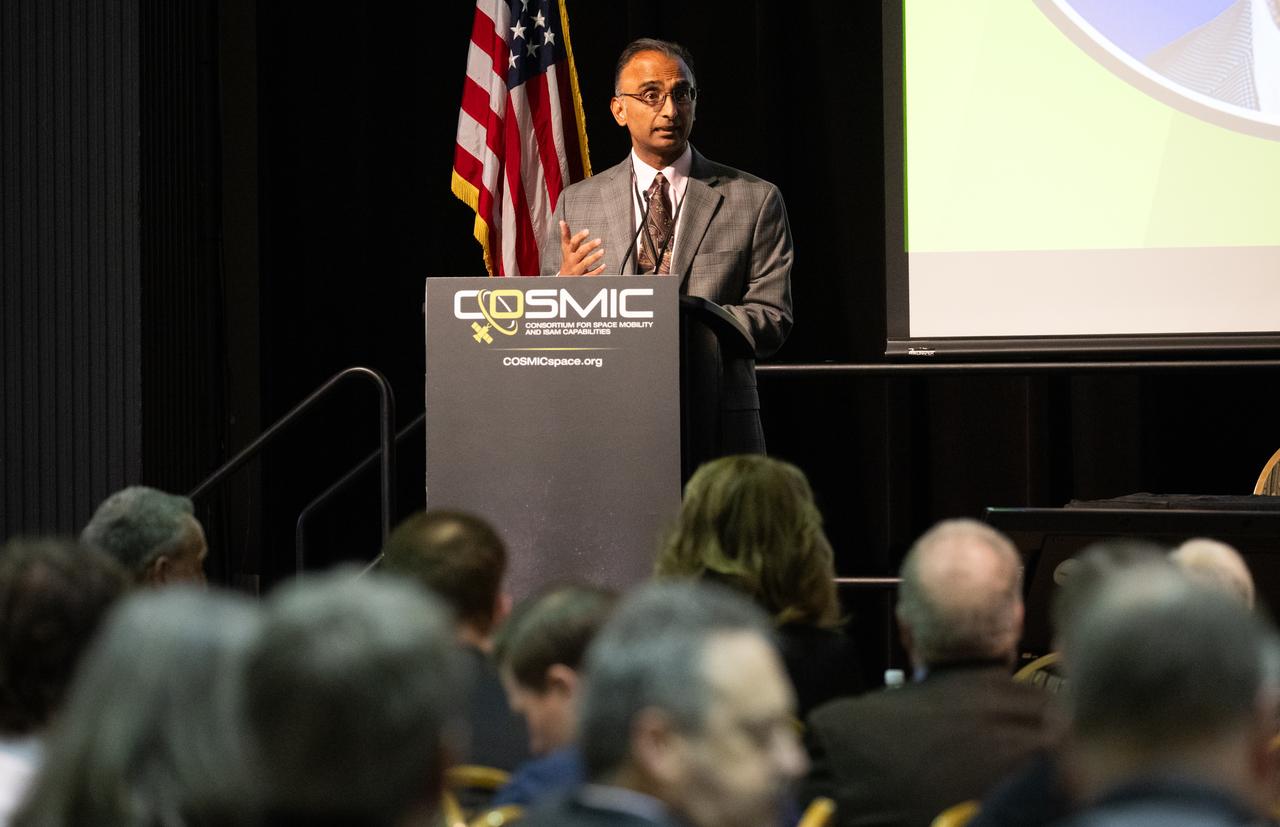
Prasun Desai, acting associate administrator for NASA's Space Technology Mission Directorate, delivers opening remarks at the Consortium for Space Mobility and ISAM Capabilities (COSMIC) workshop, Tuesday, Nov. 7, 2023, at the University of Maryland in College Park, Md. NASA’s Space Technology Mission Directorate formulated and funds COSMIC, aiming to create a nationwide aerospace community alliance that provides global leadership in space mobility and in-space servicing, assembly, and manufacturing (ISAM) for use in Earth orbit, lunar orbit, deep space, and on planetary surfaces. Photo Credit: (NASA/Joel Kowsky)
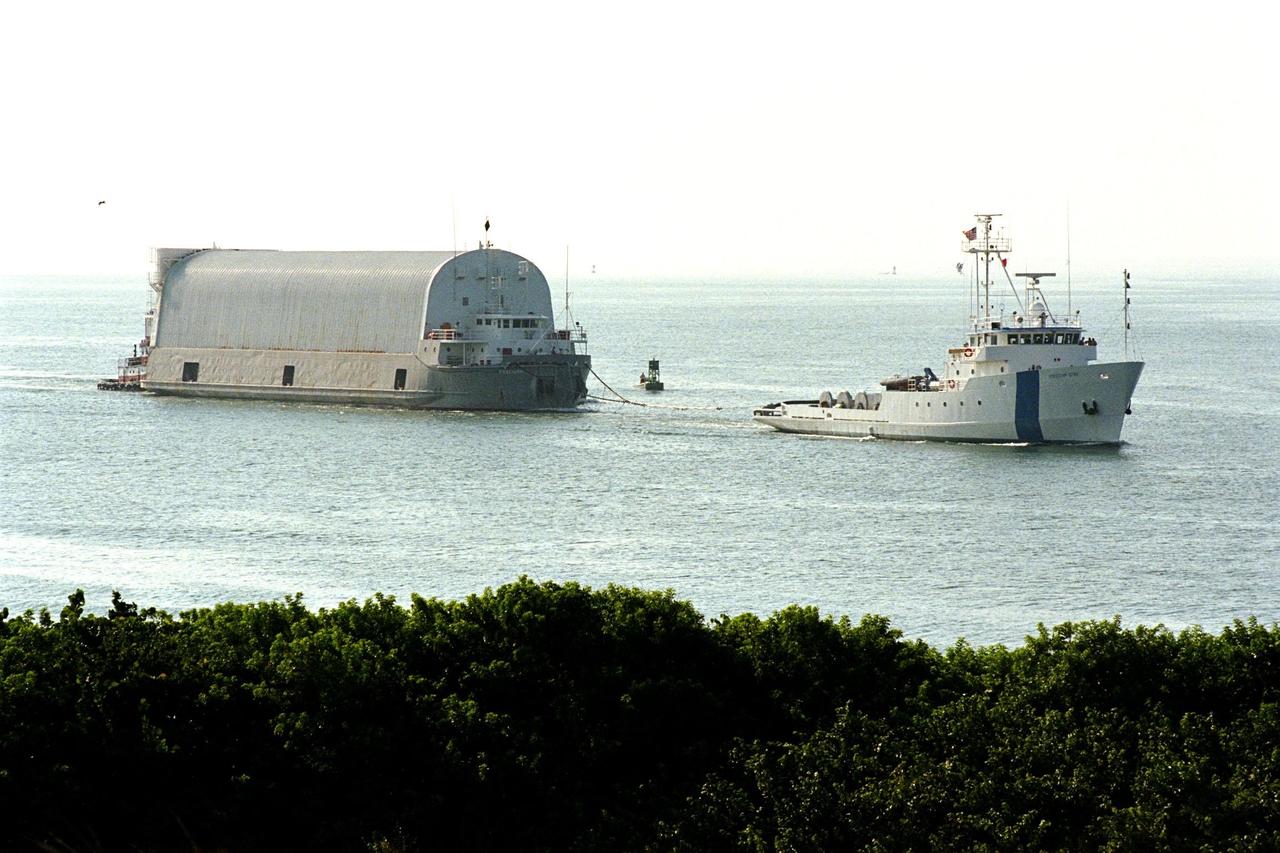
KENNEDY SPACE CENTER, FLA. -- Freedom Star, one of NASA's two solid rocket booster recovery ships, tows a barge containing the third Space Shuttle super lightweight external tank (SLWT) into Port Canaveral. This SLWT will be used to launch the orbiter Discovery on mission STS-95 in October. This first-time towing arrangement, part of a cost savings plan by NASA to prudently manage existing resources, began June 12 from the Michoud Assembly Facility in New Orleans where the Shuttle's external tanks are manufactured. The barge will now be transported up the Banana River to the LC-39 turn basin using a conventional tugboat. Previously, NASA relied on an outside contractor to provide external tank towing services at a cost of about $120,000 per trip. The new plan allows NASA's Space Flight Operations contractor, United Space Alliance (USA), to provide the same service directly to NASA using the recovery ships during their downtime between Shuttle launches. Studies show a potential savings of about $50,000 per trip. The cost of the necessary ship modifications should be paid back by the fourteenth tank delivery. The other recovery ship, Liberty Star, has also undergone deck strengthening enhancements and will soon have the necessary towing winch installed.
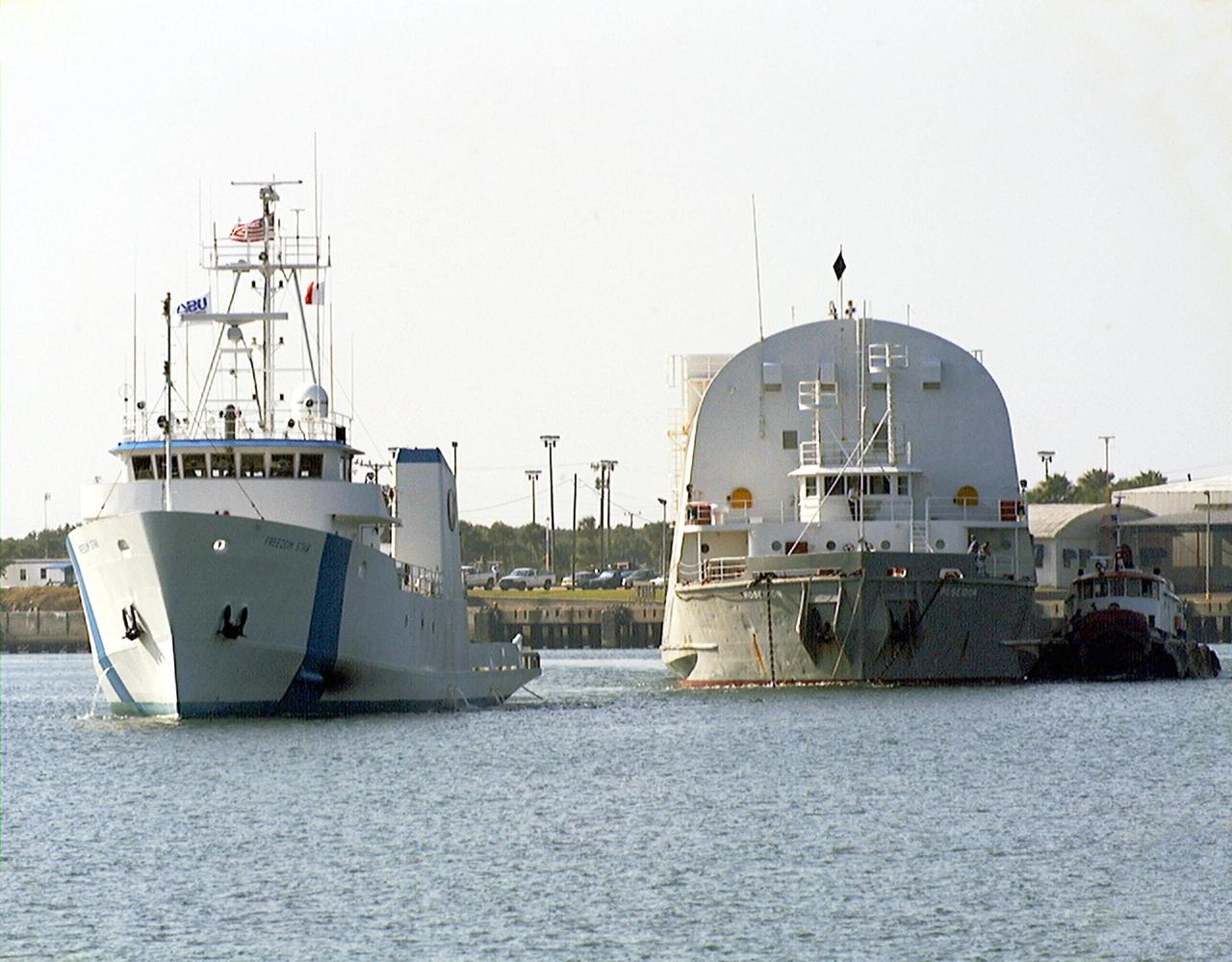
KENNEDY SPACE CENTER, FLA. -- Freedom Star, one of NASA's two solid rocket booster recovery ships, tows a barge containing the third Space Shuttle super lightweight external tank (SLWT) into Port Canaveral. This SLWT will be used to launch the orbiter Discovery on mission STS-95 in October. This first-time towing arrangement, part of a cost savings plan by NASA to prudently manage existing resources, began June 12 from the Michoud Assembly Facility in New Orleans where the Shuttle's external tanks are manufactured. The barge will now be transported up the Banana River to the LC-39 turn basin using a conventional tugboat. Previously, NASA relied on an outside contractor to provide external tank towing services at a cost of about $120,000 per trip. The new plan allows NASA's Space Flight Operations contractor, United Space Alliance (USA), to provide the same service directly to NASA using the recovery ships during their downtime between Shuttle launches. Studies show a potential savings of about $50,000 per trip. The cost of the necessary ship modifications should be paid back by the fourteenth tank delivery. The other recovery ship, Liberty Star, has also undergone deck strengthening enhancements and will soon have the necessary towing winch installed
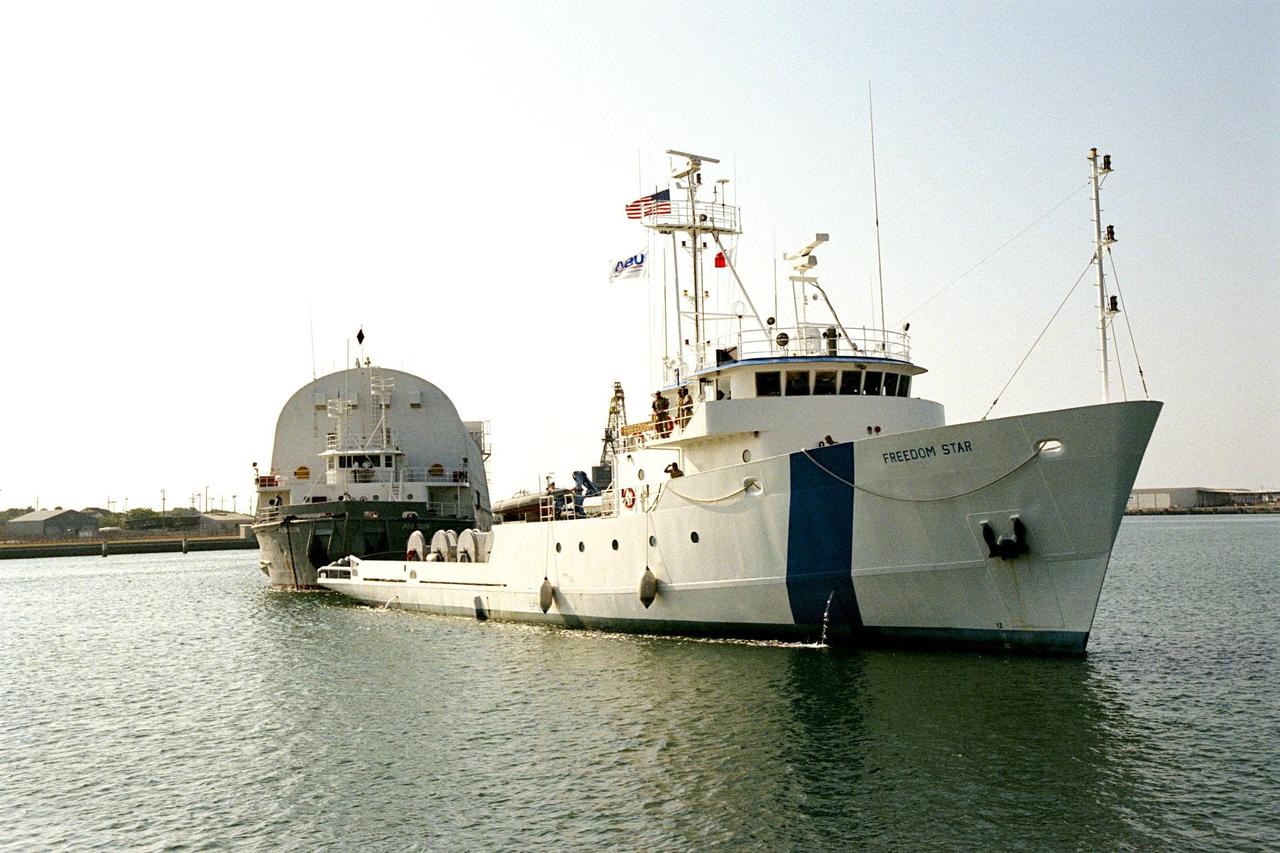
KENNEDY SPACE CENTER, FLA. -- Freedom Star, one of NASA's two solid rocket booster recovery ships, tows a barge containing the third Space Shuttle super lightweight external tank (SLWT) into Port Canaveral. This SLWT will be used to launch the orbiter Discovery on mission STS-95 in October. This first-time towing arrangement, part of a cost savings plan by NASA to prudently manage existing resources, began June 12 from the Michoud Assembly Facility in New Orleans where the Shuttle's external tanks are manufactured. The barge will now be transported up the Banana River to the LC-39 turn basin using a conventional tugboat. Previously, NASA relied on an outside contractor to provide external tank towing services at a cost of about $120,000 per trip. The new plan allows NASA's Space Flight Operations contractor, United Space Alliance (USA), to provide the same service directly to NASA using the recovery ships during their downtime between Shuttle launches. Studies show a potential savings of about $50,000 per trip. The cost of the necessary ship modifications should be paid back by the fourteenth tank delivery. The other recovery ship, Liberty Star, has also undergone deck strengthening enhancements and will soon have the necessary towing winch installed
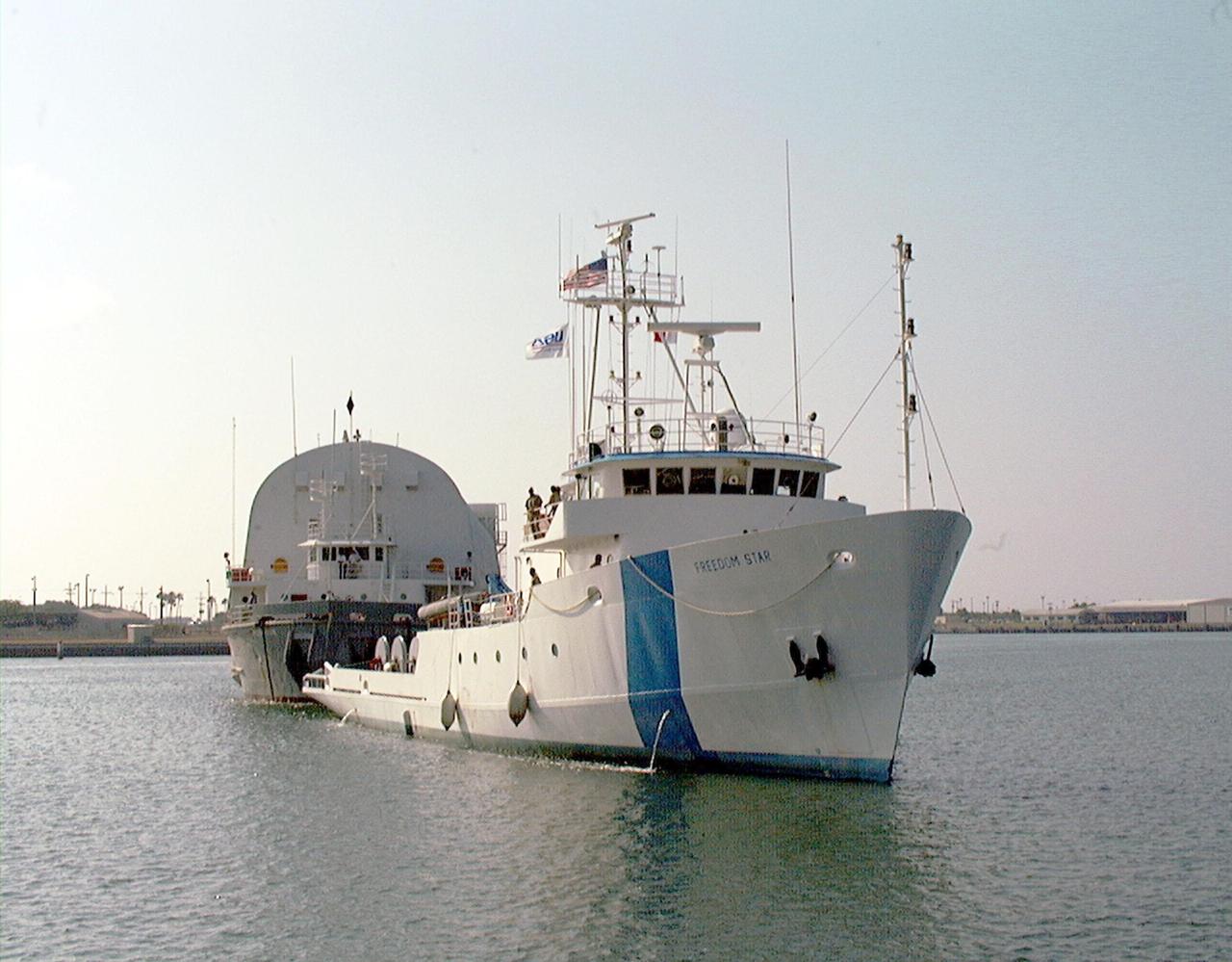
KENNEDY SPACE CENTER, FLA. -- Freedom Star, one of NASA's two solid rocket booster recovery ships, tows a barge containing the third Space Shuttle super lightweight external tank (SLWT) into Port Canaveral. This SLWT will be used to launch the orbiter Discovery on mission STS-95 in October. This first-time towing arrangement, part of a cost savings plan by NASA to prudently manage existing resources, began June 12 from the Michoud Assembly Facility in New Orleans where the Shuttle's external tanks are manufactured. The barge will now be transported up the Banana River to the LC-39 turn basin using a conventional tugboat. Previously, NASA relied on an outside contractor to provide external tank towing services at a cost of about $120,000 per trip. The new plan allows NASA's Space Flight Operations contractor, United Space Alliance (USA), to provide the same service directly to NASA using the recovery ships during their downtime between Shuttle launches. Studies show a potential savings of about $50,000 per trip. The cost of the necessary ship modifications should be paid back by the fourteenth tank delivery. The other recovery ship, Liberty Star, has also undergone deck strengthening enhancements and will soon have the necessary towing winch installed
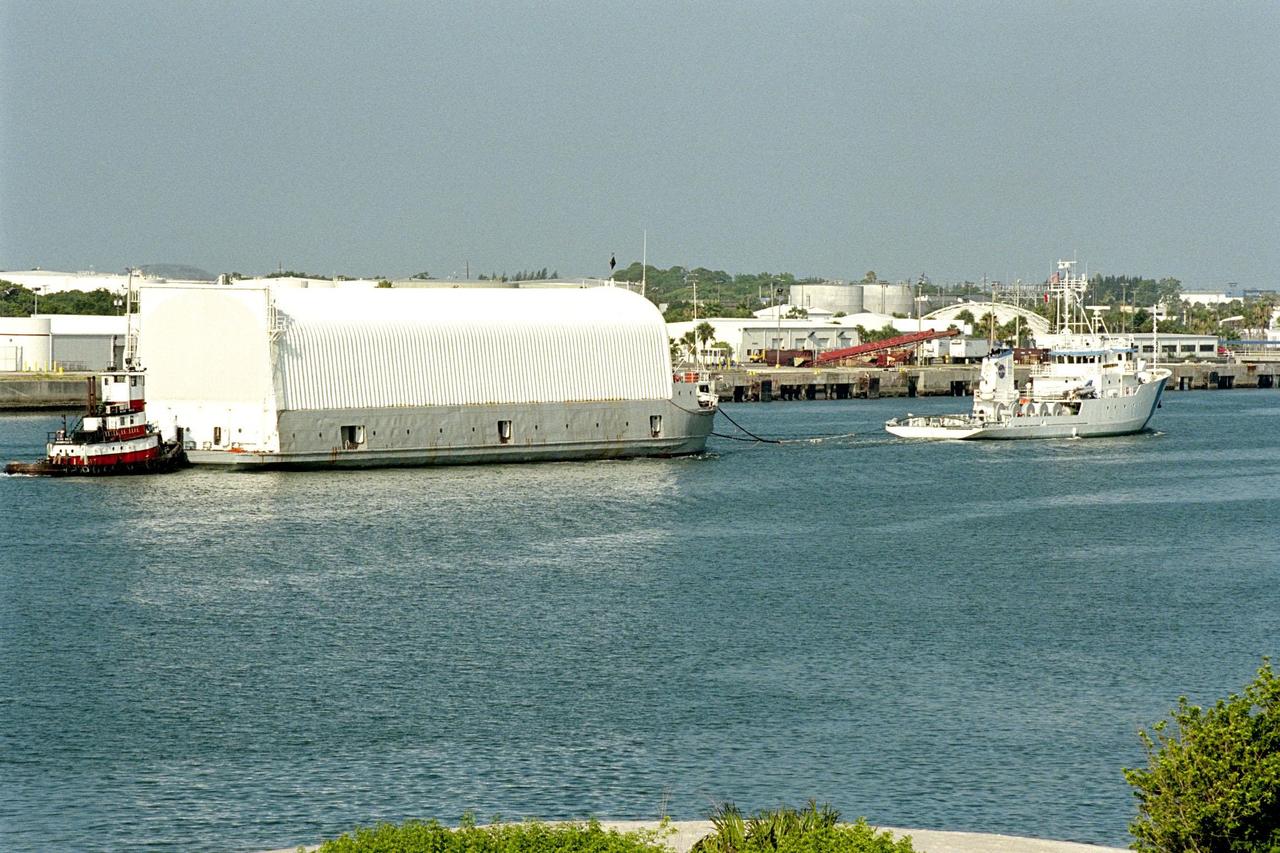
KENNEDY SPACE CENTER, FLA. -- Freedom Star, one of NASA's two solid rocket booster recovery ships, tows a barge containing the third Space Shuttle super lightweight external tank (SLWT) into Port Canaveral. This SLWT will be used to launch the orbiter Discovery on mission STS-95 in October. This first-time towing arrangement, part of a cost savings plan by NASA to prudently manage existing resources, began June 12 from the Michoud Assembly Facility in New Orleans where the Shuttle's external tanks are manufactured. The barge will now be transported up the Banana River to the LC-39 turn basin using a conventional tugboat. Previously, NASA relied on an outside contractor to provide external tank towing services at a cost of about $120,000 per trip. The new plan allows NASA's Space Flight Operations contractor, United Space Alliance (USA), to provide the same service directly to NASA using the recovery ships during their downtime between Shuttle launches. Studies show a potential savings of about $50,000 per trip. The cost of the necessary ship modifications should be paid back by the fourteenth tank delivery. The other recovery ship, Liberty Star, has also undergone deck strengthening enhancements and will soon have the necessary towing winch installed
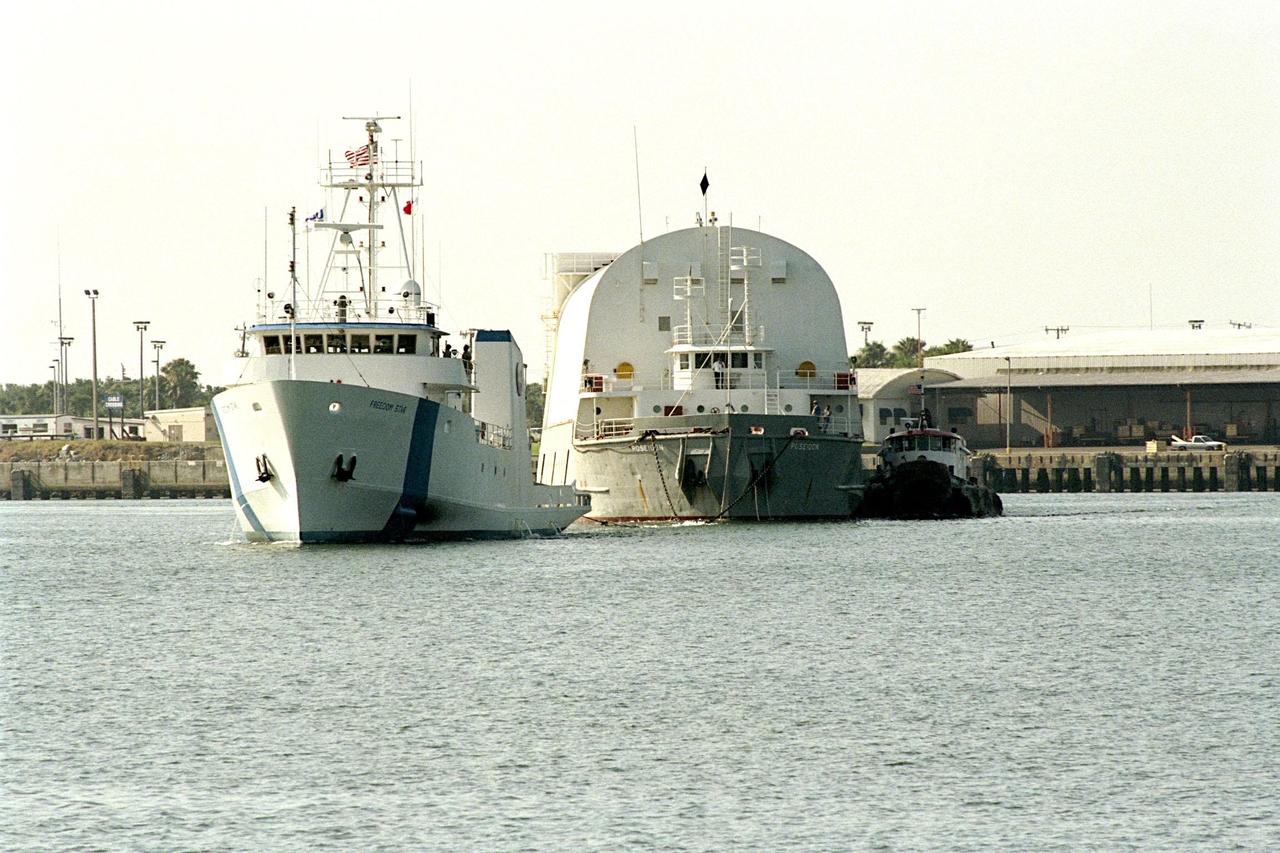
KENNEDY SPACE CENTER, FLA. -- Freedom Star, one of NASA's two solid rocket booster recovery ships, tows a barge containing the third Space Shuttle super lightweight external tank (SLWT) into Port Canaveral. This SLWT will be used to launch the orbiter Discovery on mission STS-95 in October. This first-time towing arrangement, part of a cost savings plan by NASA to prudently manage existing resources, began June 12 from the Michoud Assembly Facility in New Orleans where the Shuttle's external tanks are manufactured. The barge will now be transported up the Banana River to the LC-39 turn basin using a conventional tugboat. Previously, NASA relied on an outside contractor to provide external tank towing services at a cost of about $120,000 per trip. The new plan allows NASA's Space Flight Operations contractor, United Space Alliance (USA), to provide the same service directly to NASA using the recovery ships during their downtime between Shuttle launches. Studies show a potential savings of about $50,000 per trip. The cost of the necessary ship modifications should be paid back by the fourteenth tank delivery. The other recovery ship, Liberty Star, has also undergone deck strengthening enhancements and will soon have the necessary towing winch installed
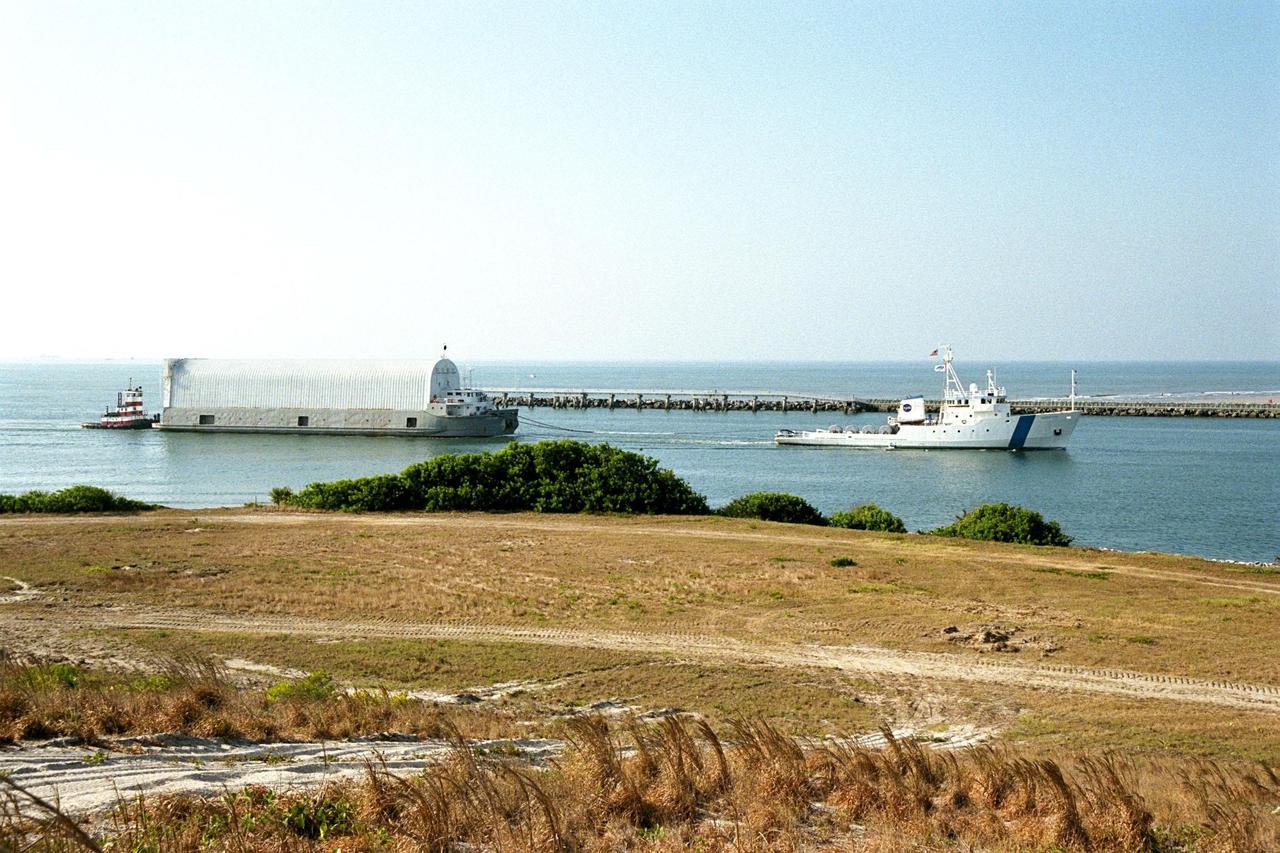
KENNEDY SPACE CENTER, FLA. -- Freedom Star, one of NASA's two solid rocket booster recovery ships, tows a barge containing the third Space Shuttle super lightweight external tank (SLWT) into Port Canaveral. This SLWT will be used to launch the orbiter Discovery on mission STS-95 in October. This first-time towing arrangement, part of a cost savings plan by NASA to prudently manage existing resources, began June 12 from the Michoud Assembly Facility in New Orleans where the Shuttle's external tanks are manufactured. The barge will now be transported up the Banana River to the LC-39 turn basin using a conventional tugboat. Previously, NASA relied on an outside contractor to provide external tank towing services at a cost of about $120,000 per trip. The new plan allows NASA's Space Flight Operations contractor, United Space Alliance (USA), to provide the same service directly to NASA using the recovery ships during their downtime between Shuttle launches. Studies show a potential savings of about $50,000 per trip. The cost of the necessary ship modifications should be paid back by the fourteenth tank delivery. The other recovery ship, Liberty Star, has also undergone deck strengthening enhancements and will soon have the necessary towing winch installed
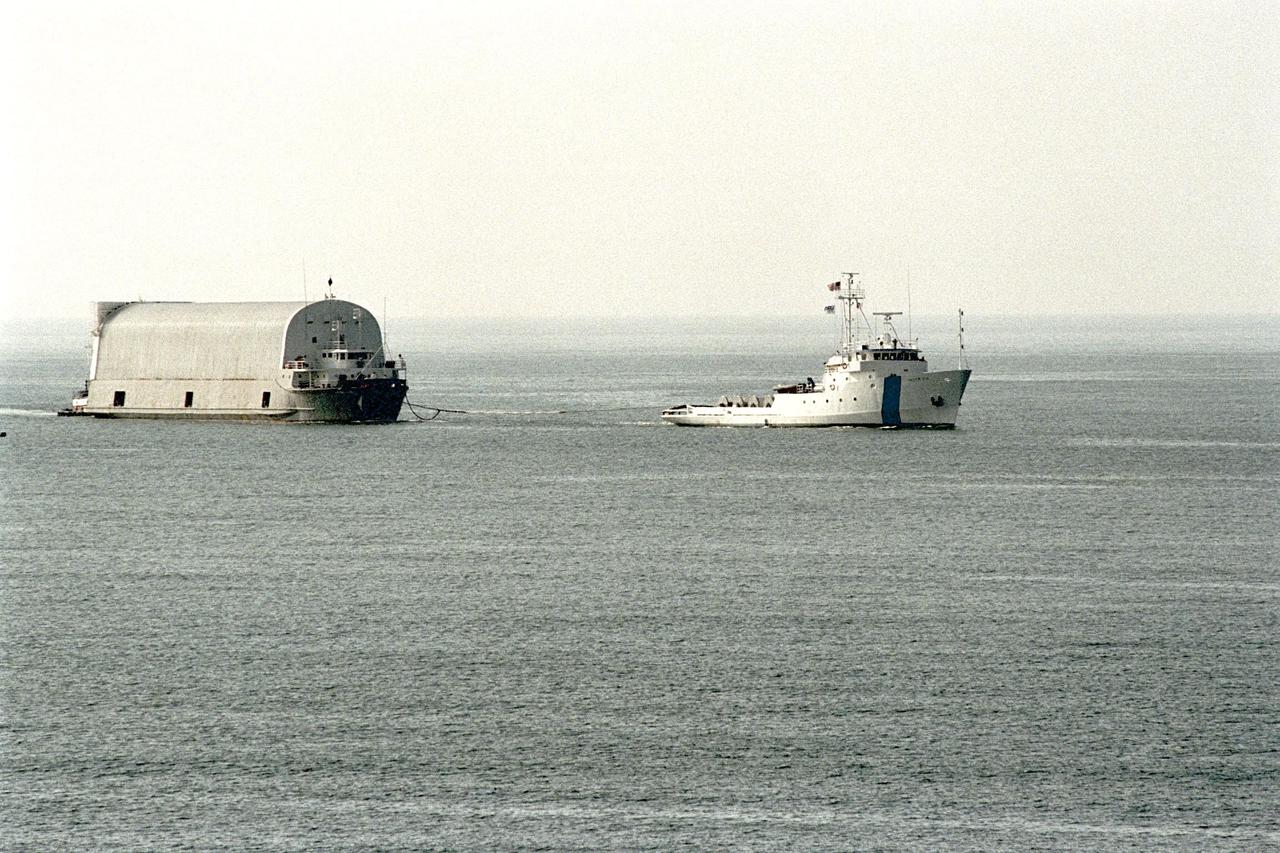
KENNEDY SPACE CENTER, FLA. -- Freedom Star, one of NASA's two solid rocket booster recovery ships, tows a barge containing the third Space Shuttle super lightweight external tank (SLWT) into Port Canaveral. This SLWT will be used to launch the orbiter Discovery on mission STS-95 in October. This first-time towing arrangement, part of a cost savings plan by NASA to prudently manage existing resources, began June 12 from the Michoud Assembly Facility in New Orleans where the Shuttle's external tanks are manufactured. The barge will now be transported up the Banana River to the LC-39 turn basin using a conventional tugboat. Previously, NASA relied on an outside contractor to provide external tank towing services at a cost of about $120,000 per trip. The new plan allows NASA's Space Flight Operations contractor, United Space Alliance (USA), to provide the same service directly to NASA using the recovery ships during their downtime between Shuttle launches. Studies show a potential savings of about $50,000 per trip. The cost of the necessary ship modifications should be paid back by the fourteenth tank delivery. The other recovery ship, Liberty Star, has also undergone deck strengthening enhancements and will soon have the necessary towing winch installed. The other recovery vessel, Liberty Star, has undergone deck strengthening enhancements along with Freedom Star and will soon have the necessary towing winch installed
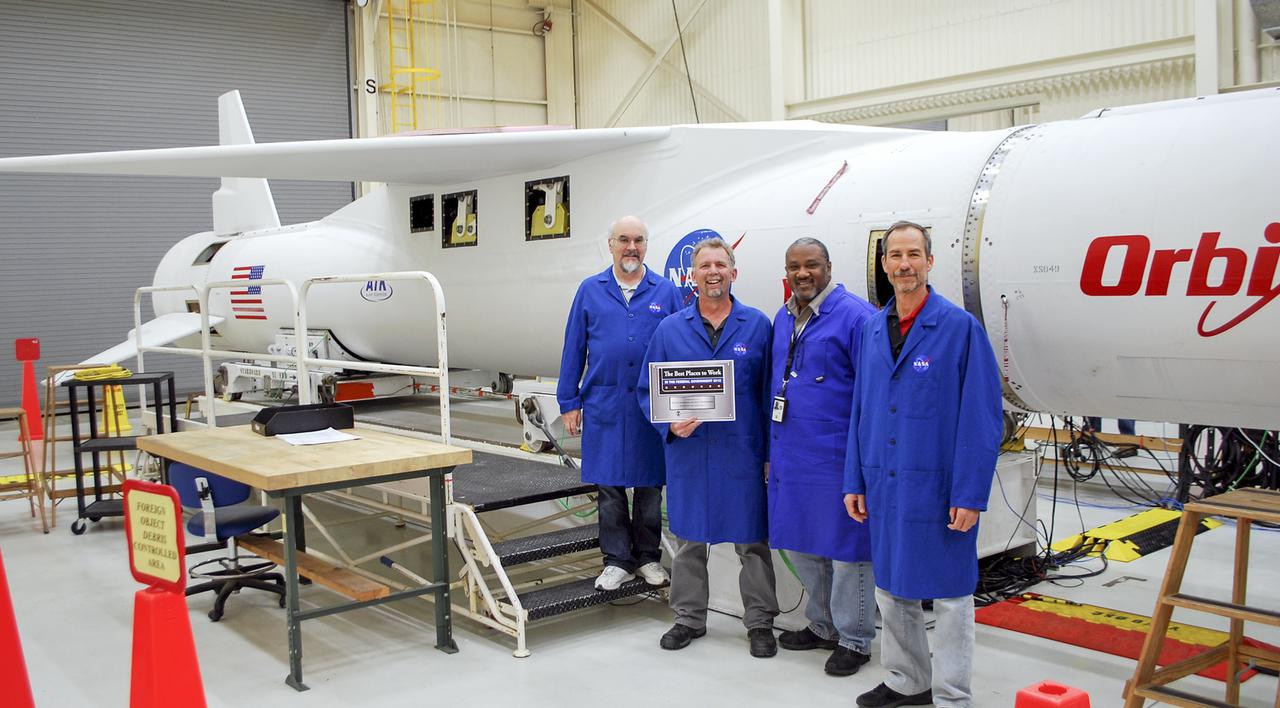
VANDENBERG AIR FORCE BASE, Calif. – Kennedy Space Center Resident Office personnel representing the NASA Launch Services Program at Vandenberg Air Force Base in California, display the Best Places to Work in the Federal Government plaque. NASA ranked No. 1 the “large” category, those which have more than 15,000 employees. From the left are Bob Rasmison, Randy Beaudoin, Kevin Monette, and Jeff Ehrsam. Rasmison and Ehrsam work together in integration and engineering as the spacecraft's liaison at the processing facility and pre-launch site locations. Beaudoin is an electrical engineer that follows manufacturing, assembly and integration of electrical systems and components to insure compliance with technical specifications and standards. Monette is the Safety and Mission Assurance representative providing independent assessment to help determine residual risk associated with launch vehicle flight readiness. They are standing next to the Orbital Sciences Corporation's Pegasus rocket which will launch the Interface Region Imaging Spectrograph IRIS spacecraft. Scheduled for launch from Vandenberg Air Force Base no earlier than June 26, 2013, IRIS will open a new window of discovery by tracing the flow of energy and plasma through the chromospheres and transition region into the sun’s corona using spectrometry and imaging. IRIS fills a crucial gap in our ability to advance studies of the sun-to-Earth connection by tracing the flow of energy and plasma through the foundation of the corona and the region around the sun known as the heliosphere. For more information, visit http:__iris.gsfc.nasa.gov Photo credit: NASA_Randy Beaudoin