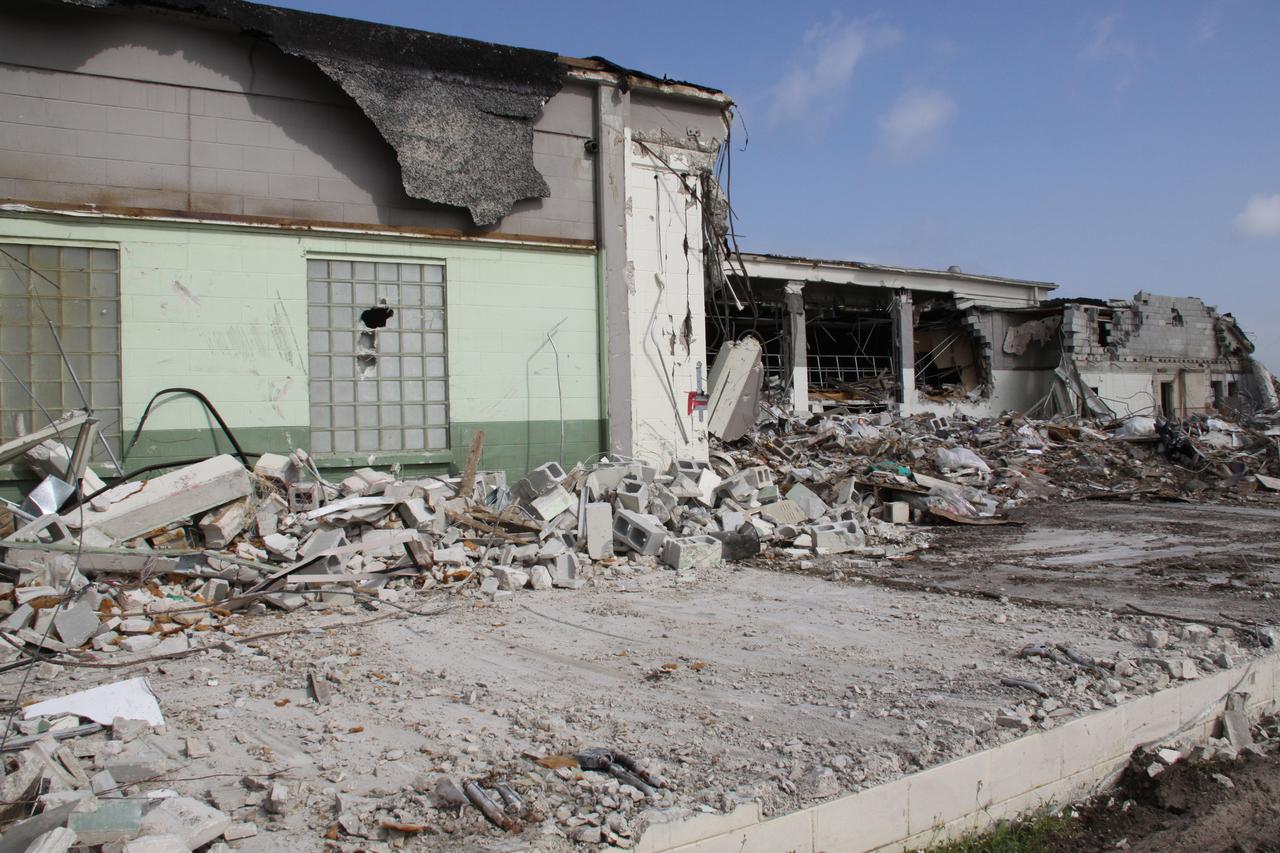
MCC Demolition
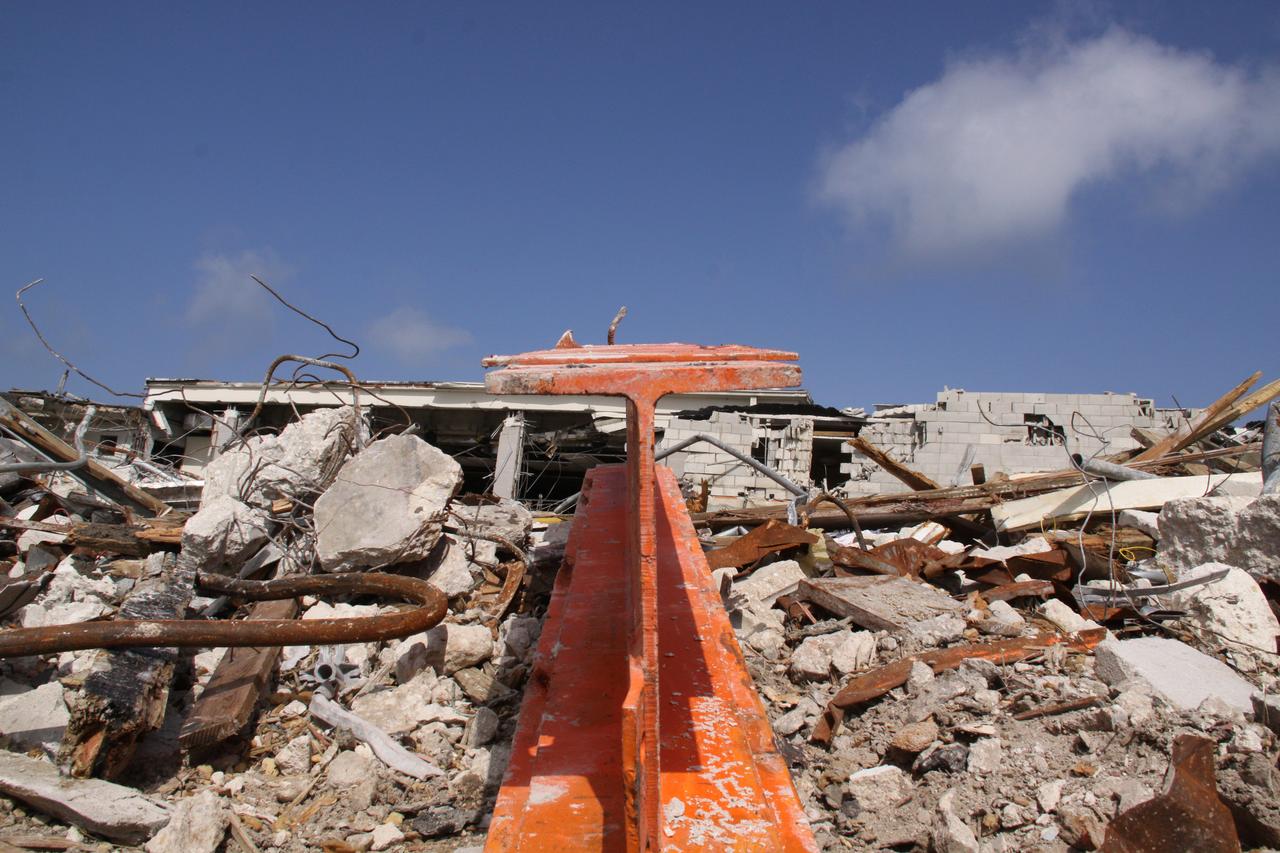
MCC Demolition
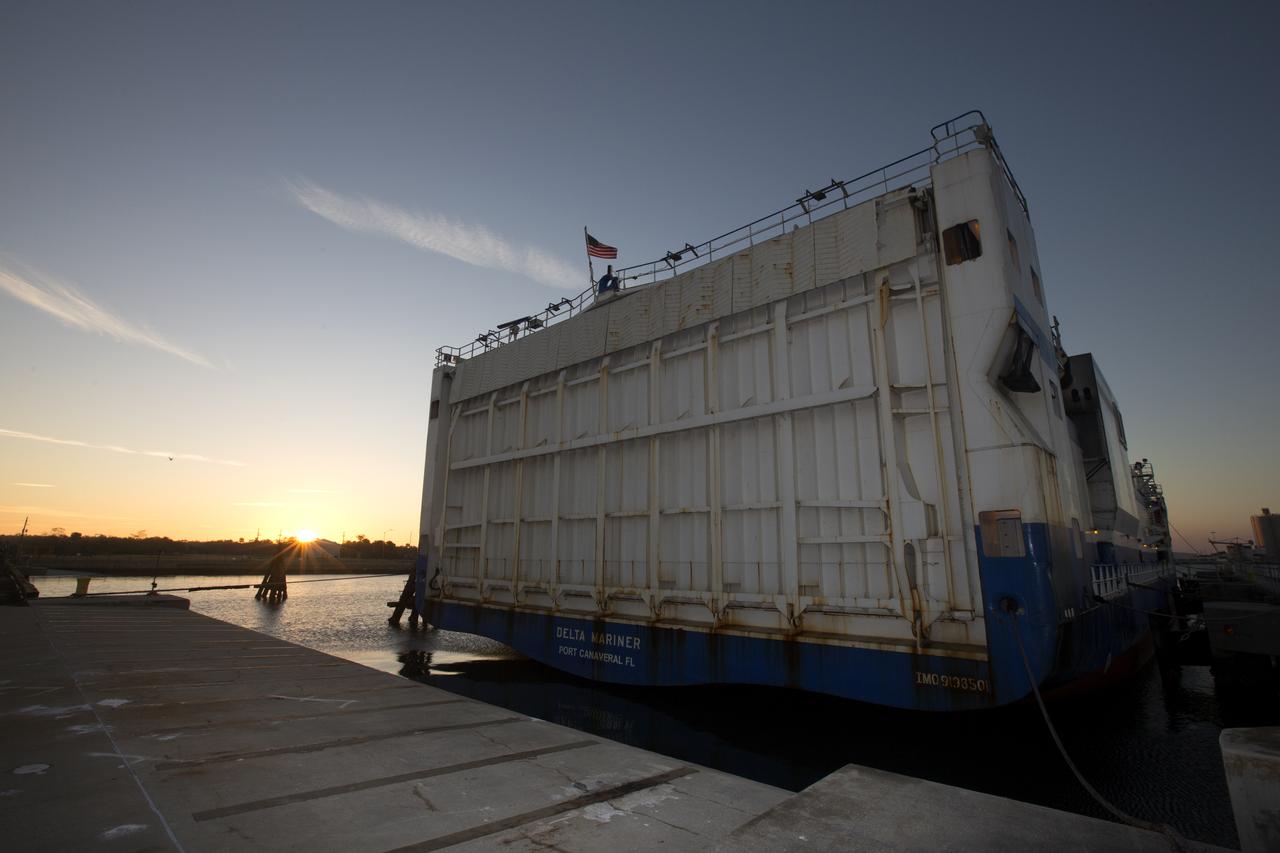
The Mariner cargo ship arrives at the Army Outpost wharf at Port Canaveral, Florida, near the Kennedy Space Center. Aboard is the United Launch Alliance (ULA) Atlas V booster for the Orbital ATK CRS-7 commercial resupply mission to the International Space Station. After the rocket is offloaded, a transport truck will take the Atlas V to the hangar at the Atlas Spaceflight Operations Center (ASOC), located south of Space Launch Complex 41 at Cape Canaveral Air Force Station. Scheduled to launch a Cygnus spacecraft on March 19, 2017, the Orbital ATK CRS-7 mission will deliver thousands of pounds of supplies, equipment and scientific research materials that improve life on Earth and drive progress toward future space exploration.
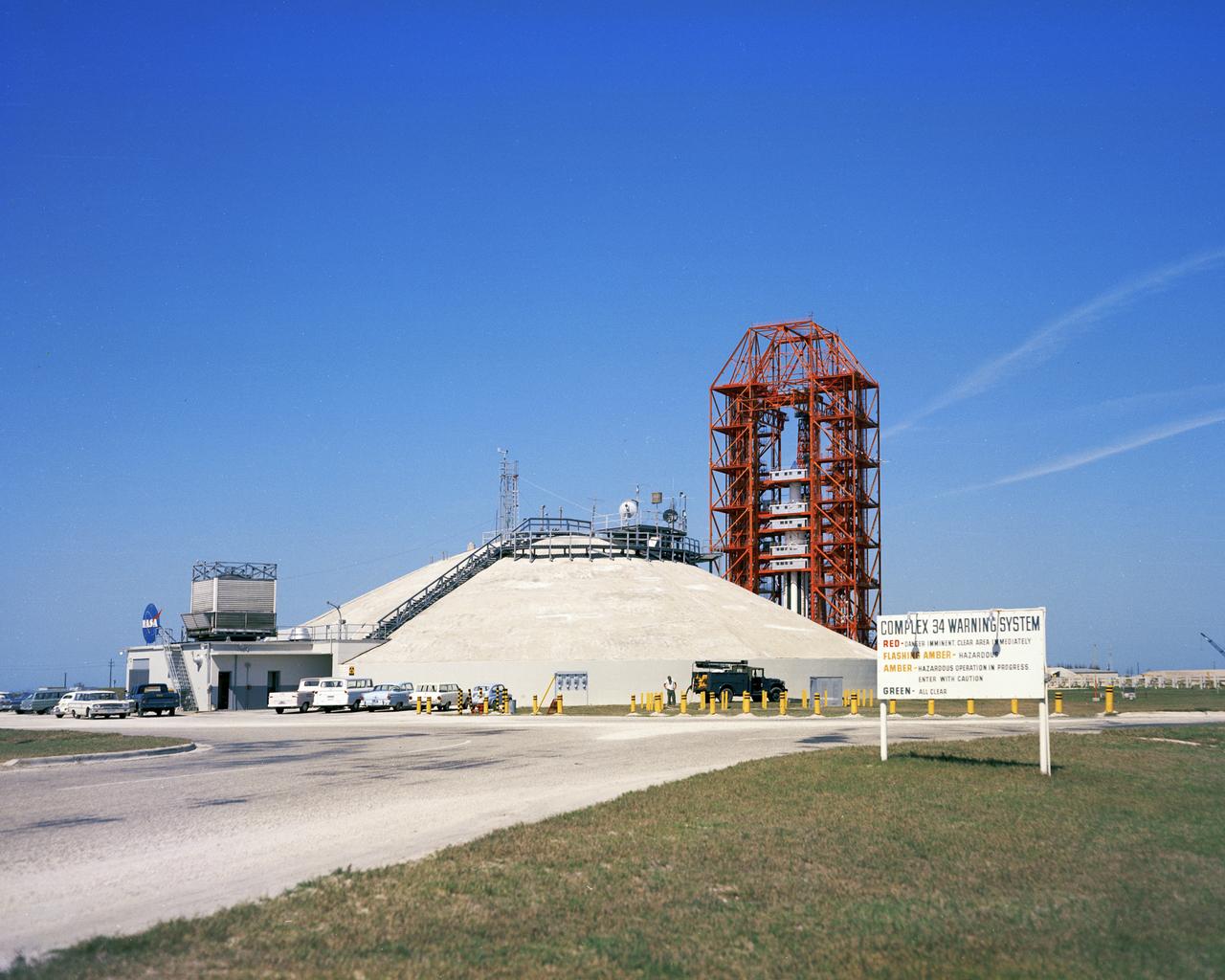
PAD 34 BLOCKHOUSE AND GANTRY
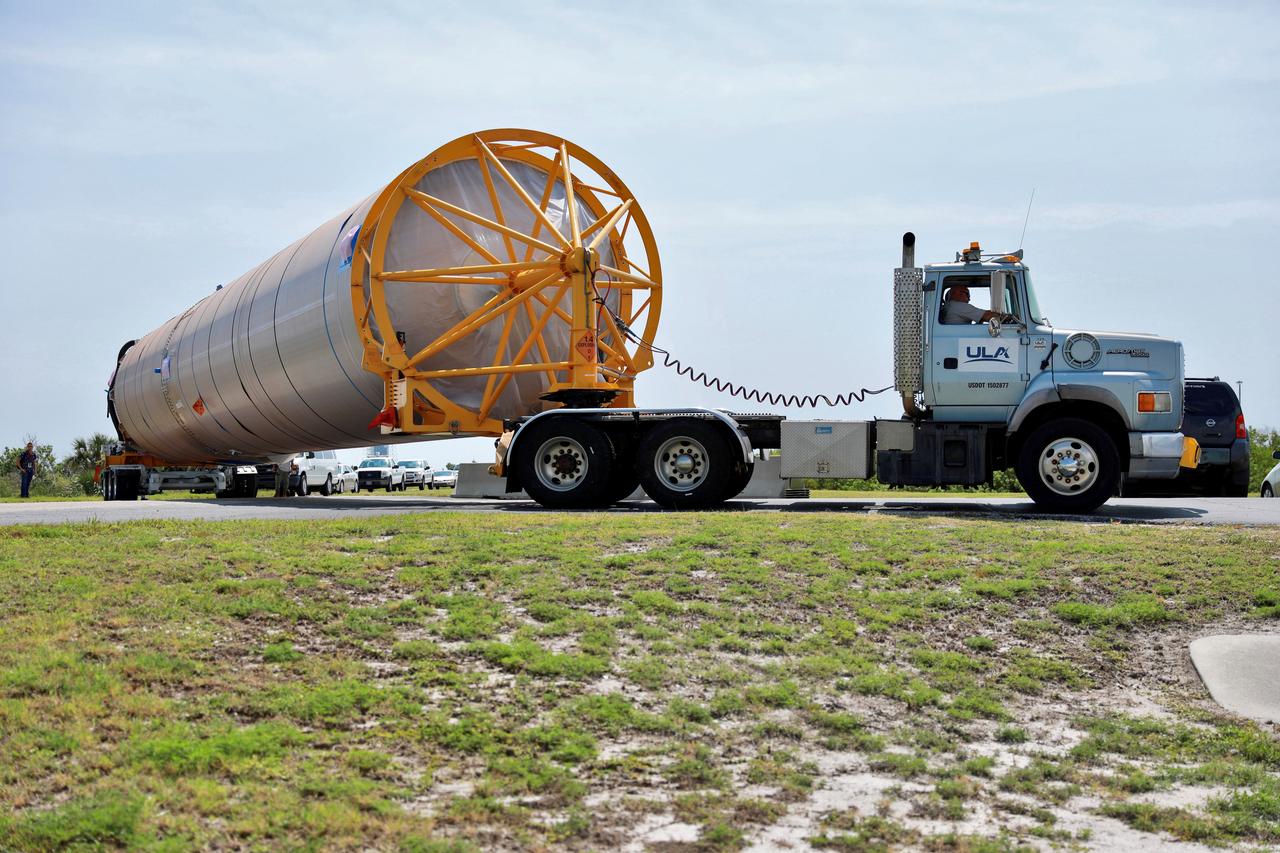
The United Launch Alliance (ULA) Atlas V booster that will be used for Boeing’s Crew Flight Test (CFT) nears the Atlas Spaceflight Operations Center (ASOC) at Cape Canaveral Air Force Station in Florida on June 5, 2019. The ULA Atlas V rocket will launch Starliner and its crew, NASA astronauts Mike Fincke and Nicole Mann and Boeing astronaut Chris Ferguson, to the International Space Station for NASA’s Commercial Crew Program. Inside the ASOC, the booster will await the start of operations for its missions. The CFT will demonstrate Starliner and Atlas V’s ability to safely carry crew to and from the orbiting laboratory.
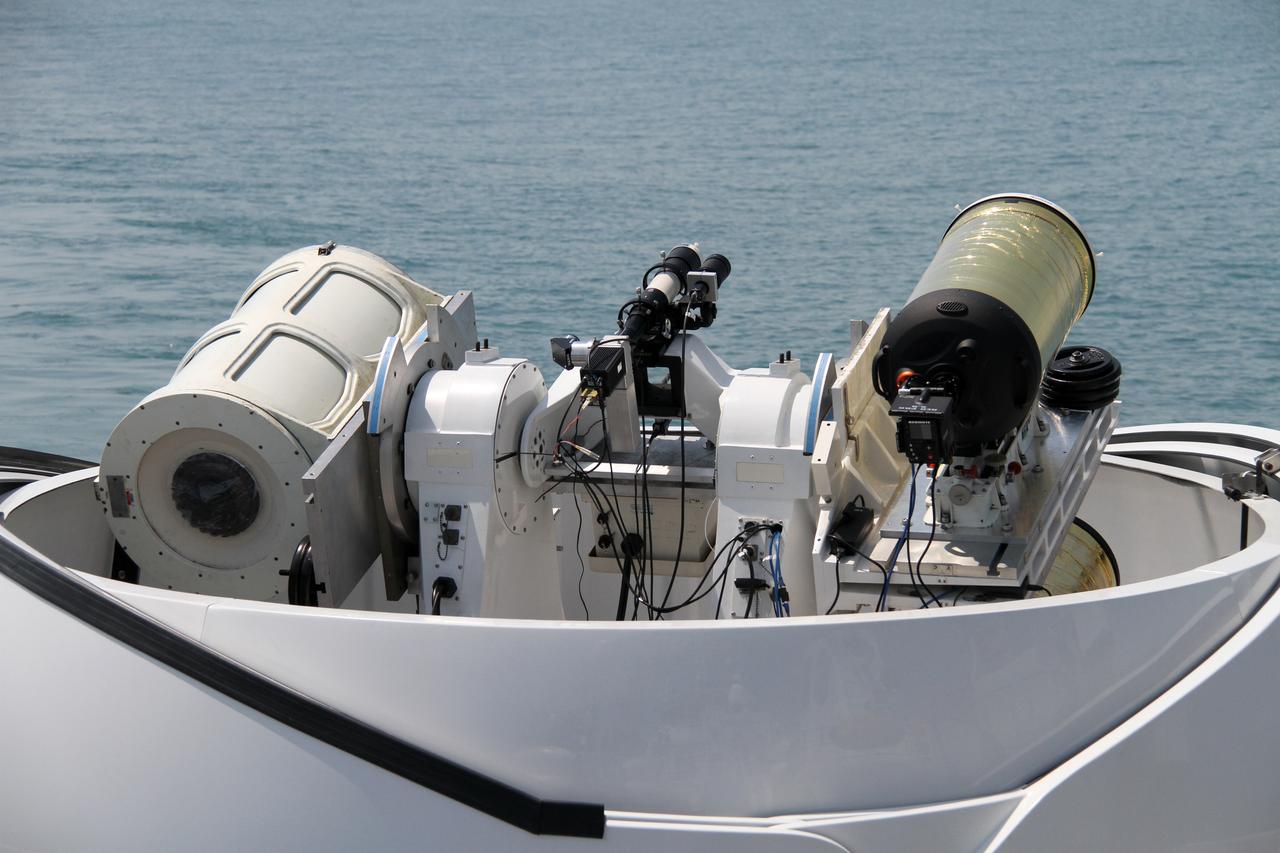
COTS-2 Freedom Star Thermal Imaging Test
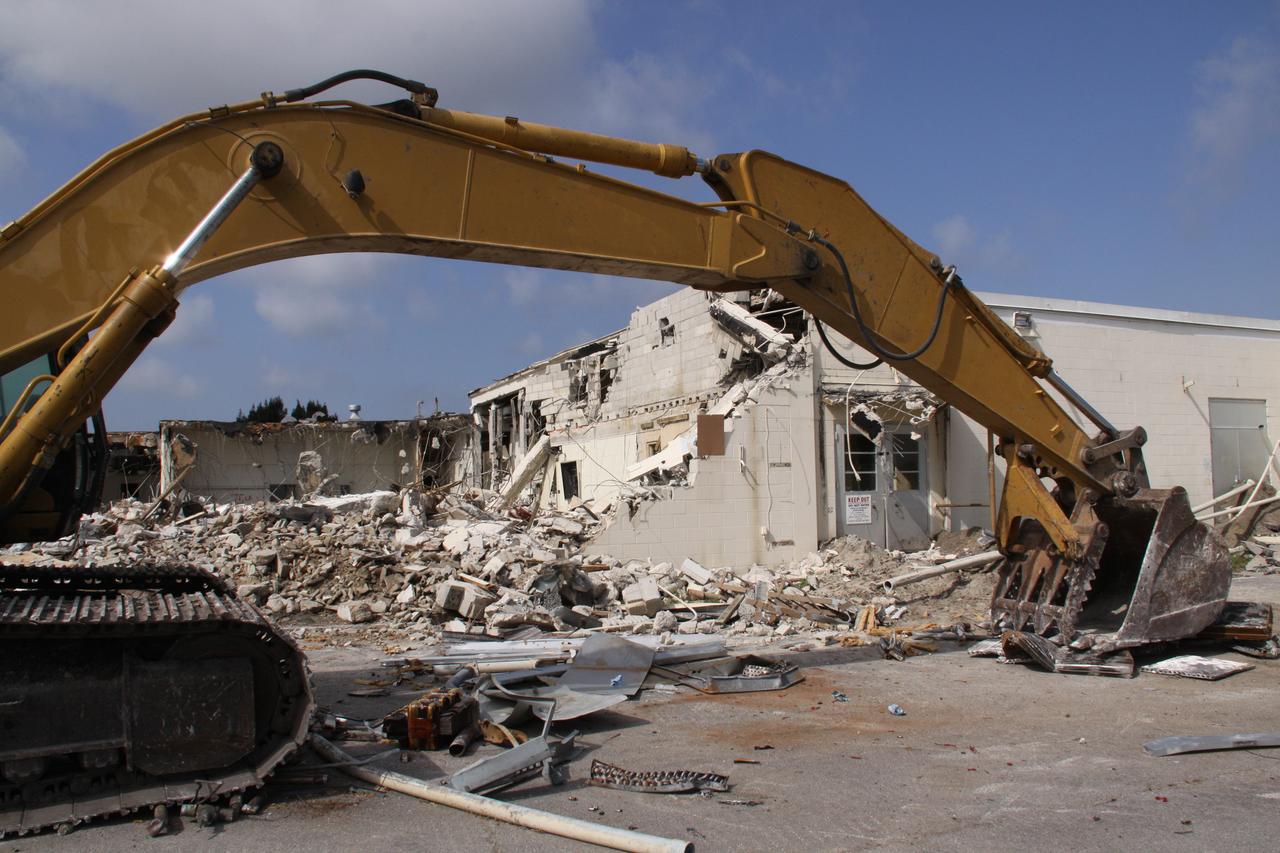
MCC Demolition
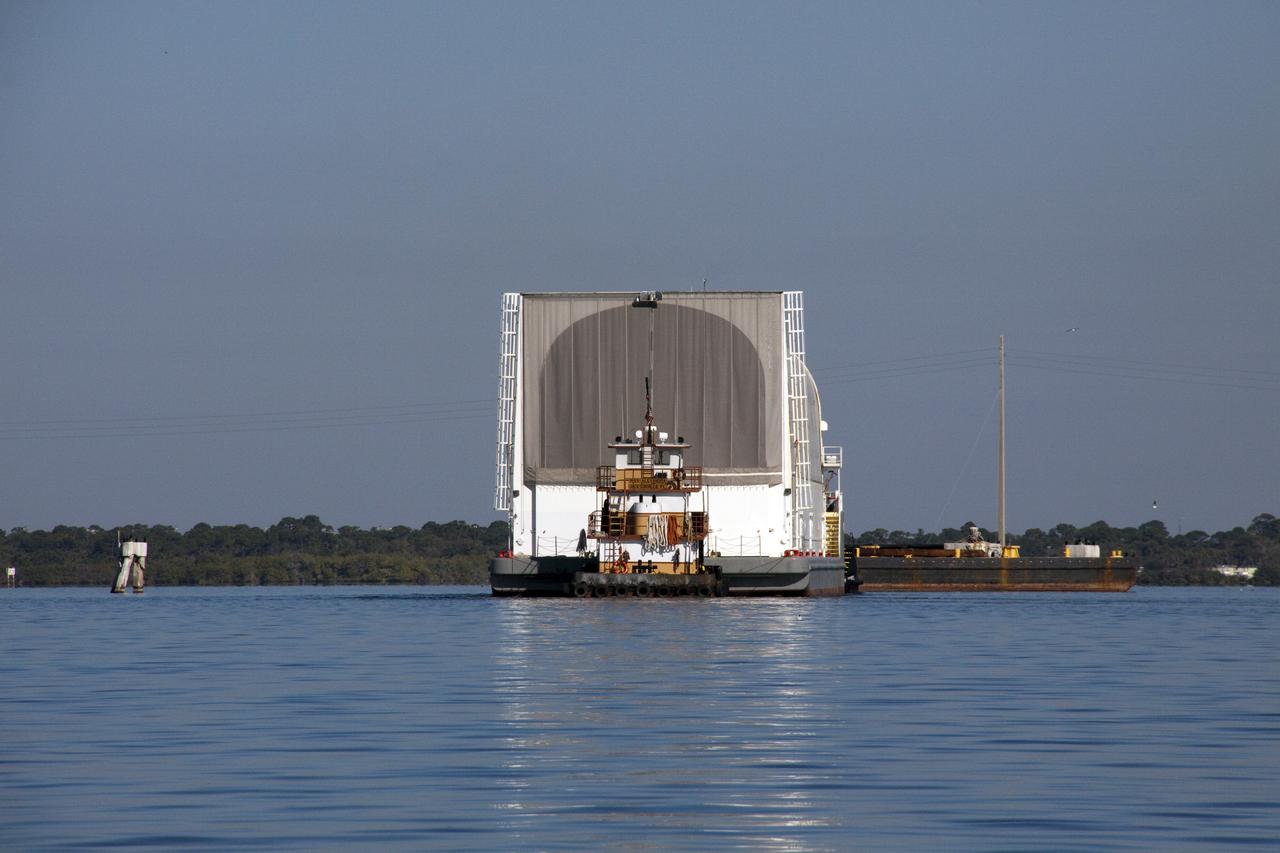
STS-132 ET-136 ARRIVAL THRU PORT CANAVERAL
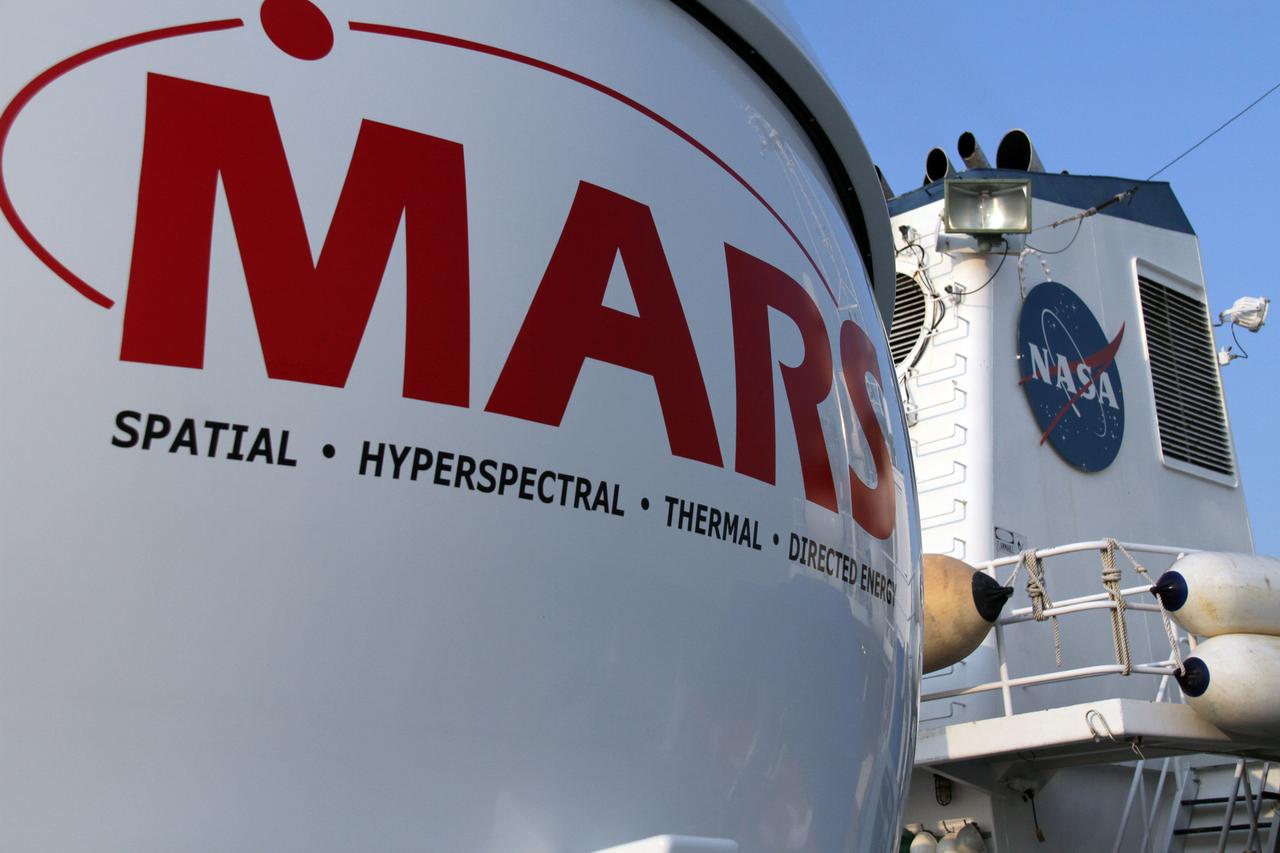
COTS-2 Freedom Star Thermal Imaging Test
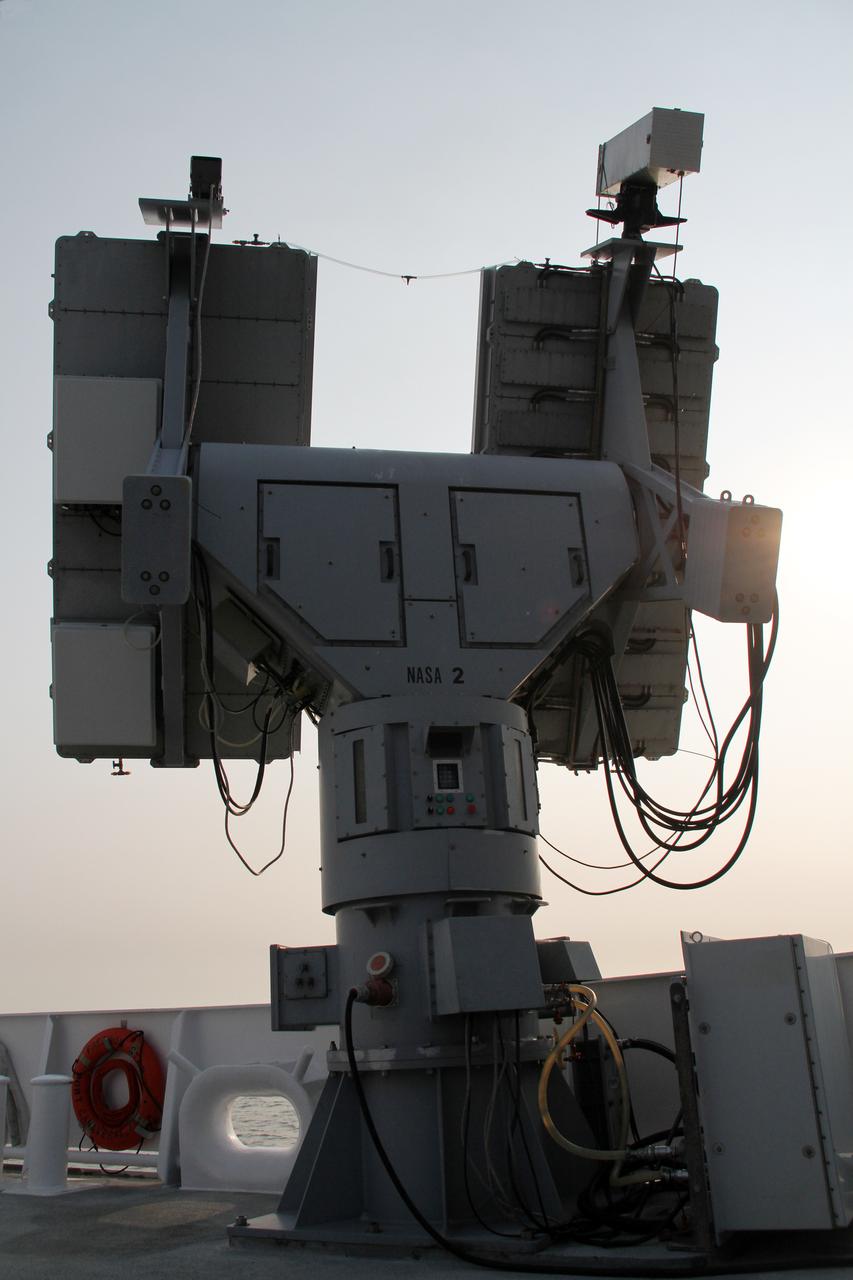
COTS-2 Freedom Star Thermal Imaging Test
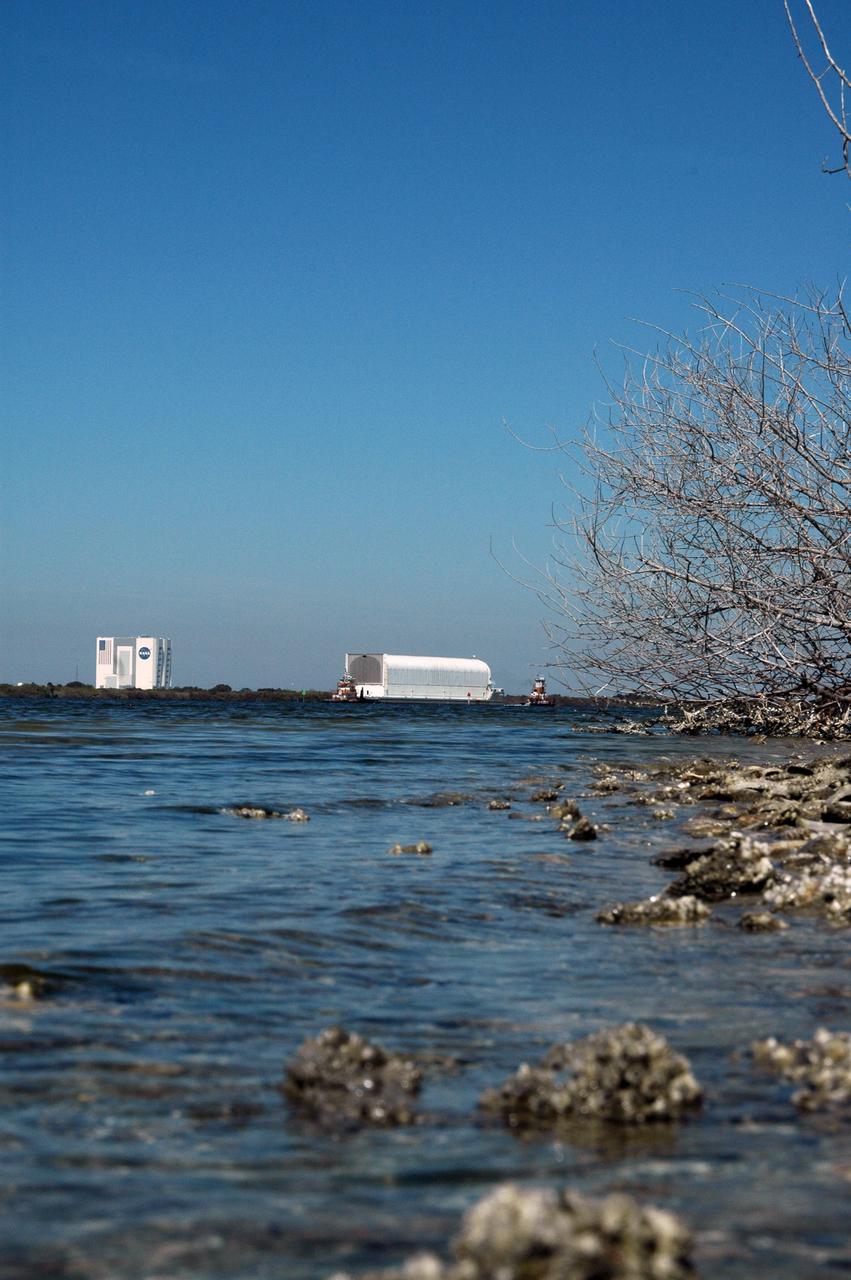
STS-132 ET-136 ARRIVAL THRU PORT CANAVERAL
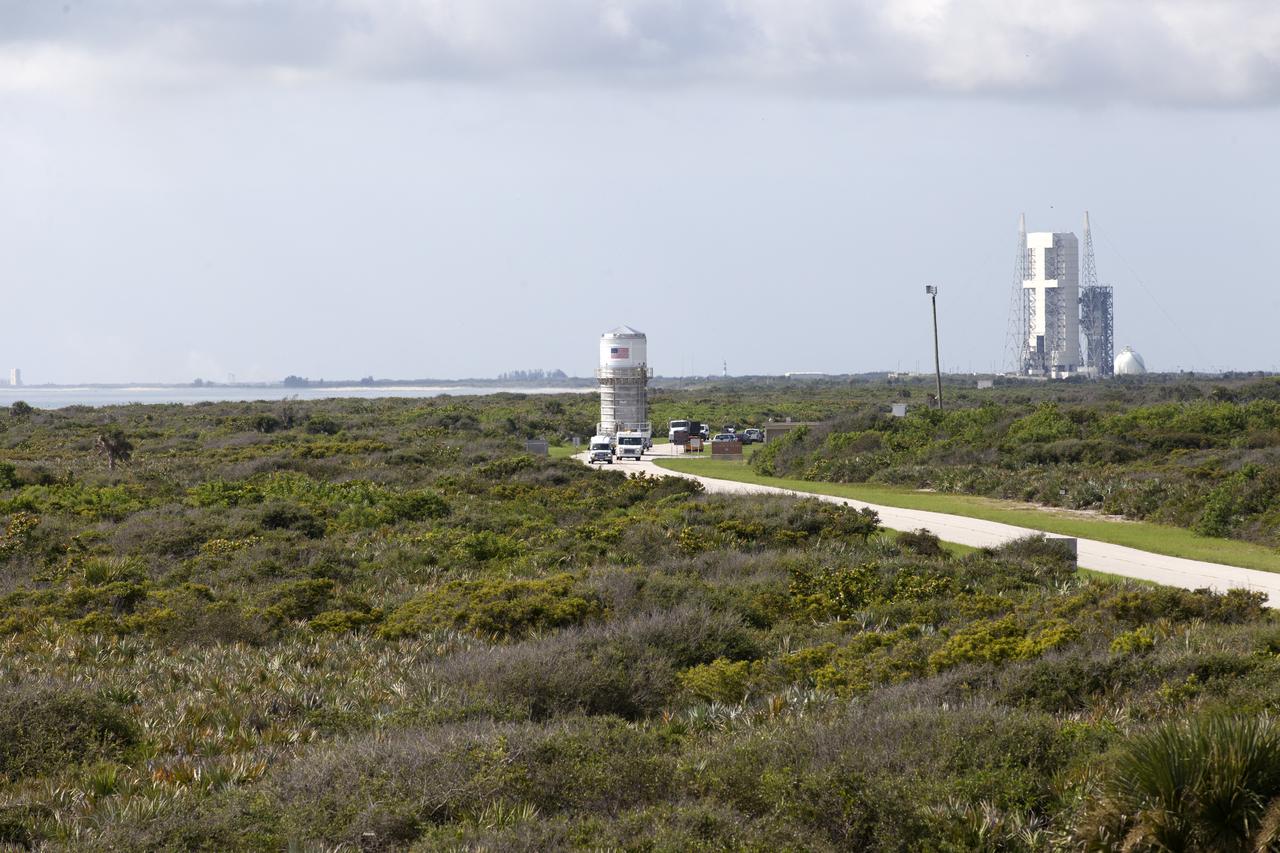
The Interim Cryogenic Propulsion Stage (ICPS) for NASA's Space Launch System (SLS) rocket, packed inside a canister, is transported from the United Launch Alliance (ULA) Delta Operations Center near Space Launch Complex 37 at Cape Canaveral Air Force Station along the route to the Space Station Processing Facility at NASA's Kennedy Space Center in Florida. The ICPS is the first integrated piece of flight hardware to arrive for the SLS. It is the in-space stage that is located toward the top of the rocket, between the Launch Vehicle Stage Adapter and the Orion Spacecraft Adapter. It will provide some of the in-space propulsion during Orion's first flight test atop the SLS on Exploration Mission-1.
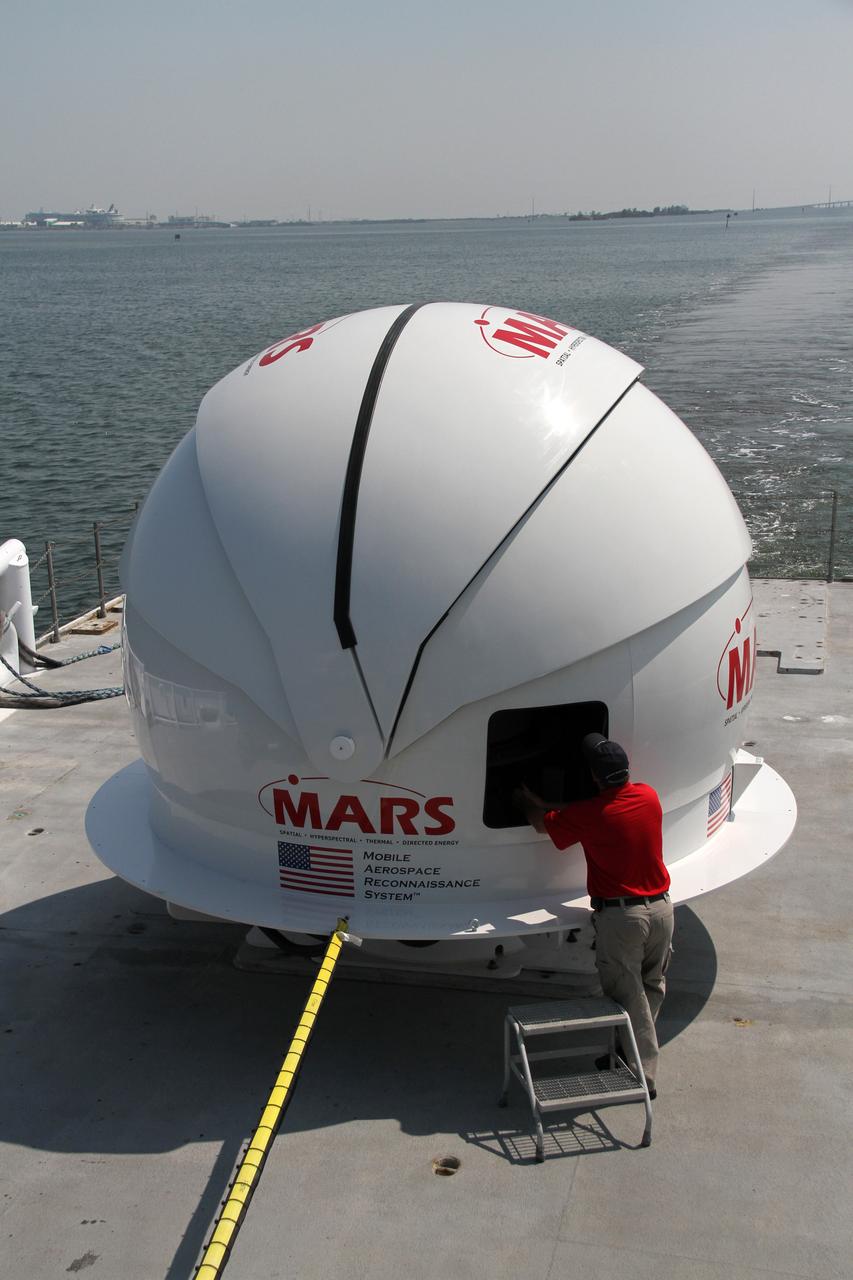
COTS-2 Freedom Star Thermal Imaging Test
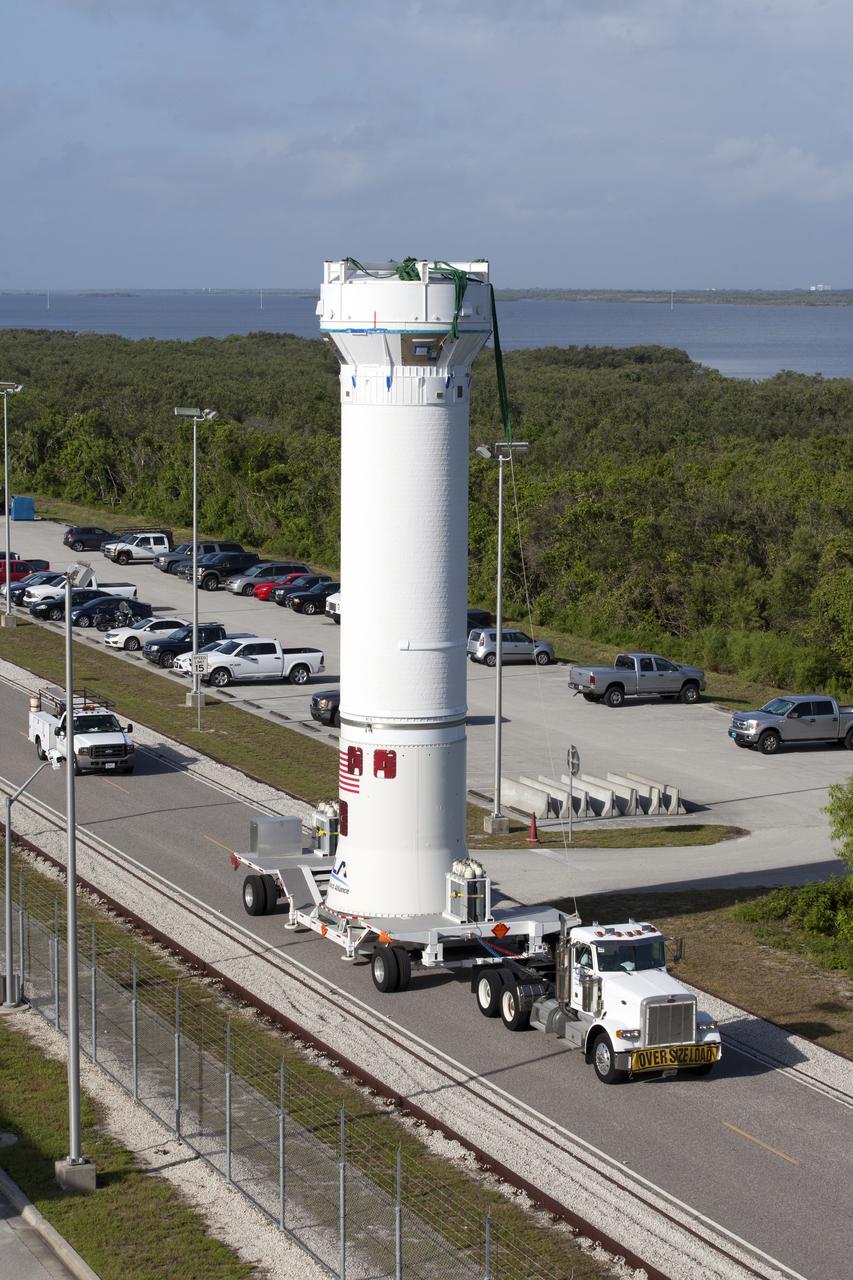
A United Launch Alliance Atlas V Centaur upper stage is on its wat to the Vertical Integration Facility at Space Launch Complex 41 at Cape Canaveral Air Force Station in Florida. The rocket is scheduled to help launch the Tracking and Data Relay Satellite, TDRS-M. It will be the latest spacecraft destined for the agency's constellation of communications satellites that allows nearly continuous contact with orbiting spacecraft ranging from the International Space Station and Hubble Space Telescope to the array of scientific observatories. Liftoff atop the ULA Atlas V rocket is scheduled to take place from Cape Canaveral's Space Launch Complex 41 in early August.

The Mariner barge is docked at Cape Canaveral Air Force Station in Florida, with the first integrated piece of flight hardware for NASA's Space Launch System (SLS) rocket, the Interim Cryogenic Propulsion Stage (ICPS) inside, at right. The ICPS was shipped from the United Launch Alliance (ULA) facility in Decatur, Alabama. The ICPS will be offloaded and transported to the ULA Horizontal Integration Facility where it will be removed from its flight case. The ICPS is the in-space stage that is located toward the top of the rocket, between the Launch Vehicle Stage Adapter and the Orion Spacecraft Adapter. It will provide some of the in-space propulsion during Orion's first flight test atop the SLS on Exploration Mission 1.
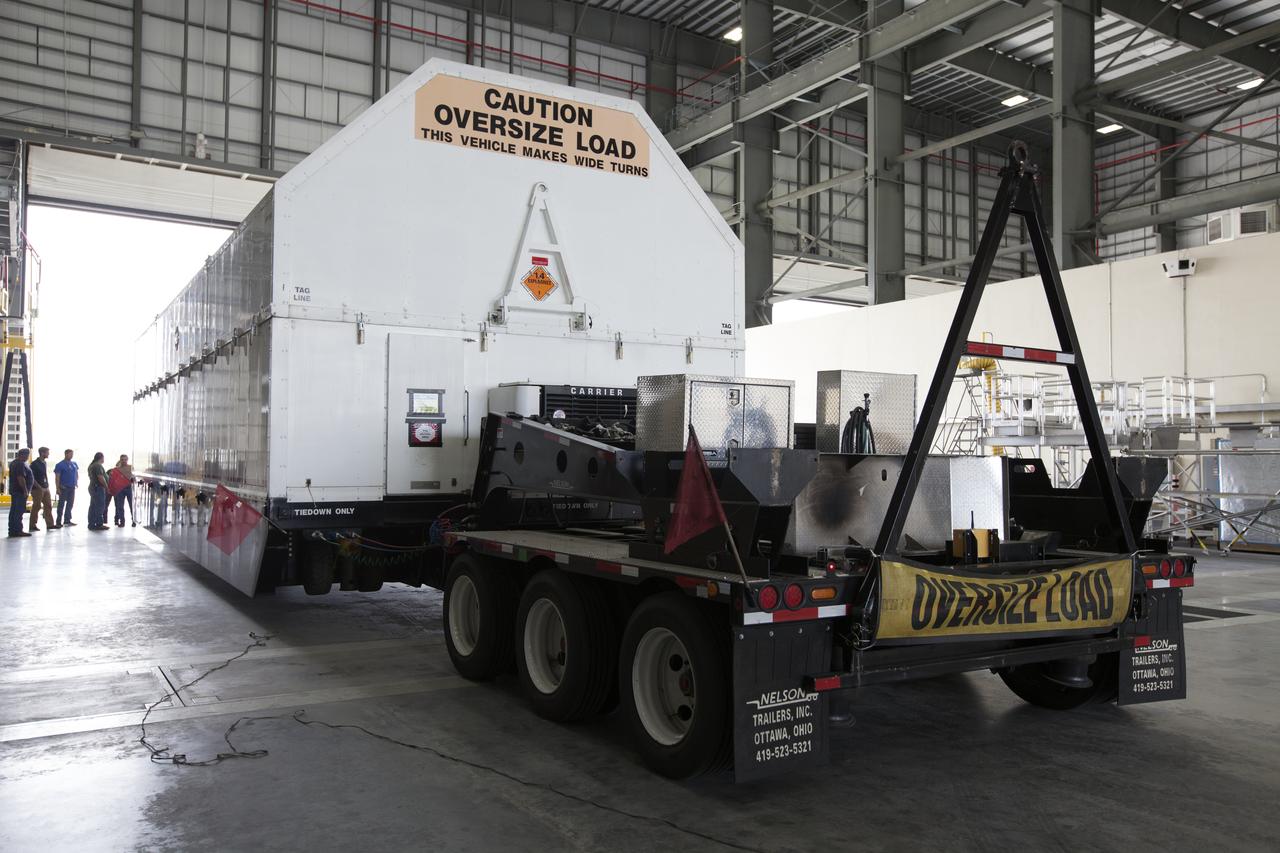
The first integrated piece of flight hardware for NASA's Space Launch System (SLS) rocket, the Interim Cryogenic Propulsion Stage (ICPS) was offloaded from the Mariner barge at Cape Canaveral Air Force Station in Florida, and transported to the United Launch Alliance (ULA) Horizontal Integration Facility where it will be removed from its flight case. The ICPS was shipped from the United Launch Alliance (ULA) facility in Decatur, Alabama. The ICPS is the in-space stage that is located toward the top of the rocket, between the Launch Vehicle Stage Adapter and the Orion Spacecraft Adapter. It will provide some of the in-space propulsion during Orion's first flight test atop the SLS on Exploration Mission 1.
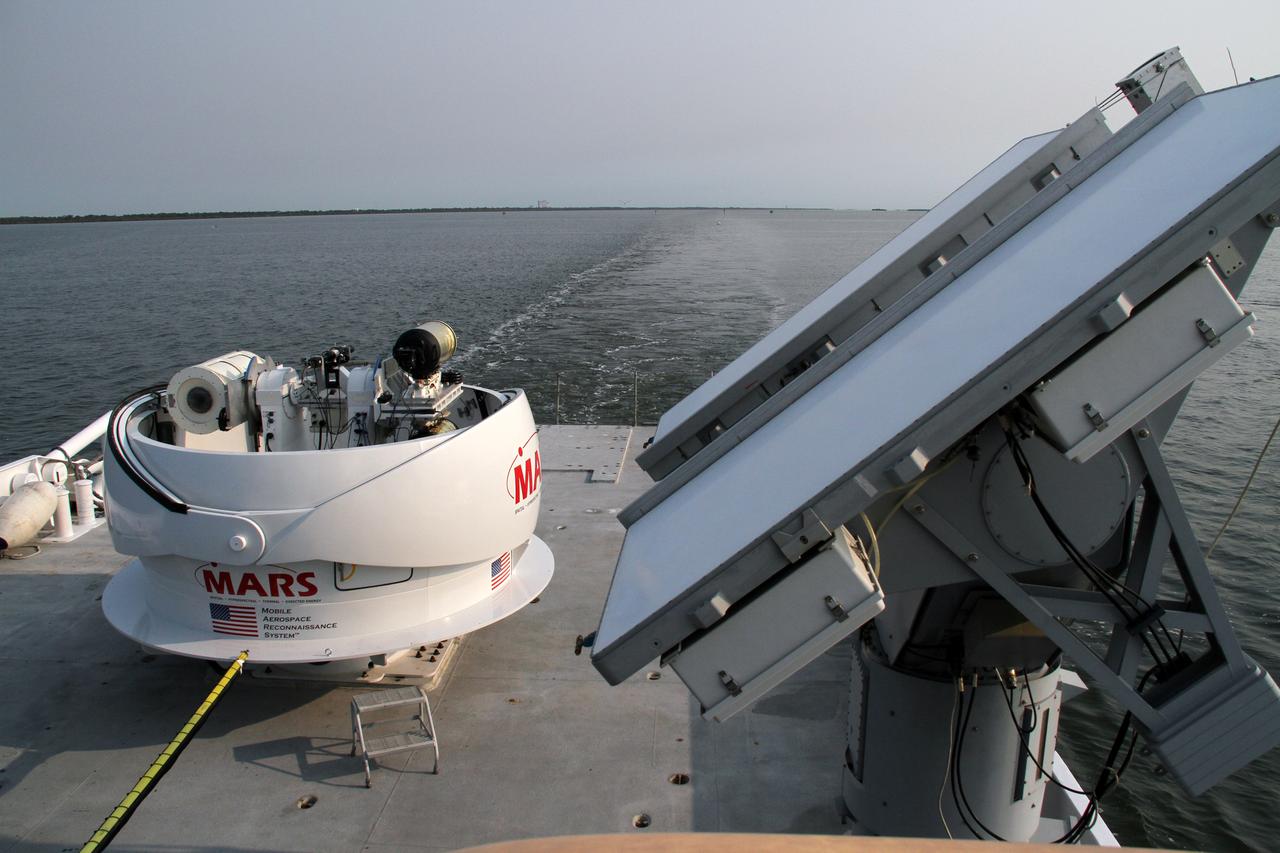
COTS-2 Freedom Star Thermal Imaging Test
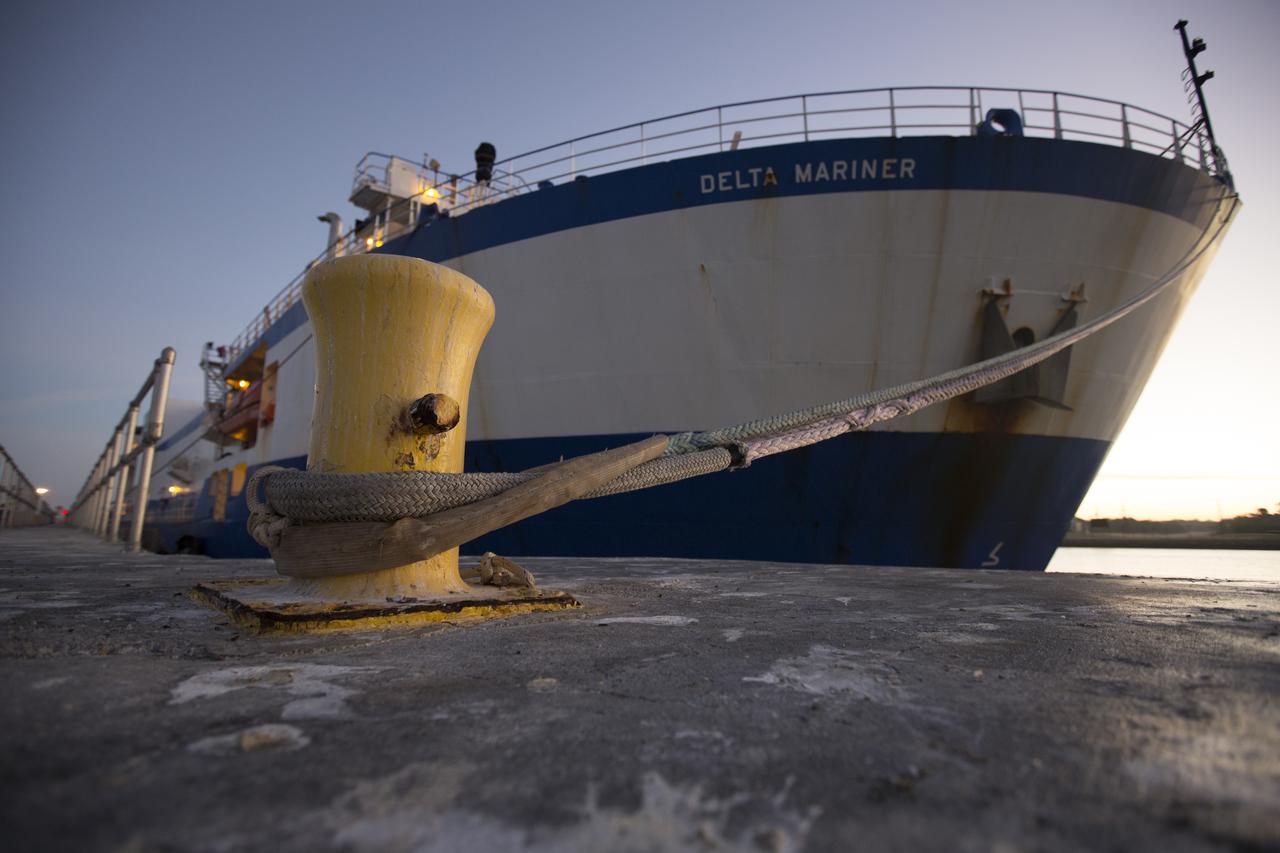
The Mariner cargo ship is docked at the Army Outpost wharf at Port Canaveral, Florida, near the Kennedy Space Center. Aboard is the United Launch Alliance (ULA) Atlas V booster for the Orbital ATK CRS-7 commercial resupply mission to the International Space Station. After the rocket is offloaded, a transport truck will take the Atlas V to the hangar at the Atlas Spaceflight Operations Center (ASOC), south of Space Launch Complex 41 at Cape Canaveral Air Force Station. Scheduled to launch a Cygnus spacecraft on March 19, 2017, the Orbital ATK CRS-7 mission will deliver thousands of pounds of supplies, equipment and scientific research materials that improve life on Earth and drive progress toward future space exploration.

A transport truck is about to take a United Launch Alliance (ULA) Atlas V booster from the Mariner cargo ship at the Army Outpost wharf at Port Canaveral, Florida, to the hangar at the Atlas Spaceflight Operations Center (ASOC), located south of Space Launch Complex 41 at Cape Canaveral Air Force Station. The Atlas V is scheduled to launch a Cygnus spacecraft on the Orbital ATK CRS-7 commercial resupply mission to the International Space Station. Scheduled to liftoff March 19, 2017, the Orbital ATK CRS-7 mission will deliver thousands of pounds of supplies, equipment and scientific research materials that improve life on Earth and drive progress toward future space exploration.

The SpaceX Falcon 9 first stage booster that will launch NASA’s SpaceX Crew-1 mission arrived in Florida Tuesday, July 14, 2020. The rocket was shipped from the SpaceX facility in McGregor, Texas, and will now undergo prelaunch processing in the company’s facility on nearby Cape Canaveral Air Force Station.
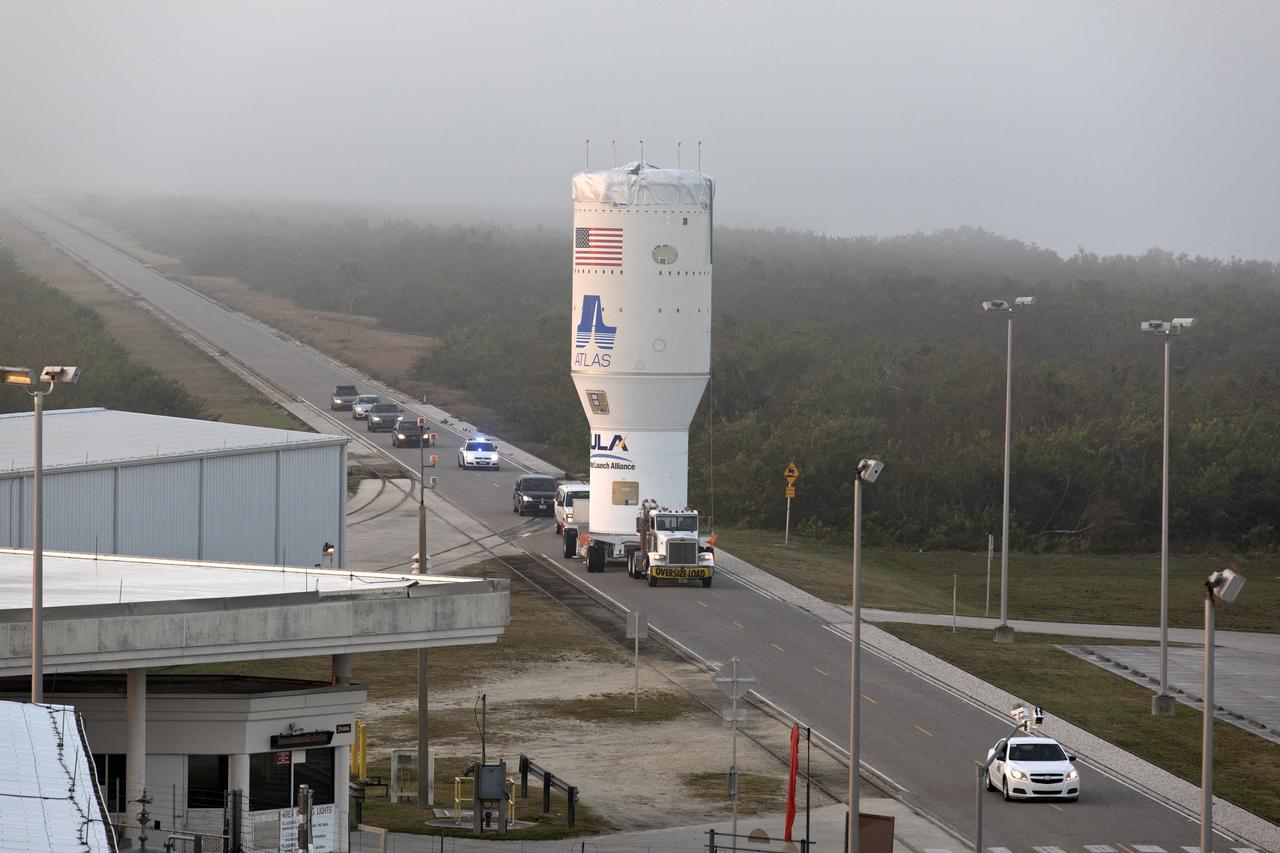
The Centaur upper stage that will help launch NOAA's Geostationary Operational Environmental Satellite-S, or GOES-S, arrives at the Vertical Integration Facility at Space Launch Complex 41 at Cape Canaveral Air Force Station in Florida. The Centaur will be mated to a United Launch Alliance Atlas V booster. GOES-S is the second in a series of four advanced geostationary weather satellites that will significantly improve the detection and observation of environmental phenomena that directly affect public safety, protection of property and the nation's economic health and prosperity. GOES-S is slated to launch March 1, 2018.
COTS-2 Freedom Star Thermal Imaging Test
COTS-2 Freedom Star Thermal Imaging Test
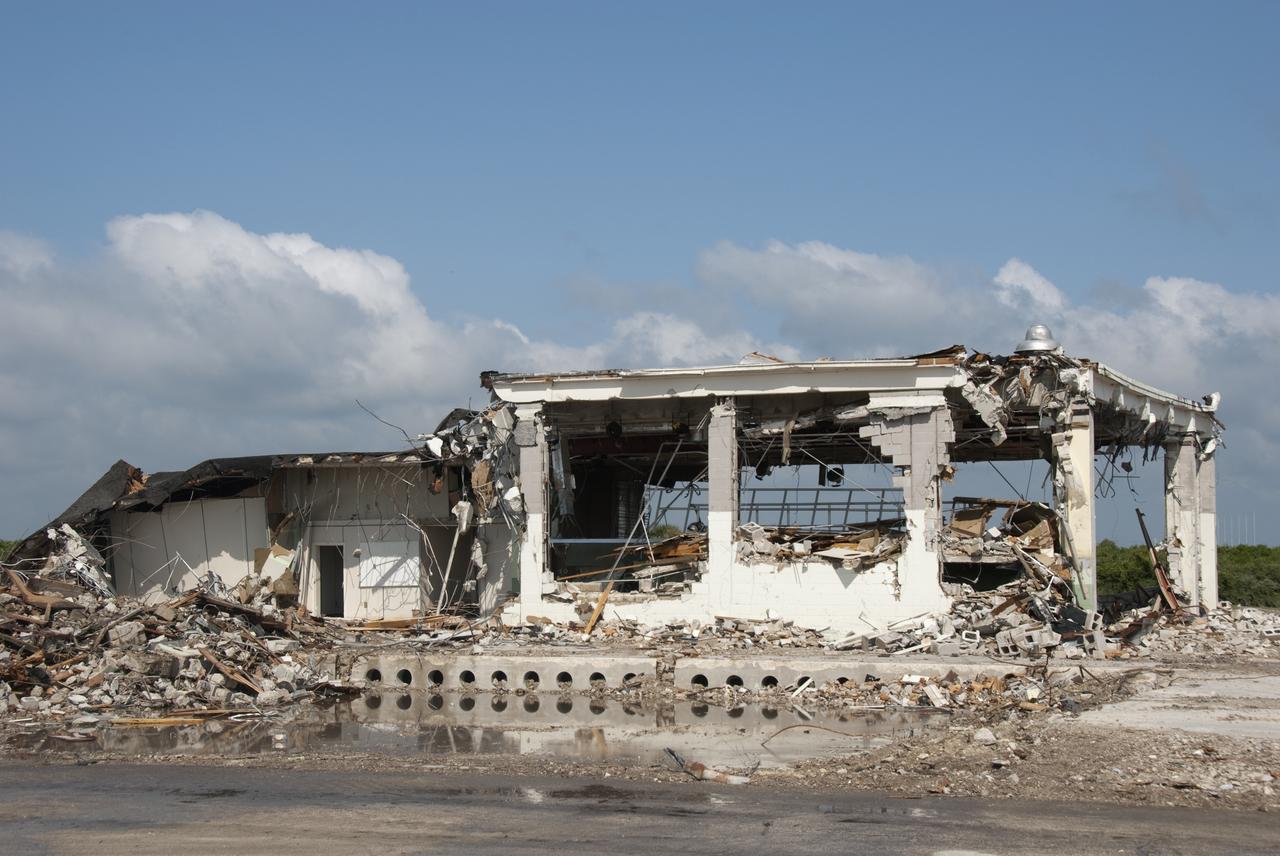
MERCURY MISSION CONTROL CENTER (MCC) DEMOLITION
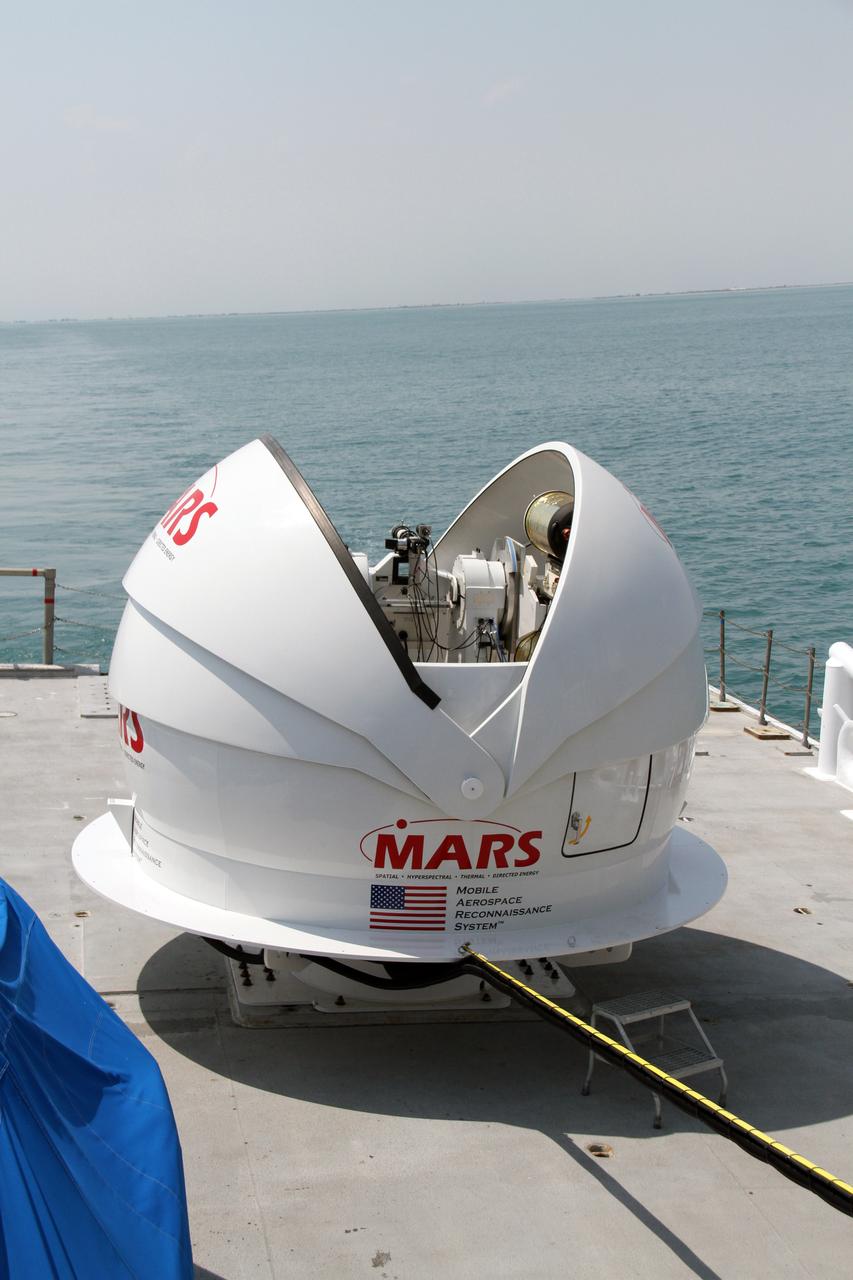
COTS-2 Freedom Star Thermal Imaging Test

The first integrated piece of flight hardware for NASA's Space Launch System (SLS) rocket, the Interim Cryogenic Propulsion Stage (ICPS) arrives at the United Launch Alliance (ULA) Horizontal Integration Facility at Cape Canaveral Air Force Station in Florida, where it will be removed from its flight case. The ICPS was shipped aboard the Mariner barge from the ULA facility in Decatur, Alabama. The ICPS is the in-space stage that is located toward the top of the rocket, between the Launch Vehicle Stage Adapter and the Orion Spacecraft Adapter. It will provide some of the in-space propulsion during Orion's first flight test atop the SLS on Exploration Mission 1.
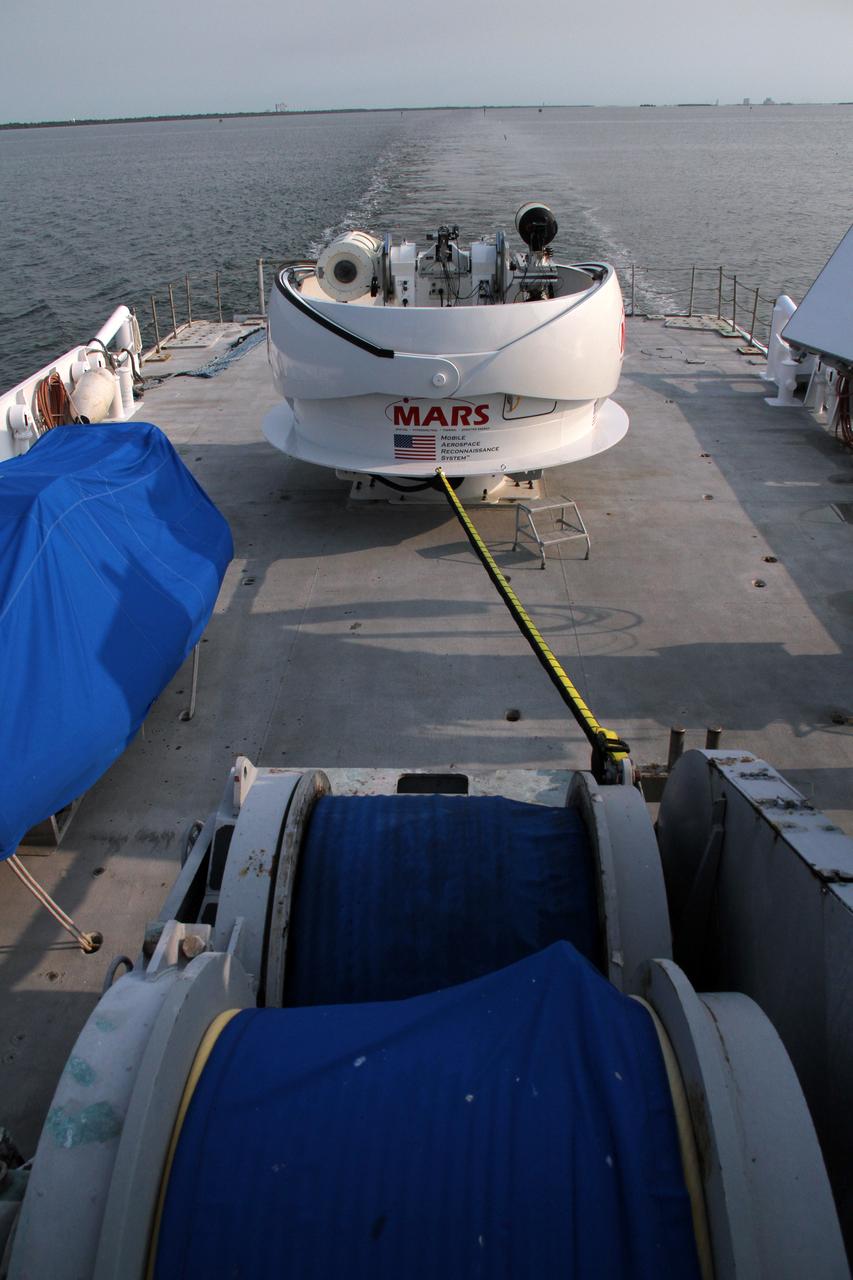
COTS-2 Freedom Star Thermal Imaging Test
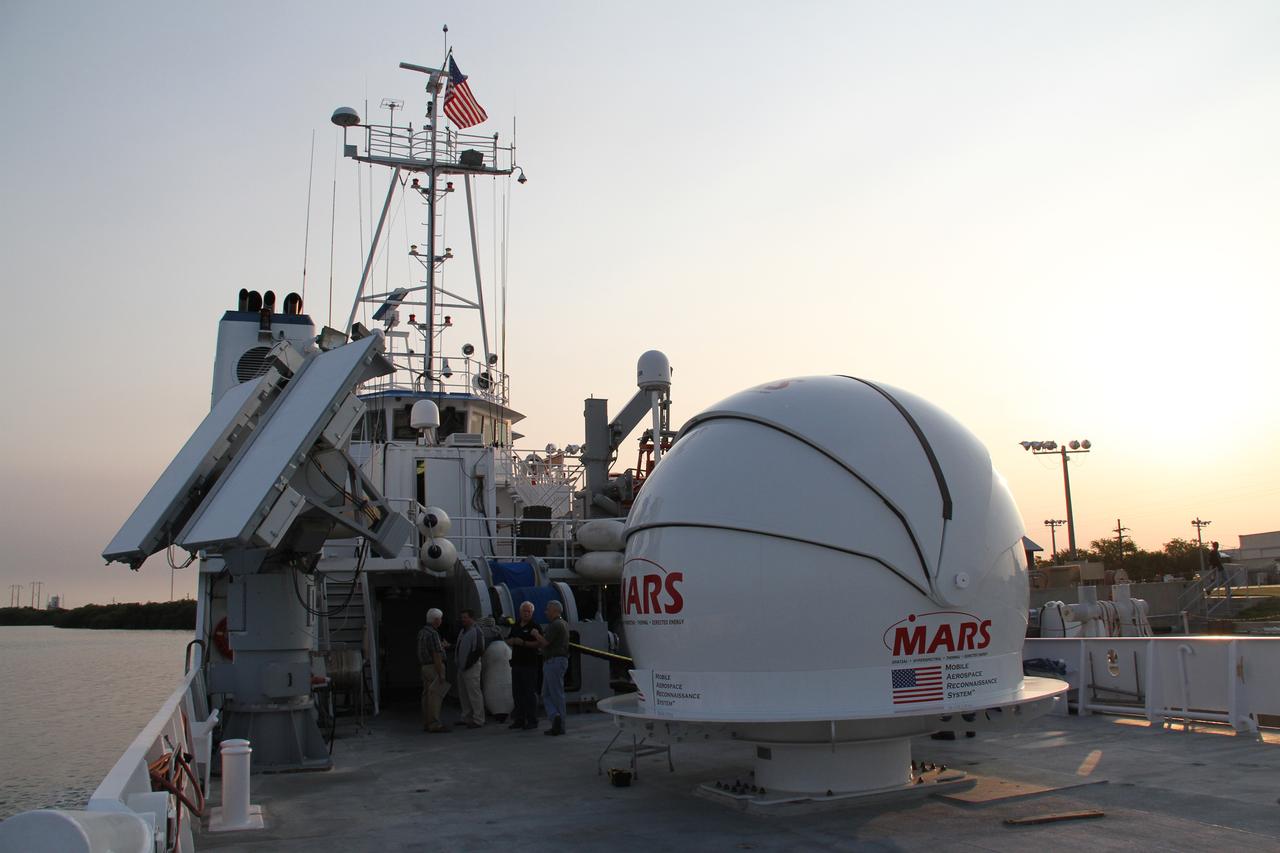
COTS-2 Freedom Star Thermal Imaging Test
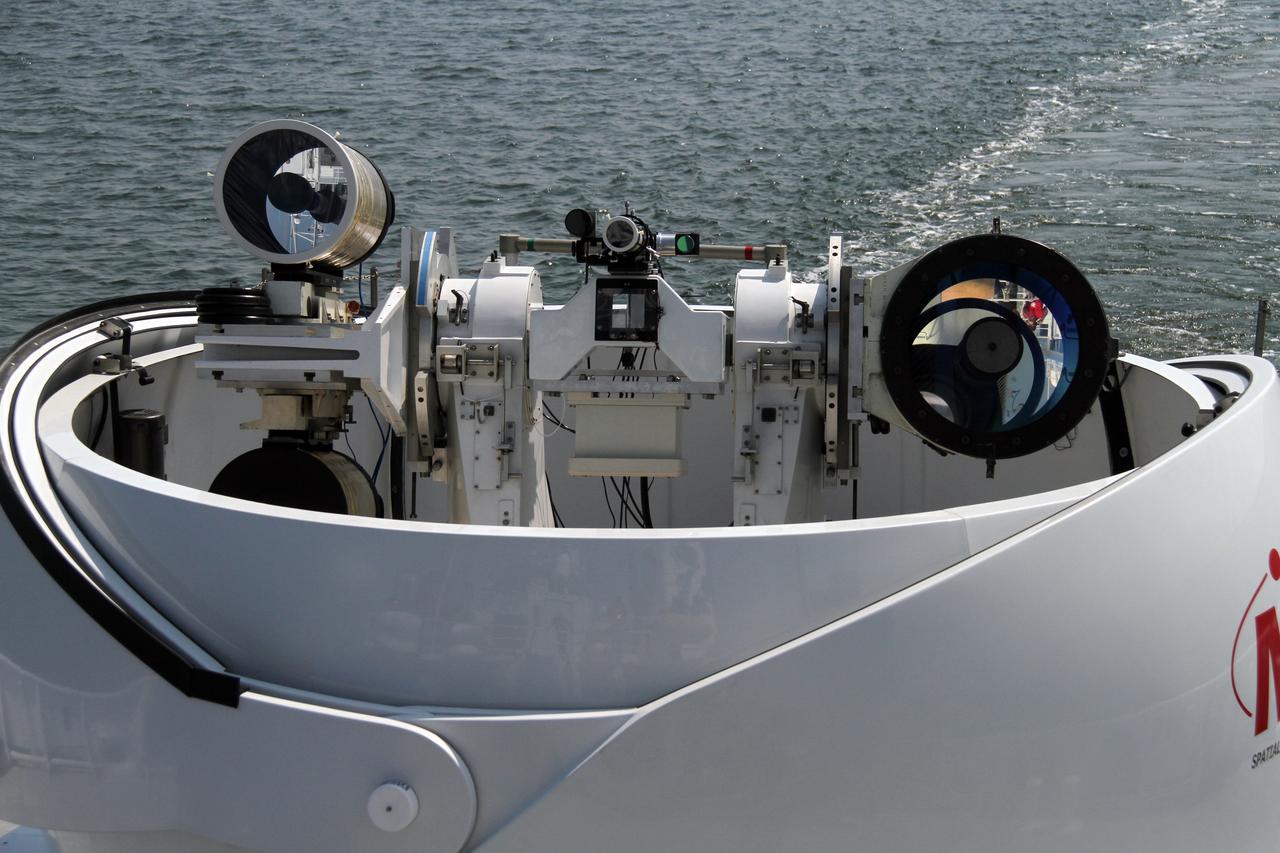
COTS-2 Freedom Star Thermal Imaging Test
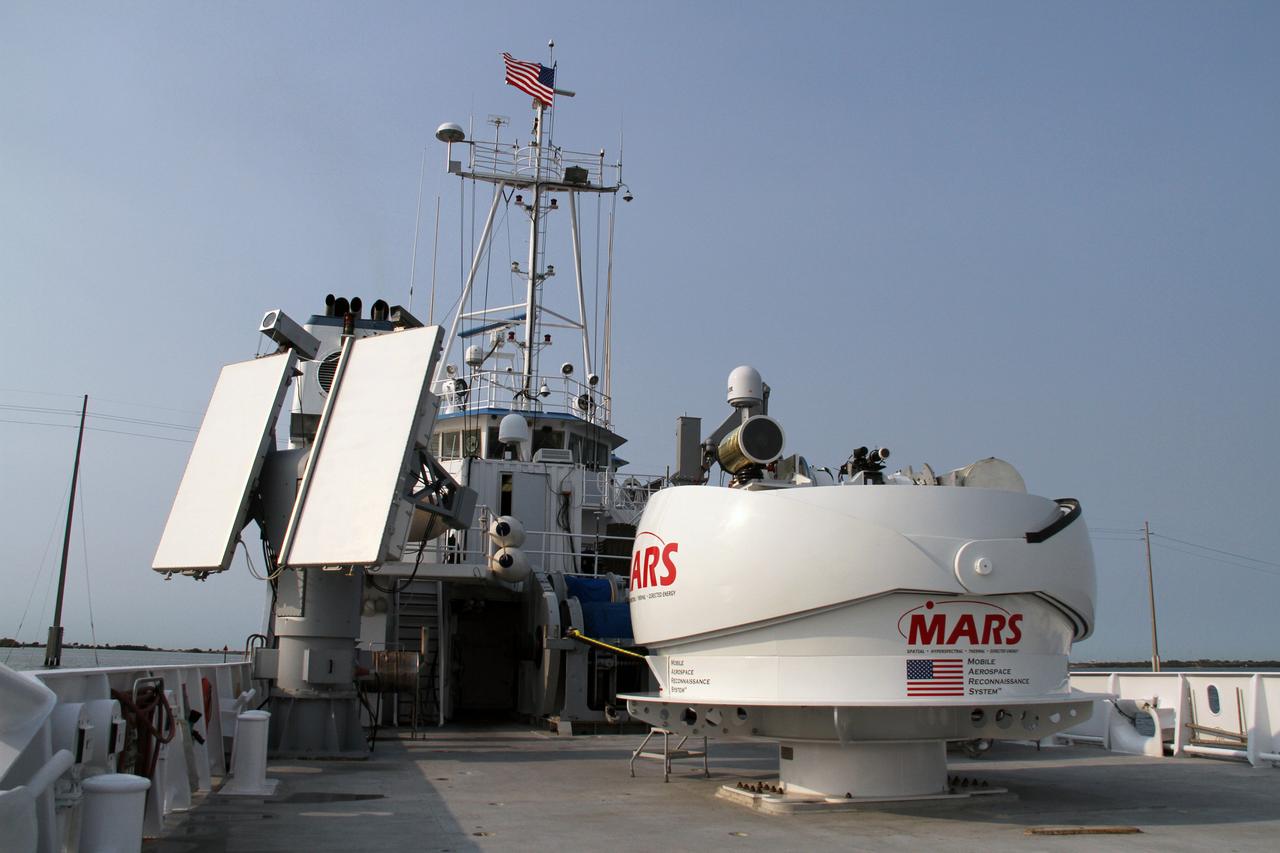
COTS-2 Freedom Star Thermal Imaging Test
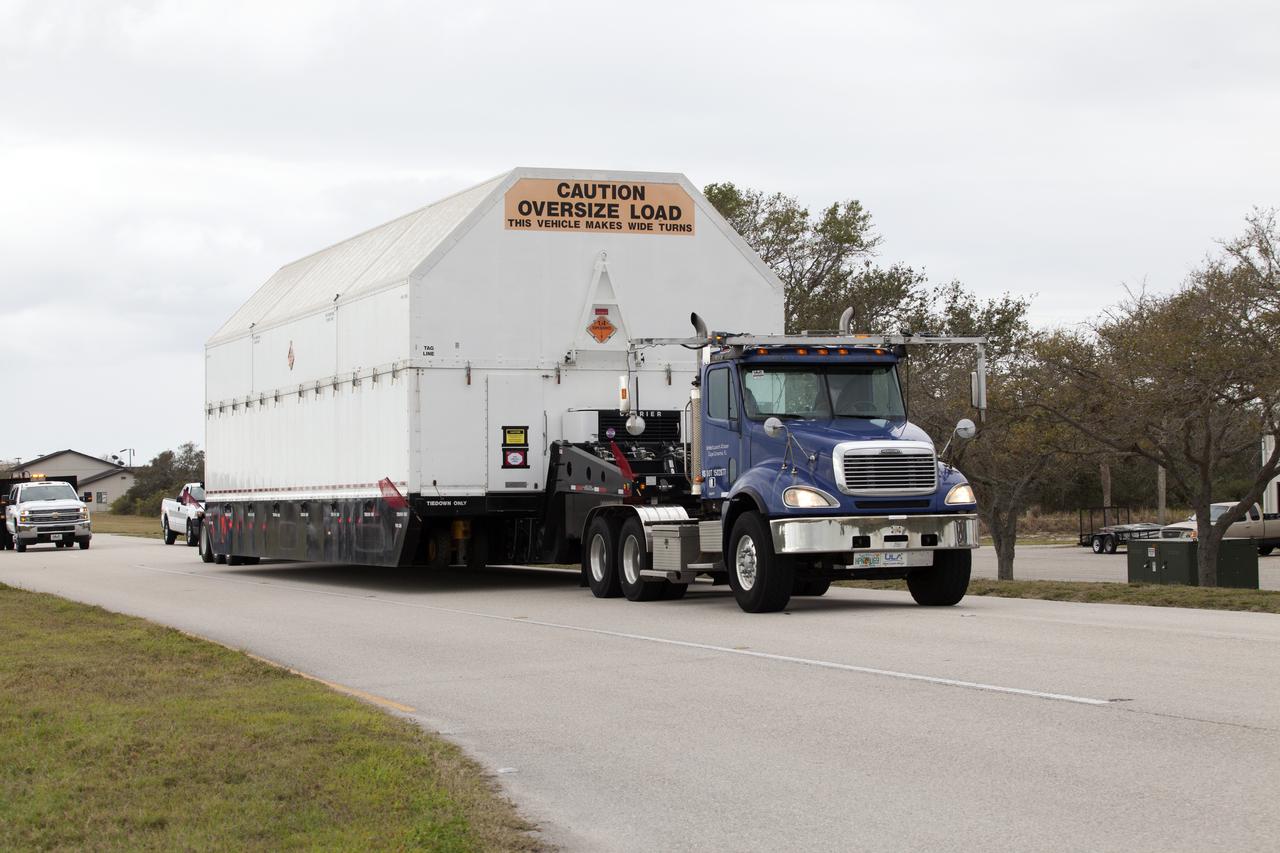
The first integrated piece of flight hardware for NASA's Space Launch System (SLS) rocket, the Interim Cryogenic Propulsion Stage (ICPS) was offloaded from the Mariner barge at Cape Canaveral Air Force Station in Florida, and is being transported to the United Launch Alliance (ULA) Horizontal Integration Facility where it will be removed from its flight case. The ICPS was shipped from the ULA facility in Decatur, Alabama. The ICPS is the in-space stage that is located toward the top of the rocket, between the Launch Vehicle Stage Adapter and the Orion Spacecraft Adapter. It will provide some of the in-space propulsion during Orion's first flight test atop the SLS on Exploration Mission 1.
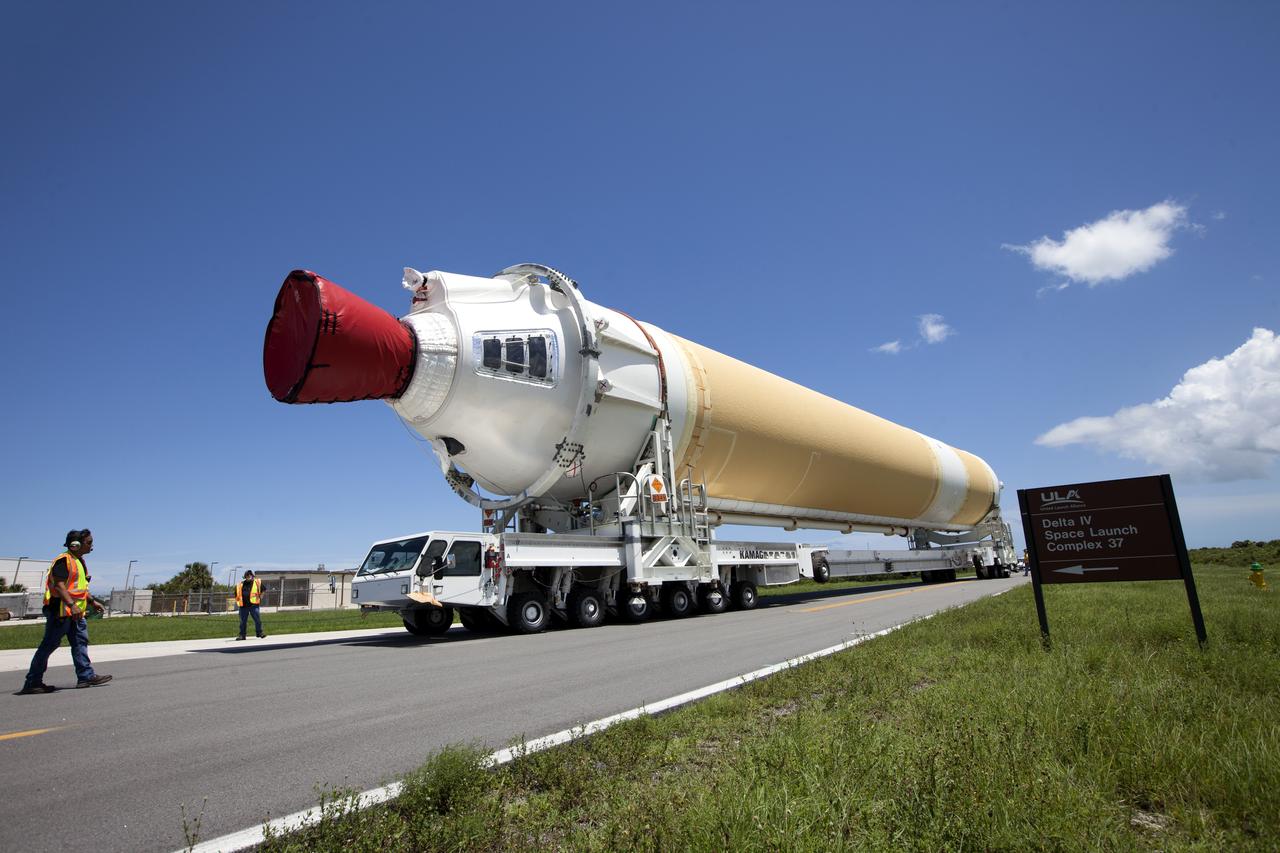
A United Launch Alliance Delta IV Heavy common booster core is transported by truck to Cape Canaveral Air Force Station's Launch Complex 37 Horizontal Processing Facility after arriving at Port Canaveral. The Delta IV Heavy will launch NASA's upcoming Parker Solar Probe mission. The mission will perform the closest-ever observations of a star when it travels through the Sun's atmosphere, called the corona. The probe will rely on measurements and imaging to revolutionize our understanding of the corona and the Sun-Earth connection. Liftoff atop the Delta IV Heavy rocket is scheduled to take place from Cape Canaveral's Space Launch Complex 37 in summer 2018.
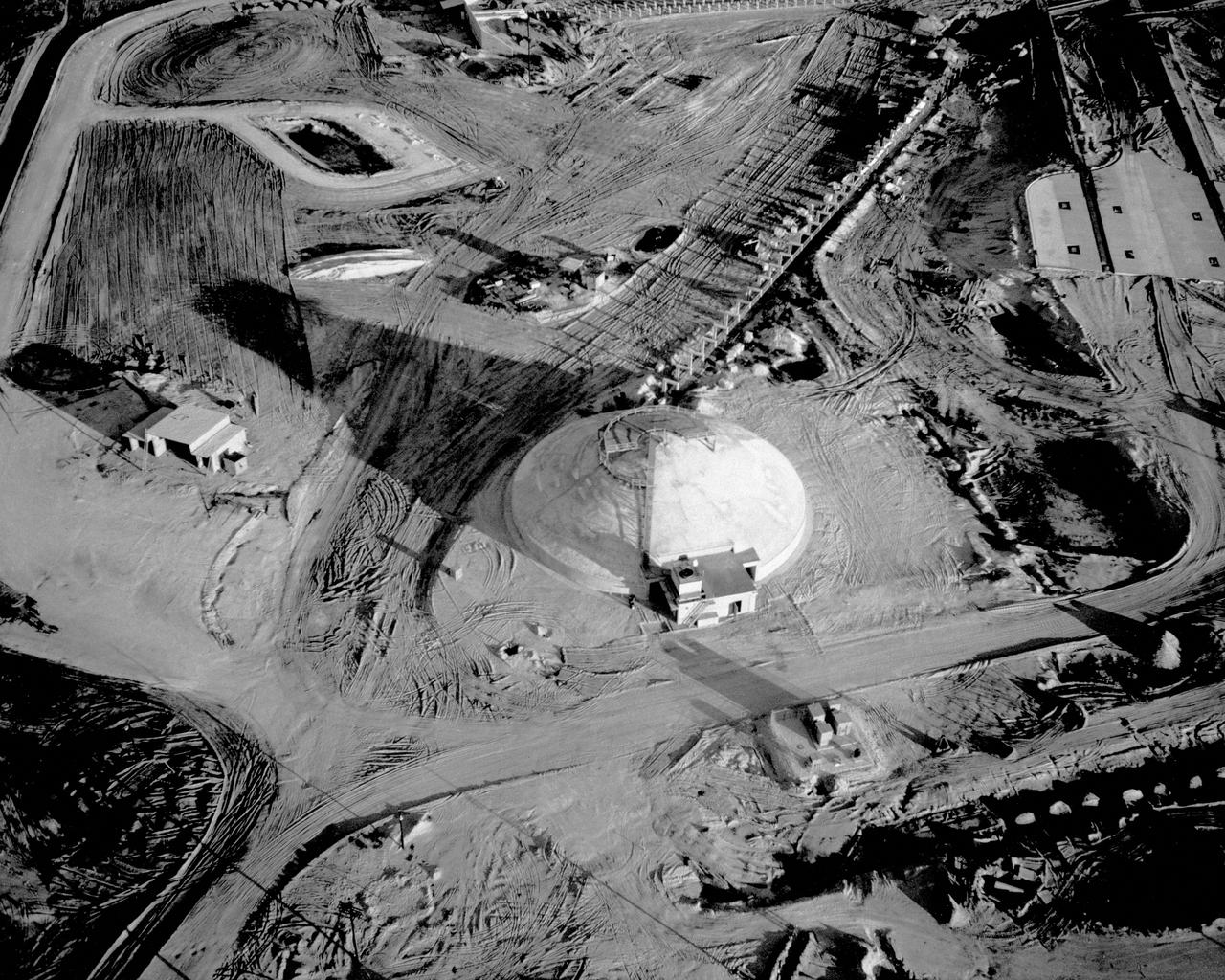
AERIAL VIEW PAD 34 BLOCKHOUSE CONSTRUCTION PROGRESS
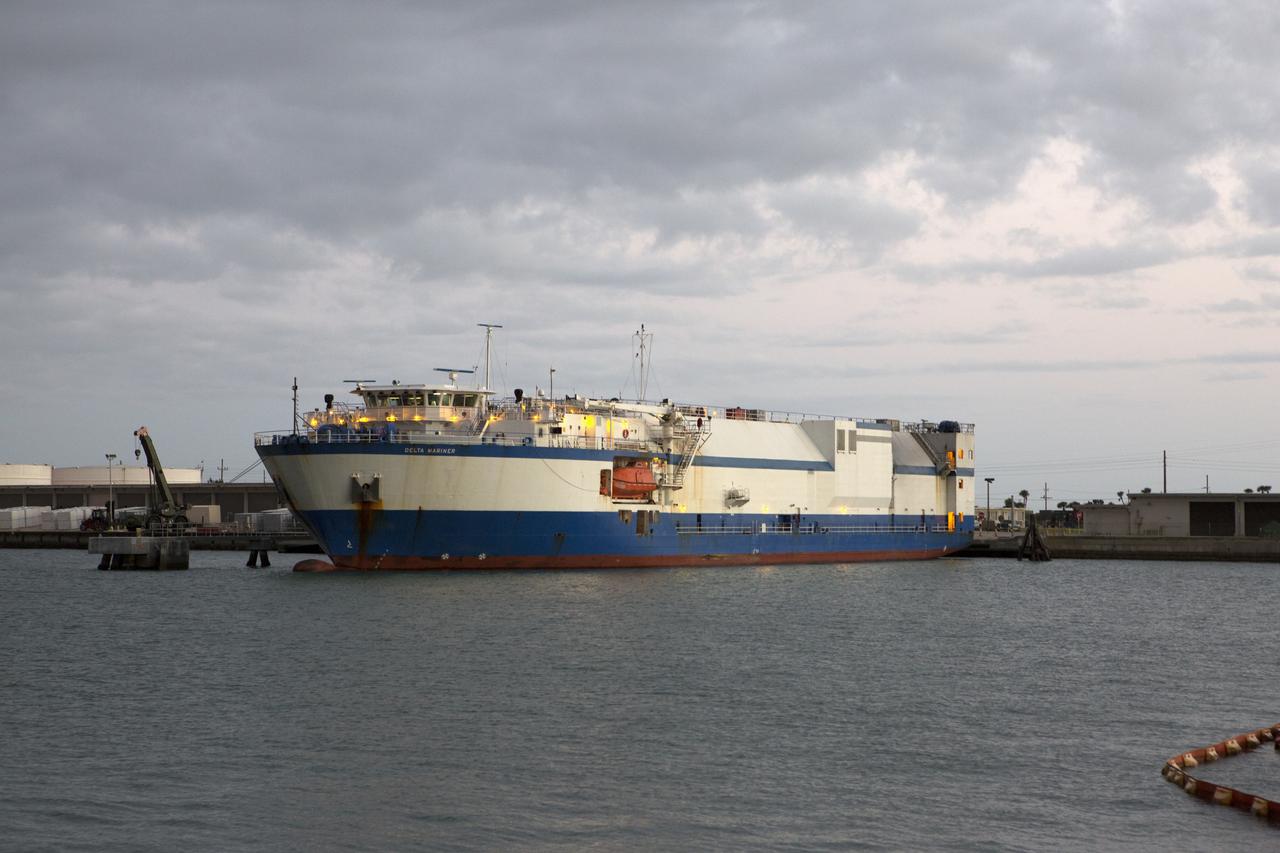
The Mariner barge arrives at Cape Canaveral Air Force Station in Florida, carrying the first integrated piece of flight hardware for NASA's Space Launch System (SLS) rocket, the Interim Cryogenic Propulsion Stage (ICPS). The ICPS was shipped from the United Launch Alliance (ULA) facility in Decatur, Alabama. The ICPS will be offloaded and transported to the ULA Horizontal Integration Facility where it will be removed from its flight case. The ICPS is the in-space stage that is located toward the top of the rocket, between the Launch Vehicle Stage Adapter and the Orion Spacecraft Adapter. It will provide some of the in-space propulsion during Orion's first flight test atop the SLS on Exploration Mission 1.
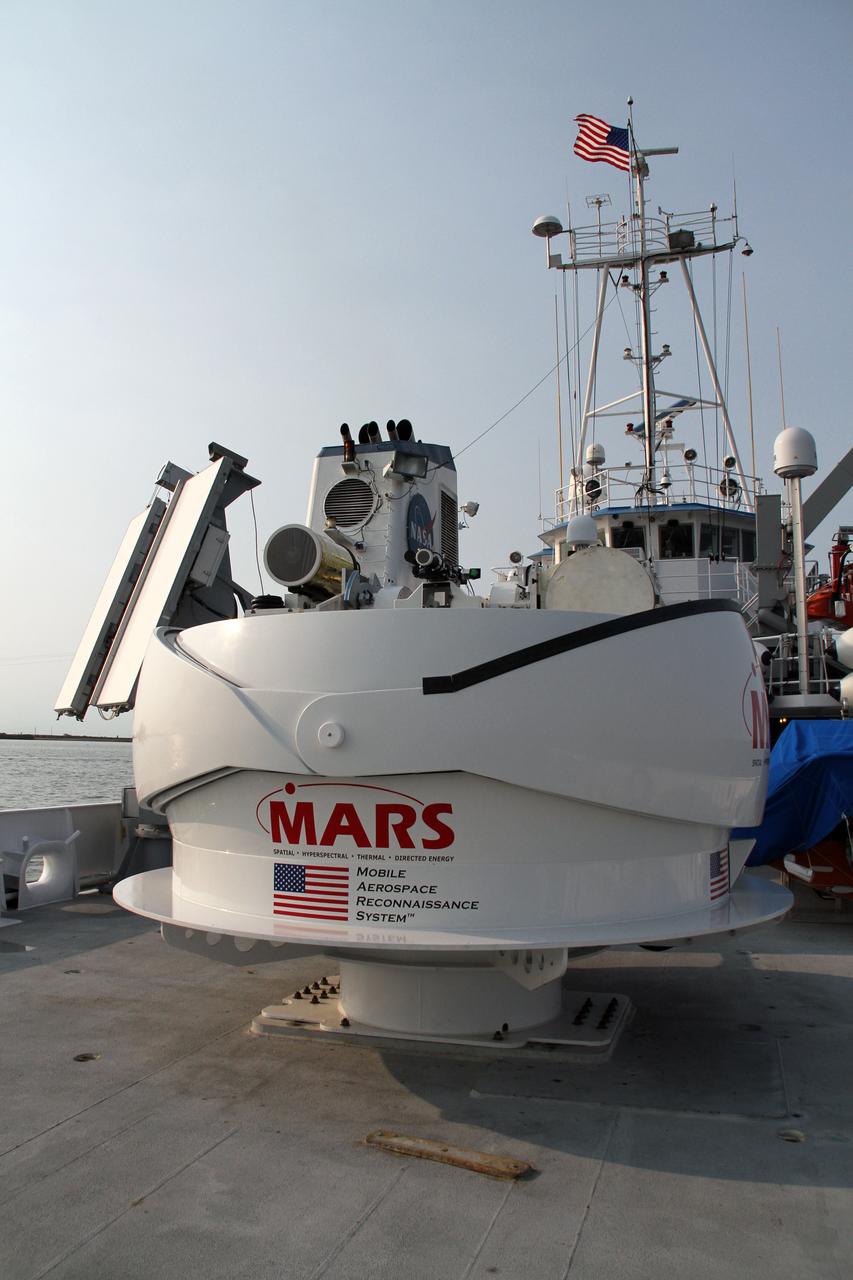
COTS-2 Freedom Star Thermal Imaging Test
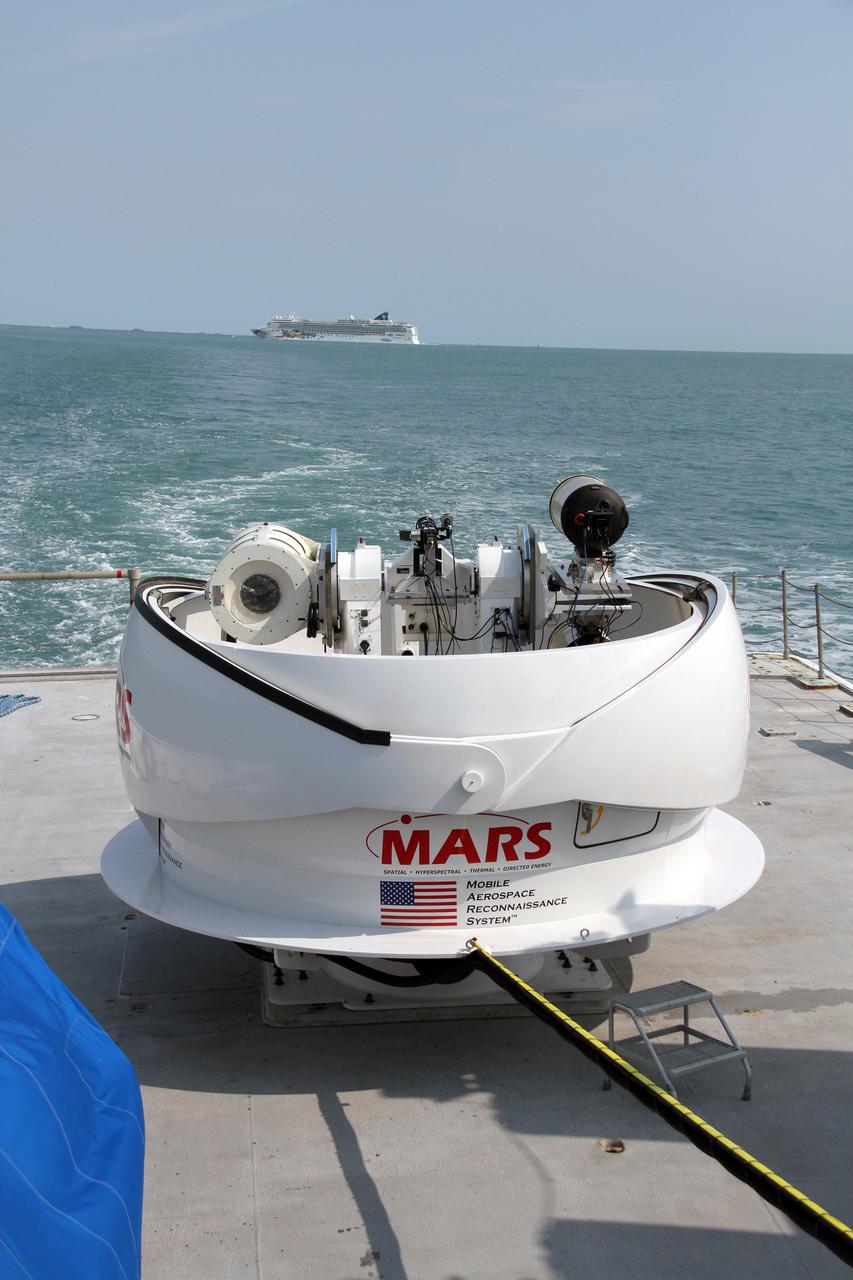
COTS-2 Freedom Star Thermal Imaging Test
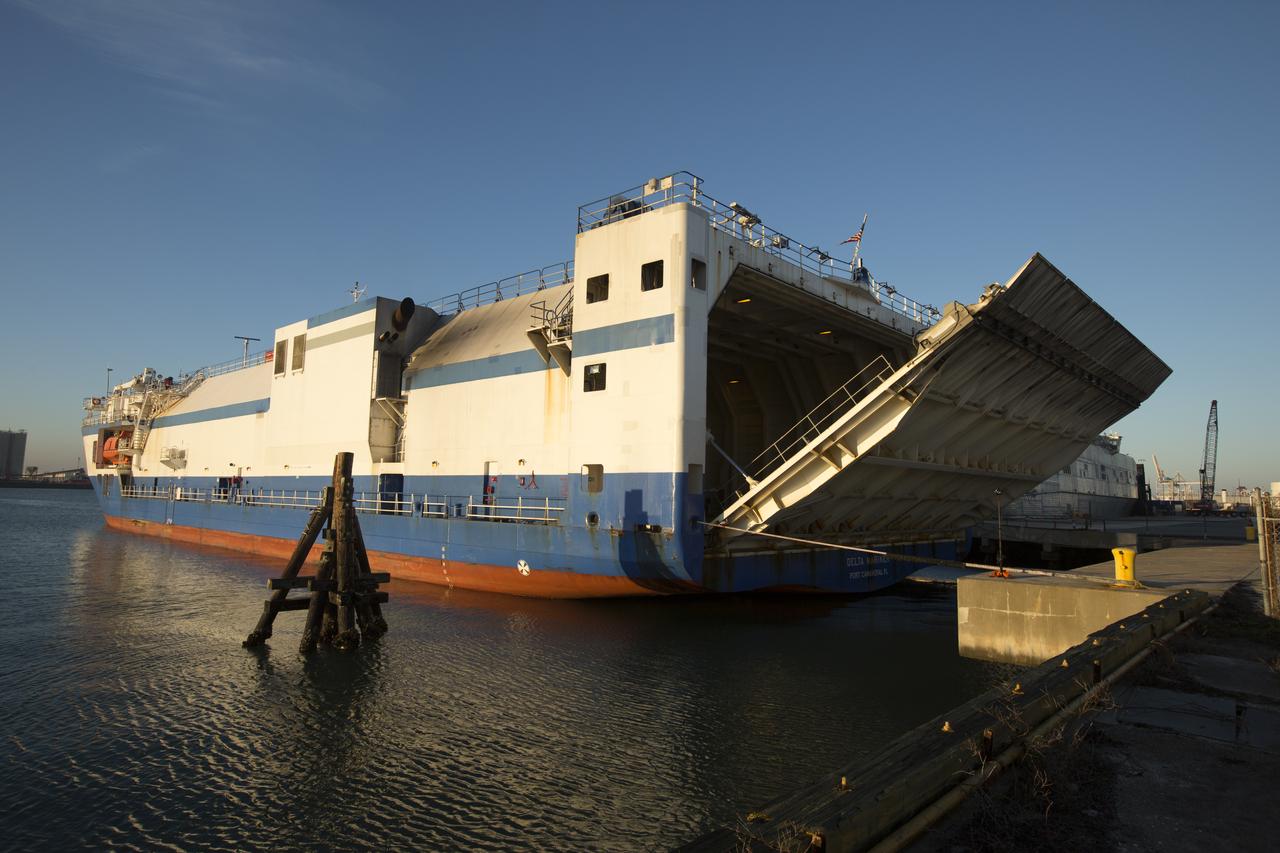
The Mariner cargo ship arrives at the Army Outpost wharf at Port Canaveral, Florida, near the Kennedy Space Center. Aboard is the United Launch Alliance (ULA) Atlas V booster for the Orbital ATK CRS-7 commercial resupply mission to the International Space Station. After the rocket is offloaded, a transport truck will take the Atlas V to the hangar at the Atlas Spaceflight Operations Center (ASOC), located south of Space Launch Complex 41 at Cape Canaveral Air Force Station. Scheduled to launch a Cygnus spacecraft on March 19, 2017, the Orbital ATK CRS-7 mission will deliver thousands of pounds of supplies, equipment and scientific research materials that improve life on Earth and drive progress toward future space exploration.
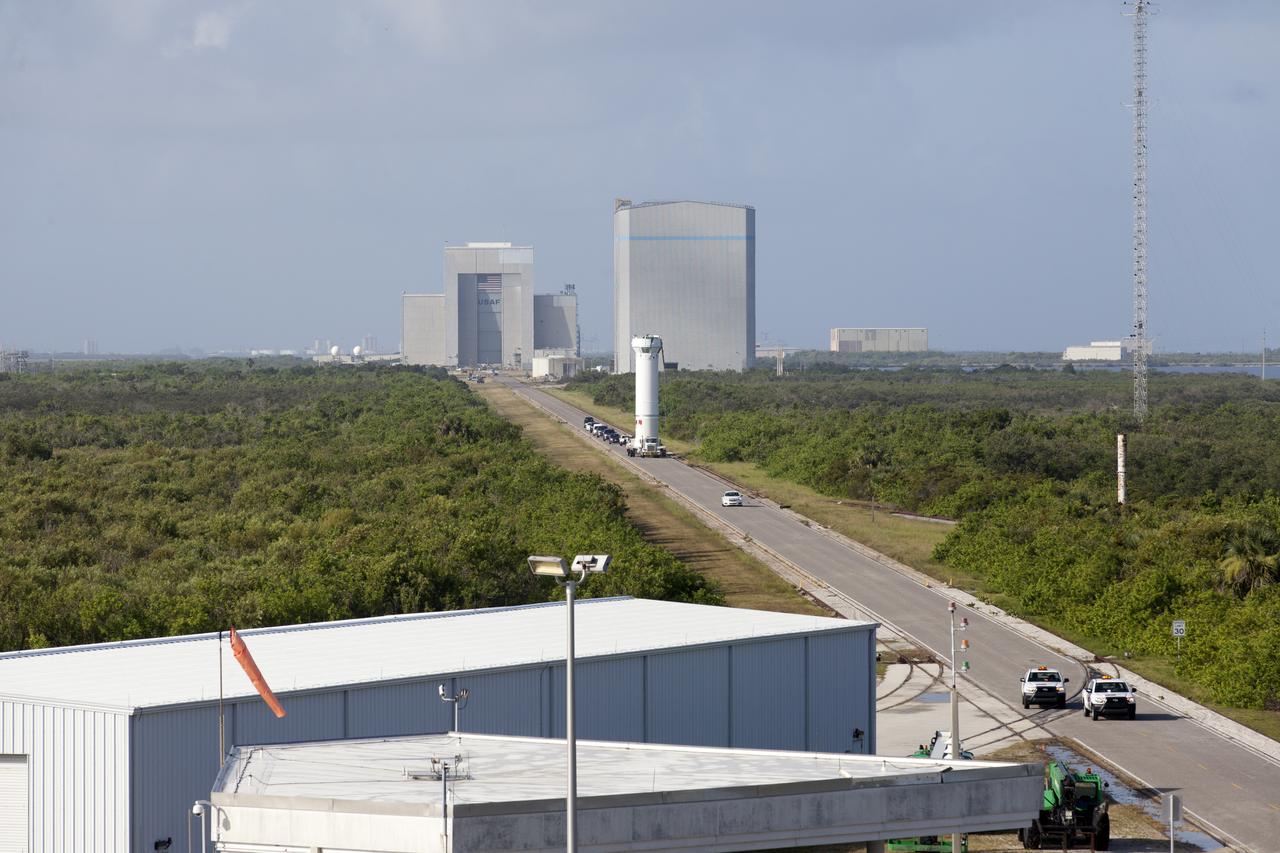
A United Launch Alliance Atlas V Centaur upper stage is on its wat to the Vertical Integration Facility at Space Launch Complex 41 at Cape Canaveral Air Force Station in Florida. The rocket is scheduled to help launch the Tracking and Data Relay Satellite, TDRS-M. It will be the latest spacecraft destined for the agency's constellation of communications satellites that allows nearly continuous contact with orbiting spacecraft ranging from the International Space Station and Hubble Space Telescope to the array of scientific observatories. Liftoff atop the ULA Atlas V rocket is scheduled to take place from Cape Canaveral's Space Launch Complex 41 in early August.
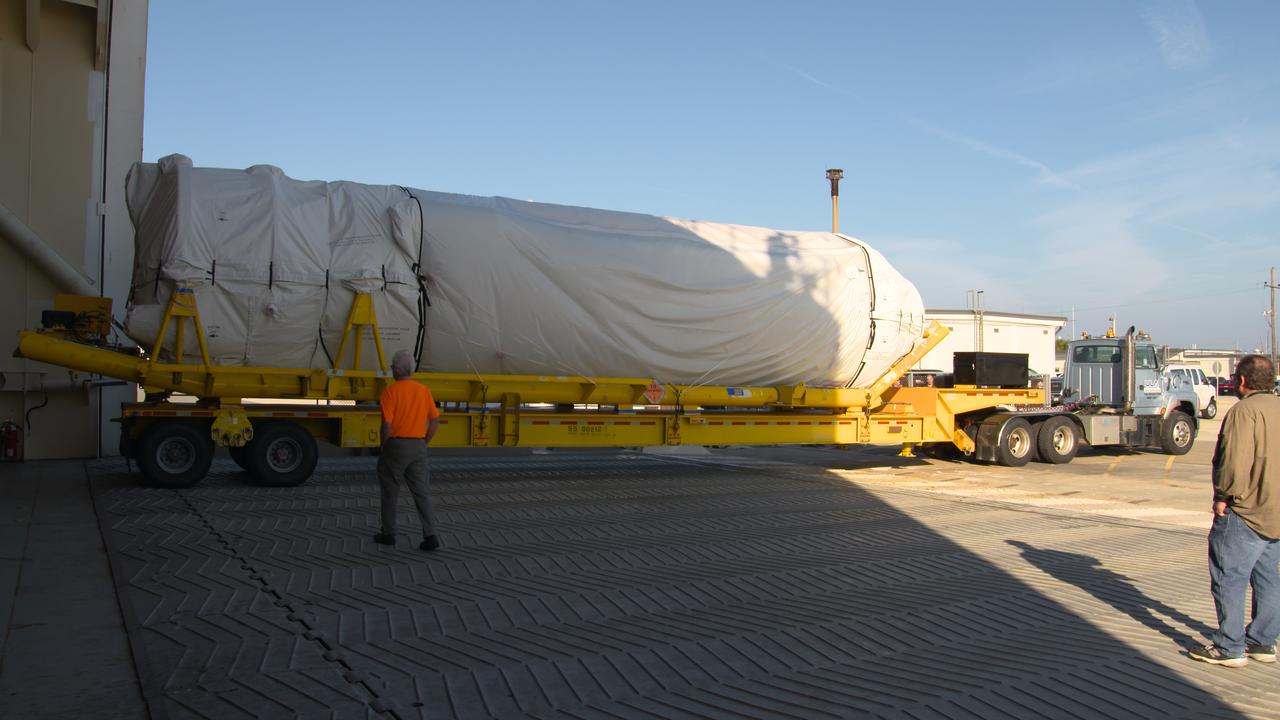
The United Launch Alliance (ULA) Centaur upper stage arrived for the Orbital ATK CRS-7 commercial resupply mission to the International Space Station. A transport truck is taking the Centaur from the Mariner cargo ship in the background, to the hangar at the Atlas Spaceflight Operations Center (ASOC), located south of Space Launch Complex 41 at Cape Canaveral Air Force Station. Scheduled to launch March 19, 2017, the Orbital ATK CRS-7 mission will lift off atop the ULA Atlas V rocket to deliver thousands of pounds of supplies, equipment and scientific research materials that improve life on Earth and drive progress toward future space exploration.
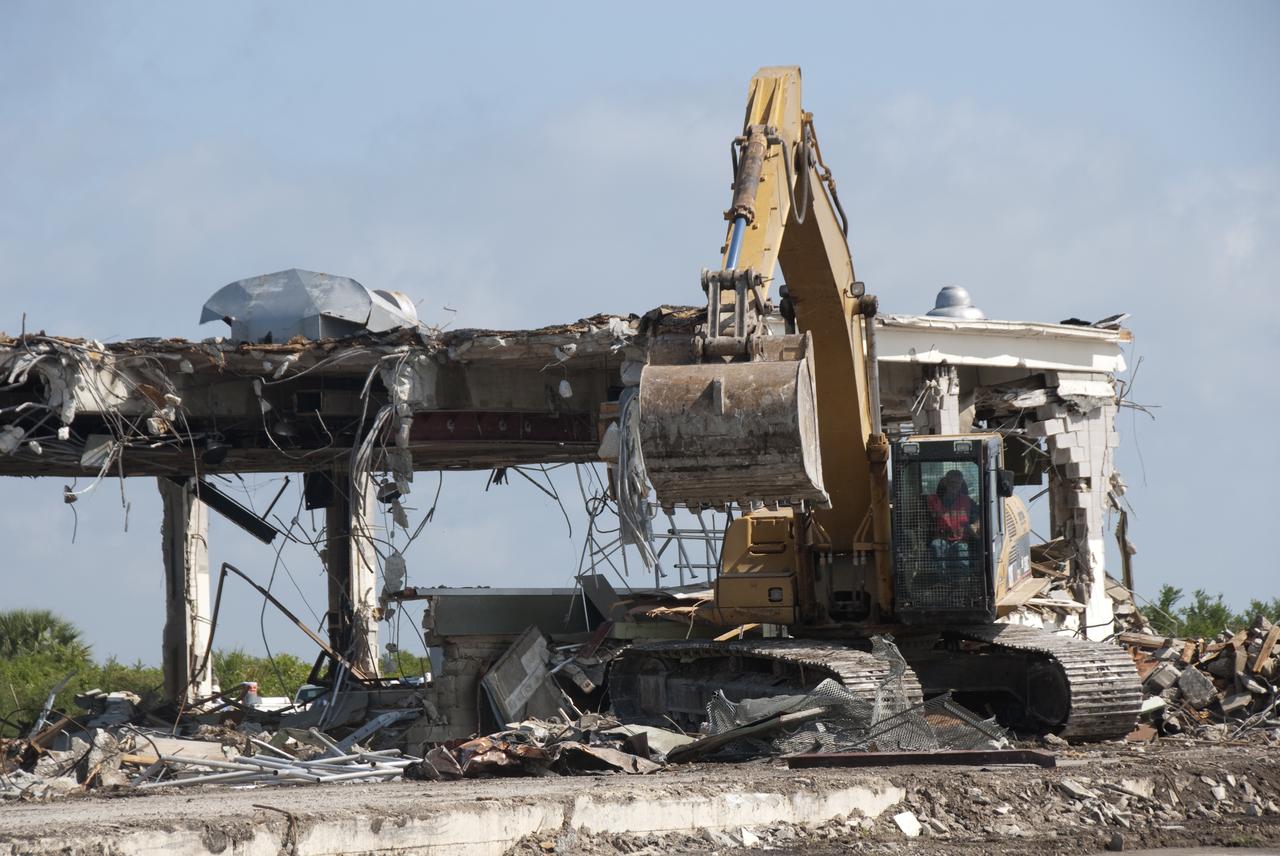
MERCURY MISSION CONTROL CENTER (MCC) DEMOLITION
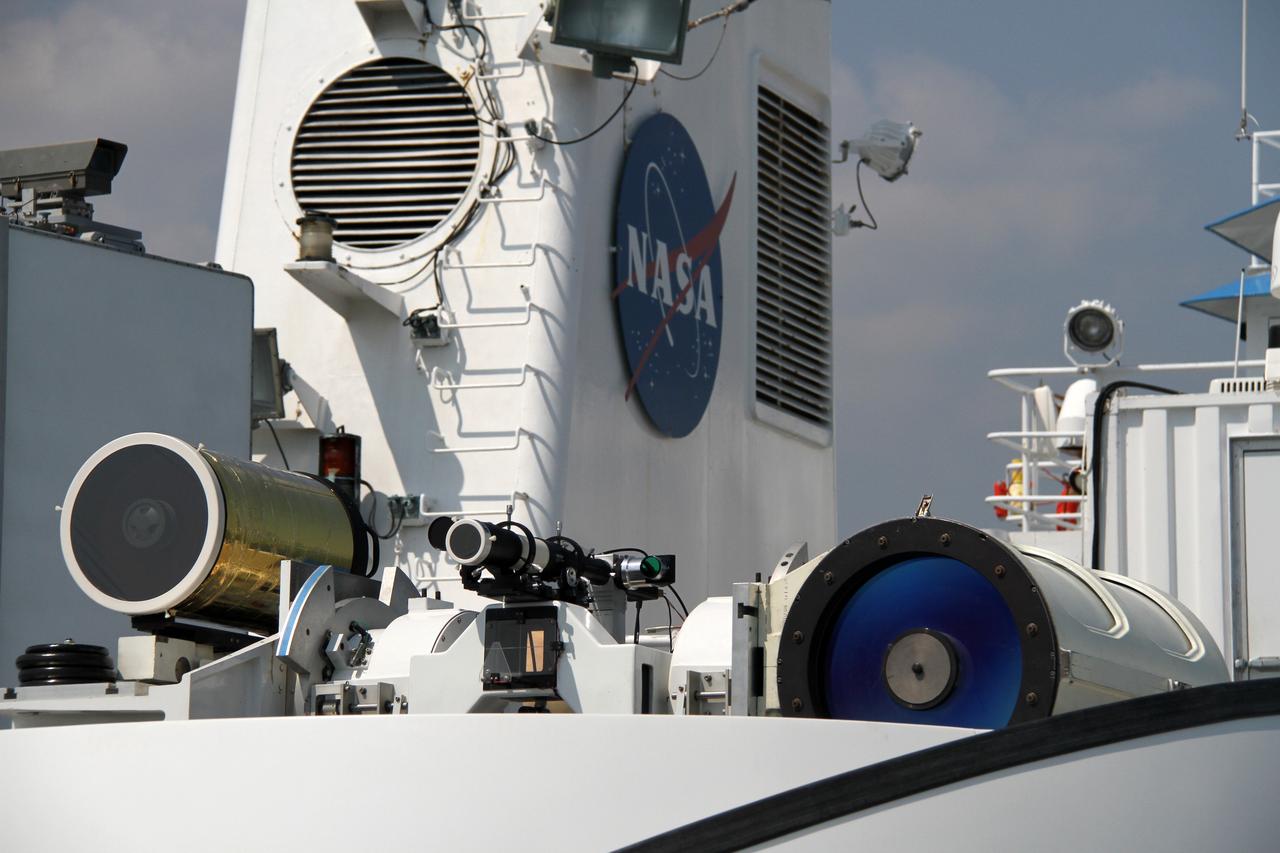
COTS-2 Freedom Star Thermal Imaging Test
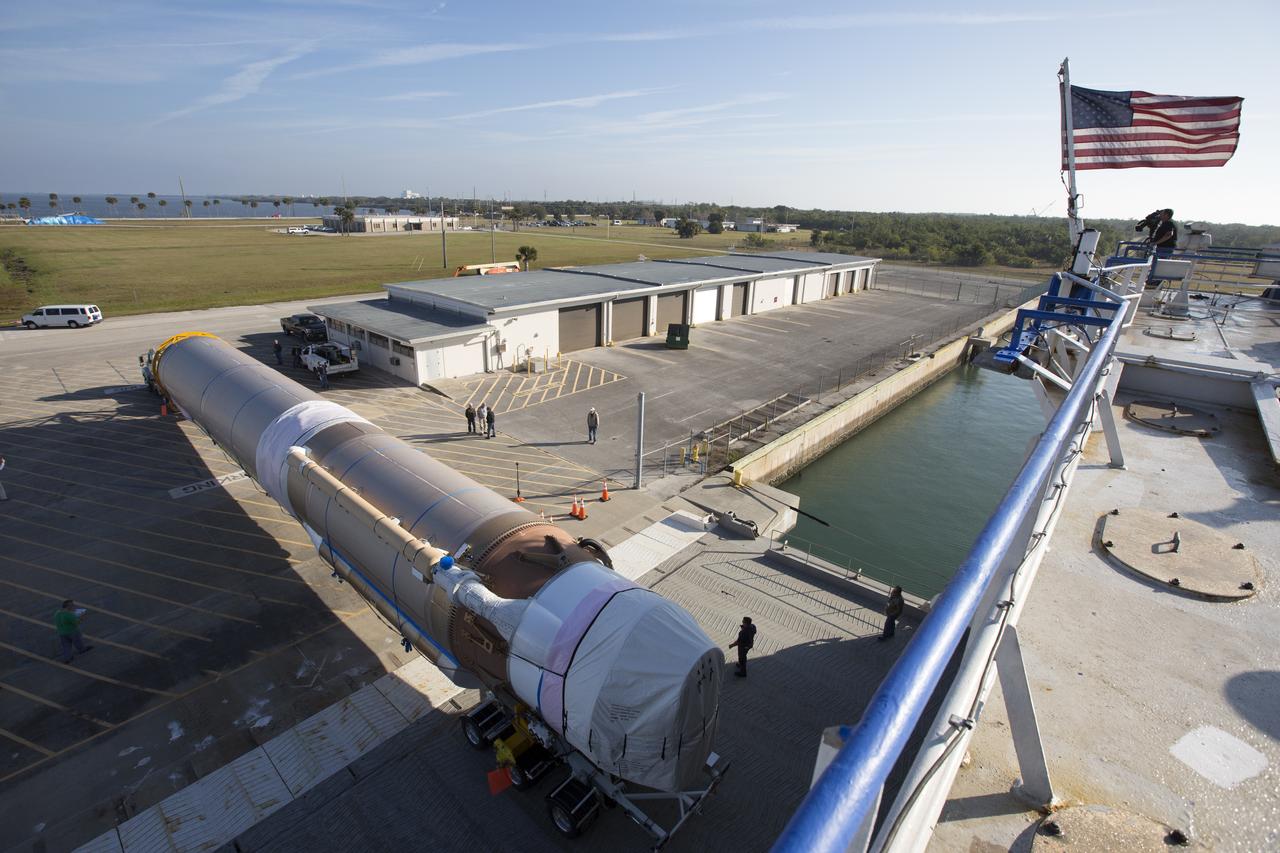
The United Launch Alliance (ULA) Atlas V booster arrives for the Orbital ATK CRS-7 commercial resupply mission to the International Space Station. A transport truck is taking the Atlas V from the Mariner cargo ship in the background, to the hangar at the Atlas Spaceflight Operations Center (ASOC), located south of Space Launch Complex 41 at Cape Canaveral Air Force Station. Scheduled to launch March 19, 2017, the Orbital ATK CRS-7 mission will lift off atop the ULA Atlas V rocket to deliver thousands of pounds of supplies, equipment and scientific research materials that improve life on Earth and drive progress toward future space exploration.
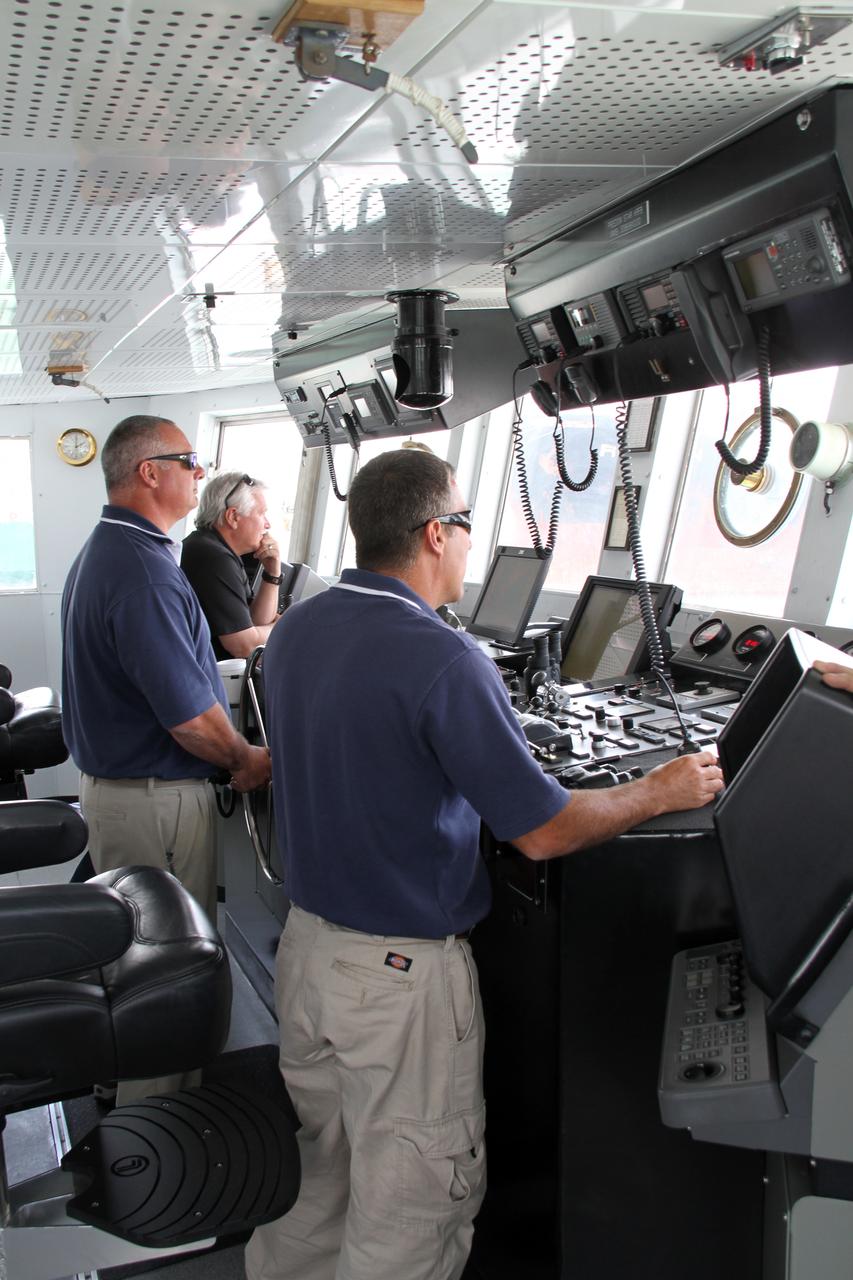
COTS-2 Freedom Star Thermal Imaging Test
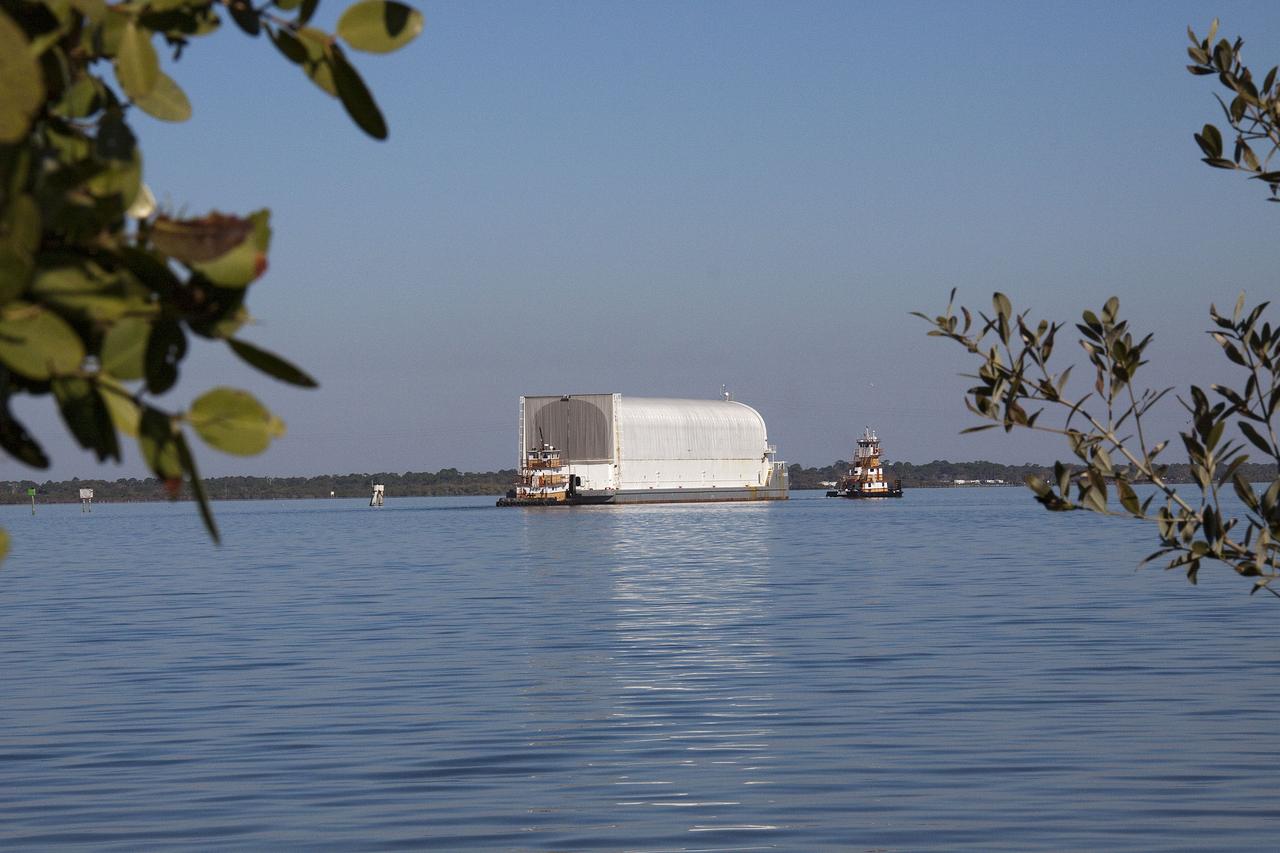
STS-132 ET-136 ARRIVAL THRU PORT CANAVERAL
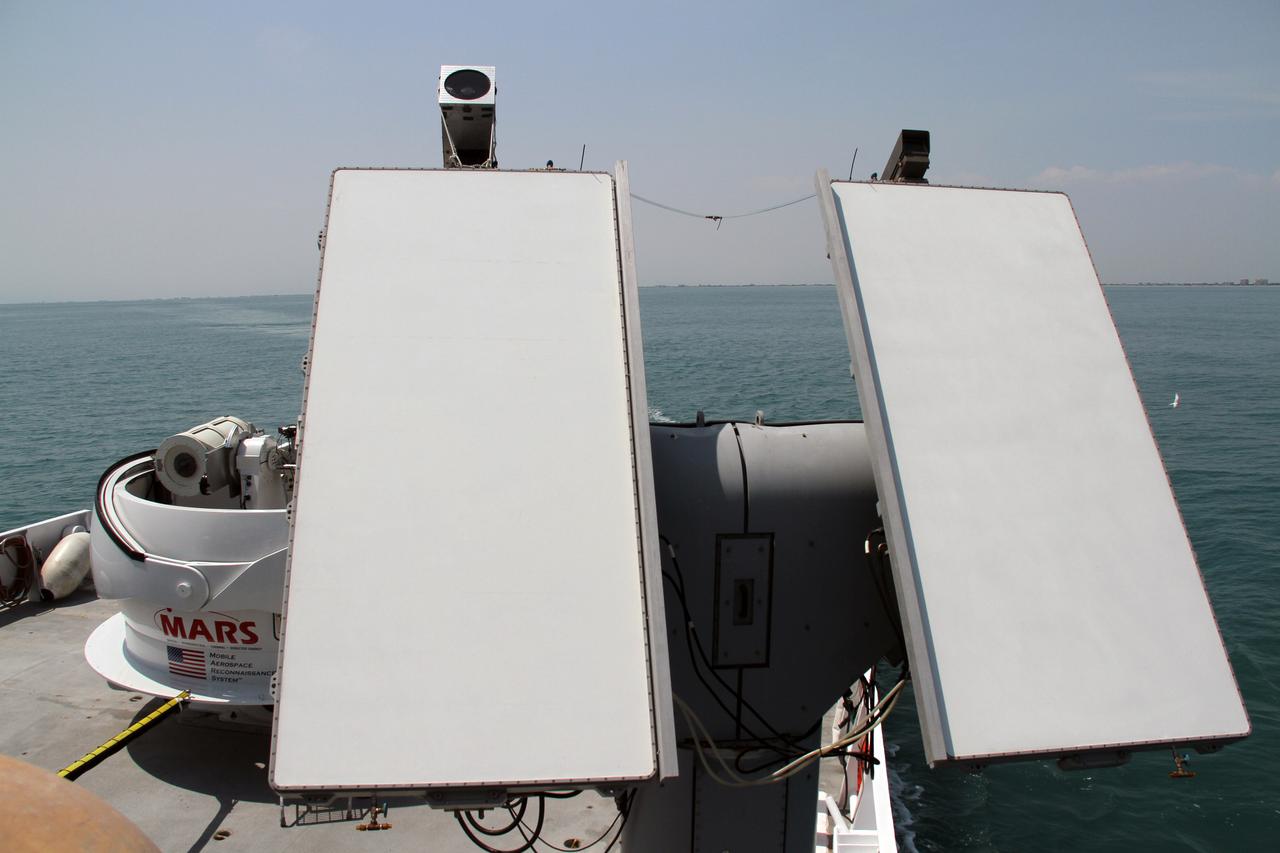
COTS-2 Freedom Star Thermal Imaging Test
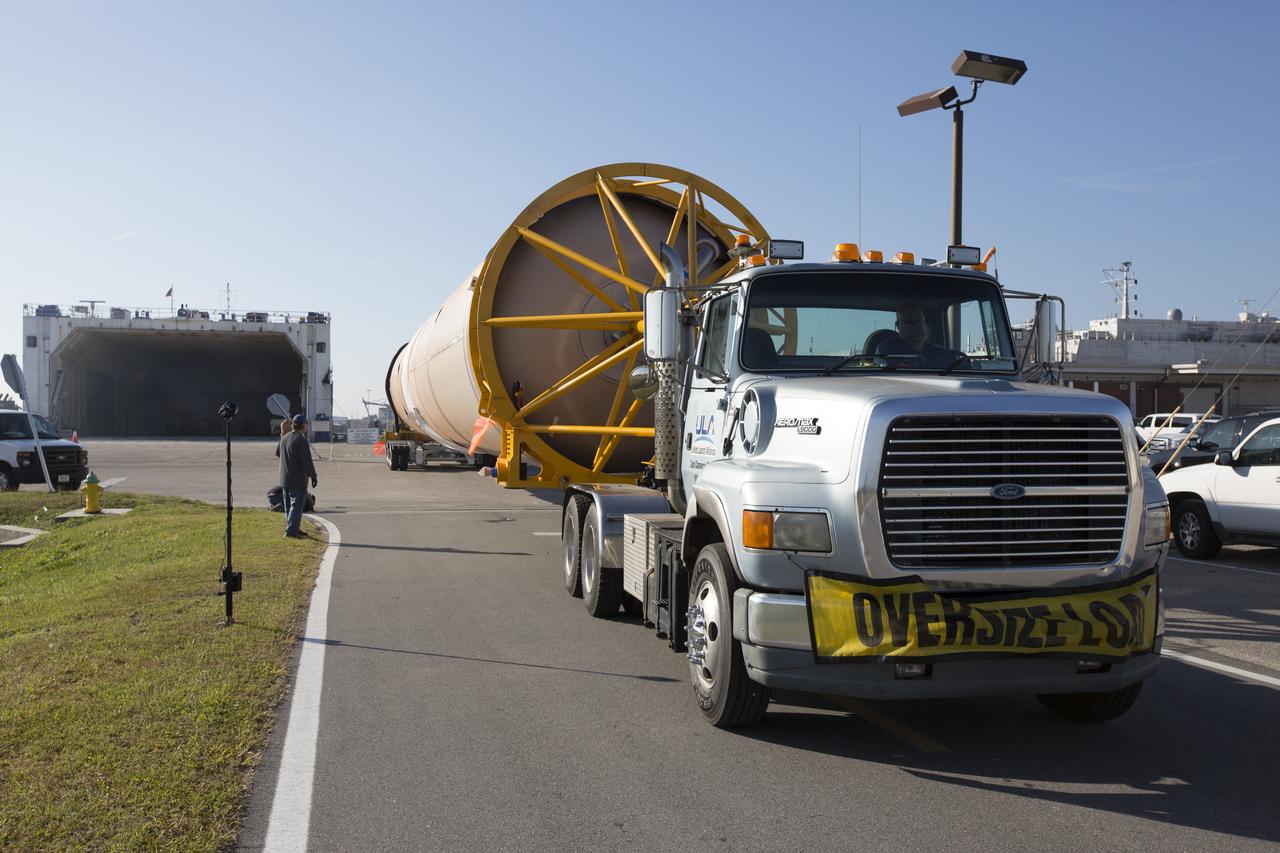
The United Launch Alliance (ULA) Atlas V booster arrives for the Orbital ATK CRS-7 commercial resupply mission to the International Space Station. A transport truck is taking the Atlas V from the Mariner cargo ship in the background, to the hangar at the Atlas Spaceflight Operations Center (ASOC), located south of Space Launch Complex 41 at Cape Canaveral Air Force Station. Scheduled to launch March 19, 2017, a Cygnus spacecraft on the Orbital ATK CRS-7 mission will lift off atop the ULA Atlas V rocket to deliver thousands of pounds of supplies, equipment and scientific research materials that improve life on Earth and drive progress toward future space exploration.
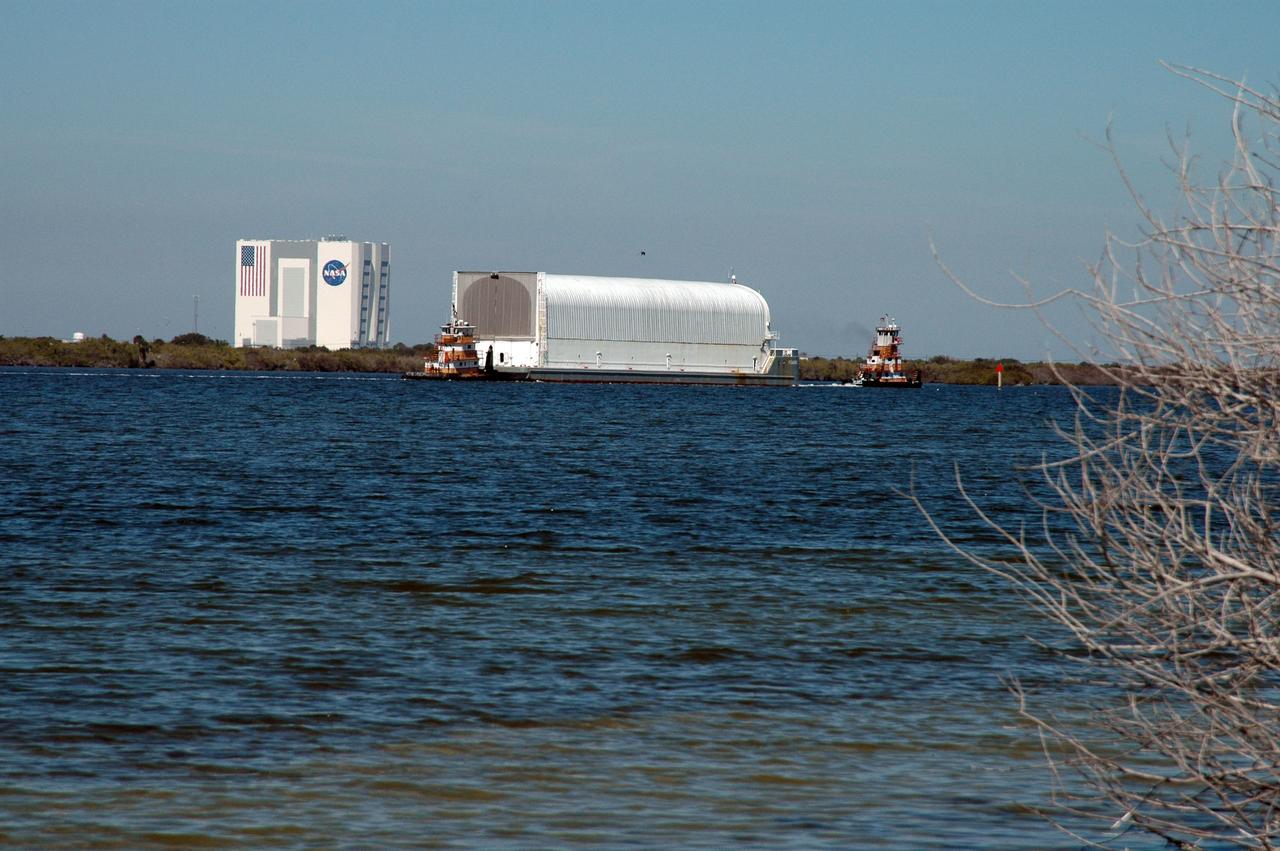
STS-132 ET-136 ARRIVAL THRU PORT CANAVERAL
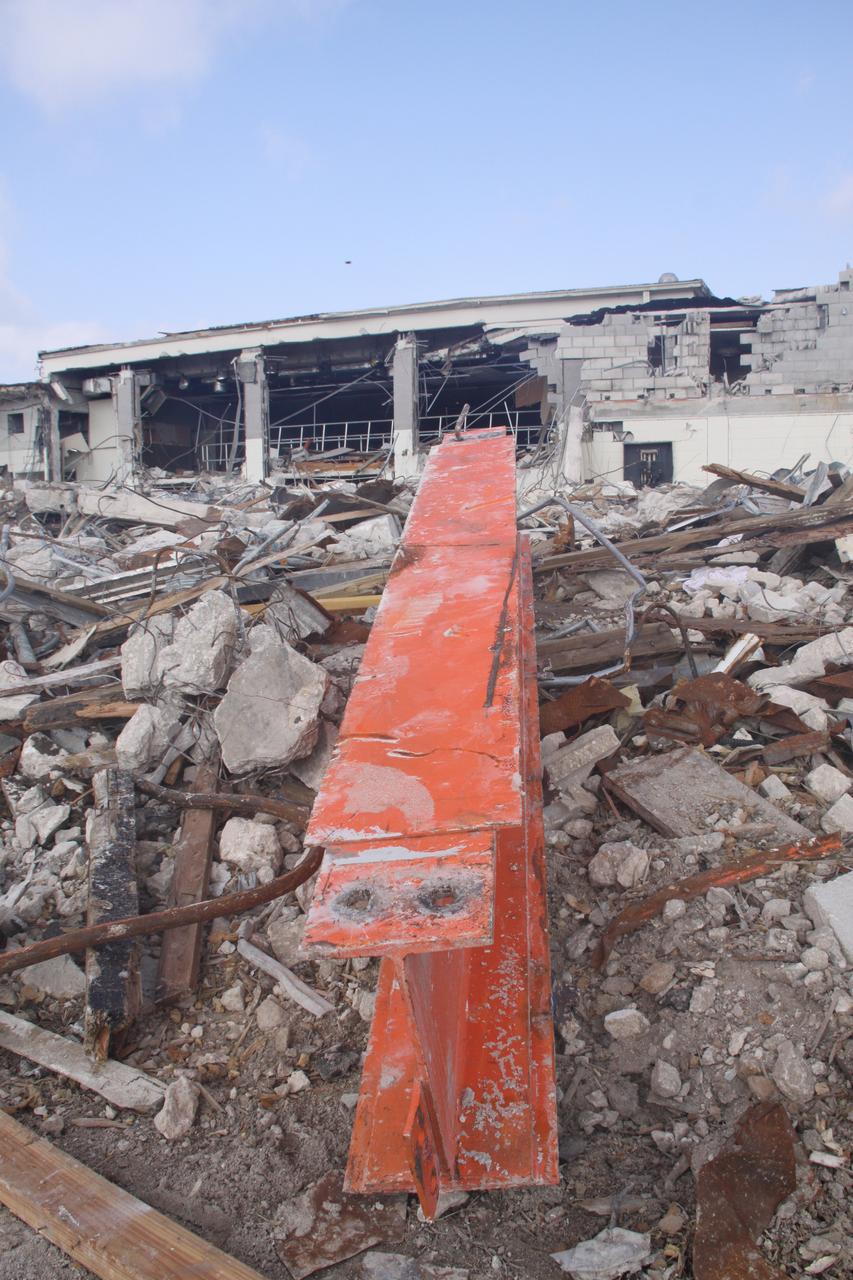
MCC Demolition
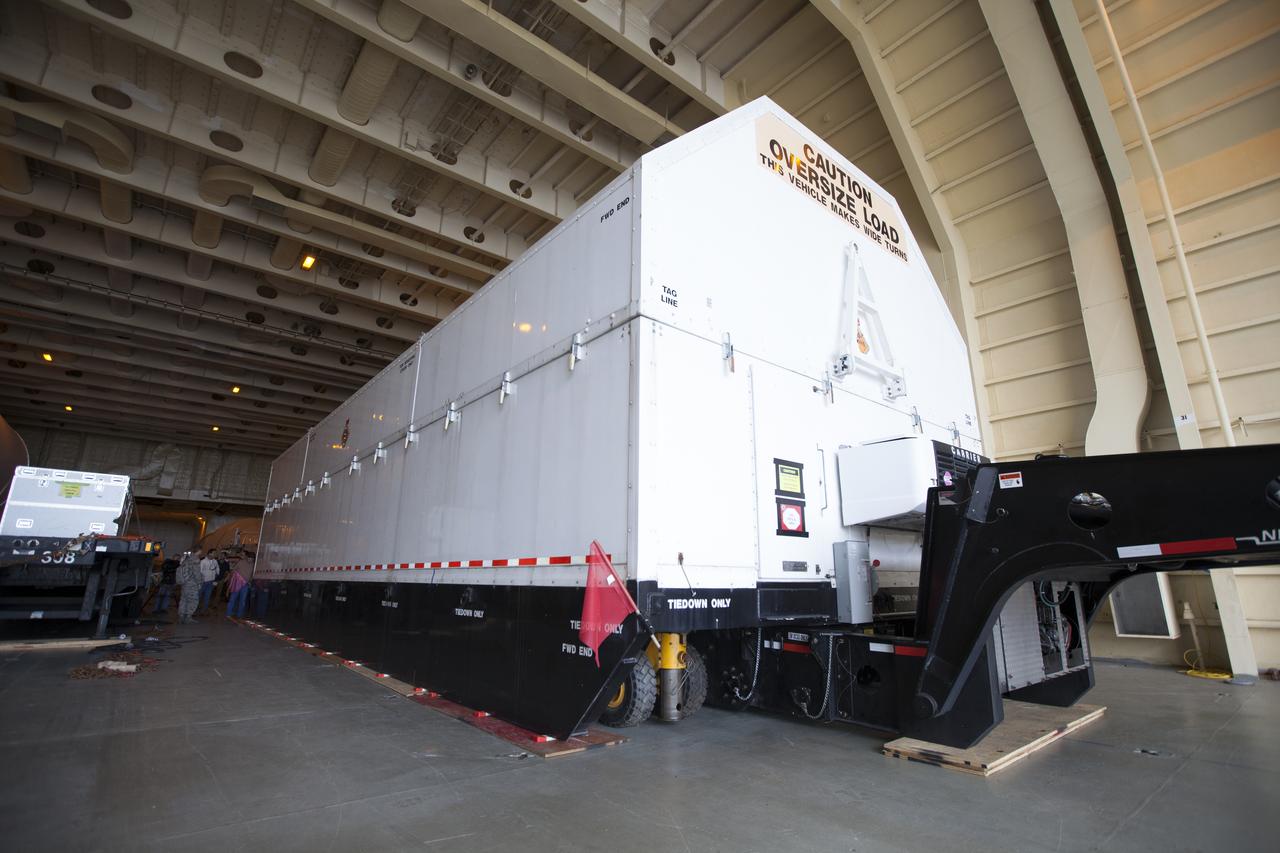
The first integrated piece of flight hardware for NASA's Space Launch System (SLS) rocket, the Interim Cryogenic Propulsion Stage (ICPS) has arrived aboard the Mariner barge at Cape Canaveral Air Force Station in Florida. The ICPS was shipped from the United Launch Alliance (ULA) facility in Decatur, Alabama. Preparations are underway to offload the ICPS and transport it to the ULA Horizontal Integration Facility where it will be removed from its flight case. The ICPS is the in-space stage that is located toward the top of the rocket, between the Launch Vehicle Stage Adapter and the Orion Spacecraft Adapter. It will provide some of the in-space propulsion during Orion's first flight test atop the SLS on Exploration Mission 1.
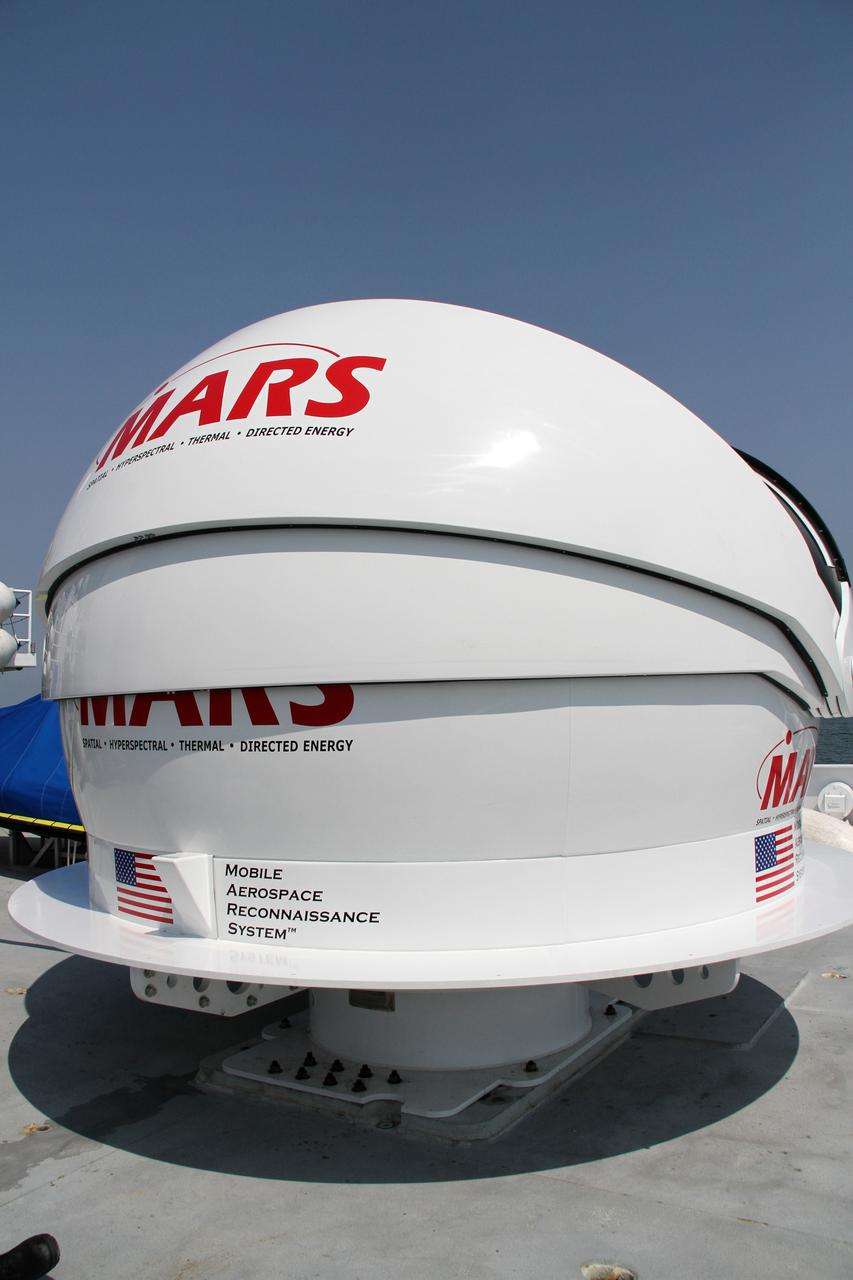
COTS-2 Freedom Star Thermal Imaging Test
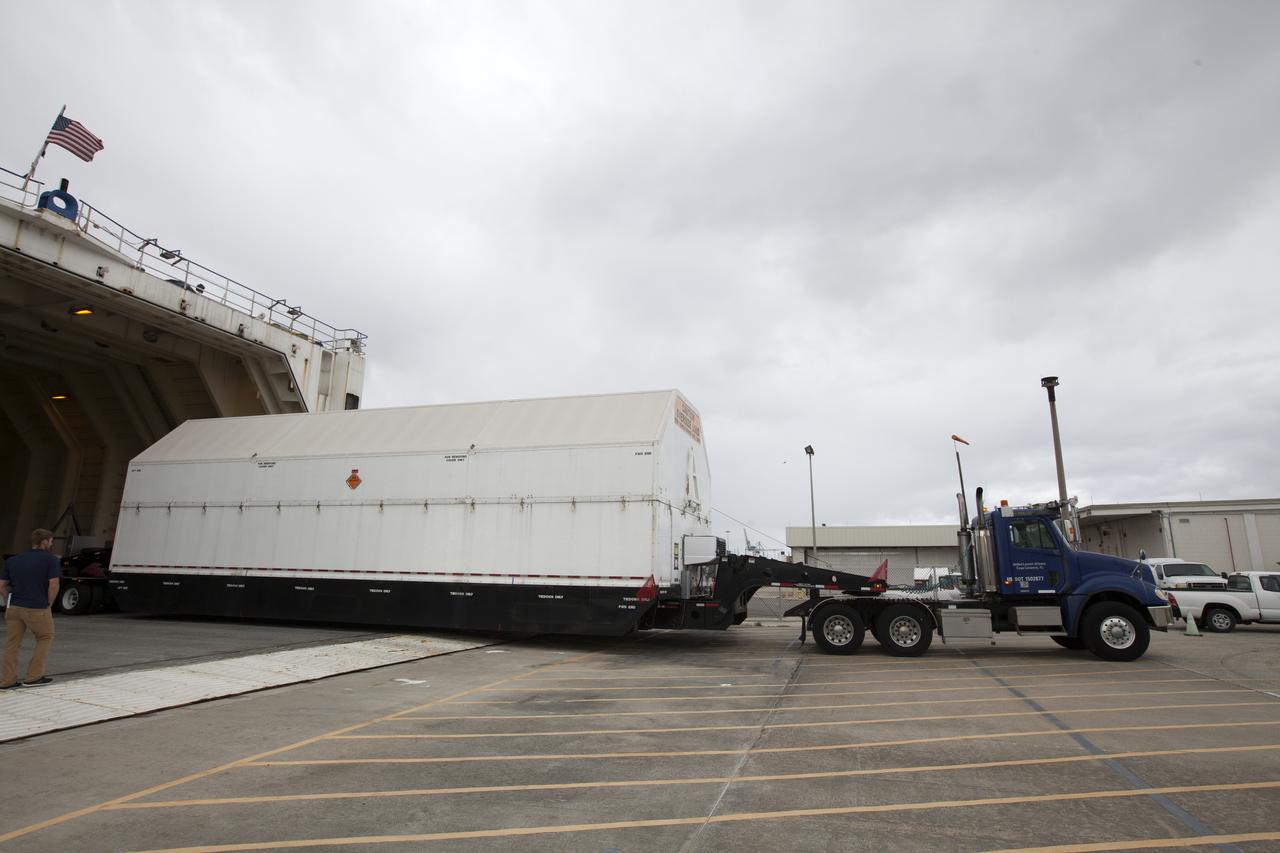
The first integrated piece of flight hardware for NASA's Space Launch System (SLS) rocket, the Interim Cryogenic Propulsion Stage (ICPS) is offloaded from the Mariner barge at Cape Canaveral Air Force Station in Florida. The ICPS was shipped from the United Launch Alliance (ULA) facility in Decatur, Alabama. The ICPS will be transported to the ULA Horizontal Integration Facility where it will be removed from its flight case. The ICPS is the in-space stage that is located toward the top of the rocket, between the Launch Vehicle Stage Adapter and the Orion Spacecraft Adapter. It will provide some of the in-space propulsion during Orion's first flight test atop the SLS on Exploration Mission 1.
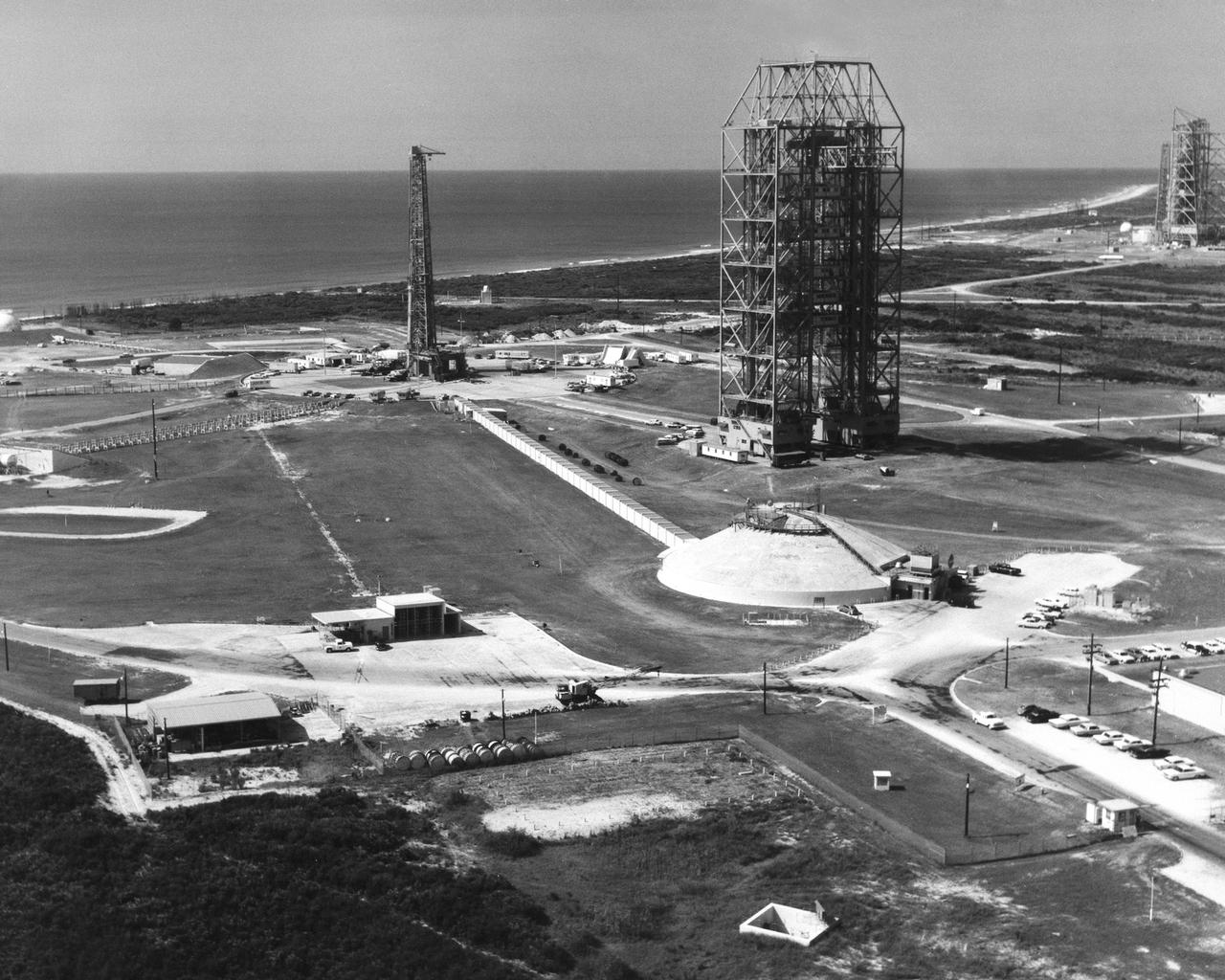
AERIAL OF COMPLEX 34
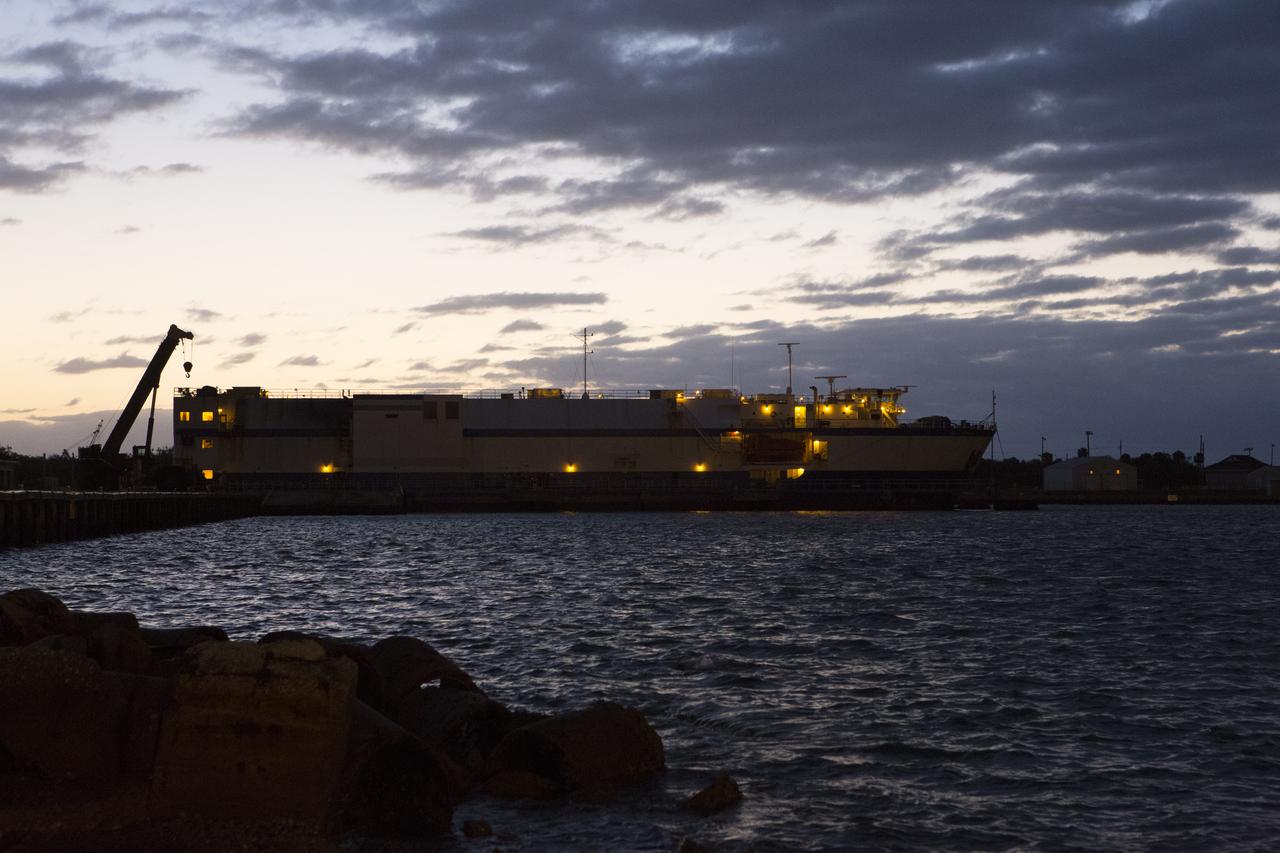
The Mariner barge arrives at Cape Canaveral Air Force Station in Florida, carrying the first integrated piece of flight hardware for NASA's Space Launch System (SLS) rocket, the Interim Cryogenic Propulsion Stage (ICPS). The ICPS was shipped from the United Launch Alliance (ULA) facility in Decatur, Alabama. The ICPS will be offloaded and transported to the ULA Horizontal Integration Facility where it will be removed from its flight case. The ICPS is the in-space stage that is located toward the top of the rocket, between the Launch Vehicle Stage Adapter and the Orion Spacecraft Adapter. It will provide some of the in-space propulsion during Orion's first flight test atop the SLS on Exploration Mission 1.
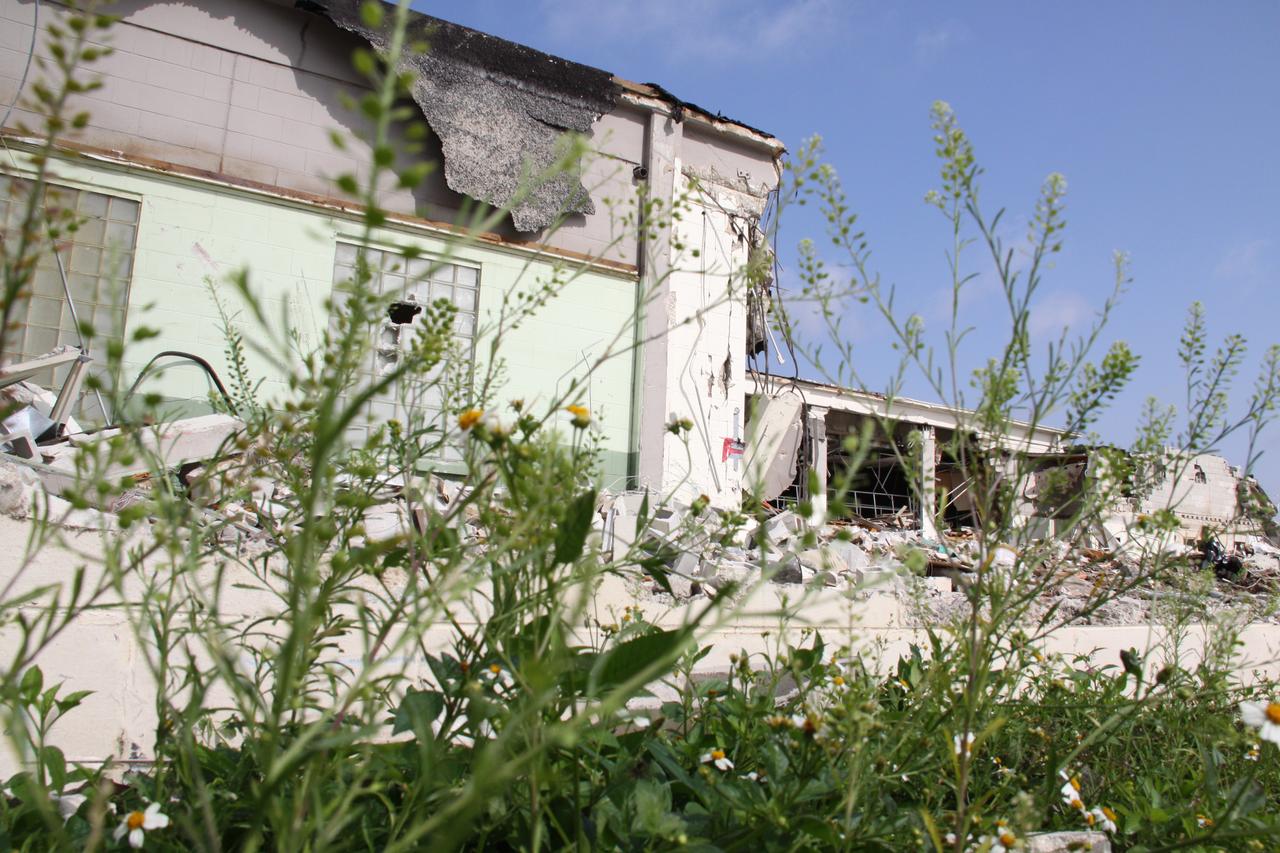
MCC Demolition
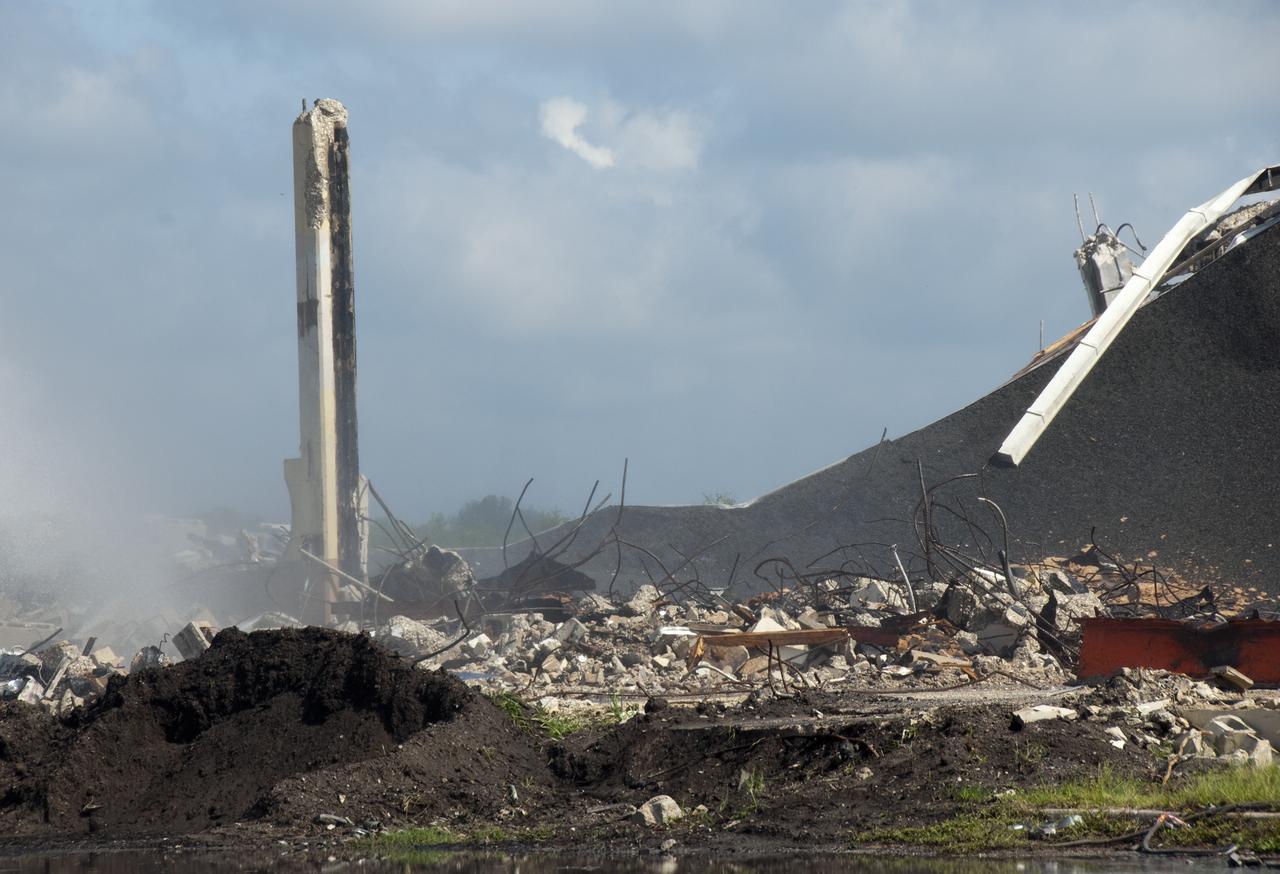
MERCURY MISSION CONTROL CENTER (MCC) DEMOLITION
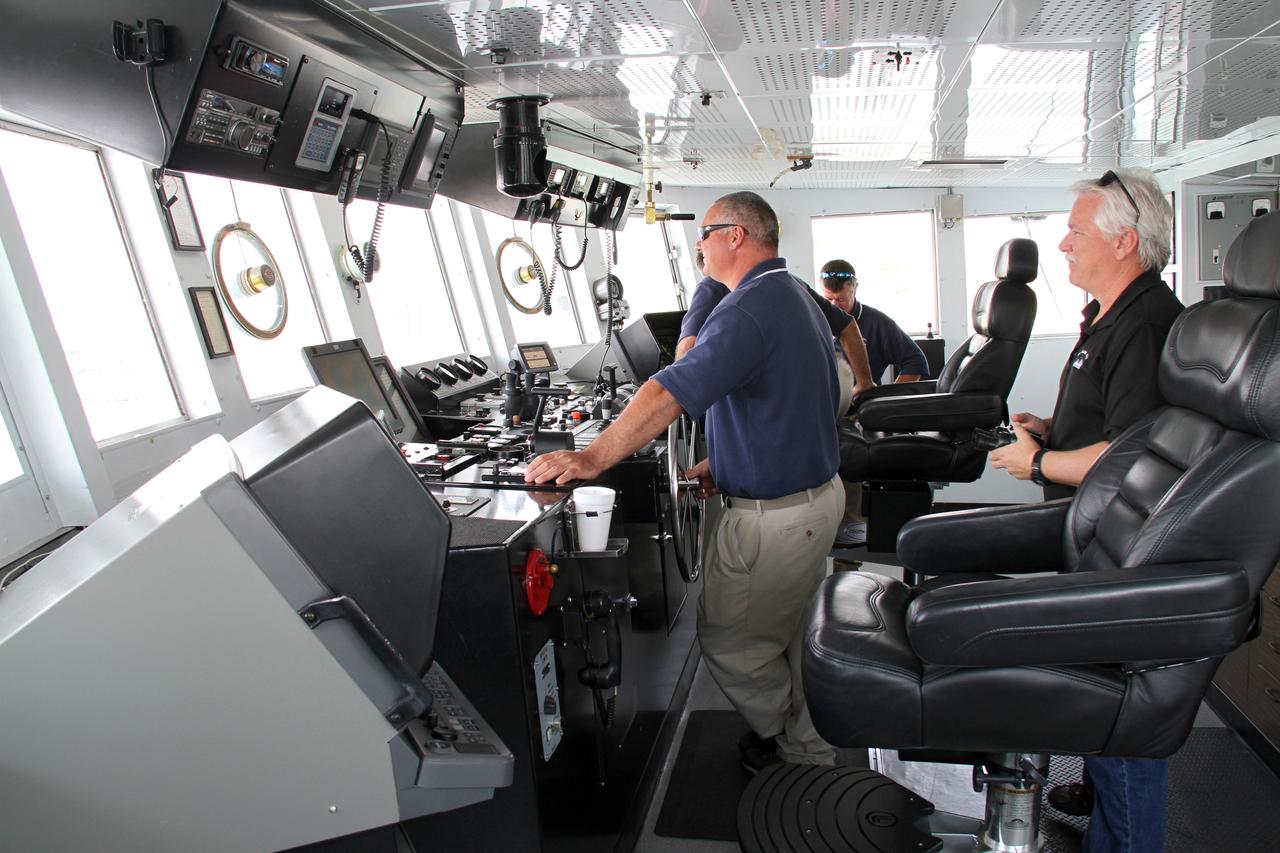
COTS-2 Freedom Star Thermal Imaging Test
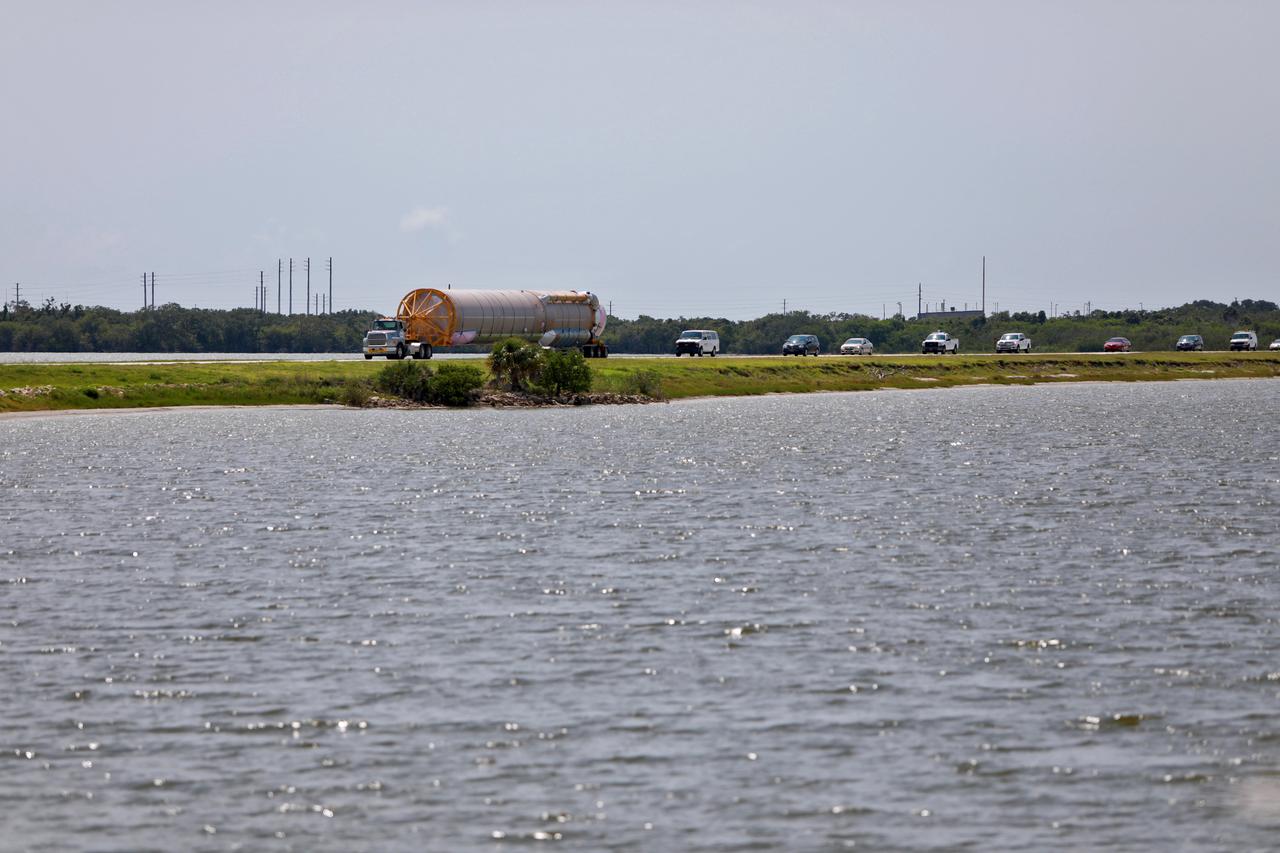
The United Launch Alliance (ULA) Atlas V booster that will be used for Boeing’s Crew Flight Test (CFT) is being transported to the Atlas Spaceflight Operations Center (ASOC) at Cape Canaveral Air Force Station in Florida on June 5, 2019. The ULA Atlas V rocket will launch the CST-100 Starliner and its crew, NASA astronauts Mike Fincke and Nicole Mann and Boeing astronaut Chris Ferguson, to the International Space Station for NASA’s Commercial Crew Program. Inside the ASOC, the booster will await the start of operations for its missions. The CFT will demonstrate Starliner and Atlas V’s ability to safely carry crew to and from the orbiting laboratory.
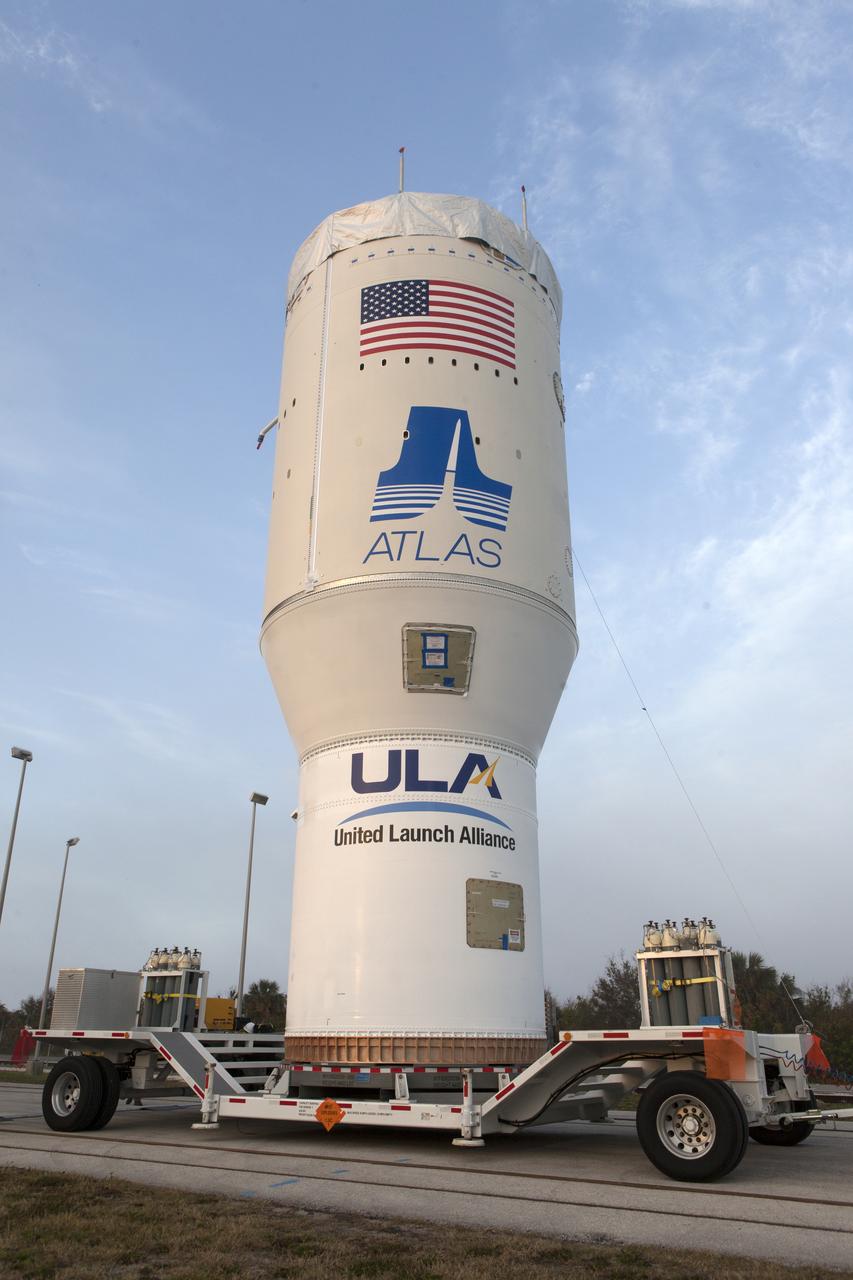
The Centaur upper stage that will help launch NOAA's Geostationary Operational Environmental Satellite-S, or GOES-S, arrives at the Vertical Integration Facility at Space Launch Complex 41 at Cape Canaveral Air Force Station in Florida. The Centaur will be mated to a United Launch Alliance Atlas V booster. GOES-S is the second in a series of four advanced geostationary weather satellites that will significantly improve the detection and observation of environmental phenomena that directly affect public safety, protection of property and the nation's economic health and prosperity. GOES-S is slated to launch March 1, 2018.
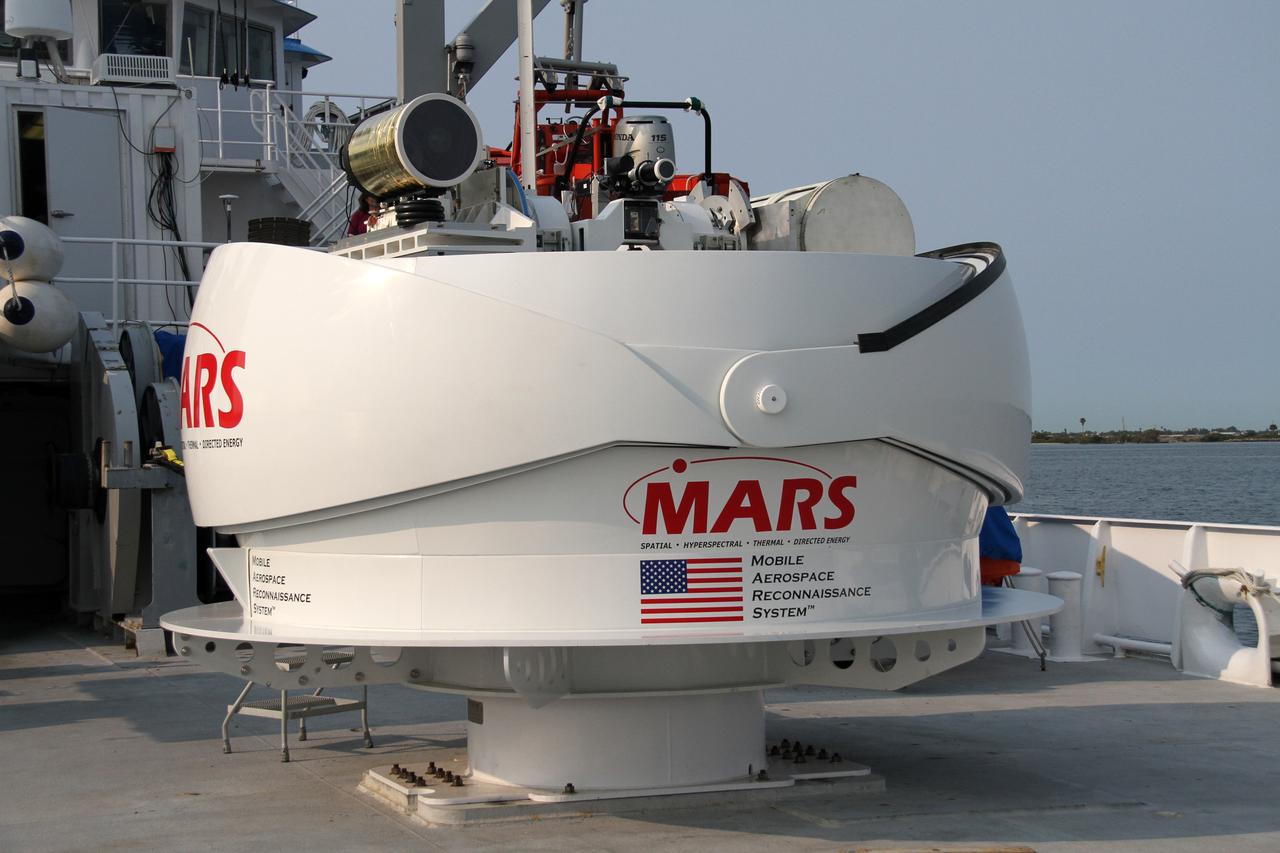
COTS-2 Freedom Star Thermal Imaging Test

MERCURY MISSION CONTROL CENTER (MCC) DEMOLITION
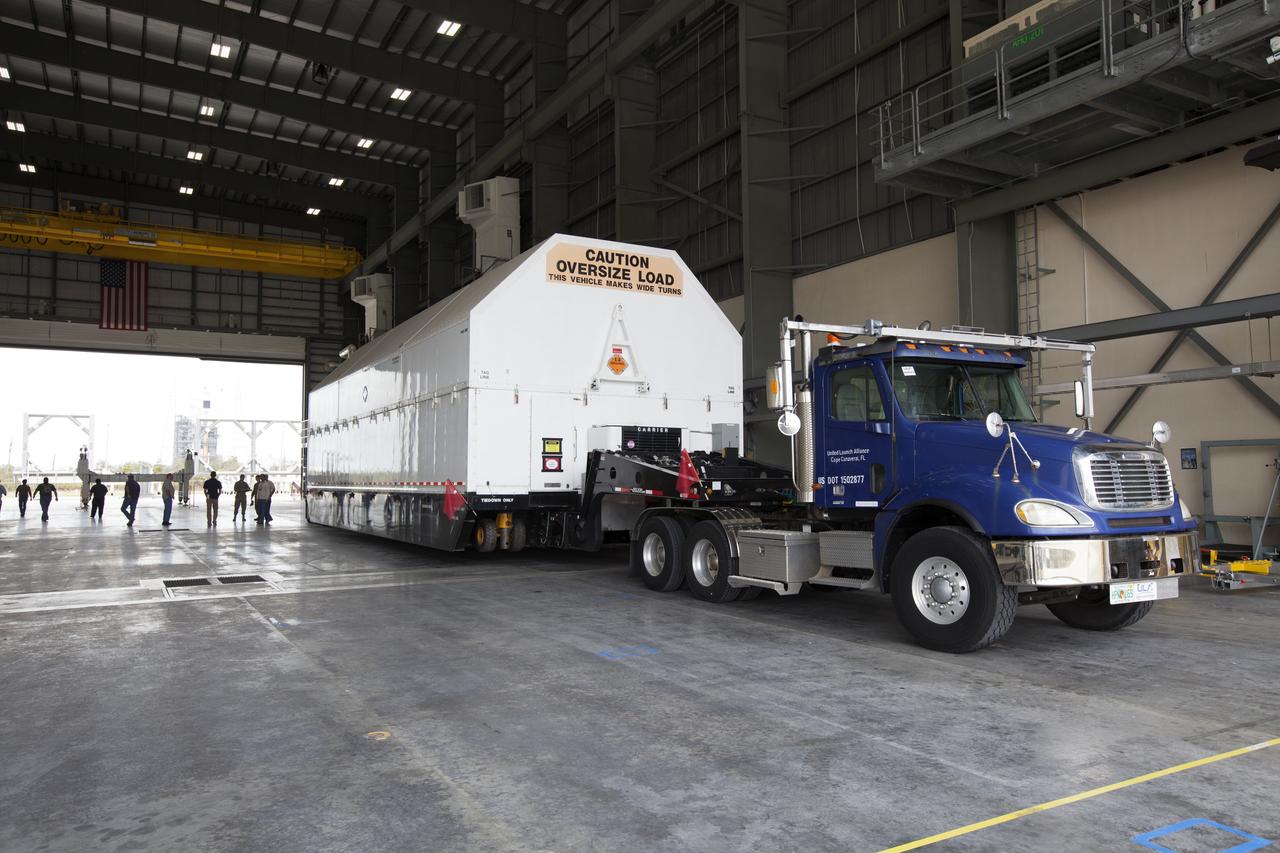
The first integrated piece of flight hardware for NASA's Space Launch System (SLS) rocket, the Interim Cryogenic Propulsion Stage (ICPS) arrives at the United Launch Alliance (ULA) Horizontal Integration Facility at Cape Canaveral Air Force Station in Florida, where it will be removed from its flight case. The ICPS arrived aboard the Mariner barge from the ULA facility in Decatur, Alabama. The ICPS is the in-space stage that is located toward the top of the rocket, between the Launch Vehicle Stage Adapter and the Orion Spacecraft Adapter. It will provide some of the in-space propulsion during Orion's first flight test atop the SLS on Exploration Mission 1.
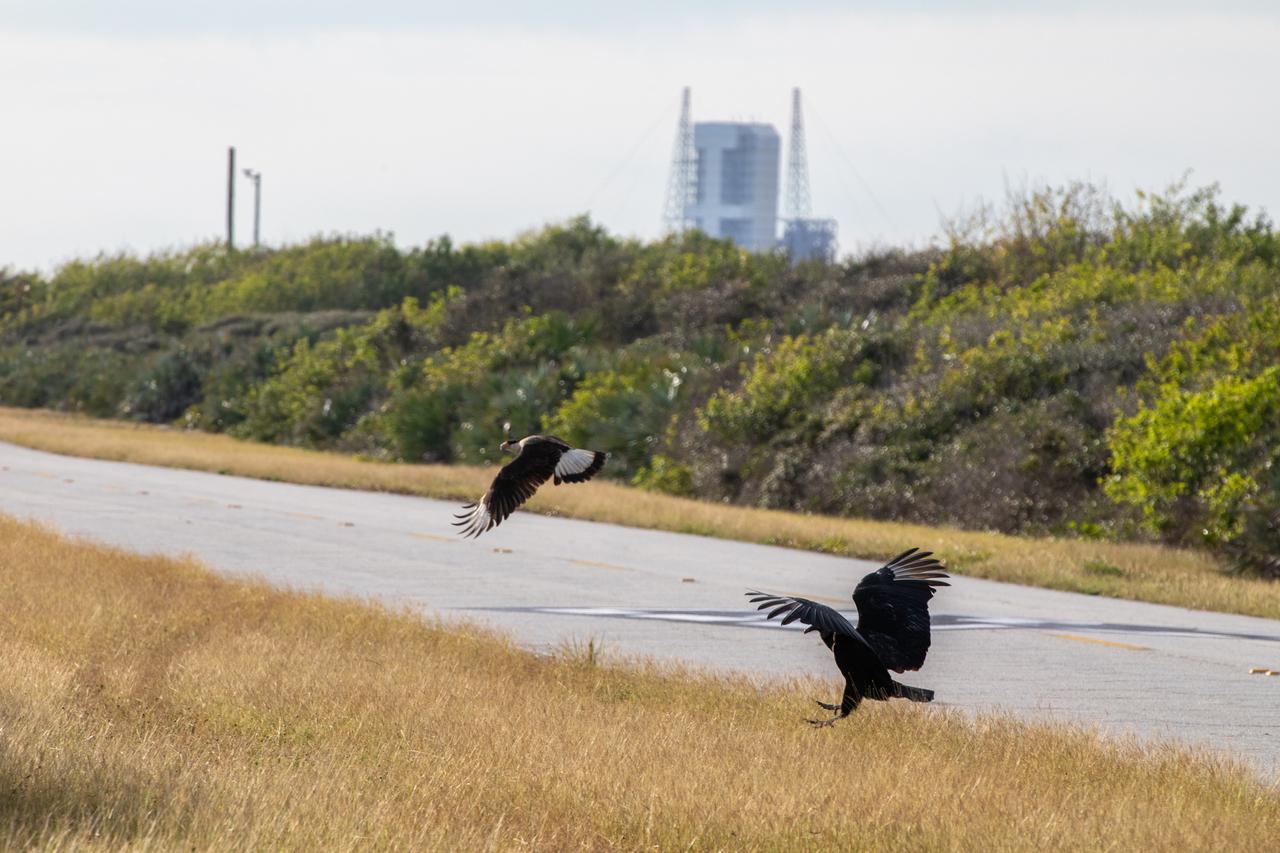
An adult crested caracara, left, and a vulture swoop down near the roadway at NASA’s Kennedy Space Center in Florida. Kennedy shares a border with the Merritt Island National Wildlife Refuge, spanning 140,000 acres of land, water, and marshes. More than 330 bird species, 117 species of fish, 68 amphibians and reptiles, and 31 different mammals call Kennedy and its surrounding borders home.
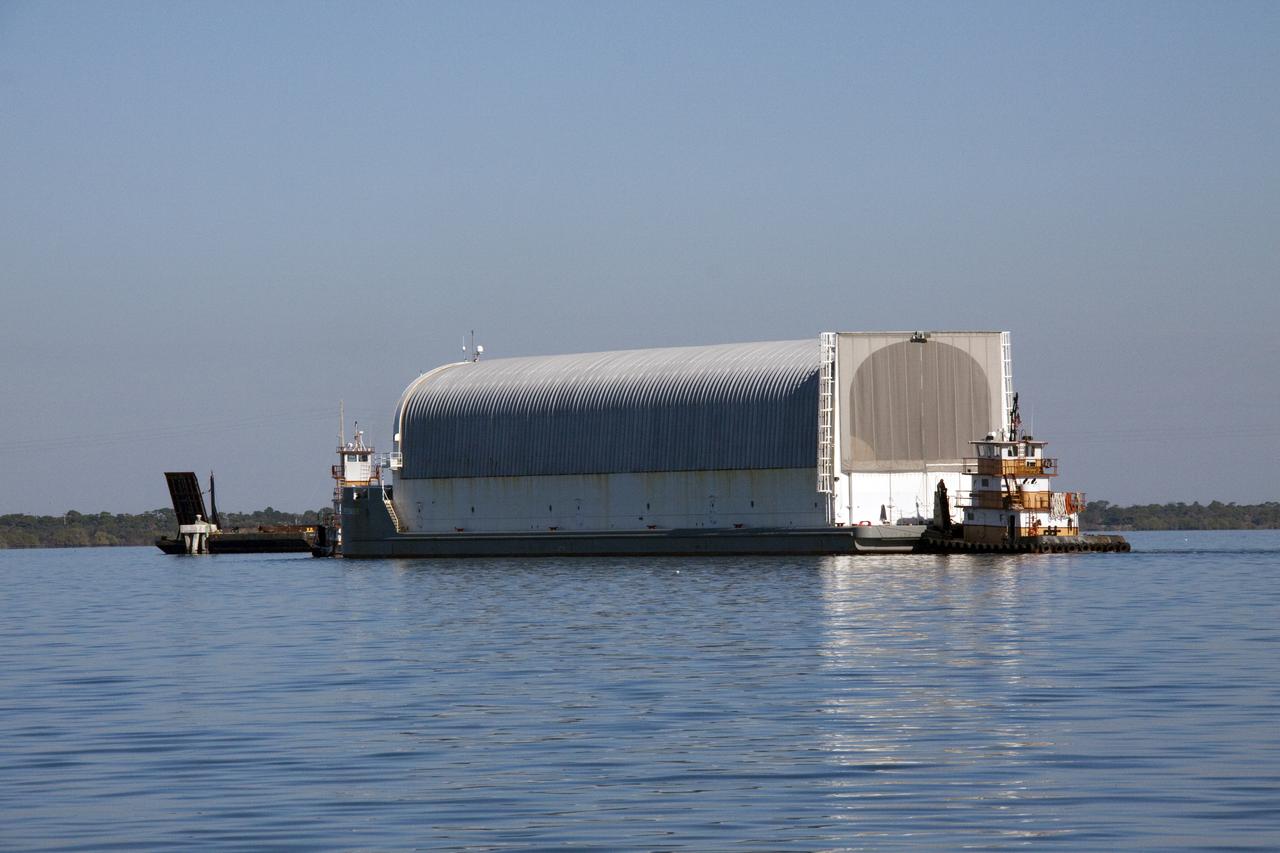
STS-132 ET-136 ARRIVAL THRU PORT CANAVERAL
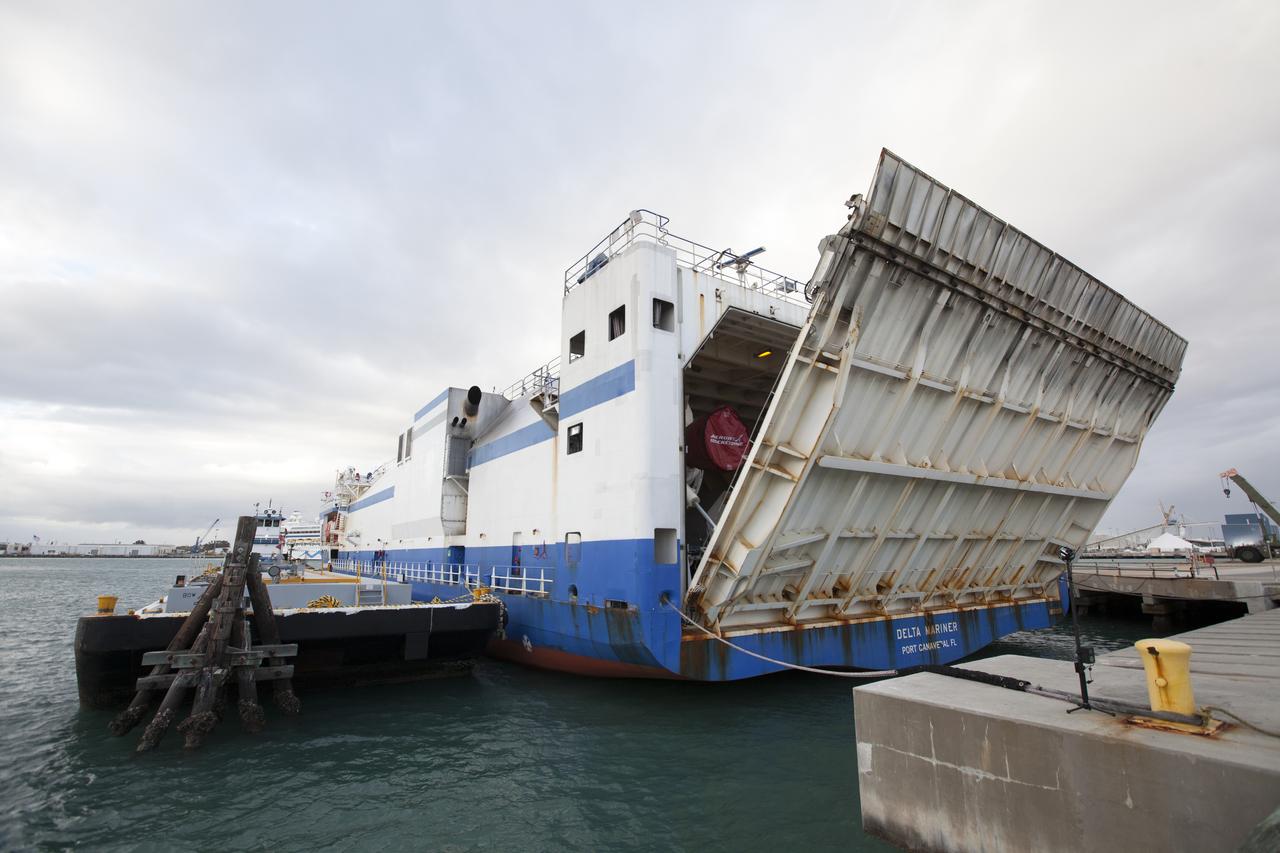
The Mariner barge arrives at a dock at Cape Canaveral Air Force Station in Florida, carrying the first integrated piece of flight hardware for NASA's Space Launch System (SLS) rocket, the Interim Cryogenic Propulsion Stage (ICPS). The ICPS was shipped from the United Launch Alliance (ULA) facility in Decatur, Alabama. The ICPS will be offloaded and transported to the ULA Horizontal Integration Facility where it will be removed from its flight case. The ICPS is the in-space stage that is located toward the top of the rocket, between the Launch Vehicle Stage Adapter and the Orion Spacecraft Adapter. It will provide some of the in-space propulsion during Orion's first flight test atop the SLS on Exploration Mission 1.
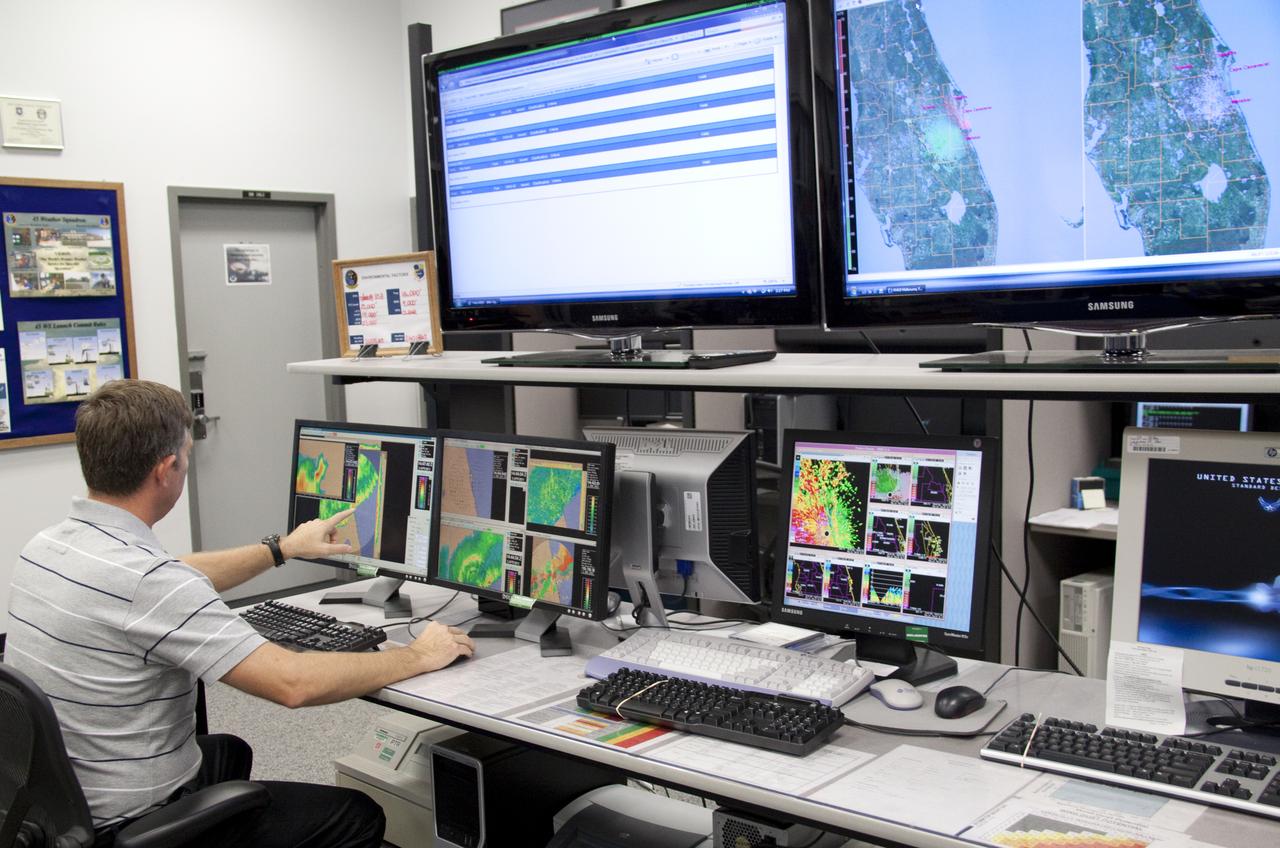
New Weather Radar Display
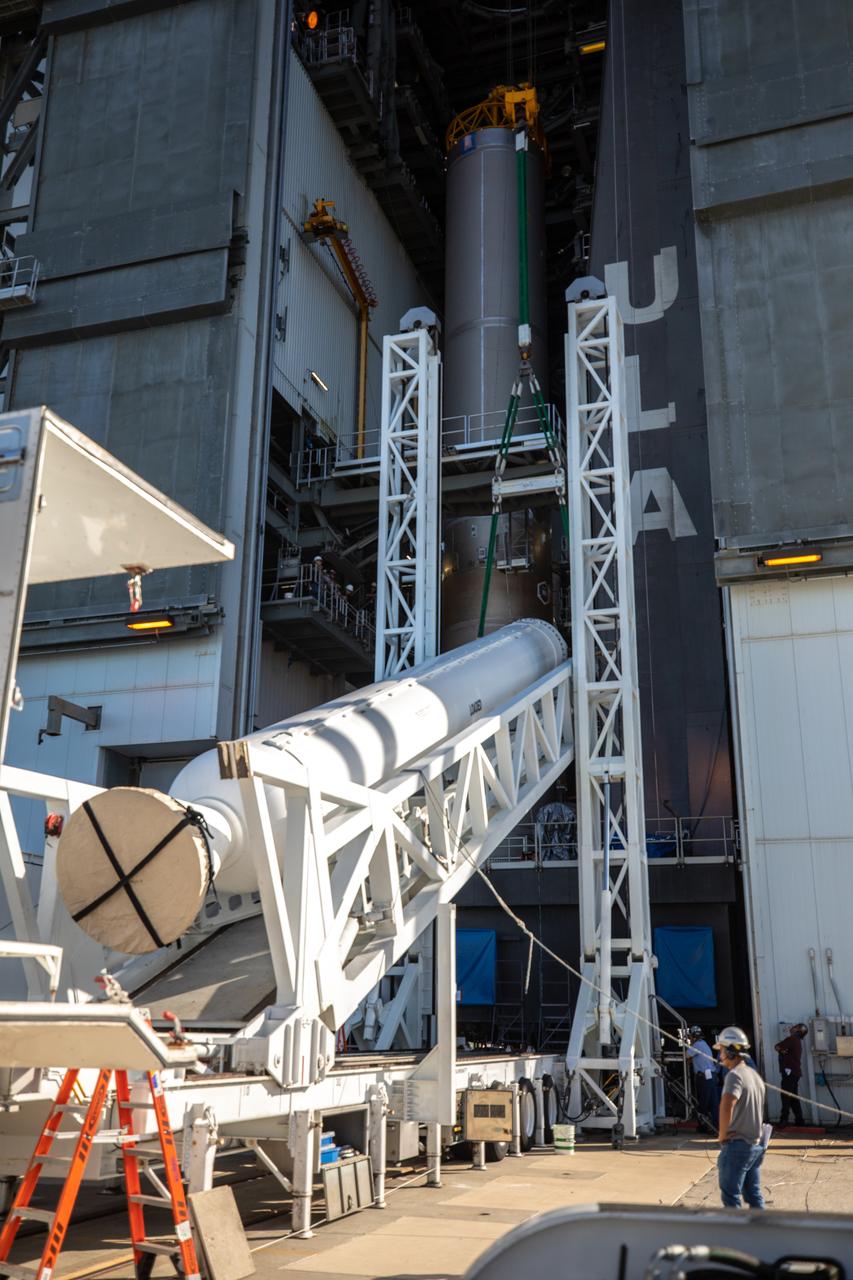
Two solid rocket boosters are mated to a United Launch Alliance Atlas V first stage inside the Vertical Integration Facility at Space Launch Complex 41 at Cape Canaveral Air Force Station in Florida on Nov. 7, 2019, in preparation for Boeing’s Orbital Flight Test (OFT). The uncrewed OFT mission will rendezvous and dock Boeing’s CST-100 Starliner spacecraft with the International Space Station as part of NASA’s Commercial Crew Program. Starliner will launch atop the Atlas V rocket from Space Launch Complex 41.
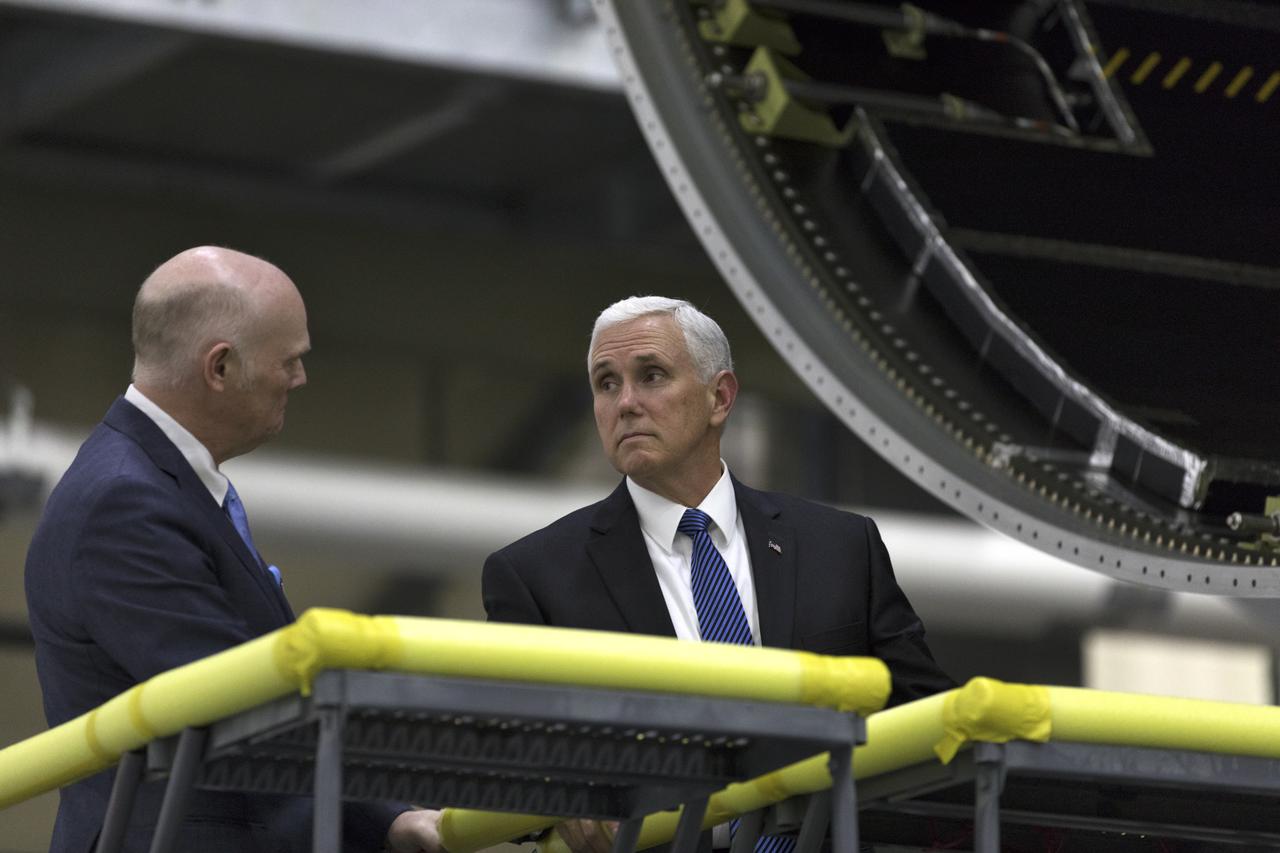
United Launch Alliance (ULA) president and CEO Tory Bruno, left, leads a tour for Vice President Mike Pence on Feb. 20, 2018. They are in the ULA Horizontal Integration Facility (HIF), at Cape Canaveral Air Force Station in Florida. The HIF is where the Delta IV Heavy boosters are being processed for NASA’s upcoming Parker Solar Probe mission. During his visit, Pence will chair a meeting of the National Space Council on Feb. 21, 2018 in the high bay of NASA Kennedy Space Center’s Space Station Processing Facility. The council's role is to advise the president regarding national space policy and strategy, and review the nation's long-range goals for space activities.
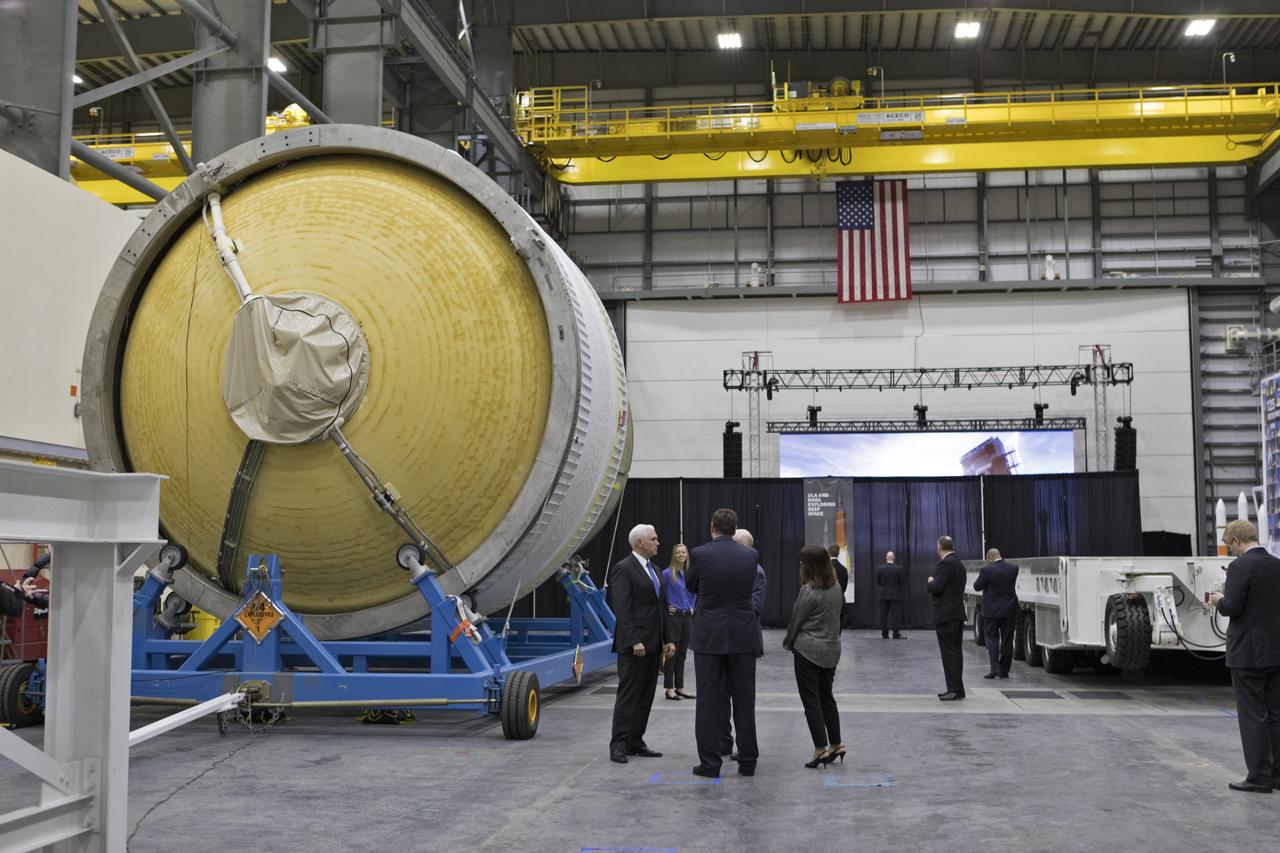
United Launch Alliance (ULA) president and CEO Tory Bruno leads a tour for Vice President Mike Pence, his wife, Karen Pence, and NASA Acting Administrator Robert Lightfoot on Feb. 20, 2018. They are in the ULA Horizontal Integration Facility (HIF), at Cape Canaveral Air Force Station in Florida. The HIF is where the Delta IV Heavy boosters are being processed for NASA’s upcoming Parker Solar Probe mission. During his visit, Pence will chair a meeting of the National Space Council on Feb. 21, 2018 in the high bay of NASA Kennedy Space Center’s Space Station Processing Facility. The council's role is to advise the president regarding national space policy and strategy, and review the nation's long-range goals for space activities.
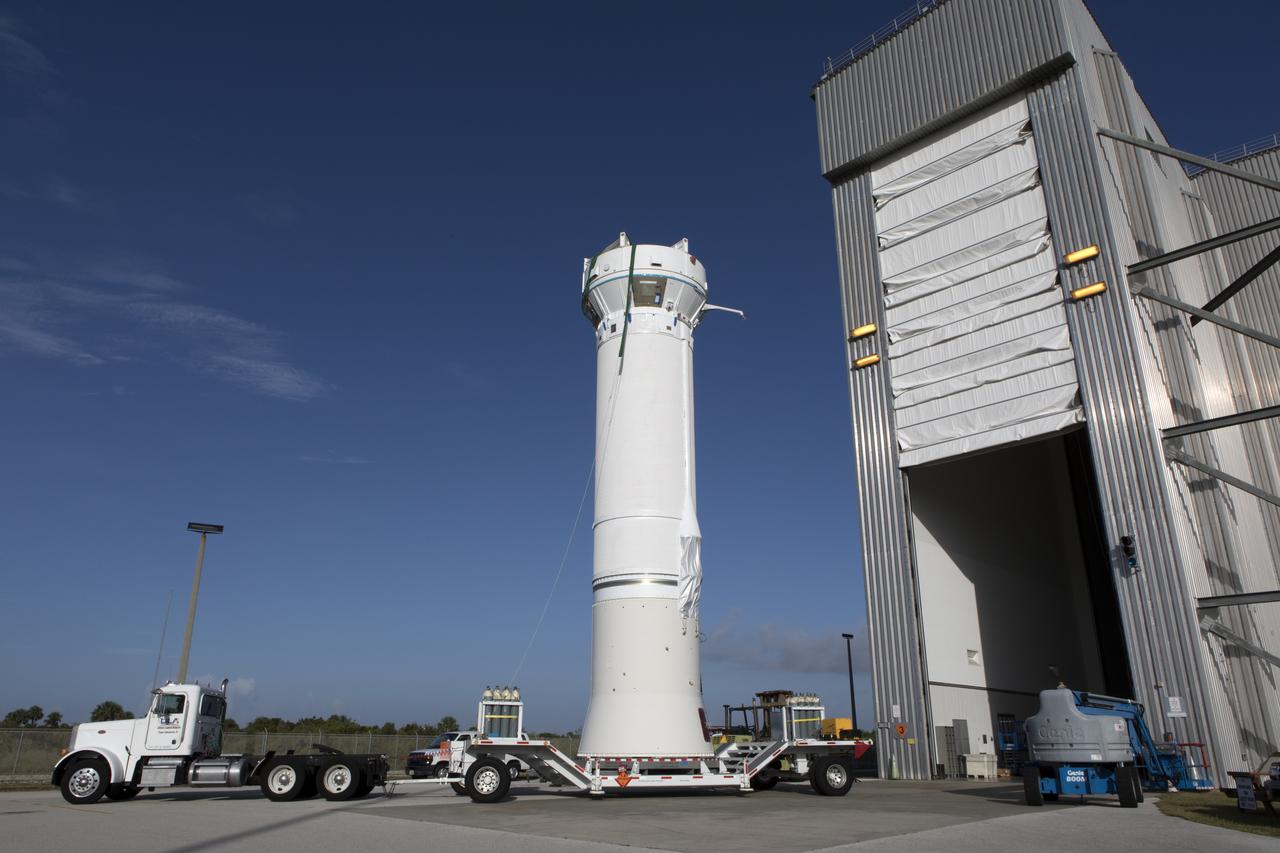
A United Launch Alliance Atlas V Centaur upper stage leaves the Delta Operations Center aboard a transport trailer for delivery to the Vertical Integration Facility at Space Launch Complex 41 at Cape Canaveral Air Force Station in Florida. The rocket is scheduled to help launch the Tracking and Data Relay Satellite, TDRS-M. It will be the latest spacecraft destined for the agency's constellation of communications satellites that allows nearly continuous contact with orbiting spacecraft ranging from the International Space Station and Hubble Space Telescope to the array of scientific observatories. Liftoff atop the ULA Atlas V rocket is scheduled to take place from Cape Canaveral's Space Launch Complex 41 in early August.
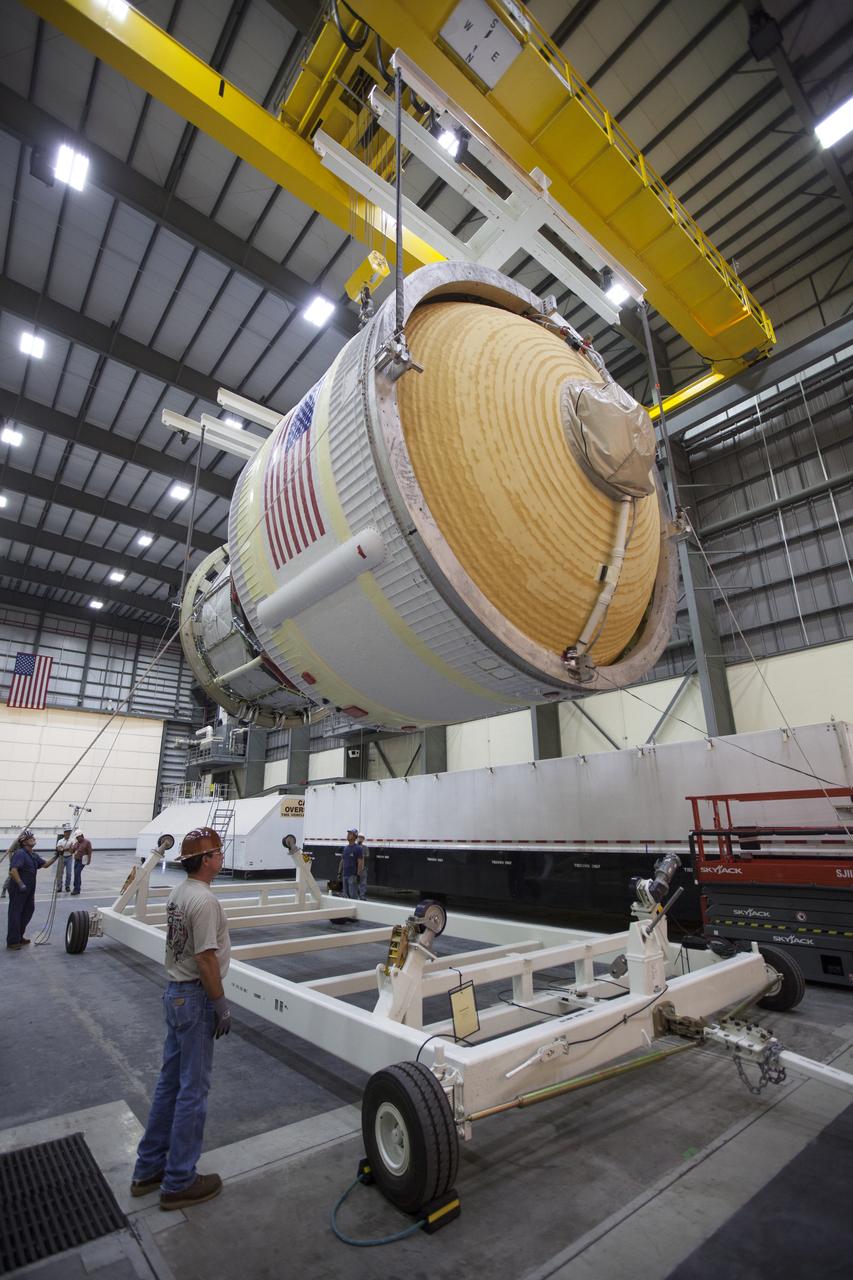
Inside the United Launch Alliance (ULA) Horizontal Integration Facility at Cape Canaveral Air Force Station in Florida, technicians monitor the progress as a crane lowers the Interim Cryogenic Propulsion Stage (ICPS) for NASA's Space Launch System rocket to a movable transport stand. The ICPS is the first integrated piece of flight hardware to arrive for the SLS. The ICPS arrived from the ULA facility in Decatur, Alabama. The ICPS is the in-space stage that is located toward the top of the rocket, between the Launch Vehicle Stage Adapter and the Orion Spacecraft Adapter. It will provide some of the in-space propulsion during Orion's first flight test atop the SLS on Exploration Mission 1.
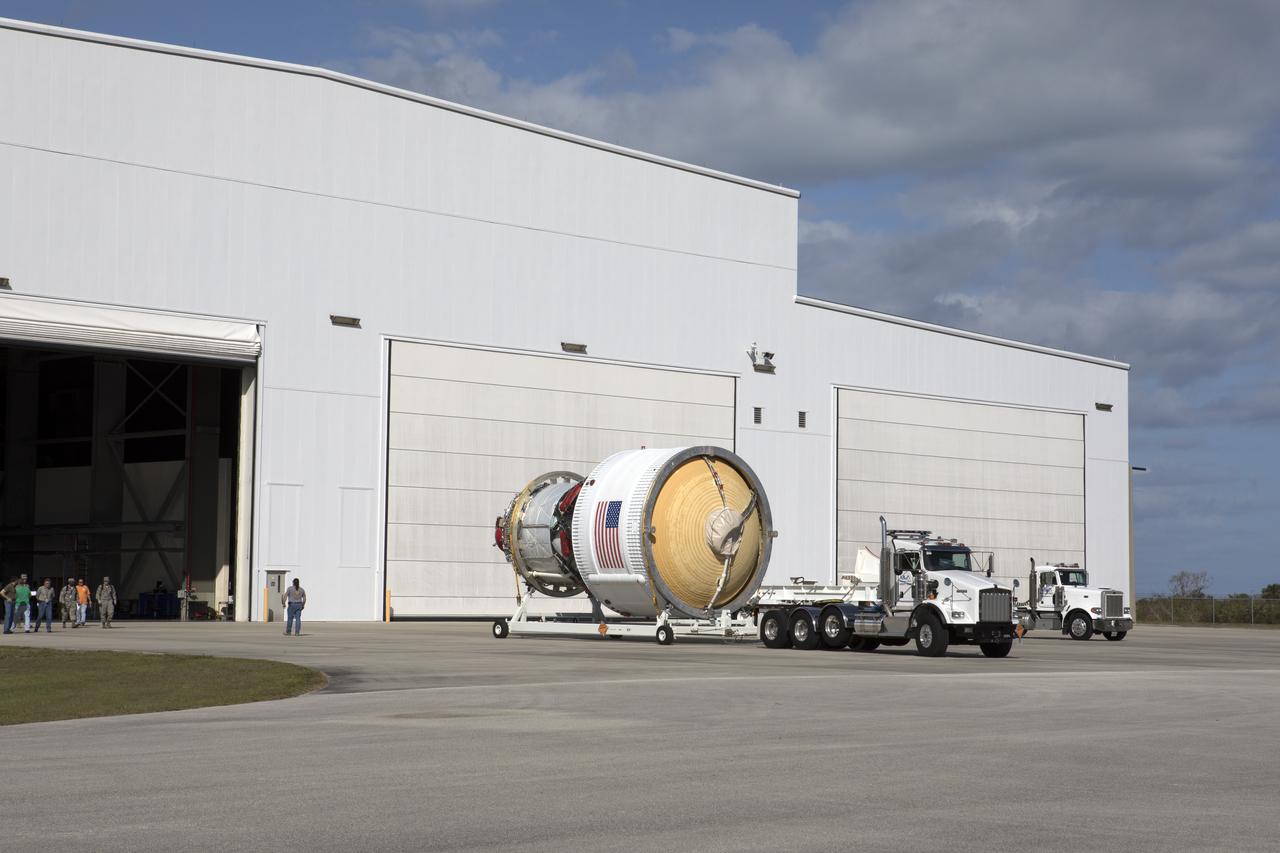
The Interim Cryogenic Propulsion Stage (ICPS) for NASA's Space Launch System (SLS) rocket has been moved on its transport stand by truck out of the United Launch Alliance (ULA) Horizontal Integration Facility near Space Launch Complex 37 at Cape Canaveral Air Force Station in Florida. The ICPS will be transported to the Delta Operations Center. The ICPS is the first integrated piece of flight hardware to arrive for the SLS. It is the in-space stage that is located toward the top of the rocket, between the Launch Vehicle Stage Adapter and the Orion Spacecraft Adapter. It will provide some of the in-space propulsion during Orion's first flight test atop the SLS on Exploration Mission-1.

STS-132 MINI RESEARCH MODULE-1 CARGO STORAGE
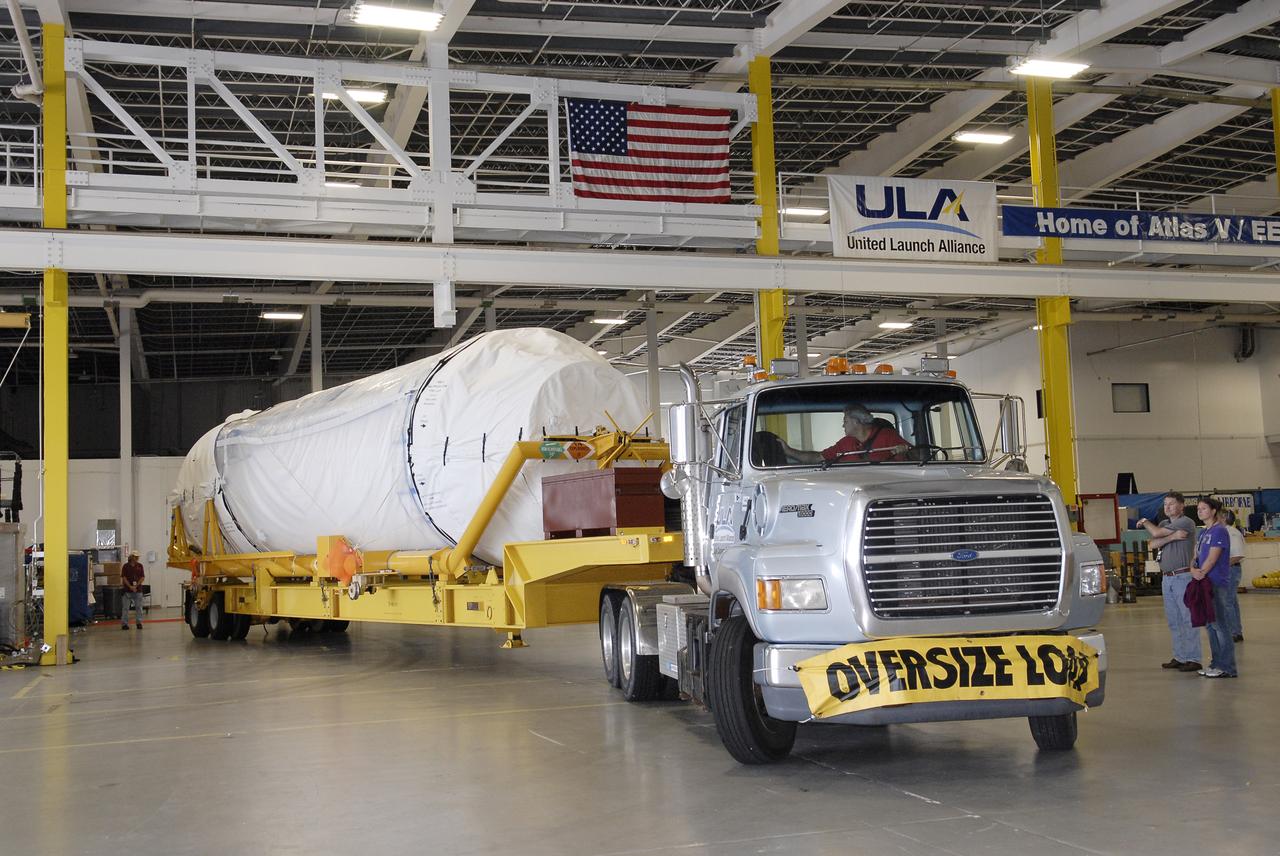
RBSP Centaur Stage is Unloaded at Port & Moved to ASOC
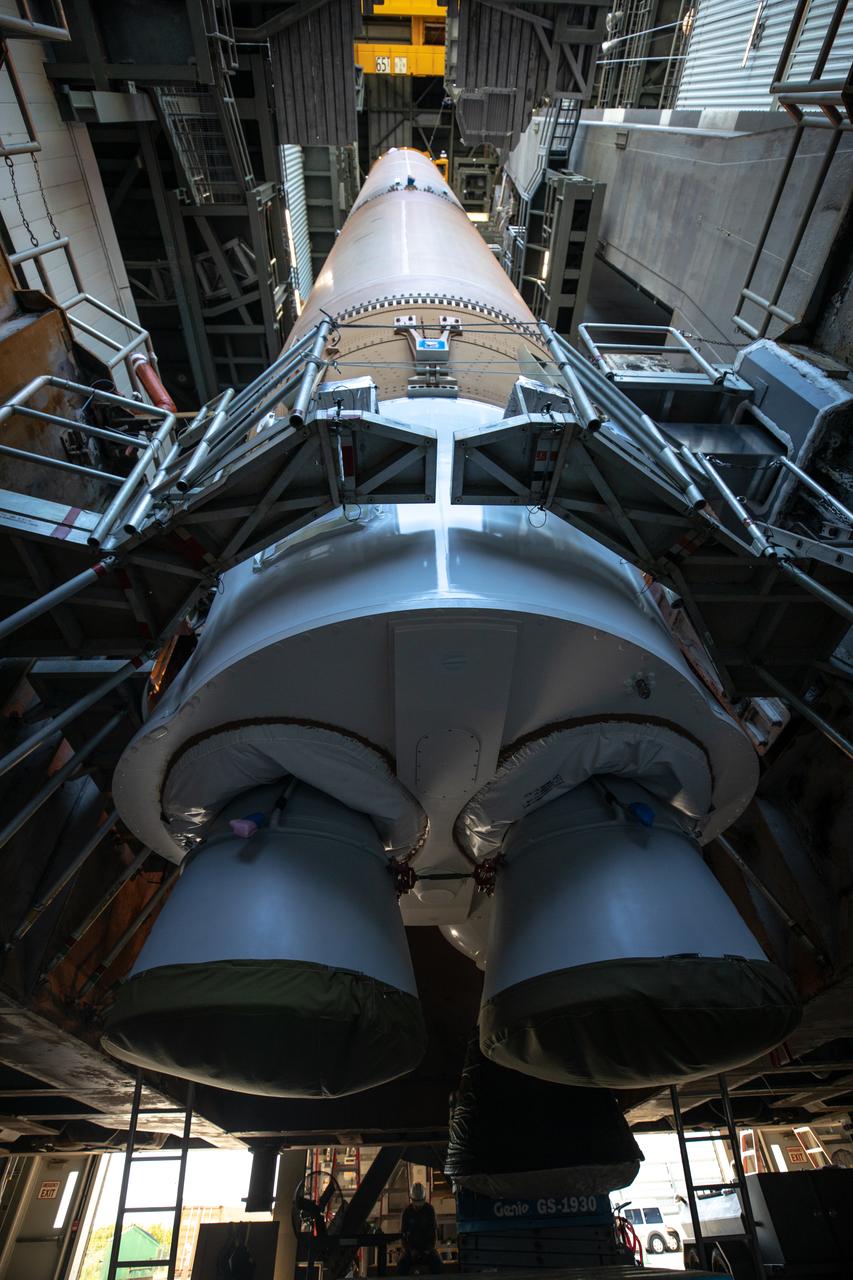
Two solid rocket boosters are mated to a United Launch Alliance Atlas V first stage inside the Vertical Integration Facility at Space Launch Complex 41 at Cape Canaveral Air Force Station in Florida on Nov. 7, 2019, in preparation for Boeing’s Orbital Flight Test (OFT). The uncrewed OFT mission will rendezvous and dock Boeing’s CST-100 Starliner spacecraft with the International Space Station as part of NASA’s Commercial Crew Program. Starliner will launch atop the Atlas V rocket from Space Launch Complex 41.
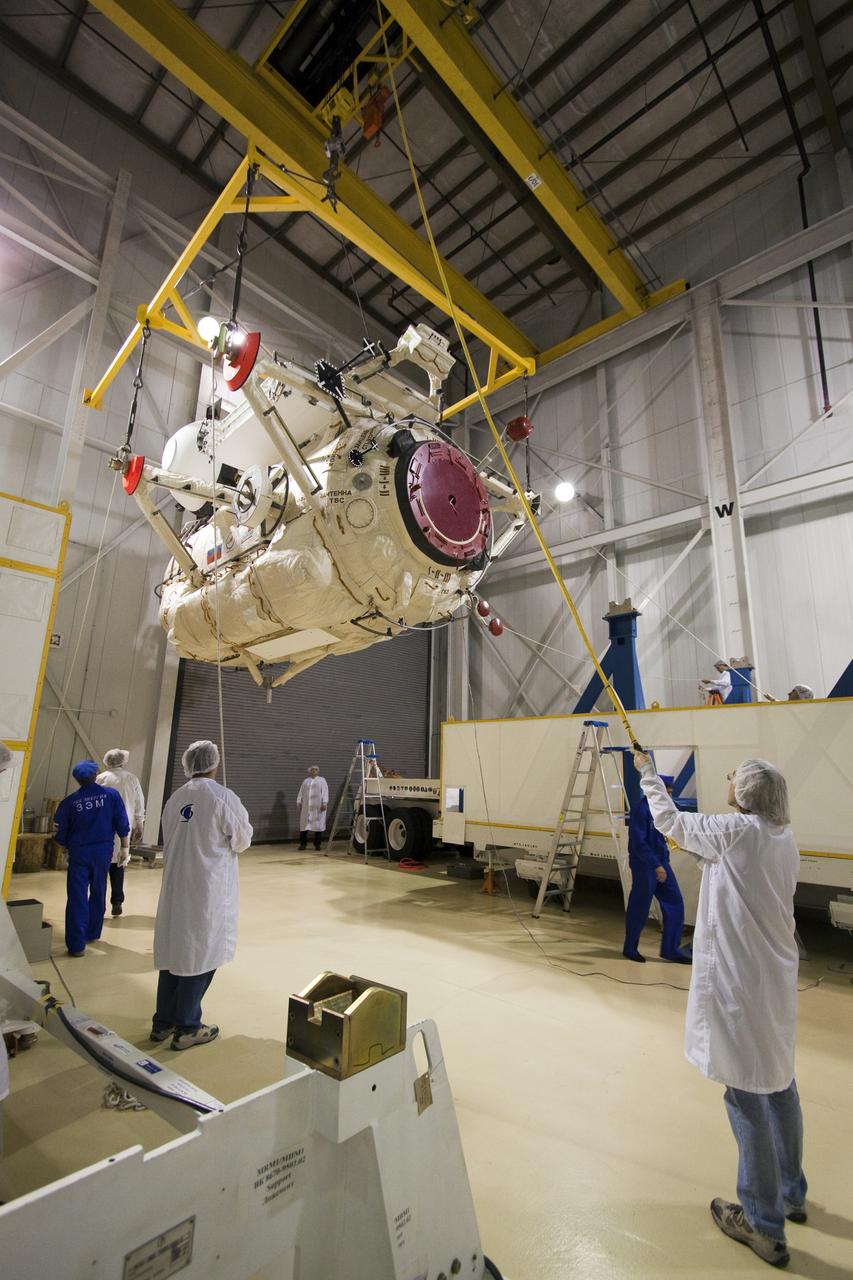
STS-132 MINI RESEARCH MODULE INSTALL TO TRANSPORT CONTAINER
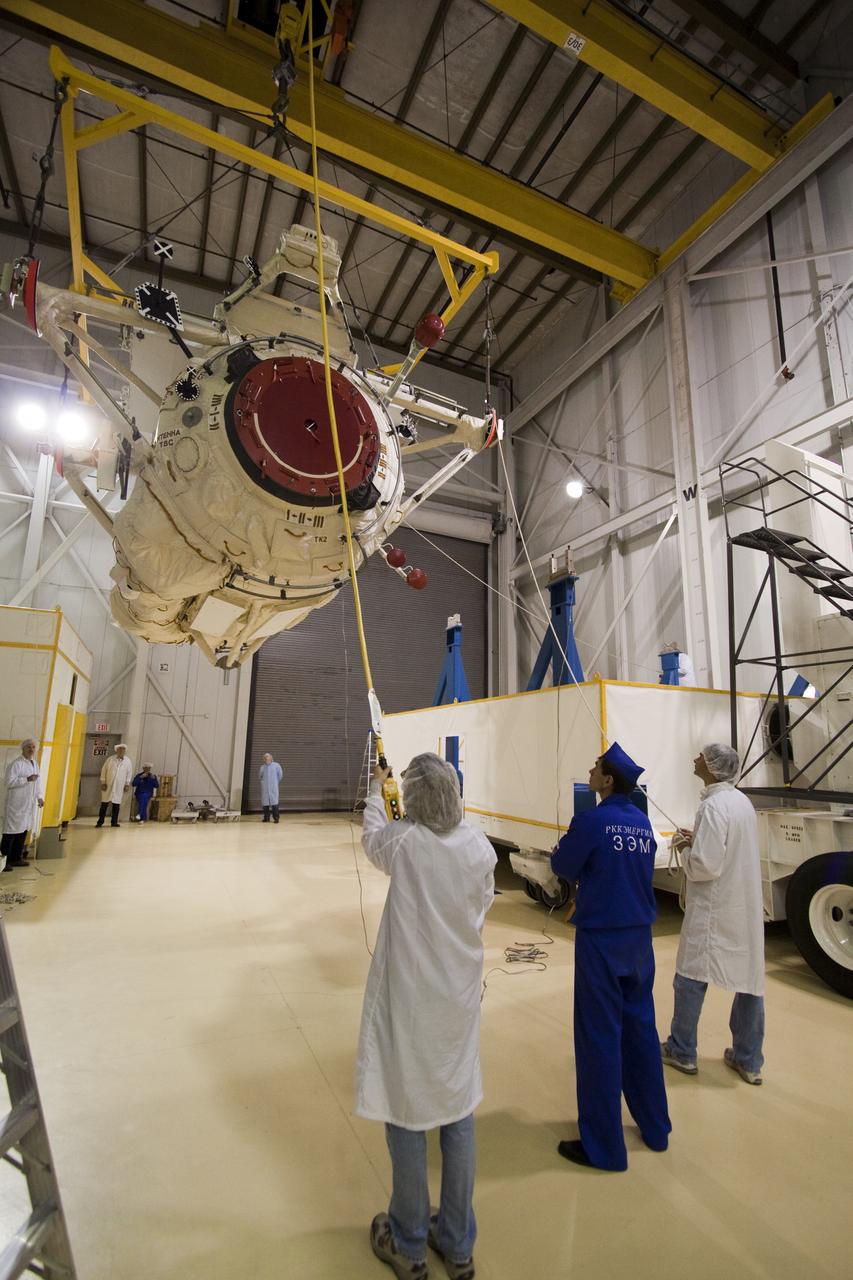
STS-132 MINI RESEARCH MODULE INSTALL TO TRANSPORT CONTAINER
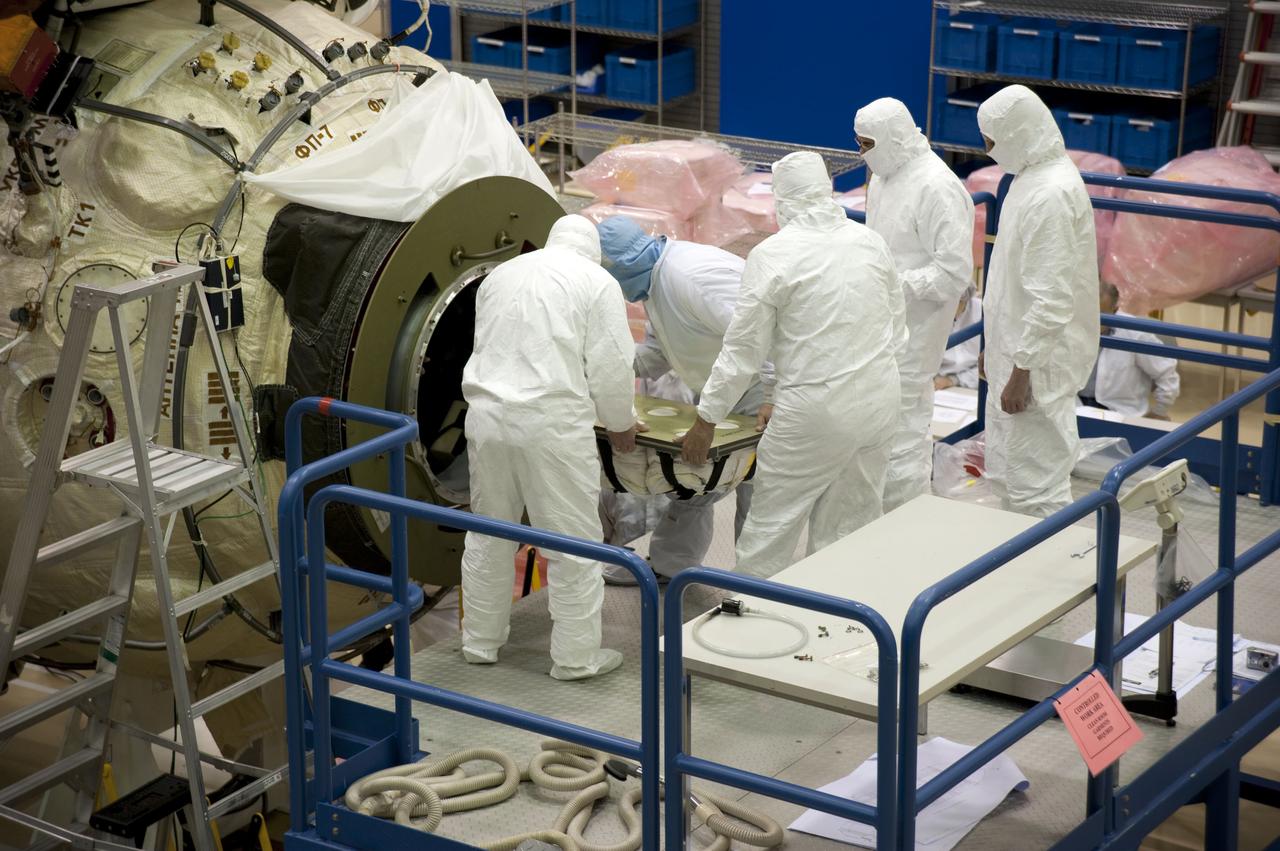
STS-132 MINI RESEARCH MODULE-1 CARGO STORAGE
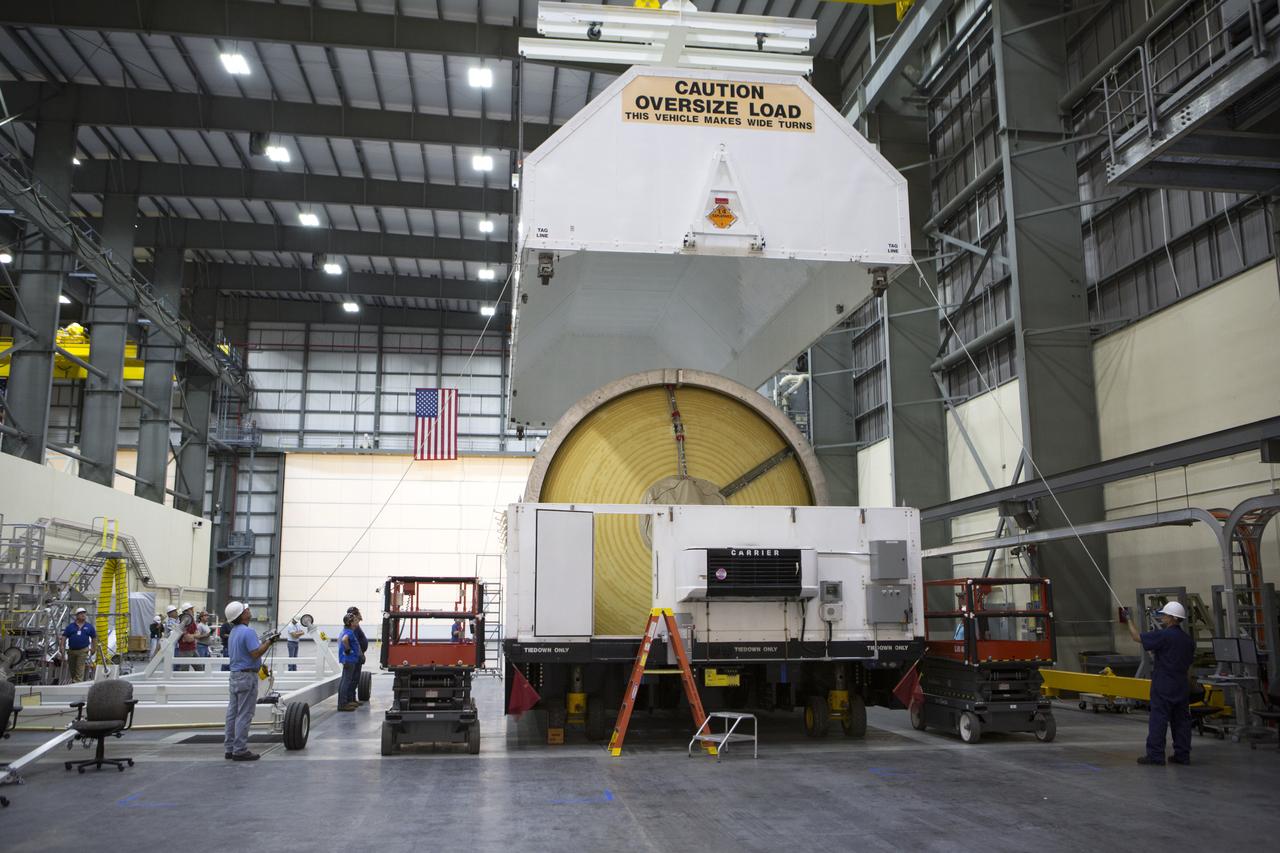
Inside the United Launch Alliance (ULA) Horizontal Integration Facility at Cape Canaveral Air Force Station in Florida, technicians assists as a crane lifts the shipping container cover away from the Interim Cryogenic Propulsion Stage (ICPS) for NASA's Space Launch System rocket. The ICPS is the first integrated piece of flight hardware to arrive for the SLS. The ICPS arrived from the ULA facility in Decatur, Alabama. The ICPS is the in-space stage that is located toward the top of the rocket, between the Launch Vehicle Stage Adapter and the Orion Spacecraft Adapter. It will provide some of the in-space propulsion during Orion's first flight test atop the SLS on Exploration Mission 1.
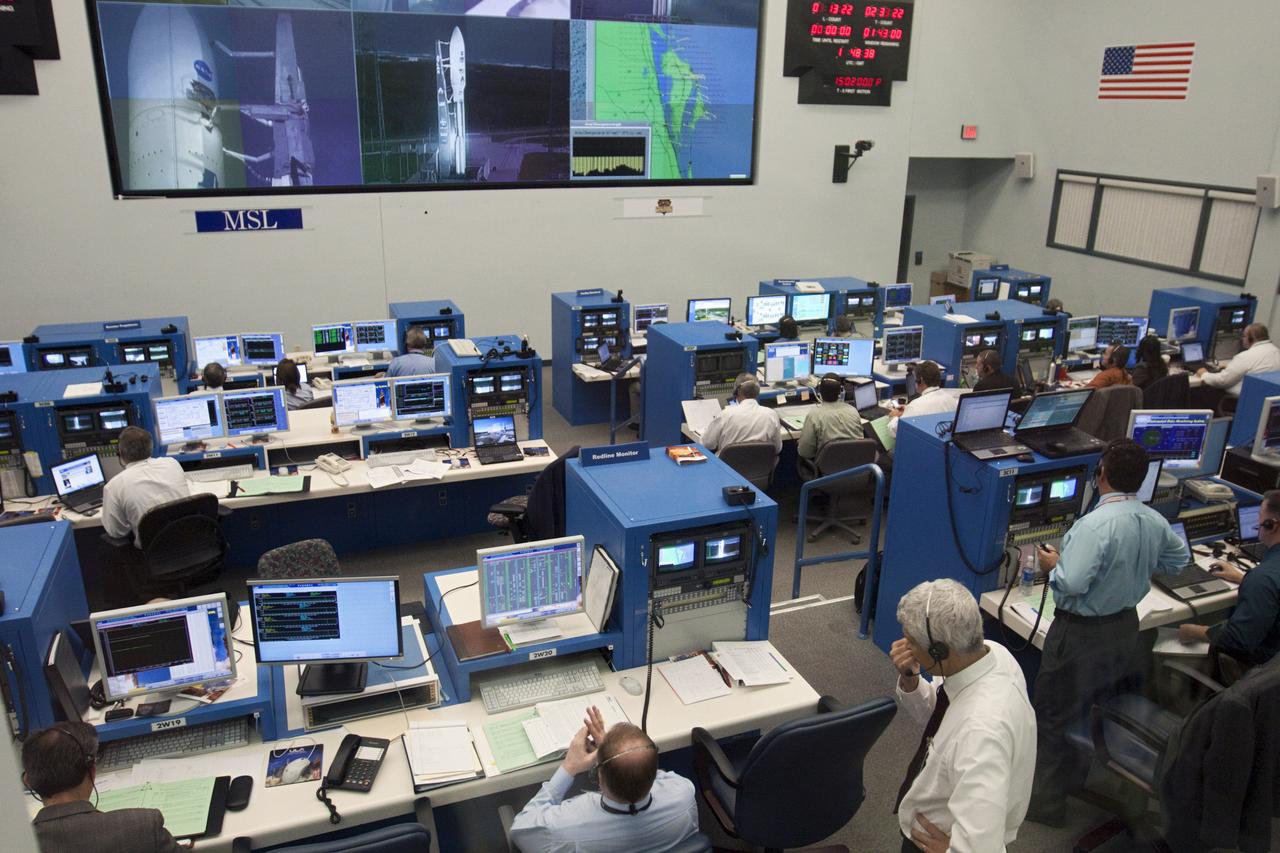
MSL - ASOC Control Room
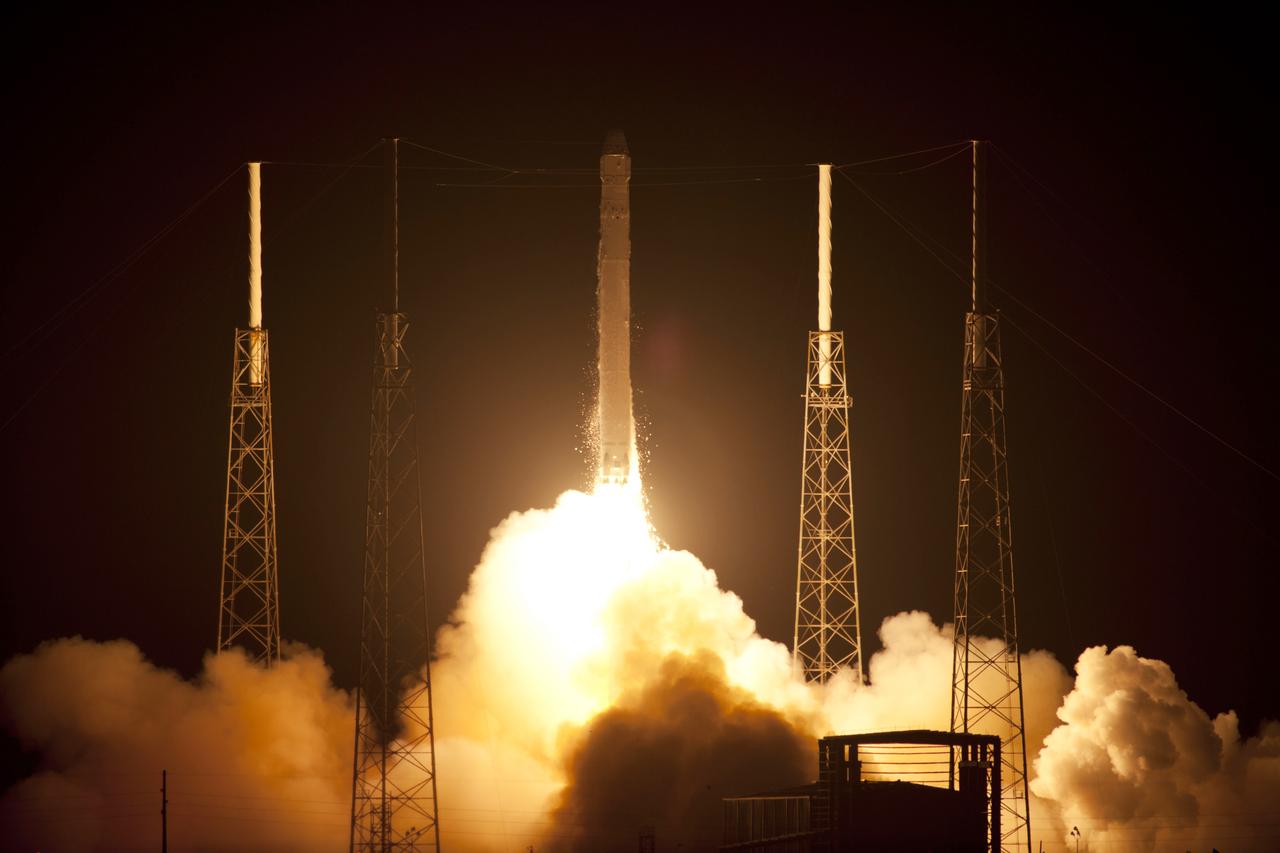
SpaceX Falcon 9/COTS 2 Launch, DD026-203
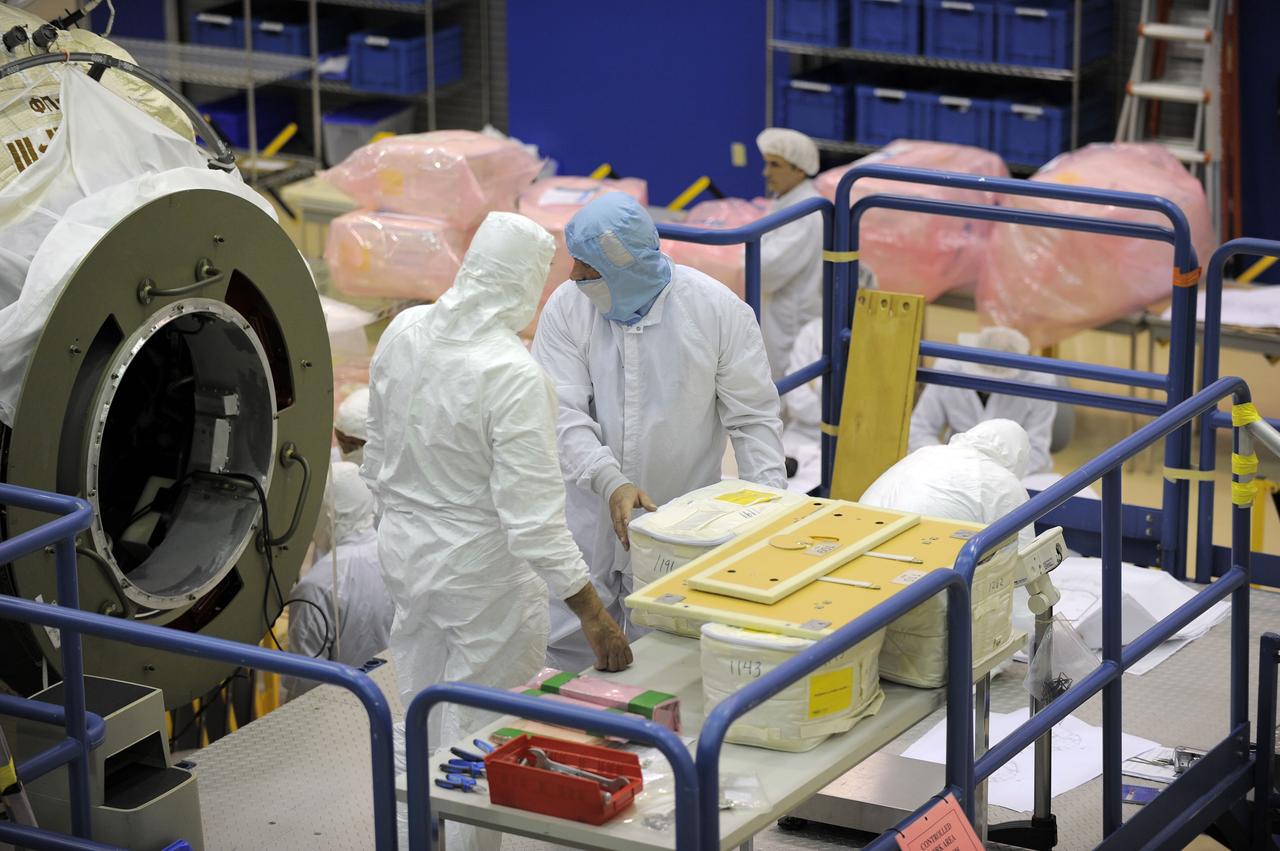
STS-132 MINI RESEARCH MODULE-1 CARGO STORAGE
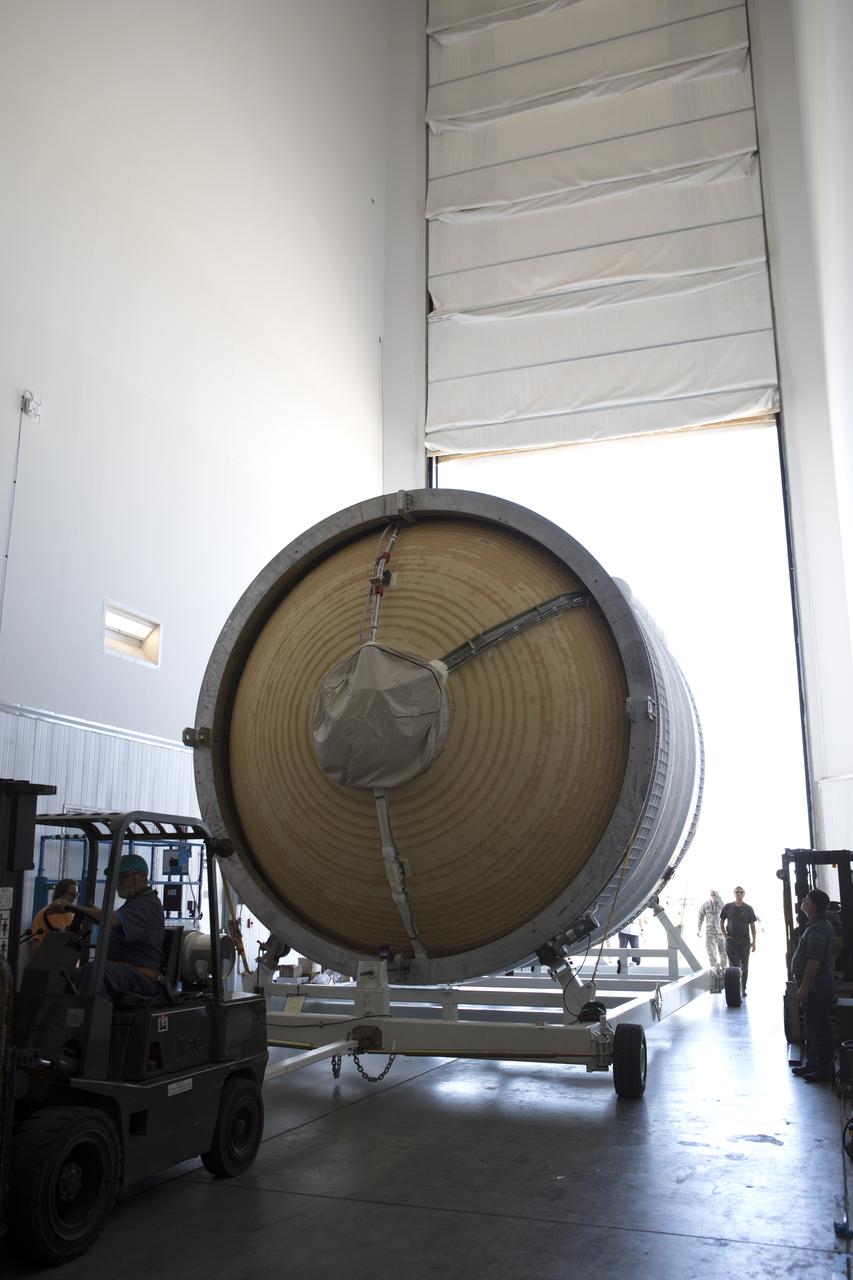
The Interim Cryogenic Propulsion Stage (ICPS) for NASA's Space Launch System rocket is moved inside the Delta Operations Center at Cape Canaveral Air Force Station in Florida. The ICPS was moved from the United Launch Alliance (ULA) Horizontal Integration Facility near Space Launch Complex 37 at the Cape. The ICPS is the first integrated piece of flight hardware to arrive for the SLS. It is the in-space stage that is located toward the top of the rocket, between the Launch Vehicle Stage Adapter and the Orion Spacecraft Adapter. It will provide some of the in-space propulsion during Orion's first flight test atop the SLS on Exploration Mission-1.
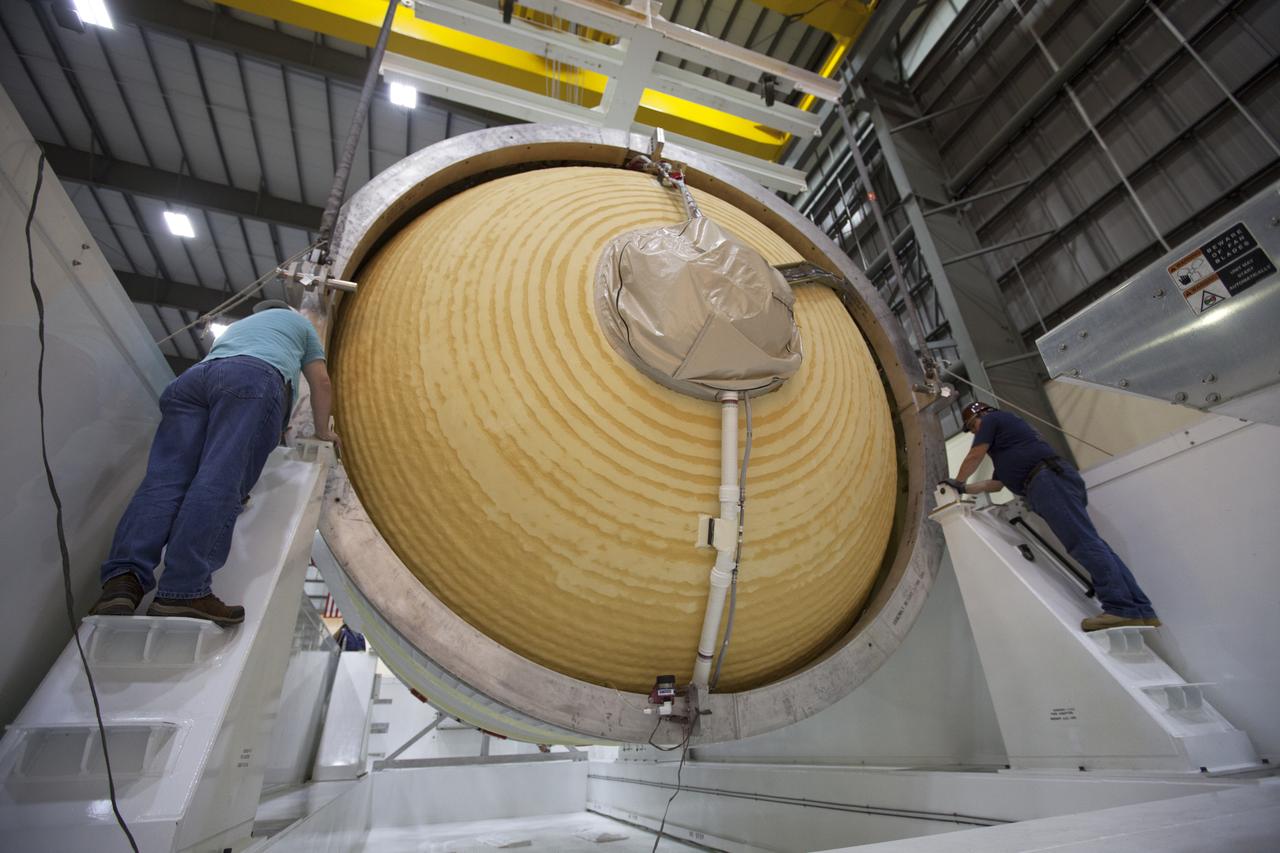
Inside the United Launch Alliance (ULA) Horizontal Integration Facility at Cape Canaveral Air Force Station in Florida, technicians attach a crane to the Interim Cryogenic Propulsion Stage (ICPS) for NASA's Space Launch System rocket. The ICPS is the first integrated piece of flight hardware to arrive for the SLS. The ICPS arrived from the ULA facility in Decatur, Alabama. The ICPS is the in-space stage that is located toward the top of the rocket, between the Launch Vehicle Stage Adapter and the Orion Spacecraft Adapter. It will provide some of the in-space propulsion during Orion's first flight test atop the SLS on Exploration Mission 1.
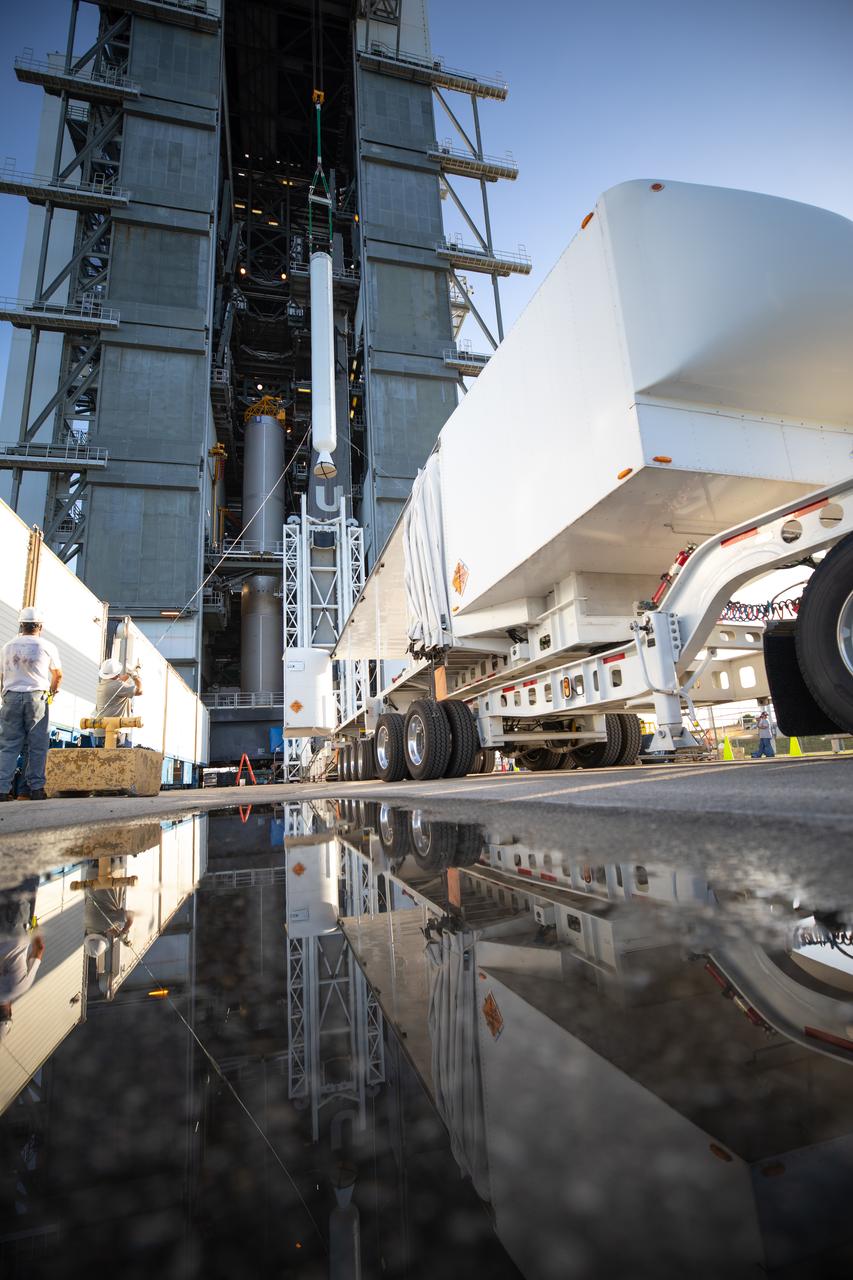
Two solid rocket boosters are mated to a United Launch Alliance Atlas V first stage inside the Vertical Integration Facility at Space Launch Complex 41 at Cape Canaveral Air Force Station in Florida on Nov. 7, 2019, in preparation for Boeing’s Orbital Flight Test (OFT). The uncrewed OFT mission will rendezvous and dock Boeing’s CST-100 Starliner spacecraft with the International Space Station as part of NASA’s Commercial Crew Program. Starliner will launch atop the Atlas V rocket from Space Launch Complex 41.
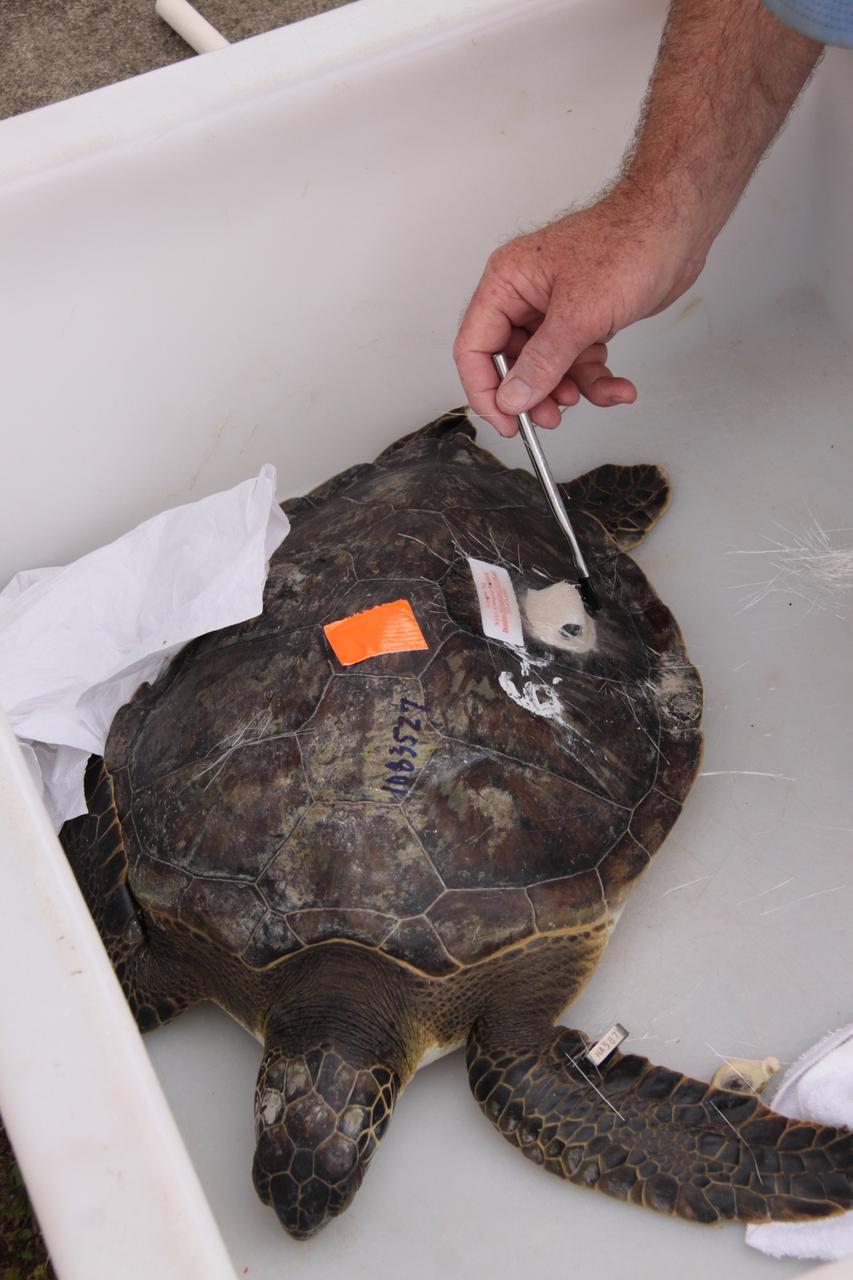
KSC WILDLIFE - TRACKING TRANSMITTERS BEING ATTACHED TO SEA TURTLES
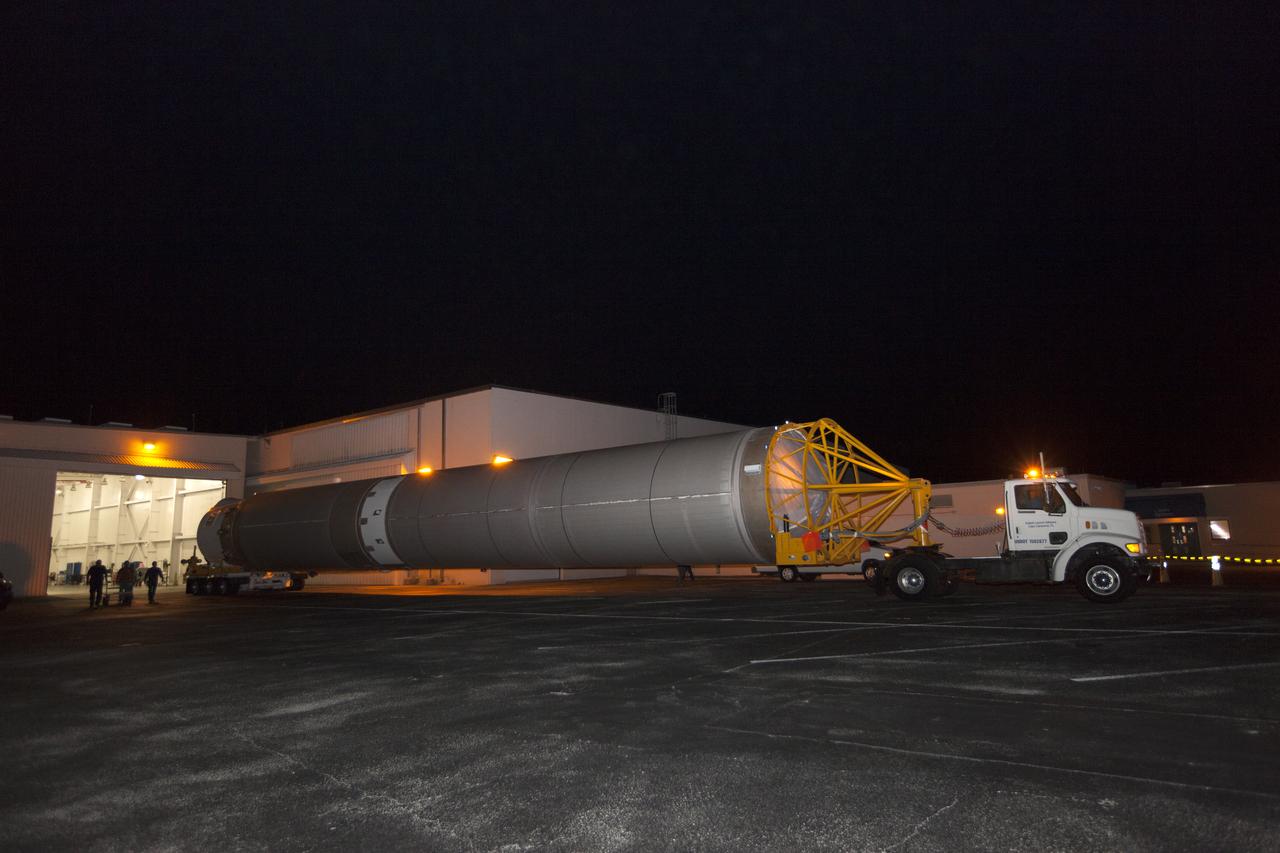
A United Launch Alliance Atlas V first stage leaves the Atlas Space Operations Center aboard a transport trailer for delivery to the Vertical Integration Facility at Space Launch Complex 41 at Cape Canaveral Air Force Station in Florida. The rocket is scheduled to launch the Tracking and Data Relay Satellite, TDRS-M. It will be the latest spacecraft destined for the agency's constellation of communications satellites that allows nearly continuous contact with orbiting spacecraft ranging from the International Space Station and Hubble Space Telescope to the array of scientific observatories. Liftoff atop the ULA Atlas V rocket is scheduled to take place from Cape Canaveral's Space Launch Complex 41 on Aug. 3, 2017 at 9:02 a.m. EDT.
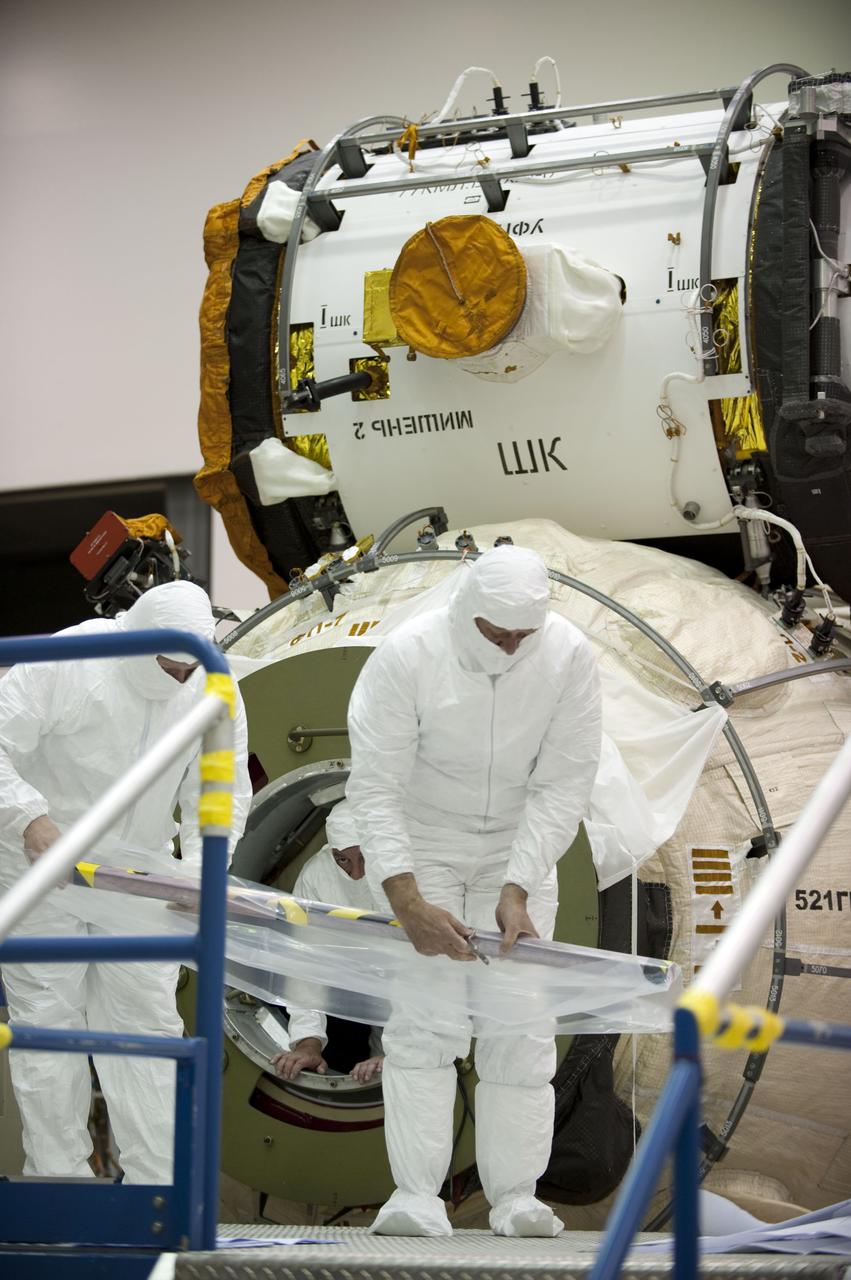
STS-132 MINI RESEARCH MODULE-1 CARGO STORAGE
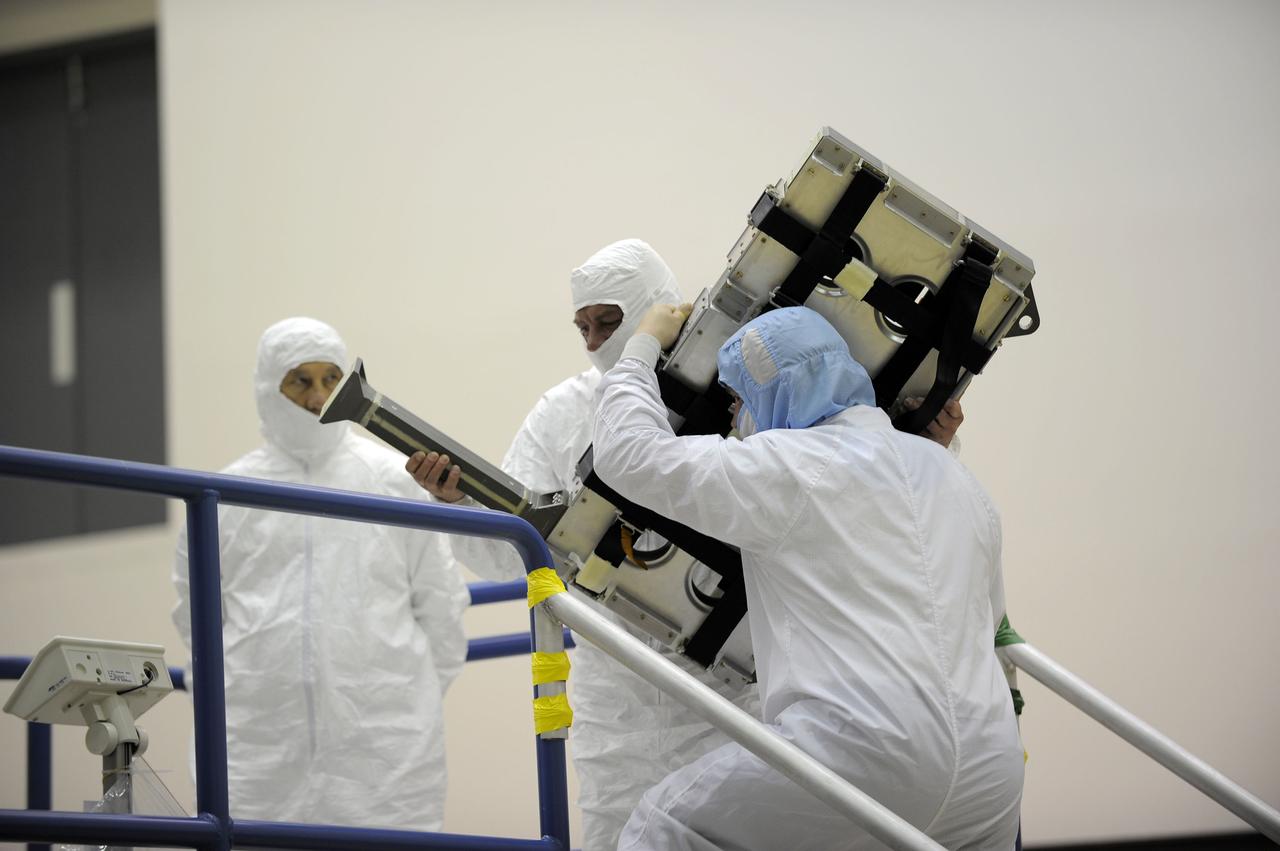
STS-132 MINI RESEARCH MODULE-1 CARGO STORAGE
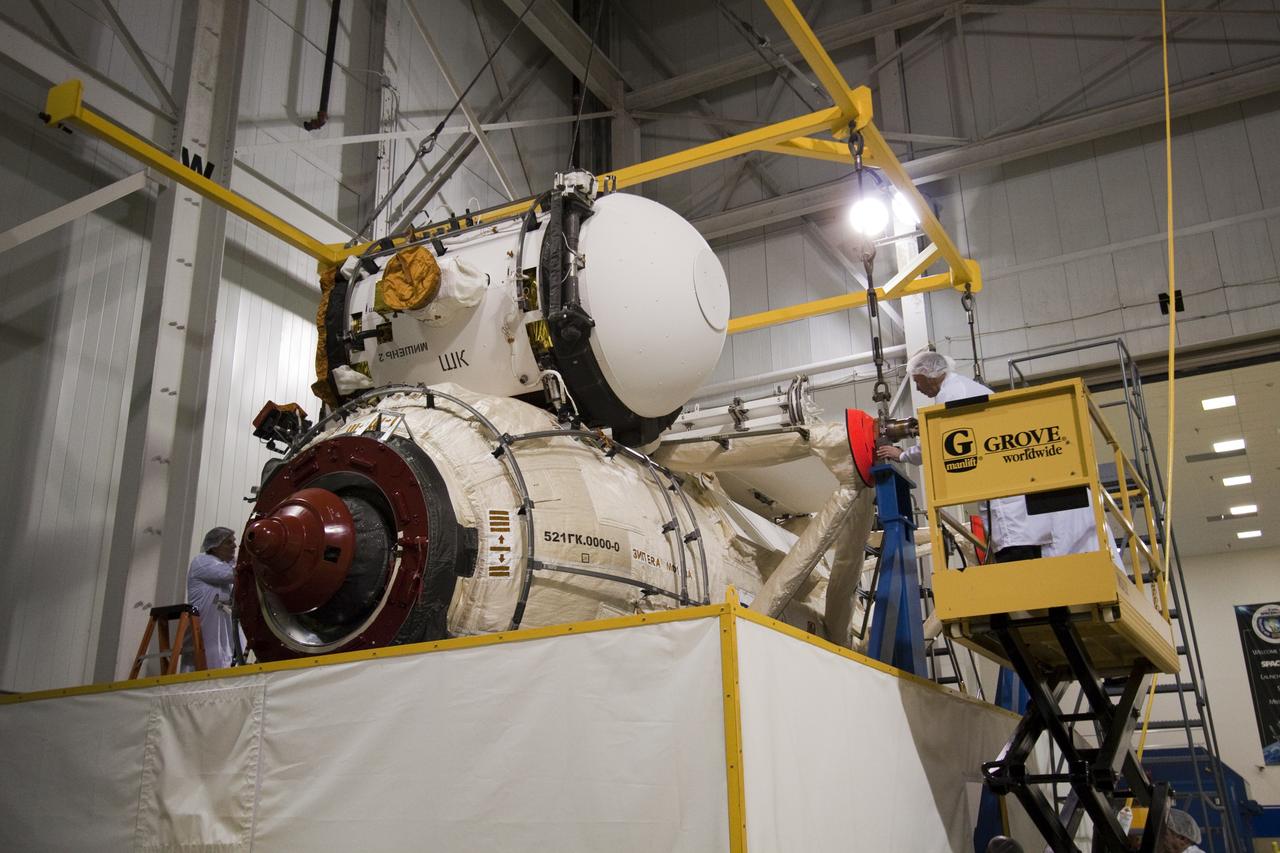
STS-132 MINI RESEARCH MODULE INSTALL TO TRANSPORT CONTAINER
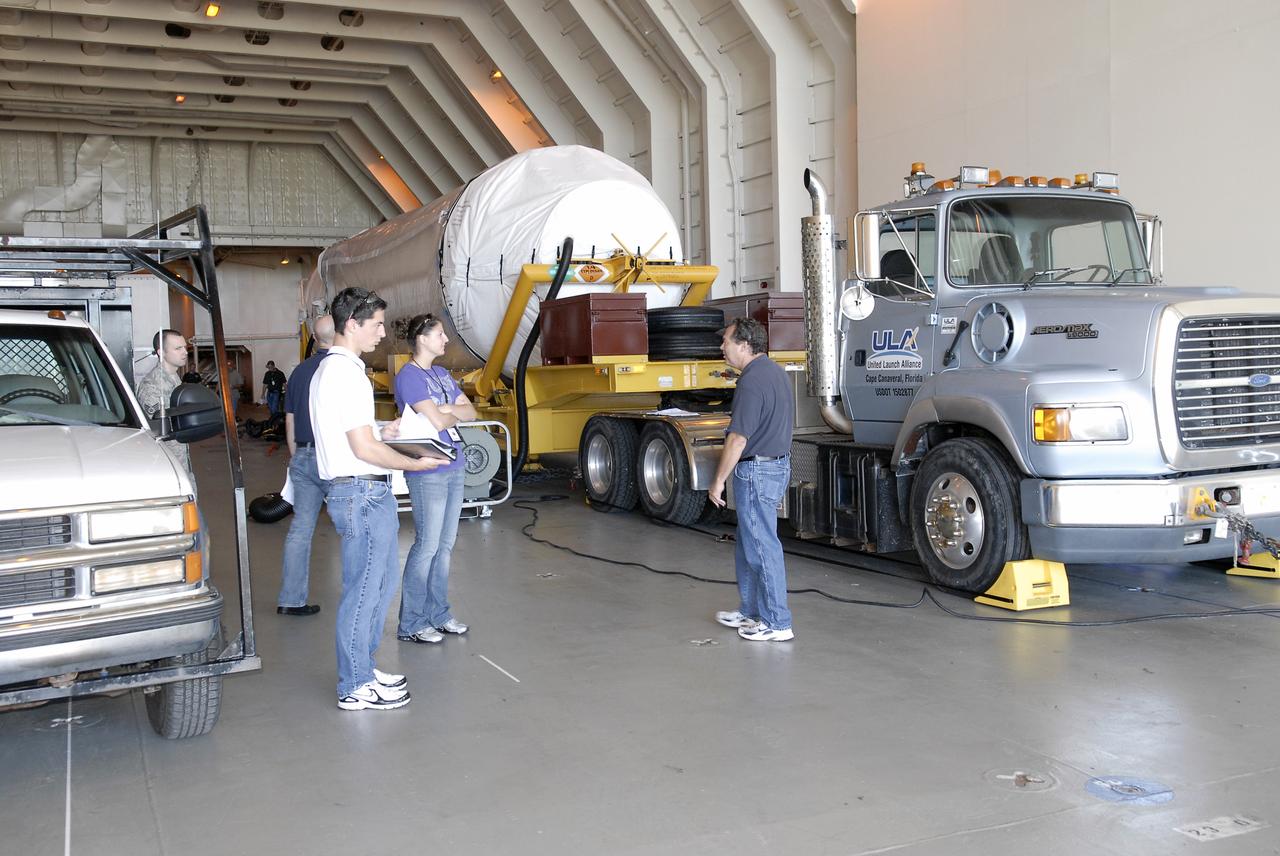
RBSP Centaur Stage is Unloaded at Port & Moved to ASOC
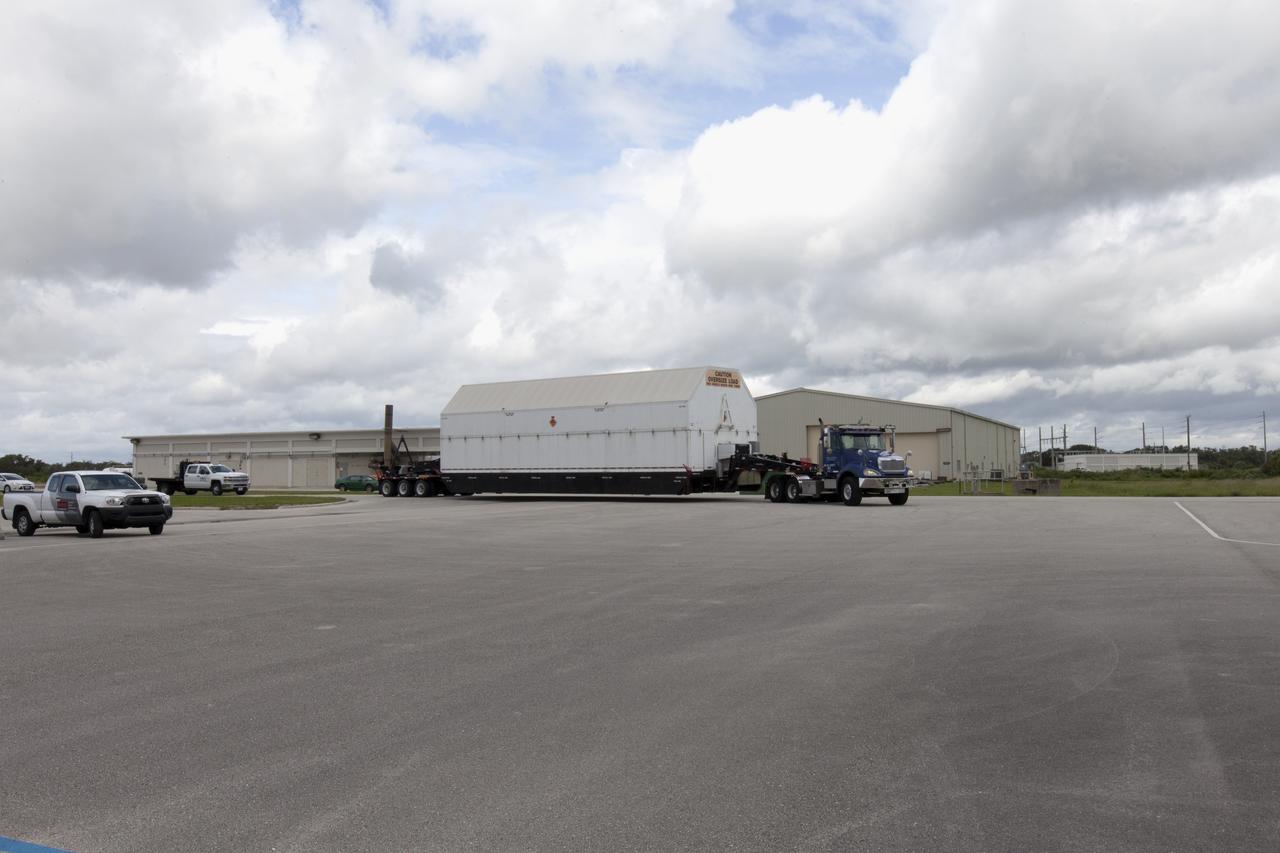
A United Launch Alliance Delta IV Heavy second stage, packaged in its shipping container, arrives at the Horizontal Integration Facility at Cape Canaveral Air Force Station for preflight processing. The Delta IV Heavy will launch NASA's upcoming Parker Solar Probe mission. The mission will perform the closest-ever observations of a star when it travels through the Sun's atmosphere, called the corona. The probe will rely on measurements and imaging to revolutionize our understanding of the corona and the Sun-Earth connection. Liftoff atop the Delta IV Heavy rocket is scheduled to take place from Cape Canaveral's Space Launch Complex 37 in summer 2018.
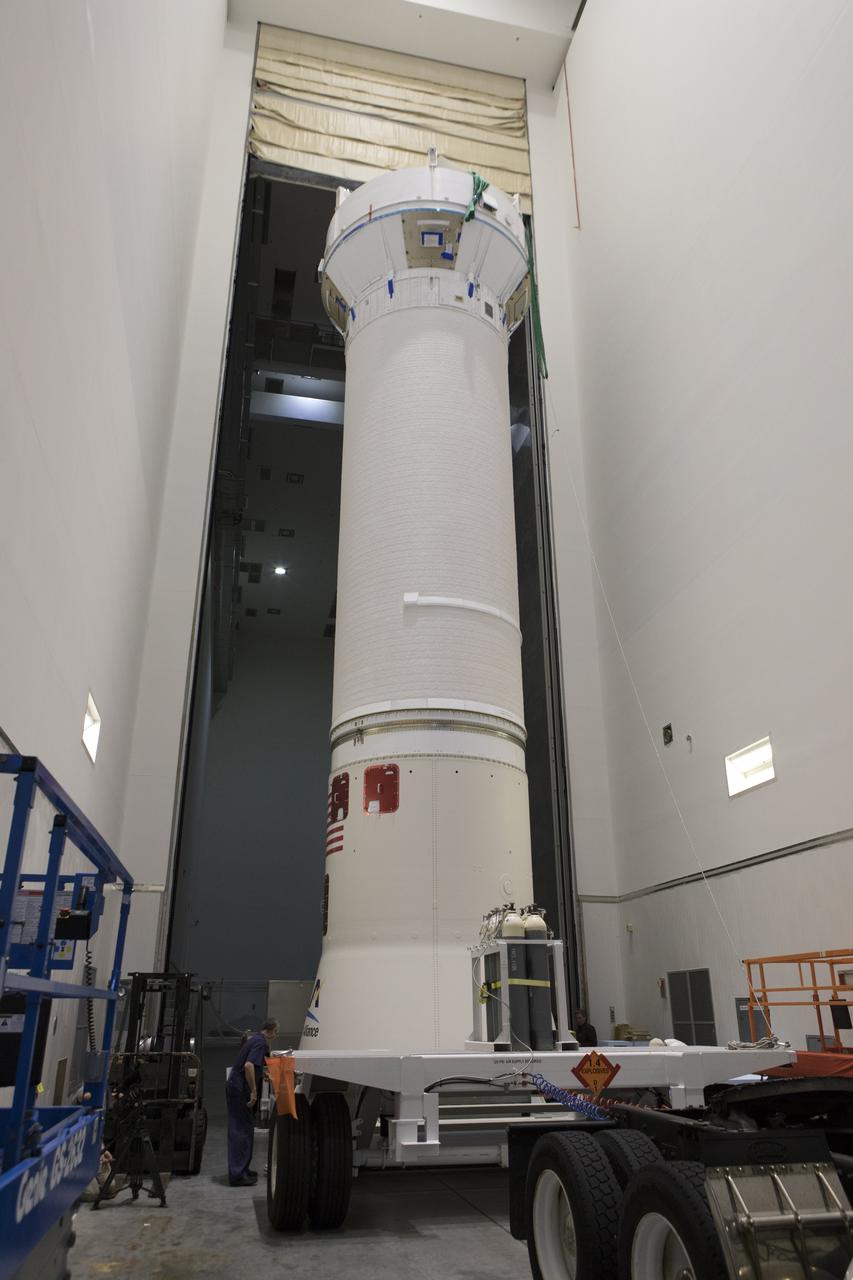
A United Launch Alliance Atlas V Centaur upper stage is prepared to leave the Delta Operations Center aboard a transport trailer for delivery to the Vertical Integration Facility at Space Launch Complex 41 at Cape Canaveral Air Force Station in Florida. The rocket is scheduled to help launch the Tracking and Data Relay Satellite, TDRS-M. It will be the latest spacecraft destined for the agency's constellation of communications satellites that allows nearly continuous contact with orbiting spacecraft ranging from the International Space Station and Hubble Space Telescope to the array of scientific observatories. Liftoff atop the ULA Atlas V rocket is scheduled to take place from Cape Canaveral's Space Launch Complex 41 in early August.
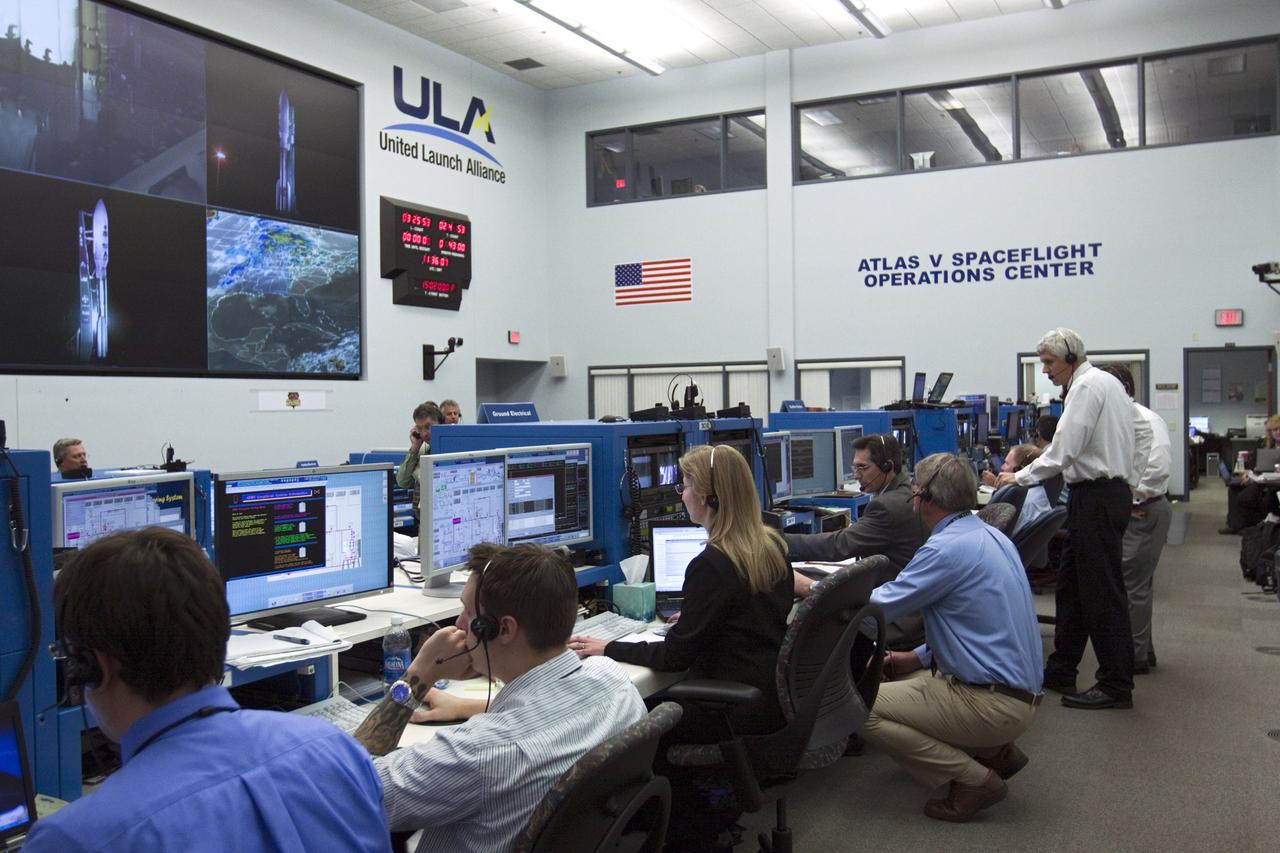
MSL - ASOC Control Room
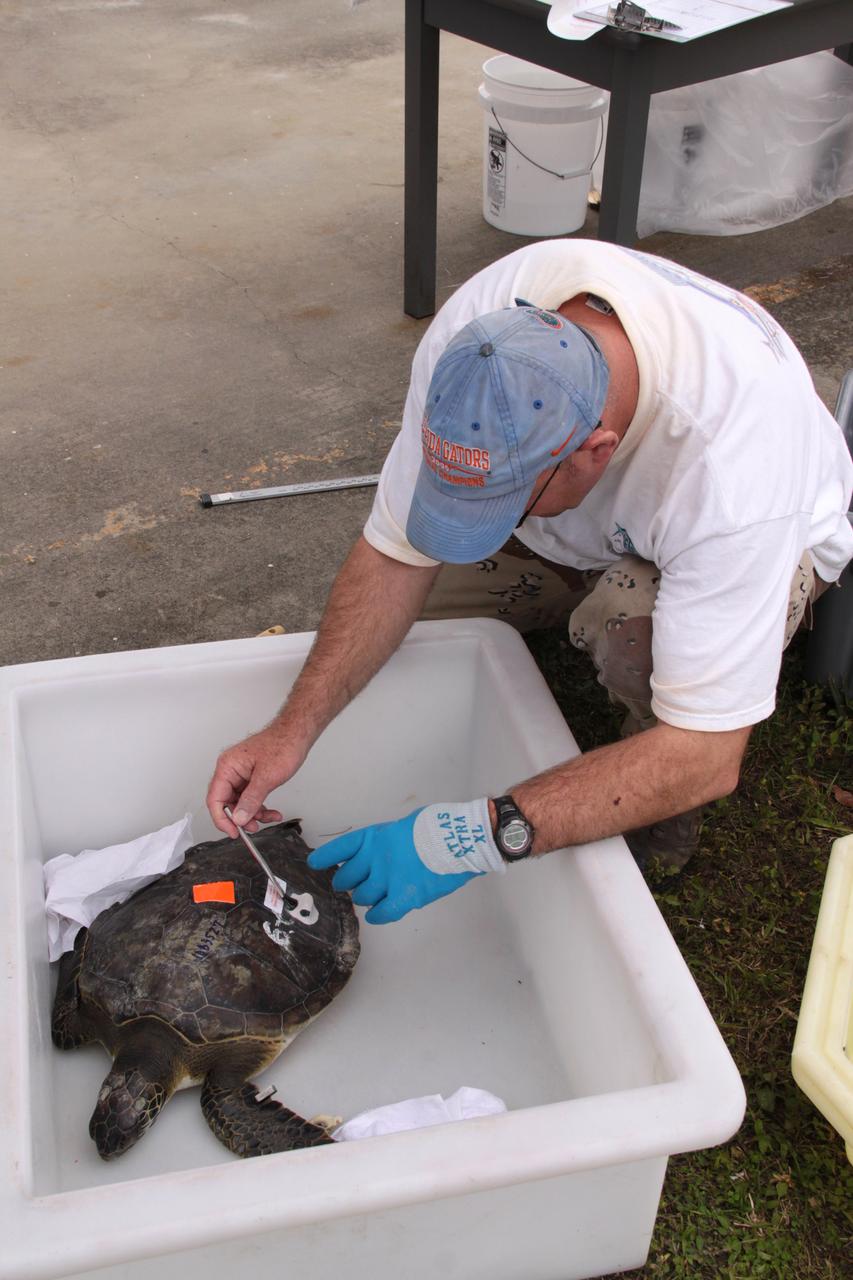
KSC WILDLIFE - TRACKING TRANSMITTERS BEING ATTACHED TO SEA TURTLES
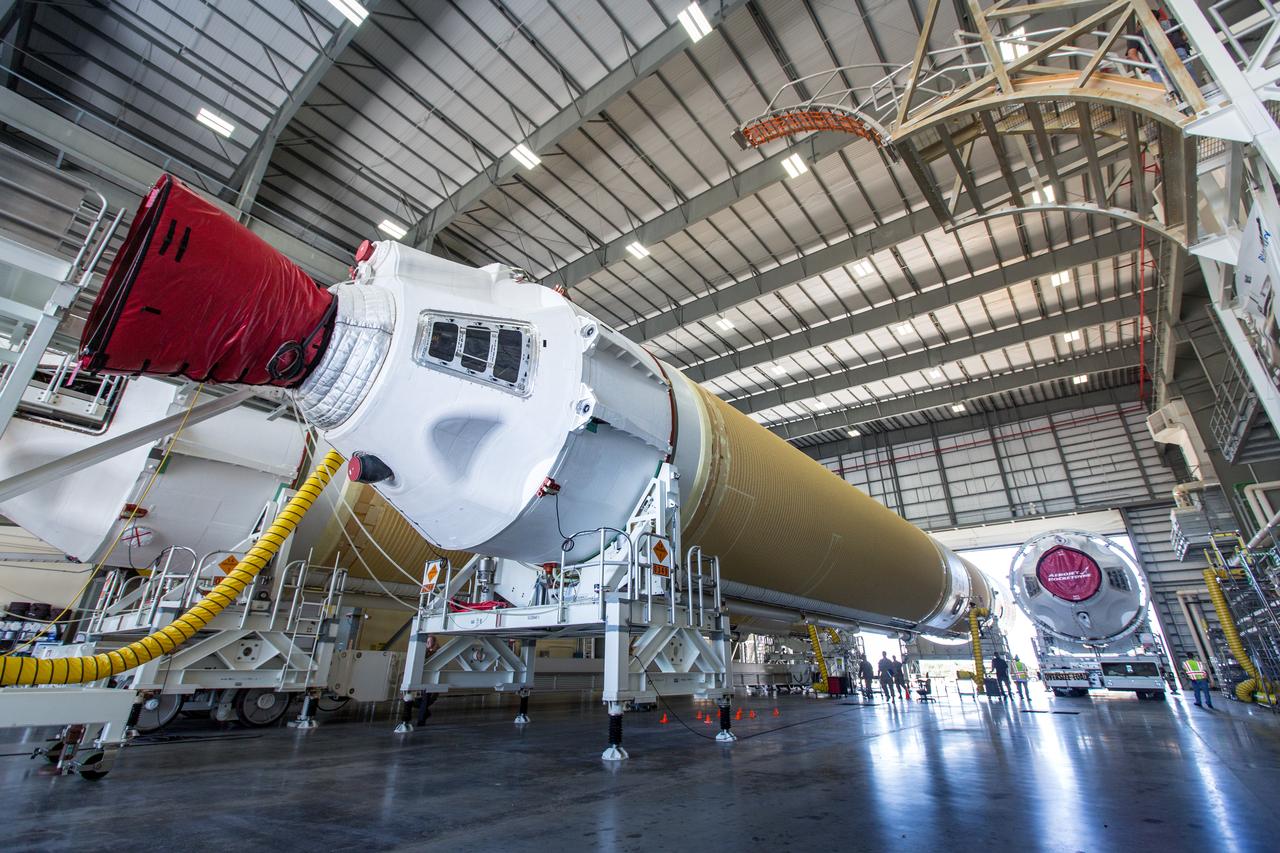
A United Launch Alliance Delta IV Heavy common booster core arrives at the Horizontal Integration Facility at Cape Canaveral Air Force Station for preflight processing. The Delta IV Heavy will launch NASA's upcoming Parker Solar Probe mission. The mission will perform the closest-ever observations of a star when it travels through the Sun's atmosphere, called the corona. The probe will rely on measurements and imaging to revolutionize our understanding of the corona and the Sun-Earth connection. Liftoff atop the Delta IV Heavy rocket is scheduled to take place from Cape Canaveral's Space Launch Complex 37 in summer 2018.
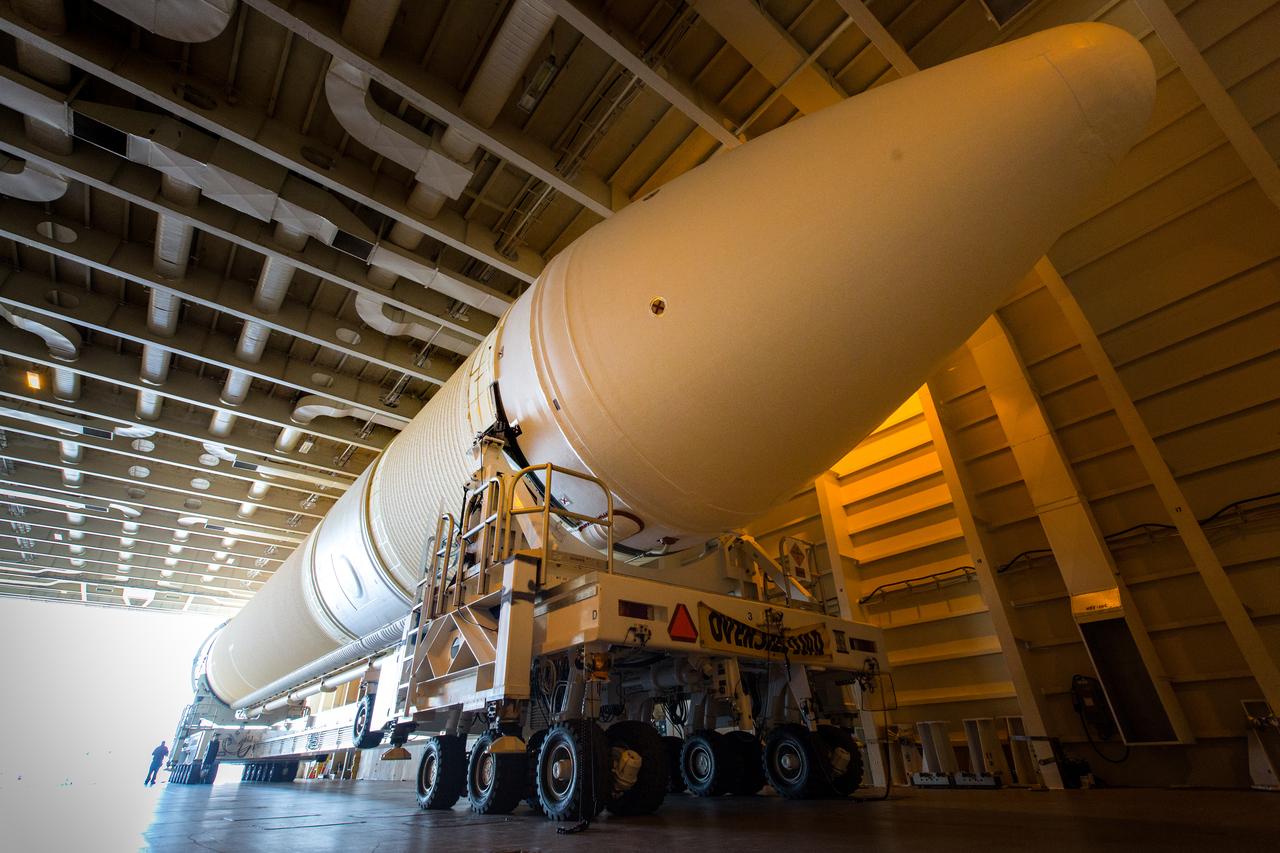
A United Launch Alliance Delta IV Heavy common booster core is about to be offloaded from the company's Mariner ship at Port Canaveral in Florida. The Delta IV Heavy will launch NASA's upcoming Parker Solar Probe mission. The mission will perform the closest-ever observations of a star when it travels through the Sun's atmosphere, called the corona. The probe will rely on measurements and imaging to revolutionize our understanding of the corona and the Sun-Earth connection. Liftoff atop the Delta IV Heavy rocket is scheduled to take place from Cape Canaveral's Space Launch Complex 37 in summer 2018.
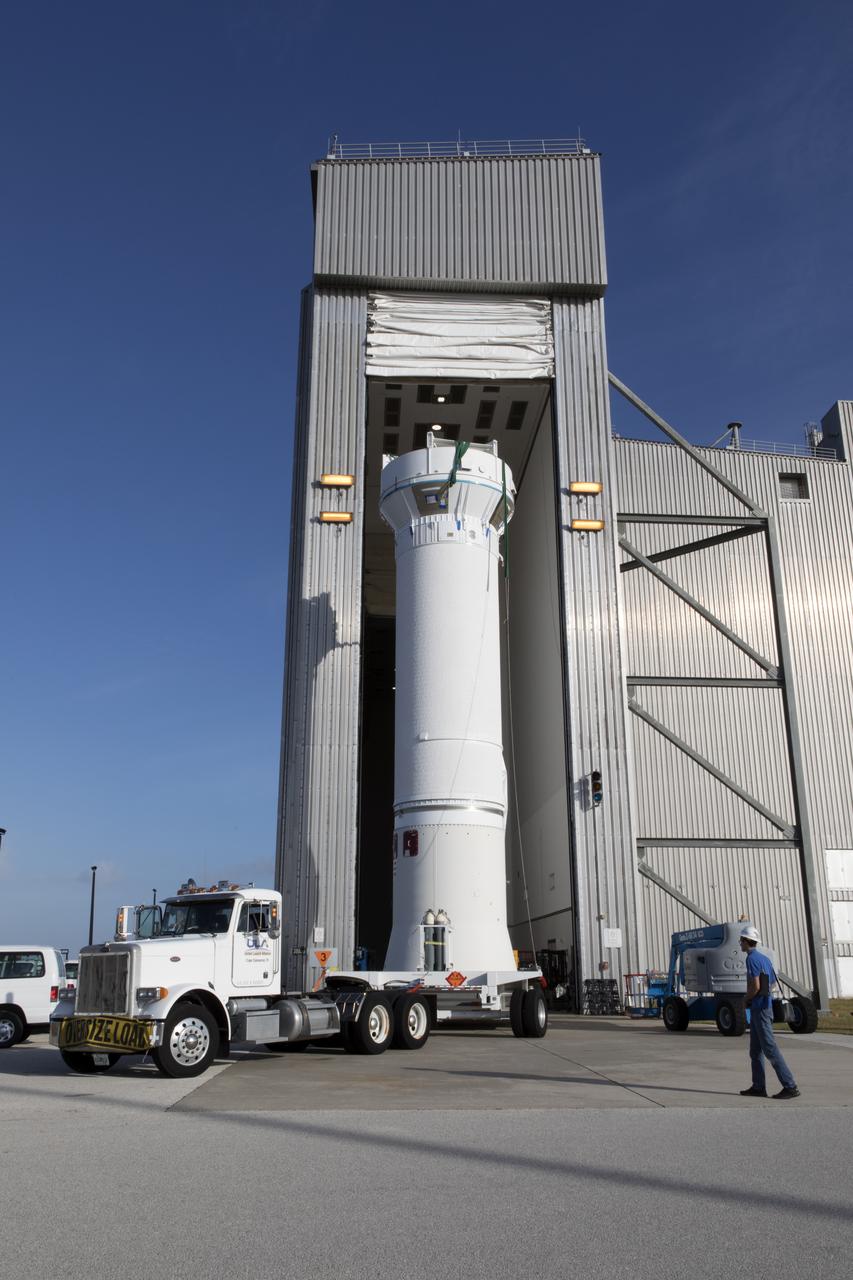
A United Launch Alliance Atlas V Centaur upper stage leaves the Delta Operations Center aboard a transport trailer for delivery to the Vertical Integration Facility at Space Launch Complex 41 at Cape Canaveral Air Force Station in Florida. The rocket is scheduled to help launch the Tracking and Data Relay Satellite, TDRS-M. It will be the latest spacecraft destined for the agency's constellation of communications satellites that allows nearly continuous contact with orbiting spacecraft ranging from the International Space Station and Hubble Space Telescope to the array of scientific observatories. Liftoff atop the ULA Atlas V rocket is scheduled to take place from Cape Canaveral's Space Launch Complex 41 in early August.
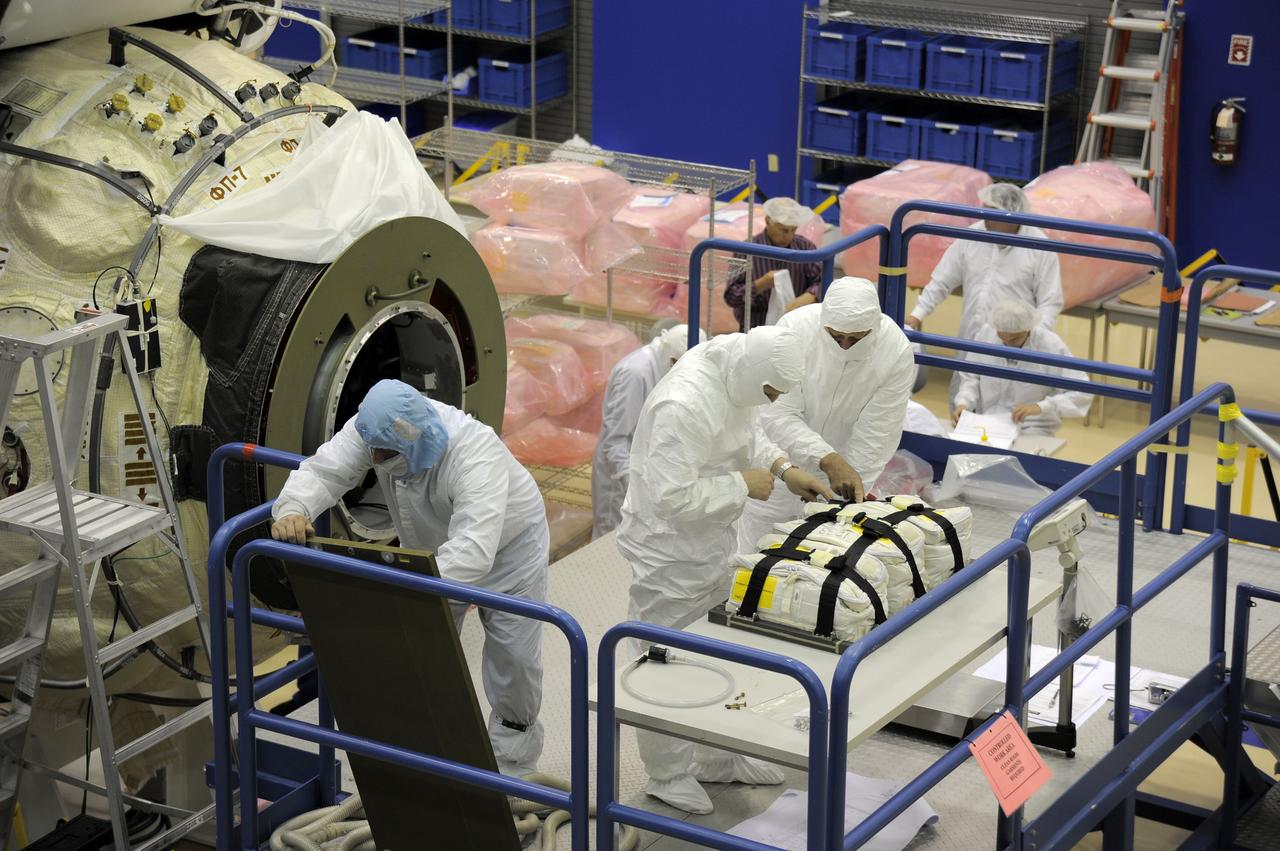
STS-132 MINI RESEARCH MODULE-1 CARGO STORAGE
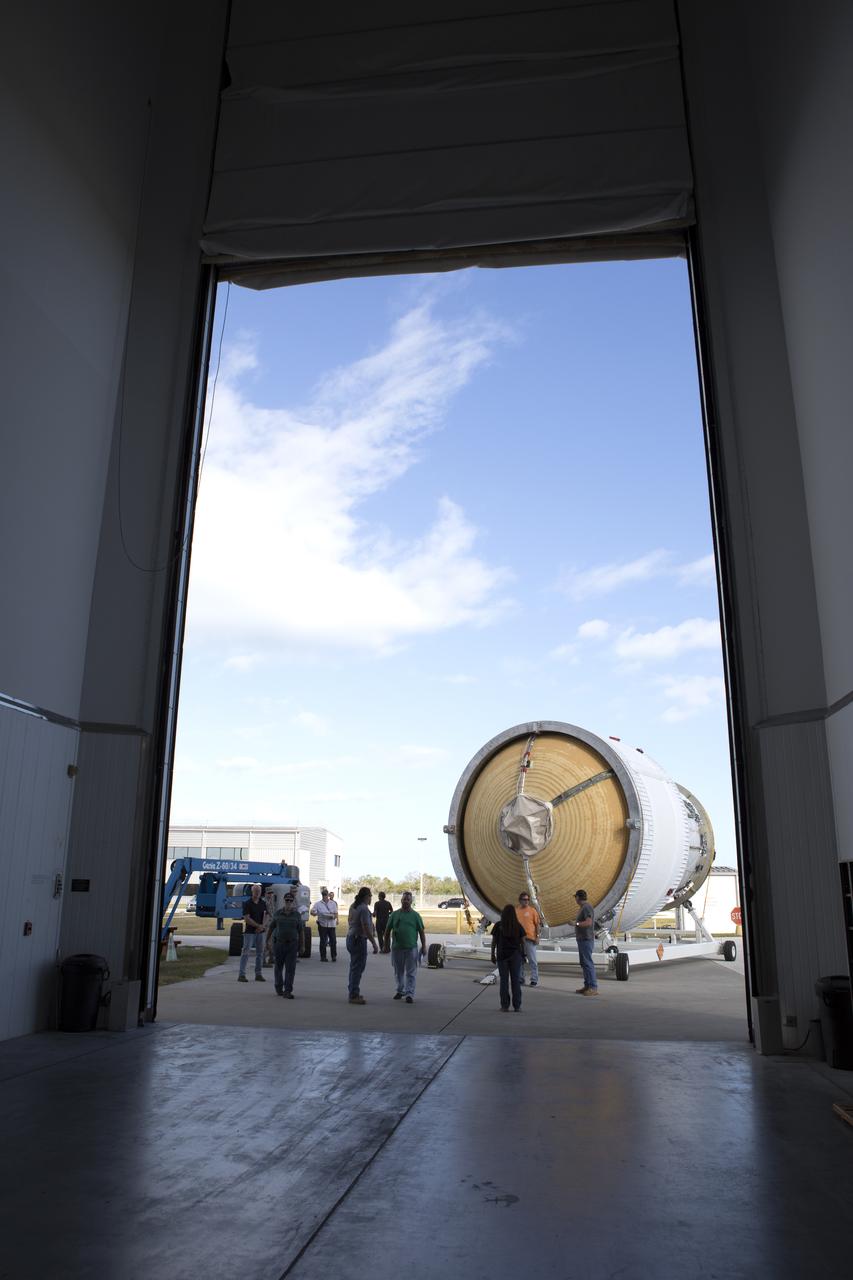
The Interim Cryogenic Propulsion Stage (ICPS) for NASA's Space Launch System rocket arrives at the Delta Operations Center at Cape Canaveral Air Force Station in Florida. The ICPS was moved from the United Launch Alliance (ULA) Horizontal Integration Facility near Space Launch Complex 37 at the Cape. The ICPS is the first integrated piece of flight hardware to arrive for the SLS. It is the in-space stage that is located toward the top of the rocket, between the Launch Vehicle Stage Adapter and the Orion Spacecraft Adapter. It will provide some of the in-space propulsion during Orion's first flight test atop the SLS on Exploration Mission-1.
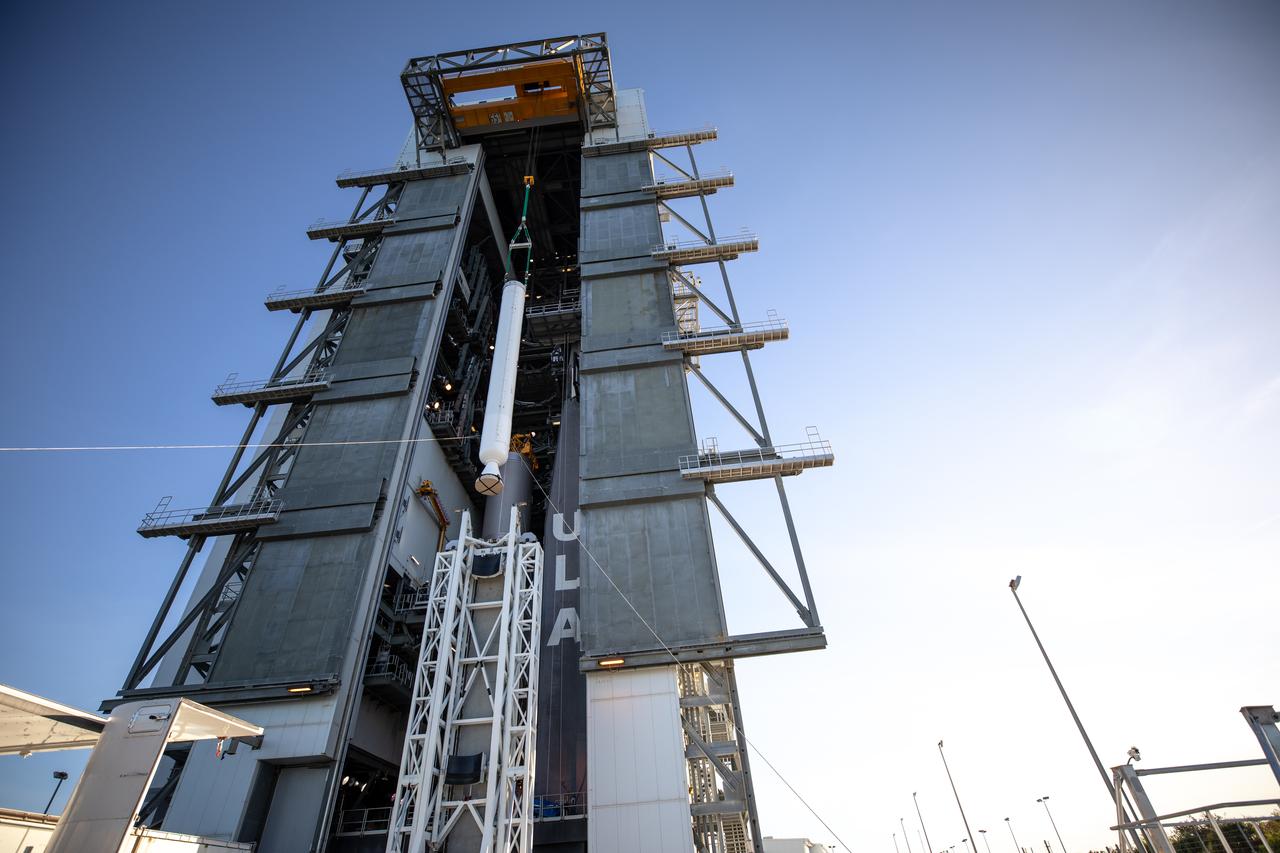
Two solid rocket boosters are mated to a United Launch Alliance Atlas V first stage inside the Vertical Integration Facility at Space Launch Complex 41 at Cape Canaveral Air Force Station in Florida on Nov. 7, 2019, in preparation for Boeing’s Orbital Flight Test (OFT). The uncrewed OFT mission will rendezvous and dock Boeing’s CST-100 Starliner spacecraft with the International Space Station as part of NASA’s Commercial Crew Program. Starliner will launch atop the Atlas V rocket from Space Launch Complex 41.