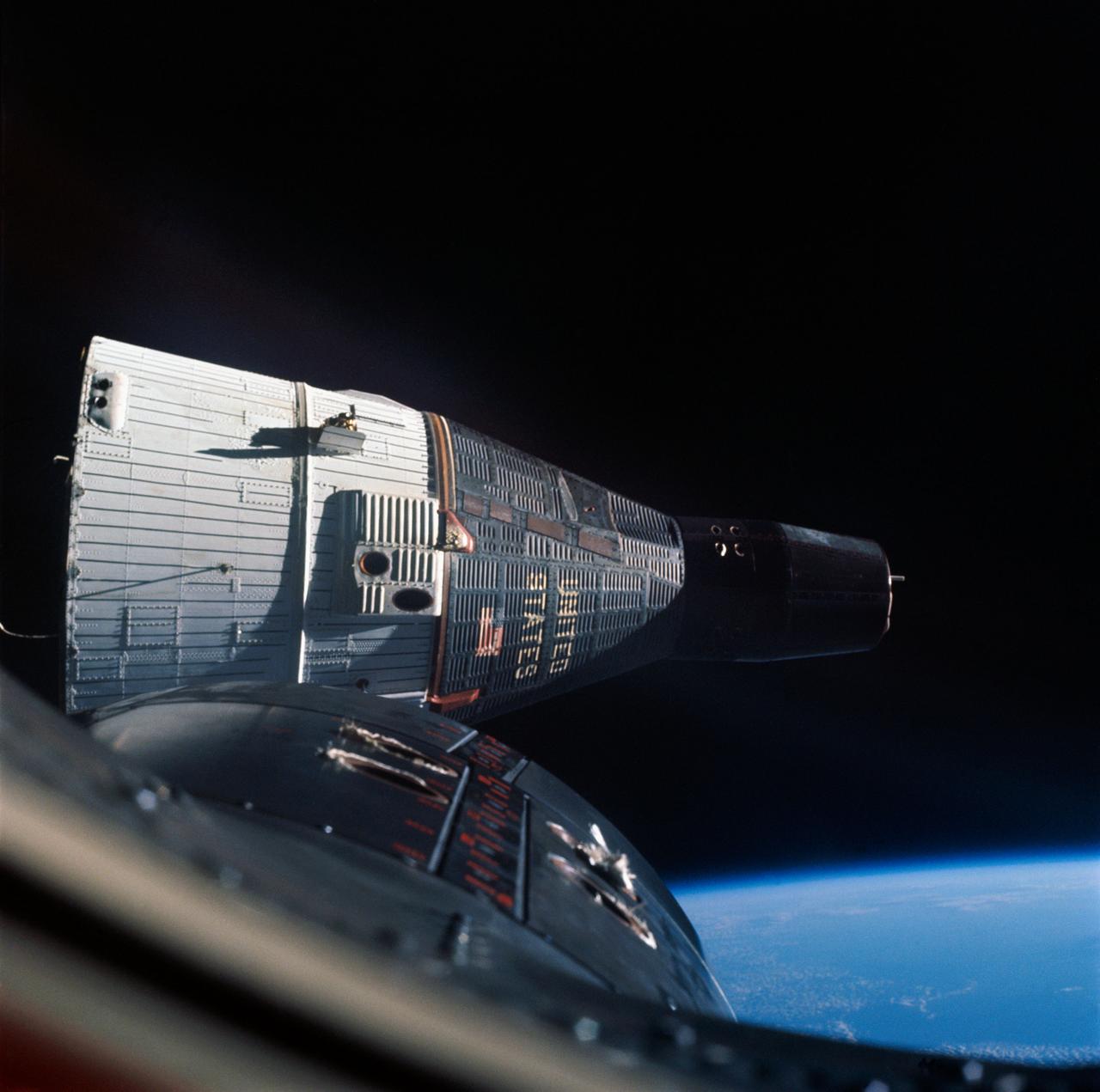
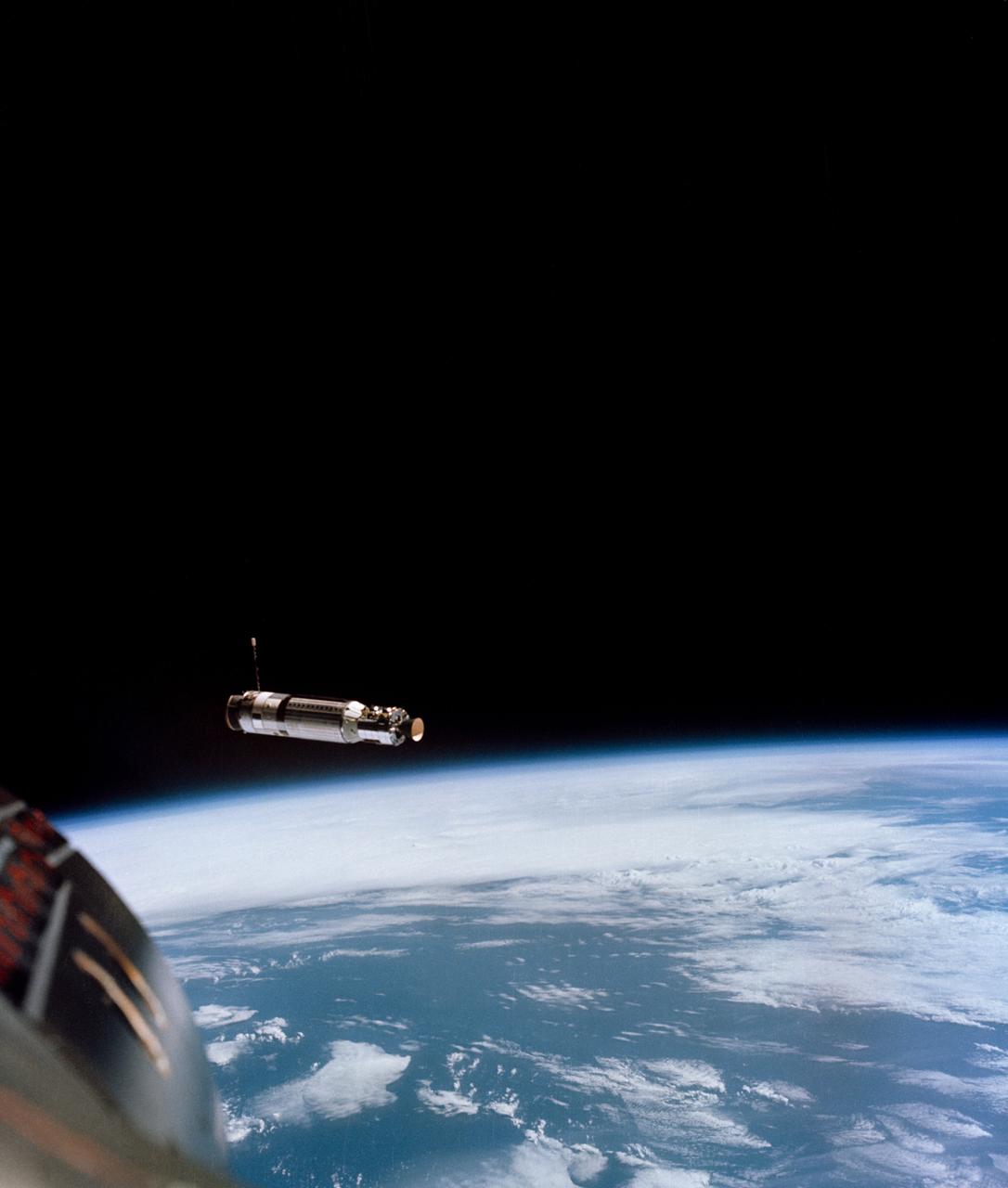
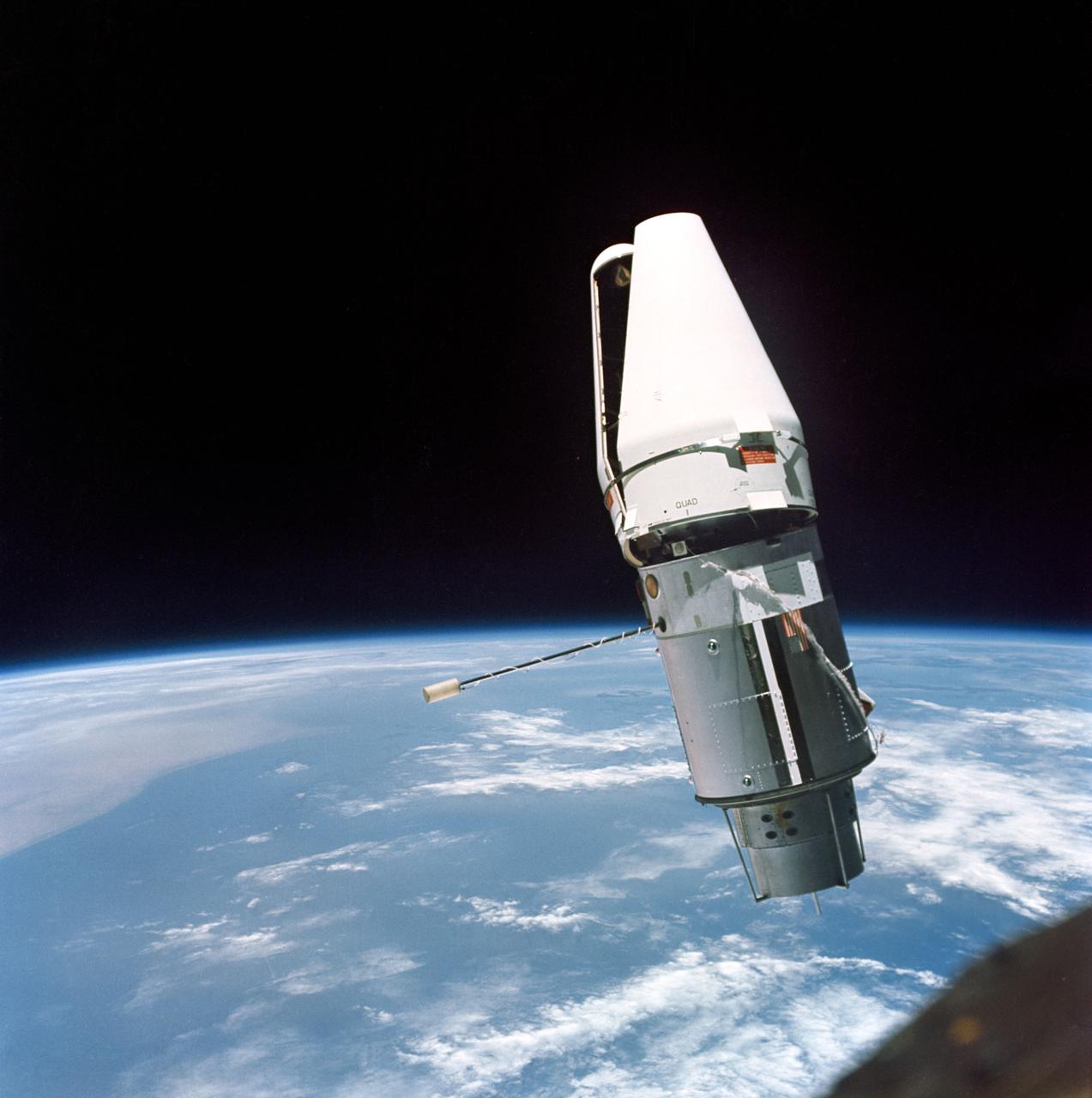
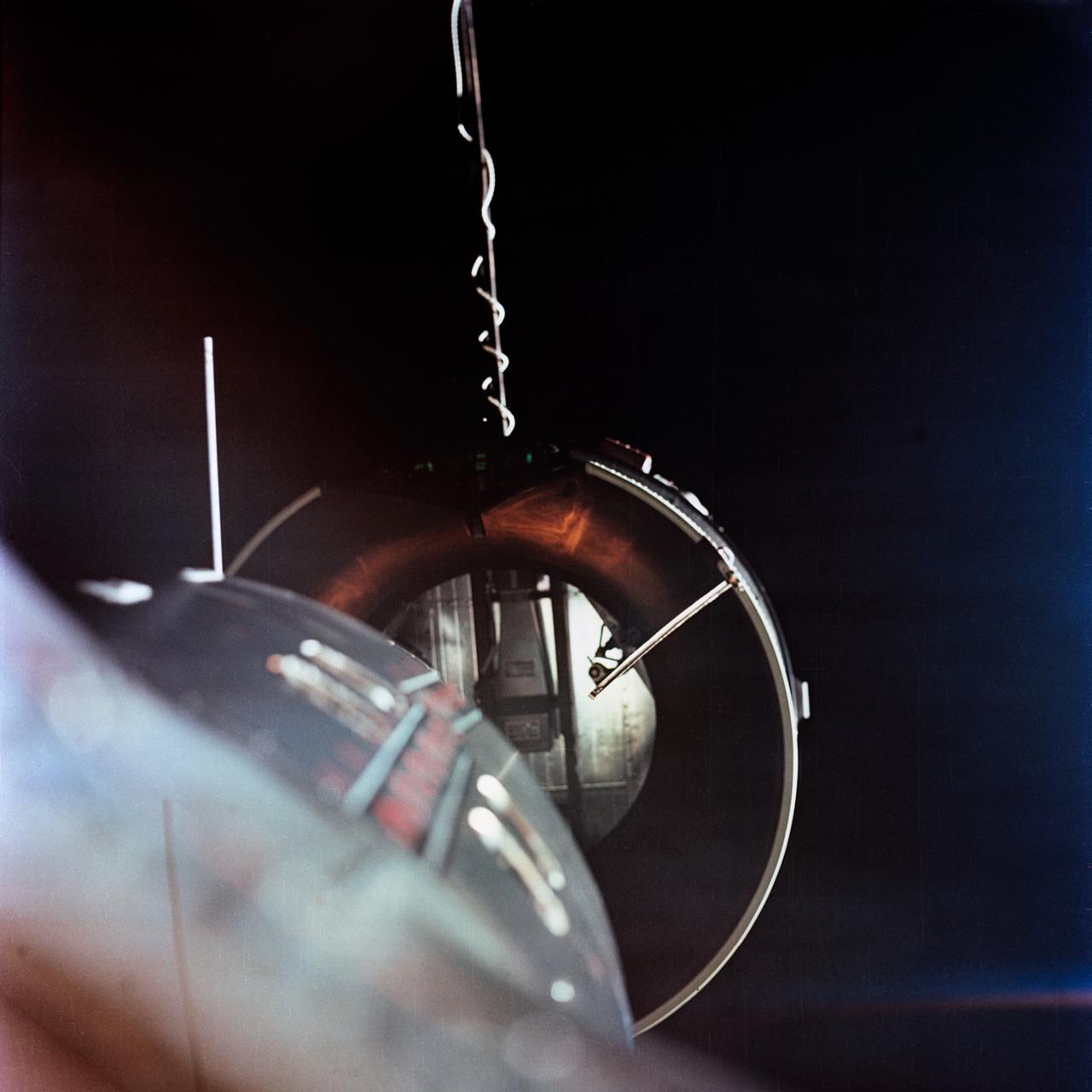
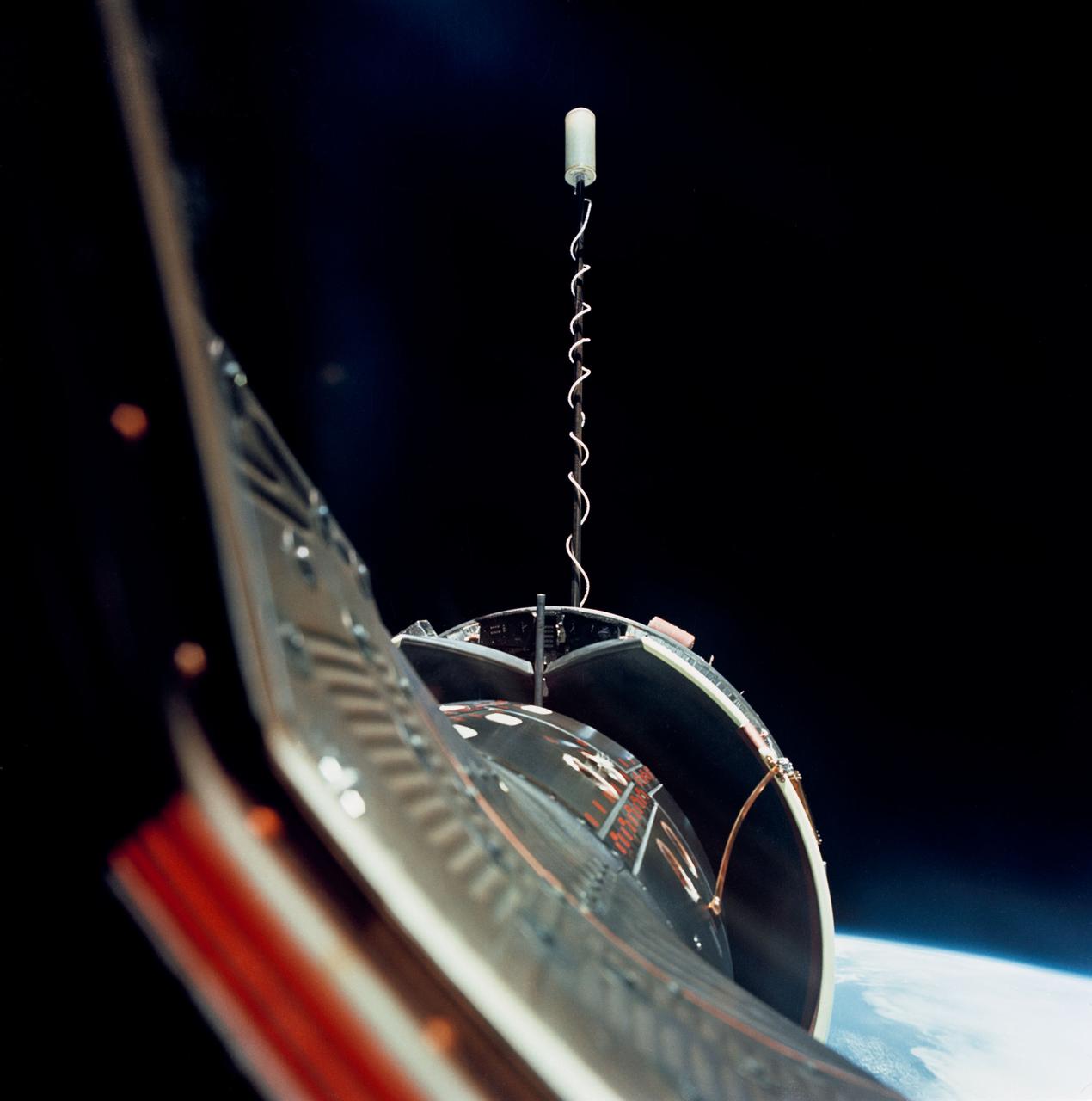
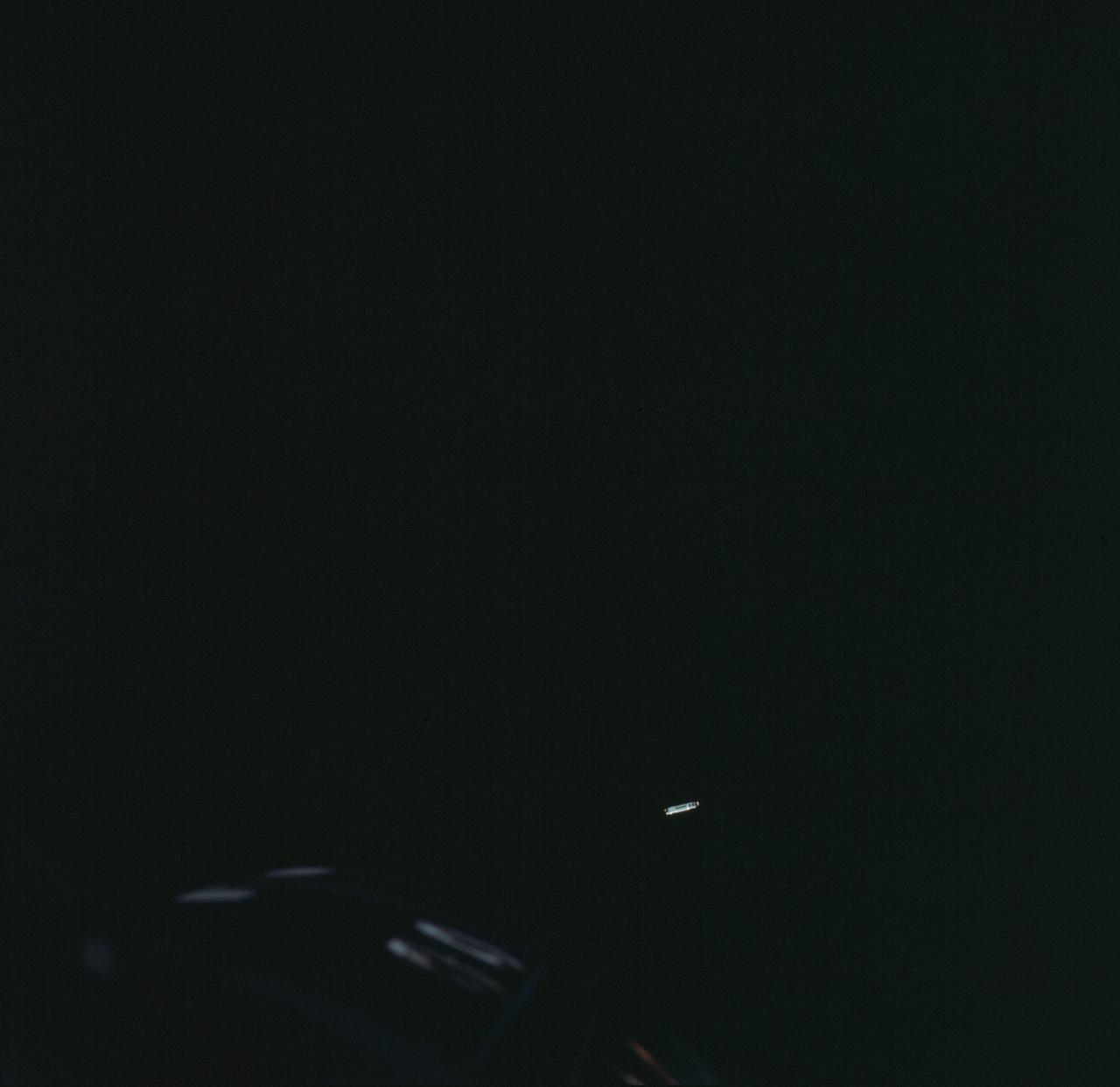
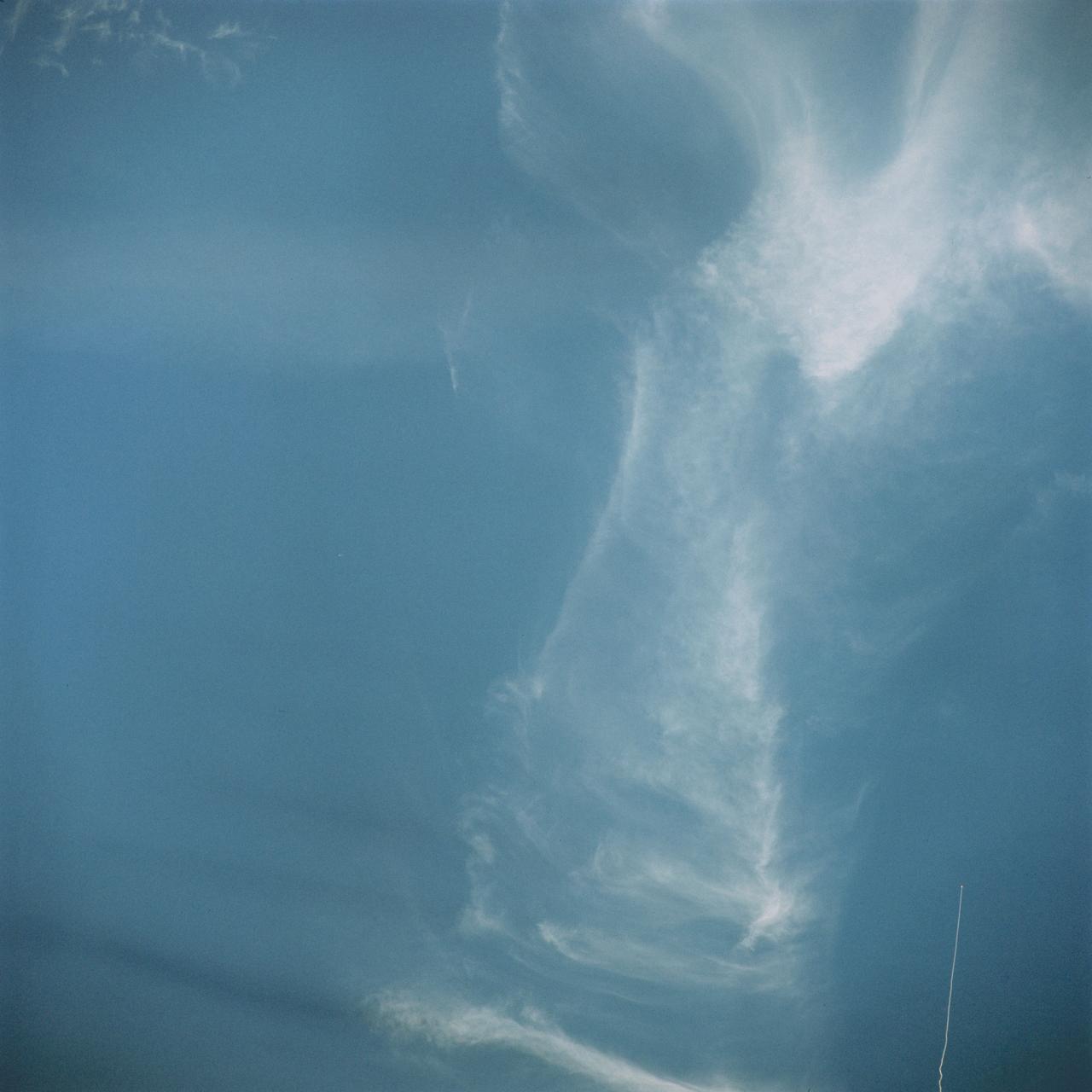
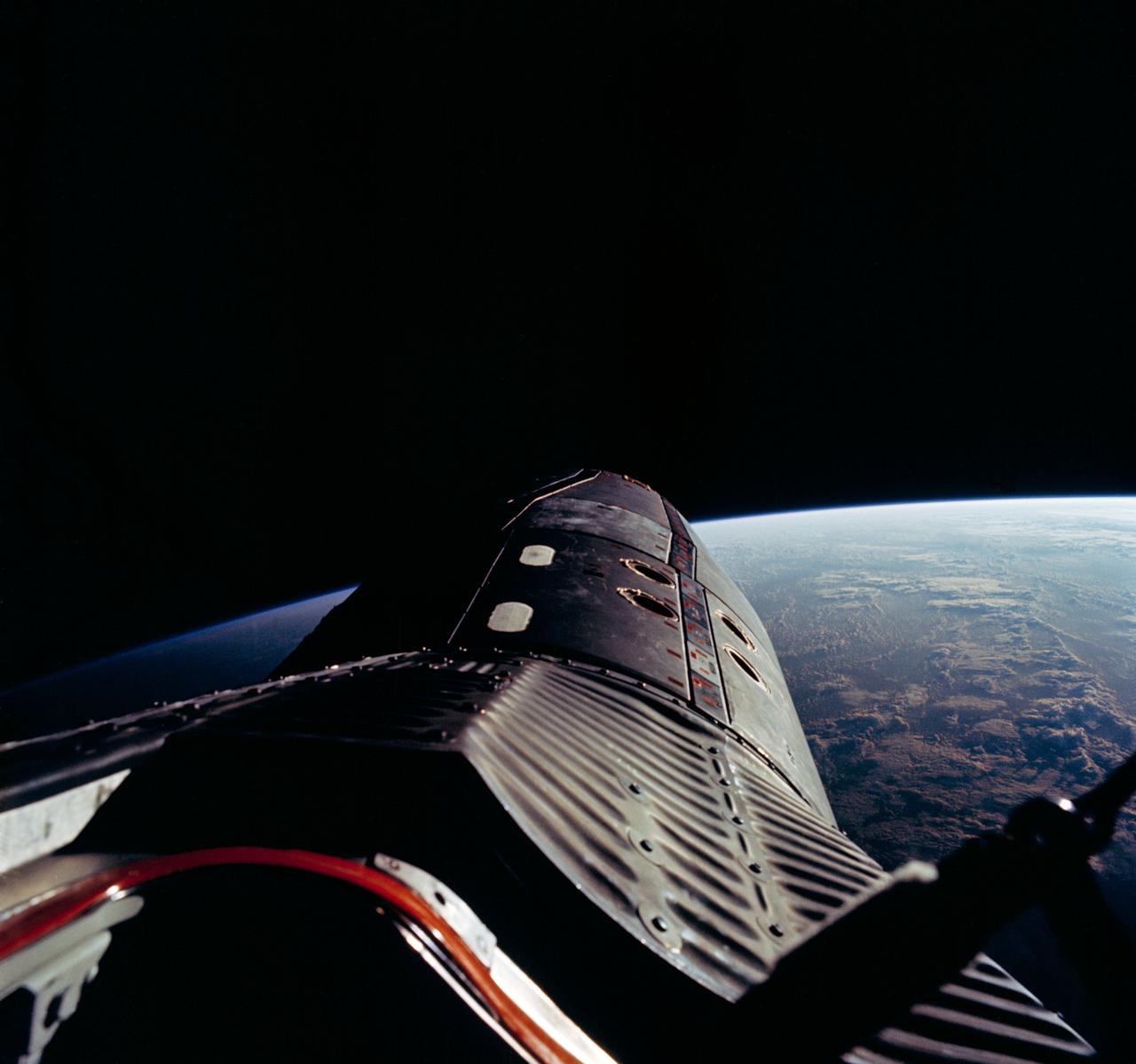
S65-63198 (15 Dec. 1965) --- The Gemini-7 spacecraft as seen from the Gemini-6 spacecraft during their rendezvous mission in space. They are approximately 39 feet apart. Photo credit: NASA or National Aeronautics and Space Administration
View of the Gemini 6 and Gemini 7 rendezvous
S65-63171 (15 Dec. 1965) --- The Gemini-7 spacecraft as seen from the Gemini-6 spacecraft during their rendezvous mission in space. Photo credit: NASA or National Aeronautics and Space Administration
View of the Gemini 6 and Gemini 7 rendezvous
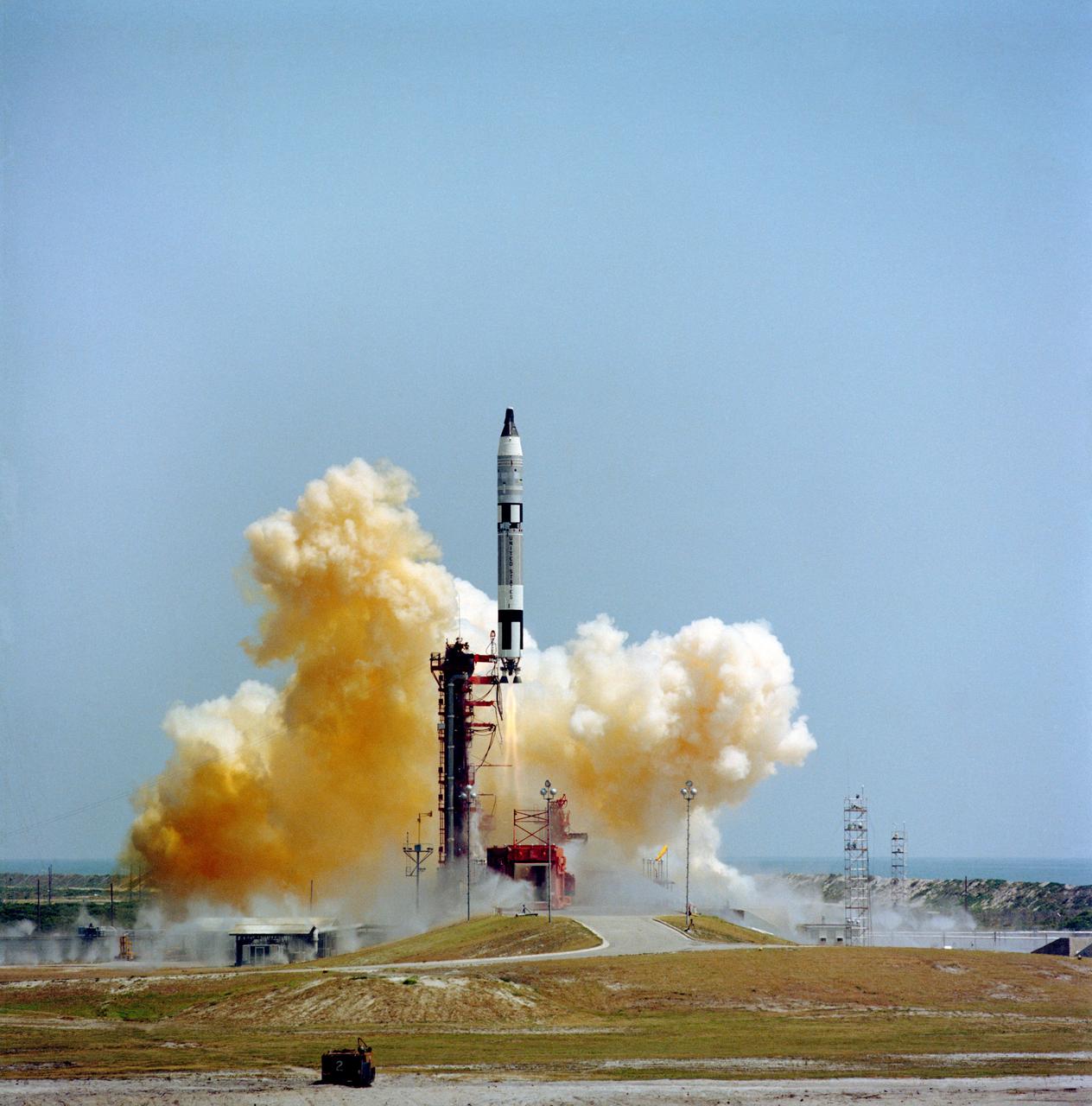
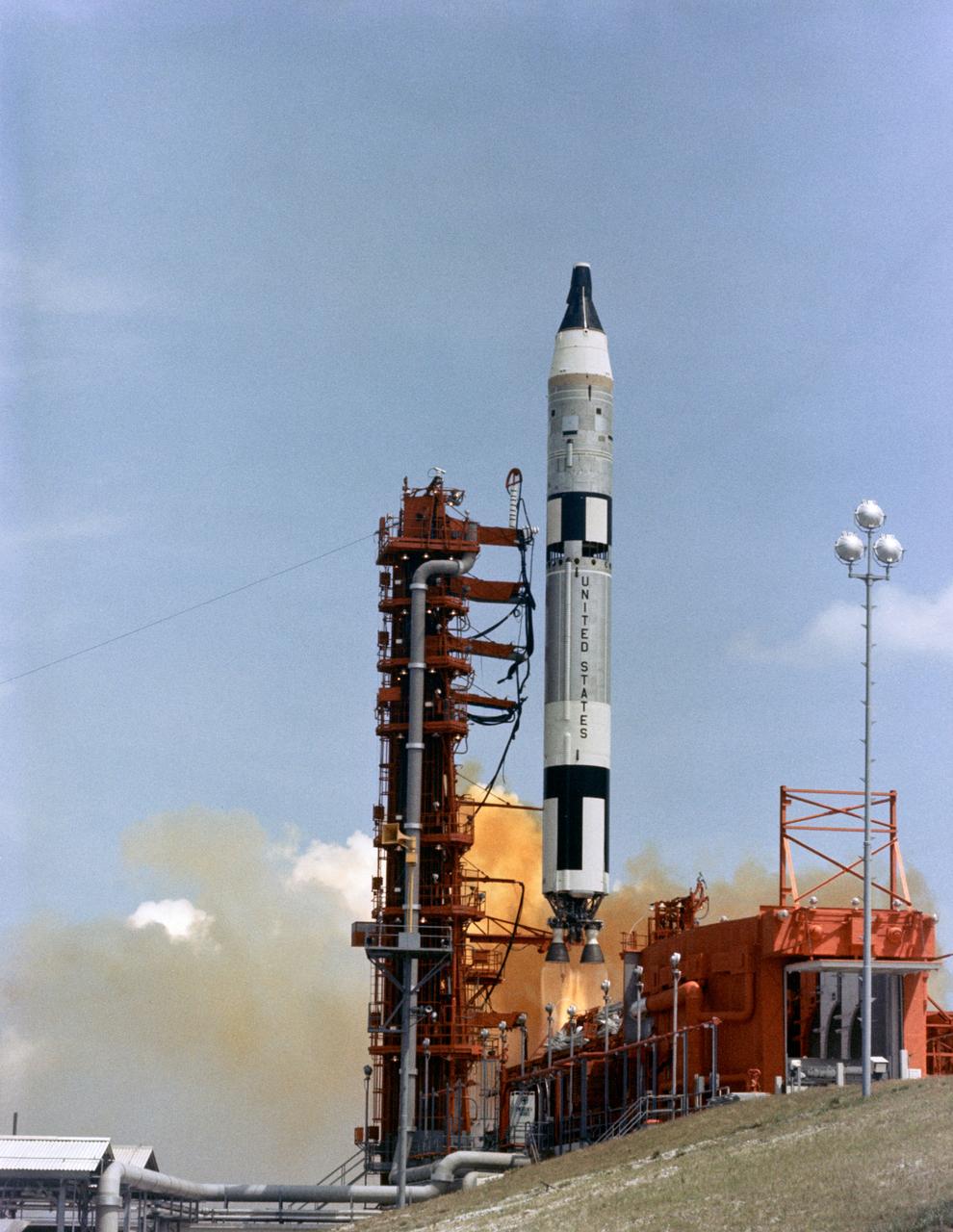
S65-14150 (19 January 1965) --- Launching of the unmanned Gemini 2 flight. The second Titan II Gemini Launch Vehicle (GLV-2) carried the unmanned, instrumented Gemini spacecraft (GT-2) for a suborbital shot preliminary to the first U.S. two-man Gemini mission.
Liftoff of Gemini 2
S65-63113 (15 Dec. 1965) --- This photograph of the Gemini-7 spacecraft was taken from the hatch window of the Gemini-6 spacecraft during rendezvous and station keeping maneuvers at an altitude of approximately 160 miles on Dec. 15, 1965. Photo credit: NASA or National Aeronautics and Space Administration
View of the Gemini 6 and Gemini 7 rendezvous
S65-63189 (15 Dec. 1965) --- The National Aeronautics and Space Administration's (NASA) Gemini-7 spacecraft as seen from the Gemini-6 spacecraft during their rendezvous mission in space. The two spacecraft are approximately 43 feet apart. This image was taken with a modified 70mm Hasselblad camera, using Eastman Kodak, Ektachrome (S.O. 217) color film. Photo credit: NASA or National Aeronautics and Space Administration
Gemini VI Mission Image - Rendezvous with Gemini VII
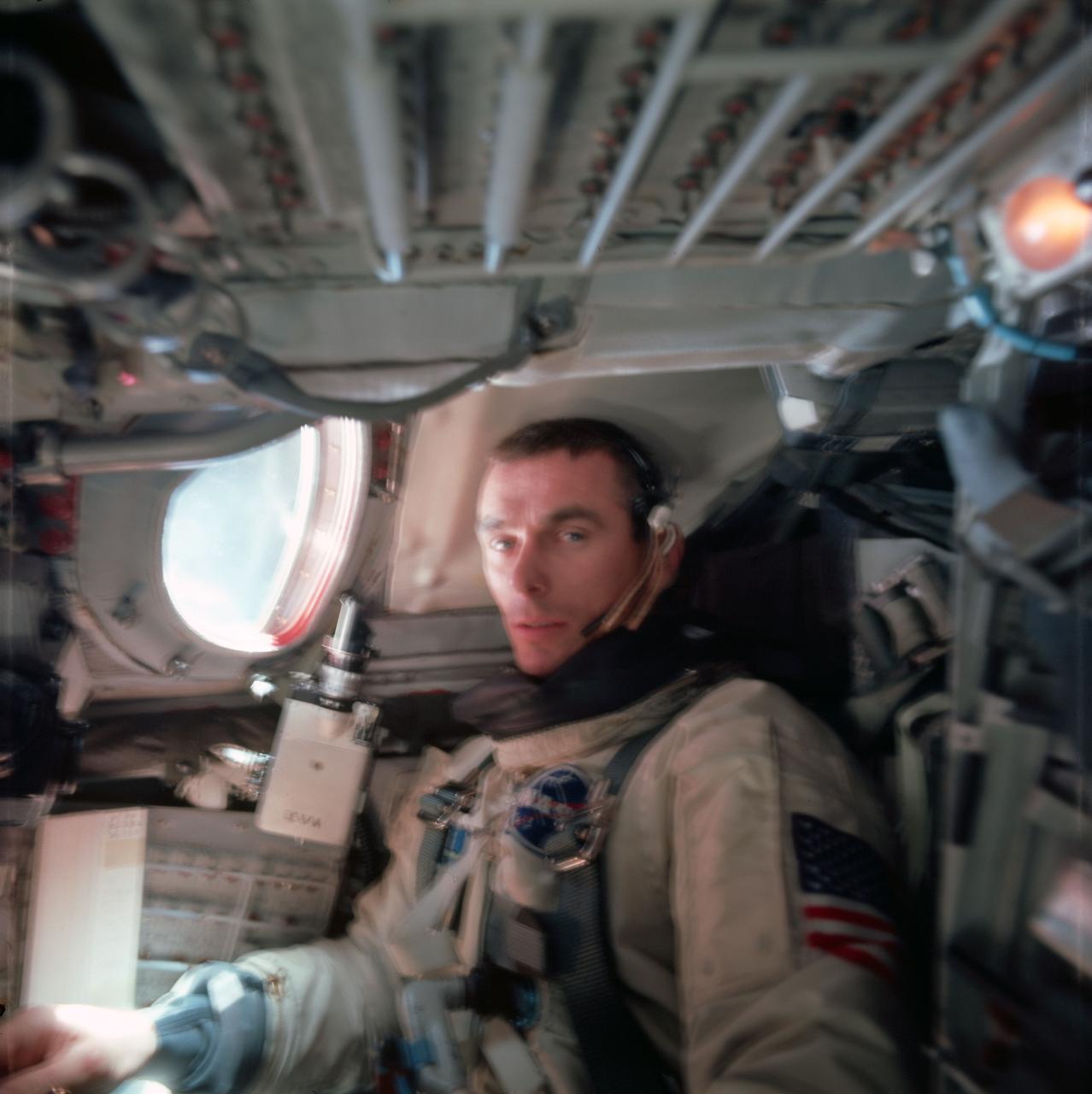
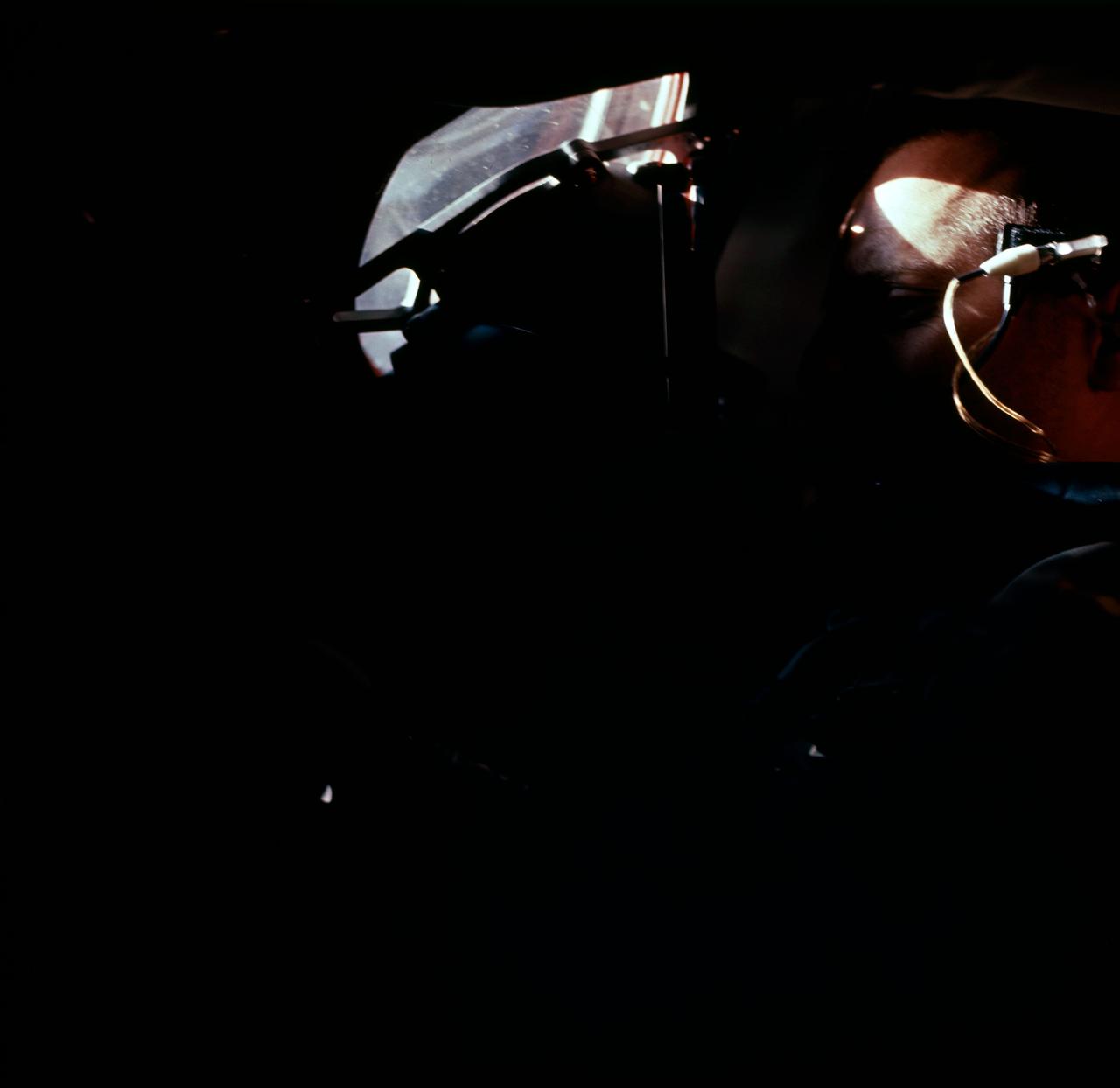
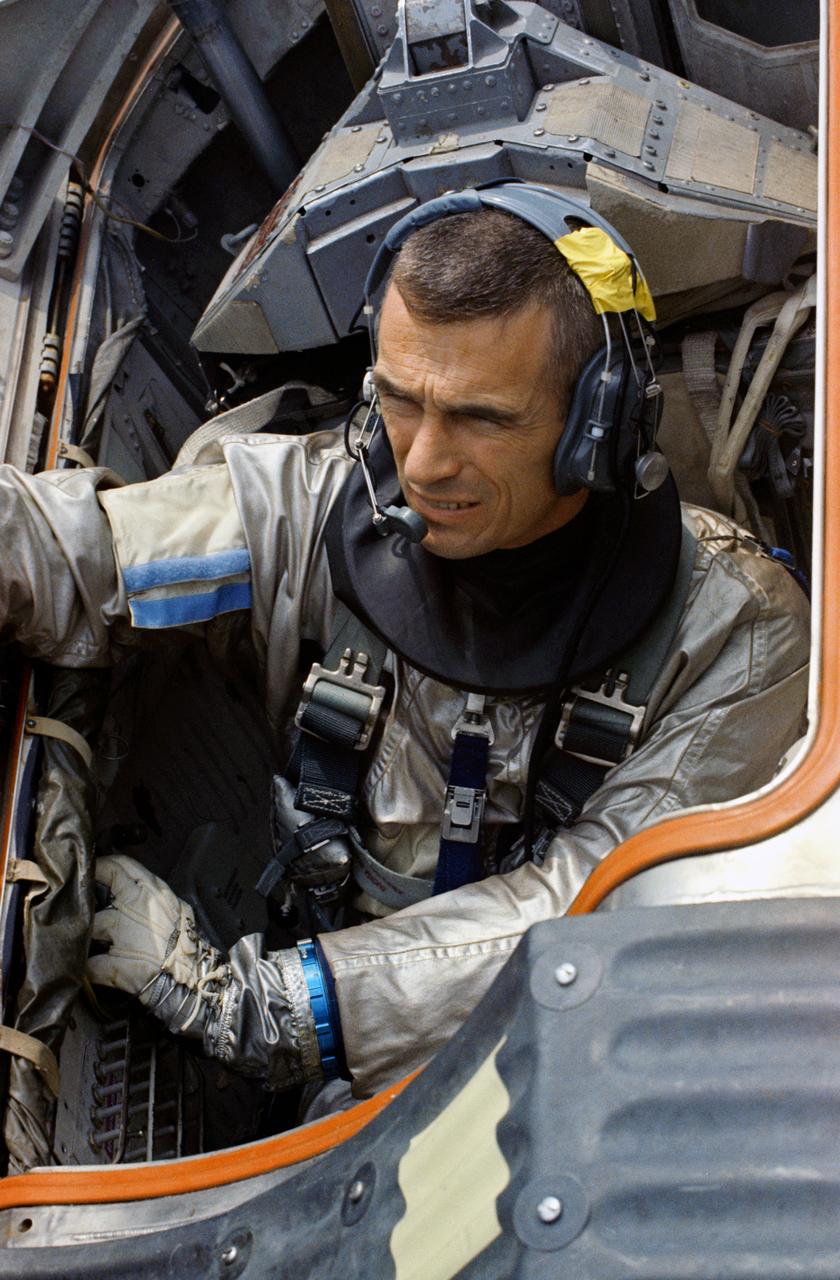
S66-38080 (3 June 1966) --- Astronaut Thomas P. Stafford, command pilot of the Gemini-9A spaceflight, is photographed during the Gemini-9A mission inside the spacecraft by astronaut Eugene Cernan, Gemini-9A pilot. Photo credit: NASA
GEMINI-TITAN (GT)-9A - EARTH SKY - ONBOARD
S65-54129 (November 1965) --- Design for the emblem of the Gemini VII spaceflight. At left of hand-held torch is a Gemini spacecraft. Roman numeral indicates the seventh flight in the Gemini series. Prime crew men for the mission are astronauts Frank Borman, command pilot, and James A. Lovell Jr., pilot.    The NASA insignia design for Gemini flights is reserved for use by the astronauts and for other official use as the NASA Administrator may authorize. Public availability has been approved only in the form of illustrations by the various news media. When and if there is any change in this policy, which we do not anticipate, it will be publicly announced. Photo credit: NASA
GEMINI 7 - INSIGNIA - EMBLEM - PATCH - MSC
S66-28075 (May 1966) --- Insignia of the Gemini IX spaceflight. Roman numeral indicates ninth flight in the Gemini series. Two spacecraft symbolize rendezvous and docking of Gemini with an Agena. Astronaut and umbilical (tether) line denote planned extravehicular activity (EVA). Astronauts Thomas P. Stafford, command pilot, and Eugene A. Cernan, pilot, are members of the Gemini IX prime crew.    The NASA insignia design for Gemini flights is reserved for use by the astronauts and for other official use as the NASA Administrator may authorize. Public availability has been approved only in the form of illustrations by the various news media. When and if there is any change in this policy, which we do not anticipate, it will be publicly announced. Photo credit: NASA
GEMINI-TITAN (GT)-9 - INSIGNIA - MSC
S66-44308 (September 1966) --- Insignia of the Gemini-Titan XI (GT-11) spaceflight. Roman numeral indicates eleventh flight in the Gemini series. Two spacecraft symbolize rendezvous and docking of Gemini with an Agena. Astronaut and umbilical (tether) line denotes planned extravehicular activity. Astronauts Charles Conrad Jr., command pilot, and Richard F. Gordon Jr., pilot, are members of the Gemini-11 prime crew.     The NASA insignia design for Gemini flights is reserved for use by the astronauts and for other official use as the NASA Administrator may authorize. Public availability has been approved only in the form of illustrations by the various news media. When and if there is any change in this policy, which we do not anticipate, it will be publicly announced. Photo credit: NASA
ROUNDUP - EMBLEM - GEMINI-TITAN (GT)-11 - MSC
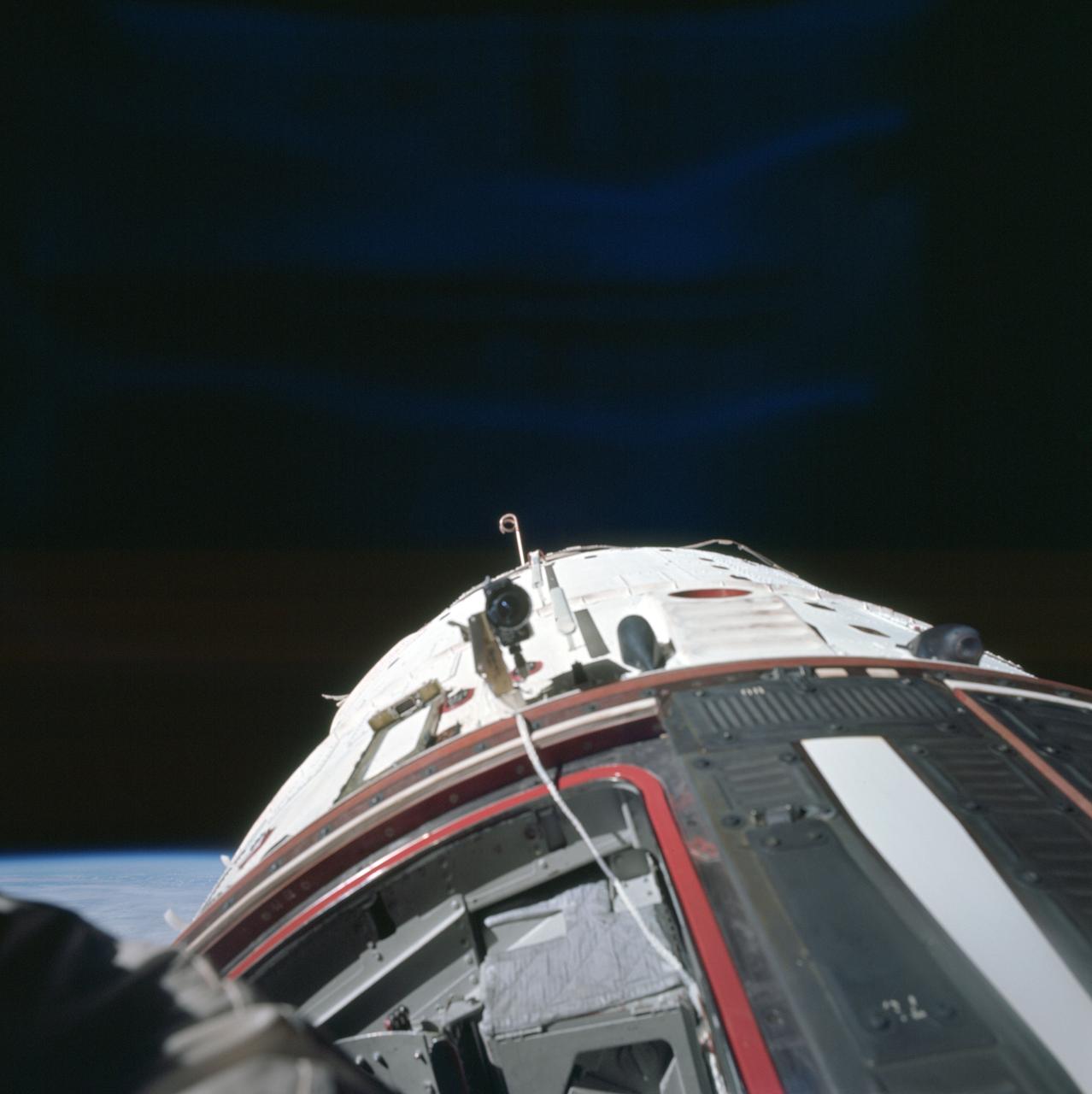
S65-63220 (15 Dec. 1965) --- This photograph of the Gemini-Titan 7 (GT-7) spacecraft was taken from the Gemini-Titan 6 (GT-6) spacecraft during the historic rendezvous of the two spacecraft on Dec. 15, 1965. The two spacecraft are some 37 feet apart here. Earth can be seen below. Astronauts Walter M. Schirra Jr., command pilot; and Thomas P. Stafford, pilot, were inside the GT-6 spacecraft, while crewmen for the GT-7 mission were astronauts Frank Borman, command pilot, and James A. Lovell Jr., pilot. Photo credit: NASA or National Aeronautics and Space Administration
View of the Gemini 6 and Gemini 7 rendezvous
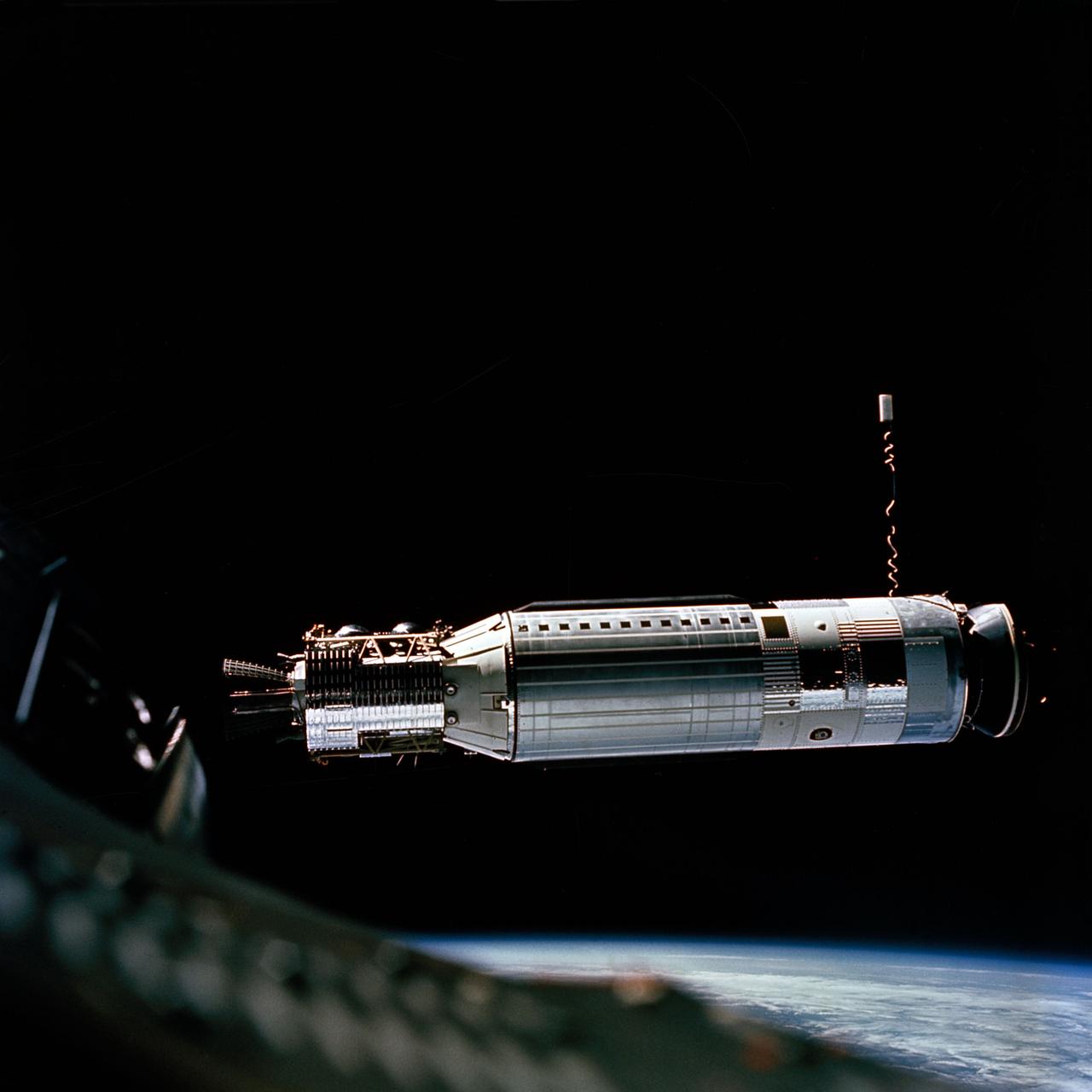
S66-25781 (16-17 March 1966) --- Closer view of the Agena Target Docking vehicle seen from the Gemini-8 spacecraft during rendezvous in space. Photo credit: NASA
GEMINI-8 - GEMINI/AGENA RENDEZVOUS - OUTER SPACE
S66-59530 (August 1965) --- This is the insignia of the Gemini-Titan 5 (GT-5) spaceflight. The Gemini-5 prime crew members are astronauts L. Gordon Cooper Jr., command pilot; and Charles Conrad Jr., pilot. The covered wagon symbolizes pioneer spirit of space exploration.    The NASA insignia design for Gemini flights is reserved for use by the astronauts and for other official use as the NASA Administrator may authorize. Public availability has been approved only in the form of illustrations by the various news media. When and if there is any change in this policy, which we do not anticipate, it will be publicly announced.
MISSION PATCH - GEMINI-5 SPACE FLIGHT - MSC
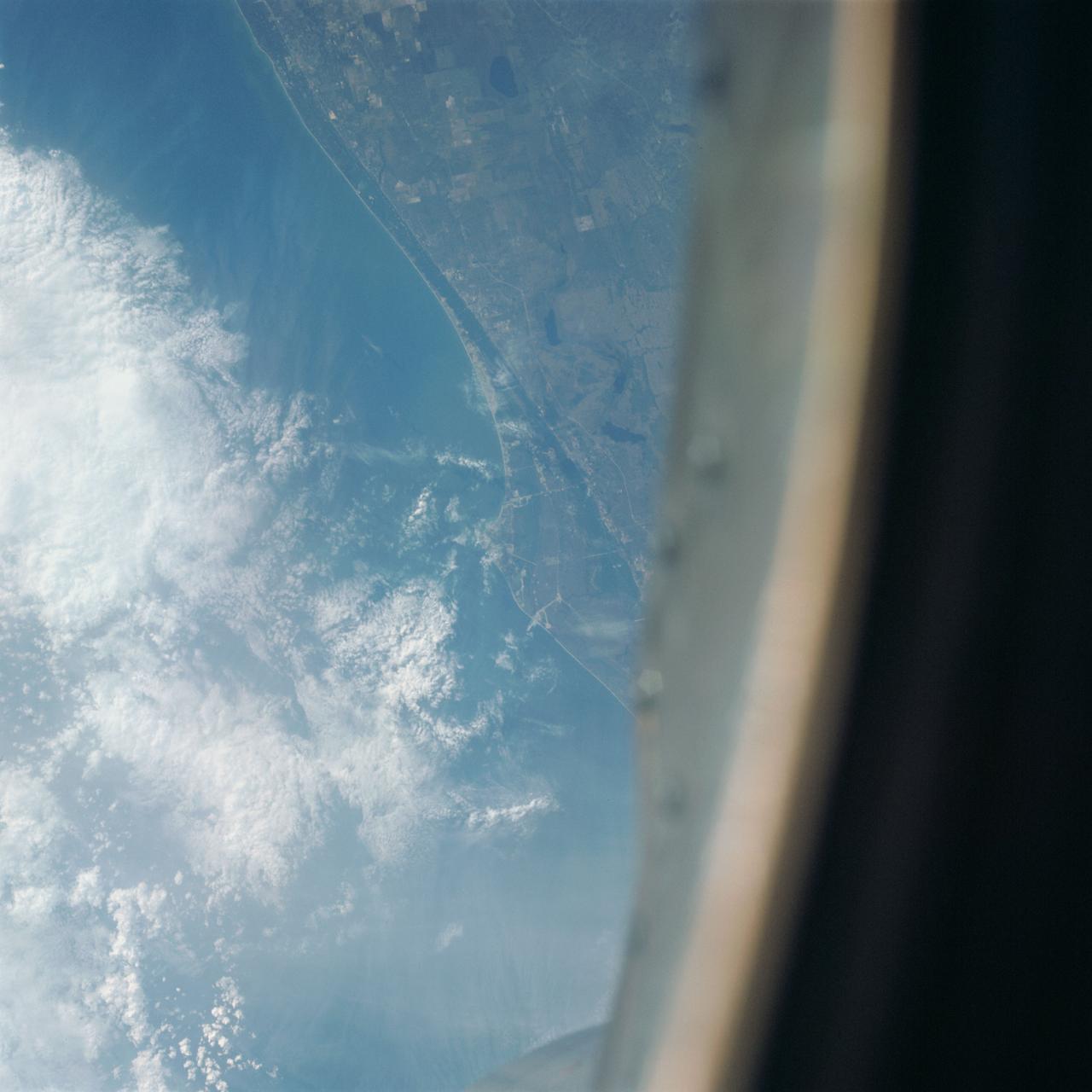
S65-63771 (12 Dec. 1965) --- Kennedy Space Center area on the east coast of Florida as seen from the Gemini-7 spacecraft, during Gemini-6 abort, on its 118th revolution of Earth. Photo credit: NASA
Kennedy Space Center area as seen from Gemini 7 during Gemini 6 abort
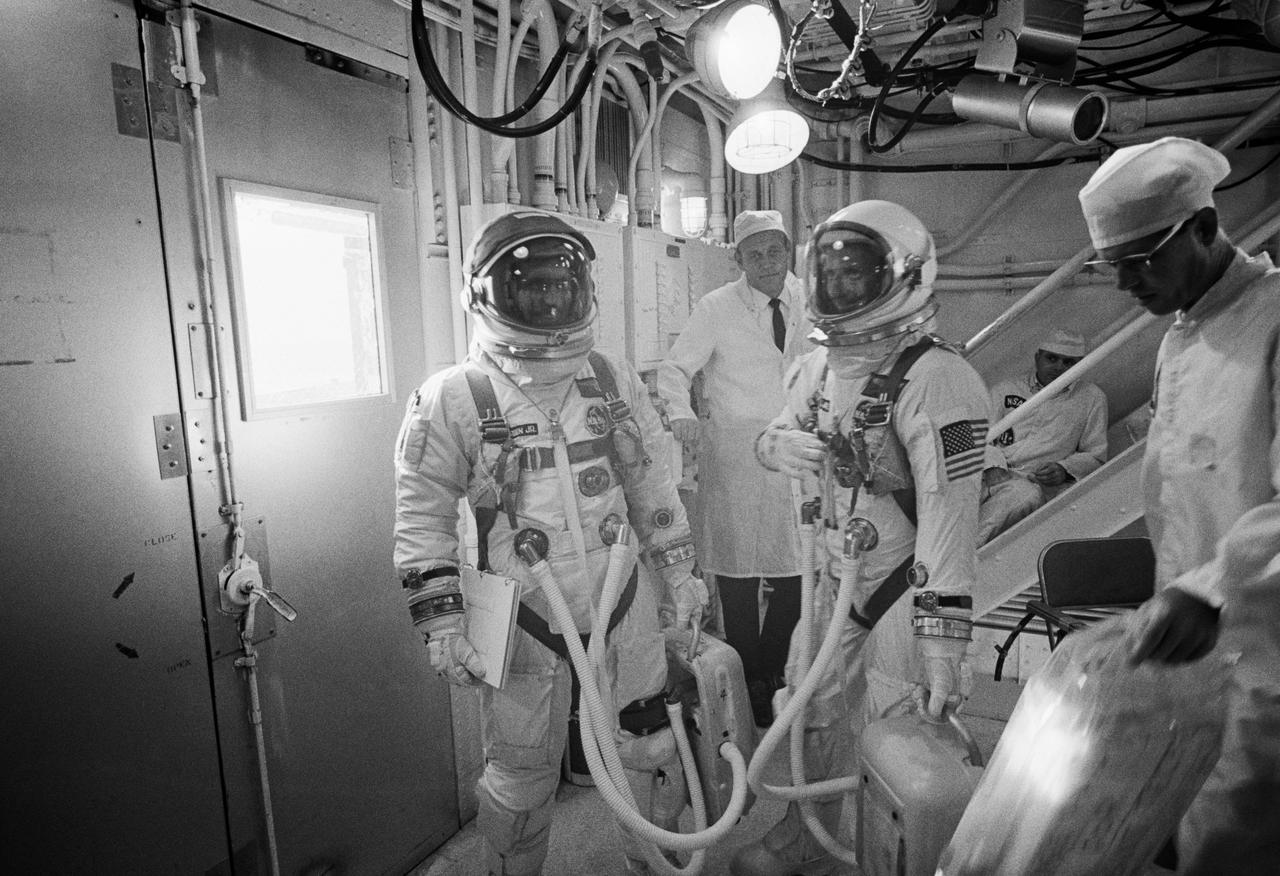
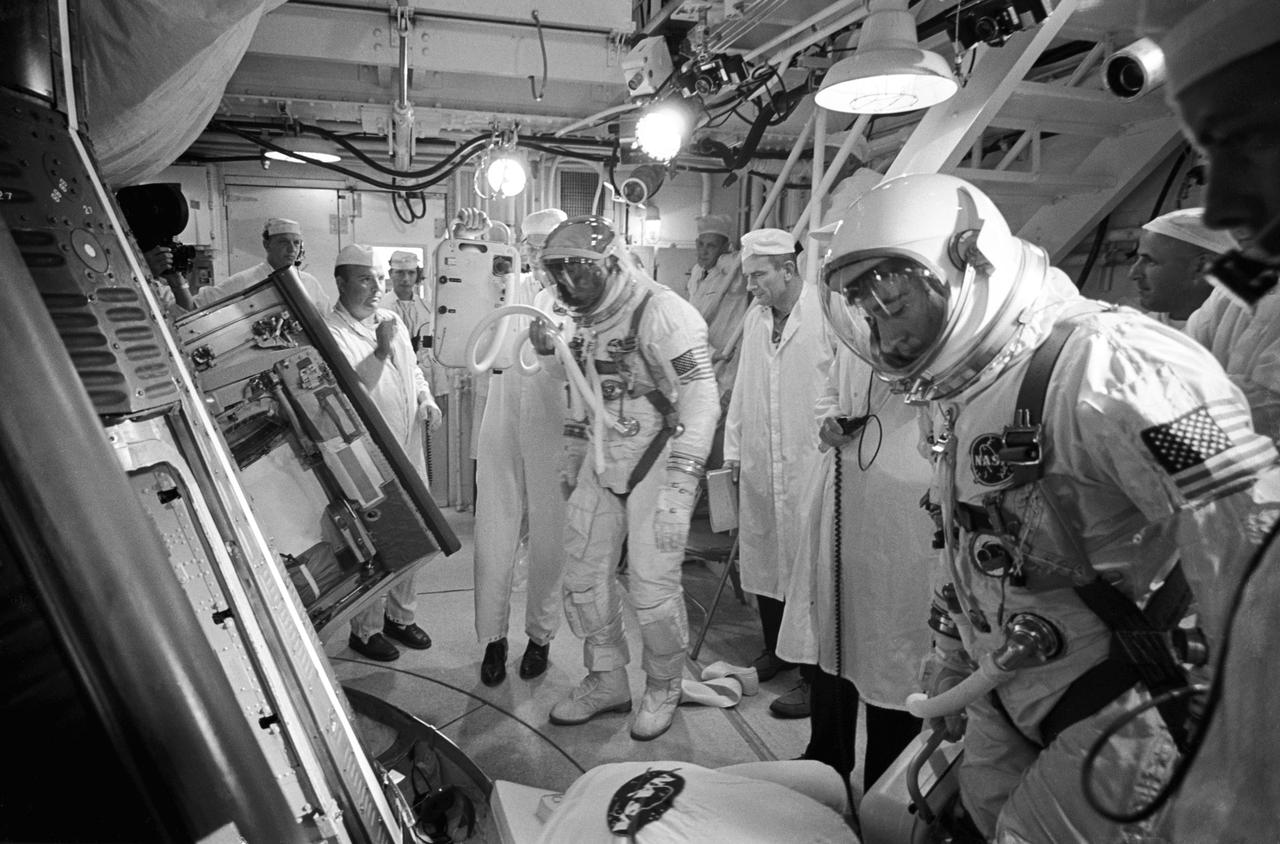
S66-57967 (10 Sept. 1966) --- Gemini-11 prime crew, astronauts Charles Conrad Jr. (right), command pilot, and Richard F. Gordon Jr. (left), pilot, prepare to enter the Gemini-11 spacecraft in the White Room atop Pad 19. Photo credit: NASA
Gemini 11 prime crew prepare to enter Gemini 11 spacecraft
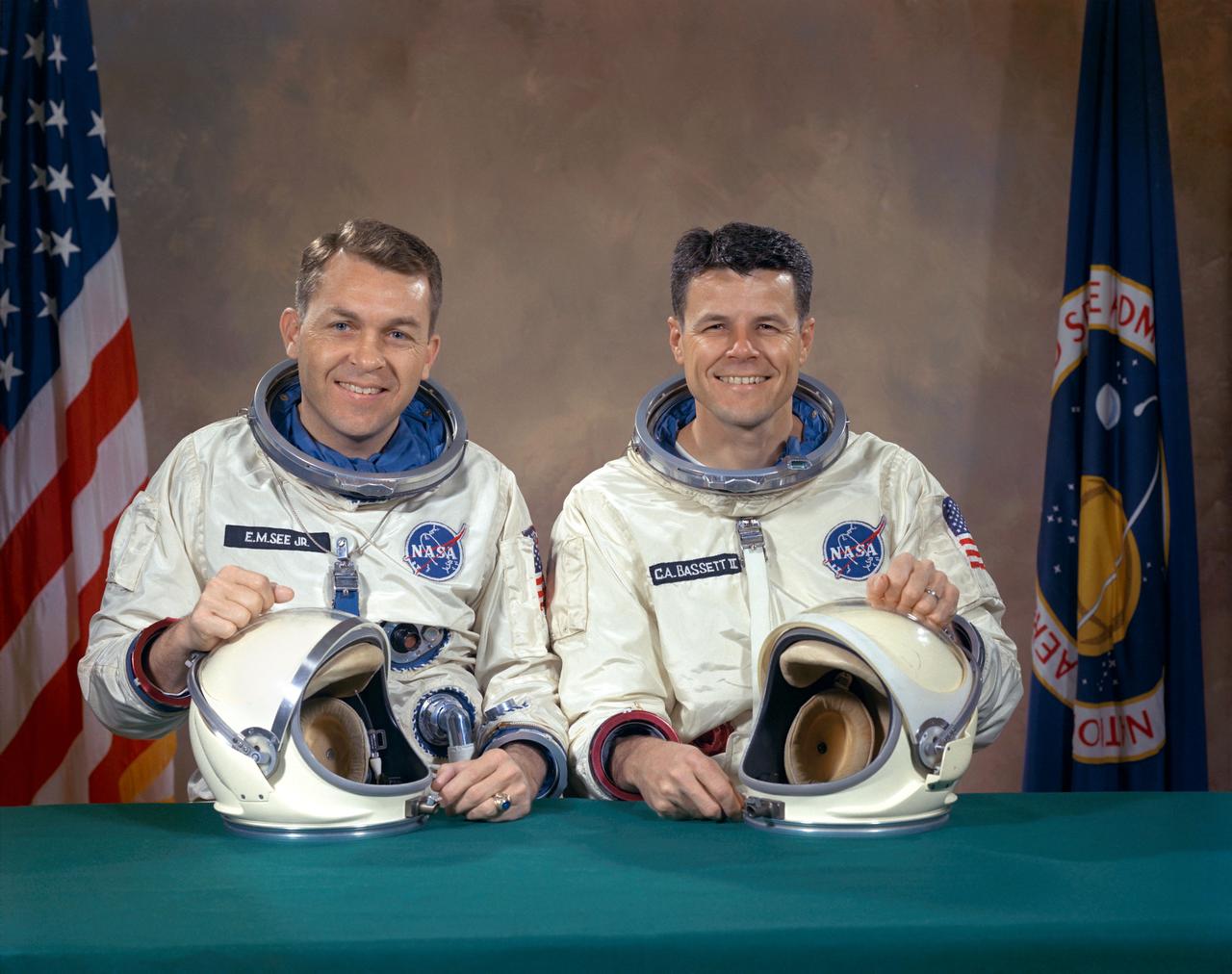
S66-15620 (January 1966) --- Gemini-9 backup crew portrait with astronauts Charles A. Bassett II (left), backup pilot and Elliot M. See Jr., backup command pilot. Photo credit: NASA
Portrait - Gemini 9 Prime Crew
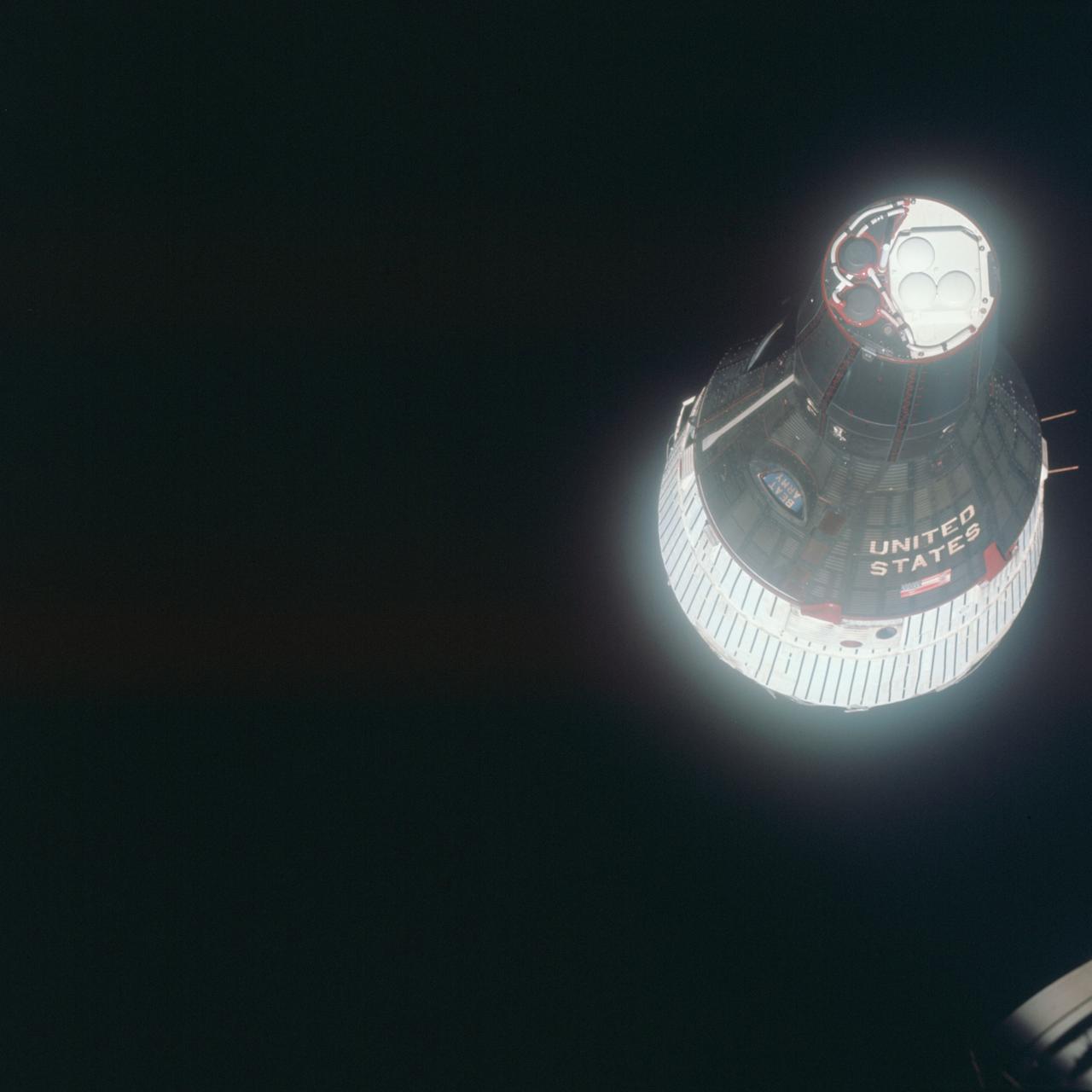
S65-64040 (15 Dec. 1965) --- Nose-on view of the Gemini-6 spacecraft against the blackness of space as seen from Gemini-7 spacecraft.  The two spacecraft were approximately 38 feet apart. Astronauts Walter M. Schirra and Thomas P. Stafford were onboard the Gemini-6 spacecraft. Astronauts Frank Borman and James A. Lovell Jr. were aboard the Gemini-7 spacecraft. A "Beat Army" sign can be seen in the Gemini-6 window. Photo credit: NASA
Gemini-Titan (GT)-7 of GT-6 Space Photography - Outer Space
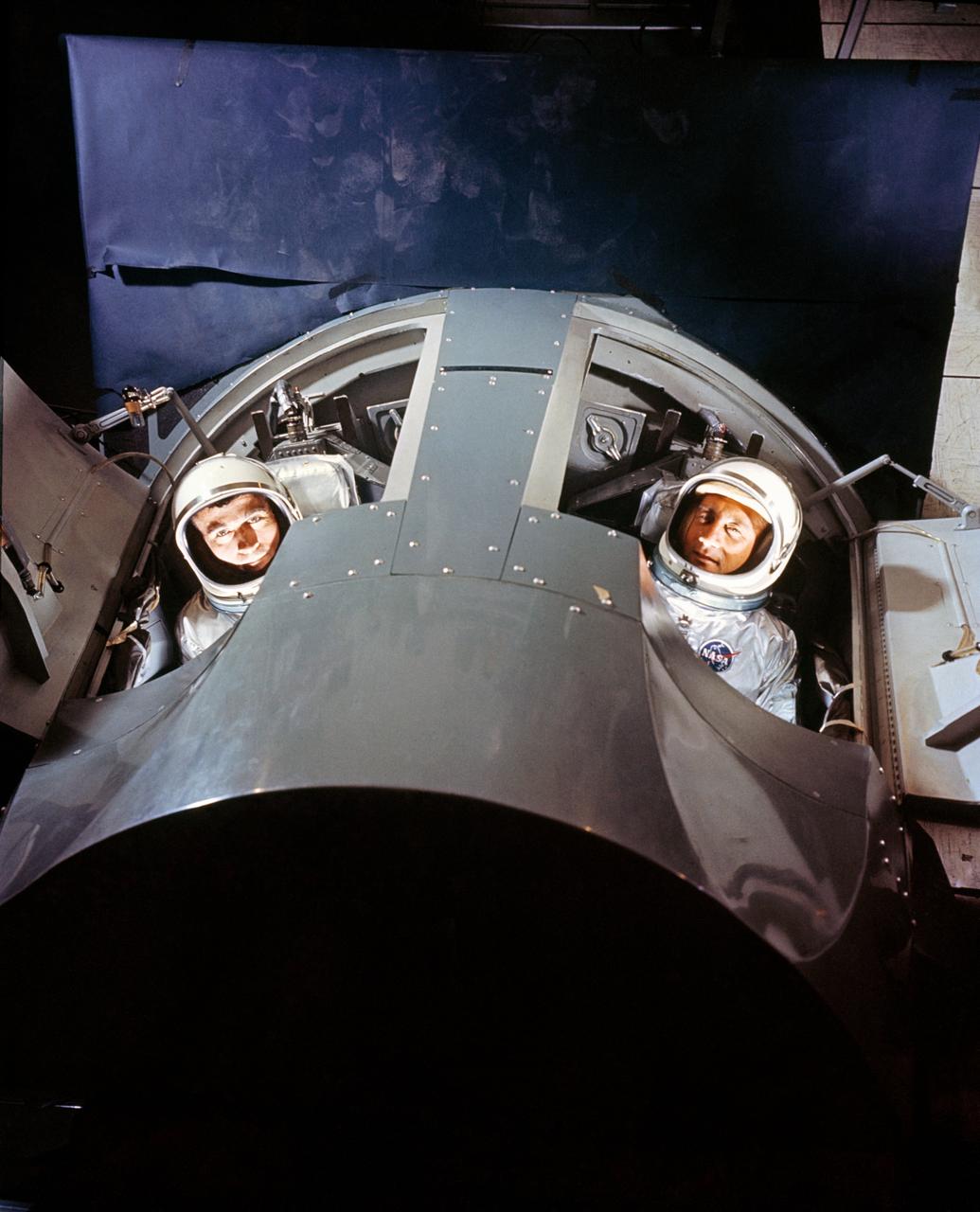
S64-25295 (March 1964) --- Astronauts Virgil I. (Gus) Grissom (right) and John W. Young, prime crew for the first manned Gemini mission (GT-3), are shown inside a Gemini mission simulator at McDonnell Aircraft Corp., St. Louis, MO. The simulator will provide Gemini astronauts and ground crews with realistic mission simulation during intensive training prior to actual launch.
Astronauts Grissom and Young in Gemini Mission Simulator
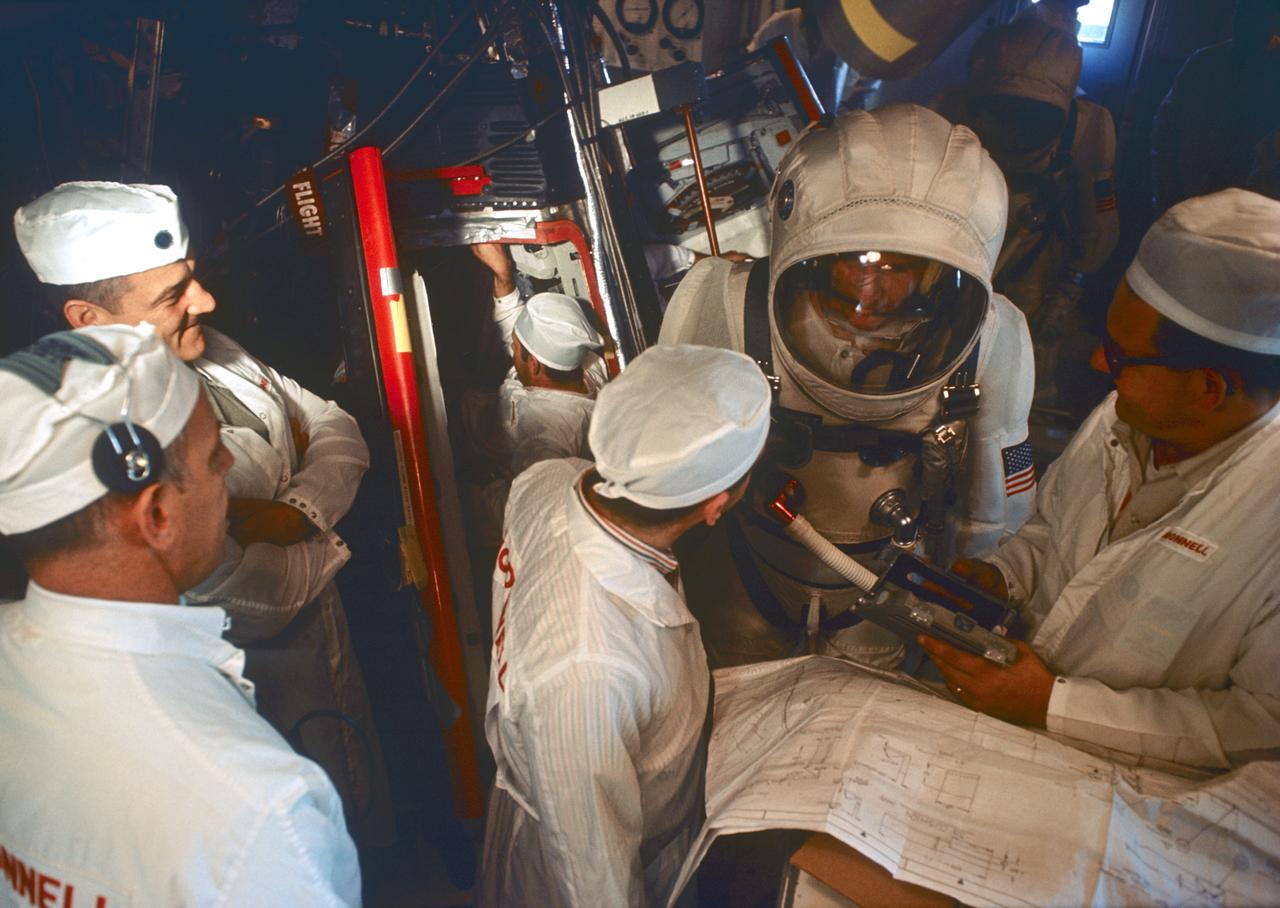
S65-61837 (27 Nov. 1965) --- The Gemini-7 backup crew seen in the White Room atop Pad 19 during Gemini-7 simulation flight activity. McDonnell Aircraft Corporation technicians assist in the exercise. Astronaut Edward H. White II (in foreground) is the Gemini-7 backup crew command pilot; and astronaut Michael Collins (right background) is the backup crew pilot. Photo credit: NASA
Gemini 7 backup crew seen in white room during Gemini 7 simulation activity
S65-63194 (15 Dec. 1965) --- This photograph of the National Aeronautics and Space Administration's (NASA) Gemini-7 spacecraft was taken through the hatch window of the Gemini-6 spacecraft during rendezvous and station keeping maneuvers at an altitude of approximately 160 miles on Dec. 15, 1965. The photograph was taken with a Hasselblad camera using Kodak SO 217 film with an ASA of 1964. Photo credit: NASA or National Aeronautics and Space Administration
Gemini-Titan (GT)-6 - Gemini 6 of 7 - Space Photography - Outer Space
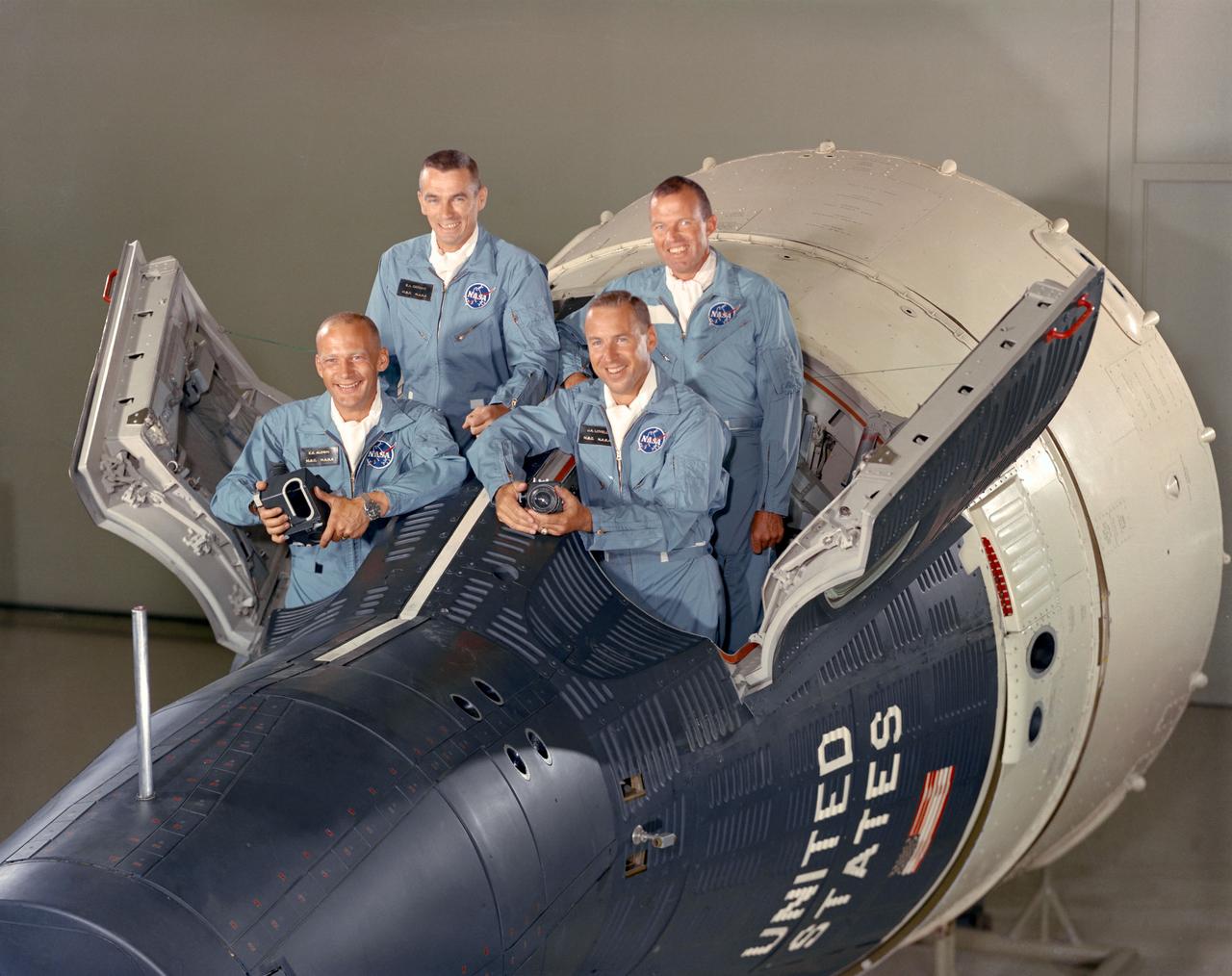
S66-46955 (September 1966) --- The Gemini-12 prime crew (in front) is astronauts James A. Lovell Jr. (right), command pilot, and Edwin E. Aldrin Jr. (left), pilot. In the rear is the Gemini-12 backup crew, astronauts L. Gordon Cooper Jr., (right), command pilot, and Eugene A. Cernan, pilot. Photo credit: NASA
Portrait - Gemini 12 - Prime and Backup Crews
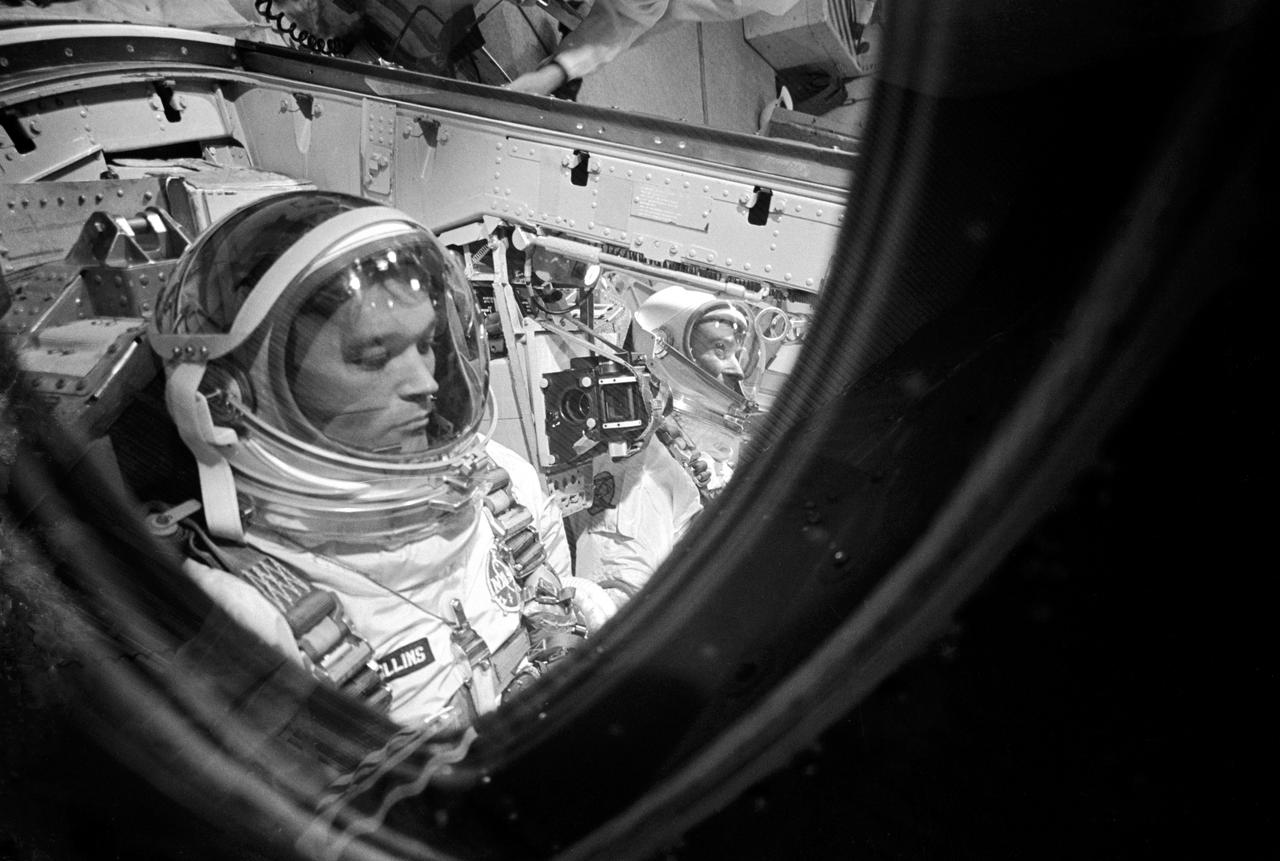
S66-46477 (18 July 1966) --- Close-up of astronaut Michael Collins, Gemini-10 pilot, making final adjustments and checks in the Gemini spacecraft during prelaunch countdown. In right background is astronaut John W. Young, command pilot. Photo credit: NASA
Astronaut Collins - Gemini 10 - Young - MSC
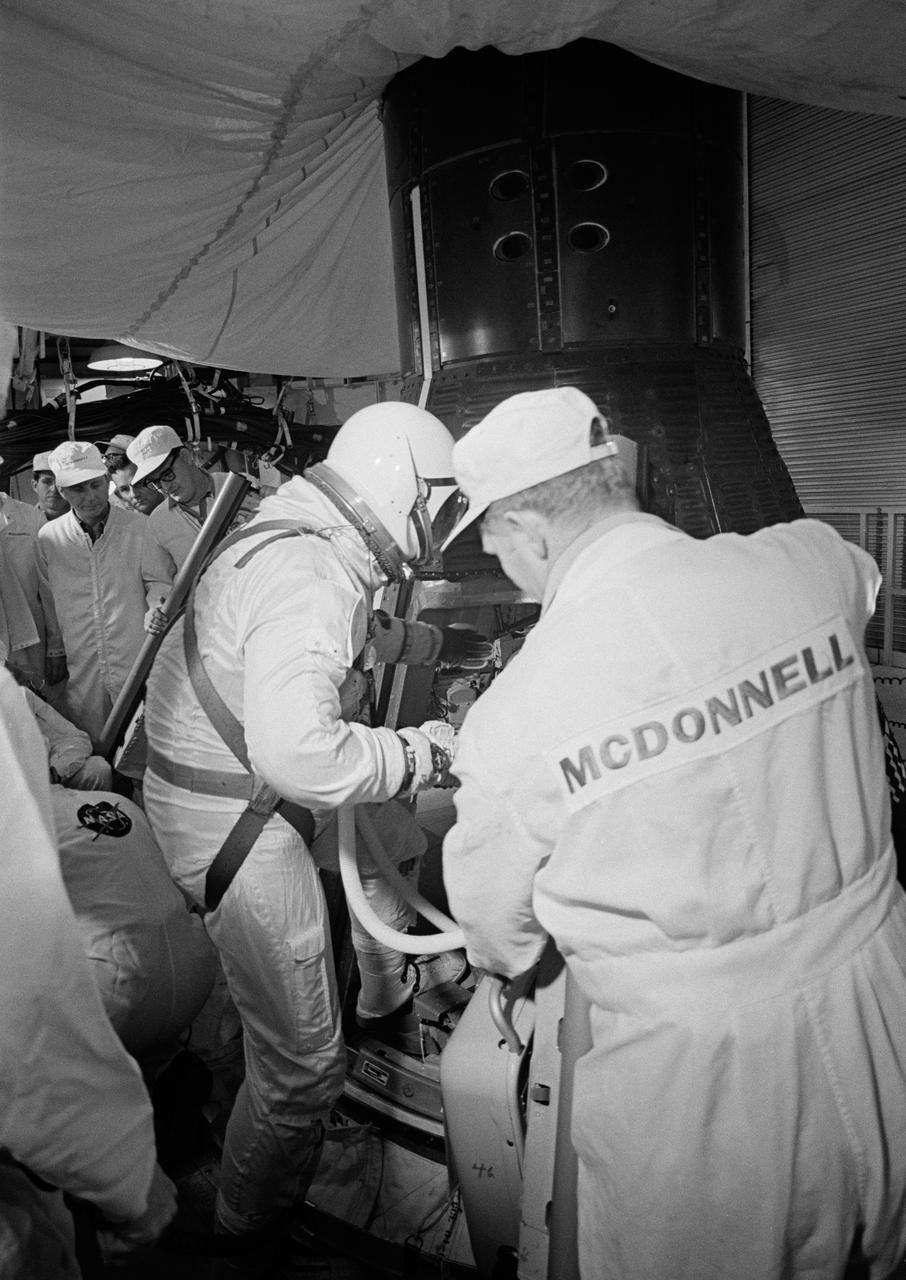
S65-20604 (23 March 1965) --- Astronaut John W. Young, the pilot of the Gemini-Titan 3 three-orbit mission, is assisted by a McDonnell Aircraft Corp. engineer as he enters the Gemini spacecraft in the white room atop the Gemini launch vehicle.
Astronaut John Young assisted into Gemini spacecraft in white room
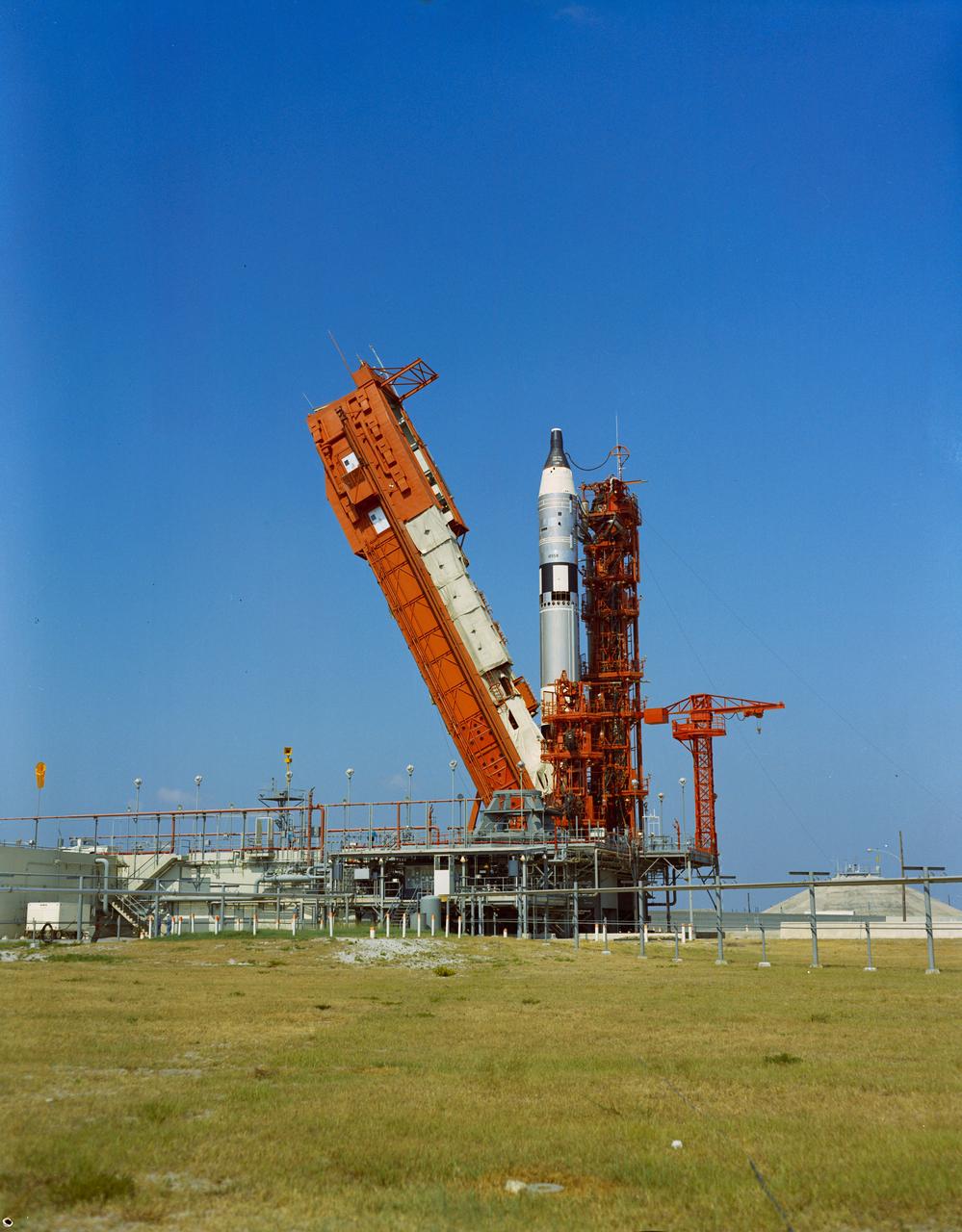
S65-29648 (3 June 1965) --- View of the Gemini-Titan 4 spacecraft on Pad 19 on day of launch with erector being removed.
GEMINI-IV - PRELAUNCH - KSC
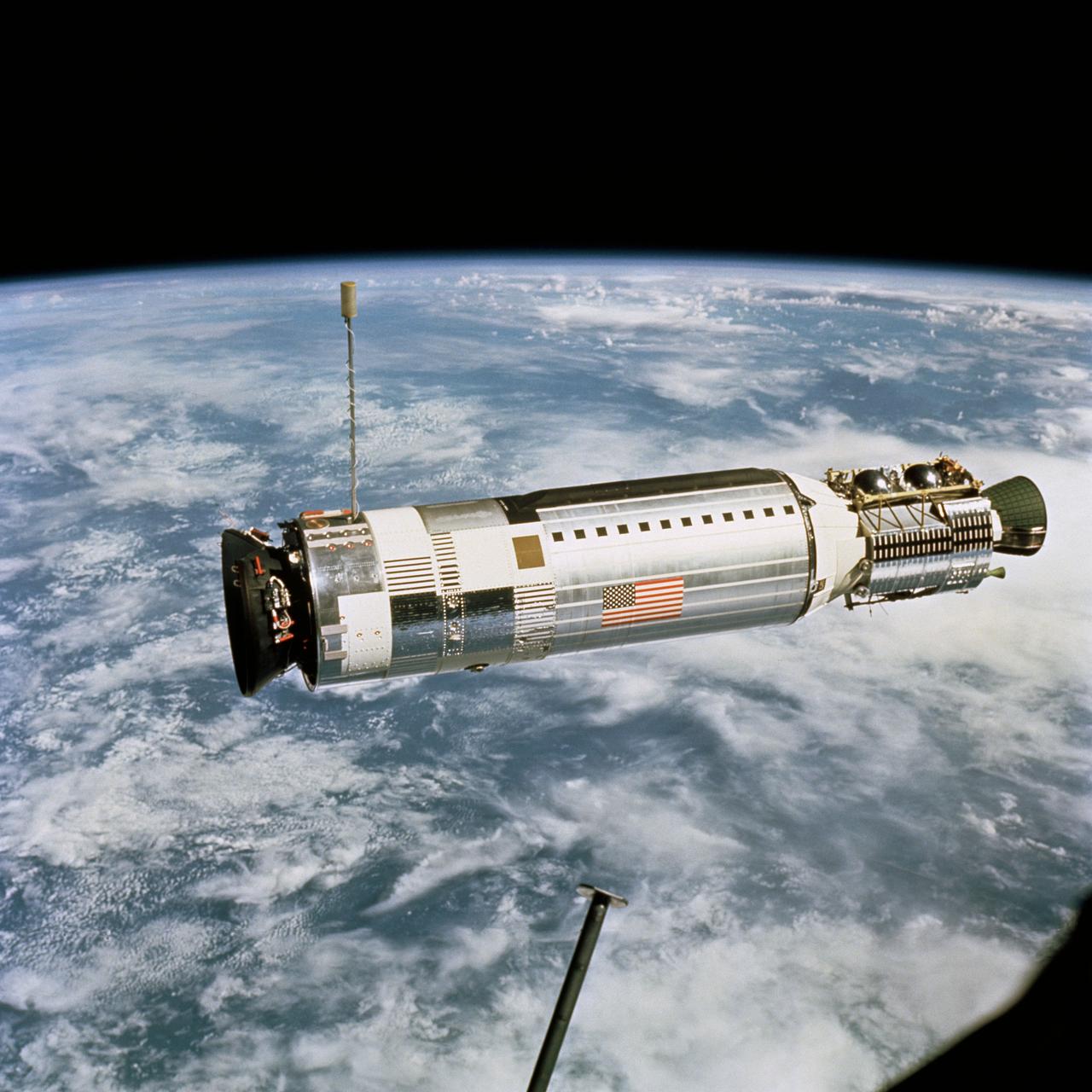
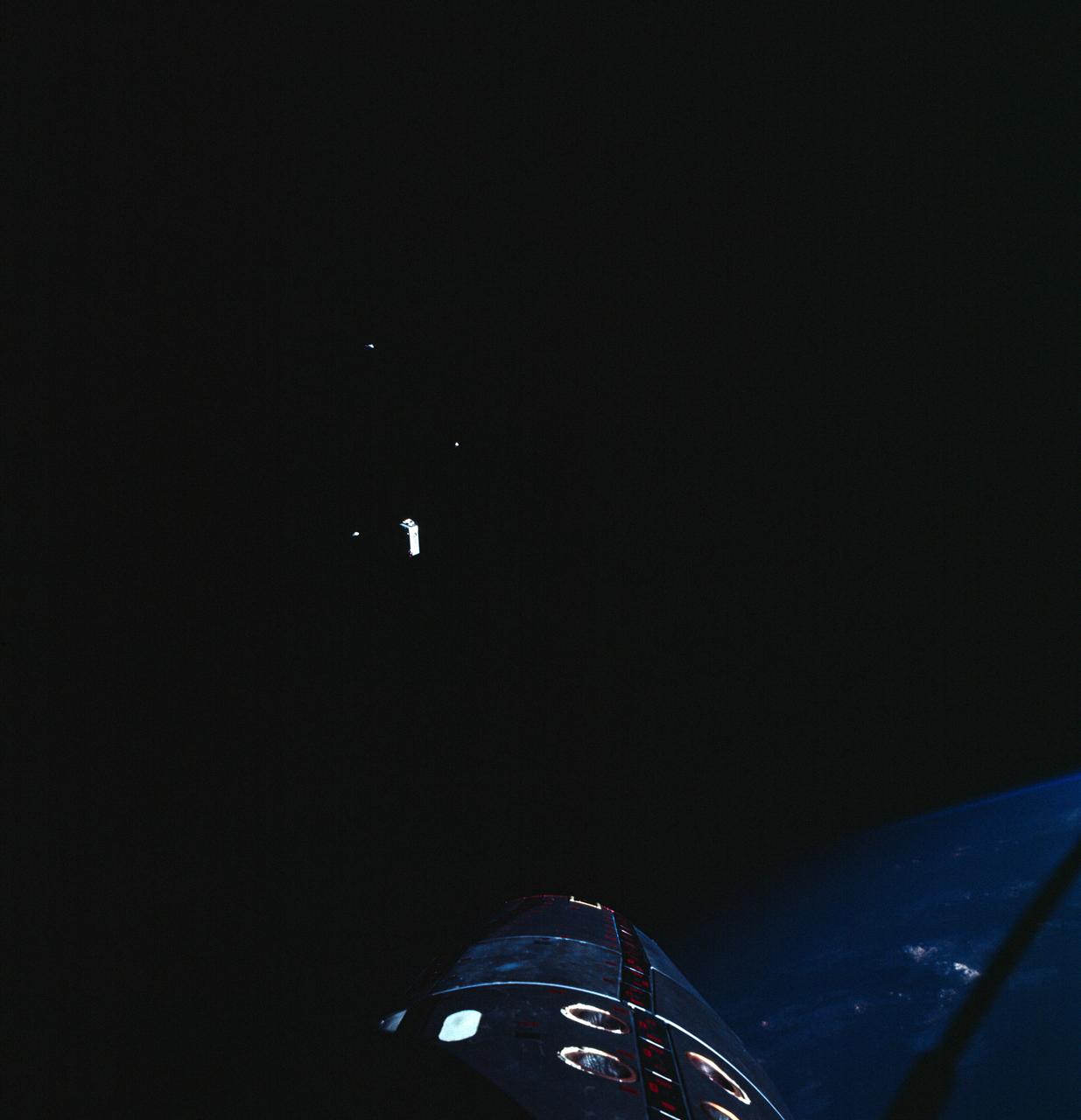
S66-25779 (16 March 1966) --? The Agena Target Docking Vehicle seen from the National Aeronautics and Space Administration?s Gemini-8 spacecraft during rendezvous in space. The Agena is approximately 210 feet away from the nose of the spacecraft (lower left). Crewmen for the Gemini-8 mission were astronauts Neil A. Armstrong, command pilot, and David R. Scott, pilot. Photo credit: NASA
Gemini VIII Mission Image - Agena
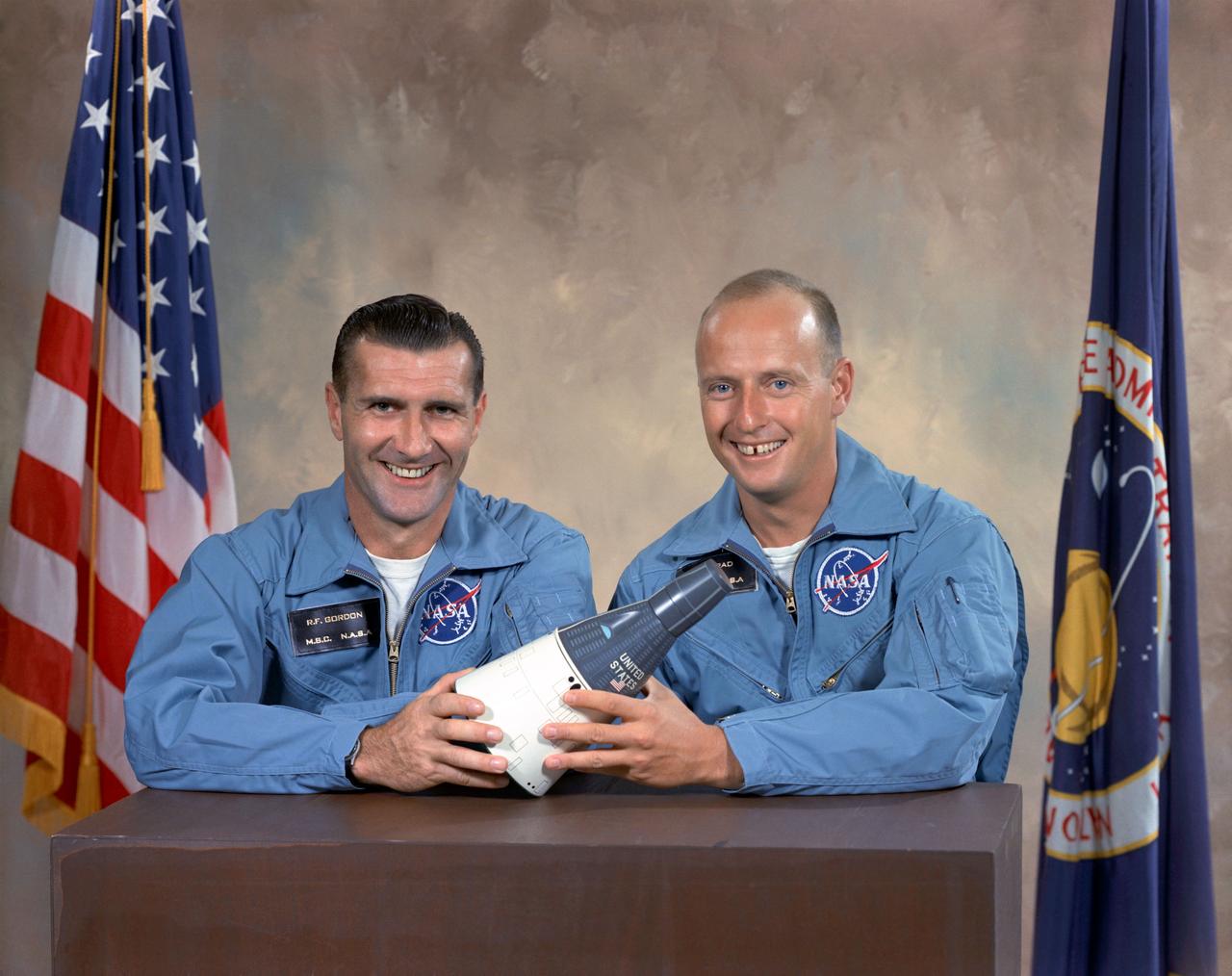
S65-58504 (4 Nov. 1965) --- Astronauts Charles Conrad Jr., (right) prime crew command pilot, and Richard F. Gordon Jr., prime crew pilot, for the Gemini-Titan XI (GT-11) Earth-orbital mission. Photo credit: NASA
Portrait - Gemini 11 - Prime Crew
S66-23978 (March 1966) --- Color design for the emblem of the Gemini-8 spaceflight. Roman numeral indicates the eighth flight in the Gemini series. Prime crewmen for the mission are astronauts Neil A. Armstrong, command pilot; and David R. Scott, pilot.    The NASA insignia design for Gemini flights is reserved for use by the astronauts and for other official use as the NASA Administrator may authorize. Public availability has been approved only in the form of illustrations by the various news media. When and if there is any change in this policy, which we do not anticipate, it will be publicly announced. Photo credit: NASA
GEMINI-TITAN (GT)-8 - INSIGNIA - COLOR DESIGN - MSC
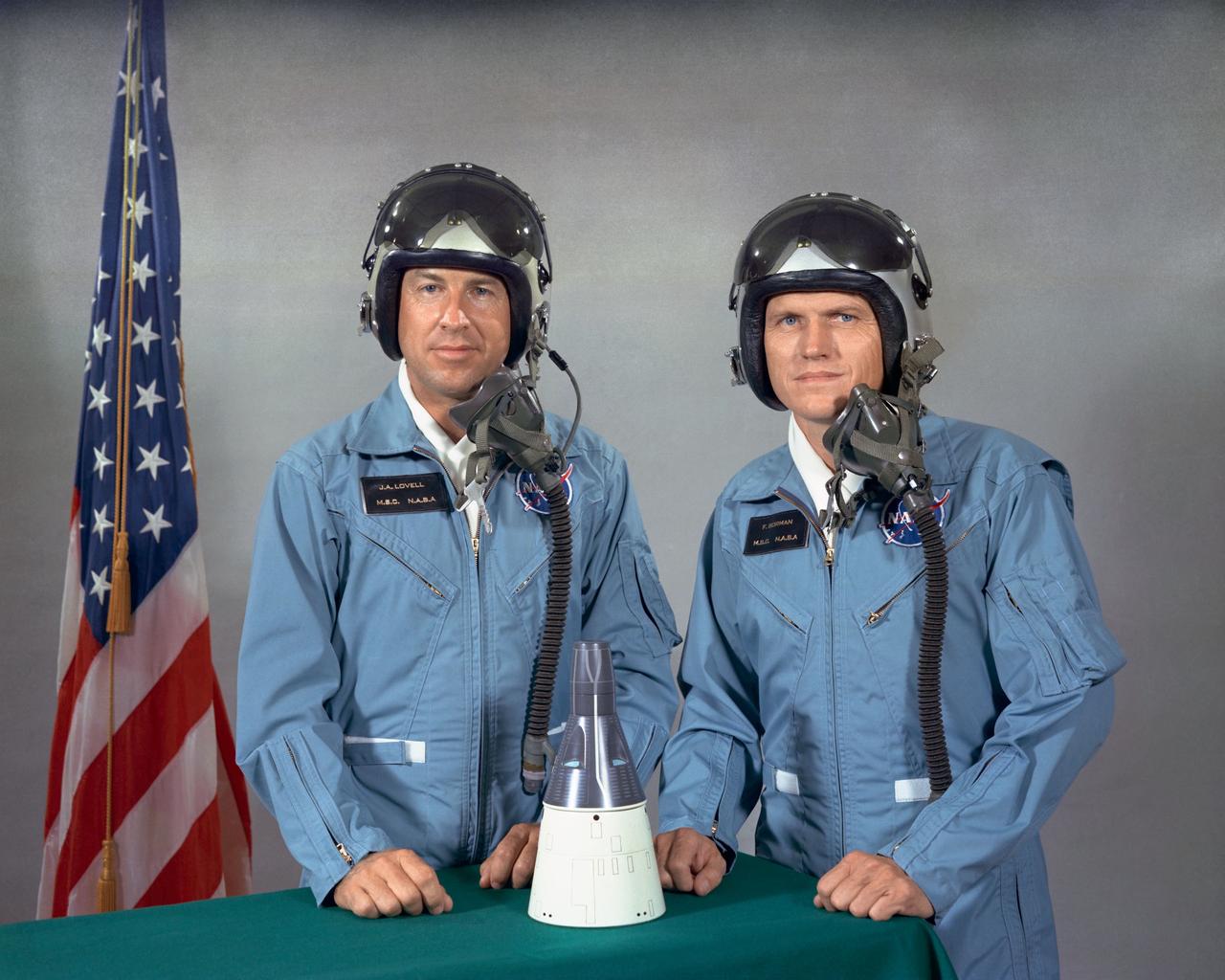
S65-41825 (1 July 1965) --- Astronauts Frank Borman (right), command pilot, and James A. Lovell Jr., pilot, are the prime crew members for NASA's Gemini-Titan 7 (GT-7) mission. Photo credit: NASA
Portrait - Gemini 7 Prime Crew Borman and Lovell
S66-38082 (3 June 1966) --- Astronaut Eugene A. Cernan, pilot of the Gemini-9A spaceflight, is photographed inside the spacecraft by the command pilot, astronaut Thomas P. Stafford during the flight. Photo credit: NASA
GEMINI-TITAN (GT)-9A - EARTH SKY - ONBOARD
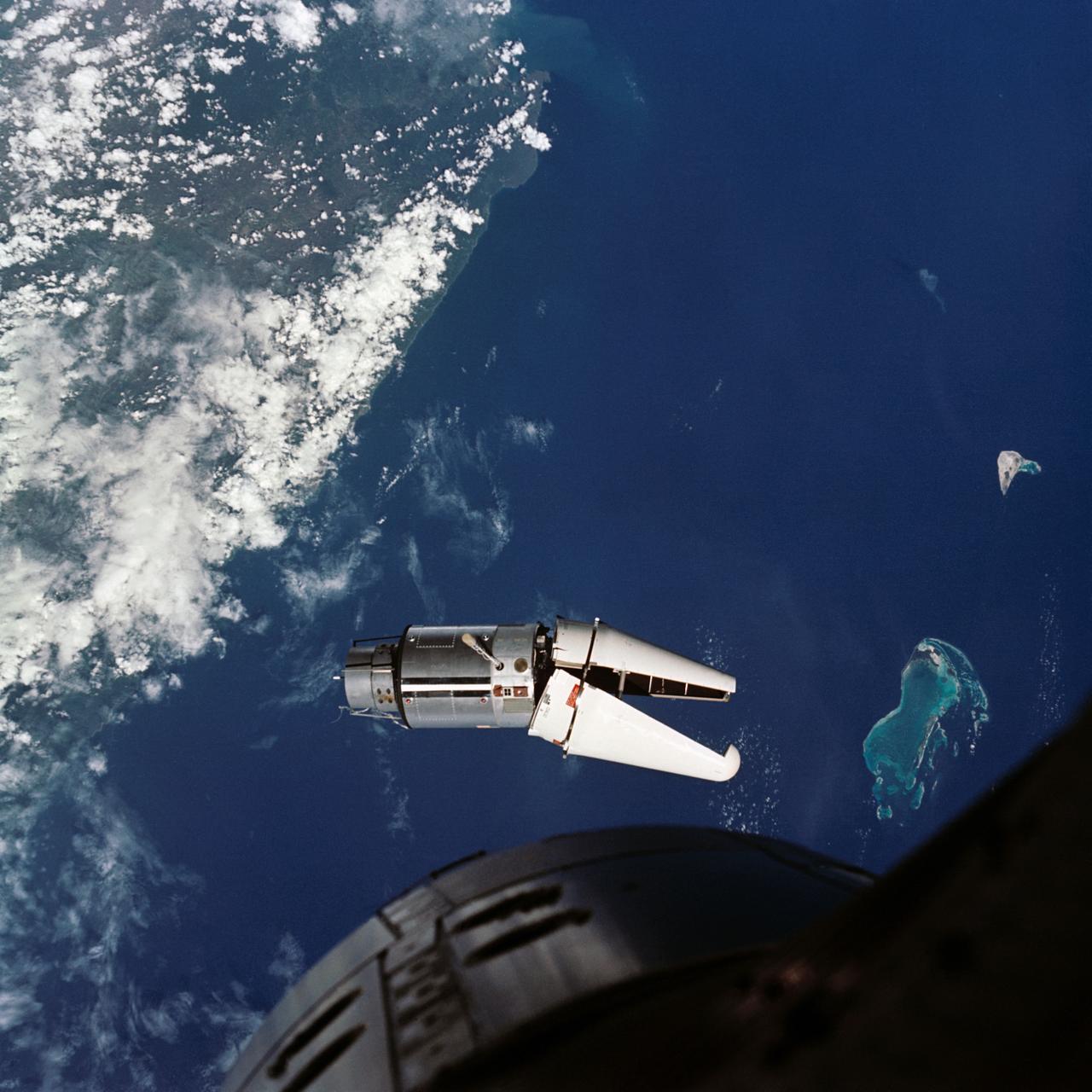
S66-37972 (3 June 1966) ?-- The Augmented Target Docking Adapter (ATDA) is photographed from the Gemini-9 spacecraft during one of three rendezvous occasions in space. The ATDA and Gemini-9 spacecraft are 35.5 feet apart in this view. Failure of the docking adapter protective cover on the ATDA to fully separate prevented the docking of the two spacecraft.  The ATDA was described by the Gemini-9 crew members as an ?angry alligator.? Photo credit: NASA
GEMINI-9 - EARTH SKY - ATDA
S65-05399 (1965) --- Composite drawing showing the vertical, lateral, forward and aft maneuvering control of the Gemini spacecraft.
GEMINI SPACECRAFT - MANEUVERING CONTROL - MSC
S66-25782 (16 March 1966) --- Closer view of the Agena Target Docking vehicle seen from the Gemini-8 spacecraft during rendezvous in space. Photo credit: NASA
Gemini VIII Mission Image - Agena
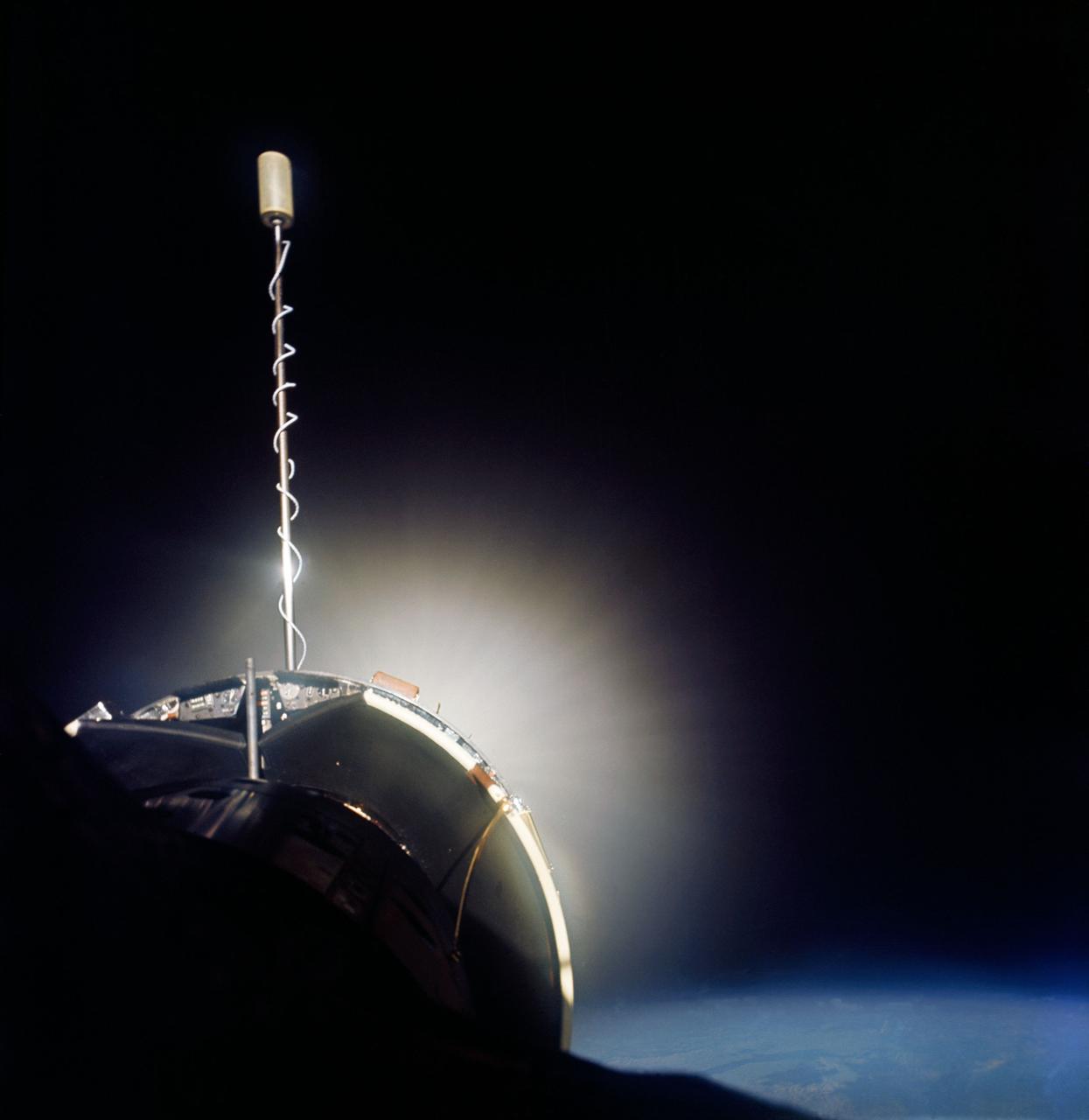
S66-46249 (18-21 July 1966) --- Agena Target Docking Vehicle docked to Gemini-10 spacecraft. Excellent view of Agena display panel. Glow from Agena's primary propulsion system. Photo credit: NASA
GEMINI-TITAN (GT)-10 - EARTH SKY - DOCKING - IN-SPACE
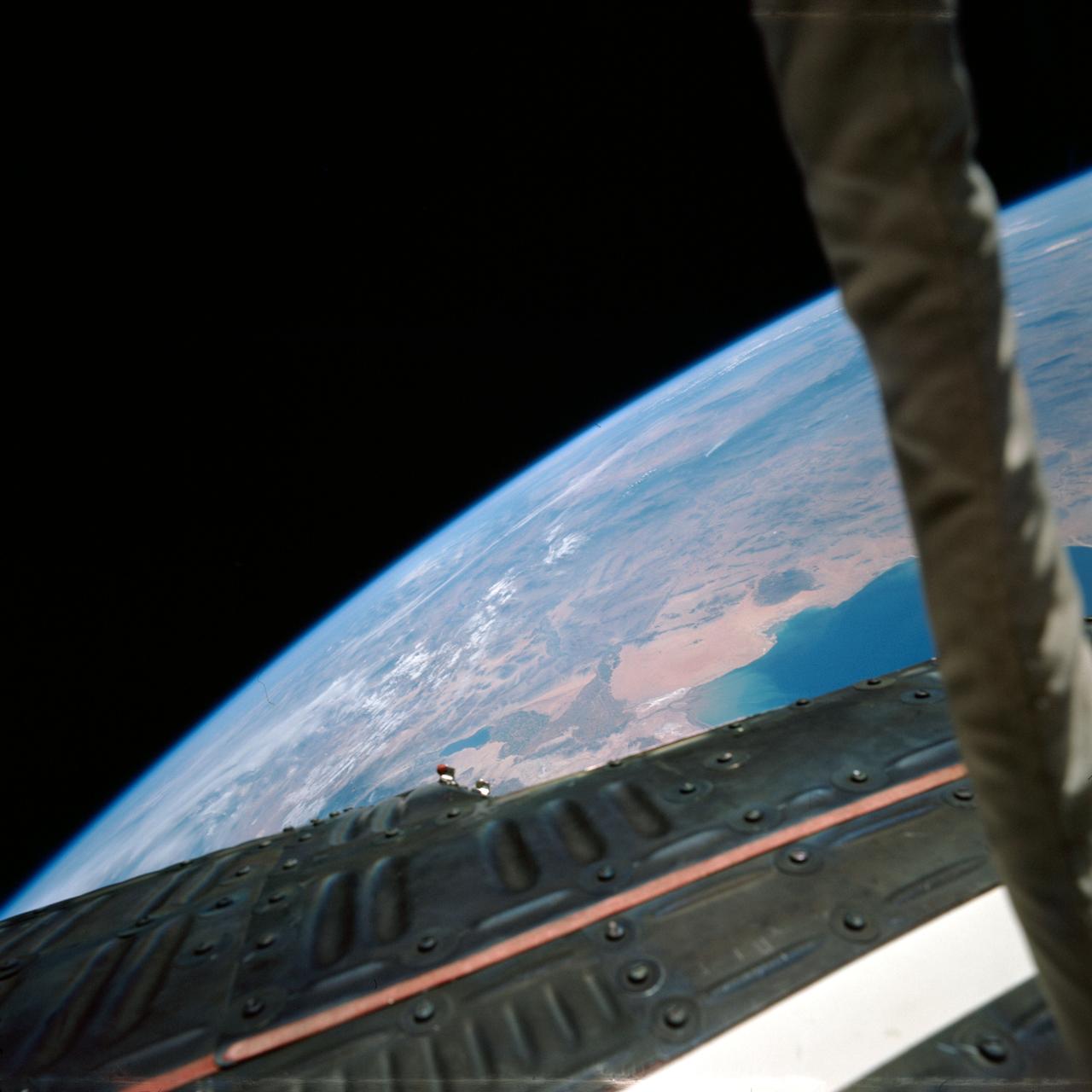
S66-38050 (5 June 1966) --- Astronaut Eugene A. Cernan took this close-up view of the Gemini-9A spacecraft during his extravehicular activity (EVA) on the Gemini-9A mission. Taken during the 32nd revolution of the 72-hour, 21-minute spaceflight. Photo credit: NASA
GEMINI-9 - EARTH SKY - EVA
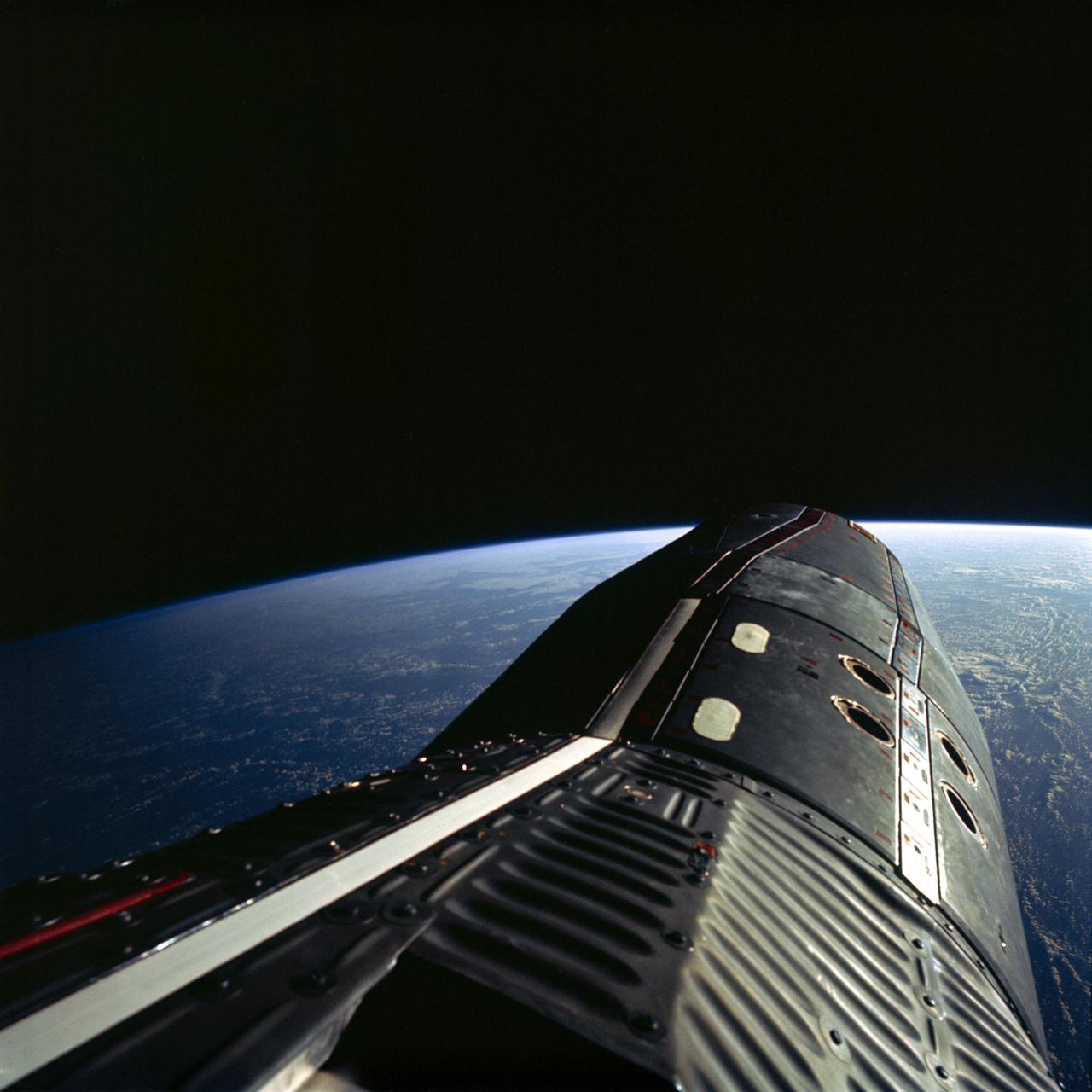
S66-62920 (13 Nov. 1966) --- Astronaut Edwin E. Aldrin Jr., pilot of the Gemini-12 spaceflight, took this picture of the Gemini-12 spacecraft during standup extravehicular activity (EVA) with the hatch open. This is a view to the rear showing the adapter section. Photo credit: NASA
Gemini 12 spacecraft seen during EVA
S66-63011 (13 Nov. 1966) --- Astronaut Edwin E. Aldrin Jr., pilot of the Gemini-12 spaceflight, took this picture of the Gemini-12 spacecraft during standup extravehicular activity (EVA) with the hatch open. Photo credit: NASA
Gemini 12 spacecraft seen during EVA
S66-63007 (12 Nov. 1966) --- Astronaut Edwin E. Aldrin Jr., pilot of the Gemini-12 spaceflight, took this picture of the Gemini-12 spacecraft during standup extravehicular activity (EVA) with the hatch open. This is a view looking forward showing the adapter section. Photo credit: NASA
Gemini 12 spacecraft seen during EVA
S66-62999 (13 Nov. 1966) --- Jettison of the extravehicular life support system (ELSS) and other equipment from the Gemini-12 spacecraft during its rendezvous mission in space. The nose of the Gemini-12 spacecraft is clearly visible at right edge of photo. Photo credit: NASA
Gemini 12 equipment jettison during rendezvous mission in space
S66-29559 (9 April 1966) --- Astronaut Eugene A. Cernan, prime crew pilot of the National Aeronautics and Space Administration?s Gemini-9 spaceflight, sits in Gemini Boiler-plate during water egress training activity in the Gulf of Mexico. Photo credit: NASA
Astronaut Eugene Cernan sits in Gemini boilerplate during water egress
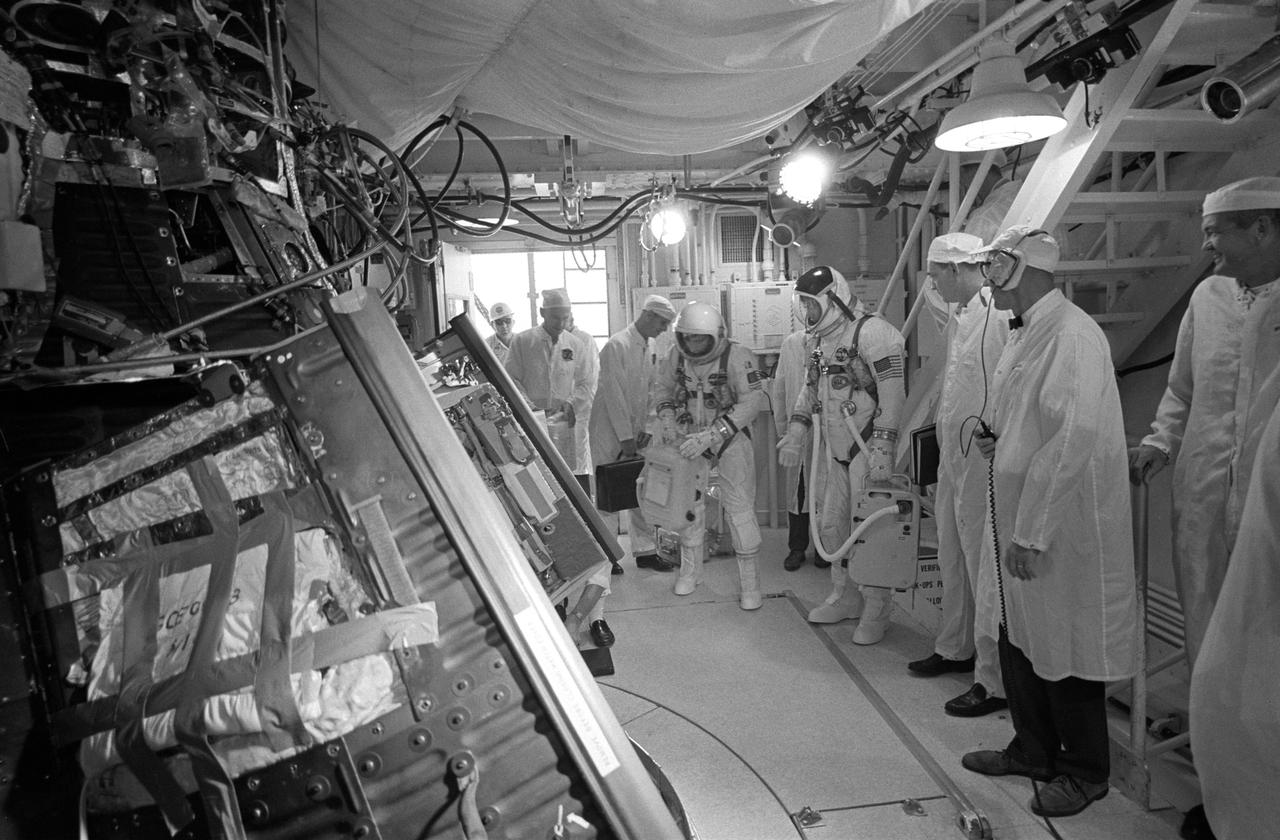
S66-42737 (18 July 1966) --- In the White Room atop the Gemini launch vehicle, astronauts Michael Collins (left), pilot, and John W. Young (right), command pilot, prepare to enter the Gemini-10 spacecraft. Engineers and technicians stand by to assist in the insertion. Photo credit: NASA
Gemini 10 prime crew in White Room preparing for insertion
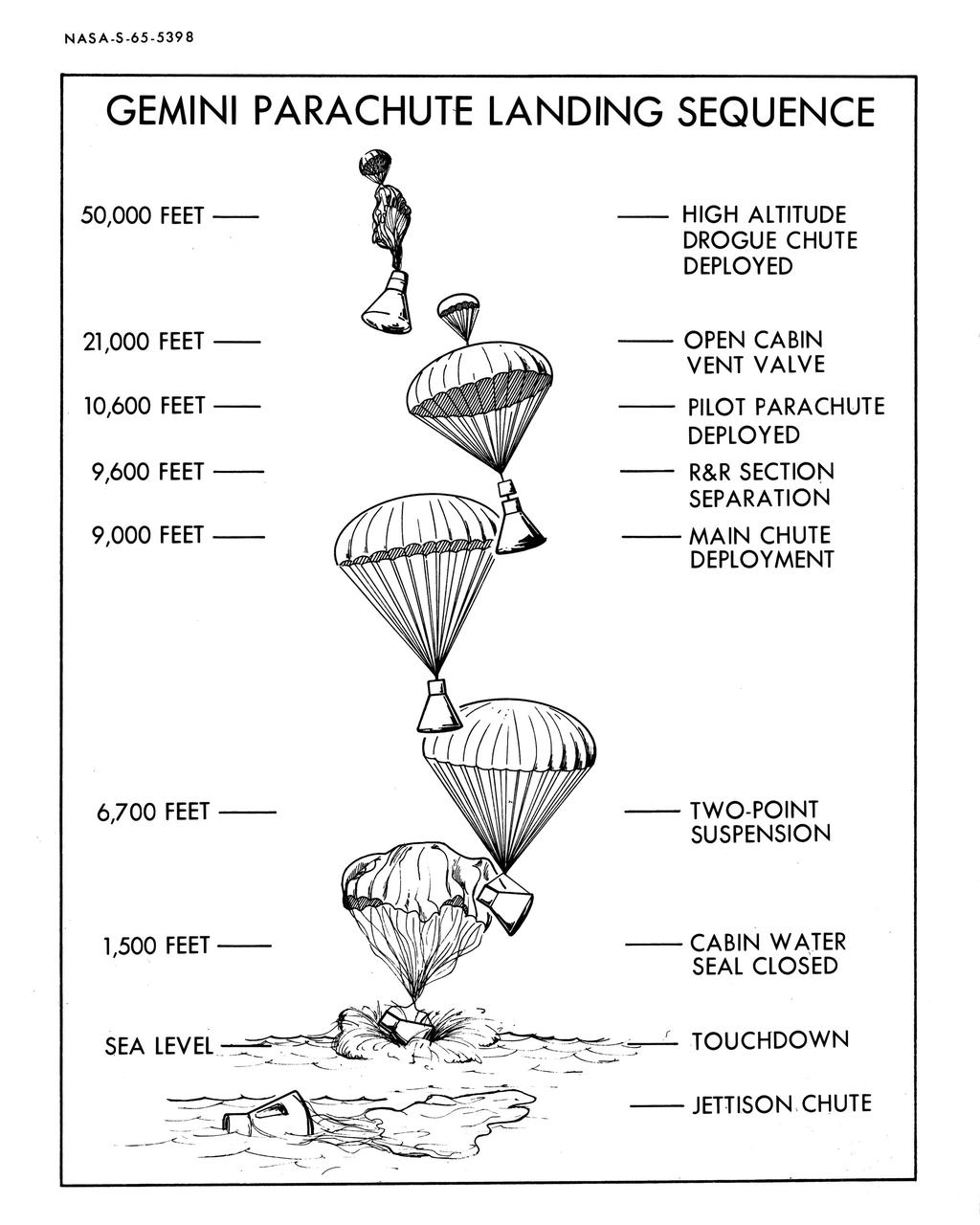
S65-05398 (1965) --- Artist concept of Gemini parachute landing sequence from high altitude drogue chute deployed to jettison of chute.
GEMINI PARACHUTE LANDING SEQUENCE - CHART - MSC
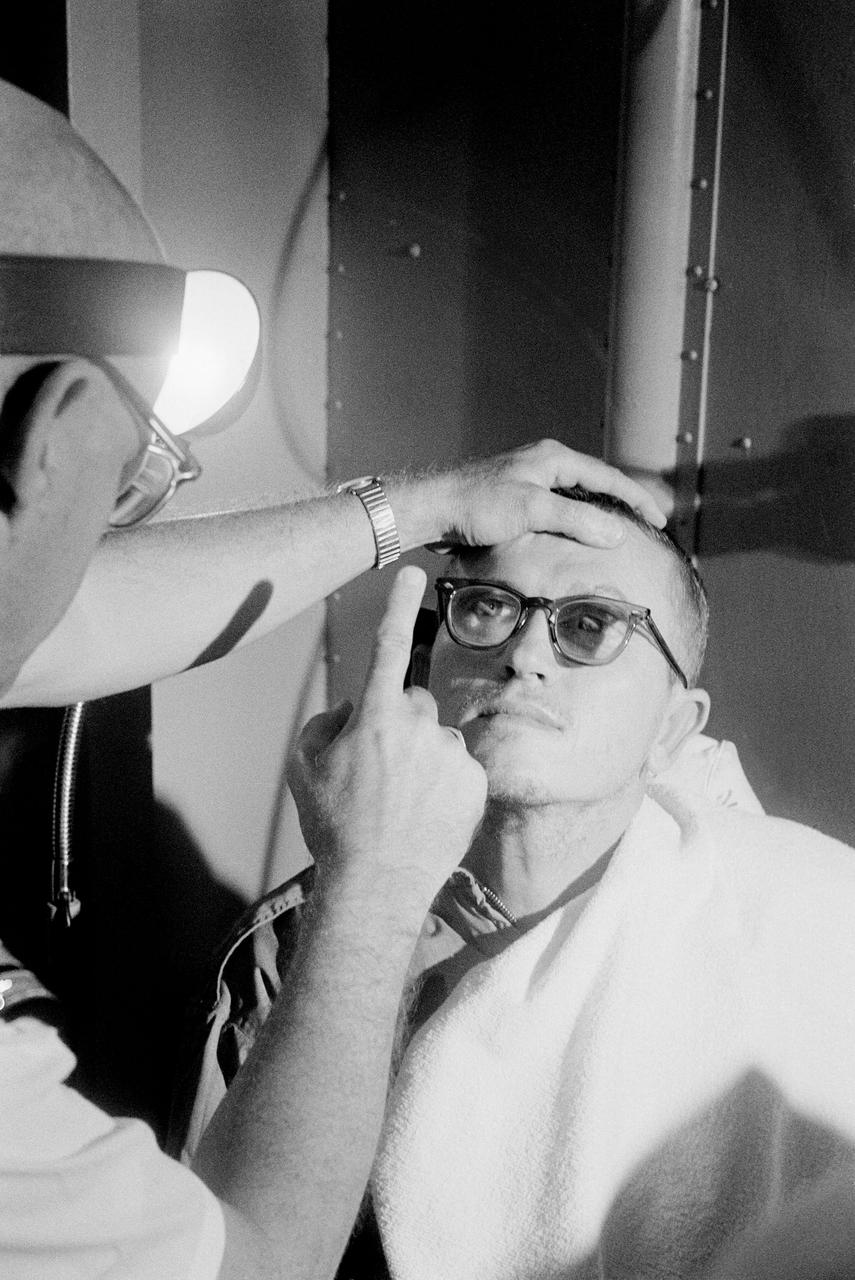
S66-17442 (19 Jan. 1966) --- Astronaut Frank Borman, command pilot for the Gemini-7 mission, has his vision checked during a postflight medical exam. Photo credit: NASA
Gemini 7 medical exam
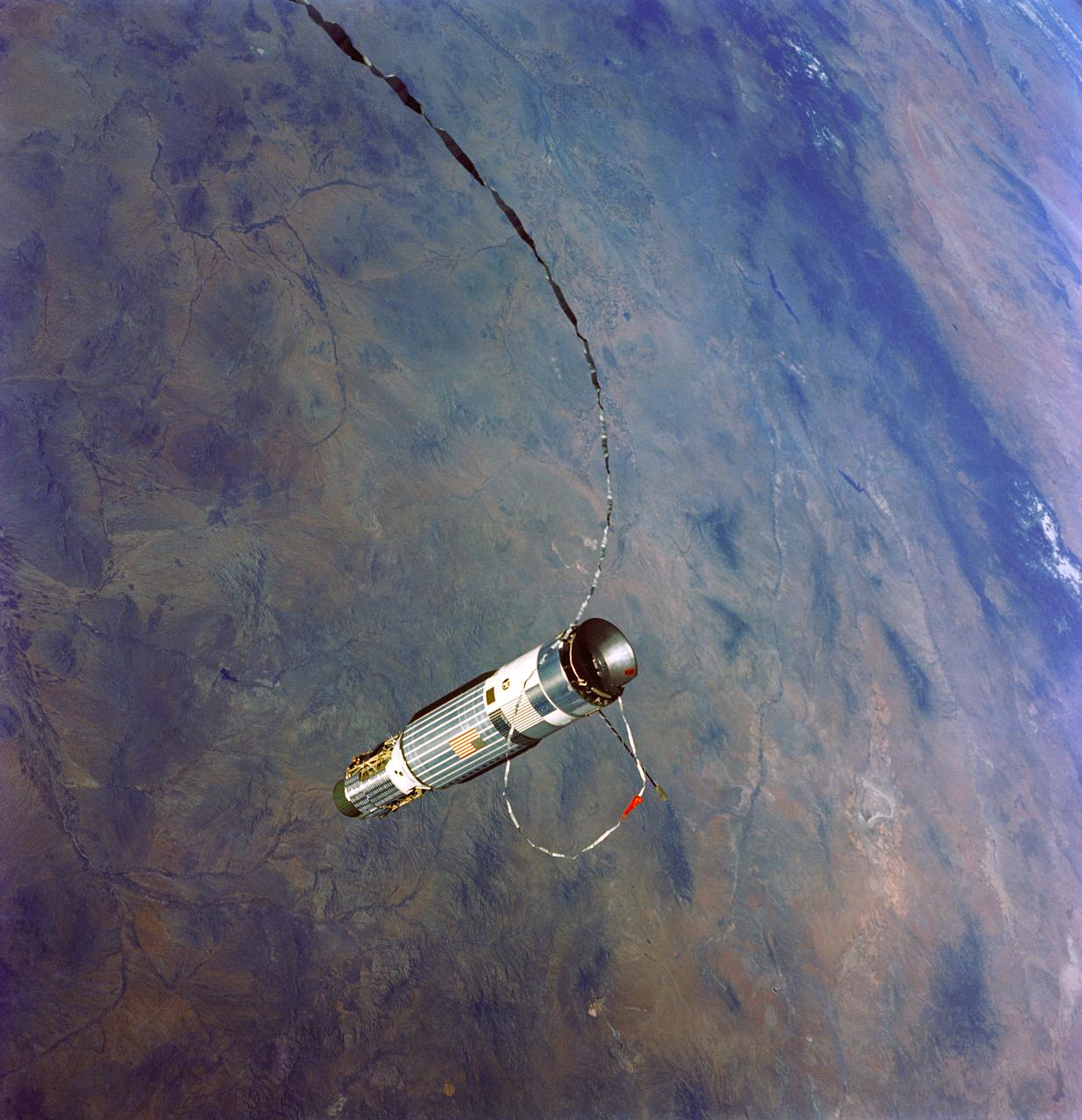
S66-62755 (11 Nov. 1966) --- Excellent stereo and side view of the Agena Target Docking Vehicle as seen from the Gemini-12 spacecraft during rendezvous and docking mission in space. The two spacecraft are 50 feet apart. Photo credit: NASA
GEMINI-TITAN (GT)-12 - EARTH SKY - AGENA RENDEZVOUS - OUTER SPACE
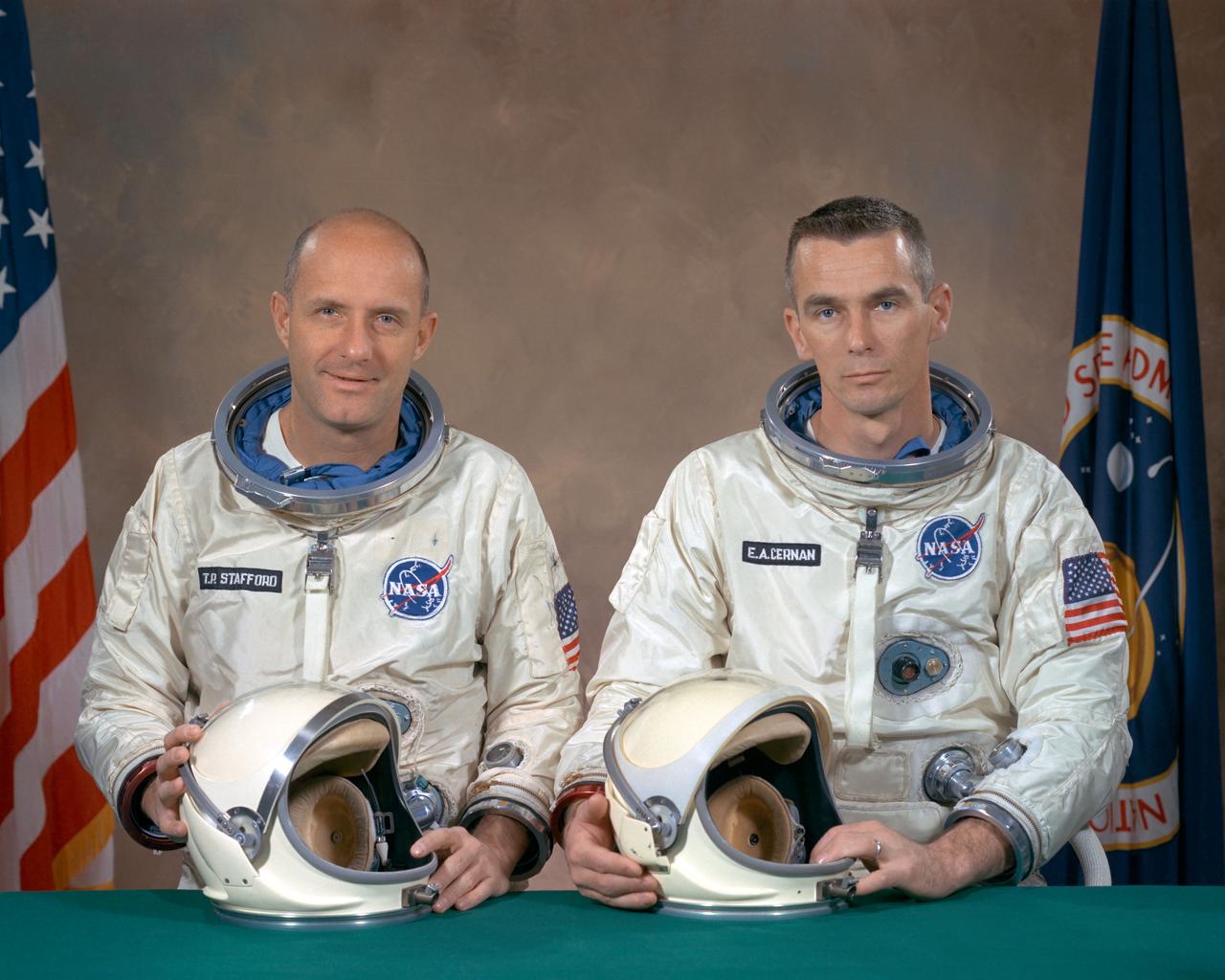
S66-15621 (January 1966) --- Gemini-9 prime crew portrait with astronauts Thomas P. Stafford (left), command pilot, and Eugene A. Cernan, pilot. Photo credit: NASA
GEMINI-9 - PRIME CREW PORTRAIT - ASTRONAUTS STAFFORD & CERNAN - MSC
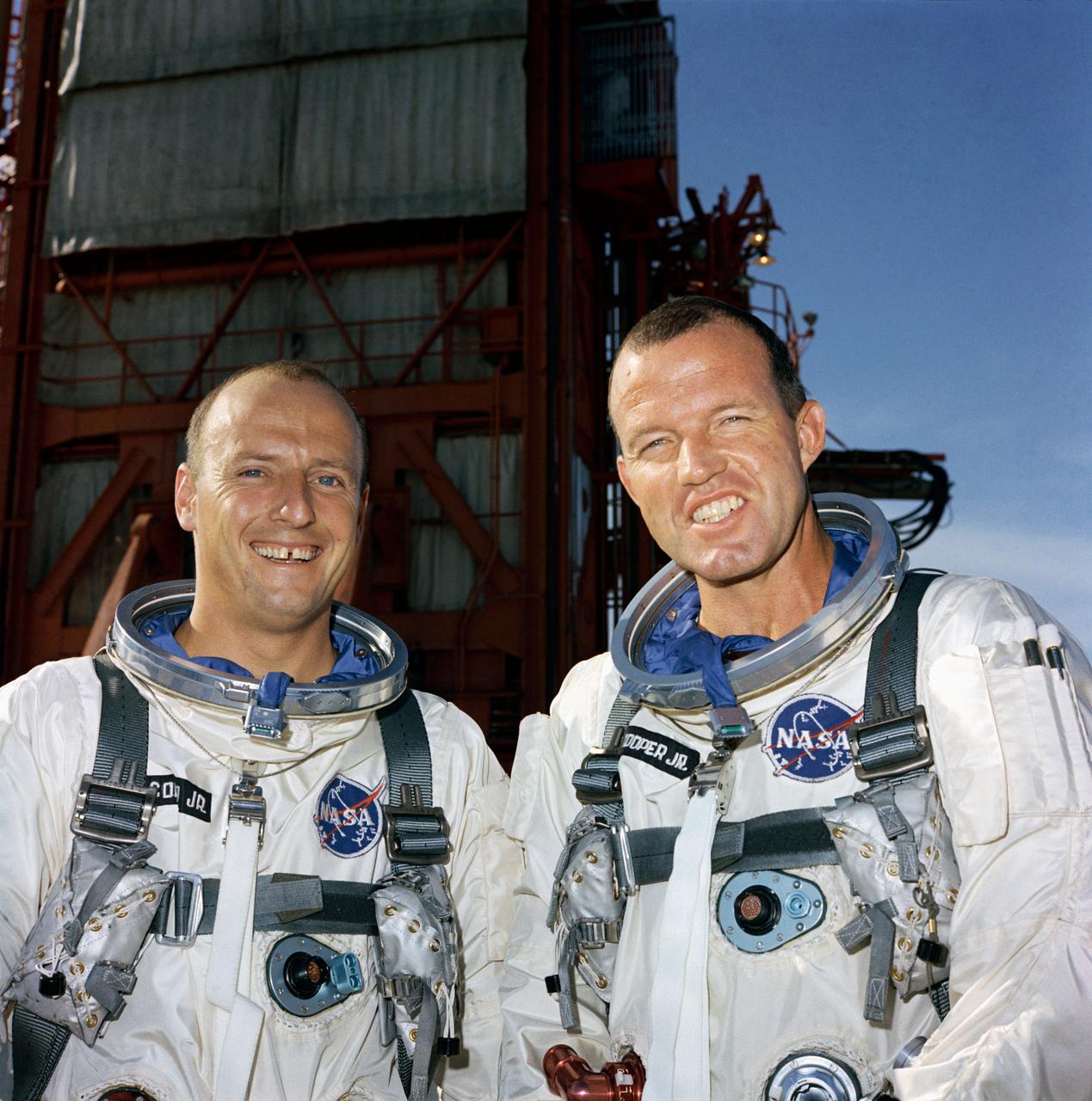
S65-46990 (16 Aug. 1965) --- Astronauts Charles Conrad Jr. (left), pilot, and L. Gordon Cooper Jr., command pilot, are the prime crew for the Gemini-Titan 5 mission.
Gemini-Titan (GT)- 5 - Prime Crew - Closeup - Cape
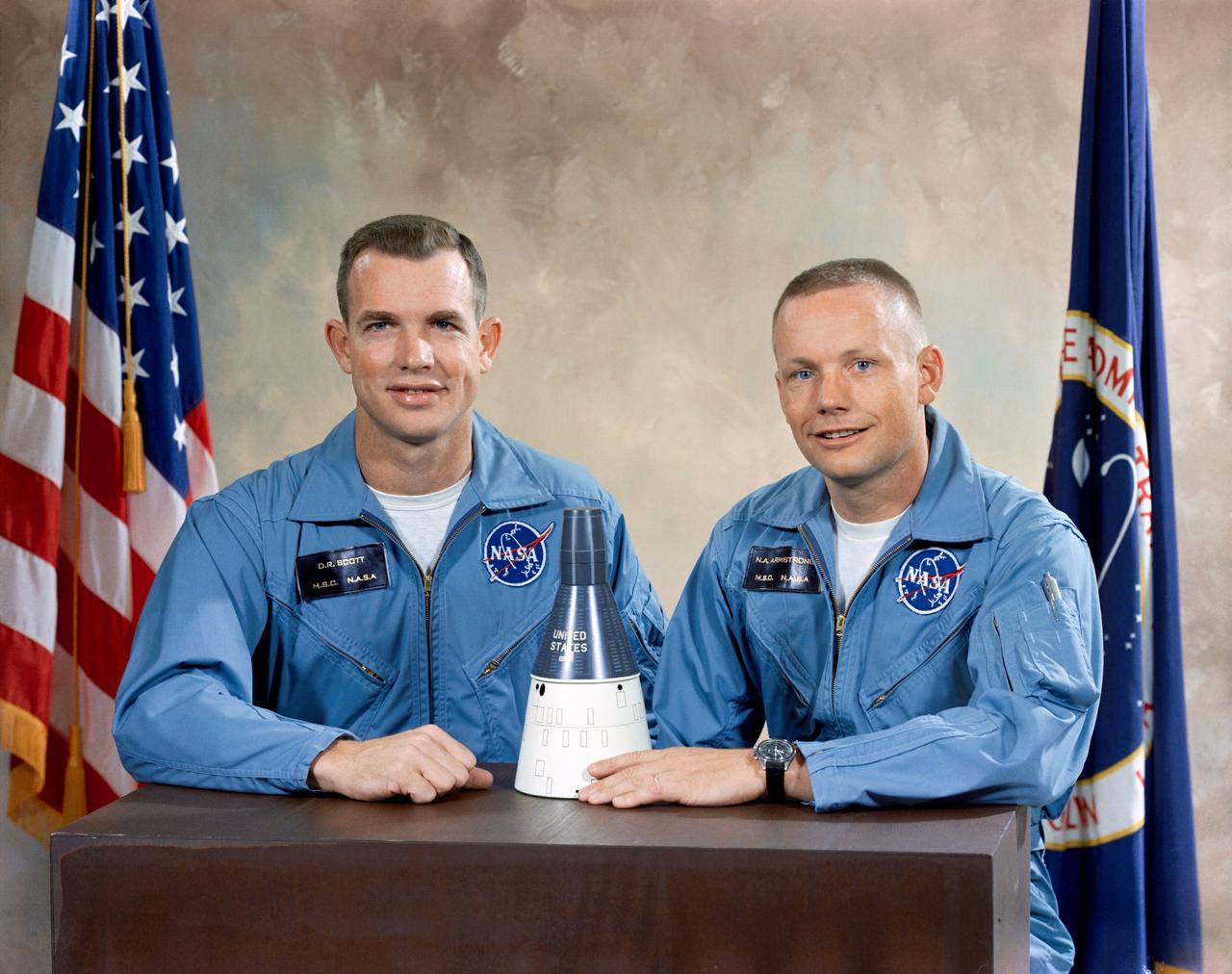
S65-58499 (4 Nov. 1965) --- Astronauts Neil A. Armstrong (right), command pilot; and David R. Scott, pilot, are the prime crewmen of the Gemini-8 space mission. Photo credit: NASA
GEMINI-3 - PRIME CREW PORTRAIT - FLIGHT SUITS - MSC
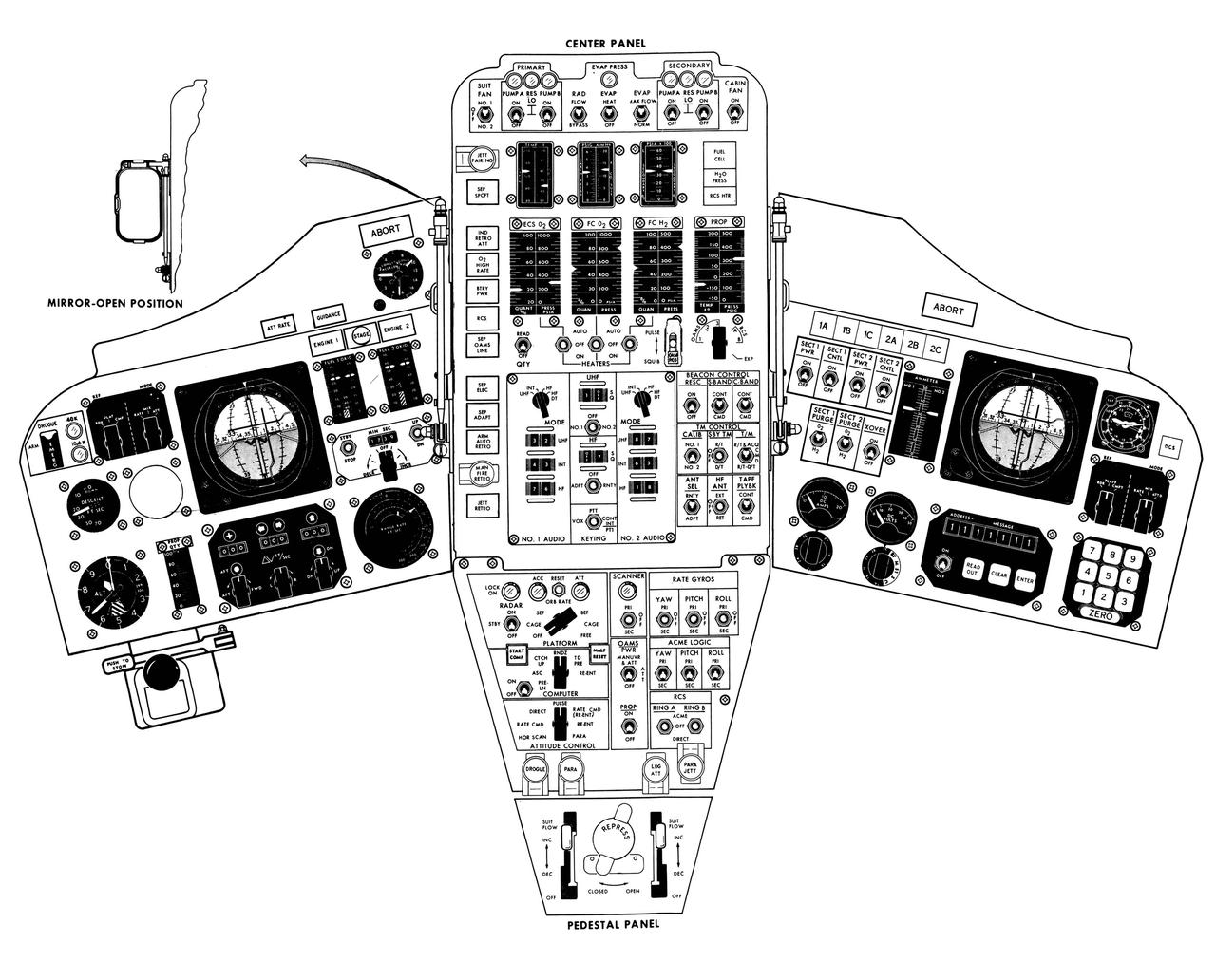
S65-14095 (1965) --- Artist concept of the Gemini spacecraft control panel.
Artist concept of the Gemini spacecraft control panel
S65-45610 (21 Aug. 1965) --- Astronaut Charles Conrad Jr. as seen through the Gemini-5 spacecraft window before launch.
Astronaut Charles Conrad as seen through Gemini 5 spacecraft window
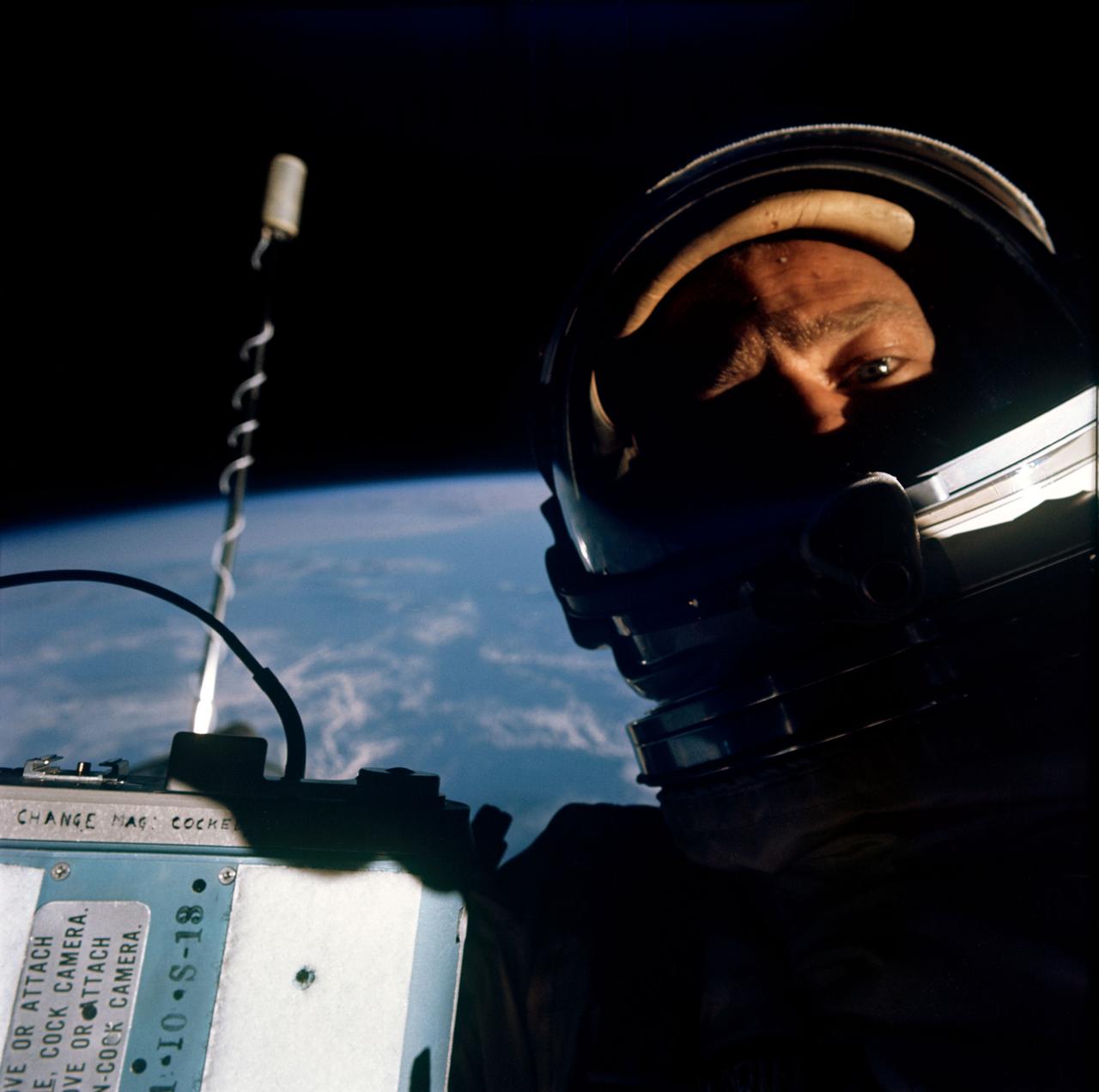
S66-62984 (13 Nov. 1966) --- Astronaut Edwin Aldrin Jr. photographed inside the Gemini-12 spacecraft cabin during the spaceflight. Photo credit: NASA
Astronaut Edwin Aldrin inside Gemini spacecraft cabin during flight
S66-25778 (16 March 1966) --? The Agena Target Docking Vehicle seen from the National Aeronautics and Space Administration?s Gemini-8 spacecraft during rendezvous in space. The Agena is approximately 260 feet away from the nose of the spacecraft (lower left). Crewmen for the Gemini-8 mission are astronauts Neil A. Armstrong, command pilot, and David R. Scott, pilot. Photo credit: NASA
Agena Target Docking vehicle seen from Gemini 8 spacecraft
S66-25784 (16 March 1966) --? The Agena Target Docking Vehicle seen from the National Aeronautics and Space Administration?s Gemini adapter of the Agena is approximately two feet from the nose of the spacecraft (lower left).  Crewmen for the Gemini-8 mission were astronauts Neil A. Armstrong, command pilot, and David R. Scott, pilot. Photo credit: NASA
Agena Target Docking vehicle seen from Gemini 8 spacecraft
S66-38068 (5 June 1966) --- Astronaut Eugene A. Cernan took this view of the Gemini-9A spacecraft and his umbilical cord (right) over California, Arizona, and Sonora, Mexico, during his extravehicular activity (EVA) on the Gemini-9A mission. Taken during the 32nd revolution of the flight. Photo credit: NASA
Gemini 9 spacecraft during EVA as seen Astronaut Eugene Cernan
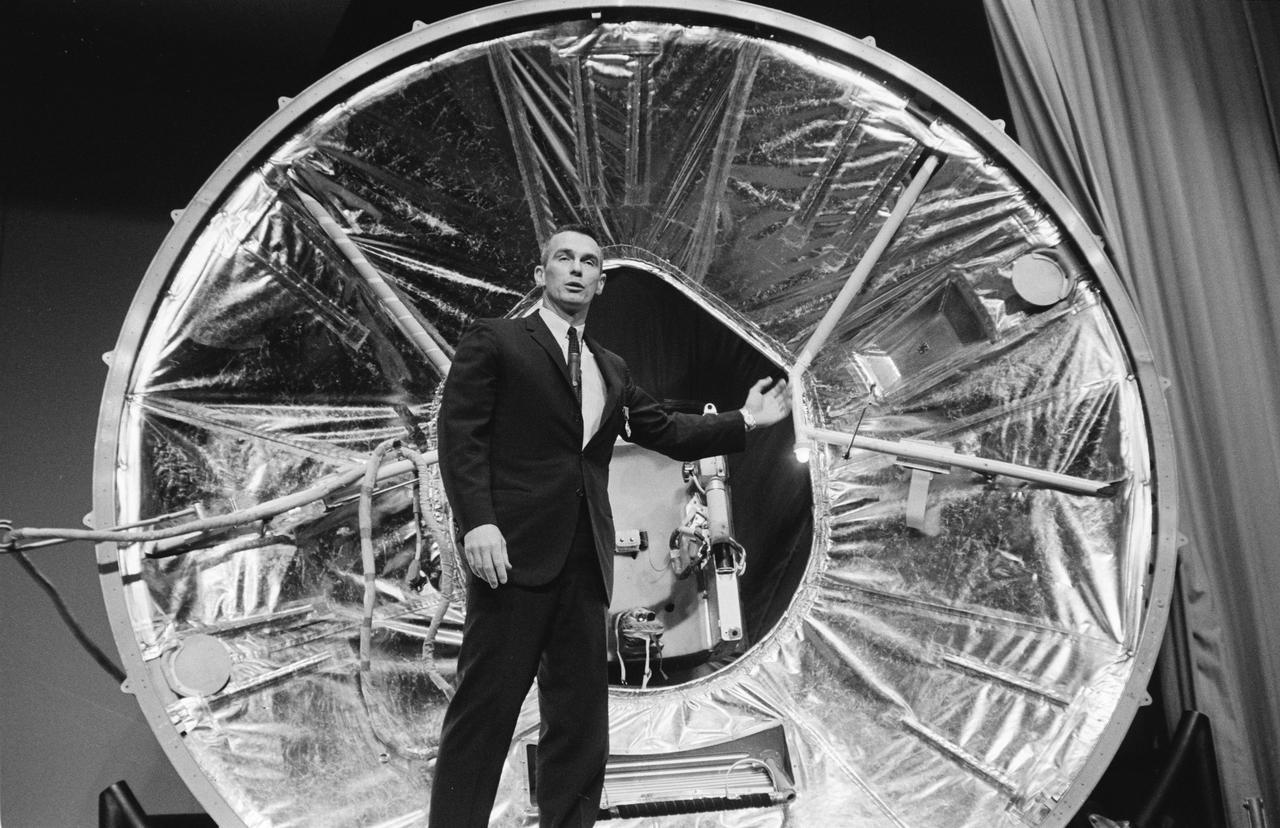
S66-32698 (17 June 1966) --- Astronaut Eugene A. Cernan discusses his Gemini-9A extravehicular activity before a gathering of news media representatives in the MSC auditorium. In the background is an Astronaut Maneuvering Unit (AMU) mock-up mounted in a mock-up of a Gemini spacecraft adapter equipment section. Astronauts Cernan and Thomas P. Stafford completed their three-day mission in space on June 6, 1966. Photo credit: NASA
Astronaut Gene Cernan poses in front of Gemini Mission Simulator
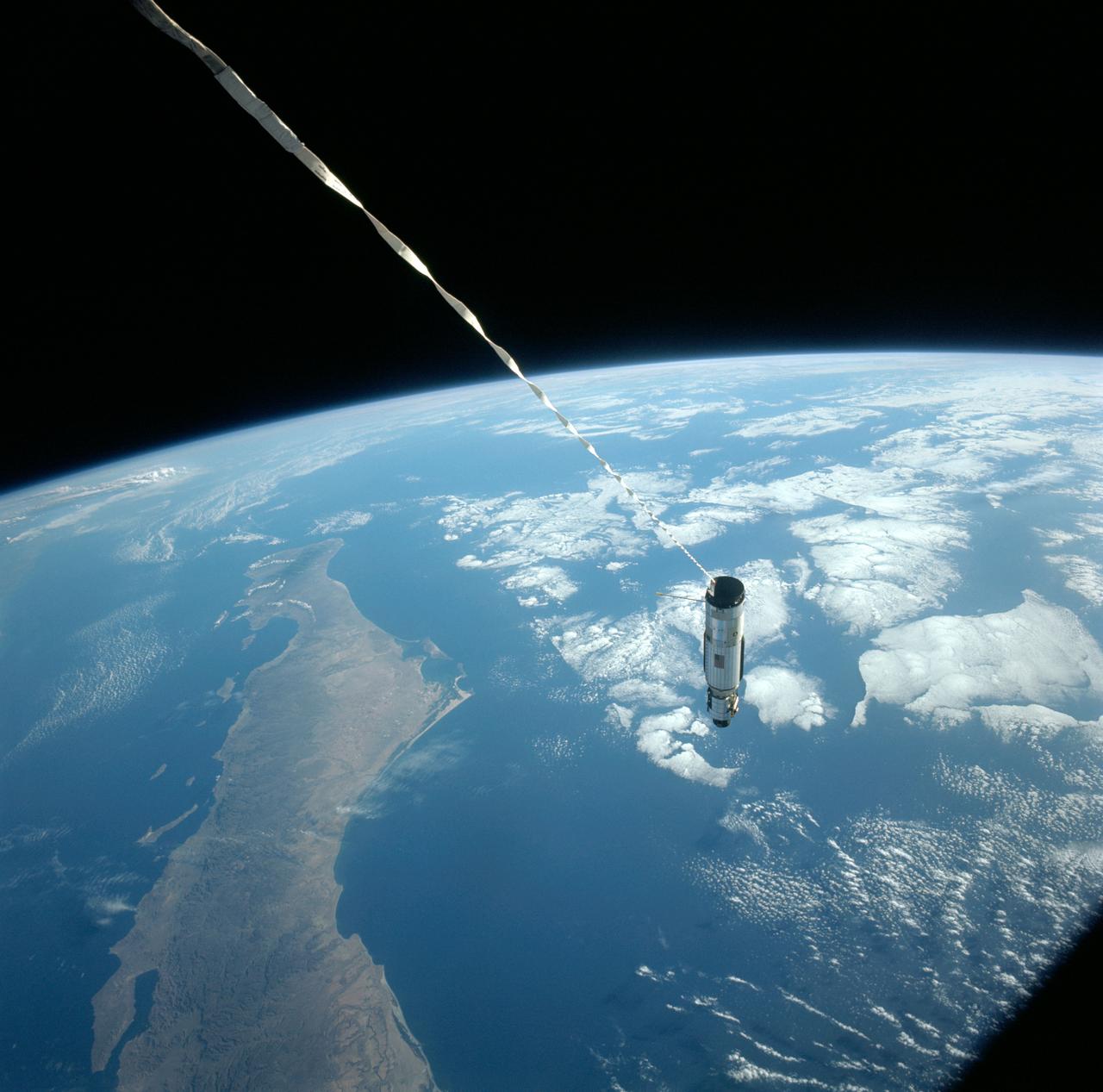
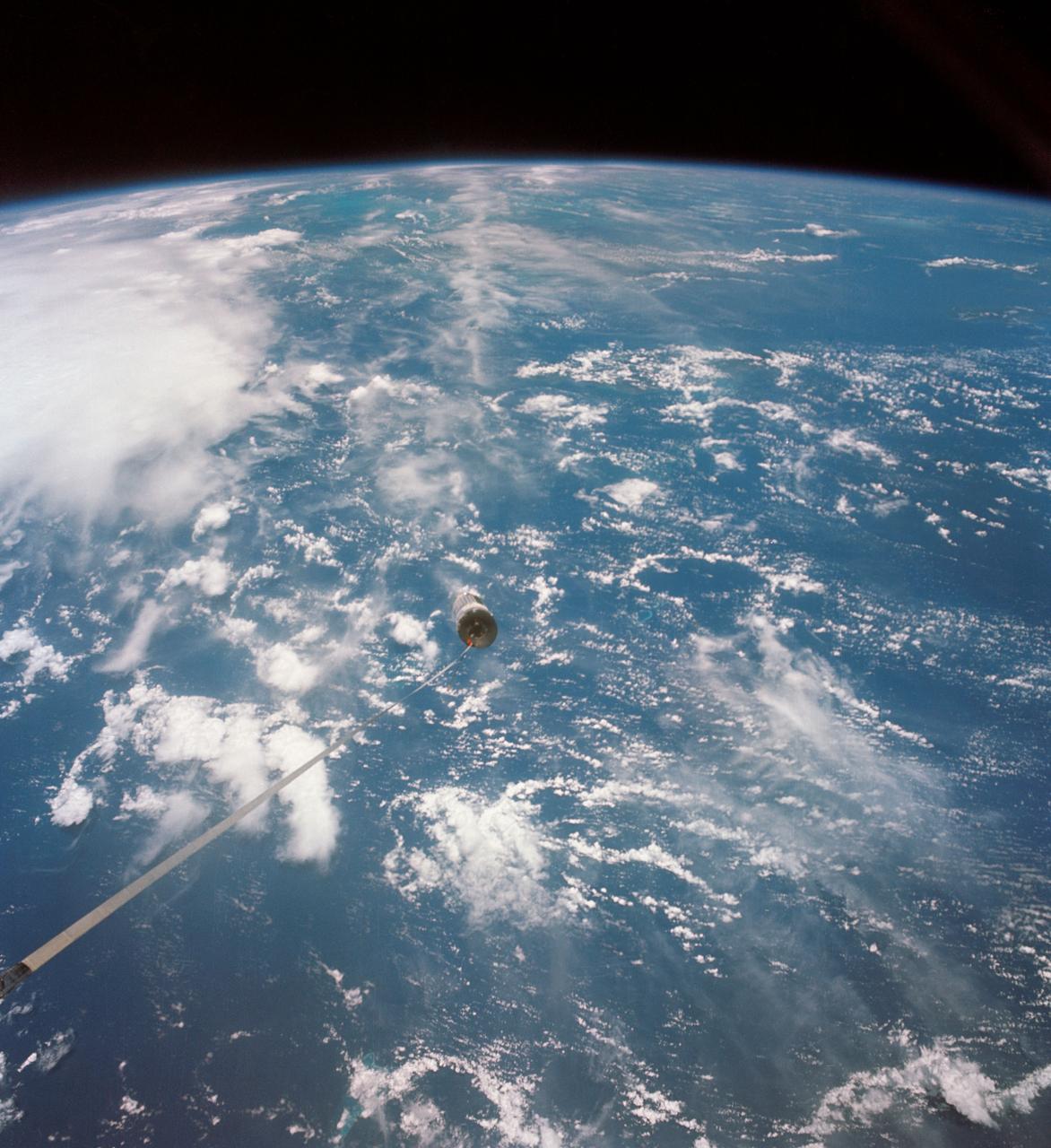
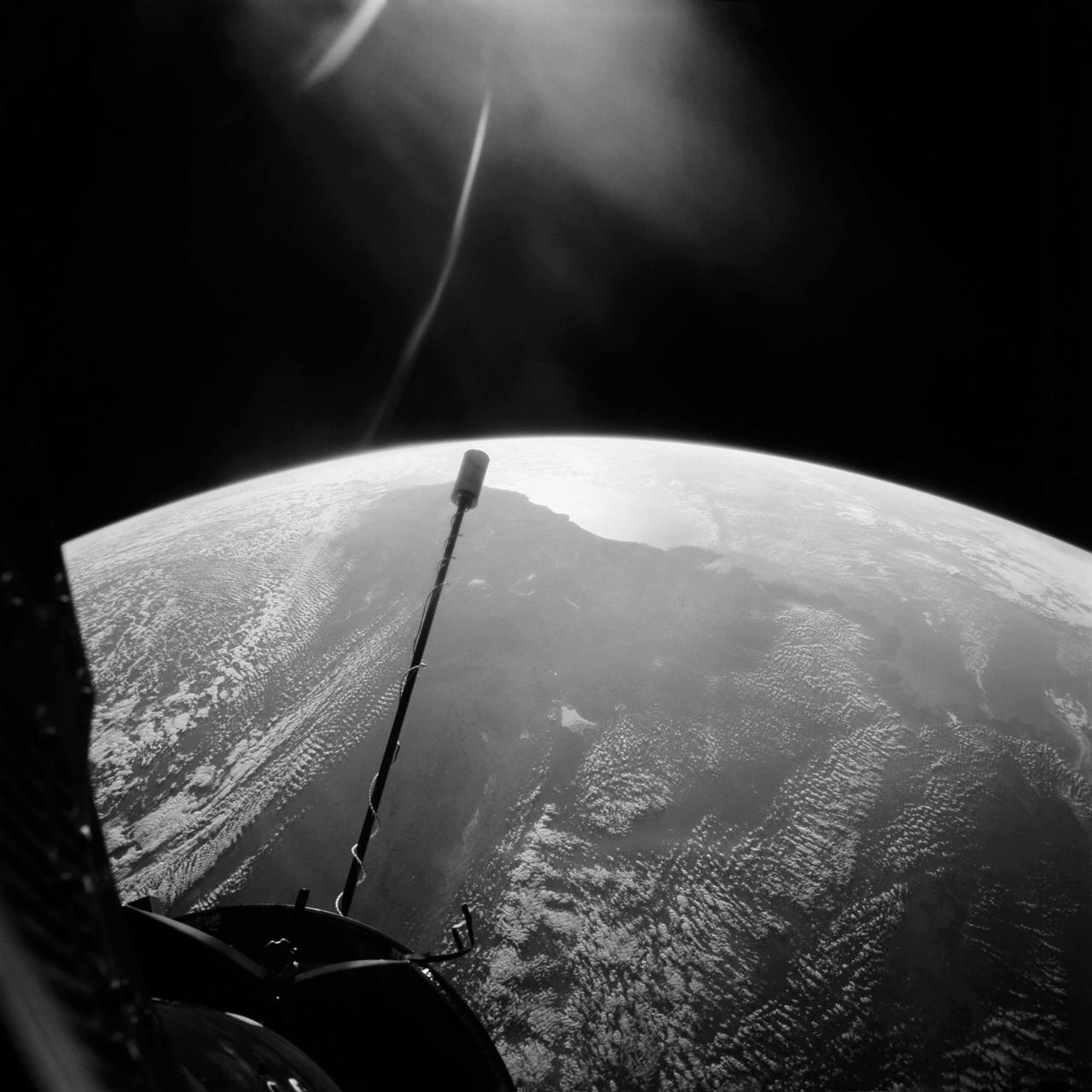
S66-63517 (13 Nov. 1966) --- The Gulf of California area as seen from the Gemini-12 spacecraft during its 30th revolution of Earth. Baja California Sur is the peninsula on the left. At lower left is the mainland of Mexico. A 100-foot tether line connects the Agena Target Docking Vehicle with the Gemini-12 spacecraft. View is looking south. Photo credit: NASA
GEMINI-TITAN (GT)-12 - EARTH SKY - AGENA ON TETHER - OUTER SPACE
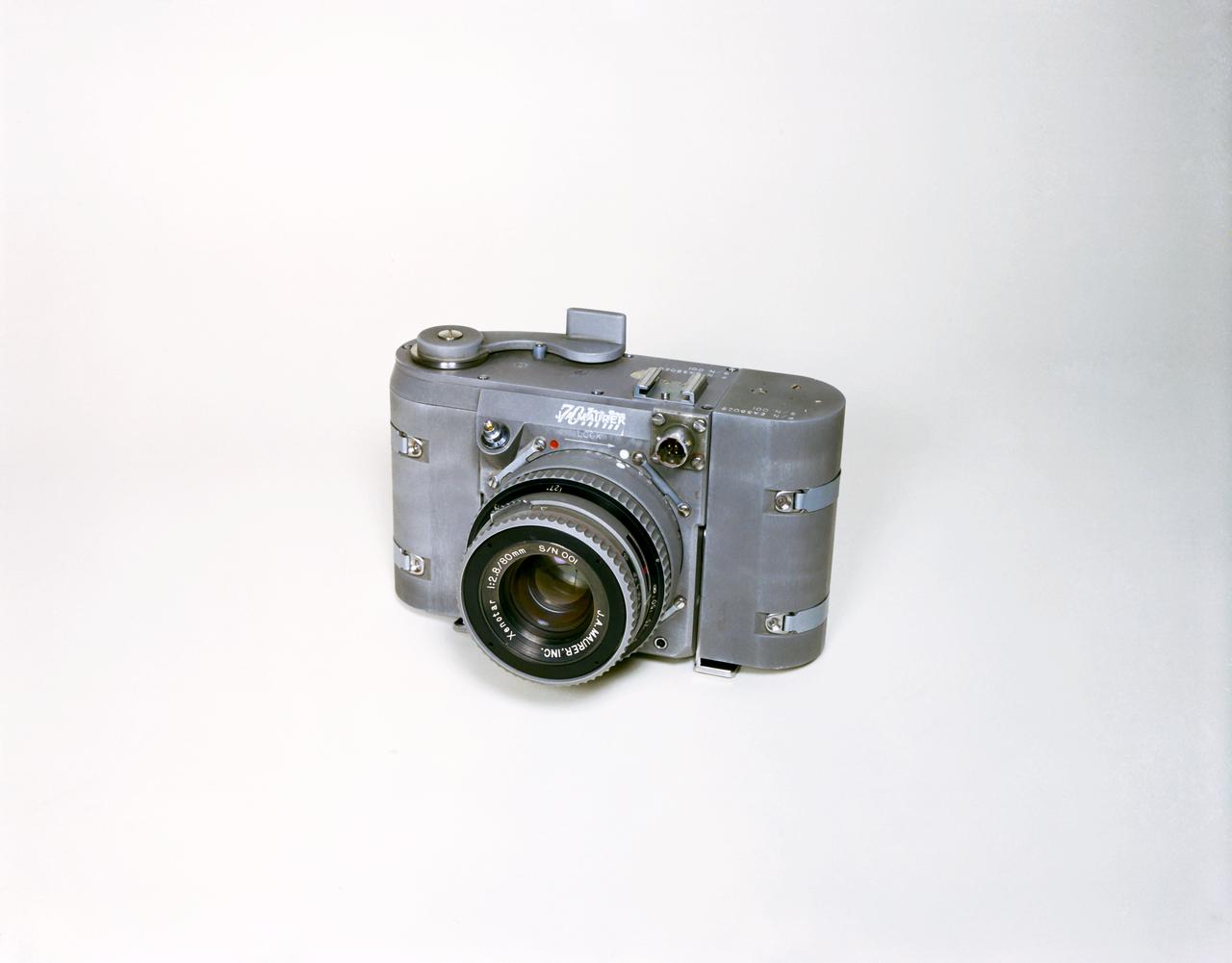
S65-23639 (28 April 1965) --- A bench view of a 70mm camera expected to be used by the Gemini-4 astronauts.
Handheld camera for use on Gemini 4 mission
S66-54692 (14 Sept. 1966) --- Indonesian Islands (partial cloud cover): Sumatra, Java, Bali, Borneo, and Sumbawa, as photographed from the Gemini-11 spacecraft during its 26th revolution of Earth, at an altitude of 570 nautical miles.  Photo credit: NASA
Indonesian Islands as seen from Gemini 11 spacecraft
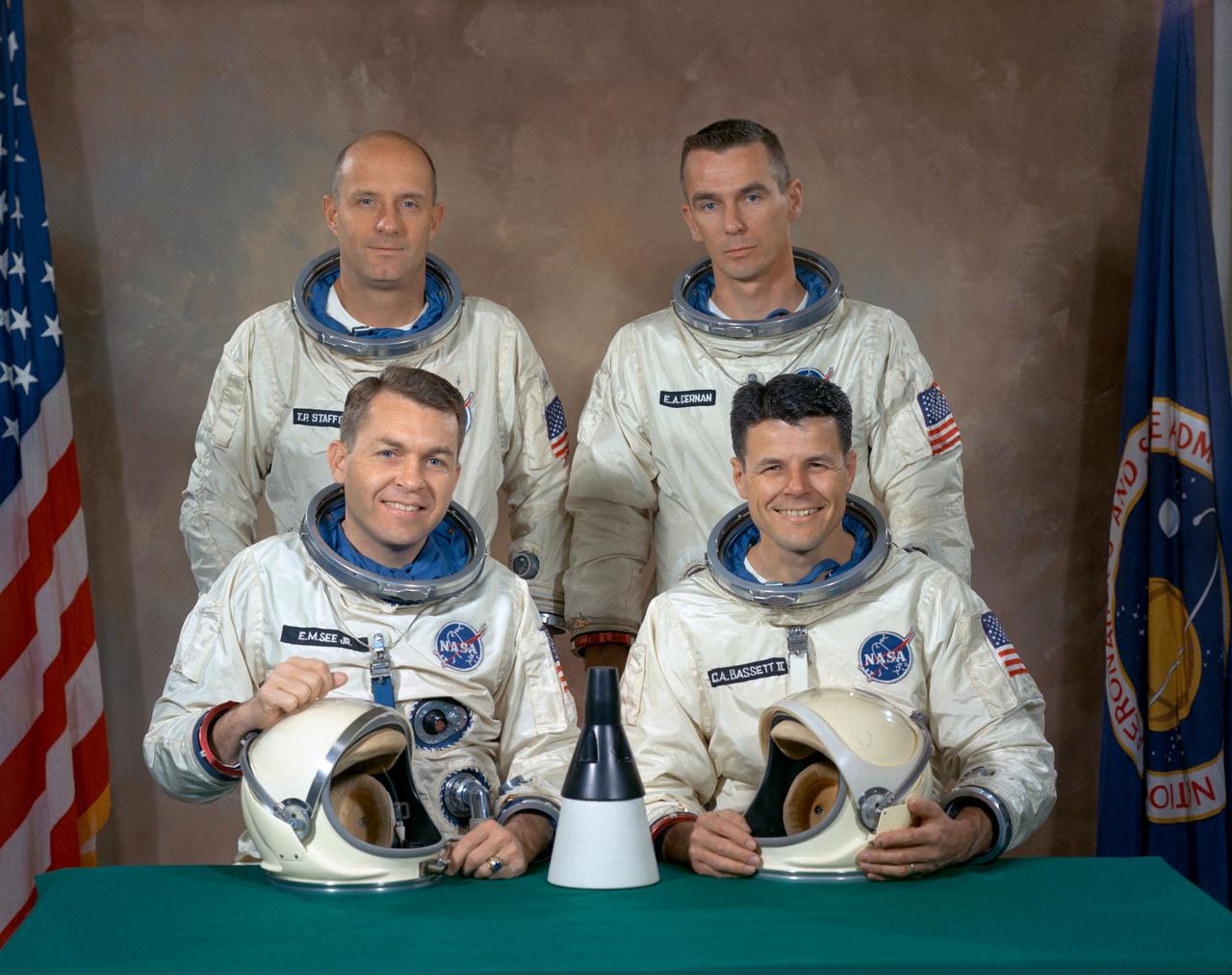
S66-15622 (January 1966) --- Portrait of the Gemini 9 prime and backup crews. Seated are the Prime crew consisting of Astronauts Elliot M. See Jr. (left), command pilot, and Charles A. Bassett II, pilot. Standing are the backup crew consisting of Astronauts Thomas P. Stafford (left), command pilot, and Eugene A. Cernan, pilot. Both crews are in space suits with their helmets on the table in front of them.
Portrait - Gemini 9 Prime and Backup Crews
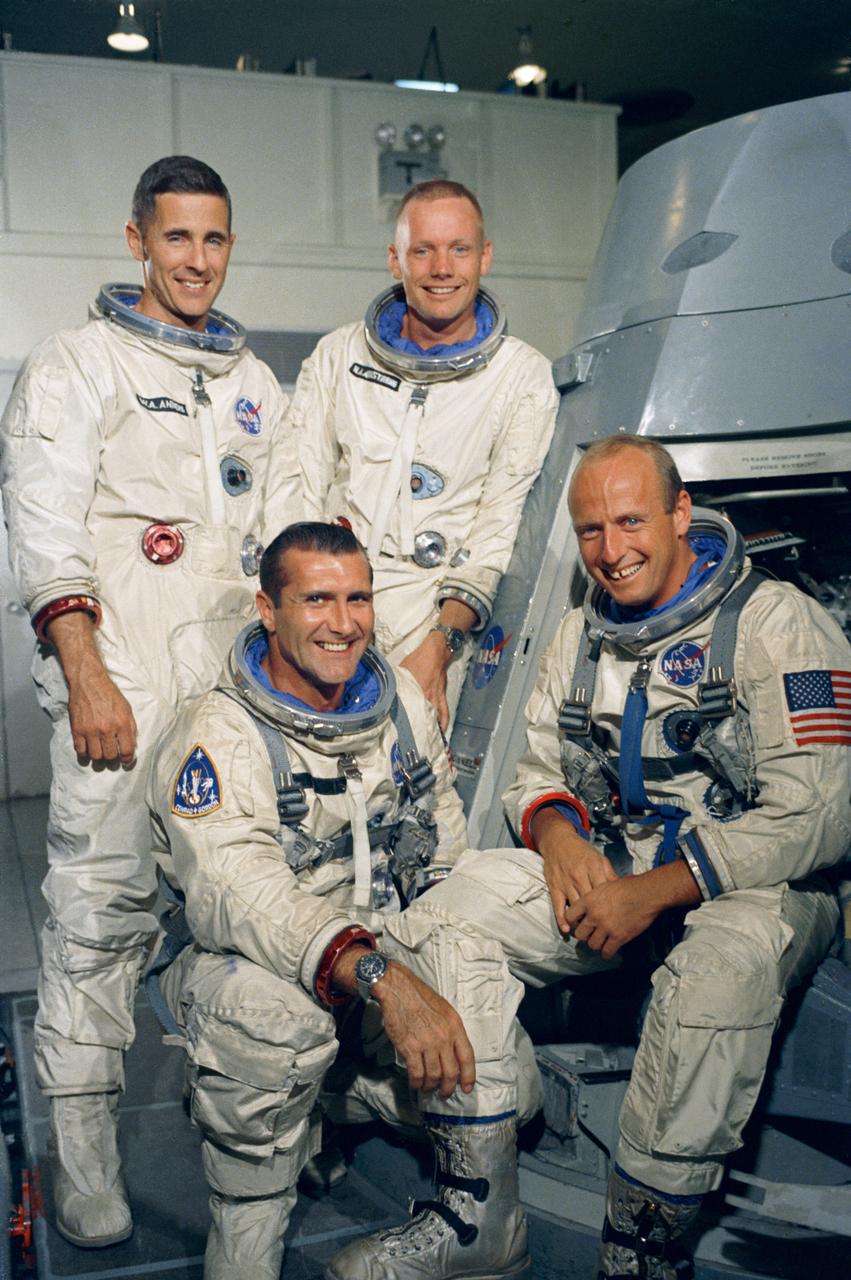
S66-50772 (7 Sept. 1966) --- The Gemini-Titan XI (GT-11) prime and backup crews pose for a group portrait. Seated is the prime crew, astronauts Charles Conrad Jr. (right), command pilot, and Richard F. Gordon Jr. (left), pilot. The backup crew (standing) is astronauts Neil A. Armstrong (right), command pilot, and William A. Anders (left), pilot. The two crews were suited up for a simulation test at the Kennedy Space Center. Photo credit: NASA
Portrait - Gemini 11 - Prime and Backup Crews
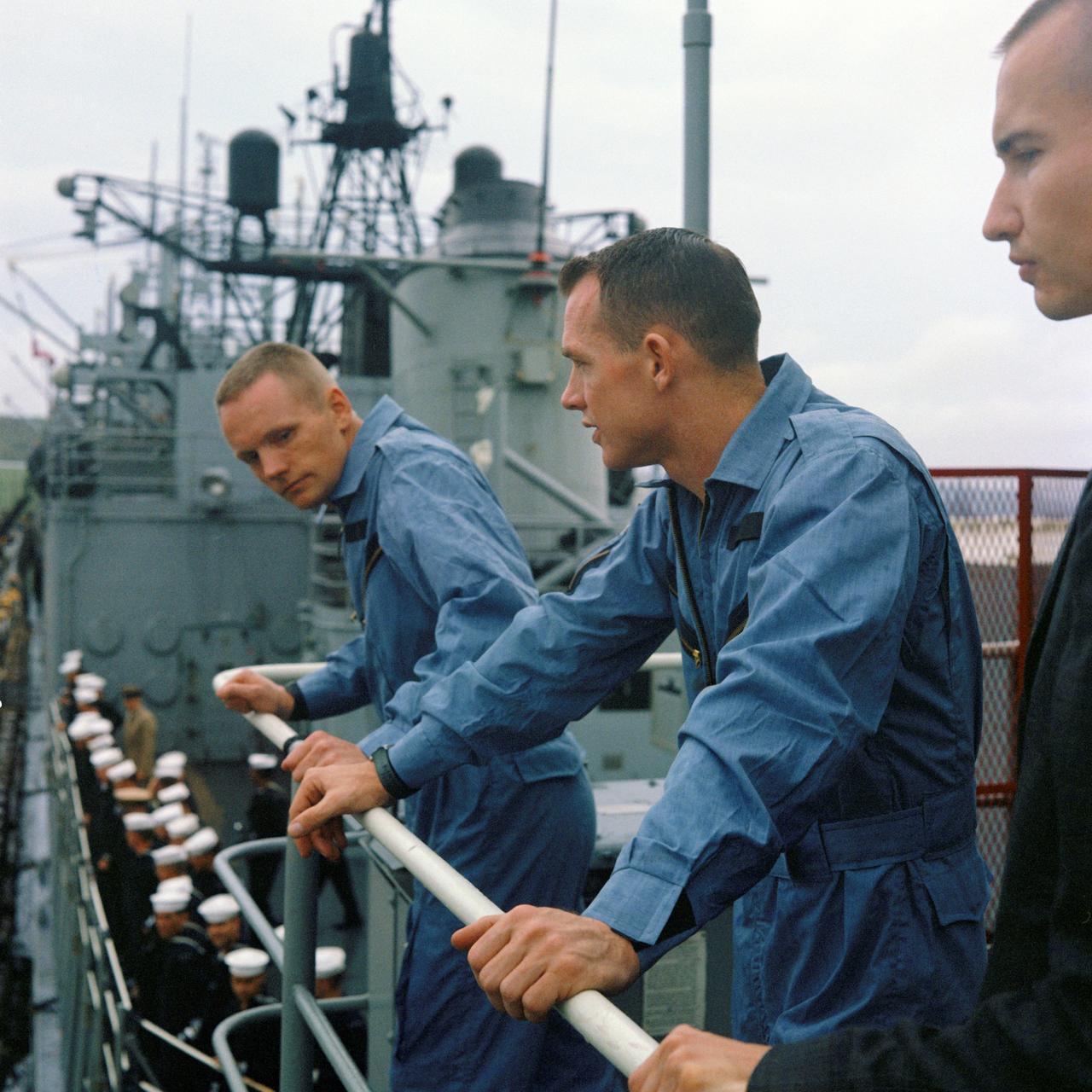
S66-18609 (17 March 1966) --- Astronauts David R. Scott (left), Gemini-8 pilot, and Neil A. Armstrong, command pilot, stand on the deck of the destroyer USS Leonard F. Mason upon its arrival at Nahs, Okinawa. Photo credit: NASA
Gemini 8 crew stands on deck of recovery vessel
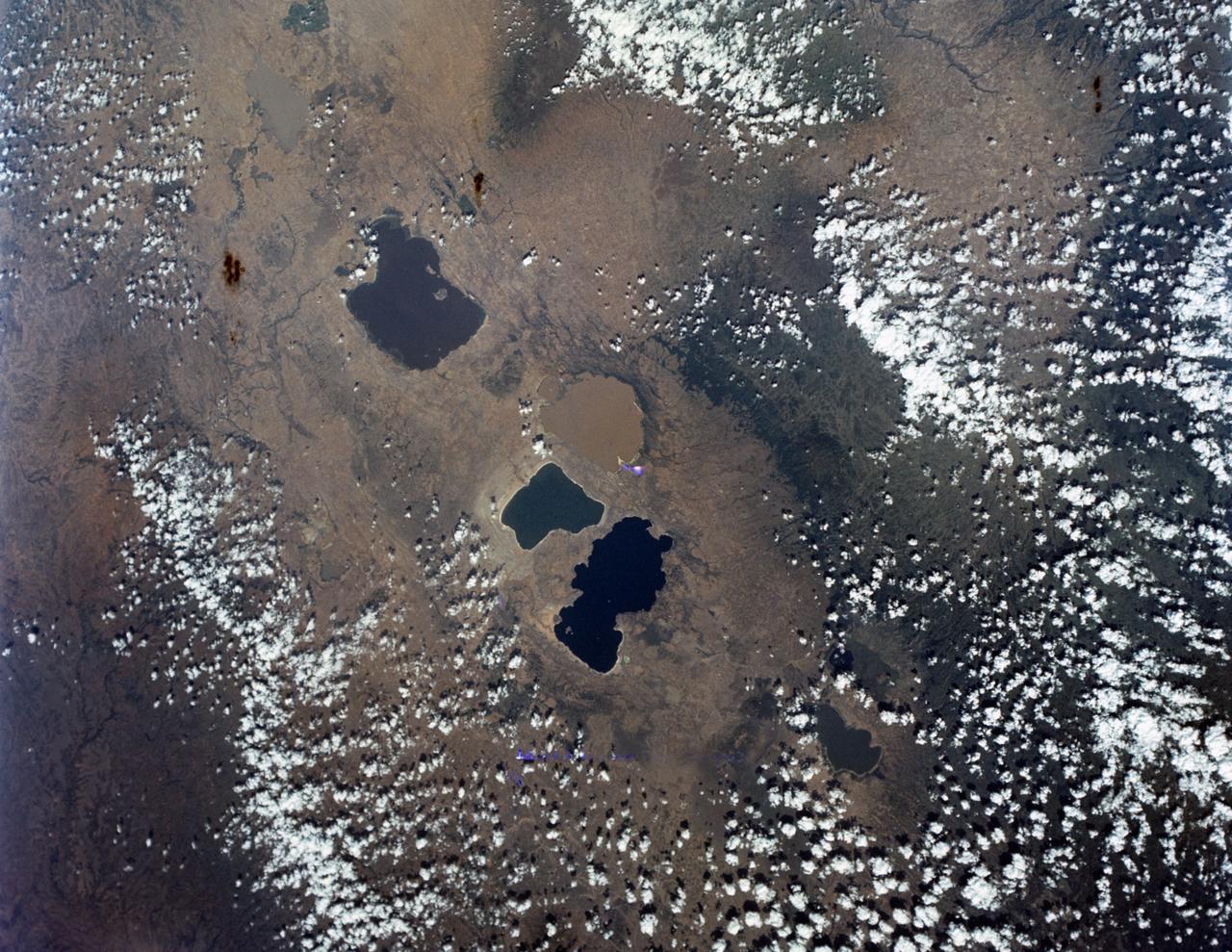
S65-63162 (16 Dec. 1965) --- Central area of Ethiopia, south of Addis Ababa, showing Lakes Zwai, Langana, and Shala, as seen from the Gemini-6 spacecraft during its 14th revolution of Earth. Photo credit: NASA or National Aeronautics and Space Administration
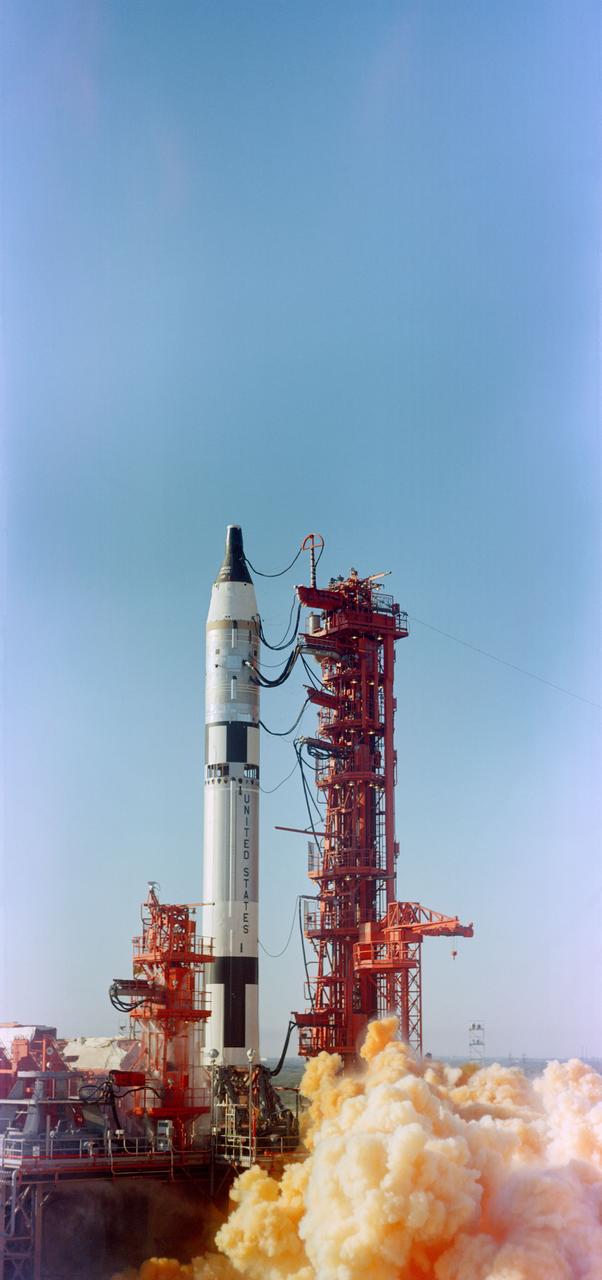
GEMINI-6 - EARTH-SKY - ETHIOPIA - OUTER SPACE
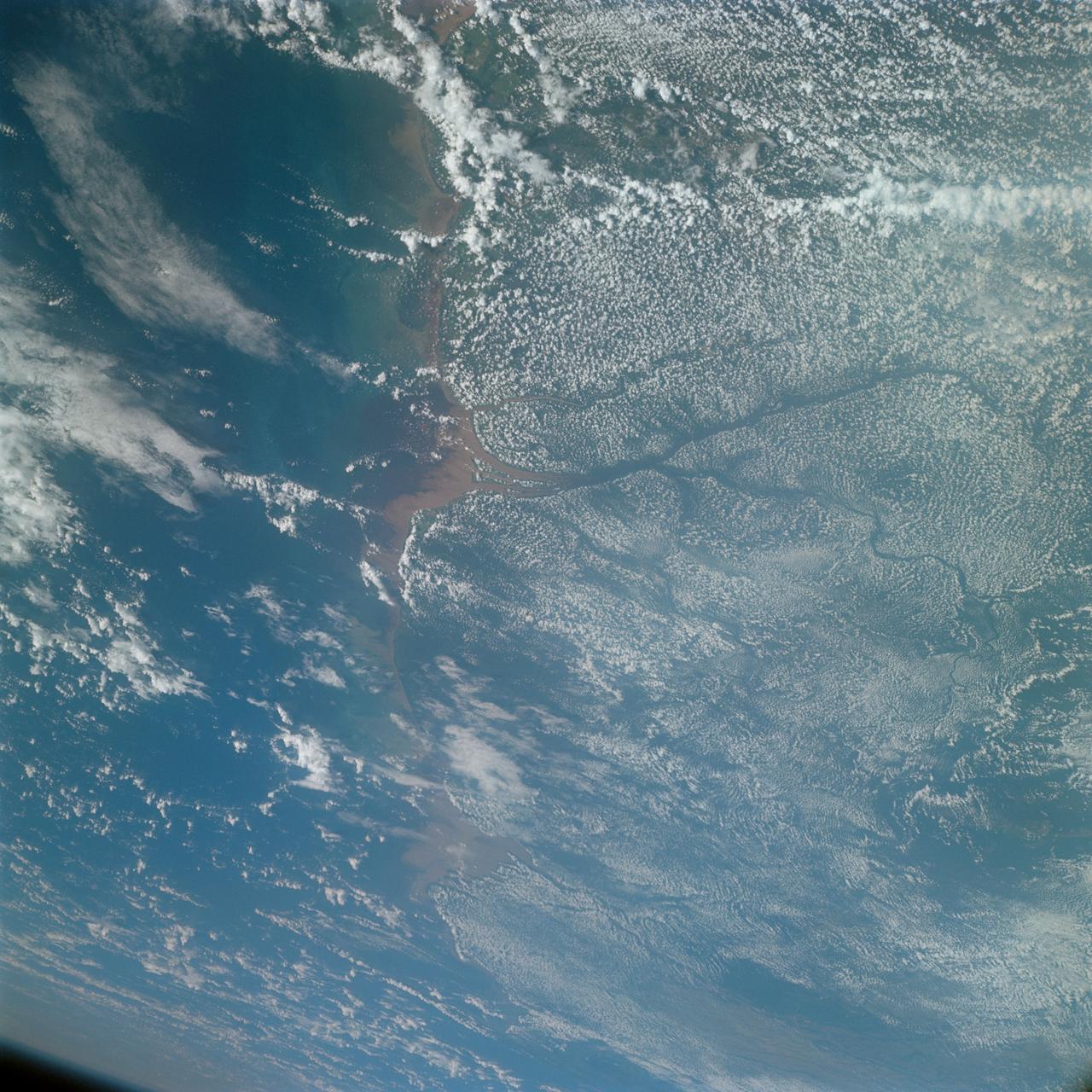
S66-46054 (18 July 1966) --- Venezuela, British Guyana, Surinam and Trinidad, as seen from the Gemini-10 spacecraft. On the left is the mouth of the Orinoco River in Venezuela. Mouth of Essequibo River in British Guyana is in right center. Photo credit: NASA
GEMINI-TITAN (GT)-10 - EARTH - SKY
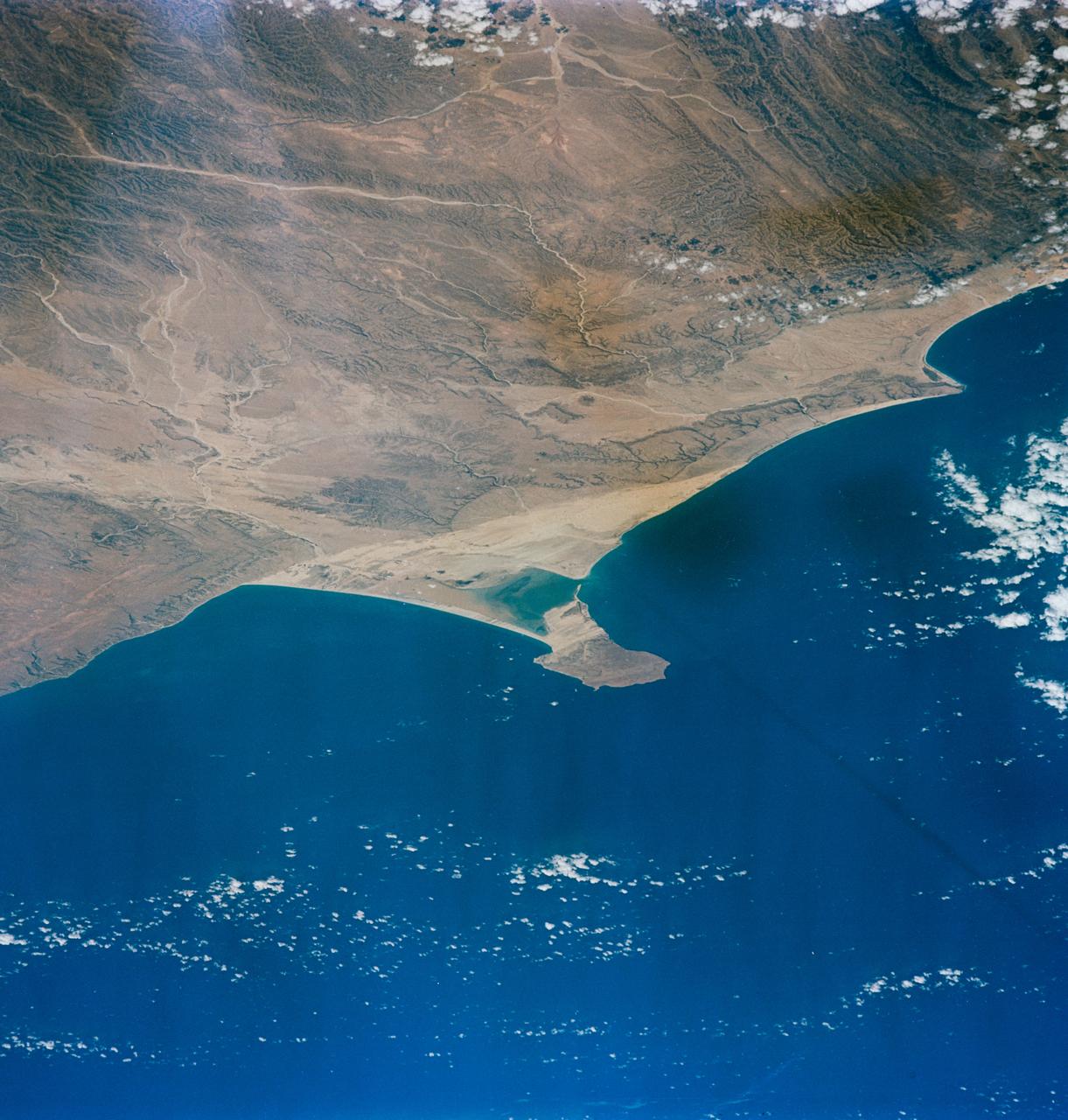
S65-63130 (16 Dec. 1965) --- Ras Hafum, coast of Somali Republic, northeast Africa, as seen from the Gemini-6 spacecraft during its 13th revolution of Earth. Photo credit: NASA or National Aeronautics and Space Administration
Earth-Sky - Gemini-Titan (GT)-6 - Africa
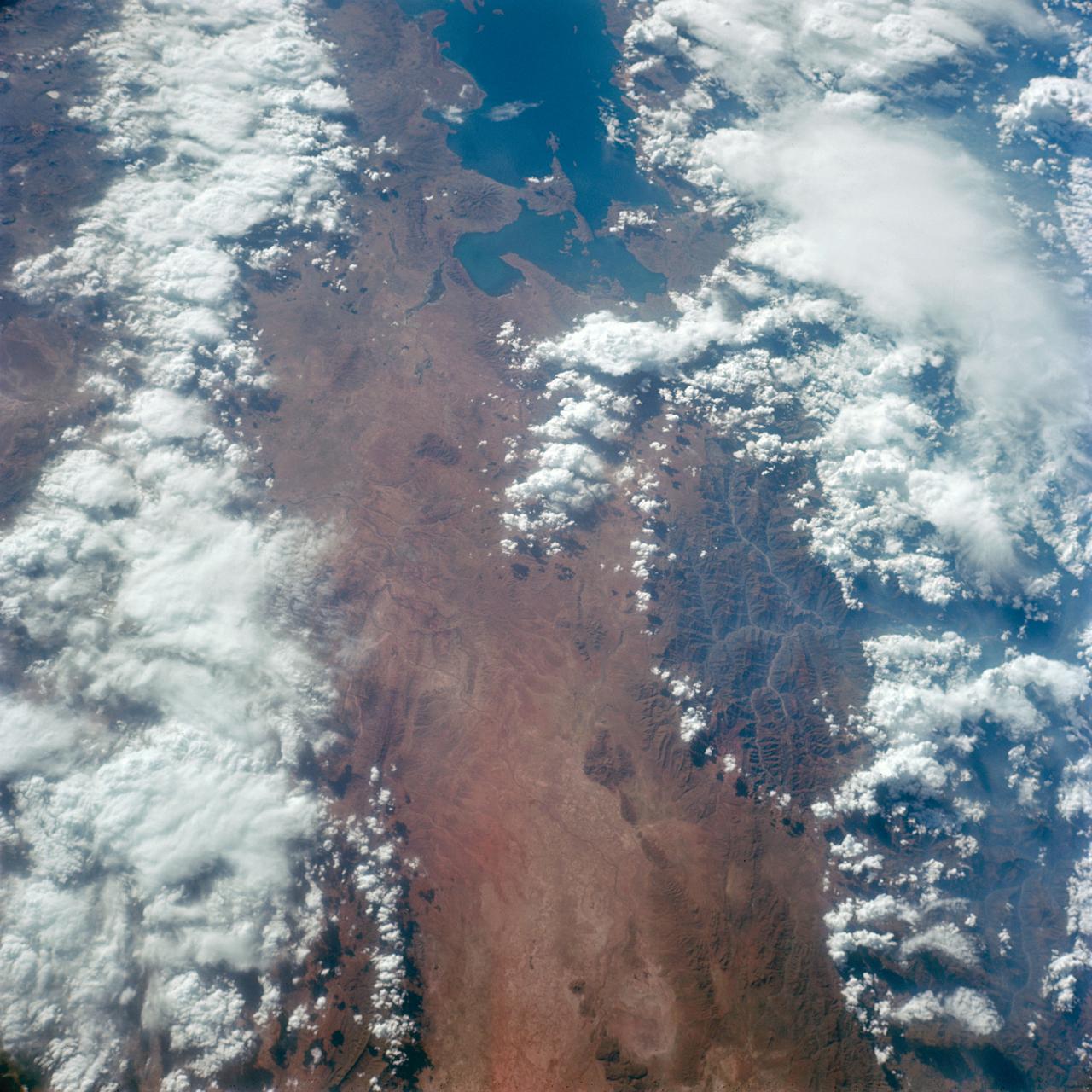
S66-54834 (14 Sept. 1966) --- Peru, Bolivia, Chile, Lake Titicaca and La Paz, as seen from the Gemini-11 spacecraft during its 34th revolution of Earth. Photo credit: NASA
Peru, Bolivia, Chile as seen from Gemini 11
S66-54558 (14 Sept. 1966) --- Del Rio and Eagle Pass area of the Rio Grande Valley of Texas and Mexico as seen from the Gemini-11 spacecraft during its 29th revolution of Earth. Photo credit: NASA
Rio Grande Valley of Texas as seen from Gemini 11 spacecraft
S66-46144 (18 July 1966) --- The Gemini-10 spacecraft is successfully docked with the Agena Target Docking Vehicle 5005. The Agena display panel is clearly visible. After docking with the Agena, astronauts John W. Young, command pilot, and Michael Collins, pilot, fired the 16,000-pound thrust engine of Agena-10's primary propulsion system to boost the combined vehicles into an orbit with an apogee of 413 nautical miles to set a new altitude record for manned spaceflight. Photo credit: NASA
GEMINI-TITAN (GT)-11 - EARTH - SKY - DOCKING - OUTER SPACE
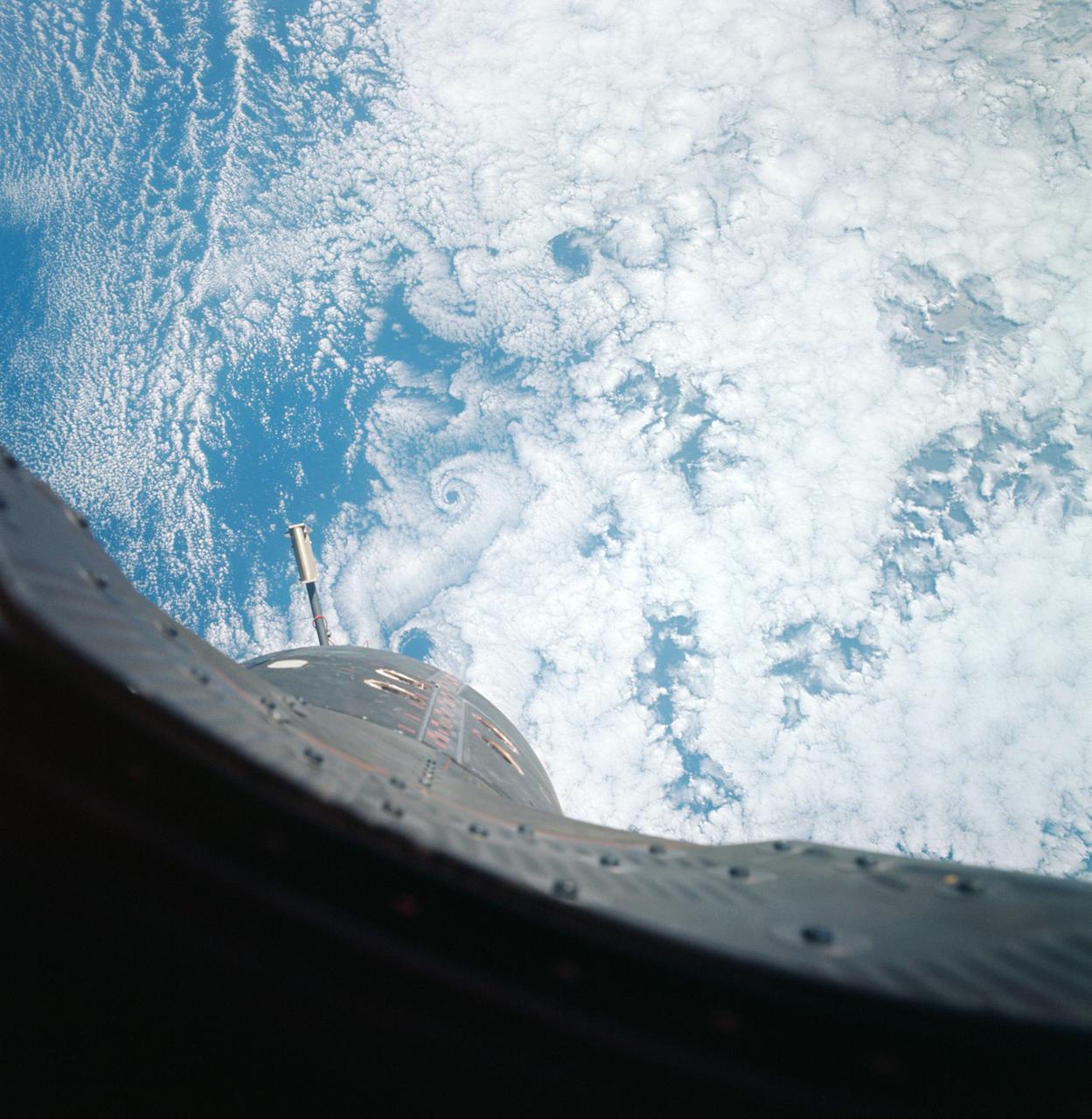
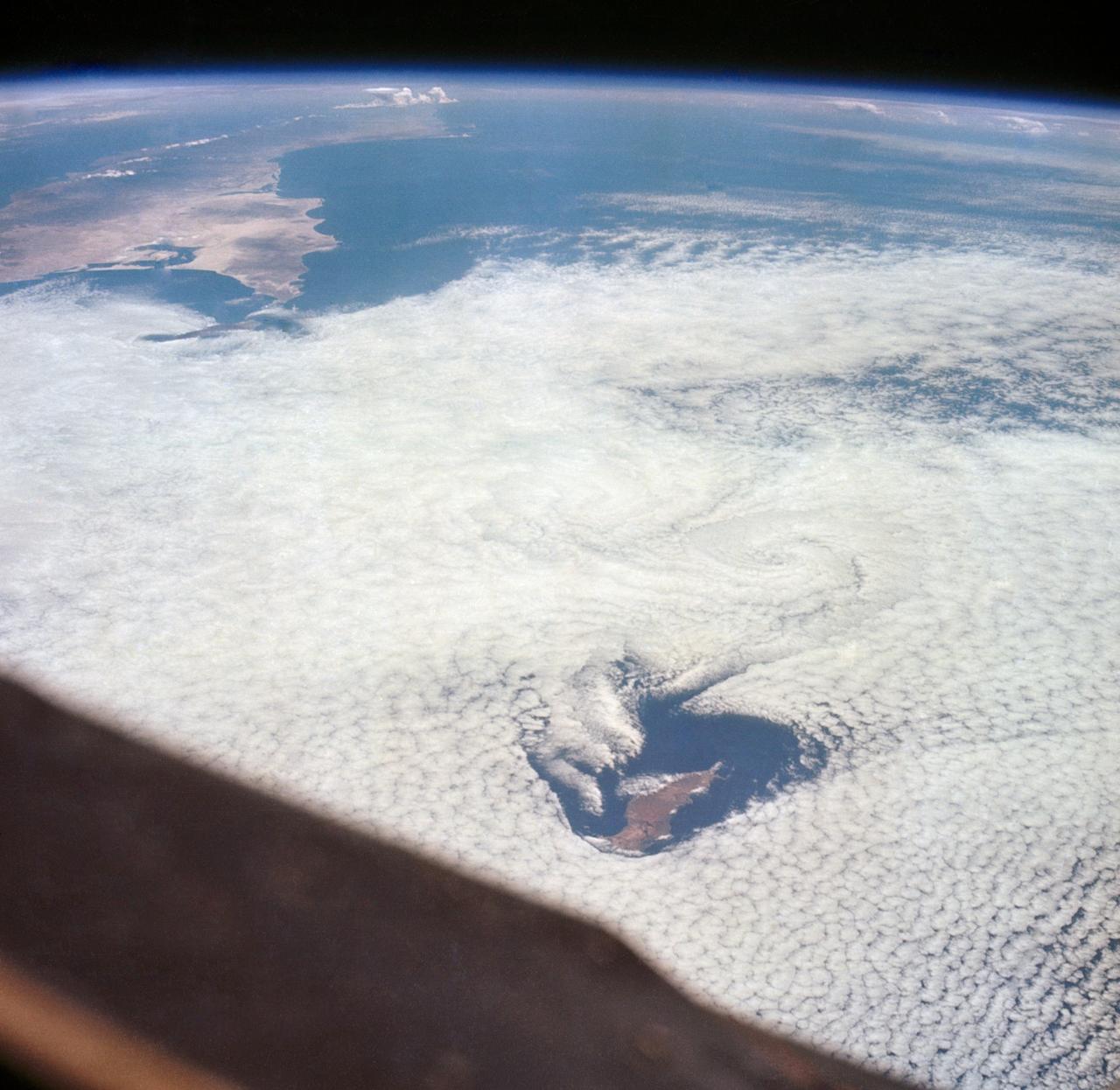
S66-63494 (13 Nov. 1966) --- Guadalupe Island, unique vortices off Baja California, Mexico, as seen from the Gemini-12 spacecraft during its 29th revolution of Earth. Photo credit: NASA
GEMINI-TITAN (GT)-12 - EARTH SKY - GUADALUPE ISLAND - OUTER SPACE
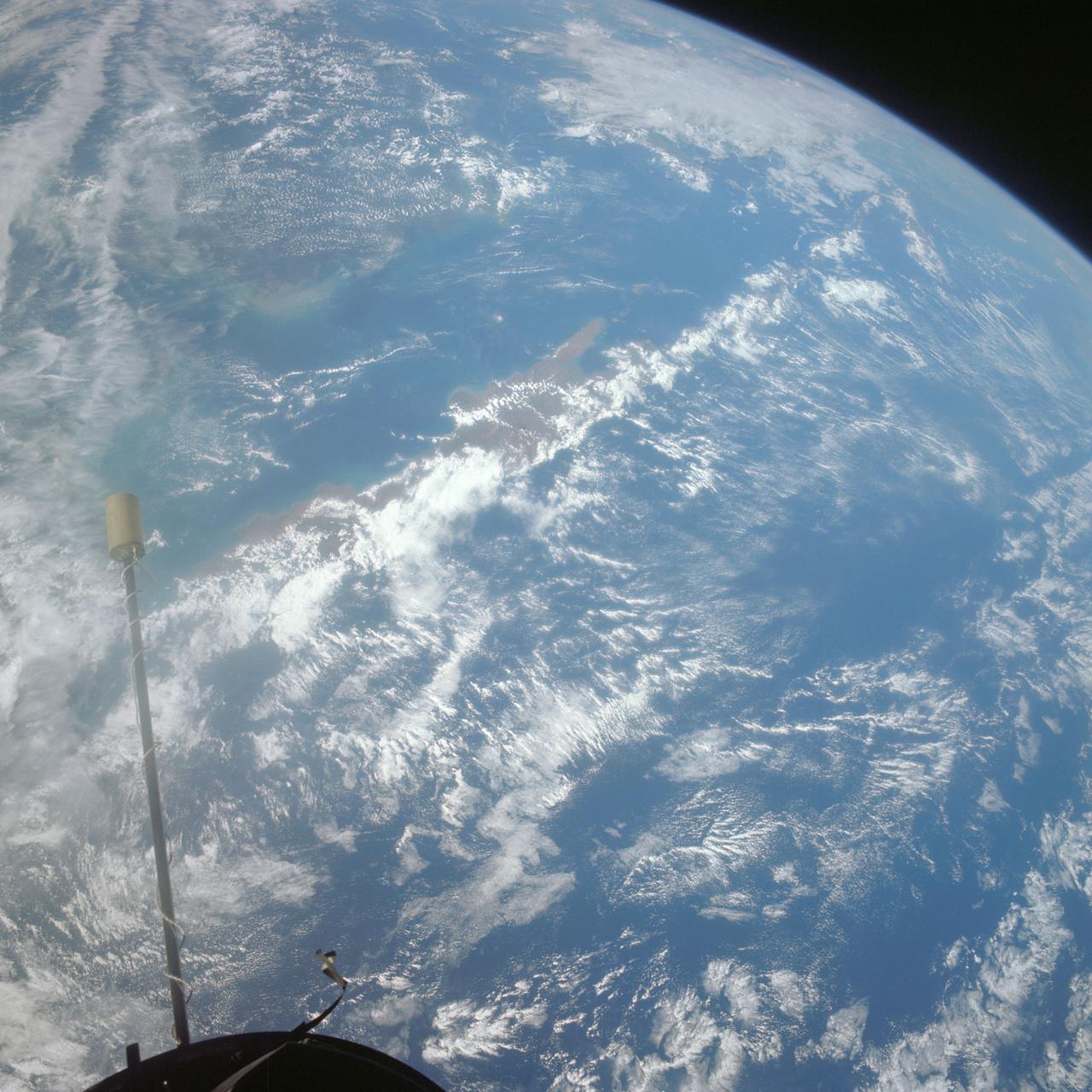
S66-54571 (14 Sept. 1966) --- A 100-foot tether line connects the Agena Target Docking Vehicle with the Gemini-11 spacecraft during its 32nd revolution of Earth. Photo credit: NASA
GEMINI-TITAN (GT)-11 - EARTH SKY - AGENA TETHERED - OUTER SPACE
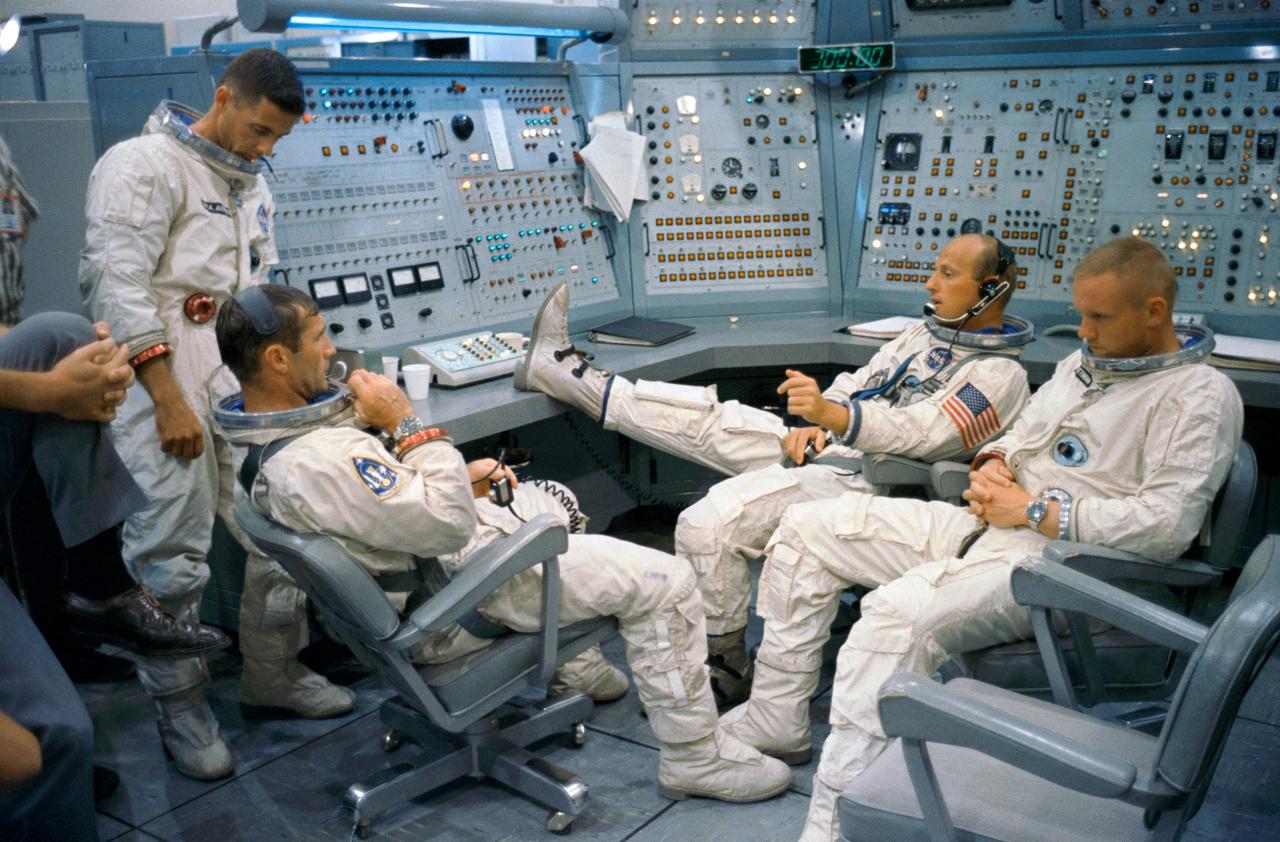
S66-50769 (8 Sept. 1966) --- Gemini-11 prime and backup crews are pictured at the Gemini Mission Simulator at Cape Kennedy, Florida. Left to right are astronauts William A. Anders, backup crew pilot; Richard F. Gordon Jr., prime crew pilot; Charles Conrad Jr. (foot on desk), prime crew command pilot; and Neil A. Armstrong, backup crew command pilot. Photo credit: NASA
Gemini 11 prime and back-up crews at Gemini Mission Simulator at Cape Kennedy
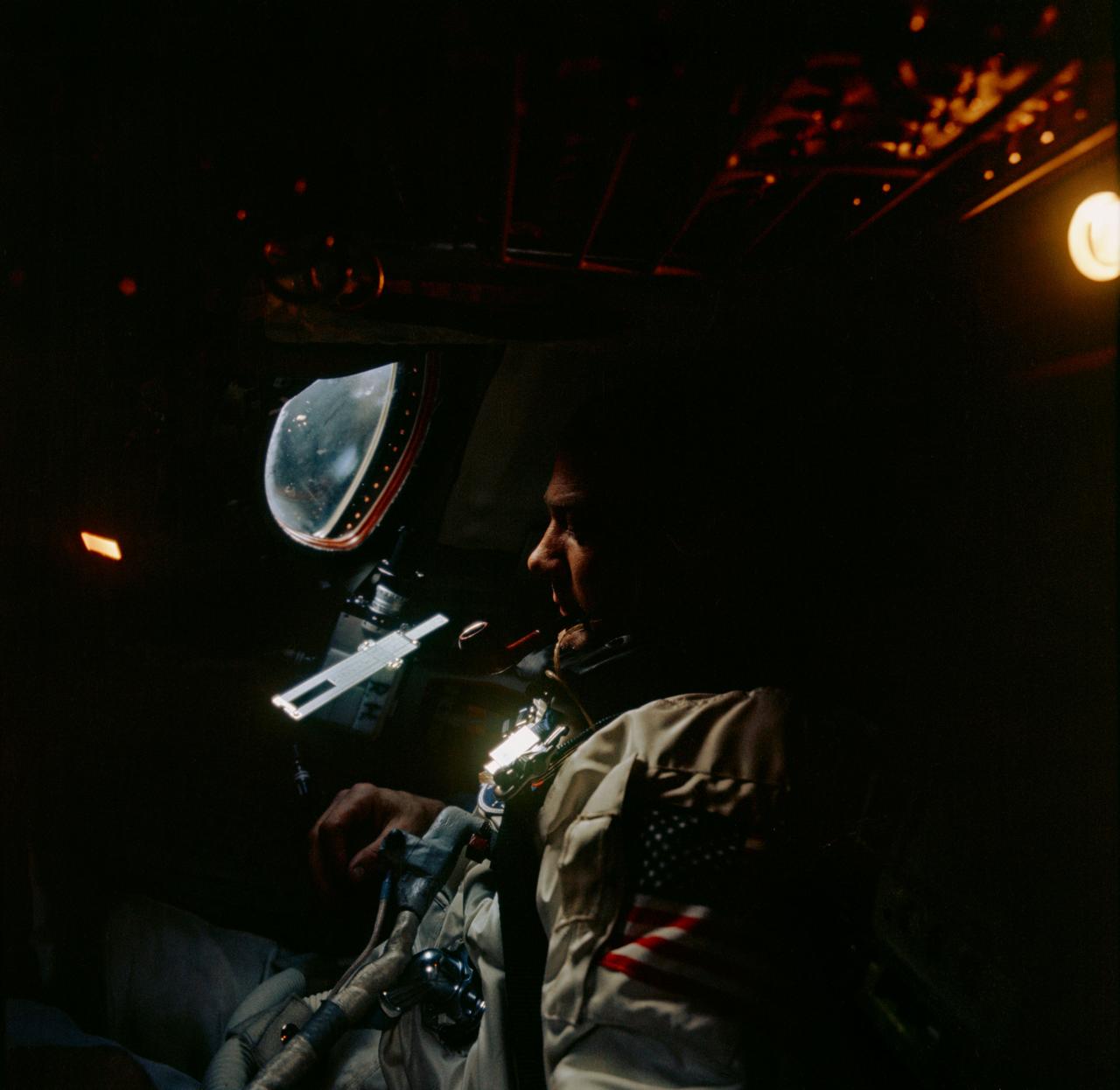
S65-45683 (21-29 Aug. 1965) --- Astronaut Charles Conrad Jr. inside the Gemini-5 spacecraft as it orbited Earth. Astronaut L. Gordon Cooper Jr. took this photograph.
Astronaut Charles Conrad - Gemini-5 Spacecraft - Post-Launch
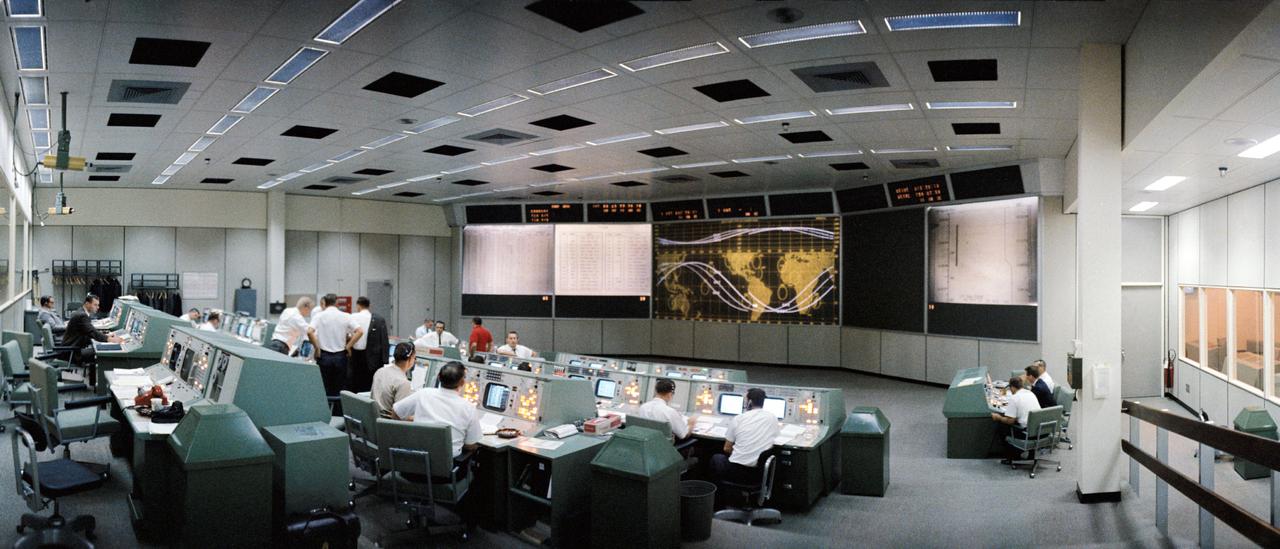
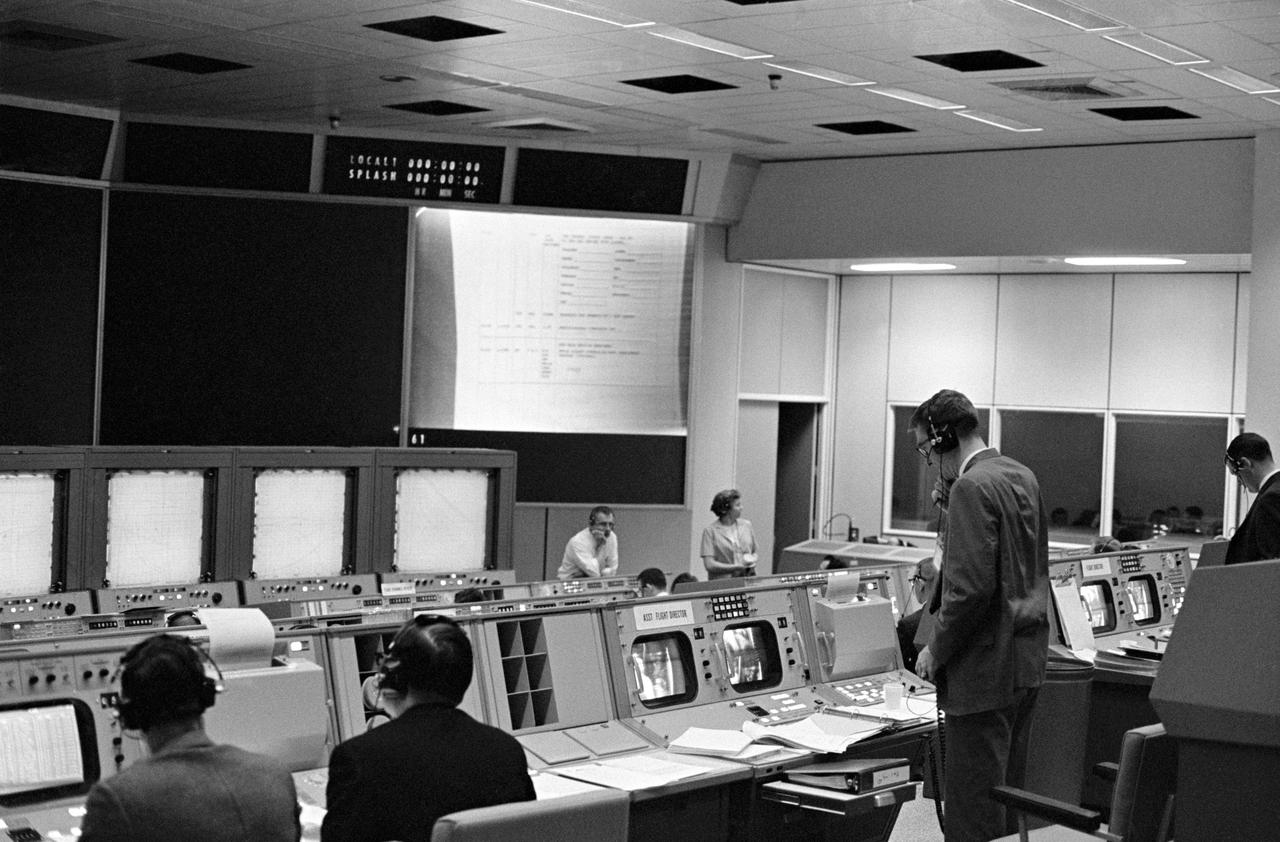
S65-45280 (21-29 Aug. 1965) --- Overall view of the Mission Control Center (MCC), Houston, Texas, during the Gemini-5 flight. Note the screen at the front of the MCC which is used to track the progress of the Gemini spacecraft.
Overall view of Mission Control Center, Houston, Tx during Gemini 5
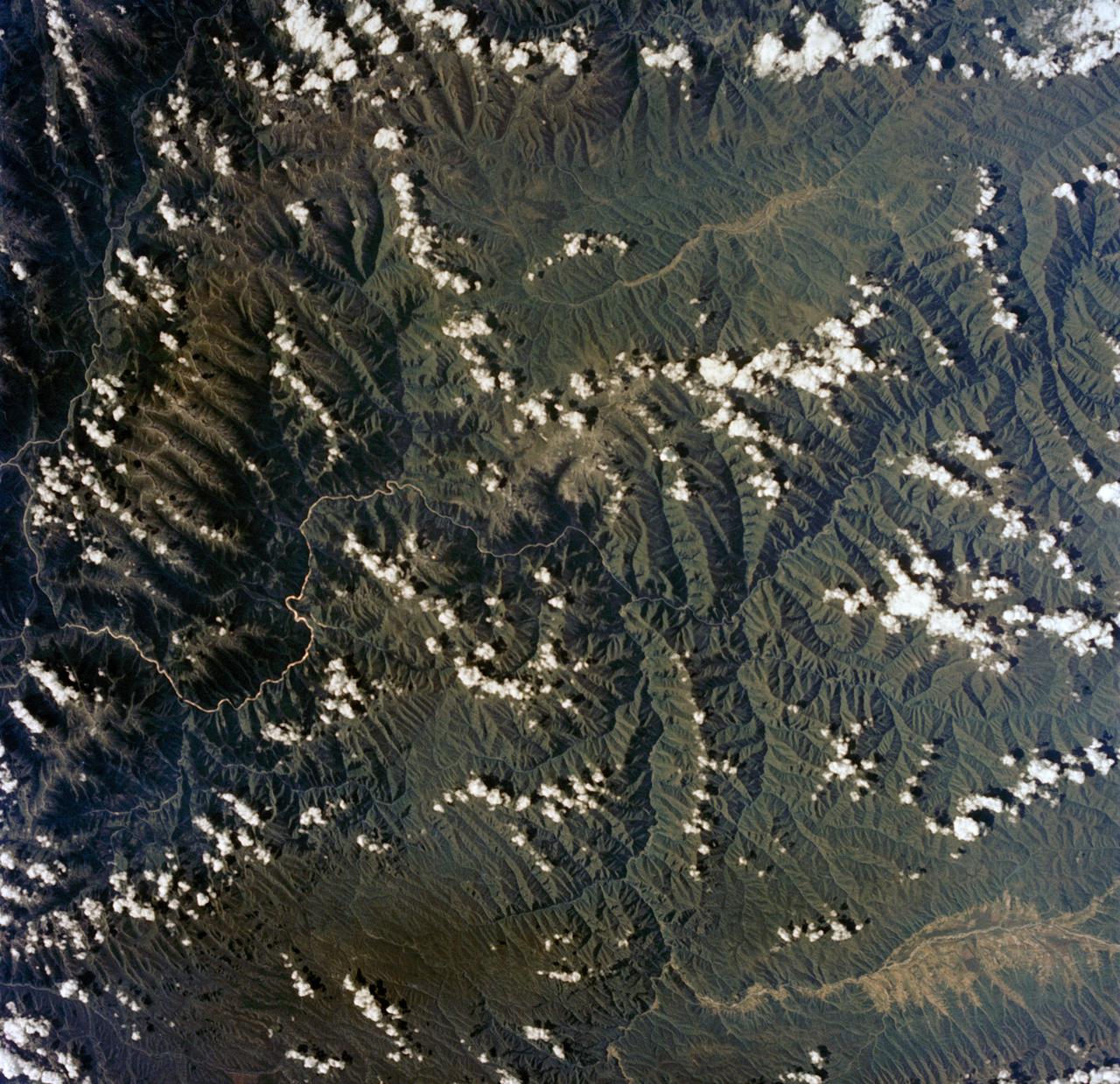
S66-54839 (14 Sept. 1966) --- China, India, and Nepal, looking east, as seen from the Gemini-11 spacecraft during its 37th revolution of Earth. The Great Himalaya Mountain Range is clearly visible. Photo credit: NASA
China, India, and Nepal as seen from Gemini 11
S64-21560 (8 April 1964) --- Gemini/Titan-II launch vehicle #1 liftoff at Cape Kennedy, Florida.
Gemini/Titan-II launch vehicle #1 liftoff at Cape Kennedy, Florida.
S65-29639 (3 June 1965) --- The Gemini-Titan 4 (GT-4) spaceflight launches from Cape Kennedy's Pad 19 at 10:16 a.m. (EST) on June 3, 1965. The GT-4 spacecraft carried astronauts James A. McDivitt, command pilot, and Edward H. White II, pilot, on a four-day, 62-revolution mission.
View of the Gemini-Titan 4 spacecraft launch
S66-42702 (12 July 1966) --- Gemini-10 prime crew, astronauts John W. Young (left), command pilot, and Michael Collins (right), pilot, check equipment in the White Room atop Pad 19 where they participated in a Simultaneous Launch Demonstration. Photo credit: NASA
Gemini 10 prime crew participate in Simultaneous Launch Demonstration
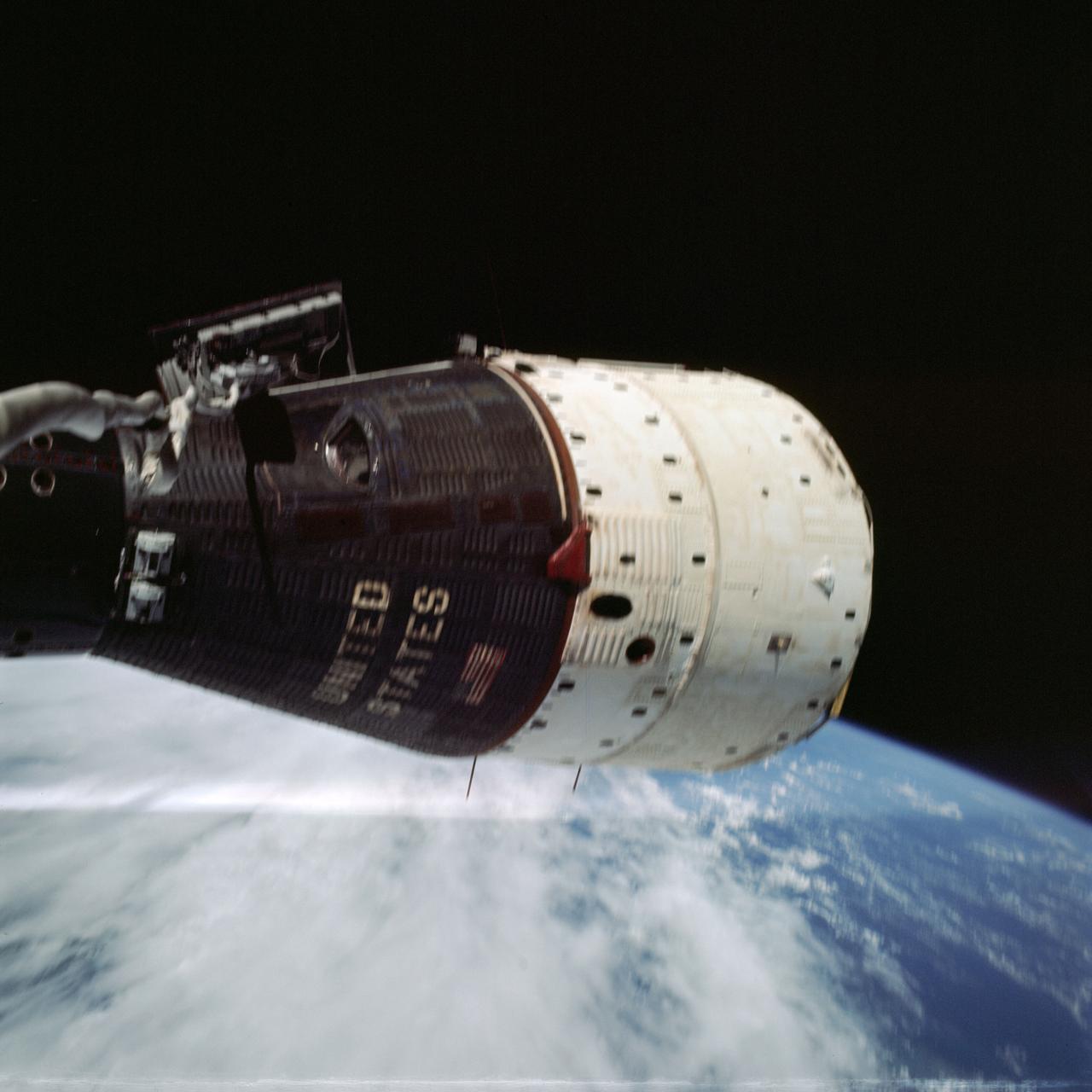
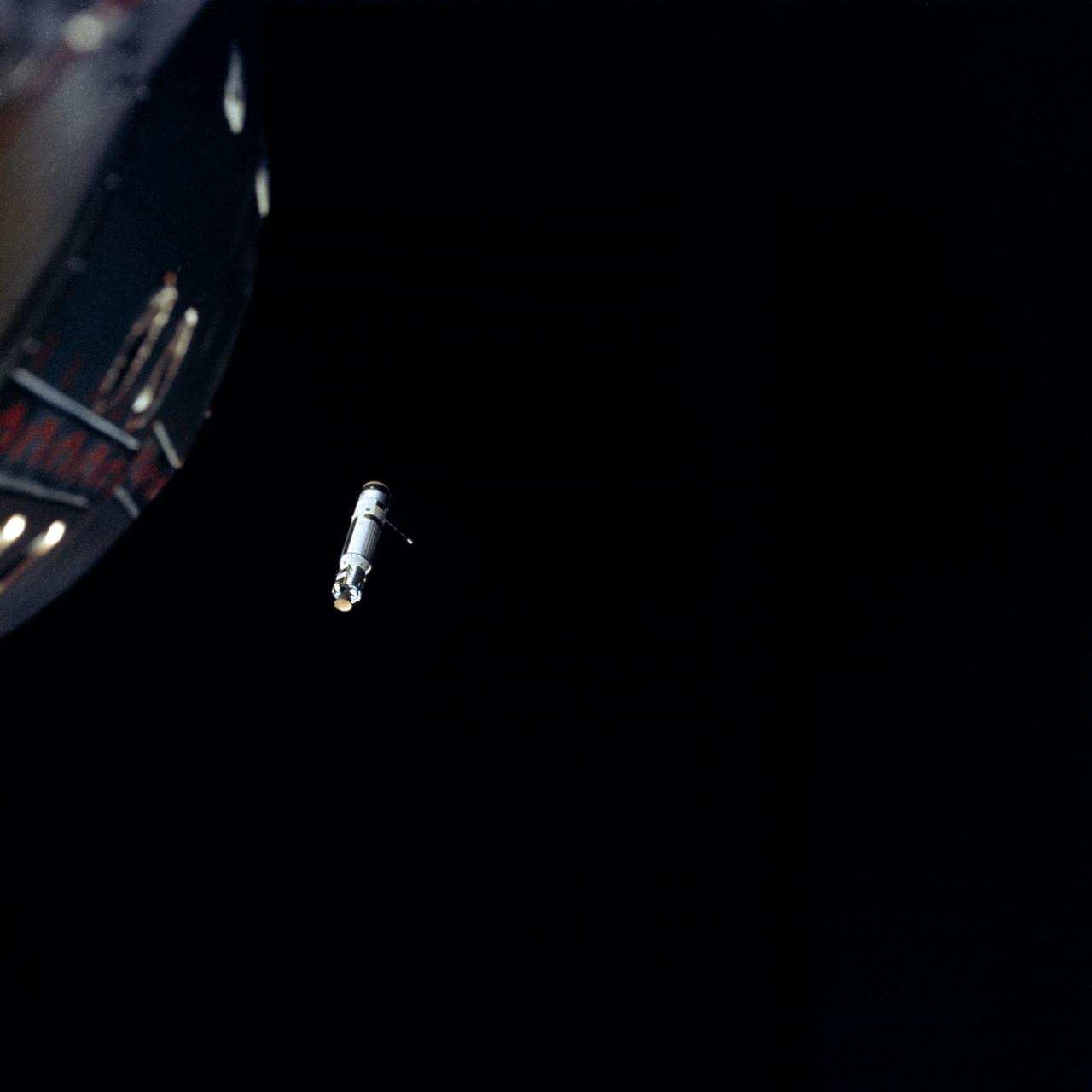
S66-25774 (16 March 1966) --- The Agena Target Docking vehicle seen from the Gemini-8 spacecraft during rendezvous in space. The Agena is approximately 1,000 feet away from the nose of the spacecraft (lower left). Photo credit: NASA
Agena Target Docking vehicle seen from Gemini 8 spacecraft
S66-62794 (13 Nov. 1966) --- Northern portion of Sonora, Mexico; southeastern Arizona and southwestern New Mexico, as seen from the Gemini-12 spacecraft during its 30th revolution of Earth. Includes the Tucson, Phoenix, Mogollon Rim, and Painted Desert areas. A 100-foot tether line connects the Agena Target Docking Vehicle with the Gemini-12 spacecraft. Photo credit: NASA.
GEMINI-TITAN (GT)-12 - EARTH SKY - NORTHERN SONORA, MEXICO - OUTER SPACE
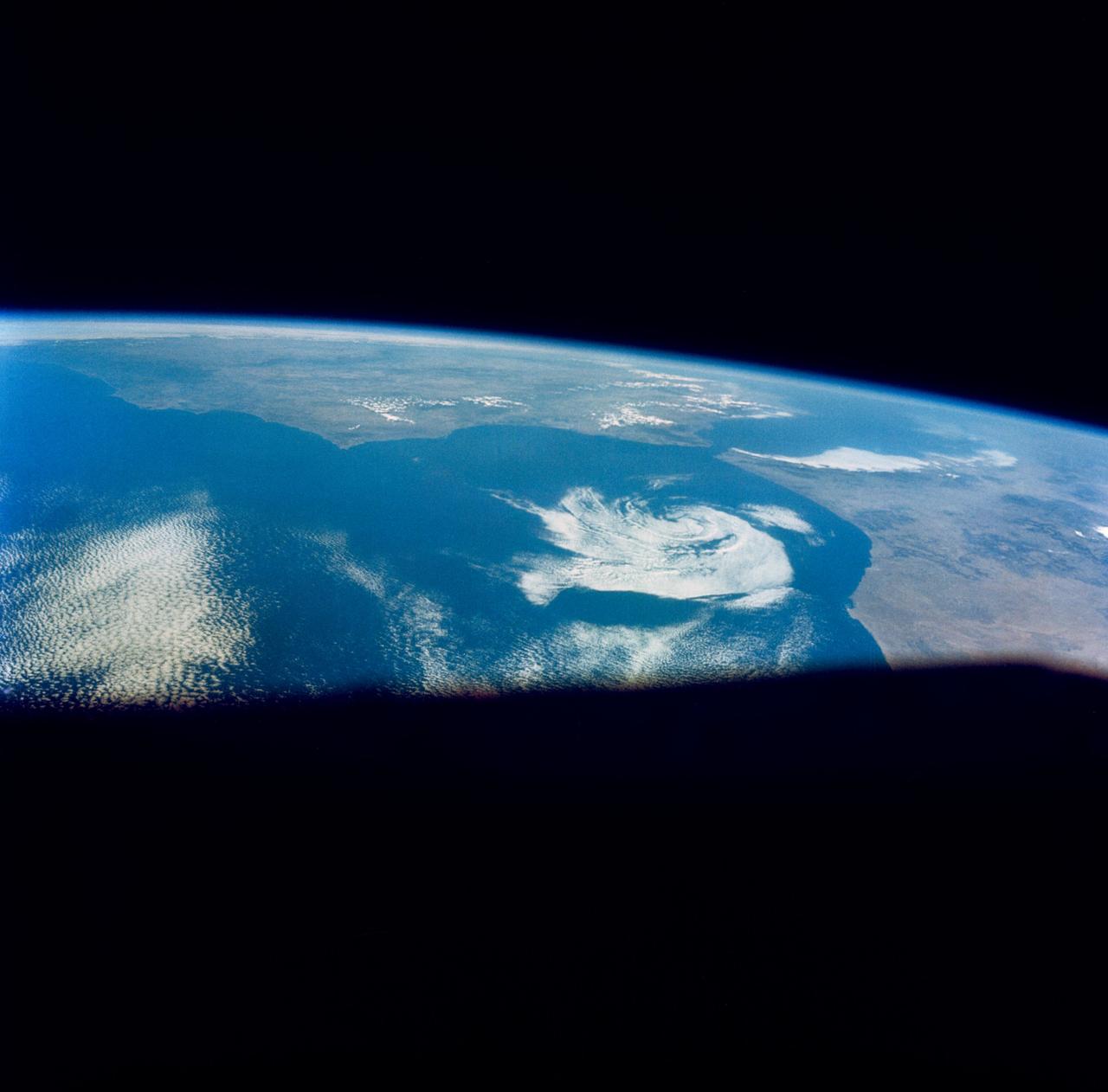
S66-46044 (18-21 July 1966) --- Straits of Gibraltar and Spain ? Portugal (left), Morocco (right), Atlantic Ocean (foreground), and unique vortex, as seen from the Gemini-10 spacecraft. Taken with J.A. Maurer 70mm camera, using Eastman Kodak, Ektachrome, MS (S.O. 217) color film. Photo credit: NASA
GEMINI-TITAN (GT)-10 - EARTH - SKY - MOROCCO, SPAIN, PORTUGAL
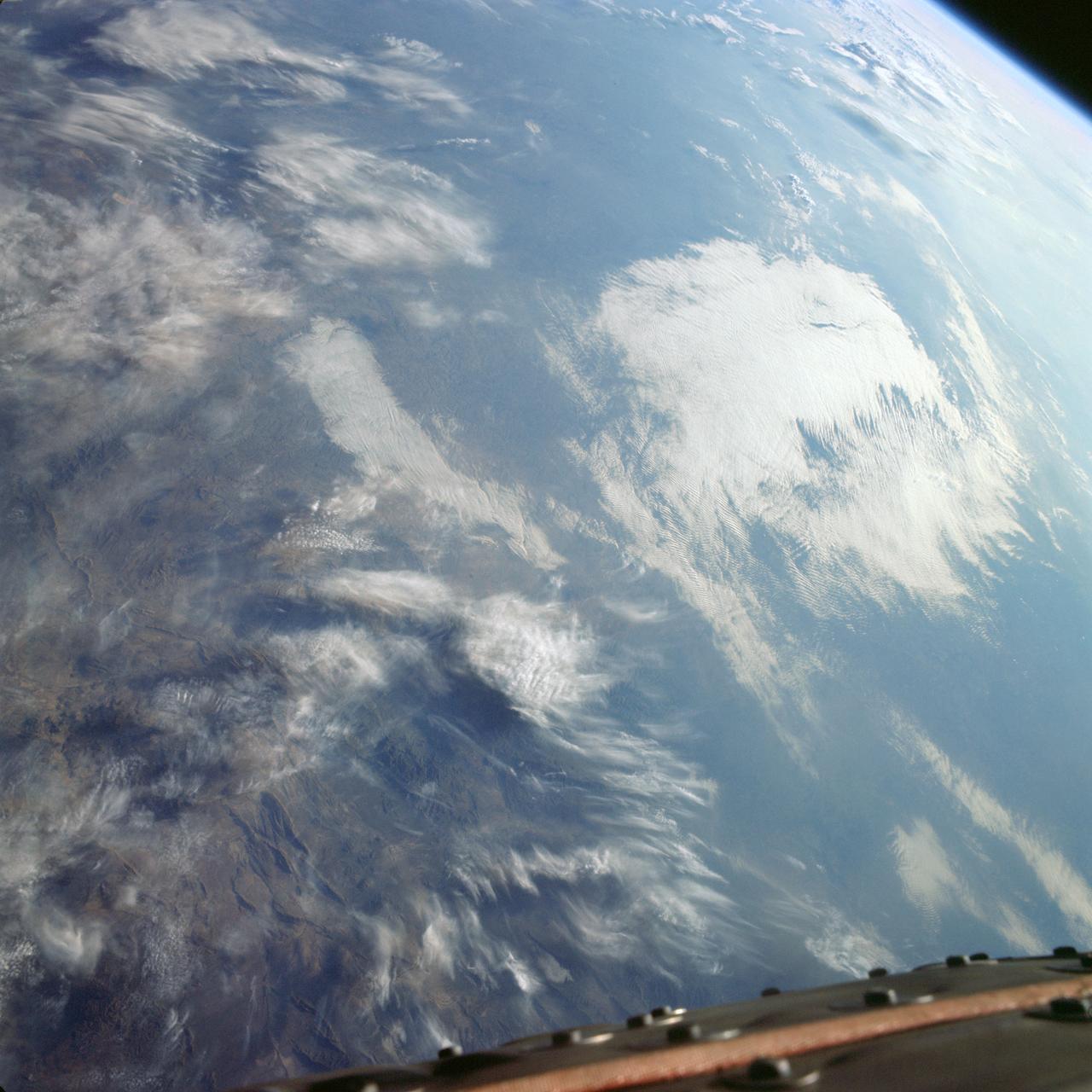
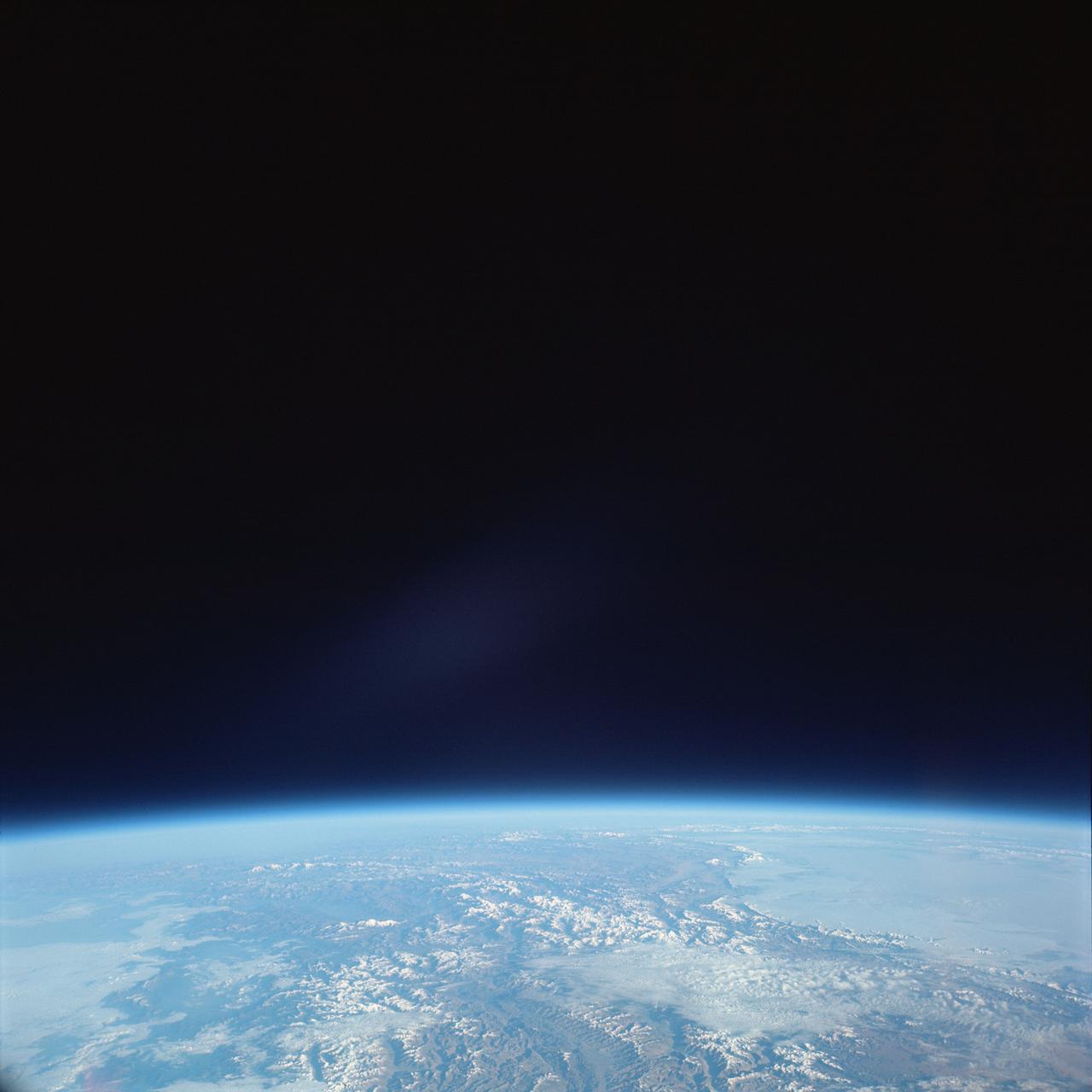
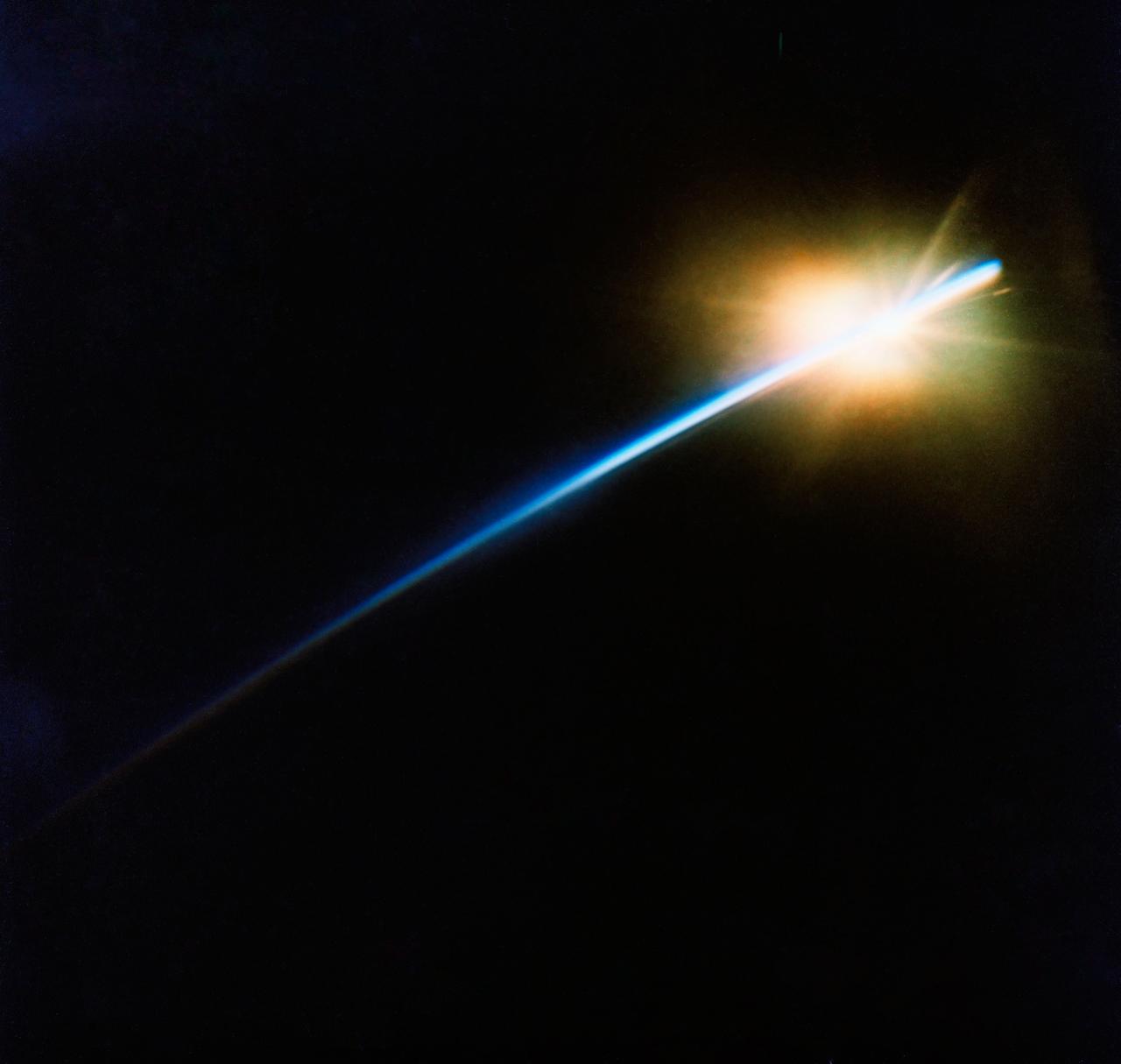
S65-65257 (4-18 Dec. 1965) --- Sunrise and Earth's limb, as photographed by astronauts Frank Borman and James A. Lovell Jr. during their Earth-orbital 14-day mission in the Gemini-7 (GT-7) spacecraft. Photo credit: NASA
GEMINI-7 - EARTH-SKY VIEW - LIMB - OUTER SPACE
S66-54643 (14 Sept. 1966) --- Western half of Australia, including the coastline from Perth to Port Darwin, looking west, as seen from the Gemini-11 spacecraft at a record-high apogee of 740 nautical miles during its 26th revolution of Earth. Photo credit: NASA
GEMINI-TITAN (GT)-11 - EARTH SKY - OUTER SPACE
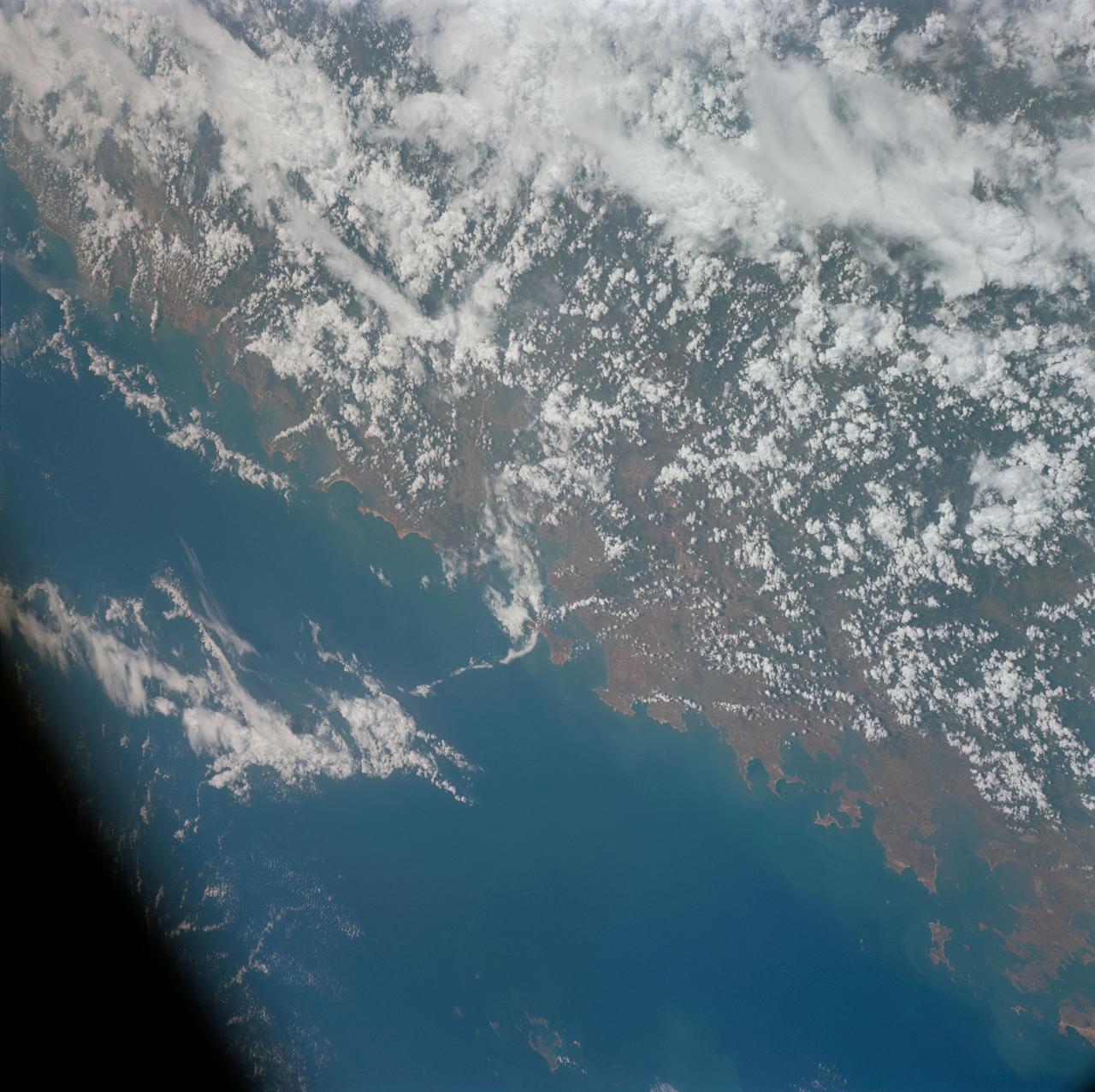
S66-45951 (18-21 July 1966) --- China, Fukien and Kwangtung provinces, Formosa Strait, Pescadores Island, Quemoy Island, as seen from the Gemini-10 spacecraft. Taken with a J.A. Maurer 70mm camera, using Eastman Kodak, Ektachrome, MS (S.O. 217) color film. Photo credit: NASA
GEMINI-TITAN (GT)-10 - EARTH - SKY - OUTER SPACE
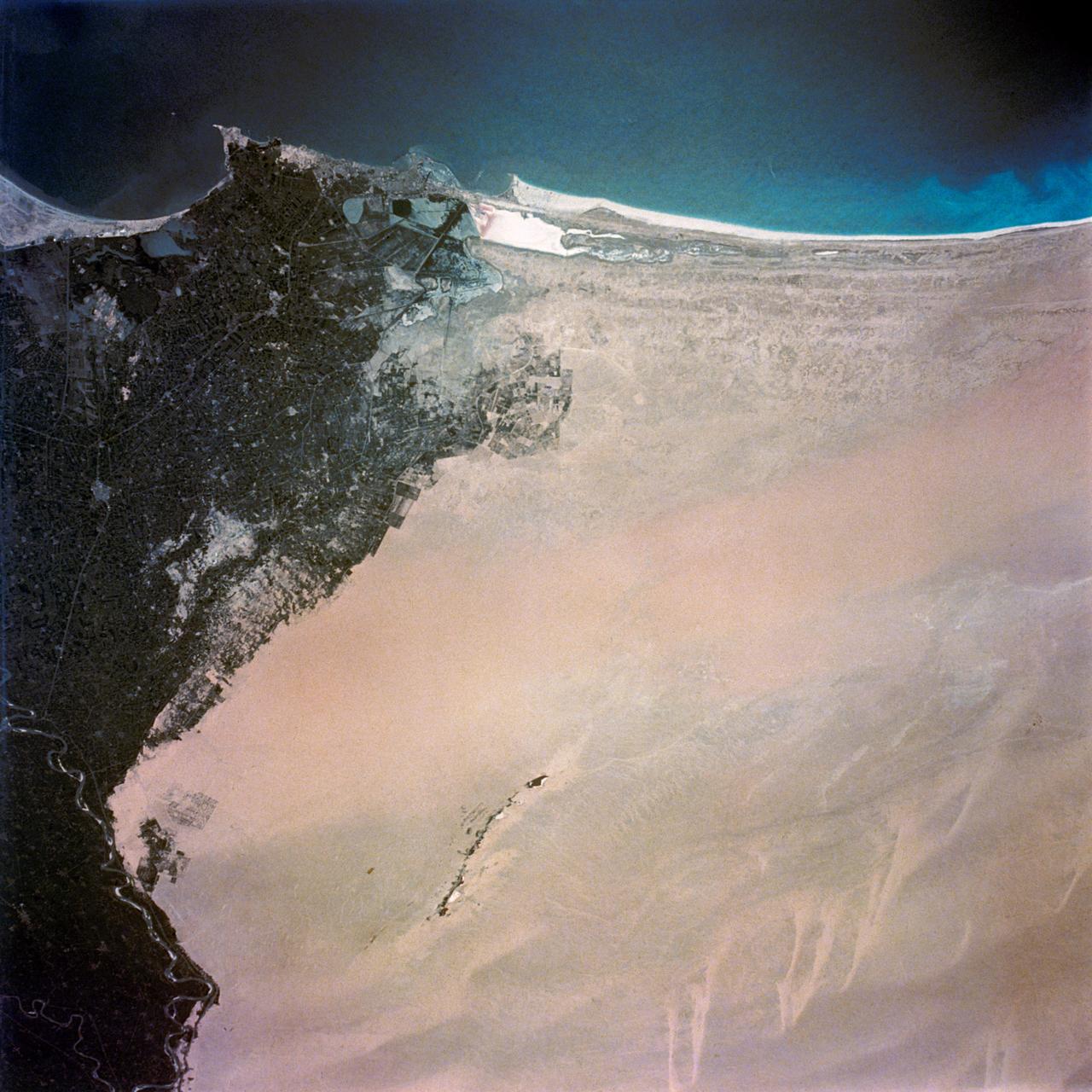
S65-45736 (21-29 Aug. 1965) --- Alexandria, Egypt is photographed from the Gemini-5 spacecraft in orbit over Earth.
EARTH SKY - GEMINI-TITAN (GT)-5 (70mm HASSELBLAD)
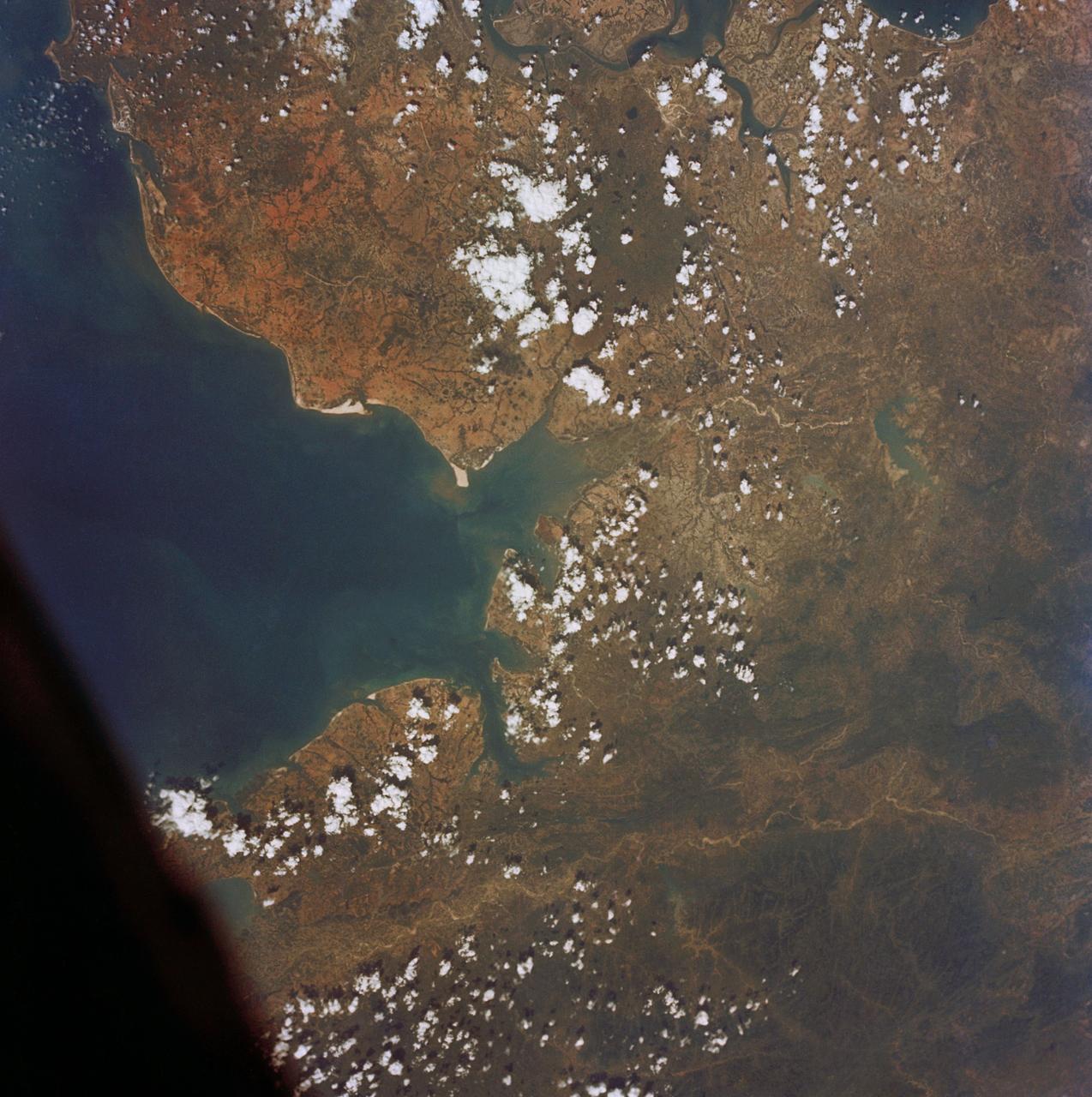
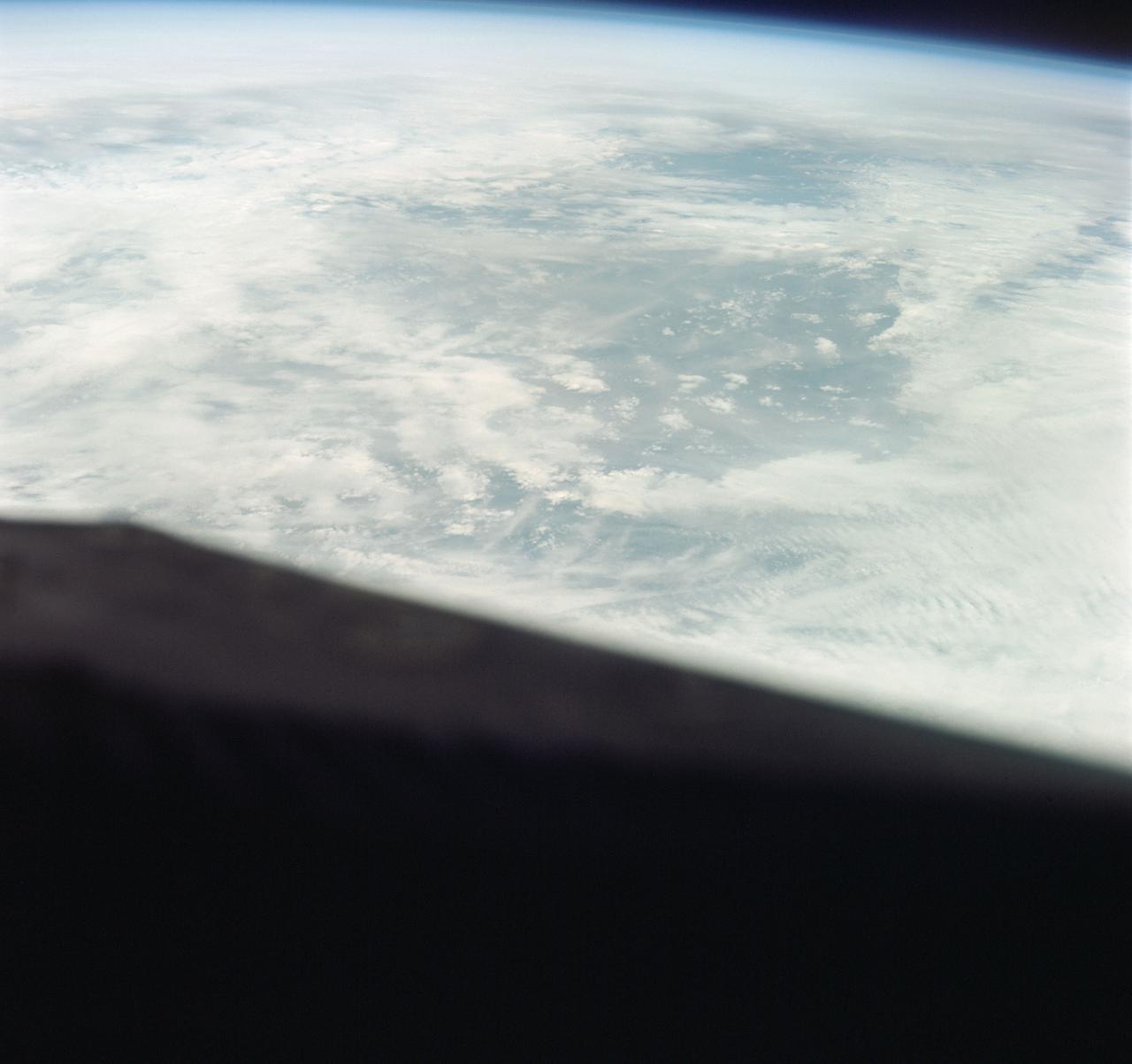
S65-18752 (23 March 1965) --- View of a cloudy part of Earth as seen from the Gemini-3 spacecraft while in orbit.
GEMINI-TITAN (GT)-3 - EARTH - SKY VIEW - MADAGASCAR (MALAGASY)
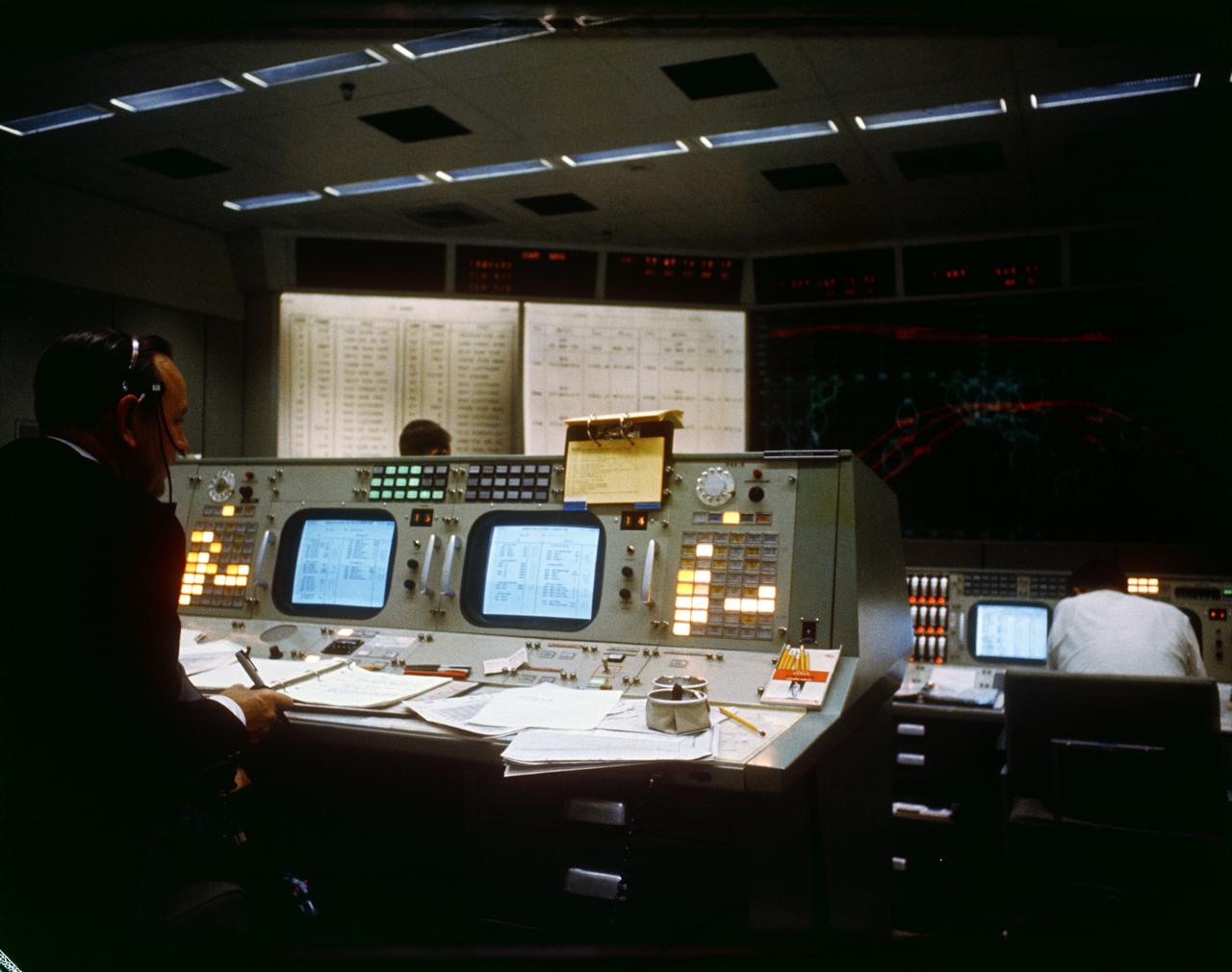
S65-60039 (7 Dec. 1965) --- Christopher C. Kraft Jr. (left), assistant director for Flight Operations, monitors his console in the Mission Control Center during the Gemini-7 spaceflight. Photo credit: NASA
MISSION CONTROL CENTER (MCC) - GEMINI-TITAN (GT)-7 - MSC
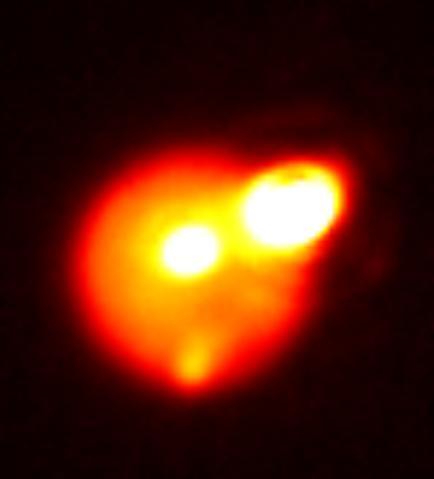
This Aug. 29, 2013, outburst on Io was among the largest ever observed on the most volcanically active body in the solar system. The infrared was image taken by Gemini North telescope.
Bright Outburst on Io
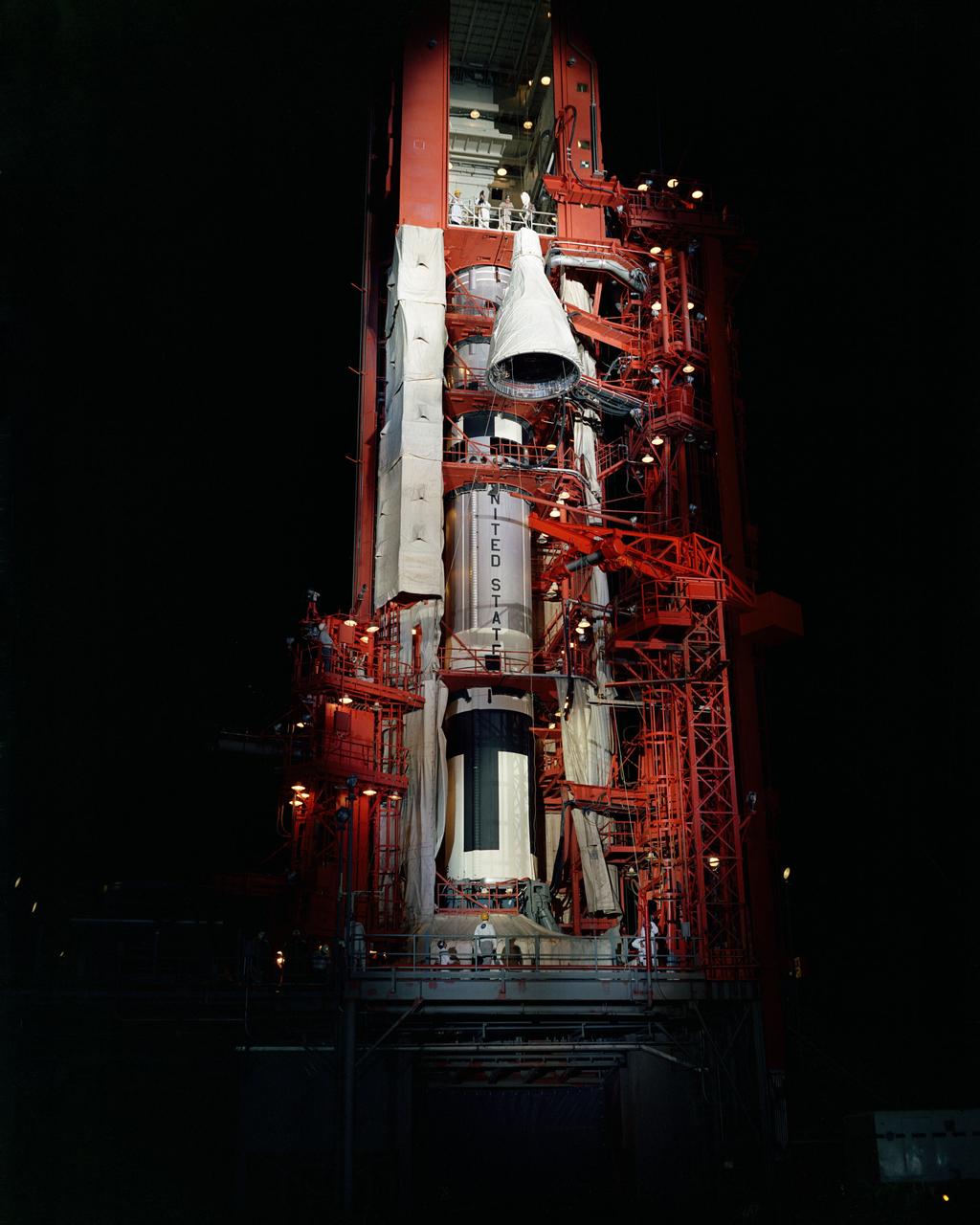
S65-23710 (14 April 1965) --- Nighttime scene showing the Gemini-4 spacecraft being hoisted to the white room at the top of the gantry at Pad 19 for soft mating with the Titan launch vehicle.
Nighttime scene of Gemini spacecraft being hoisted to top of Pad 19
S66-62926 (12 Nov. 1966) --- Astronaut Edwin E. Aldrin Jr., pilot of the Gemini-12 spaceflight, is photographed with pilot's hatch of the spacecraft open. Note: J.A. Maurer camera which was used to photograph some of his extravehicular activity (EVA). Astronaut James A. Lovell Jr. was the command pilot. Photo credit: NASA
GEMINI-TITAN (GT)-12 - EARTH SKY - EXTRAVEHICULAR ACTIVITY (EVA) - OUTER SPACE
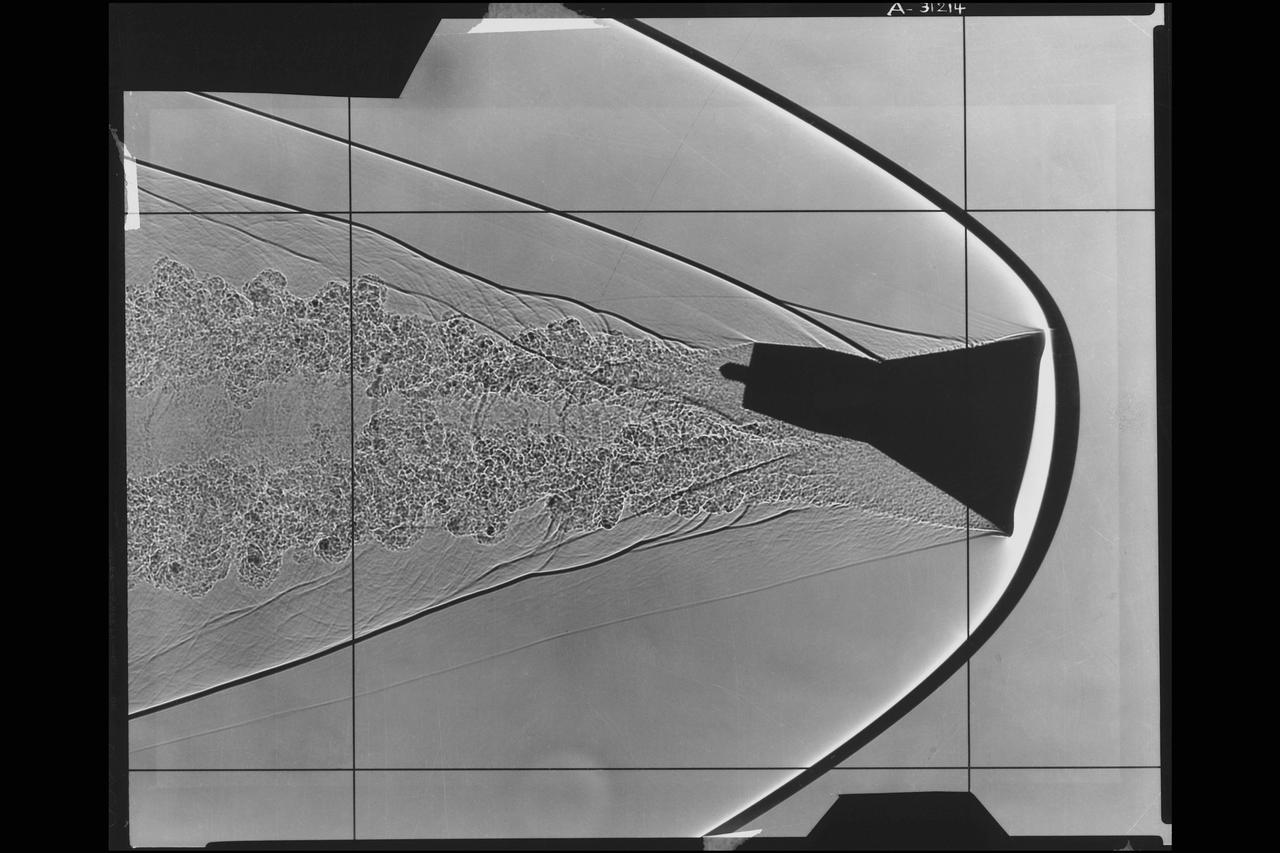
Shadowgraph: Gemini capsule flight stability study
ARC-1963-A-31214
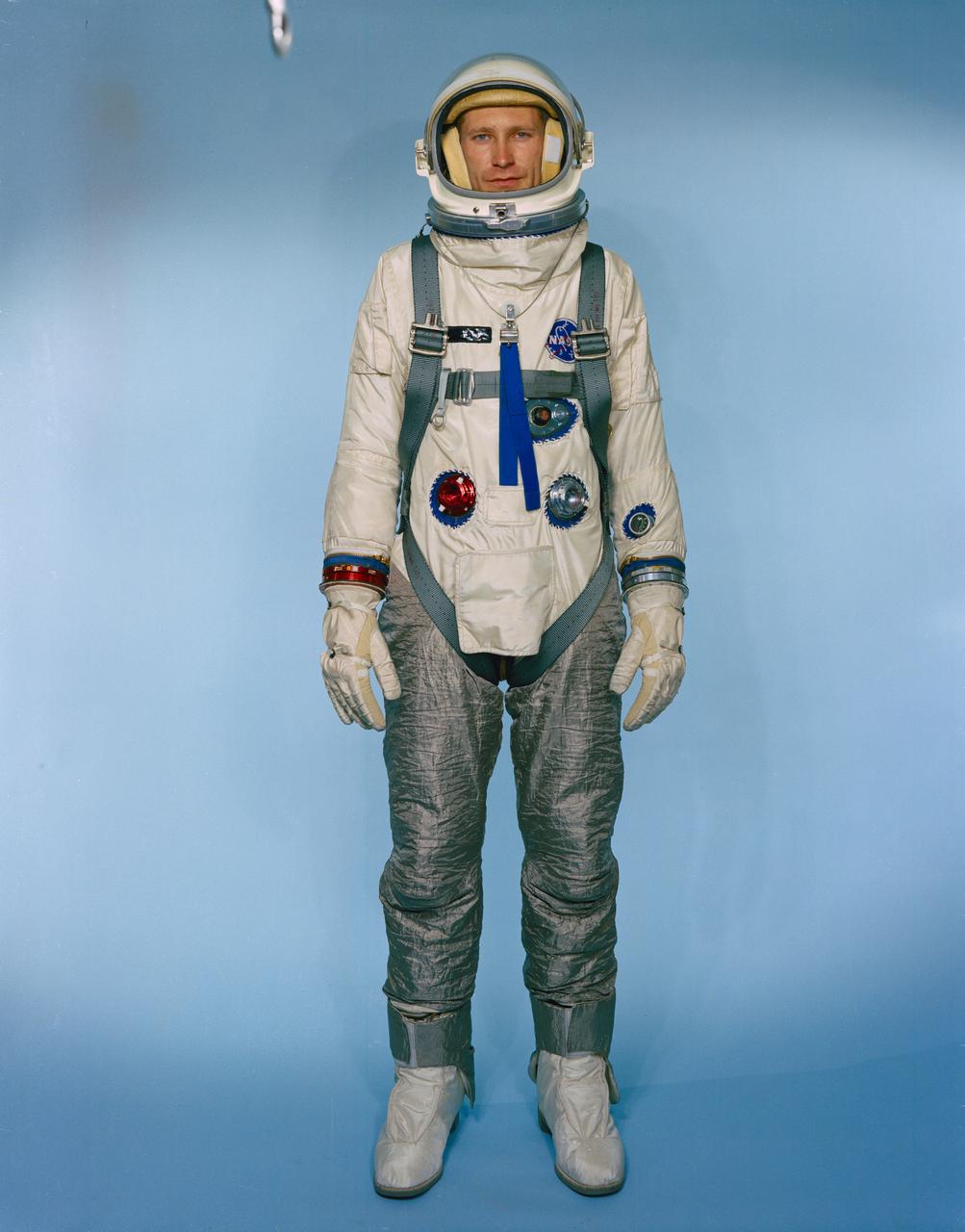
S66-31019 (May 1966) --- Test subject Fred Spross, Crew Systems Division, wears the Gemini-9 configured extravehicular spacesuit assembly. The legs are covered with Chromel R, which is a cloth woven from stainless steel fibers, used to protect the astronaut and suit from the hot exhaust thrust of the Astronaut Maneuvering Unit (AMU). Astronaut Eugene A. Cernan will wear this spacesuit during his Gemini-9A extravehicular activity (EVA). Photo credit: NASA
Gemini 9 configured extravehicular spacesuit assembly
S65-48759 (21 Aug. 1965) --- View of astronaut Charles Conrad Jr. through the window as he sits in the Gemini-5 spacecraft during preflight activities.
View of Astronaut Charles Conrad Jr. in Gemini 5 spacecraft
S66-37923 (3 June 1966) --- The Augmented Target Docking Adapter (ATDA) as seen from the Gemini-9 spacecraft during one of their three rendezvous in space. The ATDA and Gemini-9 spacecraft are 66.5 feet apart. Failure of the docking adapter protective cover to fully separate on the ATDA prevented the docking of the two spacecraft. The ATDA was described by the Gemini-9 crew as an "angry alligator." Photo credit: NASA
GEMINI-TITAN (GT)-9 - EARTH-SKY - AUGMENTED TARGET DOCKING ADAPTER (ATDA) - MSC
S65-18200 (23 March 1965) --- Overall view of the Mission Control Center at the Manned Spacecraft Center in Houston, Texas during the Gemini-Titan 3 flight.
MISSION CONTROL CENTER (MCC) - GEMINI-TITAN (GT)-3 ACTIVITY - MSC
S65-45731 (21-29 Aug. 1965) --- View of the Gulf of Tonkin, China and the Luichow Peninsula photographed from the Gemini-5 spacecraft in orbit over Earth.
GEMINI-TITAN (GT)-5 - EARTH SKY (70MM HASSELBLAD)
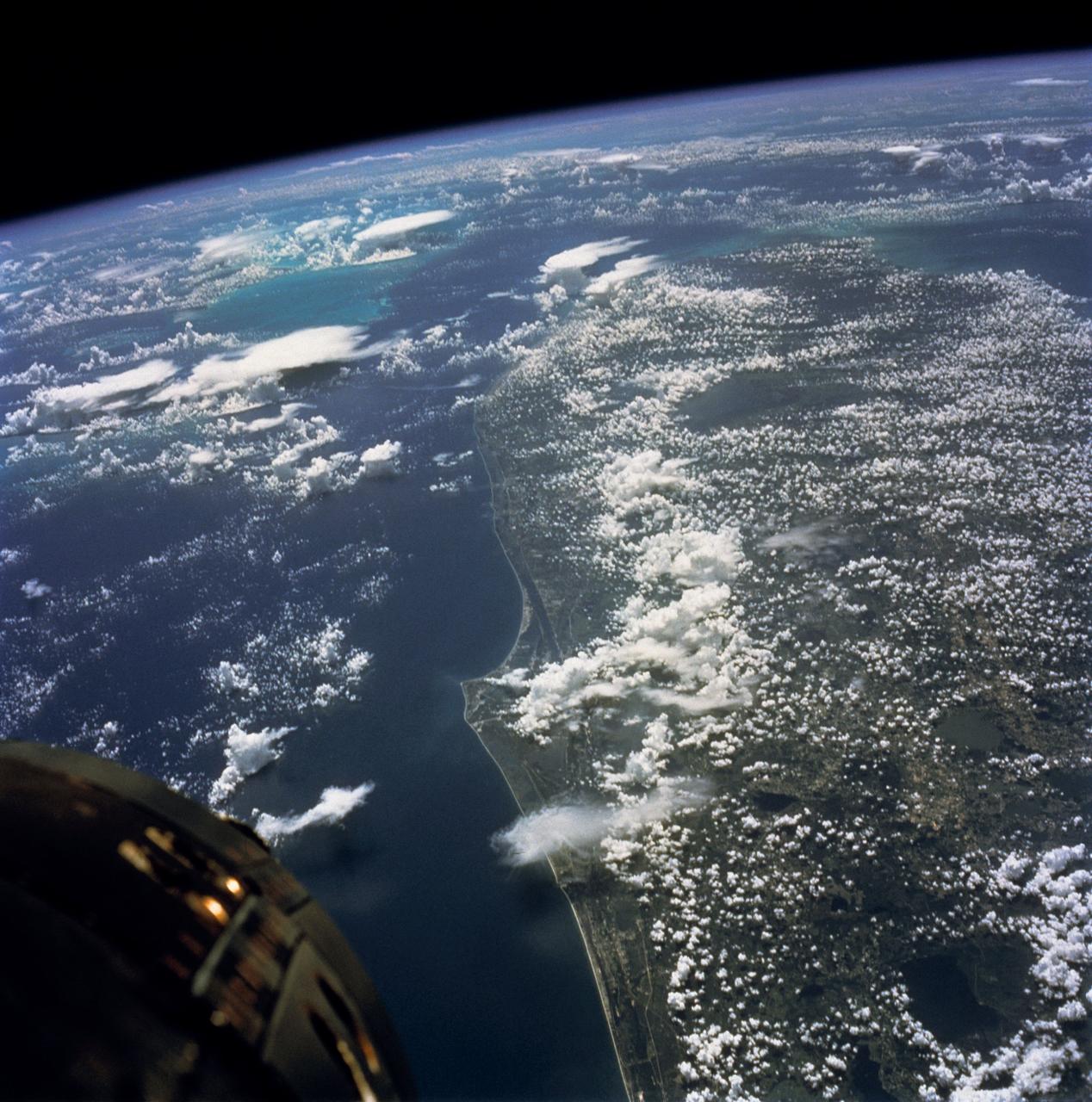
S65-45753 (21-29 Aug. 1965) --- Cape Kennedy, Florida is featured in this image photographed from the Gemini-5 spacecraft in orbit over Earth.
GEMINI-TITAN (GT)-5 - EARTH-SKY - (70mm HASSELBLAD)
S65-45697 (21-29 Aug. 1965) --- The western coastline of Baja, California and Cedros Island is photographed from the Gemini-5 spacecraft in orbit over Earth.
GEMINI-TITAN (GT)-5 - EARTH-SKY - (70mm HASSELBLAD)
S65-45717 (21-29 Aug. 1965) --- View of the Himalayas and Northern India photographed from the Gemini-5 spacecraft in orbit over Earth.
EARTH-SKY - GEMINI-TITAN (GT)-5 (70mm Hasselblad)
S65-18750 (23 March 1965) --- Astronaut John W. Young took this picture over eastern Africa during the Gemini-Titan 3 three-orbit mission on March 23, 1965. The altitude of the Gemini spacecraft "Molly Brown" was 90 miles. Young used a hand-held modified 70mm Hasselblad camera with color film. The lens setting was 250th of a second at f/11.
GEMINI-TITAN (GT)-3 - EARTH - SKY VIEW - AFRICA
S65-56311 (2 Dec. 1965) --- Kennedy Space Center food specialists prepare an Earth-bound meal for Gemini-7 astronauts. Astronauts' diet is strictly controlled before and during spaceflights to avoid interfering with planned medical experiments. Photo credit: NASA
Dietician prepares Gemini 7 crew preflight breakfast
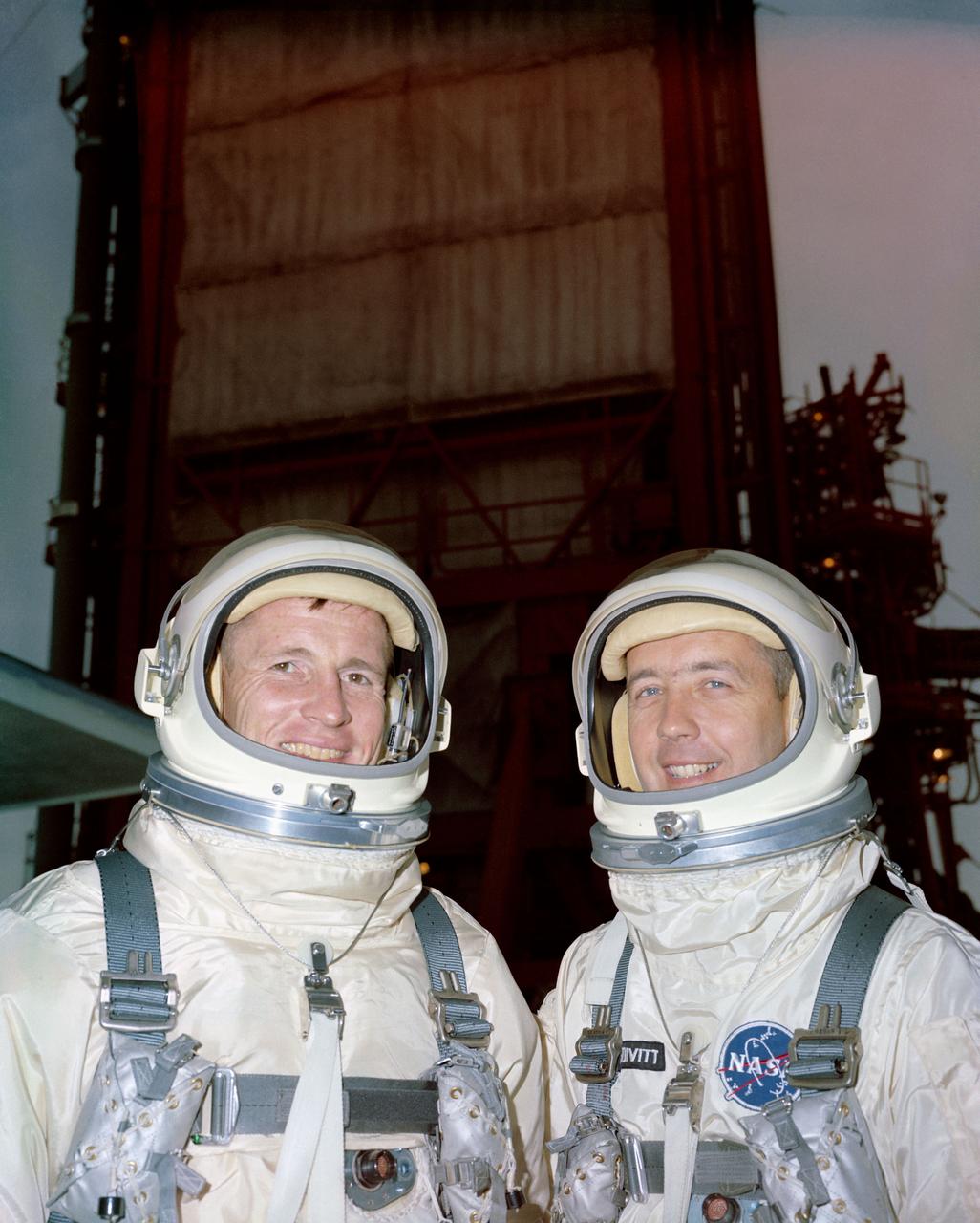
S65-19528 (1 June 1965) --- Astronauts Edward H. White II (left), Gemini-Titan 4 pilot; and James A. McDivitt, command pilot.    EDITOR?S NOTE: Astronaut White died in the Apollo 1/Saturn 204 fire at Cape Kennedy on Jan. 27, 1967.
GEMINI-TITAN-IV - SUITED (CLOSEUP) - CAPE
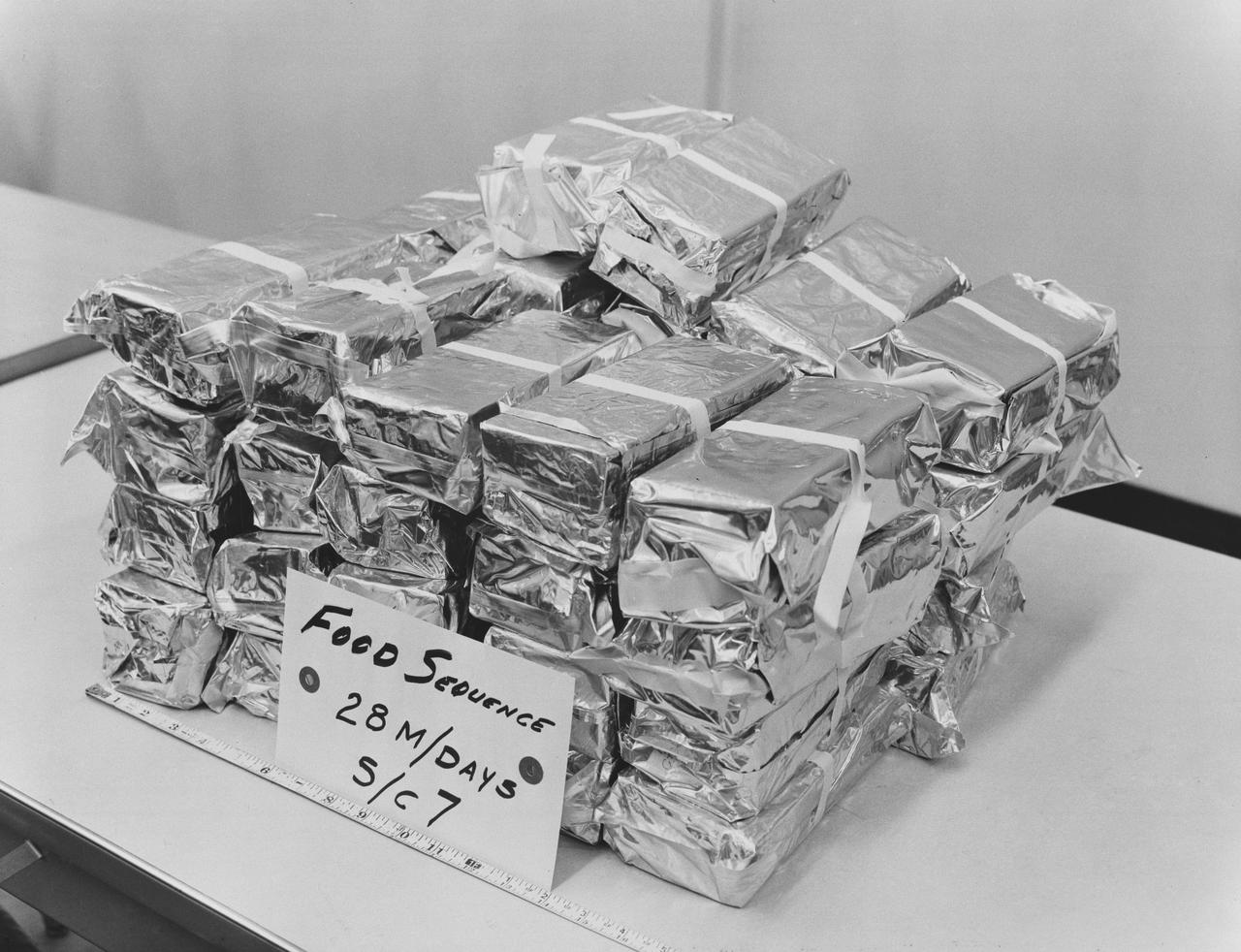
S65-61653 (1 Dec. 1965) --- Complete food supply for the two-man crew of the National Aeronautics and Space Administration's Gemini-7 spaceflight as it appears prior to stowage in the spacecraft. The food packages are tied in sequence for 28-manned days or a complete supply for two men for a 14-day mission. Photo credit: NASA
View of food packets for the Gemini 7 space flight
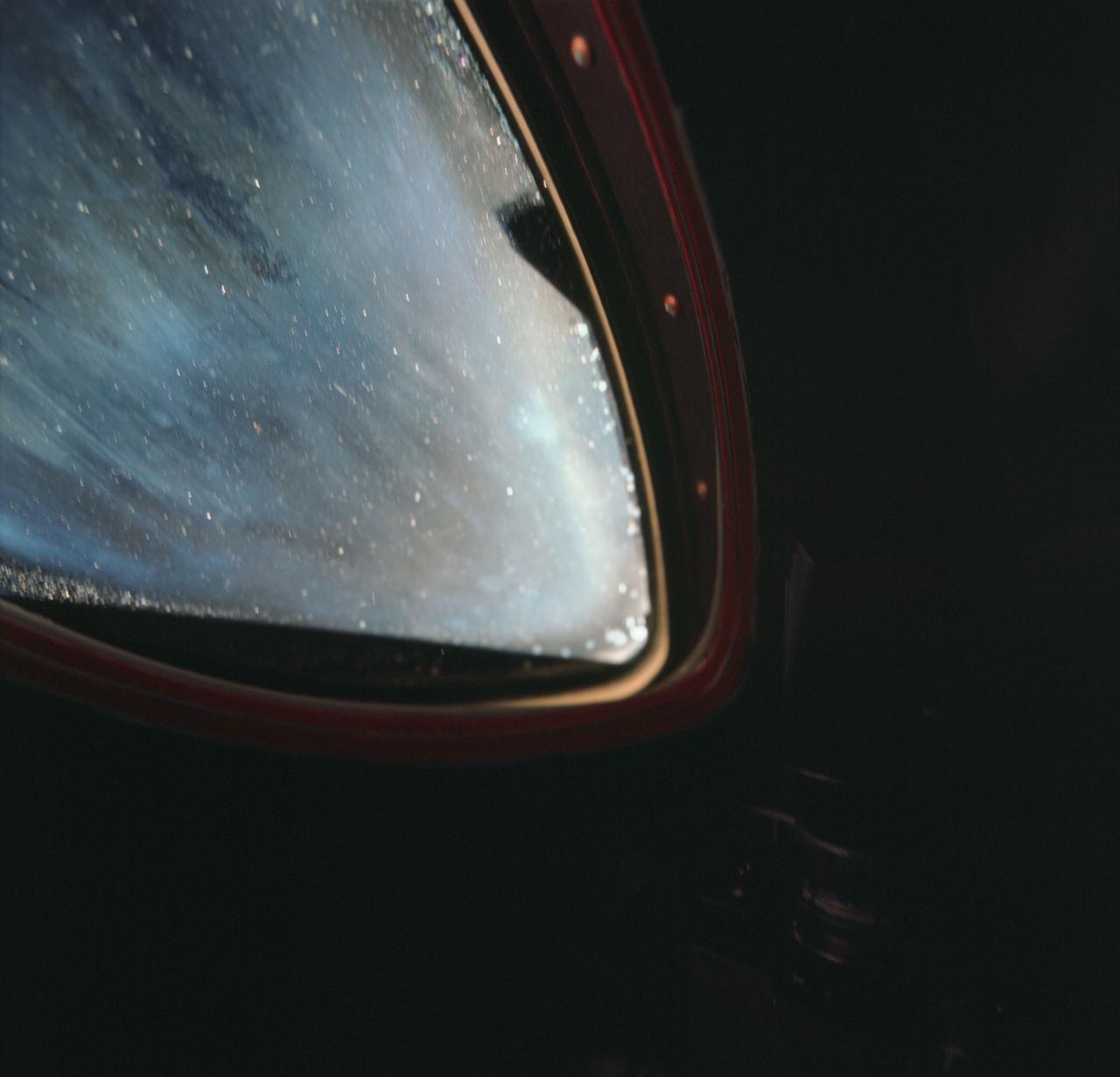
S66-46241 (18 July 1966) --- Debris on spacecraft window in picture taken from inside the Gemini-10 spacecraft. At this time Gemini-10 was docked with the Agena Target Docking Vehicle 5005. Taken with a modified 70mm Hasselblad camera, using Eastman Kodak, Ektachrome, MS (S.O. 217) color film. The Gemini-10 crew is astronaut John W. Young, command pilot, and Michael Collins, pilot. Photo credit: NASA
Debris - Onboard GT-10
S65-63797 (12 Dec. 1965) --- Polaris, underwater launch, missile and trail, off Florida, as seen from the Gemini-7 spacecraft during its 31st revolution of Earth. Photo credit: NASA
Polaris, underwater launch off Florida as seenn from Gemini 7