Electrochemistry Branch, Research Contributions to the NASA Mission at the Lewis Research Center
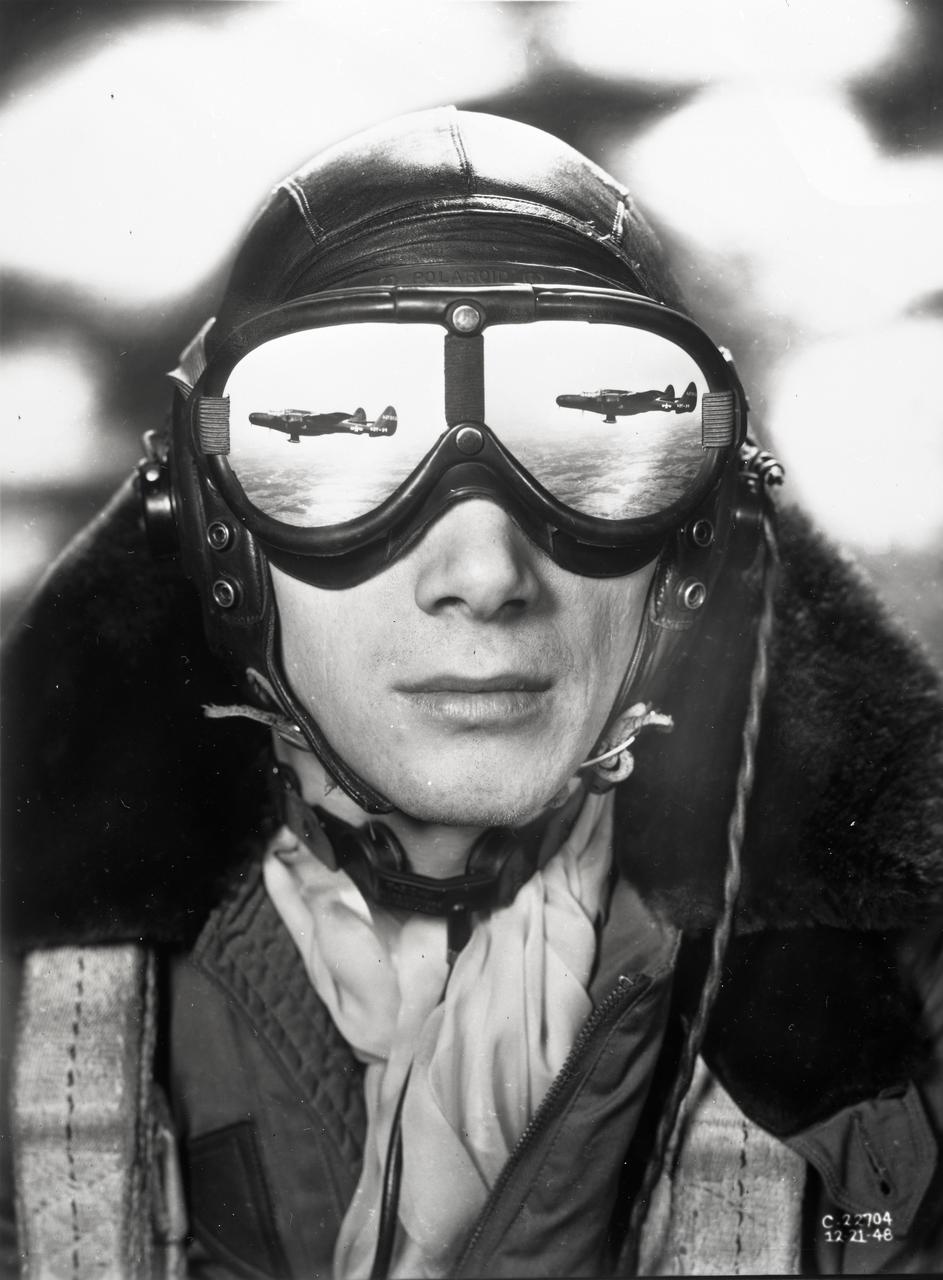
Flight engineer and photographer William Wynne (pictured) worked with photographer Arthur Laufman to execute a photo concept devised by Laufman.  Wynne printed two copies of the F-61 aircraft in flight.  The prints were made to the correct size that allowed them to be cut out and taped to the lenses of his goggles to simulate a reflection.  The photo of Wynne was then taken with an out of focus background to simulate clouds.
FLIGHT ENGINEER WATCHING A TWO DIMENSIONAL RAM JET ATTACHED TO P-61 (aka F-61) AIRPLANE
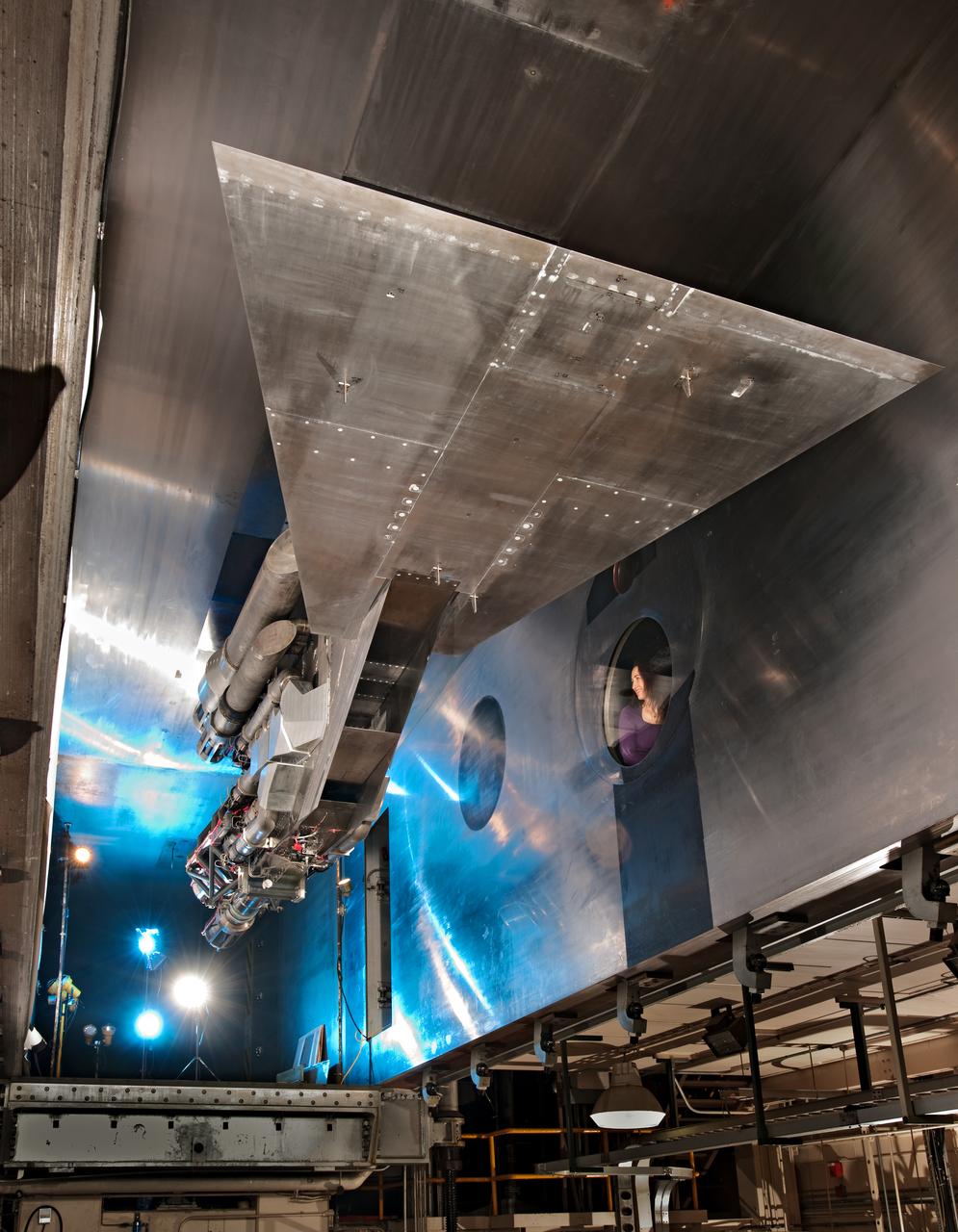
The NASA Fundamental Aeronautics Hypersonic Project is focused on technologies for combined cycle, air-breathing propulsions systems to enable reusable launch systems for access to space.  Turbine Based Combined Cycle (TBCC) propulsion systems offer specific impulse improvements over rocket-based propulsion systems in the subsonic takeoff and return mission segments and offer improved safety. The potential to realize more aircraft-like operations with expanded launch site capability and reduced system maintenance are additional  benefits.
GRC-2011-C-01669
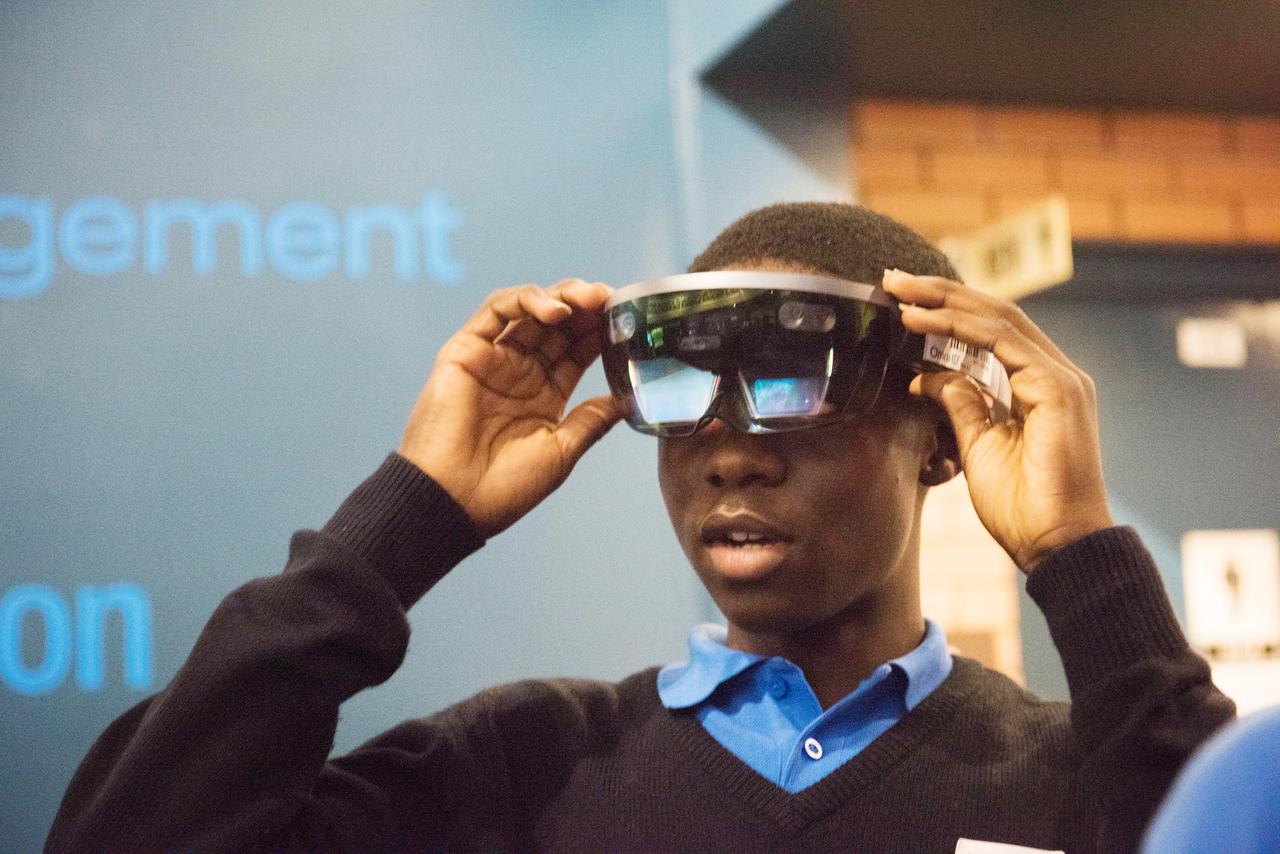
During Avaiation Day, 2018, a Participant uses a Microsoft HoloLens Virtual Reality Headset to view a NASA Created Immersive Visualization
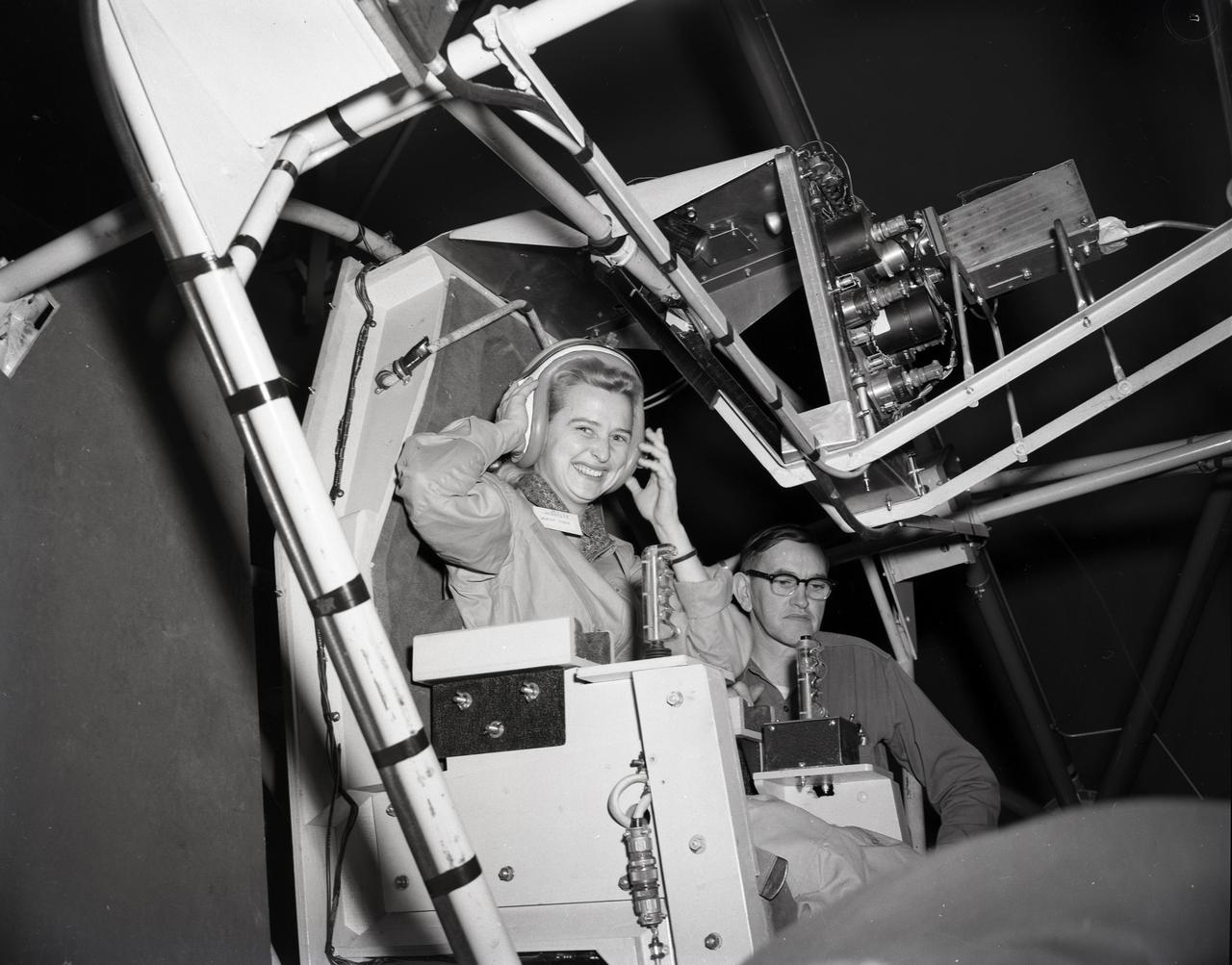
JERRIE COBB - PILOT - TESTING GIMBAL RIG IN THE ALTITUDE WIND TUNNEL, AWT
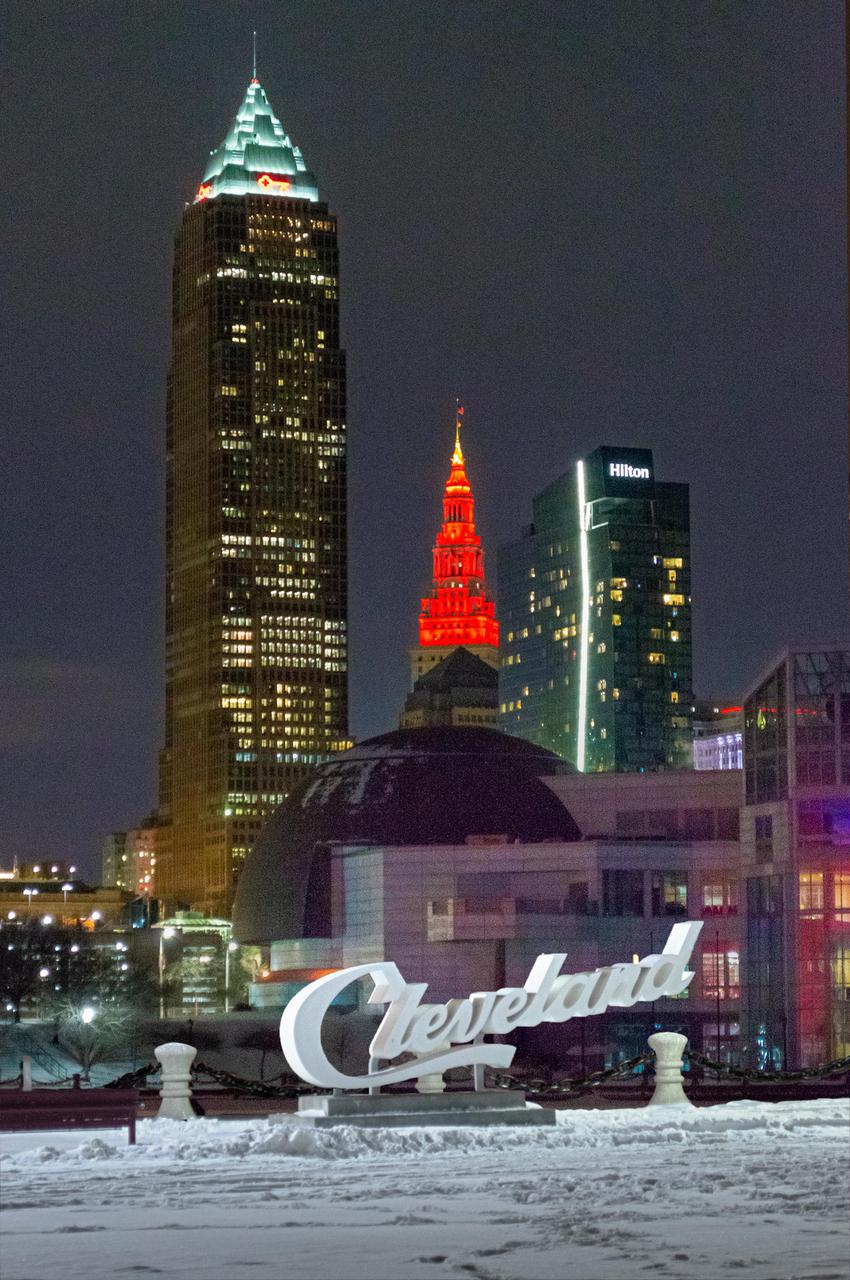
February 17, 2021, The Terminal Tower is illuminated in red to commemorate the Landing of NASA’s Perseverance Rover on the surface of Mars, February 18, 2021.  Terminal Tower is a 52-story, (771 ft), landmark skyscraper located on Public Square in downtown Cleveland, Ohio.  Cleveland is also the home of the NASA Glenn Research Center.
Terminal Tower illuminated in red to commemorate the Mars Landing of Perseverance Rover
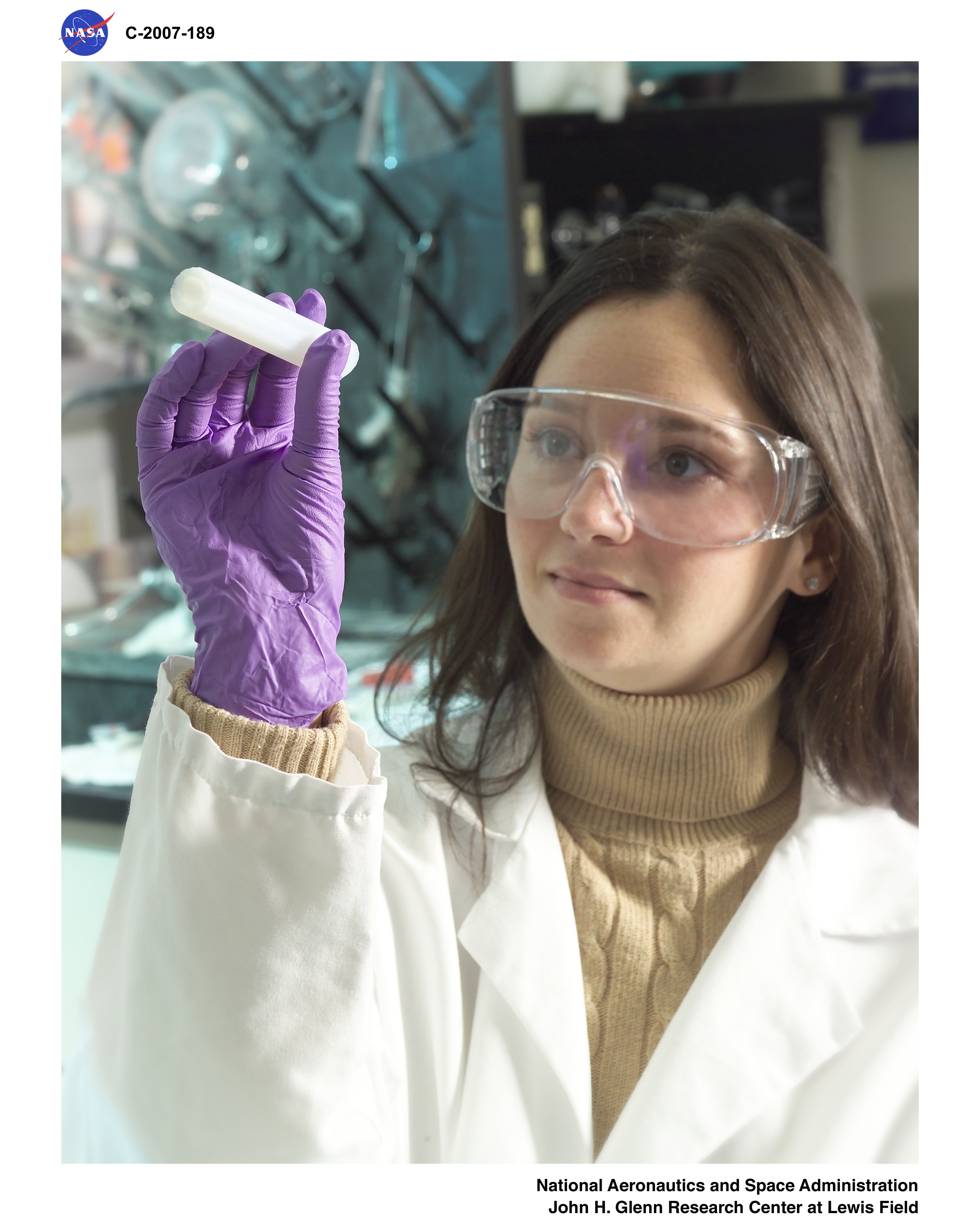
Researcher examines a tubular Aerogel material sample in its "green" state.  Aerogels are among the lightest solid materials known to man. They are created by combining a polymer with a solvent to form a gel, and then removing the liquid from the gel and replacing it with air. Aerogels are extremely porous and very low in density. They are solid to the touch. This translucent material is considered one of the finest insulation materials available.
Researcher examines a tubular Aerogel material sample in its "green" state.
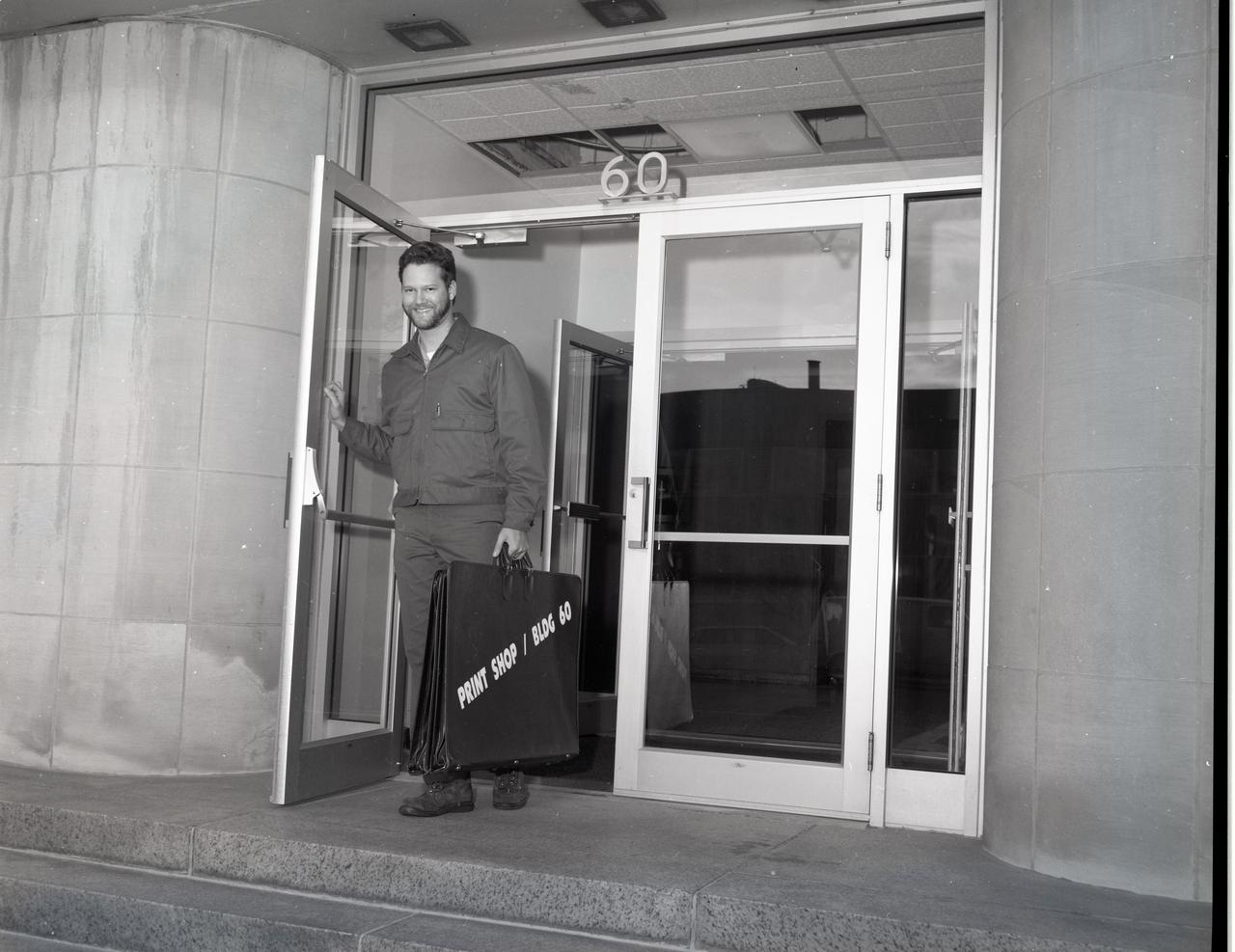
Cortez III Employee Delivers Work Between the Print Shop and the Building 60 Graphics Department
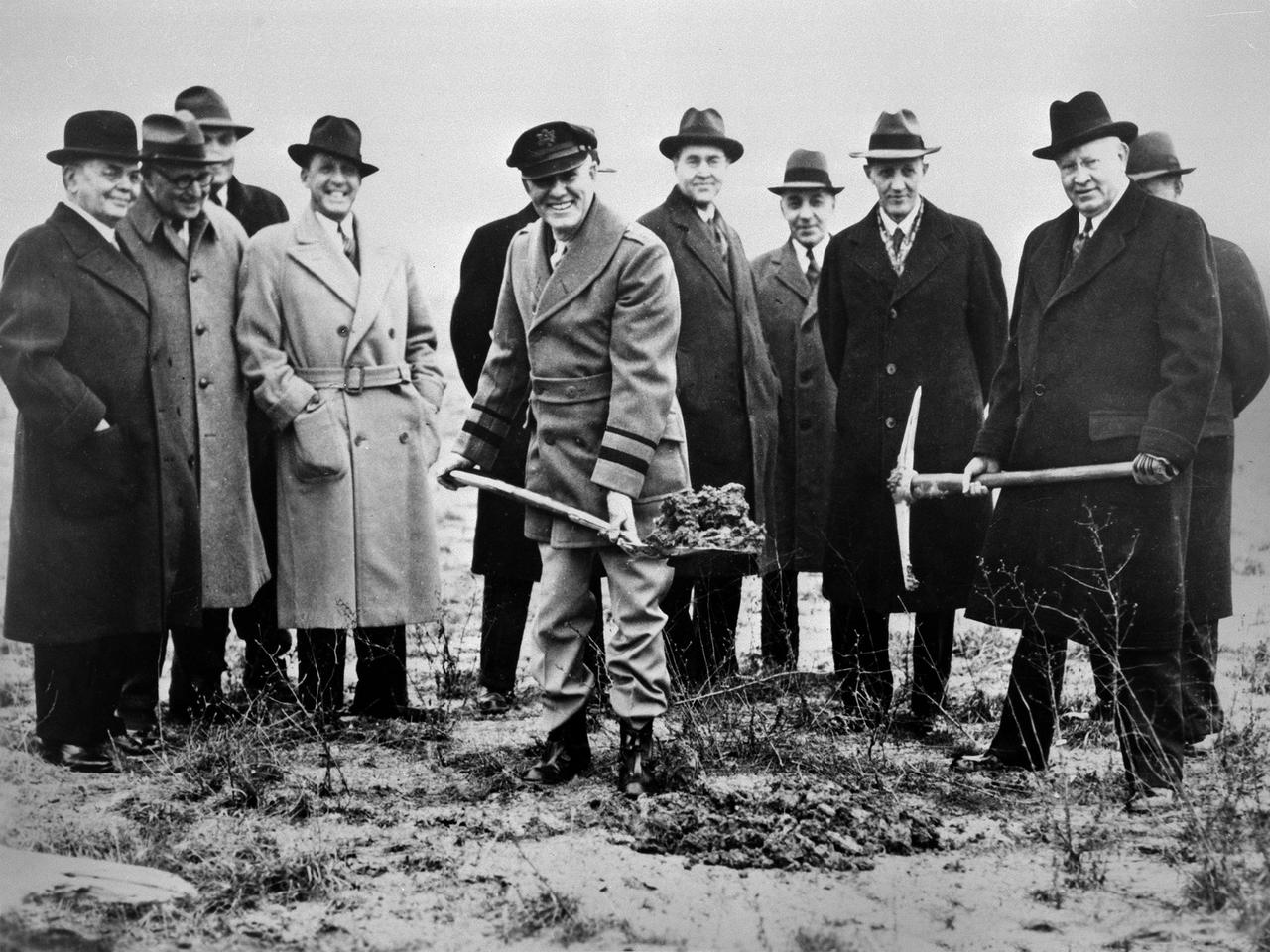
Local politicians and National Advisory Committee for Aeronautics (NACA) officials were on hand for the January 23, 1941 groundbreaking for the NACA’s Aircraft Engine Research Laboratory (AERL).  The NACA was established in 1915 to coordinate the nation’s aeronautical research. The committee opened a research laboratory at Langley Field in 1920. By the late 1930s, however, European nations, Germany in particular, were building faster and higher flying aircraft. The NACA decided to expand with a new Ames Aeronautical Laboratory dedicated to high-speed flight and the AERL to handle engine-related research.  The NACA examined a number of Midwest locations for its new engine lab before deciding on Cleveland. At the time, Cleveland possessed the nation’s most advanced airport, several key aircraft manufacturing companies, and was home to the National Air Races. Local officials were also able to broker a deal with the power company to discount its electricity rates if the large wind tunnels were operated overnight. The decision was made in October 1940, and the groundbreaking alongside the airport took place on January 23, 1941.   From left to right:  William Hopkins, John Berry, Ray Sharp, Frederick Crawford, George Brett, Edward Warner, Sydney Kraus, Edward Blythin, and George Lewis
Groundbreaking for the NACA’s Aircraft Engine Research Laboratory
February 17, 2021, The Terminal Tower is illuminated in red to commemorate the Landing of NASA’s Perseverance Rover on the surface of Mars, February 18, 2021.  Terminal Tower is a 52-story, (771 ft), landmark skyscraper located on Public Square in downtown Cleveland, Ohio.  Cleveland is also the home of the NASA Glenn Research Center.
Terminal Tower illuminated in red to commemorate the Mars Landing of Perseverance Rover
February 17, 2021, The Terminal Tower is illuminated in red to commemorate the Landing of NASA’s Perseverance Rover on the surface of Mars, February 18, 2021.  Terminal Tower is a 52-story, (771 ft), landmark skyscraper located on Public Square in downtown Cleveland, Ohio.  Cleveland is also the home of the NASA Glenn Research Center.
Terminal Tower illuminated in red to commemorate the Mars Landing of Perseverance Rover
February 17, 2021, The Terminal Tower is illuminated in red to commemorate the Landing of NASA’s Perseverance Rover on the surface of Mars, February 18, 2021.  Terminal Tower is a 52-story, (771 ft), landmark skyscraper located on Public Square in downtown Cleveland, Ohio.  Cleveland is also the home of the NASA Glenn Research Center.
Terminal Tower illuminated in red to commemorate the Mars Landing of Perseverance Rover
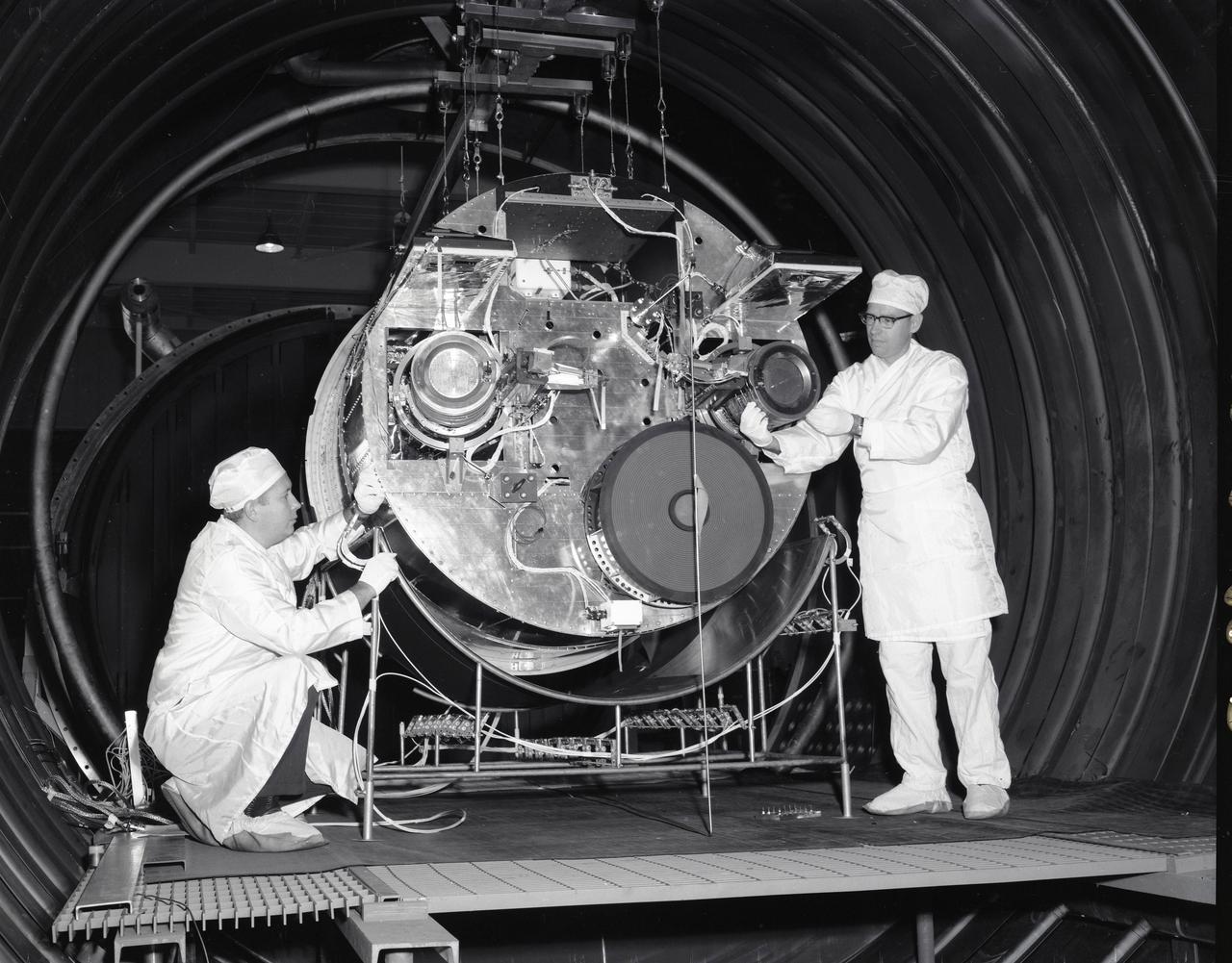
SPACE ELECTRIC ROCKET TEST, SERT II IN TANK 5
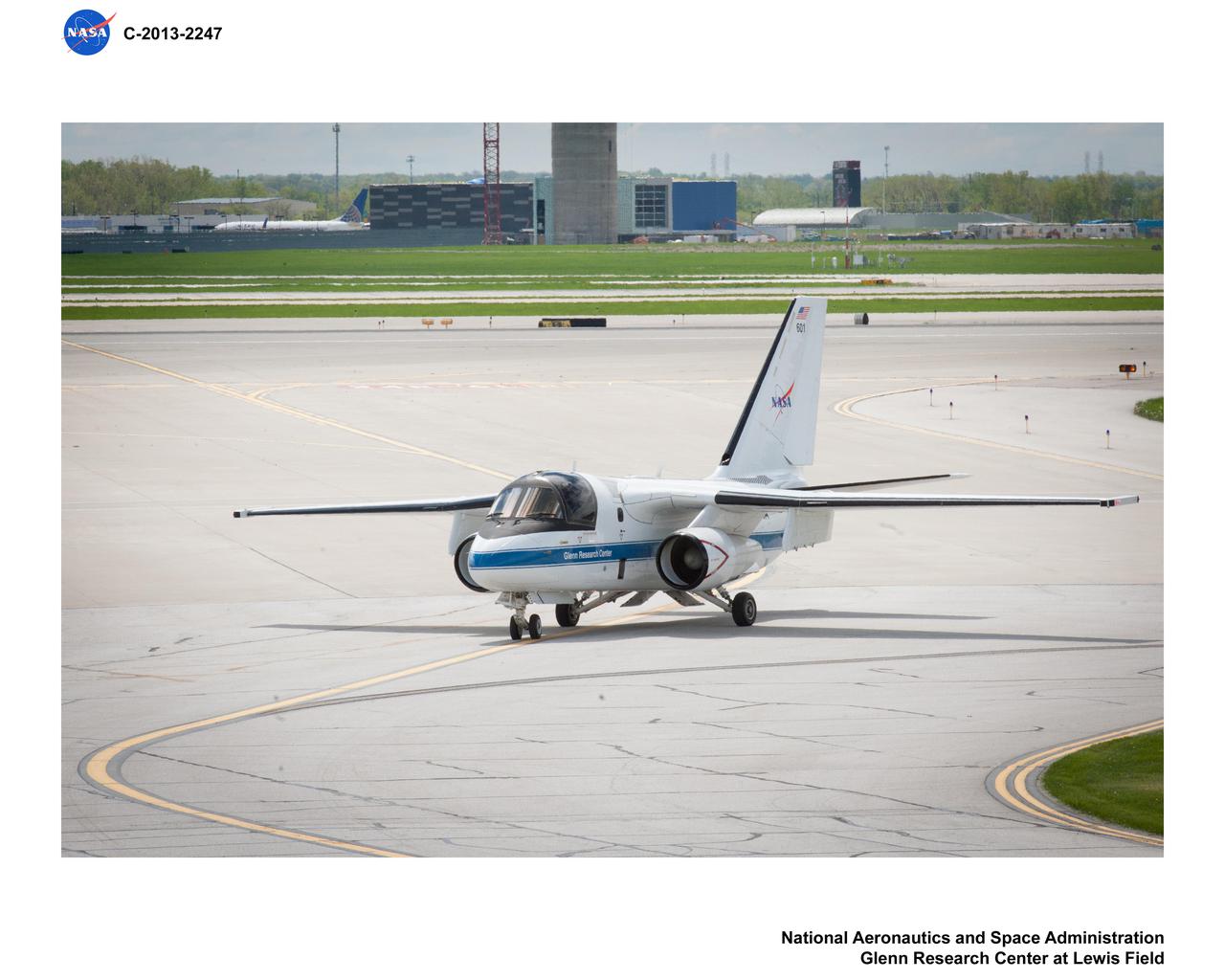
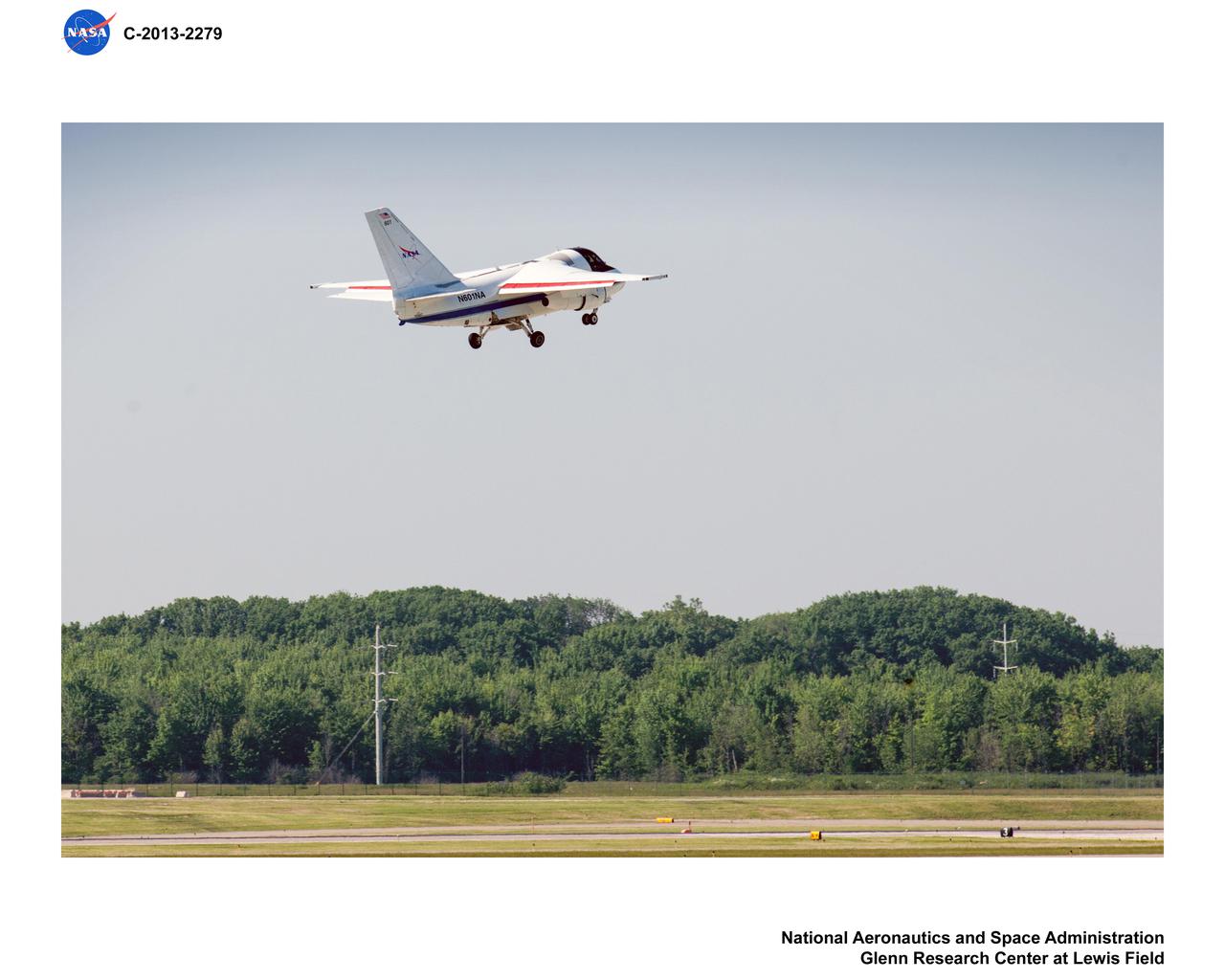
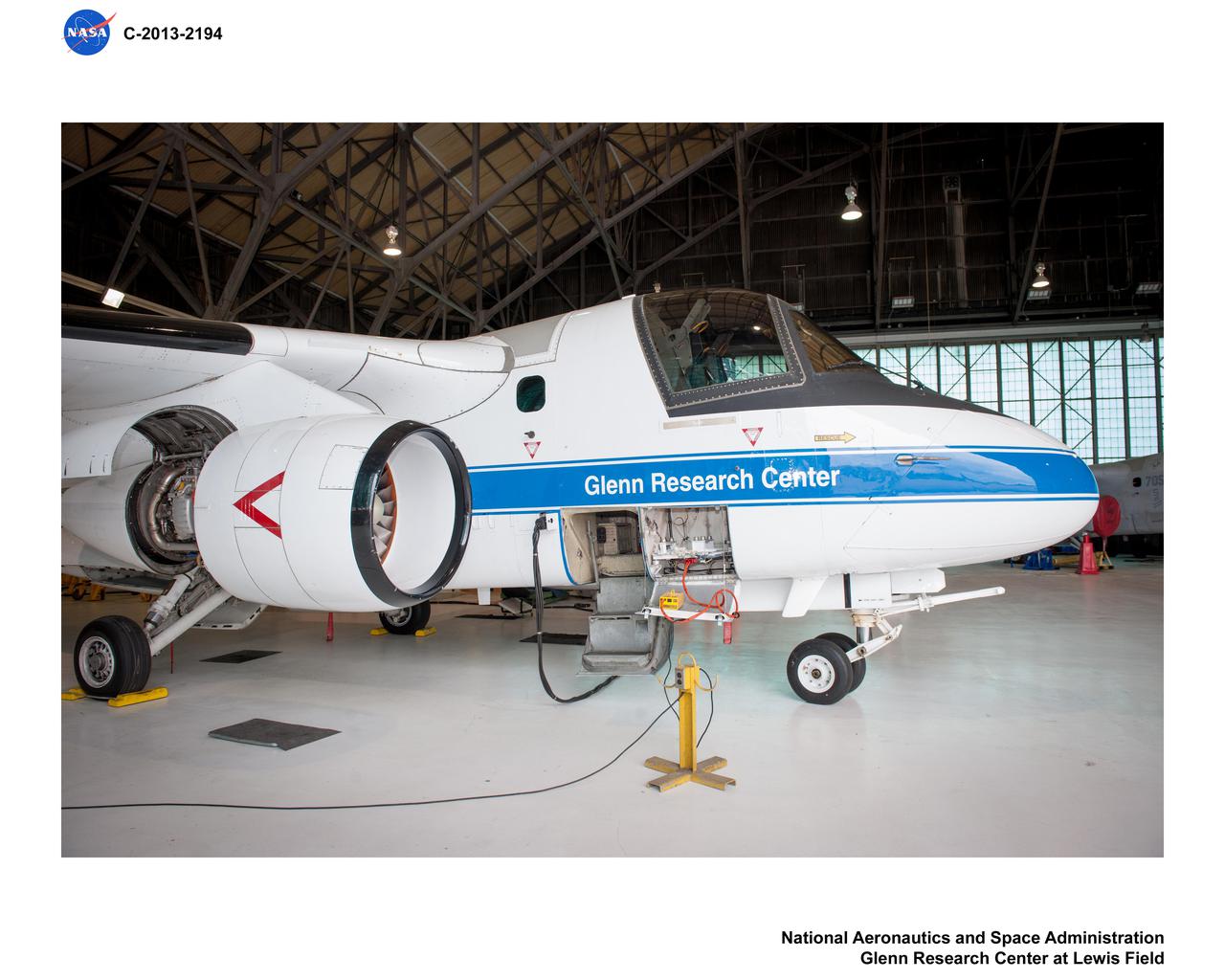
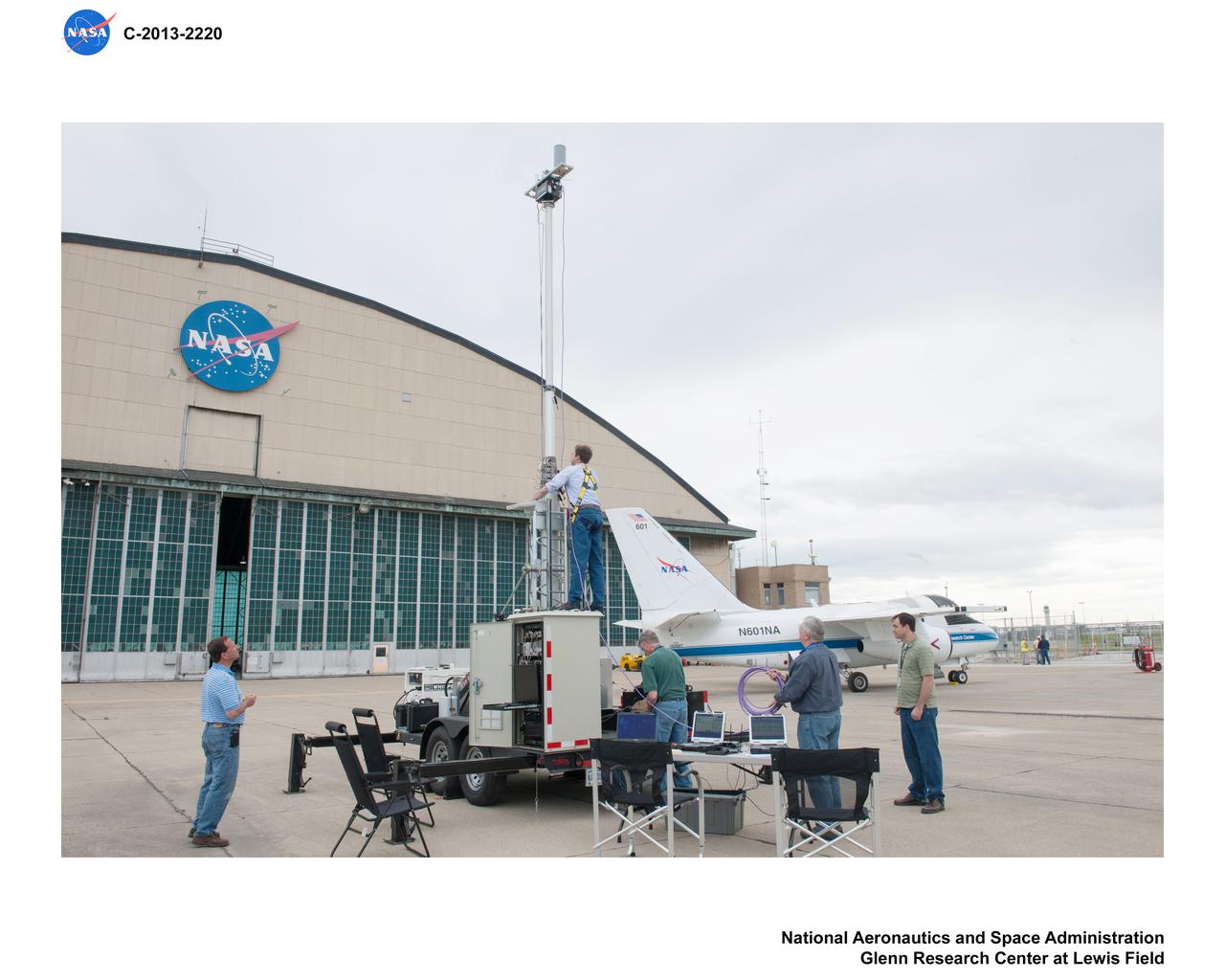
NASA, Lockheed Martin S-3B Viking Aircraft #N601NA, prepares for departure from Cleveland Hopkins Airport in support of the Unmanned Aircraft Communications Project
NASA, Lockheed Martin S-3B Viking Aircraft #N601NA, Unmanned Aircraft Communications Project
APOLLO CONFIGURATION OF SATURN MODEL IN THE 8X6-FOOT SUPERSONIC WIND TUNNEL
APOLLO CONFIGURATION OF SATURN MODEL IN THE 8X6-FOOT SUPERSONIC
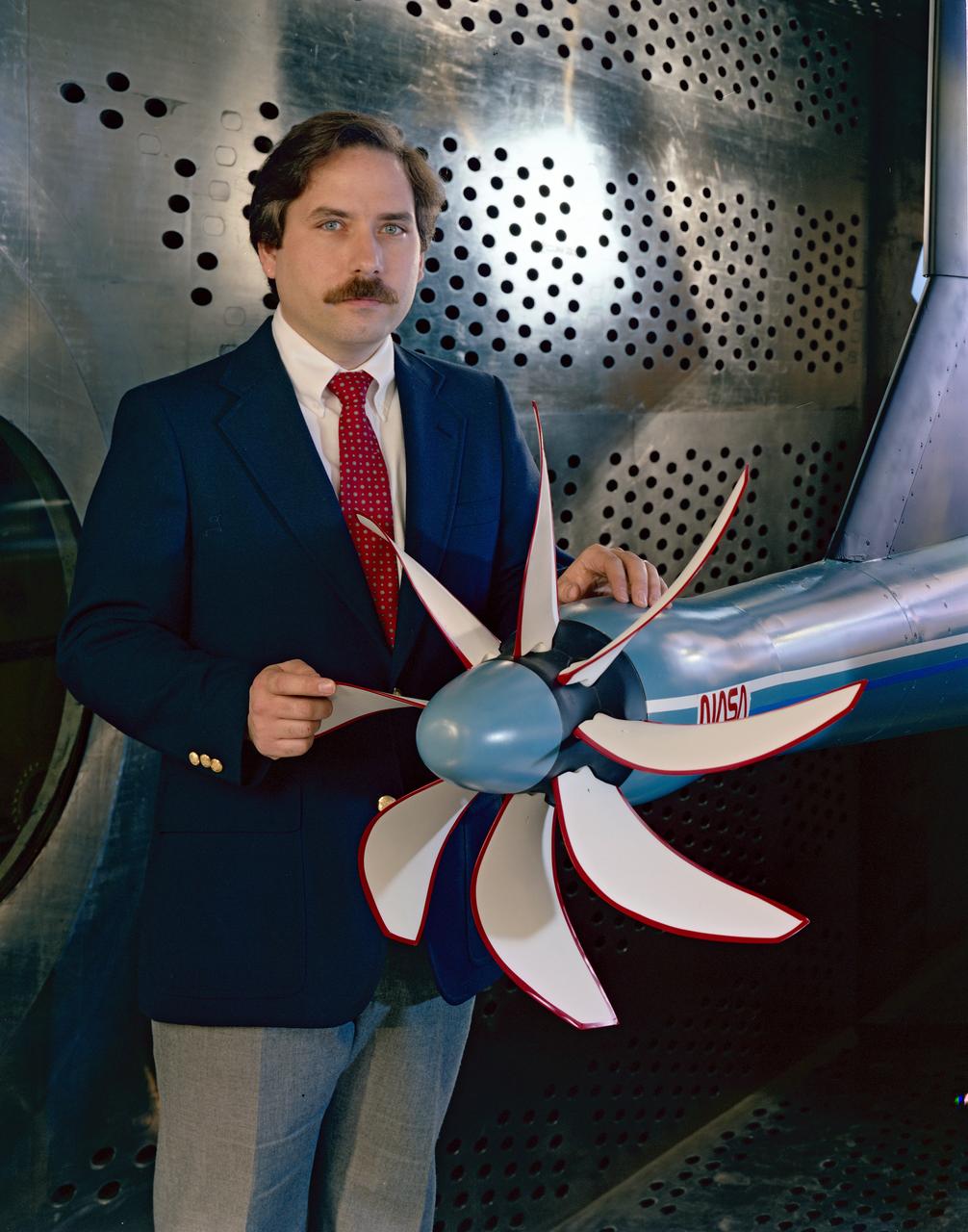
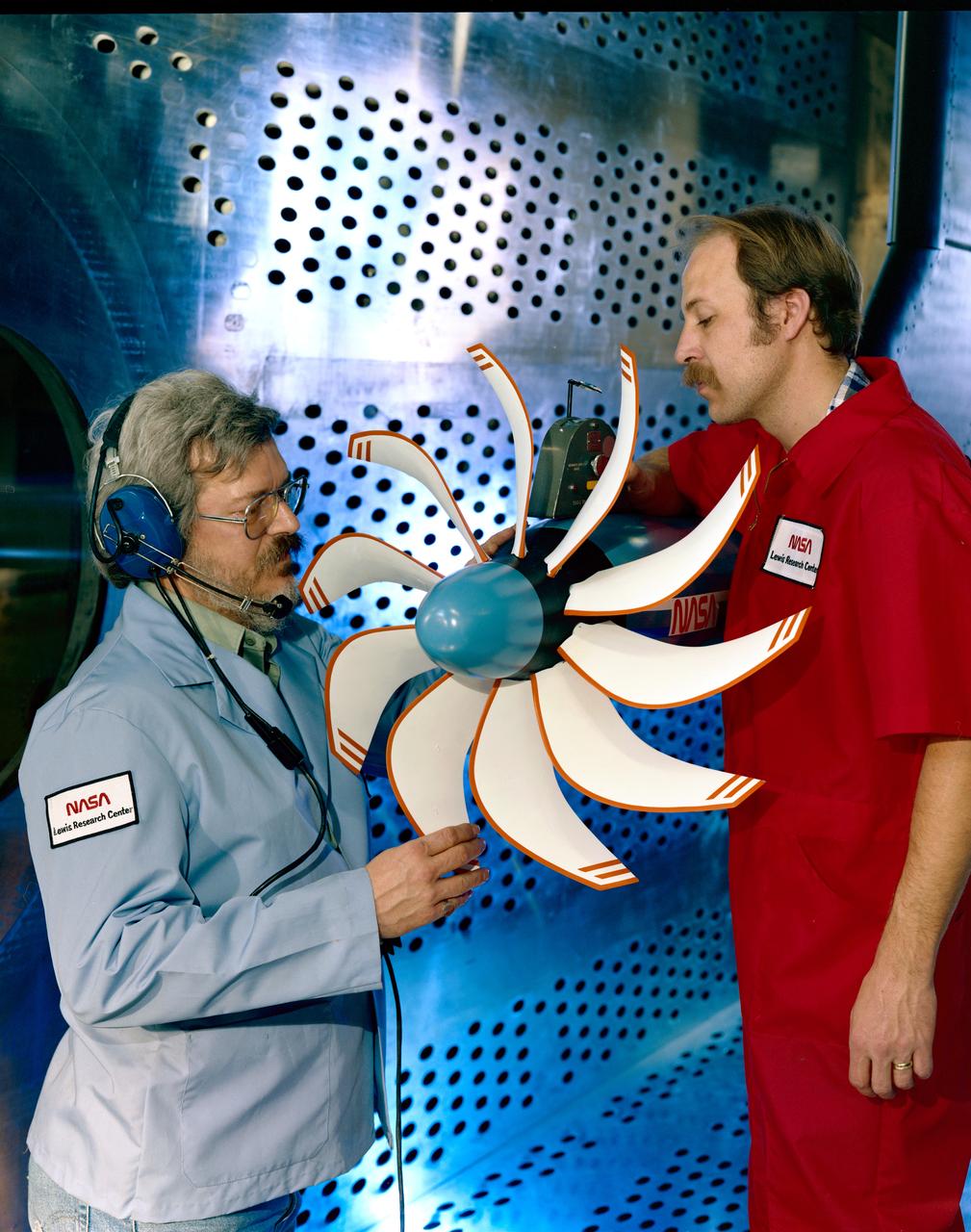
SR-3 Advanced Turboprop (Propfan) in 8x6 foot Supersonic Wind Tunnel
SR-3 Advanced Turboprop (Propfan) in 8x6 foot Supersonic Wind Tu
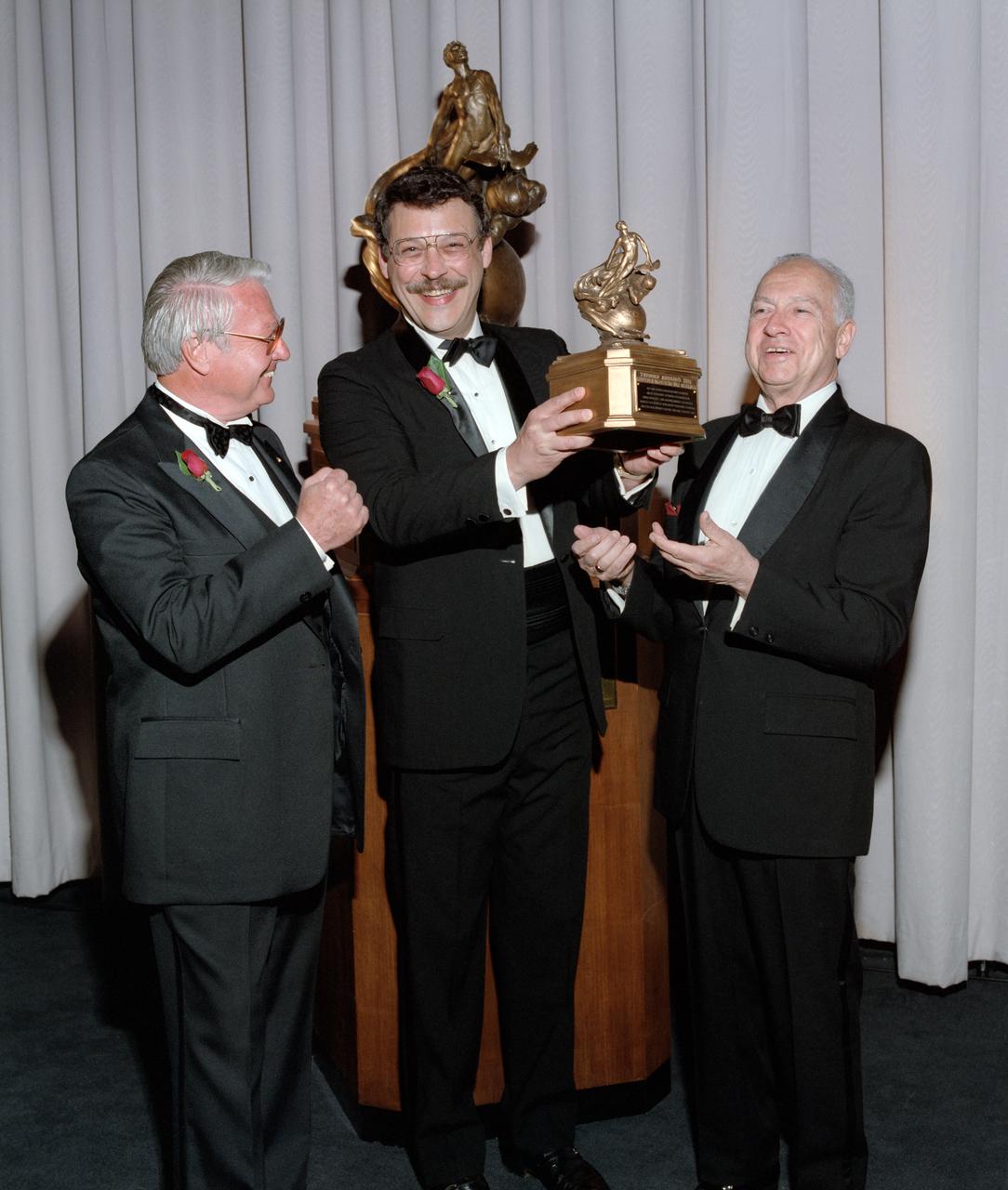
Dr. John Klineberg accepts the Collier Trophy for NASA
COLLIER TROPHY AWARD CEREMONY IN WASHINGTON D.C.
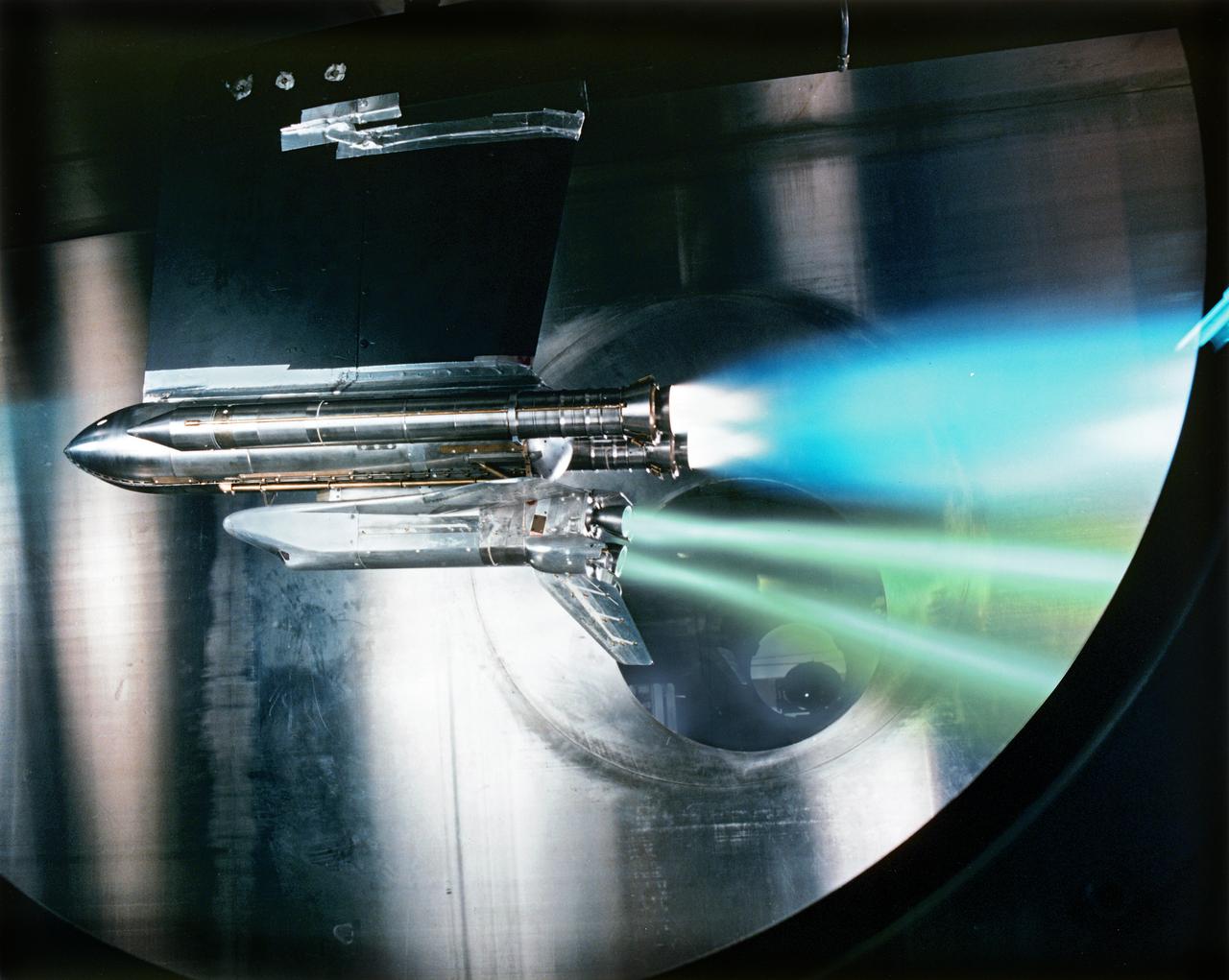
SHUTTLE ENGINE OUT TEST done after the Space Shuttle Challenger disaster.  This was part of the investigation after the Challenger accident
SHUTTLE ENGINE OUT TEST done after the Space Shuttle Challeng...
NASA Earth & Space Air Prize Demonstration Event
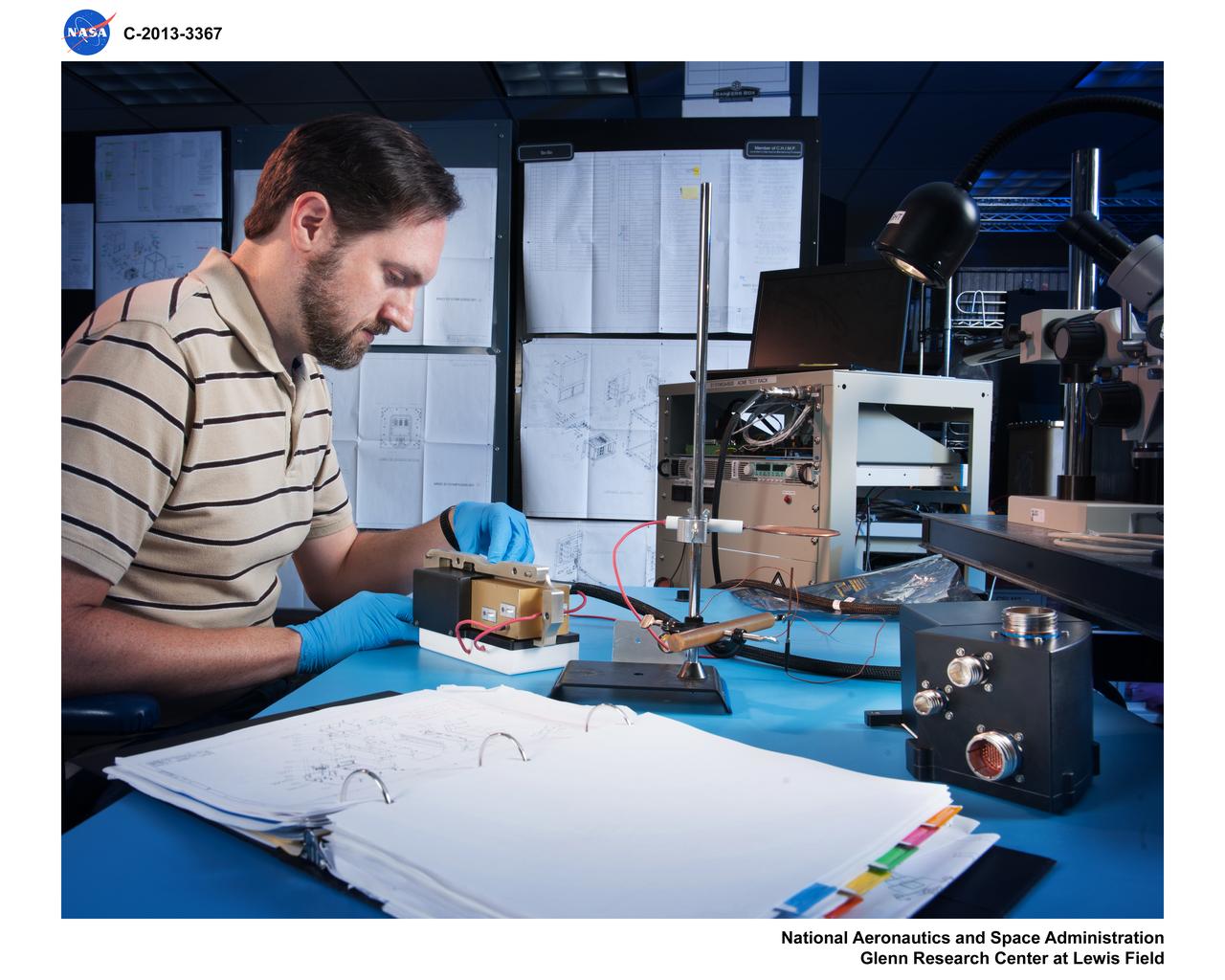
Mechanical Engineer Adrian Drake inspects engineering model hardware built to generate a high-voltage electric field for the Electric-Field Effects on Laminar Diffusion Flames (E-FIELD Flames) experiment of the Advanced Combustion via Microgravity Experiments (ACME) project. ACME’s small computer (i.e., the Cube) for data acquisition and control within the CIR combustion chamber is seen in the right foreground.  The E-FIELD Flames tests were conducted in the Combustion Integrated Rack (CIR) on the International Space Station (ISS) in 2018.
GRC-2013-C-03367
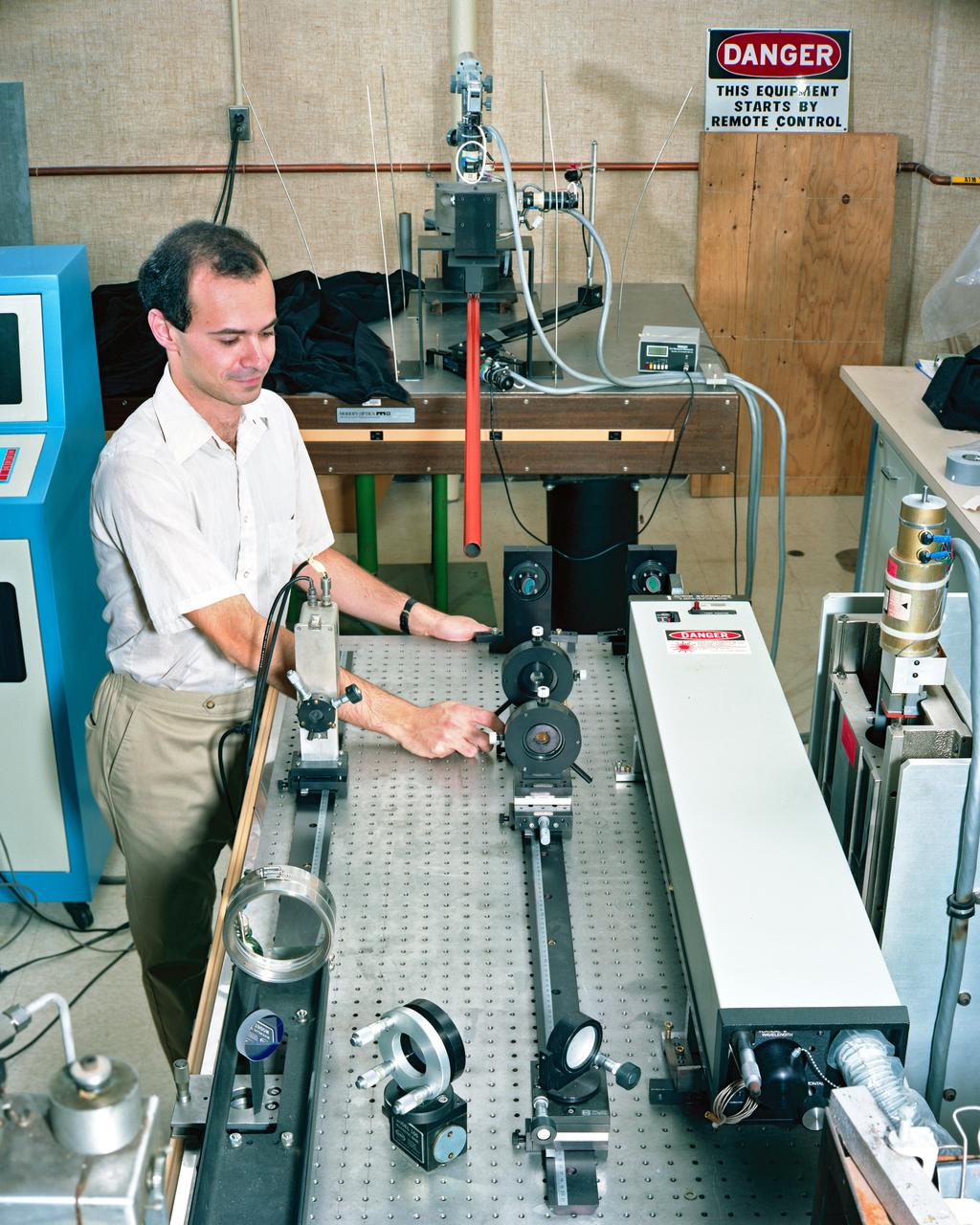
LASER EXPERIMENT IN REAR PORTION OF CE-13 IN ENGINE RESEARCH  BUILDING
LASER EXPERIMENT IN REAR PORTION OF CE-13 IN ENGINE RESEARCH ...
NASA, Lockheed Martin S-3B Viking Aircraft #N601NA, takes off from Cleveland Hopkins Airport, in support of the Unmanned Aircraft Communications Project
NASA, Lockheed Martin S-3B Viking Aircraft #N601NA, Unmanned Aircraft Communications Project
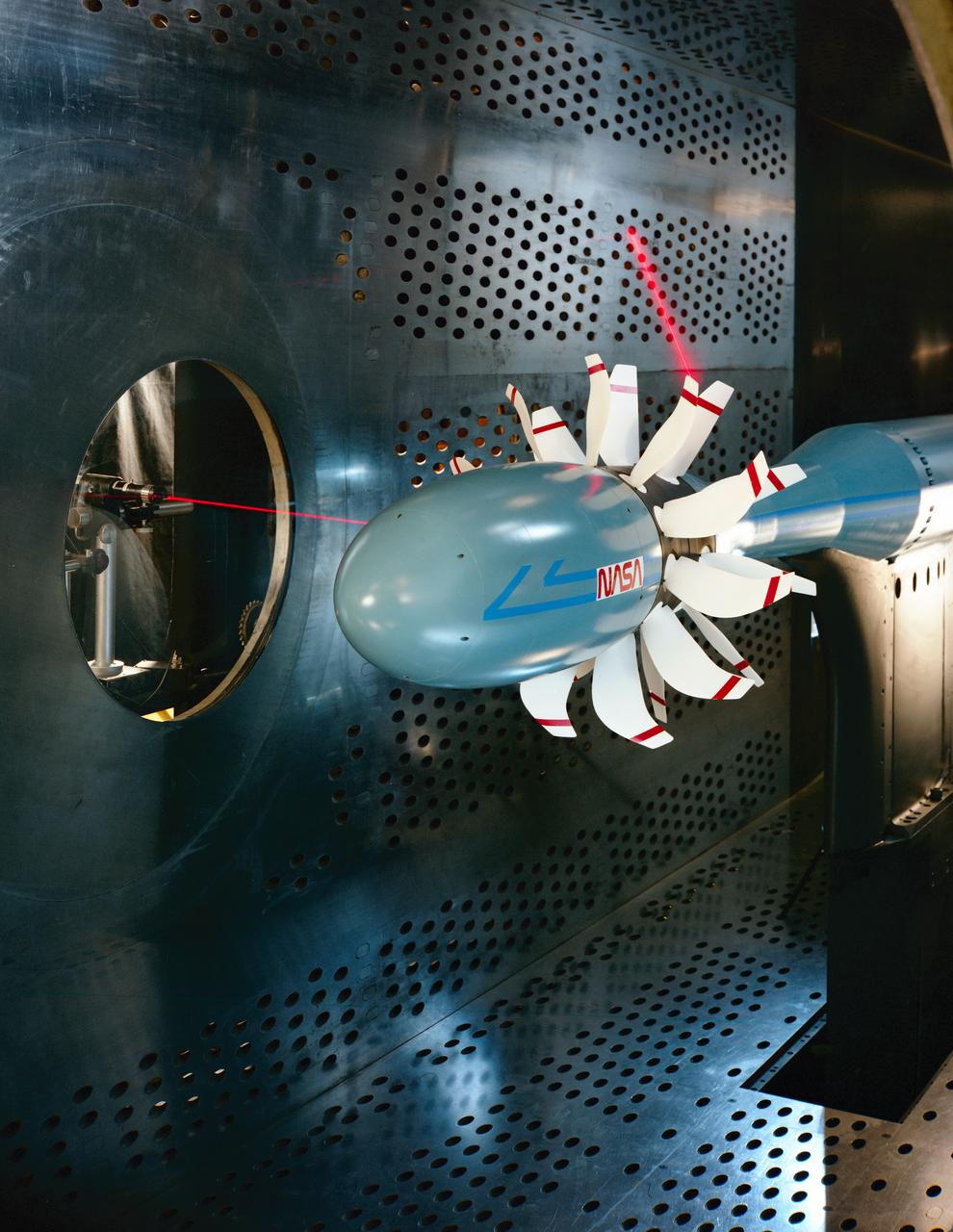
Counter Rotating Propeller Model in the NASA Glenn 8x6-Foot Supersonic Wind Tunnel
Counter Rotating Propeller Model in the NASA Glenn 8x6-Foot Supe
SR-3 Advanced Turboprop (Propfan) in 8x6 foot Supersonic Wind Tunnel (SWT)
SR-3 Advanced Turboprop (Propfan) in 8x6 foot Supersonic Wind Tu
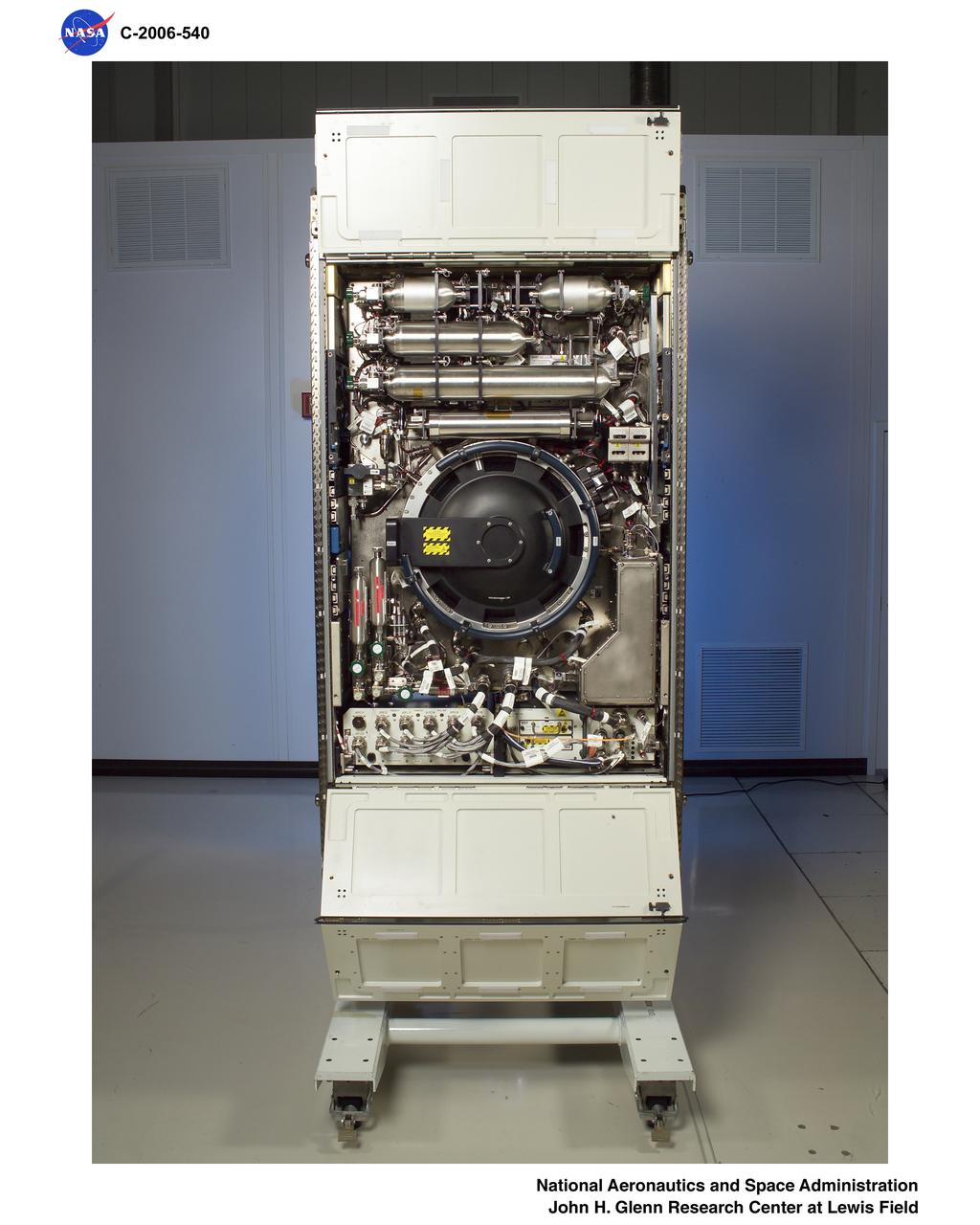
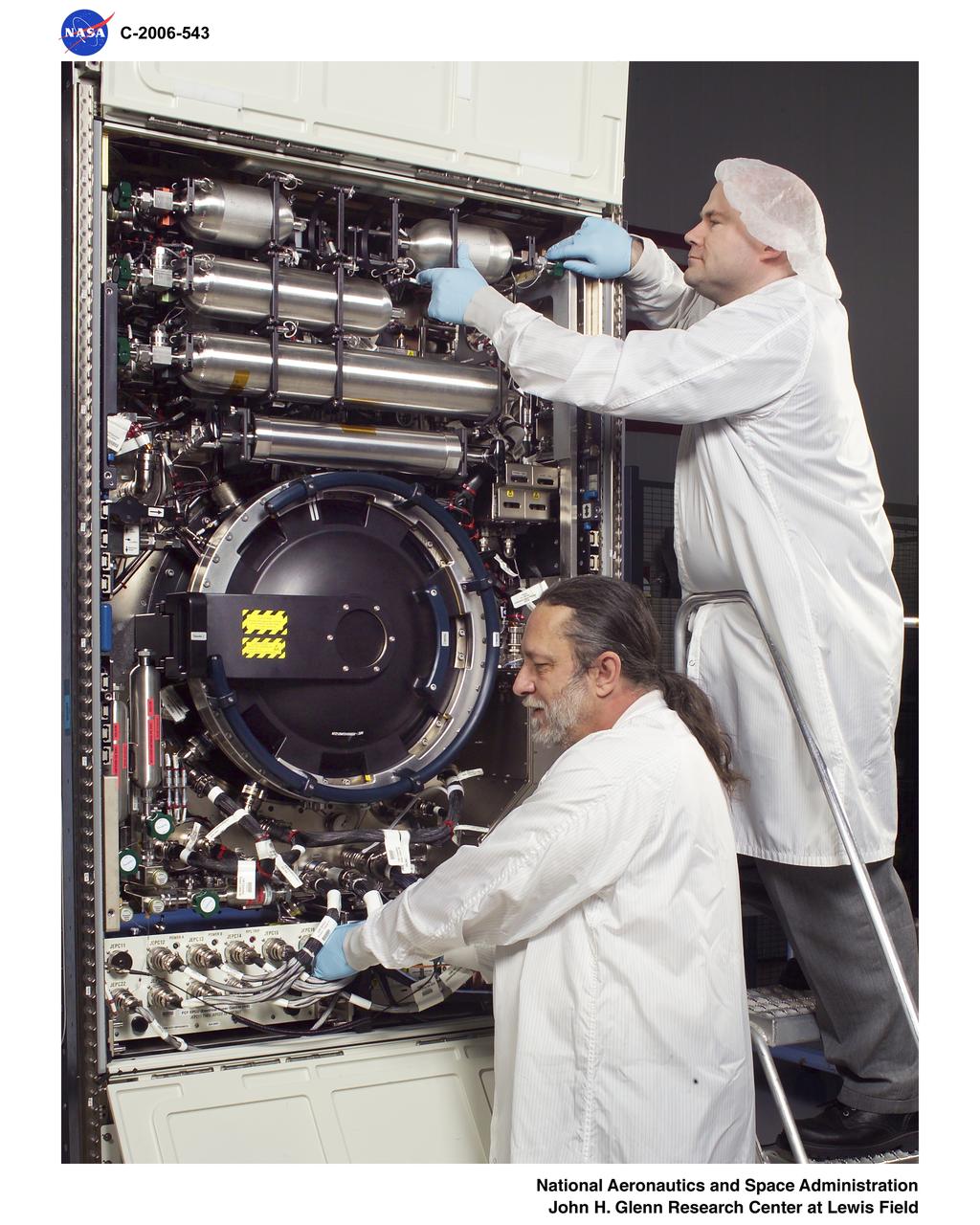
Combustion Integrated Rack (CIR)
GRC-2006-C-00540
Combustion Integrated Rack (CIR)
GRC-2006-C-00543
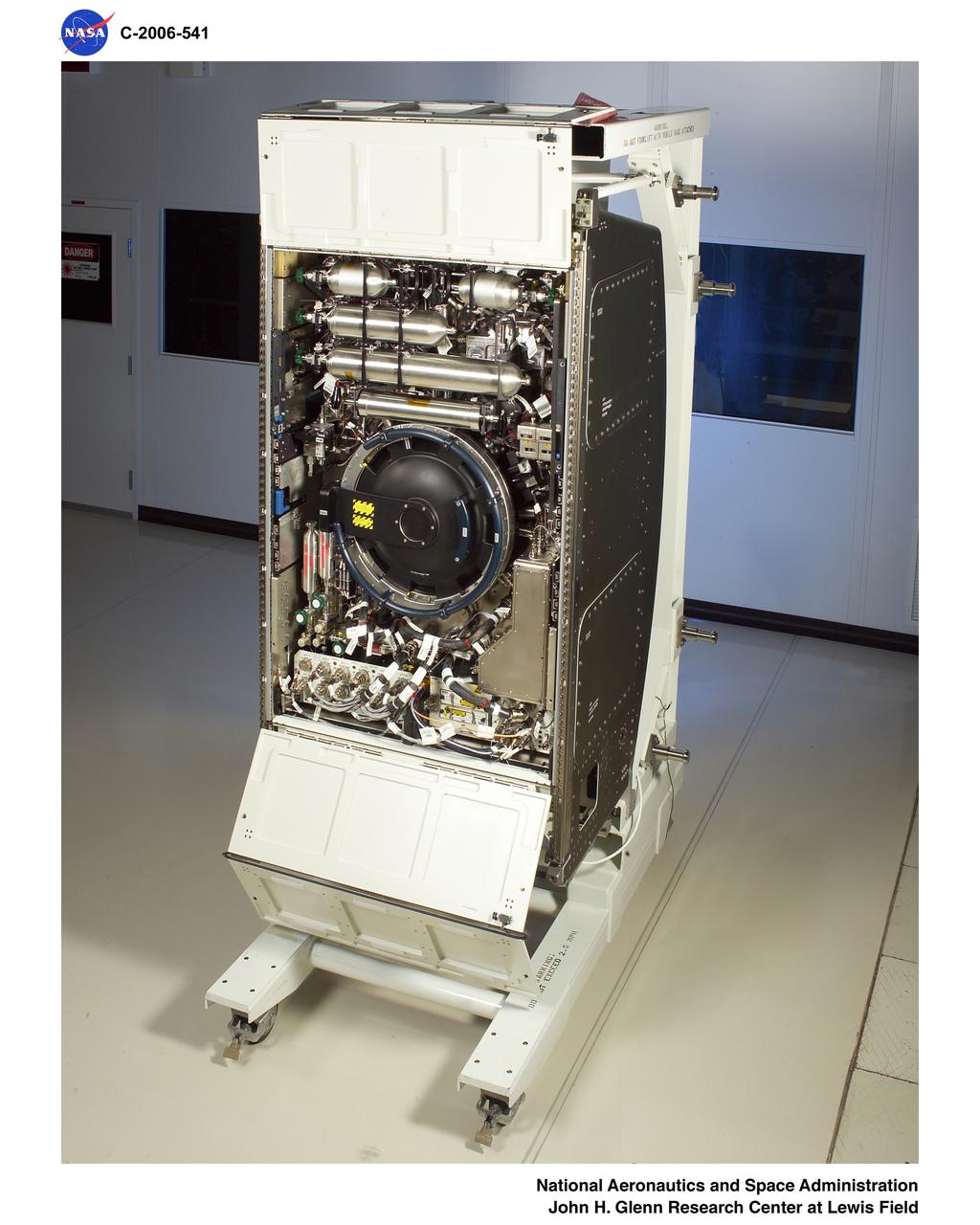
Combustion Integrated Rack (CIR)
GRC-2006-C-00541
NASA, Lockheed Martin S-3B Viking Aircraft #N601NA, Unmanned Aircraft Communications Project
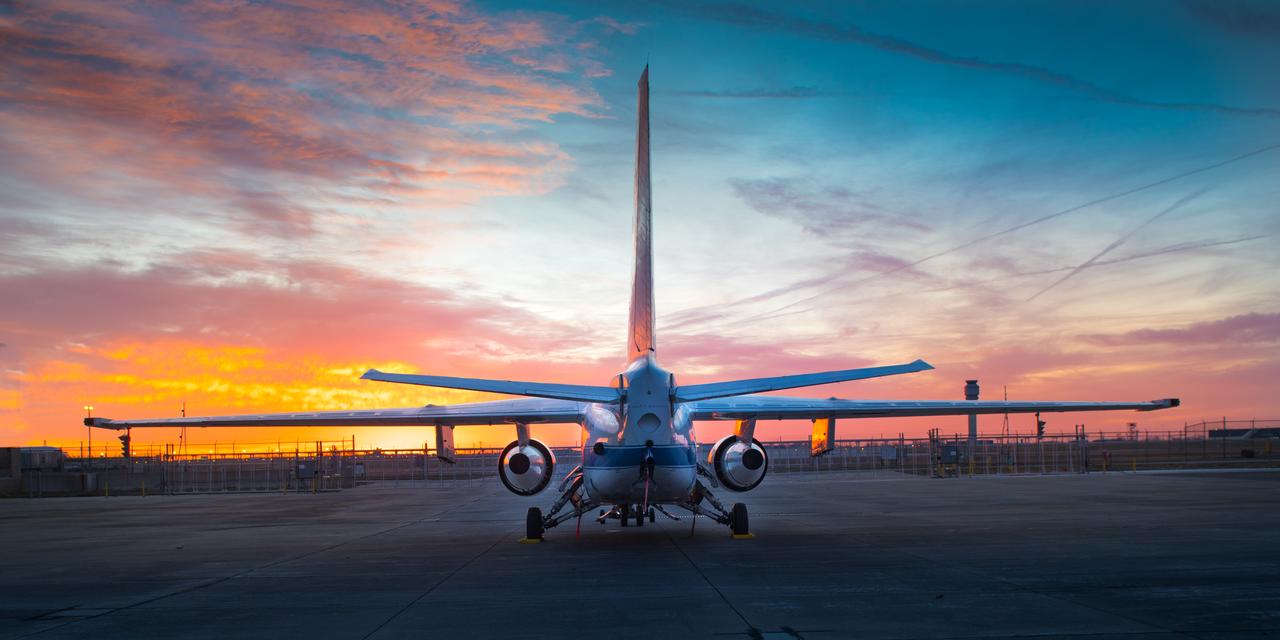
Lockheed S-3B Viking, N601NA at Sunrise on the Glenn Research Center Hangar Apron
Lockheed S-3 Viking, N601NA at Sunrise
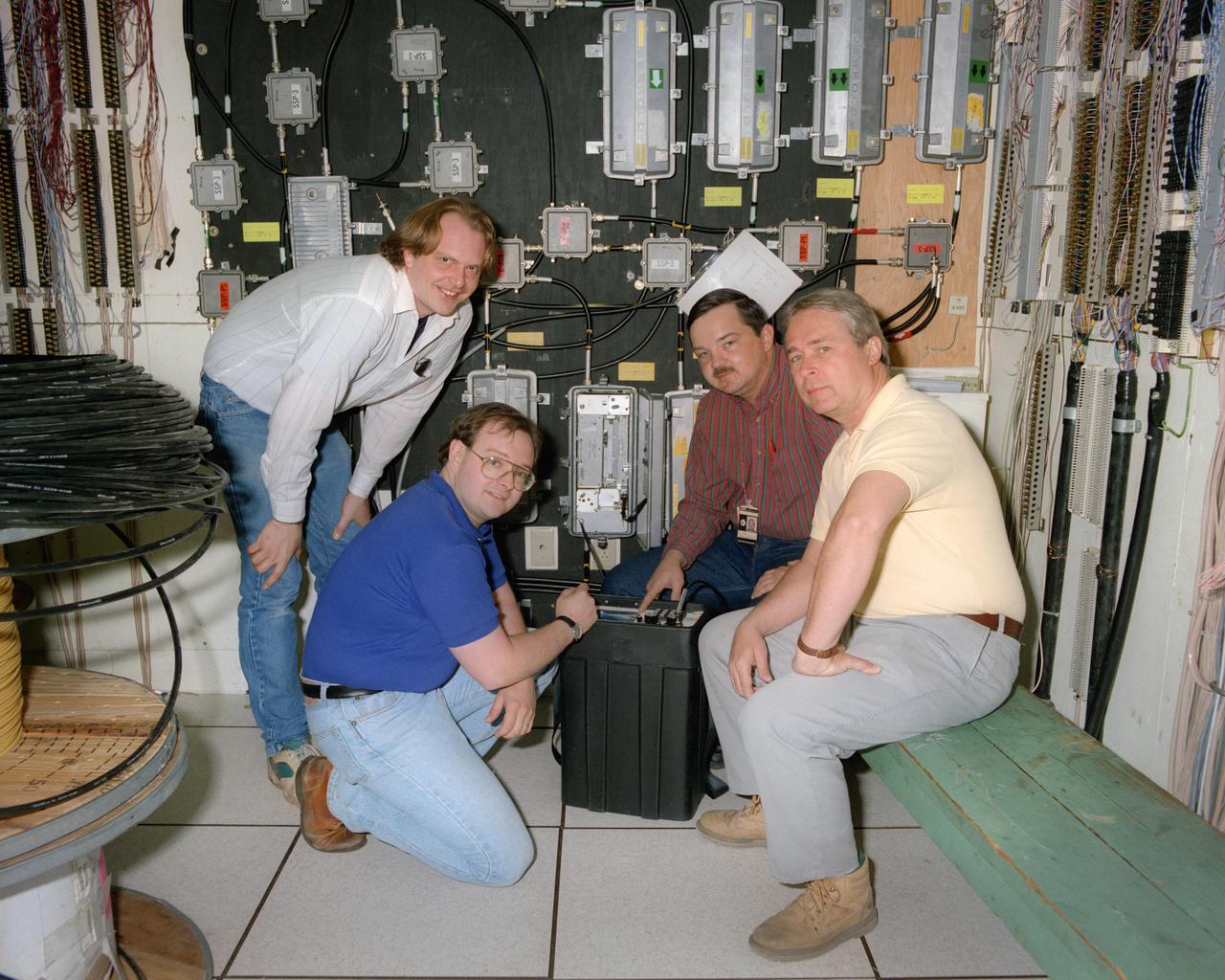
Pictured is the Communications room in the RAC building, Research Analysis Center.  This is the hub for the CATV and Lynk system and also the telephone system as seen from the twisted pair wires.  The test gear LAN 450 is on the floor and is a spectrum analyzer made specifically for CATV.  The Large boxes on the wall are Trunk amps and the smaller boxes are Splitters or combiners.
LEWIS NETWORK TEAM
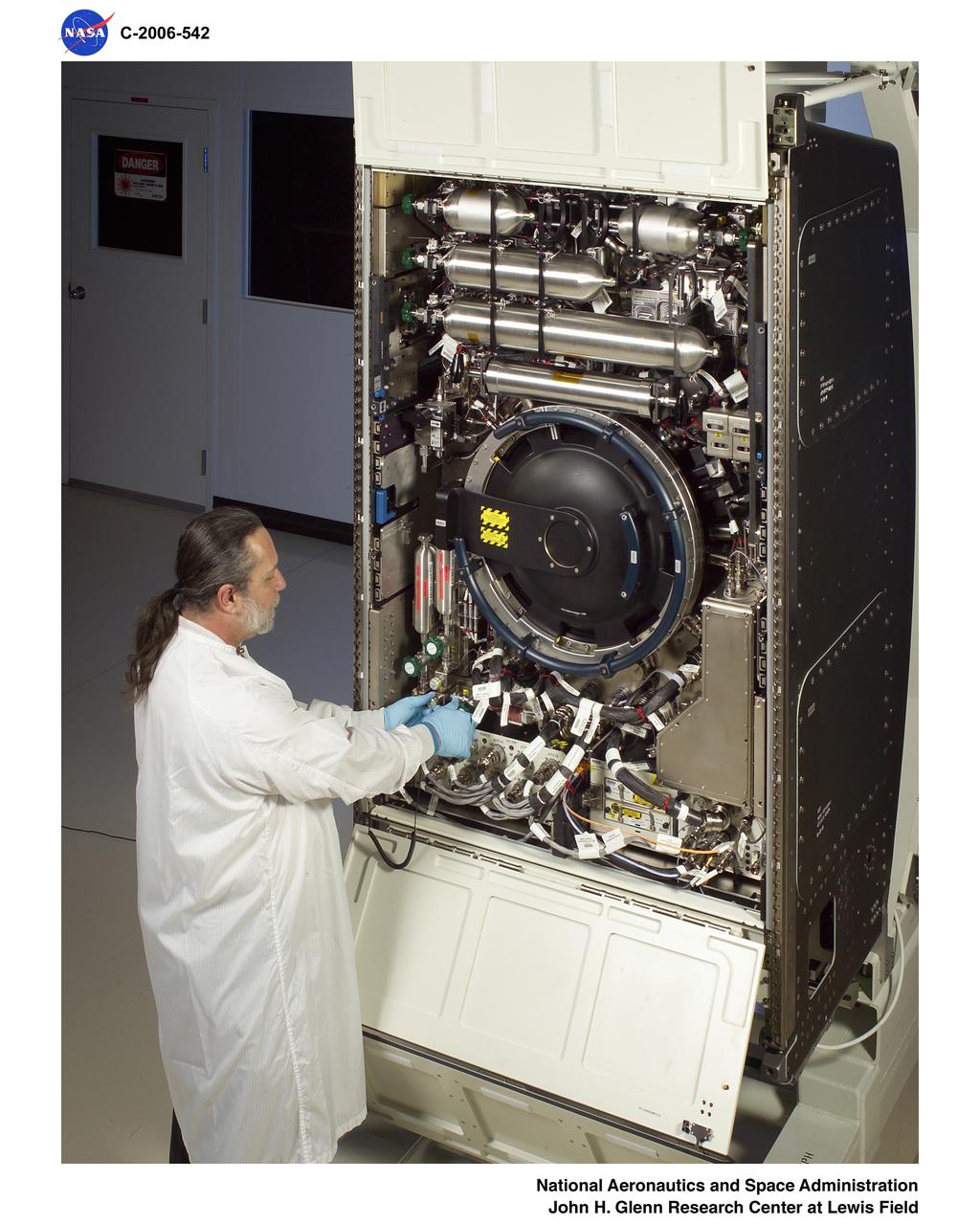
Combustion Integrated Rack (CIR)
GRC-2006-C-00542
NASA, Lockheed Martin S-3B Viking Aircraft #N601NA, Unmanned Aircraft Communications Project
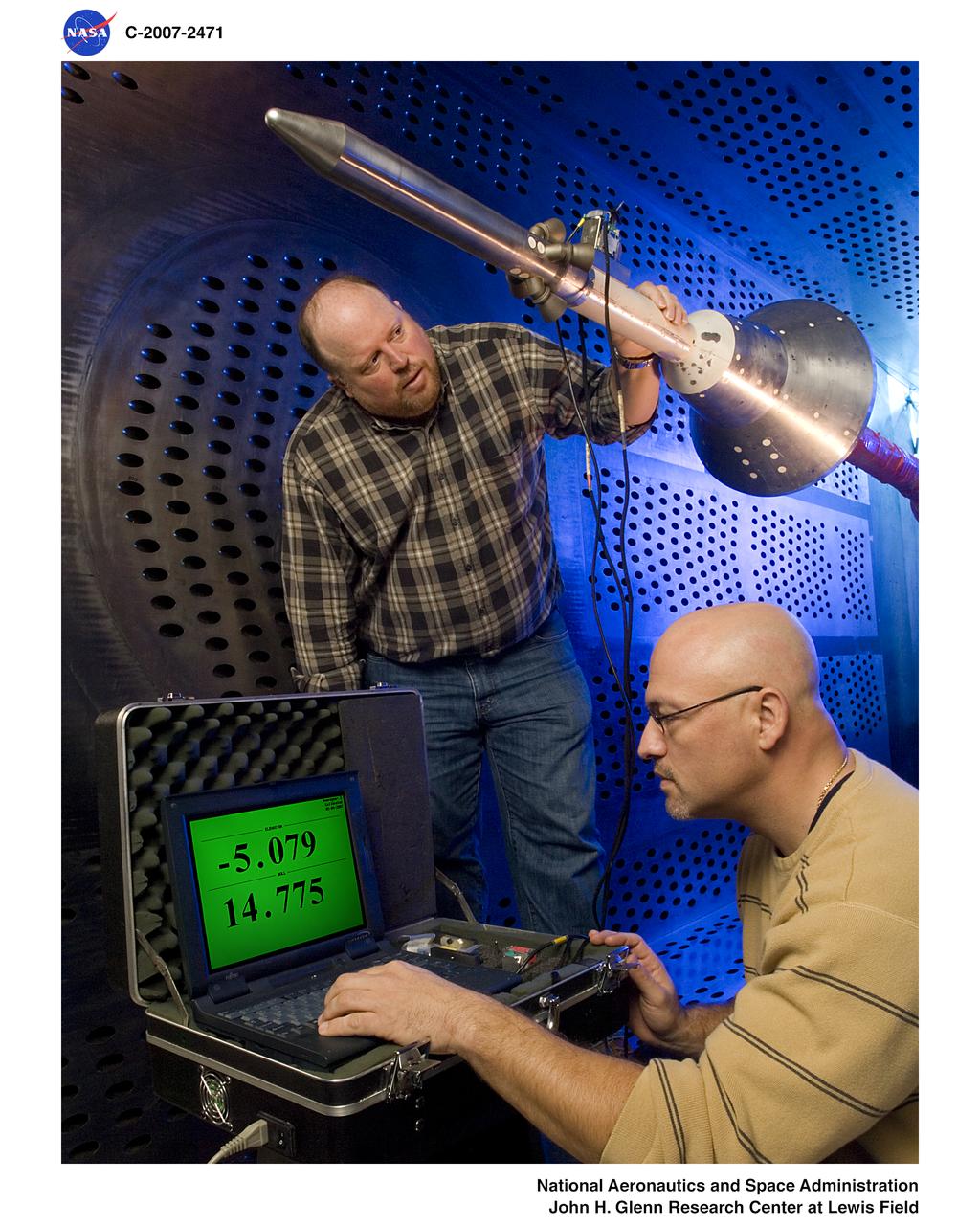
Orion Capsule and Launch Abort System (LAS) installed in the NASA Glenn 8x6 Supersonic Wind Tunnel for testing.  This test is an Aero Acoustic test of the LAS.  Pictured is the calibration of the model's angle of attack
Orion Capsule and Launch Abort System (LAS) installed in the NASA Glenn 8x6 Supersonic Wind Tunnel for testing. This test is an Aero Acoustic test of the LAS. Pictured is the calibration of the model's angle of attack
Advanced Colloids Experiment, Thermal 5-2, ACE T5-2 International Space Station, ISS, Fluids Integrated Rack, FIR Operations in the Telescience Support Center, TSC
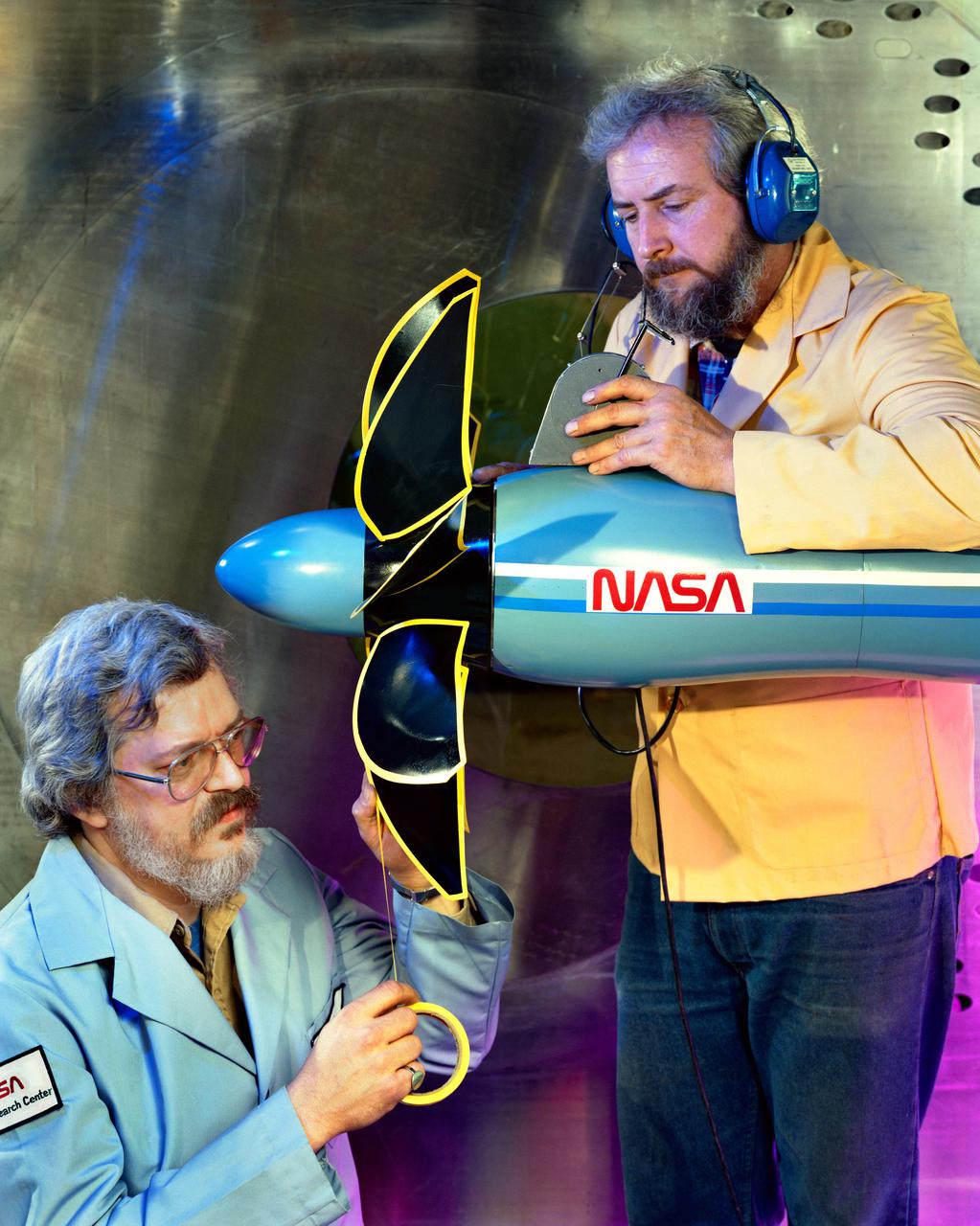
Technicians ready a single rotating propeller model in the 8x6 Supersonic Wind Tunnel
SINGLE ROTATING PROP MODEL IN THE 8 X 6 TEST SECTION