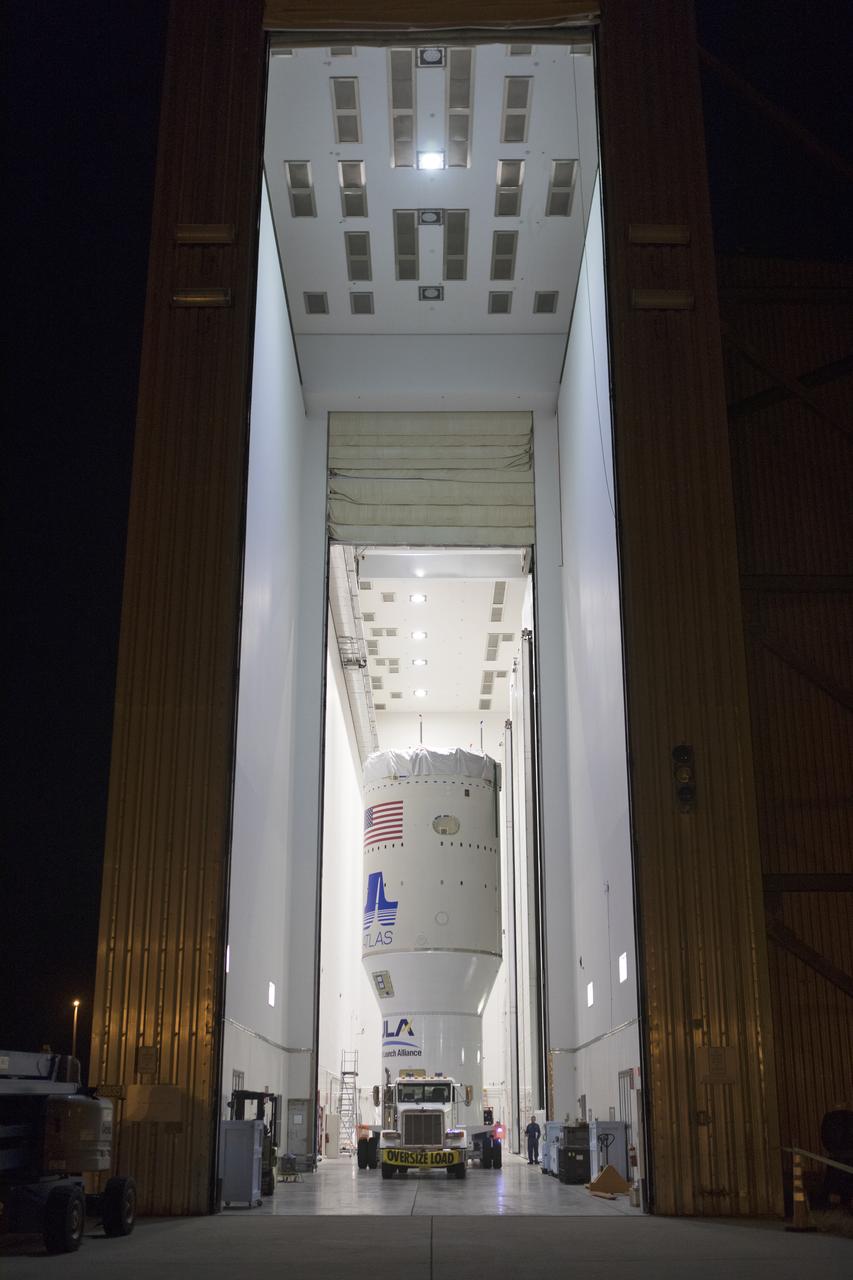
The Centaur upper stage that will help launch NOAA's Geostationary Operational Environmental Satellite-S, or GOES-S, departs the Delta Operations Center for the Vertical Integration Facility at Space Launch Complex 41 at Cape Canaveral Air Force Station in Florida. The Centaur then will be mated to a United Launch Alliance Atlas V booster. GOES-S is the second in a series of four advanced geostationary weather satellites that will significantly improve the detection and observation of environmental phenomena that directly affect public safety, protection of property and the nation's economic health and prosperity. GOES-S is slated to launch March 1, 2018.
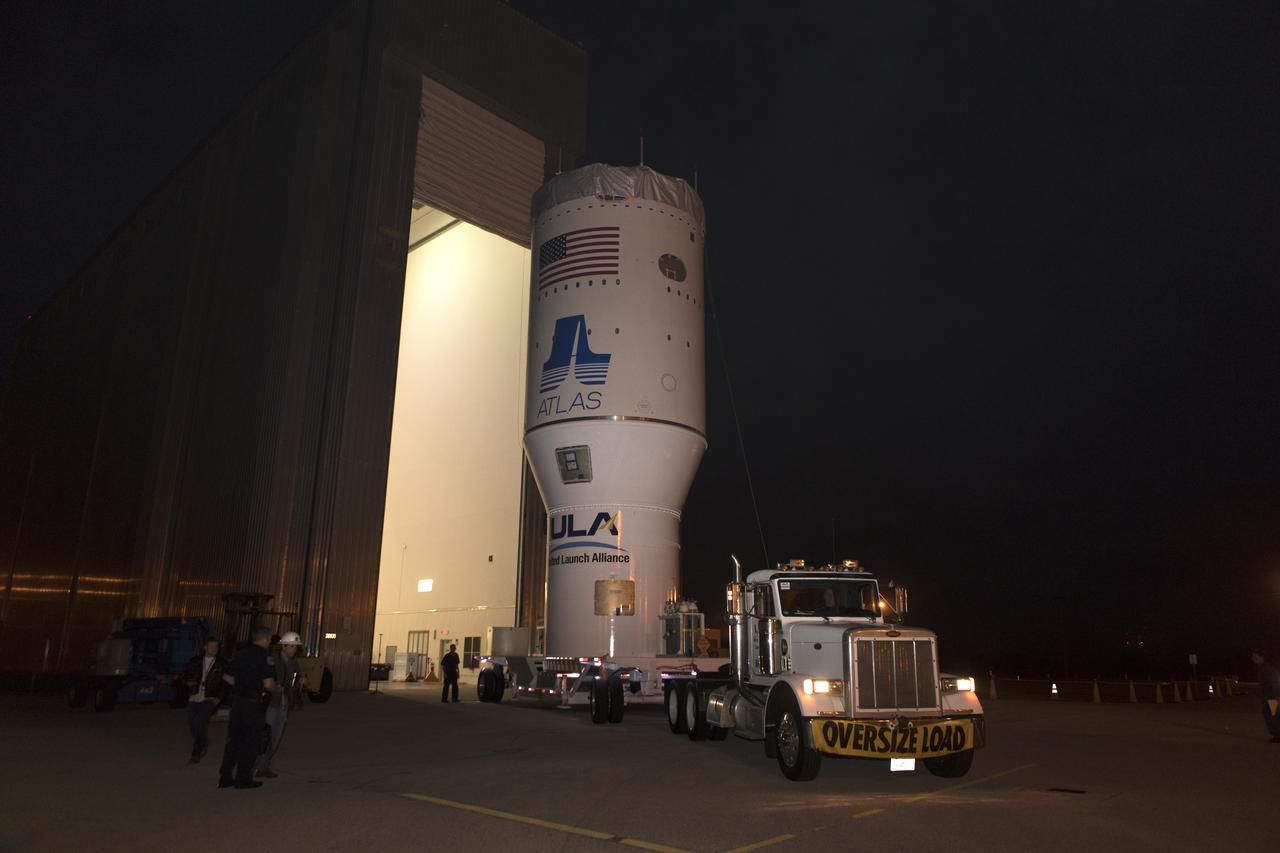
The Centaur upper stage that will help launch NOAA's Geostationary Operational Environmental Satellite-S, or GOES-S, departs the Delta Operations Center for the Vertical Integration Facility at Space Launch Complex 41 at Cape Canaveral Air Force Station in Florida. The Centaur then will be mated to a United Launch Alliance Atlas V booster. GOES-S is the second in a series of four advanced geostationary weather satellites that will significantly improve the detection and observation of environmental phenomena that directly affect public safety, protection of property and the nation's economic health and prosperity. GOES-S is slated to launch March 1, 2018.
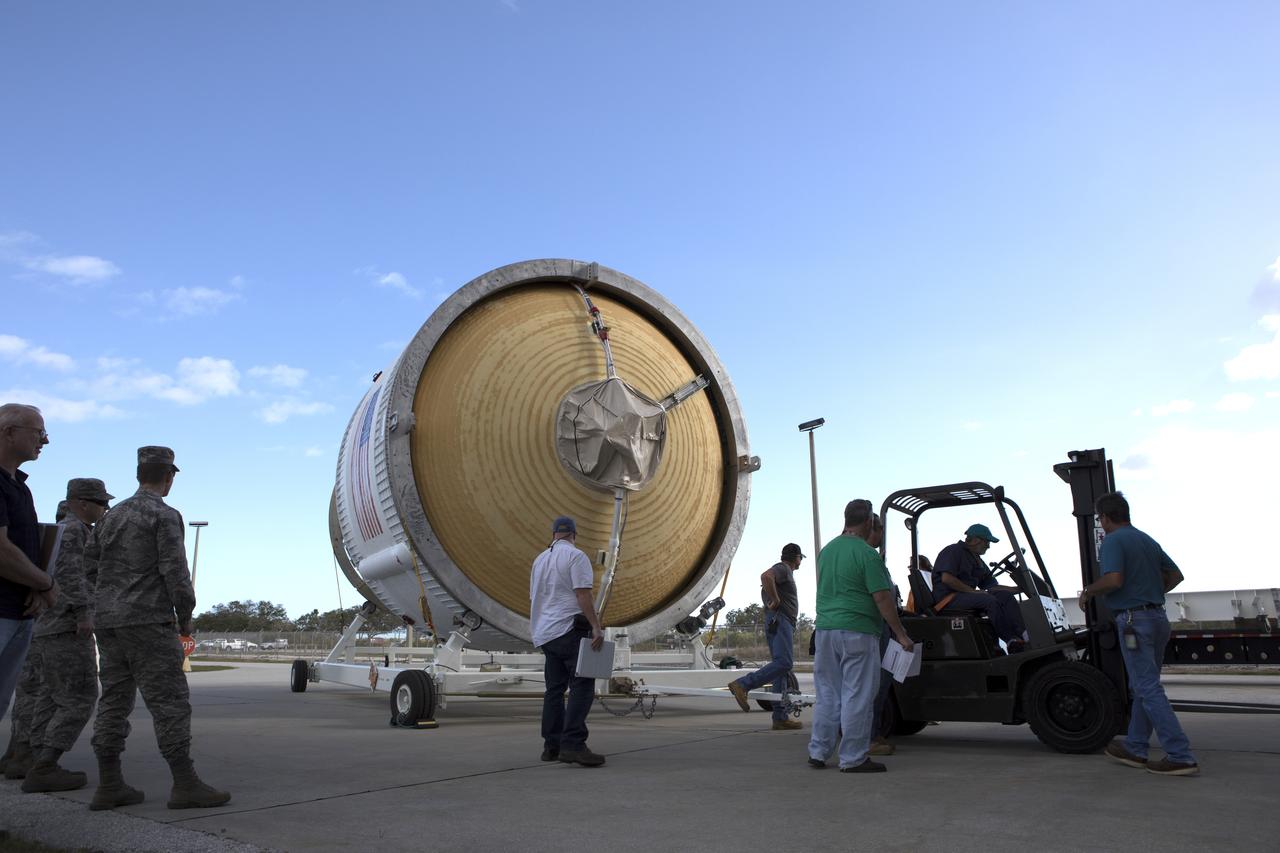
The Interim Cryogenic Propulsion Stage (ICPS) for NASA's Space Launch System rocket arrives at the Delta Operations Center at Cape Canaveral Air Force Station in Florida. The ICPS was moved from the United Launch Alliance (ULA) Horizontal Integration Facility near Space Launch Complex 37 at the Cape. The ICPS is the first integrated piece of flight hardware to arrive for the SLS. It is the in-space stage that is located toward the top of the rocket, between the Launch Vehicle Stage Adapter and the Orion Spacecraft Adapter. It will provide some of the in-space propulsion during Orion's first flight test atop the SLS on Exploration Mission-1.
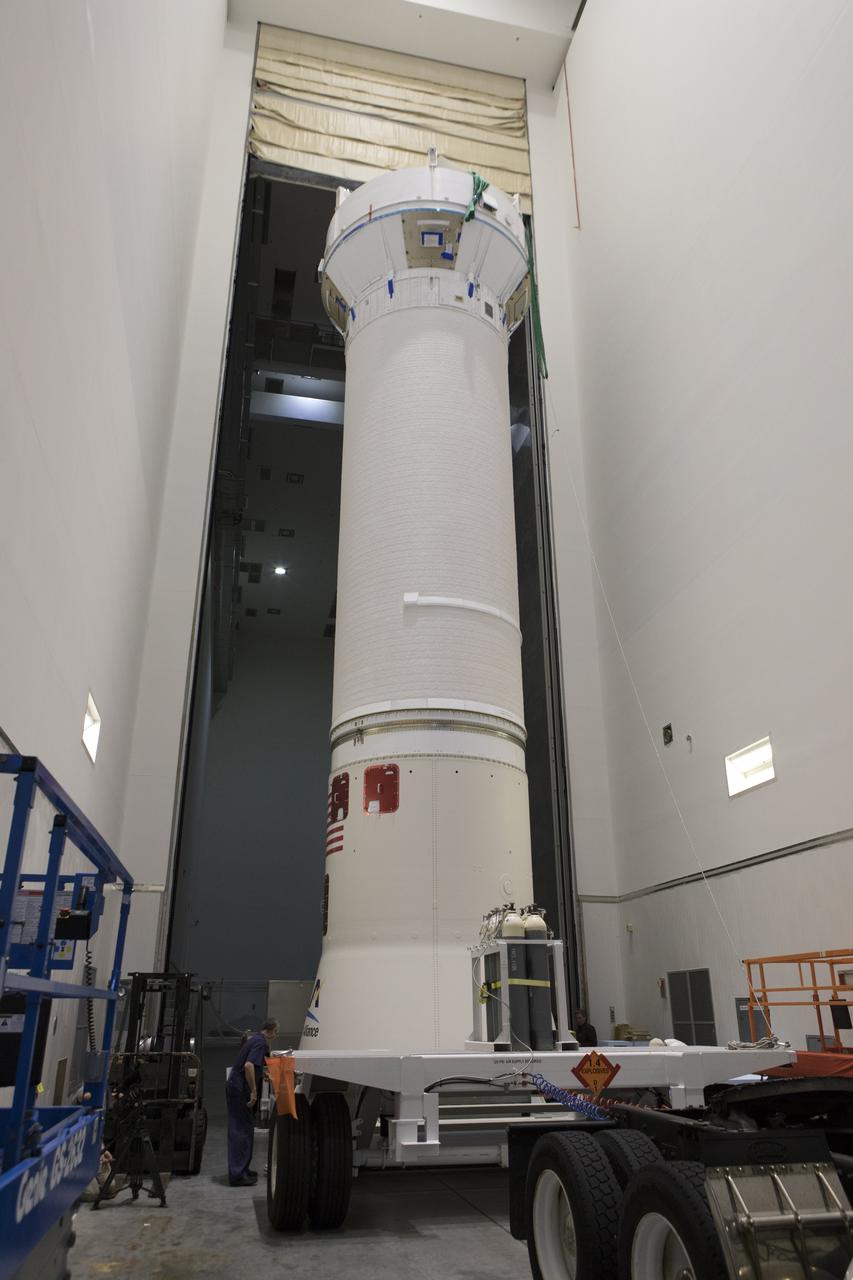
A United Launch Alliance Atlas V Centaur upper stage is prepared to leave the Delta Operations Center aboard a transport trailer for delivery to the Vertical Integration Facility at Space Launch Complex 41 at Cape Canaveral Air Force Station in Florida. The rocket is scheduled to help launch the Tracking and Data Relay Satellite, TDRS-M. It will be the latest spacecraft destined for the agency's constellation of communications satellites that allows nearly continuous contact with orbiting spacecraft ranging from the International Space Station and Hubble Space Telescope to the array of scientific observatories. Liftoff atop the ULA Atlas V rocket is scheduled to take place from Cape Canaveral's Space Launch Complex 41 in early August.
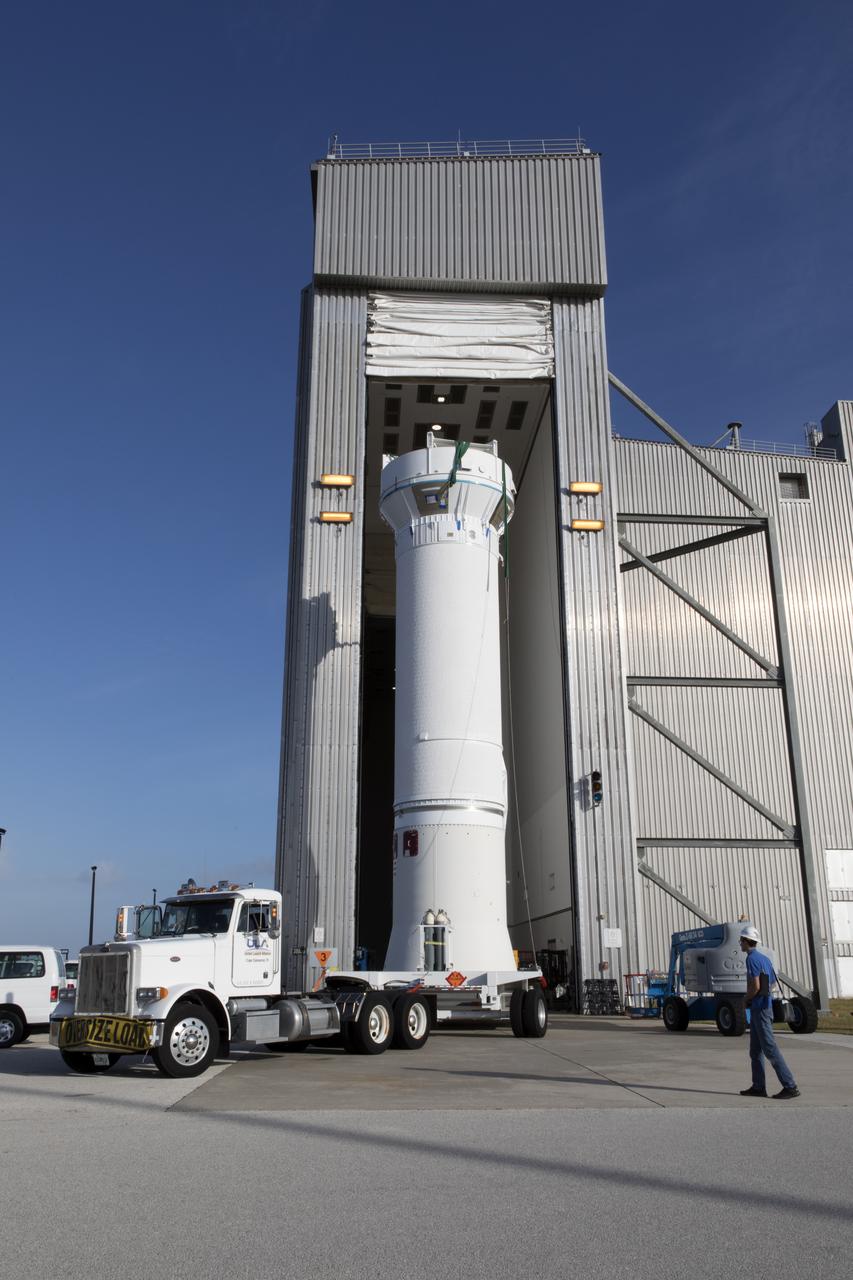
A United Launch Alliance Atlas V Centaur upper stage leaves the Delta Operations Center aboard a transport trailer for delivery to the Vertical Integration Facility at Space Launch Complex 41 at Cape Canaveral Air Force Station in Florida. The rocket is scheduled to help launch the Tracking and Data Relay Satellite, TDRS-M. It will be the latest spacecraft destined for the agency's constellation of communications satellites that allows nearly continuous contact with orbiting spacecraft ranging from the International Space Station and Hubble Space Telescope to the array of scientific observatories. Liftoff atop the ULA Atlas V rocket is scheduled to take place from Cape Canaveral's Space Launch Complex 41 in early August.
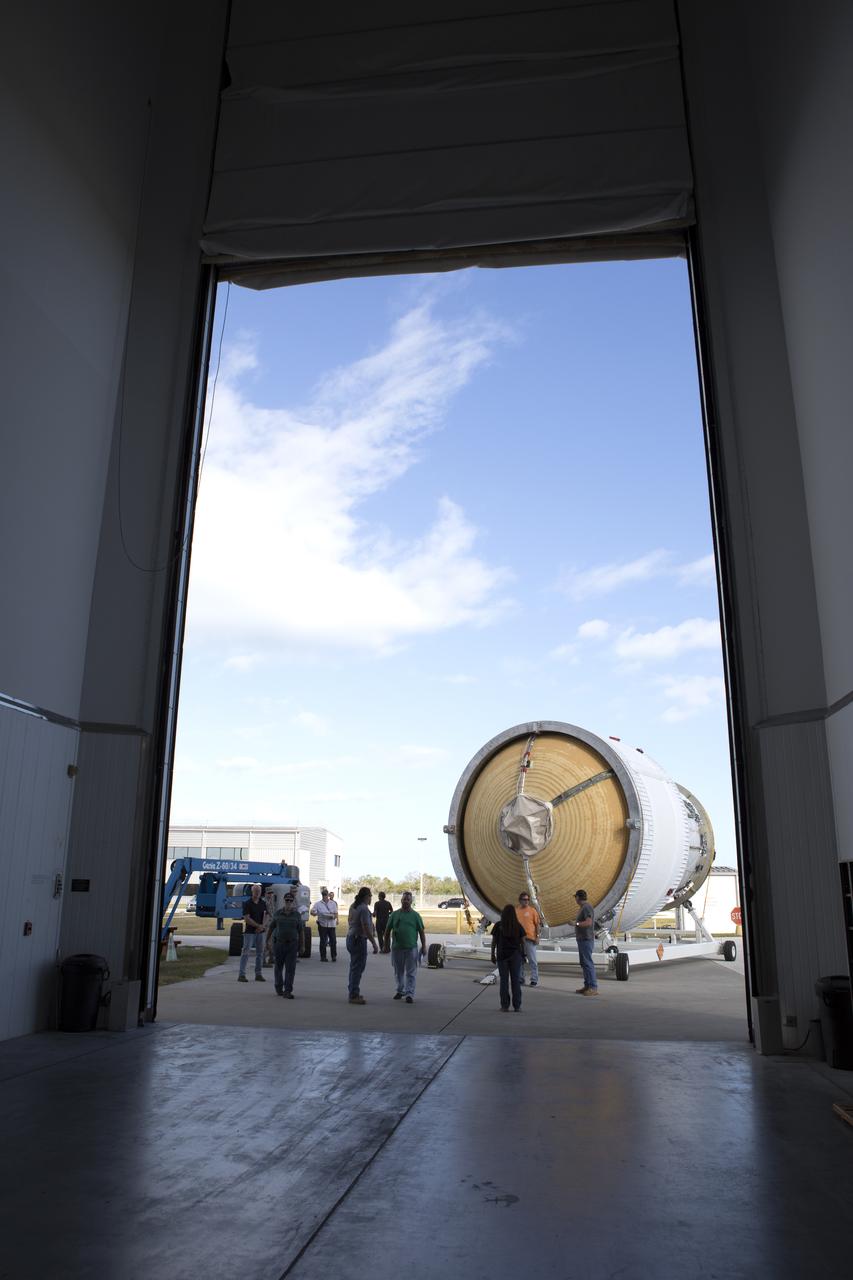
The Interim Cryogenic Propulsion Stage (ICPS) for NASA's Space Launch System rocket arrives at the Delta Operations Center at Cape Canaveral Air Force Station in Florida. The ICPS was moved from the United Launch Alliance (ULA) Horizontal Integration Facility near Space Launch Complex 37 at the Cape. The ICPS is the first integrated piece of flight hardware to arrive for the SLS. It is the in-space stage that is located toward the top of the rocket, between the Launch Vehicle Stage Adapter and the Orion Spacecraft Adapter. It will provide some of the in-space propulsion during Orion's first flight test atop the SLS on Exploration Mission-1.
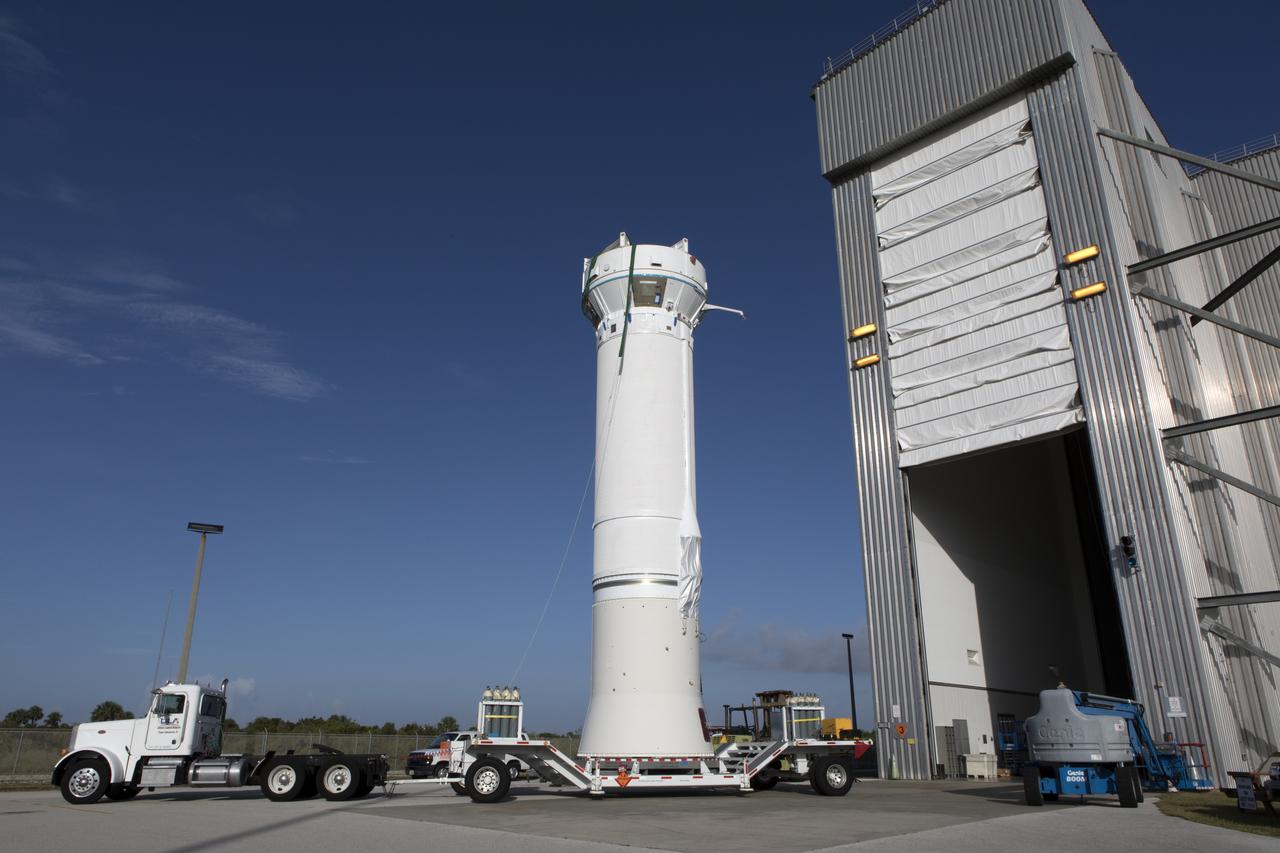
A United Launch Alliance Atlas V Centaur upper stage leaves the Delta Operations Center aboard a transport trailer for delivery to the Vertical Integration Facility at Space Launch Complex 41 at Cape Canaveral Air Force Station in Florida. The rocket is scheduled to help launch the Tracking and Data Relay Satellite, TDRS-M. It will be the latest spacecraft destined for the agency's constellation of communications satellites that allows nearly continuous contact with orbiting spacecraft ranging from the International Space Station and Hubble Space Telescope to the array of scientific observatories. Liftoff atop the ULA Atlas V rocket is scheduled to take place from Cape Canaveral's Space Launch Complex 41 in early August.
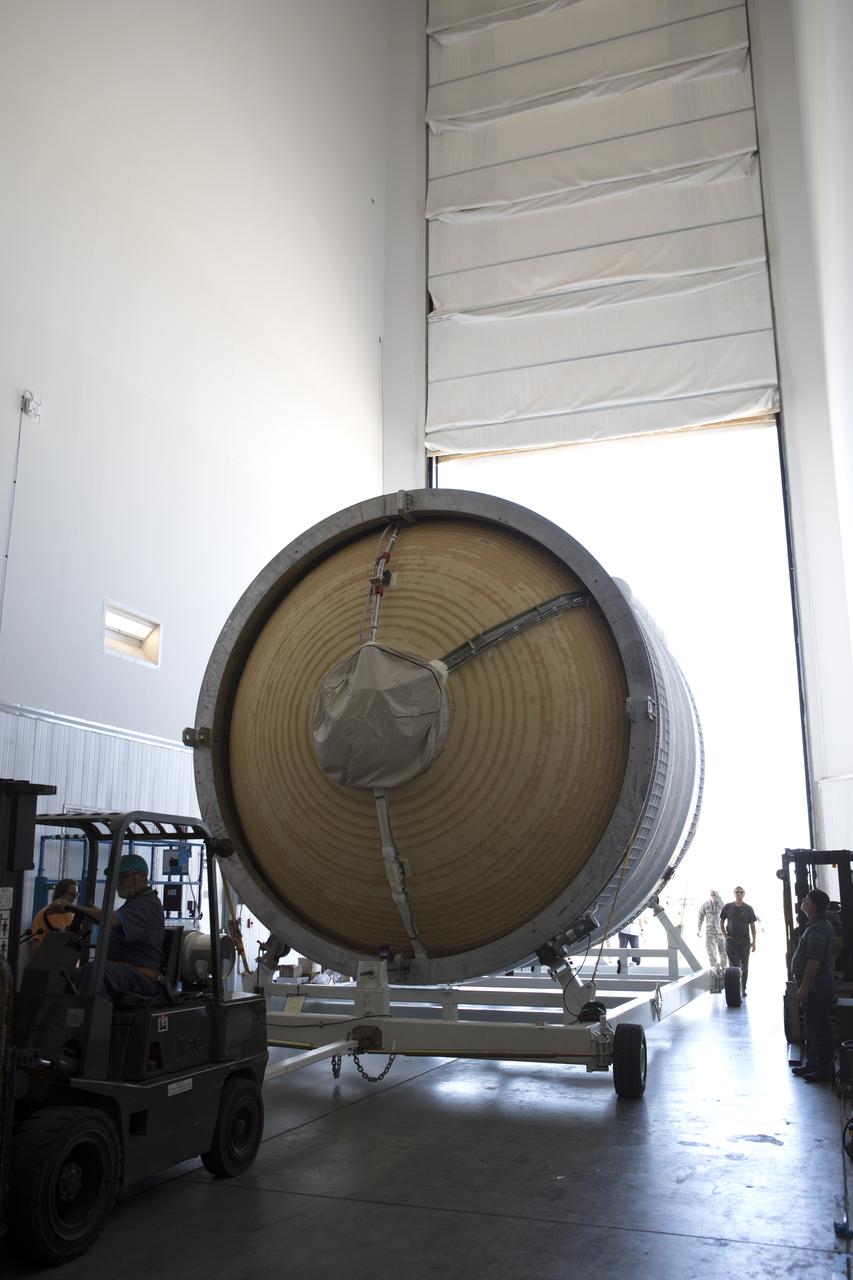
The Interim Cryogenic Propulsion Stage (ICPS) for NASA's Space Launch System rocket is moved inside the Delta Operations Center at Cape Canaveral Air Force Station in Florida. The ICPS was moved from the United Launch Alliance (ULA) Horizontal Integration Facility near Space Launch Complex 37 at the Cape. The ICPS is the first integrated piece of flight hardware to arrive for the SLS. It is the in-space stage that is located toward the top of the rocket, between the Launch Vehicle Stage Adapter and the Orion Spacecraft Adapter. It will provide some of the in-space propulsion during Orion's first flight test atop the SLS on Exploration Mission-1.
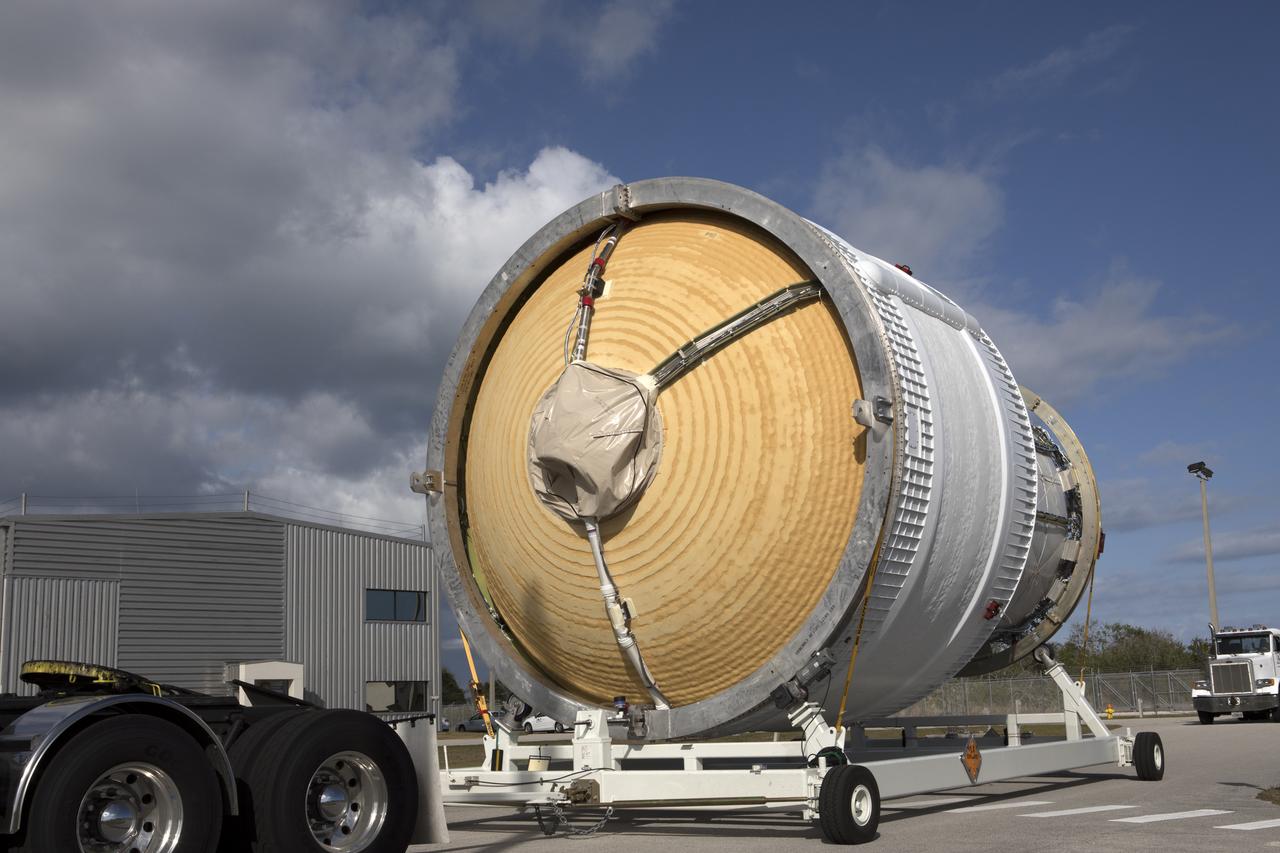
The Interim Cryogenic Propulsion Stage (ICPS) for NASA's Space Launch System (SLS) rocket has been moved on its transport stand by truck out of the United Launch Alliance (ULA) Horizontal Integration Facility near Space Launch Complex 37 at Cape Canaveral Air Force Station in Florida, and is on its way to the Delta Operations Center. The ICPS is the first integrated piece of flight hardware to arrive for the SLS. It is the in-space stage that is located toward the top of the rocket, between the Launch Vehicle Stage Adapter and the Orion Spacecraft Adapter. It will provide some of the in-space propulsion during Orion's first flight test atop the SLS on Exploration Mission 1.
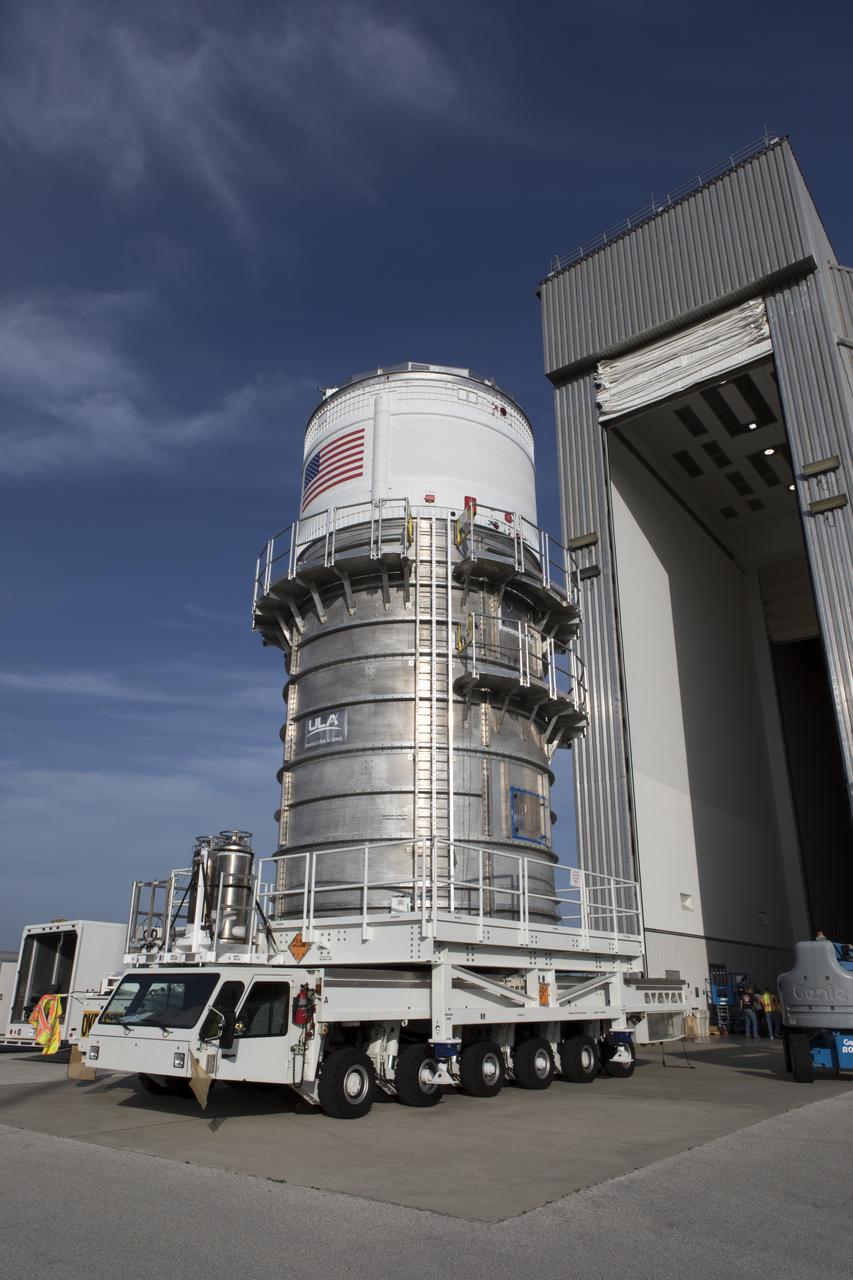
The Interim Cryogenic Propulsion Stage (ICPS) for NASA's Space Launch System (SLS) rocket, packed inside a canister, exits the United Launch Alliance (ULA) Delta Operations Center near Space Launch Complex 37 at Cape Canaveral Air Force Station for its move to the Space Station Processing Facility at NASA's Kennedy Space Center in Florida. The ICPS is the first integrated piece of flight hardware to arrive for the SLS. It is the in-space stage that is located toward the top of the rocket, between the Launch Vehicle Stage Adapter and the Orion Spacecraft Adapter. It will provide some of the in-space propulsion during Orion's first flight test atop the SLS on Exploration Mission-1.
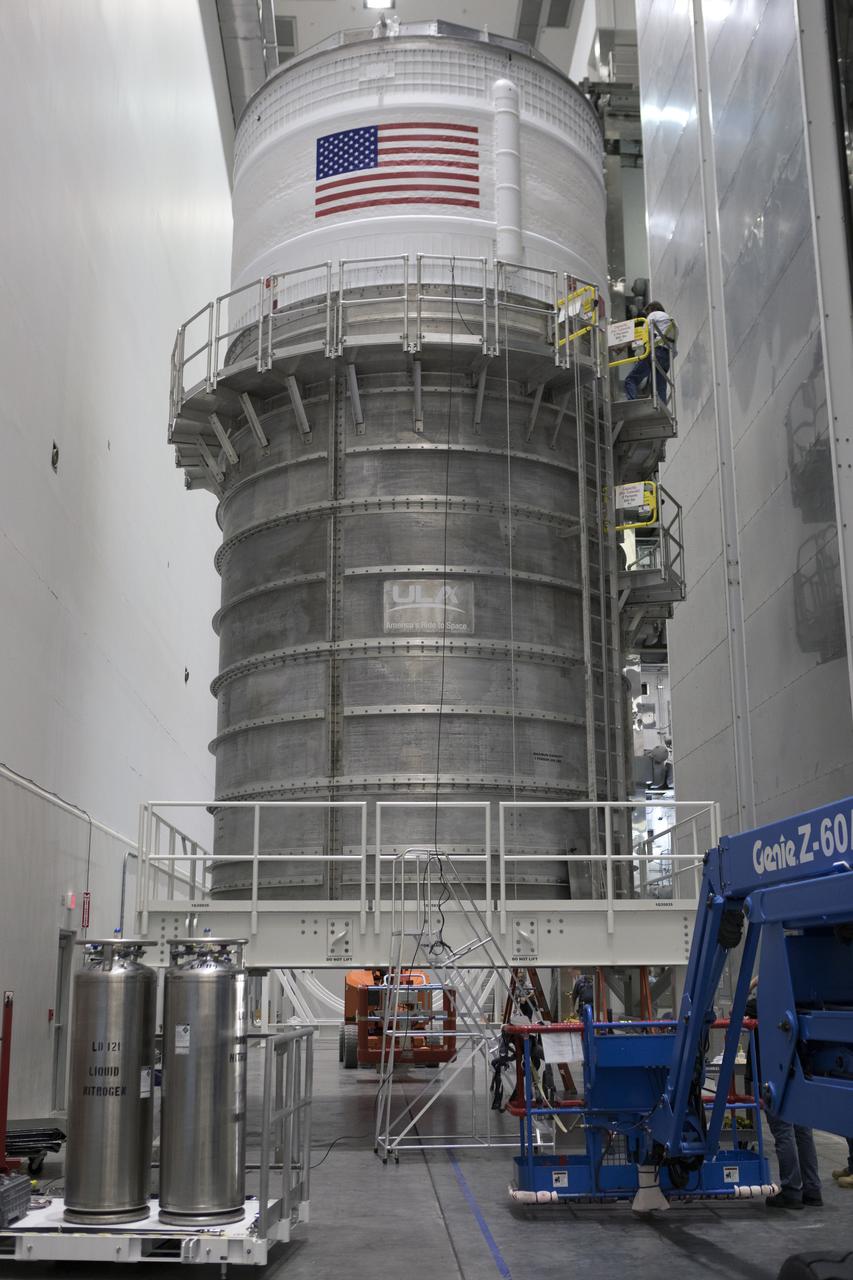
The Interim Cryogenic Propulsion Stage (ICPS) for NASA's Space Launch System (SLS) rocket is packed inside a canister and ready to be moved from the United Launch Alliance (ULA) Delta Operations Center near Space Launch Complex 37 at Cape Canaveral Air Force Station to the Space Station Processing Facility at NASA's Kennedy Space Center in Florida. The ICPS is the first integrated piece of flight hardware to arrive for the SLS. It is the in-space stage that is located toward the top of the rocket, between the Launch Vehicle Stage Adapter and the Orion Spacecraft Adapter. It will provide some of the in-space propulsion during Orion's first flight test atop the SLS on Exploration Mission-1.
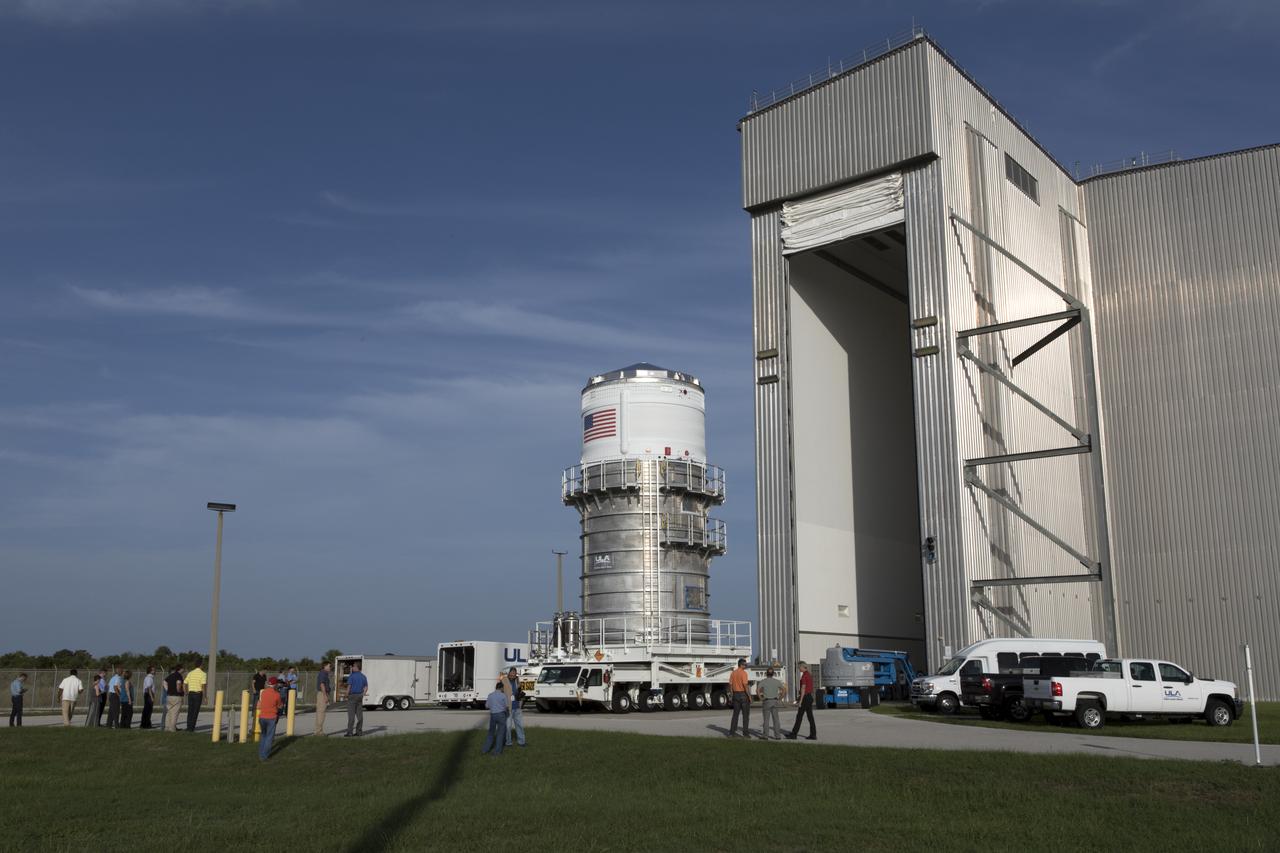
The Interim Cryogenic Propulsion Stage (ICPS) for NASA's Space Launch System (SLS) rocket, packed inside a canister, exits the United Launch Alliance (ULA) Delta Operations Center near Space Launch Complex 37 at Cape Canaveral Air Force Station for its move to the Space Station Processing Facility at NASA's Kennedy Space Center in Florida. The ICPS is the first integrated piece of flight hardware to arrive for the SLS. It is the in-space stage that is located toward the top of the rocket, between the Launch Vehicle Stage Adapter and the Orion Spacecraft Adapter. It will provide some of the in-space propulsion during Orion's first flight test atop the SLS on Exploration Mission-1.
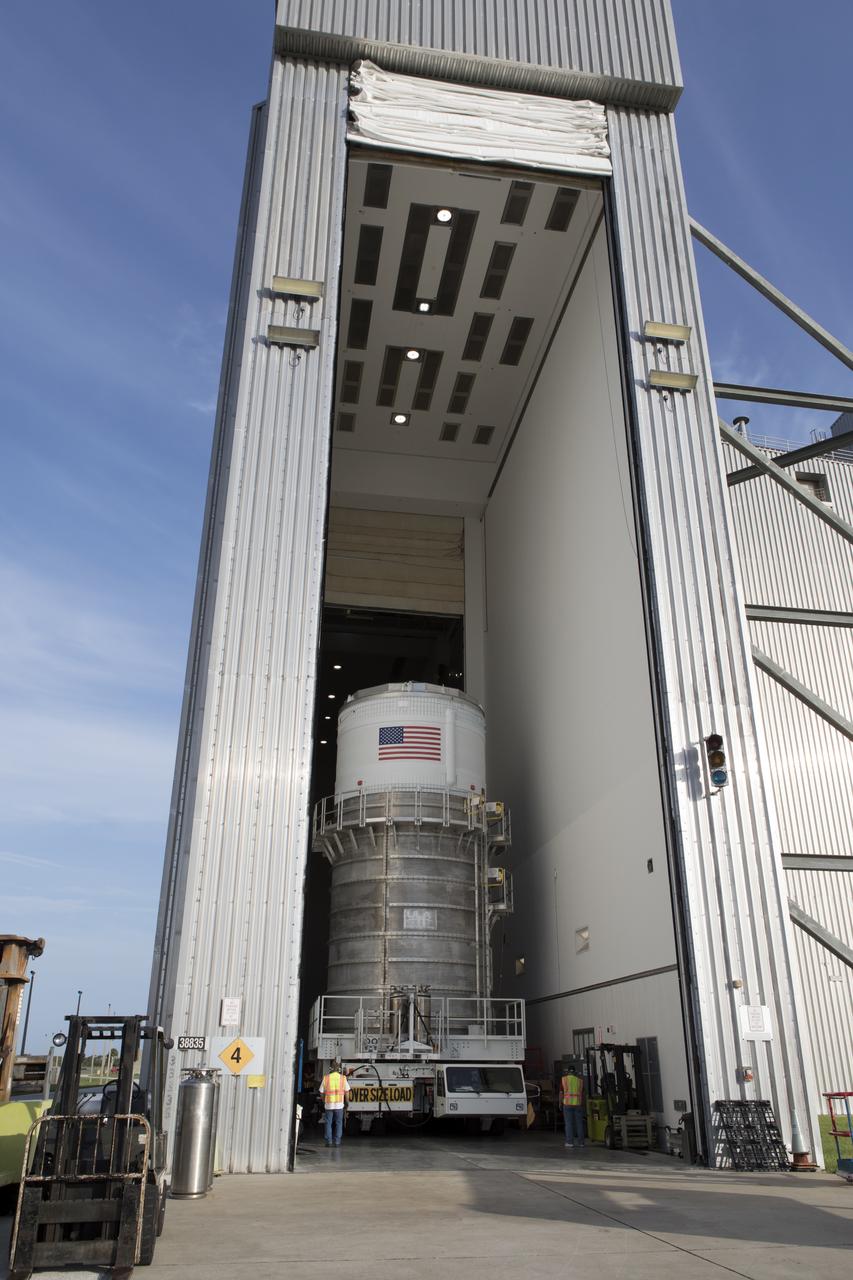
The Interim Cryogenic Propulsion Stage (ICPS) for NASA's Space Launch System (SLS) rocket is packed inside a canister and ready to exit the United Launch Alliance (ULA) Delta Operations Center near Space Launch Complex 37 at Cape Canaveral Air Force Station for its move to the Space Station Processing Facility at NASA's Kennedy Space Center in Florida. The ICPS is the first integrated piece of flight hardware to arrive for the SLS. It is the in-space stage that is located toward the top of the rocket, between the Launch Vehicle Stage Adapter and the Orion Spacecraft Adapter. It will provide some of the in-space propulsion during Orion's first flight test atop the SLS on Exploration Mission-1.