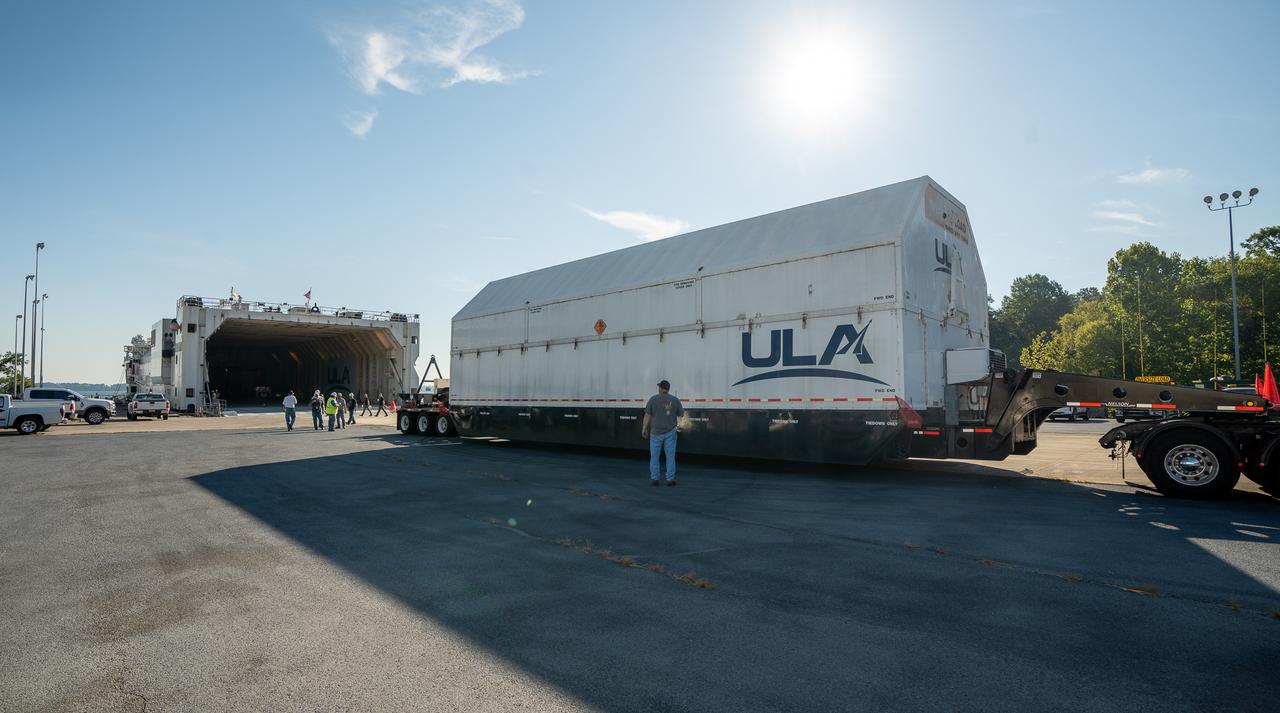
These images and videos show how crews in Alabama prepared the ICPS (interim cryogenic propulsion stage) for NASA’s SLS (Space Launch System) rocket for shipment to Florida between July 29-31. The ICPS in the photos and videos will help power NASA’s Artemis III mission to the Moon. The SLS upper stage is manufactured by United Launch Alliance at its facility in Decatur. Its RL10 engine is produced by Aerojet Rocketdyne, the SLS engines lead contractor, in West Palm Beach, Florida. ULA is working with Boeing, the SLS core stage and exploration upper stage lead contractor, to develop ICPS. ULA’s R/S RocketShip is transporting the flight hardware to its sister facility in Florida near NASA’s Kennedy Space Center for final checkouts. The ICPS for Artemis III is the last of its kind as SLS transitions to its next, more powerful Block 1B configuration with an upgraded upper stage beginning with Artemis IV. NASA is working to land the first woman and first person of color on the Moon under Artemis. SLS is part of NASA’s backbone for deep space exploration, along with Orion and the Gateway in orbit around the Moon. SLS is the only rocket that can send Orion, astronauts, and supplies to the Moon in a single mission.
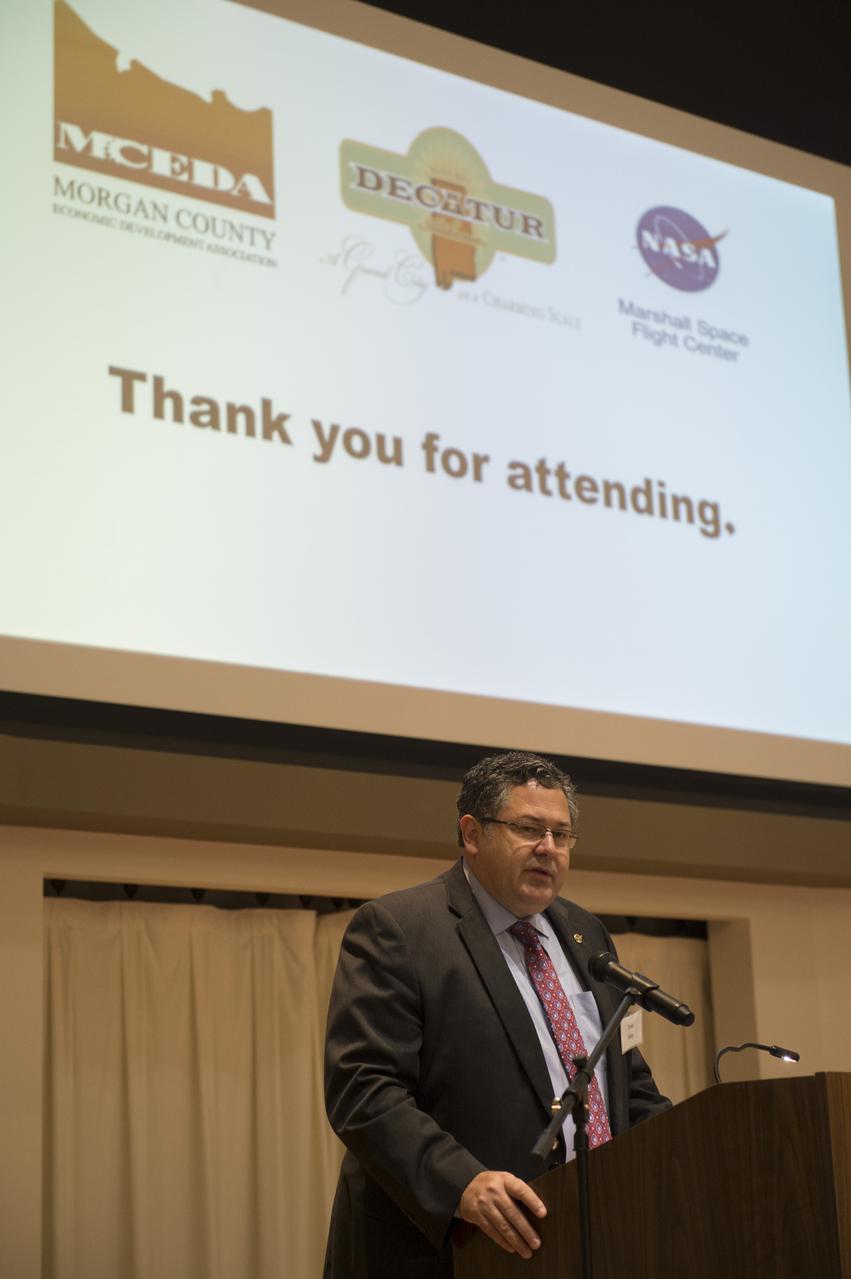
The Morgan County Economic Development Association and the City of Decatur, in Partnership with the NASA/Marshall Space Flight Center (MSFC), hosted a business forum on, How to Launch Your Business with NASA, Wednesday, October 18, 2017, at the Alabama Center for the Arts in downtown Decatur, AL. The event was open to all businesses allowed them to connect with Senior NASA representatives and their prime contractors. The program guided businesses through the process of working with NASA as a supplier, subcontractor, and/or a service provider. The Marshall Space Flight Center’s projected procurement budget in FY 2018 is approximately $2.2 billion and numerous procurement opportunities are available for small business participation each fiscal year. The program included Todd May, Director of Marshall Space Flight Center; Johnny Stephenson, Director of Marshall Space Flight Center’s Office of Strategic Analysis and Communication; David Brock, Small Business Specialist with Marshall Space Flight Center; and Lynn Garrison, Small Business Specialist Technical Advisor with Marshall Space Flight Center. Additionally, there was a prime contractor panel consisting of representatives from five NASA prime contractors. The event included a dedicated networking session with those prime contractors. The “Launch Your Business With NASA” event provides those in attendance the opportunity to network with key Marshall Space Flight Center procurement and technical personnel, and representatives of several major Marshall Space Flight Center prime contractors.Arts. MSFC Director Todd May shares opening remarks.
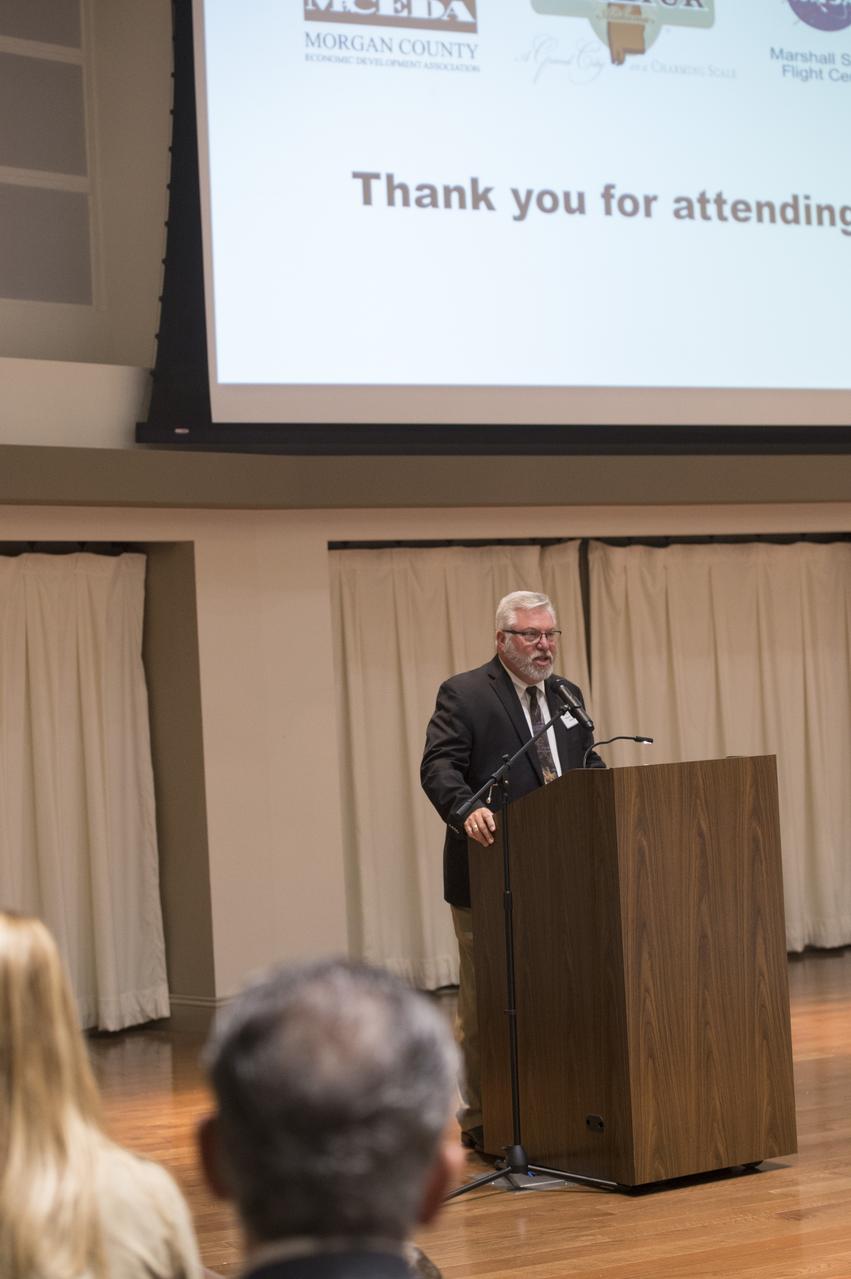
The Morgan County Economic Development Association and the City of Decatur, in Partnership with the NASA/Marshall Space Flight Center (MSFC), hosted a business forum on, How to Launch Your Business with NASA, Wednesday, October 18, 2017, at the Alabama Center for the Arts in downtown Decatur, AL. The event was open to all businesses allowed them to connect with Senior NASA representatives and their prime contractors. The program guided businesses through the process of working with NASA as a supplier, subcontractor, and/or a service provider. The Marshall Space Flight Center’s projected procurement budget in FY 2018 is approximately $2.2 billion and numerous procurement opportunities are available for small business participation each fiscal year. The program included Todd May, Director of Marshall Space Flight Center; Johnny Stephenson, Director of Marshall Space Flight Center’s Office of Strategic Analysis and Communication; David Brock, Small Business Specialist with Marshall Space Flight Center; and Lynn Garrison, Small Business Specialist Technical Advisor with Marshall Space Flight Center. Additionally, there was a prime contractor panel consisting of representatives from five NASA prime contractors. The event included a dedicated networking session with those prime contractors. The “Launch Your Business With NASA” event provides those in attendance the opportunity to network with key Marshall Space Flight Center procurement and technical personnel, and representatives of several major Marshall Space Flight Center prime contractors.Arts.. City of Hartselle Mayor Randy Garrison welcomes attendees to conference.
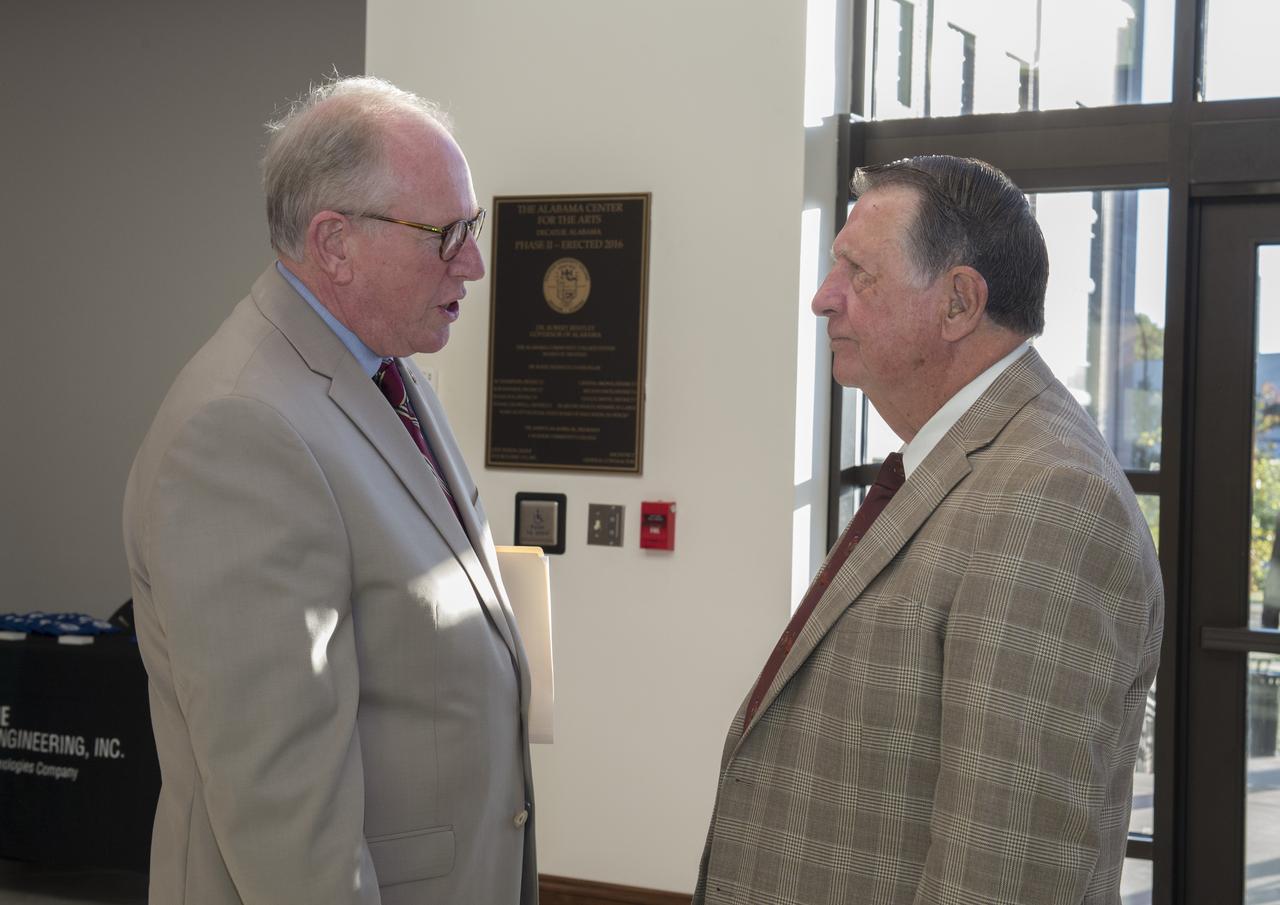
The Morgan County Economic Development Association and the City of Decatur, in Partnership with the NASA/Marshall Space Flight Center (MSFC), hosted a business forum on, How to Launch Your Business with NASA, Wednesday, October 18, 2017, at the Alabama Center for the Arts in downtown Decatur, AL. The event was open to all businesses allowed them to connect with Senior NASA representatives and their prime contractors. The program guided businesses through the process of working with NASA as a supplier, subcontractor, and/or a service provider. The Marshall Space Flight Center’s projected procurement budget in FY 2018 is approximately $2.2 billion and numerous procurement opportunities are available for small business participation each fiscal year. The program included Todd May, Director of Marshall Space Flight Center; Johnny Stephenson, Director of Marshall Space Flight Center’s Office of Strategic Analysis and Communication; David Brock, Small Business Specialist with Marshall Space Flight Center; and Lynn Garrison, Small Business Specialist Technical Advisor with Marshall Space Flight Center. Additionally, there was a prime contractor panel consisting of representatives from five NASA prime contractors. The event included a dedicated networking session with those prime contractors. The “Launch Your Business With NASA” event provides those in attendance the opportunity to network with key Marshall Space Flight Center procurement and technical personnel, and representatives of several major Marshall Space Flight Center prime contractors. Decatur Mayor Tab Bowling chats with NASA retiree Don Odum

The Morgan County Economic Development Association and the City of Decatur, in Partnership with the NASA/Marshall Space Flight Center (MSFC), hosted a business forum on, How to Launch Your Business with NASA, Wednesday, October 18, 2017, at the Alabama Center for the Arts in downtown Decatur, AL. The event was open to all businesses allowed them to connect with Senior NASA representatives and their prime contractors. The program guided businesses through the process of working with NASA as a supplier, subcontractor, and/or a service provider. The Marshall Space Flight Center’s projected procurement budget in FY 2018 is approximately $2.2 billion and numerous procurement opportunities are available for small business participation each fiscal year. The program included Todd May, Director of Marshall Space Flight Center; Johnny Stephenson, Director of Marshall Space Flight Center’s Office of Strategic Analysis and Communication; David Brock, Small Business Specialist with Marshall Space Flight Center; and Lynn Garrison, Small Business Specialist Technical Advisor with Marshall Space Flight Center. Additionally, there was a prime contractor panel consisting of representatives from five NASA prime contractors. The event included a dedicated networking session with those prime contractors. The “Launch Your Business With NASA” event provides those in attendance the opportunity to network with key Marshall Space Flight Center procurement and technical personnel, and representatives of several major Marshall Space Flight Center prime contractors.Arts.. Decatur Mayor Tab Bowling welcomes attendees.
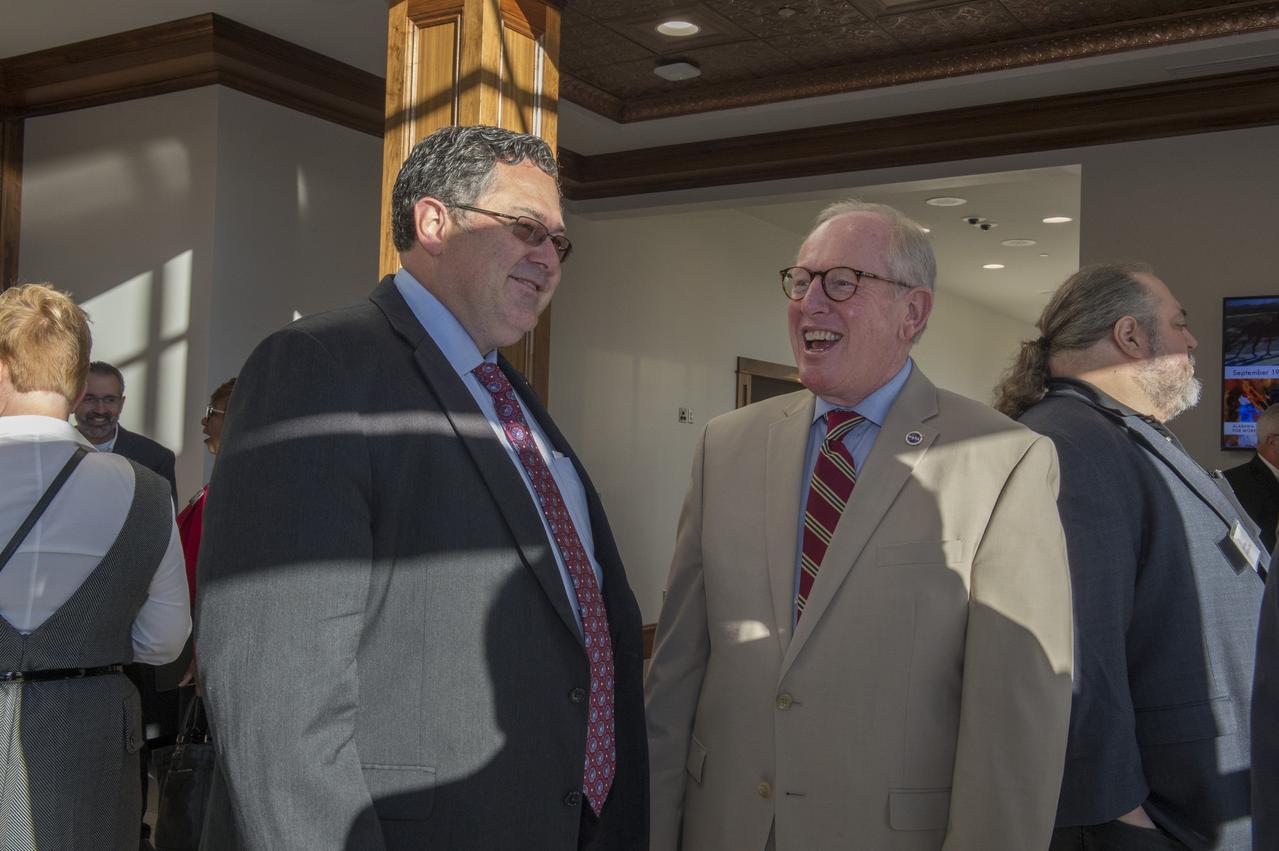
The Morgan County Economic Development Association and the City of Decatur, in Partnership with the NASA/Marshall Space Flight Center (MSFC), hosted a business forum on, How to Launch Your Business with NASA, Wednesday, October 18, 2017, at the Alabama Center for the Arts in downtown Decatur, AL. The event was open to all businesses allowed them to connect with Senior NASA representatives and their prime contractors. The program guided businesses through the process of working with NASA as a supplier, subcontractor, and/or a service provider. The Marshall Space Flight Center’s projected procurement budget in FY 2018 is approximately $2.2 billion and numerous procurement opportunities are available for small business participation each fiscal year. The program included Todd May, Director of Marshall Space Flight Center; Johnny Stephenson, Director of Marshall Space Flight Center’s Office of Strategic Analysis and Communication; David Brock, Small Business Specialist with Marshall Space Flight Center; and Lynn Garrison, Small Business Specialist Technical Advisor with Marshall Space Flight Center. Additionally, there was a prime contractor panel consisting of representatives from five NASA prime contractors. The event included a dedicated networking session with those prime contractors. The “Launch Your Business With NASA” event provides those in attendance the opportunity to network with key Marshall Space Flight Center procurement and technical personnel, and representatives of several major Marshall Space Flight Center prime contractors.Arts. MSFC Director Todd May and Decatur Mayor Tab Bowling enjoy a light moment.
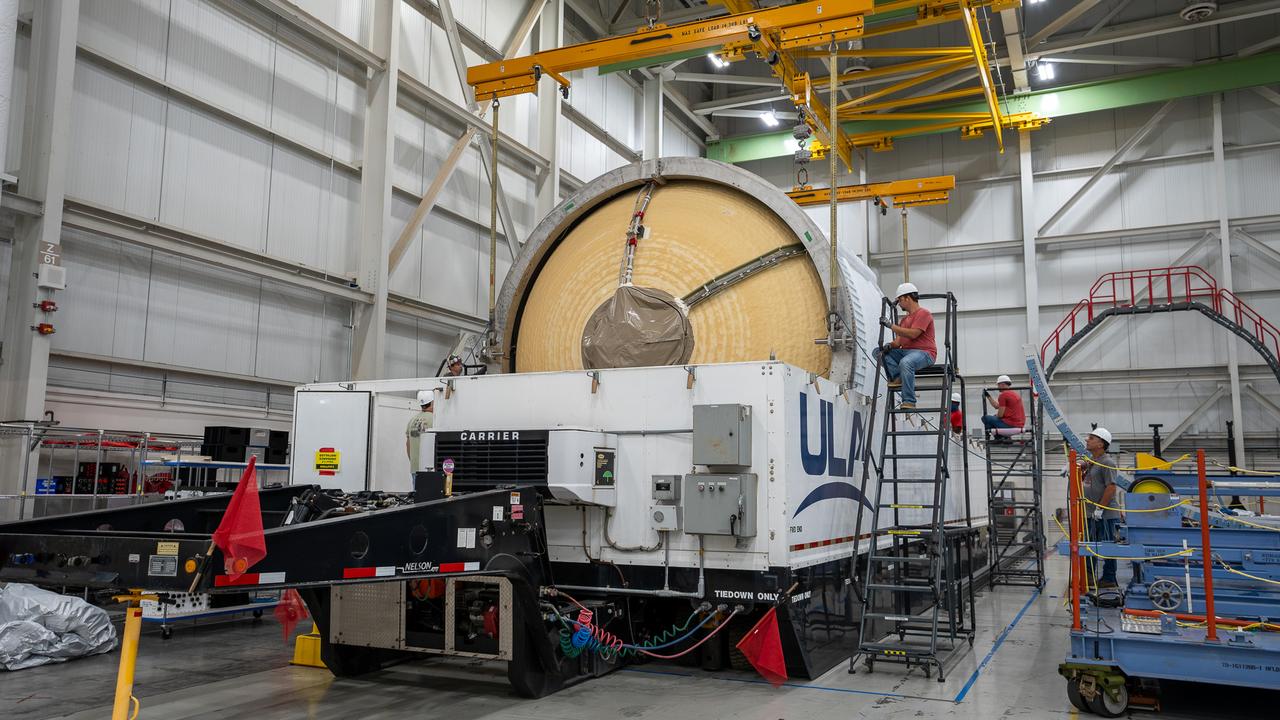
These images and videos show how crews in Alabama prepared the ICPS (interim cryogenic propulsion stage) for NASA’s SLS (Space Launch System) rocket for shipment to Florida between July 29-31. The ICPS in the photos and videos will help power NASA’s Artemis III mission to the Moon. The SLS upper stage is manufactured by United Launch Alliance at its facility in Decatur. Its RL10 engine is produced by Aerojet Rocketdyne, the SLS engines lead contractor, in West Palm Beach, Florida. ULA is working with Boeing, the SLS core stage and exploration upper stage lead contractor, to develop ICPS. ULA’s R/S RocketShip is transporting the flight hardware to its sister facility in Florida near NASA’s Kennedy Space Center for final checkouts. The ICPS for Artemis III is the last of its kind as SLS transitions to its next, more powerful Block 1B configuration with an upgraded upper stage beginning with Artemis IV. NASA is working to land the first woman and first person of color on the Moon under Artemis. SLS is part of NASA’s backbone for deep space exploration, along with Orion and the Gateway in orbit around the Moon. SLS is the only rocket that can send Orion, astronauts, and supplies to the Moon in a single mission.

These images and videos show how crews in Alabama prepared the ICPS (interim cryogenic propulsion stage) for NASA’s SLS (Space Launch System) rocket for shipment to Florida between July 29-31. The ICPS in the photos and videos will help power NASA’s Artemis III mission to the Moon. The SLS upper stage is manufactured by United Launch Alliance at its facility in Decatur. Its RL10 engine is produced by Aerojet Rocketdyne, the SLS engines lead contractor, in West Palm Beach, Florida. ULA is working with Boeing, the SLS core stage and exploration upper stage lead contractor, to develop ICPS. ULA’s R/S RocketShip is transporting the flight hardware to its sister facility in Florida near NASA’s Kennedy Space Center for final checkouts. The ICPS for Artemis III is the last of its kind as SLS transitions to its next, more powerful Block 1B configuration with an upgraded upper stage beginning with Artemis IV. NASA is working to land the first woman and first person of color on the Moon under Artemis. SLS is part of NASA’s backbone for deep space exploration, along with Orion and the Gateway in orbit around the Moon. SLS is the only rocket that can send Orion, astronauts, and supplies to the Moon in a single mission.
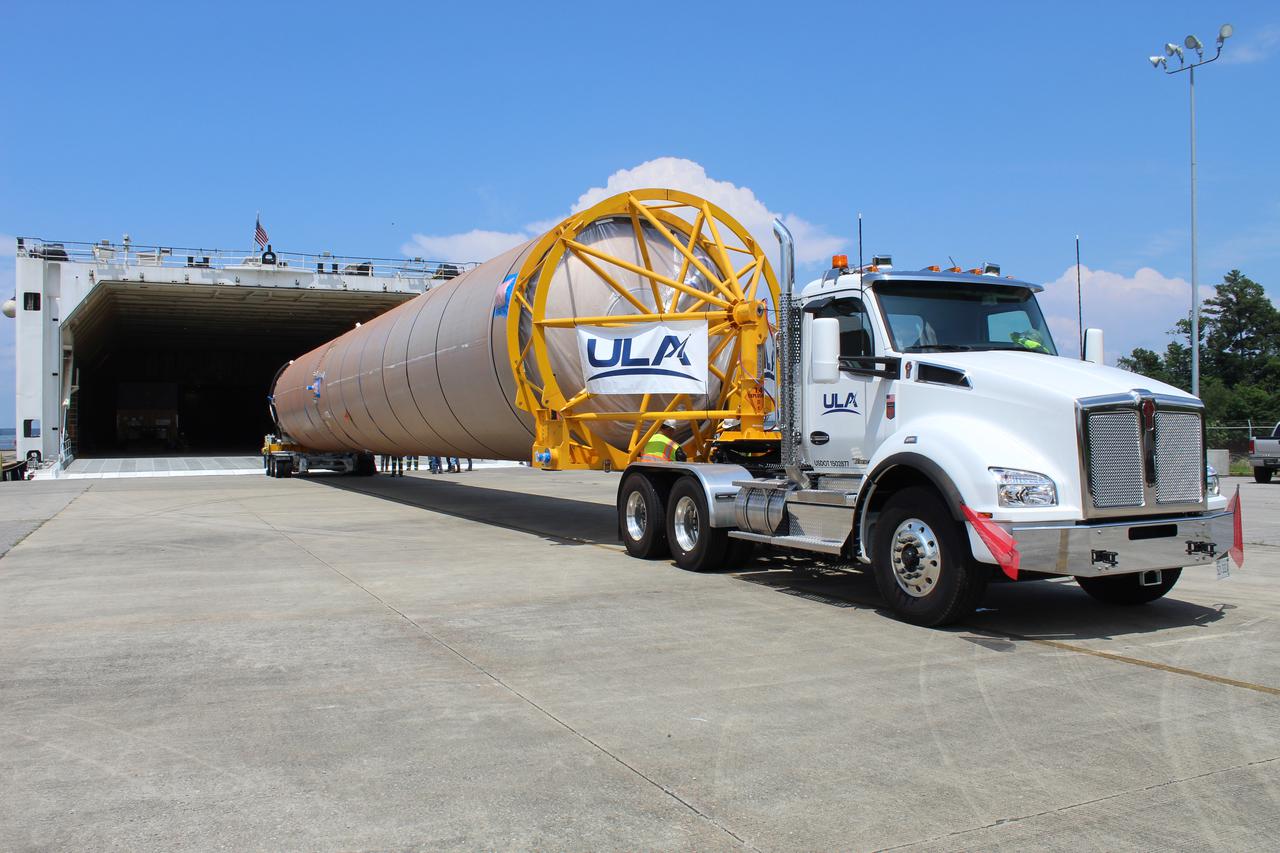
A United Launch Alliance (ULA) Atlas V booster for Boeing's CST-100 Starliner Crew Flight Test (CFT) is loaded onto a rocket-delivery ship at ULA’s manufacturing factory in Decatur, Alabama, on June 11, 2021, to begin its journey to Cape Canaveral, Florida. Starliner’s first flight with astronauts aboard, CFT will launch from Space Launch Complex 41 at Cape Canaveral Space Force Station in Florida. The flight test will demonstrate the ability of the Atlas V and Starliner to safely carry astronauts to and from the International Space Station for the agency’s Commercial Crew Program.
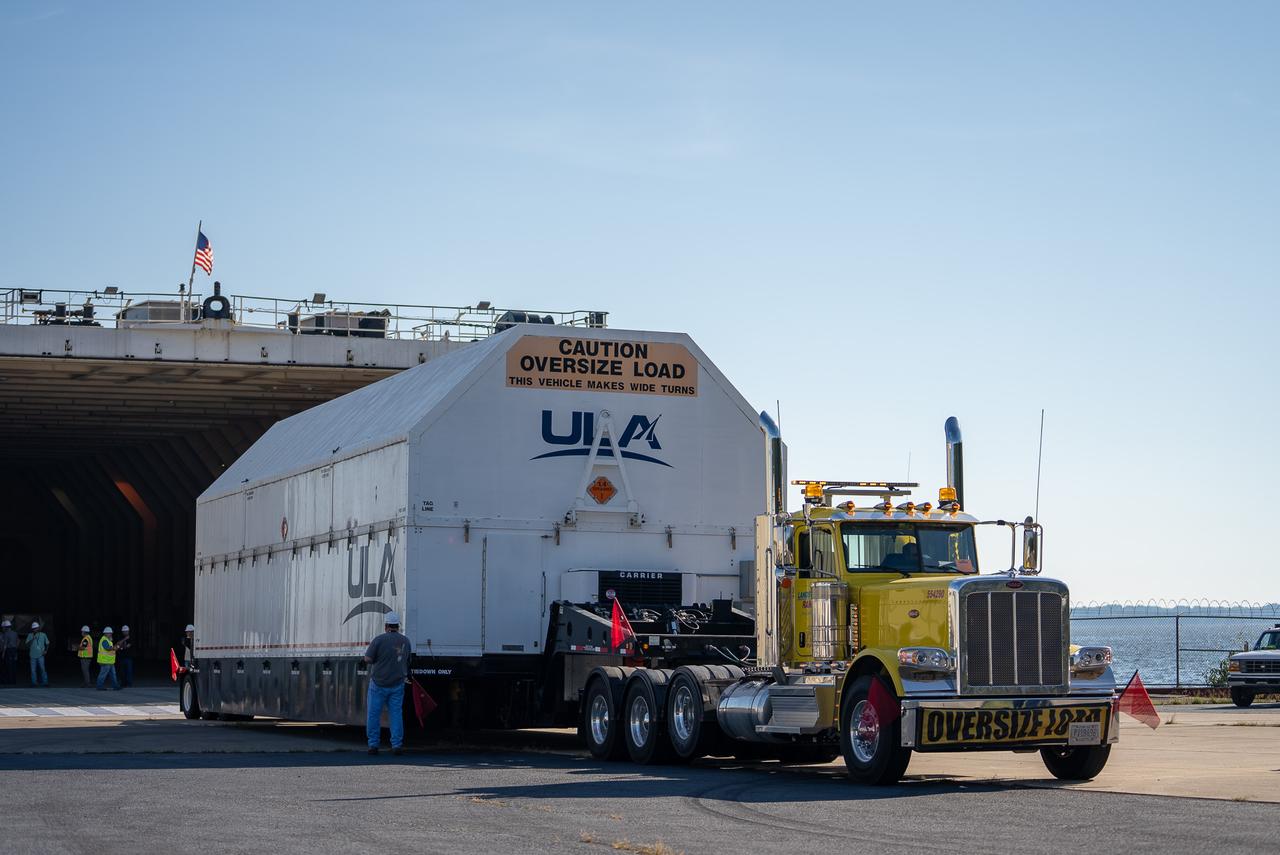
These images and videos show how crews in Alabama prepared the ICPS (interim cryogenic propulsion stage) for NASA’s SLS (Space Launch System) rocket for shipment to Florida between July 29-31. The ICPS in the photos and videos will help power NASA’s Artemis III mission to the Moon. The SLS upper stage is manufactured by United Launch Alliance at its facility in Decatur. Its RL10 engine is produced by Aerojet Rocketdyne, the SLS engines lead contractor, in West Palm Beach, Florida. ULA is working with Boeing, the SLS core stage and exploration upper stage lead contractor, to develop ICPS. ULA’s R/S RocketShip is transporting the flight hardware to its sister facility in Florida near NASA’s Kennedy Space Center for final checkouts. The ICPS for Artemis III is the last of its kind as SLS transitions to its next, more powerful Block 1B configuration with an upgraded upper stage beginning with Artemis IV. NASA is working to land the first woman and first person of color on the Moon under Artemis. SLS is part of NASA’s backbone for deep space exploration, along with Orion and the Gateway in orbit around the Moon. SLS is the only rocket that can send Orion, astronauts, and supplies to the Moon in a single mission.
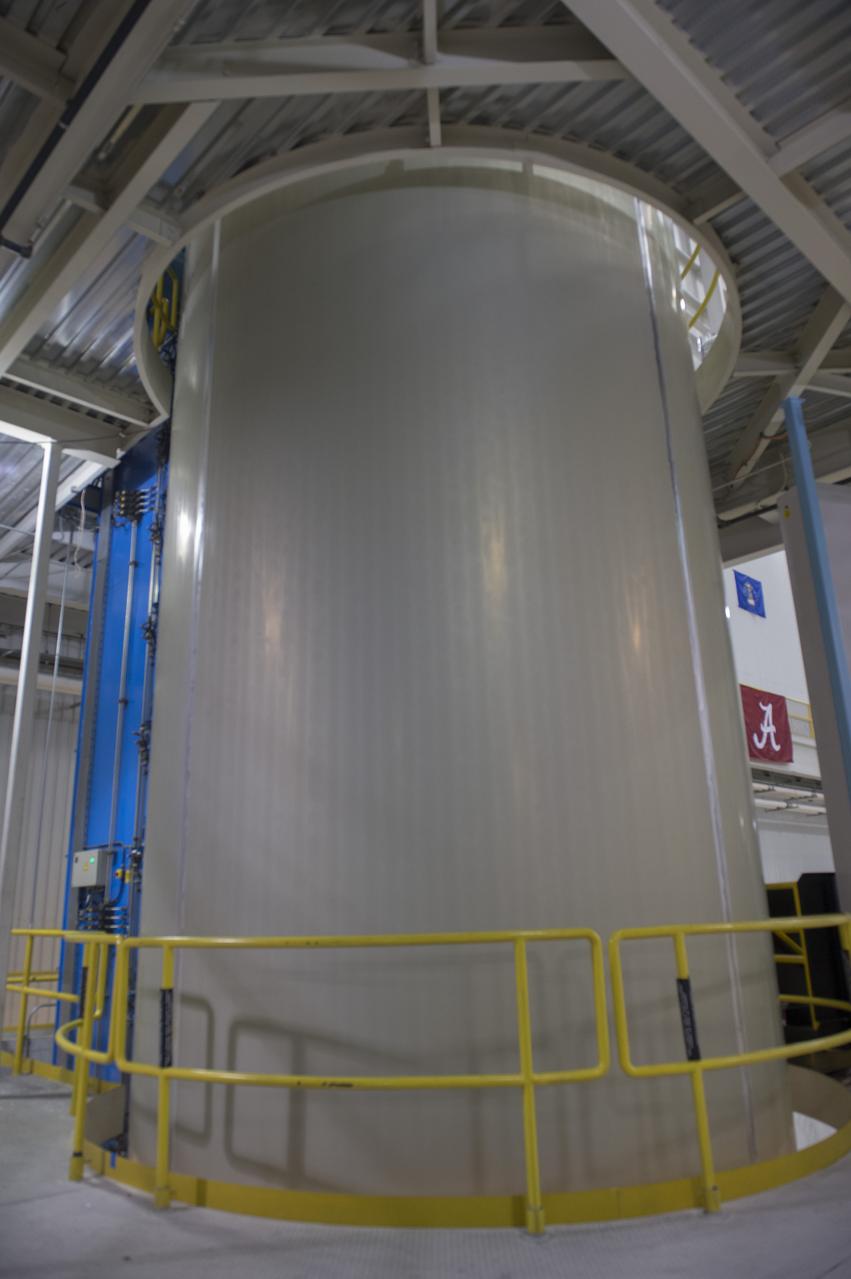
The Atlas V rocket that will launch Boeing's CST-100 Starliner spacecraft is coming together inside a United Launch Alliance facility in Decatur, Alabama. Boeing’s Starliner will launch on the Atlas V rocket to the International Space Station as part of NASA’s Commercial Crew Program.
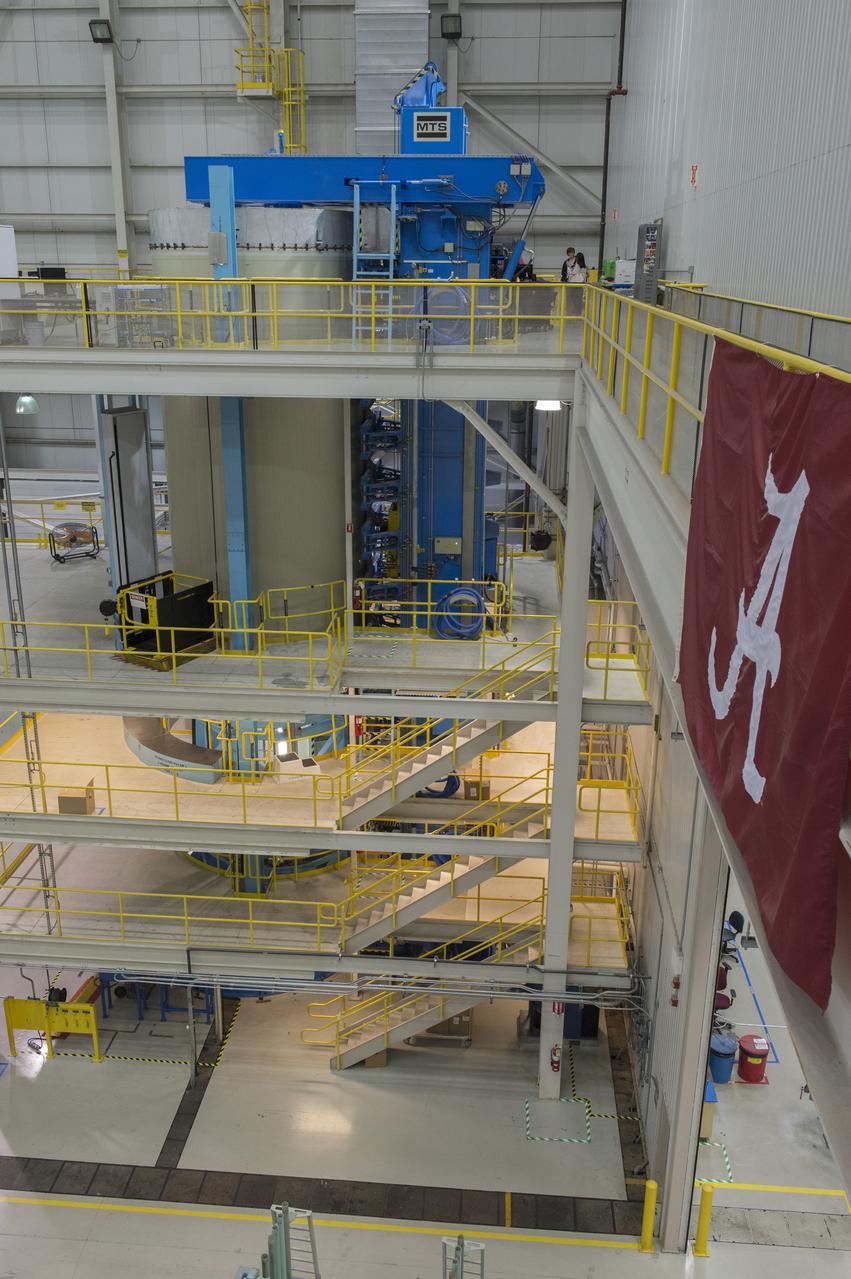
The Atlas V rocket that will launch Boeing's CST-100 Starliner spacecraft is coming together inside a United Launch Alliance facility in Decatur, Alabama. Boeing’s Starliner will launch on the Atlas V rocket to the International Space Station as part of NASA’s Commercial Crew Program.
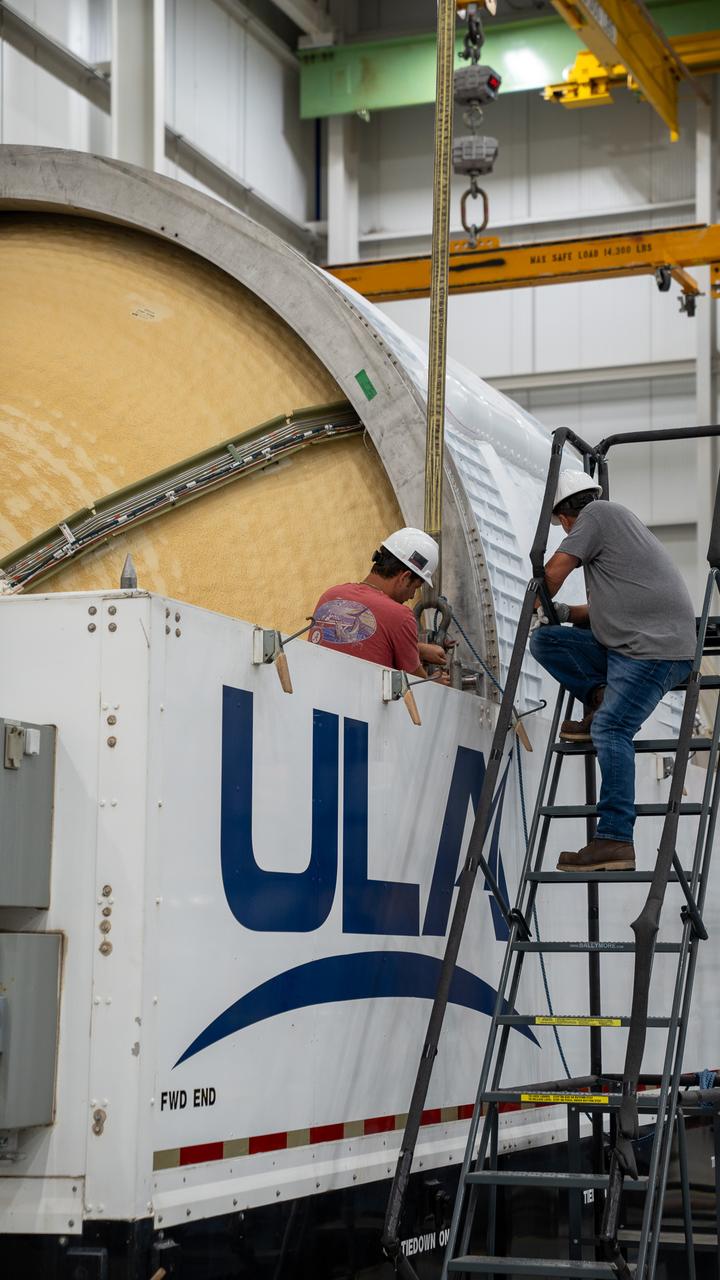
These images and videos show how crews in Alabama prepared the ICPS (interim cryogenic propulsion stage) for NASA’s SLS (Space Launch System) rocket for shipment to Florida between July 29-31. The ICPS in the photos and videos will help power NASA’s Artemis III mission to the Moon. The SLS upper stage is manufactured by United Launch Alliance at its facility in Decatur. Its RL10 engine is produced by Aerojet Rocketdyne, the SLS engines lead contractor, in West Palm Beach, Florida. ULA is working with Boeing, the SLS core stage and exploration upper stage lead contractor, to develop ICPS. ULA’s R/S RocketShip is transporting the flight hardware to its sister facility in Florida near NASA’s Kennedy Space Center for final checkouts. The ICPS for Artemis III is the last of its kind as SLS transitions to its next, more powerful Block 1B configuration with an upgraded upper stage beginning with Artemis IV. NASA is working to land the first woman and first person of color on the Moon under Artemis. SLS is part of NASA’s backbone for deep space exploration, along with Orion and the Gateway in orbit around the Moon. SLS is the only rocket that can send Orion, astronauts, and supplies to the Moon in a single mission.
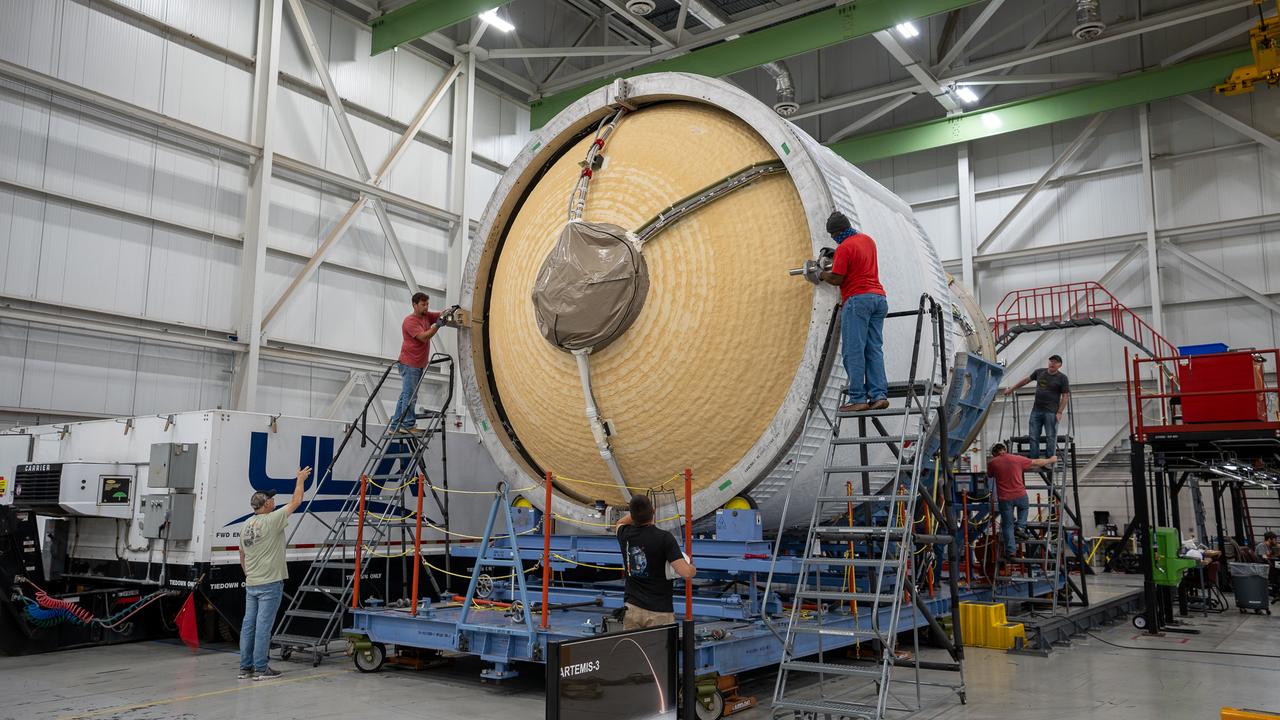
These images and videos show how crews in Alabama prepared the ICPS (interim cryogenic propulsion stage) for NASA’s SLS (Space Launch System) rocket for shipment to Florida between July 29-31. The ICPS in the photos and videos will help power NASA’s Artemis III mission to the Moon. The SLS upper stage is manufactured by United Launch Alliance at its facility in Decatur. Its RL10 engine is produced by Aerojet Rocketdyne, the SLS engines lead contractor, in West Palm Beach, Florida. ULA is working with Boeing, the SLS core stage and exploration upper stage lead contractor, to develop ICPS. ULA’s R/S RocketShip is transporting the flight hardware to its sister facility in Florida near NASA’s Kennedy Space Center for final checkouts. The ICPS for Artemis III is the last of its kind as SLS transitions to its next, more powerful Block 1B configuration with an upgraded upper stage beginning with Artemis IV. NASA is working to land the first woman and first person of color on the Moon under Artemis. SLS is part of NASA’s backbone for deep space exploration, along with Orion and the Gateway in orbit around the Moon. SLS is the only rocket that can send Orion, astronauts, and supplies to the Moon in a single mission.
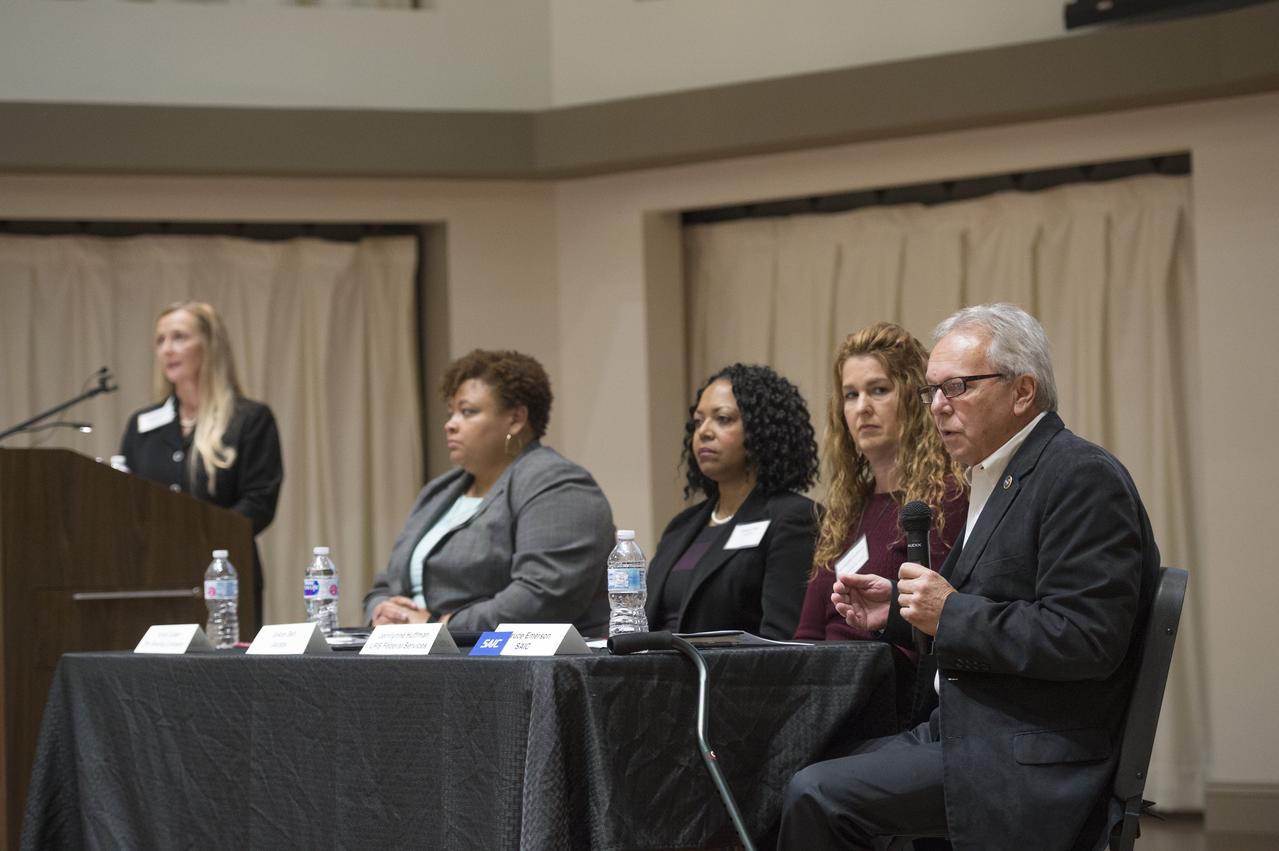
The Morgan County Economic Development Association and the City of Decatur, in Partnership with the NASA/Marshall Space Flight Center (MSFC), hosted a business forum on, How to Launch Your Business with NASA, Wednesday, October 18, 2017, at the Alabama Center for the Arts in downtown Decatur, AL. The event was open to all businesses allowed them to connect with Senior NASA representatives and their prime contractors. The program guided businesses through the process of working with NASA as a supplier, subcontractor, and/or a service provider. The Marshall Space Flight Center’s projected procurement budget in FY 2018 is approximately $2.2 billion and numerous procurement opportunities are available for small business participation each fiscal year. The program included Todd May, Director of Marshall Space Flight Center; Johnny Stephenson, Director of Marshall Space Flight Center’s Office of Strategic Analysis and Communication; David Brock, Small Business Specialist with Marshall Space Flight Center; and Lynn Garrison, Small Business Specialist Technical Advisor with Marshall Space Flight Center. Additionally, there was a prime contractor panel consisting of representatives from five NASA prime contractors. The event included a dedicated networking session with those prime contractors. The “Launch Your Business With NASA” event provides those in attendance the opportunity to network with key Marshall Space Flight Center procurement and technical personnel, and representatives of several major Marshall Space Flight Center prime contractors.Arts.
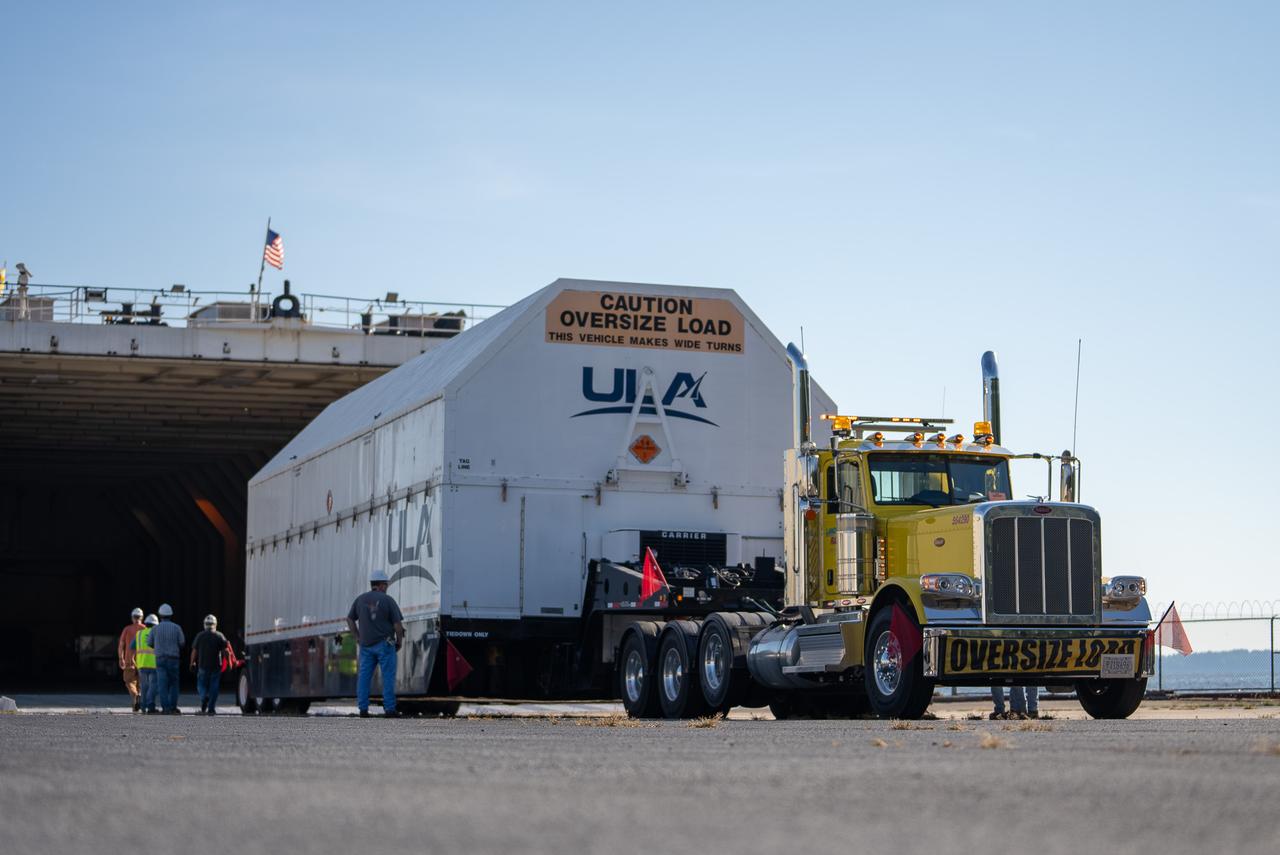
These images and videos show how crews in Alabama prepared the ICPS (interim cryogenic propulsion stage) for NASA’s SLS (Space Launch System) rocket for shipment to Florida between July 29-31. The ICPS in the photos and videos will help power NASA’s Artemis III mission to the Moon. The SLS upper stage is manufactured by United Launch Alliance at its facility in Decatur. Its RL10 engine is produced by Aerojet Rocketdyne, the SLS engines lead contractor, in West Palm Beach, Florida. ULA is working with Boeing, the SLS core stage and exploration upper stage lead contractor, to develop ICPS. ULA’s R/S RocketShip is transporting the flight hardware to its sister facility in Florida near NASA’s Kennedy Space Center for final checkouts. The ICPS for Artemis III is the last of its kind as SLS transitions to its next, more powerful Block 1B configuration with an upgraded upper stage beginning with Artemis IV. NASA is working to land the first woman and first person of color on the Moon under Artemis. SLS is part of NASA’s backbone for deep space exploration, along with Orion and the Gateway in orbit around the Moon. SLS is the only rocket that can send Orion, astronauts, and supplies to the Moon in a single mission.
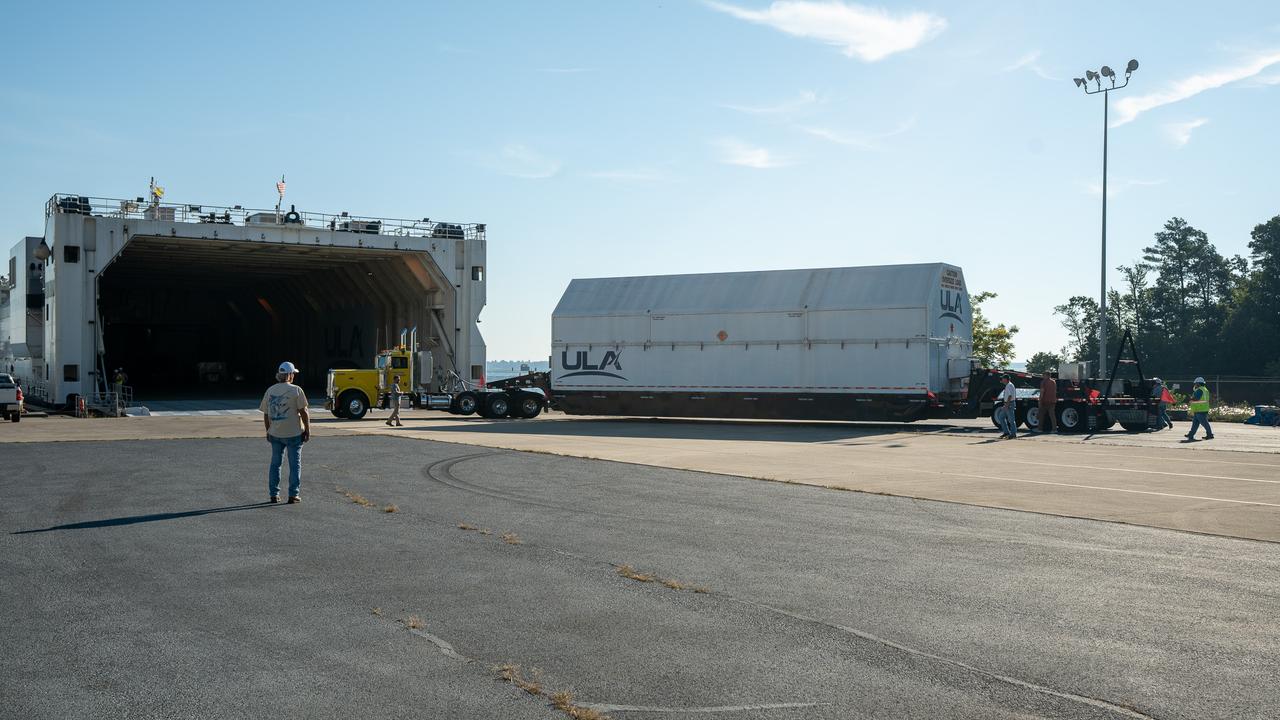
These images and videos show how crews in Alabama prepared the ICPS (interim cryogenic propulsion stage) for NASA’s SLS (Space Launch System) rocket for shipment to Florida between July 29-31. The ICPS in the photos and videos will help power NASA’s Artemis III mission to the Moon. The SLS upper stage is manufactured by United Launch Alliance at its facility in Decatur. Its RL10 engine is produced by Aerojet Rocketdyne, the SLS engines lead contractor, in West Palm Beach, Florida. ULA is working with Boeing, the SLS core stage and exploration upper stage lead contractor, to develop ICPS. ULA’s R/S RocketShip is transporting the flight hardware to its sister facility in Florida near NASA’s Kennedy Space Center for final checkouts. The ICPS for Artemis III is the last of its kind as SLS transitions to its next, more powerful Block 1B configuration with an upgraded upper stage beginning with Artemis IV. NASA is working to land the first woman and first person of color on the Moon under Artemis. SLS is part of NASA’s backbone for deep space exploration, along with Orion and the Gateway in orbit around the Moon. SLS is the only rocket that can send Orion, astronauts, and supplies to the Moon in a single mission.
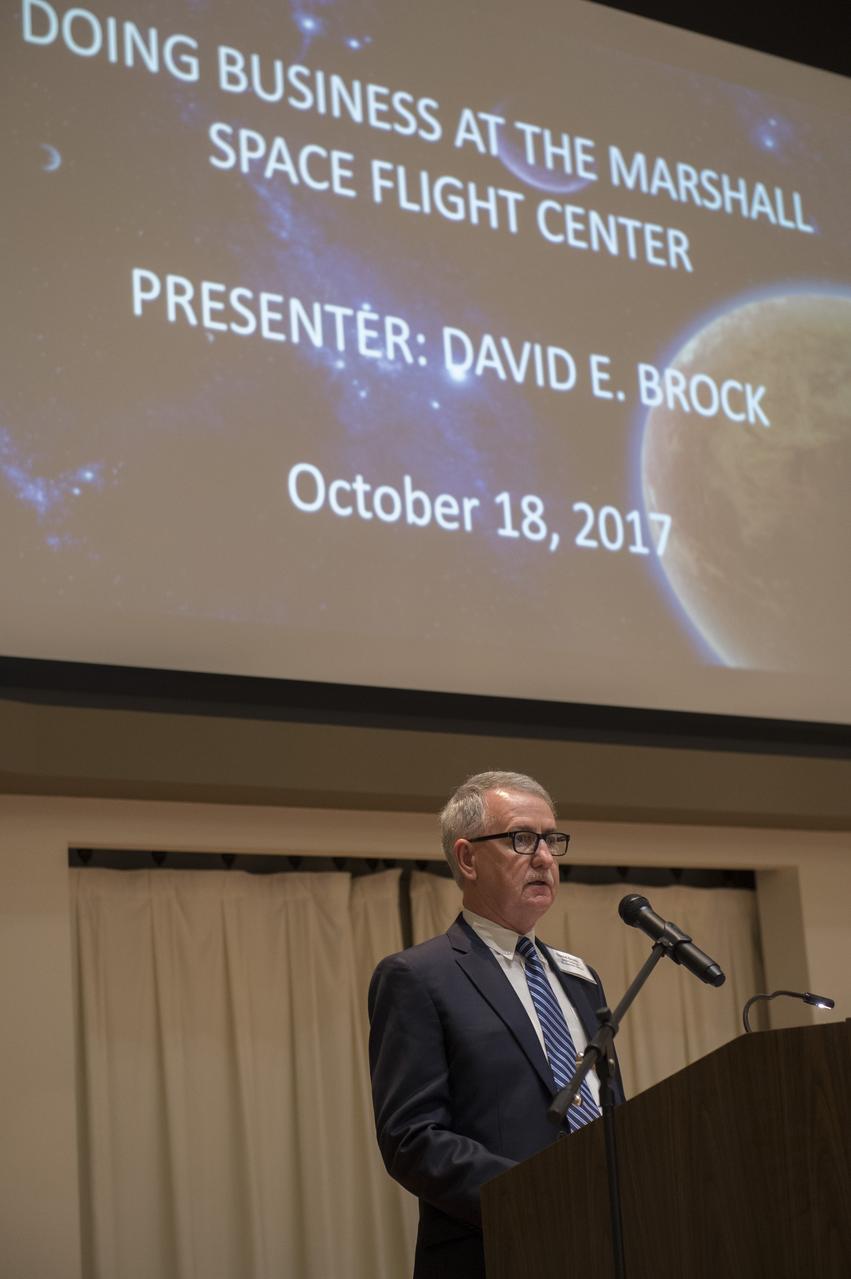
The Morgan County Economic Development Association and the City of Decatur, in Partnership with the NASA/Marshall Space Flight Center (MSFC), hosted a business forum on, How to Launch Your Business with NASA, Wednesday, October 18, 2017, at the Alabama Center for the Arts in downtown Decatur, AL. The event was open to all businesses allowed them to connect with Senior NASA representatives and their prime contractors. The program guided businesses through the process of working with NASA as a supplier, subcontractor, and/or a service provider. The Marshall Space Flight Center’s projected procurement budget in FY 2018 is approximately $2.2 billion and numerous procurement opportunities are available for small business participation each fiscal year. The program included Todd May, Director of Marshall Space Flight Center; Johnny Stephenson, Director of Marshall Space Flight Center’s Office of Strategic Analysis and Communication; David Brock, Small Business Specialist with Marshall Space Flight Center; and Lynn Garrison, Small Business Specialist Technical Advisor with Marshall Space Flight Center. Additionally, there was a prime contractor panel consisting of representatives from five NASA prime contractors. The event included a dedicated networking session with those prime contractors. The “Launch Your Business With NASA” event provides those in attendance the opportunity to network with key Marshall Space Flight Center procurement and technical personnel, and representatives of several major Marshall Space Flight Center prime contractors.Arts.. David Brock, head of Marshall's Small Business Office talks about doing business with Marshall.
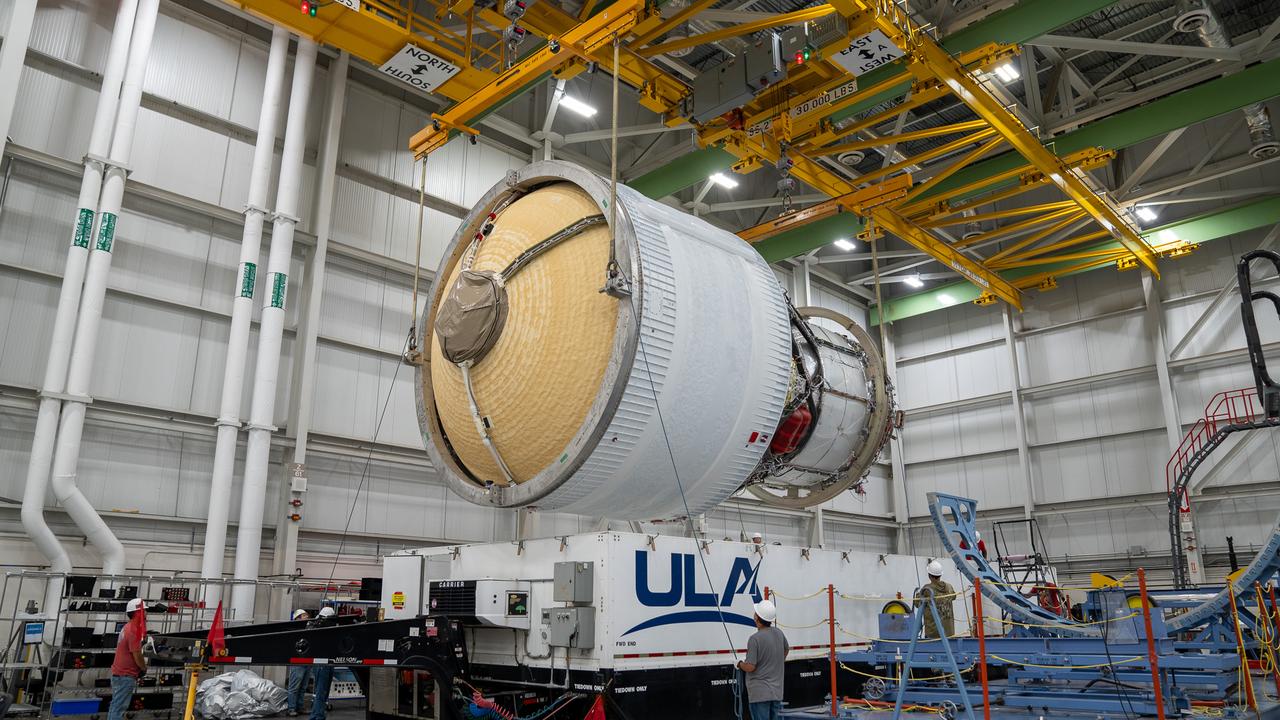
These images and videos show how crews in Alabama prepared the ICPS (interim cryogenic propulsion stage) for NASA’s SLS (Space Launch System) rocket for shipment to Florida between July 29-31. The ICPS in the photos and videos will help power NASA’s Artemis III mission to the Moon. The SLS upper stage is manufactured by United Launch Alliance at its facility in Decatur. Its RL10 engine is produced by Aerojet Rocketdyne, the SLS engines lead contractor, in West Palm Beach, Florida. ULA is working with Boeing, the SLS core stage and exploration upper stage lead contractor, to develop ICPS. ULA’s R/S RocketShip is transporting the flight hardware to its sister facility in Florida near NASA’s Kennedy Space Center for final checkouts. The ICPS for Artemis III is the last of its kind as SLS transitions to its next, more powerful Block 1B configuration with an upgraded upper stage beginning with Artemis IV. NASA is working to land the first woman and first person of color on the Moon under Artemis. SLS is part of NASA’s backbone for deep space exploration, along with Orion and the Gateway in orbit around the Moon. SLS is the only rocket that can send Orion, astronauts, and supplies to the Moon in a single mission.
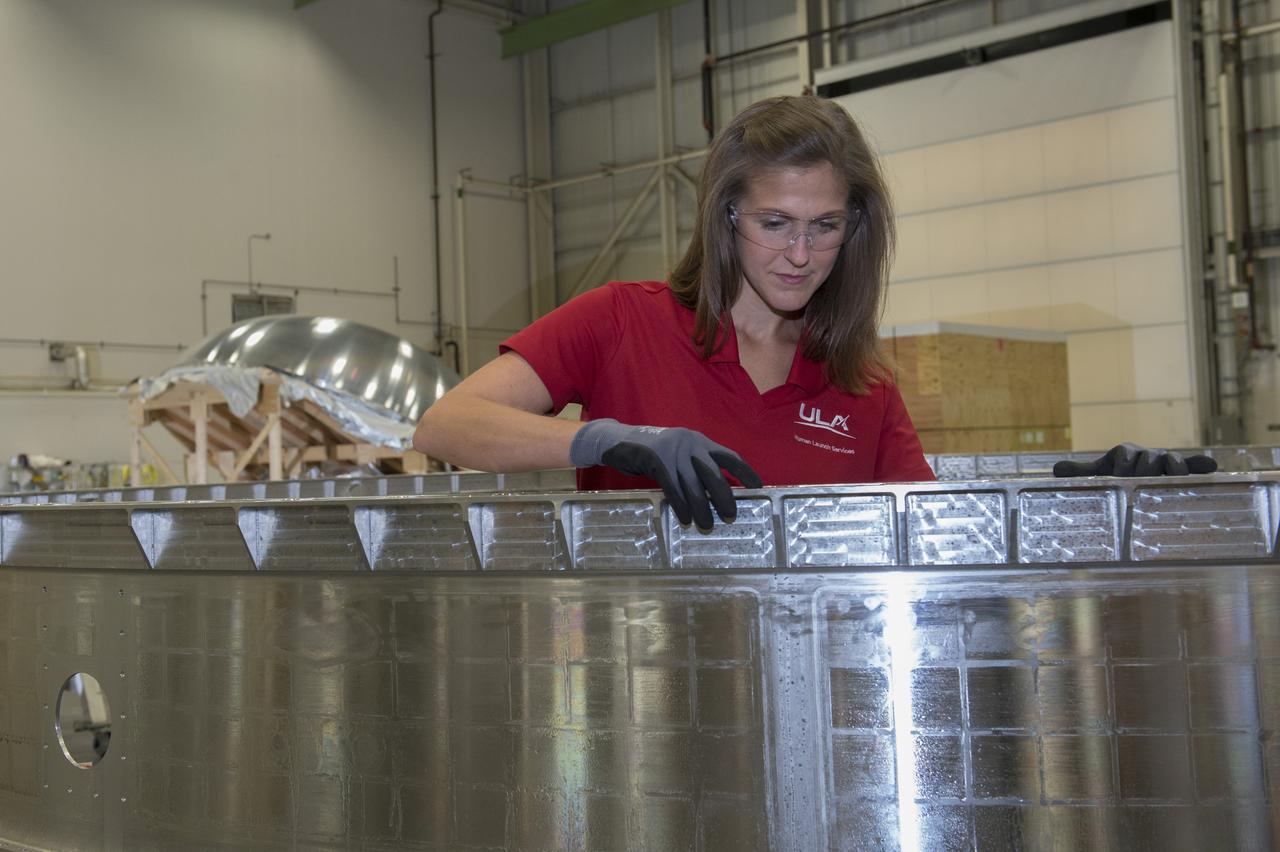
The Atlas V rocket that will launch Boeing's CST-100 Starliner spacecraft is coming together inside a United Launch Alliance facility in Decatur, Alabama. Boeing’s Starliner will launch on the Atlas V rocket to the International Space Station as part of NASA’s Commercial Crew Program.
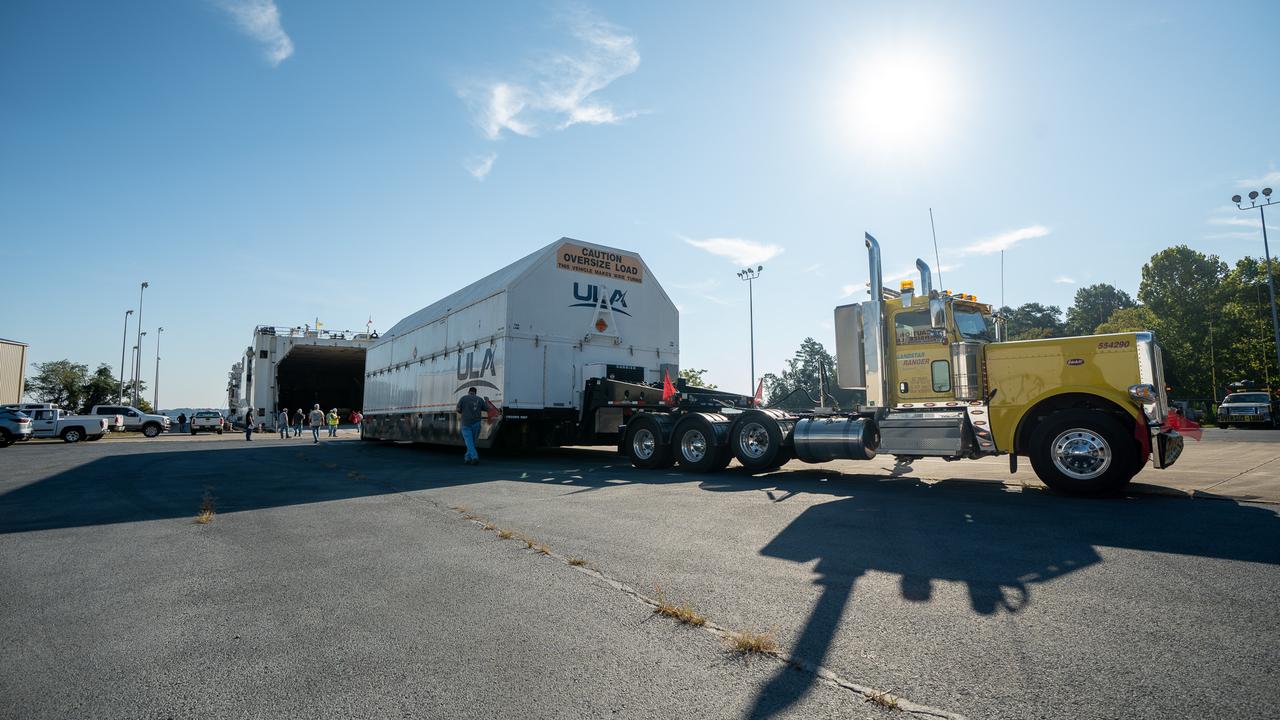
These images and videos show how crews in Alabama prepared the ICPS (interim cryogenic propulsion stage) for NASA’s SLS (Space Launch System) rocket for shipment to Florida between July 29-31. The ICPS in the photos and videos will help power NASA’s Artemis III mission to the Moon. The SLS upper stage is manufactured by United Launch Alliance at its facility in Decatur. Its RL10 engine is produced by Aerojet Rocketdyne, the SLS engines lead contractor, in West Palm Beach, Florida. ULA is working with Boeing, the SLS core stage and exploration upper stage lead contractor, to develop ICPS. ULA’s R/S RocketShip is transporting the flight hardware to its sister facility in Florida near NASA’s Kennedy Space Center for final checkouts. The ICPS for Artemis III is the last of its kind as SLS transitions to its next, more powerful Block 1B configuration with an upgraded upper stage beginning with Artemis IV. NASA is working to land the first woman and first person of color on the Moon under Artemis. SLS is part of NASA’s backbone for deep space exploration, along with Orion and the Gateway in orbit around the Moon. SLS is the only rocket that can send Orion, astronauts, and supplies to the Moon in a single mission.
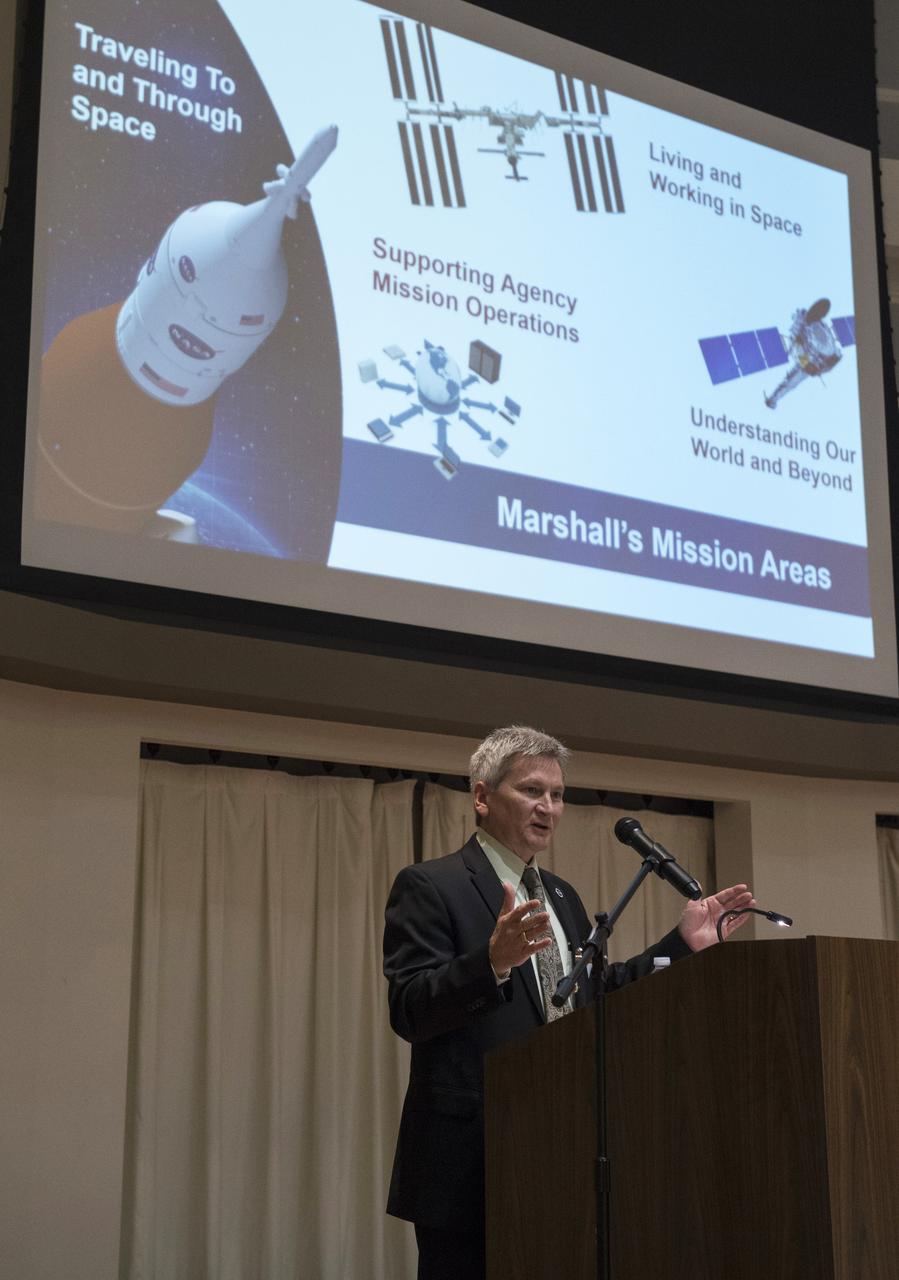
The Morgan County Economic Development Association and the City of Decatur, in Partnership with the NASA/Marshall Space Flight Center (MSFC), hosted a business forum on, How to Launch Your Business with NASA, Wednesday, October 18, 2017, at the Alabama Center for the Arts in downtown Decatur, AL. The event was open to all businesses allowed them to connect with Senior NASA representatives and their prime contractors. The program guided businesses through the process of working with NASA as a supplier, subcontractor, and/or a service provider. The Marshall Space Flight Center’s projected procurement budget in FY 2018 is approximately $2.2 billion and numerous procurement opportunities are available for small business participation each fiscal year. The program included Todd May, Director of Marshall Space Flight Center; Johnny Stephenson, Director of Marshall Space Flight Center’s Office of Strategic Analysis and Communication; David Brock, Small Business Specialist with Marshall Space Flight Center; and Lynn Garrison, Small Business Specialist Technical Advisor with Marshall Space Flight Center. Additionally, there was a prime contractor panel consisting of representatives from five NASA prime contractors. The event included a dedicated networking session with those prime contractors. The “Launch Your Business With NASA” event provides those in attendance the opportunity to network with key Marshall Space Flight Center procurement and technical personnel, and representatives of several major Marshall Space Flight Center prime contractors.Arts.. OSAC Director Johnny Stephenson talks about Marshall's Mission areas to audience
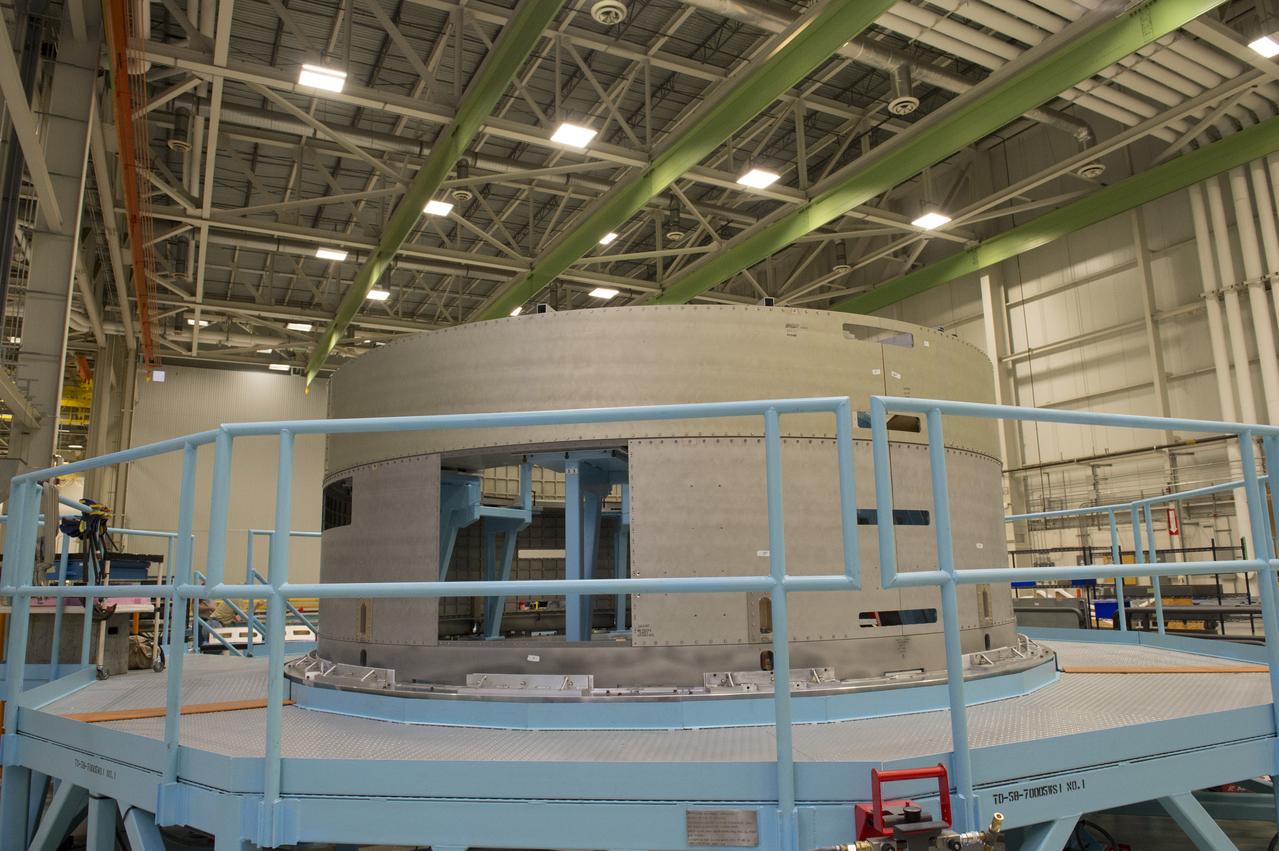
The Atlas V rocket that will launch Boeing's CST-100 Starliner spacecraft is coming together inside a United Launch Alliance facility in Decatur, Alabama. Boeing’s Starliner will launch on the Atlas V rocket to the International Space Station as part of NASA’s Commercial Crew Program.
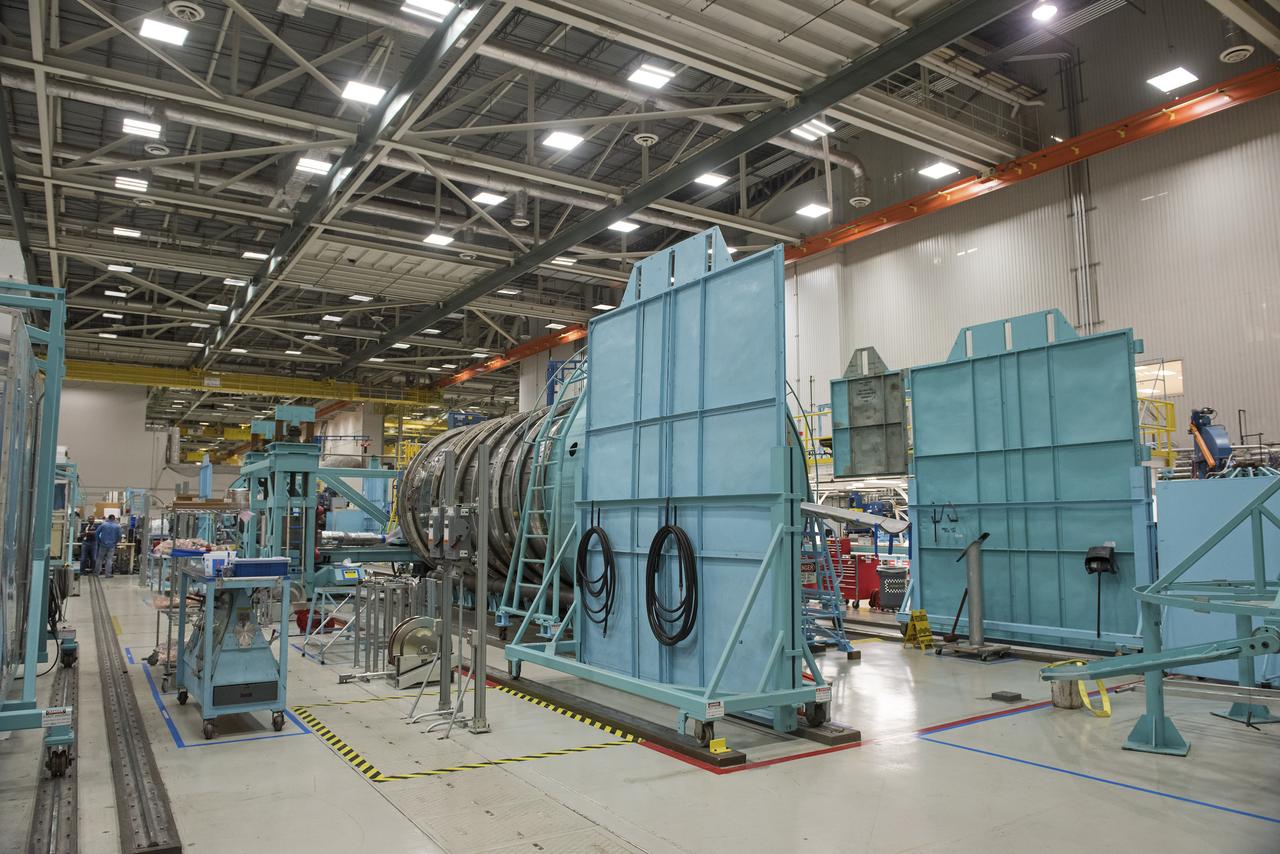
The Atlas V rocket that will launch Boeing's CST-100 Starliner spacecraft is coming together inside a United Launch Alliance facility in Decatur, Alabama. Boeing’s Starliner will launch on the Atlas V rocket to the International Space Station as part of NASA’s Commercial Crew Program.
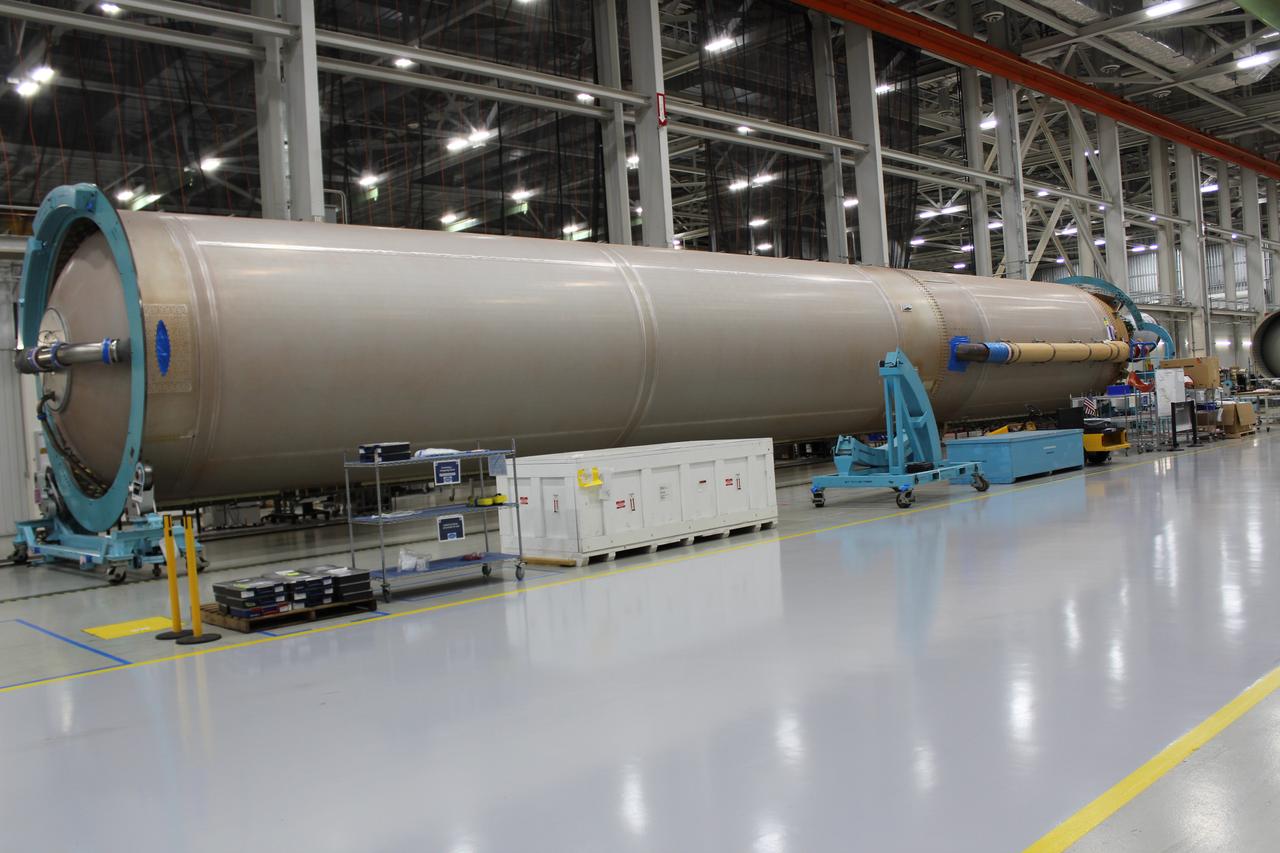
The United Launch Alliance (ULA) Atlas V first stage booster for the Crew Flight Test of Boeing’s CST-100 Starliner is in production in ULA's factory in Decatur, Alabama on March 1, 2019. Soon the booster will be assembled with the dual engine Centaur upper stage. They will be shipped aboard the company’s Mariner cargo ship to NASA’s Kennedy Space Center in Florida. Starliner and the Atlas V rockets that will launch the spacecraft, are key to restoring the nation’s capability to send astronauts to the space station from U.S. soil with NASA’s Commercial Crew Program. NASA astronauts Mike Fincke and Nicole Mann, and Boeing astronaut Chris Ferguson will launch to the space station aboard the Starliner for the Crew Flight Test.
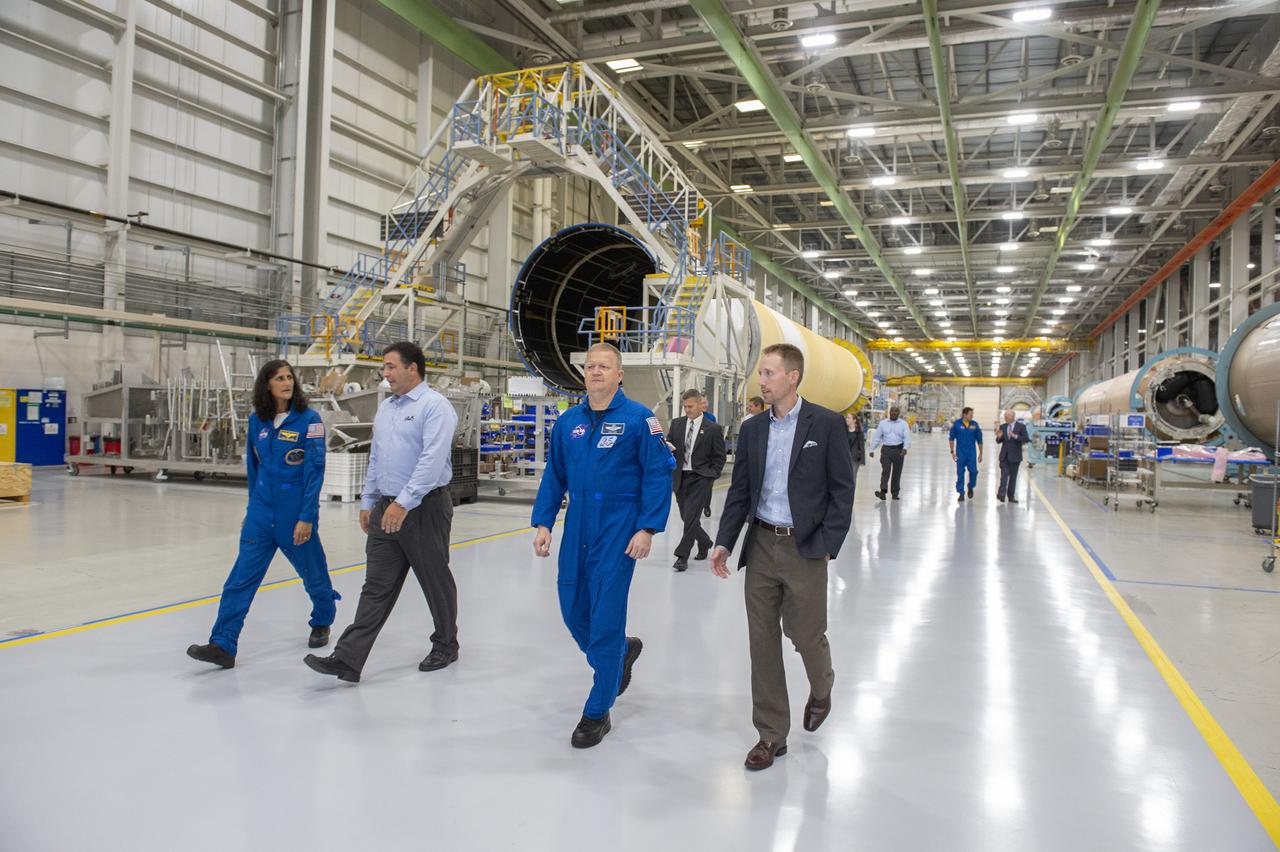
Commercial Crew astronauts toured the United Launch Alliance factory in Decatur, Alabama, on July 17, 2018. They viewed hardware to be used for upcoming commercial crew missions. At far left is Suni Williams, second from right is Eric Boe. Behind them, at right, is Josh Cassada.
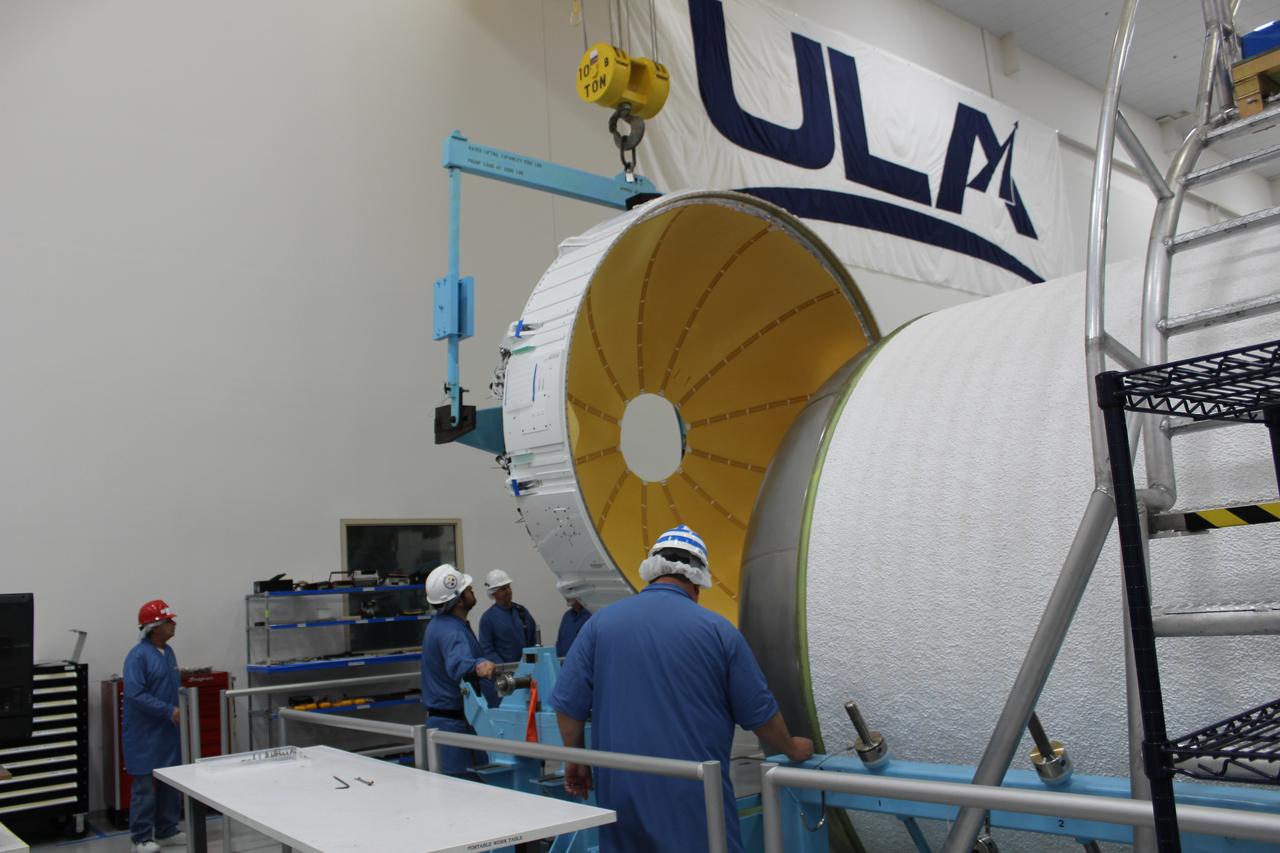
Workers assemble a United Launch Alliance (ULA) Atlas V dual engine Centaur upper stage in ULA’s factory in Decatur, Alabama on March 29, 2019. The dual engine upper stage is being prepared for the first crew rotation mission of Boeing’s CST-100 Starliner to the International Space Station. Starliner and the Atlas V rockets that will launch the spacecraft, are key elements of NASA’s Commercial Crew Program to restore the capability to send astronauts to the space station from U.S. soil.
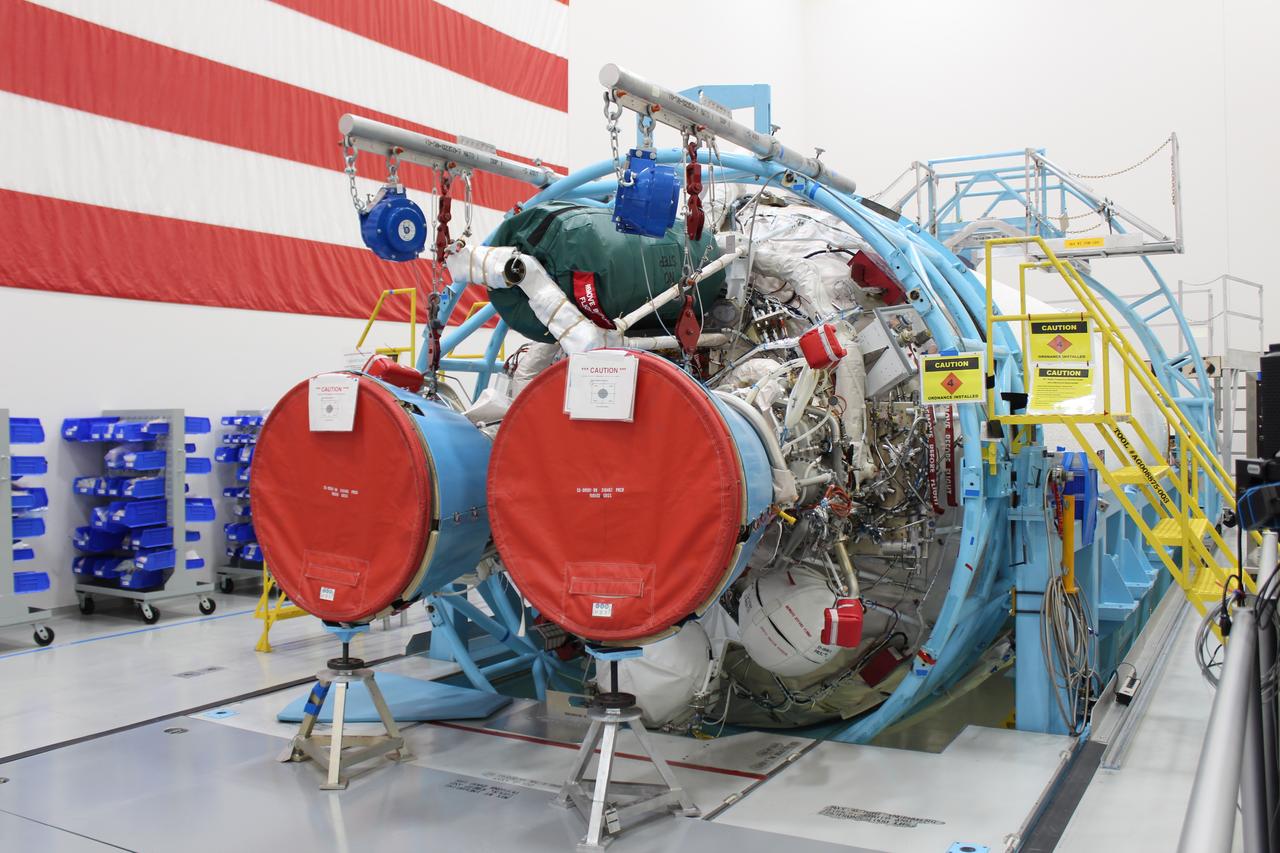
A United Launch Alliance (ULA) Atlas V dual engine Centaur upper stage is in ULA’s factory in Decatur, Alabama on March 29, 2019. The dual engine upper stage is being prepared for Boeing’s CST-100 Starliner Crew Flight Test. Soon the upper stage will be assembled with the first stage booster and shipped aboard the company’s Mariner cargo ship to NASA’s Kennedy Space Center in Florida. Starliner and the Atlas V rockets that will launch the spacecraft, are key elements of NASA’s Commercial Crew Program to restore the capability to send astronauts to the International Space Station from U.S. soil.
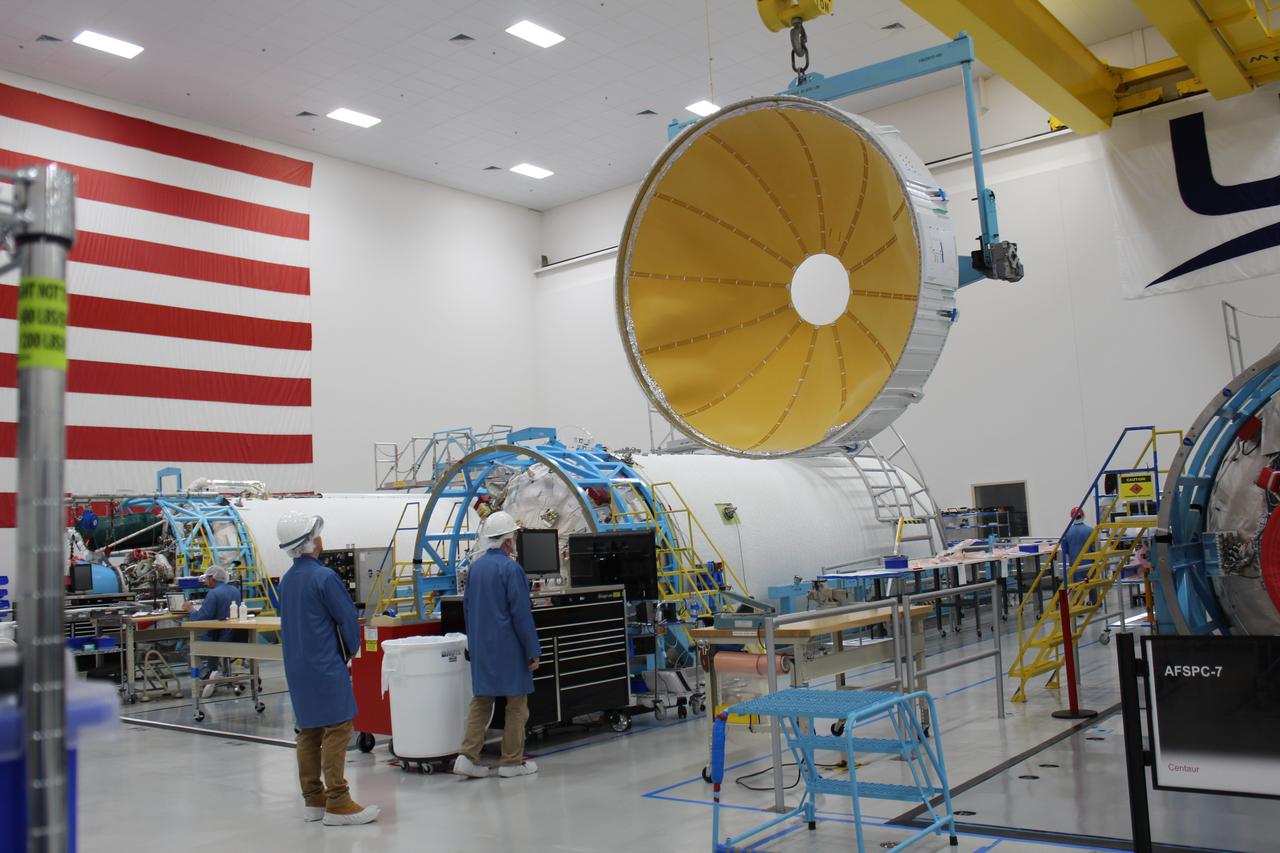
Workers assemble a United Launch Alliance (ULA) Atlas V dual engine Centaur upper stage in ULA’s factory in Decatur, Alabama on March 29, 2019. The dual engine upper stage is being prepared for the first crew rotation mission of Boeing’s CST-100 Starliner to the International Space Station. Starliner and the Atlas V rockets that will launch the spacecraft, are key elements of NASA’s Commercial Crew Program to restore the capability to send astronauts to the space station from U.S. soil.
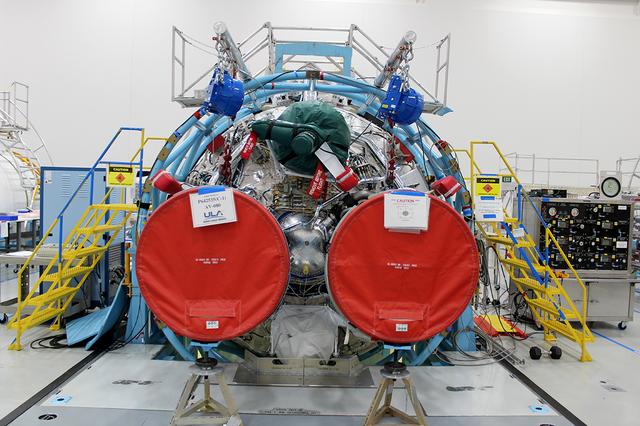
The United Launch Alliance (ULA) Orbital Flight Test dual engine Centaur stage of the Atlas V rocket is in the final stage of production and checkout on May 22, 2018, at ULA's factory in Decatur, Alabama. Boeing's CST-100 Starliner will launch on its first uncrewed flight test on the ULA Atlas V rocket. The Starliner is being developed and manufactured in partnership with NASA's Commercial Crew Program to return human spaceflight capabilities to the U.S.
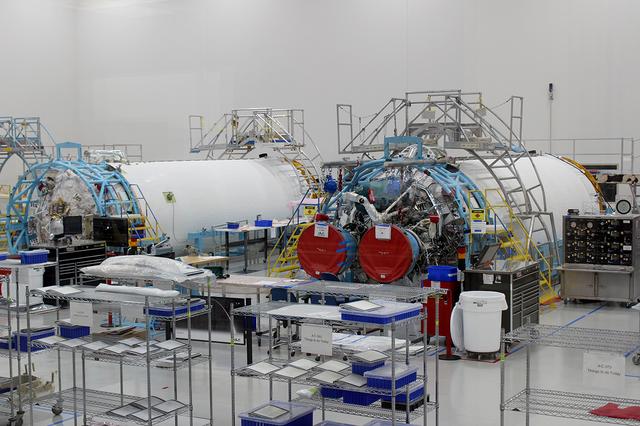
The United Launch Alliance (ULA) Crew Flight Test dual engine, at left, and the Orbital Flight test dual engine, at right, for the Centaur stage of the Atlas V rocket are in production on June 11, 2018, at ULA's factory in Decatur, Alabama. Boeing's CST-100 Starliner will launch on its first uncrewed flight test on the ULA Atlas V rocket. The Starliner is being developed and manufactured in partnership with NASA's Commercial Crew Program to return human spaceflight capabilities to the U.S.
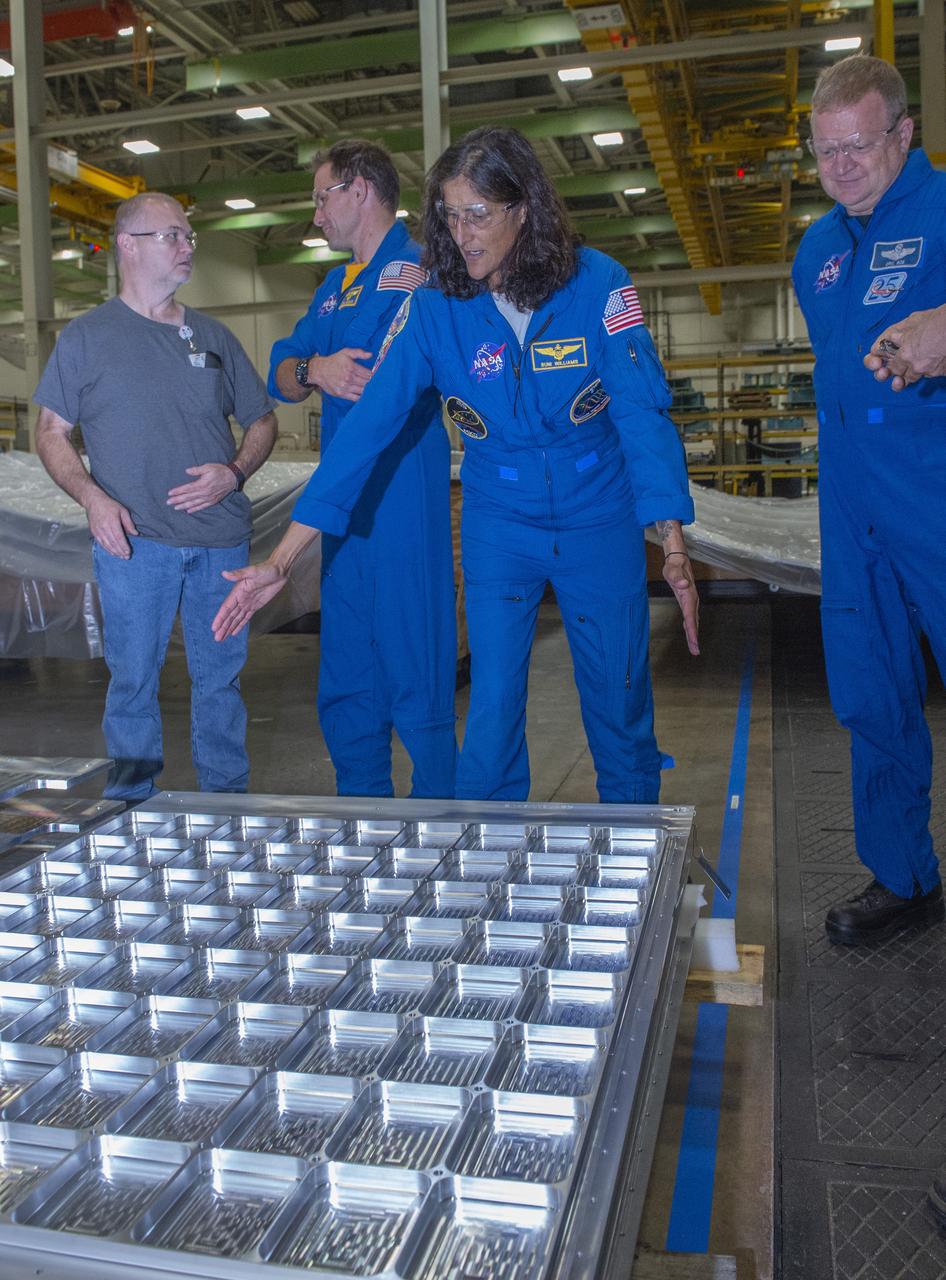
Commercial Crew astronauts toured the United Launch Alliance factory in Decatur, Alabama, on July 17, 2018. Viewing hardware to be used for upcoming commercial crew missions are, second from left, Josh Cassada, Suni Williams and Eric Boe.
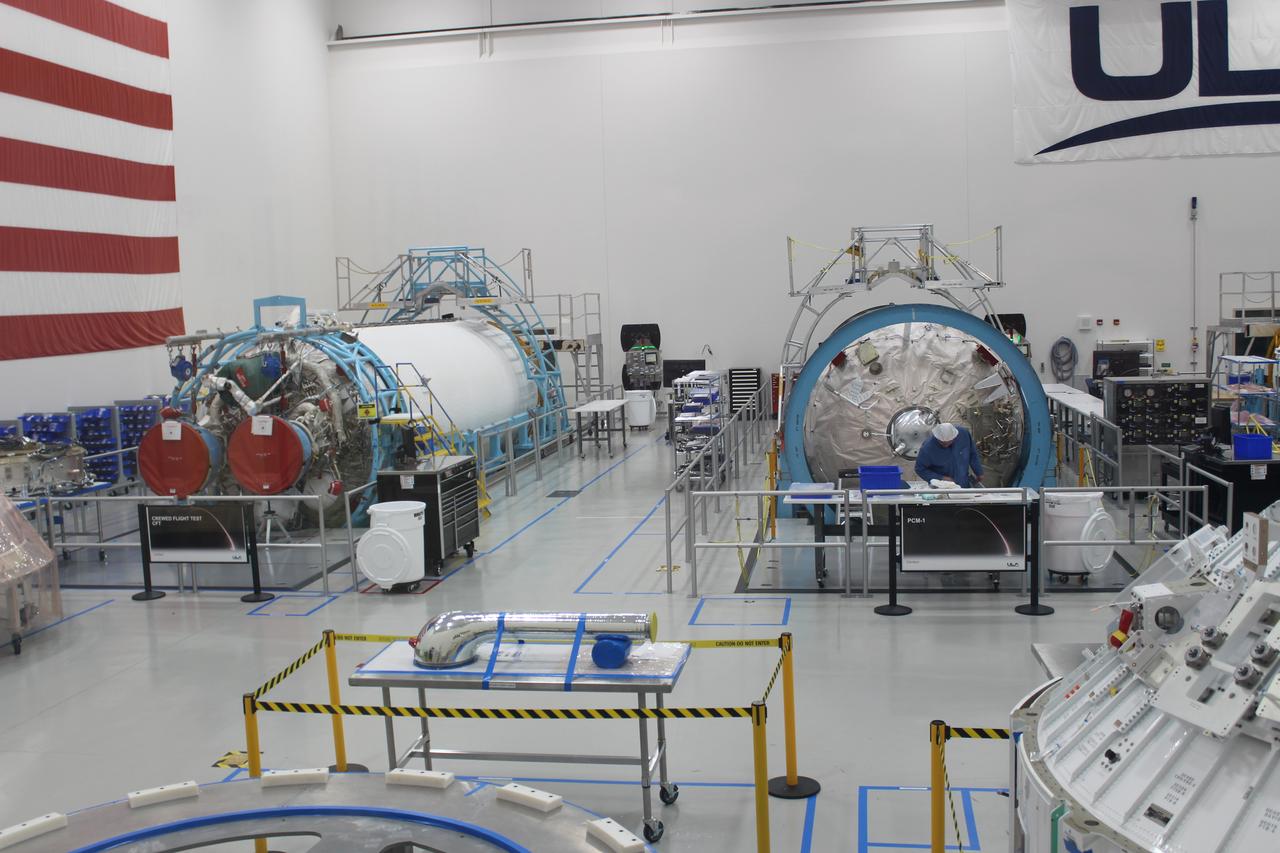
Two United Launch Alliance (ULA) Atlas V dual engine Centaur upper stages are in production in ULA's factory in Decatur, Alabama on March 1, 2019. One is for Boeing’s Crew Flight Test on the CST-100 Starliner, and the other will be used for the first crew rotation mission on the Starliner. One of the Centaur upper stages will be assembled to the first stage booster. They will be shipped aboard the company’s Mariner cargo ship to NASA’s Kennedy Space Center in Florida. Starliner and the Atlas V rockets that will launch the spacecraft, are key to restoring the nation’s capability to send astronauts to the space station from U.S. soil with NASA’s Commercial Crew Program. NASA astronauts Mike Fincke and Nicole Mann, and Boeing astronaut Chris Ferguson will launch to the space station aboard the Starliner for the Crew Flight Test.