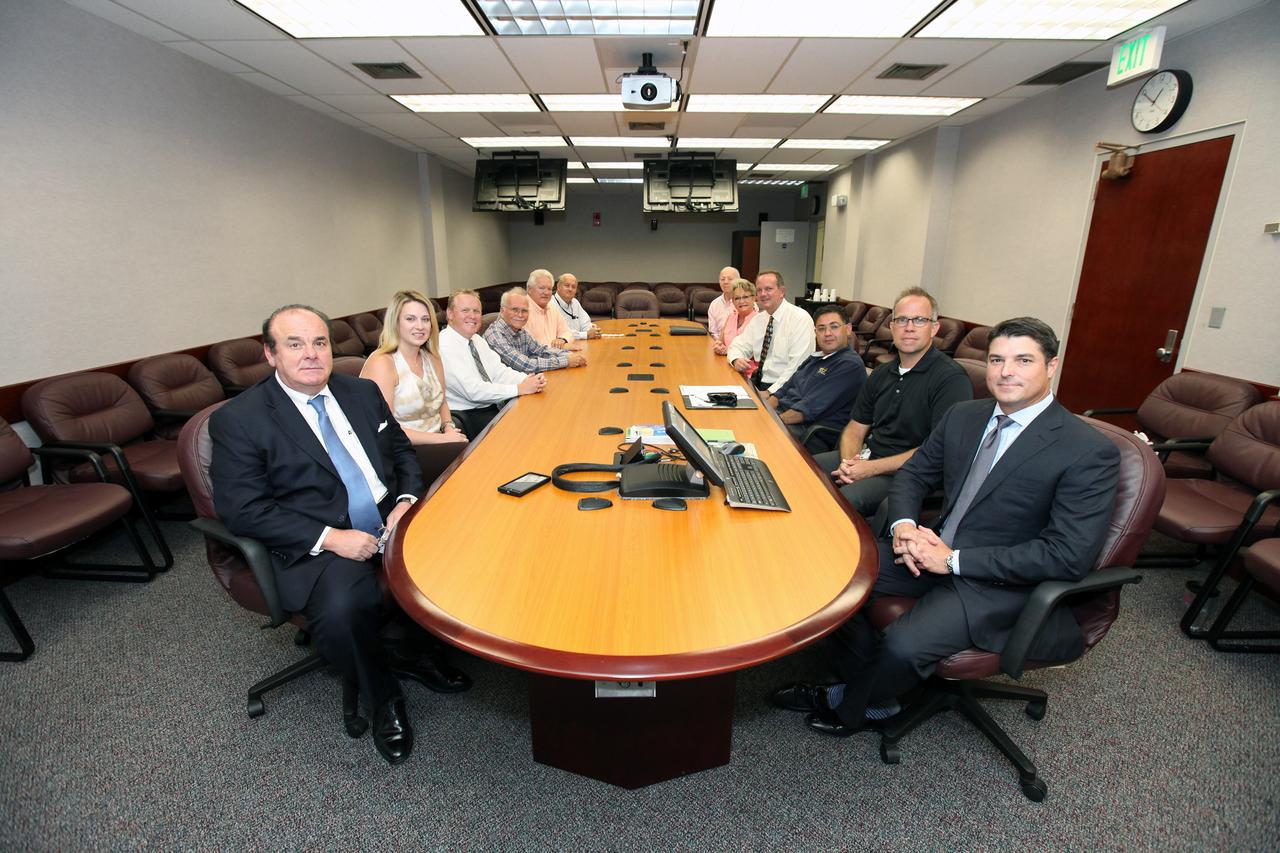
NASA, local and state officials met at Kennedy Space Center in Florida for the sixth KSC Roundtable, in which participants exchanged ideas about the center’s current plans. The meeting was hosted by Kennedy’s Center Planning and Development Directorate (CPD). Seated from left to right are Greg Weiner of the Economic Development Commission of Florida’s Space Coast; Ashley Guinn, legislative assistant to Steve Crisafulli, speaker of the Florida House of Representatives; Todd Pokrywa of The Viera Co.; Charles Lee of the Florida Audubon Society; Rich Biter, former assistant secretary of Intermodal Systems Development, Florida Department of Transportation (FDOT); David Pierce of CPD; Marshall Heard, retired Boeing senior executive; Nancy Potts of CPD; Tom Engler, acting director of CPD; Moataz Hassan of FDOT District 5; Trey Carlson of CPD; and Rep. Crisafulli.
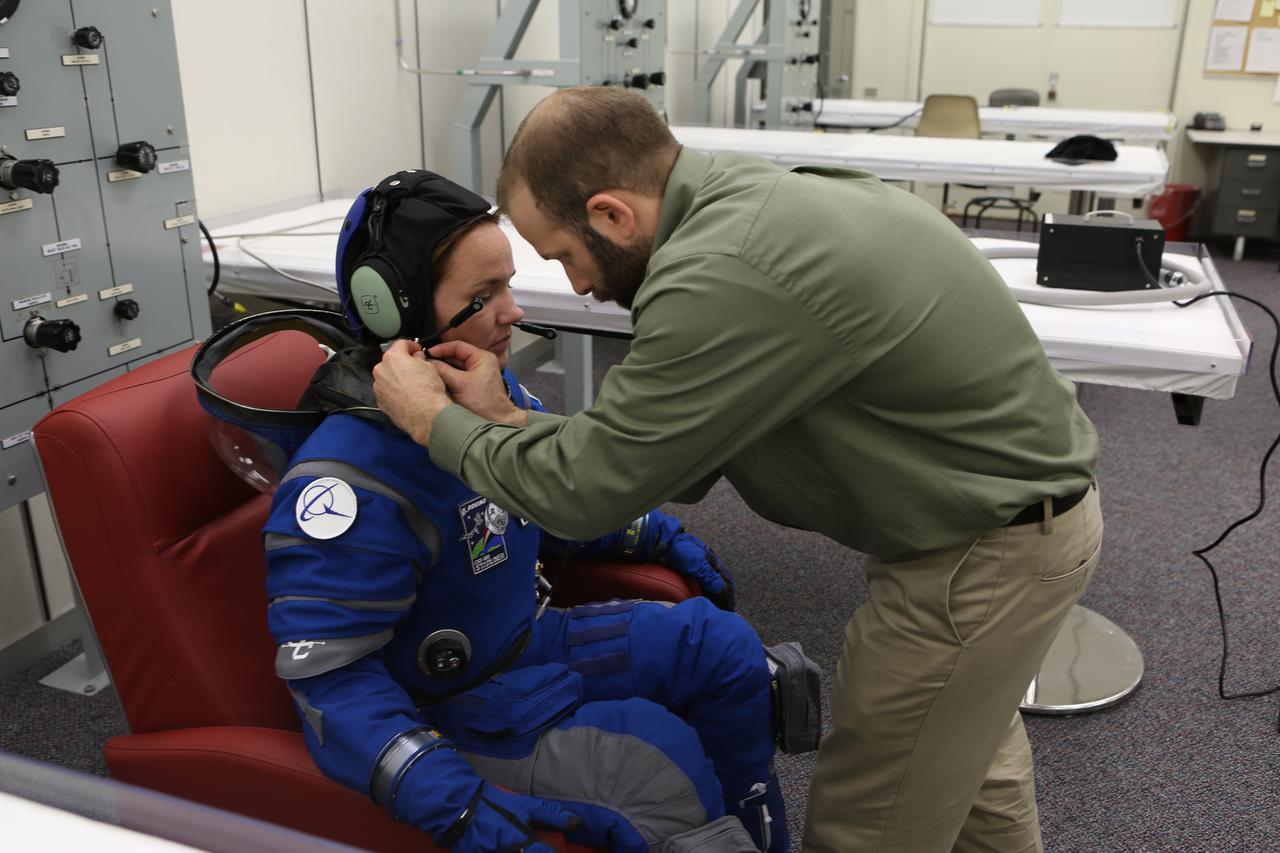
A suit technician prepares for a pressure test of Boeing's new spacesuit designed to be worn by astronauts flying on the CST-100 Starliner. Seen here being worn in the same manner as it will on launch day inside Crew Quarters at NASA's Kennedy Space Center in Florida, the suit is lighter and more flexible than previous spacesuits but retains the ability to pressurize in an emergency. Astronauts will wear the suit throughout the launch and ascent into orbit as well as on the way back to Earth. Starliners will launch atop Atlas V rockets from United Launch Alliance on missions including flights to the International Space Station for NASA's Commercial Crew Program. Photo credit: NASA/Cory Huston
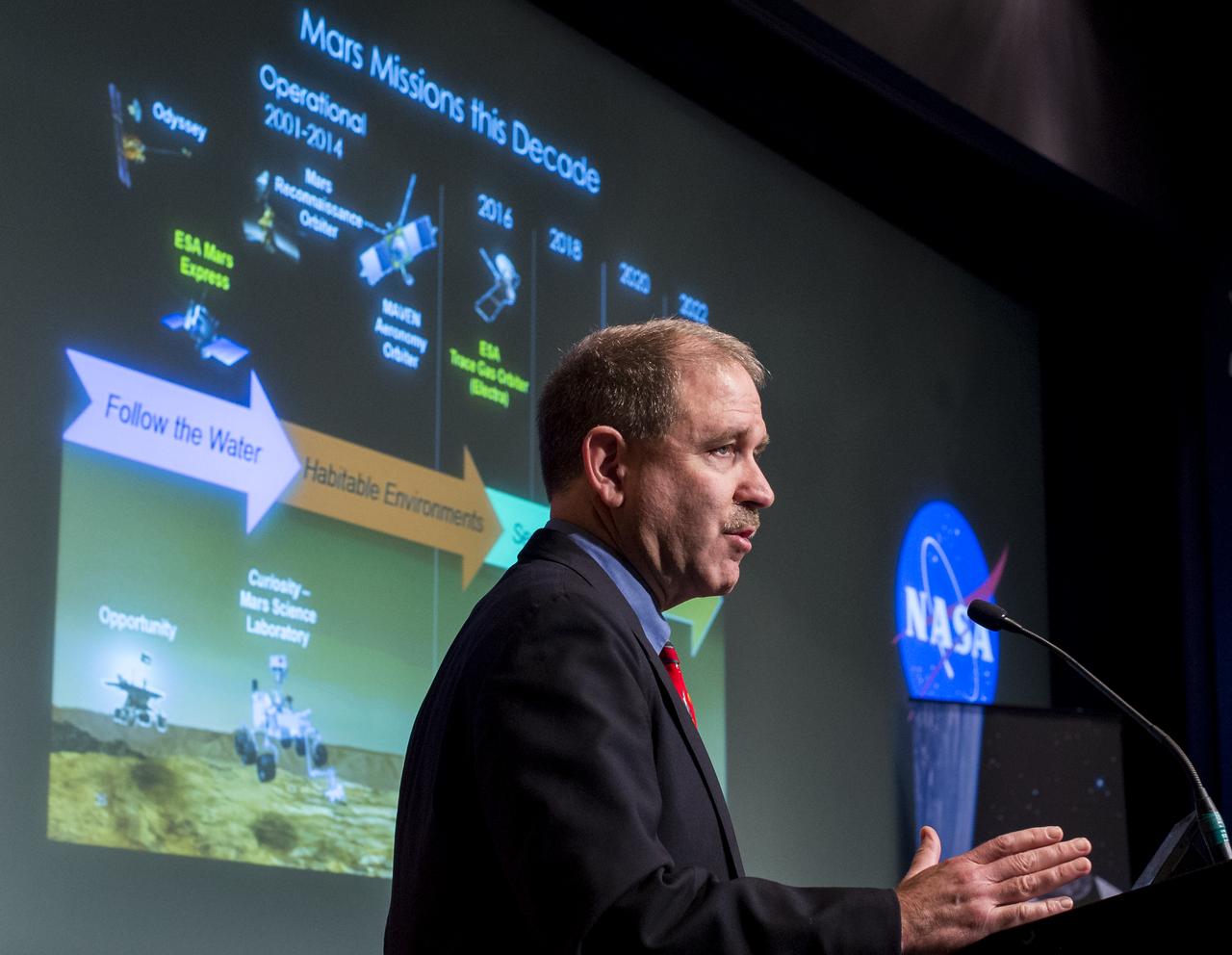
John Grunsfeld, NASA Associate Administrator for the Science Mission Directorate, speaks during an Exploration Forum showcasing NASA's human exploration path to Mars in the James E. Webb Auditorium at NASA Headquarters on Tuesday, April 29, 2014. Photo Credit: (NASA/Joel Kowsky)
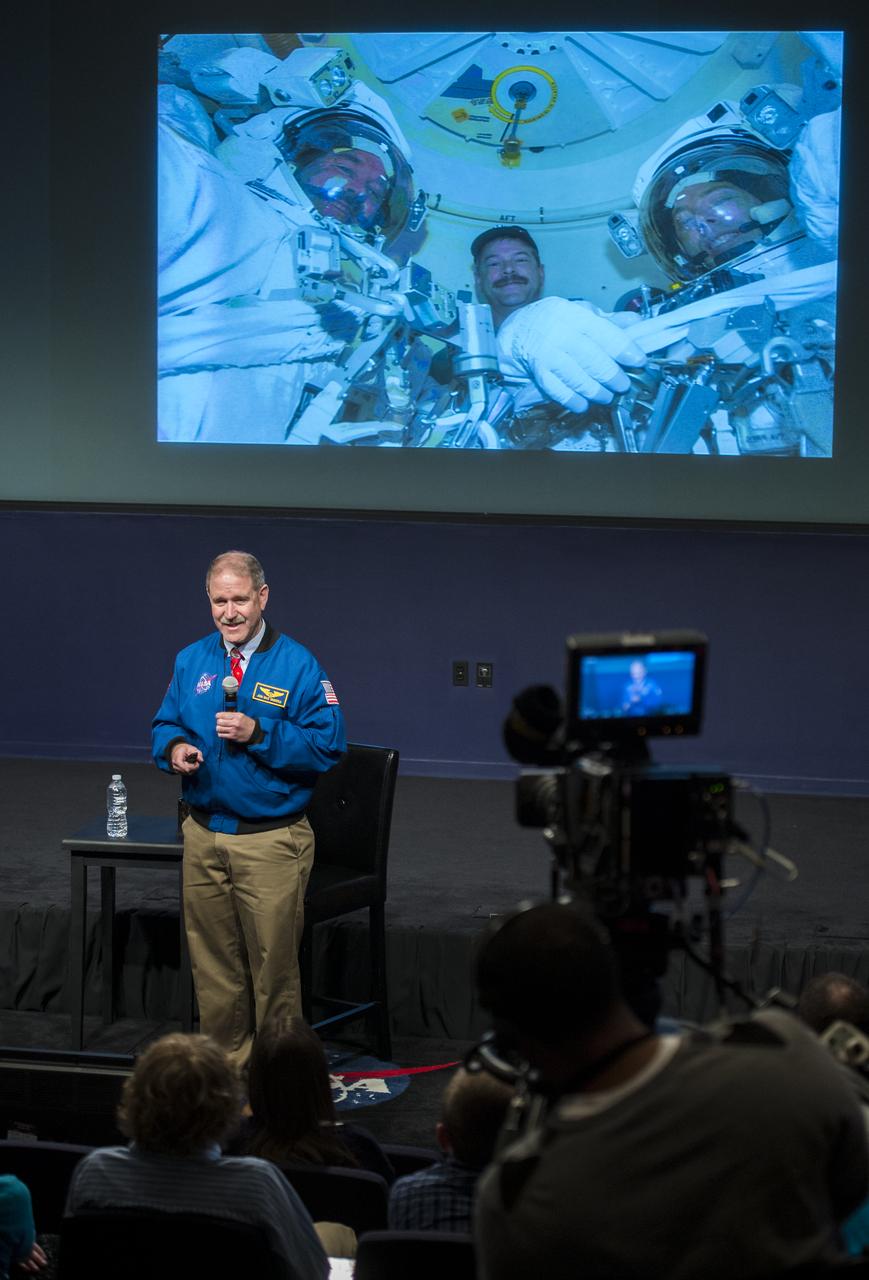
John Grunsfeld, NASA Associate Administrator for the Science Mission Directorate, speaks to students from Mapletown Jr/Sr High School and Margaret Bell Middle School about his experiences on the final space shuttle servicing mission to the Hubble Space Telescope during the NASA Hubble Space Telescope (HST) Research Project Capstone Event in the James E. Webb Auditorium at NASA Headquarters on Monday, May 5, 2014. Grunsfeld flew on three of the five servicing missions to the Hubble Space Telescope. Photo Credit: (NASA/Joel Kowsky)
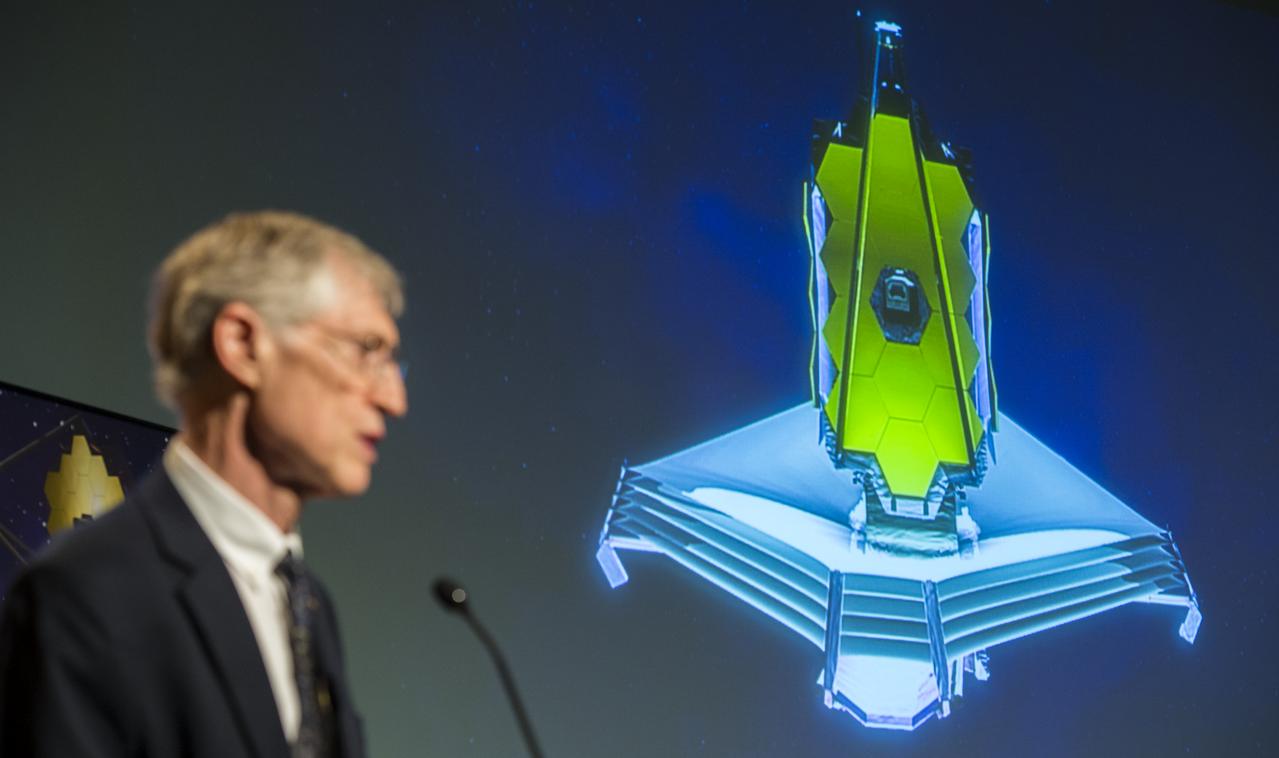
An animation of the James Webb Space Telescope (JWST) is projected as John Mather, Nobel Laureate and Project Scientist for the JWST speaks during a panel discussion on the search for life beyond Earth in the James E. Webb Auditorium at NASA Headquarters on Monday, July 14, 2014 in Washington, DC. The panel discussed how NASA's space-based observatories are making new discoveries and how the agency's new telescope, the James Webb Space Telescope, will continue this path of discovery after its schedule launch in 2018. Photo Credit: (NASA/Joel Kowsky)
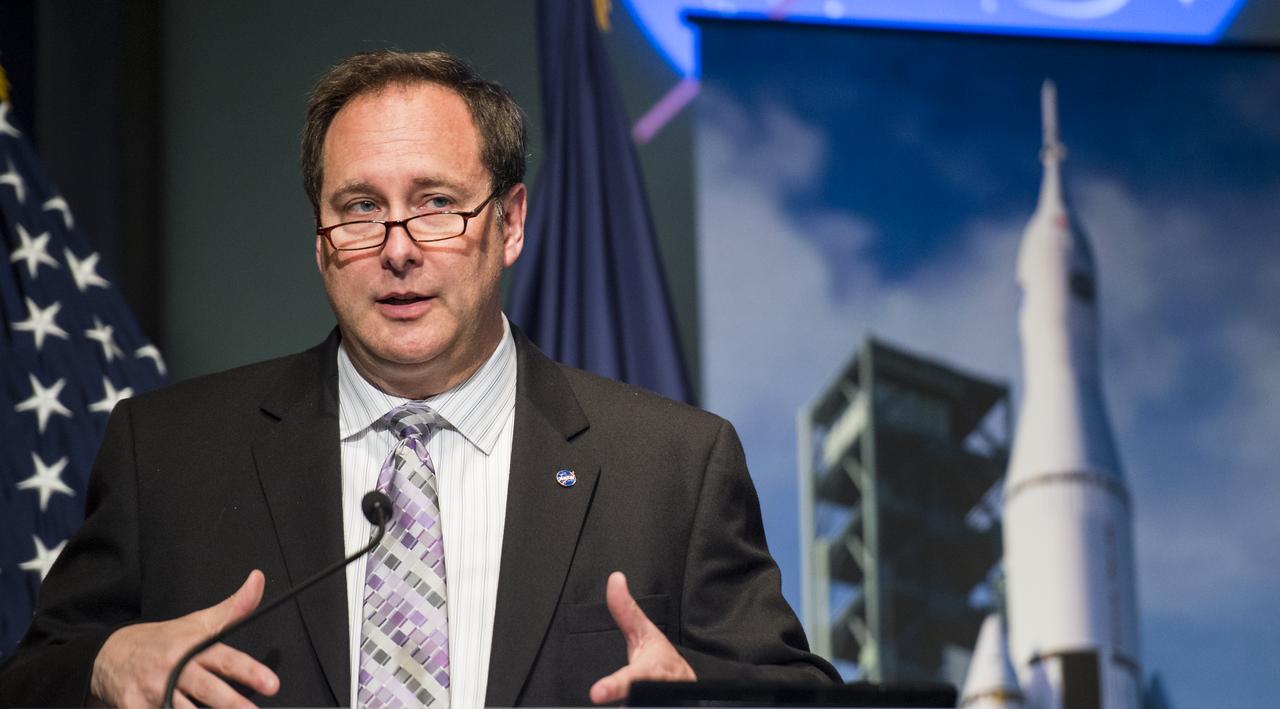
Robert Lightfoot, NASA Associate Adminstrator, delivers closing remarks at an Exploration Forum showcasing NASA's human exploration path to Mars in the James E. Webb Auditorium at NASA Headquarters on Tuesday, April 29, 2014. Photo Credit: (NASA/Joel Kowsky)
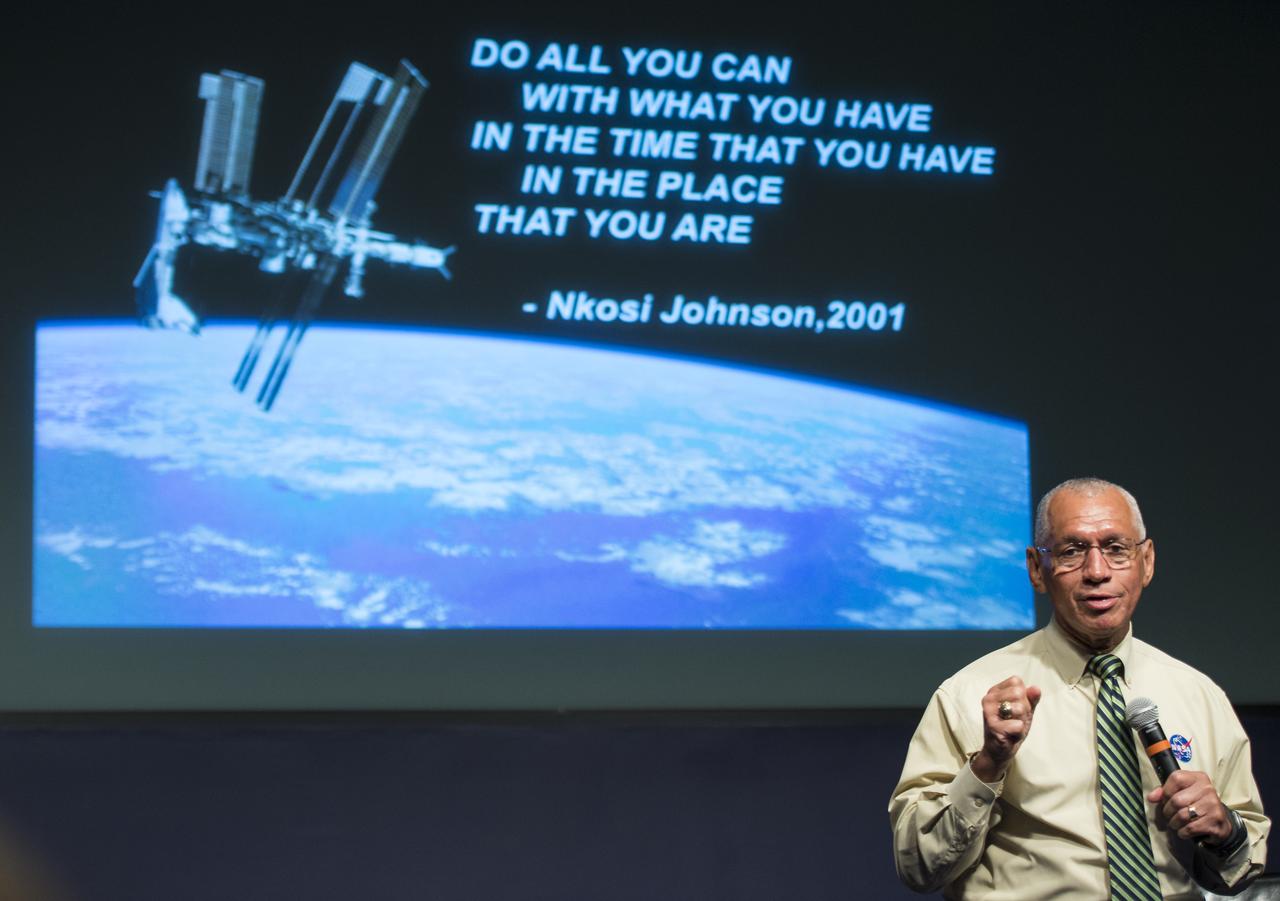
NASA Administrator Charles Bolden speaks to students from Mapletown Jr/Sr High School and Margaret Bell Middle School during the NASA Hubble Space Telescope (HST) Research Project Capstone Event in the James E. Webb Auditorium at NASA Headquarters on Monday, May 5, 2014. Administrator Bolden spoke about his involvement with the Hubble Space Telescope and took questions from the students. Photo Credit: (NASA/Joel Kowsky)
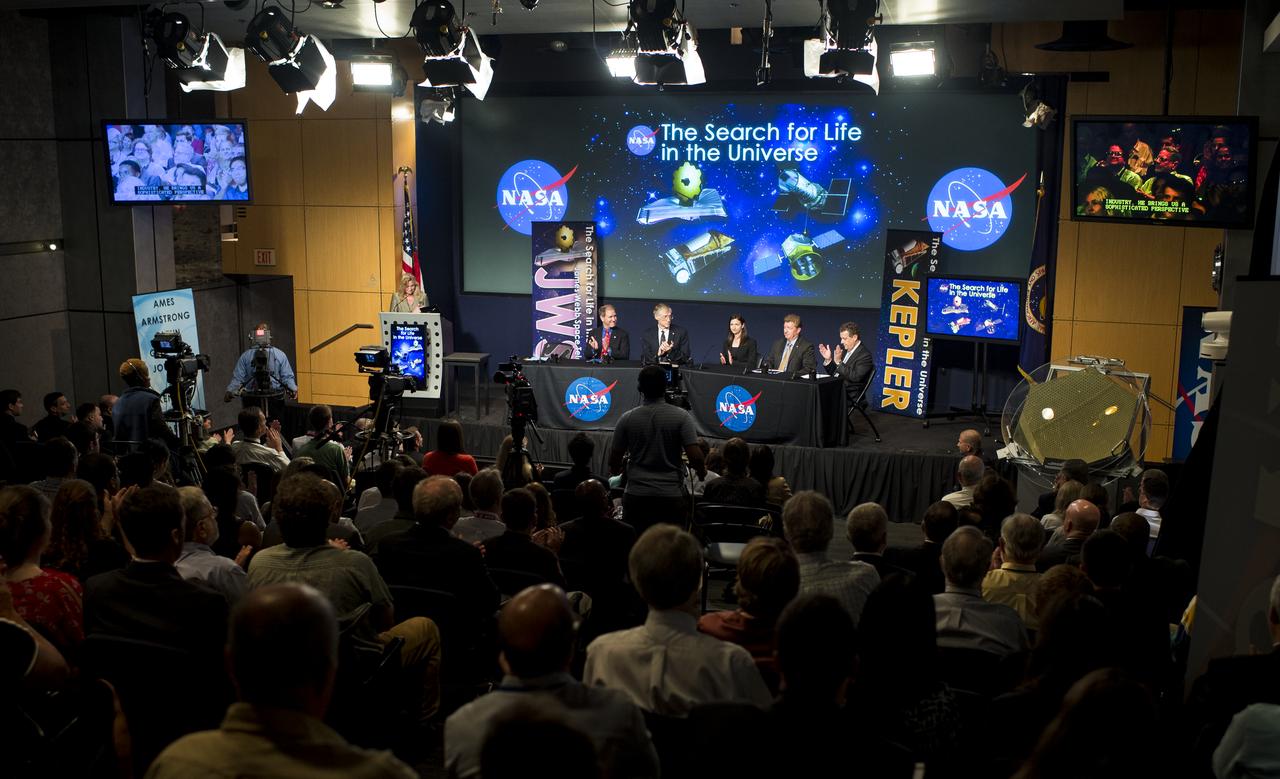
NASA Chief Scientist Ellen Stofan, far left, introduces members of the panel prior to a discussion of the search for life beyond Earth in the James E. Webb Auditorium at NASA Headquarters on Monday, July 14, 2014 in Washington, DC. The panel discussed how NASA's space-based observatories are making new discoveries and how the agency's new telescope, the James Webb Space Telescope, will continue this path of discovery after its schedule launch in 2018. Photo Credit: (NASA/Joel Kowsky)
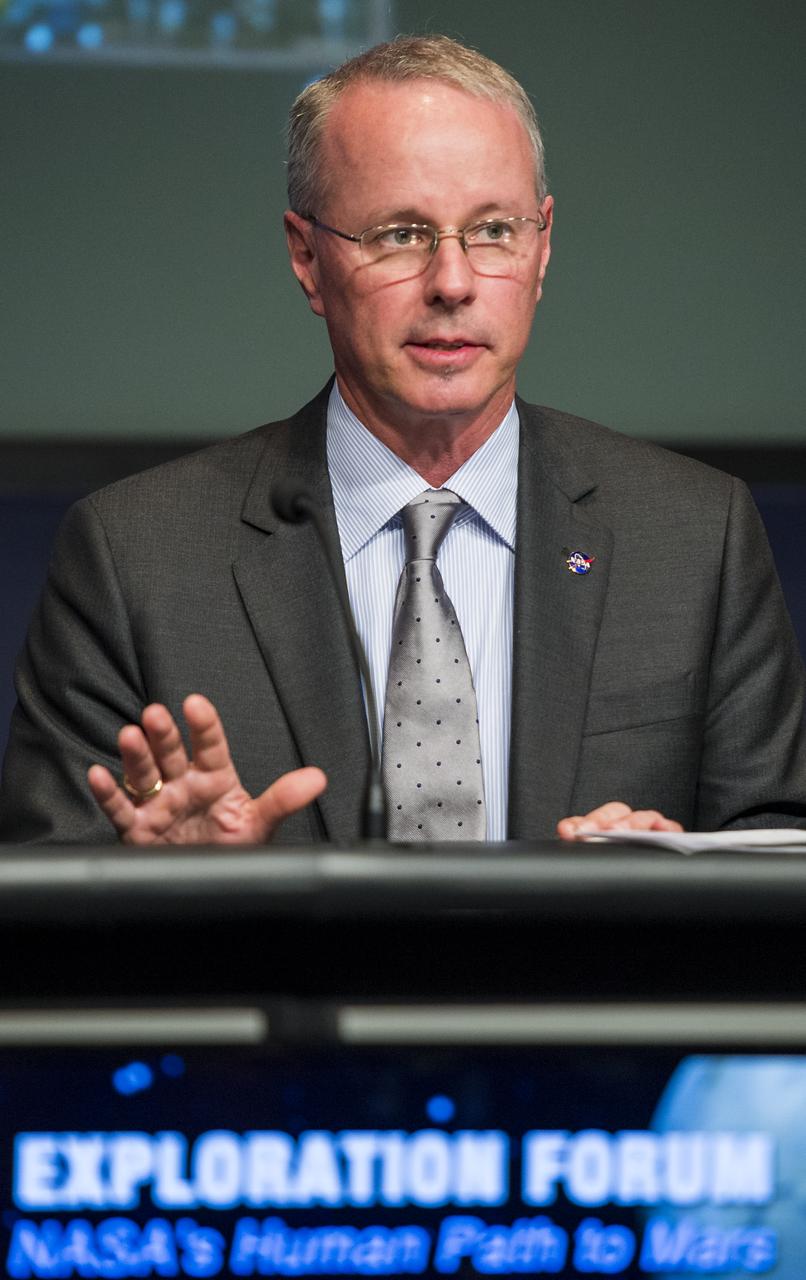
David Miller, NASA Chief Technologist, participate in a panel discussion during an Exploration Forum showcasing NASA's human exploration path to Mars in the James E. Webb Auditorium at NASA Headquarters on Tuesday, April 29, 2014. Photo Credit: (NASA/Joel Kowsky)
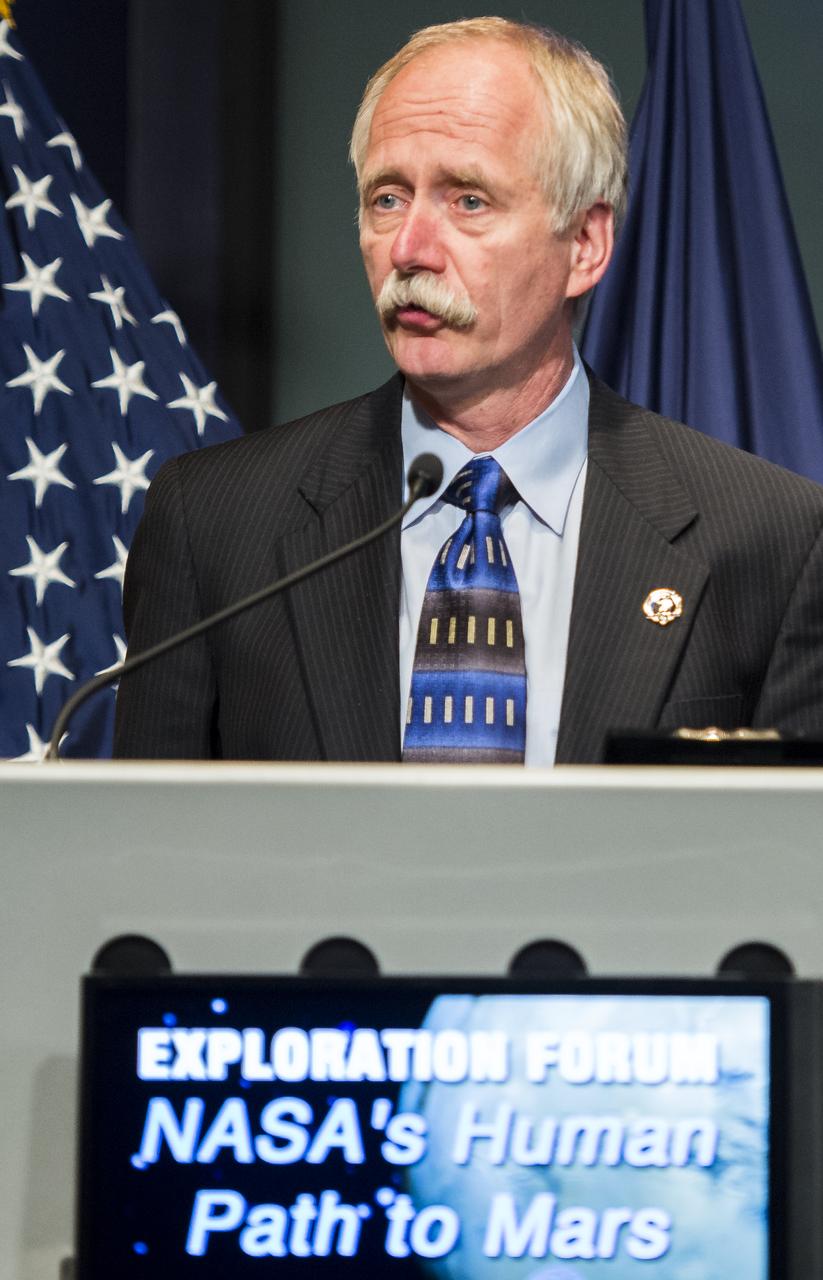
William Gerstenmaier, NASA Associate Administrator for Human Exploration and Operations, speaks during an Exploration Forum showcasing NASA's human exploration path to Mars in the James E. Webb Auditorium at NASA Headquarters on Tuesday, April 29, 2014. Photo Credit: (NASA/Joel Kowsky)
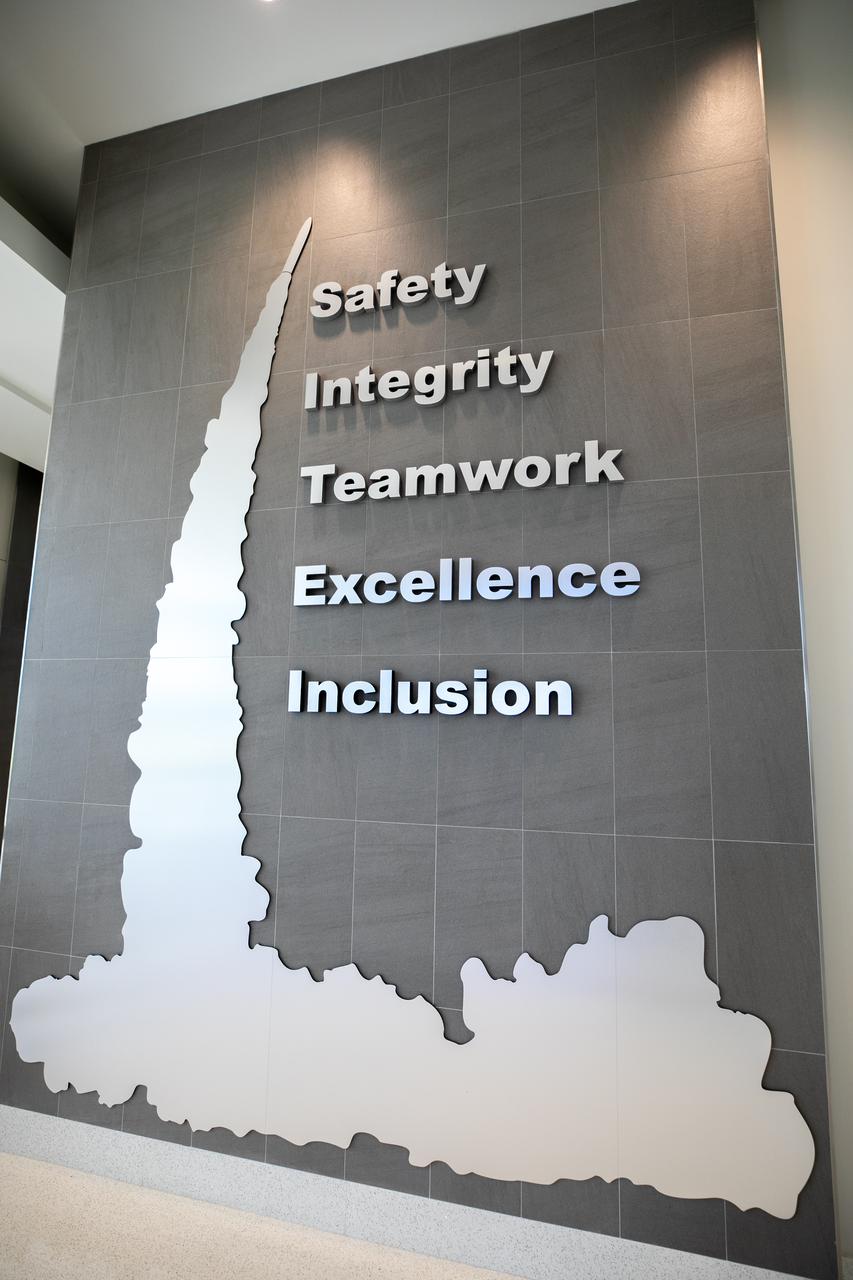
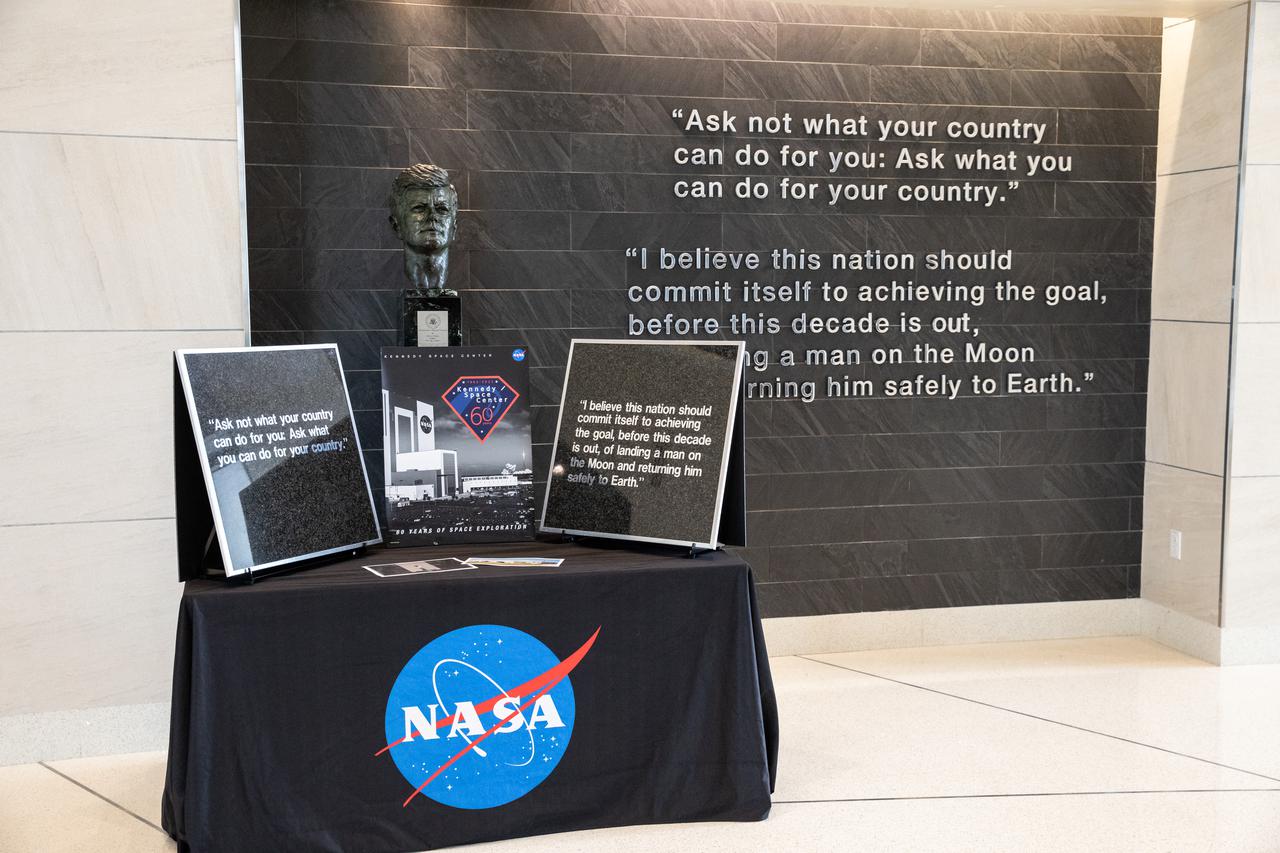
NASA’s core values are shown in the Central Campus lobby at the agency’s Kennedy Space Center in Florida following the installation of NASA’s fifth core value – inclusion – on Sept. 1, 2020. On July 23, NASA Administrator Jim Bridenstine announced the addition of this fifth core value to the existing values embraced by NASA: safety, integrity, teamwork, and excellence. In his announcement, Bridenstine stated “Incorporating inclusion as a NASA core value is an important step to ensuring this principle remains a long-term focus for our agency and becomes ingrained in the NASA family DNA.”
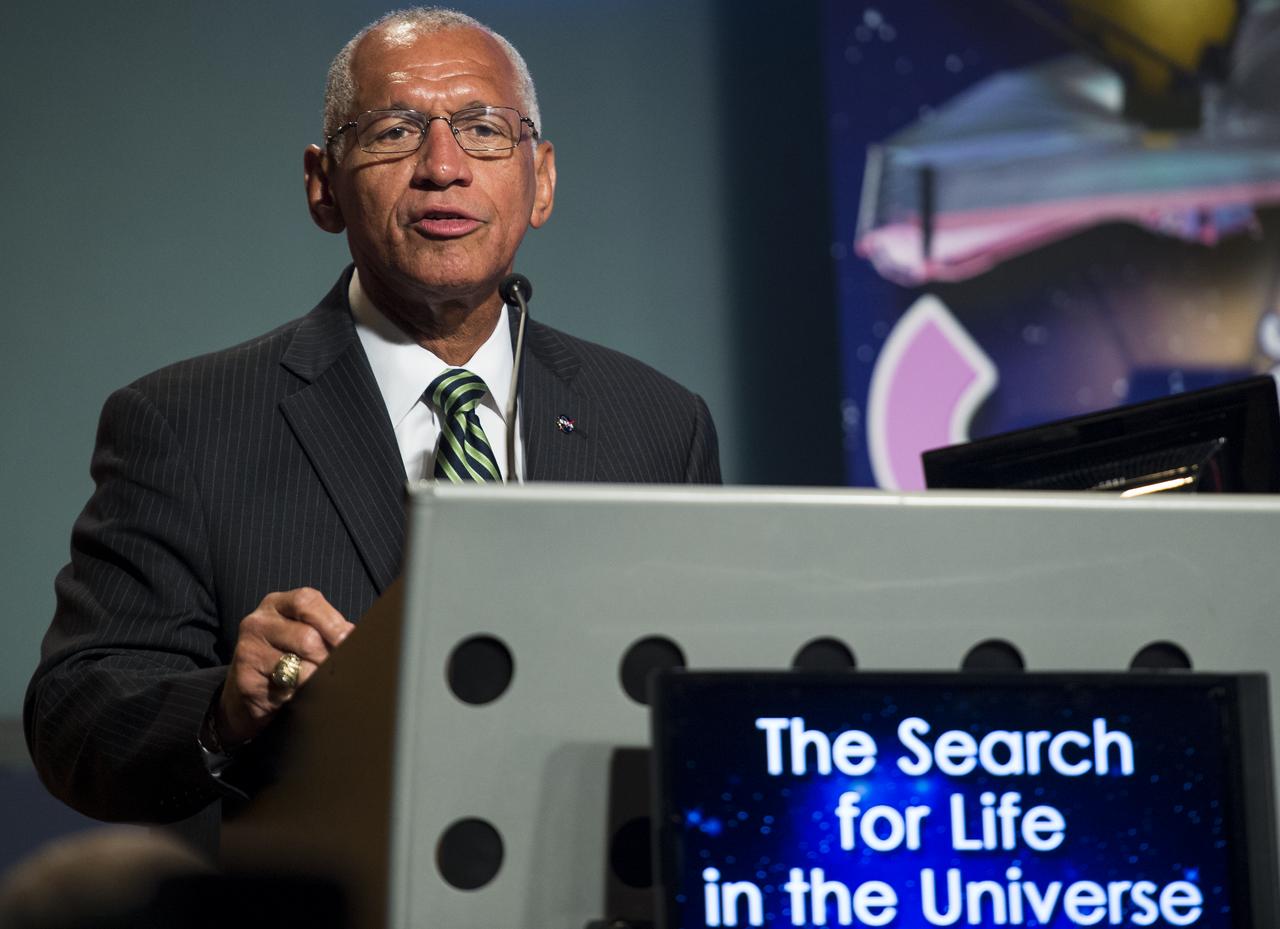
NASA Administrator Charles Bolden delivers opening remarks during a panel discussion on the search for life beyond Earth in the James E. Webb Auditorium at NASA Headquarters on Monday, July 14, 2014 in Washington, DC. The panel discussed how NASA's space-based observatories are making new discoveries and how the agency's new telescope, the James Webb Space Telescope, will continue this path of discovery after its schedule launch in 2018. Photo Credit: (NASA/Joel Kowsky)
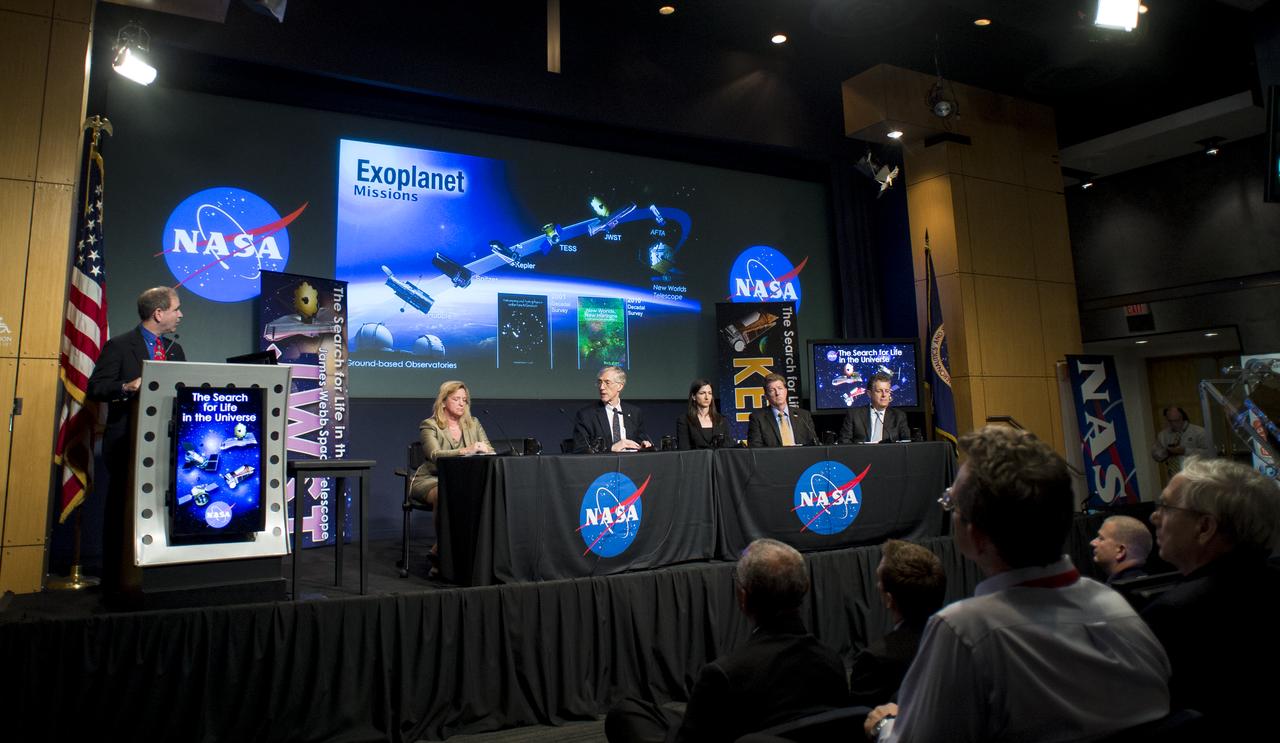
John Grunsfeld, Associate Administrator for NASA's Science Mission Directorate, far left, speaks during a panel discussion on the search for life beyond Earth in the James E. Webb Auditorium at NASA Headquarters on Monday, July 14, 2014 in Washington, DC. The panel discussed how NASA's space-based observatories are making new discoveries and how the agency's new telescope, the James Webb Space Telescope, will continue this path of discovery after its schedule launch in 2018. Photo Credit: (NASA/Joel Kowsky)
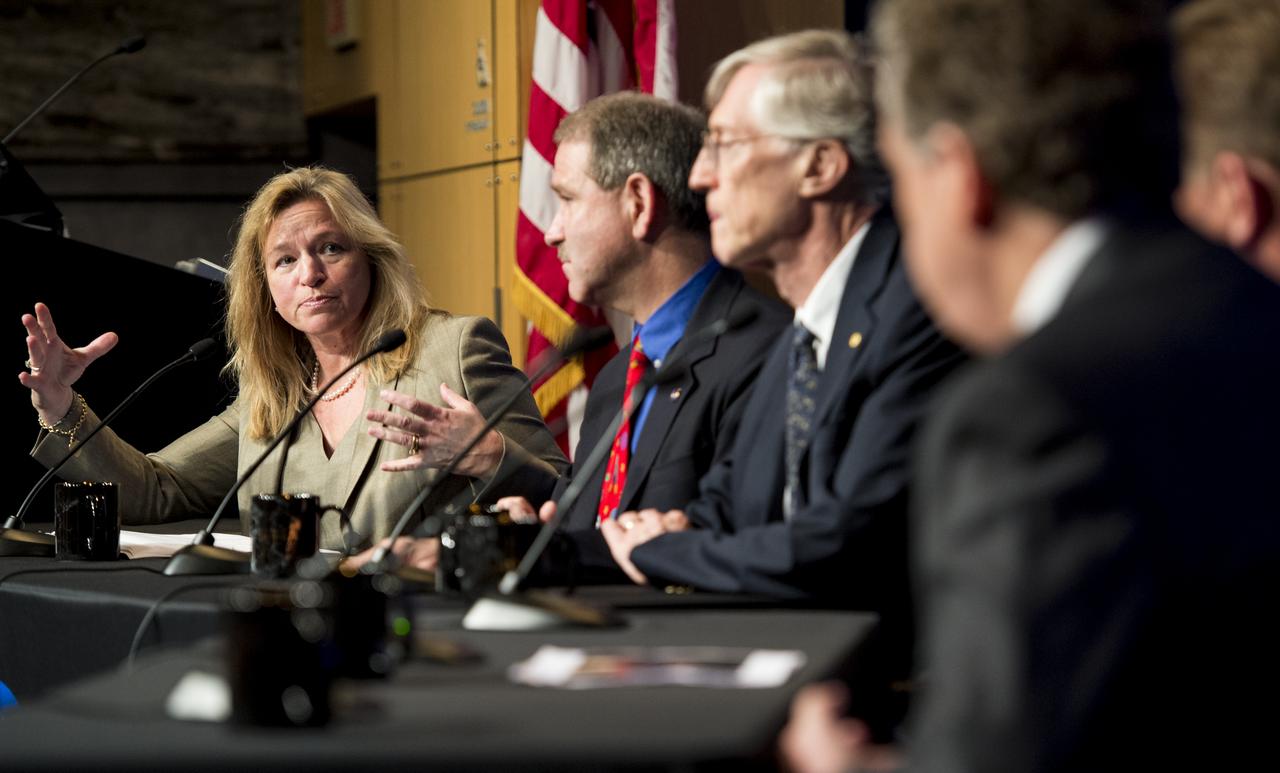
NASA Chief Scientist Ellen Stofan, far left, asks the members of the panel a question during a discussion of the search for life beyond Earth in the James E. Webb Auditorium at NASA Headquarters on Monday, July 14, 2014 in Washington, DC. The panel discussed how NASA's space-based observatories are making new discoveries and how the agency's new telescope, the James Webb Space Telescope, will continue this path of discovery after its schedule launch in 2018. Photo Credit: (NASA/Joel Kowsky)

Dave Gallagher, Director of Astronomy, Physics, and Space Technology at NASA's Jet Propulsion Laboratory speaks during a panel discussion on the search for life beyond Earth in the James E. Webb Auditorium at NASA Headquarters on Monday, July 14, 2014 in Washington, DC. The panel discussed how NASA's space-based observatories are making new discoveries and how the agency's new telescope, the James Webb Space Telescope, will continue this path of discovery after its schedule launch in 2018. Photo Credit: (NASA/Joel Kowsky)
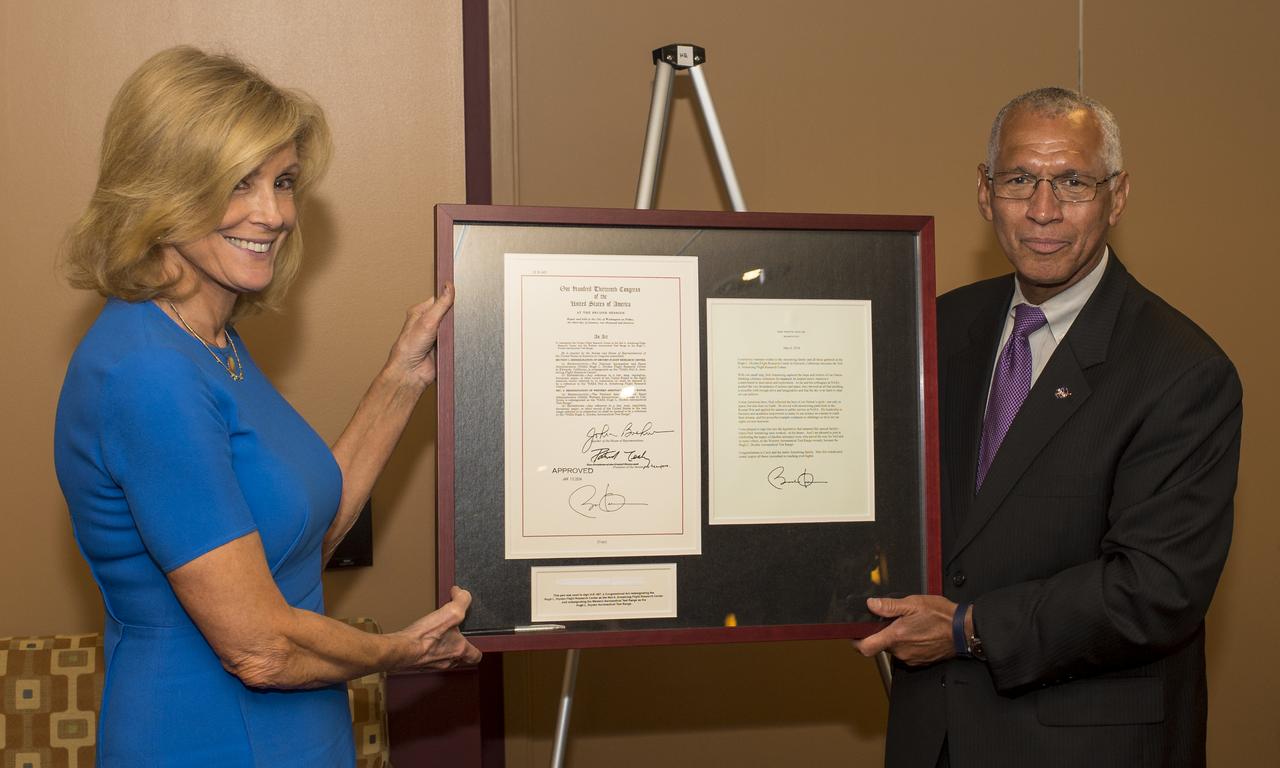
NASA Administrator Charles Bolden, right, presents Carol Armstrong, widow of Apollo 11 commander, Neil Armstrong, with the signed bill that renamed the Hugh L. Dryden Flight Research Center as the Neil A. Armstrong Flight Research Center, Tuesday, July 22, 2014 at NASA Headquarters in Washington. Photo Credit: (NASA/Joel Kowsky)
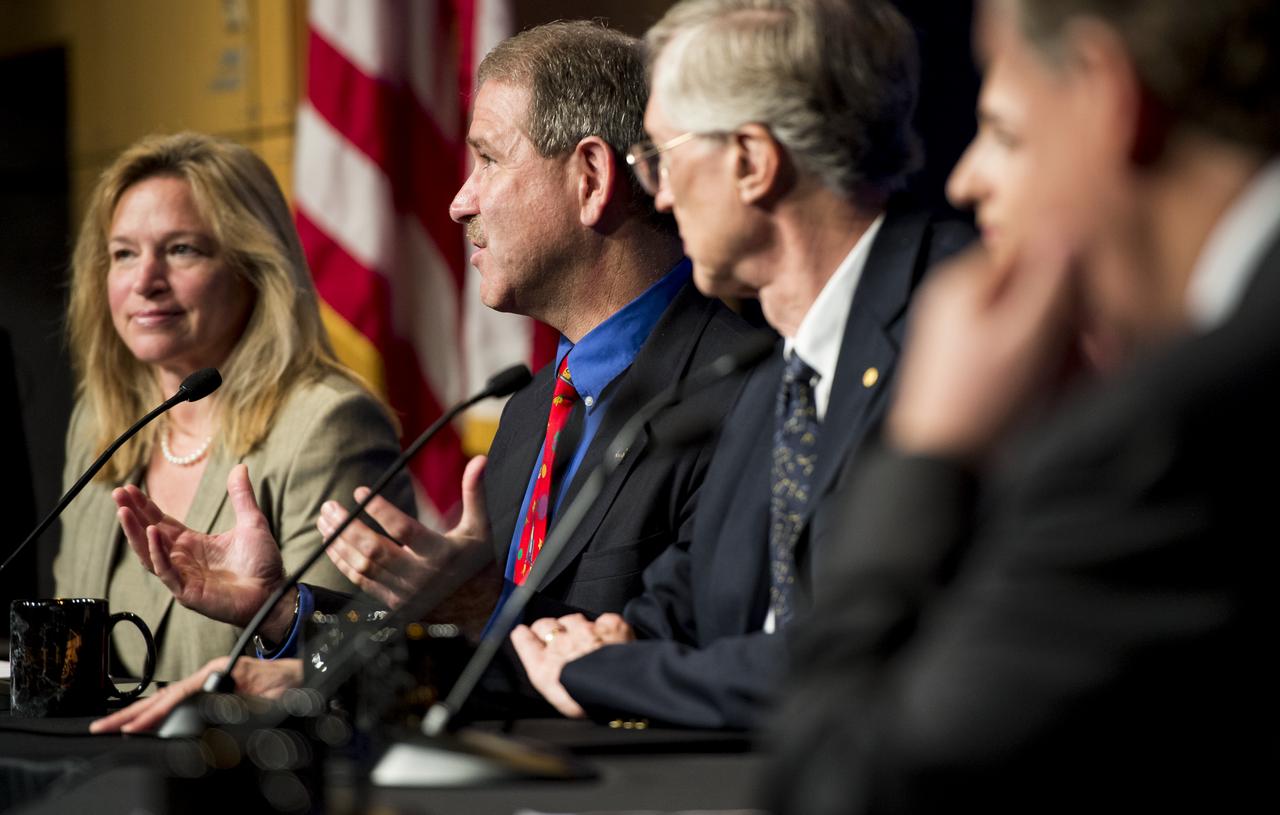
John Grunsfeld, Associate Administrator for NASA's Science Mission Directorate, second from left, answers a question from the audience during a panel discussion on the search for life beyond Earth in the James E. Webb Auditorium at NASA Headquarters on Monday, July 14, 2014 in Washington, DC. The panel discussed how NASA's space-based observatories are making new discoveries and how the agency's new telescope, the James Webb Space Telescope, will continue this path of discovery after its schedule launch in 2018. Photo Credit: (NASA/Joel Kowsky)
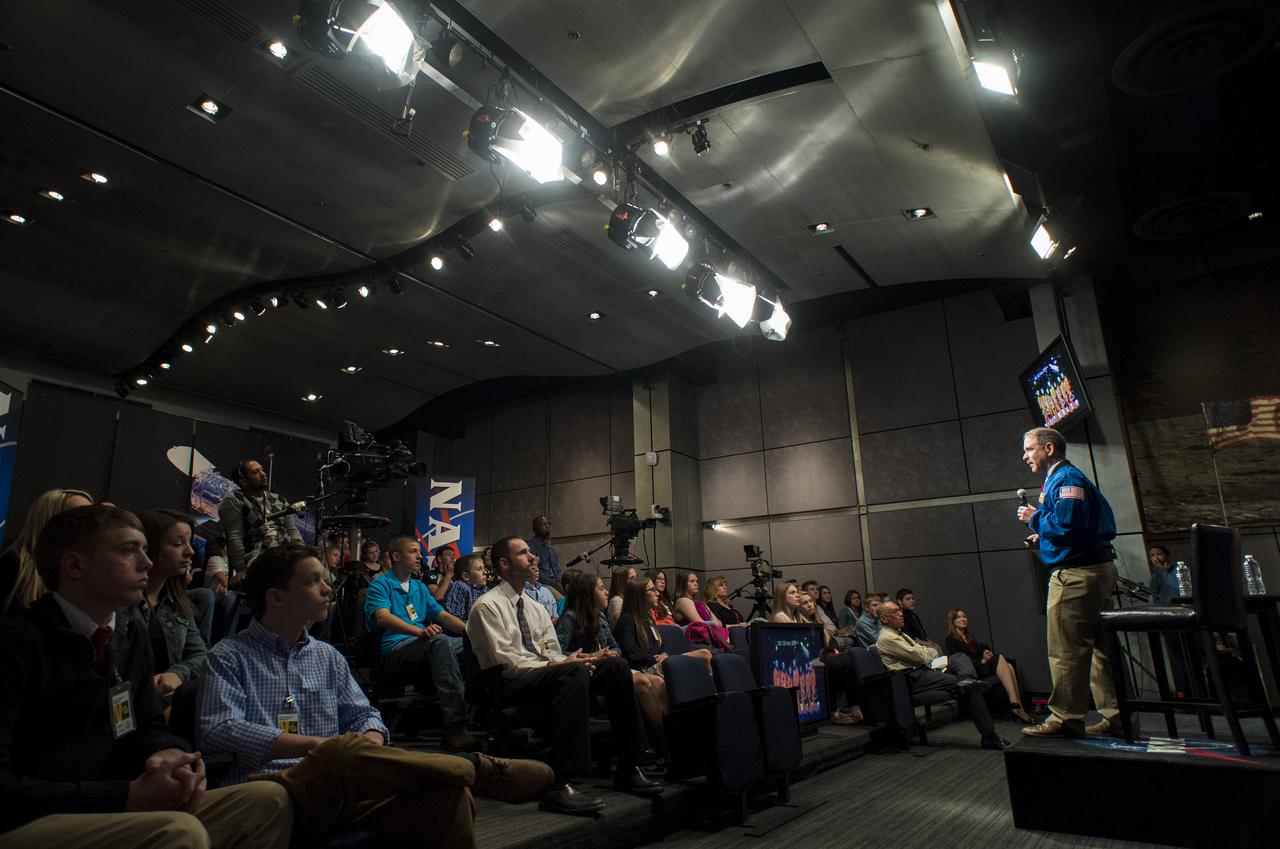
John Grunsfeld, NASA Associate Administrator for the Science Mission Directorate, speaks to students from Mapletown Jr/Sr High School and Margaret Bell Middle School about his experiences on the final space shuttle servicing mission to the Hubble Space Telescope during the NASA Hubble Space Telescope (HST) Research Project Capstone Event in the James E. Webb Auditorium at NASA Headquarters on Monday, May 5, 2014. Grunsfeld flew on three of the five servicing missions to the Hubble Space Telescope. Photo Credit: (NASA/Joel Kowsky)
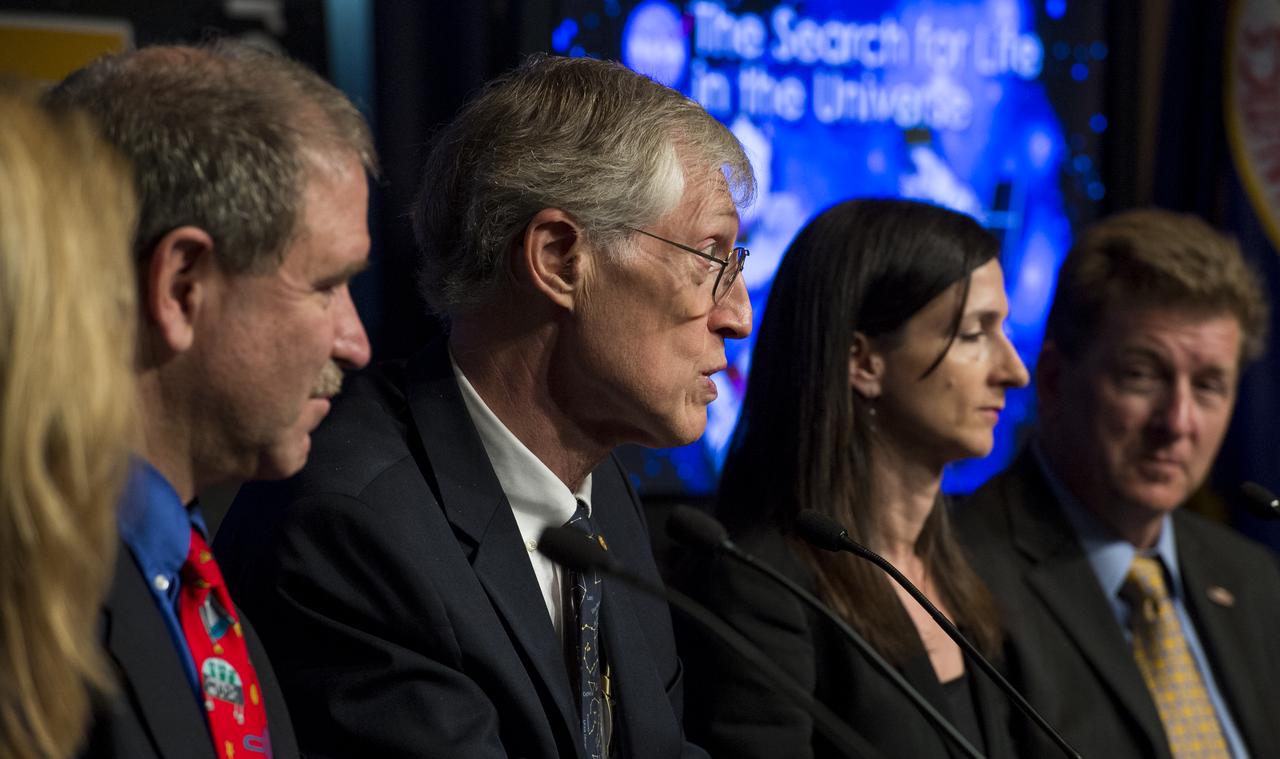
John Mather, Project Scientist for the James Webb Space Telescope at NASA's Goddard Space Flight Center, center, answers a question from the audience during a panel discussion on the search for life beyond Earth in the James E. Webb Auditorium at NASA Headquarters on Monday, July 14, 2014 in Washington, DC. The panel discussed how NASA's space-based observatories are making new discoveries and how the agency's new telescope, the James Webb Space Telescope, will continue this path of discovery after its schedule launch in 2018. Photo Credit: (NASA/Joel Kowsky)
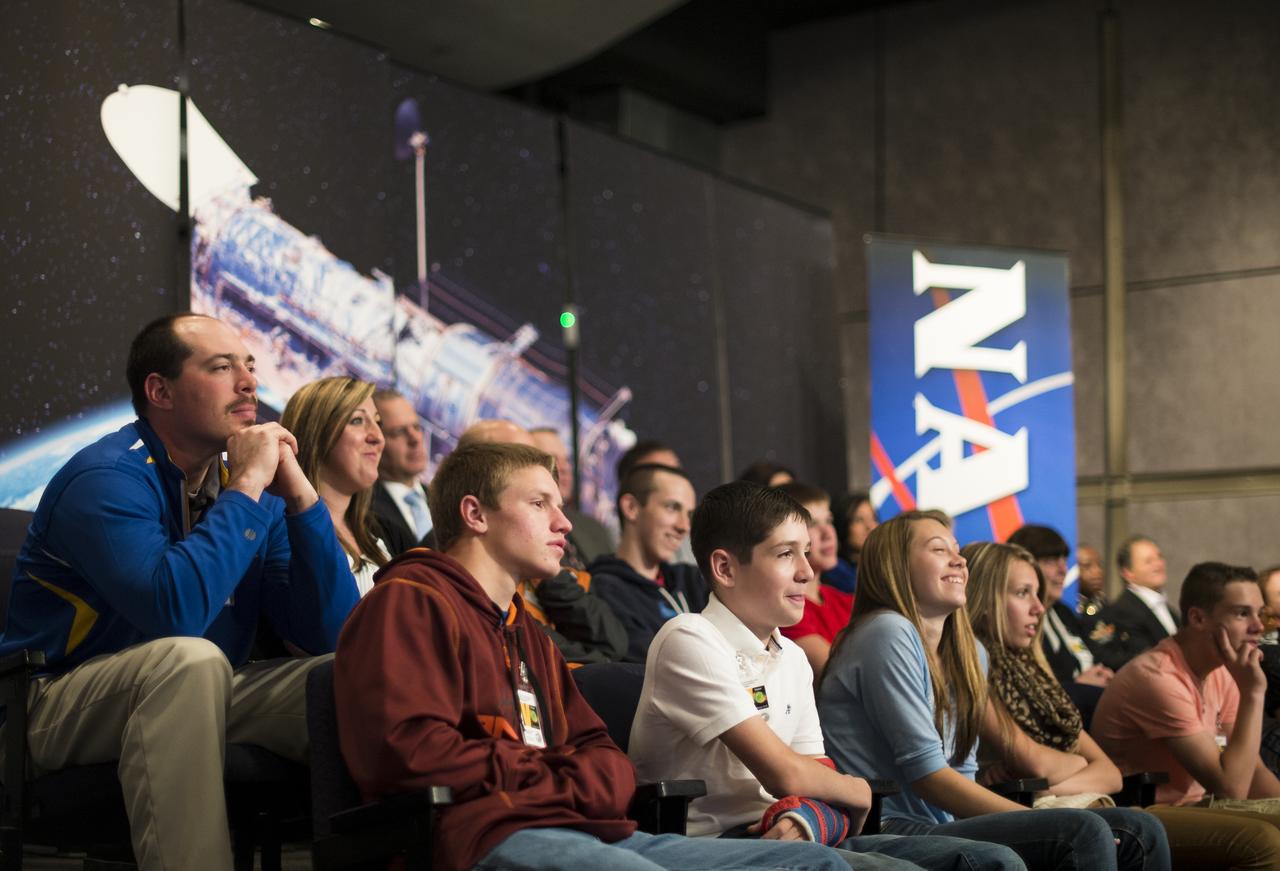
Students and faculty from Mapletown Jr/Sr High School and Margaret Bell Middle School listen as John Grunsfeld, NASA Associate Administrator for the Science Mission Directorate, speaks about his experiences on the final space shuttle servicing mission to the Hubble Space Telescope during the NASA Hubble Space Telescope (HST) Research Project Capstone Event in the James E. Webb Auditorium at NASA Headquarters on Monday, May 5, 2014. Photo Credit: (NASA/Joel Kowsky)
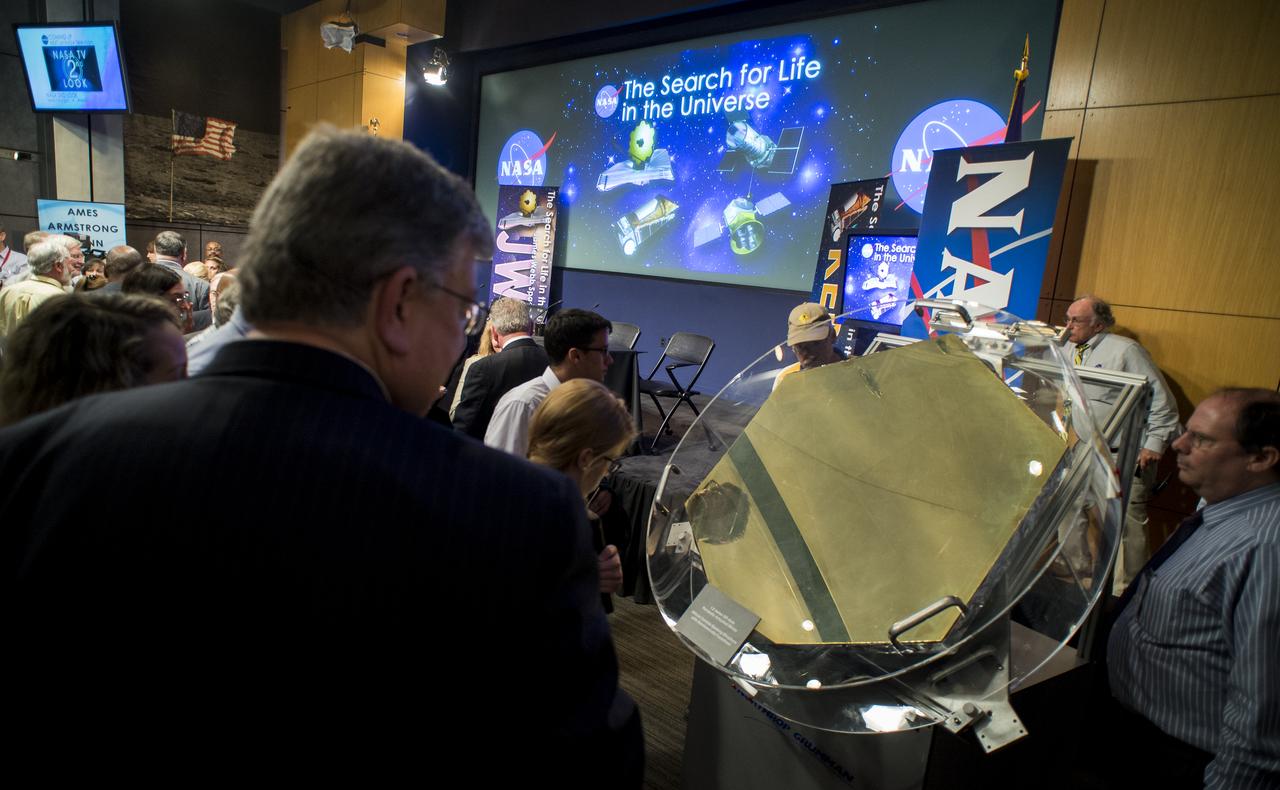
Members of the audience walk past an example of a 1.2 meter telescope mirror that could be used in a future space telescope following a panel discussion on the search for life beyond Earth in the James E. Webb Auditorium at NASA Headquarters on Monday, July 14, 2014 in Washington, DC. The panel discussed how NASA's space-based observatories are making new discoveries and how the agency's new telescope, the James Webb Space Telescope, will continue this path of discovery after its schedule launch in 2018. Photo Credit: (NASA/Joel Kowsky)
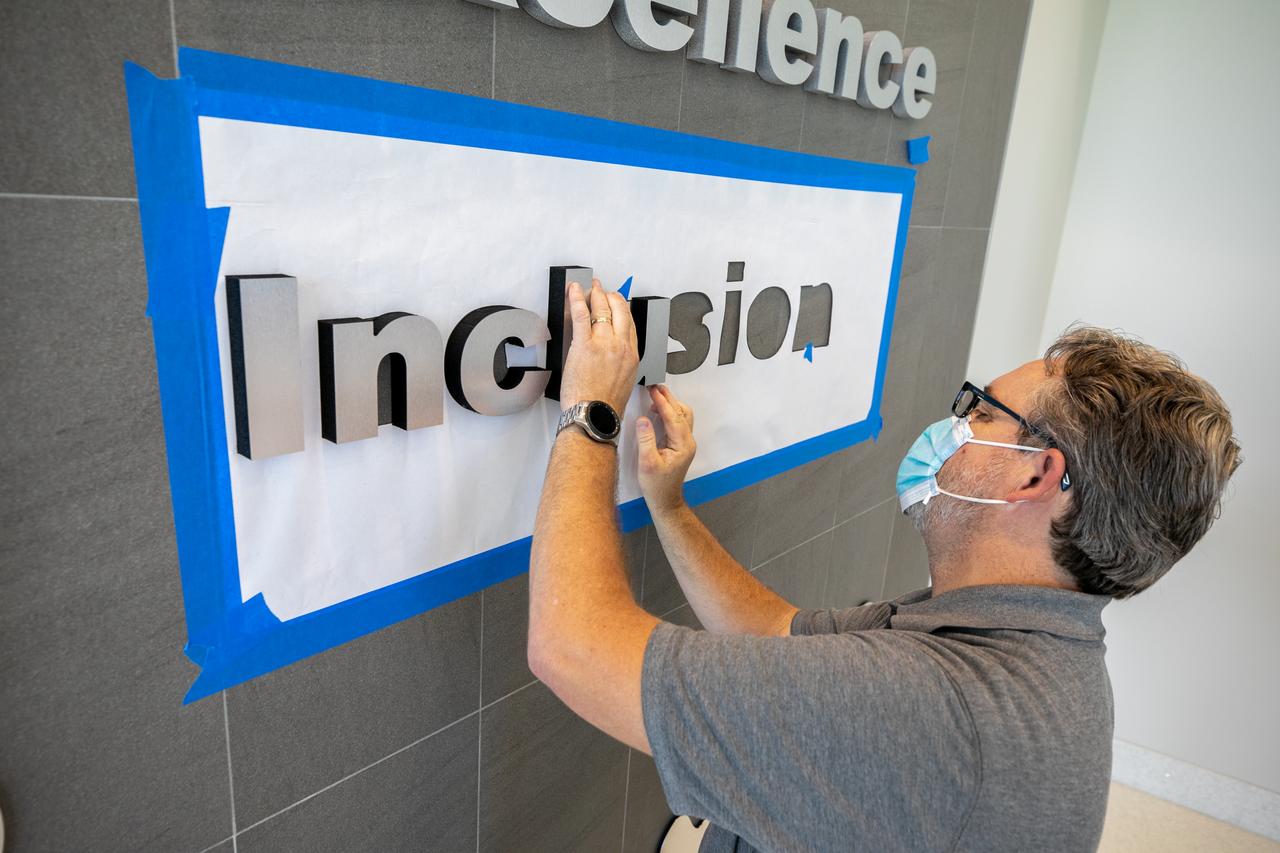
NASA’s fifth core value – inclusion – is installed in the Central Campus lobby at the agency’s Kennedy Space Center in Florida on Sept. 1, 2020. On July 23, NASA Administrator Jim Bridenstine announced the addition of this fifth core value to the existing values embraced by NASA: safety, integrity, teamwork, and excellence. In his announcement, Bridenstine stated “Incorporating inclusion as a NASA core value is an important step to ensuring this principle remains a long-term focus for our agency and becomes ingrained in the NASA family DNA.”
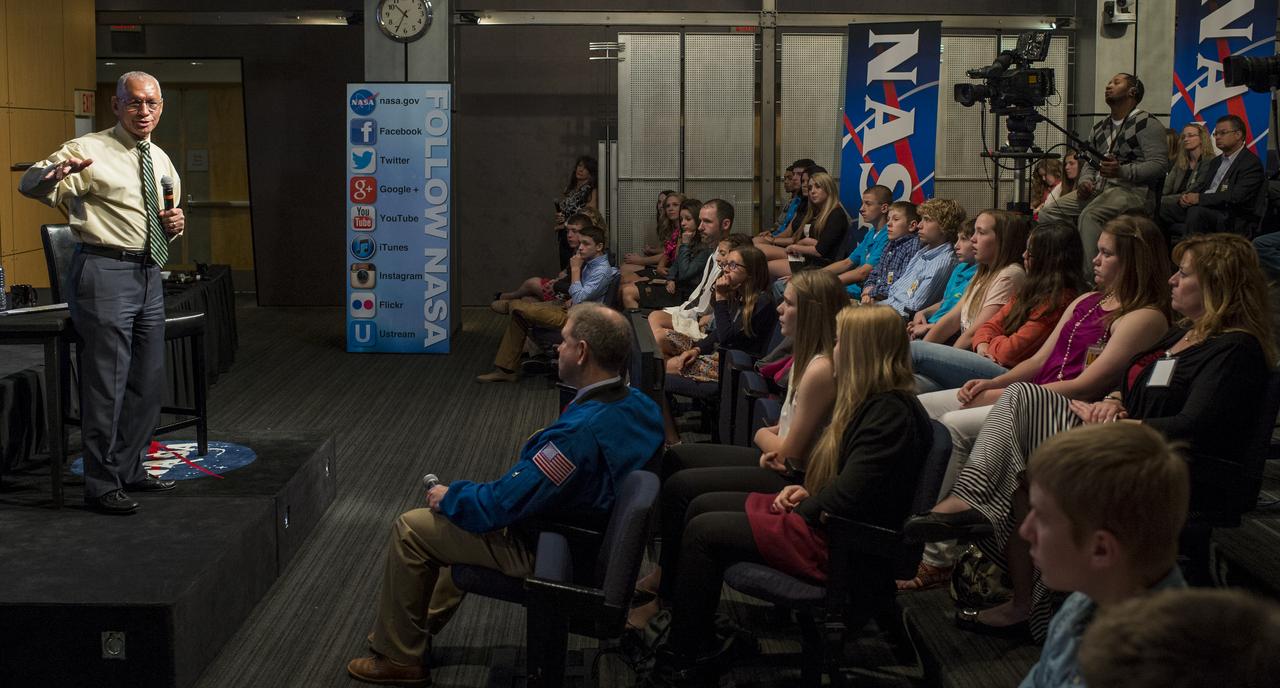
NASA Administrator Charles Bolden speaks to students from Mapletown Jr/Sr High School and Margaret Bell Middle School during the NASA Hubble Space Telescope (HST) Research Project Capstone Event in the James E. Webb Auditorium at NASA Headquarters on Monday, May 5, 2014. Administrator Bolden spoke about his involvement with the Hubble Space Telescope and took questions from the students. Photo Credit: (NASA/Joel Kowsky)
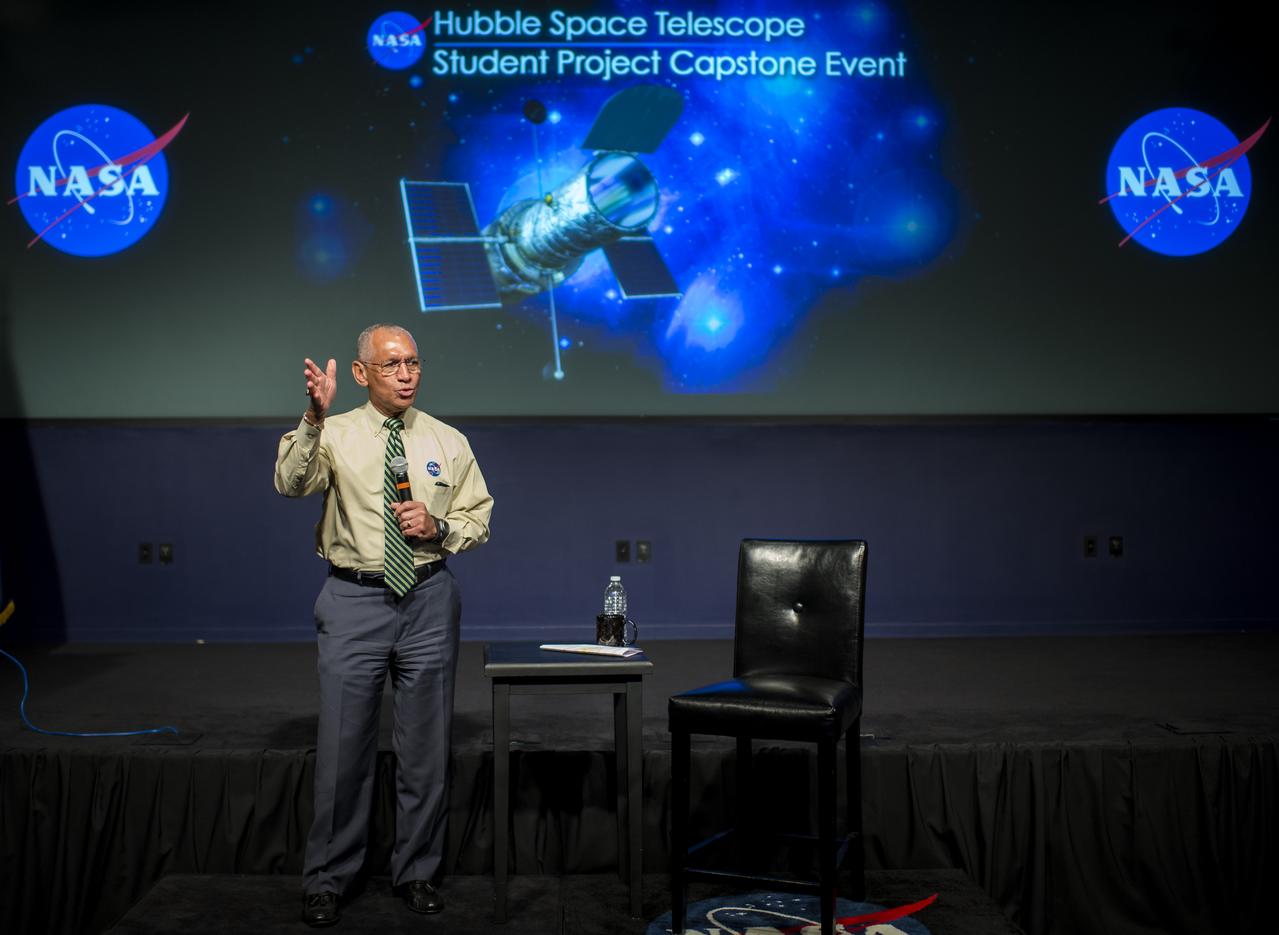
NASA Administrator Charles Bolden speaks to students from Mapletown Jr/Sr High School and Margaret Bell Middle School during the NASA Hubble Space Telescope (HST) Research Project Capstone Event in the James E. Webb Auditorium at NASA Headquarters on Monday, May 5, 2014. Administrator Bolden spoke about his involvement with the Hubble Space Telescope and took questions from the students. Photo Credit: (NASA/Joel Kowsky)
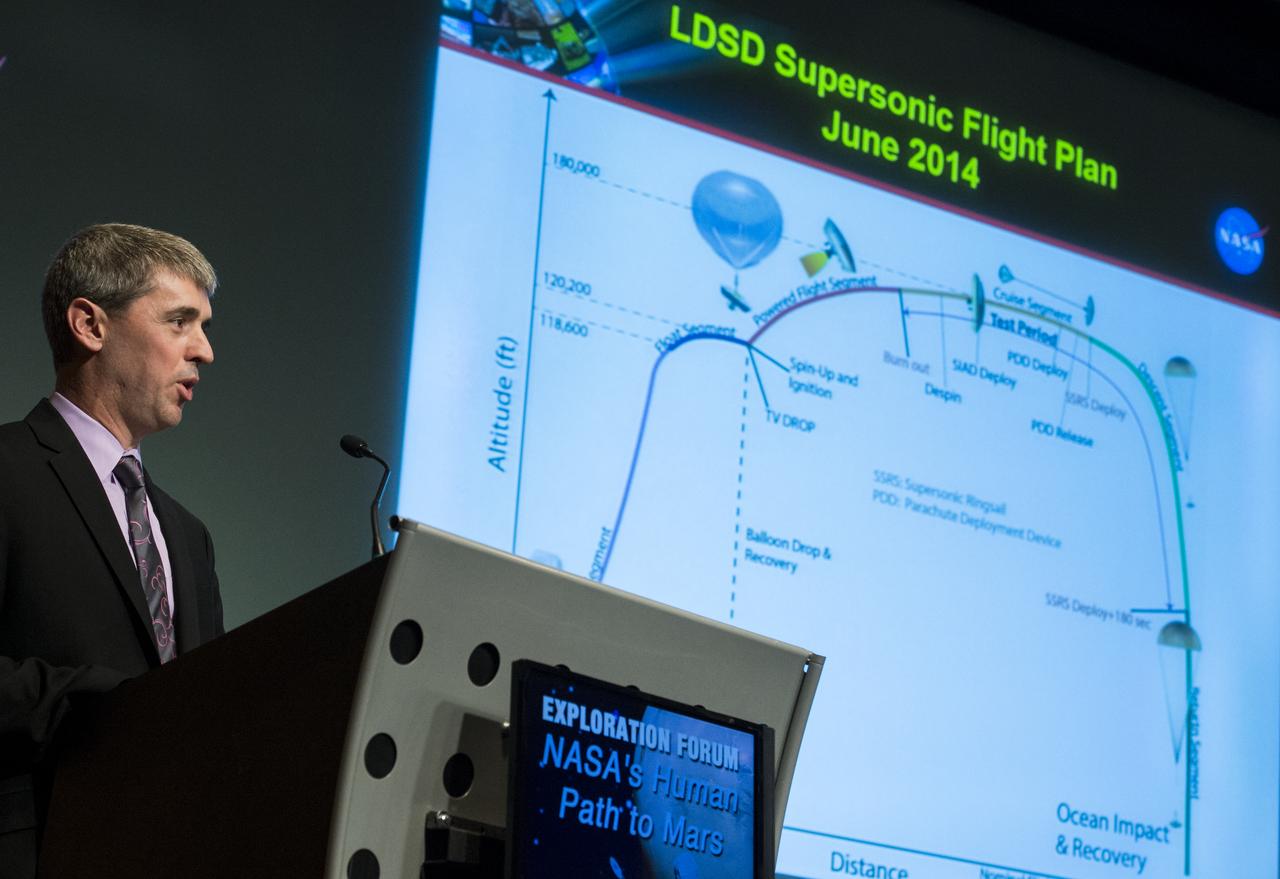
Randy Lillard, Program Executive for Technology Demonstration Missions of NASA's Space Technology Mission DIrectorate, speaks about the upcoming Low-Density Supersonic Decelerator demonstration during an Exploration Forum showcasing NASA's human exploration path to Mars in the James E. Webb Auditorium at NASA Headquarters on Tuesday, April 29, 2014. Photo Credit: (NASA/Joel Kowsky)
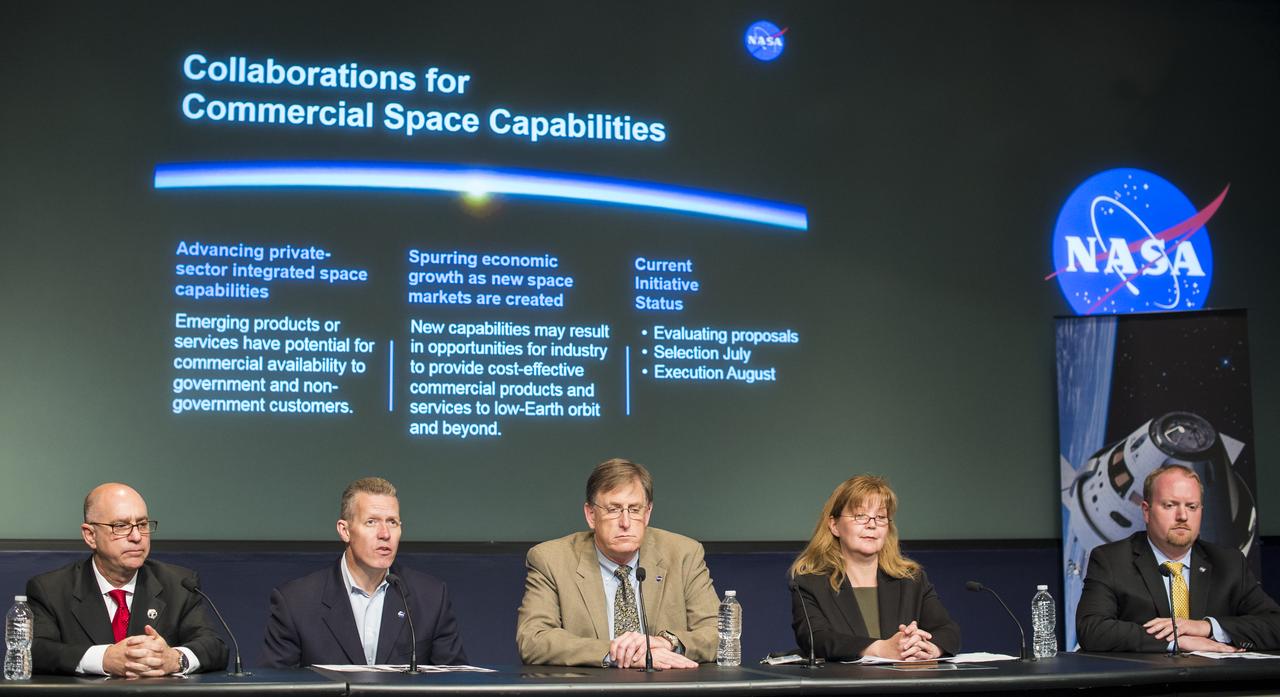
Sam Scimemi, Director of NASA's International Space Station Division, left, Phil McAlister, Director of NASA's Commercial Spaceflight Division, second from left, Dan Dumbacher, Deputy Associate Administrator of NASA's Exploration Systems Development, center, Michele Gates, Senior Technical Advisor of NASA's Human Exploration and Operations Mission Directorate, second from right, and Jason Crusan, Director of NASA's Advanced Exploration Systems Division, right, sit on a panel during an Exploration Forum showcasing NASA's human exploration path to Mars in the James E. Webb Auditorium at NASA Headquarters on Tuesday, April 29, 2014. Photo Credit: (NASA/Joel Kowsky)
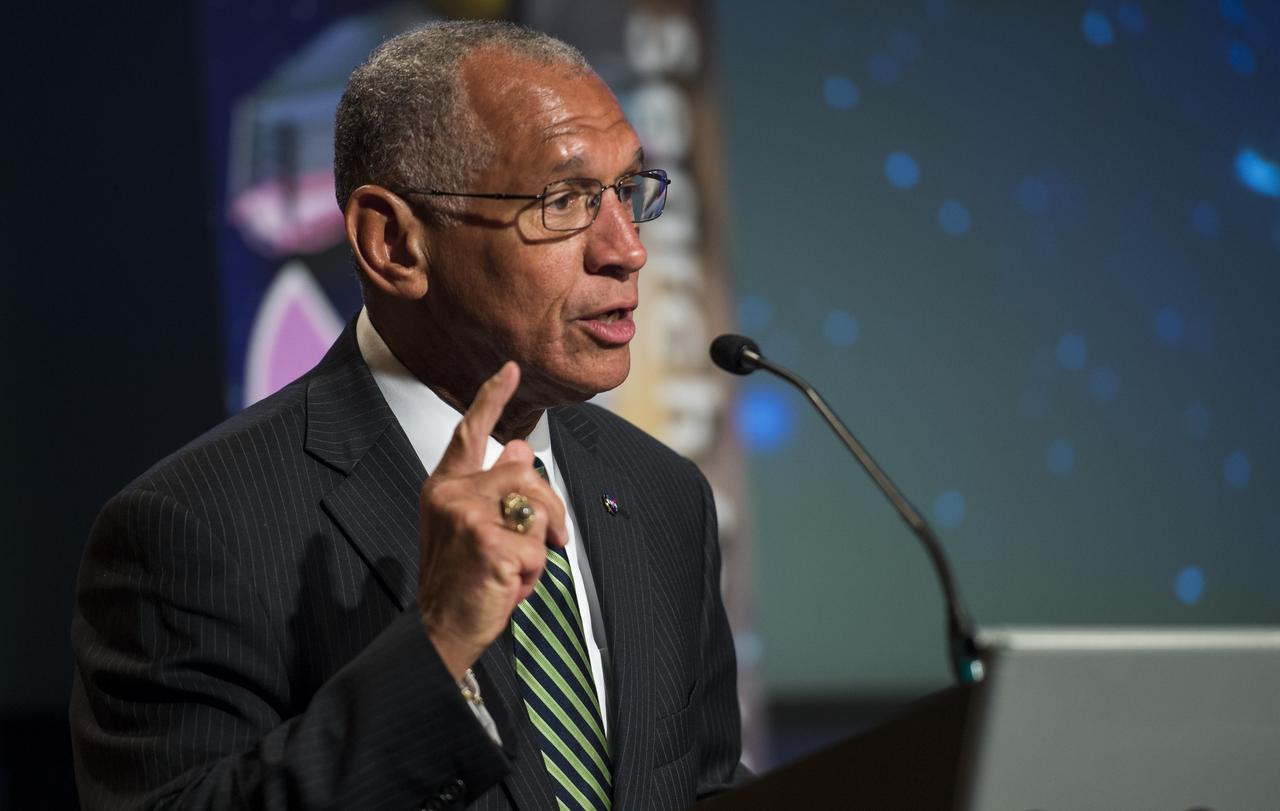
NASA Administrator Charles Bolden delivers opening remarks during a panel discussion on the search for life beyond Earth in the James E. Webb Auditorium at NASA Headquarters on Monday, July 14, 2014 in Washington, DC. The panel discussed how NASA's space-based observatories are making new discoveries and how the agency's new telescope, the James Webb Space Telescope, will continue this path of discovery after its schedule launch in 2018. Photo Credit: (NASA/Joel Kowsky)
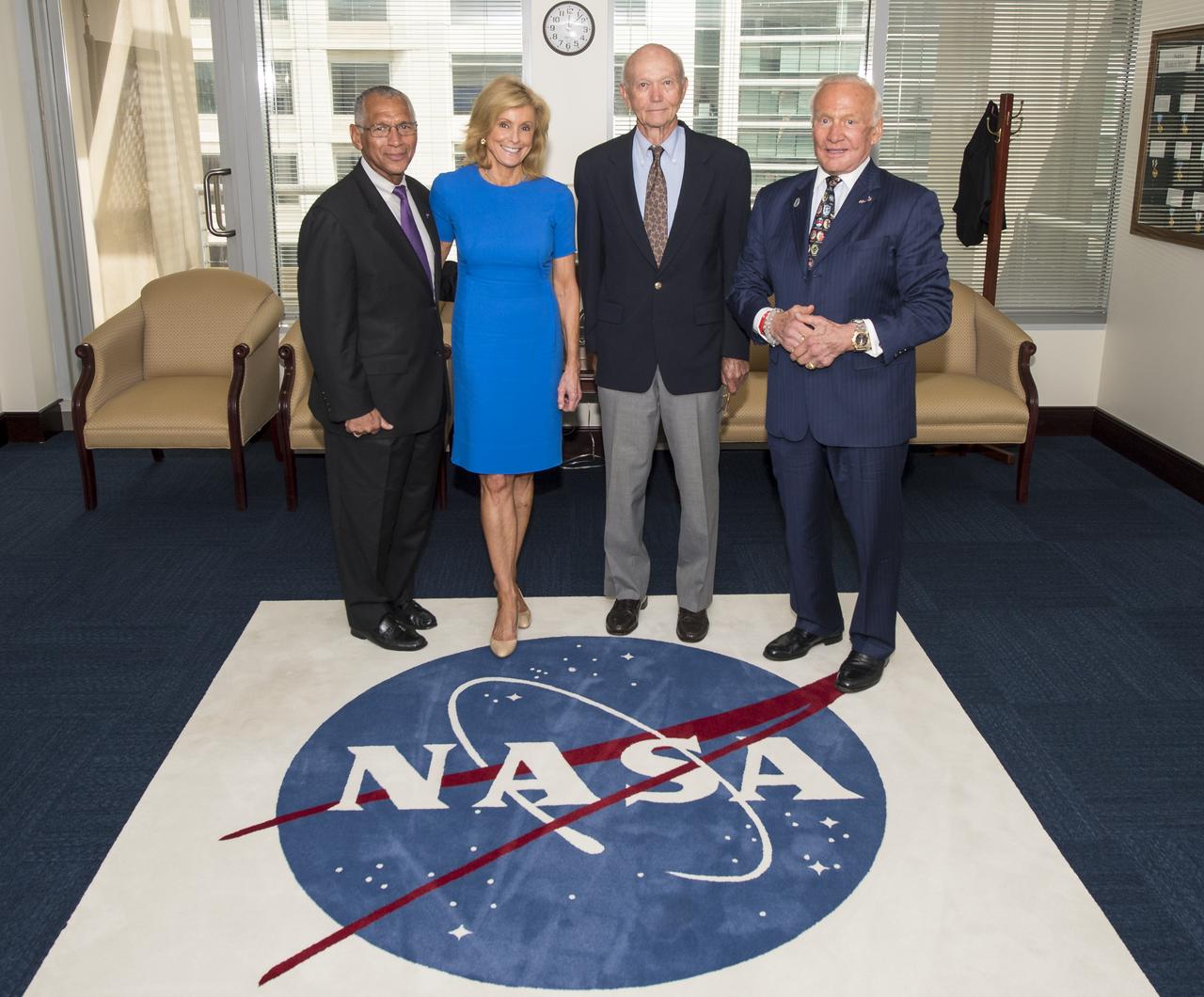
NASA Administrator Charles Bolden, left, welcomes Carol Armstrong, widow of Apollo 11 commander, Neil Armstrong, Apollo 11 astronauts Michael Collins and Buzz Aldrin, right, to NASA Headquarters in Washington on Tuesday, July 22, 2014, during the 45th anniversary week of the Apollo 11 lunar landing. Photo Credit: (NASA/Joel Kowsky)
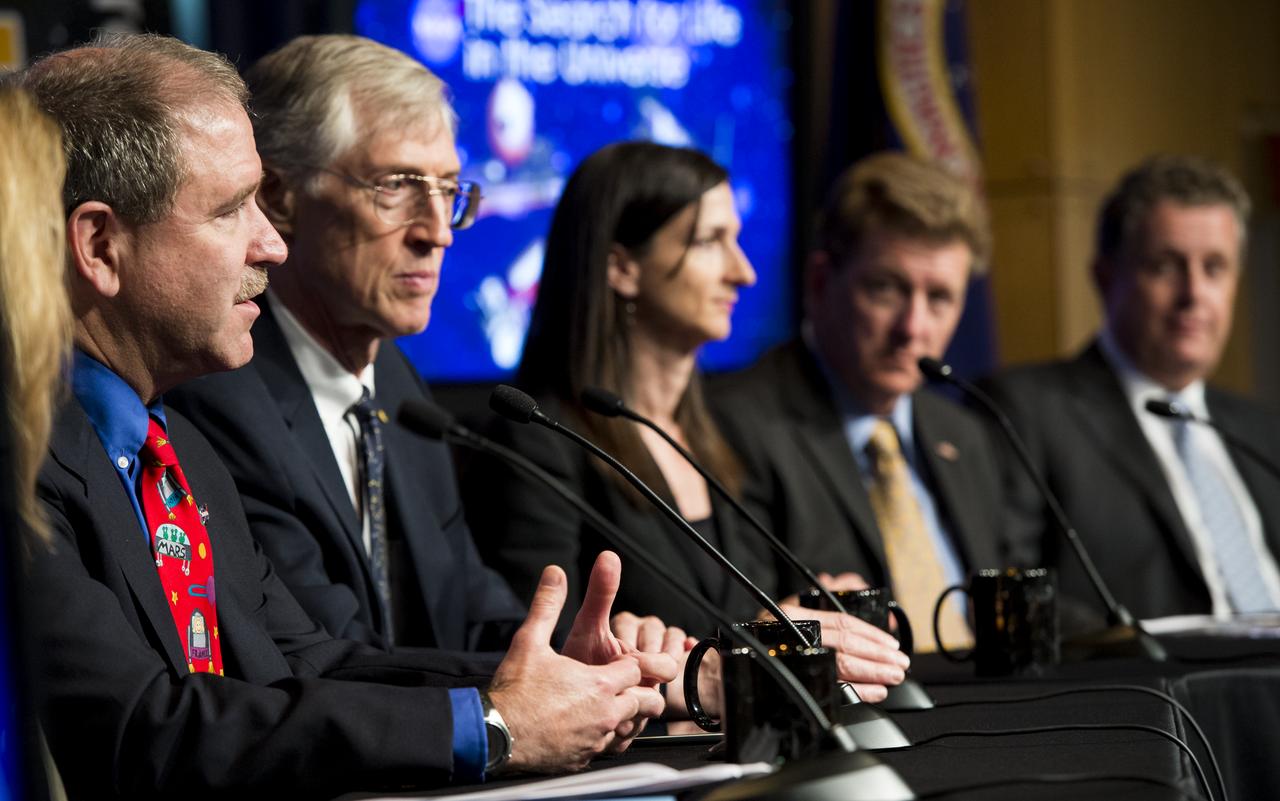
John Grunsfeld, Associate Administrator for NASA's Science Mission Directorate, far left, answers a question from the audience during a panel discussion on the search for life beyond Earth in the James E. Webb Auditorium at NASA Headquarters on Monday, July 14, 2014 in Washington, DC. The panel discussed how NASA's space-based observatories are making new discoveries and how the agency's new telescope, the James Webb Space Telescope, will continue this path of discovery after its schedule launch in 2018. Photo Credit: (NASA/Joel Kowsky)
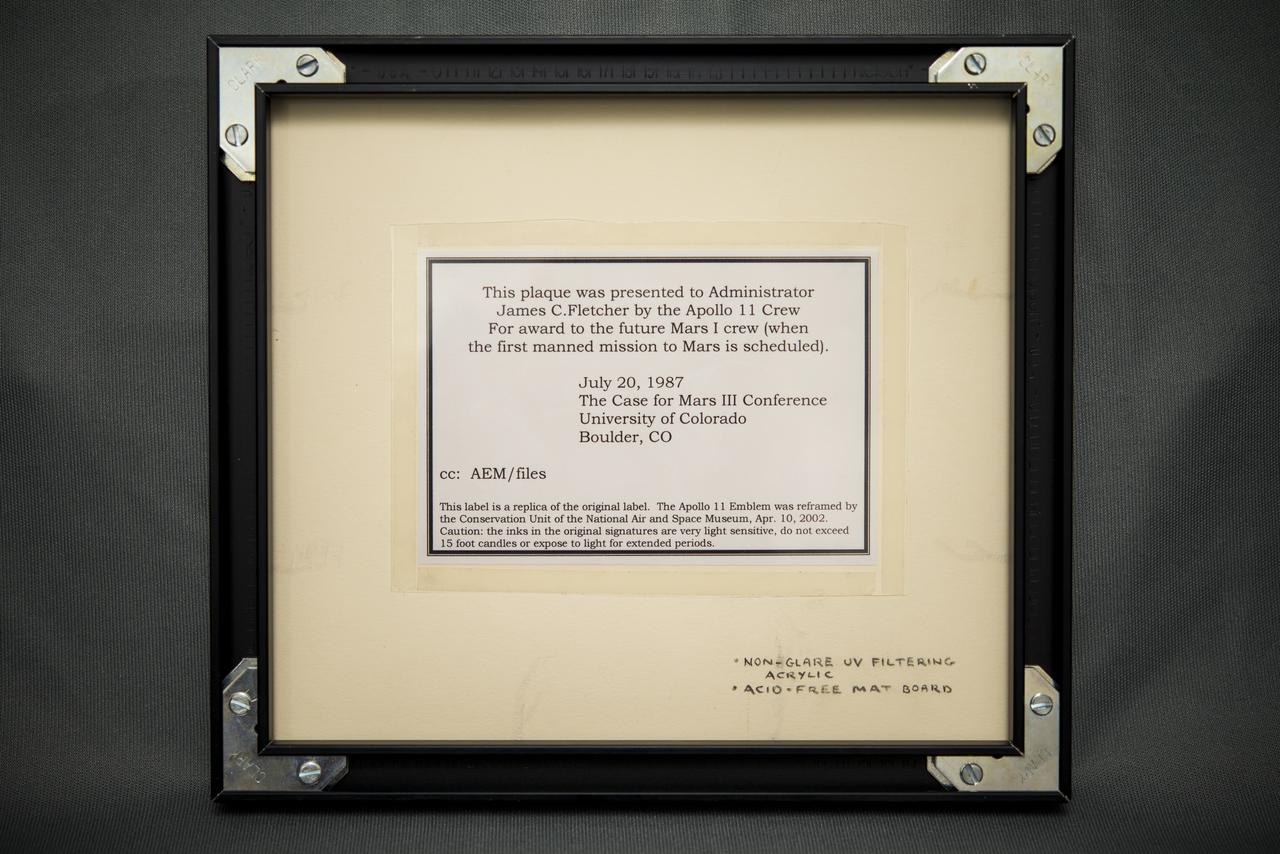
The description on the back of the plaque reads: "This plaque was presented to Administrator James C. Fletcher by the Apollo 11 Crew for award to the future Mars I crew (when the first manned mission to Mars is scheduled), July 20, 1987 at The Case for Mars III Conference at the University of Colorado in Boulder, Colorado." Photographed on Friday, July 11, 2014 in Washington, DC. Photo Credit: (NASA/Joel Kowsky)
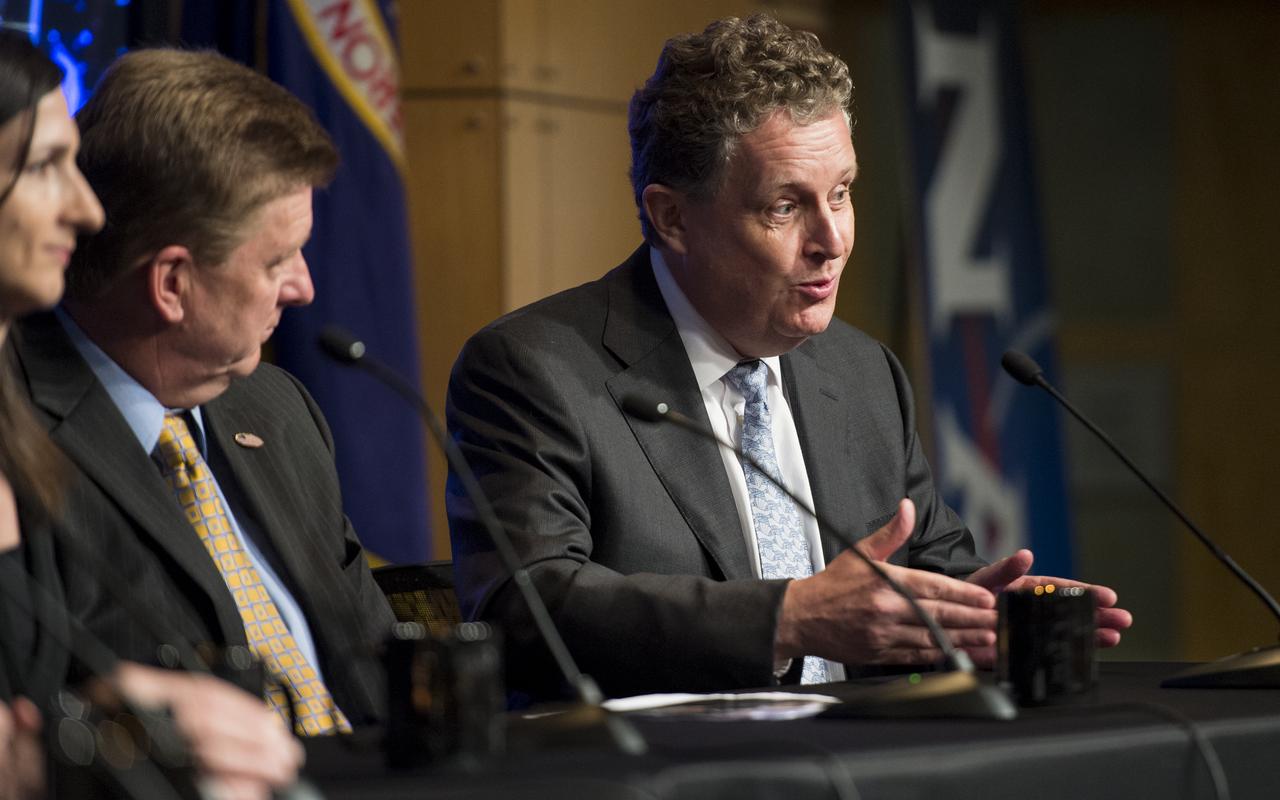
Matt Mountain, Director of the Space Telescope Science Institute and telescope scientist for the James Webb Space Telescope, speaks during a panel discussion on the search for life beyond Earth in the James E. Webb Auditorium at NASA Headquarters on Monday, July 14, 2014 in Washington, DC. The panel discussed how NASA's space-based observatories are making new discoveries and how the agency's new telescope, the James Webb Space Telescope, will continue this path of discovery after its schedule launch in 2018. Photo Credit: (NASA/Joel Kowsky)
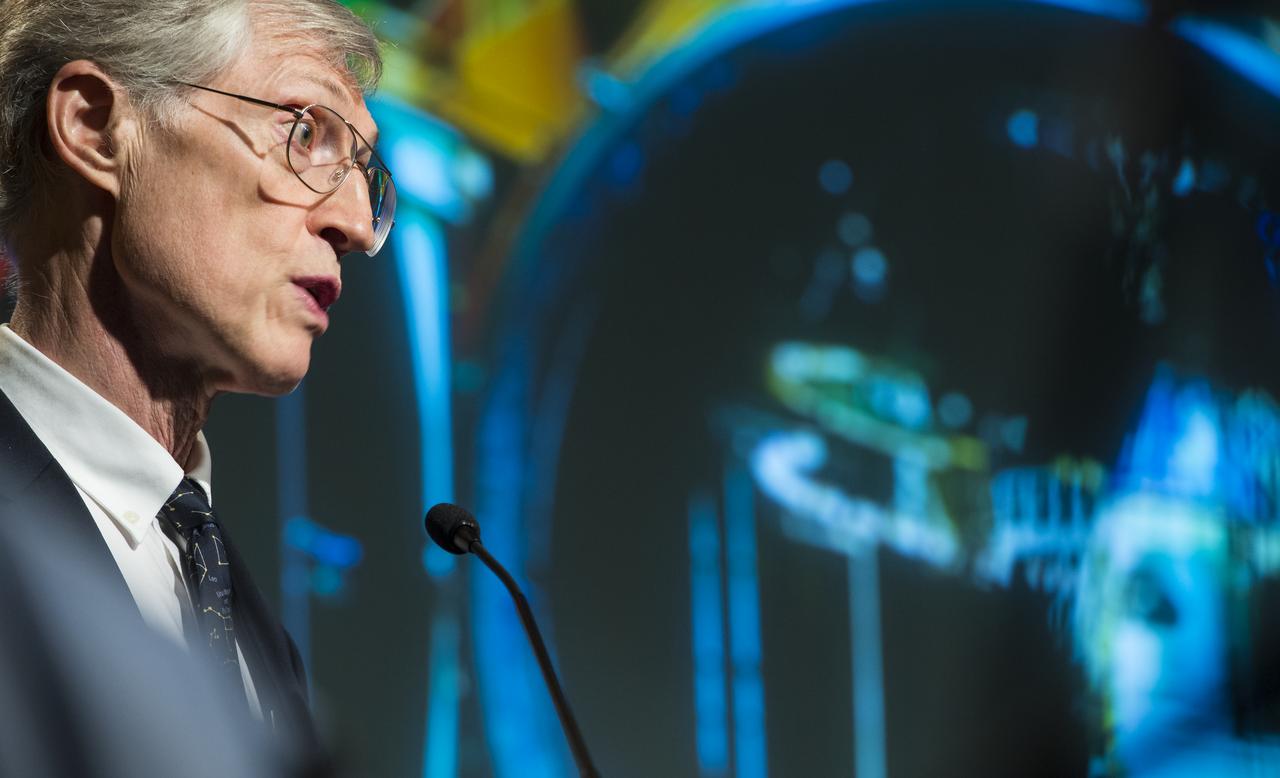
John Mather, Nobel Laureate and Project Scientist for the James Webb Space Telescope at NASA's Goddard Space Flight Center, speaks during a panel discussion on the search for life beyond Earth in the James E. Webb Auditorium at NASA Headquarters on Monday, July 14, 2014 in Washington, DC. The panel discussed how NASA's space-based observatories are making new discoveries and how the agency's new telescope, the James Webb Space Telescope, will continue this path of discovery after its schedule launch in 2018. Photo Credit: (NASA/Joel Kowsky)
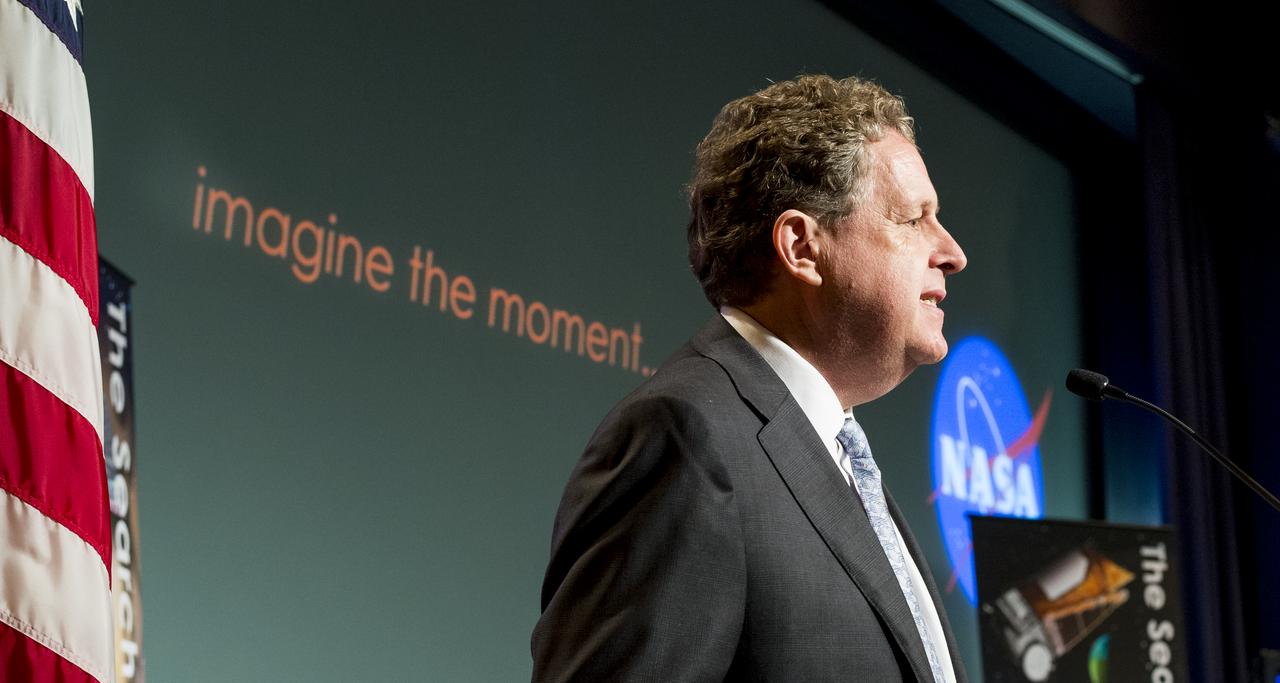
Matt Mountain, Director of the Space Telescope Science Institute and telescope scientist for the James Webb Space Telescope, speaks during a panel discussion on the search for life beyond Earth in the James E. Webb Auditorium at NASA Headquarters on Monday, July 14, 2014 in Washington, DC. The panel discussed how NASA's space-based observatories are making new discoveries and how the agency's new telescope, the James Webb Space Telescope, will continue this path of discovery after its schedule launch in 2018. Photo Credit: (NASA/Joel Kowsky)
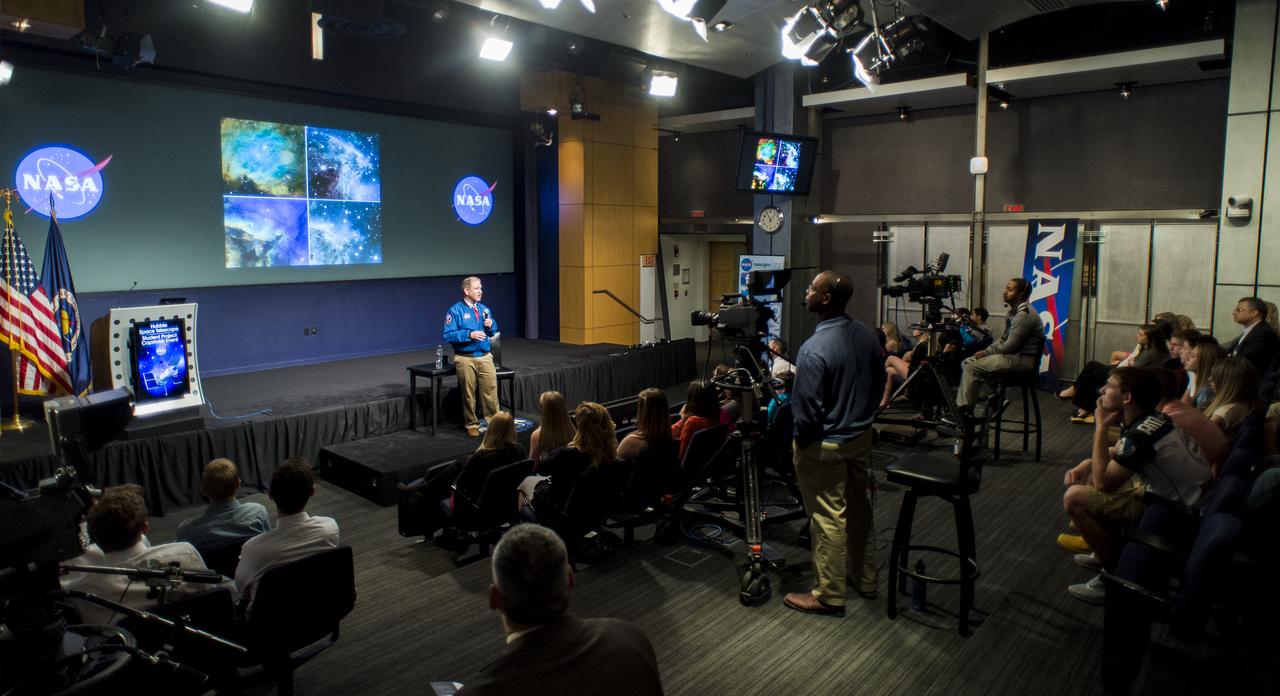
John Grunsfeld, NASA Associate Administrator for the Science Mission Directorate, speaks to students from Mapletown Jr/Sr High School and Margaret Bell Middle School about his experiences on the final space shuttle servicing mission to the Hubble Space Telescope during the NASA Hubble Space Telescope (HST) Research Project Capstone Event in the James E. Webb Auditorium at NASA Headquarters on Monday, May 5, 2014. Grunsfeld flew on three of the five servicing missions to the Hubble Space Telescope. Photo Credit: (NASA/Joel Kowsky)
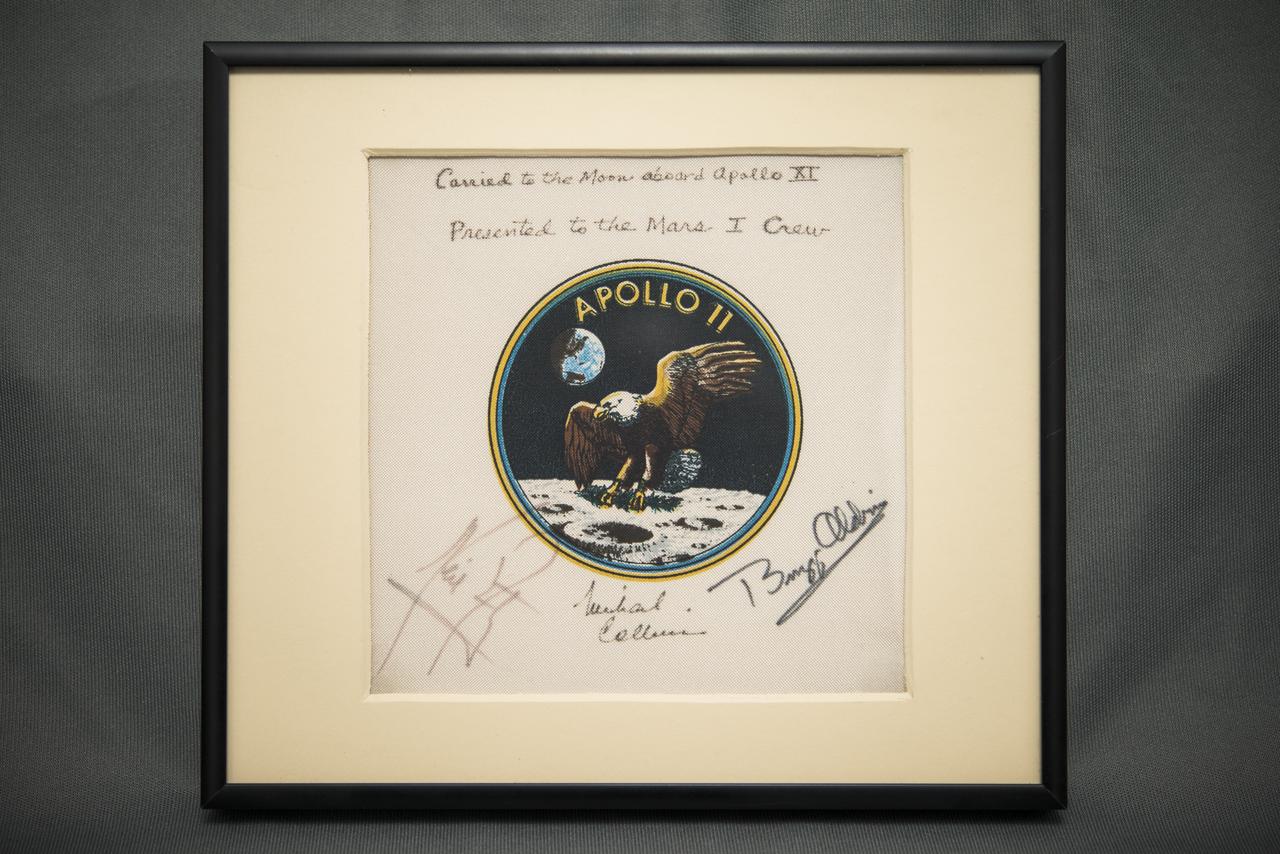
The description on the back of the plaque reads: "This plaque was presented to Administrator James C. Fletcher by the Apollo 11 Crew for award to the future Mars I crew (when the first manned mission to Mars is scheduled), July 20, 1987 at The Case for Mars III Conference at the University of Colorado in Boulder, Colorado." Photographed on Friday, July 11, 2014 in Washington, DC. Photo Credit: (NASA/Joel Kowsky)
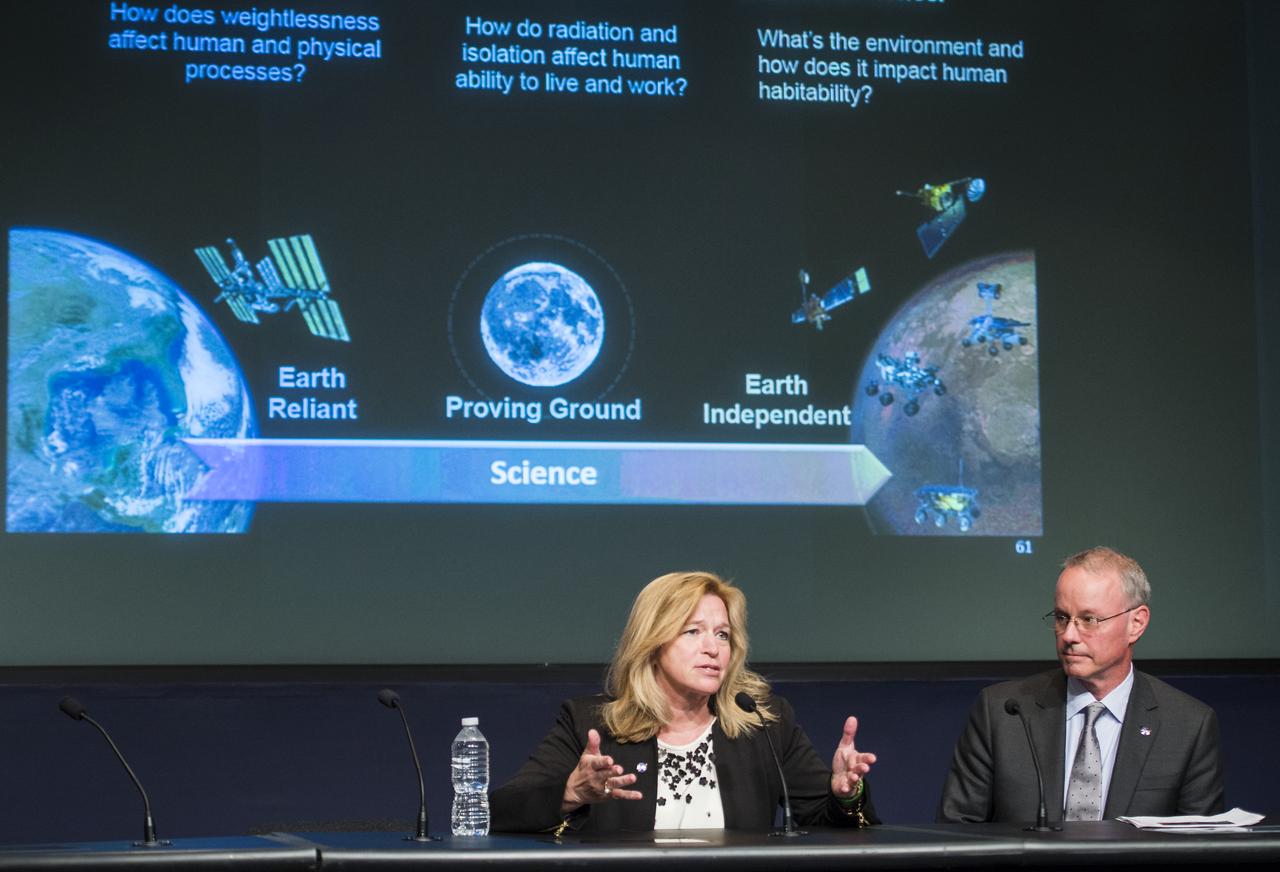
Ellen Stofan, NASA Chief Scientist, left, and David Miller, NASA Chief Technologist, right, participate in a panel discussion during an Exploration Forum showcasing NASA's human exploration path to Mars in the James E. Webb Auditorium at NASA Headquarters on Tuesday, April 29, 2014. Photo Credit: (NASA/Joel Kowsky)
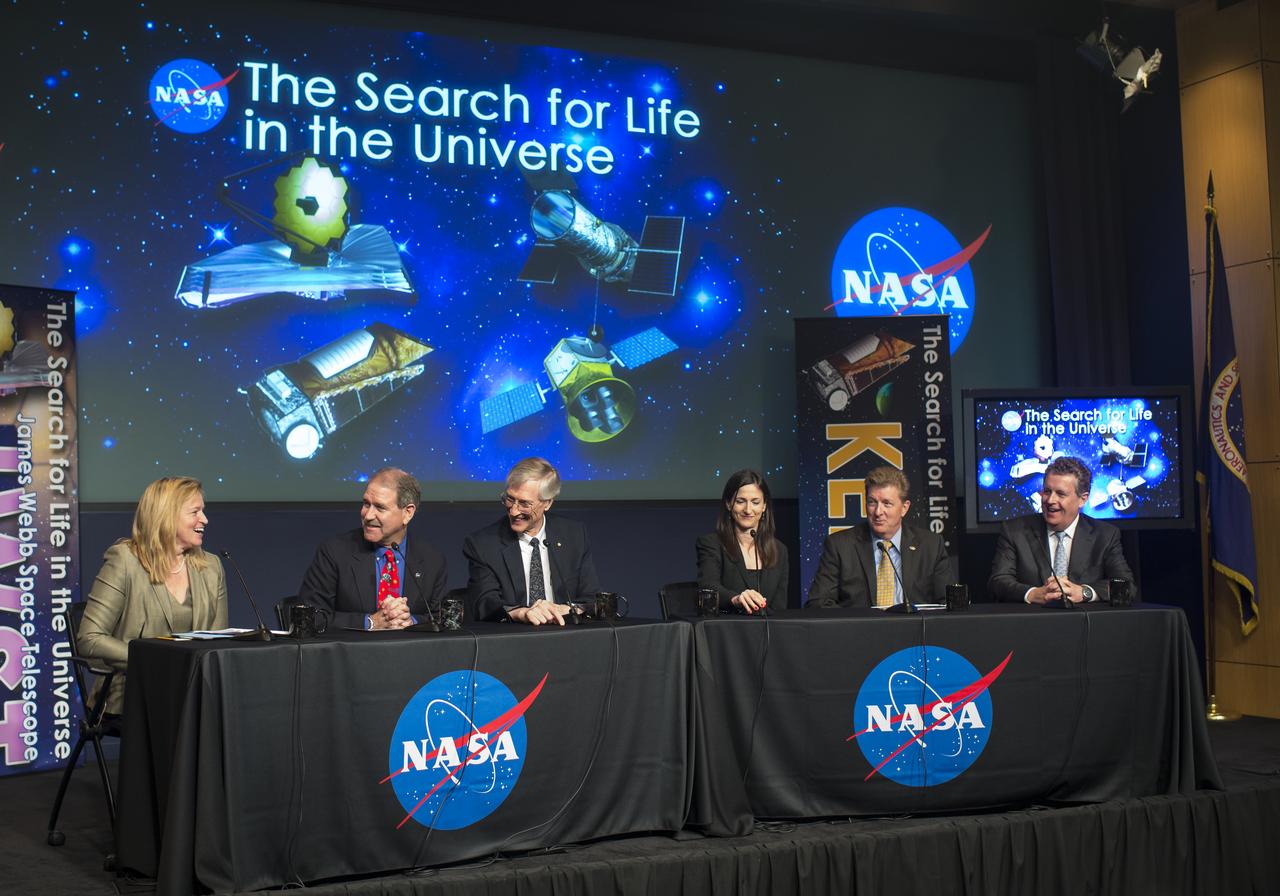
Panelists (from left) Ellen Stofan, NASA Chief Scientist, left; John Grunsfeld, Associate Administrator for NASA's Science Mission DIrectorate, second from left; John Mather, Nobel Laureate and Senior Project Scientist for the James Webb Space Telescope (JWST) at NASA's Goddard Space Flight Center, third from left; Sara Seager, MacArthur Fellow and Professor of Planetary Science and Physics at the Massachusetts Institute of Technology, third from right; Dave Gallagher, Director for Astronomy and Physics at NASA's Jet Propulsion Laboratory, second from right; and Matt Mountain, Director of the Space Telescope Science Institute and Telescope Scientist for the JWST, right; are seen during a panel discussion on the search for life beyond Earth in the James E. Webb Auditorium at NASA Headquarters on Monday, July 14, 2014 in Washington, DC. The panel discussed how NASA's space-based observatories are making new discoveries and how the agency's new telescope, the James Webb Space Telescope, will continue this path of discovery after its schedule launch in 2018. Photo Credit: (NASA/Joel Kowsky)
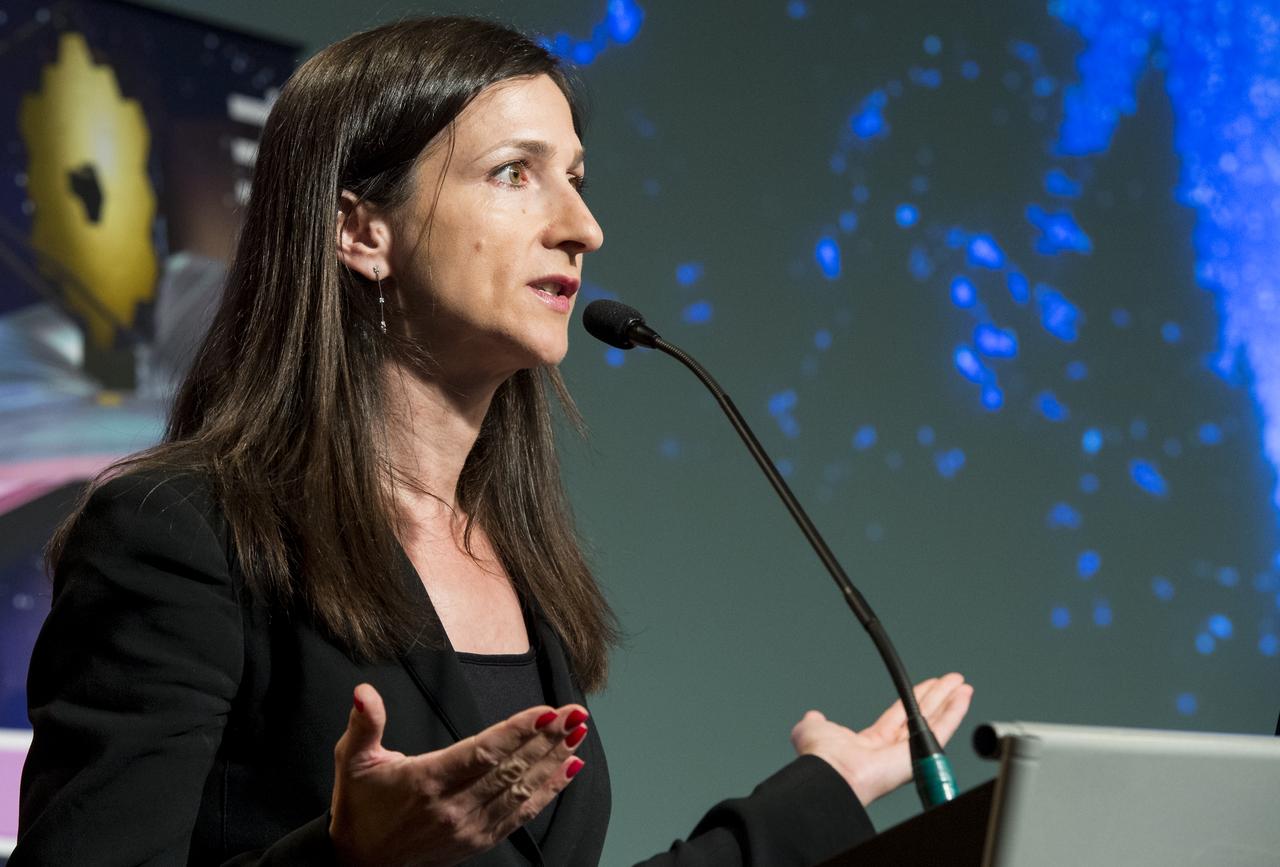
Sara Seager, a MacArthur Fellow and Professor of Planetary Science and Physics at the Massachusetts Institute of Technology, speaks during a panel discussion on the search for life beyond Earth in the James E. Webb Auditorium at NASA Headquarters on Monday, July 14, 2014 in Washington, DC. The panel discussed how NASA's space-based observatories are making new discoveries and how the agency's new telescope, the James Webb Space Telescope, will continue this path of discovery after its schedule launch in 2018. Photo Credit: (NASA/Joel Kowsky)
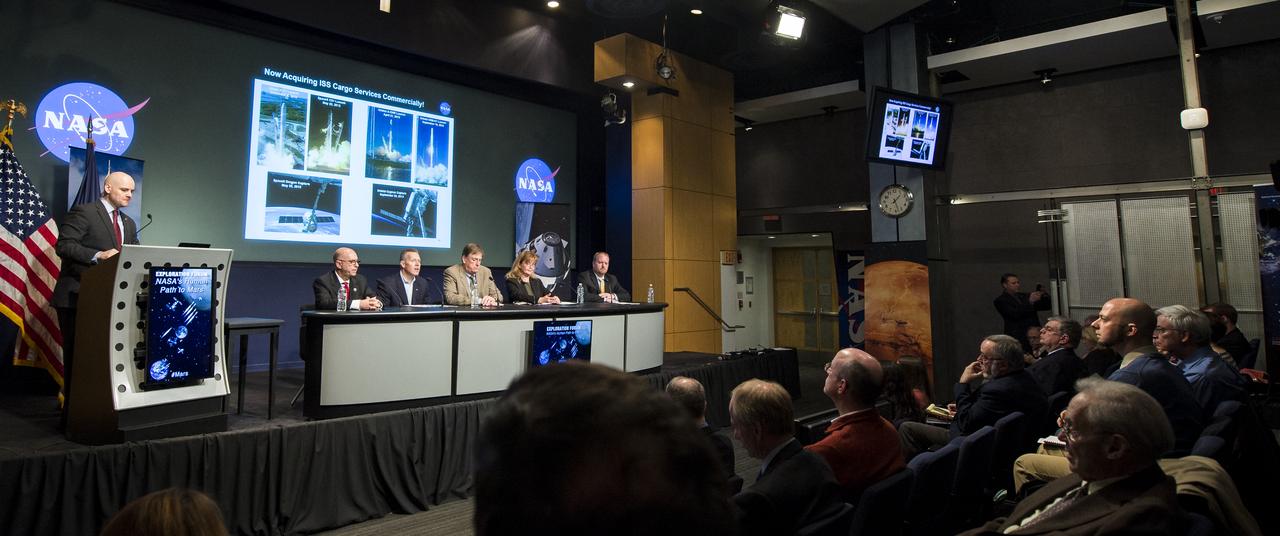
Sam Scimemi, Director of NASA's International Space Station Division, second from left, Phil McAlister, Director of NASA's Commercial Spaceflight Division, third from left, Dan Dumbacher, Deputy Associate Administrator of NASA's Exploration Systems Development, center, Michele Gates, Senior Technical Advisor of NASA's Human Exploration and Operations Mission Directorate, second from right, and Jason Crusan, Director of NASA's Advanced Exploration Systems Division, right, sit on a panel during an Exploration Forum showcasing NASA's human exploration path to Mars in the James E. Webb Auditorium at NASA Headquarters on Tuesday, April 29, 2014. Photo Credit: (NASA/Joel Kowsky)
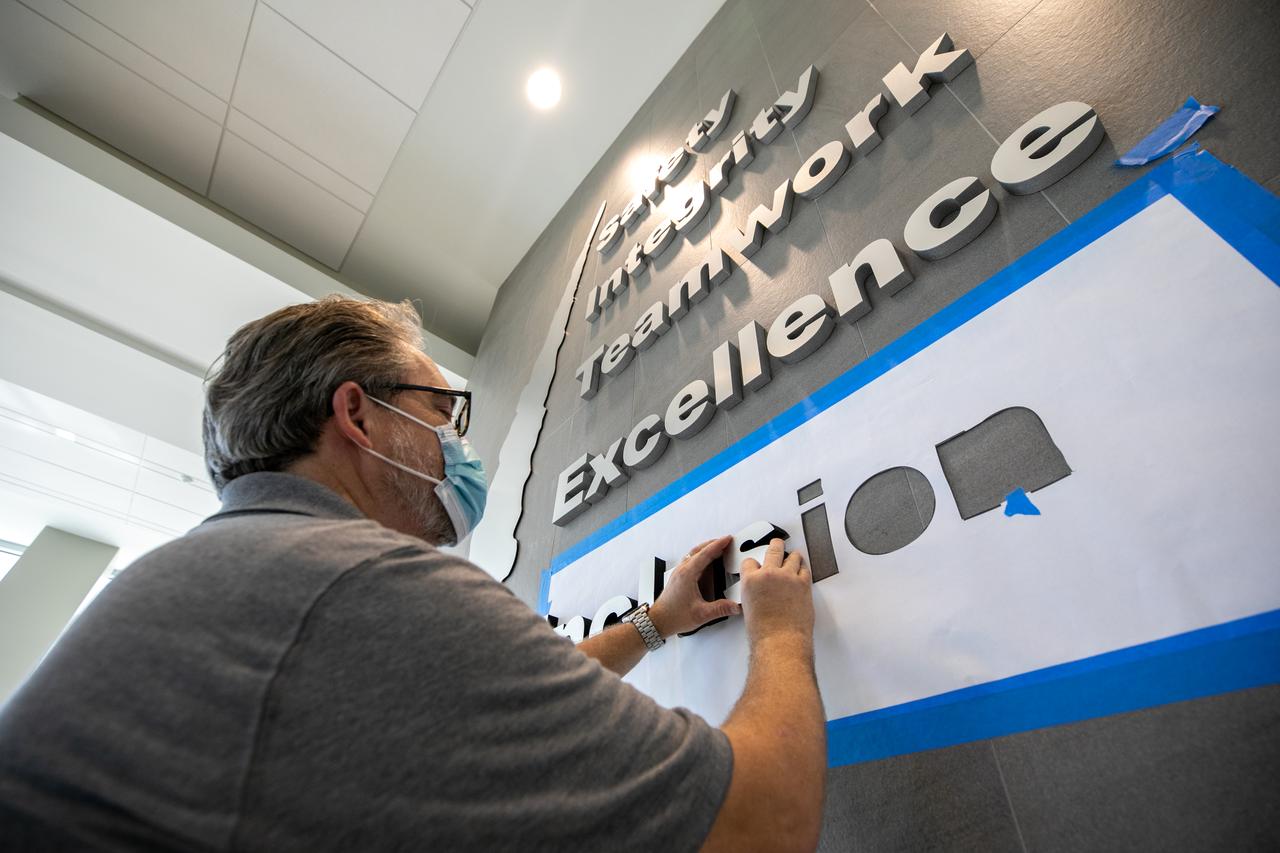
NASA’s fifth core value – inclusion – is installed in the Central Campus lobby at the agency’s Kennedy Space Center in Florida on Sept. 1, 2020. On July 23, NASA Administrator Jim Bridenstine announced the addition of this fifth core value to the existing values embraced by NASA: safety, integrity, teamwork, and excellence. In his announcement, Bridenstine stated “Incorporating inclusion as a NASA core value is an important step to ensuring this principle remains a long-term focus for our agency and becomes ingrained in the NASA family DNA.”
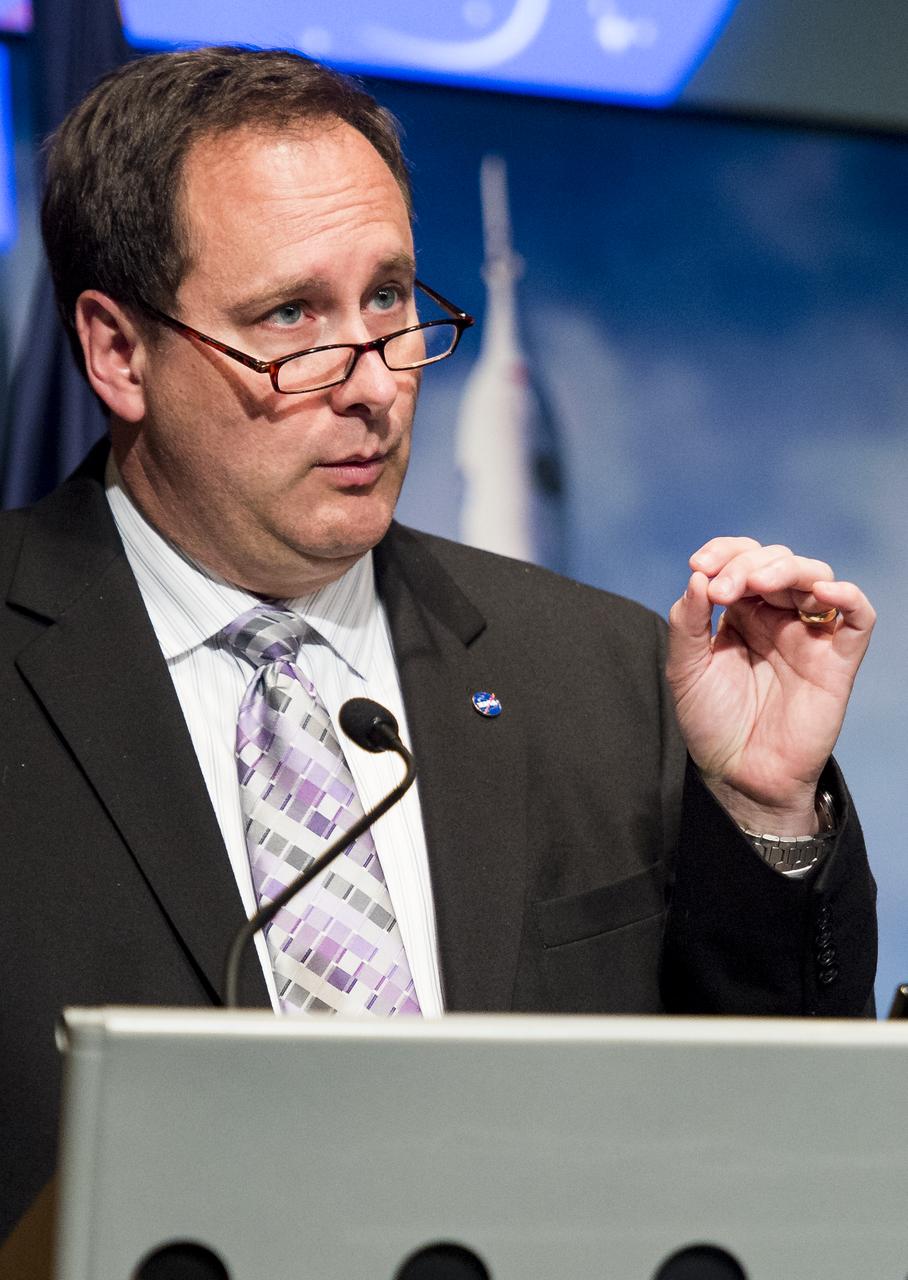
Robert Lightfoot, NASA Associate Adminstrator, delivers closing remarks at an Exploration Forum showcasing NASA's human exploration path to Mars in the James E. Webb Auditorium at NASA Headquarters on Tuesday, April 29, 2014. Photo Credit: (NASA/Joel Kowsky)
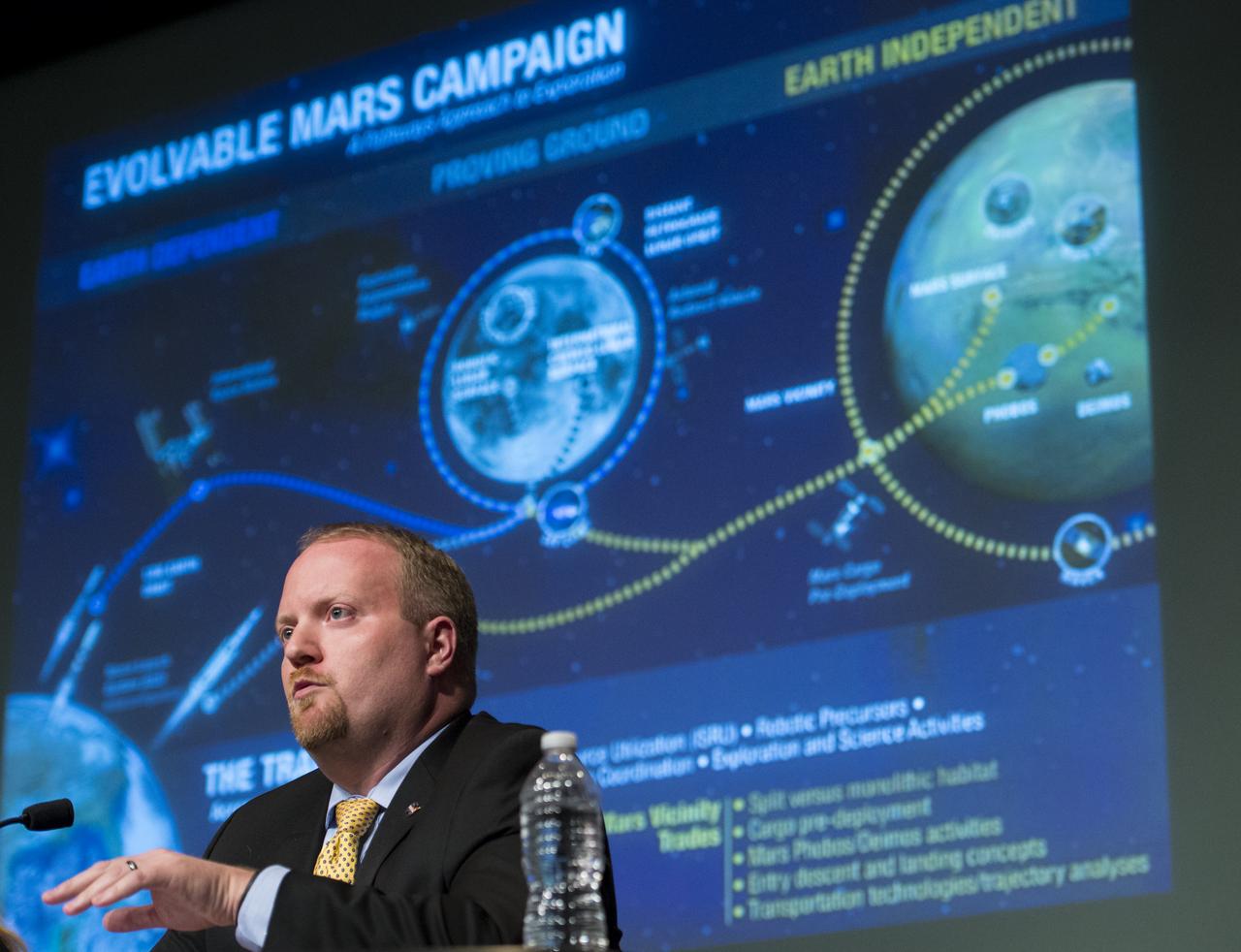
Jason Crusan, Director of NASA's Advanced Exploration Systems Division, speaks during an Exploration Forum showcasing NASA's human exploration path to Mars in the James E. Webb Auditorium at NASA Headquarters on Tuesday, April 29, 2014. Photo Credit: (NASA/Joel Kowsky)
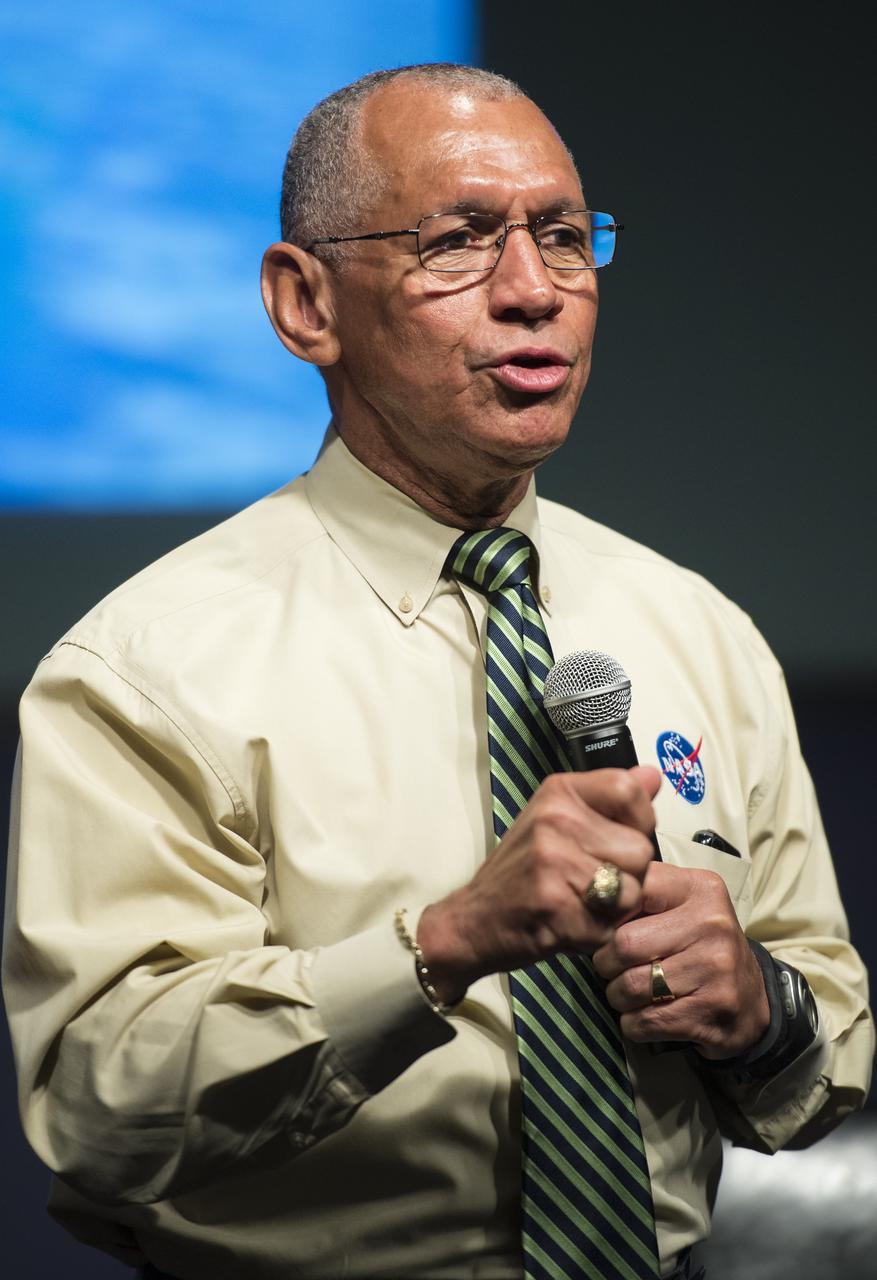
NASA Administrator Charles Bolden speaks to students from Mapletown Jr/Sr High School and Margaret Bell Middle School during the NASA Hubble Space Telescope (HST) Research Project Capstone Event in the James E. Webb Auditorium at NASA Headquarters on Monday, May 5, 2014. Administrator Bolden spoke about his involvement with the Hubble Space Telescope and took questions from the students. Photo Credit: (NASA/Joel Kowsky)
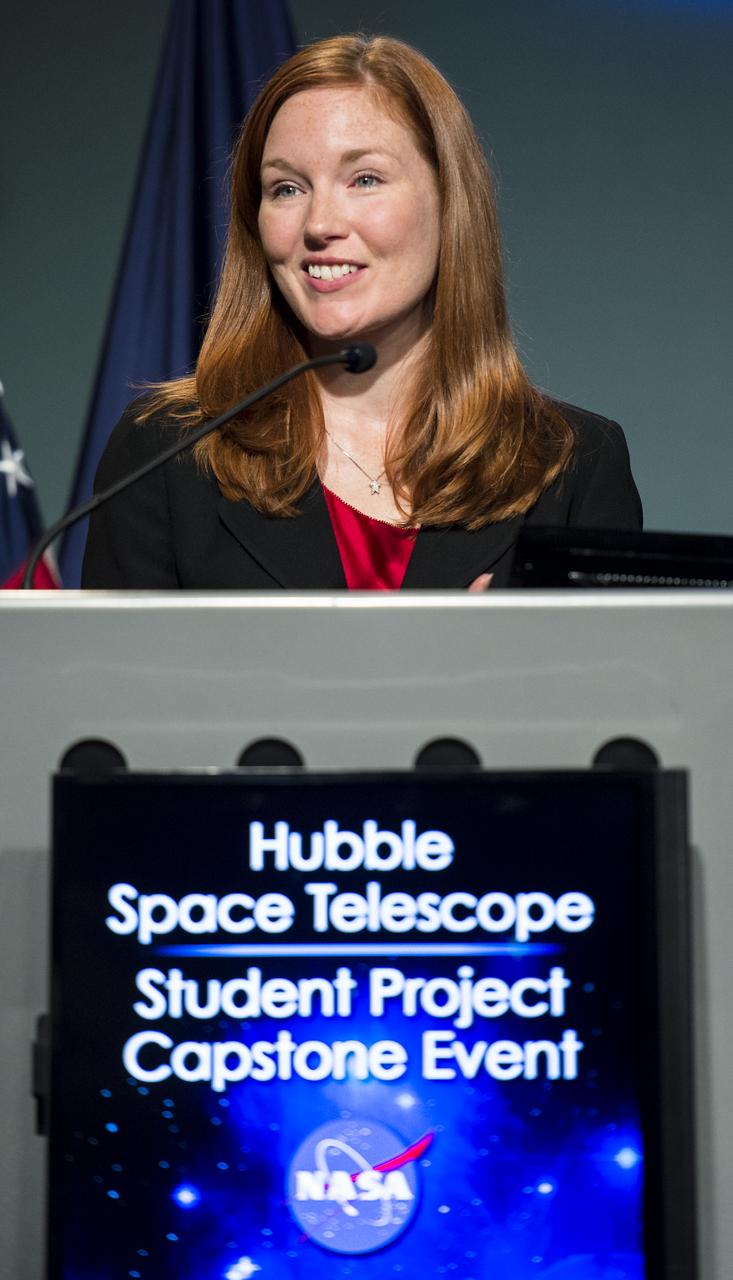
Dr. Amber Straughn, Lead Scientist for James Webb Space Telescope Education & Public Outreach at NASA's Goddard Space Flight Center, speaks to students from Mapletown Jr/Sr High School and Margaret Bell Middle School during the NASA Hubble Space Telescope (HST) Research Project Capstone Event in the James E. Webb Auditorium at NASA Headquarters on Monday, May 5, 2014 Photo Credit: (NASA/Joel Kowsky)
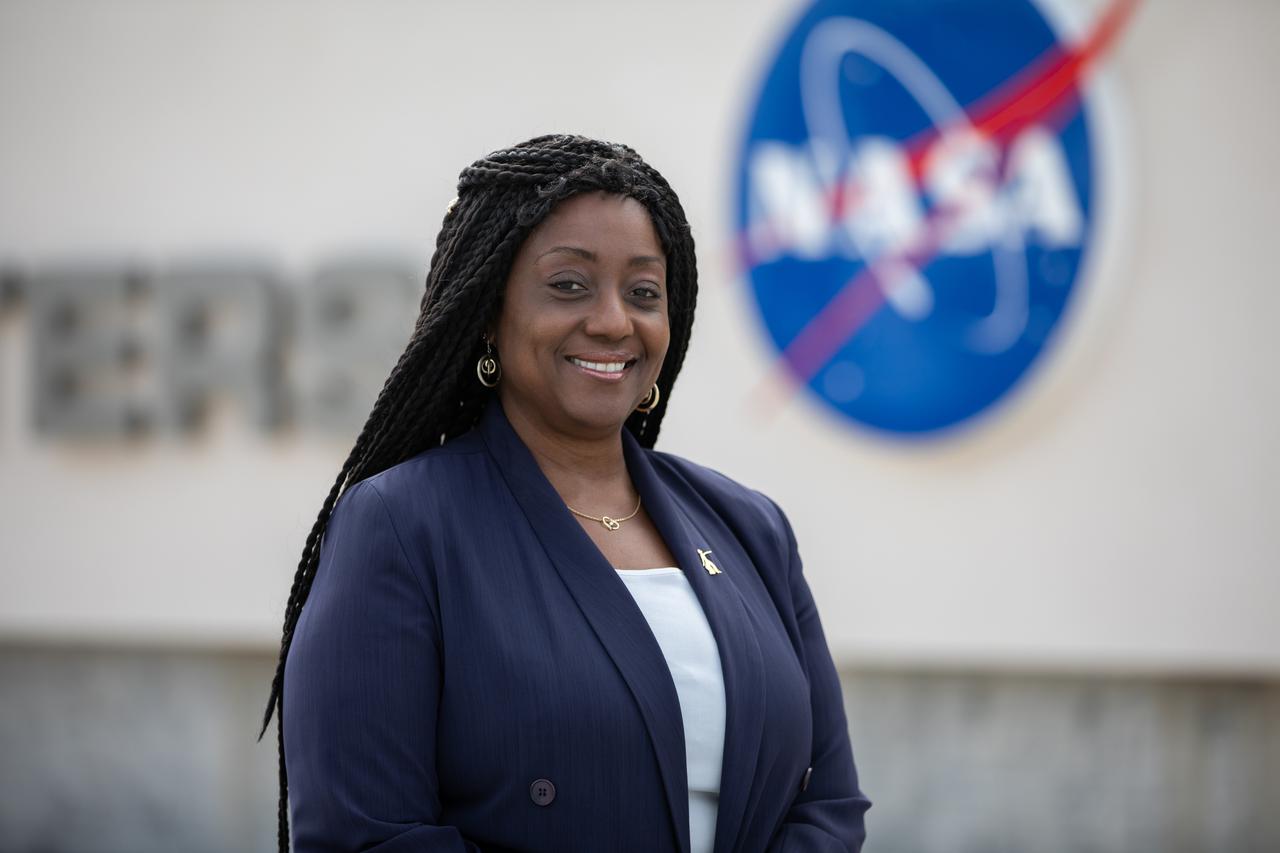
"I’ve worked in many different roles and what drives my passion is learning things that I don’t know. It is a part of my thirst for knowledge and knowing how things work. The harder the problem for me the better. When I first joined NASA as a full time employee, my supervisor would give me an assignment, and I would get it done quickly and come back to his desk and ask, ‘What do you have for me now?’ At one point, after about two months of working for him, he looked at me and kind of sighed. I said, ‘Okay, okay. If you don’t have anything for me right now, is it okay if I see if any of the other supervisors in the building need any help with anything?’ He agreed, and so I approached the other supervisors. "Now, here’s the interesting thing. I was a young Black female in an engineering role that was pretty much dominated by white males at the time, so it was not a norm for there to be females in the building – much less black females. I came to understand later that there was some skepticism on their part that I could do design engineering. I didn’t know that some of them, not all of them, were throwing things at me to show me I wasn’t qualified. But I would tackle their problems the same way I do anything else: if I don’t know it, I’ll go find it. I’ll research. I’ll dig. I’ll look for people that might have some experience that I don’t have and ask them. So, every hard problem that they threw at me, I solved. Eventually, my supervisor told me he didn't know what he was getting into when he agreed to let me go to the other supervisors because now, they were coming to him with their hardest problems, asking, 'Hey, can Barbara help with this?' So, I started to broaden my experience base right away." — Barbara Brown, Director of Exploration Research and Technology Programs, Kennedy Space Center Interviewer: NASA / Tahira Allen
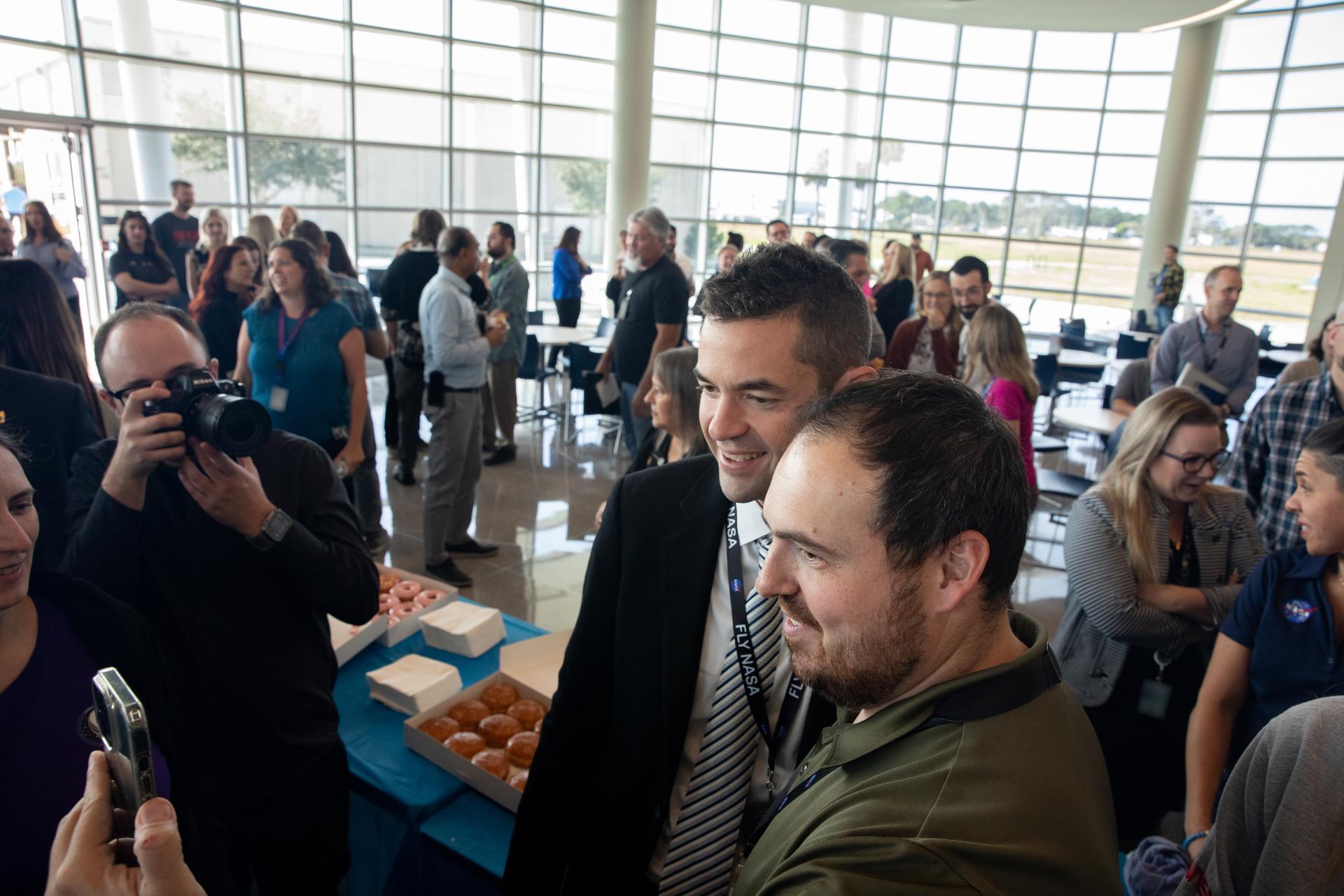
NASA Administrator Jared Isaacman (center) poses for a selfie with a NASA employee during his visit to NASA’s Kennedy Space Center in Florida, on Tuesday, Jan. 13, 2026. Isaacman, NASA’s 15th administrator, began visiting the agency’s centers after his appointment on Dec. 17, 2025, to hear from employees, contractors, and partners.
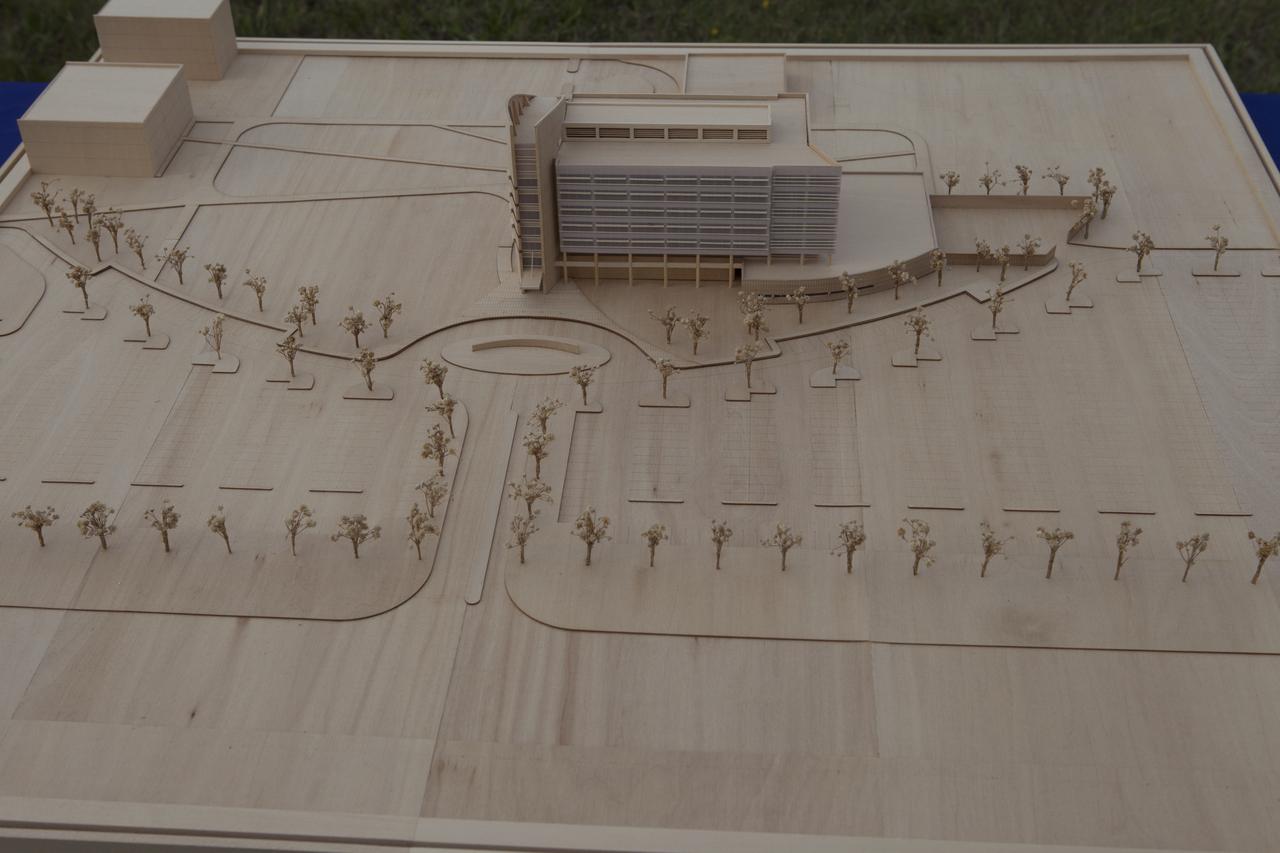
Groundbreaking for the new Central Campus will take place in the Industrial Area at NASA's Kennedy Space Center in Florida. A scale model of the new facility and landscaping is on display for the ceremony. Kennedy is transforming into a multi-user, 21st century spaceport supporting both commercial and government users and operations. Central Campus Phase I includes construction of a new Headquarters Building as one of the major components of the strategy. The new Headquarters Building will be a seven-story, 200,000-square-foot facility that will house about 500 NASA civil service and contractor employees.
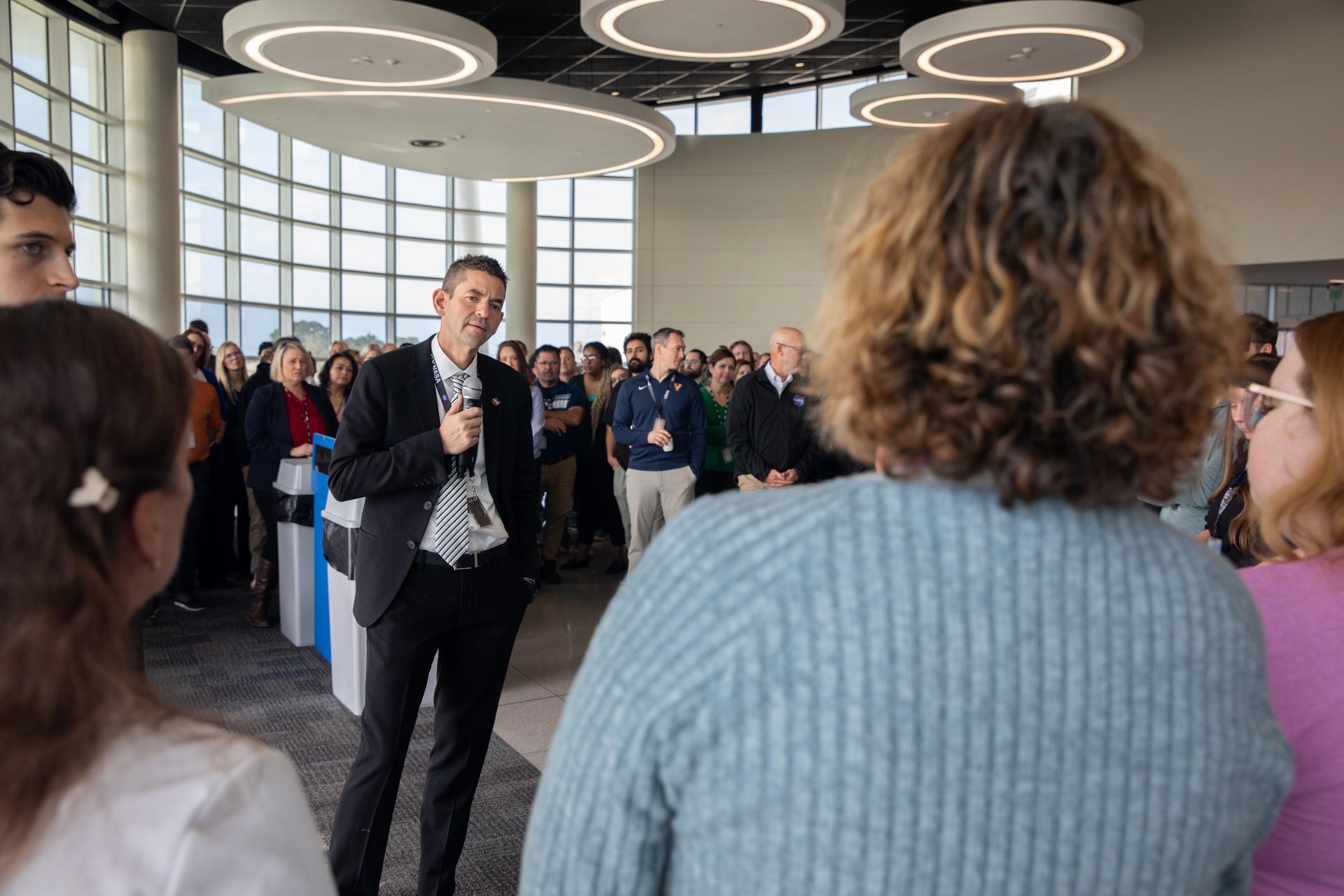
NASA Administrator Jared Isaacman speaks with NASA employees during his visit to the agency’s Kennedy Space Center in Florida, on Tuesday, Jan. 13, 2026. Isaacman, NASA’s 15th administrator, began visiting the agency’s centers after his appointment on Dec. 17, 2025, to meet with employees, contractors, and partners.
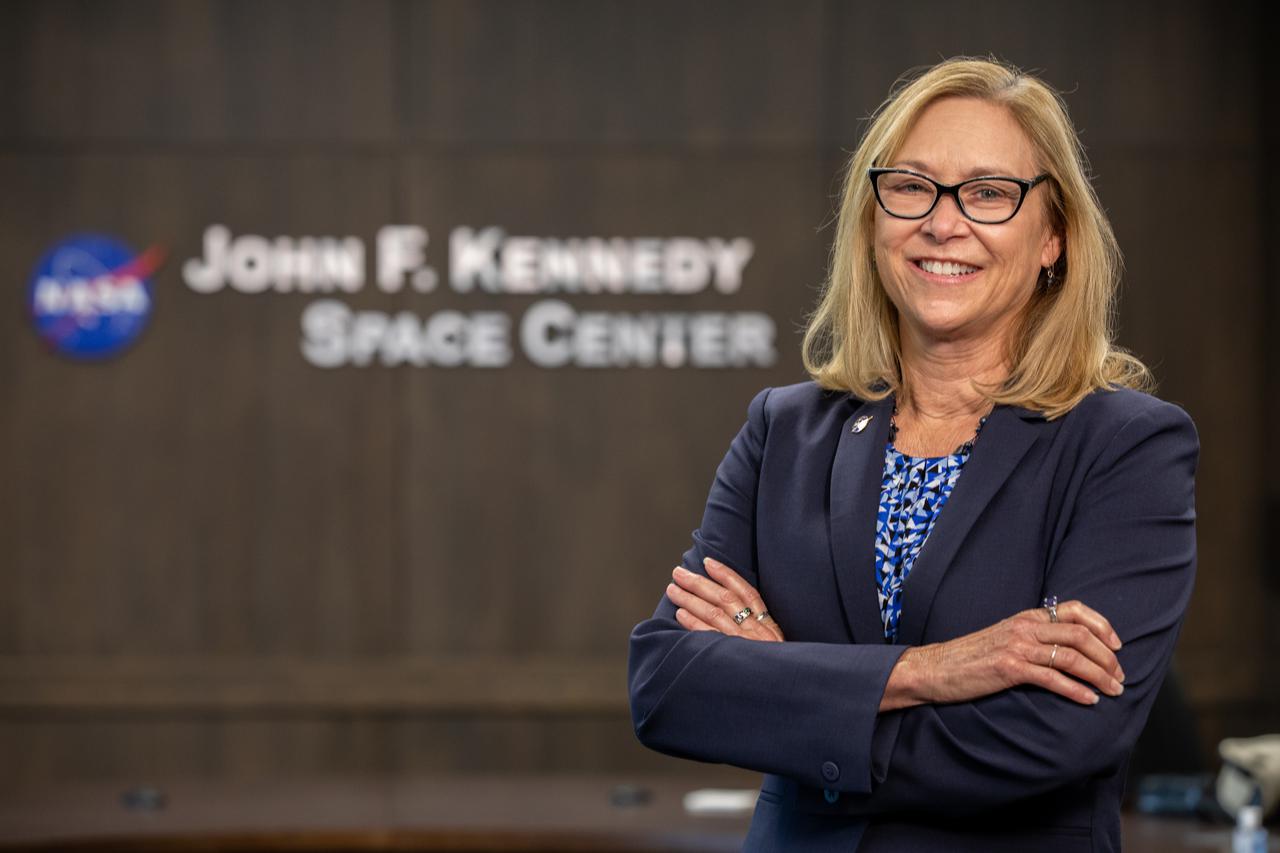
NASA Kennedy Space Center Director Janet Petro.
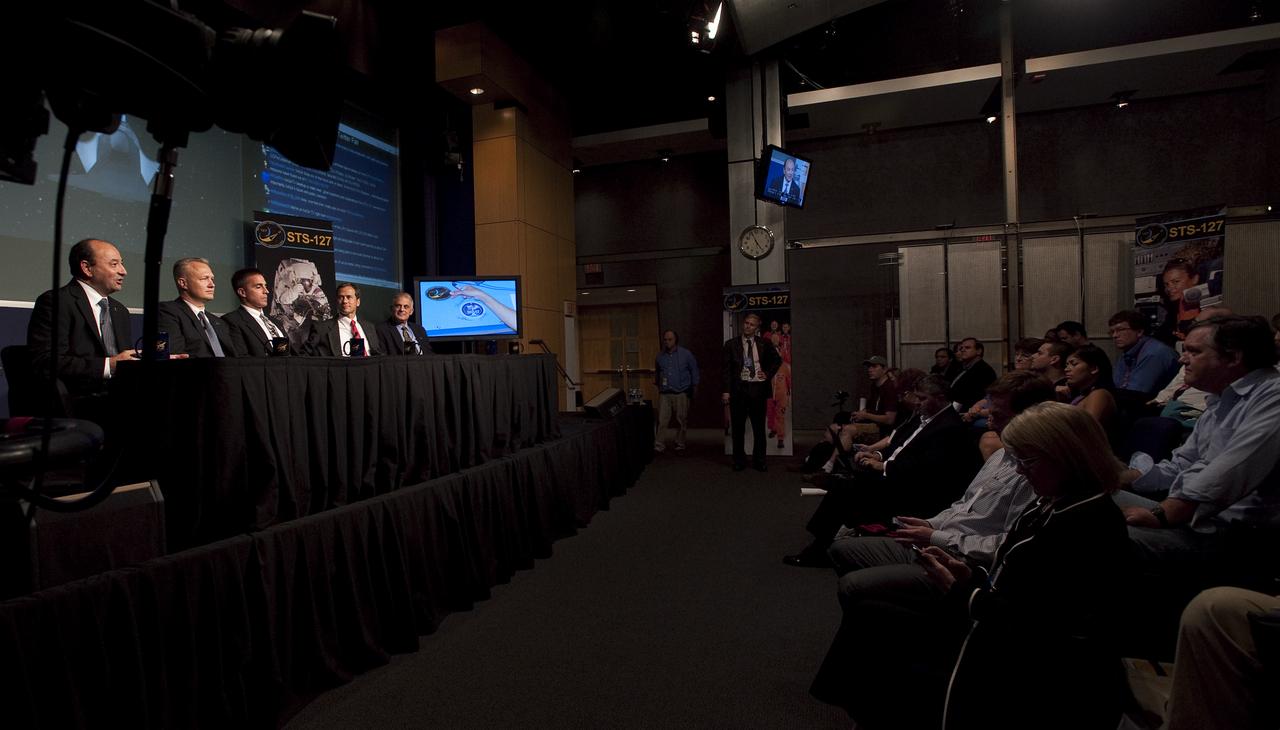
NASA Astronaut and STS-127 Mission Commander Mark Polansky, far left, answers questions at the NASA Tweetup event held at NASA Headquarters, September 24, 2009 in Washington. Nearly 200 of NASA’s Twitter followers are in attendance. Photo Credit: (NASA/Carla Cioffi)
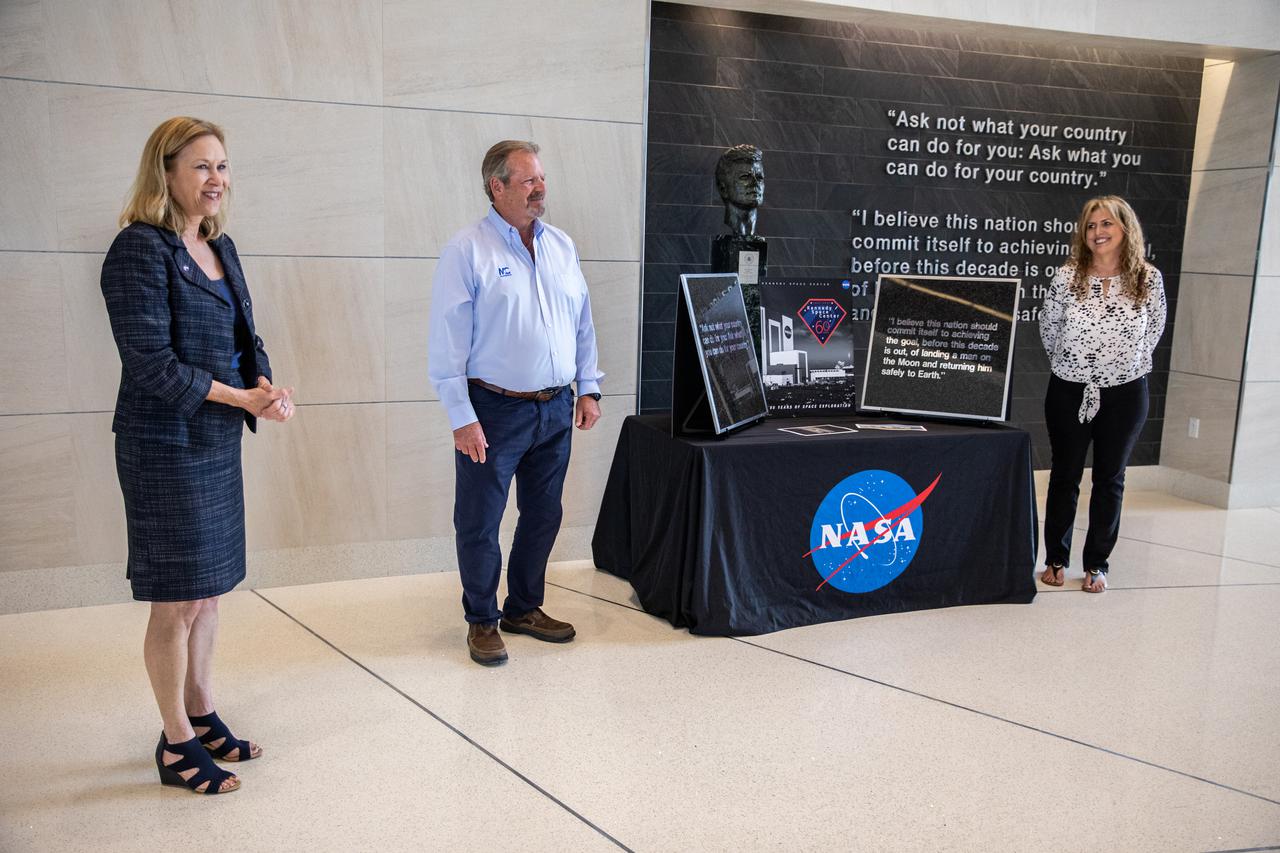
Wall tiles from Kennedy Space Center’s former headquarters building are presented to Kennedy Director Janet Petro inside the Florida spaceport’s Central Campus Headquarters Building on May 3, 2022. The two 15-pound sections from the building were preserved by Maverick Constructors LLC, the construction company that completed demolition of the structure. The company’s presentation of the tiles is in honor of the many civil servants and contractors who dedicated their lives to working for and supporting NASA in this building. Shown in the photo are Maverick East Coast division manager Ralph Kennedy and Sheri LaShier.
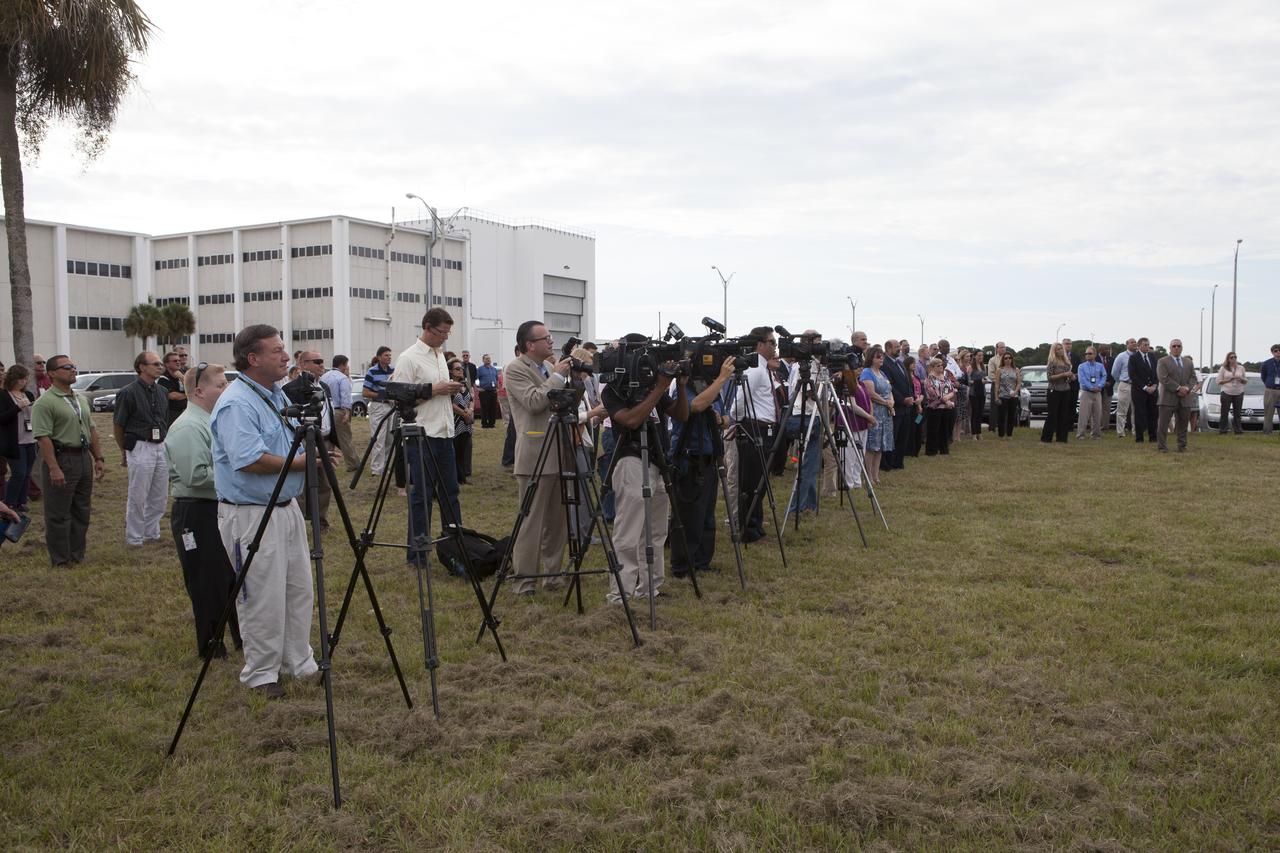
Groundbreaking for the new Central Campus took place in the Industrial Area at NASA's Kennedy Space Center in Florida. Members of the media and guests gathered for the groundbreaking ceremony. Kennedy is transforming into a multi-user, 21st century spaceport supporting both commercial and government users and operations. Central Campus Phase I includes construction of a new Headquarters Building as one of the major components of the strategy. The new Headquarters Building will be a seven-story, 200,000-square-foot facility that will house about 500 NASA civil service and contractor employees.
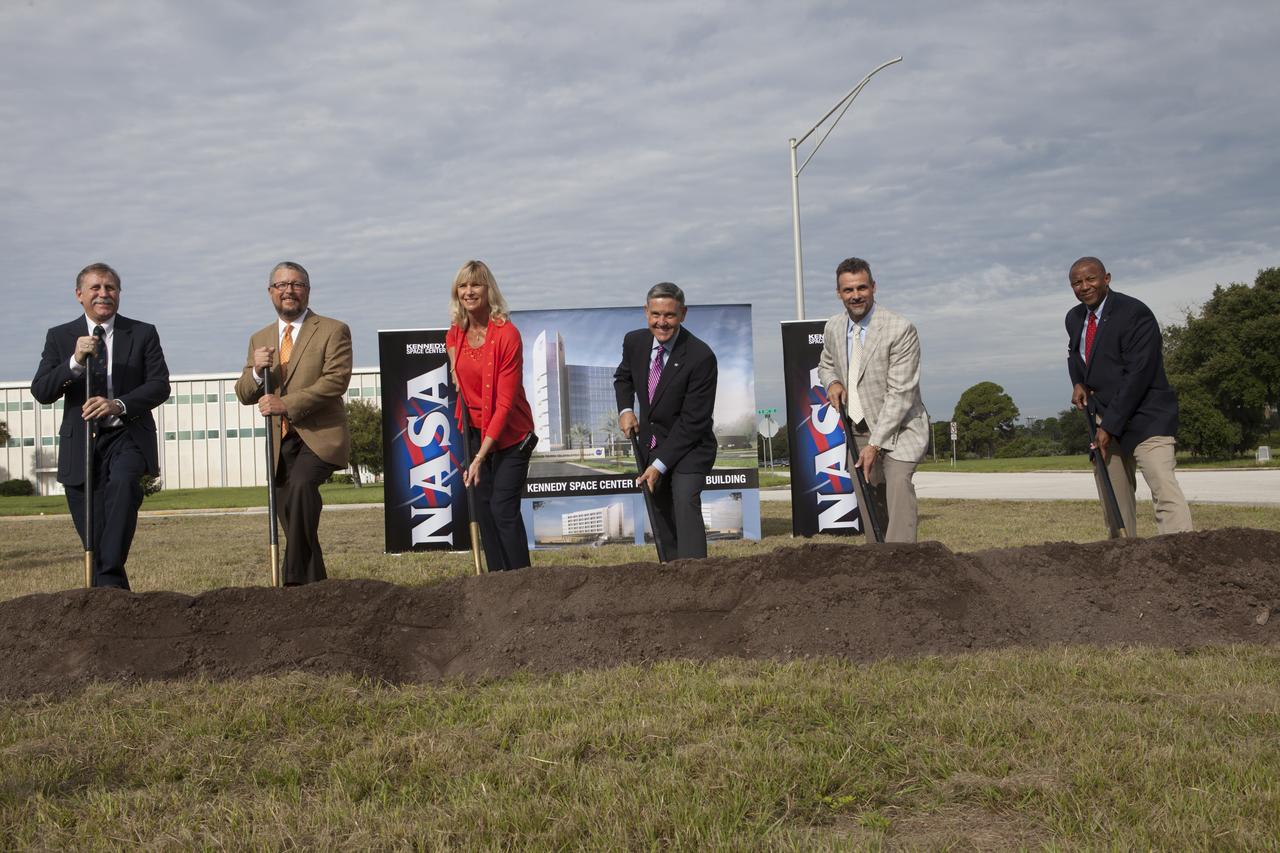
Groundbreaking for the new Central Campus took place in the Industrial Area at NASA's Kennedy Space Center in Florida. Digging in with shovels during the groundbreaking ceremony, are Dan Tweed, associate director for Facilities at Kennedy Steve Belflower, vice president of HuntonBrady Architects of Orlando Nancy Bray, director of Kennedy's Center Operations Directorate Kennedy Center Director Bob Cabana Kirk Hazen, southeast district manager and vice president of Hensel Phelps, the construction contractor and Kelvin Manning, Kennedy's associate director. Kennedy is transforming into a multi-user, 21st century spaceport supporting both commercial and government users and operations. Central Campus Phase I includes construction of a new Headquarters Building as one of the major components of the strategy. The new Headquarters Building will be a seven-story, 200,000-square-foot facility that will house about 500 NASA civil service and contractor employees.
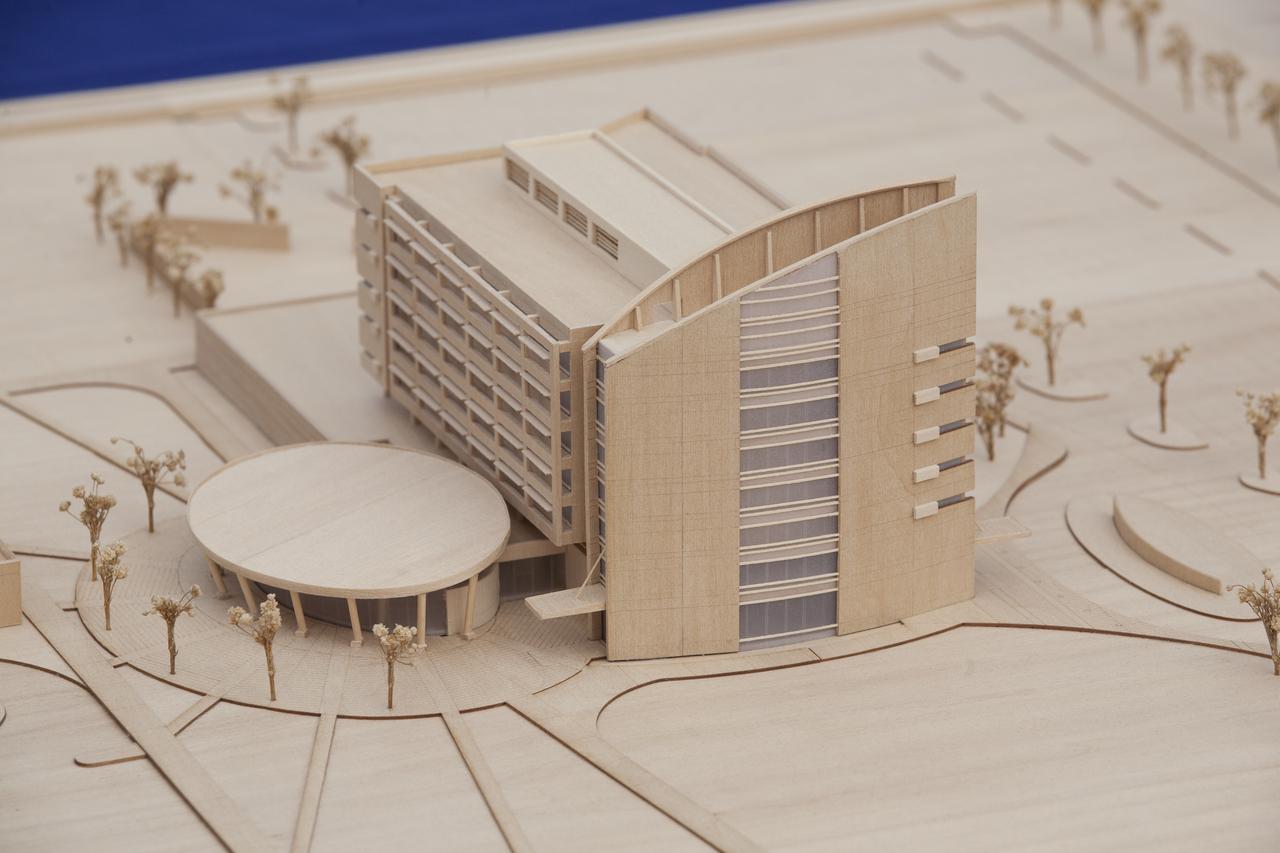
Groundbreaking for the new Central Campus will take place in the Industrial Area at NASA's Kennedy Space Center in Florida. A scale model of the new facility and landscaping is on display for the ceremony. Kennedy is transforming into a multi-user, 21st century spaceport supporting both commercial and government users and operations. Central Campus Phase I includes construction of a new Headquarters Building as one of the major components of the strategy. The new Headquarters Building will be a seven-story, 200,000-square-foot facility that will house about 500 NASA civil service and contractor employees.
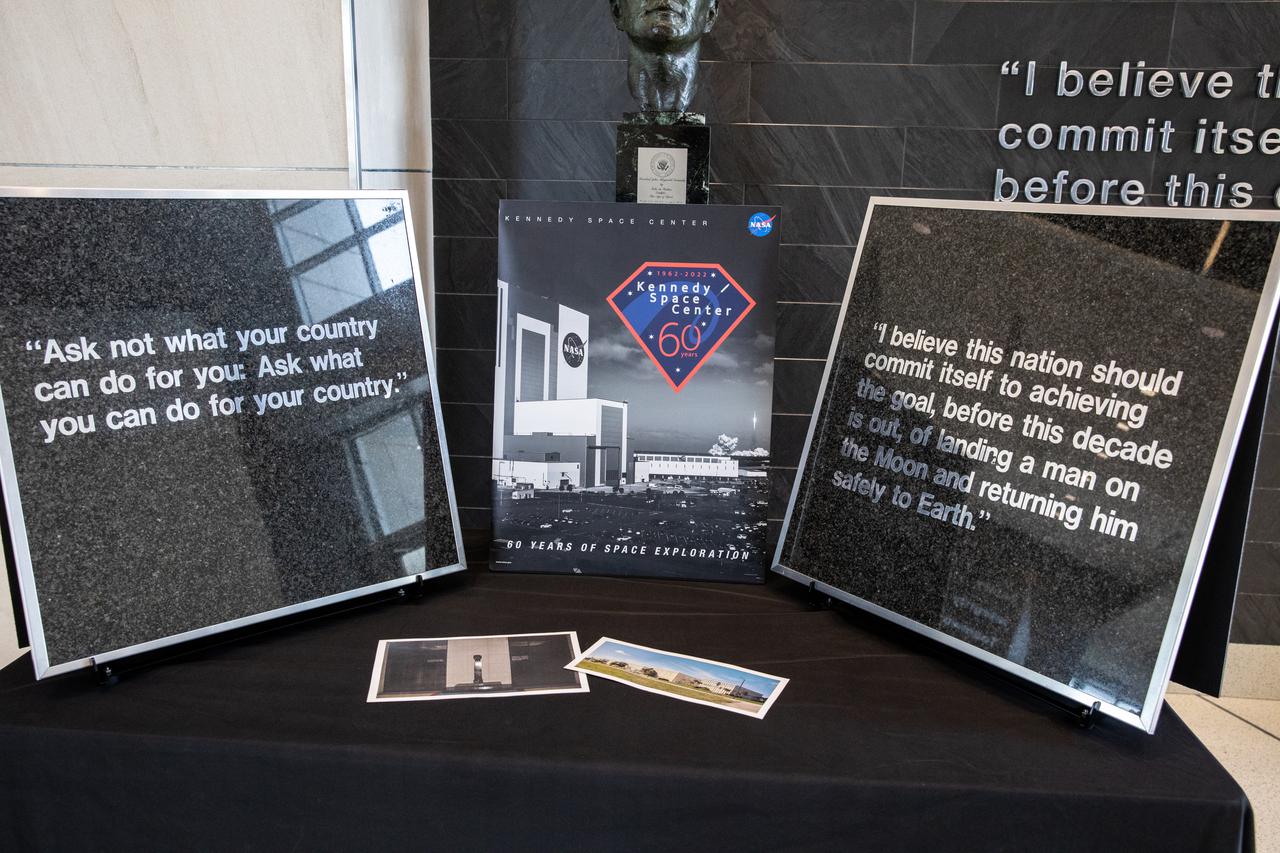
Wall tiles from Kennedy Space Center’s former headquarters building are presented to Kennedy Director Janet Petro inside the Florida spaceport’s Central Campus Headquarters Building on May 3, 2022. The two 15-pound sections from the building were preserved by Maverick Constructors LLC, the construction company that completed demolition of the structure. The company’s presentation of the tiles is in honor of the many civil servants and contractors who dedicated their lives to working for and supporting NASA in this building.
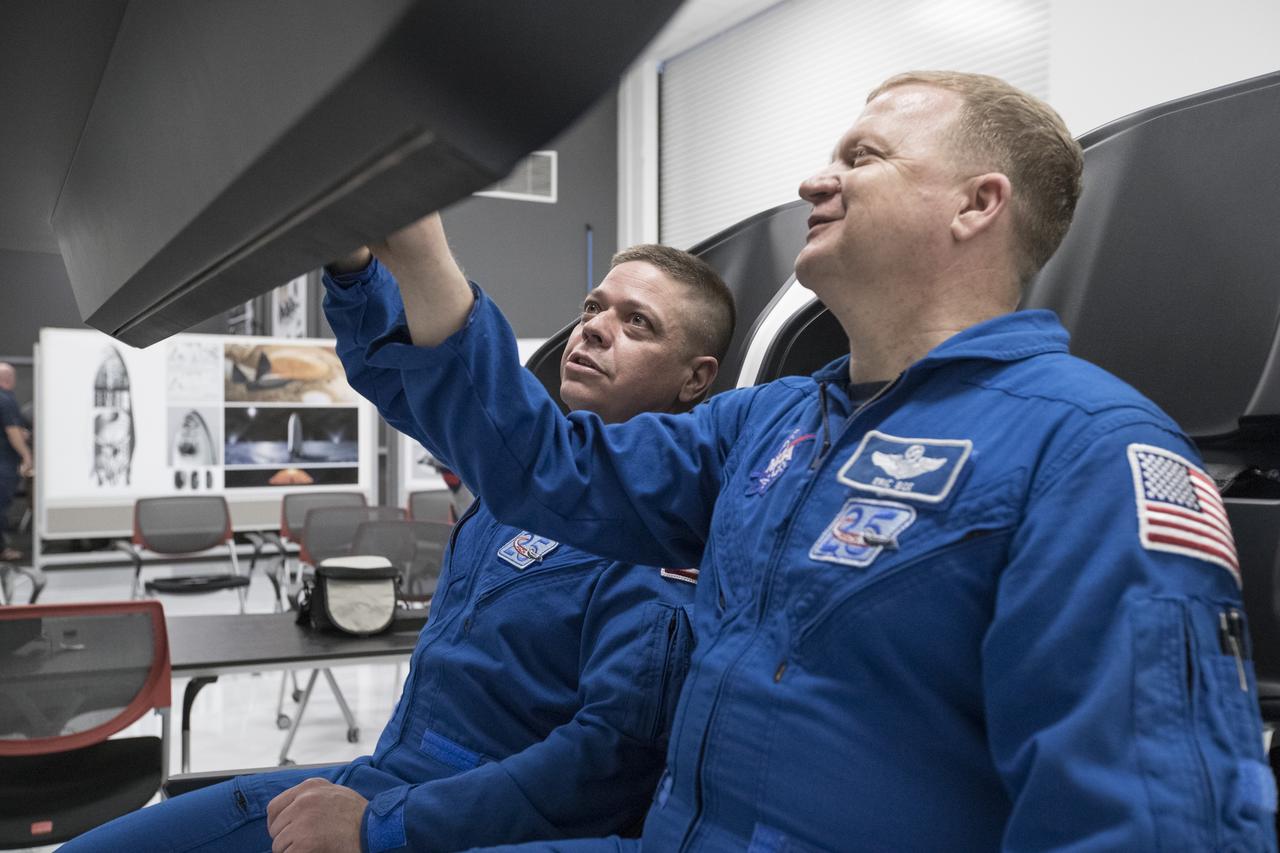
During a tour of SpaceX headquarters in Hawthorne, California, commercial crew astronauts Bob Behnken, left, and Eric Boe participate in joint test team training using mockup components of the Crew Dragon on March 8, 2017. Crew Dragon is being developed and manufactured in partnership with NASA's Commercial Crew Program to return human spaceflight capabilities to the U.S.
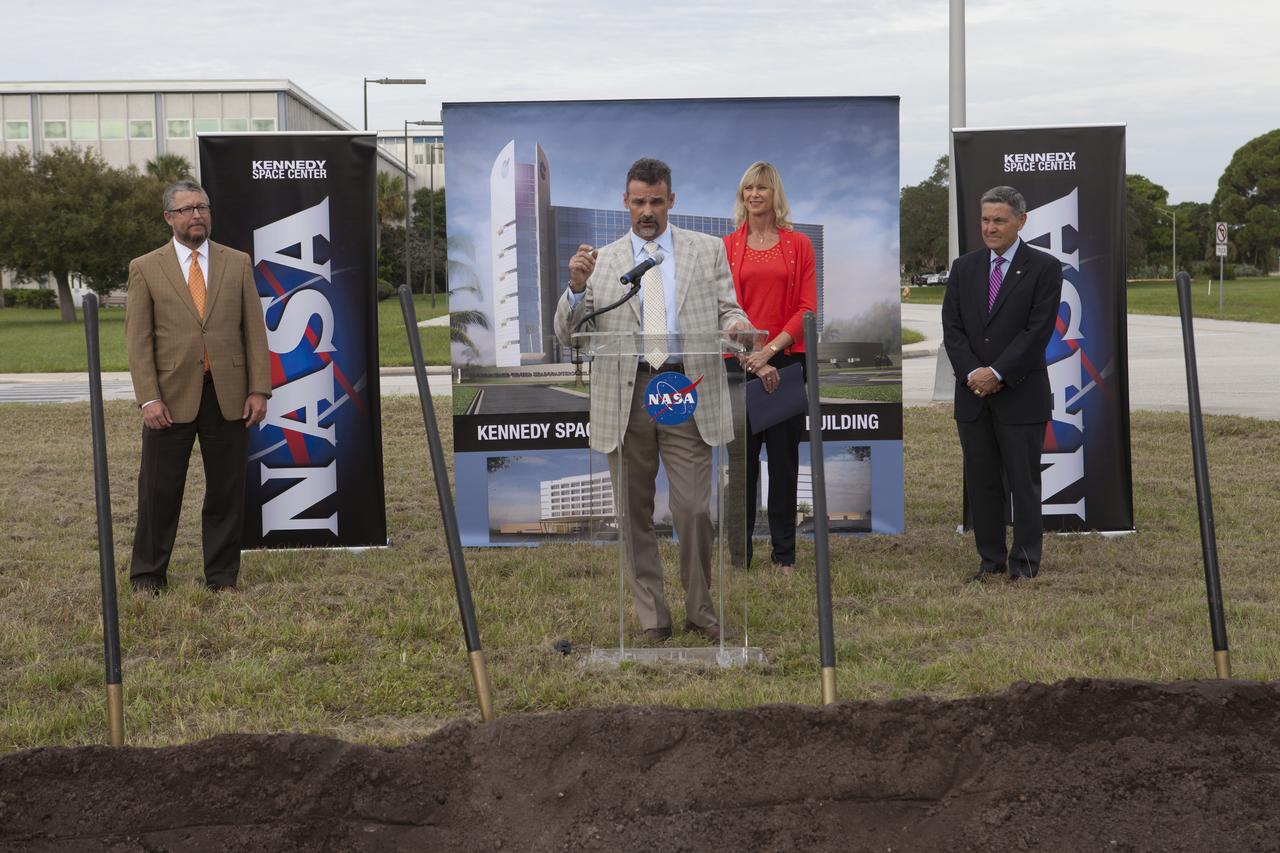
Groundbreaking for the new Central Campus took place in the Industrial Area at NASA's Kennedy Space Center in Florida. Kirk Hazen, southeast district manager and vice president of Hensel Phelps, the construction contractor, speaks to members of the media and guests during the groundbreaking ceremony. Behind him is Nancy Bray, director of Kennedy's Center Operations Directorate. To his right is Kennedy Center Director Bob Cabana. To his left is Steve Belflower, vice president of HuntonBrady Architects of Orlando. Kennedy is transforming into a multi-user, 21st century spaceport supporting both commercial and government users and operations. Central Campus Phase I includes construction of a new Headquarters Building as one of the major components of the strategy. The new Headquarters Building will be a seven-story, 200,000-square-foot facility that will house about 500 NASA civil service and contractor employees.

Senior managers at NASA’s Kennedy Space Center pose inside the Florida spaceport’s Central Campus Headquarters building on Feb. 24, 2020, in recognition of Women’s History Month. Pictured are: Hortense Diggs, Susan Kroskey, Janet Petro, Charlie Blackwell-Thompson, Vicki Johnston, Maria Collura, Jeanne O’Bryan, Vanessa Stromer, Kim Carter, Laura Rochester, Becky Murray, Jennifer Kunz, Barbara Brown, Kathy Loftin, Jenny Lyons, Dana Hutcherson and Dicksy Chrostowski.
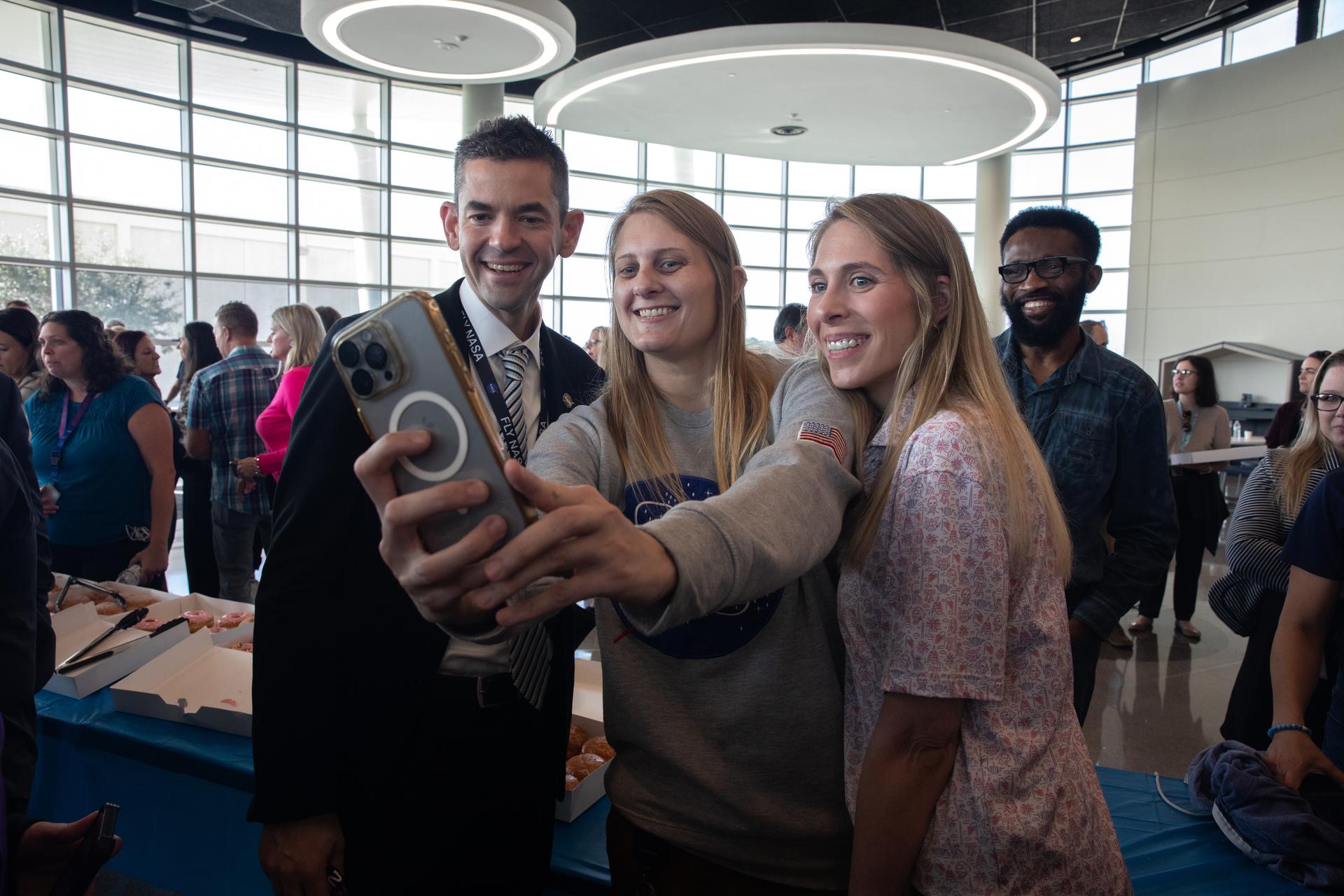
NASA Administrator Jared Isaacman (left) poses for a selfie with NASA employees during his visit to NASA’s Kennedy Space Center in Florida, on Tuesday, Jan. 13, 2026. Isaacman, NASA’s 15th administrator, began visiting the agency’s centers after his appointment on Dec. 17, 2025, to hear from employees, contractors, and partners.
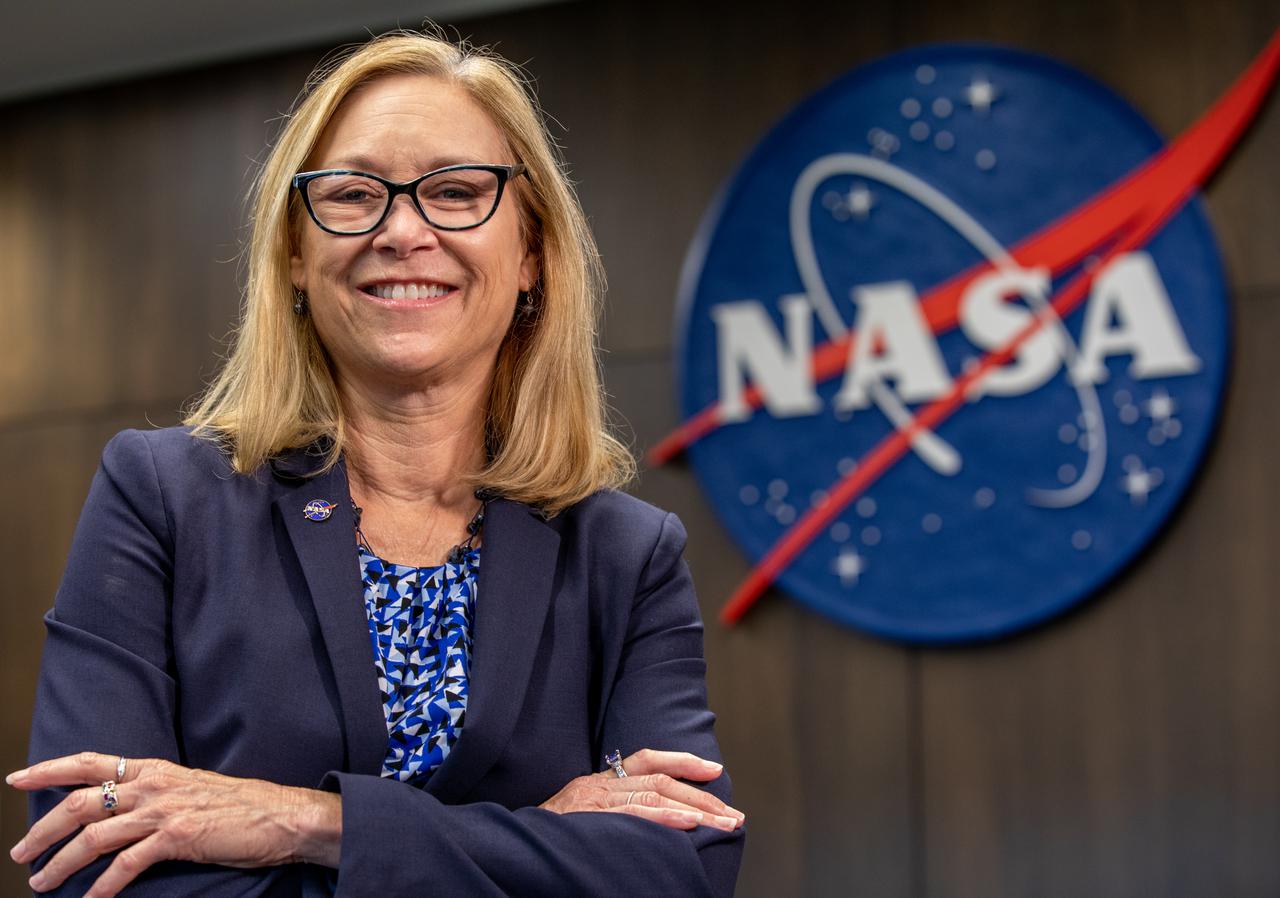
NASA Kennedy Space Center Director Janet Petro.
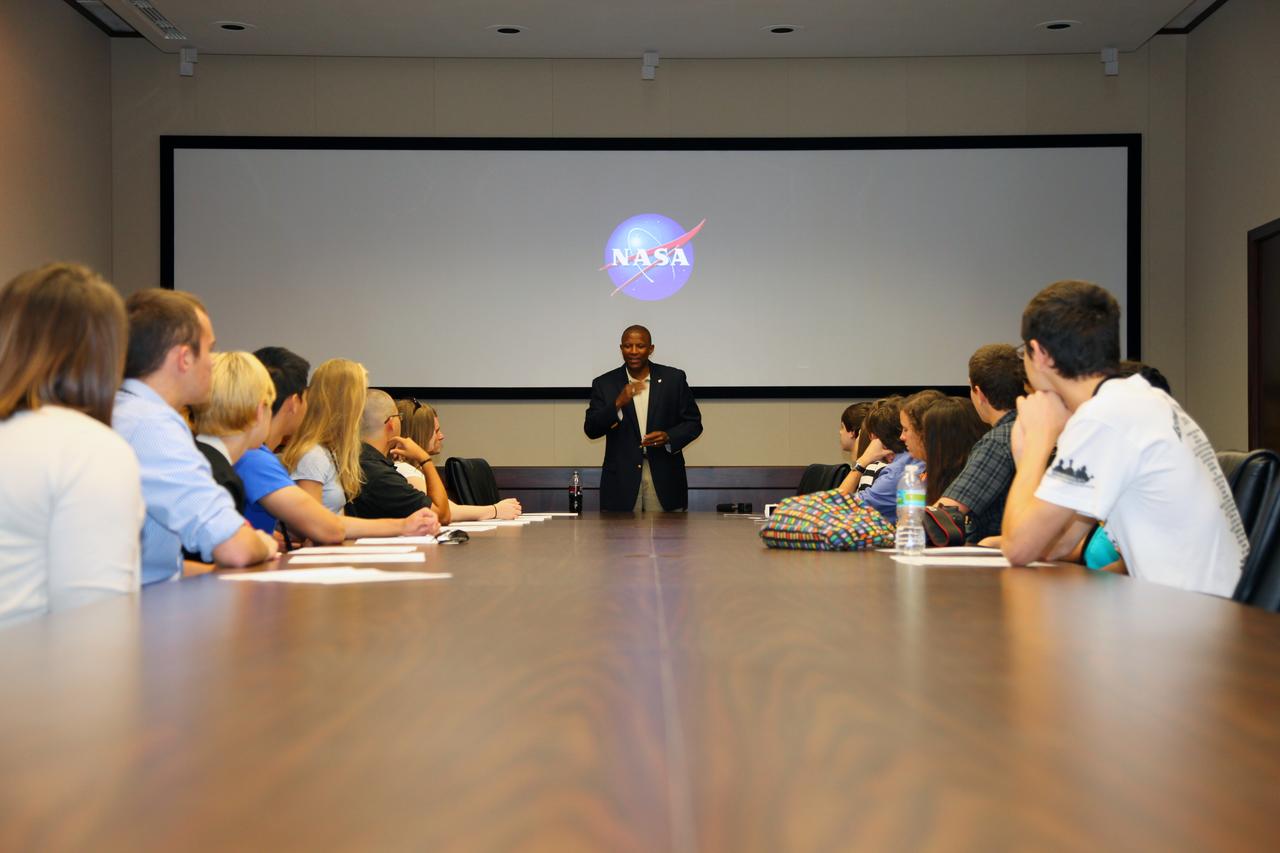
Brevard Top Scholars Day Visit to KSC
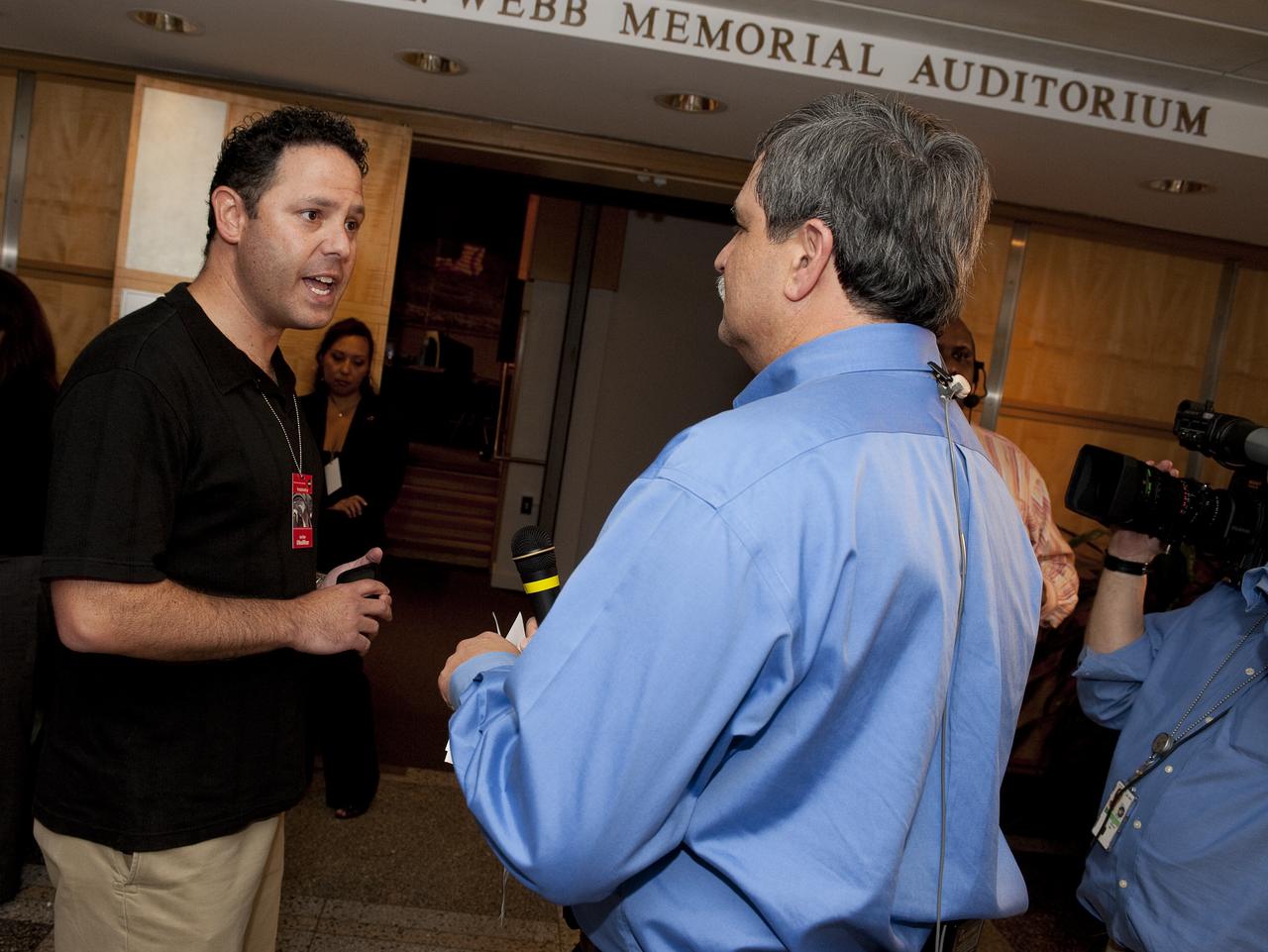
Al Feinberg from NASA Television, center, interviews a guest at the NASA Tweetup event held at NASA Headquarters, September 24, 2009 in Washington. Nearly 200 of NASA’s Twitter followers are in attendance, which features a presentation and a question and answer session with the crew of the STS-127 shuttle mission to install new hardware and expand the Japanese Kibo laboratory on the International Space Station. Photo Credit: (NASA/Carla Cioffi)
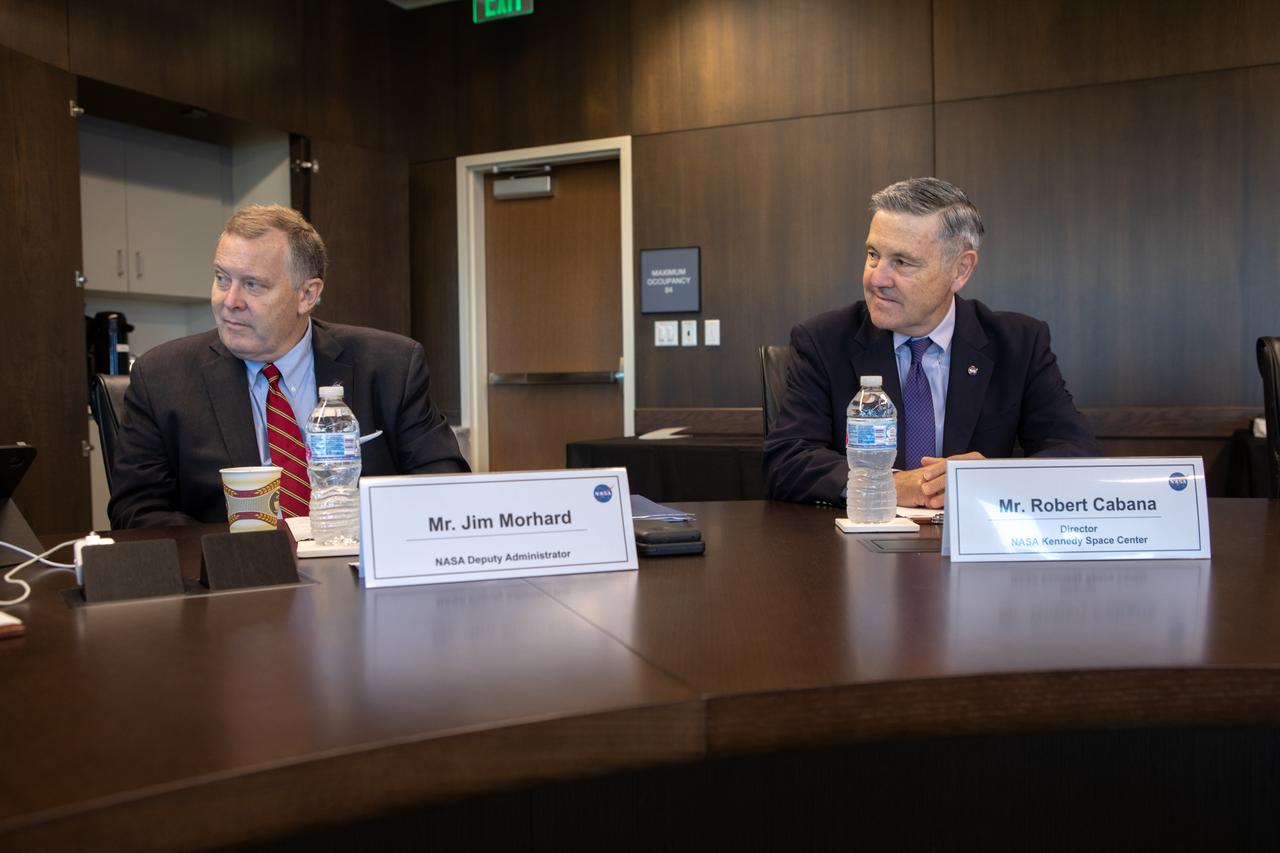
NASA Deputy Administrator Jim Morhard, at left, and Kennedy Space Center Director Robert Cabana participate in a NASA Advisory Council meeting at the center’s Central Campus Headquarters Building in Florida on Oct. 31, 2019. The NASA Advisory Council provides the NASA administrator with counsel and advice on programs and issues of importance to the agency. Committee members conduct fact-finding sessions throughout the year in an effort to gain a broad understanding of current NASA issues and future mission implementation plans.
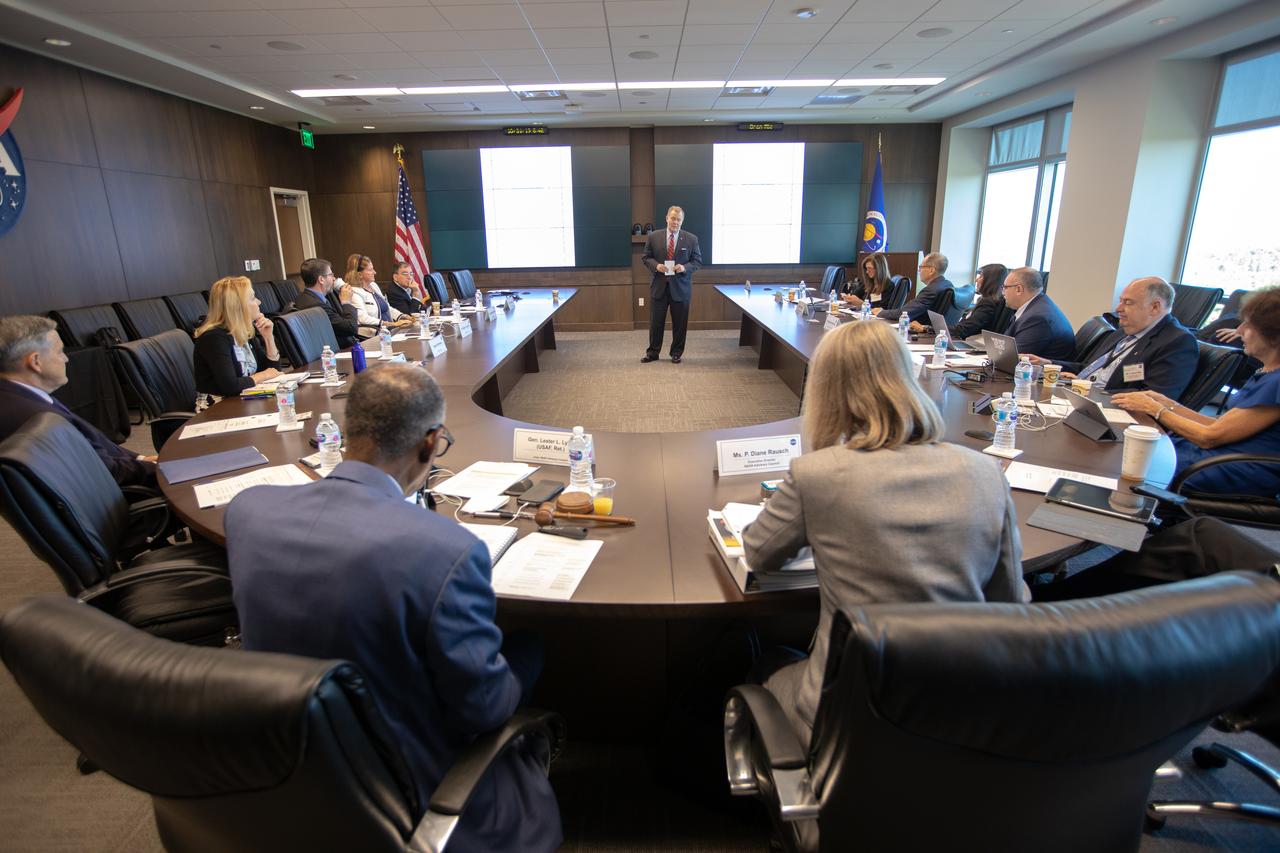
NASA Deputy Administrator Jim Morhard, standing, addresses members of the NASA Advisory Council during a meeting at the Kennedy Space Center’s Central Campus Headquarters Building in Florida on Oct. 31, 2019. The NASA Advisory Council provides the NASA administrator with counsel and advice on programs and issues of importance to the agency. Committee members conduct fact-finding sessions throughout the year in an effort to gain a broad understanding of current NASA issues and future mission implementation plans.
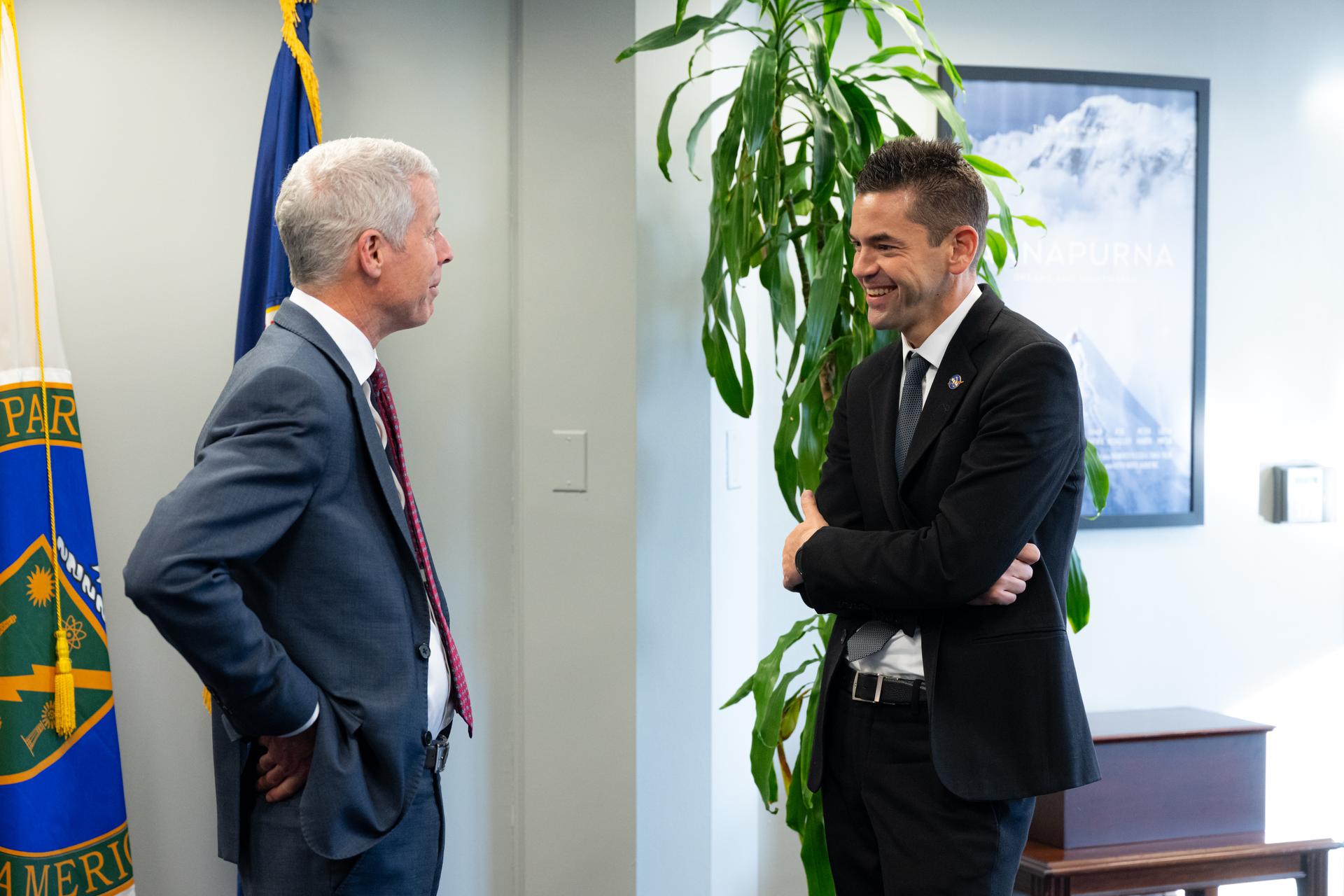
U.S. Department of Energy Secretary Chris Wright, left, speaks to NASA Administrator Jared Isaacman, right, Thursday, Jan. 8, 2026, at the Department of Energy Headquarters in Washington. The DOE and NASA signed a memorandum of understanding to support the research and development of a fission surface power system for use on the Moon and future NASA missions to Mars. Photo Credit: (NASA/John Kraus)
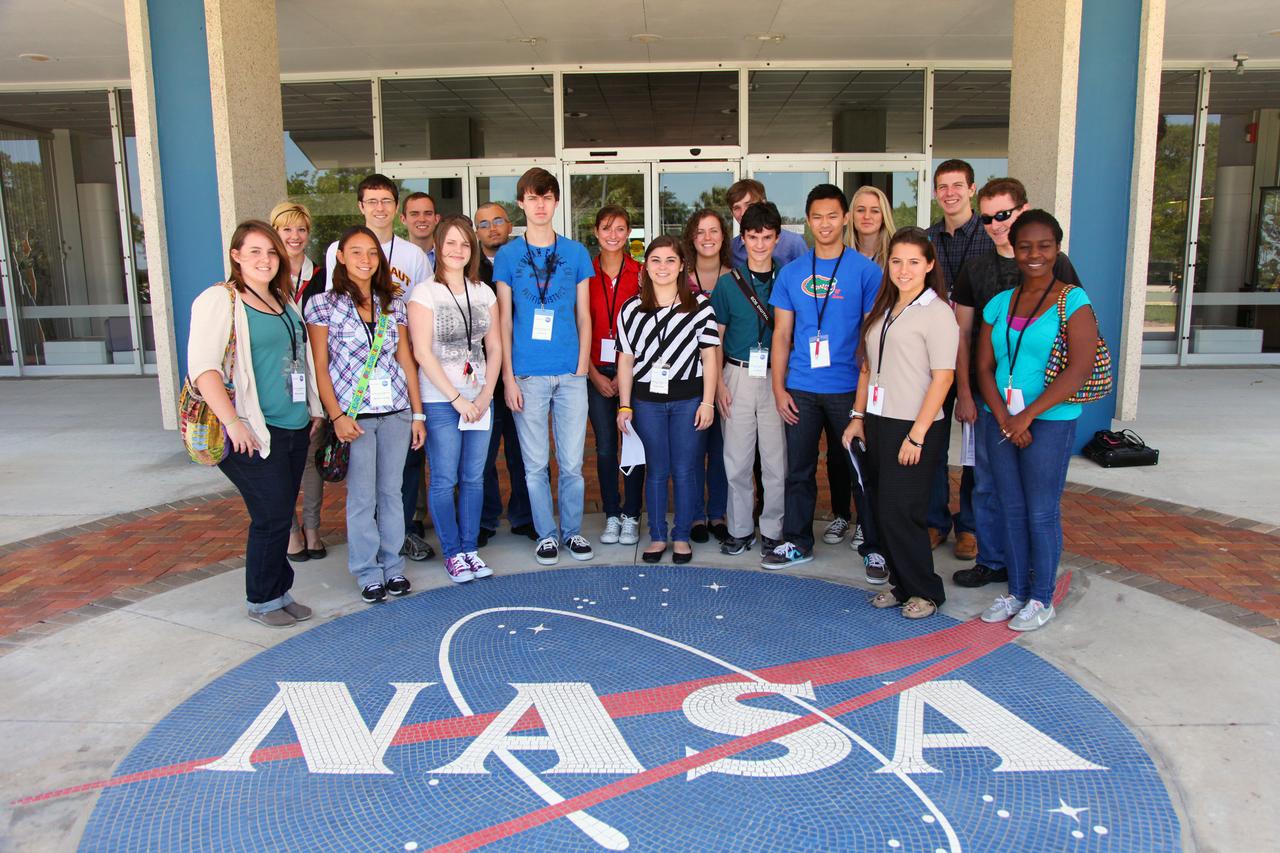
Brevard Top Scholars Day Visit to KSC
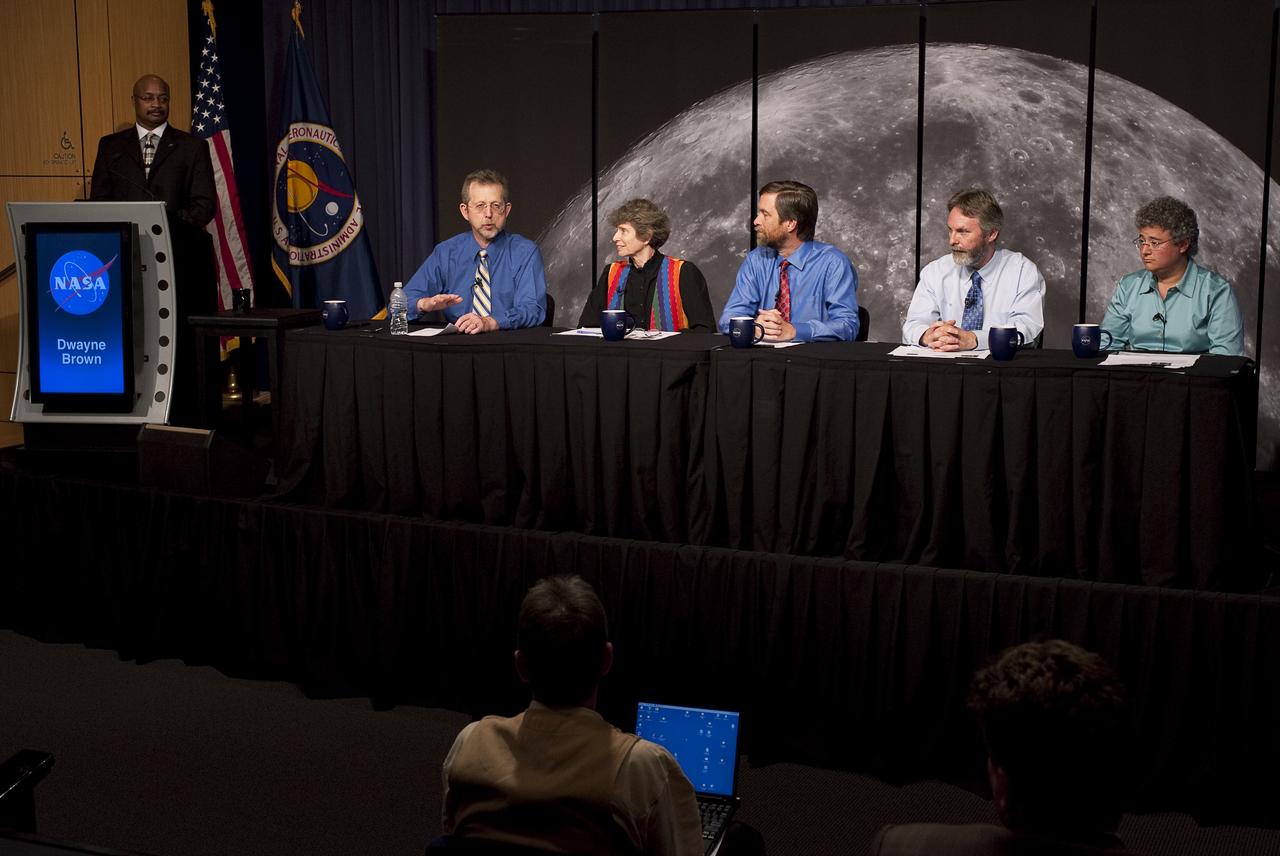
Jim Green (second from left), director, Planetary Science Division, Science Mission Directorate at NASA Headquarters in Washington discusses NASA’s findings of water molecules in the polar regions of the moon at a press conference at NASA Headquarters, September 24, 2009. Photo Credit: (NASA/Carla Cioffi)
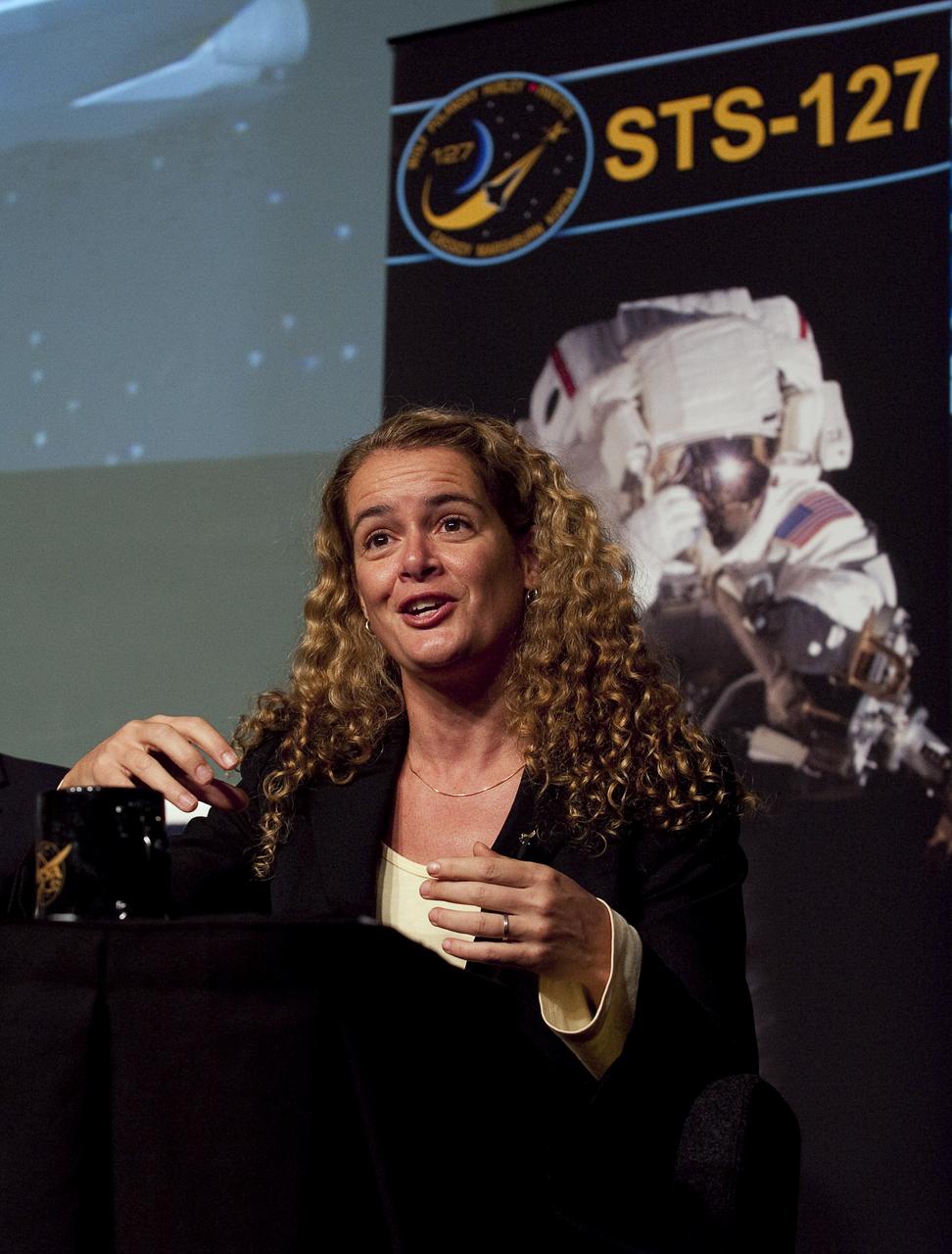
Canadian Space Agency Astronaut and STS-127 Mission Specialist Julie Payette answers questions at the NASA Tweetup event held at NASA Headquarters, September 24, 2009 in Washington. Nearly 200 of NASA’s Twitter followers are in attendance. Photo Credit: (NASA/Carla Cioffi)
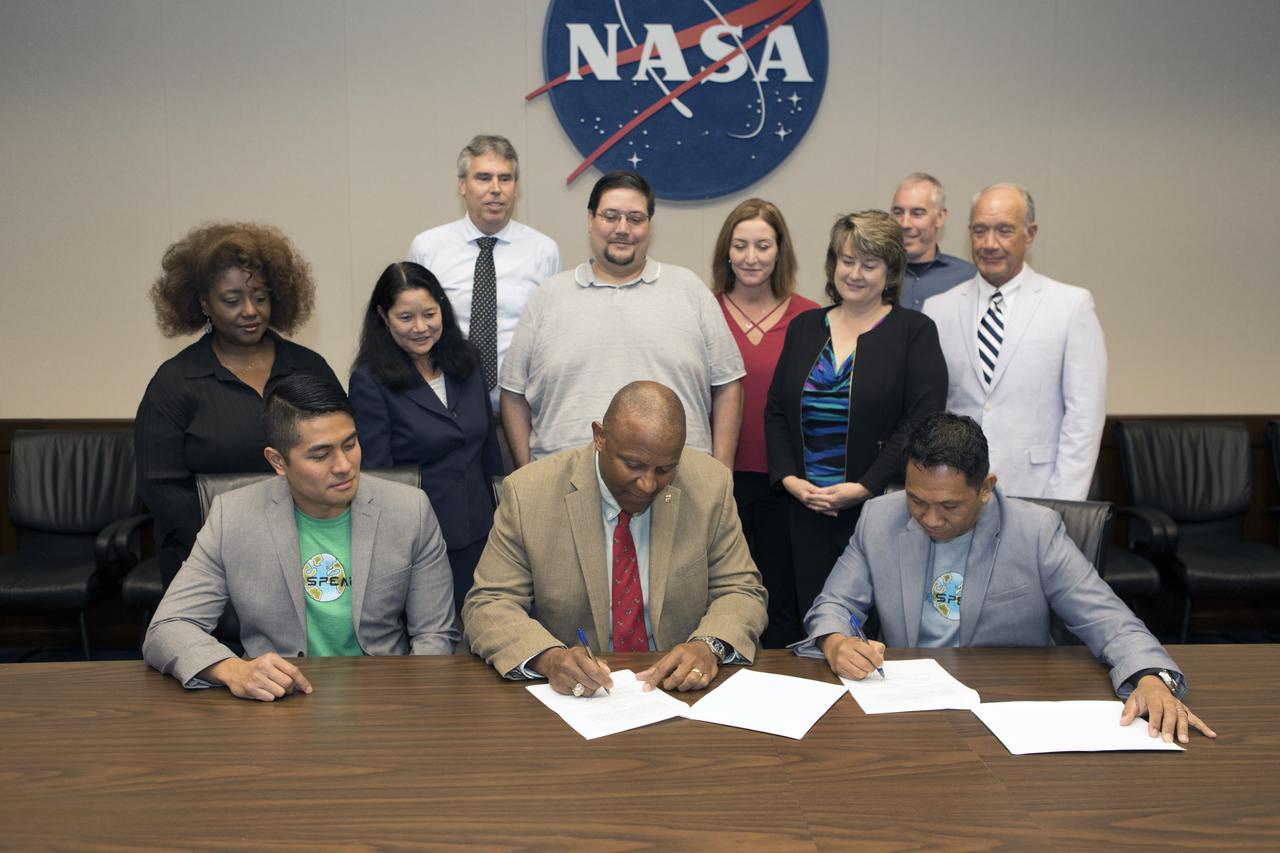
NASA Kennedy Space Center's Associate Director Kelvin Manning, center, signs a license agreement with the President and CEO of ecoSPEARS, which allows the company to commercially sell a soil remediation technology developed by a research team at Kennedy. The technology, known as Sorbent Polymer Extraction And Remediation System, is designed to capture and remove polychlorinated biphenyls (PCBs) from contaminated sediments in waterways and wetlands.
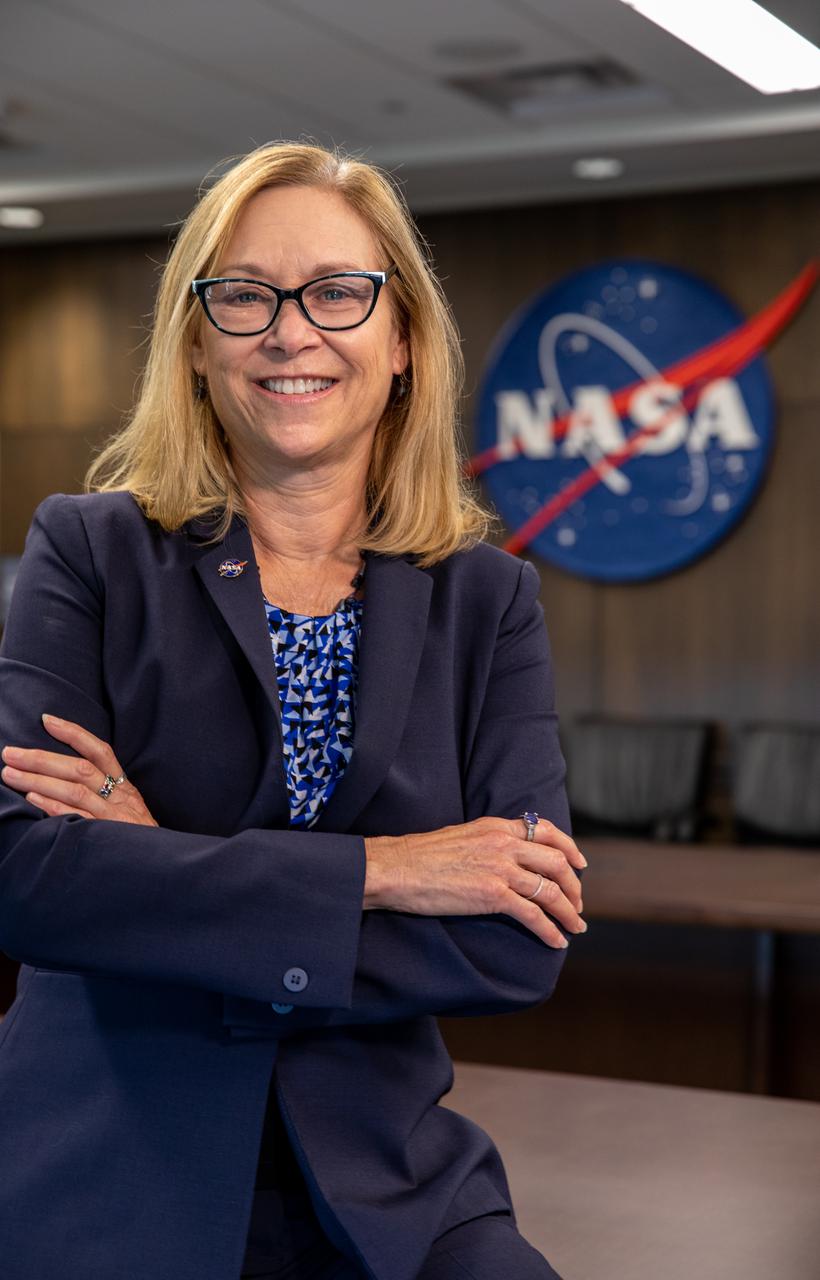
NASA Kennedy Space Center Director Janet Petro.
Wall tiles from Kennedy Space Center’s former headquarters building are presented to Kennedy Director Janet Petro inside the Florida spaceport’s Central Campus Headquarters Building on May 3, 2022. The two 15-pound sections from the building were preserved by Maverick Constructors LLC, the construction company that completed demolition of the structure. The company’s presentation of the tiles is in honor of the many civil servants and contractors who dedicated their lives to working for and supporting NASA in this building.
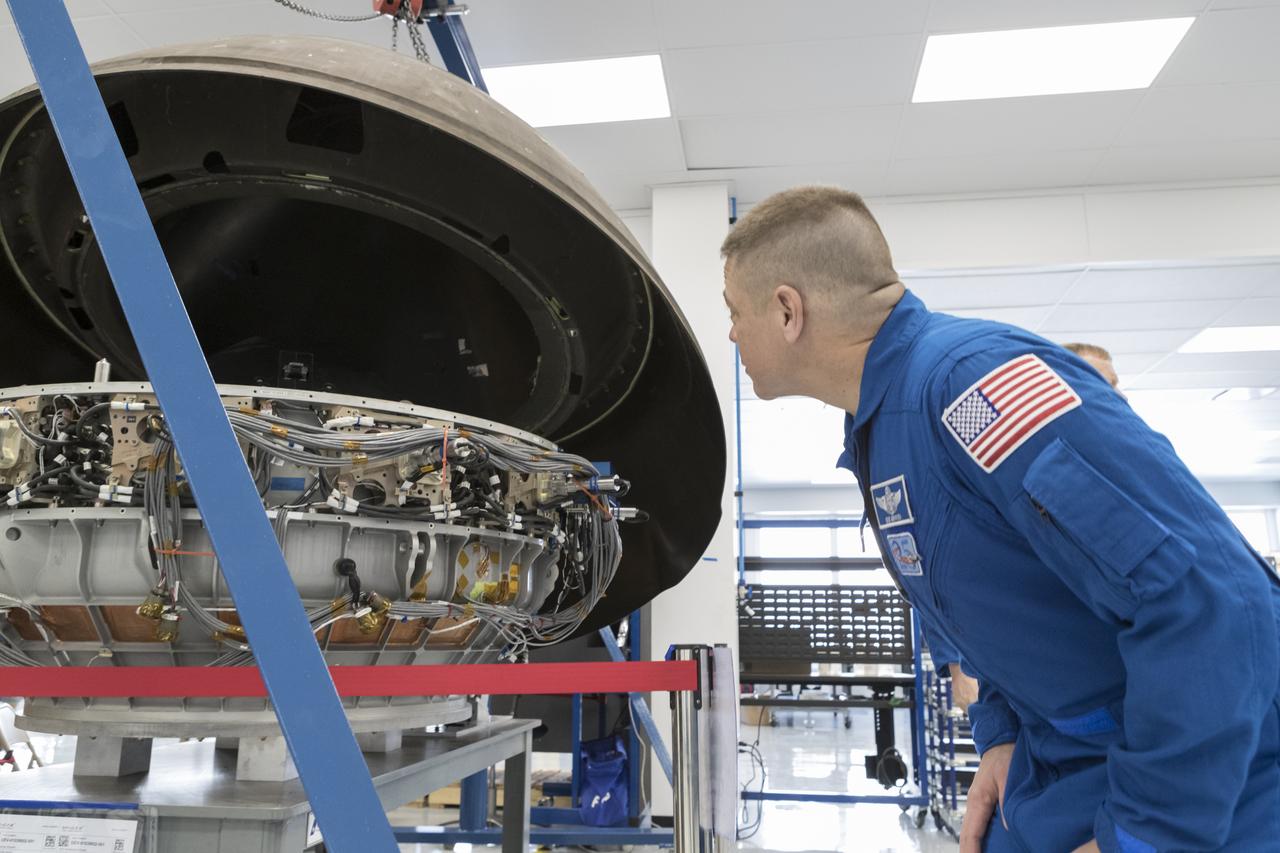
During a tour of SpaceX headquarters in Hawthorne, California, commercial crew astronaut Bob Behnken views the Crew Dragon on March 8, 2017. Crew Dragon is being developed and manufactured in partnership with NASA's Commercial Crew Program to return human spaceflight capabilities to the U.S.
Groundbreaking for the new Central Campus took place in the Industrial Area at NASA's Kennedy Space Center in Florida. Steve Belflower, vice president of HuntonBrady Architects of Orlando, speaks to members of the media and guests during the groundbreaking ceremony. Behind him is Nancy Bray, director of Kennedy's Center Operations Directorate. To his right is Kennedy Center Director Bob Cabana. To his left is Kirk Hazen, southeast district manager and vice president of Hensel Phelps, the construction contractor. Kennedy is transforming into a multi-user, 21st century spaceport supporting both commercial and government users and operations. Central Campus Phase I includes construction of a new Headquarters Building as one of the major components of the strategy. The new Headquarters Building will be a seven-story, 200,000-square-foot facility that will house about 500 NASA civil service and contractor employees.
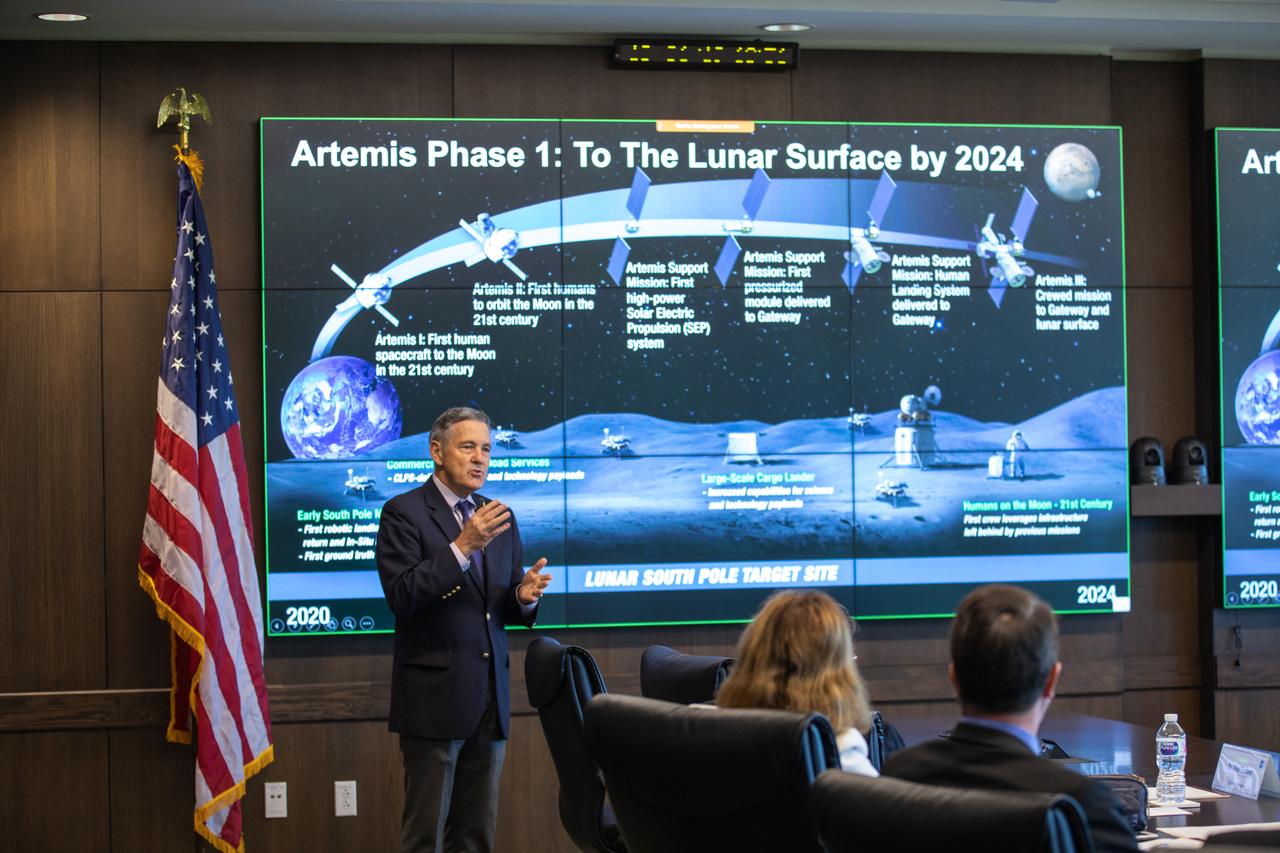
Kennedy Space Center Director Bob Cabana gives a presentation on Artemis missions to members of the NASA Advisory Council during a meeting at the center’s Central Campus Headquarters Building in Florida on Oct. 31, 2019. The NASA Advisory Council provides the NASA administrator with counsel and advice on programs and issues of importance to the agency. Committee members conduct fact-finding sessions throughout the year in an effort to gain a broad understanding of current NASA issues and future mission implementation plans.
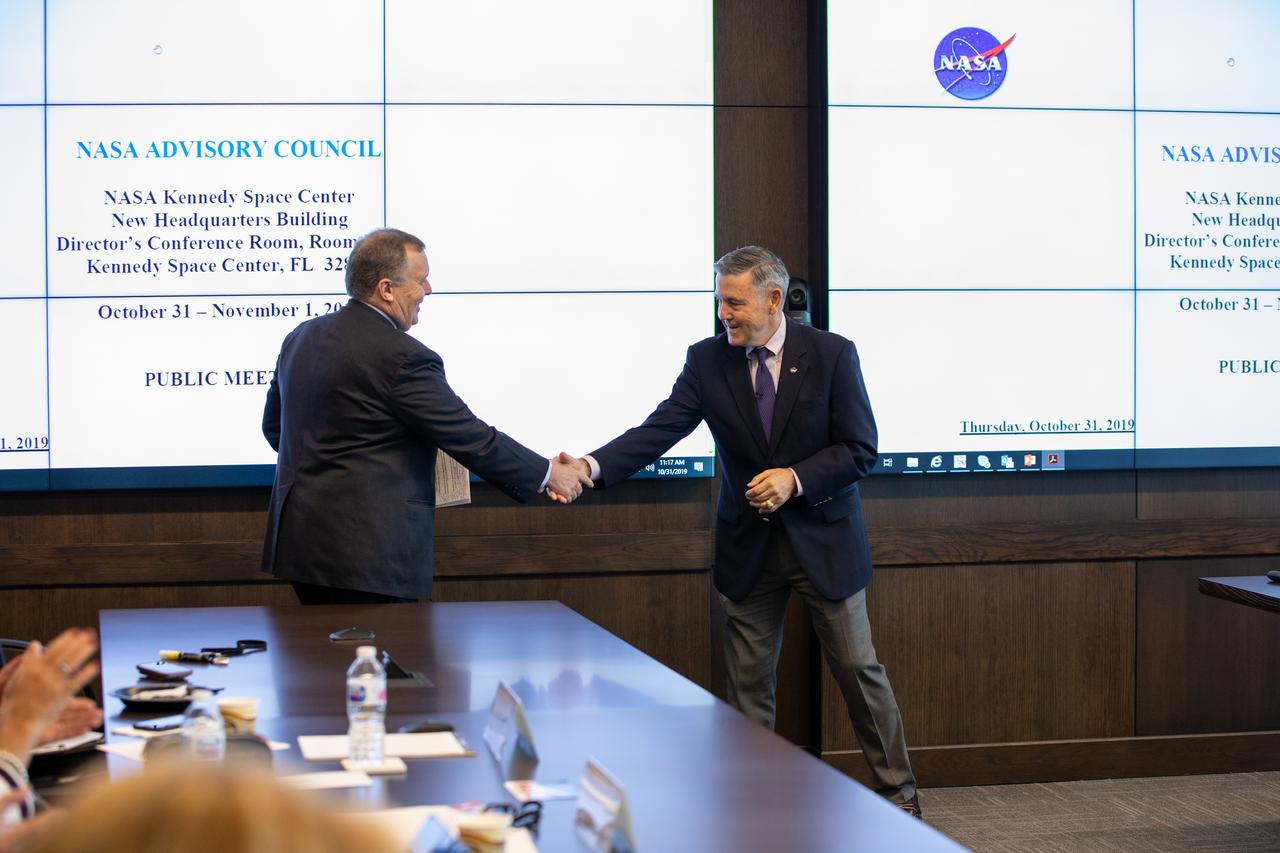
Kennedy Space Center Director Bob Cabana, at right, shakes hands with NASA Deputy Administrator Jim Morhard during a NASA Advisory Council meeting at the center’s Central Campus Headquarters Building in Florida on Oct. 31, 2019. The NASA Advisory Council provides the NASA administrator with counsel and advice on programs and issues of importance to the agency. Committee members conduct fact-finding sessions throughout the year in an effort to gain a broad understanding of current NASA issues and future mission implementation plans.
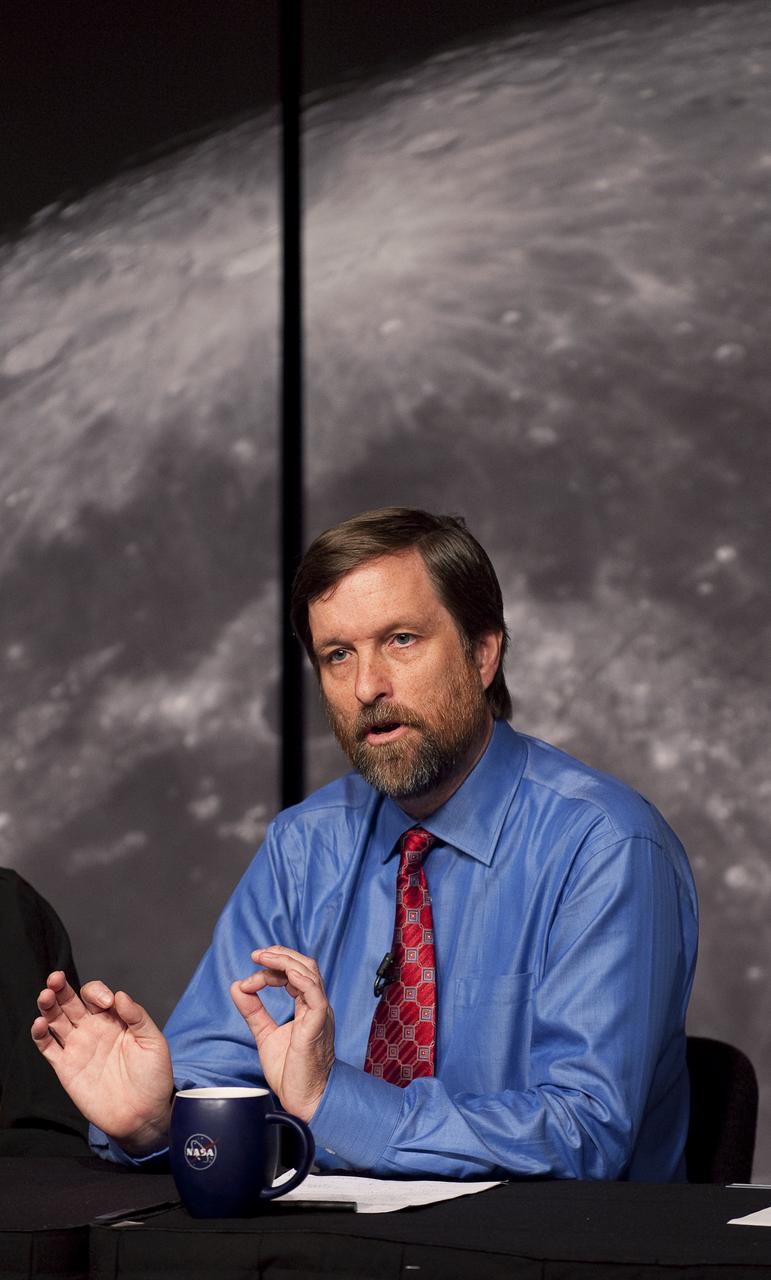
Rob Green, project instrument scientist, Moon Mineralogy Mapper, at NASA's Jet Propulsion Laboratory in Pasadena, CA answers questions on NASA’s discovery of water molecules in the polar regions of the moon at a press conference at NASA Headquarters, September 24, 2009, in Washington. Photo Credit: (NASA/Carla Cioffi)
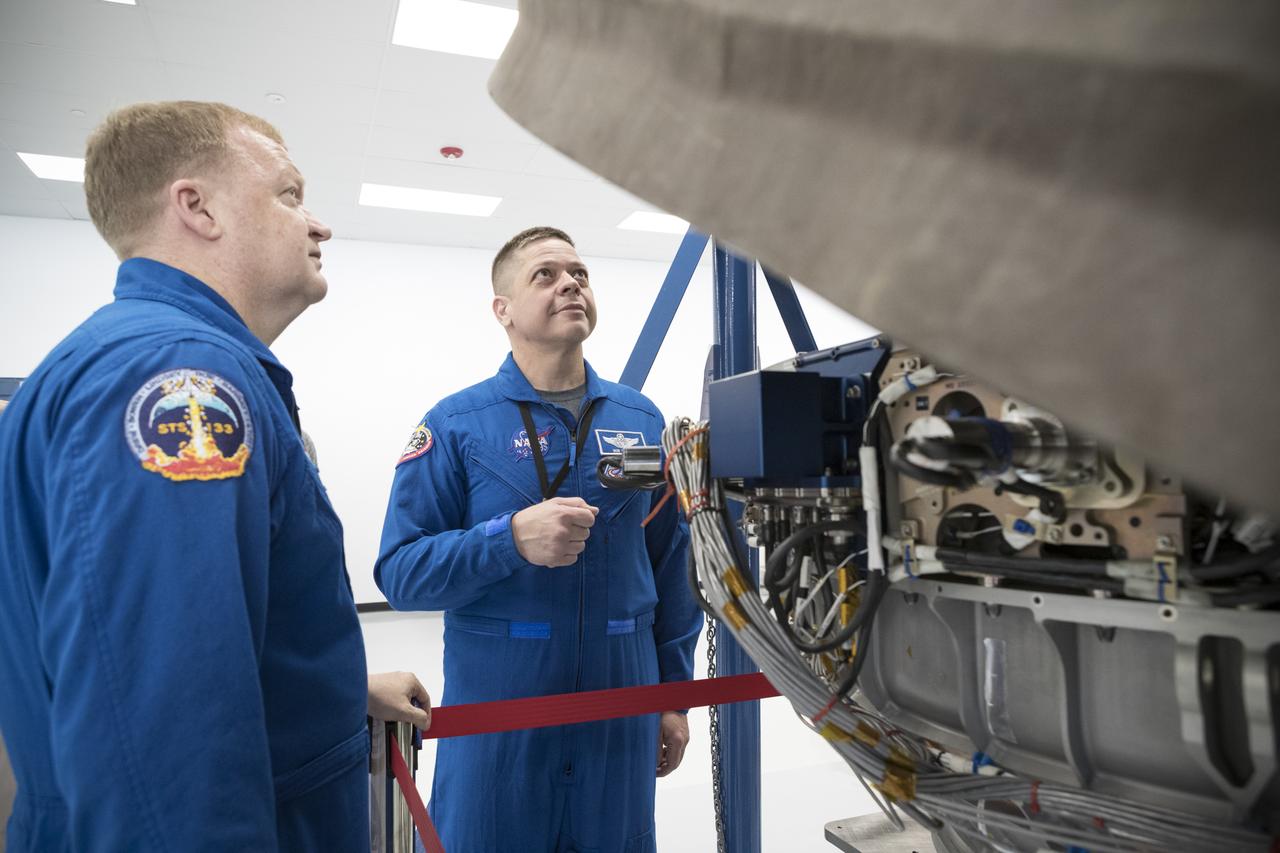
During a tour of SpaceX headquarters in Hawthorne, California, commercial crew astronauts Eric Boe, left, and Bob Behnken view the Crew Dragon on March 8, 2017. Crew Dragon is being developed and manufactured in partnership with NASA's Commercial Crew Program to return human spaceflight capabilities to the U.S.
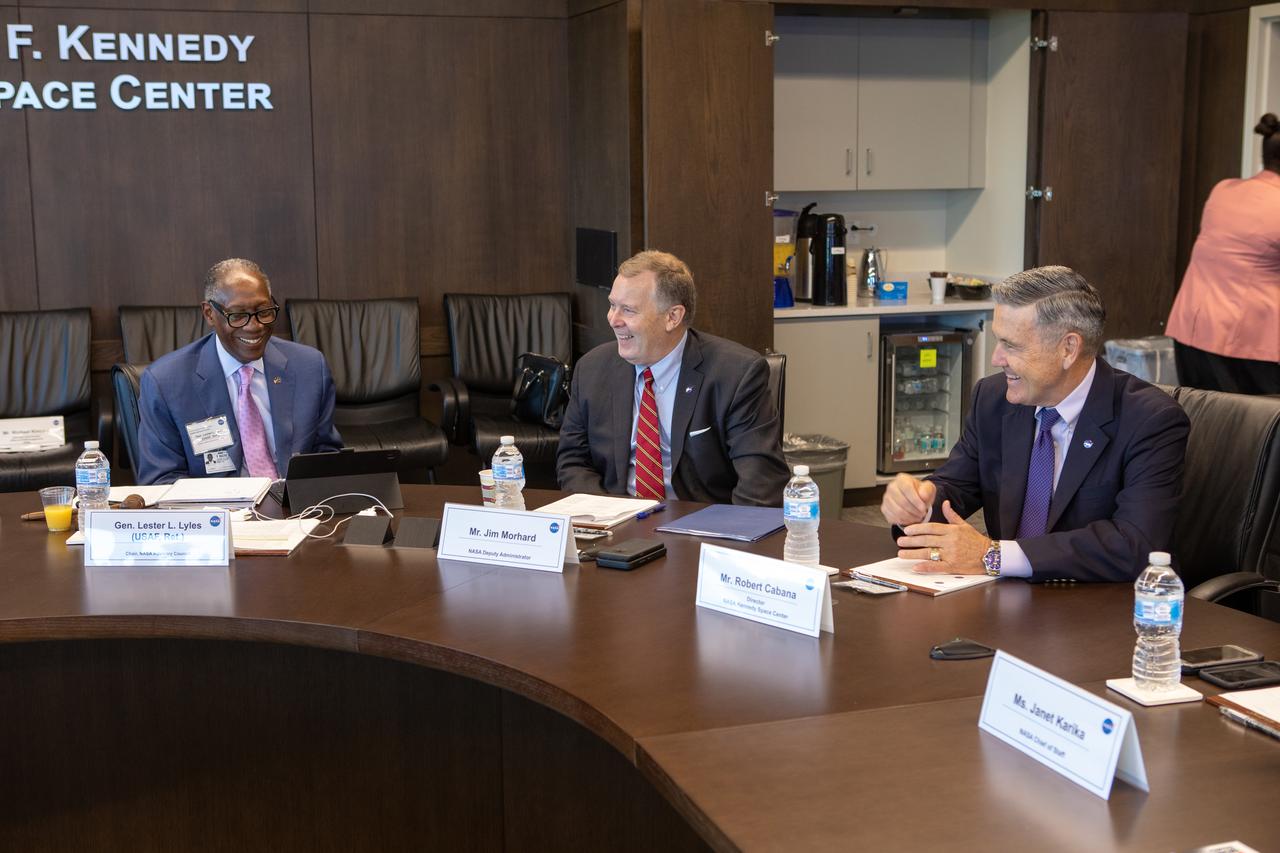
NASA Deputy Administrator Jim Morhard, second from left, and Kennedy Space Center Director Robert Cabana, at right, participate in a NASA Advisory Council meeting at the center’s Central Campus Headquarters Building in Florida on Oct. 31, 2019. The NASA Advisory Council provides the NASA administrator with counsel and advice on programs and issues of importance to the agency. Committee members conduct fact-finding sessions throughout the year in an effort to gain a broad understanding of current NASA issues and future mission implementation plans.
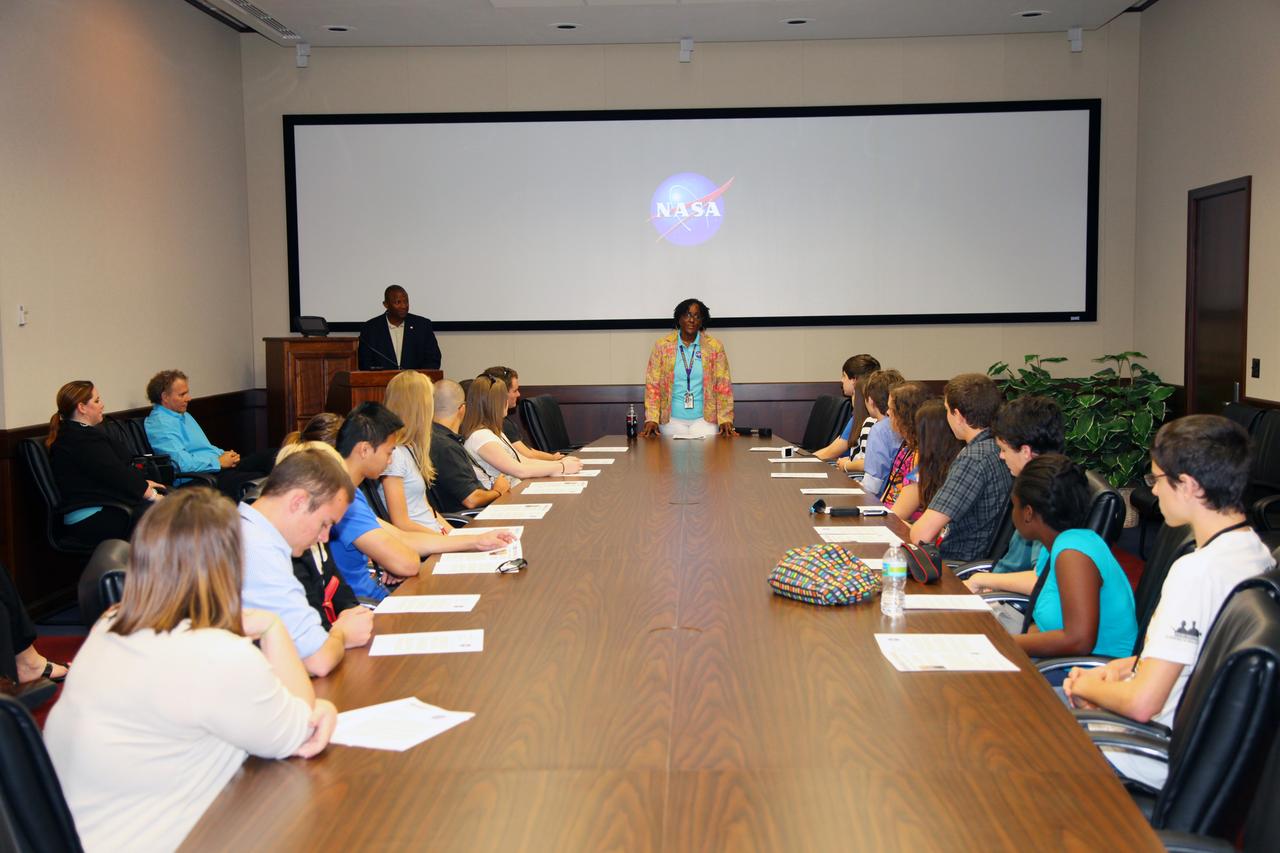
Brevard Top Scholars Day Visit to KSC
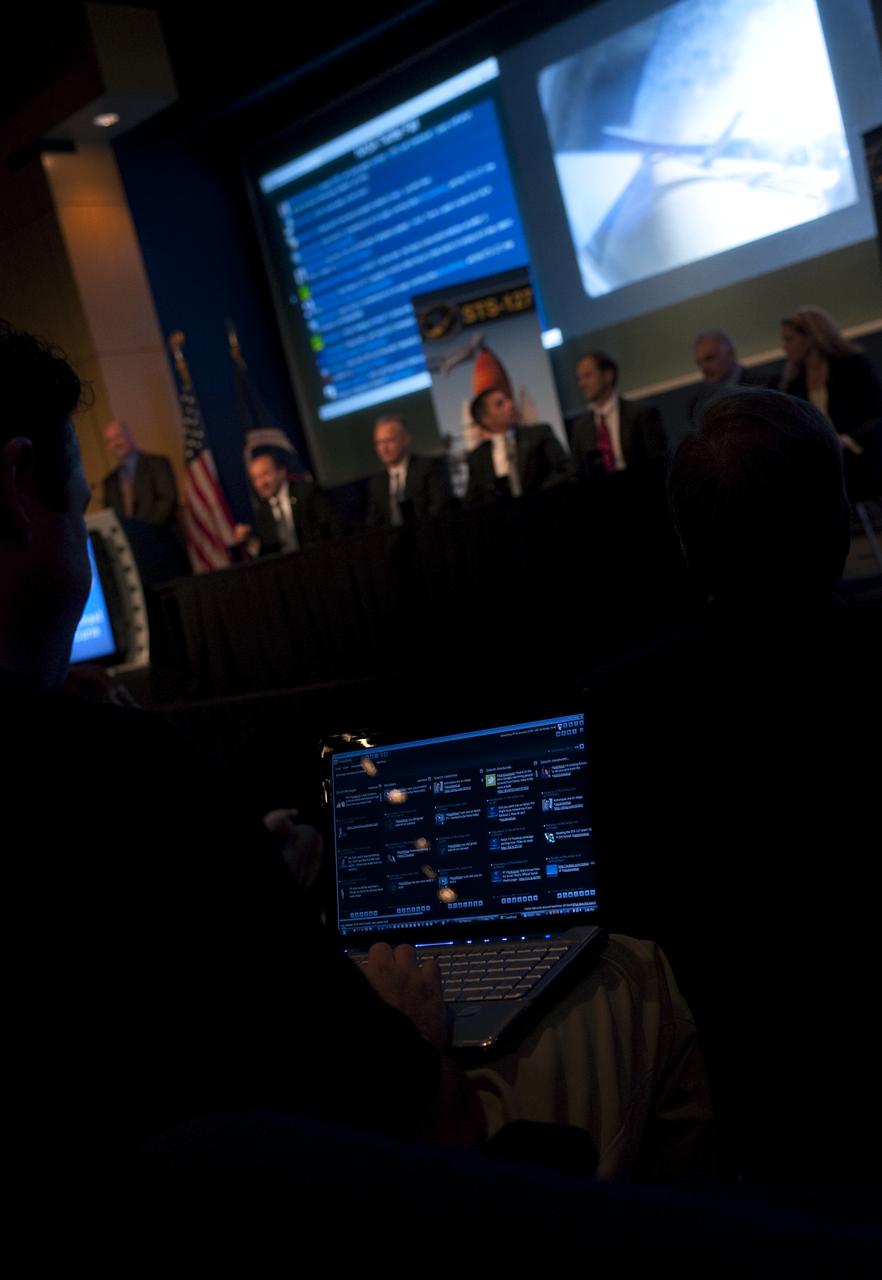
Guests use their laptop computers to "Tweet" and follow a NASA STS-127 crew presentation on Twitter at the NASA Tweetup event held at NASA Headquarters, September 24, 2009 in Washington. Nearly 200 of NASA’s Twitter followers are in attendance. Photo Credit: (NASA/Carla Cioffi)
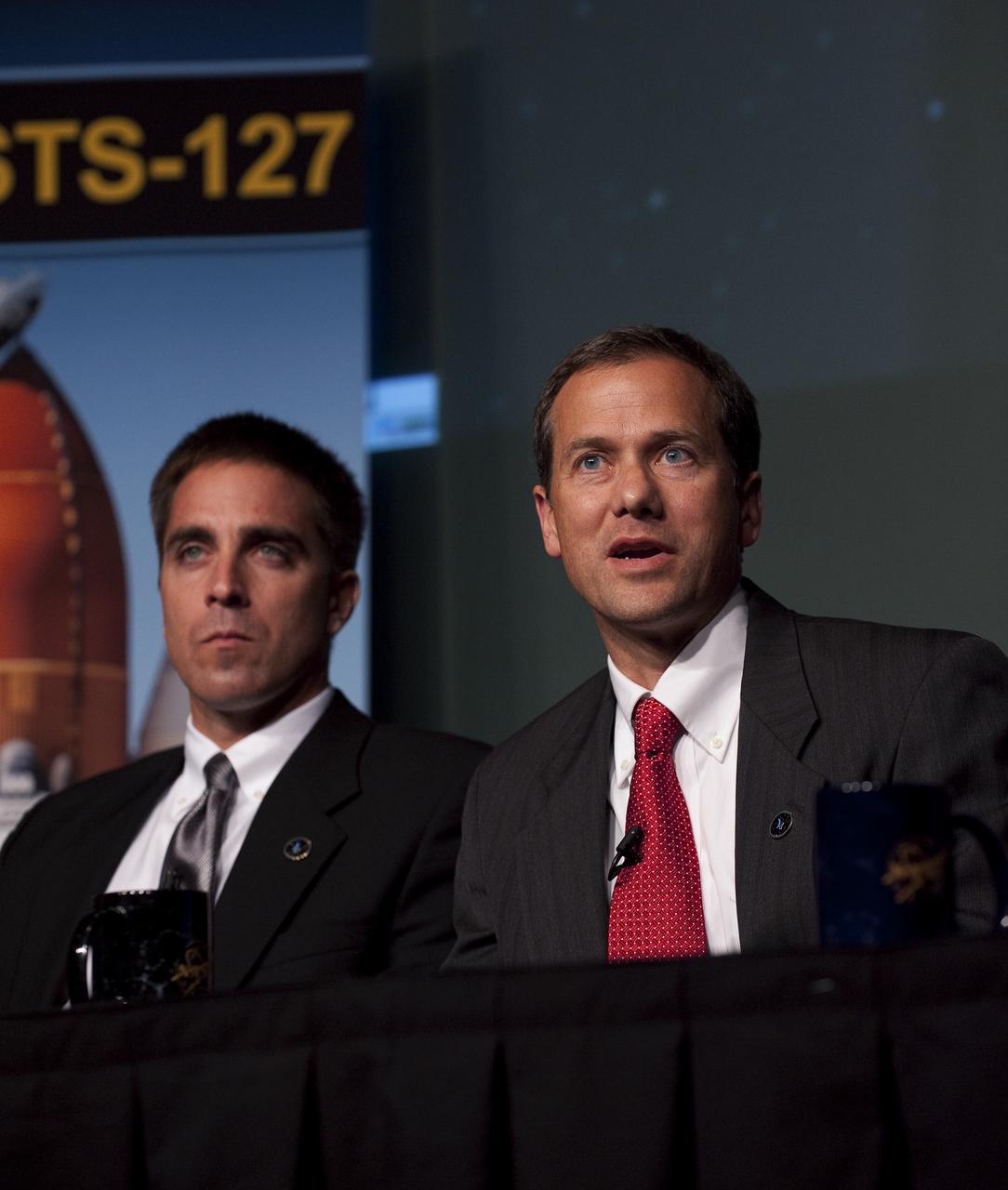
NASA Astronaut and Mission Speciliast Tom Marshburn answers questions at the NASA Tweetup event held at NASA Headquarters, September 24, 2009 in Washington. Nearly 200 of NASA’s Twitter followers are in attendance. Photo Credit: (NASA/Carla Cioffi)
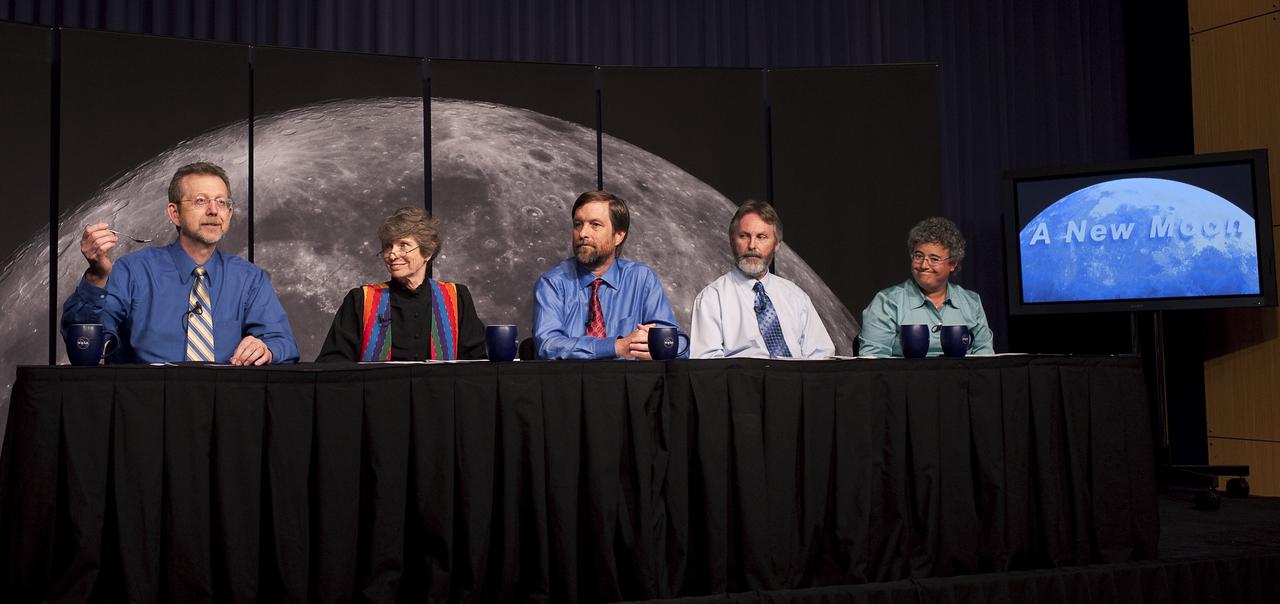
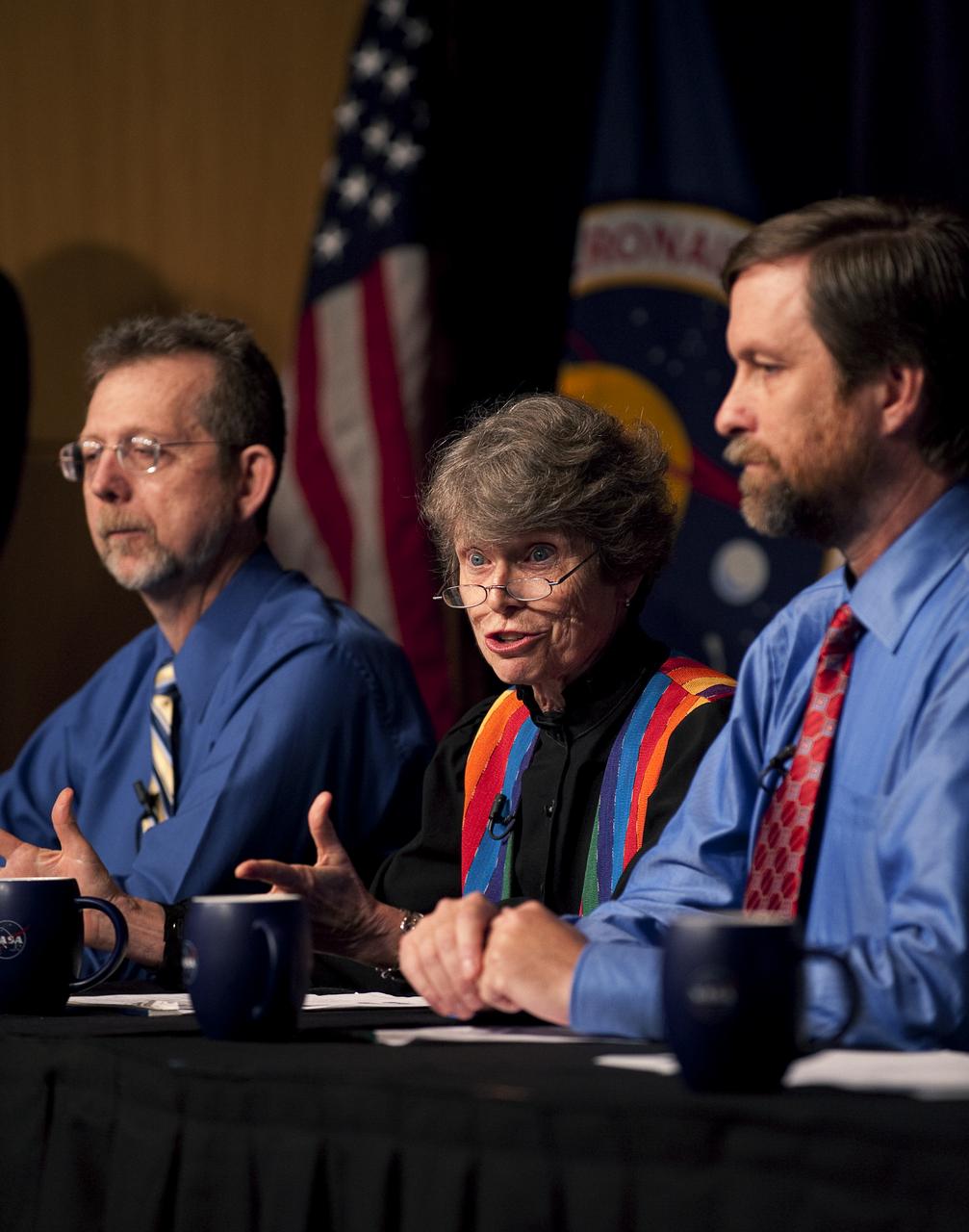
Jim Green (far left), director, Planetary Science Division, Science MissionDirectorate at NASA Headquarters in Washington; Carle Pieters, principal investigator, Moon Mineralogy Mapper, Brown University; Rob Green, project instrument scientist, Moon Mineralogy Mapper, at NASA's Jet Propulsion Laboratory; Roger Clark, team member, Cassini spacecraft Visual and Infrared Mapping Spectrometer and co-investigator, Moon Mineralogy Mapper, U.S. Geological Survey in Denver and Jessica Sunshine (far right), deputy principal investigator for NASA's Deep Impactextended mission and co-investigator for Moon Mineralogy Mapper,Department of Astronomy, University of Maryland discuss their findings of water molecules in the polar regions of the moon at a press conference at NASA Headquarters, September 24, 2009, in Washington. Photo Credit: (NASA/Carla Cioffi)
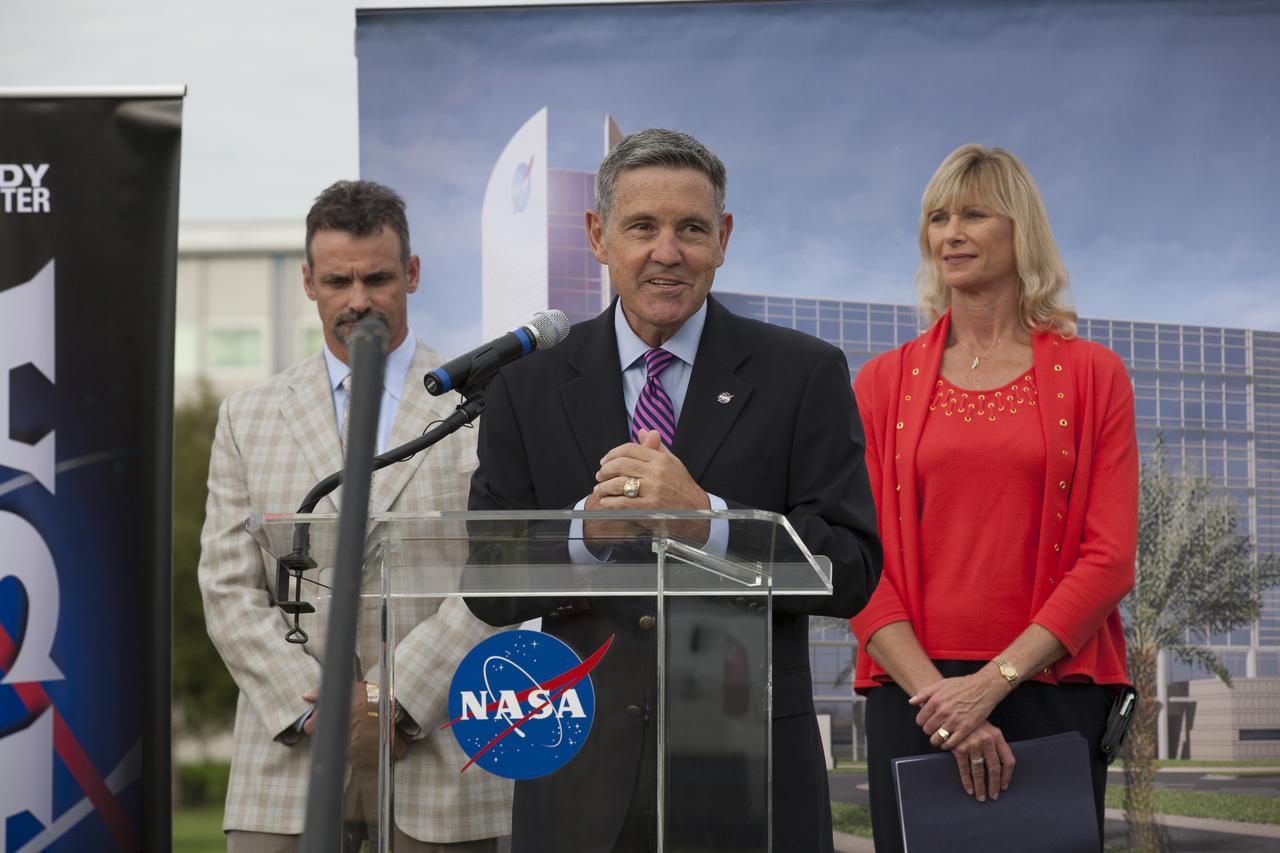
Groundbreaking for the new Central Campus will take place in the Industrial Area at NASA's Kennedy Space Center in Florida. Kennedy Center Director Bob Cabana welcomes members of the media and guests to the ceremony. To his right is Nancy Bray, director of Kennedy's Center Operations Directorate. To his left is Kirk Hazen, southeast district manager and vice president of Hensel Phelps, the construction contractor. Kennedy is transforming into a multi-user, 21st century spaceport supporting both commercial and government users and operations. Central Campus Phase I includes construction of a new Headquarters Building as one of the major components of the strategy. The new Headquarters Building will be a seven-story, 200,000-square-foot facility that will house about 500 NASA civil service and contractor employees.

The refurbished sign from the original Headquarters building at NASA’s Kennedy Space Center in Florida is installed by the main entrance of the new Central Campus Headquarters, Feb. 18, 2021. The sign, which reads “National Aeronautics and Space Administration – Kennedy Space Center Headquarters,” was placed on the center’s first Headquarters building when the facility was completed in 1965. Kennedy’s modern Central Campus Headquarters, a seven-story building with several sustainable features, opened in May 2019 and provides space for 500 NASA and contractor employees.
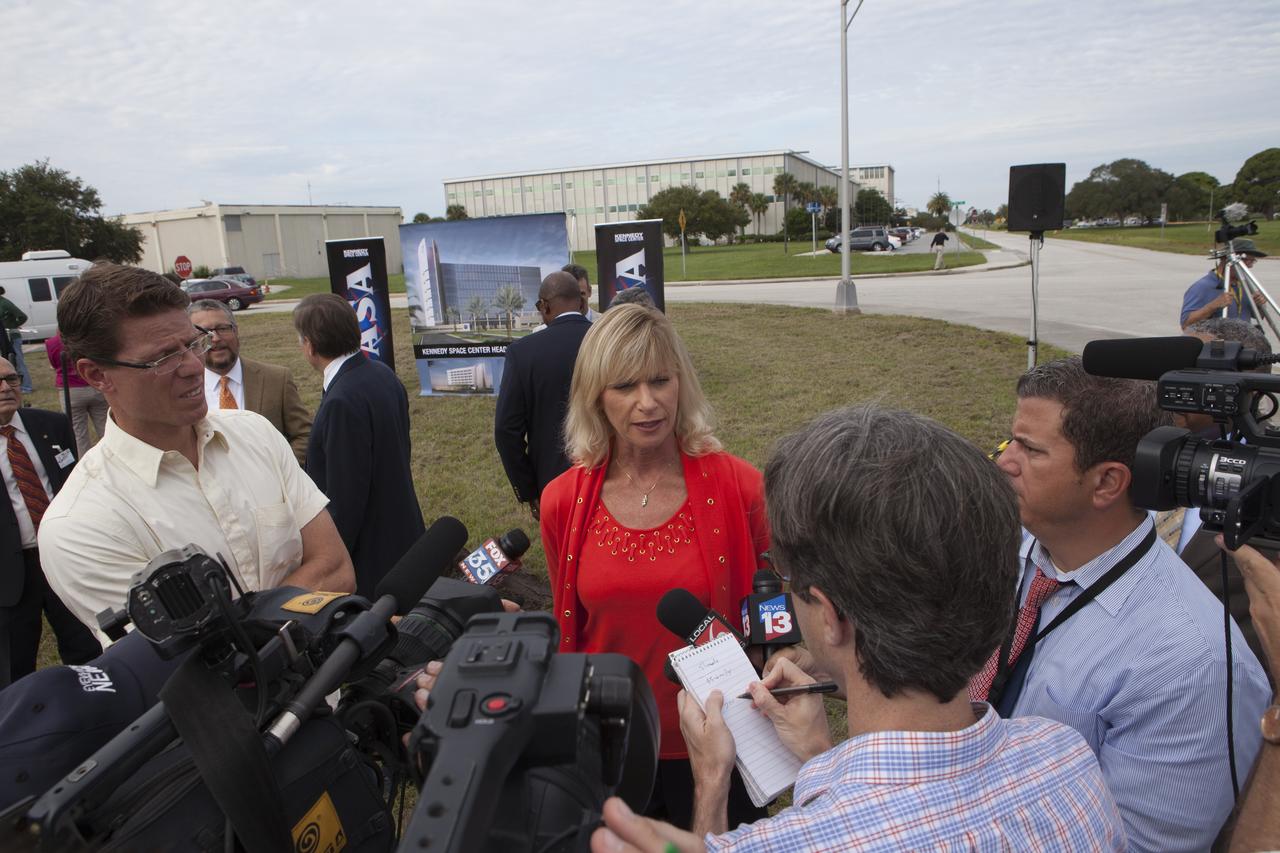
Groundbreaking for the new Central Campus will take place in the Industrial Area at NASA's Kennedy Space Center in Florida. Nancy Bray, director of Kennedy's Center Operations Directorate, is interviewed by members of the media during the groundbreaking ceremony. Kennedy is transforming into a multi-user, 21st century spaceport supporting both commercial and government users and operations. Central Campus Phase I includes construction of a new Headquarters Building as one of the major components of the strategy. The new Headquarters Building will be a seven-story, 200,000-square-foot facility that will house about 500 NASA civil service and contractor employees.
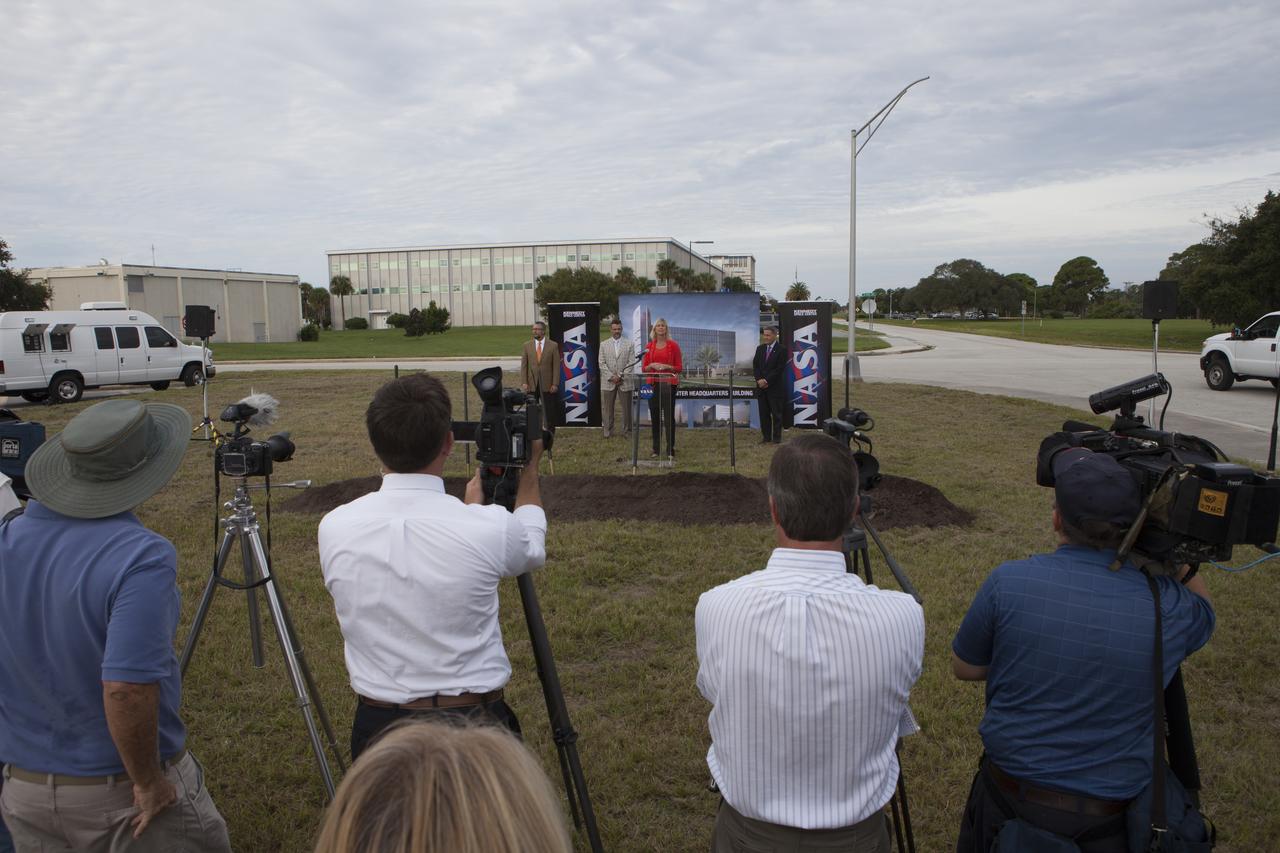
Groundbreaking for the new Central Campus took place in the Industrial Area at NASA's Kennedy Space Center in Florida. Nancy Bray, director of Kennedy's Center Operations Directorate, speaks to members of the media and guests during the ceremony. To her right is Kennedy Center Director Bob Cabana. From far left, are Steve Belflower, vice president of HuntonBrady Architects of Orlando, and Kirk Hazen, southeast district manager and vice president of Hensel Phelps, the construction contractor. Kennedy is transforming into a multi-user, 21st century spaceport supporting both commercial and government users and operations. Central Campus Phase I includes construction of a new Headquarters Building as one of the major components of the strategy. The new Headquarters Building will be a seven-story, 200,000-square-foot facility that will house about 500 NASA civil service and contractor employees.
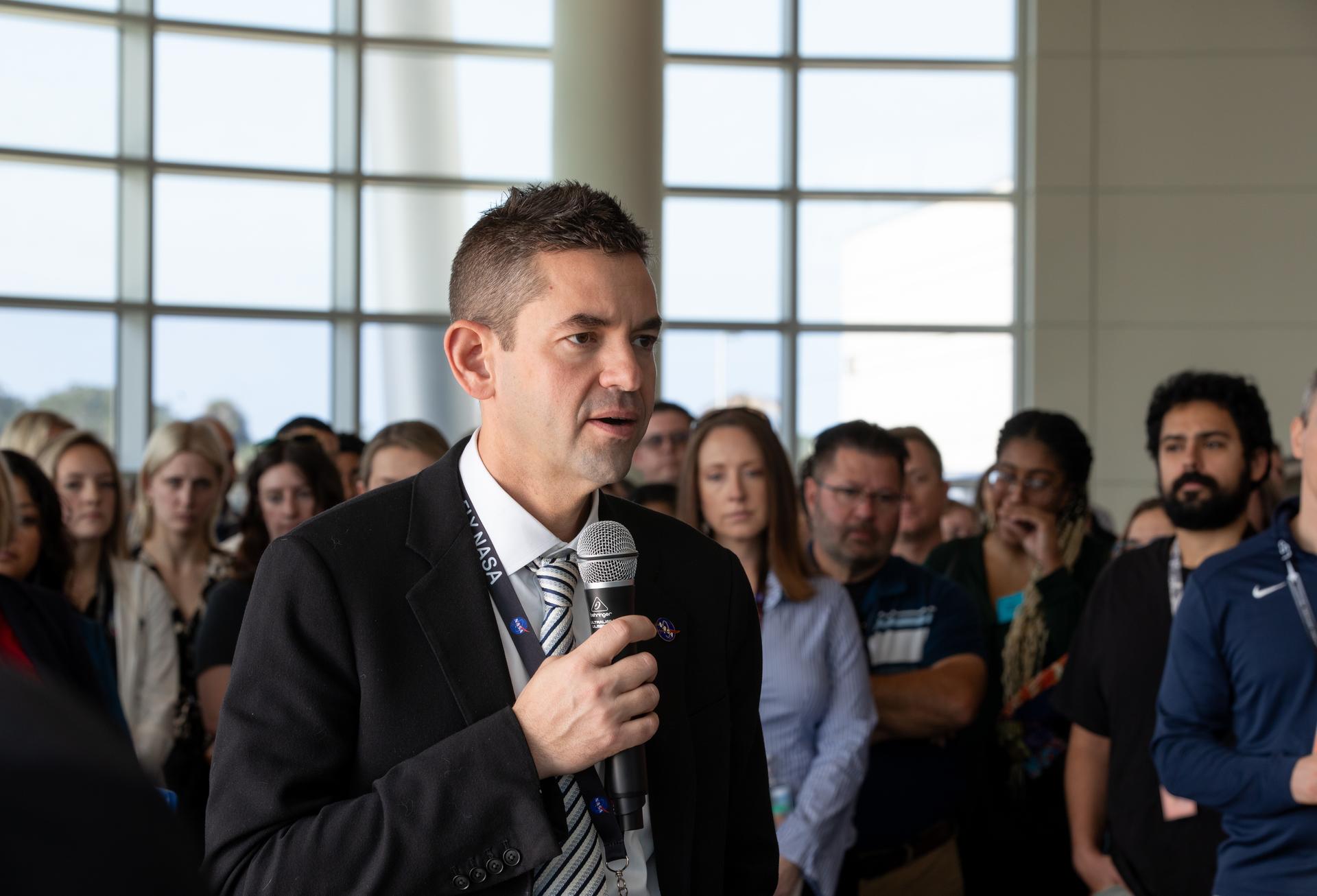
NASA Administrator Jared Isaacman speaks with NASA employees during his visit to the agency’s Kennedy Space Center in Florida, on Tuesday, Jan. 13, 2026. Isaacman, NASA’s 15th administrator, began visiting the agency’s centers after his appointment on Dec. 17, 2025, to meet with employees, contractors, and partners.
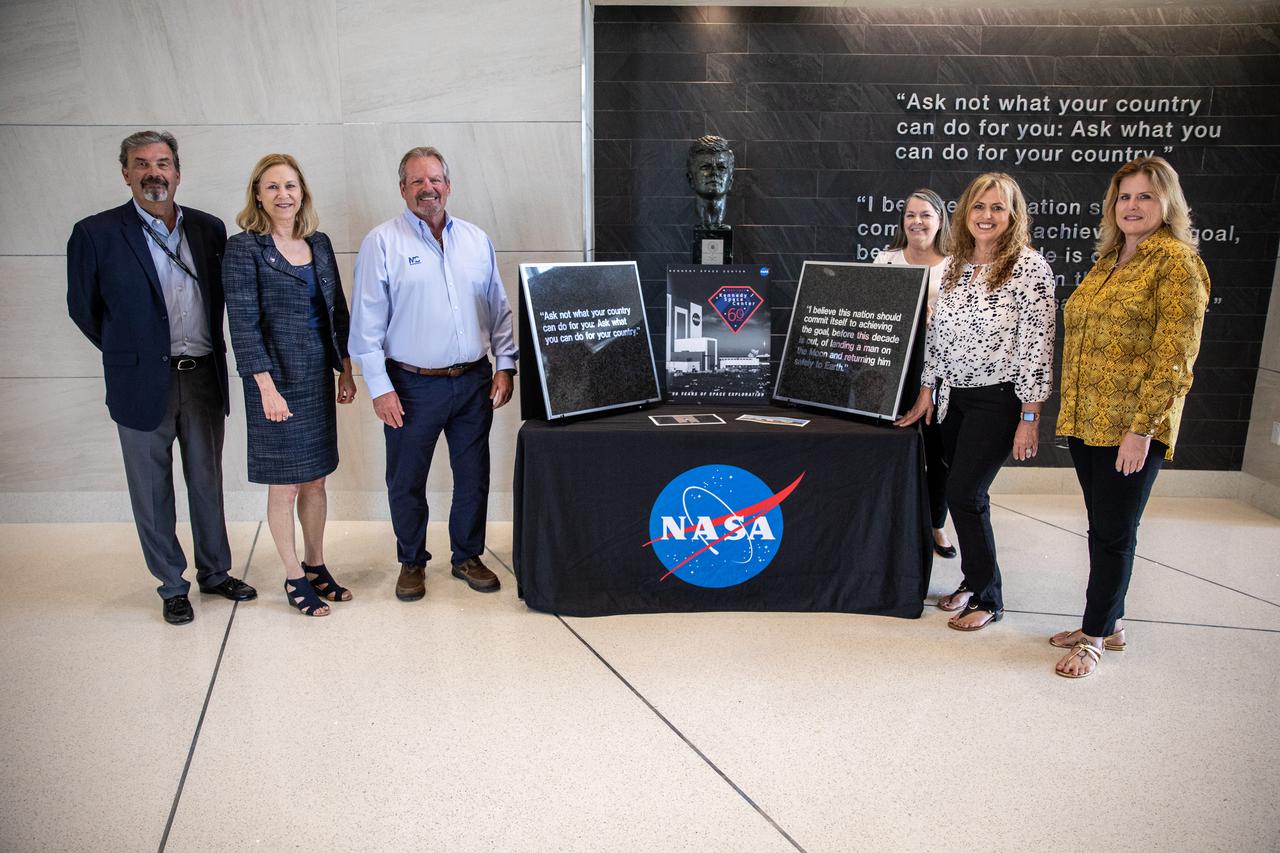
Kennedy Space Center Director Janet Petro, second from left, poses with Maverick Constructors LLC employees, from left, Carlos Rodriguez, president, Ralph Kennedy, East Coast division manager, Liz McGrath, Sheri LaShier, and Stephanie Liquori inside Kennedy’s Central Campus Headquarters Building on May 3, 2022. Maverick, the construction company that completed the demolition of Kennedy’s former headquarters, presented Petro with two preserved sections of the building. The presentation of the 15-pound wall tiles is in honor of the many civil servants and contractors who dedicated their lives to working for and supporting NASA in this building.

NASA Deputy Administrator Jim Morhard, at right, speaks with a member of the NASA Advisory Council during a meeting at the Kennedy Space Center’s Central Campus Headquarters Building in Florida on Oct. 31, 2019. The NASA Advisory Council provides the NASA administrator with counsel and advice on programs and issues of importance to the agency. Committee members conduct fact-finding sessions throughout the year in an effort to gain a broad understanding of current NASA issues and future mission implementation plans.
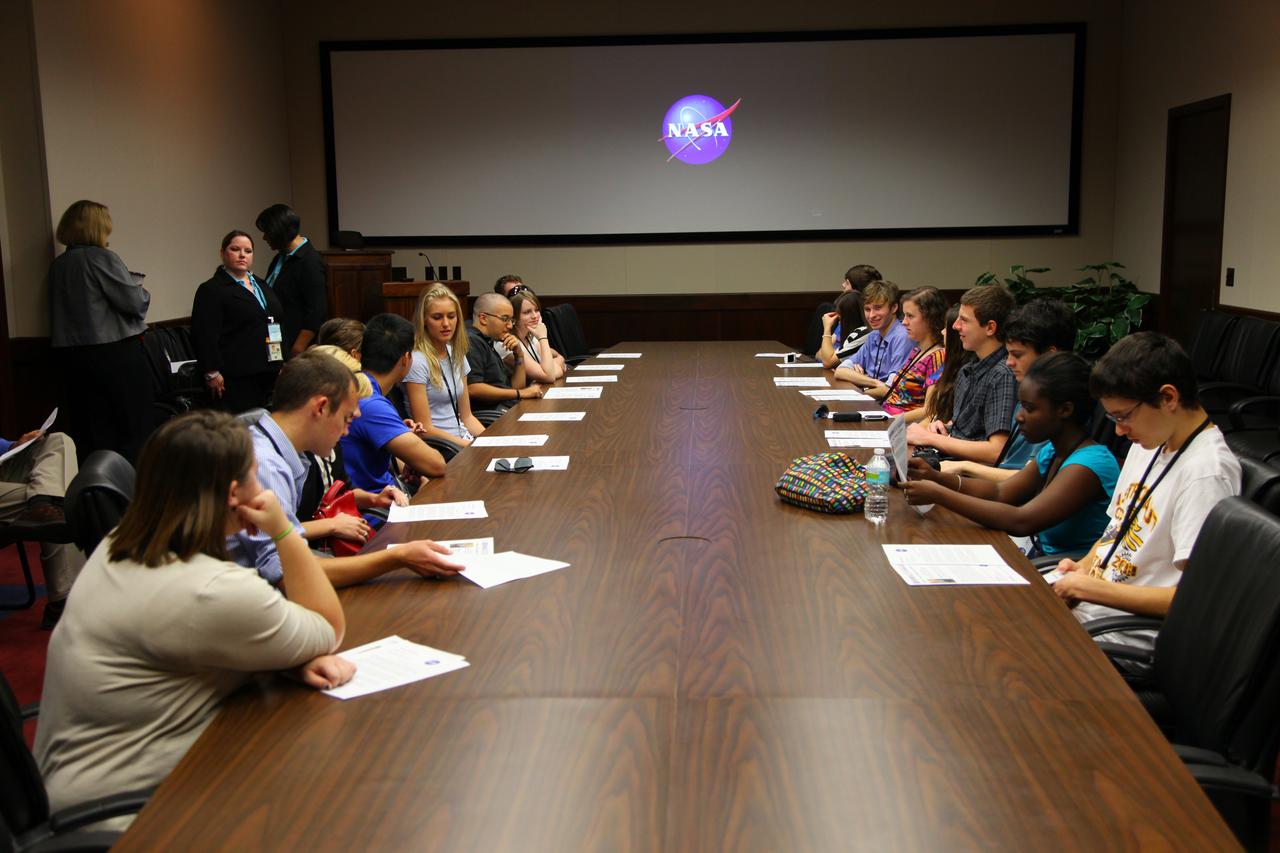
Brevard Top Scholars Day Visit to KSC
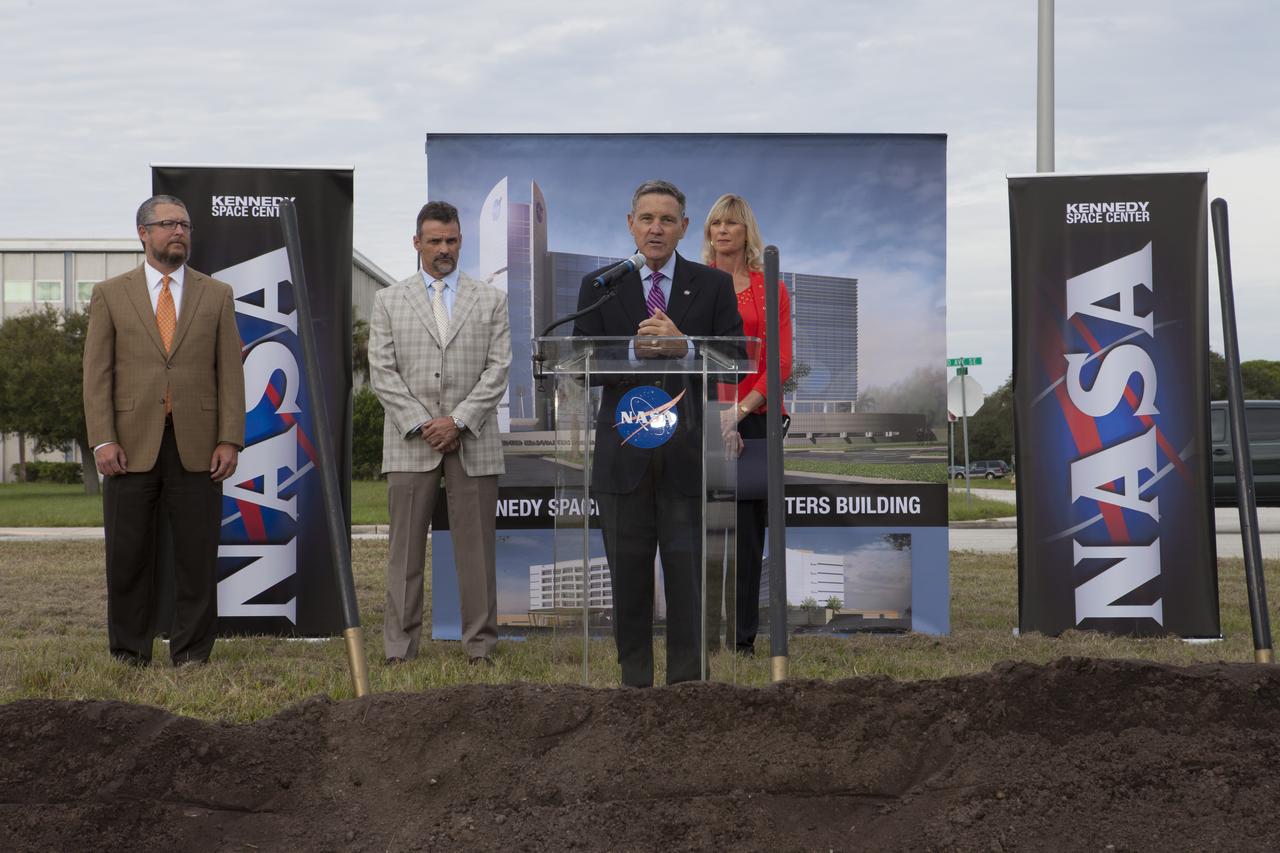
Groundbreaking for the new Central Campus took place in the Industrial Area at NASA's Kennedy Space Center in Florida. Kennedy Center Director Bob Cabana speaks to members of the media and guests during the ceremony. Behind Cabana is Nancy Bray, director of Kennedy's Center Operations Directorate. From far left, are Steve Belflower, vice president of HuntonBrady Architects of Orlando, and Kirk Hazen, southeast district manager and vice president of Hensel Phelps, the construction contractor. Kennedy is transforming into a multi-user, 21st century spaceport supporting both commercial and government users and operations. Central Campus Phase I includes construction of a new Headquarters Building as one of the major components of the strategy. The new Headquarters Building will be a seven-story, 200,000-square-foot facility that will house about 500 NASA civil service and contractor employees.
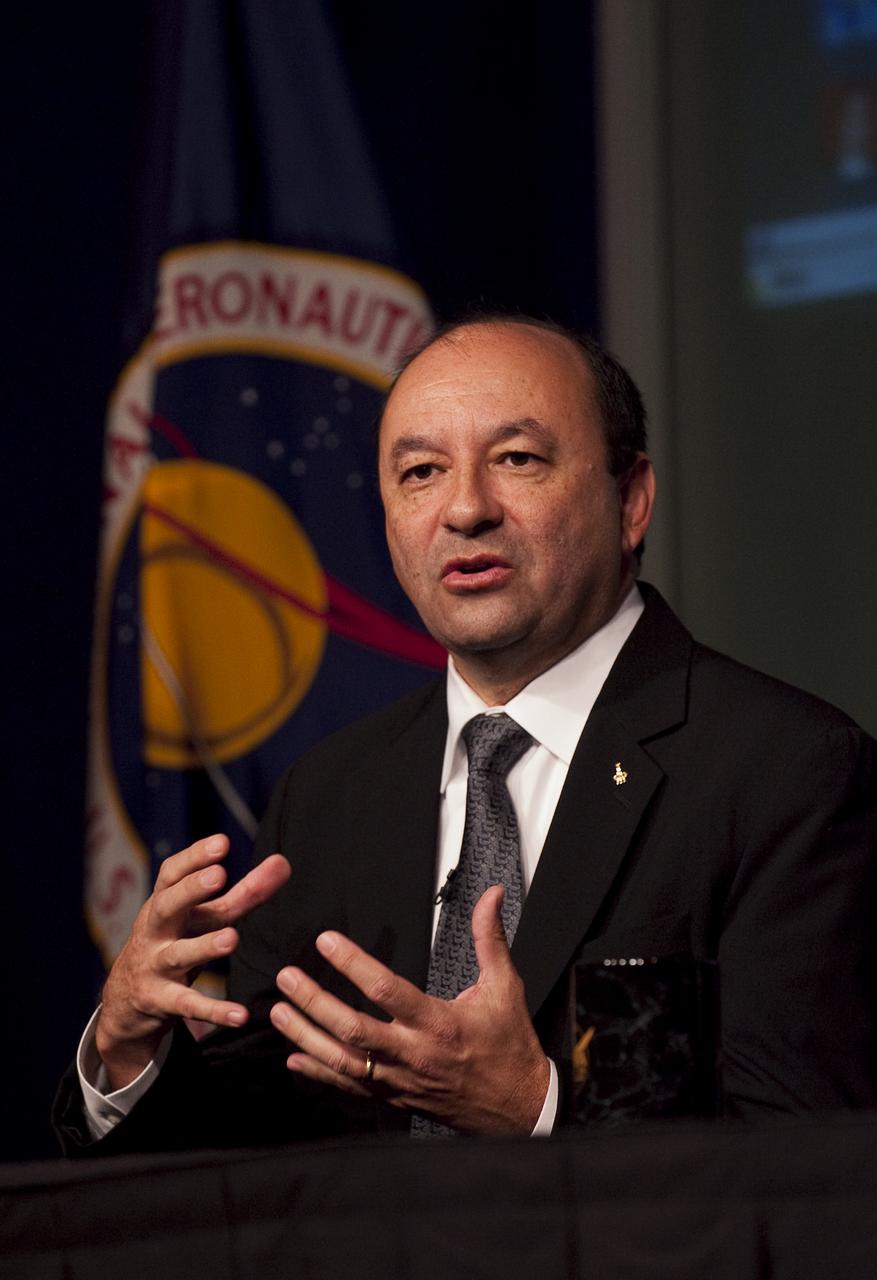
NASA Astronaut and STS-127 Mission Commander Mark Polansky, also known as @Astro_127 on Twitter, answers questions at the NASA Tweetup event held at NASA Headquarters, September 24, 2009 in Washington. Nearly 200 of NASA’s Twitter followers are in attendance. Photo Credit: (NASA/Carla Cioffi)

Senior managers at NASA’s Kennedy Space Center pose inside the Florida spaceport’s Central Campus Headquarters building on Feb. 24, 2020, in recognition of Women’s History Month. Pictured are: Hortense Diggs, Susan Kroskey, Janet Petro, Charlie Blackwell-Thompson, Vicki Johnston, Maria Collura, Jeanne O’Bryan, Vanessa Stromer, Kim Carter, Laura Rochester, Becky Murray, Jennifer Kunz, Barbara Brown, Kathy Loftin, Jenny Lyons, Dana Hutcherson and Dicksy Chrostowski.
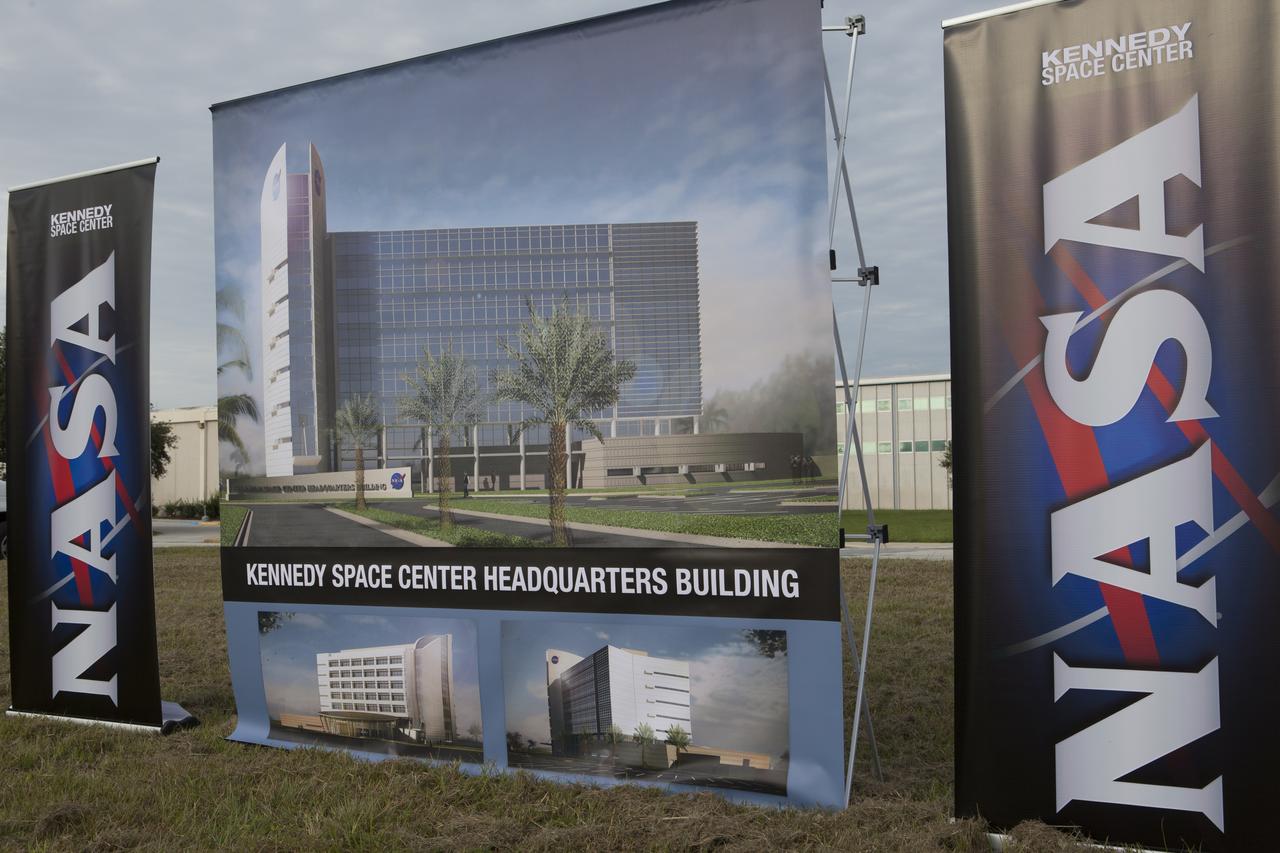
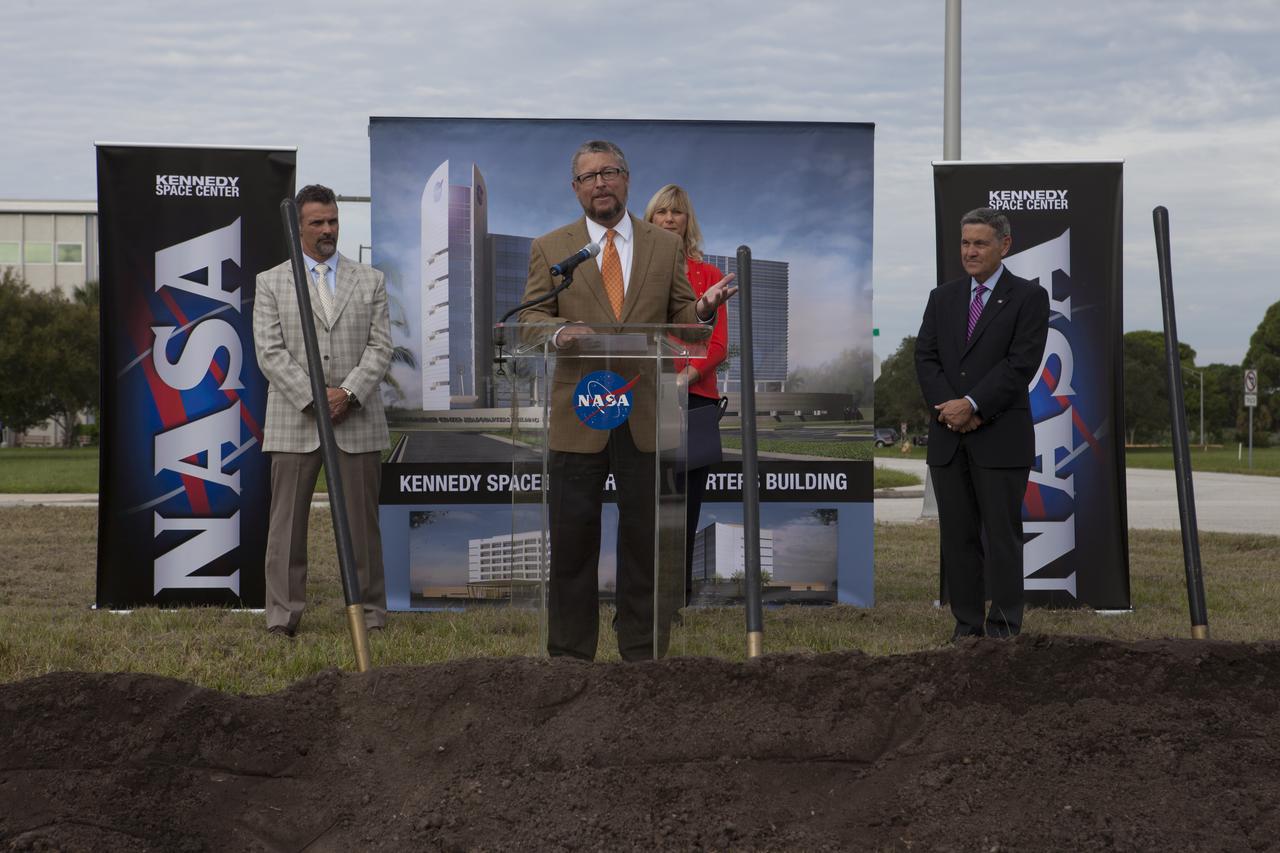
Groundbreaking for the new Central Campus will take place in the Industrial Area at NASA's Kennedy Space Center in Florida. NASA banners and an artist rendering of the new facility have been set up for the ceremony. Kennedy is transforming into a multi-user, 21st century spaceport supporting both commercial and government users and operations. Central Campus Phase I includes construction of a new Headquarters Building as one of the major components of the strategy. The new Headquarters Building will be a seven-story, 200,000-square-foot facility that will house about 500 NASA civil service and contractor employees.
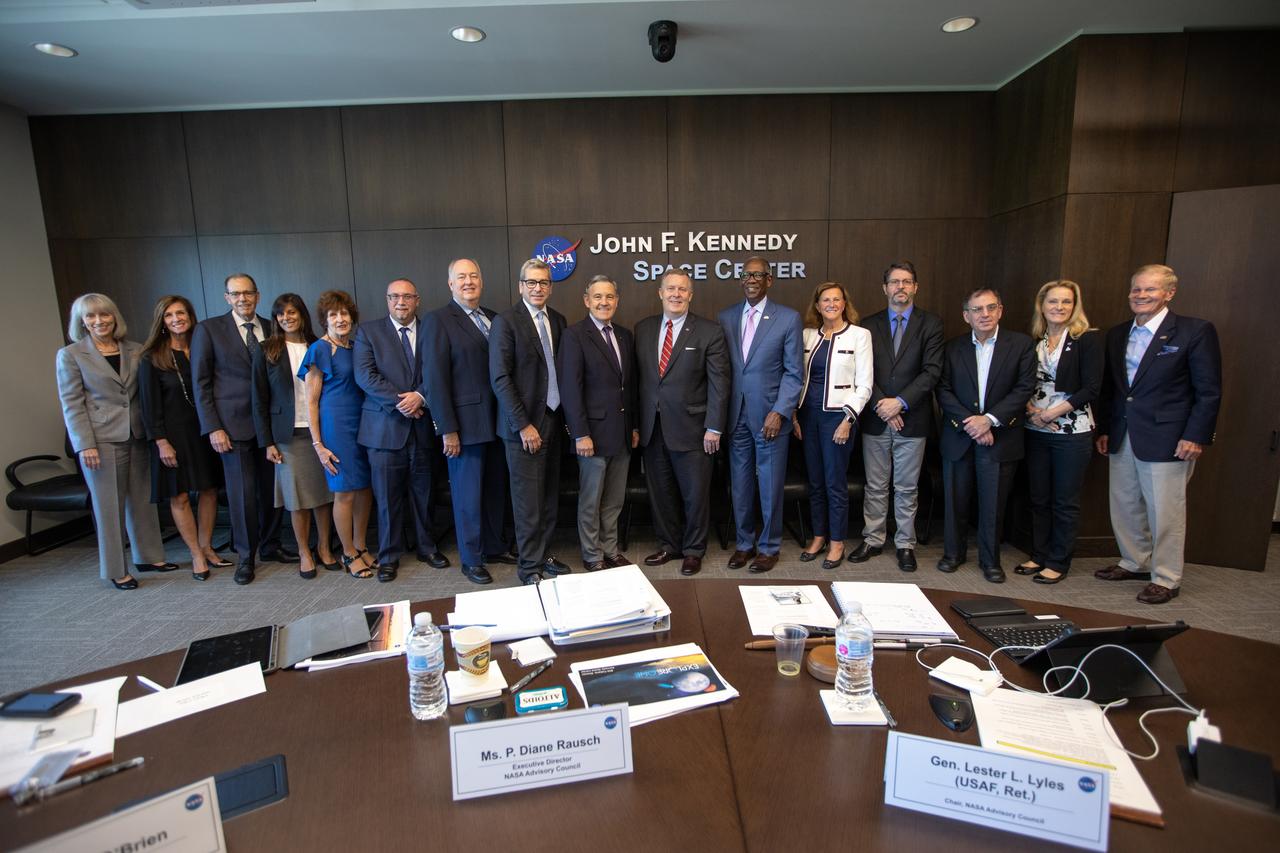
Members of the NASA Advisory Council pause for a group photograph during a meeting at the Kennedy Space Center Central Campus Headquarters Building in Florida on Oct. 31, 2019. In the center, at right, is NASA Deputy Administrator Jim Morhard. In the center, at left, is Kennedy Space Center Director Bob Cabana. The NASA Advisory Council provides the NASA administrator with counsel and advice on programs and issues of importance to the agency. Committee members conduct fact-finding sessions throughout the year in an effort to gain a broad understanding of current NASA issues and future mission implementation plans.

Senior managers at NASA’s Kennedy Space Center pose inside the Florida spaceport’s Central Campus Headquarters building on Feb. 24, 2020, in recognition of Women’s History Month. Pictured are: Hortense Diggs, Susan Kroskey, Janet Petro, Charlie Blackwell-Thompson, Vicki Johnston, Maria Collura, Jeanne O’Bryan, Vanessa Stromer, Kim Carter, Laura Rochester, Becky Murray, Jennifer Kunz, Barbara Brown, Kathy Loftin, Jenny Lyons, Dana Hutcherson and Dicksy Chrostowski.
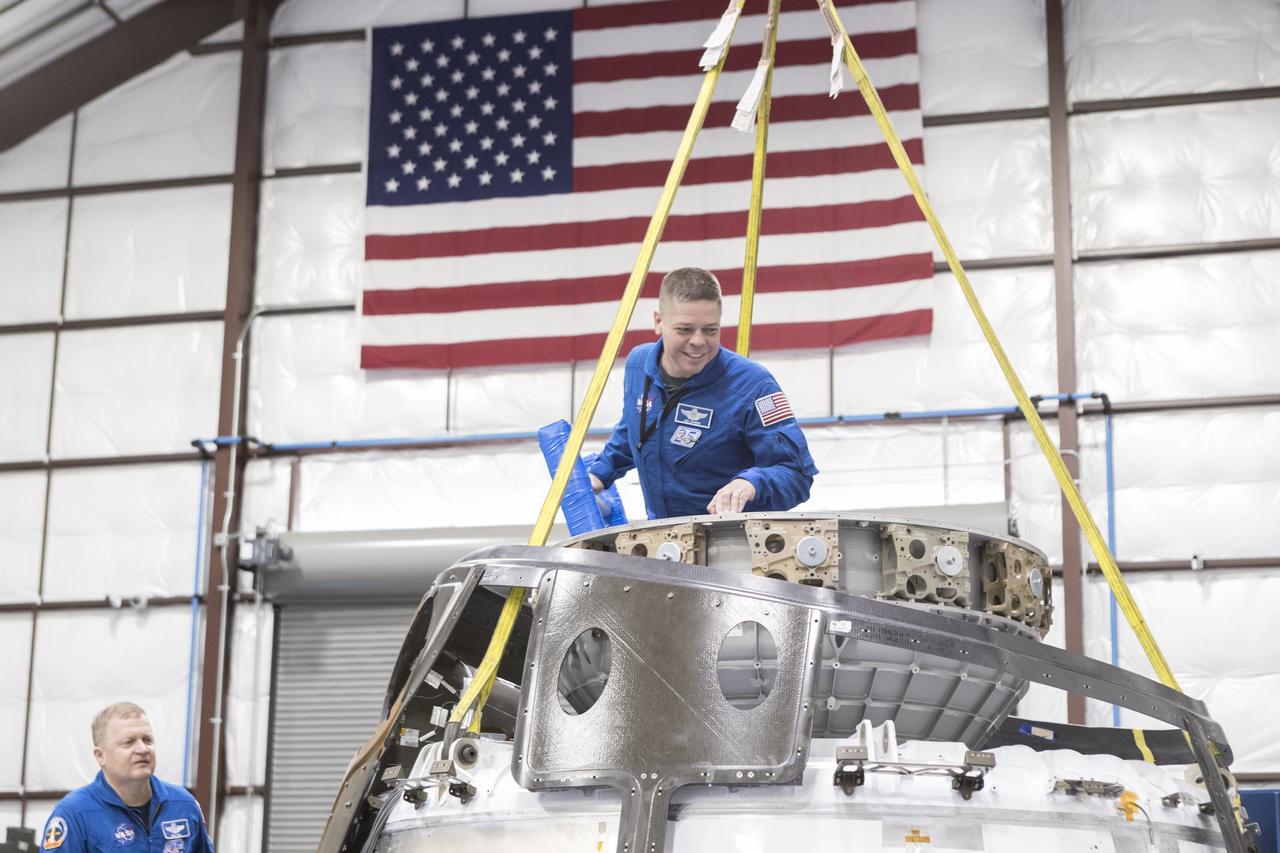
Astronaut Bob Behnken emerges from the top hatch of a SpaceX Crew Dragon spacecraft in manufacturing at SpaceX's headquarters and factory in Hawthorne, California, as astronaut Eri Boe looks on. Behnken and Boe are two of four NASA astronauts selected to train with Boeing and SpaceX ahead of flight tests for NASA's Commercial Crew Program. Along with Behnken and Boe, Doug Hurley and Suni Williams are working with the companies on their independent spacecraft and launch vehicles being developed to take astronauts to the International Space Station. Photo credit: SpaceX
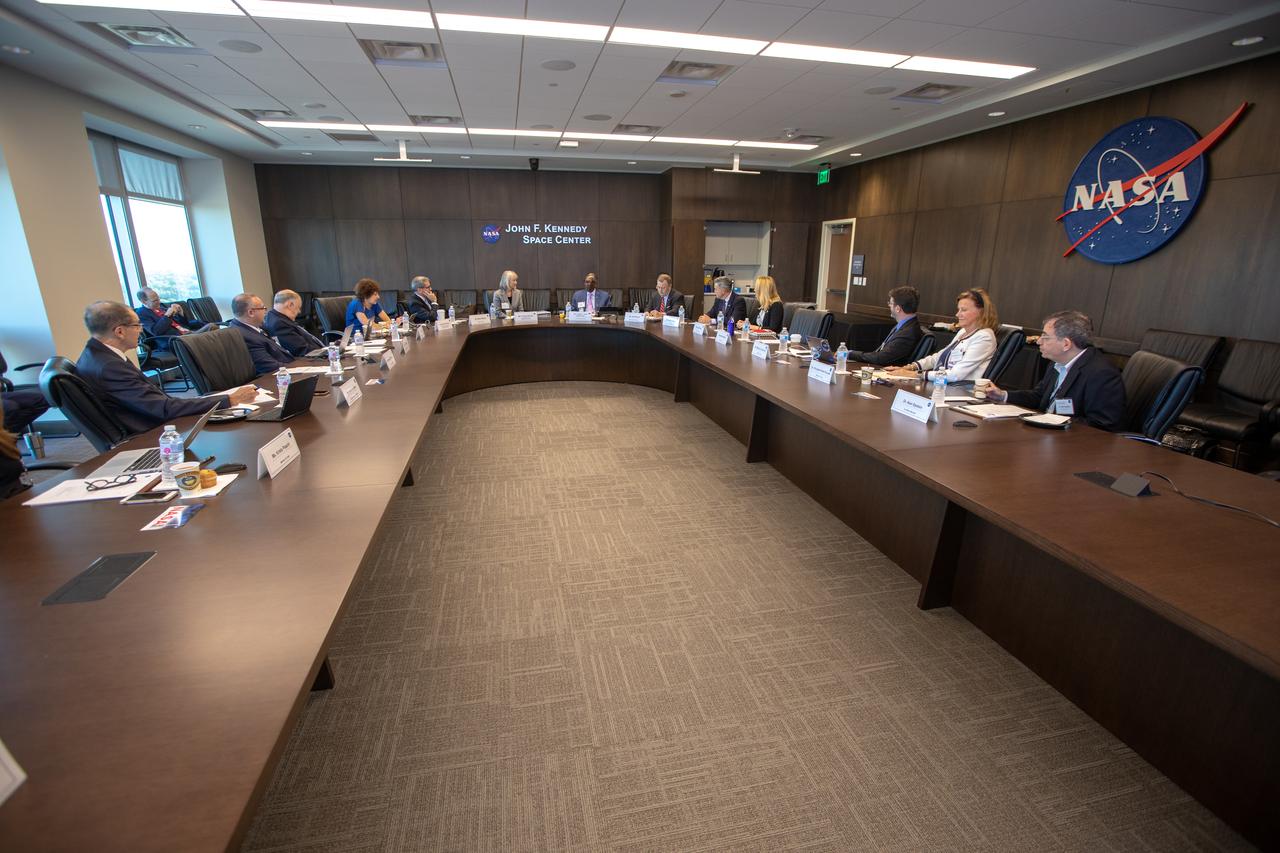
NASA Deputy Administrator Jim Morhard, sixth from right, and Kennedy Space Center Director Robert Cabana, fifth from right, participate in a NASA Advisory Council meeting at the center’s Central Campus Headquarters Building in Florida on Oct. 31, 2019. The NASA Advisory Council provides the NASA administrator with counsel and advice on programs and issues of importance to the agency. Committee members conduct fact-finding sessions throughout the year in an effort to gain a broad understanding of current NASA issues and future mission implementation plans.
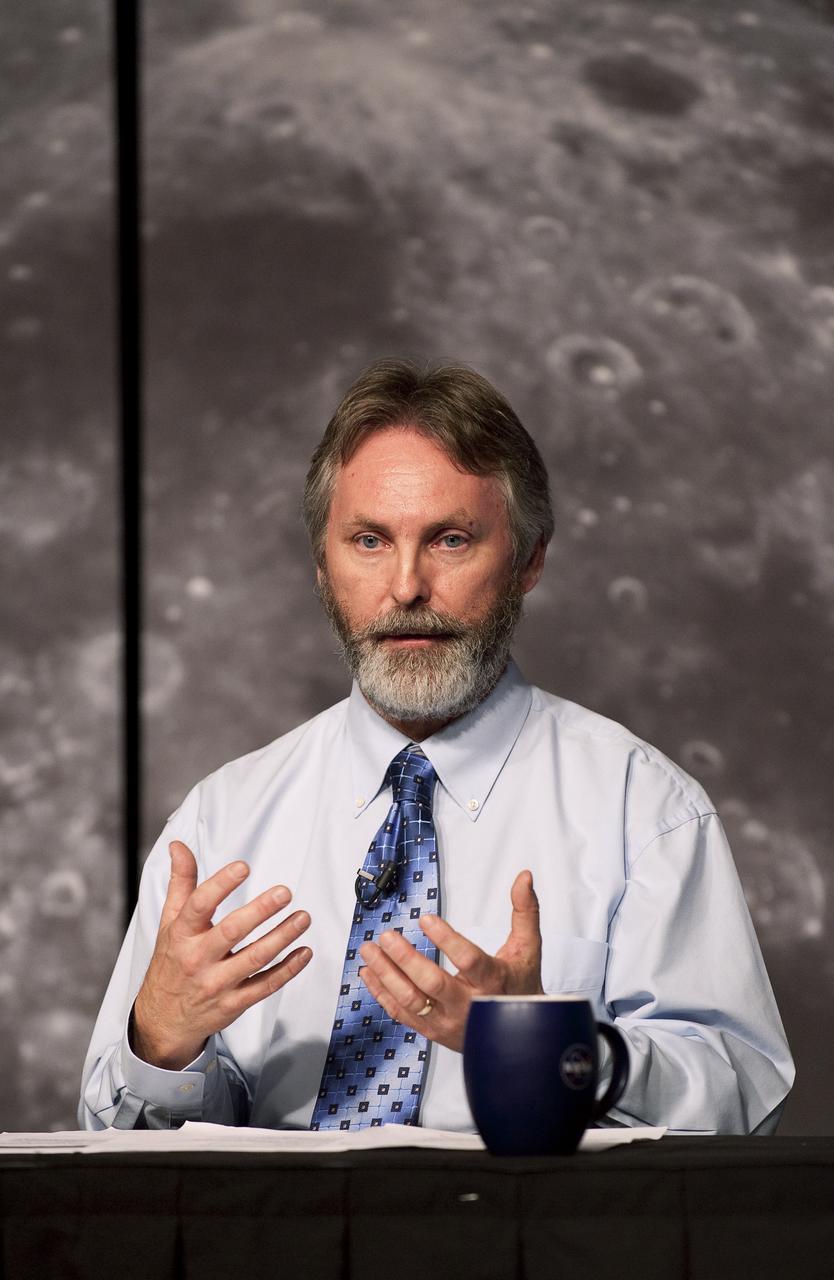
Roger Clark, team member, Cassini spacecraft Visual and Infrared Mapping Spectrometer and co-investigator, Moon Mineralogy Mapper, U.S. Geological Survey in Denver answers questions on NASA’s discovery of water molecules in the polar regions of the moon at a press conference at NASA Headquarters, September 24, 2009, in Washington. Photo Credit: (NASA/Carla Cioffi)