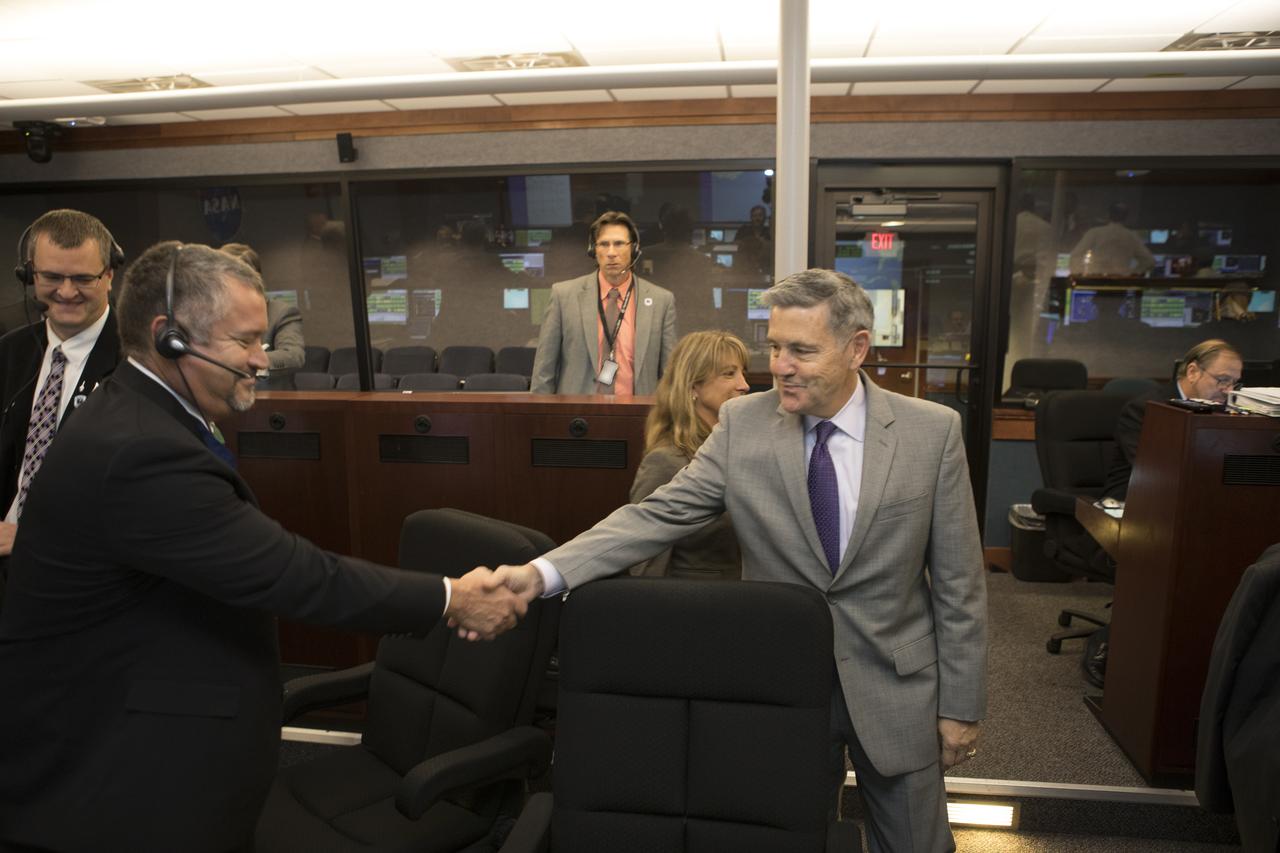
In the Mission Director's Center at Cape Canaveral Air Force Station, Kennedy Space Center Director Bob Cabana, right, congratulates, Omar Baez, a senior launch director in NASA's Launch Services Program, after the successful launch of eight Cyclone Global Navigation Satellite System, or CYGNSS, spacecraft. The satellites will make frequent and accurate measurements of ocean surface winds throughout the life cycle of tropical storms and hurricanes. The data that CYGNSS provides will enable scientists to probe key air-sea interaction processes that take place near the core of storms, which are rapidly changing and play a crucial role in the beginning and intensification of hurricanes.
Pegasus XL CYGNSS Second Launch Attempt
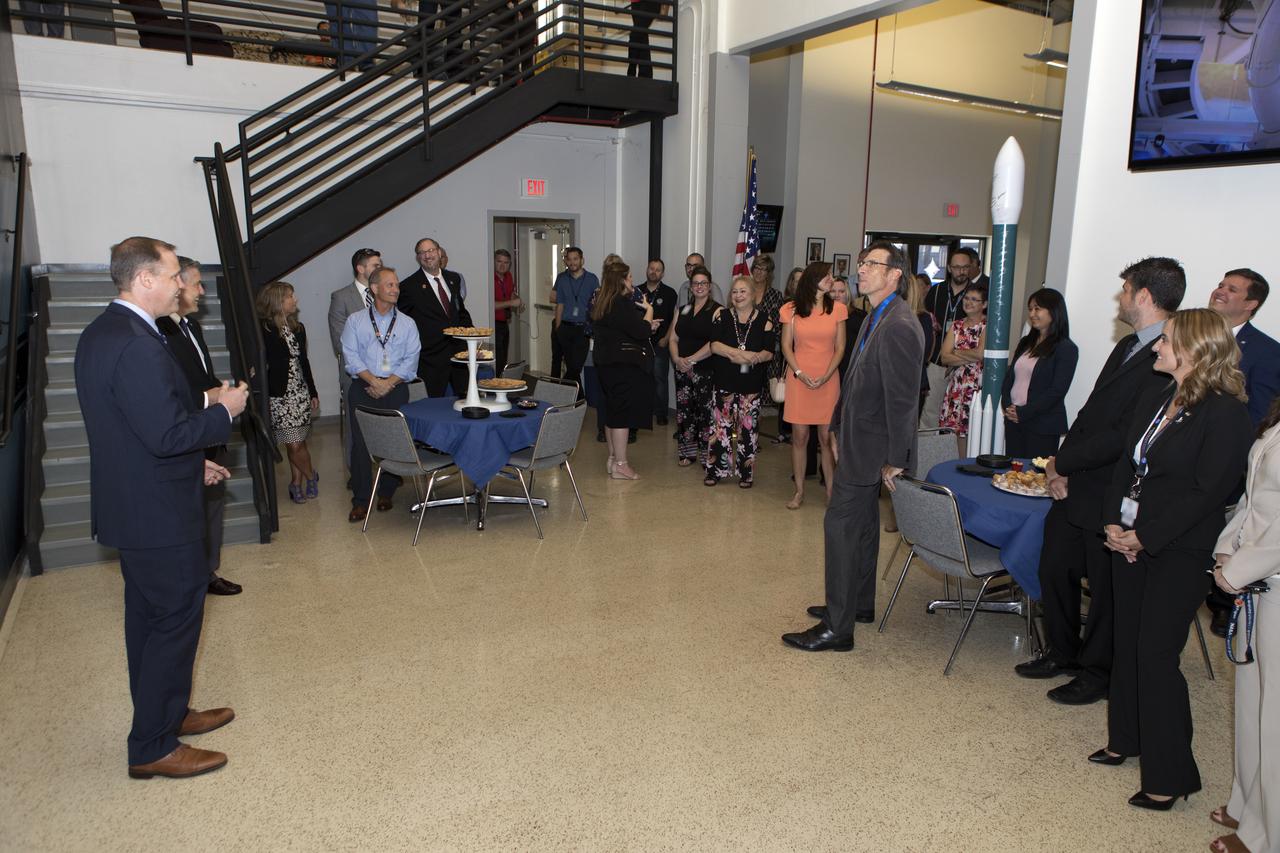
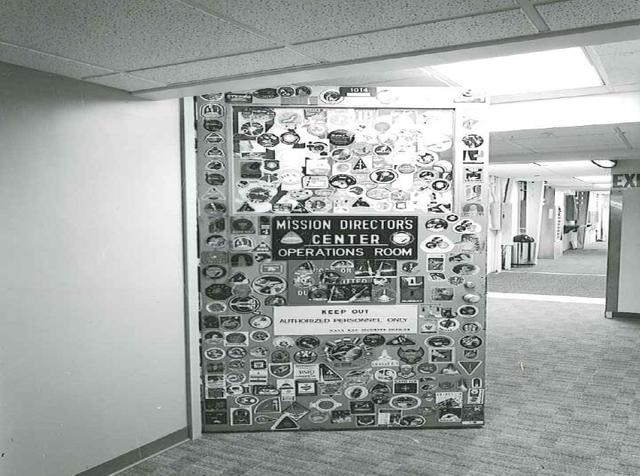
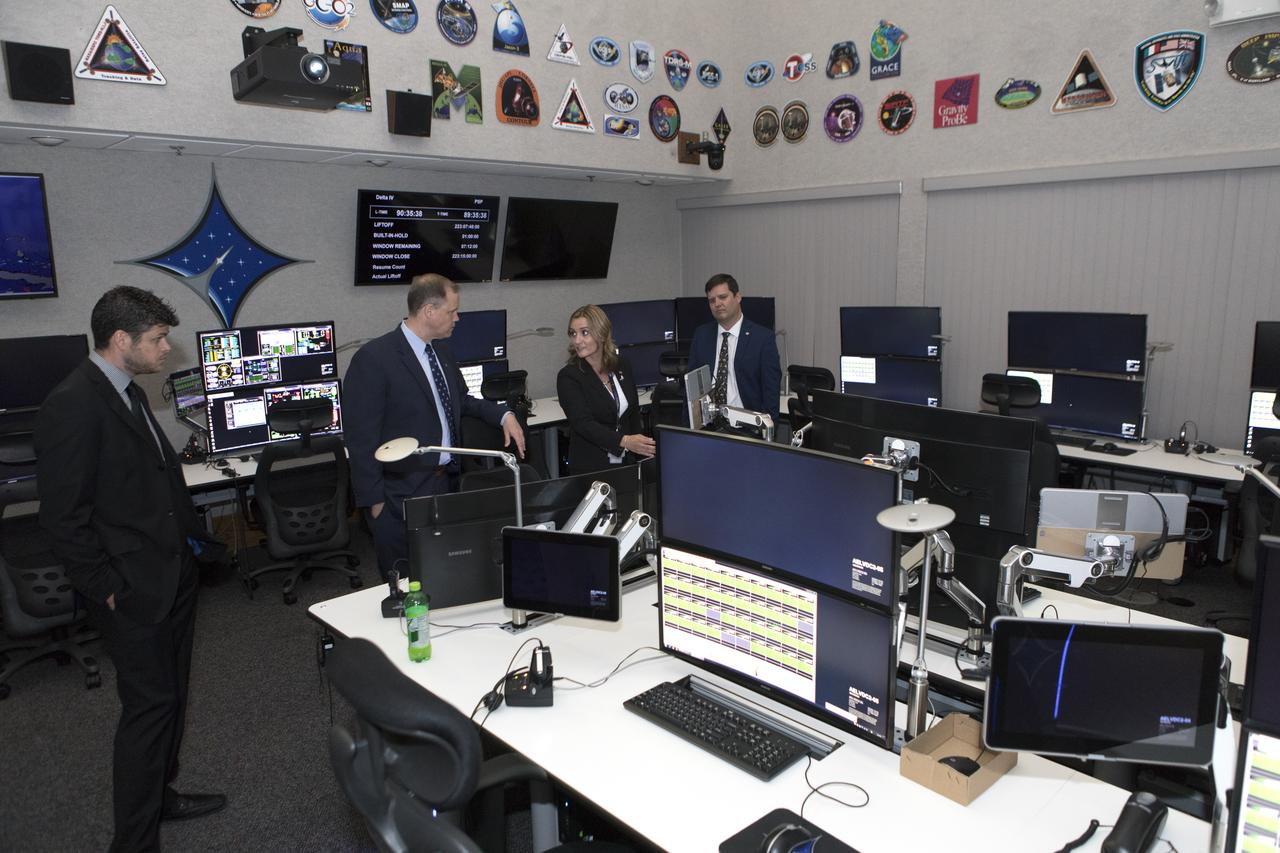
NASA Administrator Jim Bridenstine, second from left, tours the Launch Services Program's Mission Director's Center in Hangar AE, on Aug. 7, 2018, at Cape Canaveral Air Force Station in Florida. Bridenstine talked with workers and received updates on LSP missions and accomplishments.
NASA Administrator Jim Bridenstine Visits KSC - Hangar AE
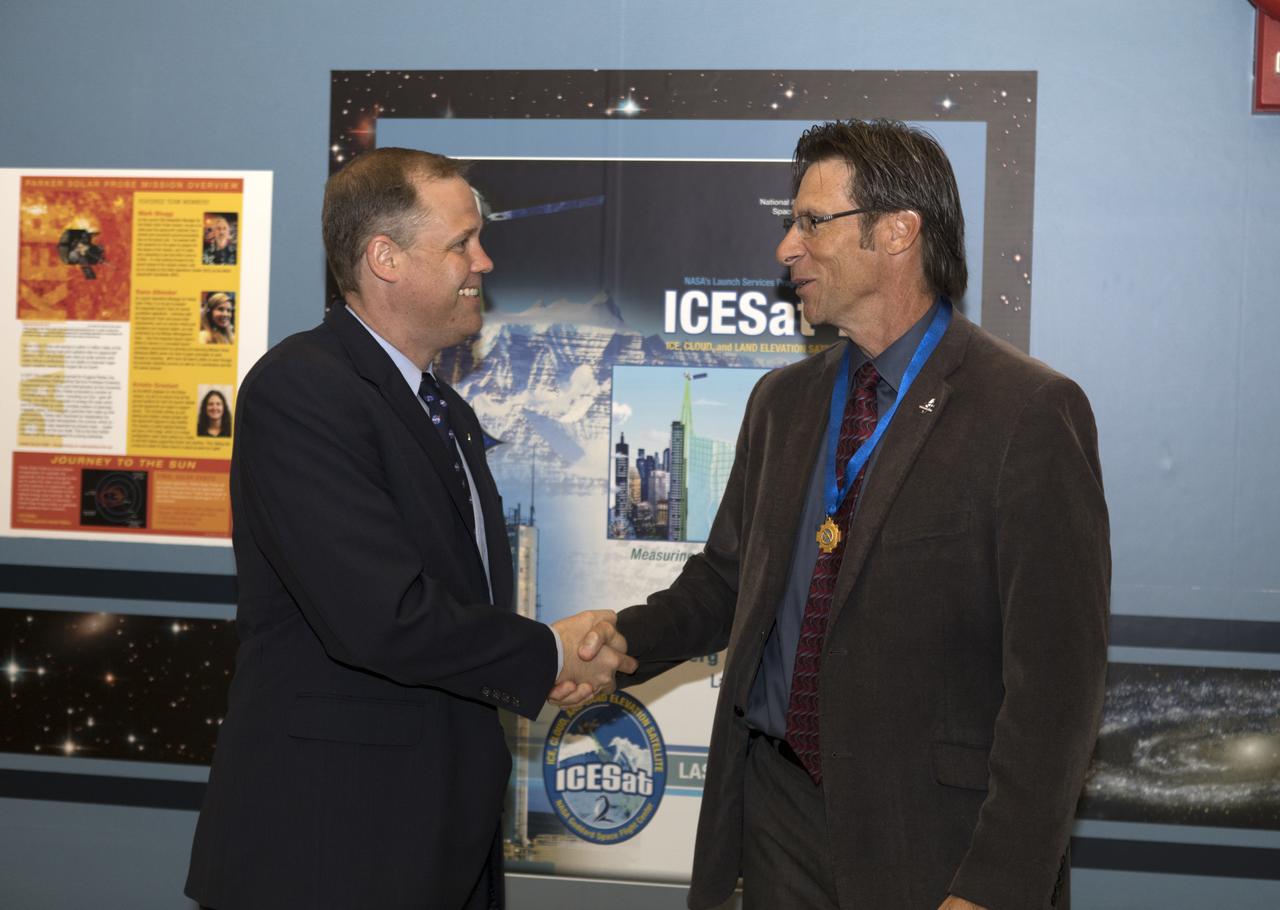
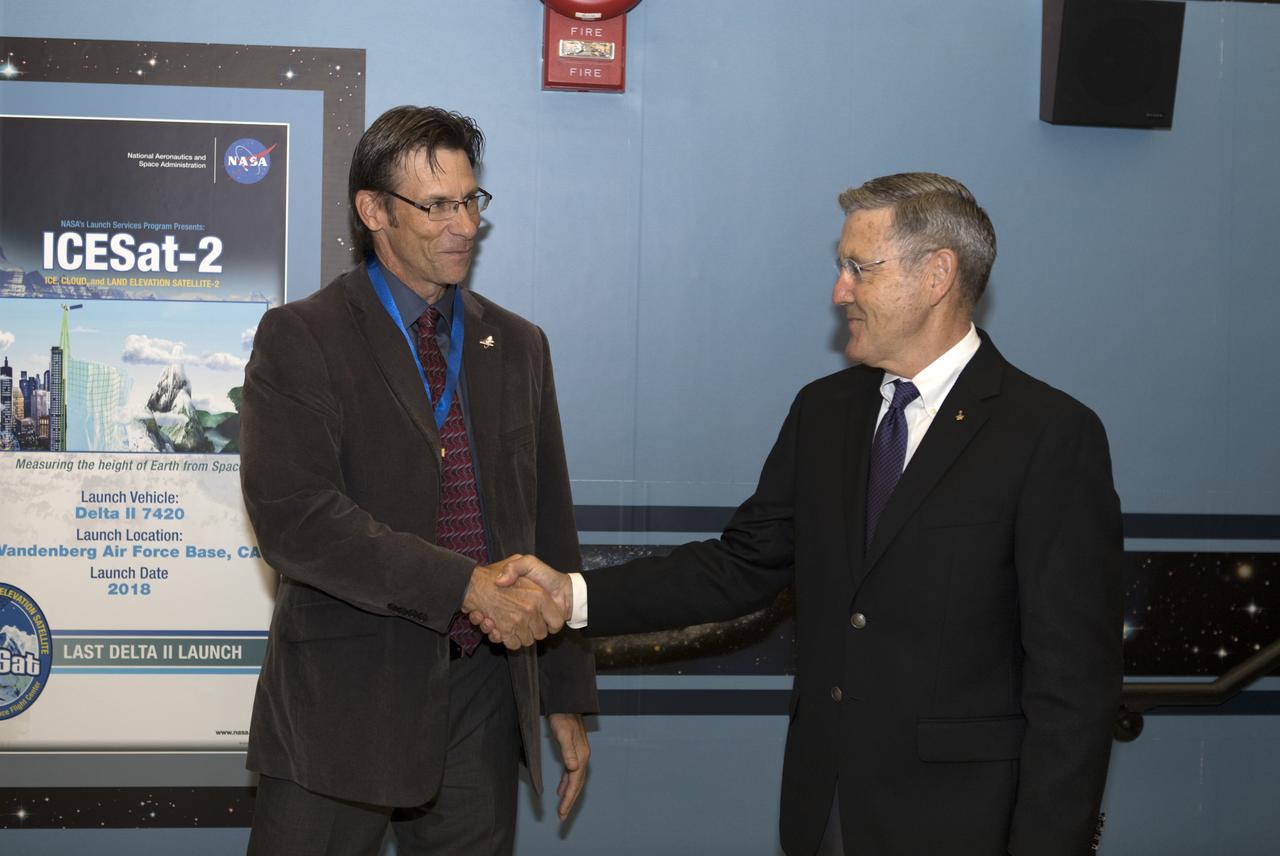
NASA Administrator Jim Bridenstine, left, congratulates Chuck Dovale, deputy program manager for the Launch Services Program (LSP), on Aug. 7, 2018, during a visit to the agency's Kennedy Space Center in Florida. Bridenstine presented a NASA Distinguished Service Medal to Dovale. During his tour of Hangar AE and LSP's Mission Director's Center, Bridenstine received updates on LSP missions and accomplishments.
NASA Administrator Jim Bridenstine Visits KSC - Hangar AE
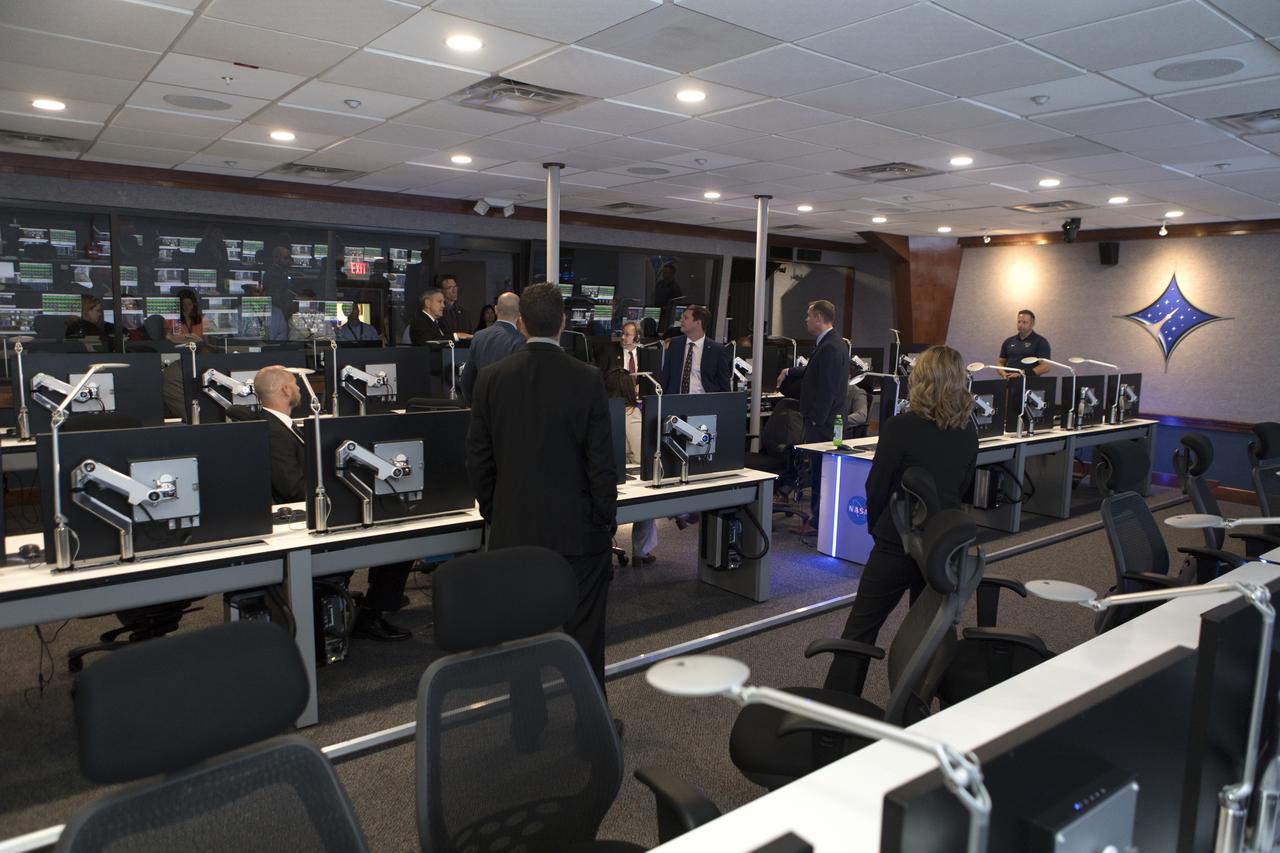
NASA Administrator Jim Bridenstine, third row from front, second from right, tours the Launch Services Program's Mission Director's Center in Hangar AE, on Aug. 7, 2018, at Cape Canaveral Air Force Station in Florida. Kennedy Space Center Director Bob Cabana, first row up front, center, updates the administrator on LSP missions and accomplishments.
NASA Administrator Jim Bridenstine Visits KSC - Hangar AE
In the Mission Director's Center at Cape Canaveral Air Force Station, Dana Allender, NASA Launch Operations manager, left, and Aly Mendoza-Hill, NASA Mission manager, monitor the progress of preparations to launch eight Cyclone Global Navigation Satellite System, or CYGNSS, spacecraft. The CYGNSS satellites will make frequent and accurate measurements of ocean surface winds throughout the life cycle of tropical storms and hurricanes. The data that CYGNSS provides will enable scientists to probe key air-sea interaction processes that take place near the core of storms, which are rapidly changing and play a crucial role in the beginning and intensification of hurricanes.
Pegasus XL CYGNSS Second Launch Attempt
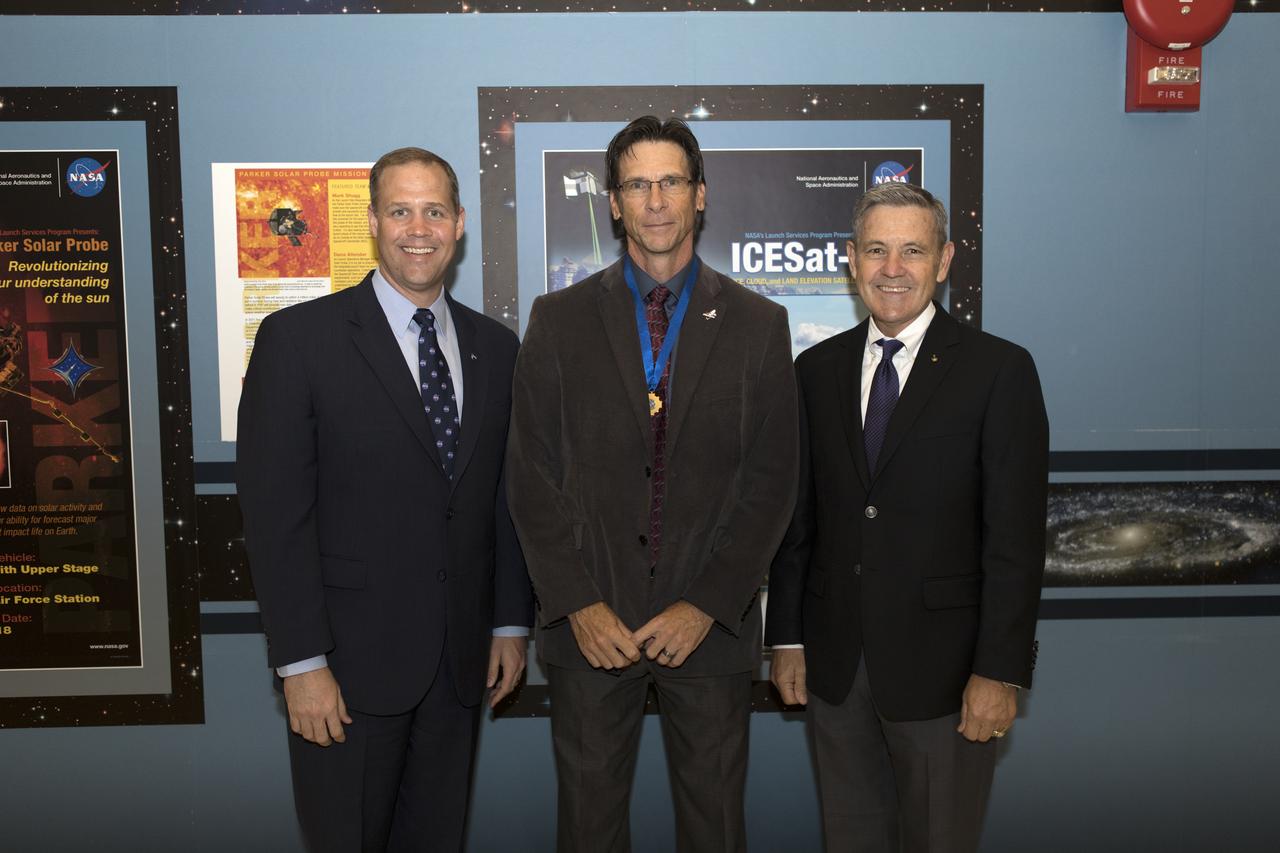
NASA Administrator Jim Bridenstine, left, tours Kennedy Space Center facilities and awards Chuck Dovale, center, deputy program manager for the Launch Services Program (LSP), a NASA Distinguished Service Medal on Aug. 7, 2018. At right is Kennedy Center Director Bob Cabana. During his tour of Hangar AE and LSP's Mission Director's Center, Bridenstine received updates on LSP missions and accomplishments.
NASA Administrator Jim Bridenstine Visits KSC - Hangar AE
NASA Kennedy Space Center Director Bob Cabana, at right, congratulates Chuck Dovale, deputy program manager for the Launch Services Program (LSP), on Aug. 7, 2018. During a visit to the center, NASA Administrator Jim Bridenstine presents a NASA Distinguished Service Medal to Dovale. During his tour of Hangar AE and LSP's Mission Director's Center, Bridenstine received updates on LSP missions and accomplishments.
NASA Administrator Jim Bridenstine Visits KSC - Hangar AE
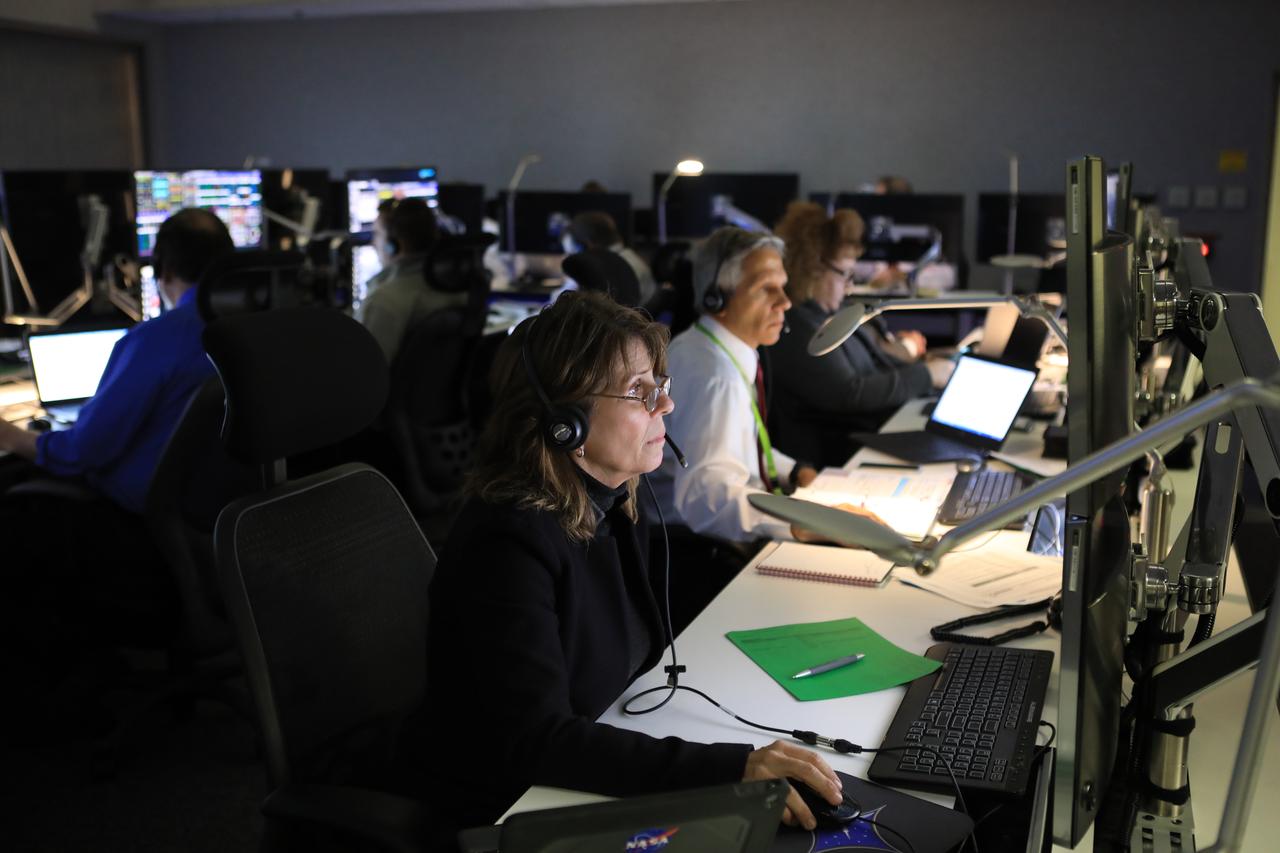
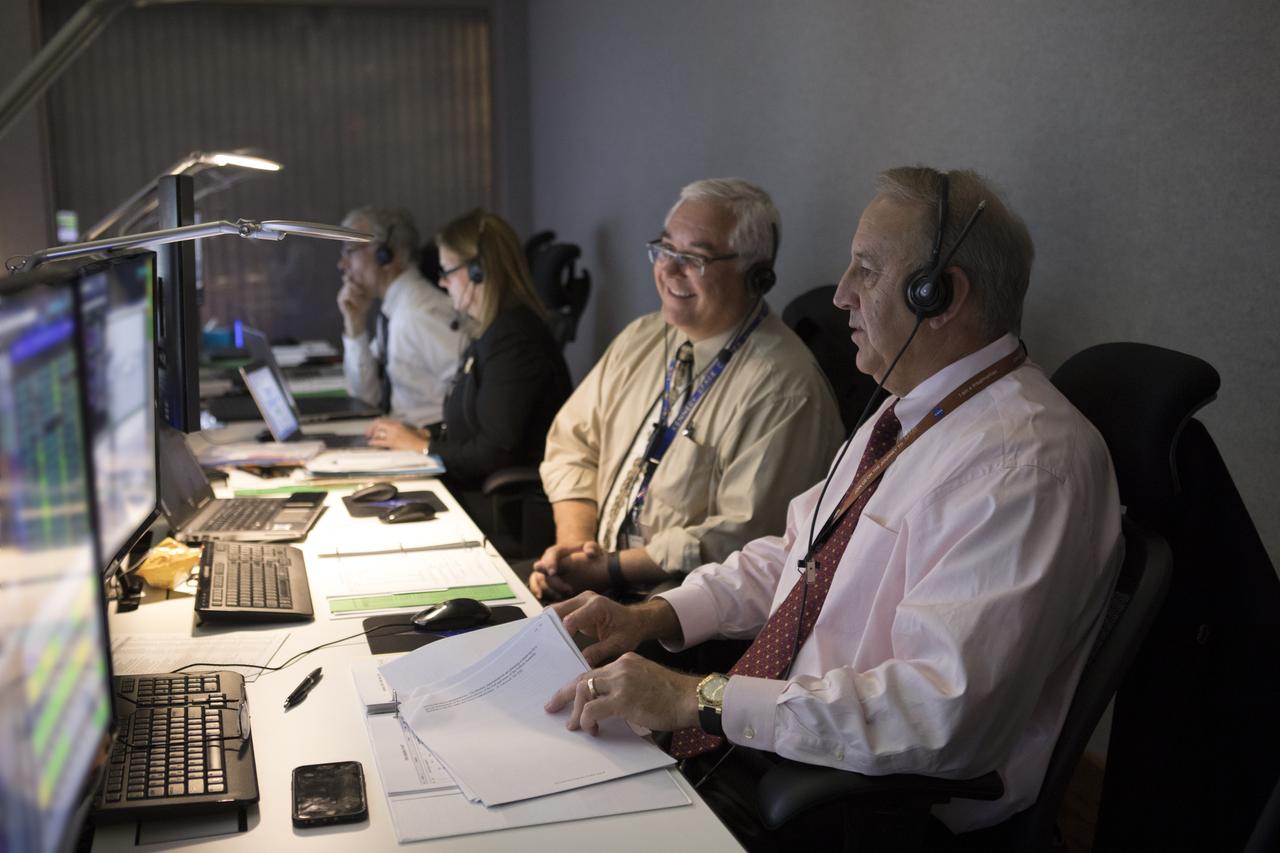
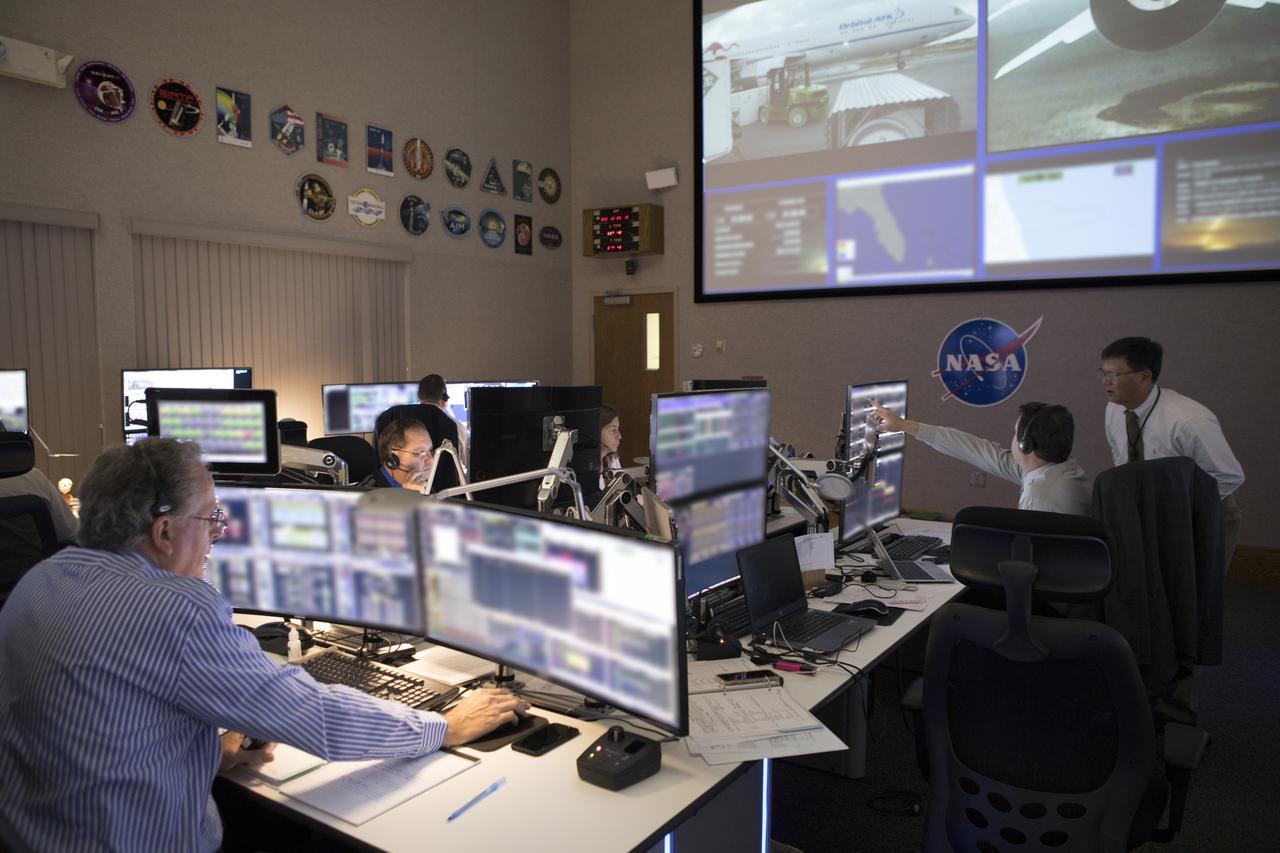
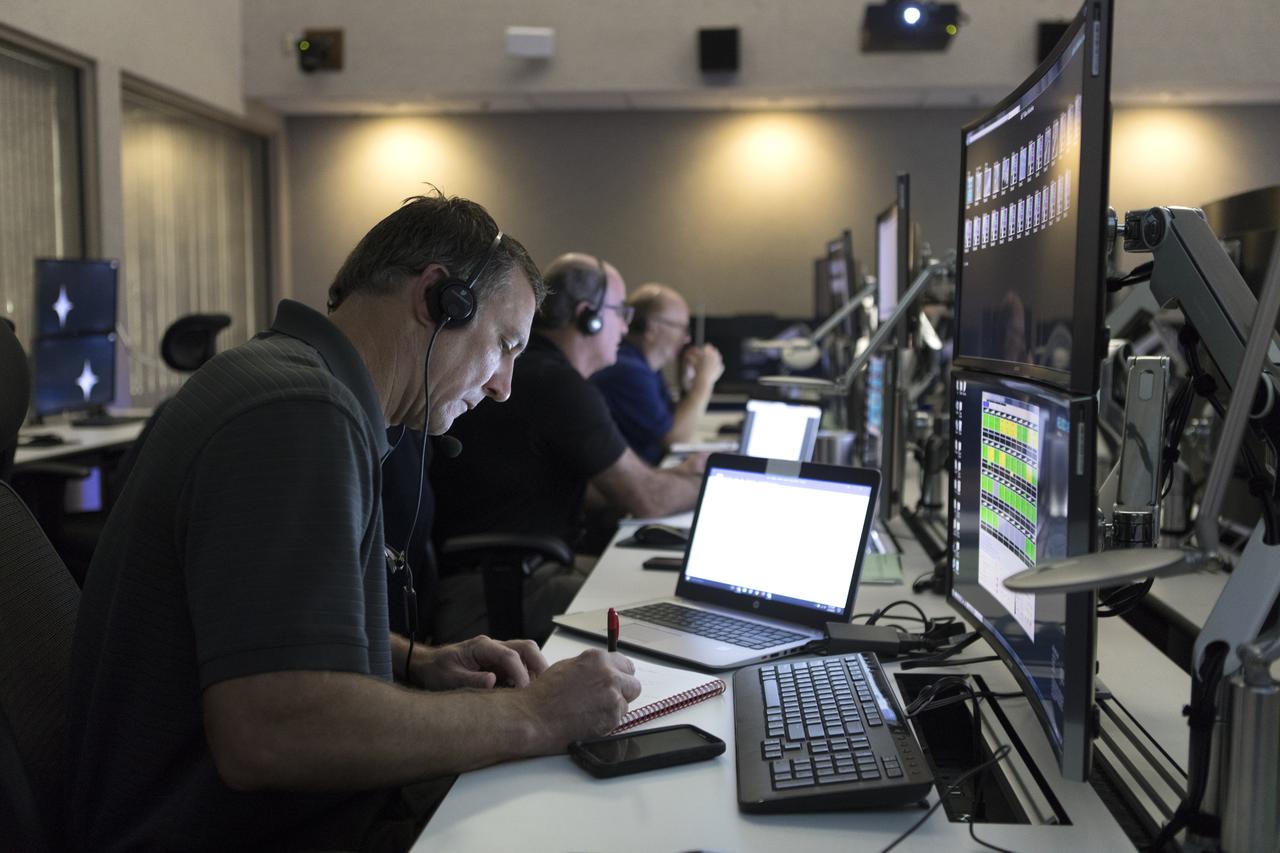
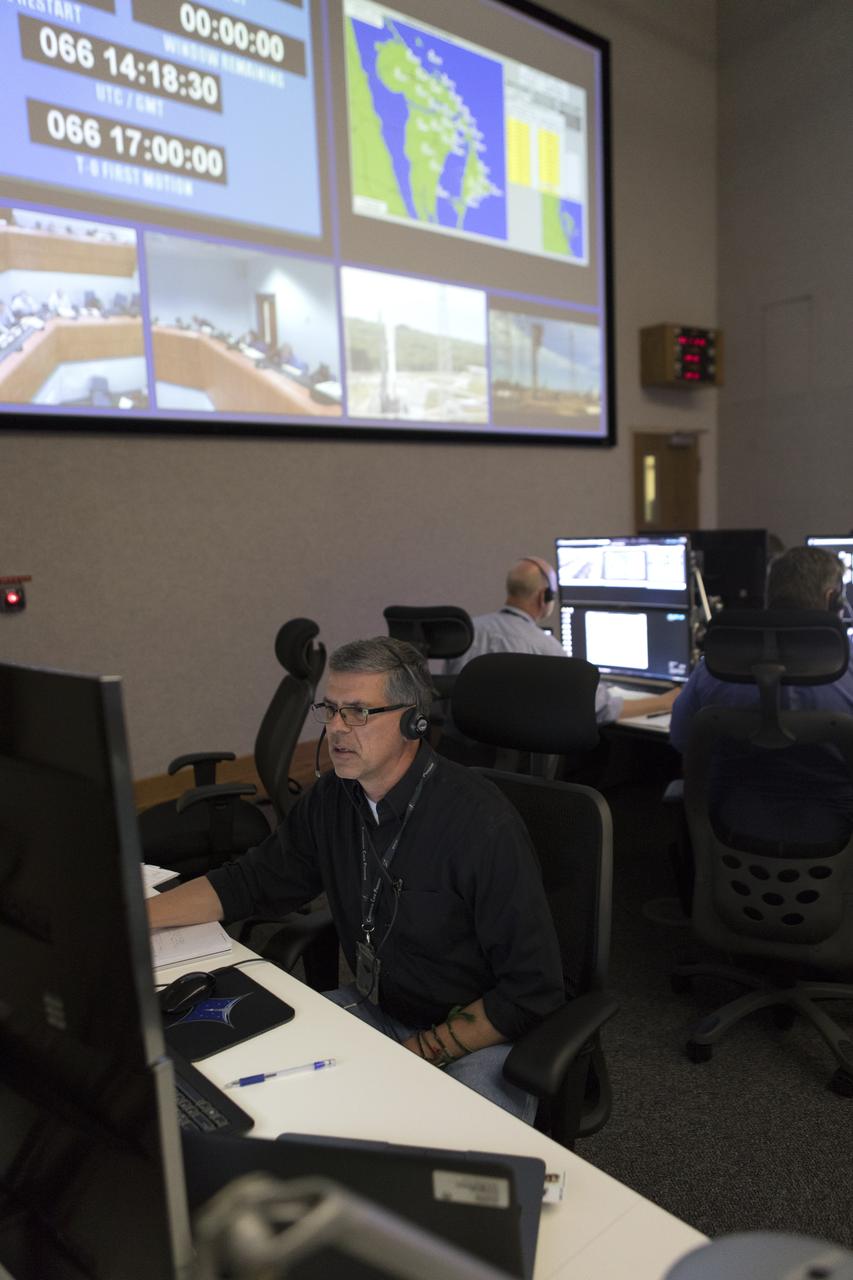
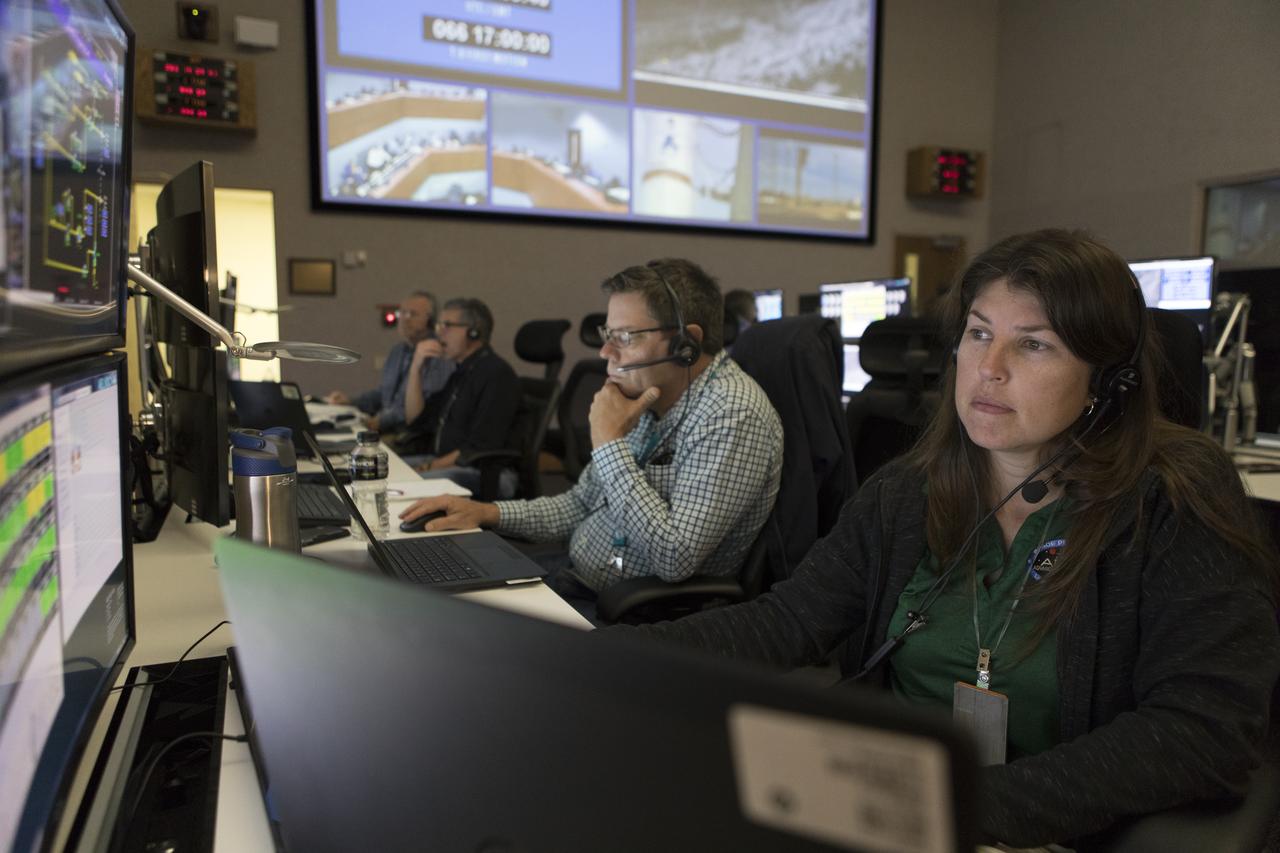
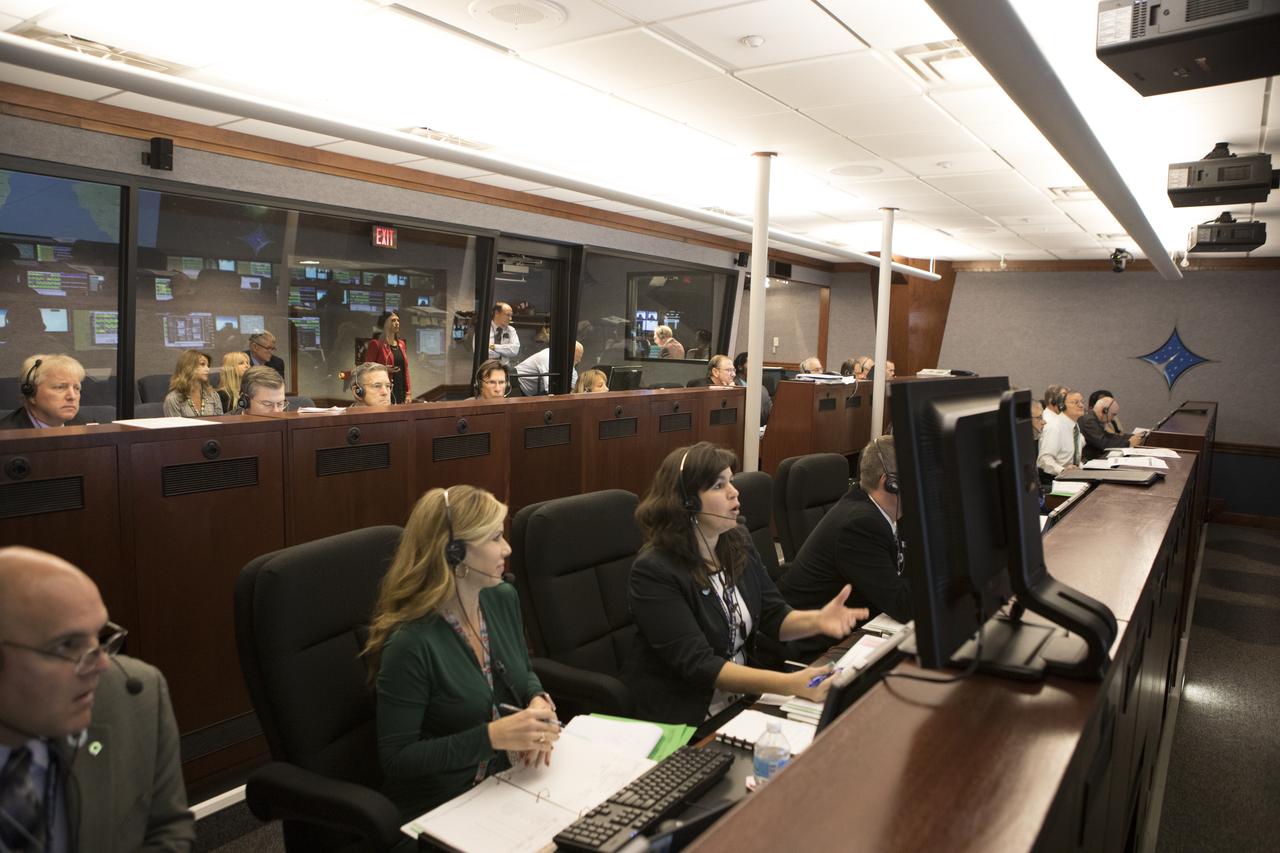
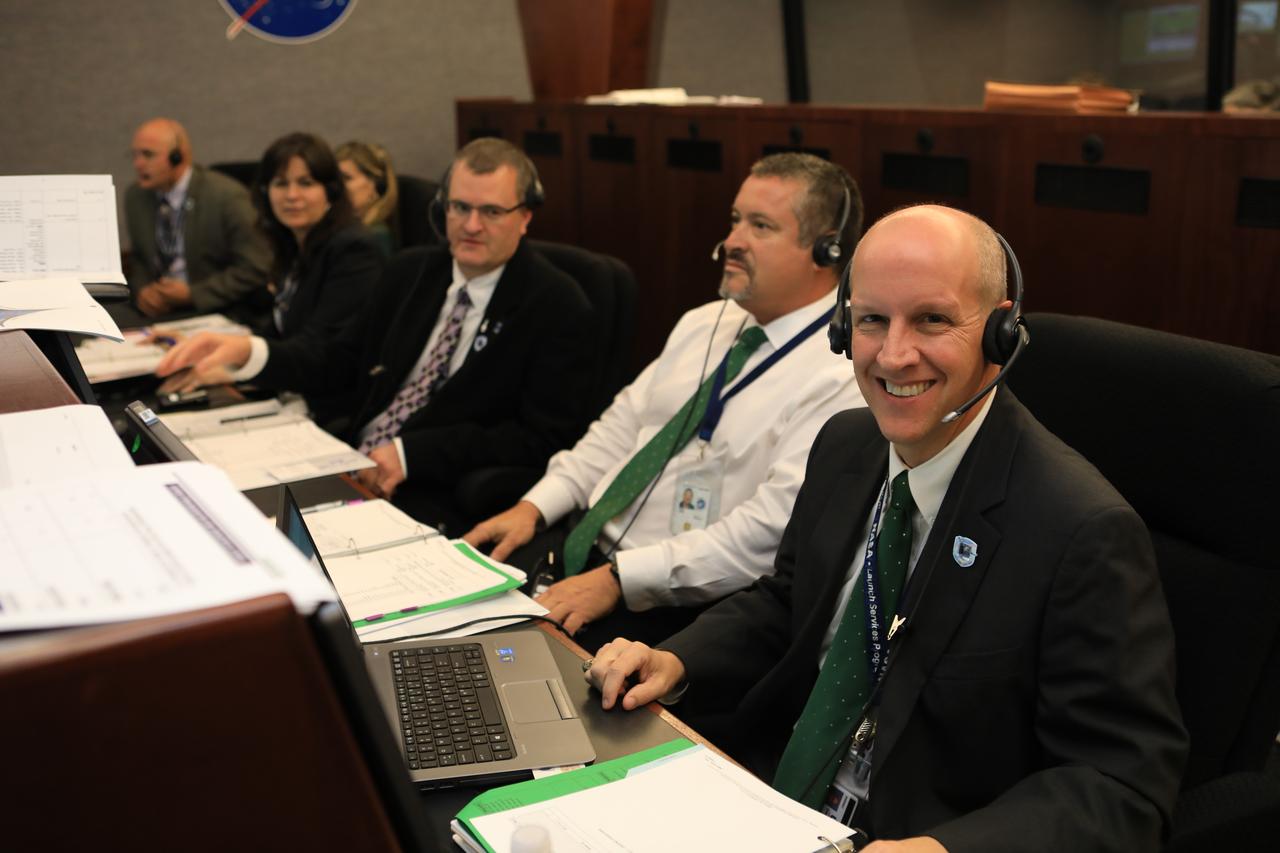
In the Mission Director's Center at Cape Canaveral Air Force Station, members of the launch team monitor the progress of preparations to launch eight Cyclone Global Navigation Satellite System, or CYGNSS, spacecraft. The CYGNSS satellites will make frequent and accurate measurements of ocean surface winds throughout the life cycle of tropical storms and hurricanes. The data that CYGNSS provides will enable scientists to probe key air-sea interaction processes that take place near the core of storms, which are rapidly changing and play a crucial role in the beginning and intensification of hurricanes.
Pegasus XL CYGNSS Second Launch Attempt
In the Mission Director's Center at Cape Canaveral Air Force Station,  Greg Robinson, deputy associate administrator for Programs in the NASA Science Mission Directorate, right, congratulates, Tim Dunn, who was launch director for launch of eight Cyclone Global Navigation Satellite System, or CYGNSS, spacecraft. The satellites will make frequent and accurate measurements of ocean surface winds throughout the life cycle of tropical storms and hurricanes. The data that CYGNSS provides will enable scientists to probe key air-sea interaction processes that take place near the core of storms, which are rapidly changing and play a crucial role in the beginning and intensification of hurricanes.
Pegasus XL CYGNSS Second Launch Attempt
In the Mission Director's Center at Cape Canaveral Air Force Station, members of the launch team monitor the progress of preparations to launch eight Cyclone Global Navigation Satellite System, or CYGNSS, spacecraft. The CYGNSS satellites will make frequent and accurate measurements of ocean surface winds throughout the life cycle of tropical storms and hurricanes. The data that CYGNSS provides will enable scientists to probe key air-sea interaction processes that take place near the core of storms, which are rapidly changing and play a crucial role in the beginning and intensification of hurricanes.
Pegasus XL CYGNSS Second Launch Attempt
NASA Administrator Jim Bridenstine, left, tours Hangar AE and the Launch Services Program's (LSP) Mission Director's Center at Cape Canaveral Air Force Station in Florida on Aug. 7, 2018. Bridenstine spoke to workers and received updates on LSP missions and accomplishments. At right, standing near a chair, is Chuck Dovale, deputy program manager for LSP. Bridenstine presented a NASA Distinguished Service Medal to Dovale.
NASA Administrator Jim Bridenstine Visits KSC - Hangar AE
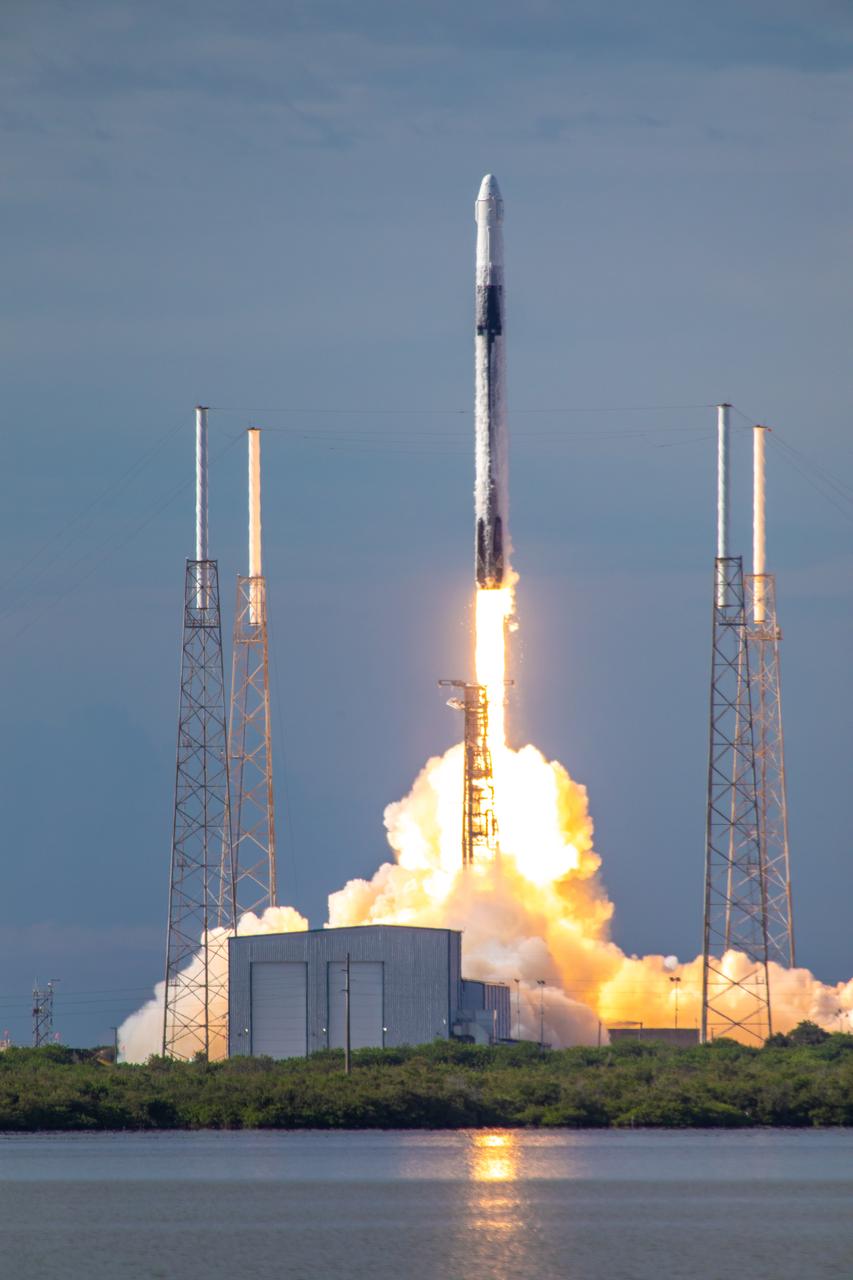
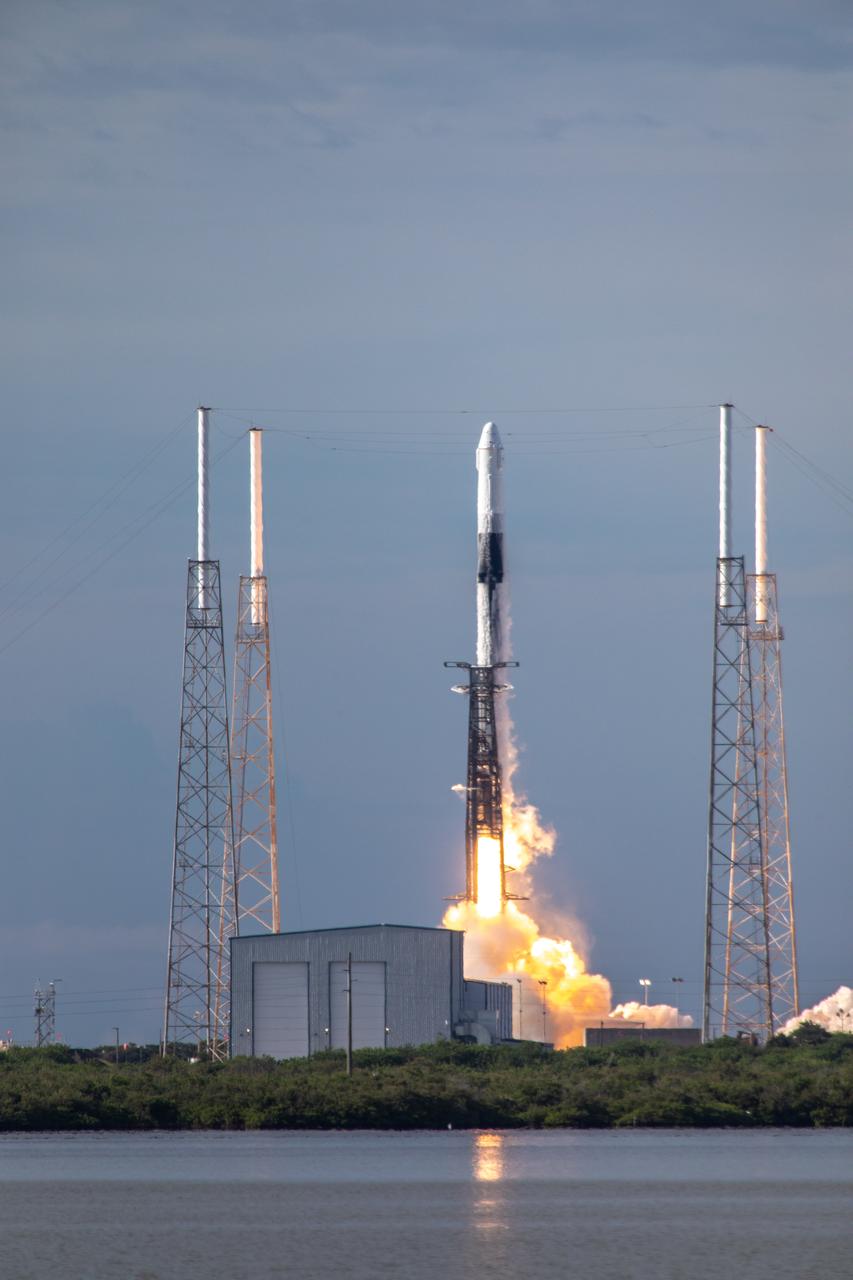
A SpaceX Falcon 9 rocket lifts off from Space Launch Complex 40 at Cape Canaveral Air Force Station in Florida at 6:01 p.m. EDT on July 25, 2019, carrying the Dragon spacecraft on the company's 18th Commercial Resupply Services (CRS-18) mission to the International Space Station.  The uncrewed Dragon spacecraft will deliver about 5,000 pounds of science and research, crew supplies and vehicle hardware to the orbiting laboratory.
Live Coverage of SpaceX CRS-18 Launch to the International Space
A SpaceX Falcon 9 rocket lifts off from Space Launch Complex 40 at Cape Canaveral Air Force Station in Florida at 6:01 p.m. EDT on July 25, 2019, carrying the Dragon spacecraft on the company's 18th Commercial Resupply Services (CRS-18) mission to the International Space Station.  The uncrewed Dragon spacecraft will deliver about 5,000 pounds of science and research, crew supplies and vehicle hardware to the orbiting laboratory.
Live Coverage of SpaceX CRS-18 Launch to the International Space
In the Mission Director's Center at Cape Canaveral Air Force Station, members of the launch team monitor the progress of preparations to launch eight Cyclone Global Navigation Satellite System, or CYGNSS, spacecraft. The CYGNSS satellites will make frequent and accurate measurements of ocean surface winds throughout the life cycle of tropical storms and hurricanes. The data that CYGNSS provides will enable scientists to probe key air-sea interaction processes that take place near the core of storms, which are rapidly changing and play a crucial role in the beginning and intensification of hurricanes.
Pegasus XL CYGNSS Second Launch Attempt
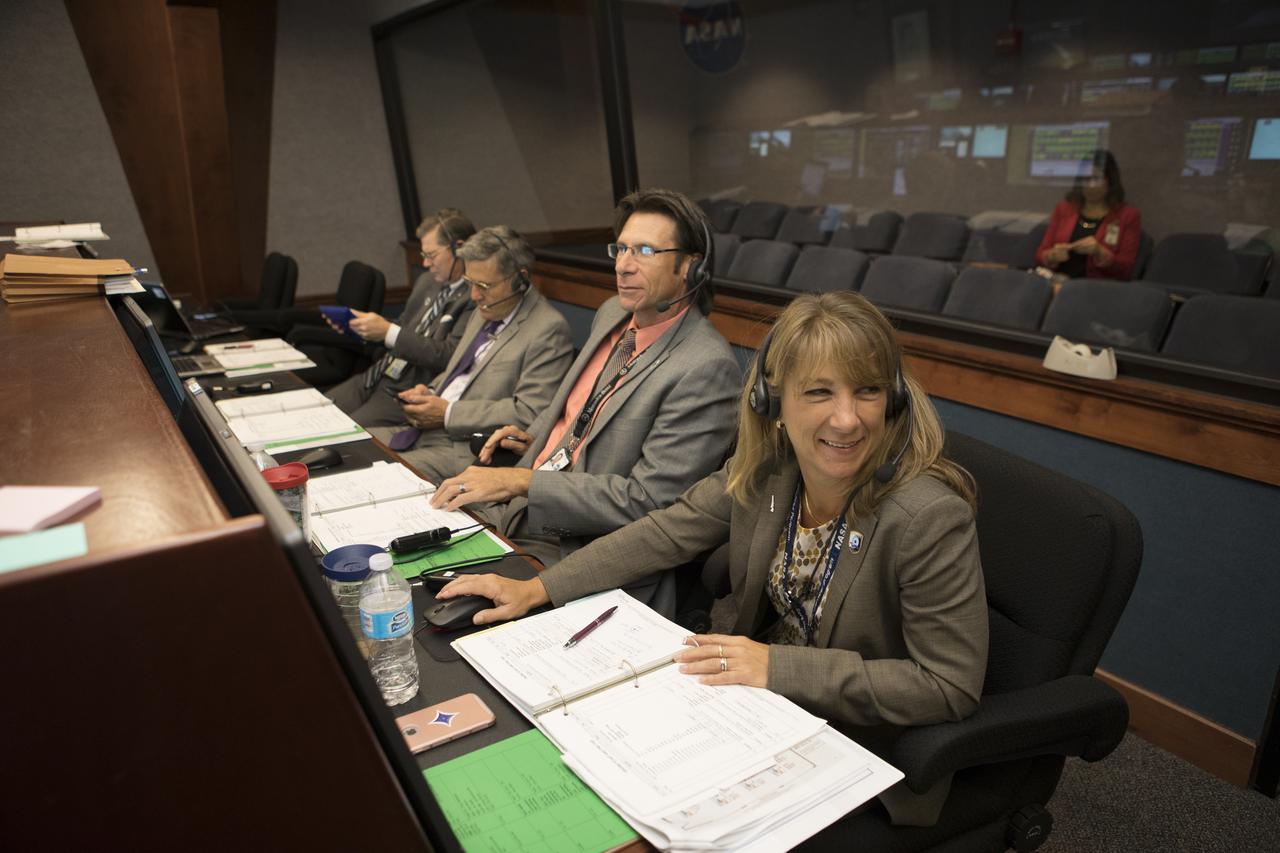
In the Mission Director's Center at Cape Canaveral Air Force Station, Amanda Mitskevich, facing the camera, is program manager for NASA's Launch Services Program (LSP) at the agency's Kennedy Space Center in Florida. Seated next to her is Chuck Dovale, deputy LSP program manager. They are monitoring the progress of preparations to launch eight Cyclone Global Navigation Satellite System, or CYGNSS, spacecraft. The CYGNSS satellites will make frequent and accurate measurements of ocean surface winds throughout the life cycle of tropical storms and hurricanes. The data that CYGNSS provides will enable scientists to probe key air-sea interaction processes that take place near the core of storms, which are rapidly changing and play a crucial role in the beginning and intensification of hurricanes.
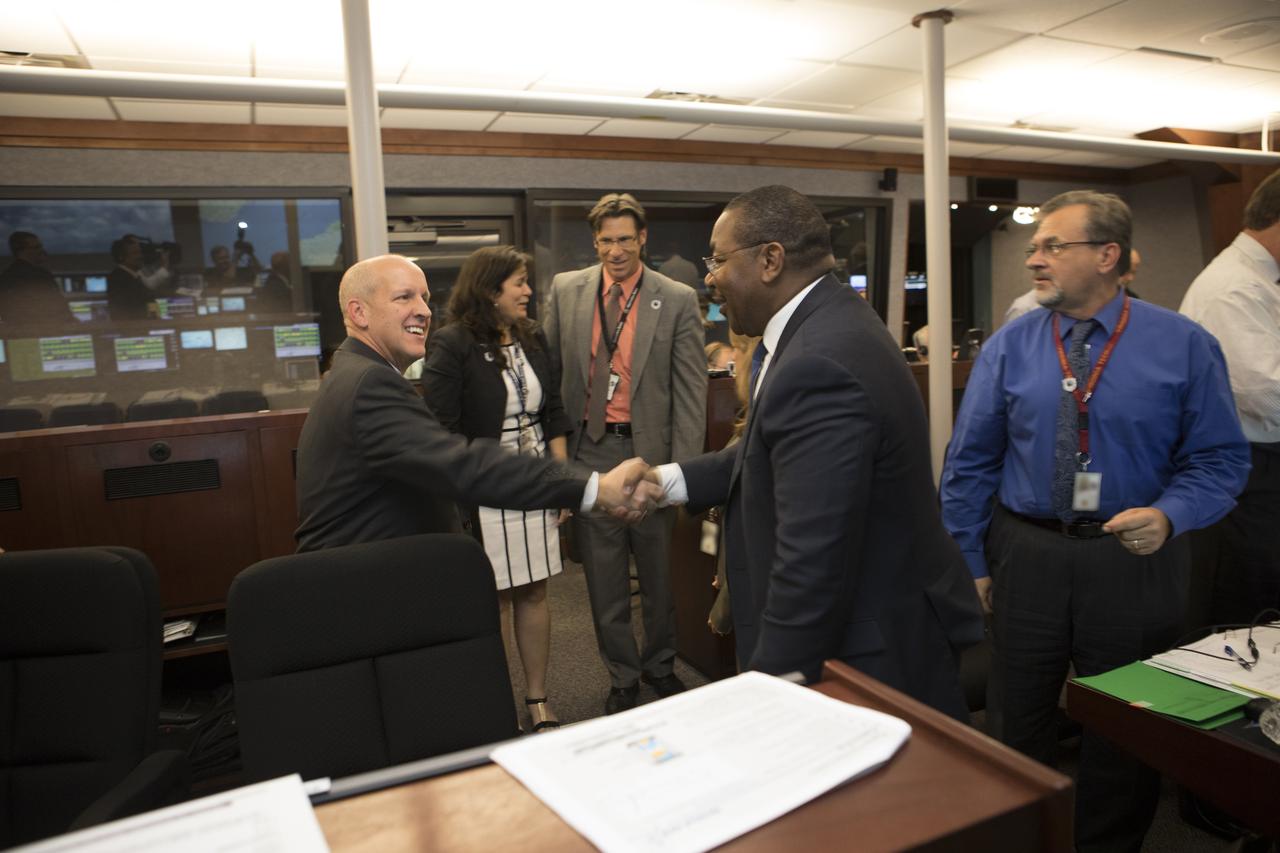
Pegasus XL CYGNSS Second Launch Attempt
In the Mission Director's Center at Cape Canaveral Air Force Station, Omar Baez, a senior launch director in NASA's Launch Services Program at the agency's Kennedy Space Center in Florida, center, monitors the progress of preparations to launch eight Cyclone Global Navigation Satellite System, or CYGNSS, spacecraft. Seated to his left, facing the camera, is Tim Dunn, launch director for the CYGNSS mission. The CYGNSS satellites will make frequent and accurate measurements of ocean surface winds throughout the life cycle of tropical storms and hurricanes. The data that CYGNSS provides will enable scientists to probe key air-sea interaction processes that take place near the core of storms, which are rapidly changing and play a crucial role in the beginning and intensification of hurricanes.
Pegasus XL CYGNSS Second Launch Attempt
In the Mission Director's Center at Cape Canaveral Air Force Station, Andy Bundy, Avionics lead, left, and Pat Simpkins, director of Kennedy Space Center Engineering, monitor the progress of preparations to launch eight Cyclone Global Navigation Satellite System, or CYGNSS, spacecraft. The CYGNSS satellites will make frequent and accurate measurements of ocean surface winds throughout the life cycle of tropical storms and hurricanes. The data that CYGNSS provides will enable scientists to probe key air-sea interaction processes that take place near the core of storms, which are rapidly changing and play a crucial role in the beginning and intensification of hurricanes.
Pegasus XL CYGNSS Second Launch Attempt
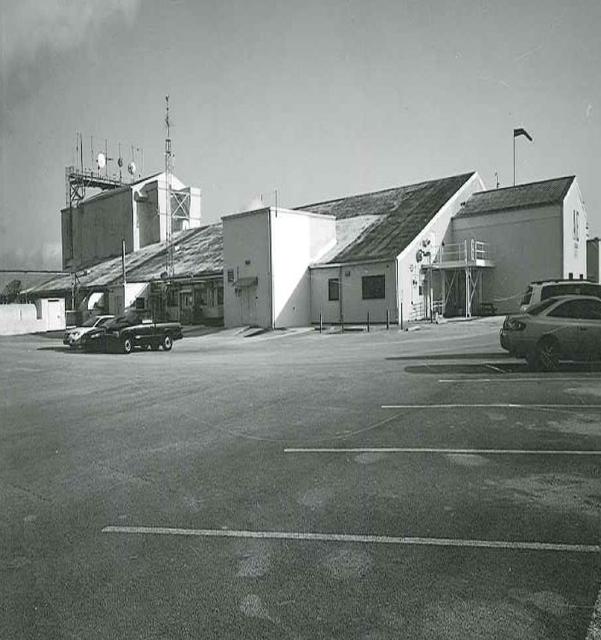
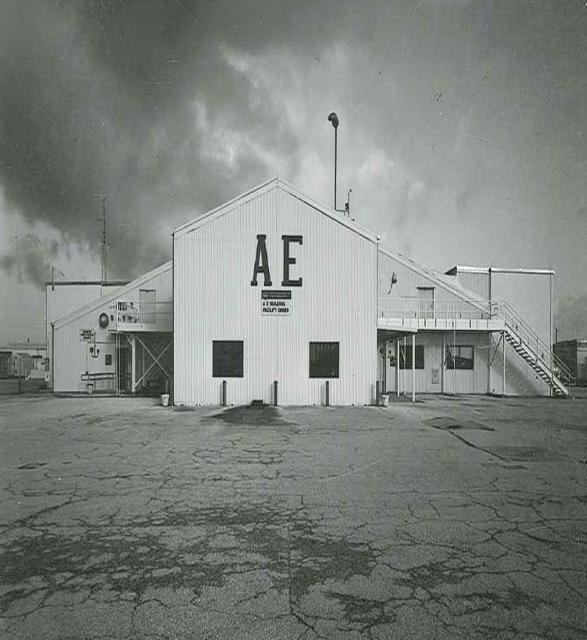
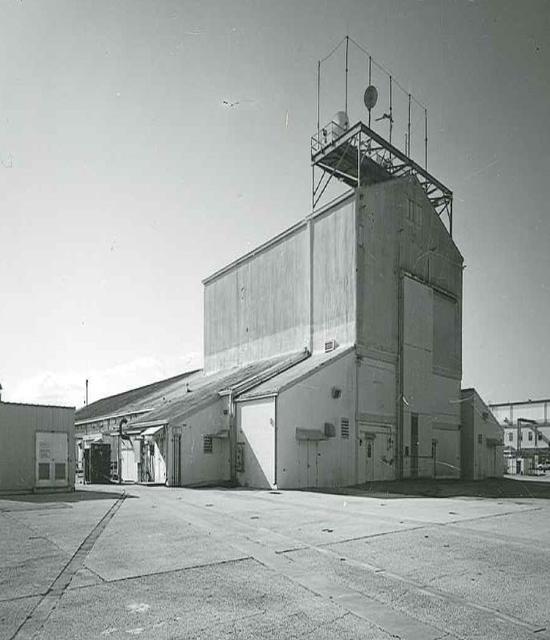
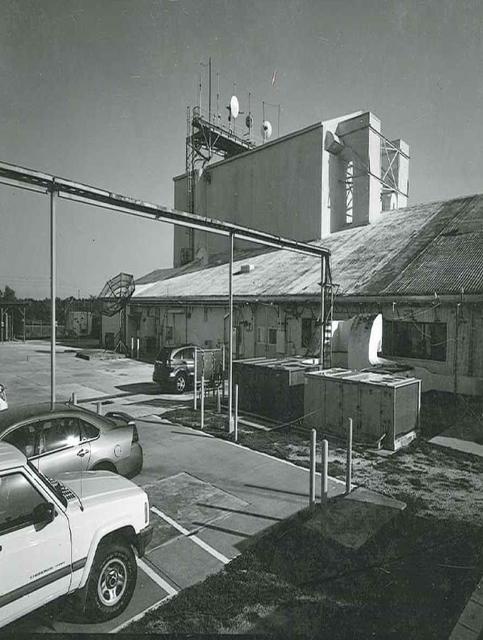
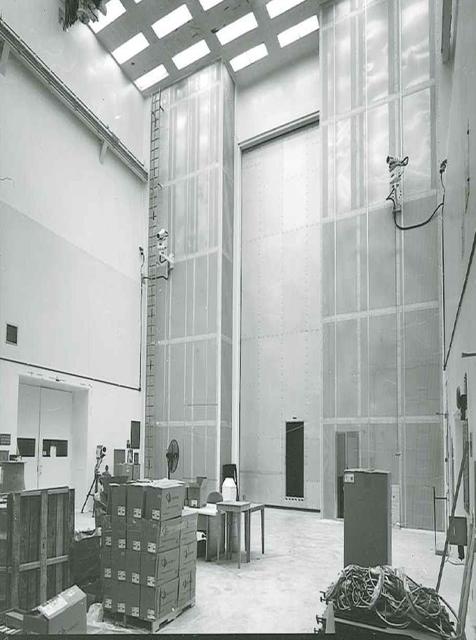
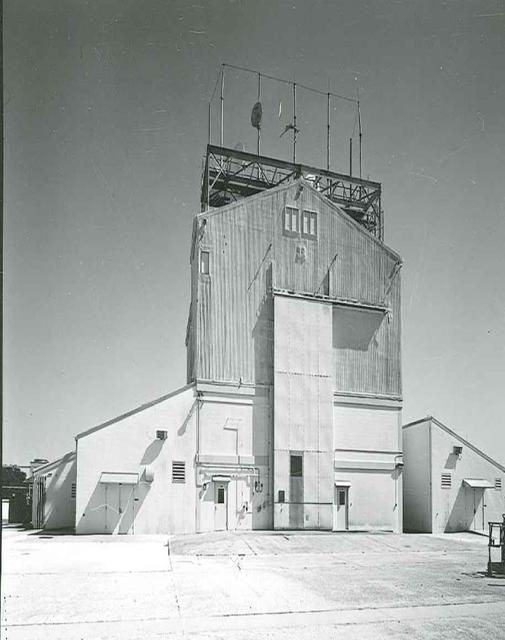
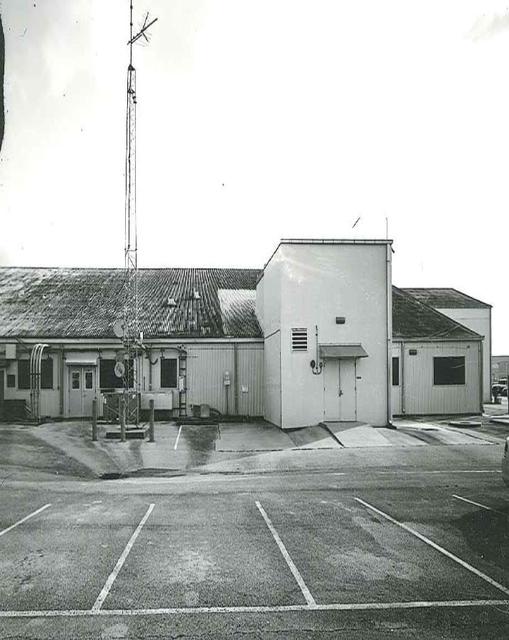
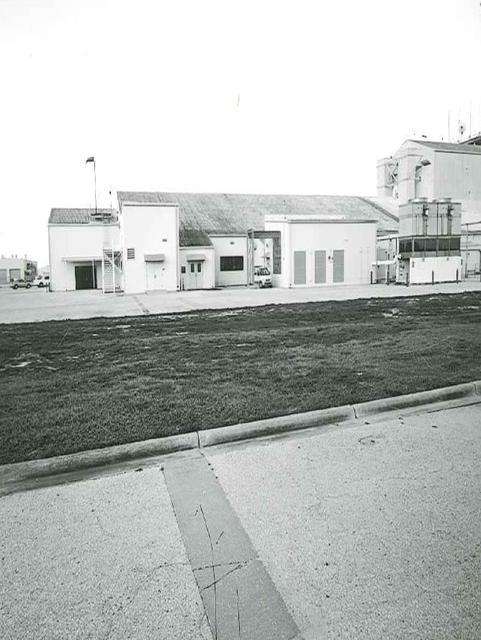
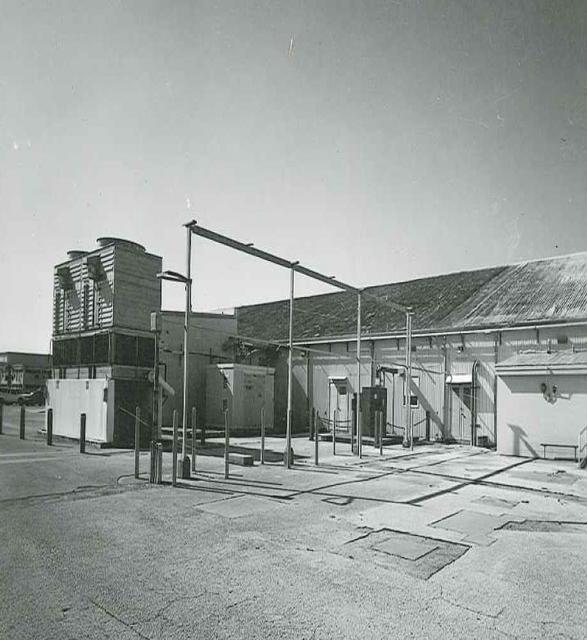
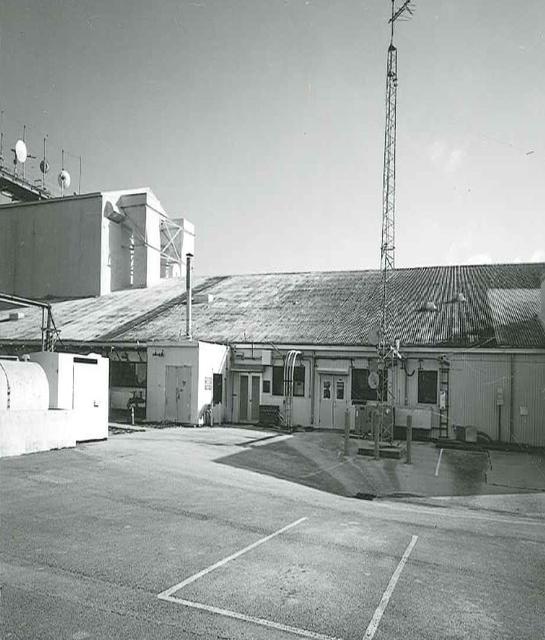
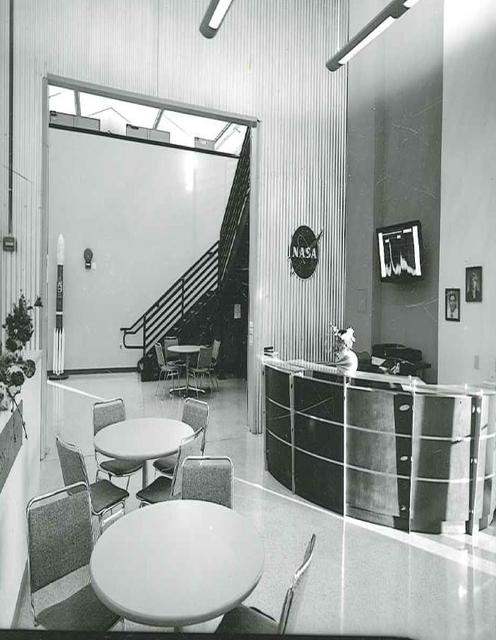
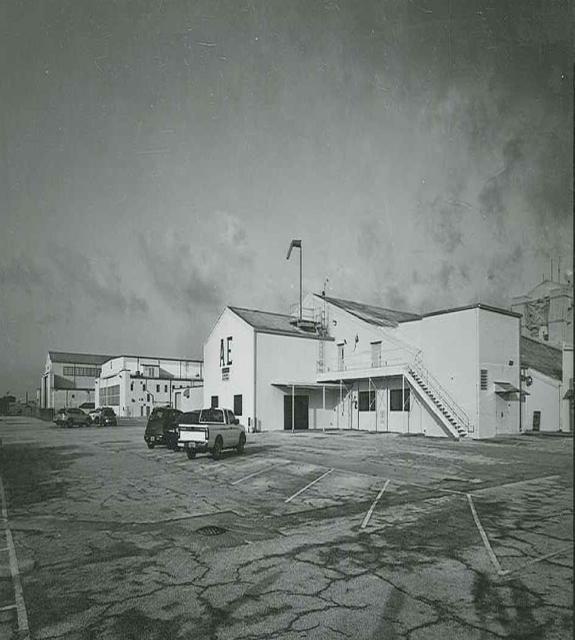
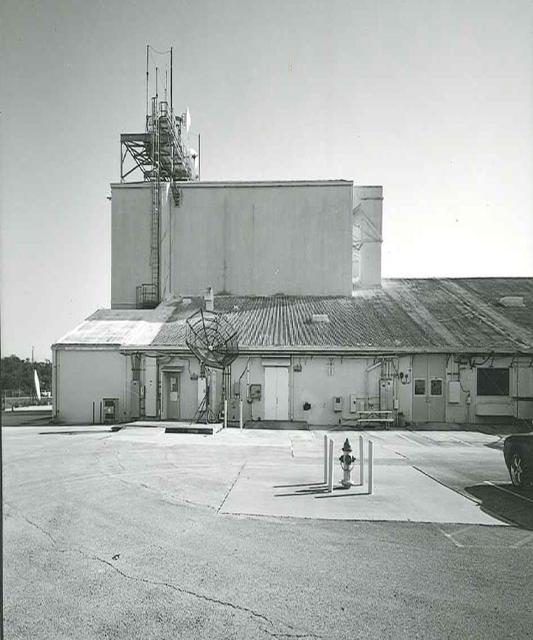
Exterior View of Hangar AE
KSC-20141001-PH-DD_6hangAE
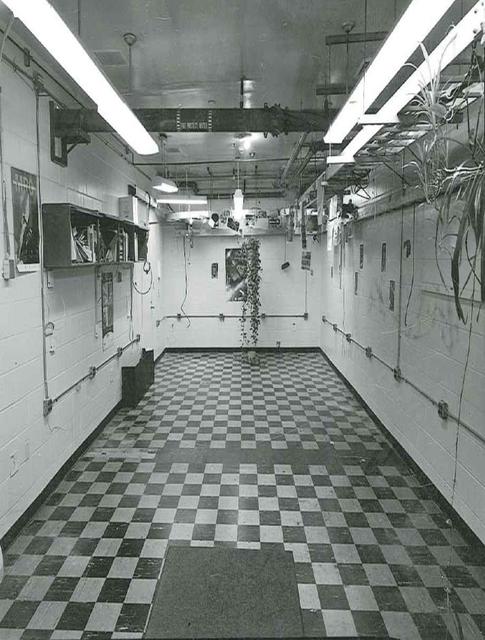
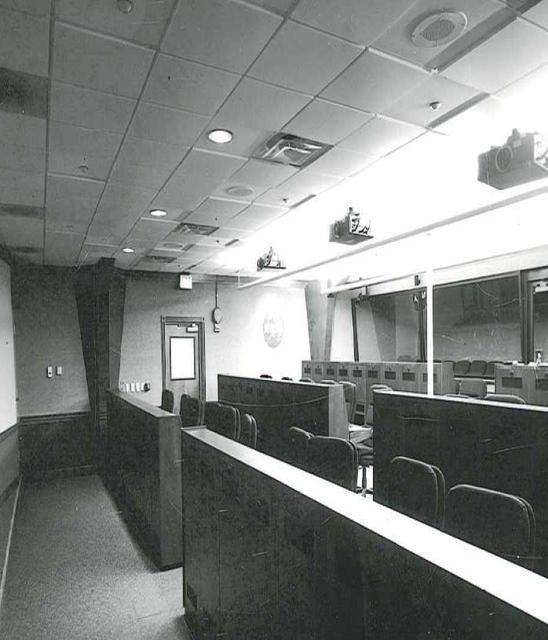
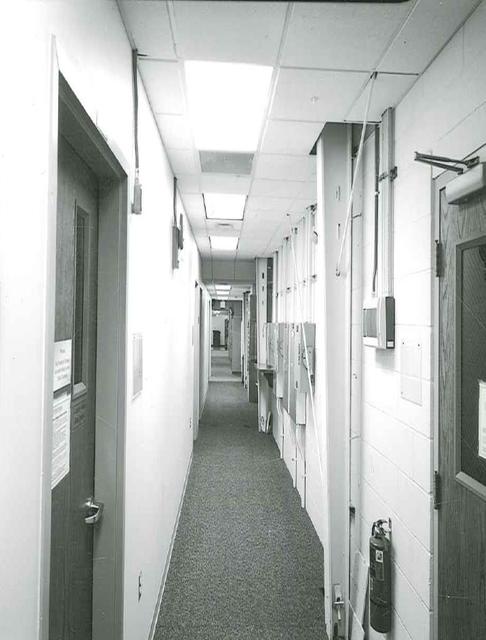
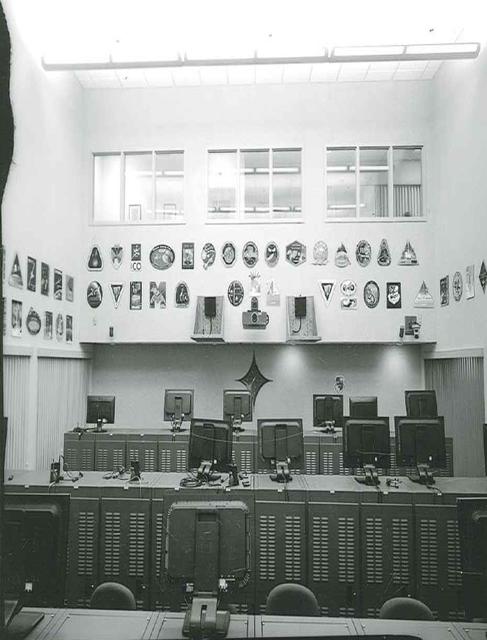
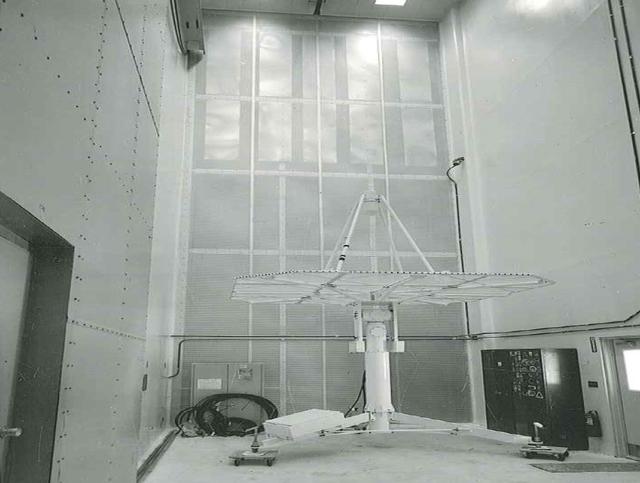
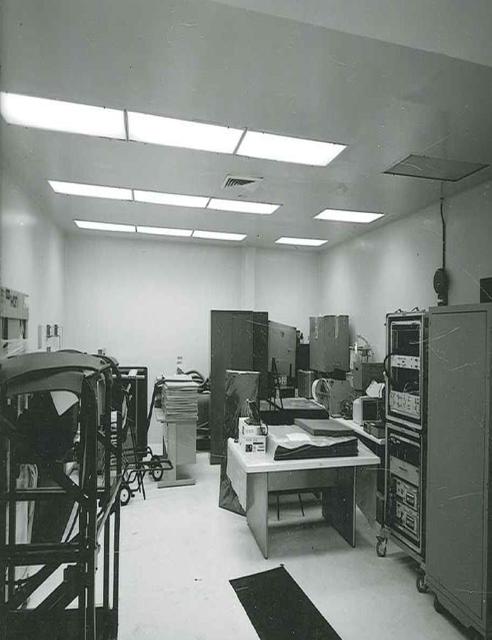
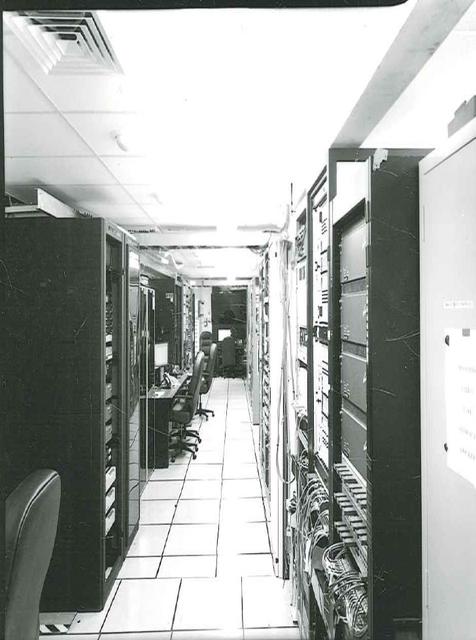
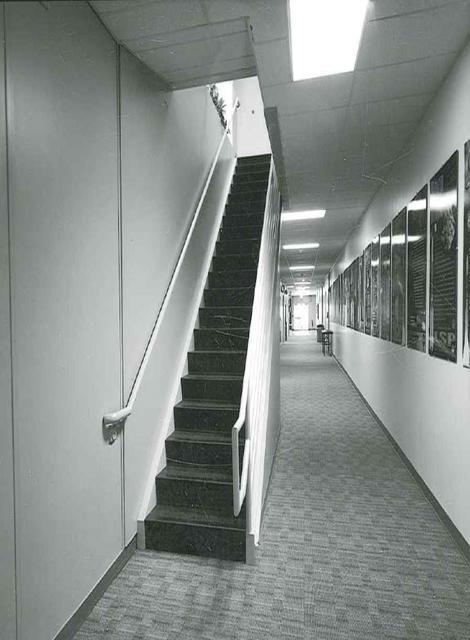
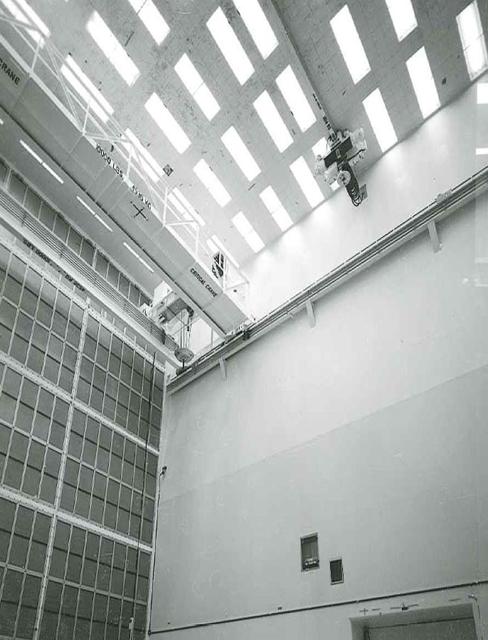
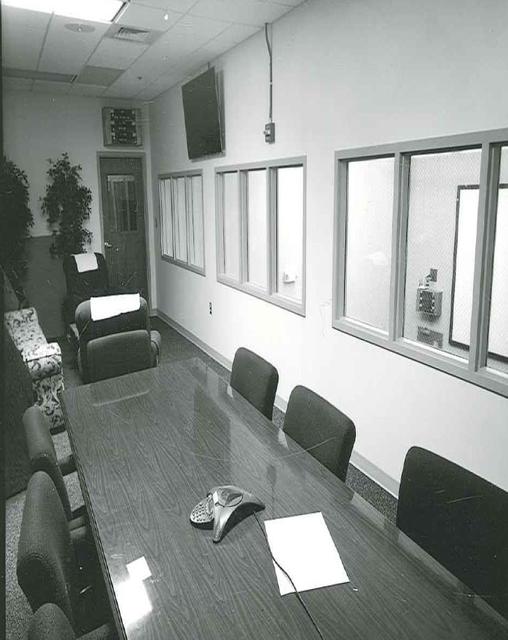
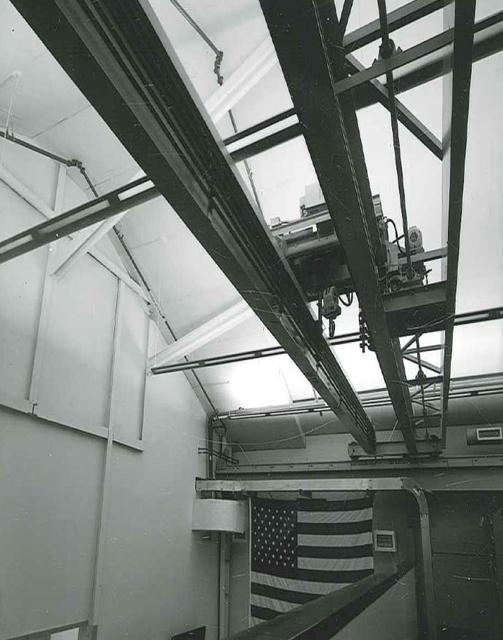
Interior View of Hangar AE
KSC-20141001-PH-DD_23hangAE
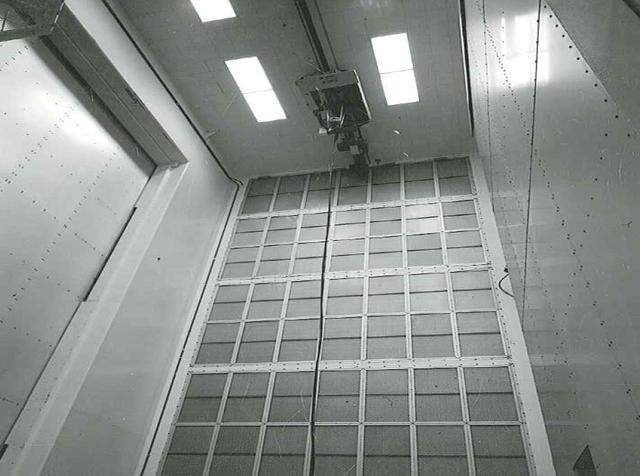
Interior View of Hangar AE
KSC-20141001-PH-DD_24hangAE
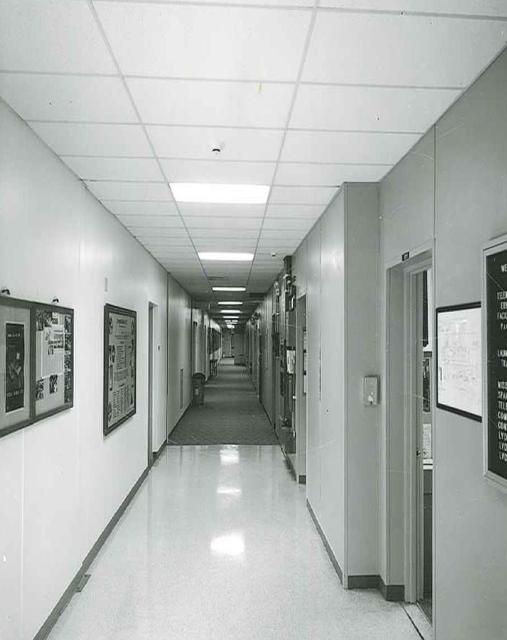
Interior View of Hangar AE
KSC-20141001-PH-DD_21hangAE
Interior View of Hangar AE
KSC-20141001-PH-DD_19hangAE
Exterior View of Hangar AE
KSC-20141001-PH-DD_9hangAE
Exterior View of Hangar AE
KSC-20141001-PH-DD_4hangAE
Exterior View of Hangar AE
KSC-20141001-PH-DD_11hangAE
Exterior View of Hangar AE
KSC-20141001-PH-DD_2hangAE
Interior View of Hangar AE
KSC-20141001-PH-DD_13hangAE
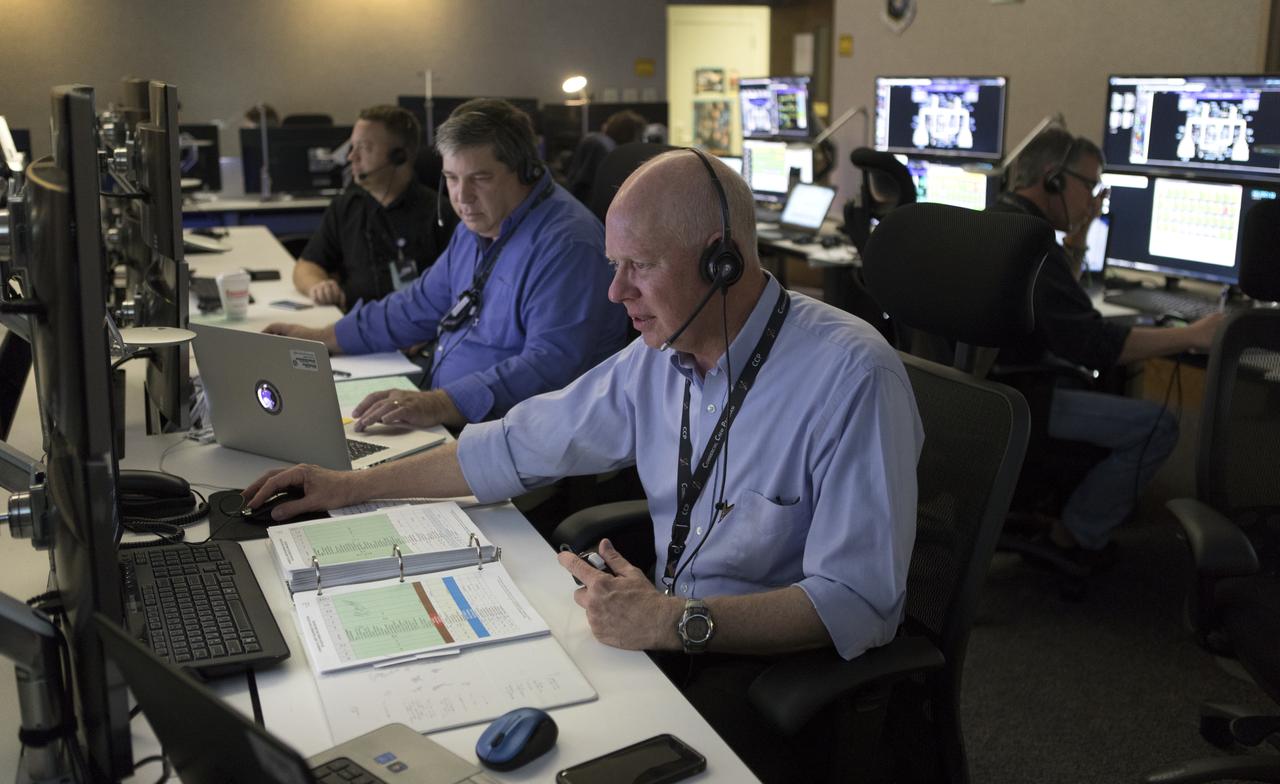
NASA, Boeing and United Launch Alliance (ULA) conduct a simulation of launch procedures for Boeing’s Orbital Test Flight, the first uncrewed test of the company’s CST-100 Starliner and a ULA Atlas V rocket. Launch teams participated in the simulation across the country, including inside the Launch Vehicle Data Center at Hangar AE at Cape Canaveral Air Force Station in Florida. The Starliner will launch on an Atlas V rocket to the International Space Station as part of NASA’s Commercial Crew Program.
NASA/Boeing Orbital Test Flight Simulation
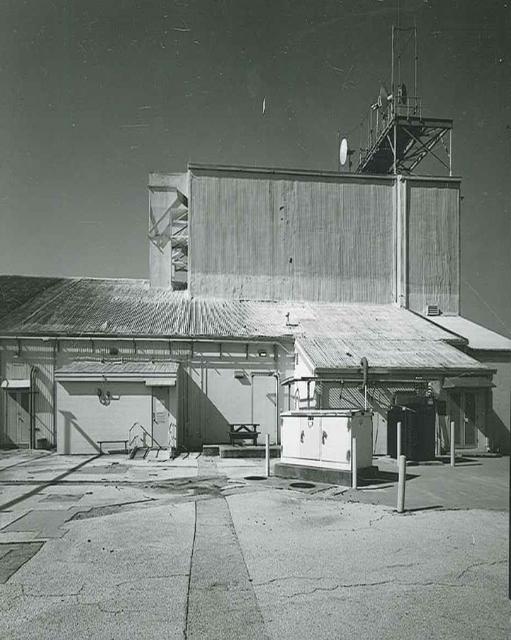
Exterior View of Hangar AE
KSC-20141001-PH-DD_7hangAE
NASA, Boeing and United Launch Alliance (ULA) conduct a simulation of launch procedures for Boeing’s Orbital Test Flight, the first uncrewed test of the company’s CST-100 Starliner and a ULA Atlas V rocket. Launch teams participated in the simulation across the country, including inside the Launch Vehicle Data Center at Hangar AE at Cape Canaveral Air Force Station in Florida. The Starliner will launch on an Atlas V rocket to the International Space Station as part of NASA’s Commercial Crew Program.
NASA/Boeing Orbital Test Flight Simulation
Exterior View of Hangar AE
KSC-20141001-PH-DD_8hangAE
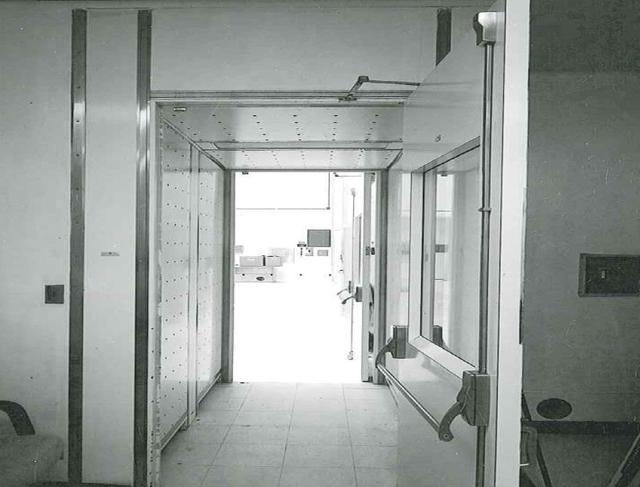
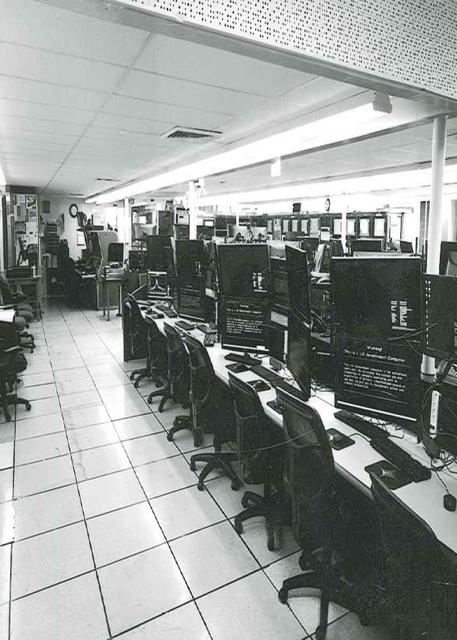
Interior View of Hangar AE
KSC-20141001-PH-DD_25hangAE
Interior View of Hangar AE
KSC-20141001-PH-DD_22hangAE
NASA, Boeing and United Launch Alliance (ULA) conduct a simulation of launch procedures for Boeing’s Orbital Test Flight, the first uncrewed test of the company’s CST-100 Starliner and a ULA Atlas V rocket. Launch teams participated in the simulation across the country, including inside the Launch Vehicle Data Center at Hangar AE at Cape Canaveral Air Force Station in Florida. The Starliner will launch on an Atlas V rocket to the International Space Station as part of NASA’s Commercial Crew Program.
NASA/Boeing Orbital Test Flight Simulation
NASA, Boeing and United Launch Alliance (ULA) conduct a simulation of launch procedures for Boeing’s Orbital Test Flight, the first uncrewed test of the company’s CST-100 Starliner and a ULA Atlas V rocket. Launch teams participated in the simulation across the country, including inside the Launch Vehicle Data Center at Hangar AE at Cape Canaveral Air Force Station in Florida. The Starliner will launch on an Atlas V rocket to the International Space Station as part of NASA’s Commercial Crew Program.
NASA/Boeing Orbital Test Flight Simulation
Interior View of Hangar AE
KSC-20141001-PH-DD_14hangAE
Exterior View of Hangar AE
KSC-20141001-PH-DD_5hangAE
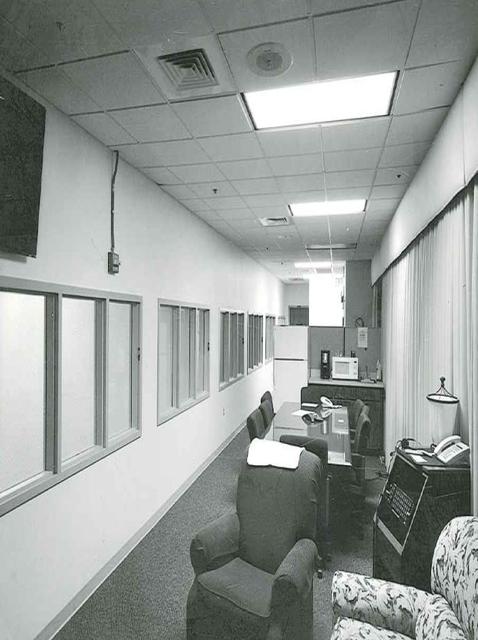
Interior View of Hangar AE
KSC-20141001-PH-DD_16hangAE
Interior View of Hangar AE
KSC-20141001-PH-DD_18hangAE
Exterior View of Hangar AE
KSC-20141001-PH-DD_3hangAE
Interior View of Hangar AE
KSC-20141001-PH-DD_15hangAE
Exterior View of Hangar AE
KSC-20141001-PH-DD_10hangAE
Interior View of Hangar AE
KSC-20141001-PH-DD_20hangAE
Interior View of Hangar AE
KSC-20141001-PH-DD_17hangAE
Exterior View of Hangar AE
KSC-20141001-PH-DD_1hangAE
Exterior View of Hangar AE
KSC-20141001-PH-DD_12hangAE
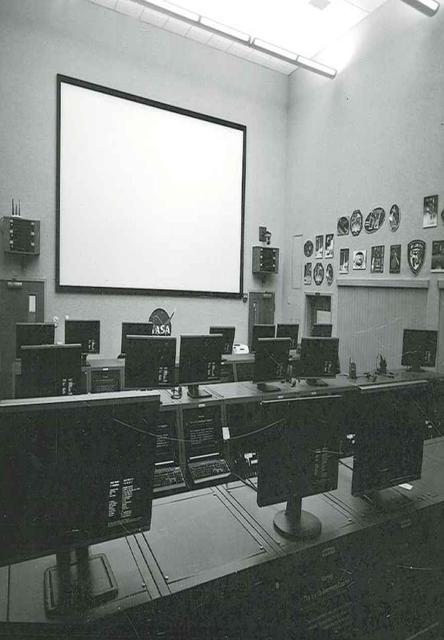
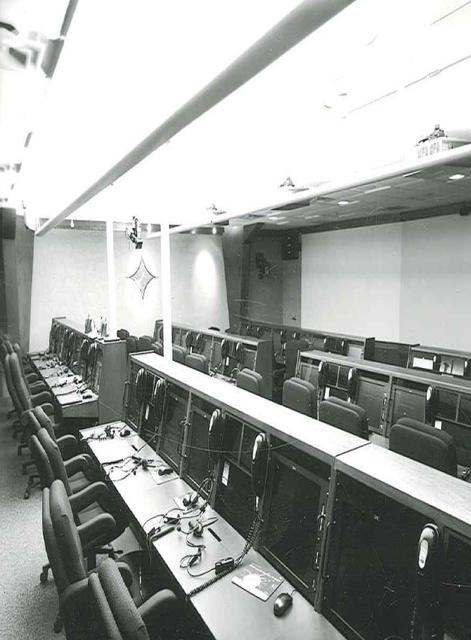
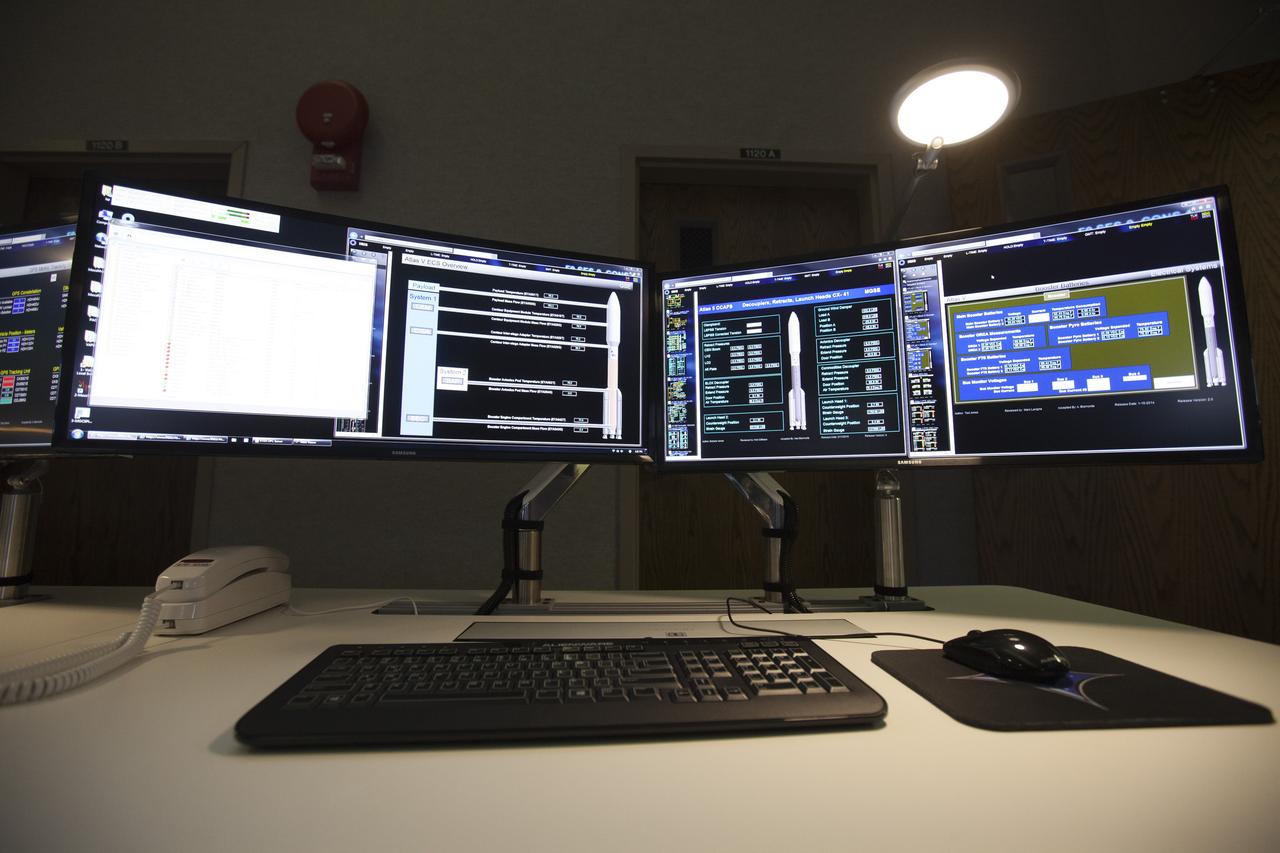
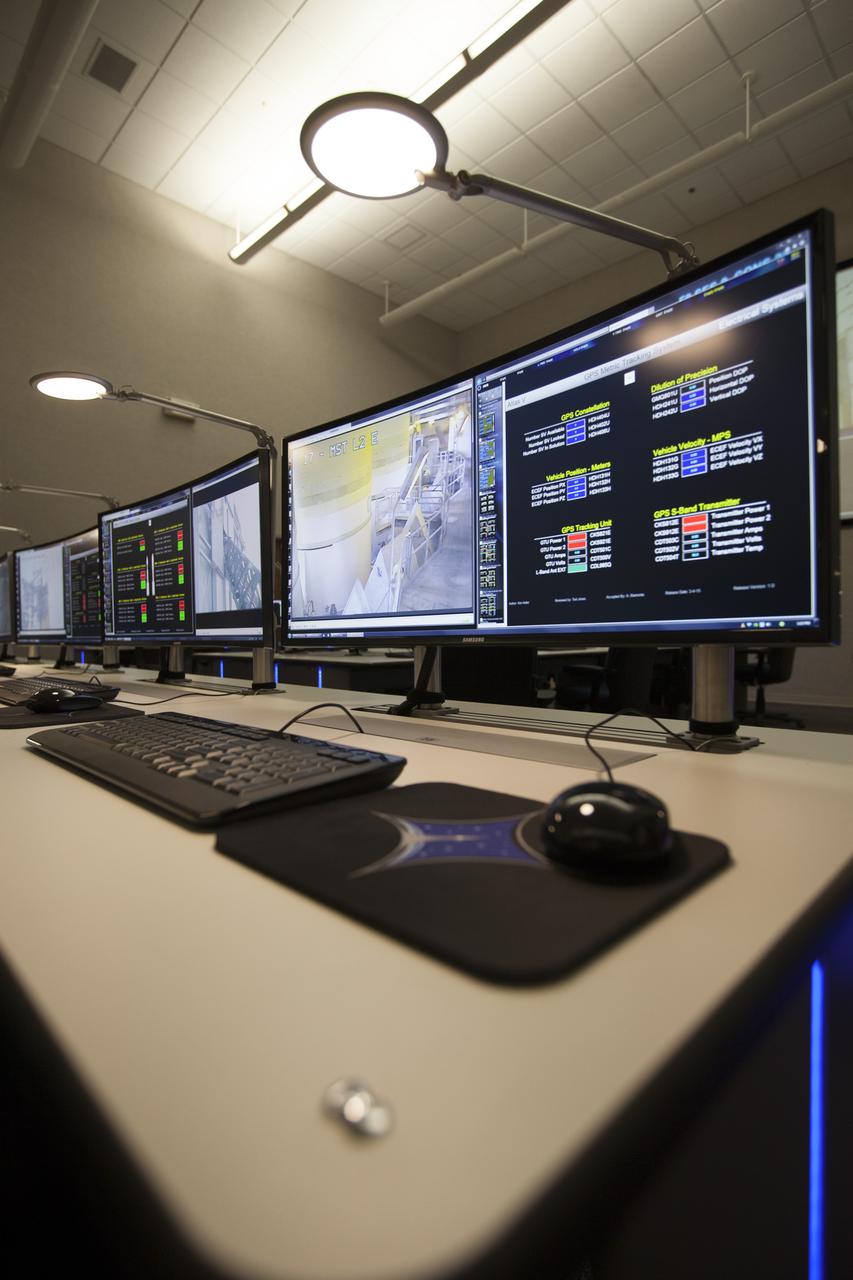
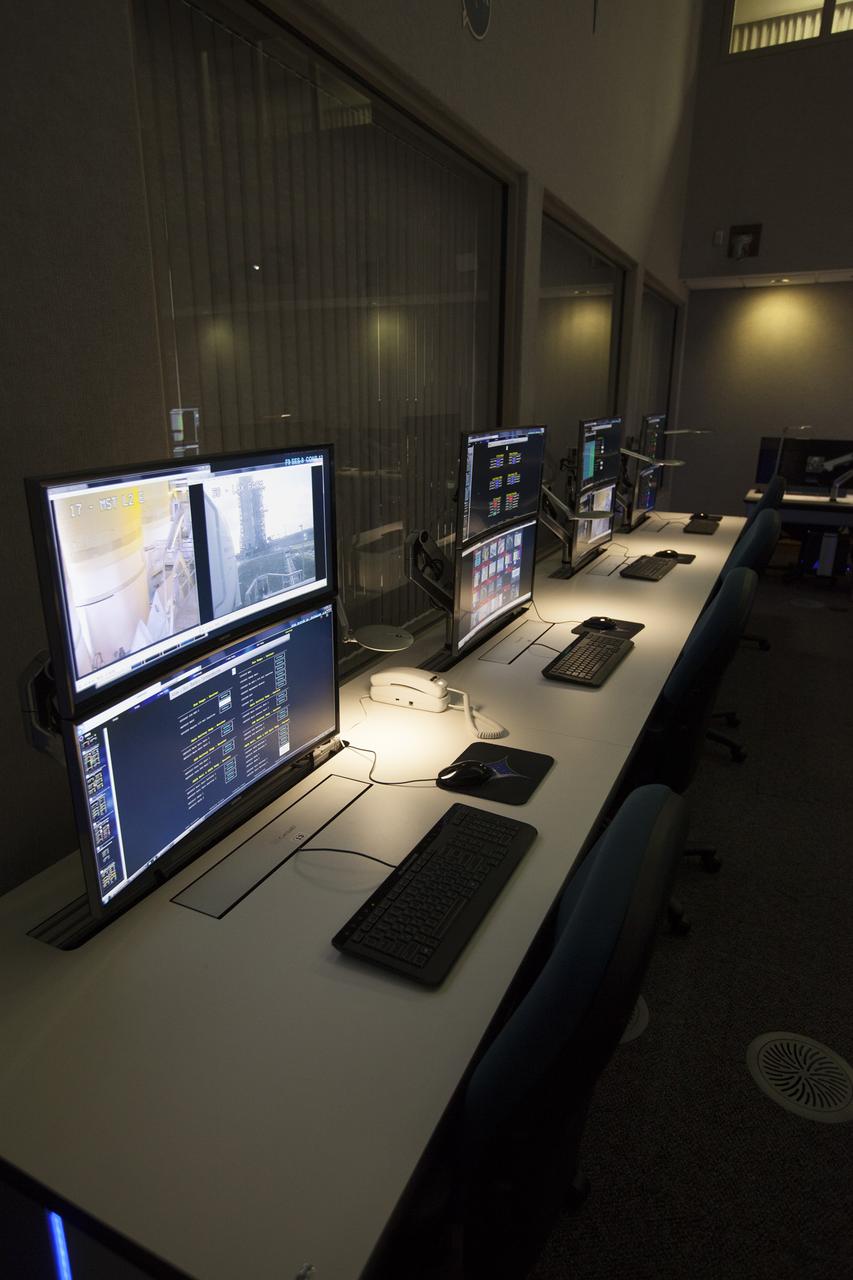
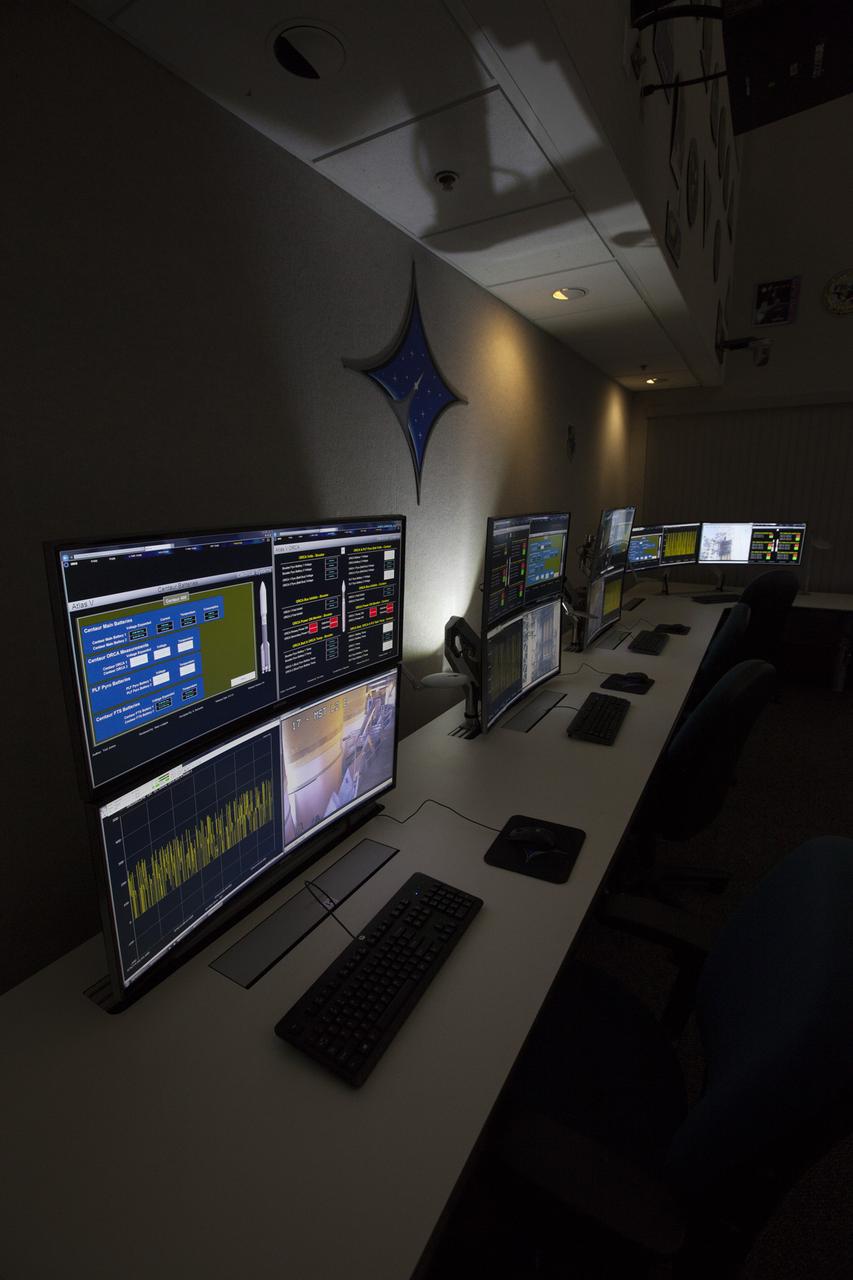
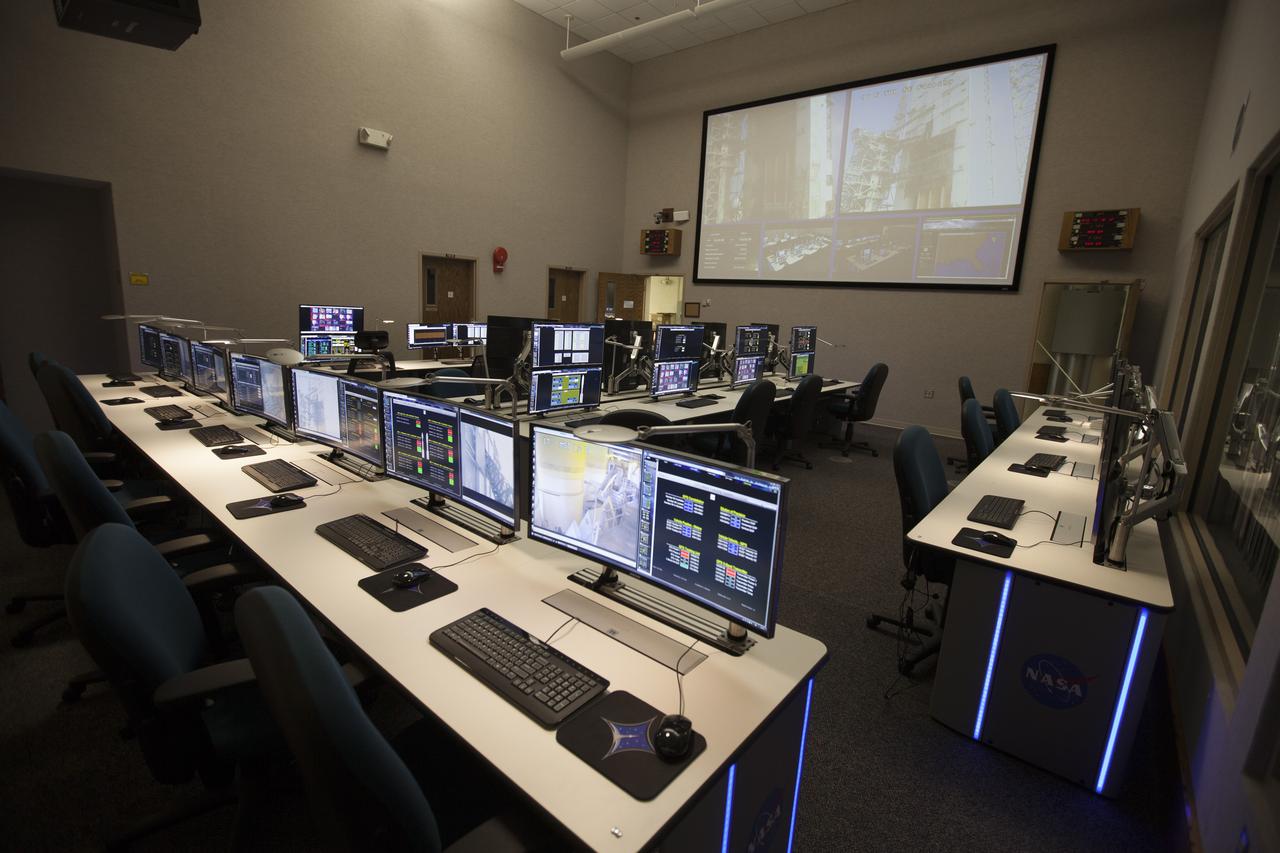
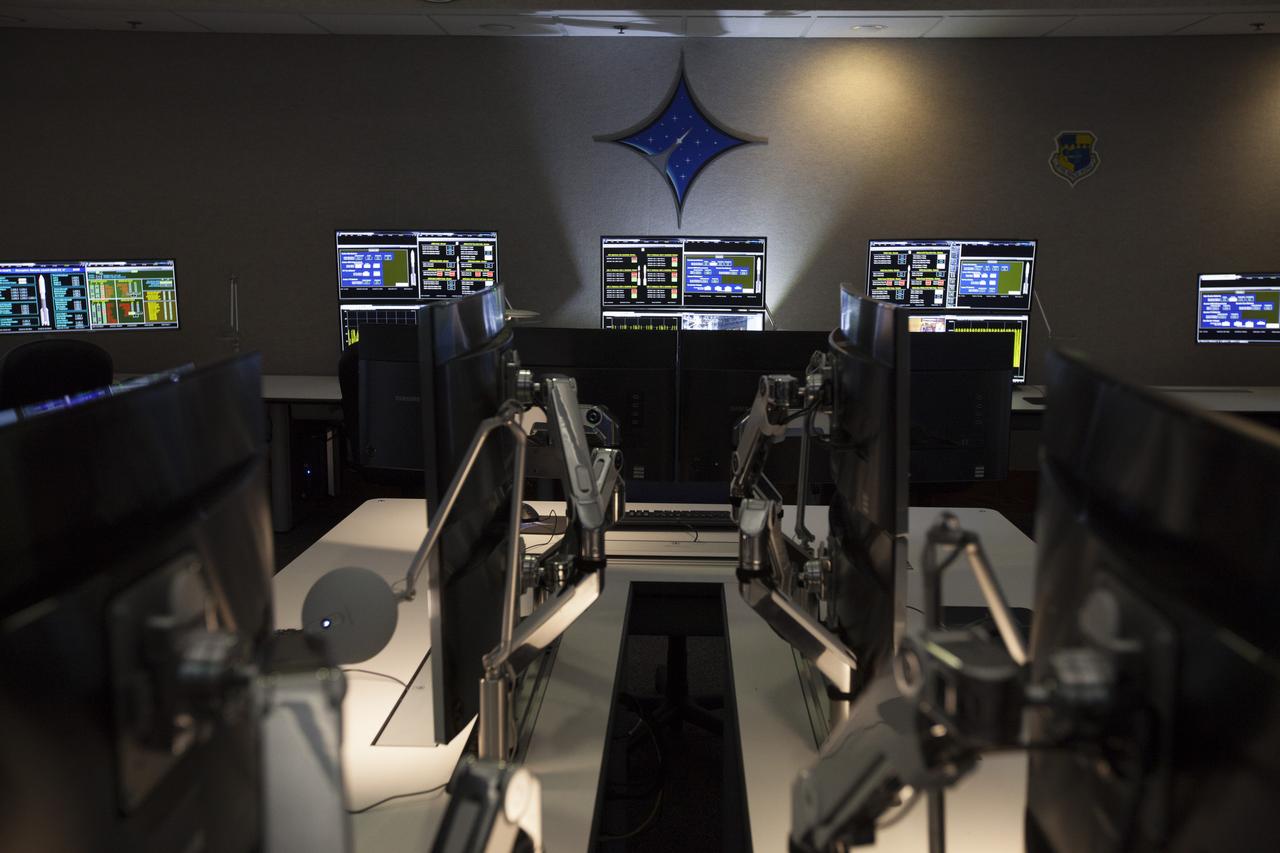
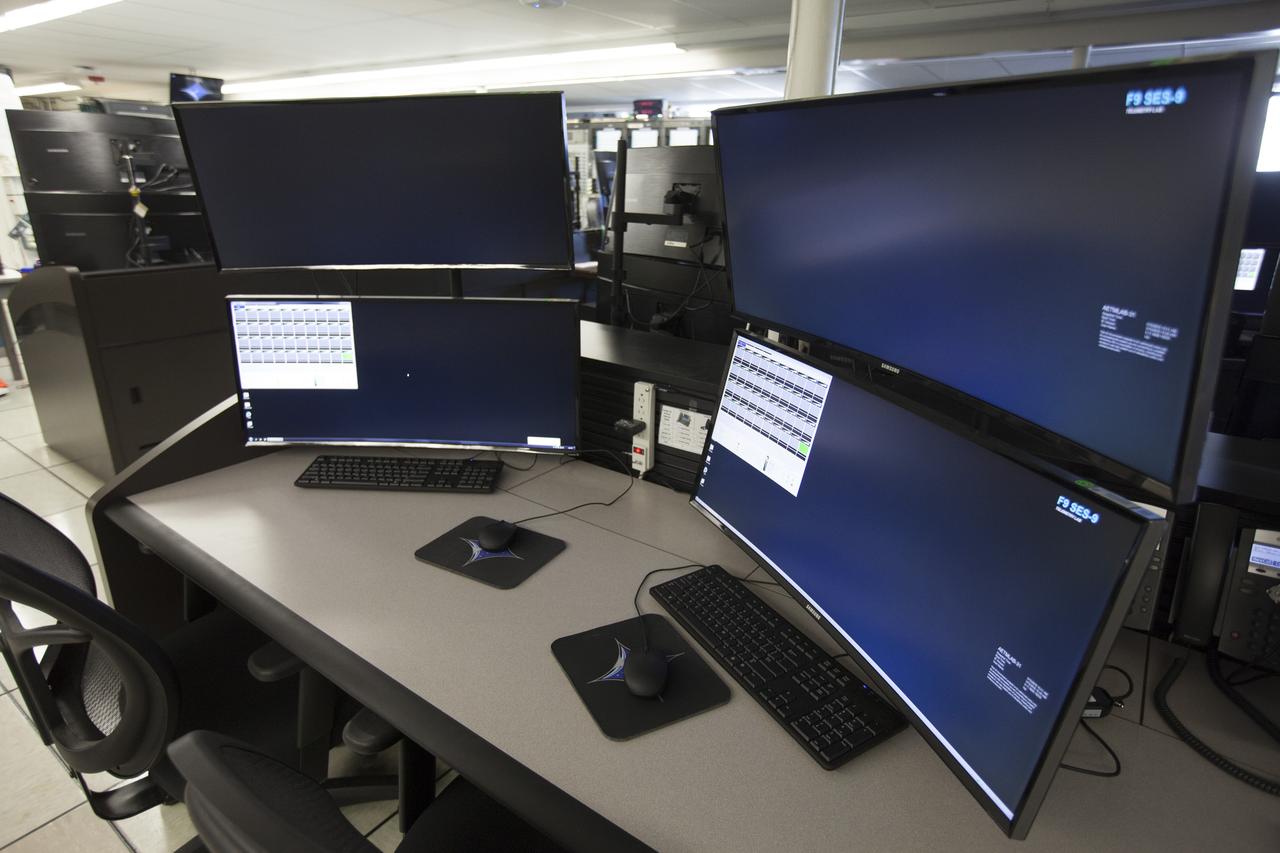
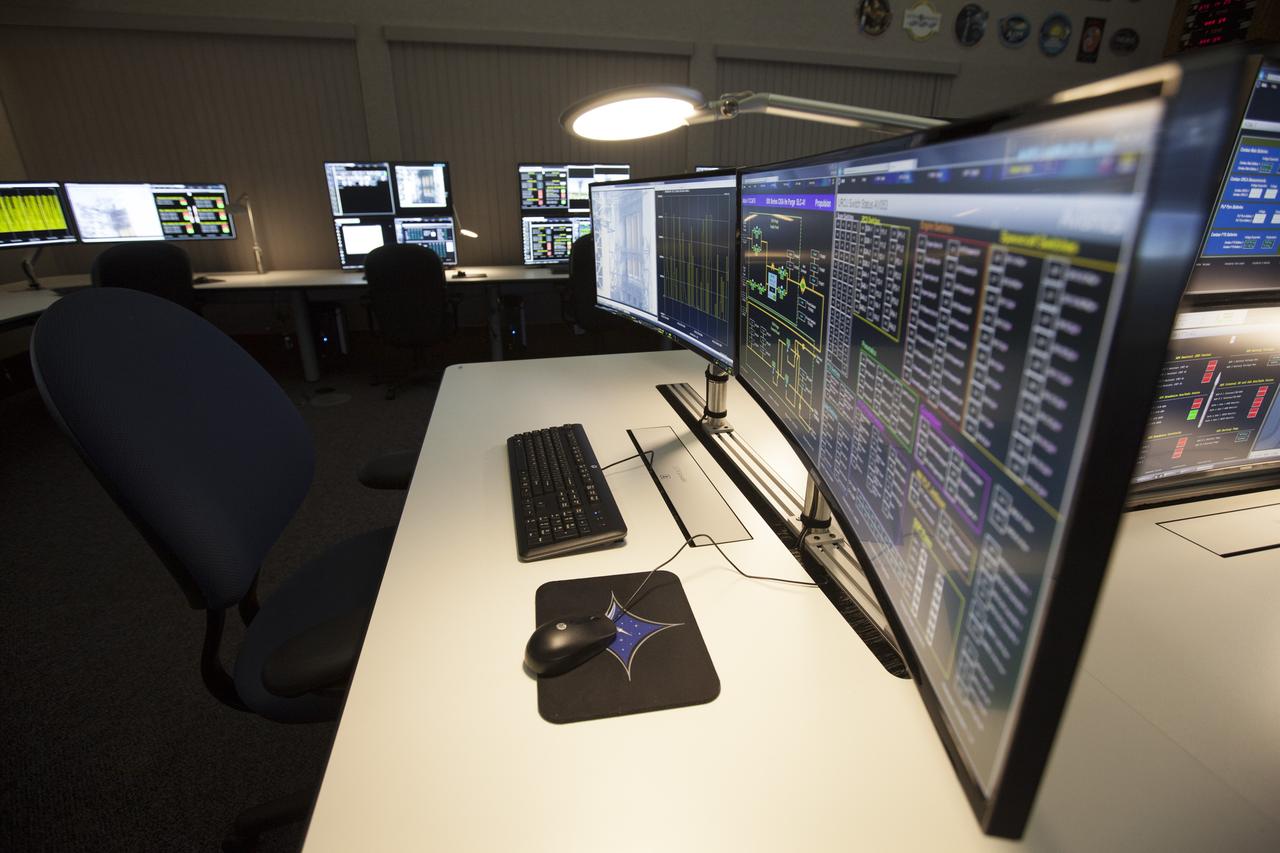
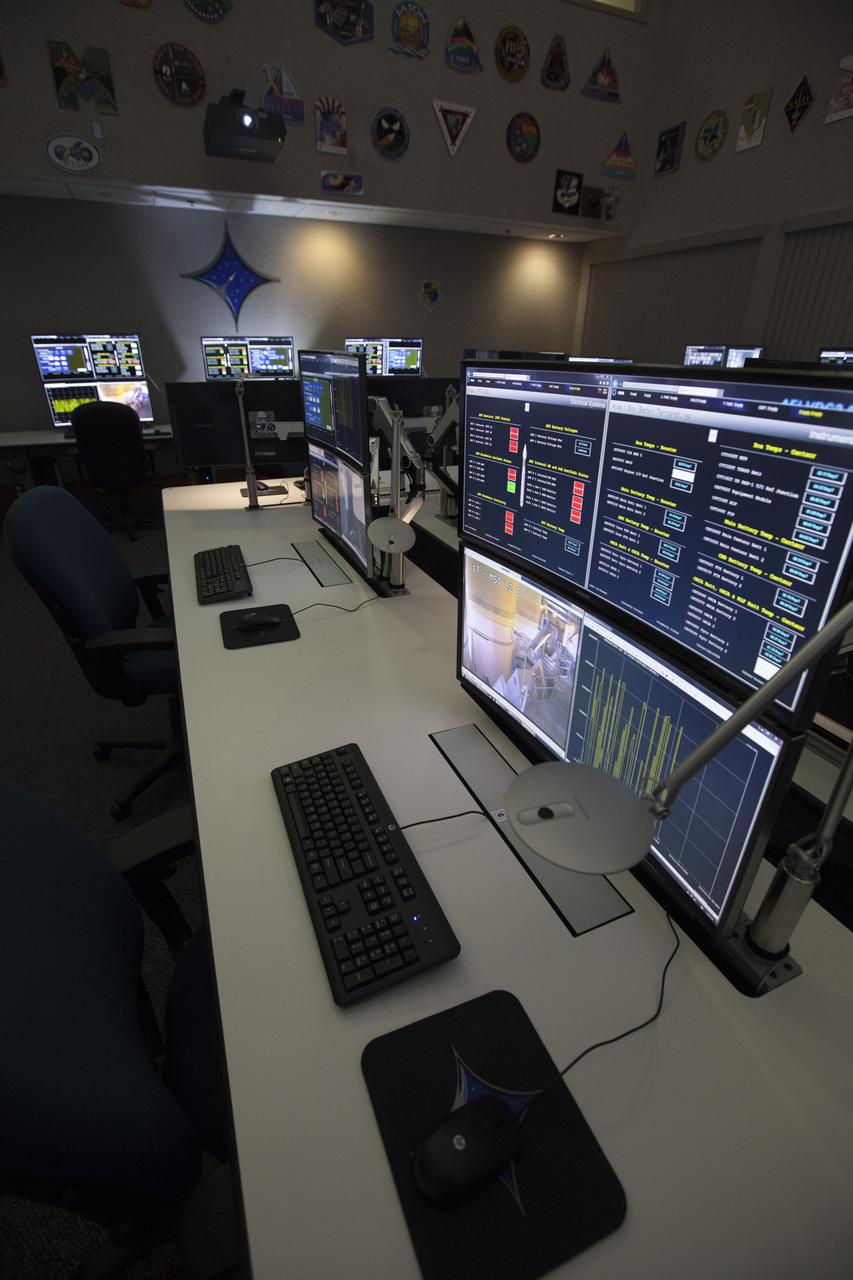
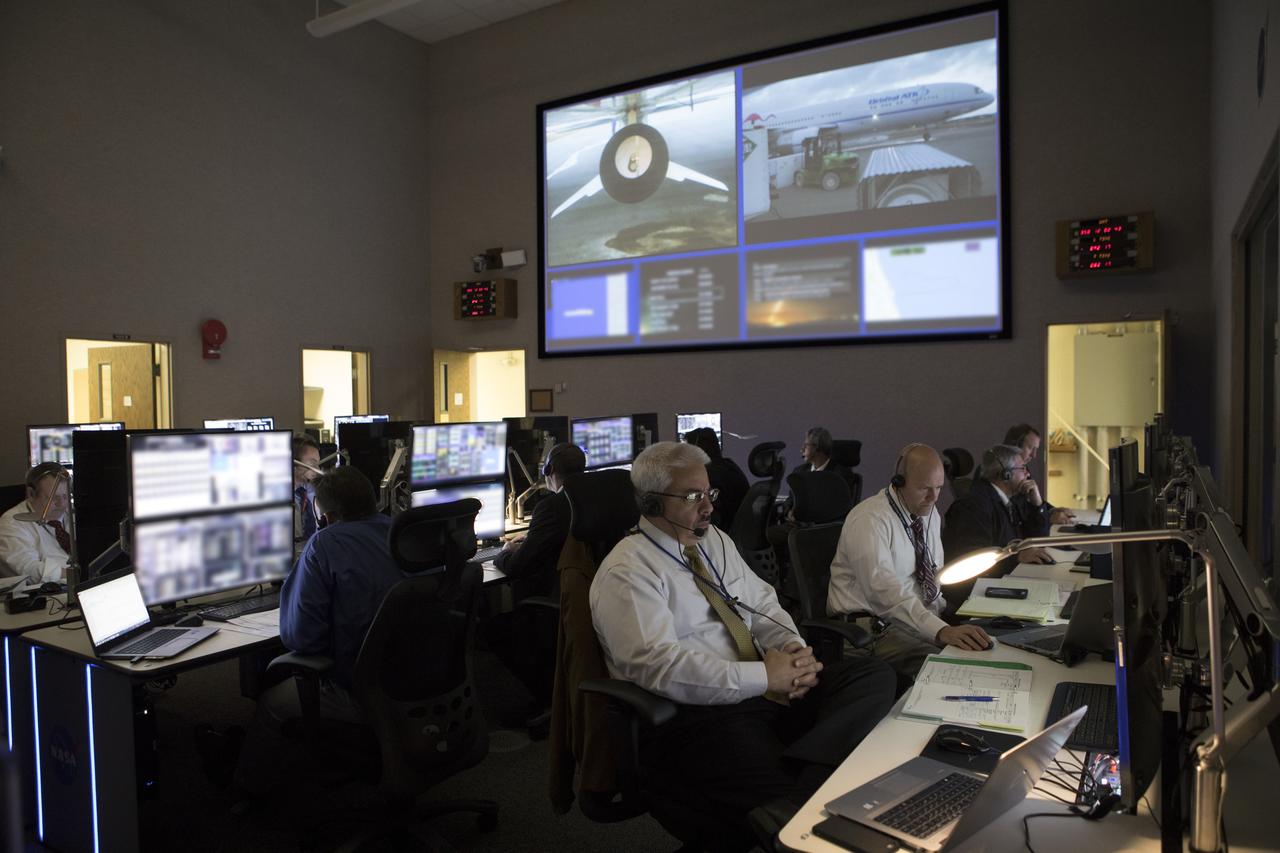
Photos of the Launch Vehicle Data Center (LVDC) in Hangar AE - Telemetry Room - showing the engineering consule upgrades.
LSP Highlights Newsletter: Photos of LVDC Console Upgrades
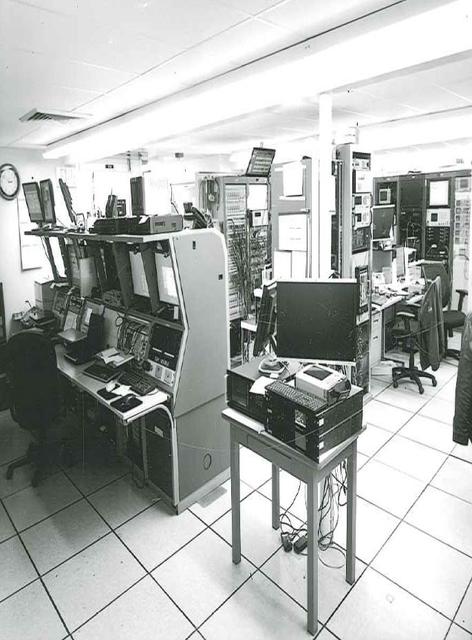
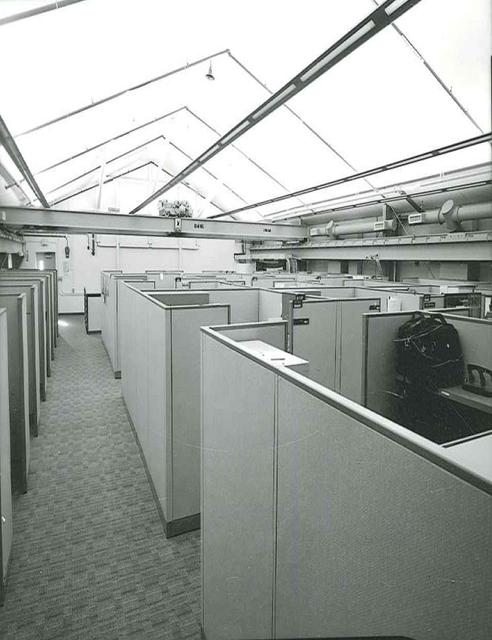
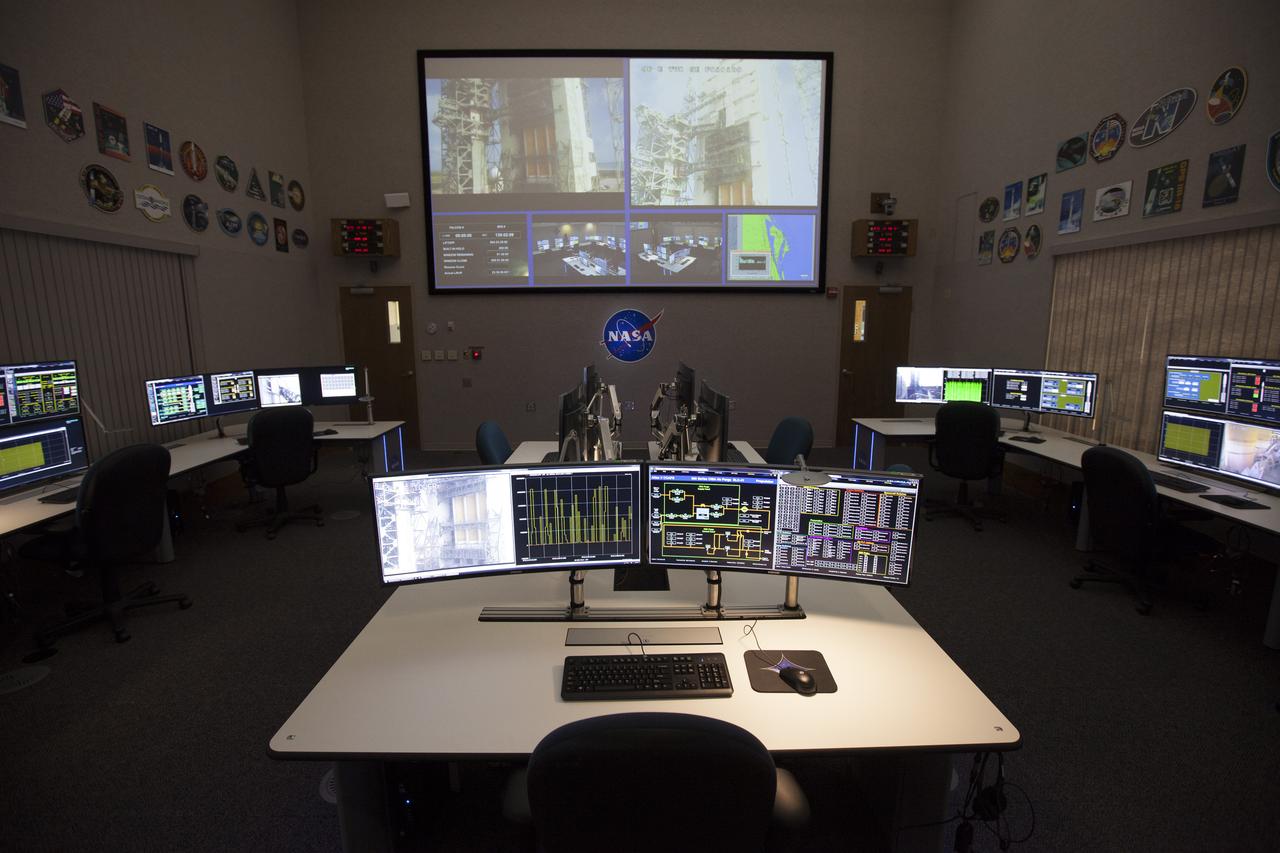
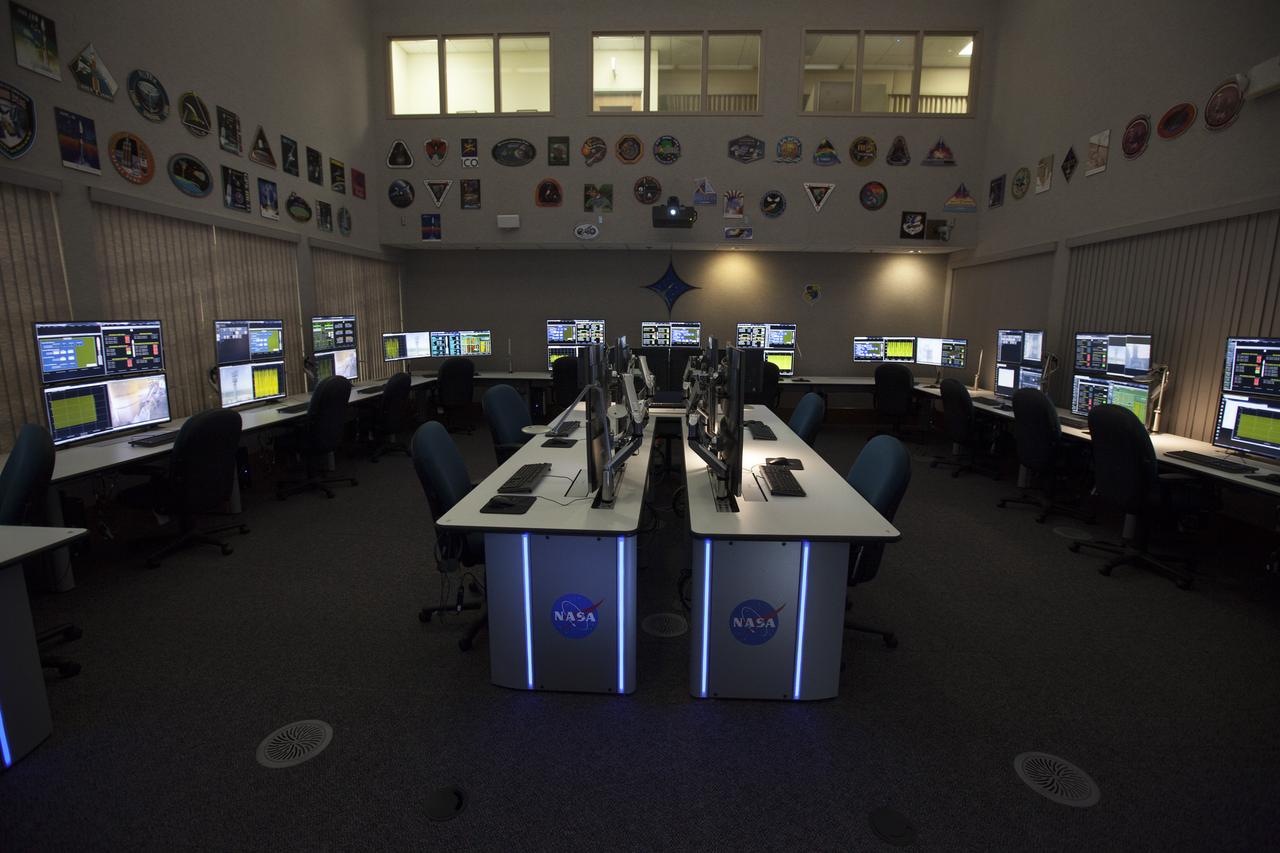
Photos of the Launch Vehicle Data Center (LVDC) in Hangar AE -  Room #2 of LVDC - showing the engineering consule upgrades.
LSP Highlights Newsletter: Photos of LVDC Console Upgrades
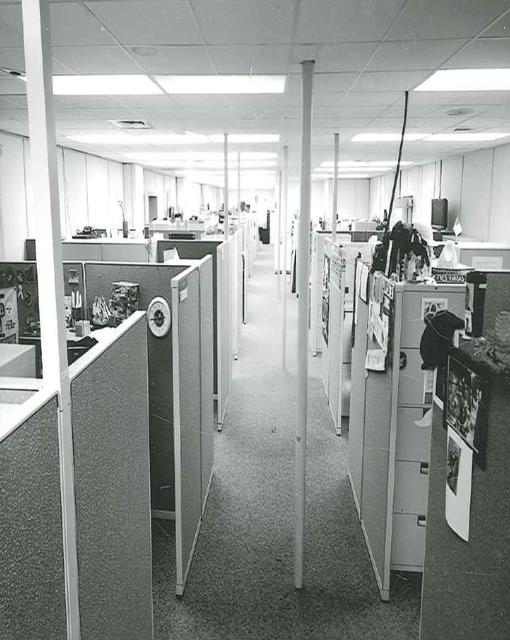
Photos of the Launch Vehicle Data Center (LVDC) in Hangar AE -  Room #1 of LVDC - showing the engineering consule upgrades.
LSP Highlights Newsletter: Photos of LVDC Console Upgrades
Photos of the Launch Vehicle Data Center (LVDC) in Hangar AE -  Room #2 of LVDC - showing the engineering consule upgrades.
LSP Highlights Newsletter: Photos of LVDC Console Upgrades
Photos of the Launch Vehicle Data Center (LVDC) in Hangar AE -  Room #1 of LVDC - showing the engineering consule upgrades.
LSP Highlights Newsletter: Photos of LVDC Console Upgrades
Photos of the Launch Vehicle Data Center (LVDC) in Hangar AE -  Room #2 of LVDC - showing the engineering consule upgrades.
LSP Highlights Newsletter: Photos of LVDC Console Upgrades
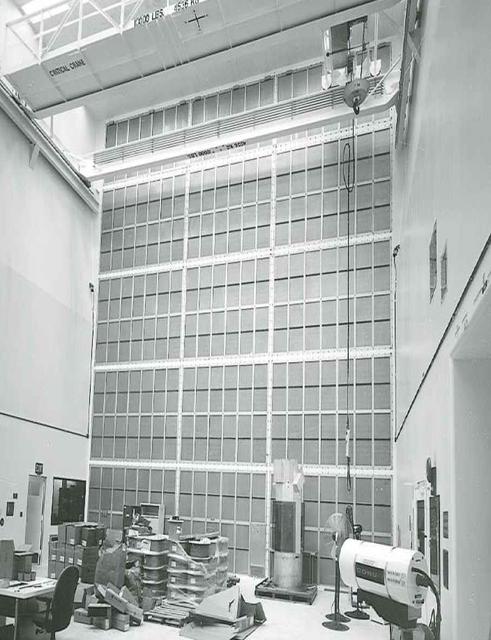
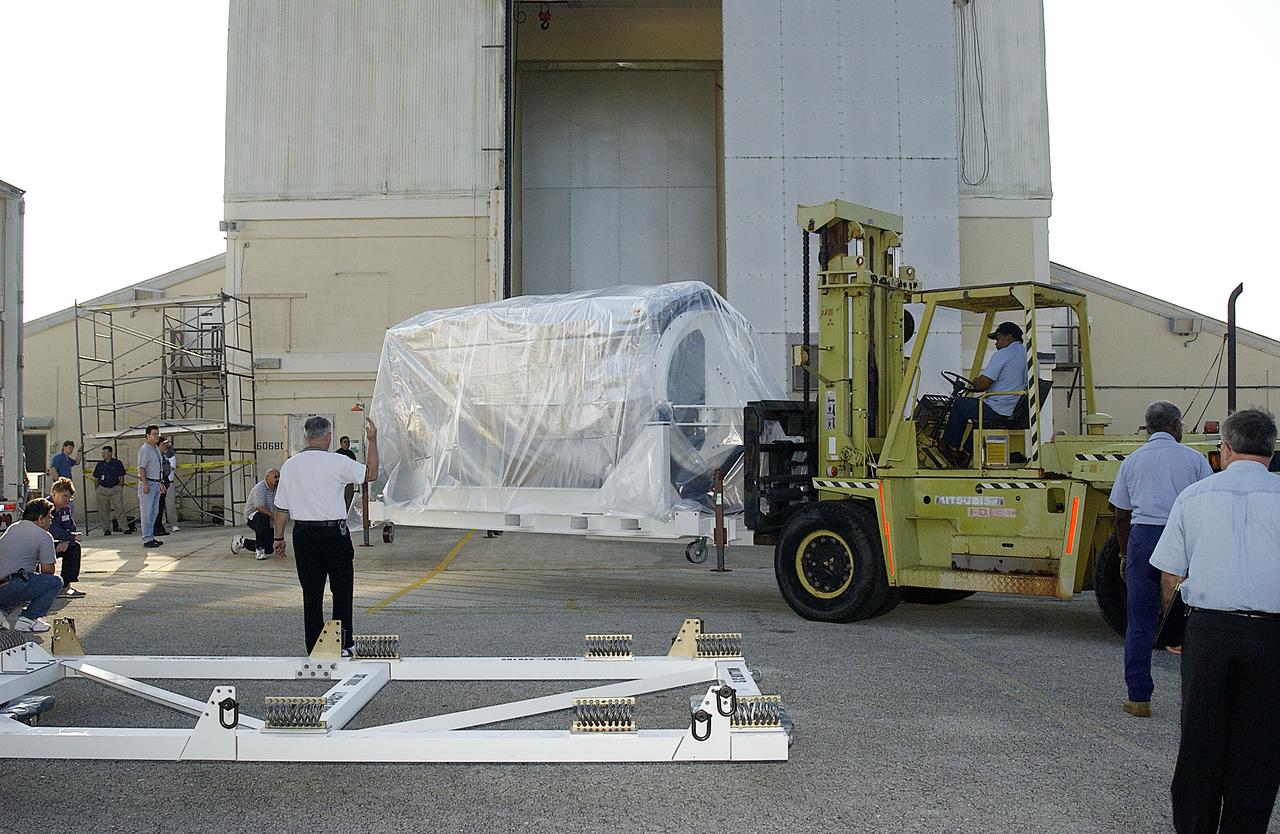
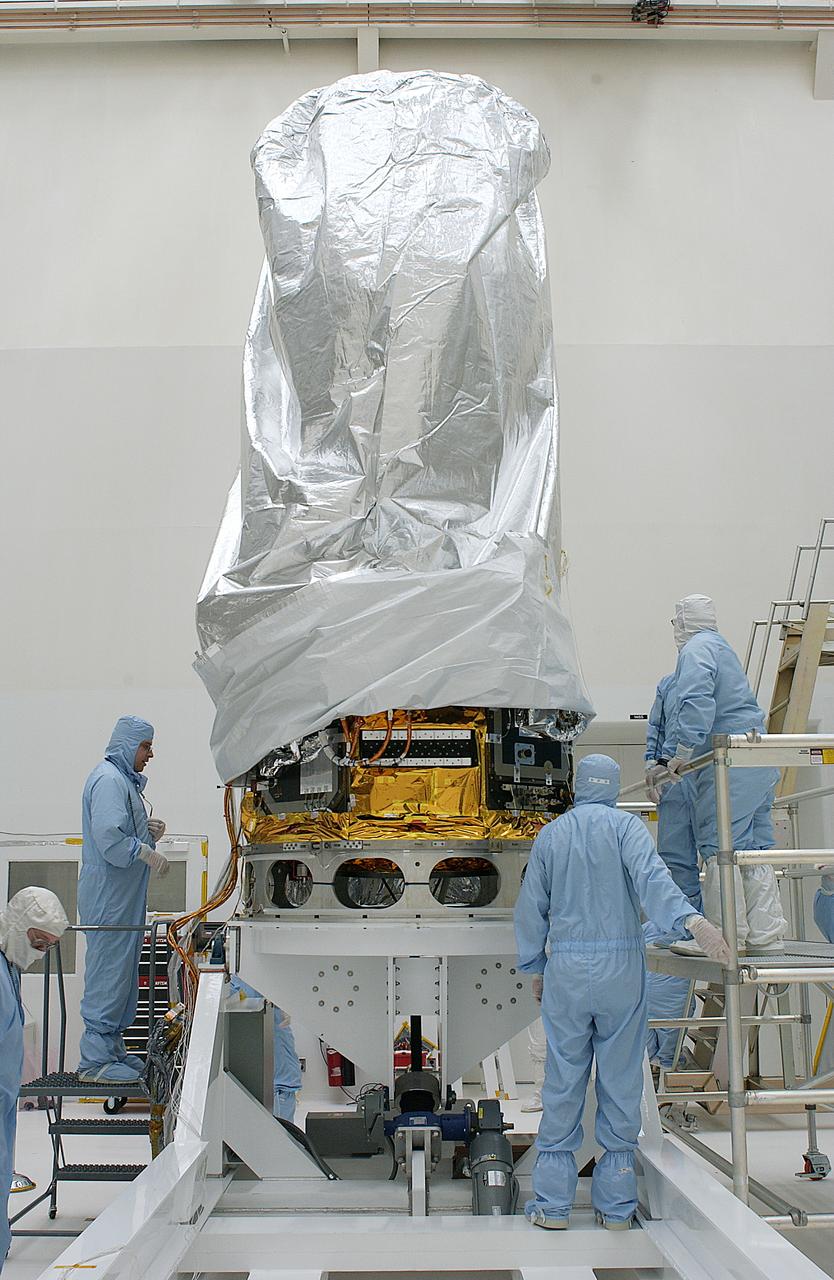
The Space Infrared Telescope Facility (SIRTF) is uncovered in the clean room of Building AE to permit workers access to the spacecraft to begin final preparations for its launch aboard a Delta II rocket. The observatory was shipped to Florida from the Lockheed Martin plant in Sunnyvale, Calif. SIRTF will obtain images and spectra by detecting the infrared energy, or heat, radiated by objects in space between wavelengths of 3 and 180 microns (1 micron is one-millionth of a meter). Most of this infrared radiation is blocked by the Earth's atmosphere and cannot be observed from the ground. Consisting of an 0.85-meter telescope and three cryogenically cooled science instruments, SIRTF is one of NASA's largest infrared telescopes to be launched. Its highly sensitive instruments will give a unique view of the Universe and peer into regions of space that are hidden from optical telescopes on the ground or orbiting telescopes such as the Hubble Space Telescope. SIRTF is scheduled for launch April 15 at 4:34:07 a.m. EDT from Launch Complex 17-B, Cape Canaveral Air Force Station.
Delta II - SIRTF
Photos of the Launch Vehicle Data Center (LVDC) in Hangar AE -  Room #2 of LVDC - showing the engineering consule upgrades.
LSP Highlights Newsletter: Photos of LVDC Console Upgrades
Photos of the Launch Vehicle Data Center (LVDC) in Hangar AE -  Room #1 of LVDC - showing the engineering consule upgrades.
LSP Highlights Newsletter: Photos of LVDC Console Upgrades
Photos of the Launch Vehicle Data Center (LVDC) in Hangar AE -  Room #2 of LVDC - showing the engineering consule upgrades.
LSP Highlights Newsletter: Photos of LVDC Console Upgrades
Photos of the Launch Vehicle Data Center (LVDC) in Hangar AE -  Room #1 of LVDC - showing the engineering consule upgrades.
LSP Highlights Newsletter: Photos of LVDC Console Upgrades
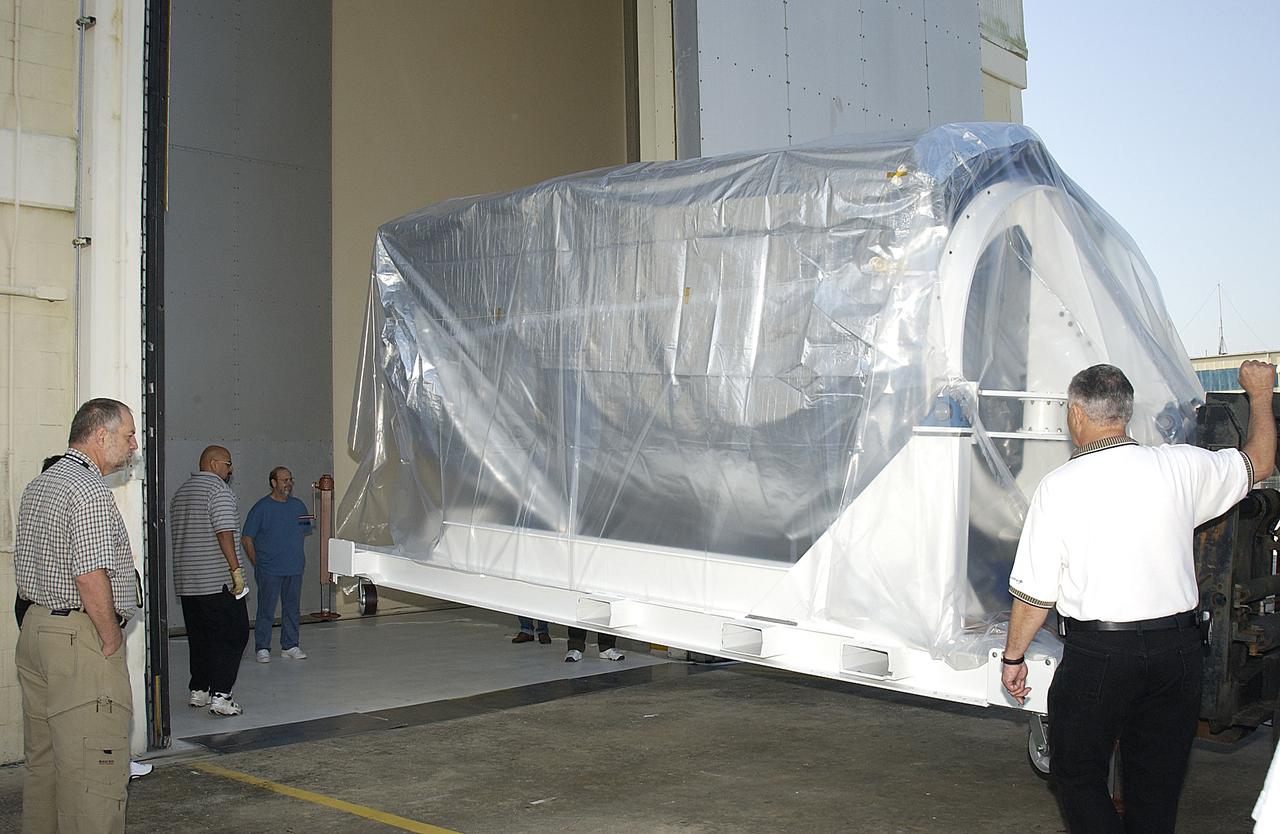
The Space Infrared Telescope Facility (SIRTF) arrives at Building AE from the Lockheed Martin plant in Sunnyvale, Calif., to begin final preparations for its launch aboard a Delta II rocket. SIRTF will obtain images and spectra by detecting the infrared energy, or heat, radiated by objects in space. Most of this infrared radiation is blocked by the Earth's atmosphere and cannot be observed from the ground. Consisting of an 0.85-meter telescope and three cryogenically cooled science instruments, SIRTF is one of NASA's largest infrared telescopes to be launched. SIRTF is scheduled for launch April 15 at 4:34:07 a.m. EDT from Launch Complex 17-B, Cape Canaveral Air Force Station.
SIRTF Arrival
Photos of the Launch Vehicle Data Center (LVDC) in Hangar AE -  Room #2 of LVDC - showing the engineering consule upgrades.
LSP Highlights Newsletter: Photos of LVDC Console Upgrades
Photos of the Launch Vehicle Data Center (LVDC) in Hangar AE -  Room #1 of LVDC - showing the engineering consule upgrades.
LSP Highlights Newsletter: Photos of LVDC Console Upgrades
The Space Infrared Telescope Facility (SIRTF) arrived at Building AE today to begin final preparations for its launch aboard a Delta II rocket. The observatory was shipped to Florida from the Lockheed Martin plant in Sunnyvale, Calif. SIRTF will obtain images and spectra by detecting the infrared energy, or heat, radiated by objects in space between wavelengths of 3 and 180 microns (1 micron is one-millionth of a meter). Most of this infrared radiation is blocked by the Earth's atmosphere and cannot be observed from the ground. Consisting of an 0.85-meter telescope and three cryogenically cooled science instruments, SIRTF is one of NASA's largest infrared telescopes to be launched. Its highly sensitive instruments will give a unique view of the Universe and peer into regions of space that are hidden from optical telescopes on the ground or orbiting telescopes such as the Hubble Space Telescope. SIRTF is scheduled for launch April 15 at 4:34:07 a.m. EDT from Launch Complex 17-B, Cape Canaveral Air Force Station.
Delta II - SIRTF
Photos of the Launch Vehicle Data Center (LVDC) in Hangar AE -  Room #2 of LVDC - showing the engineering consule upgrades.
LSP Highlights Newsletter: Photos of LVDC Console Upgrades
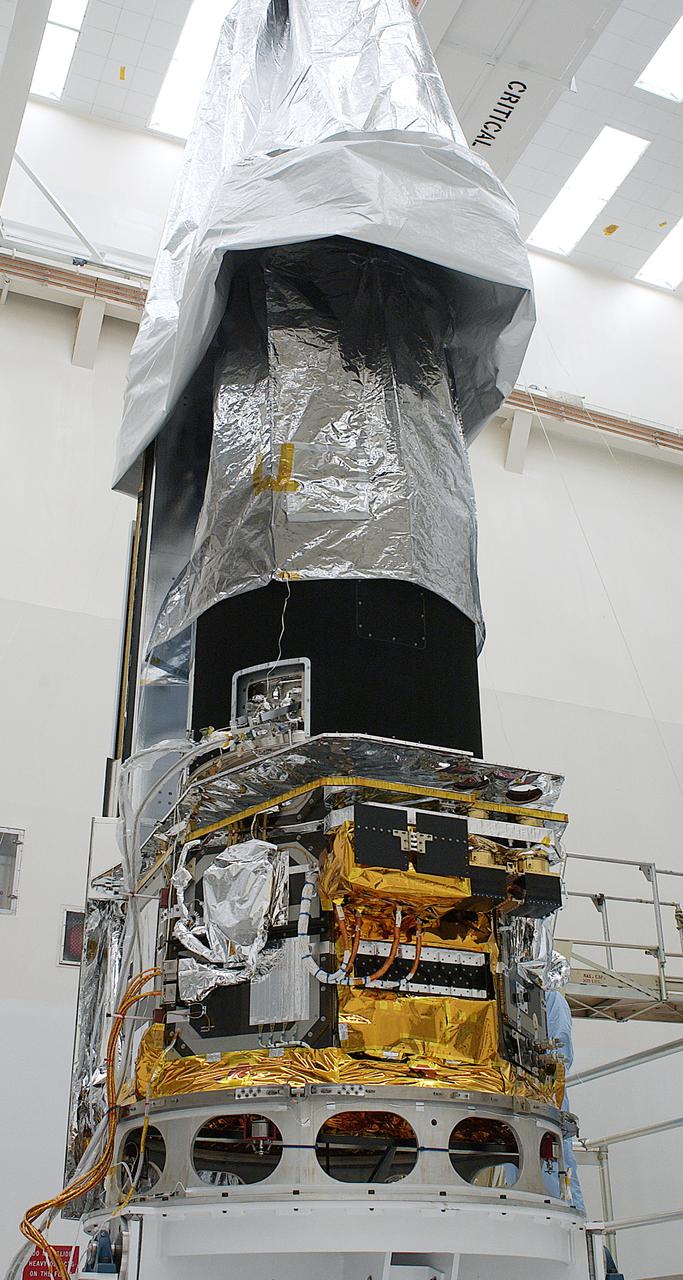
The Space Infrared Telescope Facility (SIRTF) is rotated to a vertical position in the clean room of Building AE today following its arrival from the Lockheed Martin plant in Sunnyvale, Calif. Final preparations for its launch aboard a Delta II rocket will now commence. SIRTF will obtain images and spectra by detecting the infrared energy, or heat, radiated by objects in space between wavelengths of 3 and 180 microns (1 micron is one-millionth of a meter). Most of this infrared radiation is blocked by the Earth's atmosphere and cannot be observed from the ground. Consisting of an 0.85-meter telescope and three cryogenically cooled science instruments, SIRTF is one of NASA's largest infrared telescopes to be launched. Its highly sensitive instruments will give a unique view of the Universe and peer into regions of space that are hidden from optical telescopes on the ground or orbiting telescopes such as the Hubble Space Telescope. SIRTF is scheduled for launch April 15 at 4:34:07 a.m. EDT from Launch Complex 17-B, Cape Canaveral Air Force Station.
Delta II - SIRTF
Photos of the Launch Vehicle Data Center (LVDC) in Hangar AE -  Room #2 of LVDC - showing the engineering consule upgrades.
LSP Highlights Newsletter: Photos of LVDC Console Upgrades
Photos of the Launch Vehicle Data Center (LVDC) in Hangar AE -  Room #1 of LVDC - showing the engineering consule upgrades.
LSP Highlights Newsletter: Photos of LVDC Console Upgrades
Photos of the Launch Vehicle Data Center (LVDC) in Hangar AE -  Room #2 of LVDC - showing the engineering consule upgrades.
LSP Highlights Newsletter: Photos of LVDC Console Upgrades
Photos of the Launch Vehicle Data Center (LVDC) in Hangar AE -  Room #2 of LVDC - showing the engineering consule upgrades.
LSP Highlights Newsletter: Photos of LVDC Console Upgrades
Photos of the Launch Vehicle Data Center (LVDC) in Hangar AE - Telemetry Room - showing the engineering consule upgrades.
LSP Highlights Newsletter: Photos of LVDC Console Upgrades
Photos of the Launch Vehicle Data Center (LVDC) in Hangar AE -  Room #2 of LVDC - showing the engineering consule upgrades.
LSP Highlights Newsletter: Photos of LVDC Console Upgrades