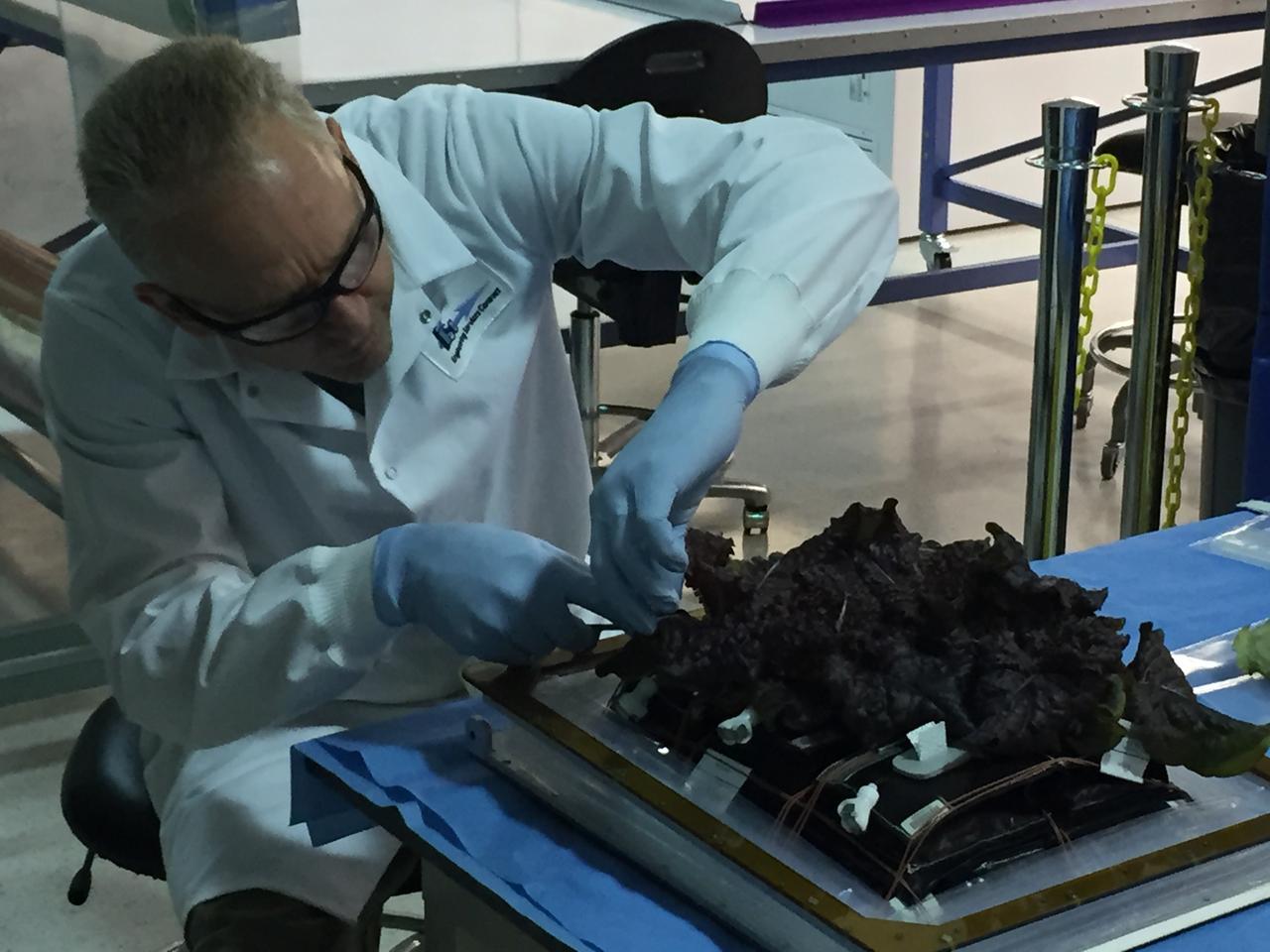
Astronaut Scott Kelly initiated VEG-01 B, the second crop of lettuce, on July, 8, 2015, and both Kelly and Astronaut Kjell Lindgren cared for the plants. The crop grew for 33 days. VEG-01 B included one set of six plant pillows planted with red romaine lettuce seeds. On Aug. 10, 2015, the crew harvested and consumed leaves from each plant. This was the first crop grown and consumed in NASA hardware. They harvested the rest of the plant tissue and froze it in the station’s Minus Eighty-Degree Laboratory Freezer for ISS (MELFI) for return to Earth for further study including microbial analysis, antioxidant capacity, mineral analysis and anthocyanin concentration.
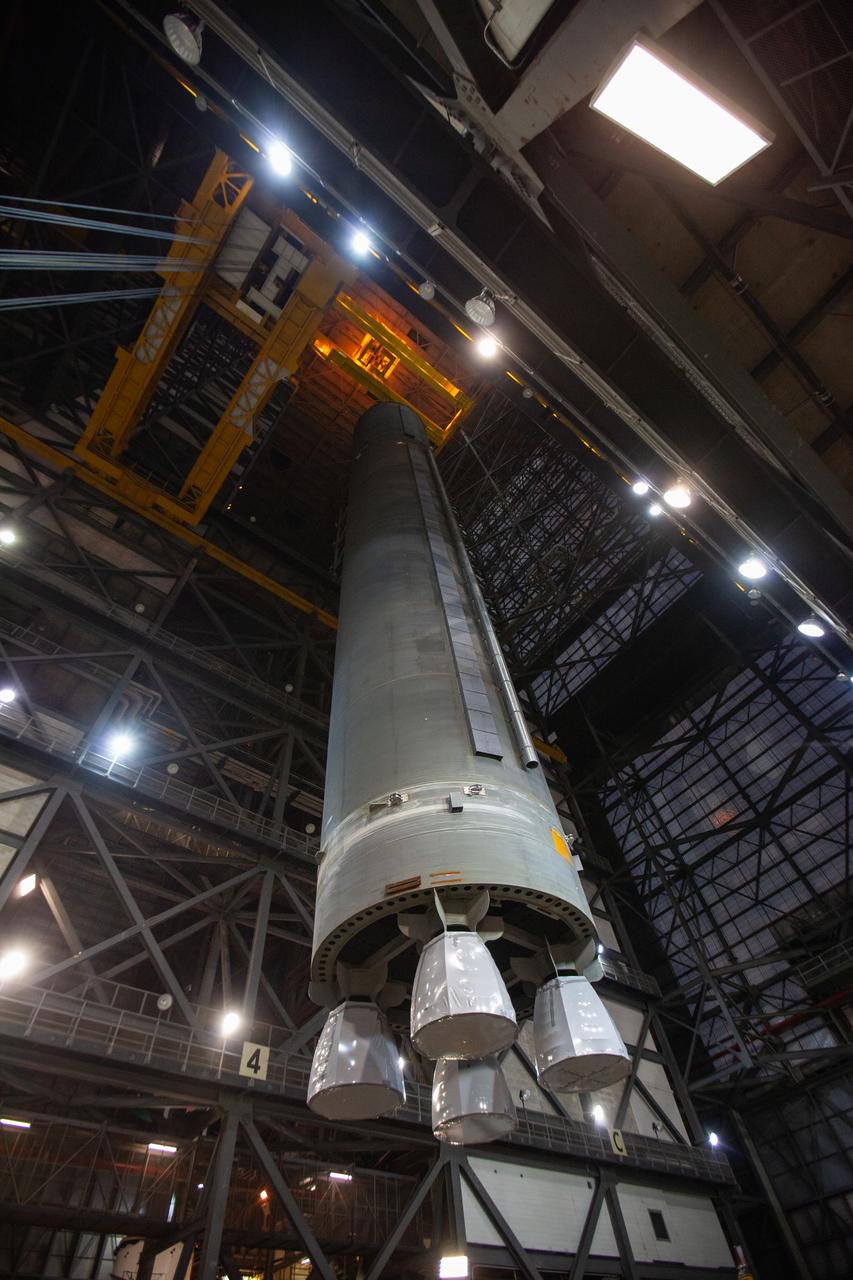
Inside the Vehicle Assembly Building at NASA’s Kennedy Space Center in Florida, a crane is used to lift the Space Launch System (SLS) Core Stage pathfinder high up in the transfer aisle on Oct. 16, 2019. The pathfinder will be lifted up to the 16th level and lowered into High Bay 3. The 212-foot-long core stage pathfinder arrived on NASA's Pegasus Barge at Kennedy’s Launch Complex 39 turn basin wharf on Sept. 27, 2019. The Pegasus Barge made its first delivery to Kennedy in support of the agency's Artemis missions. The pathfinder is being used by Exploration Ground Systems and its contractor, Jacobs, to practice offloading, moving and stacking maneuvers, using important ground support equipment to train employees and certify all the equipment works properly. The pathfinder will stay at Kennedy through at least the month of October before trekking back to NASA's Michoud Assembly Facility in Louisiana.

NASA Kennedy Space Center workers enjoy Hispanic food at KARS Park II during an event to celebrate Hispanic Heritage Month on Oct. 17, 2019. The event was hosted by the center’s Hispanic Outreach and Leadership Alliance (HOLA) employee resource group for Hispanic Heritage Month. This year’s theme is “Hispanic Americans: A History of Serving our Nation.” HOLA’s initiatives include education and recruitment, professional networking and development, and community outreach and media support.
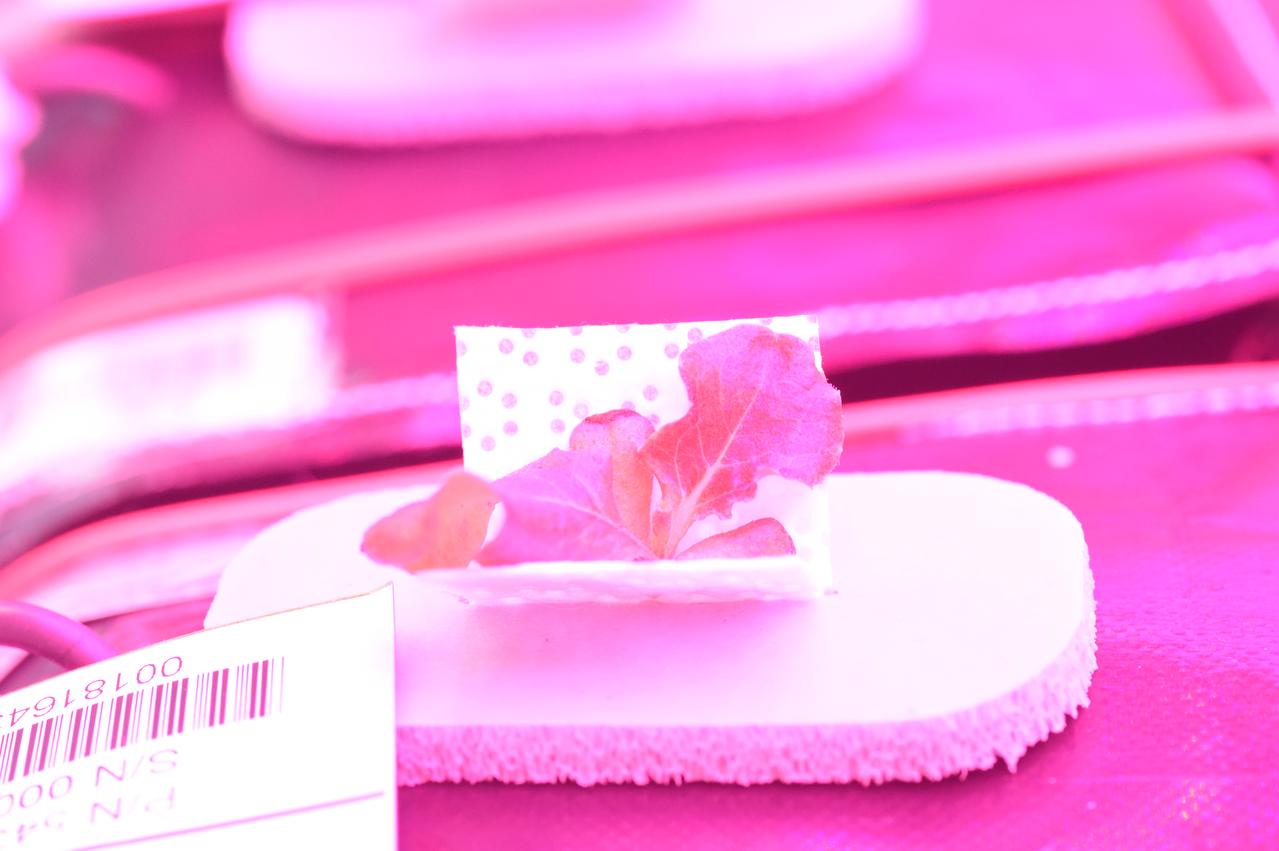
Astronaut Scott Kelly initiated VEG-01 B, the second crop of lettuce, on July, 8, 2015, and both Kelly and Astronaut Kjell Lindgren cared for the plants. The crop grew for 33 days. VEG-01 B included one set of six plant pillows planted with red romaine lettuce seeds. On Aug. 10, 2015, the crew harvested and consumed leaves from each plant. This was the first crop grown and consumed in NASA hardware. They harvested the rest of the plant tissue and froze it in the station’s Minus Eighty-Degree Laboratory Freezer for ISS (MELFI) for return to Earth for further study including microbial analysis, antioxidant capacity, mineral analysis and anthocyanin concentration.
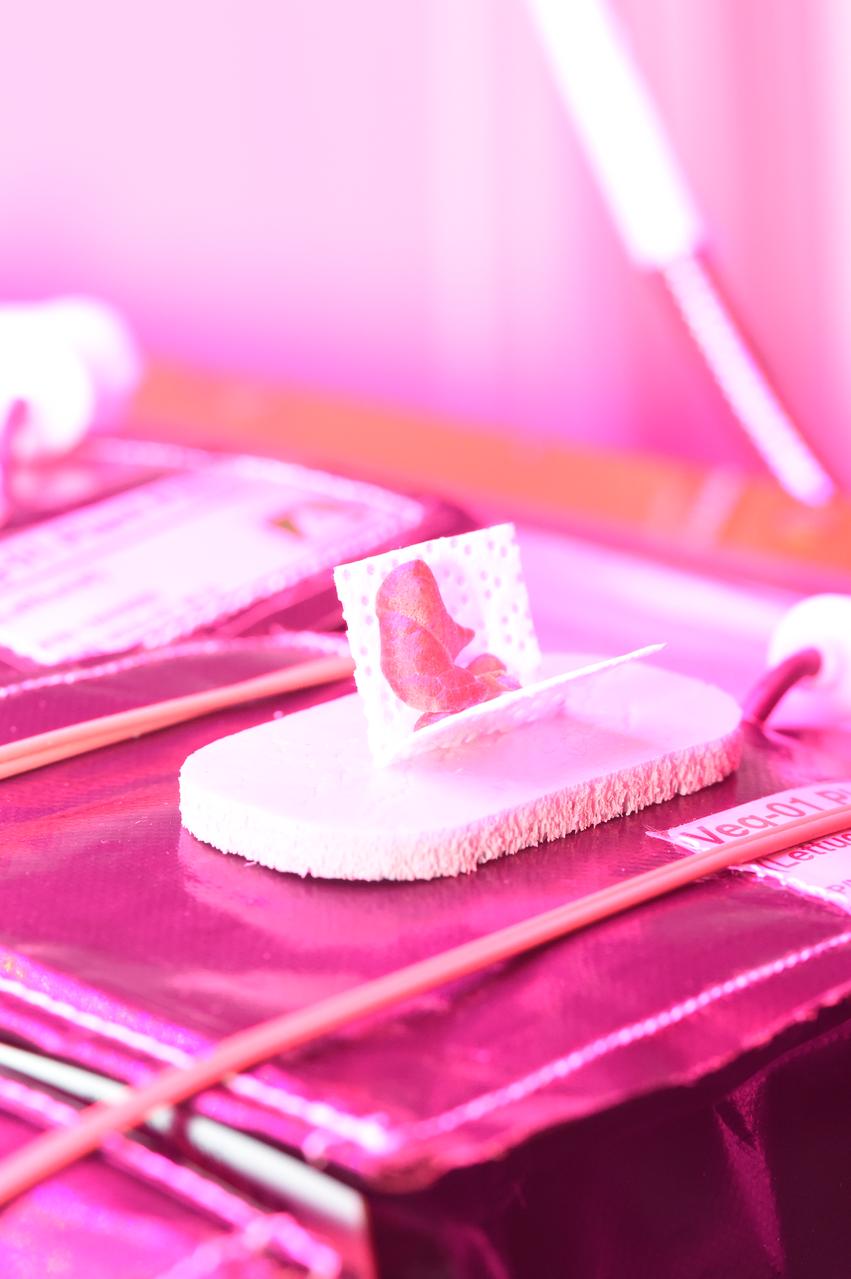
Astronaut Scott Kelly initiated VEG-01 B, the second crop of lettuce, on July, 8, 2015, and both Kelly and Astronaut Kjell Lindgren cared for the plants. The crop grew for 33 days. VEG-01 B included one set of six plant pillows planted with red romaine lettuce seeds. On Aug. 10, 2015, the crew harvested and consumed leaves from each plant. This was the first crop grown and consumed in NASA hardware. They harvested the rest of the plant tissue and froze it in the station’s Minus Eighty-Degree Laboratory Freezer for ISS (MELFI) for return to Earth for further study including microbial analysis, antioxidant capacity, mineral analysis and anthocyanin concentration.

Omar Baez, right, launch director in NASA’s Launch Services Program (LSP), monitors the launch of the agency’s Ionospheric Connection Explorer (ICON) satellite inside Hangar AE’s Mission Director’s Center at Cape Canaveral Air Force Station (CCAFS). The Northrop Grumman Pegasus XL rocket carrying ICON was released from the company’s L-1011 Stargazer aircraft at 9:59 p.m. EDT on Oct. 10, 2019, over the Atlantic Ocean about 50 miles from Daytona Beach, Florida, following takeoff from CCAFS. ICON will spend two years studying the Earth’s ionosphere – the dynamic zone in our atmosphere where terrestrial weather from below meets space weather from above. The ICON launch was managed by LSP.
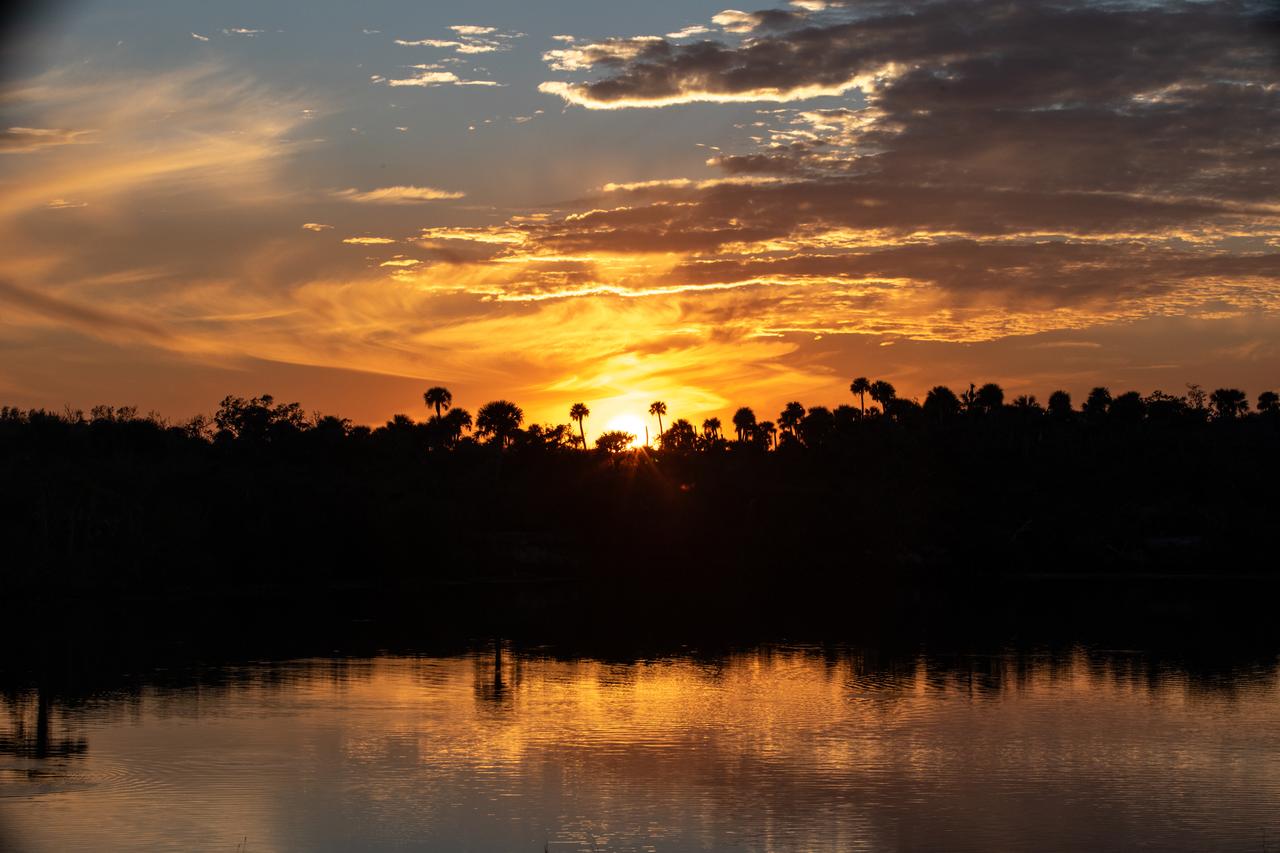
Photographers at NASA capture the sunset on Tuesday, Jan. 30, 2024, at the agency’s Kennedy Space Center in Florida.
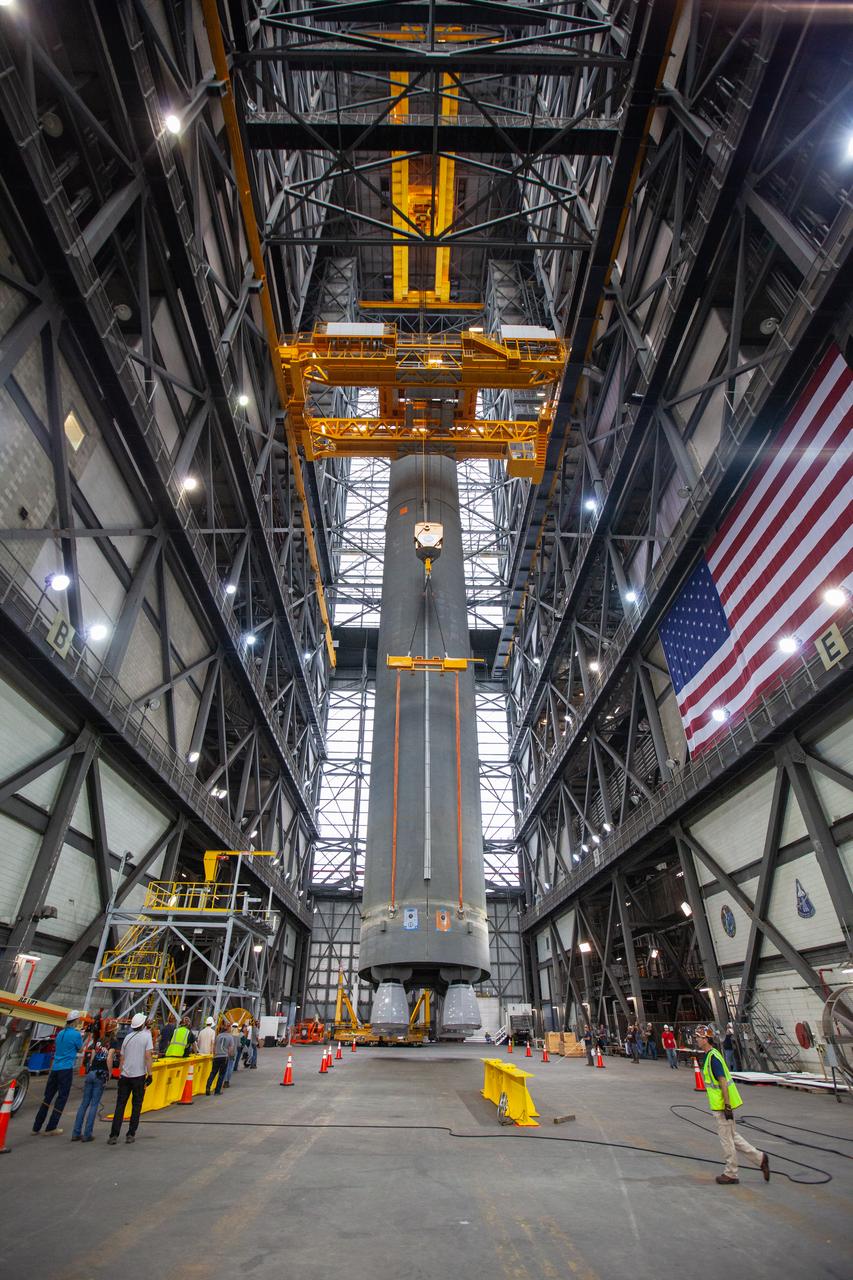
Inside the Vehicle Assembly Building at NASA’s Kennedy Space Center in Florida, two cranes are used to lift the Space Launch System (SLS) Core Stage pathfinder into the vertical position in the transfer aisle on Oct. 15, 2019. The 212-foot-long core stage pathfinder arrived on NASA's Pegasus Barge at Kennedy’s Launch Complex 39 turn basin wharf on Sept. 27, 2019. The Pegasus Barge made its first delivery to Kennedy in support of the agency's Artemis missions. The pathfinder is being used by Exploration Ground Systems and its contractor, Jacobs, to practice offloading, moving and stacking maneuvers, using important ground support equipment to train employees and certify all the equipment works properly. The pathfinder will stay at Kennedy through at least the month of October before trekking back to NASA's Michoud Assembly Facility in Louisiana.
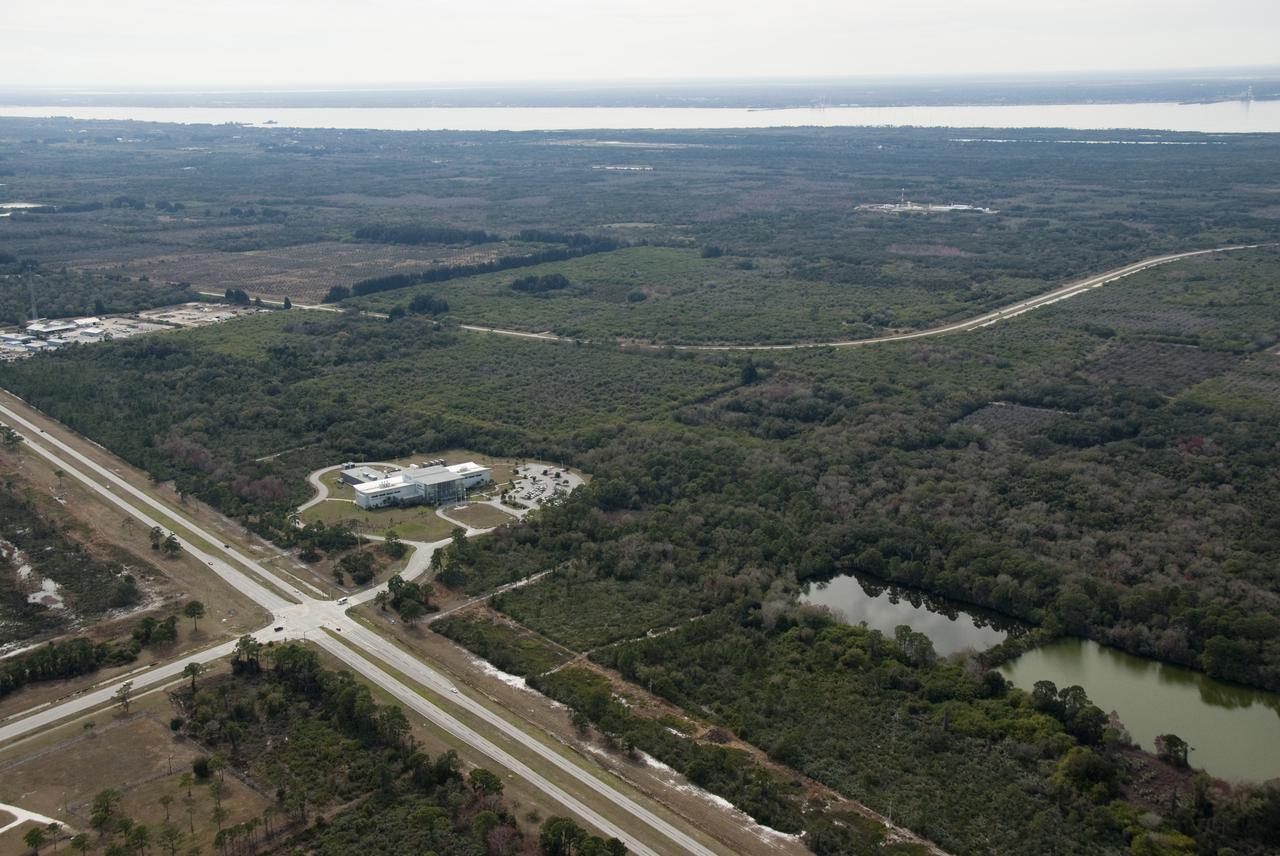
AERIALS - SR3 SOLAR FACILITY & NEW EXPANSION SITE, EXLORATION PARK
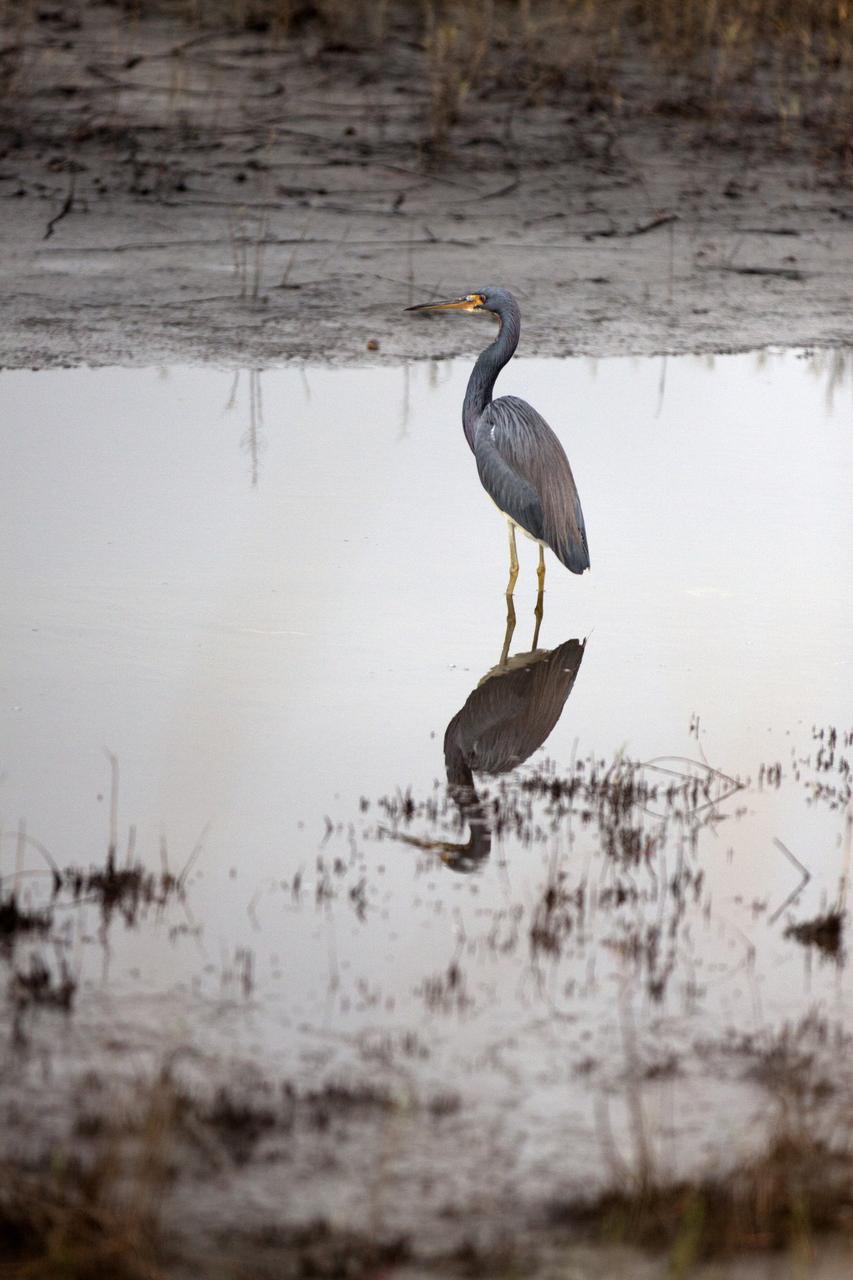
A Great Blue Heron wades in a waterway at NASA's Kennedy Space Center in Florida. The center shares a border with the Merritt Island National Wildlife Refuge. The bird is one of more than 330 native and migratory bird species, 25 mammals, 117 fishes and 65 amphibians and reptiles that call Kennedy and the wildlife refuge home.

The Artemis I aft skirts for NASA's Space Launch System (SLS) rocket’s twin solid rocket boosters are transported to the Rotation Processing and Surge Facility (RPSF) at the agency’s Kennedy Space Center in Florida on June 10, 2020. The aft skirts were refurbished by Northrop Grumman. They house the thrust vector control system, which controls 70 percent of the steering during initial ascent of the SLS rocket. The segments will remain in the RPSF until ready for stacking with the forward and aft parts of the boosters on the mobile launcher in High Bay 3 of the Vehicle Assembly Building. Through the Artemis Program, NASA is working to land the first woman and next man on the Moon by 2024.
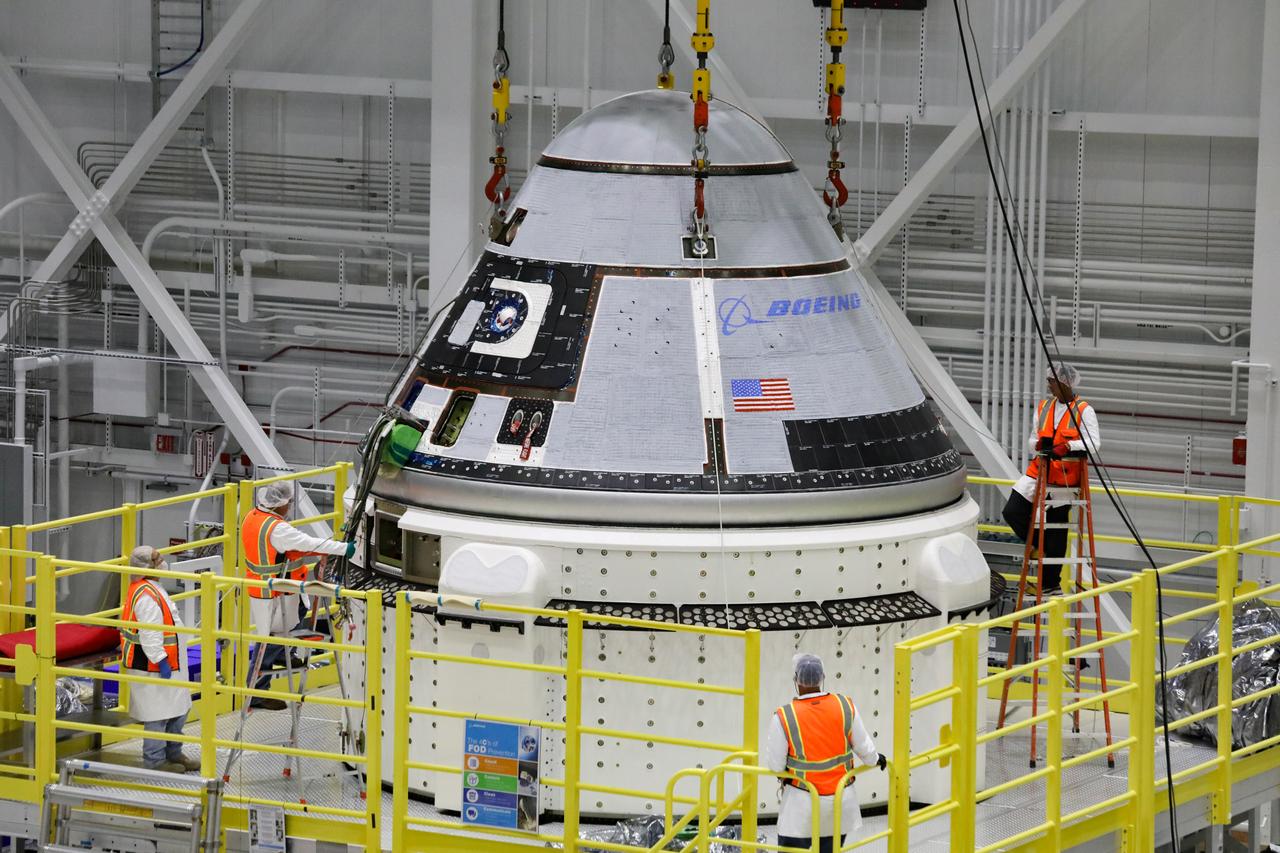
The crew module of Boeing's CST-100 Starliner spacecraft is lifted onto its service module on Oct. 16, 2019, inside the Commercial Crew and Cargo Processing Facility (C3PF) at Kennedy Space Center in Florida ahead of the company's Orbital Flight Test to the International Space Station as part of NASA's Commercial Crew Program.
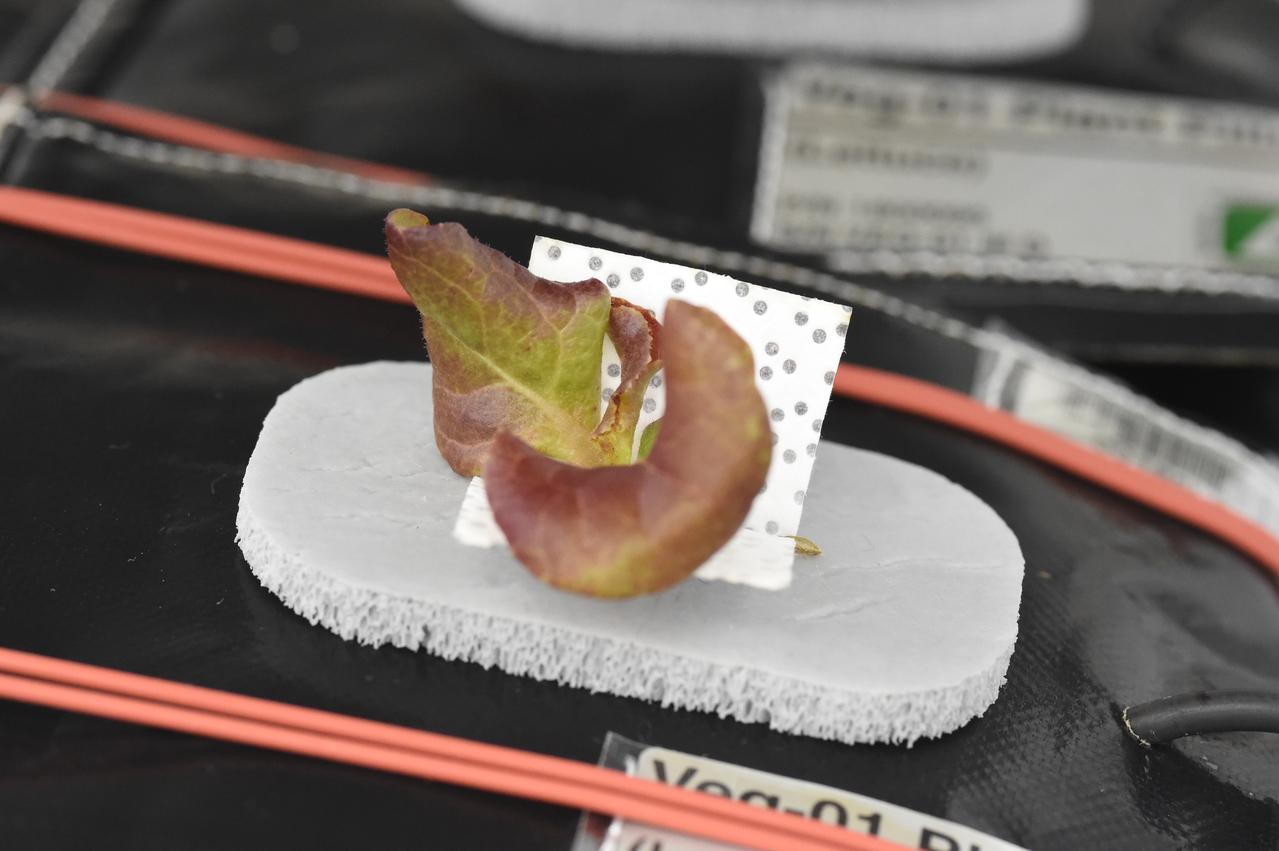
Astronaut Scott Kelly initiated VEG-01 B, the second crop of lettuce, on July, 8, 2015, and both Kelly and Astronaut Kjell Lindgren cared for the plants. The crop grew for 33 days. VEG-01 B included one set of six plant pillows planted with red romaine lettuce seeds. On Aug. 10, 2015, the crew harvested and consumed leaves from each plant. This was the first crop grown and consumed in NASA hardware. They harvested the rest of the plant tissue and froze it in the station’s Minus Eighty-Degree Laboratory Freezer for ISS (MELFI) for return to Earth for further study including microbial analysis, antioxidant capacity, mineral analysis and anthocyanin concentration.
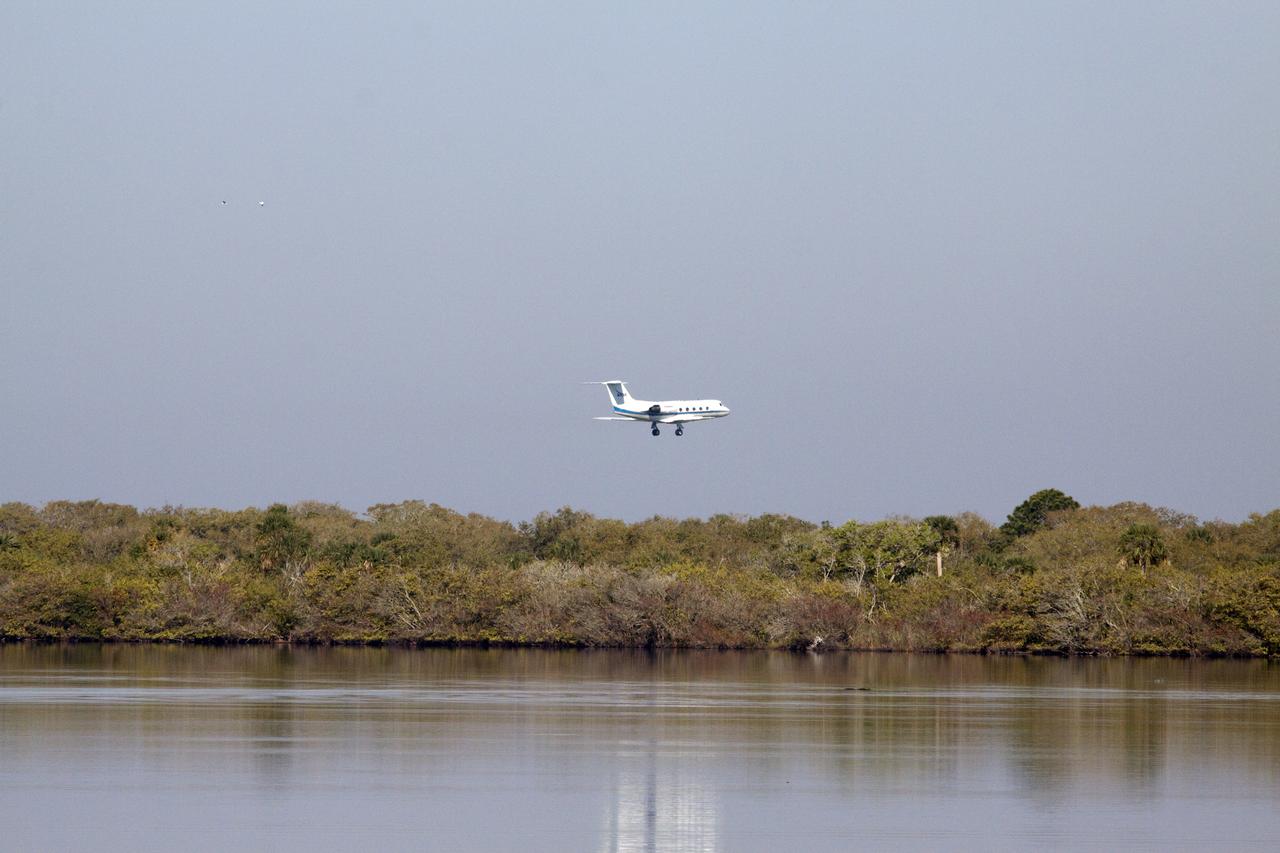
STS-131 LAUNCH L-3 STA'S - LONG SHOTS
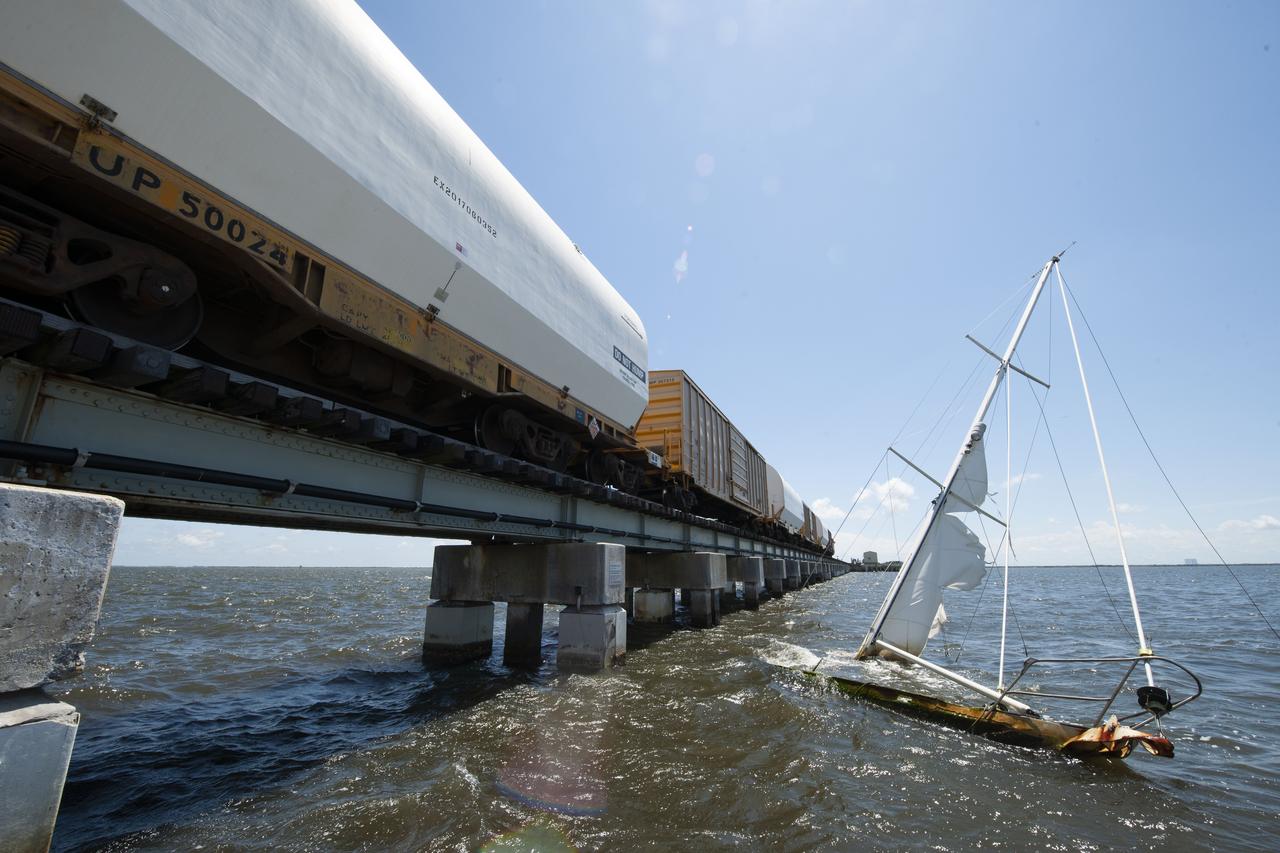
Twin rocket boosters for NASA’s Space Launch System (SLS) that will power Artemis missions to the Moon have arrived at the agency’s Kennedy Space Center in Florida. The two motor segments, each comprised of five segments, arrived at Kennedy’s Rotation, Processing and Surge Facility (RPSF) on June 15, 2020, by train from a Northrop Grumman manufacturing facility in Promontory, Utah. The booster segments will remain in the RPSF for inspection prior to processing until it’s time to move them to the Vehicle Assembly Building for stacking on the mobile launcher. This is the first piece of flight hardware to arrive at Kennedy by train for the Artemis program, but NASA’s Exploration Ground Systems (EGS) can expect to receive additional hardware soon, including the Launch Vehicle Service Adapter and the rocket’s core stage. NASA is working toward an Artemis I launch date in 2021, keeping the program moving at the best possible pace toward the earliest possible opportunity.
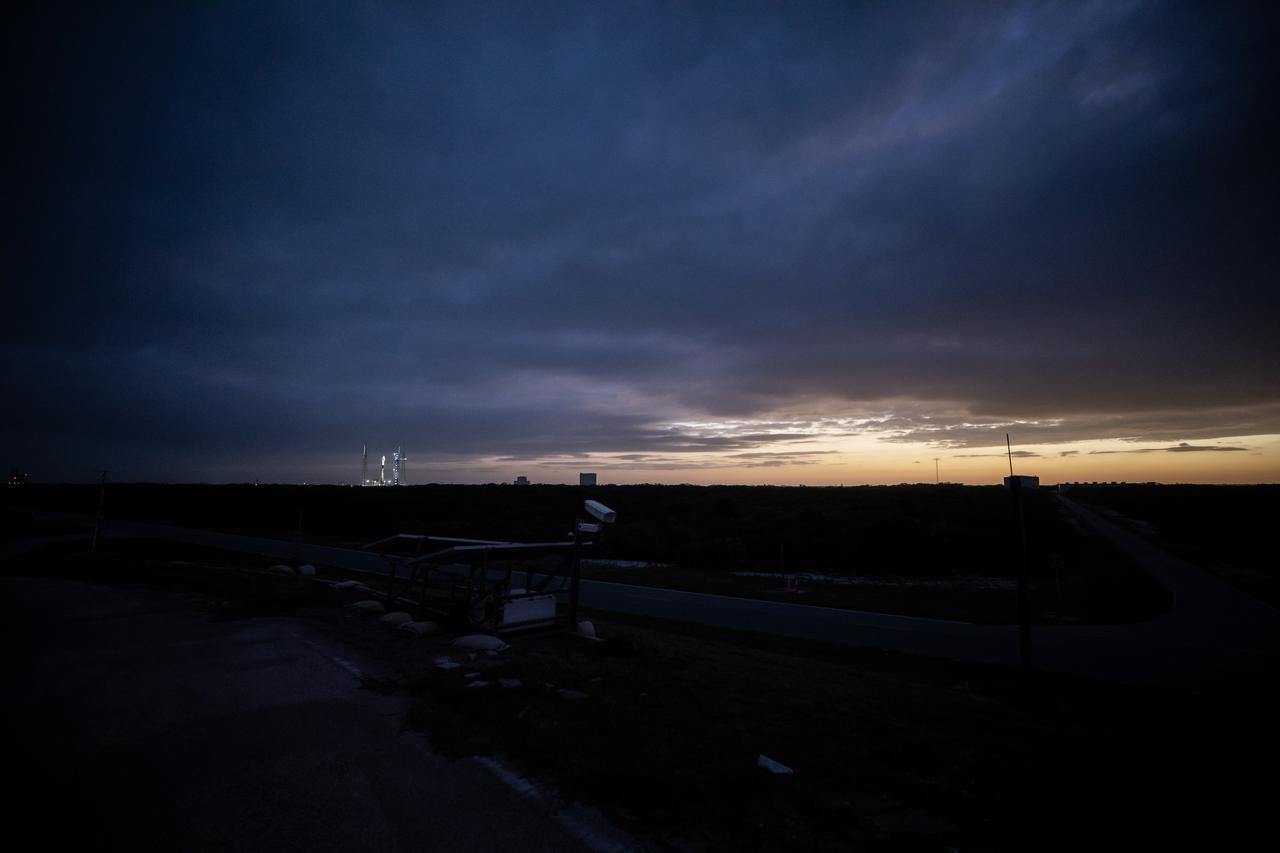
A SpaceX Falcon 9 rocket with NASA’s PACE (Plankton, Aerosol, Cloud, ocean Ecosystem) spacecraft stands vertical at Space Launch Complex 40 at Cape Canaveral Space Force Station in Florida on Tuesday, Feb. 6, 2024. PACE is NASA’s newest earth-observing satellite that will help increase our understanding of Earth’s oceans, atmosphere, and climate by delivering hyperspectral observations of microscopic marine organisms called phytoplankton as well new data on clouds and aerosols. The successful liftoff took place 1:33 a.m. EST Thursday, Feb. 8, 2024.
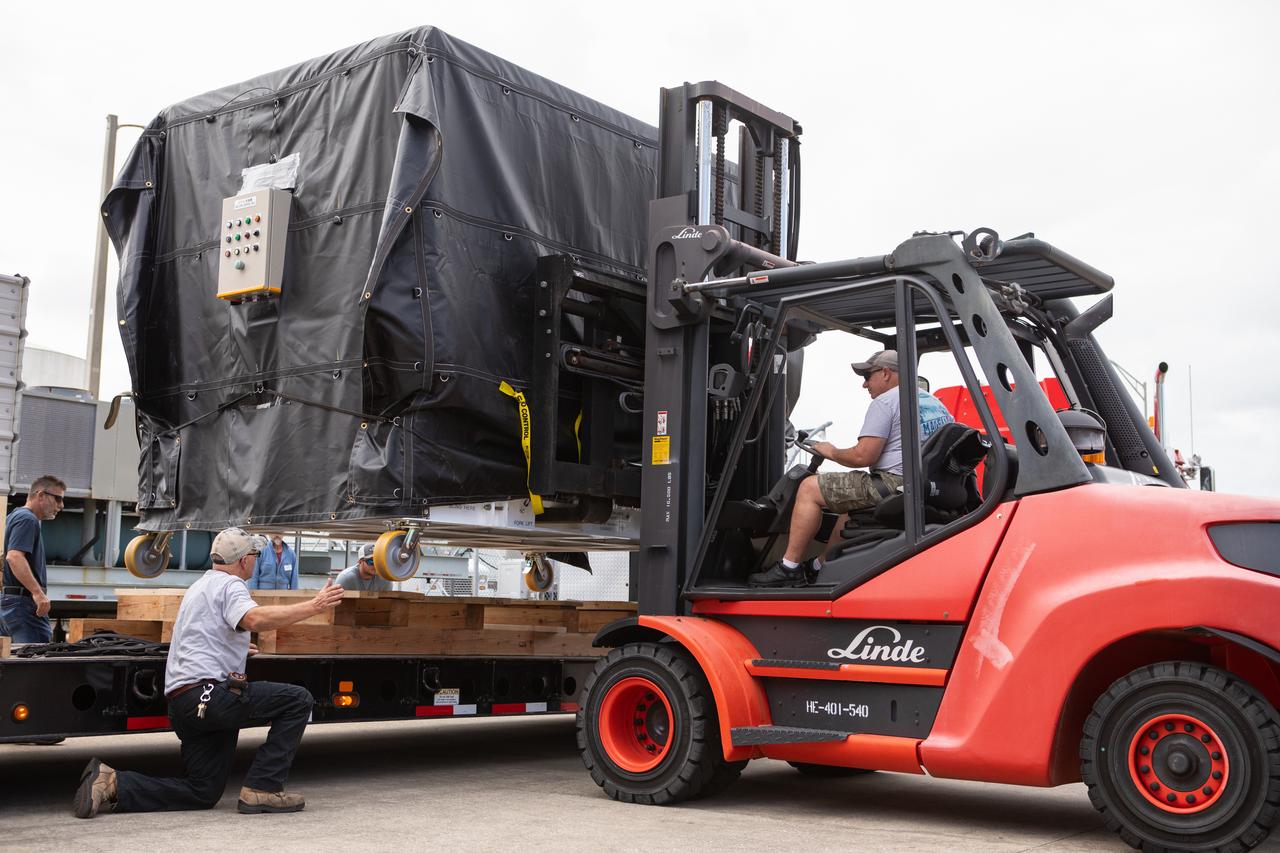
The Hyperspectral Imager Suite (HISUI), a Japan Aerospace Exploration Agency (JAXA) payload, is lifted off of its transporter in its shipping container at the Space Station Processing Facility at NASA’s Kennedy Space Center in Florida on Oct. 25, 2019. The payload will be packed inside the external trunk of the SpaceX Dragon cargo module at Launch Complex 39A. HISUI will be delivered to the International Space Station on SpaceX’s 19th Commercial Resupply Services mission for NASA in December 2019. HISUI is a spaceborne hyperspectral Earth Imaging System with a reflective telescope and two grating spectrometers.

Astronaut Scott Kelly initiated VEG-01 B, the second crop of lettuce, on July, 8, 2015, and both Kelly and Astronaut Kjell Lindgren cared for the plants. The crop grew for 33 days. VEG-01 B included one set of six plant pillows planted with red romaine lettuce seeds. On Aug. 10, 2015, the crew harvested and consumed leaves from each plant. This was the first crop grown and consumed in NASA hardware. They harvested the rest of the plant tissue and froze it in the station’s Minus Eighty-Degree Laboratory Freezer for ISS (MELFI) for return to Earth for further study including microbial analysis, antioxidant capacity, mineral analysis and anthocyanin concentration.
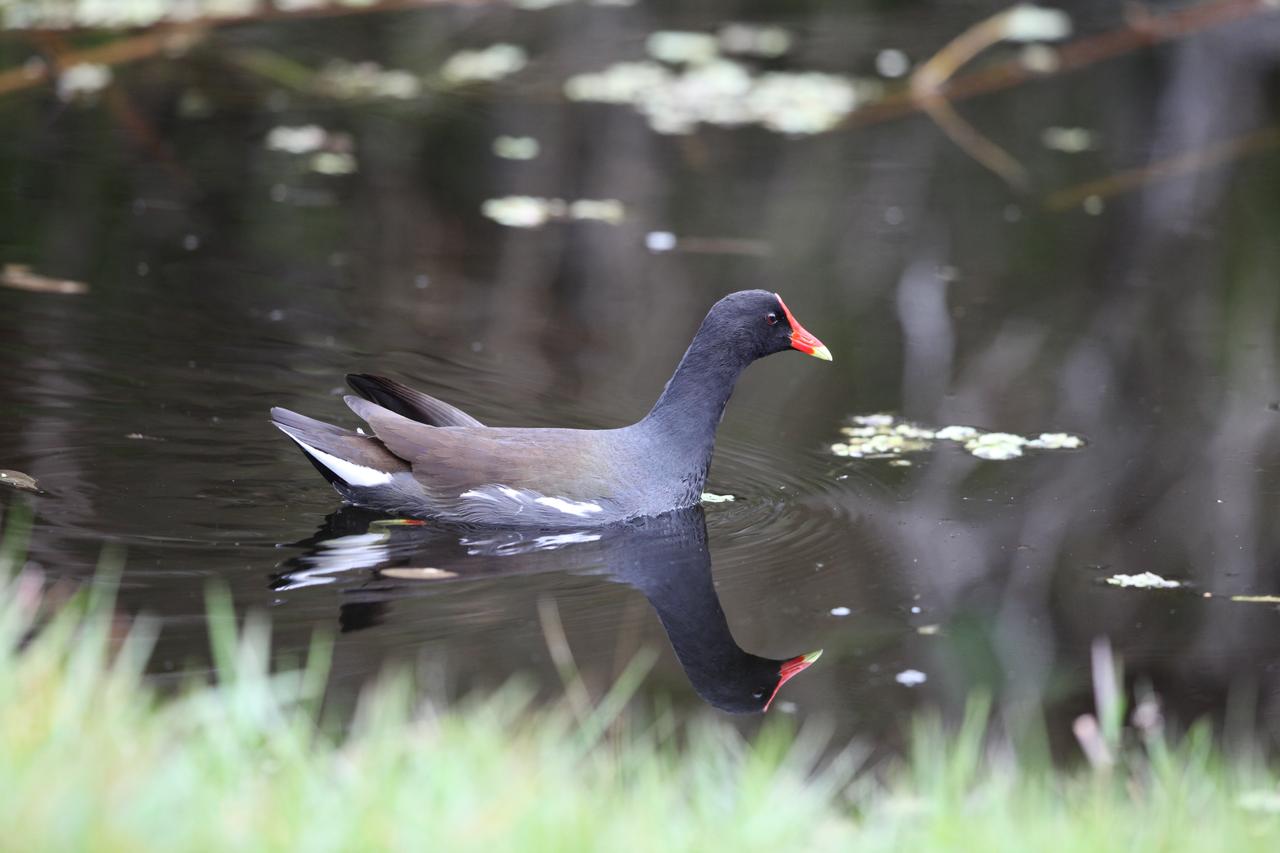
A common gallinule swims in a waterway at NASA's Kennedy Space Center in Florida. The center shares a border with the Merritt Island National Wildlife Refuge. More than 330 native and migratory bird species, 25 mammals, 117 fishes and 65 amphibians and reptiles call Kennedy and the wildlife refuge home.
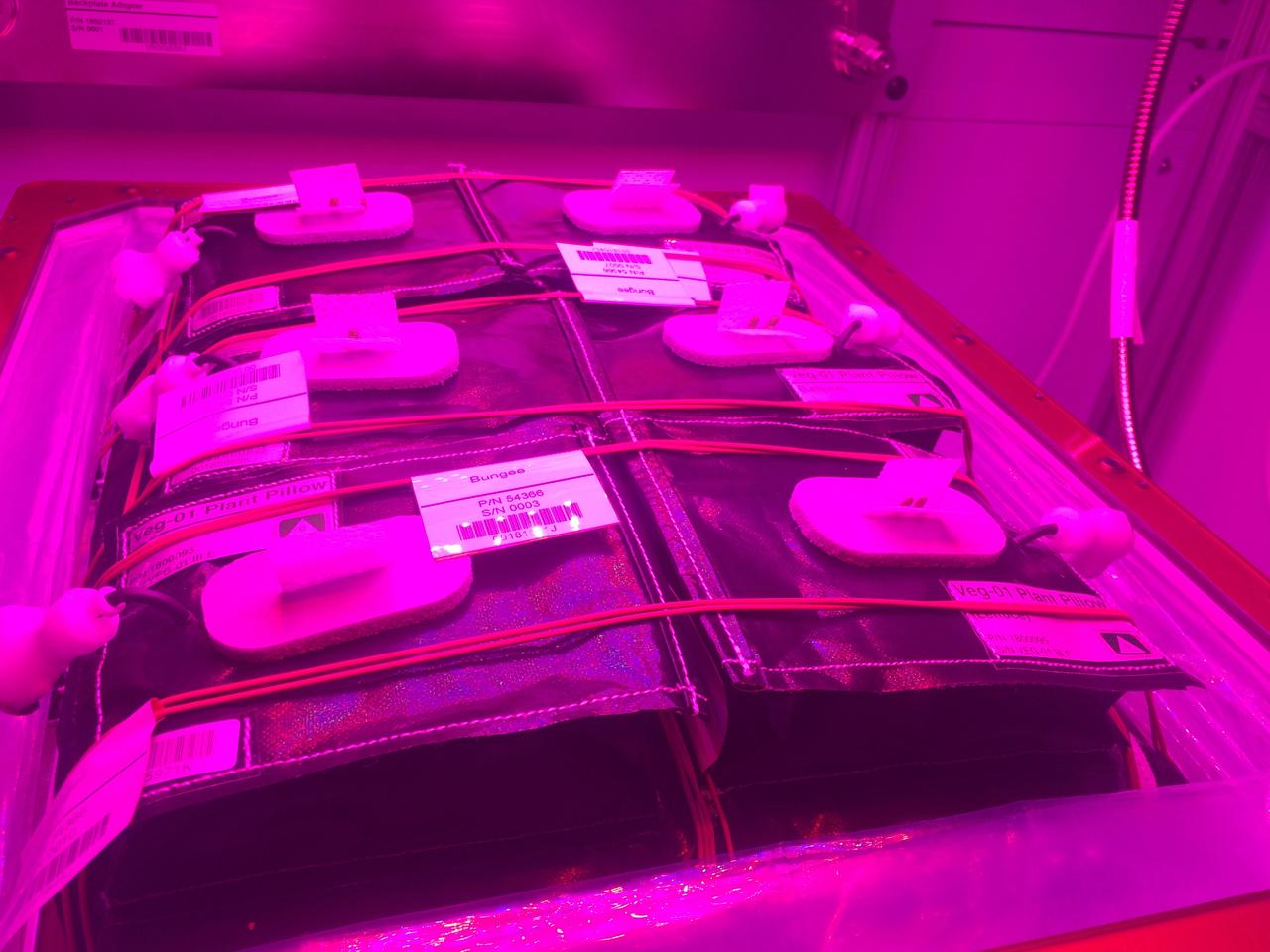
Astronaut Scott Kelly initiated VEG-01 B, the second crop of lettuce, on July, 8, 2015, and both Kelly and Astronaut Kjell Lindgren cared for the plants. The crop grew for 33 days. VEG-01 B included one set of six plant pillows planted with red romaine lettuce seeds. On Aug. 10, 2015, the crew harvested and consumed leaves from each plant. This was the first crop grown and consumed in NASA hardware. They harvested the rest of the plant tissue and froze it in the station’s Minus Eighty-Degree Laboratory Freezer for ISS (MELFI) for return to Earth for further study including microbial analysis, antioxidant capacity, mineral analysis and anthocyanin concentration.

Kennedy Space Center’s Tim Bass addresses co-workers inside the Florida spaceport’s Kennedy Learning Institute on Oct. 17, 2019, during the third in a series of five TED Talk-style informational sessions. Sponsored by Kennedy’s Launching Leaders and Leadership for the Future, NASAtalks focuses on the topic of intentional careers and aims to provide employees with tools and knowledge that can be utilized for career growth. The theme of this third session was customers, and additional speakers included Kennedy employees Ryan Richards, Mike Williams and Dave Grau.
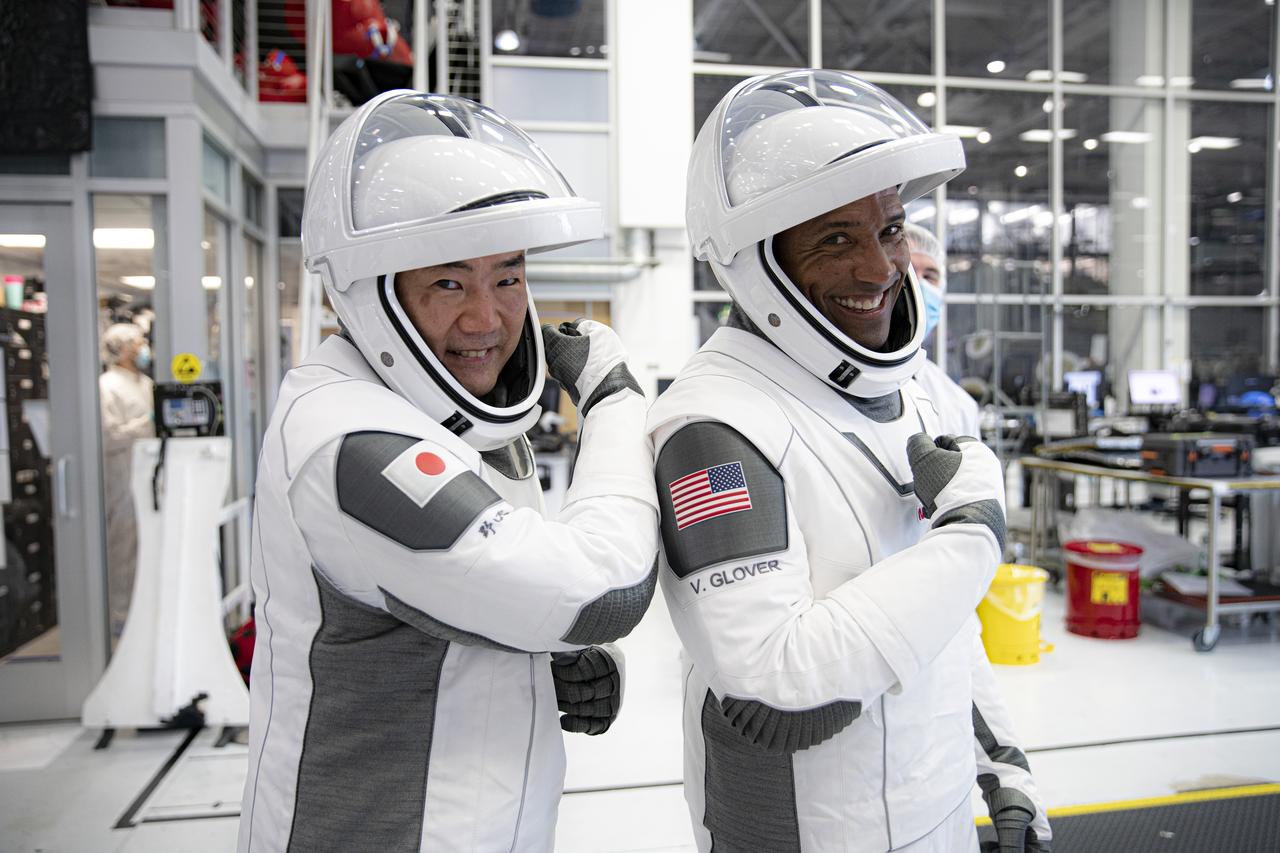
NASA’s SpaceX Crew-1 astronauts participate in crew equipment interface testing at SpaceX headquarters in Hawthorne, California, on Sept. 24, 2020. From left are mission specialist Soichi Noguchi, Japan Aerospace Exploration Agency (JAXA) astronaut, and pilot Victor Glover, NASA astronaut. The other crew members training, but not pictured, are mission specialist Shannon Walker, and Crew Dragon commander Michael Hopkins, both NASA astronauts. NASA’s SpaceX Crew-1 mission is the first crew rotational flight of a U.S. commercial spacecraft with astronauts to the International Space Station. The Crew-1 mission will launch from Launch Complex 39A at Kennedy Space Center in Florida. Crew-1 is part of NASA's Commercial Crew Program, which has returned human spaceflight capabilities to the U.S.
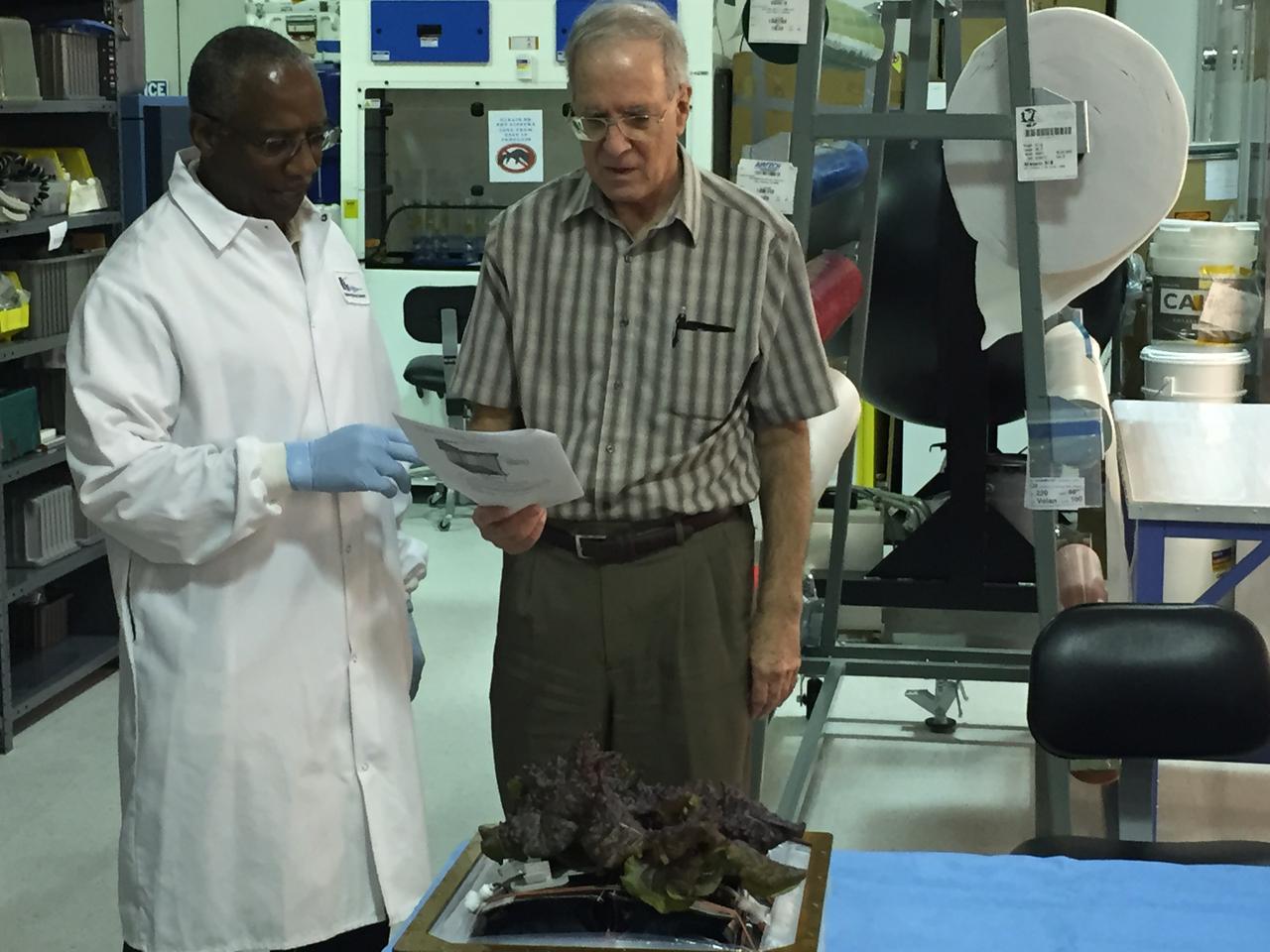
Astronaut Scott Kelly initiated VEG-01 B, the second crop of lettuce, on July, 8, 2015, and both Kelly and Astronaut Kjell Lindgren cared for the plants. The crop grew for 33 days. VEG-01 B included one set of six plant pillows planted with red romaine lettuce seeds. On Aug. 10, 2015, the crew harvested and consumed leaves from each plant. This was the first crop grown and consumed in NASA hardware. They harvested the rest of the plant tissue and froze it in the station’s Minus Eighty-Degree Laboratory Freezer for ISS (MELFI) for return to Earth for further study including microbial analysis, antioxidant capacity, mineral analysis and anthocyanin concentration.
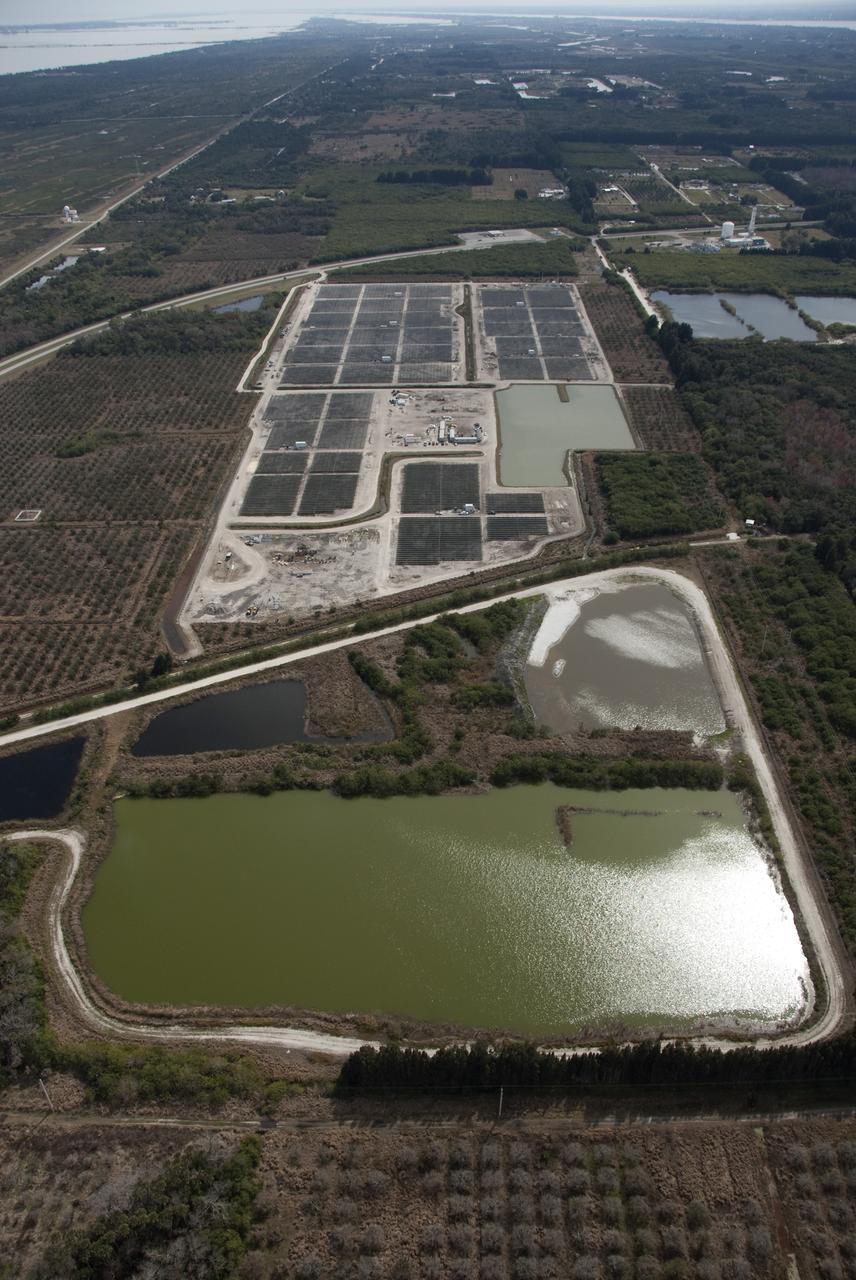
AERIALS - SR3 SOLAR FACILITY & NEW EXPANSION SITE, EXLORATION PARK
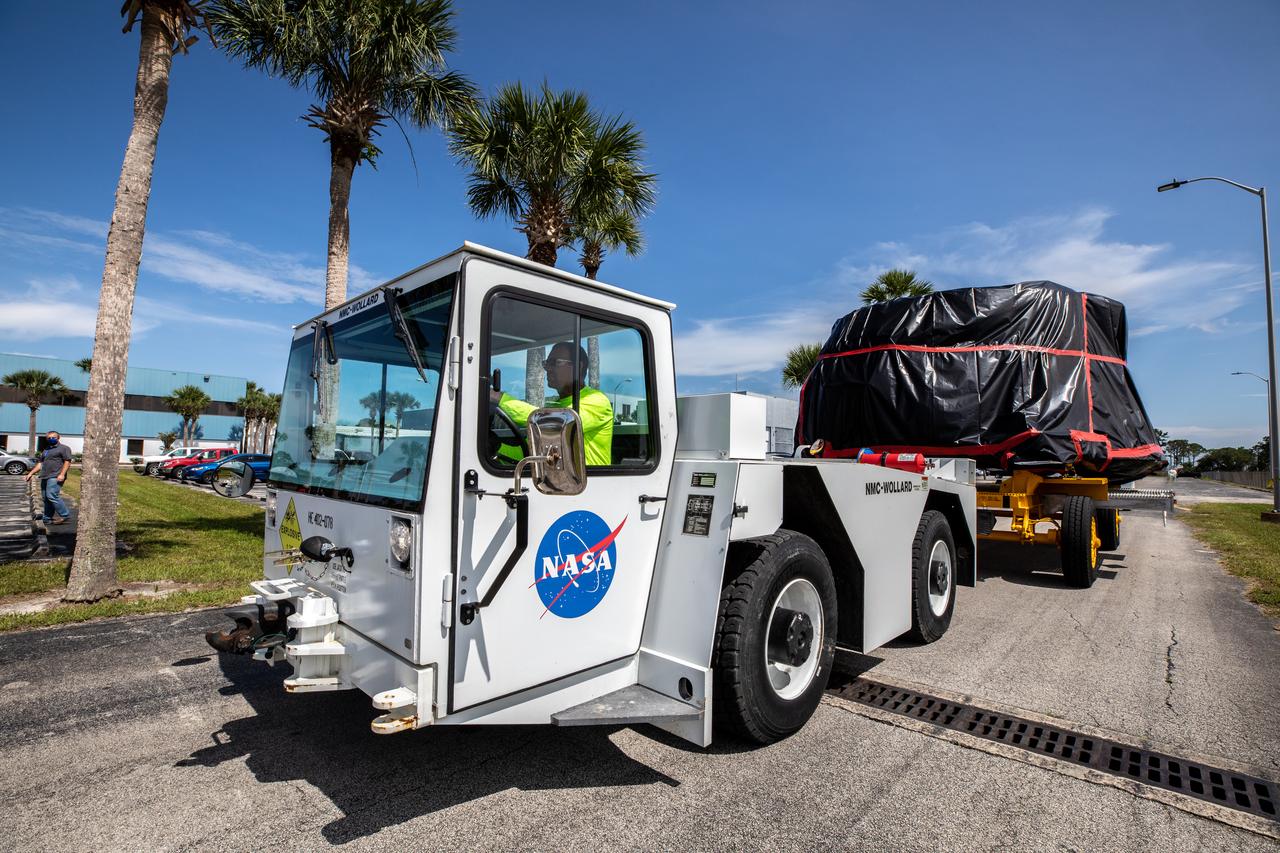
The Artemis I aft skirts for NASA's Space Launch System (SLS) rocket’s twin solid rocket boosters are transported to the Rotation Processing and Surge Facility (RPSF) at the agency’s Kennedy Space Center in Florida on June 10, 2020. The aft skirts were refurbished by Northrop Grumman. They house the thrust vector control system, which controls 70 percent of the steering during initial ascent of the SLS rocket. The segments will remain in the RPSF until ready for stacking with the forward and aft parts of the boosters on the mobile launcher in High Bay 3 of the Vehicle Assembly Building. Through the Artemis Program, NASA is working to land the first woman and next man on the Moon by 2024.
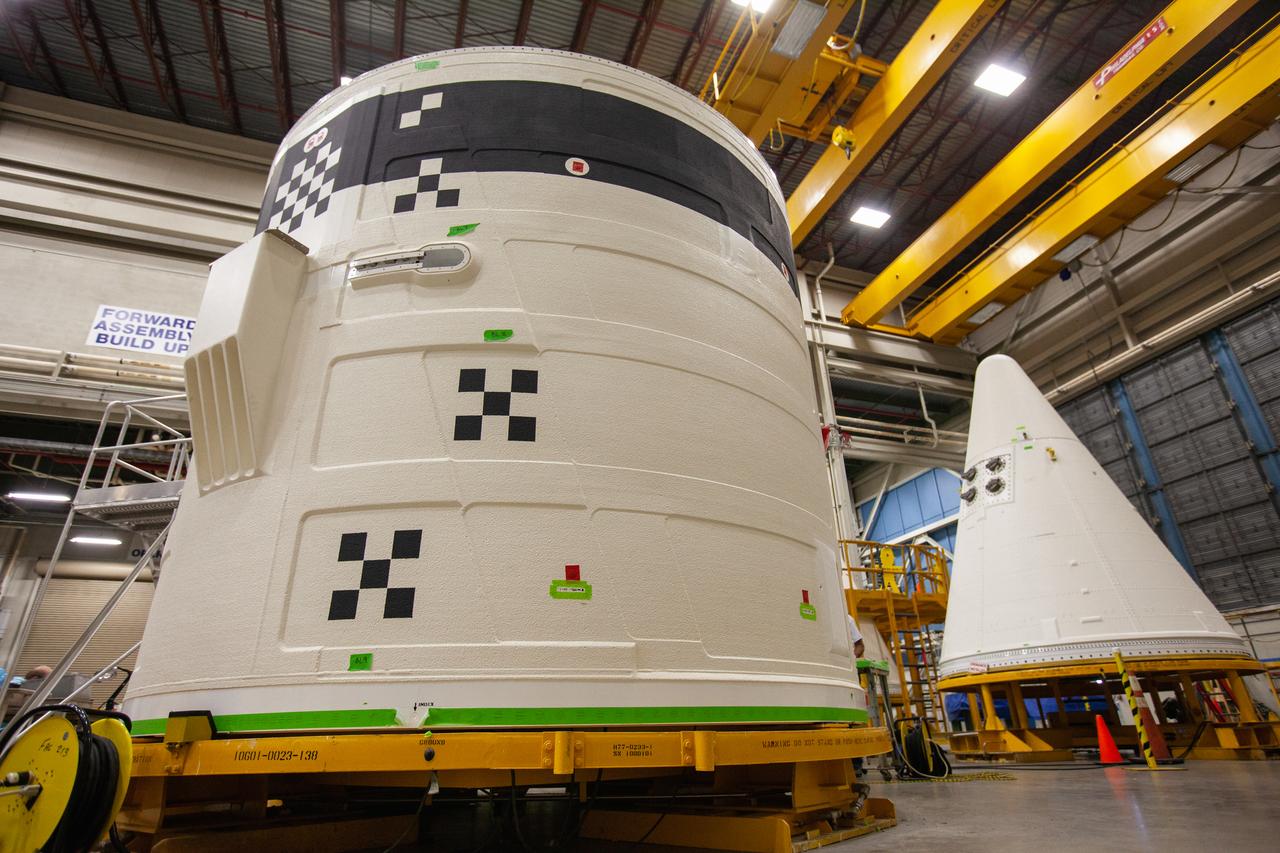
The forward skirt for one of the Space Launch System’s (SLS) two solid boosters is inside the Booster Fabrication Facility at NASA’s Kennedy Space Center in Florida on Oct. 16, 2019. Segments of the boosters are being inspected and prepared for Artemis I, the agency’s first uncrewed flight of Orion atop the SLS. The forward skirt houses booster avionics that communicate with the SLS avionics to monitor booster conditions and steer the booster exhaust nozzle.
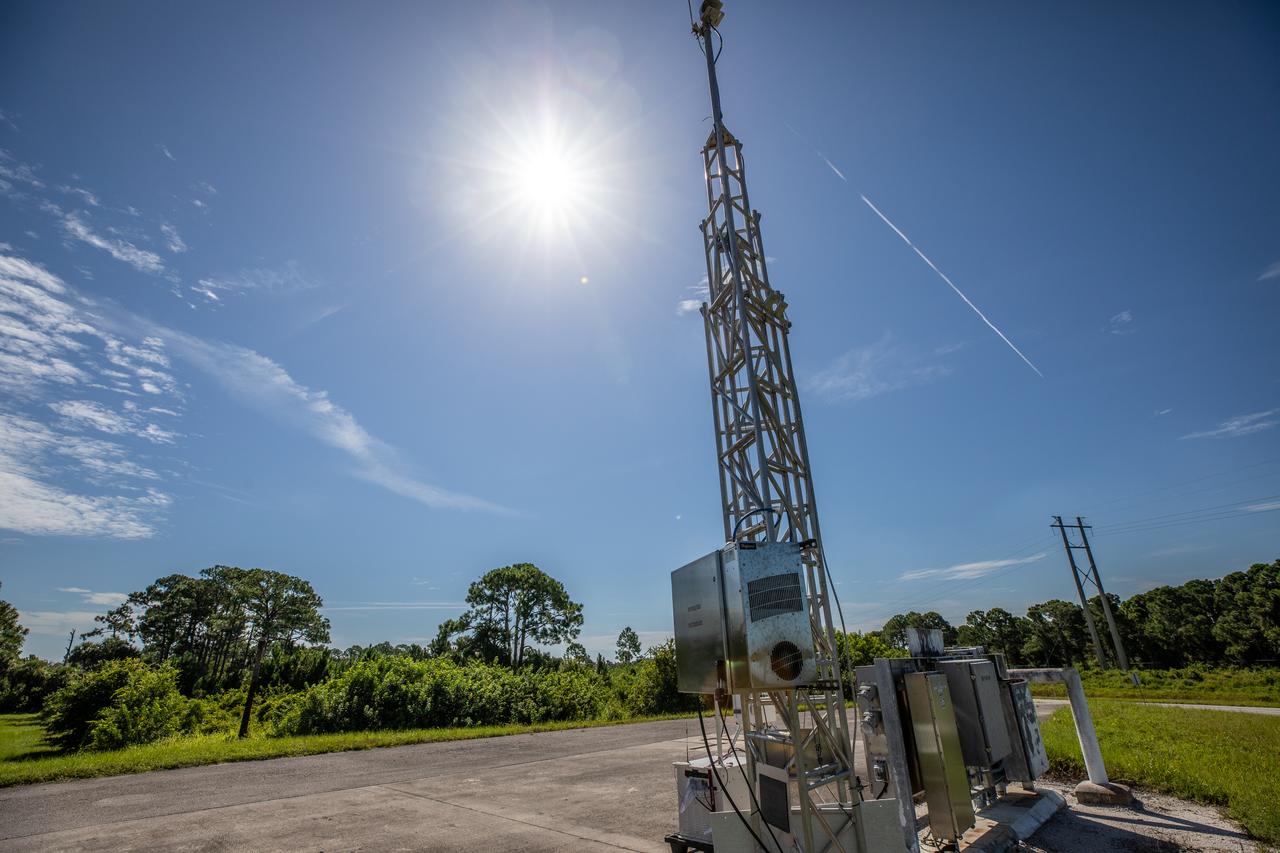
One of several Environmental Continuous Air Monitors, or ECAMS, is located in the Space Coast area on July 27, 2020, in preparation for launch of NASA’s Mars 2020 mission on July 30. The ECAMS are updated versions of those that were used for the launch of Curiosity. The Data Collection and Assessment Center uses information from the network of remote monitoring devises, including several that are located in areas for specific weather forecasting reported back to the operations center.
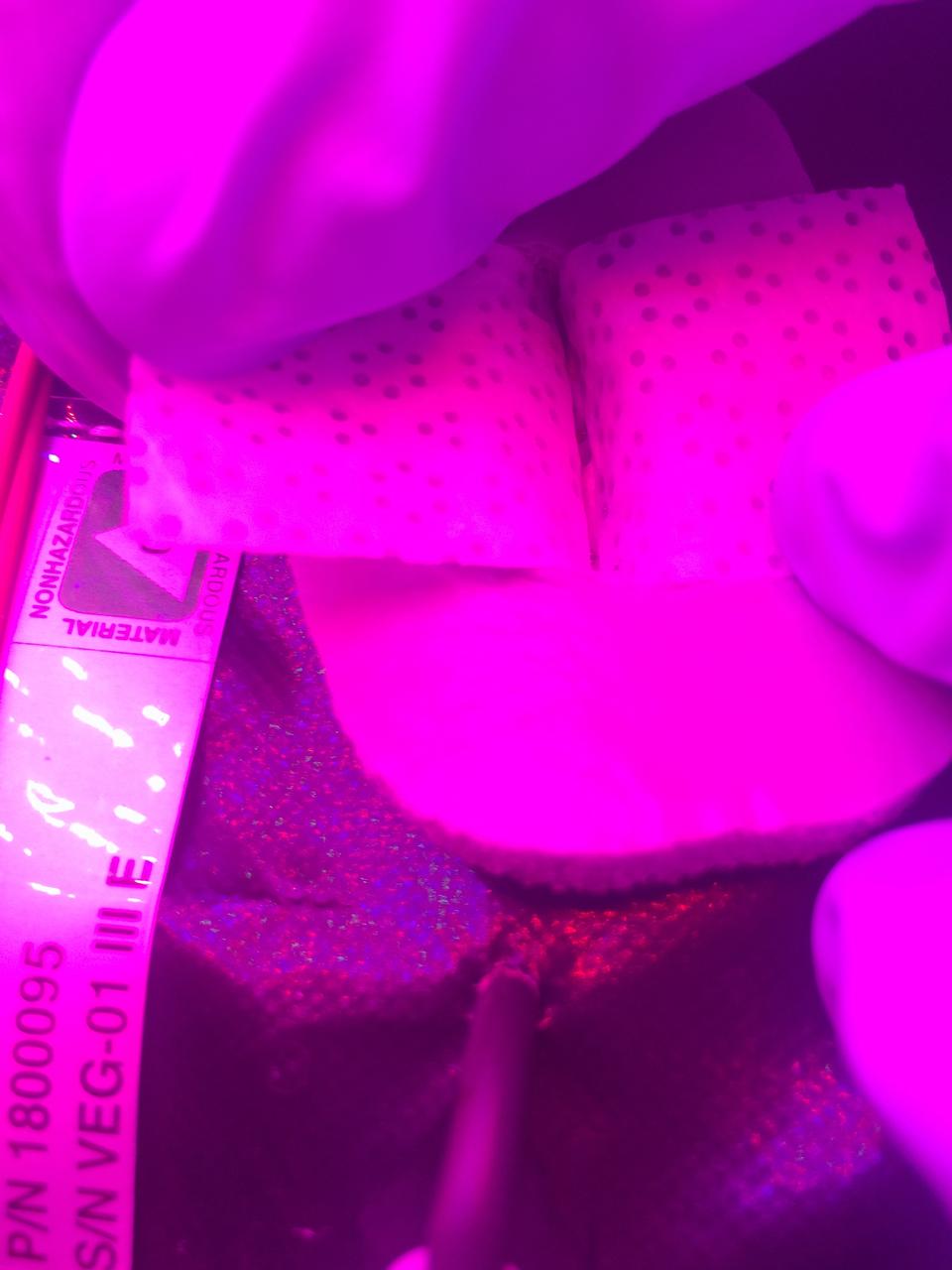
Astronaut Scott Kelly initiated VEG-01 B, the second crop of lettuce, on July, 8, 2015, and both Kelly and Astronaut Kjell Lindgren cared for the plants. The crop grew for 33 days. VEG-01 B included one set of six plant pillows planted with red romaine lettuce seeds. On Aug. 10, 2015, the crew harvested and consumed leaves from each plant. This was the first crop grown and consumed in NASA hardware. They harvested the rest of the plant tissue and froze it in the station’s Minus Eighty-Degree Laboratory Freezer for ISS (MELFI) for return to Earth for further study including microbial analysis, antioxidant capacity, mineral analysis and anthocyanin concentration.
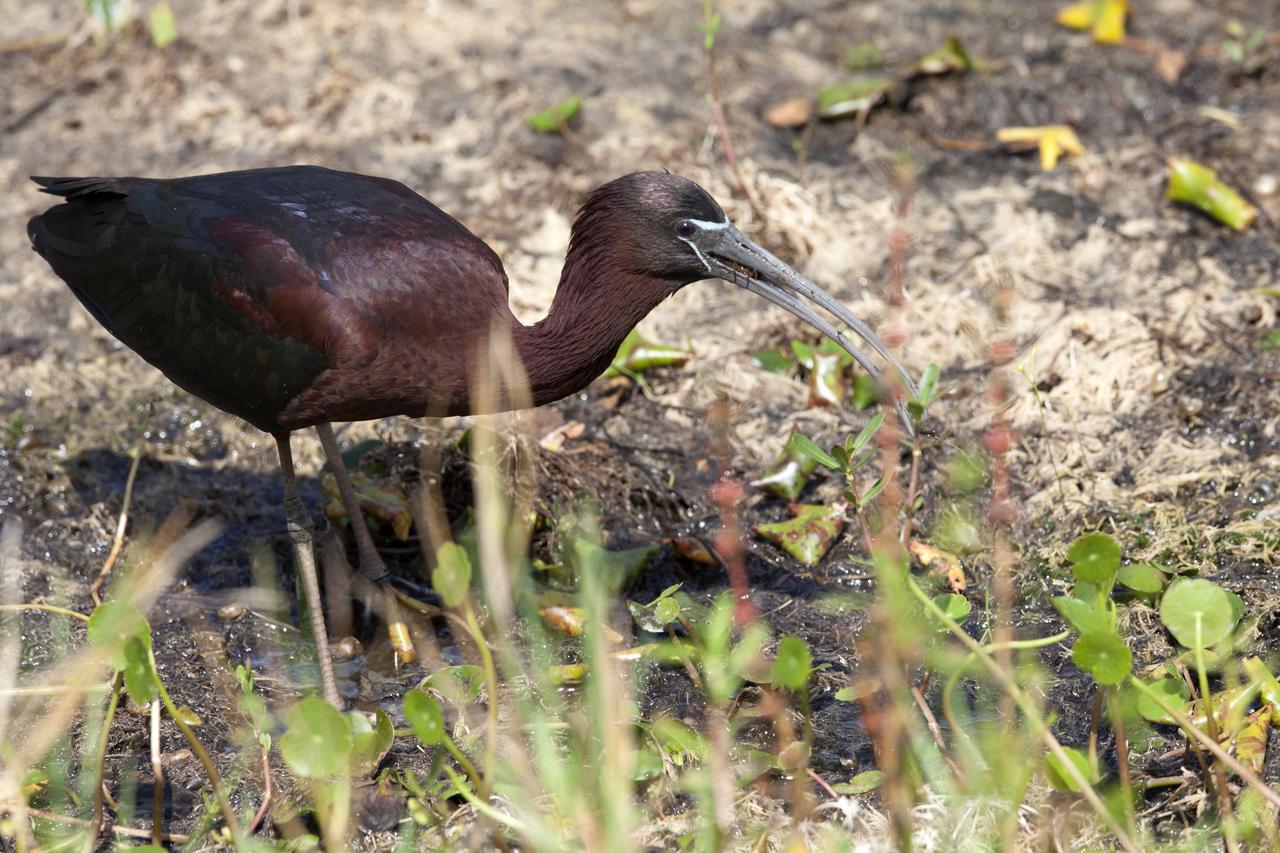
A glossy ibis searches for food in a marshy area at NASA's Kennedy Space Center in Florida. The center shares a border with the Merritt Island National Wildlife Refuge. More than 330 native and migratory bird species, 25 mammals, 117 fishes and 65 amphibians and reptiles call Kennedy and the wildlife refuge home.
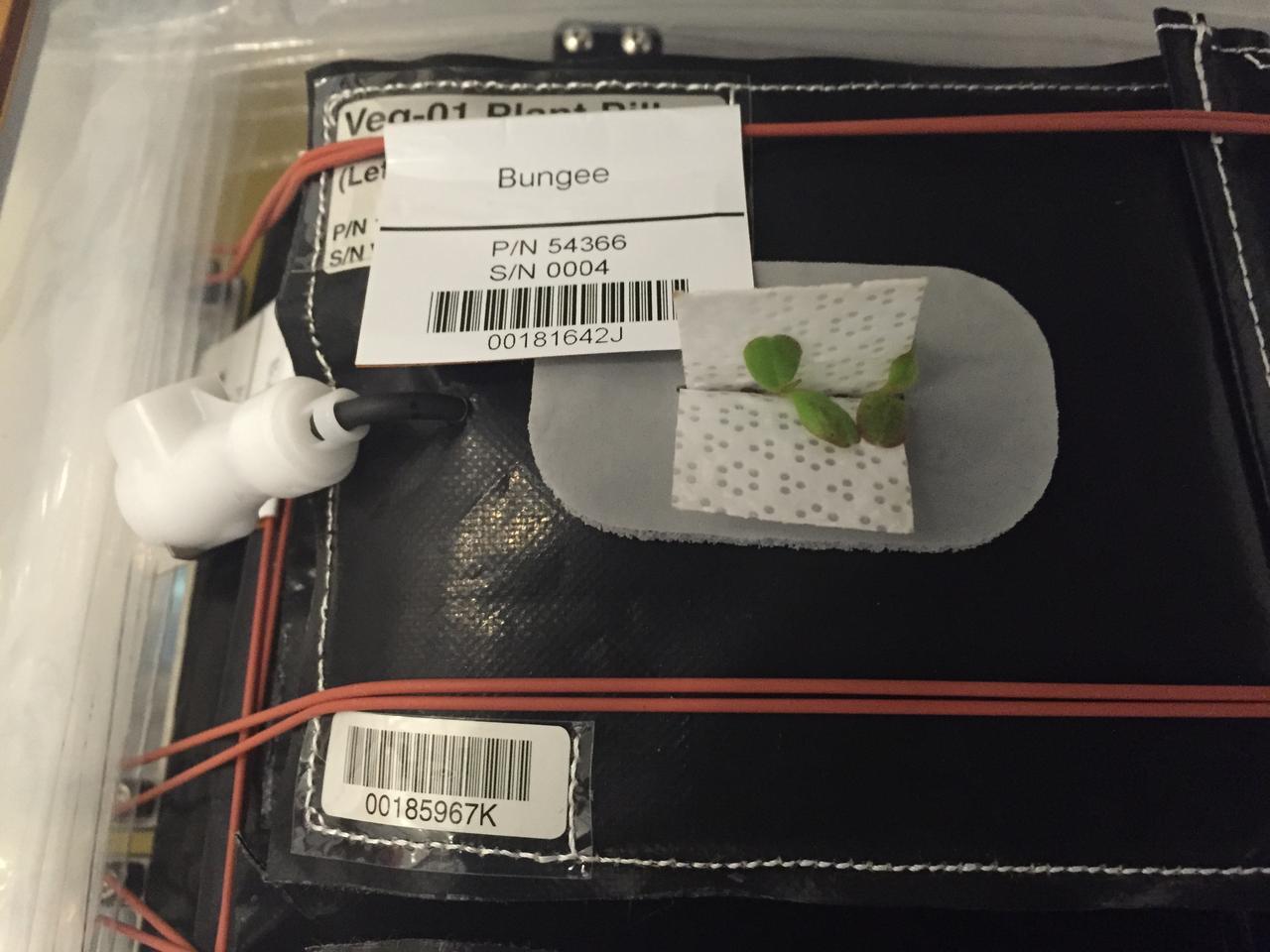
Astronaut Scott Kelly initiated VEG-01 B, the second crop of lettuce, on July, 8, 2015, and both Kelly and Astronaut Kjell Lindgren cared for the plants. The crop grew for 33 days. VEG-01 B included one set of six plant pillows planted with red romaine lettuce seeds. On Aug. 10, 2015, the crew harvested and consumed leaves from each plant. This was the first crop grown and consumed in NASA hardware. They harvested the rest of the plant tissue and froze it in the station’s Minus Eighty-Degree Laboratory Freezer for ISS (MELFI) for return to Earth for further study including microbial analysis, antioxidant capacity, mineral analysis and anthocyanin concentration.
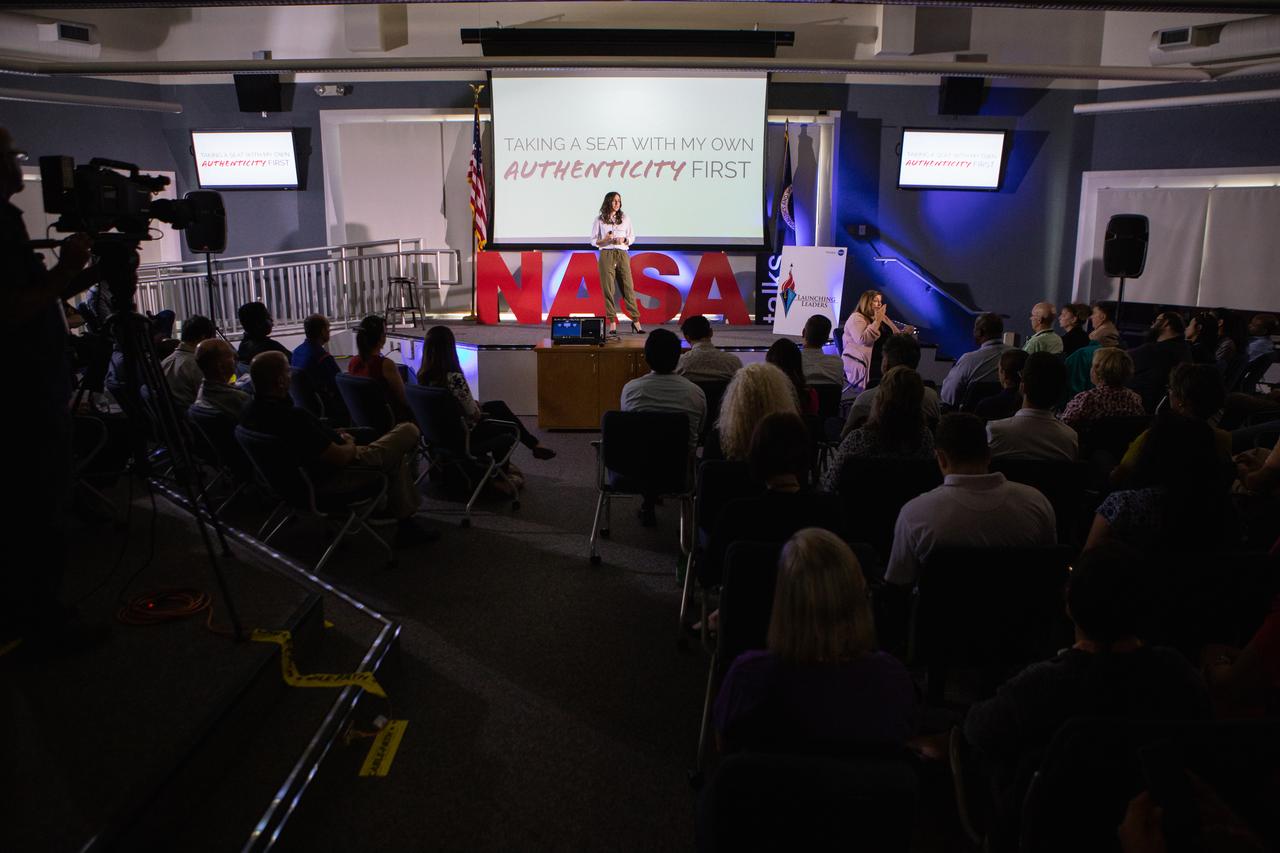
Kennedy Space Center’s Jennifer Lane addresses co-workers inside the Florida spaceport’s Kennedy Learning Institute on Oct. 10, 2019, during the second in a series of five TED Talk-style informational sessions. Sponsored by Kennedy’s Launching Leaders and Leadership for the Future, NASAtalks focuses on the topic of intentional careers and aims to provide employees with tools and knowledge that can be utilized for career growth. The theme of this second session was collaboration, and additional speakers included Kennedy employees Stephanie Martin and Skyler Kleinschmidt, with a skill-building section on networking in the digital age by Madison Tuttle.
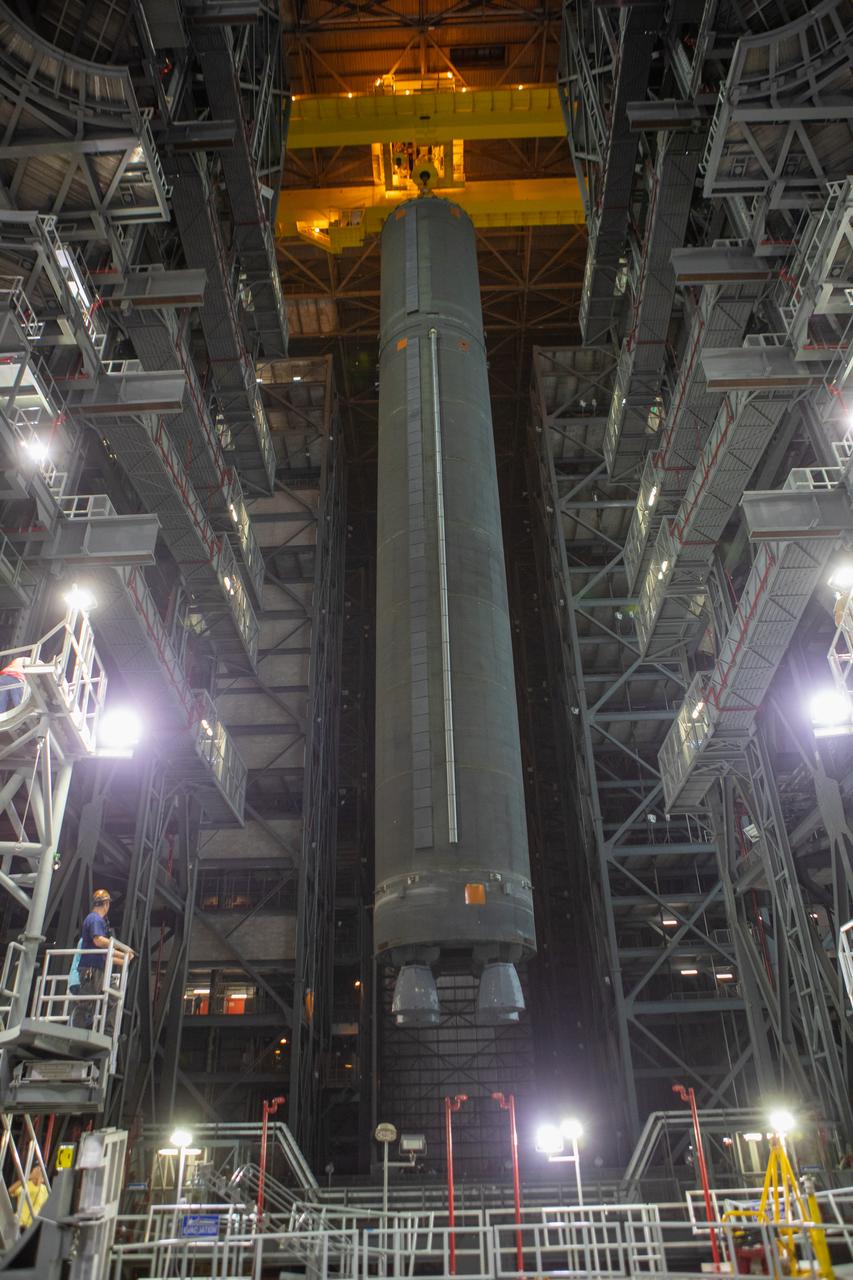
Inside the Vehicle Assembly Building at NASA’s Kennedy Space Center in Florida, a crane lowers the Space Launch System (SLS) Core Stage pathfinder into High Bay 3 on Oct. 16, 2019. The 212-foot-long core stage pathfinder arrived on NASA's Pegasus Barge at Kennedy’s Launch Complex 39 turn basin wharf on Sept. 27, 2019. The Pegasus Barge made its first delivery to Kennedy in support of the agency's Artemis missions. The pathfinder is being used by Exploration Ground Systems and its contractor, Jacobs, to practice offloading, moving and stacking maneuvers, using important ground support equipment to train employees and certify all the equipment works properly. The pathfinder will stay at Kennedy through at least the month of October before trekking back to NASA's Michoud Assembly Facility in Louisiana.
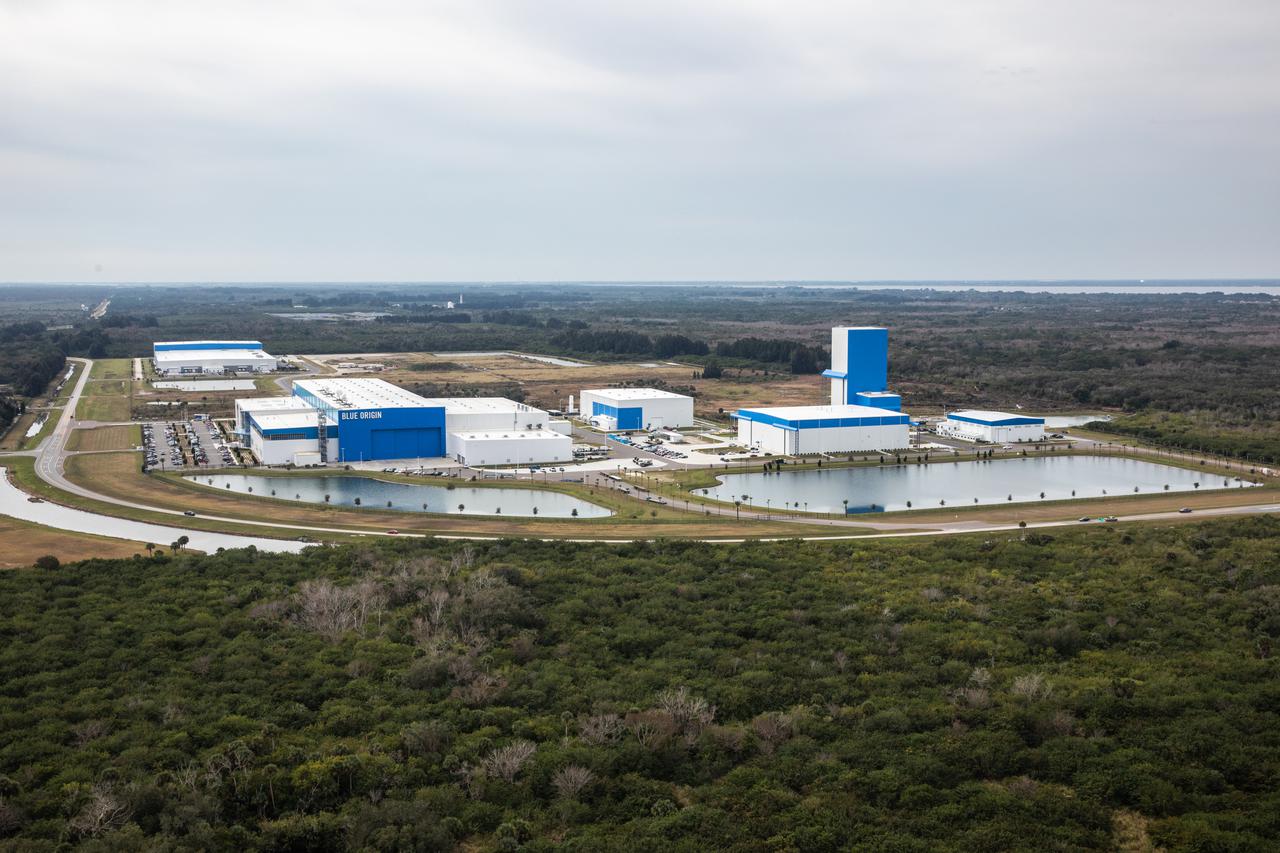
An aerial view of processing facilities at NASA’s Kennedy Space Center in Florida on Jan. 13, 2021.

This poster artfully depicts Solar Surfing, an early stage NASA study to support potential future missions that could travel closer to the Sun’s surface than ever before. The solar transition region, a very thin layer near the Sun’s surface, is of great interest to heliophysicists. In this zone, temperatures range from 10,000 to 1.8 million degrees Fahrenheit. The NASA Innovative Advanced Concepts (NIAC) program funds a study by a team at NASA’s Kennedy Space Center in Florida to further research a novel, highly reflective coating for a solar shield that could allow spacecraft to approach the Sun close enough to investigate this exciting region – about 500,000 miles from the surface. The better heliophysicists understand the Sun and how it generates energy, the better they can make predictions of the Sun’s effect on our planet – and improve our everyday communications, electronics, and transportation.
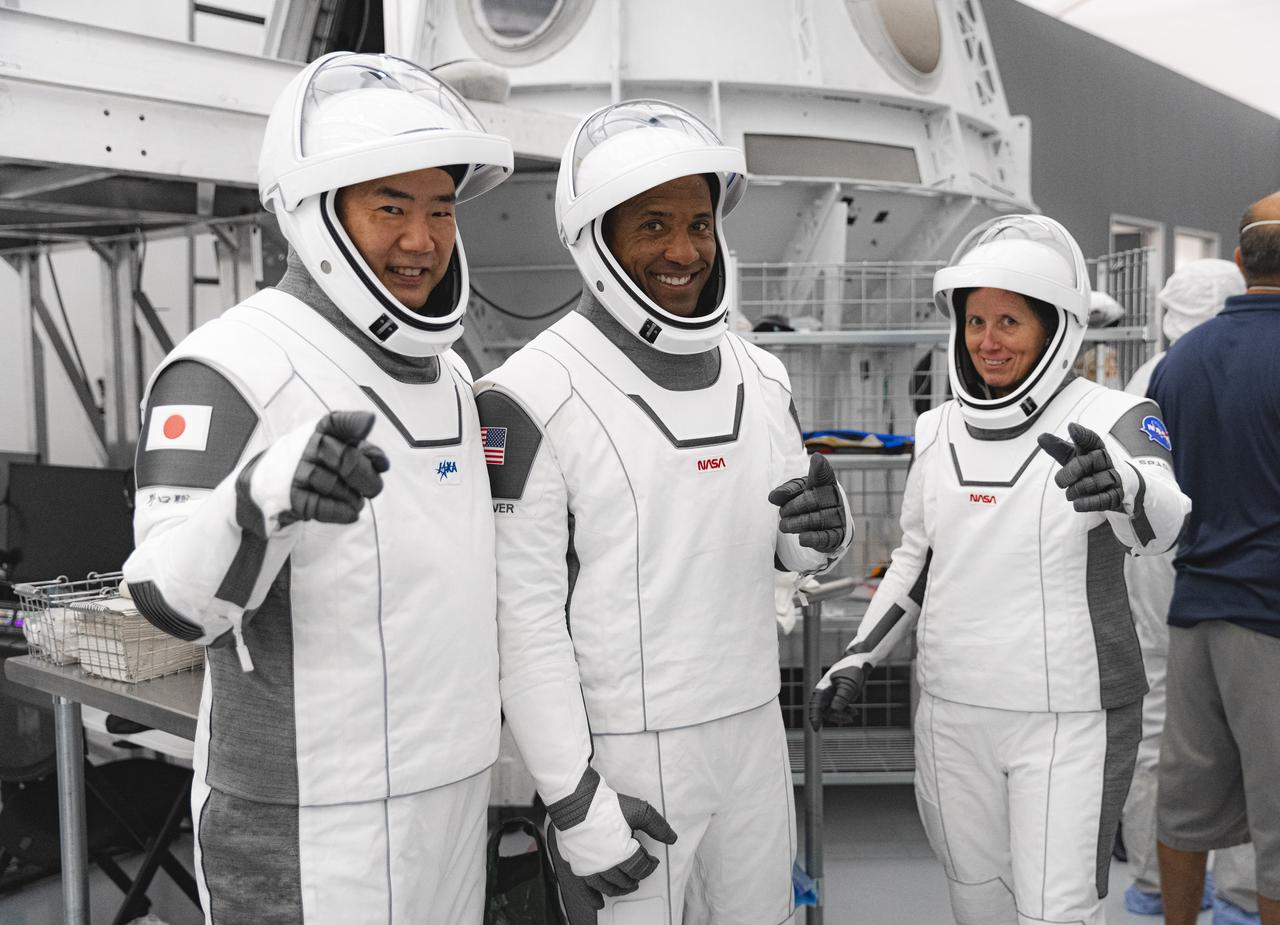
NASA’s SpaceX Crew-1 astronauts participate in crew equipment interface testing at SpaceX headquarters in Hawthorne, California, on Sept. 24, 2020. From left are mission specialist Soichi Noguchi, Japan Aerospace Exploration Agency (JAXA) astronaut, pilot Victor Glover, and mission specialist Shannon Walker, all NASA astronauts. Crew Dragon commander Michael Hopkins (not pictured), NASA astronaut, also participated in the training. NASA’s SpaceX Crew-1 mission is the first crew rotational flight of a U.S. commercial spacecraft with astronauts to the International Space Station. The Crew-1 mission will launch from Launch Complex 39A at Kennedy Space Center in Florida. Crew-1 is part of NASA's Commercial Crew Program, which has returned human spaceflight capabilities to the U.S.
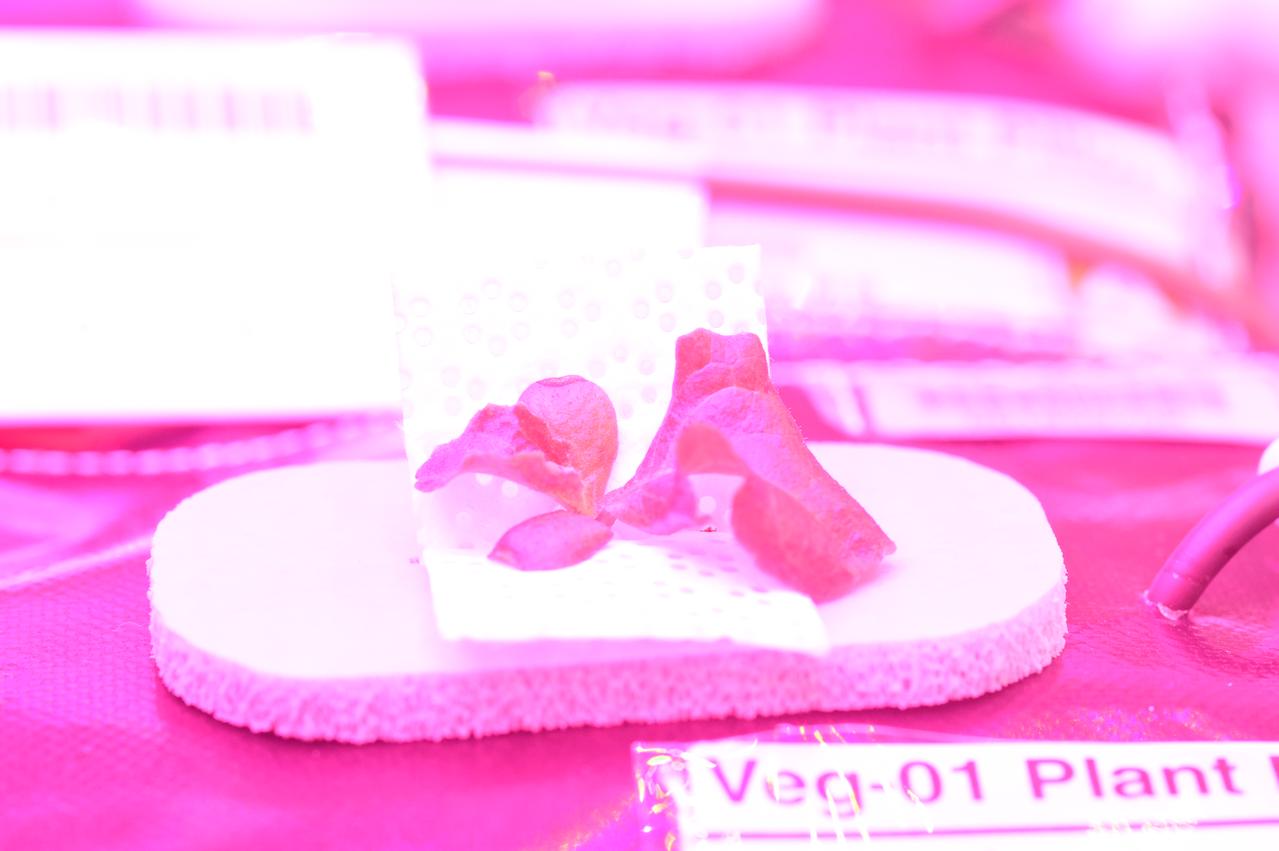
Astronaut Scott Kelly initiated VEG-01 B, the second crop of lettuce, on July, 8, 2015, and both Kelly and Astronaut Kjell Lindgren cared for the plants. The crop grew for 33 days. VEG-01 B included one set of six plant pillows planted with red romaine lettuce seeds. On Aug. 10, 2015, the crew harvested and consumed leaves from each plant. This was the first crop grown and consumed in NASA hardware. They harvested the rest of the plant tissue and froze it in the station’s Minus Eighty-Degree Laboratory Freezer for ISS (MELFI) for return to Earth for further study including microbial analysis, antioxidant capacity, mineral analysis and anthocyanin concentration.
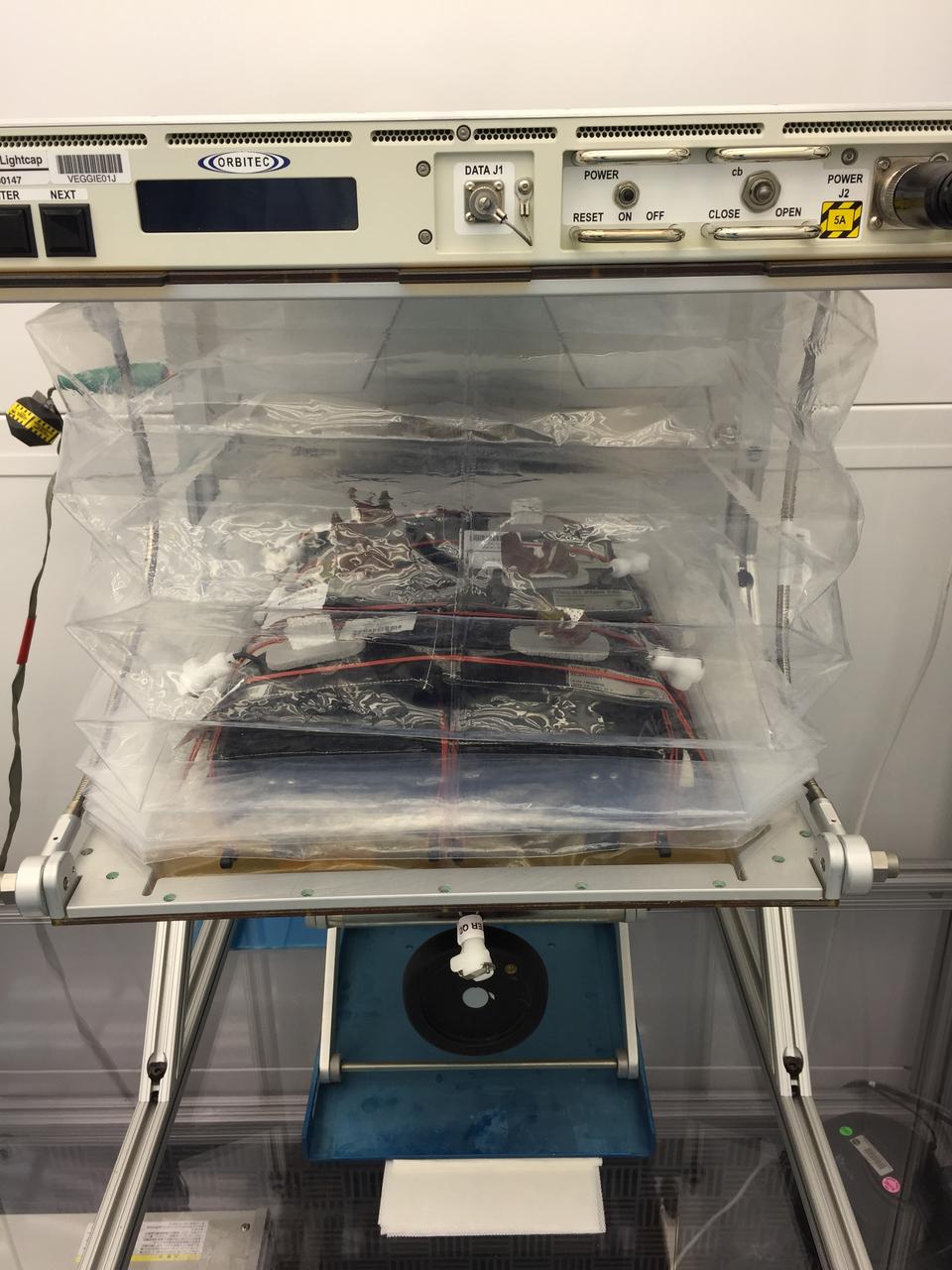
Astronaut Scott Kelly initiated VEG-01 B, the second crop of lettuce, on July, 8, 2015, and both Kelly and Astronaut Kjell Lindgren cared for the plants. The crop grew for 33 days. VEG-01 B included one set of six plant pillows planted with red romaine lettuce seeds. On Aug. 10, 2015, the crew harvested and consumed leaves from each plant. This was the first crop grown and consumed in NASA hardware. They harvested the rest of the plant tissue and froze it in the station’s Minus Eighty-Degree Laboratory Freezer for ISS (MELFI) for return to Earth for further study including microbial analysis, antioxidant capacity, mineral analysis and anthocyanin concentration.
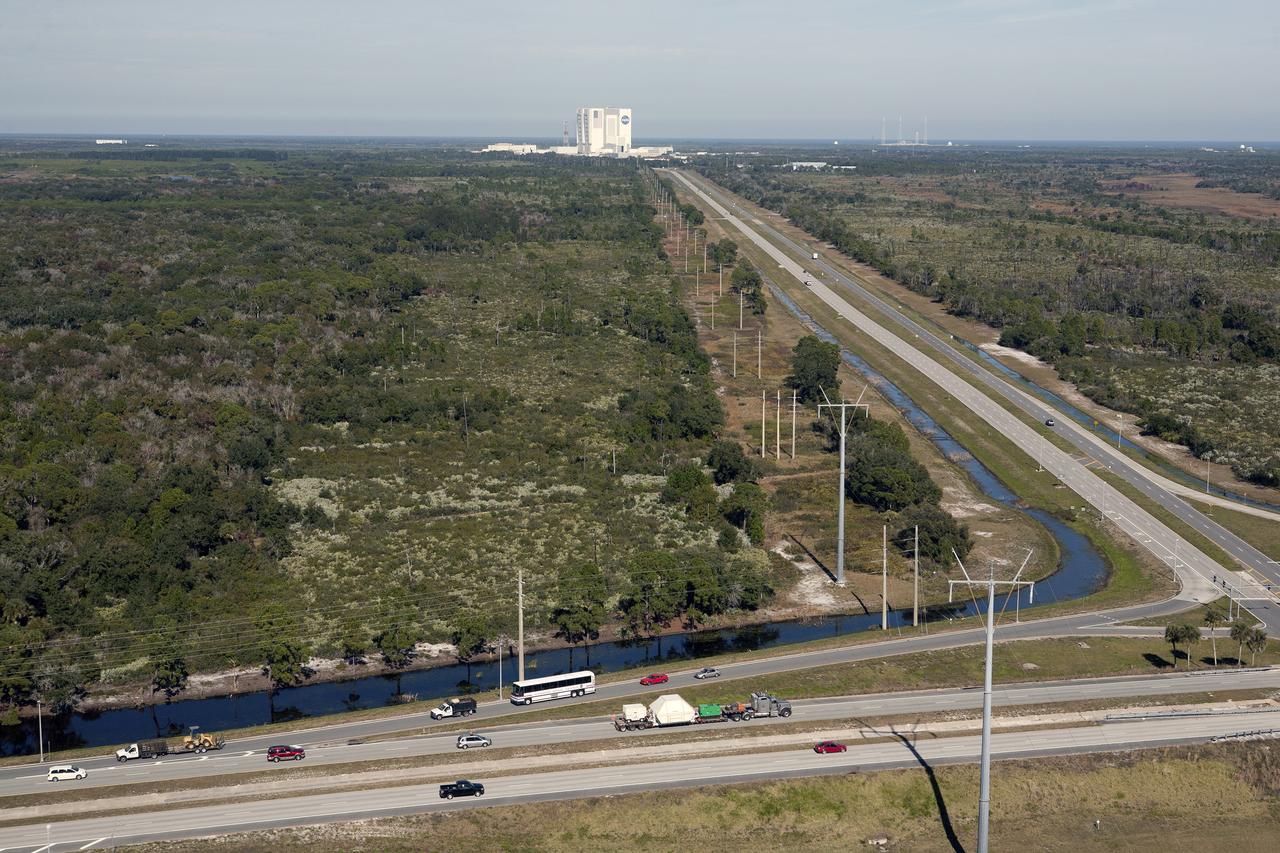
Aerial of Orion Returns to KSC after Successful Mission
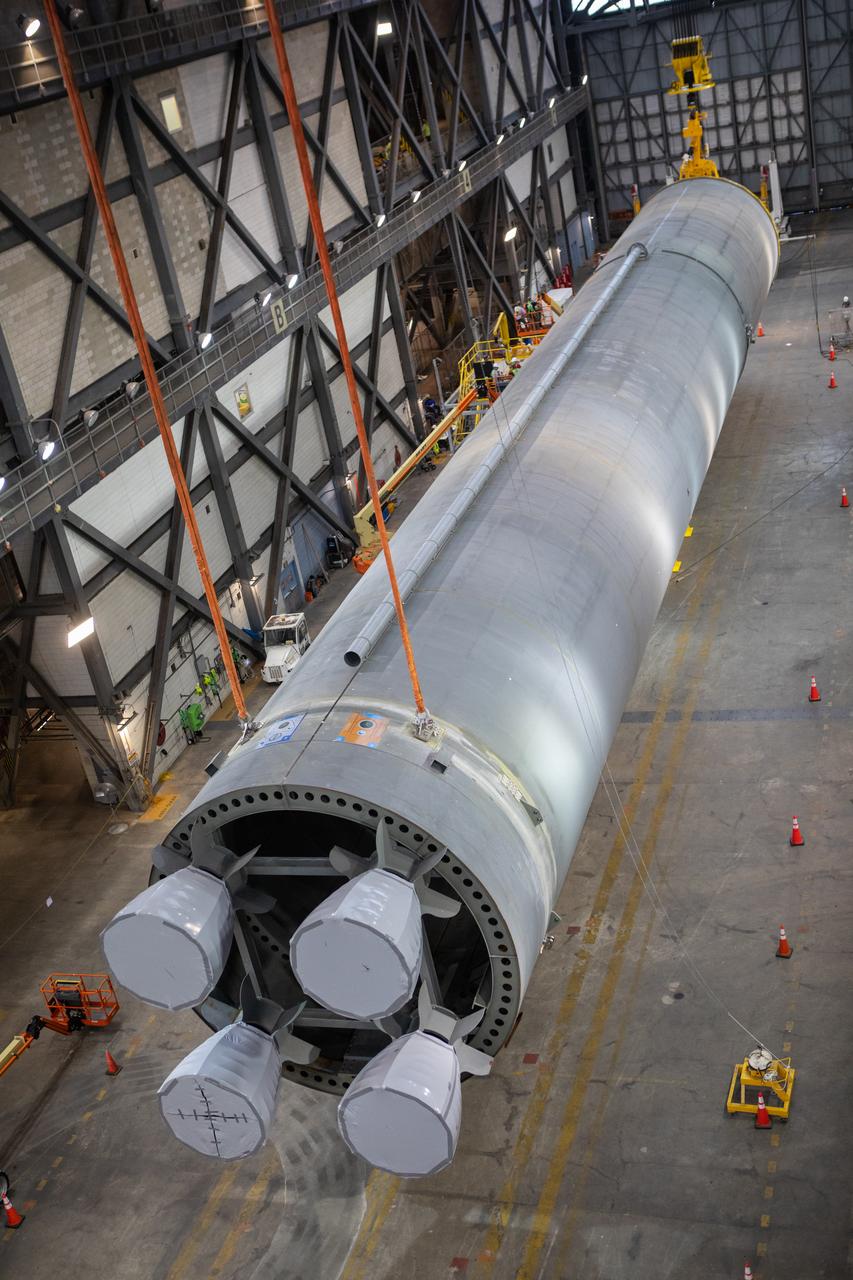
Inside the Vehicle Assembly Building at NASA’s Kennedy Space Center in Florida, two cranes are used to lift the Space Launch System (SLS) Core Stage pathfinder horizontally above the transfer aisle on Oct. 15, 2019. The 212-foot-long core stage pathfinder arrived on NASA's Pegasus Barge at Kennedy’s Launch Complex 39 turn basin wharf on Sept. 27, 2019. The Pegasus Barge made its first delivery to Kennedy in support of the agency's Artemis missions. The pathfinder is being used by Exploration Ground Systems and its contractor, Jacobs, to practice offloading, moving and stacking maneuvers, using important ground support equipment to train employees and certify all the equipment works properly. The pathfinder will stay at Kennedy through at least the month of October before trekking back to NASA's Michoud Assembly Facility in Louisiana.
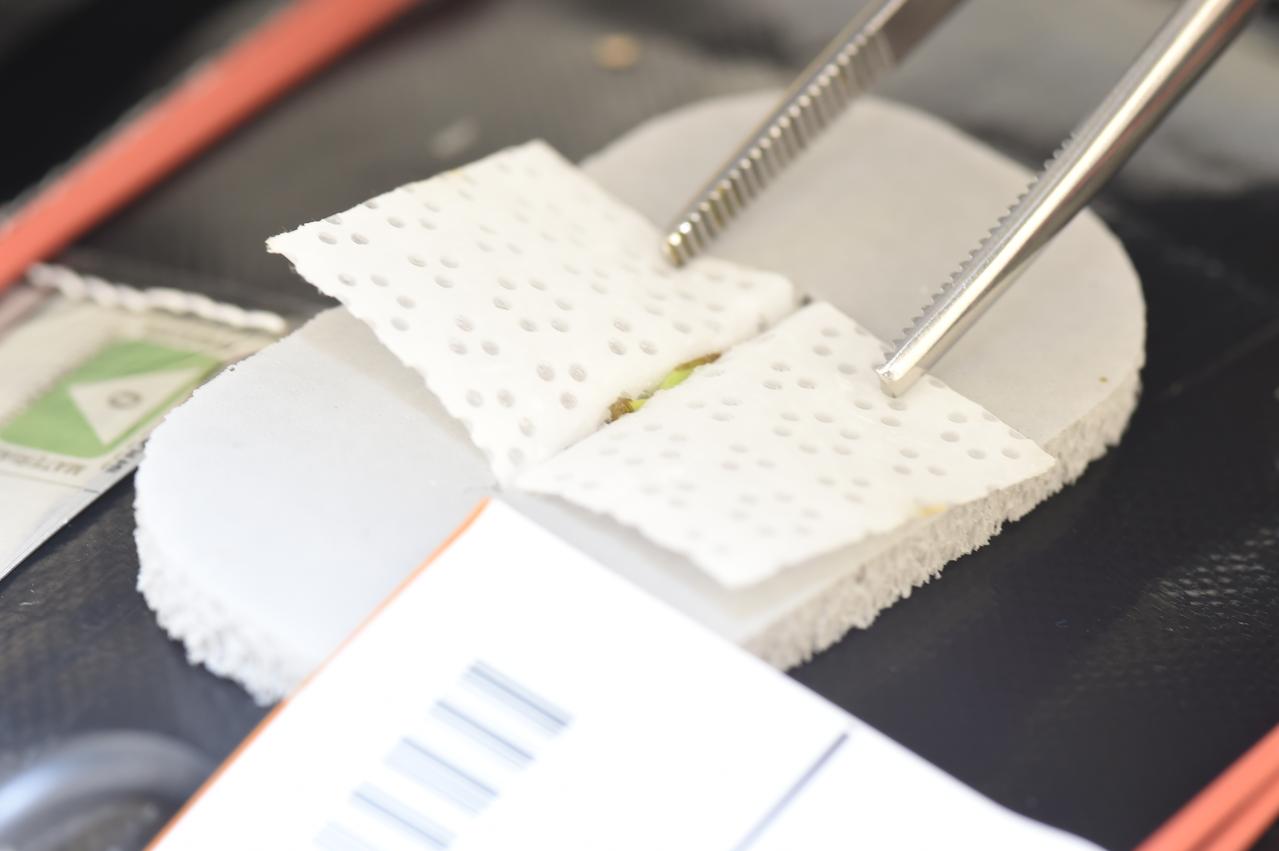
Astronaut Scott Kelly initiated VEG-01 B, the second crop of lettuce, on July, 8, 2015, and both Kelly and Astronaut Kjell Lindgren cared for the plants. The crop grew for 33 days. VEG-01 B included one set of six plant pillows planted with red romaine lettuce seeds. On Aug. 10, 2015, the crew harvested and consumed leaves from each plant. This was the first crop grown and consumed in NASA hardware. They harvested the rest of the plant tissue and froze it in the station’s Minus Eighty-Degree Laboratory Freezer for ISS (MELFI) for return to Earth for further study including microbial analysis, antioxidant capacity, mineral analysis and anthocyanin concentration.
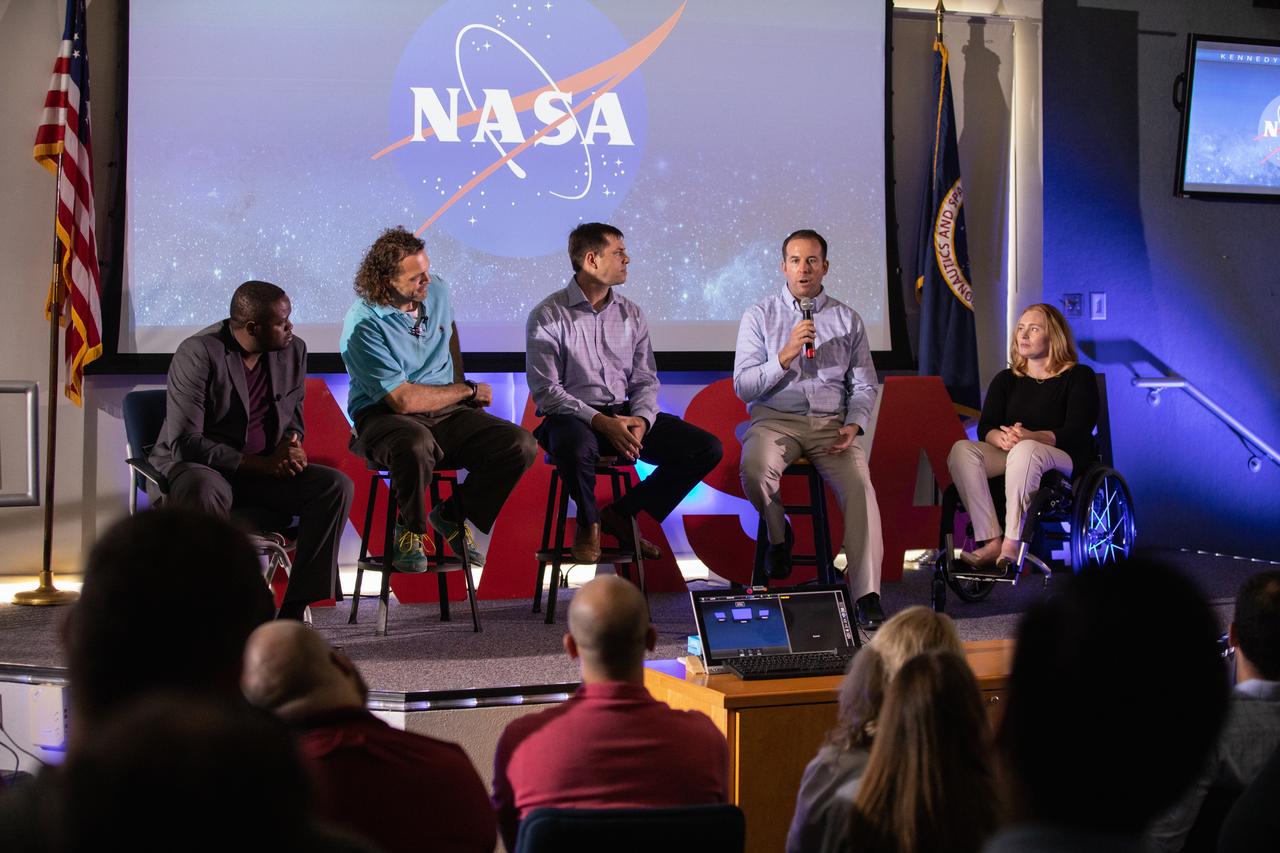
From left, Kennedy Space Center’s Ryan Richards, Tim Bass, Mike Williams, Dave Grau and Christine Shepperd participate in the third of a series of five TED Talk-style informational sessions on Oct. 17, 2019, inside the Florida spaceport’s Kennedy Learning Institute. Sponsored by Kennedy’s Launching Leaders and Leadership for the Future, NASAtalks focuses on the topic of intentional careers and aims to provide employees with tools and knowledge that can be utilized for career growth. The theme of this third session was customers.
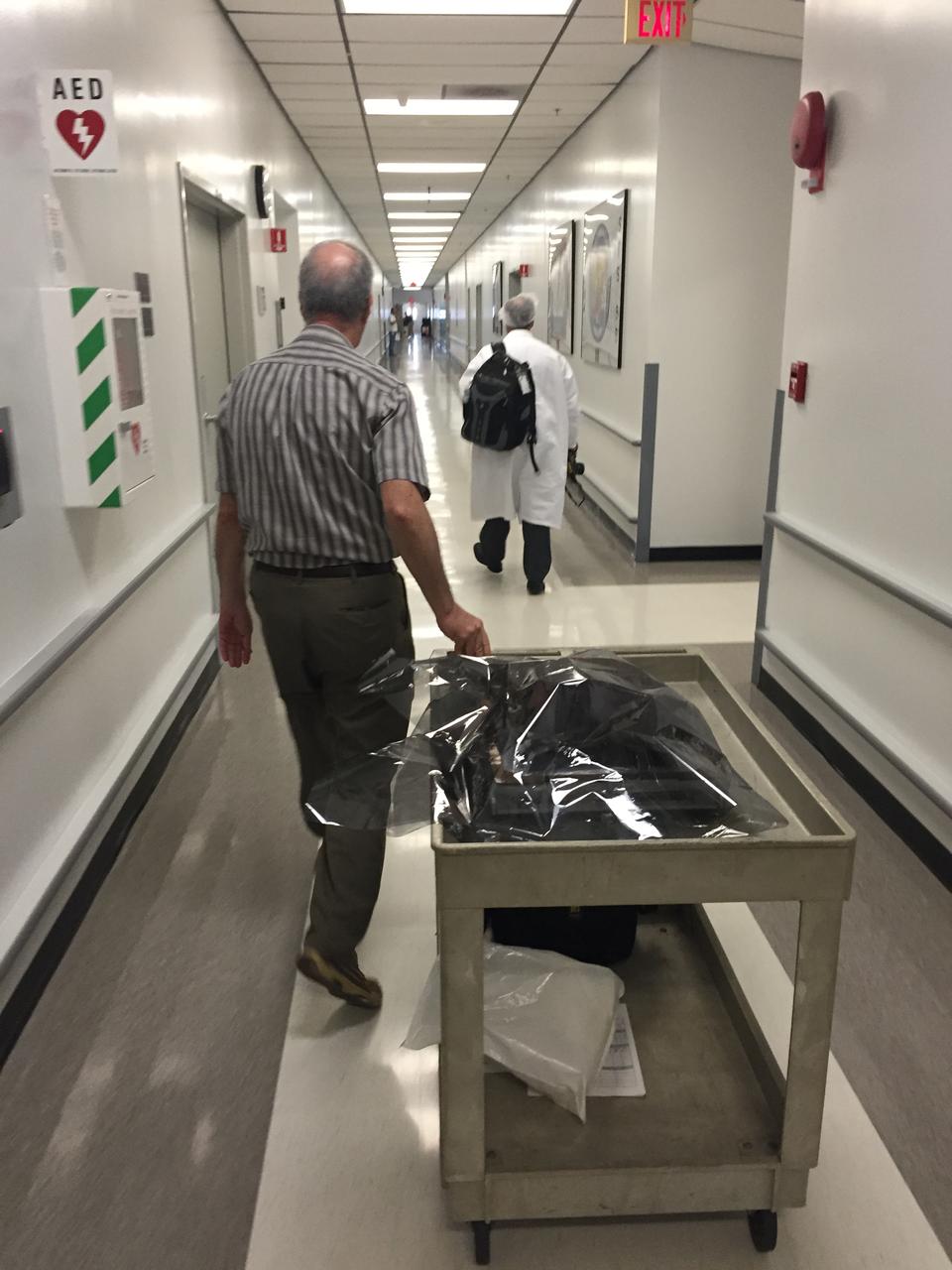
Astronaut Scott Kelly initiated VEG-01 B, the second crop of lettuce, on July, 8, 2015, and both Kelly and Astronaut Kjell Lindgren cared for the plants. The crop grew for 33 days. VEG-01 B included one set of six plant pillows planted with red romaine lettuce seeds. On Aug. 10, 2015, the crew harvested and consumed leaves from each plant. This was the first crop grown and consumed in NASA hardware. They harvested the rest of the plant tissue and froze it in the station’s Minus Eighty-Degree Laboratory Freezer for ISS (MELFI) for return to Earth for further study including microbial analysis, antioxidant capacity, mineral analysis and anthocyanin concentration.
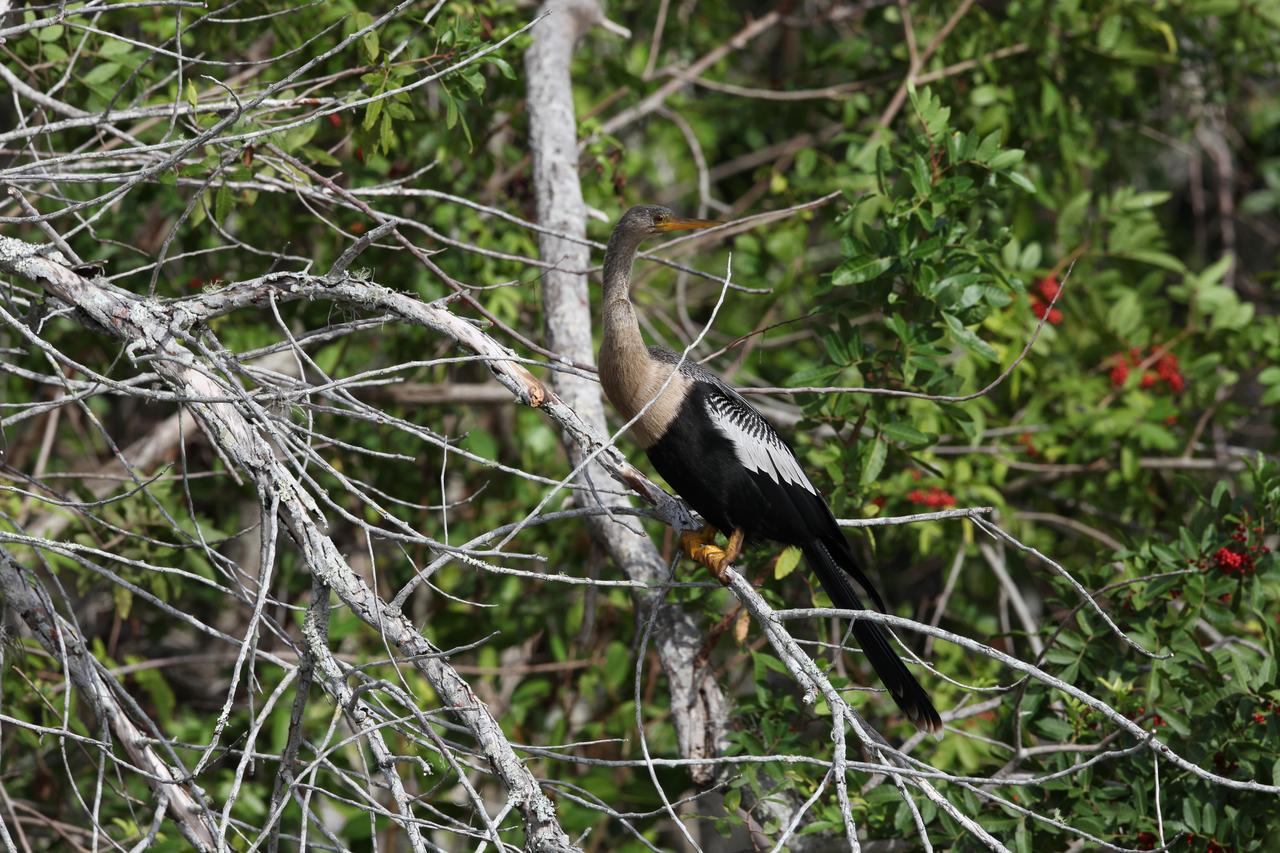
An Anhinga perches on a branch in an area of underbrush at NASA's Kennedy Space Center in Florida. The Anhinga is also known as a Water-Turkey for its swimming habits and broad tail. The center shares a border with the Merritt Island National Wildlife Refuge. More than 330 native and migratory bird species, 25 mammals, 117 fishes and 65 amphibians and reptiles call Kennedy and the wildlife refuge home.
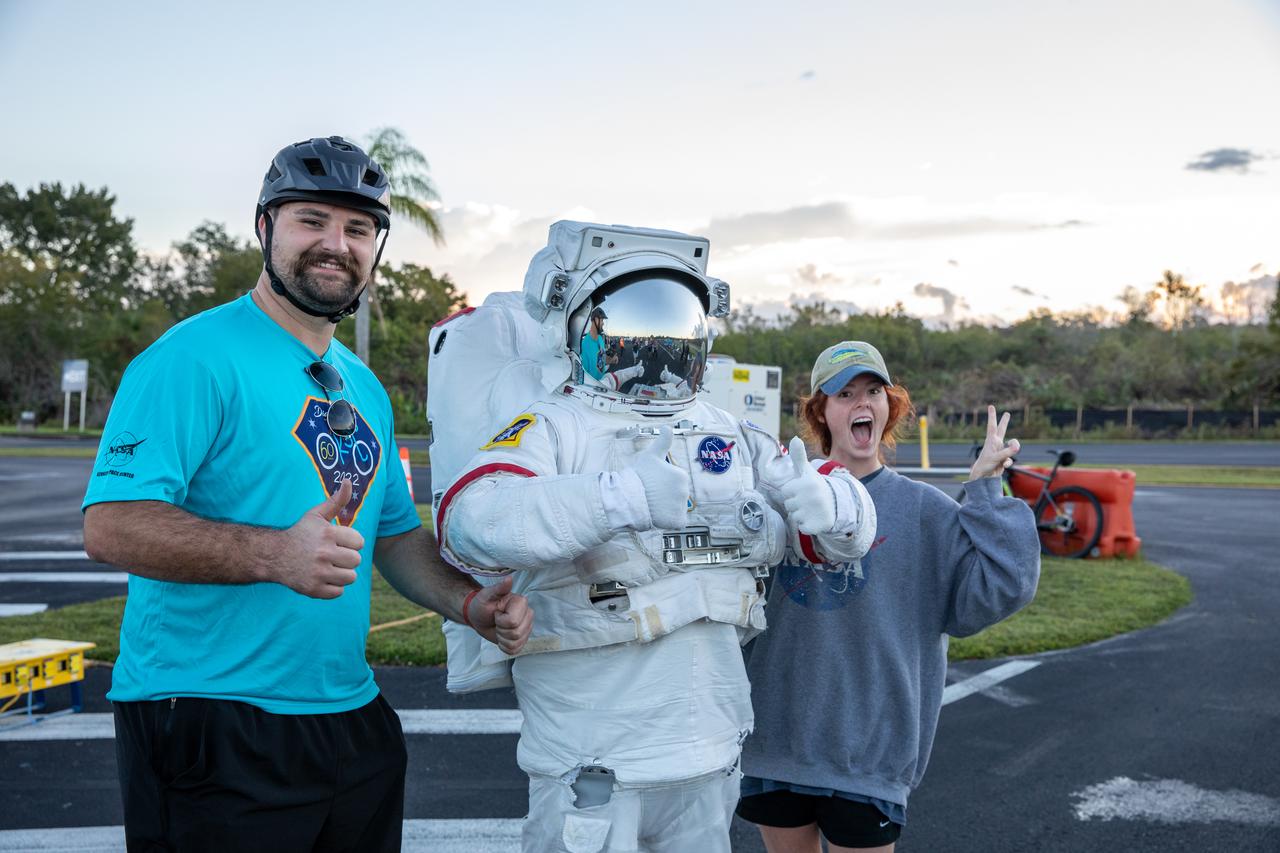
Participants in the Diamond Tour de KSC pause for a photo with the Spaceperson at NASA’s Kennedy Space Center Visitor Complex before beginning their bicycle routes at Kennedy Space Center in Florida on Oct. 22, 2022. This unique event, held for the first time since 2019, was part of the Safety organization’s Fall Into Safety and Health event, and named “diamond” to honor the center’s 60th anniversary. Cyclists covered three different routes and rode by historic landmarks, completing a total of about 37 miles.
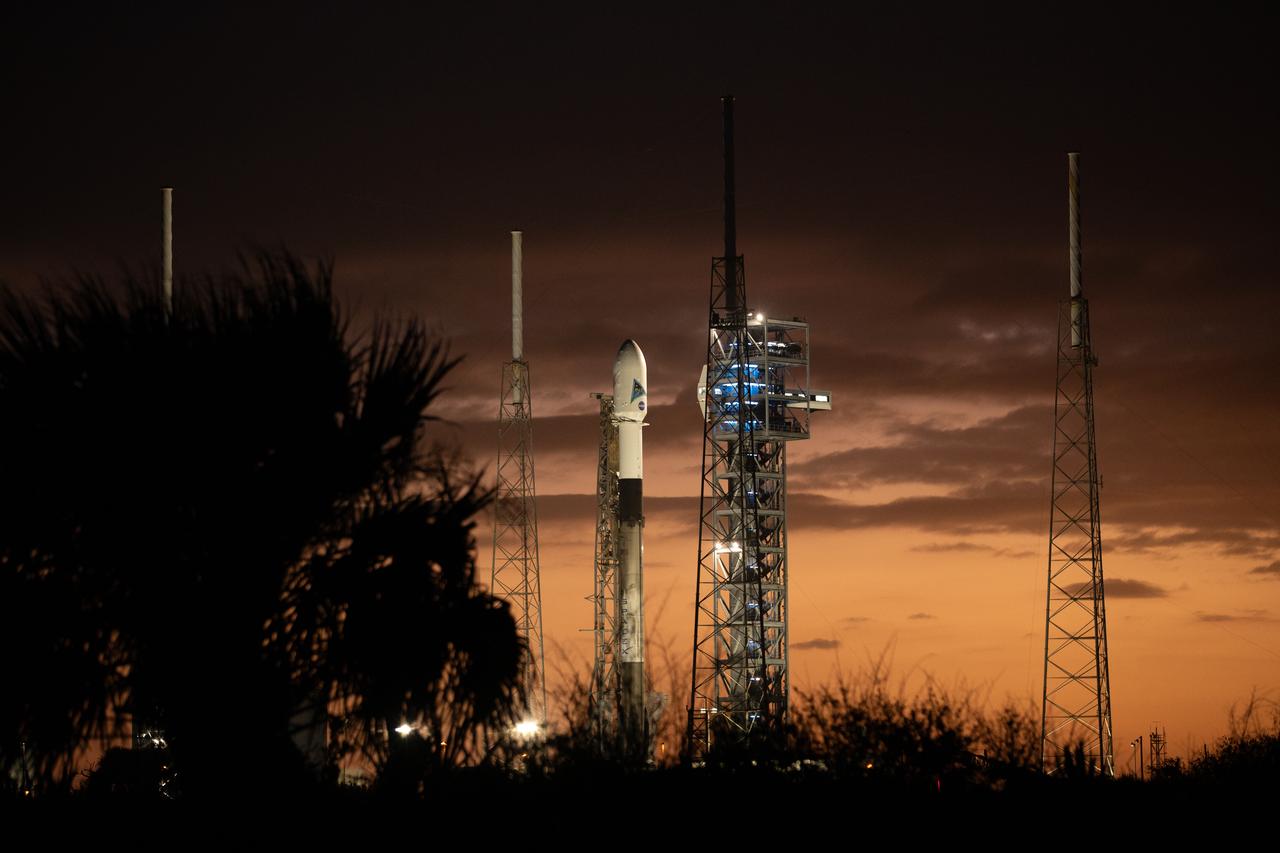
A SpaceX Falcon 9 rocket with NASA’s PACE (Plankton, Aerosol, Cloud, ocean Ecosystem) spacecraft stands vertical at Space Launch Complex 40 at Cape Canaveral Space Force Station in Florida on Tuesday, Feb. 6, 2024. PACE is NASA’s newest earth-observing satellite that will help increase our understanding of Earth’s oceans, atmosphere, and climate by delivering hyperspectral observations of microscopic marine organisms called phytoplankton as well new data on clouds and aerosols. The successful liftoff took place 1:33 a.m. EST Thursday, Feb. 8, 2024.
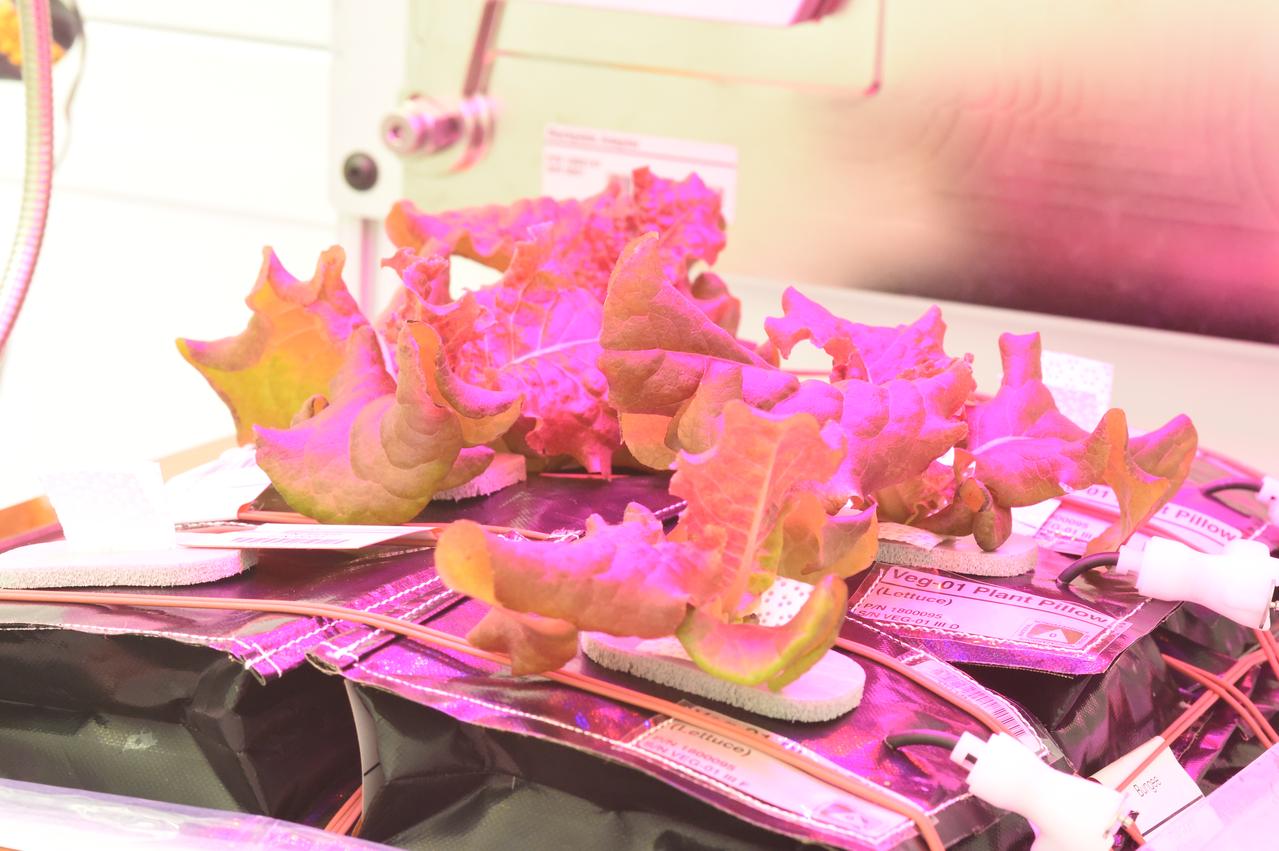
Astronaut Scott Kelly initiated VEG-01 B, the second crop of lettuce, on July, 8, 2015, and both Kelly and Astronaut Kjell Lindgren cared for the plants. The crop grew for 33 days. VEG-01 B included one set of six plant pillows planted with red romaine lettuce seeds. On Aug. 10, 2015, the crew harvested and consumed leaves from each plant. This was the first crop grown and consumed in NASA hardware. They harvested the rest of the plant tissue and froze it in the station’s Minus Eighty-Degree Laboratory Freezer for ISS (MELFI) for return to Earth for further study including microbial analysis, antioxidant capacity, mineral analysis and anthocyanin concentration.
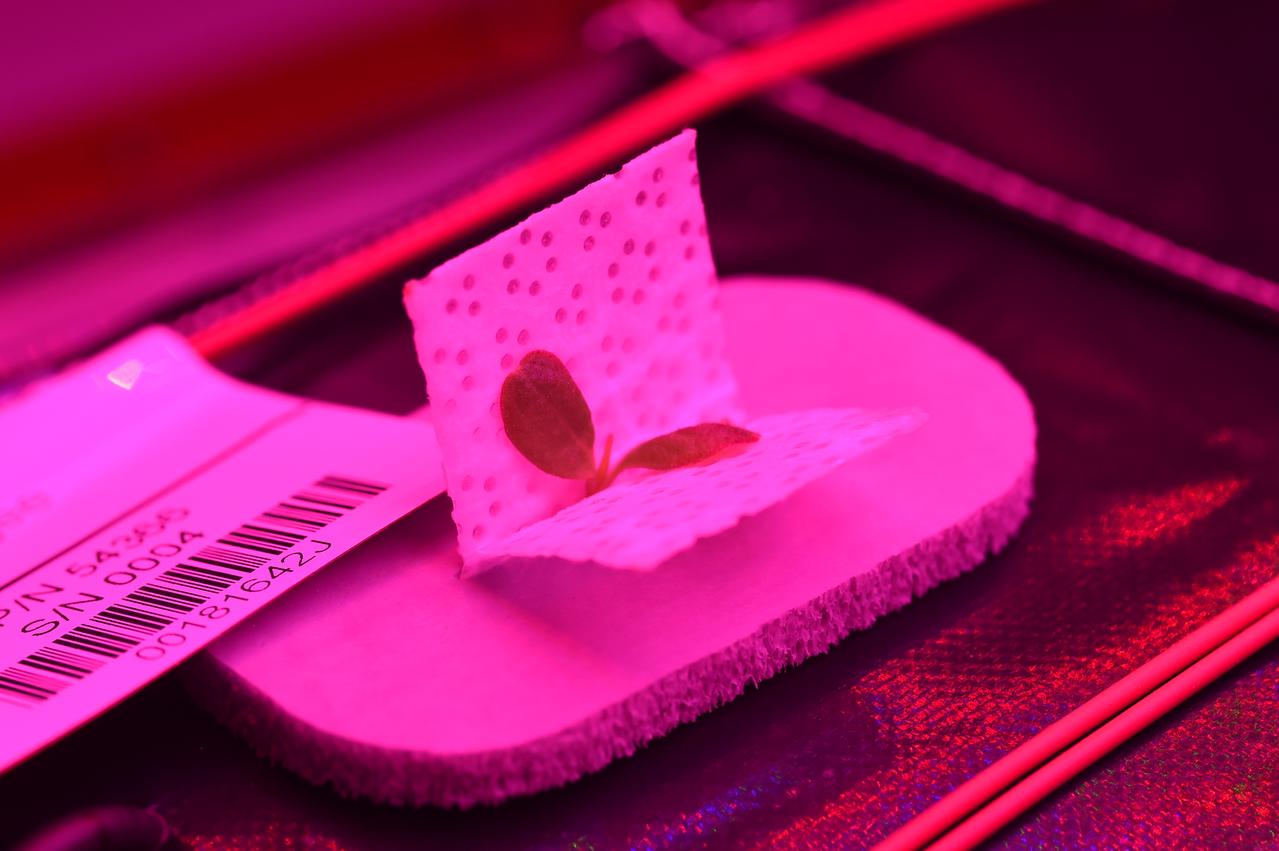
Astronaut Scott Kelly initiated VEG-01 B, the second crop of lettuce, on July, 8, 2015, and both Kelly and Astronaut Kjell Lindgren cared for the plants. The crop grew for 33 days. VEG-01 B included one set of six plant pillows planted with red romaine lettuce seeds. On Aug. 10, 2015, the crew harvested and consumed leaves from each plant. This was the first crop grown and consumed in NASA hardware. They harvested the rest of the plant tissue and froze it in the station’s Minus Eighty-Degree Laboratory Freezer for ISS (MELFI) for return to Earth for further study including microbial analysis, antioxidant capacity, mineral analysis and anthocyanin concentration.
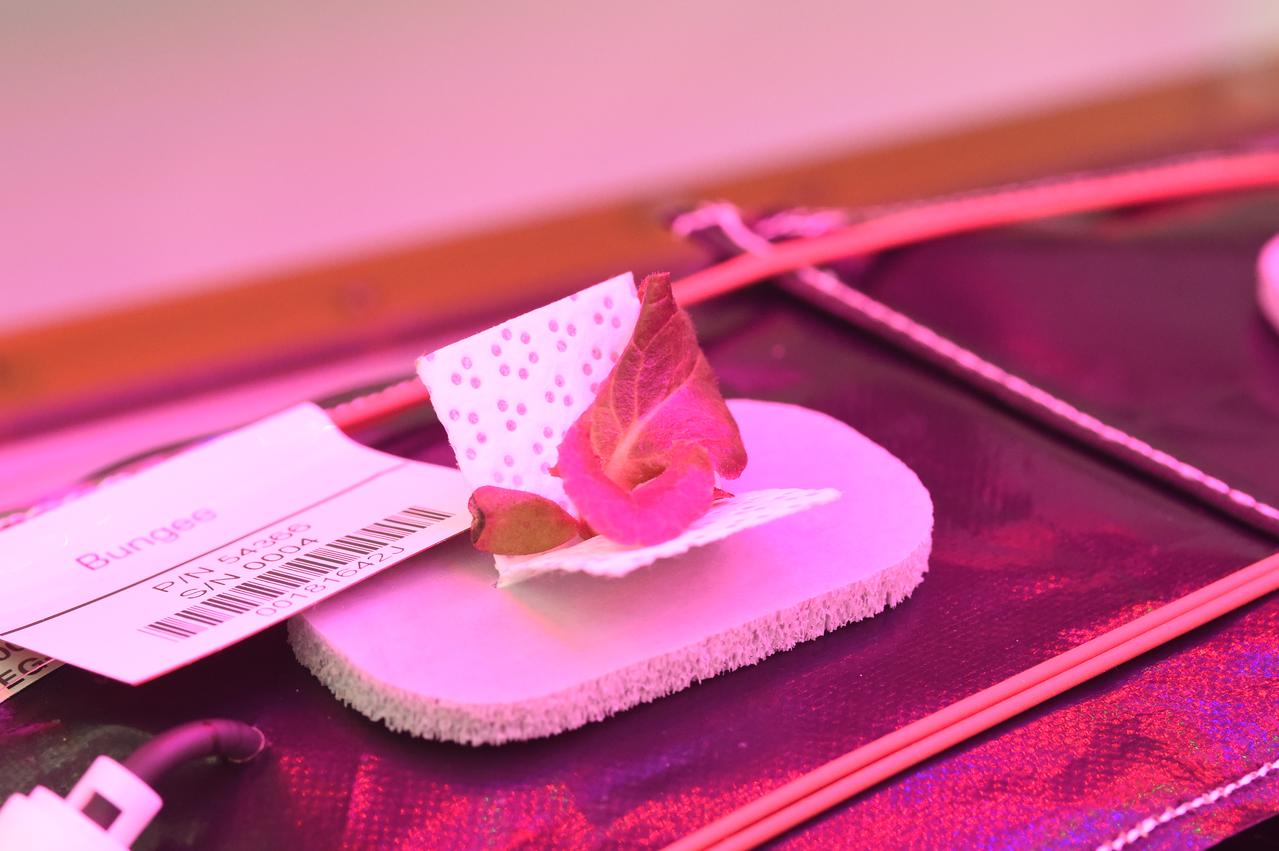
Astronaut Scott Kelly initiated VEG-01 B, the second crop of lettuce, on July, 8, 2015, and both Kelly and Astronaut Kjell Lindgren cared for the plants. The crop grew for 33 days. VEG-01 B included one set of six plant pillows planted with red romaine lettuce seeds. On Aug. 10, 2015, the crew harvested and consumed leaves from each plant. This was the first crop grown and consumed in NASA hardware. They harvested the rest of the plant tissue and froze it in the station’s Minus Eighty-Degree Laboratory Freezer for ISS (MELFI) for return to Earth for further study including microbial analysis, antioxidant capacity, mineral analysis and anthocyanin concentration.
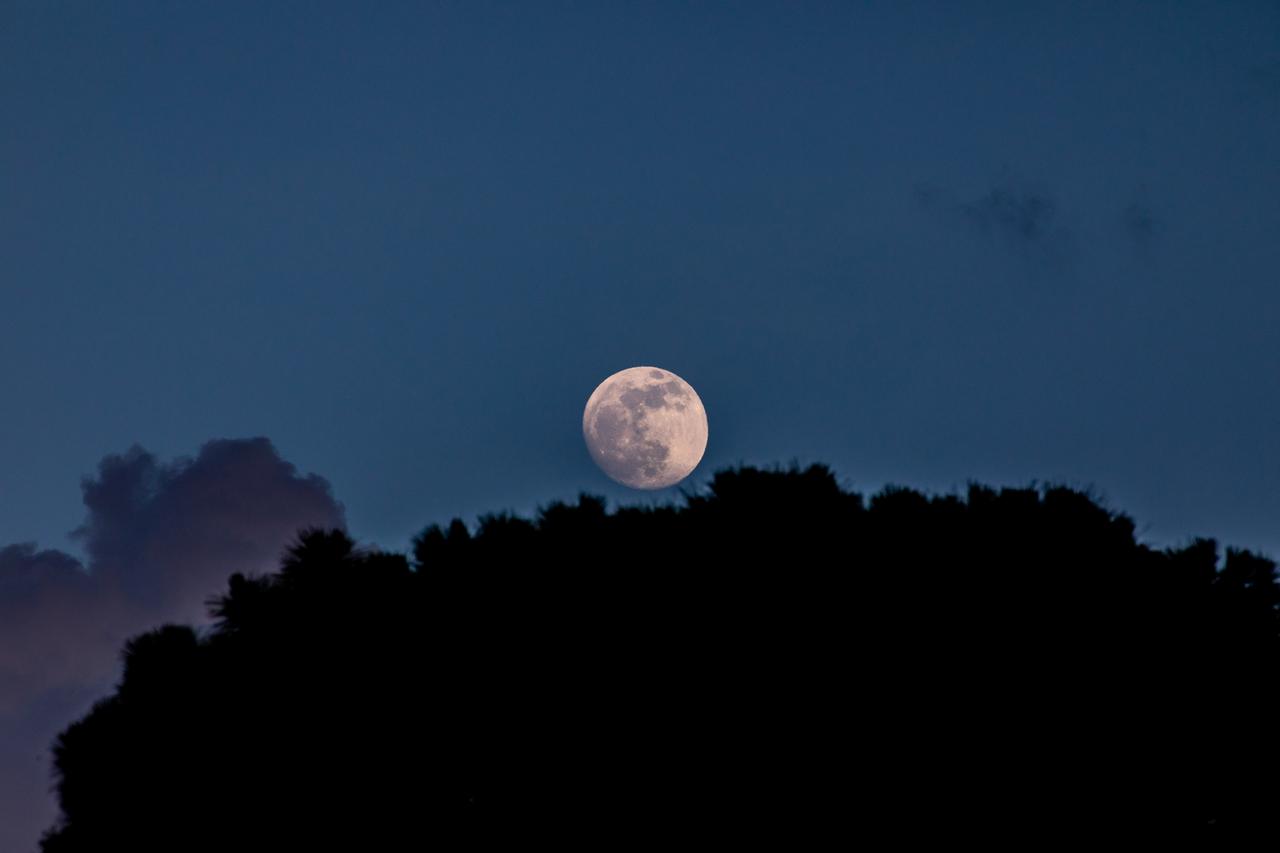
This almost full Moon shining in the eastern night sky was photographed on June 12, 2022, at NASA’s Kennedy Space Center in Florida.

An alligator moves through a brackish waterway at NASA's Kennedy Space Center in Florida. The center shares a border with the Merritt Island National Wildlife Refuge. More than 330 native and migratory bird species, 25 mammals, 117 fishes and 65 amphibians and reptiles call Kennedy and the wildlife refuge home.
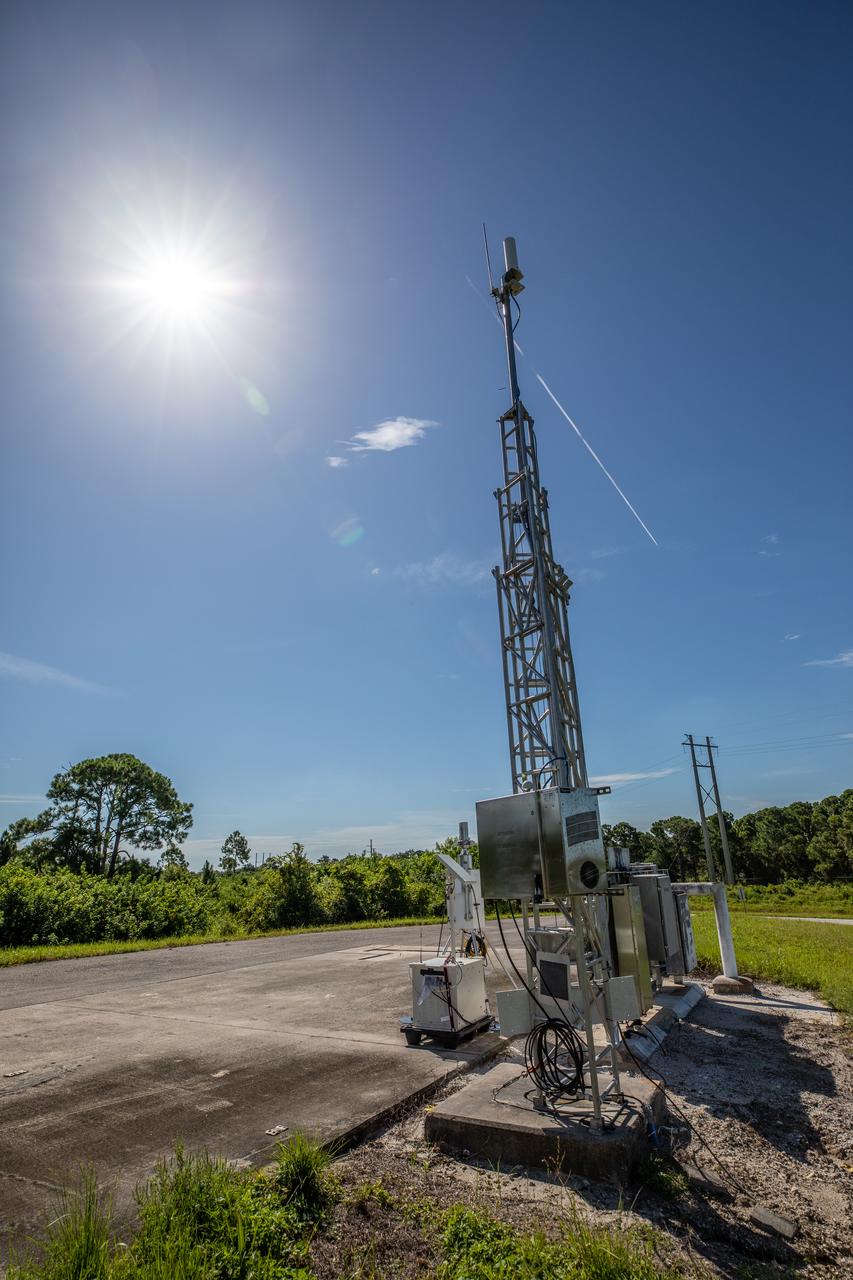
One of several Environmental Continuous Air Monitors, or ECAMS, is located in the Space Coast area on July 27, 2020, in preparation for launch of NASA’s Mars 2020 mission on July 30. The ECAMS are updated versions of those that were used for the launch of Curiosity. The Data Collection and Assessment Center uses information from the network of remote monitoring devises, including several that are located in areas for specific weather forecasting reported back to the operations center.
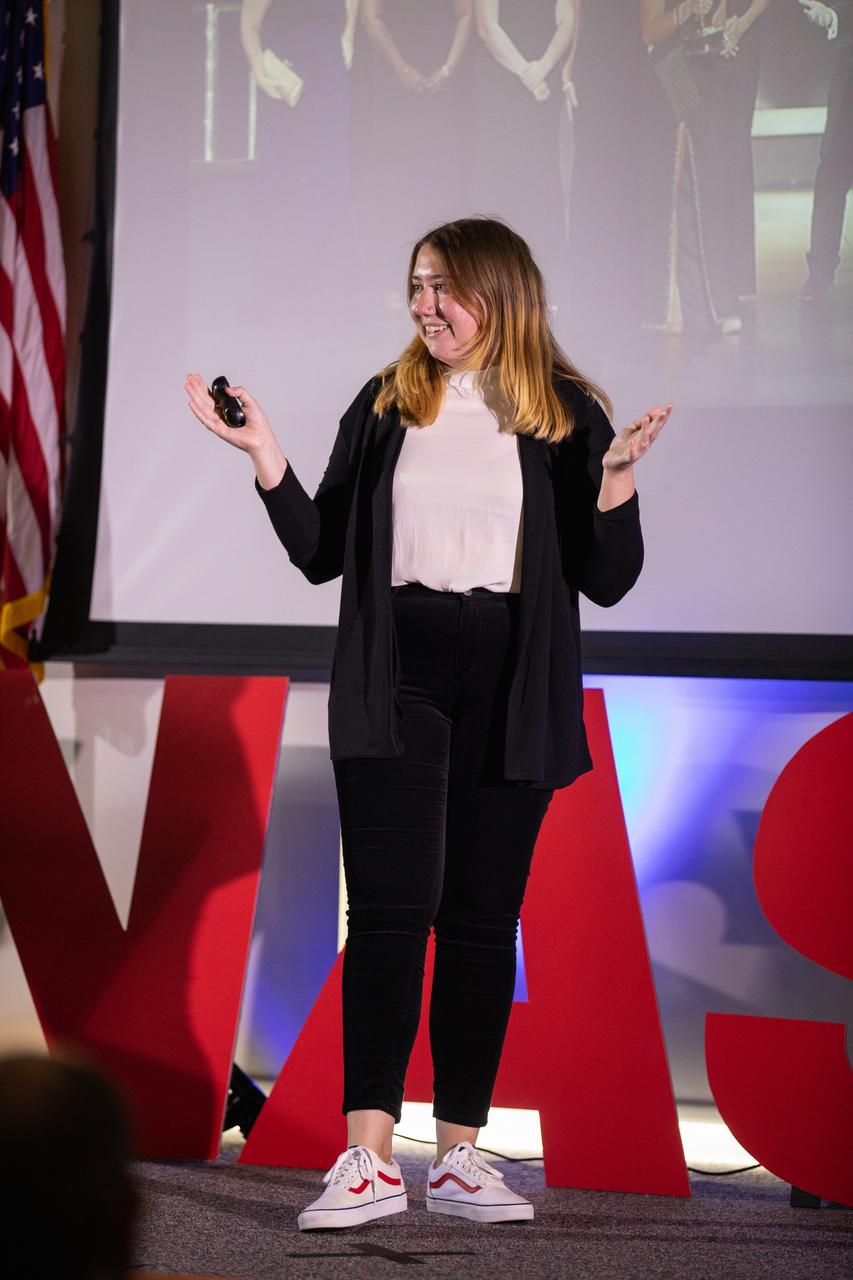
Madison Tuttle, a social media lead at NASA’s Kennedy Space Center in Florida, speaks at the second in a series of five TED Talk-style informational sessions on Oct. 10, 2019, in the Kennedy Learning Institute. Sponsored by Kennedy’s Launching Leaders and Leadership for the Future, NASAtalks focuses on the topic of intentional careers and aims to provide employees with tools and knowledge that can be utilized for career growth. The theme of this second session was collaboration, and additional speakers included Kennedy employees Jennifer Lane, Skyler Kleinschmidt and Stephanie Martin.
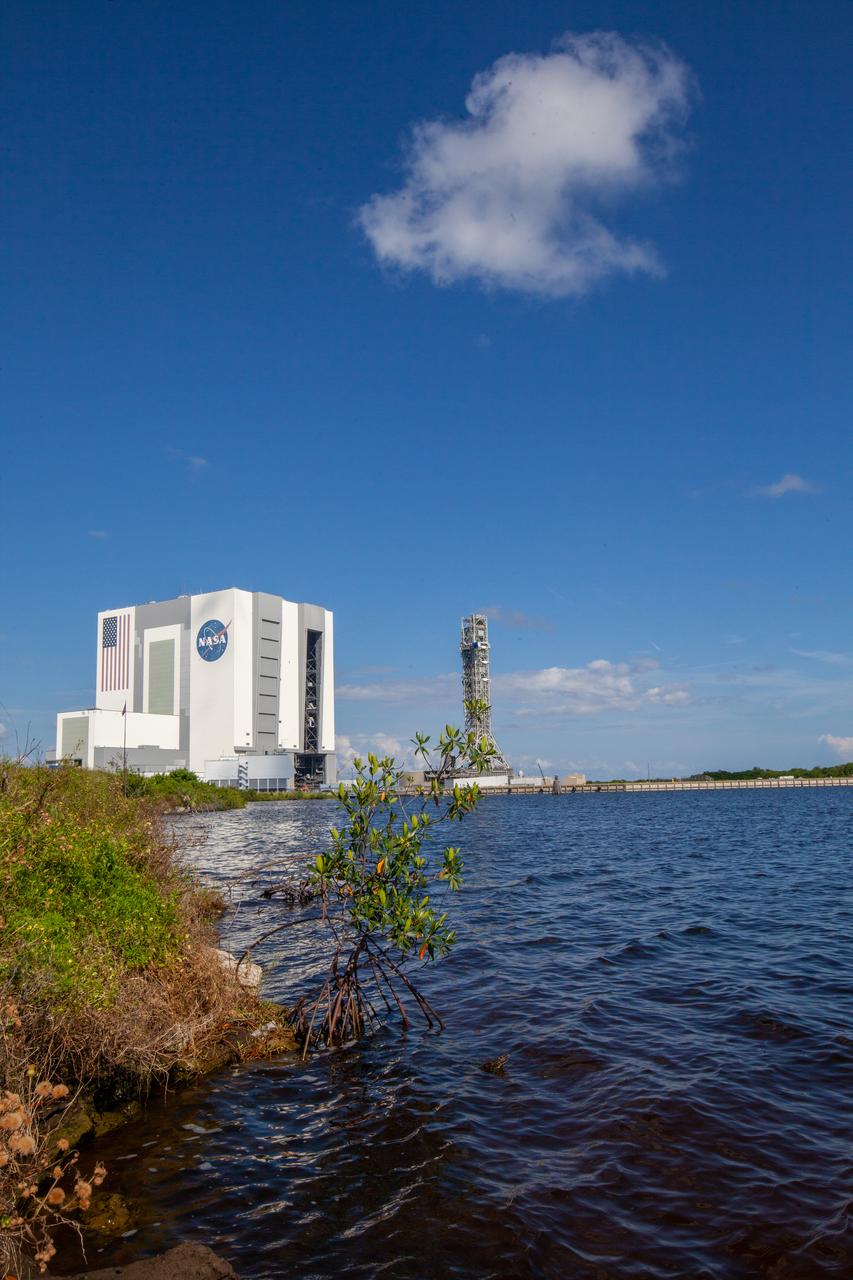
The mobile launcher for NASA’s Artemis missions rolls out of the Vehicle Assembly Building (VAB) at Kennedy Space Center in Florida on Sept. 10, 2019, after spending a week and a half inside due to the approach of Hurricane Dorian. The nearly 400-foot-tall structure was moved from Launch Pad 39B to the VAB for safekeeping on Aug. 30. The storm passed about 70 miles east of the spaceport during the overnight hours Tuesday, Sept. 3, and Wednesday, Sept. 4. NASA’s Exploration Ground Systems is moving the mobile launcher back to the launch pad, where teams will complete testing and checkout on the launcher in the coming weeks for the Artemis I mission.
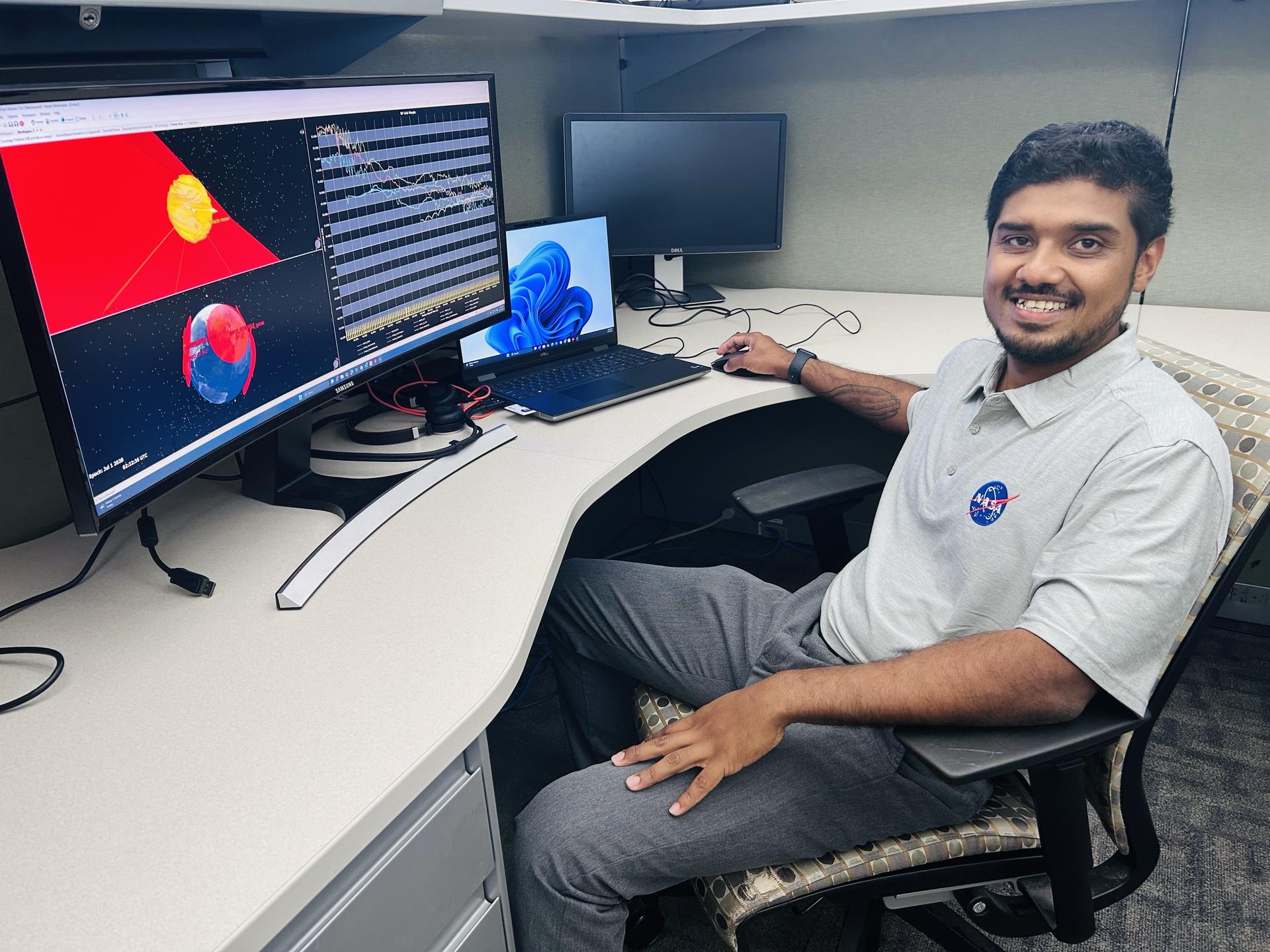
Rohit Goeptar, an electromagnetic/radio frequency analyst with NASA’s Launch Services Program at the agency’s Kennedy Space Center in Florida, reviews a radio frequency link budget analysis for NASA’s Nancy Grace Roman Space Telescope from his office. Goeptar is among the engineers and technicians sworn in as new NASA civil servants as part of NASA Administrator Jared Isaacman’s workforce directive to restore technical core competencies within the civil servants ranks.

Astronaut Scott Kelly initiated VEG-01 B, the second crop of lettuce, on July, 8, 2015, and both Kelly and Astronaut Kjell Lindgren cared for the plants. The crop grew for 33 days. VEG-01 B included one set of six plant pillows planted with red romaine lettuce seeds. On Aug. 10, 2015, the crew harvested and consumed leaves from each plant. This was the first crop grown and consumed in NASA hardware. They harvested the rest of the plant tissue and froze it in the station’s Minus Eighty-Degree Laboratory Freezer for ISS (MELFI) for return to Earth for further study including microbial analysis, antioxidant capacity, mineral analysis and anthocyanin concentration.

Astronaut Scott Kelly initiated VEG-01 B, the second crop of lettuce, on July, 8, 2015, and both Kelly and Astronaut Kjell Lindgren cared for the plants. The crop grew for 33 days. VEG-01 B included one set of six plant pillows planted with red romaine lettuce seeds. On Aug. 10, 2015, the crew harvested and consumed leaves from each plant. This was the first crop grown and consumed in NASA hardware. They harvested the rest of the plant tissue and froze it in the station’s Minus Eighty-Degree Laboratory Freezer for ISS (MELFI) for return to Earth for further study including microbial analysis, antioxidant capacity, mineral analysis and anthocyanin concentration.
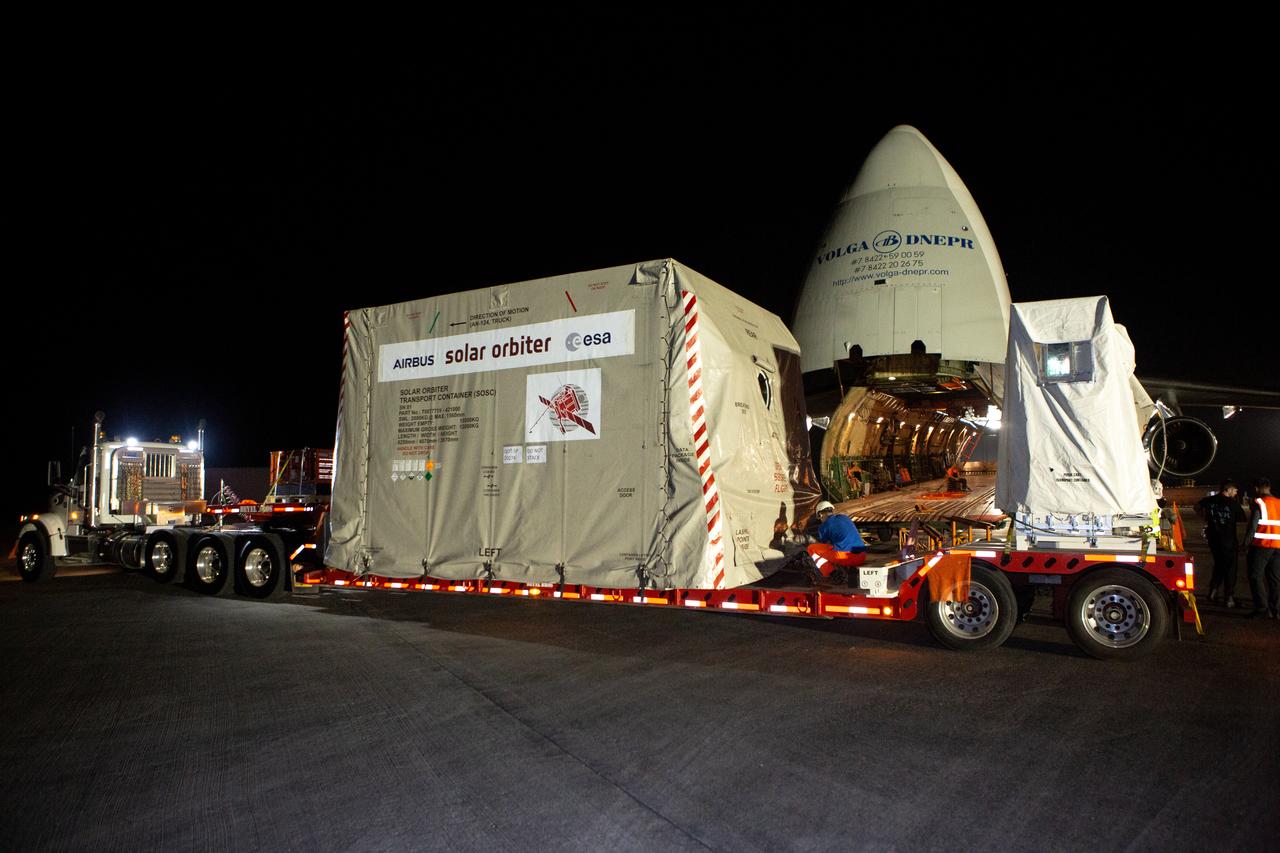
The Solar Orbiter spacecraft is placed on a truck for transportation from the Launch and Landing Facility at NASA’s Kennedy Space Center in Florida to the Astrotech Space Operations facility in nearby Titusville on Nov. 1, 2019. The spacecraft was delivered to the Florida spaceport aboard an Antonov An-124 cargo plane from Munich, Germany. Solar Orbiter is a European Space Agency mission with strong NASA participation. The mission aims to study the Sun, its outer atmosphere and solar winds. The spacecraft will provide the first images of the Sun’s poles. NASA’s Launch Services Program based at Kennedy is managing the launch. Liftoff is scheduled for Feb. 5, 2020, from Cape Canaveral Air Force Station aboard a United Launch Alliance Atlas V rocket.
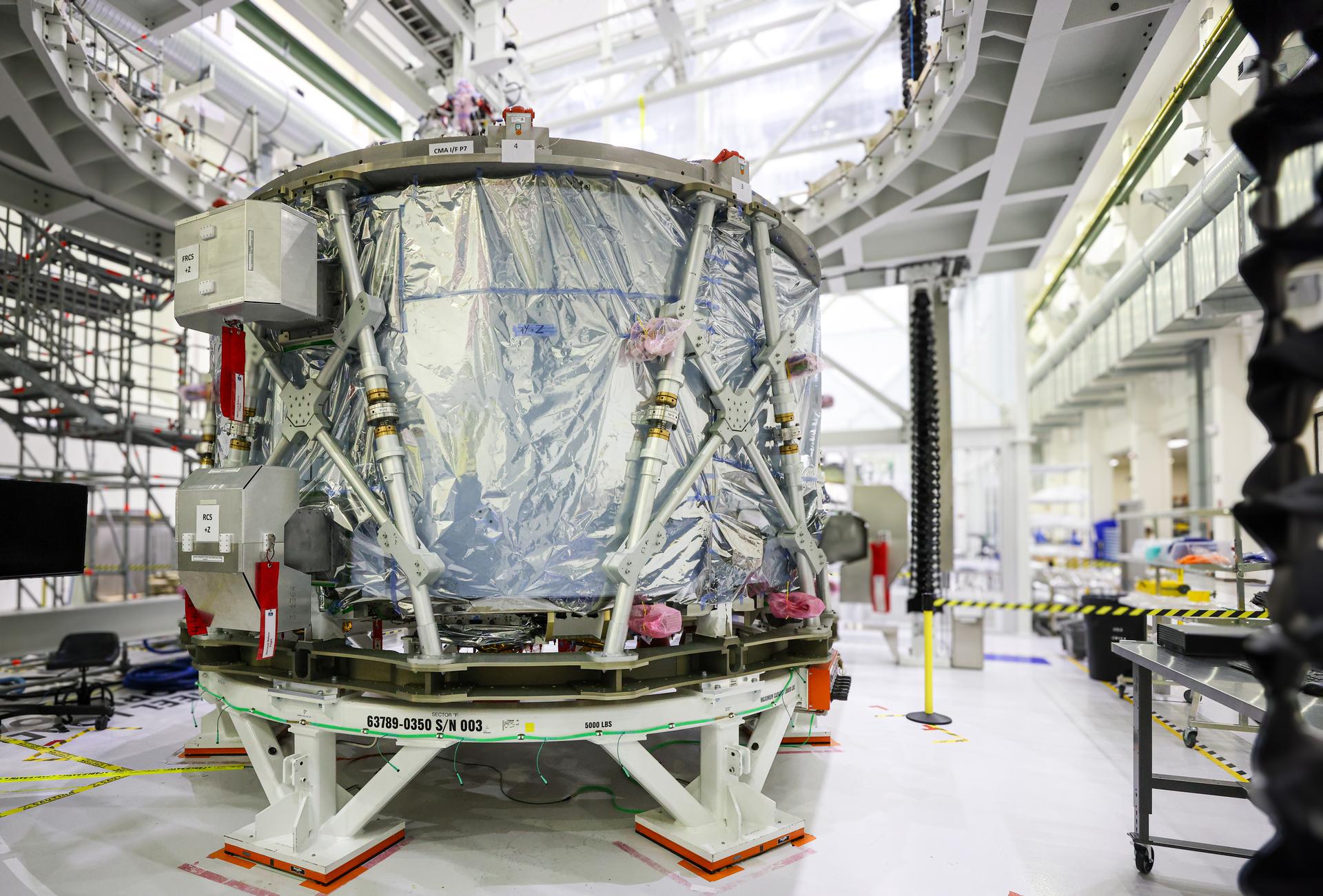
The transport carrier containing the European Service Module for NASA’s Artemis IV mission arrives at the Neil A. Armstrong Operations and Checkout Building at NASA’s Kennedy Space Center in Florida on Saturday, Dec. 20, 2025. The European Service Module, which is assembled by Airbus in Bremen, Germany, from parts made in 10 European countries and the United States, acts as the driving force behind Orion for deep space exploration, providing essential propulsion, thermal control, and electrical power.
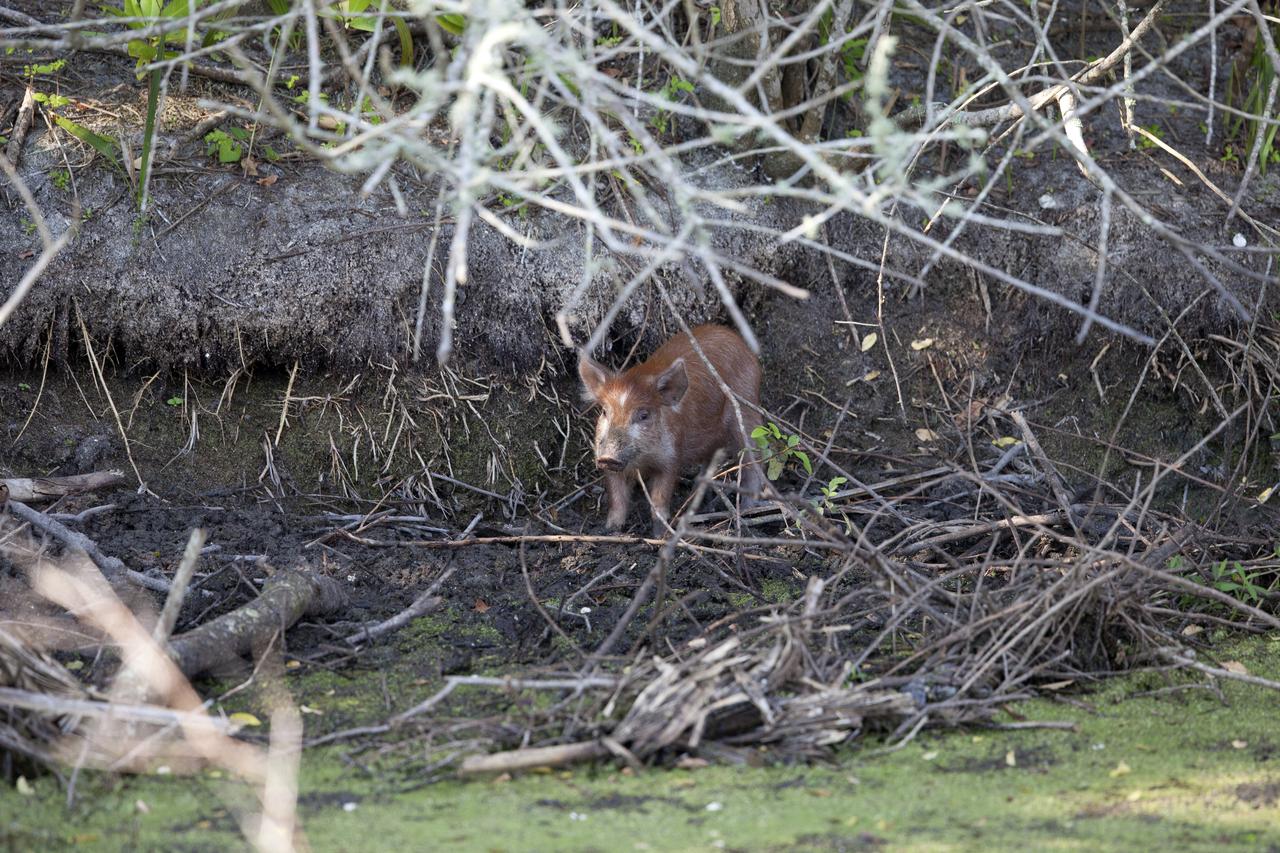
A baby pig stands in the underbrush near a bog at NASA's Kennedy Space Center in Florida. The center shares a border with the Merritt Island National Wildlife Refuge. More than 330 native and migratory bird species, 25 mammals, 117 fishes and 65 amphibians and reptiles call Kennedy and the wildlife refuge home.
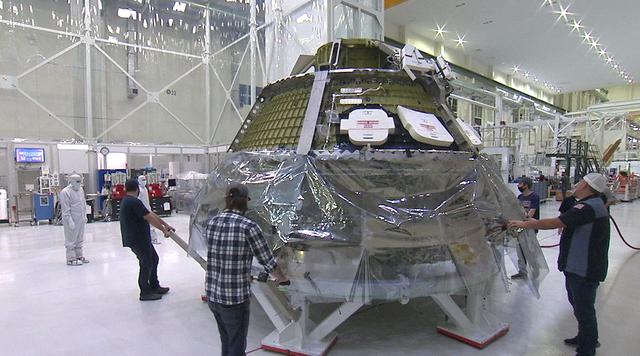
Inside the Neil Armstrong Operations and Checkout Building high bay at NASA’s Kennedy Space Center in Florida, the Artemis II crew module is relocated into a clean room on June 10, 2020. Workers will perform tube welds of the propulsion system and the Environmental Control & Life Support Systems. Artemis II is the first crewed mission in a series of missions to the Moon and on to Mars. Artemis II will confirm all of the Orion spacecraft’s systems operate as designed in the actual environment of deep space with astronauts aboard. As part of the Artemis Program, NASA will send the first woman and next man to the Moon by 2024.
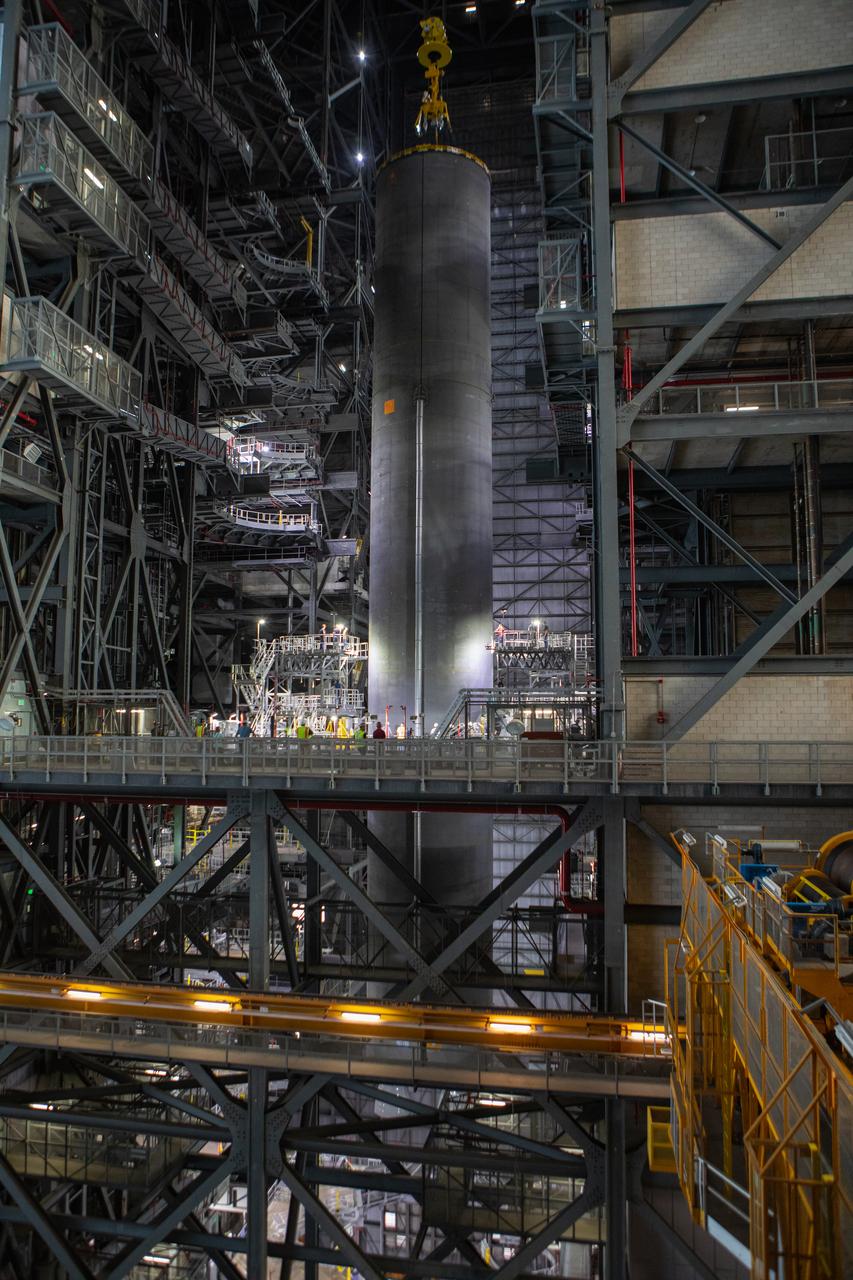
Inside the Vehicle Assembly Building at NASA’s Kennedy Space Center in Florida, a crane lowers the Space Launch System (SLS) Core Stage pathfinder into High Bay 3 on Oct. 65, 2019. The 212-foot-long core stage pathfinder arrived on NASA's Pegasus Barge at Kennedy’s Launch Complex 39 turn basin wharf on Sept. 27, 2019. The Pegasus Barge made its first delivery to Kennedy in support of the agency's Artemis missions. The pathfinder is being used by Exploration Ground Systems and its contractor, Jacobs, to practice offloading, moving and stacking maneuvers, using important ground support equipment to train employees and certify all the equipment works properly. The pathfinder will stay at Kennedy through at least the month of October before trekking back to NASA's Michoud Assembly Facility in Louisiana.
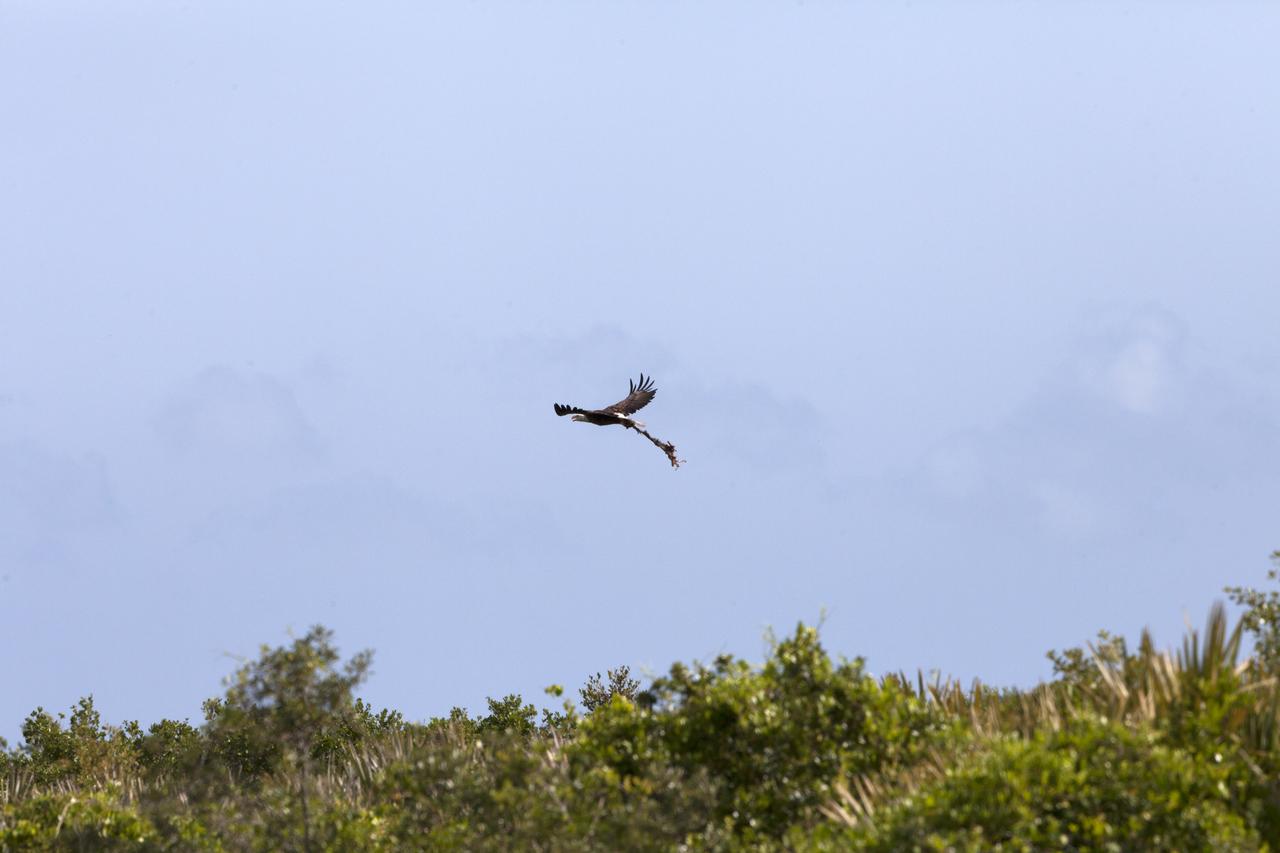
An American bald eagle soars through the air with its prey at NASA's Kennedy Space Center in Florida. The center shares a border with the Merritt Island National Wildlife Refuge. More than 330 native and migratory bird species, 25 mammals, 117 fishes and 65 amphibians and reptiles call Kennedy and the wildlife refuge home.
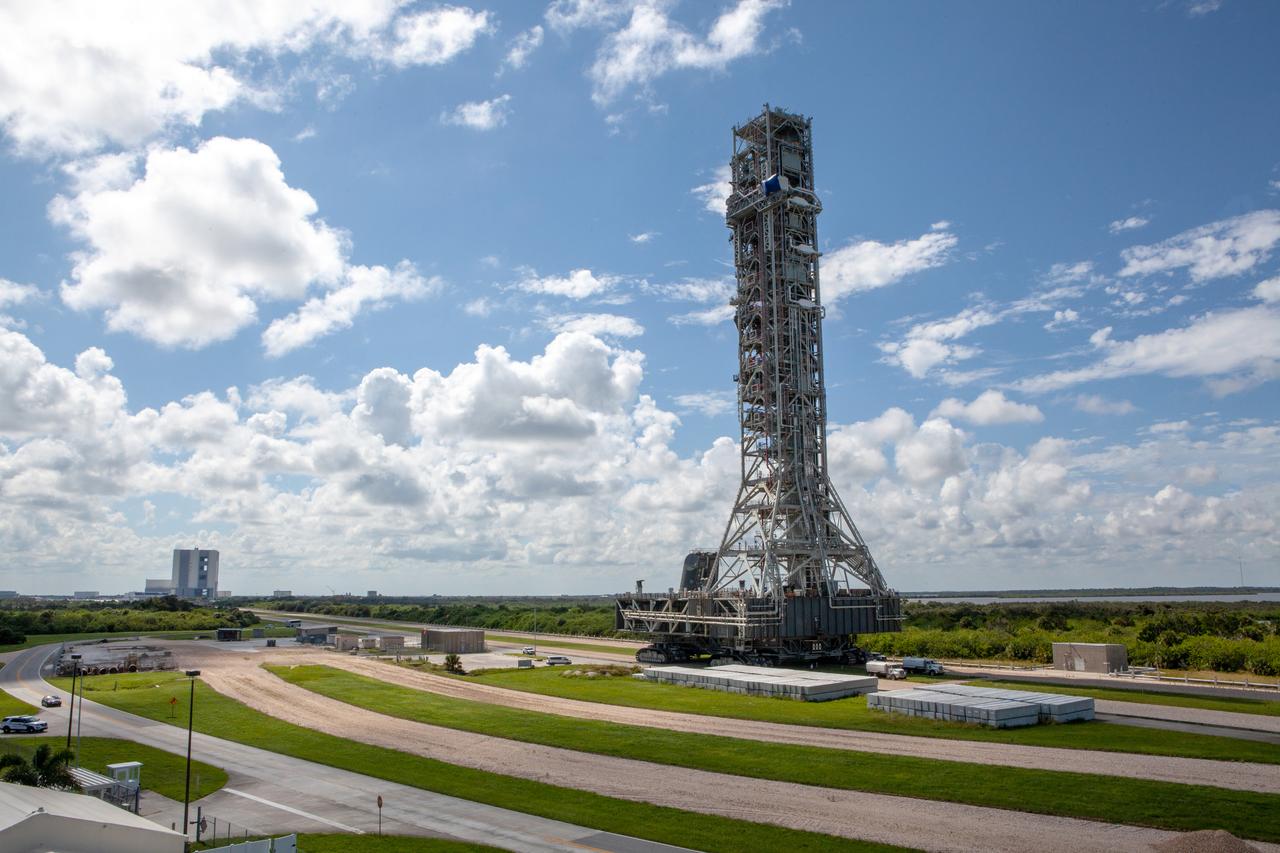
NASA’s mobile launcher (ML) atop crawler-transporter 2 moves along the crawlerway on Sept. 10, 2019, after spending a week and a half inside the Vehicle Assembly Building (VAB) at Kennedy Space Center in Florida due to the approach of Hurricane Dorian. The nearly 400-foot-tall structure was moved from Launch Pad 39B to the VAB for safekeeping on Aug. 30. The storm passed about 70 miles east of the spaceport during the overnight hours Tuesday, Sept. 3, and Wednesday, Sept. 4. NASA’s Exploration Ground Systems is moving the mobile launcher back to the launch pad, where teams will complete testing and checkout on the launcher in the coming weeks for the Artemis I mission.
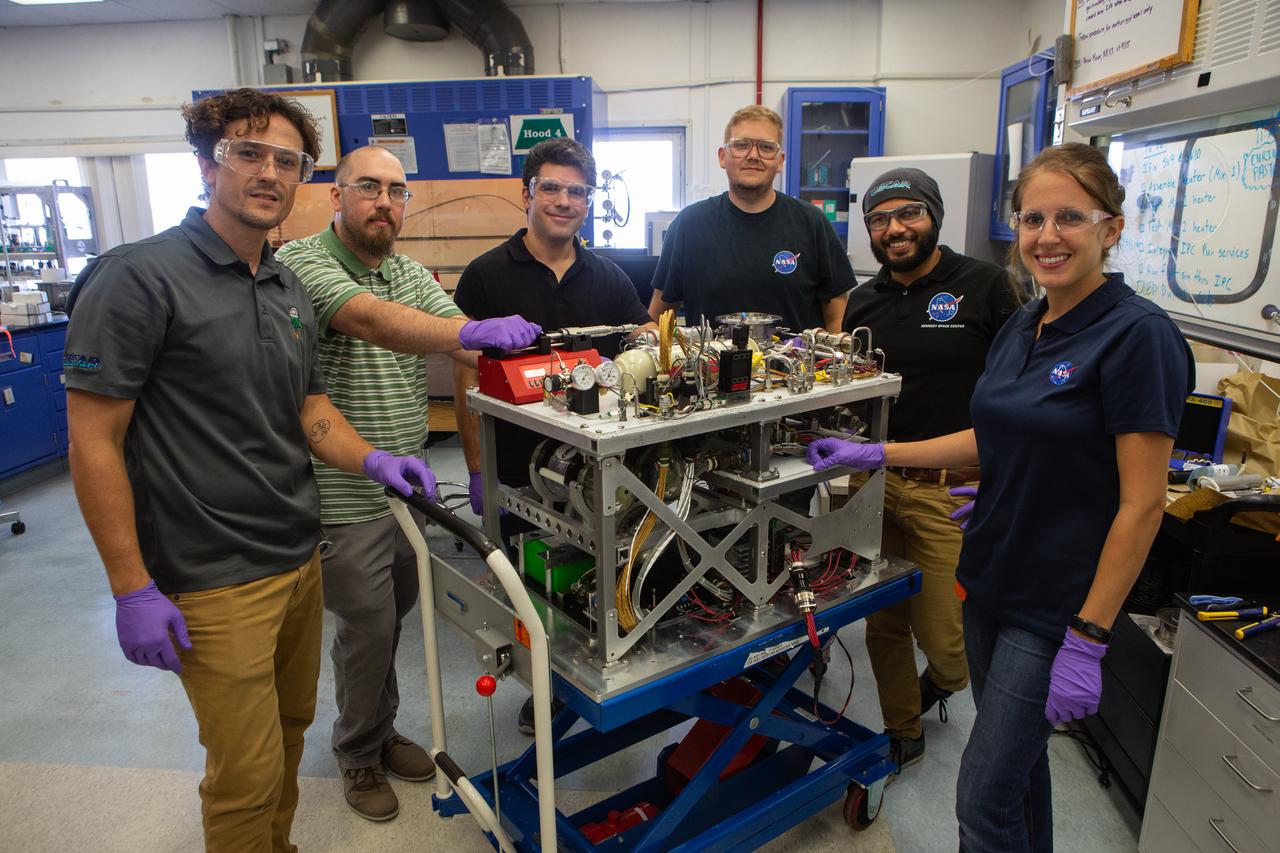
Members of NASA’s Orbital Syngas Commodity Augmentation Reactor, or OSCAR, team pause for a photo with the flight hardware on Oct. 10, 2019, in the Space Station Processing Facility at the agency’s Kennedy Space Center in Florida. From left are Gino Carro, Tom Cauvel, Jaime Toro, Evan Bell, Malay Shah and Annie Meier. OSCAR is an Early Career Initiative project at the spaceport that studies technology to convert trash and human waste into useful gasses such as methane, hydrogen and carbon dioxide. By processing small pieces of trash in a high-temperature reactor, OSCAR is advancing new and innovative technology for managing waste in space. A prototype has been developed, and the team is in the process of constructing a new rig for a suborbital flight test.
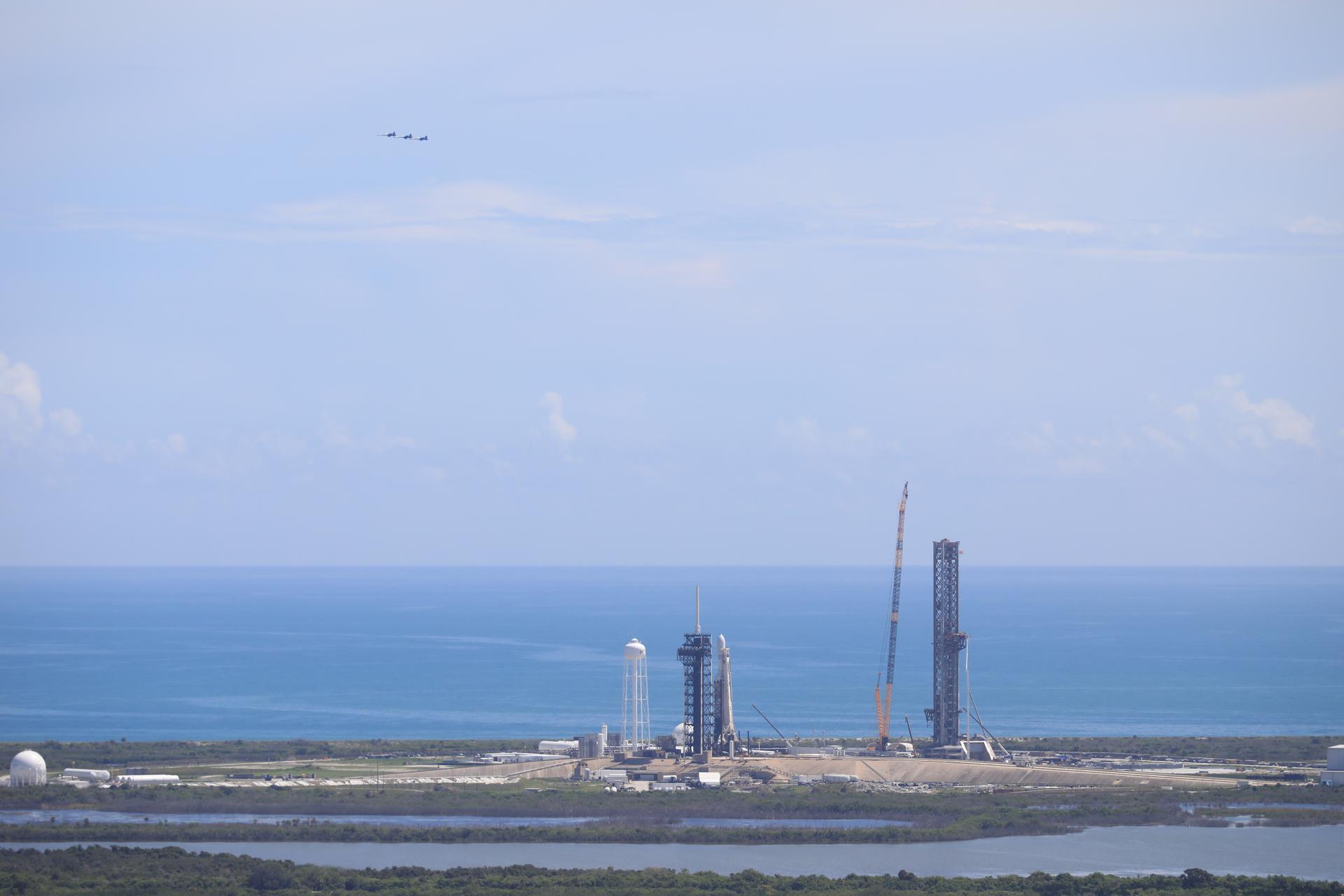
NASA Administrator Jared Isaacman leads a flight of his personally owned F-5 Tiger II aircraft on a flyby of Launch Complex 39A where a SpaceX Falcon Heavy rocket with the agency's Nancy Grace Roman Space Telescope, encapsulated in a protective payload fairing, is undergoing final launch preparations, Saturday, Aug. 29, 2026, at NASA's Kennedy Space Center in Florida. Roman will investigate dark energy and dark matter, conduct a statistical census of planetary systems, and enable a broad range of additional astrophysics research. Liftoff from Kennedy is targeted for no earlier than 7:26 a.m. EDT Sunday, Aug. 30.
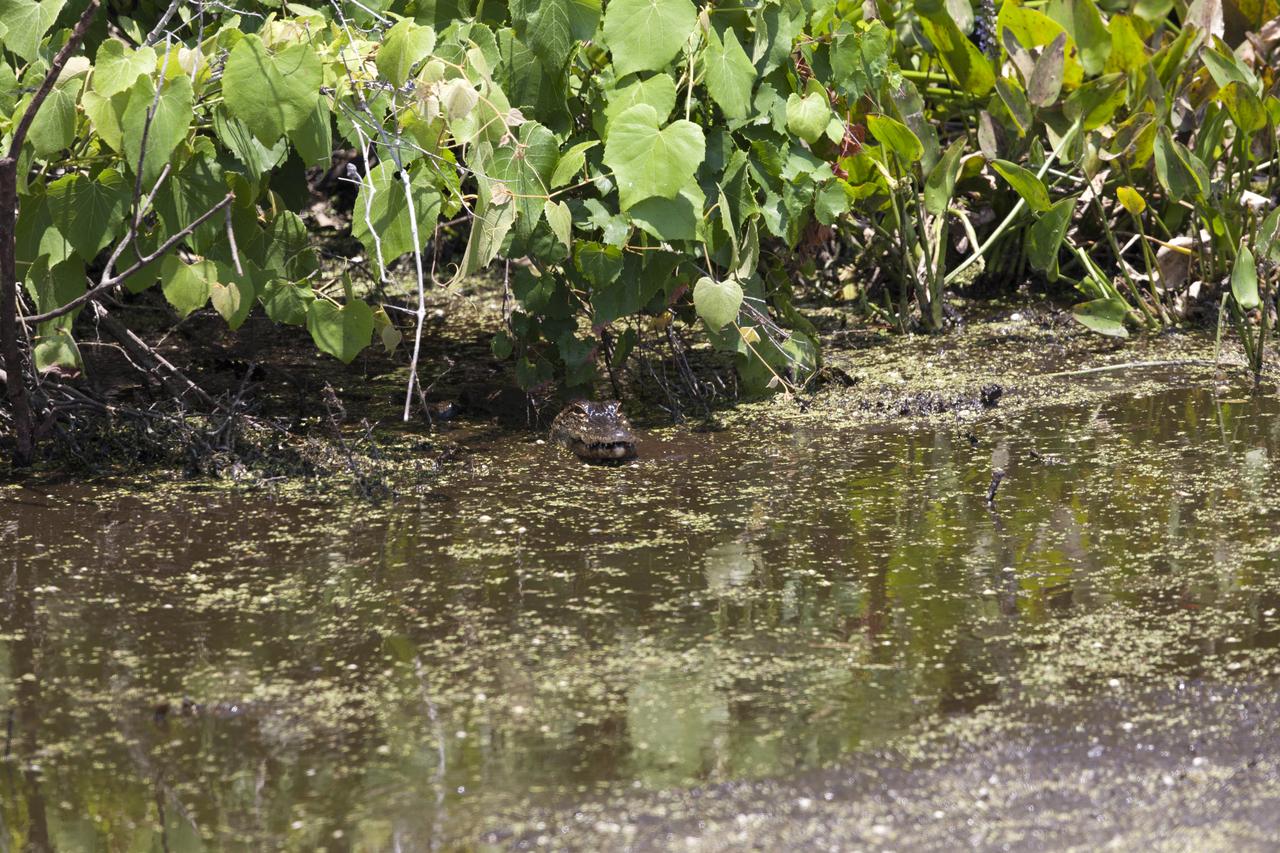
An alligator lurks in a brackish waterway at NASA's Kennedy Space Center in Florida. The center shares a border with the Merritt Island National Wildlife Refuge. More than 330 native and migratory bird species, 25 mammals, 117 fishes and 65 amphibians and reptiles call Kennedy and the wildlife refuge home.
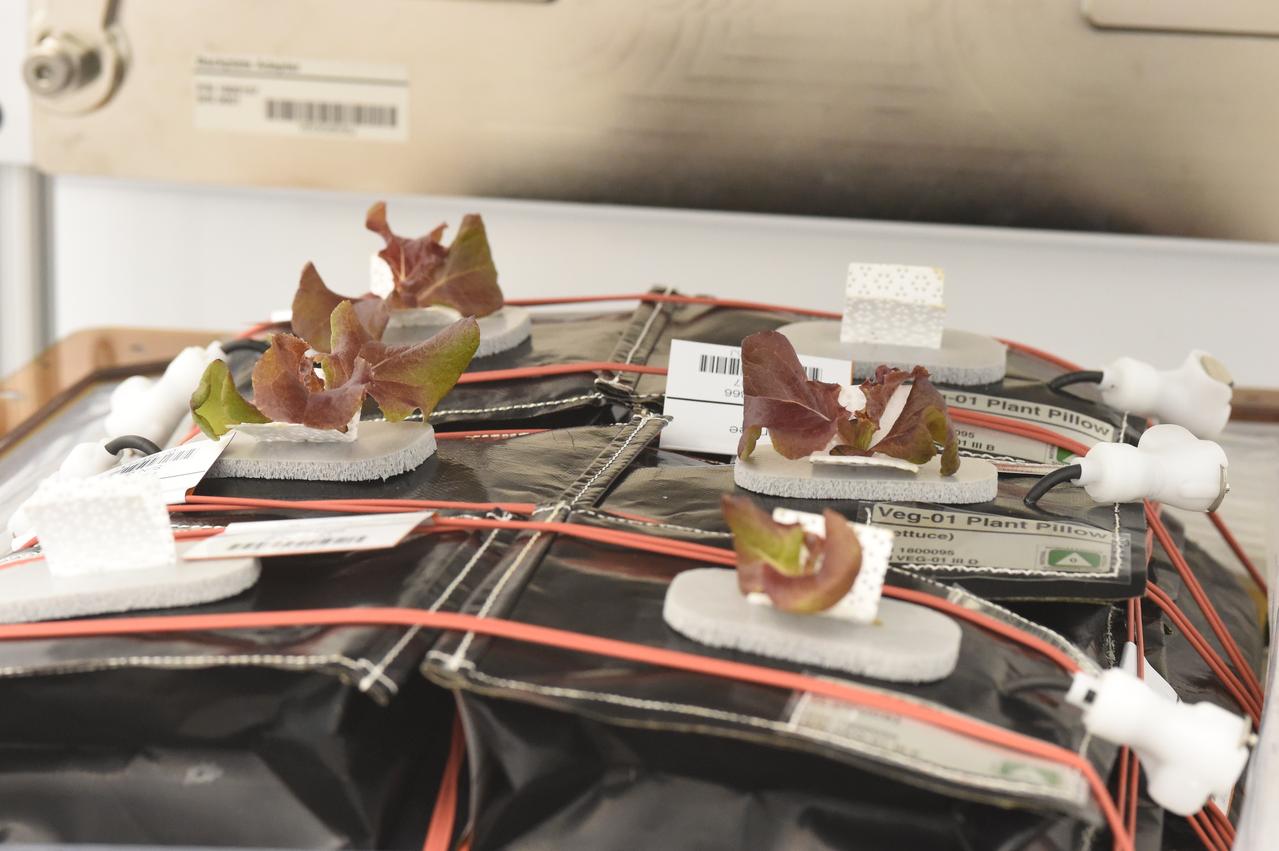
Astronaut Scott Kelly initiated VEG-01 B, the second crop of lettuce, on July, 8, 2015, and both Kelly and Astronaut Kjell Lindgren cared for the plants. The crop grew for 33 days. VEG-01 B included one set of six plant pillows planted with red romaine lettuce seeds. On Aug. 10, 2015, the crew harvested and consumed leaves from each plant. This was the first crop grown and consumed in NASA hardware. They harvested the rest of the plant tissue and froze it in the station’s Minus Eighty-Degree Laboratory Freezer for ISS (MELFI) for return to Earth for further study including microbial analysis, antioxidant capacity, mineral analysis and anthocyanin concentration.
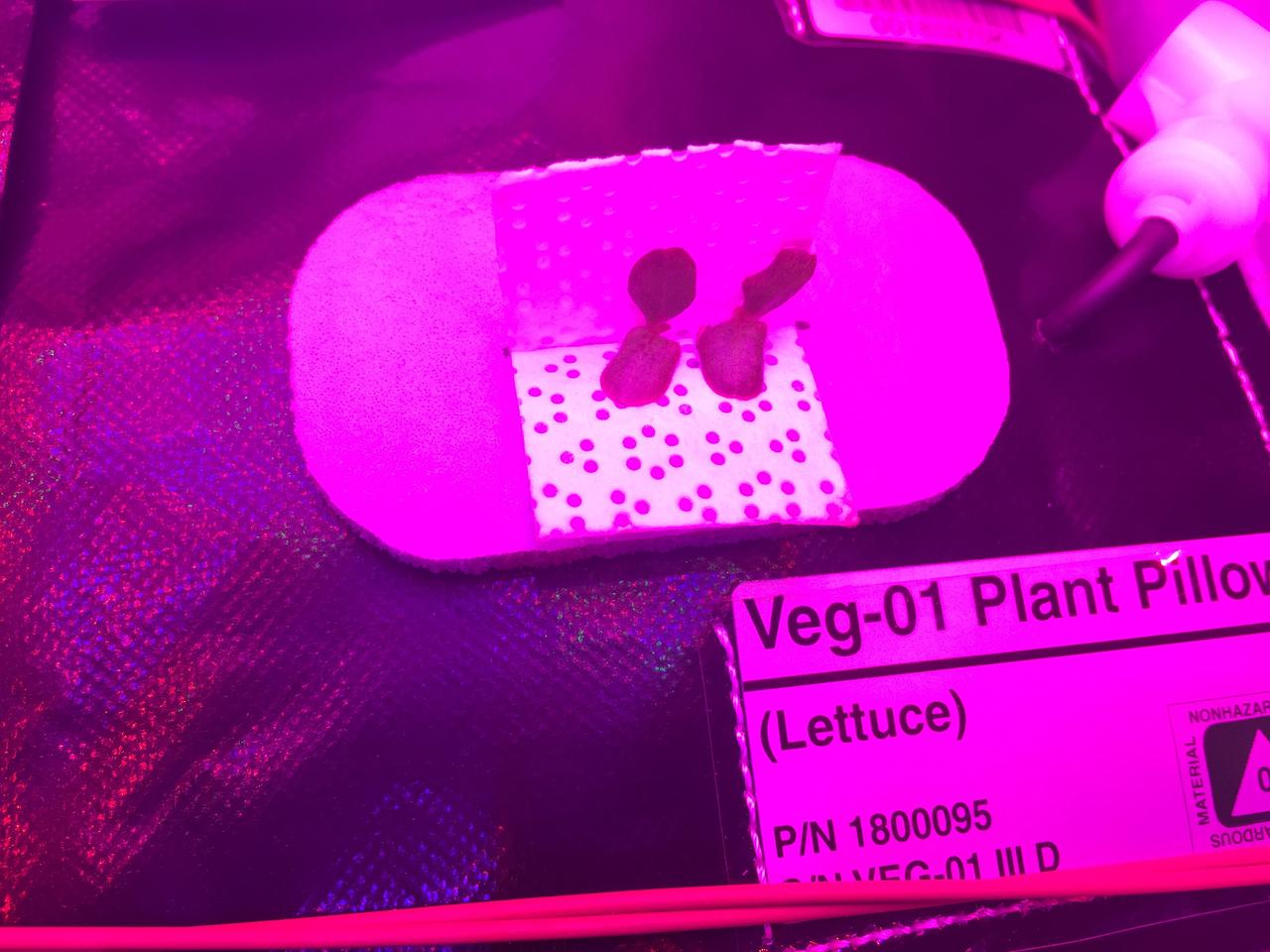
Astronaut Scott Kelly initiated VEG-01 B, the second crop of lettuce, on July, 8, 2015, and both Kelly and Astronaut Kjell Lindgren cared for the plants. The crop grew for 33 days. VEG-01 B included one set of six plant pillows planted with red romaine lettuce seeds. On Aug. 10, 2015, the crew harvested and consumed leaves from each plant. This was the first crop grown and consumed in NASA hardware. They harvested the rest of the plant tissue and froze it in the station’s Minus Eighty-Degree Laboratory Freezer for ISS (MELFI) for return to Earth for further study including microbial analysis, antioxidant capacity, mineral analysis and anthocyanin concentration.
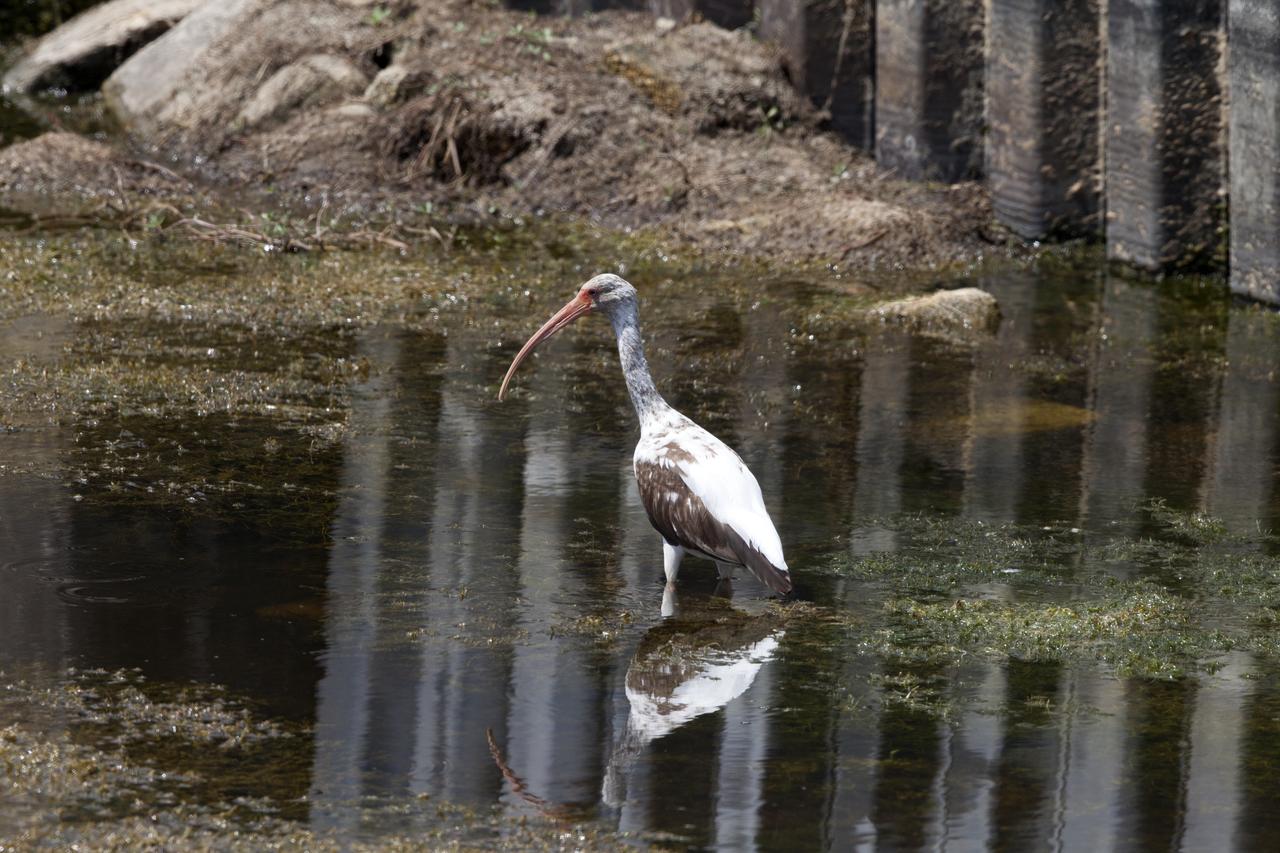
A juvenile white ibis stands in a waterway at NASA's Kennedy Space Center in Florida. The center shares a border with the Merritt Island National Wildlife Refuge. More than 330 native and migratory bird species, 25 mammals, 117 fishes and 65 amphibians and reptiles call Kennedy and the wildlife refuge home.
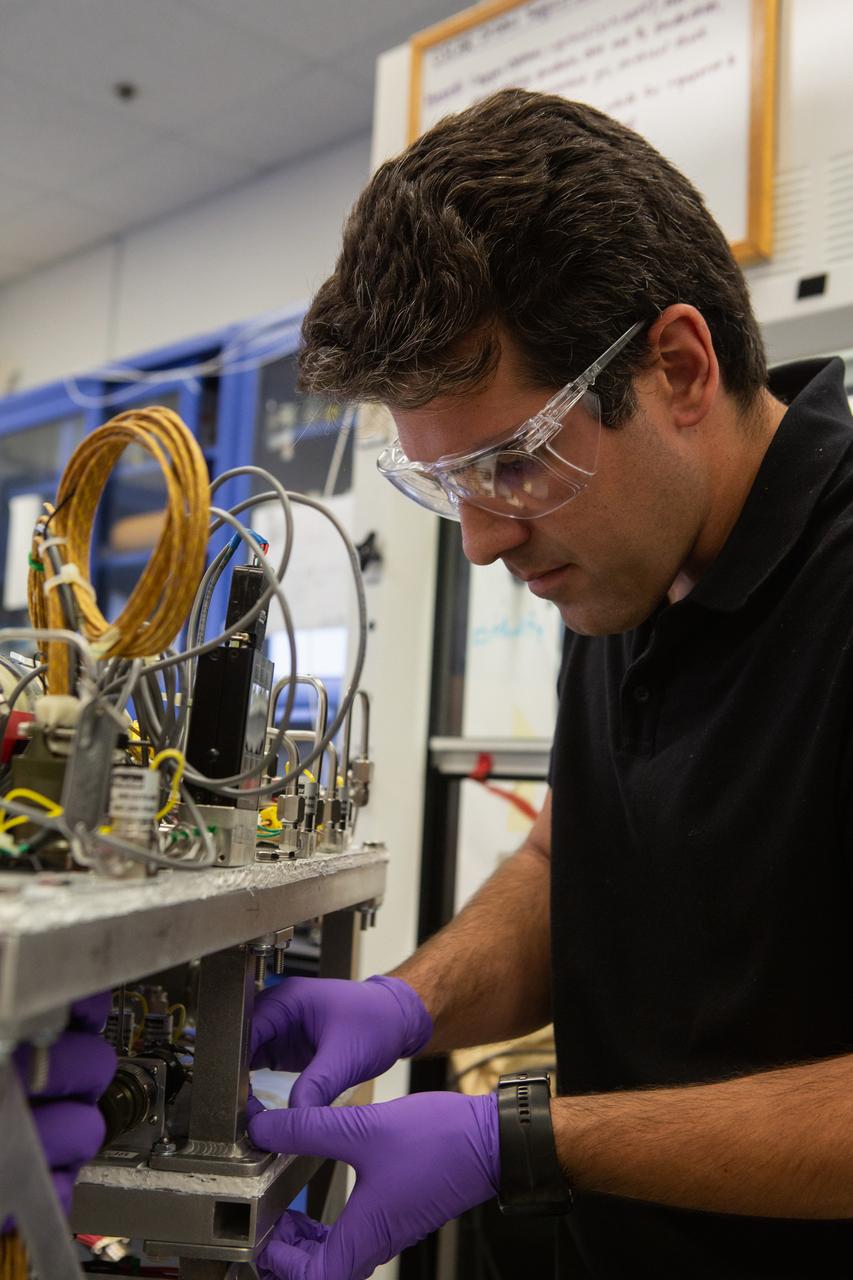
Jaime Toro assembles the flight hardware for NASA’s Orbital Syngas Commodity Augmentation Reactor, or OSCAR, on Oct. 10, 2019, in the Space Station Processing Facility at the agency’s Kennedy Space Center in Florida. OSCAR is an Early Career Initiative project at the spaceport that studies technology to convert trash and human waste into useful gasses such as methane, hydrogen and carbon dioxide. By processing small pieces of trash in a high-temperature reactor, OSCAR is advancing new and innovative technology for managing waste in space. A prototype has been developed, and the team is in the process of constructing a new rig for a suborbital flight test.
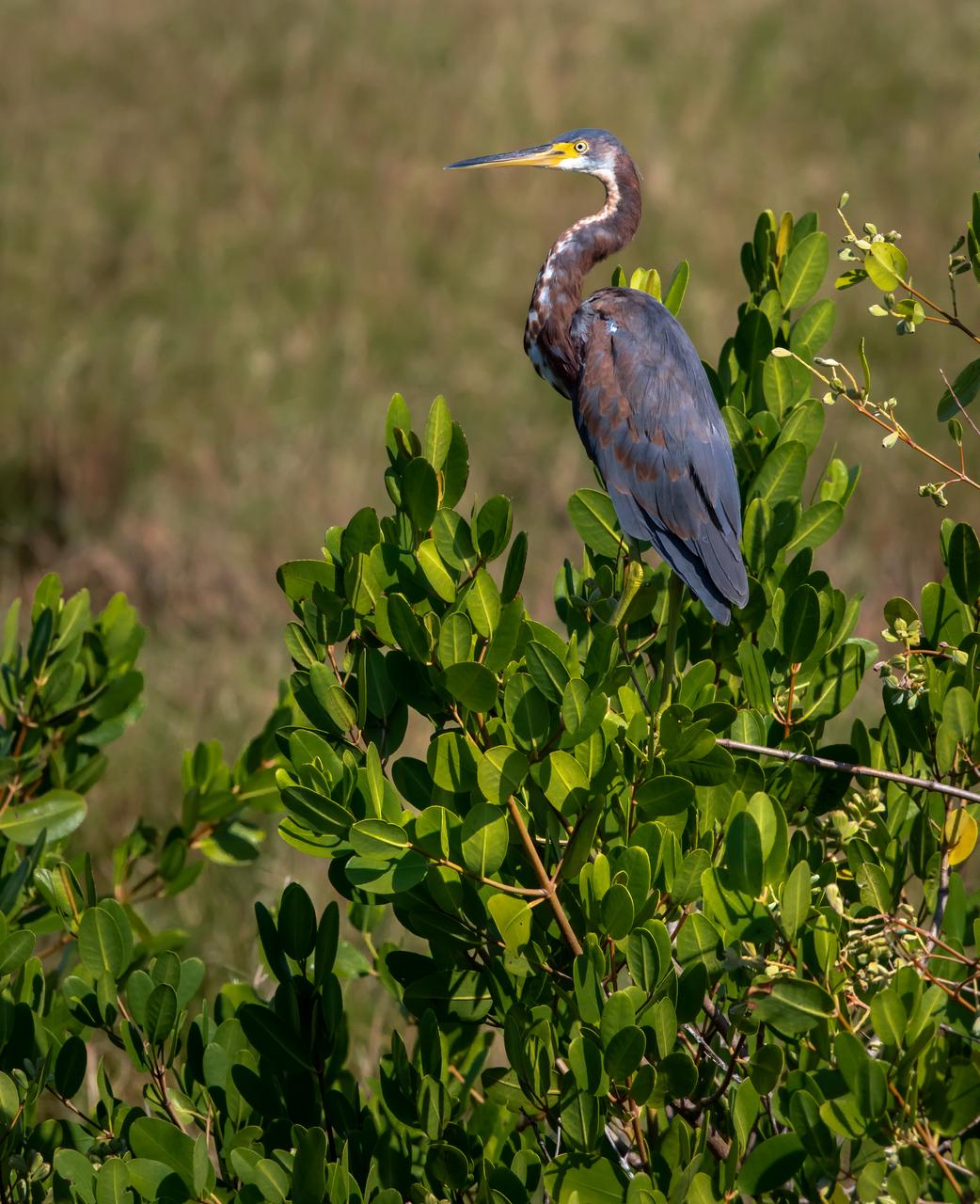
A Reddish Egret perches in a tree at NASA's Kennedy Space Center in Florida. The center shares a border with the Merritt Island National Wildlife Refuge. More than 330 native and migratory bird species, 25 mammal, 117 fish and 65 amphibian and reptile species call Kennedy and the wildlife refuge home.
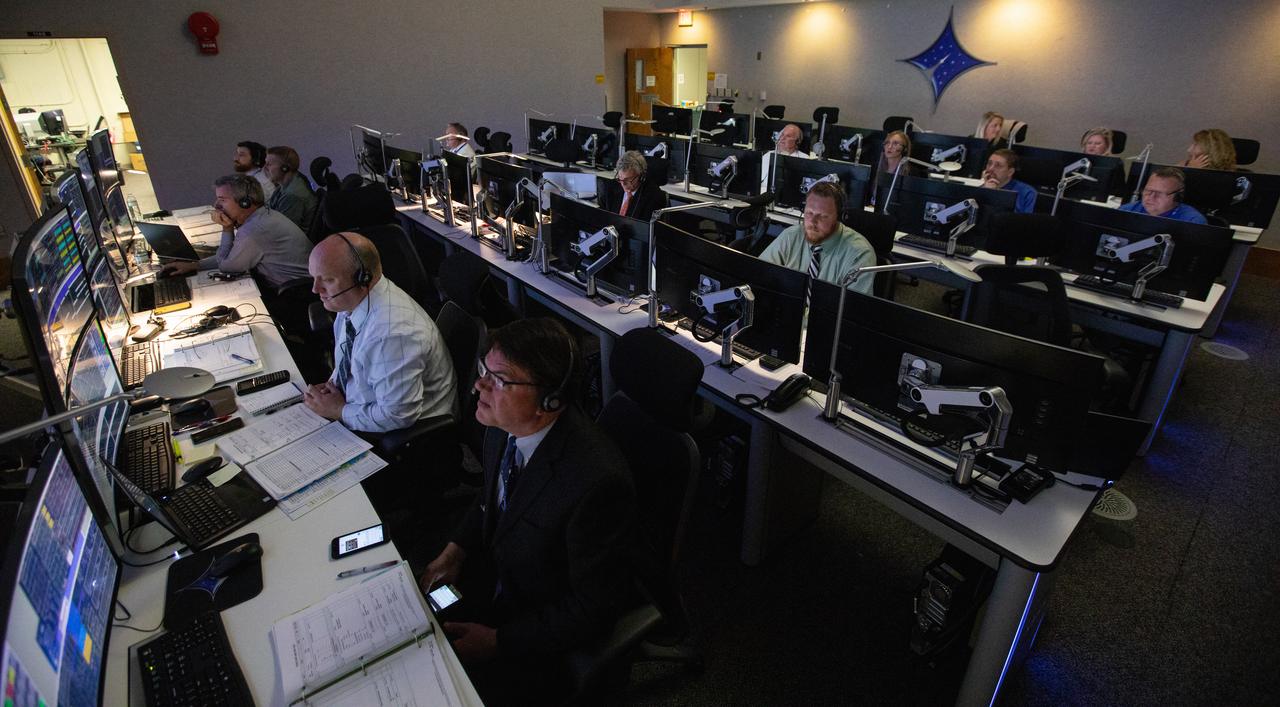
Members of the launch team monitor the launch of NASA’s Ionospheric Connection Explorer (ICON) satellite inside Hangar AE at Cape Canaveral Air Force Station (CCAFS) in Florida. The Northrop Grumman Pegasus XL rocket carrying ICON was released from the company’s L-1011 Stargazer aircraft at 9:59 p.m. EDT on Oct. 10, 2019, over the Atlantic Ocean about 50 miles from Daytona Beach following takeoff from CCAFS. ICON will spend two years studying the Earth’s ionosphere – the dynamic zone in our atmosphere where terrestrial weather from below meets space weather from above. The launch was managed by the agency’s Launch Services Program.
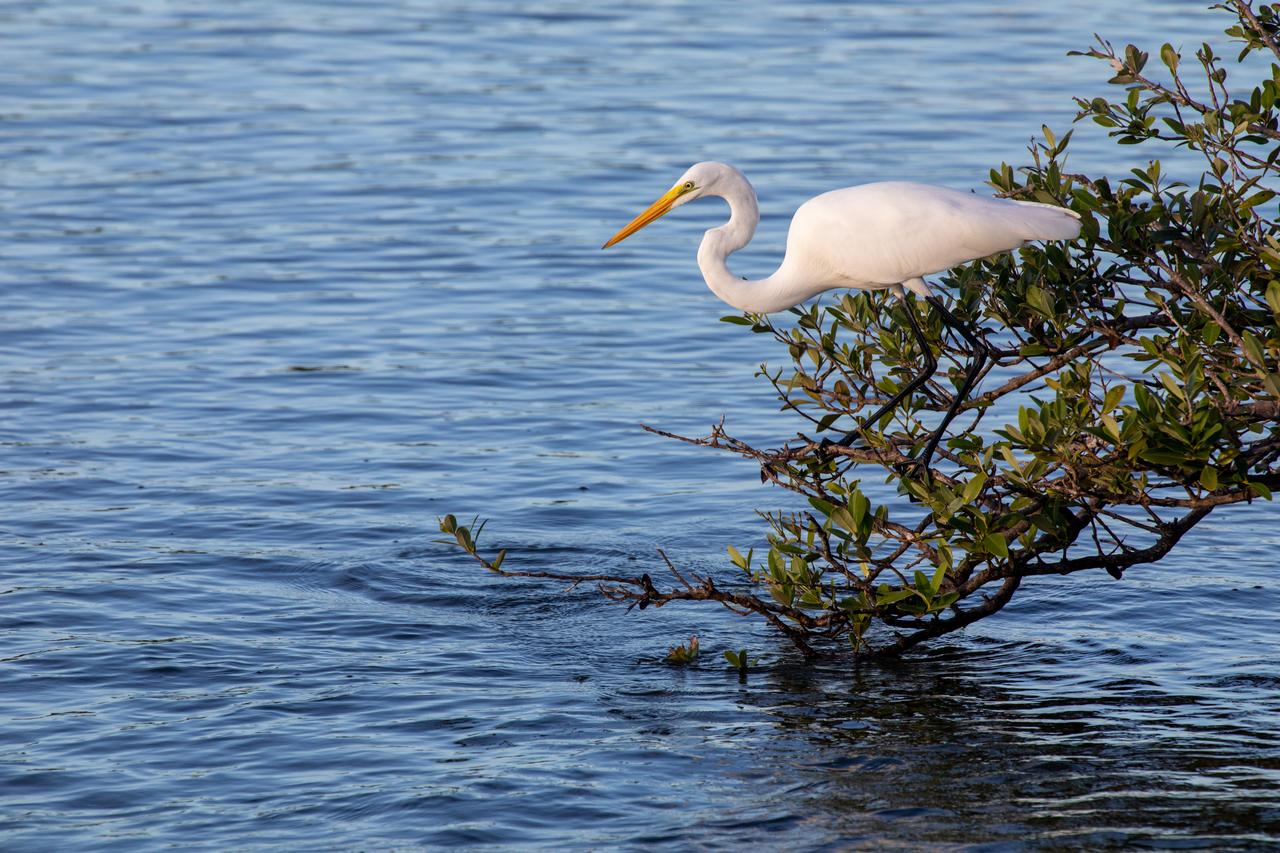
Kennedy Space Center shares boundaries with the Merritt Island National Wildlife Refuge on Florida’s Atlantic coast. The refuge's coastal location, tropic-like climate, and wide variety of habitat types contribute to a diverse bird population. More than 350 species have been identified on the refuge.

On Tuesday, July 30, 2024, the Northrop Grumman Cygnus resupply spacecraft is seen being encapsulated inside the SpaceX Falcon 9 payload fairing as it prepares to launch from Space Launch Complex 40 at Cape Canaveral Space Force Station in Florida for the 21st Northrop Grumman commercial resupply services for NASA. The mission will carry 8,200 pounds of science investigations, supplies, and equipment to the International Space Station. Liftoff is scheduled for no earlier than 11:29 a.m. EDT Saturday, Aug. 3.
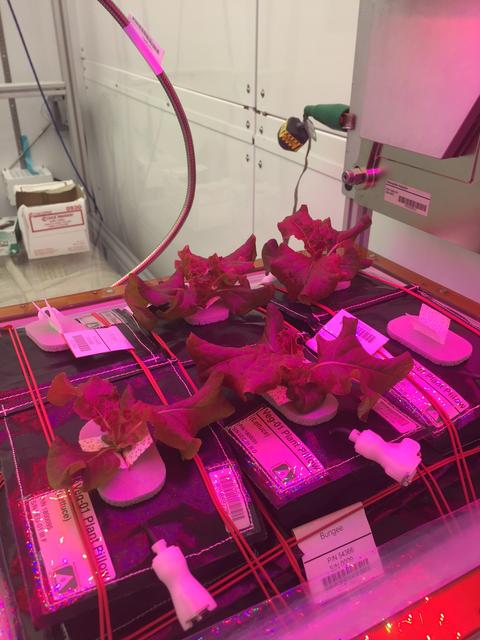
Astronaut Scott Kelly initiated VEG-01 B, the second crop of lettuce, on July, 8, 2015, and both Kelly and Astronaut Kjell Lindgren cared for the plants. The crop grew for 33 days. VEG-01 B included one set of six plant pillows planted with red romaine lettuce seeds. On Aug. 10, 2015, the crew harvested and consumed leaves from each plant. This was the first crop grown and consumed in NASA hardware. They harvested the rest of the plant tissue and froze it in the station’s Minus Eighty-Degree Laboratory Freezer for ISS (MELFI) for return to Earth for further study including microbial analysis, antioxidant capacity, mineral analysis and anthocyanin concentration.

Astronaut Scott Kelly initiated VEG-01 B, the second crop of lettuce, on July, 8, 2015, and both Kelly and Astronaut Kjell Lindgren cared for the plants. The crop grew for 33 days. VEG-01 B included one set of six plant pillows planted with red romaine lettuce seeds. On Aug. 10, 2015, the crew harvested and consumed leaves from each plant. This was the first crop grown and consumed in NASA hardware. They harvested the rest of the plant tissue and froze it in the station’s Minus Eighty-Degree Laboratory Freezer for ISS (MELFI) for return to Earth for further study including microbial analysis, antioxidant capacity, mineral analysis and anthocyanin concentration.
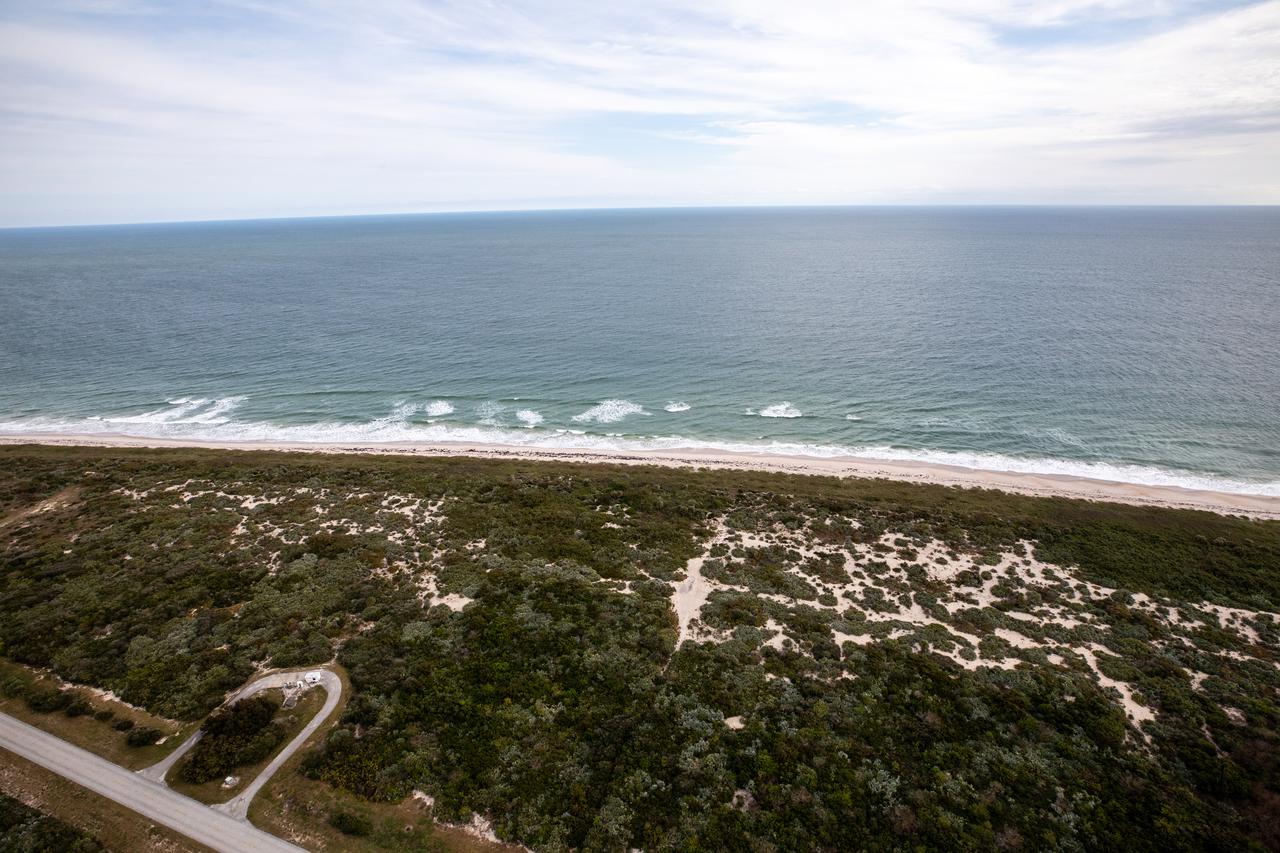
An aerial view of the Atlantic Ocean coastline and dunes along NASA’s Kennedy Space Center in Florida on Jan. 13, 2021.
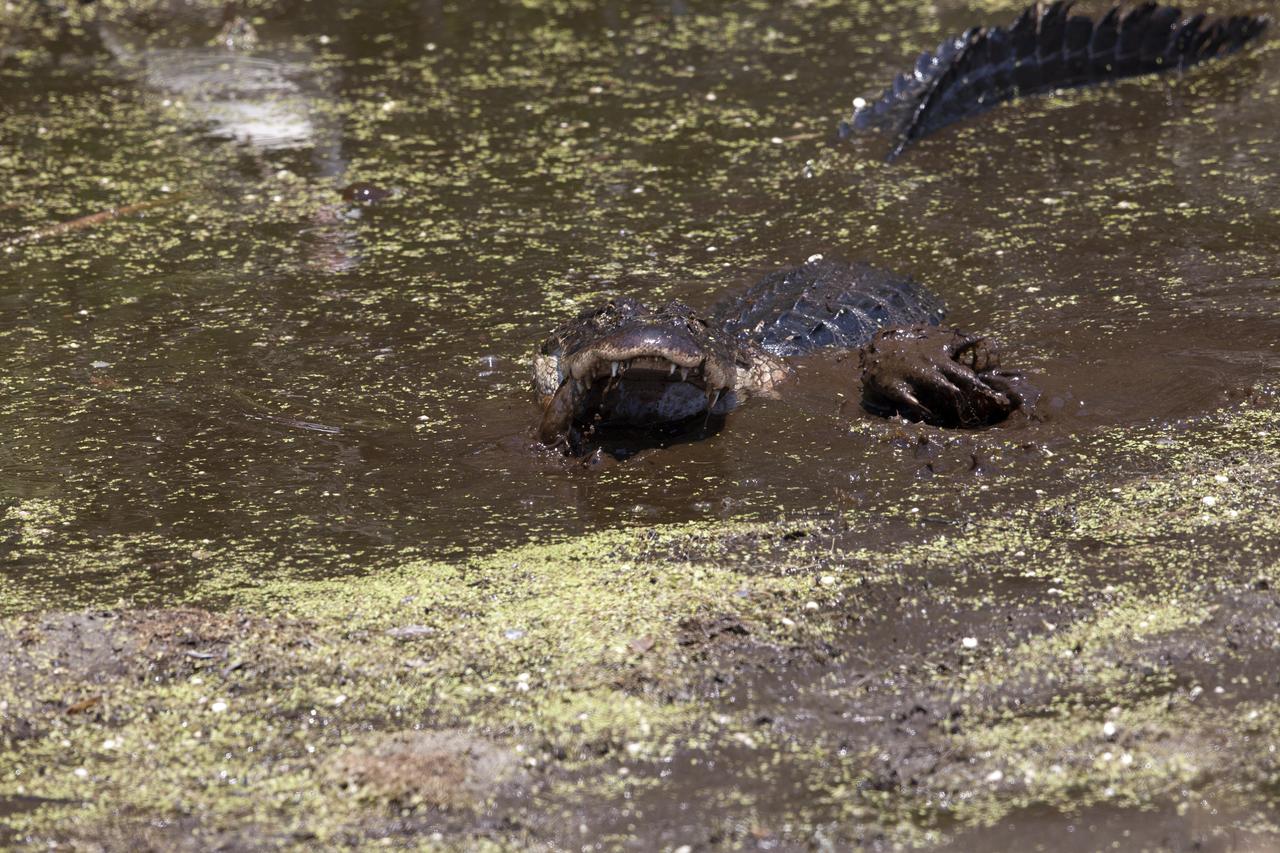
An alligator moves through a brackish waterway at NASA's Kennedy Space Center in Florida. The center shares a border with the Merritt Island National Wildlife Refuge. More than 330 native and migratory bird species, 25 mammals, 117 fishes and 65 amphibians and reptiles call Kennedy and the wildlife refuge home.

Artemis II crew members inspect their Orion crew module inside the high bay of the Neil A. Armstrong Operations and Checkout Building at NASA’s Kennedy Space Center in Florida, on Aug. 7, 2023. Pictured from left are Christina Hammock Koch, mission specialist, and Victor Glover, pilot. The crew module is undergoing acoustic testing ahead of integration with the European Service Module. Artemis II is the first crewed mission on NASA’s path to establishing a long-term lunar presence for science and exploration under Artemis.
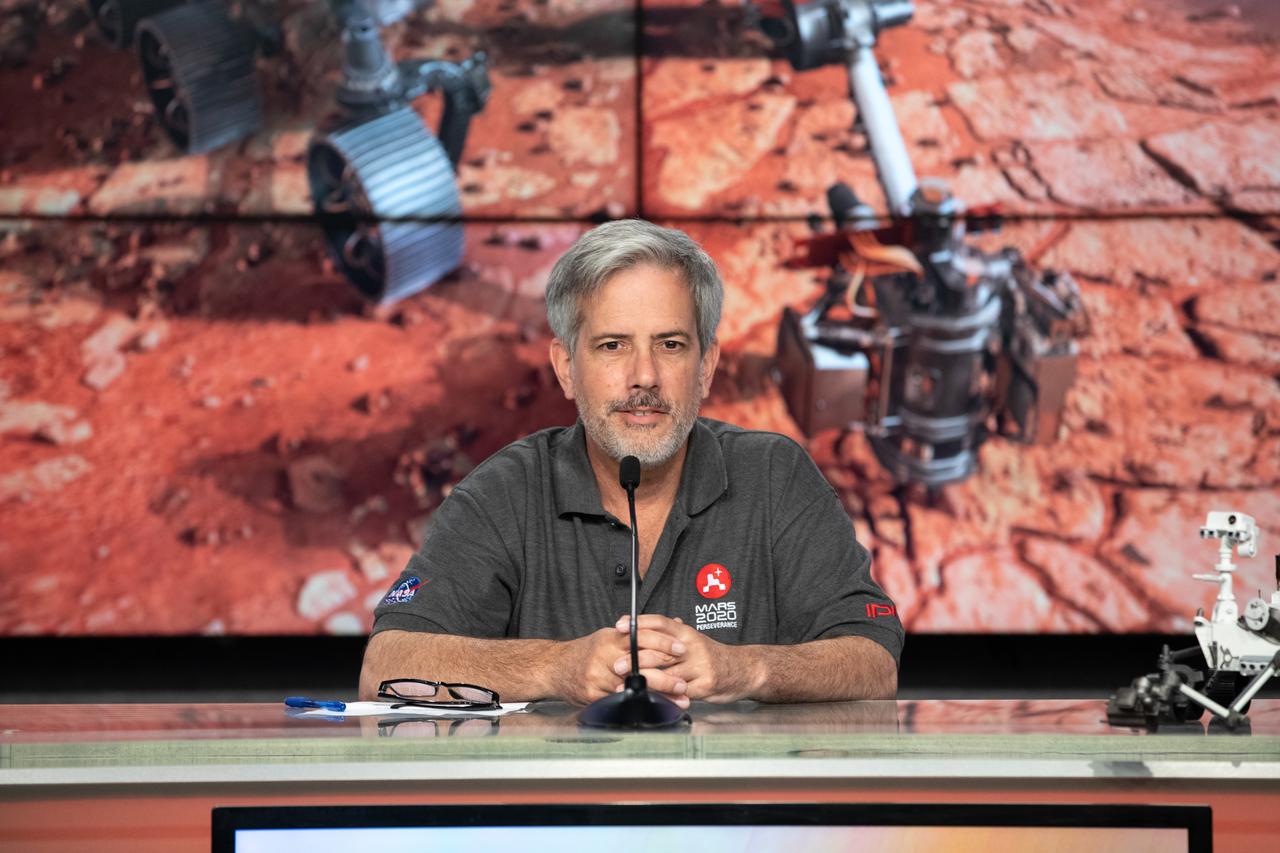
Matt Wallace, deputy project manager, NASA’s Jet Propulsion Laboratory, participates in a Mars 2020 prelaunch news briefing at NASA’s Kennedy Space Center in Florida on July 27, 2020. The Mars Perseverance rover is scheduled to launch on July 30, on a United Launch Alliance Atlas V 541 rocket from Space Launch Complex 41 at nearby Cape Canaveral Air Force Station. The rover is part of NASA’s Mars Exploration Program, a long-term effort of robotic exploration of the Red Planet. The rover will search for habitable conditions in the ancient past and signs of past microbial life on Mars. The Launch Services Program at Kennedy is responsible for launch management.

Standing atop the mobile launcher, NASA’s Space Launch System (SLS) rocket and Orion spacecraft can be seen at Launch Pad 39B at the agency’s Kennedy Space Center in Florida on March 18, 2022. The Artemis I stack was carried from the Vehicle Assembly Building to the pad – a 4.2-mile journey that took nearly 11 hours to complete – by the agency’s crawler-transporter 2 for a wet dress rehearsal ahead of the uncrewed launch. Artemis I will test SLS and Orion as an integrated system prior to crewed flights to the Moon. Through Artemis, NASA will land the first woman and the first person of color on the lunar surface, paving the way for a long-term lunar presence and serving as a steppingstone on the way to Mars.
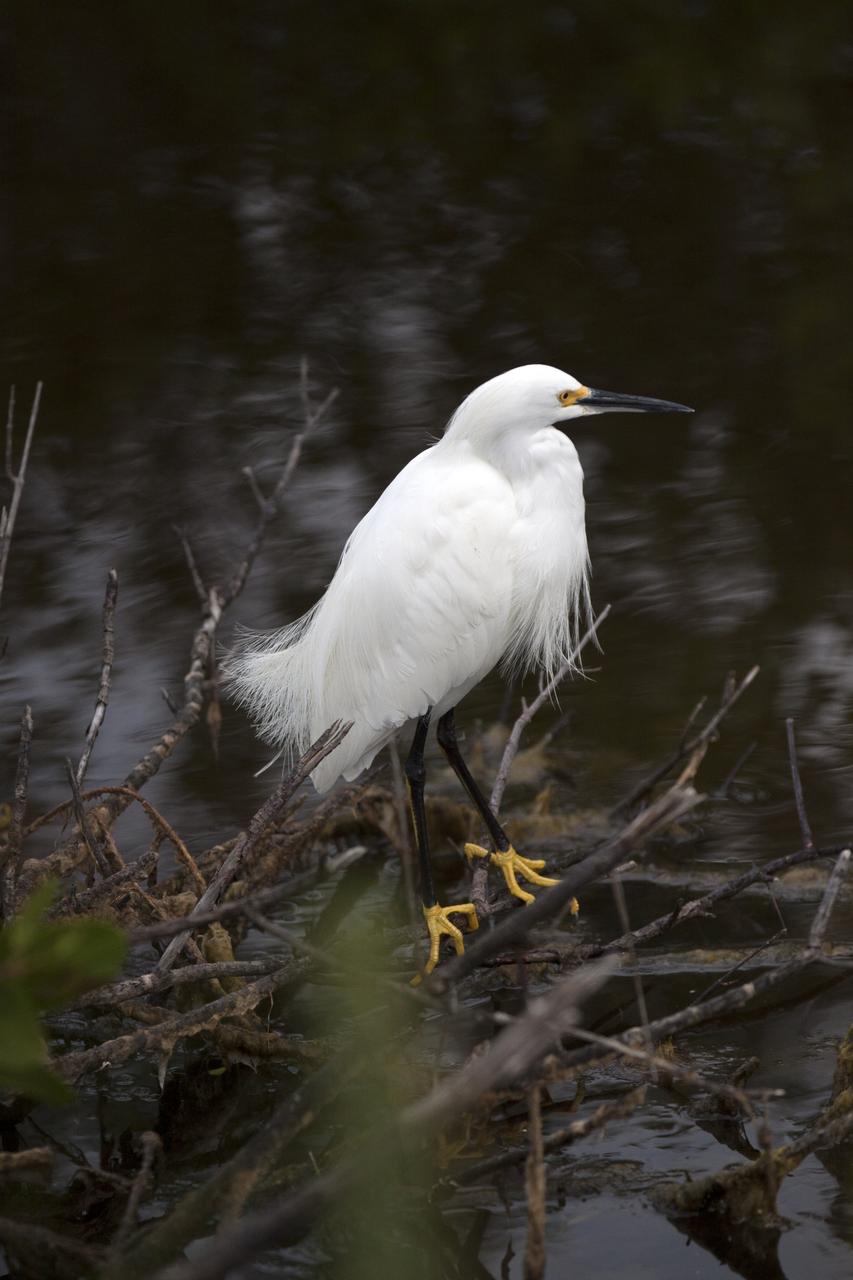
A snowy egret perches on a branch near a waterway at NASA's Kennedy Space Center in Florida. The center shares a border with the Merritt Island National Wildlife Refuge. The bird is one of more than 330 native and migratory bird species, 25 mammals, 117 fishes and 65 amphibians and reptiles that call Kennedy and the wildlife refuge home.
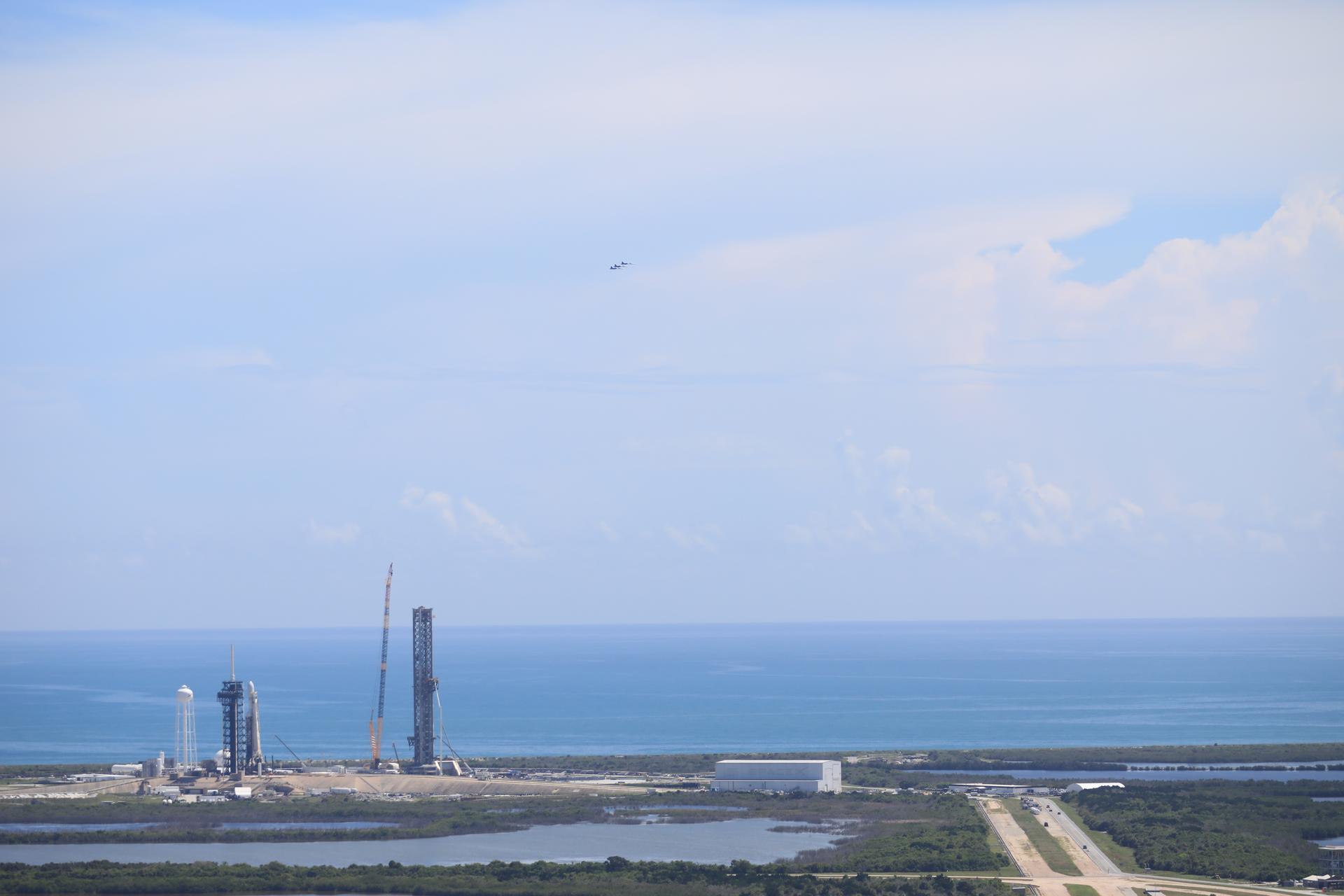
NASA Administrator Jared Isaacman leads a flight of his personally owned F-5 Tiger II aircraft on a flyby of Launch Complex 39A where a SpaceX Falcon Heavy rocket with the agency's Nancy Grace Roman Space Telescope, encapsulated in a protective payload fairing, is undergoing final launch preparations, Saturday, Aug. 29, 2026, at NASA's Kennedy Space Center in Florida. Roman will investigate dark energy and dark matter, conduct a statistical census of planetary systems, and enable a broad range of additional astrophysics research. Liftoff from Kennedy is targeted for no earlier than 7:26 a.m. EDT Sunday, Aug. 30.
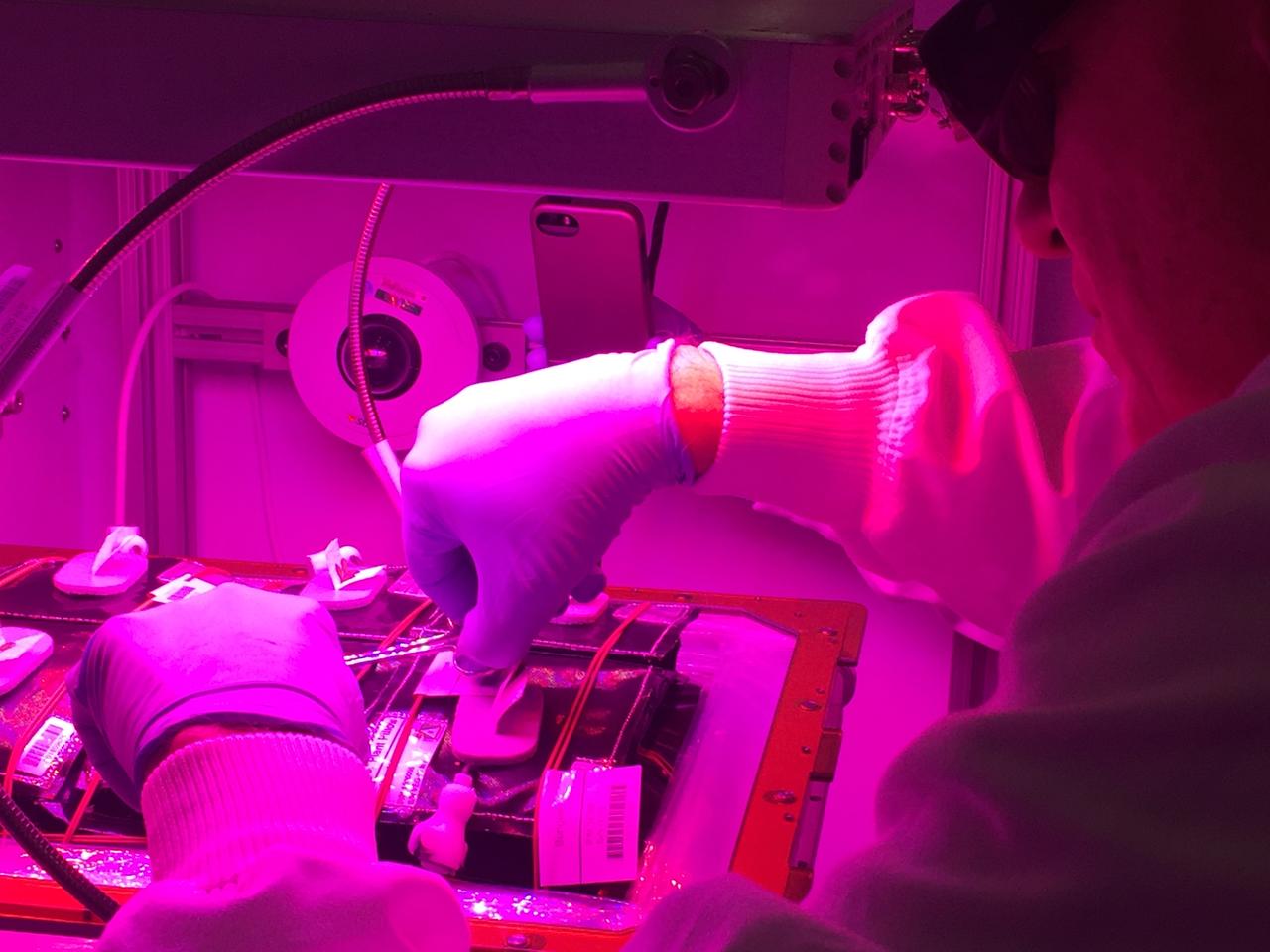
Astronaut Scott Kelly initiated VEG-01 B, the second crop of lettuce, on July, 8, 2015, and both Kelly and Astronaut Kjell Lindgren cared for the plants. The crop grew for 33 days. VEG-01 B included one set of six plant pillows planted with red romaine lettuce seeds. On Aug. 10, 2015, the crew harvested and consumed leaves from each plant. This was the first crop grown and consumed in NASA hardware. They harvested the rest of the plant tissue and froze it in the station’s Minus Eighty-Degree Laboratory Freezer for ISS (MELFI) for return to Earth for further study including microbial analysis, antioxidant capacity, mineral analysis and anthocyanin concentration.
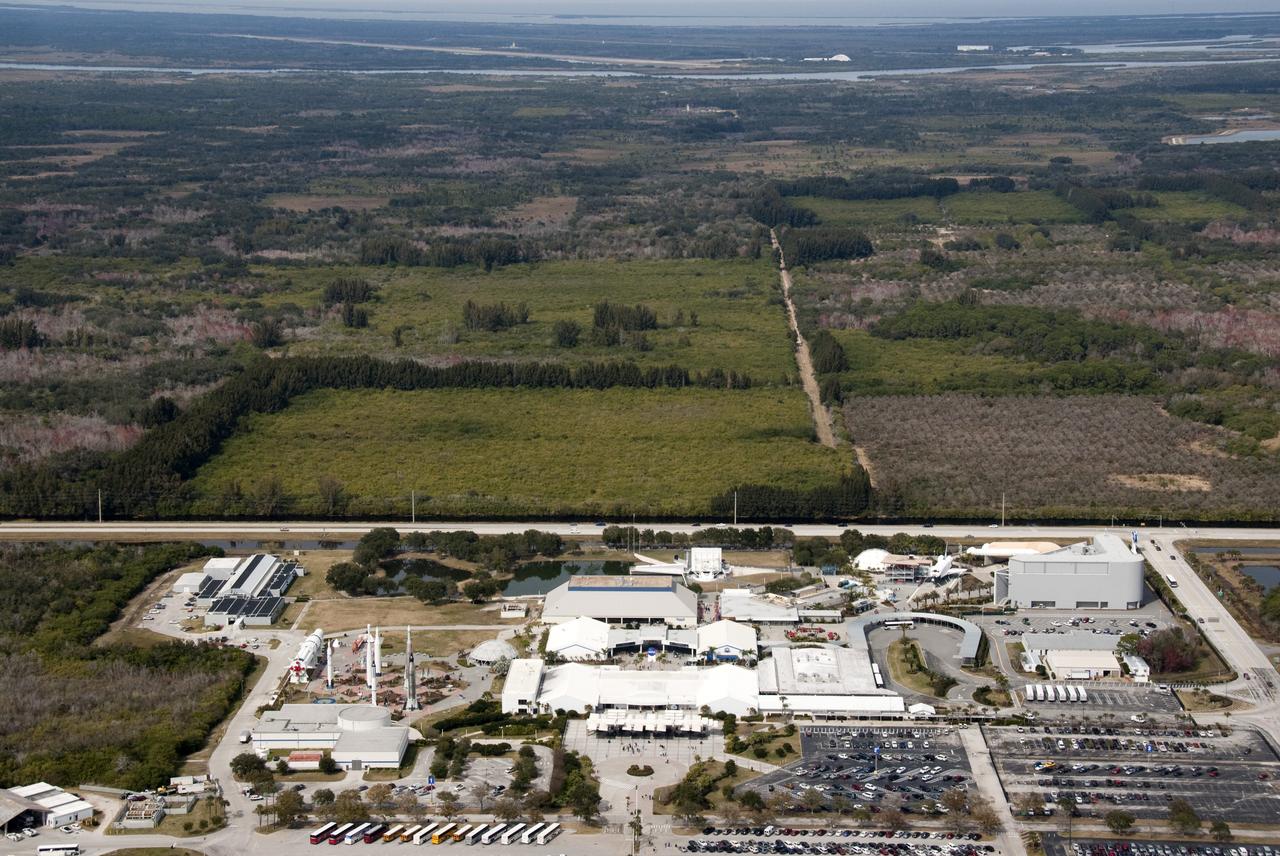
AERIALS - SR3 SOLAR FACILITY & NEW EXPANSION SITE, EXLORATION PARK
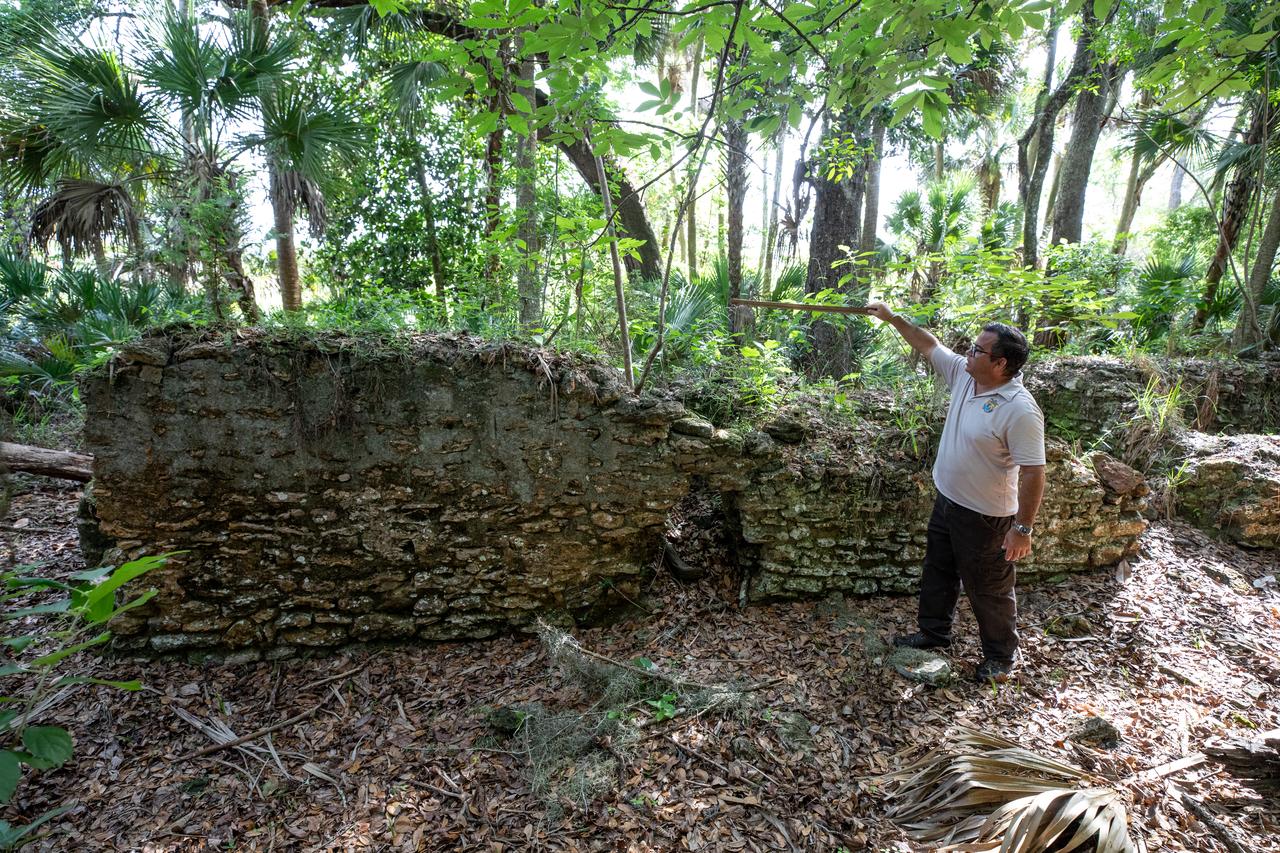
Near the archeological ruins of the Elliot Plantation sugar mill at NASA’s Kennedy Space Center in Florida, Michael Legare, of the U.S. Fish and Wildlife Service, recreates the original wall height of the structure on May 26, 2022. The plantation’s enslaved community built the sugar mill structure, or sugar train, where sugar cane juice would be boiled during processing in graduated copper kettles until the liquid reduced into a thick syrup. The ruins of Elliot Plantation date from the 1760s and represent the largest, earliest, and southernmost British period sugar plantation in the U.S., as well as one of the most intact and best examples of a completely preserved enslaved landscape. The archeological site is managed through interagency cooperation between the National Park Service, the U.S. Fish and Wildlife Service, and NASA.
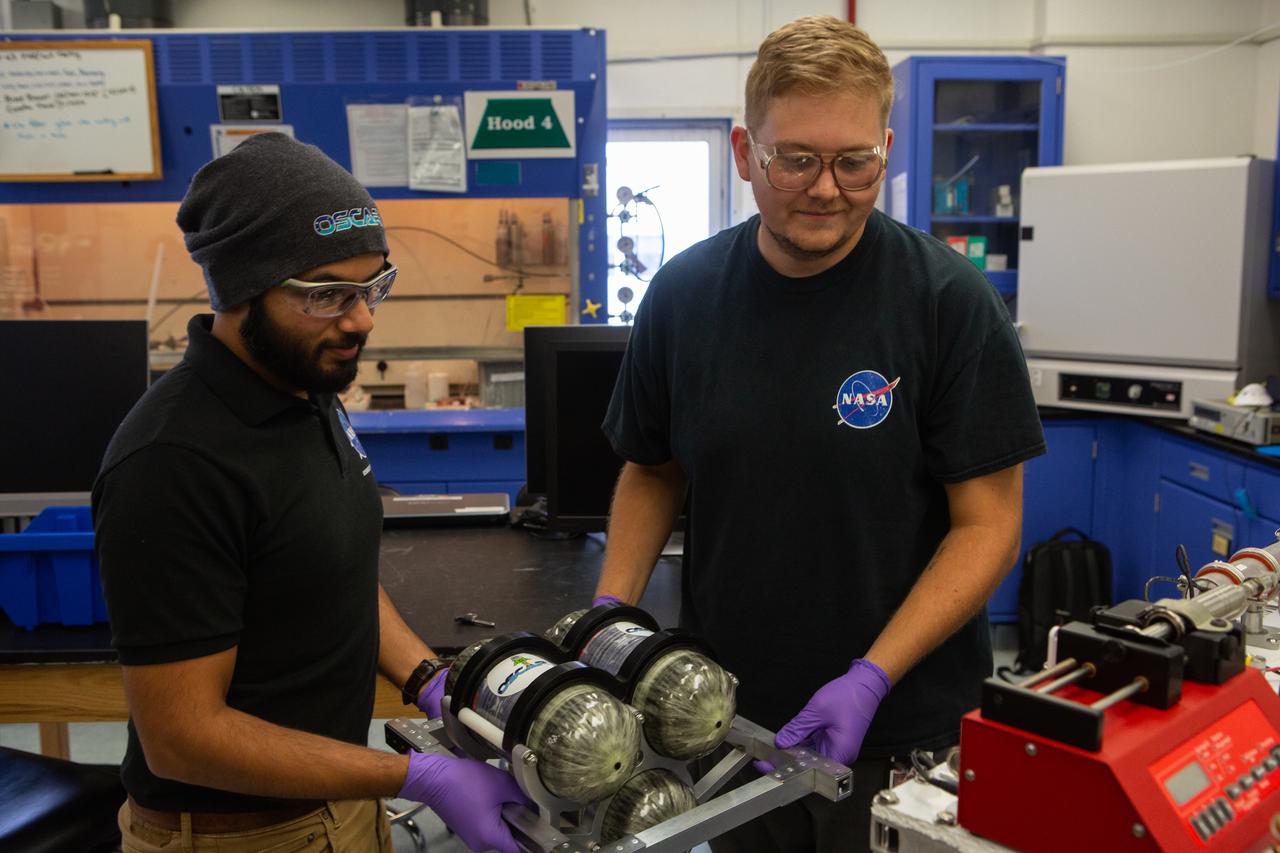
Team members Malay Shah, left, and Evan Bell assemble the flight hardware for NASA’s Orbital Syngas Commodity Augmentation Reactor, or OSCAR, on Oct. 10, 2019, in the Space Station Processing Facility at the agency’s Kennedy Space Center in Florida. OSCAR is an Early Career Initiative project at the spaceport that studies technology to convert trash and human waste into useful gasses such as methane, hydrogen and carbon dioxide. By processing small pieces of trash in a high-temperature reactor, OSCAR is advancing new and innovative technology for managing waste in space. A prototype has been developed, and the team is in the process of constructing a new rig for a suborbital flight test.
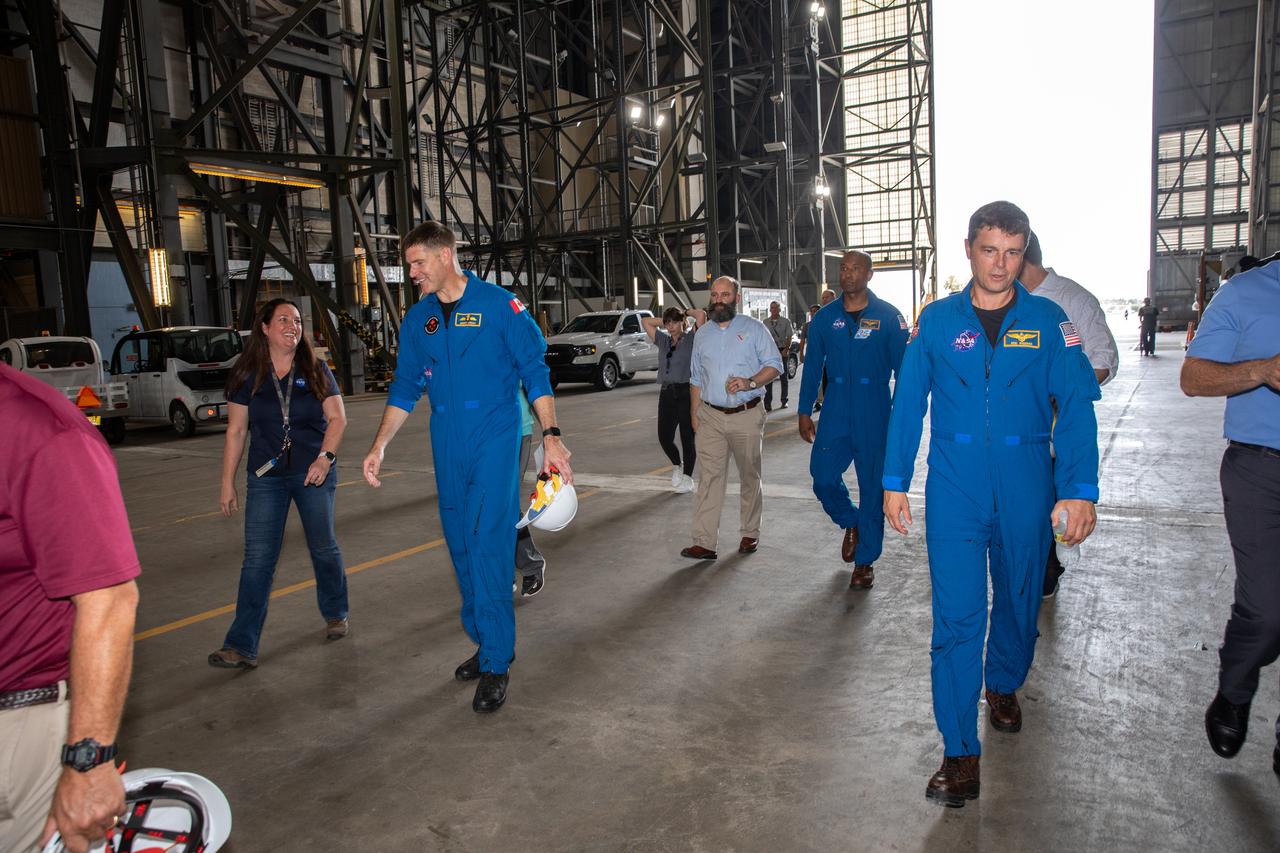
Artemis II astronauts visit NASA’s Kennedy Space Center in Florida on Aug. 7, 2023. From left, are CSA (Canadian Space Agency) astronaut Jeremy Hansen, and NASA astronaut Reid Wiseman. Behind them is NASA astronaut Victor Glover. They are with Exploration Ground Systems team members in the transfer aisle of the Vehicle Assembly Building. The approximately 10-day Artemis II flight will test NASA’s foundational human deep space exploration capabilities, the Space Launch System rocket and Orion spacecraft, for the first time with astronauts and will pave the way for lunar surface missions, including landing the first woman and the first person of color on the Moon.

Standing atop the mobile launcher, NASA’s Space Launch System (SLS) rocket and Orion spacecraft can be seen at Launch Pad 39B at the agency’s Kennedy Space Center in Florida on March 18, 2022. The Artemis I stack was carried from the Vehicle Assembly Building to the pad – a 4.2-mile journey that took nearly 11 hours to complete – by the agency’s crawler-transporter 2 for a wet dress rehearsal ahead of the uncrewed launch. Artemis I will test SLS and Orion as an integrated system prior to crewed flights to the Moon. Through Artemis, NASA will land the first woman and the first person of color on the lunar surface, paving the way for a long-term lunar presence and serving as a steppingstone on the way to Mars.
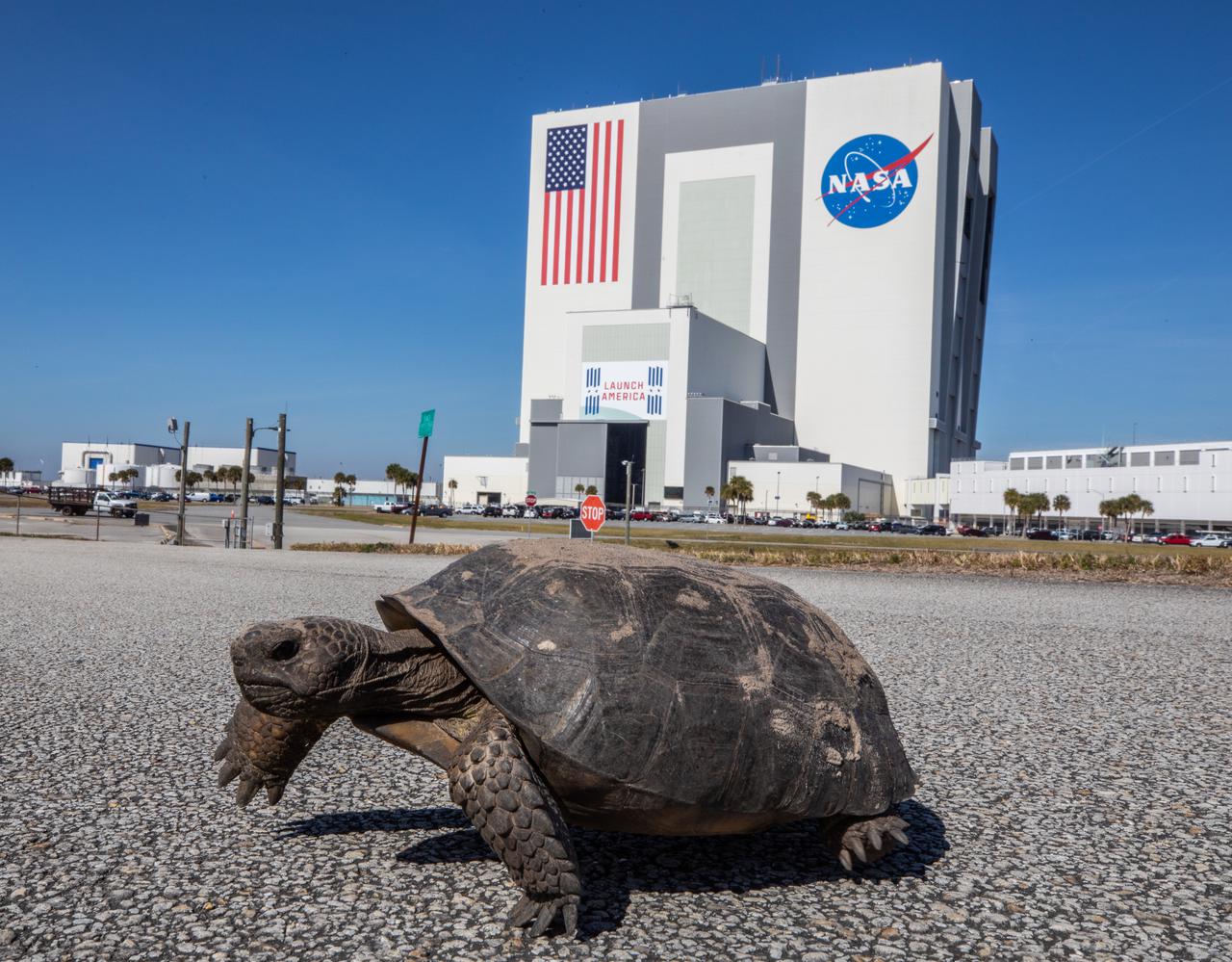
A tortoise makes its way along a gravel parking area at NASA's Kennedy Space Center in Florida on Jan. 21, 2021. In view in the background is the iconic Vehicle Assembly Building. The center shares a border with the Merritt Island National Wildlife Refuge. More than 330 native and migratory bird species, along with 25 mammal, 117 fish, and 65 amphibian and reptile species call Kennedy and the wildlife refuge home.

In this close-up view inside the Vehicle Assembly Building at NASA’s Kennedy Space Center in Florida, the base of the Space Launch System (SLS) Core Stage pathfinder can be seen as it is lowered into High Bay 3 on Oct. 16, 2019. The 212-foot-long core stage pathfinder arrived on NASA's Pegasus Barge at Kennedy’s Launch Complex 39 turn basin wharf on Sept. 27, 2019. The Pegasus Barge made its first delivery to Kennedy in support of the agency's Artemis missions. The pathfinder is being used by Exploration Ground Systems and its contractor, Jacobs, to practice offloading, moving and stacking maneuvers, using important ground support equipment to train employees and certify all the equipment works properly. The pathfinder will stay at Kennedy through at least the month of October before trekking back to NASA's Michoud Assembly Facility in Louisiana.
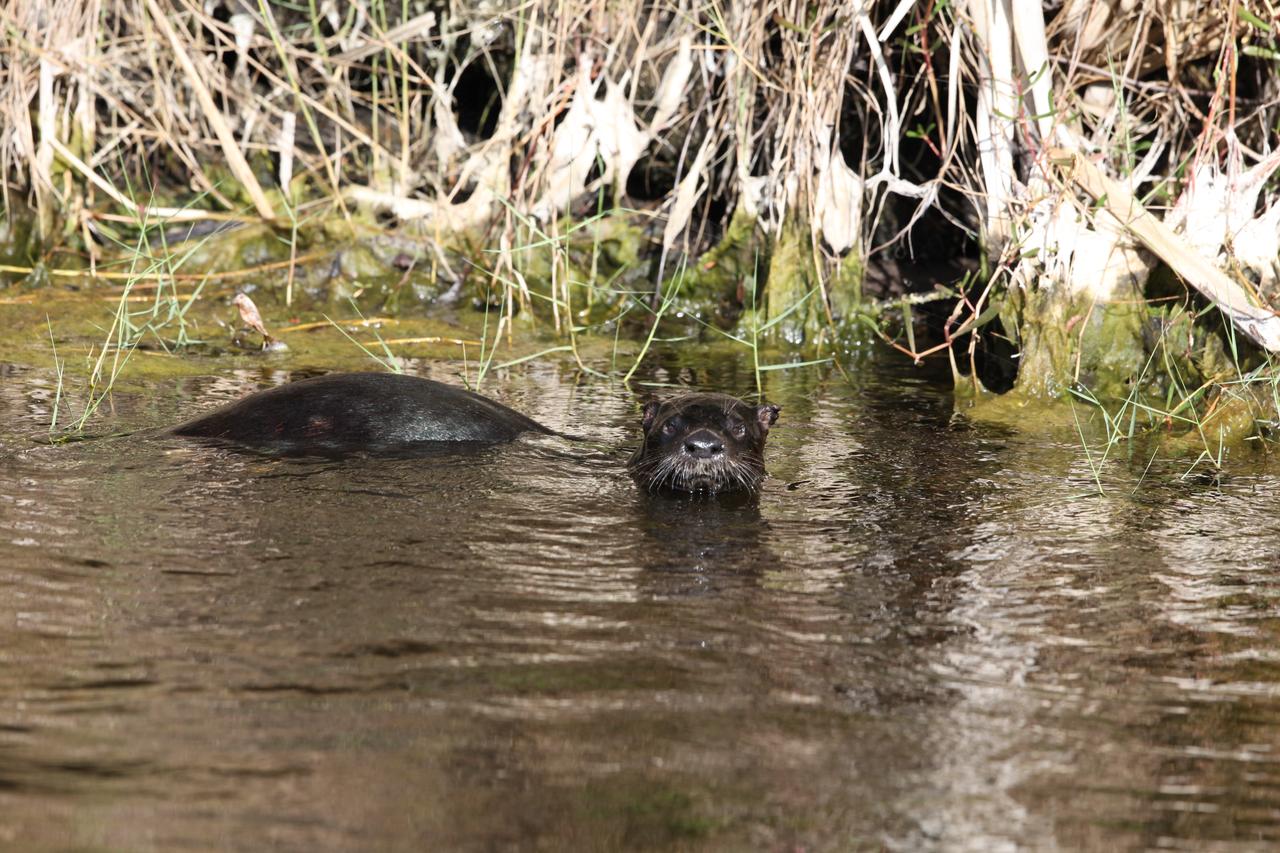
An otter swims through a waterway at NASA's Kennedy Space Center in Florida. The center shares a border with the Merritt Island National Wildlife Refuge. More than 330 native and migratory bird species, 25 mammals, 117 fishes and 65 amphibians and reptiles call Kennedy and the wildlife refuge home.

An aerial view of a proposed new launch site, Launch Complex 49, on Dec. 28, 2021, at NASA’s Kennedy Space Center in Florida. In response to an inquiry from SpaceX, NASA is preparing to conduct environmental assessments to develop the proposed launch site. The 175-acre site, located north of Launch Complex 39B within the center’s security perimeter, would support the launch and landing of SpaceX’s Starship and Super Heavy launch vehicle. NASA and SpaceX are moving forward with the initial environmental assessment before concluding a potential agreement to develop the property.

Astronaut Scott Kelly initiated VEG-01 B, the second crop of lettuce, on July, 8, 2015, and both Kelly and Astronaut Kjell Lindgren cared for the plants. The crop grew for 33 days. VEG-01 B included one set of six plant pillows planted with red romaine lettuce seeds. On Aug. 10, 2015, the crew harvested and consumed leaves from each plant. This was the first crop grown and consumed in NASA hardware. They harvested the rest of the plant tissue and froze it in the station’s Minus Eighty-Degree Laboratory Freezer for ISS (MELFI) for return to Earth for further study including microbial analysis, antioxidant capacity, mineral analysis and anthocyanin concentration.
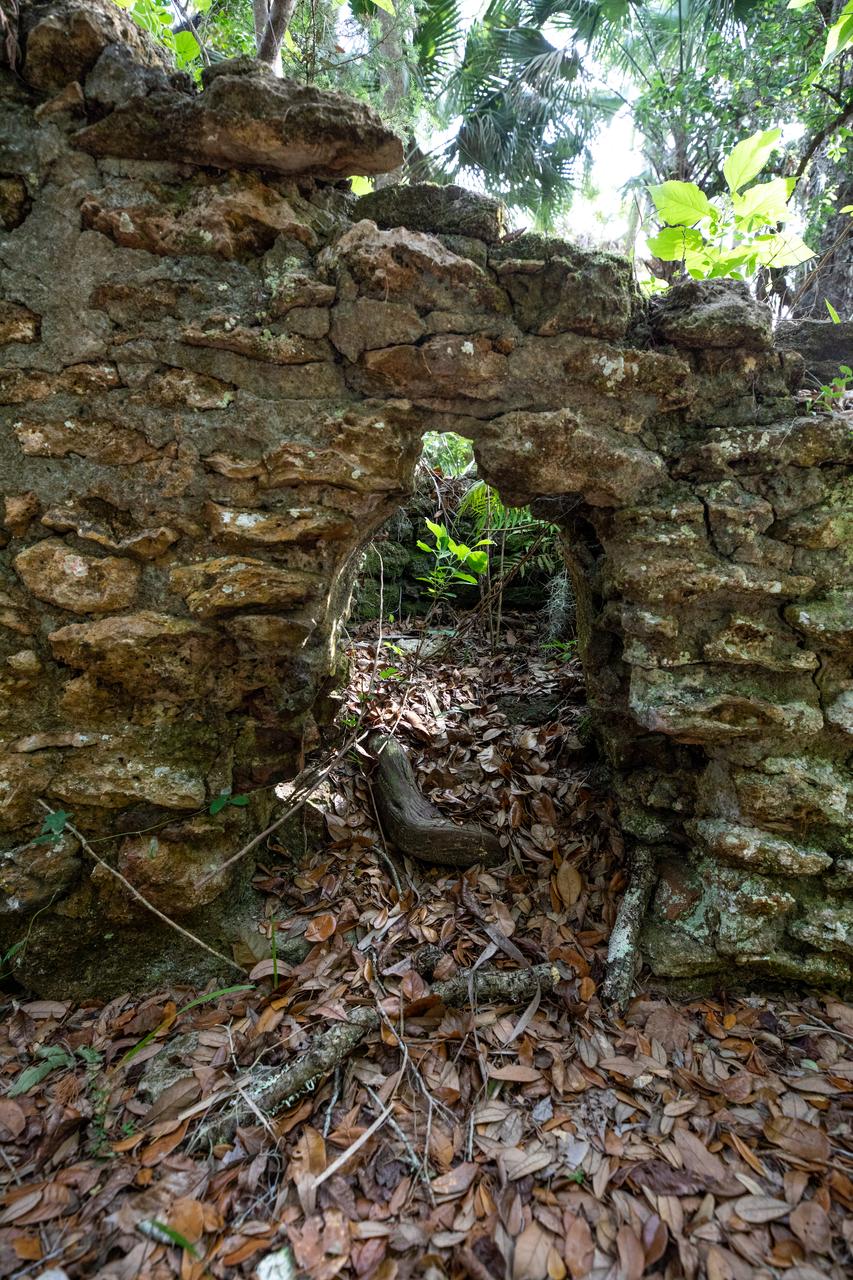
Archeological ruins of the Elliot Plantation sugar mill are revealed through the oak hammock at NASA’s Kennedy Space Center in Florida on May 26, 2022. The plantation’s enslaved community built the sugar mill structure, or sugar train, where sugar cane juice would be boiled during processing in graduated copper kettles until the liquid reduced into a thick syrup. The ruins of Elliot Plantation date from the 1760s and represent the largest, earliest, and southernmost British period sugar plantation in the U.S., as well as one of the most intact and best examples of a completely preserved enslaved landscape. The archeological site is managed through interagency cooperation between the National Park Service, the U.S. Fish and Wildlife Service, and NASA.
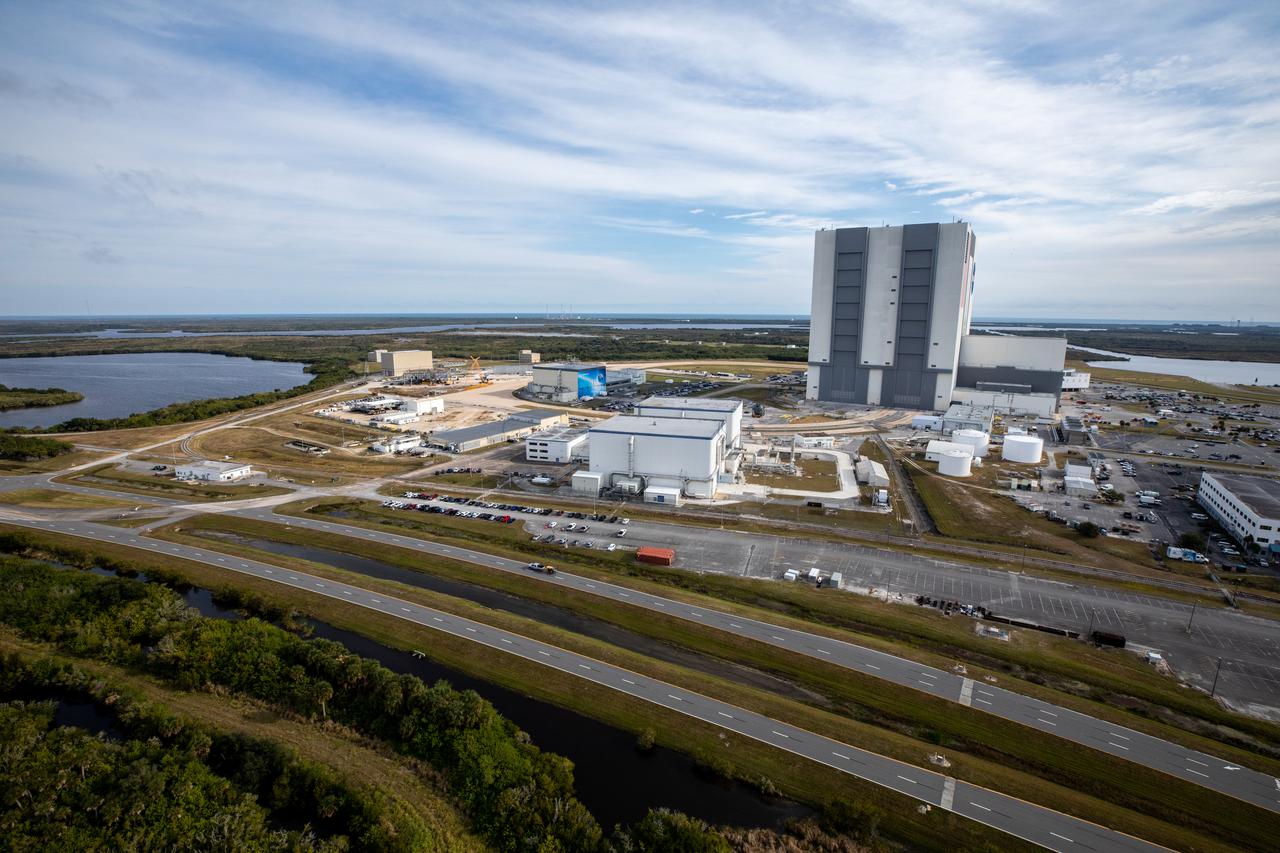
An aerial view of the iconic Vehicle Assembly Building (VAB) at NASA’s Kennedy Space Center in Florida on Jan. 13, 2021. The High Bay 3 in the VAB is where NASA’s Space Launch System and Orion spacecraft will be stacked on top of the mobile launcher before it is rolled out atop crawler-transporter 2 to Launch Pad 39B for launch on the agency’s Artemis I mission.
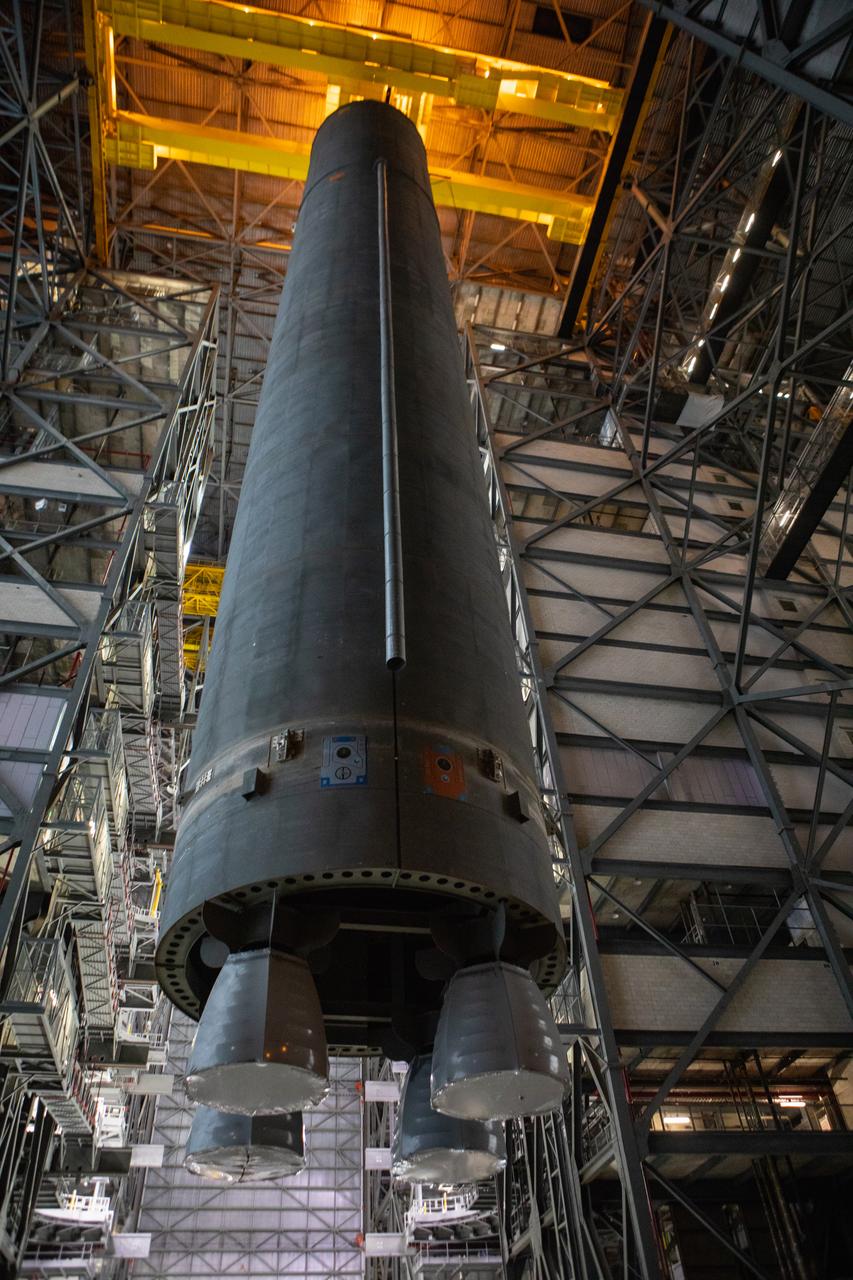
Inside the Vehicle Assembly Building at NASA’s Kennedy Space Center in Florida, the Space Launch System (SLS) Core Stage pathfinder is lifted in the vertical position in the transfer aisle on Oct. 16, 2019. The pathfinder will be lifted up to the 16th level and lowered into High Bay 3. The 212-foot-long core stage pathfinder arrived on NASA's Pegasus Barge at Kennedy’s Launch Complex 39 turn basin wharf on Sept. 27, 2019. The Pegasus Barge made its first delivery to Kennedy in support of the agency's Artemis missions. The pathfinder is being used by Exploration Ground Systems and its contractor, Jacobs, to practice offloading, moving and stacking maneuvers, using important ground support equipment to train employees and certify all the equipment works properly. The pathfinder will stay at Kennedy through at least the month of October before trekking back to NASA's Michoud Assembly Facility in Louisiana.
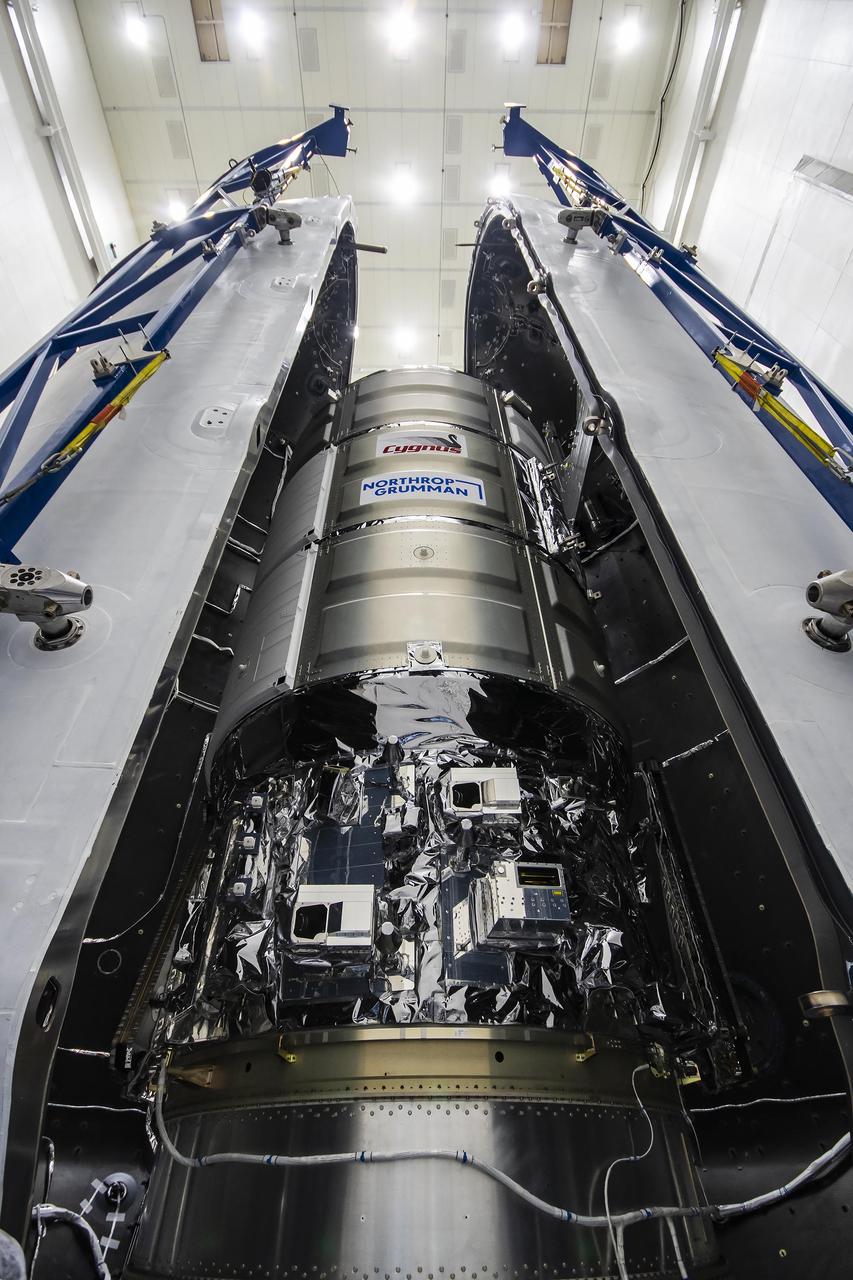
On Wednesday, Jan. 24, 2024, the Northrop Grumman Cygnus resupply spacecraft is seen being encapsulated inside the SpaceX Falcon 9 payload fairing as it prepares to launch from Space Launch Complex 40 at Cape Canaveral Space Force Station in Florida for the 20th Northrop Grumman commercial resupply services for NASA. The mission will carry 8,200 pounds of science investigations, supplies, and equipment to the International Space Station to support the agency’s Expedition 70 crew. Liftoff is scheduled no earlier than 12:07 p.m. EST Tuesday, Jan. 30, 2024.
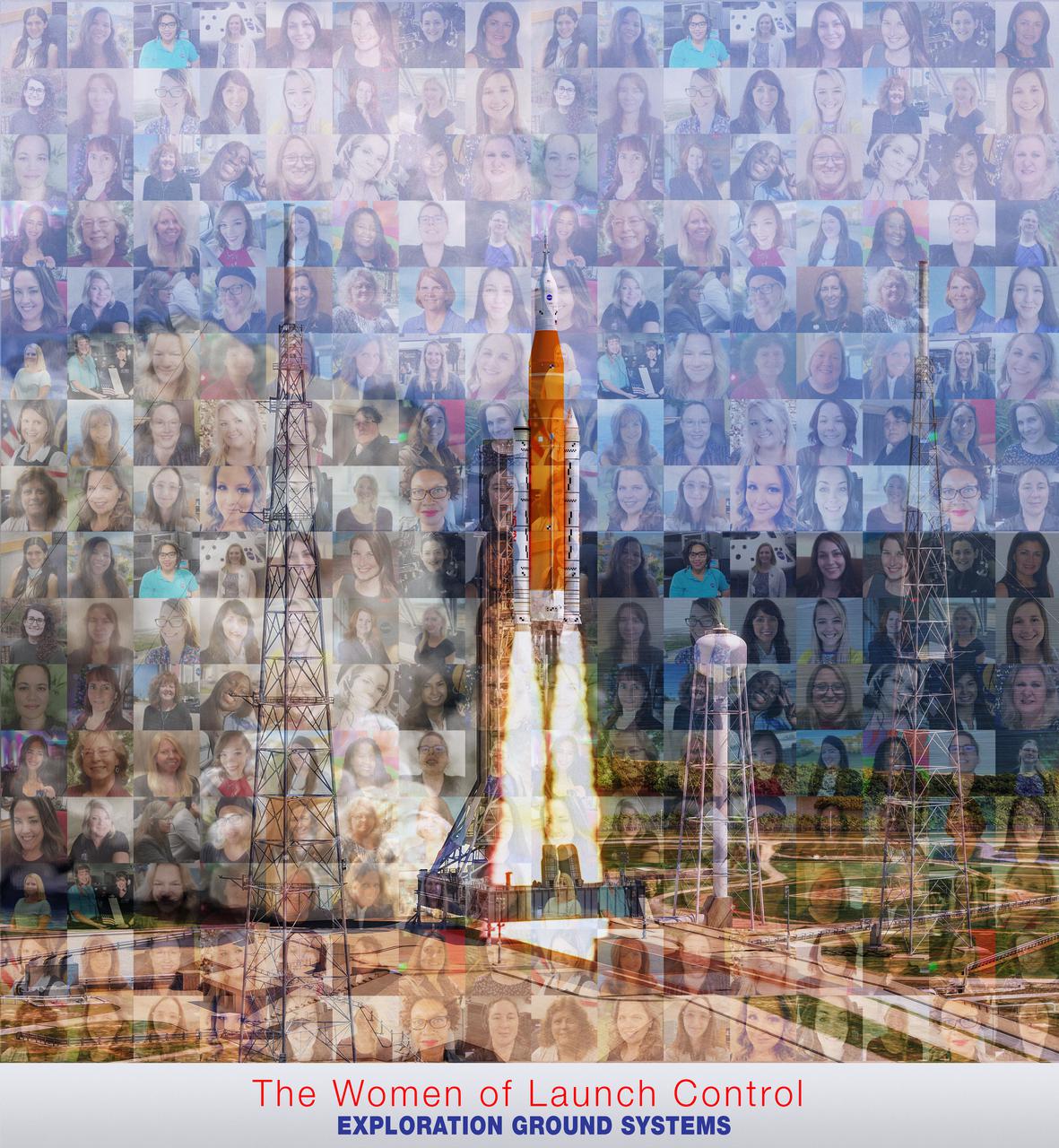
NASA has come a long way since the Apollo program when there was only one woman — JoAnn Morgan — working in Firing Room 1 of Kennedy Space Center’s Launch Control Center. Now, about 30% of the staff responsible for launching and monitoring the Space Launch System (SLS) rocket and Orion spacecraft for the Artemis program are women. Under the Artemis program, NASA will launch the first woman and next man to the lunar surface, using the Moon as a testing ground before venturing on to Mars.
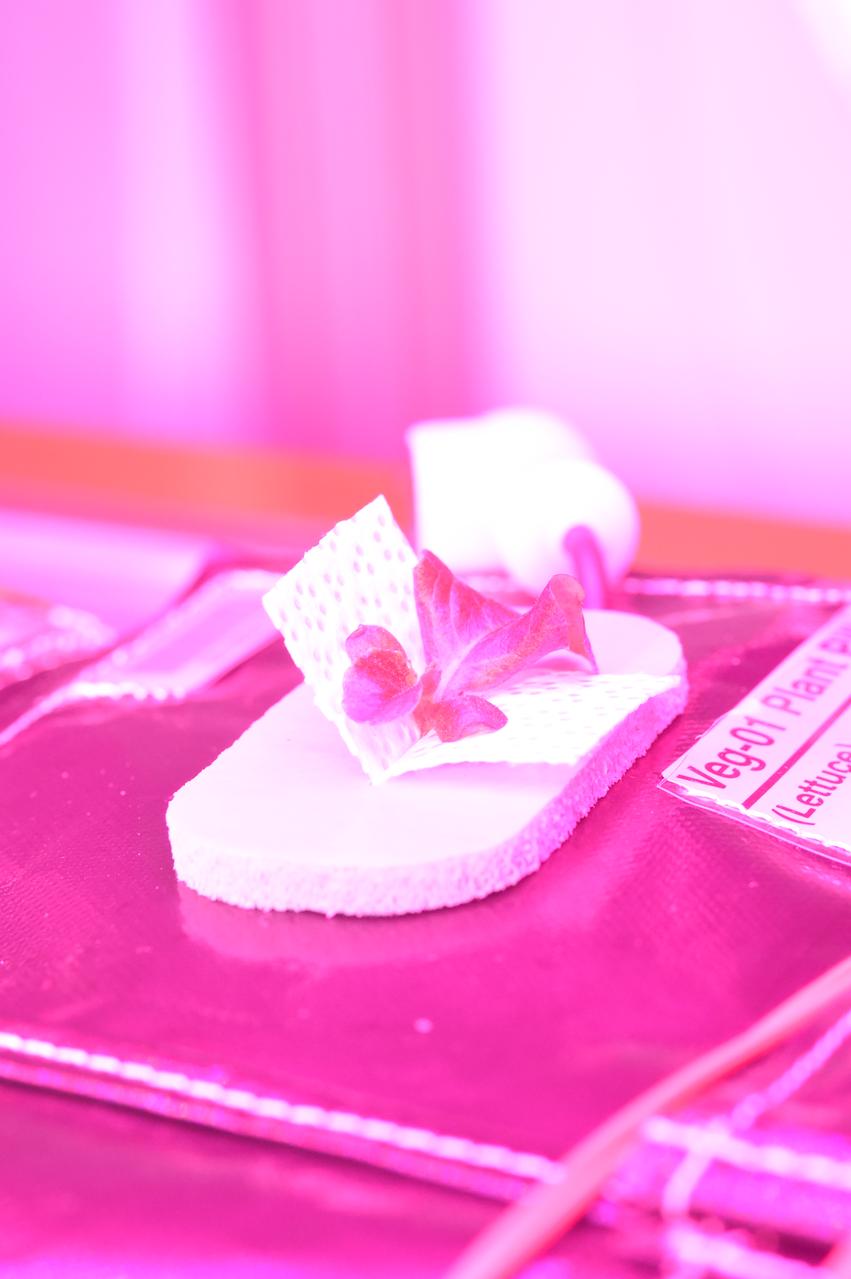
Astronaut Scott Kelly initiated VEG-01 B, the second crop of lettuce, on July, 8, 2015, and both Kelly and Astronaut Kjell Lindgren cared for the plants. The crop grew for 33 days. VEG-01 B included one set of six plant pillows planted with red romaine lettuce seeds. On Aug. 10, 2015, the crew harvested and consumed leaves from each plant. This was the first crop grown and consumed in NASA hardware. They harvested the rest of the plant tissue and froze it in the station’s Minus Eighty-Degree Laboratory Freezer for ISS (MELFI) for return to Earth for further study including microbial analysis, antioxidant capacity, mineral analysis and anthocyanin concentration.