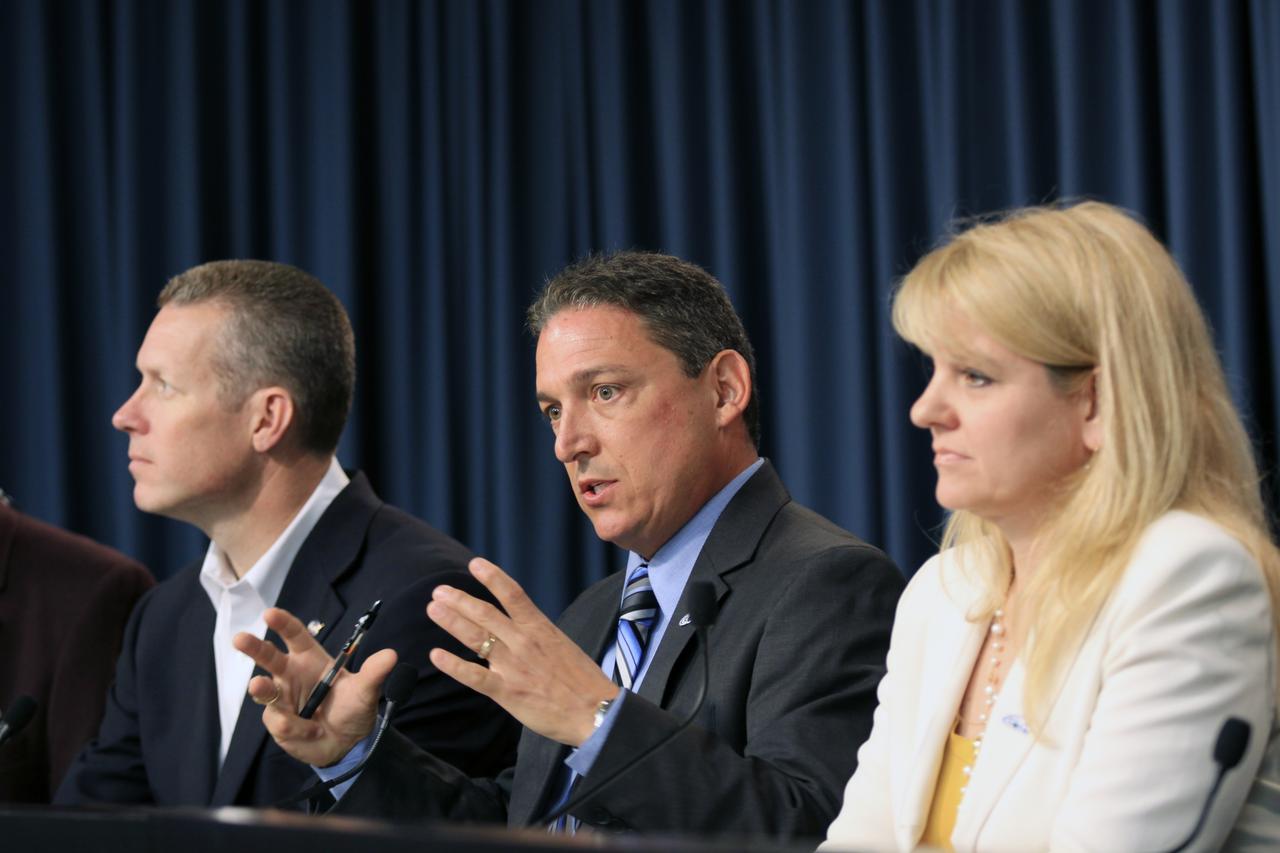
SpaceX Falcon 9/COTS 2 L-1 Pre-launch Press Conference
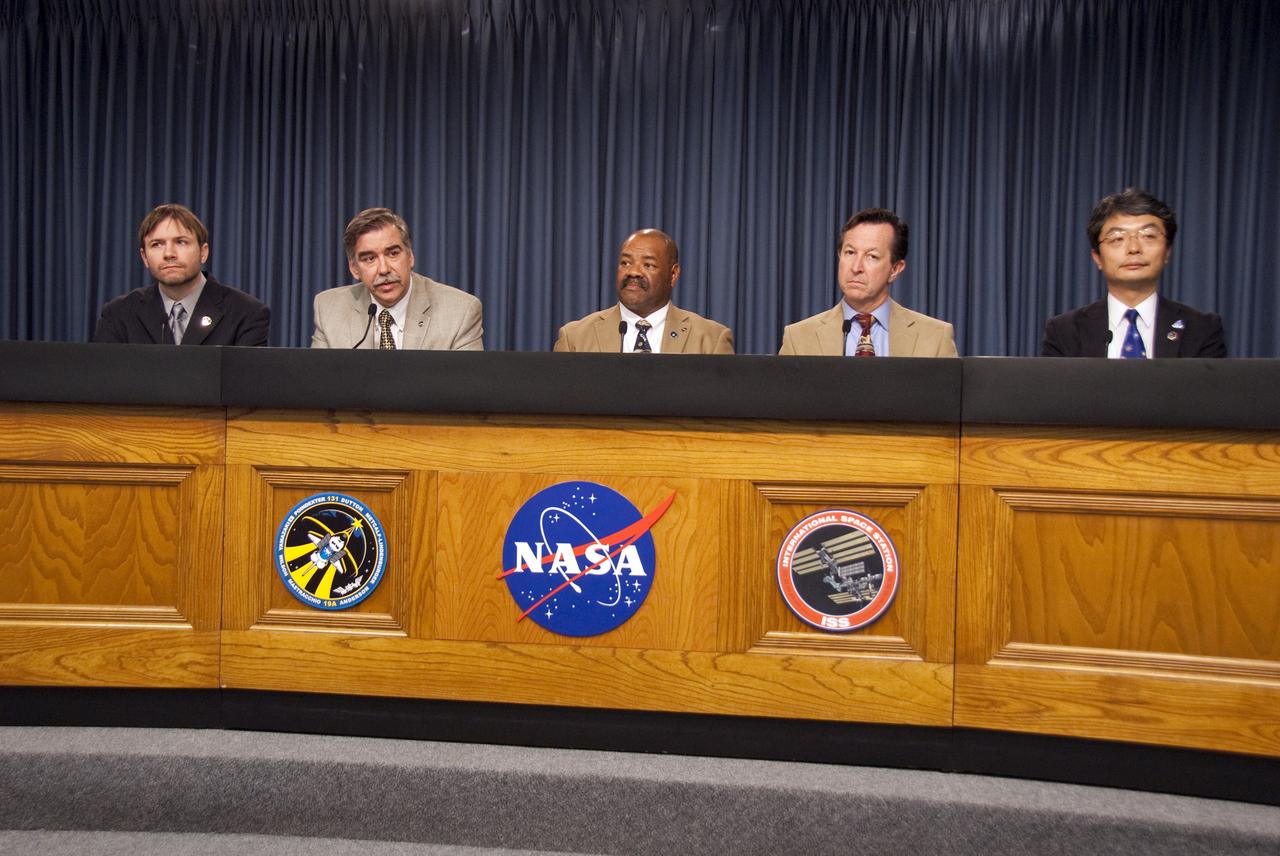
STS-131 LAUNCH L-2 INTERNATIONAL SPACE STATION SCIENCE BRIEFING
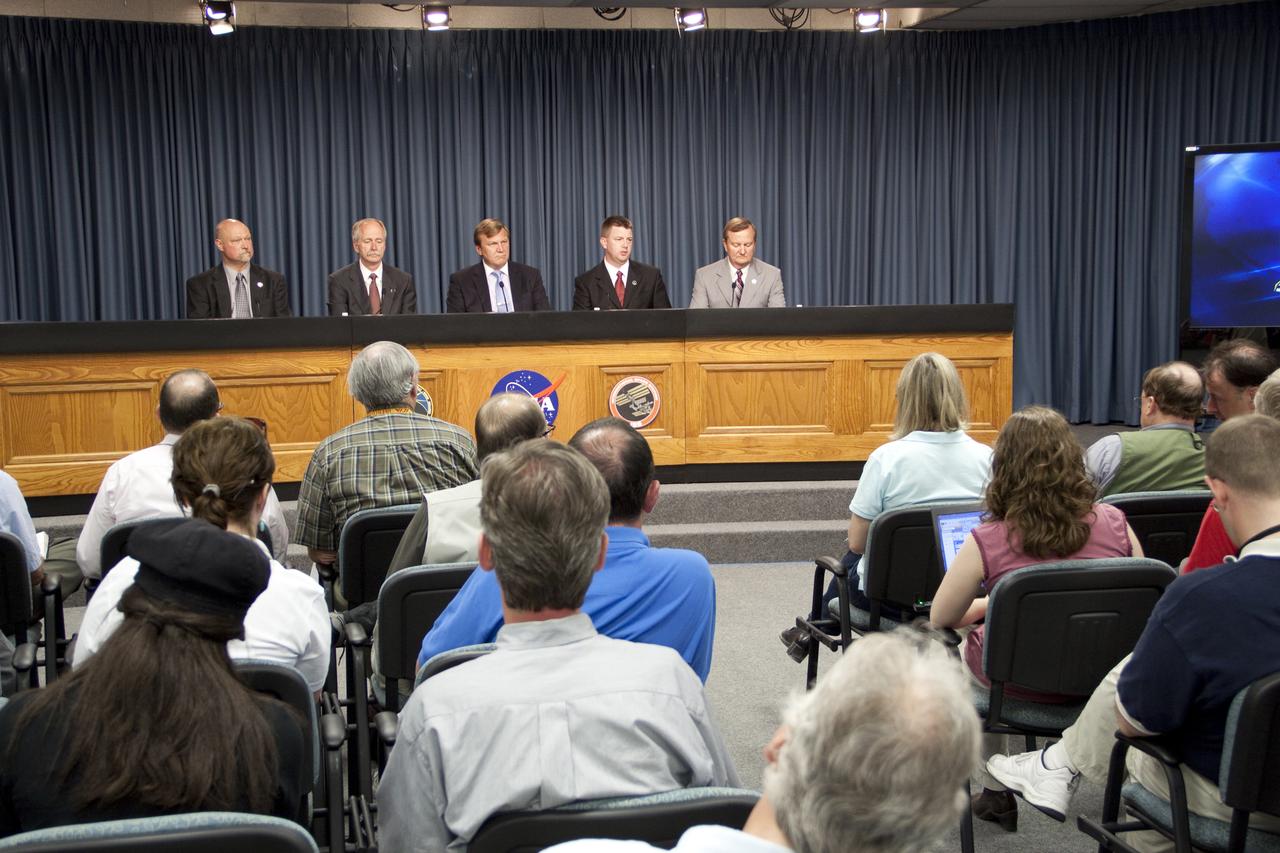
STS-132 POST LAUNCH PRESS CONFERENCE
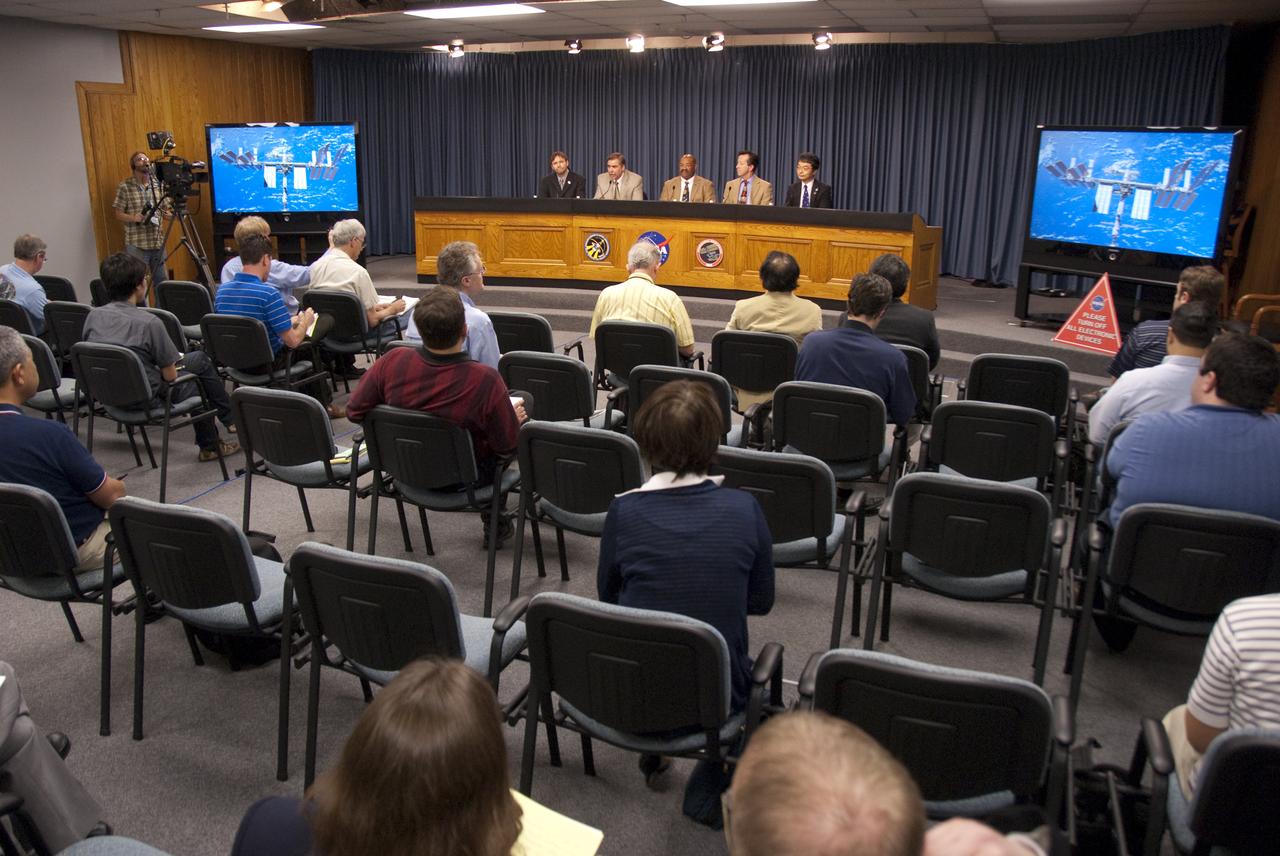
STS-131 LAUNCH L-2 INTERNATIONAL SPACE STATION SCIENCE BRIEFING
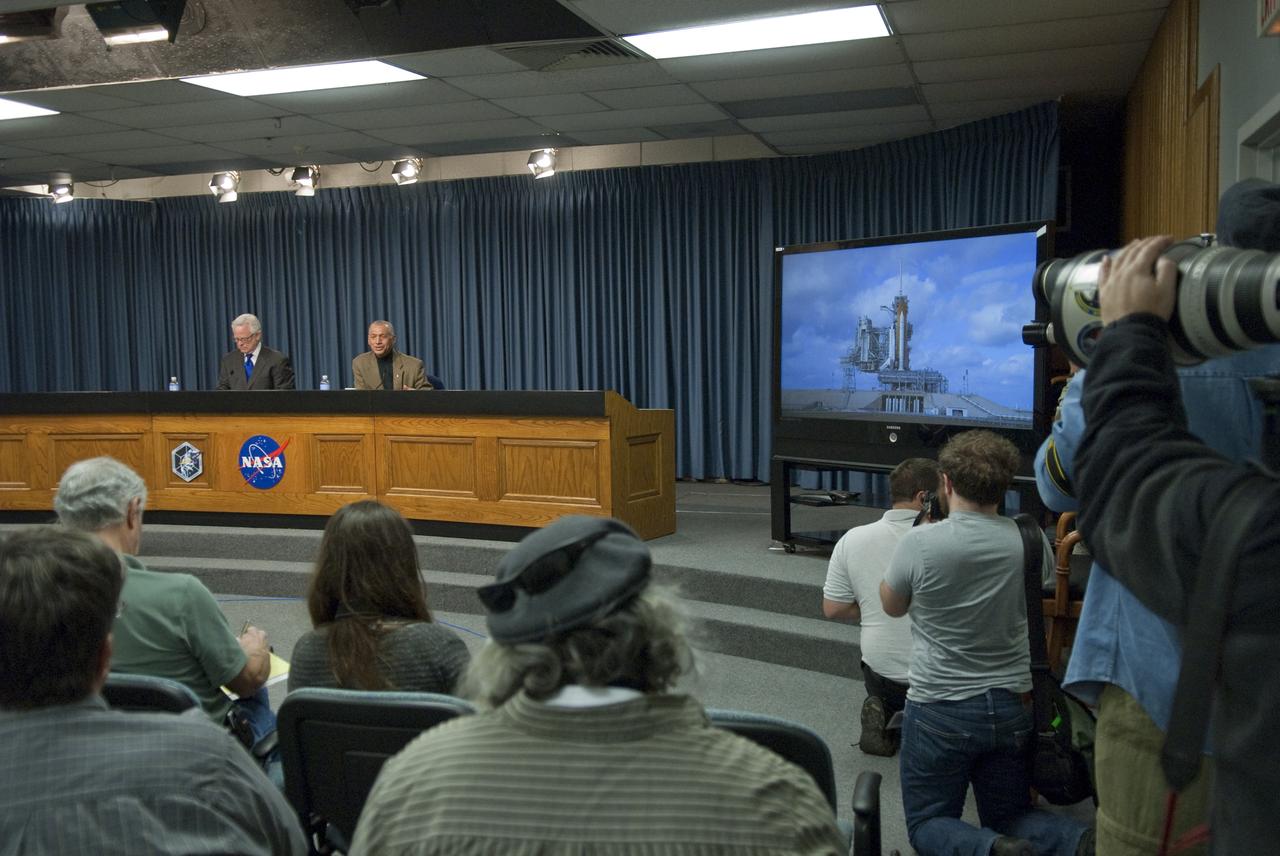
NASA ADMINISTRATOR CHARLIE BOLDEN BRIEFS MEDIA ON NEW NASA BUDGET
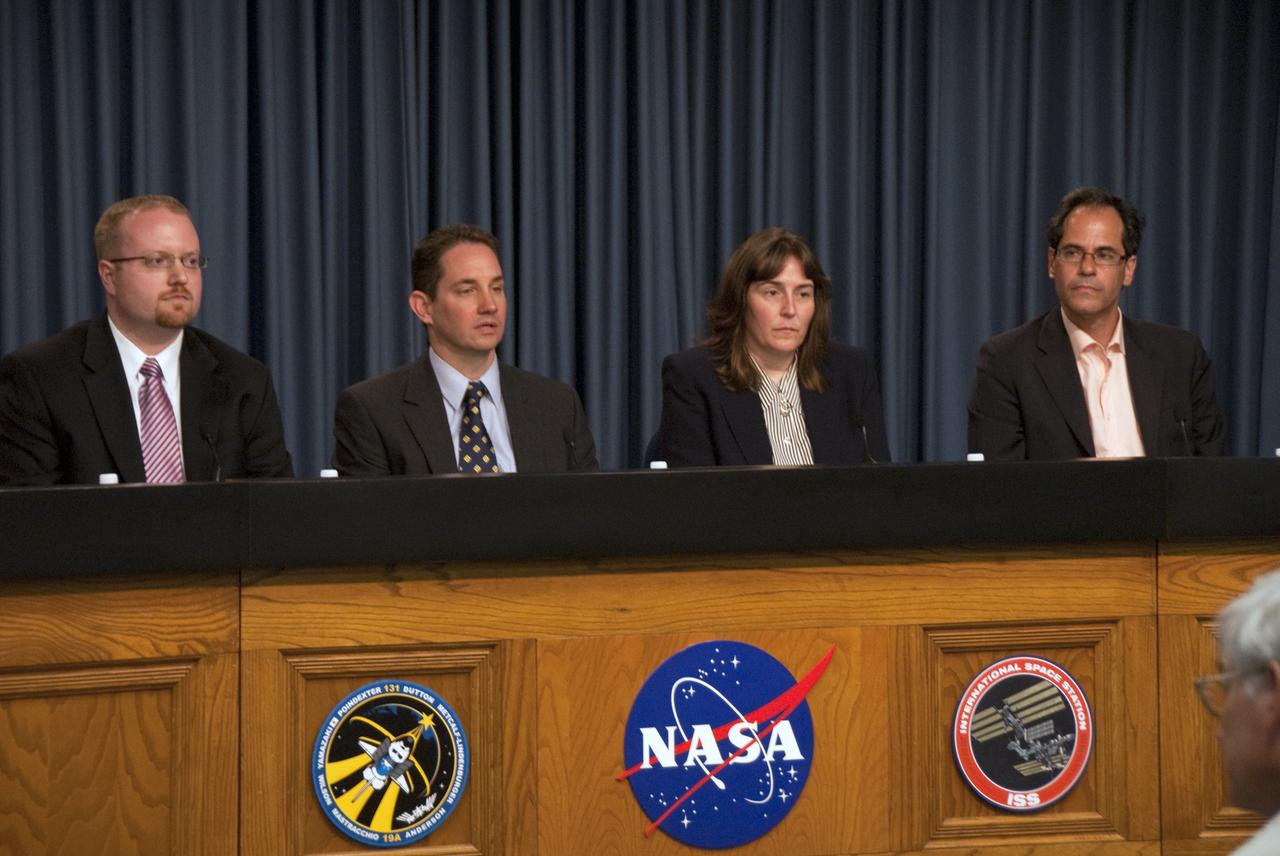
STS-131 LAUNCH L-2 INTERNATIONAL SPACE STATION TECHNOLOGY BRIEFING
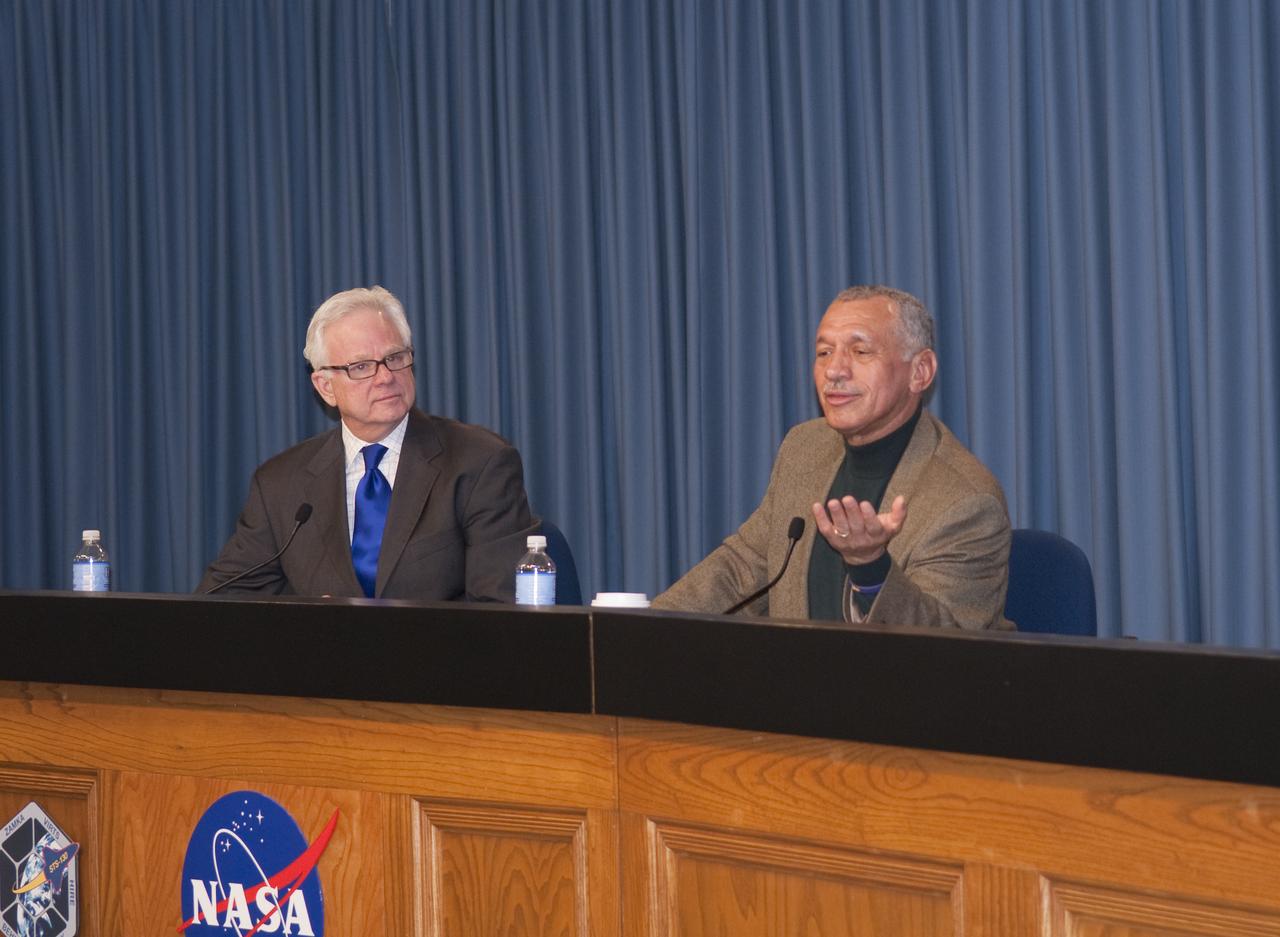
NASA ADMINISTRATOR CHARLIE BOLDEN BRIEFS MEDIA ON NEW NASA BUDGET
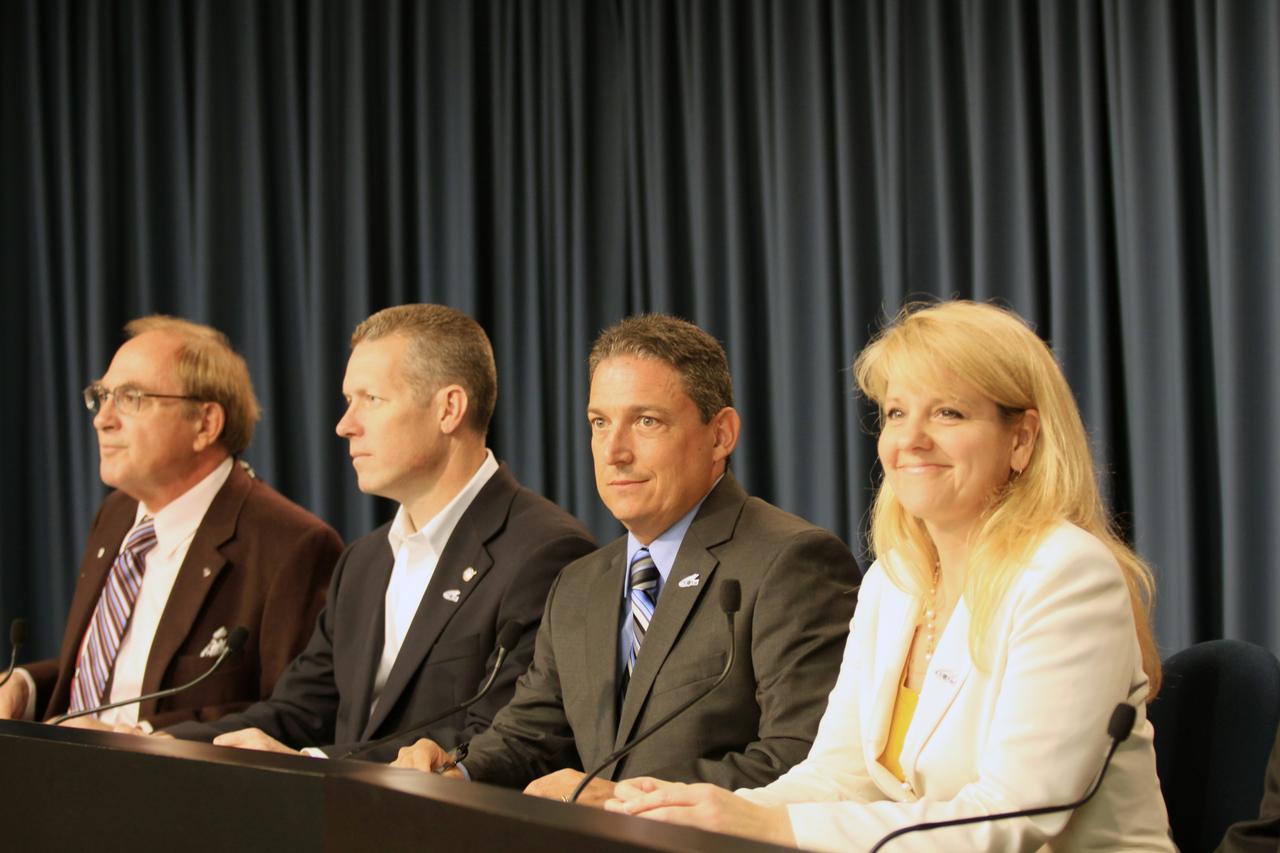
SpaceX Falcon 9/COTS 2 L-1 Pre-launch Press Conference
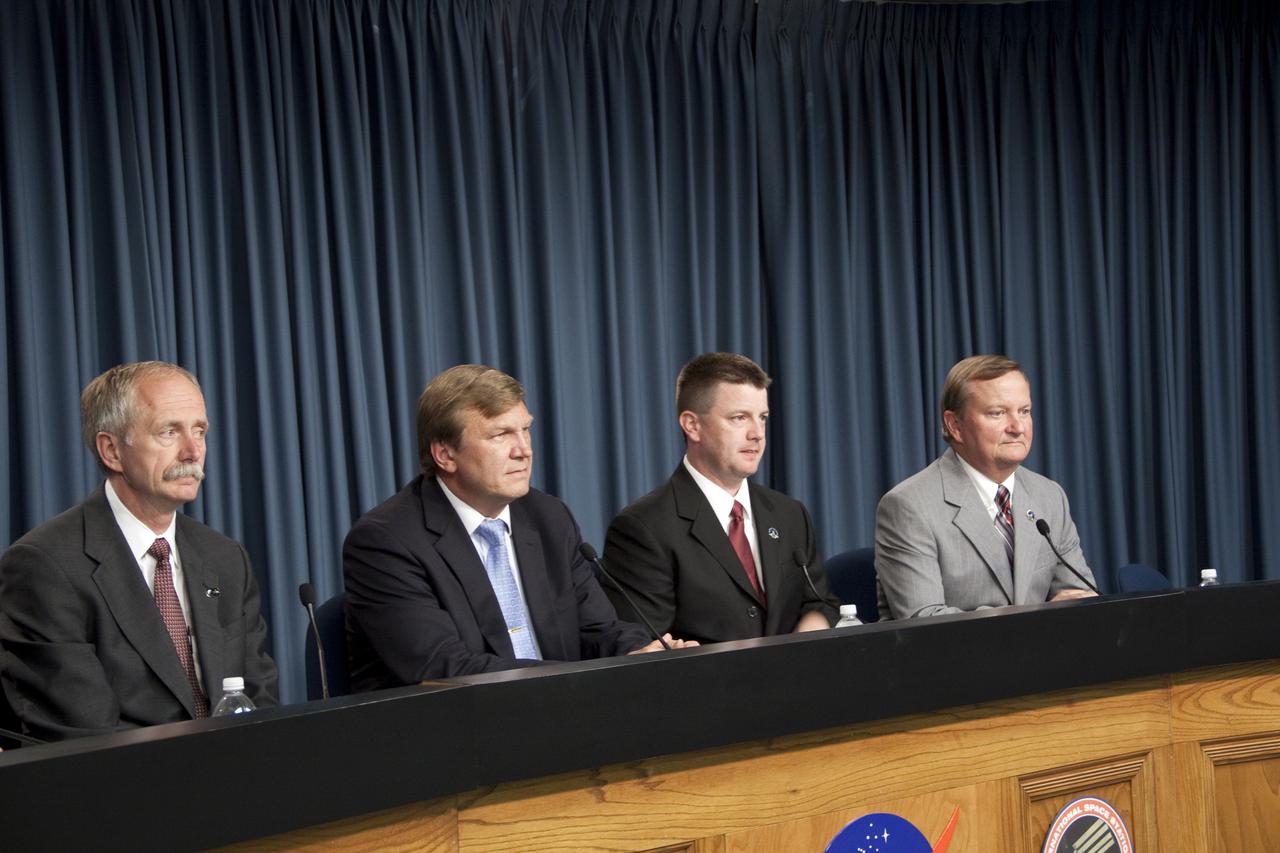
STS-132 POST LAUNCH PRESS CONFERENCE
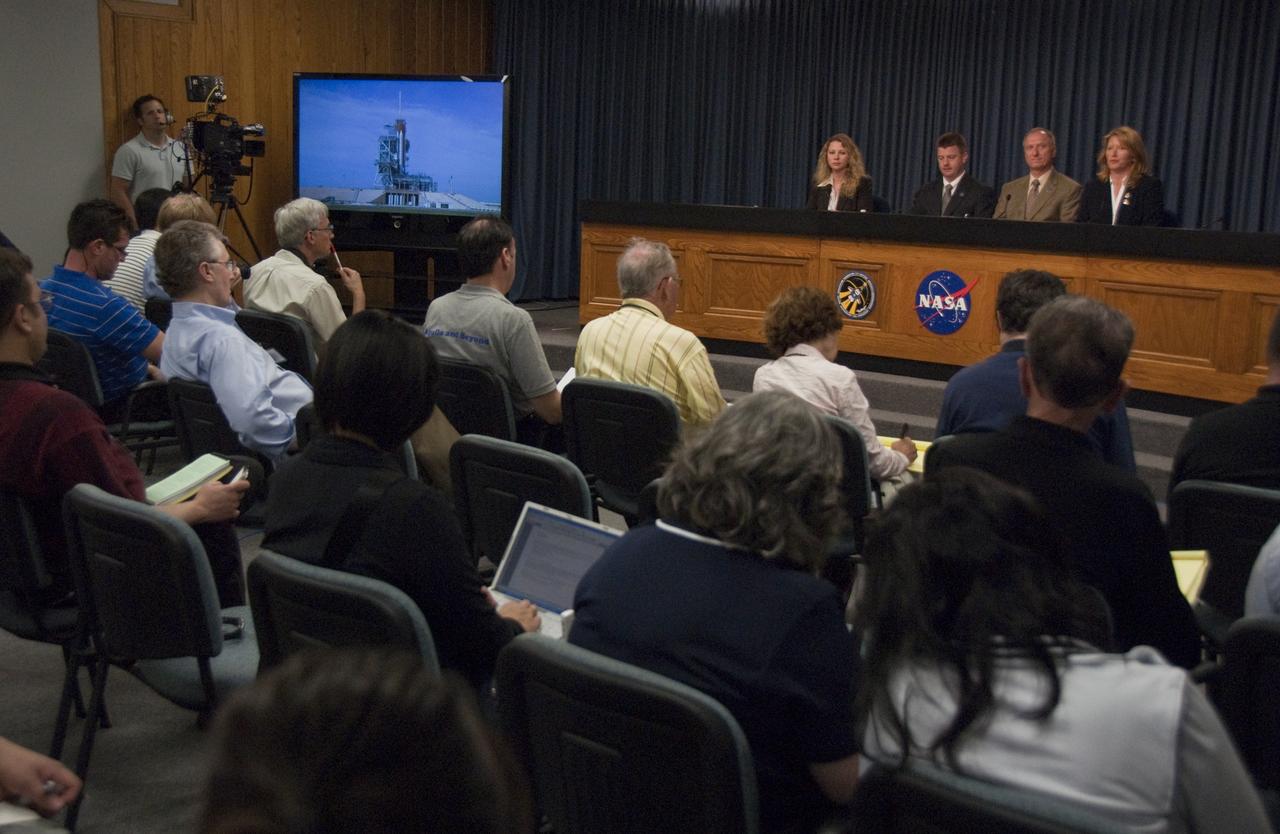
STS-131 LAUNCH L-2 PRELAUNCH PRESS CONFERENCE
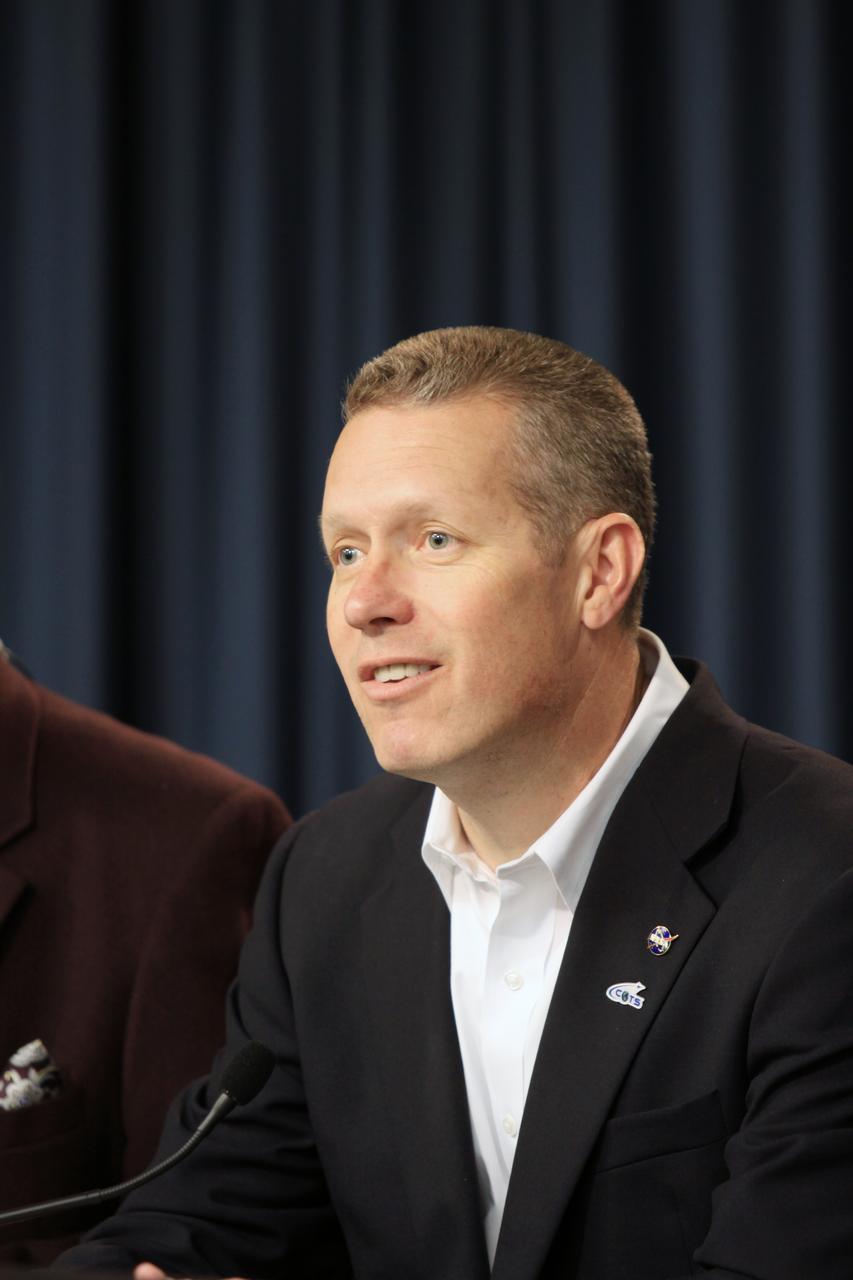
SpaceX Falcon 9/COTS 2 L-1 Pre-launch Press Conference
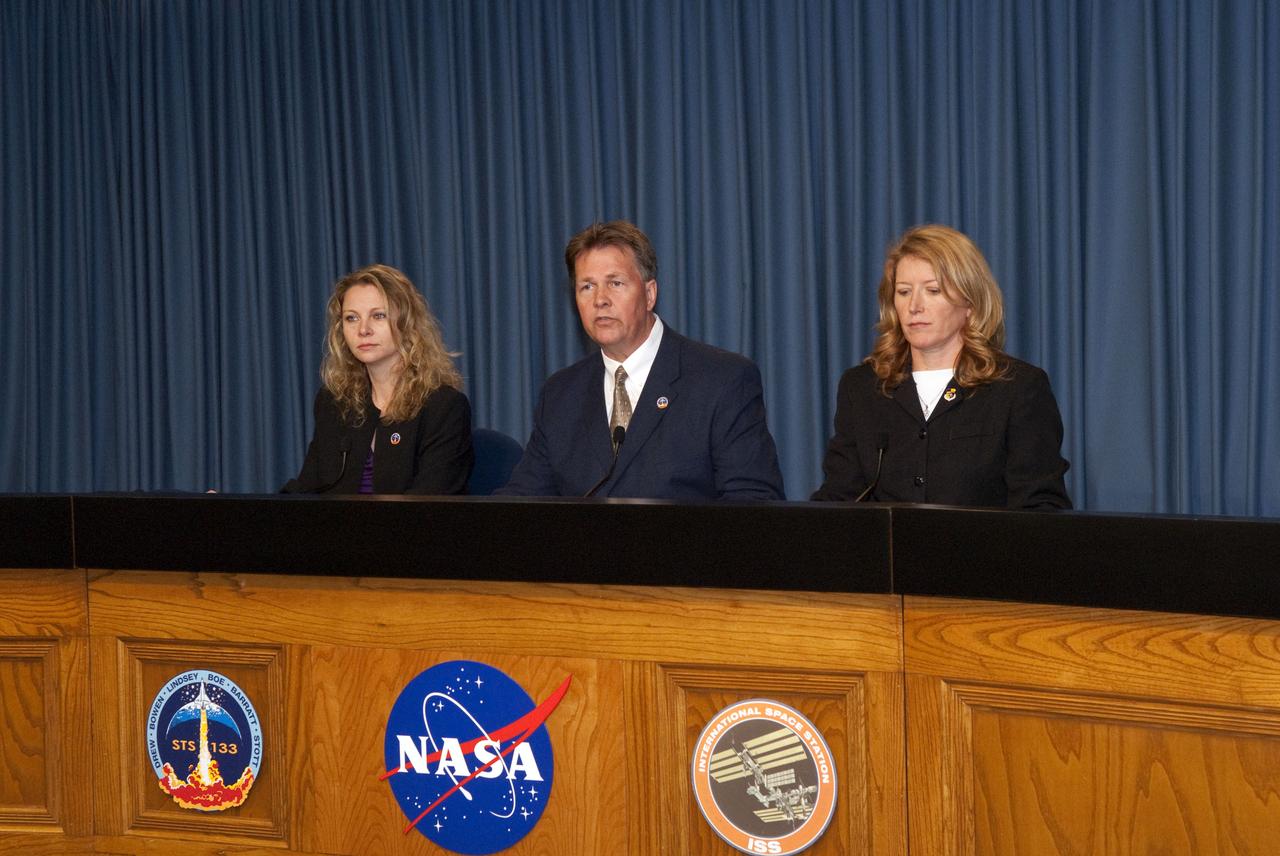
STS-133 LAUNCH L-3 COUNTDOWN STATUS & WEATHER BRIEFING WITH KATHY WINTERS, JEFF SPALDING, CANDREA THOMAS
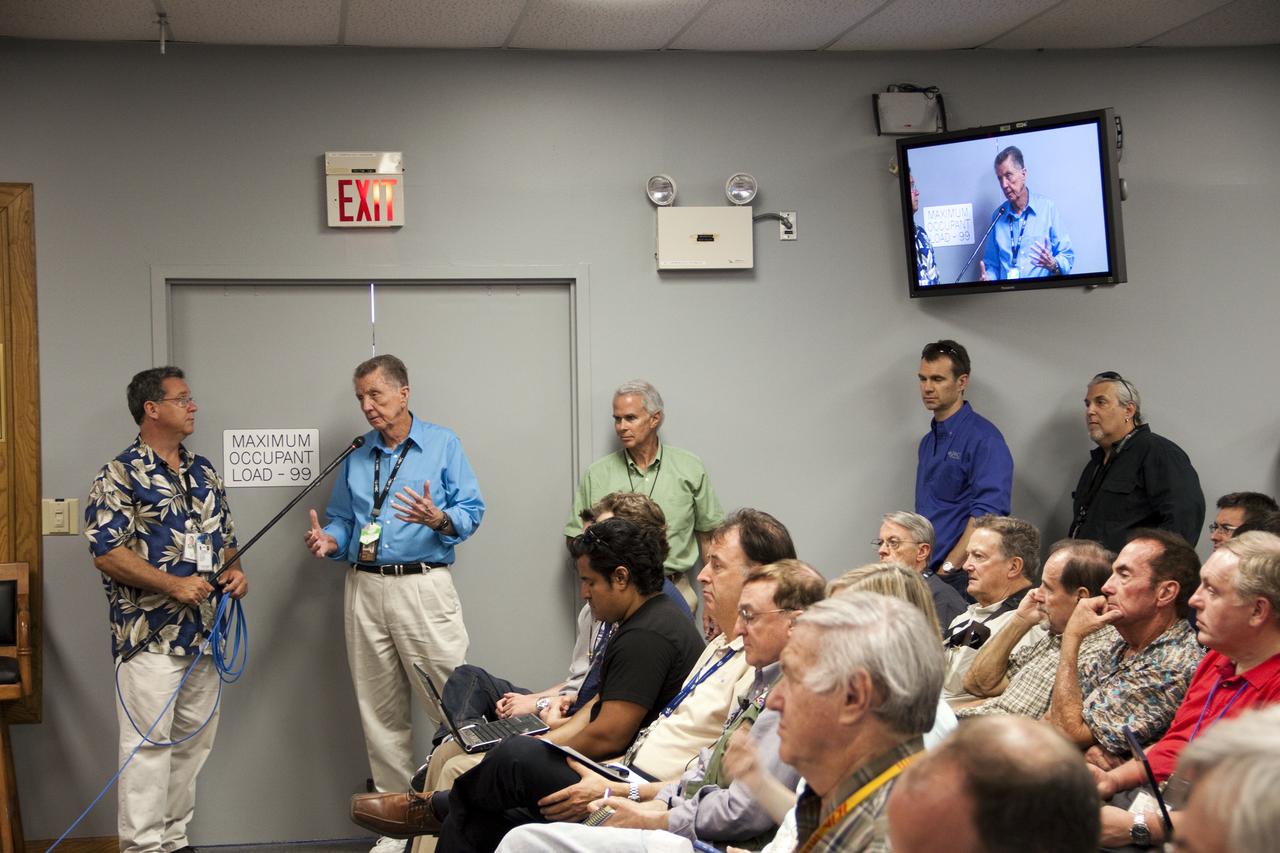
STS-132 POST LAUNCH PRESS CONFERENCE
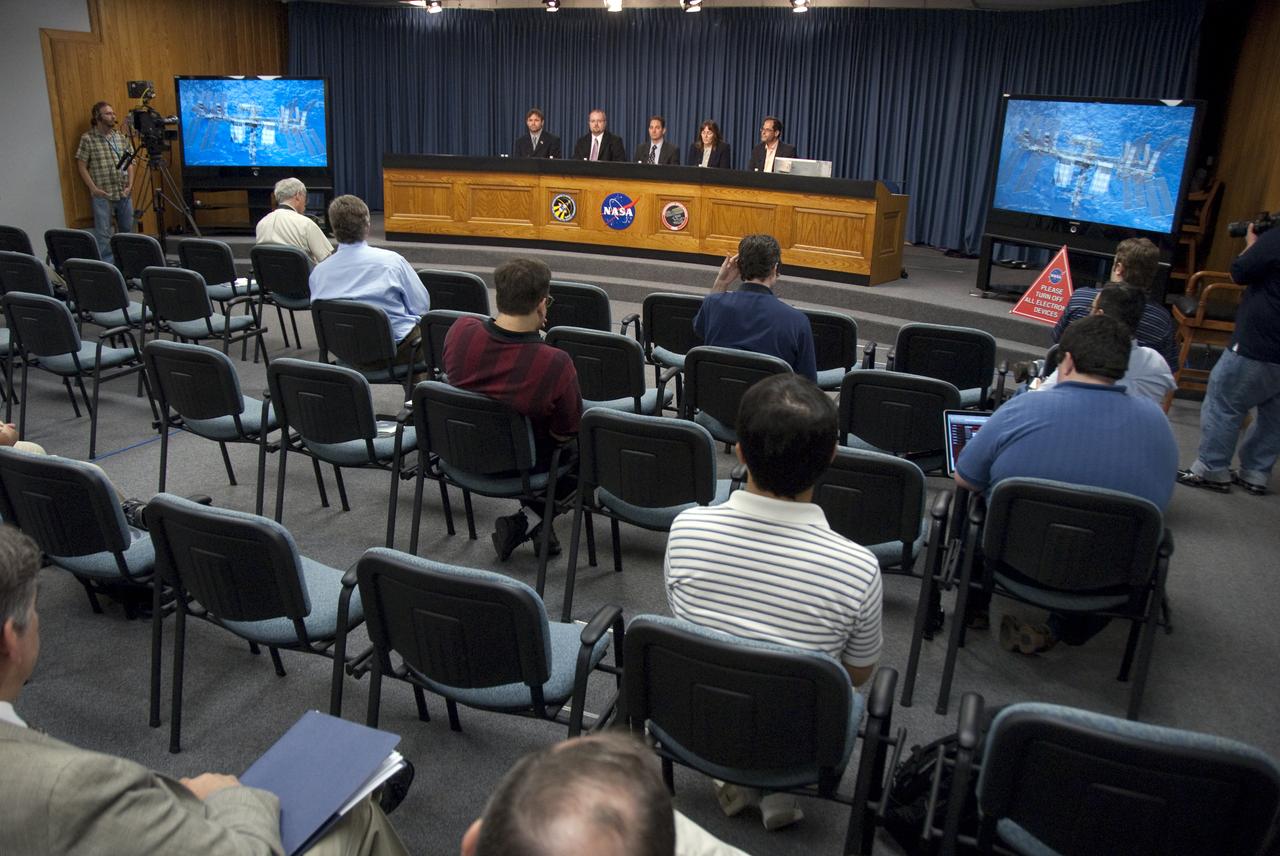
STS-131 LAUNCH L-2 INTERNATIONAL SPACE STATION TECHNOLOGY BRIEFING
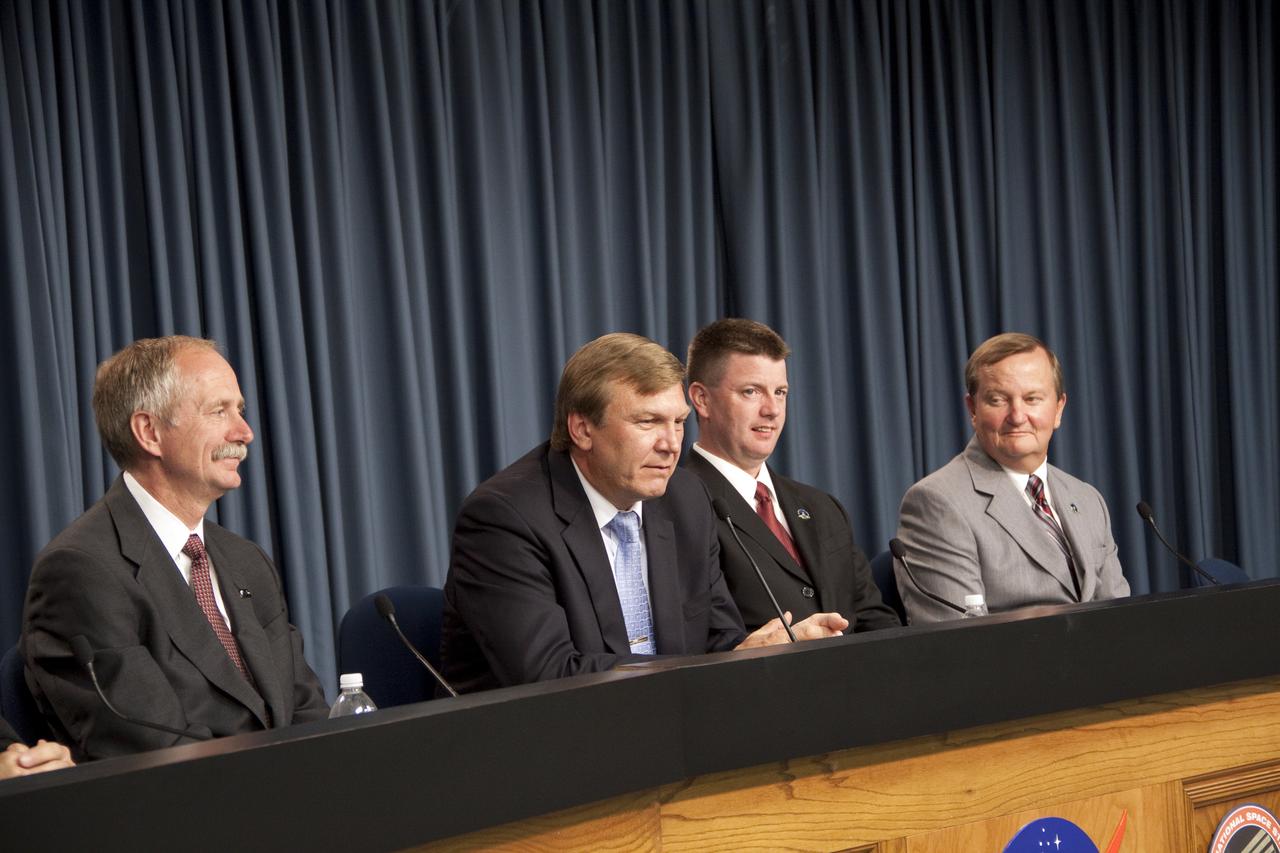
STS-132 POST LAUNCH PRESS CONFERENCE
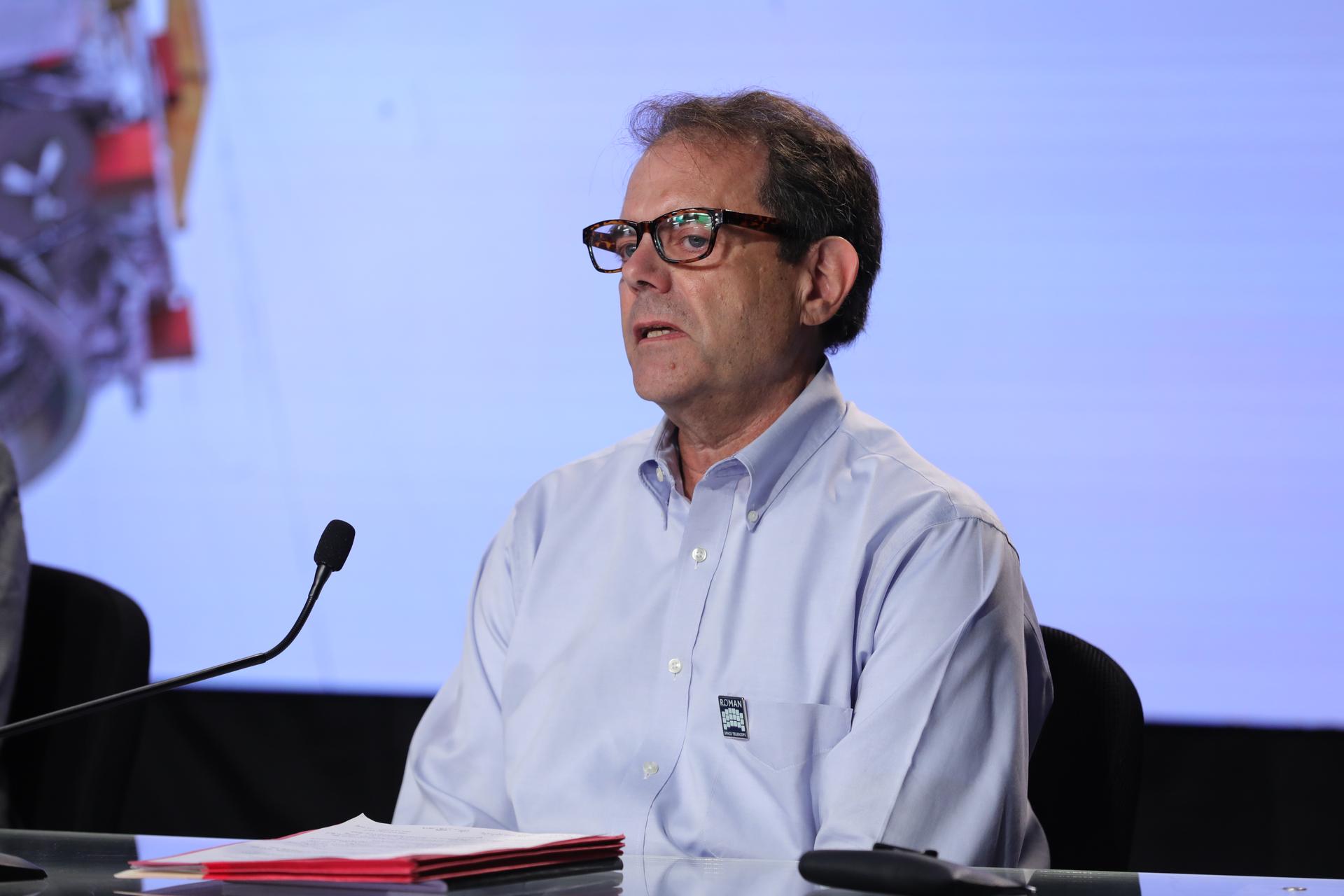
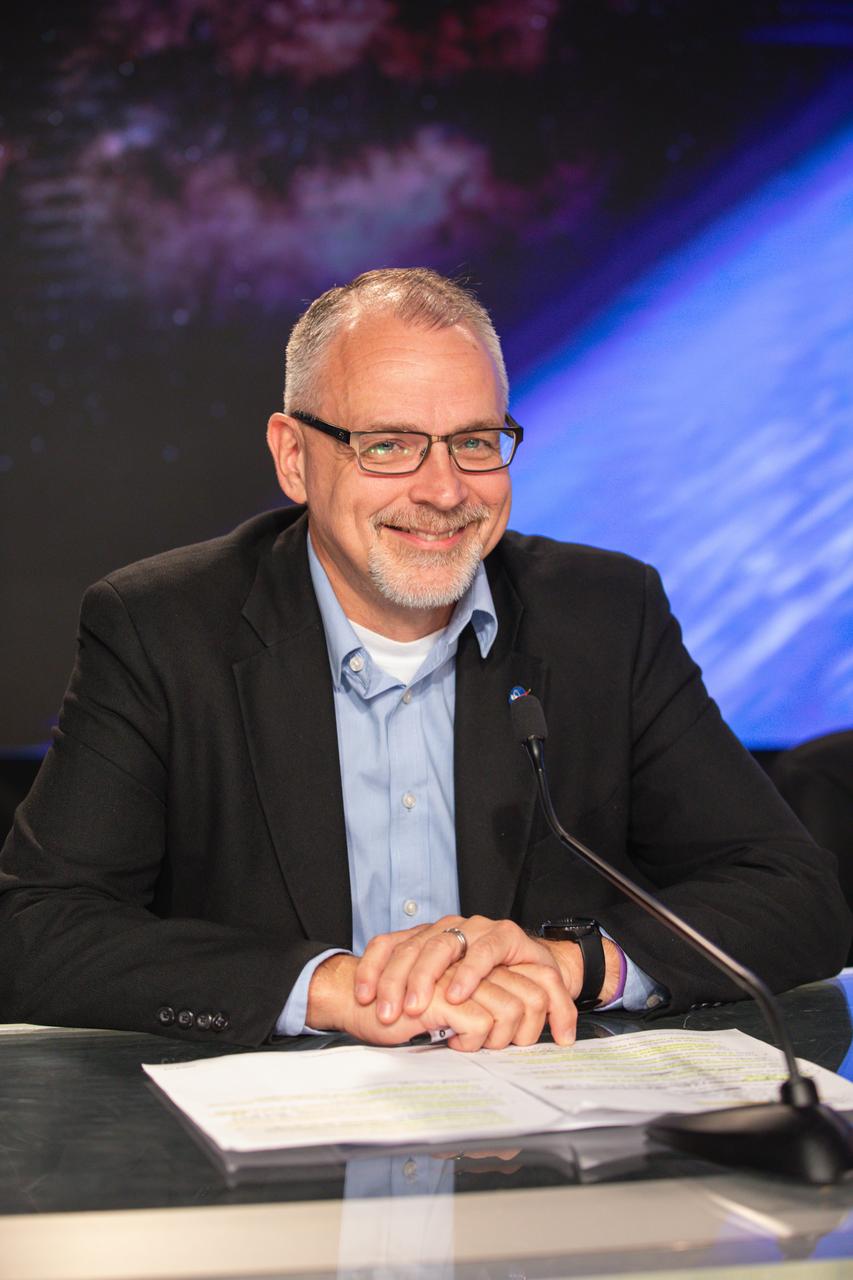
Lee Armus, Roman Science Support Center lead, Caltech/IPAC, participates in a science briefing for NASA’s Nancy Grace Roman Space Telescope inside the NASA News Center’s John Holliman Auditorium at Kennedy Space Center in Florida, on Saturday, Aug. 29, 2026. Roman will investigate dark energy and dark matter, conduct a statistical census of planetary systems, and enable a broad range of additional astrophysics research. Liftoff from Launch Complex 39A at Kennedy is targeted for no earlier than Sunday, Aug. 30, 2026.
NASA Associate Administrator Jim Free addresses the media during a prelaunch news conference at NASA’s Kennedy Space Center in Florida on Friday, Sept. 27, 2024, ahead of the agency’s SpaceX Crew-9 launch. NASA astronaut Nick Hague and Roscosmos cosmonaut Aleksandr Gorbunov will launch to the International Space Station aboard SpaceX’s Dragon spacecraft and Falcon 9 rocket. Launch is targeted for 1:17 p.m. EDT Sept. 28, 2024, from Space Launch Complex-40 at Cape Canaveral Space Force Station in Florida. Crew-9 is the ninth crew rotation mission with SpaceX to the space station as part of the agency’s Commercial Crew Program.
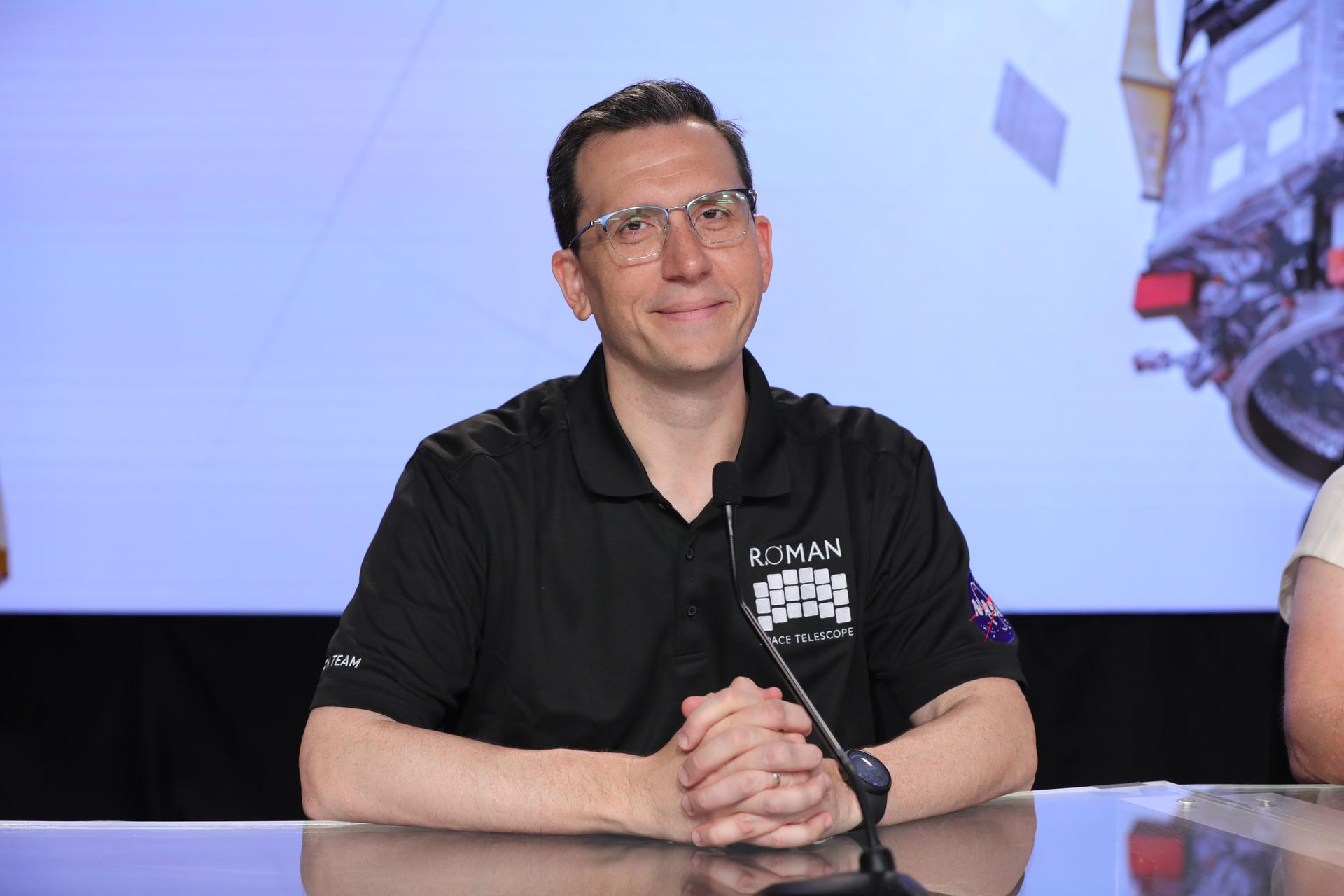
Shawn Domagal-Goldman, director, Astrophysics Division, NASA Headquarters in Washington, participates in a science briefing for NASA’s Nancy Grace Roman Space Telescope inside the NASA News Center’s John Holliman Auditorium at Kennedy Space Center in Florida, on Saturday, Aug. 29, 2026. Roman will investigate dark energy and dark matter, conduct a statistical census of planetary systems, and enable a broad range of additional astrophysics research. Liftoff from Launch Complex 39A at Kennedy is targeted for no earlier than Sunday, Aug. 30, 2026.
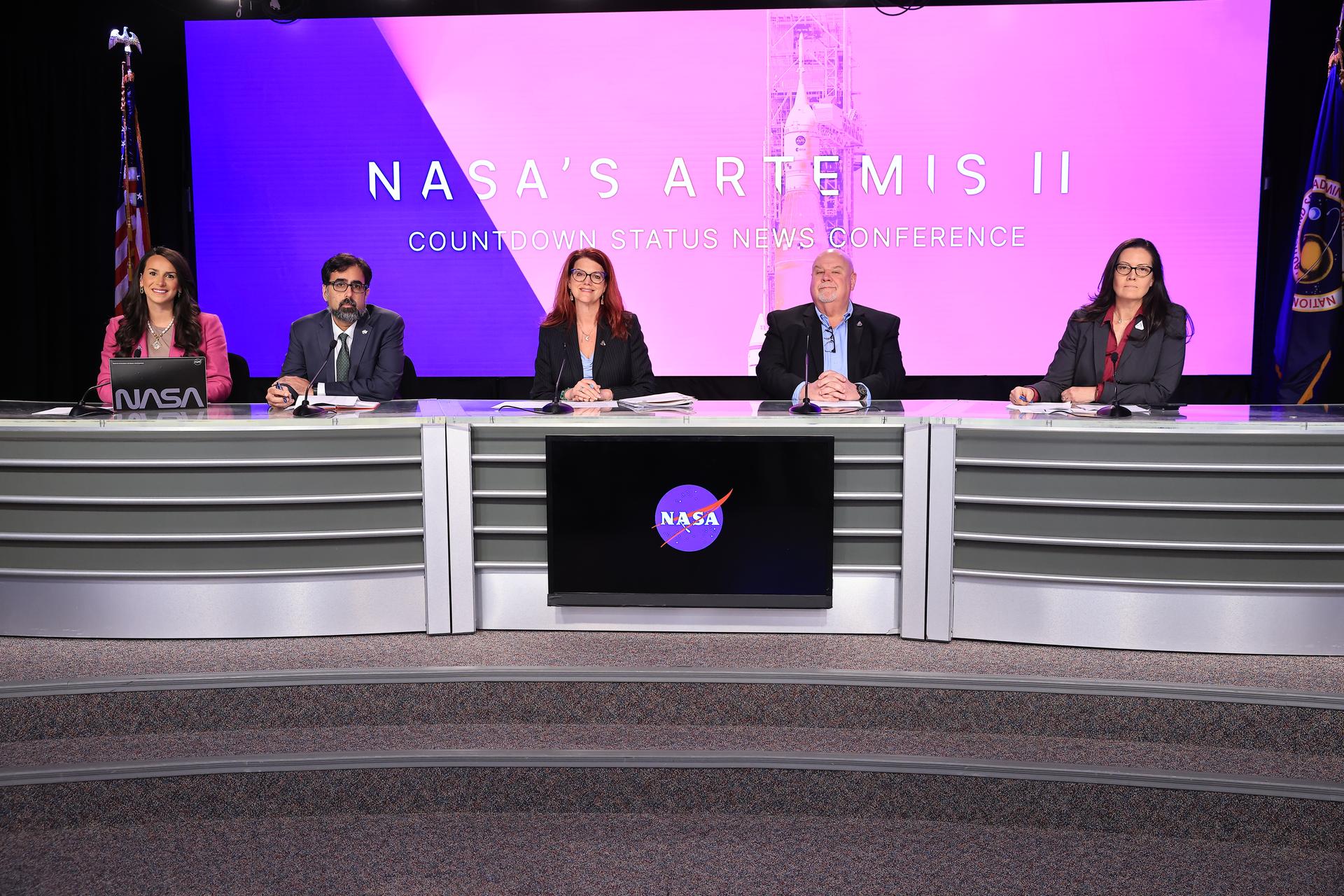
From left to right, Courtney Beasley, NASA communications; NASA Associate Administrator Amit Kshatriya; Charlie Blackwell-Thompson, Artemis II launch director; John Honeycutt, chair, Artemis II mission management team; and Emily Nelson, NASA’s chief flight director, participates in a news conference on Monday, March 30, 2026, to discuss the upcoming Artemis II test flight at the agency’s Kennedy Space Center in Florida. The Artemis II mission will take Artemis II Commander Reid Wiseman, Pilot Victor Glover, and Mission Specialist Christina Koch from NASA, and Mission Specialist Jeremy Hansen from the CSA (Canadian Space Agency) on a 10-day journey around the Moon and back aboard NASA’s SLS (Space Launch System) rocket and Orion spacecraft from Launch Complex 39B no earlier than 6:24 p.m. EDT on Wednesday, April 1.
Lee Armus, Roman Science Support Center lead, Caltech/IPAC, participates in a science briefing for NASA’s Nancy Grace Roman Space Telescope inside the NASA News Center’s John Holliman Auditorium at Kennedy Space Center in Florida, on Saturday, Aug. 29, 2026. Roman will investigate dark energy and dark matter, conduct a statistical census of planetary systems, and enable a broad range of additional astrophysics research. Liftoff from Launch Complex 39A at Kennedy is targeted for no earlier than Sunday, Aug. 30, 2026.
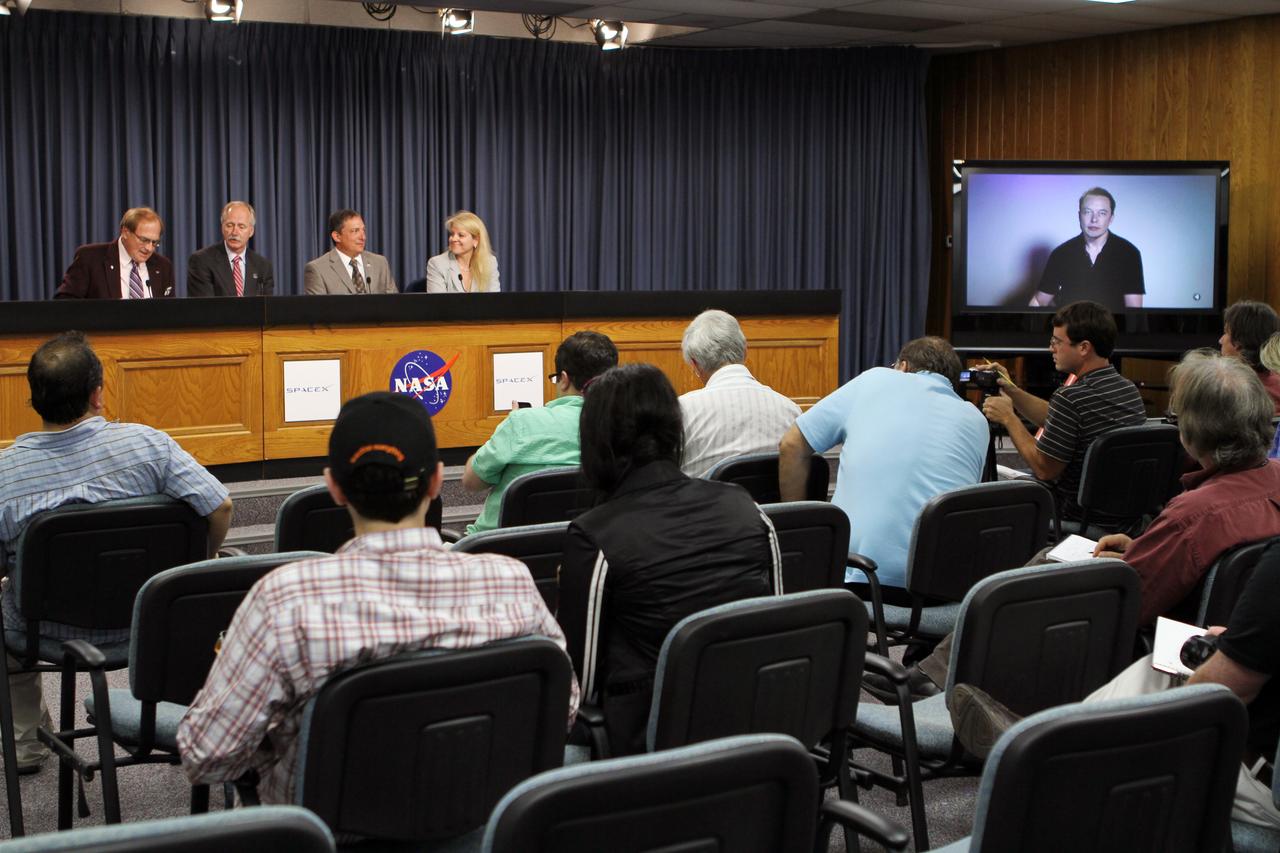
SpaceX Falcon 9/COTS 2 Post Launch Media Briefing
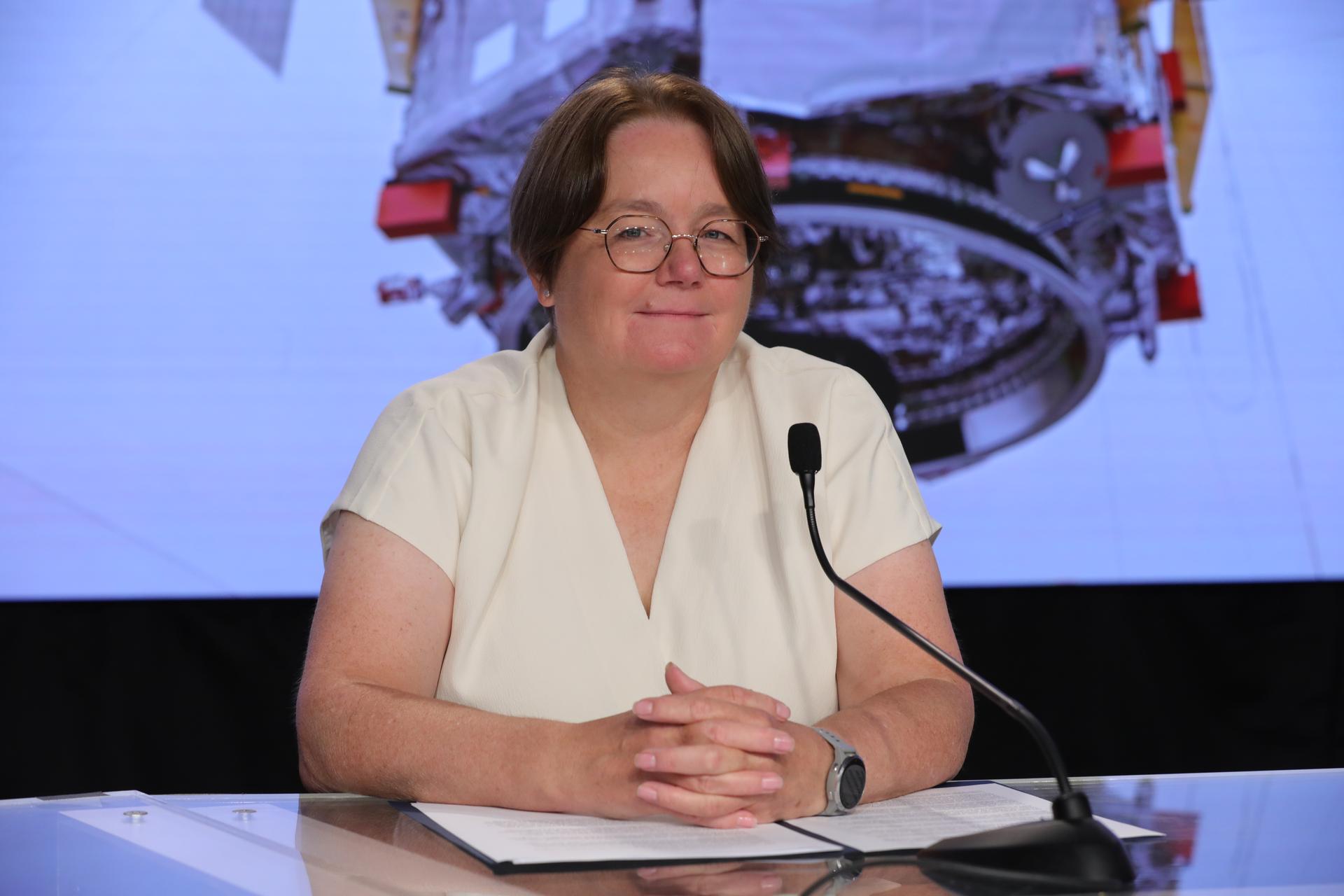
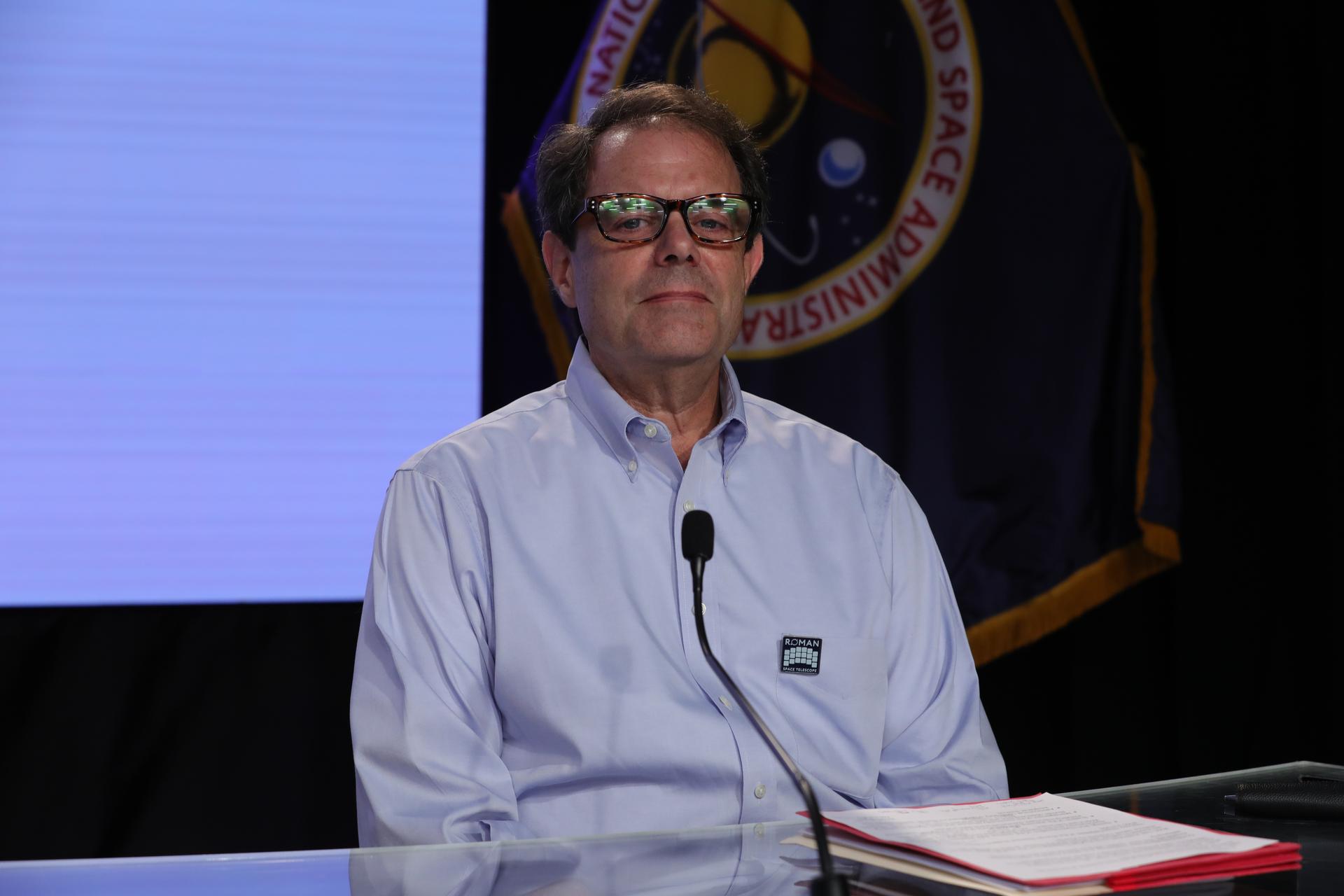
Julie McEnery, Roman telescope senior project scientist, NASA’s Goddard Space Flight Center in Greenbelt, Maryland, participates in a science briefing for NASA’s Nancy Grace Roman Space Telescope inside the NASA News Center’s John Holliman Auditorium at Kennedy Space Center in Florida, on Saturday, Aug. 29, 2026. Roman will investigate dark energy and dark matter, conduct a statistical census of planetary systems, and enable a broad range of additional astrophysics research. Liftoff from Launch Complex 39A at Kennedy is targeted for no earlier than Sunday, Aug. 30, 2026.
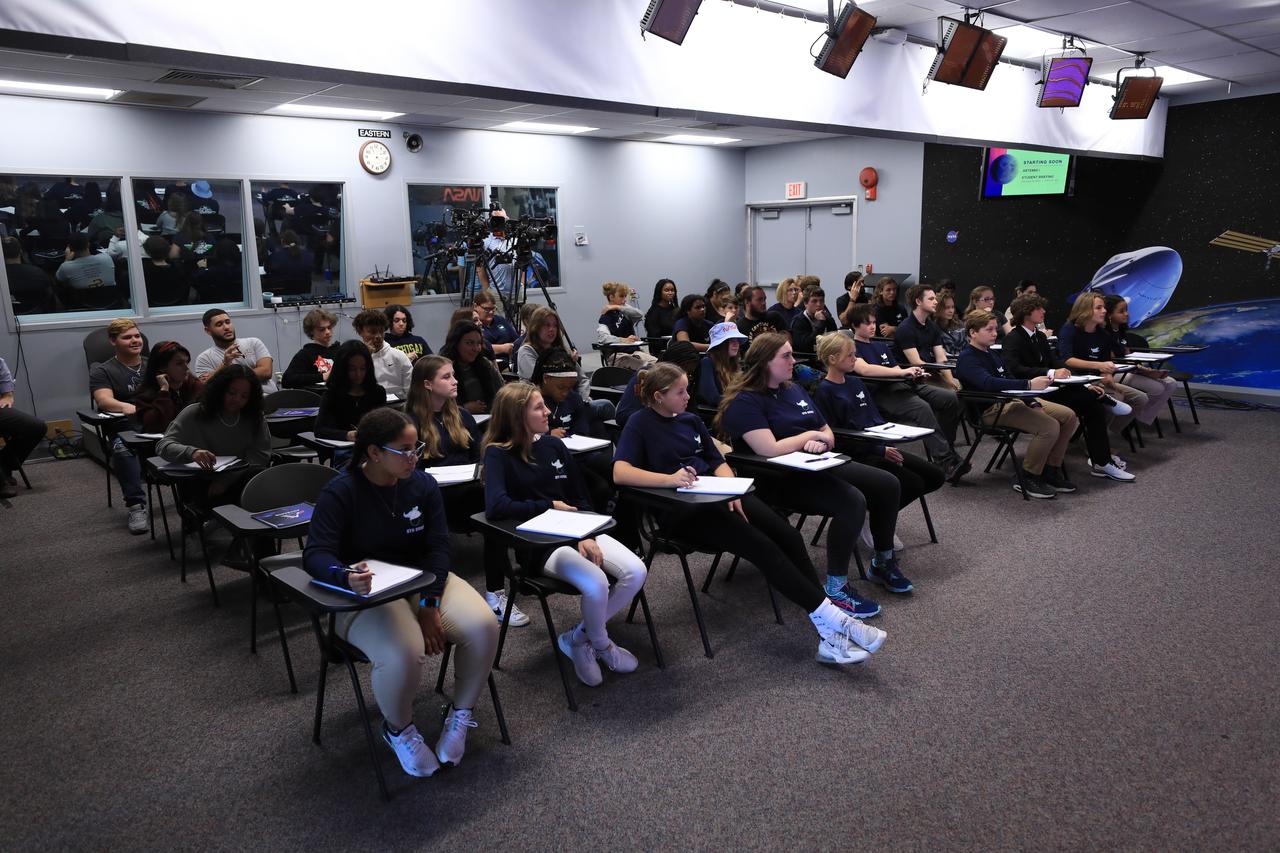
As part of NASA’s NextGen STEM project, students from Florida’s St. Cloud High School and Storm Grove Middle School in Vero Beach participate in an Artemis I student media briefing inside the John Holliman Auditorium of the News Center at NASA’s Kennedy Space Center in Florida on Jan. 19, 2023. Along with the students participating in person, middle and high school students across the country had the opportunity to ask questions of the panel via phone to discuss the Artemis I mission and the agency’s future of human space exploration.
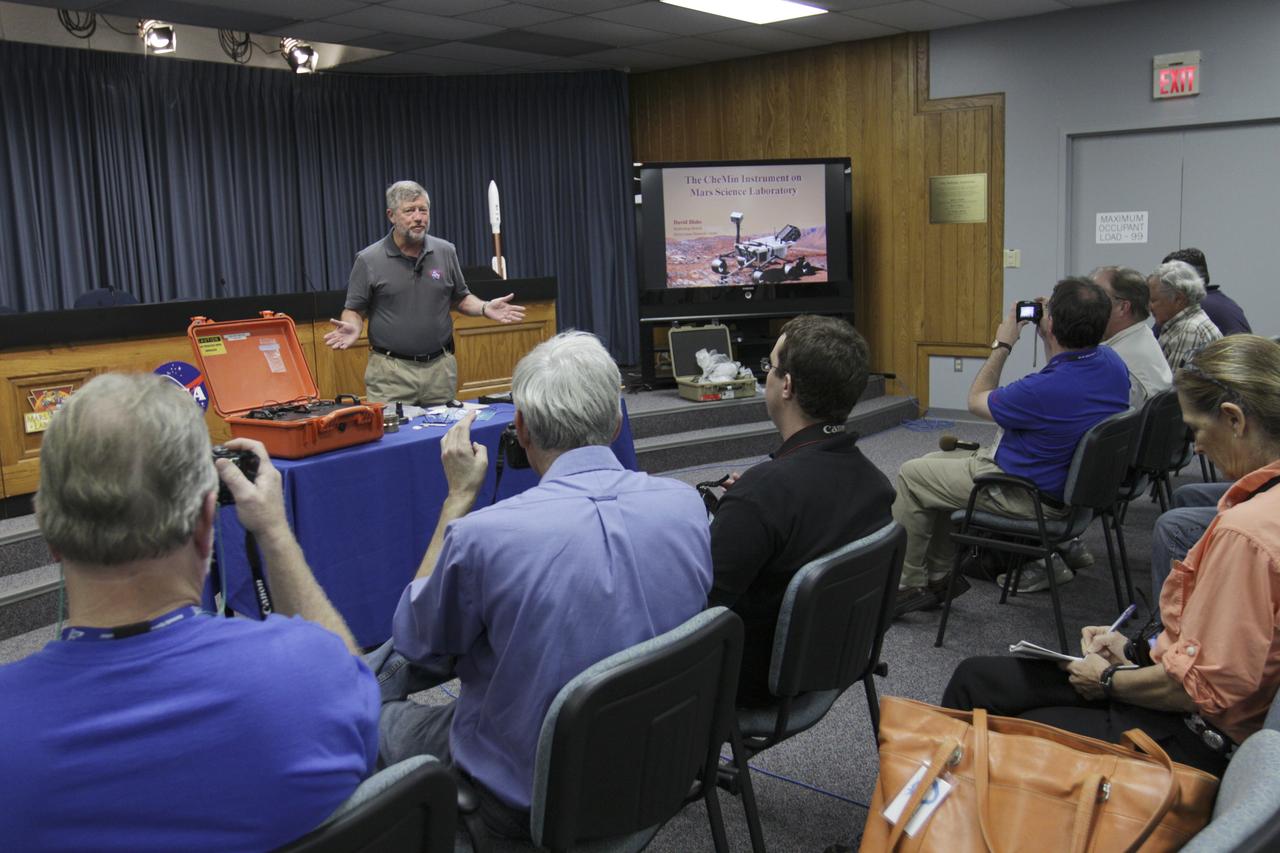
MSL - Chemistry and Mineralogy Demo by David Blake
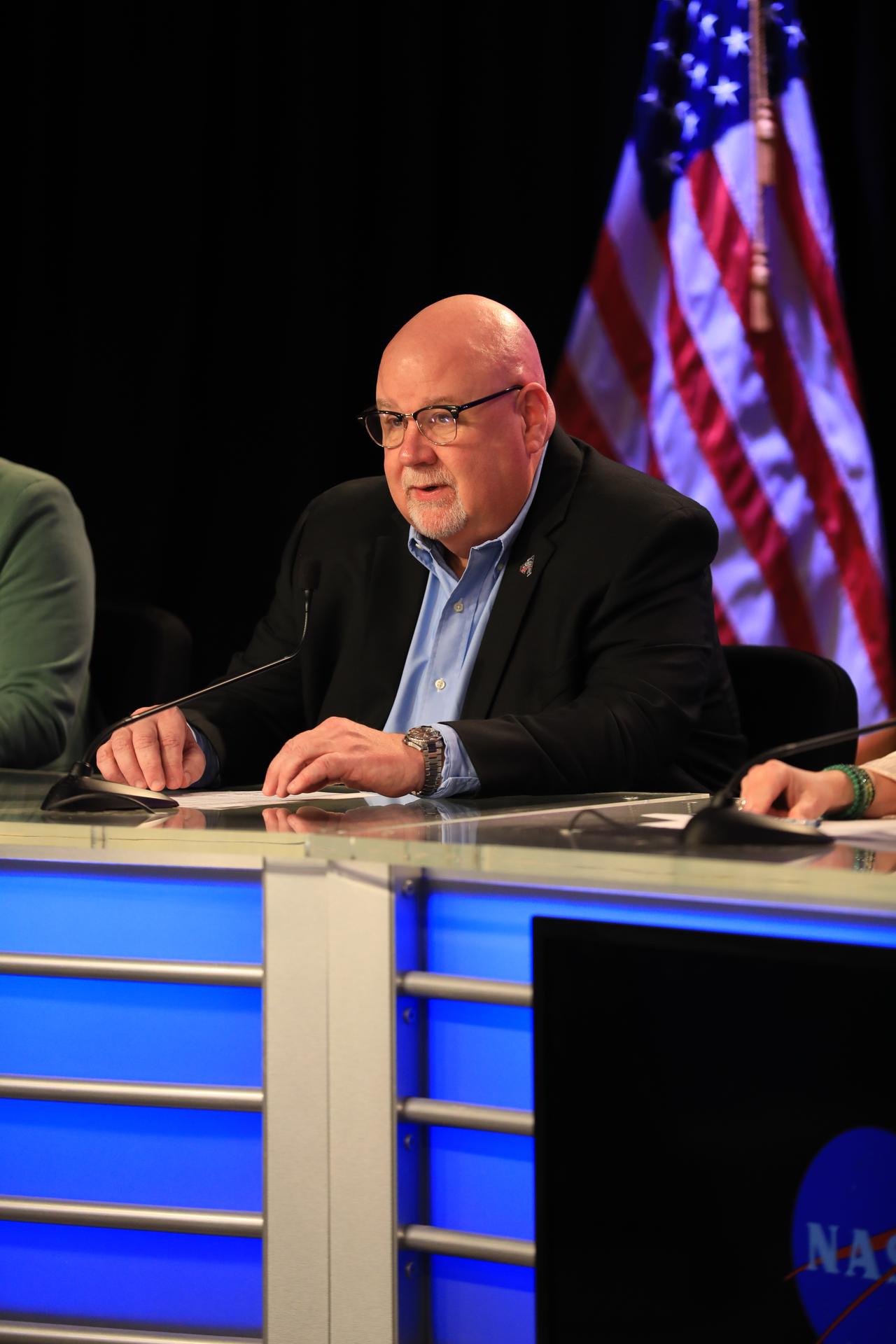
John Honeycutt, Artemis II mission management team chair, participates in an Artemis II mission overview news conference on Friday, Jan. 16, 2026, at NASA’s Kennedy Space Center in Florida ahead of rollout of the SLS (Space Launch System) rocket and Orion spacecraft from the Vehicle Assembly Building to Launch Complex 39B at NASA Kennedy. The Artemis II test flight will take Commander Reid Wiseman, Pilot Victor Glover, and Mission Specialist Christina Koch from NASA, and Mission Specialist Jeremy Hansen from the CSA (Canadian Space Agency), around the Moon and back to Earth no later than April 2026.
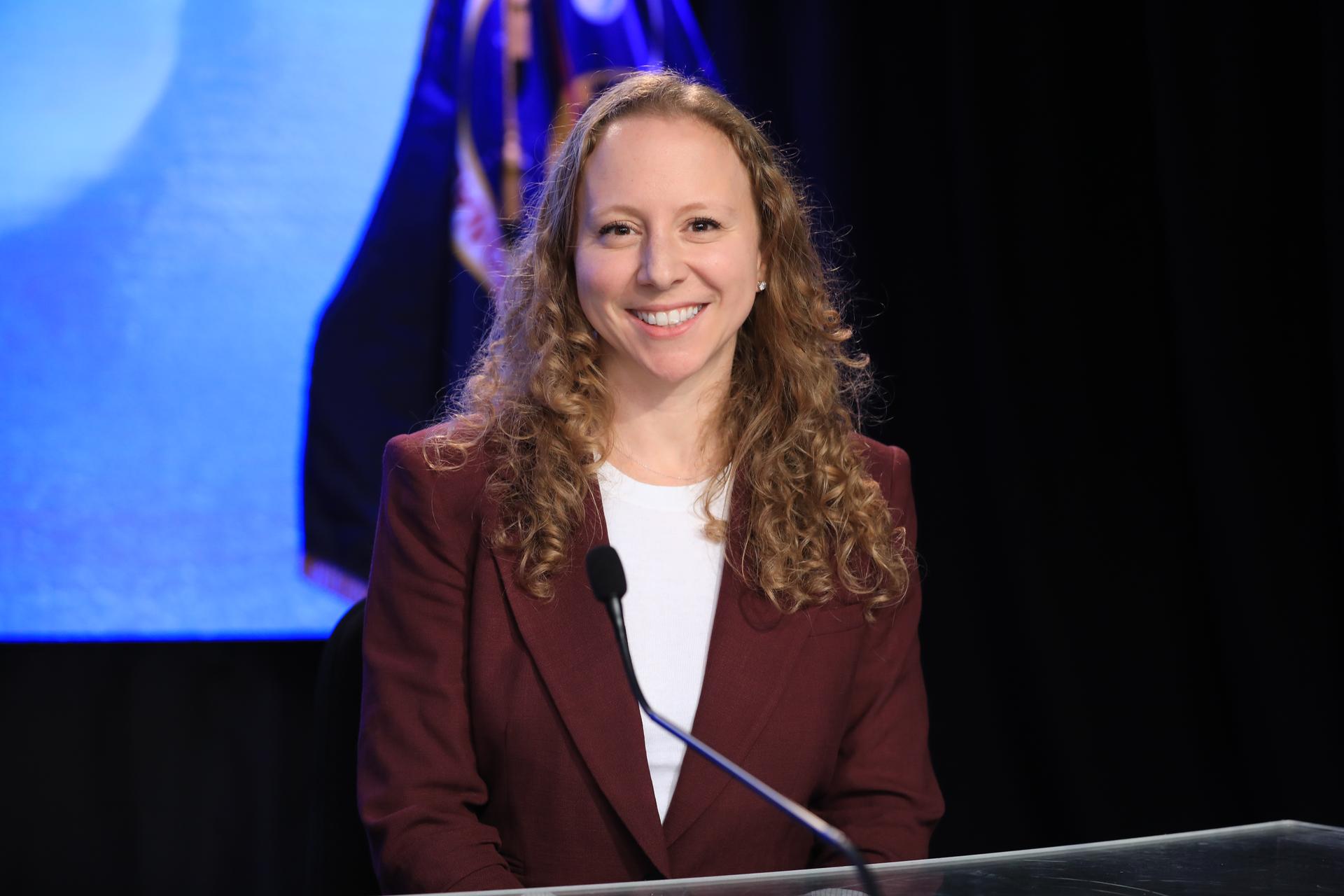
Julianna Scheiman, director, NASA Science and Dragon Programs, SpaceX, participates in a postlaunch news conference at the agency’s Kennedy Space Center in Florida on Friday, Feb. 13, 2026, following the launch of NASA’s SpaceX Crew-12 mission to the International Space Station. NASA astronauts Jessica Meir and Jack Hathaway, ESA (European Space Agency) astronaut Sophie Adenot, and Roscosmos cosmonaut Andrey Fedyaev launched to the International Space Station aboard SpaceX’s Dragon spacecraft and Falcon 9 rocket at 5:15 a.m. EST on the 12th crew rotation mission with SpaceX to the space station as part of NASA’s Commercial Crew Program.
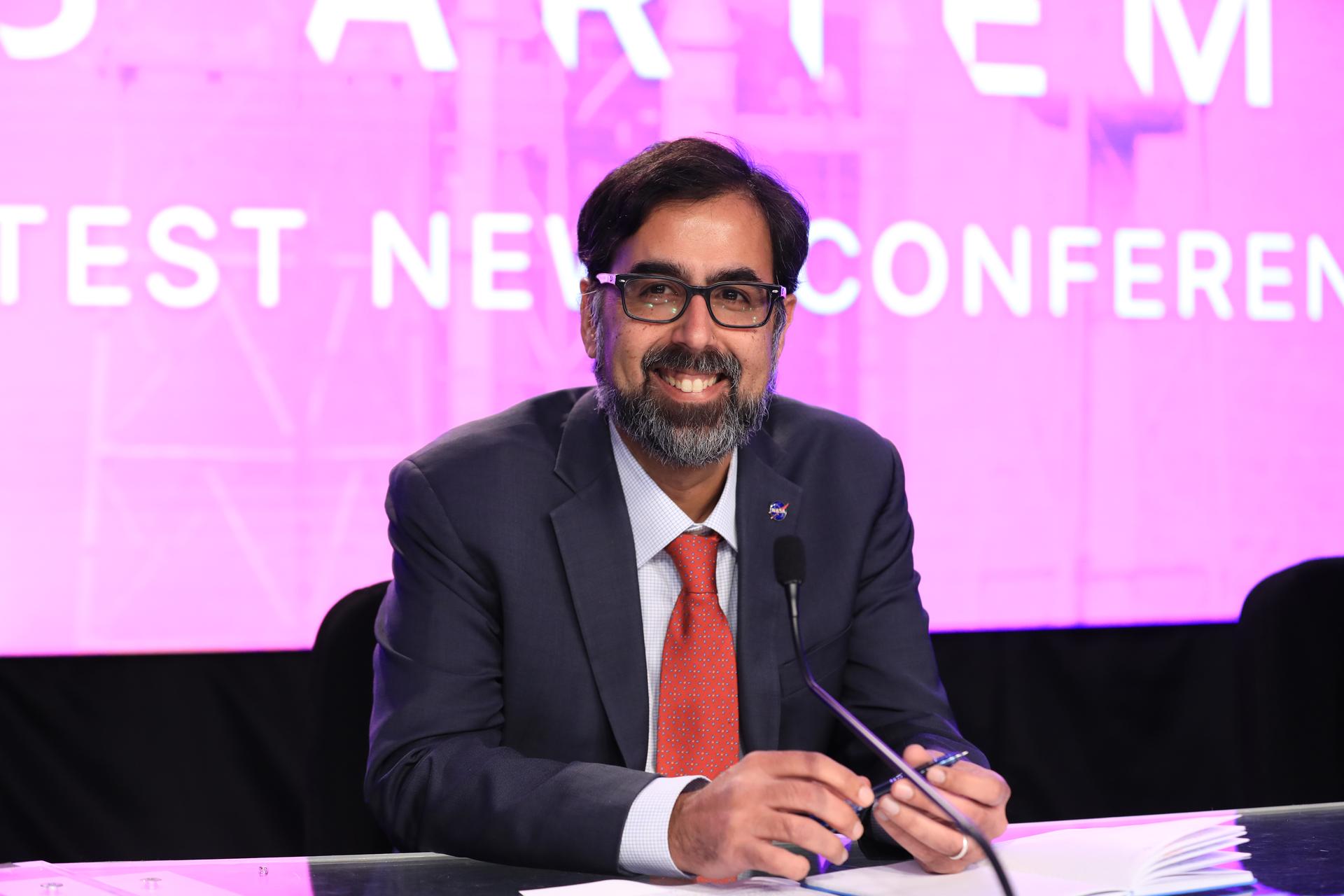
NASA Associate Administrator Amit Kshatriya participates in a news conference on Tuesday, Feb. 3, 2026, to discuss the completion of Artemis II wet dress rehearsal at NASA’s Kennedy Space Center in Florida. The wet dress rehearsal allows the Artemis II launch team to run through operations to load propellant, conduct a full launch countdown, demonstrate the ability to recycle the countdown clock, and drain the tanks to practice timelines and procedures for launch.
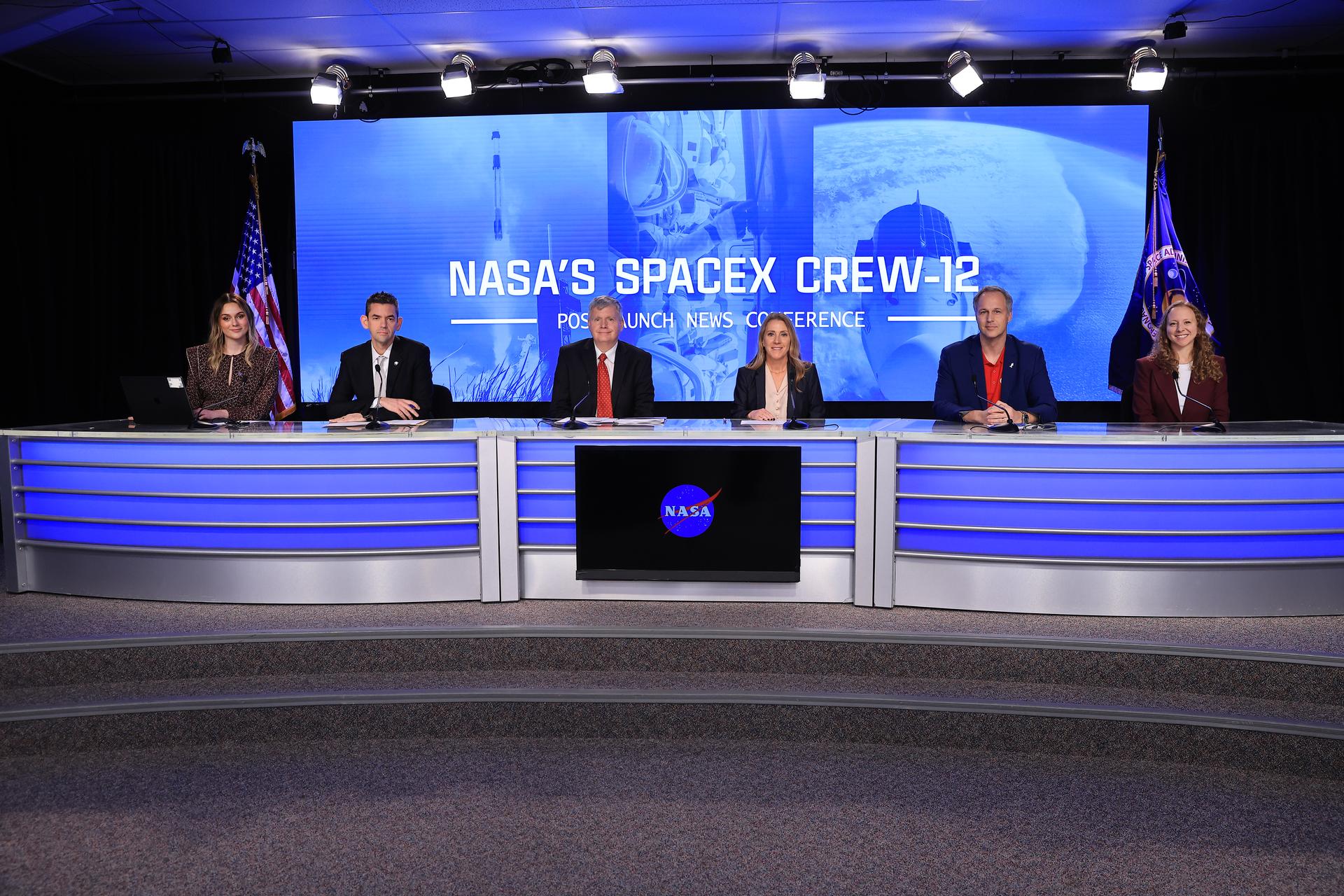
Members of the media attend a postlaunch news conference hosted at NASA’s Kennedy Space Center in Florida on Friday, Feb. 13, 2026, following the launch of NASA’s SpaceX Crew-12 mission to the International Space Station. From left to right, participants include Bethany Stevens, NASA press secretary; NASA Administrator Jared Isaacman; Steve Stich, manager, Commercial Crew Program, NASA; Dana Weigel, manager, International Space Station Program, NASA; Daniel Neuenschwander, director, Human and Robotic Exploration, ESA (European Space Agency); and Julianna Scheiman, director, NASA Science and Dragon Programs, SpaceX. NASA astronauts Jessica Meir and Jack Hathaway, ESA (European Space Agency) astronaut Sophie Adenot, and Roscosmos cosmonaut Andrey Fedyaev launched aboard SpaceX’s Dragon spacecraft and Falcon 9 rocket at 5:15 a.m. EST on the 12th crew rotation mission with SpaceX to the space station as part of NASA’s Commercial Crew Program.
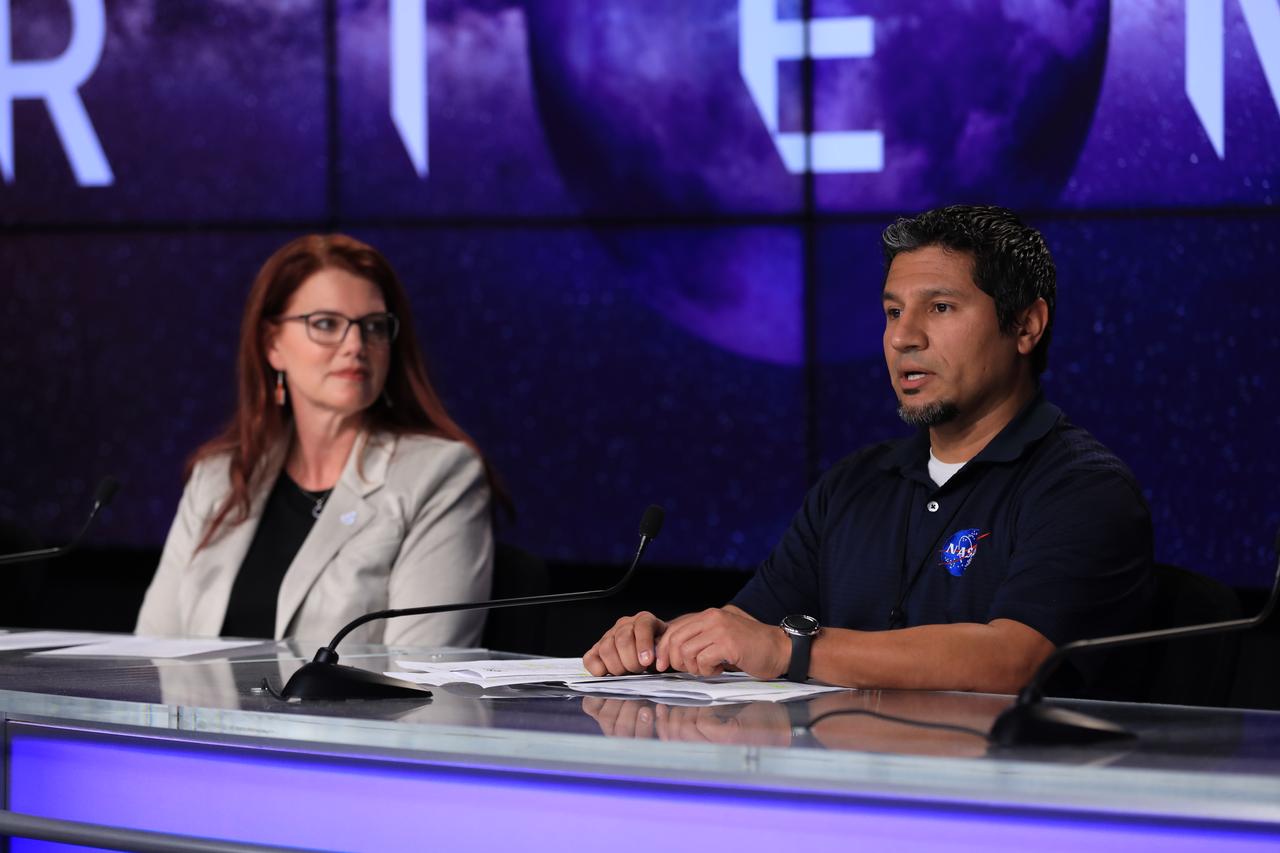
From left, NASA’s Artemis Launch Director Charlie Blackwell-Thompson and Space Launch System Resident Management Office Manager Elkin Norena participate in an Artemis I student media briefing inside the John Holliman Auditorium of the News Center at Kennedy Space Center in Florida on Jan. 19, 2023. As part of NASA’s NextGen STEM project, students from Florida’s St. Cloud High School and Storm Grove Middle School in Vero Beach participated in person during the briefing, while middle and high school students across the country had the opportunity to ask questions of the panel via phone to discuss the Artemis I mission and the agency’s future of human space exploration.
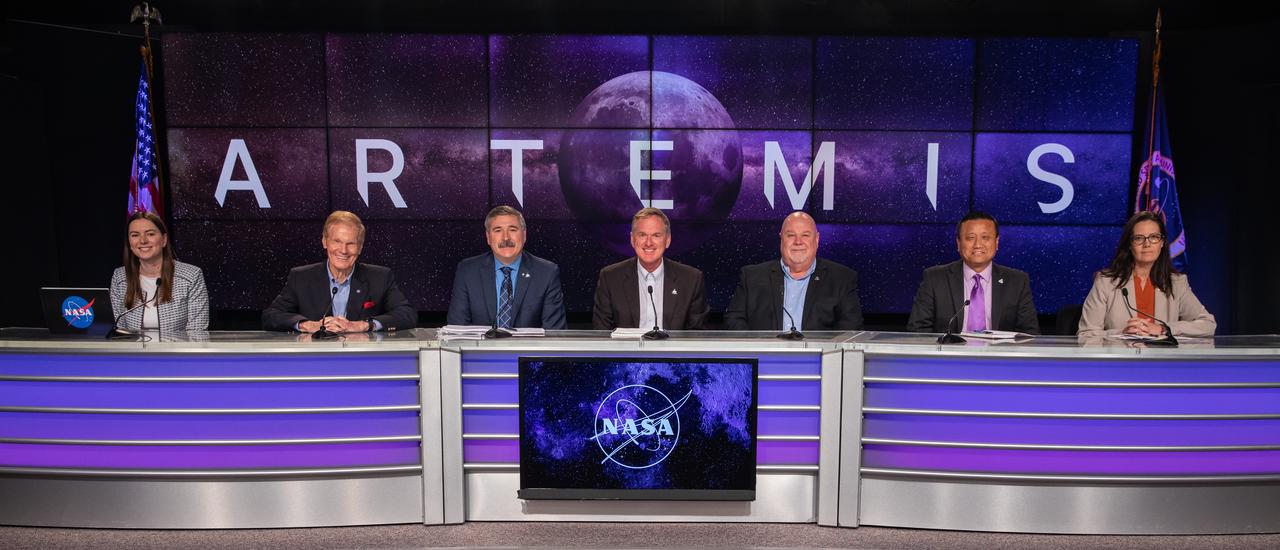
A postlaunch news conference is held on Nov. 16, 2022, at NASA’s Kennedy Space Center in Florida, after launch of Artemis I at 1:47 a.m. EST from Kennedy’s Launch Complex 39B. Participants are, from left, Jackie McGuiness, NASA Communications; Bill Nelson, NASA administrator; Mike Sarafin, Artemis mission manager, NASA Headquarters; Mike Bolger, Exploration Ground Systems Program manager, Kennedy; John Honeycutt, Space Launch System Program manager, Marshall; Howard Hu, Orion Program manager, NASA’s Johnson Space Center; and Emily Nelson, chief flight director, Johnson. The first in a series of increasingly complex missions, Artemis I will provide a foundation for human deep space exploration and demonstrate our commitment and capability to extend human presence to the Moon and beyond. The primary goal of Artemis I is to thoroughly test the integrated systems before crewed missions by operating the spacecraft in a deep space environment, testing Orion’s heat shield, and recovering the crew module after reentry, descent, and splashdown.
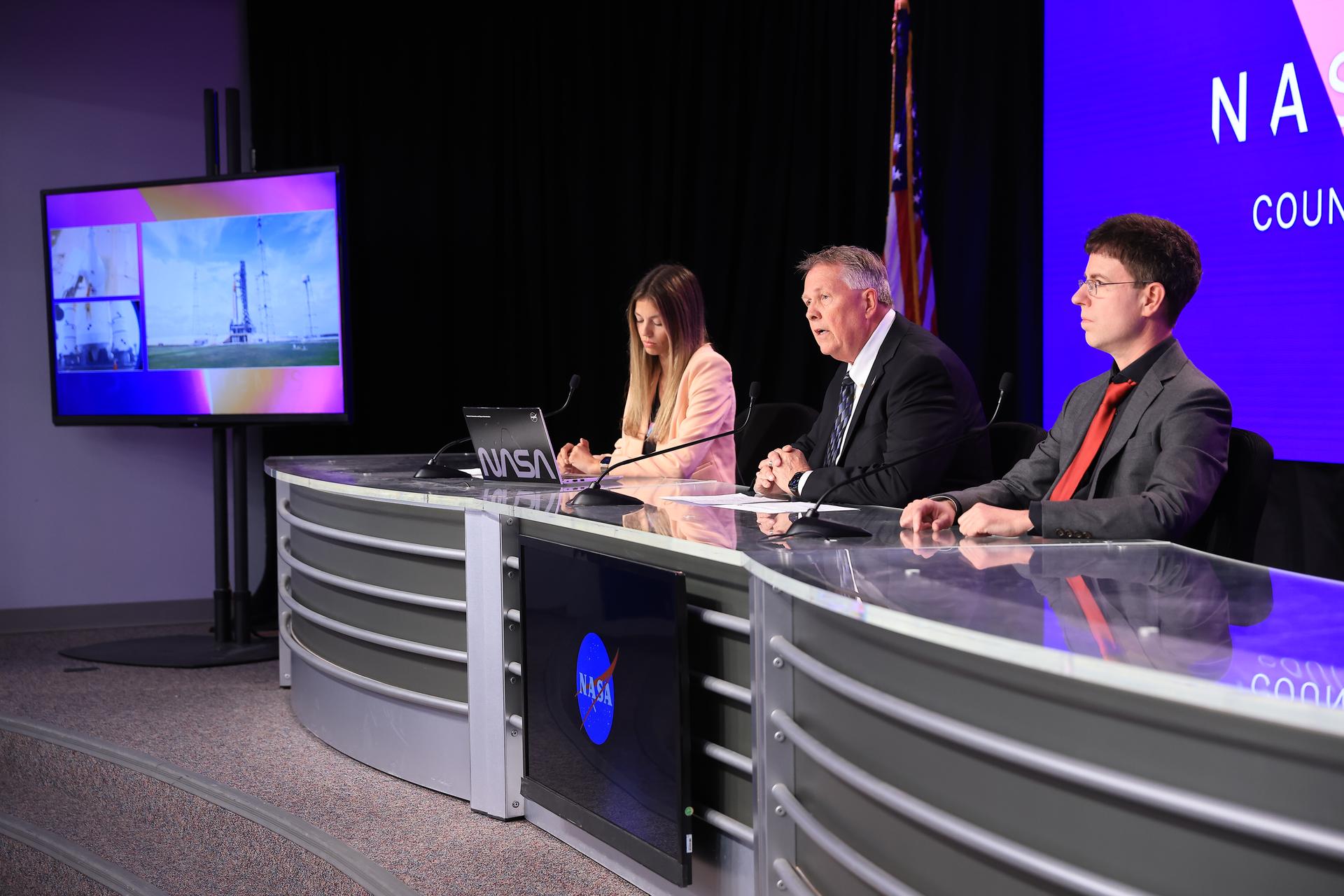
Antonia Jaramillo, NASA communications; Jeff Spaulding, senior NASA test director; and Mark Burger, launch weather officer, 45th Weather Squadron, U.S. Space Force, participates in a news conference on Tuesday, March 31, 2026, to discuss the upcoming Artemis II test flight at NASA’s Kennedy Space Center in Florida. The Artemis II mission will take Artemis II Commander Reid Wiseman, Pilot Victor Glover, and Mission Specialist Christina Koch from NASA, and Mission Specialist Jeremy Hansen from the CSA (Canadian Space Agency) on a 10-day journey around the Moon and back aboard NASA’s SLS (Space Launch System) rocket and Orion spacecraft from Launch Complex 39B no earlier than 6:24 p.m. EDT on Wednesday, April 1.
Mark Nappi, vice president and program manager, Boeing Commercial Crew Program, participates in a prelaunch briefing for NASA’s Boeing Crew Flight Test at the agency’s Kennedy Space Center in Florida, Friday, May 31, 2024. As part of the agency’s Commercial Crew Program, NASA astronauts Butch Wilmore and Suni Williams are the first to launch aboard Boeing’s Starliner spacecraft atop a United Launch Alliance Atlas V rocket from Space Launch Complex-41 at Cape Canaveral Space Force Station in Florida. Liftoff is scheduled for 12:25 p.m. ET on Saturday, June 1.
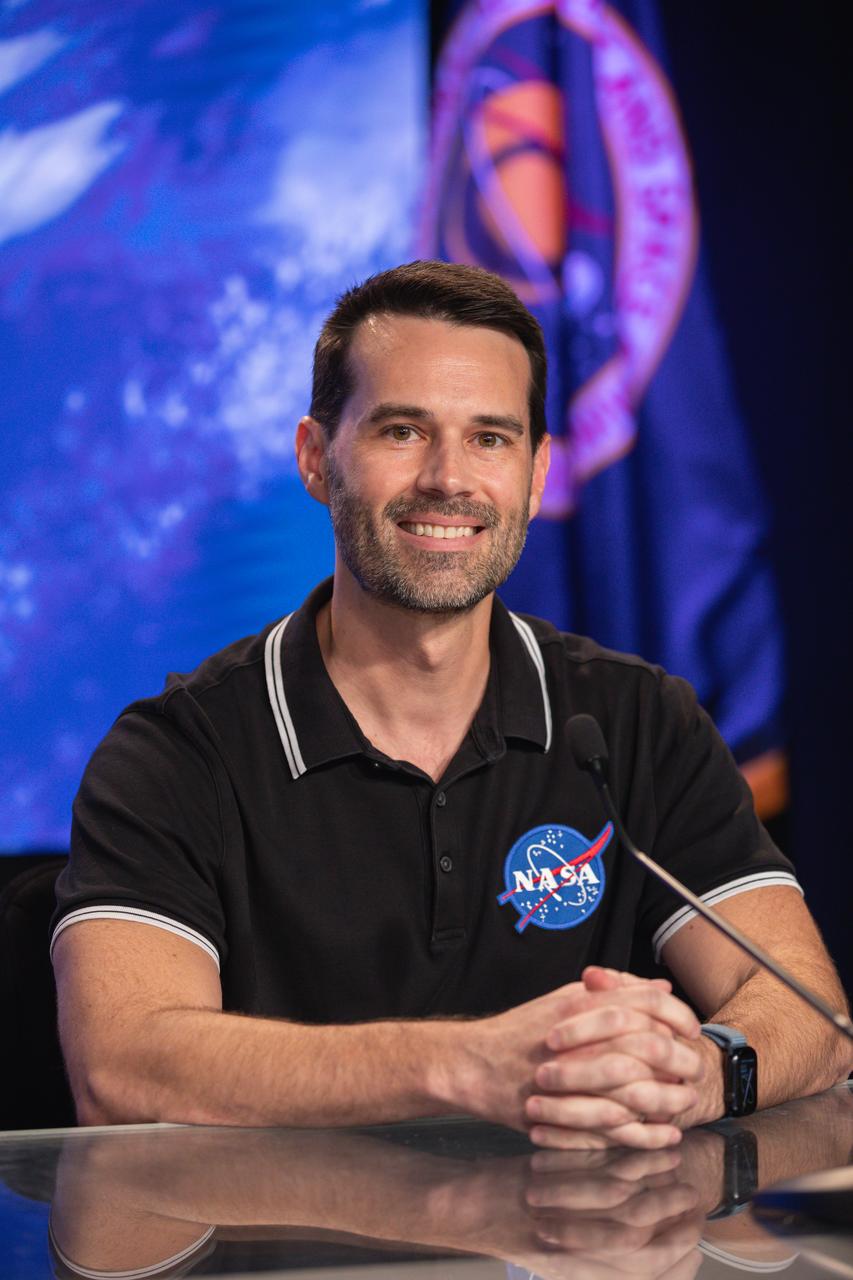
John Posey, Dragon engineer, NASA’s Commercial Crew Program, participates in an International Space Station 101 Panel Livestream inside the John Holliman Auditorium of the News Center at NASA’s Kennedy Space Center in Florida on Friday, Sept. 27, 2024, ahead of NASA’s SpaceX Crew-9 mission to the International Space Station. Liftoff of the ninth crew rotation mission with SpaceX to the space station as part of the agency’s Commercial Crew Program is targeted for 1:17 p.m. EDT Sept. 28, 2024, from Space Launch Complex-40 at Cape Canaveral Space Force Station in Florida.
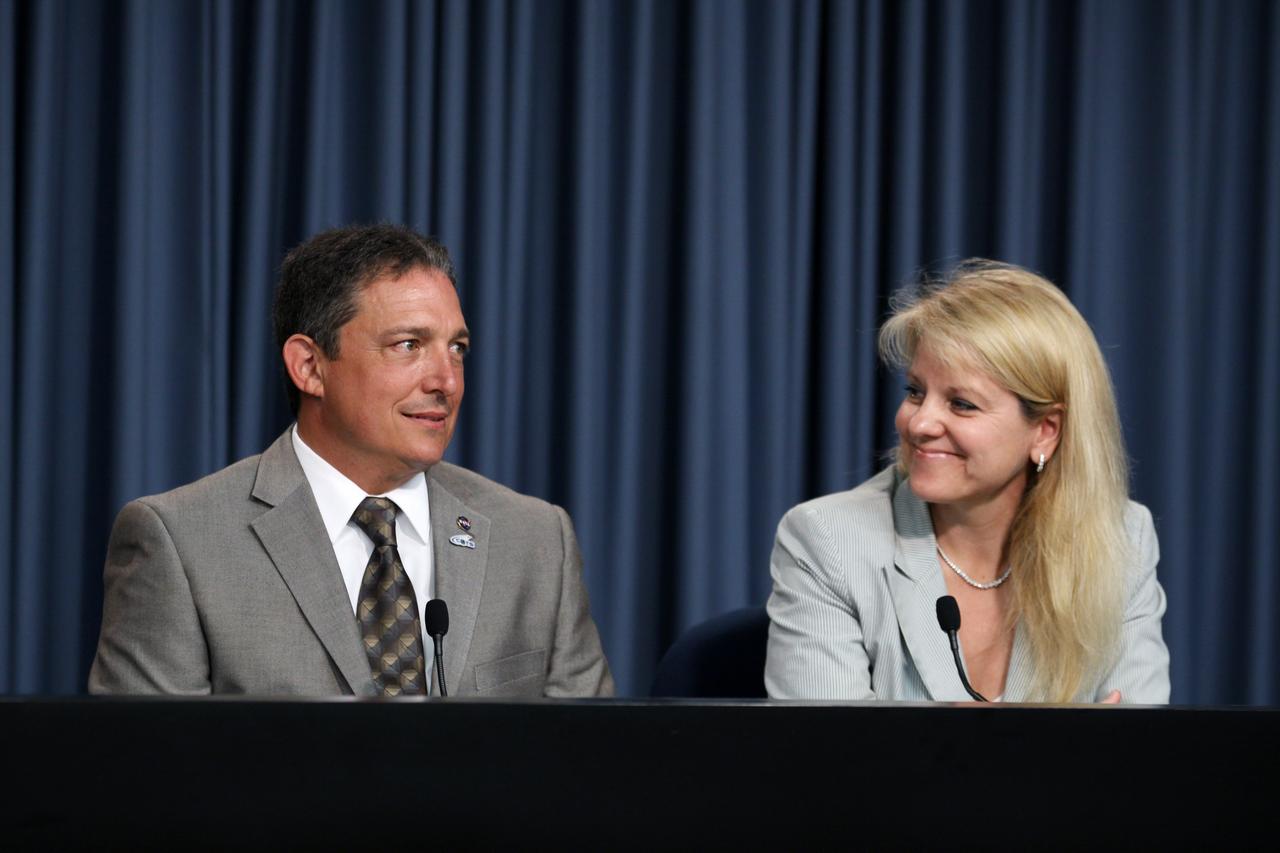
SpaceX Falcon 9/COTS 2 Post Launch Media Briefing
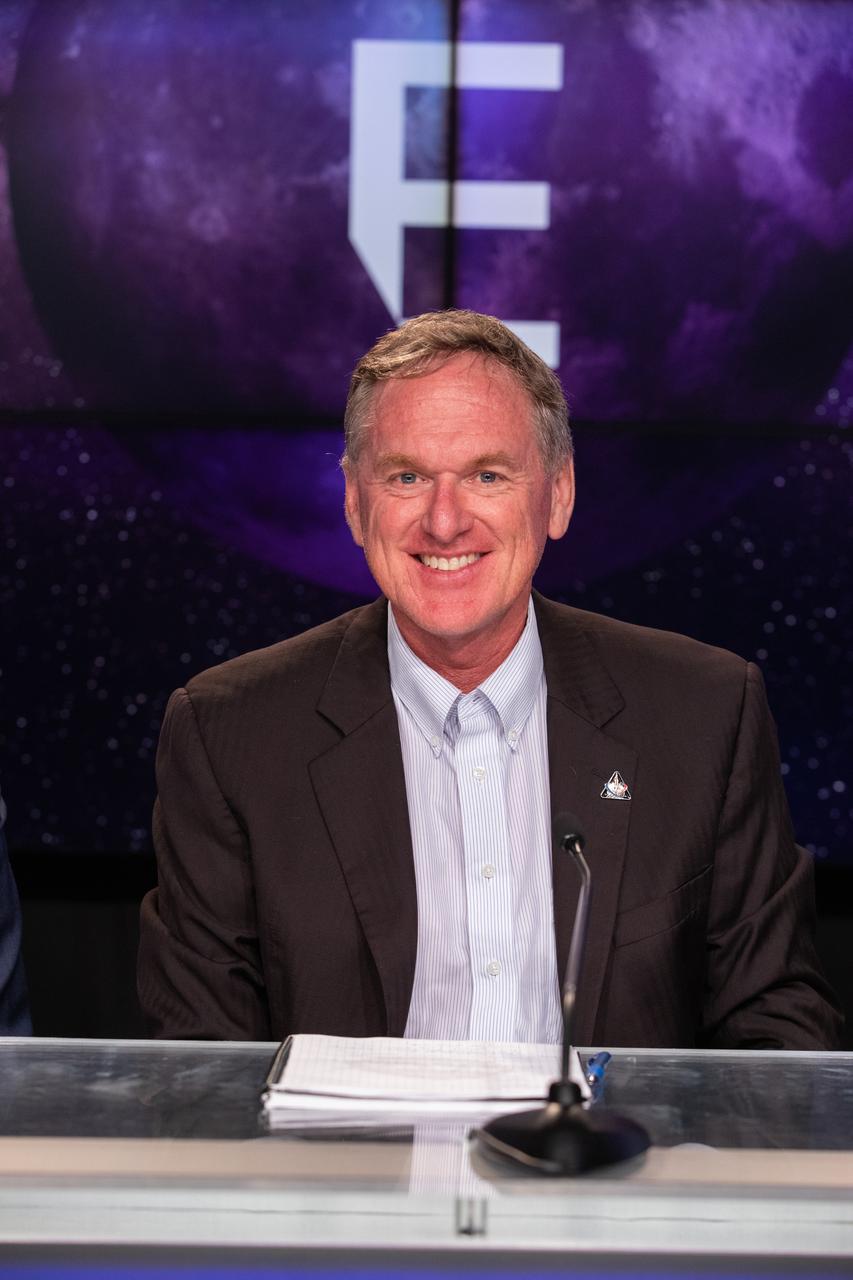
Mike Bolger, Exploration Ground Systems Program manager, Kennedy, participates in a postlaunch news conference on Nov. 16, 2022, at NASA’s Kennedy Space Center in Florida, after launch of Artemis I at 1:47 a.m. EST from Kennedy’s Launch Complex 39B. The first in a series of increasingly complex missions, Artemis I will provide a foundation for human deep space exploration and demonstrate our commitment and capability to extend human presence to the Moon and beyond. The primary goal of Artemis I is to thoroughly test the integrated systems before crewed missions by operating the spacecraft in a deep space environment, testing Orion’s heat shield, and recovering the crew module after reentry, descent, and splashdown.
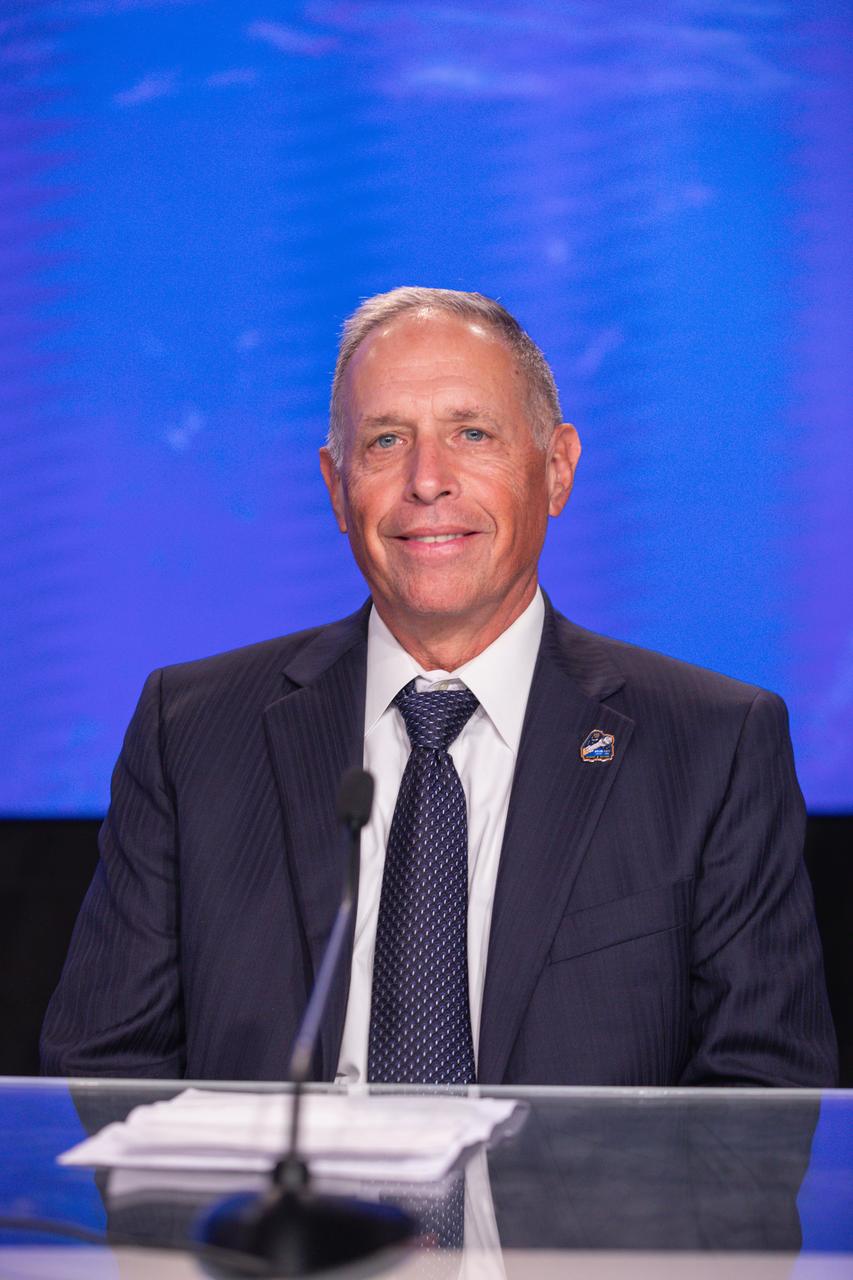
Vice President and Program Manager of Boeing’s Commercial Crew Program Mark Nappi participates in a postlaunch news conference for NASA’s Boeing Crew Flight Test on Wednesday, June 5, 2024, at the agency’s Kennedy Space Center in Florida. As part of the agency’s Commercial Crew Program, NASA astronauts Butch Wilmore and Suni Williams are the first to launch aboard Boeing’s Starliner spacecraft atop a United Launch Alliance Atlas V rocket. Liftoff occurred at 10:52 a.m. EDT Wednesday, June 5, from Space Launch Complex-41 at Cape Canaveral Space Force Station.
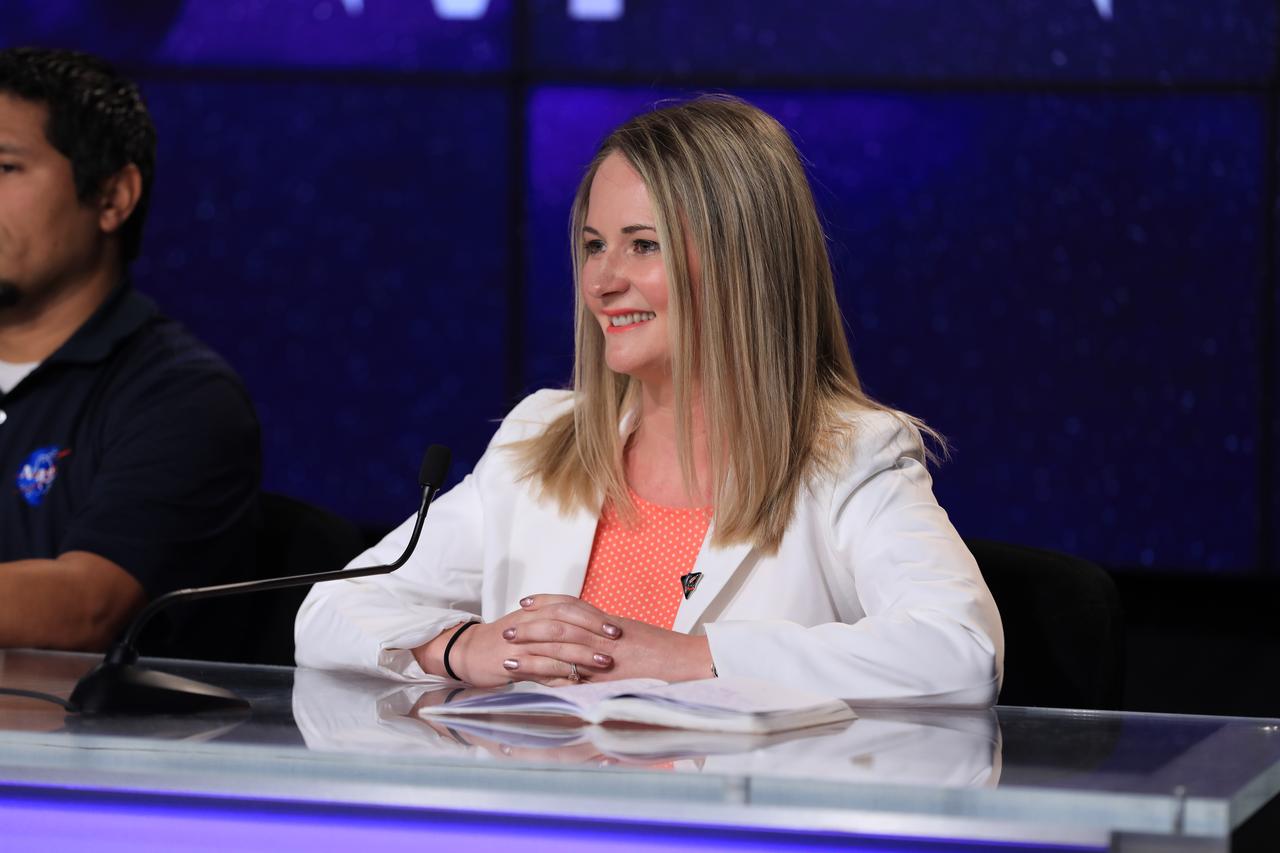
Space Launch Delta 45 Weather Officer Melody Lovin participates in an Artemis I student media briefing inside the John Holliman Auditorium of the News Center at NASA’s Kennedy Space Center in Florida on Jan. 19, 2023. As part of NASA’s NextGen STEM project, students from Florida’s St. Cloud High School and Storm Grove Middle School in Vero Beach participated in person during the briefing, while middle and high school students across the country had the opportunity to ask questions of the panel via phone to discuss the Artemis I mission and the agency’s future of human space exploration.
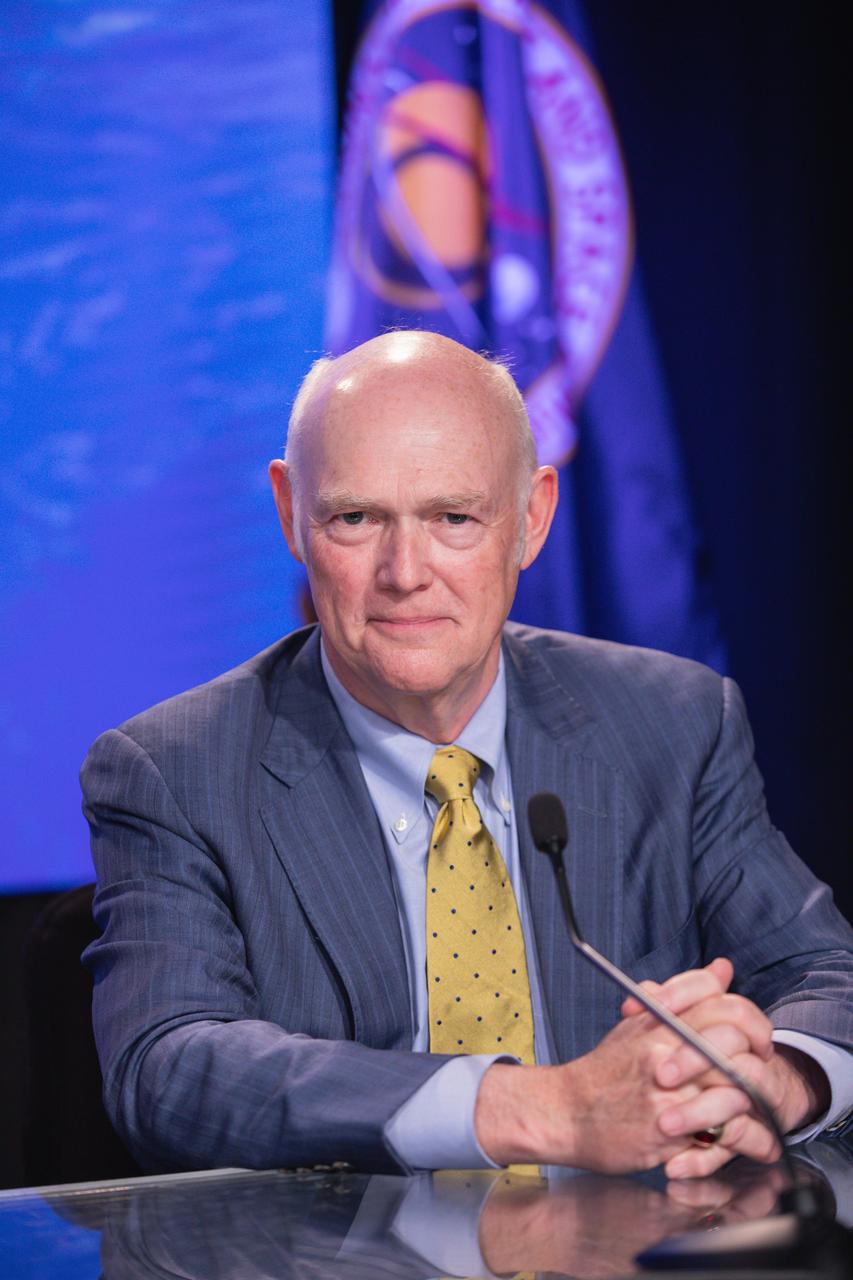
ULA (United Launch Alliance) President and CEO Tory Bruno participates in a postlaunch news conference for NASA’s Boeing Crew Flight Test on Wednesday, June 5, 2024, at the agency’s Kennedy Space Center in Florida. As part of the agency’s Commercial Crew Program, NASA astronauts Butch Wilmore and Suni Williams are the first to launch aboard Boeing’s Starliner spacecraft to the International Space Station atop a United Launch Alliance Atlas V rocket. Liftoff occurred at 10:52 a.m. EDT Wednesday, June 5, from Space Launch Complex-41 at Cape Canaveral Space Force Station.
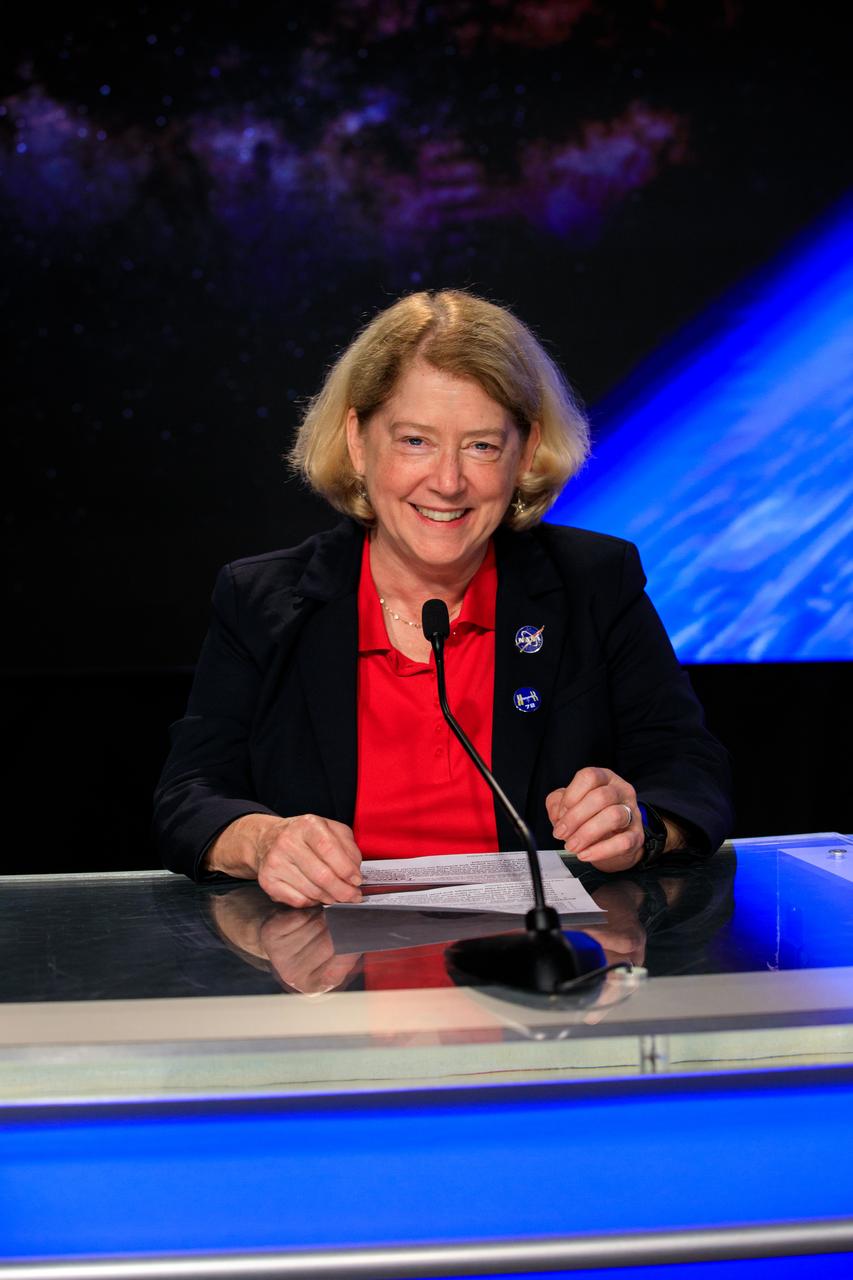
NASA Deputy Administrator Pam Melroy participates in a postlaunch news conference at the agency’s Kennedy Space Center in Florida on Saturday, Sept. 28, 2024, following the launch of NASA’s SpaceX Crew-9 mission to the International Space Station. NASA astronaut Nick Hague and Roscosmos cosmonaut Aleksandr Gorbunov launched aboard SpaceX’s Dragon spacecraft and Falcon 9 rocket from nearby Space Launch Complex-40 at Cape Canaveral Space Force Station at 1:17 p.m. EDT on the ninth crew rotation mission with SpaceX to the space station as part of the agency’s Commercial Crew Program.
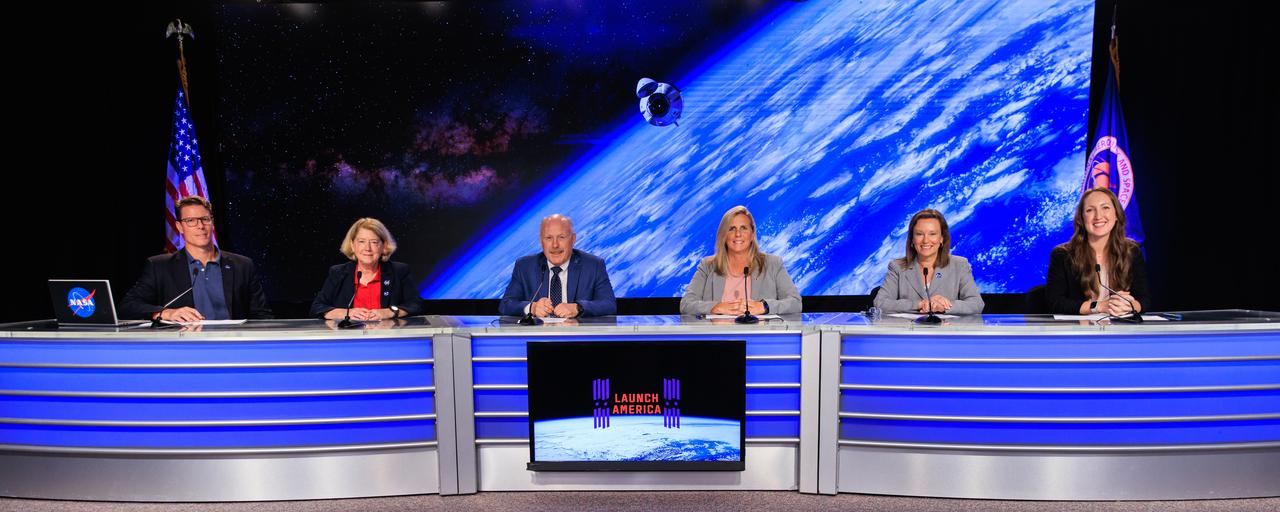
A postlaunch news conference is hosted at the agency’s Kennedy Space Center in Florida on Saturday, Sept. 28, 2024, following the launch of NASA’s SpaceX Crew-9 mission. Participants include Derrol Nail, NASA Communications; NASA Deputy Administrator Pam Melroy; Ken Bowersox, associate administrator, NASA’s Space Operations Mission Directorate; Dana Hutcherson, deputy manager, NASA’s Commercial Crew Program; Dina Contella, deputy manager, NASA’s International Space Station Program; Sarah Walker, director, Dragon Mission Management, SpaceX. NASA astronaut Nick Hague and Roscosmos cosmonaut Aleksandr Gorbunov launched to the International Space Station aboard SpaceX’s Dragon spacecraft and Falcon 9 rocket from nearby Space Launch Complex-40 at Cape Canaveral Space Force Station at 1:17 p.m. EDT on the ninth crew rotation mission with SpaceX to the space station as part of the agency’s Commercial Crew Program.
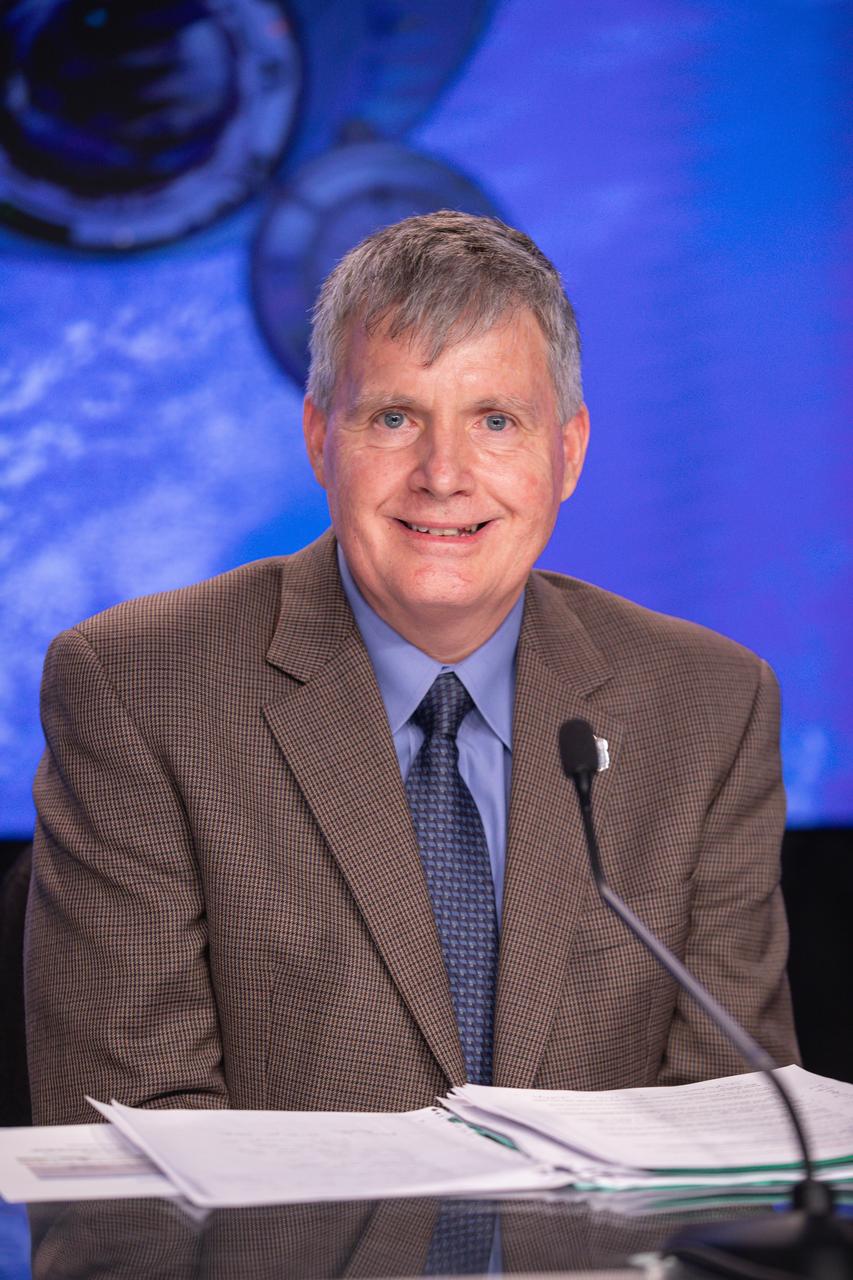
NASA Commercial Crew Program Manager Steve Stich participates in a postlaunch news conference for NASA’s Boeing Crew Flight Test on Wednesday, June 5, 2024, at the agency’s Kennedy Space Center in Florida. As part of the agency’s Commercial Crew Program, NASA astronauts Butch Wilmore and Suni Williams are the first to launch aboard Boeing’s Starliner spacecraft to the International Space Station atop a United Launch Alliance Atlas V rocket. Liftoff occurred at 10:52 a.m. EDT Wednesday, June 5, from Space Launch Complex-41 at Cape Canaveral Space Force Station.
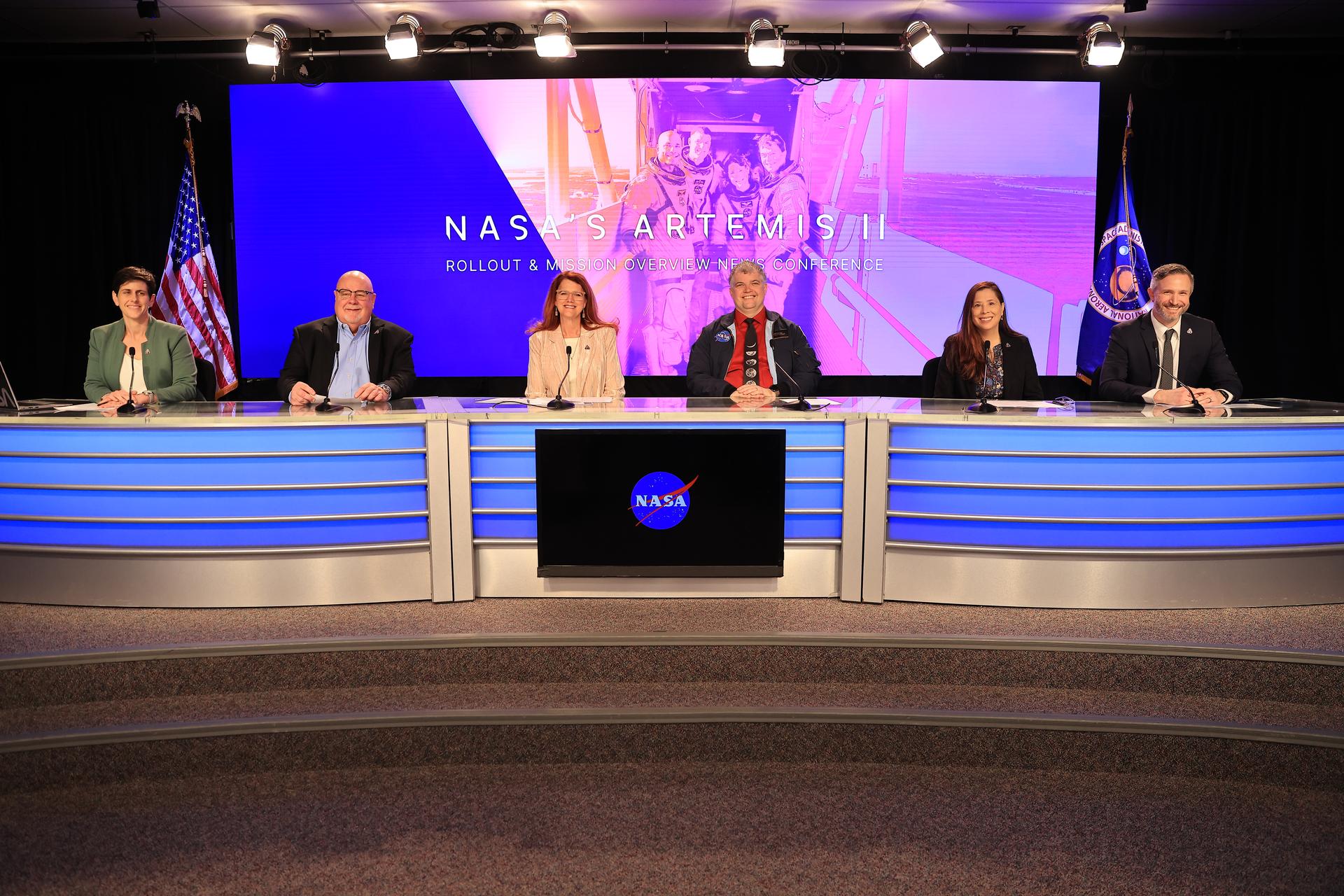
From left to right, Rachel Kraft, NASA's Office of Communications; John Honeycutt, Artemis II mission management team chair; Charlie Blackwell-Thompson, launch director, Exploration Ground Systems Program at NASA’s Kennedy Space Center in Florida; Jeff Radigan, Artemis II lead flight director, Flight Operations Directorate; Lili Villarreal, Artemis II landing and recovery director in Exploration Ground Systems Program at NASA’s Kennedy Space Center in Florida; Jacob Bleacher, chief exploration scientist in the Exploration Systems Development Mission Directorate at NASA Headquarters in Washington, participate in an Artemis II mission overview news conference on Friday, Jan. 16, 2026, at NASA’s Kennedy Space Center in Florida ahead of rollout of the SLS (Space Launch System) rocket and Orion spacecraft from the Vehicle Assembly Building to Launch Complex 39B at NASA Kennedy. The Artemis II test flight will take Commander Reid Wiseman, Pilot Victor Glover, and Mission Specialist Christina Koch from NASA, and Mission Specialist Jeremy Hansen from the CSA (Canadian Space Agency), around the Moon and back to Earth no later than April 2026.
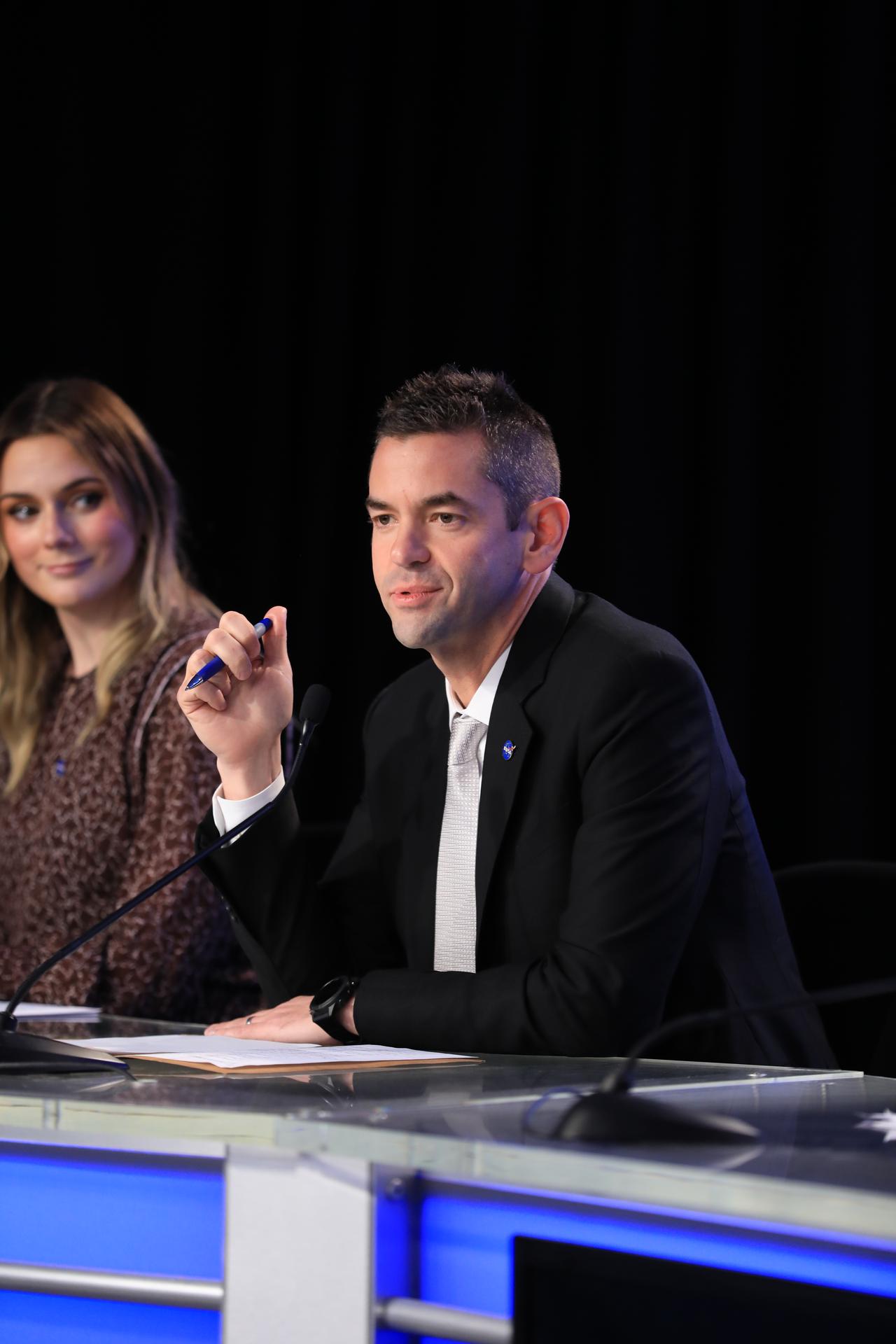
NASA Administrator Jared Isaacman participates in a postlaunch news conference at the agency’s Kennedy Space Center in Florida on Friday, Feb. 13, 2026, following the launch of NASA’s SpaceX Crew-12 mission to the International Space Station. NASA astronauts Jessica Meir and Jack Hathaway, ESA (European Space Agency) astronaut Sophie Adenot, and Roscosmos cosmonaut Andrey Fedyaev launched to the International Space Station aboard SpaceX’s Dragon spacecraft and Falcon 9 rocket at 5:15 a.m. EST on the 12th crew rotation mission with SpaceX to the space station as part of NASA’s Commercial Crew Program.
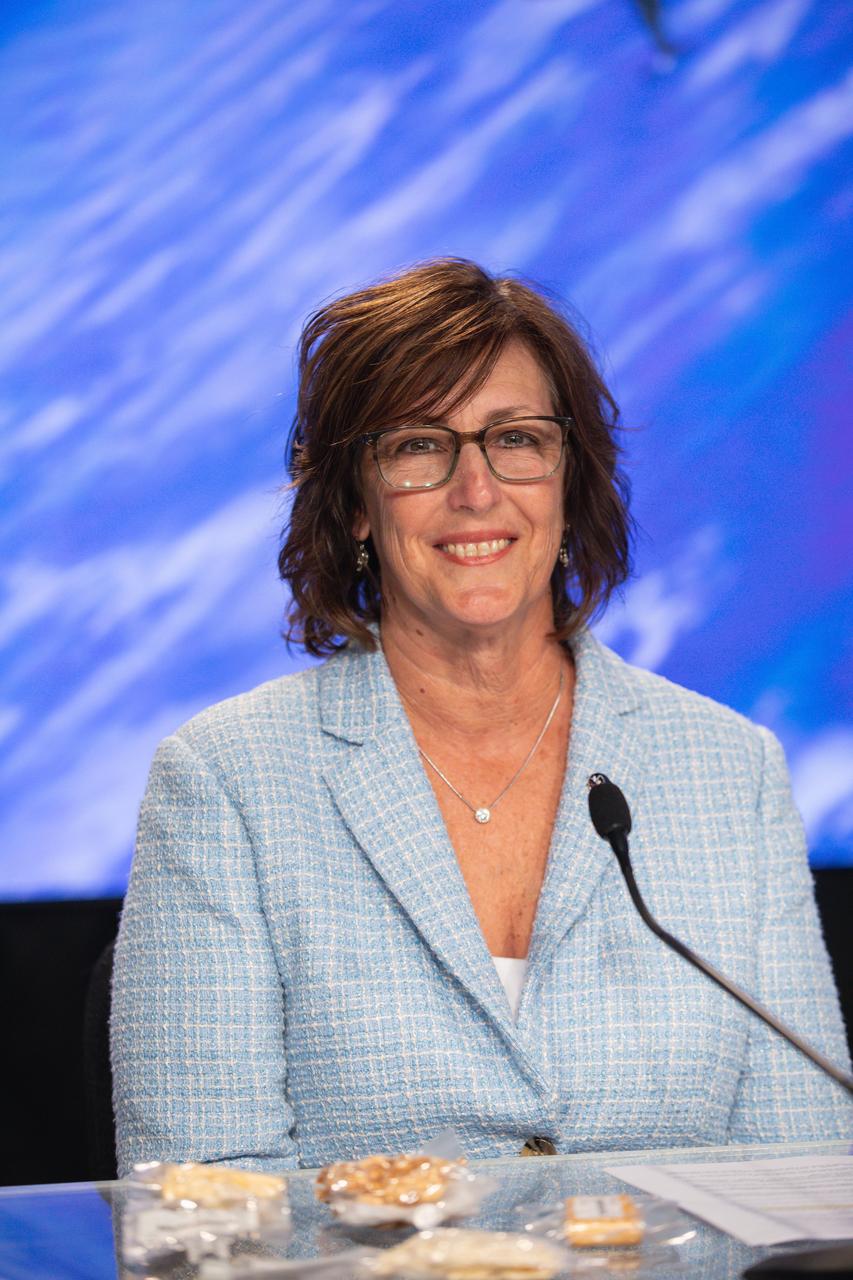
Robyn Gatens, director, NASA’s International Space Station Program, and acting director, NASA’s Commercial Spaceflight Division, participates in an International Space Station 101 Panel Livestream inside the John Holliman Auditorium of the News Center at NASA’s Kennedy Space Center in Florida on Friday, Sept. 27, 2024, ahead of NASA’s SpaceX Crew-9 mission to the International Space Station. Liftoff of the ninth crew rotation mission with SpaceX to the space station as part of the agency’s Commercial Crew Program is targeted for 1:17 p.m. EDT Sept. 28, 2024, from Space Launch Complex-40 at Cape Canaveral Space Force Station in Florida.
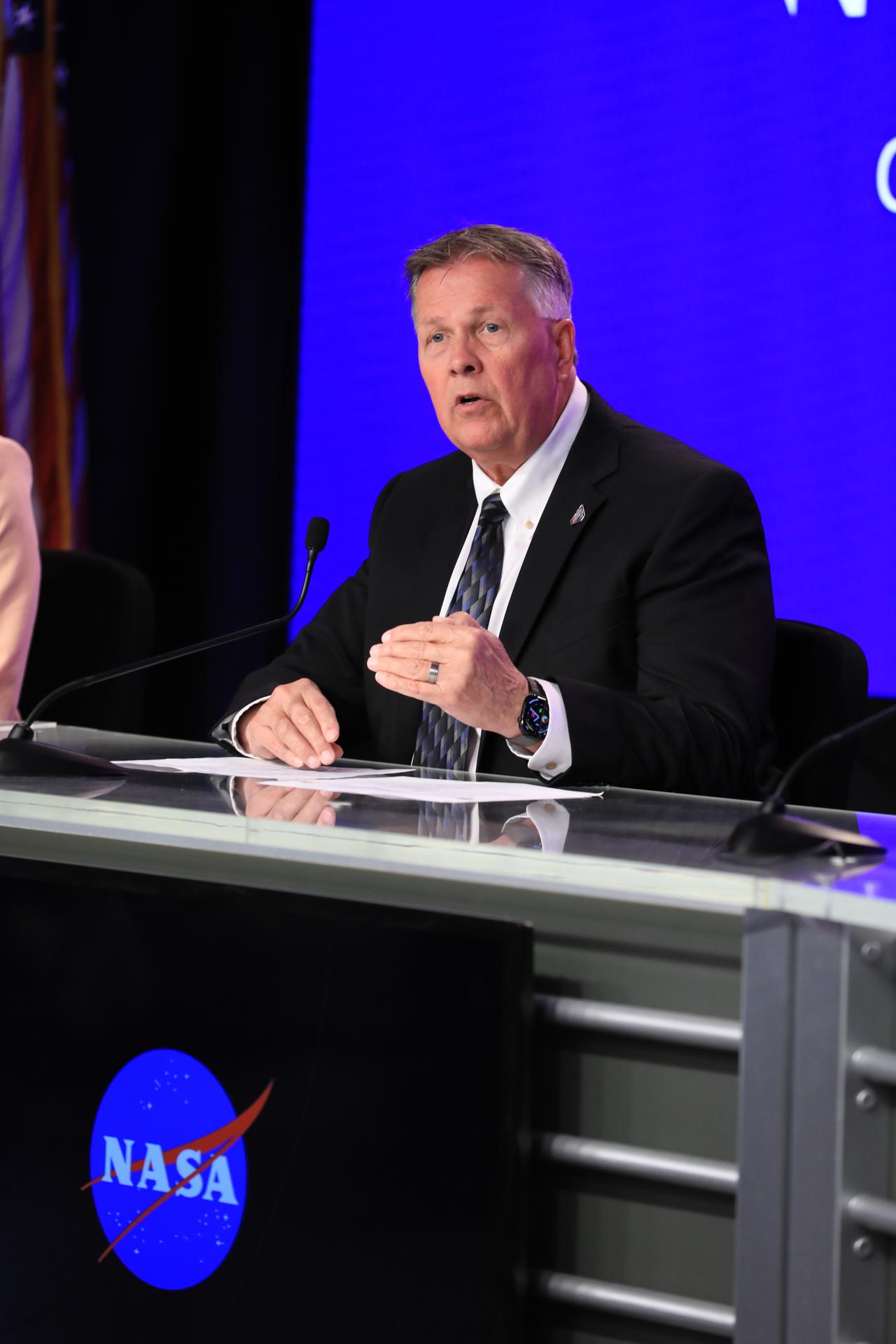
Jeff Spaulding, senior NASA test director, participates in a news conference on Tuesday, March 31, 2026, to discuss the upcoming Artemis II test flight at NASA’s Kennedy Space Center in Florida. The Artemis II mission will take Artemis II Commander Reid Wiseman, Pilot Victor Glover, and Mission Specialist Christina Koch from NASA, and Mission Specialist Jeremy Hansen from the CSA (Canadian Space Agency) on a 10-day journey around the Moon and back aboard NASA’s SLS (Space Launch System) rocket and Orion spacecraft from Launch Complex 39B no earlier than 6:24 p.m. EDT on Wednesday, April 1.
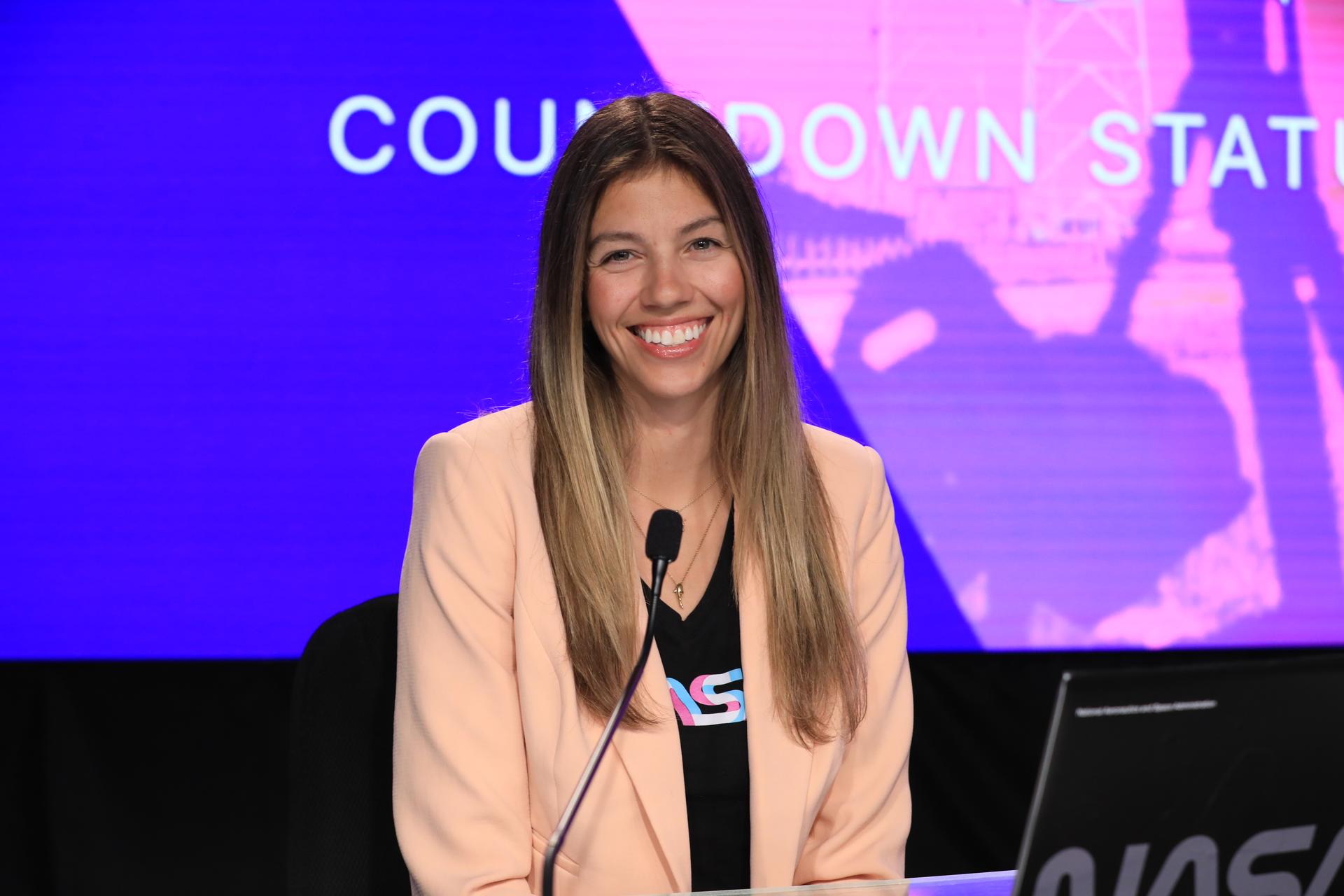
Antonia Jaramillo, NASA communications, participates in a news conference on Tuesday, March 31, 2026, to discuss the upcoming Artemis II test flight at NASA’s Kennedy Space Center in Florida. The Artemis II mission will take Artemis II Commander Reid Wiseman, Pilot Victor Glover, and Mission Specialist Christina Koch from NASA, and Mission Specialist Jeremy Hansen from the CSA (Canadian Space Agency) on a 10-day journey around the Moon and back aboard NASA’s SLS (Space Launch System) rocket and Orion spacecraft from Launch Complex 39B no earlier than 6:24 p.m. EDT on Wednesday, April 1.
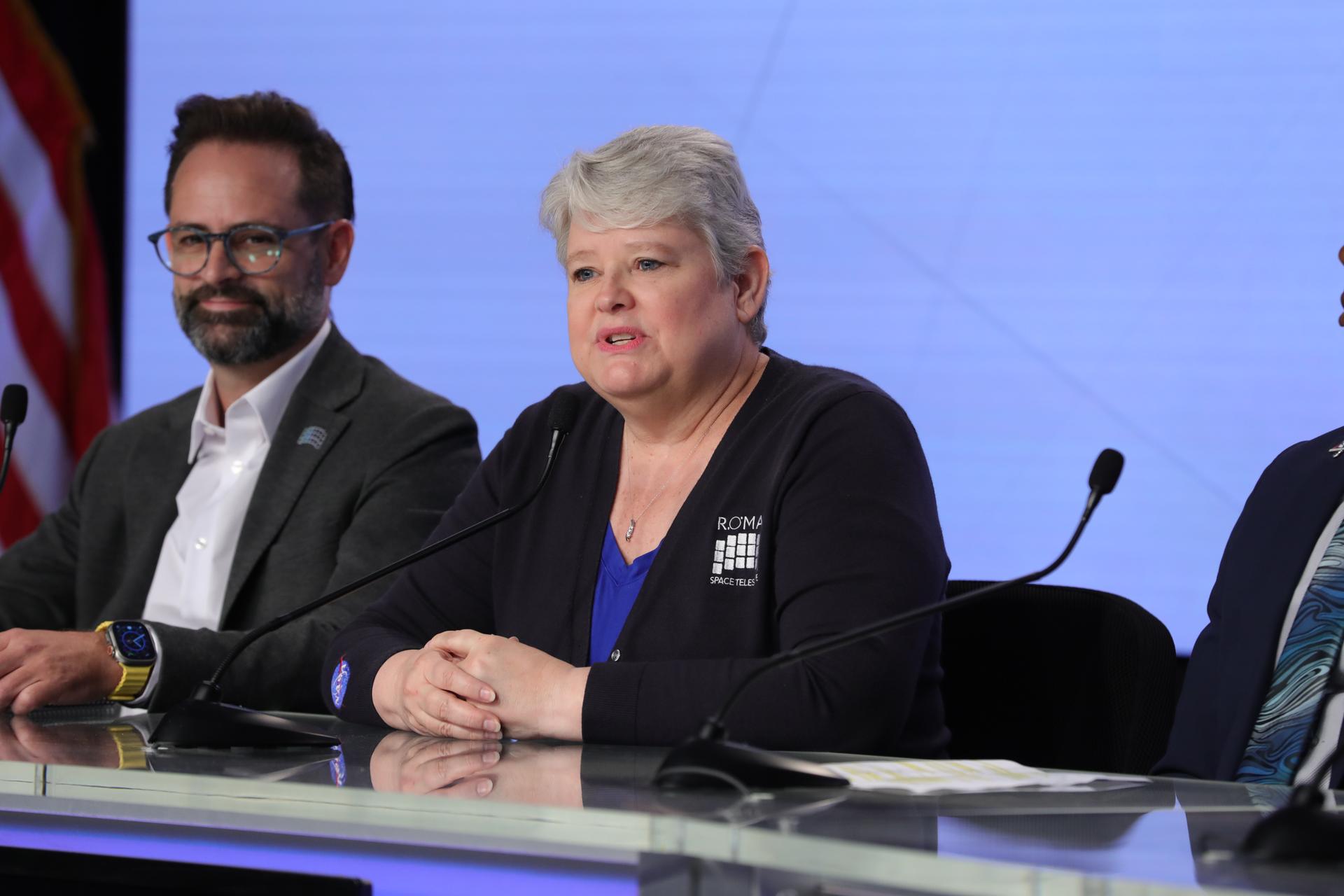
From left, Lucas Paganini, Roman telescope program executive, NASA Headquarters in Washington, and Jackie Townsend, Roman telescope project manager, NASA’s Goddard Space Flight Center in Greenbelt, Maryland participate in a prelaunch news conference for NASA’s Nancy Grace Roman Space Telescope inside the NASA News Center’s John Holliman Auditorium at Kennedy Space Center in Florida, on Saturday, Aug. 29, 2026. Roman will investigate dark energy and dark matter, conduct a statistical census of planetary systems, and enable a broad range of additional astrophysics research. Liftoff from Launch Complex 39A at Kennedy is targeted for no earlier than Sunday, Aug. 30, 2026.
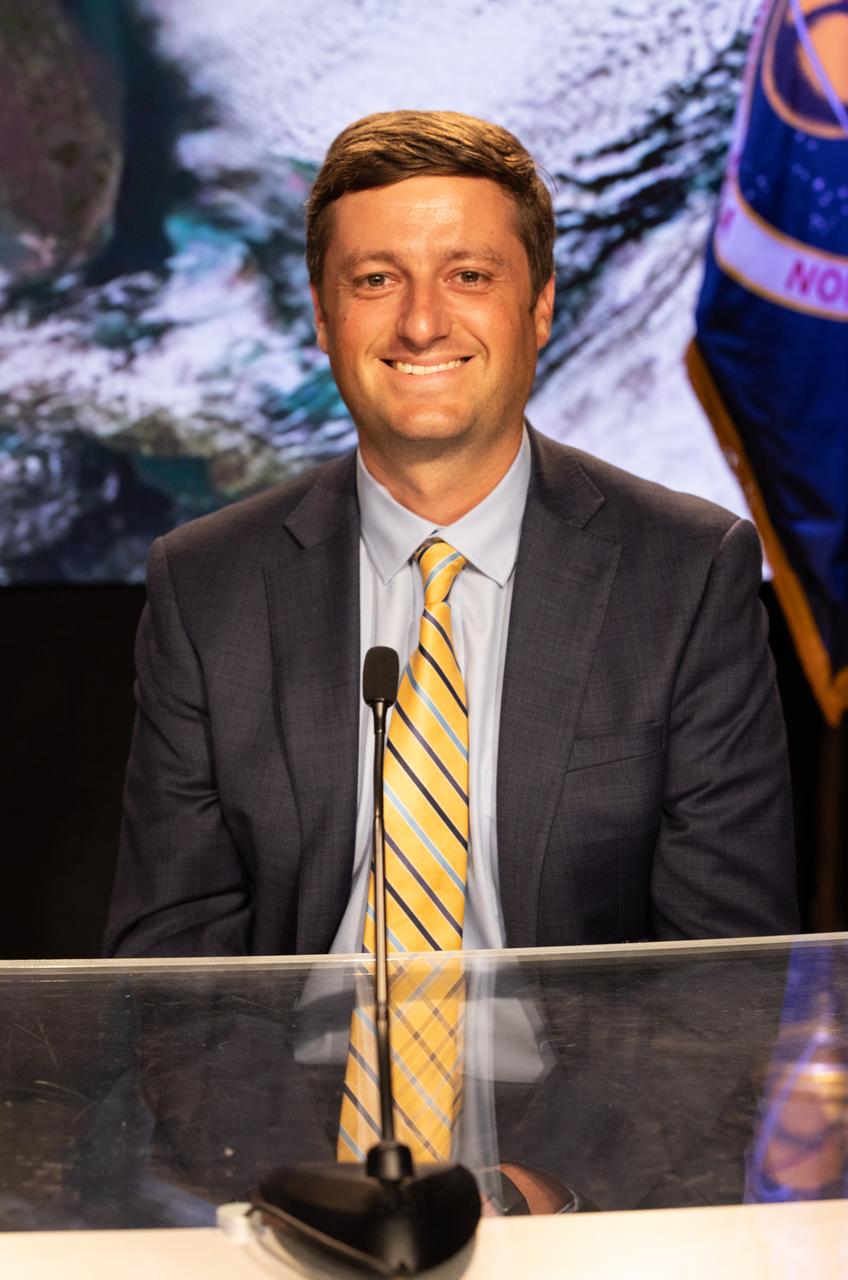
Brian Cizek, launch weather officer, 45th Weather Squadron, U.S. Space Force, participates in a prelaunch news conference on Monday, June 24, 2024, at NASA’s Kennedy Space Center in Florida to discuss National Oceanic and Atmospheric Administration (NOAA) GOES-U (Geostationary Operational Environmental Satellite U) mission. The GOES-U satellite is the final addition to GOES-R series, which serves a critical role in providing continuous coverage of the Western Hemisphere, including monitoring tropical systems in the eastern Pacific and Atlantic oceans. The two-hour launch window opens at 5:16 p.m. EDT Tuesday, June 25, for the satellite’s launch on a SpaceX Falcon Heavy rocket from Launch Complex 39A at NASA’s Kennedy Space Center in Florida.
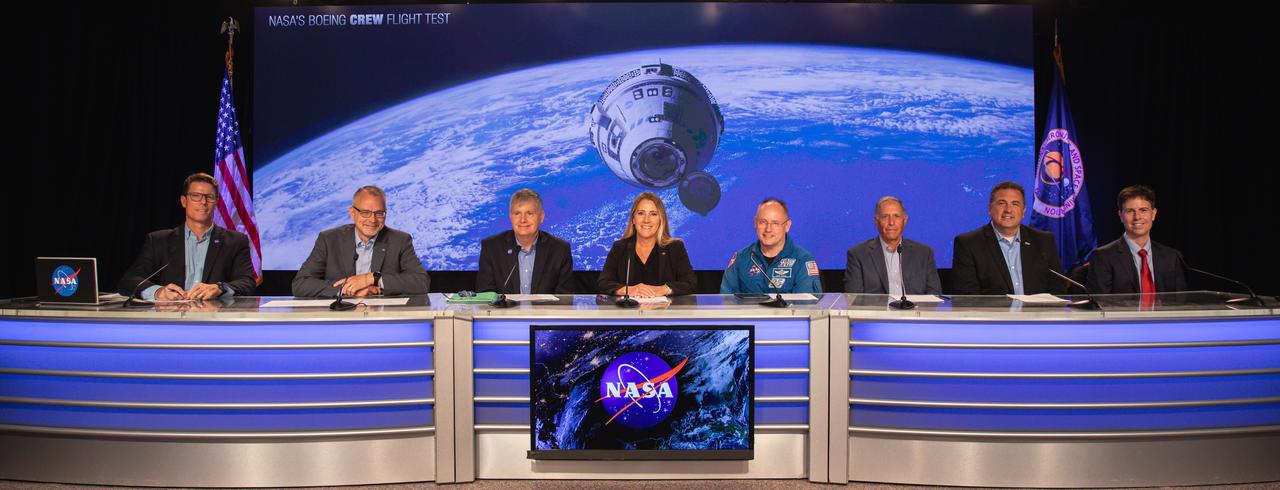
Officials from NASA, Boeing, ULA (United Launch Alliance), and the U.S. Space Force 45th Weather Squadron participate in a prelaunch briefing for NASA’s Boeing Crew Flight Test at the agency’s Kennedy Space Center in Florida, Friday, May 31, 2024. From left to right at the dais are Derrol Nail, NASA Communications; Jim Free, NASA associate administrator; Steve Stich, manager, NASA’s Commercial Crew Program; Dana Weigel, manager, NASA’s International Space Station Program; Mike Fincke, NASA astronaut; Mark Nappi, vice president and program manager, Boeing Commercial Crew Program; Gary Wentz, vice president, Government and Commercial Programs, ULA; Mark Burger, launch weather officer, U.S. Space Force, 45th Weather Squadron. As part of the agency’s Commercial Crew Program, NASA astronauts Butch Wilmore and Suni Williams are the first to launch aboard Boeing’s Starliner spacecraft atop a ULA Atlas V rocket from Space Launch Complex-41 at Cape Canaveral Space Force Station in Florida. Liftoff is scheduled for 12:25 p.m. ET on Saturday, June 1.
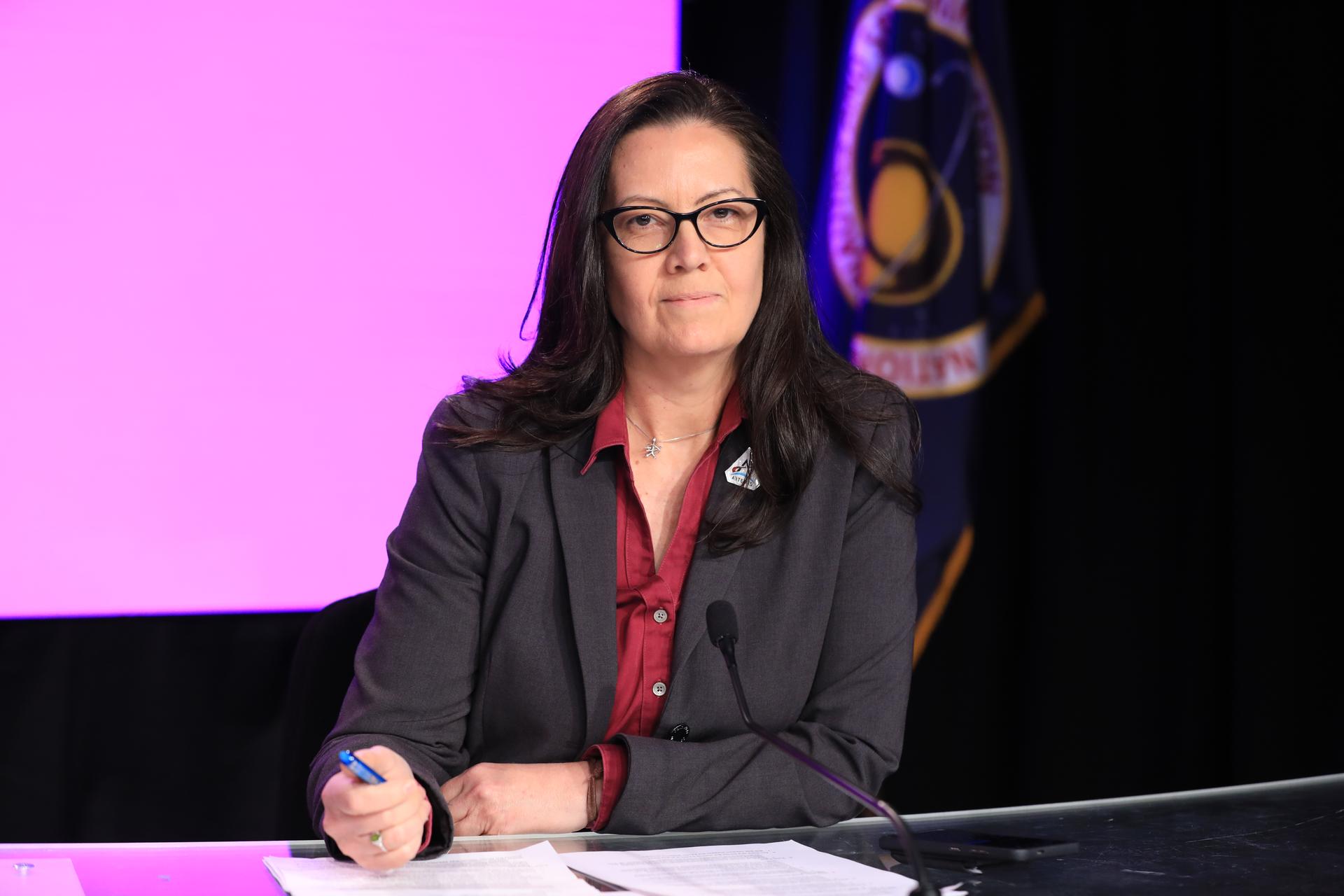
Emily Nelson, NASA’s chief flight director, participates in a news conference on Monday, March 30, 2026, to discuss the upcoming Artemis II test flight at the agency’s Kennedy Space Center in Florida. The Artemis II mission will take Artemis II Commander Reid Wiseman, Pilot Victor Glover, and Mission Specialist Christina Koch from NASA, and Mission Specialist Jeremy Hansen from the CSA (Canadian Space Agency) on a 10-day journey around the Moon and back aboard NASA’s SLS (Space Launch System) rocket and Orion spacecraft from Launch Complex 39B no earlier than 6:24 p.m. EDT on Wednesday, April 1.
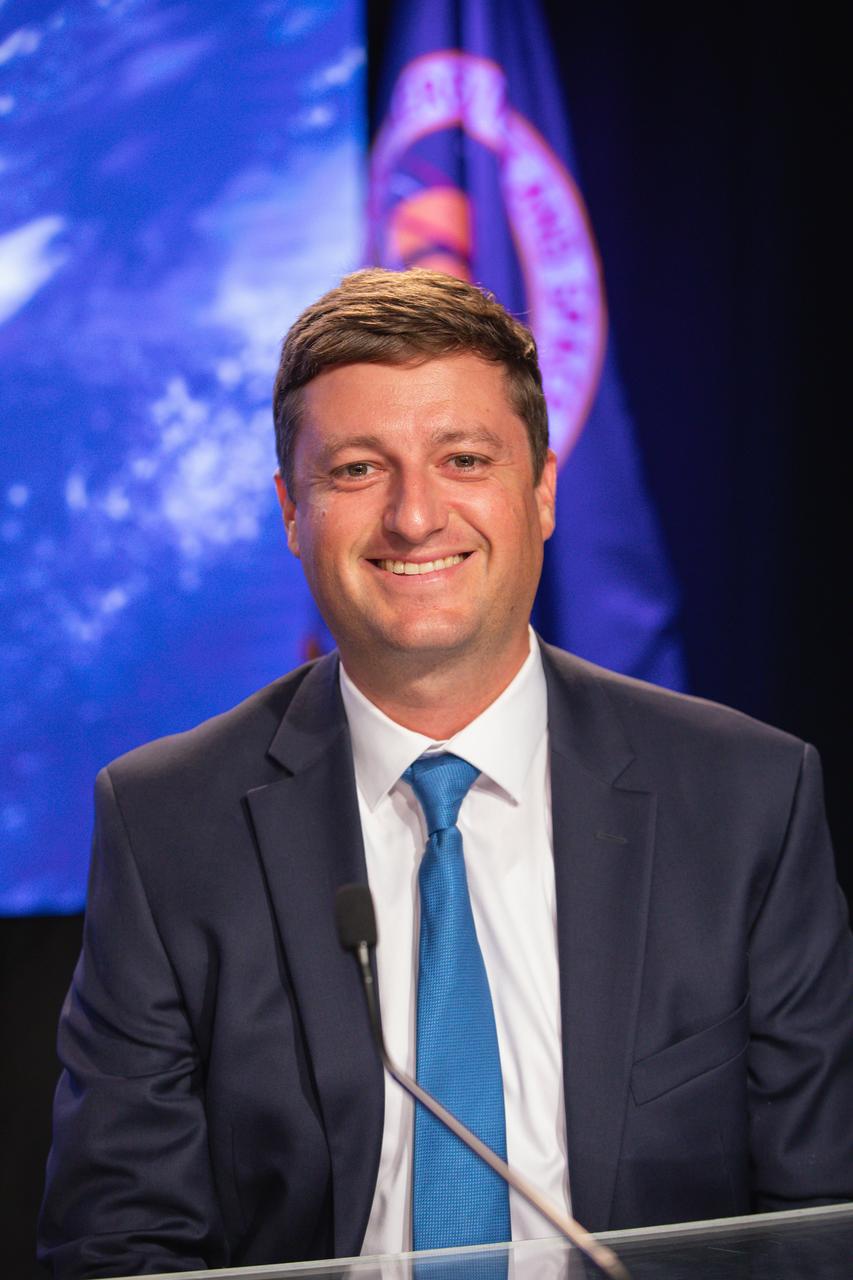
Brian Cizek, launch weather officer, 45th Weather Squadron, Cape Canaveral Space Force Station, addresses the media during a prelaunch news conference at NASA’s Kennedy Space Center in Florida on Friday, Sept. 27, 2024, ahead of the agency’s SpaceX Crew-9 launch. NASA astronaut Nick Hague and Roscosmos cosmonaut Aleksandr Gorbunov will launch to the International Space Station aboard SpaceX’s Dragon spacecraft and Falcon 9 rocket. Launch is targeted for 1:17 p.m. EDT Saturday, Sept. 28, 2024, from Space Launch Complex-40 at Cape Canaveral Space Force Station in Florida. Crew-9 is the ninth crew rotation mission with SpaceX to the space station as part of the agency’s Commercial Crew Program.
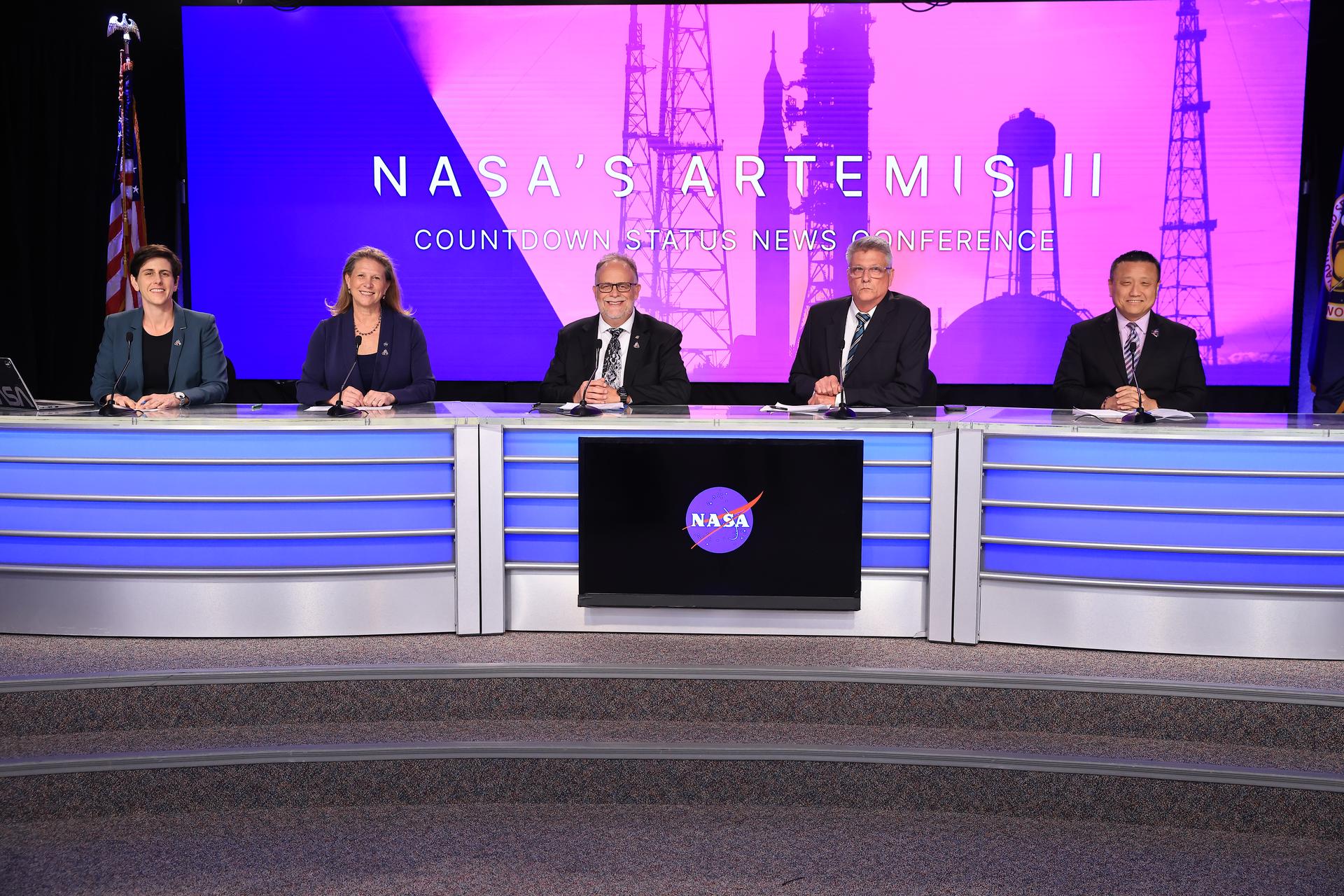
From left to right, Rachel Kraft, NASA communications; Lori Glaze, acting associate administrator, Exploration Systems Development Mission Directorate; Shawn Quinn, program manager, Exploration Ground Systems; Chris Cianciola, deputy manager, NASA’s SLS (Space Launch System) Program; and Howard Hu, manager, Orion Program, participates in a news conference on Sunday, March 29, 2026, to discuss the upcoming Artemis II test flight at NASA’s Kennedy Space Center in Florida. The Artemis II mission will take Artemis II Commander Reid Wiseman, Pilot Victor Glover, and Mission Specialist Christina Koch from NASA, and Mission Specialist Jeremy Hansen from the CSA (Canadian Space Agency) on a 10-day journey around the Moon and back aboard NASA’s SLS (Space Launch System) rocket and Orion spacecraft from Launch Complex 39B no earlier than 6:24 p.m. EDT on Wednesday, April 1.
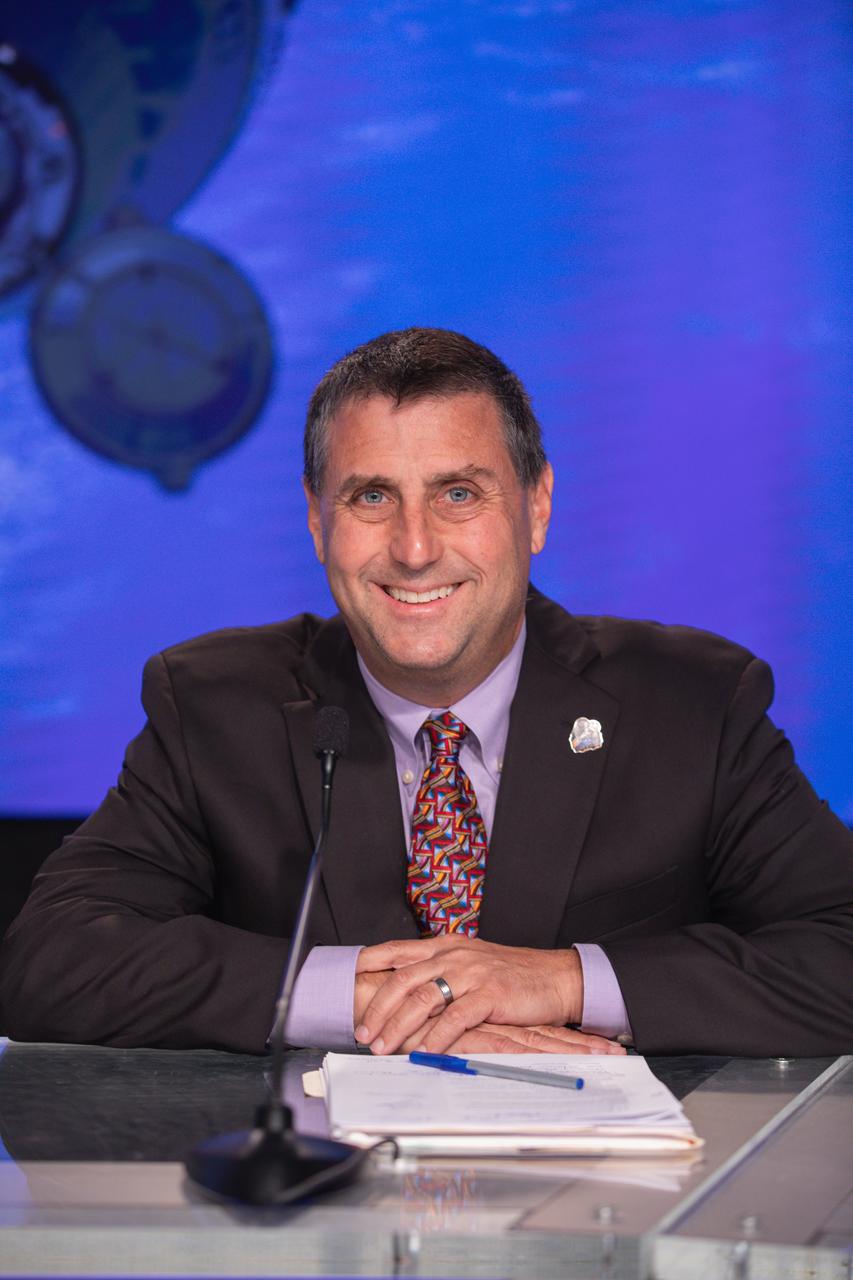
NASA Deputy Associate Administrator for Space Operations Mission Directorate, Joel Montalbano participates in a postlaunch news conference at the agency’s Kennedy Space Center in Florida held on Wednesday, June 5, 2024, at the agency’s Kennedy Space Center in Florida following the first launch attempt of NASA’s Boeing Crew Flight Test. As part of the agency’s Commercial Crew Program, the first crewed launch to the International Space Station aboard Boeing’s Starliner spacecraft atop a United Launch Alliance Atlas V rocket from Space Launch Complex-41 at nearby Cape Canaveral Space Force Station was targeted for 10:52 a.m. EDT.
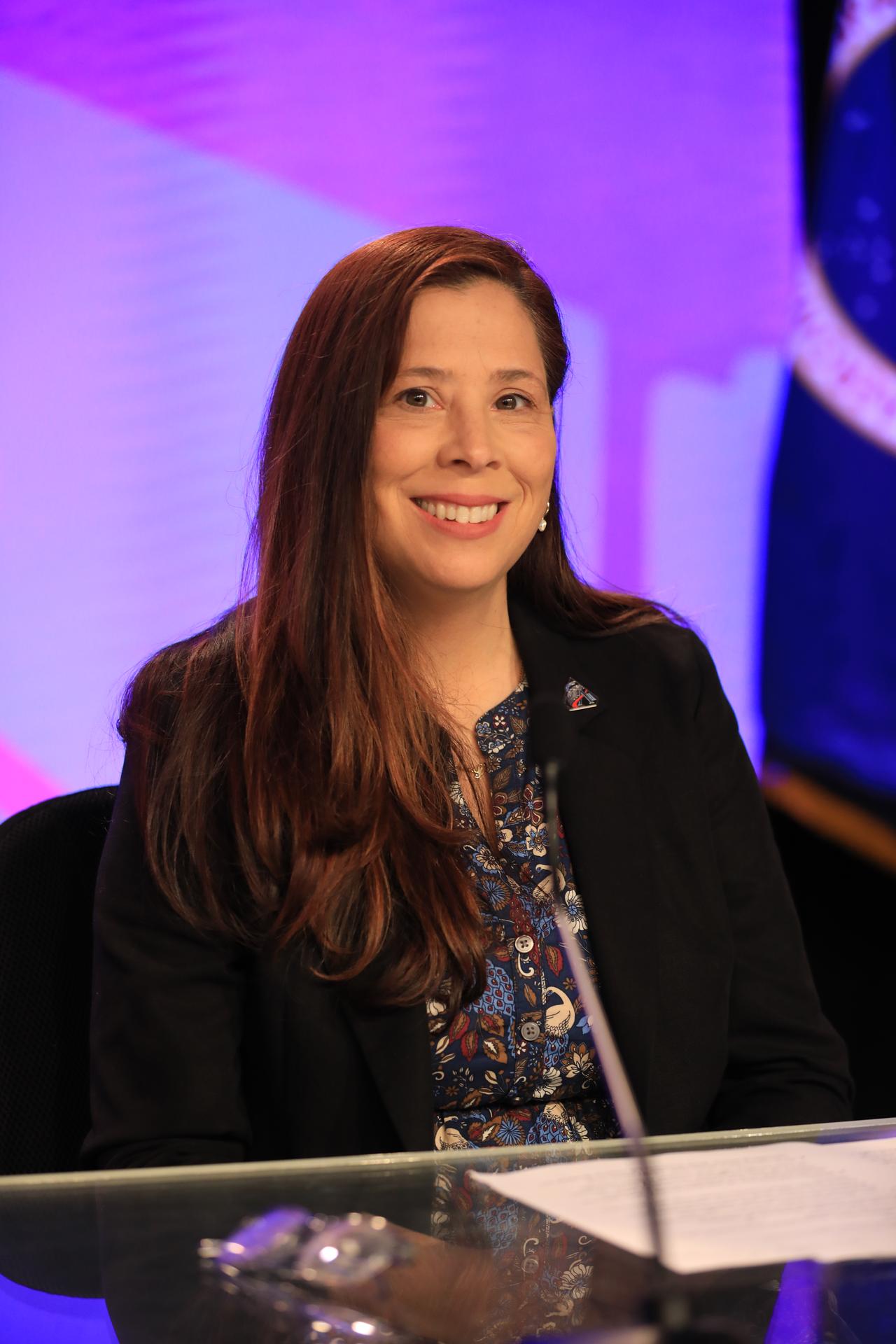
Lili Villarreal, Artemis II landing and recovery director in Exploration Ground Systems Program at NASA’s Kennedy Space Center in Florida, participates in an Artemis II mission overview news conference on Friday, Jan. 16, 2026, at NASA’s Kennedy Space Center in Florida ahead of rollout of the SLS (Space Launch System) rocket and Orion spacecraft from the Vehicle Assembly Building to Launch Complex 39B at NASA Kennedy. The Artemis II test flight will take Commander Reid Wiseman, Pilot Victor Glover, and Mission Specialist Christina Koch from NASA, and Mission Specialist Jeremy Hansen from the CSA (Canadian Space Agency), around the Moon and back to Earth no later than April 2026.
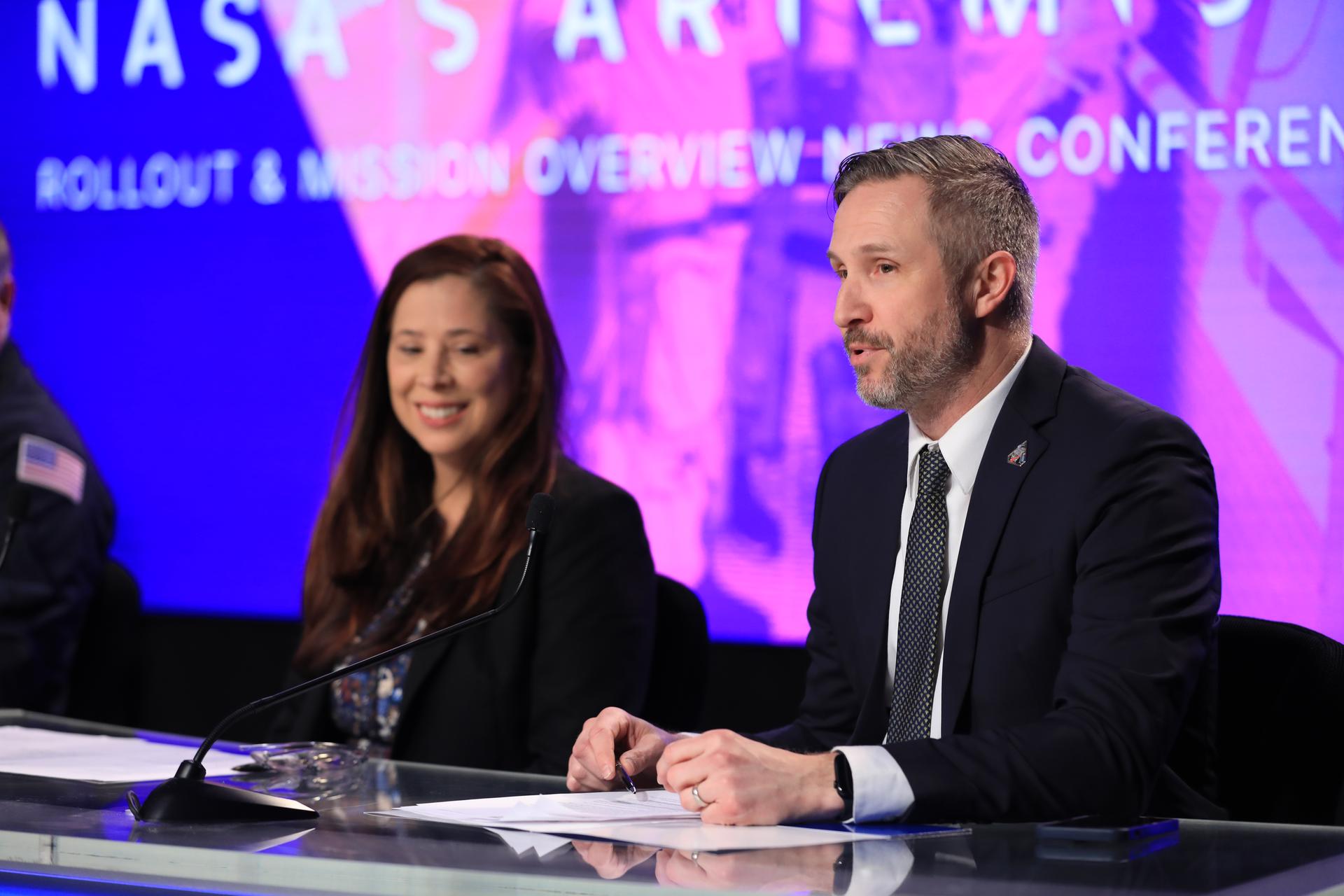
From left, Lili Villarreal, Artemis II landing and recovery director in Exploration Ground Systems Program at NASA’s Kennedy Space Center in Florida, and Jacob Bleacher, chief exploration scientist in the Exploration Systems Development Mission Directorate at NASA Headquarters in Washington, participate in an Artemis II mission overview news conference on Friday, Jan. 16, 2026, at NASA’s Kennedy Space Center in Florida ahead of rollout of the SLS (Space Launch System) rocket and Orion spacecraft from the Vehicle Assembly Building to Launch Complex 39B at NASA Kennedy. The Artemis II test flight will take Commander Reid Wiseman, Pilot Victor Glover, and Mission Specialist Christina Koch from NASA, and Mission Specialist Jeremy Hansen from the CSA (Canadian Space Agency), around the Moon and back to Earth no later than April 2026.
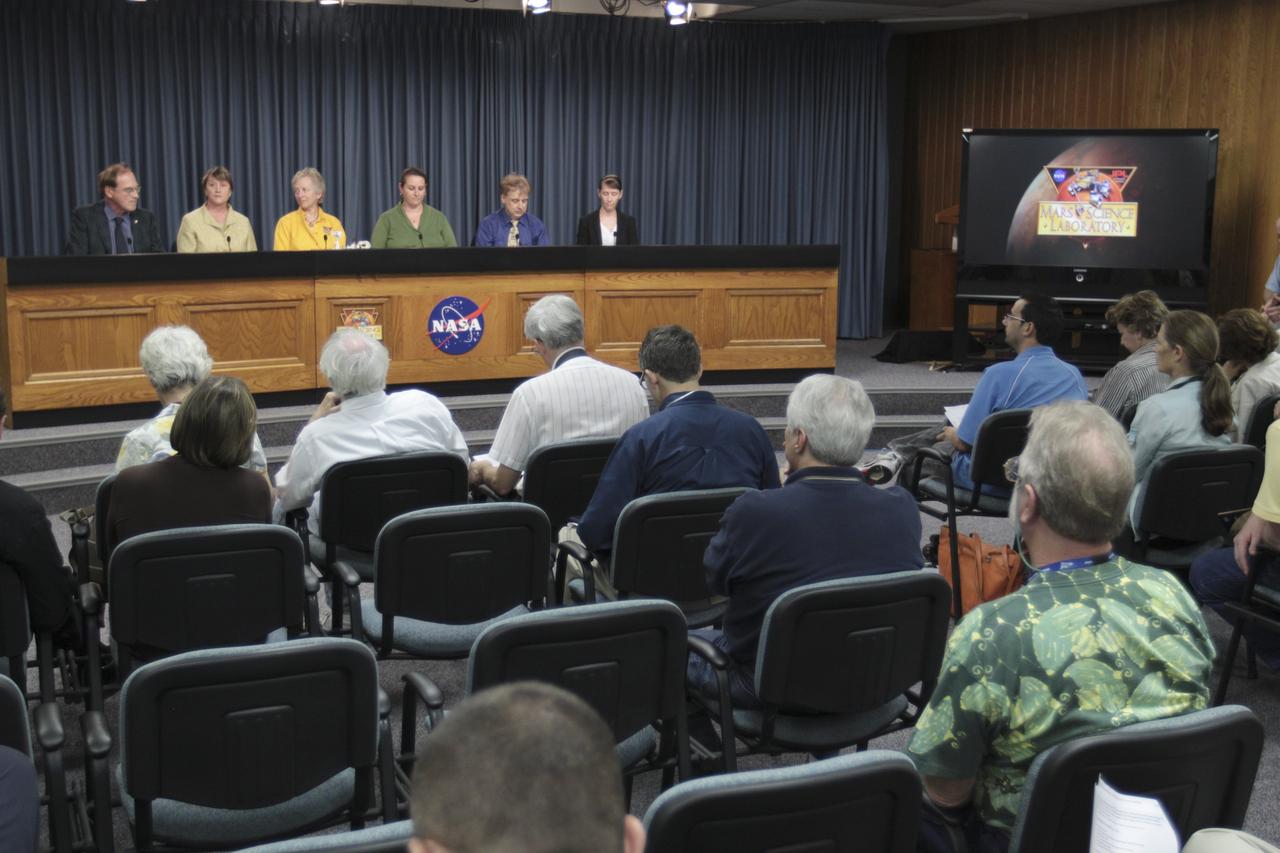
MSL - Signs of Life Press Briefing
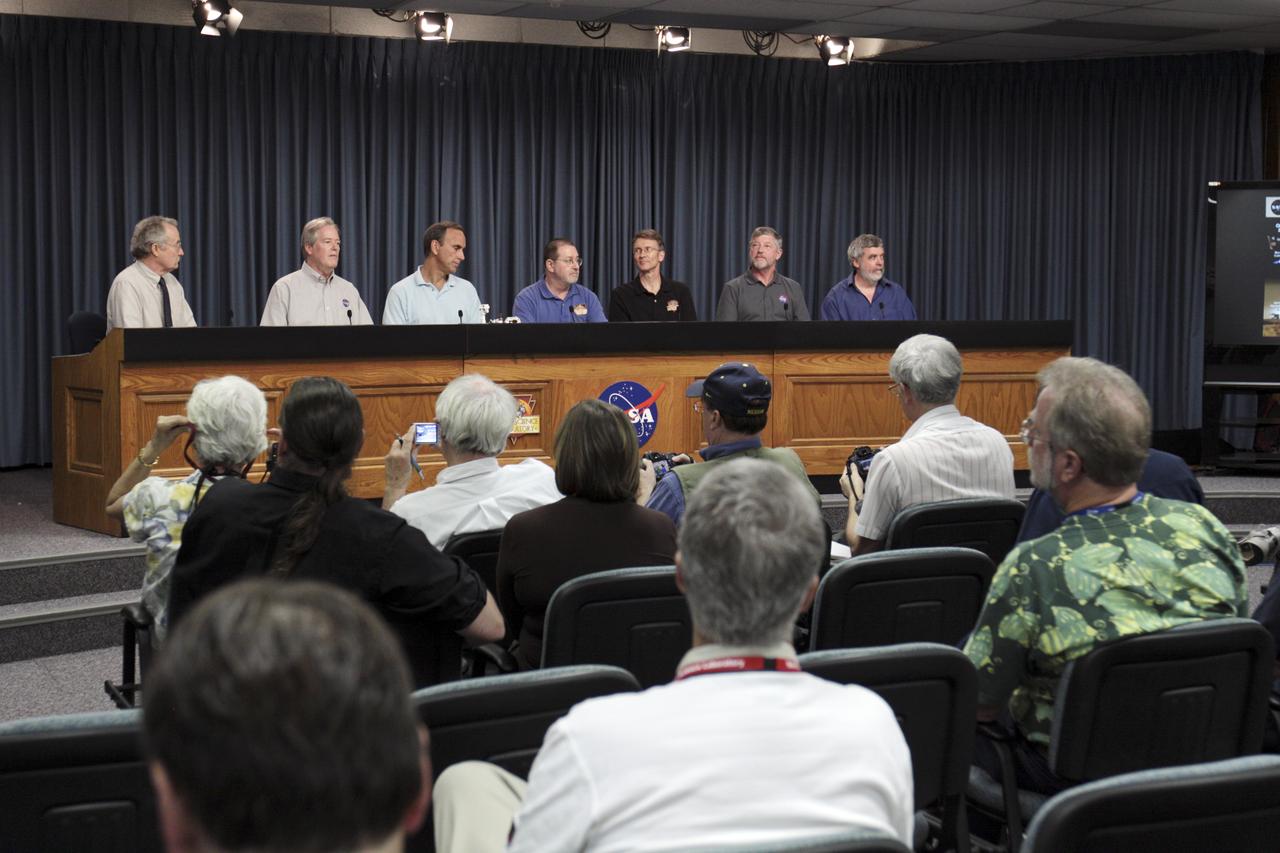
MSL - Mission Science Briefing
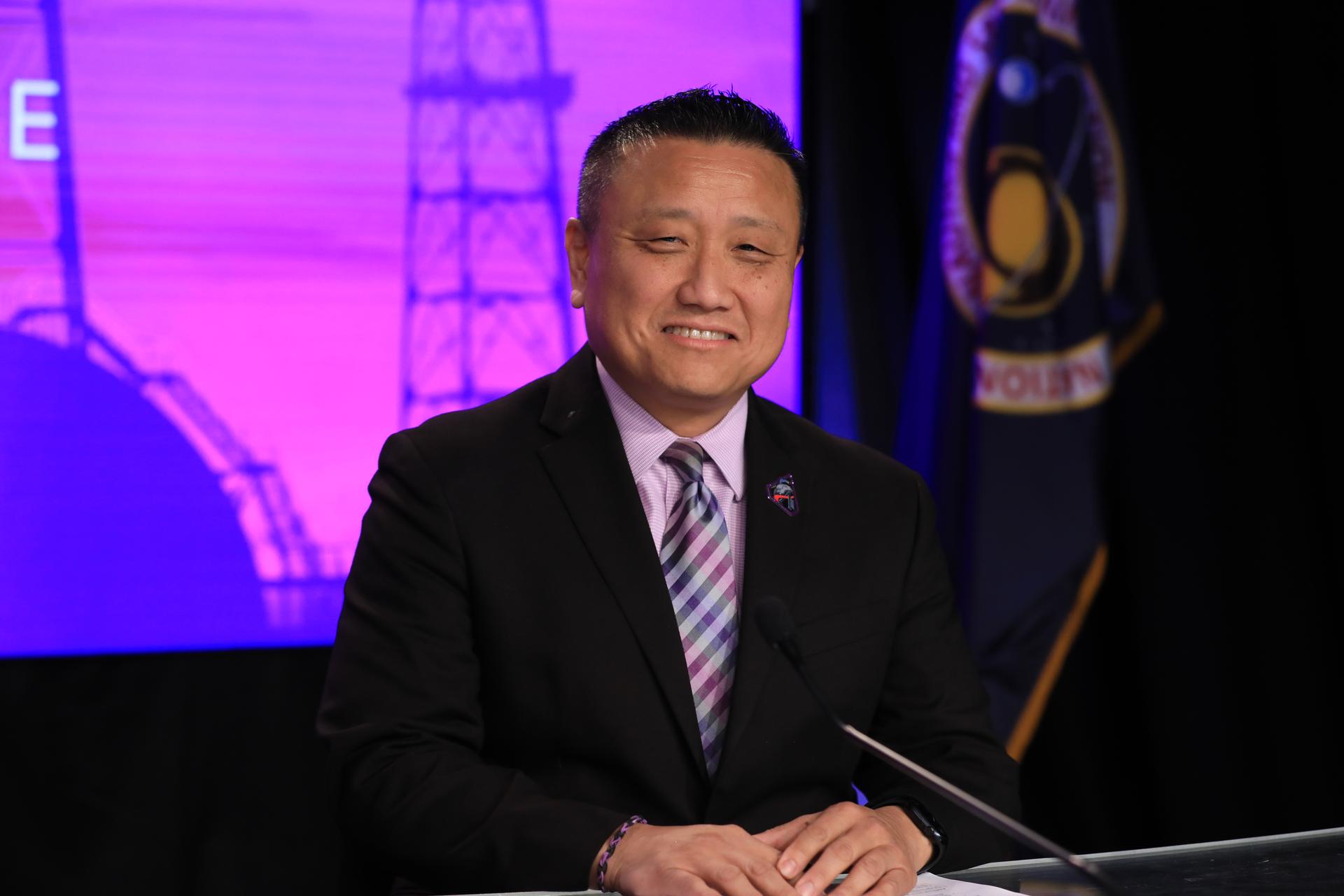
Howard Hu, manager, Orion Program, participates in a news conference on Sunday, March 29, 2026, to discuss the upcoming Artemis II test flight at NASA’s Kennedy Space Center in Florida. The Artemis II mission will take Artemis II Commander Reid Wiseman, Pilot Victor Glover, and Mission Specialist Christina Koch from NASA, and Mission Specialist Jeremy Hansen from the CSA (Canadian Space Agency) on a 10-day journey around the Moon and back aboard NASA’s SLS (Space Launch System) rocket and Orion spacecraft from Launch Complex 39B no earlier than 6:24 p.m. EDT on Wednesday, April 1.
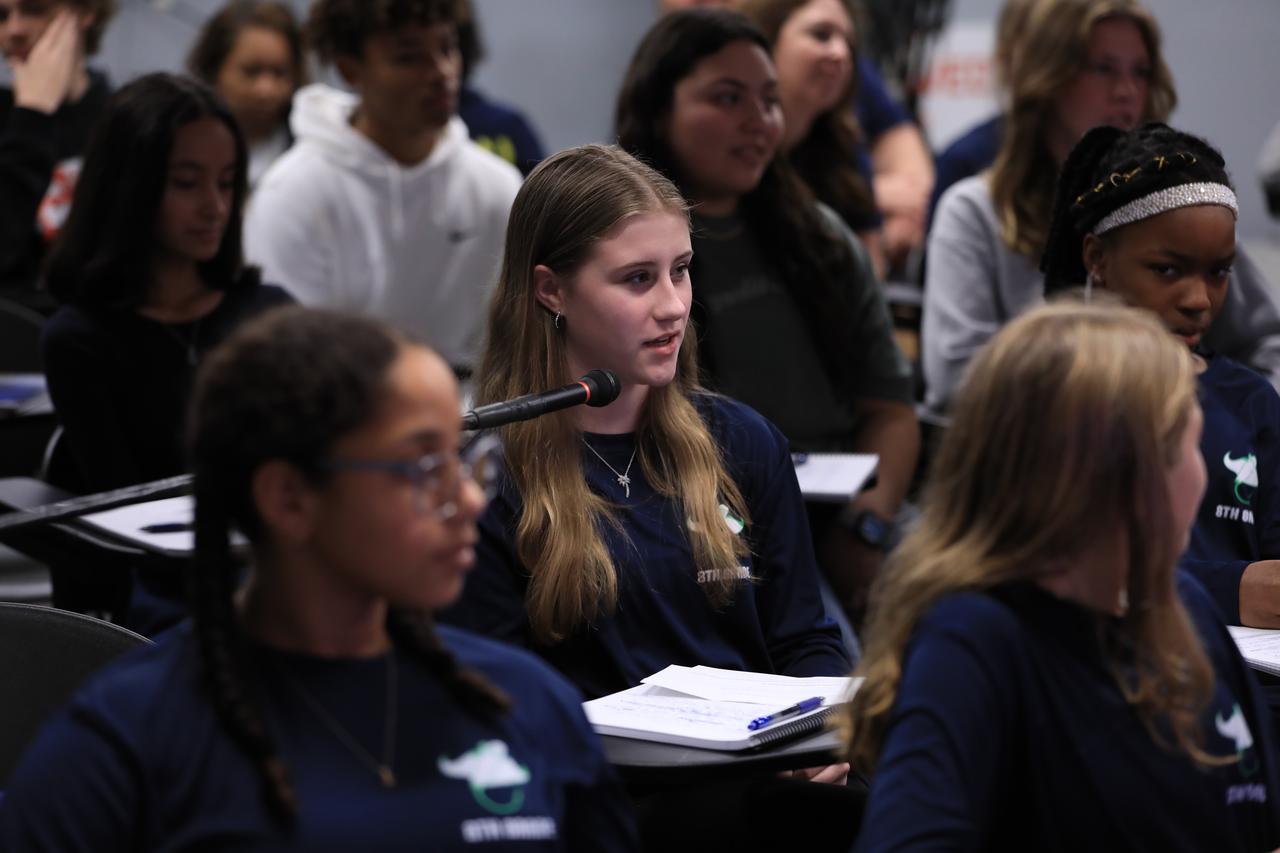
As part of NASA’s NextGen STEM project, students from Florida’s St. Cloud High School and Storm Grove Middle School in Vero Beach participate in an Artemis I student media briefing inside the John Holliman Auditorium of the News Center at NASA’s Kennedy Space Center in Florida on Jan. 19, 2023. Along with the students participating in person, middle and high school students across the country had the opportunity to ask questions of the panel via phone to discuss the Artemis I mission and the agency’s future of human space exploration.
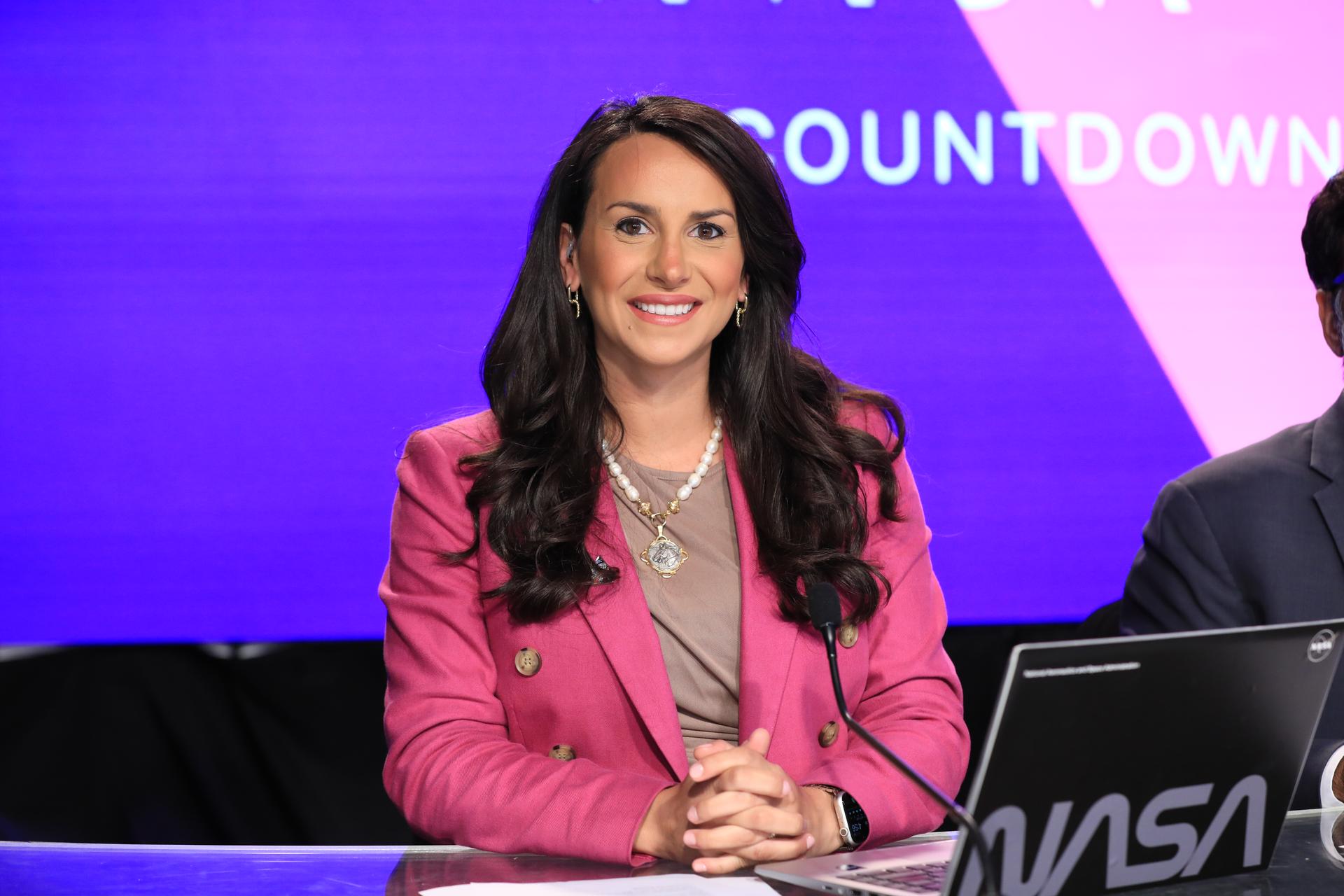
Courtney Beasley, NASA communications, participates in a news conference on Monday, March 30, 2026, to discuss the upcoming Artemis II test flight at NASA’s Kennedy Space Center in Florida. The Artemis II mission will take Artemis II Commander Reid Wiseman, Pilot Victor Glover, and Mission Specialist Christina Koch from NASA, and Mission Specialist Jeremy Hansen from the CSA (Canadian Space Agency) on a 10-day journey around the Moon and back aboard NASA’s SLS (Space Launch System) rocket and Orion spacecraft from Launch Complex 39B no earlier than 6:24 p.m. EDT on Wednesday, April 1.
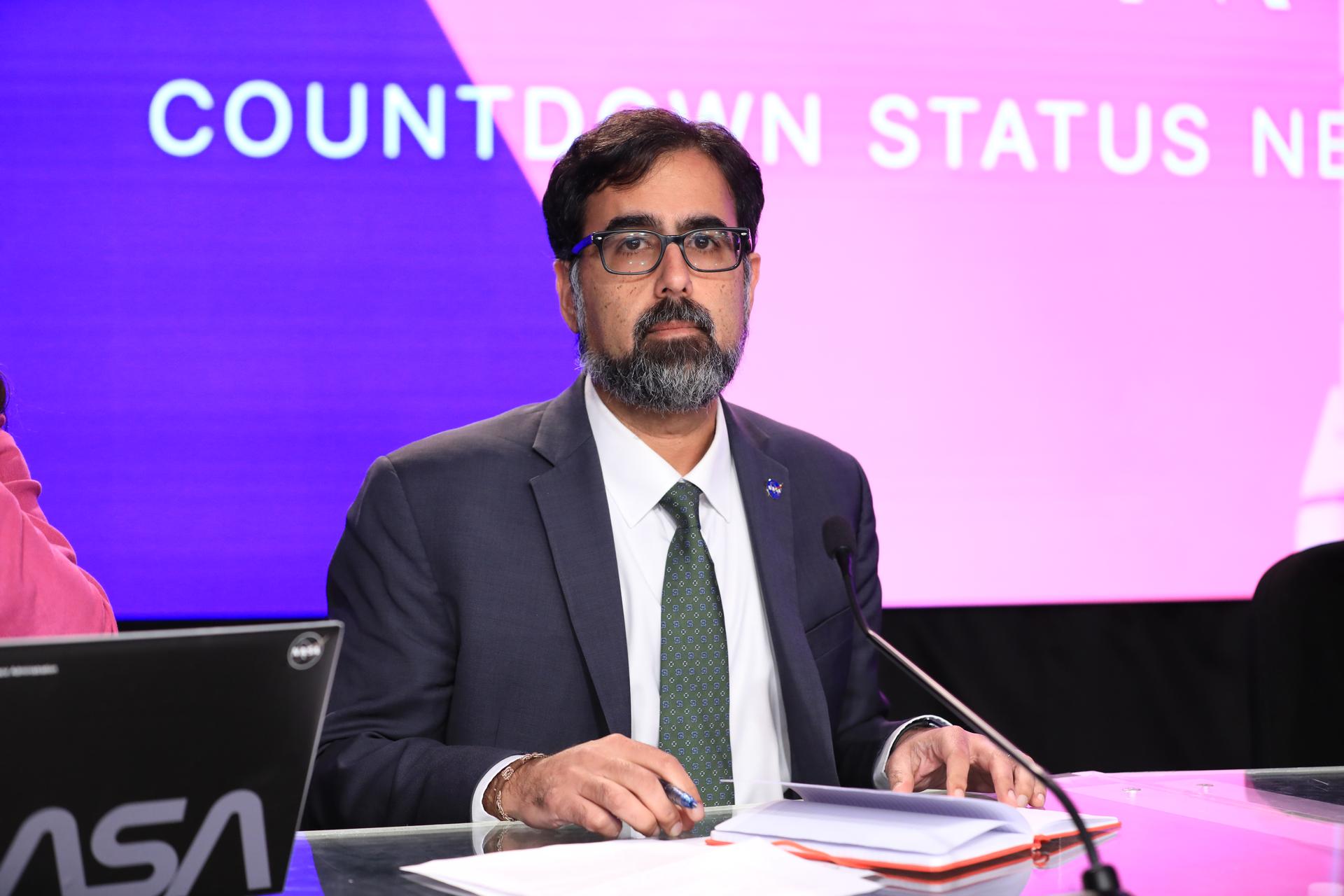
NASA Associate Administrator Amit Kshatriya participates in a news conference on Monday, March 30, 2026, to discuss the upcoming Artemis II test flight at NASA’s Kennedy Space Center in Florida. The Artemis II mission will take Artemis II Commander Reid Wiseman, Pilot Victor Glover, and Mission Specialist Christina Koch from NASA, and Mission Specialist Jeremy Hansen from the CSA (Canadian Space Agency) on a 10-day journey around the Moon and back aboard NASA’s SLS (Space Launch System) rocket and Orion spacecraft from Launch Complex 39B no earlier than 6:24 p.m. EDT on Wednesday, April 1.
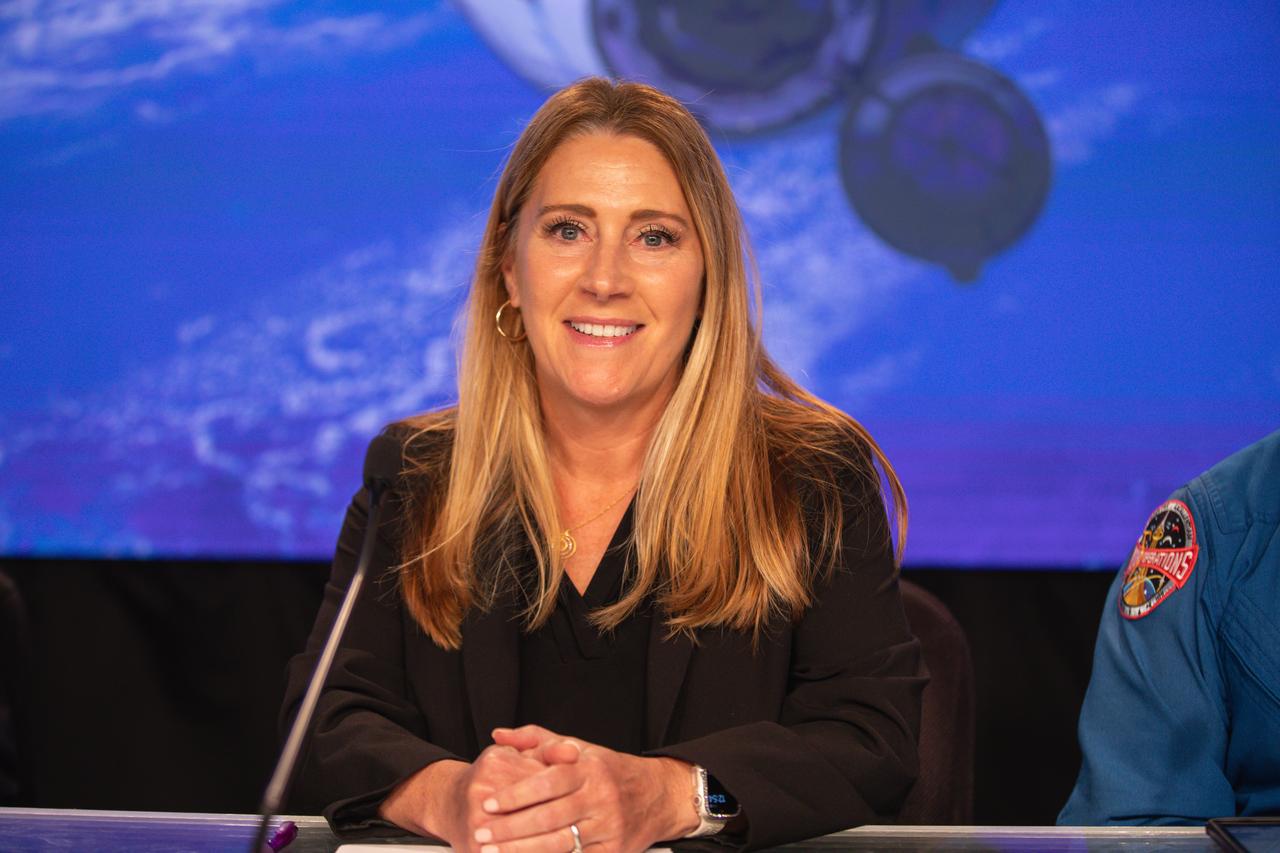
Dana Weigel, manager, NASA’s International Space Station Program, participates in a prelaunch briefing for NASA’s Boeing Crew Flight Test at the agency’s Kennedy Space Center in Florida, Friday, May 31, 2024. As part of the agency’s Commercial Crew Program, NASA astronauts Butch Wilmore and Suni Williams are the first to launch aboard Boeing’s Starliner spacecraft atop a United Launch Alliance Atlas V rocket from Space Launch Complex-41 at Cape Canaveral Space Force Station in Florida. Liftoff is scheduled for 12:25 p.m. ET on Saturday, June 1.
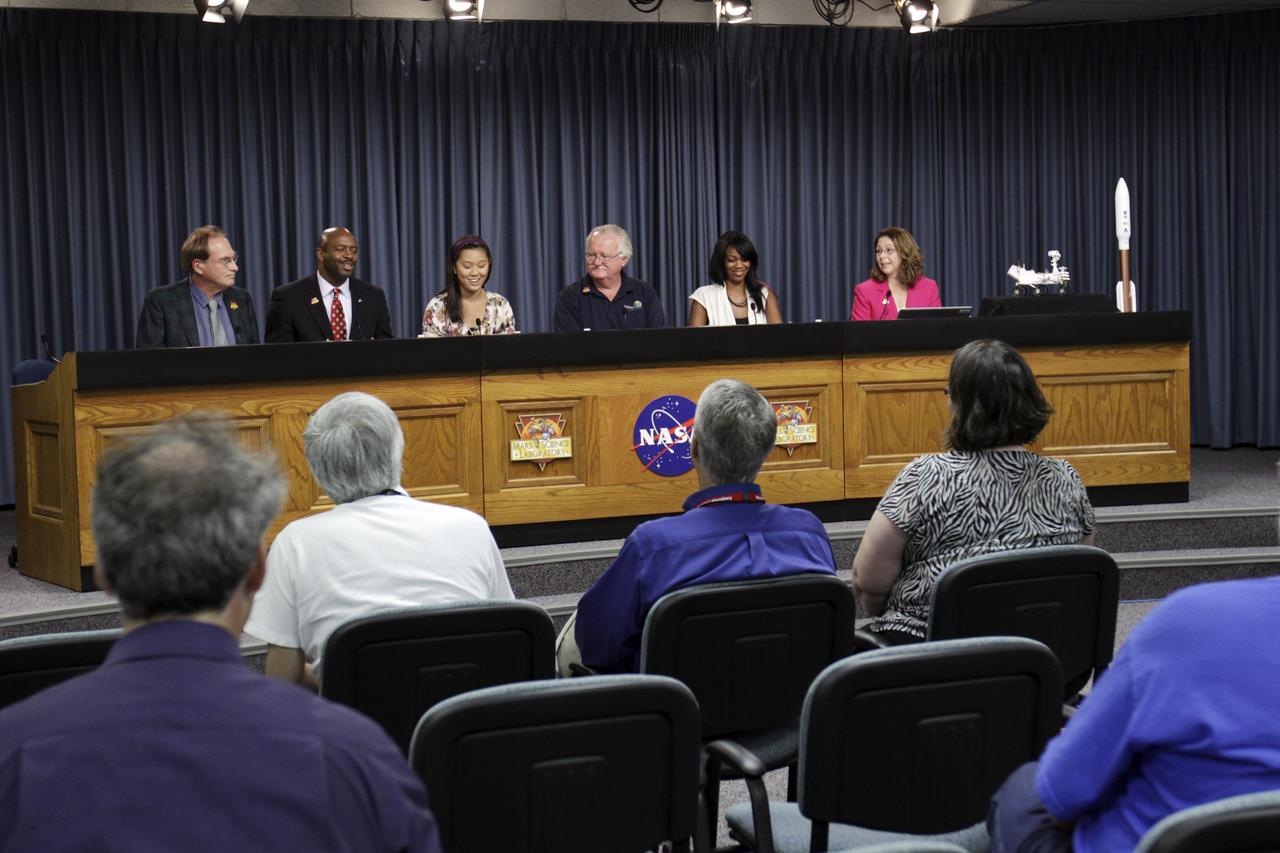
MSL - Why Mars Press Briefing
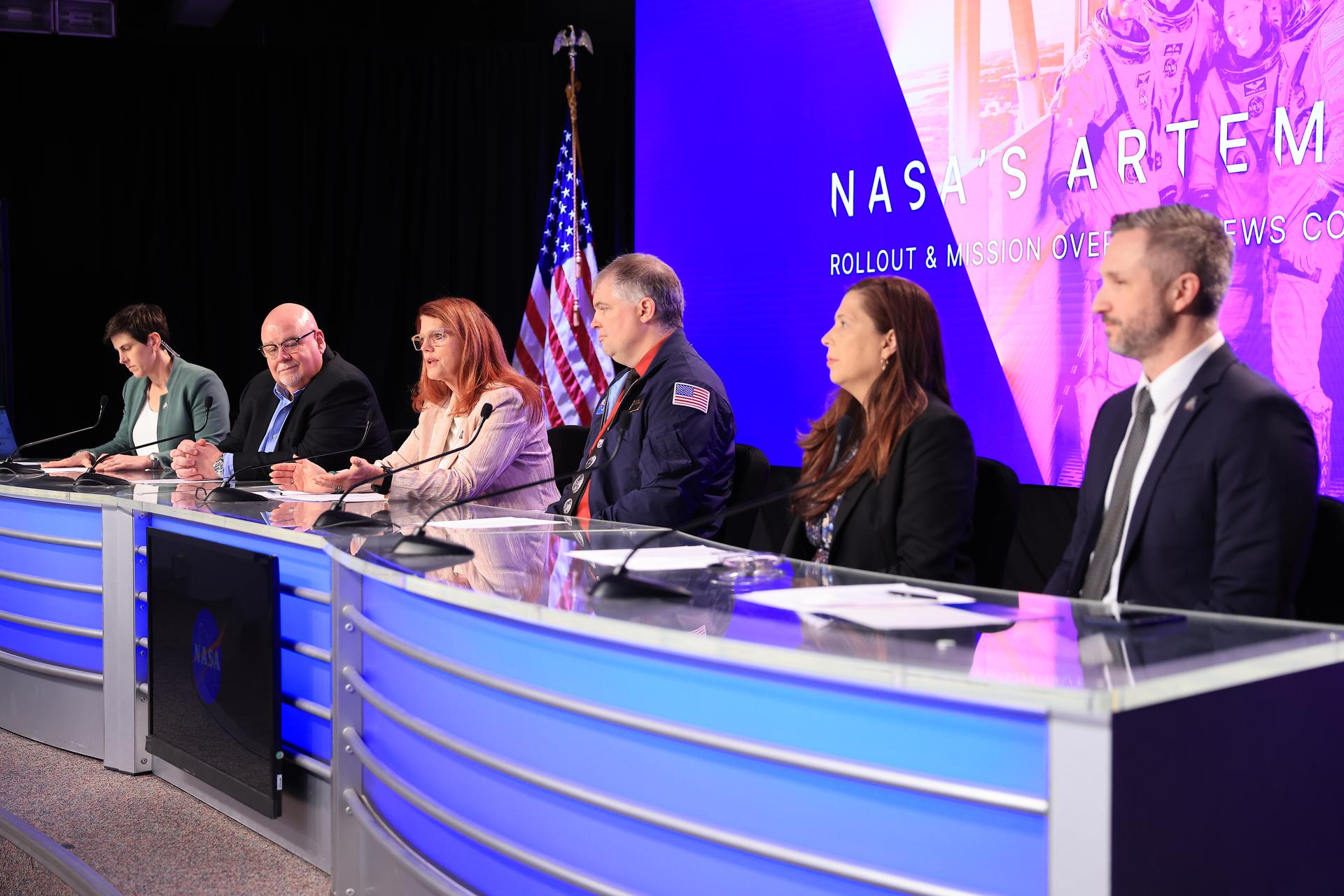
From left to right, Rachel Kraft, NASA's Office of Communications; John Honeycutt, Artemis II mission management team chair; Charlie Blackwell-Thompson, launch director, Exploration Ground Systems Program at NASA’s Kennedy Space Center in Florida; Jeff Radigan, Artemis II lead flight director, Flight Operations Directorate; Lili Villarreal, Artemis II landing and recovery director in Exploration Ground Systems Program at NASA’s Kennedy Space Center in Florida; Jacob Bleacher, chief exploration scientist in the Exploration Systems Development Mission Directorate at NASA Headquarters in Washington, participate in an Artemis II mission overview news conference on Friday, Jan. 16, 2026, at NASA’s Kennedy Space Center in Florida ahead of rollout of the SLS (Space Launch System) rocket and Orion spacecraft from the Vehicle Assembly Building to Launch Complex 39B at NASA Kennedy. The Artemis II test flight will take Commander Reid Wiseman, Pilot Victor Glover, and Mission Specialist Christina Koch from NASA, and Mission Specialist Jeremy Hansen from the CSA (Canadian Space Agency), around the Moon and back to Earth no later than April 2026.
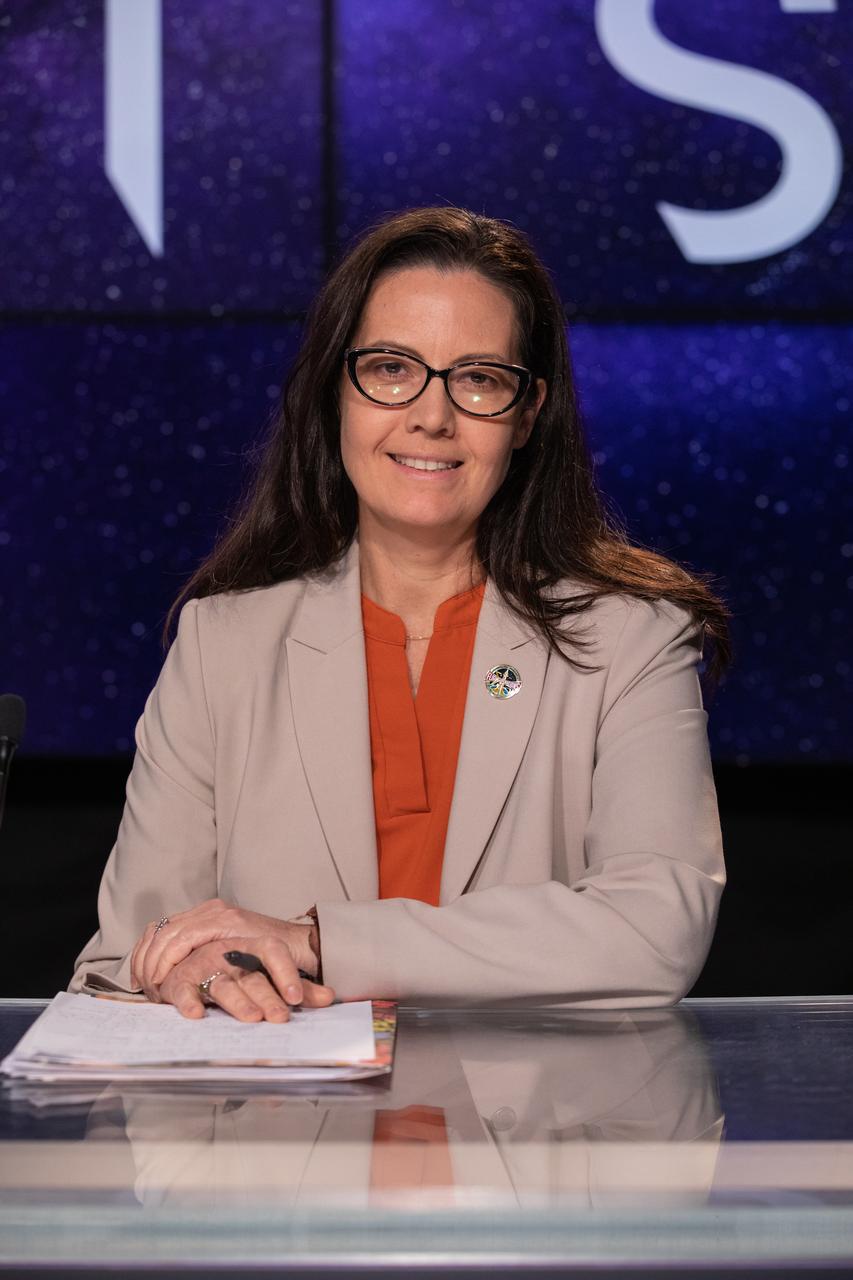
Emily Nelson, chief flight director, Johnson Space Center, participates in a postlaunch news conference on Nov. 16, 2022, at NASA’s Kennedy Space Center in Florida, after launch of Artemis I at 1:47 a.m. EST from Kennedy’s Launch Complex 39B. The first in a series of increasingly complex missions, Artemis I will provide a foundation for human deep space exploration and demonstrate our commitment and capability to extend human presence to the Moon and beyond. The primary goal of Artemis I is to thoroughly test the integrated systems before crewed missions by operating the spacecraft in a deep space environment, testing Orion’s heat shield, and recovering the crew module after reentry, descent, and splashdown.
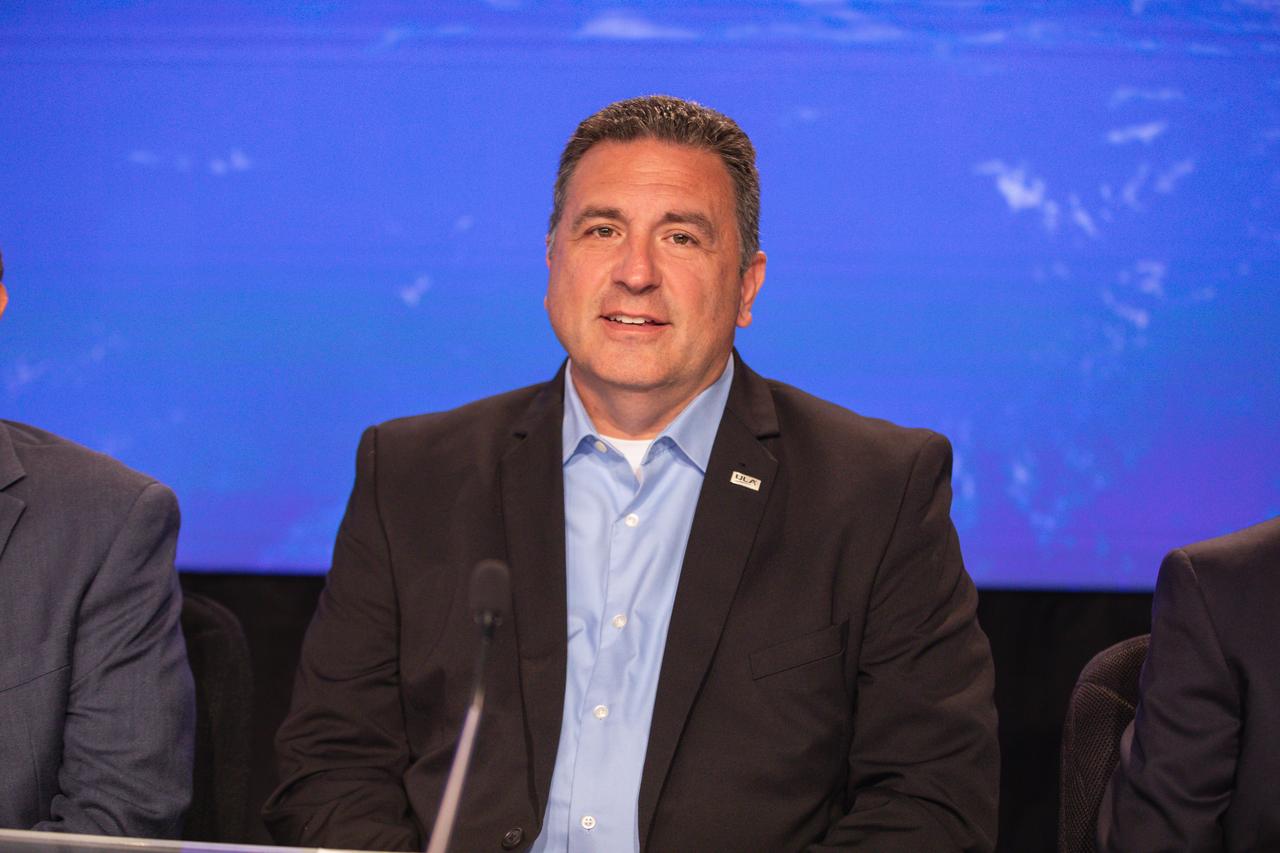
Gary Wentz, vice president, Government and Commercial Programs, United Launch Alliance, participates in a prelaunch briefing for NASA’s Boeing Crew Flight Test at the agency’s Kennedy Space Center in Florida Friday, May 31, 2024. As part of the agency’s Commercial Crew Program, NASA astronauts Butch Wilmore and Suni Williams are the first to launch aboard Boeing’s Starliner spacecraft atop a United Launch Alliance Atlas V rocket from Space Launch Complex-41 at Cape Canaveral Space Force Station in Florida. Liftoff is scheduled for 12:25 p.m. ET on Saturday, June 1.
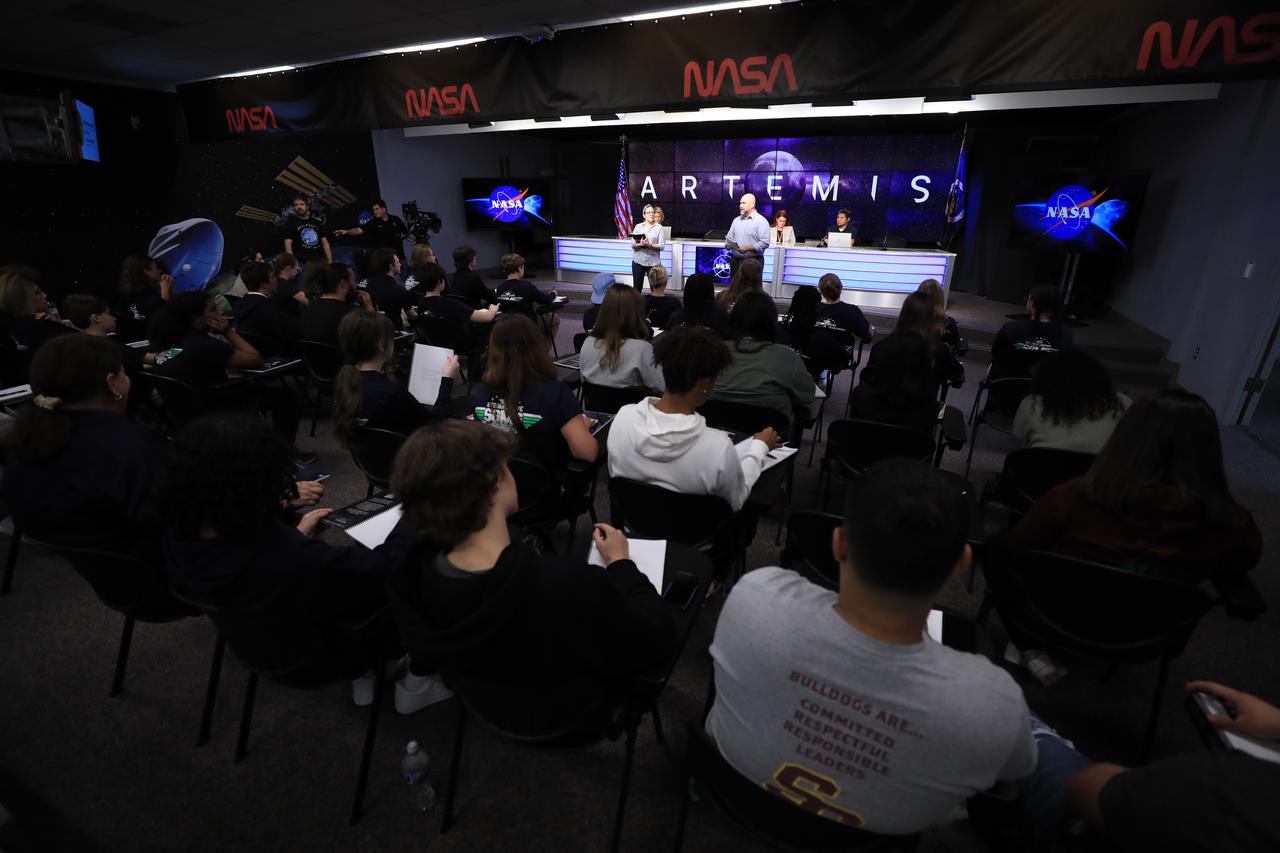
As part of NASA’s NextGen STEM project, Public Affairs Writers Danielle Sempsrott (left) and Jason Costa address students from Florida’s St. Cloud High School and Storm Grove Middle School in Vero Beach during an Artemis I student media briefing inside the John Holliman Auditorium of the News Center at NASA’s Kennedy Space Center in Florida on Jan. 19, 2023. Participants in the briefing included Kennedy Space Center Deputy Director Kelvin Manning, Artemis Launch Director Charlie Blackwell-Thompson, Manager of the Space Launch System Resident Management Office Elkin Norena, and Space Launch Delta 45 Weather Officer Melody Lovin. Along with the students participating in person, middle and high school students across the country had the opportunity to ask questions of the panel via phone to discuss the Artemis I mission and the agency’s future of human space exploration.
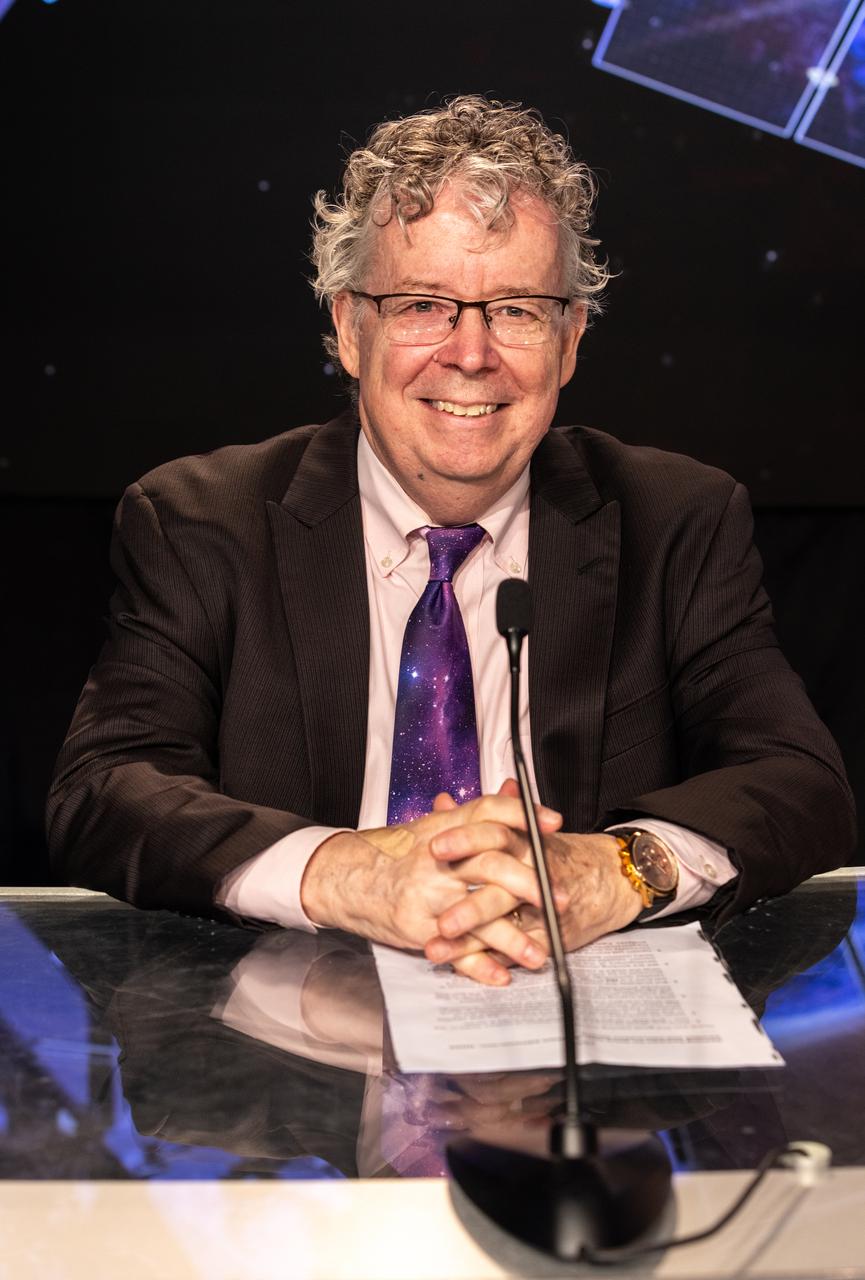
Steve Volz, assistant administrator, NOAA’s Satellite and Information Service, participates in a prelaunch news conference on Monday, June 24, 2024, at NASA’s Kennedy Space Center in Florida to discuss National Oceanic and Atmospheric Administration (NOAA) GOES-U (Geostationary Operational Environmental Satellite U) mission. The GOES-U satellite is the final addition to GOES-R series, which serves a critical role in providing continuous coverage of the Western Hemisphere, including monitoring tropical systems in the eastern Pacific and Atlantic oceans. The two-hour launch window opens at 5:16 p.m. EDT Tuesday, June 25, for the satellite’s launch on a SpaceX Falcon Heavy rocket from Launch Complex 39A at NASA’s Kennedy Space Center in Florida.
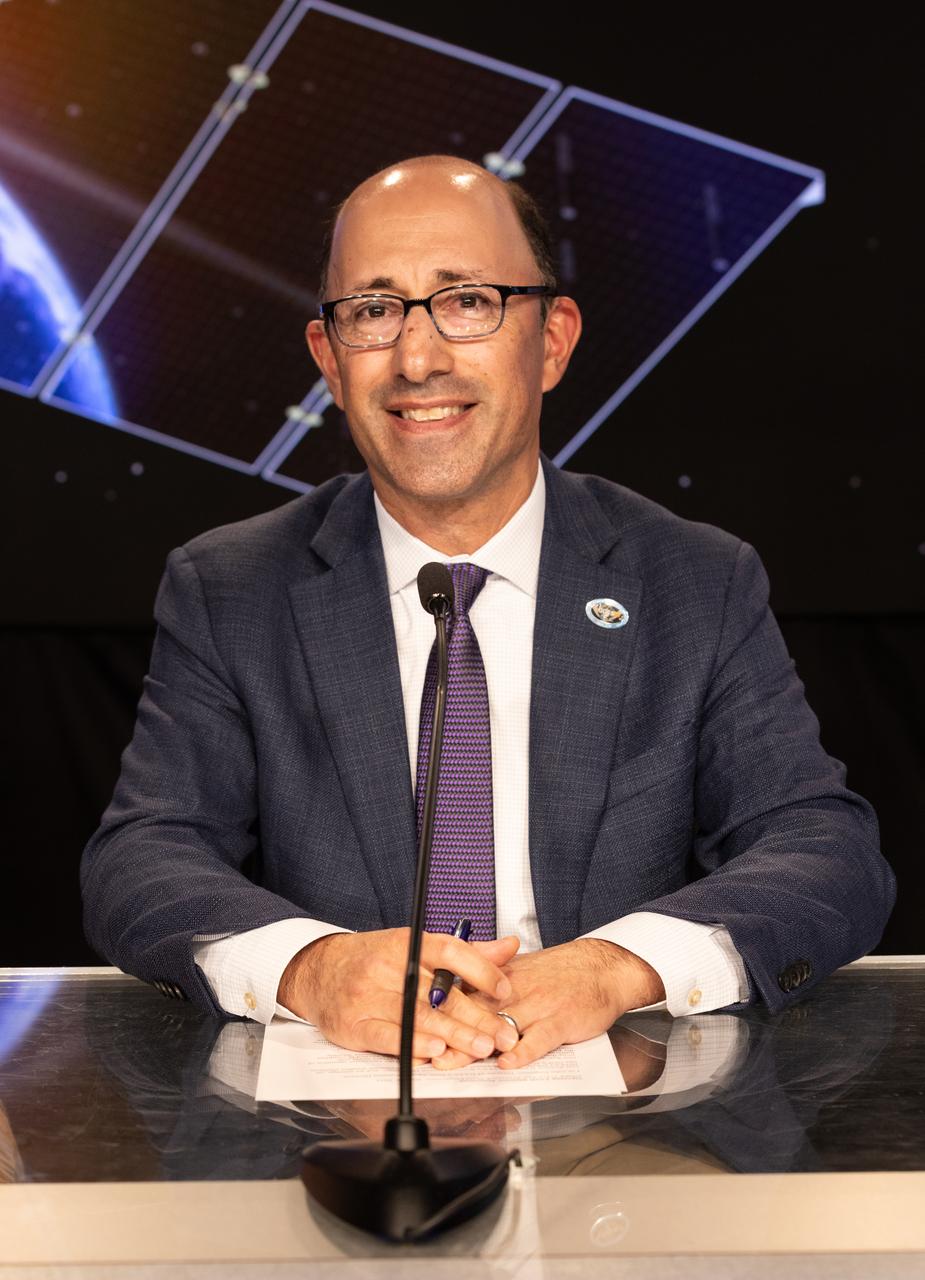
John Gagosian, director, Joint Agency Satellite Division, participates in a prelaunch news conference on Monday, June 24, 2024, at NASA’s Kennedy Space Center in Florida to discuss National Oceanic and Atmospheric Administration (NOAA) GOES-U (Geostationary Operational Environmental Satellite U) mission. The GOES-U satellite is the final addition to GOES-R series, which serves a critical role in providing continuous coverage of the Western Hemisphere, including monitoring tropical systems in the eastern Pacific and Atlantic oceans. The two-hour launch window opens at 5:16 p.m. EDT Tuesday, June 25, for the satellite’s launch on a SpaceX Falcon Heavy rocket from Launch Complex 39A at NASA’s Kennedy Space Center in Florida.
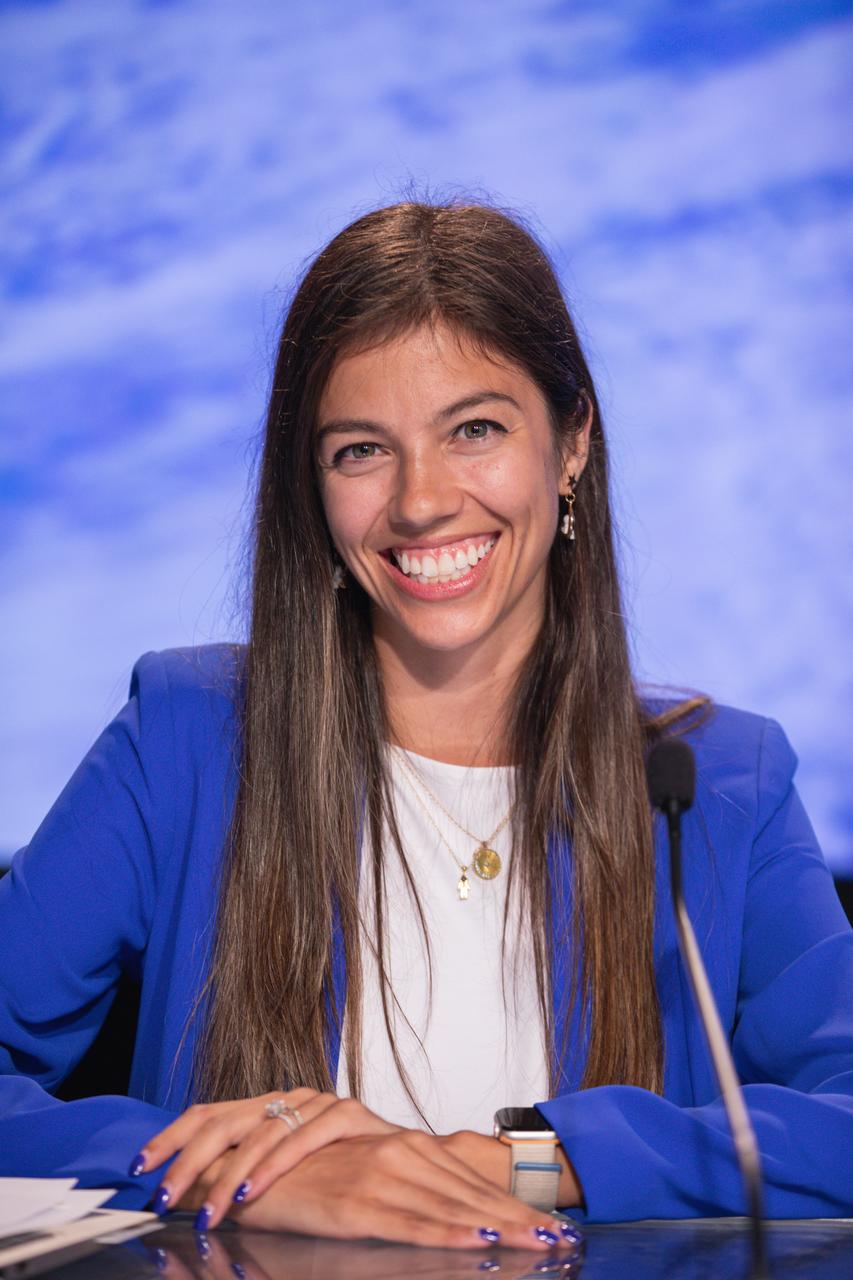
Antonia Jaramillo, NASA Communications, participates in a postlaunch news conference for NASA’s Boeing Crew Flight Test on Wednesday, June 5, 2024, at the agency’s Kennedy Space Center in Florida. As part of the agency’s Commercial Crew Program, NASA astronauts Butch Wilmore and Suni Williams are the first to launch aboard Boeing’s Starliner spacecraft to the International Space Station atop a United Launch Alliance Atlas V rocket. Liftoff occurred at 10:52 a.m. EDT Wednesday, June 5, from Space Launch Complex-41 at Cape Canaveral Space Force Station.
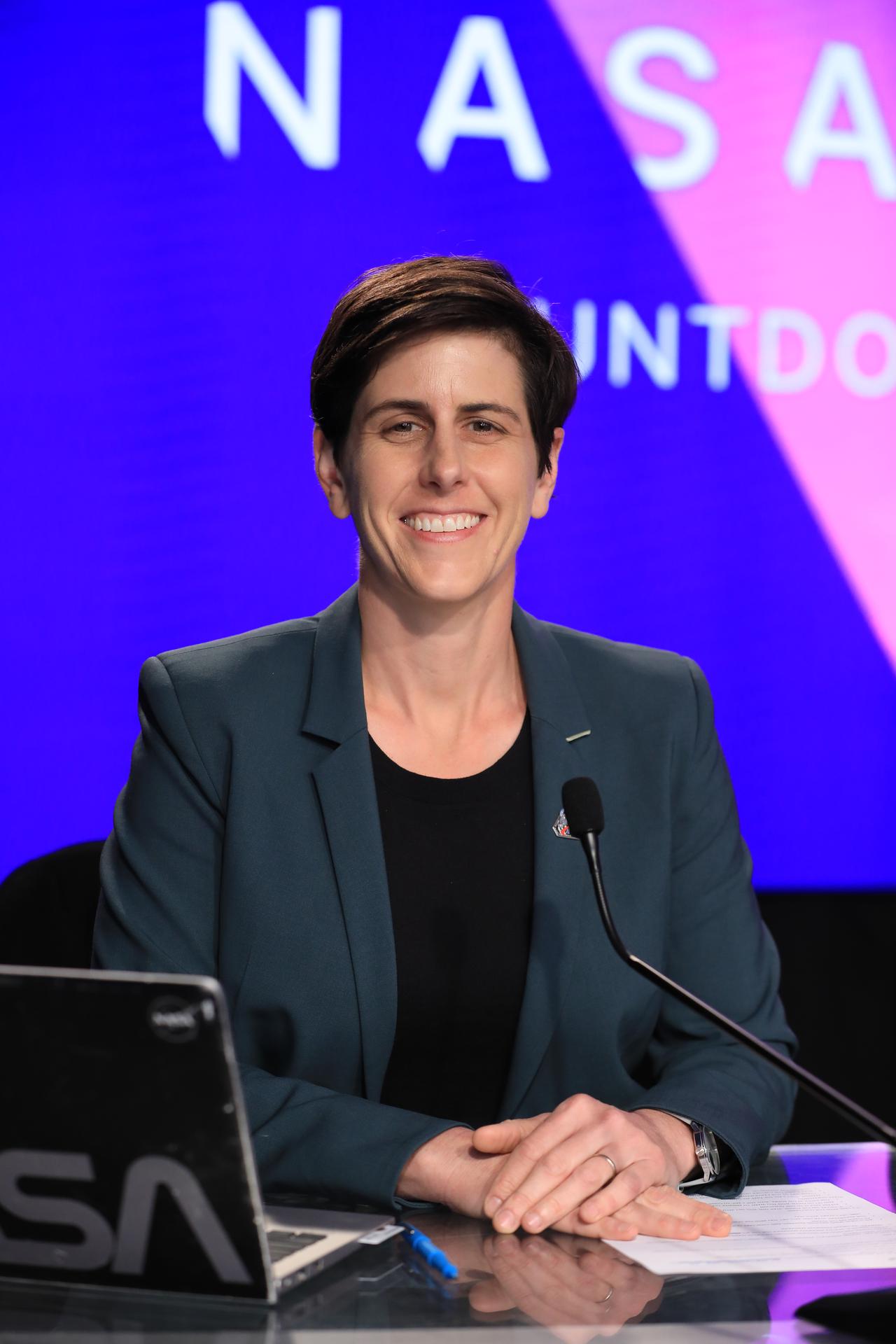
Rachel Kraft, NASA communications participates in a news conference on Sunday, March 29, 2026, to discuss the upcoming Artemis II test flight at NASA’s Kennedy Space Center in Florida. The Artemis II mission will take Artemis II Commander Reid Wiseman, Pilot Victor Glover, and Mission Specialist Christina Koch from NASA, and Mission Specialist Jeremy Hansen from the CSA (Canadian Space Agency) on a 10-day journey around the Moon and back aboard NASA’s SLS (Space Launch System) rocket and Orion spacecraft from Launch Complex 39B no earlier than 6:24 p.m. EDT on Wednesday, April 1.
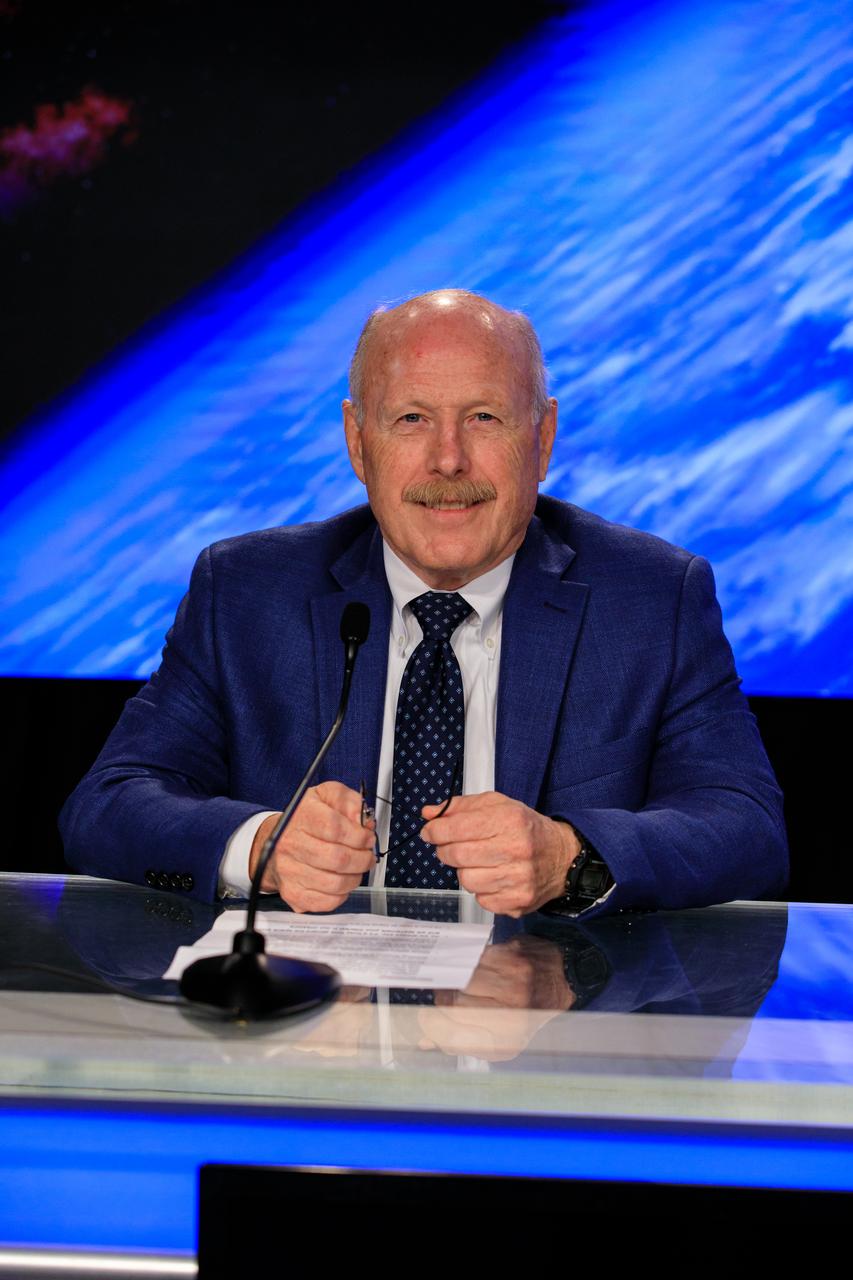
Ken Bowersox, associate administrator of NASA’s Space Operations Mission Directorate, participates in a postlaunch news conference at the agency’s Kennedy Space Center in Florida on Saturday, Sept. 28, 2024, following the launch of NASA’s SpaceX Crew-9 mission to the International Space Station. NASA astronaut Nick Hague and Roscosmos cosmonaut Aleksandr Gorbunov launched aboard SpaceX’s Dragon spacecraft and Falcon 9 rocket from nearby Space Launch Complex-40 at Cape Canaveral Space Force Station at 1:17 p.m. EDT on the ninth crew rotation mission with SpaceX to the space station as part of the agency’s Commercial Crew Program.
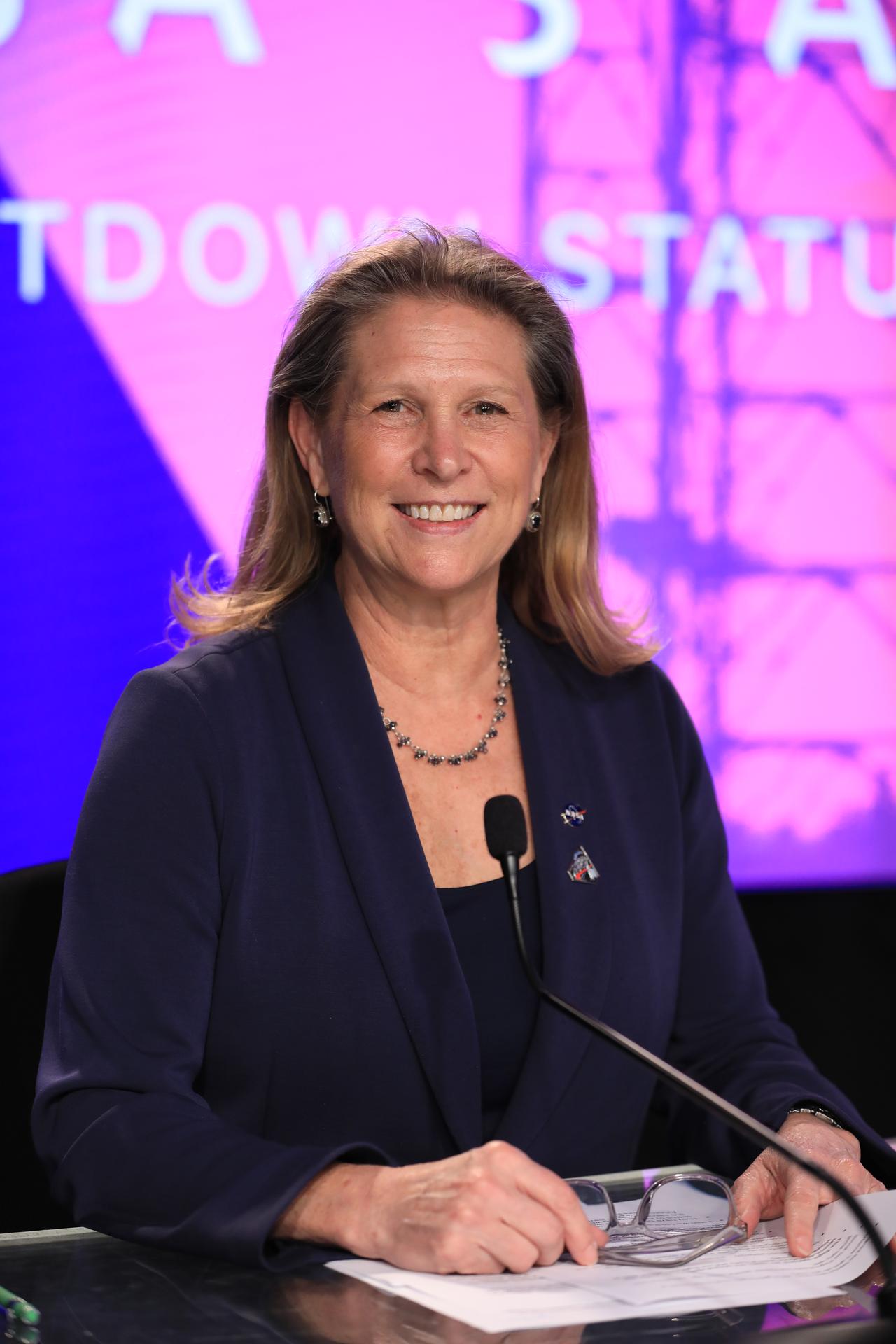
Lori Glaze, acting associate administrator, Exploration Systems Development Mission Directorate, participates in a news conference on Sunday, March 29, 2026, to discuss the upcoming Artemis II test flight at NASA’s Kennedy Space Center in Florida. The Artemis II mission will take Artemis II Commander Reid Wiseman, Pilot Victor Glover, and Mission Specialist Christina Koch from NASA, and Mission Specialist Jeremy Hansen from the CSA (Canadian Space Agency) on a 10-day journey around the Moon and back aboard NASA’s SLS (Space Launch System) rocket and Orion spacecraft from Launch Complex 39B no earlier than 6:24 p.m. EDT on Wednesday, April 1.
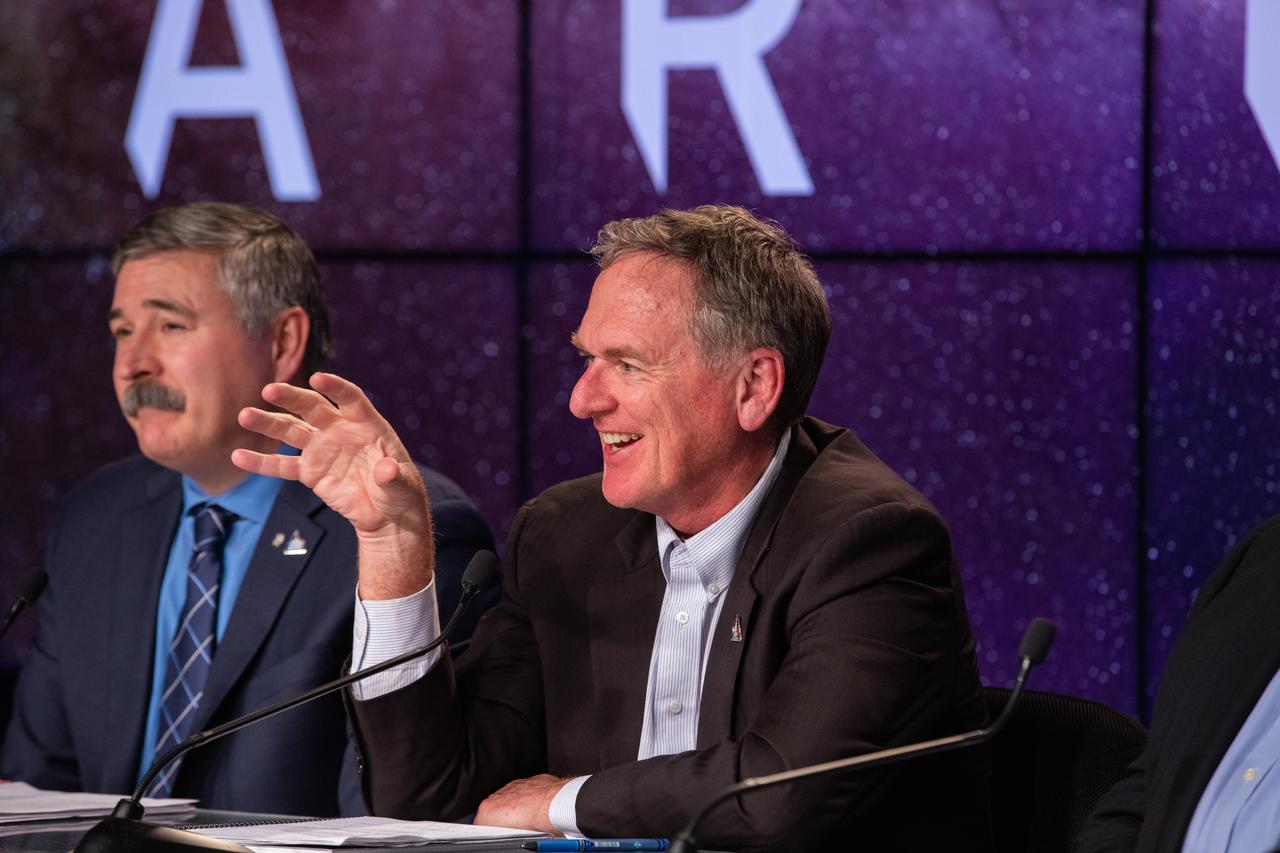
A postlaunch news conference is held on Nov. 16, 2022, at NASA’s Kennedy Space Center in Florida, after launch of Artemis I at 1:47 a.m. EST from Kennedy’s Launch Complex 39B. Participants were, from left, Mike Sarafin, Artemis mission manager, NASA Headquarters; and Mike Bolger, Exploration Ground Systems Program manager, Kennedy. Also participating were NASA Administrator Bill Nelson; John Honeycutt, Space Launch System Program manager, Marshall; Howard Hu, Orion Program manager, NASA’s Johnson Space Center; and Emily Nelson, chief flight director, Johnson. The first in a series of increasingly complex missions, Artemis I will provide a foundation for human deep space exploration and demonstrate our commitment and capability to extend human presence to the Moon and beyond. The primary goal of Artemis I is to thoroughly test the integrated systems before crewed missions by operating the spacecraft in a deep space environment, testing Orion’s heat shield, and recovering the crew module after reentry, descent, and splashdown.
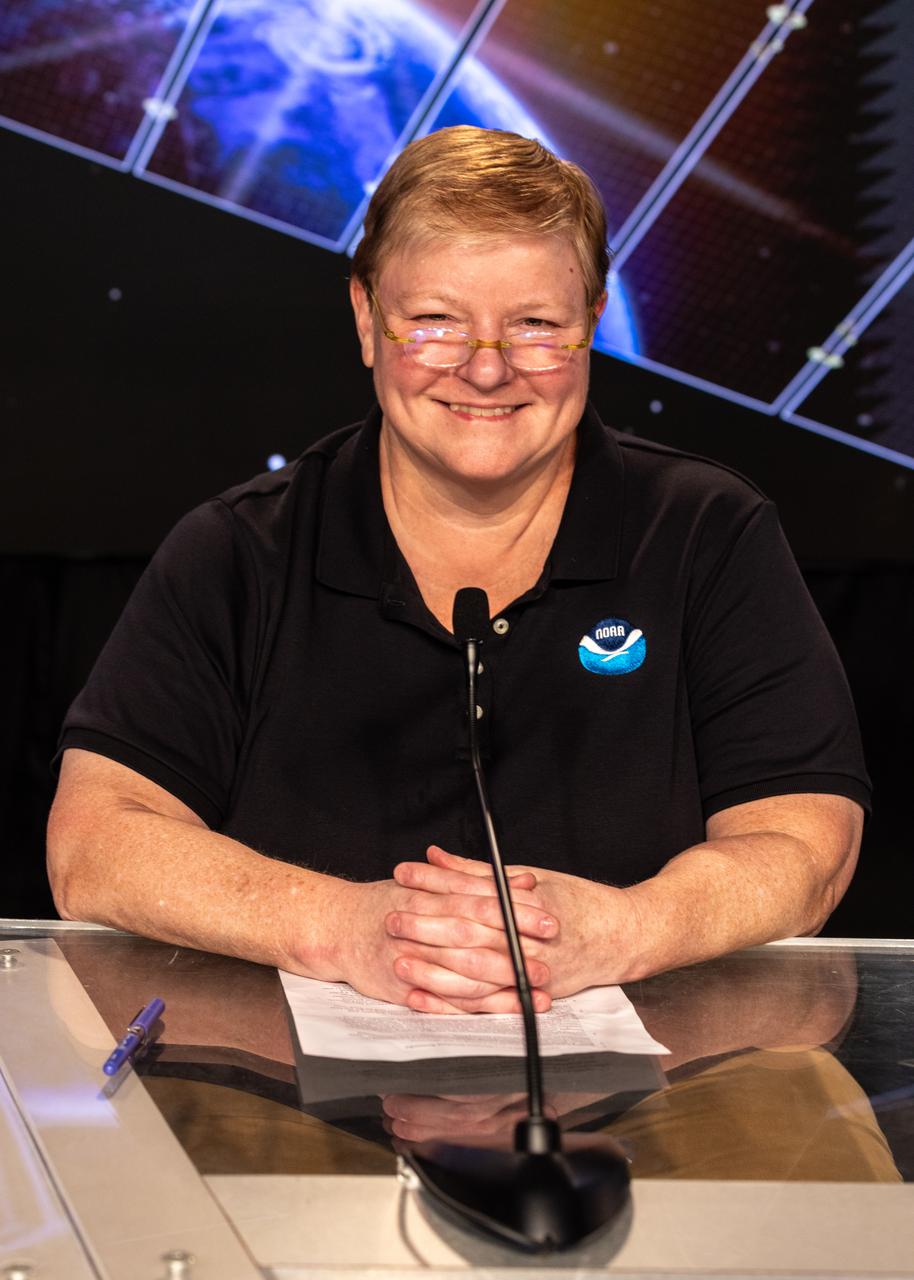
Pam Sullivan, director, GOES-R Program, NOAA, participates in a prelaunch news conference on Monday, June 24, 2024, at NASA’s Kennedy Space Center in Florida to discuss National Oceanic and Atmospheric Administration (NOAA) GOES-U (Geostationary Operational Environmental Satellite U) mission. The GOES-U satellite is the final addition to GOES-R series, which serves a critical role in providing continuous coverage of the Western Hemisphere, including monitoring tropical systems in the eastern Pacific and Atlantic oceans. The two-hour launch window opens at 5:16 p.m. EDT Tuesday, June 25, for the satellite’s launch on a SpaceX Falcon Heavy rocket from Launch Complex 39A at NASA’s Kennedy Space Center in Florida.
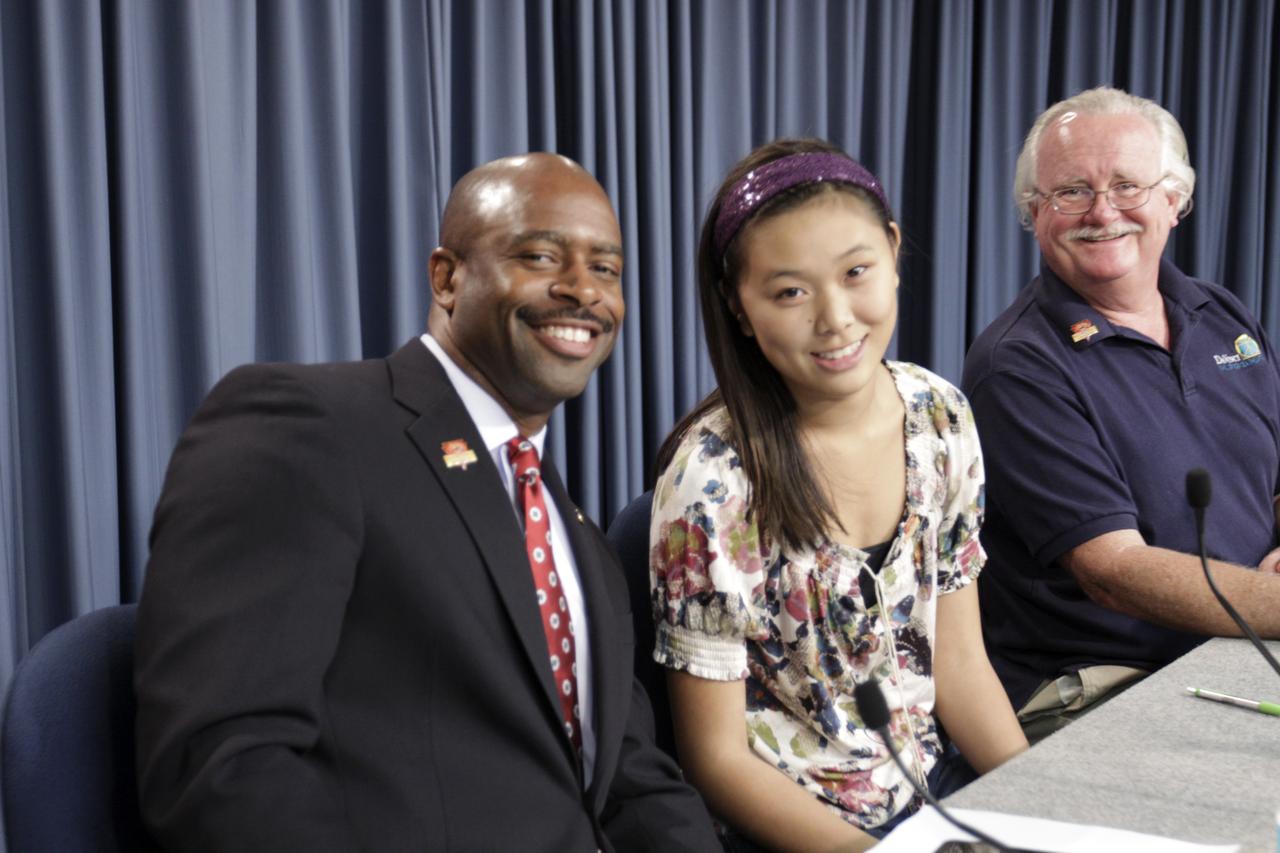
MSL - Why Mars Press Briefing
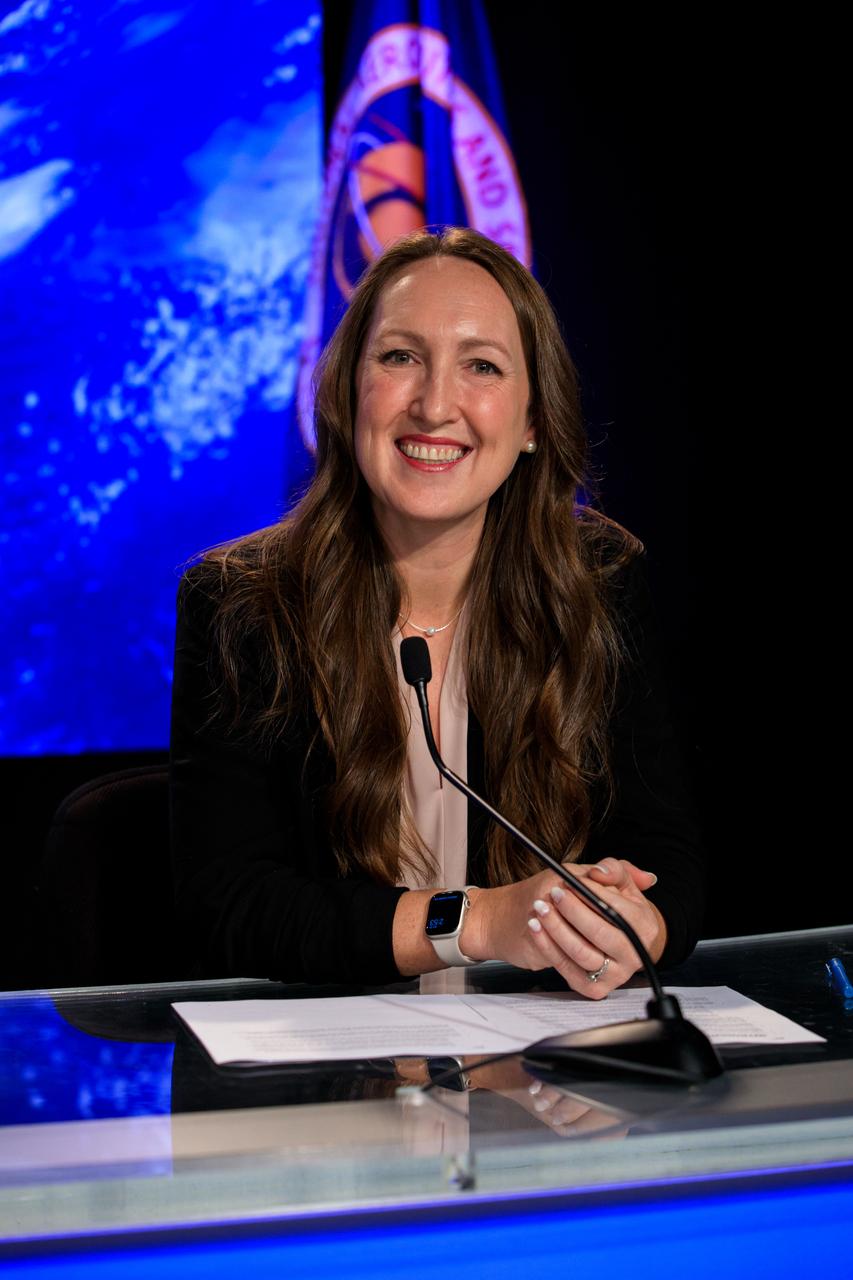
Sarah Walker, director of Dragon Mission Management at SpaceX, participates in a postlaunch news conference at the agency’s Kennedy Space Center in Florida on Saturday, Sept. 28, 2024, following the launch of NASA’s SpaceX Crew-9 mission to the International Space Station. NASA astronaut Nick Hague and Roscosmos cosmonaut Aleksandr Gorbunov launched aboard SpaceX’s Dragon spacecraft and Falcon 9 rocket from nearby Space Launch Complex-40 at Cape Canaveral Space Force Station at 1:17 p.m. EDT on the ninth crew rotation mission with SpaceX to the space station as part of the agency’s Commercial Crew Program.
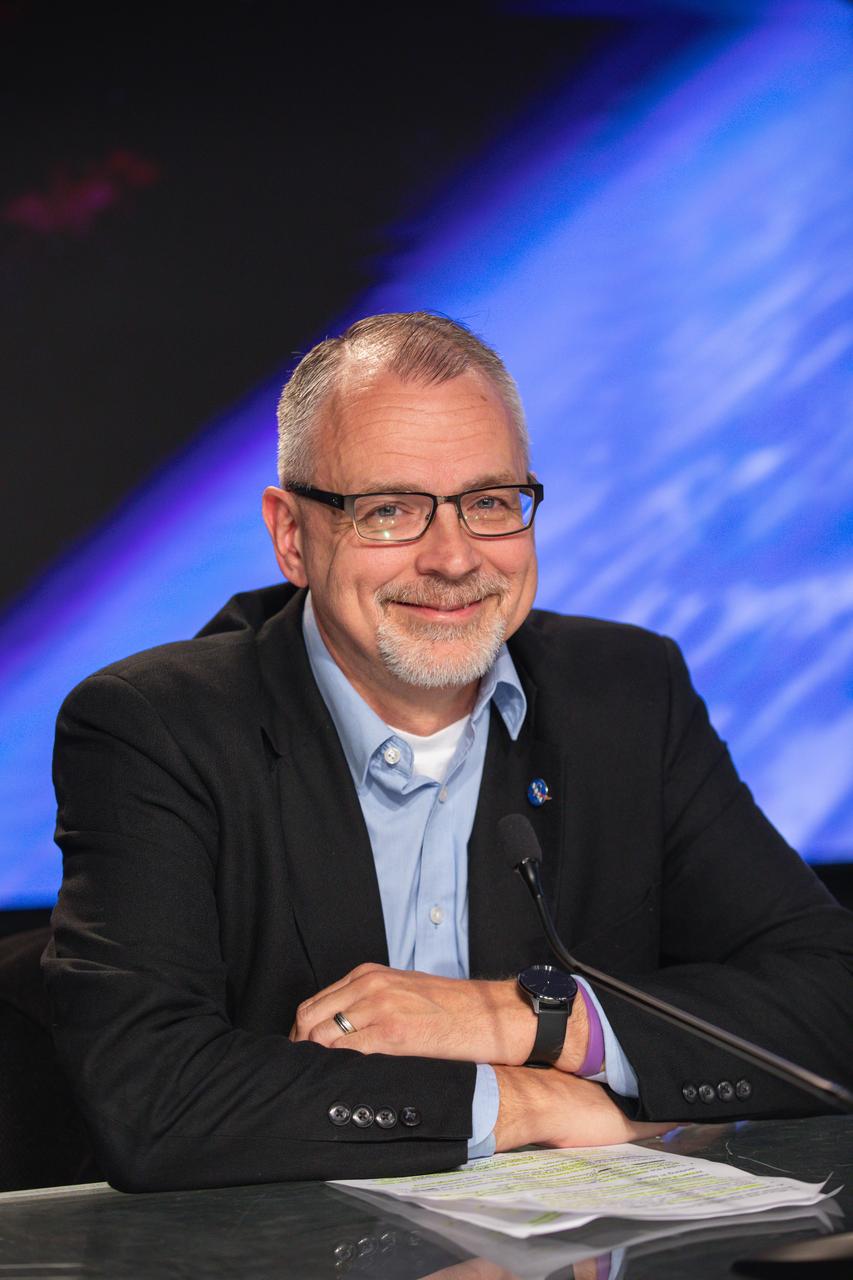
NASA Associate Administrator Jim Free participates in an International Space Station 101 Panel Livestream inside the John Holliman Auditorium of the News Center at NASA’s Kennedy Space Center in Florida on Friday, Sept. 27, 2024, ahead of NASA’s SpaceX Crew-9 mission to the International Space Station. Liftoff of the ninth crew rotation mission with SpaceX to the space station as part of the agency’s Commercial Crew Program is targeted for 1:17 p.m. EDT Sept. 28, 2024, from Space Launch Complex-40 at Cape Canaveral Space Force Station in Florida.
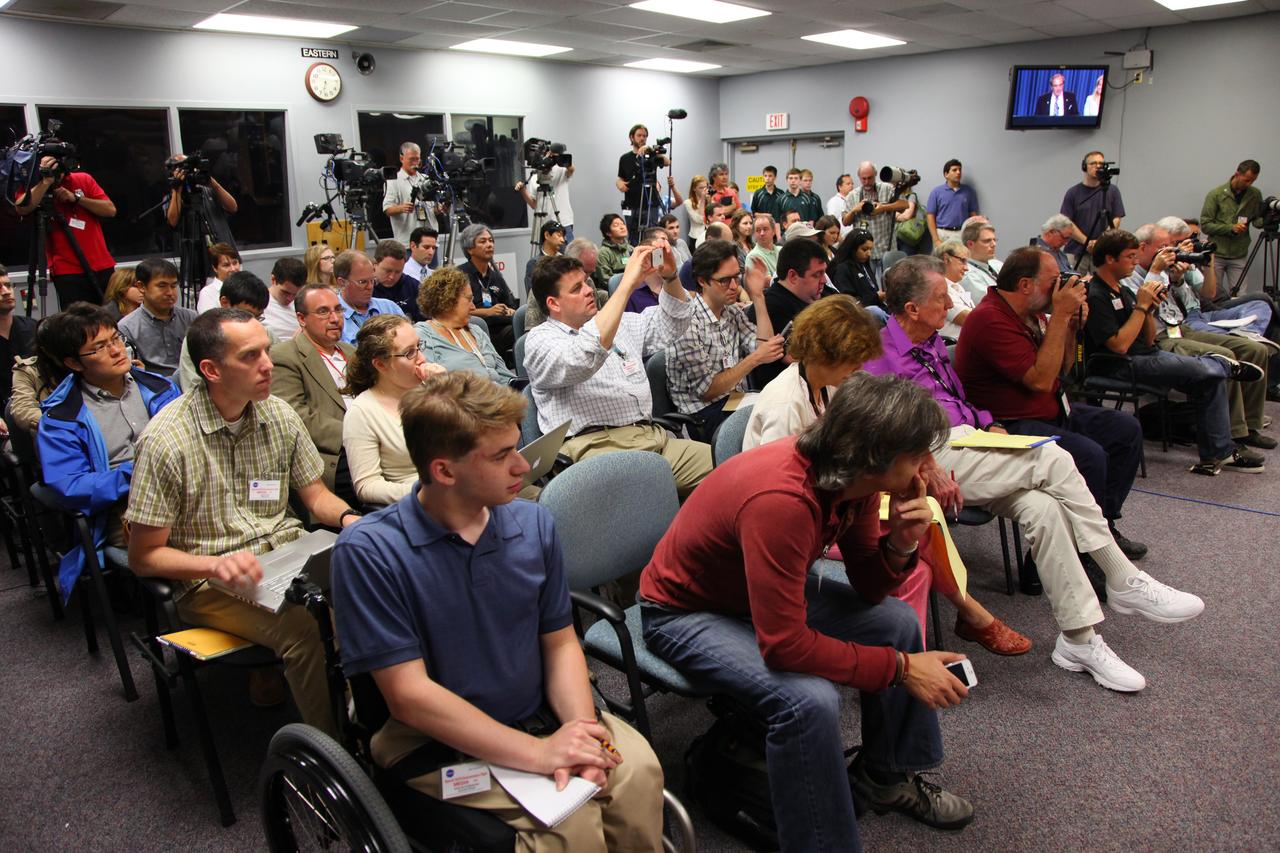
SpaceX Falcon 9/COTS 2 Scrub Press Conference
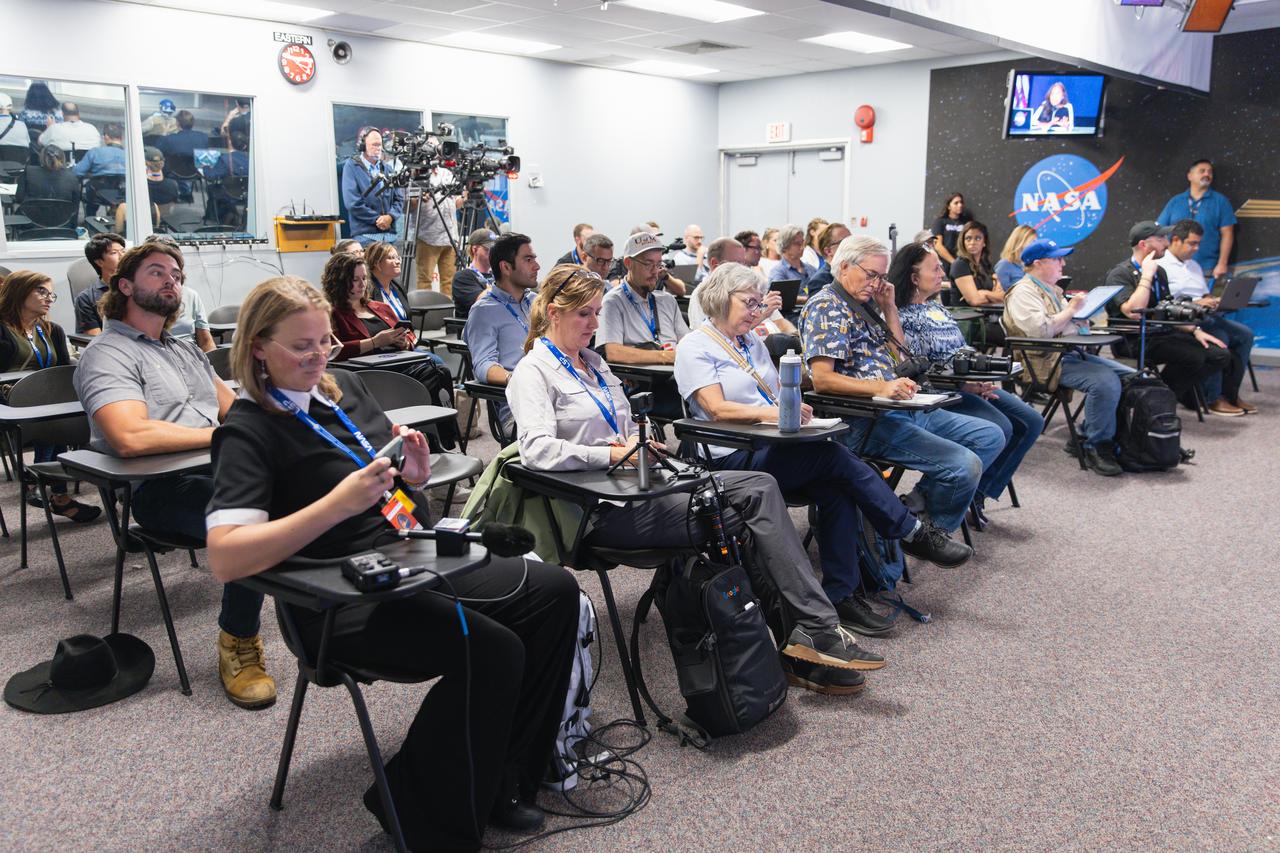
Members of the media attend an International Space Station 101 Panel Livestream inside the John Holliman Auditorium of the News Center at the agency’s Kennedy Space Center in Florida on Friday, Sept. 27, 2024, ahead of NASA’s SpaceX Crew-9 mission to the International Space Station. Liftoff of the ninth crew rotation mission with SpaceX to the space station as part of the agency’s Commercial Crew Program is targeted for 1:17 p.m. EDT Sept. 28, 2024, from Space Launch Complex-40 at Cape Canaveral Space Force Station in Florida.
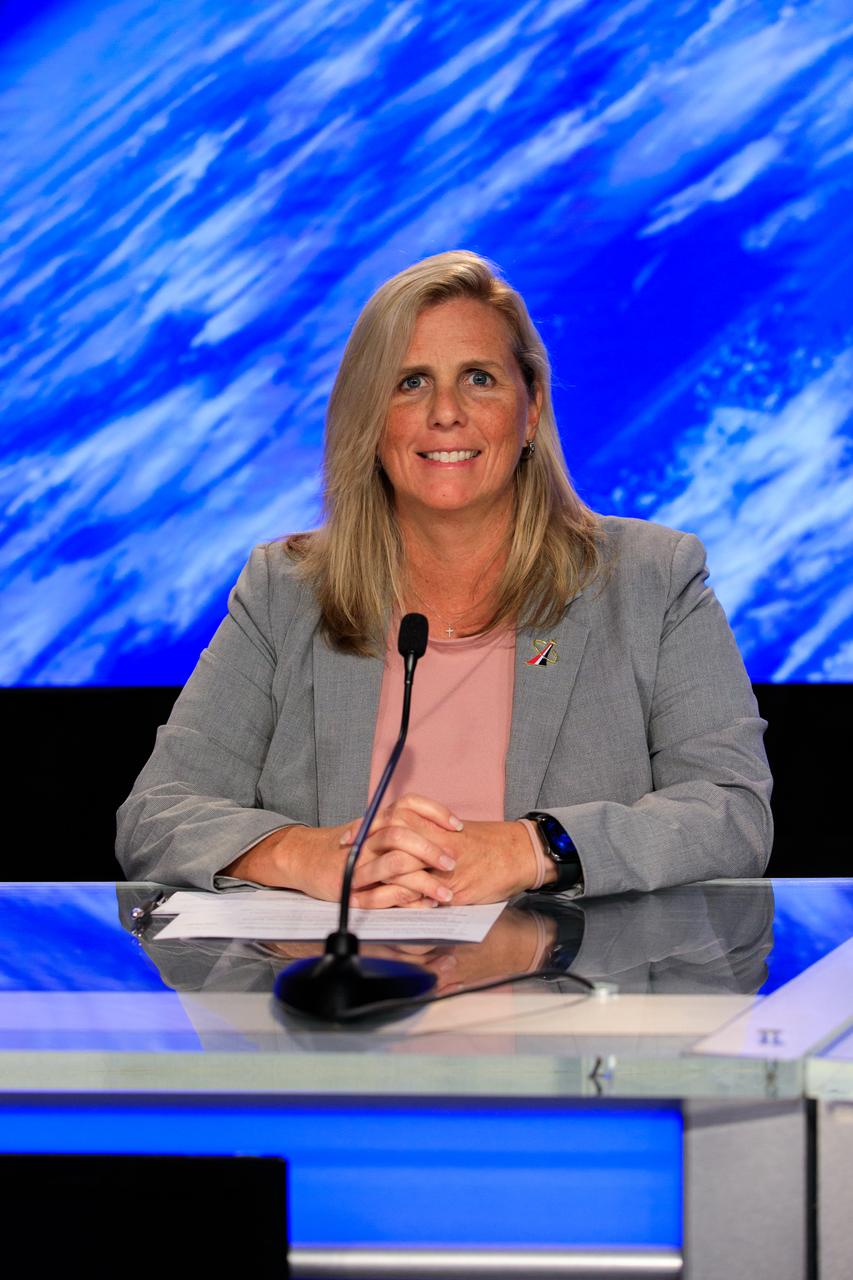
Dana Hutcherson, deputy manager of NASA’s Commercial Crew Program, participates in a postlaunch news conference at the agency’s Kennedy Space Center in Florida on Saturday, Sept. 28, 2024, following the launch of NASA’s SpaceX Crew-9 mission to the International Space Station. NASA astronaut Nick Hague and Roscosmos cosmonaut Aleksandr Gorbunov launched aboard SpaceX’s Dragon spacecraft and Falcon 9 rocket from nearby Space Launch Complex-40 at Cape Canaveral Space Force Station at 1:17 p.m. EDT on the ninth crew rotation mission with SpaceX to the space station as part of the agency’s Commercial Crew Program.
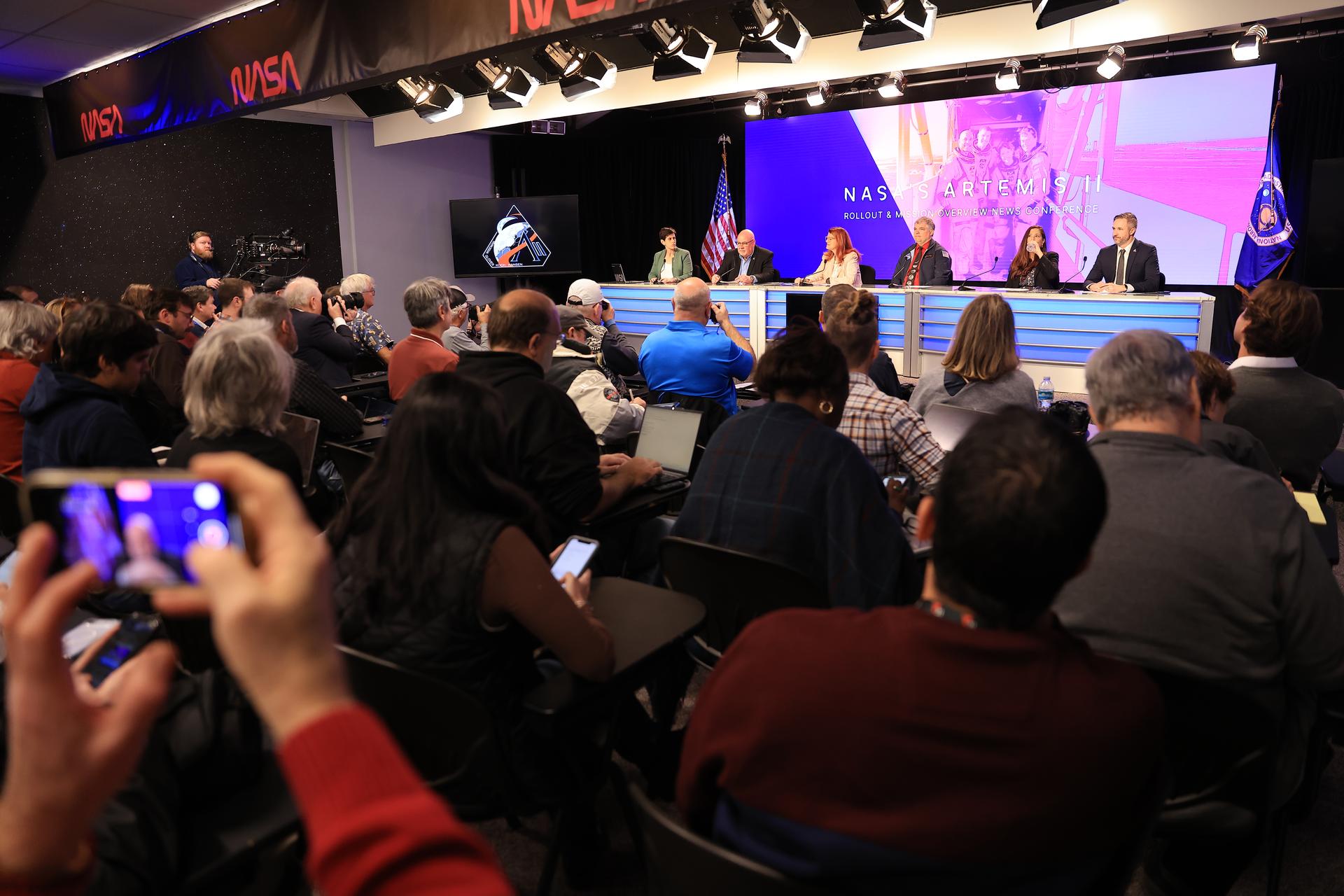
From left to right, Rachel Kraft, NASA's Office of Communications; John Honeycutt, Artemis II mission management team chair; Charlie Blackwell-Thompson, launch director, Exploration Ground Systems Program at NASA’s Kennedy Space Center in Florida; Jeff Radigan, Artemis II lead flight director, Flight Operations Directorate; Lili Villarreal, Artemis II landing and recovery director in Exploration Ground Systems Program at NASA’s Kennedy Space Center in Florida; Jacob Bleacher, chief exploration scientist in the Exploration Systems Development Mission Directorate at NASA Headquarters in Washington, participate in an Artemis II mission overview news conference on Friday, Jan. 16, 2026, at NASA’s Kennedy Space Center in Florida ahead of rollout of the SLS (Space Launch System) rocket and Orion spacecraft from the Vehicle Assembly Building to Launch Complex 39B at NASA Kennedy. The Artemis II test flight will take Commander Reid Wiseman, Pilot Victor Glover, and Mission Specialist Christina Koch from NASA, and Mission Specialist Jeremy Hansen from the CSA (Canadian Space Agency), around the Moon and back to Earth no later than April 2026.
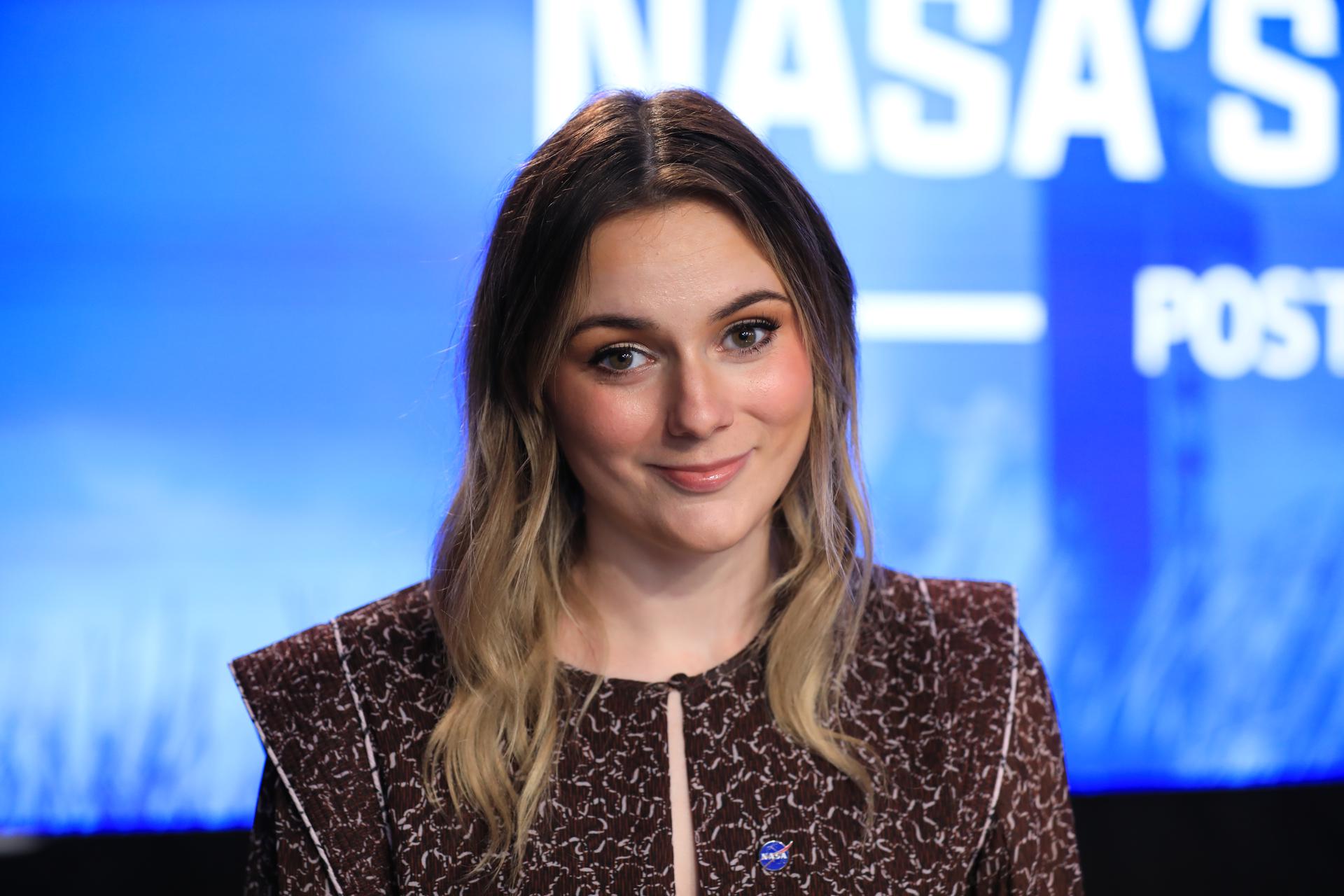
Bethany Stevens, NASA press secretary, participates in a postlaunch news conference at the agency’s Kennedy Space Center in Florida on Friday, Feb. 13, 2026, following the launch of NASA’s SpaceX Crew-12 mission to the International Space Station. NASA astronauts Jessica Meir and Jack Hathaway, ESA (European Space Agency) astronaut Sophie Adenot, and Roscosmos cosmonaut Andrey Fedyaev launched to the International Space Station aboard SpaceX’s Dragon spacecraft and Falcon 9 rocket at 5:15 a.m. EST on the 12th crew rotation mission with SpaceX to the space station as part of NASA’s Commercial Crew Program.
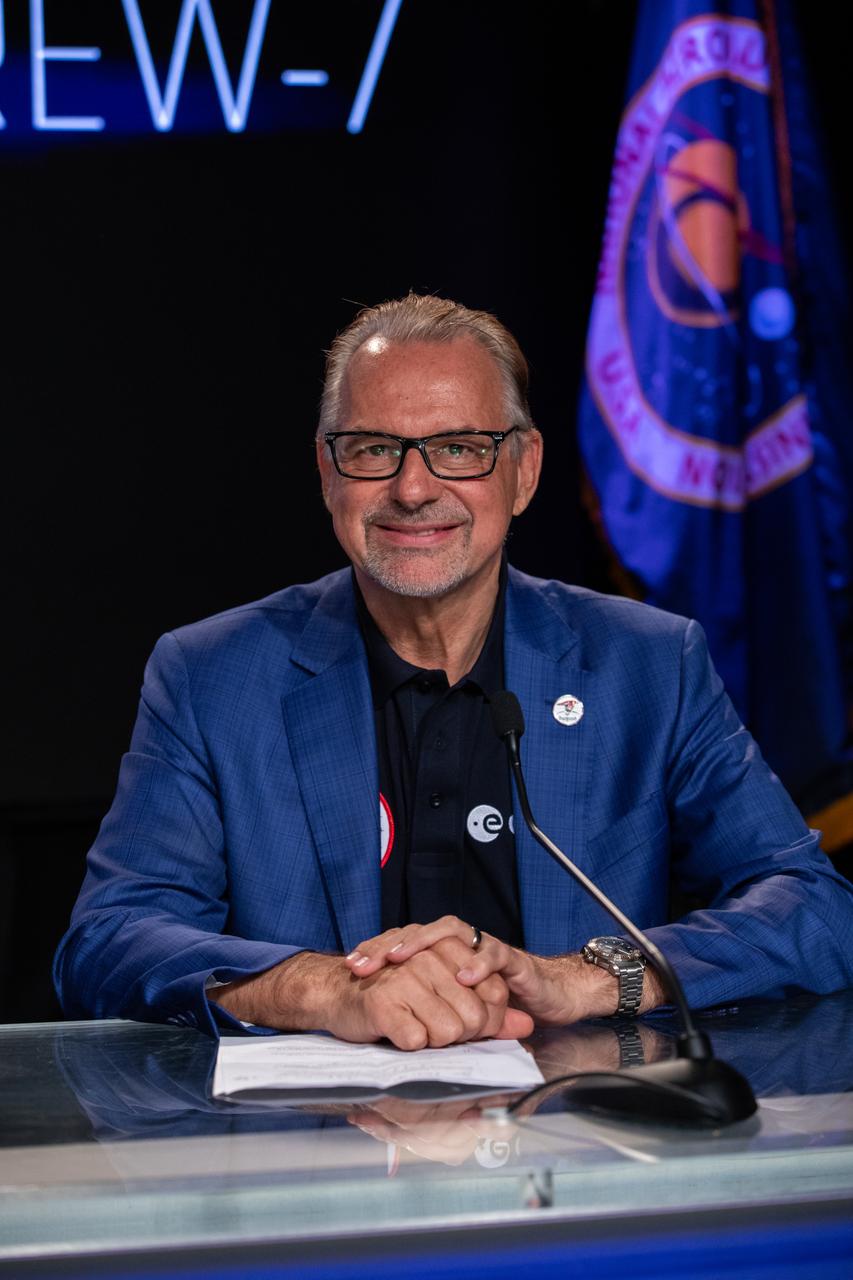
Josef Aschbacher, director general of ESA (European Space Agency), participates in a Crew-7 postlaunch news conference at the agency’s Kennedy Space Center in Florida on Saturday, Aug. 26, 2023. Crew-7 crew members NASA astronaut Jasmin Moghbeli, ESA astronaut Andreas Mogensen, JAXA (Japan Aerospace Exploration Agency) astronaut Satoshi Furukawa, and Roscosmos cosmonaut Konstantin Borisov launched aboard SpaceX’s Dragon spacecraft from Kennedy at 3:27 a.m. EDT. They will dock to the orbiting laboratory at about 8:40 a.m. EDT Sunday, Aug. 27.
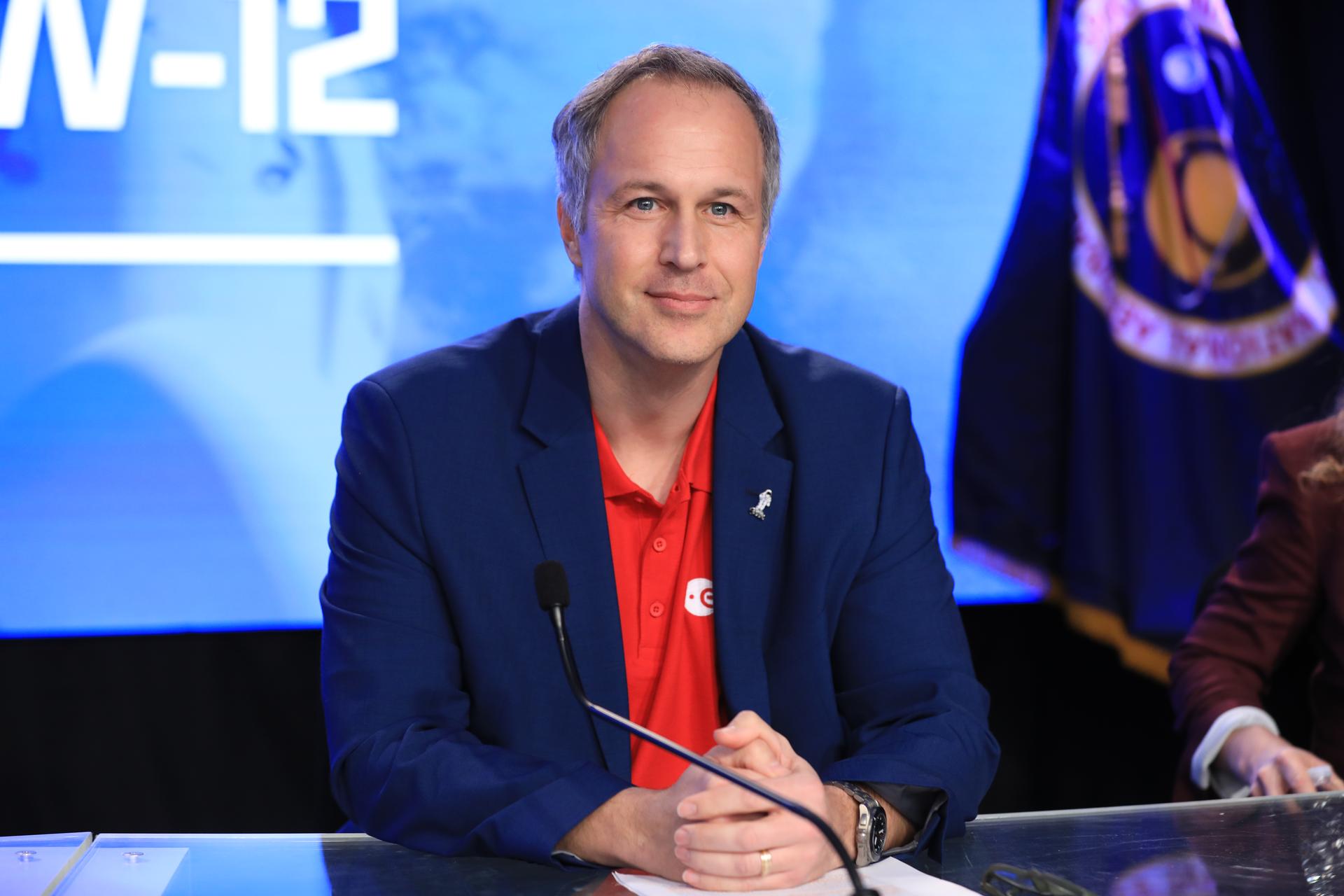
Daniel Neuenschwander, director, Human and Robotic Exploration, ESA (European Space Agency) participates in a postlaunch news conference at the agency’s Kennedy Space Center in Florida on Friday, Feb. 13, 2026, following the launch of NASA’s SpaceX Crew-12 mission to the International Space Station. NASA astronauts Jessica Meir and Jack Hathaway, ESA (European Space Agency) astronaut Sophie Adenot, and Roscosmos cosmonaut Andrey Fedyaev launched to the International Space Station aboard SpaceX’s Dragon spacecraft and Falcon 9 rocket at 5:15 a.m. EST on the 12th crew rotation mission with SpaceX to the space station as part of NASA’s Commercial Crew Program.
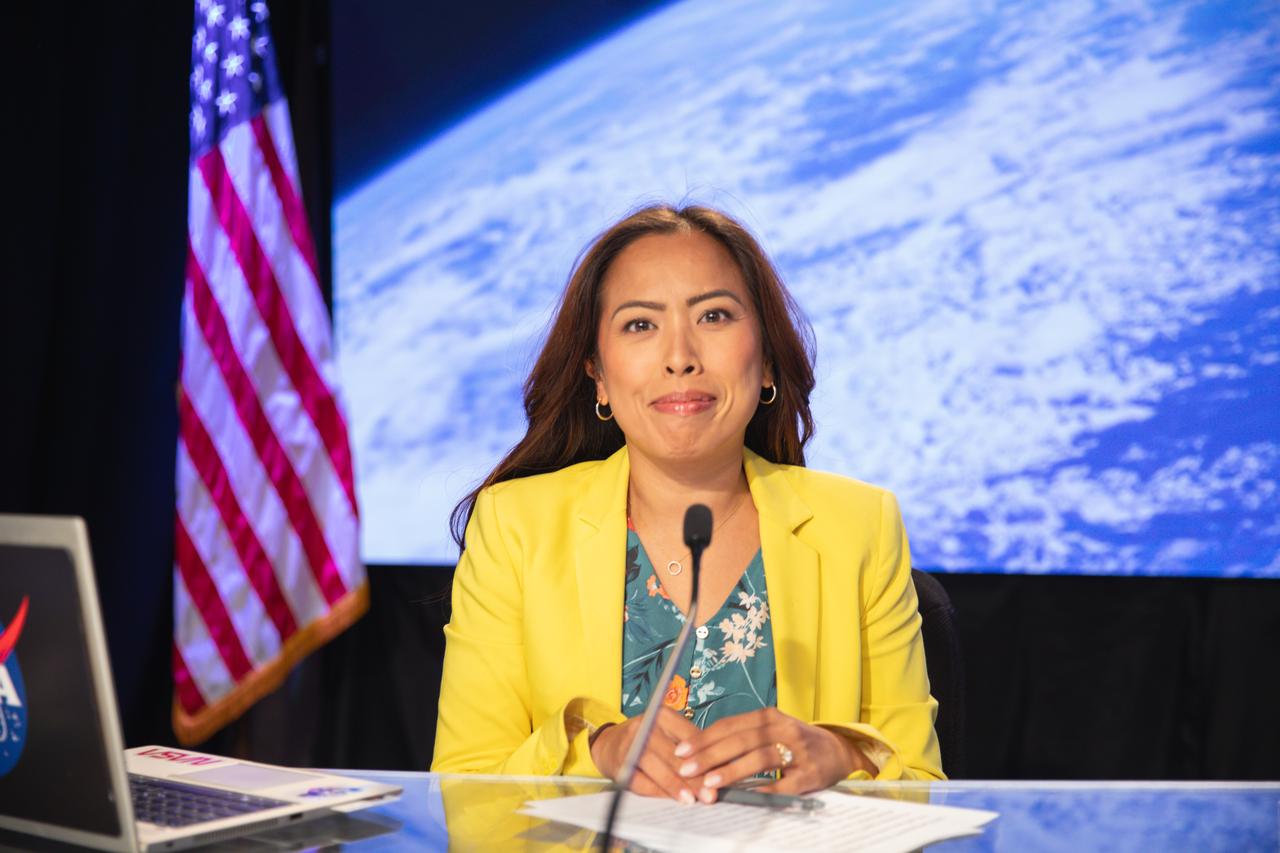
Megan Cruz, NASA Communications, participates in a news conference held at the agency’s Kennedy Space Center in Florida on Saturday, June 1, 2024, after the second launch attempt of NASA’s Boeing Crew Flight Test scrubbed for the day. As part of the agency’s Commercial Crew Program, NASA astronauts Butch Wilmore and Suni Williams will be the first to launch to the International Space Station aboard Boeing’s Starliner spacecraft atop a ULA (United Launch Alliance) Atlas V rocket from Space Launch Complex-41 at nearby Cape Canaveral Space Force Station.
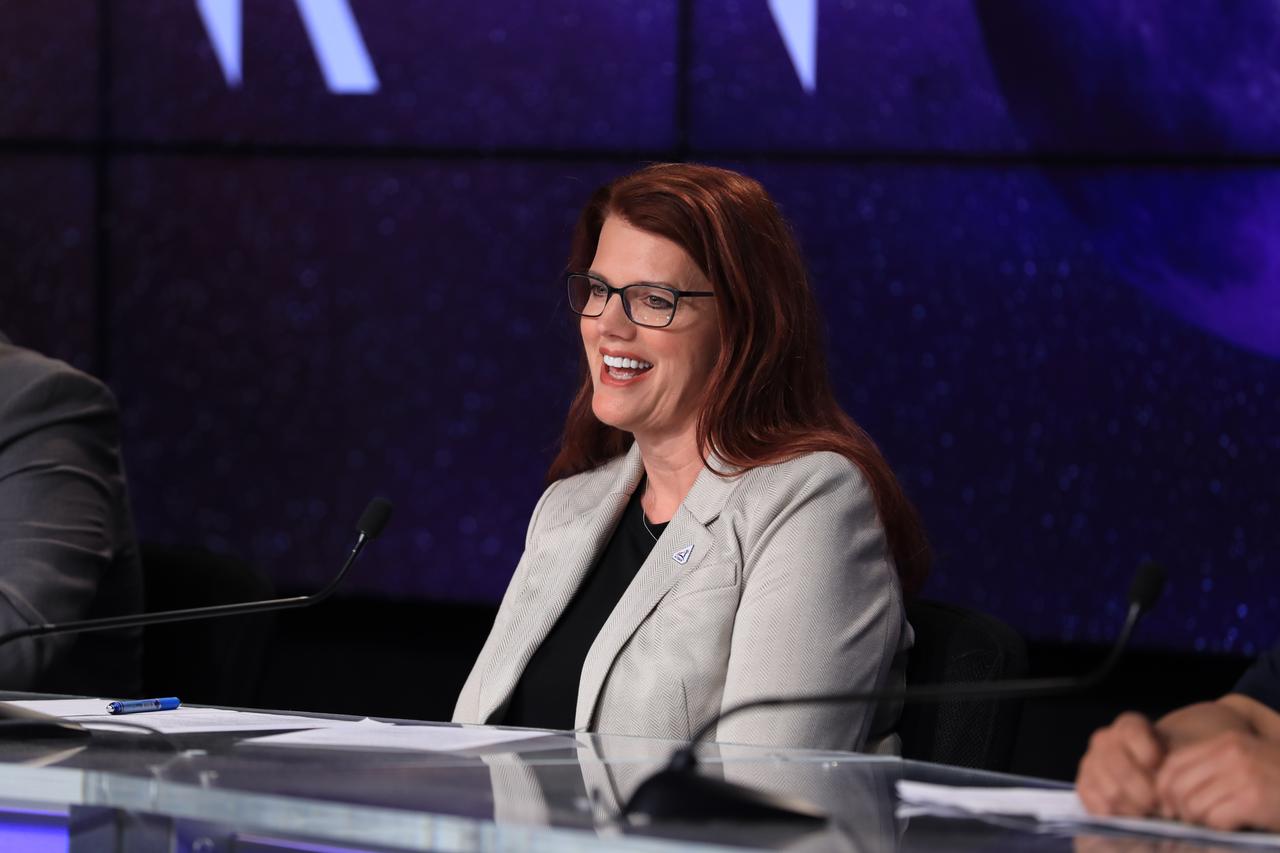
NASA’s Artemis Launch Director Charlie Blackwell-Thompson participates in an Artemis I student media briefing inside the John Holliman Auditorium of the News Center at Kennedy Space Center in Florida on Jan. 19, 2023. As part of NASA’s NextGen STEM project, students from Florida’s St. Cloud High School and Storm Grove Middle School in Vero Beach participated in person during the briefing, while middle and high school students across the country had the opportunity to ask questions of the panel via phone to discuss the Artemis I mission and the agency’s future of human space exploration.
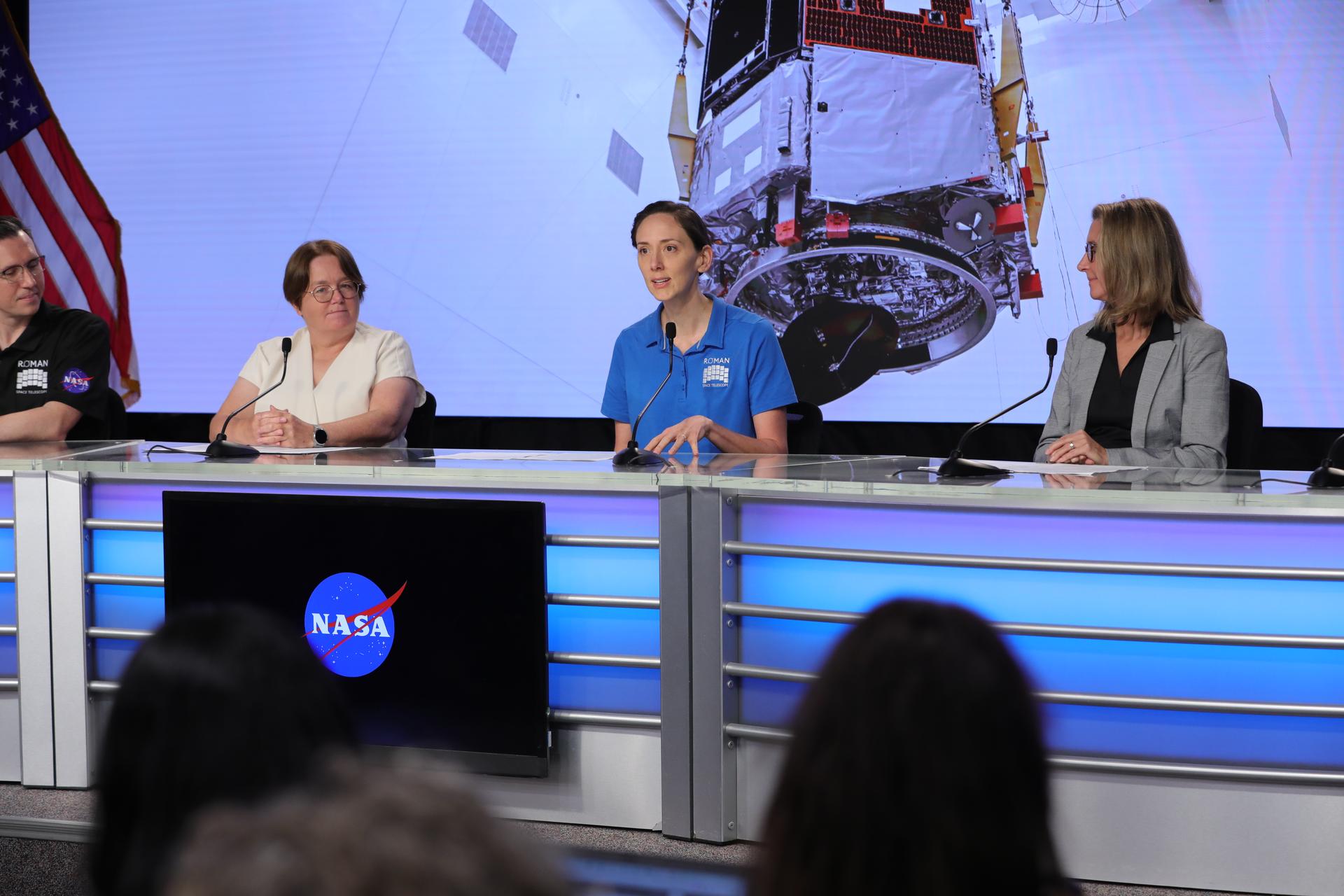
From left, Shawn Domagal-Goldman, director, Astrophysics Division, NASA Headquarters in Washington; Julie McEnery, Roman telescope senior project scientist, NASA’s Goddard Space Flight Center in Greenbelt, Maryland; Vanessa Bailey, Roman Coronagraph Instrument scientist, NASA’s Jet Propulsion Laboratory in Southern California; and Kristen McQuinn, Roman Science Operations Center lead, Space Telescope Science Institute, participate in a science briefing for NASA’s Nancy Grace Roman Space Telescope inside the NASA News Center’s John Holliman Auditorium at Kennedy Space Center in Florida, on Saturday, Aug. 29, 2026. Roman will investigate dark energy and dark matter, conduct a statistical census of planetary systems, and enable a broad range of additional astrophysics research. Liftoff from Launch Complex 39A at Kennedy is targeted for no earlier than Sunday, Aug. 30, 2026.
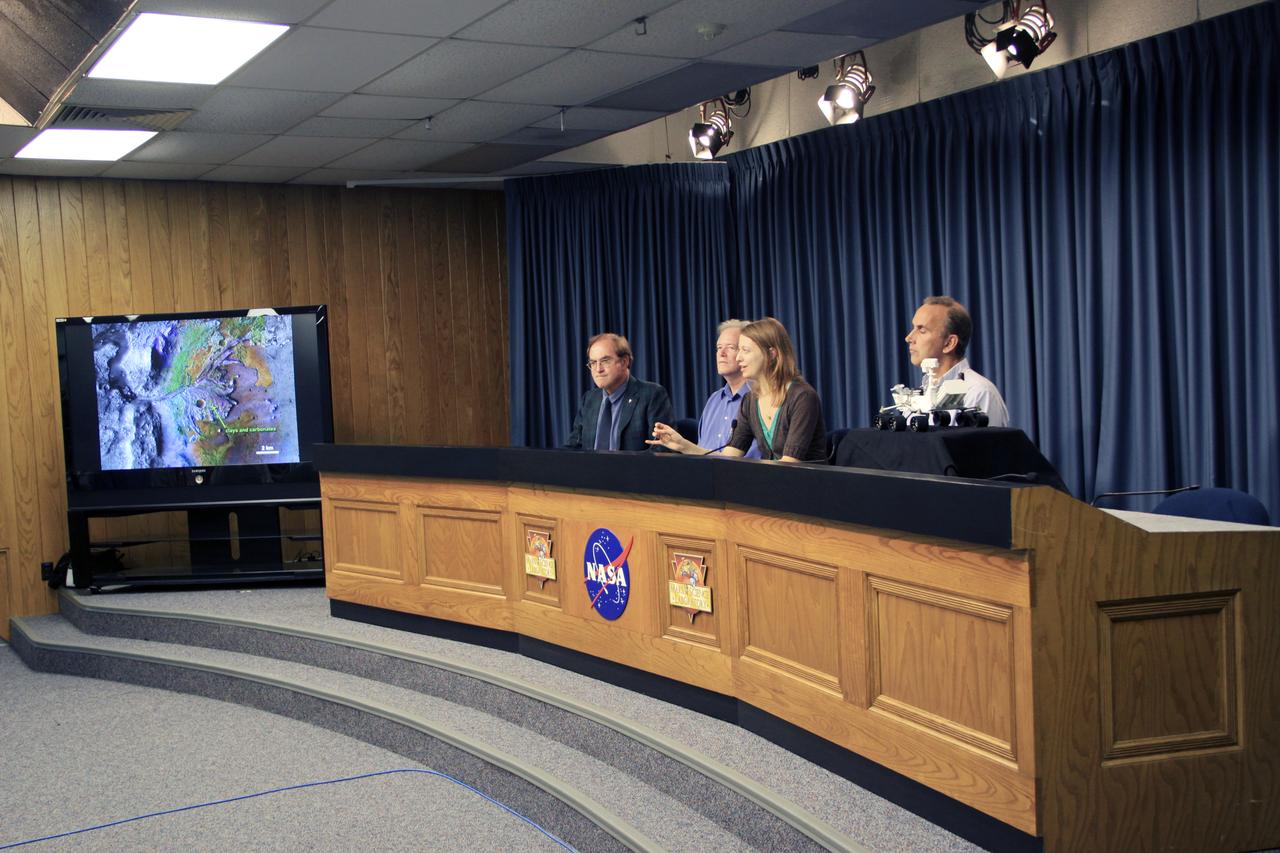
MSL - What Do We Know About Mars Press Conference
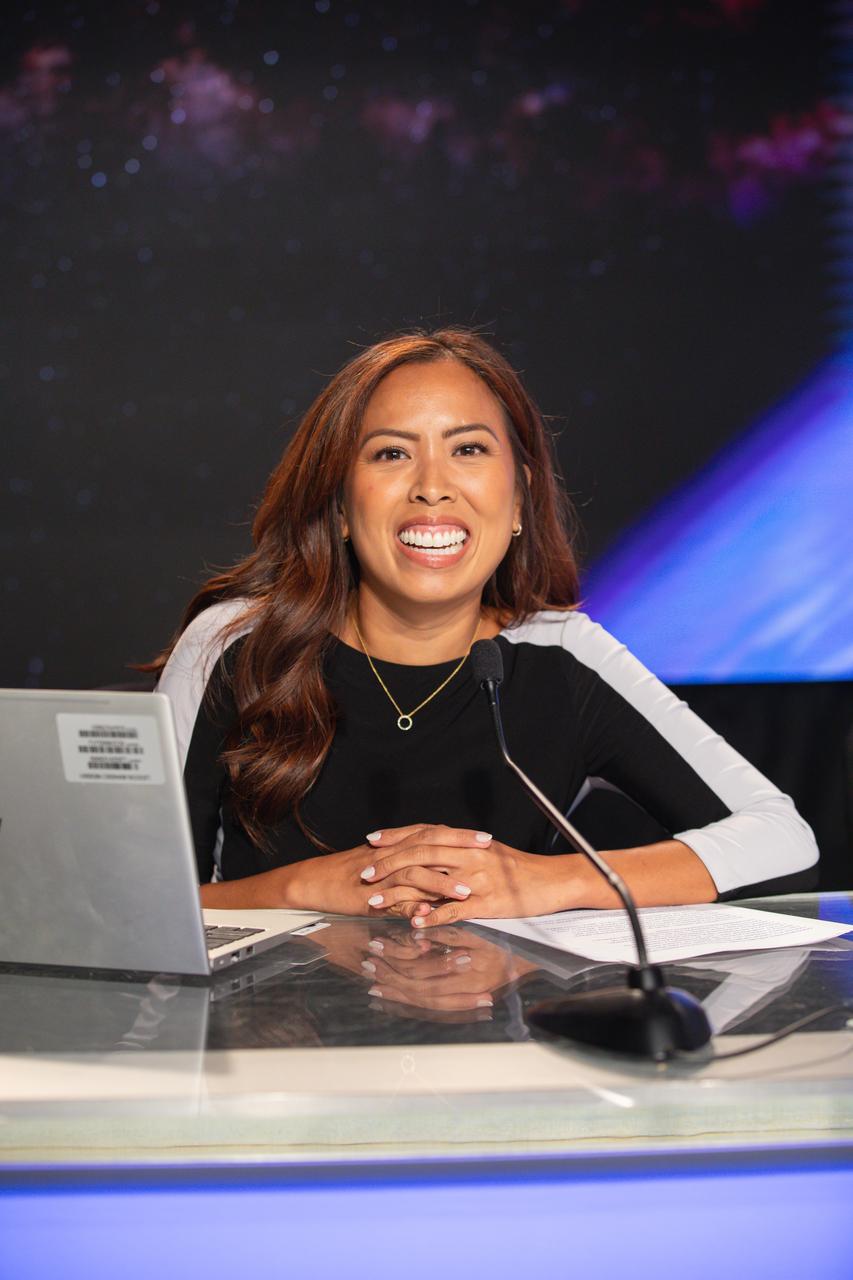
Megan Cruz, NASA Communications, participates in an International Space Station 101 Panel Livestream inside the John Holliman Auditorium of the News Center at NASA’s Kennedy Space Center in Florida on Friday, Sept. 27, 2024, ahead of NASA’s SpaceX Crew-9 mission to the International Space Station. Liftoff of the ninth crew rotation mission with SpaceX to the space station as part of the agency’s Commercial Crew Program is targeted for 1:17 p.m. EDT Sept. 28, 2024, from Space Launch Complex-40 at Cape Canaveral Space Force Station in Florida.
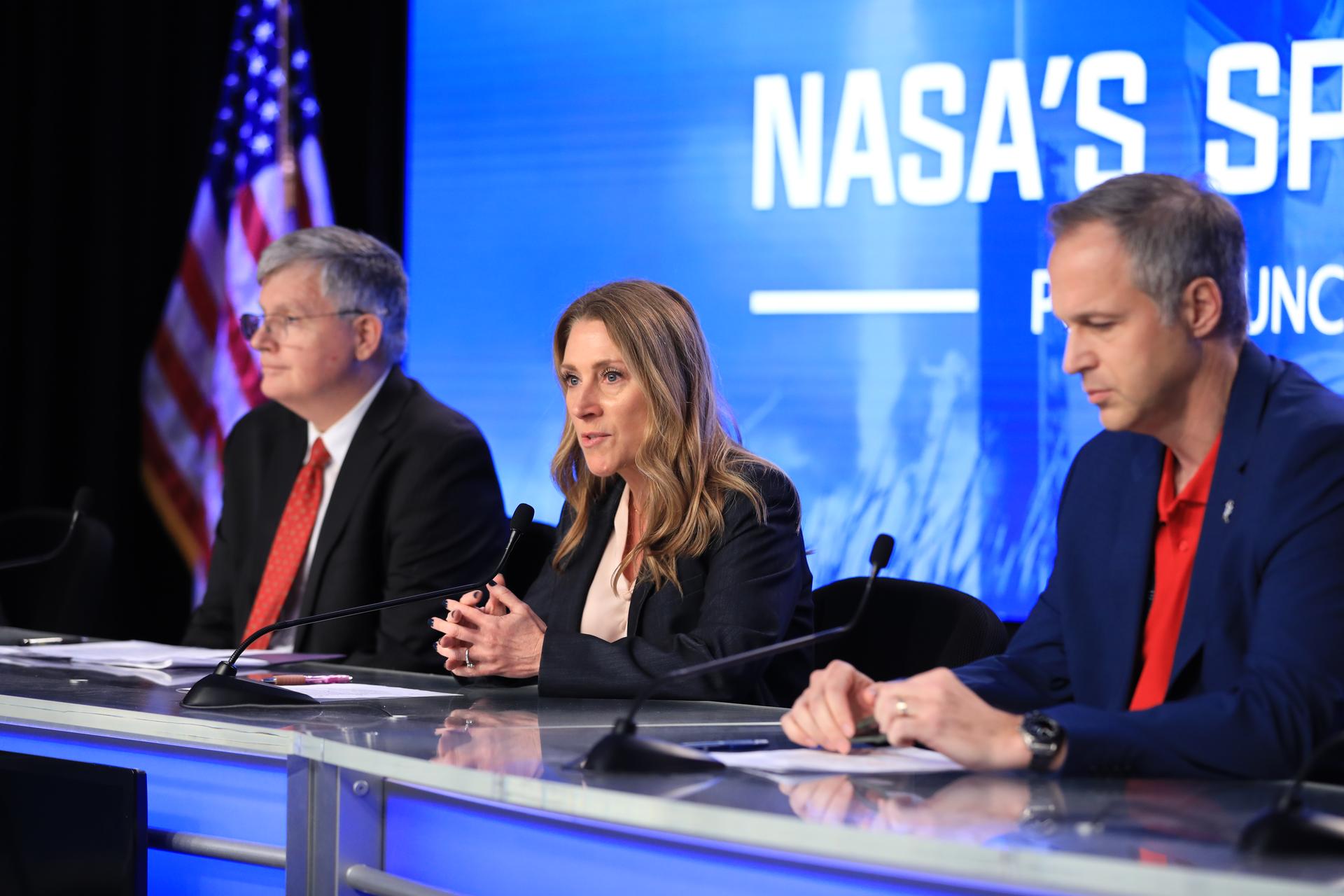
Dana Weigel (center), manager, NASA’s International Space Station Program, participates in a postlaunch news conference with leadership from NASA, ESA (European Space Agency), and SpaceX at the agency’s Kennedy Space Center in Florida on Friday, Feb. 13, 2026, following the launch of NASA’s SpaceX Crew-12 mission to the International Space Station. NASA astronauts Jessica Meir and Jack Hathaway, ESA astronaut Sophie Adenot, and Roscosmos cosmonaut Andrey Fedyaev launched to the International Space Station aboard SpaceX’s Dragon spacecraft and Falcon 9 rocket at 5:15 a.m. EST on the 12th crew rotation mission with SpaceX to the space station as part of NASA’s Commercial Crew Program.
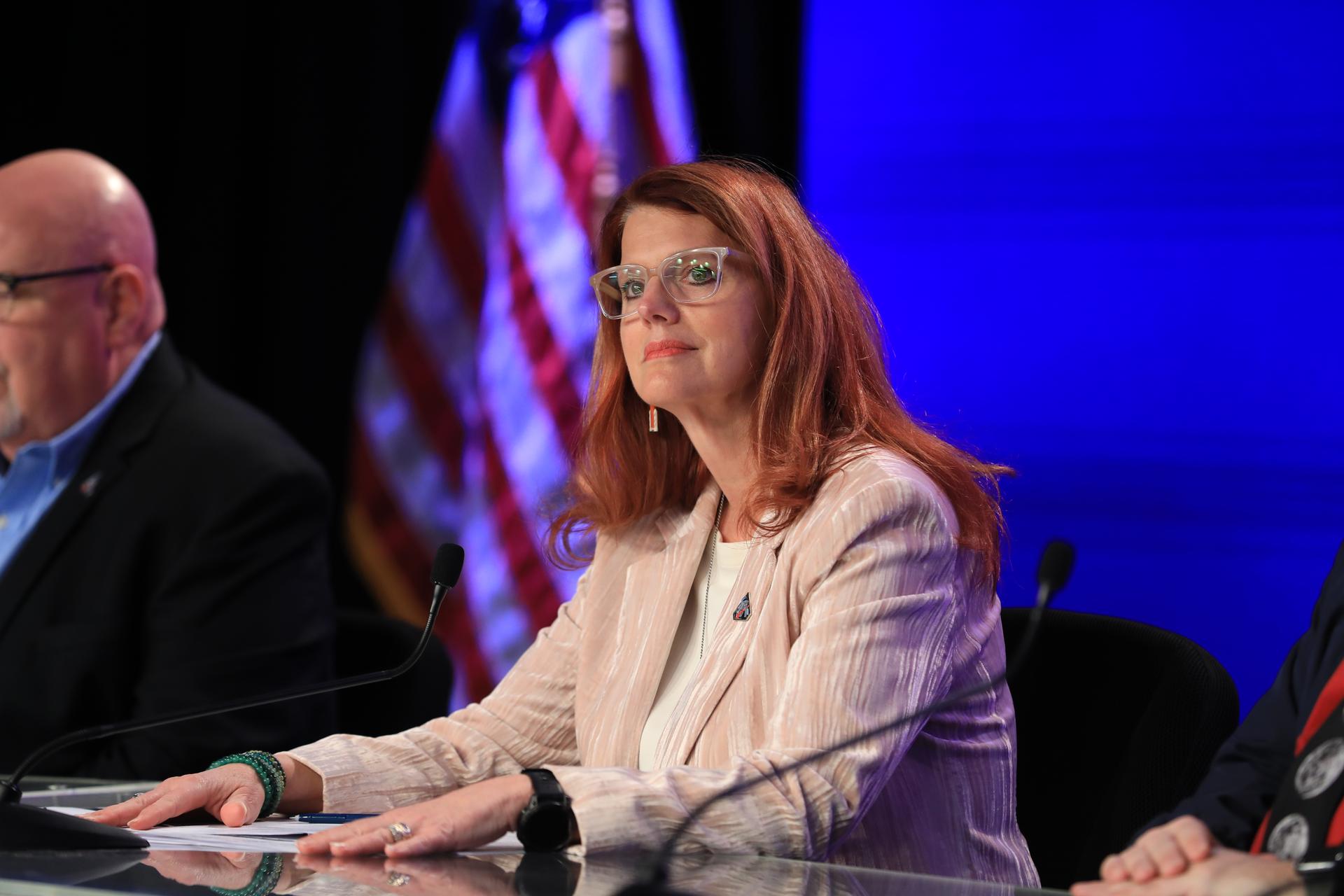
Charlie Blackwell-Thompson, launch director, Exploration Ground Systems Program at NASA’s Kennedy Space Center in Florida, participates in an Artemis II mission overview news conference on Friday, Jan. 16, 2026, at NASA’s Kennedy Space Center in Florida ahead of rollout of the SLS (Space Launch System) rocket and Orion spacecraft from the Vehicle Assembly Building to Launch Complex 39B at NASA Kennedy. The Artemis II test flight will take Commander Reid Wiseman, Pilot Victor Glover, and Mission Specialist Christina Koch from NASA, and Mission Specialist Jeremy Hansen from the CSA (Canadian Space Agency), around the Moon and back to Earth no later than April 2026.
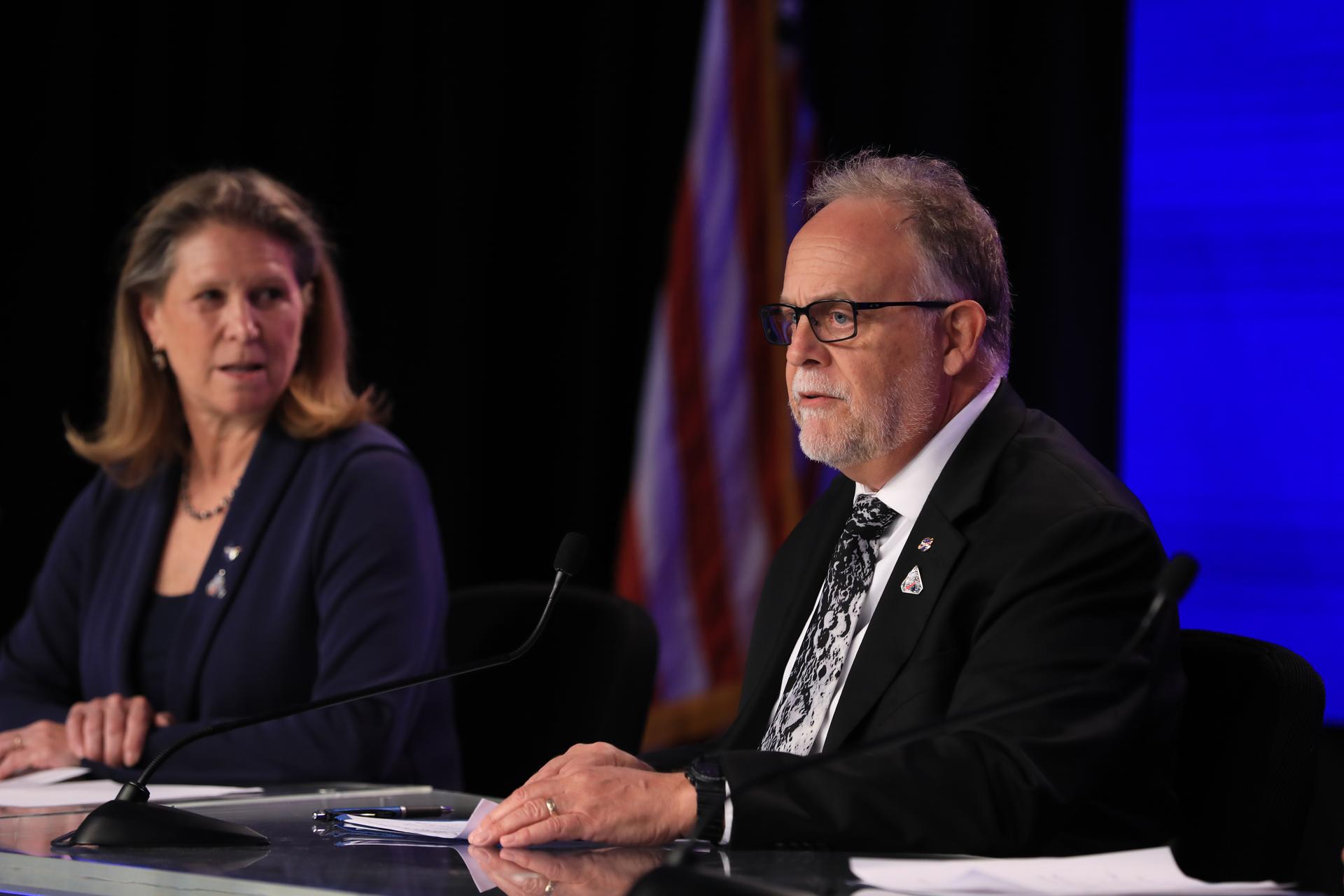
From left, Lori Glaze, acting associate administrator, Exploration Systems Development Mission Directorate and Shawn Quinn, program manager, Exploration Ground Systems, participate in a news conference on Sunday, March 29, 2026, to discuss the upcoming Artemis II test flight at NASA’s Kennedy Space Center in Florida. The Artemis II mission will take Artemis II Commander Reid Wiseman, Pilot Victor Glover, and Mission Specialist Christina Koch from NASA, and Mission Specialist Jeremy Hansen from the CSA (Canadian Space Agency) on a 10-day journey around the Moon and back aboard NASA’s SLS (Space Launch System) rocket and Orion spacecraft from Launch Complex 39B no earlier than 6:24 p.m. EDT on Wednesday, April 1.
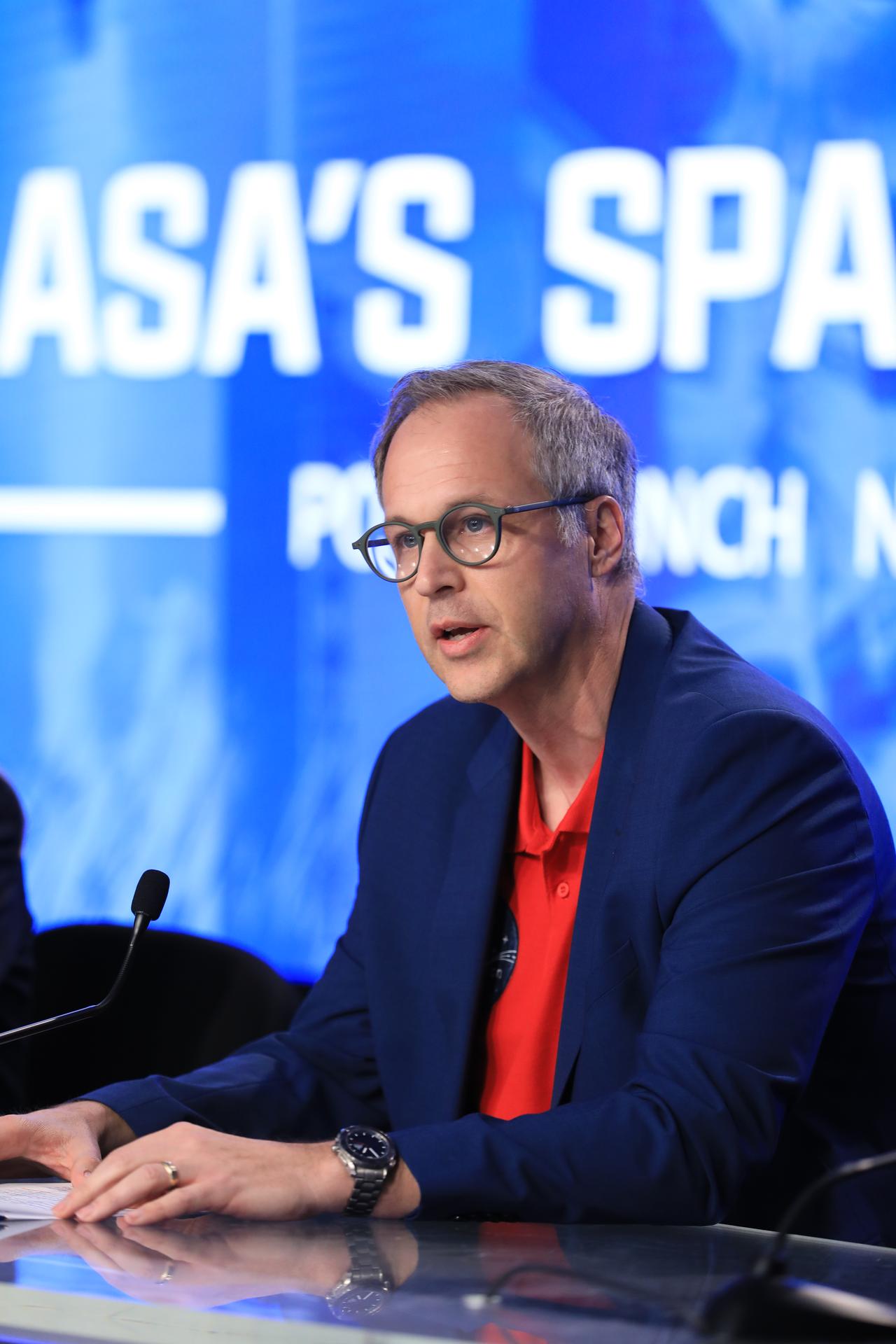
Daniel Neuenschwander, director, Human and Robotic Exploration, ESA (European Space Agency) participates in a postlaunch news conference at the agency’s Kennedy Space Center in Florida on Friday, Feb. 13, 2026, following the launch of NASA’s SpaceX Crew-12 mission to the International Space Station. NASA astronauts Jessica Meir and Jack Hathaway, ESA (European Space Agency) astronaut Sophie Adenot, and Roscosmos cosmonaut Andrey Fedyaev launched to the International Space Station aboard SpaceX’s Dragon spacecraft and Falcon 9 rocket at 5:15 a.m. EST on the 12th crew rotation mission with SpaceX to the space station as part of NASA’s Commercial Crew Program.
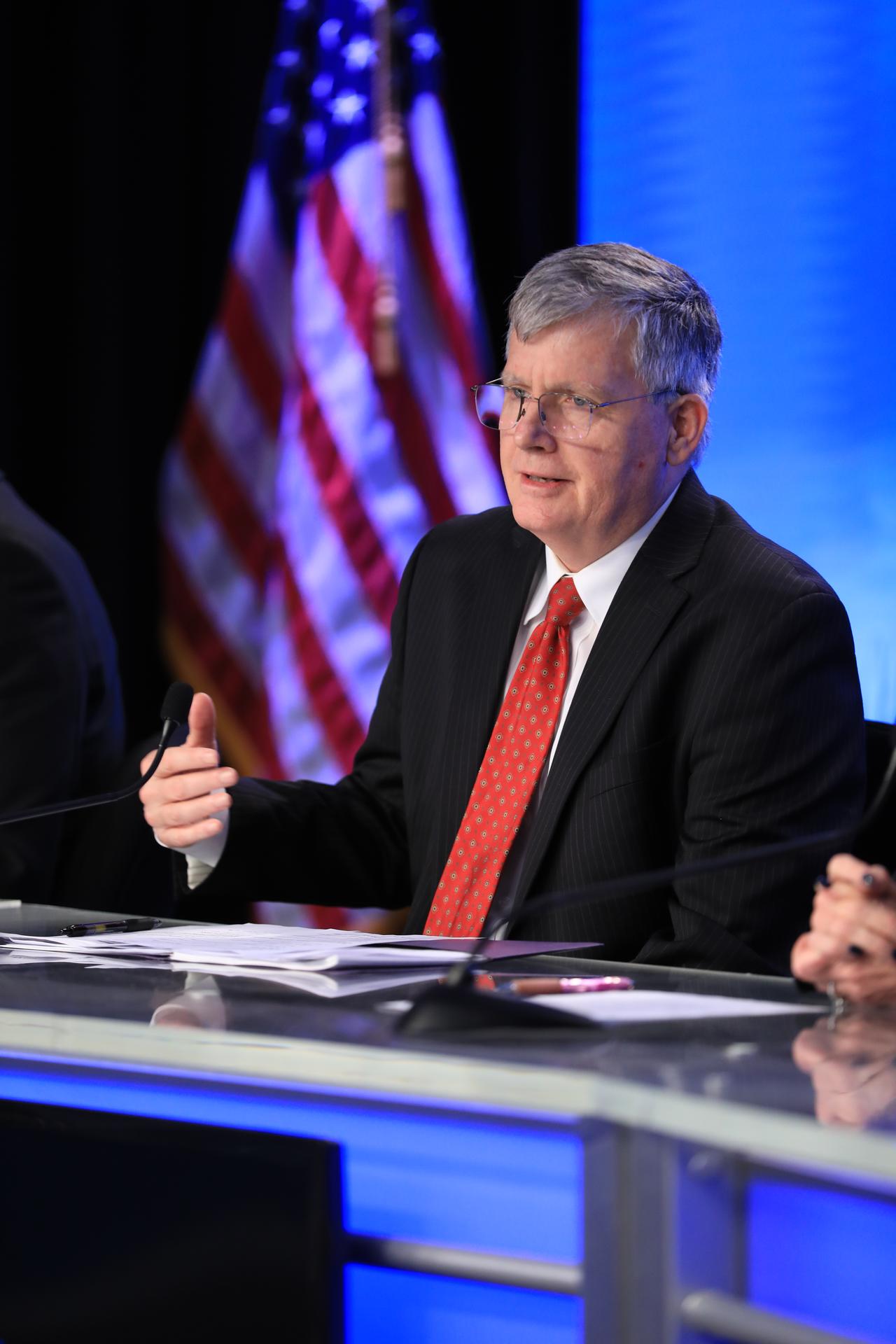
Steve Stich, manager, NASA’s Commercial Crew Program, participates in a postlaunch news conference at the agency’s Kennedy Space Center in Florida on Friday, Feb. 13, 2026, following the launch of NASA’s SpaceX Crew-12 mission to the International Space Station. NASA astronauts Jessica Meir and Jack Hathaway, ESA (European Space Agency) astronaut Sophie Adenot, and Roscosmos cosmonaut Andrey Fedyaev launched to the International Space Station aboard SpaceX’s Dragon spacecraft and Falcon 9 rocket at 5:15 a.m. EST on the 12th crew rotation mission with SpaceX to the space station as part of NASA’s Commercial Crew Program.
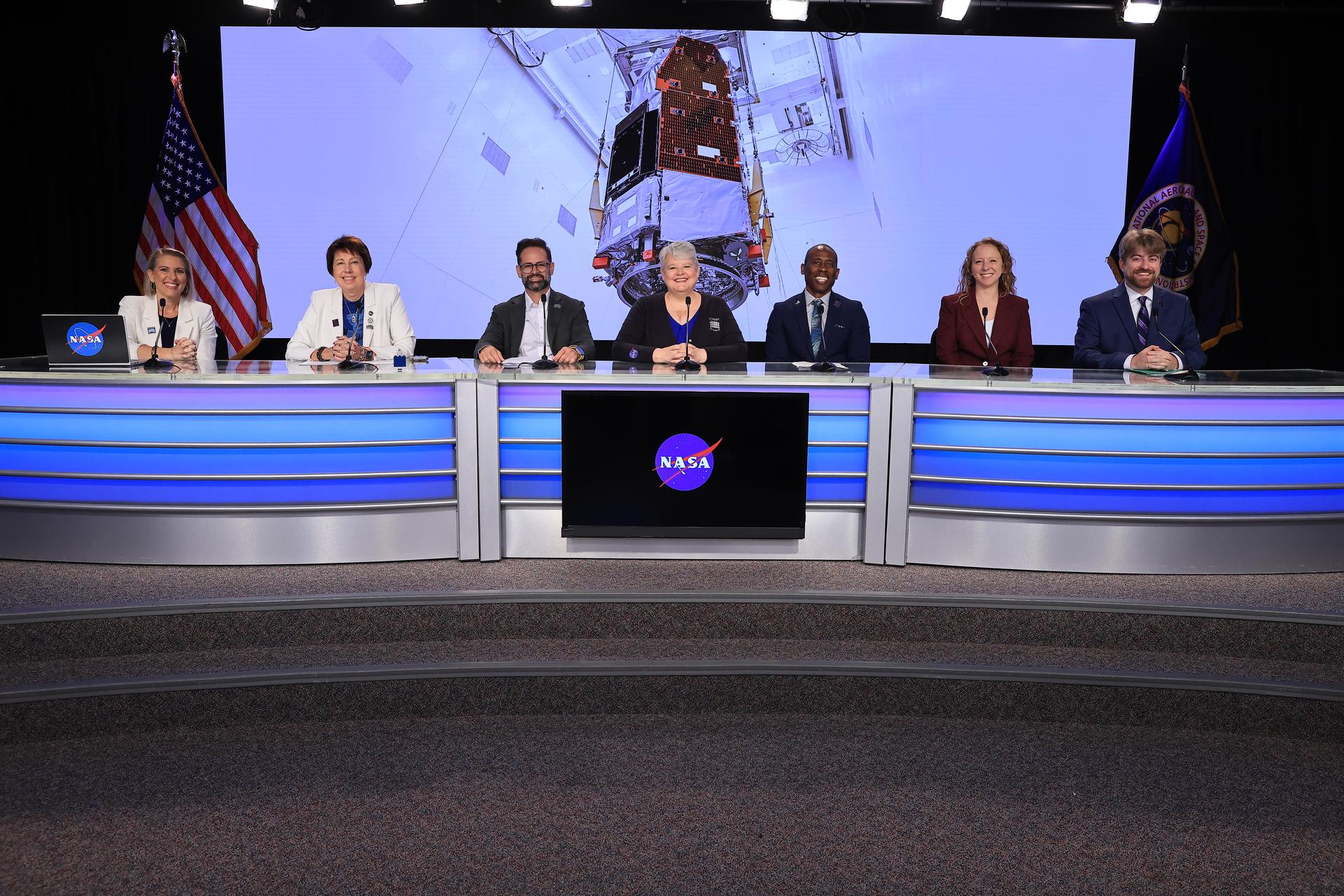
From left, Leah Martin, NASA Communications; Nicky Fox, associate administrator, Science Mission Directorate, NASA Headquarters in Washington; Lucas Paganini, Roman telescope program executive, NASA Headquarters; Jackie Townsend, Roman telescope project manager, NASA’s Goddard Space Flight Center in Greenbelt, Maryland; Denton Gibson, launch director, NASA’s Launch Services Program, Kennedy Space Center in Florida; Julianna Scheiman, director, NASA Science and Dragon Programs, SpaceX; and Justin McReynolds, launch weather officer, 45th Weather Squadron, U.S. Space Force, participate in a prelaunch news conference for NASA’s Nancy Grace Roman Space Telescope inside the NASA News Center’s John Holliman Auditorium at Kennedy Space Center in Florida, on Saturday, Aug. 29, 2026. Roman will investigate dark energy and dark matter, conduct a statistical census of planetary systems, and enable a broad range of additional astrophysics research. Liftoff from Launch Complex 39A at Kennedy is targeted for no earlier than Sunday, Aug. 30, 2026.
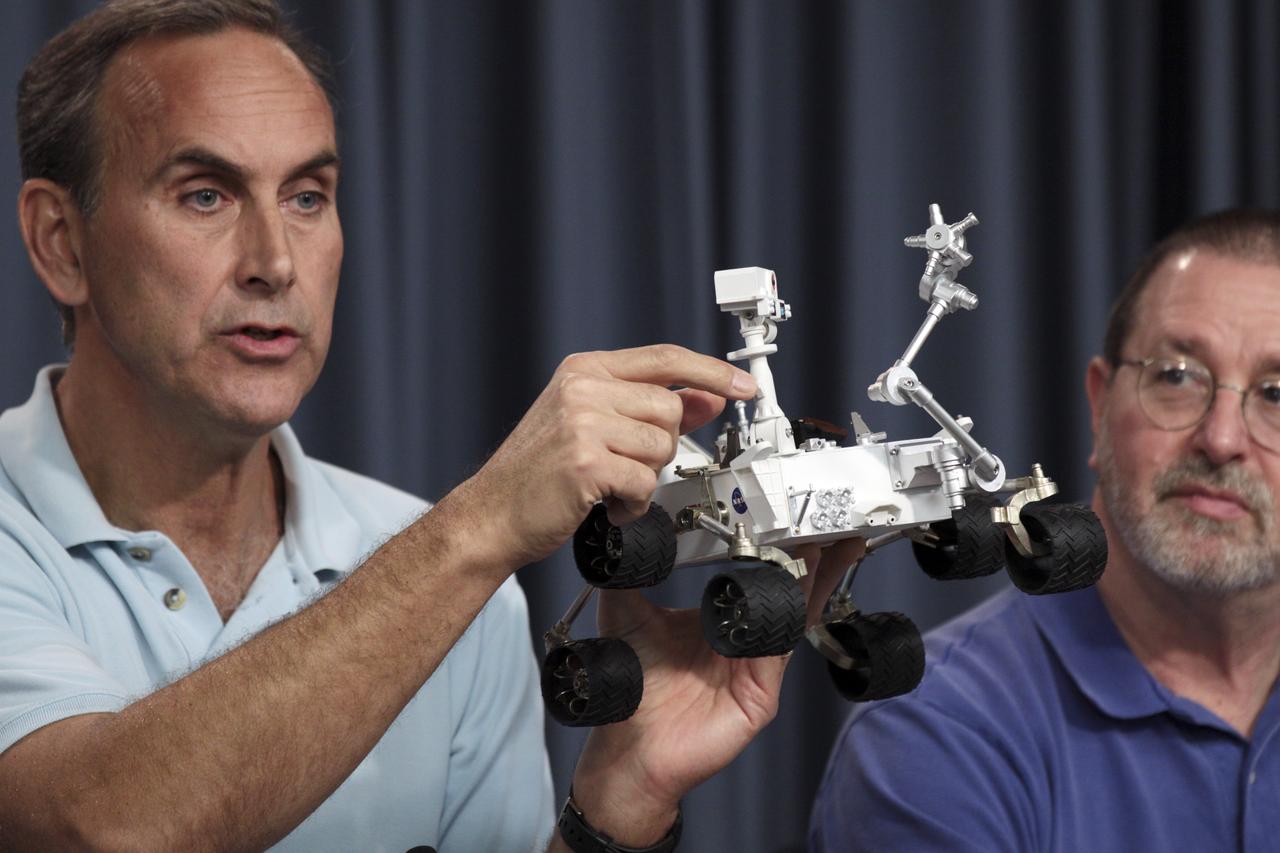
MSL - Mission Science Briefing
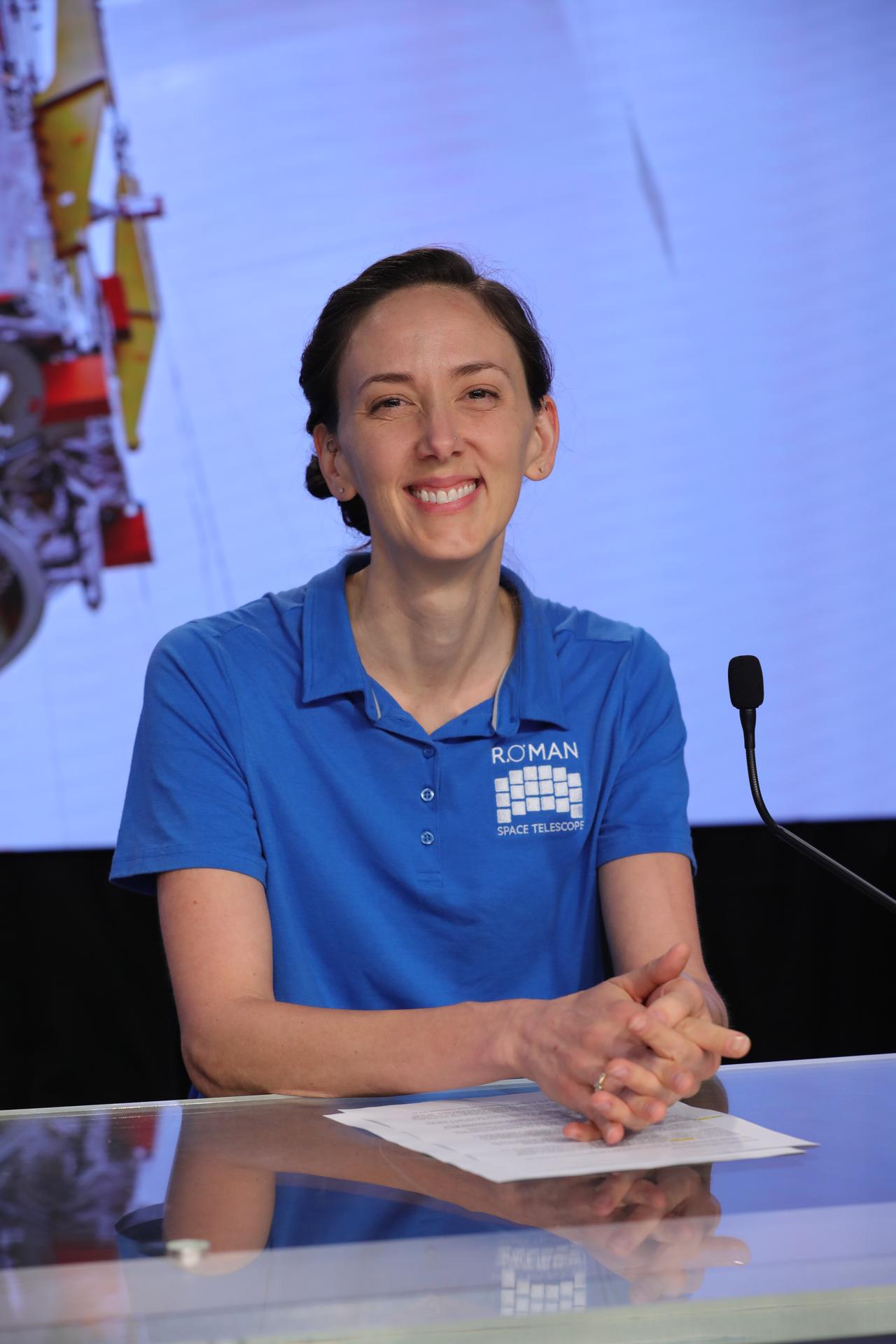
Vanessa Bailey, Roman Coronagraph Instrument scientist, NASA’s Jet Propulsion Laboratory in Southern California, participates in a science briefing for NASA’s Nancy Grace Roman Space Telescope inside the NASA News Center’s John Holliman Auditorium at Kennedy Space Center in Florida, on Saturday, Aug. 29, 2026. Roman will investigate dark energy and dark matter, conduct a statistical census of planetary systems, and enable a broad range of additional astrophysics research. Liftoff from Launch Complex 39A at Kennedy is targeted for no earlier than Sunday, Aug. 30, 2026.
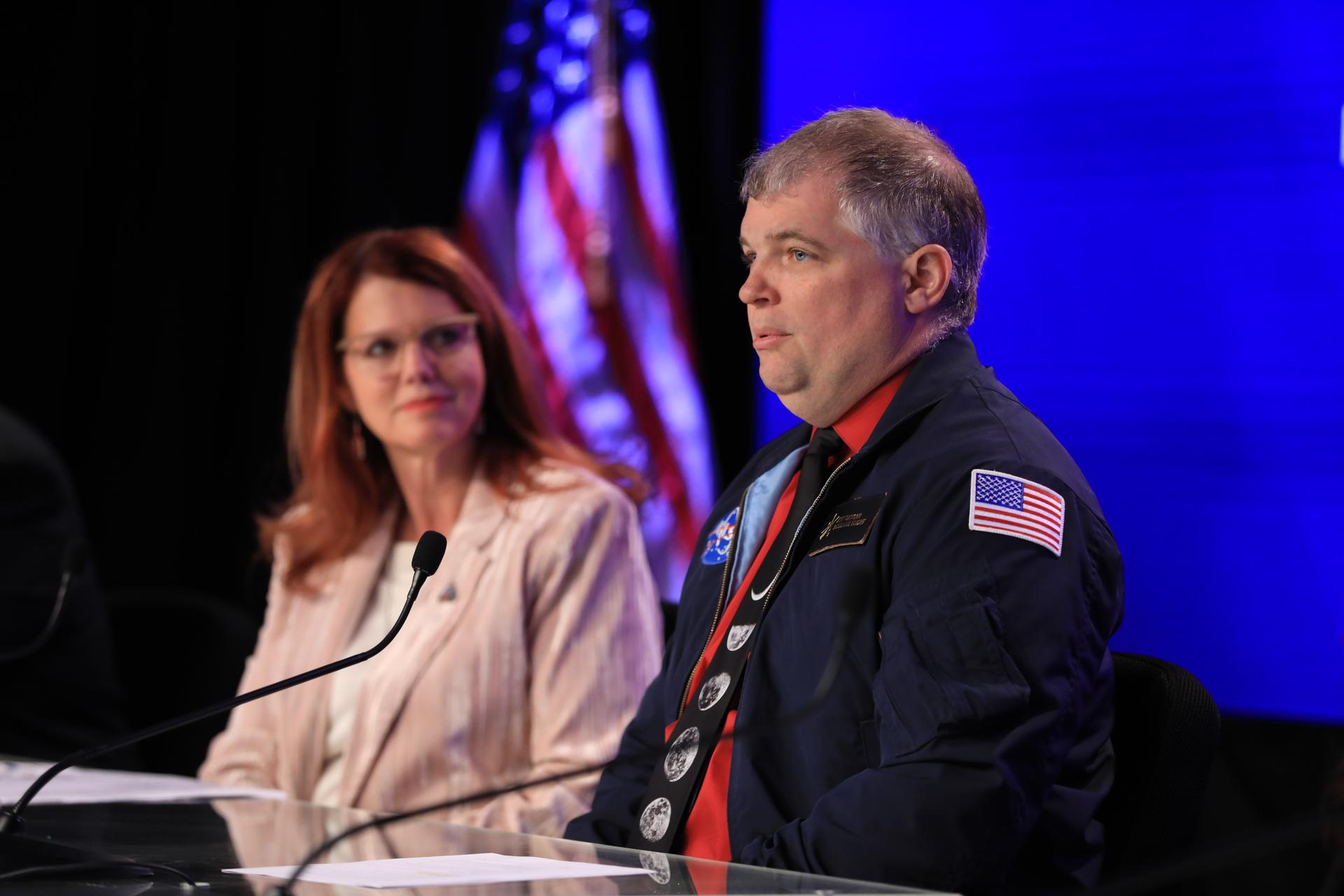
From left, Charlie Blackwell-Thompson, launch director, Exploration Ground Systems Program at NASA’s Kennedy Space Center in Florida, and Jeff Radigan, Artemis II lead flight director, Flight Operations Directorate, participate in an Artemis II mission overview news conference on Friday, Jan. 16, 2026, at NASA’s Kennedy Space Center in Florida ahead of rollout of the SLS (Space Launch System) rocket and Orion spacecraft from the Vehicle Assembly Building to Launch Complex 39B at NASA Kennedy. The Artemis II test flight will take Commander Reid Wiseman, Pilot Victor Glover, and Mission Specialist Christina Koch from NASA, and Mission Specialist Jeremy Hansen from the CSA (Canadian Space Agency), around the Moon and back to Earth no later than April 2026.
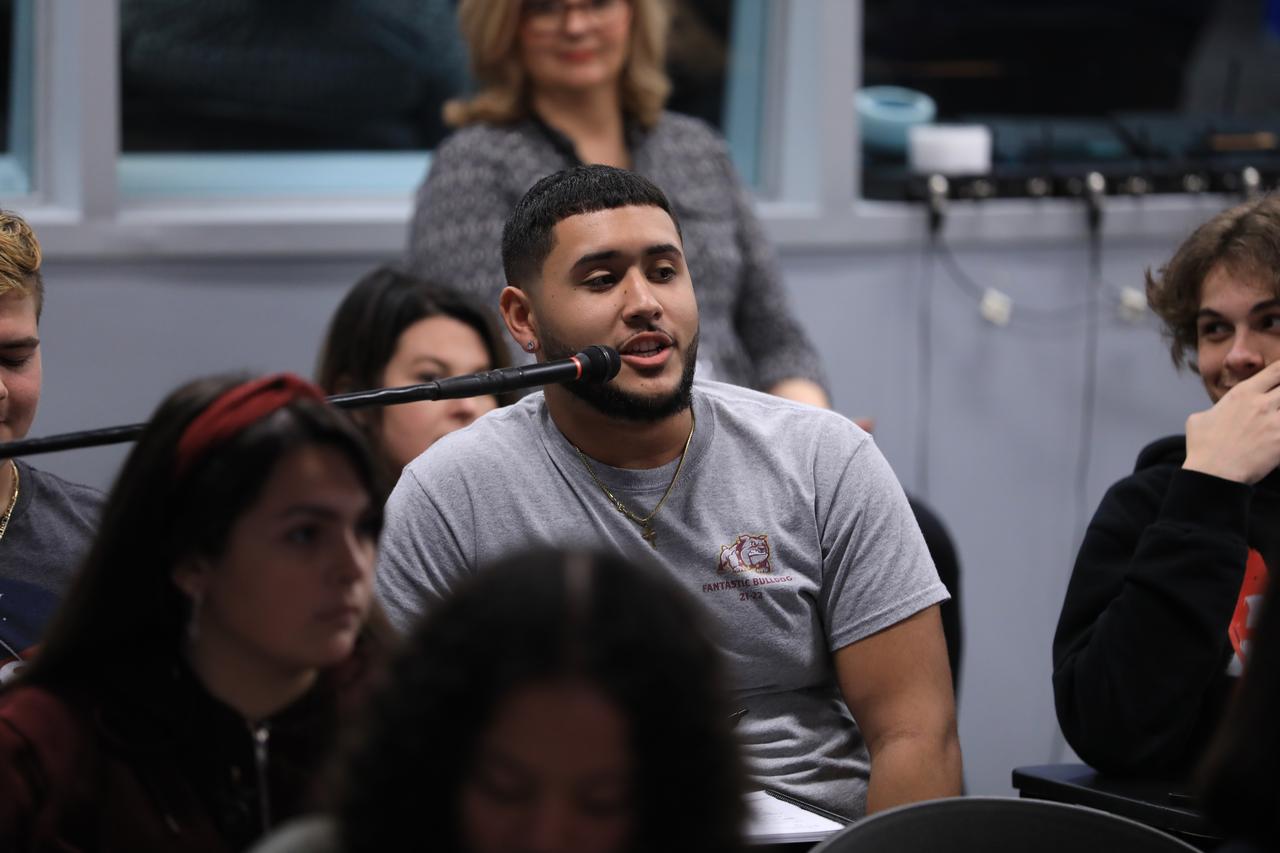
As part of NASA’s NextGen STEM project, students from Florida’s St. Cloud High School and Storm Grove Middle School in Vero Beach participate in an Artemis I student media briefing inside the John Holliman Auditorium of the News Center at NASA’s Kennedy Space Center in Florida on Jan. 19, 2023. Along with the students participating in person, middle and high school students across the country had the opportunity to ask questions of the panel via phone to discuss the Artemis I mission and the agency’s future of human space exploration.