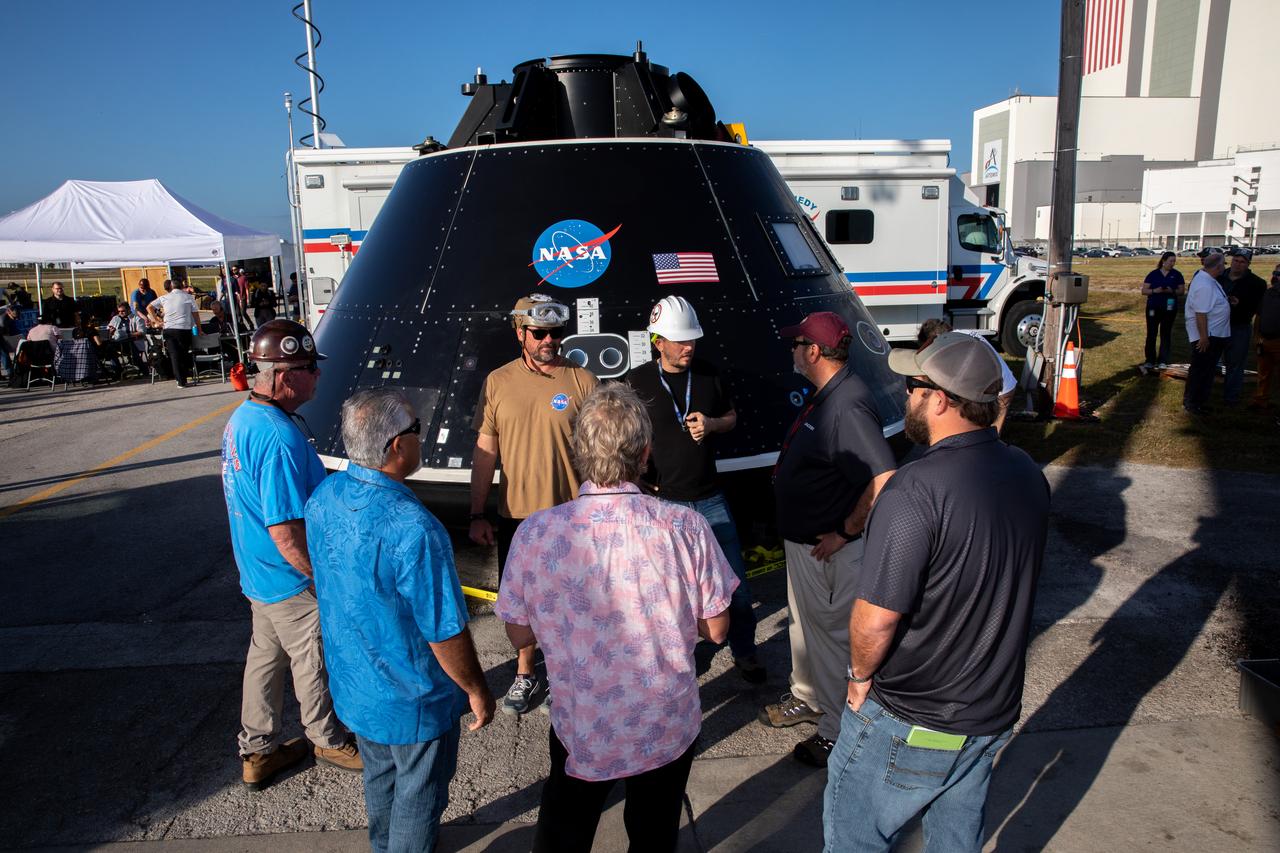
Landing and recovery team members review procedures before they begin using the Crew Module Test Article (CMTA) at the turn basin in the Launch Complex 39 area at NASA’s Kennedy Space Center in Florida on Jan. 30, 2023. The CMTA is being used to practice recovery after splashdown of the Orion spacecraft to prepare for the Artemis II crewed mission. Exploration Ground Systems leads recovery efforts.
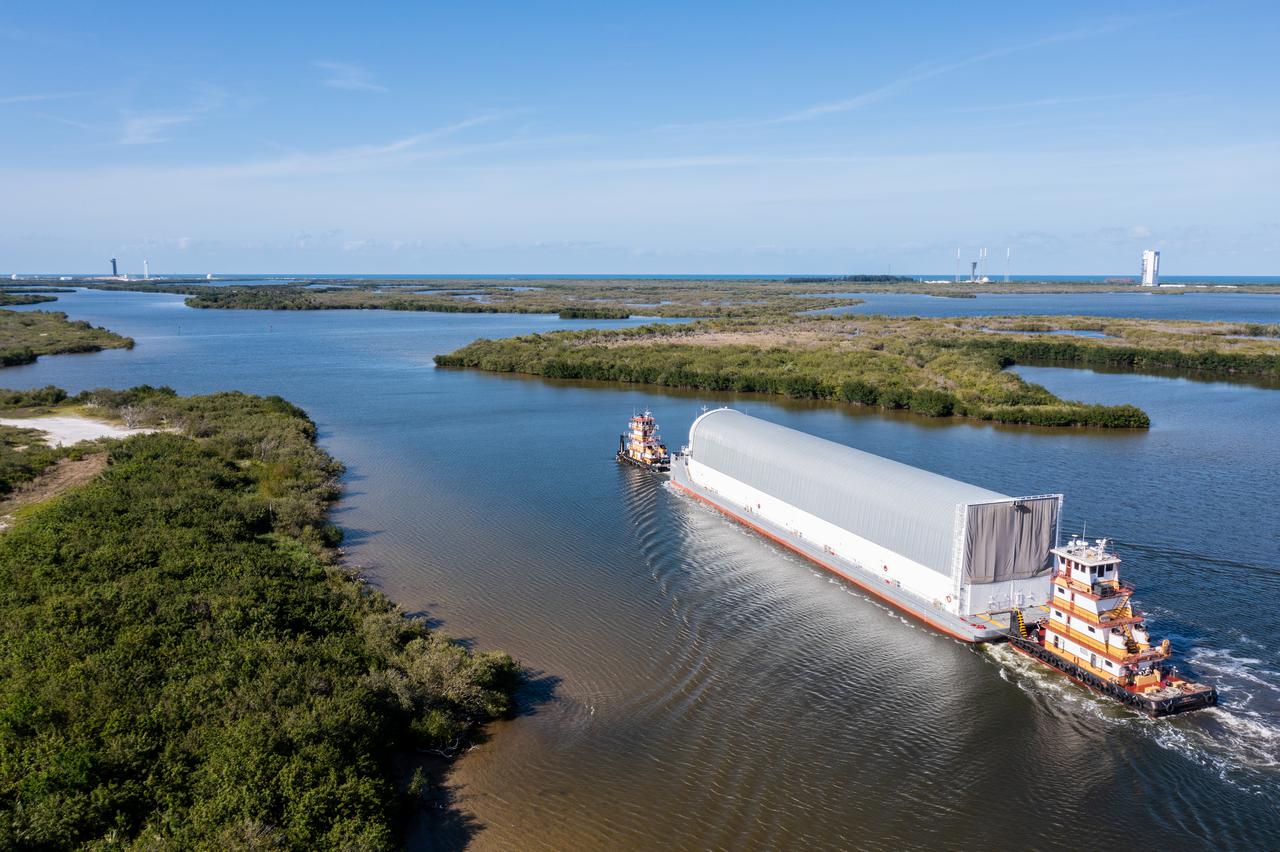
The Pegasus barge, carrying the mighty Space Launch System (SLS) core stage, arrives at NASA’s Kennedy Space Center in Florida on April 27, 2021, after journeying from the agency’s Stennis Space Center in Mississippi. The core stage is the final piece of Artemis hardware to arrive at the spaceport and will be offloaded and moved to Kennedy’s Vehicle Assembly Building, where it will be prepared for integration atop the mobile launcher with the completed stack of solid rocket boosters ahead of the Artemis I launch. The first in a series of increasingly complex missions, Artemis I will test SLS and Orion as an integrated system prior to crewed flights to the Moon.
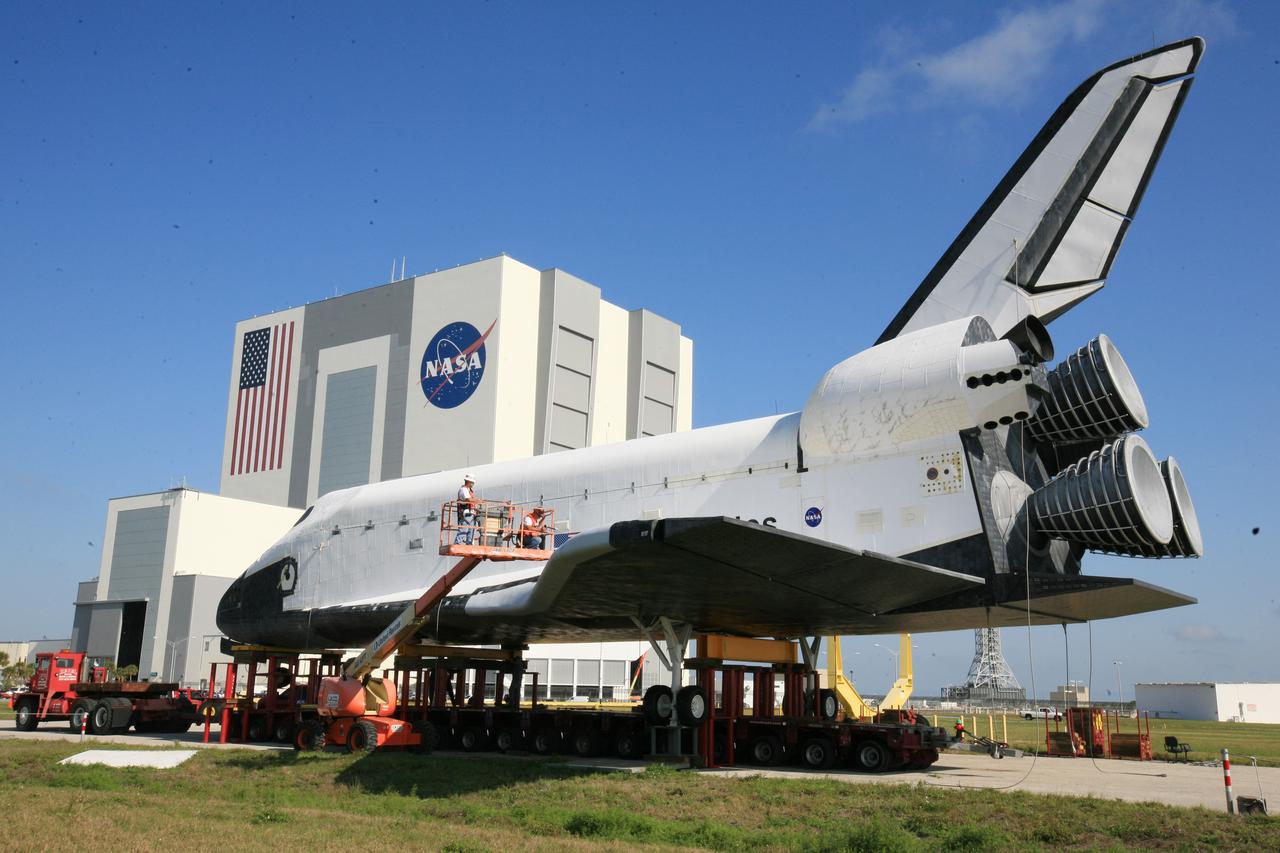
T&R - Work on Shuttle Replica to Prepare for transport to JSC
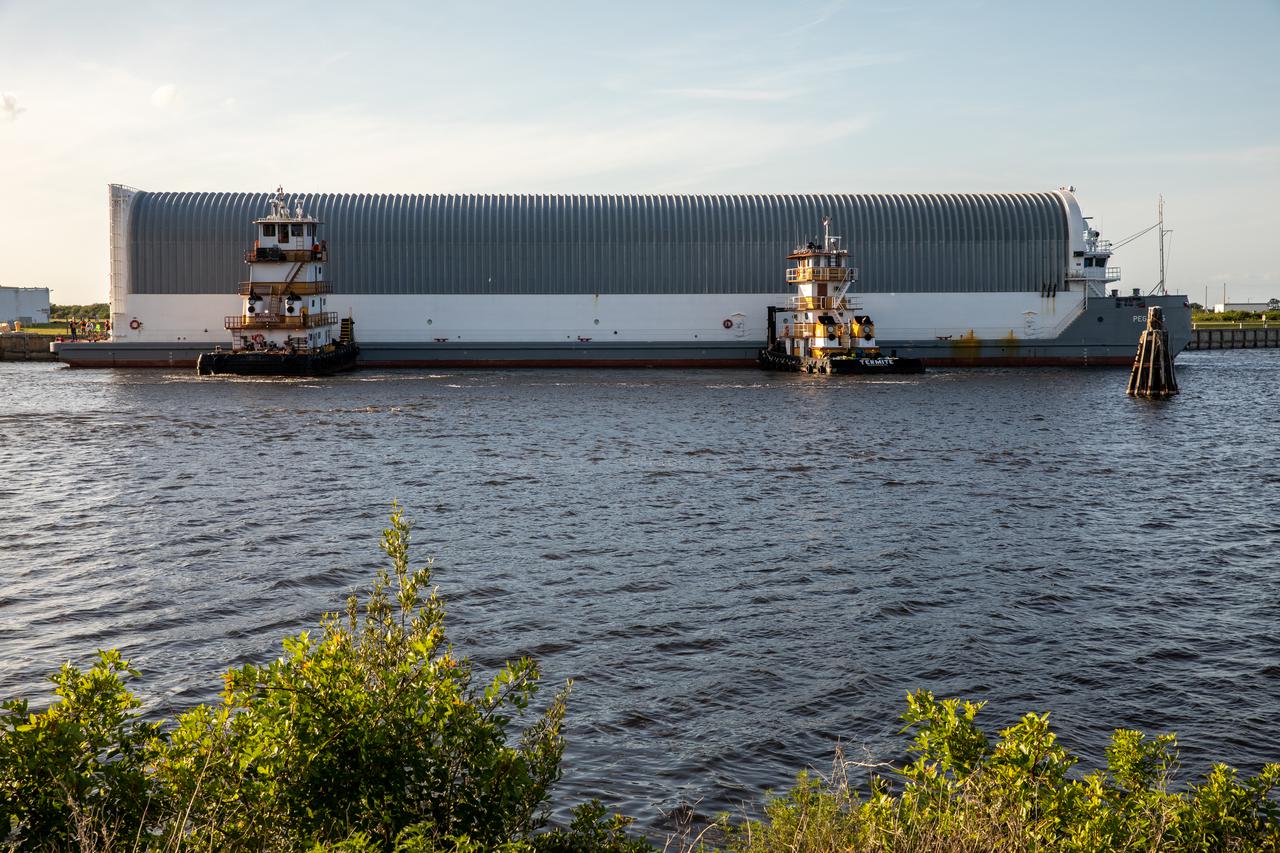
The Pegasus barge, carrying the mighty Space Launch System (SLS) core stage, arrives at NASA’s Kennedy Space Center in Florida on April 27, 2021, after journeying from the agency’s Stennis Space Center in Mississippi. The core stage is the final piece of Artemis hardware to arrive at the spaceport and will be offloaded and moved to Kennedy’s Vehicle Assembly Building, where it will be prepared for integration atop the mobile launcher with the completed stack of solid rocket boosters ahead of the Artemis I launch. The first in a series of increasingly complex missions, Artemis I will test SLS and Orion as an integrated system prior to crewed flights to the Moon.
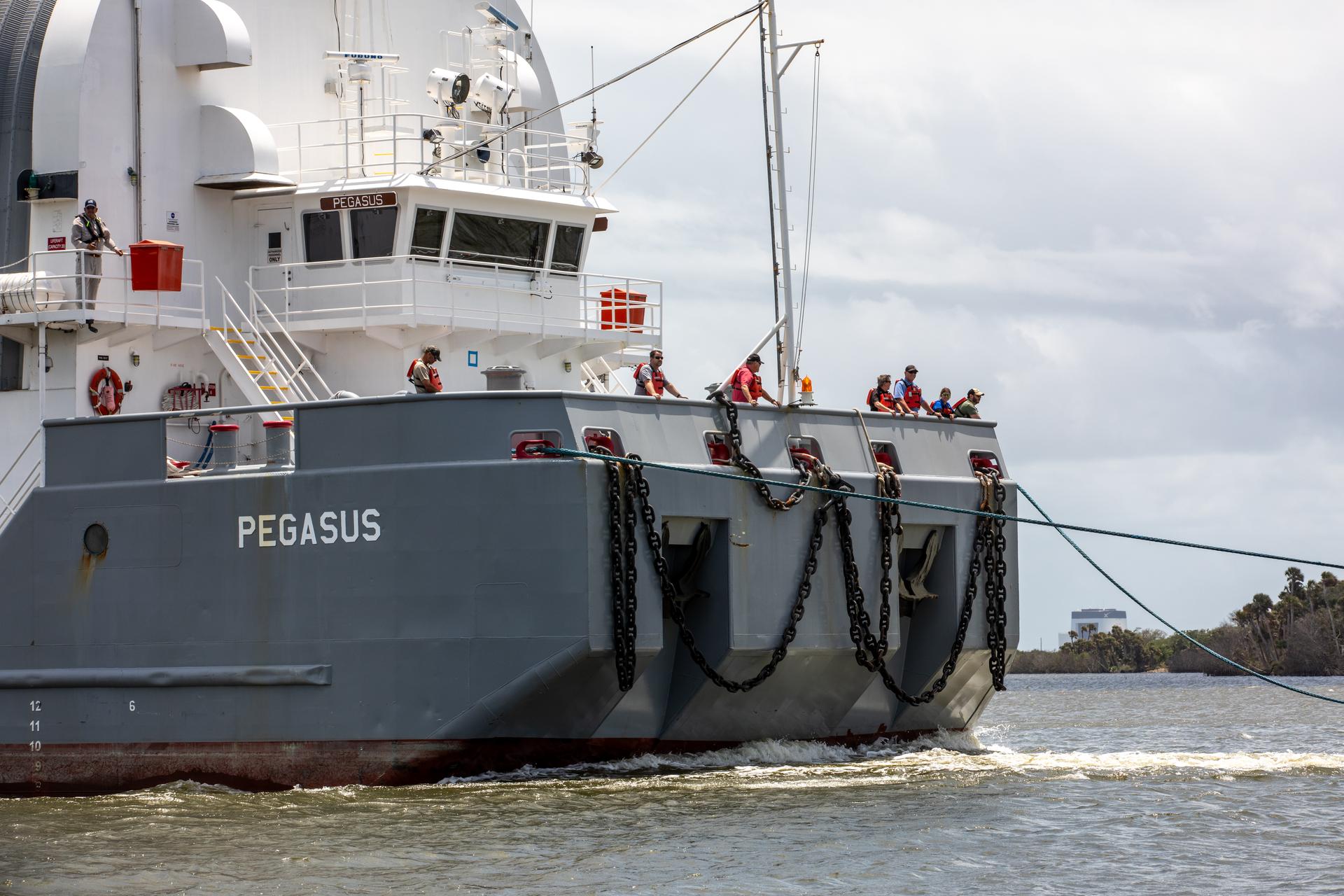
NASA’s Pegasus barge, carrying the top four-fifths of the agency’s SLS (Space Launch System) core stage for the Artemis III mission, arrives at NASA’s Kennedy Space Center Complex 39 turn basin wharf in Florida on Monday, April 27, 2026. Artemis III will launch astronauts to Earth’s orbit aboard the Orion spacecraft on top of SLS to test rendezvous and docking capabilities between Orion and commercial spacecraft needed to land Artemis IV astronauts on the Moon in 2028.
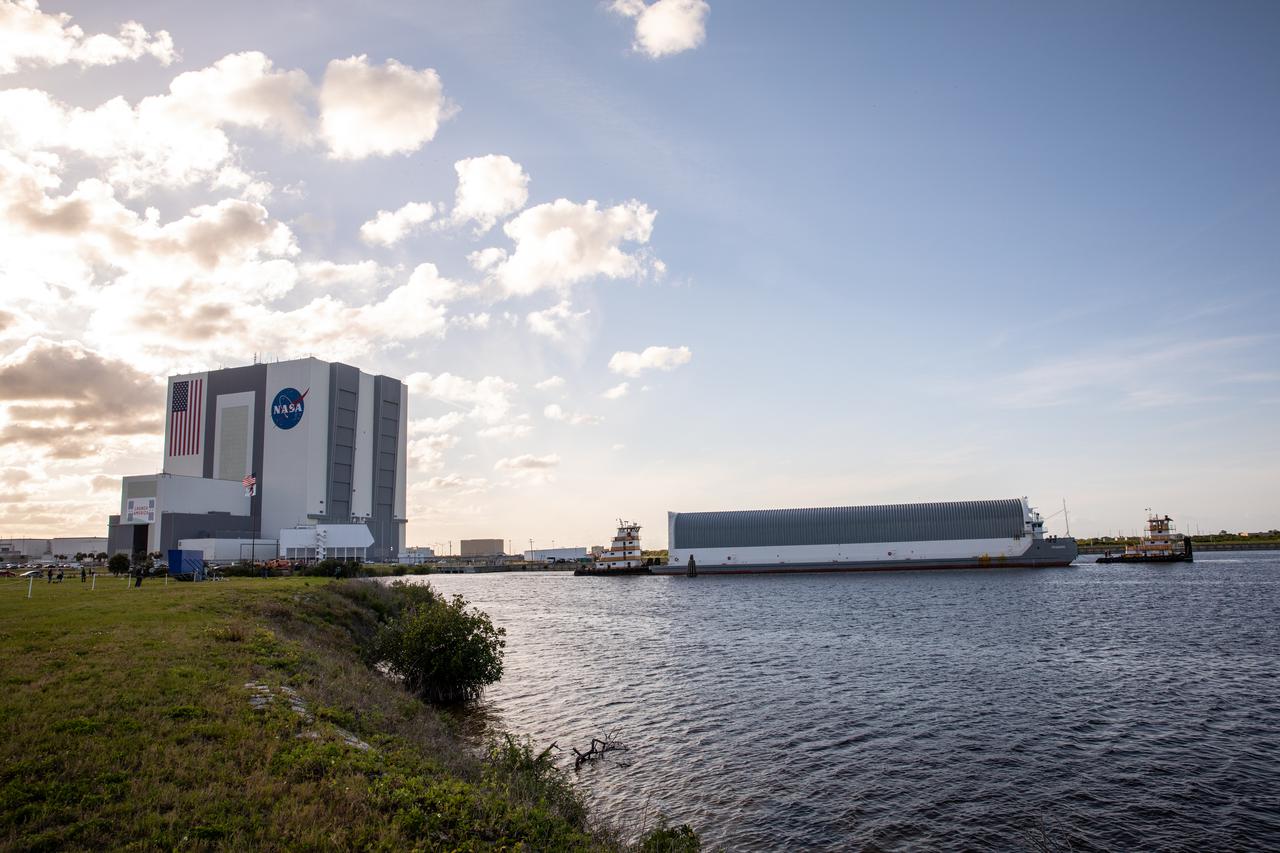
After its journey from NASA’s Stennis Space Center in Mississippi aboard the Pegasus barge, the mighty Space Launch System (SLS) core stage arrives at the agency’s Kennedy Space Center in Florida on April 27, 2021. The core stage is the final piece of Artemis hardware to arrive at the spaceport and will be offloaded and moved to Kennedy’s Vehicle Assembly Building, where it will be prepared for integration atop the mobile launcher with the completed stack of solid rocket boosters ahead of the Artemis I launch. The first in a series of increasingly complex missions, Artemis I will test SLS and Orion as an integrated system prior to crewed flights to the Moon.
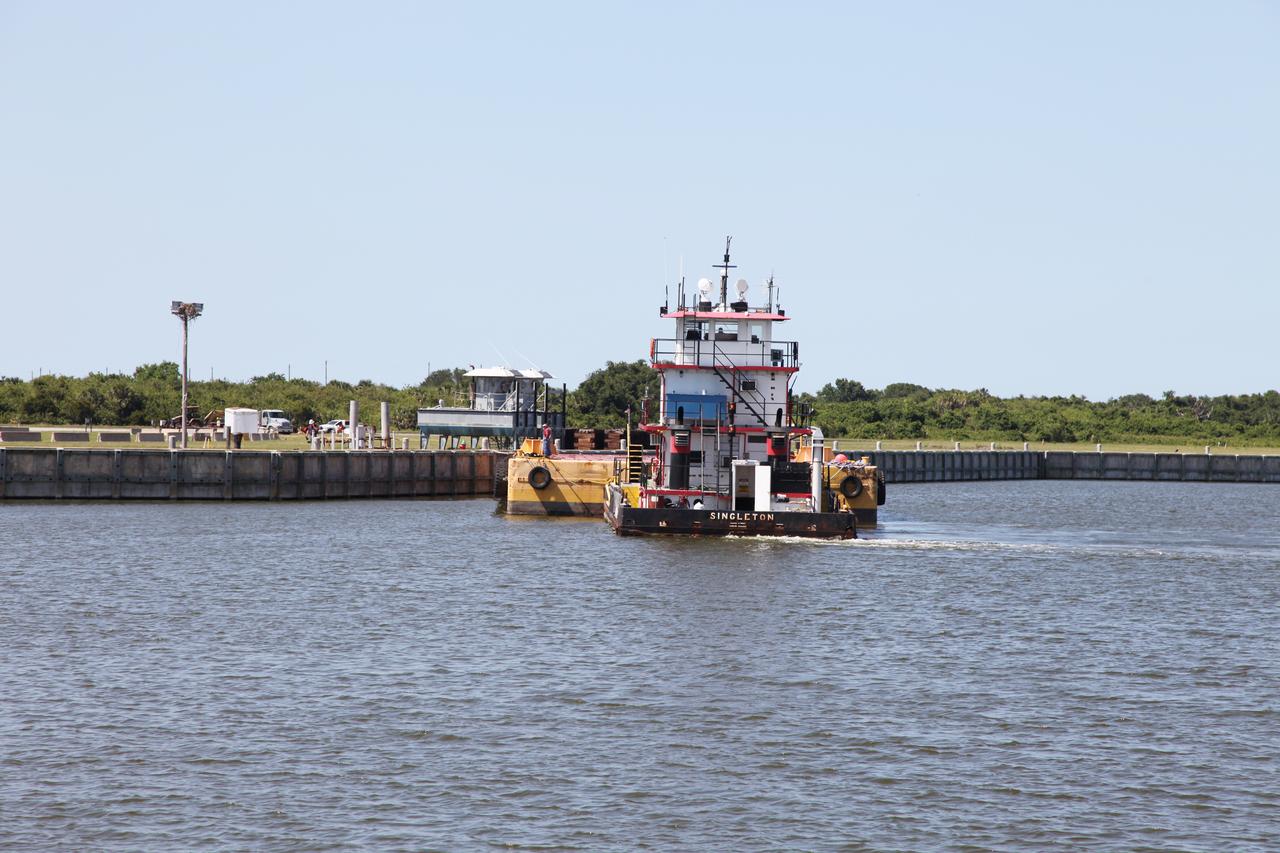
Barge Arrives that will take the Shuttle Mockup to JSC
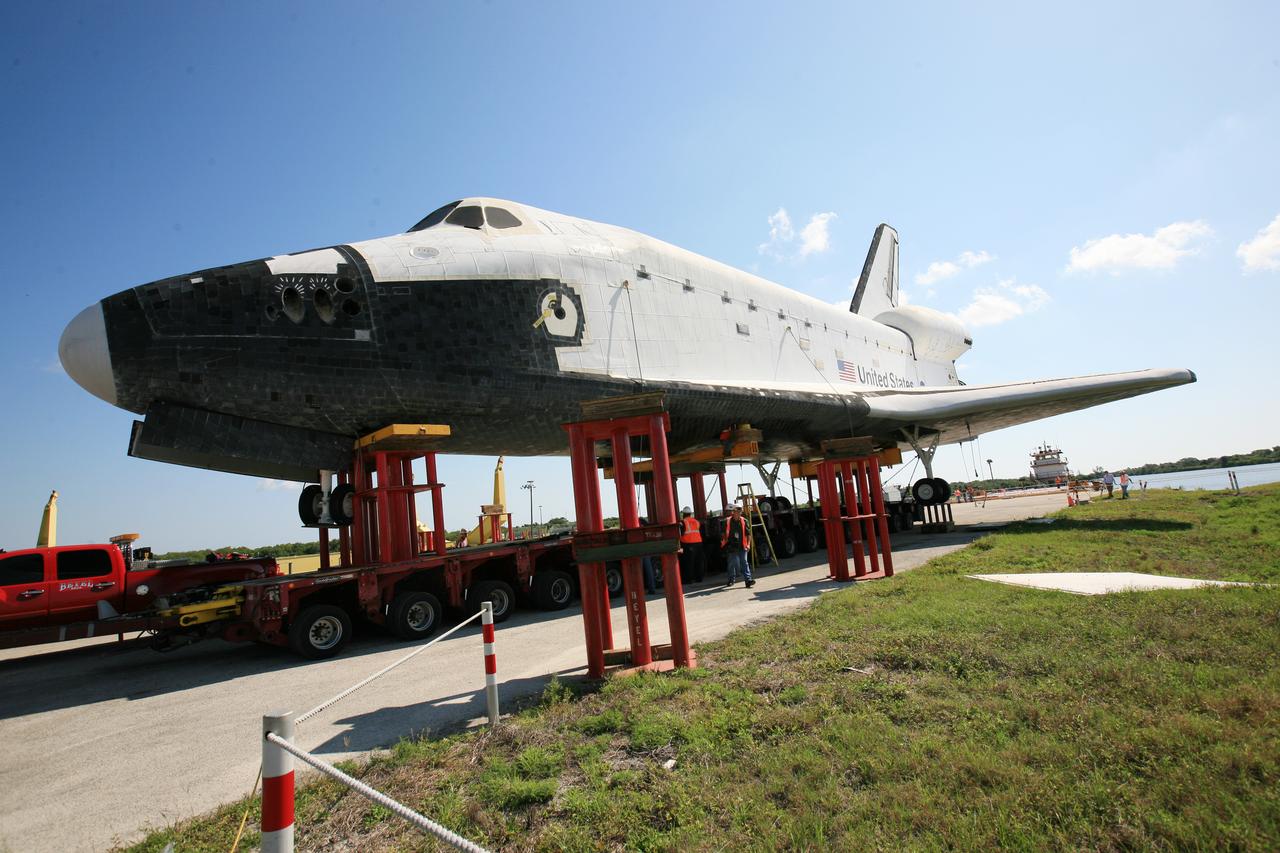
T&R - Work on Shuttle Replica to Prepare for transport to JSC
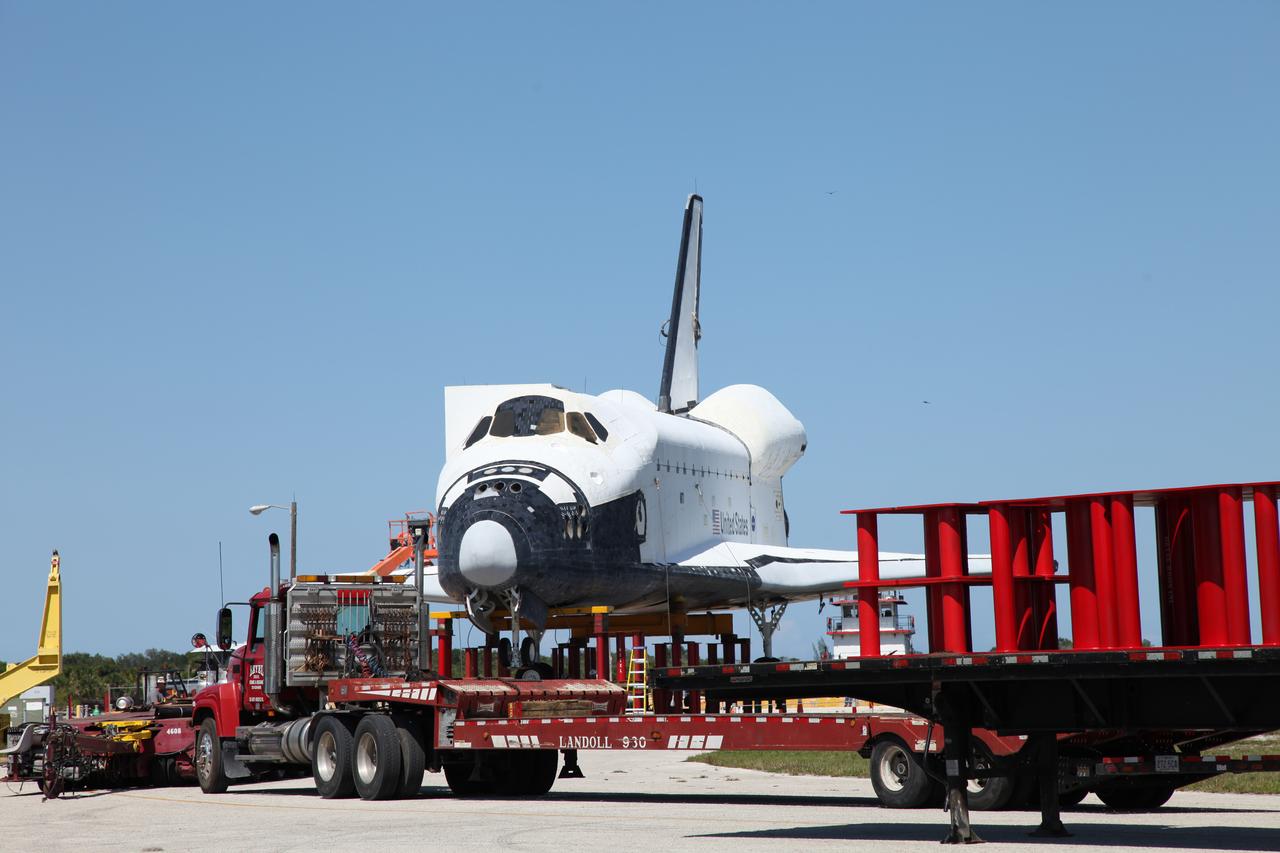
Barge Arrives that will take the Shuttle Mockup to JSC
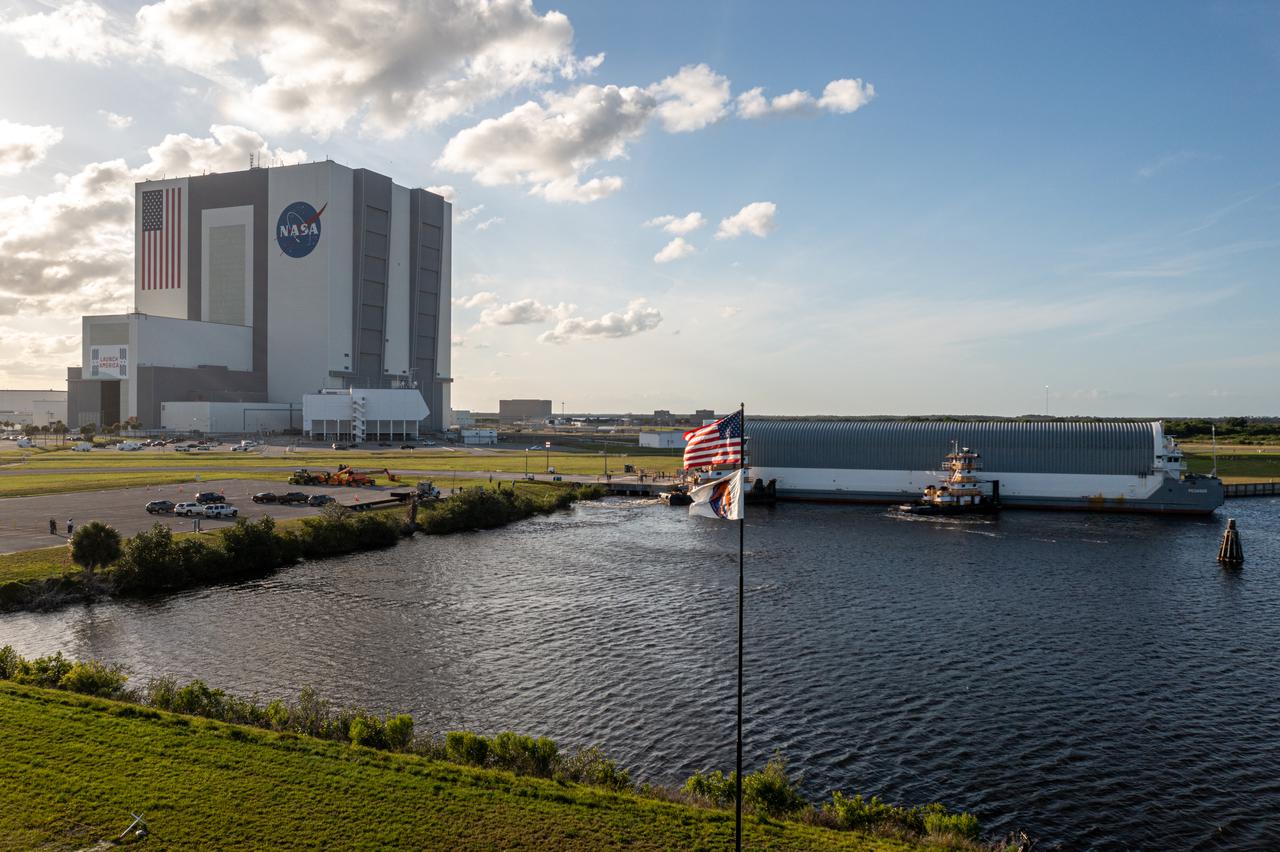
After its journey from NASA’s Stennis Space Center in Mississippi aboard the Pegasus barge, the mighty Space Launch System (SLS) core stage arrives at the agency’s Kennedy Space Center in Florida on April 27, 2021. The core stage is the final piece of Artemis hardware to arrive at the spaceport and will be offloaded and moved to Kennedy’s Vehicle Assembly Building, where it will be prepared for integration atop the mobile launcher with the completed stack of solid rocket boosters ahead of the Artemis I launch. The first in a series of increasingly complex missions, Artemis I will test SLS and Orion as an integrated system prior to crewed flights to the Moon.
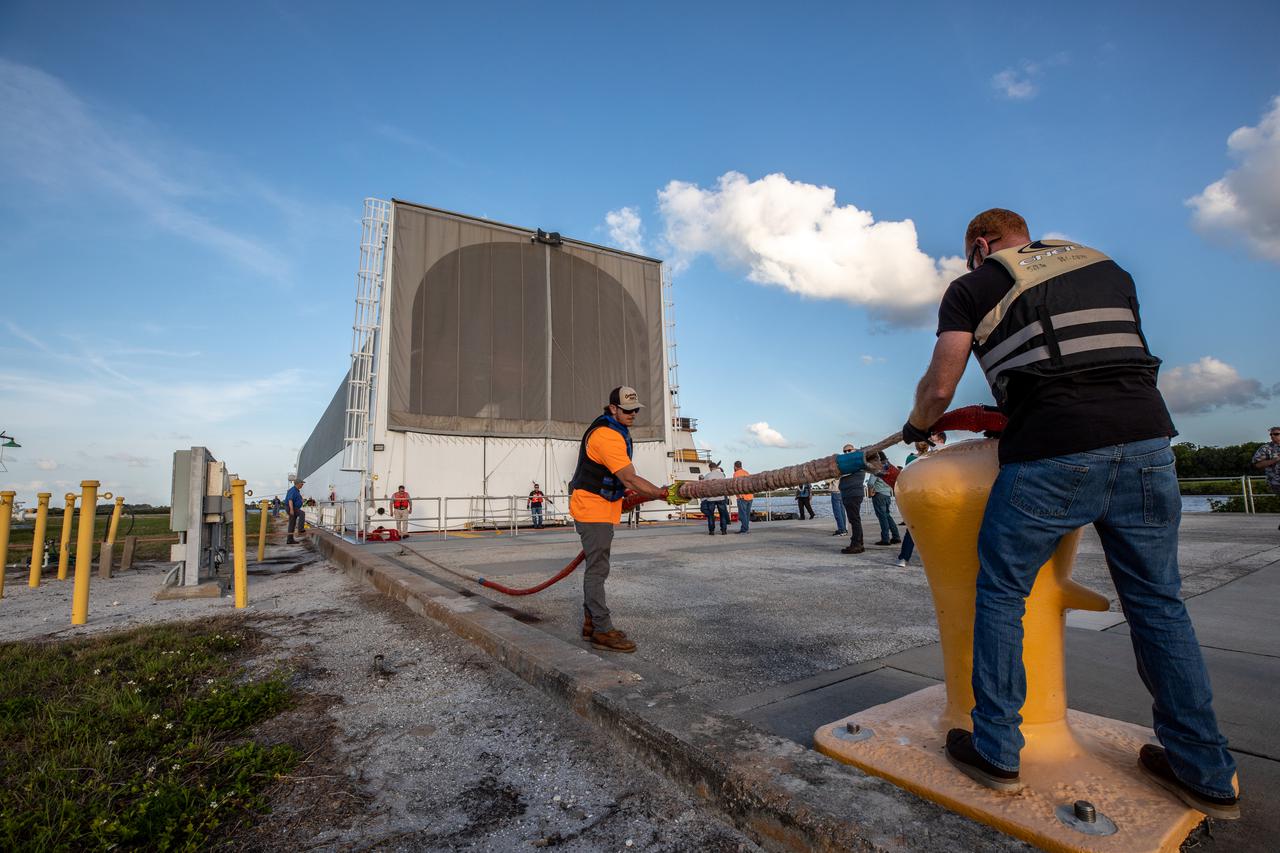
After its journey from NASA’s Stennis Space Center in Mississippi aboard the Pegasus barge, the mighty Space Launch System (SLS) core stage arrives at the agency’s Kennedy Space Center in Florida on April 27, 2021. In view is the iconic countdown clock at the NASA News Center, commonly referred to as the Press Site. The core stage is the final piece of Artemis hardware to arrive at the spaceport and will be offloaded and moved to Kennedy’s Vehicle Assembly Building, where it will be prepared for integration atop the mobile launcher with the completed stack of solid rocket boosters ahead of the Artemis I launch. The first in a series of increasingly complex missions, Artemis I will test SLS and Orion as an integrated system prior to crewed flights to the Moon.
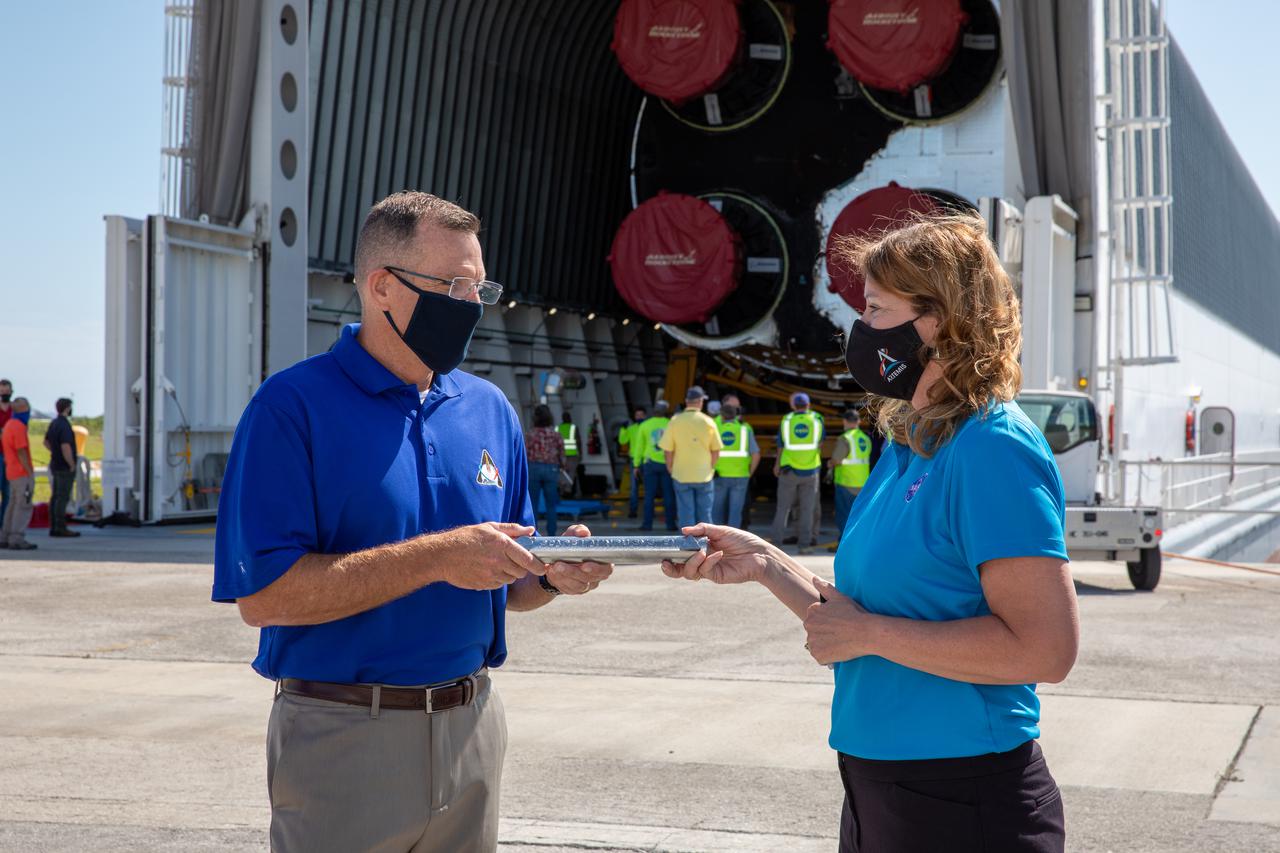
Space Launch System (SLS) Stages Manager Julie Bassler, right, celebrates the arrival of the SLS core stage by symbolically “passing the baton” to Exploration Ground Systems’ (EGS) Senior Vehicle Operations Manager Cliff Lanham on April 28, 2021, at NASA’s Kennedy Space Center in Florida. Journeying from the agency’s Stennis Space Center in Mississippi aboard the Pegasus barge, the core stage arrived at the Florida spaceport on April 27 to be processed for flight by EGS. It is the final piece of Artemis hardware to arrive at Kennedy and will be offloaded and moved to the Vehicle Assembly Building, where it will be prepared for integration atop the mobile launcher with the completed stack of solid rocket boosters ahead of the Artemis I launch. The first in a series of increasingly complex missions, Artemis I will test SLS and Orion as an integrated system prior to crewed flights to the Moon.
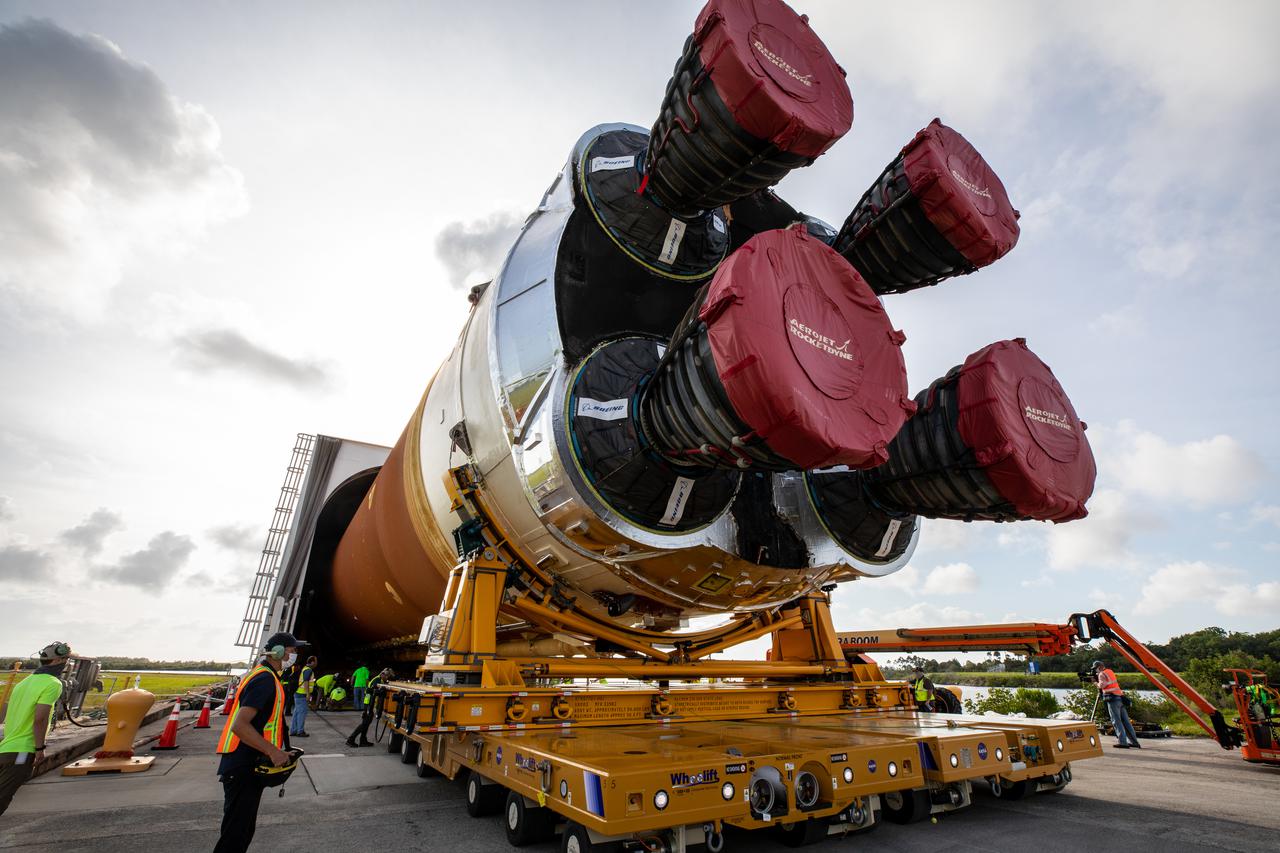
The massive 212-foot long Space Launch System (SLS) core stage is shown being offloaded from the Pegasus Barge on April 29, 2021, after arriving at NASA’s Kennedy Space Center in Florida. Teams with Exploration Ground Systems (EGS) and lead contractor Jacobs will transfer the rocket stage to the center’s Vehicle Assembly Building to prepare it for integration with the completed stack of solid rocket boosters atop the mobile launcher ahead of the Artemis I launch. The first in a series of increasingly complex missions, Artemis I will test SLS and Orion as an integrated system prior to crewed flights to the Moon.
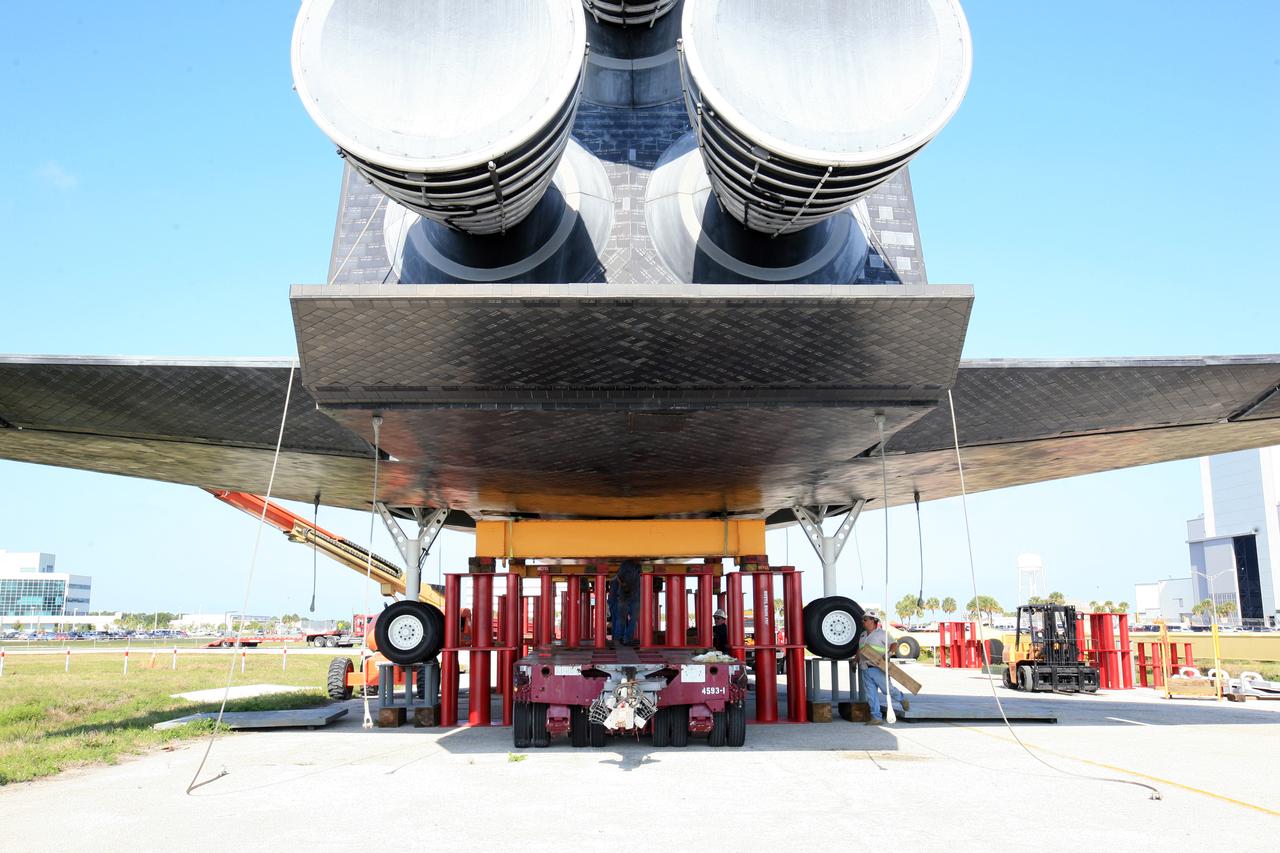
T&R - Work on Shuttle Replica to Prepare for transport to JSC
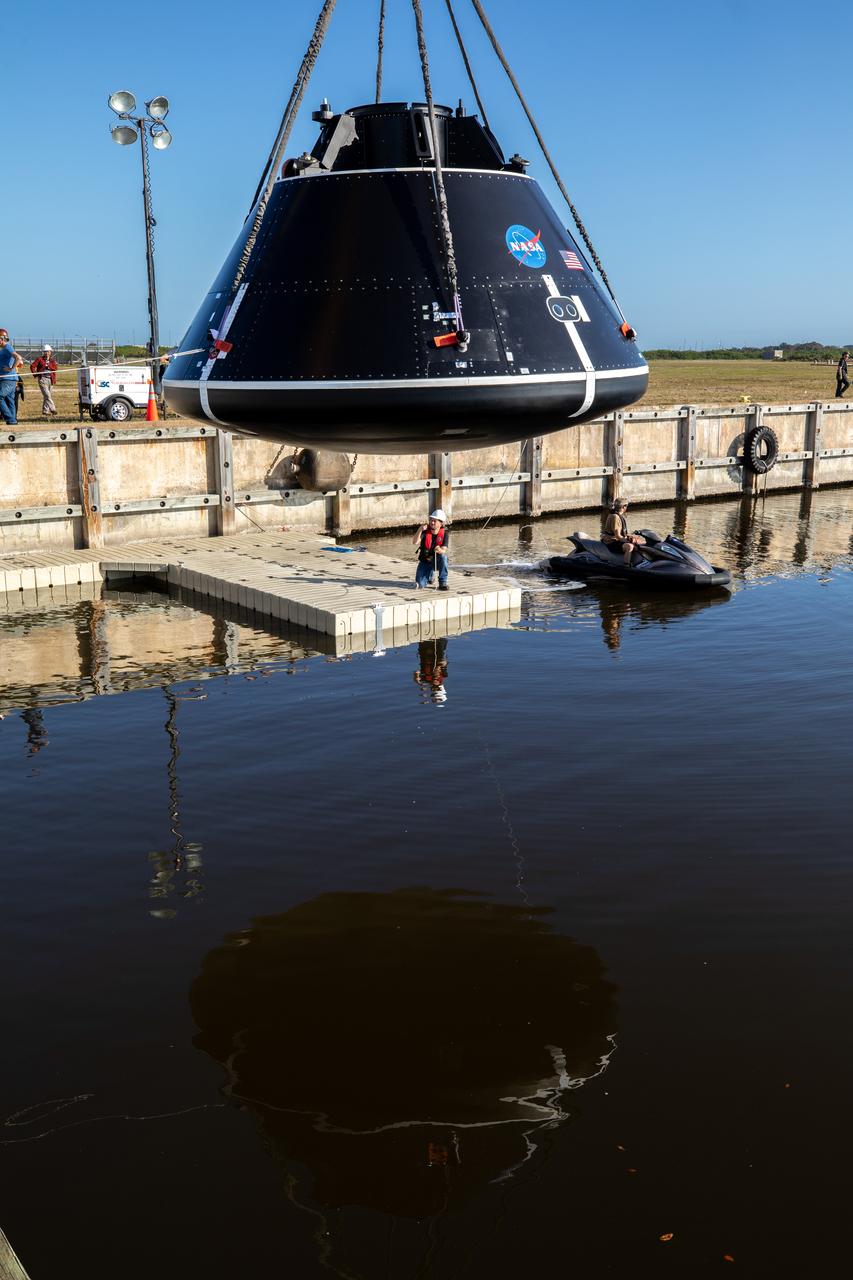
A crane is used to hold the Crew Module Test Article (CMTA) above the water at the turn basin in the Launch Complex 39 area at NASA’s Kennedy Space Center in Florida on Jan. 30, 2023. The CMTA is being used to practice recovery after splashdown of the Orion spacecraft to prepare for the Artemis II crewed mission. Exploration Ground Systems leads recovery efforts.
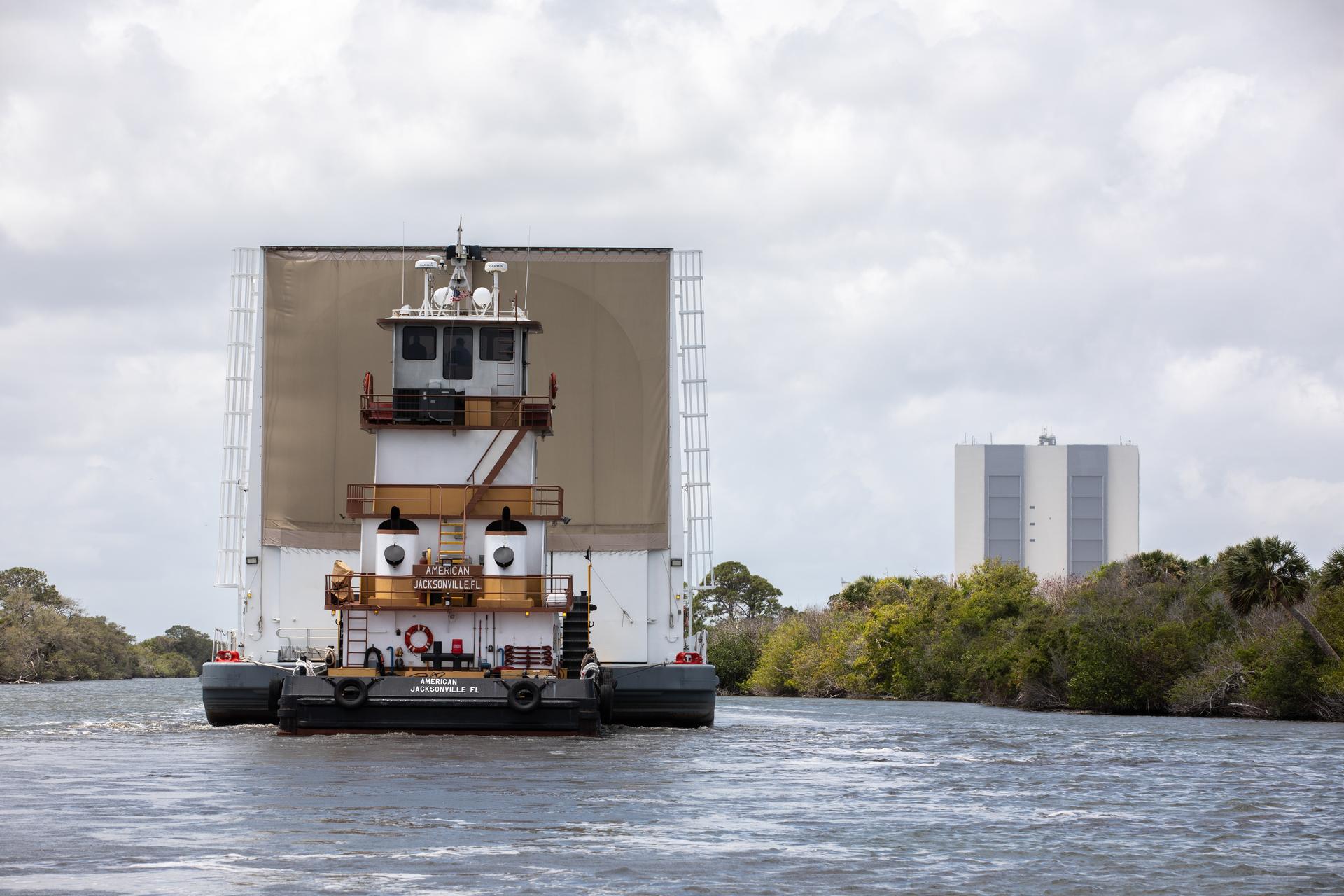
NASA’s Pegasus barge, carrying the top four-fifths of the agency’s SLS (Space Launch System) core stage for the Artemis III mission, arrives at NASA’s Kennedy Space Center Complex 39 turn basin wharf in Florida on Monday, April 27, 2026. Artemis III will launch astronauts to Earth’s orbit aboard the Orion spacecraft on top of SLS to test rendezvous and docking capabilities between Orion and commercial spacecraft needed to land Artemis IV astronauts on the Moon in 2028.

Space Launch System (SLS) Stages Manager Julie Bassler, right, celebrates the arrival of the SLS core stage by symbolically “passing the baton” to Exploration Ground Systems’ (EGS) Senior Vehicle Operations Manager Cliff Lanham on April 28, 2021, at NASA’s Kennedy Space Center in Florida. Journeying from the agency’s Stennis Space Center in Mississippi aboard the Pegasus barge, the core stage arrived at the Florida spaceport on April 27 to be processed for flight by EGS. It is the final piece of Artemis hardware to arrive at Kennedy and will be offloaded and moved to the Vehicle Assembly Building, where it will be prepared for integration atop the mobile launcher with the completed stack of solid rocket boosters ahead of the Artemis I launch. The first in a series of increasingly complex missions, Artemis I will test SLS and Orion as an integrated system prior to crewed flights to the Moon.

Liliana Villarreal, Artemis landing and recovery director with Exploration Ground Systems (EGS), stands in front of the Crew Module Test Article (CMTA) at the turn basin in the Launch Complex 39 area at NASA’s Kennedy Space Center in Florida on Feb. 1, 2023. The CMTA is being used to practice recovery after splashdown of the Orion spacecraft to prepare for the Artemis II crewed mission. EGS leads recovery efforts.
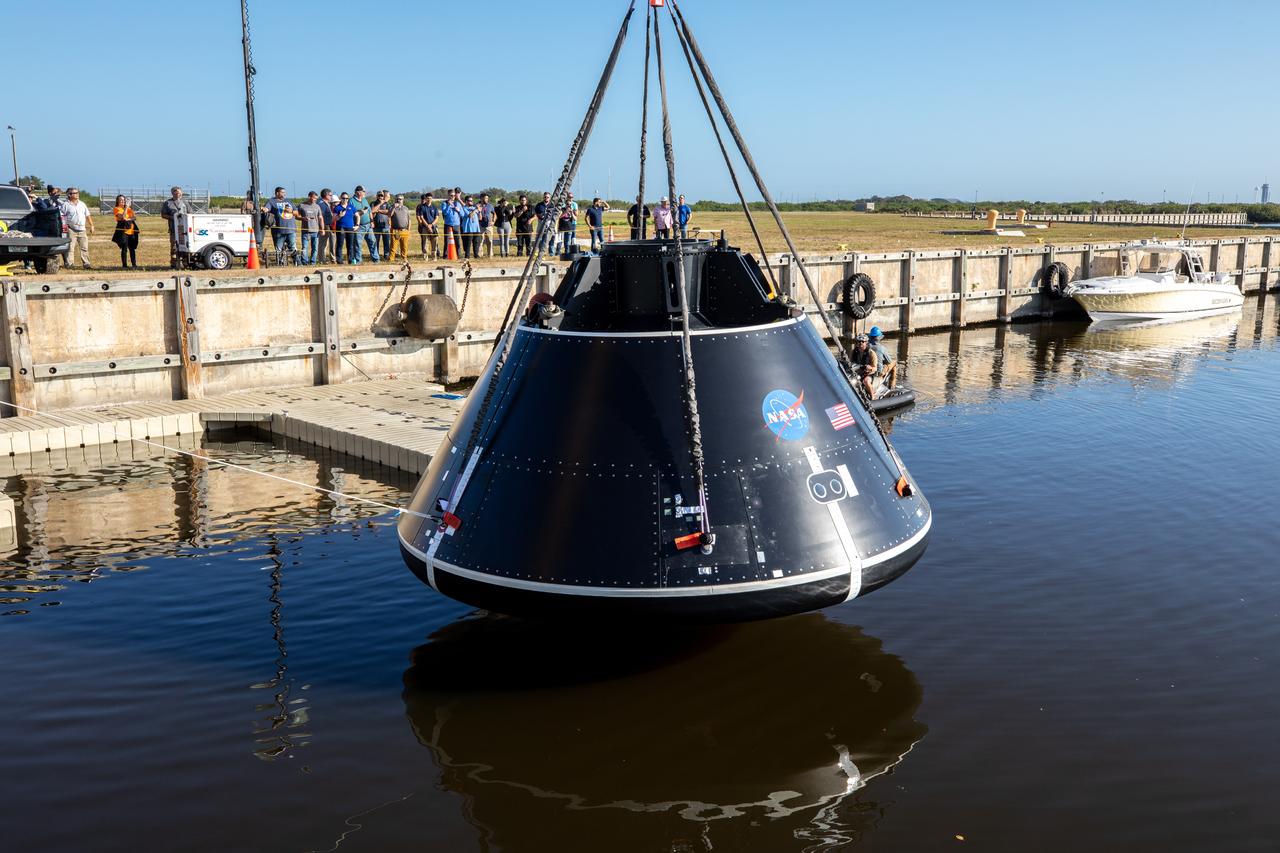
A crane lowers the Crew Module Test Article (CMTA) into water at the turn basin in the Launch Complex 39 area at NASA’s Kennedy Space Center in Florida on Jan. 30, 2023. The CMTA is being used to practice recovery after splashdown of the Orion spacecraft to prepare for the Artemis II crewed mission. Exploration Ground Systems leads recovery efforts.
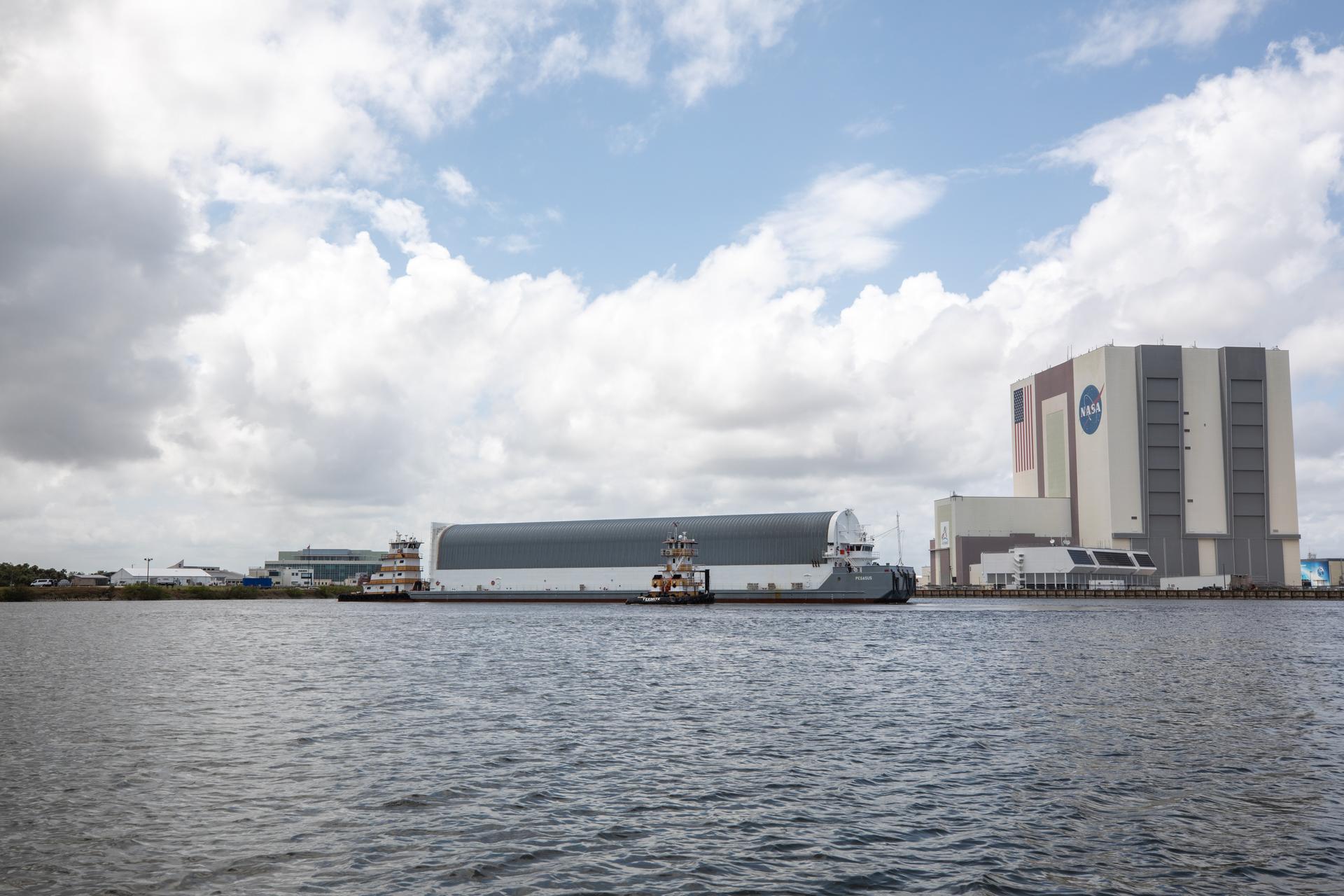
NASA’s Pegasus barge, carrying the top four-fifths of the agency’s SLS (Space Launch System) core stage for the Artemis III mission, arrives at NASA’s Kennedy Space Center Complex 39 turn basin wharf in Florida on Monday, April 27, 2026. Artemis III will launch astronauts to Earth’s orbit aboard the Orion spacecraft on top of SLS to test rendezvous and docking capabilities between Orion and commercial spacecraft needed to land Artemis IV astronauts on the Moon in 2028.

NASA’s Pegasus barge, carrying the top four-fifths of the agency’s SLS (Space Launch System) core stage for the Artemis III mission, arrives at NASA’s Kennedy Space Center Complex 39 turn basin wharf in Florida on Monday, April 27, 2026. Artemis III will launch astronauts to Earth’s orbit aboard the Orion spacecraft on top of SLS to test rendezvous and docking capabilities between Orion and commercial spacecraft needed to land Artemis IV astronauts on the Moon in 2028.
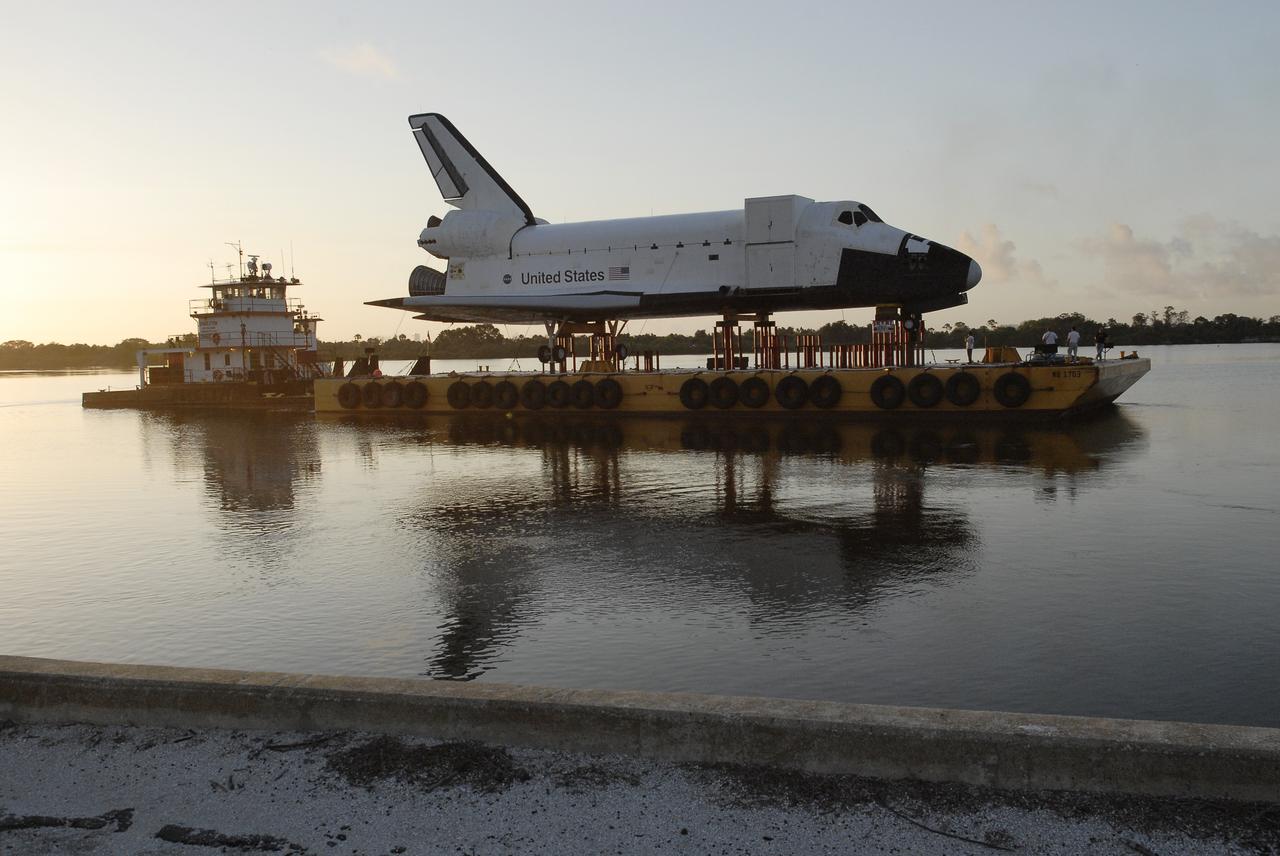
Shuttle Replica Preparations for Barge Departure
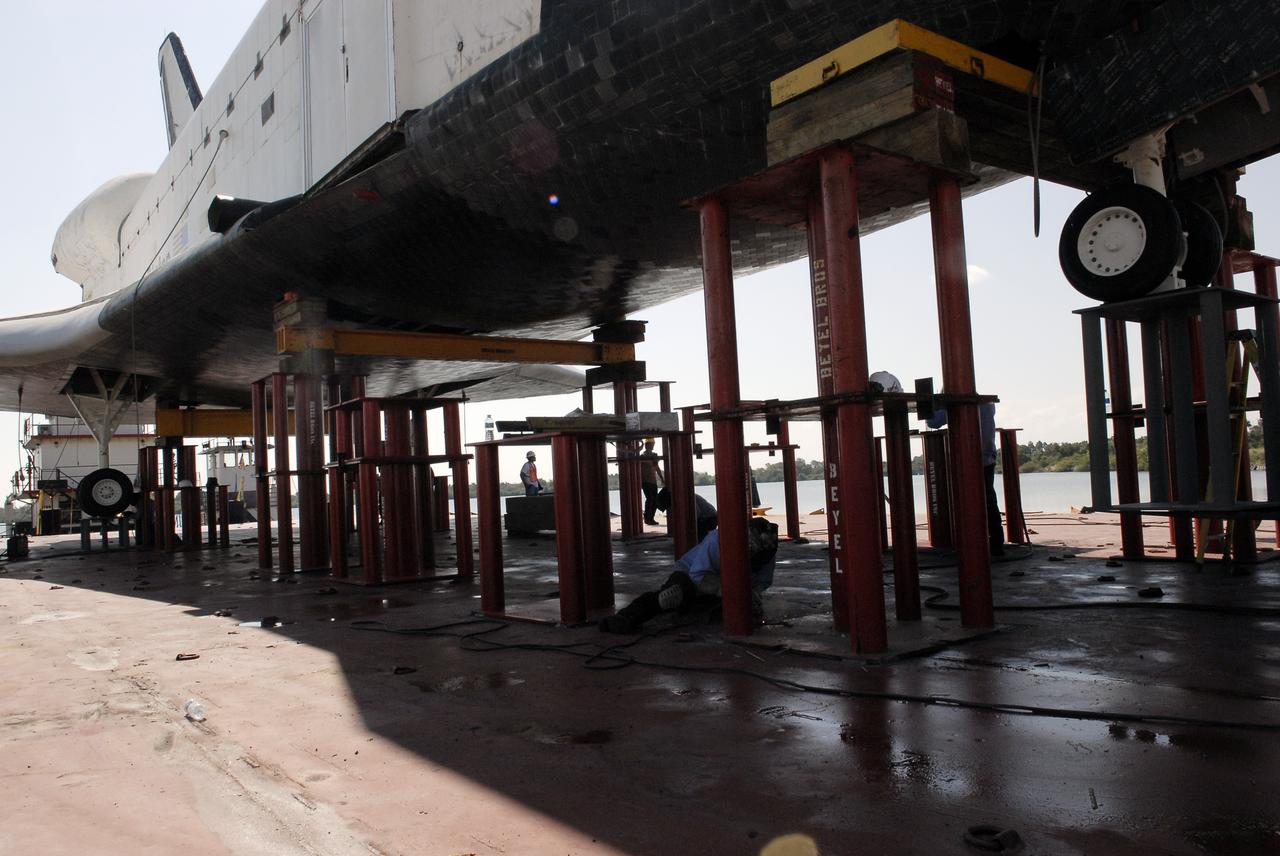
Shuttle Replica Preparations for Barge Departure
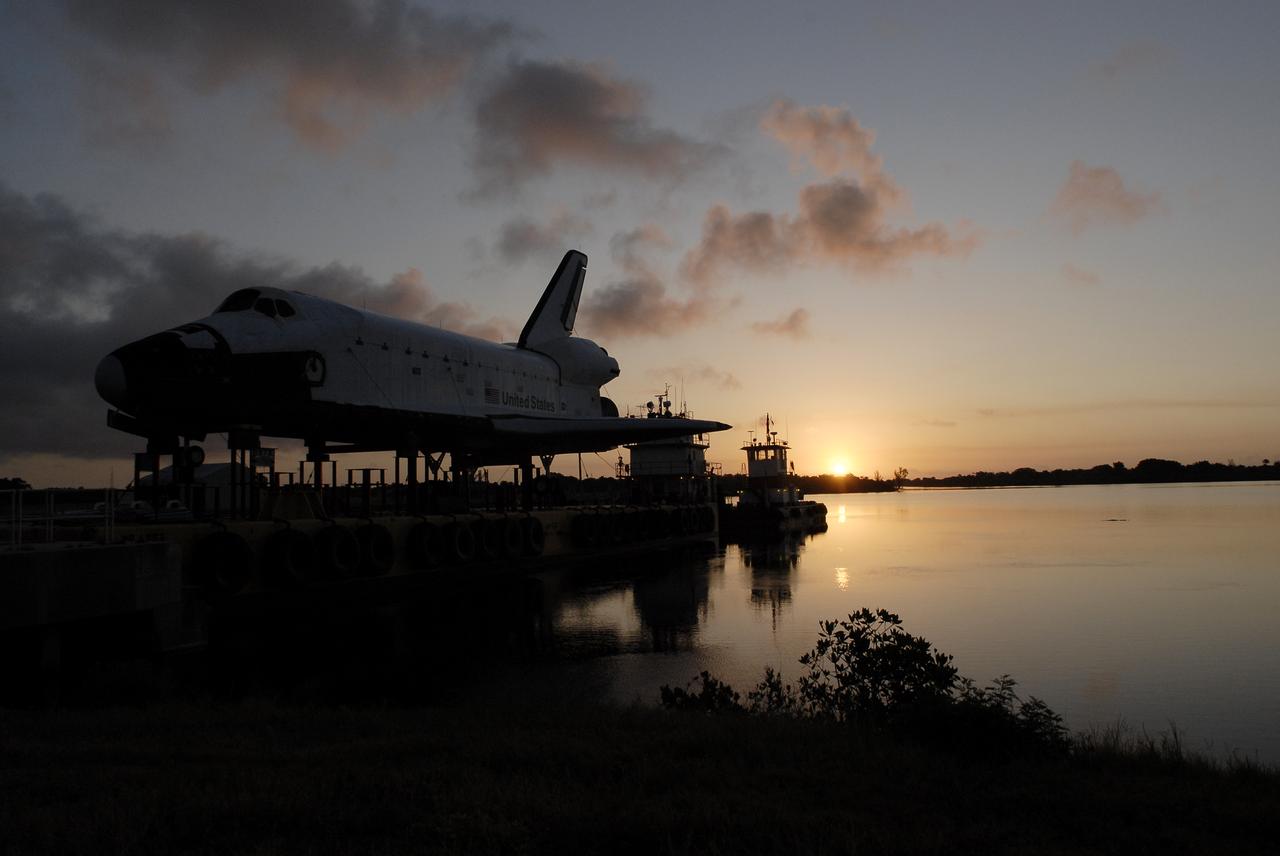
Shuttle Replica Preparations for Barge Departure
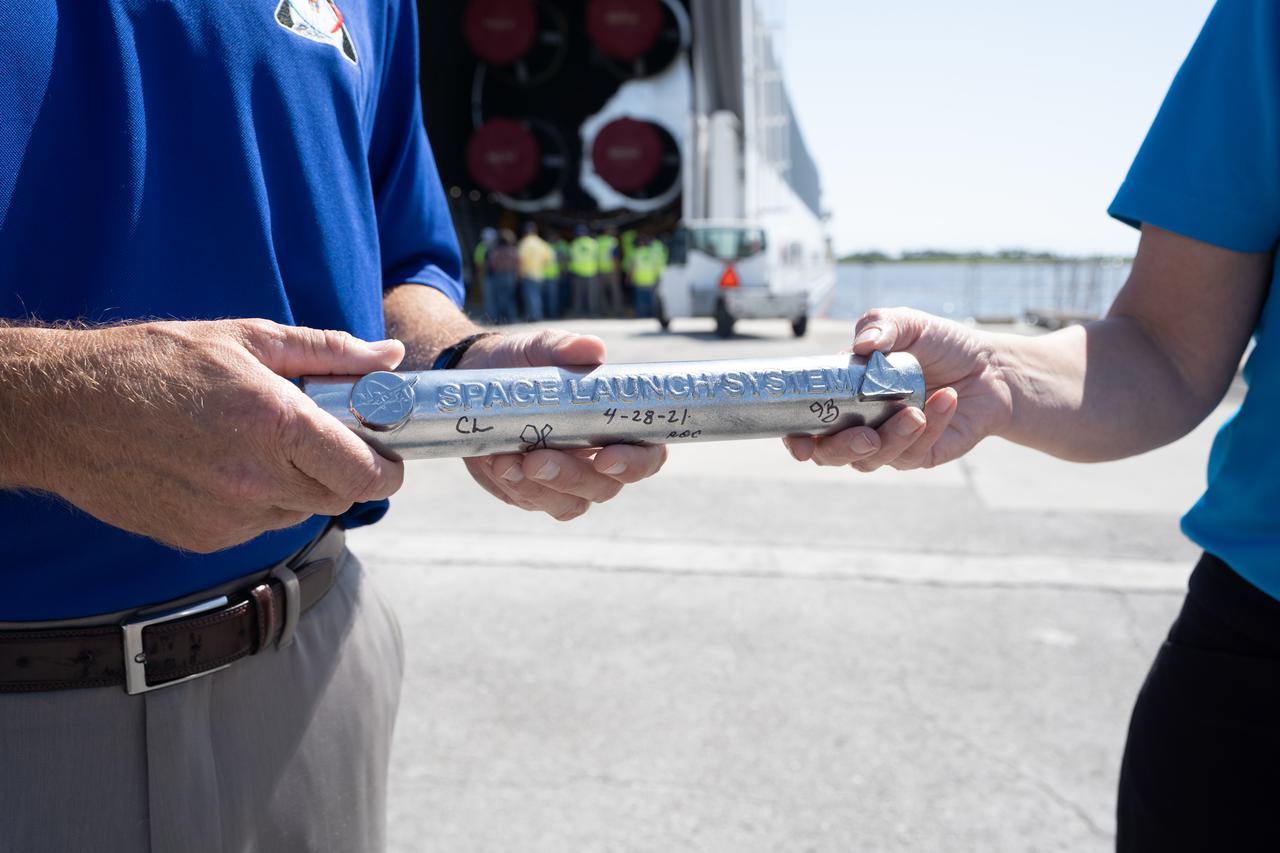
The Space Launch System (SLS) program heralds the arrival of the SLS core stage with a symbolic “passing of the baton” to NASA’s Exploration Ground Systems (EGS) on April 28, 2021, at the agency’s Kennedy Space Center in Florida, marking the transition into final preparations for flight. Journeying from NASA’s Stennis Space Center in Mississippi aboard the Pegasus barge, the core stage arrived at the Florida spaceport on April 27. It is the final piece of Artemis hardware to arrive at Kennedy and will be offloaded and moved to the Vehicle Assembly Building, where it will be prepared for integration atop the mobile launcher with the completed stack of solid rocket boosters ahead of the Artemis I launch. The first in a series of increasingly complex missions, Artemis I will test SLS and Orion as an integrated system prior to crewed flights to the Moon.
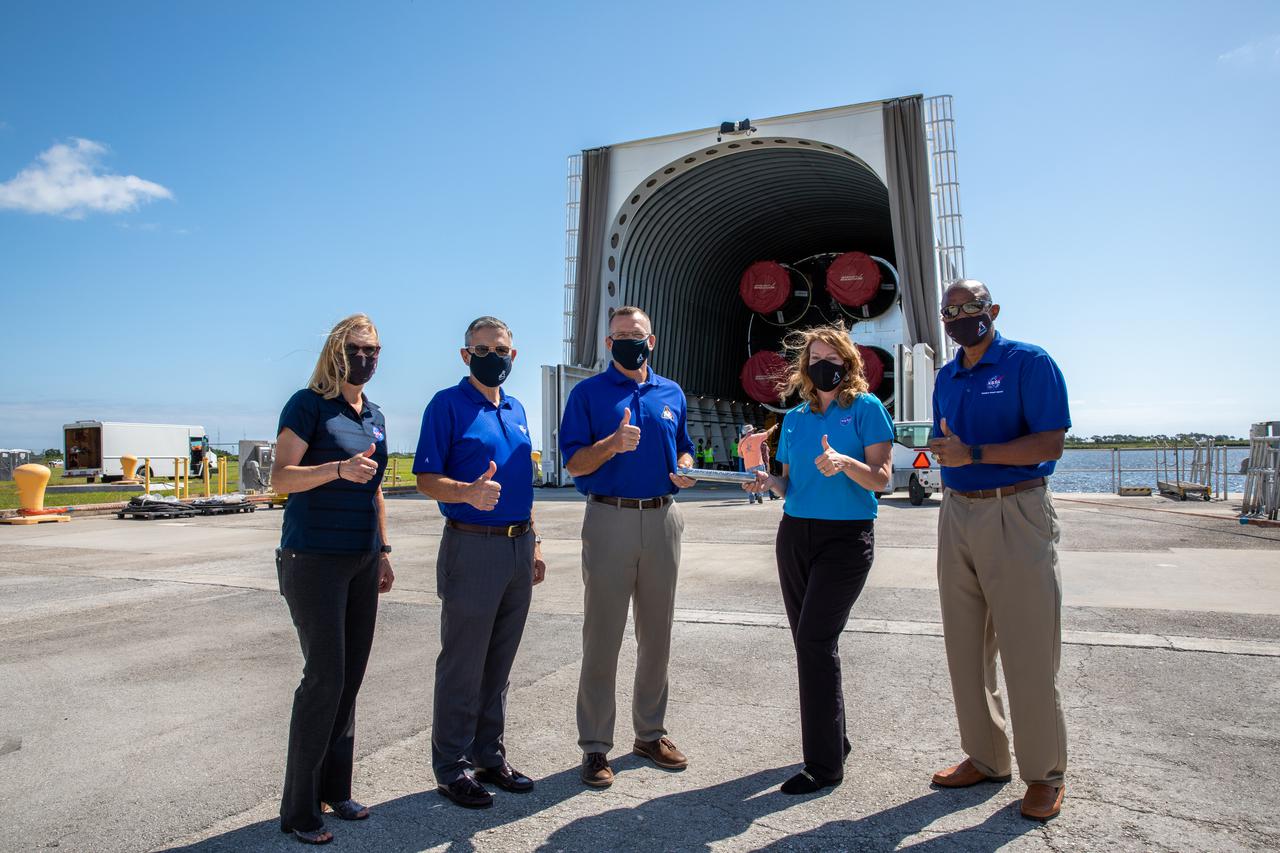
From left, Kennedy Space Center Deputy Director Janet Petro, Director Bob Cabana, Exploration Ground Systems’ (EGS) Senior Vehicle Operations Manager Cliff Lanham, Space Launch System (SLS) Stages Manager Julie Bassler, and Associate Director, Technical, Kelvin Manning celebrate the arrival of the SLS core stage on April 28, 2021, with a symbolic “passing of the baton” from the SLS program to EGS. Journeying from NASA’s Stennis Space Center in Mississippi aboard the Pegasus barge, the core stage arrived at the Florida spaceport on April 27 to be processed for flight by EGS. It is the final piece of Artemis hardware to arrive at Kennedy and will be offloaded and moved to the Vehicle Assembly Building, where it will be prepared for integration atop the mobile launcher with the completed stack of solid rocket boosters ahead of the Artemis I launch. The first in a series of increasingly complex missions, Artemis I will test SLS and Orion as an integrated system prior to crewed flights to the Moon.
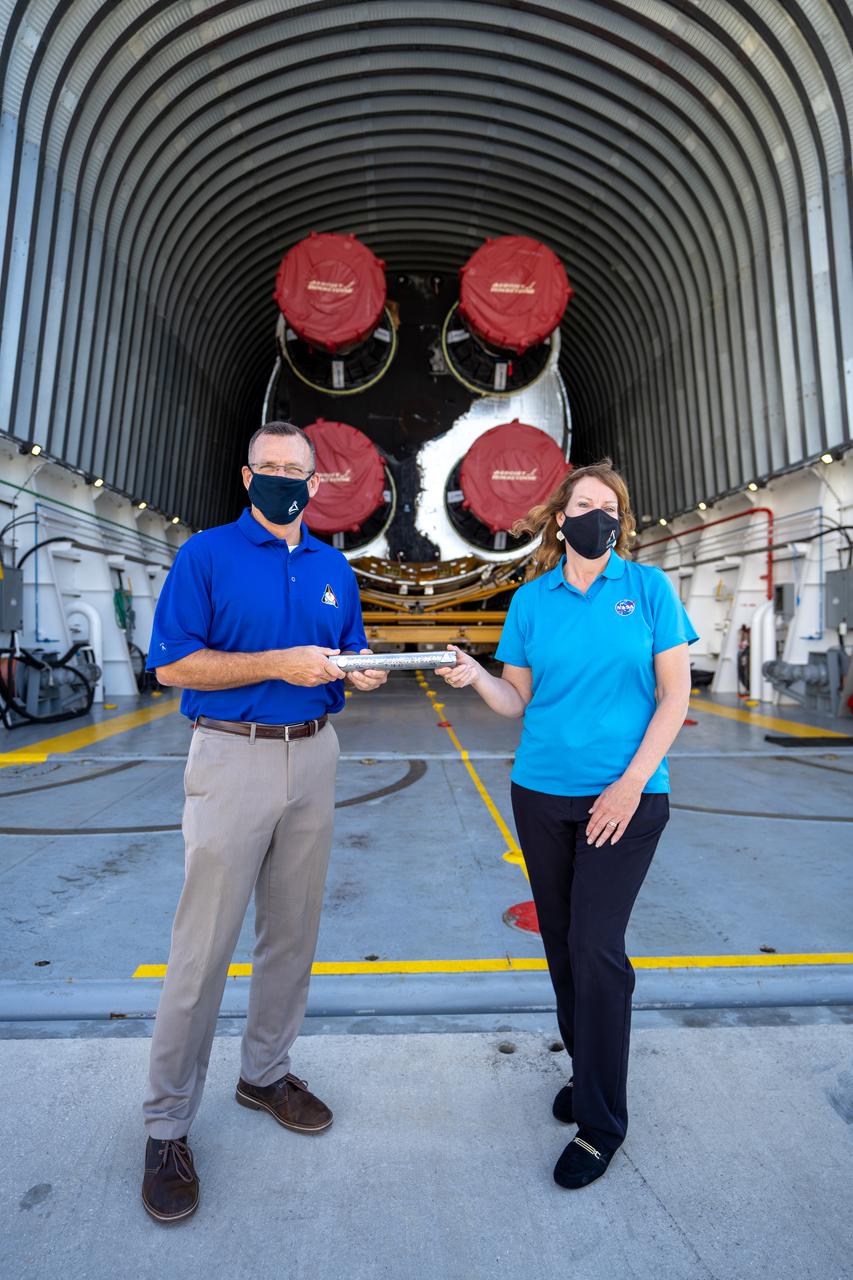
Space Launch System (SLS) Stages Manager Julie Bassler, right, celebrates the arrival of the SLS core stage by symbolically “passing the baton” to Exploration Ground Systems’ (EGS) Senior Vehicle Operations Manager Cliff Lanham on April 28, 2021, at NASA’s Kennedy Space Center in Florida. Journeying from the agency’s Stennis Space Center in Mississippi aboard the Pegasus barge, the core stage arrived at the Florida spaceport on April 27 to be processed for flight by EGS. It is the final piece of Artemis hardware to arrive at Kennedy and will be offloaded and moved to the Vehicle Assembly Building, where it will be prepared for integration atop the mobile launcher with the completed stack of solid rocket boosters ahead of the Artemis I launch. The first in a series of increasingly complex missions, Artemis I will test SLS and Orion as an integrated system prior to crewed flights to the Moon.
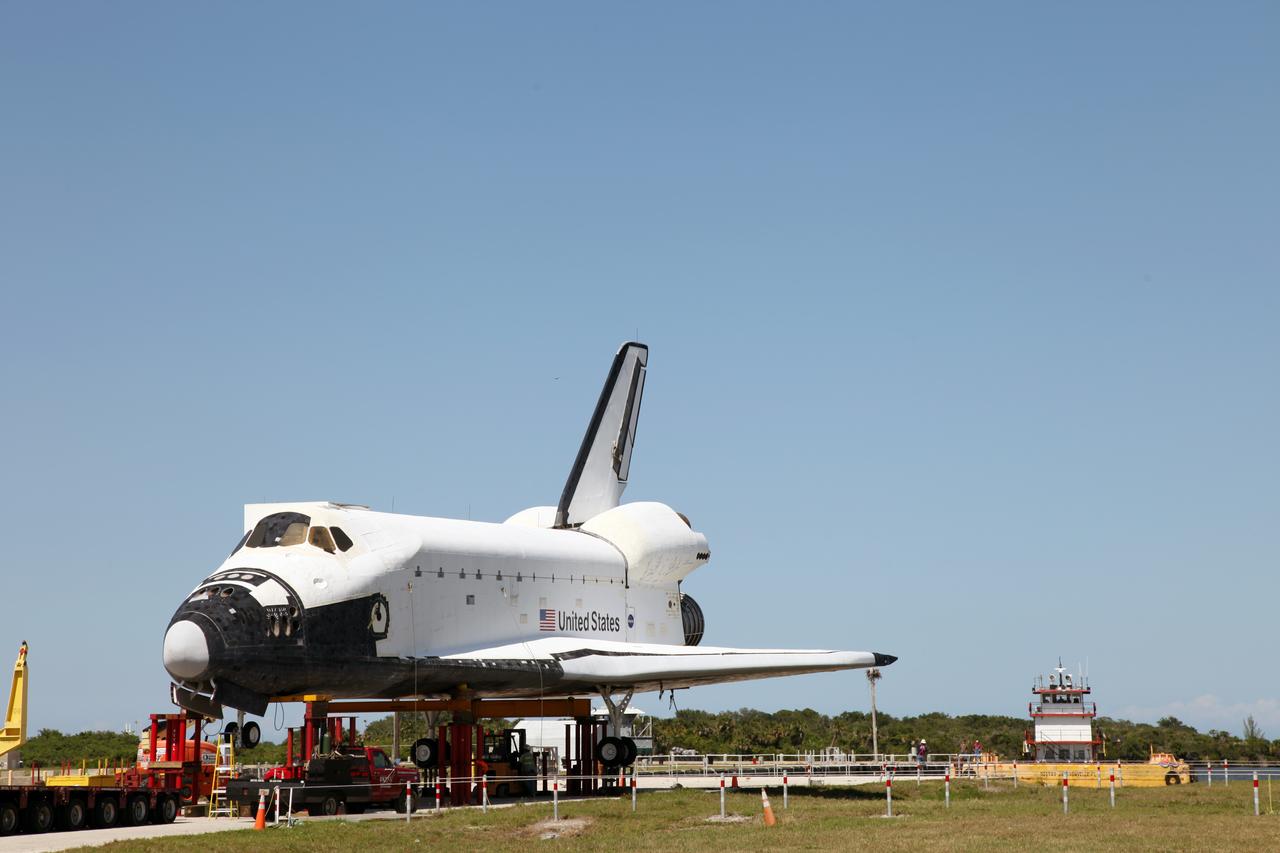
Barge Arrives that will take the Shuttle Mockup to JSC
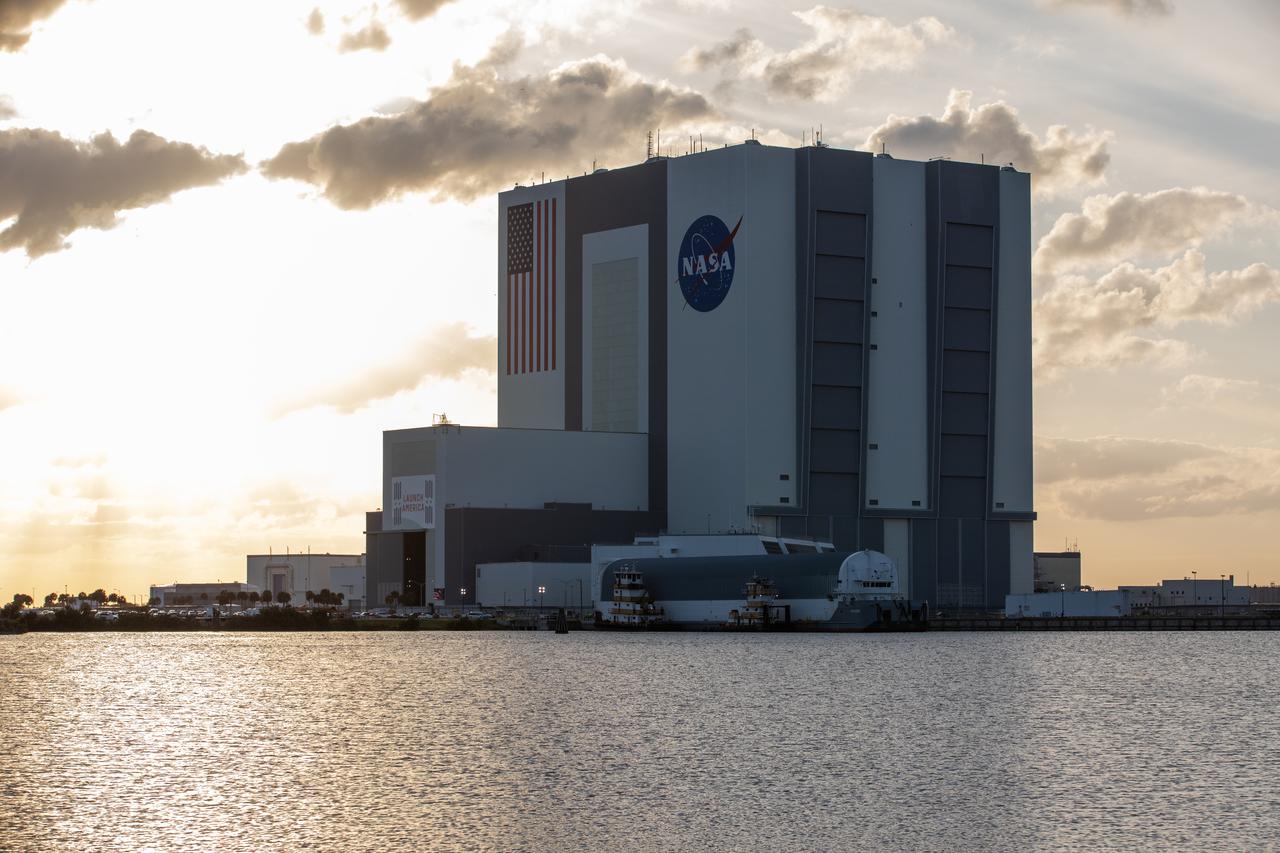
After its journey from NASA’s Stennis Space Center in Mississippi aboard the Pegasus barge, the mighty Space Launch System (SLS) core stage arrives at the agency’s Kennedy Space Center in Florida on April 27, 2021. In view is the iconic countdown clock at the NASA News Center, commonly referred to as the Press Site. The core stage is the final piece of Artemis hardware to arrive at the spaceport and will be offloaded and moved to Kennedy’s Vehicle Assembly Building, where it will be prepared for integration atop the mobile launcher with the completed stack of solid rocket boosters ahead of the Artemis I launch. The first in a series of increasingly complex missions, Artemis I will test SLS and Orion as an integrated system prior to crewed flights to the Moon.
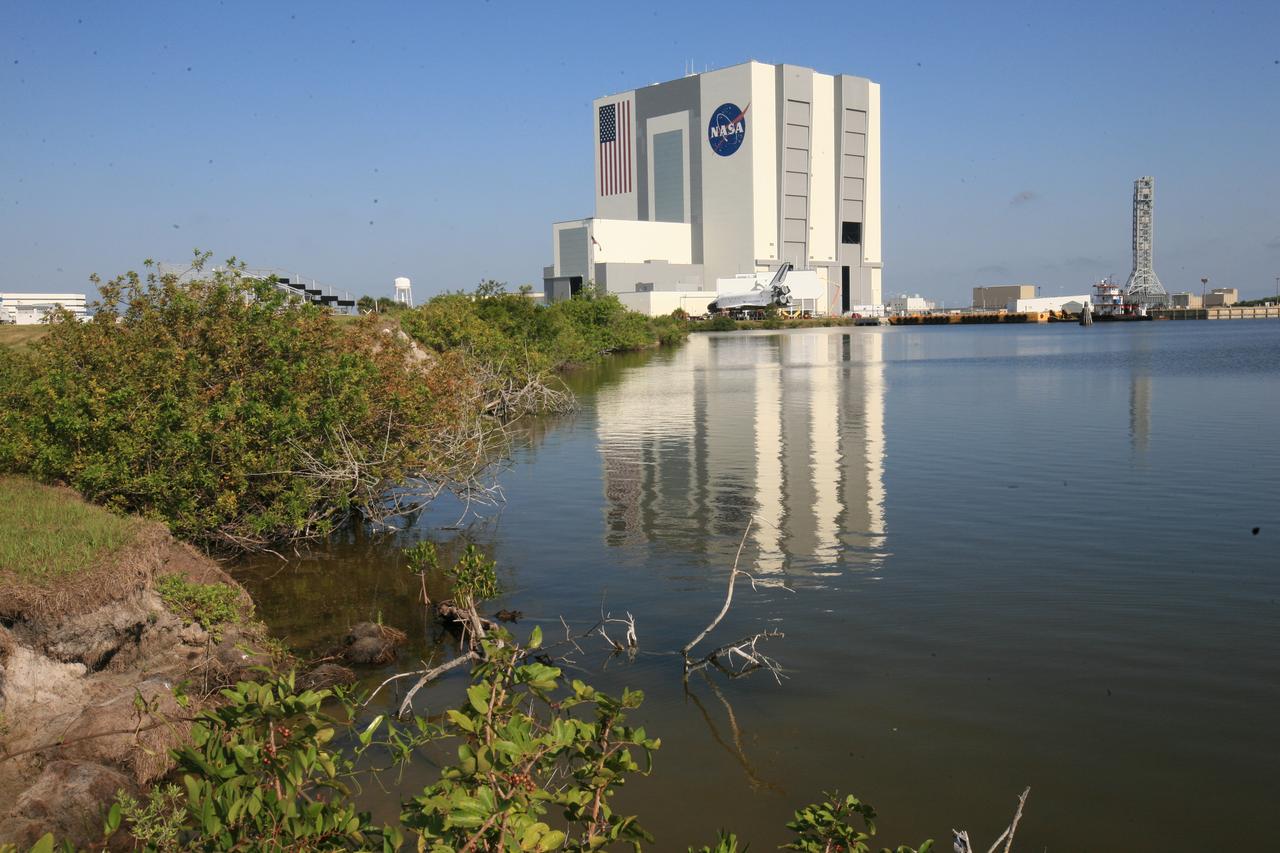
T&R - Work on Shuttle Replica to Prepare for transport to JSC
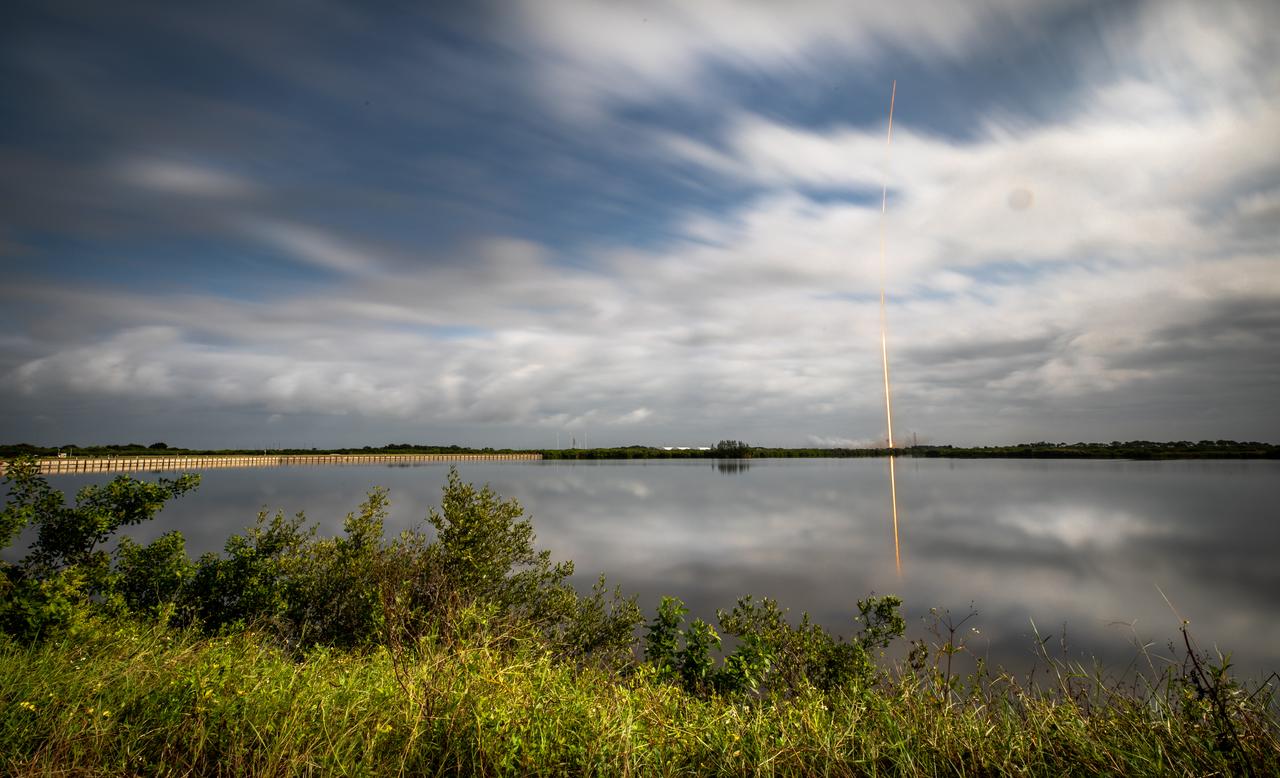
NASA’s Psyche spacecraft, atop a SpaceX Falcon Heavy rocket, soars into the sky after lifting off from Kennedy Space Center’s historic Launch Complex 39A in Florida at 10:19 a.m. EDT on Friday, Oct. 13, 2023. This daytime long exposure photo was taken from Kennedy’s Press Site near the historic countdown clock. The Psyche mission will study a metal-rich asteroid with the same name, located in the main asteroid belt between Mars and Jupiter. This is NASA’s first mission to study an asteroid that has more metal than rock or ice. Riding with Psyche is a pioneering technology demonstration – NASA’s Deep Space Optical Communications (DSOC) experiment – which will be the first test of laser communications beyond the Moon.
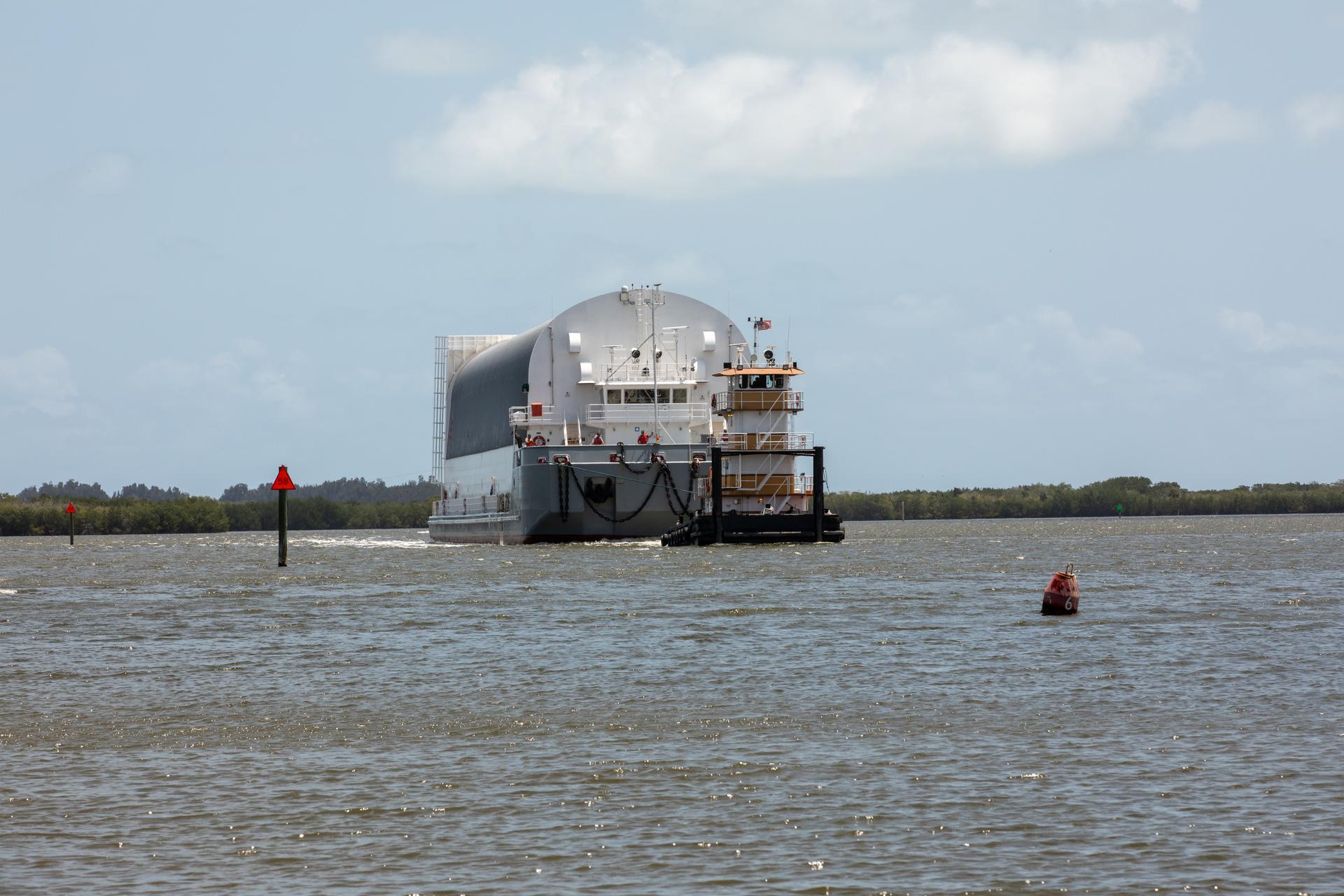
NASA’s Pegasus barge, carrying the top four-fifths of the agency’s SLS (Space Launch System) core stage for the Artemis III mission, arrives at NASA’s Kennedy Space Center Complex 39 turn basin wharf in Florida on Monday, April 27, 2026. Artemis III will launch astronauts to Earth’s orbit aboard the Orion spacecraft on top of SLS to test rendezvous and docking capabilities between Orion and commercial spacecraft needed to land Artemis IV astronauts on the Moon in 2028.
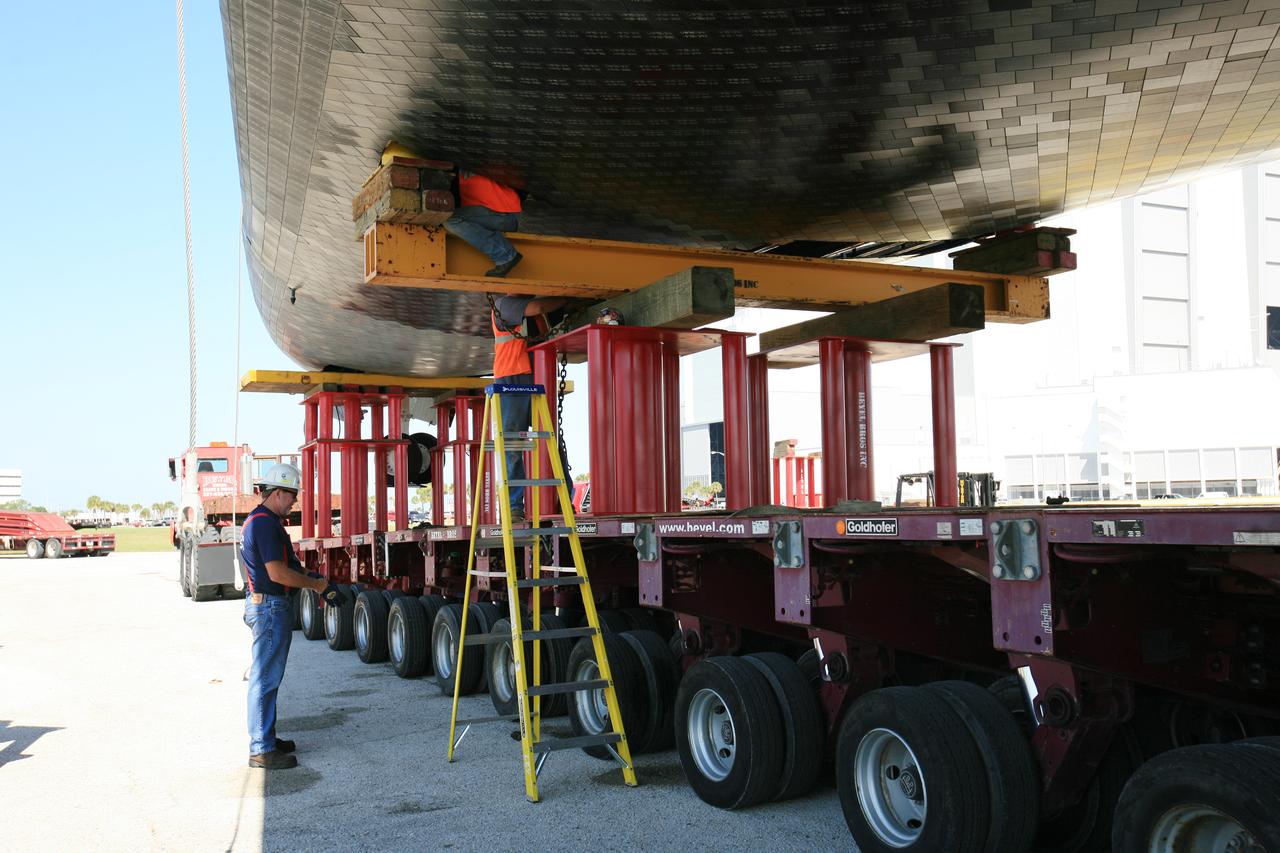
T&R - Work on Shuttle Replica to Prepare for transport to JSC
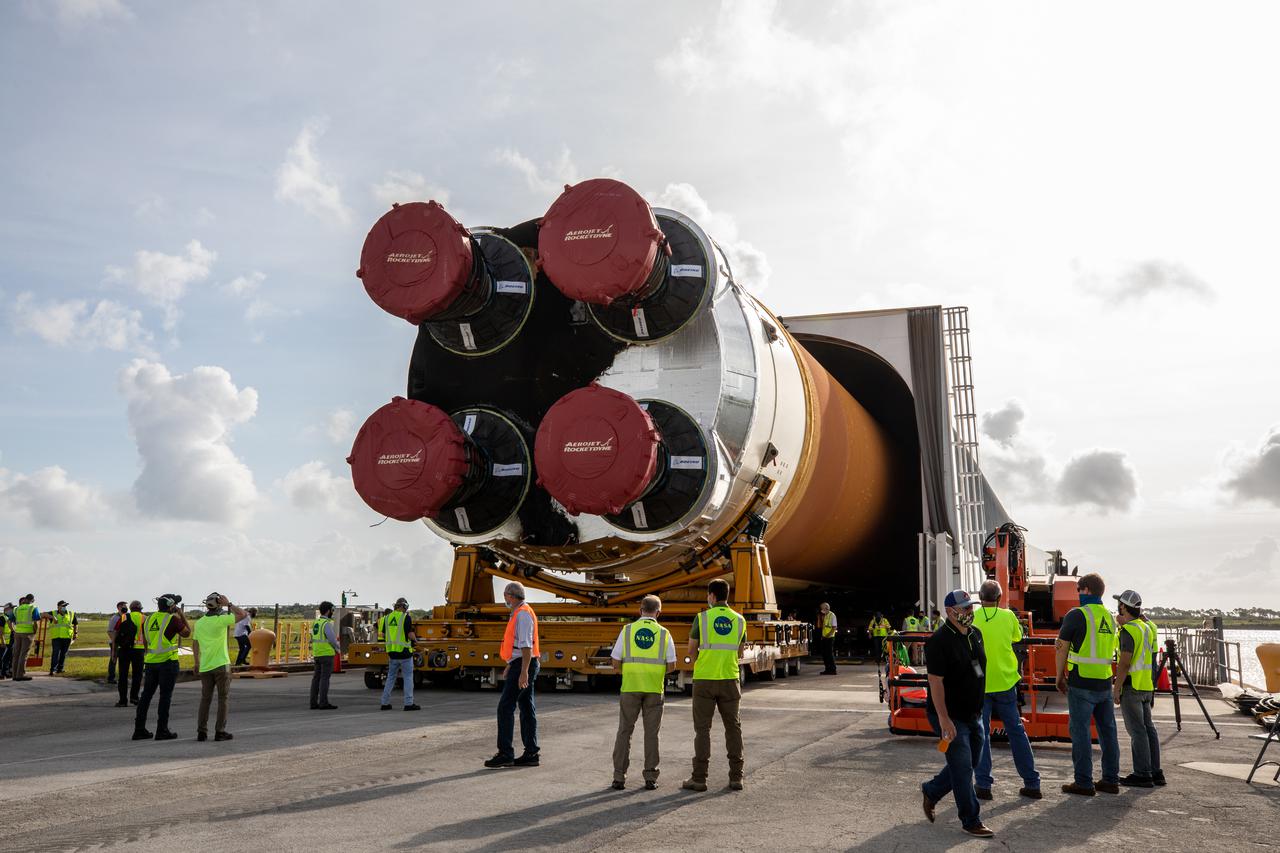
The massive 212-foot long Space Launch System (SLS) core stage is shown being offloaded from the Pegasus Barge on April 29, 2021, after arriving at NASA’s Kennedy Space Center in Florida. Teams with Exploration Ground Systems (EGS) and lead contractor Jacobs will transfer the rocket stage to the center’s Vehicle Assembly Building to prepare it for integration with the completed stack of solid rocket boosters atop the mobile launcher ahead of the Artemis I launch. The first in a series of increasingly complex missions, Artemis I will test SLS and Orion as an integrated system prior to crewed flights to the Moon.
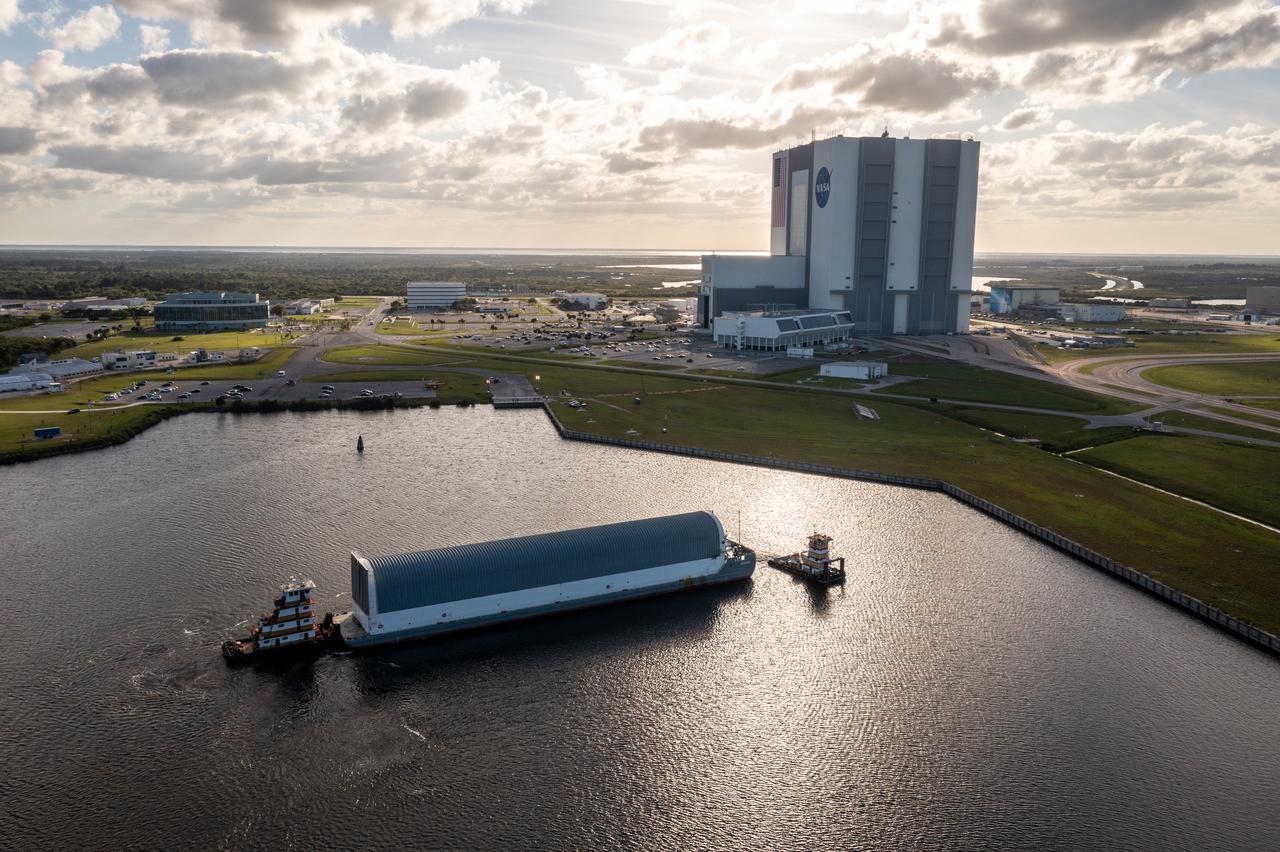
The Pegasus barge, carrying the mighty Space Launch System (SLS) core stage, arrives at NASA’s Kennedy Space Center in Florida on April 27, 2021, after journeying from the agency’s Stennis Space Center in Mississippi. The core stage is the final piece of Artemis hardware to arrive at the spaceport and will be offloaded and moved to Kennedy’s Vehicle Assembly Building, where it will be prepared for integration atop the mobile launcher with the completed stack of solid rocket boosters ahead of the Artemis I launch. The first in a series of increasingly complex missions, Artemis I will test SLS and Orion as an integrated system prior to crewed flights to the Moon.
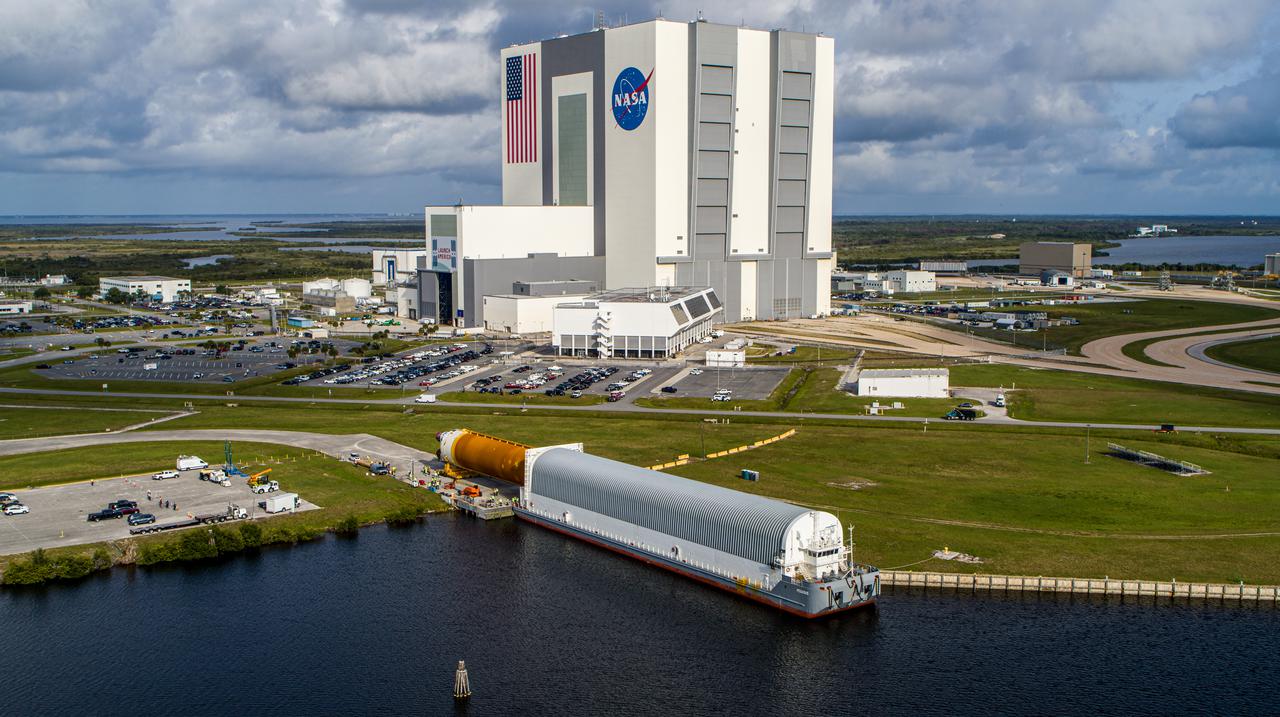
In this aerial view, the massive 212-foot long Space Launch System (SLS) core stage is shown being offloaded from the Pegasus Barge on April 29, 2021, after arriving at NASA’s Kennedy Space Center in Florida. Teams with Exploration Ground Systems (EGS) and lead contractor Jacobs will transfer the rocket stage to the center’s Vehicle Assembly Building to prepare it for integration with the completed stack of solid rocket boosters atop the mobile launcher ahead of the Artemis I launch. The first in a series of increasingly complex missions, Artemis I will test SLS and Orion as an integrated system prior to crewed flights to the Moon.
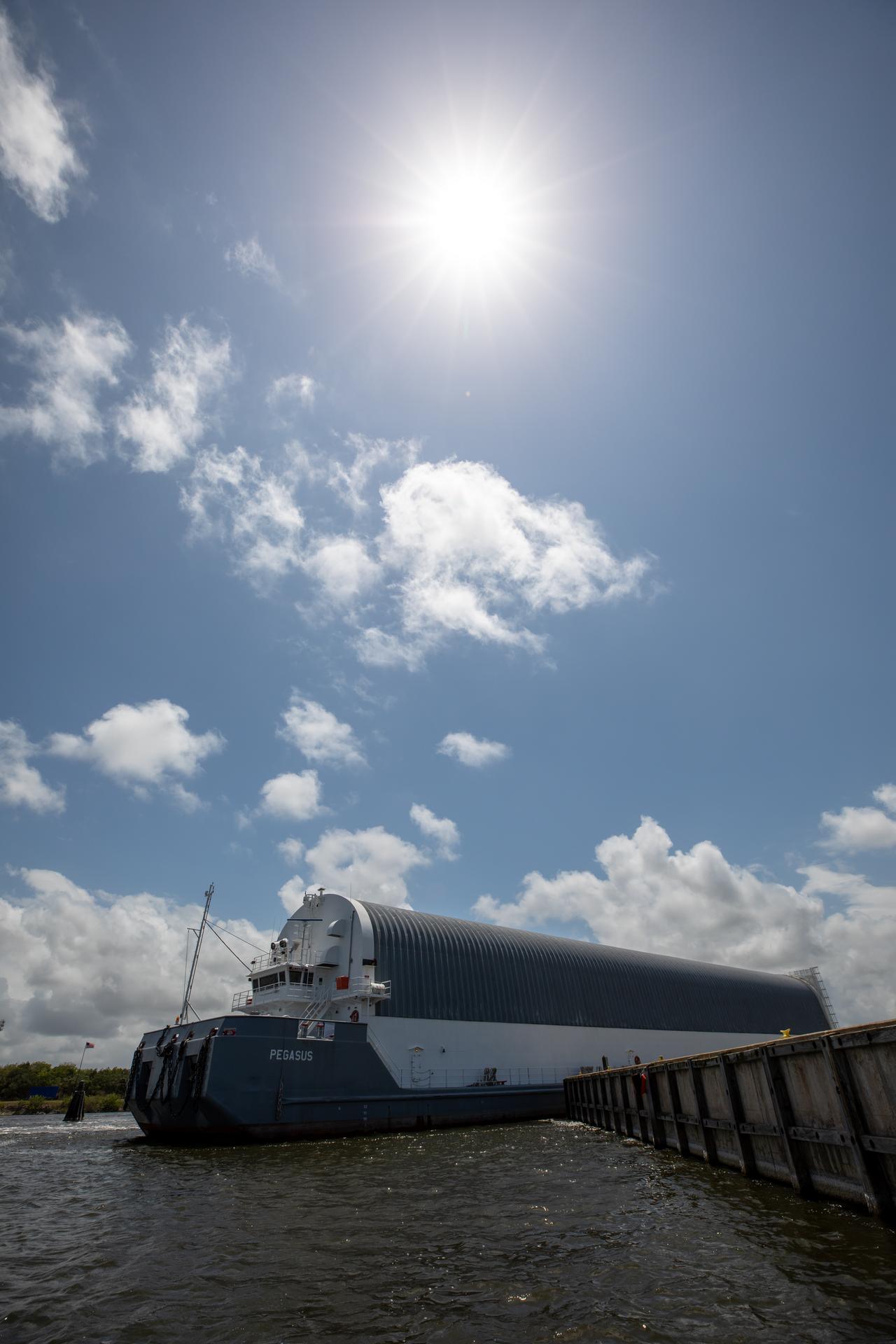
NASA’s Pegasus barge, carrying the top four-fifths of the agency’s SLS (Space Launch System) core stage for the Artemis III mission, arrives at NASA’s Kennedy Space Center Complex 39 turn basin wharf in Florida on Monday, April 27, 2026. Artemis III will launch astronauts to Earth’s orbit aboard the Orion spacecraft on top of SLS to test rendezvous and docking capabilities between Orion and commercial spacecraft needed to land Artemis IV astronauts on the Moon in 2028.
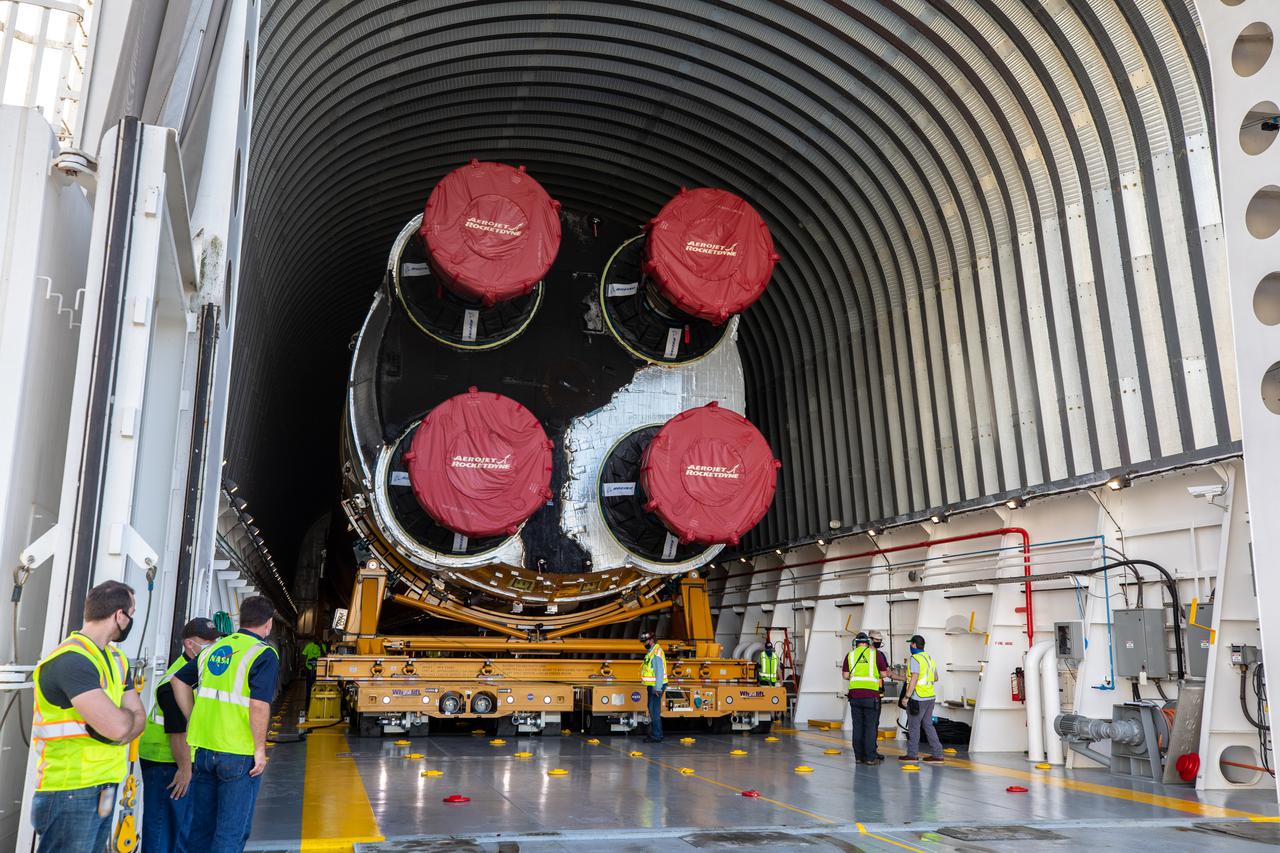
The massive 212-foot long Space Launch System (SLS) core stage is shown being offloaded from the Pegasus Barge on April 29, 2021, after arriving at NASA’s Kennedy Space Center in Florida. Teams with Exploration Ground Systems (EGS) and lead contractor Jacobs will transfer the rocket stage to the center’s Vehicle Assembly Building to prepare it for integration with the completed stack of solid rocket boosters atop the mobile launcher ahead of the Artemis I launch. The first in a series of increasingly complex missions, Artemis I will test SLS and Orion as an integrated system prior to crewed flights to the Moon.
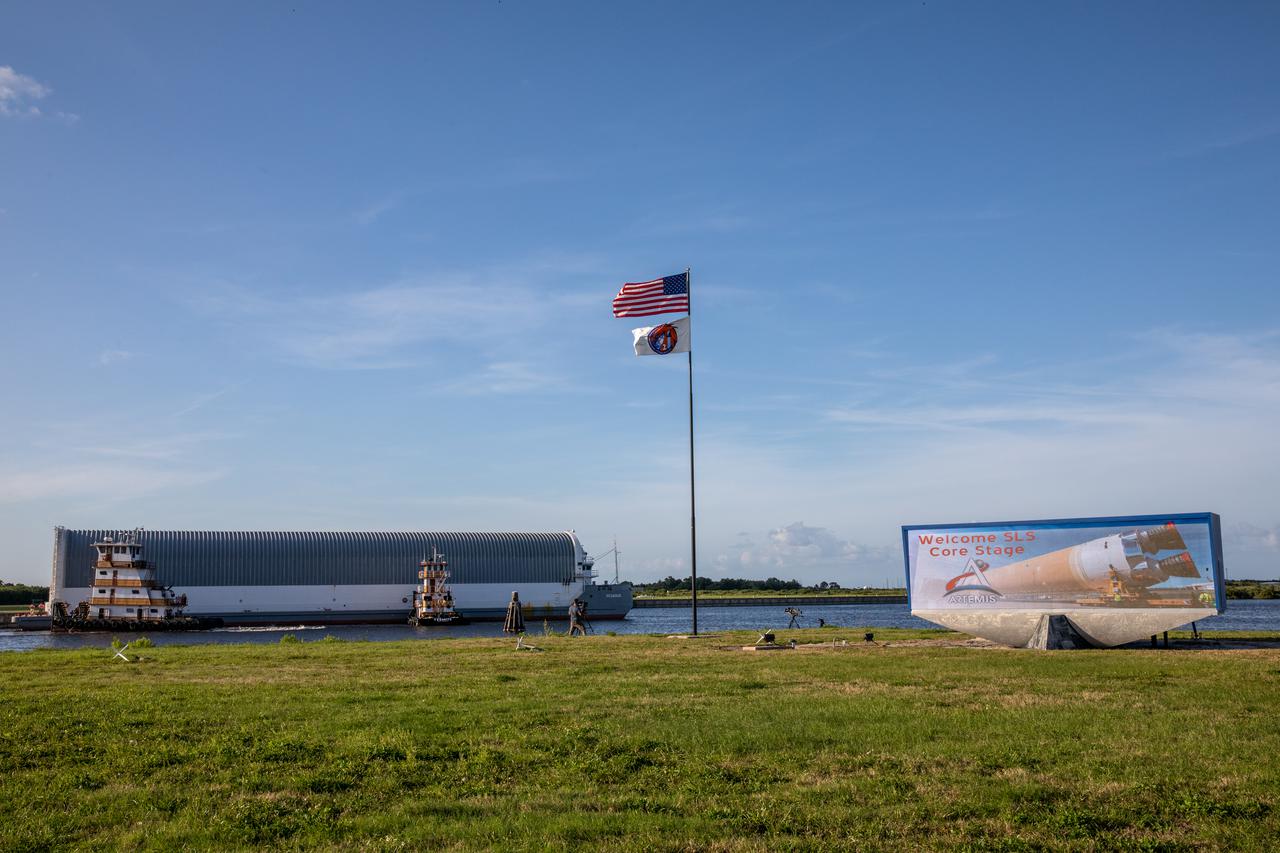
After its journey from NASA’s Stennis Space Center in Mississippi aboard the Pegasus barge, the mighty Space Launch System (SLS) core stage arrives at the agency’s Kennedy Space Center in Florida on April 27, 2021. In view is the iconic countdown clock at the NASA News Center, commonly referred to as the Press Site. The core stage is the final piece of Artemis hardware to arrive at the spaceport and will be offloaded and moved to Kennedy’s Vehicle Assembly Building, where it will be prepared for integration atop the mobile launcher with the completed stack of solid rocket boosters ahead of the Artemis I launch. The first in a series of increasingly complex missions, Artemis I will test SLS and Orion as an integrated system prior to crewed flights to the Moon.
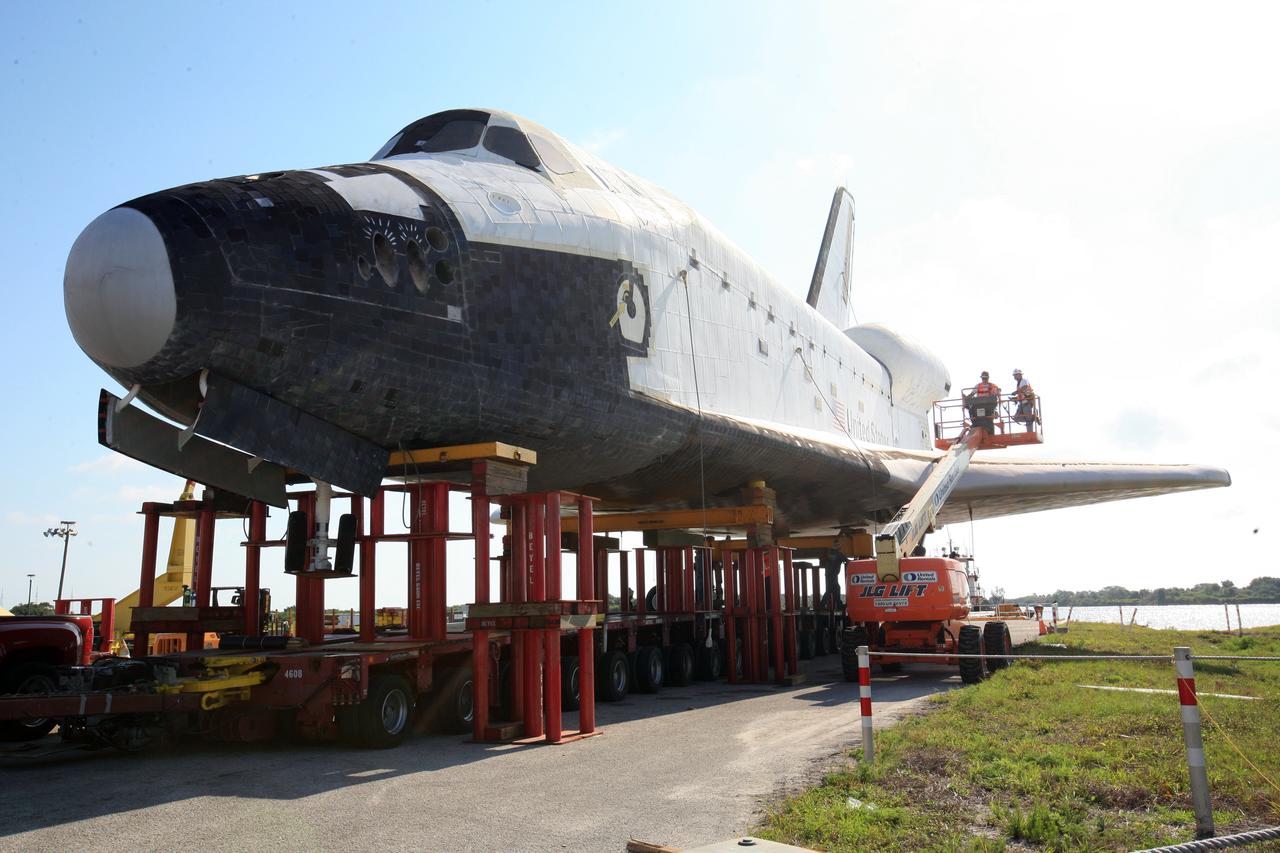
T&R - Work on Shuttle Replica to Prepare for transport to JSC
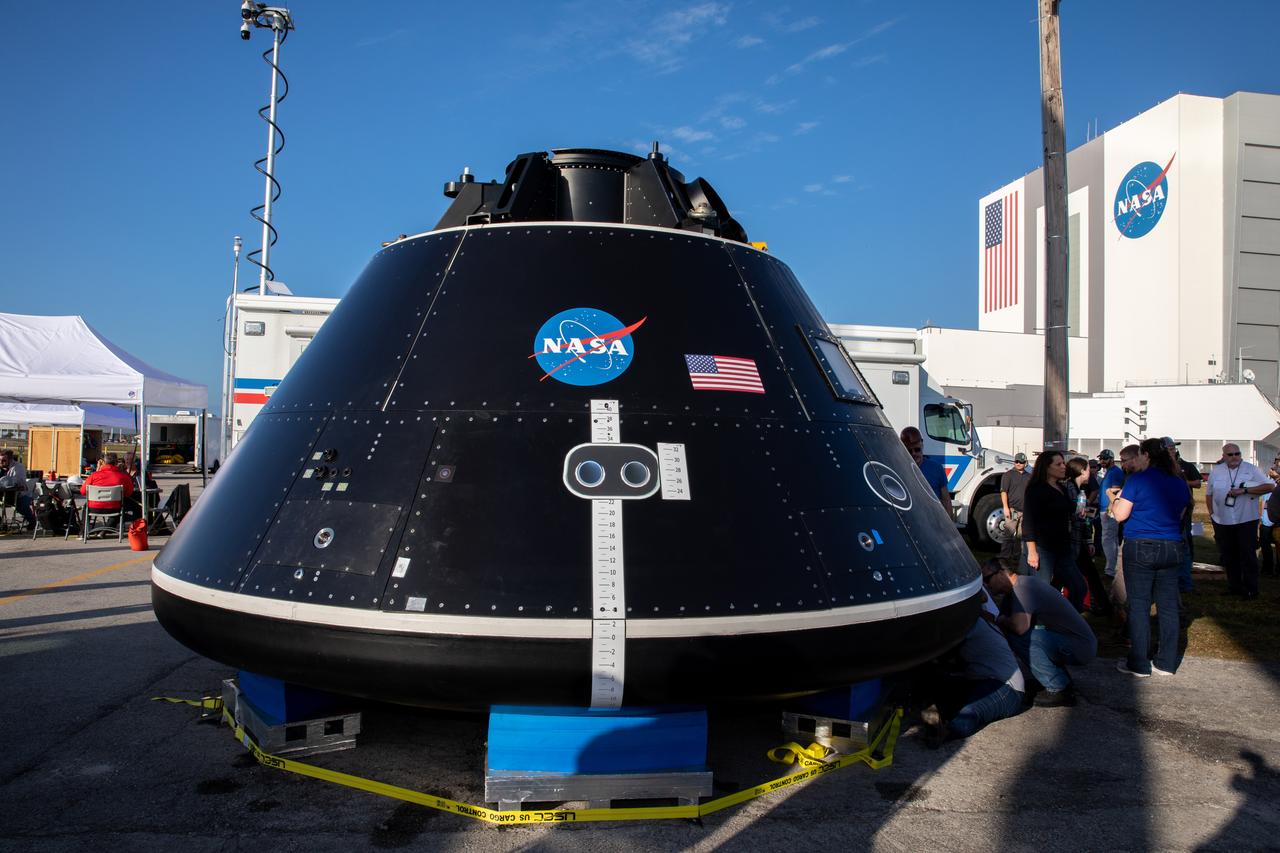
The Crew Module Test Article (CMTA) is in view at the turn basin in the Launch Complex 39 area at NASA’s Kennedy Space Center in Florida on Jan. 30, 2023. The CMTA is being used to practice recovery after splashdown of the Orion spacecraft to prepare for the Artemis II crewed mission. Exploration Ground Systems leads recovery efforts.
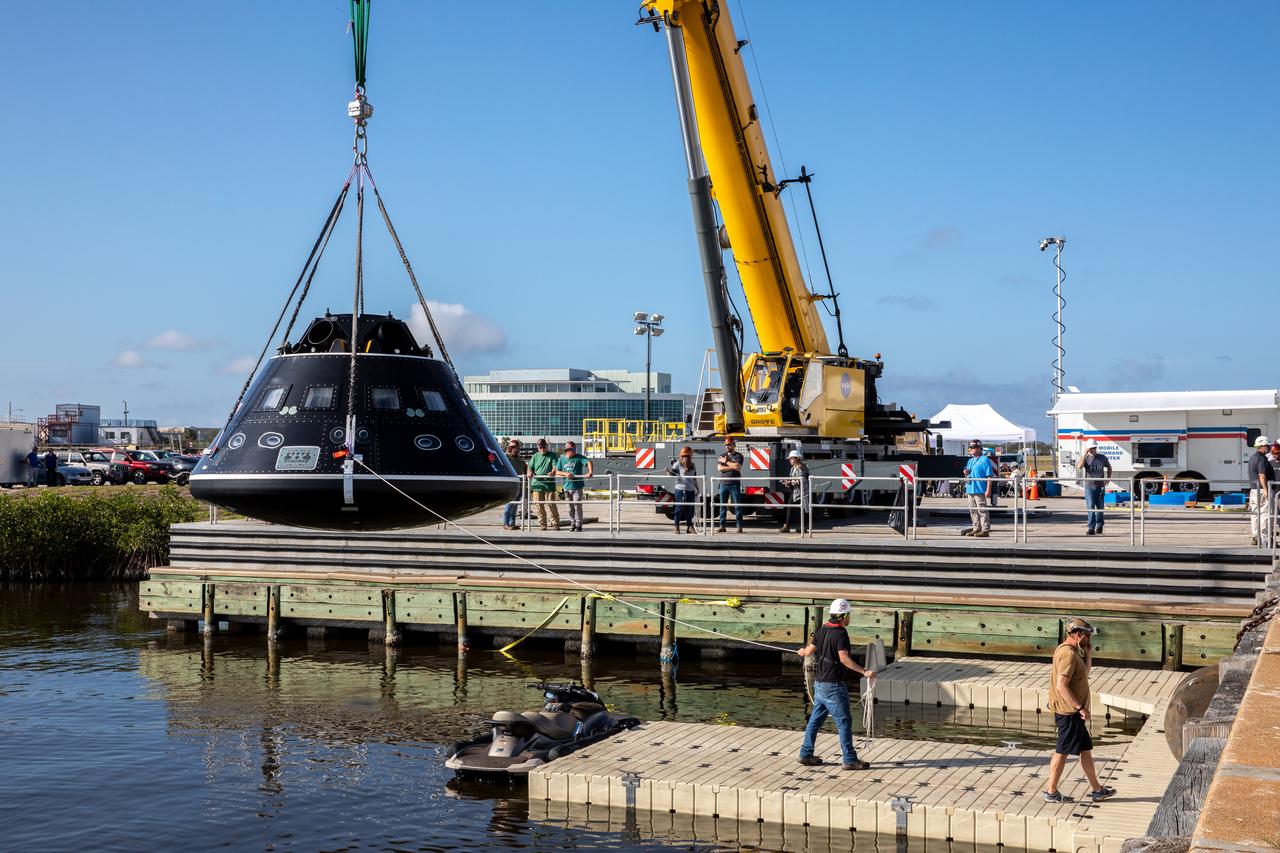
A crane is used to hold the Crew Module Test Article (CMTA) above the water at the turn basin in the Launch Complex 39 area at NASA’s Kennedy Space Center in Florida on Jan. 30, 2023. The CMTA is being used to practice recovery after splashdown of the Orion spacecraft to prepare for the Artemis II crewed mission. Exploration Ground Systems leads recovery efforts.
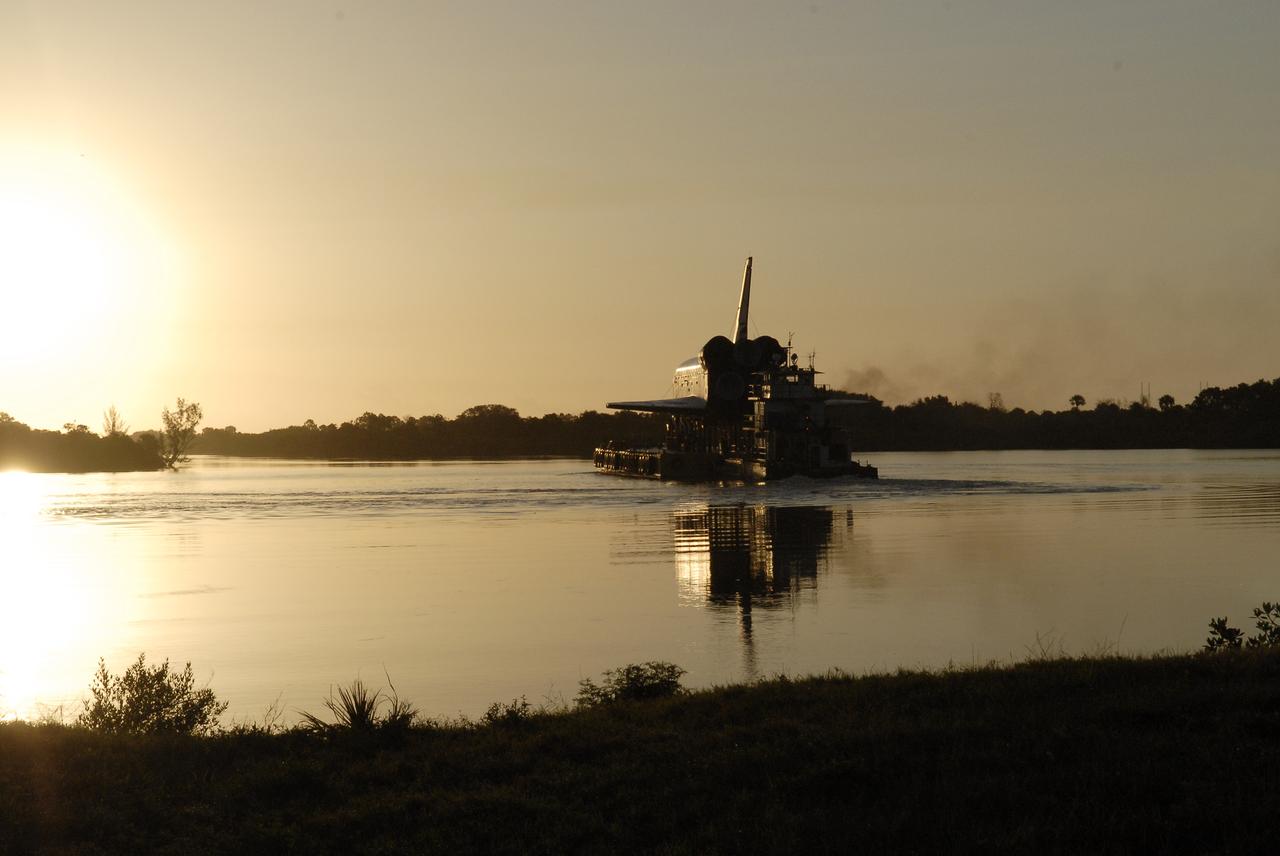
Shuttle Replica Preparations for Barge Departure

NASA’s Pegasus barge, carrying the top four-fifths of the agency’s SLS (Space Launch System) core stage for the Artemis III mission, arrives at NASA’s Kennedy Space Center Complex 39 turn basin wharf in Florida on Monday, April 27, 2026. Artemis III will launch astronauts to Earth’s orbit aboard the Orion spacecraft on top of SLS to test rendezvous and docking capabilities between Orion and commercial spacecraft needed to land Artemis IV astronauts on the Moon in 2028.
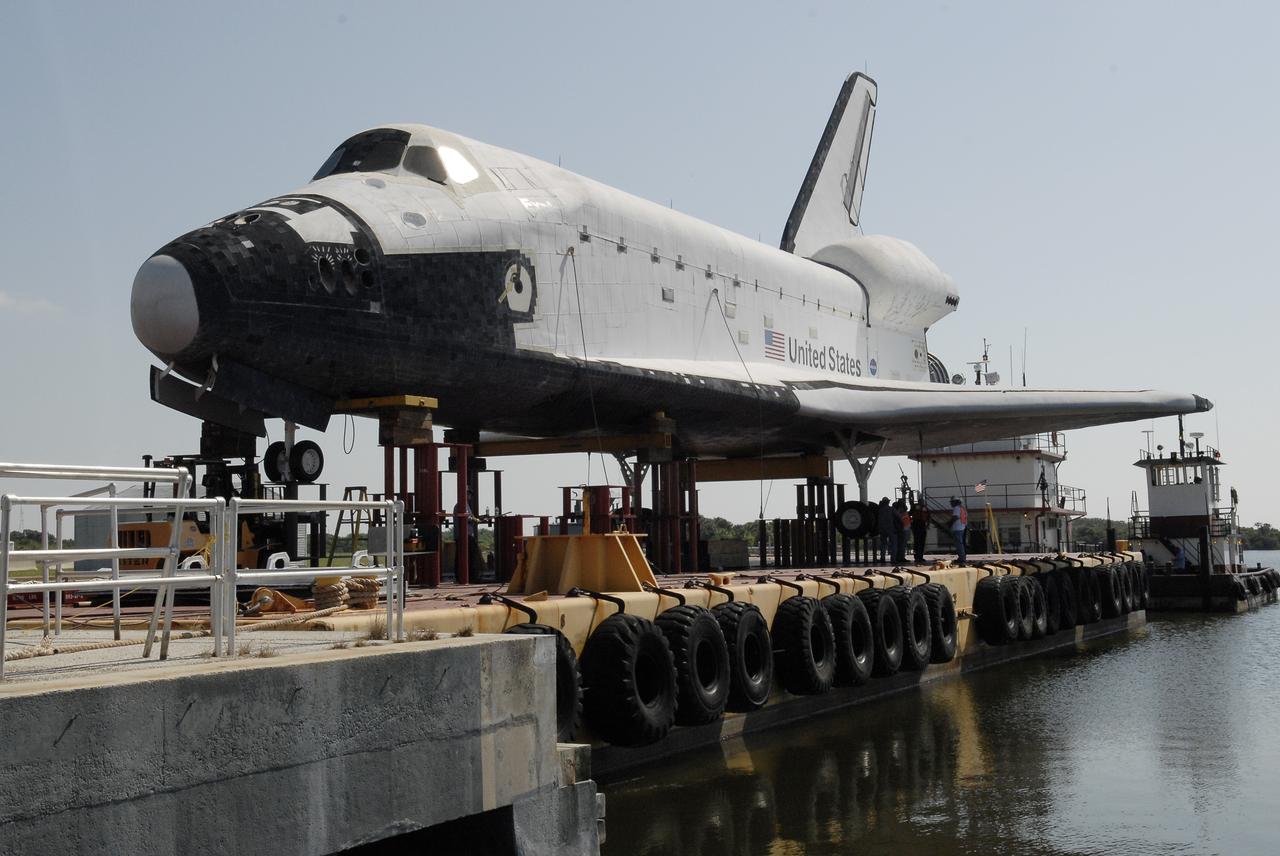
Shuttle Replica Preparations for Barge Departure
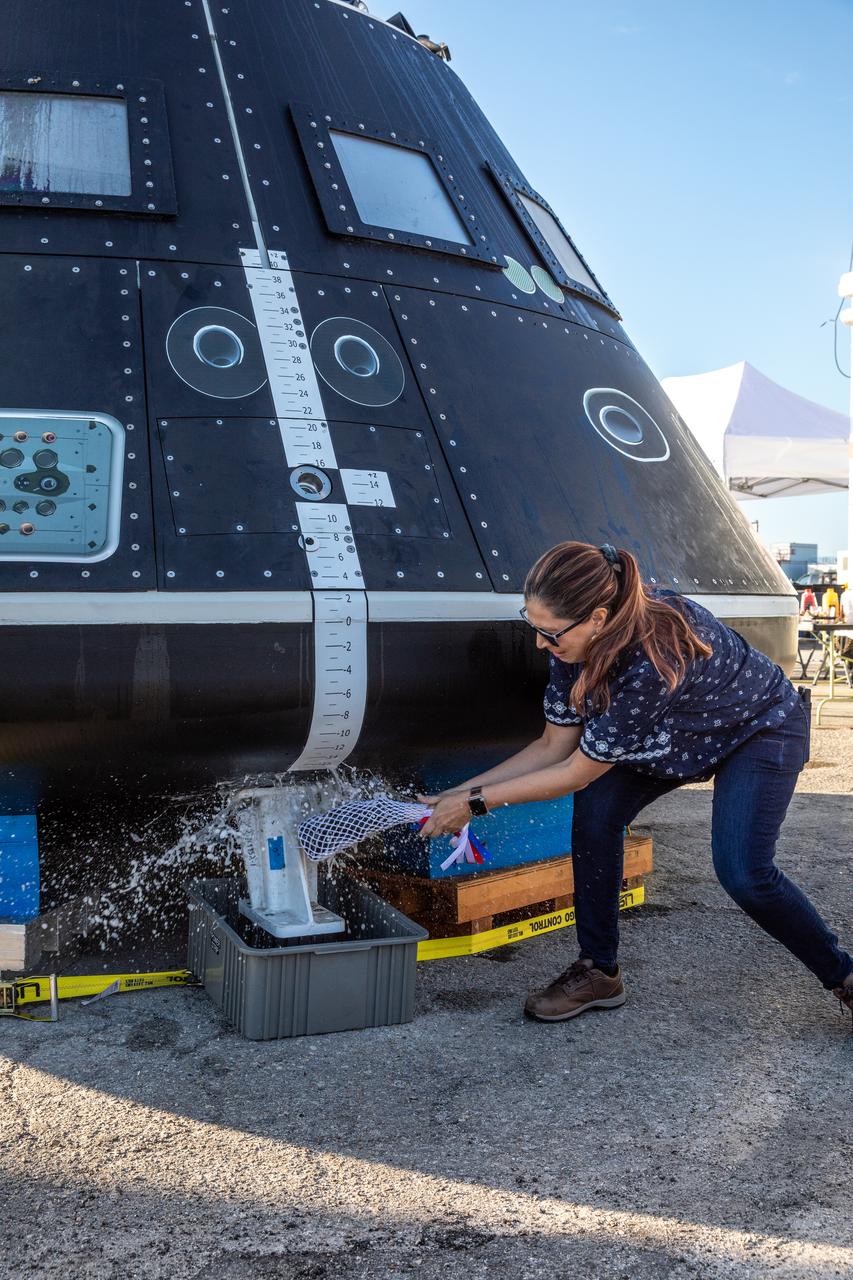
Liliana Villarreal, Artemis landing and recovery director with Exploration Ground Systems (EGS), christens the Crew Module Test Article (CMTA) with champagne during a naming ceremony at the turn basin in the Launch Complex 39 area at NASA’s Kennedy Space Center in Florida on Jan. 30, 2023. The CMTA is being used to practice recovery after splashdown of the Orion spacecraft to prepare for the Artemis II crewed mission. EGS leads recovery efforts.
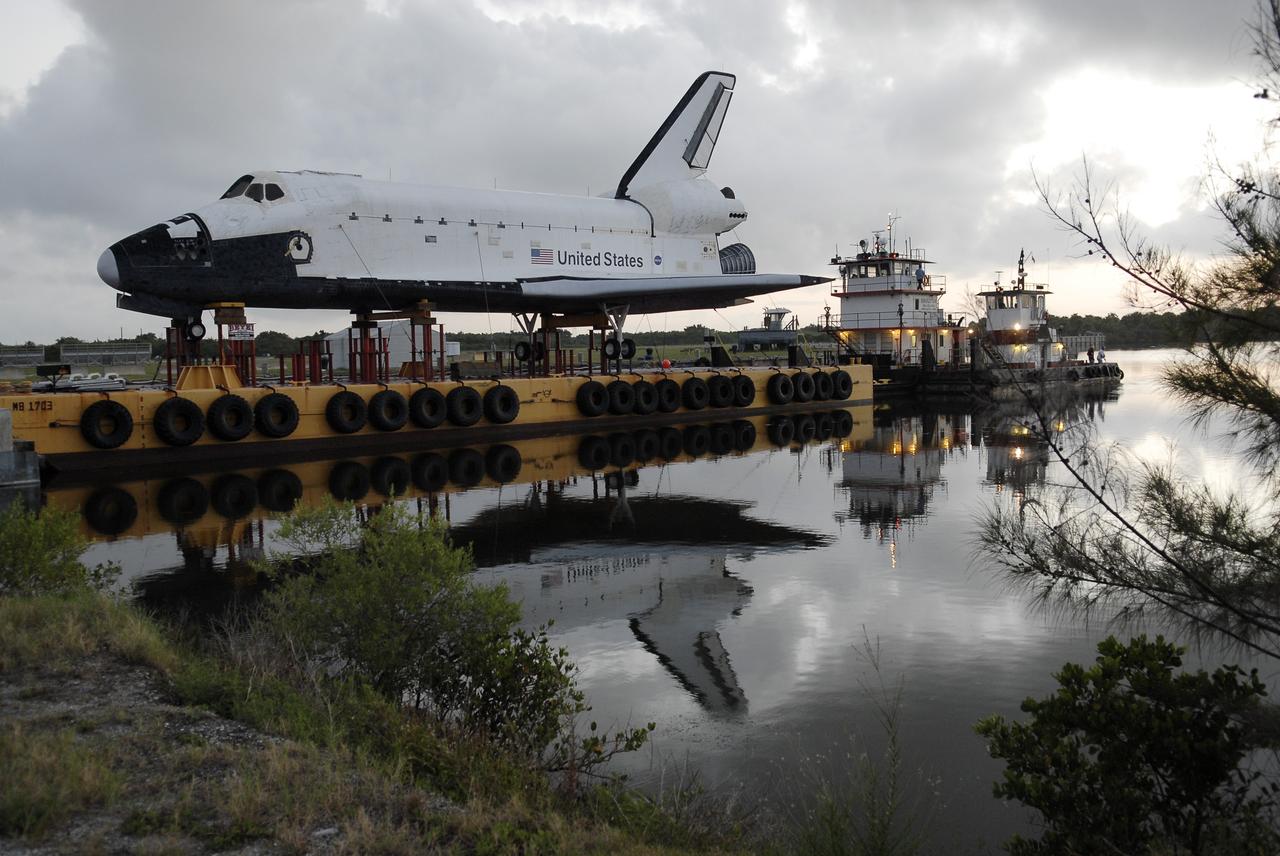
Shuttle Replica Preparations for Barge Departure
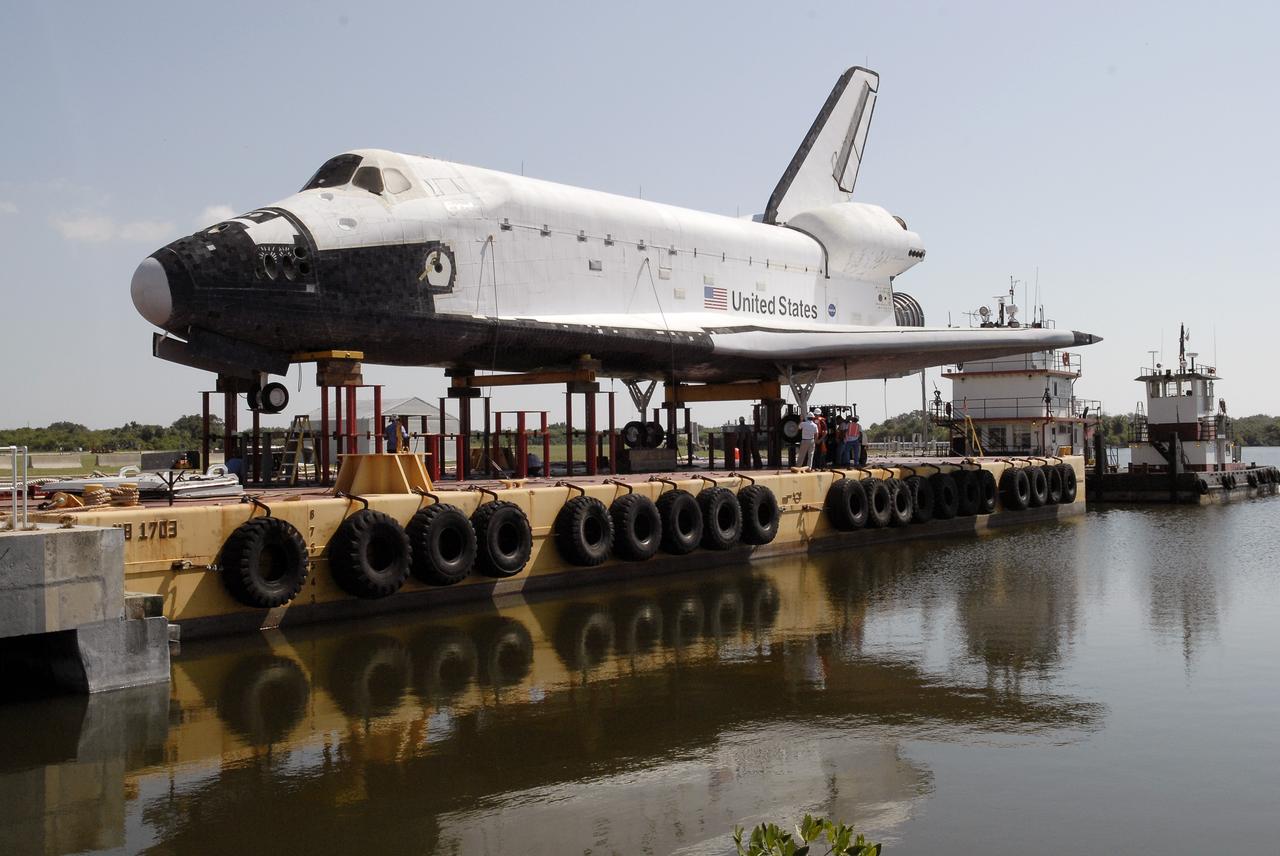
Shuttle Replica Preparations for Barge Departure
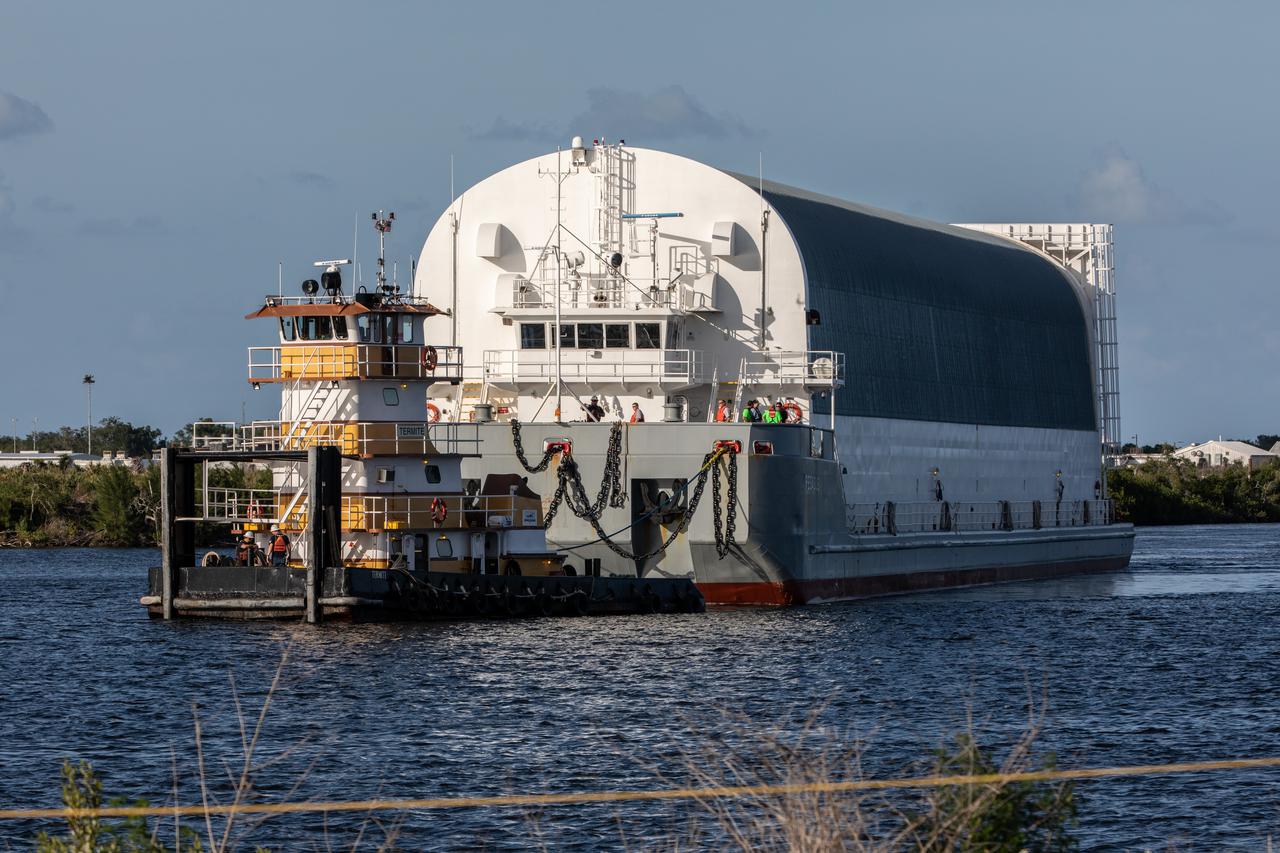
The Pegasus barge, carrying the mighty Space Launch System (SLS) core stage, arrives at NASA’s Kennedy Space Center in Florida on April 27, 2021, after journeying from the agency’s Stennis Space Center in Mississippi. The core stage is the final piece of Artemis hardware to arrive at the spaceport and will be offloaded and moved to Kennedy’s Vehicle Assembly Building, where it will be prepared for integration atop the mobile launcher with the completed stack of solid rocket boosters ahead of the Artemis I launch. The first in a series of increasingly complex missions, Artemis I will test SLS and Orion as an integrated system prior to crewed flights to the Moon.
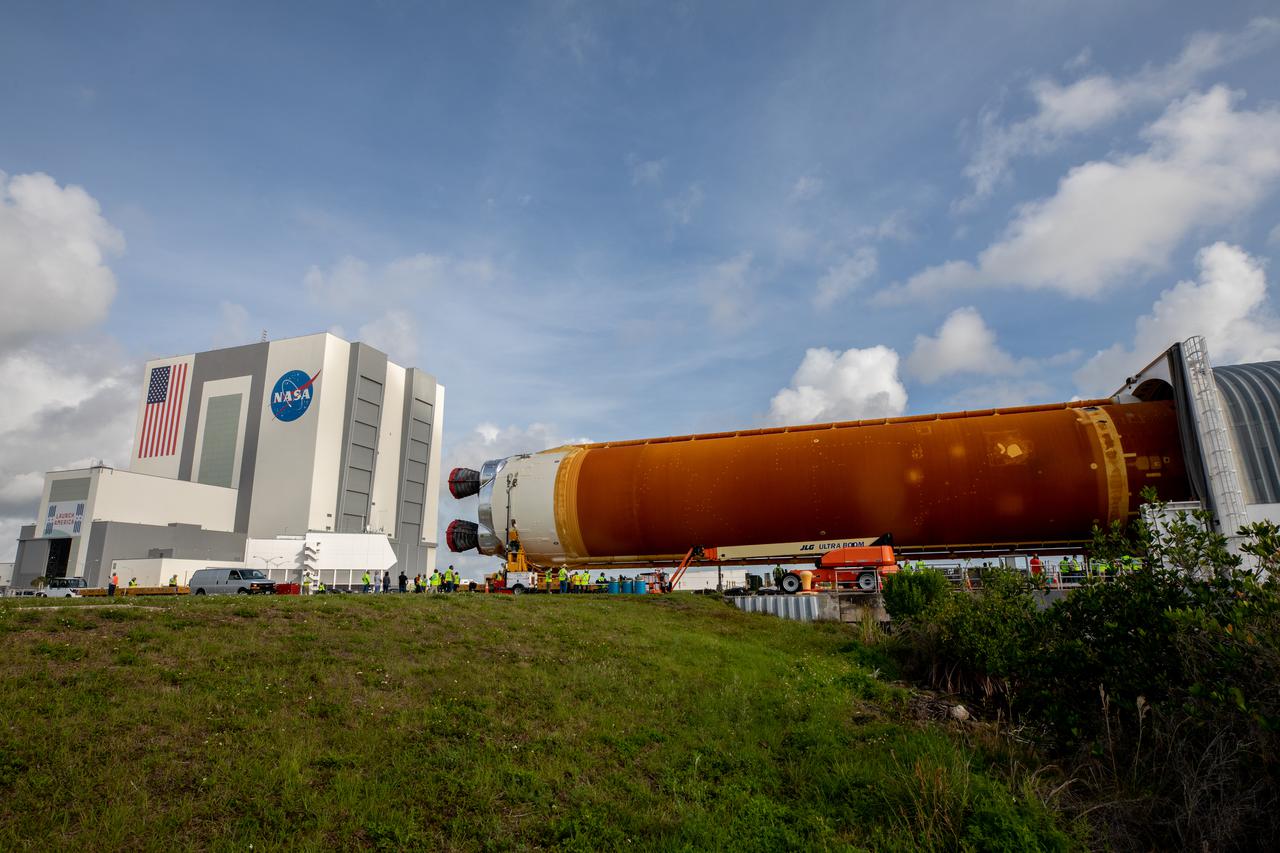
The massive 212-foot long Space Launch System (SLS) core stage is shown being offloaded from the Pegasus Barge on April 29, 2021, after arriving at NASA’s Kennedy Space Center in Florida. Teams with Exploration Ground Systems (EGS) and lead contractor Jacobs will transfer the rocket stage to the center’s Vehicle Assembly Building to prepare it for integration with the completed stack of solid rocket boosters atop the mobile launcher ahead of the Artemis I launch. The first in a series of increasingly complex missions, Artemis I will test SLS and Orion as an integrated system prior to crewed flights to the Moon.
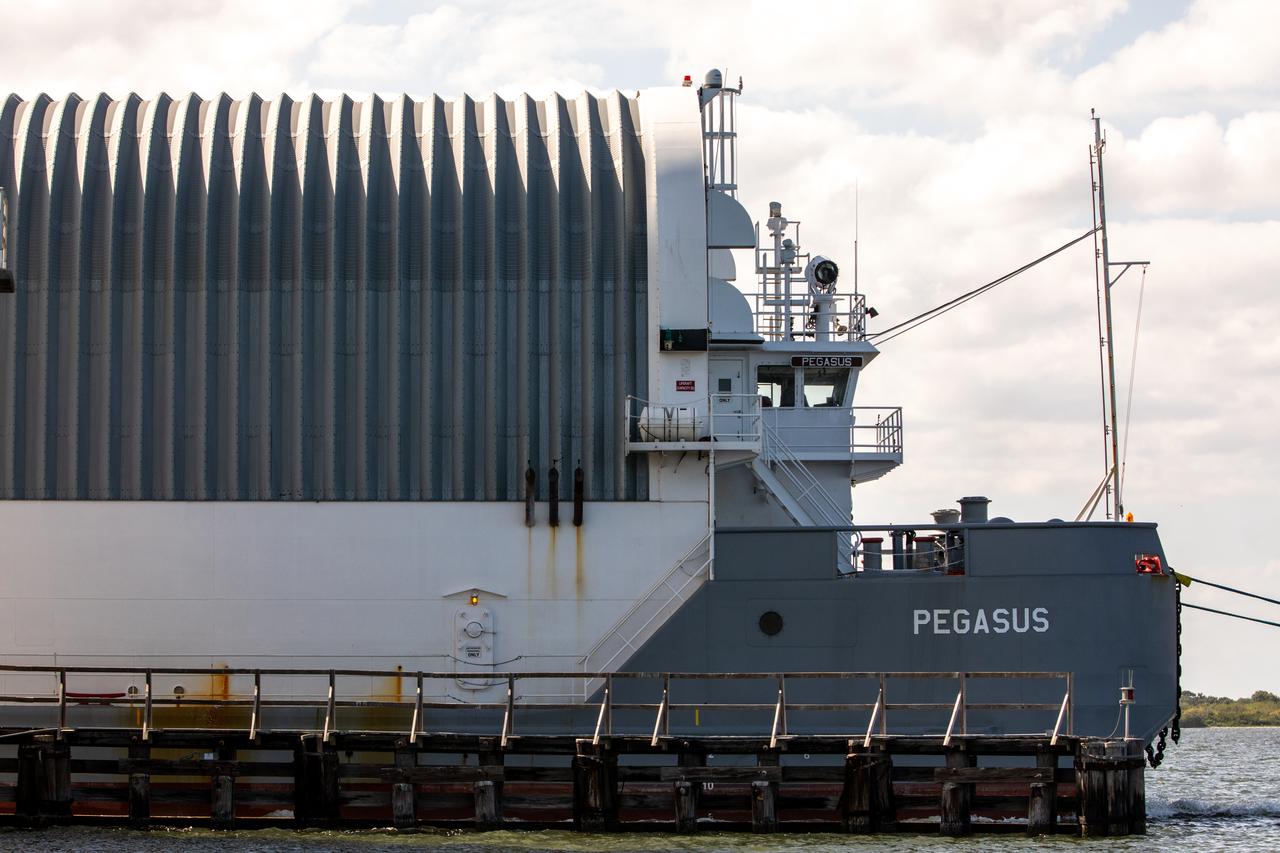
The Pegasus barge, carrying the mighty Space Launch System (SLS) core stage, arrives at NASA’s Kennedy Space Center in Florida on April 27, 2021, after journeying from the agency’s Stennis Space Center in Mississippi. The core stage is the final piece of Artemis hardware to arrive at the spaceport and will be offloaded and moved to Kennedy’s Vehicle Assembly Building, where it will be prepared for integration atop the mobile launcher with the completed stack of solid rocket boosters ahead of the Artemis I launch. The first in a series of increasingly complex missions, Artemis I will test SLS and Orion as an integrated system prior to crewed flights to the Moon.
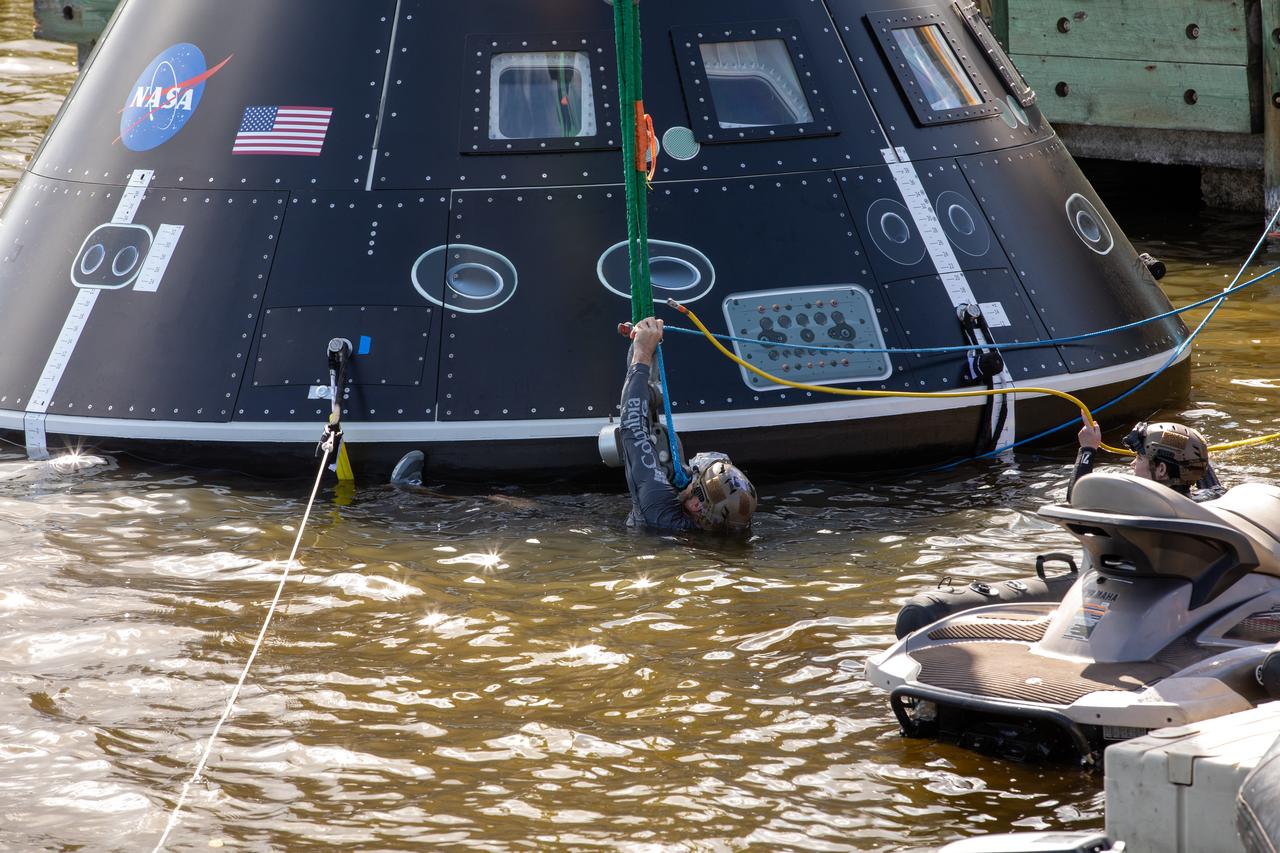
Landing and recovery team members secure the Crew Module Test Article (CMTA) in the water at the turn basin in the Launch Complex 39 area at NASA’s Kennedy Space Center in Florida on Jan. 30, 2023. The CMTA is being used to practice recovery after splashdown of the Orion spacecraft to prepare for the Artemis II crewed mission. Exploration Ground Systems leads recovery efforts.
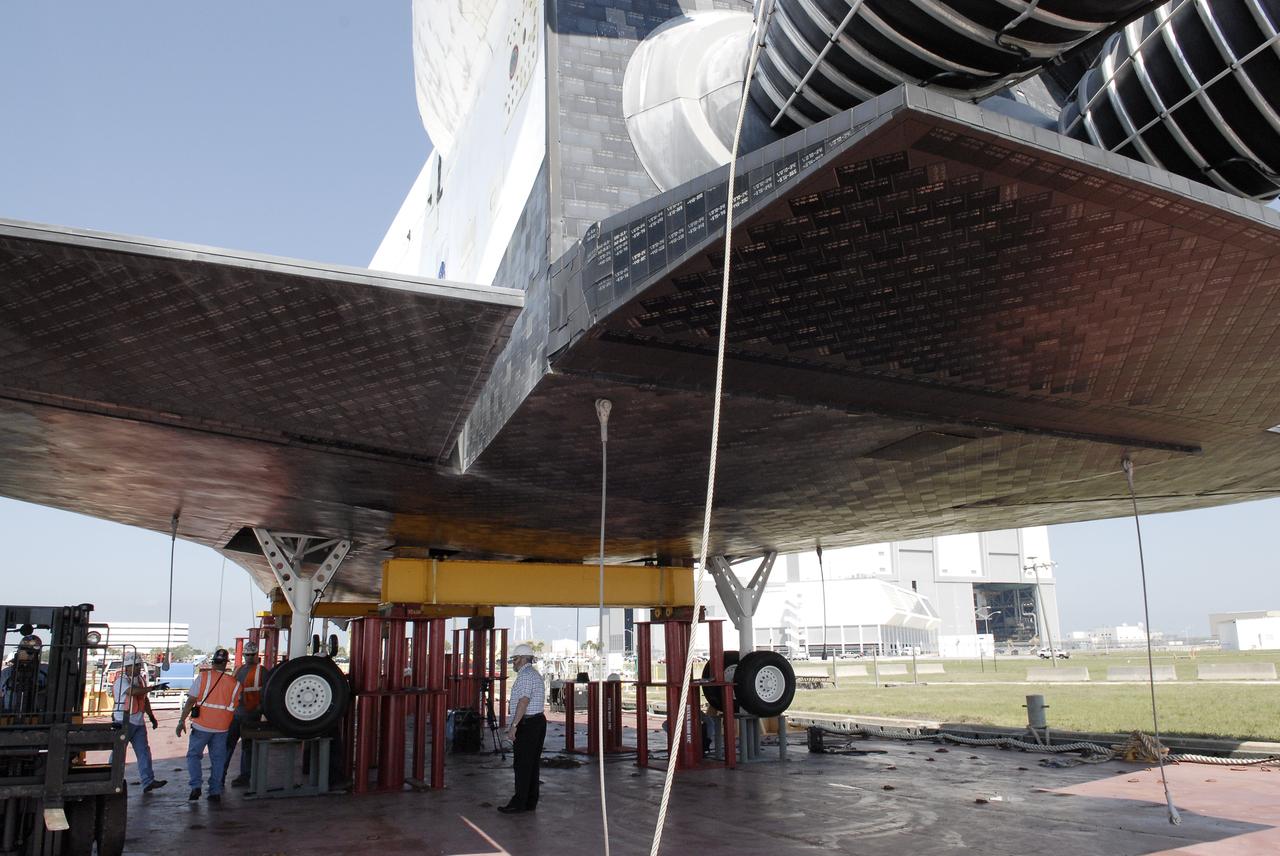
Shuttle Replica Preparations for Barge Departure
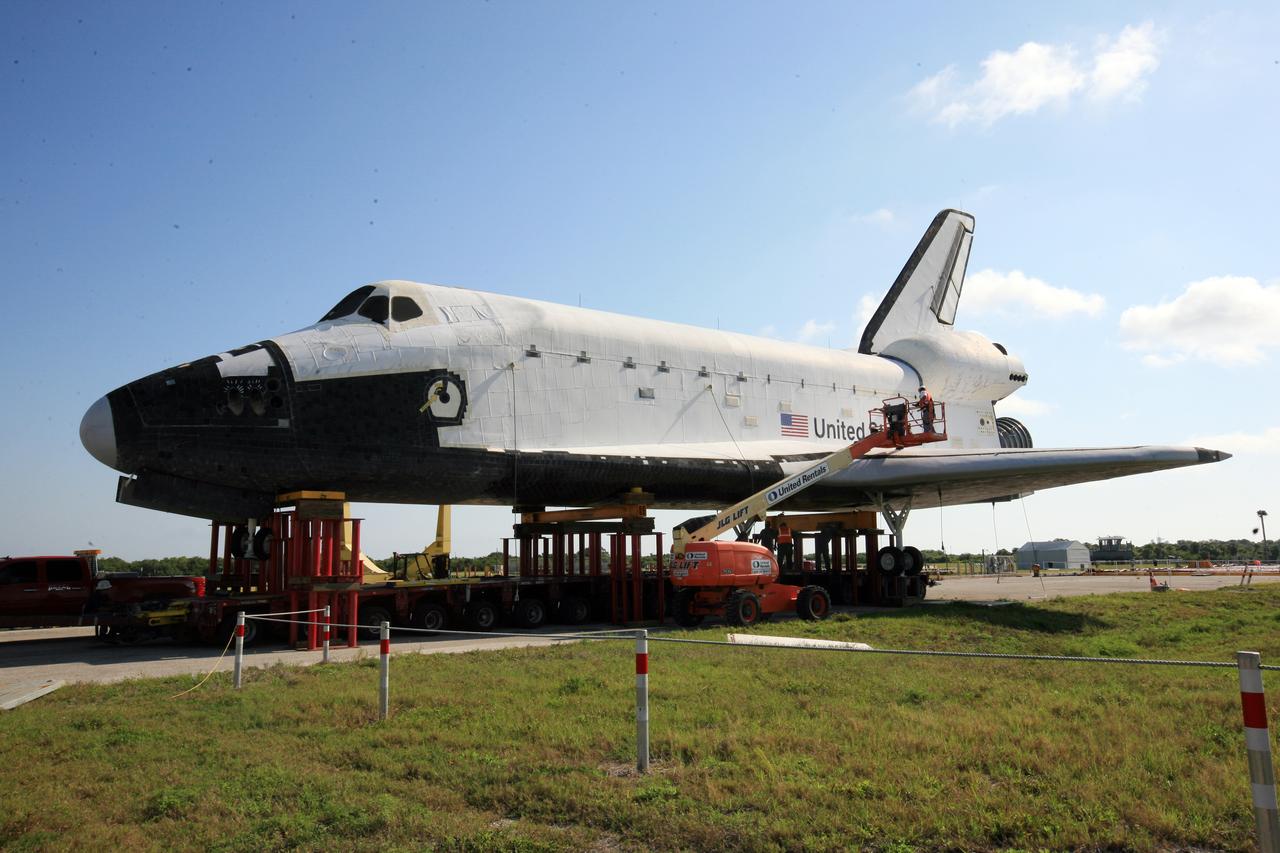
T&R - Work on Shuttle Replica to Prepare for transport to JSC
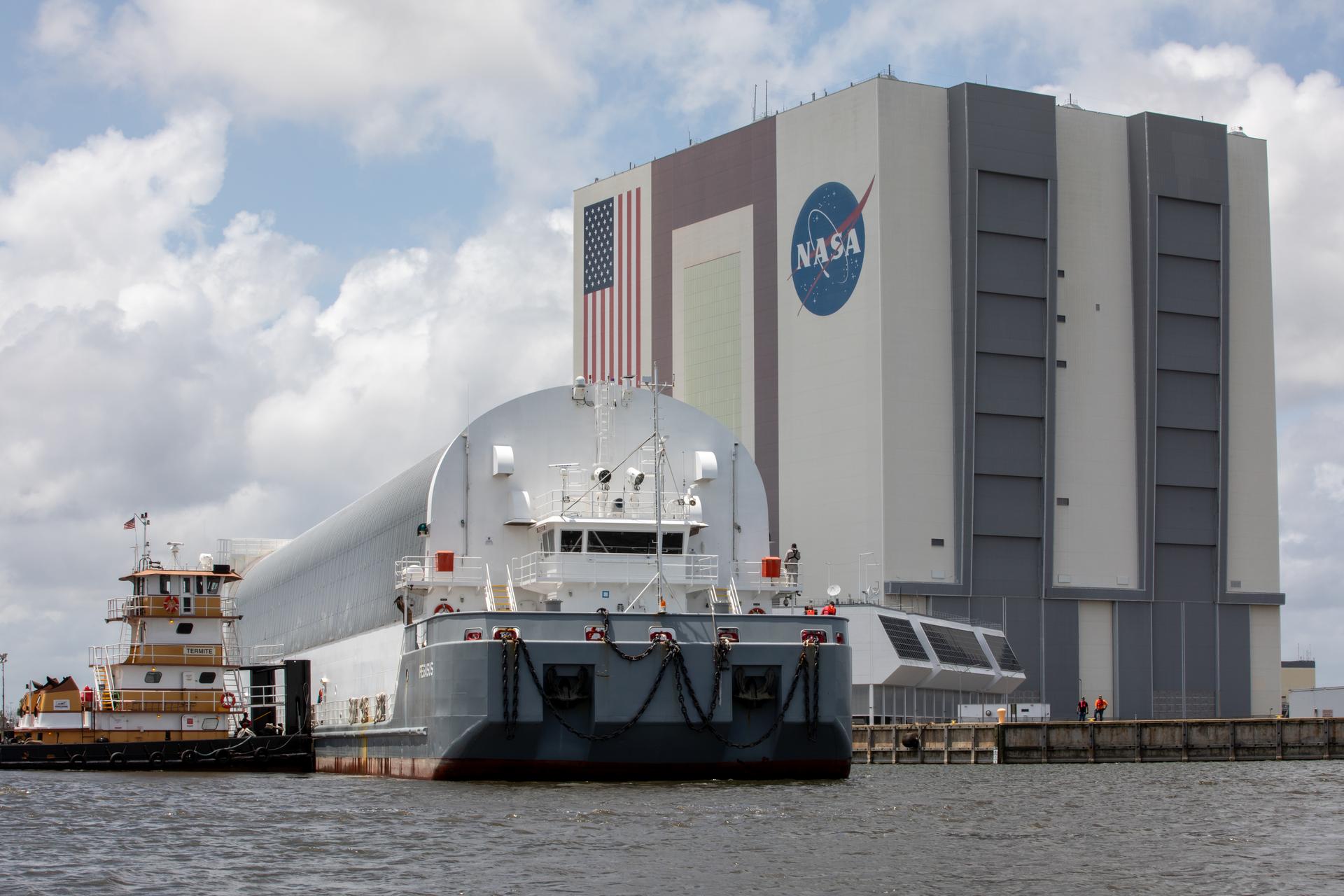
NASA’s Pegasus barge, carrying the top four-fifths of the agency’s SLS (Space Launch System) core stage for the Artemis III mission, arrives at NASA’s Kennedy Space Center Complex 39 turn basin wharf in Florida on Monday, April 27, 2026. Artemis III will launch astronauts to Earth’s orbit aboard the Orion spacecraft on top of SLS to test rendezvous and docking capabilities between Orion and commercial spacecraft needed to land Artemis IV astronauts on the Moon in 2028.
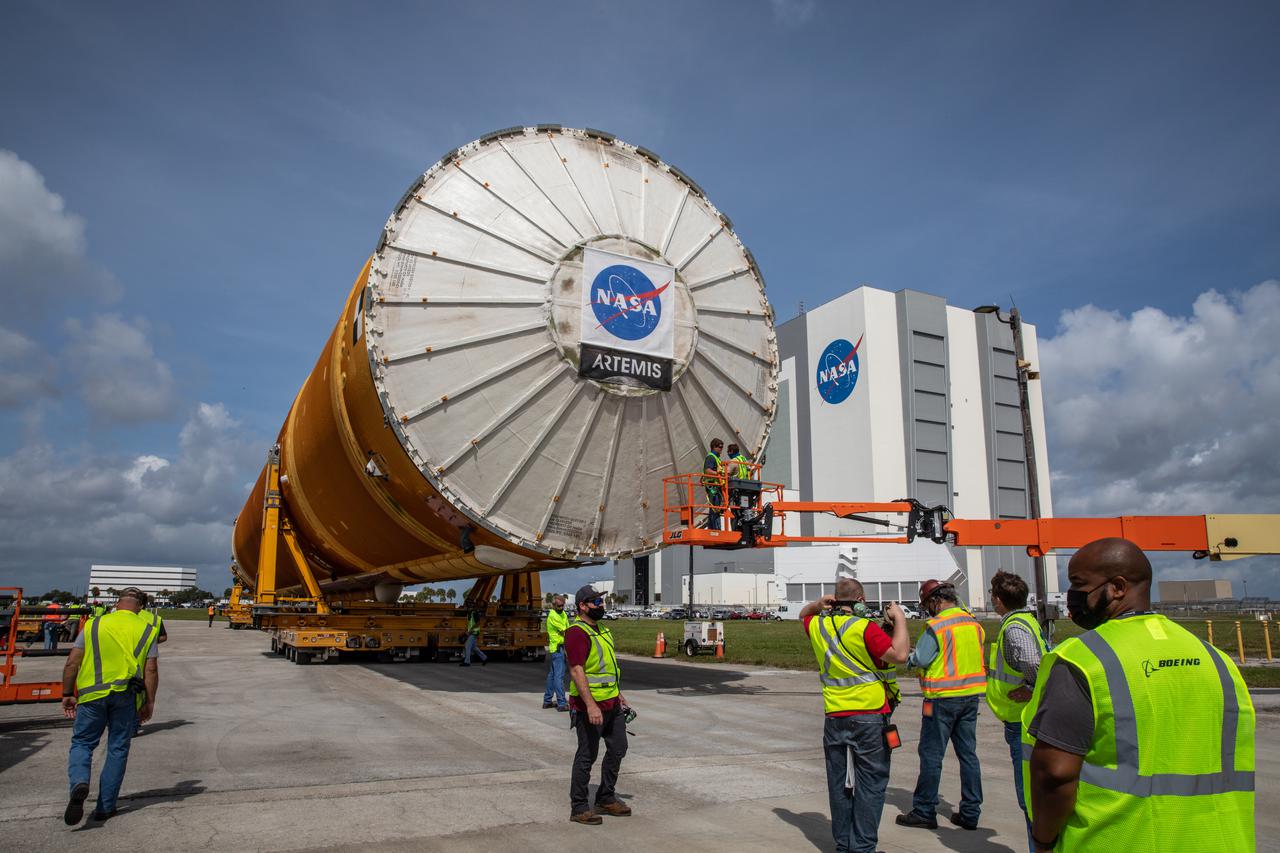
After completing its journey from NASA’s Stennis Space Center in Mississippi aboard the Pegasus barge, teams with Exploration Ground Systems (EGS) and lead contractor Jacobs transport the massive Space Launch System (SLS) core stage to Kennedy Space Center’s Vehicle Assembly Building in Florida on April 29, 2021. Once inside the VAB, it will be prepared for integration with the completed stack of solid rocket boosters atop the mobile launcher ahead of the Artemis I launch. The first in a series of increasingly complex missions, Artemis I will test SLS and Orion as an integrated system prior to crewed flights to the Moon.
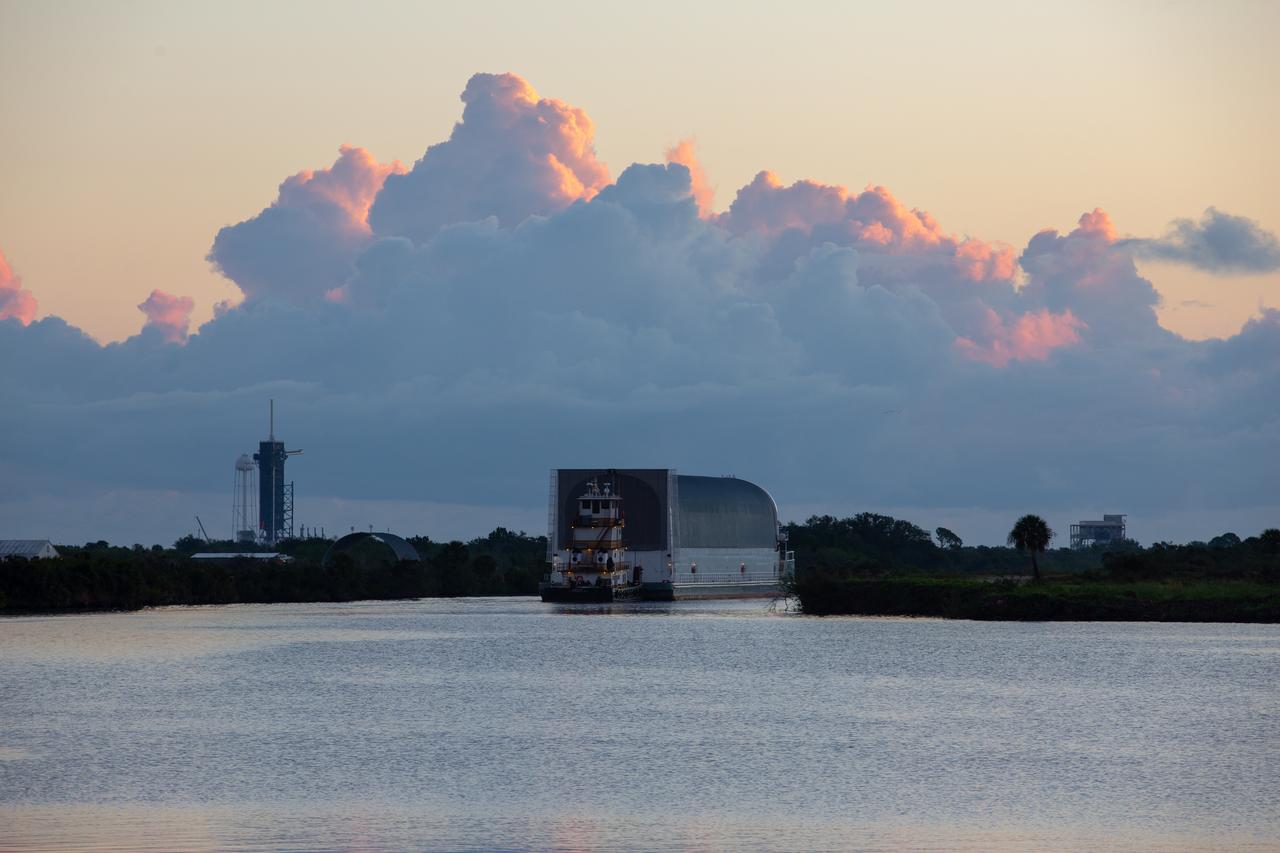
NASA’s Pegasus barge, with the 212-foot-long Space Launch System (SLS) rocket core stage pathfinder secured inside, departs the Launch Complex 39 turn basin wharf at NASA’s Kennedy Space Center in Florida on Oct. 31, 2019. The core stage pathfinder is a full-scale mock-up of the rocket's core stage. It was used by the Exploration Ground Systems Program and their contractor, Jacobs, to practice offloading, moving and stacking maneuvers inside the Vehicle Assembly Building, using important ground support equipment to train employees and certify all the equipment works properly. The pathfinder was at Kennedy for about a month. The barge with the pathfinder will make the trek back to NASA's Michoud Assembly Facility in Louisiana.
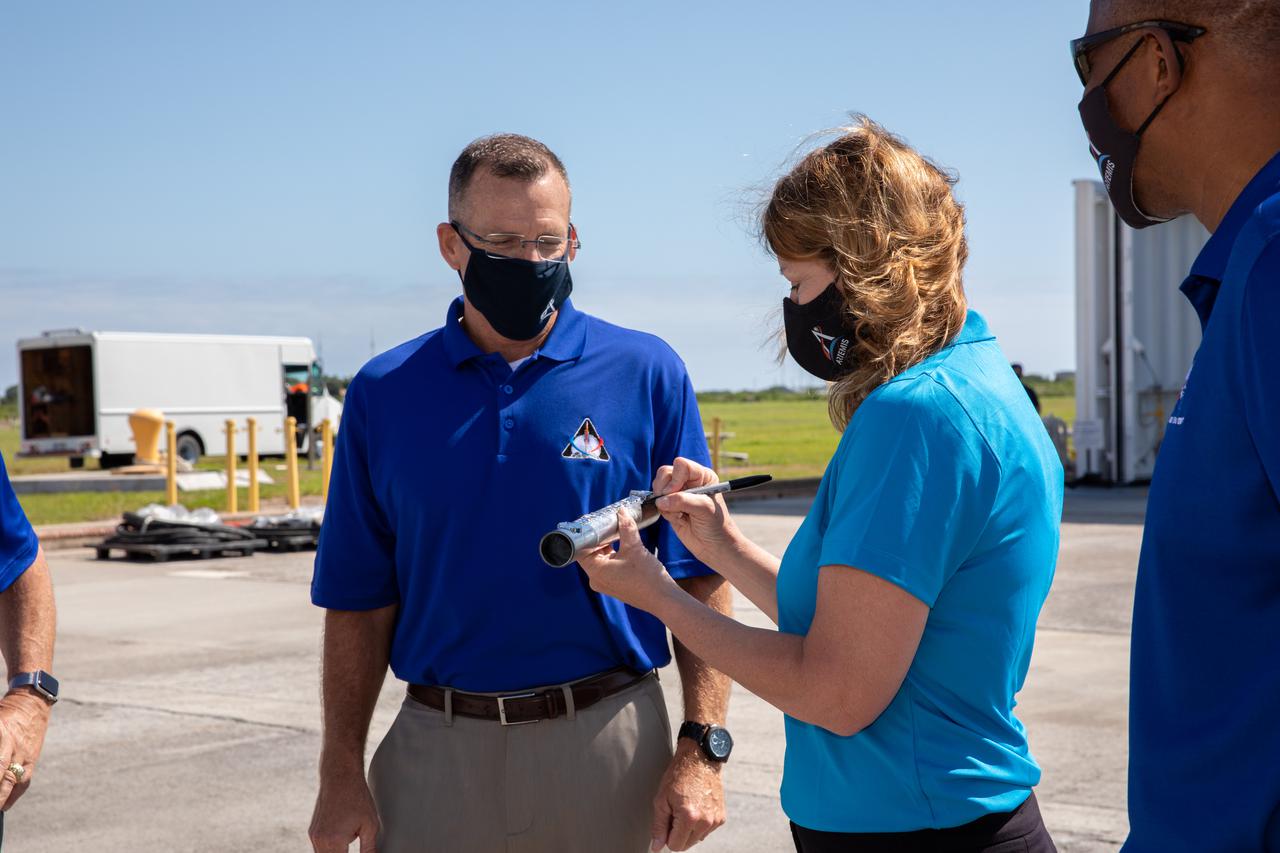
Space Launch System (SLS) Stages Manager Julie Bassler, right, celebrates the arrival of the SLS core stage by symbolically “passing the baton” to Exploration Ground Systems’ (EGS) Senior Vehicle Operations Manager Cliff Lanham on April 28, 2021, at NASA’s Kennedy Space Center in Florida. Journeying from the agency’s Stennis Space Center in Mississippi aboard the Pegasus barge, the core stage arrived at the Florida spaceport on April 27 to be processed for flight by EGS. It is the final piece of Artemis hardware to arrive at Kennedy and will be offloaded and moved to the Vehicle Assembly Building, where it will be prepared for integration atop the mobile launcher with the completed stack of solid rocket boosters ahead of the Artemis I launch. The first in a series of increasingly complex missions, Artemis I will test SLS and Orion as an integrated system prior to crewed flights to the Moon.
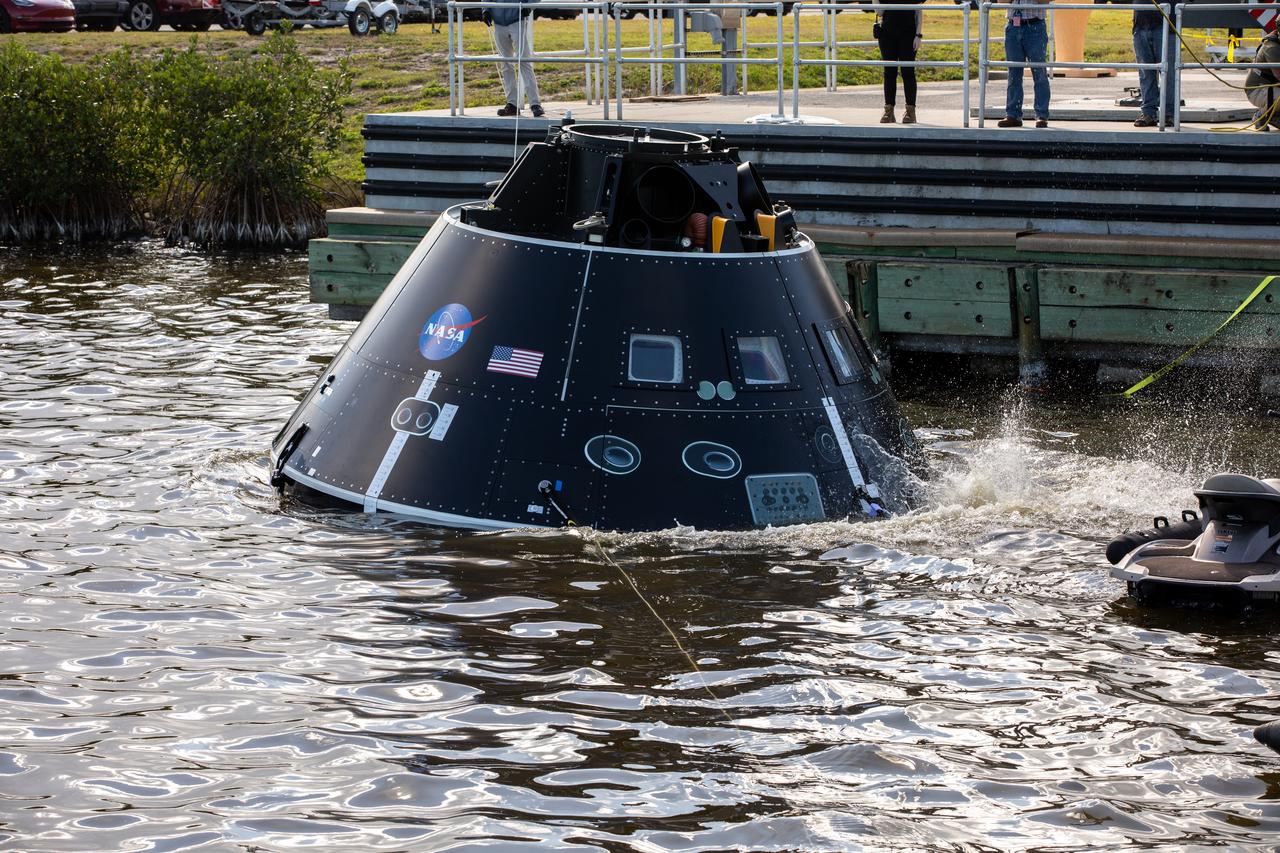
The Crew Module Test Article (CMTA) floats in the water in the turn basin in the Launch Complex 39 area at NASA’s Kennedy Space Center in Florida on Jan. 30, 2023. The CMTA is being used to practice recovery after splashdown of the Orion spacecraft to prepare for the Artemis II crewed mission. Exploration Ground Systems leads recovery efforts.

Shuttle Replica Preparations for Barge Departure
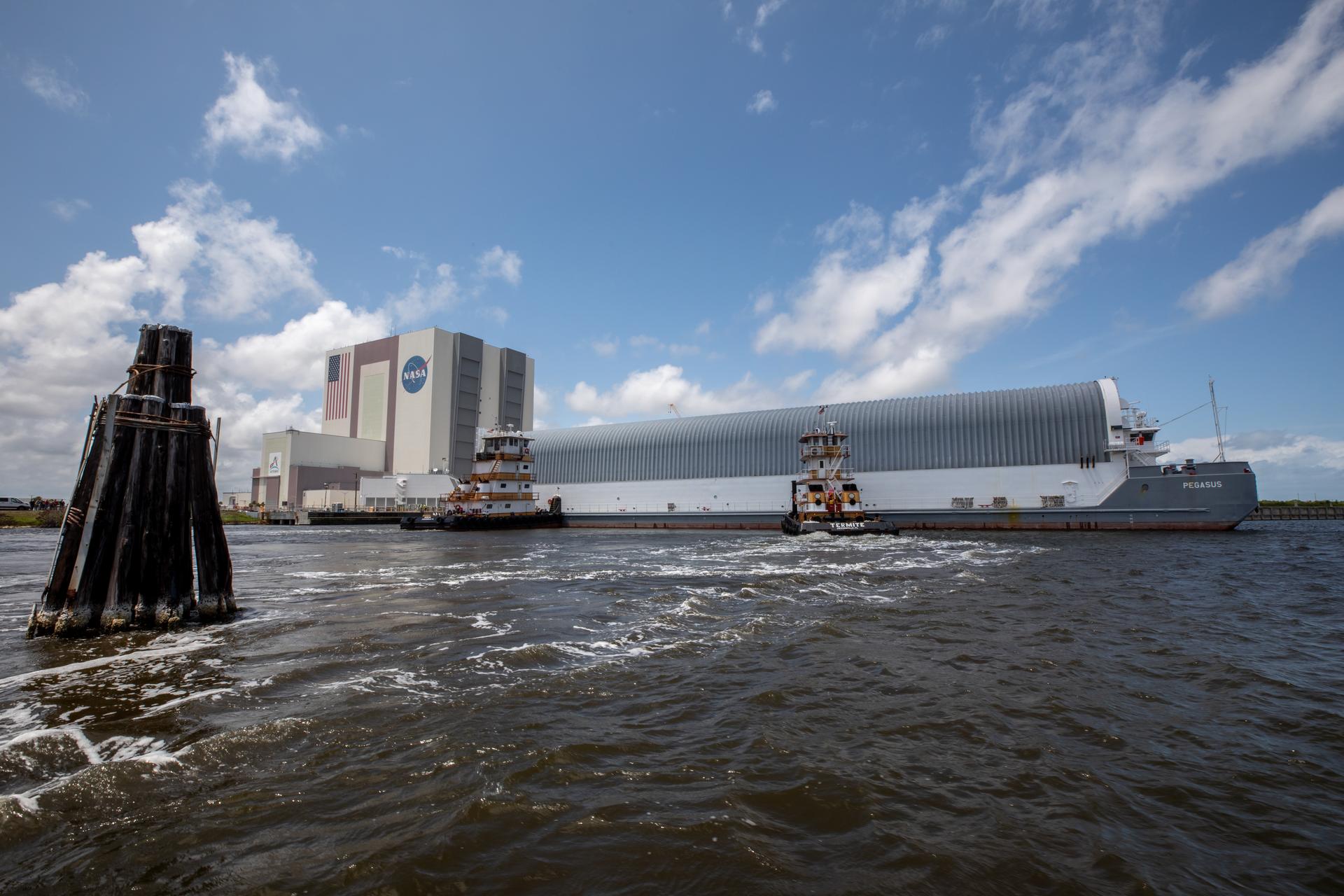
NASA’s Pegasus barge, carrying the top four-fifths of the agency’s SLS (Space Launch System) core stage for the Artemis III mission, arrives at NASA’s Kennedy Space Center Complex 39 turn basin wharf in Florida on Monday, April 27, 2026. Artemis III will launch astronauts to Earth’s orbit aboard the Orion spacecraft on top of SLS to test rendezvous and docking capabilities between Orion and commercial spacecraft needed to land Artemis IV astronauts on the Moon in 2028.
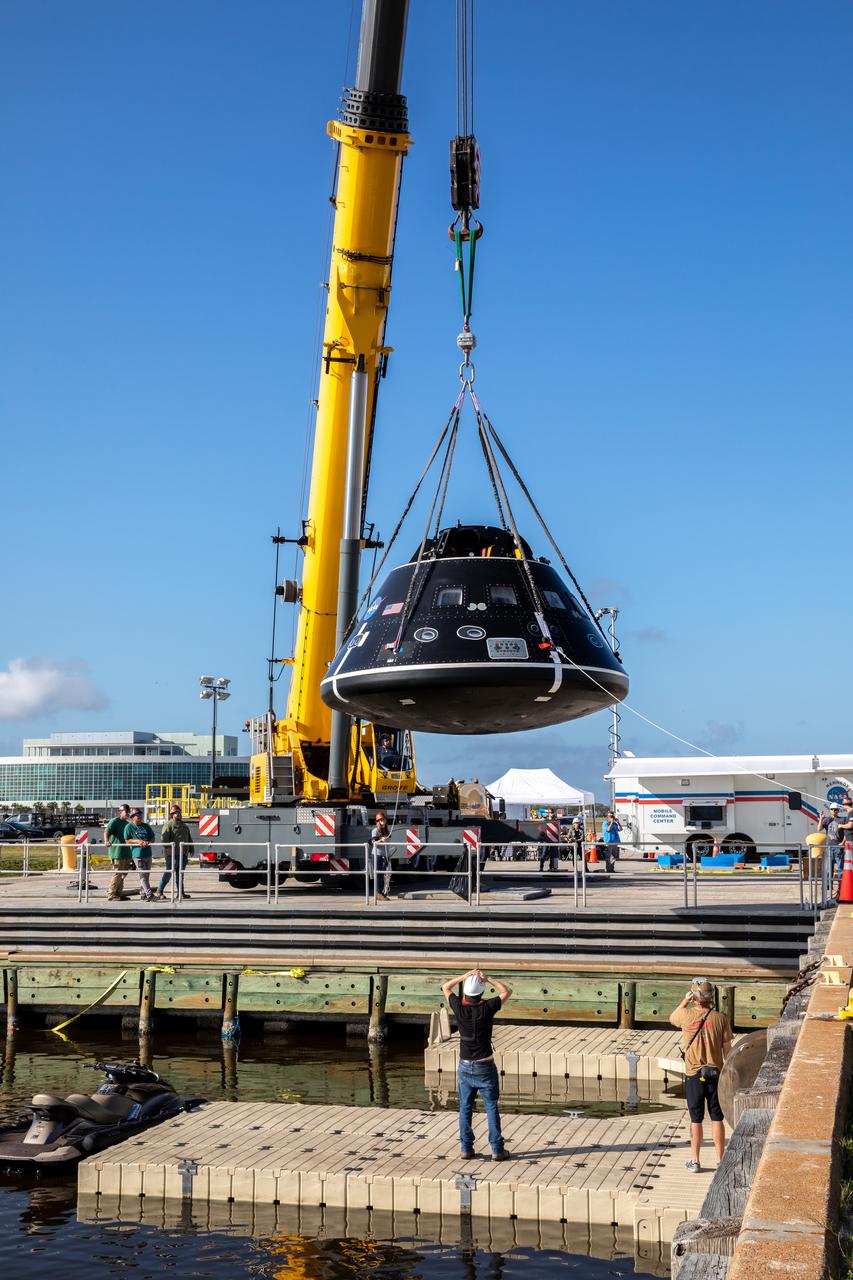
A crane is used to move the Crew Module Test Article (CMTA) above the water at the turn basin in the Launch Complex 39 area at NASA’s Kennedy Space Center in Florida on Jan. 30, 2023. The CMTA is being used to practice recovery after splashdown of the Orion spacecraft to prepare for the Artemis II crewed mission. Exploration Ground Systems leads recovery efforts.
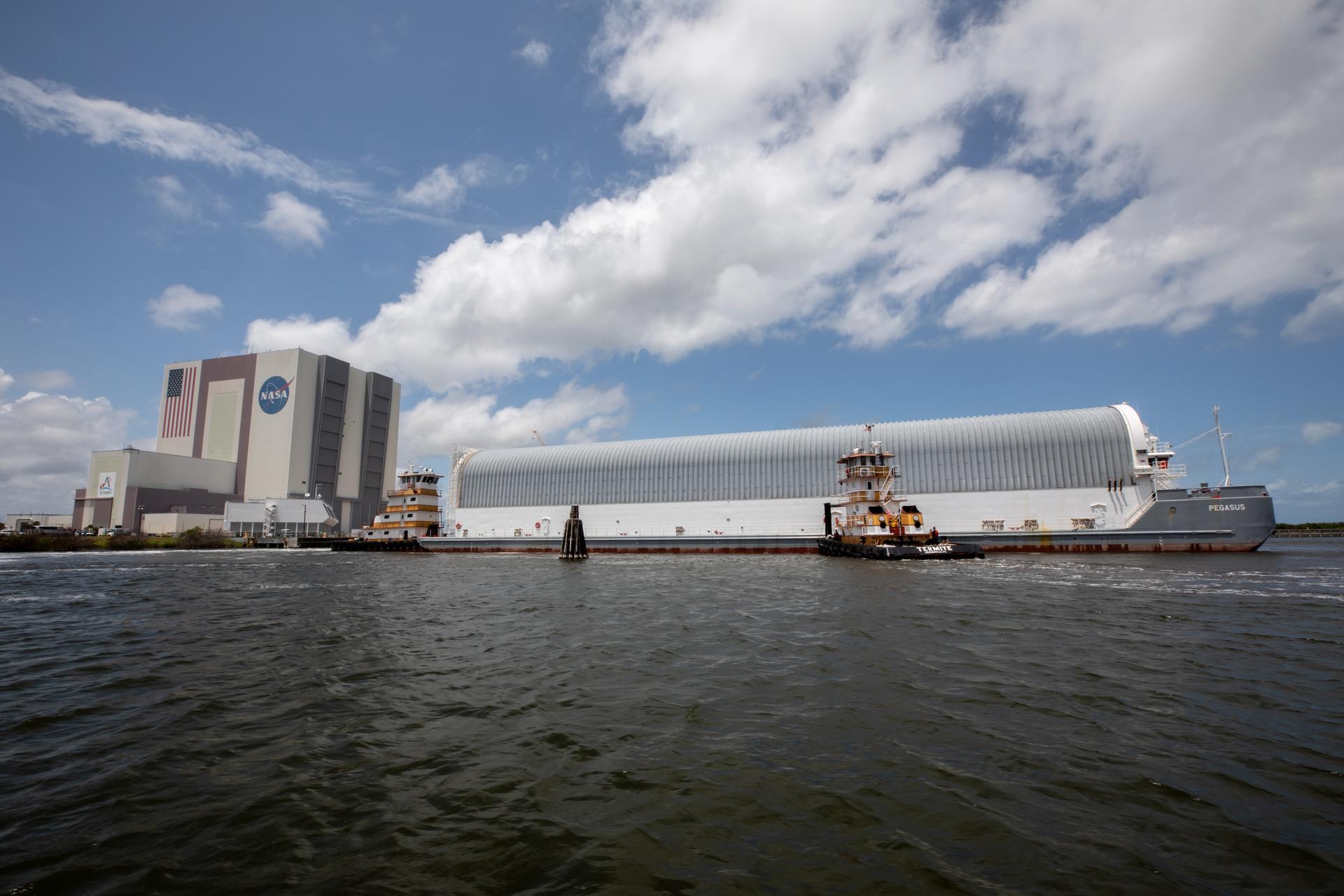
NASA’s Pegasus barge, carrying the top four-fifths of the agency’s SLS (Space Launch System) core stage for the Artemis III mission, arrives at NASA’s Kennedy Space Center Complex 39 turn basin wharf in Florida on Monday, April 27, 2026. Artemis III will launch astronauts to Earth’s orbit aboard the Orion spacecraft on top of SLS to test rendezvous and docking capabilities between Orion and commercial spacecraft needed to land Artemis IV astronauts on the Moon in 2028.
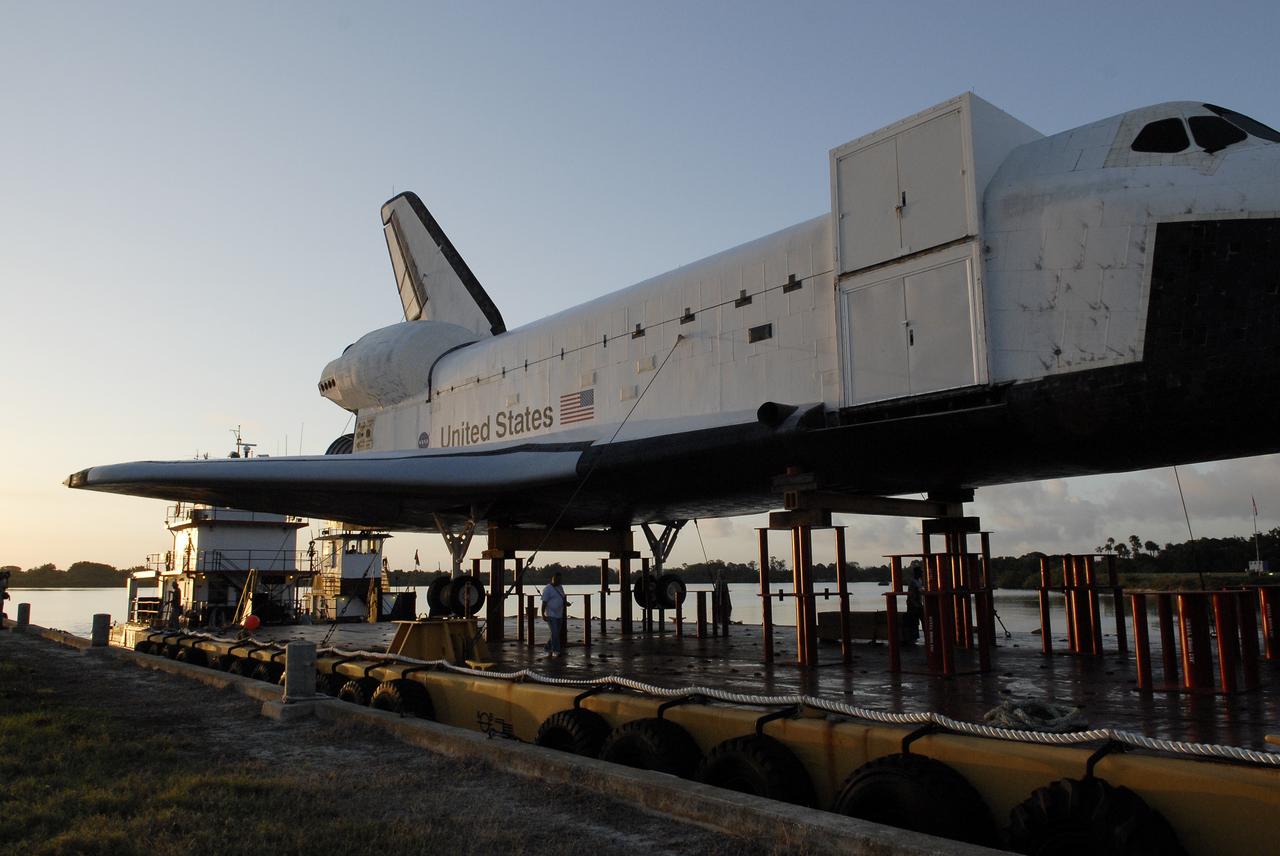
Shuttle Replica Preparations for Barge Departure
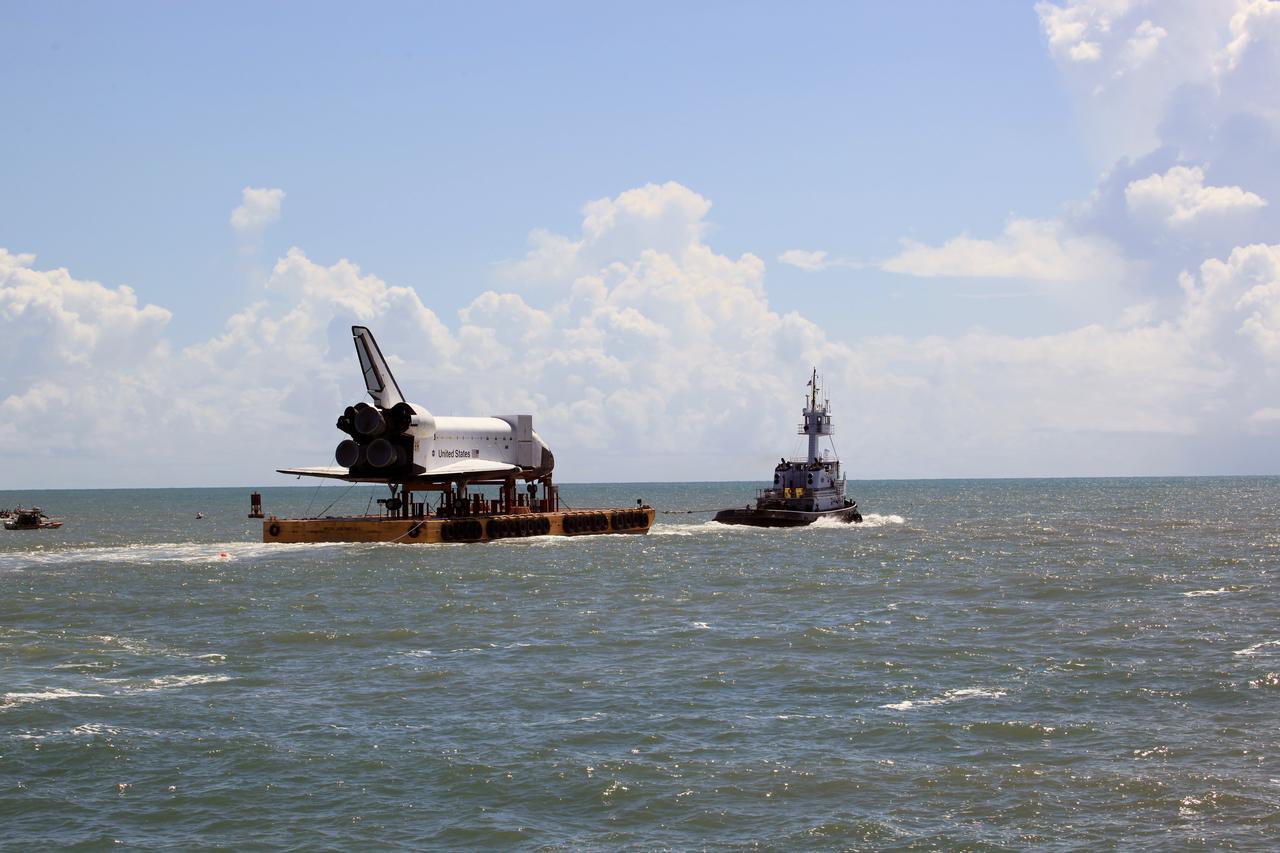
Shuttle Replica (High Fidelity) from Turn Basin thru Port going to Texas
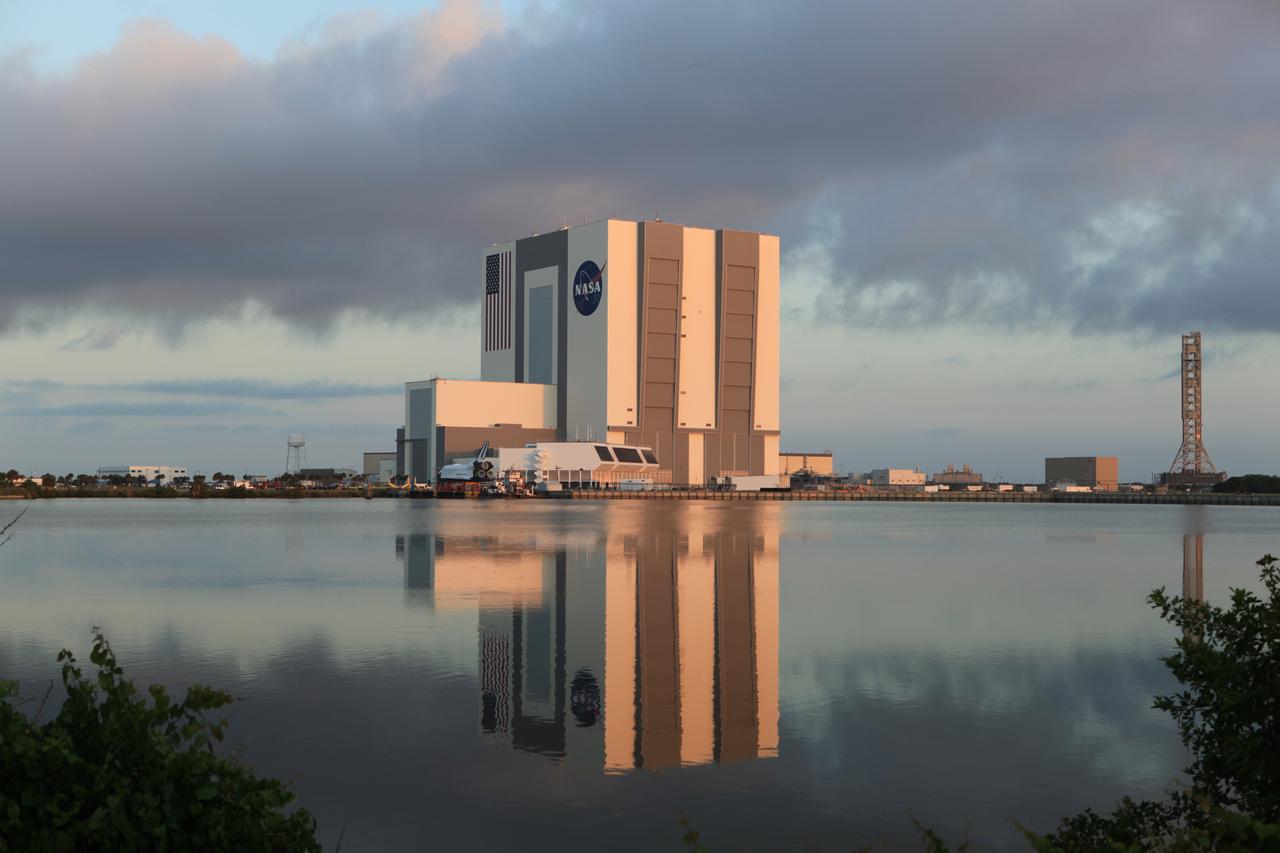
Shuttle Replica (High Fidelity) from Turn Basin thru Port going to Texas
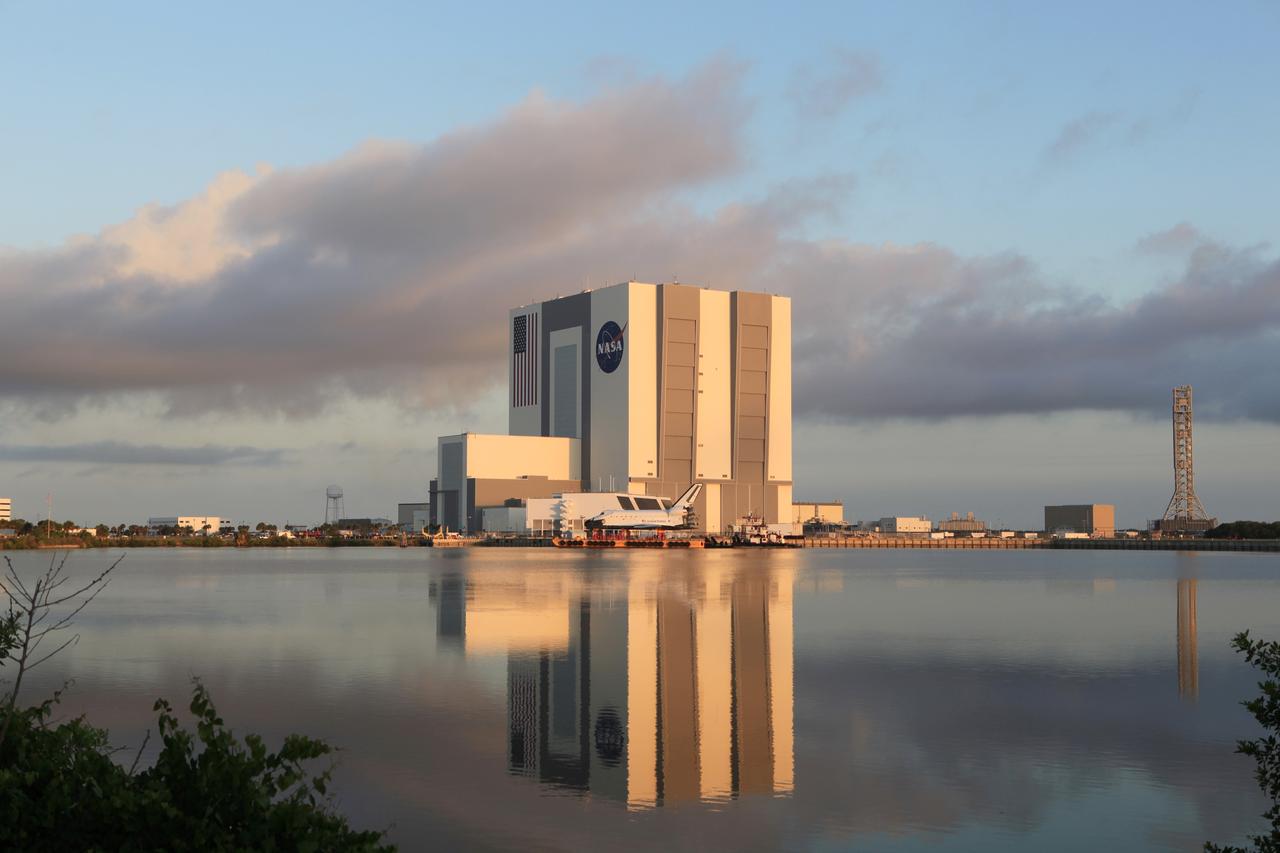
Shuttle Replica (High Fidelity) from Turn Basin thru Port going to Texas
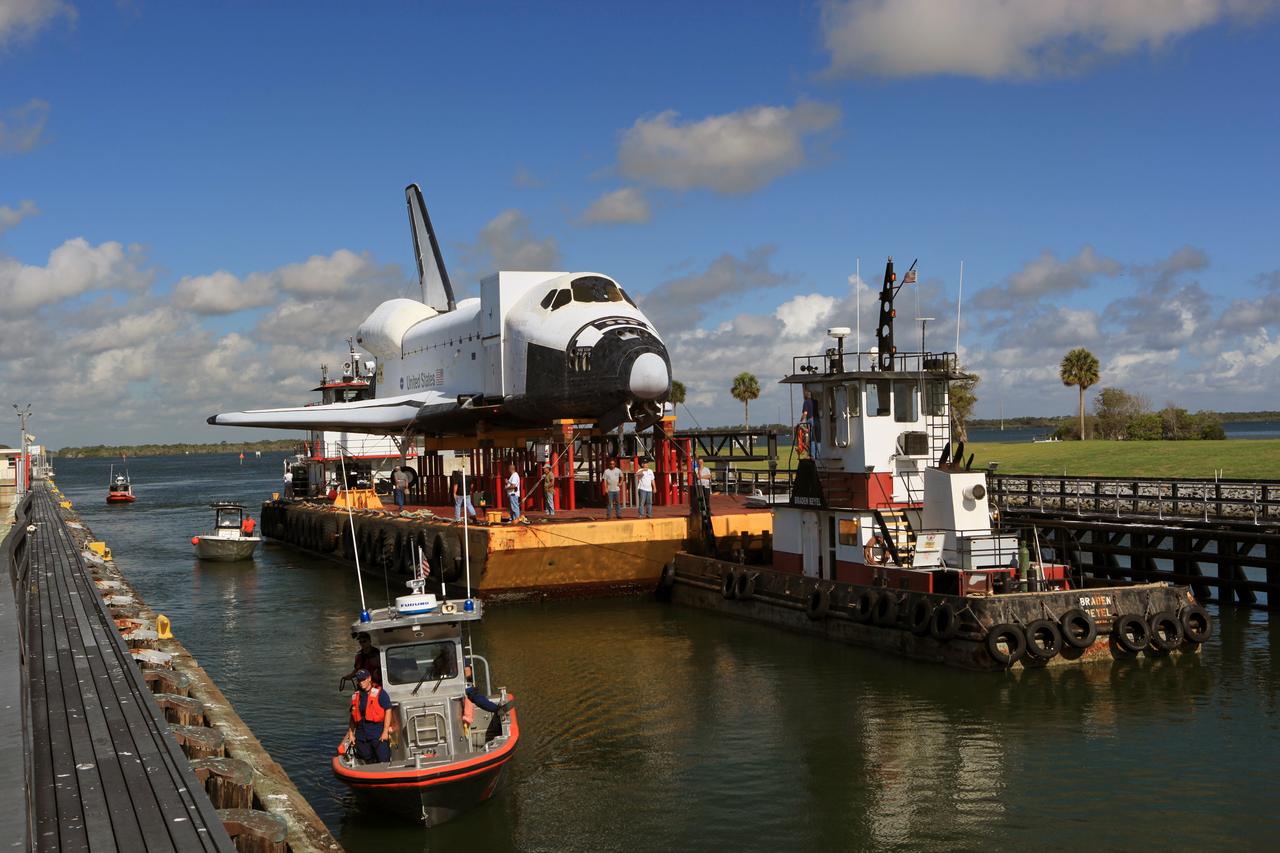
Shuttle Replica (High Fidelity) from Turn Basin thru Port going to Texas
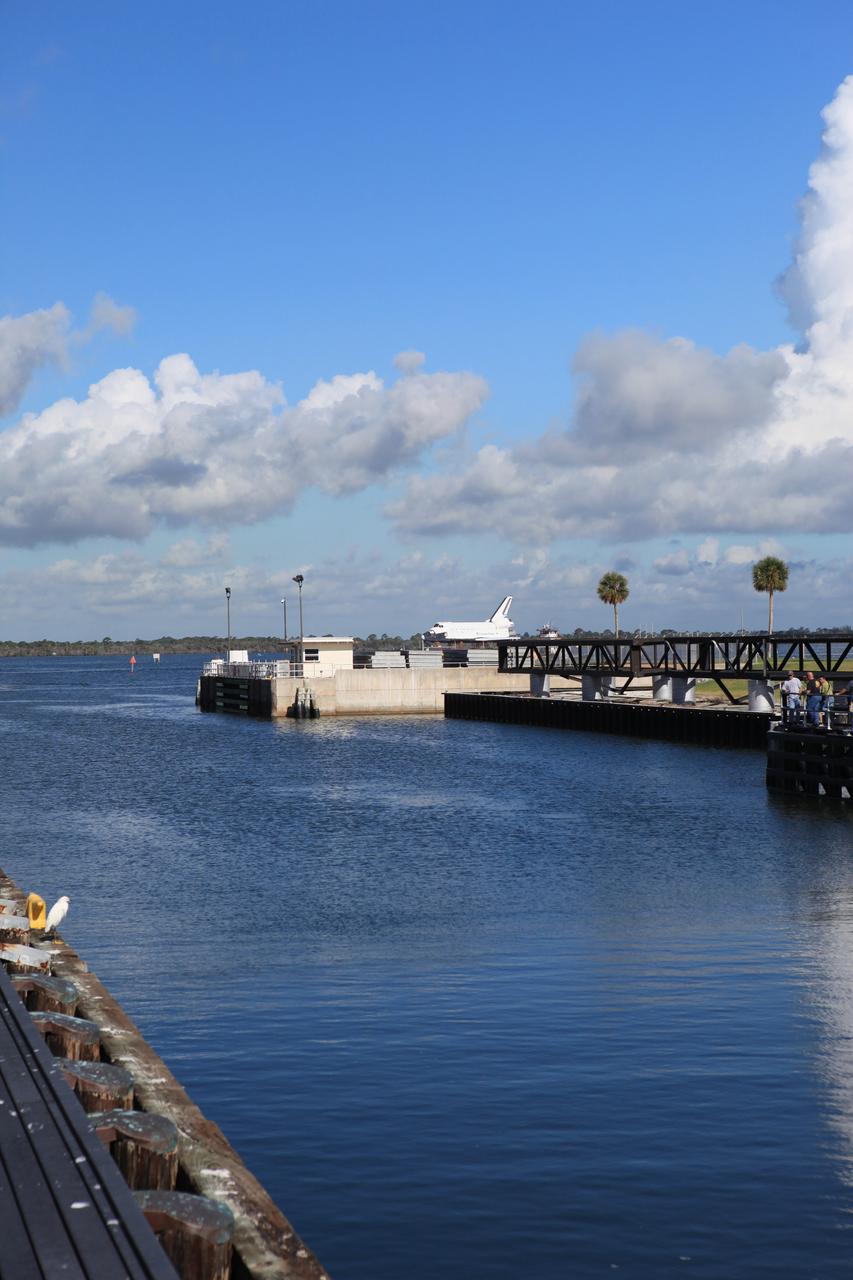
Shuttle Replica (High Fidelity) from Turn Basin thru Port going to Texas
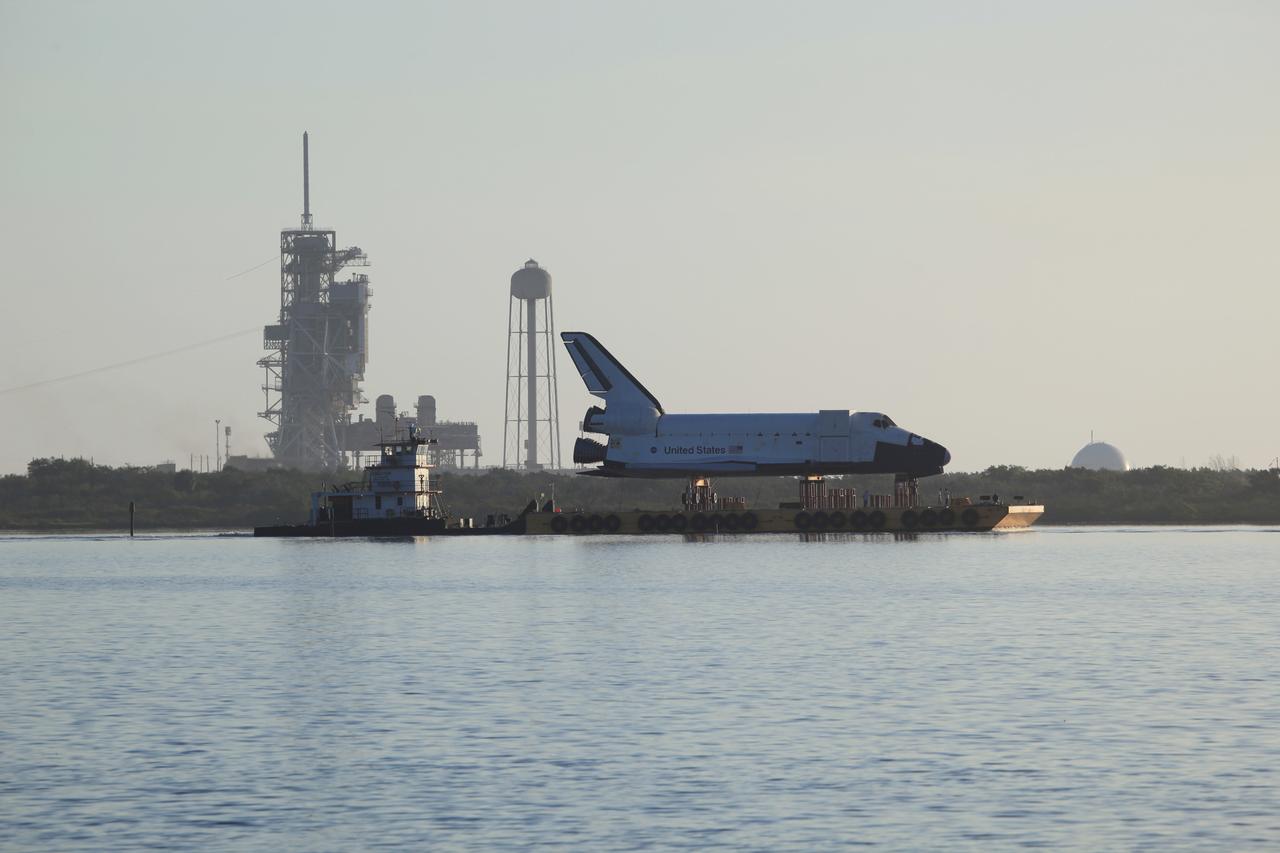
Shuttle Replica (High Fidelity) from Turn Basin thru Port going to Texas
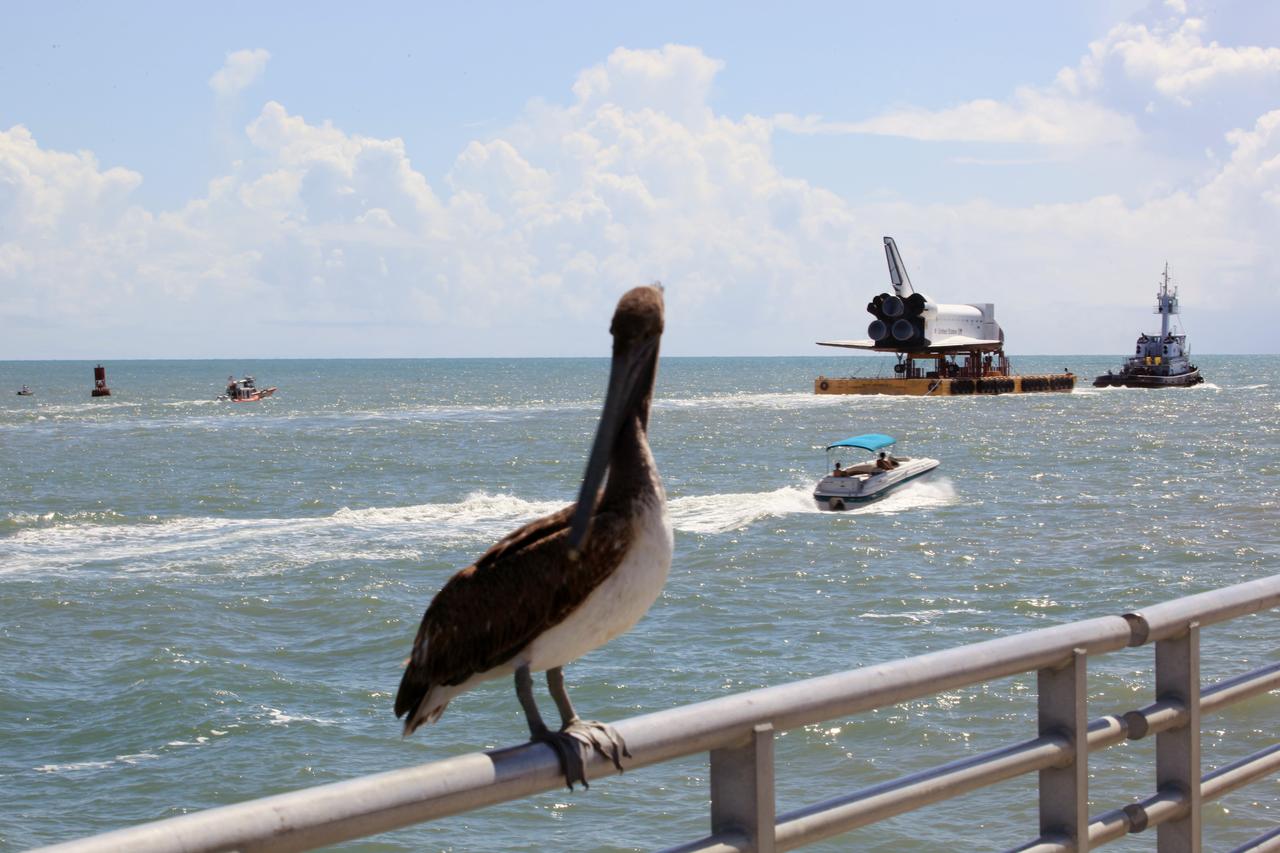
Shuttle Replica (High Fidelity) from Turn Basin thru Port going to Texas
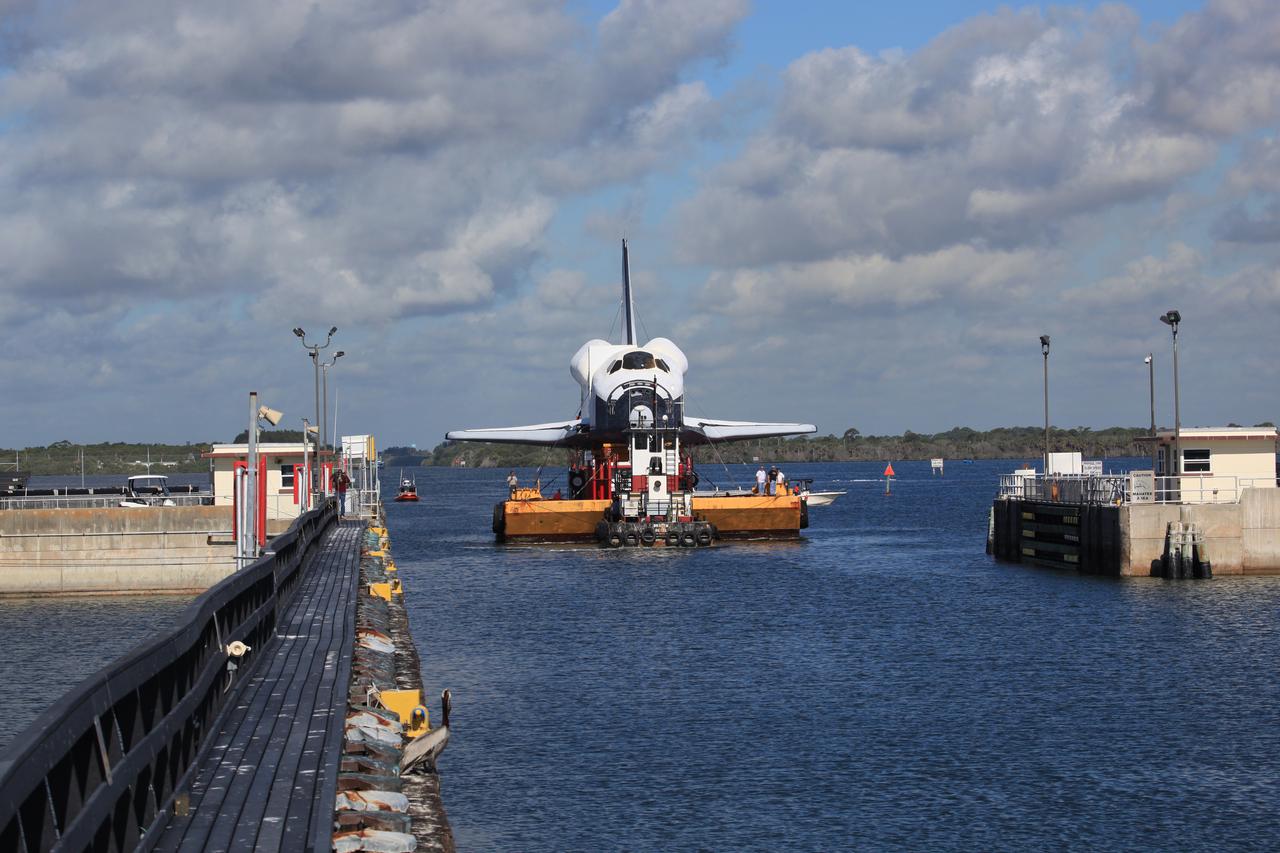
Shuttle Replica (High Fidelity) from Turn Basin thru Port going to Texas
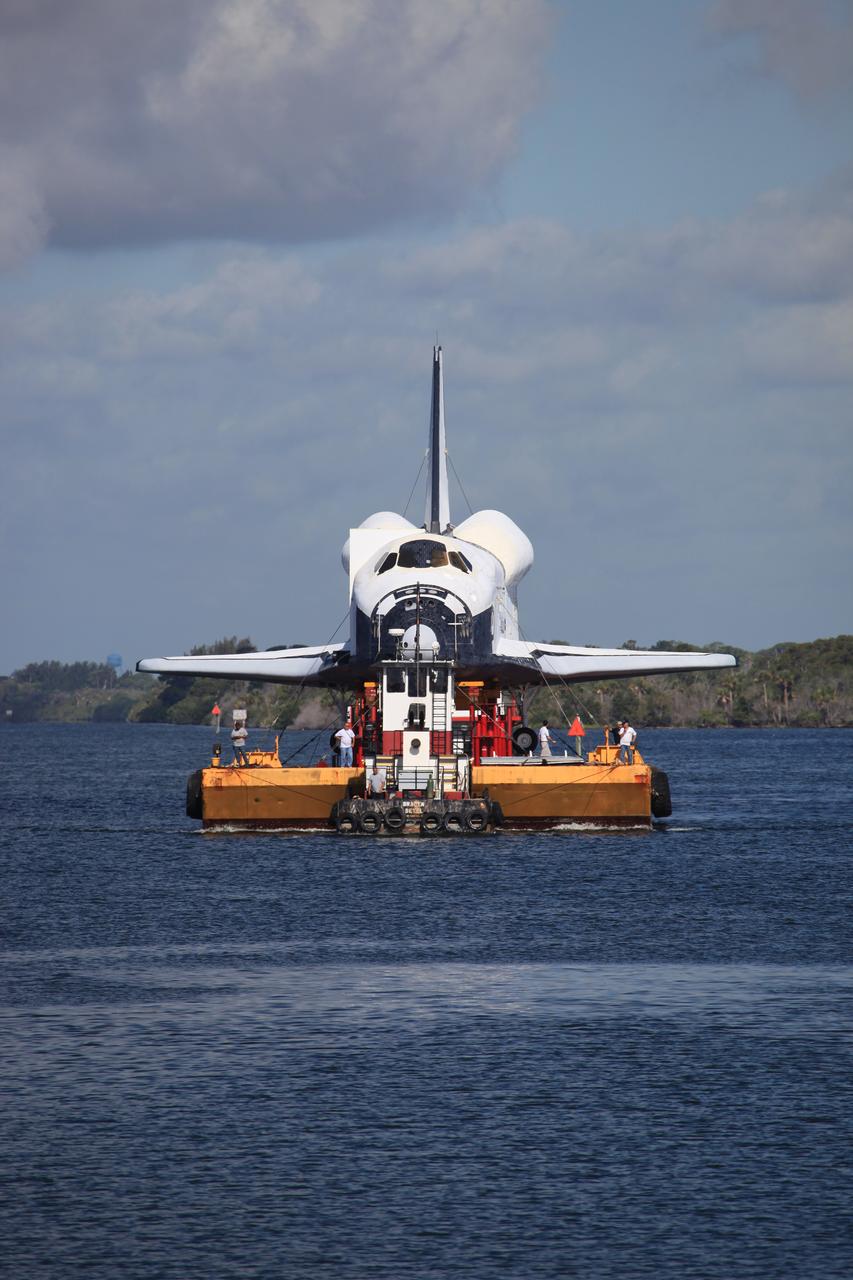
Shuttle Replica (High Fidelity) from Turn Basin thru Port going to Texas
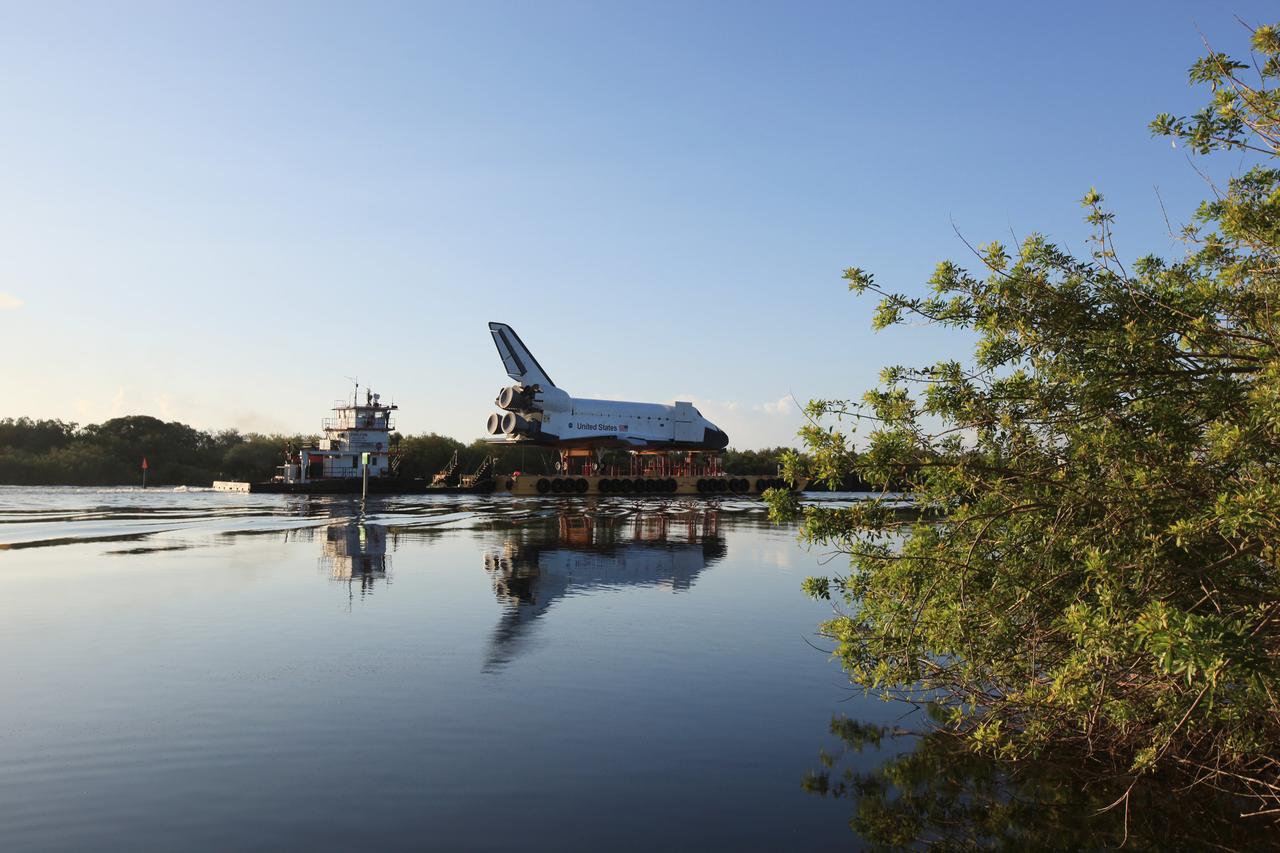
Shuttle Replica (High Fidelity) from Turn Basin thru Port going to Texas
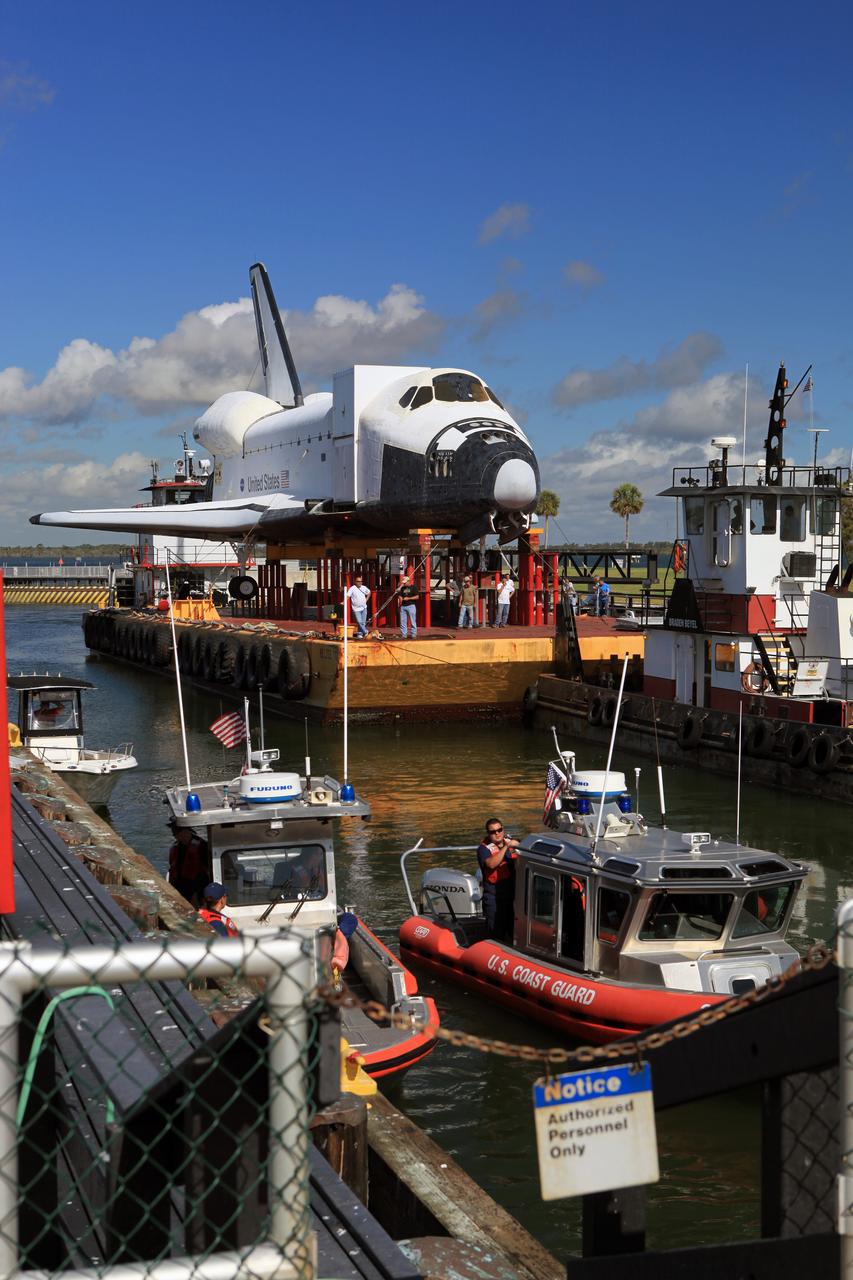
Shuttle Replica (High Fidelity) from Turn Basin thru Port going to Texas
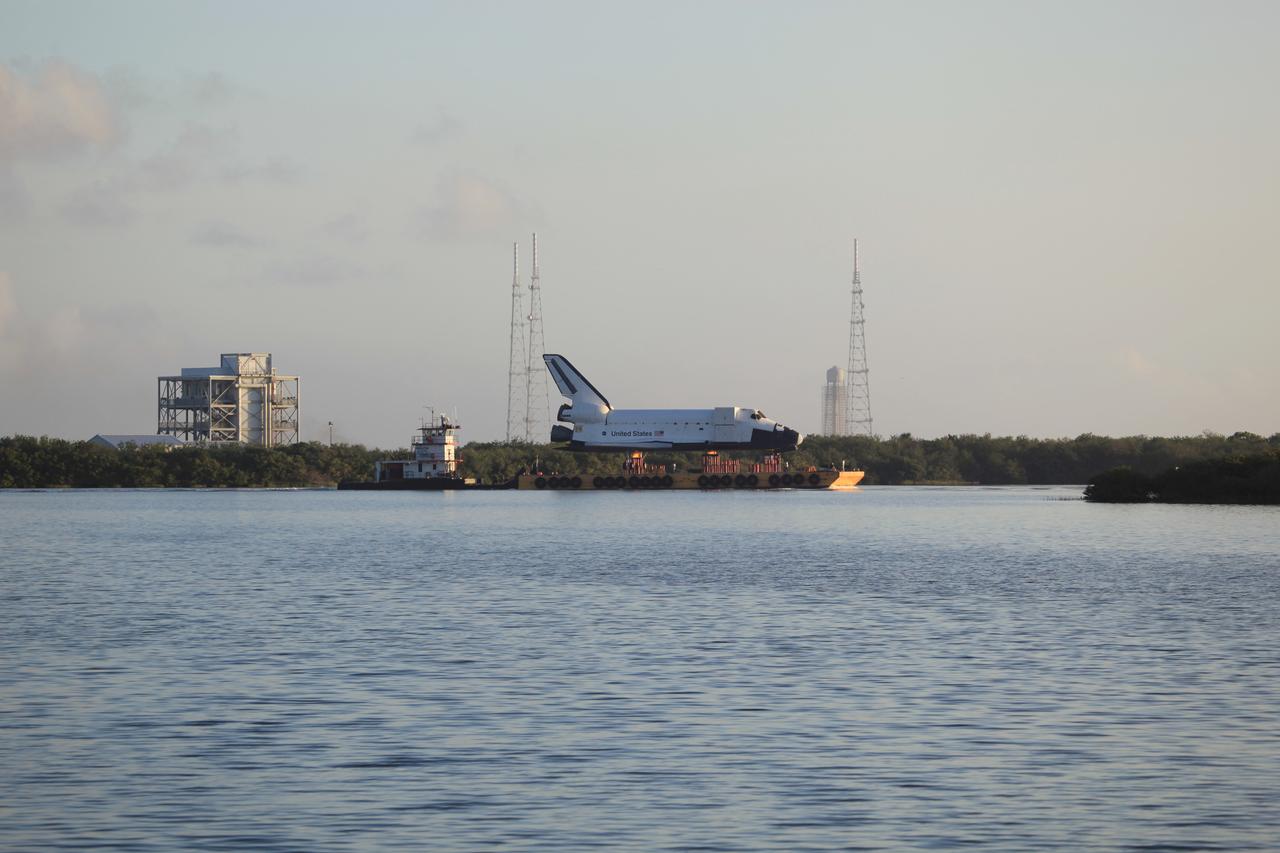
Shuttle Replica (High Fidelity) from Turn Basin thru Port going to Texas
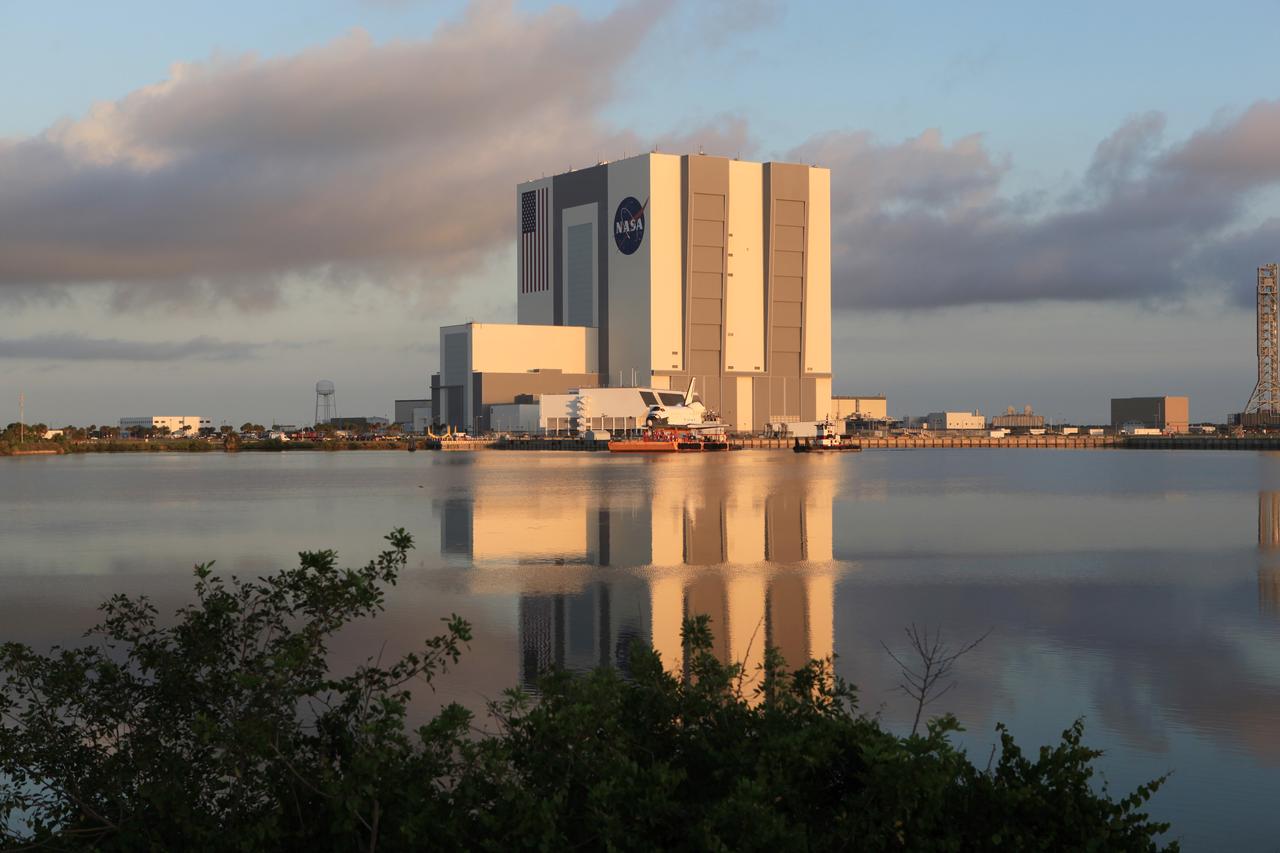
Shuttle Replica (High Fidelity) from Turn Basin thru Port going to Texas
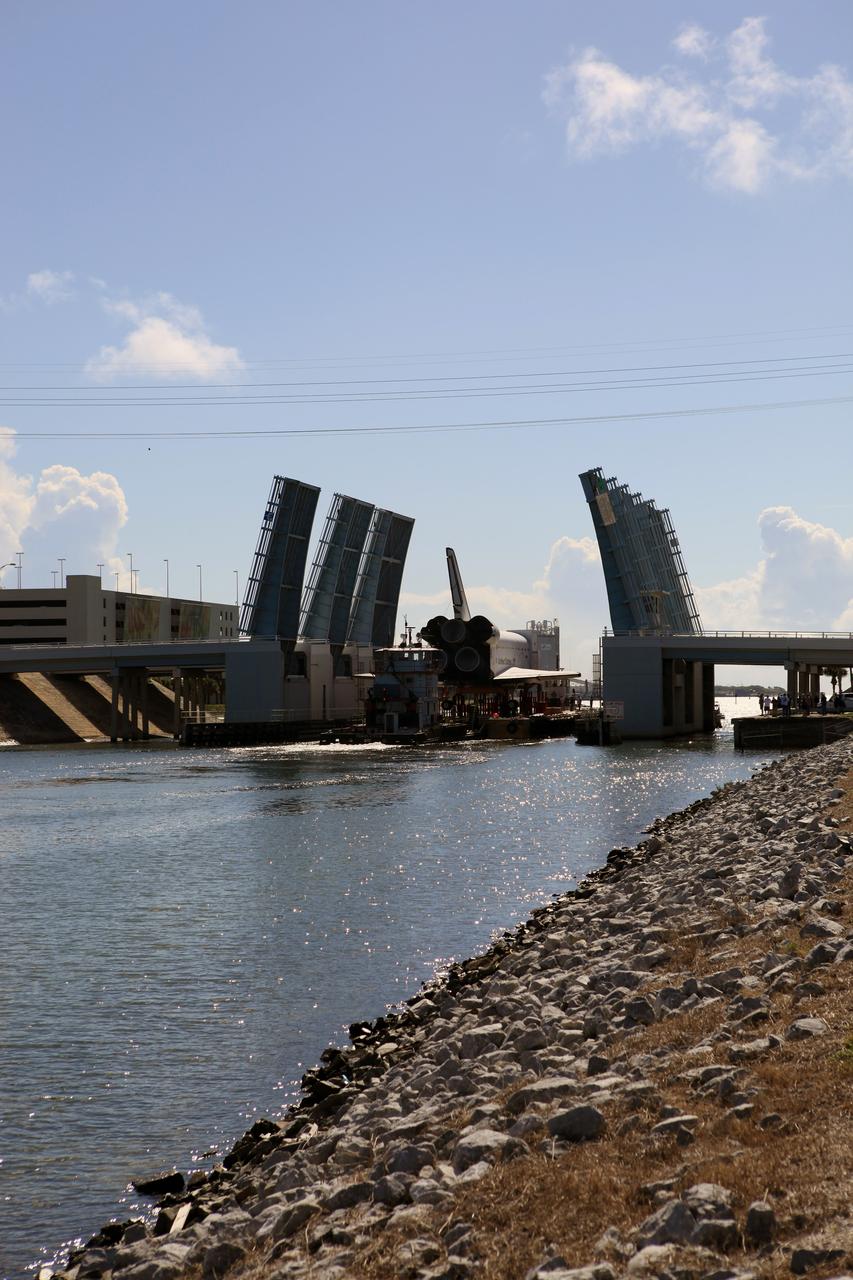
Shuttle Replica (High Fidelity) from Turn Basin thru Port going to Texas
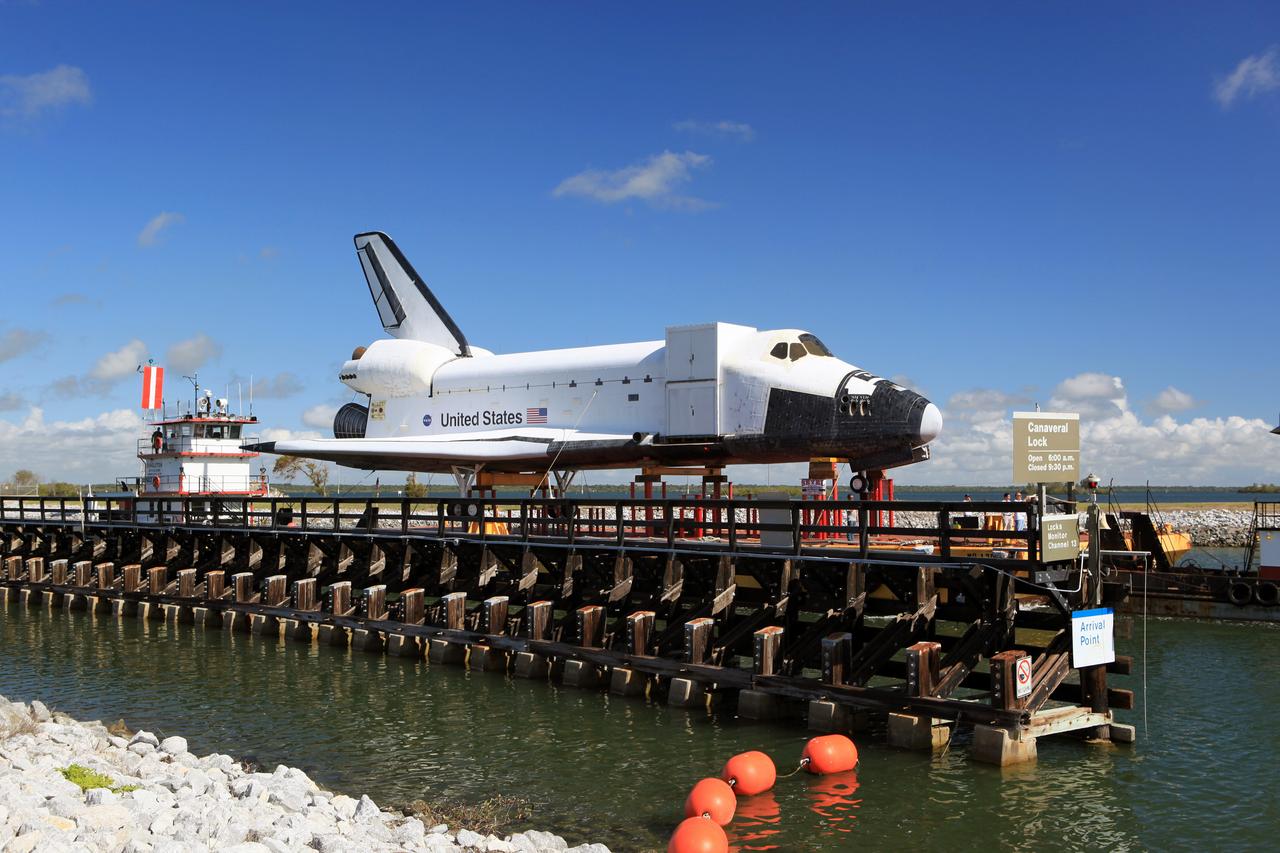
Shuttle Replica (High Fidelity) from Turn Basin thru Port going to Texas
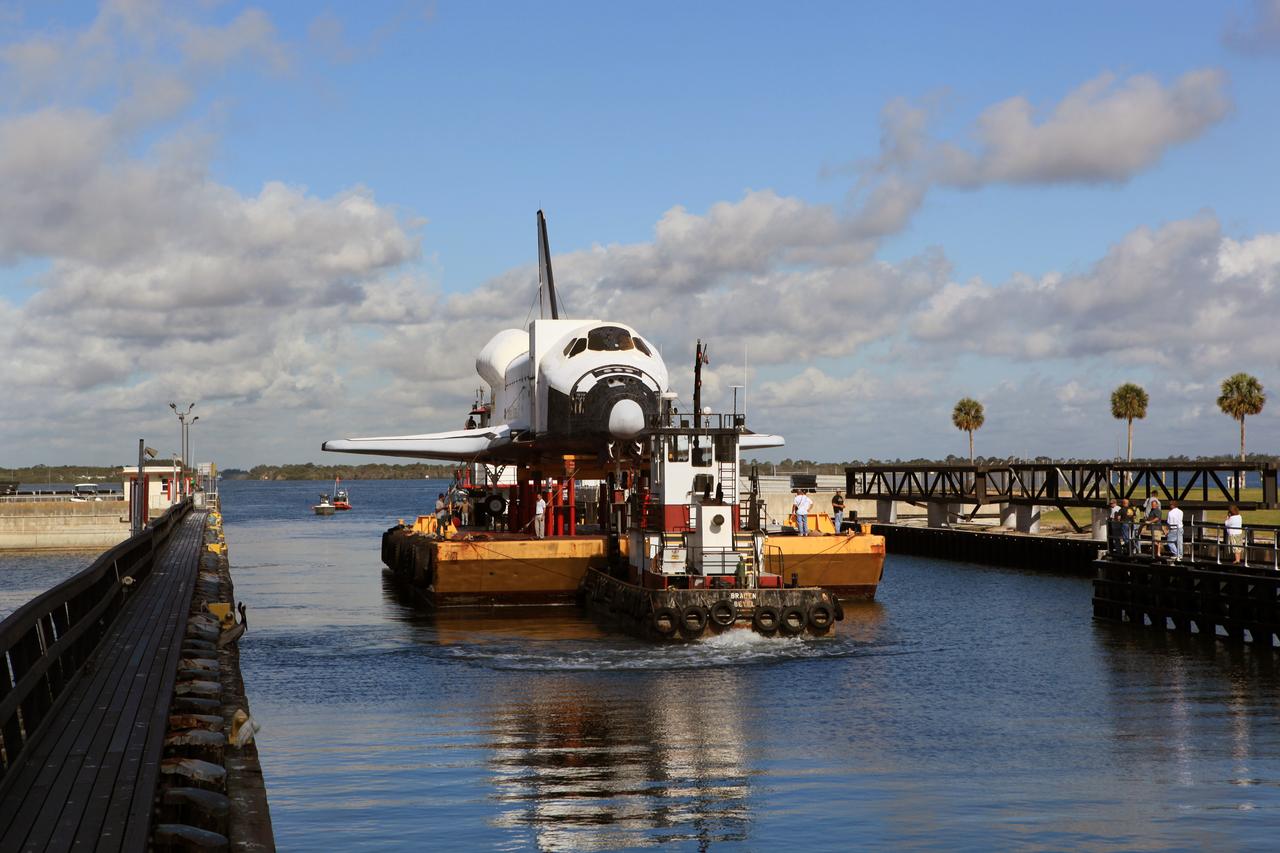
Shuttle Replica (High Fidelity) from Turn Basin thru Port going to Texas
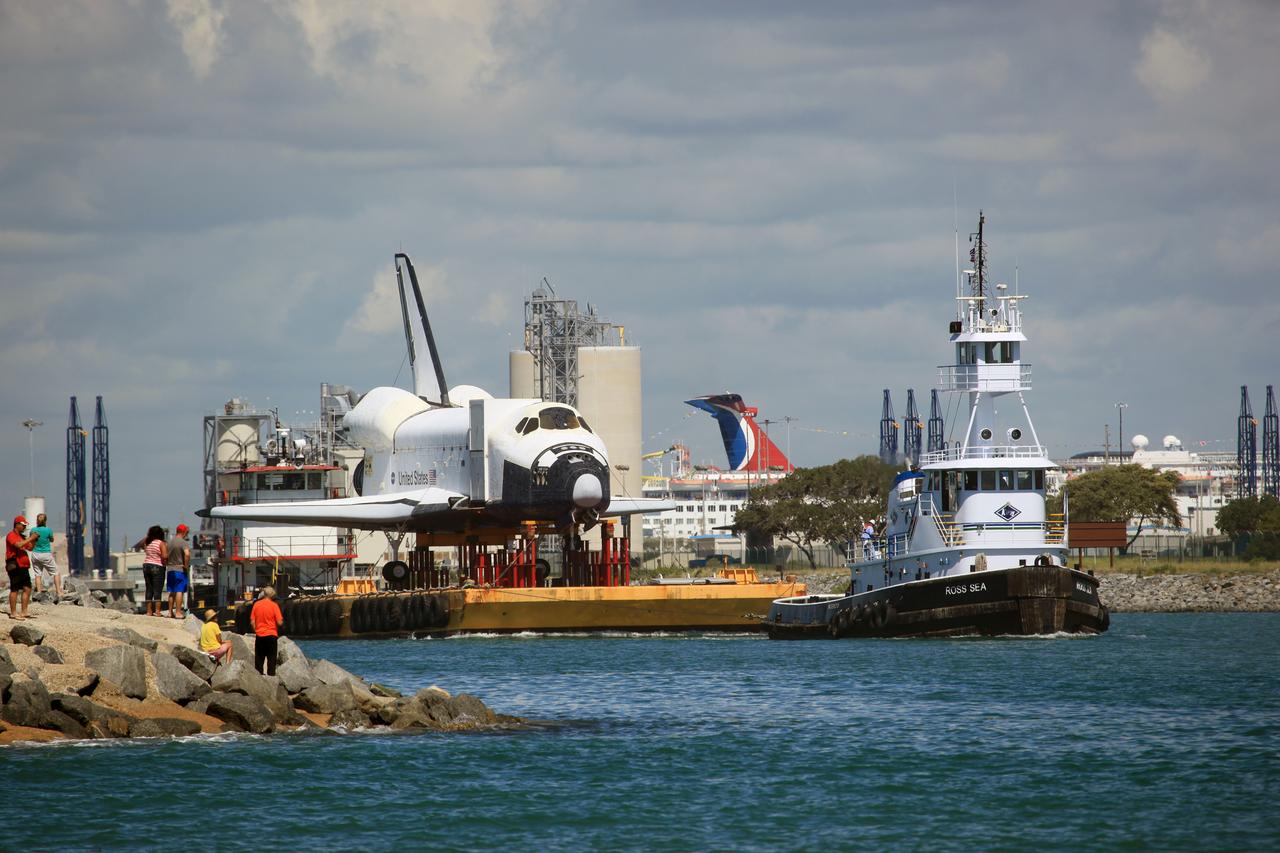
Shuttle Replica (High Fidelity) from Turn Basin thru Port going to Texas
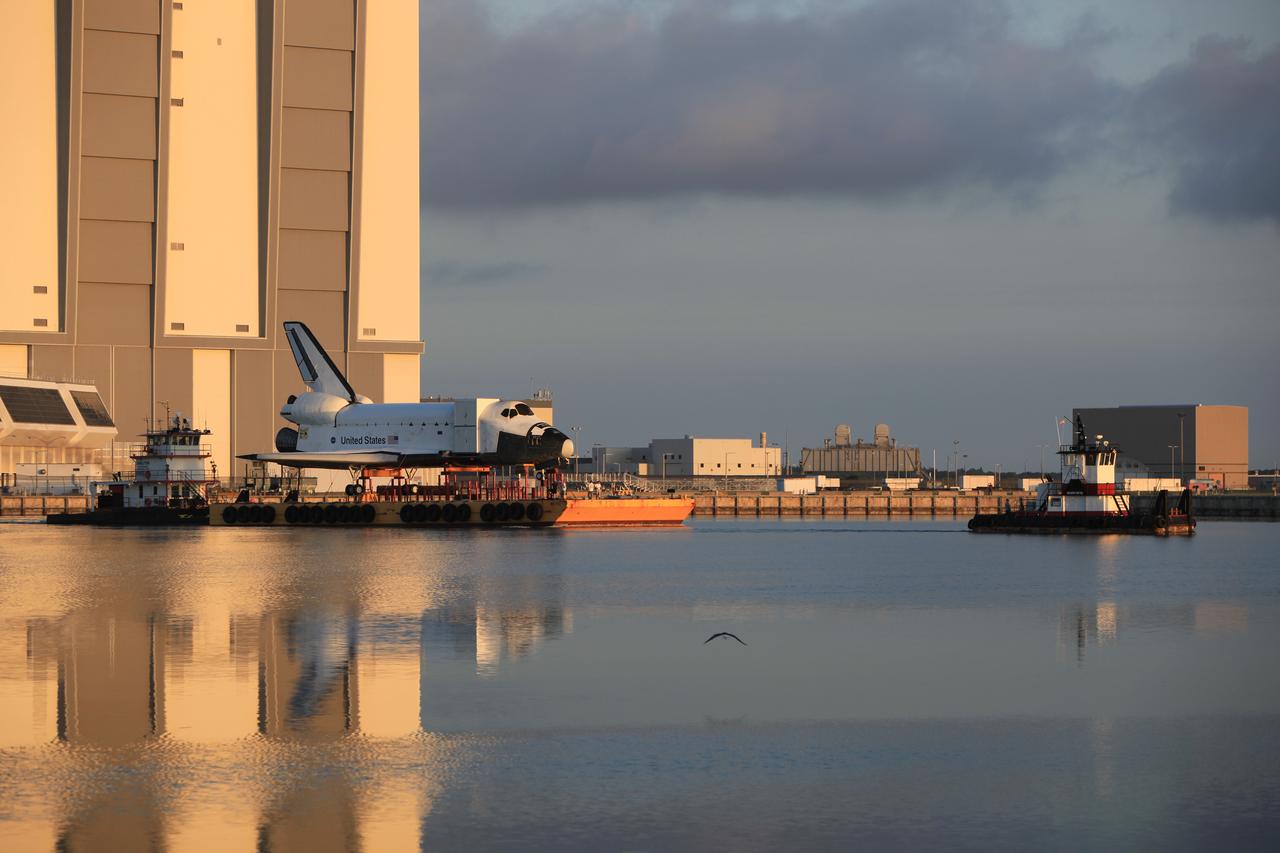
Shuttle Replica (High Fidelity) from Turn Basin thru Port going to Texas
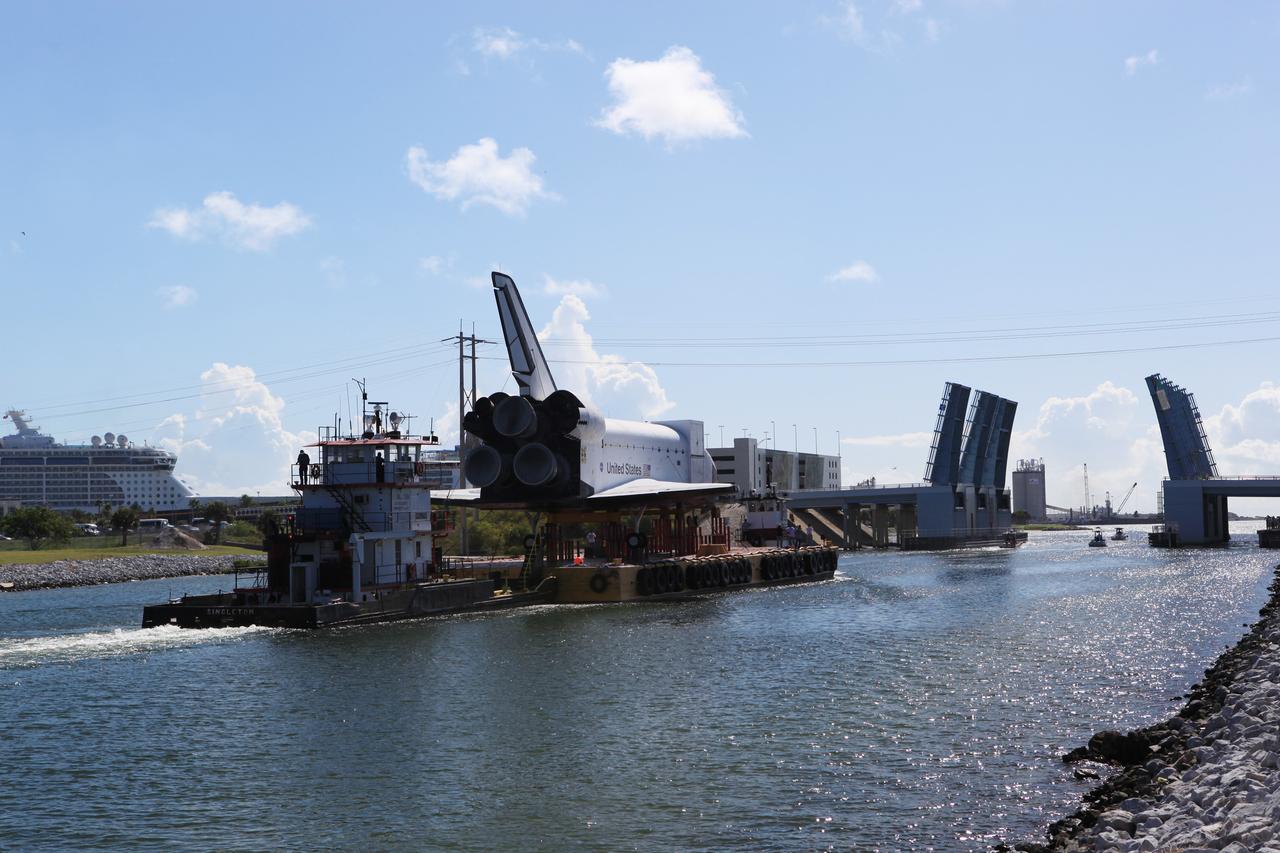
Shuttle Replica (High Fidelity) from Turn Basin thru Port going to Texas
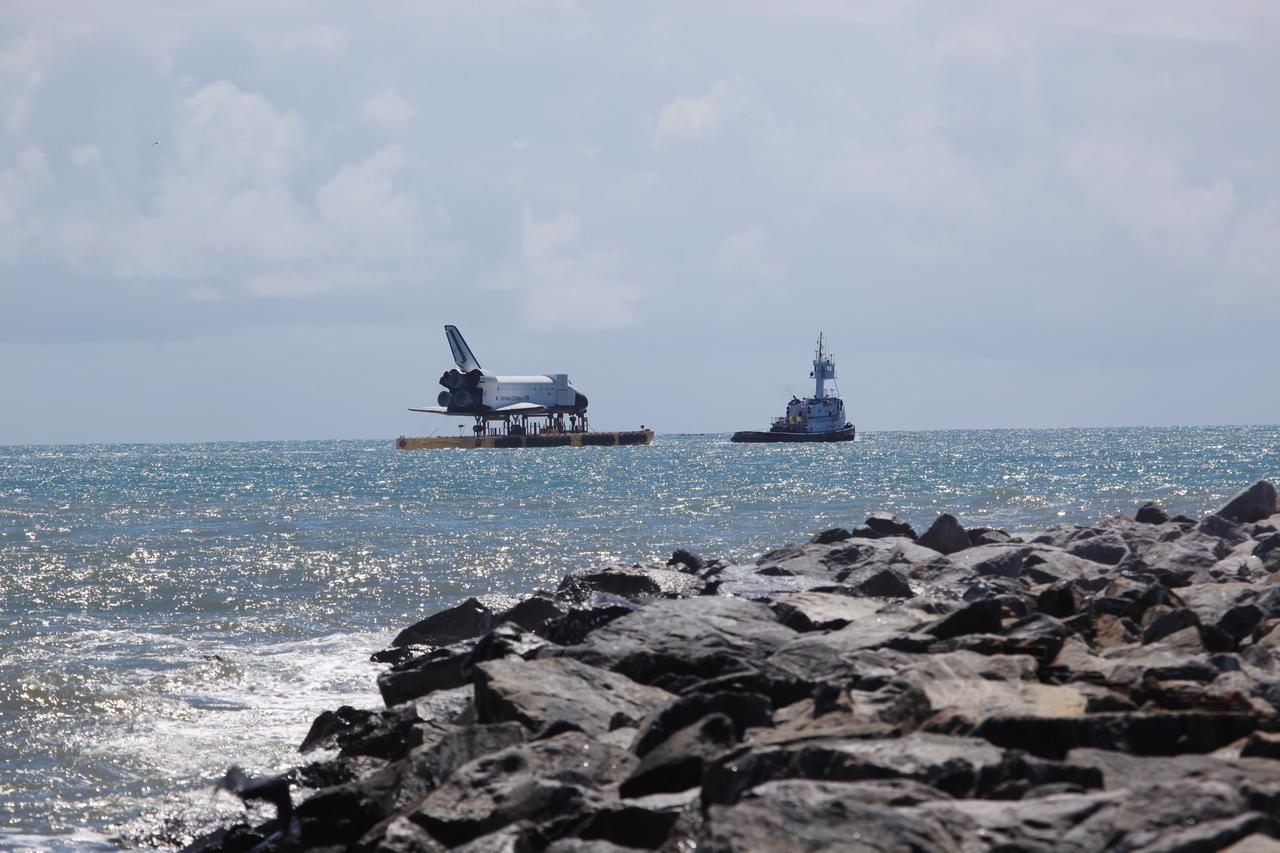
Shuttle Replica (High Fidelity) from Turn Basin thru Port going to Texas