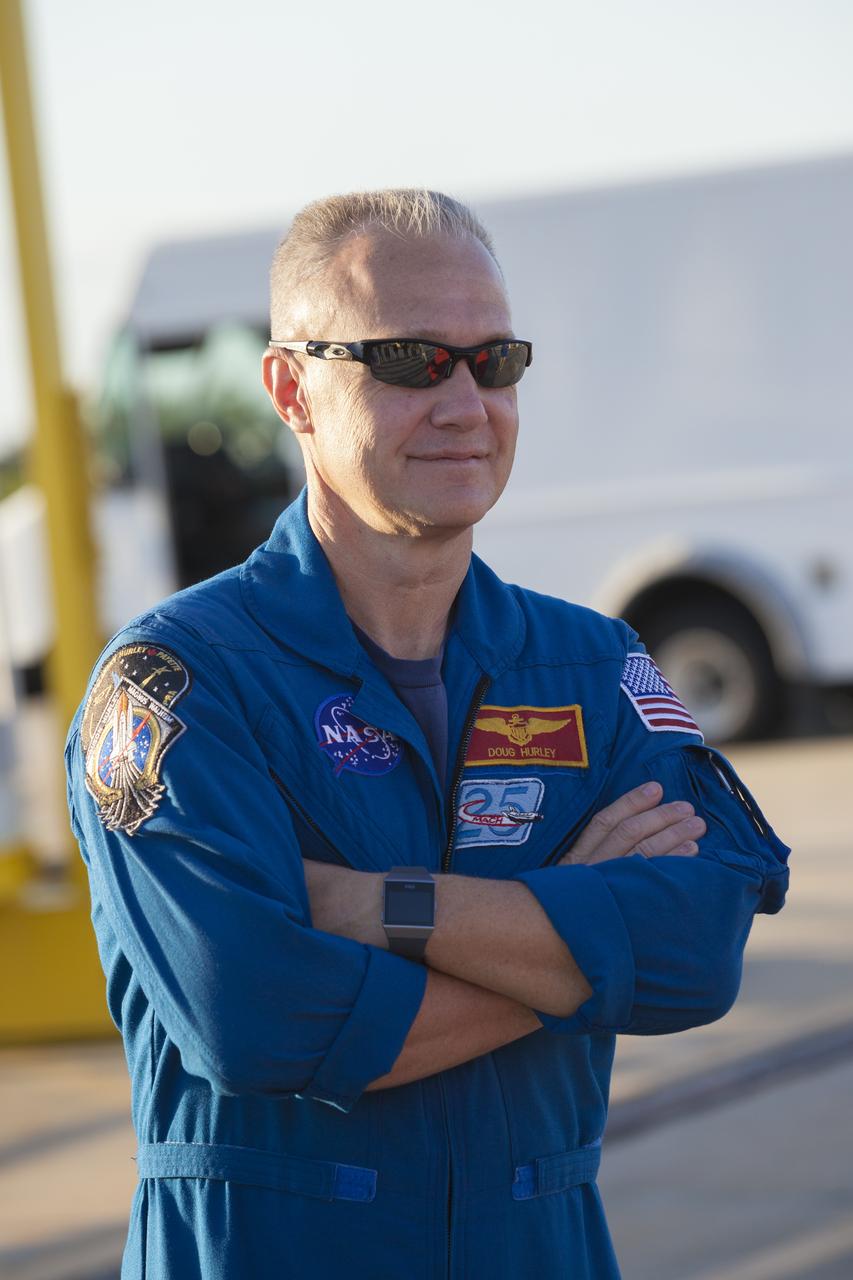
At Cape Canaveral Air Force Station's Naval Ordnance Test Unit basin in Florida, Commercial Crew Program astronaut Doug Hurley observes operation of the SpaceX recovery ship. During a recent visit to the Kennedy Space Center, the crew members were given an up-close look at preparations for the SpaceX Crew Dragon flight tests.
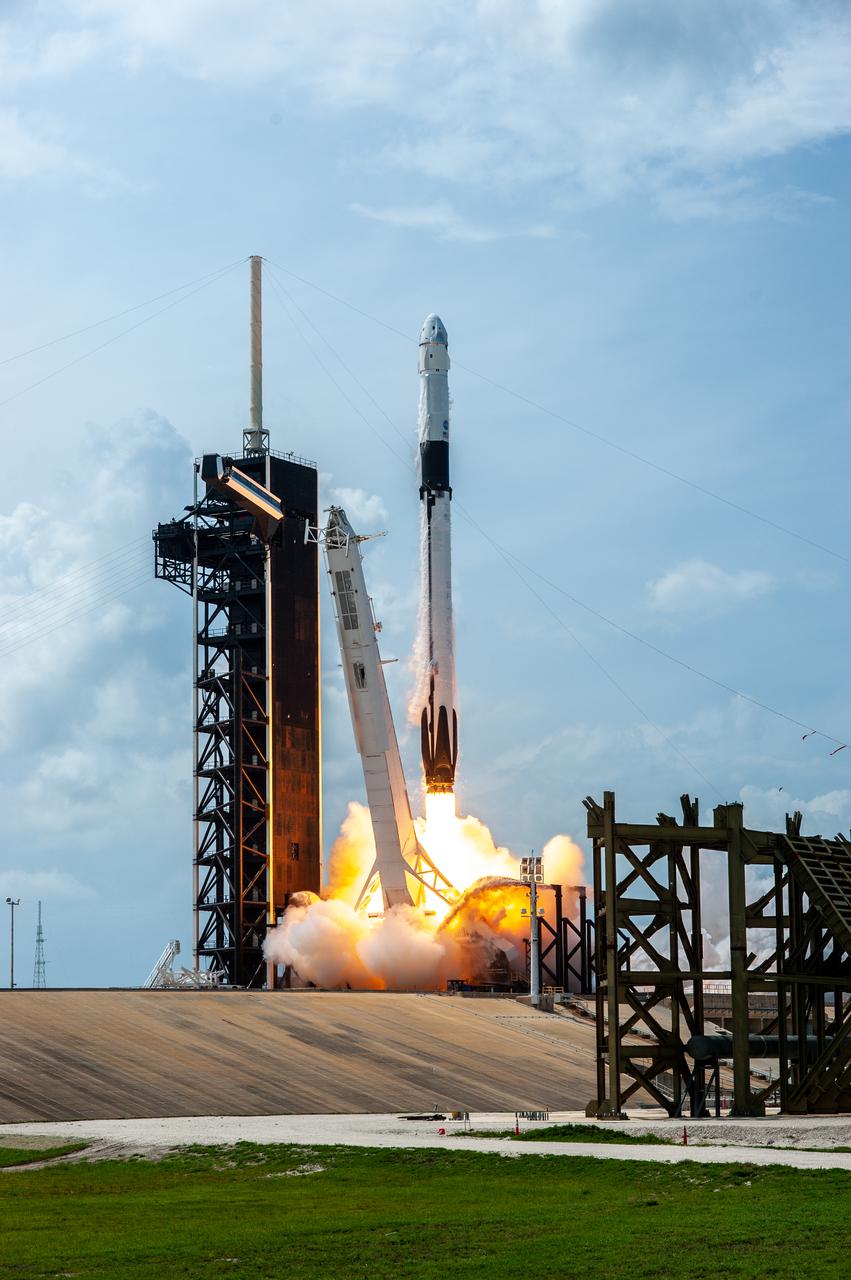
A SpaceX Falcon 9 rocket and Crew Dragon spacecraft lifts off from Launch Complex 39A at NASA’s Kennedy Space Center in Florida on May 30, 2020, carrying NASA astronauts Robert Behnken and Douglas Hurley to the International Space Station for the agency’s SpaceX Demo-2 mission. Liftoff occurred at 3:22 p.m. EDT. Behnken and Hurley are the first astronauts to launch from U.S. soil to the space station since the end of the Space Shuttle Program in 2011. Part of NASA’s Commercial Crew Program, this will be SpaceX’s final flight test, paving the way for the agency to certify the crew transportation system for regular, crewed flights to the orbiting laboratory.

NASA's mobile launcher (ML) atop crawler-transporter 2 is at the top of Launch Pad 39B on Aug. 31, 2018, at the agency's Kennedy Space Center in Florida. The ML will undergo a fit check, followed by several days of systems testing. The 380-foot-tall mobile launcher is equipped with the crew access arm and several umbilicals that will provide power, environmental control, pneumatics, communication and electrical connections to NASA's Space Launch System (SLS) and Orion spacecraft. Exploration Ground Systems is preparing the ground systems necessary to launch SLS and Orion on Exploration Mission-1, missions to the Moon and on to Mars. Photo credit: NASA/Jamie Peer <b><a href="http://www.nasa.gov/audience/formedia/features/MP_Photo_Guidelines.html" rel="nofollow">NASA image use policy.</a></b>
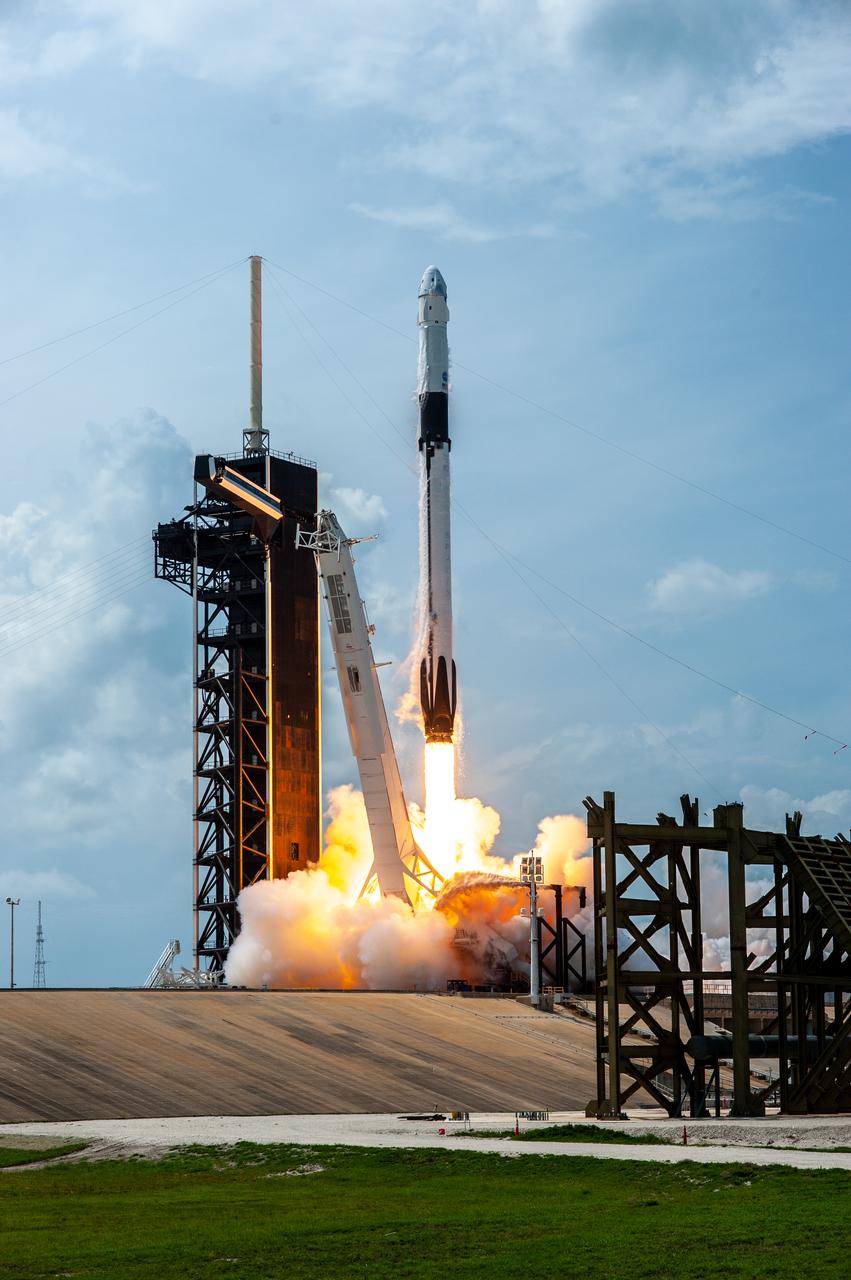
A SpaceX Falcon 9 rocket and Crew Dragon spacecraft lifts off from Launch Complex 39A at NASA’s Kennedy Space Center in Florida on May 30, 2020, carrying NASA astronauts Robert Behnken and Douglas Hurley to the International Space Station for the agency’s SpaceX Demo-2 mission. Liftoff occurred at 3:22 p.m. EDT. Behnken and Hurley are the first astronauts to launch from U.S. soil to the space station since the end of the Space Shuttle Program in 2011. Part of NASA’s Commercial Crew Program, this will be SpaceX’s final flight test, paving the way for the agency to certify the crew transportation system for regular, crewed flights to the orbiting laboratory.
Modifications are underway at the Launch Complex 39 turn basin wharf at NASA's Kennedy Space Center in Florida to prepare for the arrival of the agency's massive Space Launch System (SLS) core stage aboard the barge Pegasus. A crane will be used to lift up precast concrete poles and position them to be driven to a depth of about 70 feet into the bedrock below the water around the turn basin. The upgrades are necessary to accommodate the 300,000-pound core booster aboard the modified Pegasus barge. The Ground Systems Development and Operations Program is overseeing the upgrades to the turn basin wharf.
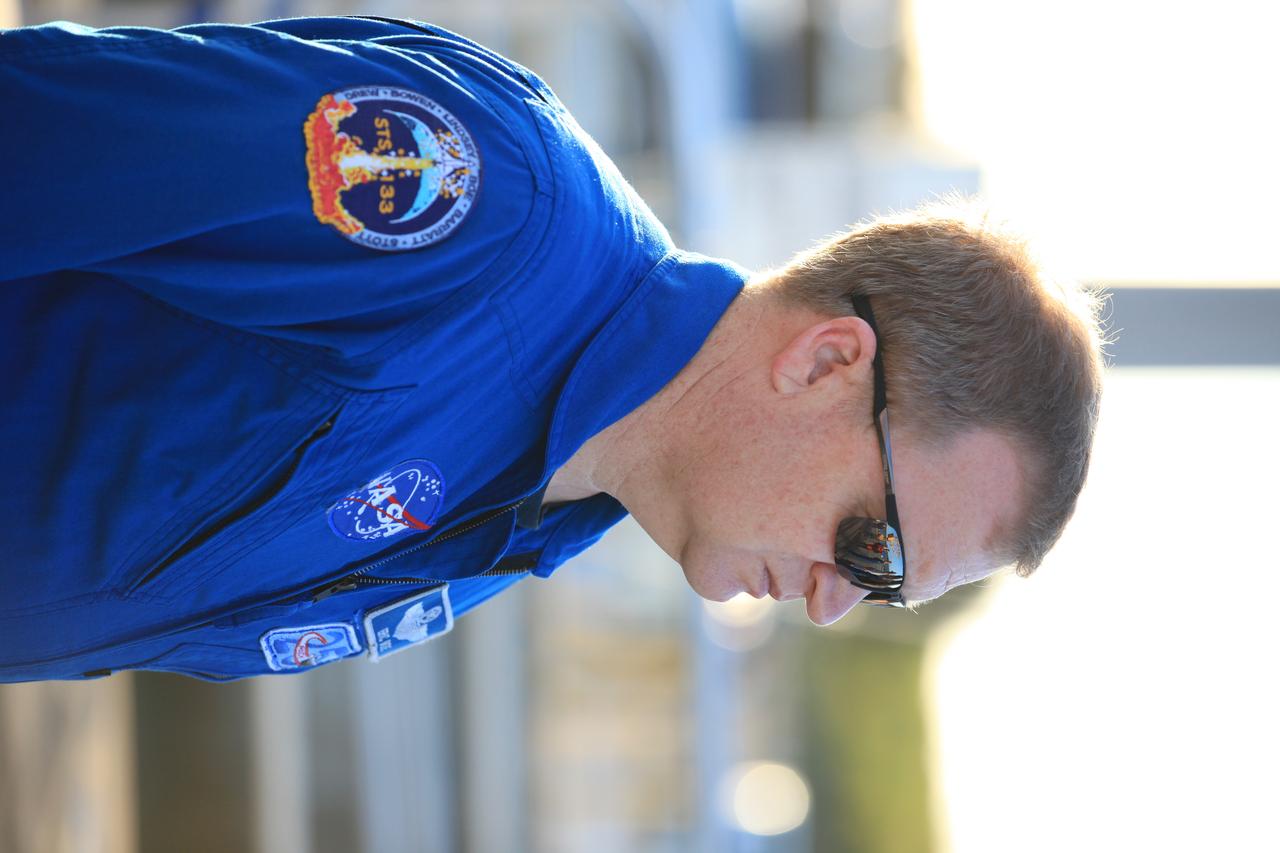
Commercial Crew Astronauts Bob Behnken , Eric Boe, Doug Hurley, and Suni Williams survey SpaceX's progress at Launch Complex 39 A. The survey helped ensure the was familiar with the launch complex and recovery ship prior to missions to station.
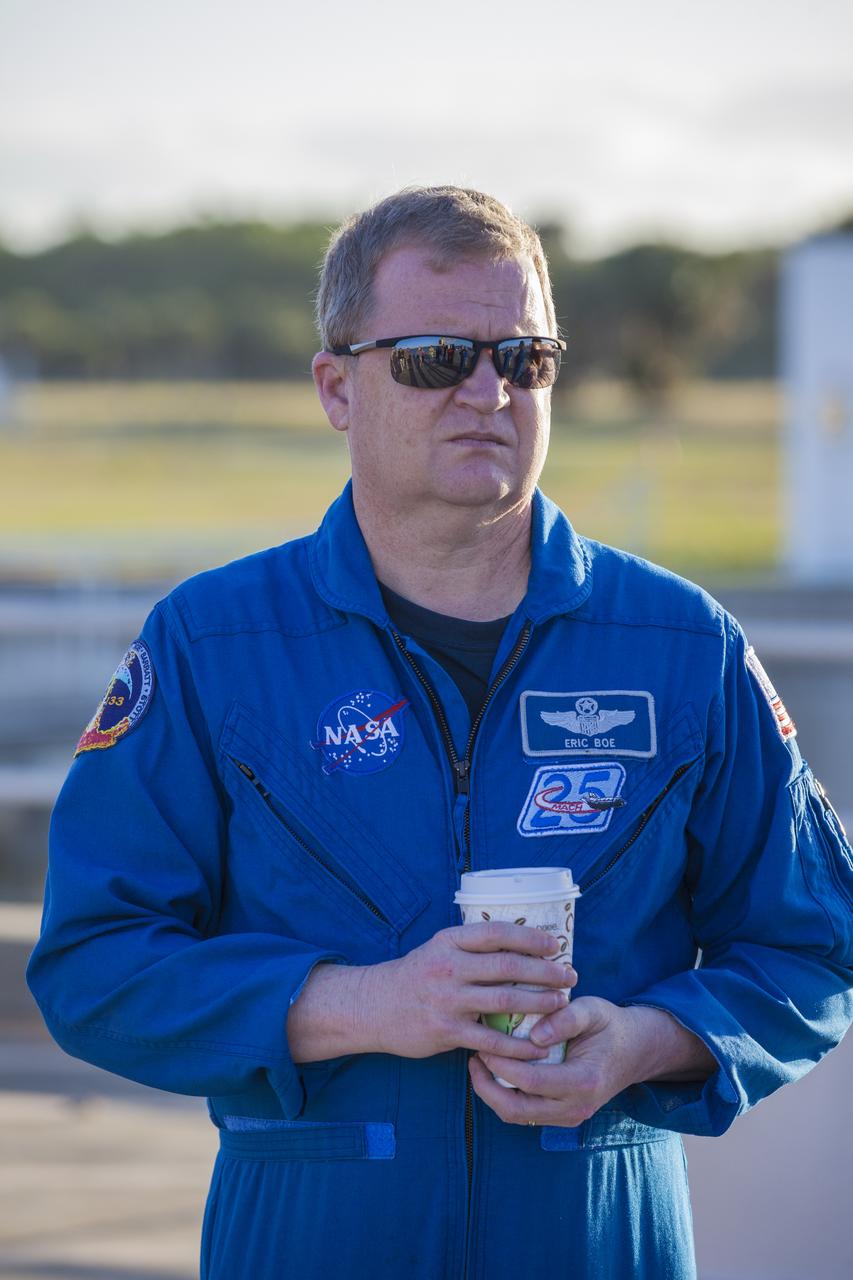
At Cape Canaveral Air Force Station's Naval Ordnance Test Unit basin in Florida, Commercial Crew Program astronaut Eric Boe observes operation of the SpaceX recovery ship. During a recent visit to the Kennedy Space Center, the crew members were given an up-close look at preparations for the SpaceX Crew Dragon flight tests.
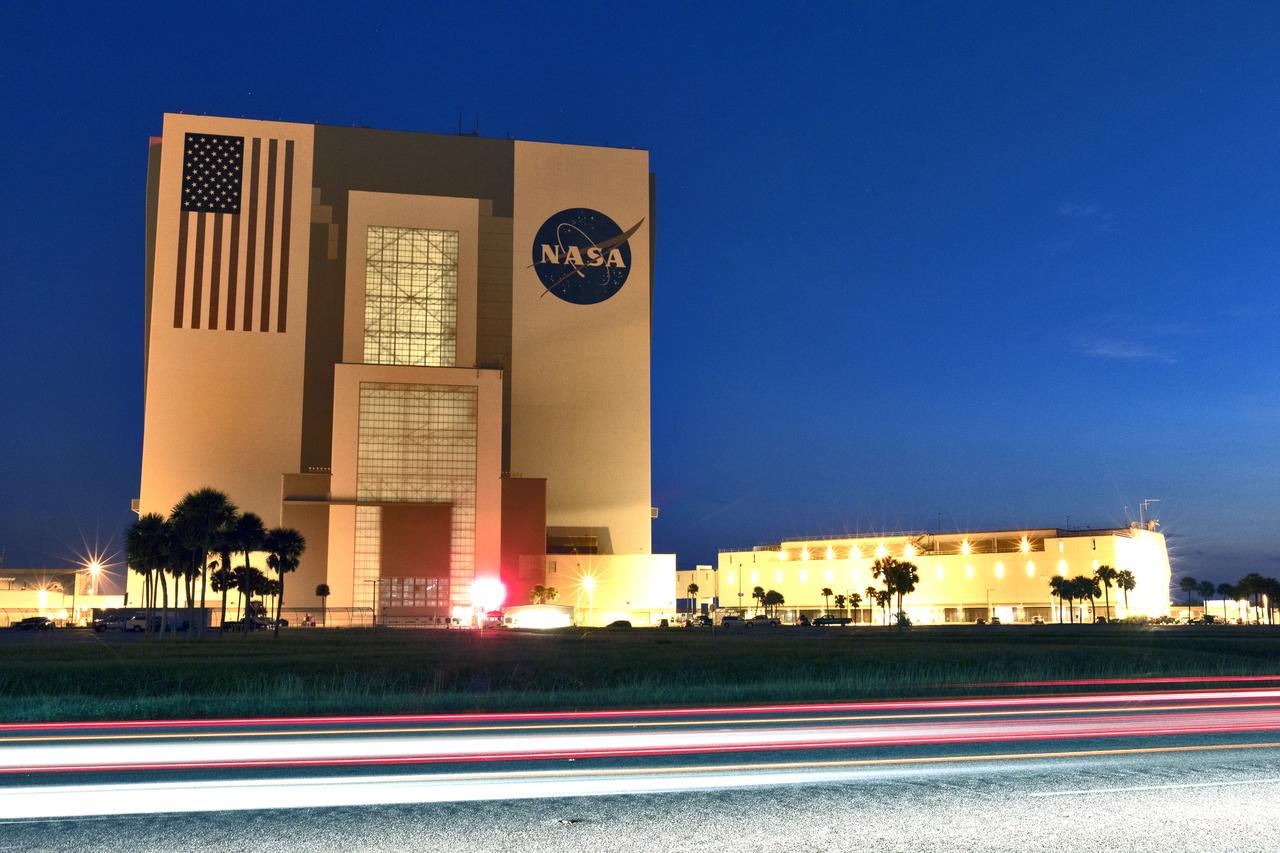
A sunrise time-lapse panoramic view of the iconic Vehicle Assembly Building (VAB) and Launch Control Center at NASA's Kennedy Space Center in Florida. Ten levels of work platforms have been installed in High Bay 3 of the VAB. They will surround and provide access for service and processing of NASA's Space Launch System (SLS) rocket and Orion spacecraft. Exploration Ground Systems oversaw the upgrades and installation of the new work platforms to support the launch of the SLS and Orion on Exploration Mission-1 and deep space missions.

A SpaceX Falcon 9 rocket and Crew Dragon spacecraft lifts off from Launch Complex 39A at NASA’s Kennedy Space Center in Florida on May 30, 2020, carrying NASA astronauts Robert Behnken and Douglas Hurley to the International Space Station for the agency’s SpaceX Demo-2 mission. Liftoff occurred at 3:22 p.m. EDT. Behnken and Hurley are the first astronauts to launch from U.S. soil to the space station since the end of the Space Shuttle Program in 2011. Part of NASA’s Commercial Crew Program, this will be SpaceX’s final flight test, paving the way for the agency to certify the crew transportation system for regular, crewed flights to the orbiting laboratory.
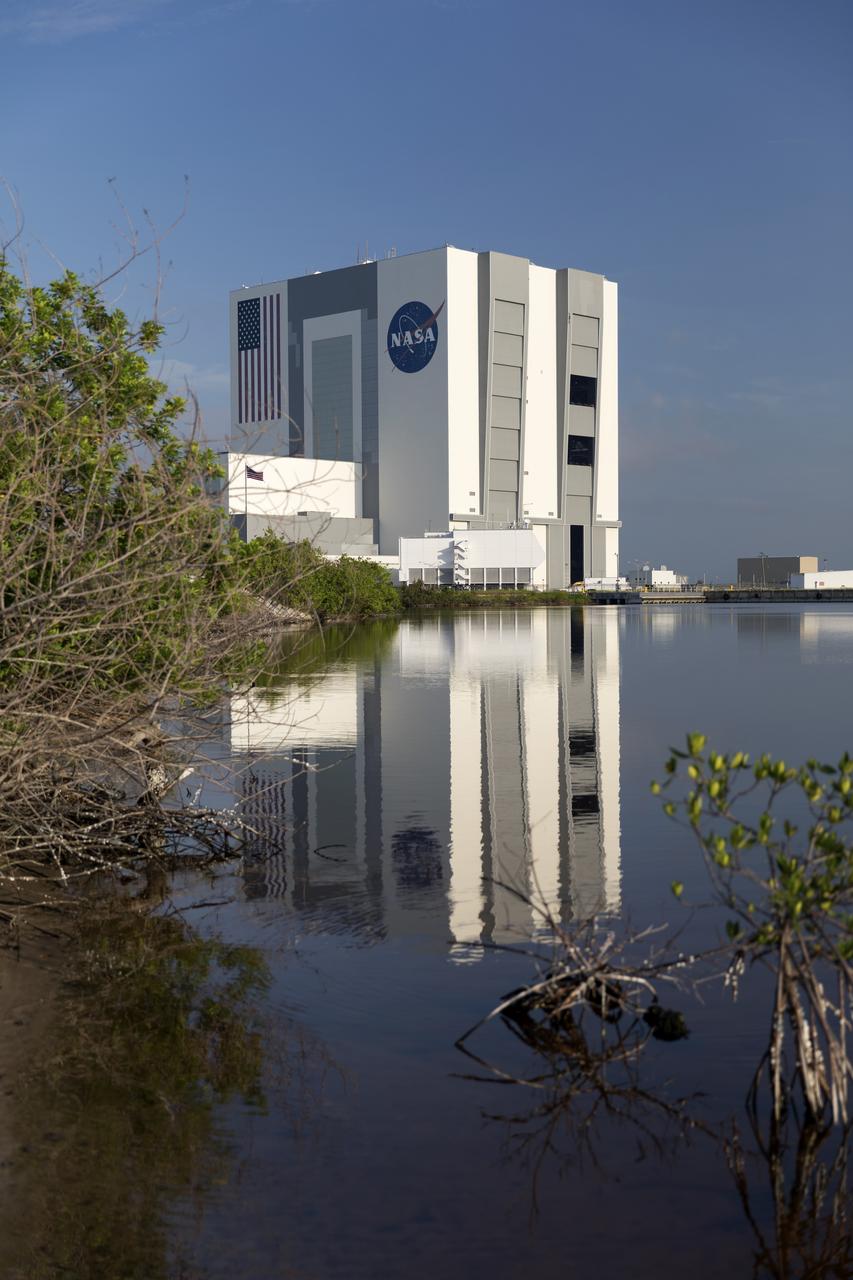
A brilliant blue sky forms the backdrop for a view of the south and east sides of the iconic Vehicle Assembly Building (VAB) at NASA's Kennedy Space Center in Florida. Exploration Ground Systems oversaw the upgrades. The building casts a reflection in a surrounding waterway. Ten levels of new work platforms have been installed in VAB High Bay 3. They will surround and provide access for service and processing of NASA's Space Launch System (SLS) rocket and Orion spacecraft. Exploration Ground Systems oversaw the upgrades and installation of the new work platforms to support the launch of the SLS and Orion on Exploration Mission-1 and deep space missions.
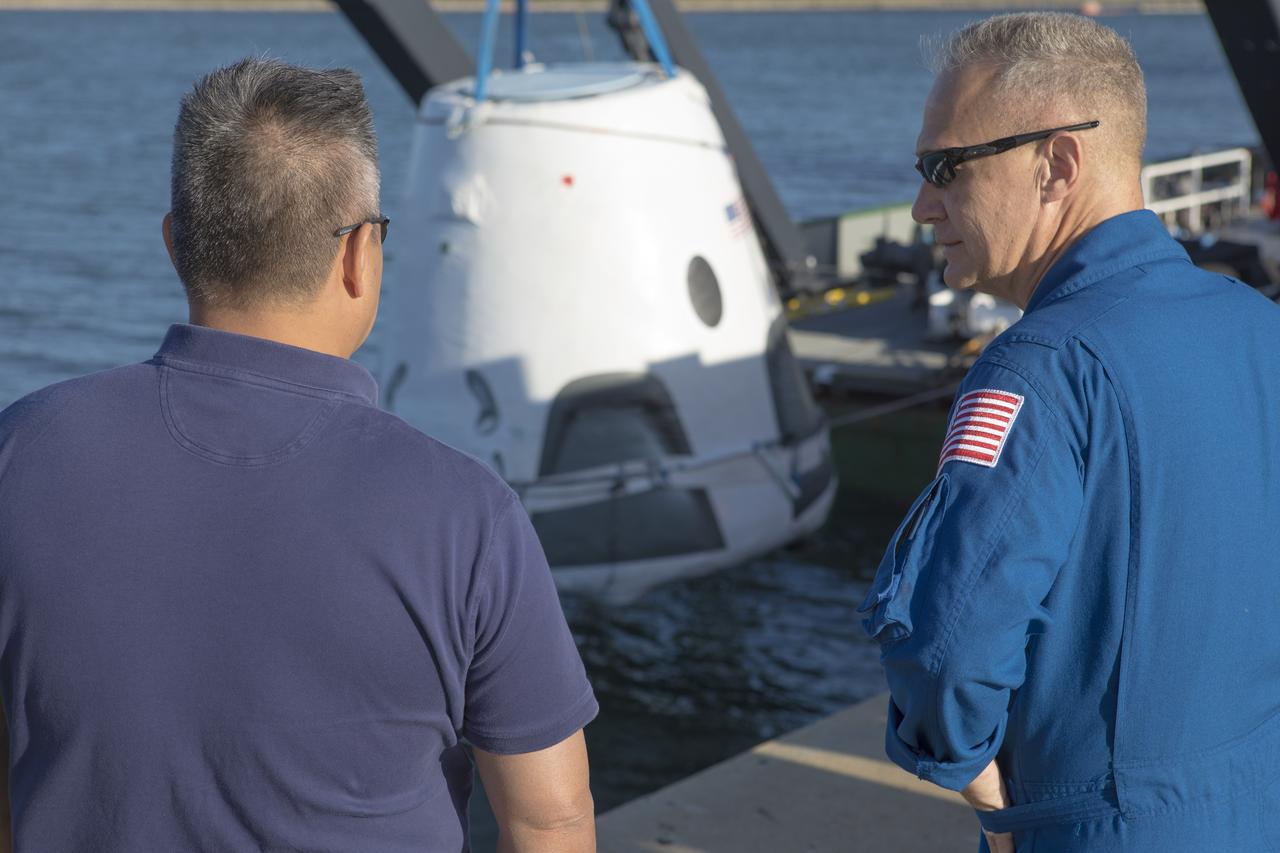
At Cape Canaveral Air Force Station's Naval Ordnance Test Unit basin in Florida, Commercial Crew Program astronaut Doug Hurley, right, observes operation of the SpaceX recovery ship. During a recent visit to the Kennedy Space Center, the crew members were given an up-close look at preparations for the SpaceX Crew Dragon flight tests.
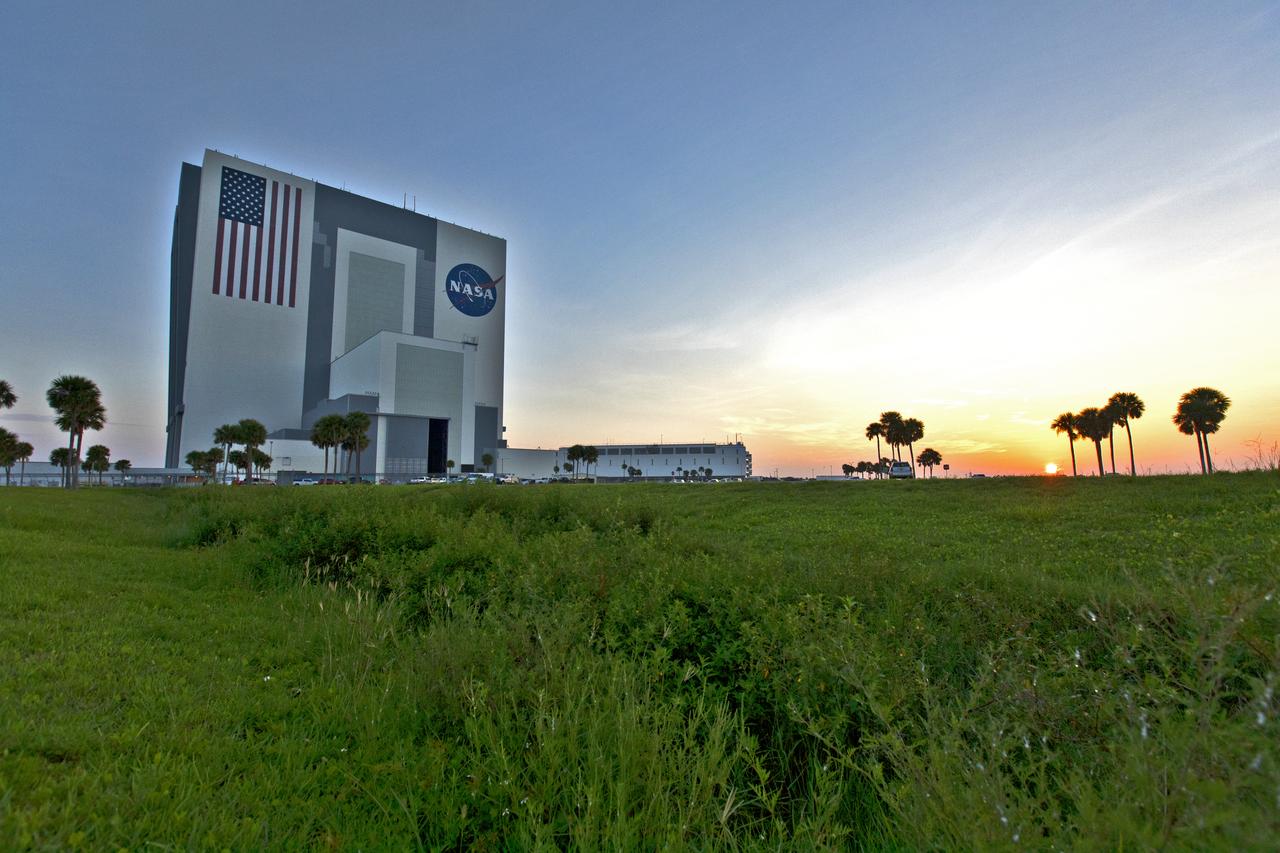
A sunrise panoramic view of the iconic Vehicle Assembly Building (VAB) and Launch Control Center at NASA's Kennedy Space Center in Florida. Ten levels of work platforms have been installed in High Bay 3 of the VAB. They will surround and provide access for service and processing of NASA's Space Launch System (SLS) rocket and Orion spacecraft. Exploration Ground Systems oversaw the upgrades and installation of the new work platforms to support the launch of the SLS and Orion on Exploration Mission-1 and deep space missions.
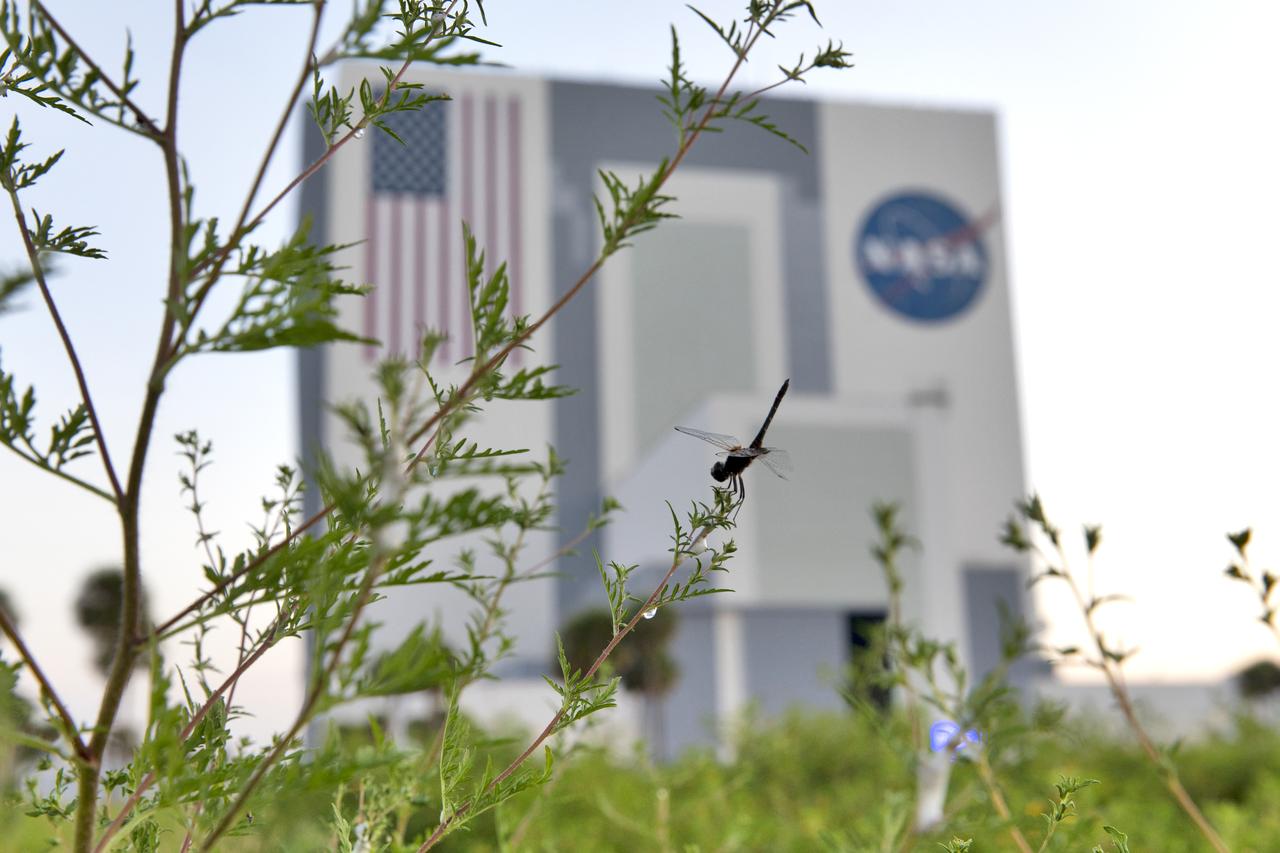
A dragonfly perches on a tree branch with the iconic Vehicle Assembly Building (VAB) in view in the background at NASA's Kennedy Space Center in Florida. Ten levels of new work platforms have been installed in VAB High Bay 3. They will surround and provide access for service and processing of NASA's Space Launch System (SLS) rocket and Orion spacecraft. Exploration Ground Systems oversaw the upgrades and installation of the new work platforms to support the launch of the SLS and Orion on Exploration Mission-1 and deep space missions.
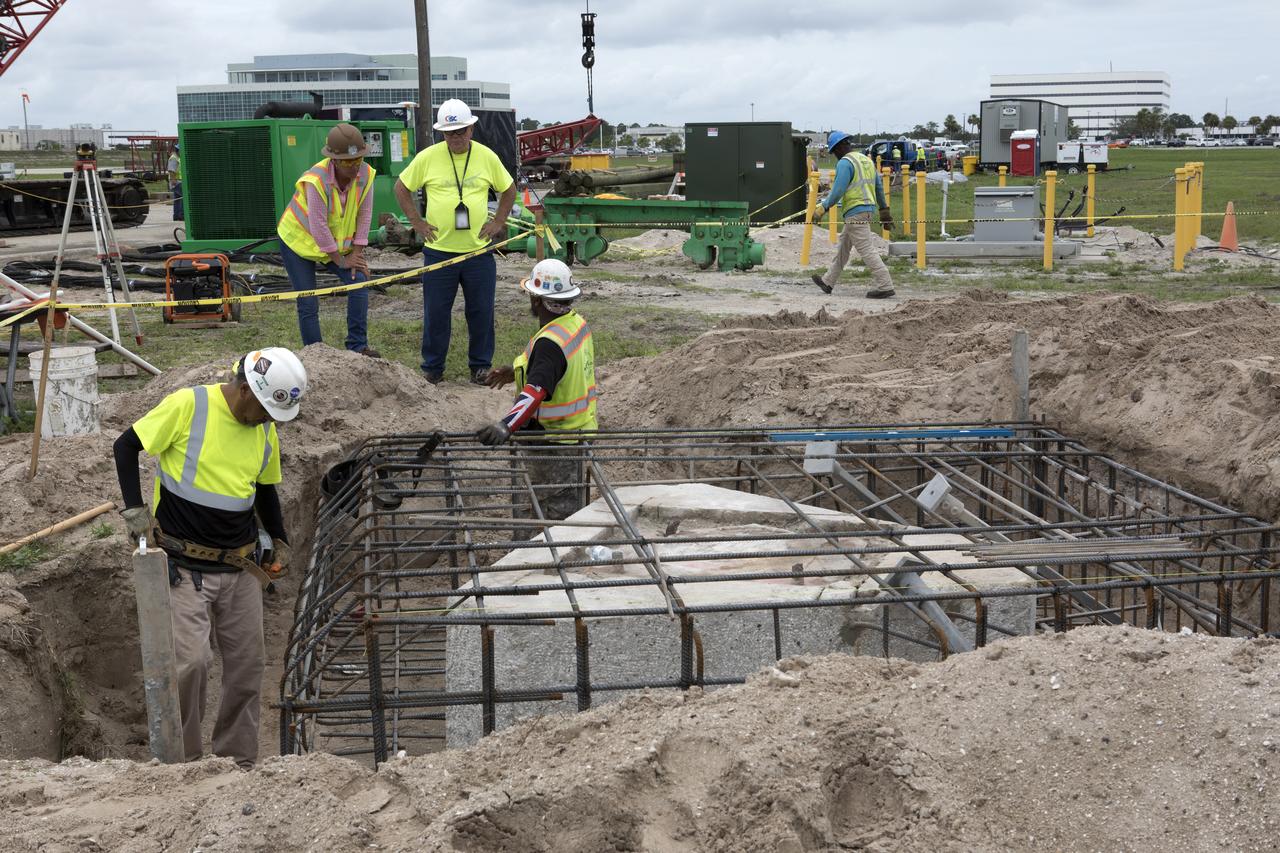
Modifications are underway at the Launch Complex 39 turn basin wharf at NASA's Kennedy Space Center in Florida to prepare for the arrival of the agency's massive Space Launch System (SLS) core booster aboard the barge Pegasus. Construction workers with Southeast Cherokee Construction Inc. work to shore up the turn basin area. A crane will be used to lift up precast concrete poles and position them to be driven to a depth of about 70 feet into the bedrock below the water around the turn basin. The upgrades are necessary to accommodate the 300,000-pound core booster aboard the modified Pegasus barge. The Ground Systems Development and Operations Program is overseeing the upgrades to the turn basin wharf.
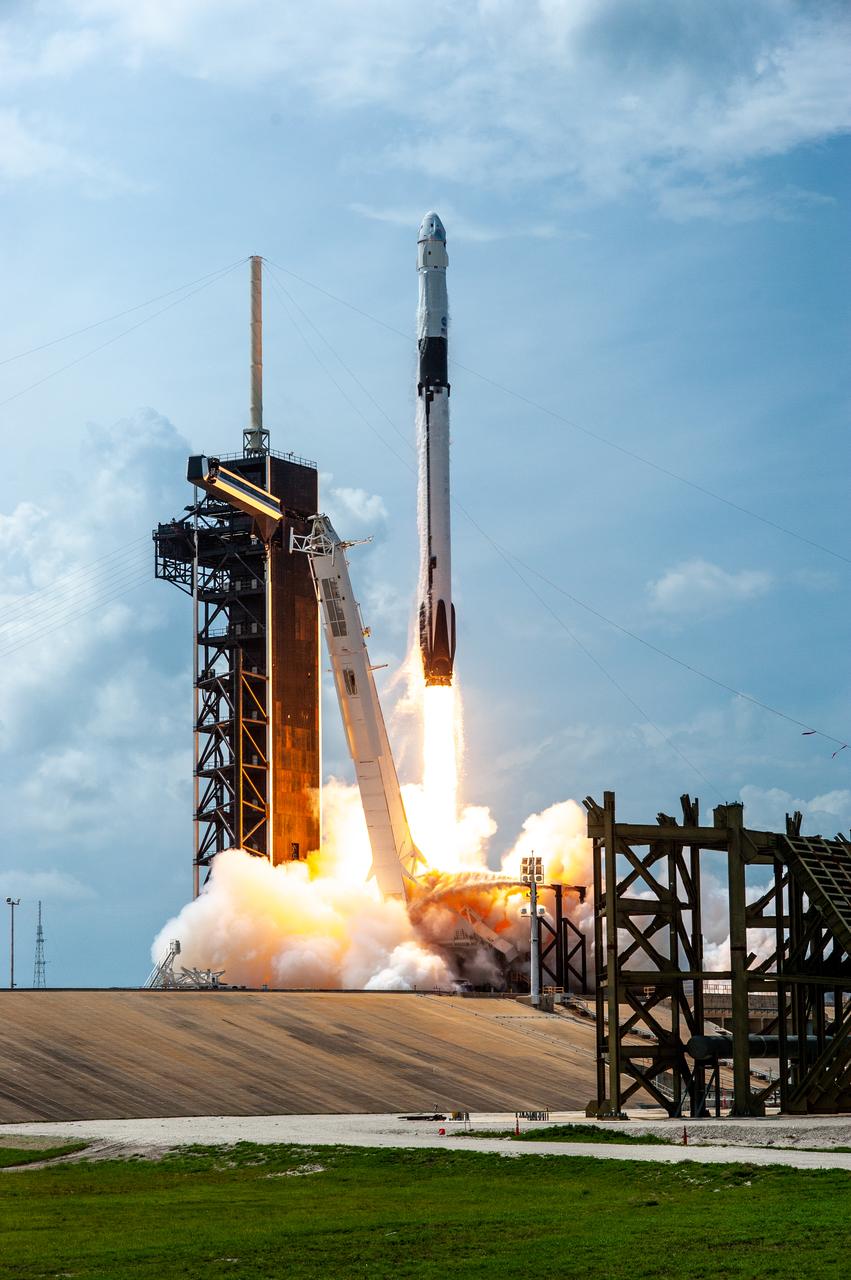
A SpaceX Falcon 9 rocket and Crew Dragon spacecraft lifts off from Launch Complex 39A at NASA’s Kennedy Space Center in Florida on May 30, 2020, carrying NASA astronauts Robert Behnken and Douglas Hurley to the International Space Station for the agency’s SpaceX Demo-2 mission. Liftoff occurred at 3:22 p.m. EDT. Behnken and Hurley are the first astronauts to launch from U.S. soil to the space station since the end of the Space Shuttle Program in 2011. Part of NASA’s Commercial Crew Program, this will be SpaceX’s final flight test, paving the way for the agency to certify the crew transportation system for regular, crewed flights to the orbiting laboratory.
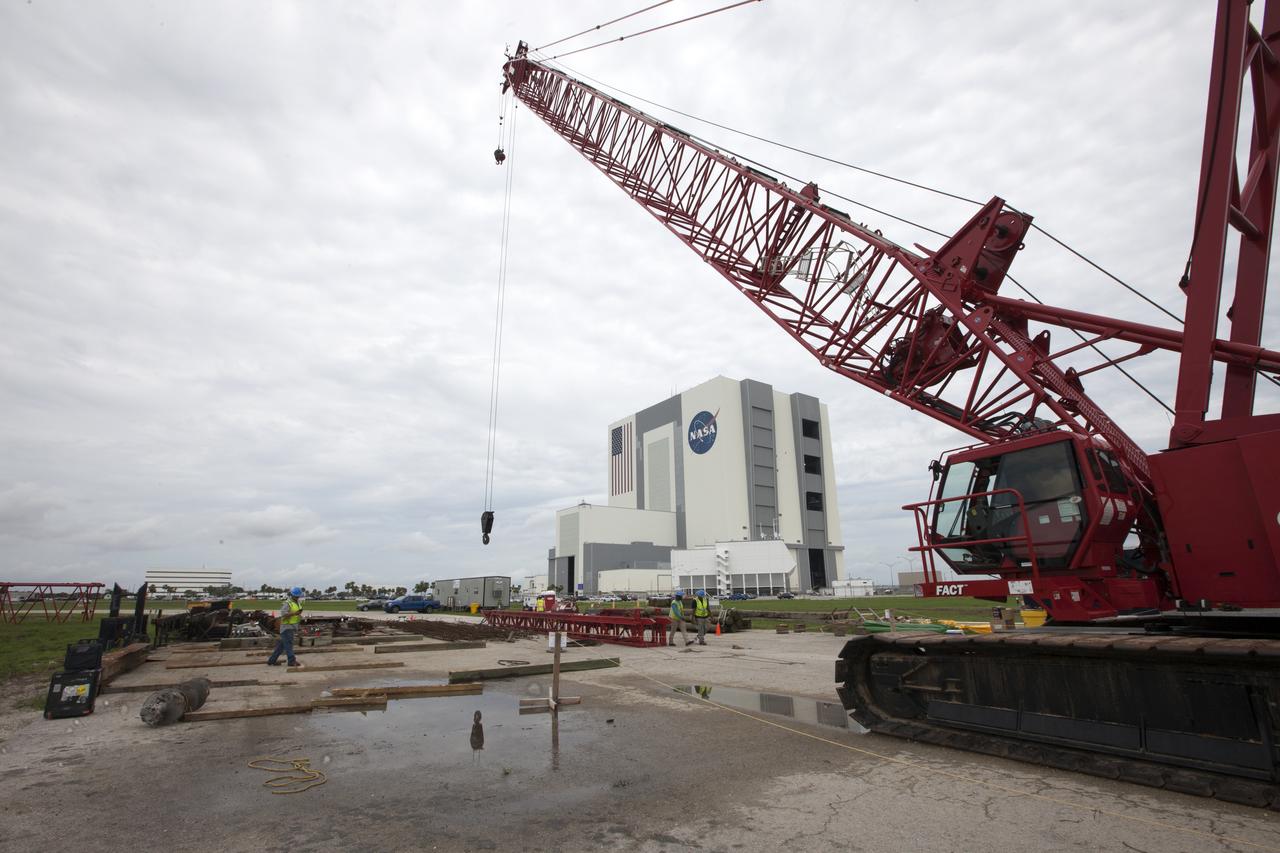
Modifications are underway at the Launch Complex 39 turn basin wharf at NASA's Kennedy Space Center in Florida to prepare for the arrival of the agency's massive Space Launch System (SLS) core stage aboard the barge Pegasus. A crane will be used to lift up precast concrete poles and position them to be driven to a depth of about 70 feet into the bedrock below the water around the turn basin. The upgrades are necessary to accommodate the increased weight of the core stage along with ground support and transportation equipment aboard the modified barge Pegasus. The Ground Systems Development and Operations Program is overseeing the upgrades to the turn basin wharf.
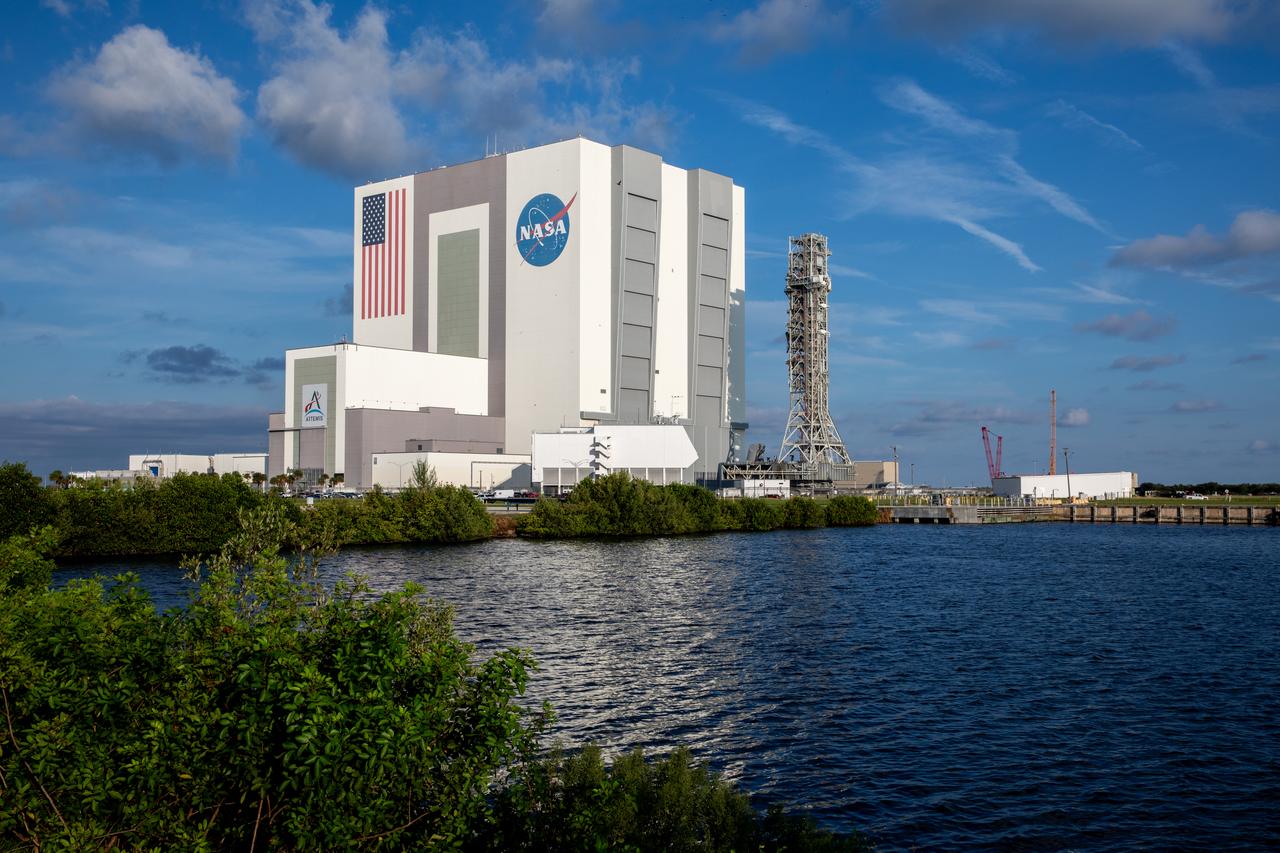
Teams with NASA’s Exploration Ground Systems Program transport the 380-foot-tall mobile launcher 1 along a 4.2-mile stretch to the iconic Vehicle Assembly Building at NASA’s Kennedy Space Center in Florida on Thursday, Oct. 3, 2024. The crawler transporter recently reached 2,500 miles traveling to the launch pad since its construction in 1965. The mobile launcher has been at Launch Complex 39B since August 2023 undergoing upgrades and tests in preparation for NASA’s Artemis II mission. The mobile launcher will be used to assemble, process, and launch NASA’s SLS (Space Launch Systems) and Orion spacecraft to the Moon and beyond.
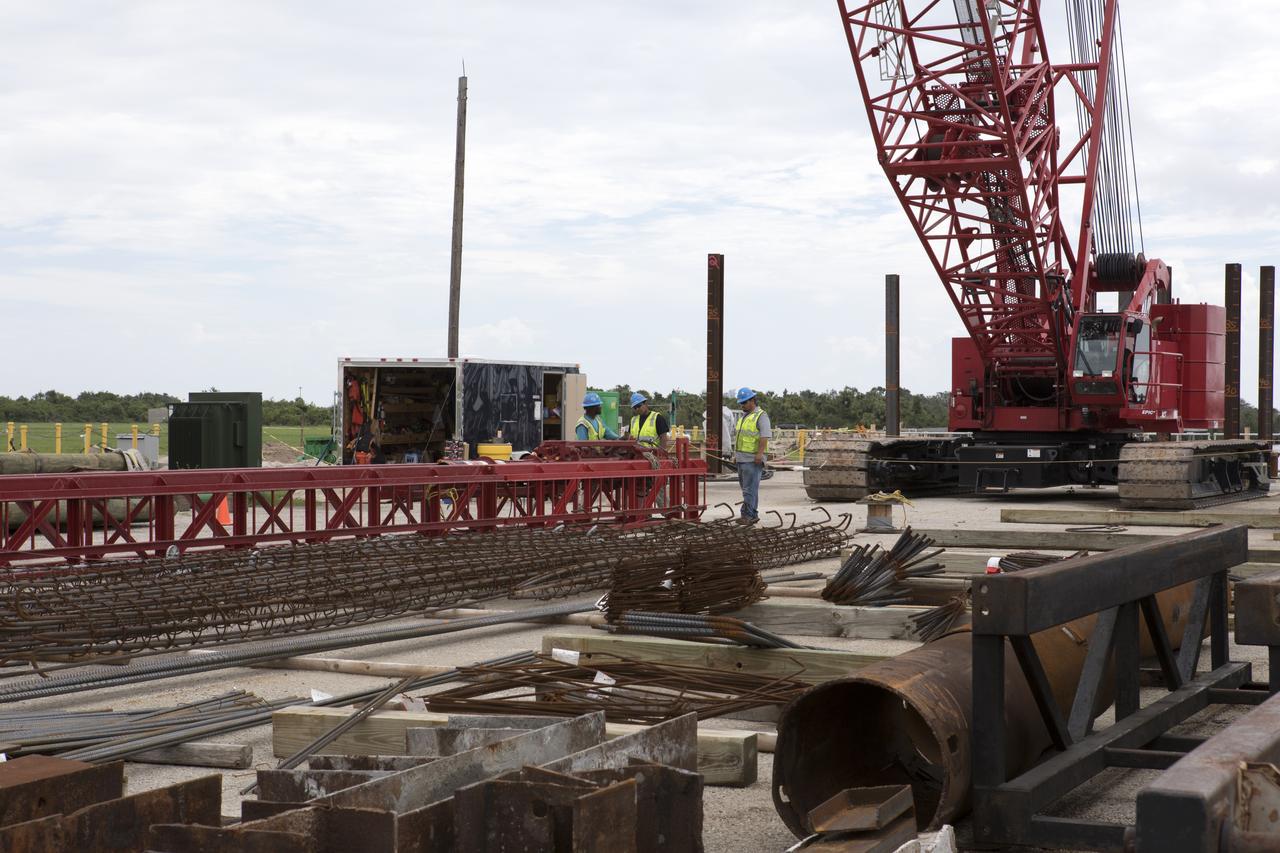
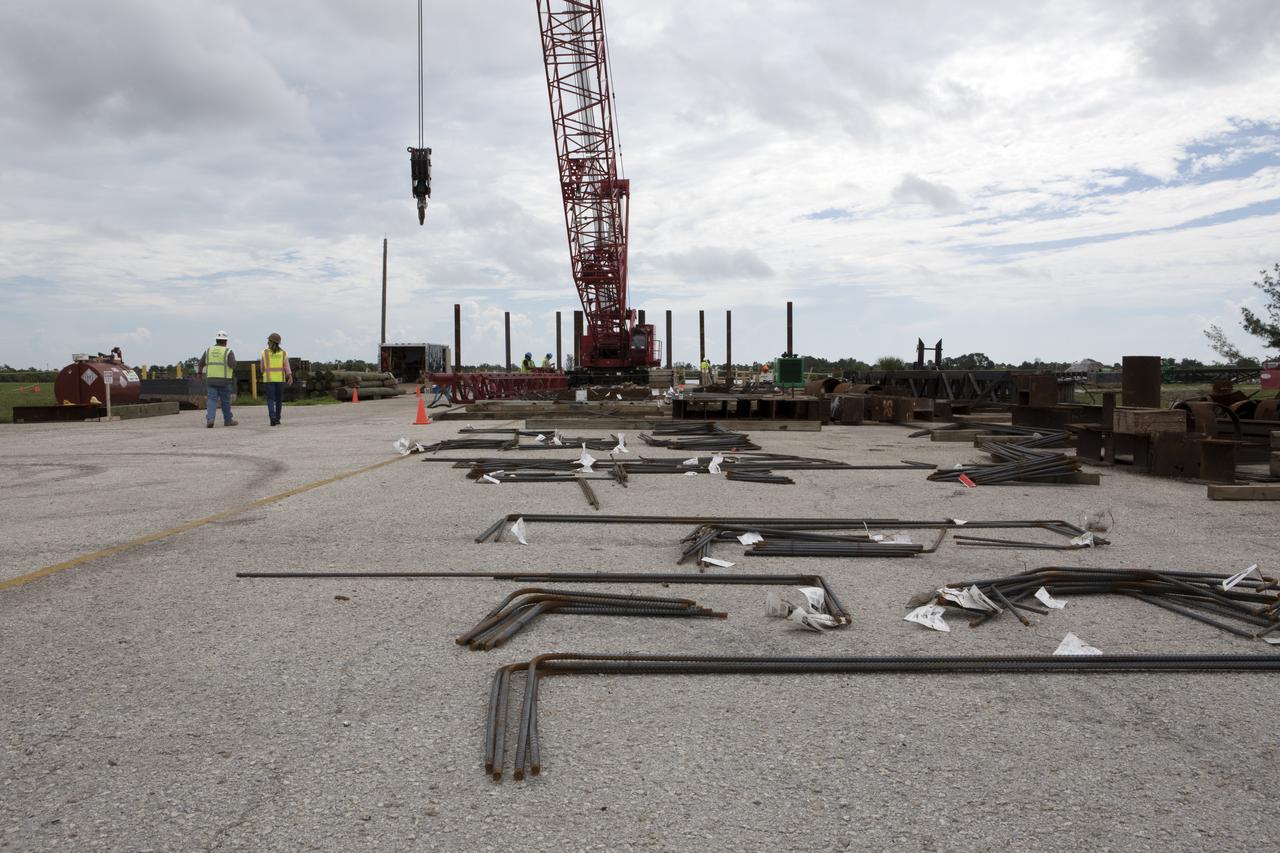
Modifications are underway at the Launch Complex 39 turn basin wharf at NASA's Kennedy Space Center in Florida to prepare for the arrival of the agency's massive Space Launch System (SLS) core stage aboard the barge Pegasus. Equipment is staged and a crane will be used to lift up precast concrete poles and position them to be driven to a depth of about 70 feet into the bedrock below the water around the turn basin. The upgrades are necessary to accommodate the increased weight of the core stage along with ground support and transportation equipment aboard the modified barge Pegasus. The Ground Systems Development and Operations Program is overseeing the upgrades to the turn basin wharf.
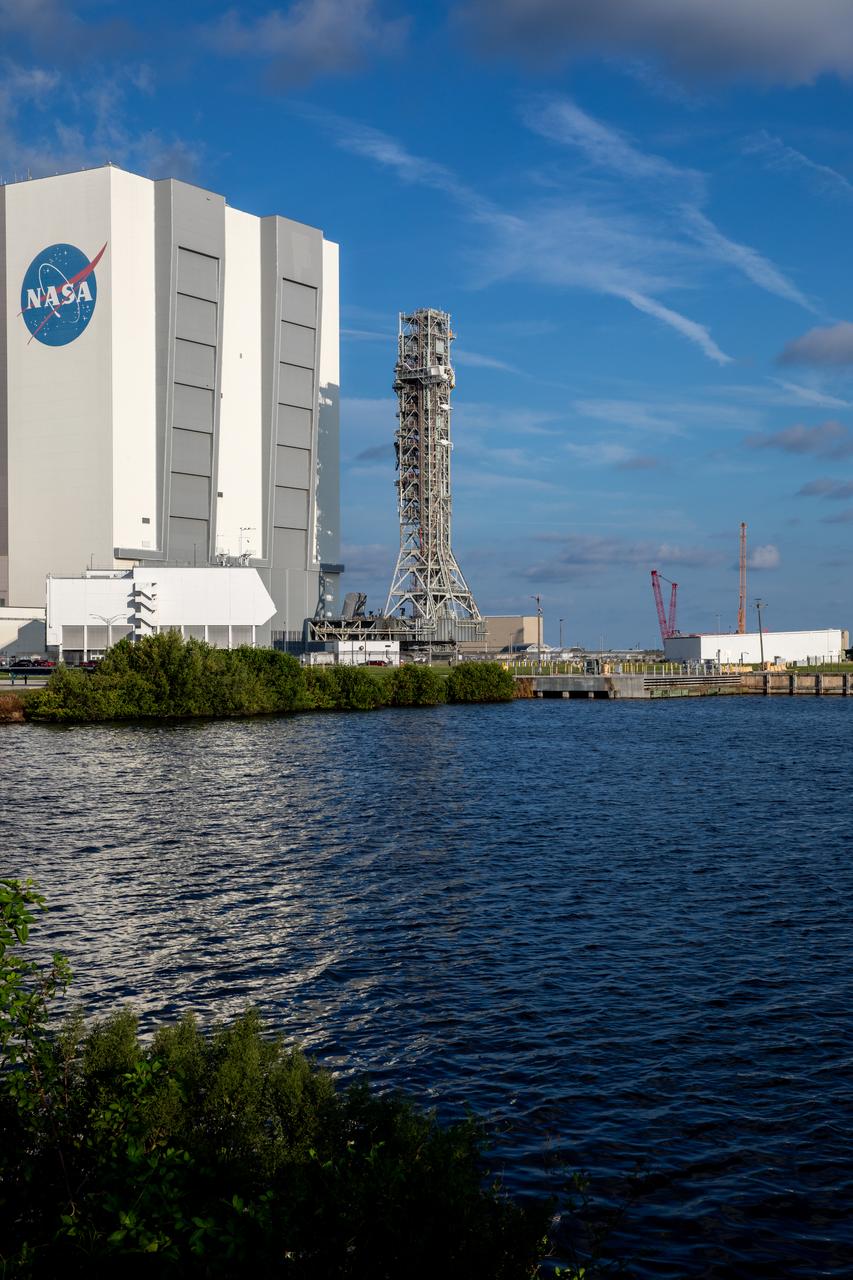
Teams with NASA’s Exploration Ground Systems Program transport the 380-foot-tall mobile launcher 1 along a 4.2-mile stretch to the iconic Vehicle Assembly Building at NASA’s Kennedy Space Center in Florida on Thursday, Oct. 3, 2024. The crawler transporter recently reached 2,500 miles traveling to the launch pad since its construction in 1965. The mobile launcher has been at Launch Complex 39B since August 2023 undergoing upgrades and tests in preparation for NASA’s Artemis II mission. The mobile launcher will be used to assemble, process, and launch NASA’s SLS (Space Launch Systems) and Orion spacecraft to the Moon and beyond.
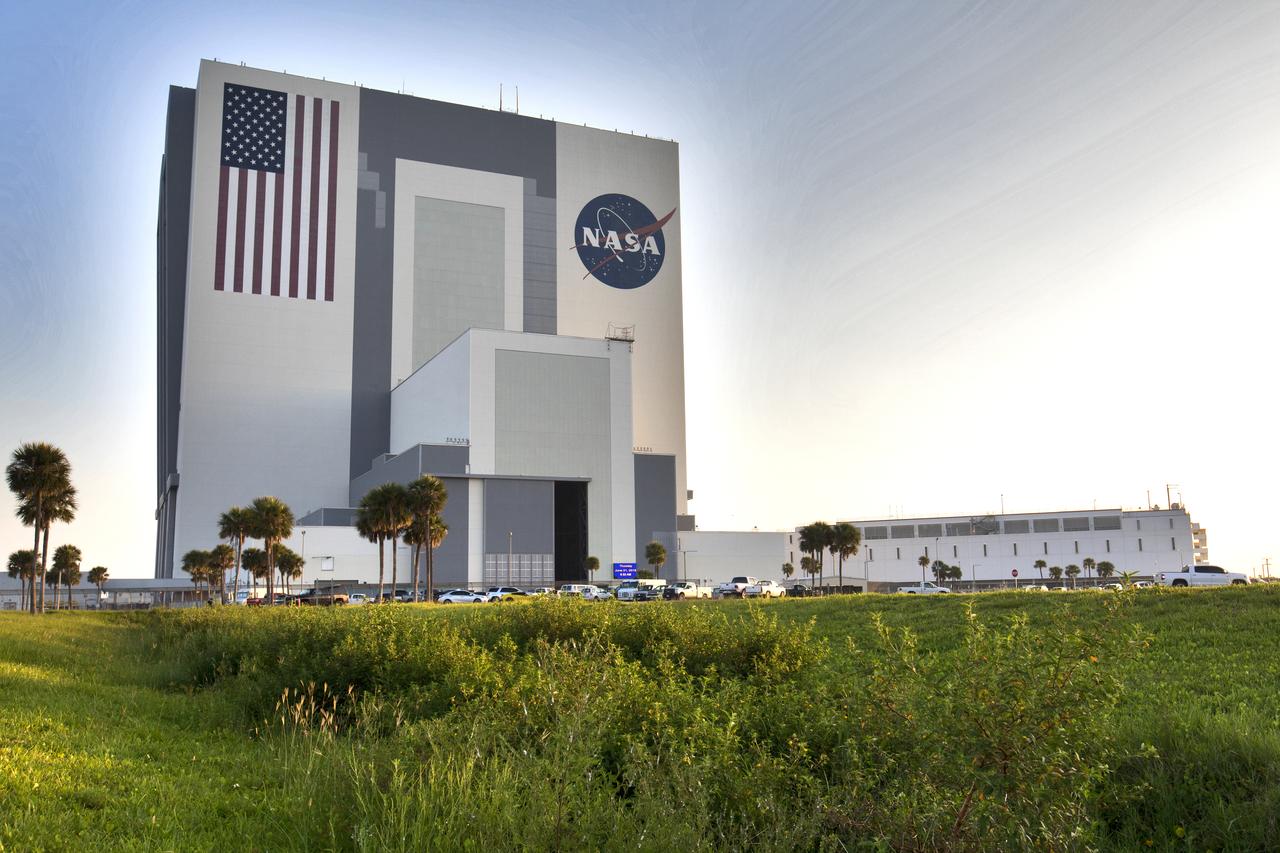
A brilliant blue sky forms the background for a panoramic view of the iconic Vehicle Assembly Building (VAB) and Launch Control Center at NASA's Kennedy Space Center in Florida. Ten levels of work platforms have been installed in High Bay 3 of the VAB. They will surround and provide access for service and processing of NASA's Space Launch System (SLS) rocket and Orion spacecraft. Exploration Ground Systems oversaw the upgrades and installation of the new work platforms to support the launch of the SLS and Orion on Exploration Mission-1 and deep space missions.
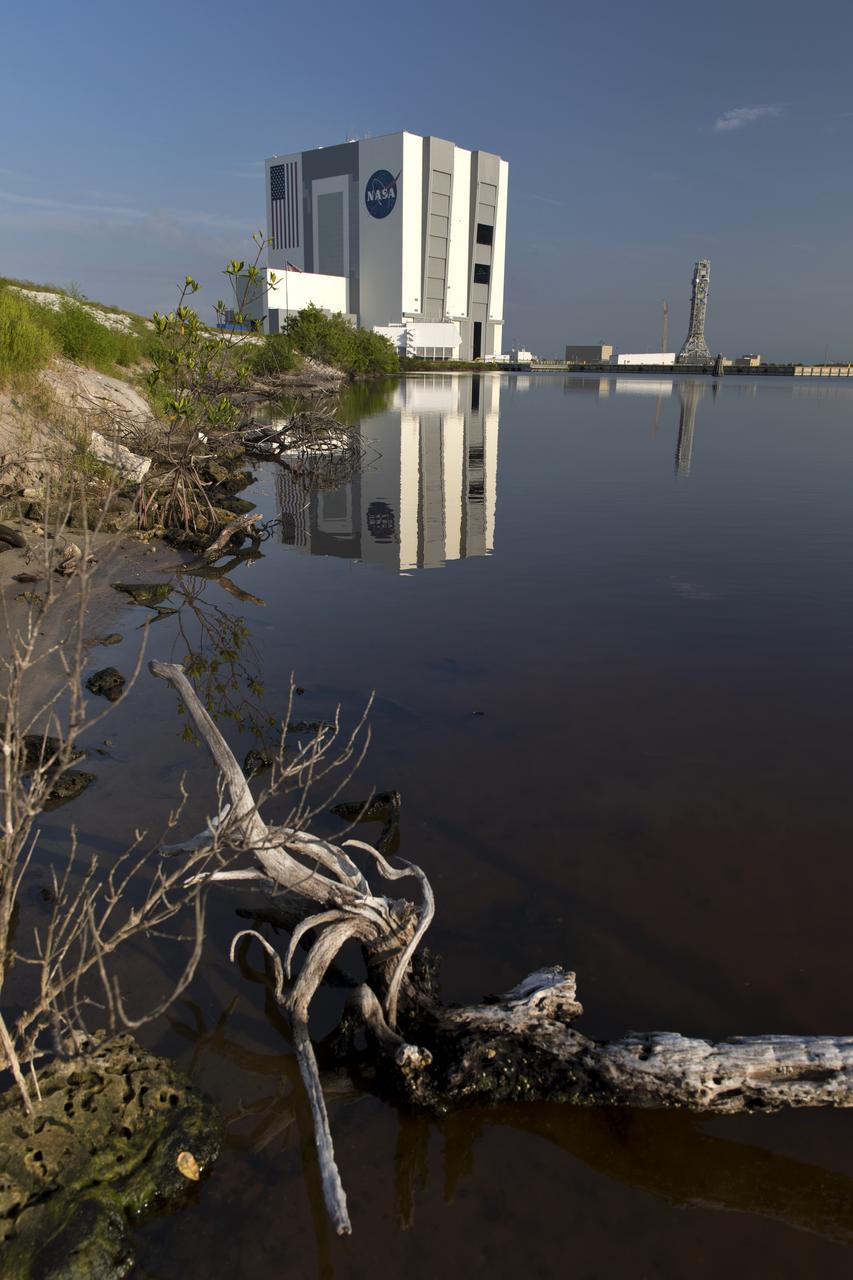
The iconic Vehicle Assembly Building (VAB) casts a reflection in a surrounding waterway at NASA's Kennedy Space Center in Florida. In view are the south and east sides of the building. Ten levels of new work platforms have been installed in VAB High Bay 3. They will surround and provide access for service and processing of NASA's Space Launch System (SLS) rocket and Orion spacecraft. Exploration Ground Systems oversaw the upgrades and installation of the new work platforms to support the launch of the SLS and Orion on Exploration Mission-1 and deep space missions.
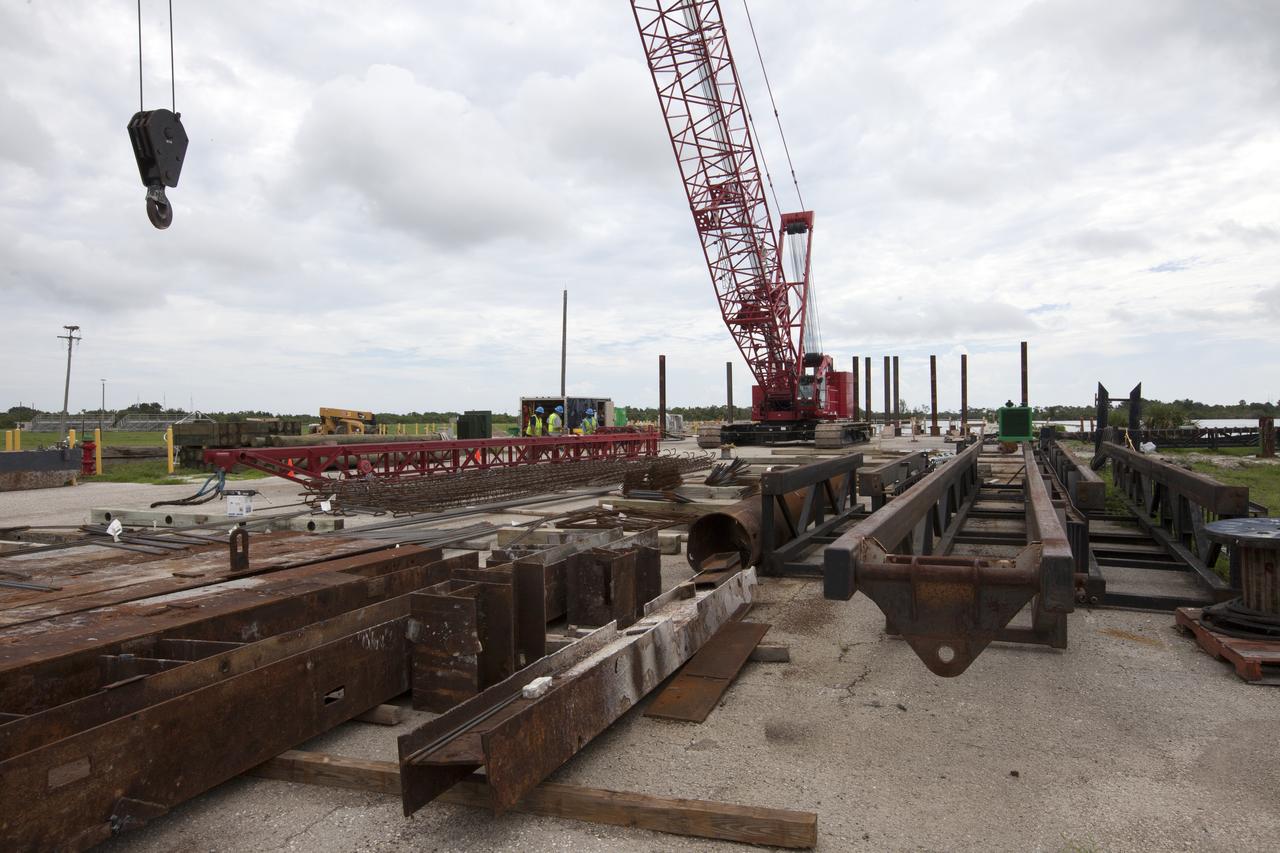
Modifications are underway at the Launch Complex 39 turn basin wharf at NASA's Kennedy Space Center in Florida to prepare for the arrival of the agency's massive Space Launch System (SLS) core stage aboard the barge Pegasus. Equipment is staged and a crane will be used to lift up precast concrete poles and position them to be driven to a depth of about 70 feet into the bedrock below the water around the turn basin. The upgrades are necessary to accommodate the increased weight of the core stage along with ground support and transportation equipment aboard the modified barge Pegasus. The Ground Systems Development and Operations Program is overseeing the upgrades to the turn basin wharf.
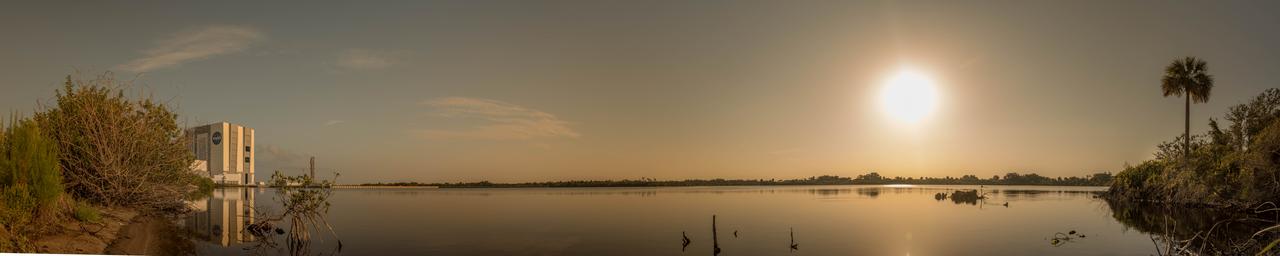
A sunrise panoramic view of the iconic Vehicle Assembly Building (VAB) and surrounding waterways at NASA's Kennedy Space Center in Florida. Ten levels of new work platforms have been installed in VAB High Bay 3. They will surround and provide access for service and processing of NASA's Space Launch System (SLS) rocket and Orion spacecraft. Exploration Ground Systems oversaw the upgrades and installation of the new work platforms to support the launch of the SLS and Orion on Exploration Mission-1 and deep space missions.

Teams with NASA’s Exploration Ground Systems Program transport the 380-foot-tall mobile launcher 1 along a 4.2-mile stretch to the iconic Vehicle Assembly Building at NASA’s Kennedy Space Center in Florida on Thursday, Oct. 3, 2024. The crawler transporter recently reached 2,500 miles traveling to the launch pad since its construction in 1965. The mobile launcher has been at Launch Complex 39B since August 2023 undergoing upgrades and tests in preparation for NASA’s Artemis II mission. The mobile launcher will be used to assemble, process, and launch NASA’s SLS (Space Launch Systems) and Orion spacecraft to the Moon and beyond.
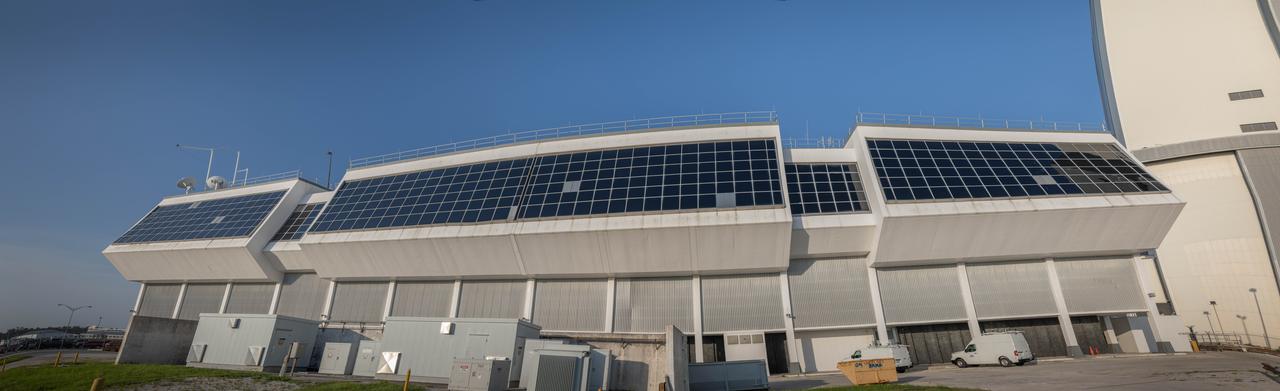
A brilliant blue sky forms the backdrop for a fish-eye panoramic view of the south side of the Launch Control Center (LCC) at NASA's Kennedy Space Center in Florida. Firing Room 1 inside the LCC has been completely upgraded and modernized to support the testing, processing, countdown and launch of NASA's Space Launch System (SLS) rocket and Orion spacecraft on Exploration Mission-1 and deep space mission. Exploration Ground Systems oversaw the upgrades.
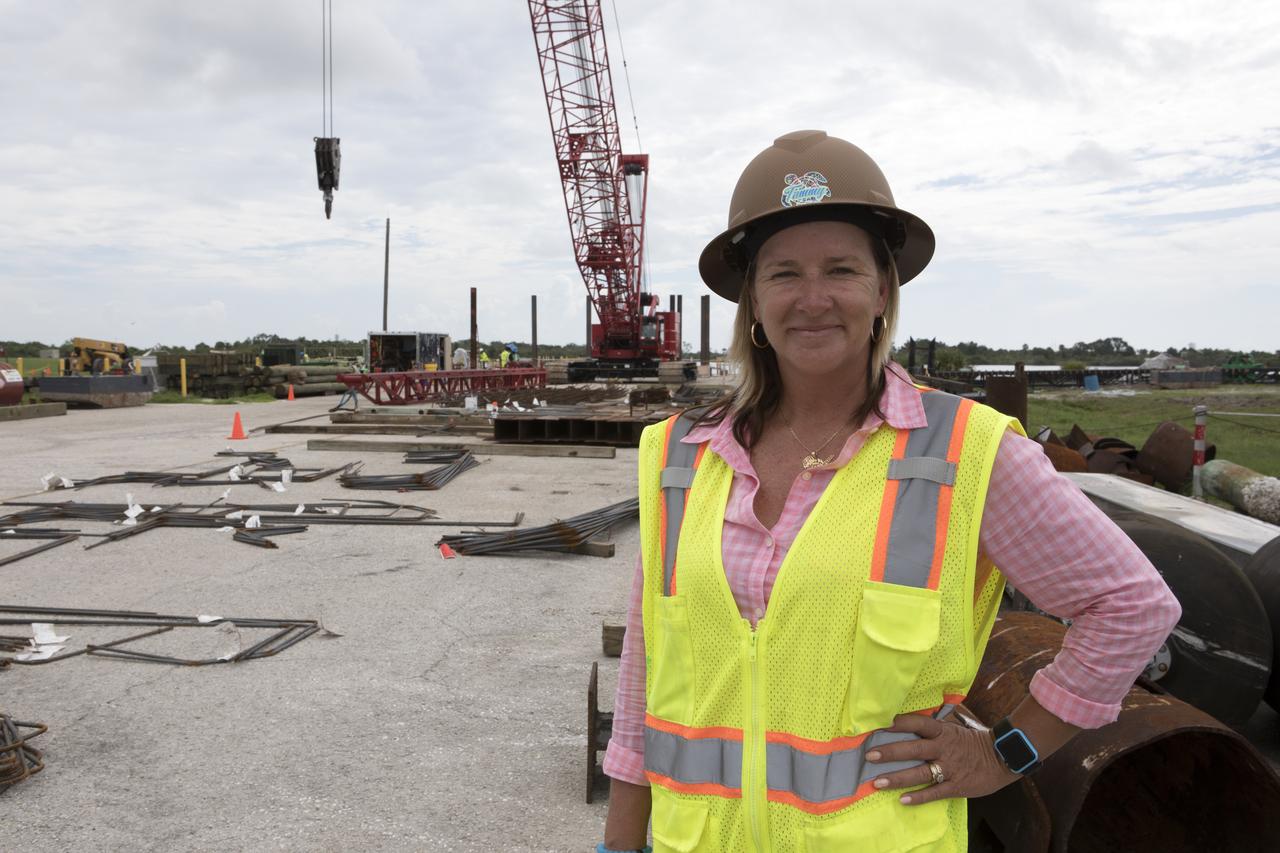
Modifications are underway at the Launch Complex 39 turn basin wharf at NASA's Kennedy Space Center in Florida to prepare for the arrival of the agency's massive Space Launch System (SLS) core stage aboard the barge Pegasus. In the foreground is Tammy Kelly, site manager, with Southeast Cherokee Construction Inc. A crane will be used to lift up precast concrete poles and position them to be driven to a depth of about 70 feet into the bedrock below the water around the turn basin. The upgrades are necessary to accommodate the increased weight of the core stage along with ground support and transportation equipment aboard the modified barge Pegasus. The Ground Systems Development and Operations Program is overseeing the upgrades to the turn basin wharf.

Modifications are underway at the Launch Complex 39 turn basin wharf at NASA's Kennedy Space Center in Florida to prepare for the arrival of the agency's massive Space Launch System (SLS) core stage aboard the barge Pegasus. Tammy Kelly, in the center, site manager, with Southeast Cherokee Construction Inc. talks with construction workers. A crane will be used to lift up precast concrete poles and position them to be driven to a depth of about 70 feet into the bedrock below the water around the turn basin. The upgrades are necessary to accommodate the increased weight of the core stage along with ground support and transportation equipment aboard the modified barge Pegasus. The Ground Systems Development and Operations Program is overseeing the upgrades to the turn basin wharf.
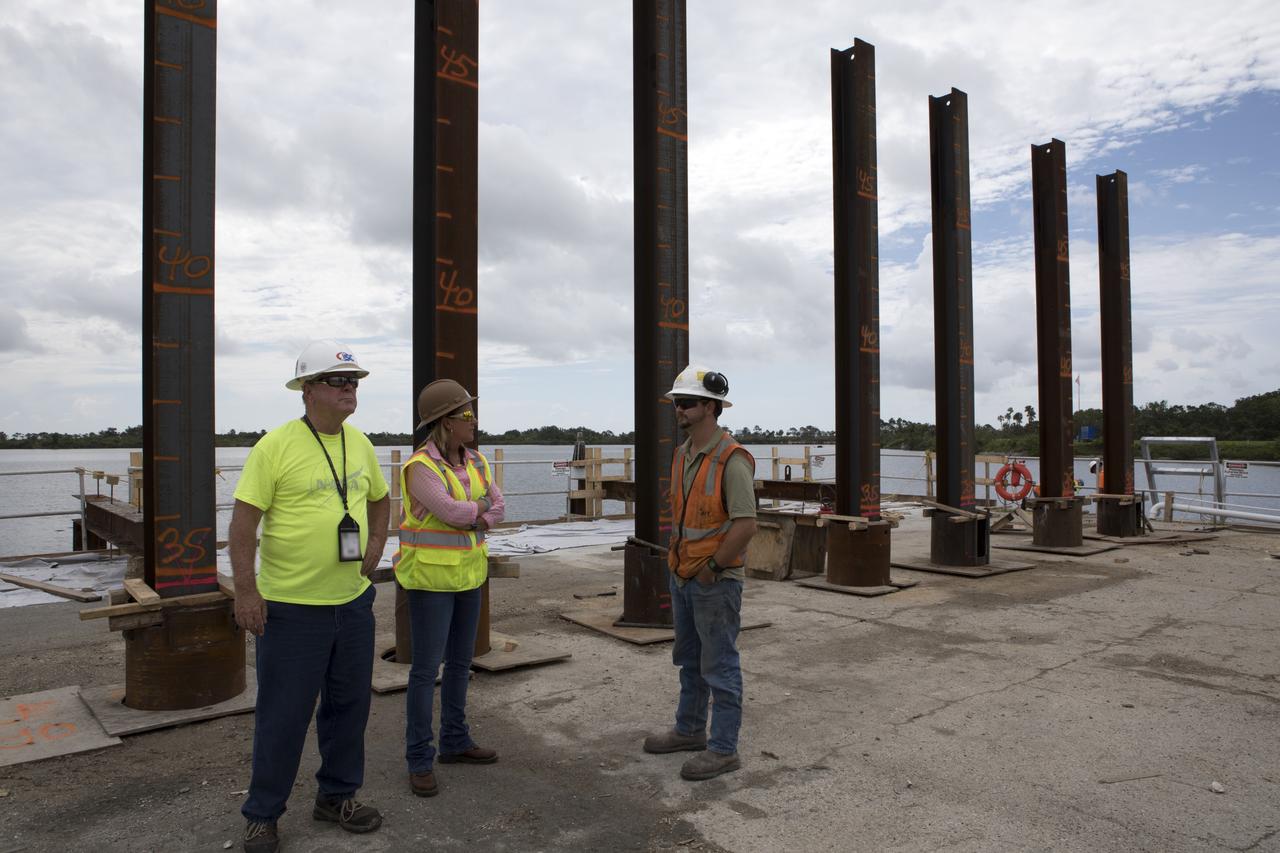
Modifications are underway at the Launch Complex 39 turn basin wharf at NASA's Kennedy Space Center in Florida to prepare for the arrival of the agency's massive Space Launch System (SLS) core stage aboard the barge Pegasus. Tammy Kelly, in the center, site manager, with Southeast Cherokee Construction Inc. talks with construction workers. A crane will be used to lift up precast concrete poles and position them to be driven to a depth of about 70 feet into the bedrock below the water around the turn basin. The upgrades are necessary to accommodate the increased weight of the core stage along with ground support and transportation equipment aboard the modified barge Pegasus. The Ground Systems Development and Operations Program is overseeing the upgrades to the turn basin wharf.

Teams with NASA’s Exploration Ground Systems Program transport the 380-foot-tall mobile launcher 1 along a 4.2-mile stretch to the iconic Vehicle Assembly Building at NASA’s Kennedy Space Center in Florida on Thursday, Oct. 3, 2024. The crawler transporter recently reached 2,500 miles traveling to the launch pad since its construction in 1965. The mobile launcher has been at Launch Complex 39B since August 2023 undergoing upgrades and tests in preparation for NASA’s Artemis II mission. The mobile launcher will be used to assemble, process, and launch NASA’s SLS (Space Launch Systems) and Orion spacecraft to the Moon and beyond.
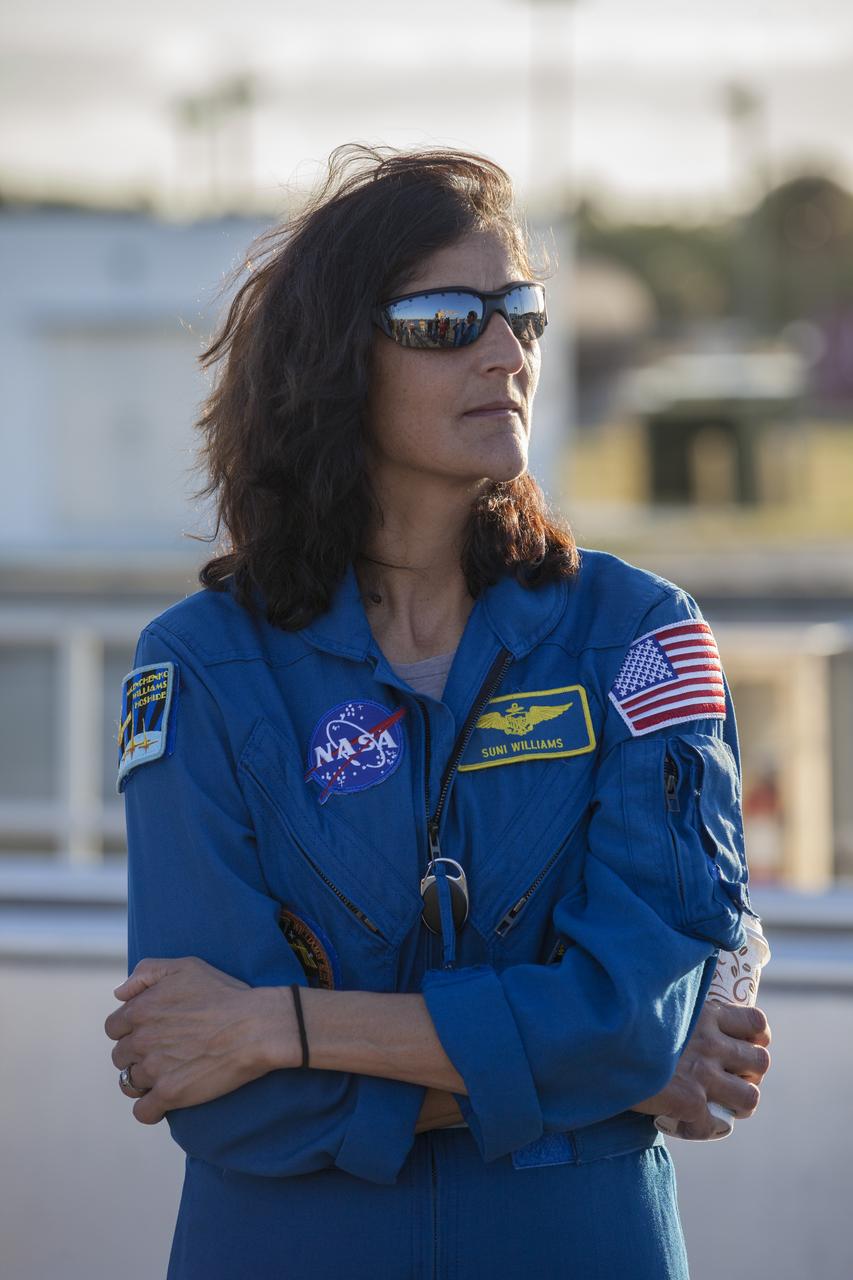
At Cape Canaveral Air Force Station's Naval Ordnance Test Unit basin in Florida, Commercial Crew Program astronaut Suni Williams observes operation of the SpaceX recovery ship. During a recent visit to the Kennedy Space Center, the crew members were given an up-close look at preparations for the SpaceX Crew Dragon flight tests.
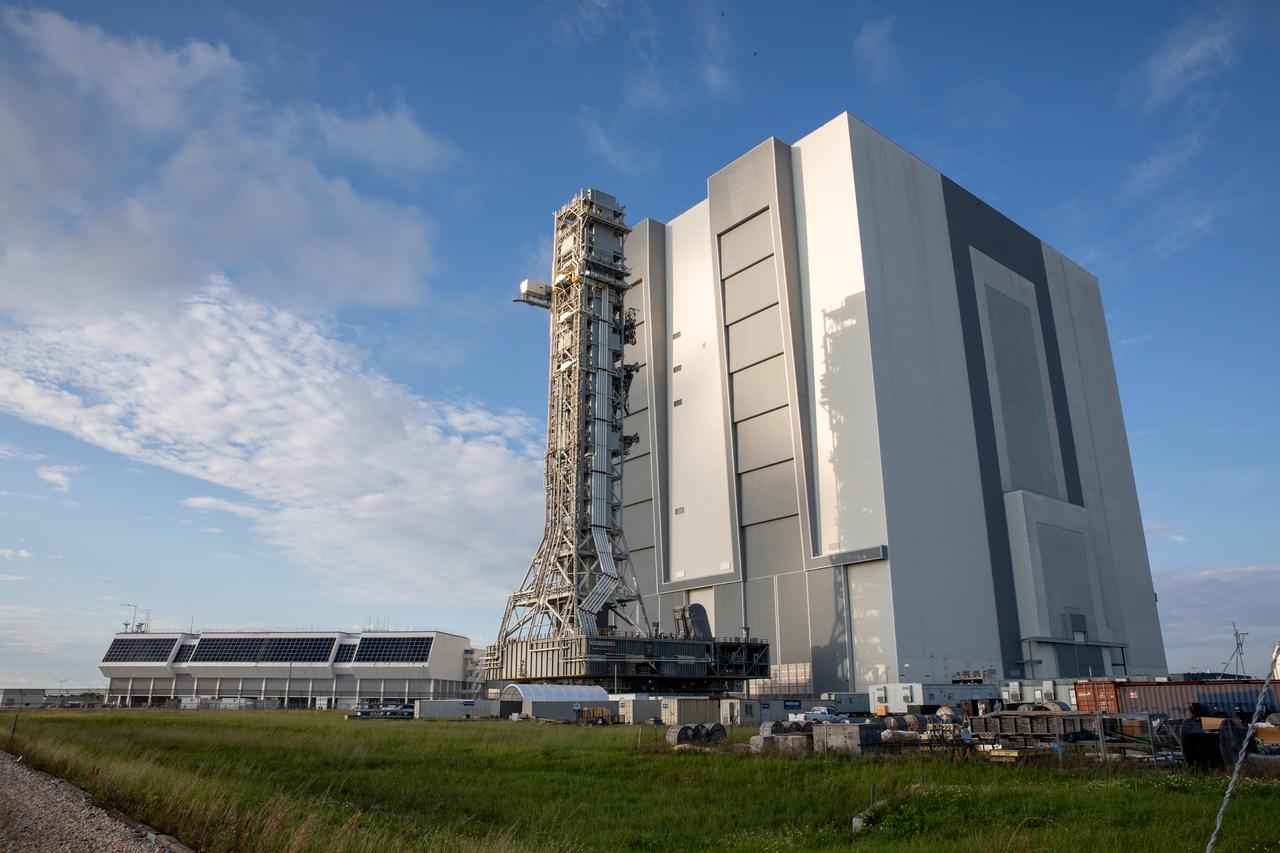
Teams with NASA’s Exploration Ground Systems Program transport the 380-foot-tall mobile launcher 1 along a 4.2-mile stretch to the iconic Vehicle Assembly Building at NASA’s Kennedy Space Center in Florida on Thursday, Oct. 3, 2024. The crawler transporter recently reached 2,500 miles traveling to the launch pad since its construction in 1965. The mobile launcher has been at Launch Complex 39B since August 2023 undergoing upgrades and tests in preparation for NASA’s Artemis II mission. The mobile launcher will be used to assemble, process, and launch NASA’s SLS (Space Launch Systems) and Orion spacecraft to the Moon and beyond.
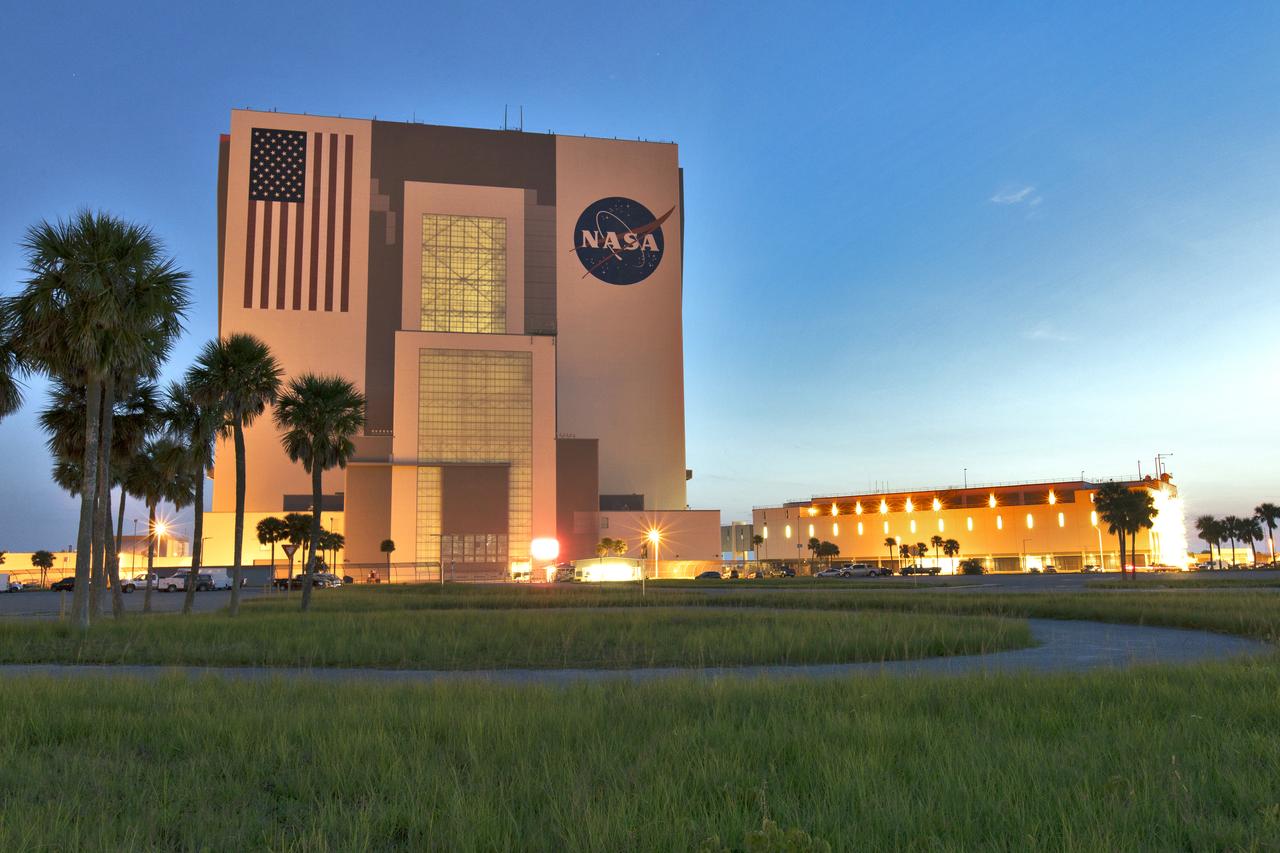
A sunrise panoramic view of the iconic Vehicle Assembly Building (VAB) and Launch Control Center at NASA's Kennedy Space Center in Florida. Ten levels of work platforms have been installed in High Bay 3 of the VAB. They will surround and provide access for service and processing of NASA's Space Launch System (SLS) rocket and Orion spacecraft. Exploration Ground Systems oversaw the upgrades and installation of the new work platforms to support the launch of the SLS and Orion on Exploration Mission-1 and deep space missions.
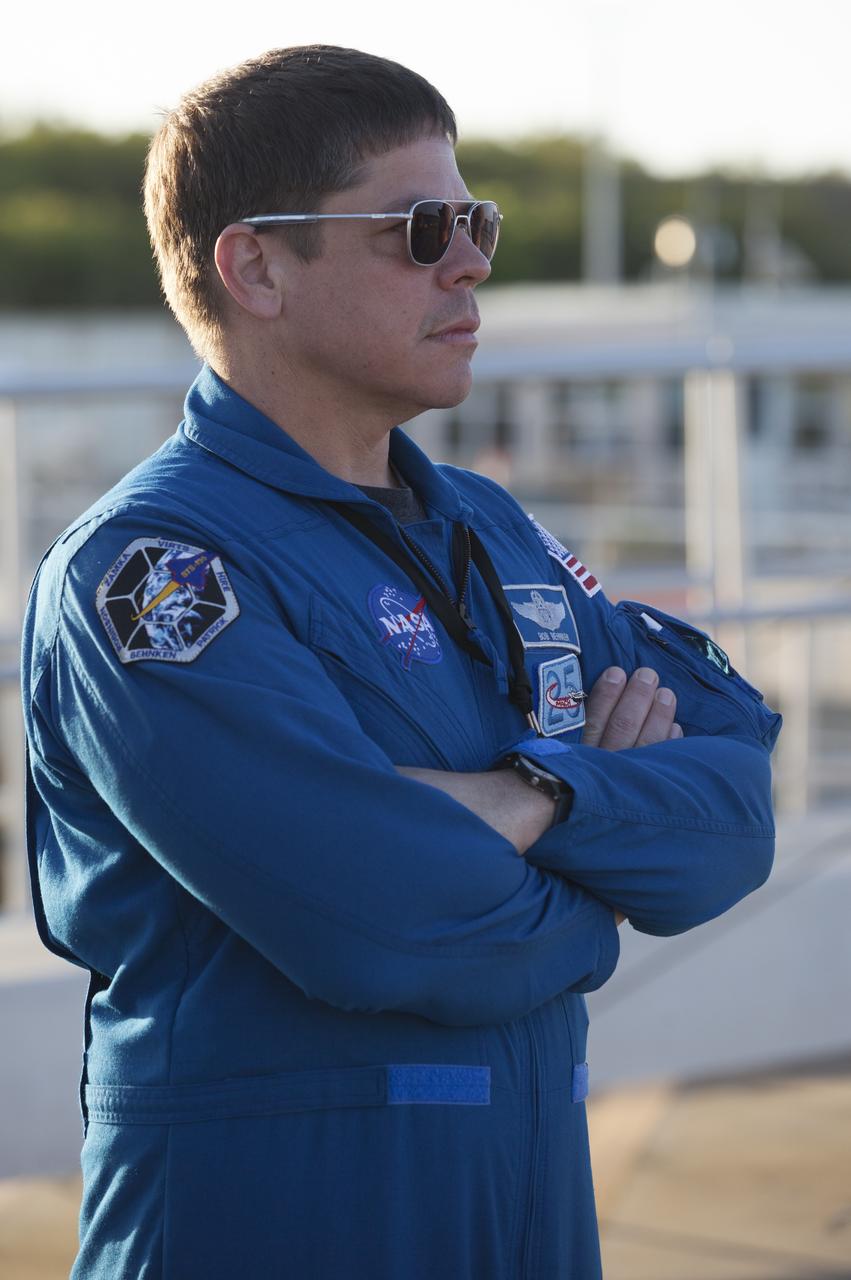
At Cape Canaveral Air Force Station's Naval Ordnance Test Unit basin in Florida, Commercial Crew Program astronaut Bob Behnken observes operation of the SpaceX recovery ship. During a recent visit to the Kennedy Space Center, the crew members were given an up-close look at preparations for the SpaceX Crew Dragon flight tests.
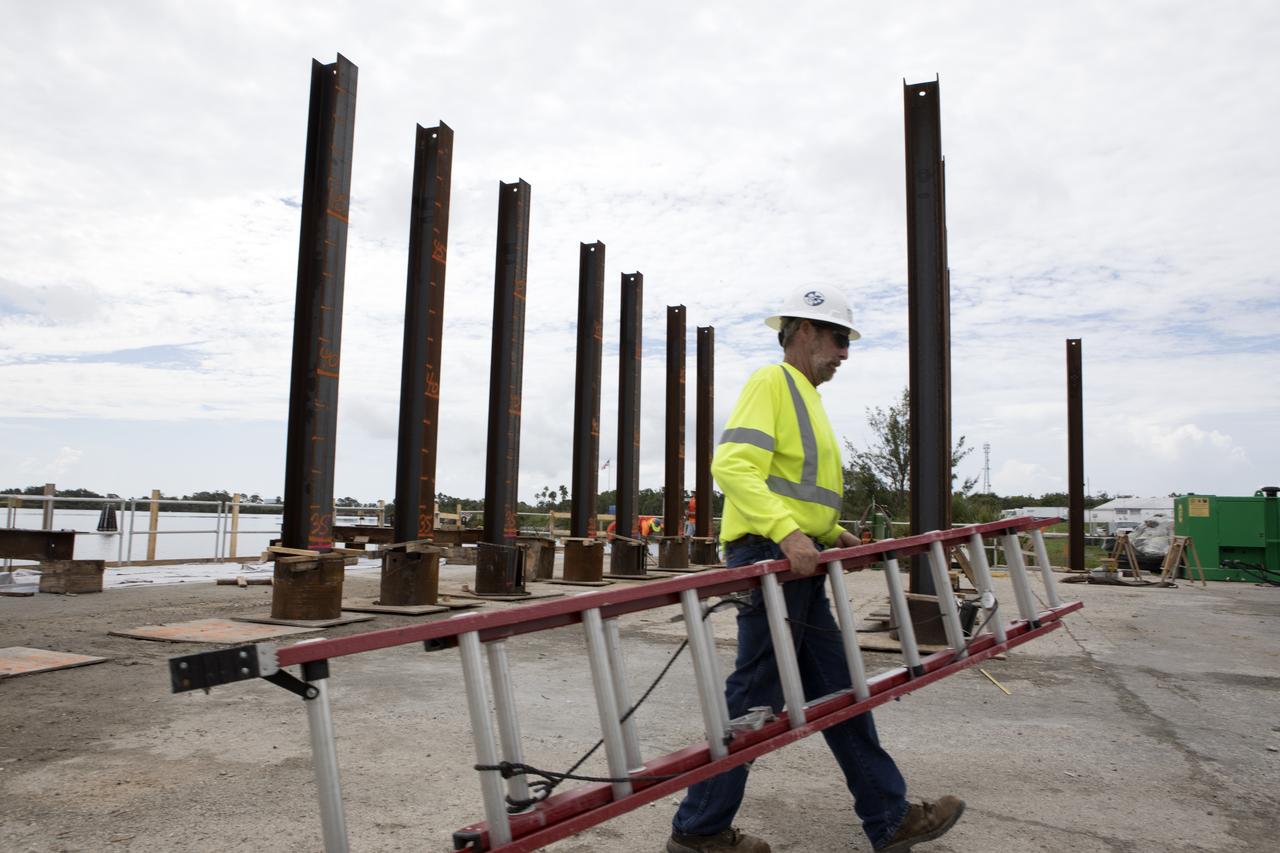
Modifications are underway at the Launch Complex 39 turn basin wharf at NASA's Kennedy Space Center in Florida to prepare for the arrival of the agency's massive Space Launch System (SLS) core stage aboard the barge Pegasus. Precast concrete poles are being driven to a depth of about 70 feet into the bedrock below the water around the turn basin. The upgrades are necessary to accommodate the increased weight of the core stage along with ground support and transportation equipment aboard the modified barge Pegasus. The Ground Systems Development and Operations Program is overseeing the upgrades to the turn basin wharf.
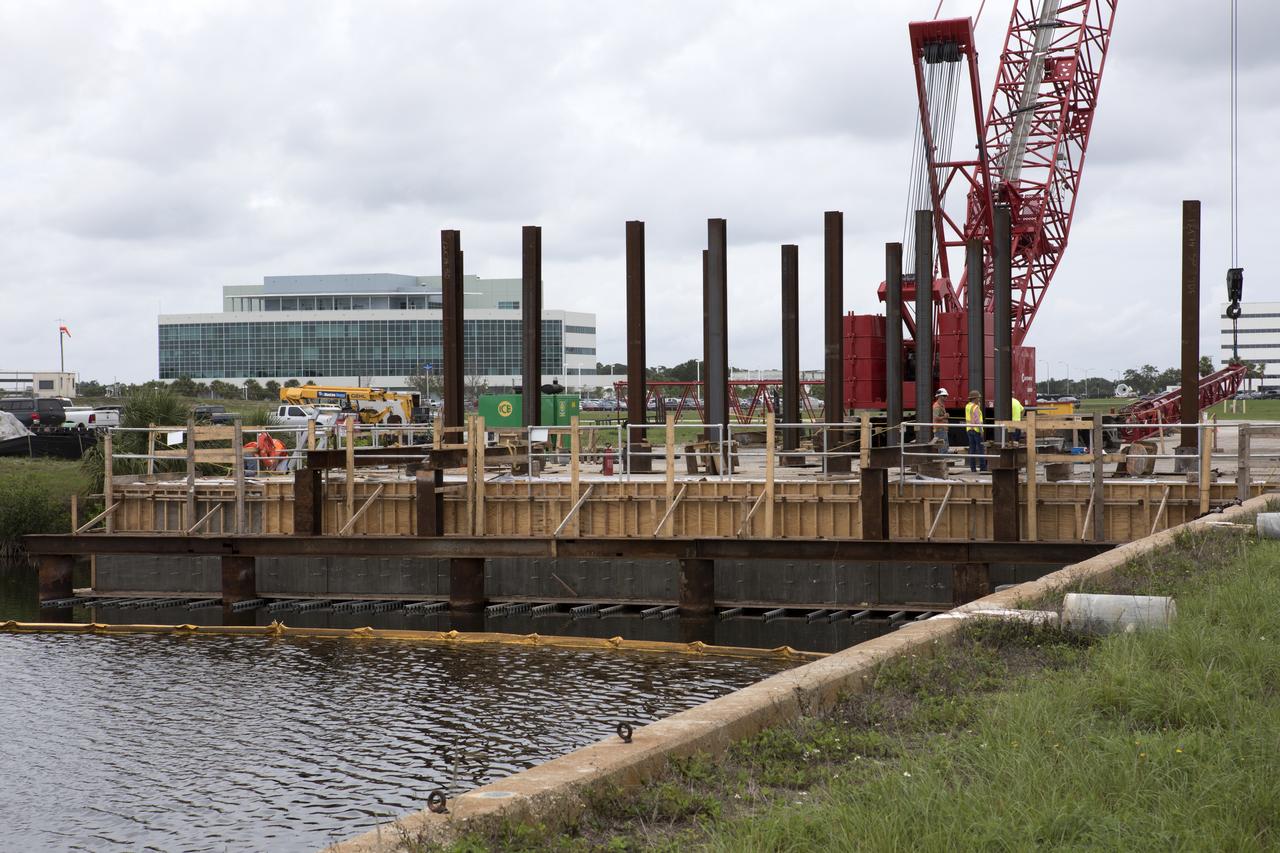
Modifications are underway at the Launch Complex 39 turn basin wharf at NASA's Kennedy Space Center in Florida to prepare for the arrival of the agency's massive Space Launch System (SLS) core stage aboard the barge Pegasus. Precast concrete poles are being driven to a depth of about 70 feet into the bedrock below the water around the turn basin. The upgrades are necessary to accommodate the increased weight of the core stage along with ground support and transportation equipment aboard the modified barge Pegasus. The Ground Systems Development and Operations Program is overseeing the upgrades to the turn basin wharf.
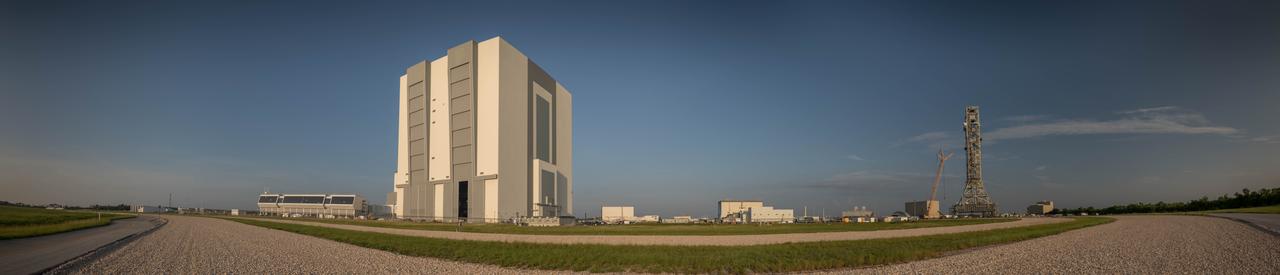
A brilliant blue sky forms the backdrop for a fish-eye panoramic view of the south side of the iconic Vehicle Assembly Building (VAB) and Launch Control Center at NASA's Kennedy Space Center in Florida. Ten levels of new work platforms have been installed in VAB High Bay 3. They will surround and provide access for service and processing of NASA's Space Launch System (SLS) rocket and Orion spacecraft. Exploration Ground Systems oversaw the upgrades and installation of the new work platforms to support the launch of the SLS and Orion on Exploration Mission-1 (EM-1) and deep space missions. At left is the Launch Control Center, where Firing Room 1 has been upgraded to support EM-1.
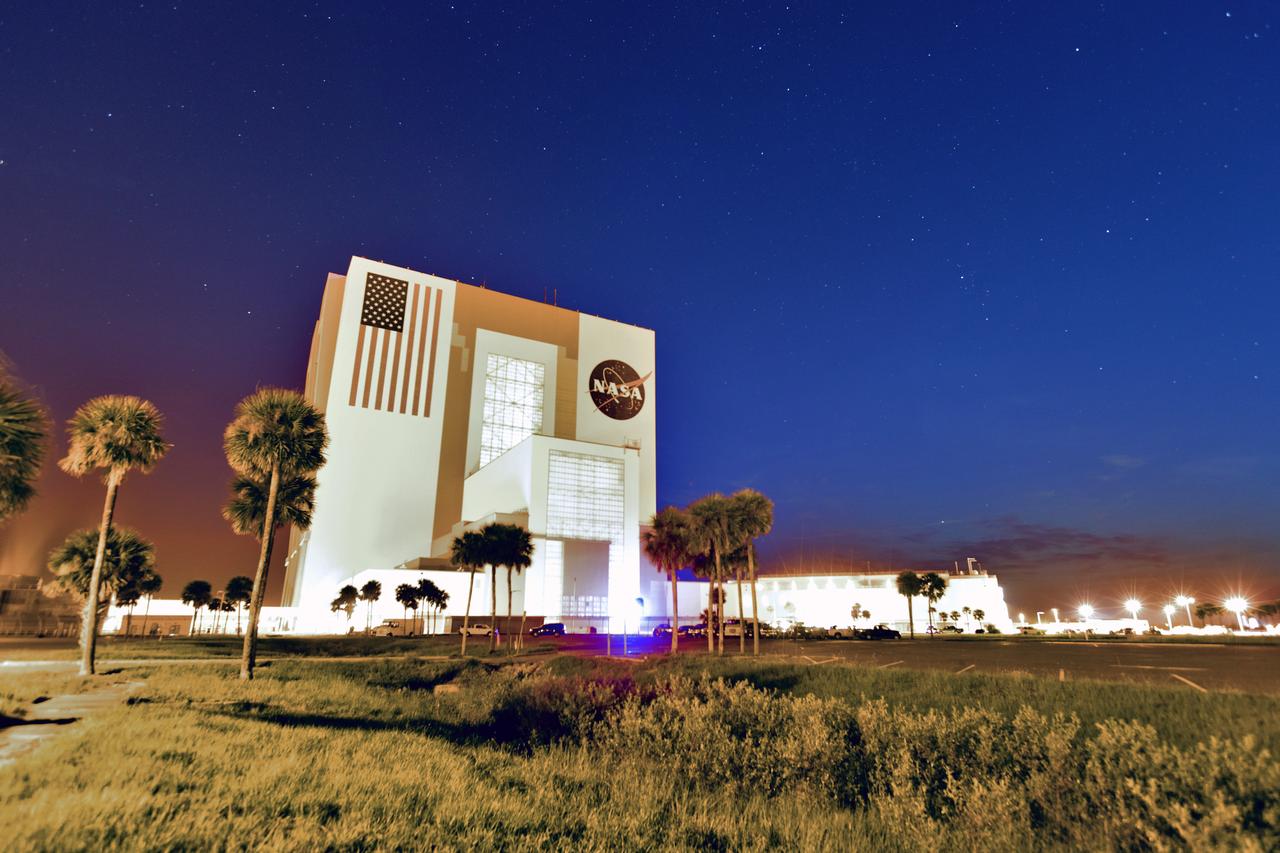
A sunrise creative view of the iconic Vehicle Assembly Building (VAB) and Launch Control Center at NASA's Kennedy Space Center in Florida. Ten levels of work platforms have been installed in High Bay 3 of the VAB. They will surround and provide access for service and processing of NASA's Space Launch System (SLS) rocket and Orion spacecraft. Exploration Ground Systems oversaw the upgrades and installation of the new work platforms to support the launch of the SLS and Orion on Exploration Mission-1 and deep space missions.
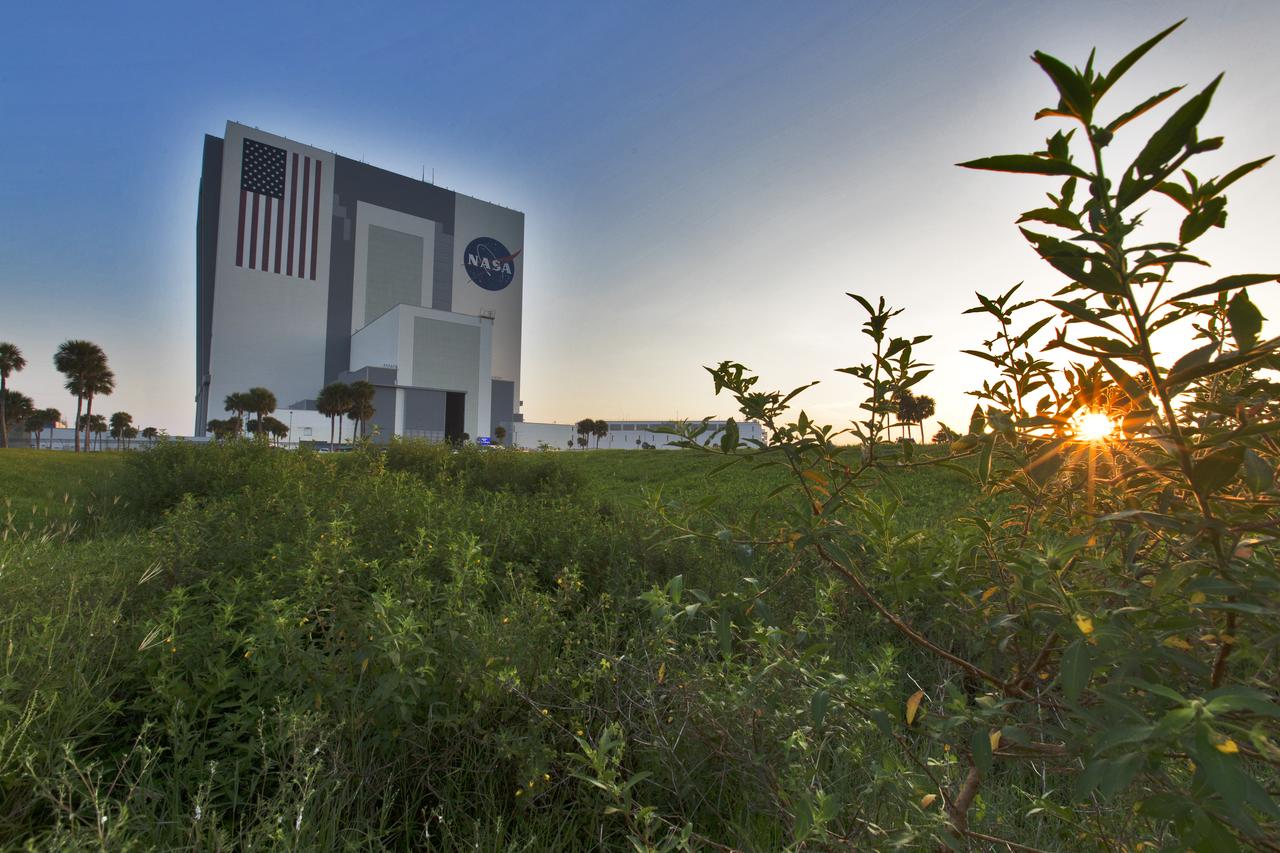
A sunrise panoramic view of the iconic Vehicle Assembly Building (VAB) at NASA's Kennedy Space Center in Florida. Ten levels of work platforms have been installed in High Bay 3 of the VAB. They will surround and provide access for service and processing of NASA's Space Launch System (SLS) rocket and Orion spacecraft. Exploration Ground Systems oversaw the upgrades and installation of the new work platforms to support the launch of the SLS and Orion on Exploration Mission-1 and deep space missions.
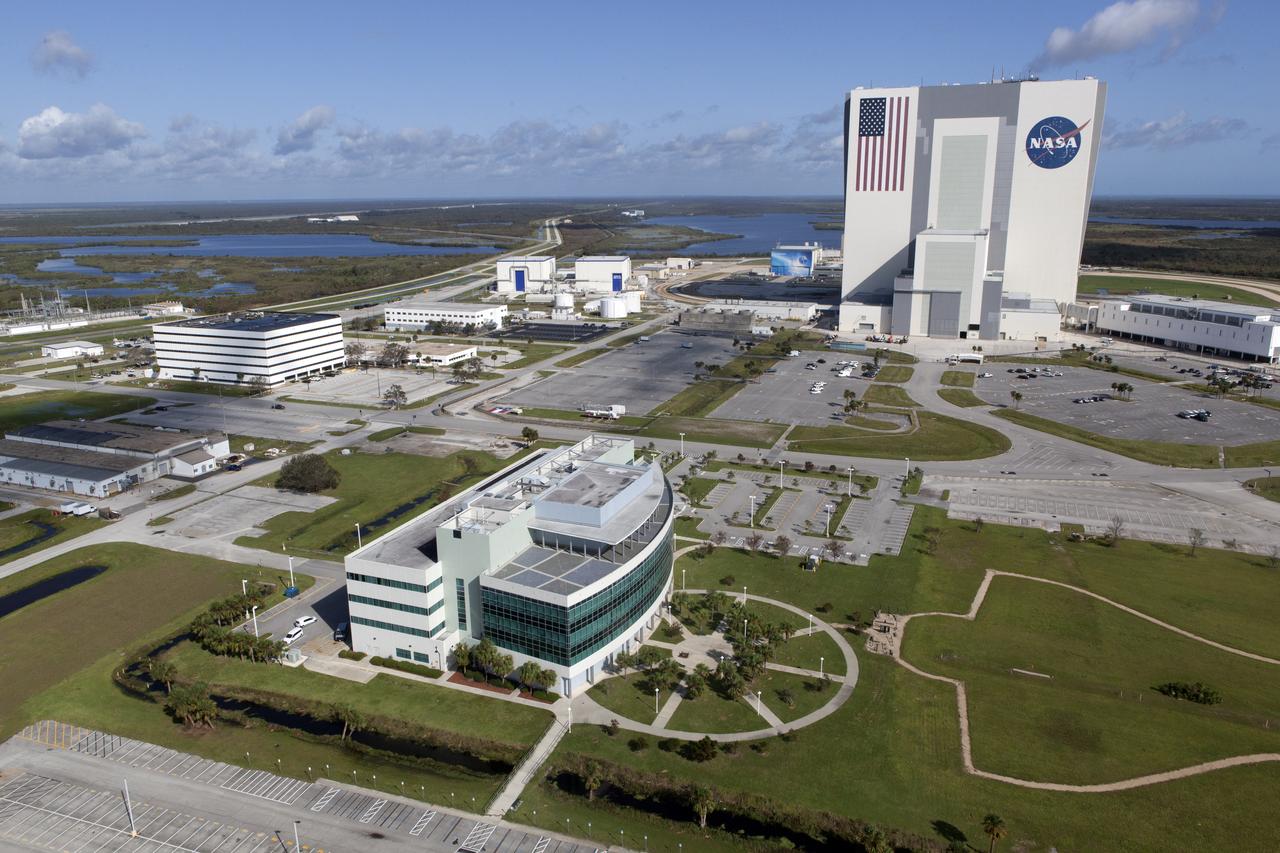
Launch Complex 39 surrounding areas are seen during an aerial survey of NASA's Kennedy Space Center in Florida on September 12, 2017. The survey was performed to identify structures and facilities that may have sustained damage from Hurricane Irma as the storm passed Kennedy on September 10, 2017. NASA closed the center ahead of the storm's onset and only a small team of specialists known as the Rideout Team was on the center as the storm approached and passed.
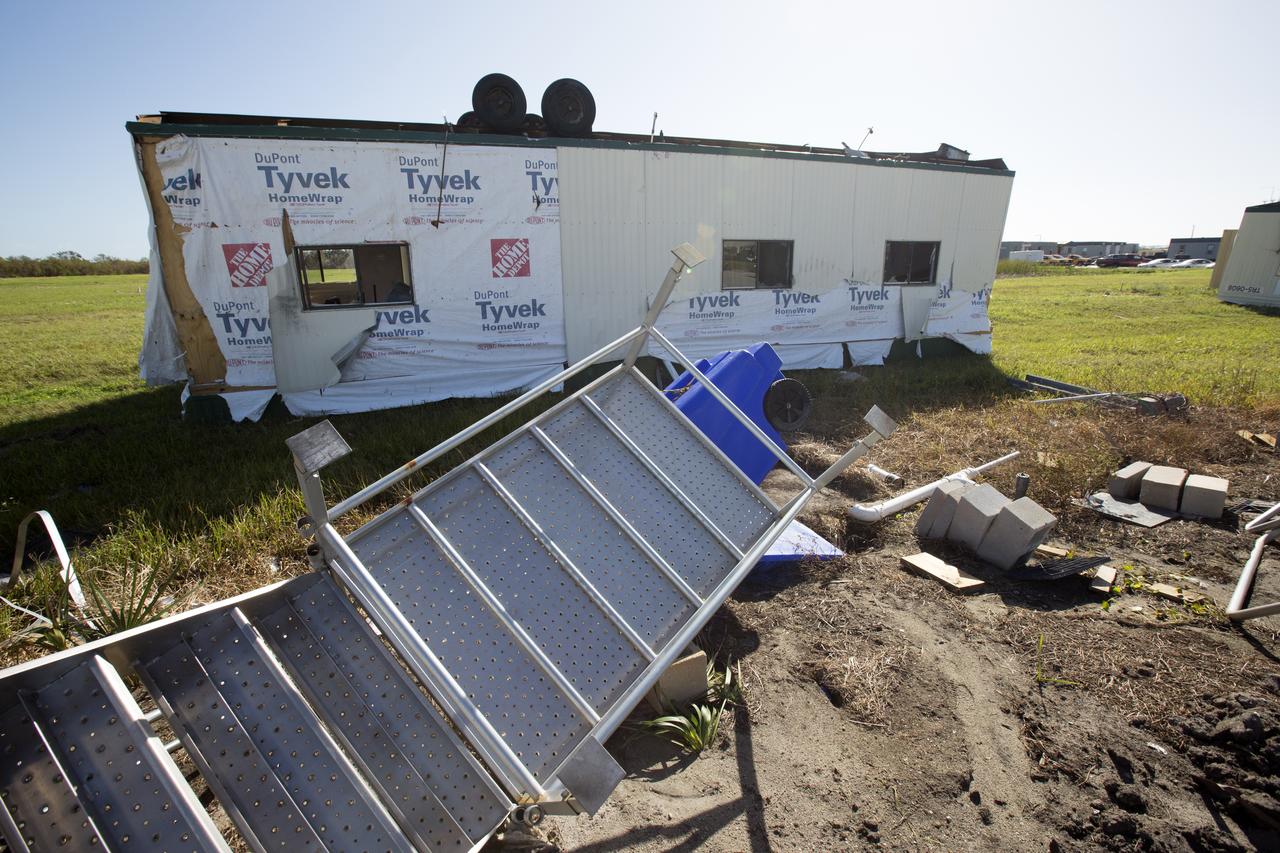
A damaged construction trailer and several pieces of associated debris, aftermath of Hurricane Matthew, are seen in front of the Mobile Launcher in the Launch Complex 39 area at NASA's Kennedy Space Center in Florida. Assessments and repairs are in progress at various structures and facilities across the spaceport, part of the ongoing recovery from Hurricane Matthew, which passed to the east of Kennedy on Oct. 6 and 7, 2016. The center received some isolated roof damage, damaged support buildings, a few downed power lines, and limited water intrusion. Beach erosion also occurred, although the storm surge was less than expected.
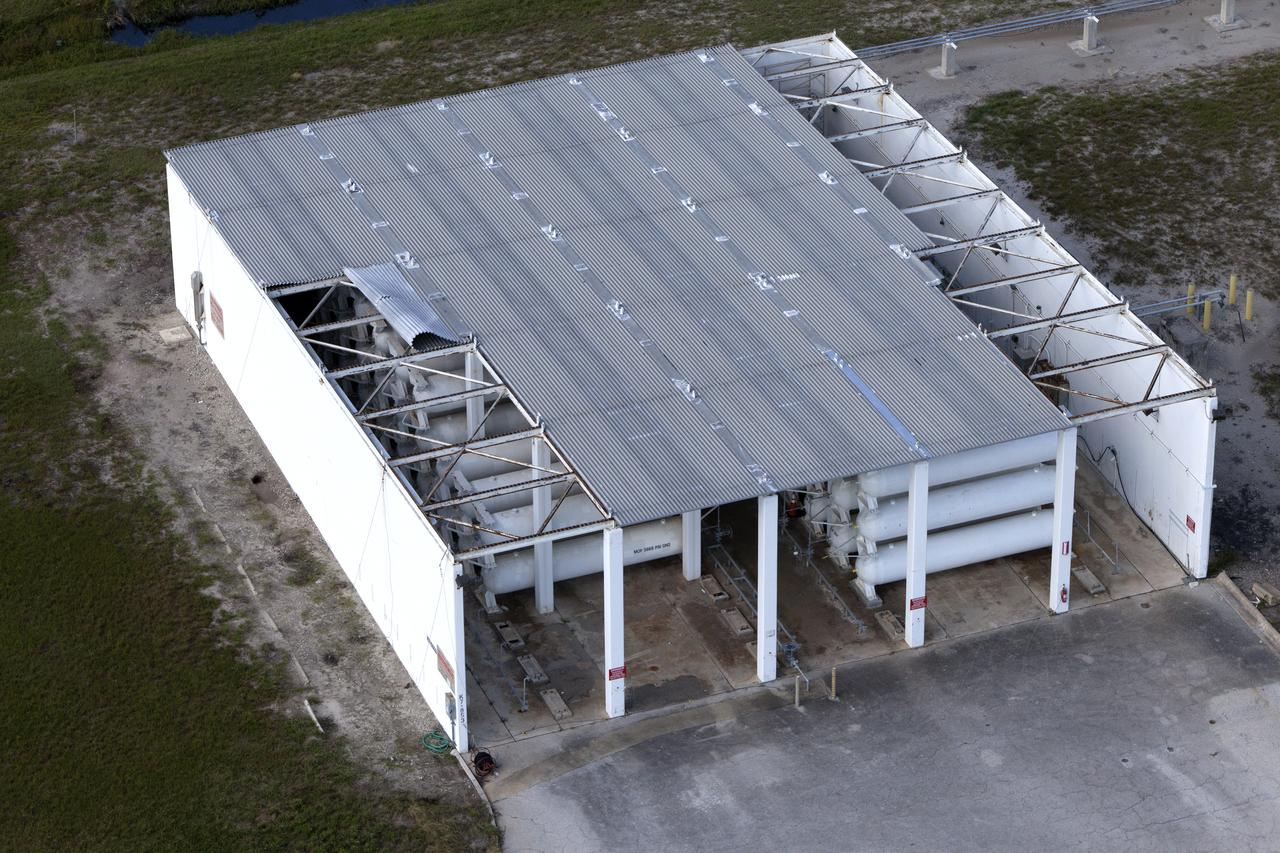
A tank stroage unit near Launch Complex 39 is seen during an aerial survey of NASA's Kennedy Space Center in Florida on September 12, 2017. The survey was performed to identify structures and facilities that may have sustained damage from Hurricane Irma as the storm passed Kennedy on September 10, 2017. NASA closed the center ahead of the storm's onset and only a small team of specialists known as the Rideout Team was on the center as the storm approached and passed.
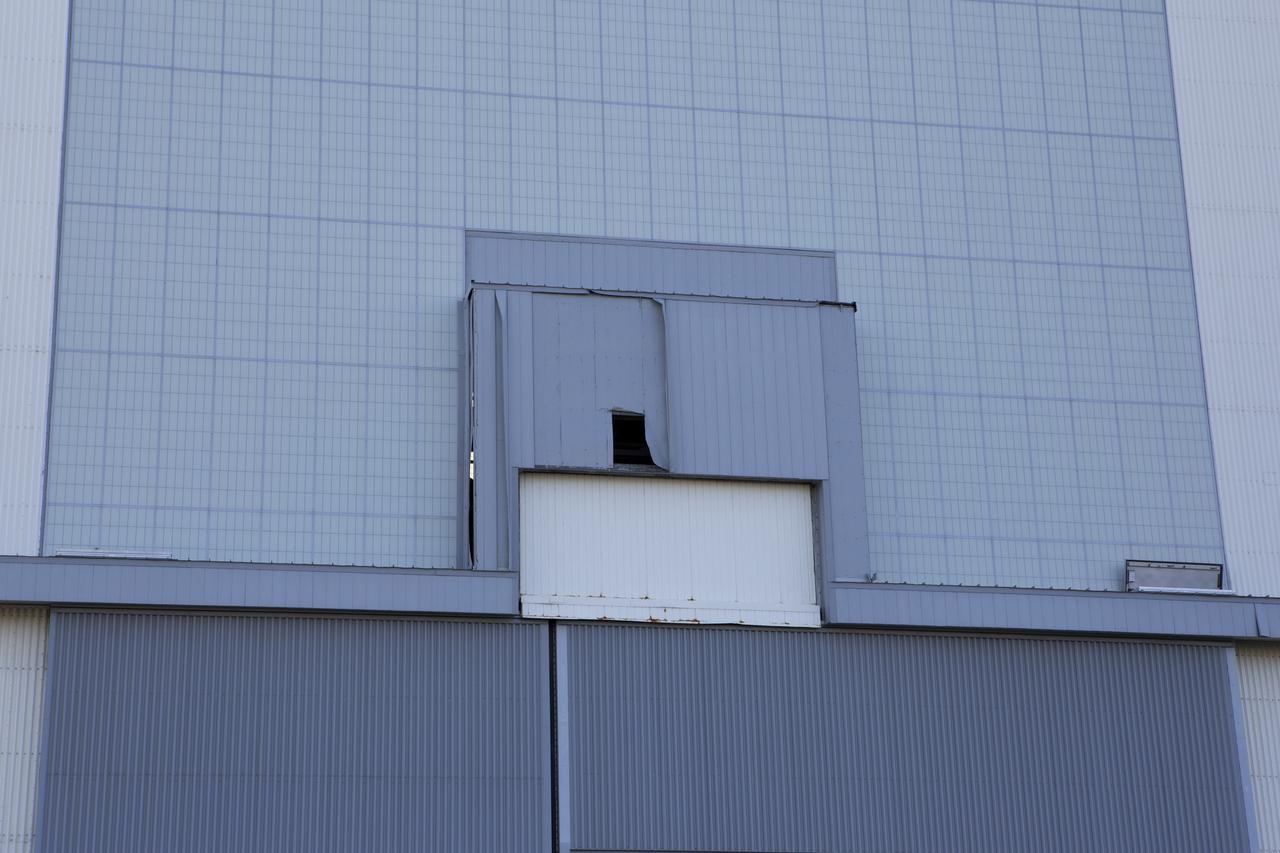
A hole caused by Hurricane Matthew is visible in a section of door on the Vehicle Assembly Building at NASA's Kennedy Space Center in Florida. Assessments and repairs are in progress at various structures and facilities across the spaceport, part of the ongoing recovery from Hurricane Matthew, which passed to the east of Kennedy on Oct. 6 and 7, 2016. The center received some isolated roof damage, damaged support buildings, a few downed power lines, and limited water intrusion. Beach erosion also occurred, although the storm surge was less than expected.
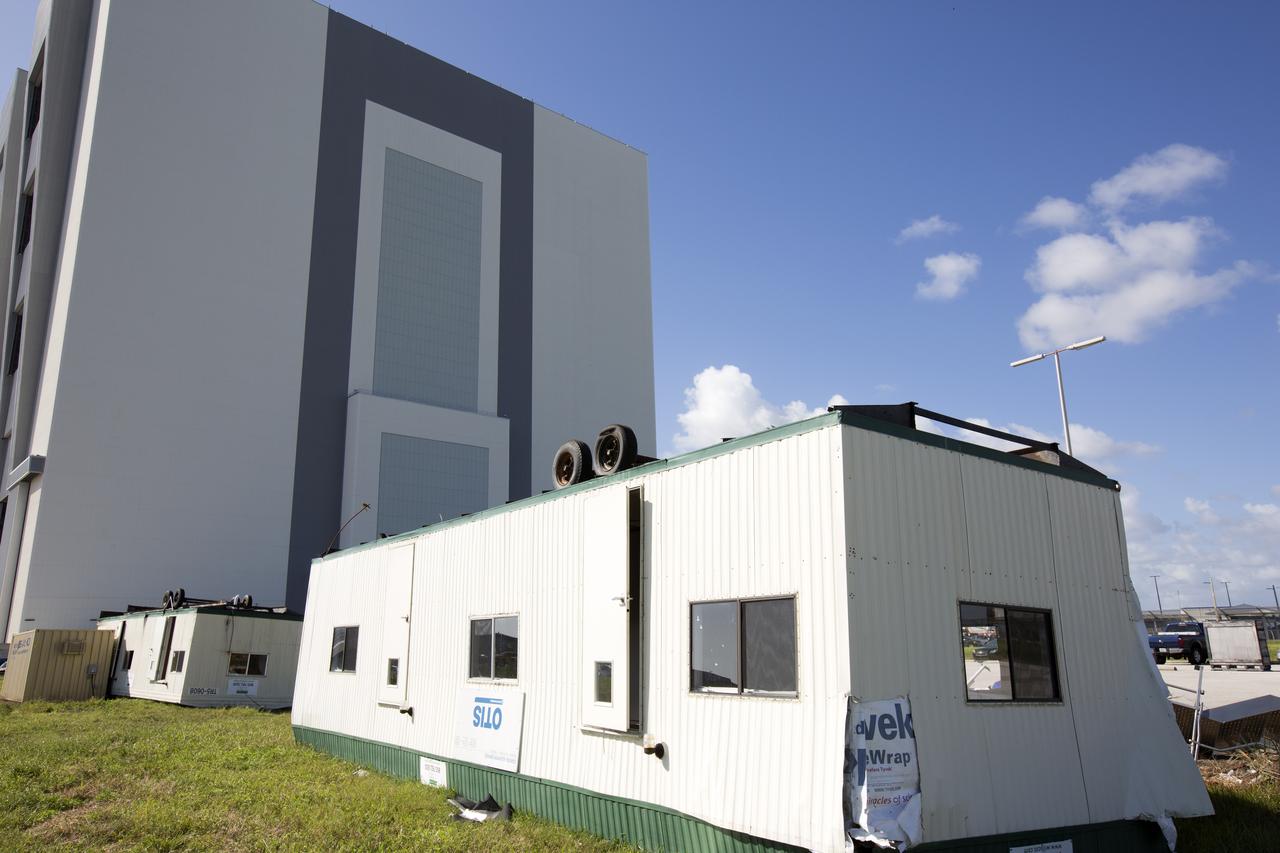
A construction trailer damaged by Hurricane Matthew is seen in the Launch Complex 39 area at NASA's Kennedy Space Center in Florida. Assessments and repairs are in progress at various structures and facilities across the spaceport, part of the ongoing recovery from Hurricane Matthew, which passed to the east of Kennedy on Oct. 6 and 7, 2016. The center received some isolated roof damage, damaged support buildings, a few downed power lines, and limited water intrusion. Beach erosion also occurred, although the storm surge was less than expected.
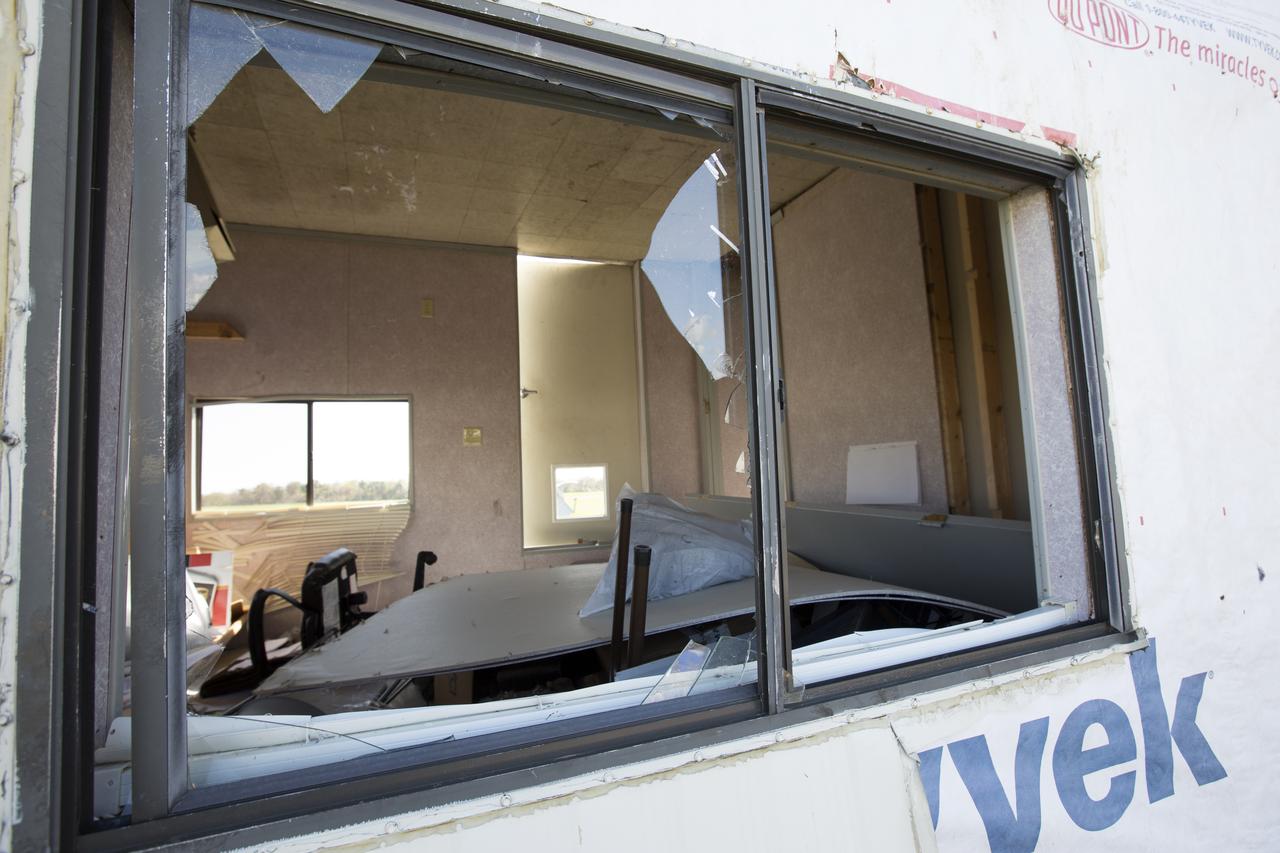
A broken window caused by Hurricane Matthew is seen inside a support building in the Launch Complex 39 area at NASA's Kennedy Space Center in Florida. Assessments and repairs are in progress at various structures and facilities across the spaceport, part of the ongoing recovery from Hurricane Matthew, which passed to the east of Kennedy on Oct. 6 and 7, 2016. The center received some isolated roof damage, damaged support buildings, a few downed power lines, and limited water intrusion. Beach erosion also occurred, although the storm surge was less than expected.
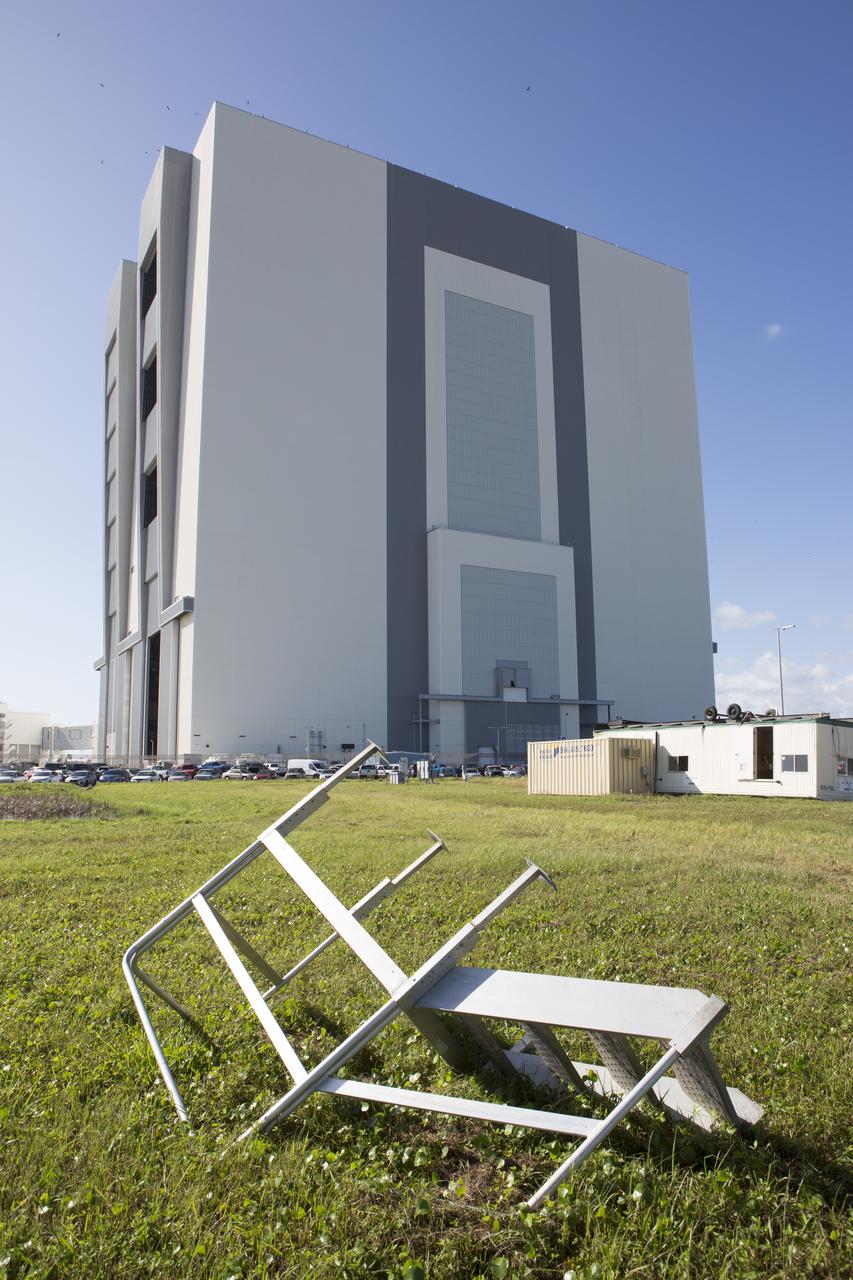
A small staircase, toppled and relocated by Hurricane Matthew, is seen in front of the Vehicle Assembly Building at NASA's Kennedy Space Center in Florida. Assessments and repairs are in progress at various structures and facilities across the spaceport, part of the ongoing recovery from Hurricane Matthew, which passed to the east of Kennedy on Oct. 6 and 7, 2016. The center received some isolated roof damage, damaged support buildings, a few downed power lines, and limited water intrusion. Beach erosion also occurred, although the storm surge was less than expected.
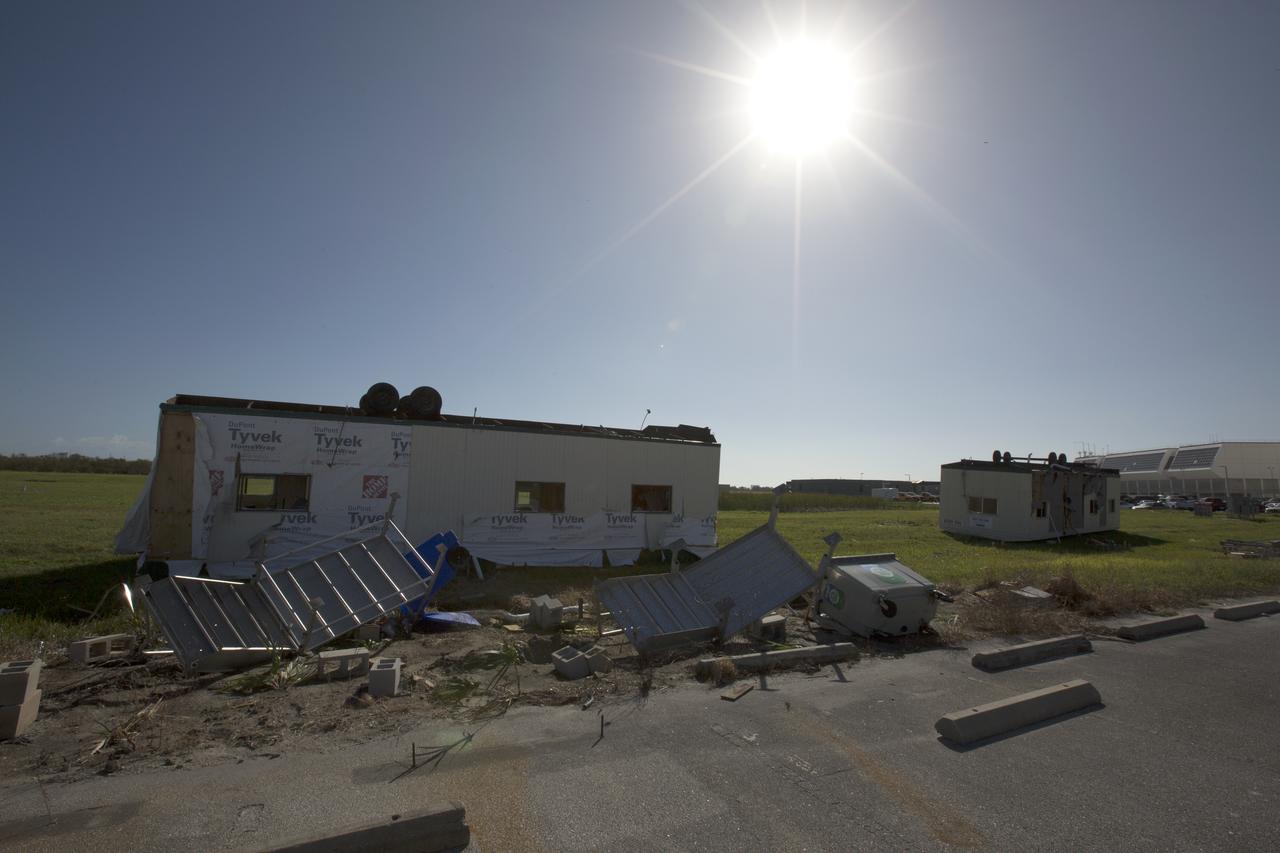
Damaged construction trailers and several pieces of associated debris, aftermath of Hurricane Matthew, are seen in front of the Mobile Launcher in the Launch Complex 39 area at NASA's Kennedy Space Center in Florida. Assessments and repairs are in progress at various structures and facilities across the spaceport, part of the ongoing recovery from Hurricane Matthew, which passed to the east of Kennedy on Oct. 6 and 7, 2016. The center received some isolated roof damage, damaged support buildings, a few downed power lines, and limited water intrusion. Beach erosion also occurred, although the storm surge was less than expected.
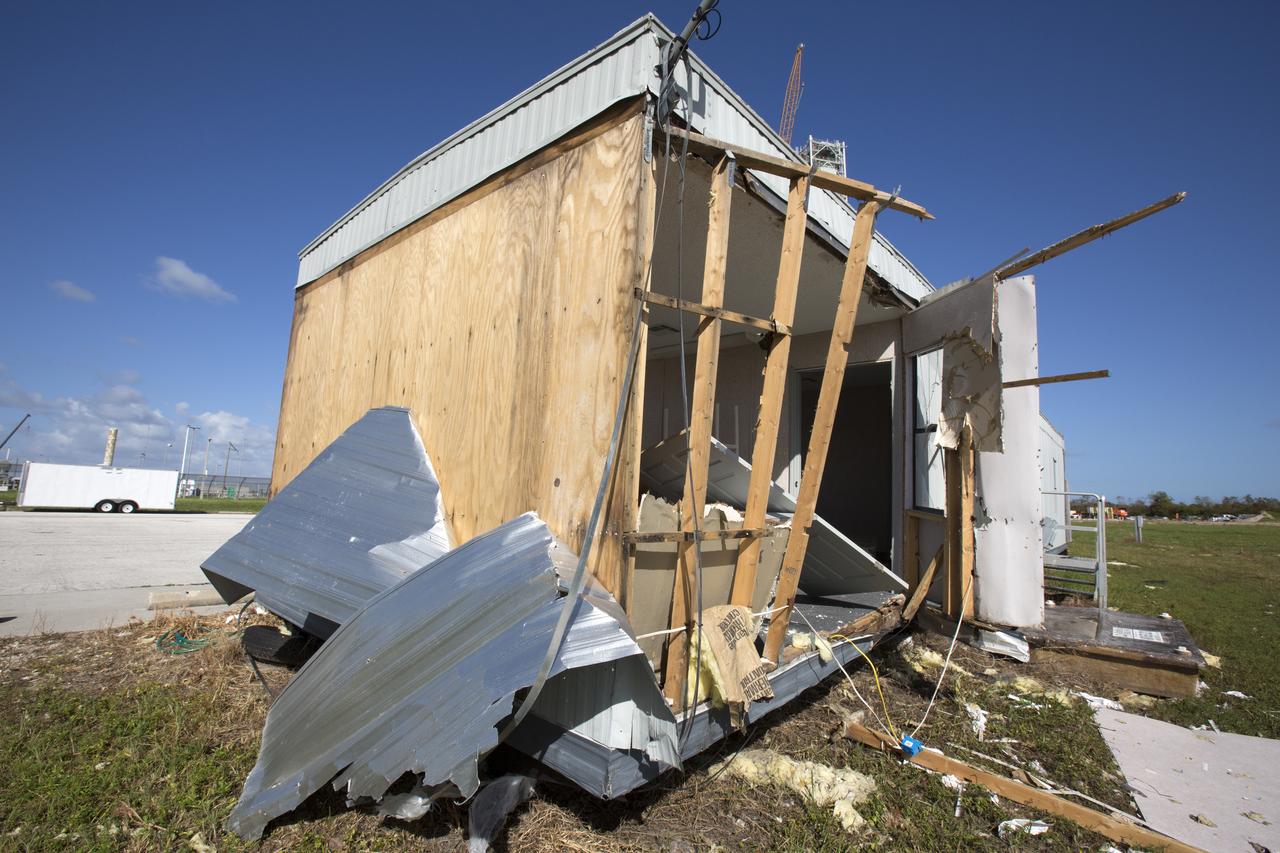
A construction trailer damaged by Hurricane Matthew is seen in the Launch Complex 39 area at NASA's Kennedy Space Center in Florida. Assessments and repairs are in progress at various structures and facilities across the spaceport, part of the ongoing recovery from Hurricane Matthew, which passed to the east of Kennedy on Oct. 6 and 7, 2016. The center received some isolated roof damage, damaged support buildings, a few downed power lines, and limited water intrusion. Beach erosion also occurred, although the storm surge was less than expected.
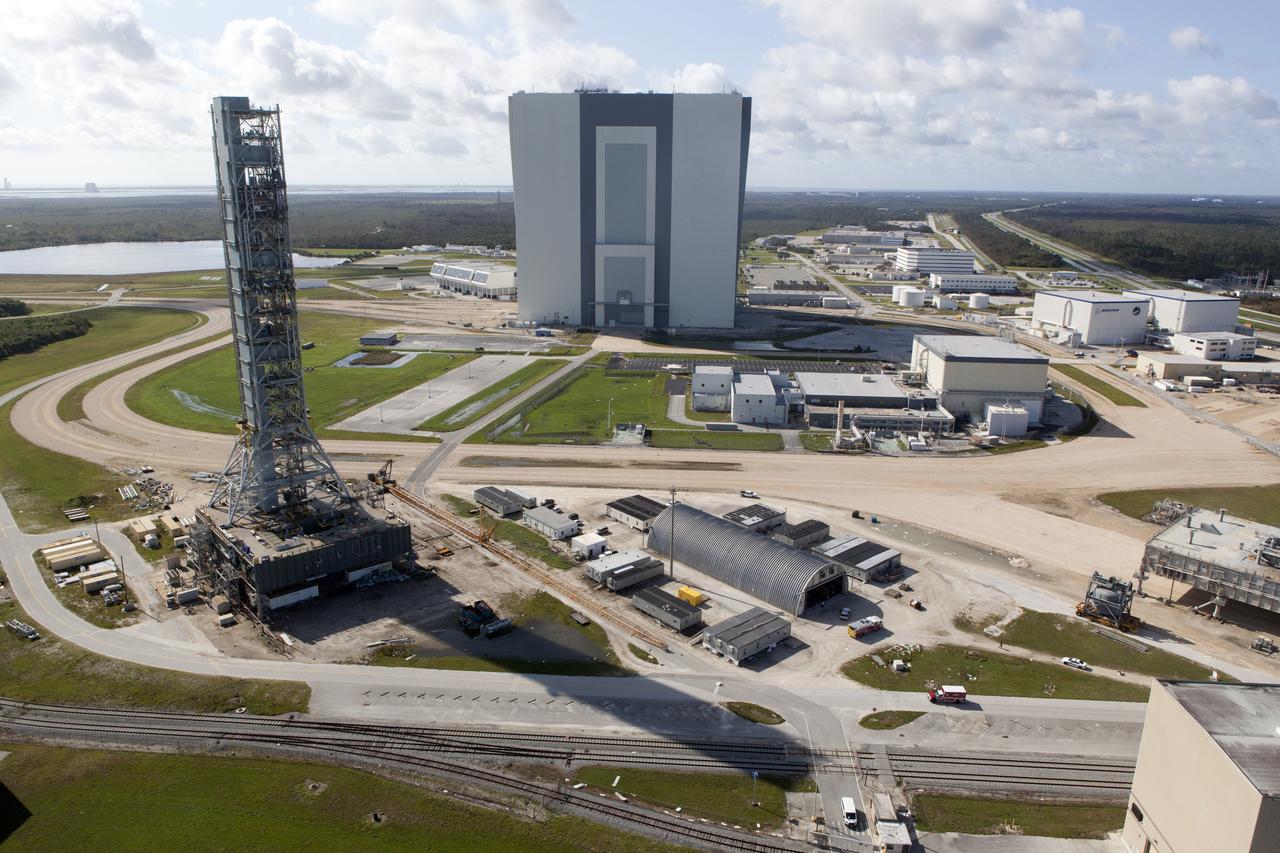
The Mobile Launcher (ML), Launch Control Center (LCC), Vehicle Assembly Building (VAB), and Launch Complex 39 surrounding areas are seen during an aerial survey of NASA's Kennedy Space Center in Florida on September 12, 2017. The survey was performed to identify structures and facilities that may have sustained damage from Hurricane Irma as the storm passed Kennedy on September 10, 2017. NASA closed the center ahead of the storm's onset and only a small team of specialists known as the Rideout Team was on the center as the storm approached and passed.
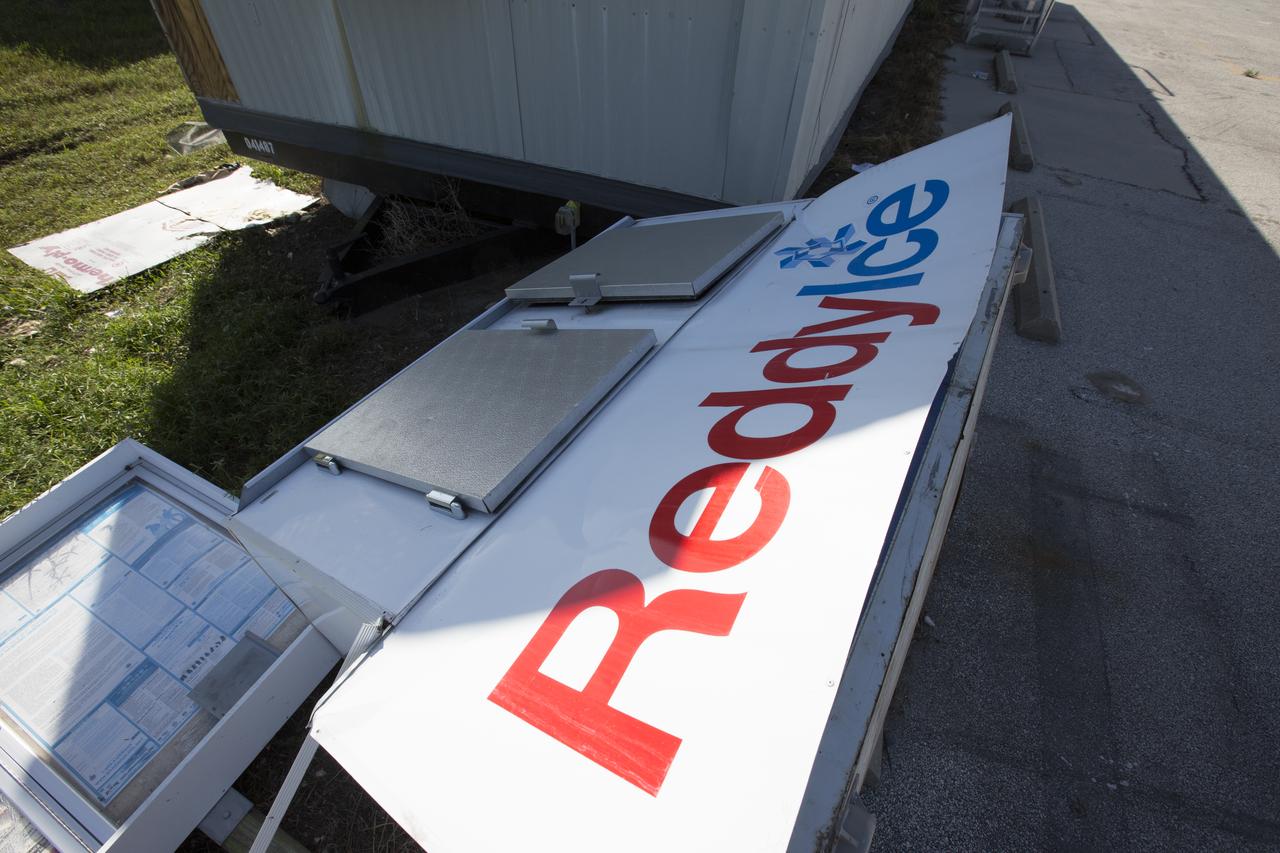
An ice dispenser damaged by Hurricane Matthew is seen in the Launch Complex 39 area at NASA's Kennedy Space Center in Florida. Assessments and repairs are in progress at various structures and facilities across the spaceport, part of the ongoing recovery from Hurricane Matthew, which passed to the east of Kennedy on Oct. 6 and 7, 2016. The center received some isolated roof damage, damaged support buildings, a few downed power lines, and limited water intrusion. Beach erosion also occurred, although the storm surge was less than expected.
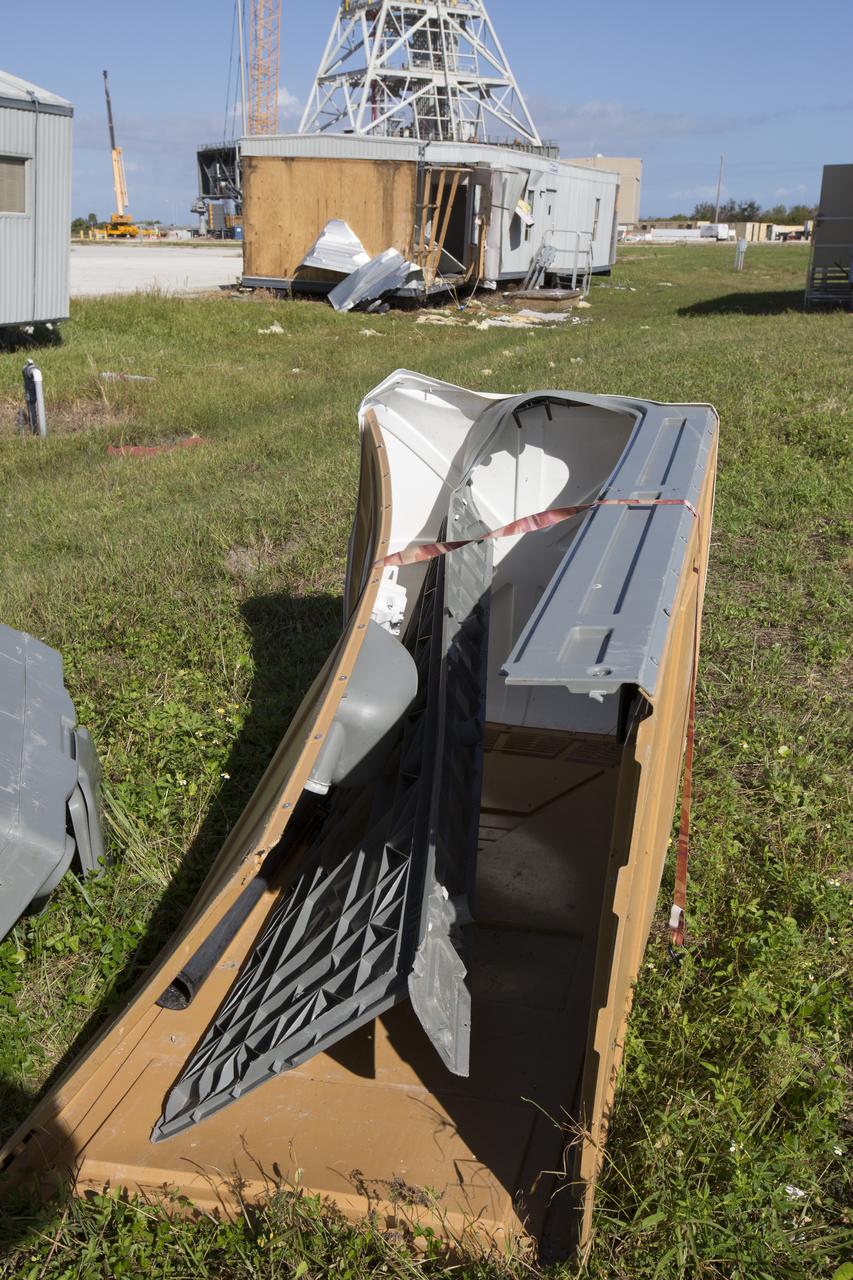
A damaged construction trailer and several pieces of associated debris, aftermath of Hurricane Matthew, are seen near the Mobile Launcher in the Launch Complex 39 area at NASA's Kennedy Space Center in Florida. Assessments and repairs are in progress at various structures and facilities across the spaceport, part of the ongoing recovery from Hurricane Matthew, which passed to the east of Kennedy on Oct. 6 and 7, 2016. The center received some isolated roof damage, damaged support buildings, a few downed power lines, and limited water intrusion. Beach erosion also occurred, although the storm surge was less than expected.
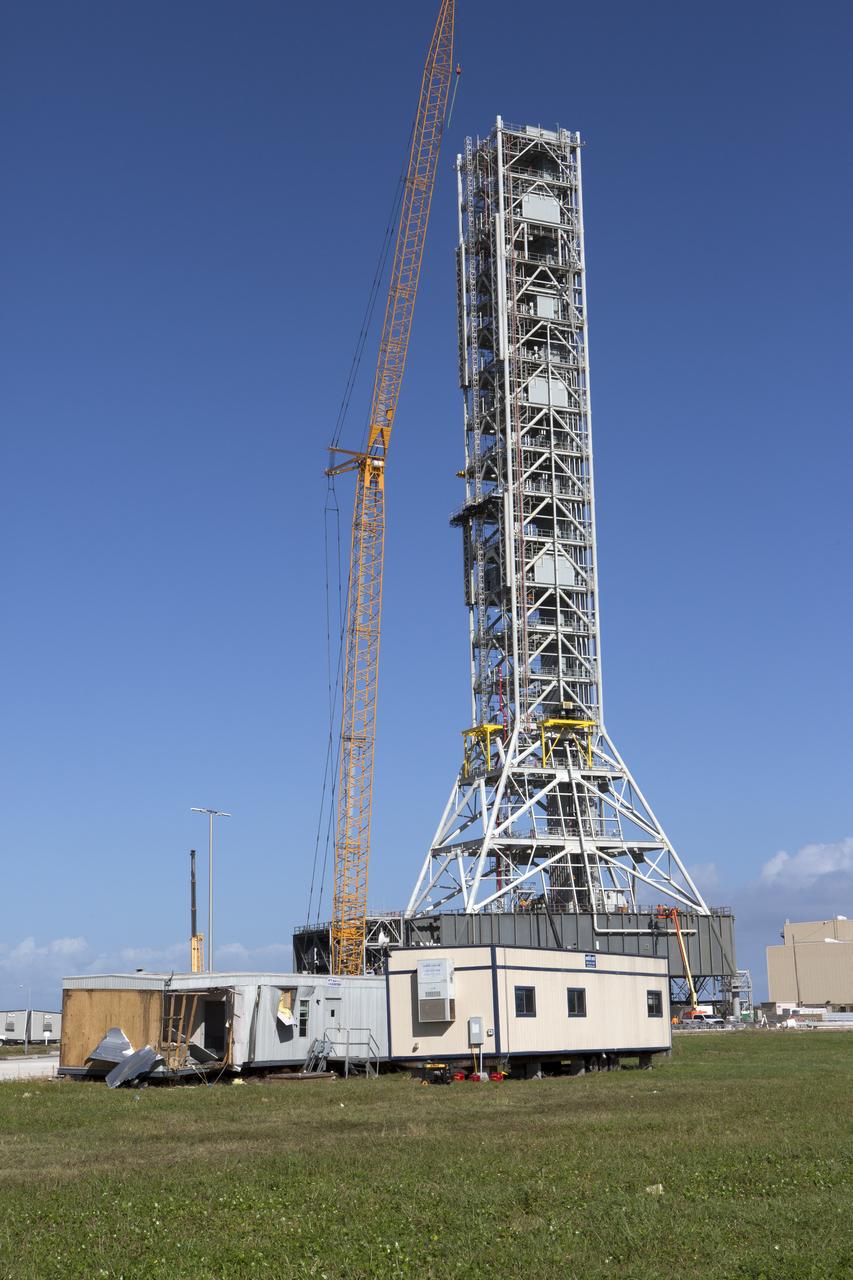
A construction trailer damaged by Hurricane Matthew is seen in front of the Mobile Launcher within the Launch Complex 39 area at NASA's Kennedy Space Center in Florida. Assessments and repairs are in progress at various structures and facilities across the spaceport, part of the ongoing recovery from Hurricane Matthew, which passed to the east of Kennedy on Oct. 6 and 7, 2016. The center received some isolated roof damage, damaged support buildings, a few downed power lines, and limited water intrusion. Beach erosion also occurred, although the storm surge was less than expected.
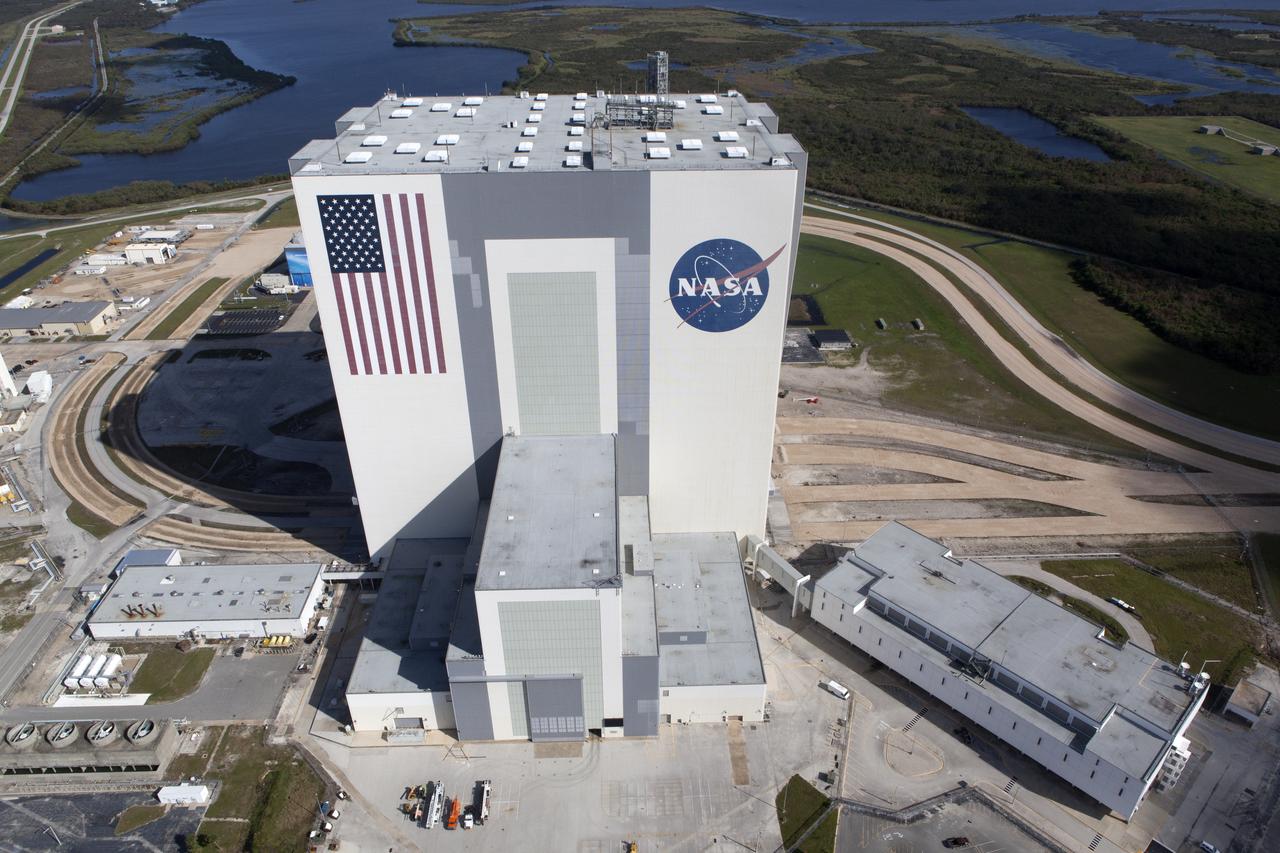
The Vehicle Assembly Building (VAB), Launch Control Center (LCC), and Launch Complex 39 surrounding areas are seen during an aerial survey of NASA's Kennedy Space Center in Florida on September 12, 2017. The survey was performed to identify structures and facilities that may have sustained damage from Hurricane Irma as the storm passed Kennedy on September 10, 2017. NASA closed the center ahead of the storm's onset and only a small team of specialists known as the Rideout Team was on the center as the storm approached and passed.
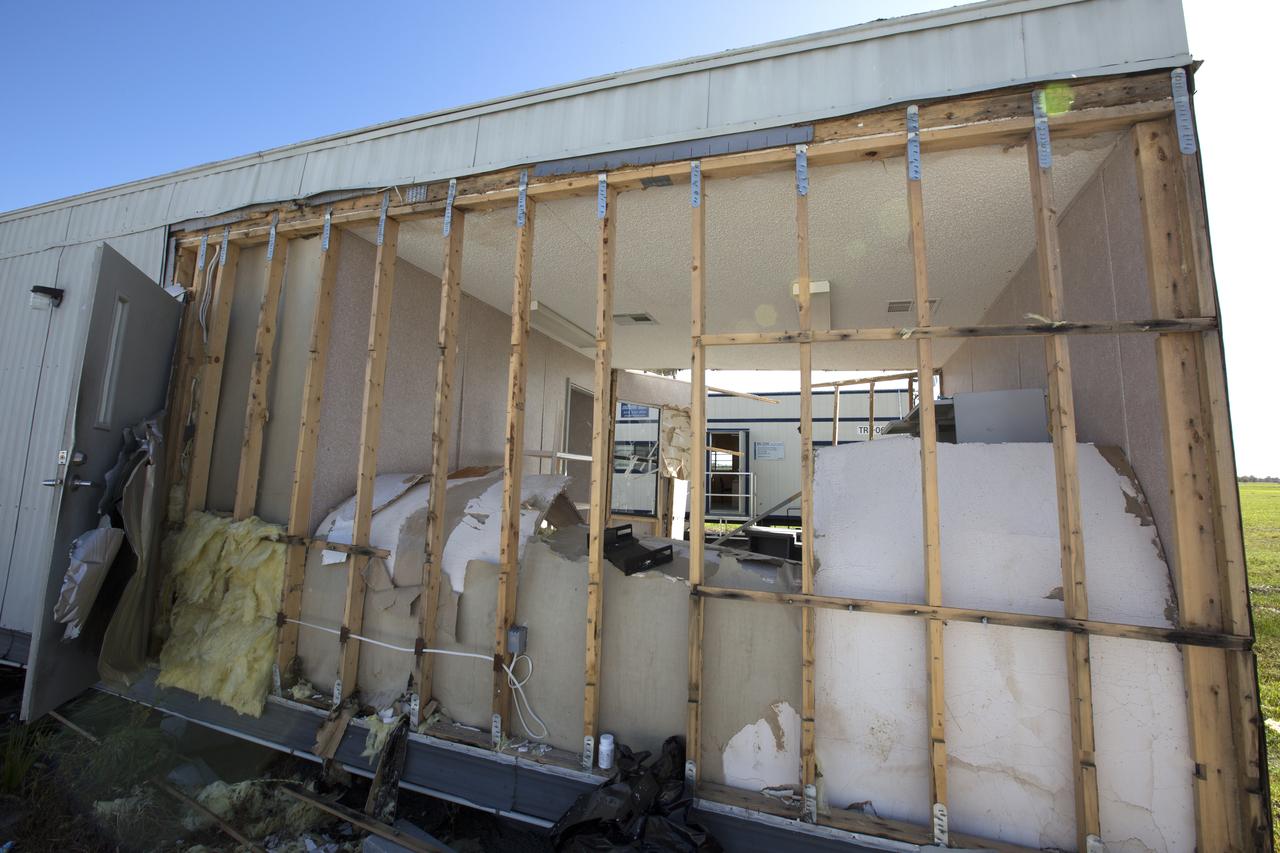
Hurricane Matthew tore away a section of wall on a support building in the Launch Complex 39 area at NASA's Kennedy Space Center in Florida. Assessments and repairs are in progress at various structures and facilities across the spaceport, part of the ongoing recovery from Hurricane Matthew, which passed to the east of Kennedy on Oct. 6 and 7, 2016. The center received some isolated roof damage, damaged support buildings, a few downed power lines, and limited water intrusion. Beach erosion also occurred, although the storm surge was less than expected.
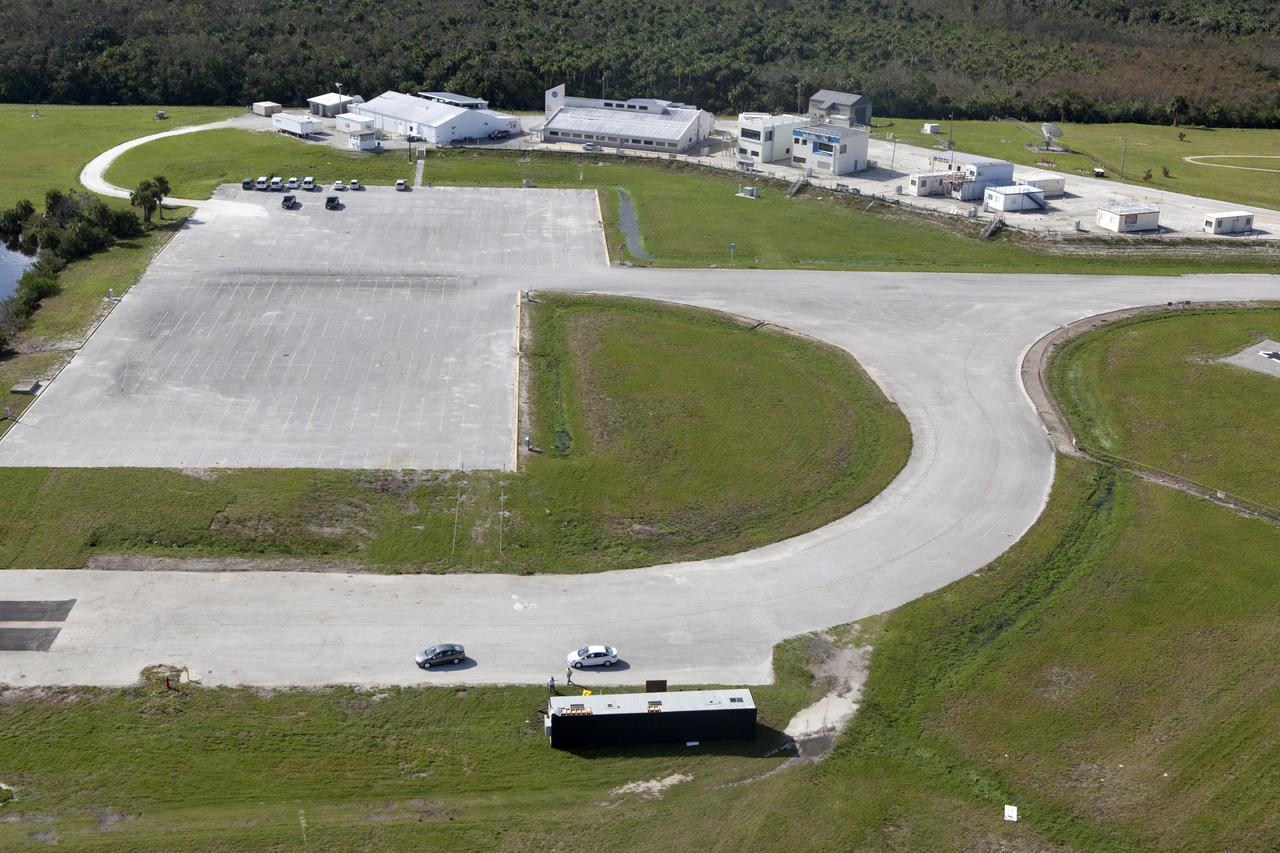
The Launch Complex 39 Press Site is seen during an aerial survey of NASA's Kennedy Space Center in Florida on September 12, 2017. The survey was performed to identify structures and facilities that may have sustained damage from Hurricane Irma as the storm passed Kennedy on September 10, 2017. NASA closed the center ahead of the storm's onset and only a small team of specialists known as the Rideout Team was on the center as the storm approached and passed.
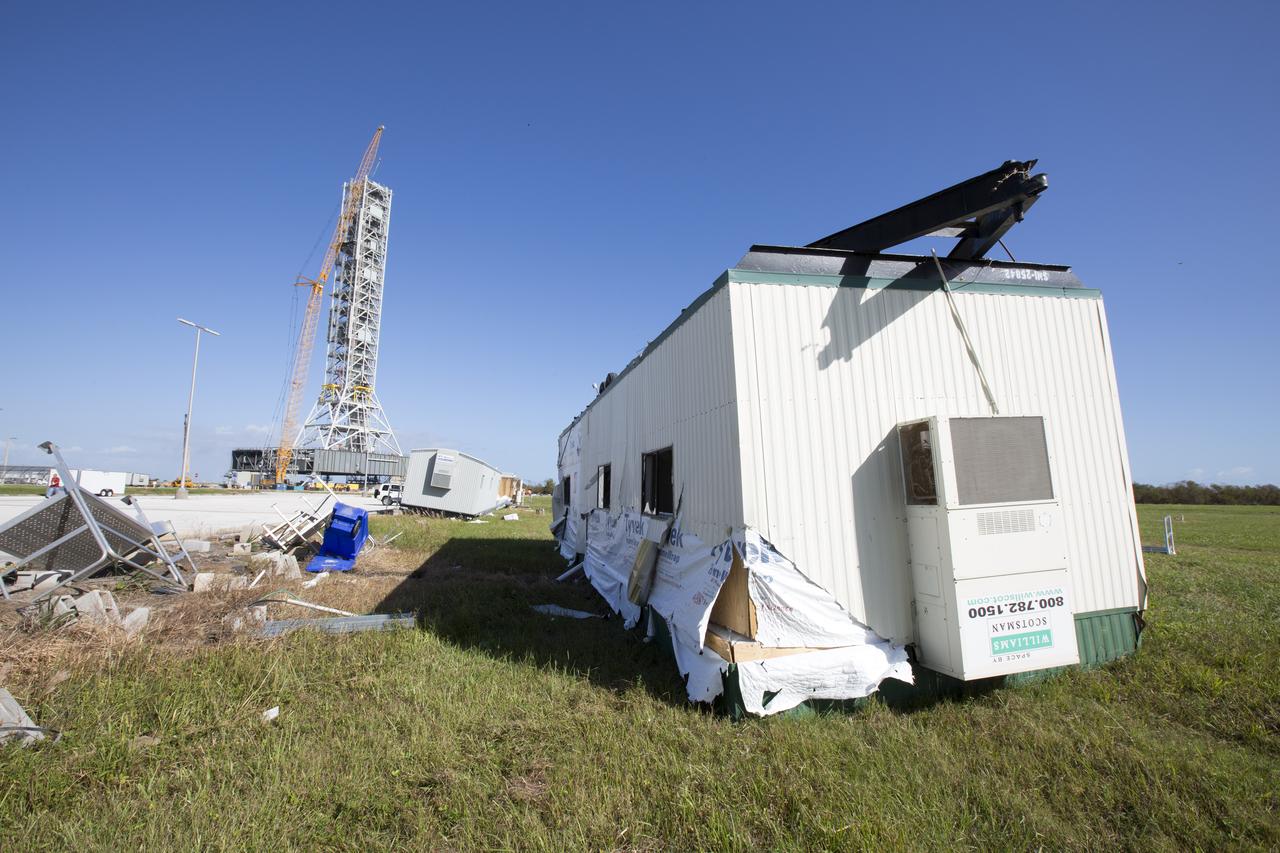
A damaged construction trailer and several pieces of associated debris, aftermath of Hurricane Matthew, are seen in front of the Mobile Launcher in the Launch Complex 39 area at NASA's Kennedy Space Center in Florida. Assessments and repairs are in progress at various structures and facilities across the spaceport, part of the ongoing recovery from Hurricane Matthew, which passed to the east of Kennedy on Oct. 6 and 7, 2016. The center received some isolated roof damage, damaged support buildings, a few downed power lines, and limited water intrusion. Beach erosion also occurred, although the storm surge was less than expected.
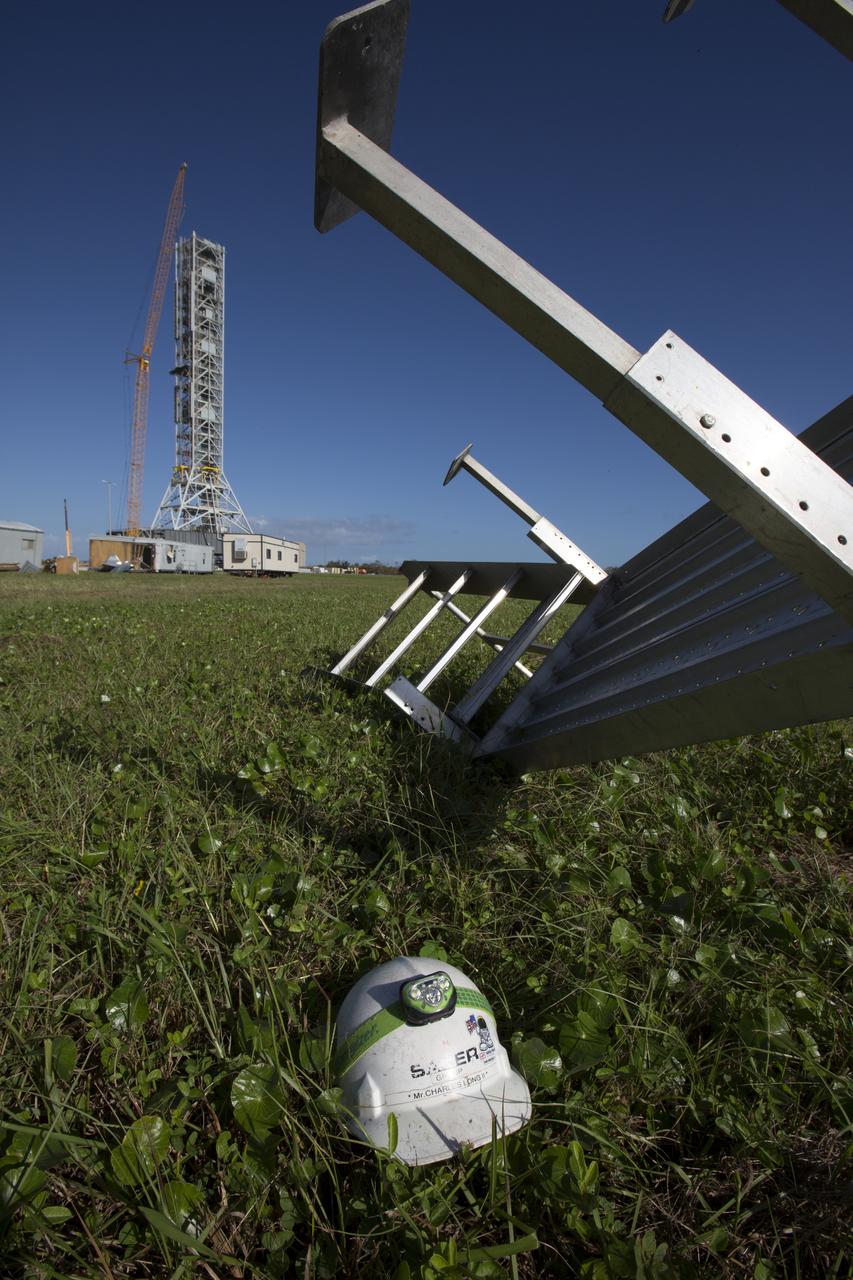
A construction helmet and staircase, both relocated by Hurricane Matthew, is seen in front of the Vehicle Assembly Building at NASA's Kennedy Space Center in Florida. Assessments and repairs are in progress at various structures and facilities across the spaceport, part of the ongoing recovery from Hurricane Matthew, which passed to the east of Kennedy on Oct. 6 and 7, 2016. The center received some isolated roof damage, damaged support buildings, a few downed power lines, and limited water intrusion. Beach erosion also occurred, although the storm surge was less than expected.
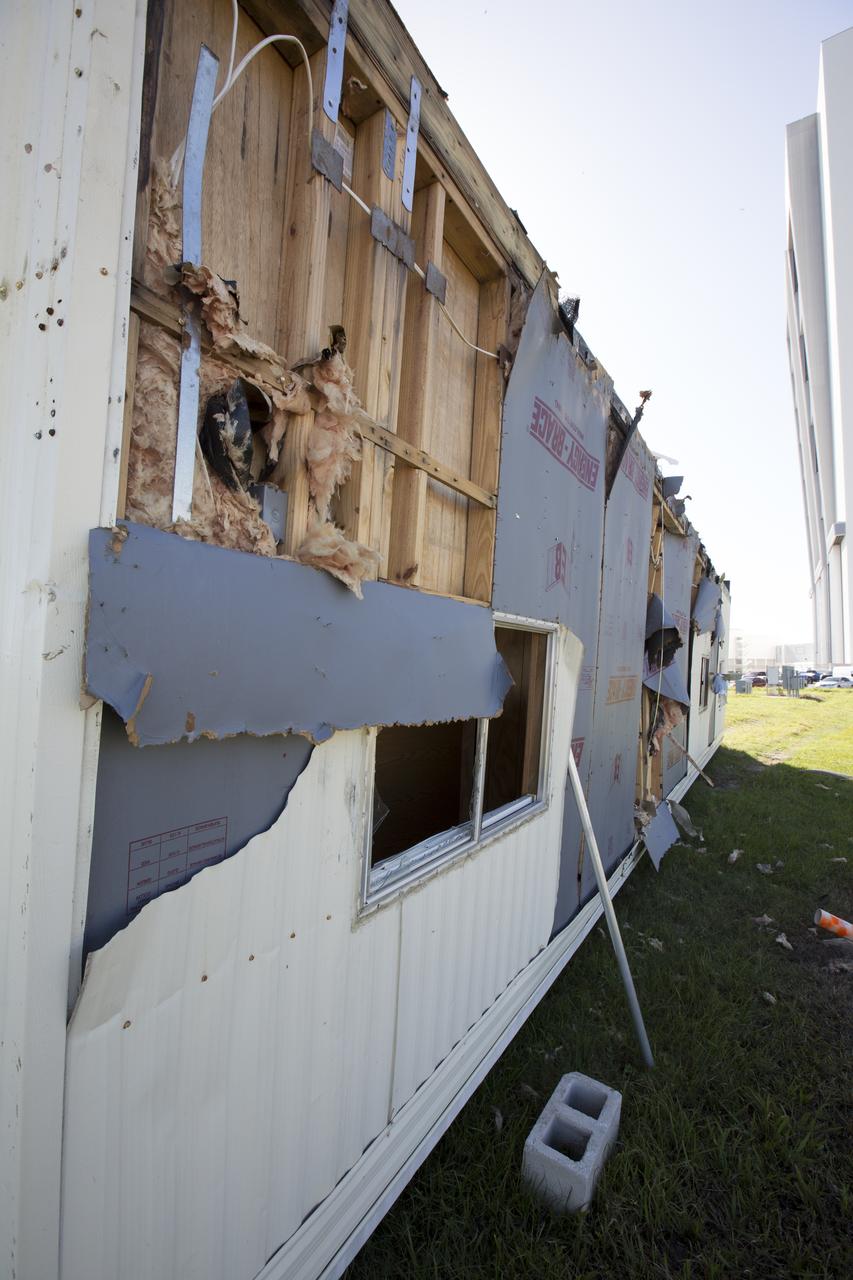
Siding damage caused by Hurricane Matthew is seen inside a support building in the Launch Complex 39 area at NASA's Kennedy Space Center in Florida. Assessments and repairs are in progress at various structures and facilities across the spaceport, part of the ongoing recovery from Hurricane Matthew, which passed to the east of Kennedy on Oct. 6 and 7, 2016. The center received some isolated roof damage, damaged support buildings, a few downed power lines, and limited water intrusion. Beach erosion also occurred, although the storm surge was less than expected.
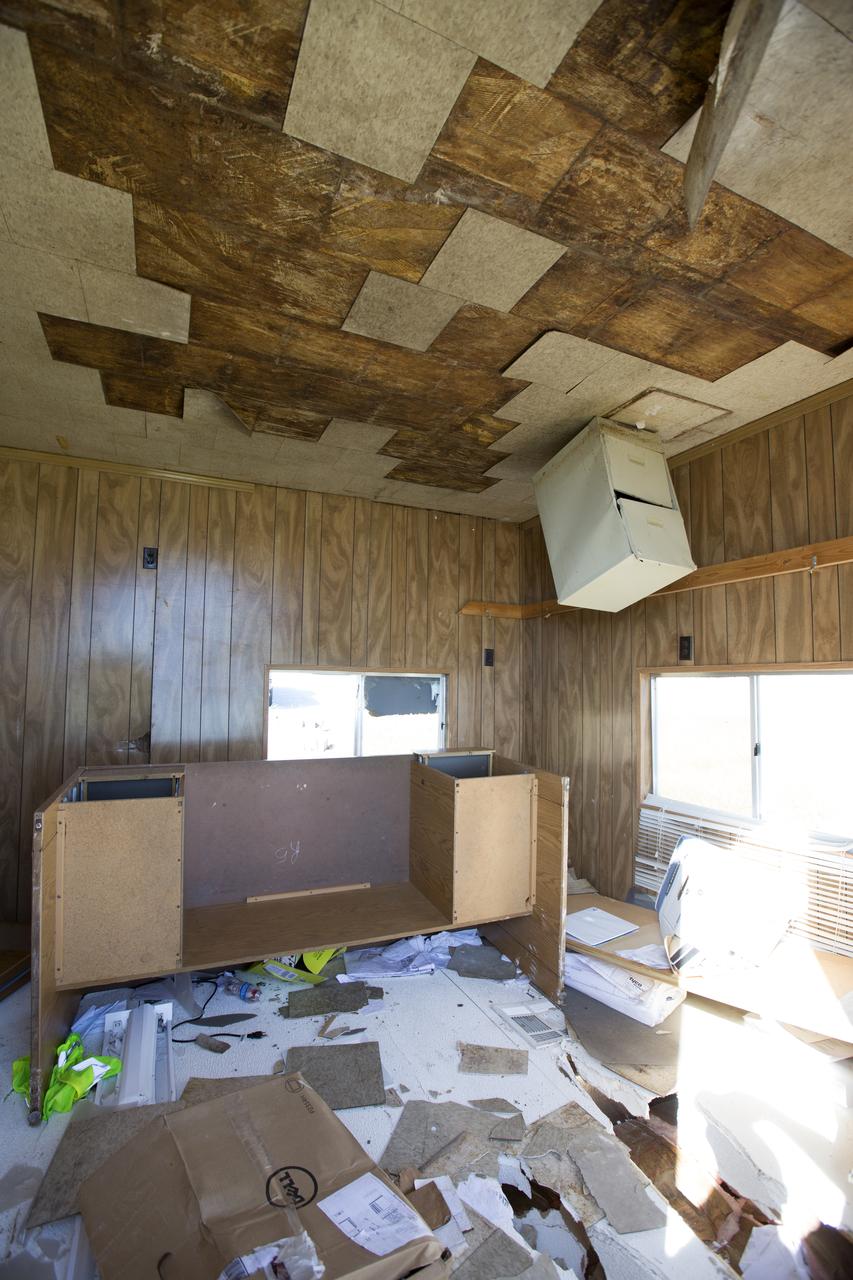
Ceiling and furniture damage caused by Hurricane Matthew is seen inside a support building in the Launch Complex 39 area at NASA's Kennedy Space Center in Florida. Assessments and repairs are in progress at various structures and facilities across the spaceport, part of the ongoing recovery from Hurricane Matthew, which passed to the east of Kennedy on Oct. 6 and 7, 2016. The center received some isolated roof damage, damaged support buildings, a few downed power lines, and limited water intrusion. Beach erosion also occurred, although the storm surge was less than expected.
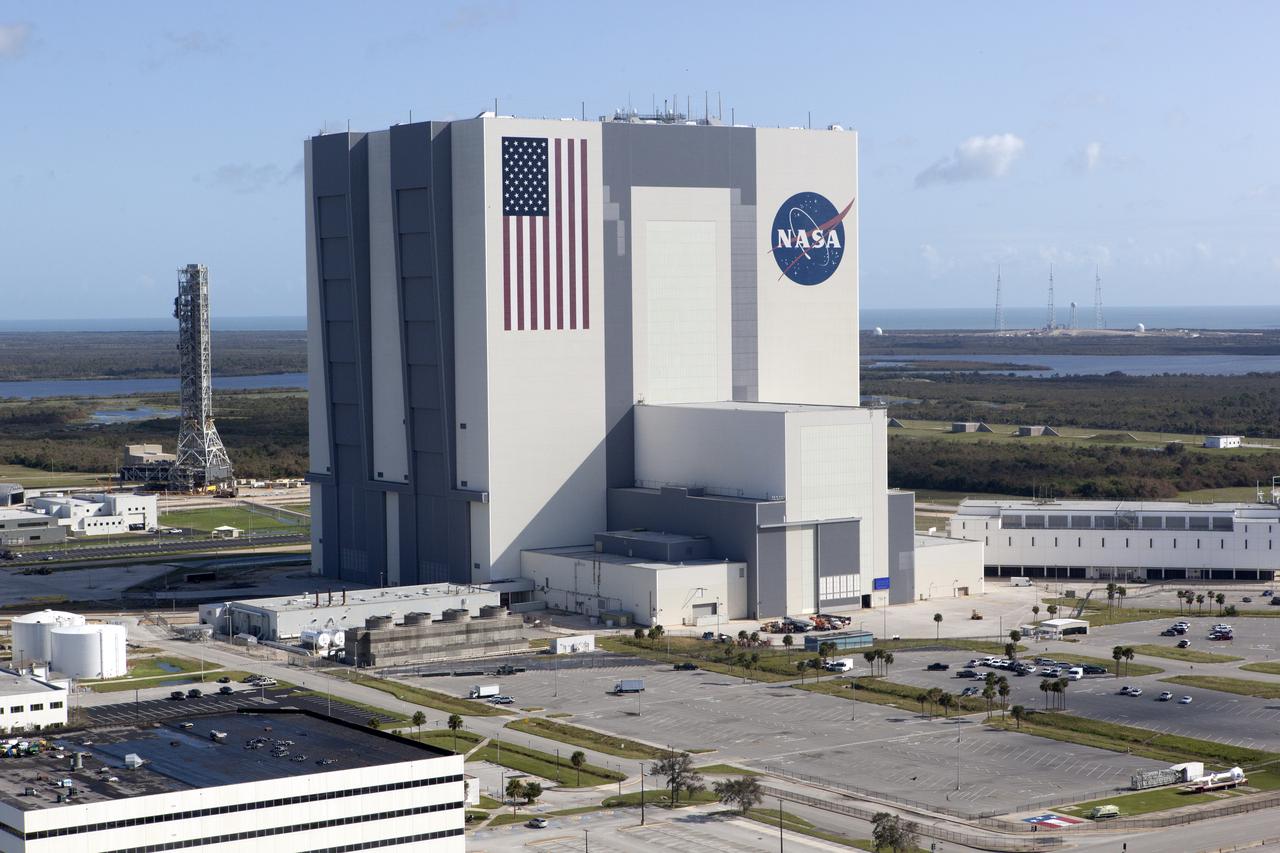
The Mobile Launcher (ML), Vehicle Assembly Building (VAB), Launch Control Center (LCC), and Launch Complex 39 surrounding areas are seen during an aerial survey of NASA's Kennedy Space Center in Florida on September 12, 2017. The survey was performed to identify structures and facilities that may have sustained damage from Hurricane Irma as the storm passed Kennedy on September 10, 2017. NASA closed the center ahead of the storm's onset and only a small team of specialists known as the Rideout Team was on the center as the storm approached and passed.
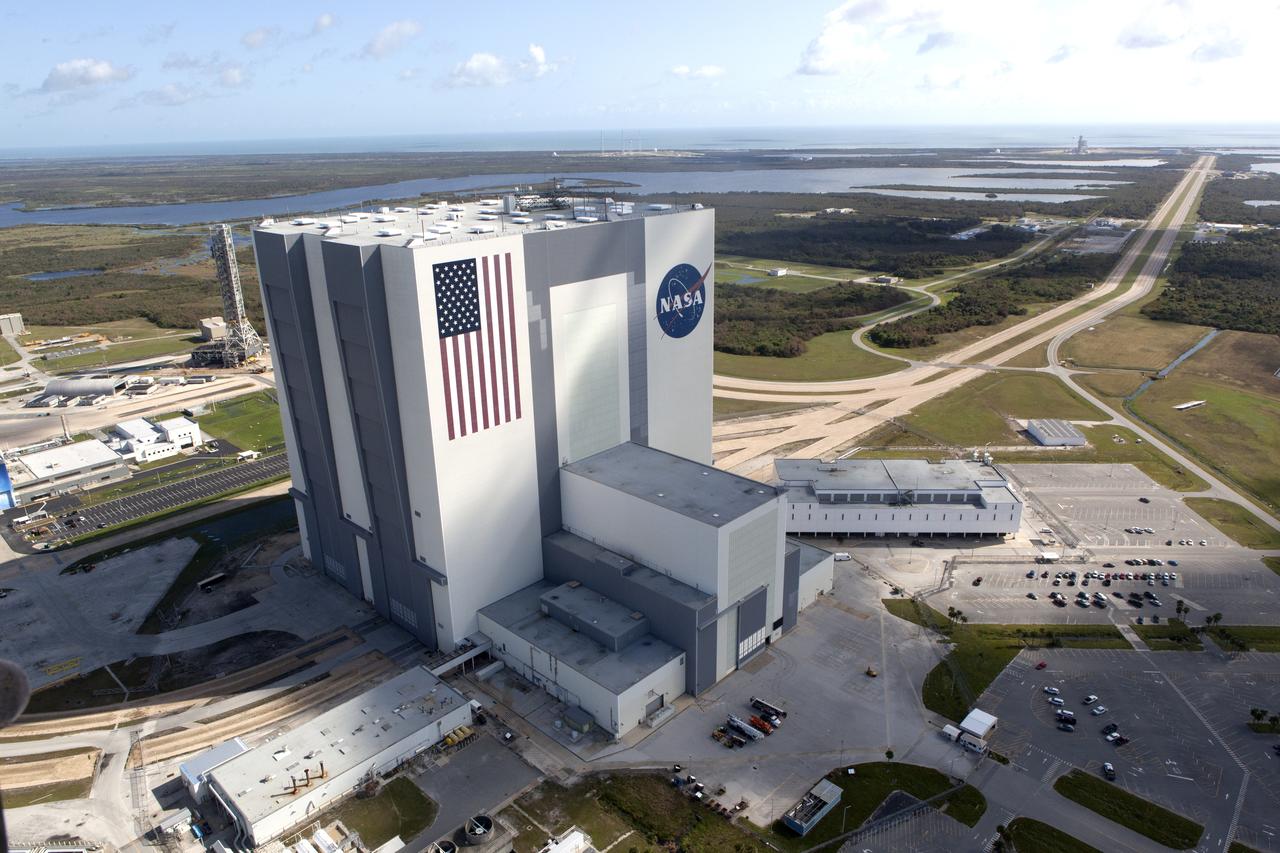
The Mobile Launcher (ML), Vehicle Assembly Building (VAB), Launch Control Center (LCC), and Launch Complex 39 surrounding areas are seen during an aerial survey of NASA's Kennedy Space Center in Florida on September 12, 2017. The survey was performed to identify structures and facilities that may have sustained damage from Hurricane Irma as the storm passed Kennedy on September 10, 2017. NASA closed the center ahead of the storm's onset and only a small team of specialists known as the Rideout Team was on the center as the storm approached and passed.
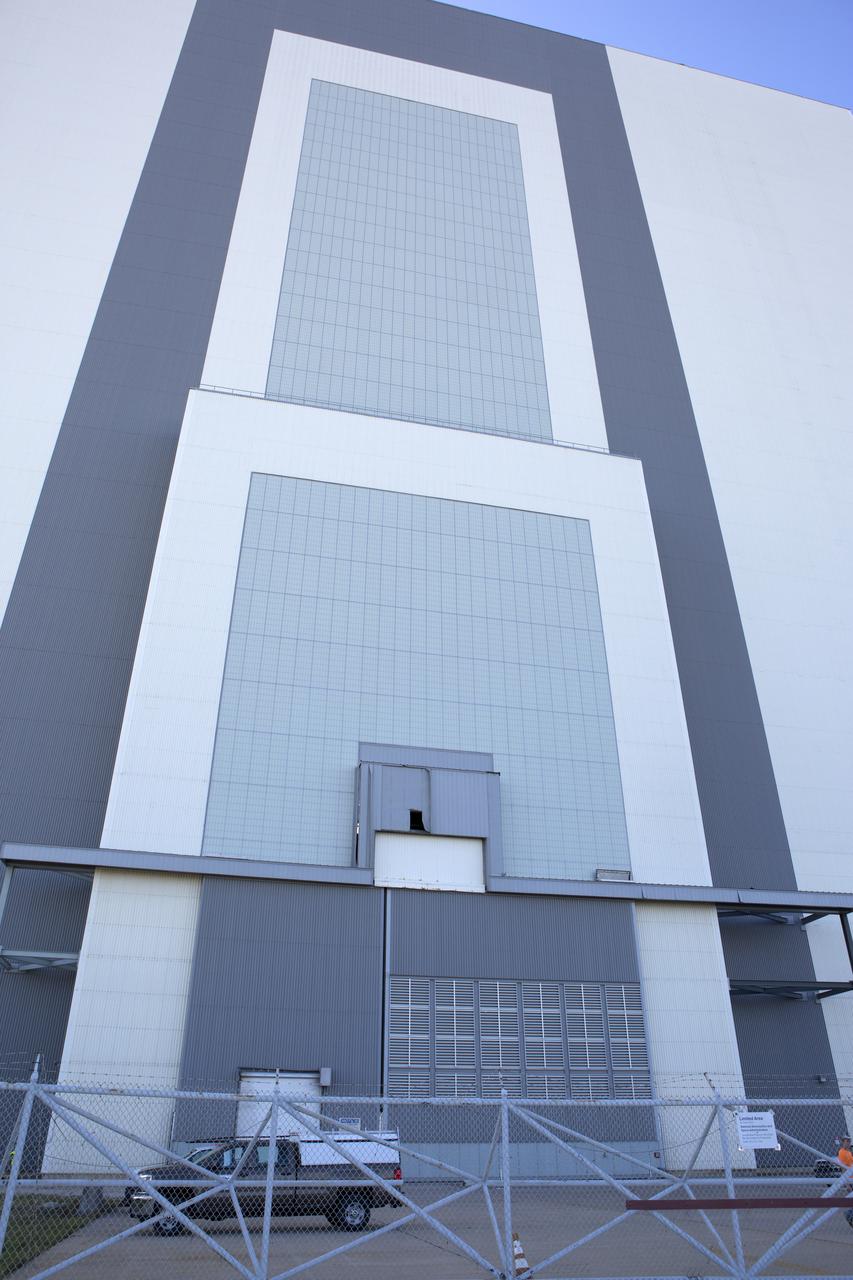
A hole caused by Hurricane Matthew is visible in a section of door on the Vehicle Assembly Building at NASA's Kennedy Space Center in Florida. Assessments and repairs are in progress at various structures and facilities across the spaceport, part of the ongoing recovery from Hurricane Matthew, which passed to the east of Kennedy on Oct. 6 and 7, 2016. The center received some isolated roof damage, damaged support buildings, a few downed power lines, and limited water intrusion. Beach erosion also occurred, although the storm surge was less than expected.
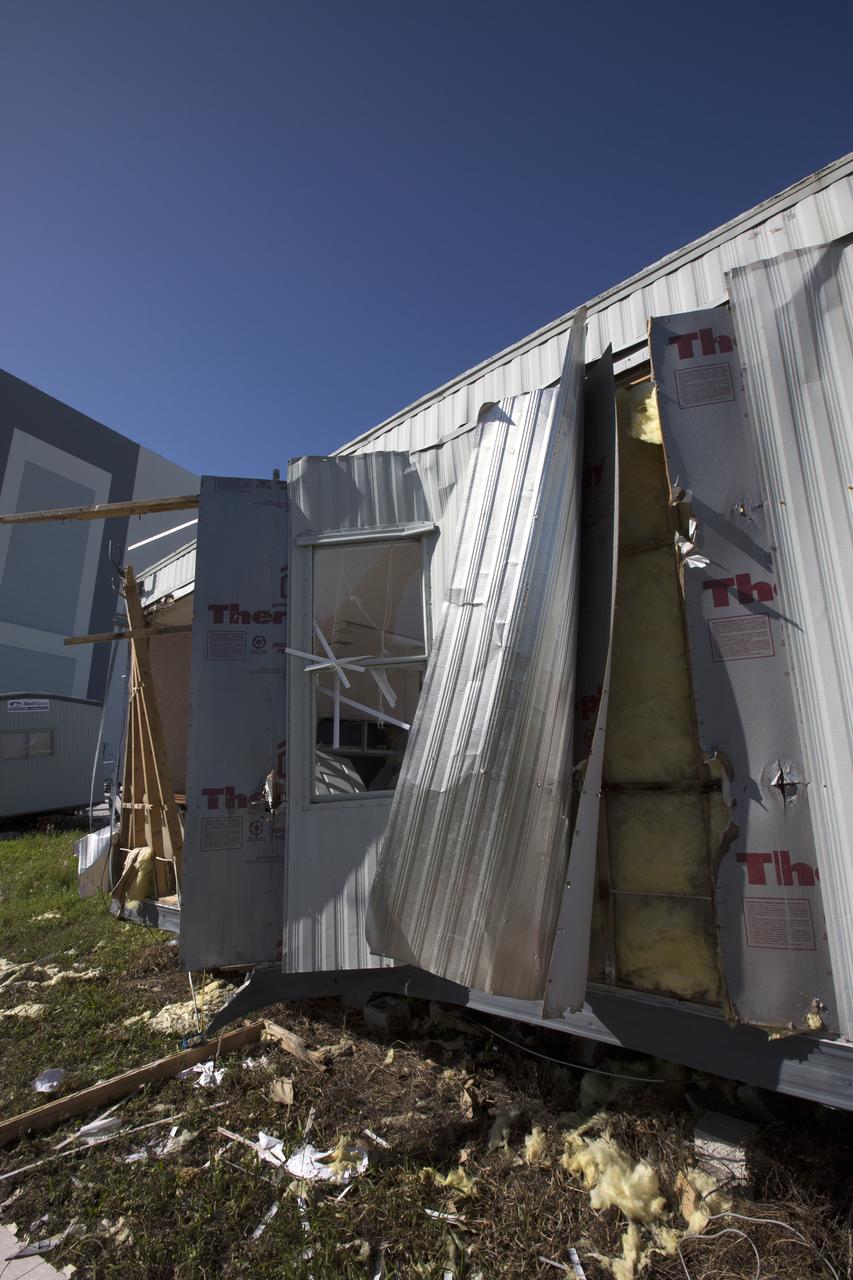
Siding damage caused by Hurricane Matthew is seen inside a support building in the Launch Complex 39 area at NASA's Kennedy Space Center in Florida. Assessments and repairs are in progress at various structures and facilities across the spaceport, part of the ongoing recovery from Hurricane Matthew, which passed to the east of Kennedy on Oct. 6 and 7, 2016. The center received some isolated roof damage, damaged support buildings, a few downed power lines, and limited water intrusion. Beach erosion also occurred, although the storm surge was less than expected.
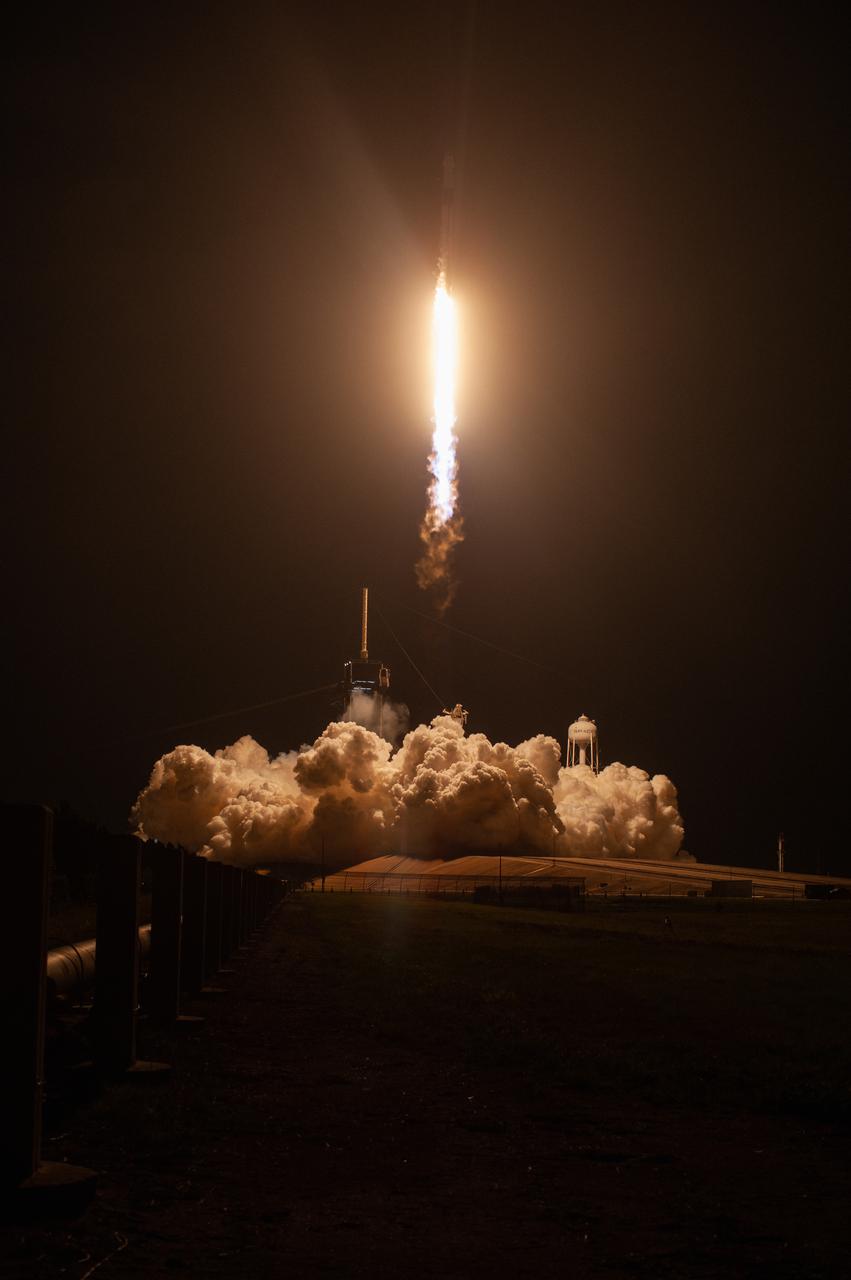
A SpaceX Falcon 9 rocket lifts off at 5:49 a.m. EDT from Launch Complex 39A at NASA’s Kennedy Space Center in Florida on April 23, 2021, carrying the company’s Crew Dragon Endeavour. Onboard the capsule are NASA astronaut Shane Kimbrough, spacecraft commander; NASA astronaut Megan McArthur, pilot; ESA astronaut Thomas Pesquet, mission specialist; and JAXA astronaut Akihiko Hoshide, mission specialist. NASA’s SpaceX Crew-2 mission crew will dock to the Harmony module’s forward-facing international docking adapter of the International Space Station on Saturday, April 24, at 5:10 a.m.
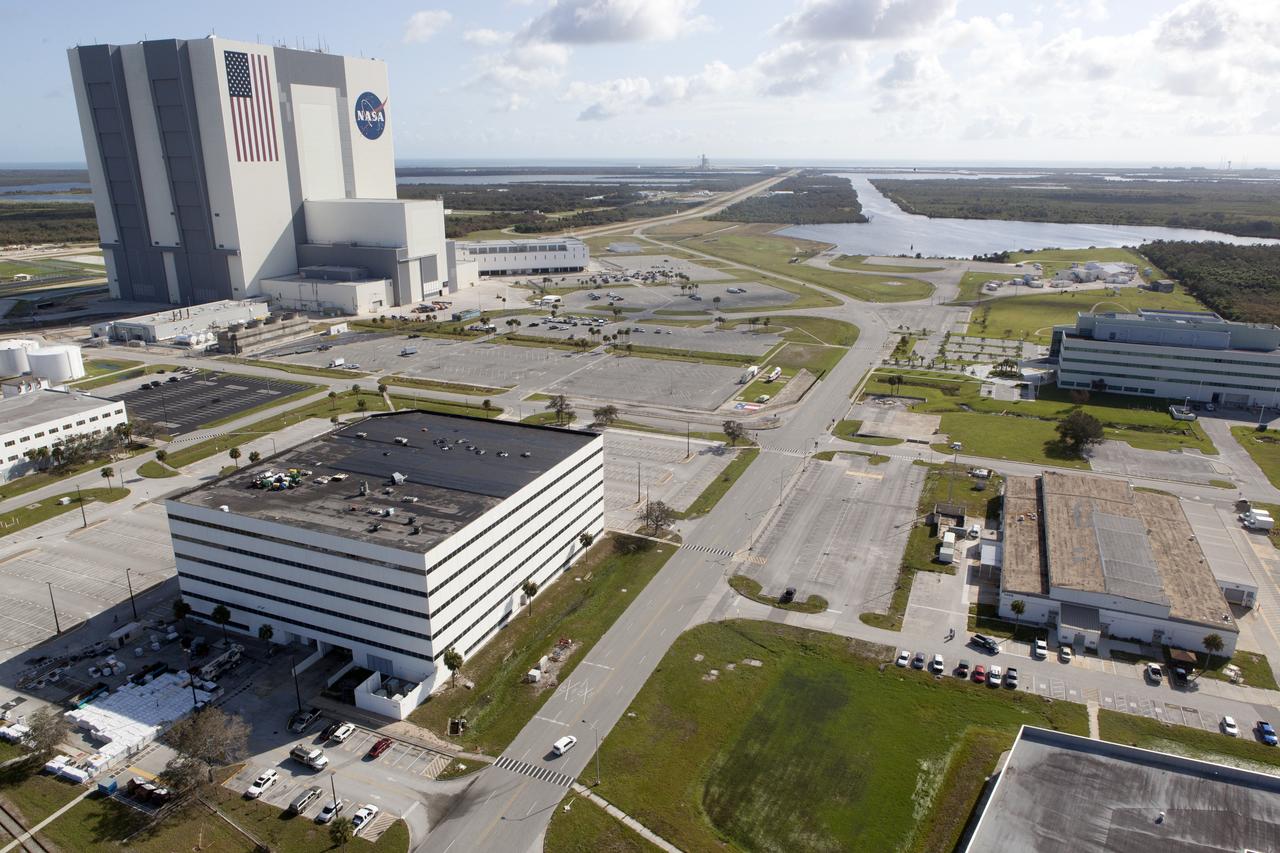
Launch Complex 39 surrounding areas are seen during an aerial survey of NASA's Kennedy Space Center in Florida on September 12, 2017. The survey was performed to identify structures and facilities that may have sustained damage from Hurricane Irma as the storm passed Kennedy on September 10, 2017. NASA closed the center ahead of the storm's onset and only a small team of specialists known as the Rideout Team was on the center as the storm approached and passed.
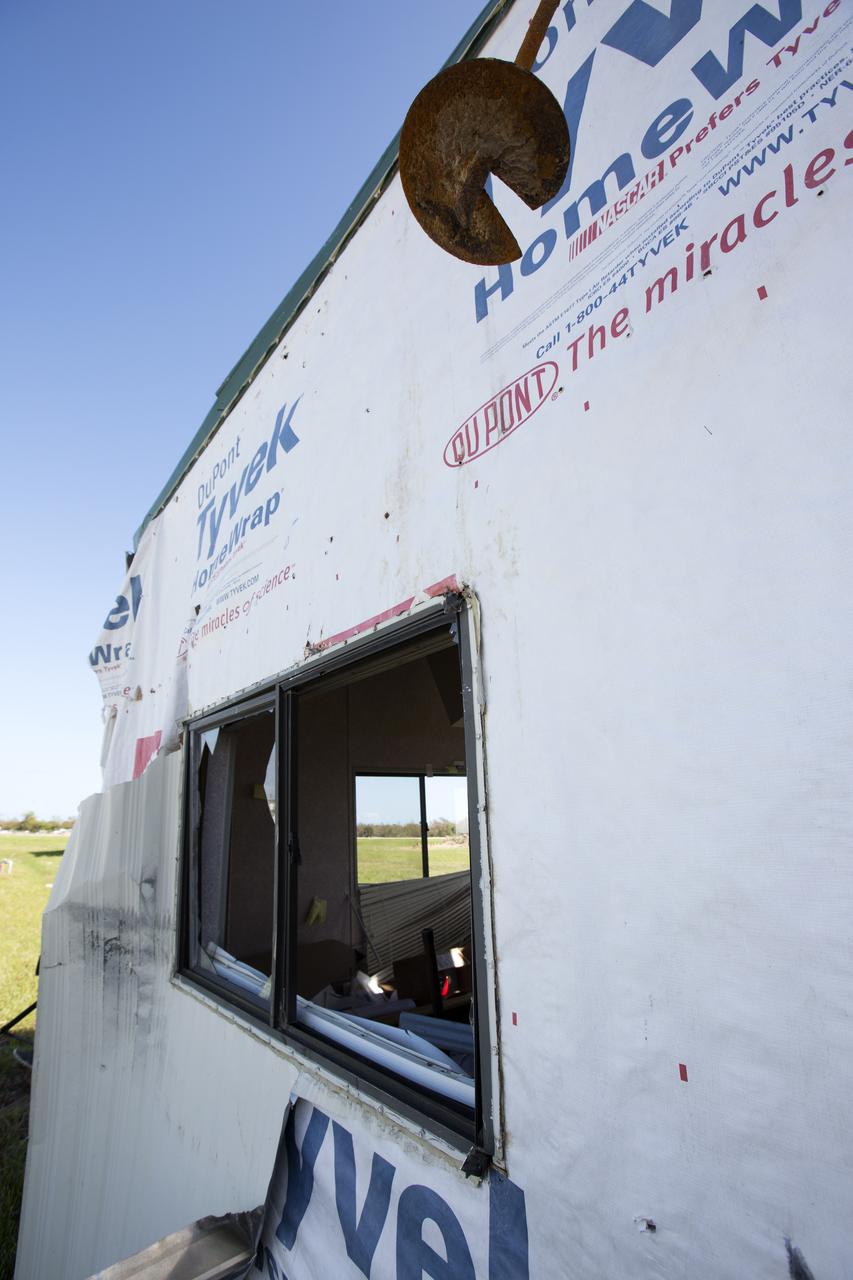
A construction trailer damaged by Hurricane Matthew is seen in the Launch Complex 39 area at NASA's Kennedy Space Center in Florida. Assessments and repairs are in progress at various structures and facilities across the spaceport, part of the ongoing recovery from Hurricane Matthew, which passed to the east of Kennedy on Oct. 6 and 7, 2016. The center received some isolated roof damage, damaged support buildings, a few downed power lines, and limited water intrusion. Beach erosion also occurred, although the storm surge was less than expected.
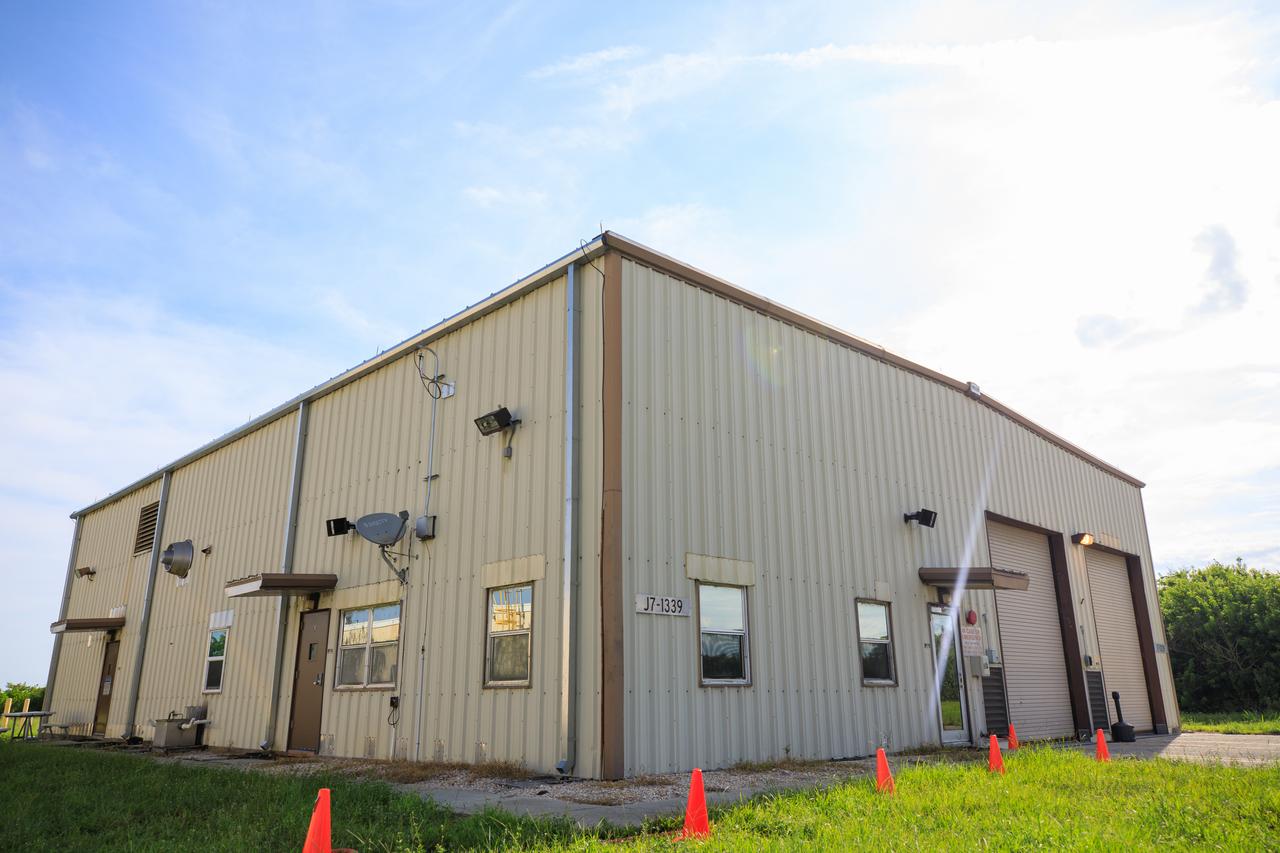
An exterior view of Fire Station 3 at Launch Complex 39B at NASA’s Kennedy Space Center in Florida on Sept. 8, 2022.
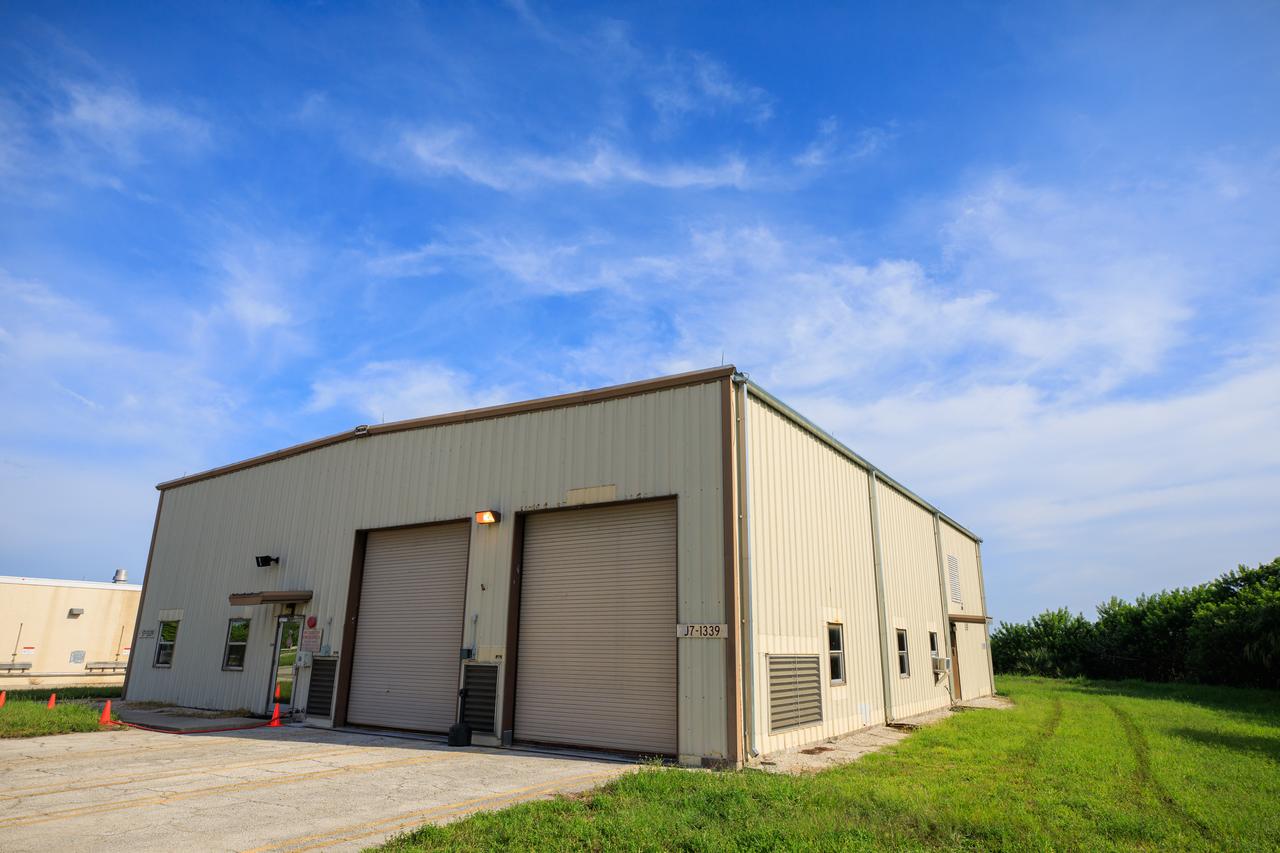
An exterior view of Fire Station 3 at Launch Complex 39B at NASA’s Kennedy Space Center in Florida on Sept. 8, 2022.
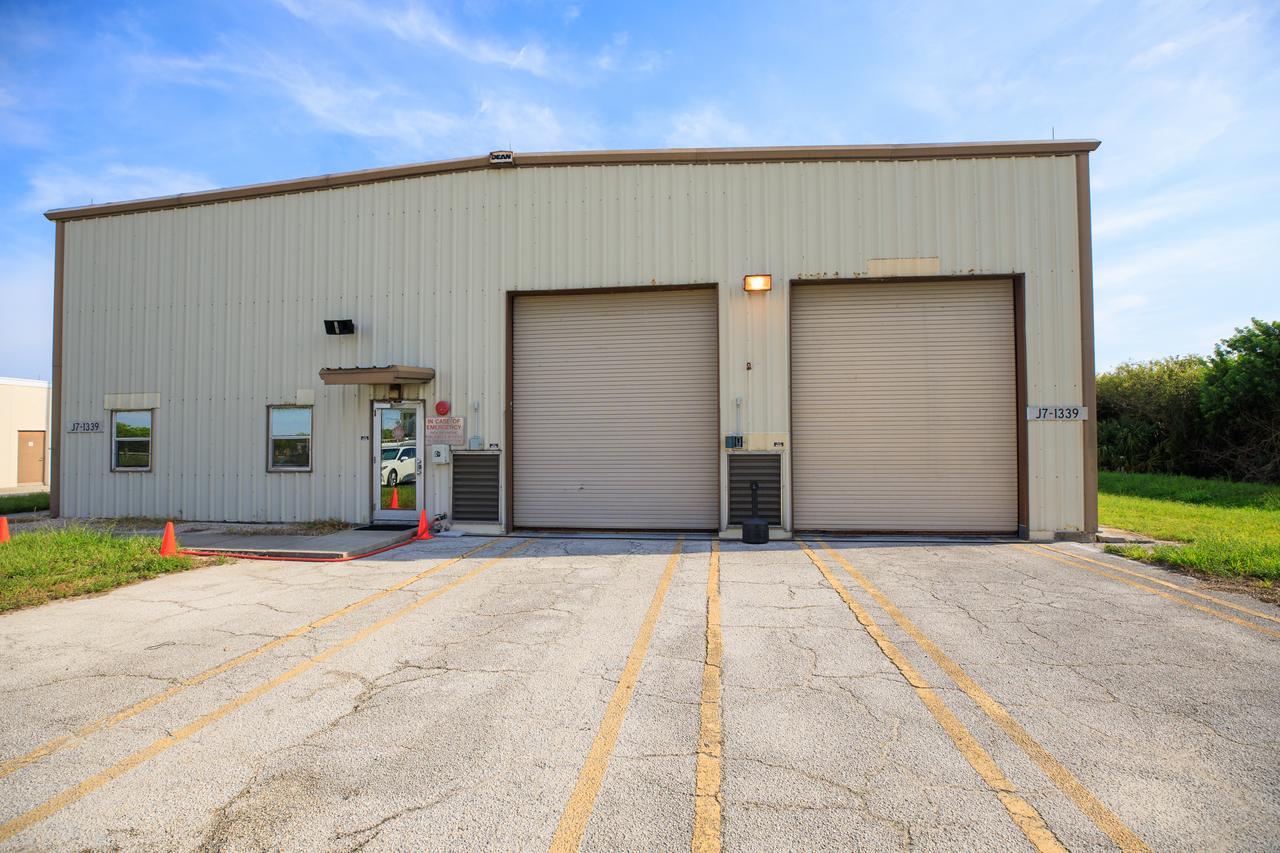
An exterior view of Fire Station 3 at Launch Complex 39B at NASA’s Kennedy Space Center in Florida on Sept. 8, 2022.
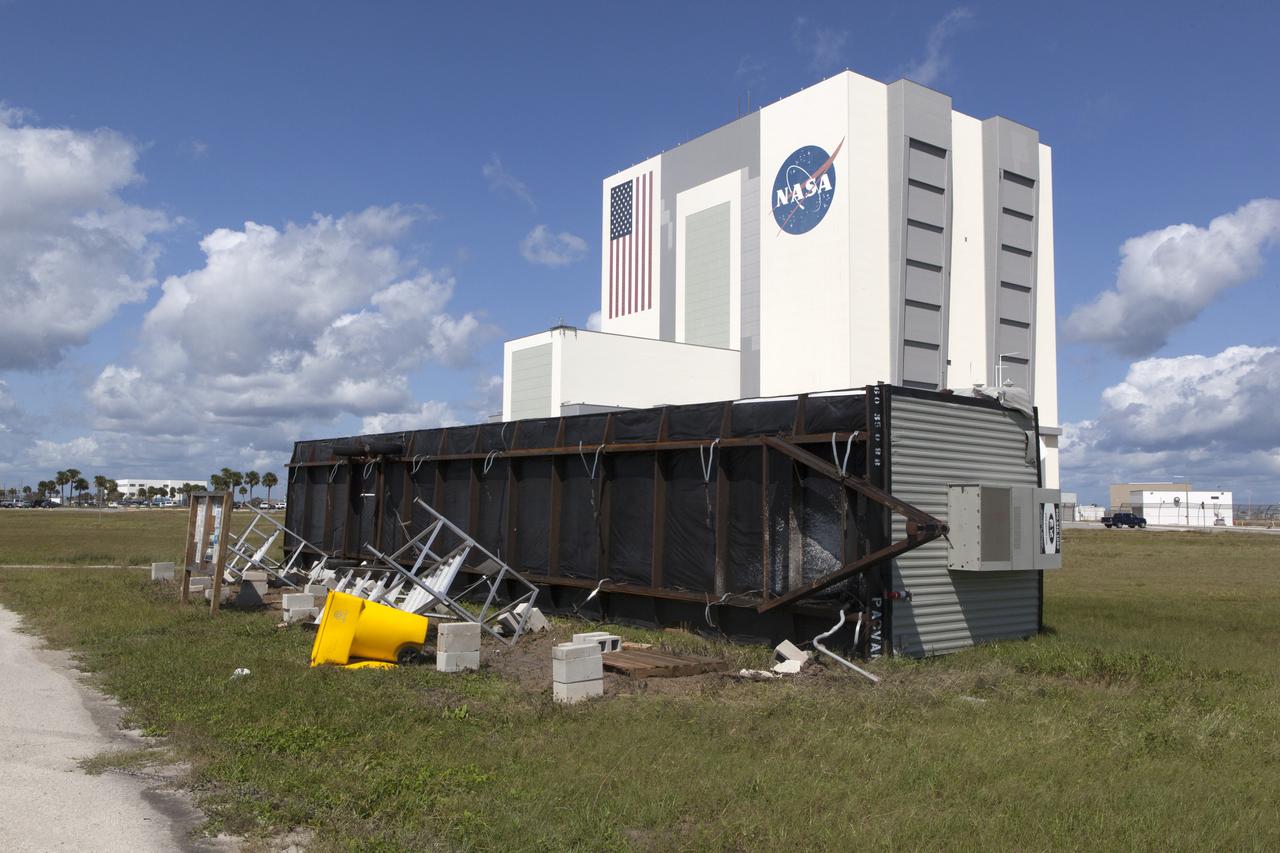
A trailer flipped on it's side at the Turn Basin is seen during a survey of NASA's Kennedy Space Center in Florida on September 12, 2017. The survey was performed to identify structures and facilities that may have sustained damage from Hurricane Irma as the storm passed Kennedy on September 10, 2017. NASA closed the center ahead of the storm's onset and only a small team of specialists known as the Rideout Team was on the center as the storm approached and passed.