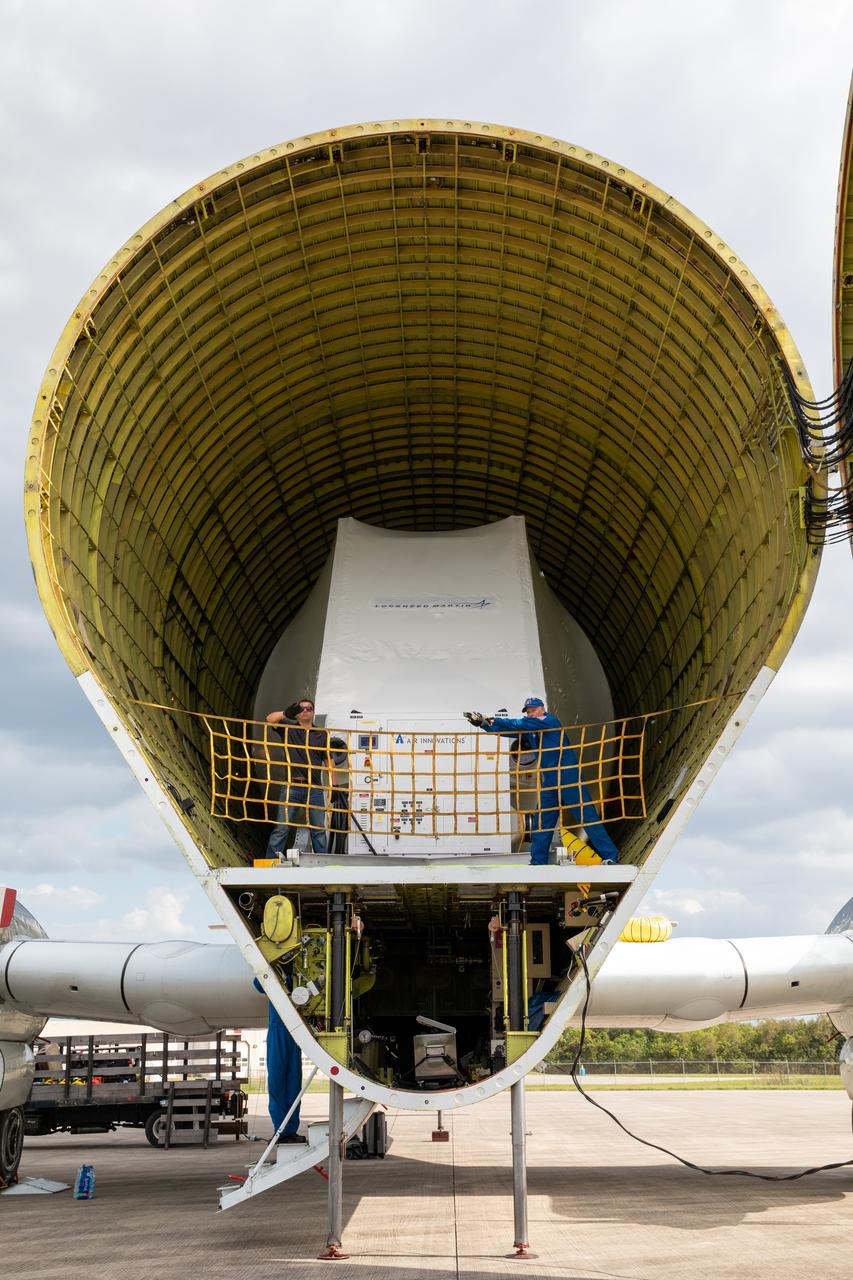
NASA’s Orion spacecraft, protected in its shipping container, is removed from the agency’s Super Guppy aircraft at the Launch and Landing Facility runway at Kennedy Space Center on March 25, 2020, for transportation to the Neil Armstrong Operations and Checkout Building. After testing at NASA’s Plum Brook Station in Ohio verified it can handle the extreme conditions of a deep-space environment, the spacecraft has returned to the Florida spaceport for final testing and assembly. Following this, it will be integrated with the Space Launch System rocket for Artemis I – the first in a series of increasingly complex missions to the Moon that will ultimately lead to the exploration of Mars.
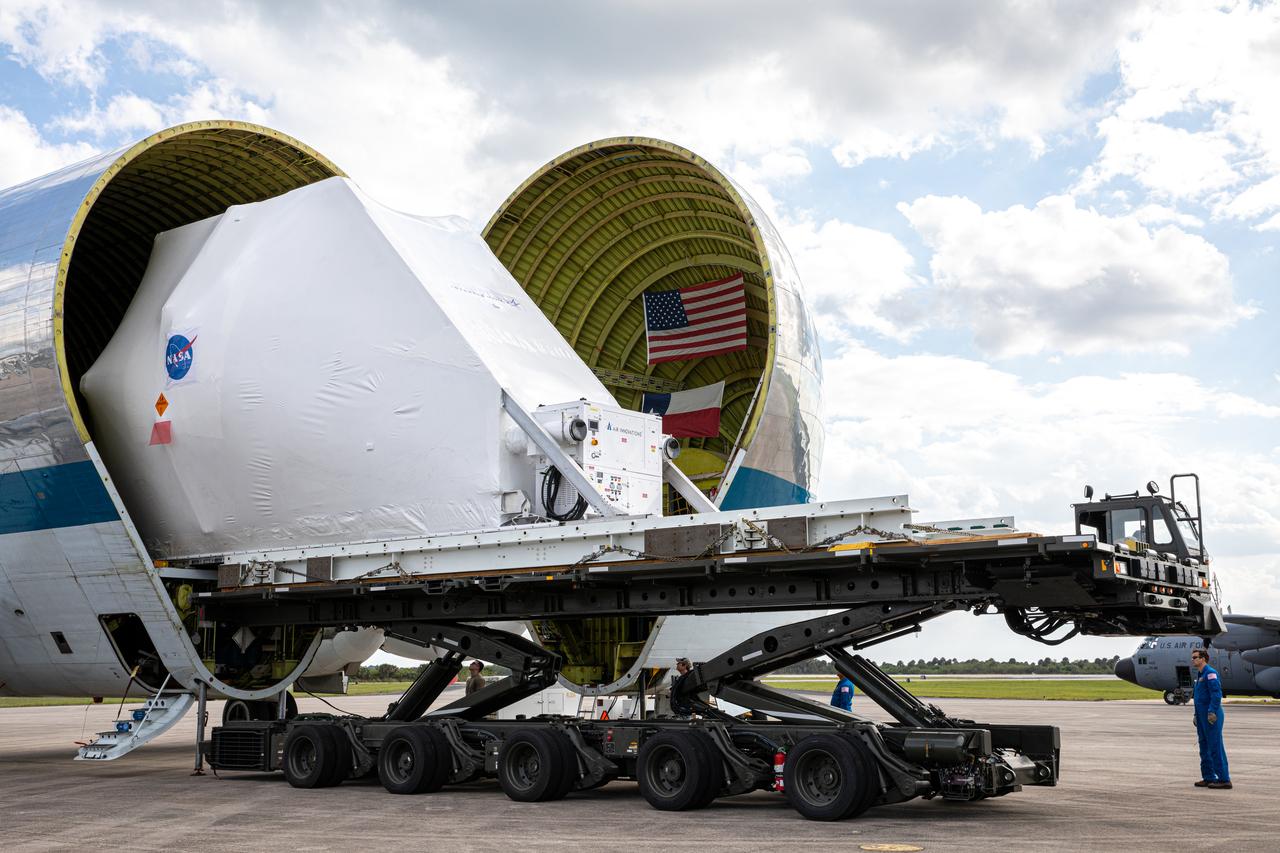
NASA’s Orion spacecraft, protected in its shipping container, is removed from the agency’s Super Guppy aircraft at the Launch and Landing Facility runway at Kennedy Space Center on March 25, 2020, for transportation to the Neil Armstrong Operations and Checkout Building. After testing at NASA’s Plum Brook Station in Ohio verified it can handle the extreme conditions of a deep-space environment, the spacecraft has returned to the Florida spaceport for final testing and assembly. Following this, it will be integrated with the Space Launch System rocket for Artemis I – the first in a series of increasingly complex missions to the Moon that will ultimately lead to the exploration of Mars.

NASA’s Super Guppy aircraft, carrying the Orion spacecraft, lands at the Launch and Landing Facility runway at Kennedy Space Center in Florida on March 25, 2020. Orion has returned to Kennedy after testing at the agency’s Plum Brook Station in Ohio verified the spacecraft can handle the extreme conditions of a deep-space environment. The spacecraft will now undergo final testing and assembly prior to being integrated with the Space Launch System rocket. Orion will fly on the agency’s Artemis I mission – the first in a series of increasingly complex missions to the Moon that will ultimately lead to the exploration of Mars.
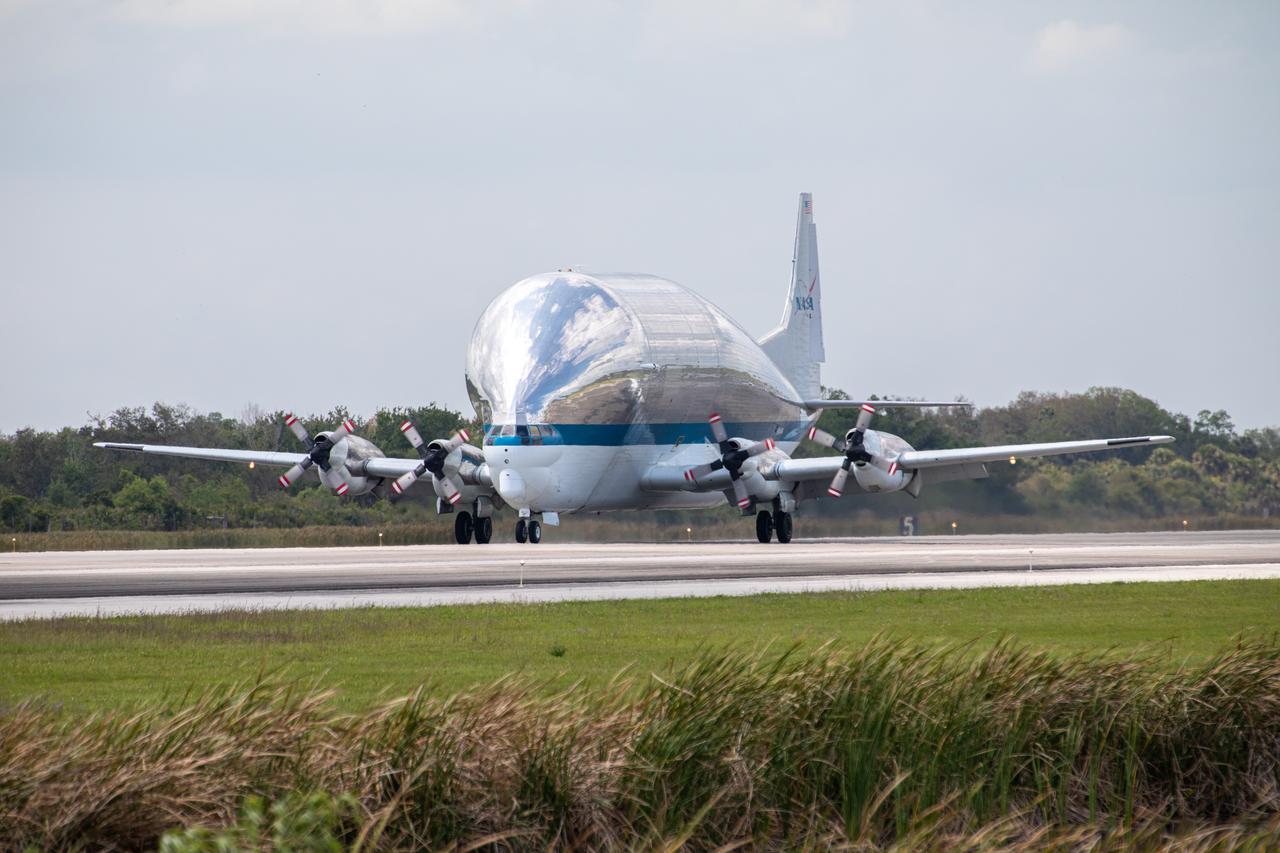
NASA’s Super Guppy aircraft, carrying the Orion spacecraft, lands at the Launch and Landing Facility runway at Kennedy Space Center in Florida on March 25, 2020. Orion has returned to Kennedy after testing at the agency’s Plum Brook Station in Ohio verified the spacecraft can handle the extreme conditions of a deep-space environment. The spacecraft will now undergo final testing and assembly prior to being integrated with the Space Launch System rocket. Orion will fly on the agency’s Artemis I mission – the first in a series of increasingly complex missions to the Moon that will ultimately lead to the exploration of Mars.
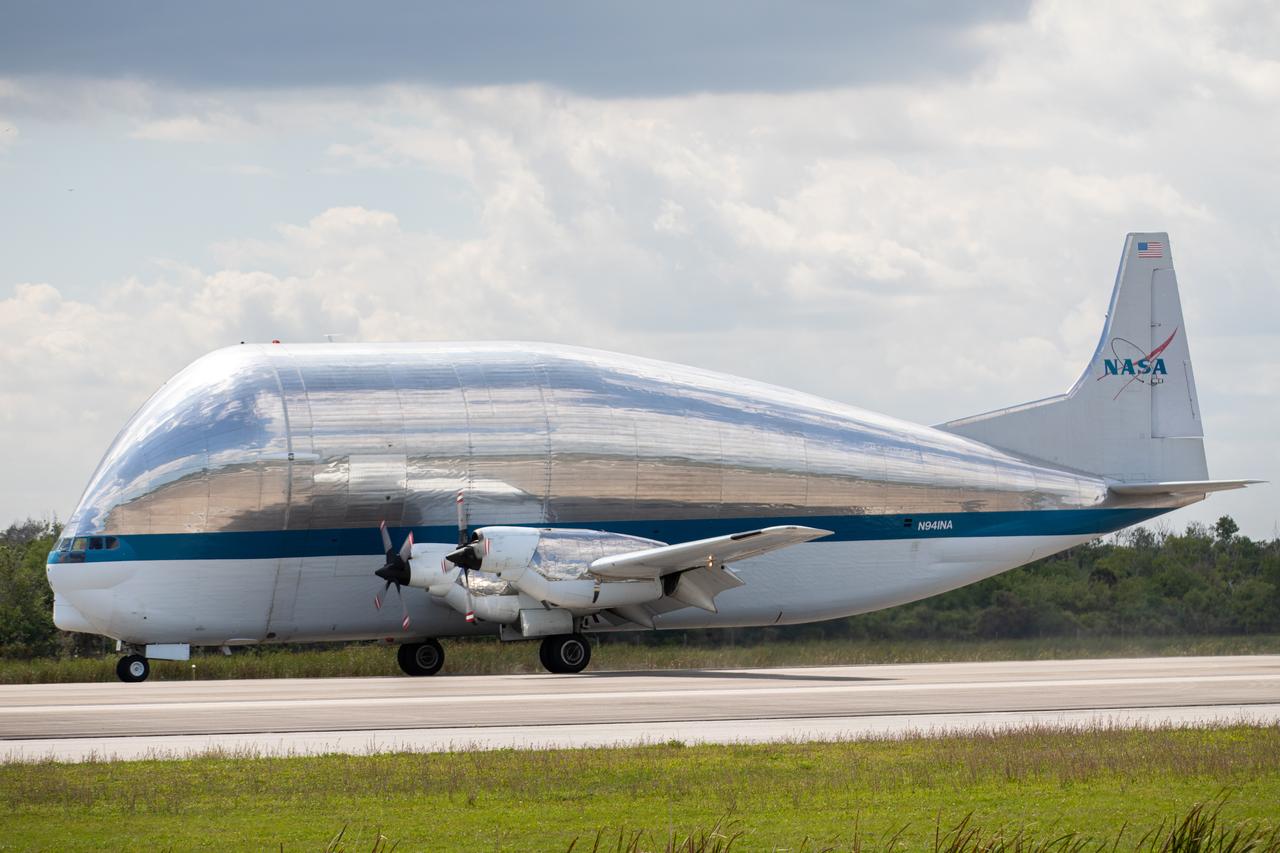
NASA’s Super Guppy aircraft, carrying the Orion spacecraft, lands at the Launch and Landing Facility runway at Kennedy Space Center in Florida on March 25, 2020. Orion has returned to Kennedy after testing at the agency’s Plum Brook Station in Ohio verified the spacecraft can handle the extreme conditions of a deep-space environment. The spacecraft will now undergo final testing and assembly prior to being integrated with the Space Launch System rocket. Orion will fly on the agency’s Artemis I mission – the first in a series of increasingly complex missions to the Moon that will ultimately lead to the exploration of Mars.
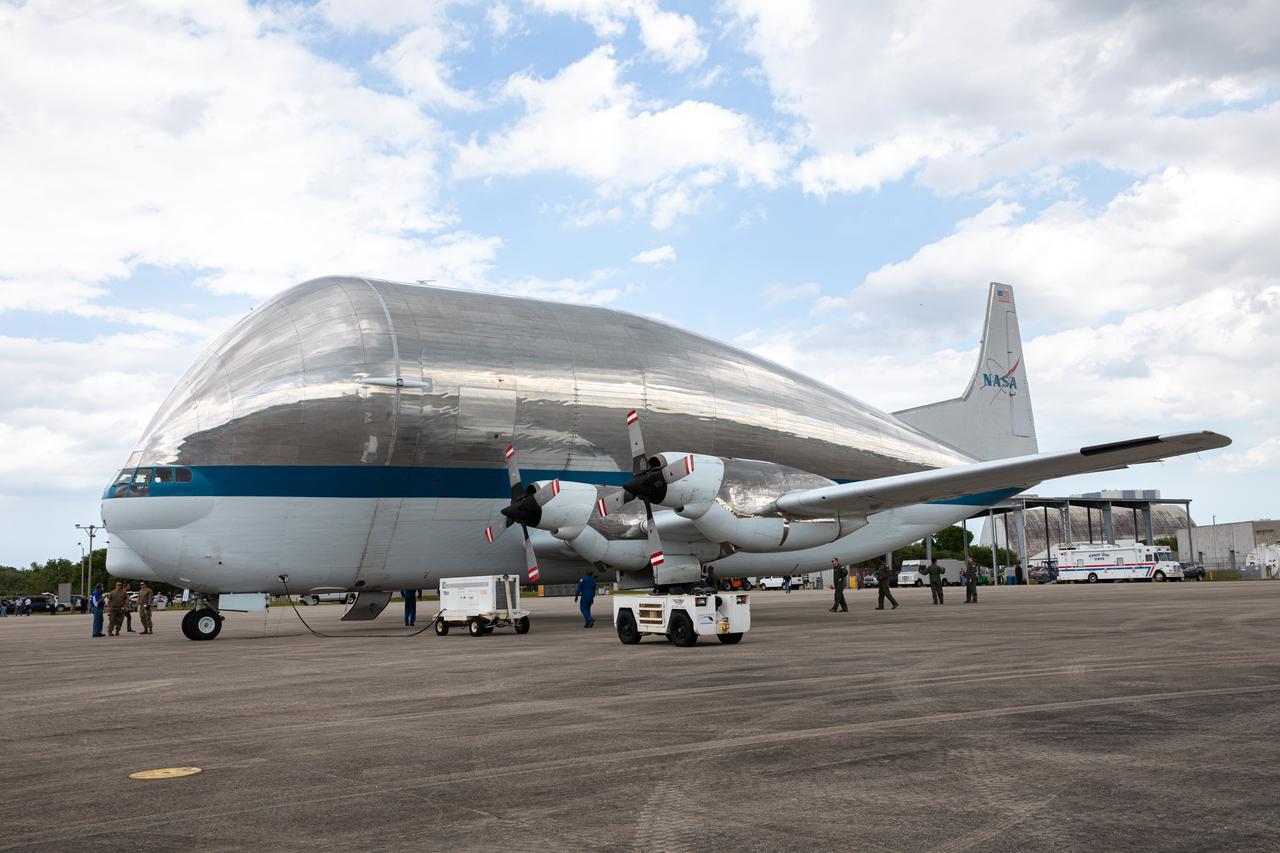
NASA’s Super Guppy aircraft, carrying the Orion spacecraft, lands at the Launch and Landing Facility runway at Kennedy Space Center in Florida on March 25, 2020. Orion has returned to Kennedy after testing at the agency’s Plum Brook Station in Ohio verified the spacecraft can handle the extreme conditions of a deep-space environment. The spacecraft will now undergo final testing and assembly prior to being integrated with the Space Launch System rocket. Orion will fly on the agency’s Artemis I mission – the first in a series of increasingly complex missions to the Moon that will ultimately lead to the exploration of Mars.
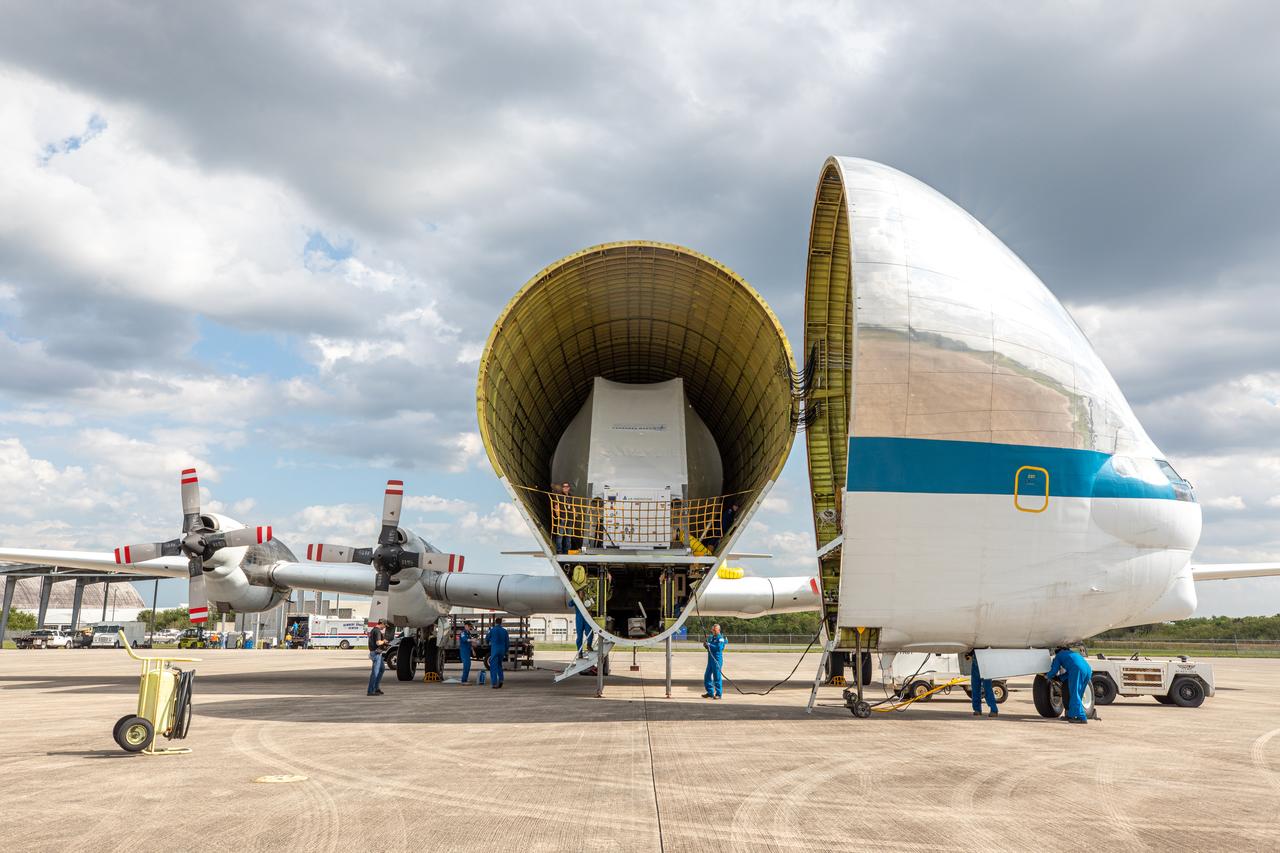
NASA’s Orion spacecraft, protected in its shipping container, is removed from the agency’s Super Guppy aircraft at the Launch and Landing Facility runway at Kennedy Space Center on March 25, 2020, for transportation to the Neil Armstrong Operations and Checkout Building. After testing at NASA’s Plum Brook Station in Ohio verified it can handle the extreme conditions of a deep-space environment, the spacecraft has returned to the Florida spaceport for final testing and assembly. Following this, it will be integrated with the Space Launch System rocket for Artemis I – the first in a series of increasingly complex missions to the Moon that will ultimately lead to the exploration of Mars.
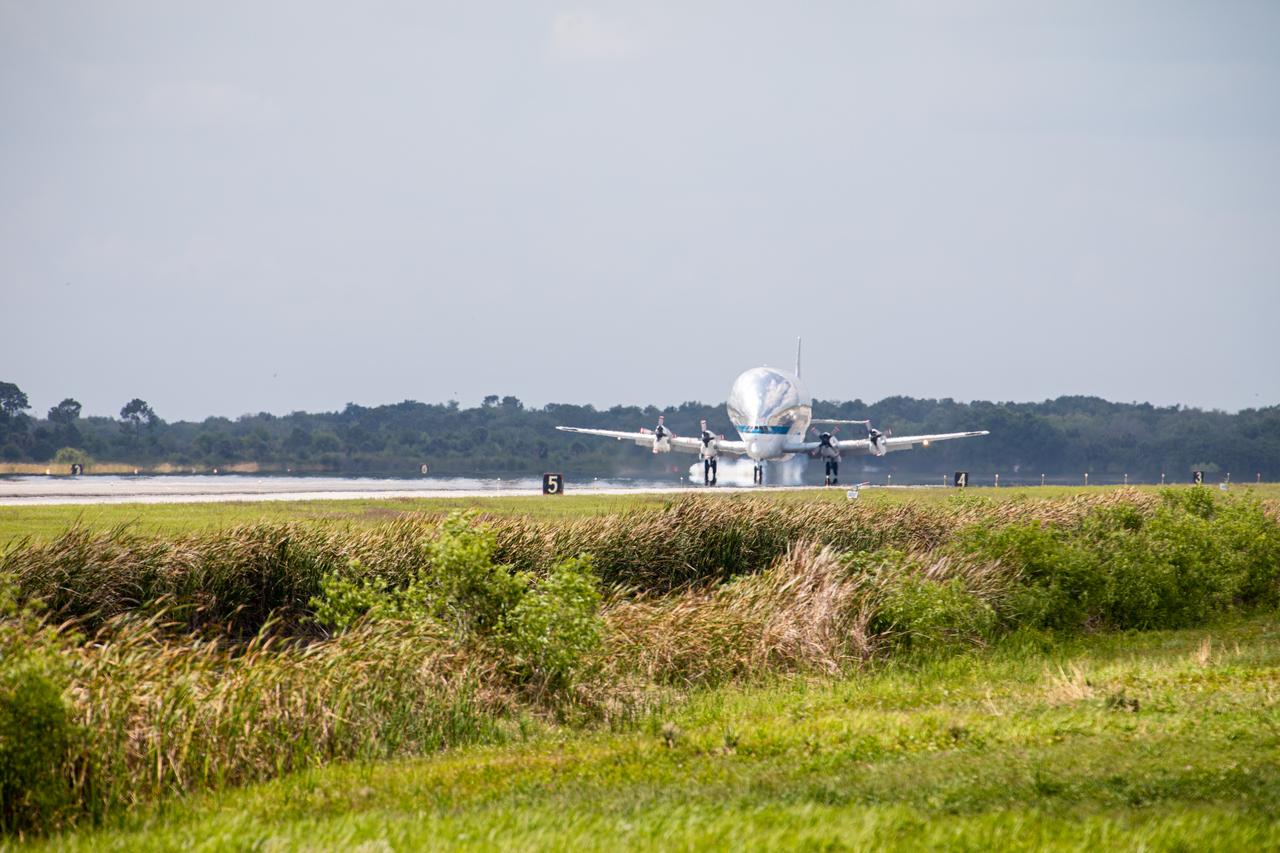
NASA’s Super Guppy aircraft, carrying the Orion spacecraft, touches down at the Launch and Landing Facility at the agency’s Kennedy Space Center in Florida on March 25, 2020. The container holding Orion can be seen in the open aircraft. The spacecraft was transported from NASA’s Plum Brook Station in Ohio, where it underwent two phases of testing to demonstrate it can handle the extreme conditions of a deep-space environment. The container will be offloaded and secured onto a transporter for its move to the Neil Armstrong Operations and Checkout Building for final testing and assembly. Following this, Orion will be integrated with the Space Launch System rocket for Artemis I – the first in a series of increasingly complex missions to the Moon that will ultimately lead to the exploration of Mars.
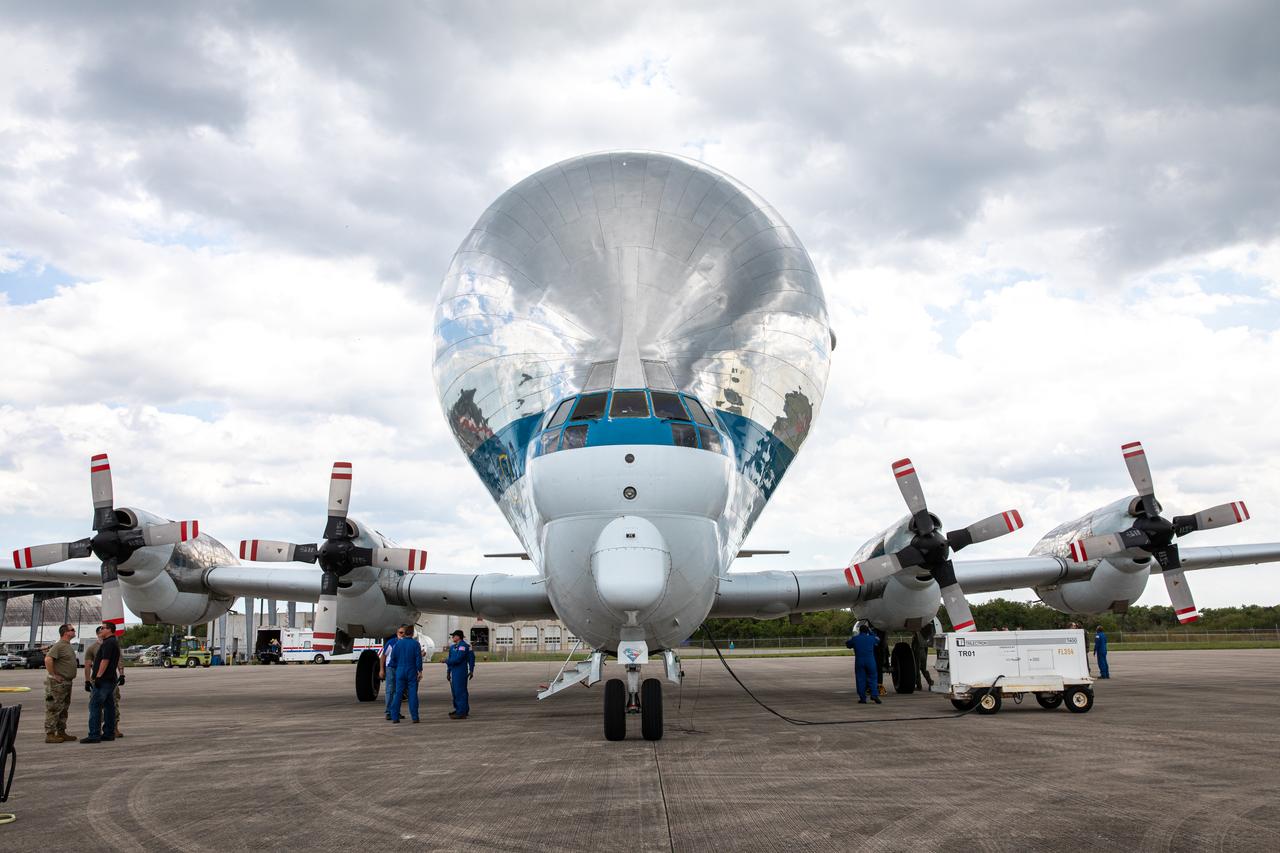
NASA’s Super Guppy aircraft, carrying the Orion spacecraft, lands at the Launch and Landing Facility runway at Kennedy Space Center in Florida on March 25, 2020. Orion has returned to Kennedy after testing at the agency’s Plum Brook Station in Ohio verified the spacecraft can handle the extreme conditions of a deep-space environment. The spacecraft will now undergo final testing and assembly prior to being integrated with the Space Launch System rocket. Orion will fly on the agency’s Artemis I mission – the first in a series of increasingly complex missions to the Moon that will ultimately lead to the exploration of Mars.