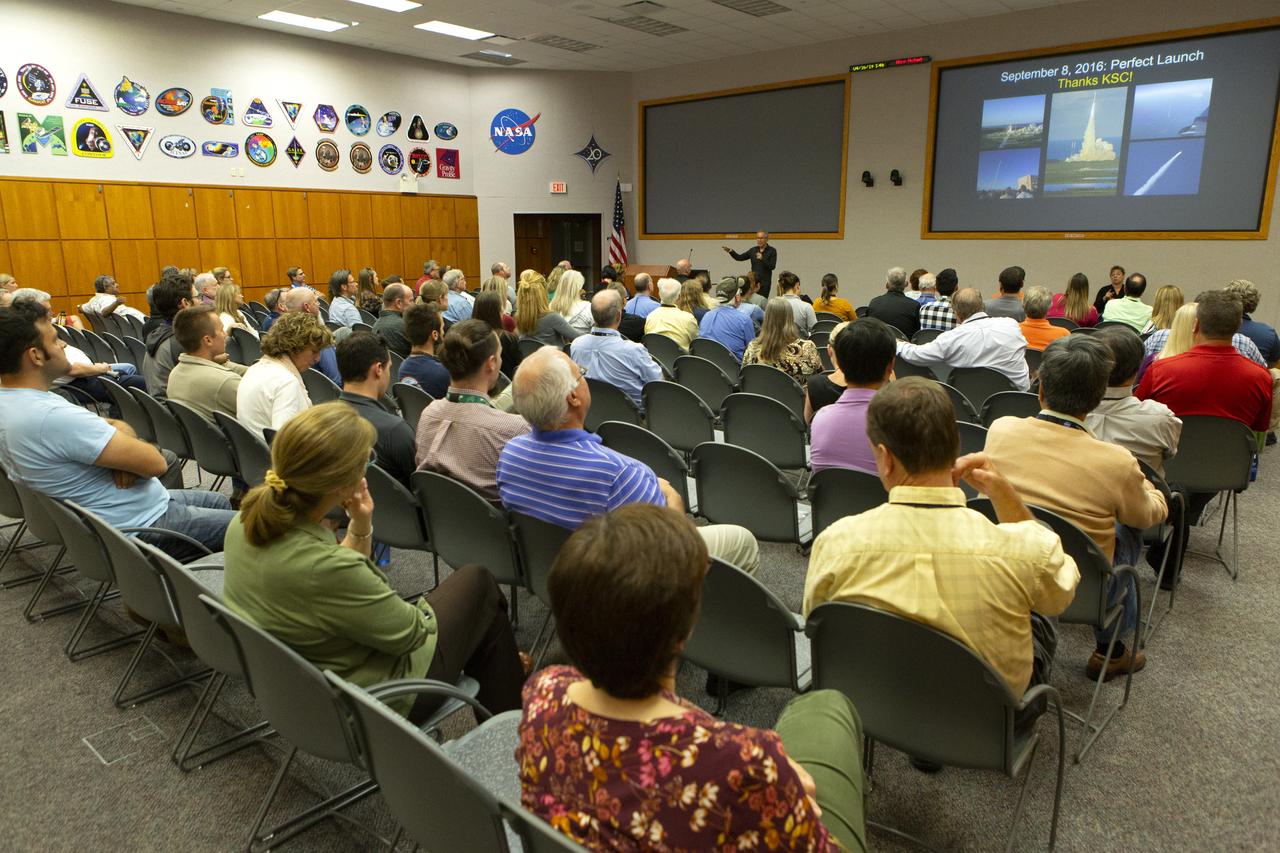
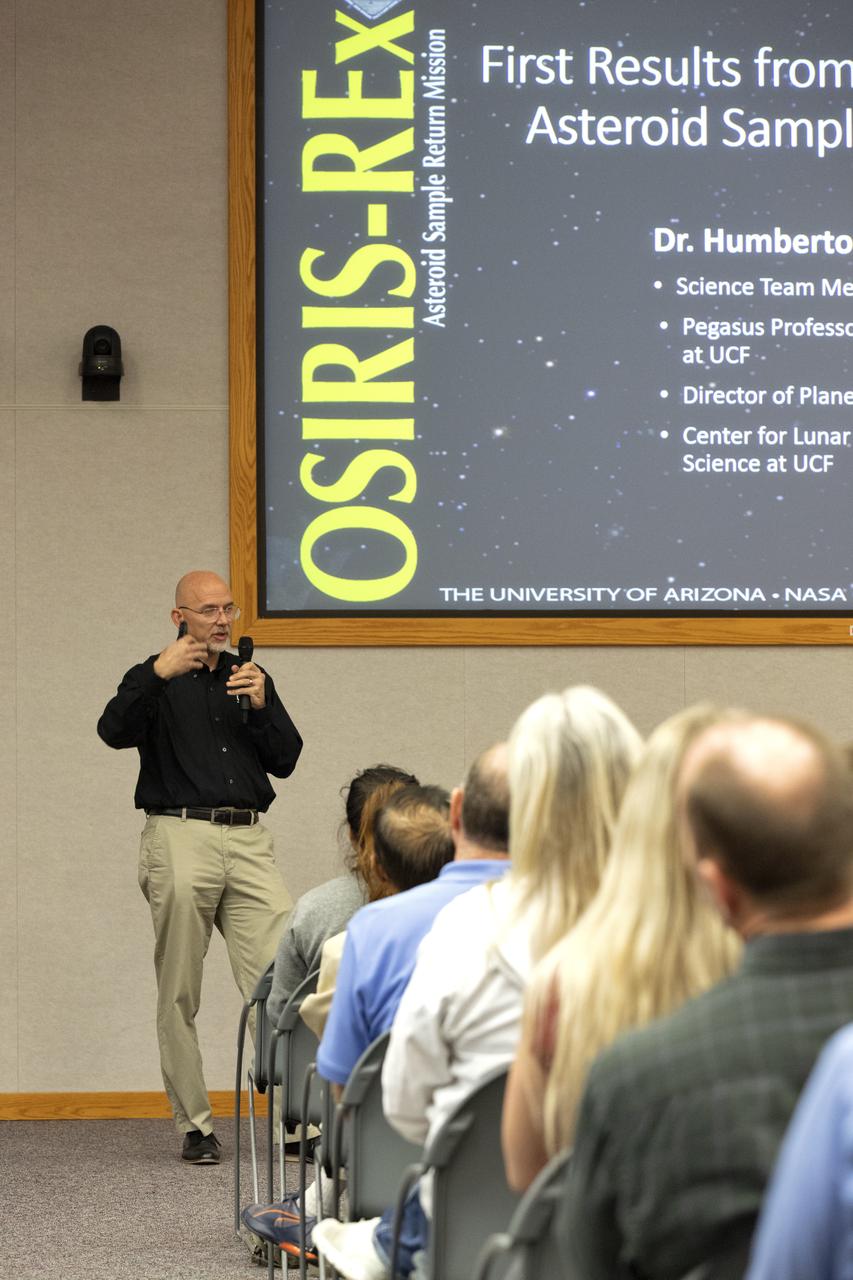
Kennedy Space Center employees gather in the Florida spaceport’s Neil Armstrong O&C Mission Briefing Room on April 16, 2019, to hear Dr. Humberto Campins from the University of Central Florida give a status update on NASA’s Origins, Spectral Interpretation, Resource Identification, Security-Regolith Explorer (OSIRIS-REx). The first U.S. mission to sample an asteroid, OSIRIS-REx launched from Cape Canaveral Air Force Station on Sept. 8, 2016 aboard a United Launch Alliance Atlas V rocket. Management of the launch service for OSIRIS-REx was the responsibility of NASA’s Launch Services Program, based at Kennedy.
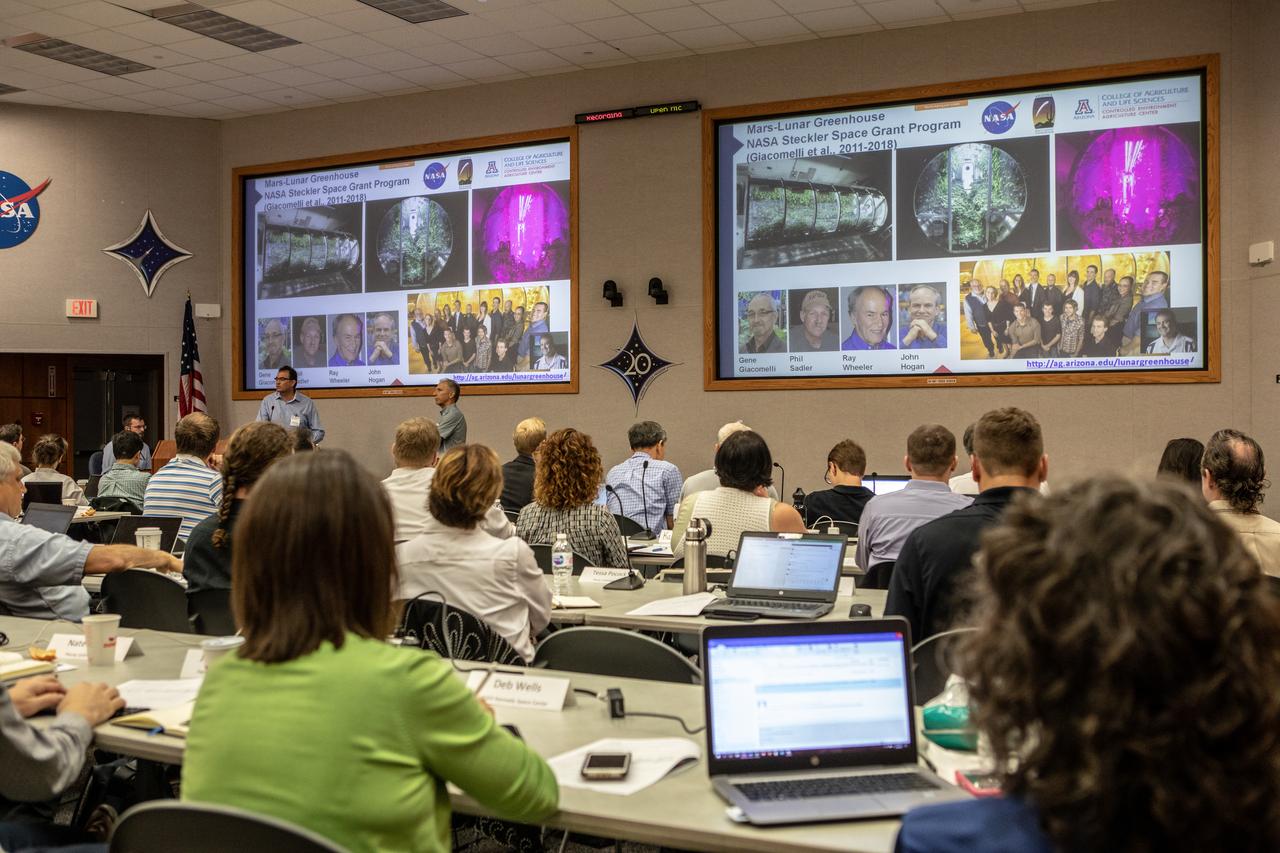
The Exploration Research and Technology Programs at NASA’s Kennedy Space Center in Florida hosted a two-day workshop, Aug. 6 and 7, 2019, focusing on robotics and automation in space crop production. Participants from around the world and members of NASA, industry, academia and other government agencies met to share their knowledge to enable a common goal of sustaining human operations on the Moon, in deep space and eventually on Mars. Keynote speakers and representatives from different organizations presented data gleaned from their research. Murat Kacira, left, a professor in the Department of Agricultural and Biosystems Engineering and director of the Controlled Environment Agriculture Program at the University of Arizona, and Barry Pryor, a professor with the School of Plant Sciences, also at the University of Arizona, present to workshop attendees on Aug. 6.
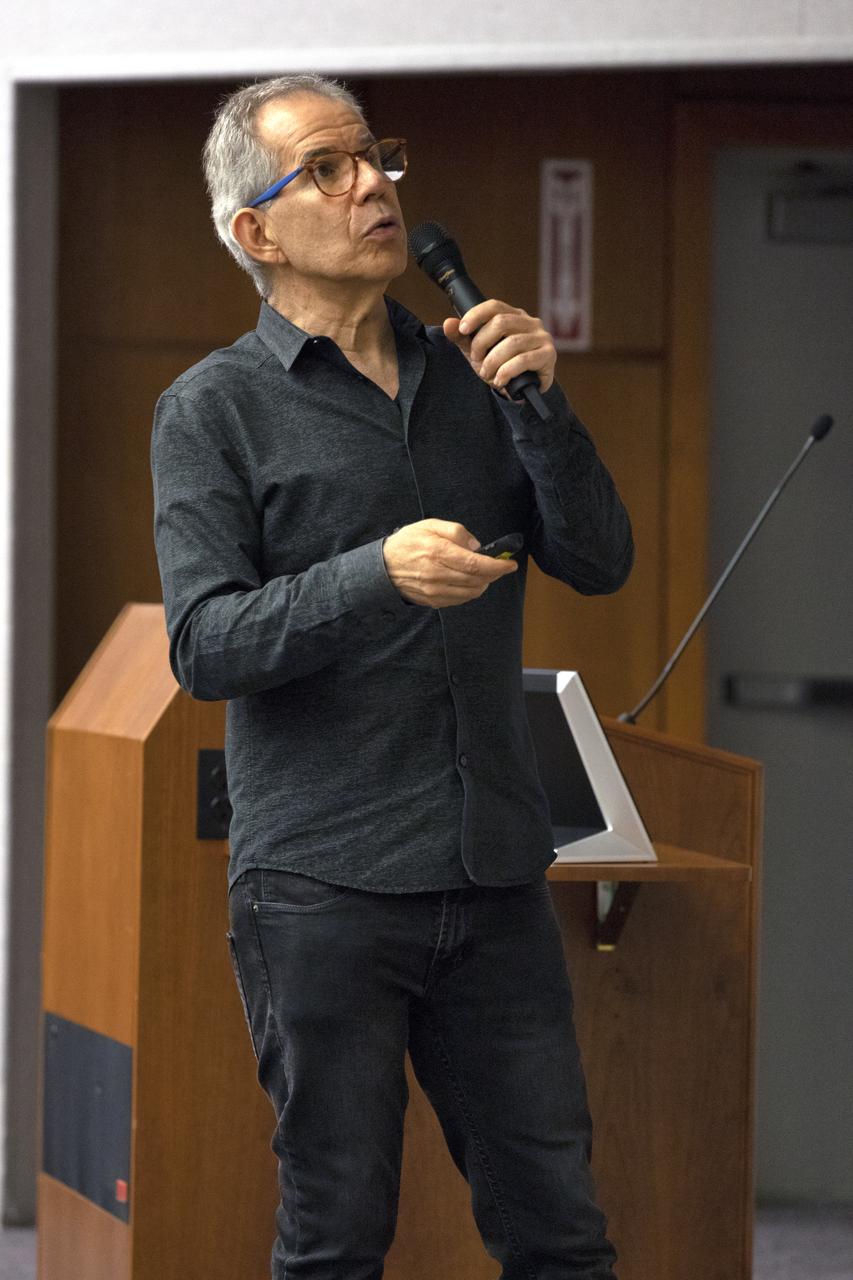
Dr. Humberto Campins from the University of Central Florida speaks to Kennedy Space Center employees in the Florida spaceport’s Neil Armstrong O&C Mission Briefing Room on April 16, 2019, to give a status update on NASA’s Origins, Spectral Interpretation, Resource Identification, Security-Regolith Explorer (OSIRIS-REx). The first U.S. mission to sample an asteroid, OSIRIS-REx launched from Cape Canaveral Air Force Station on Sept. 8, 2016 aboard a United Launch Alliance Atlas V rocket. Management of the launch service for OSIRIS-REx was the responsibility of NASA’s Launch Services Program, based at Kennedy.
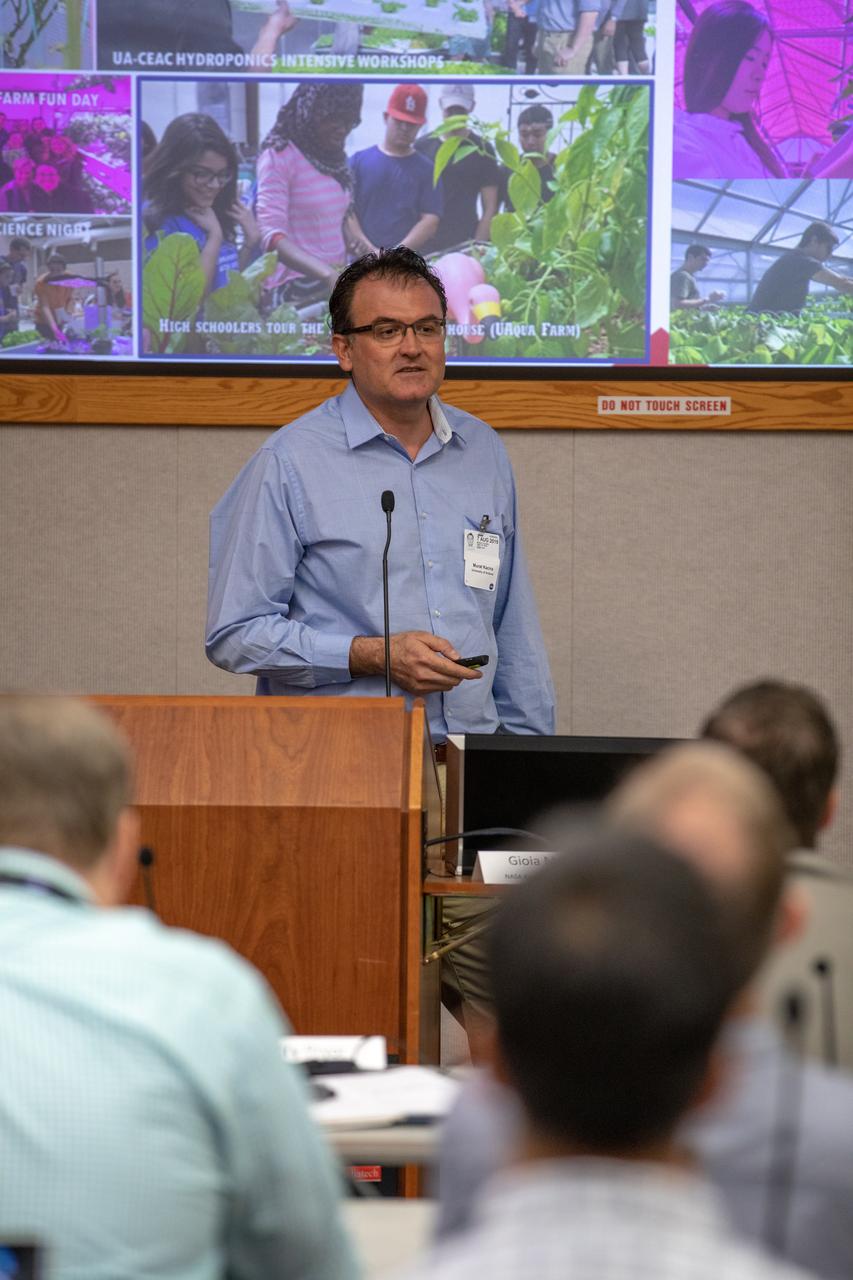
The Exploration Research and Technology Programs at NASA’s Kennedy Space Center in Florida hosted a two-day workshop, Aug. 6 and 7, 2019, focusing on robotics and automation in space crop production. Participants from around the world and members of NASA, industry, academia and other government agencies met to share their knowledge to enable a common goal of sustaining human operations on the Moon, in deep space and eventually on Mars. Keynote speakers and representatives from different organizations presented data gleaned from their research.. Murat Kacira, a professor in the Department of Agricultural and Biosystems Engineering and director of the Controlled Environment Agriculture Program at the University of Arizona presents to workshop attendees on Aug. 6.
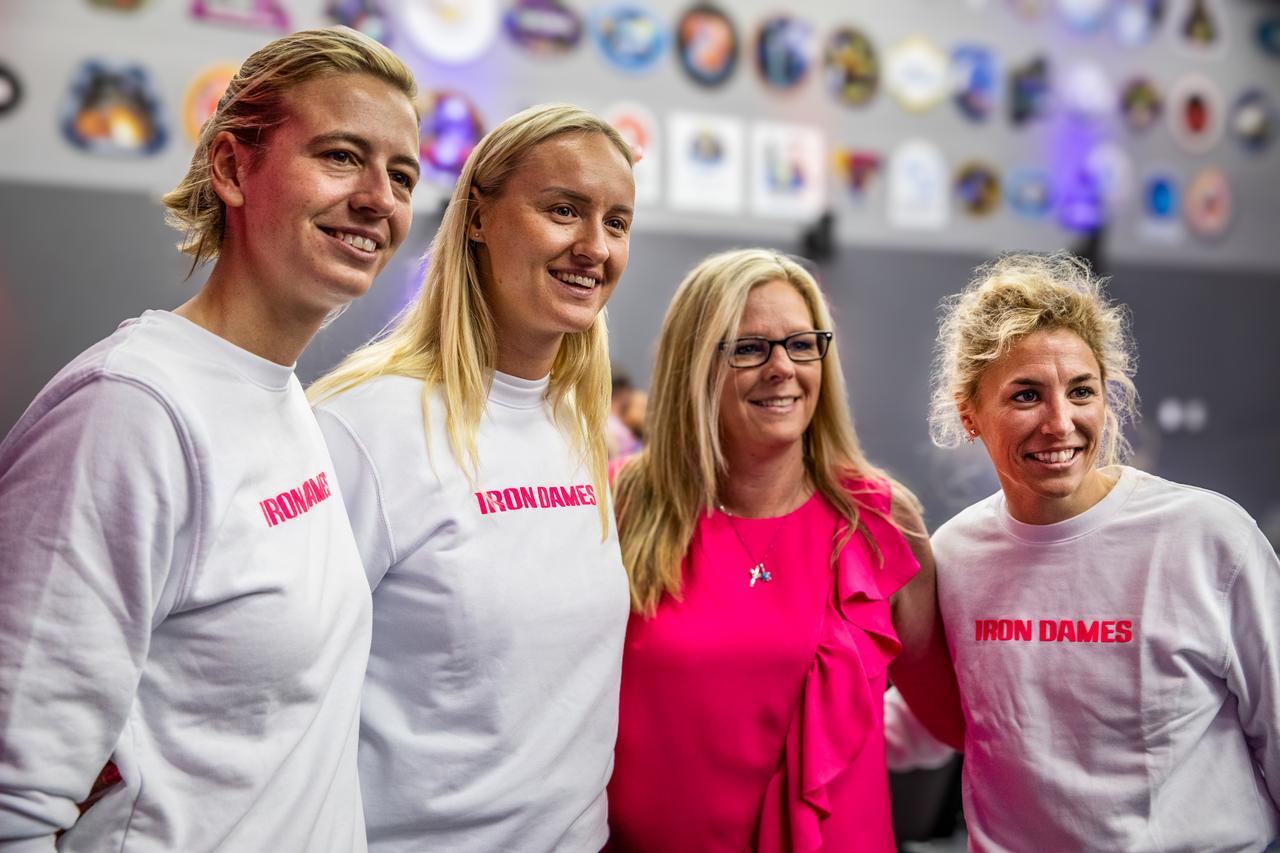
Members of the Iron Dames, from left to right, Sarah Bovy, Michelle Gatting, Christina Williams, business development specialist NASA Kennedy; and Iron Dames Rahel Frey, visit NASA’s Kennedy Space Center in Florida on Wednesday, March 13, 2024, to discuss their project to promote and support women in sports, and enable them to compete on equal terms with men in fields of jobs including driving, mechanics, engineers, and team leaders. The all-female team started in motorsports and became the first all-female team to win a race in the 2023 FIA World Endurance Championships at Sebring International Raceway in Sebring, Florida.
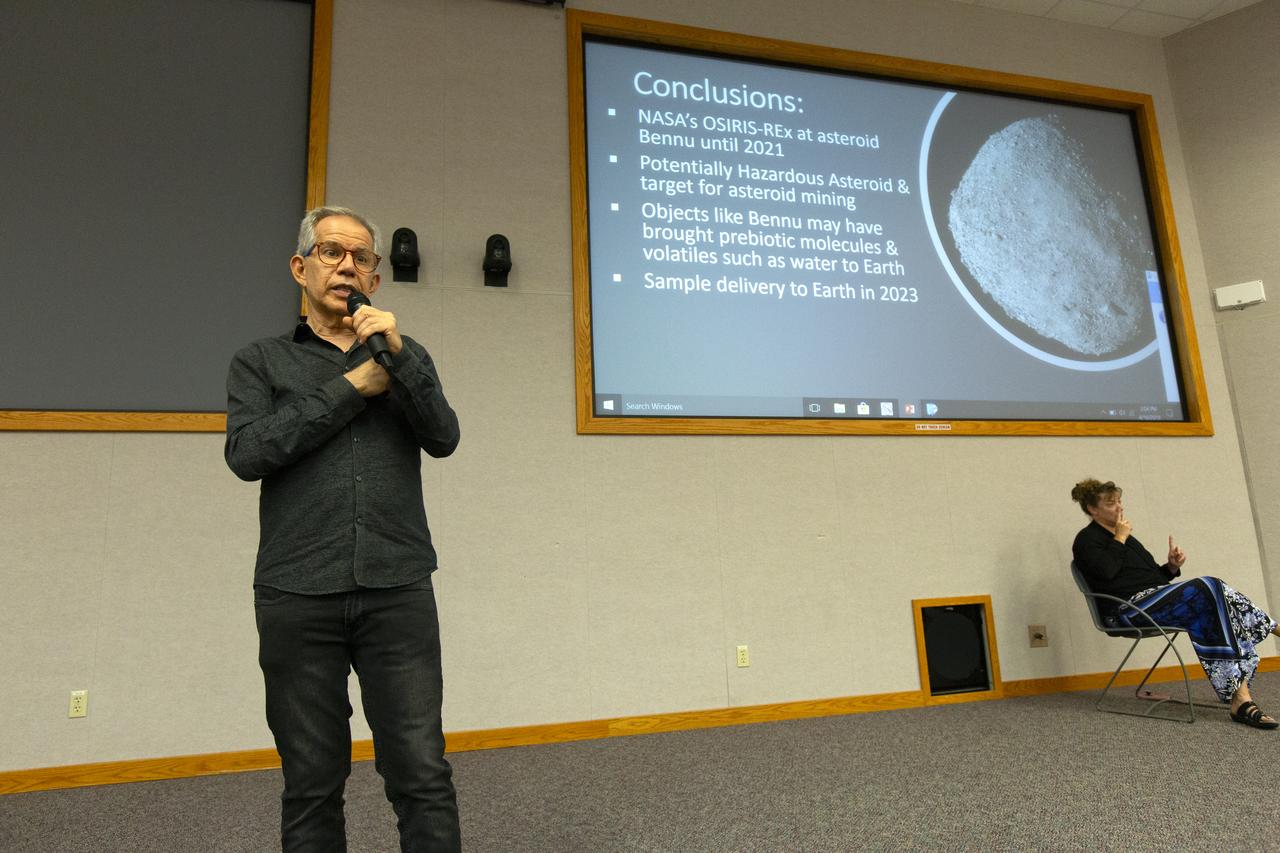
Dr. Humberto Campins from the University of Central Florida speaks to Kennedy Space Center employees in the Florida spaceport’s Neil Armstrong O&C Mission Briefing Room on April 16, 2019, to give a status update on NASA’s Origins, Spectral Interpretation, Resource Identification, Security-Regolith Explorer (OSIRIS-REx). The first U.S. mission to sample an asteroid, OSIRIS-REx launched from Cape Canaveral Air Force Station on Sept. 8, 2016 aboard a United Launch Alliance Atlas V rocket. Management of the launch service for OSIRIS-REx was the responsibility of NASA’s Launch Services Program, based at Kennedy.
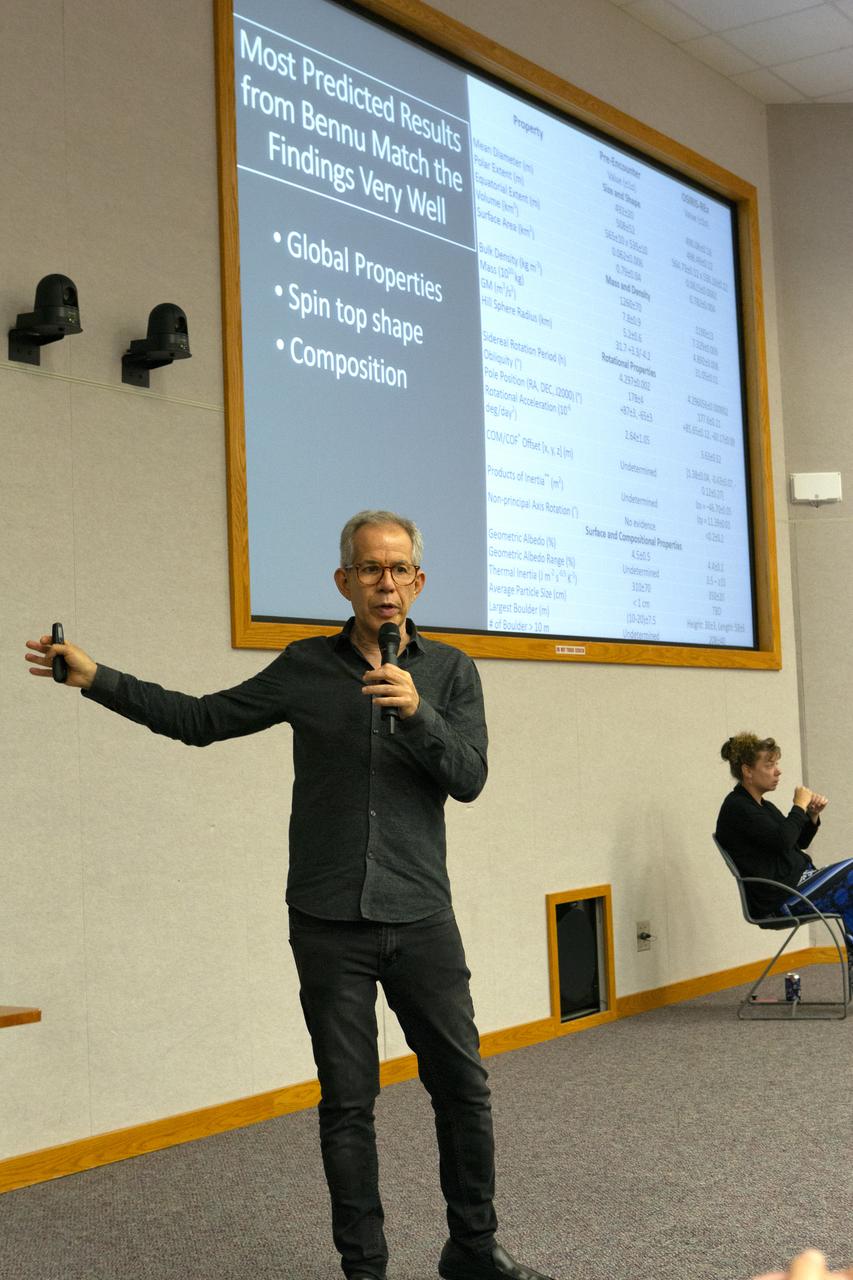
Dr. Humberto Campins from the University of Central Florida speaks to Kennedy Space Center employees in the Florida spaceport’s Neil Armstrong O&C Mission Briefing Room on April 16, 2019, to give a status update on NASA’s Origins, Spectral Interpretation, Resource Identification, Security-Regolith Explorer (OSIRIS-REx). The first U.S. mission to sample an asteroid, OSIRIS-REx launched from Cape Canaveral Air Force Station on Sept. 8, 2016 aboard a United Launch Alliance Atlas V rocket. Management of the launch service for OSIRIS-REx was the responsibility of NASA’s Launch Services Program, based at Kennedy.
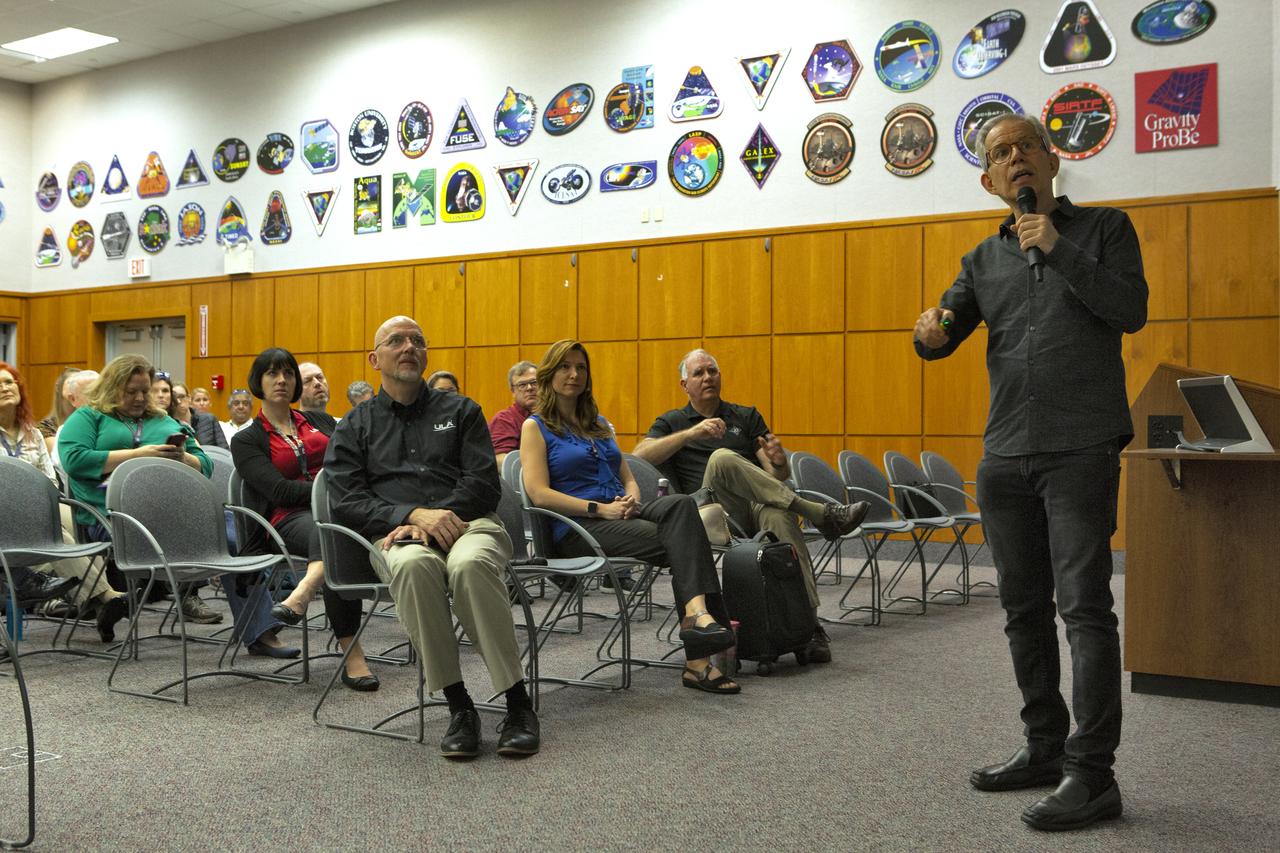
Dr. Humberto Campins from the University of Central Florida speaks to Kennedy Space Center employees in the Florida spaceport’s Neil Armstrong O&C Mission Briefing Room on April 16, 2019, to give a status update on NASA’s Origins, Spectral Interpretation, Resource Identification, Security-Regolith Explorer (OSIRIS-REx). The first U.S. mission to sample an asteroid, OSIRIS-REx launched from Cape Canaveral Air Force Station on Sept. 8, 2016 aboard a United Launch Alliance Atlas V rocket. Management of the launch service for OSIRIS-REx was the responsibility of NASA’s Launch Services Program, based at Kennedy.
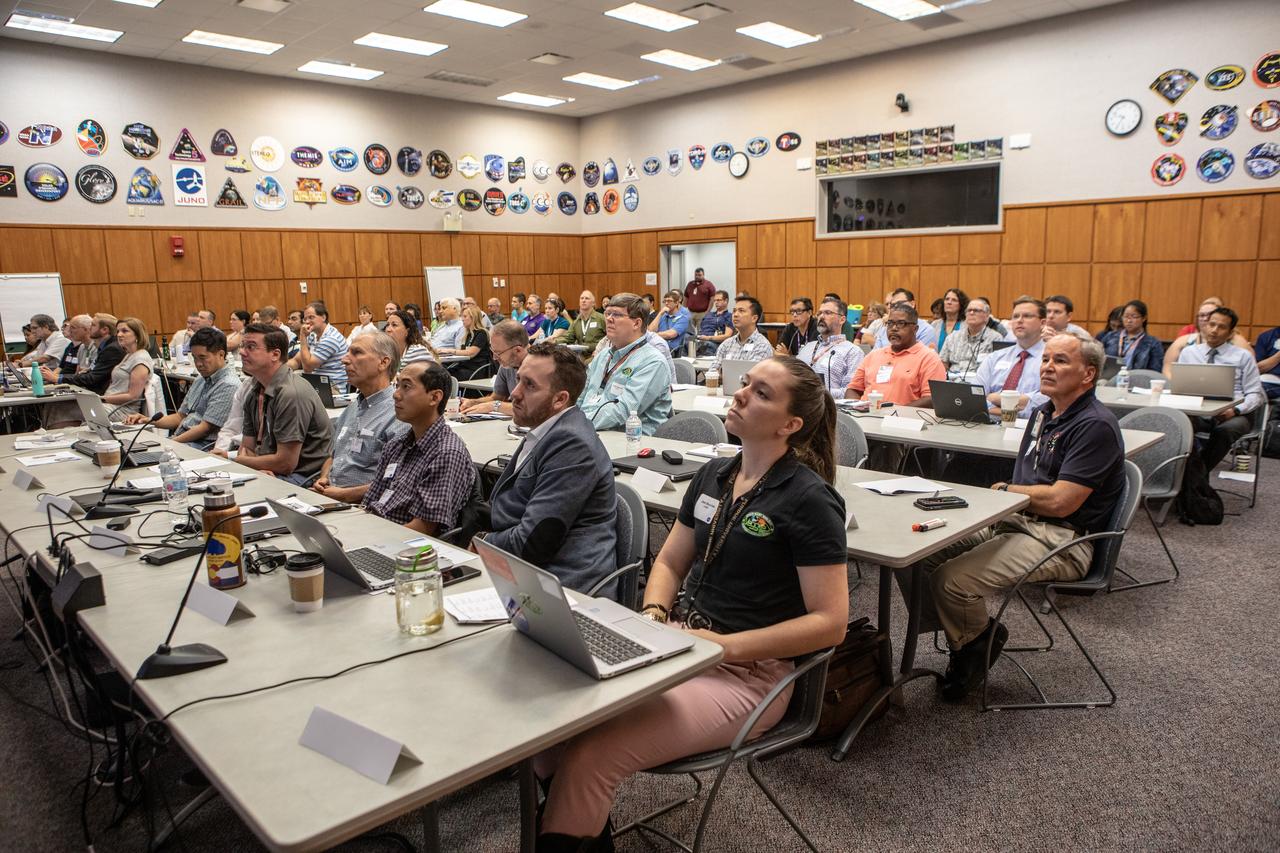
Participants listen to presentations during a two-day workshop, Aug. 6 and 7, 2019, focusing on robotics and automation in space crop production. The workshop was hosted by the Exploration Research and Technology Programs at NASA’s Kennedy Space Center in Florida. Participants from around the world and members of NASA, industry, academia and other government agencies met to share their knowledge to enable a common goal of sustaining human operations on the Moon, in deep space and eventually on Mars. Keynote speakers and representatives from different organizations presented data gleaned from their research.
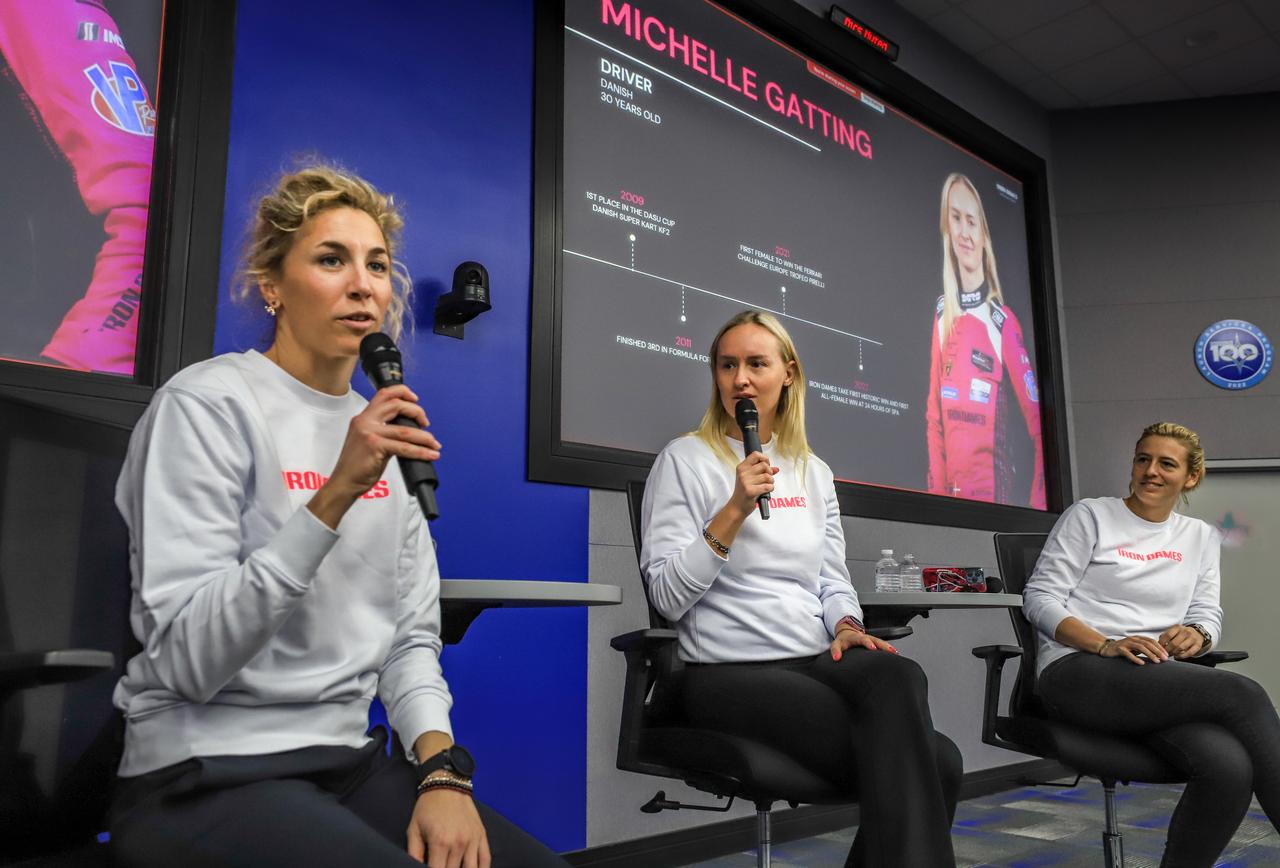
Members of the Iron Dames, from left to right, Rahel Frey, Michelle Gatting, and Sarah Bovy, visit with NASA’s Office of Communication, along with Kennedy Space Center's Network of Women and New Americans Employee Resource Groups inside the Neil A. Armstrong Operations and Checkout Building at the agency’s Kennedy Space Center in Florida on Wednesday, March 13, 2024, to discuss their project to promote and support women in sports, and enable them to compete on equal terms with men in fields of jobs including driving, mechanics, engineers, and team leaders. The all-female team started in motorsports and became the first all-female team to win a race in the 2023 FIA World Endurance Championships at Sebring International Raceway in Sebring, Florida.
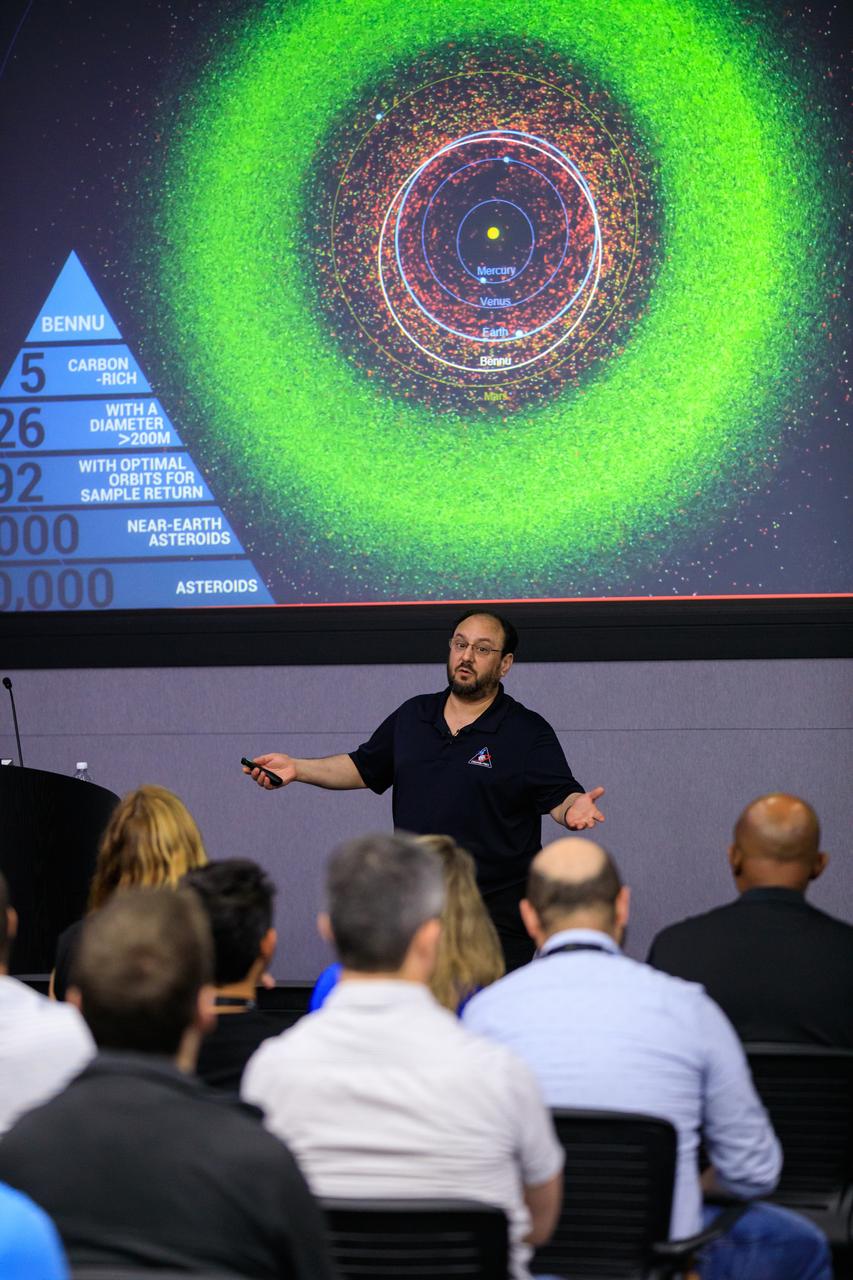
OSIRIS-REx Project Scientist, Dr. Jason Dworkin of NASA’s Goddard Space Flight Center in Greenbelt, Maryland, presents a mission update inside the Mission Briefing Room of the Neil A. Armstrong Operations and Checkout Building at Kennedy Space Center in Florida, on May 11, 2023. Launched seven years ago, the OSIRIS-REx spacecraft is set to return a material sample from asteroid Bennu on Sept. 24, 2023, when the sample return capsule separates from the spacecraft and lands by parachute at the Utah Test and Training Range/Dugway Proving Ground, southwest of Salt Lake City. OSIRIS-REx is the first U.S. mission to sample an asteroid, retrieve at least two ounces of surface material, and return it to Earth for study.
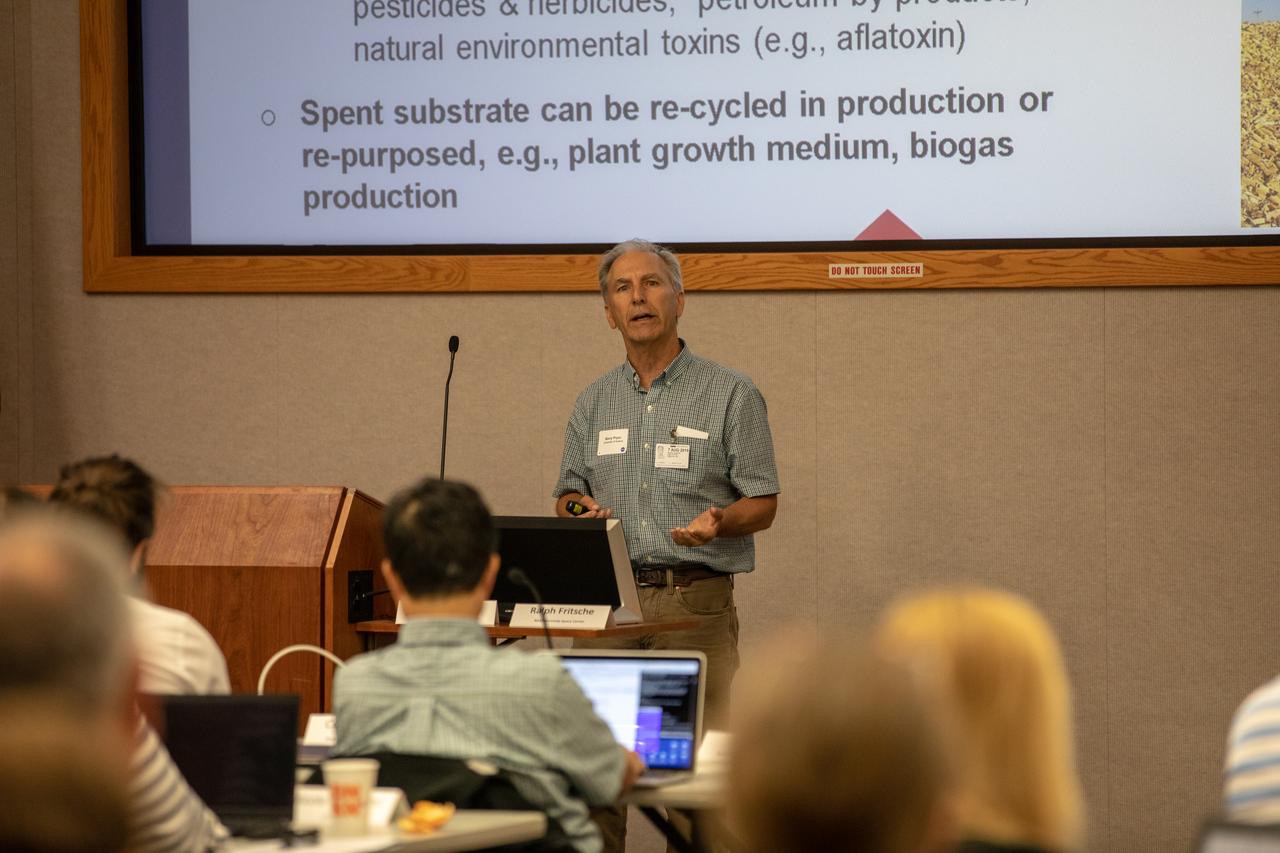
The Exploration Research and Technology Programs at NASA’s Kennedy Space Center in Florida hosted a two-day workshop, Aug. 6 and 7, 2019, focusing on robotics and automation in space crop production. Participants from around the world and members of NASA, industry, academia and other government agencies met to share their knowledge to enable a common goal of sustaining human operations on the Moon, in deep space and eventually on Mars. Keynote speakers and representatives from different organizations presented data gleaned from their research. Barry Pryor, a professor with the School of Plant Sciences at the University of Arizona presents to workshop attendees on Aug. 6.
Dane Drefke, United Launch Alliance (ULA) lead engineer for Atlas V mechanical operations, speaks in Kennedy Space Center’s Neil Armstrong O&C Mission Briefing Room on April 16, 2019, during an employee event in which Dr. Humberto Campins from the University of Central Florida gave a status update on NASA’s Origins, Spectral Interpretation, Resource Identification, Security-Regolith Explorer (OSIRIS-REx). The first U.S. mission to sample an asteroid, OSIRIS-REx launched from Cape Canaveral Air Force Station on Sept. 8, 2016 aboard a United Launch Alliance Atlas V rocket. Management of the launch service for OSIRIS-REx was the responsibility of NASA’s Launch Services Program, based at Kennedy.
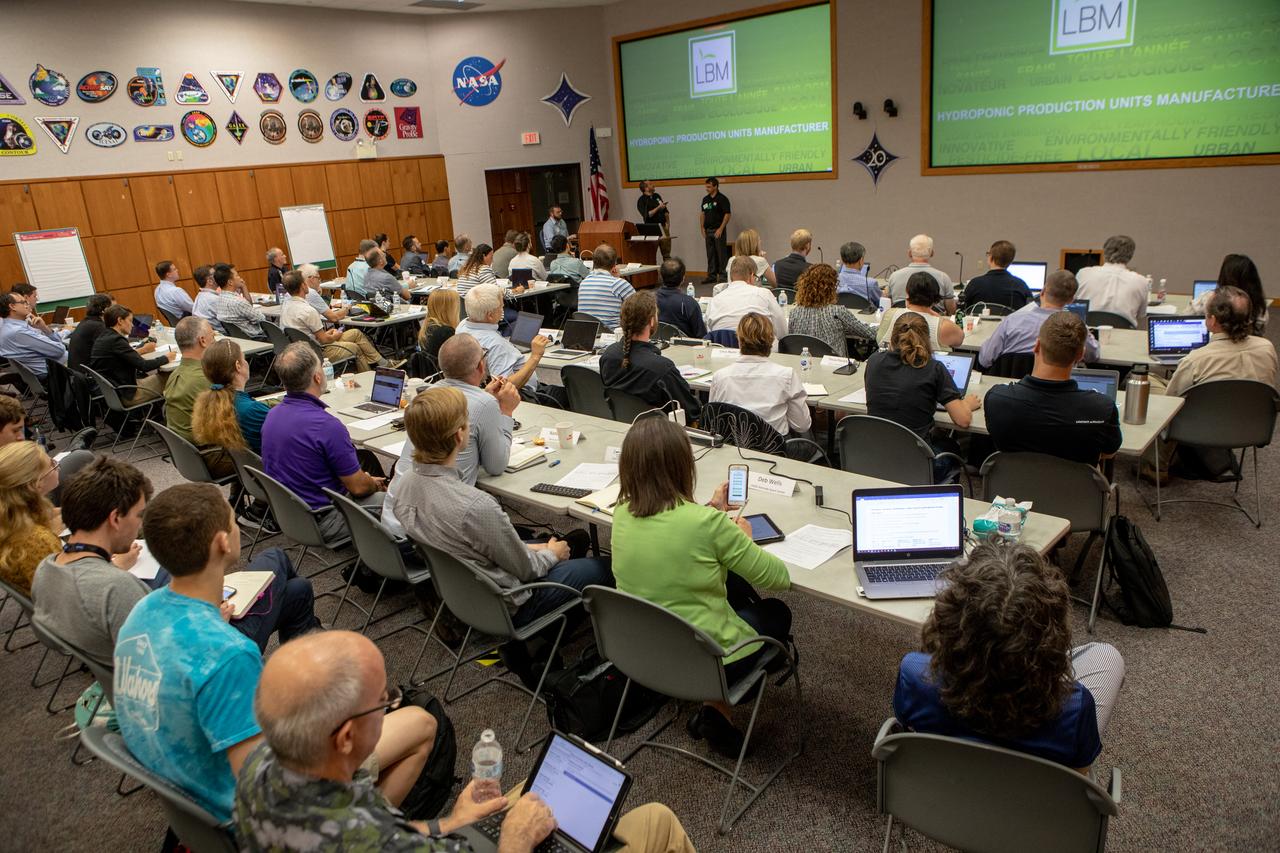
Participants listen to presentations during a two-day workshop, Aug. 6 and 7, 2019, focusing on robotics and automation in space crop production. The workshop was hosted by the Exploration Research and Technology Programs at NASA’s Kennedy Space Center in Florida. Participants from around the world and members of NASA, industry, academia and other government agencies met to share their knowledge to enable a common goal of sustaining human operations on the Moon, in deep space and eventually on Mars. Keynote speakers and representatives from different organizations presented data gleaned from their research.
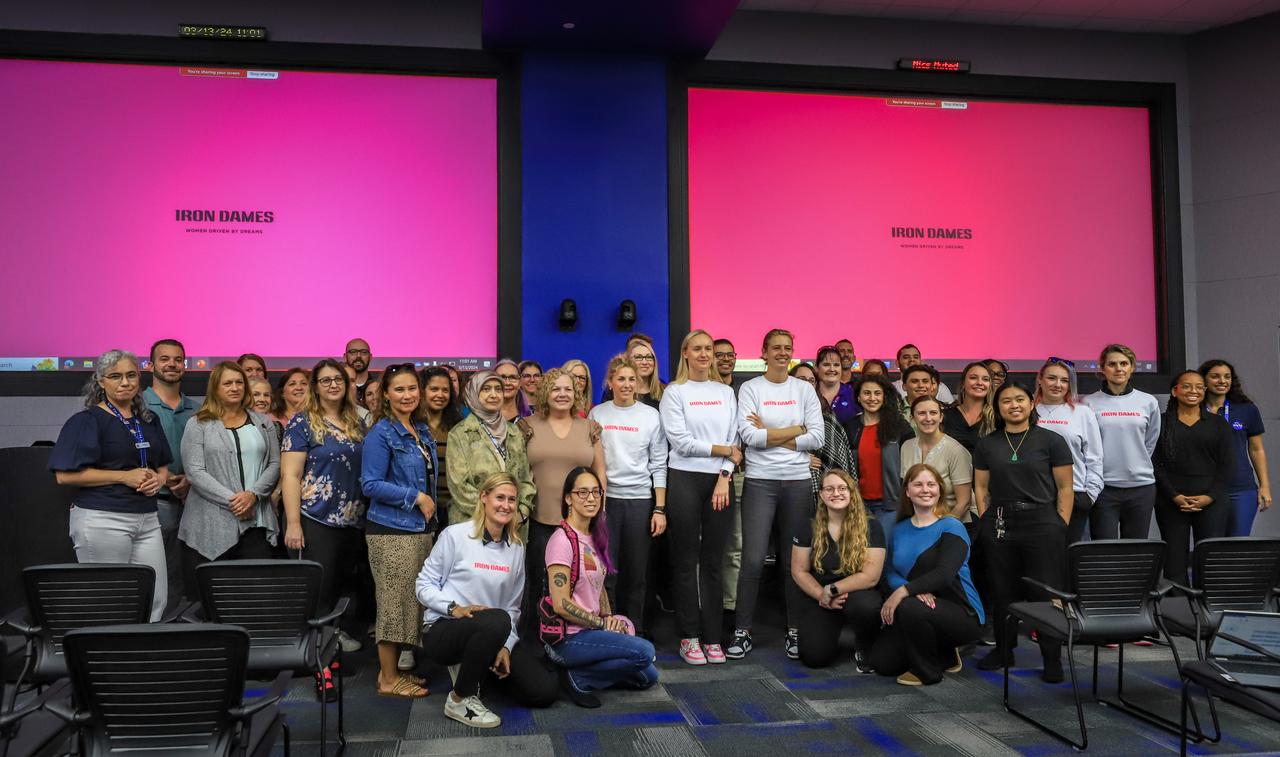
NASA’s Office of Communication, along with Kennedy Space Center's Network of Women and New Americans Employee Resource Groups host a special presentation with guests of the Iron Dames, an all-female motorsports team on Wednesday, March 13, 2024, inside the Neil A. Armstrong Operations and Checkout Building at the agency's Kennedy Space Center in Florida. The all-female team started in motorsports and became the first all-female team to win a race in the 2023 FIA World Endurance Championships at Sebring International Raceway in Sebring, Florida.
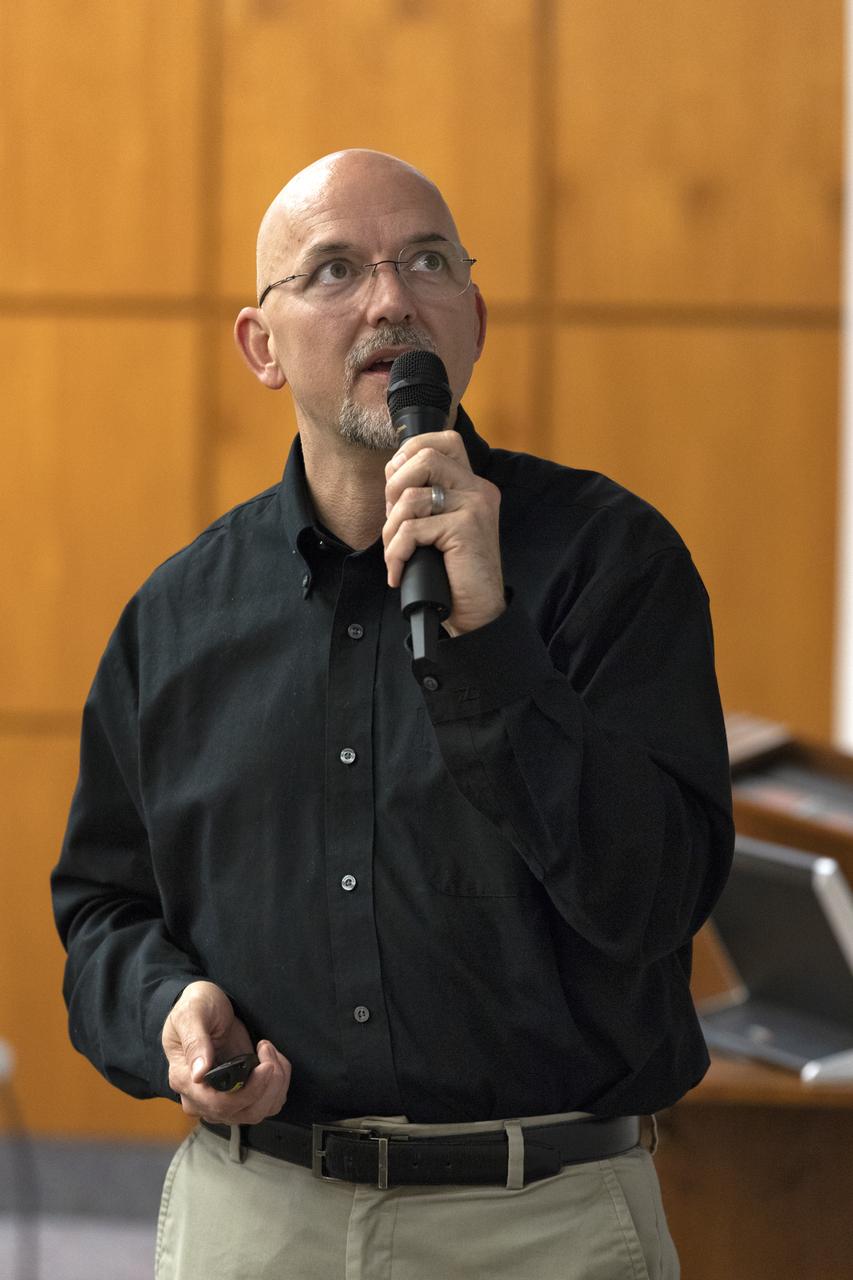
Dane Drefke, United Launch Alliance (ULA) lead engineer for Atlas V mechanical operations, speaks in Kennedy Space Center’s Neil Armstrong O&C Mission Briefing Room on April 16, 2019, during an employee event in which Dr. Humberto Campins from the University of Central Florida gave a status update on NASA’s Origins, Spectral Interpretation, Resource Identification, Security-Regolith Explorer (OSIRIS-REx). The first U.S. mission to sample an asteroid, OSIRIS-REx launched from Cape Canaveral Air Force Station on Sept. 8, 2016 aboard a United Launch Alliance Atlas V rocket. Management of the launch service for OSIRIS-REx was the responsibility of NASA’s Launch Services Program, based at Kennedy.
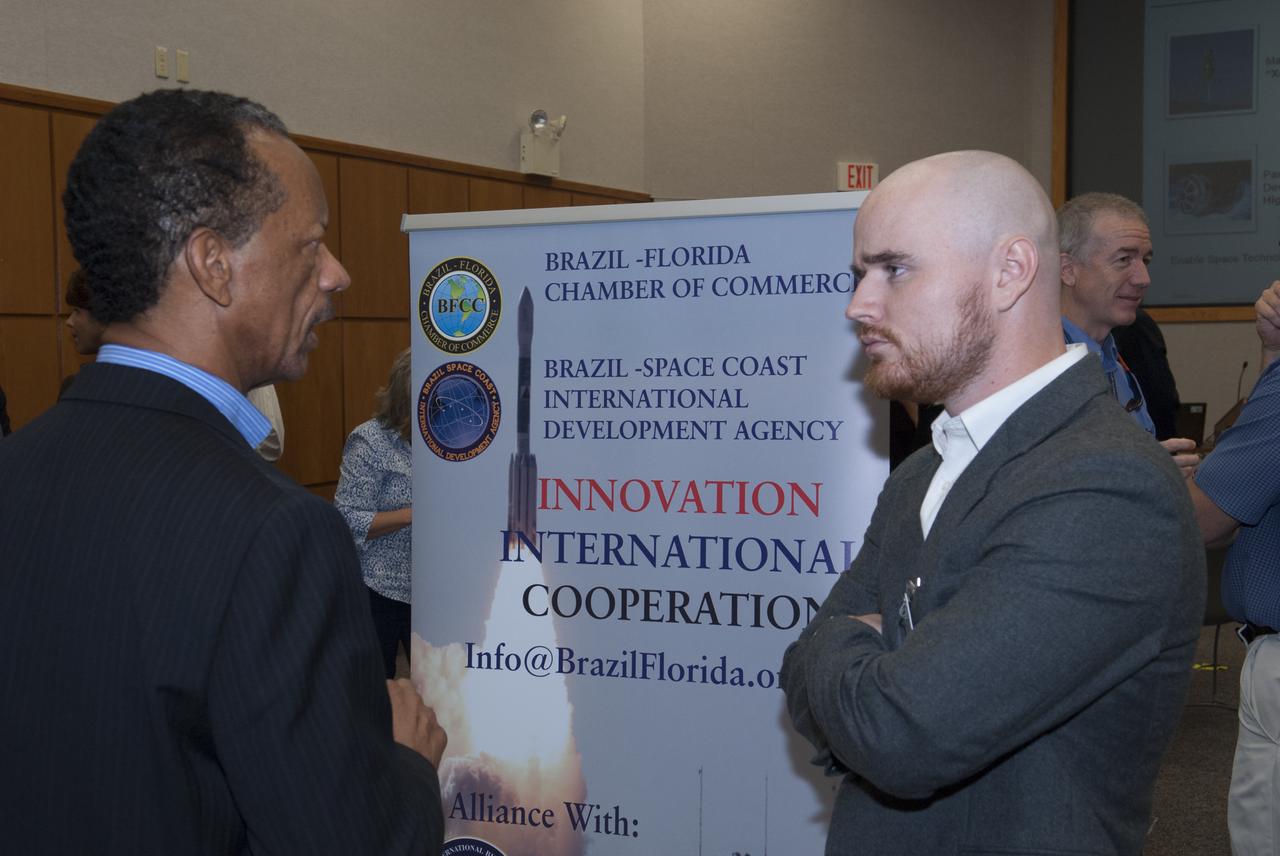
Vendors at the CPD Innovation Expo Showcase with speaker Janet Petro.
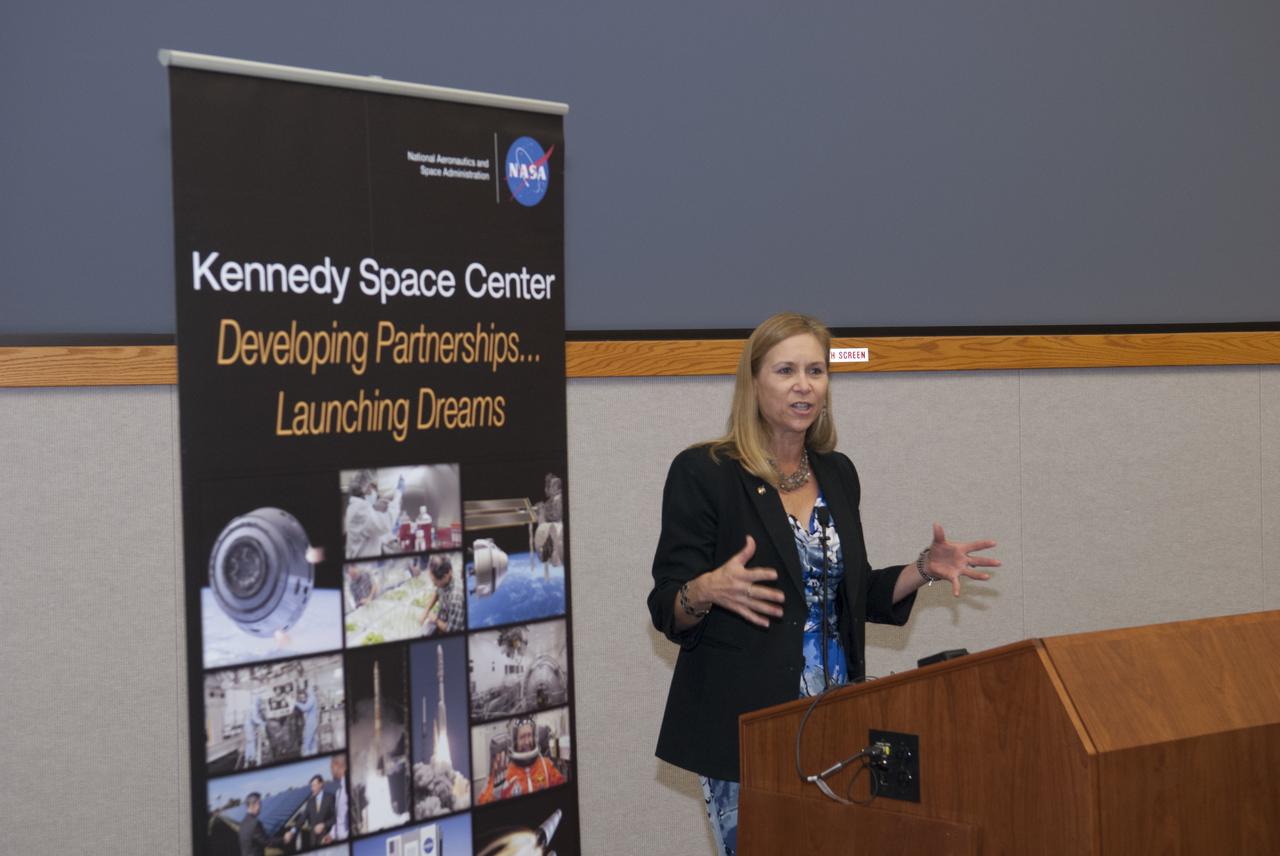
Vendors at the CPD Innovation Expo Showcase with speaker Janet Petro.
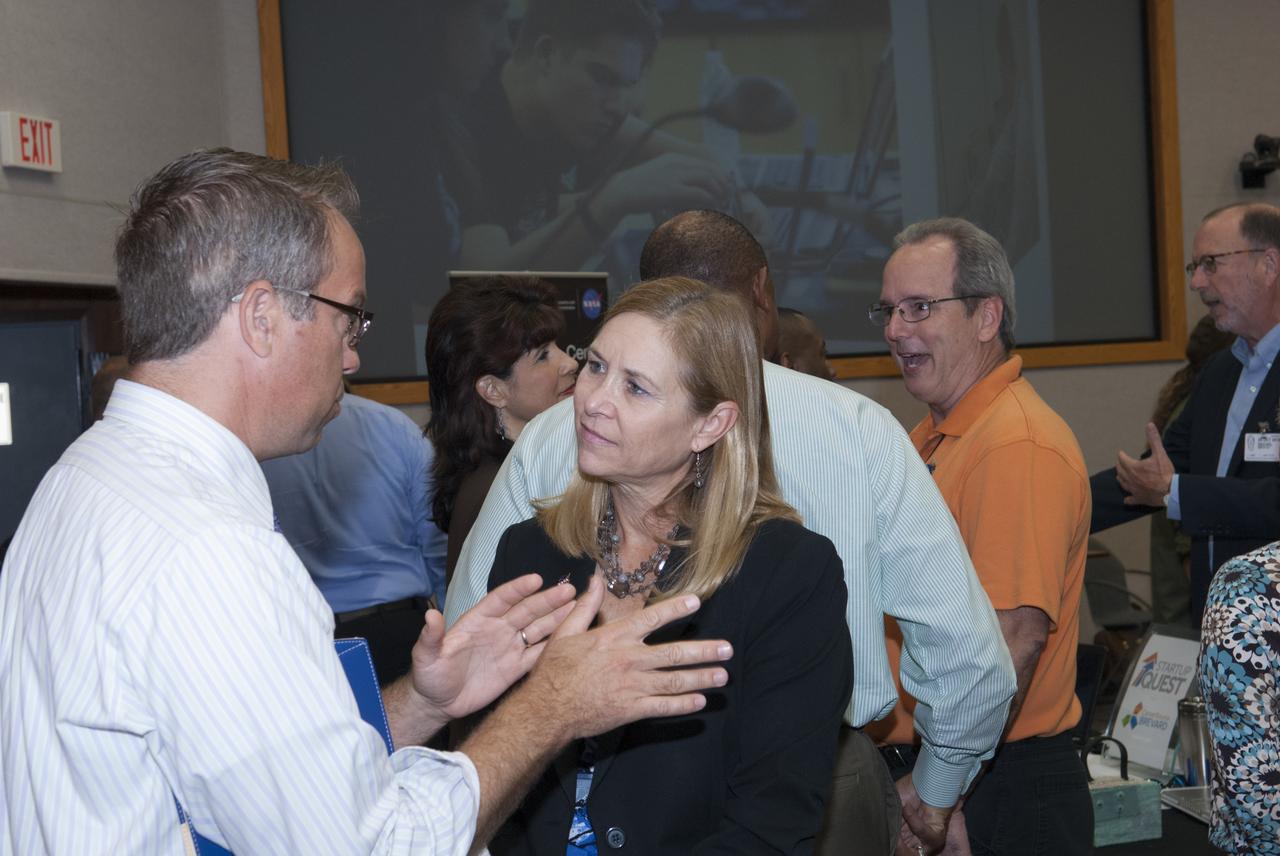
Vendors at the CPD Innovation Expo Showcase with speaker Janet Petro.
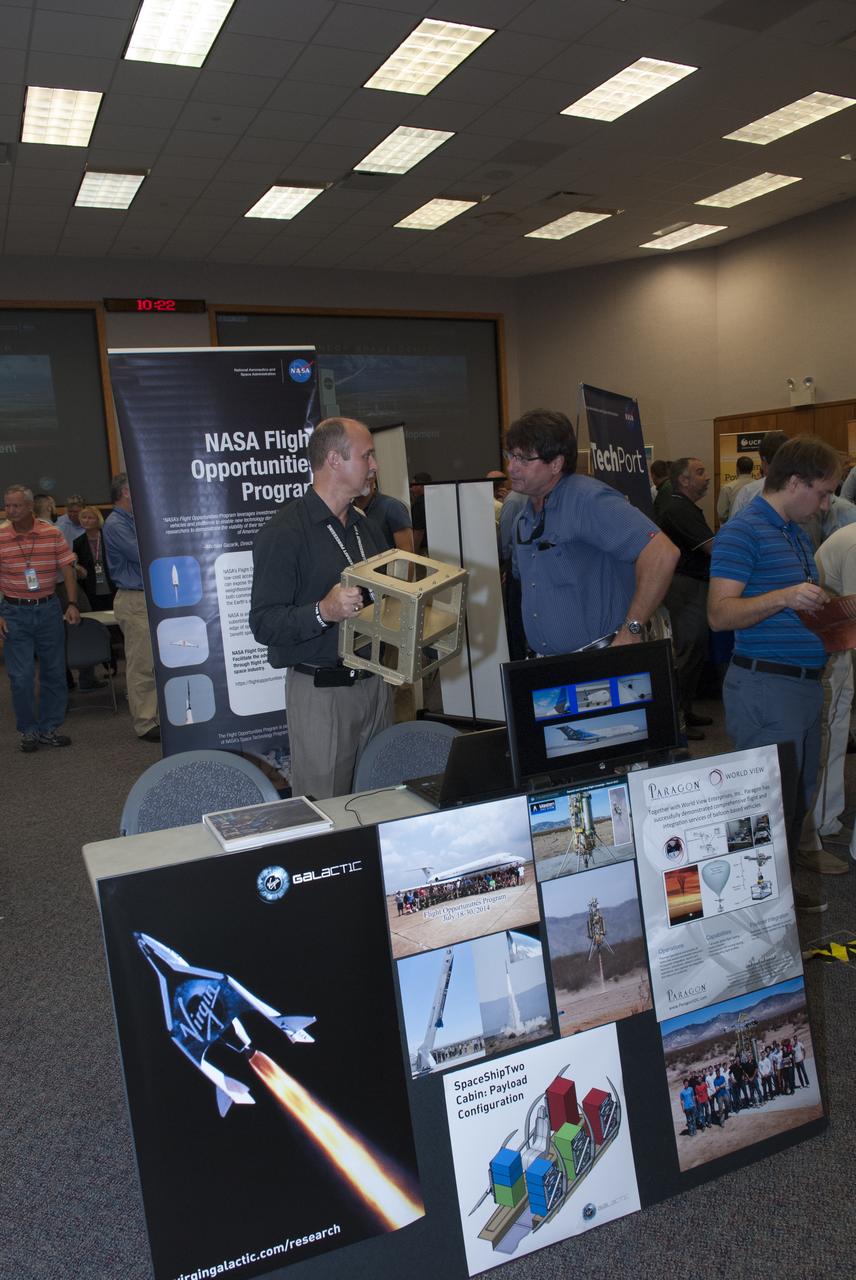
Vendors at the CPD Innovation Expo Showcase with speaker Janet Petro.
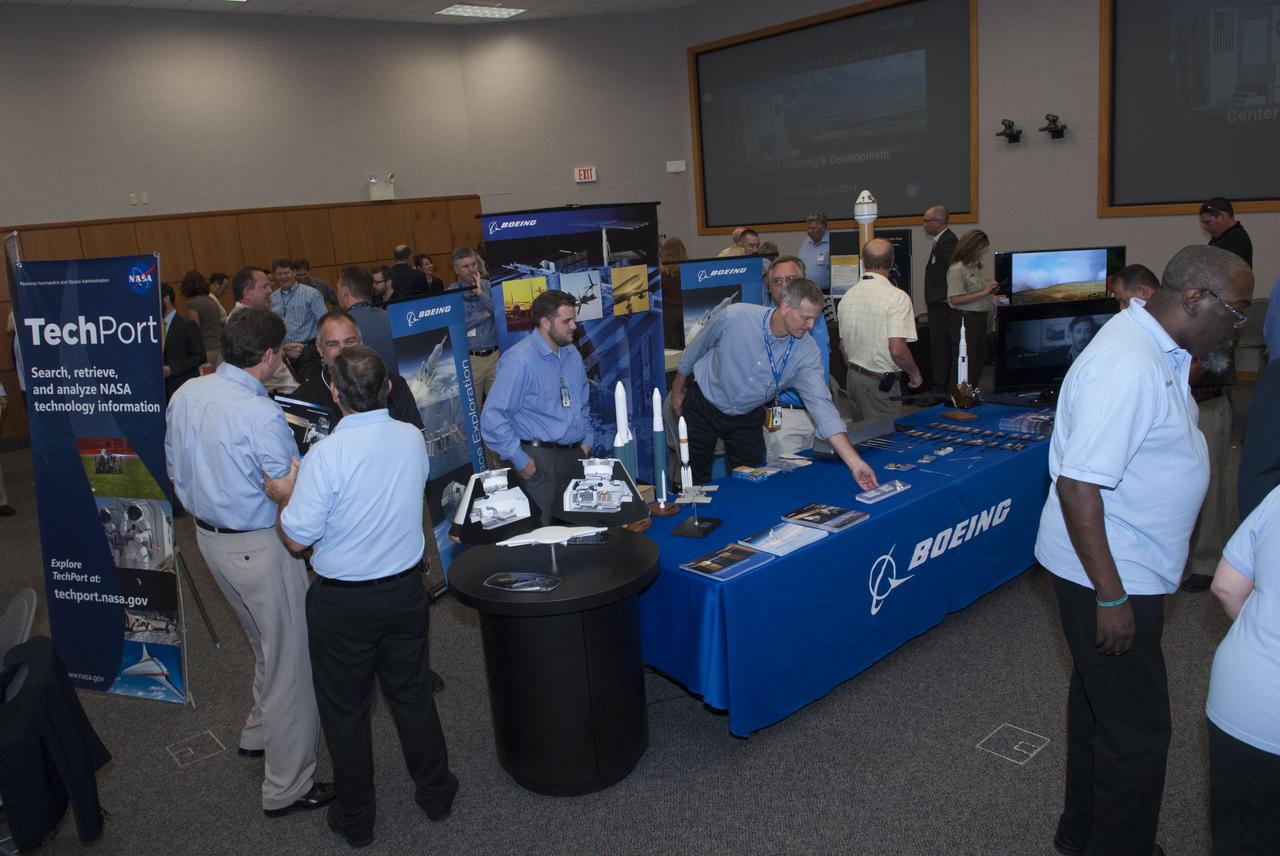
Vendors at the CPD Innovation Expo Showcase with speaker Janet Petro.
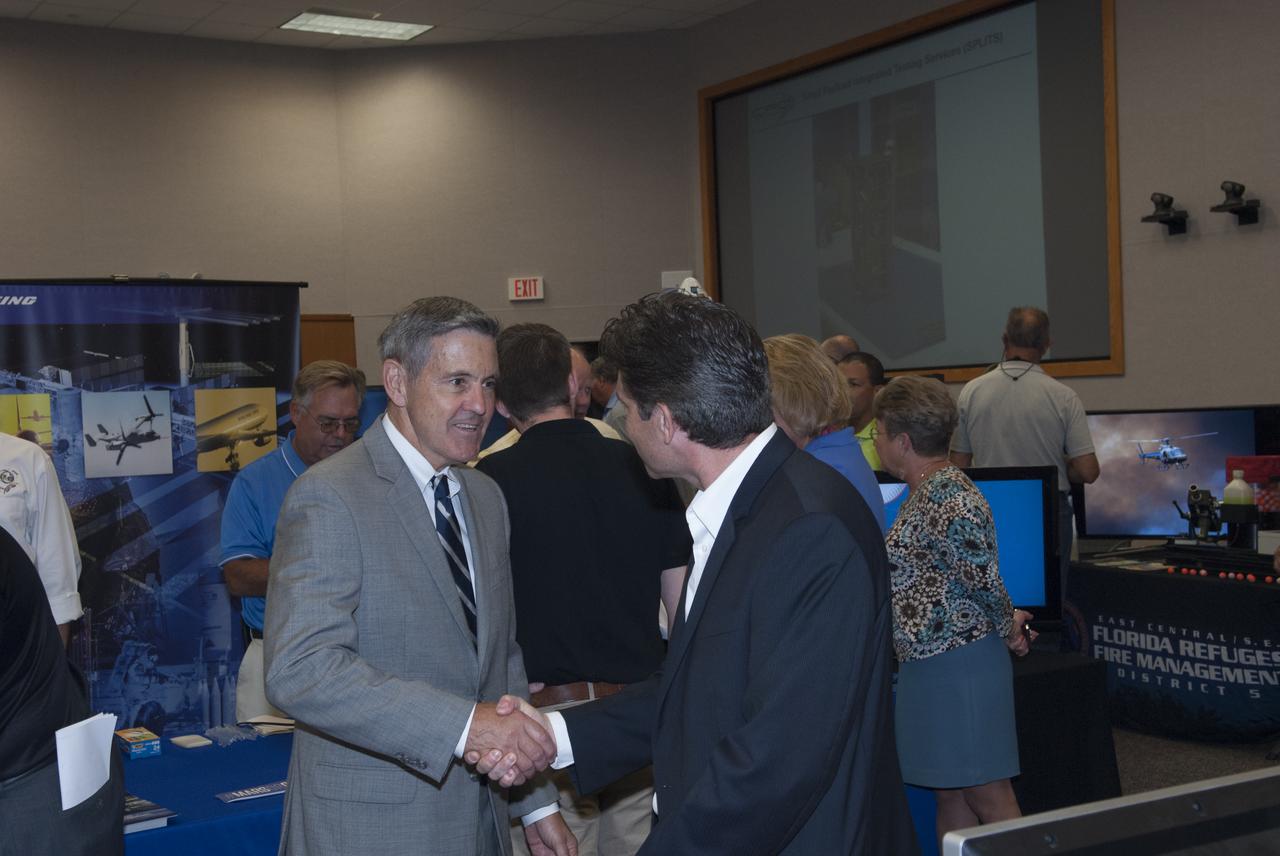
Vendors at the CPD Innovation Expo Showcase with speaker Janet Petro.
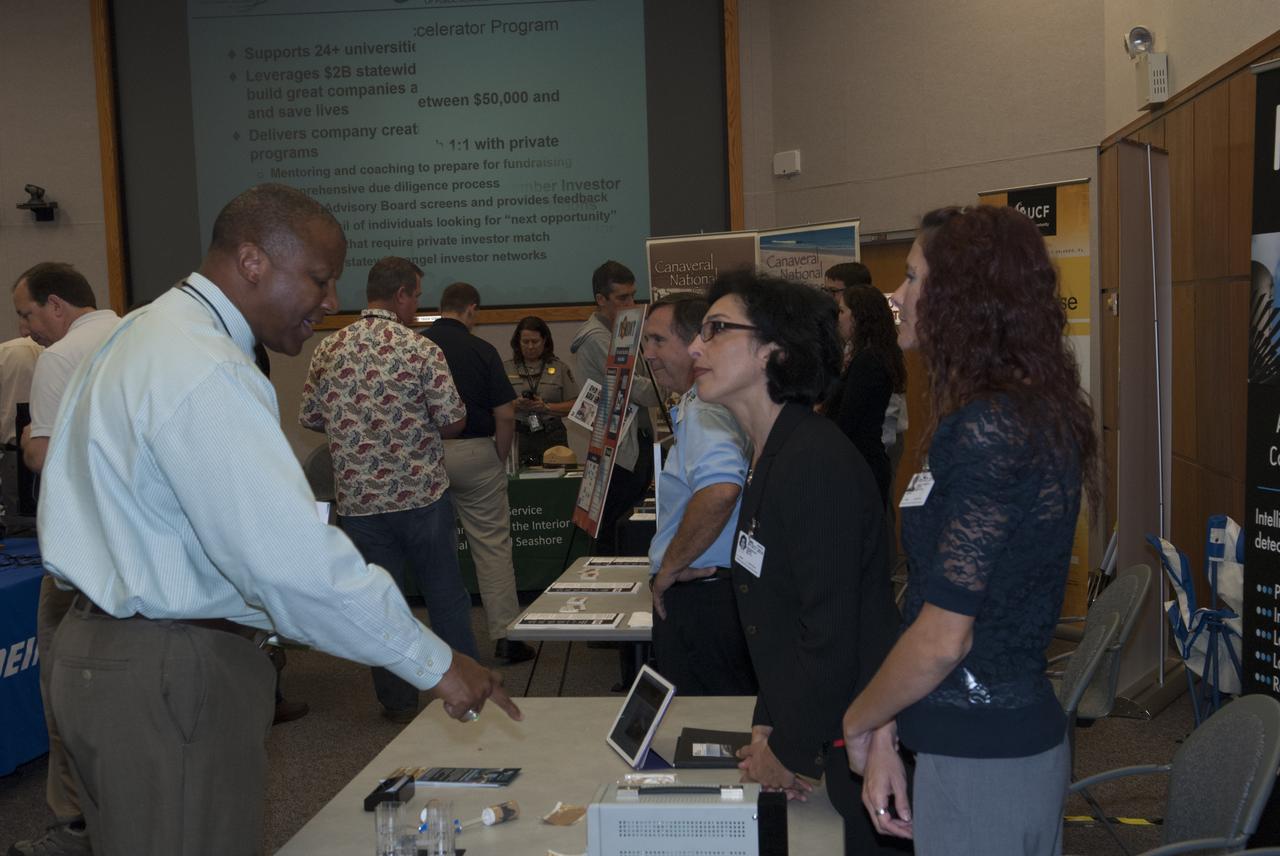
Vendors at the CPD Innovation Expo Showcase with speaker Janet Petro.
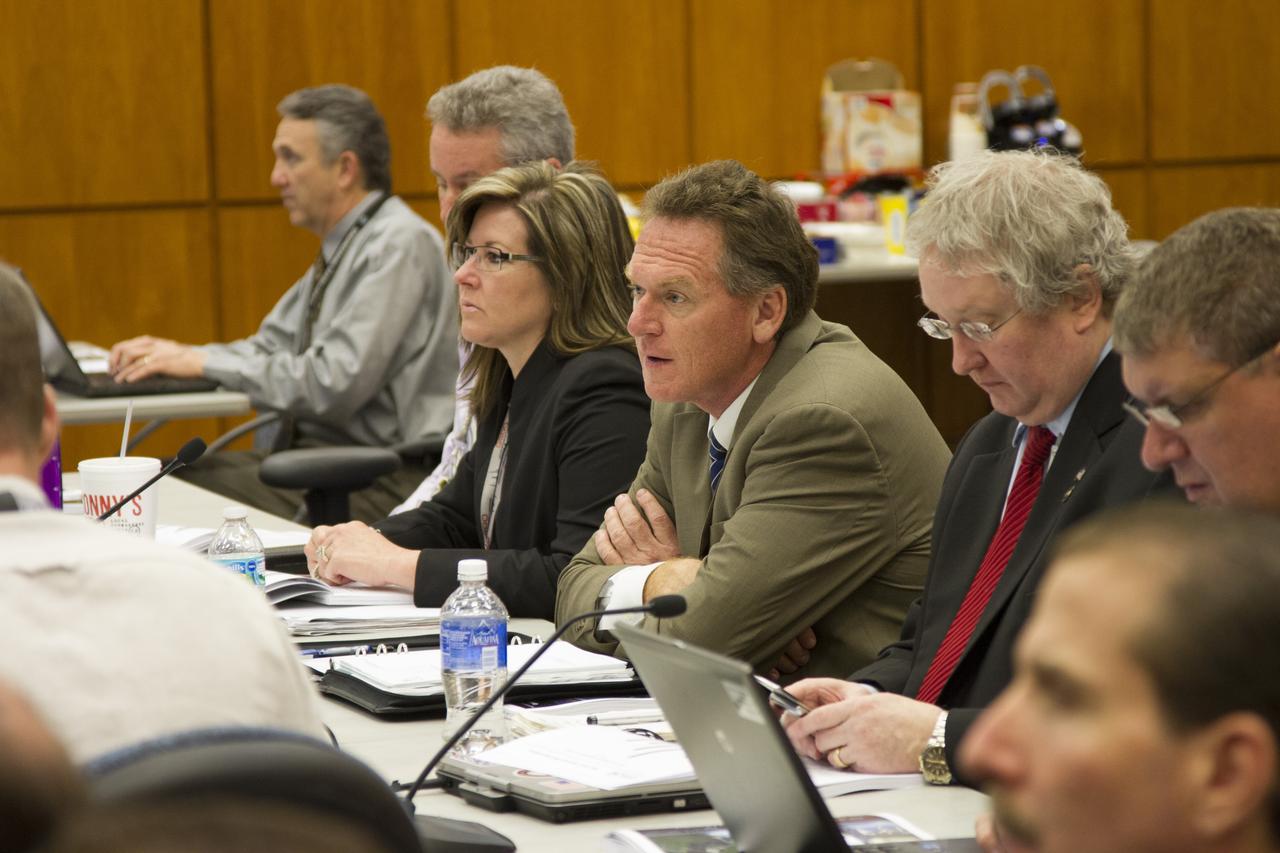
CAPE CANAVERAL, Fla. – Mike Bolger, program manager for the Ground Systems Development and Operations, or GSDO, Program speaks to participants during completion of the preliminary design review in the Mission Briefing Room inside the Operations and Checkout Building at NASA’s Kennedy Space Center in Florida. Representatives from NASA, its contractor partners and experts from across the aerospace industry met in the Mission Briefing Room inside the Operations and Checkout Building at NASA’s Kennedy Space Center in Florida to conclude the initial design and technology development phase. Completion of this review has validated that the baseline architecture is sound and aligns with the agency's exploration objectives. NASA is developing the Space Launch System and Orion spacecraft to provide an entirely new capability for human exploration beyond low-Earth orbit, with the flexibility to launch spacecraft for crew and cargo missions, including to an asteroid and Mars. Orion’s first unpiloted test flight is scheduled to launch later this year atop a Delta IV rocket. A second uncrewed flight test is scheduled for fiscal year 2018 on the Space Launch System rocket. For more information, visit http://www.nasa.gov/orion. Photo credit: NASA/Cory Huston
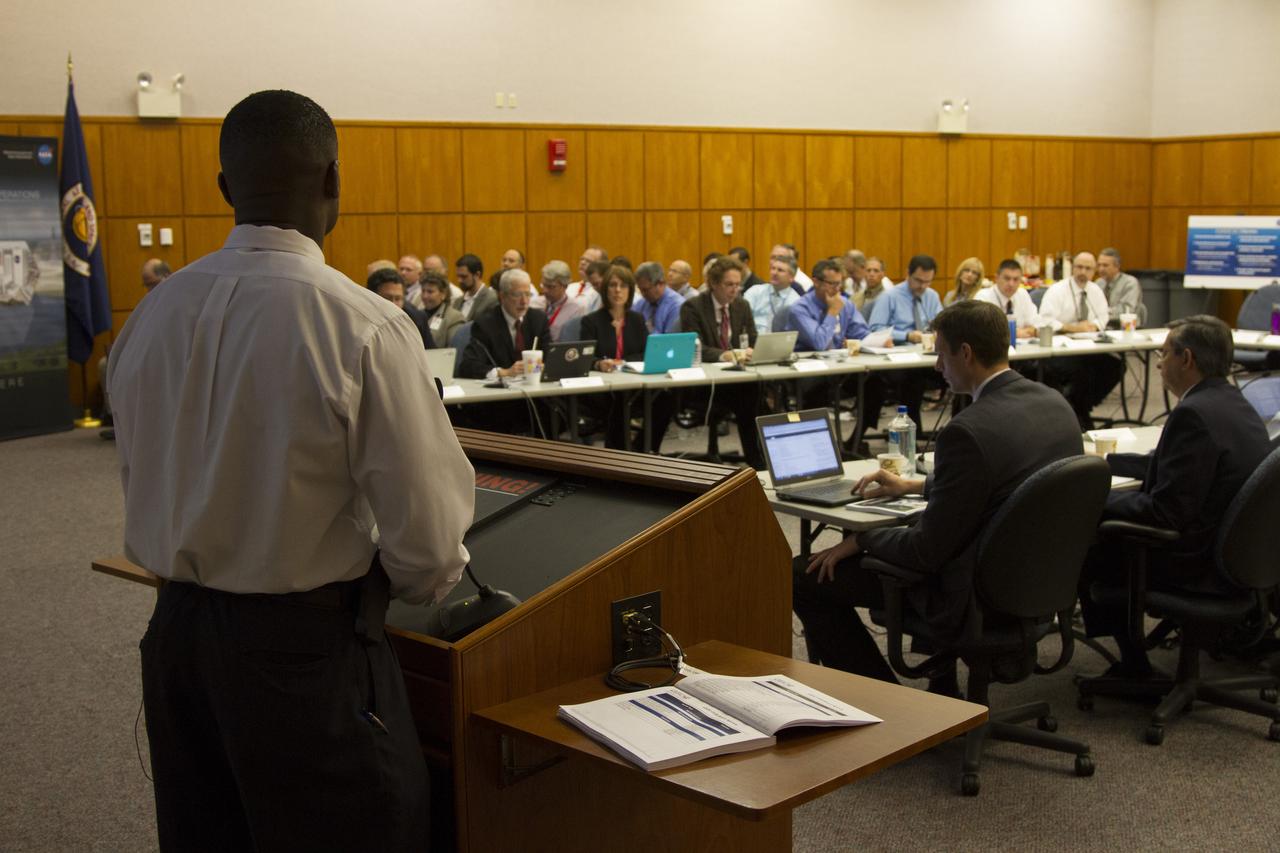
CAPE CANAVERAL, Fla. – The Ground Systems Development and Operations, or GSDO, Program completed its preliminary design review which allows development of the ground systems to proceed to detailed design. Representatives from NASA, its contractor partners and experts from across the aerospace industry met in the Mission Briefing Room inside the Operations and Checkout Building at NASA’s Kennedy Space Center in Florida to conclude the initial design and technology development phase. Completion of this review has validated that the baseline architecture is sound and aligns with the agency's exploration objectives. NASA is developing the Space Launch System and Orion spacecraft to provide an entirely new capability for human exploration beyond low-Earth orbit, with the flexibility to launch spacecraft for crew and cargo missions, including to an asteroid and Mars. Orion’s first unpiloted test flight is scheduled to launch later this year atop a Delta IV rocket. A second uncrewed flight test is scheduled for fiscal year 2018 on the Space Launch System rocket. For more information, visit http://www.nasa.gov/orion. Photo credit: NASA/Cory Huston
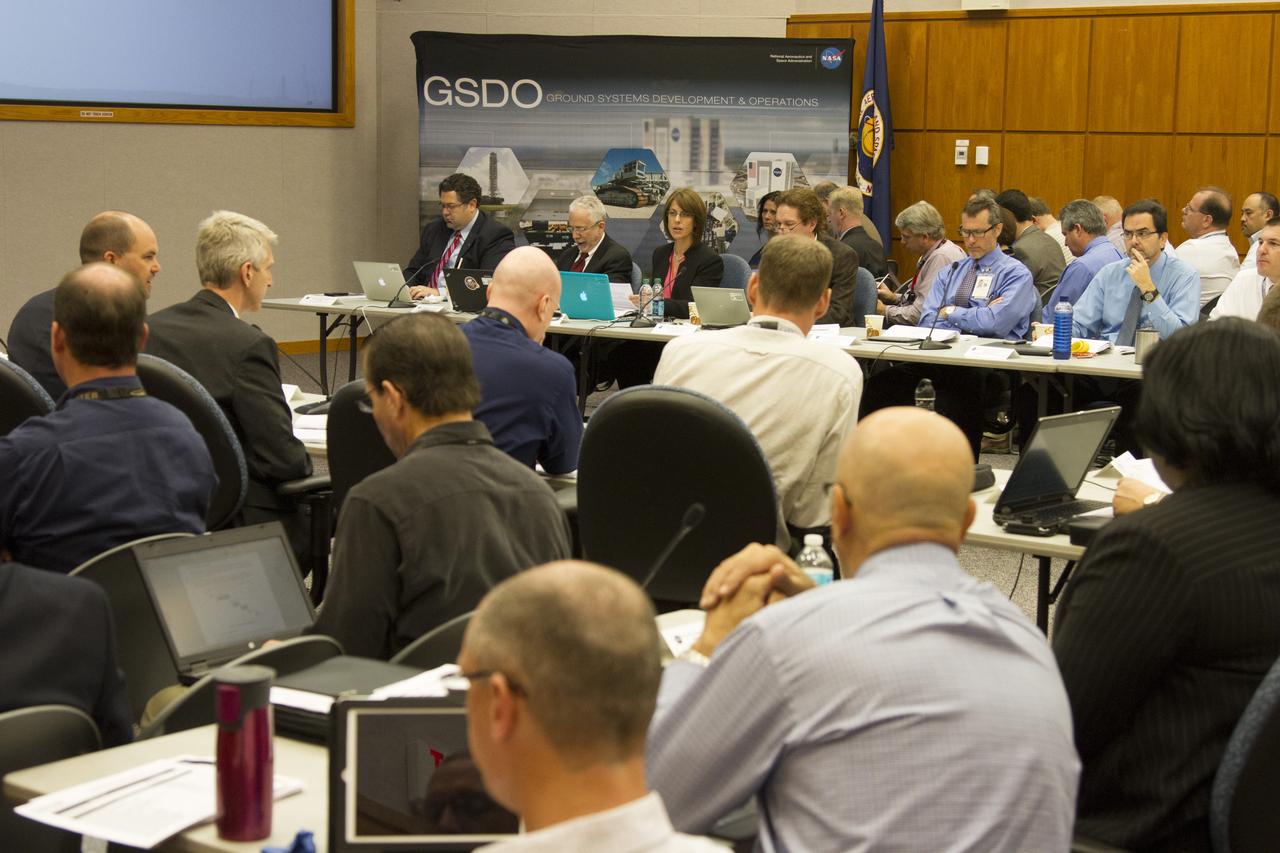
CAPE CANAVERAL, Fla. – The Ground Systems Development and Operations, or GSDO, Program completed its preliminary design review which allows development of the ground systems to proceed to detailed design. Representatives from NASA, its contractor partners and experts from across the aerospace industry met in the Mission Briefing Room inside the Operations and Checkout Building at NASA’s Kennedy Space Center in Florida to conclude the initial design and technology development phase. Completion of this review has validated that the baseline architecture is sound and aligns with the agency's exploration objectives. NASA is developing the Space Launch System and Orion spacecraft to provide an entirely new capability for human exploration beyond low-Earth orbit, with the flexibility to launch spacecraft for crew and cargo missions, including to an asteroid and Mars. Orion’s first unpiloted test flight is scheduled to launch later this year atop a Delta IV rocket. A second uncrewed flight test is scheduled for fiscal year 2018 on the Space Launch System rocket. For more information, visit http://www.nasa.gov/orion. Photo credit: NASA/Cory Huston