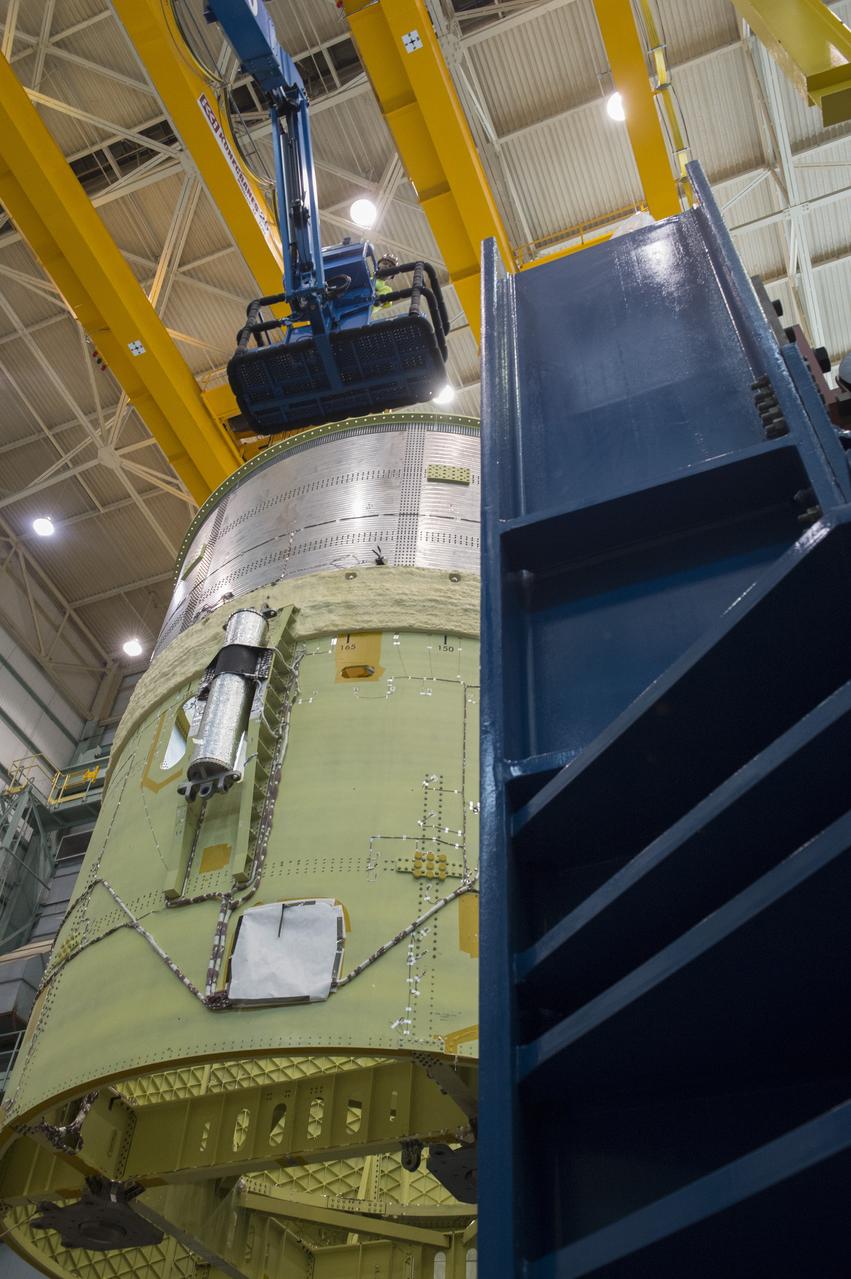
NASA engineers install test hardware for the agency's new heavy lift rocket, the Space Launch System, into a newly constructed 50-foot structural test stand at NASA's Marshall Space Flight Center. In the stand, hydraulic cylinders will be electronically controlled to push, pull, twist and bend the test article with millions of pounds of force. Engineers will record and analyze over 3,000 channels of data for each test case to verify the capabilities of the engine section and validate that the design and analysis models accurately predict the amount of loads the core stage can withstand during launch and ascent. The engine section, recently delivered via NASA's barge Pegasus from NASA's Michoud Assembly Facility, is the first of four core stage structural test articles scheduled to be delivered to Marshall for testing. The engine section, located at the bottom of SLS's massive core stage, will house the rocket's four RS-25 engines and be an attachment point for the two solid rocket boosters.
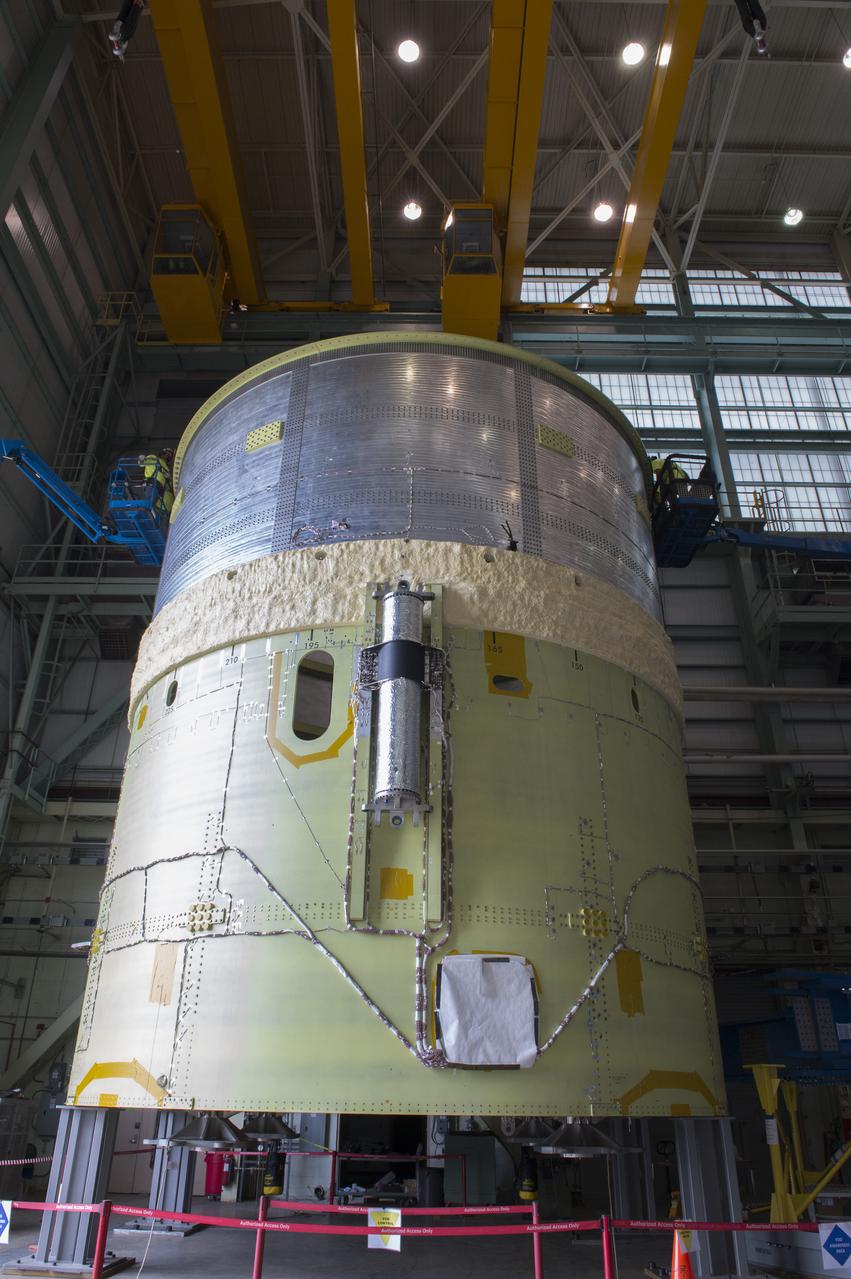
NASA engineers install test hardware for the agency's new heavy lift rocket, the Space Launch System, into a newly constructed 50-foot structural test stand at NASA's Marshall Space Flight Center. In the stand, hydraulic cylinders will be electronically controlled to push, pull, twist and bend the test article with millions of pounds of force. Engineers will record and analyze over 3,000 channels of data for each test case to verify the capabilities of the engine section and validate that the design and analysis models accurately predict the amount of loads the core stage can withstand during launch and ascent. The engine section, recently delivered via NASA's barge Pegasus from NASA's Michoud Assembly Facility, is the first of four core stage structural test articles scheduled to be delivered to Marshall for testing. The engine section, located at the bottom of SLS's massive core stage, will house the rocket's four RS-25 engines and be an attachment point for the two solid rocket boosters.
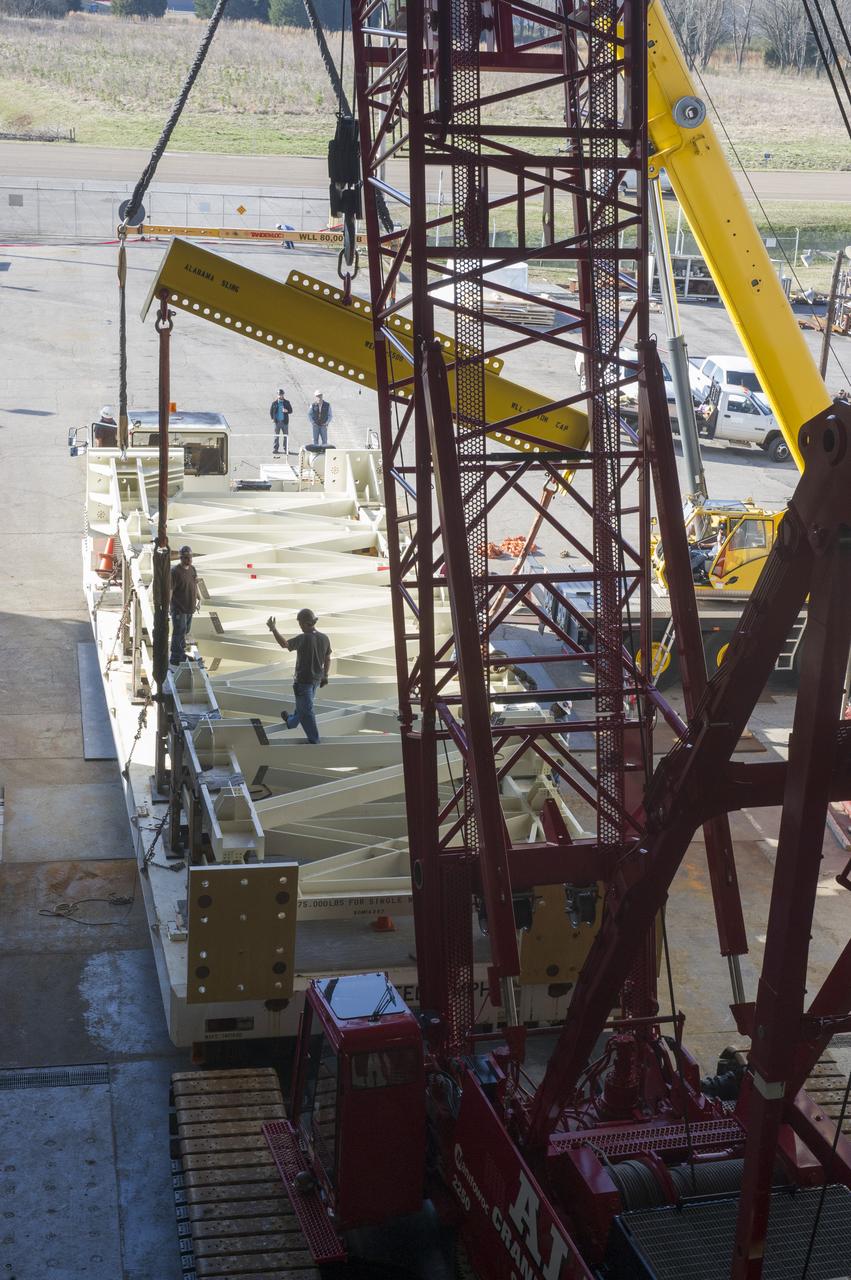
ERECTION OF TWO SLS INTERTANK, (IT), SPECIAL TEST EQUIPMENT, (STE), TOWER PANELS IN BLDG 4619
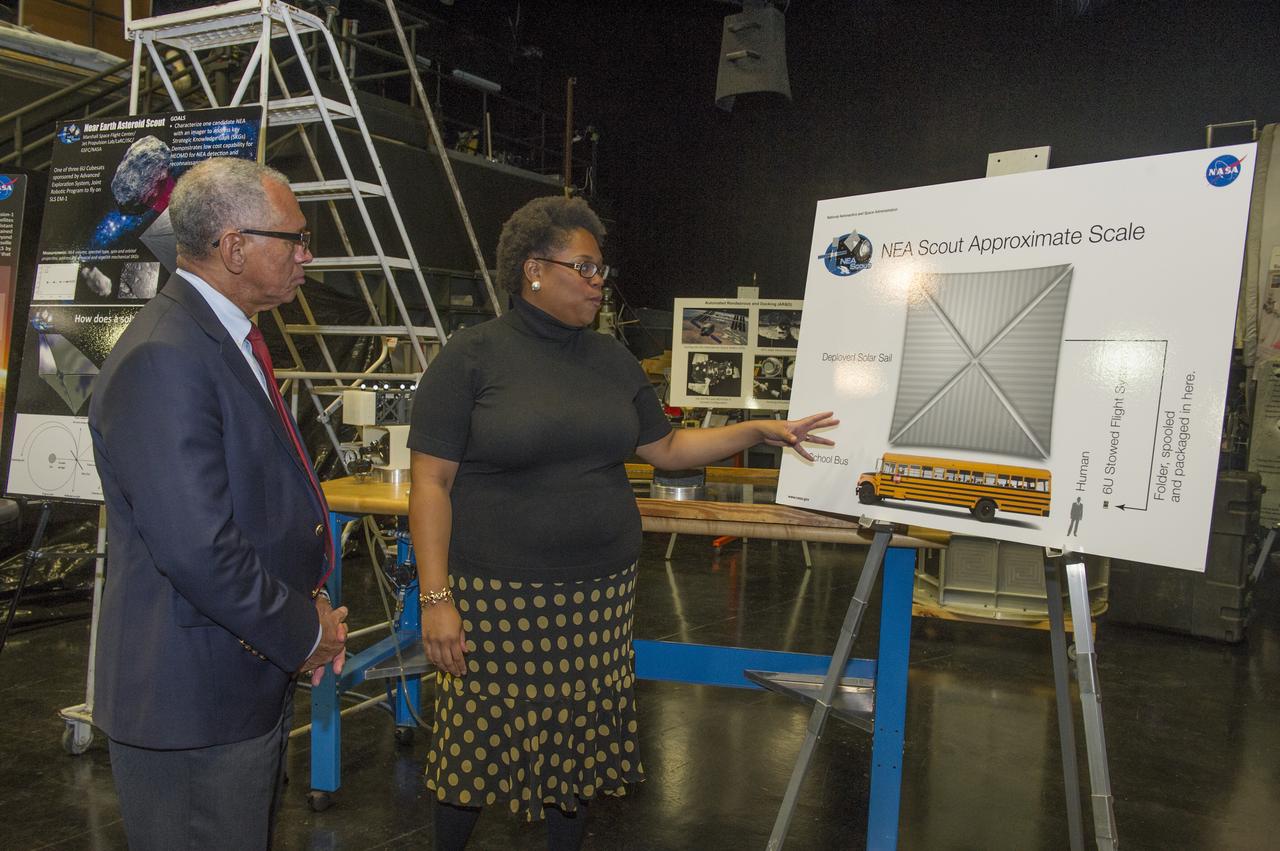
NASA ADMINISTRATOR BOLDEN IS BRIEFED ON NEA SCOUT PROGRESS BY TIFFANY RUSSELL
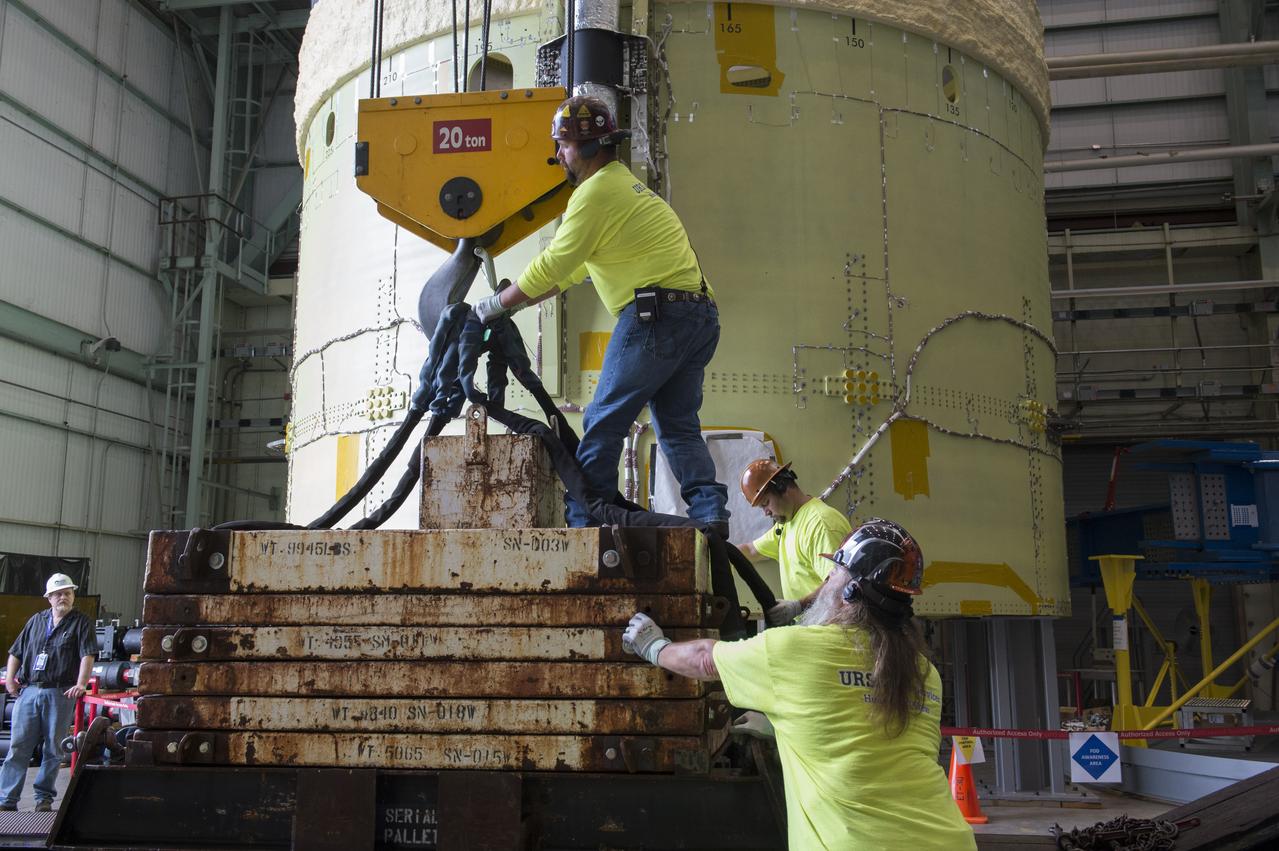
NASA engineers install test hardware for the agency's new heavy lift rocket, the Space Launch System, into a newly constructed 50-foot structural test stand at NASA's Marshall Space Flight Center. In the stand, hydraulic cylinders will be electronically controlled to push, pull, twist and bend the test article with millions of pounds of force. Engineers will record and analyze over 3,000 channels of data for each test case to verify the capabilities of the engine section and validate that the design and analysis models accurately predict the amount of loads the core stage can withstand during launch and ascent. The engine section, recently delivered via NASA's barge Pegasus from NASA's Michoud Assembly Facility, is the first of four core stage structural test articles scheduled to be delivered to Marshall for testing. The engine section, located at the bottom of SLS's massive core stage, will house the rocket's four RS-25 engines and be an attachment point for the two solid rocket boosters.
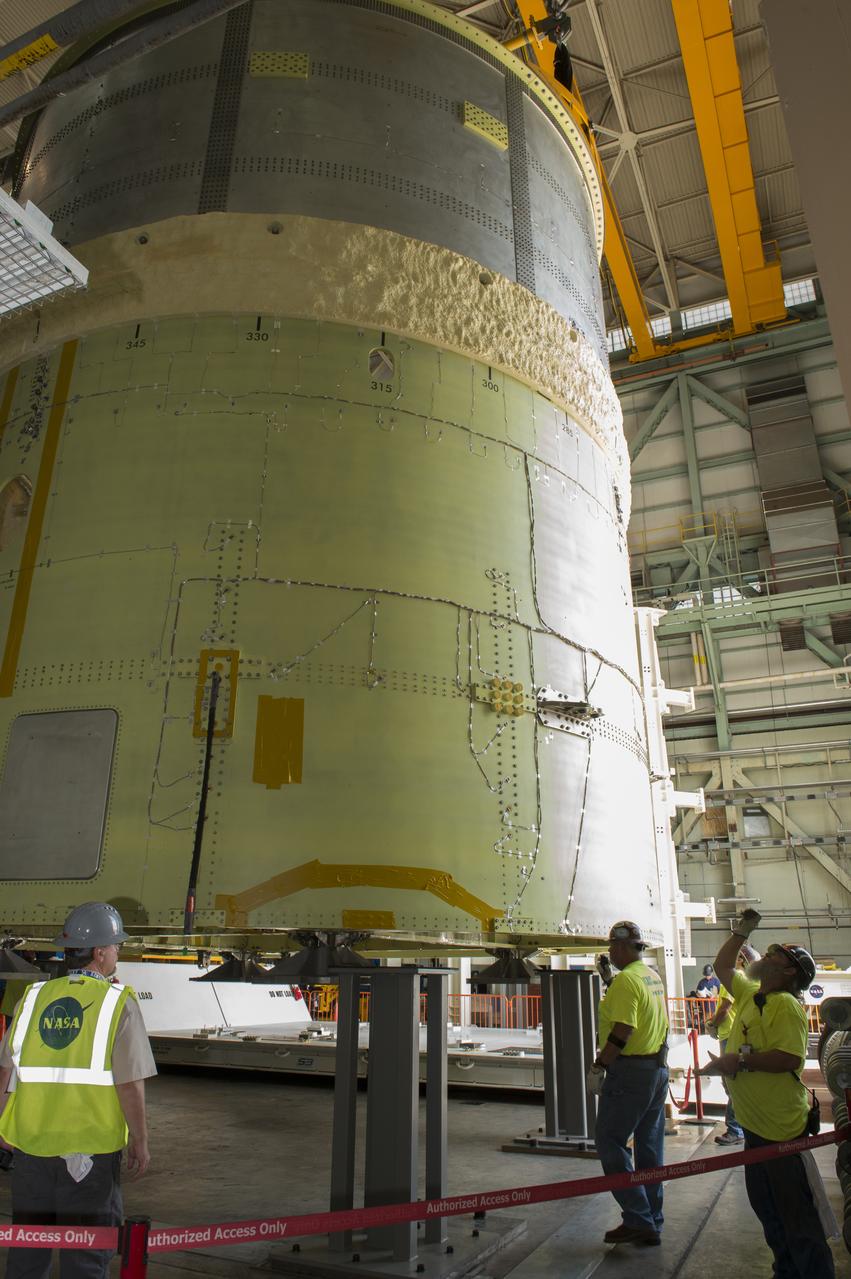
NASA engineers install test hardware for the agency's new heavy lift rocket, the Space Launch System, into a newly constructed 50-foot structural test stand at NASA's Marshall Space Flight Center. In the stand, hydraulic cylinders will be electronically controlled to push, pull, twist and bend the test article with millions of pounds of force. Engineers will record and analyze over 3,000 channels of data for each test case to verify the capabilities of the engine section and validate that the design and analysis models accurately predict the amount of loads the core stage can withstand during launch and ascent. The engine section, recently delivered via NASA's barge Pegasus from NASA's Michoud Assembly Facility, is the first of four core stage structural test articles scheduled to be delivered to Marshall for testing. The engine section, located at the bottom of SLS's massive core stage, will house the rocket's four RS-25 engines and be an attachment point for the two solid rocket boosters.
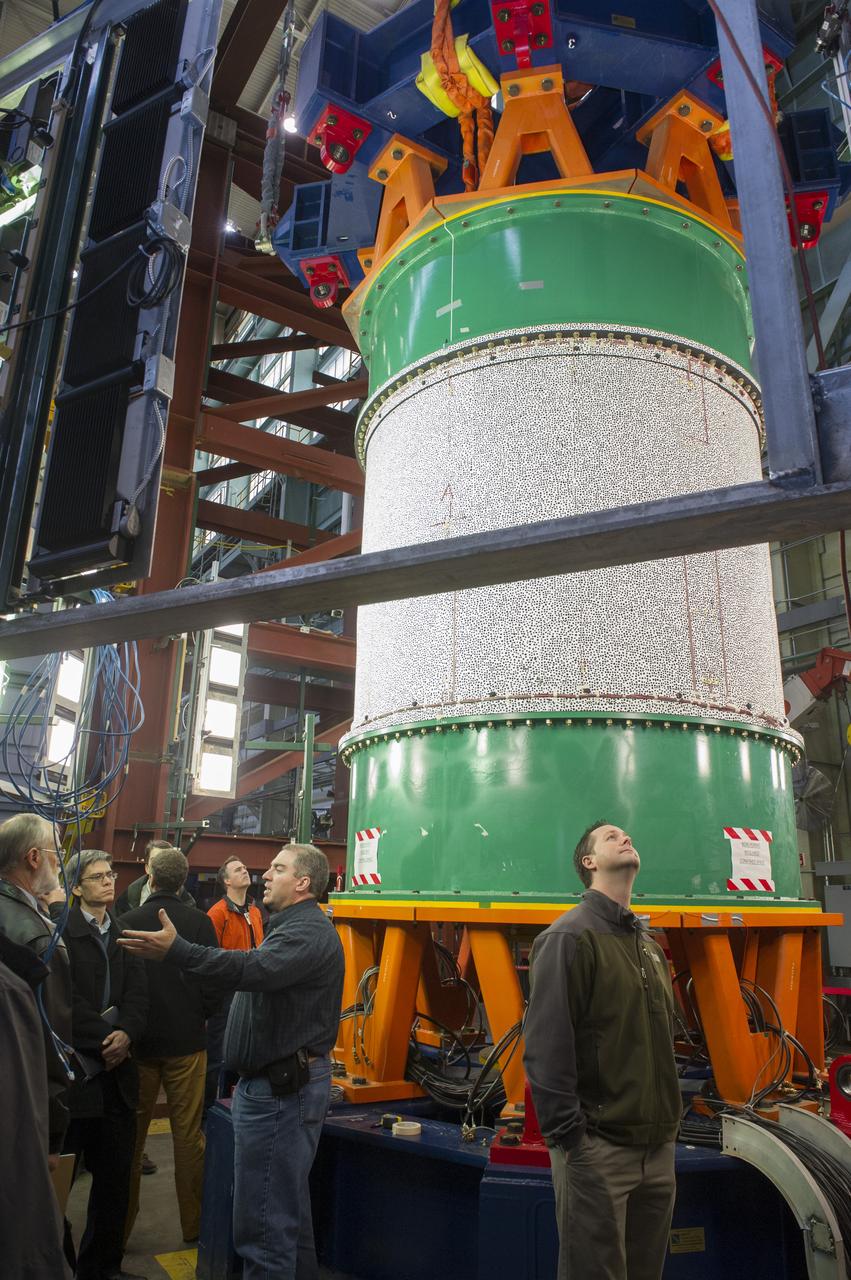
5TH SBKF (SHELL BUCKLE KNOCKDOWN FACTOR) WORKSHOP, MSFC, FEB. 3-4, 2015
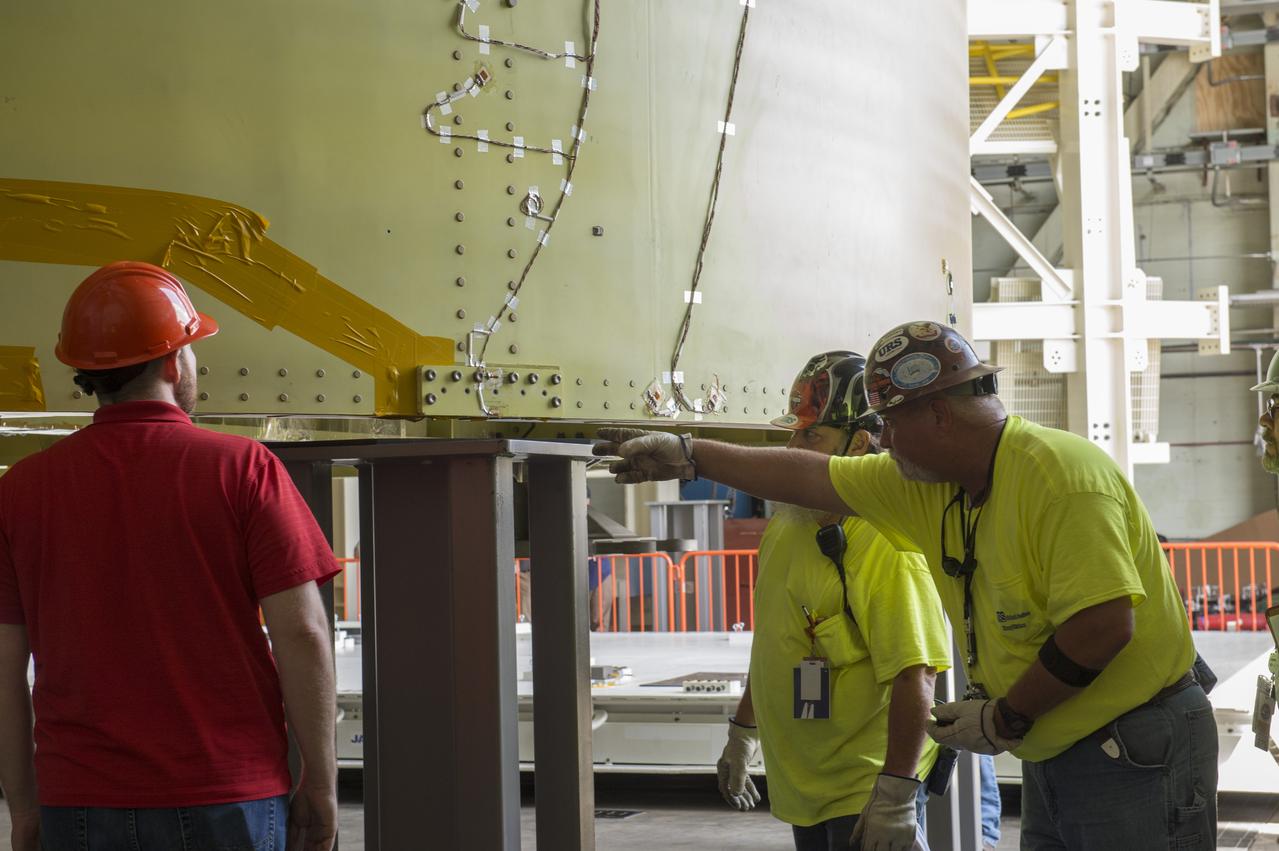
NASA engineers install test hardware for the agency's new heavy lift rocket, the Space Launch System, into a newly constructed 50-foot structural test stand at NASA's Marshall Space Flight Center. In the stand, hydraulic cylinders will be electronically controlled to push, pull, twist and bend the test article with millions of pounds of force. Engineers will record and analyze over 3,000 channels of data for each test case to verify the capabilities of the engine section and validate that the design and analysis models accurately predict the amount of loads the core stage can withstand during launch and ascent. The engine section, recently delivered via NASA's barge Pegasus from NASA's Michoud Assembly Facility, is the first of four core stage structural test articles scheduled to be delivered to Marshall for testing. The engine section, located at the bottom of SLS's massive core stage, will house the rocket's four RS-25 engines and be an attachment point for the two solid rocket boosters.
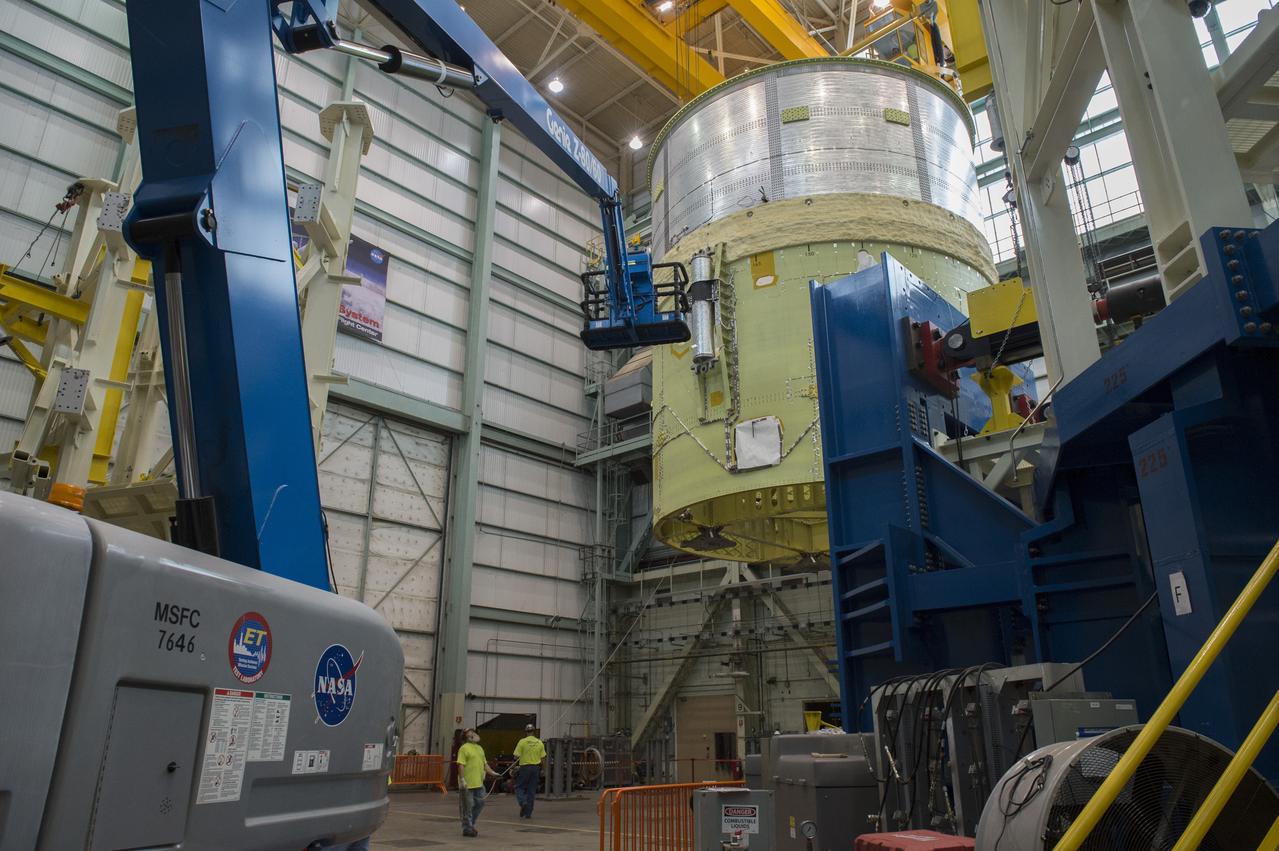
NASA engineers install test hardware for the agency's new heavy lift rocket, the Space Launch System, into a newly constructed 50-foot structural test stand at NASA's Marshall Space Flight Center. In the stand, hydraulic cylinders will be electronically controlled to push, pull, twist and bend the test article with millions of pounds of force. Engineers will record and analyze over 3,000 channels of data for each test case to verify the capabilities of the engine section and validate that the design and analysis models accurately predict the amount of loads the core stage can withstand during launch and ascent. The engine section, recently delivered via NASA's barge Pegasus from NASA's Michoud Assembly Facility, is the first of four core stage structural test articles scheduled to be delivered to Marshall for testing. The engine section, located at the bottom of SLS's massive core stage, will house the rocket's four RS-25 engines and be an attachment point for the two solid rocket boosters.
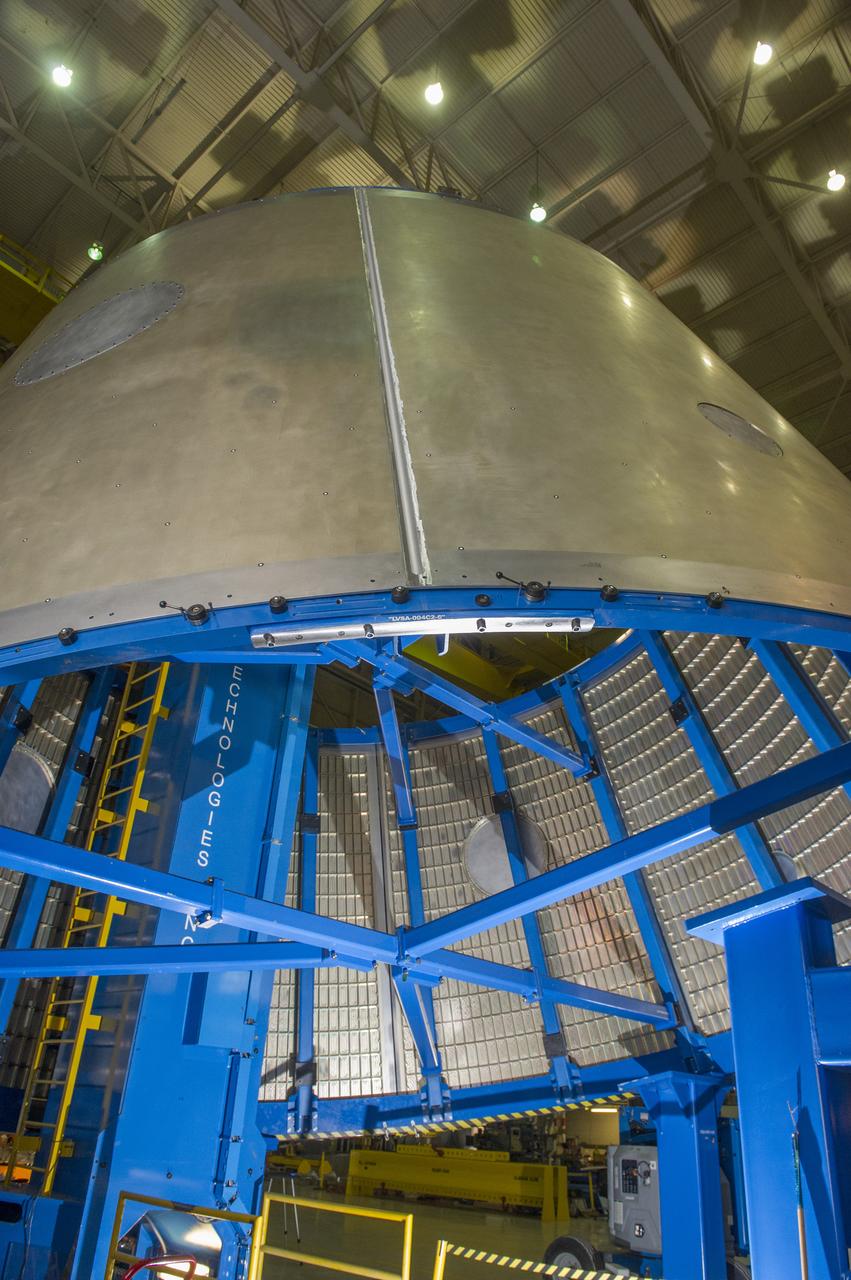
Launch Vehicle Stage Adapter (LVSA) Aft Cone Post Weld #7
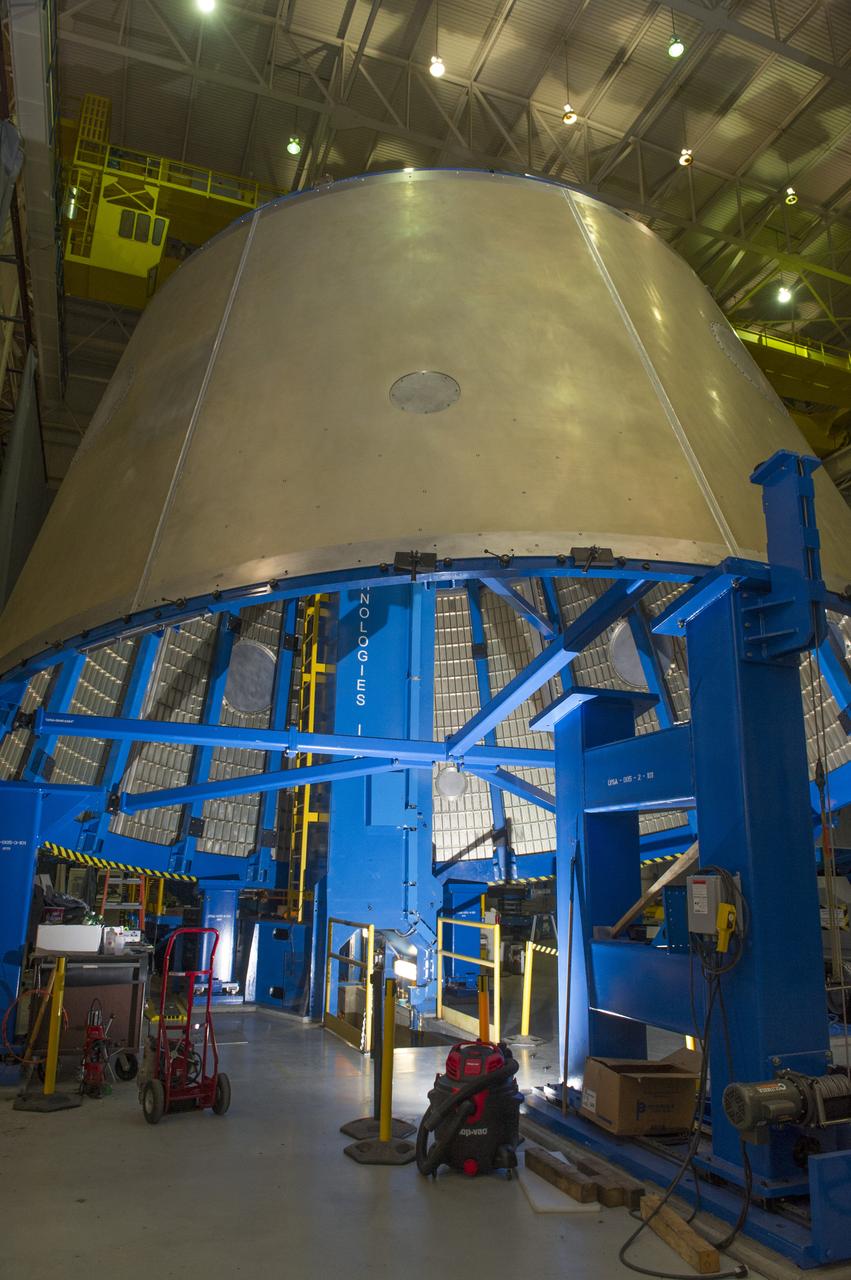
Launch Vehicle Stage Adapter (LVSA) Aft Cone Post Weld #7
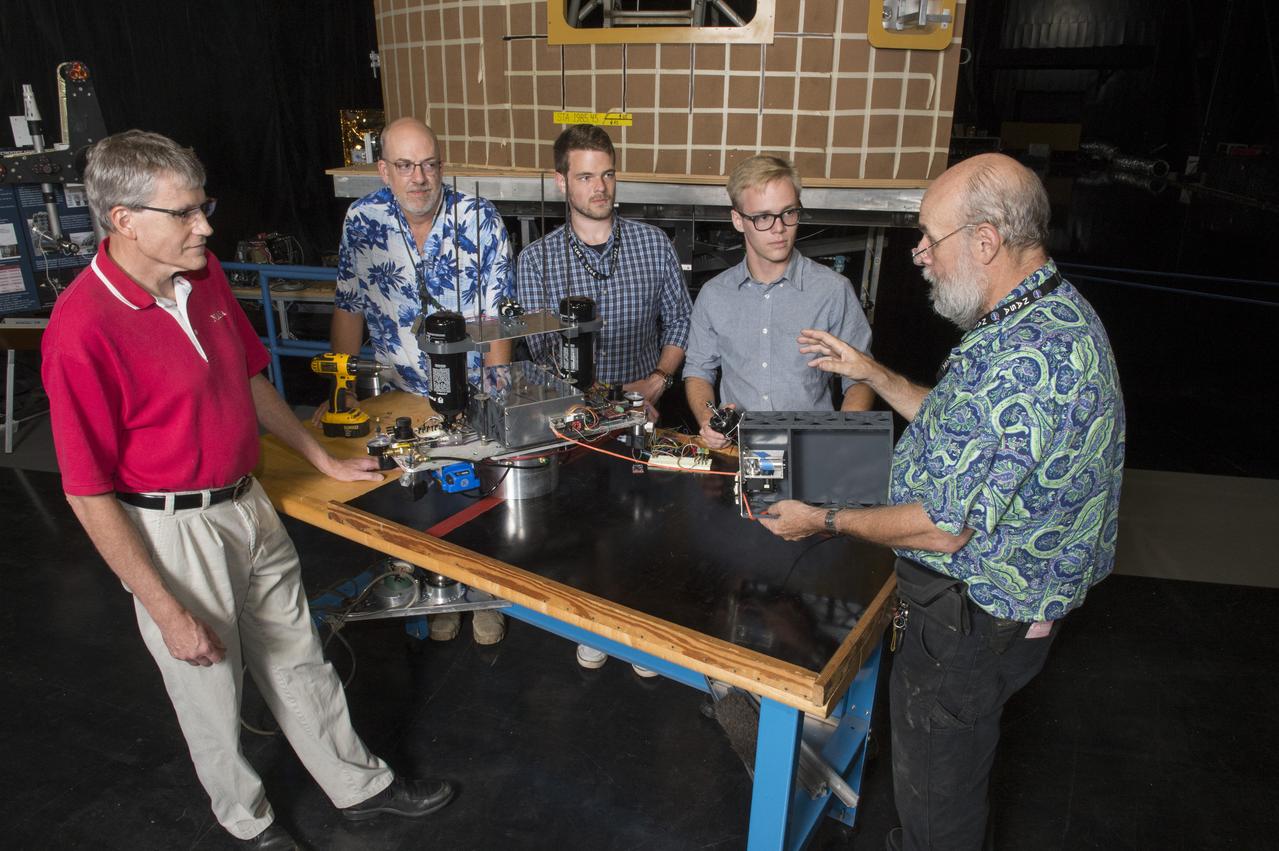
Electric Sail (E-Sail) Tether Team Discusses 6U CubeSat Test Article and Tether Deployment System (Right to left: Tom Bryan, Davis Hunter (student intern), Jonathan MacArthur (student intern), Charles Cowen, Mike Tinker)

NASA engineers install test hardware for the agency's new heavy lift rocket, the Space Launch System, into a newly constructed 50-foot structural test stand at NASA's Marshall Space Flight Center. In the stand, hydraulic cylinders will be electronically controlled to push, pull, twist and bend the test article with millions of pounds of force. Engineers will record and analyze over 3,000 channels of data for each test case to verify the capabilities of the engine section and validate that the design and analysis models accurately predict the amount of loads the core stage can withstand during launch and ascent. The engine section, recently delivered via NASA's barge Pegasus from NASA's Michoud Assembly Facility, is the first of four core stage structural test articles scheduled to be delivered to Marshall for testing. The engine section, located at the bottom of SLS's massive core stage, will house the rocket's four RS-25 engines and be an attachment point for the two solid rocket boosters.
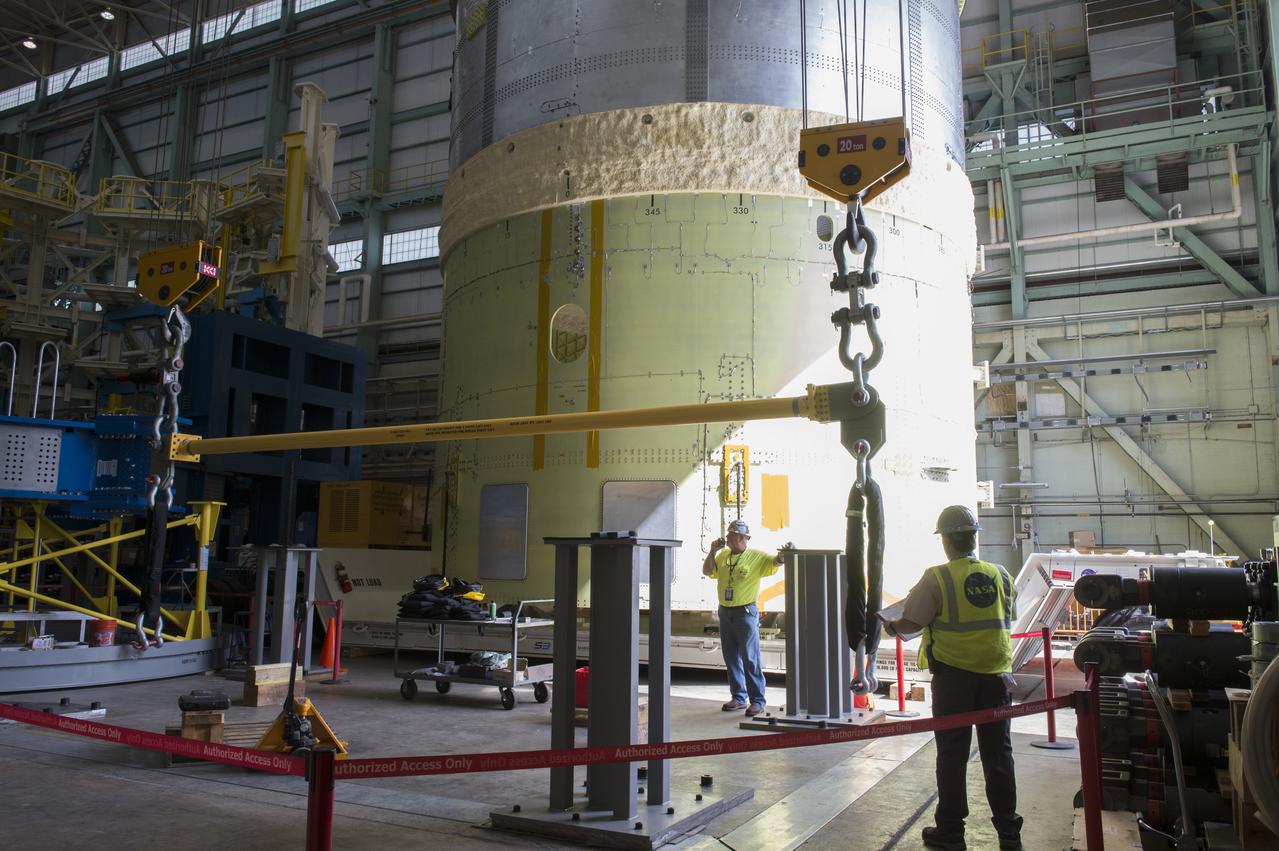
NASA engineers install test hardware for the agency's new heavy lift rocket, the Space Launch System, into a newly constructed 50-foot structural test stand at NASA's Marshall Space Flight Center. In the stand, hydraulic cylinders will be electronically controlled to push, pull, twist and bend the test article with millions of pounds of force. Engineers will record and analyze over 3,000 channels of data for each test case to verify the capabilities of the engine section and validate that the design and analysis models accurately predict the amount of loads the core stage can withstand during launch and ascent. The engine section, recently delivered via NASA's barge Pegasus from NASA's Michoud Assembly Facility, is the first of four core stage structural test articles scheduled to be delivered to Marshall for testing. The engine section, located at the bottom of SLS's massive core stage, will house the rocket's four RS-25 engines and be an attachment point for the two solid rocket boosters.
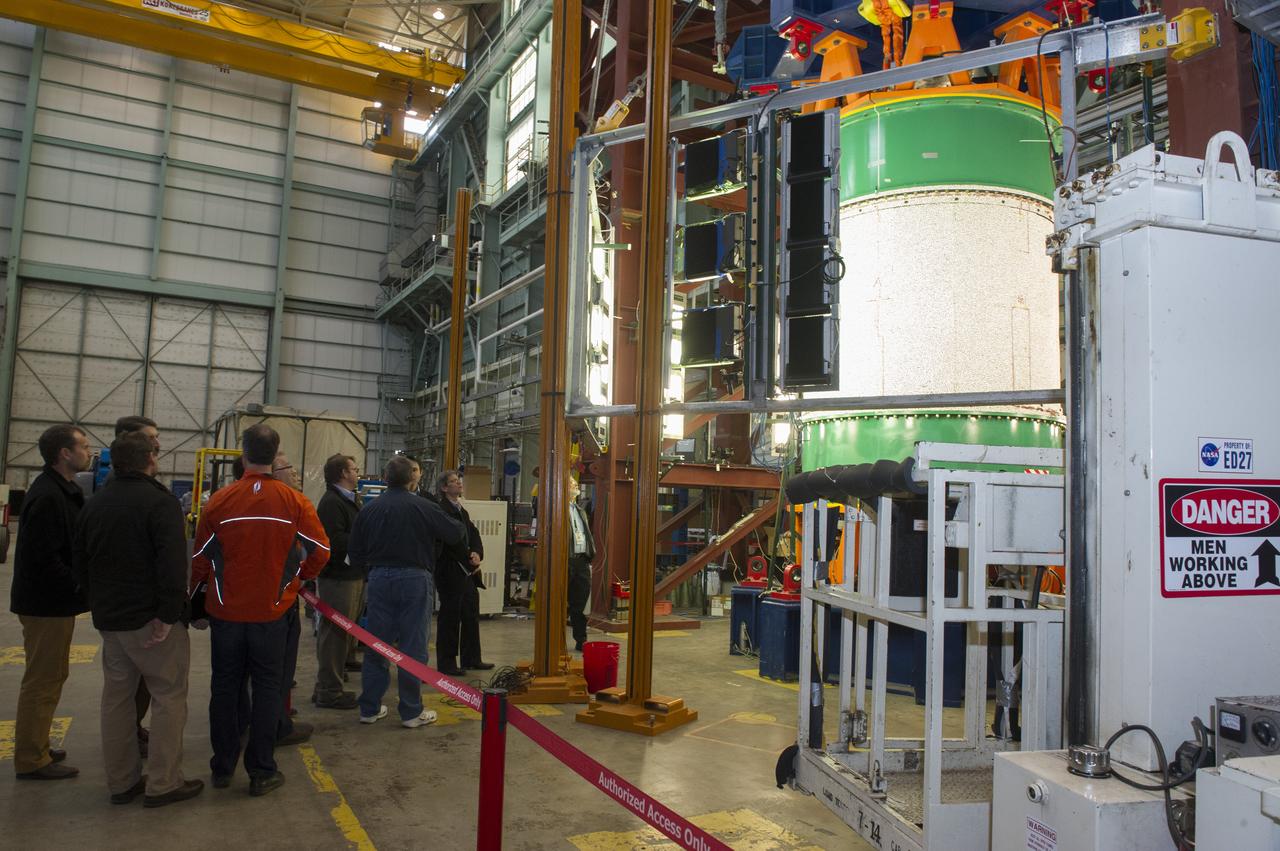
5TH SBKF (SHELL BUCKLE KNOCKDOWN FACTOR) WORKSHOP, MSFC, FEB. 3-4, 2015
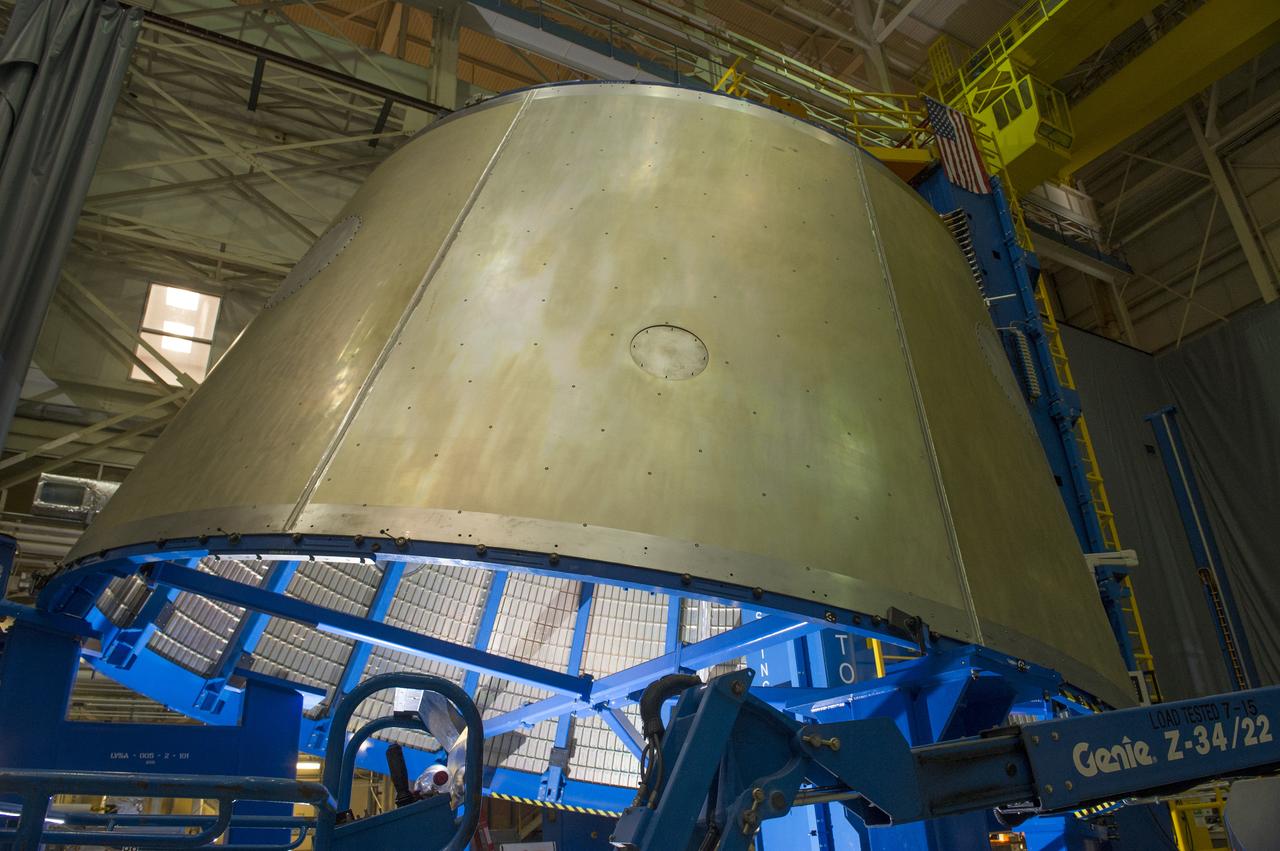
Launch Vehicle Stage Adapter (LVSA) Aft Cone Post Weld #7
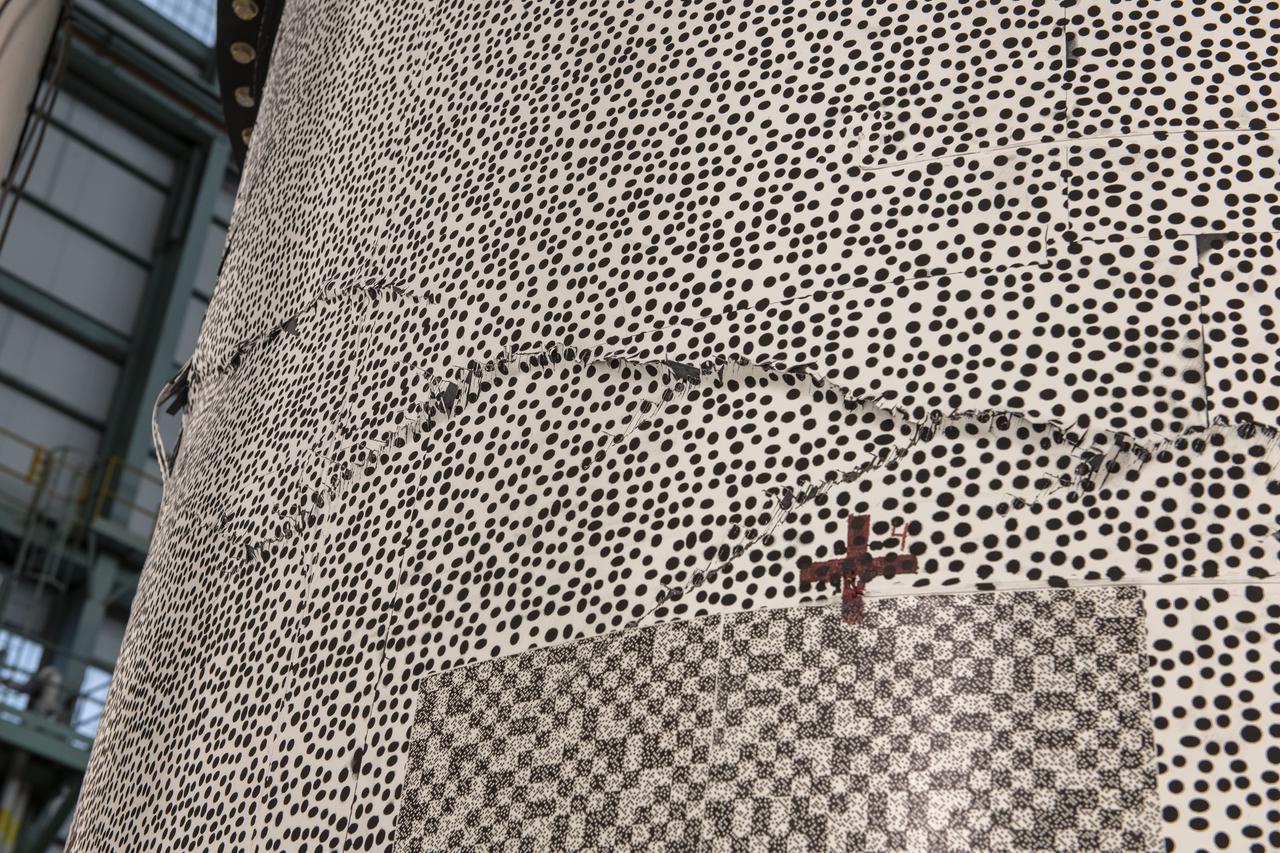
SHELL BUCKLING KNOCKDOWN FACTOR (SBKF) PROJECT - COMPOSITE TEST ARTICLE, (CTA) 8.3 – Post test
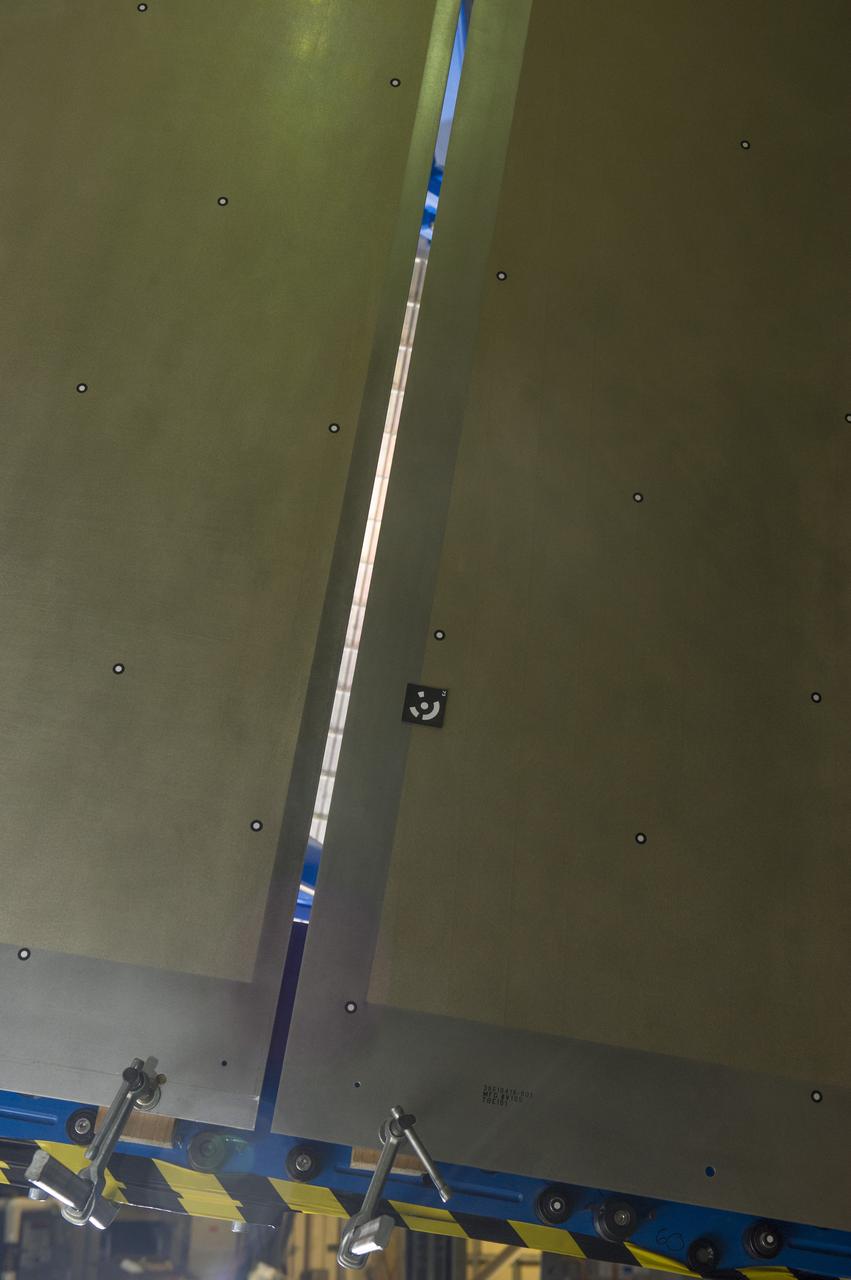
Launch Vehicle Stage Adapter (LVSA) Aft Cone Post Weld #7
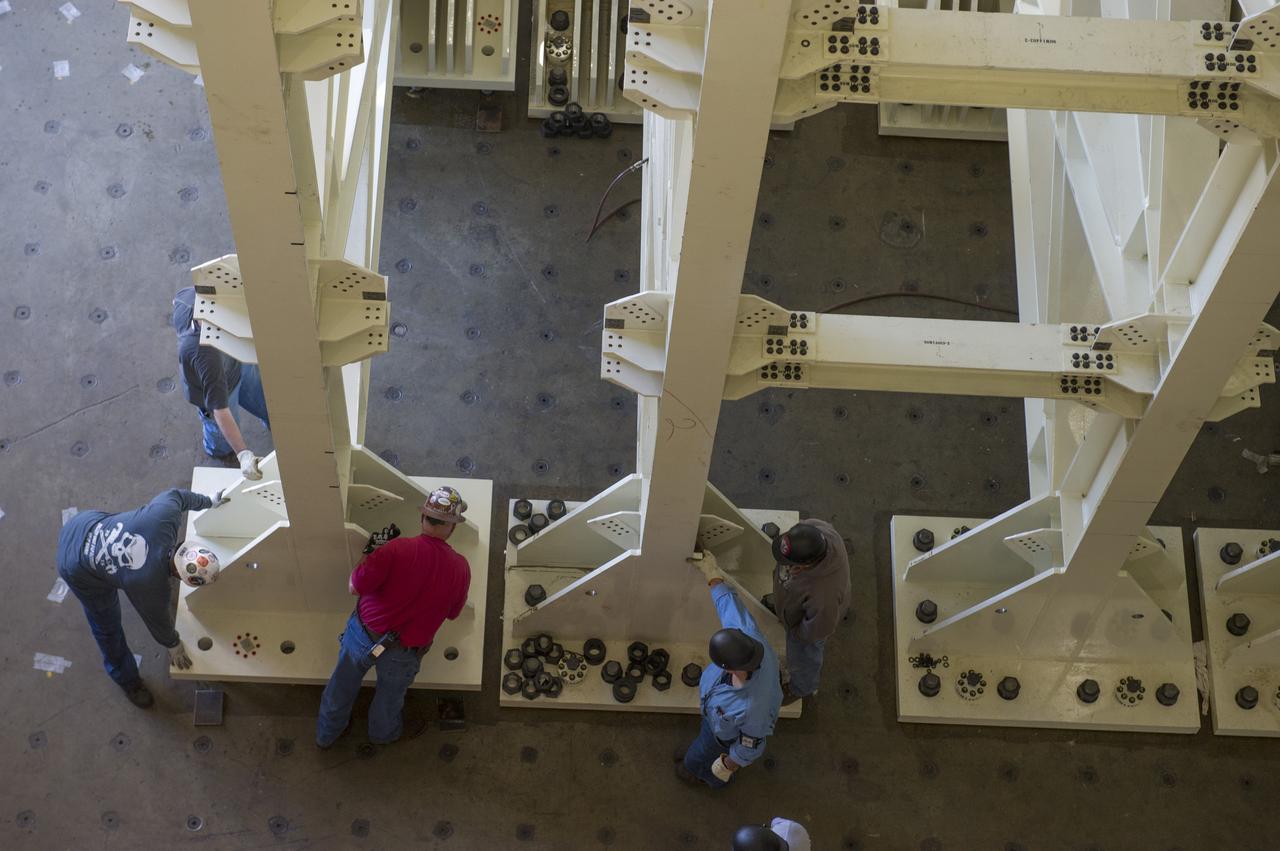
ERECTION OF TWO SLS INTERTANK, (IT), SPECIAL TEST EQUIPMENT, (STE), TOWER PANELS IN BLDG 4619
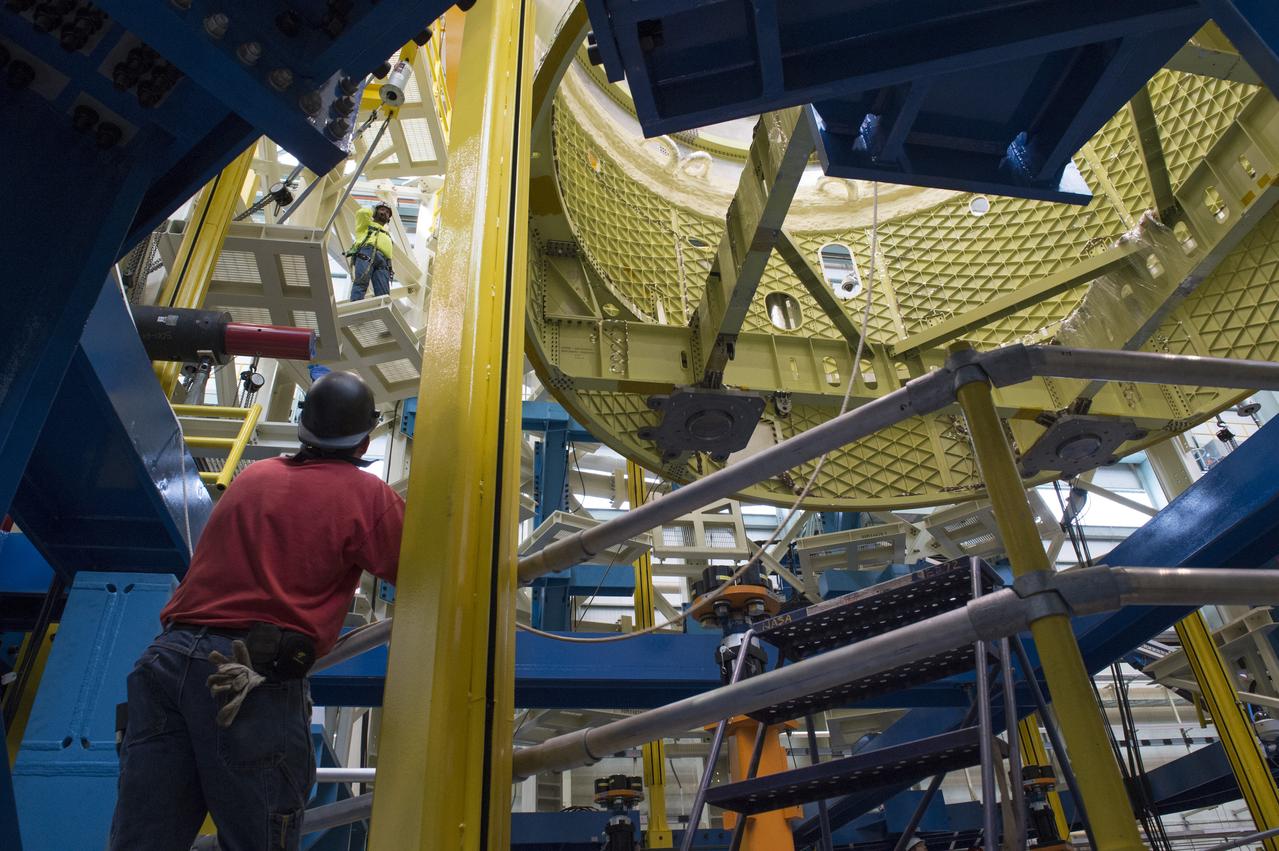
NASA engineers install test hardware for the agency's new heavy lift rocket, the Space Launch System, into a newly constructed 50-foot structural test stand at NASA's Marshall Space Flight Center. In the stand, hydraulic cylinders will be electronically controlled to push, pull, twist and bend the test article with millions of pounds of force. Engineers will record and analyze over 3,000 channels of data for each test case to verify the capabilities of the engine section and validate that the design and analysis models accurately predict the amount of loads the core stage can withstand during launch and ascent. The engine section, recently delivered via NASA's barge Pegasus from NASA's Michoud Assembly Facility, is the first of four core stage structural test articles scheduled to be delivered to Marshall for testing. The engine section, located at the bottom of SLS's massive core stage, will house the rocket's four RS-25 engines and be an attachment point for the two solid rocket boosters.
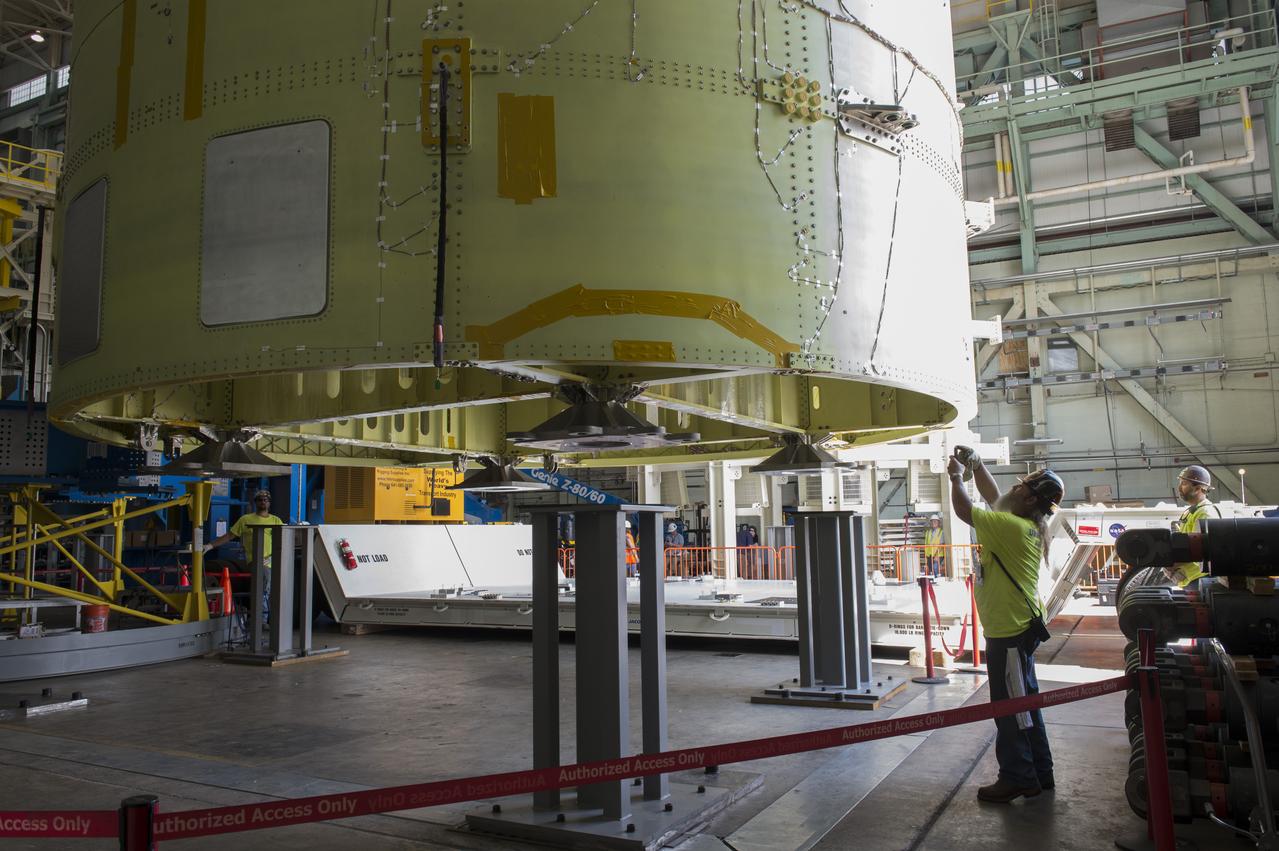
NASA engineers install test hardware for the agency's new heavy lift rocket, the Space Launch System, into a newly constructed 50-foot structural test stand at NASA's Marshall Space Flight Center. In the stand, hydraulic cylinders will be electronically controlled to push, pull, twist and bend the test article with millions of pounds of force. Engineers will record and analyze over 3,000 channels of data for each test case to verify the capabilities of the engine section and validate that the design and analysis models accurately predict the amount of loads the core stage can withstand during launch and ascent. The engine section, recently delivered via NASA's barge Pegasus from NASA's Michoud Assembly Facility, is the first of four core stage structural test articles scheduled to be delivered to Marshall for testing. The engine section, located at the bottom of SLS's massive core stage, will house the rocket's four RS-25 engines and be an attachment point for the two solid rocket boosters.
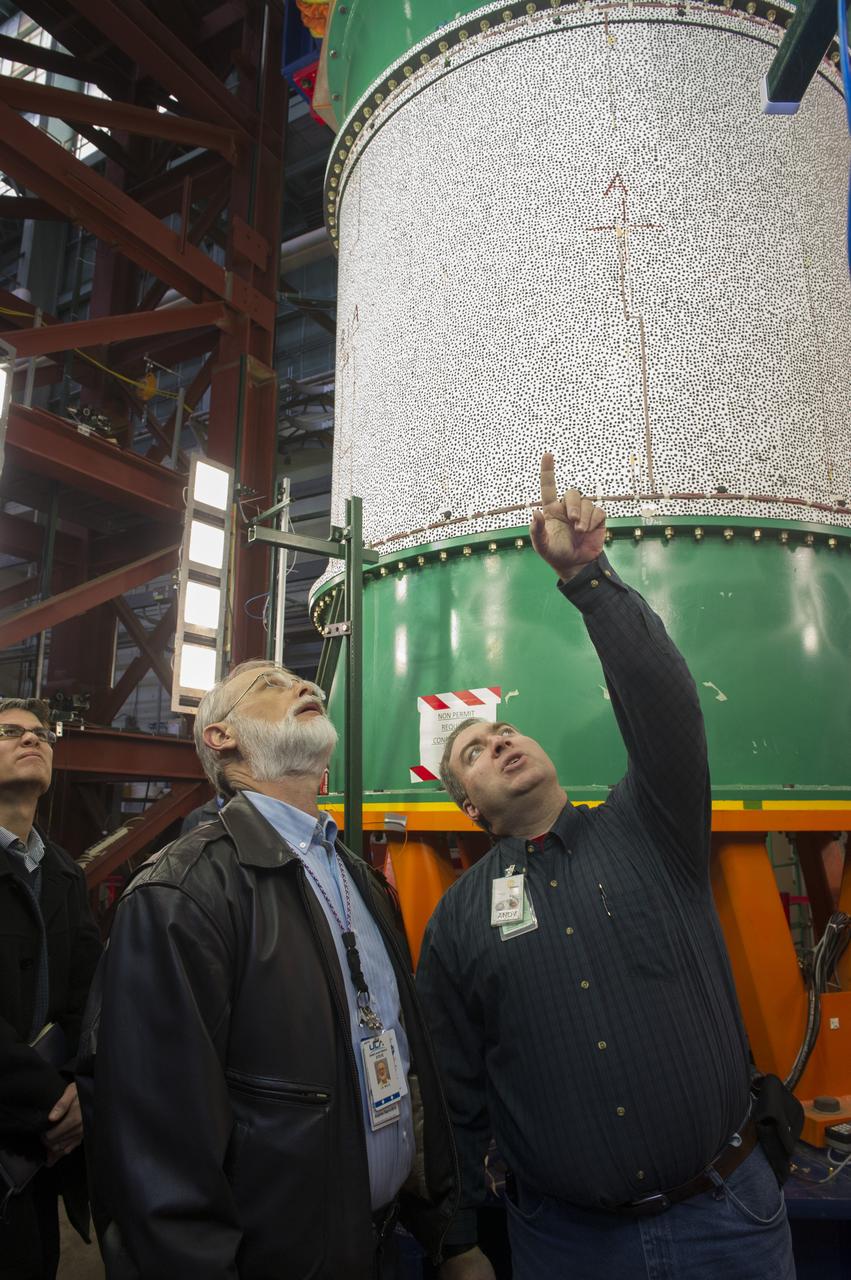
5TH SBKF (SHELL BUCKLE KNOCKDOWN FACTOR) WORKSHOP, MSFC, FEB. 3-4, 2015
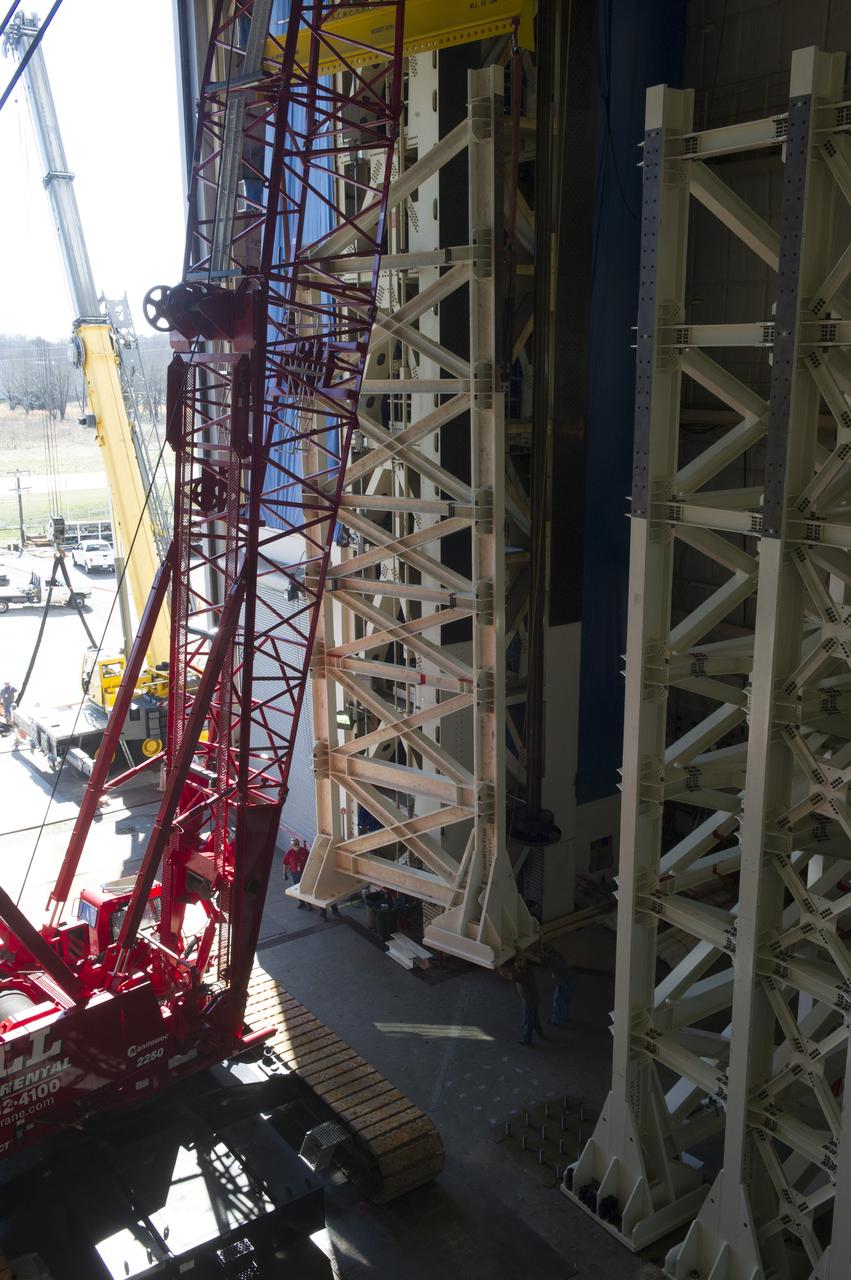
ERECTION OF TWO SLS INTERTANK, (IT), SPECIAL TEST EQUIPMENT, (STE), TOWER PANELS IN BLDG 4619
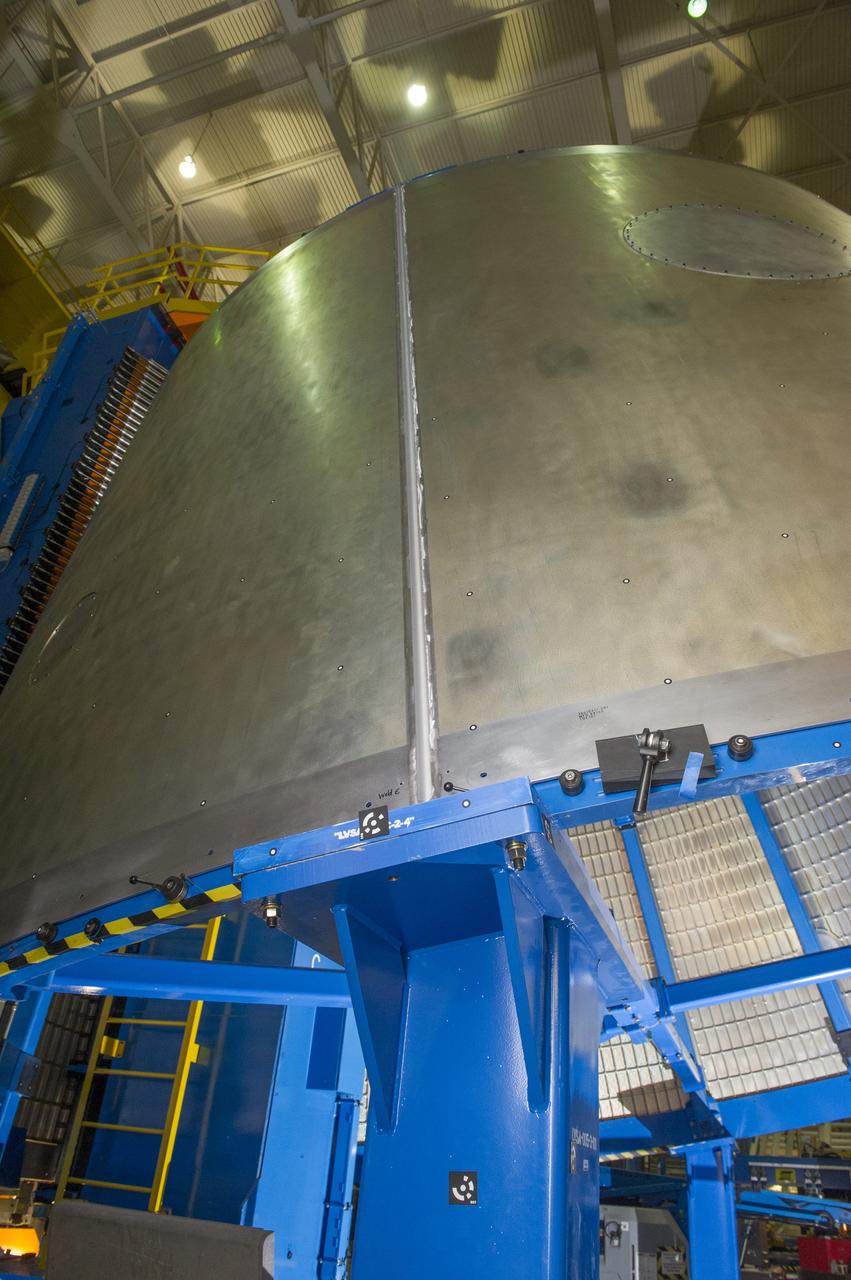
Launch Vehicle Stage Adapter (LVSA) Aft Cone Post Weld #7
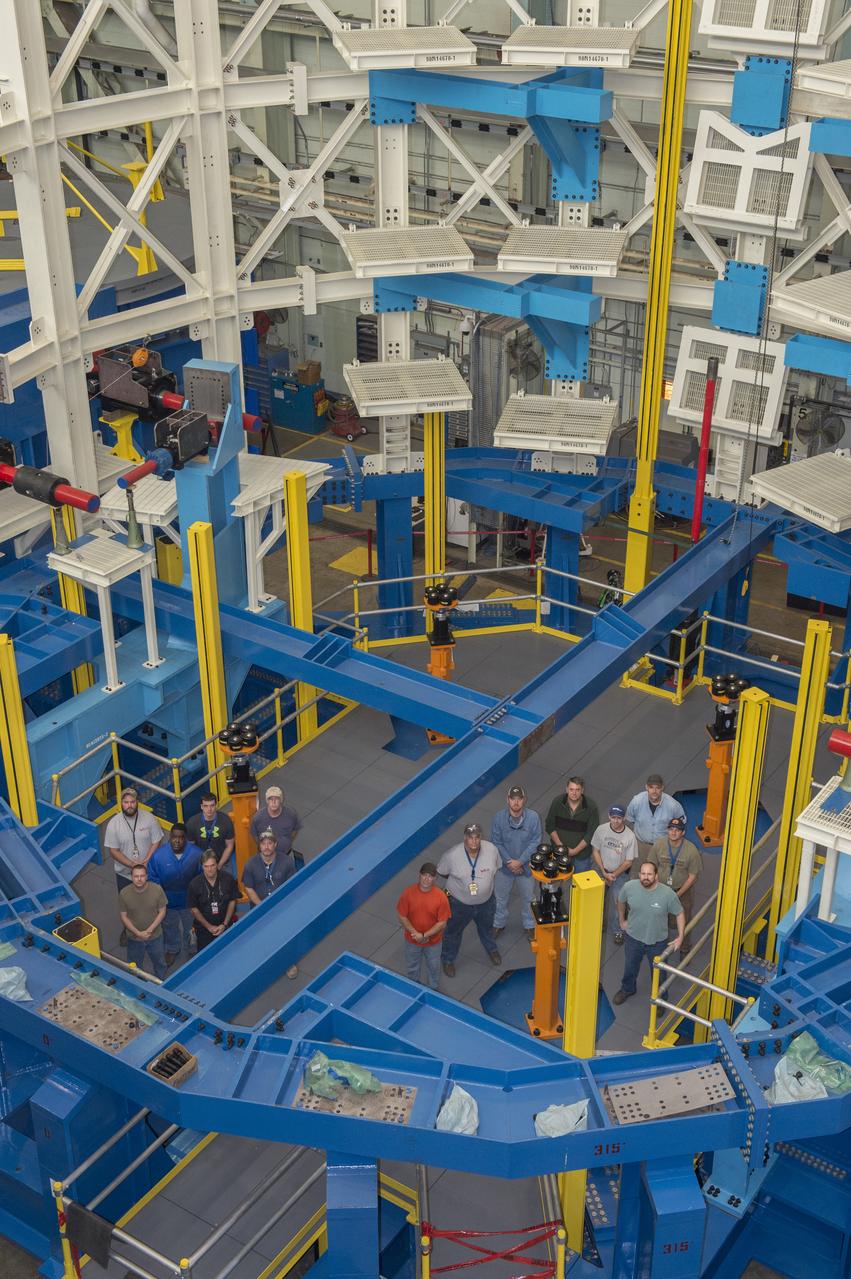
SLS ENGINE SECTION TEST STAND WITH CONSTRUCTION CREW
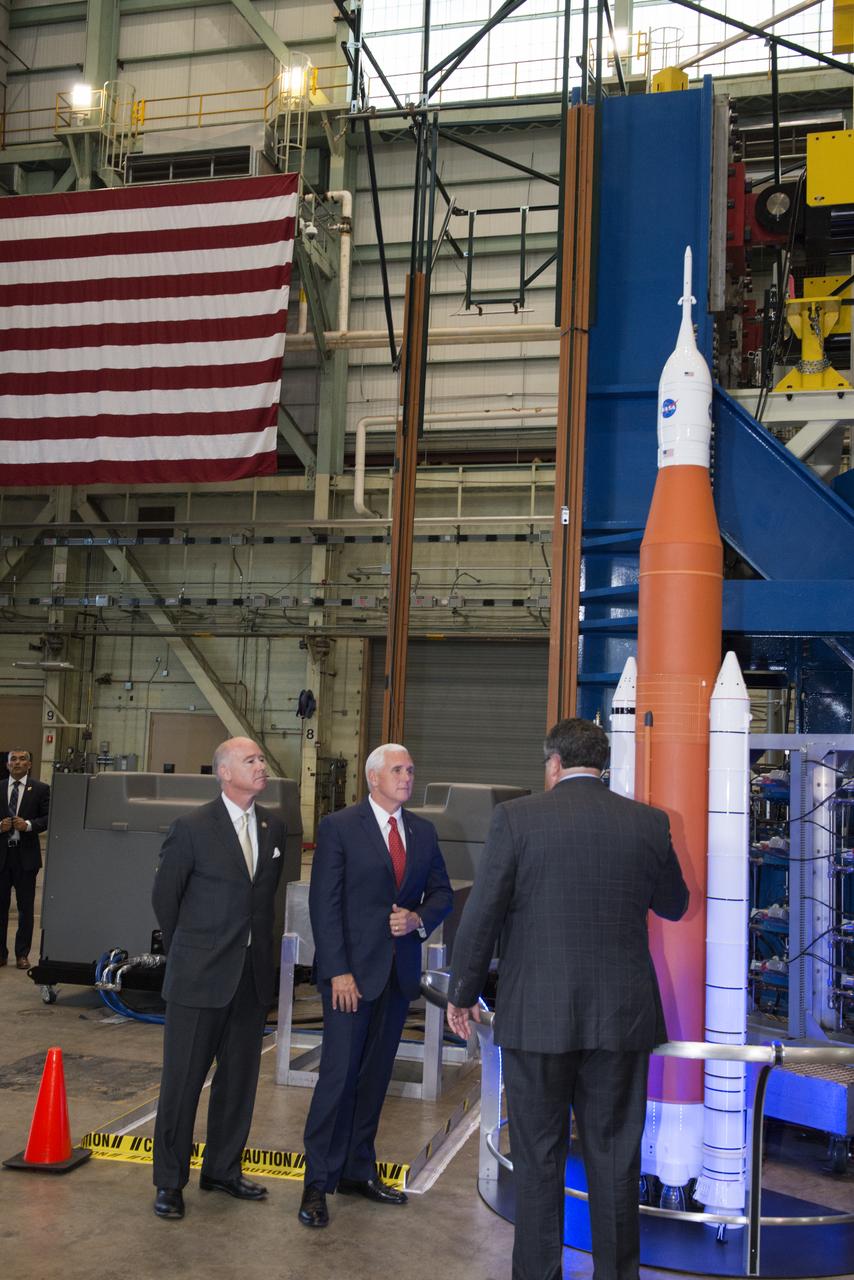
Vice President Mike Pence talks with Marshall Space Flight Center Director Todd May and Congressman Robert Aderholt (R-AL) (left) about NASA’s Space Launch System, the agency’s new deep space rocket. May explained progress being made on the rocket. The Vice President visited NASA Marshall in Huntsville, Alabama on Sept. 25, 2017, and saw SLS core stage engine section test hardware (on the right). The engine section is the bottom of the core stage where the four RS-25 engines attach and produce two million pounds of thrust. The SLS engine section is undergoing structural testing.
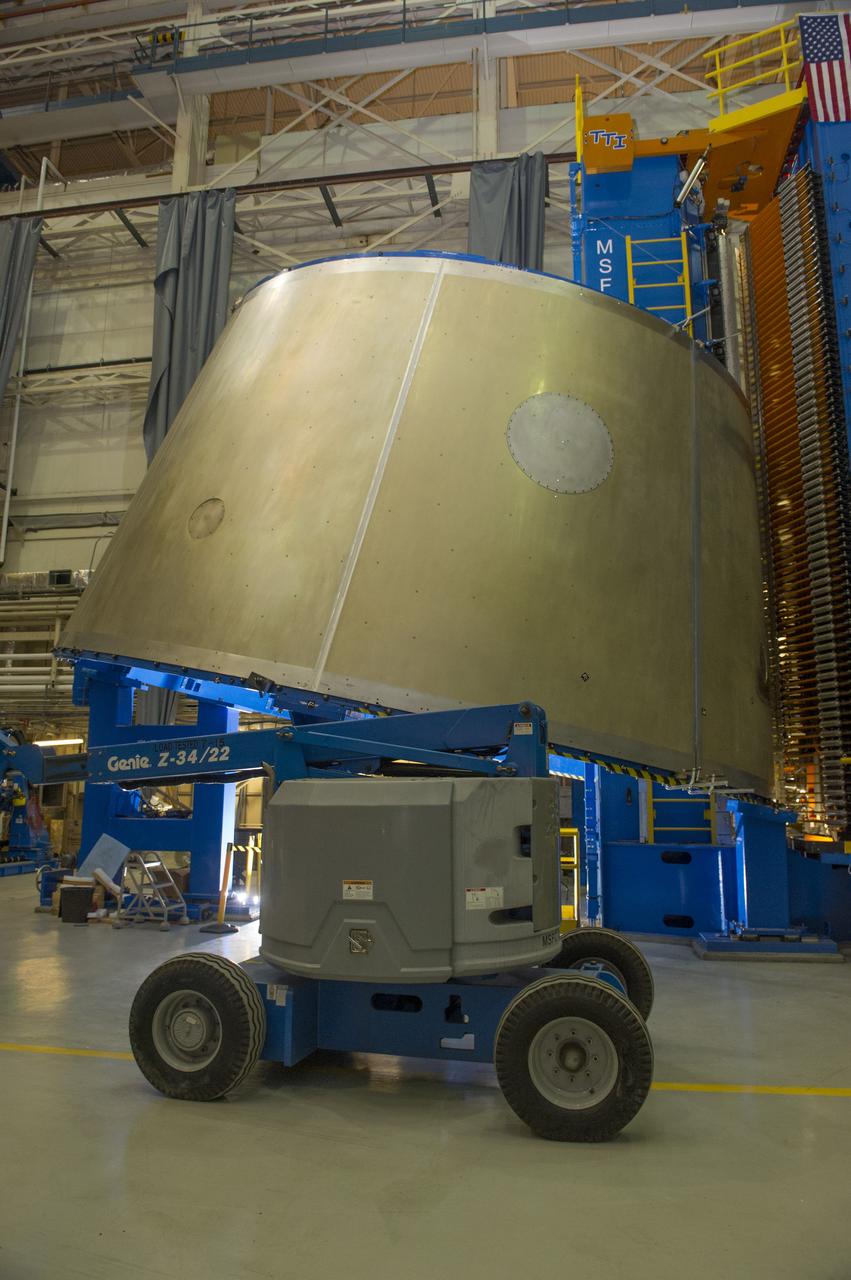
Launch Vehicle Stage Adapter (LVSA) Aft Cone Post Weld #7
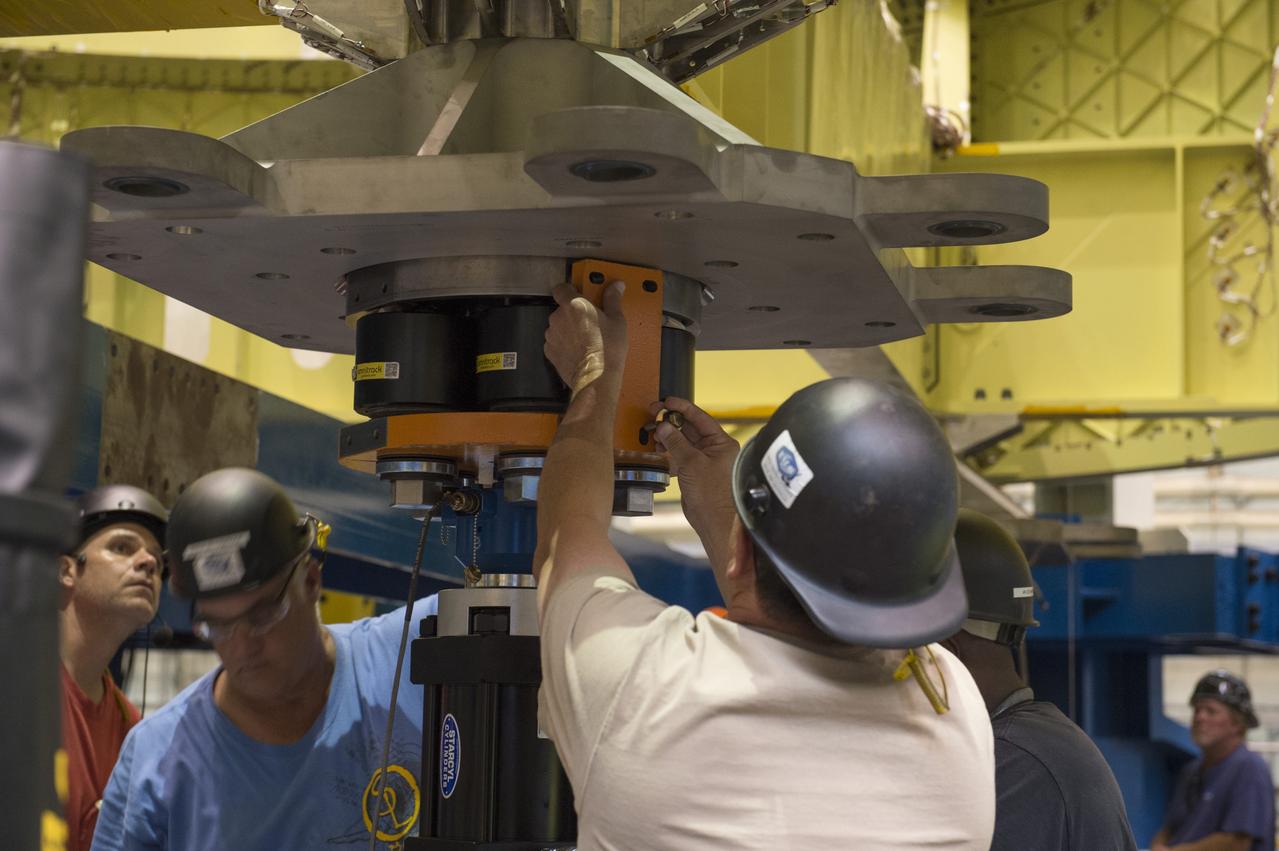
NASA engineers install test hardware for the agency's new heavy lift rocket, the Space Launch System, into a newly constructed 50-foot structural test stand at NASA's Marshall Space Flight Center. In the stand, hydraulic cylinders will be electronically controlled to push, pull, twist and bend the test article with millions of pounds of force. Engineers will record and analyze over 3,000 channels of data for each test case to verify the capabilities of the engine section and validate that the design and analysis models accurately predict the amount of loads the core stage can withstand during launch and ascent. The engine section, recently delivered via NASA's barge Pegasus from NASA's Michoud Assembly Facility, is the first of four core stage structural test articles scheduled to be delivered to Marshall for testing. The engine section, located at the bottom of SLS's massive core stage, will house the rocket's four RS-25 engines and be an attachment point for the two solid rocket boosters.
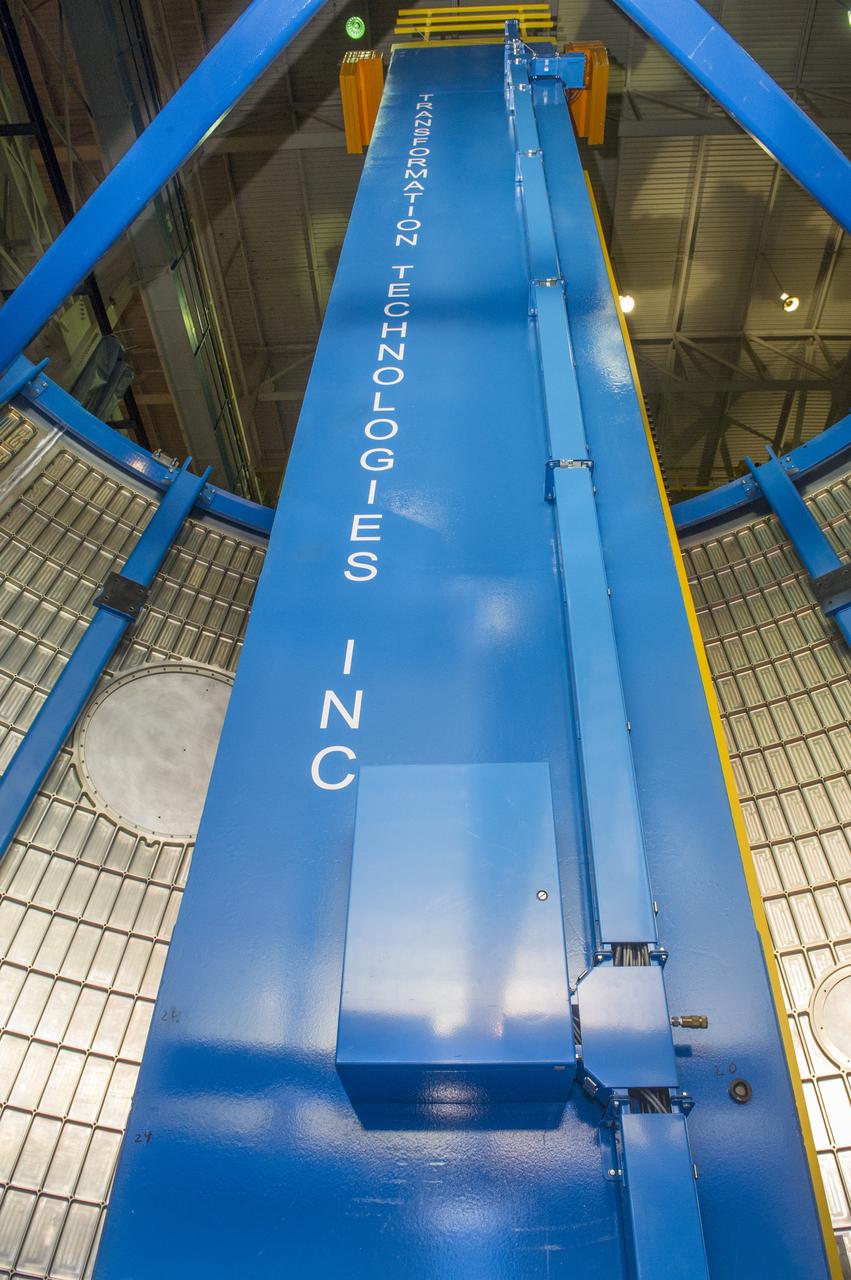
Launch Vehicle Stage Adapter (LVSA) Aft Cone Post Weld #7
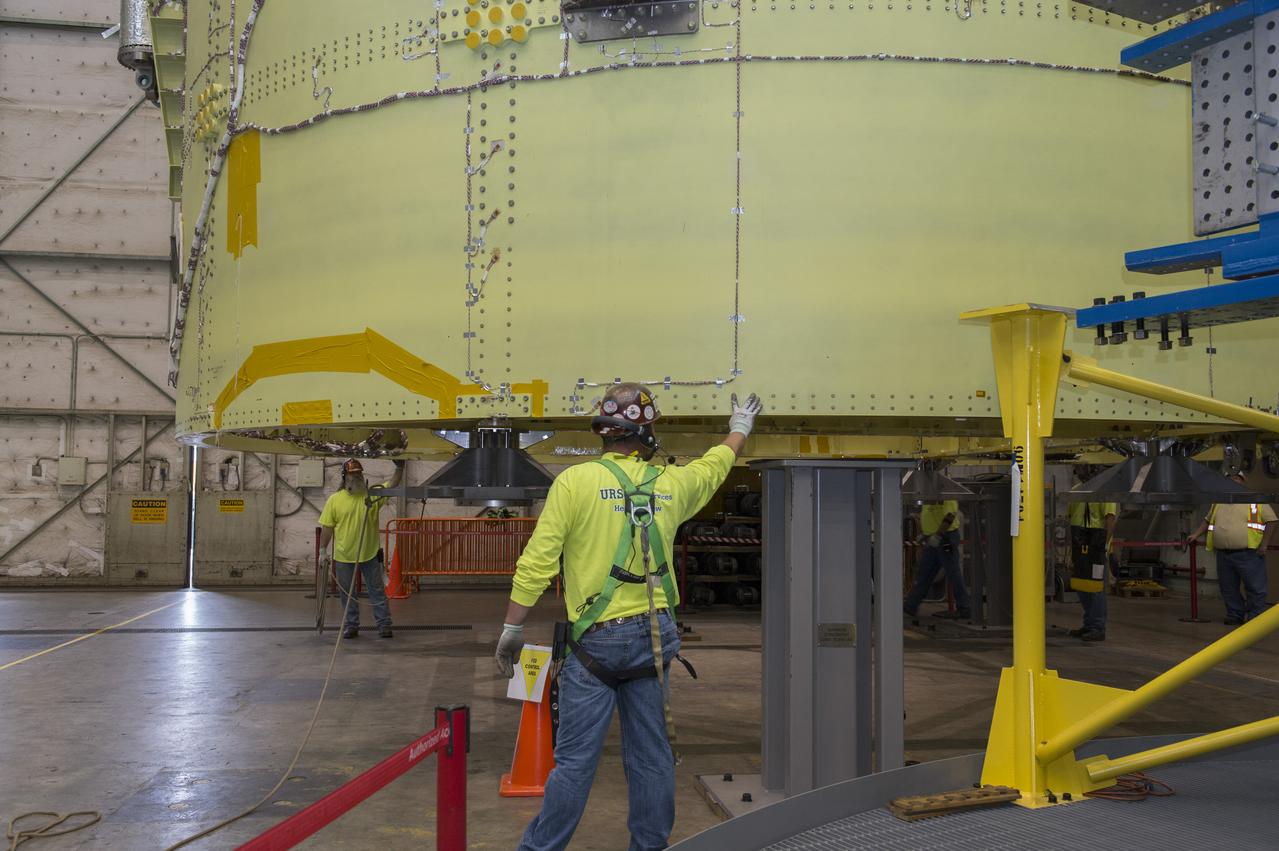
NASA engineers install test hardware for the agency's new heavy lift rocket, the Space Launch System, into a newly constructed 50-foot structural test stand at NASA's Marshall Space Flight Center. In the stand, hydraulic cylinders will be electronically controlled to push, pull, twist and bend the test article with millions of pounds of force. Engineers will record and analyze over 3,000 channels of data for each test case to verify the capabilities of the engine section and validate that the design and analysis models accurately predict the amount of loads the core stage can withstand during launch and ascent. The engine section, recently delivered via NASA's barge Pegasus from NASA's Michoud Assembly Facility, is the first of four core stage structural test articles scheduled to be delivered to Marshall for testing. The engine section, located at the bottom of SLS's massive core stage, will house the rocket's four RS-25 engines and be an attachment point for the two solid rocket boosters.
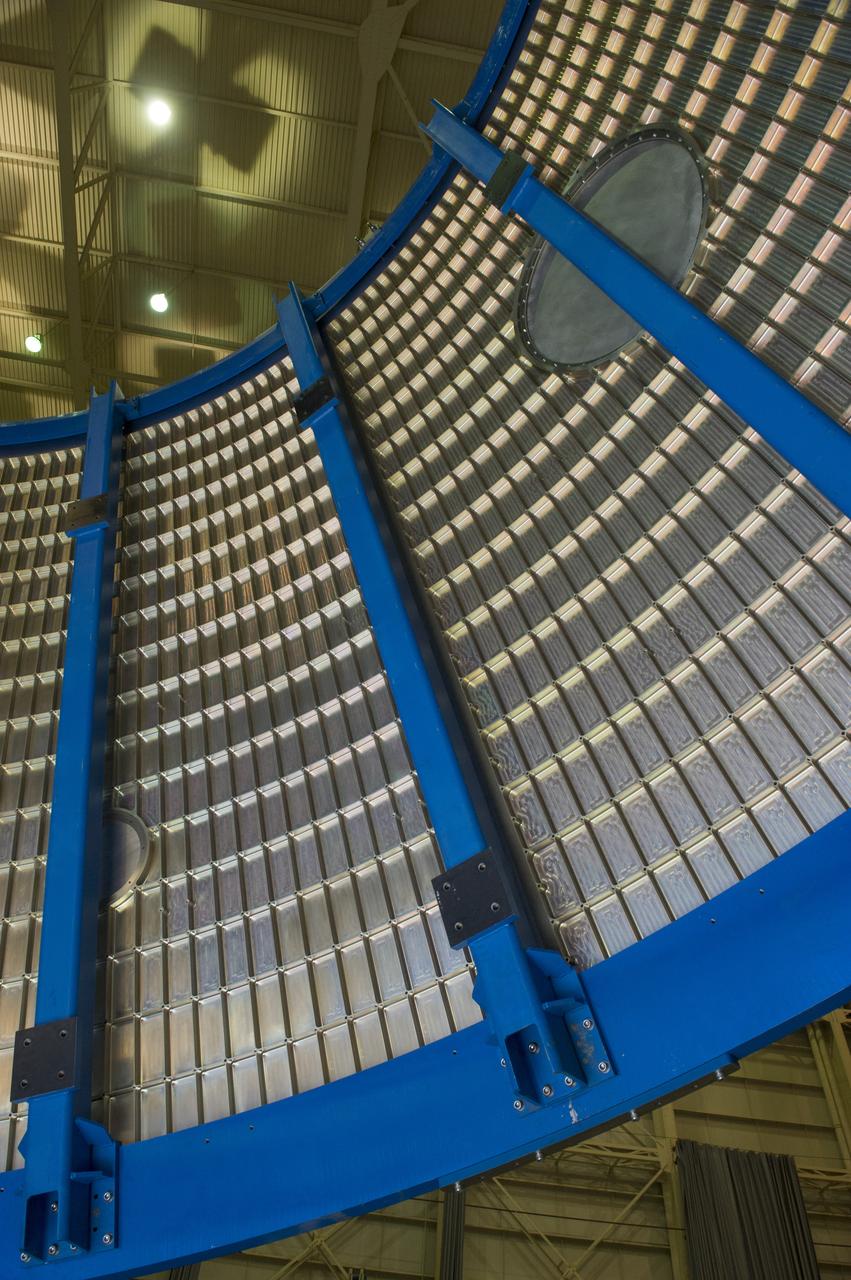
Launch Vehicle Stage Adapter (LVSA) Aft Cone Post Weld #7
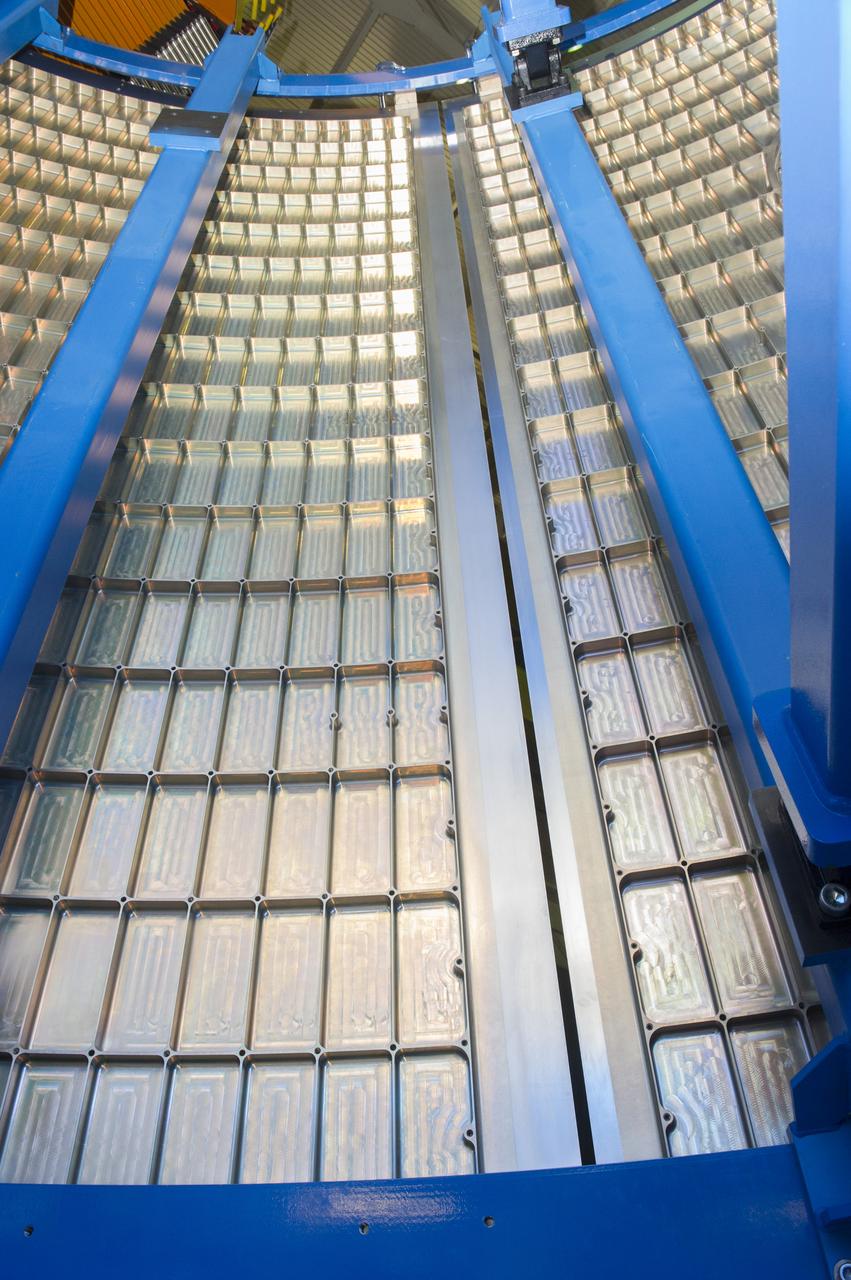
Launch Vehicle Stage Adapter (LVSA) Aft Cone Post Weld #7
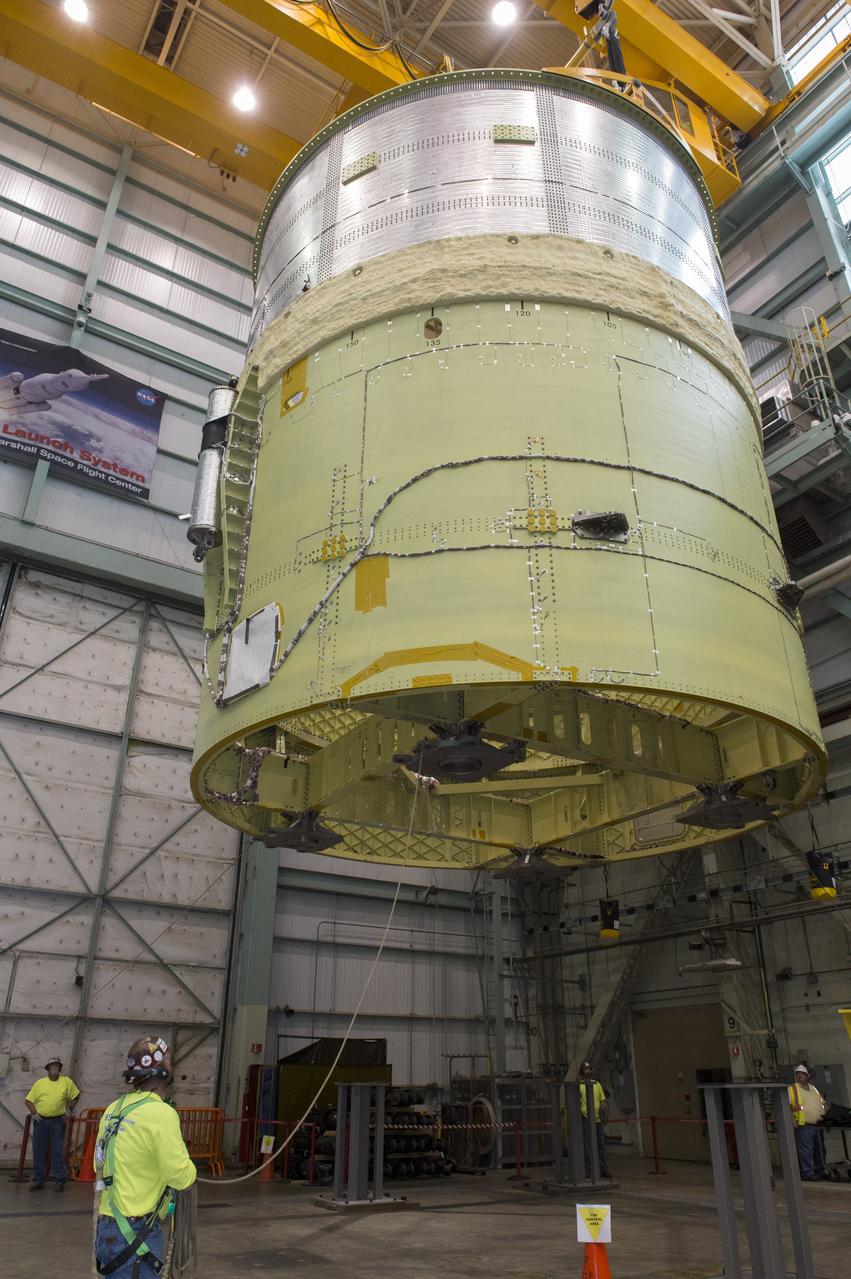
NASA engineers install test hardware for the agency's new heavy lift rocket, the Space Launch System, into a newly constructed 50-foot structural test stand at NASA's Marshall Space Flight Center. In the stand, hydraulic cylinders will be electronically controlled to push, pull, twist and bend the test article with millions of pounds of force. Engineers will record and analyze over 3,000 channels of data for each test case to verify the capabilities of the engine section and validate that the design and analysis models accurately predict the amount of loads the core stage can withstand during launch and ascent. The engine section, recently delivered via NASA's barge Pegasus from NASA's Michoud Assembly Facility, is the first of four core stage structural test articles scheduled to be delivered to Marshall for testing. The engine section, located at the bottom of SLS's massive core stage, will house the rocket's four RS-25 engines and be an attachment point for the two solid rocket boosters.
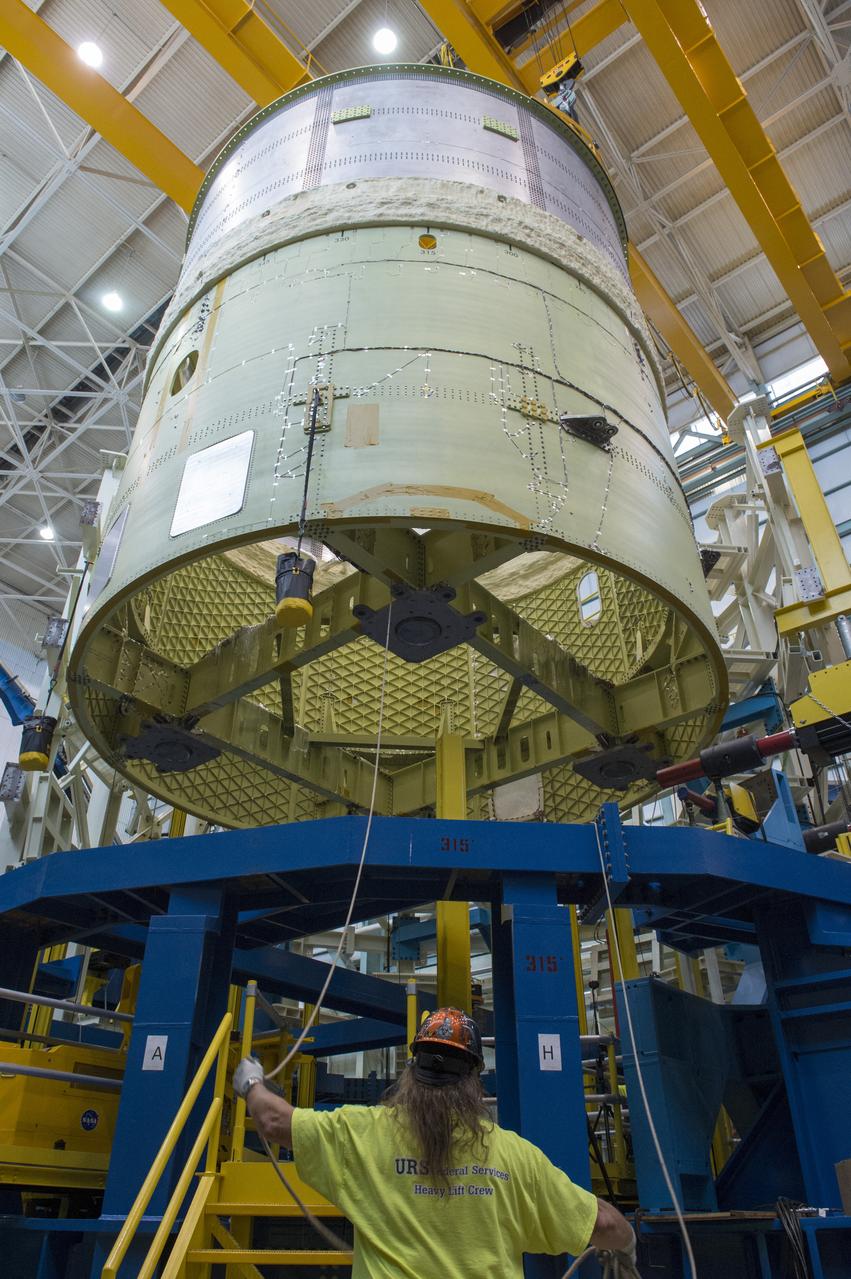
NASA engineers install test hardware for the agency's new heavy lift rocket, the Space Launch System, into a newly constructed 50-foot structural test stand at NASA's Marshall Space Flight Center. In the stand, hydraulic cylinders will be electronically controlled to push, pull, twist and bend the test article with millions of pounds of force. Engineers will record and analyze over 3,000 channels of data for each test case to verify the capabilities of the engine section and validate that the design and analysis models accurately predict the amount of loads the core stage can withstand during launch and ascent. The engine section, recently delivered via NASA's barge Pegasus from NASA's Michoud Assembly Facility, is the first of four core stage structural test articles scheduled to be delivered to Marshall for testing. The engine section, located at the bottom of SLS's massive core stage, will house the rocket's four RS-25 engines and be an attachment point for the two solid rocket boosters.
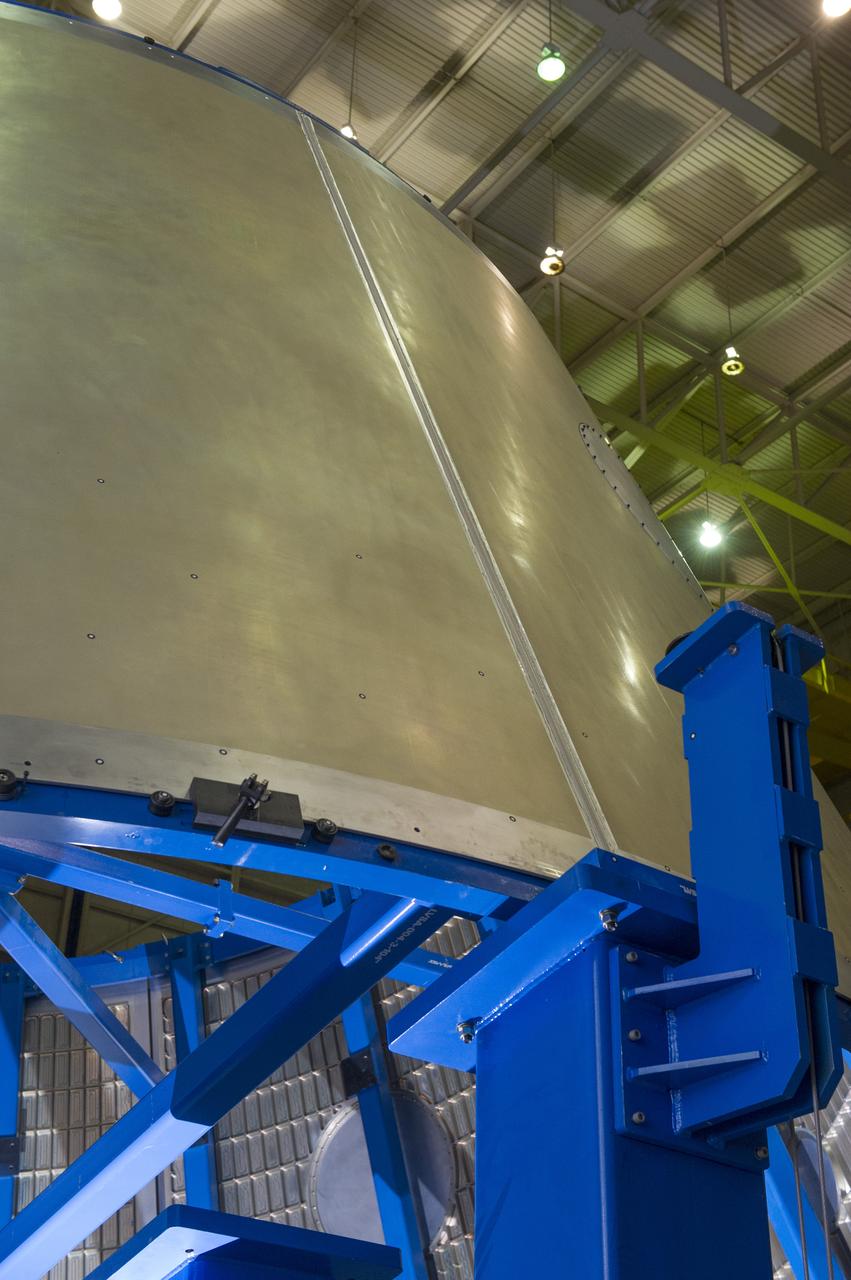
Launch Vehicle Stage Adapter (LVSA) Aft Cone Post Weld #7
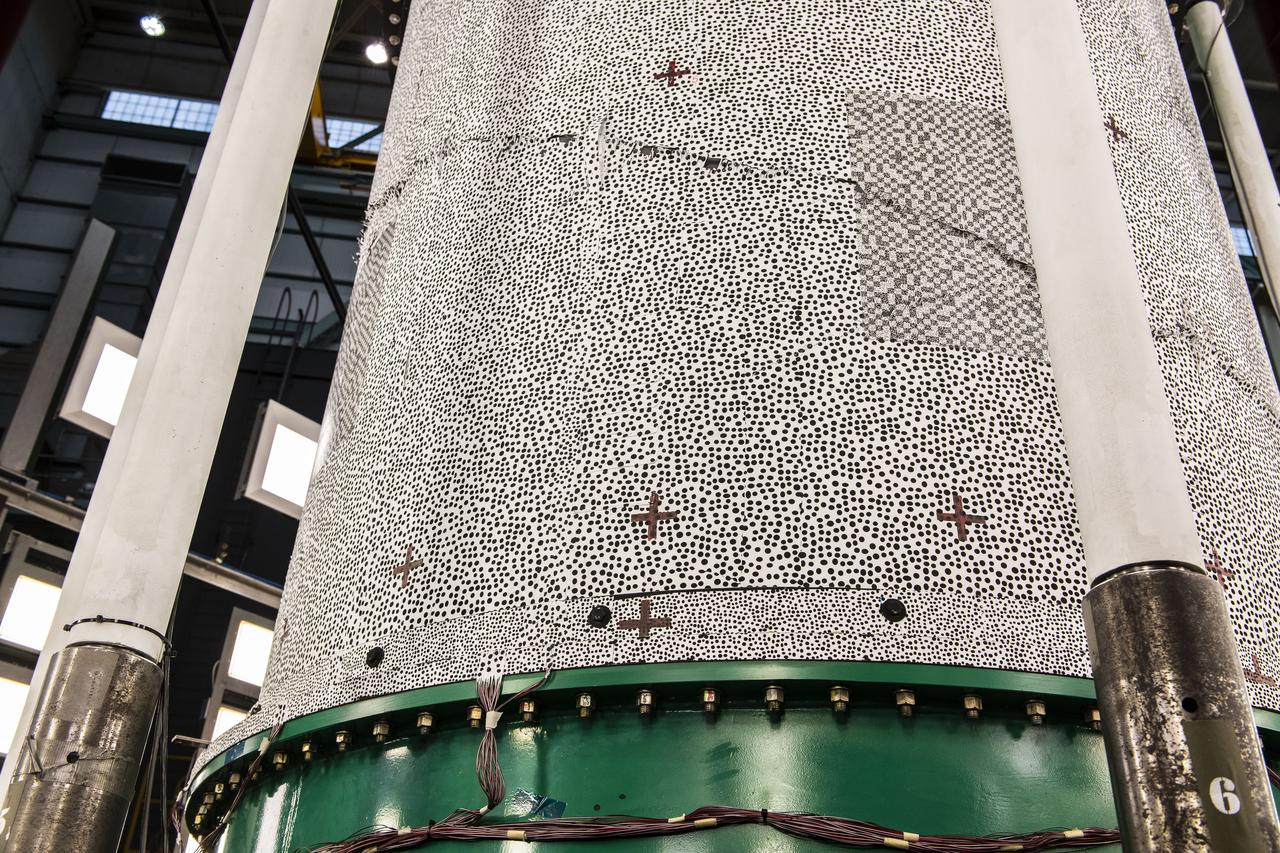
SHELL BUCKLING KNOCKDOWN FACTOR (SBKF) PROJECT - COMPOSITE TEST ARTICLE, (CTA) 8.3 – Post test
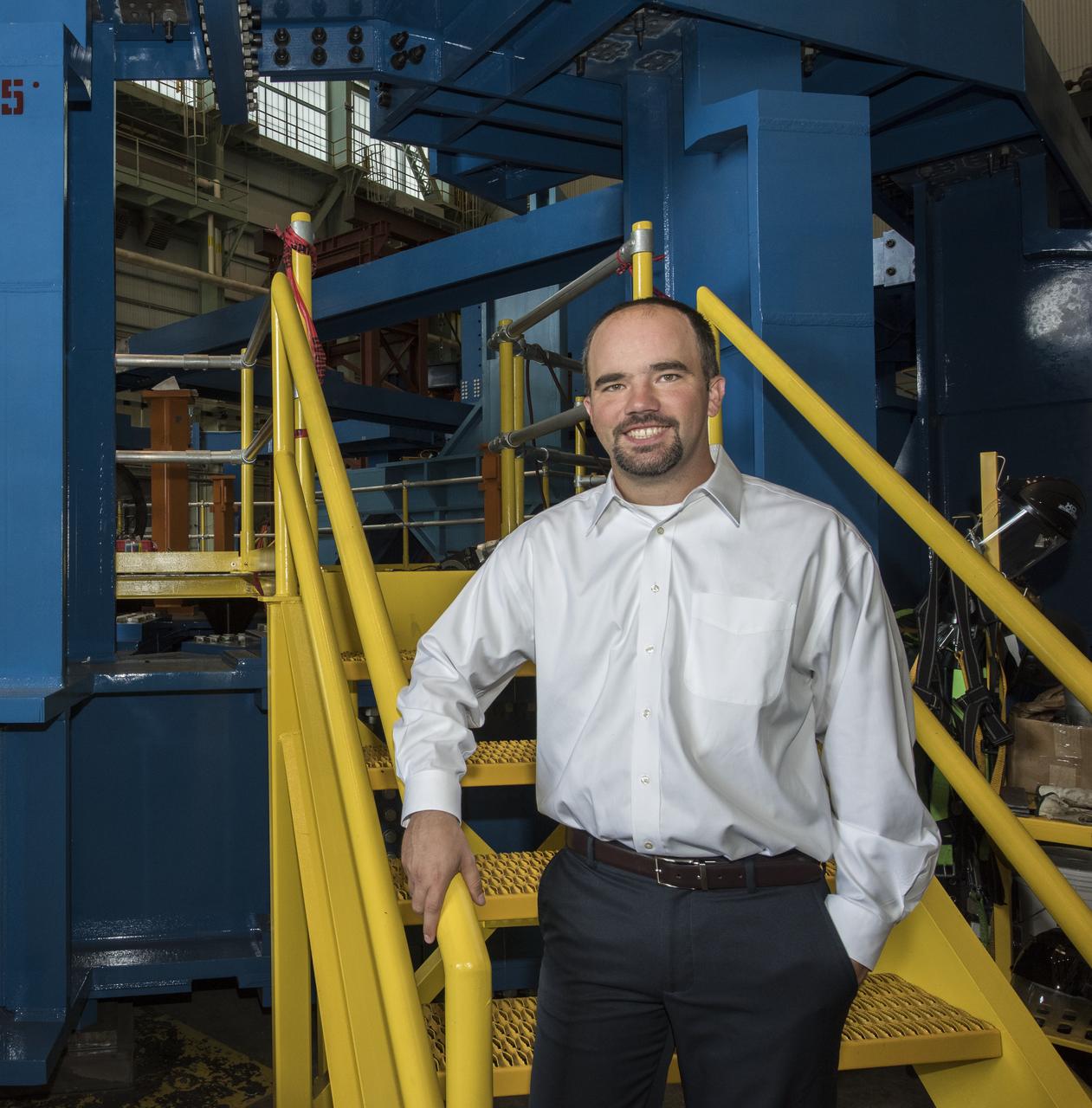
JONATHAN LOOSER, SLS CORE STAGE PROPULSION LEAD AT NASA’S MARSHALL SPACE FLIGHT CENTER IN HUNTSVILLE, ALABAMA
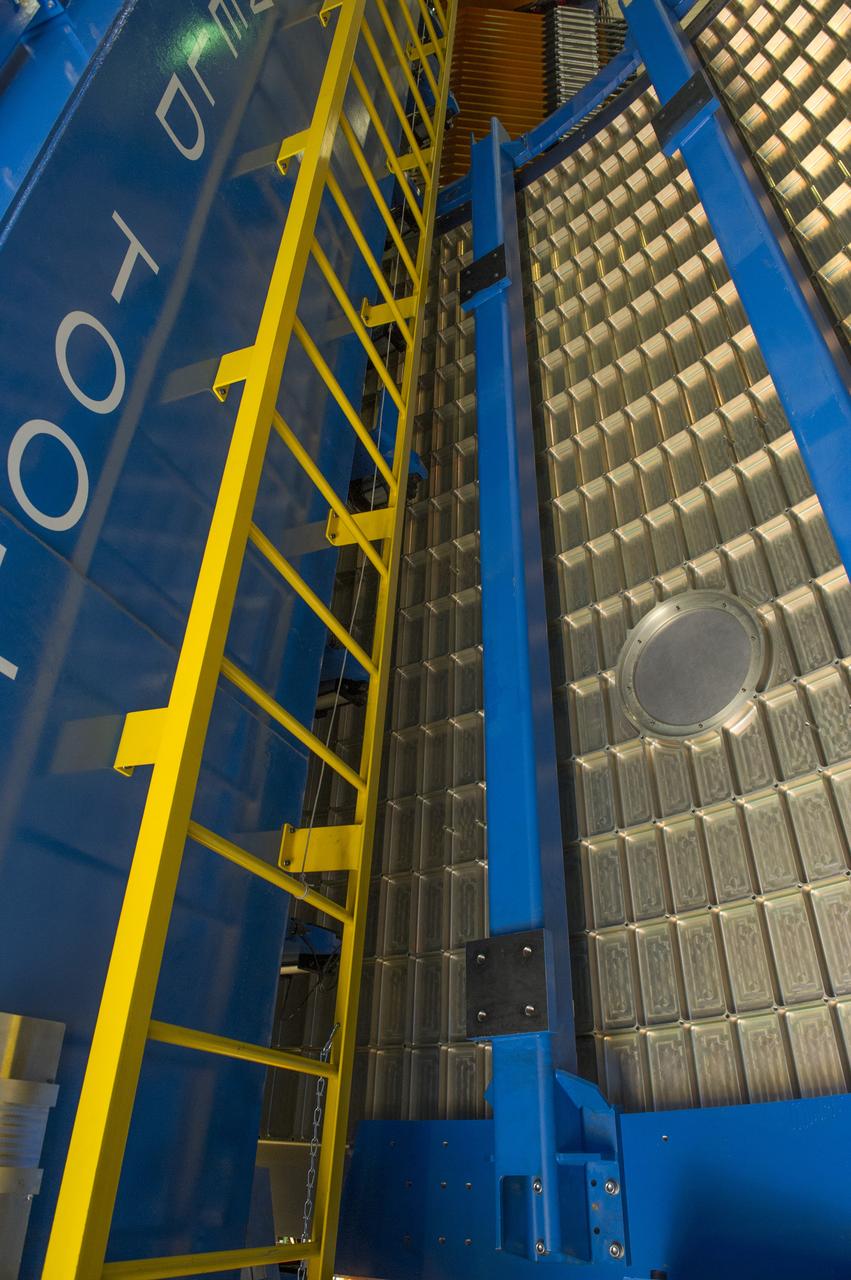
Launch Vehicle Stage Adapter (LVSA) Aft Cone Post Weld #7
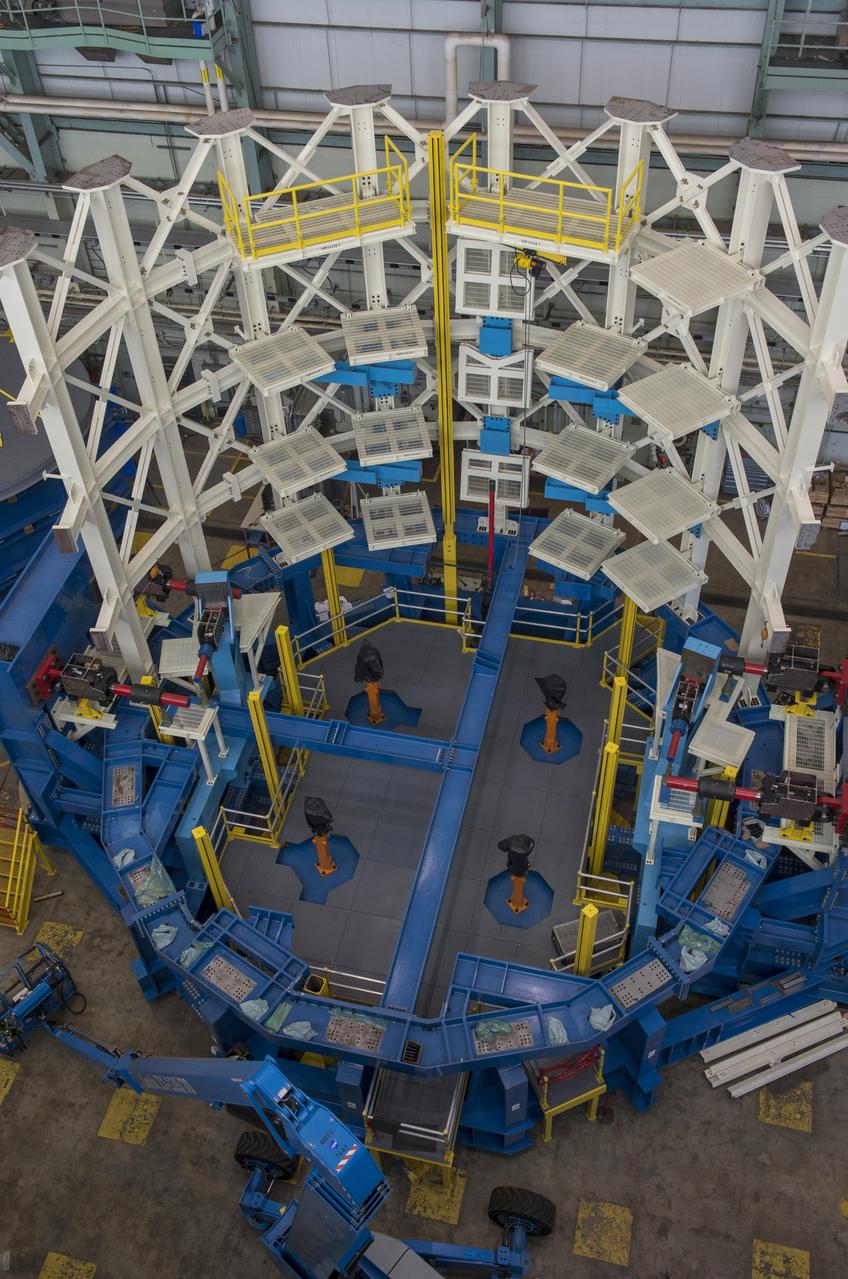
SLS ENGINE SECTION TEST STAND READY FOR STRUCTURAL TEST ARTICLE
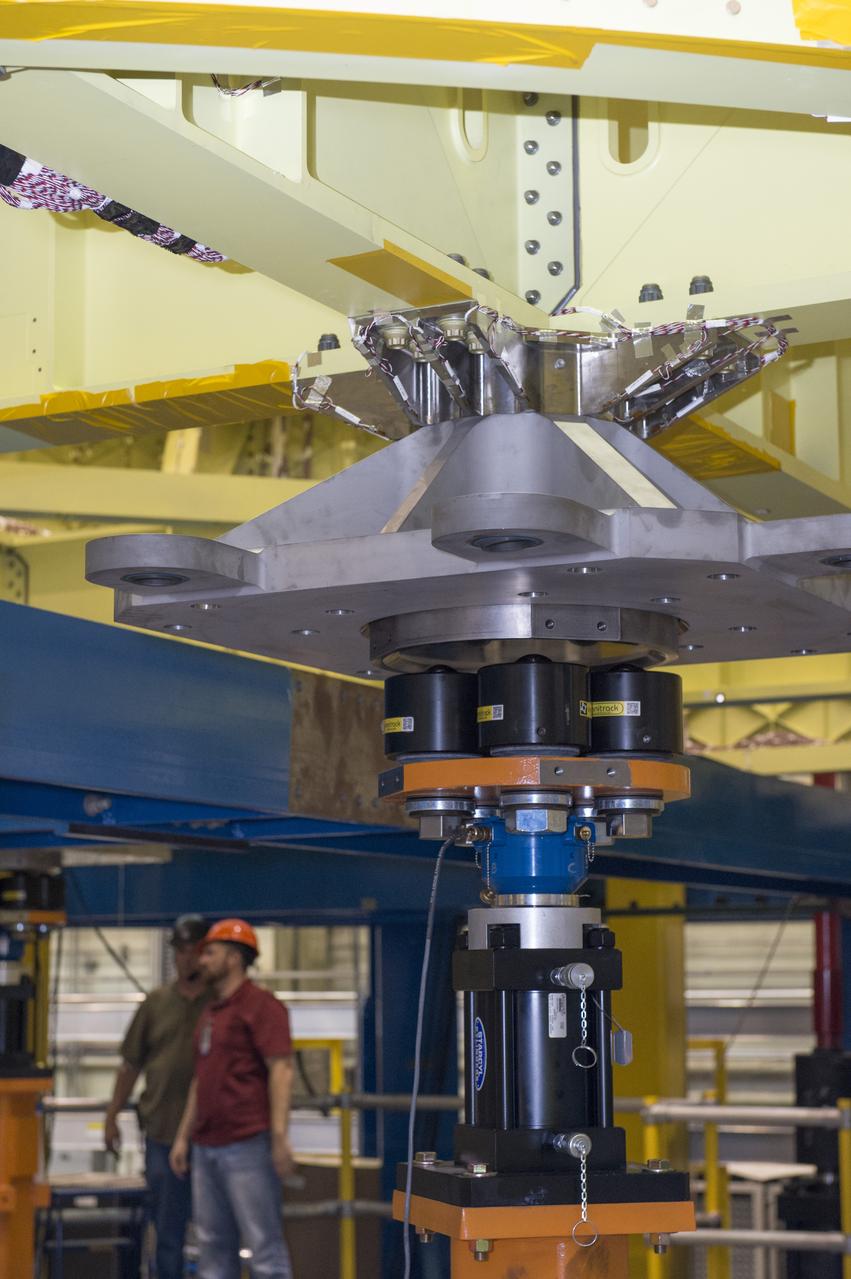
NASA engineers install test hardware for the agency's new heavy lift rocket, the Space Launch System, into a newly constructed 50-foot structural test stand at NASA's Marshall Space Flight Center. In the stand, hydraulic cylinders will be electronically controlled to push, pull, twist and bend the test article with millions of pounds of force. Engineers will record and analyze over 3,000 channels of data for each test case to verify the capabilities of the engine section and validate that the design and analysis models accurately predict the amount of loads the core stage can withstand during launch and ascent. The engine section, recently delivered via NASA's barge Pegasus from NASA's Michoud Assembly Facility, is the first of four core stage structural test articles scheduled to be delivered to Marshall for testing. The engine section, located at the bottom of SLS's massive core stage, will house the rocket's four RS-25 engines and be an attachment point for the two solid rocket boosters.
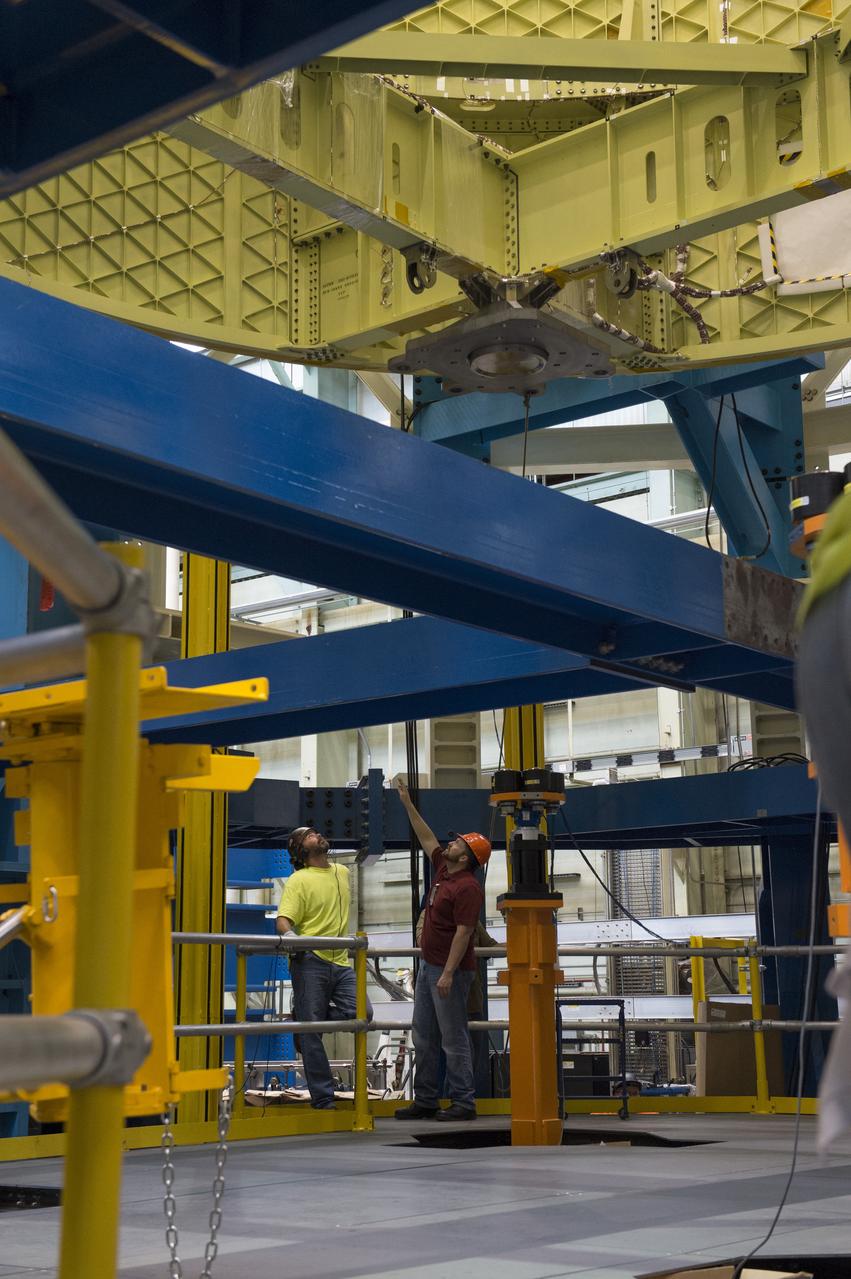
NASA engineers install test hardware for the agency's new heavy lift rocket, the Space Launch System, into a newly constructed 50-foot structural test stand at NASA's Marshall Space Flight Center. In the stand, hydraulic cylinders will be electronically controlled to push, pull, twist and bend the test article with millions of pounds of force. Engineers will record and analyze over 3,000 channels of data for each test case to verify the capabilities of the engine section and validate that the design and analysis models accurately predict the amount of loads the core stage can withstand during launch and ascent. The engine section, recently delivered via NASA's barge Pegasus from NASA's Michoud Assembly Facility, is the first of four core stage structural test articles scheduled to be delivered to Marshall for testing. The engine section, located at the bottom of SLS's massive core stage, will house the rocket's four RS-25 engines and be an attachment point for the two solid rocket boosters.
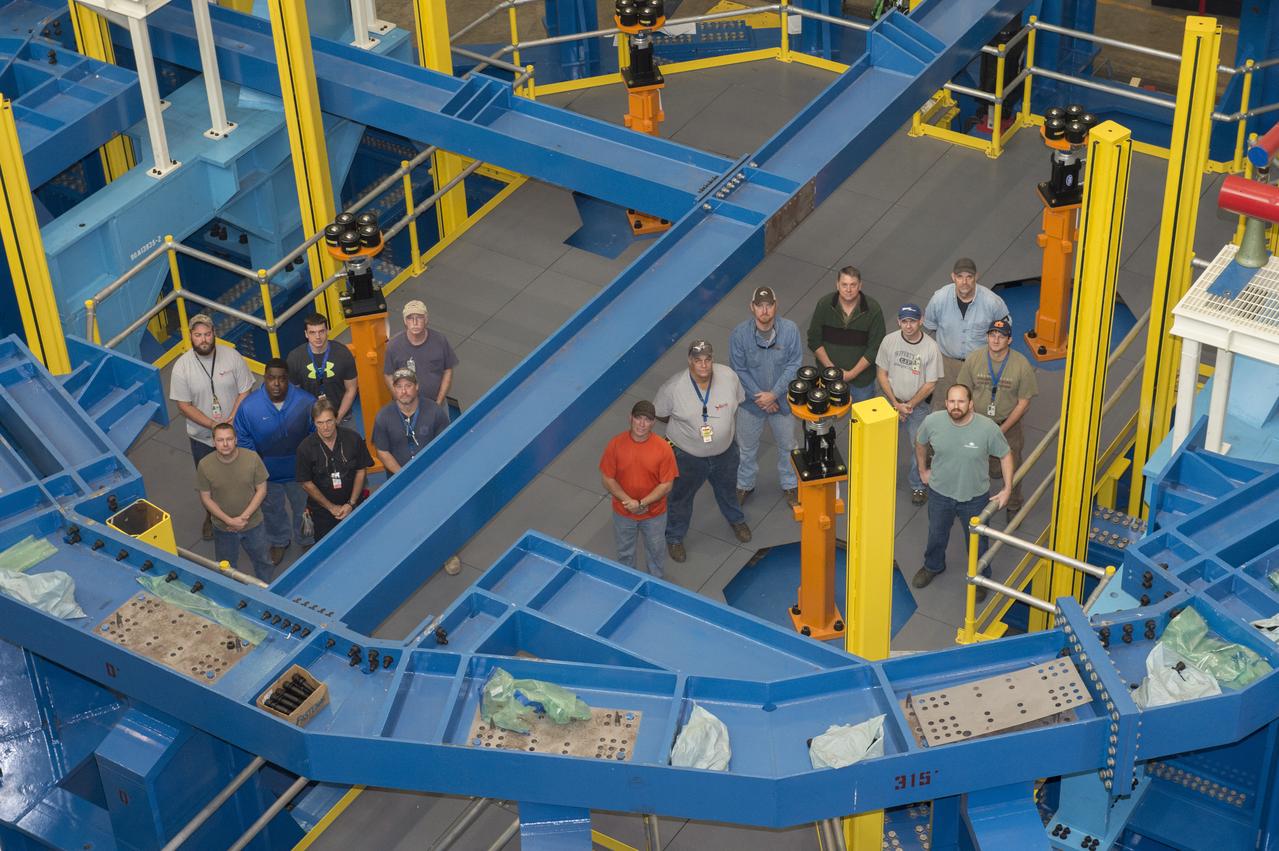
SLS ENGINE SECTION TEST STAND WITH CONSTRUCTION CREW
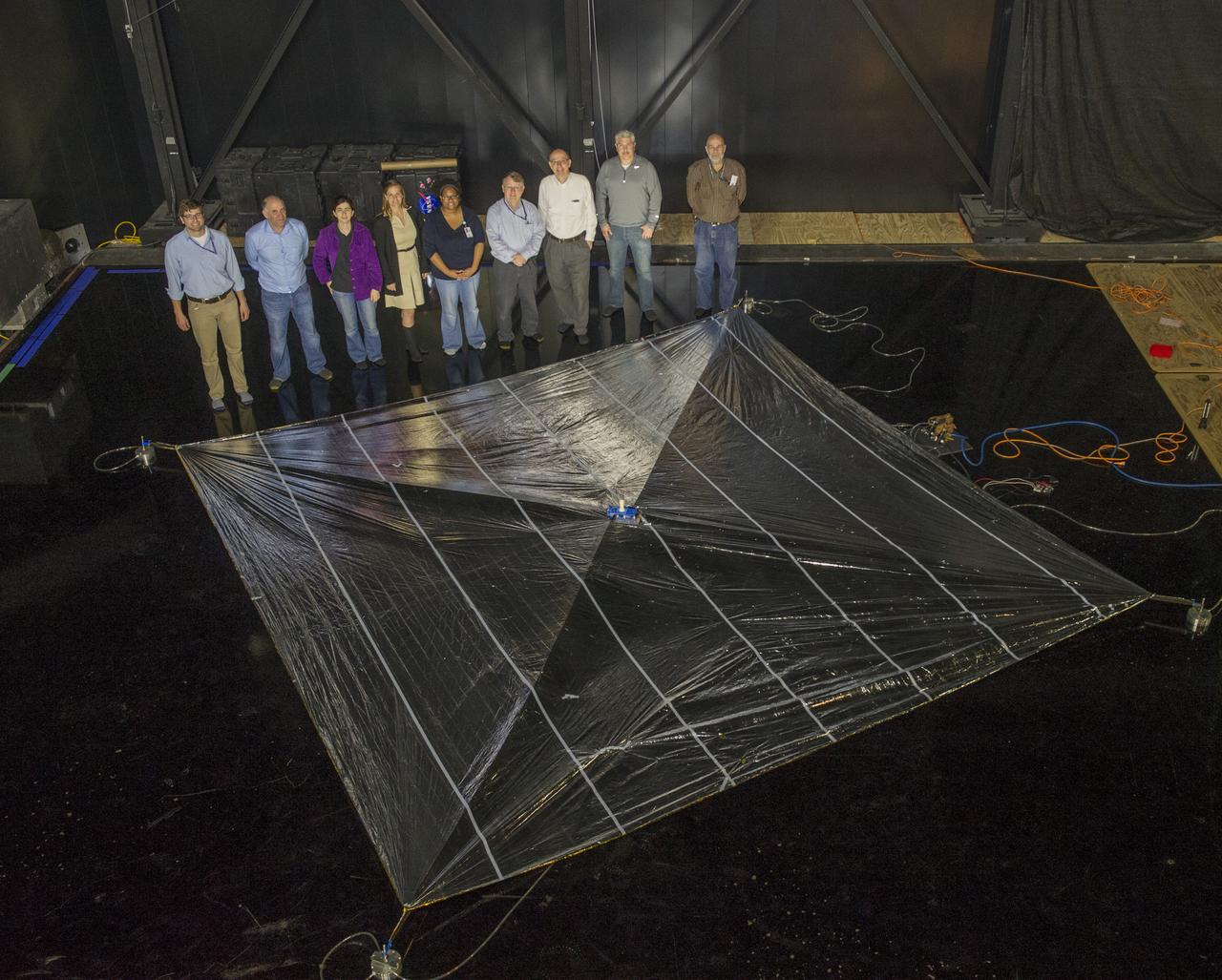
NEA (Near Earth Asteroid) Scout Solar Sail, deployed, with team members: Alex Sobey, Andy Heaton, Olive Stohlmann, Leslie McNutt, Tiffany Russell Lockett, Roy Young, Les Johnson, Kevin Sykes, Tom Bryan
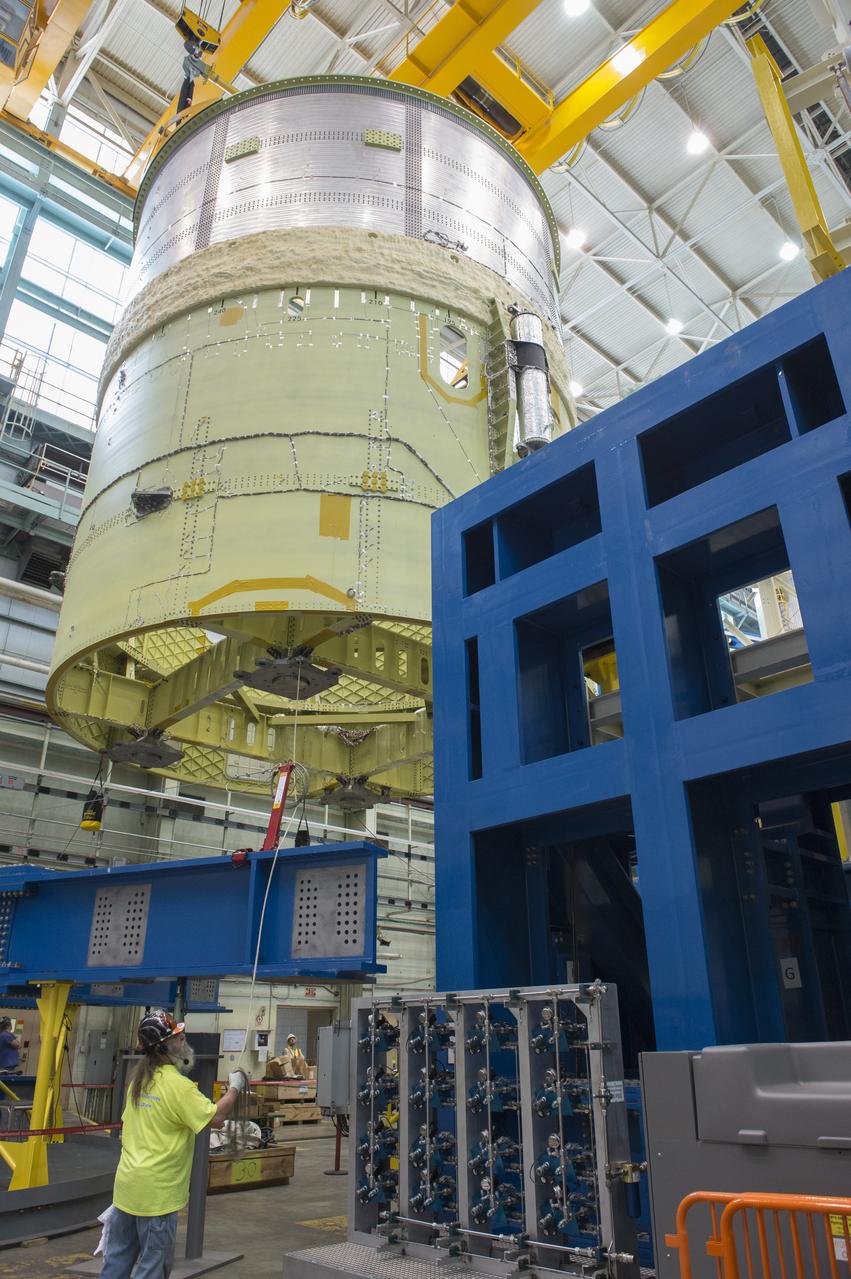
NASA engineers install test hardware for the agency's new heavy lift rocket, the Space Launch System, into a newly constructed 50-foot structural test stand at NASA's Marshall Space Flight Center. In the stand, hydraulic cylinders will be electronically controlled to push, pull, twist and bend the test article with millions of pounds of force. Engineers will record and analyze over 3,000 channels of data for each test case to verify the capabilities of the engine section and validate that the design and analysis models accurately predict the amount of loads the core stage can withstand during launch and ascent. The engine section, recently delivered via NASA's barge Pegasus from NASA's Michoud Assembly Facility, is the first of four core stage structural test articles scheduled to be delivered to Marshall for testing. The engine section, located at the bottom of SLS's massive core stage, will house the rocket's four RS-25 engines and be an attachment point for the two solid rocket boosters.
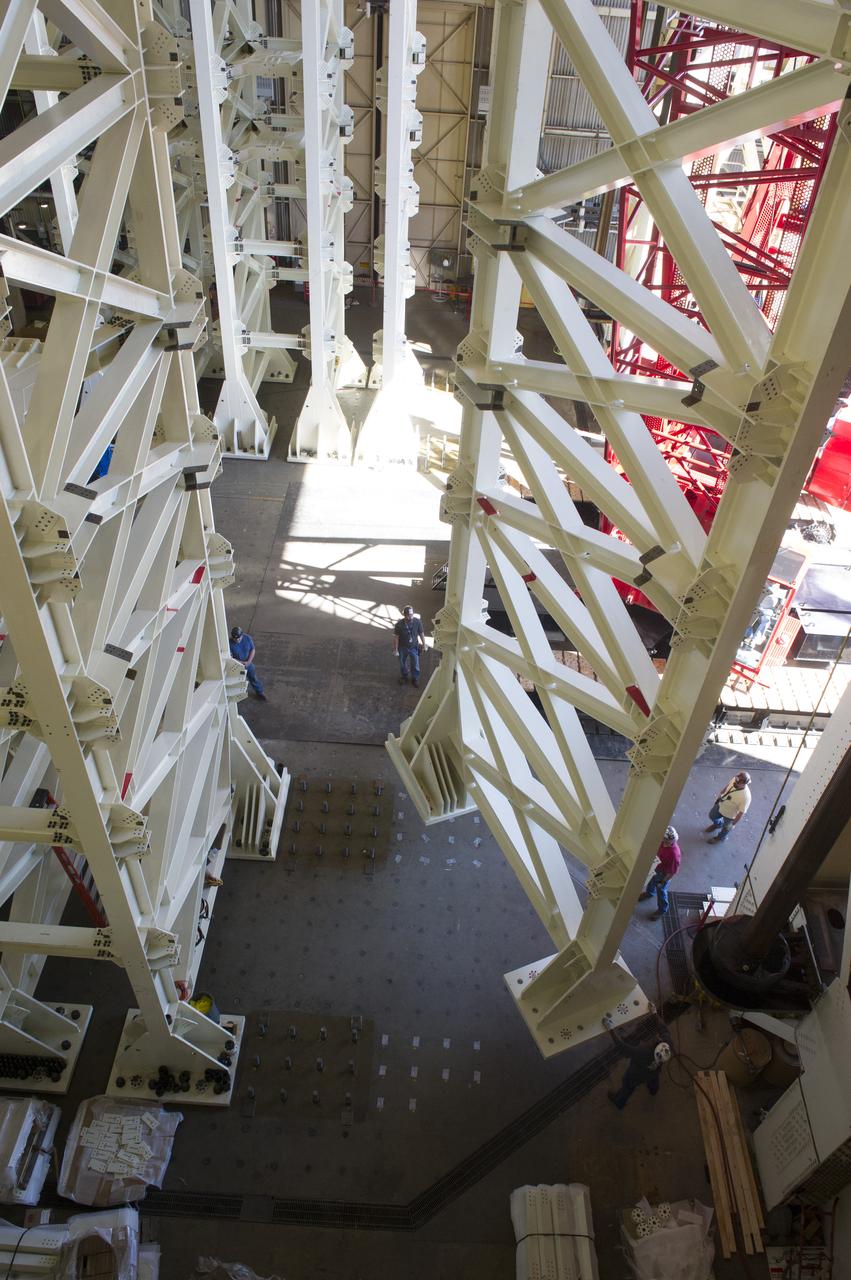
ERECTION OF TWO SLS INTERTANK, (IT), SPECIAL TEST EQUIPMENT, (STE), TOWER PANELS IN BLDG 4619
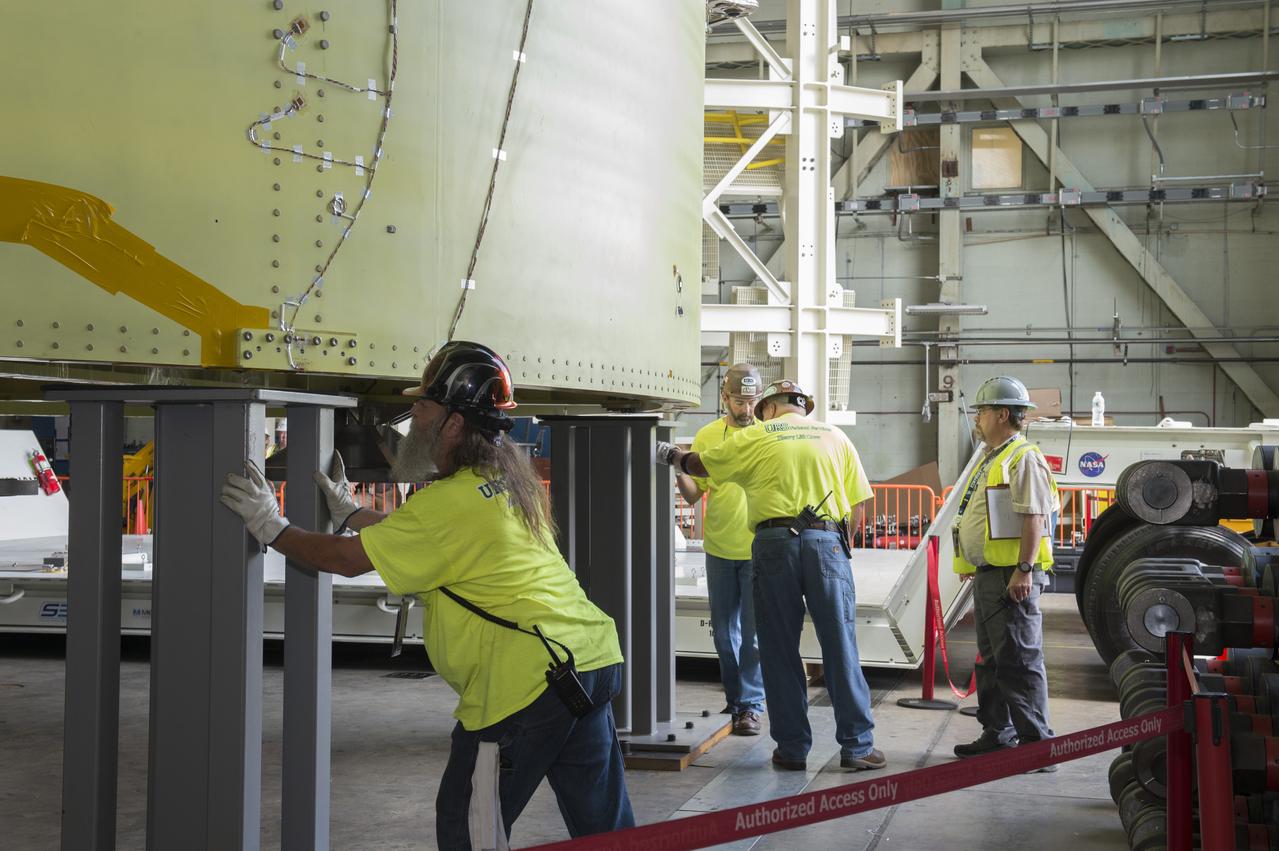
NASA engineers install test hardware for the agency's new heavy lift rocket, the Space Launch System, into a newly constructed 50-foot structural test stand at NASA's Marshall Space Flight Center. In the stand, hydraulic cylinders will be electronically controlled to push, pull, twist and bend the test article with millions of pounds of force. Engineers will record and analyze over 3,000 channels of data for each test case to verify the capabilities of the engine section and validate that the design and analysis models accurately predict the amount of loads the core stage can withstand during launch and ascent. The engine section, recently delivered via NASA's barge Pegasus from NASA's Michoud Assembly Facility, is the first of four core stage structural test articles scheduled to be delivered to Marshall for testing. The engine section, located at the bottom of SLS's massive core stage, will house the rocket's four RS-25 engines and be an attachment point for the two solid rocket boosters.
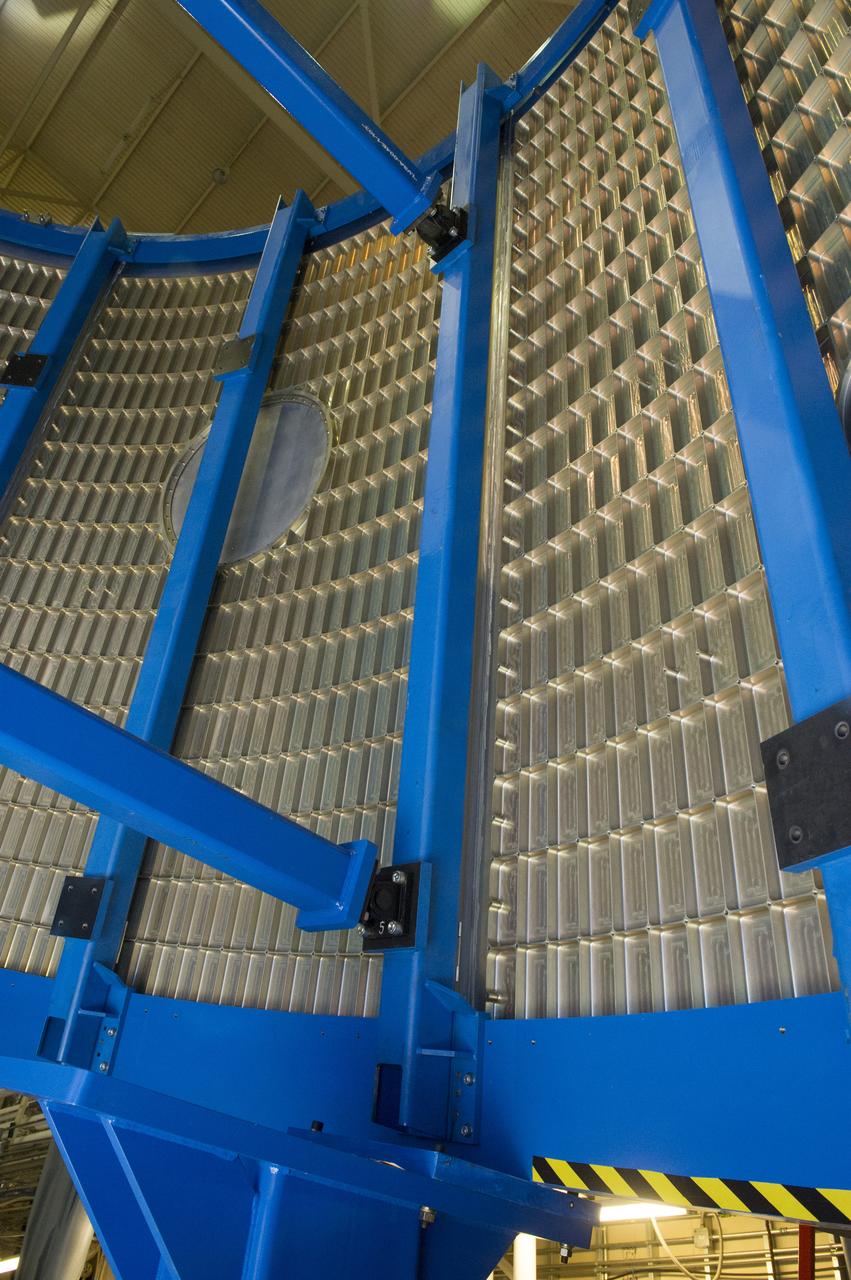
Launch Vehicle Stage Adapter (LVSA) Aft Cone Post Weld #7
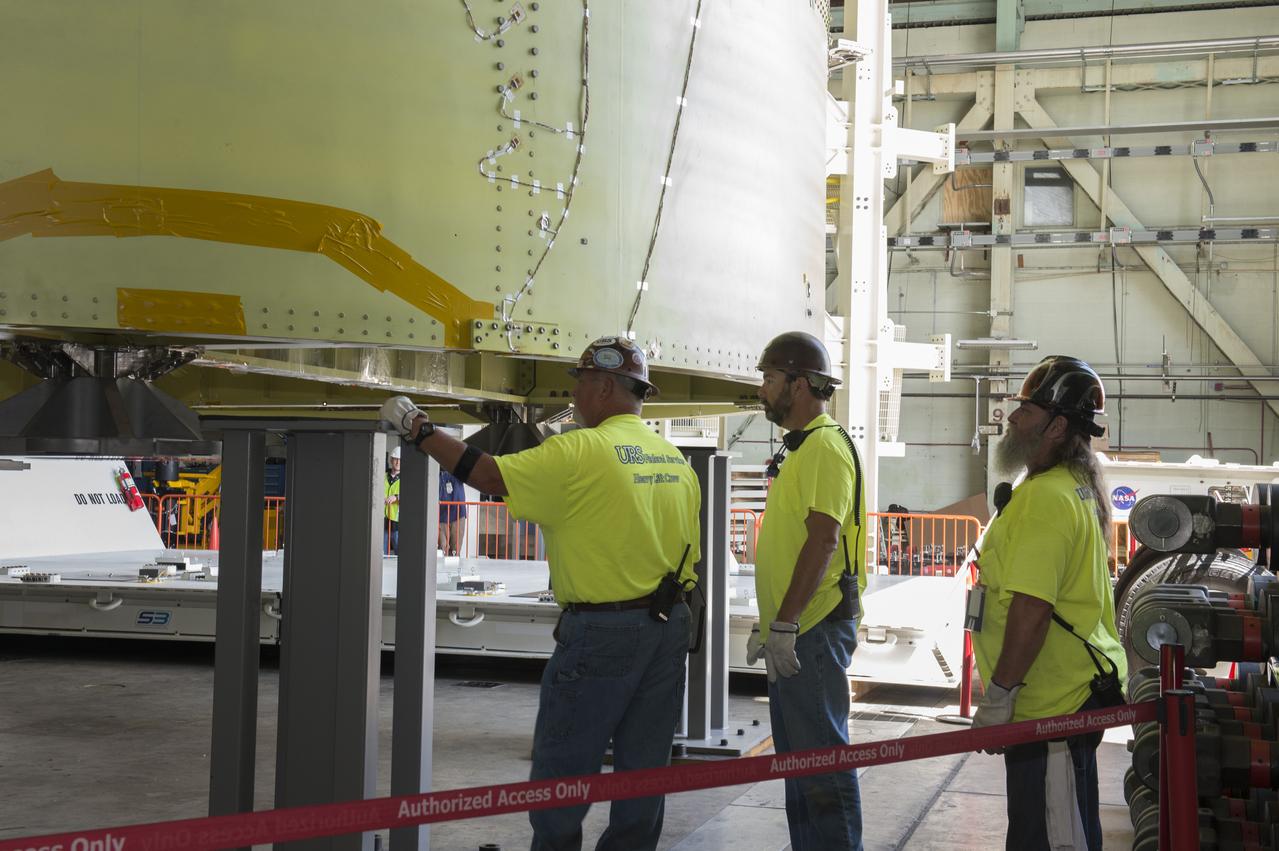
NASA engineers install test hardware for the agency's new heavy lift rocket, the Space Launch System, into a newly constructed 50-foot structural test stand at NASA's Marshall Space Flight Center. In the stand, hydraulic cylinders will be electronically controlled to push, pull, twist and bend the test article with millions of pounds of force. Engineers will record and analyze over 3,000 channels of data for each test case to verify the capabilities of the engine section and validate that the design and analysis models accurately predict the amount of loads the core stage can withstand during launch and ascent. The engine section, recently delivered via NASA's barge Pegasus from NASA's Michoud Assembly Facility, is the first of four core stage structural test articles scheduled to be delivered to Marshall for testing. The engine section, located at the bottom of SLS's massive core stage, will house the rocket's four RS-25 engines and be an attachment point for the two solid rocket boosters.
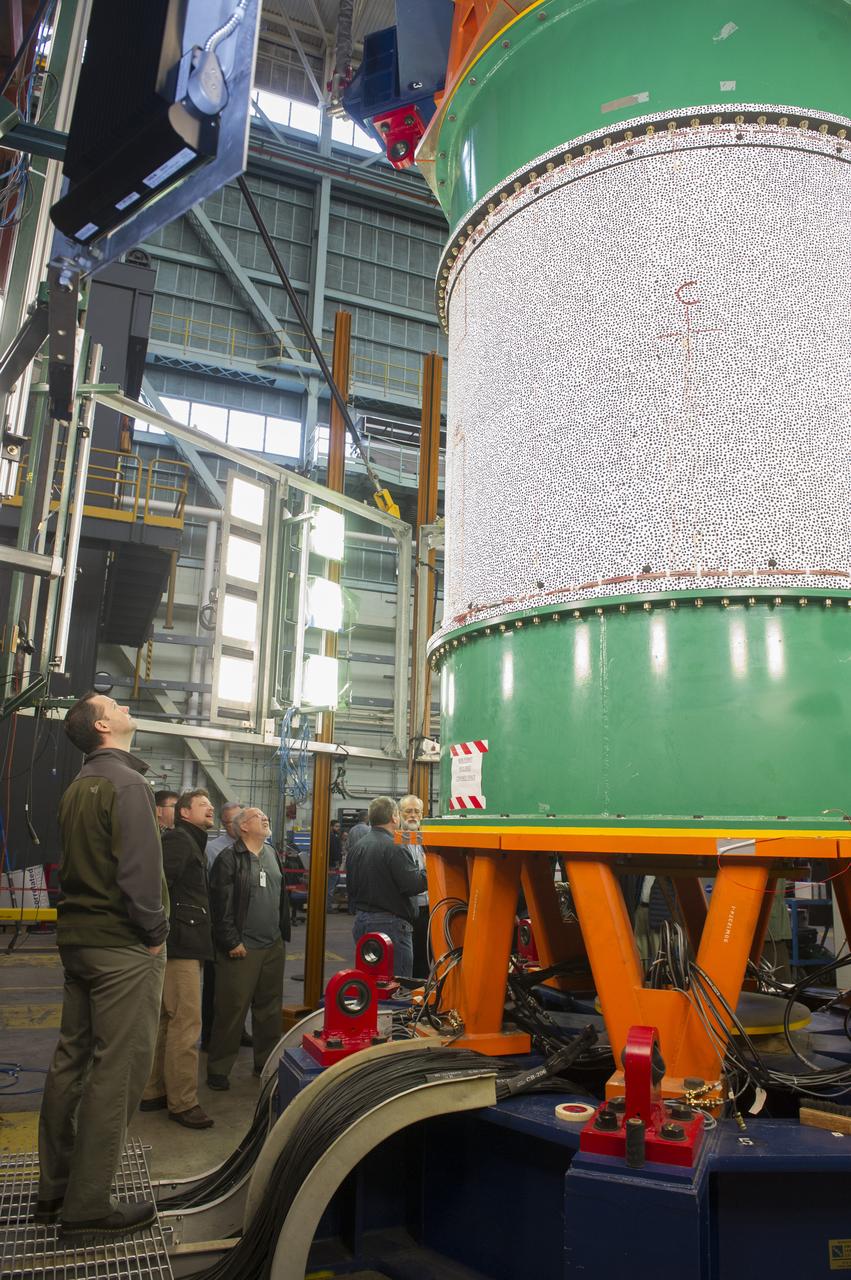
5TH SBKF (SHELL BUCKLE KNOCKDOWN FACTOR) WORKSHOP, MSFC, FEB. 3-4, 2015
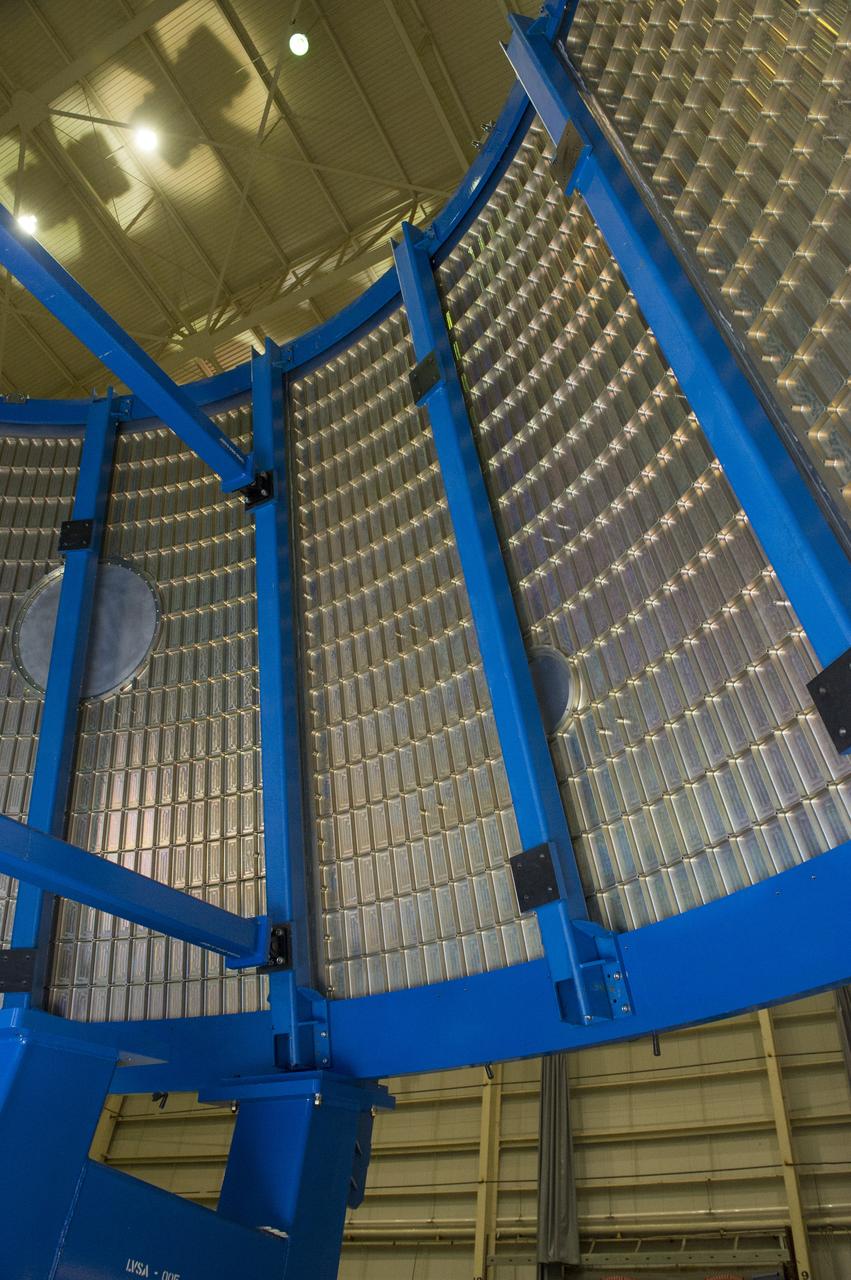
Launch Vehicle Stage Adapter (LVSA) Aft Cone Post Weld #7
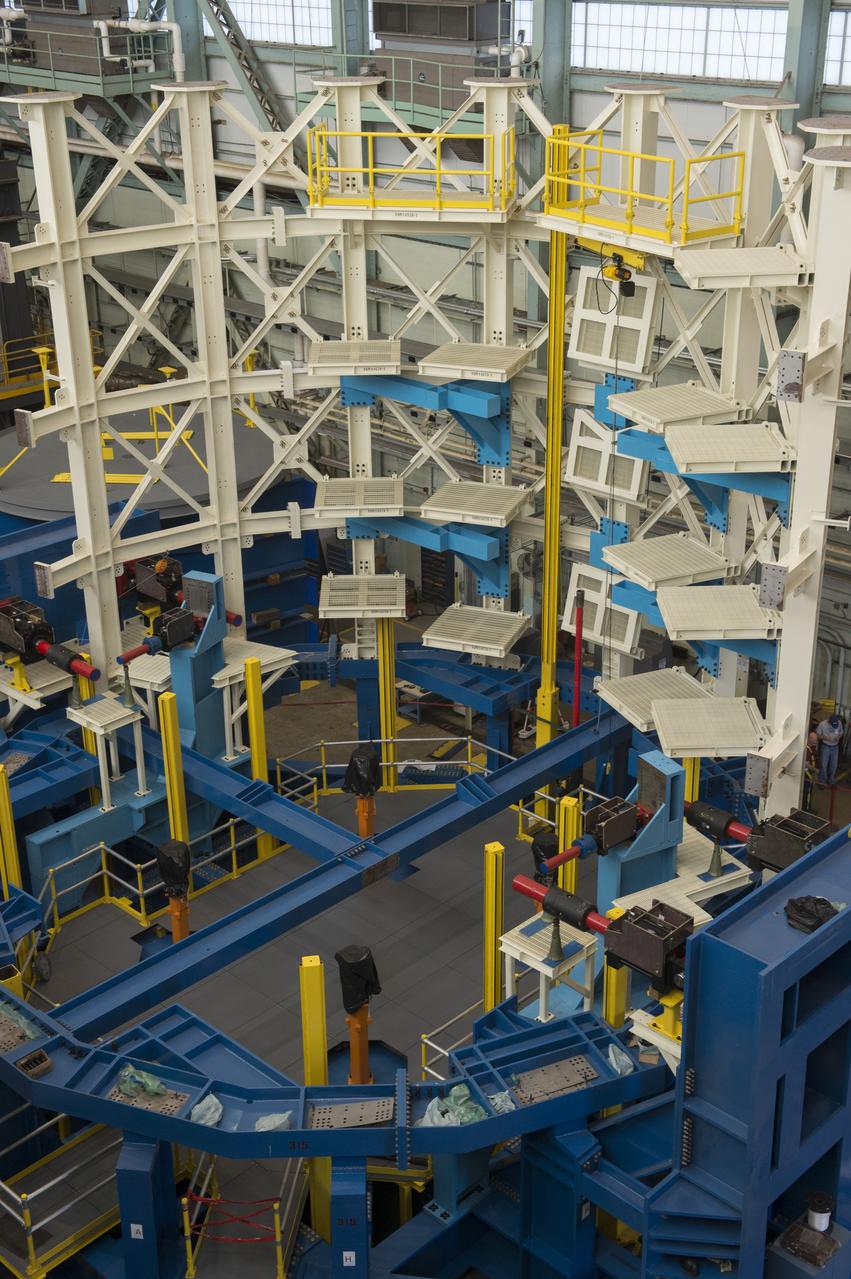
SLS ENGINE SECTION TEST STAND READY FOR STRUCTURAL TEST ARTICLE
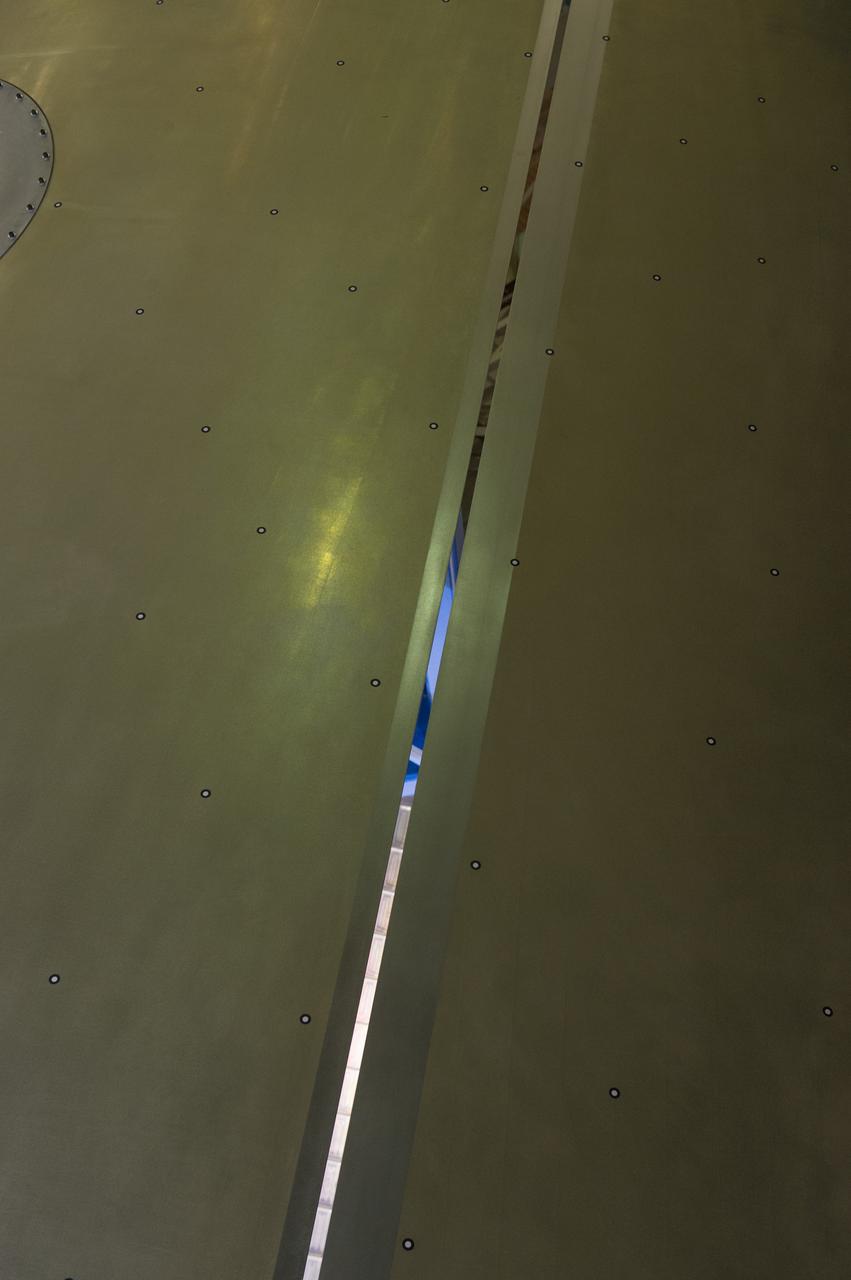
Launch Vehicle Stage Adapter (LVSA) Aft Cone Post Weld #7
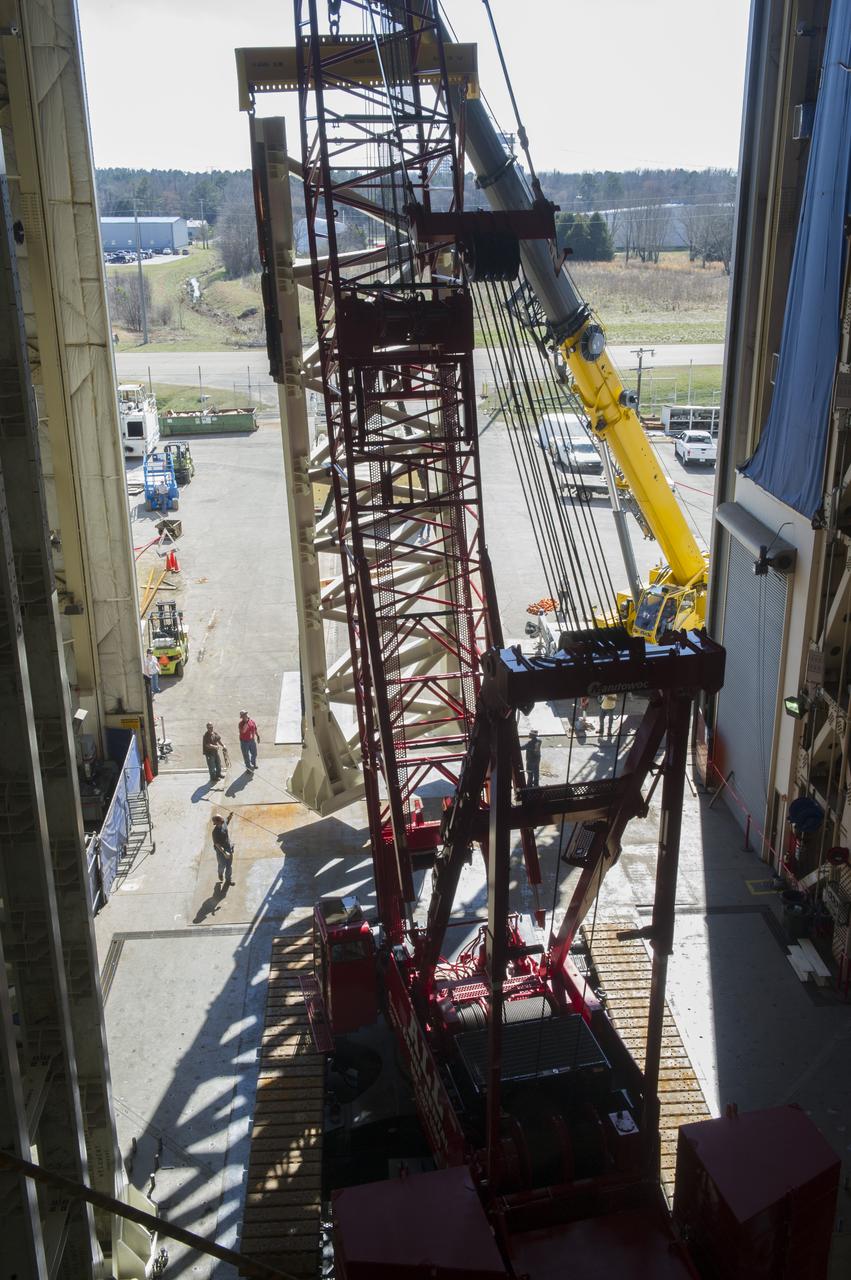
ERECTION OF TWO SLS INTERTANK, (IT), SPECIAL TEST EQUIPMENT, (STE), TOWER PANELS IN BLDG 4619
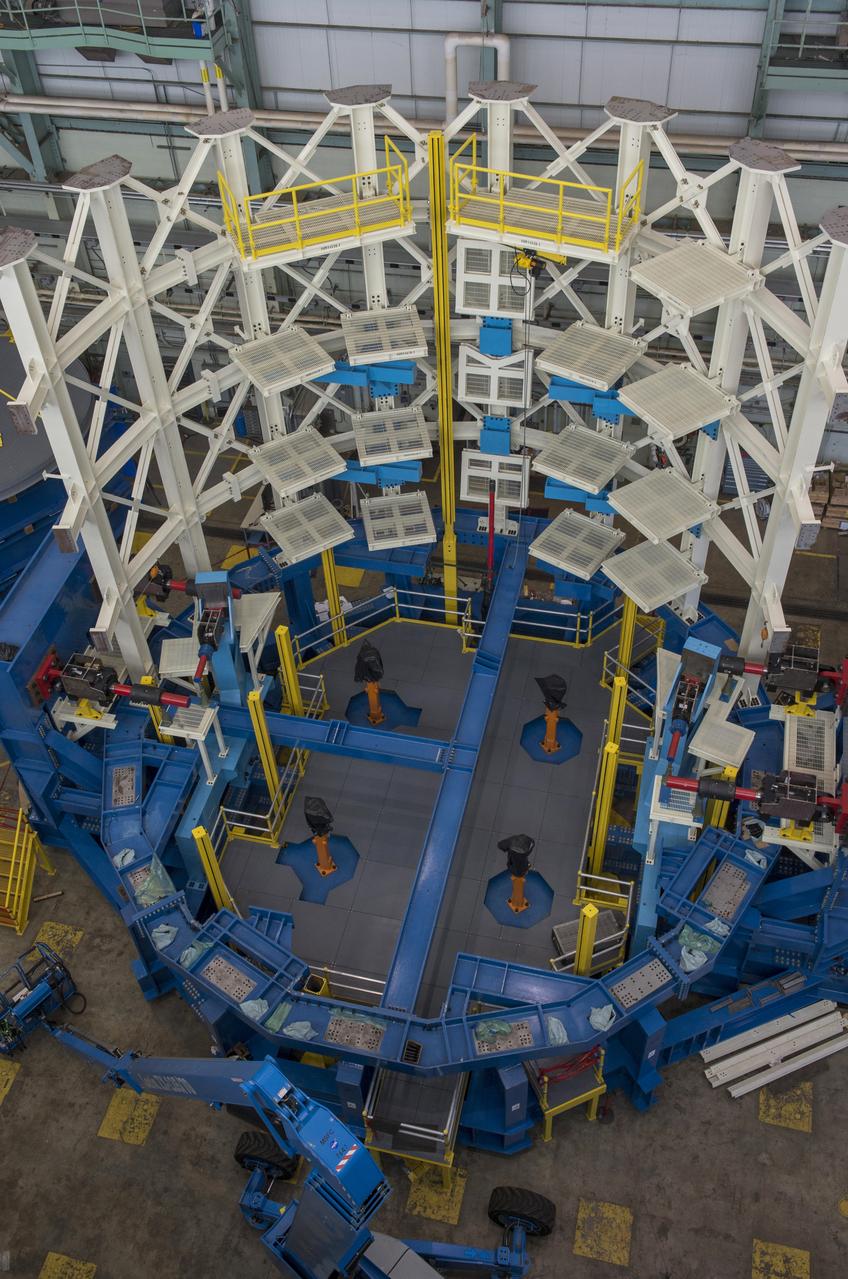
SLS ENGINE SECTION TEST STAND READY FOR STRUCTURAL TEST ARTICLE

NASA engineers install test hardware for the agency's new heavy lift rocket, the Space Launch System, into a newly constructed 50-foot structural test stand at NASA's Marshall Space Flight Center. In the stand, hydraulic cylinders will be electronically controlled to push, pull, twist and bend the test article with millions of pounds of force. Engineers will record and analyze over 3,000 channels of data for each test case to verify the capabilities of the engine section and validate that the design and analysis models accurately predict the amount of loads the core stage can withstand during launch and ascent. The engine section, recently delivered via NASA's barge Pegasus from NASA's Michoud Assembly Facility, is the first of four core stage structural test articles scheduled to be delivered to Marshall for testing. The engine section, located at the bottom of SLS's massive core stage, will house the rocket's four RS-25 engines and be an attachment point for the two solid rocket boosters.
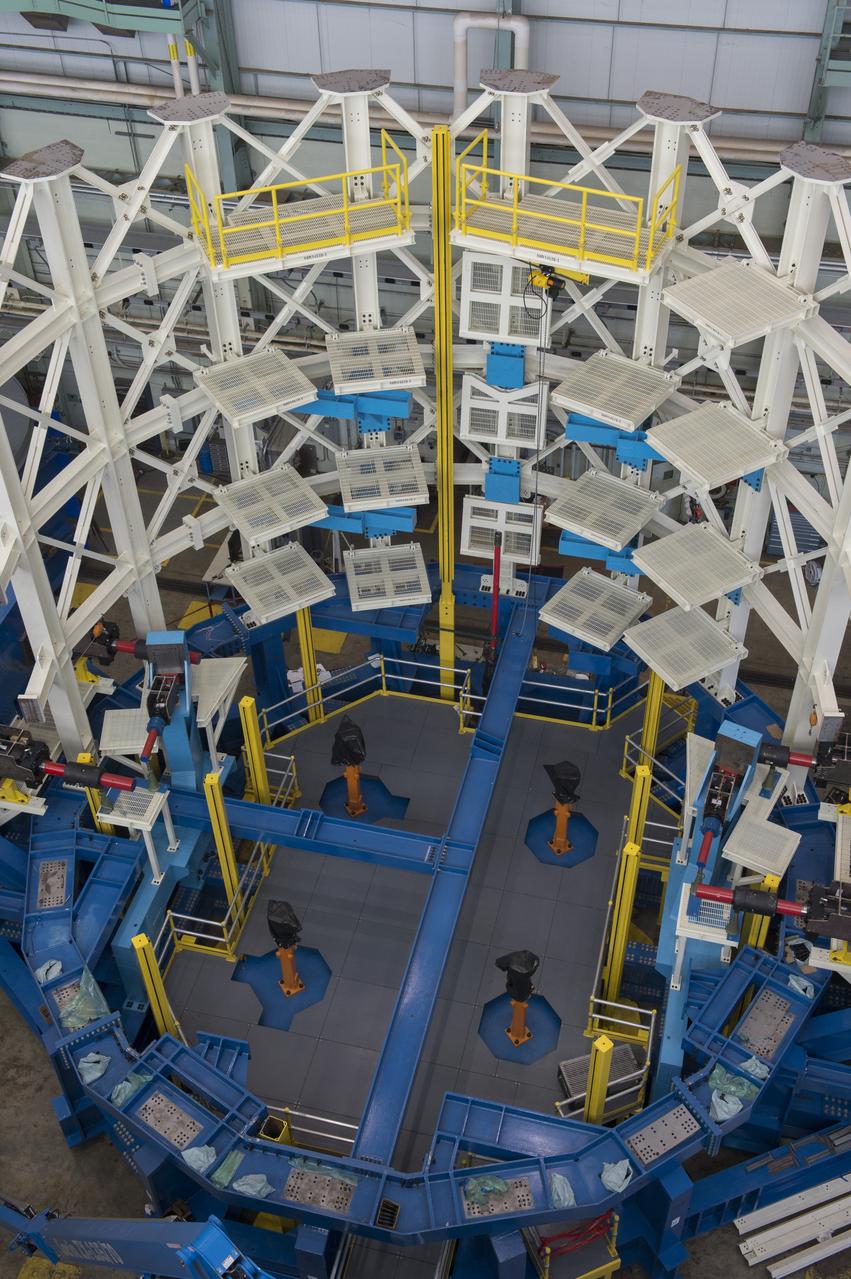
SLS ENGINE SECTION TEST STAND READY FOR STRUCTURAL TEST ARTICLE
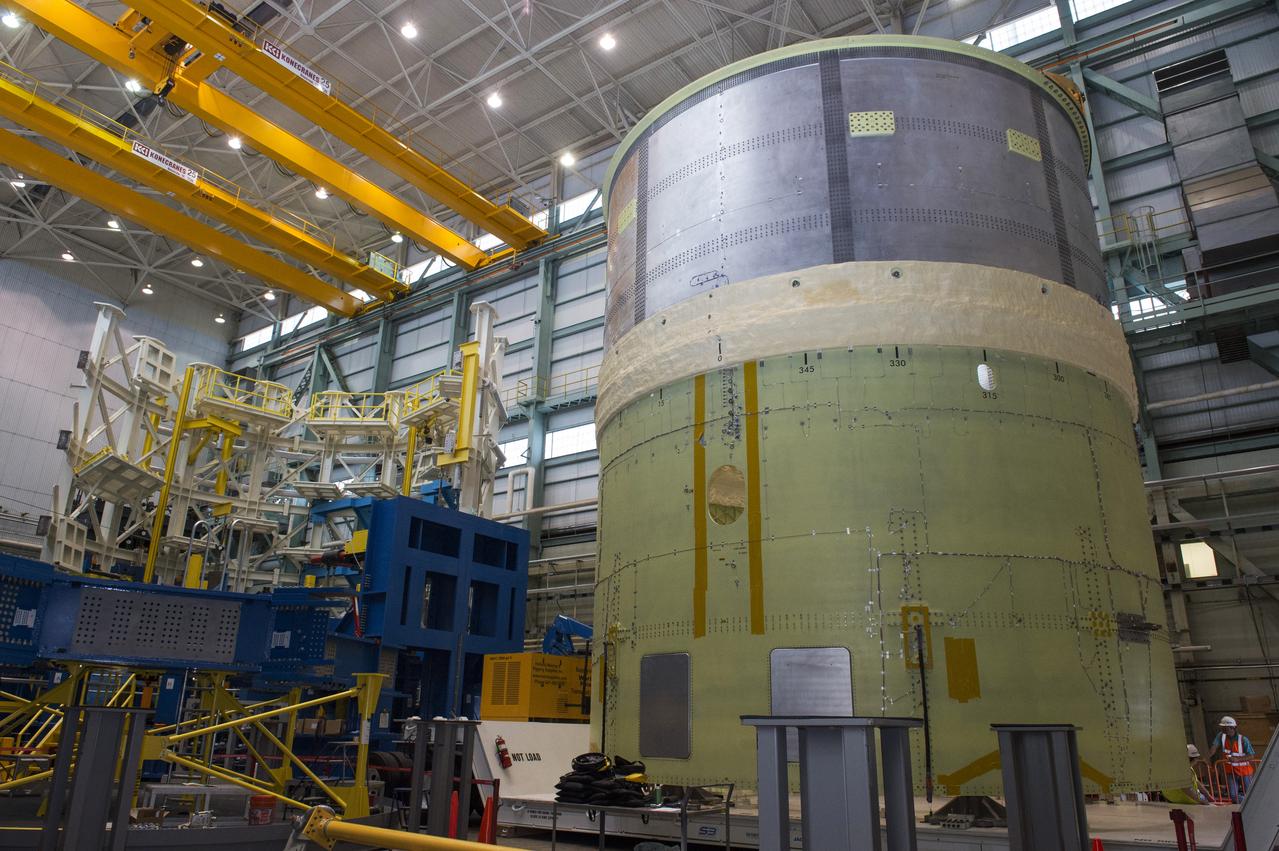
NASA engineers install test hardware for the agency's new heavy lift rocket, the Space Launch System, into a newly constructed 50-foot structural test stand at NASA's Marshall Space Flight Center. In the stand, hydraulic cylinders will be electronically controlled to push, pull, twist and bend the test article with millions of pounds of force. Engineers will record and analyze over 3,000 channels of data for each test case to verify the capabilities of the engine section and validate that the design and analysis models accurately predict the amount of loads the core stage can withstand during launch and ascent. The engine section, recently delivered via NASA's barge Pegasus from NASA's Michoud Assembly Facility, is the first of four core stage structural test articles scheduled to be delivered to Marshall for testing. The engine section, located at the bottom of SLS's massive core stage, will house the rocket's four RS-25 engines and be an attachment point for the two solid rocket boosters.
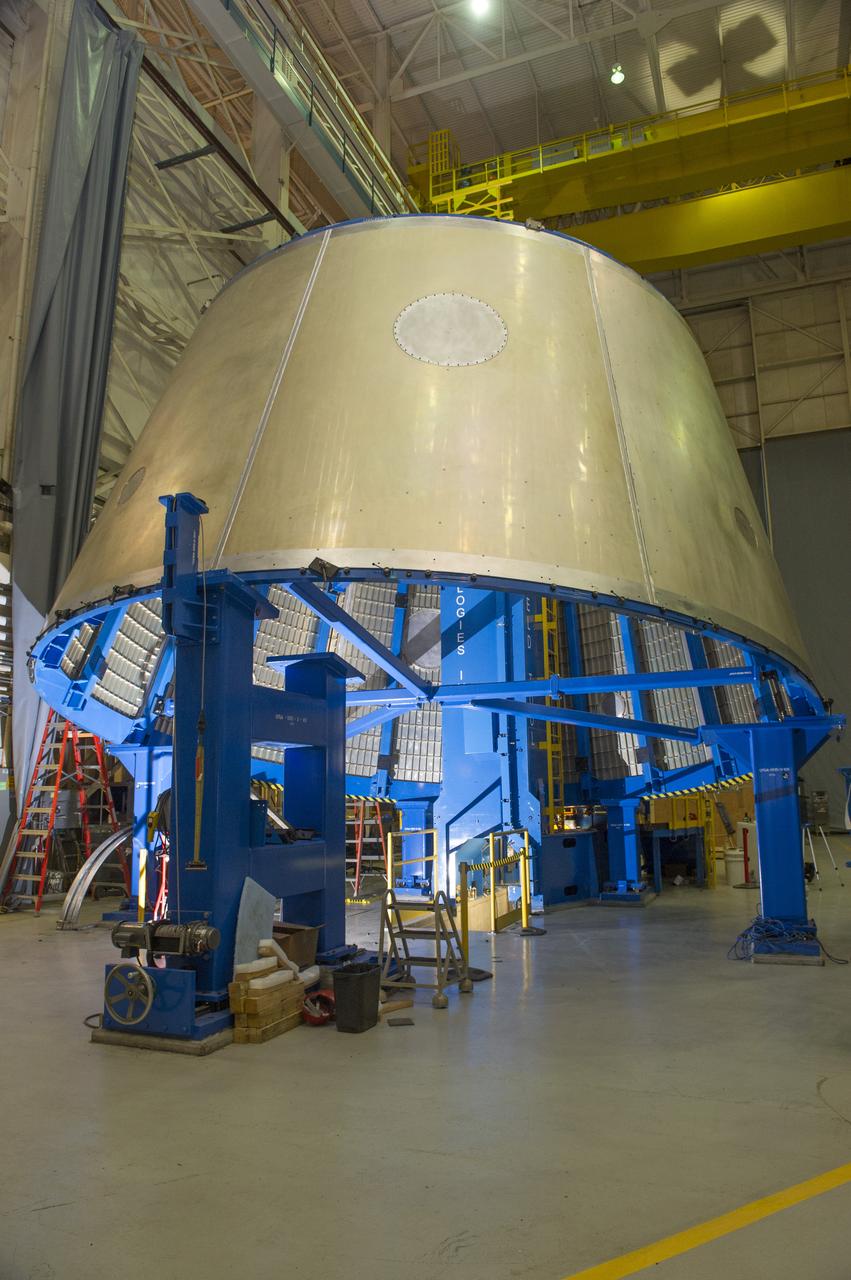
Launch Vehicle Stage Adapter (LVSA) Aft Cone Post Weld #7
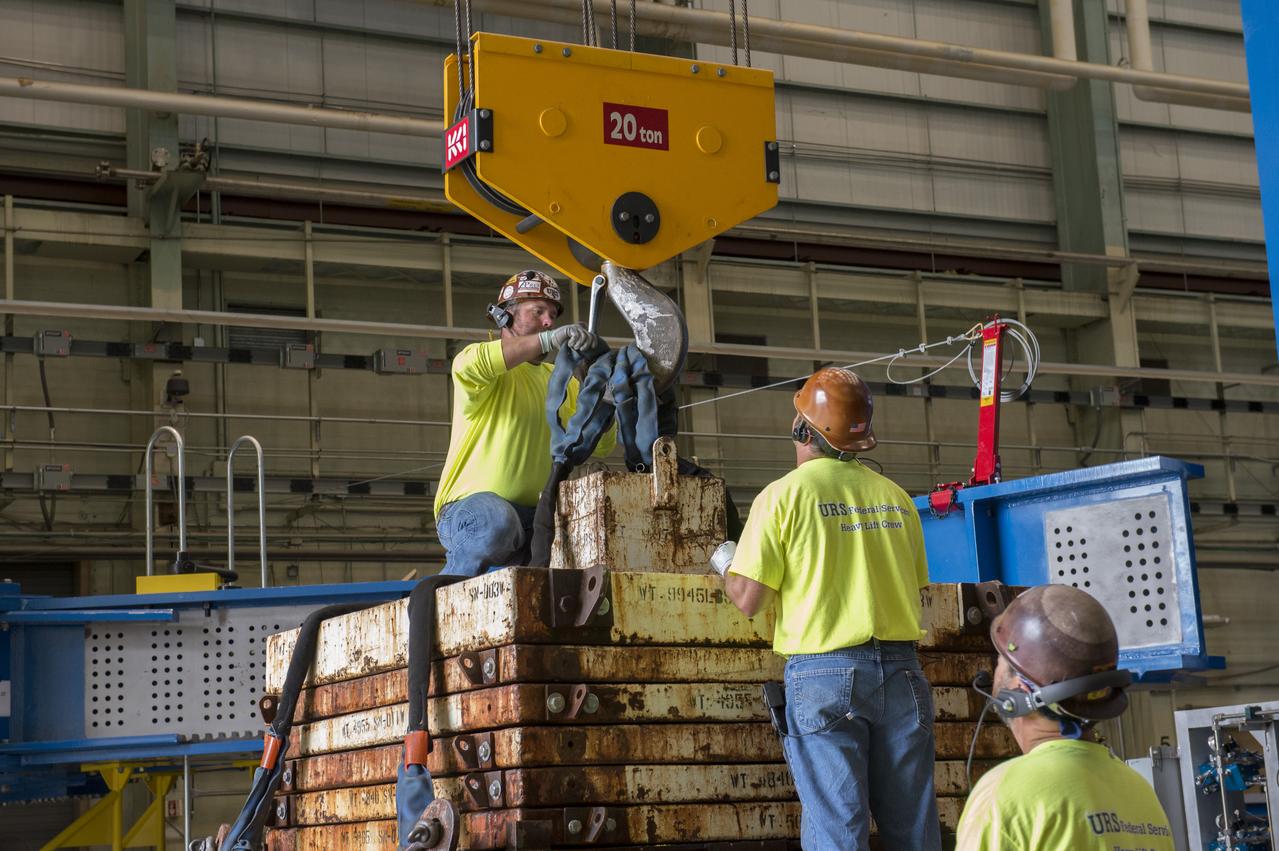
NASA engineers install test hardware for the agency's new heavy lift rocket, the Space Launch System, into a newly constructed 50-foot structural test stand at NASA's Marshall Space Flight Center. In the stand, hydraulic cylinders will be electronically controlled to push, pull, twist and bend the test article with millions of pounds of force. Engineers will record and analyze over 3,000 channels of data for each test case to verify the capabilities of the engine section and validate that the design and analysis models accurately predict the amount of loads the core stage can withstand during launch and ascent. The engine section, recently delivered via NASA's barge Pegasus from NASA's Michoud Assembly Facility, is the first of four core stage structural test articles scheduled to be delivered to Marshall for testing. The engine section, located at the bottom of SLS's massive core stage, will house the rocket's four RS-25 engines and be an attachment point for the two solid rocket boosters.

Launch Vehicle Stage Adapter (LVSA) Aft Cone Post Weld #7
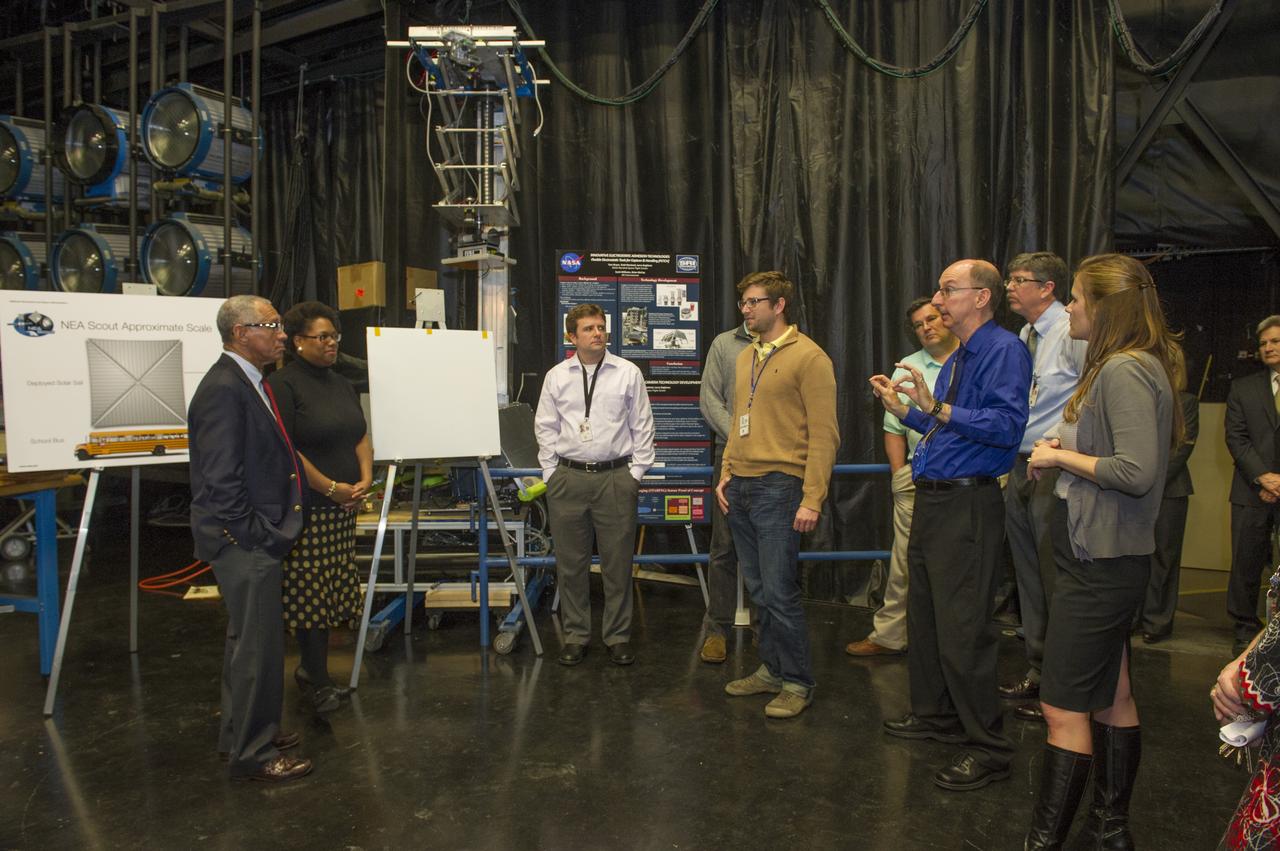
NASA ADMINISTRATOR BOLDEN IS BRIEFED ON NEA SCOUT PROGRESS BY LES JOHNSON
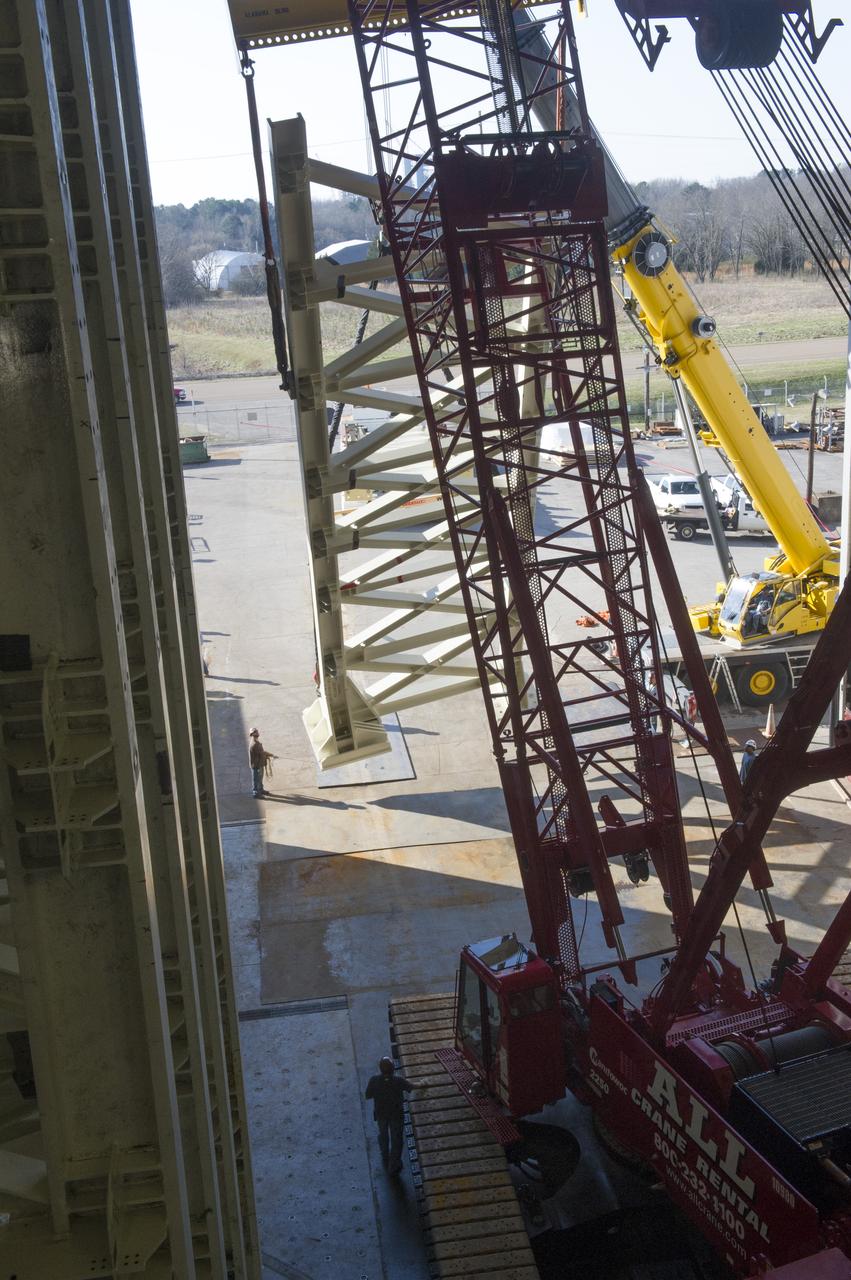
ERECTION OF TWO SLS INTERTANK, (IT), SPECIAL TEST EQUIPMENT, (STE), TOWER PANELS IN BLDG 4619
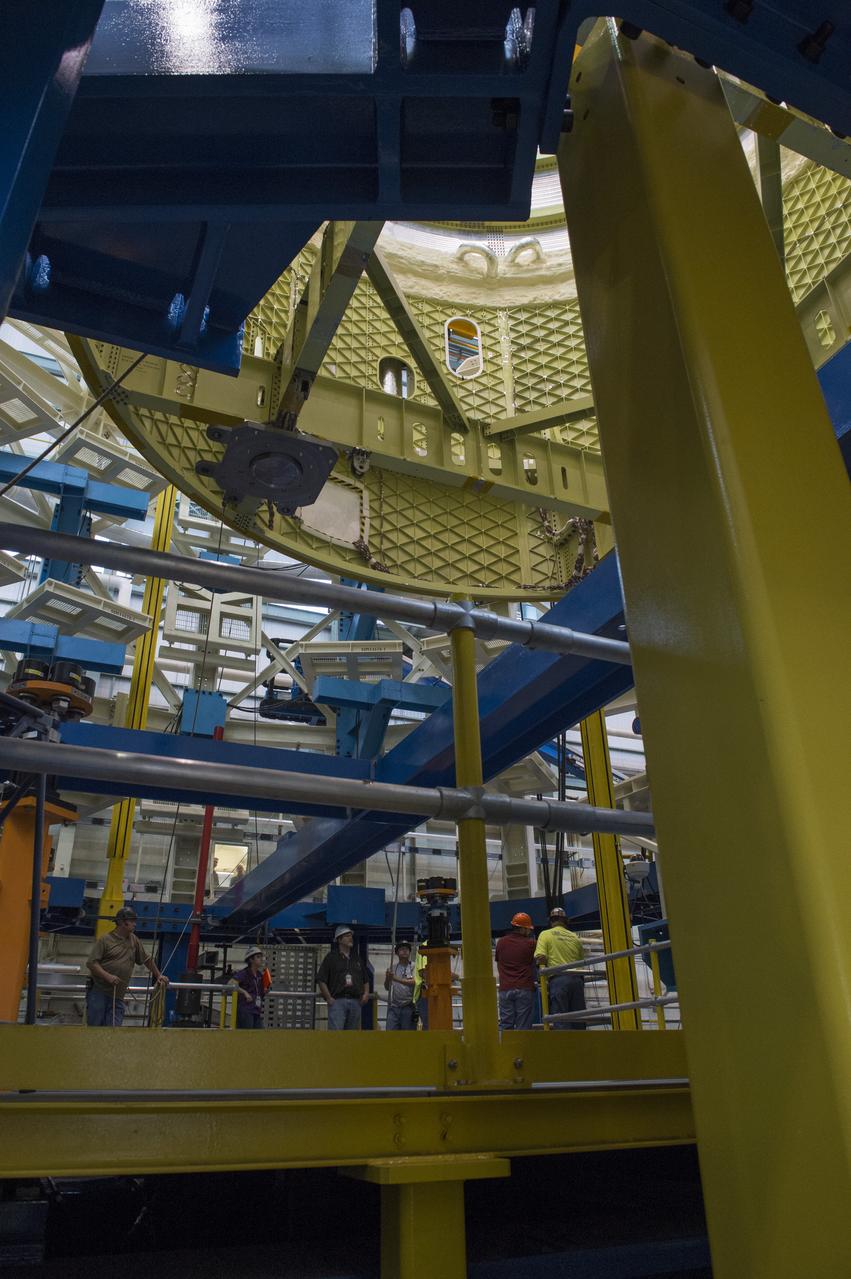
NASA engineers install test hardware for the agency's new heavy lift rocket, the Space Launch System, into a newly constructed 50-foot structural test stand at NASA's Marshall Space Flight Center. In the stand, hydraulic cylinders will be electronically controlled to push, pull, twist and bend the test article with millions of pounds of force. Engineers will record and analyze over 3,000 channels of data for each test case to verify the capabilities of the engine section and validate that the design and analysis models accurately predict the amount of loads the core stage can withstand during launch and ascent. The engine section, recently delivered via NASA's barge Pegasus from NASA's Michoud Assembly Facility, is the first of four core stage structural test articles scheduled to be delivered to Marshall for testing. The engine section, located at the bottom of SLS's massive core stage, will house the rocket's four RS-25 engines and be an attachment point for the two solid rocket boosters.
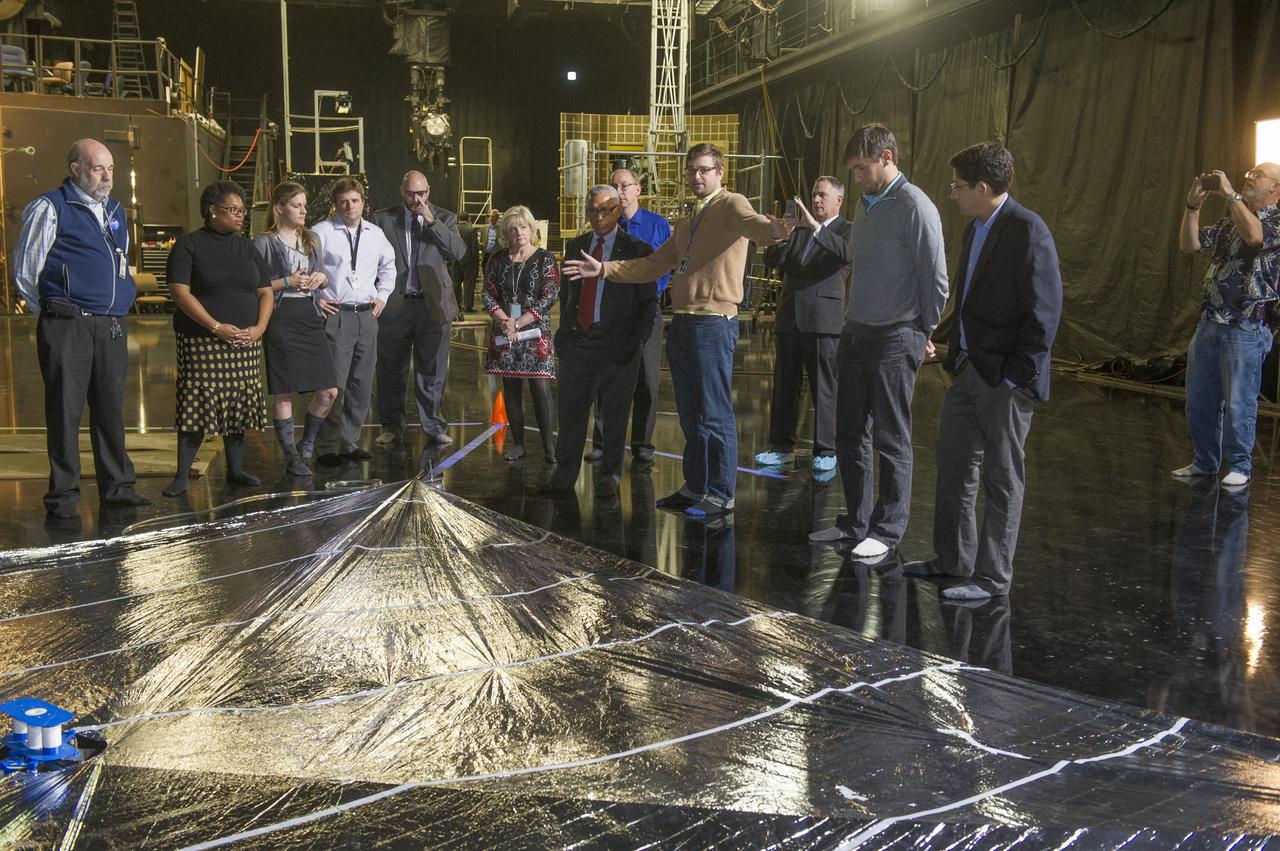
NASA ADMINISTRATOR BOLDEN IS BRIEFED ON NEA SCOUT PROGRESS BY ALEX SOBEY
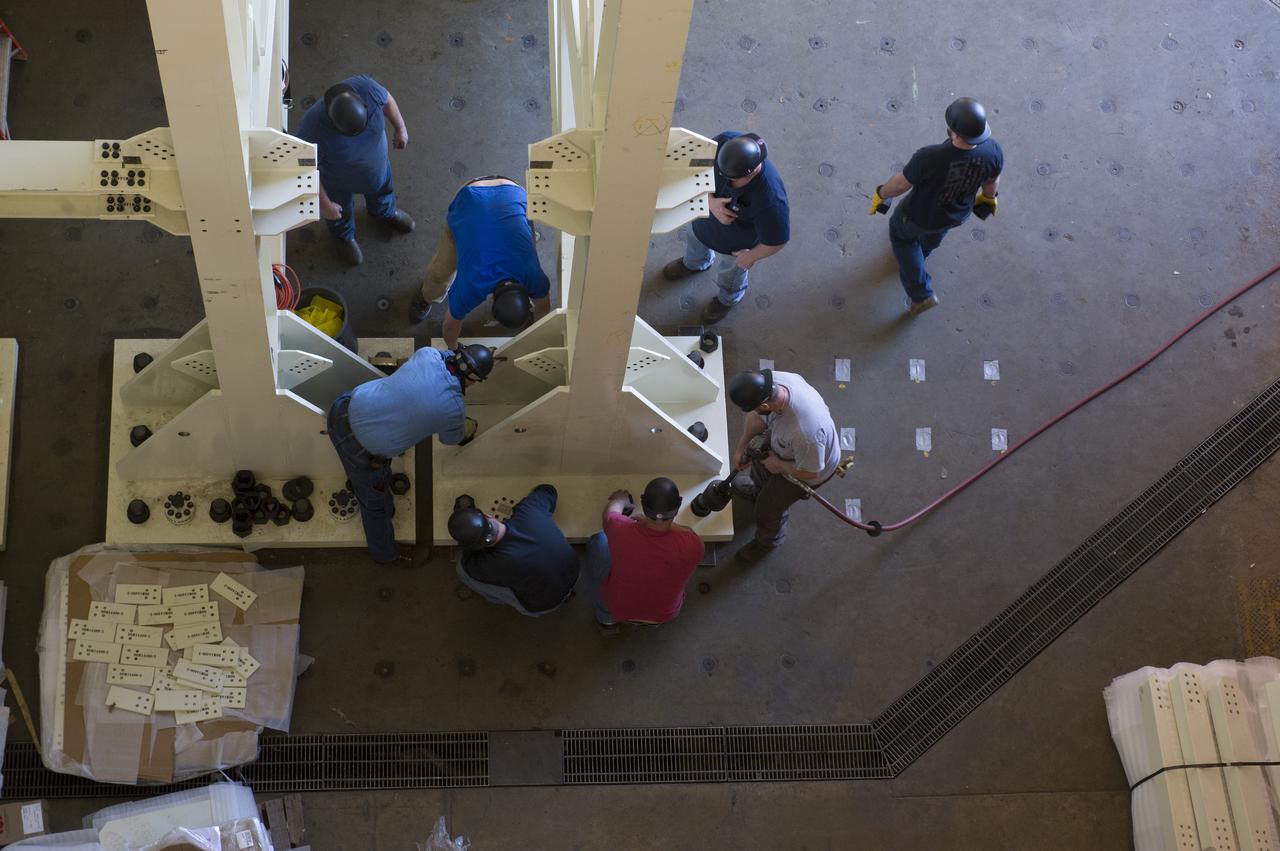
ERECTION OF TWO SLS INTERTANK, (IT), SPECIAL TEST EQUIPMENT, (STE), TOWER PANELS IN BLDG 4619
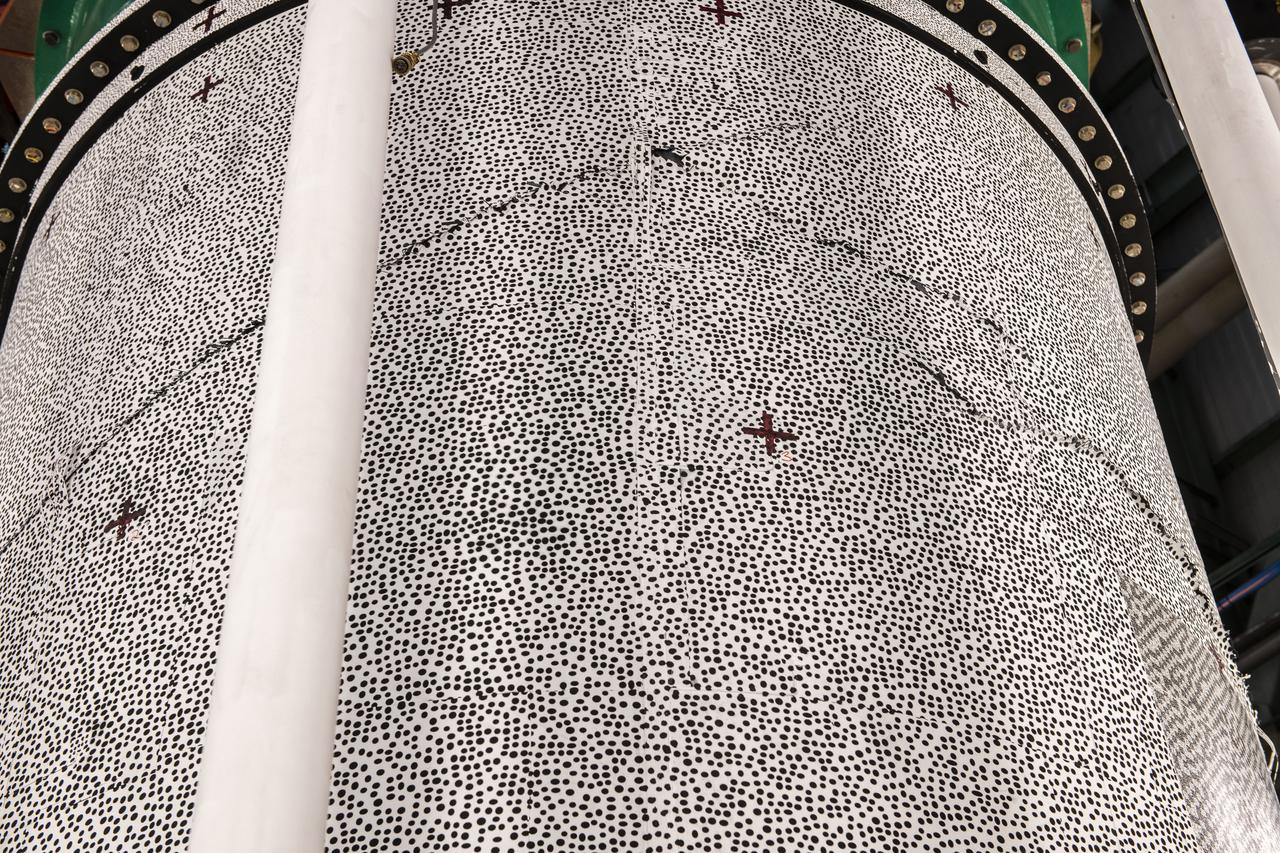
SHELL BUCKLING KNOCKDOWN FACTOR (SBKF) PROJECT - COMPOSITE TEST ARTICLE, (CTA) 8.3 – Post test
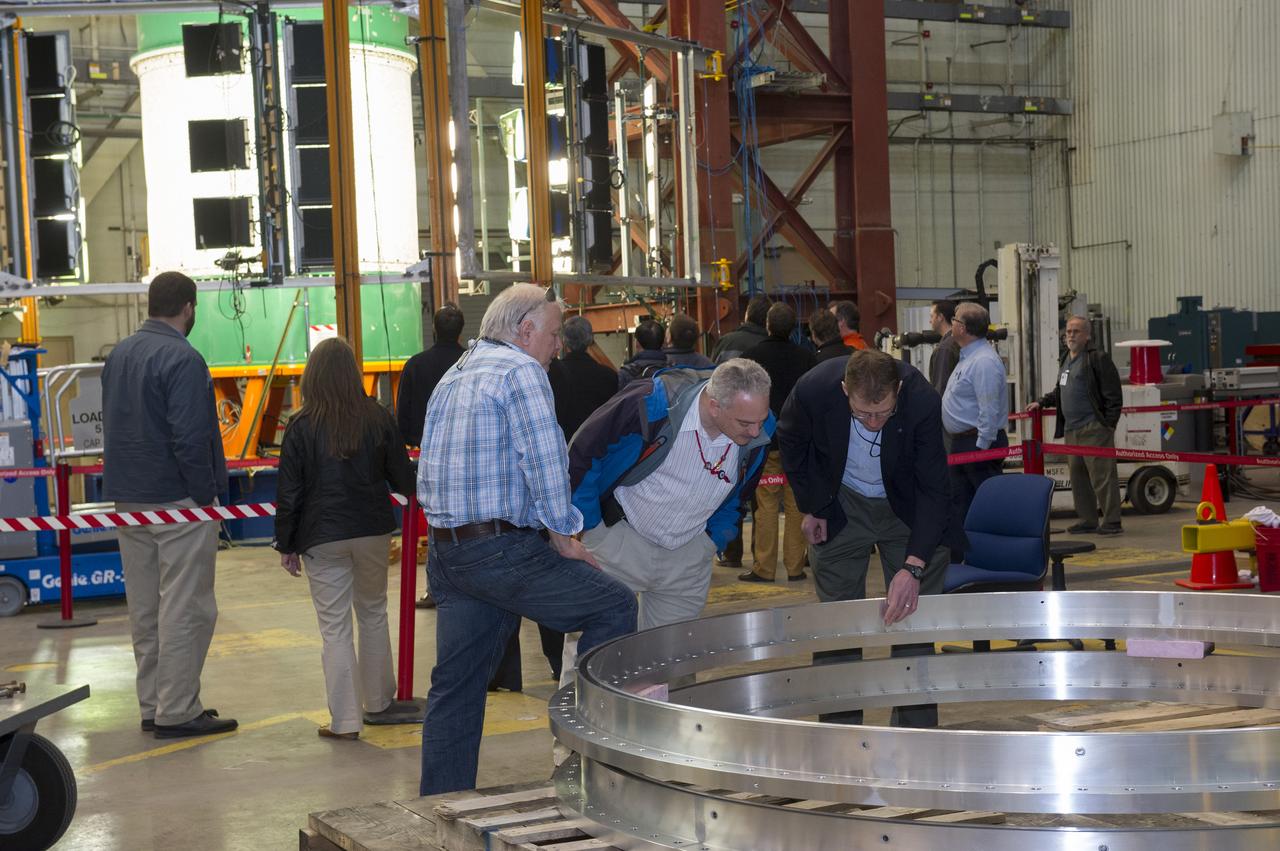
5TH SBKF (SHELL BUCKLE KNOCKDOWN FACTOR) WORKSHOP, MSFC, FEB. 3-4, 2015
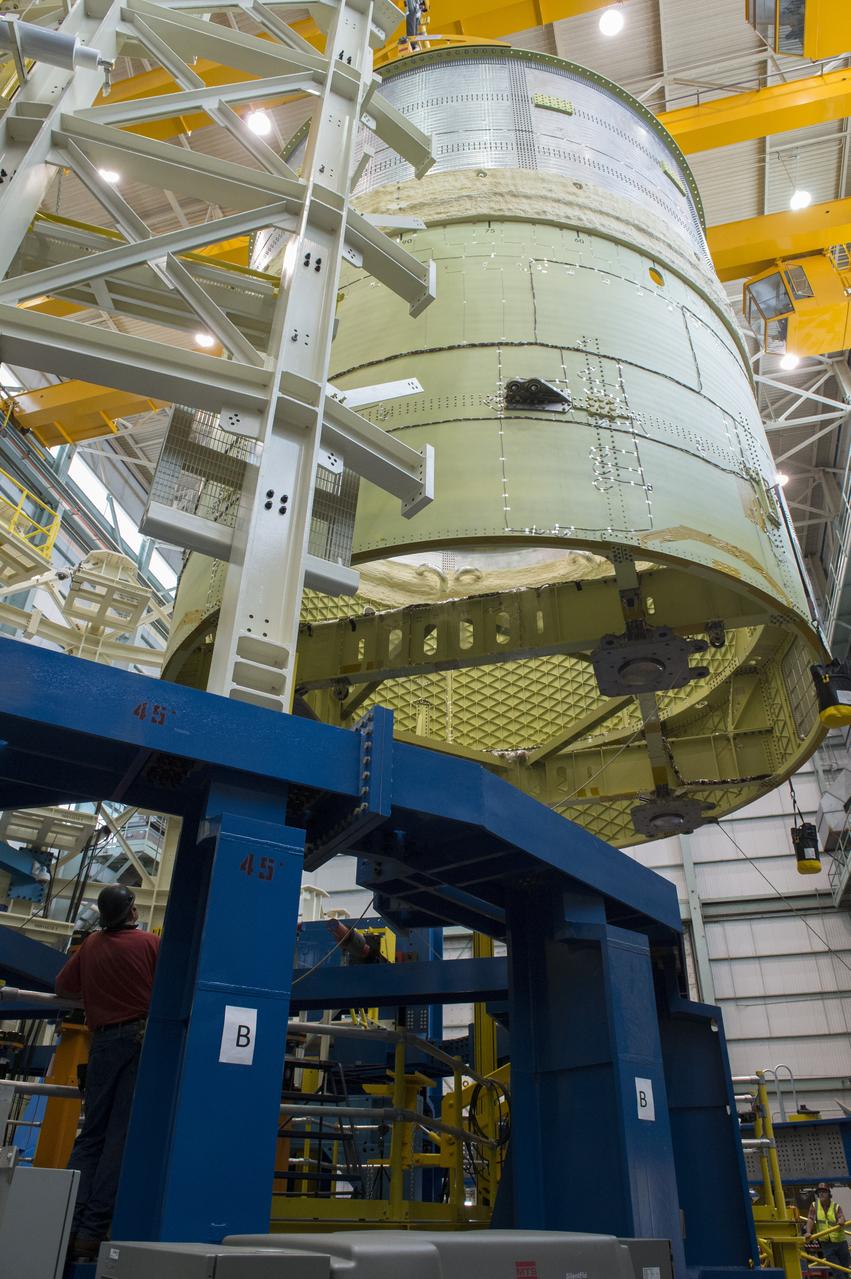
NASA engineers install test hardware for the agency's new heavy lift rocket, the Space Launch System, into a newly constructed 50-foot structural test stand at NASA's Marshall Space Flight Center. In the stand, hydraulic cylinders will be electronically controlled to push, pull, twist and bend the test article with millions of pounds of force. Engineers will record and analyze over 3,000 channels of data for each test case to verify the capabilities of the engine section and validate that the design and analysis models accurately predict the amount of loads the core stage can withstand during launch and ascent. The engine section, recently delivered via NASA's barge Pegasus from NASA's Michoud Assembly Facility, is the first of four core stage structural test articles scheduled to be delivered to Marshall for testing. The engine section, located at the bottom of SLS's massive core stage, will house the rocket's four RS-25 engines and be an attachment point for the two solid rocket boosters.

NASA engineers install test hardware for the agency's new heavy lift rocket, the Space Launch System, into a newly constructed 50-foot structural test stand at NASA's Marshall Space Flight Center. In the stand, hydraulic cylinders will be electronically controlled to push, pull, twist and bend the test article with millions of pounds of force. Engineers will record and analyze over 3,000 channels of data for each test case to verify the capabilities of the engine section and validate that the design and analysis models accurately predict the amount of loads the core stage can withstand during launch and ascent. The engine section, recently delivered via NASA's barge Pegasus from NASA's Michoud Assembly Facility, is the first of four core stage structural test articles scheduled to be delivered to Marshall for testing. The engine section, located at the bottom of SLS's massive core stage, will house the rocket's four RS-25 engines and be an attachment point for the two solid rocket boosters.
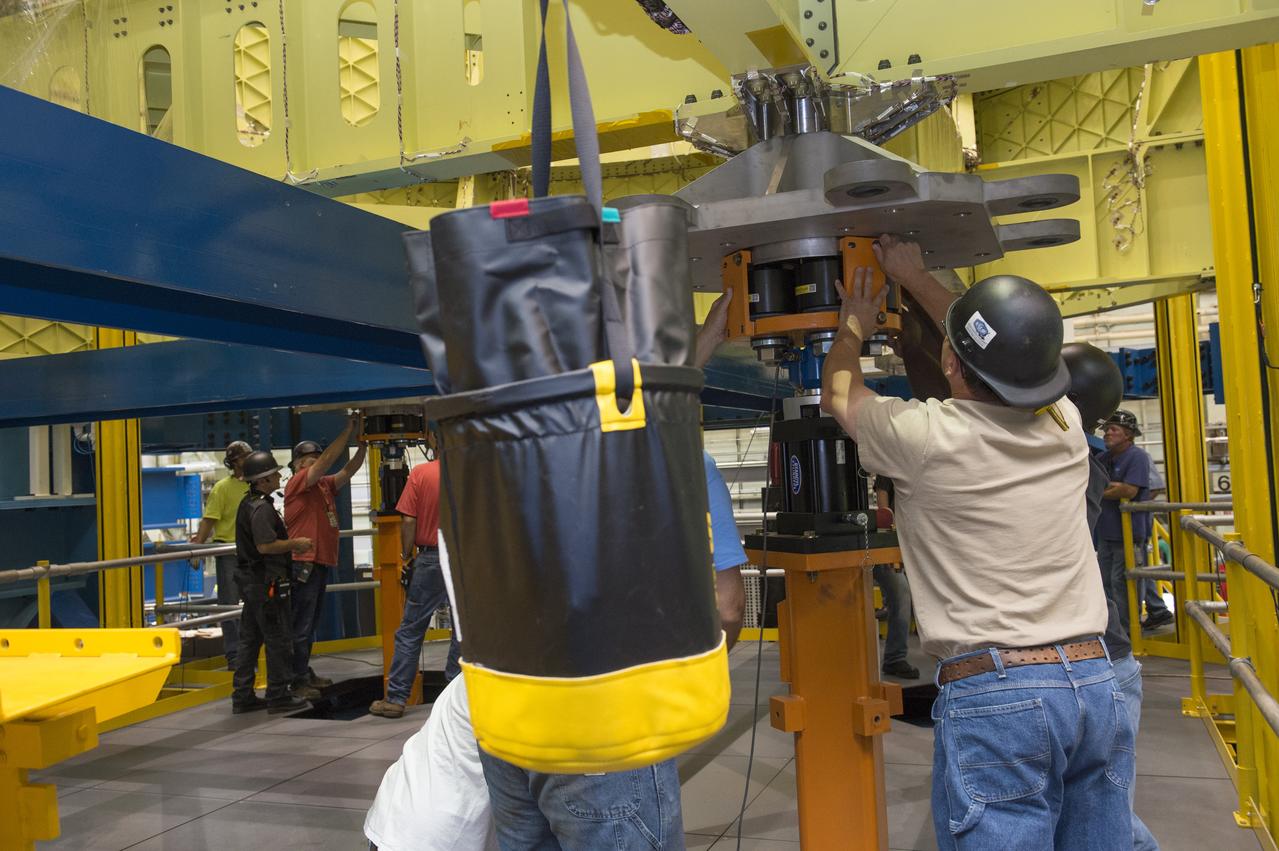
NASA engineers install test hardware for the agency's new heavy lift rocket, the Space Launch System, into a newly constructed 50-foot structural test stand at NASA's Marshall Space Flight Center. In the stand, hydraulic cylinders will be electronically controlled to push, pull, twist and bend the test article with millions of pounds of force. Engineers will record and analyze over 3,000 channels of data for each test case to verify the capabilities of the engine section and validate that the design and analysis models accurately predict the amount of loads the core stage can withstand during launch and ascent. The engine section, recently delivered via NASA's barge Pegasus from NASA's Michoud Assembly Facility, is the first of four core stage structural test articles scheduled to be delivered to Marshall for testing. The engine section, located at the bottom of SLS's massive core stage, will house the rocket's four RS-25 engines and be an attachment point for the two solid rocket boosters.
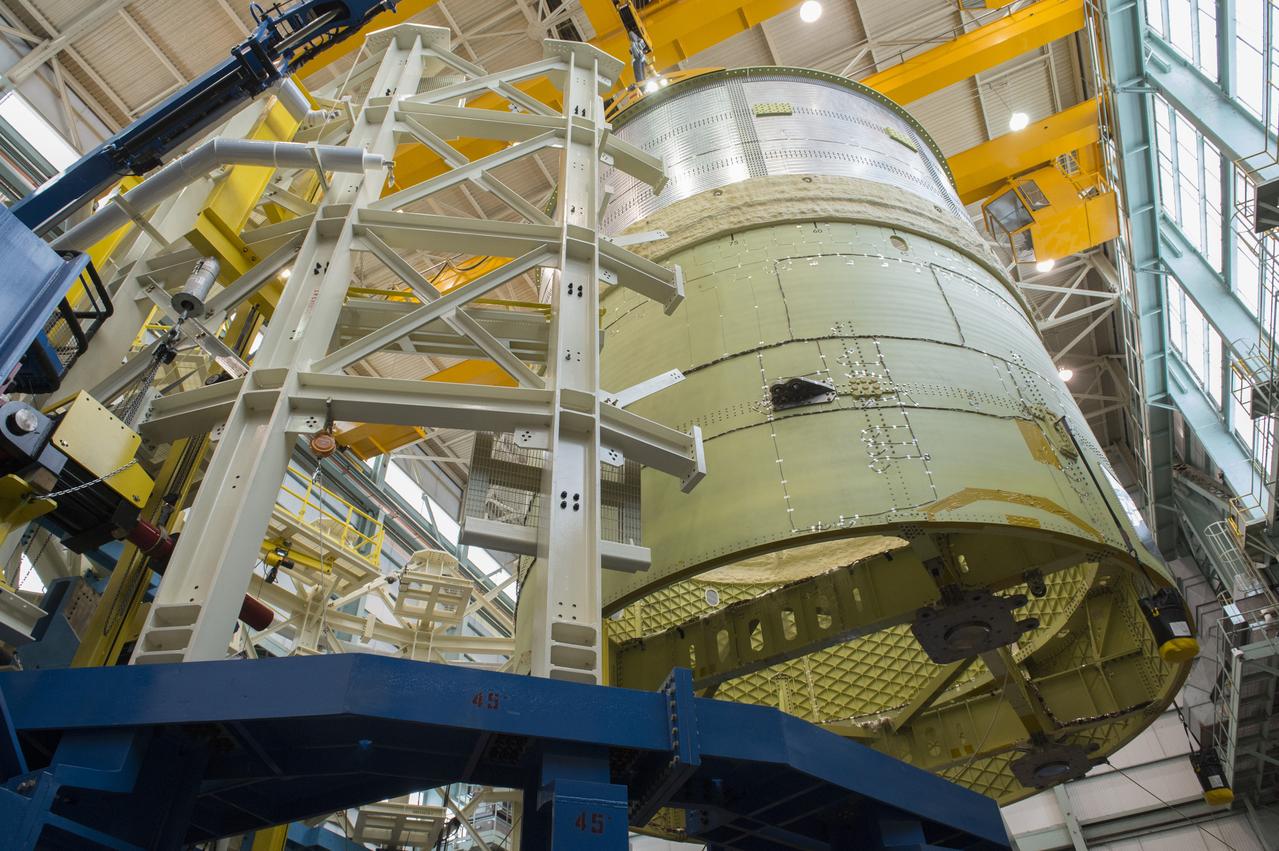
NASA engineers install test hardware for the agency's new heavy lift rocket, the Space Launch System, into a newly constructed 50-foot structural test stand at NASA's Marshall Space Flight Center. In the stand, hydraulic cylinders will be electronically controlled to push, pull, twist and bend the test article with millions of pounds of force. Engineers will record and analyze over 3,000 channels of data for each test case to verify the capabilities of the engine section and validate that the design and analysis models accurately predict the amount of loads the core stage can withstand during launch and ascent. The engine section, recently delivered via NASA's barge Pegasus from NASA's Michoud Assembly Facility, is the first of four core stage structural test articles scheduled to be delivered to Marshall for testing. The engine section, located at the bottom of SLS's massive core stage, will house the rocket's four RS-25 engines and be an attachment point for the two solid rocket boosters.
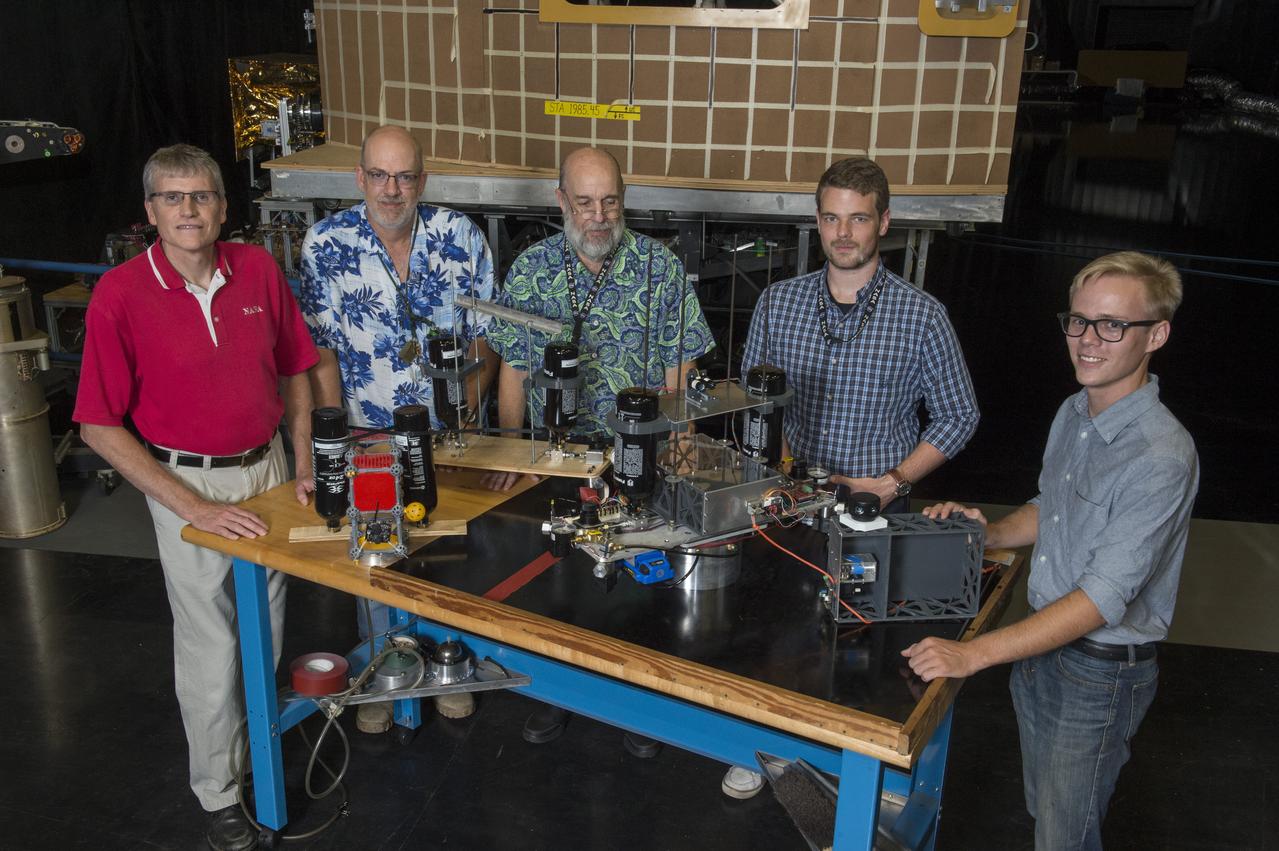
Electric Sail (E-Sail) Tether Team with 6U CubeSat Prototypes and Current Version of Tether Deployer Test Article, (Right to left: Tom Bryan, Davis Hunter (student intern), Jonathan MacArthur (student intern), Charles Cowen, Mike Tinker)
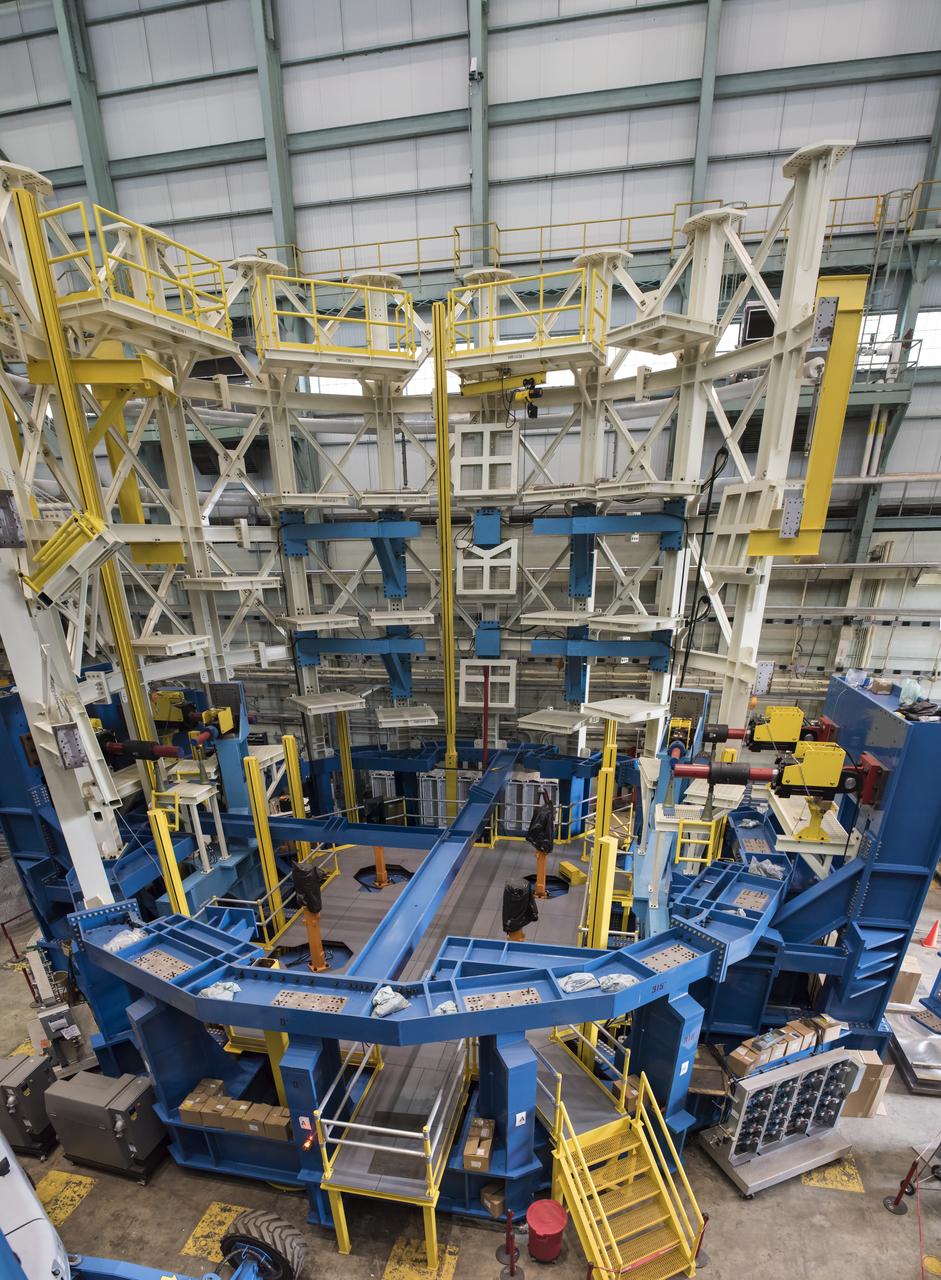
Engine section test stand in building 4619 prior to test article being installed.
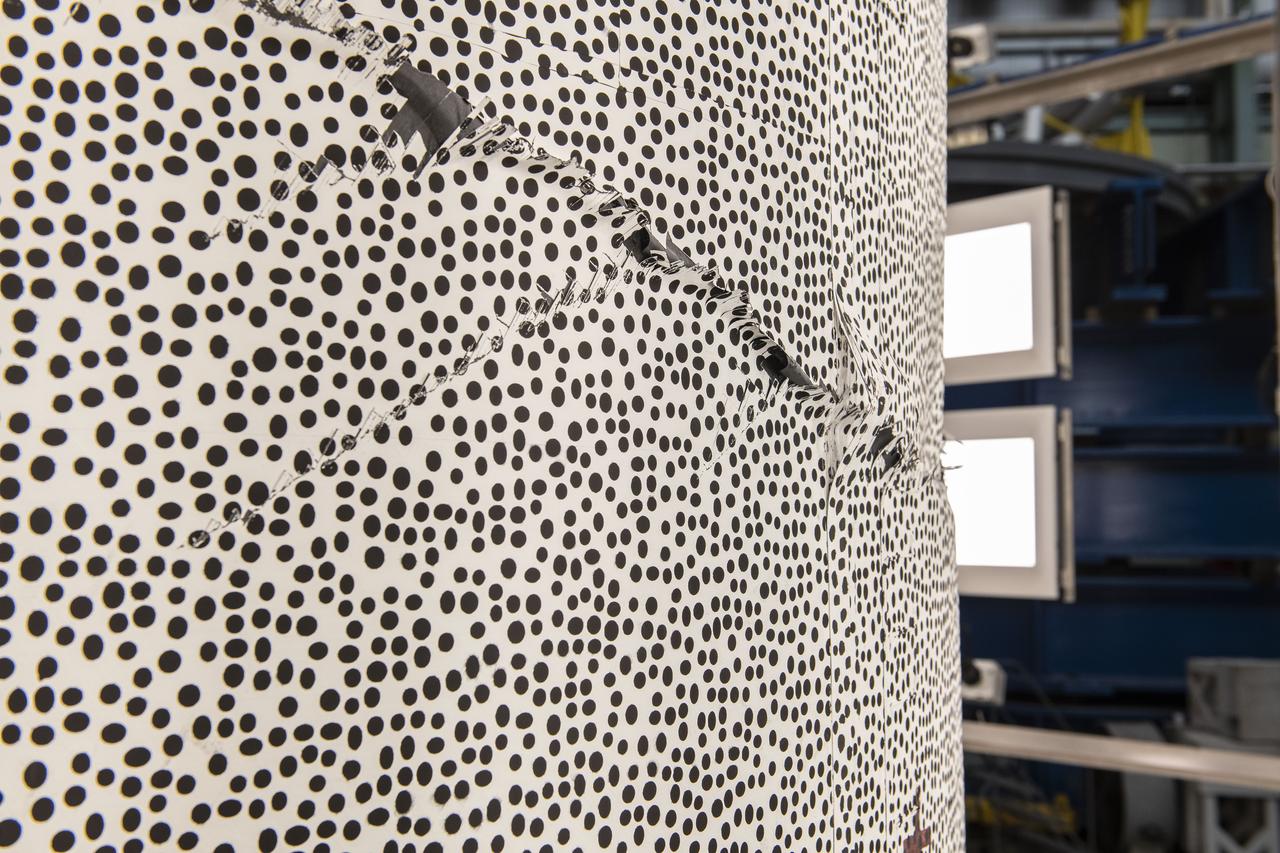
SHELL BUCKLING KNOCKDOWN FACTOR (SBKF) PROJECT - COMPOSITE TEST ARTICLE, (CTA) 8.3 – Post test
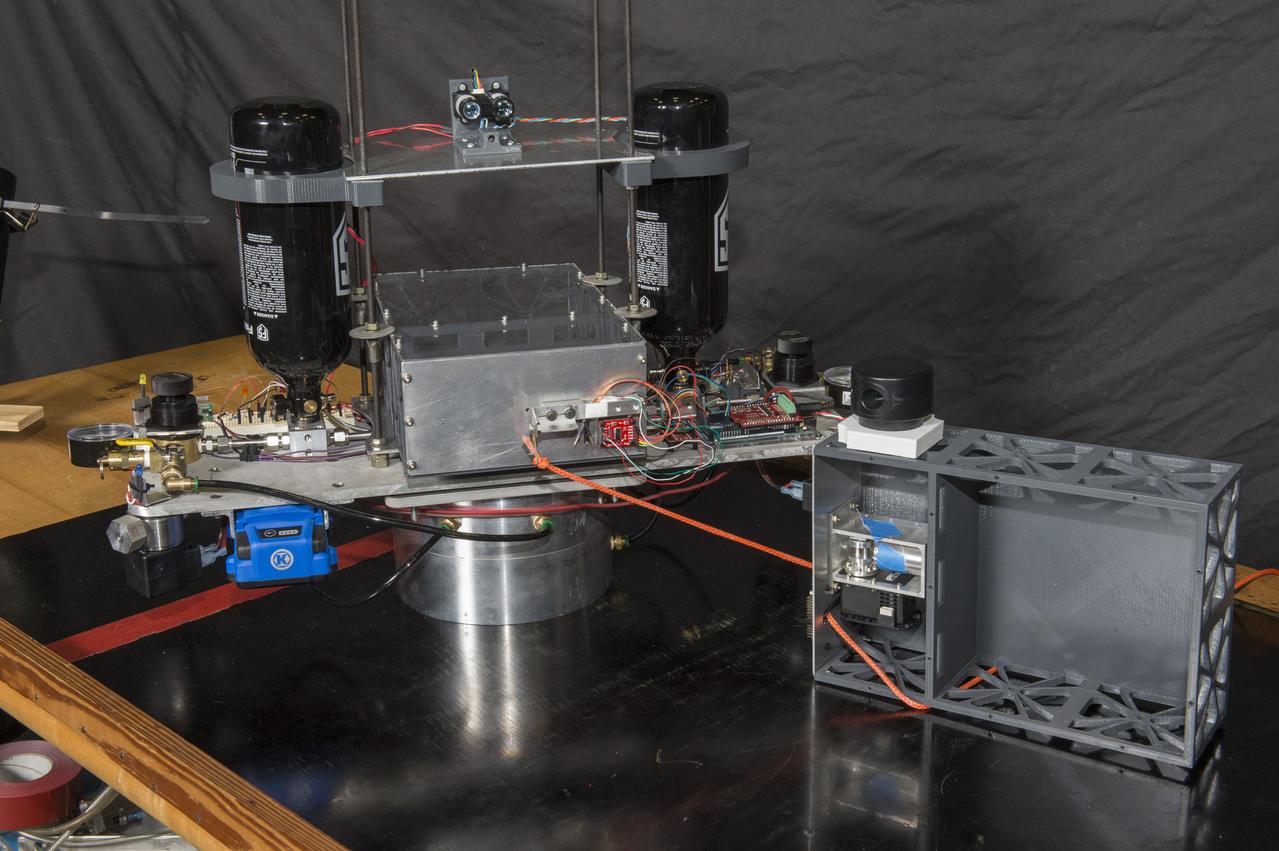
Electric Sail 6U CubeSat Testbed Article with Tether Mockup
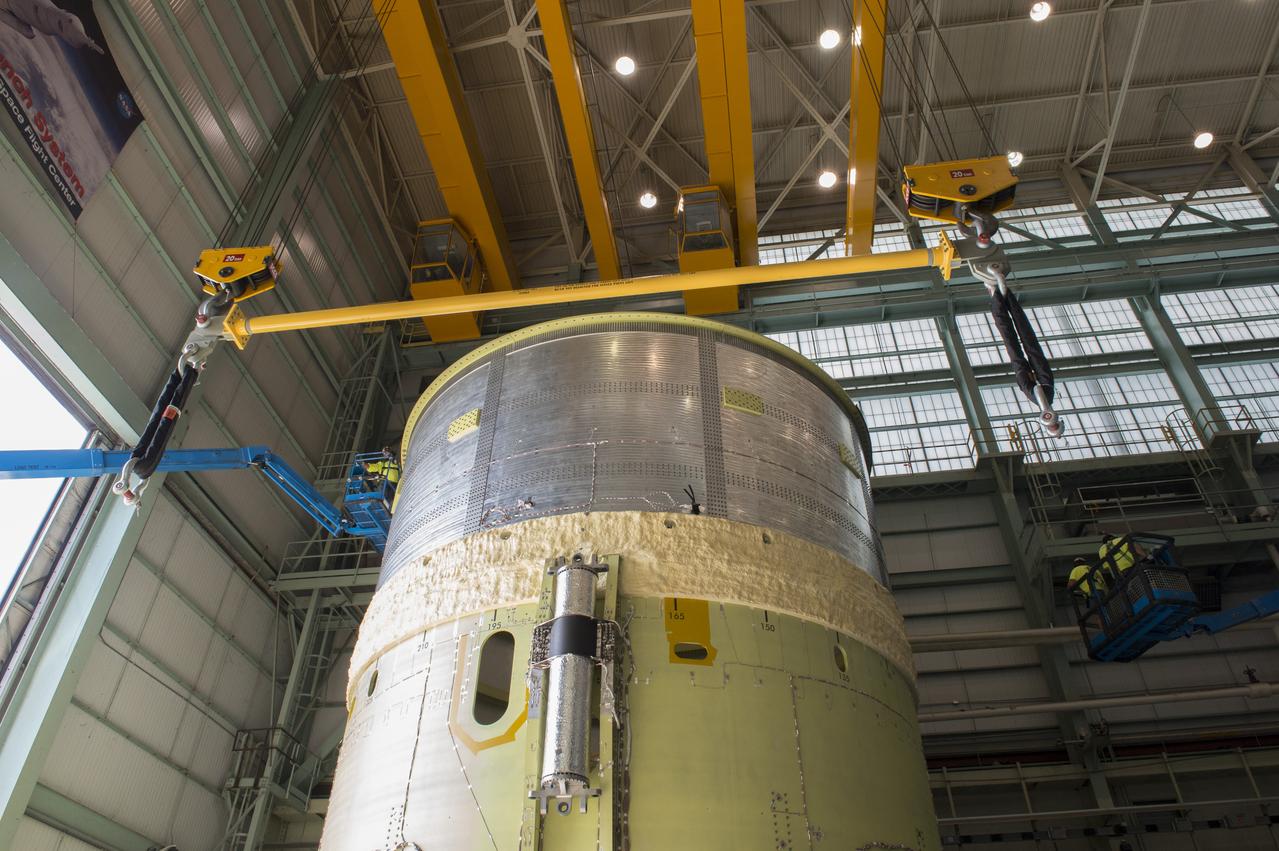
NASA engineers install test hardware for the agency's new heavy lift rocket, the Space Launch System, into a newly constructed 50-foot structural test stand at NASA's Marshall Space Flight Center. In the stand, hydraulic cylinders will be electronically controlled to push, pull, twist and bend the test article with millions of pounds of force. Engineers will record and analyze over 3,000 channels of data for each test case to verify the capabilities of the engine section and validate that the design and analysis models accurately predict the amount of loads the core stage can withstand during launch and ascent. The engine section, recently delivered via NASA's barge Pegasus from NASA's Michoud Assembly Facility, is the first of four core stage structural test articles scheduled to be delivered to Marshall for testing. The engine section, located at the bottom of SLS's massive core stage, will house the rocket's four RS-25 engines and be an attachment point for the two solid rocket boosters.
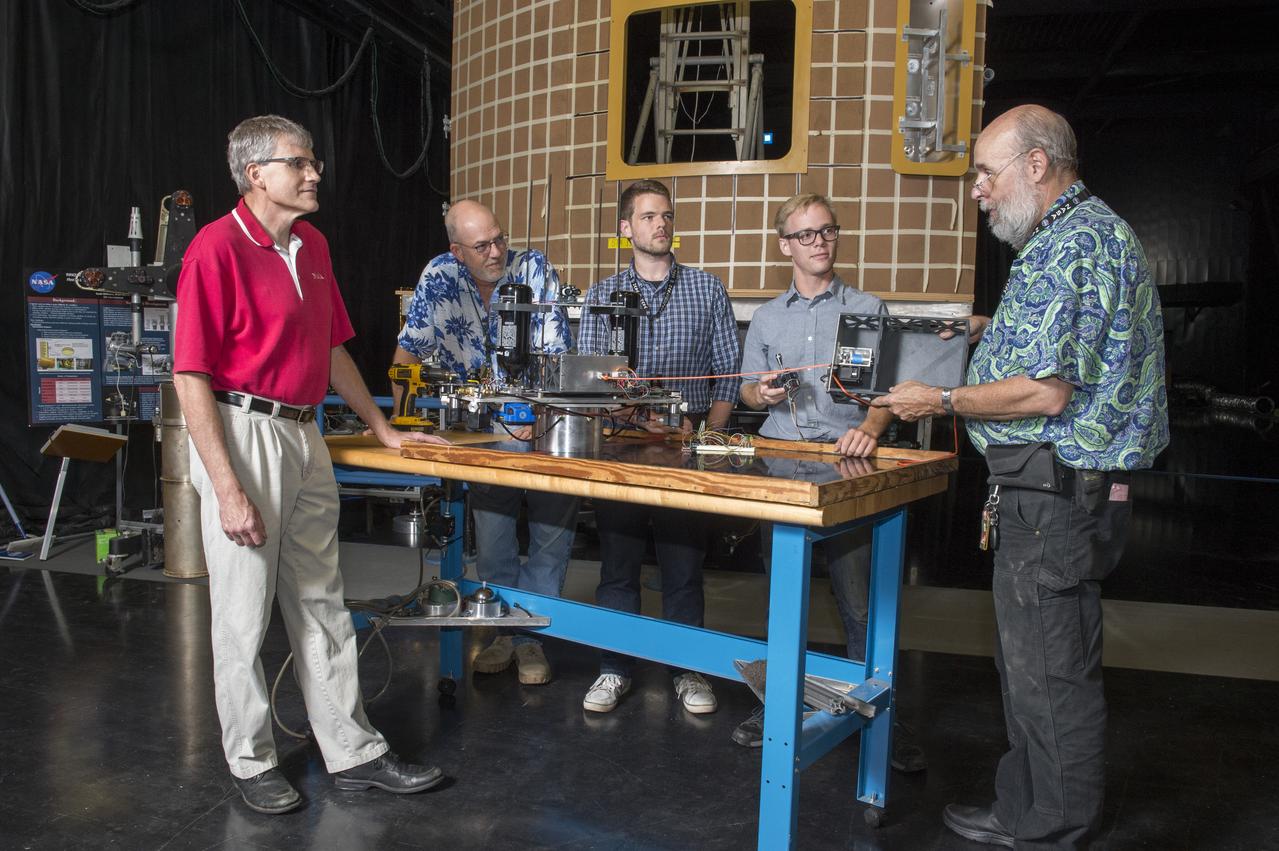
Electric Sail (E-Sail) Tether Team Discusses 6U CubeSat Test Article and Tether Deployment System (Right to left: Tom Bryan, Davis Hunter (student intern), Jonathan MacArthur (student intern), Charles Cowen, Mike Tinker)
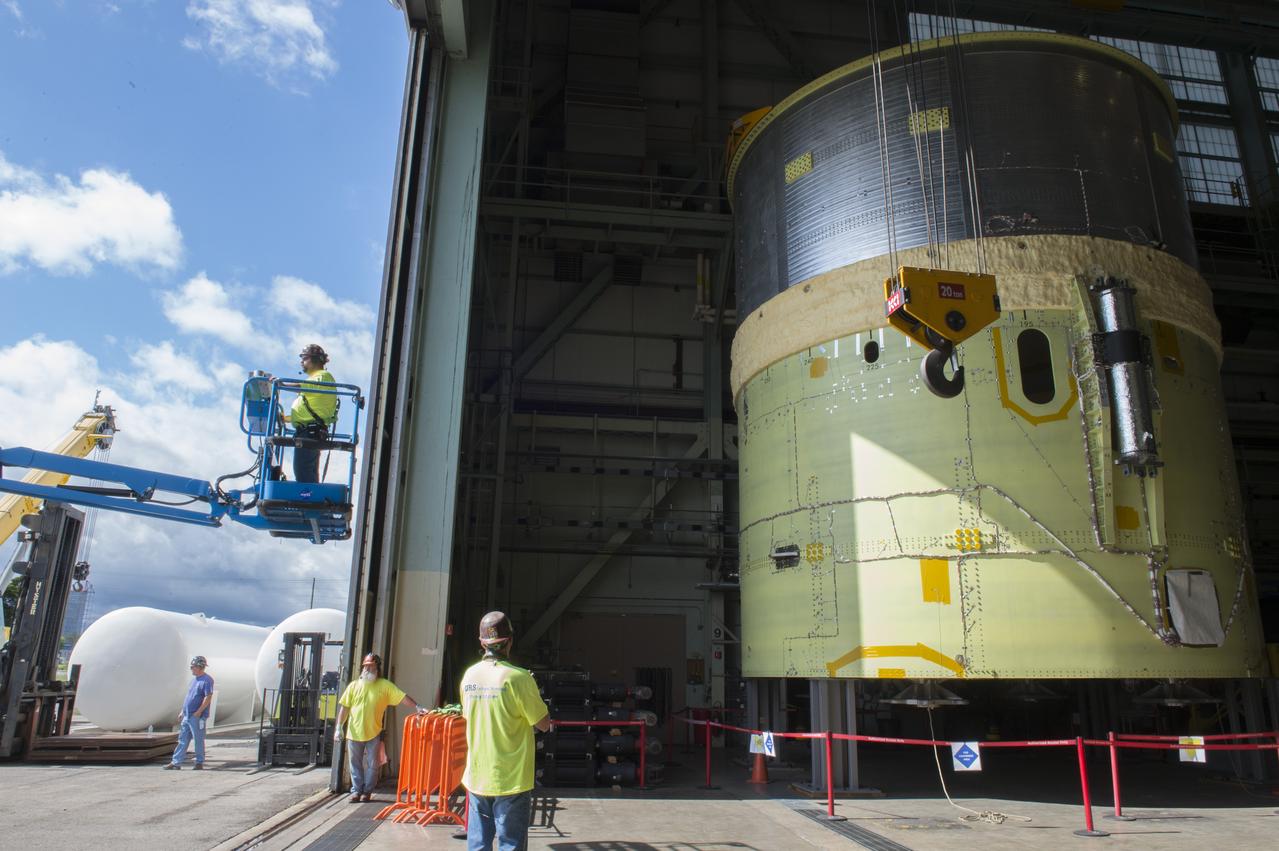
NASA engineers install test hardware for the agency's new heavy lift rocket, the Space Launch System, into a newly constructed 50-foot structural test stand at NASA's Marshall Space Flight Center. In the stand, hydraulic cylinders will be electronically controlled to push, pull, twist and bend the test article with millions of pounds of force. Engineers will record and analyze over 3,000 channels of data for each test case to verify the capabilities of the engine section and validate that the design and analysis models accurately predict the amount of loads the core stage can withstand during launch and ascent. The engine section, recently delivered via NASA's barge Pegasus from NASA's Michoud Assembly Facility, is the first of four core stage structural test articles scheduled to be delivered to Marshall for testing. The engine section, located at the bottom of SLS's massive core stage, will house the rocket's four RS-25 engines and be an attachment point for the two solid rocket boosters.
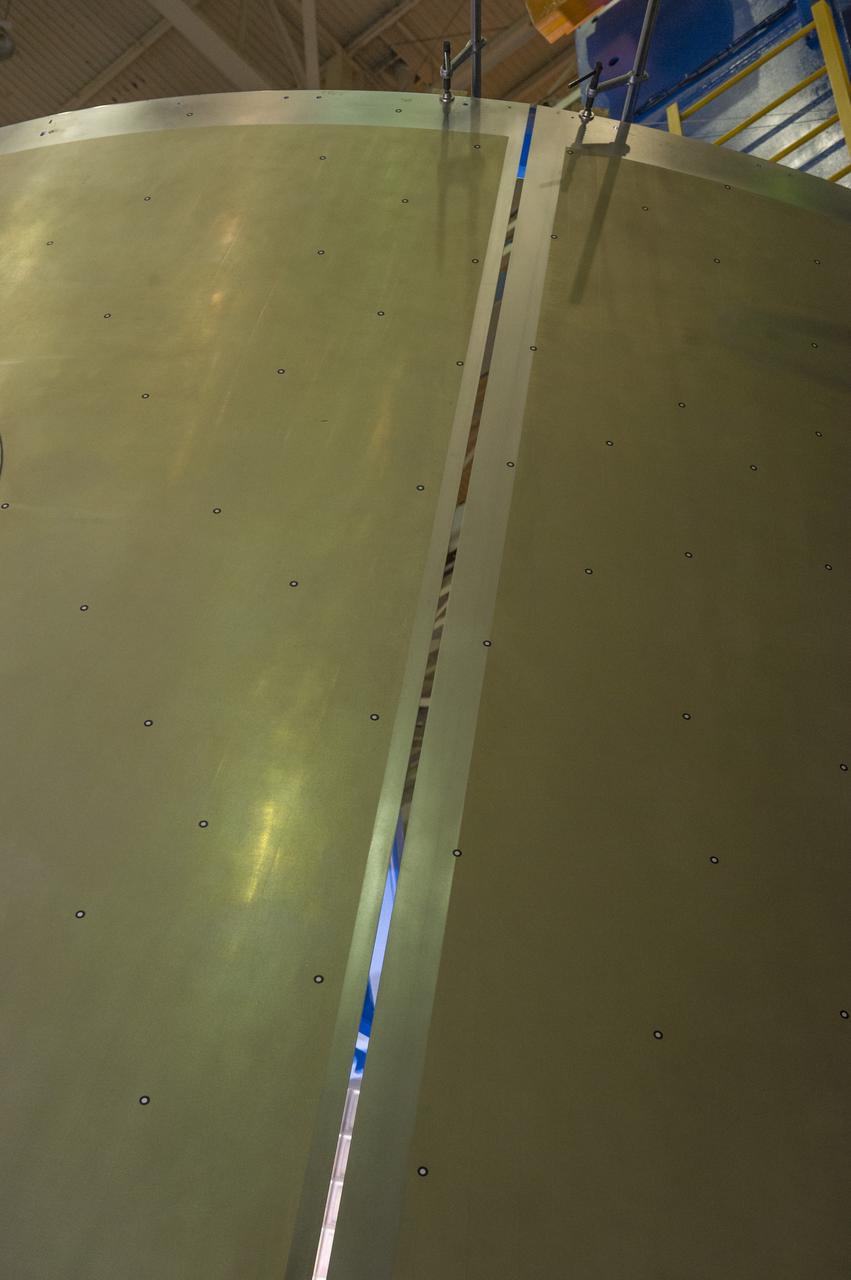
Launch Vehicle Stage Adapter (LVSA) Aft Cone Post Weld #7
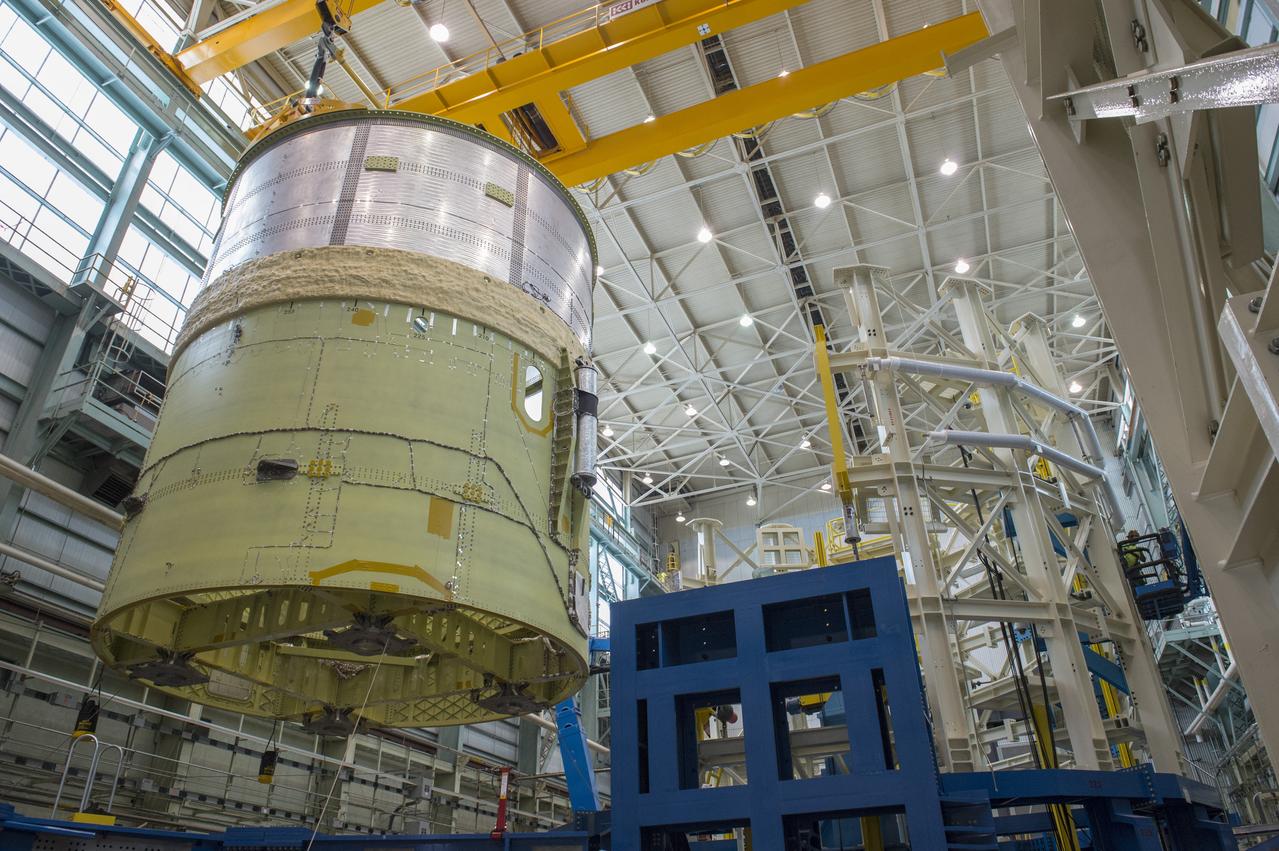
NASA engineers install test hardware for the agency's new heavy lift rocket, the Space Launch System, into a newly constructed 50-foot structural test stand at NASA's Marshall Space Flight Center. In the stand, hydraulic cylinders will be electronically controlled to push, pull, twist and bend the test article with millions of pounds of force. Engineers will record and analyze over 3,000 channels of data for each test case to verify the capabilities of the engine section and validate that the design and analysis models accurately predict the amount of loads the core stage can withstand during launch and ascent. The engine section, recently delivered via NASA's barge Pegasus from NASA's Michoud Assembly Facility, is the first of four core stage structural test articles scheduled to be delivered to Marshall for testing. The engine section, located at the bottom of SLS's massive core stage, will house the rocket's four RS-25 engines and be an attachment point for the two solid rocket boosters.
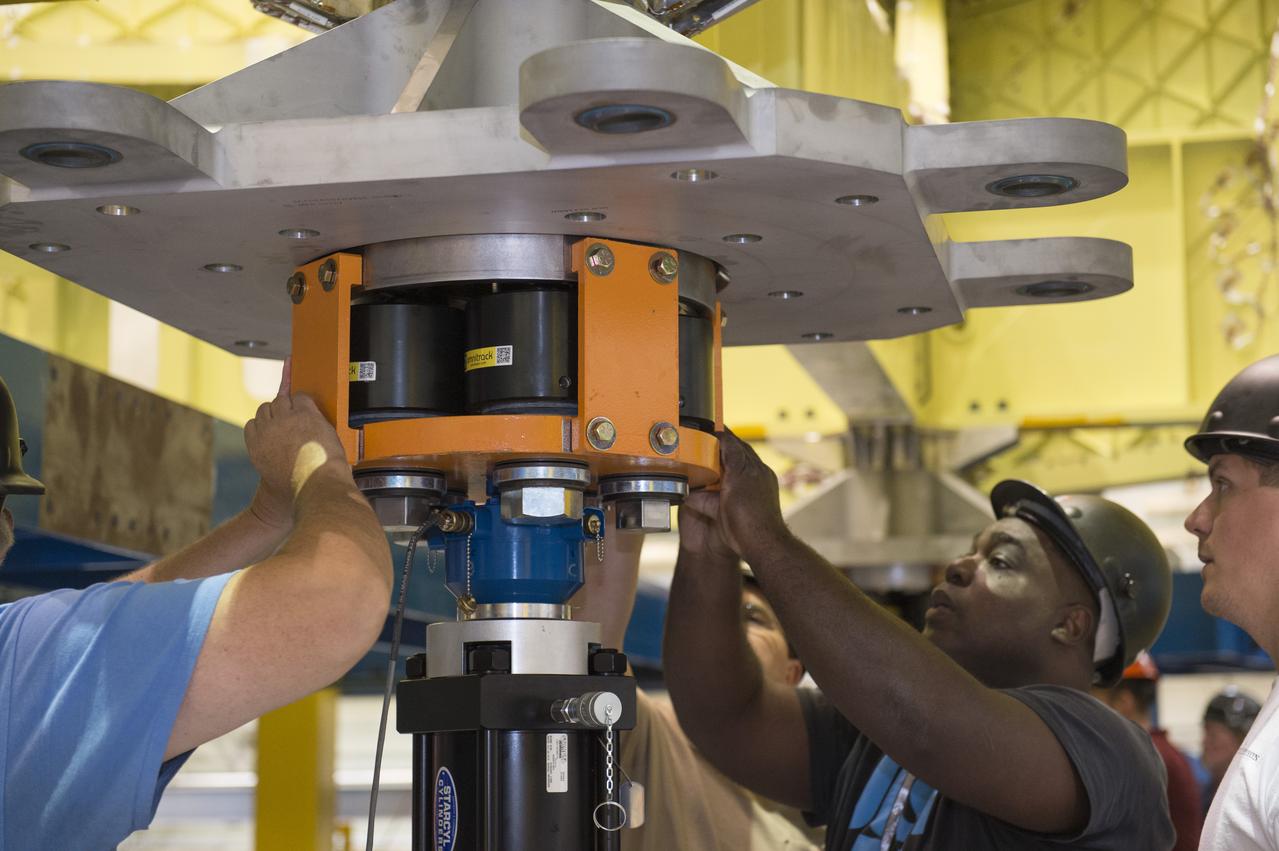
NASA engineers install test hardware for the agency's new heavy lift rocket, the Space Launch System, into a newly constructed 50-foot structural test stand at NASA's Marshall Space Flight Center. In the stand, hydraulic cylinders will be electronically controlled to push, pull, twist and bend the test article with millions of pounds of force. Engineers will record and analyze over 3,000 channels of data for each test case to verify the capabilities of the engine section and validate that the design and analysis models accurately predict the amount of loads the core stage can withstand during launch and ascent. The engine section, recently delivered via NASA's barge Pegasus from NASA's Michoud Assembly Facility, is the first of four core stage structural test articles scheduled to be delivered to Marshall for testing. The engine section, located at the bottom of SLS's massive core stage, will house the rocket's four RS-25 engines and be an attachment point for the two solid rocket boosters.
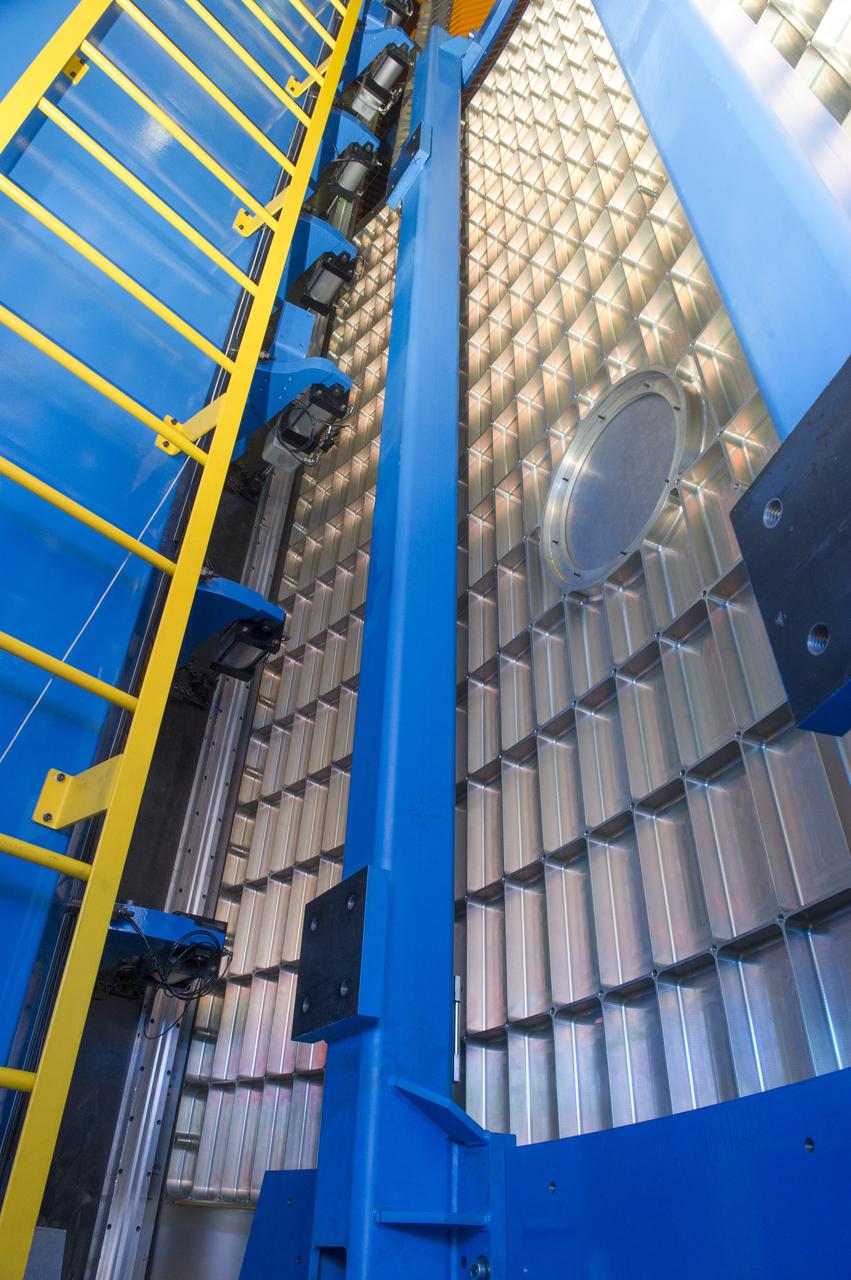
Launch Vehicle Stage Adapter (LVSA) Aft Cone Post Weld #7
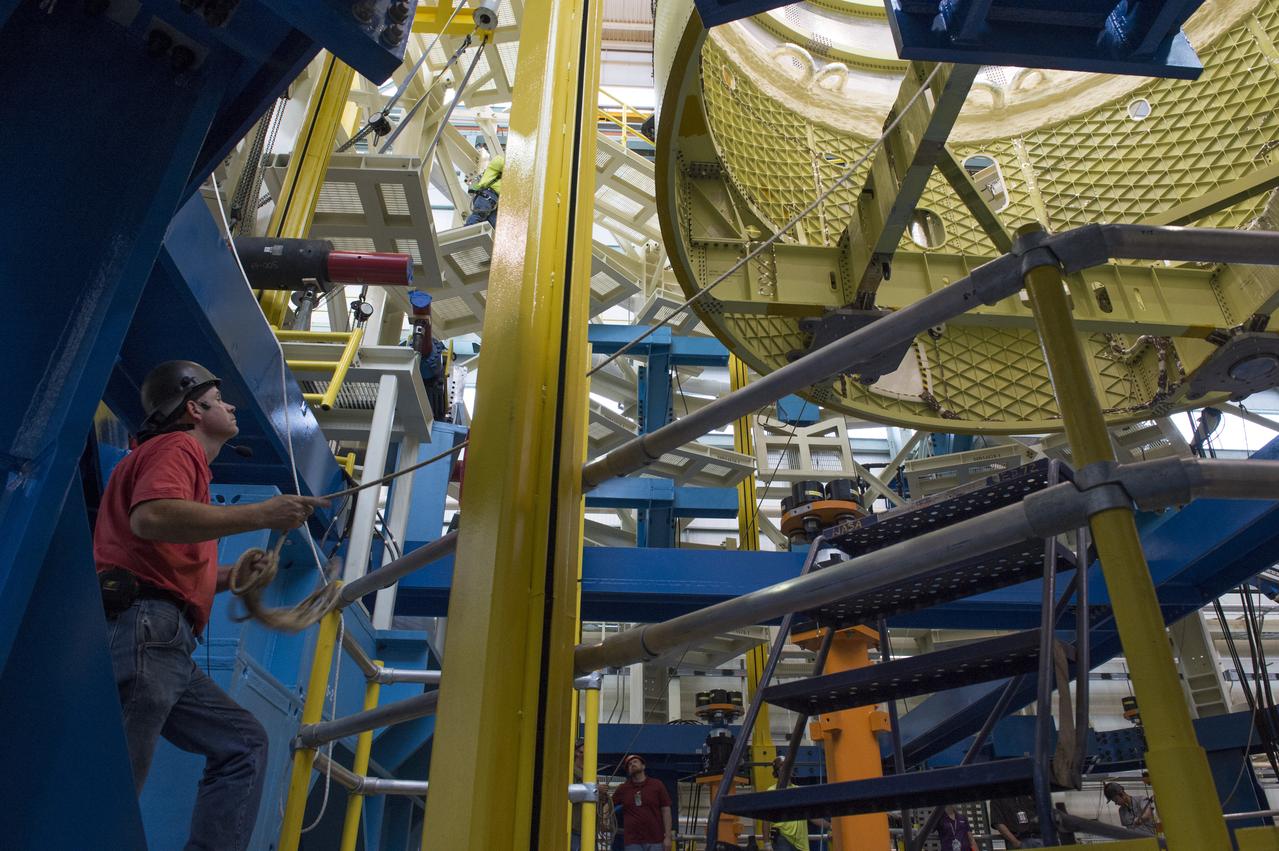
NASA engineers install test hardware for the agency's new heavy lift rocket, the Space Launch System, into a newly constructed 50-foot structural test stand at NASA's Marshall Space Flight Center. In the stand, hydraulic cylinders will be electronically controlled to push, pull, twist and bend the test article with millions of pounds of force. Engineers will record and analyze over 3,000 channels of data for each test case to verify the capabilities of the engine section and validate that the design and analysis models accurately predict the amount of loads the core stage can withstand during launch and ascent. The engine section, recently delivered via NASA's barge Pegasus from NASA's Michoud Assembly Facility, is the first of four core stage structural test articles scheduled to be delivered to Marshall for testing. The engine section, located at the bottom of SLS's massive core stage, will house the rocket's four RS-25 engines and be an attachment point for the two solid rocket boosters.
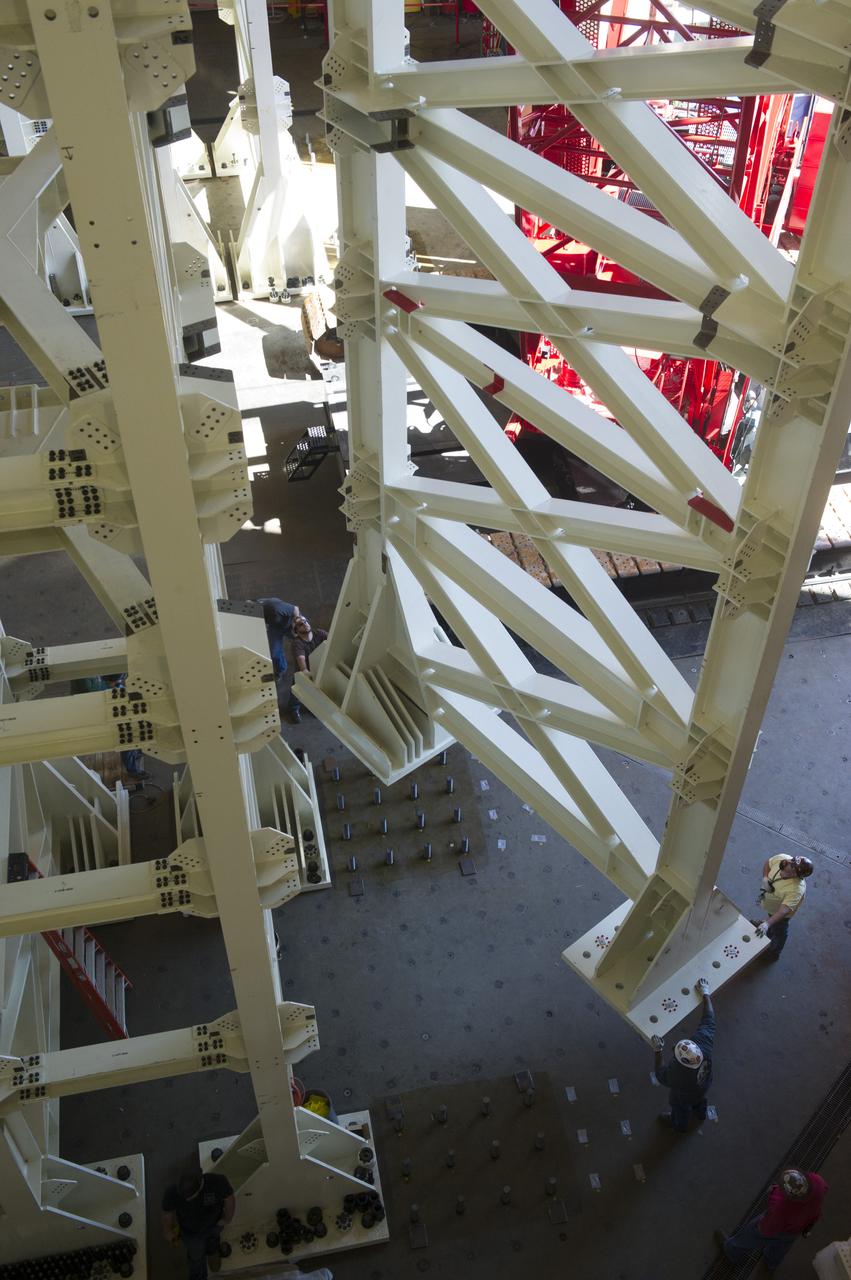
ERECTION OF TWO SLS INTERTANK, (IT), SPECIAL TEST EQUIPMENT, (STE), TOWER PANELS IN BLDG 4619
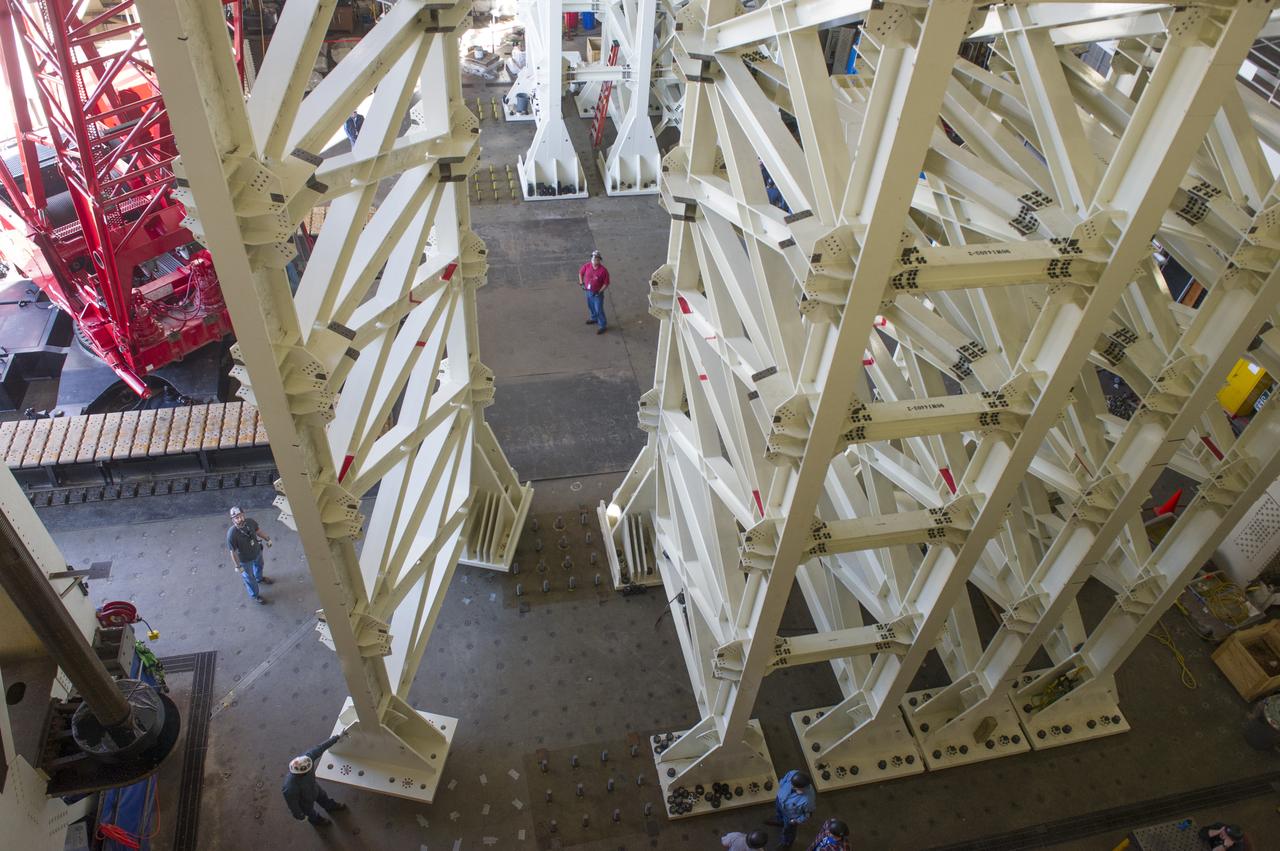
ERECTION OF TWO SLS INTERTANK, (IT), SPECIAL TEST EQUIPMENT, (STE), TOWER PANELS IN BLDG 4619
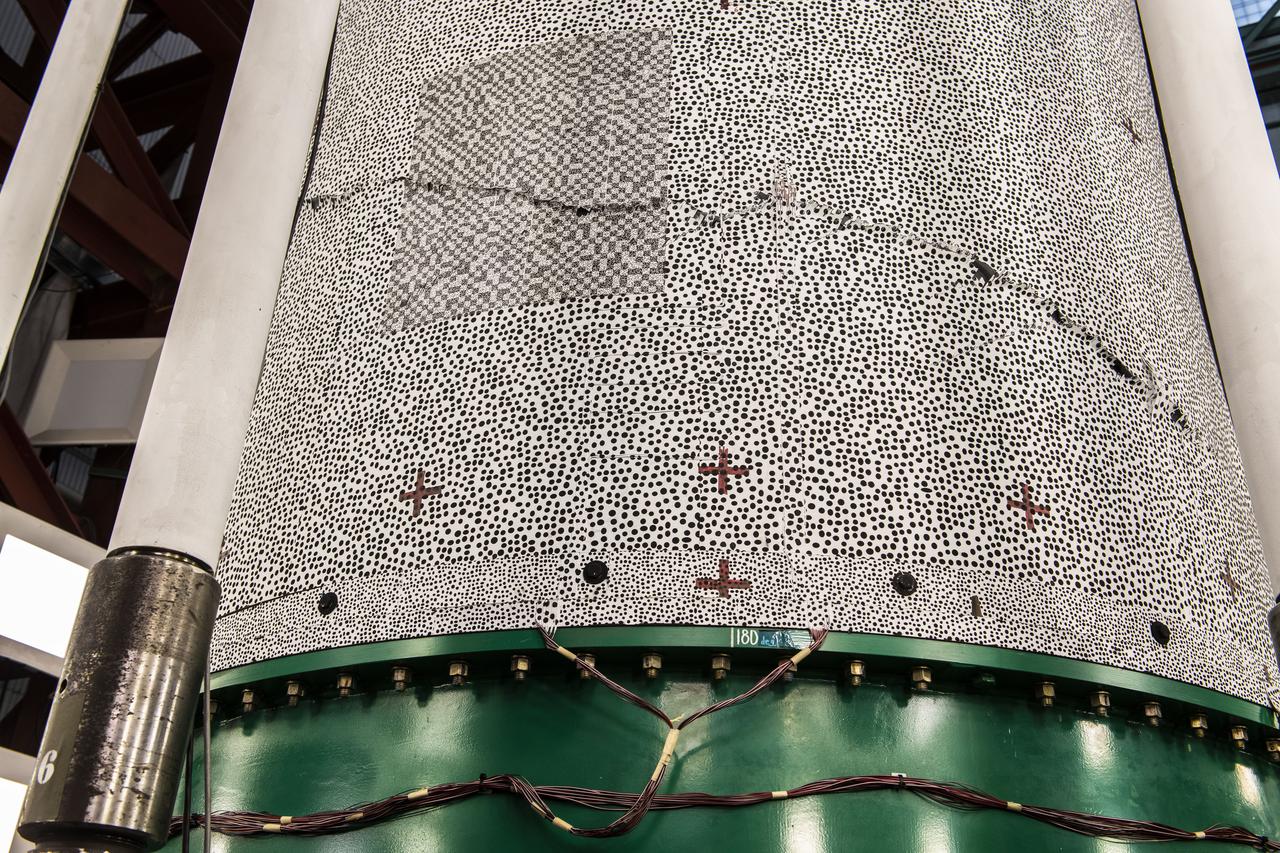
SHELL BUCKLING KNOCKDOWN FACTOR (SBKF) PROJECT - COMPOSITE TEST ARTICLE, (CTA) 8.3 – Post test
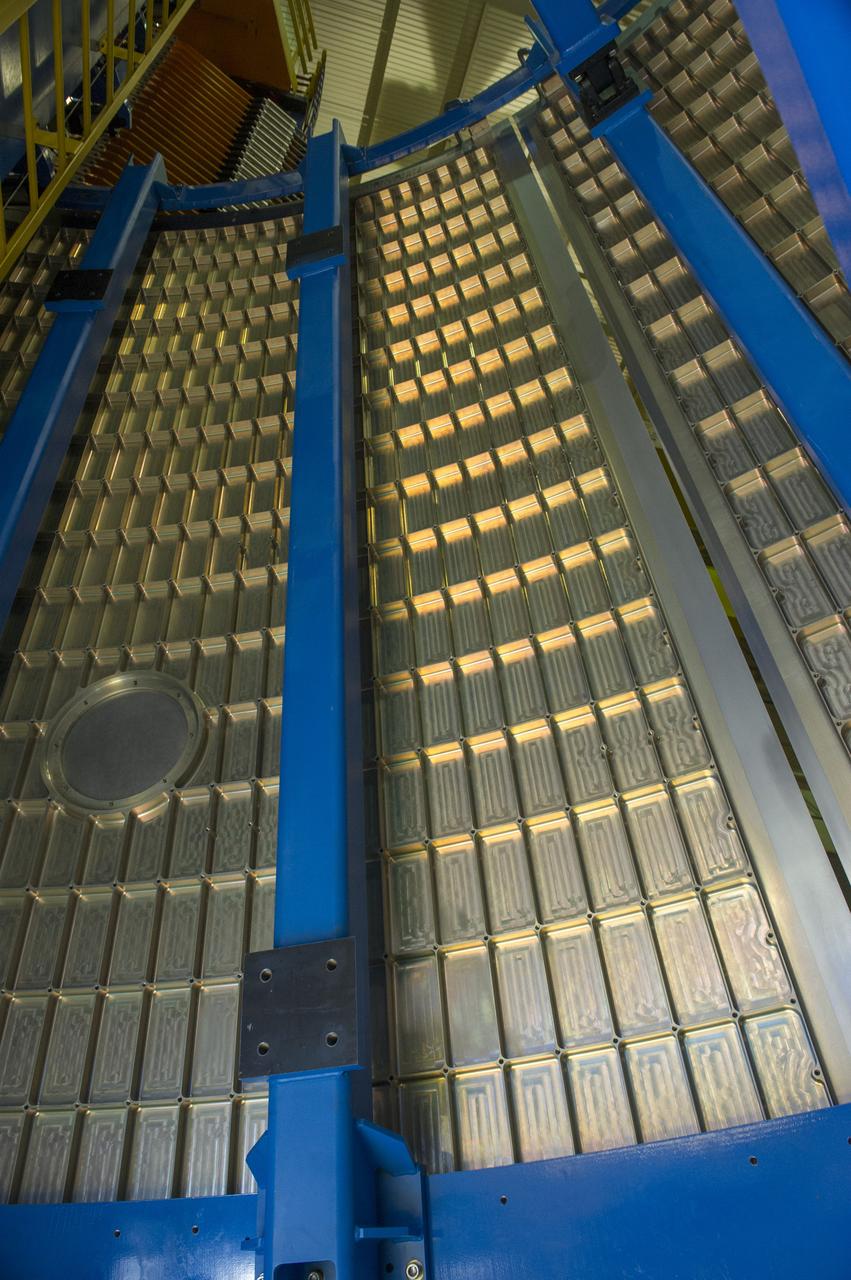
Launch Vehicle Stage Adapter (LVSA) Aft Cone Post Weld #7
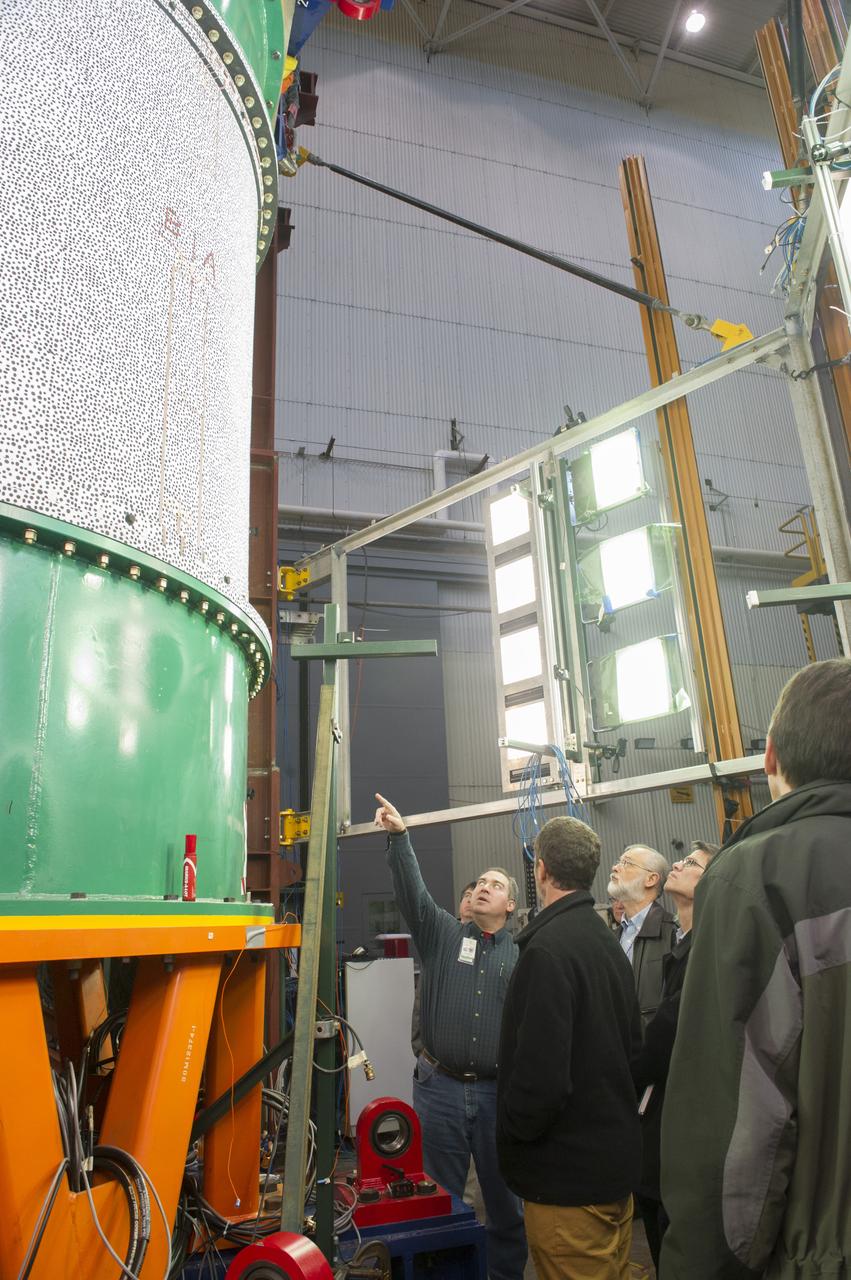
5TH SBKF (SHELL BUCKLE KNOCKDOWN FACTOR) WORKSHOP, MSFC, FEB. 3-4, 2015
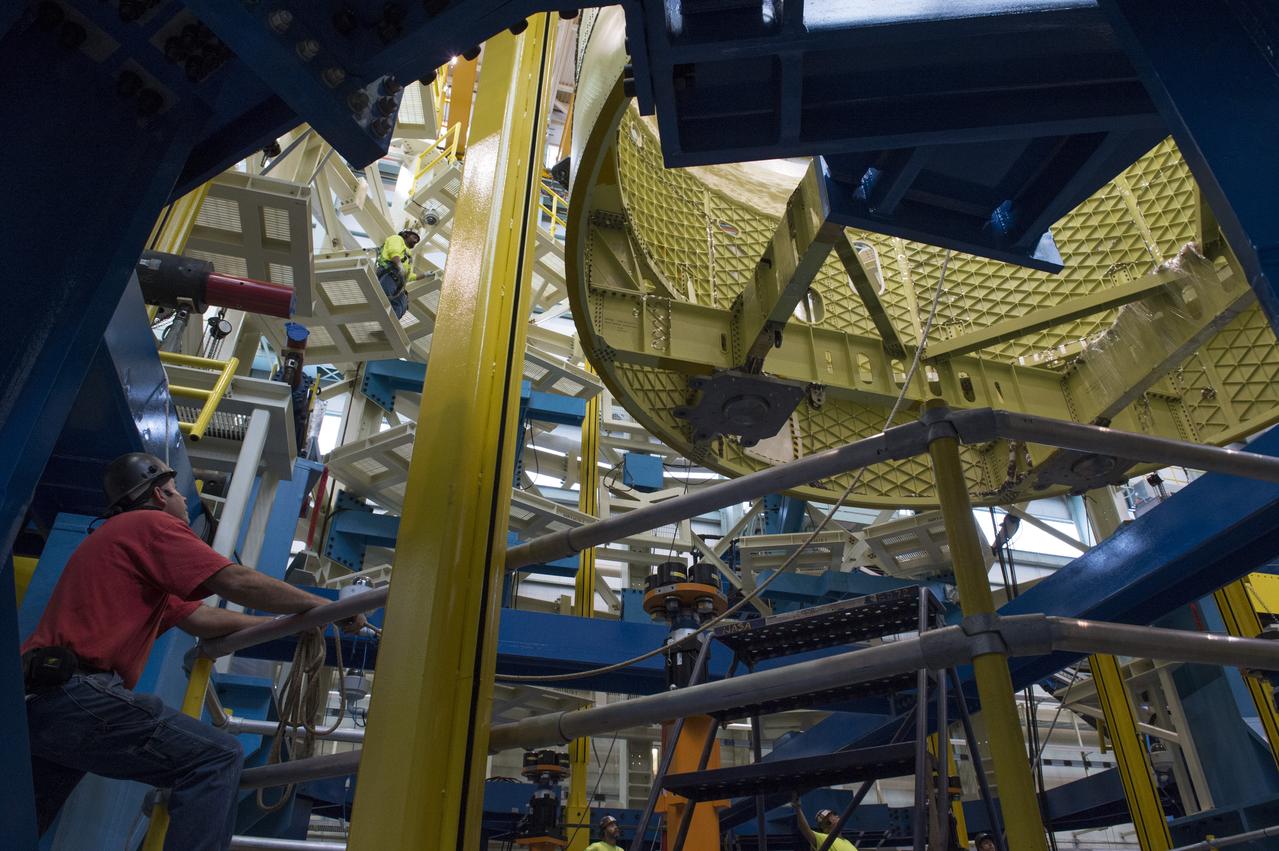
NASA engineers install test hardware for the agency's new heavy lift rocket, the Space Launch System, into a newly constructed 50-foot structural test stand at NASA's Marshall Space Flight Center. In the stand, hydraulic cylinders will be electronically controlled to push, pull, twist and bend the test article with millions of pounds of force. Engineers will record and analyze over 3,000 channels of data for each test case to verify the capabilities of the engine section and validate that the design and analysis models accurately predict the amount of loads the core stage can withstand during launch and ascent. The engine section, recently delivered via NASA's barge Pegasus from NASA's Michoud Assembly Facility, is the first of four core stage structural test articles scheduled to be delivered to Marshall for testing. The engine section, located at the bottom of SLS's massive core stage, will house the rocket's four RS-25 engines and be an attachment point for the two solid rocket boosters.
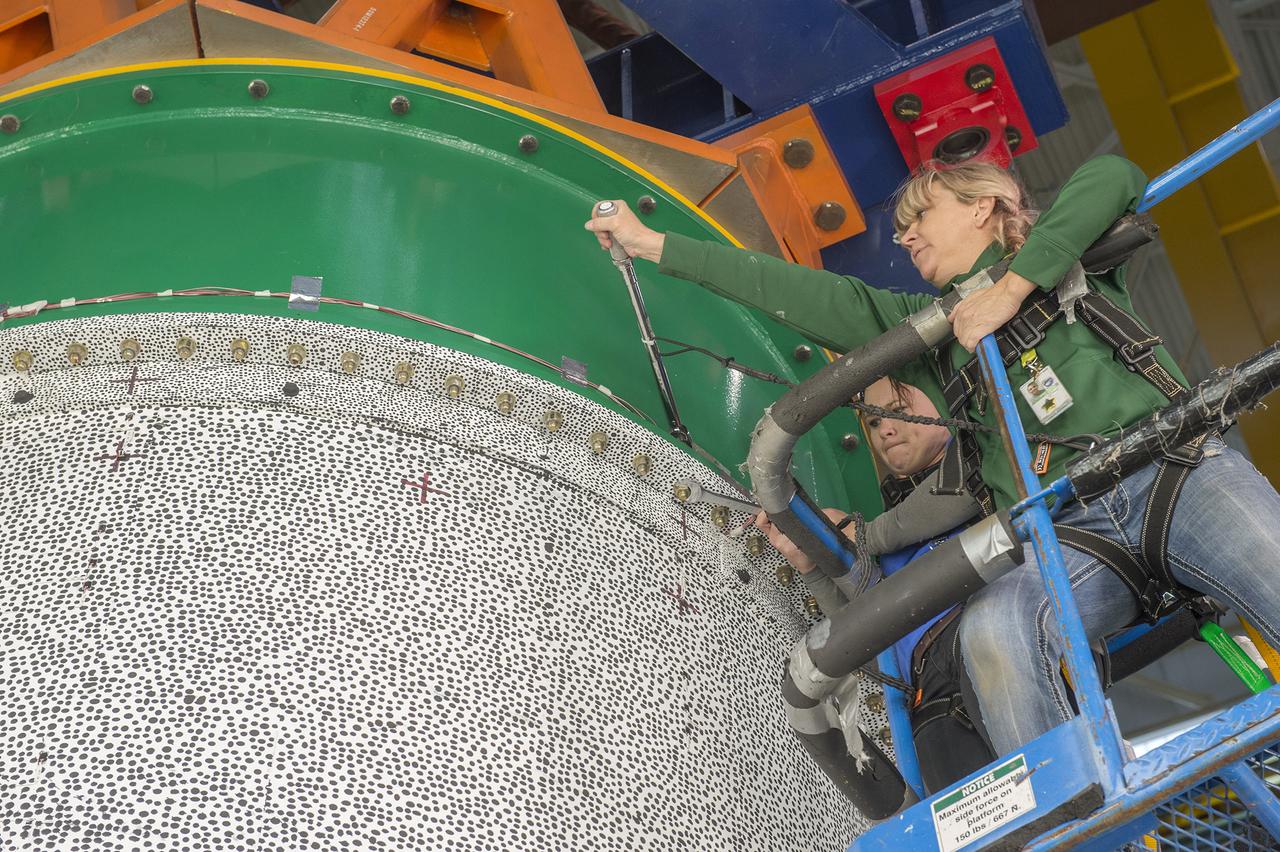
FROM RIGHT, KATHRYN GUELDE AND ASHLEY HOLLADAY OF AERIE AEROSPACE LLC IN HUNTSVILLE, INSTALL THE STRUCTURAL TEST ARTICLE FOR THE FIRST SERIES OF COMPOSITE TESTS FOR THE SHELL BUCKLING KNOCKDOWN FACTOR PROJECT.
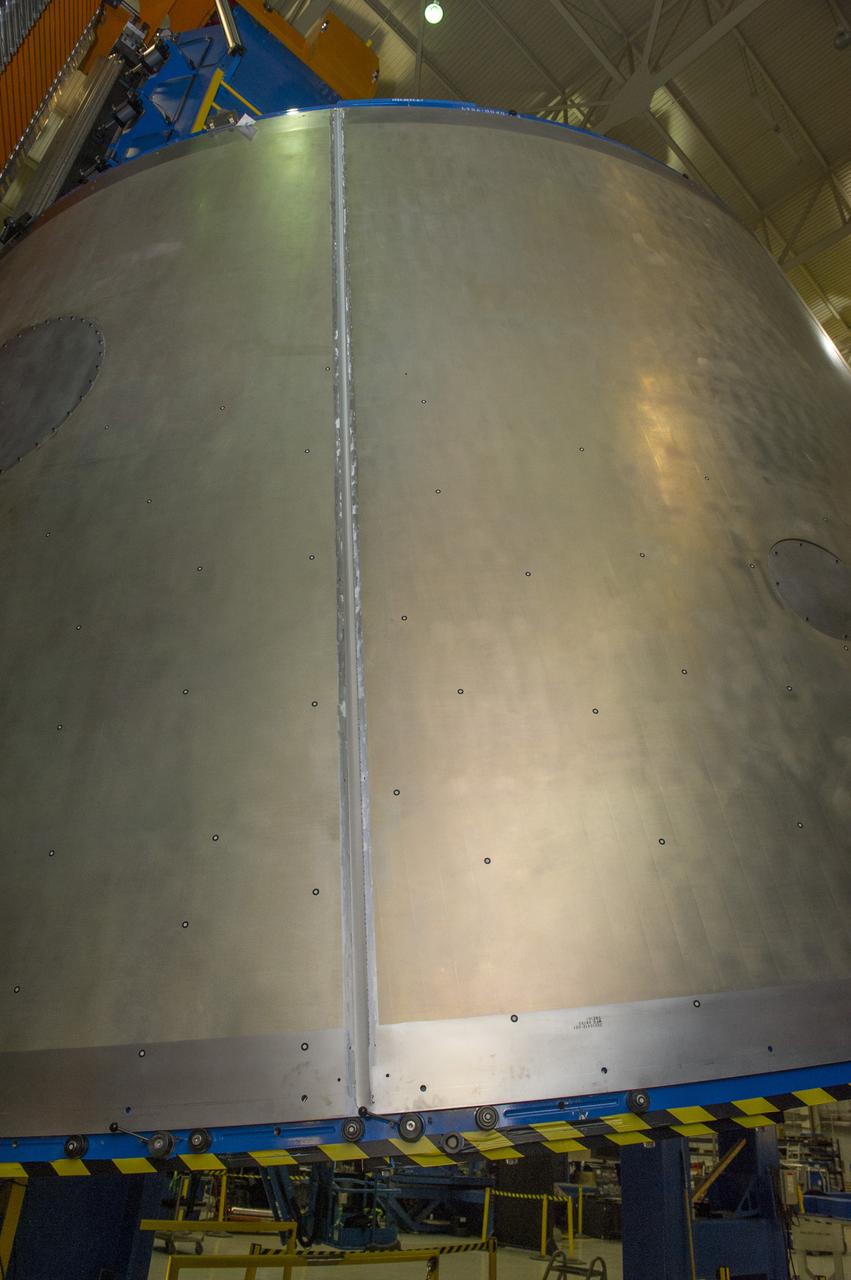
Launch Vehicle Stage Adapter (LVSA) Aft Cone Post Weld #7

NASA engineers install test hardware for the agency's new heavy lift rocket, the Space Launch System, into a newly constructed 50-foot structural test stand at NASA's Marshall Space Flight Center. In the stand, hydraulic cylinders will be electronically controlled to push, pull, twist and bend the test article with millions of pounds of force. Engineers will record and analyze over 3,000 channels of data for each test case to verify the capabilities of the engine section and validate that the design and analysis models accurately predict the amount of loads the core stage can withstand during launch and ascent. The engine section, recently delivered via NASA's barge Pegasus from NASA's Michoud Assembly Facility, is the first of four core stage structural test articles scheduled to be delivered to Marshall for testing. The engine section, located at the bottom of SLS's massive core stage, will house the rocket's four RS-25 engines and be an attachment point for the two solid rocket boosters.
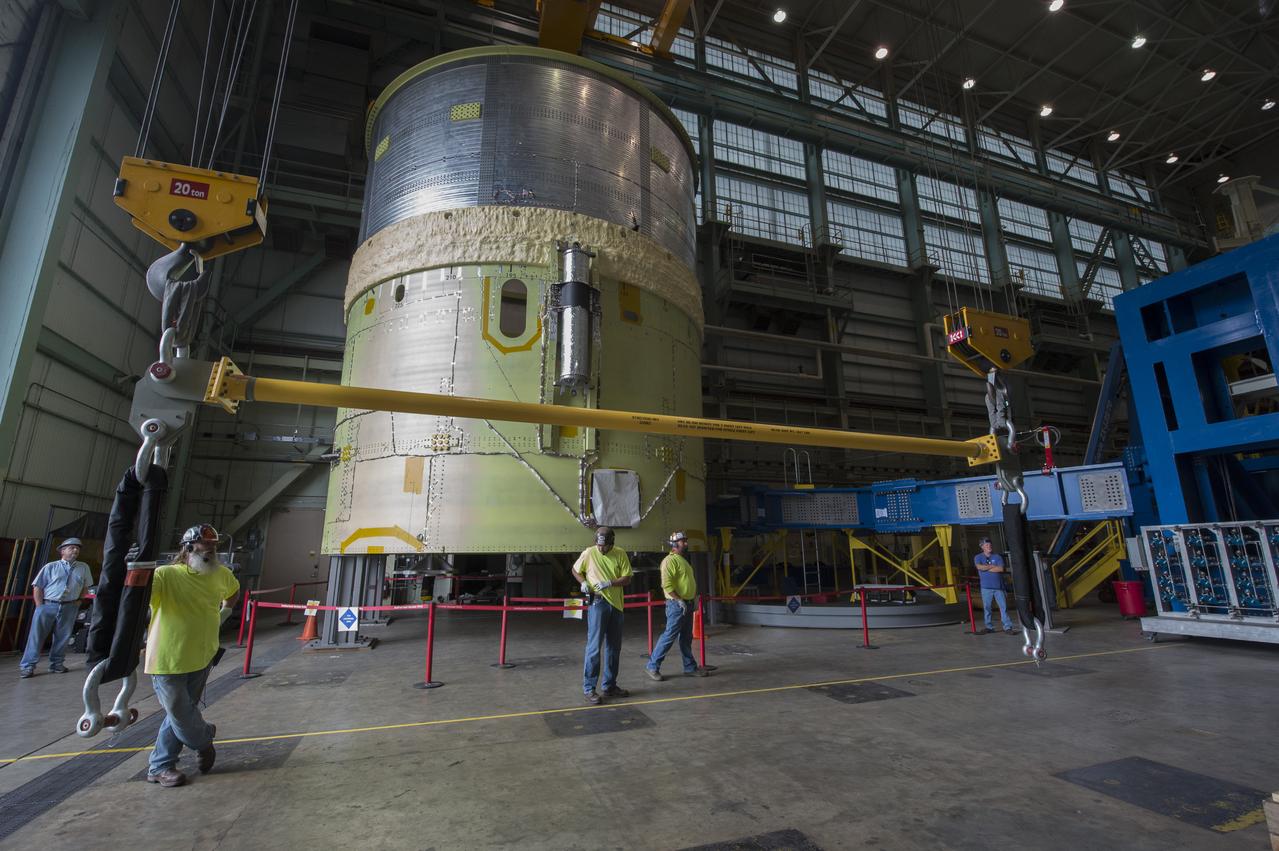
NASA engineers install test hardware for the agency's new heavy lift rocket, the Space Launch System, into a newly constructed 50-foot structural test stand at NASA's Marshall Space Flight Center. In the stand, hydraulic cylinders will be electronically controlled to push, pull, twist and bend the test article with millions of pounds of force. Engineers will record and analyze over 3,000 channels of data for each test case to verify the capabilities of the engine section and validate that the design and analysis models accurately predict the amount of loads the core stage can withstand during launch and ascent. The engine section, recently delivered via NASA's barge Pegasus from NASA's Michoud Assembly Facility, is the first of four core stage structural test articles scheduled to be delivered to Marshall for testing. The engine section, located at the bottom of SLS's massive core stage, will house the rocket's four RS-25 engines and be an attachment point for the two solid rocket boosters.
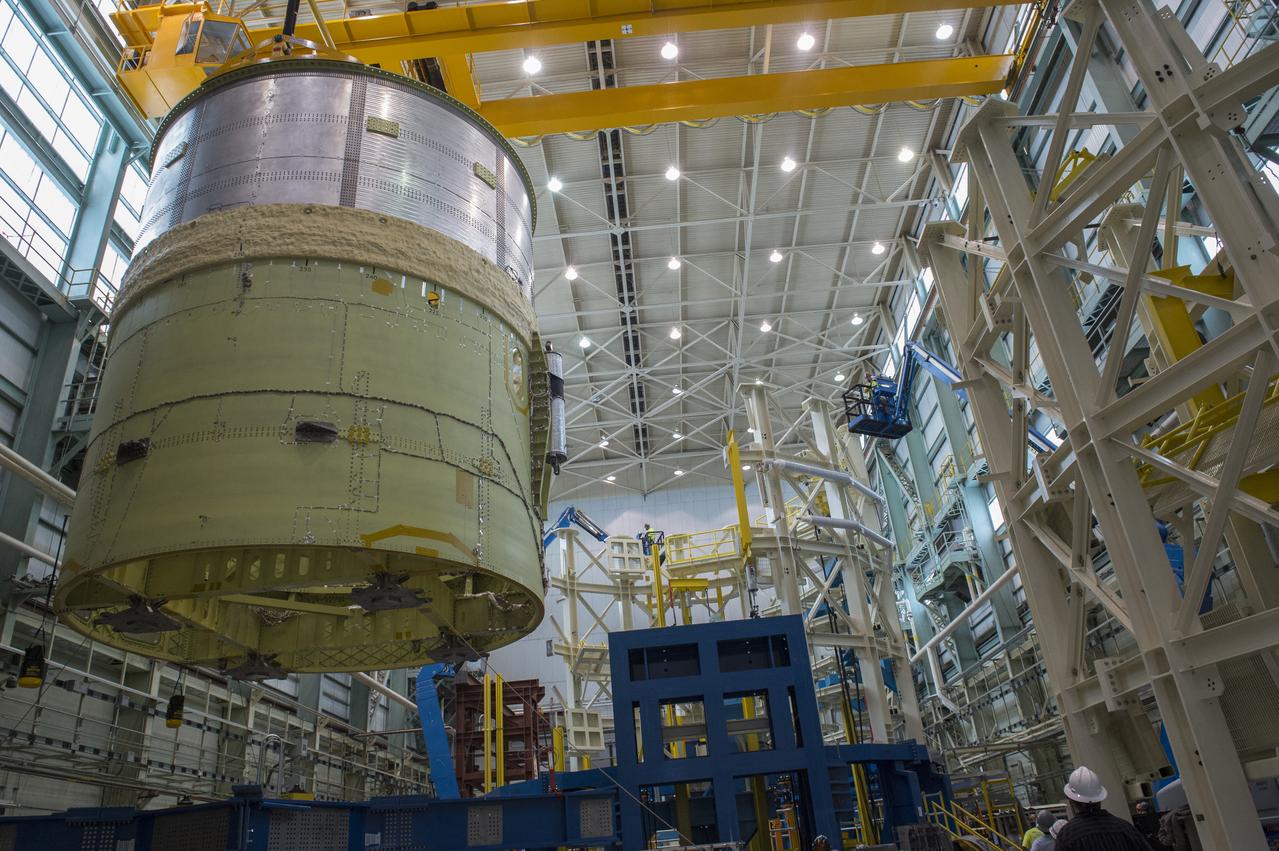
NASA engineers install test hardware for the agency's new heavy lift rocket, the Space Launch System, into a newly constructed 50-foot structural test stand at NASA's Marshall Space Flight Center. In the stand, hydraulic cylinders will be electronically controlled to push, pull, twist and bend the test article with millions of pounds of force. Engineers will record and analyze over 3,000 channels of data for each test case to verify the capabilities of the engine section and validate that the design and analysis models accurately predict the amount of loads the core stage can withstand during launch and ascent. The engine section, recently delivered via NASA's barge Pegasus from NASA's Michoud Assembly Facility, is the first of four core stage structural test articles scheduled to be delivered to Marshall for testing. The engine section, located at the bottom of SLS's massive core stage, will house the rocket's four RS-25 engines and be an attachment point for the two solid rocket boosters.
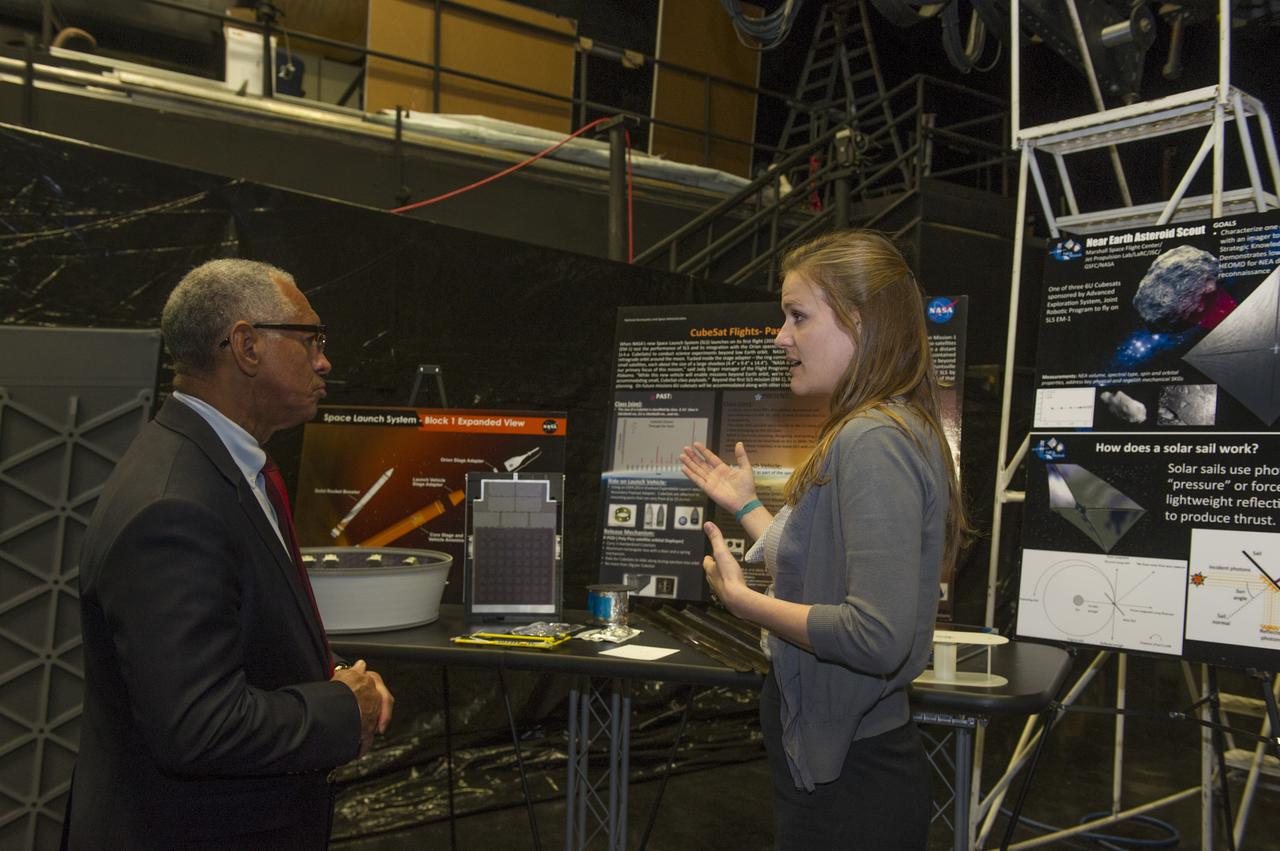
NASA ADMINISTRATOR BOLDEN IS BRIEFED ON NEA SCOUT PROGRESS BY LESLIE MCNUTT
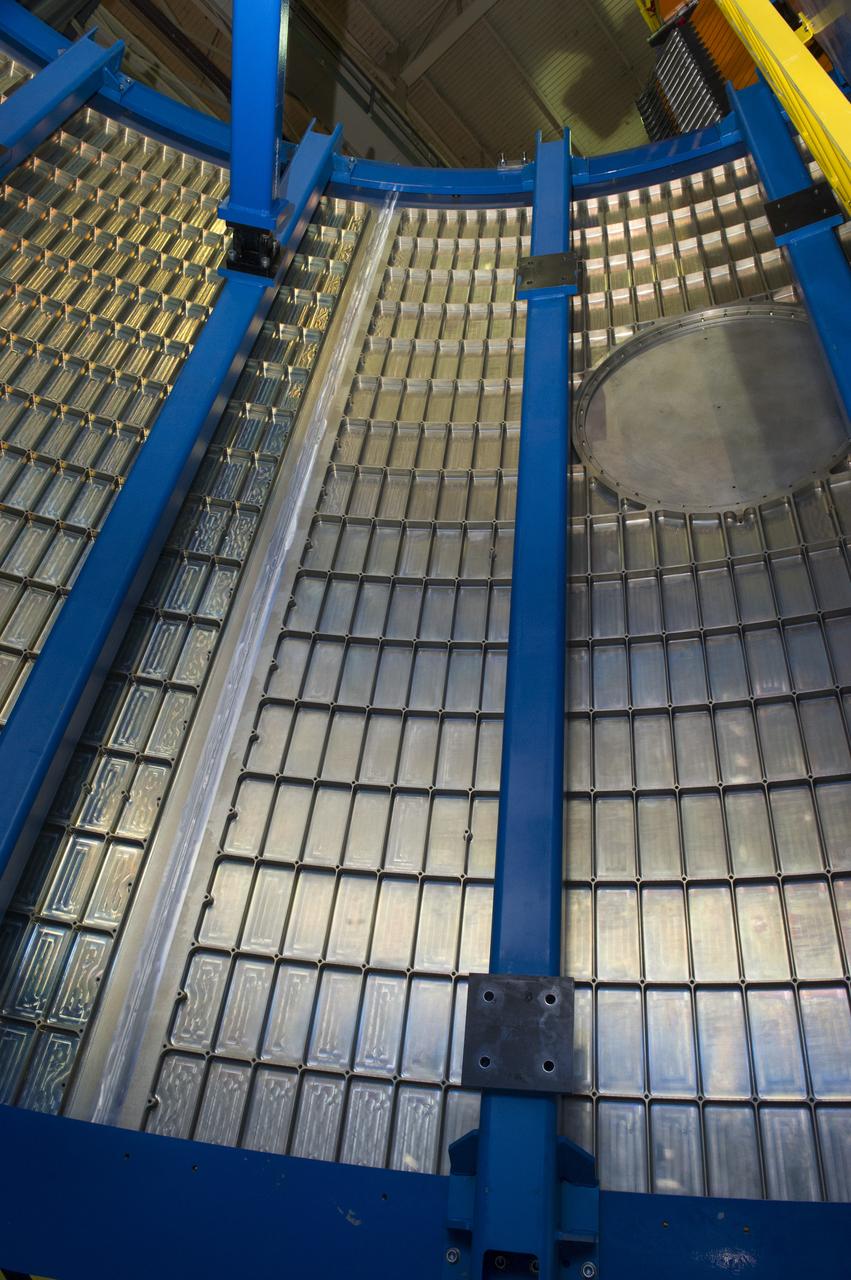
Launch Vehicle Stage Adapter (LVSA) Aft Cone Post Weld #7
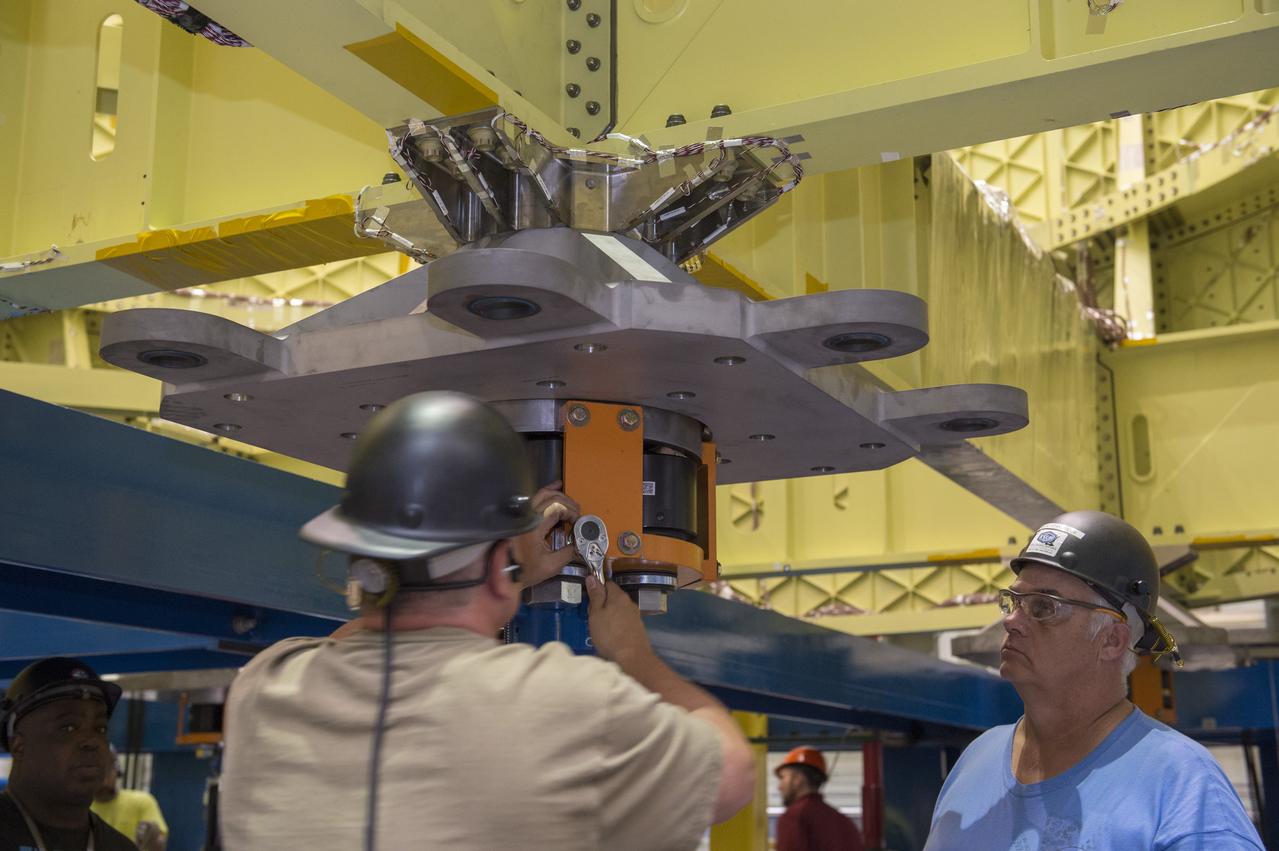
NASA engineers install test hardware for the agency's new heavy lift rocket, the Space Launch System, into a newly constructed 50-foot structural test stand at NASA's Marshall Space Flight Center. In the stand, hydraulic cylinders will be electronically controlled to push, pull, twist and bend the test article with millions of pounds of force. Engineers will record and analyze over 3,000 channels of data for each test case to verify the capabilities of the engine section and validate that the design and analysis models accurately predict the amount of loads the core stage can withstand during launch and ascent. The engine section, recently delivered via NASA's barge Pegasus from NASA's Michoud Assembly Facility, is the first of four core stage structural test articles scheduled to be delivered to Marshall for testing. The engine section, located at the bottom of SLS's massive core stage, will house the rocket's four RS-25 engines and be an attachment point for the two solid rocket boosters.
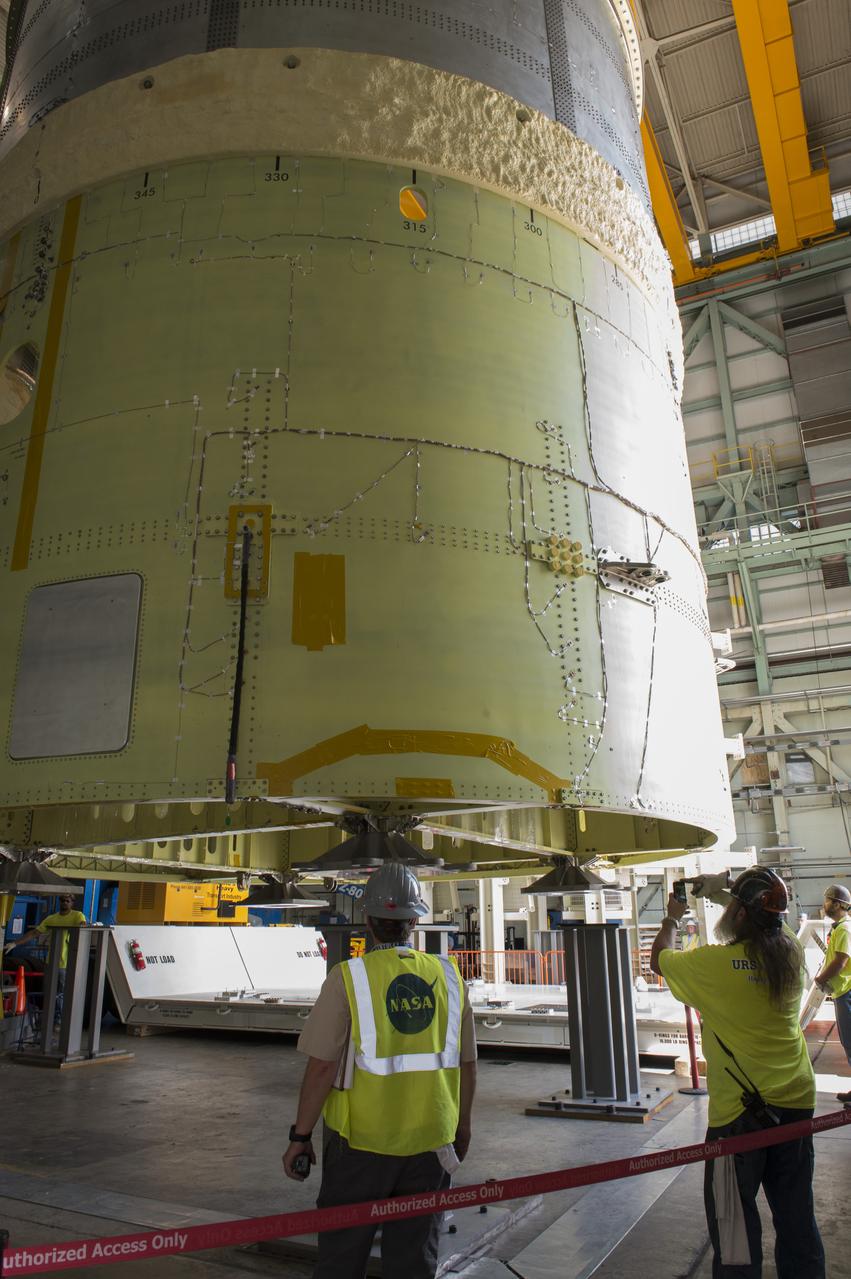
NASA engineers install test hardware for the agency's new heavy lift rocket, the Space Launch System, into a newly constructed 50-foot structural test stand at NASA's Marshall Space Flight Center. In the stand, hydraulic cylinders will be electronically controlled to push, pull, twist and bend the test article with millions of pounds of force. Engineers will record and analyze over 3,000 channels of data for each test case to verify the capabilities of the engine section and validate that the design and analysis models accurately predict the amount of loads the core stage can withstand during launch and ascent. The engine section, recently delivered via NASA's barge Pegasus from NASA's Michoud Assembly Facility, is the first of four core stage structural test articles scheduled to be delivered to Marshall for testing. The engine section, located at the bottom of SLS's massive core stage, will house the rocket's four RS-25 engines and be an attachment point for the two solid rocket boosters.
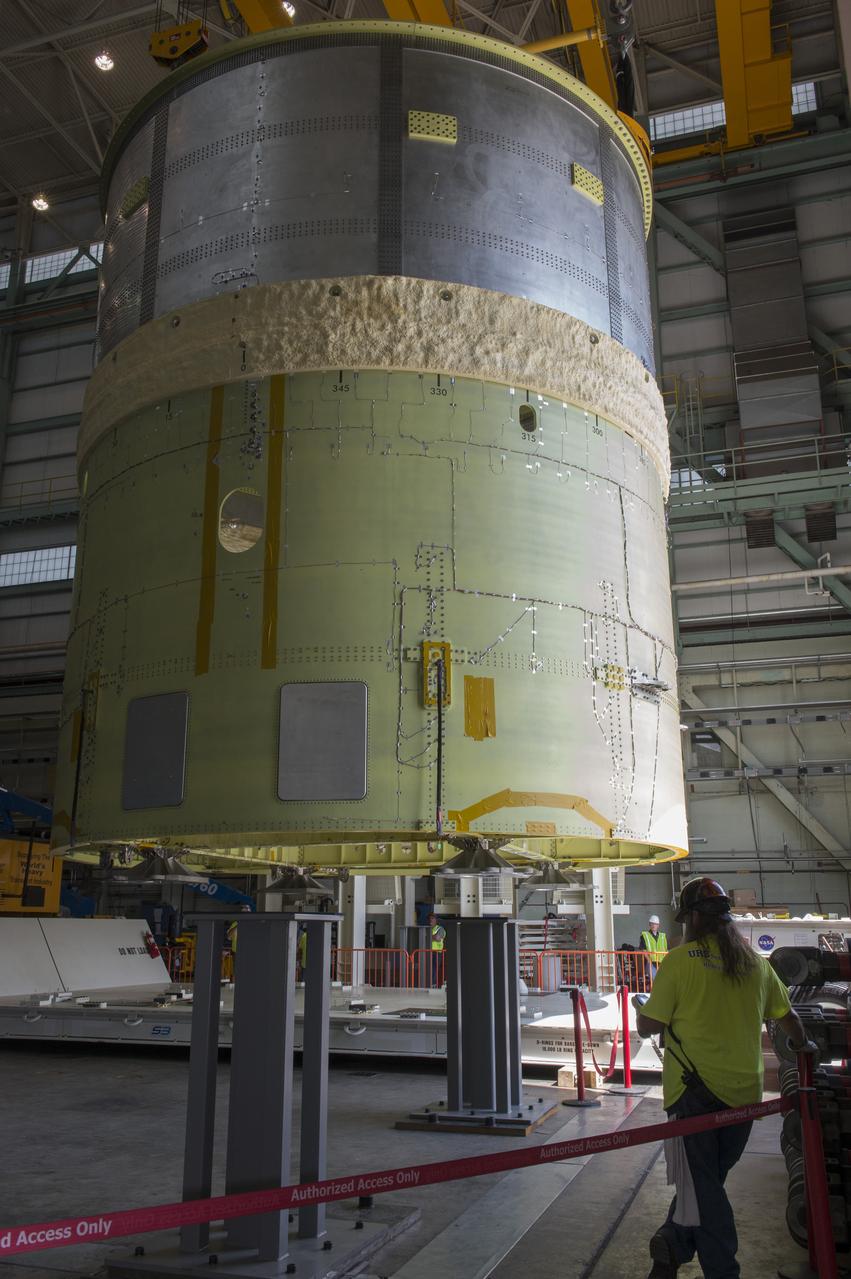
NASA engineers install test hardware for the agency's new heavy lift rocket, the Space Launch System, into a newly constructed 50-foot structural test stand at NASA's Marshall Space Flight Center. In the stand, hydraulic cylinders will be electronically controlled to push, pull, twist and bend the test article with millions of pounds of force. Engineers will record and analyze over 3,000 channels of data for each test case to verify the capabilities of the engine section and validate that the design and analysis models accurately predict the amount of loads the core stage can withstand during launch and ascent. The engine section, recently delivered via NASA's barge Pegasus from NASA's Michoud Assembly Facility, is the first of four core stage structural test articles scheduled to be delivered to Marshall for testing. The engine section, located at the bottom of SLS's massive core stage, will house the rocket's four RS-25 engines and be an attachment point for the two solid rocket boosters.
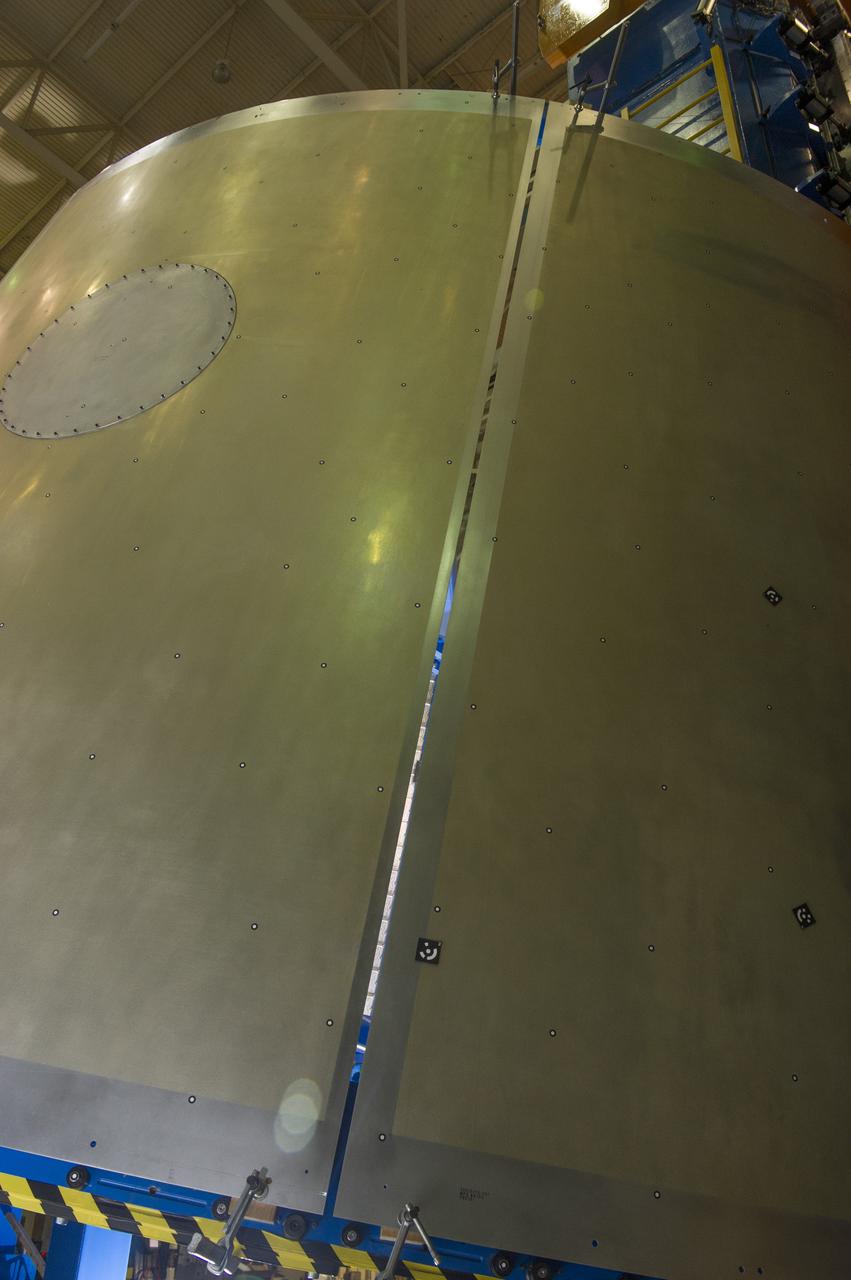
Launch Vehicle Stage Adapter (LVSA) Aft Cone Post Weld #7