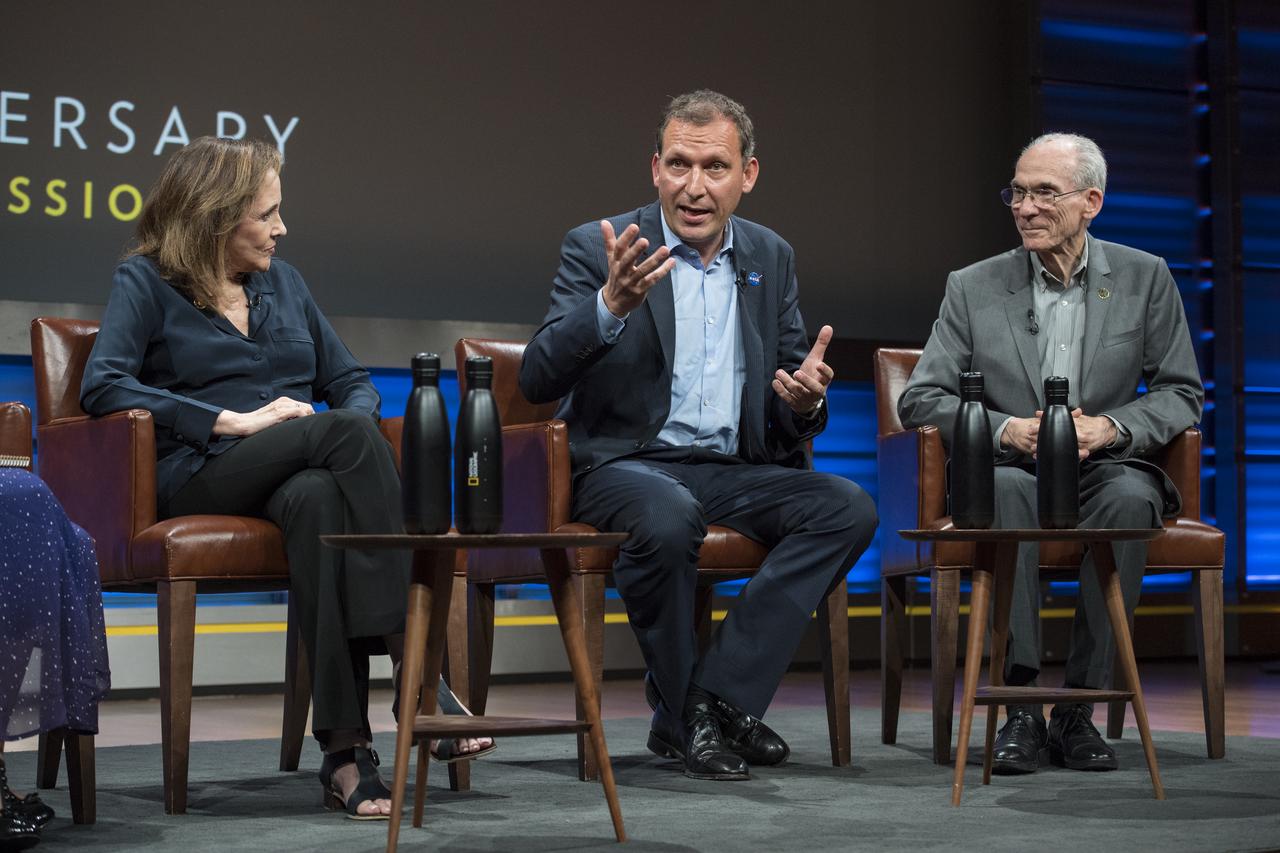
Thomas Zurbuchen, NASA associate administrator, Science Mission Directorate, speaks on a panel at an event to celebrate the 40th Anniversary of the launch of the Voyager 1 and 2 missions, Tuesday, September 5, 2017 at National Geographic Society Headquarters in Washington. Voyager 1 was launched September 5, 1977, with a mission to study Jupiter and Saturn, but now the twin Voyager spacecrafts are on a journey into interstellar space to search for the heliopause, a region never reached by any other spacecraft. Photo Credit: (NASA/Aubrey Gemignani)
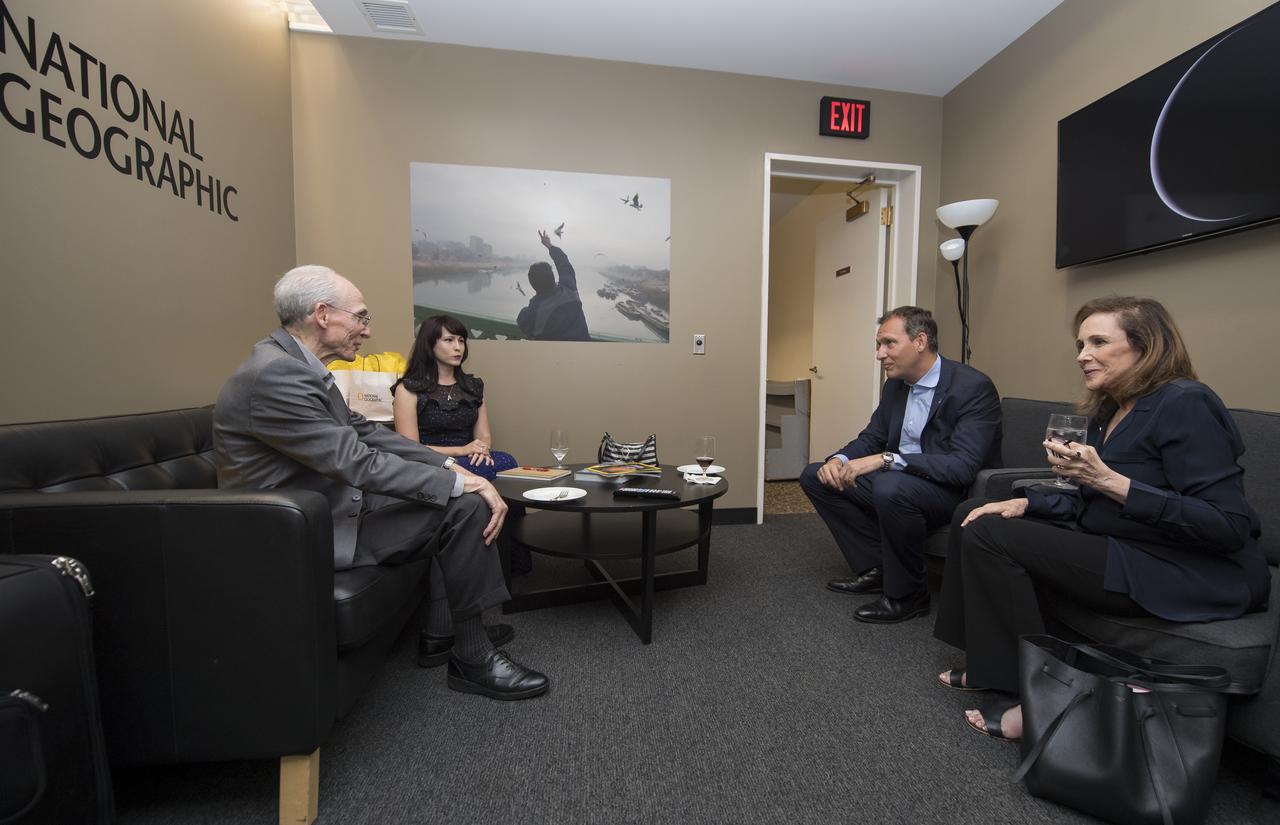
Panelists, from left to right, Ed Stone, Voyager project scientist; Victoria Jaggard, National Geographic Magazine science editor and moderator for the panel; Thomas Zurbuchen, associate administrator for NASA's Science Mission Directorate; and Ann Druyan, writer/producer and golden record visionary, visit in the green room before speaking at an event to celebrate the 40th Anniversary of the launch of the Voyager 1 and 2 missions, Tuesday, September 5, 2017 at National Geographic Society Headquarters in Washington. Voyager 1 was launched September 5, 1977, with a mission to study Jupiter and Saturn, but now the twin Voyager spacecrafts are on a journey into interstellar space to search for the heliopause, a region never reached by any other spacecraft. Photo Credit: (NASA/Aubrey Gemignani)
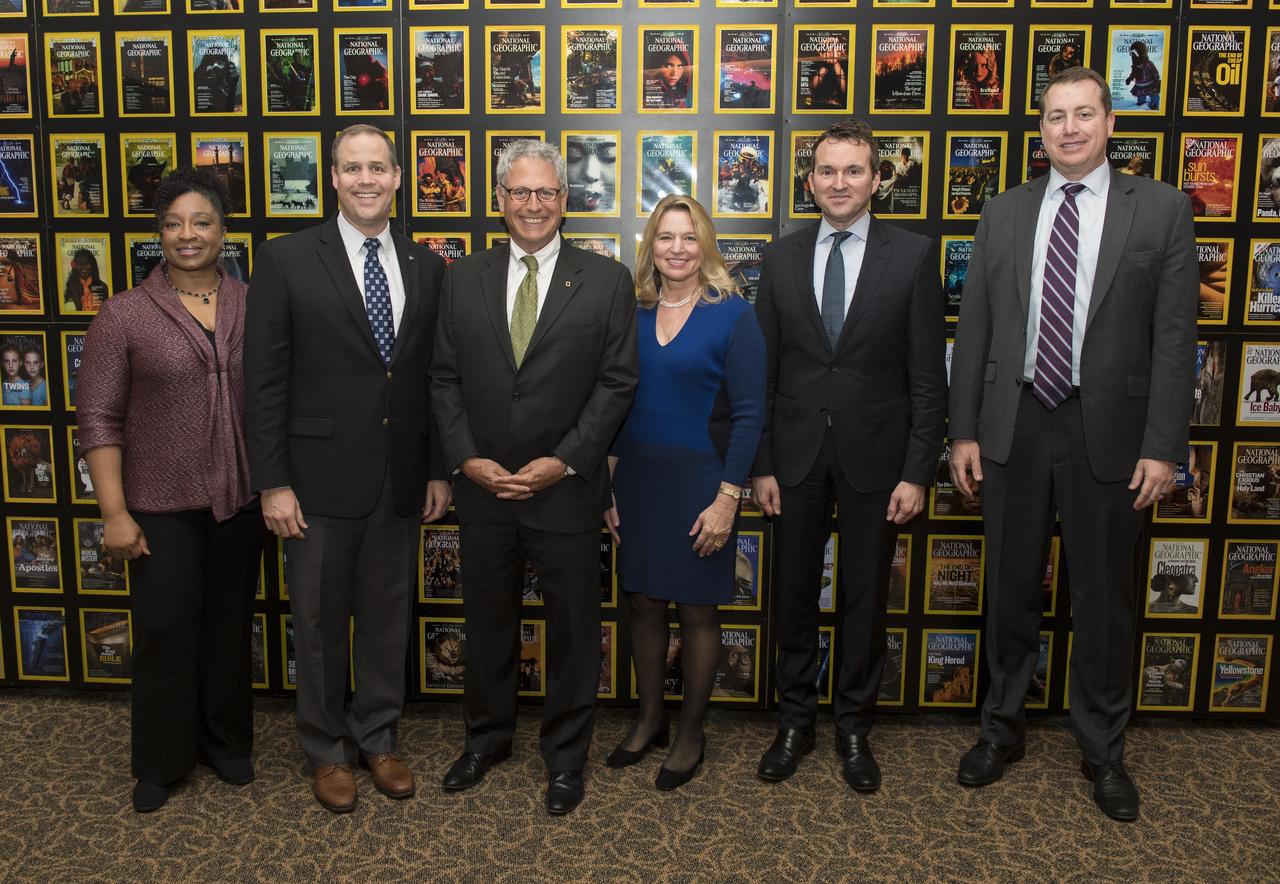
From left to right, Christyl Johnson, deputy director for technology and research investments, NASA Goddard Space Flight Center; NASA Administrator Jim Bridenstine; Gary Knell, CEO, National Geographic Partners; Ellen Stofan, director, Smithsonian's National Air and Space Museum; Eric Fanning, AIA President and CEO; and Jeff DeWitt, NASA Chief Financial Officer, pose for a photo before a showing of the Project Mars Competition's short films winners and the Mars series, Monday, November 5, 2018 at National Geographic Society Headquarters in Washington. Photo Credit: (NASA/Aubrey Gemignani)

Eric Fanning, AIA President and CEO speaks before a showing of the Project Mars Competition's short films winners and the Mars series, Monday, November 5, 2018 at National Geographic Society Headquarters in Washington. Photo Credit: (NASA/Aubrey Gemignani)

Chris Davenport, Washington Post space reporter, moderates a panel after a showing of the Project Mars Competition's short films and the Mars series, Monday, November 5, 2018 at National Geographic Society Headquarters in Washington. Photo Credit: (NASA/Aubrey Gemignani)

A guest uses some virtual reality viewers before a showing of the Project Mars Competition's short films winners and the Mars series, Monday, November 5, 2018 at National Geographic Society Headquarters in Washington. Photo Credit: (NASA/Aubrey Gemignani)
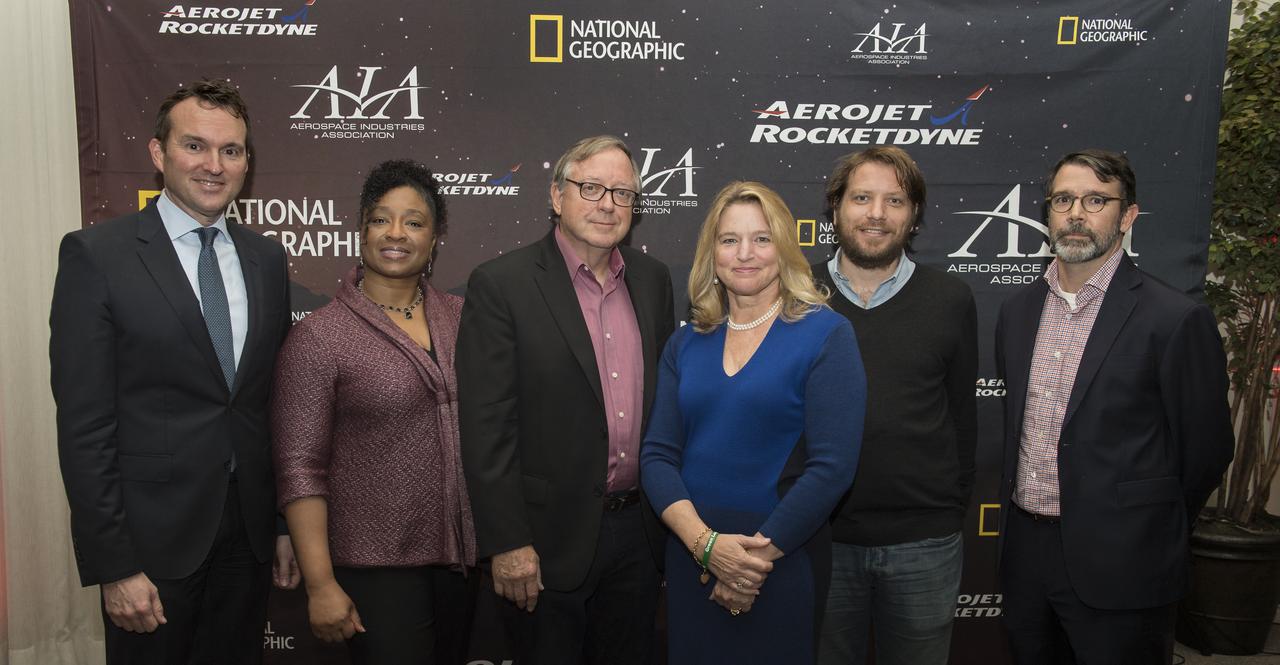
From left to right, Eric Fanning, AIA President and CEO; Christyl Johnson, deputy director for technology and research investments, NASA Goddard Space Flight Center; Dr. Stephen Petranek, MARS scientific advisor and co-executive producer; Ellen Stofan, director, Smithsonian's National Air and Space Museum; Gareth Edwards, film director, Rogue One: A Star Wars Story; and Chris Davenport, Washington Post space reporter pose for a photo before a showing of the Project Mars Competition's short films winners and the Mars series, Monday, November 5, 2018 at National Geographic Society Headquarters in Washington. Photo Credit: (NASA/Aubrey Gemignani)

Ann Druyan, writer/producer and golden record visionary, speaks on a panel at an event to celebrate the 40th Anniversary of the launch of the Voyager 1 and 2 missions, Tuesday, September 5, 2017 at National Geographic Society Headquarters in Washington. Voyager 1 was launched September 5, 1977, with a mission to study Jupiter and Saturn, but now the twin Voyager spacecrafts are on a journey into interstellar space to search for the heliopause, a region never reached by any other spacecraft. Photo Credit: (NASA/Aubrey Gemignani)
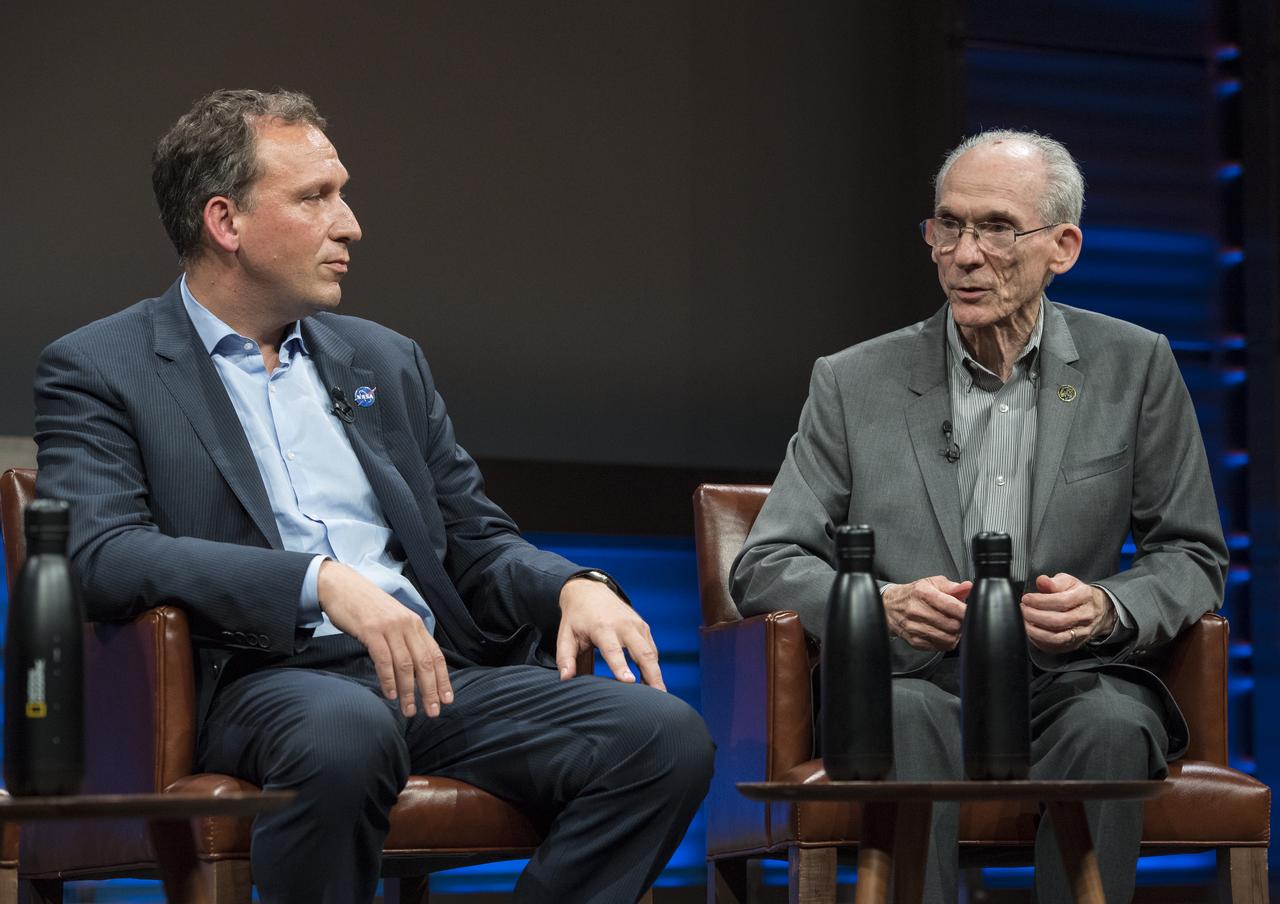
Ed Stone, Voyager project scientist, right, speaks on a panel with Thomas Zurbuchen, NASA associate administrator, Science Mission Directorate, left, at an event to celebrate the 40th Anniversary of the launch of the Voyager 1 and 2 missions, Tuesday, September 5, 2017 at National Geographic Society Headquarters in Washington. Voyager 1 was launched September 5, 1977, with a mission to study Jupiter and Saturn, but now the twin Voyager spacecrafts are on a journey into interstellar space to search for the heliopause, a region never reached by any other spacecraft. Photo Credit: (NASA/Aubrey Gemignani)
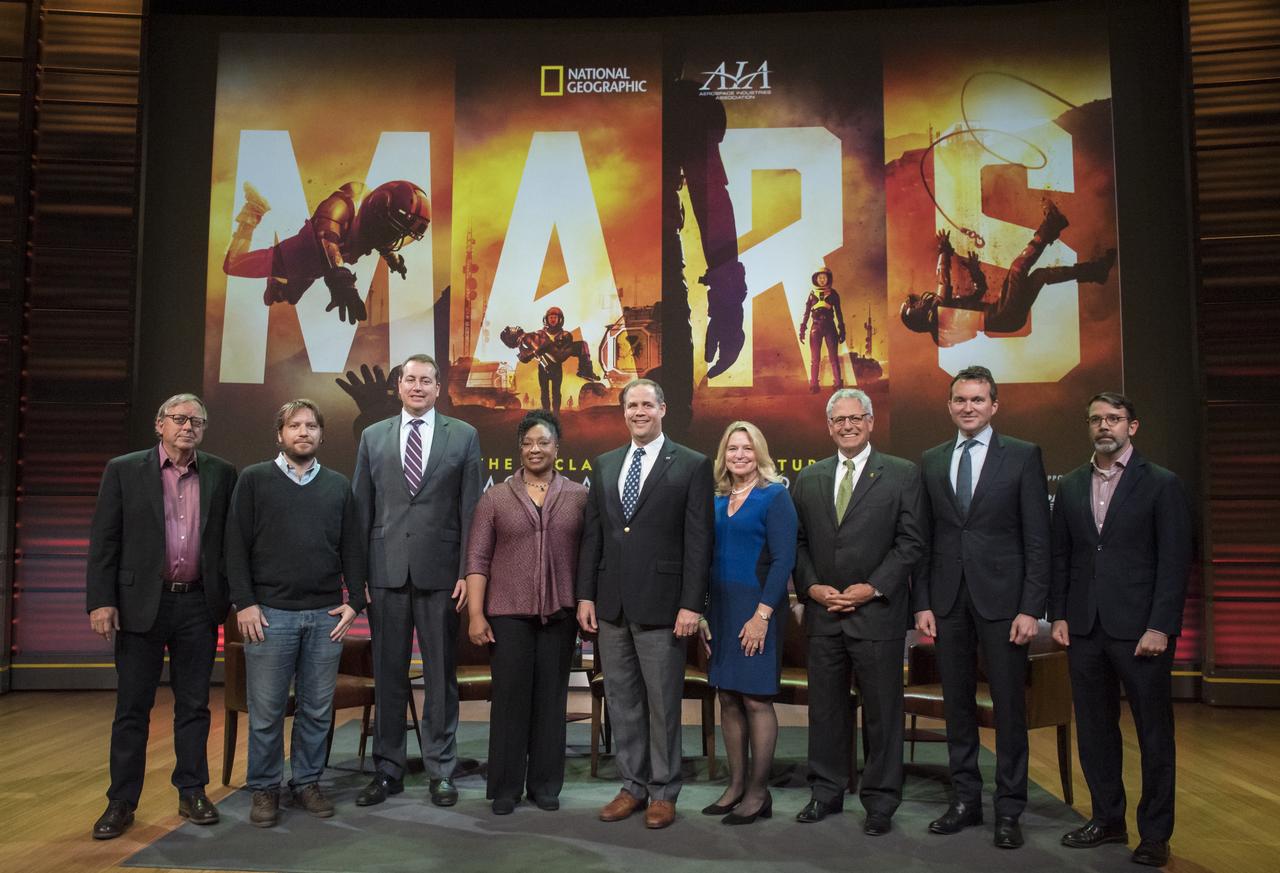
From left to right, Dr. Stephen Petranek, MARS scientific advisor and co-executive producer; Gareth Edwards, film director, Rogue One: A Star Wars Story; Jeff DeWitt, NASA chief financial officer; Christyl Johnson, deputy director for technology and research investments, NASA Goddard Space Flight Center; NASA Administrator Jim Bridenstine; Ellen Stofan, director, Smithsonian's National Air and Space Museum; Gary Knell, CEO, National Geographic Partners; Eric Fanning, AIA President and CEO; and Chris Davenport, Washington Post space reporter, pose for a photo before a showing of the Project Mars Competition's short films winners and the Mars series, Monday, November 5, 2018 at National Geographic Society Headquarters in Washington. Photo Credit: (NASA/Aubrey Gemignani)
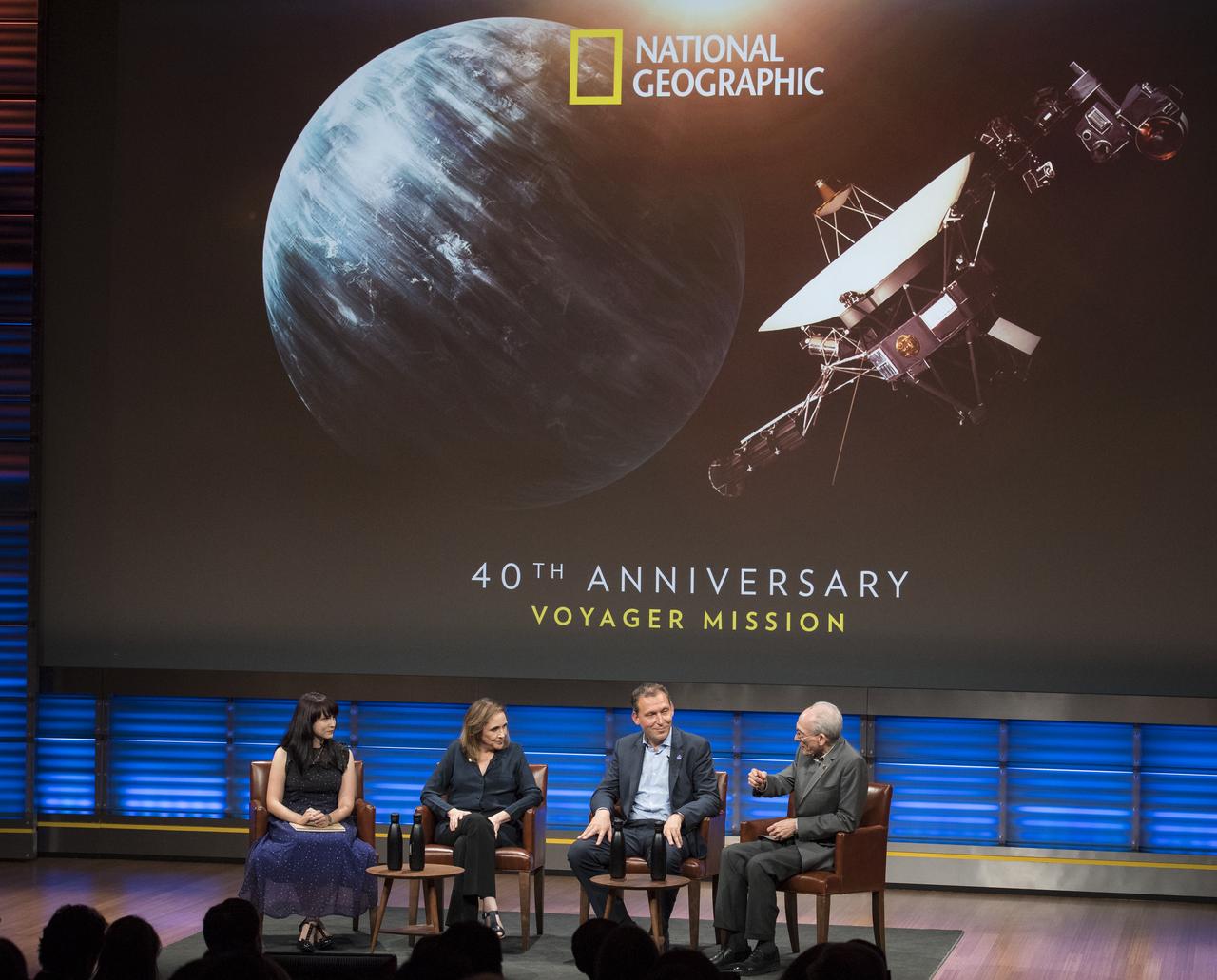
Victoria Jaggard, National Geographic Magazine science editor, left, moderates a panel discussion with, Ann Druyan, writer/producer and golden record visionary, second from left; Thomas Zurbuchen, associate administrator for NASA's Science Mission Directorate, second from right; and Ed Stone, Voyager project scientist, right, at an event to celebrate the 40th Anniversary of the launch of the Voyager 1 and 2 missions, Tuesday, September 5, 2017 at National Geographic Society Headquarters in Washington. Voyager 1 was launched September 5, 1977, with a mission to study Jupiter and Saturn, but now the twin Voyager spacecrafts are on a journey into interstellar space to search for the heliopause, a region never reached by any other spacecraft. Photo Credit: (NASA/Aubrey Gemignani)

A guest uses some virtual reality viewers before a showing of the Project Mars Competition's short films winners and the Mars series, Monday, November 5, 2018 at National Geographic Society Headquarters in Washington. Photo Credit: (NASA/Aubrey Gemignani)
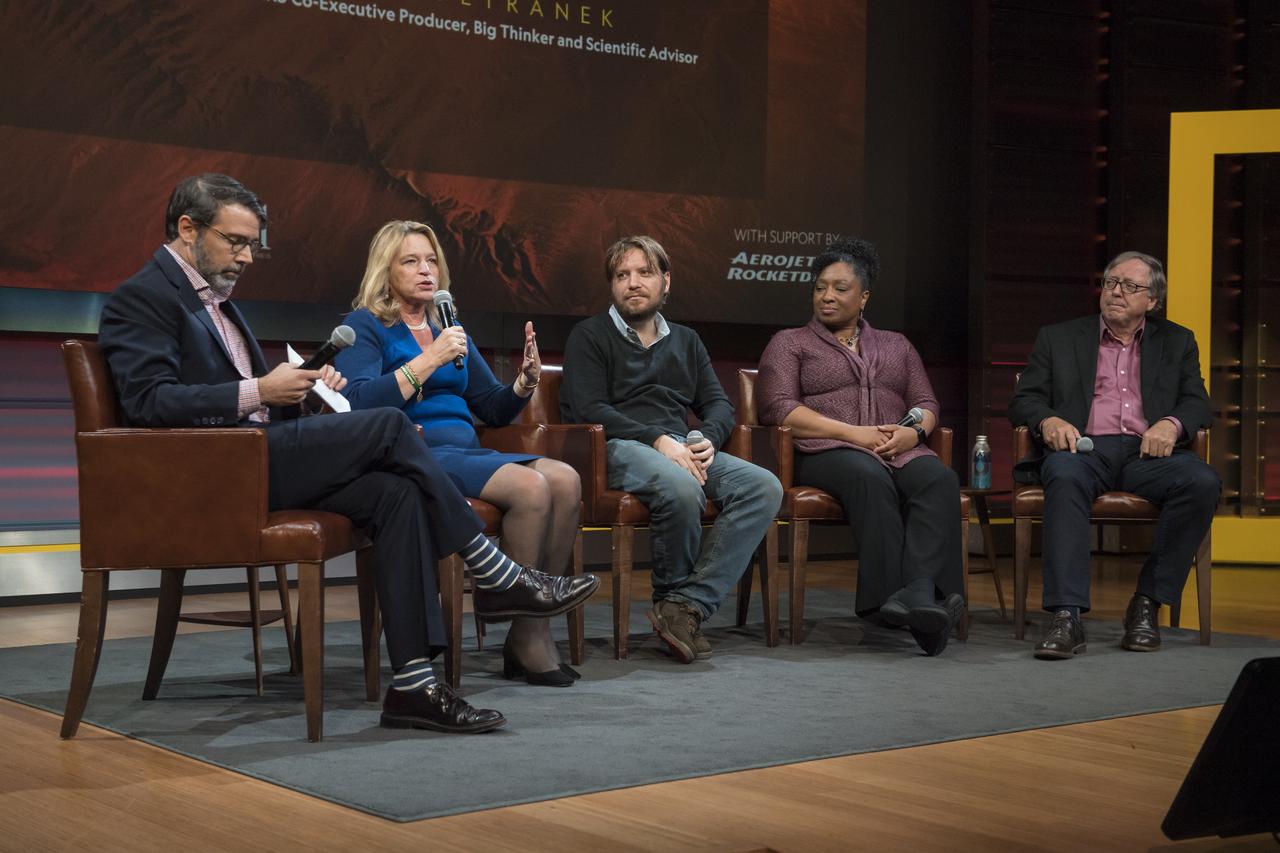
Ellen Stofan, director, Smithsonian National Air and Space Museum, speaks on a panel after a showing of the Project Mars Competition's short films and the Mars series, Monday, November 5, 2018 at National Geographic Society Headquarters in Washington. Photo Credit: (NASA/Aubrey Gemignani)

Ellen Stofan, director, Smithsonian National Air and Space Museum, speaks on a panel after a showing of the Project Mars Competition's short films and the Mars series, Monday, November 5, 2018 at National Geographic Society Headquarters in Washington. Photo Credit: (NASA/Aubrey Gemignani)

NASA Administrator Jim Bridenstine gives keynote remarks before a showing of the Project Mars Competition's short films and the Mars series, Monday, November 5, 2018 at National Geographic Society Headquarters in Washington. Photo Credit: (NASA/Aubrey Gemignani)

Gary Knell, President and CEO of National Geographic Society, gives opening remarks at an event to celebrate the 40th Anniversary of the launch of the Voyager 1 and 2 missions, Tuesday, September 5, 2017 at National Geographic Society Headquarters in Washington. Voyager 1 was launched September 5, 1977, with a mission to study Jupiter and Saturn, but now the twin Voyager spacecrafts are on a journey into interstellar space to search for the heliopause, a region never reached by any other spacecraft. Photo Credit: (NASA/Aubrey Gemignani)
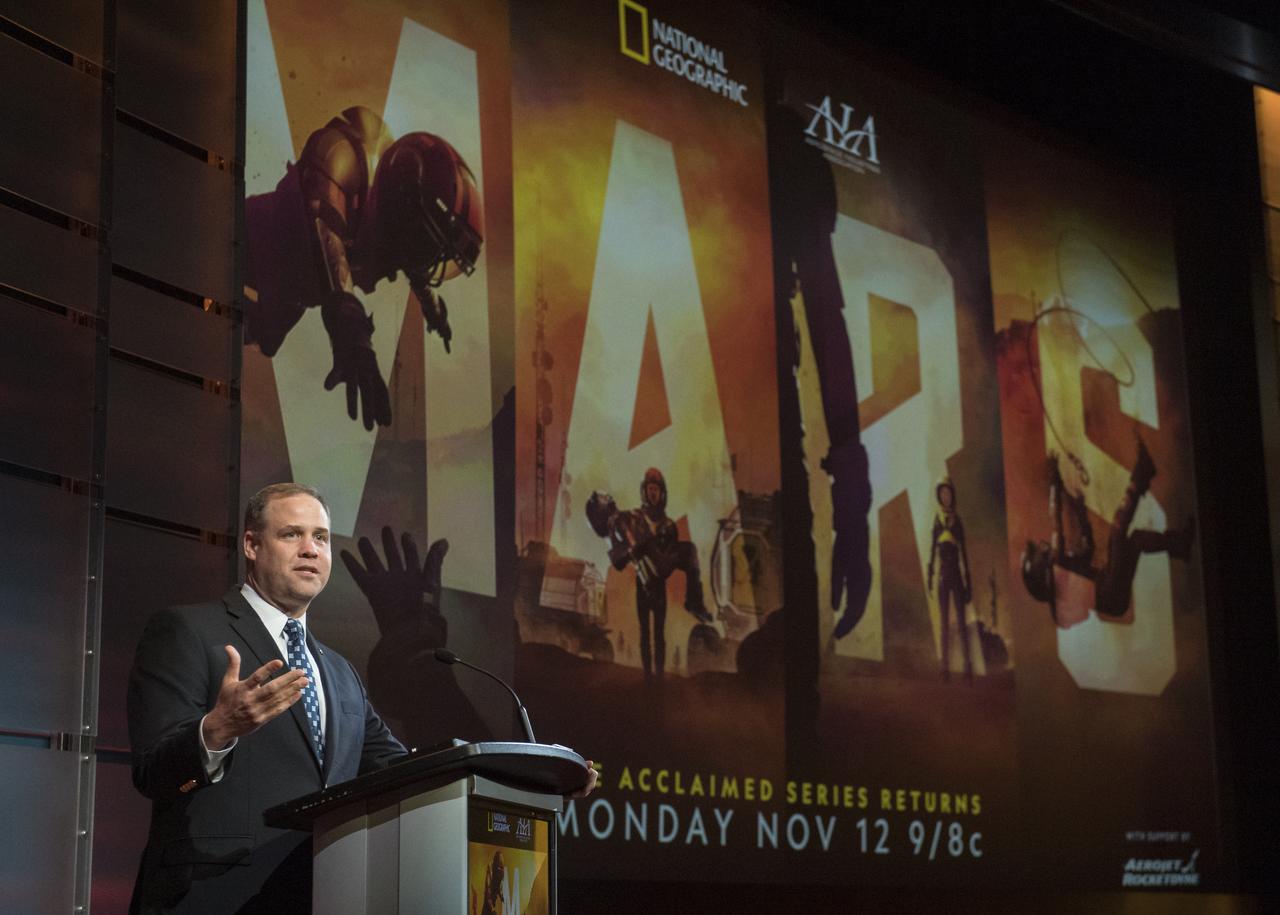
NASA Administrator Jim Bridenstine gives keynote remarks before a showing of the Project Mars Competition's short films and the Mars series, Monday, November 5, 2018 at National Geographic Society Headquarters in Washington. Photo Credit: (NASA/Aubrey Gemignani)
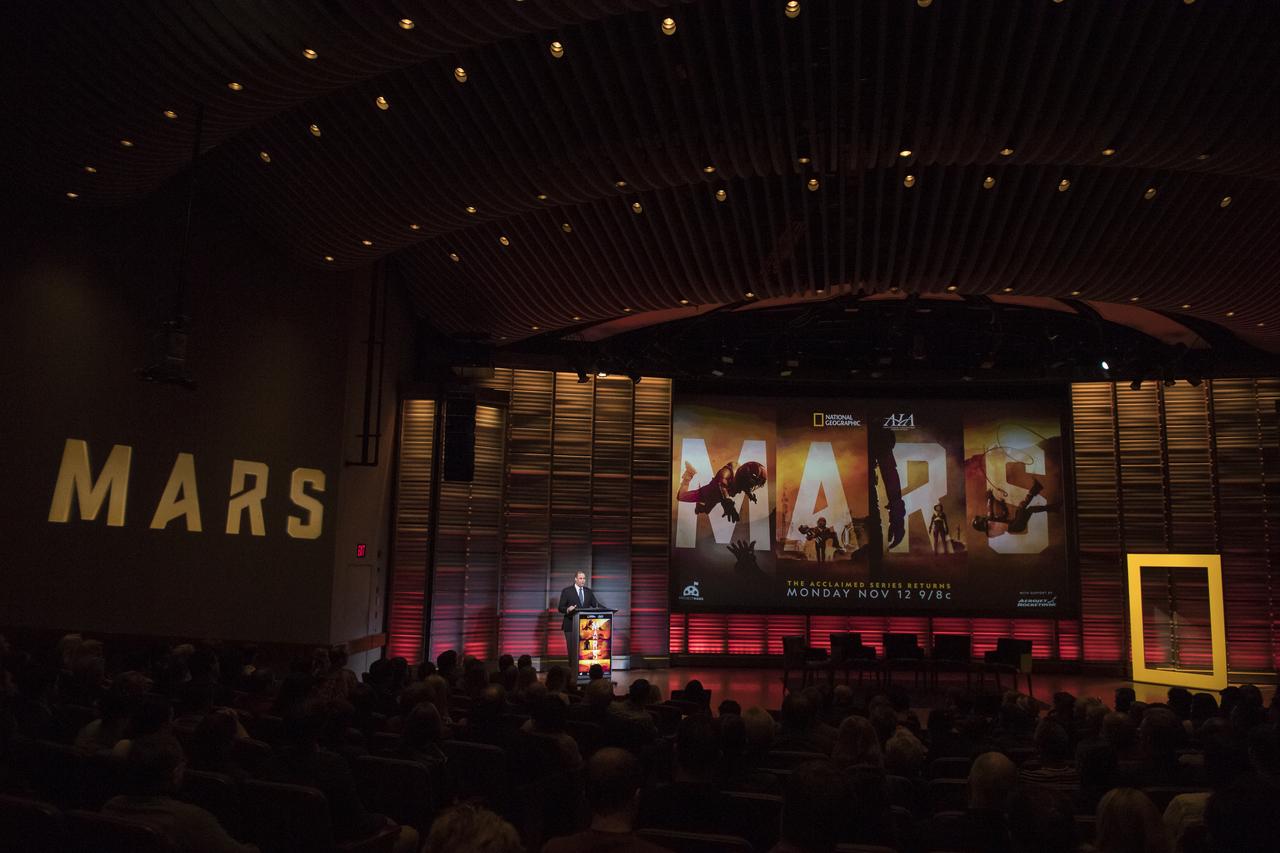
NASA Administrator Jim Bridenstine gives keynote remarks before a showing of the Project Mars Competition's short films and the Mars series, Monday, November 5, 2018 at National Geographic Society Headquarters in Washington. Photo Credit: (NASA/Aubrey Gemignani)
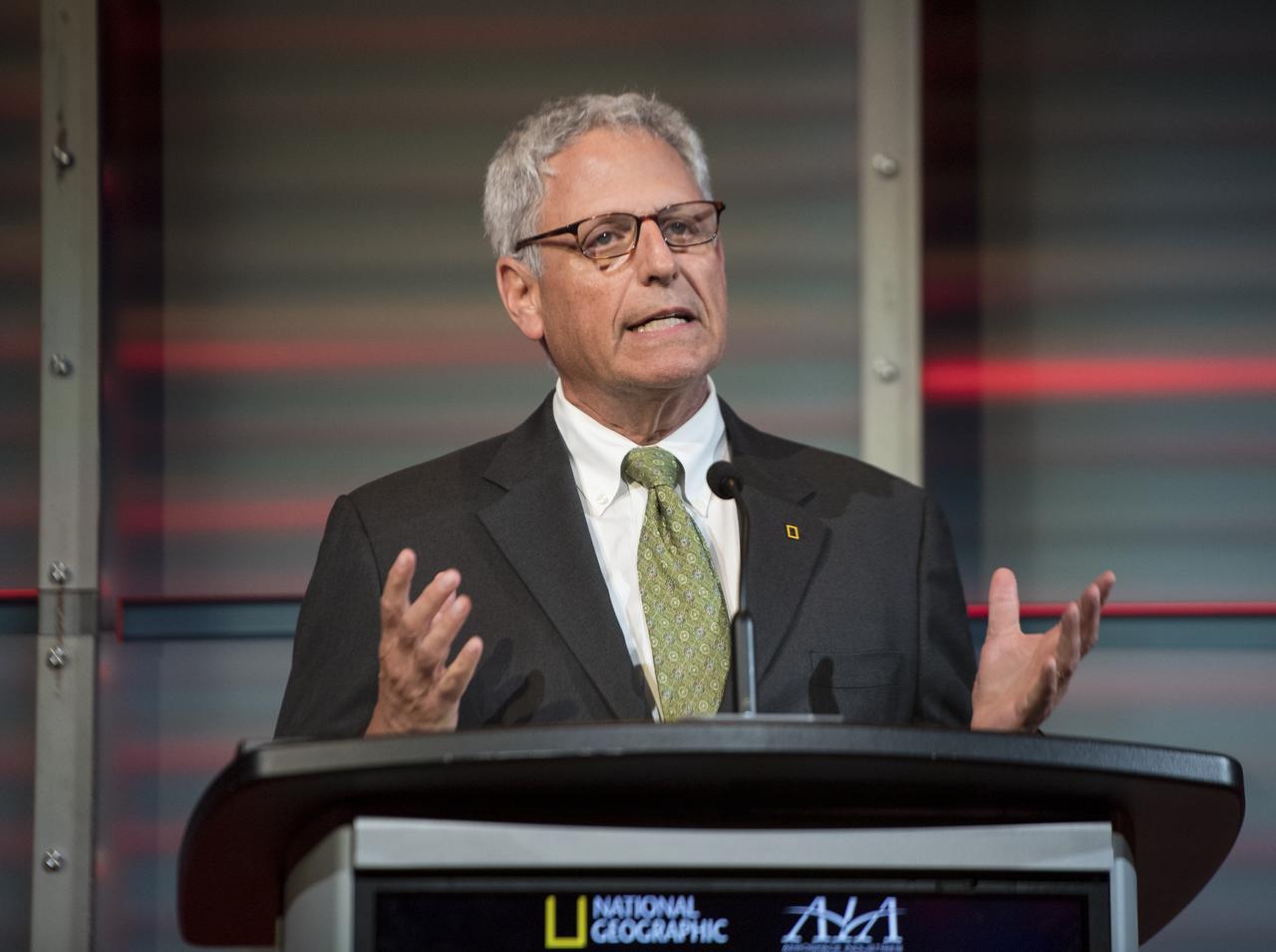
Gary Knell, CEO, National Geographic Partners speaks before a showing of the Project Mars Competition's short films winners and the Mars series, Monday, November 5, 2018 at National Geographic Society Headquarters in Washington. Photo Credit: (NASA/Aubrey Gemignani)

Gareth Edwards, film director, Rogue One: A Star Wars Story, speaks on a panel after a showing of the Project Mars Competition's short films and the Mars series, Monday, November 5, 2018 at National Geographic Society Headquarters in Washington. Photo Credit: (NASA/Aubrey Gemignani)

Dr. Stephen Petranek, MARS scientific advisor and co-executive producer speaks on a panel after a showing of the Project Mars Competition's short films and the Mars series, Monday, November 5, 2018 at National Geographic Society Headquarters in Washington. Photo Credit: (NASA/Aubrey Gemignani)
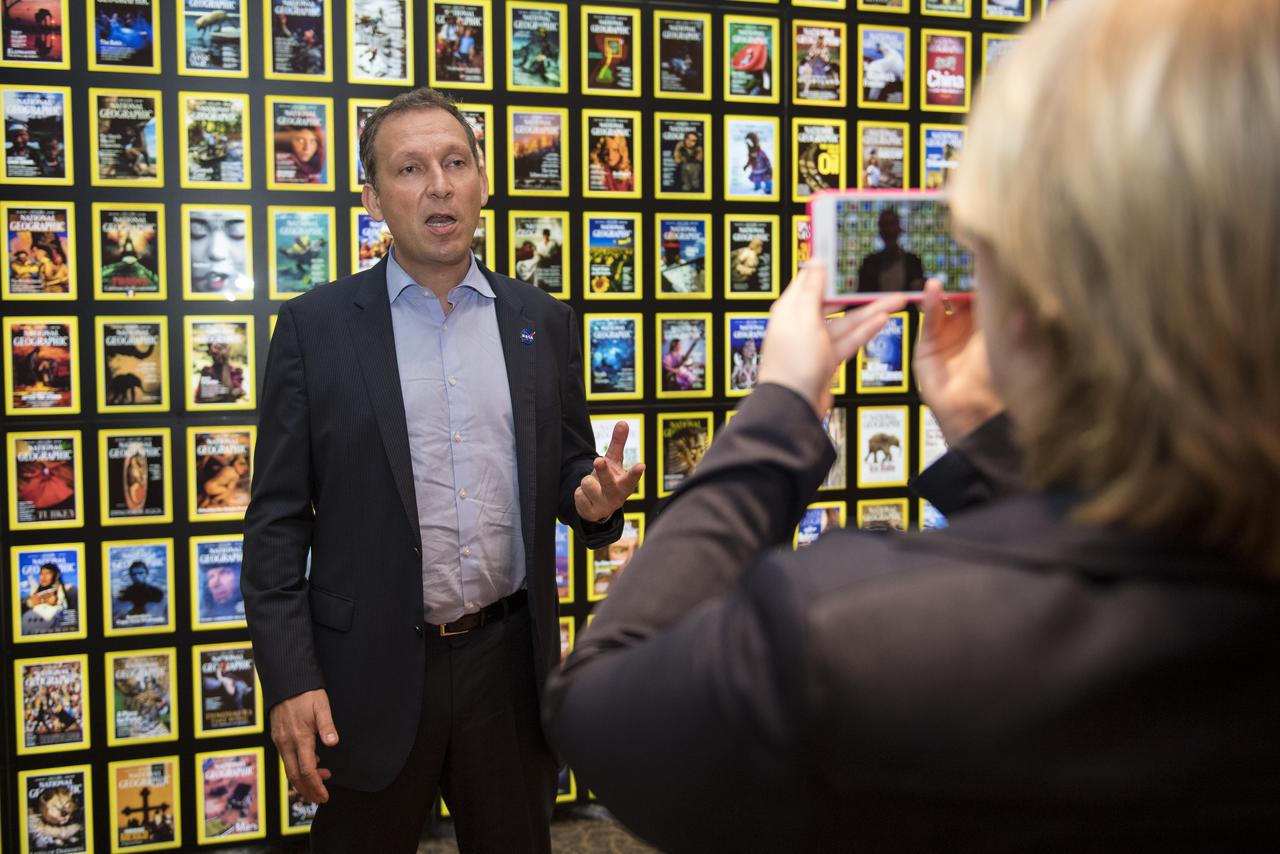
Thomas Zurbuchen, NASA associate administrator, Science Mission Directorate, is interviewed prior to serving on a panel at an event to celebrate the 40th Anniversary of the launch of the Voyager 1 and 2 missions, Tuesday, September 5, 2017 at National Geographic Society Headquarters in Washington. Voyager 1 was launched September 5, 1977, with a mission to study Jupiter and Saturn, but now the twin Voyager spacecrafts are on a journey into interstellar space to search for the heliopause, a region never reached by any other spacecraft. Photo Credit: (NASA/Aubrey Gemignani)
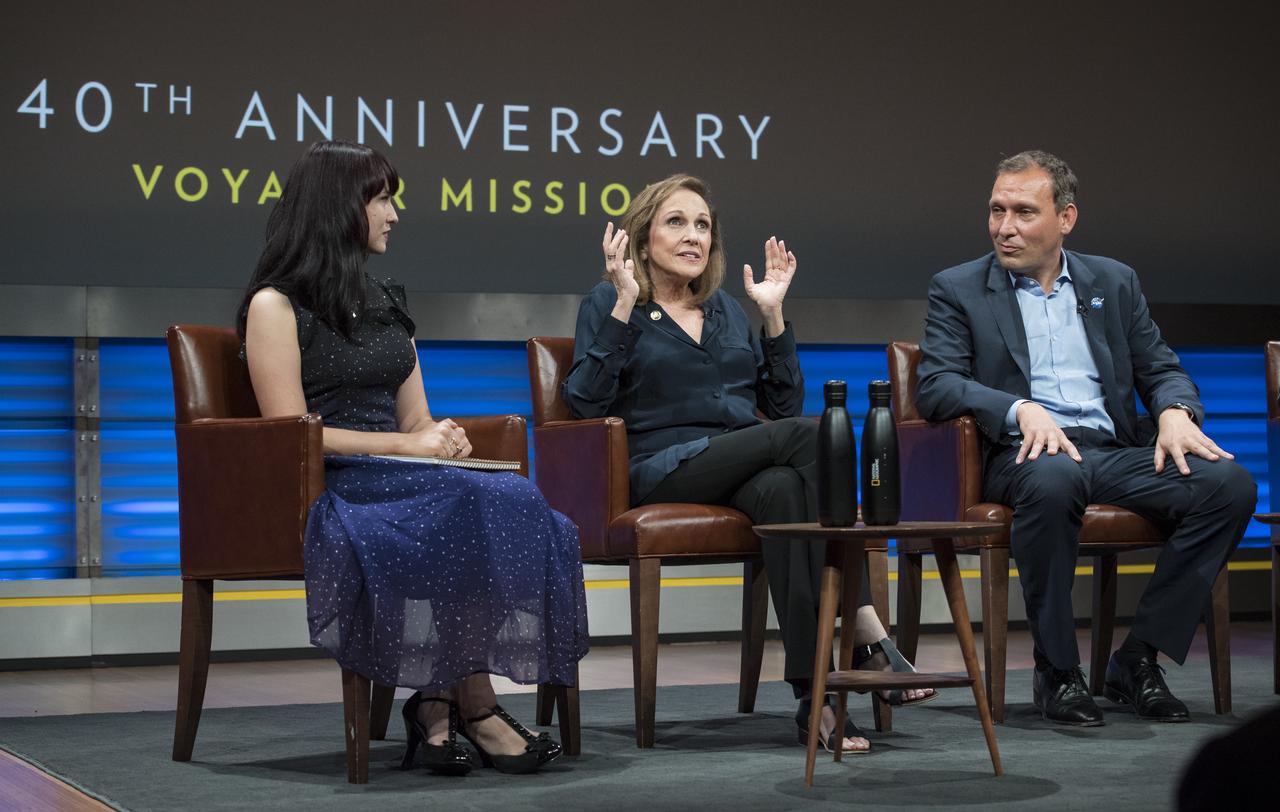
Ann Druyan, writer/producer and golden record visionary, speaks on a panel with moderator Victoria Jaggard, National Geographic Magazine science editor, left, Thomas Zurbuchen, associate administrator for NASA's Science Mission Directorate, right; and Ed Stone, Voyager project scientist, not pictured, at an event to celebrate the 40th Anniversary of the launch of the Voyager 1 and 2 missions, Tuesday, September 5, 2017 at National Geographic Society Headquarters in Washington. Voyager 1 was launched September 5, 1977, with a mission to study Jupiter and Saturn, but now the twin Voyager spacecrafts are on a journey into interstellar space to search for the heliopause, a region never reached by any other spacecraft. Photo Credit: (NASA/Aubrey Gemignani)

Christyl Johnson, deputy director for technology and research investments, NASA Goddard Space Flight Center, second from right, speaks on a panel after a showing of the Project Mars Competition's short films and the Mars series, Monday, November 5, 2018 at National Geographic Society Headquarters in Washington. Photo Credit: (NASA/Aubrey Gemignani)