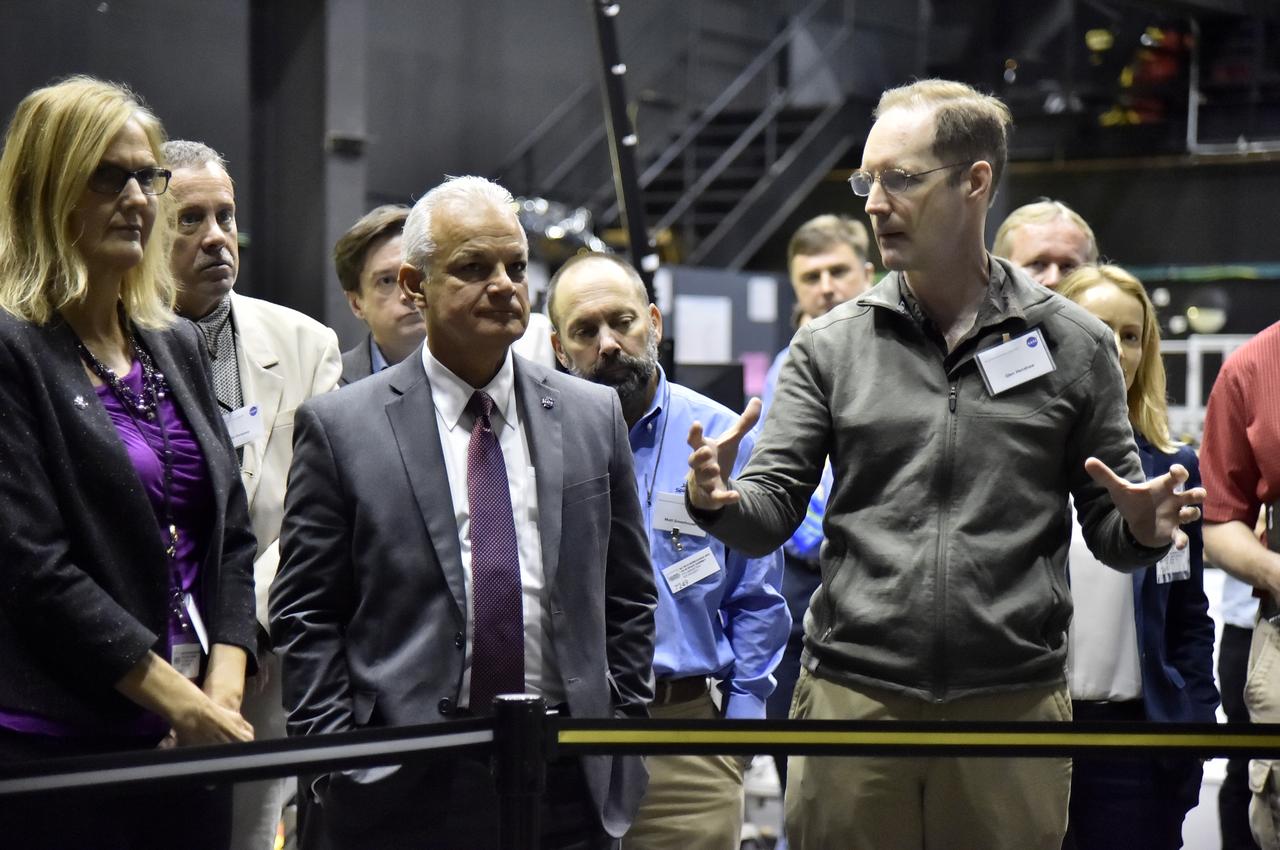
WASHINGTON, D.C.---S&T Partnership Forum In-Space Assembly Technical Interchange Meeting-On September 6th 2017, many of the United States government experts on In-Space Assembly met at the U.S. Naval Research Lab to discuss both technology development and in-space applications that would advance national capabilities in this area. Expertise from NASA, USAF, NRO, DARPA and NRL met in this meeting which was coordinated by the NASA Headquarters, Office of the Chief Technologist. This technical interchange meeting was the second meeting of the members of this Science and Technology Partnership Forum. Glen Henshaw of Code 8231 talks to the group in the Space Robotics Lab.
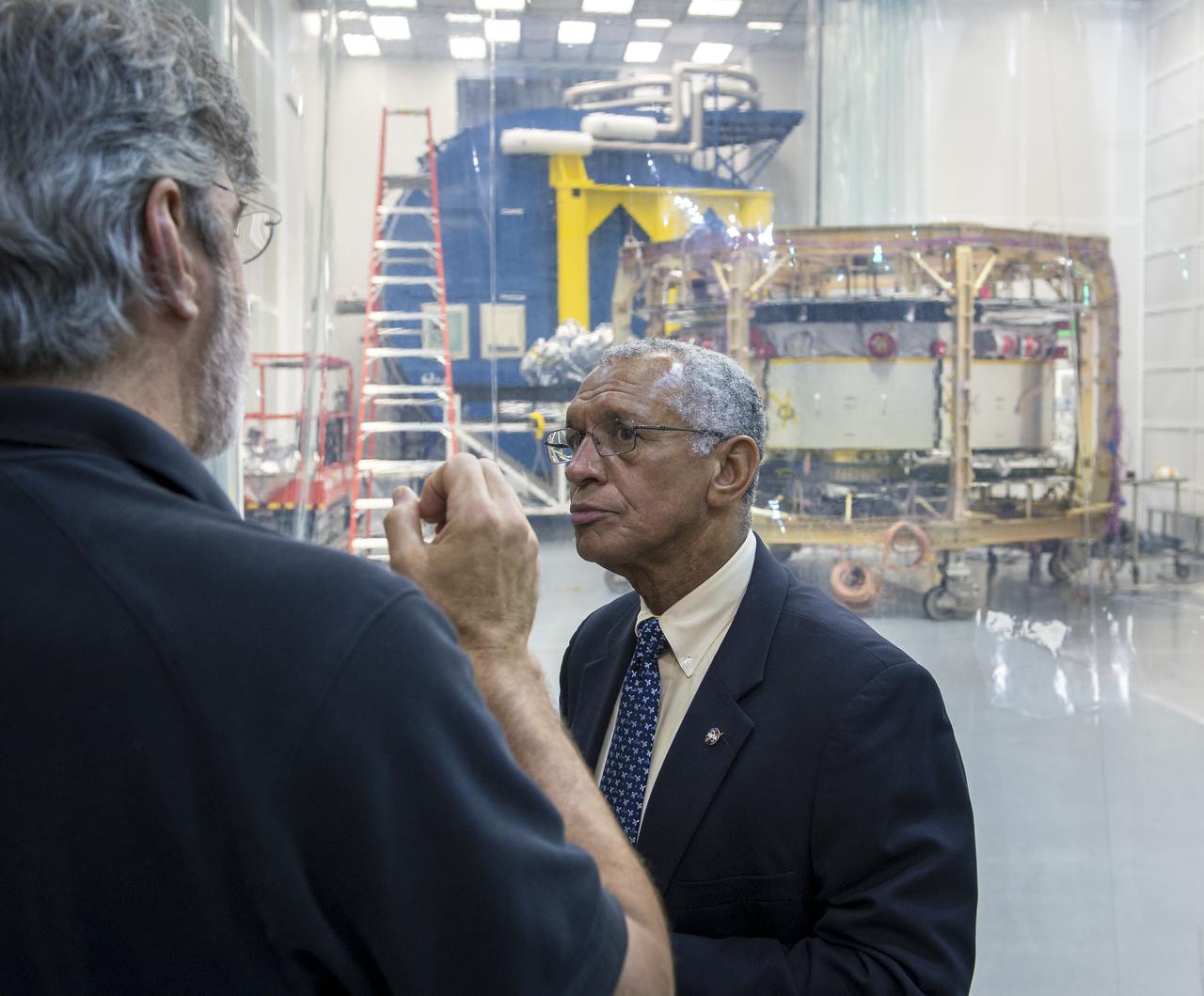
NASA Administrator Charles Bolden listens to Magnetospheric Multiscale (MMS) Mission Project Manager Craig Tooley talk about the MMS mission outside of a Naval Research Laboratory cleanroom where one of four Magnetospheric Multiscale (MMS) spacecraft is currently undergoing testing, Monday, August 4, 2014, in Washington. The Magnetospheric Multiscale, or MMS, mission will study the mystery of how magnetic fields around Earth connect and disconnect, explosively releasing energy via a process known as magnetic reconnection. The four identical spacecraft are scheduled to launch in 2015 from Cape Canaveral and will orbit around Earth in varying formations through the dynamic magnetic system surrounding our planet to provide the first three-dimensional views of the magnetic reconnection process. The goal of the STP Program is to understand the fundamental physical processes of the space environment from the sun to Earth, other planets, and the extremes of the solar system boundary. Photo Credit: (NASA/Bill Ingalls)
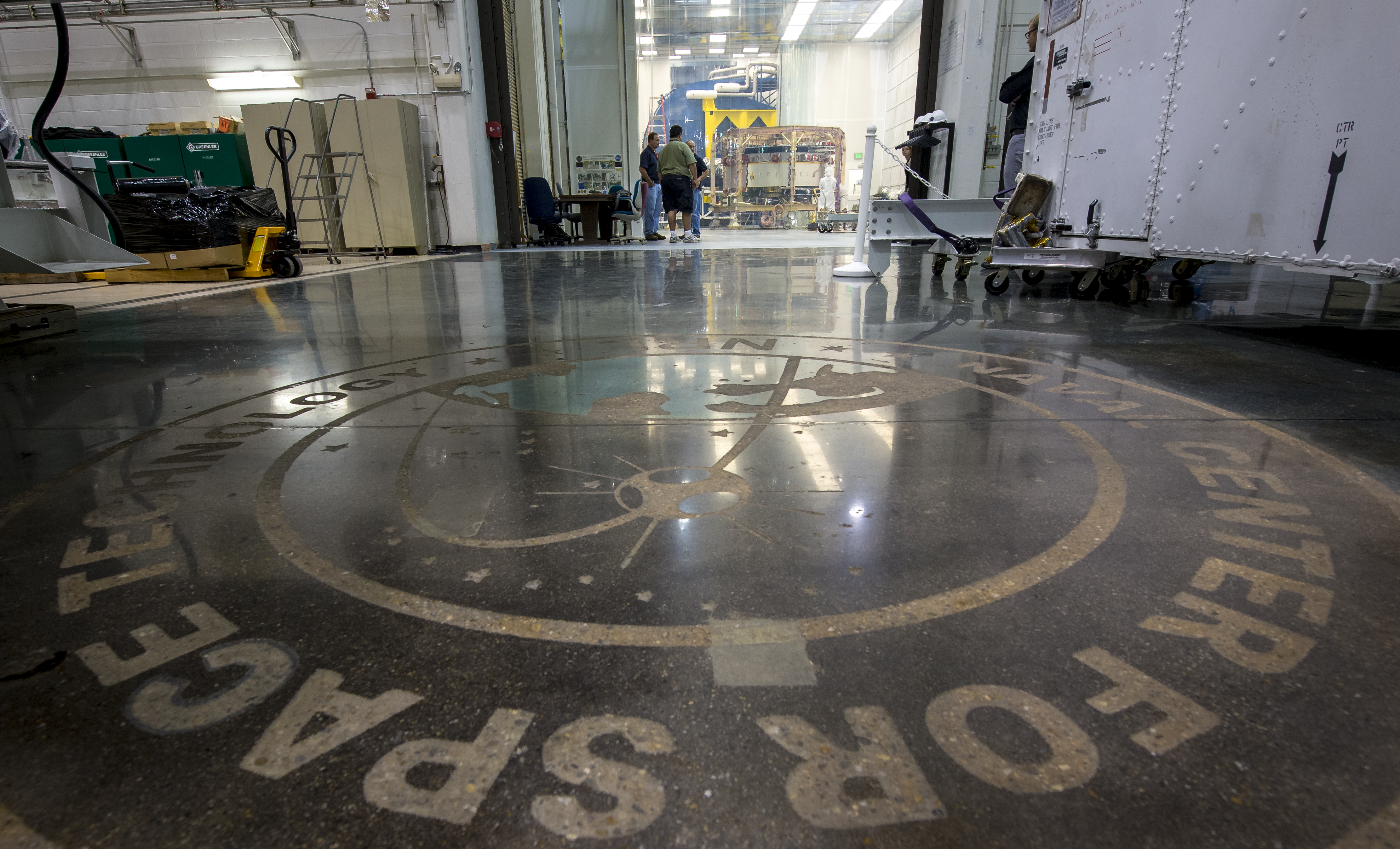
One of four Magnetospheric Multiscale (MMS) spacecraft, in the background, is seen in a cleanroom at the Naval Research Lab’s, Naval Center for Space Technology, Monday, August 4, 2014, in Washington. The Magnetospheric Multiscale, or MMS, mission will study the mystery of how magnetic fields around Earth connect and disconnect, explosively releasing energy via a process known as magnetic reconnection. The four identical spacecraft are scheduled to launch in 2015 from Cape Canaveral and will orbit around Earth in varying formations through the dynamic magnetic system surrounding our planet to provide the first three-dimensional views of the magnetic reconnection process. The goal of the STP Program is to understand the fundamental physical processes of the space environment from the sun to Earth, other planets, and the extremes of the solar system boundary. Photo Credit: (NASA/Bill Ingalls)
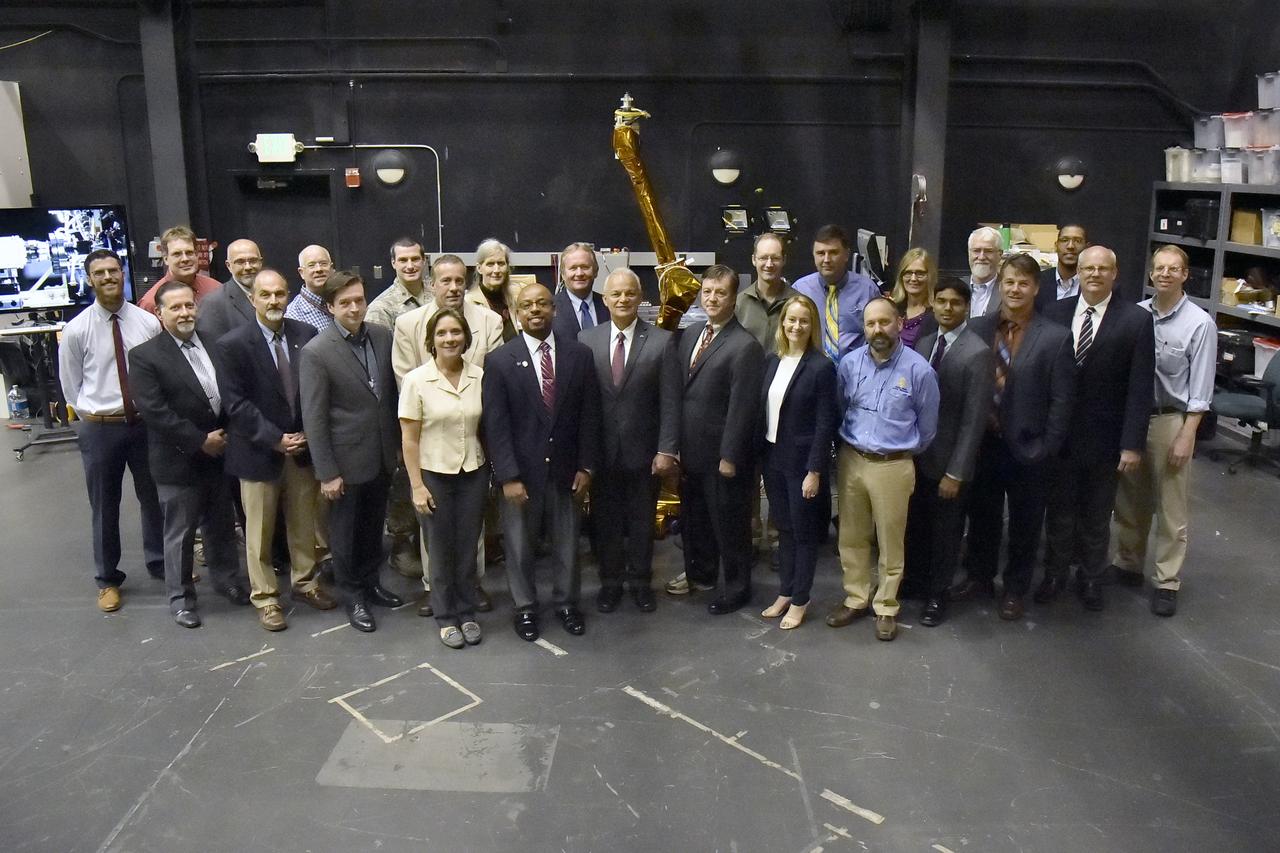
WASHINGTON, D.C.---S&T Partnership Forum In-Space Assembly Technical Interchange Meeting-On September 6th 2017, many of the United States government experts on In-Space Assembly met at the U.S. Naval Research Lab to discuss both technology development and in-space applications that would advance national capabilities in this area. Expertise from NASA, USAF, NRO, DARPA and NRL met in this meeting which was coordinated by the NASA Headquarters, Office of the Chief Technologist. This technical interchange meeting was the second meeting of the members of this Science and Technology Partnership Forum.
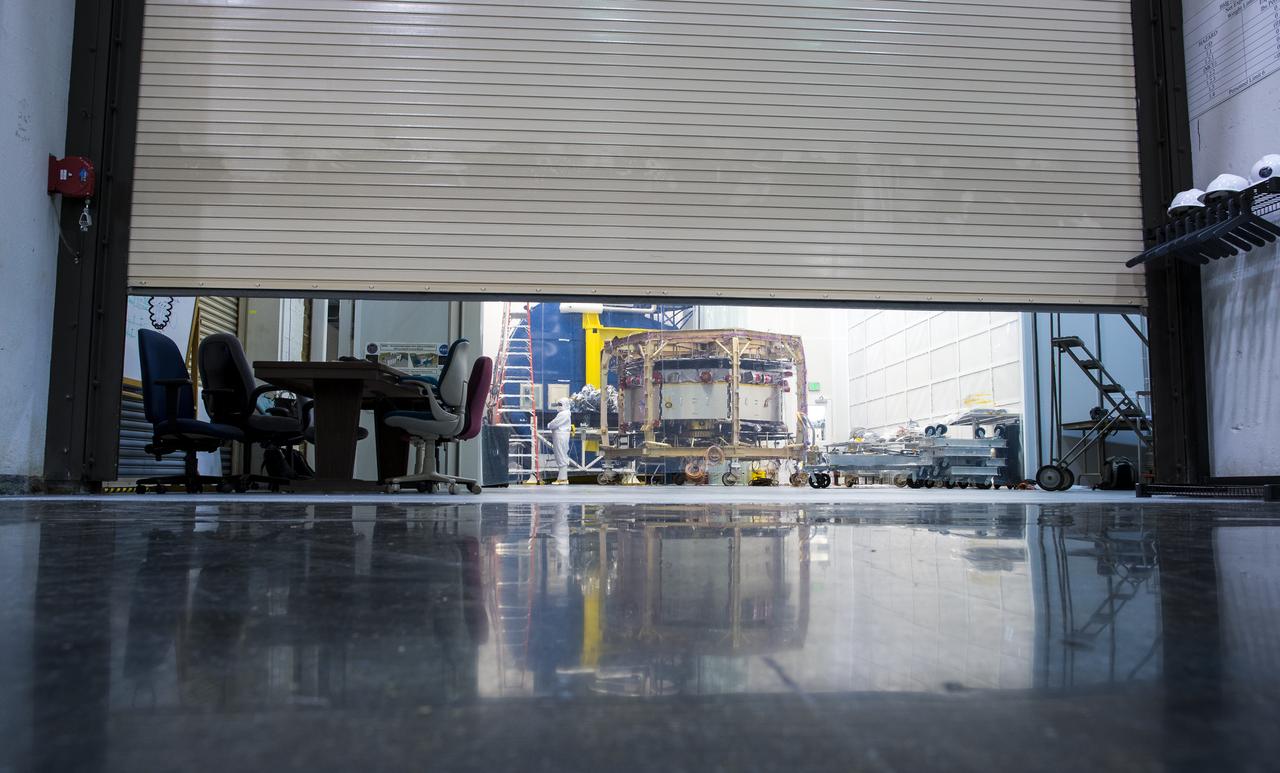
One of four Magnetospheric Multiscale (MMS) spacecraft, in the background, is seen in a cleanroom at the Naval Research Lab’s, Naval Center for Space Technology, Monday, August 4, 2014, in Washington. The Magnetospheric Multiscale, or MMS, mission will study the mystery of how magnetic fields around Earth connect and disconnect, explosively releasing energy via a process known as magnetic reconnection. The four identical spacecraft are scheduled to launch in 2015 from Cape Canaveral and will orbit around Earth in varying formations through the dynamic magnetic system surrounding our planet to provide the first three-dimensional views of the magnetic reconnection process. The goal of the STP Program is to understand the fundamental physical processes of the space environment from the sun to Earth, other planets, and the extremes of the solar system boundary. Photo Credit: (NASA/Bill Ingalls)
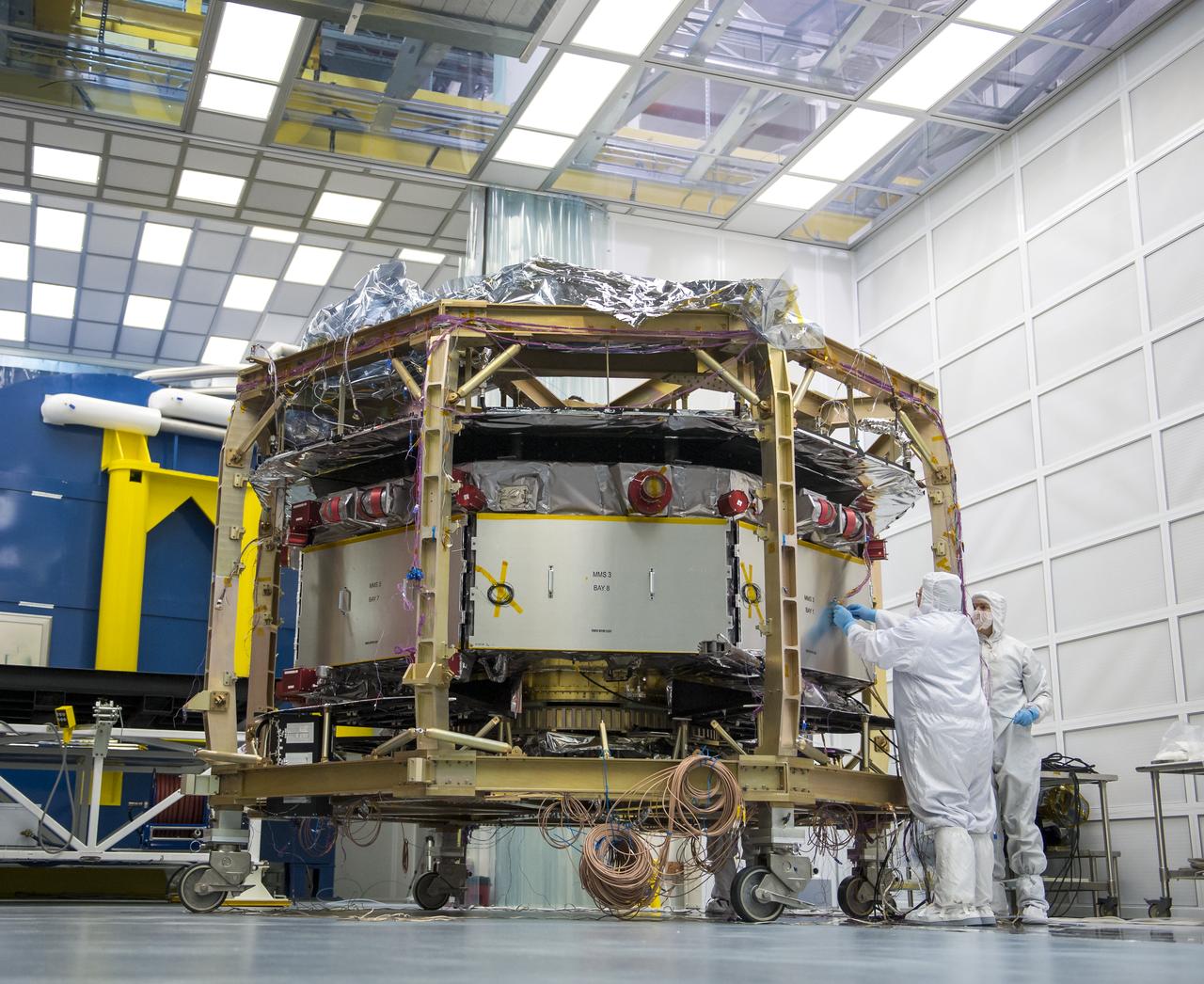
Engineers work on one of four Magnetospheric Multiscale (MMS) spacecraft in a cleanroom at the Naval Research Lab, Monday, August 4, 2014, in Washington. The Magnetospheric Multiscale, or MMS, mission will study the mystery of how magnetic fields around Earth connect and disconnect, explosively releasing energy via a process known as magnetic reconnection. The four identical spacecraft are scheduled to launch in 2015 from Cape Canaveral and will orbit around Earth in varying formations through the dynamic magnetic system surrounding our planet to provide the first three-dimensional views of the magnetic reconnection process. The goal of the STP Program is to understand the fundamental physical processes of the space environment from the sun to Earth, other planets, and the extremes of the solar system boundary. Photo Credit: (NASA/Bill Ingalls)
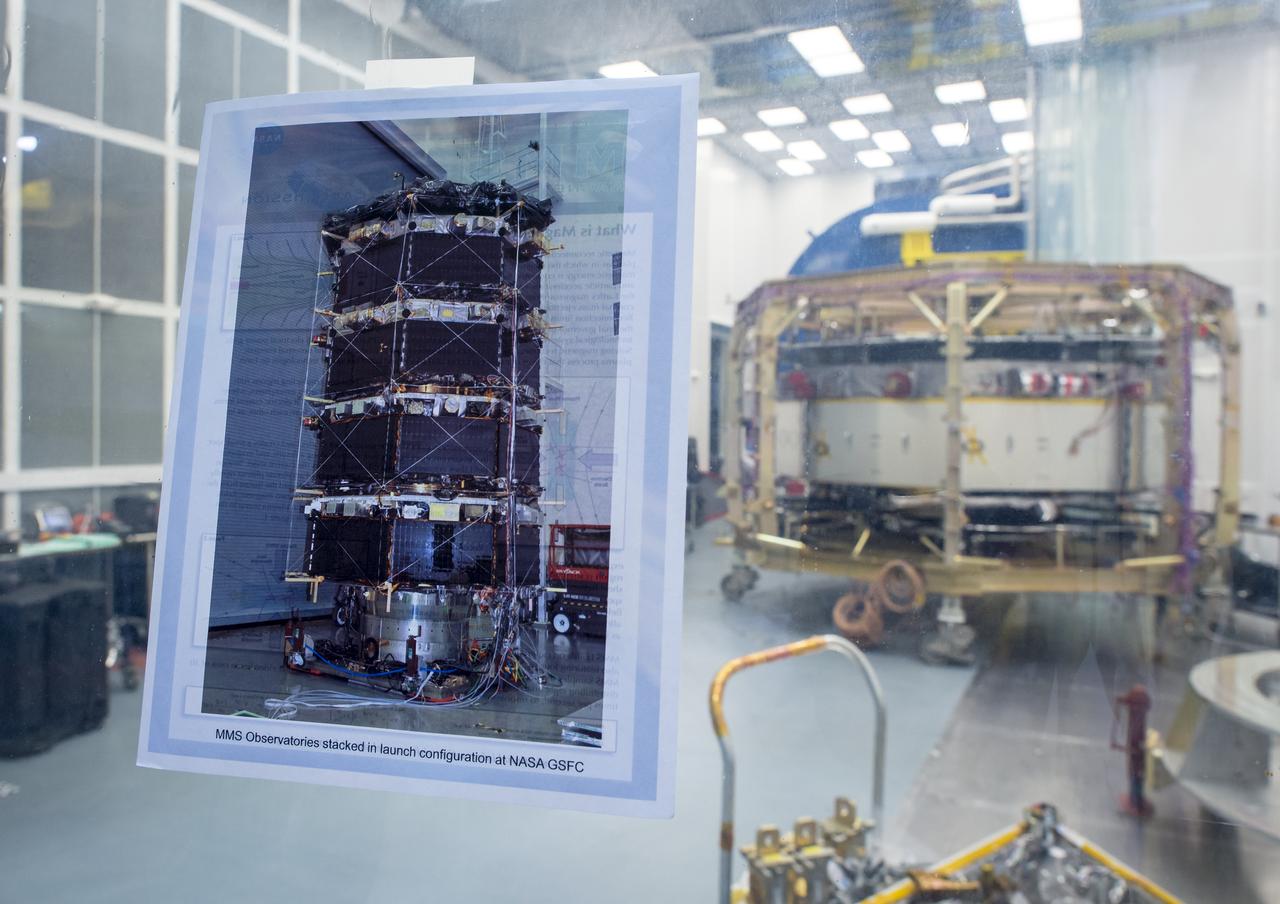
A photograph showing what all four Magnetospheric Multiscale (MMS) spacecraft look like when stacked is seen taped to the window of a Naval Research Laboratory cleanroom where one of the four spacecraft is undergoing testing, Monday, August 4, 2014, in Washington. The Magnetospheric Multiscale, or MMS, mission will study the mystery of how magnetic fields around Earth connect and disconnect, explosively releasing energy via a process known as magnetic reconnection. The four identical spacecraft are scheduled to launch in 2015 from Cape Canaveral and will orbit around Earth in varying formations through the dynamic magnetic system surrounding our planet to provide the first three-dimensional views of the magnetic reconnection process. The goal of the STP Program is to understand the fundamental physical processes of the space environment from the sun to Earth, other planets, and the extremes of the solar system boundary. Photo Credit: (NASA/Bill Ingalls)
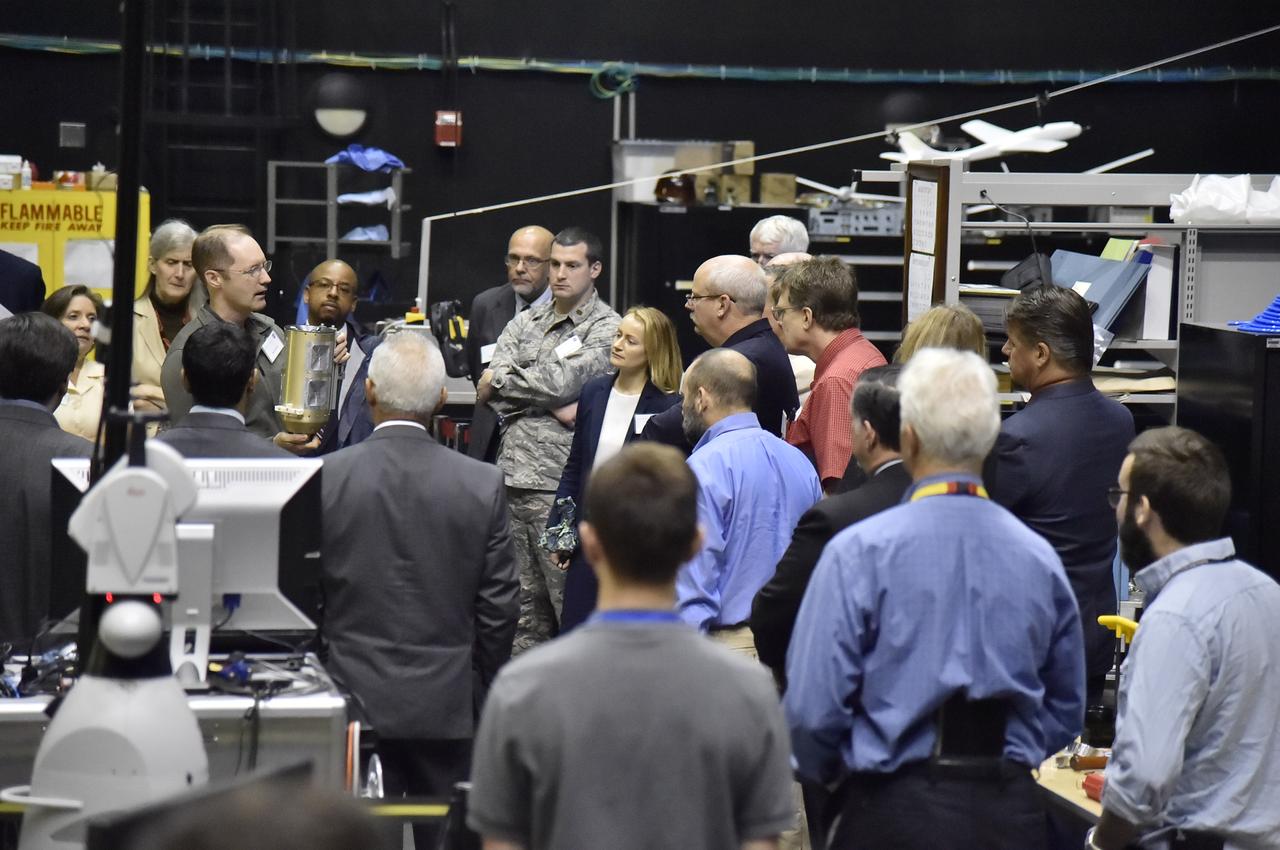
WASHINGTON, D.C.---S&T Partnership Forum In-Space Assembly Technical Interchange Meeting-On September 6th 2017, many of the United States government experts on In-Space Assembly met at the U.S. Naval Research Lab to discuss both technology development and in-space applications that would advance national capabilities in this area. Expertise from NASA, USAF, NRO, DARPA and NRL met in this meeting which was coordinated by the NASA Headquarters, Office of the Chief Technologist. This technical interchange meeting was the second meeting of the members of this Science and Technology Partnership Forum. Glen Henshaw of Code 8231 talks to the group in the Space Robotics Lab.