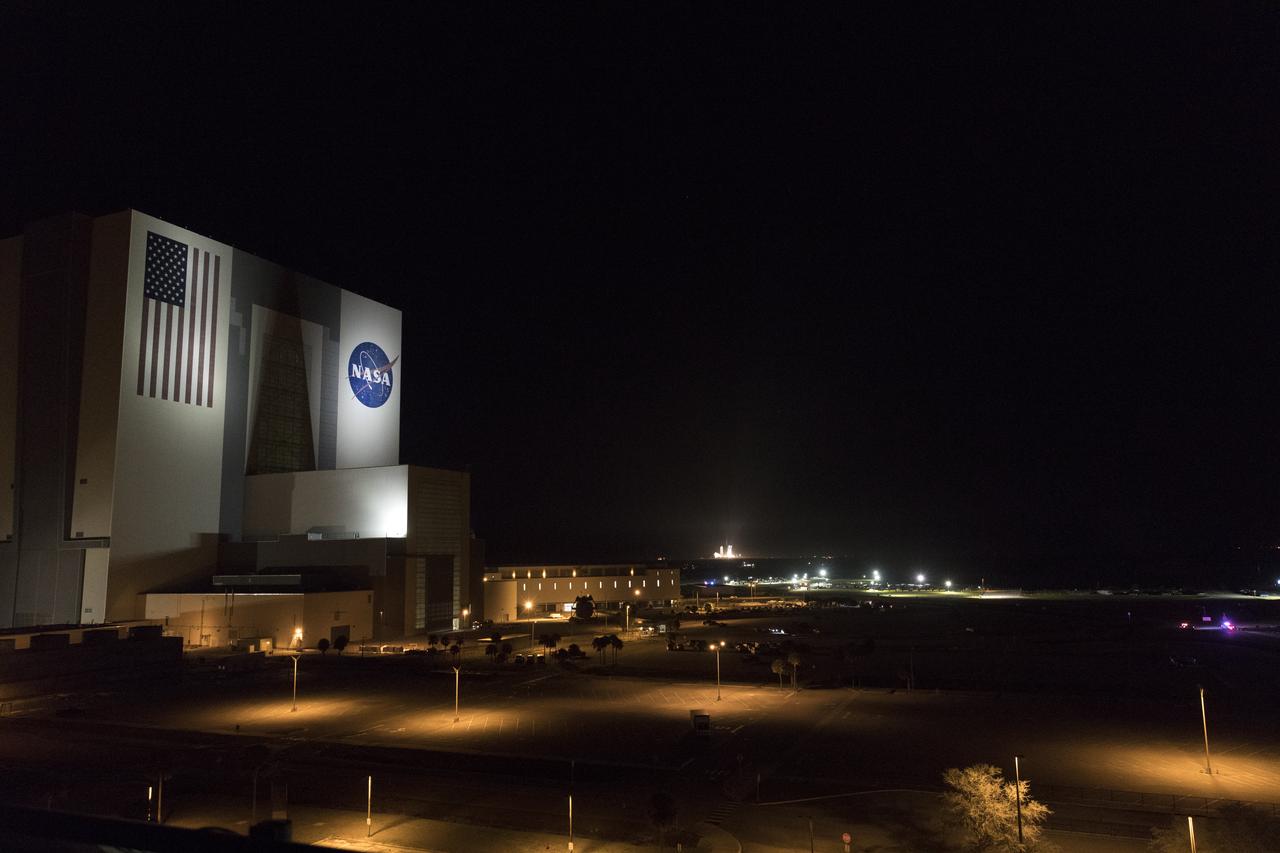
A two-stage SpaceX Falcon 9 rocket lifts off from Launch Complex 39A at NASA’s Kennedy Space Center in Florida for Demo-1, the first uncrewed mission of the agency’s Commercial Crew Program. Liftoff was at 2:49 a.m., March 2, 2019. The SpaceX Crew Dragon’s trip to the International Space Station is designed to validate end-to-end systems and capabilities, leading to certification to fly crew. NASA has worked with SpaceX and Boeing in developing the Commercial Crew Program spacecraft to facilitate new human spaceflight systems launching from U.S. soil with the goal of safe, reliable and cost-effective access to low-Earth orbit destinations, such as the space station.
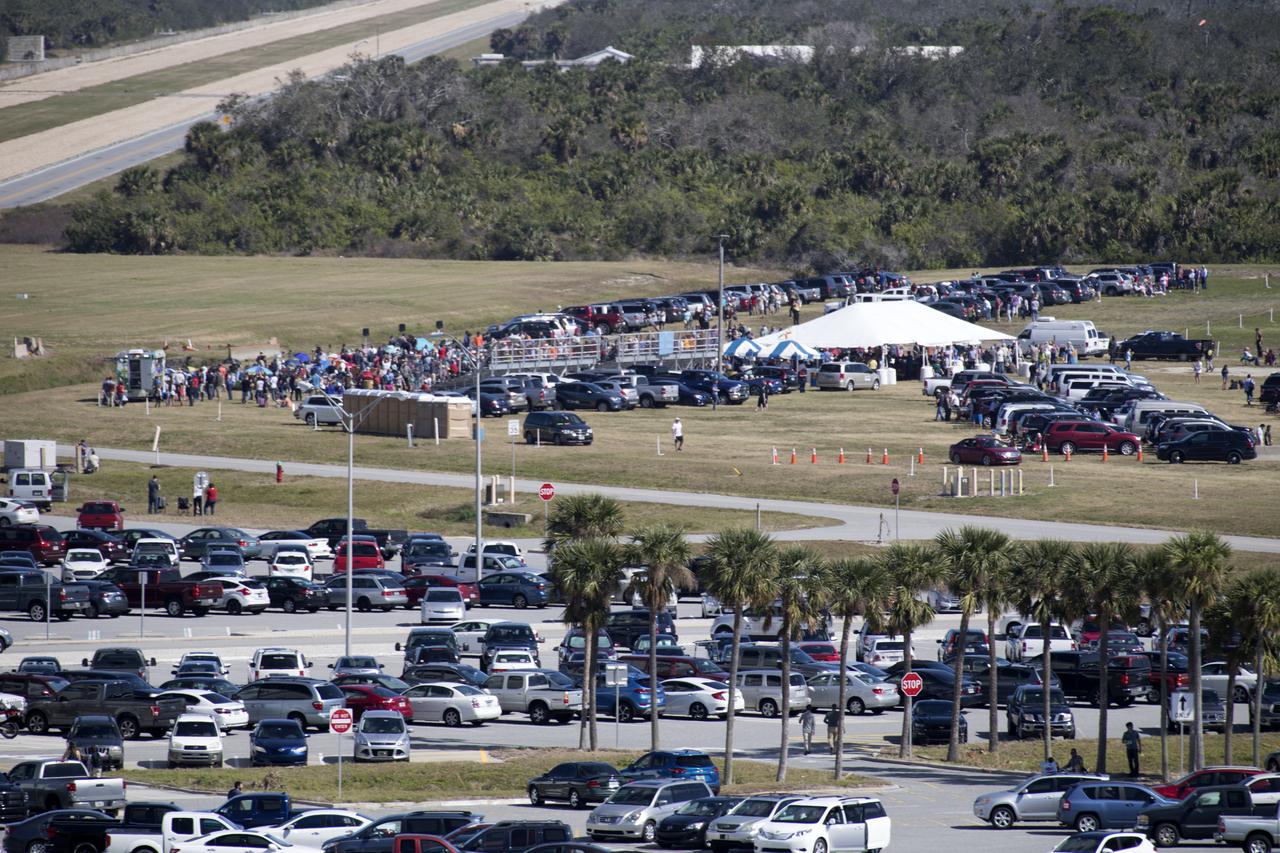
Employees, invited guests and members of the news media await liftoff of the SpaceX Falcon Heavy rocket from Launch Complex 39A at NASA’s Kennedy Space Center in Florida. The demonstration flight is a significant milestone for the world's premier multi-user spaceport. In 2014, NASA signed a property agreement with SpaceX for the use and operation of the center's pad 39A, where the company has launched Falcon 9 rockets and is preparing for the first Falcon Heavy. NASA also has Space Act Agreements in place with partners, such as SpaceX, to provide services needed to process and launch rockets and spacecraft.
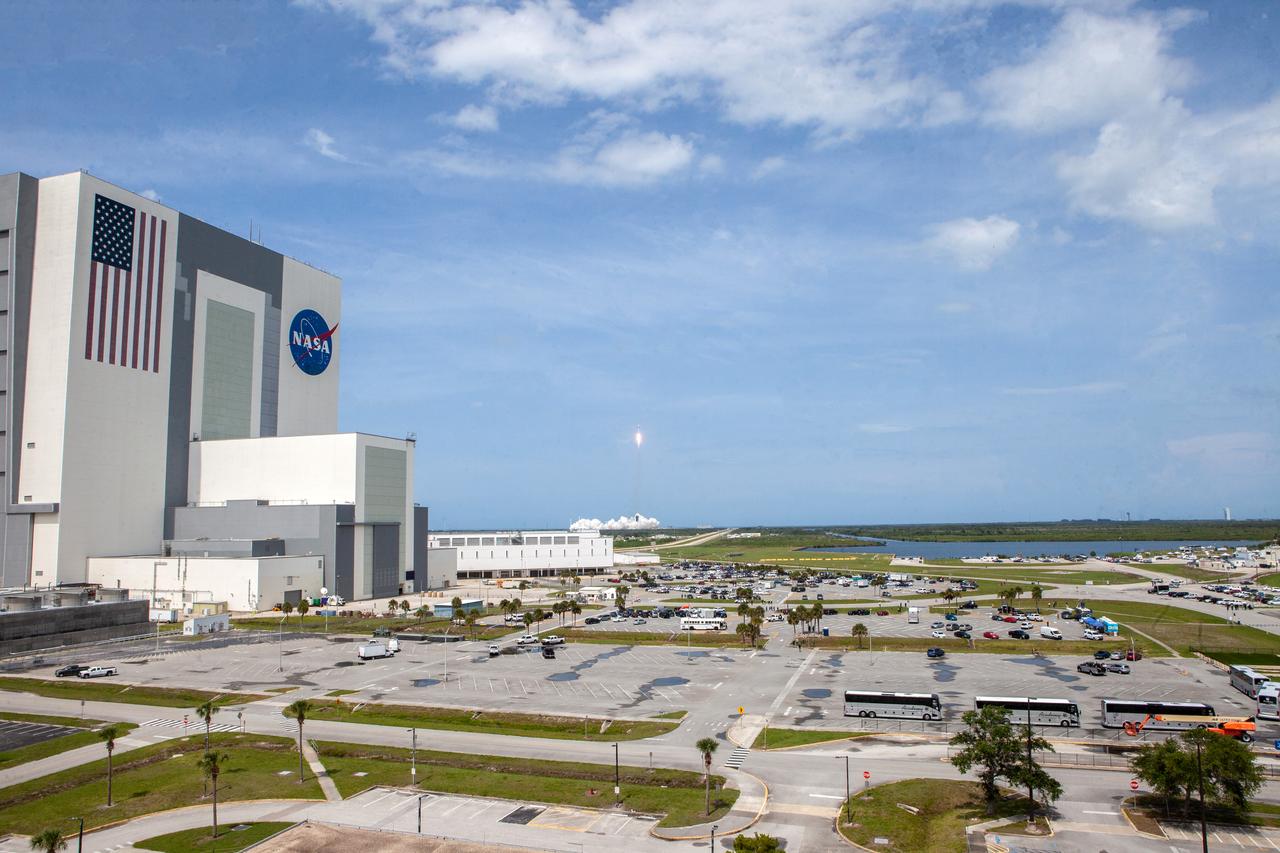
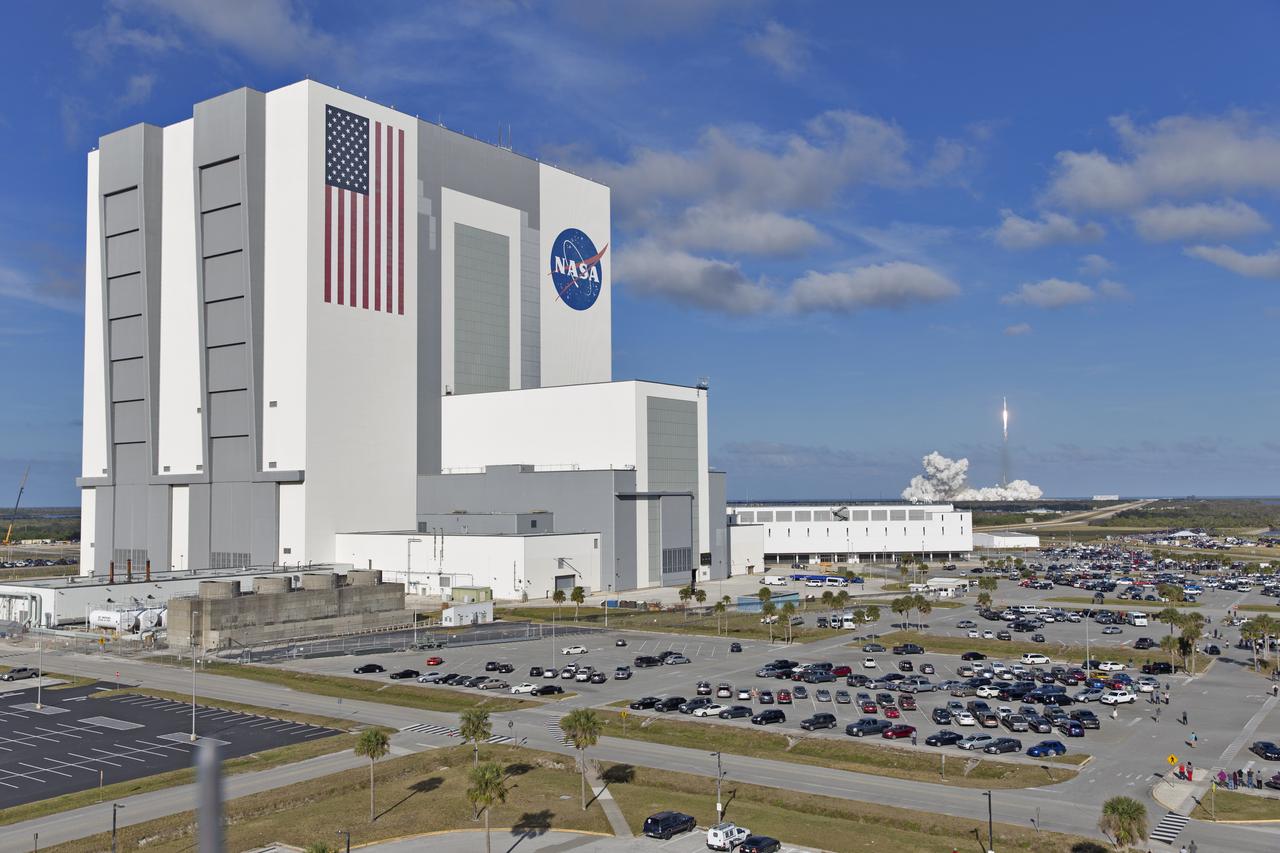
With a view of the iconic Vehicle Assembly Building to the left, a SpaceX Falcon 9 rocket and Crew Dragon spacecraft lifts off from Launch Complex 39A at NASA’s Kennedy Space Center in Florida on May 30, 2020, for the agency’s SpaceX Demo-2 mission. The rocket lifted off at 3:22 p.m. EDT, carrying NASA astronauts Robert Behnken and Douglas Hurley to the International Space Station, making them the first astronauts to launch from U.S. soil since the end of the Space Shuttle Program in 2011. Part of NASA’s Commercial Crew Program, Demo-2 is SpaceX’s final flight test, paving the way for the agency to certify the crew transportation system for regular, crewed flights to the orbiting laboratory.
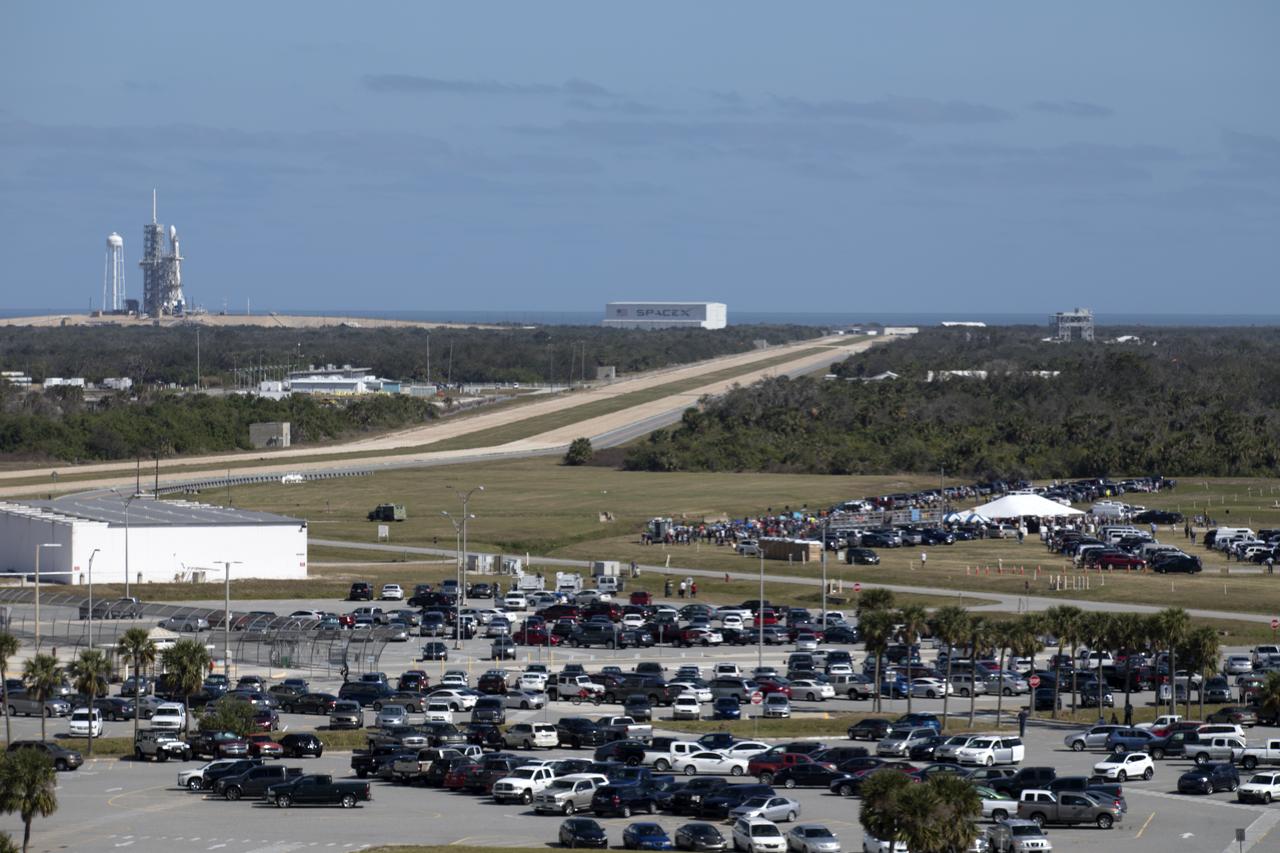
Employees, invited guests and members of the news media await liftoff of the SpaceX Falcon Heavy rocket from Launch Complex 39A at NASA’s Kennedy Space Center in Florida. The demonstration flight is a significant milestone for the world's premier multi-user spaceport. In 2014, NASA signed a property agreement with SpaceX for the use and operation of the center's pad 39A, where the company has launched Falcon 9 rockets and is preparing for the first Falcon Heavy. NASA also has Space Act Agreements in place with partners, such as SpaceX, to provide services needed to process and launch rockets and spacecraft.
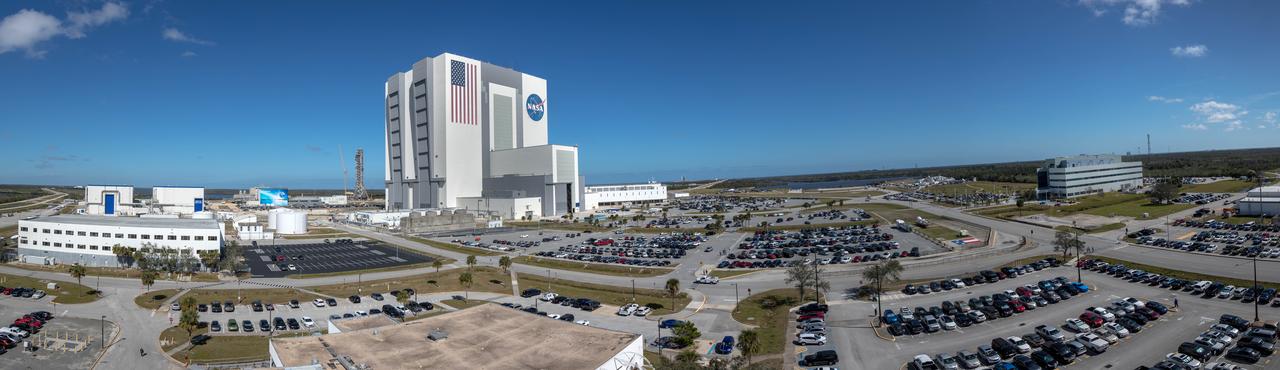
A brilliant blue sky serves as the backdrop for a panoramic view of the iconic Vehicle Assembly Building, mobile launcher at left, and Launch Control Center at right, at NASA's Kennedy Space Center in Florida. These facilities are being upgraded for NASA's Space Launch System and Orion spacecraft for launches to deep space destinations, including the Moon, Mars and beyond.
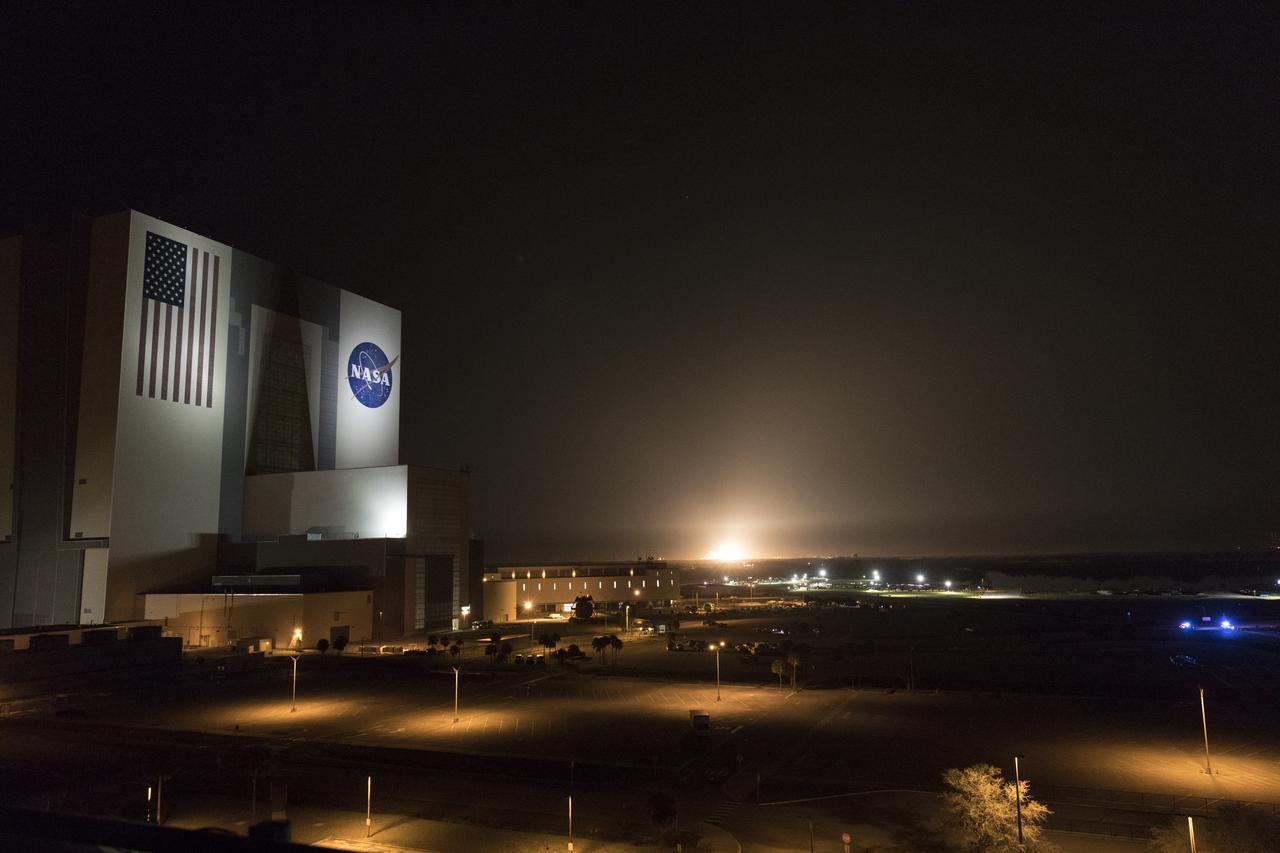
A two-stage SpaceX Falcon 9 rocket lifts off from Launch Complex 39A at NASA’s Kennedy Space Center in Florida for Demo-1, the first uncrewed mission of the agency’s Commercial Crew Program. Liftoff was at 2:49 a.m., March 2, 2019. The SpaceX Crew Dragon’s trip to the International Space Station is designed to validate end-to-end systems and capabilities, leading to certification to fly crew. NASA has worked with SpaceX and Boeing in developing the Commercial Crew Program spacecraft to facilitate new human spaceflight systems launching from U.S. soil with the goal of safe, reliable and cost-effective access to low-Earth orbit destinations, such as the space station.
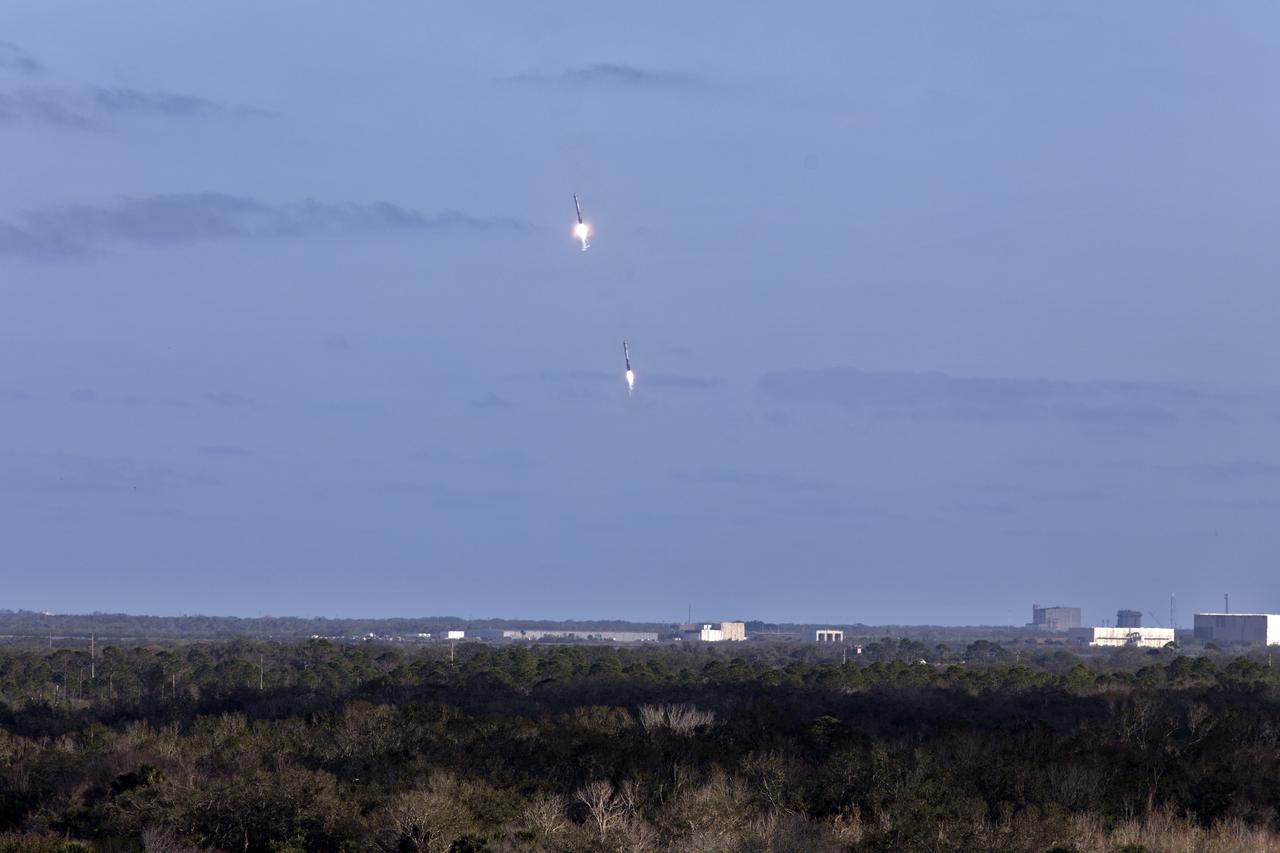
The SpaceX Falcon Heavy rocket’s two side cores descend toward landing at Cape Canaveral Air Force Station in Florida following a successful liftoff at 3:45 p.m. EST from Launch Complex 39A at NASA's Kennedy Space Center. This demonstration flight is a significant milestone for the world's premier multi-user spaceport. In 2014, NASA signed a property agreement with SpaceX for the use and operation of the center's pad 39A, where the company has launched Falcon 9 rockets and prepared for the first Falcon Heavy. NASA also has Space Act Agreements in place with partners, such as SpaceX, to provide services needed to process and launch rockets and spacecraft.
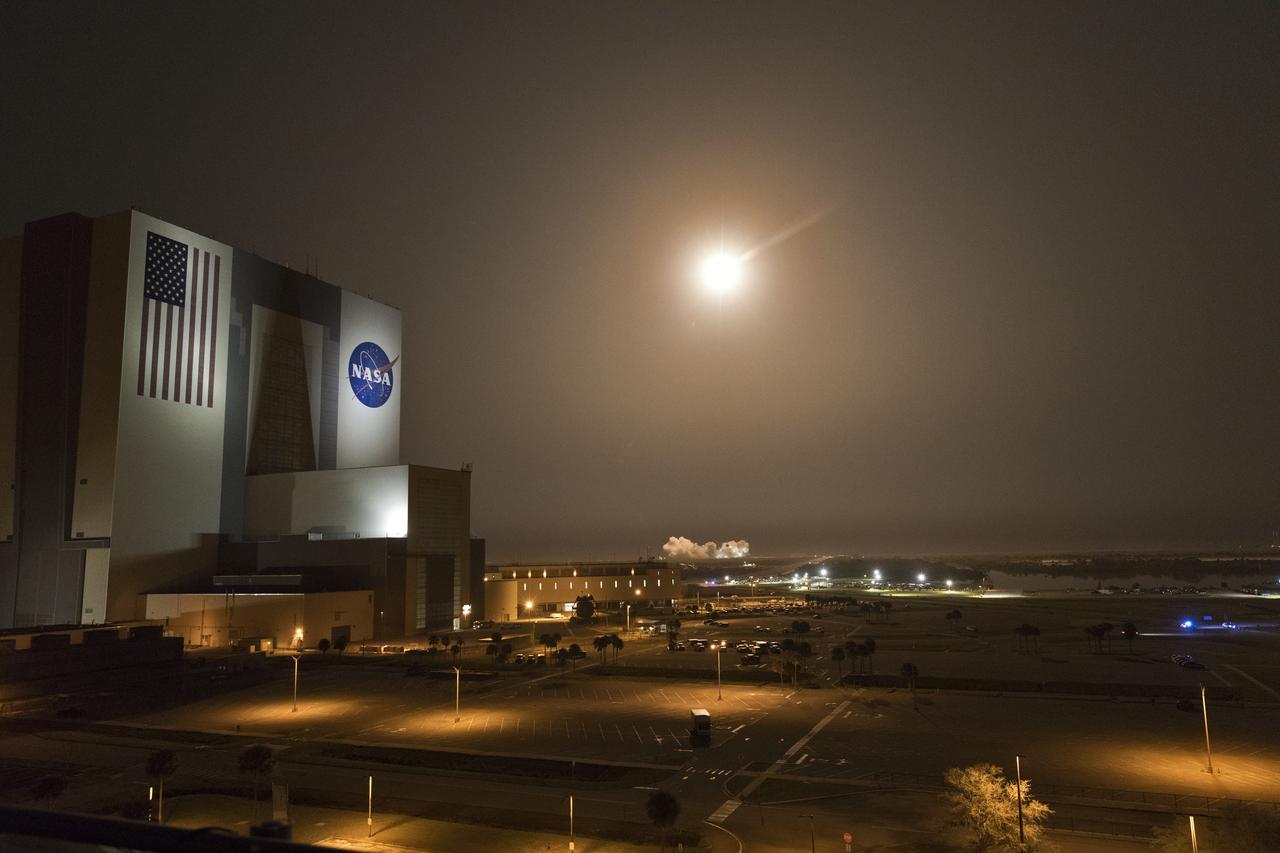
A two-stage SpaceX Falcon 9 rocket lifts off from Launch Complex 39A at NASA’s Kennedy Space Center in Florida for Demo-1, the first uncrewed mission of the agency’s Commercial Crew Program. Liftoff was at 2:49 a.m., March 2, 2019. The SpaceX Crew Dragon’s trip to the International Space Station is designed to validate end-to-end systems and capabilities, leading to certification to fly crew. NASA has worked with SpaceX and Boeing in developing the Commercial Crew Program spacecraft to facilitate new human spaceflight systems launching from U.S. soil with the goal of safe, reliable and cost-effective access to low-Earth orbit destinations, such as the space station.
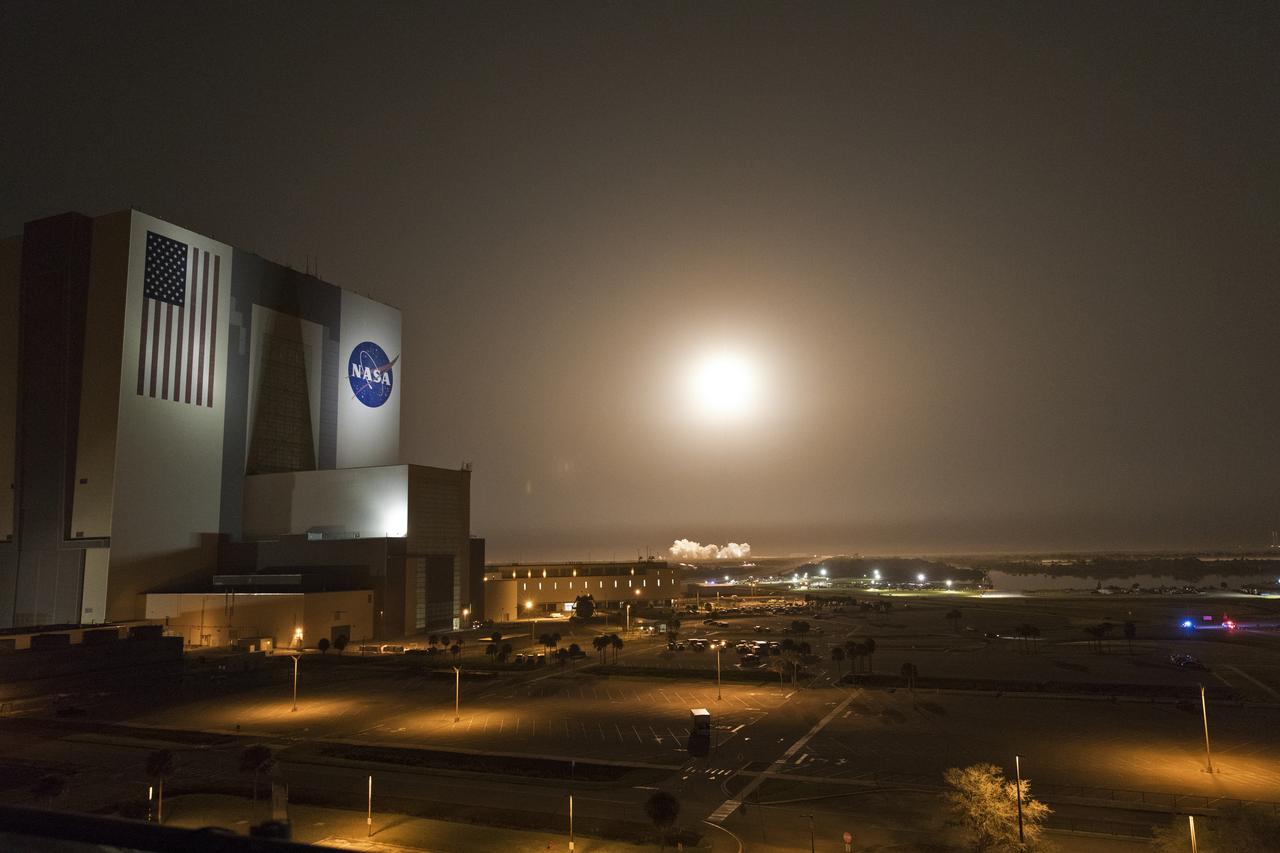
A two-stage SpaceX Falcon 9 rocket lifts off from Launch Complex 39A at NASA’s Kennedy Space Center in Florida for Demo-1, the first uncrewed mission of the agency’s Commercial Crew Program. Liftoff was at 2:49 a.m., March 2, 2019. The SpaceX Crew Dragon’s trip to the International Space Station is designed to validate end-to-end systems and capabilities, leading to certification to fly crew. NASA has worked with SpaceX and Boeing in developing the Commercial Crew Program spacecraft to facilitate new human spaceflight systems launching from U.S. soil with the goal of safe, reliable and cost-effective access to low-Earth orbit destinations, such as the space station.
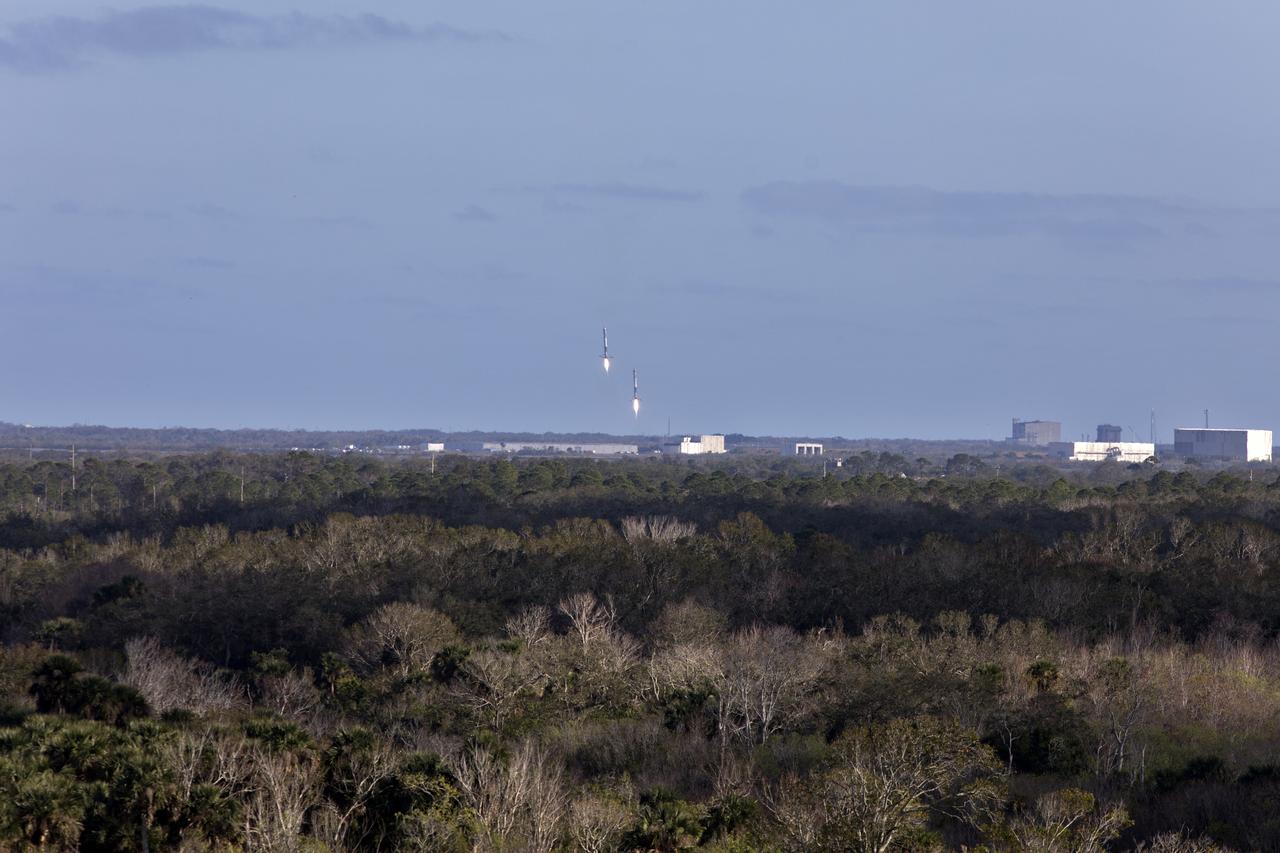
The SpaceX Falcon Heavy rocket’s two side cores descend toward landing at Cape Canaveral Air Force Station in Florida following a successful liftoff at 3:45 p.m. EST from Launch Complex 39A at NASA's Kennedy Space Center. This demonstration flight is a significant milestone for the world's premier multi-user spaceport. In 2014, NASA signed a property agreement with SpaceX for the use and operation of the center's pad 39A, where the company has launched Falcon 9 rockets and prepared for the first Falcon Heavy. NASA also has Space Act Agreements in place with partners, such as SpaceX, to provide services needed to process and launch rockets and spacecraft.
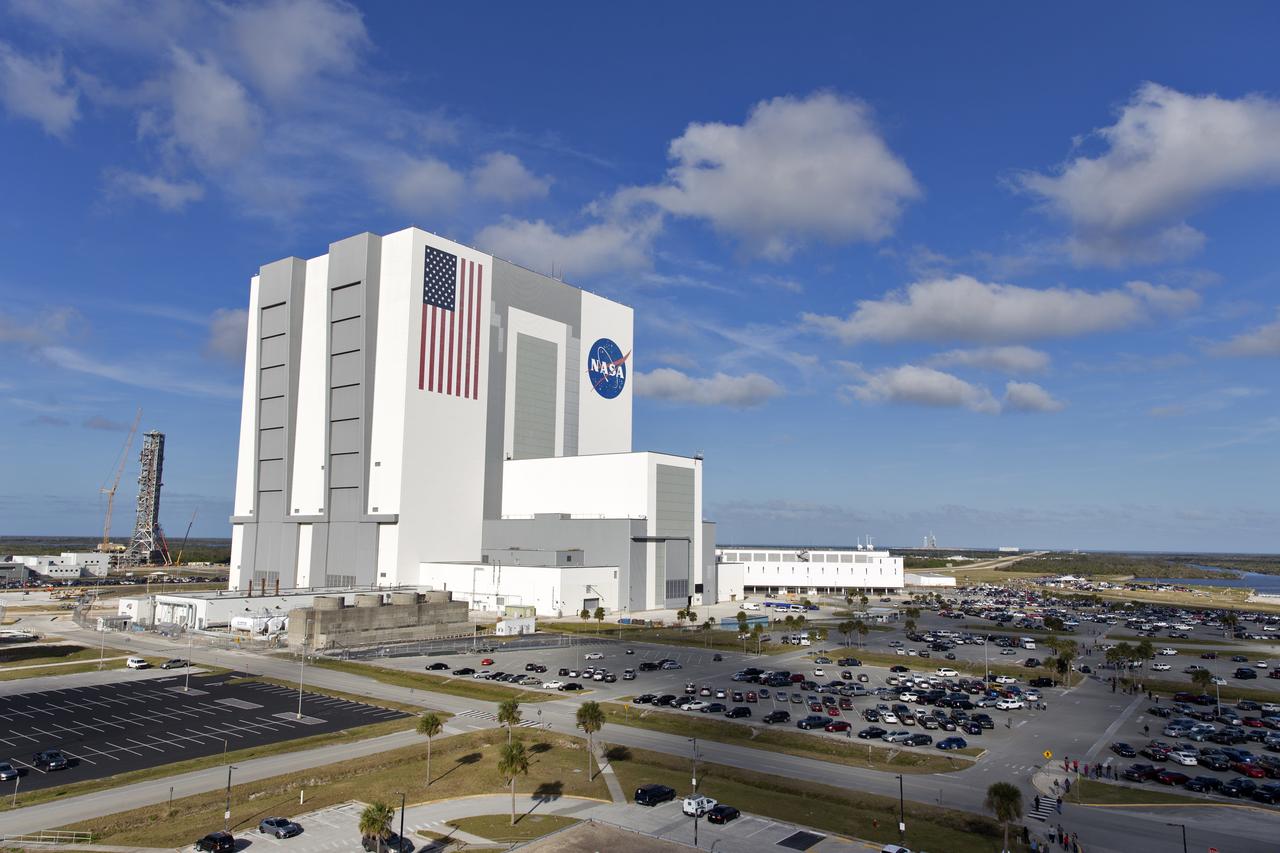
A SpaceX Falcon Heavy stands at Launch Complex 39A, far right, at NASA's Kennedy Space Center in Florida awaiting liftoff on its demonstration flight. In the foreground is the center’s iconic Vehicle Assembly Building. The demonstration flight is a significant milestone for the world's premier multi-user spaceport. In 2014, NASA signed a property agreement with SpaceX for the use and operation of the center's pad 39A, where the company has launched Falcon 9 rockets and is preparing for the first Falcon Heavy. NASA also has Space Act Agreements in place with partners, such as SpaceX, to provide services needed to process and launch rockets and spacecraft.

A two-stage SpaceX Falcon 9 rocket lifts off from Launch Complex 39A at NASA’s Kennedy Space Center in Florida for Demo-1, the first uncrewed mission of the agency’s Commercial Crew Program. Liftoff was at 2:49 a.m., March 2, 2019. The SpaceX Crew Dragon’s trip to the International Space Station is designed to validate end-to-end systems and capabilities, leading to certification to fly crew. NASA has worked with SpaceX and Boeing in developing the Commercial Crew Program spacecraft to facilitate new human spaceflight systems launching from U.S. soil with the goal of safe, reliable and cost-effective access to low-Earth orbit destinations, such as the space station.
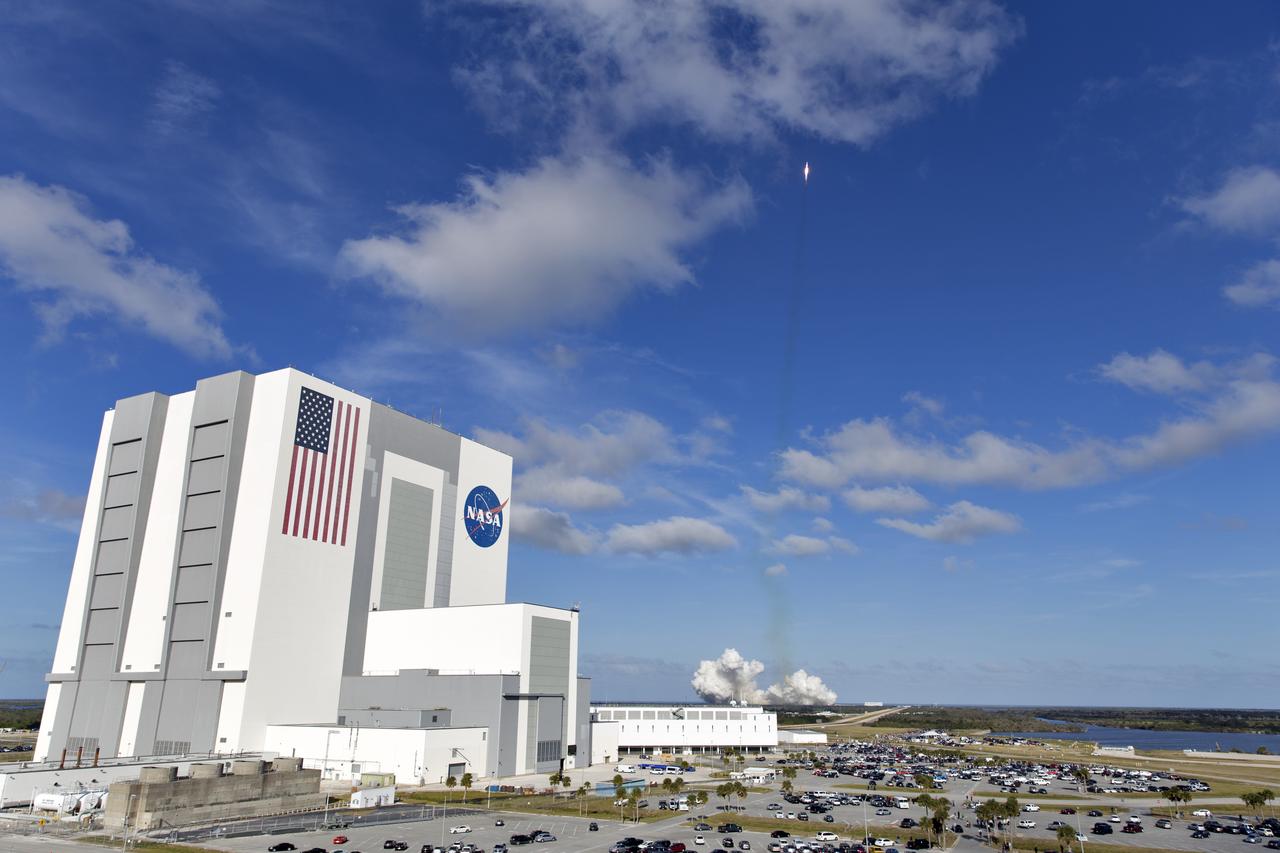
A SpaceX Falcon Heavy rocket begins its demonstration flight with liftoff at 3:45 p.m. EST from from Launch Complex 39A at NASA's Kennedy Space Center in Florida. This is a significant milestone for the world's premier multi-user spaceport. In 2014, NASA signed a property agreement with SpaceX for the use and operation of the center's pad 39A, where the company has launched Falcon 9 rockets and prepared for the first Falcon Heavy. NASA also has Space Act Agreements in place with partners, such as SpaceX, to provide services needed to process and launch rockets and spacecraft.
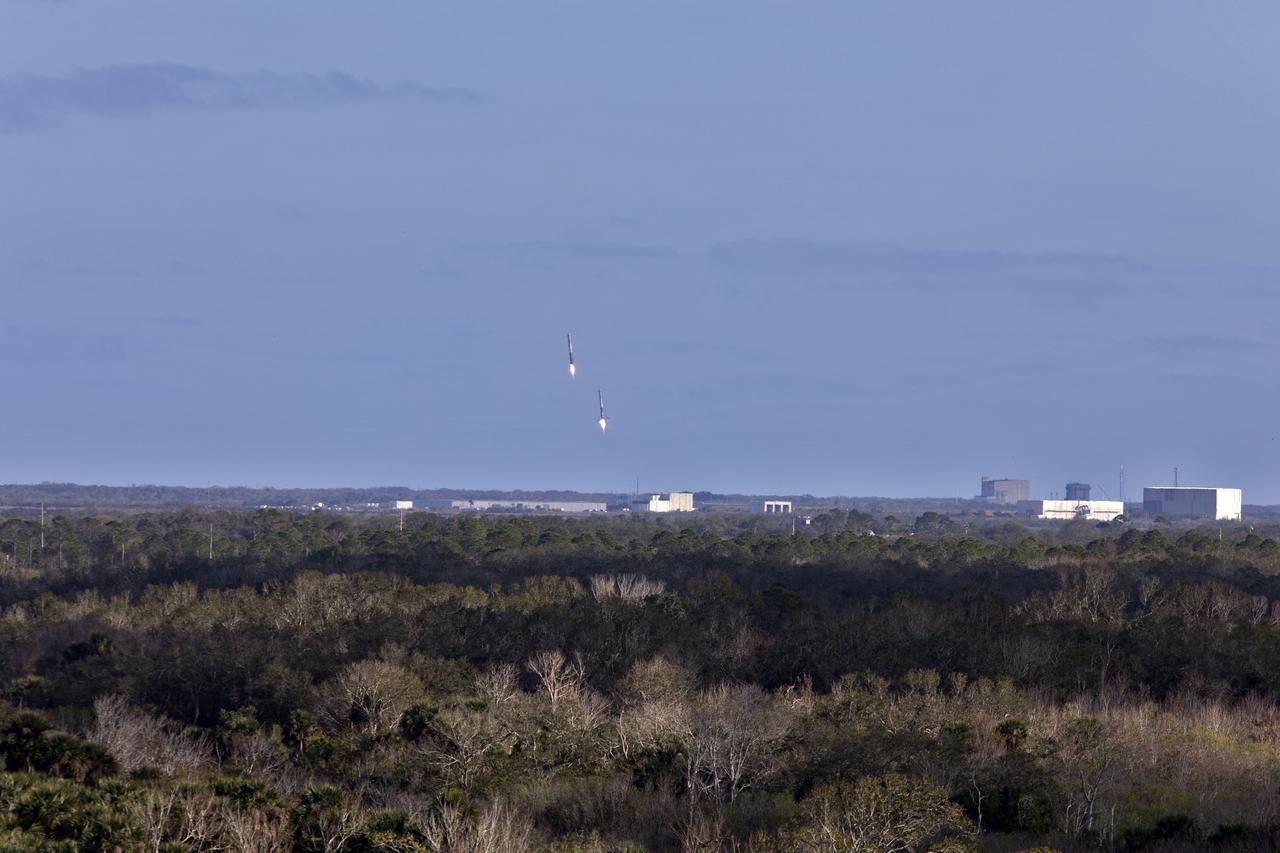
The SpaceX Falcon Heavy rocket’s two side cores descend toward landing at Cape Canaveral Air Force Station in Florida following a successful liftoff at 3:45 p.m. EST from Launch Complex 39A at NASA's Kennedy Space Center. This demonstration flight is a significant milestone for the world's premier multi-user spaceport. In 2014, NASA signed a property agreement with SpaceX for the use and operation of the center's pad 39A, where the company has launched Falcon 9 rockets and prepared for the first Falcon Heavy. NASA also has Space Act Agreements in place with partners, such as SpaceX, to provide services needed to process and launch rockets and spacecraft.
A SpaceX Falcon Heavy rocket begins its demonstration flight with liftoff at 3:45 p.m. EST from from Launch Complex 39A at NASA's Kennedy Space Center in Florida. This is a significant milestone for the world's premier multi-user spaceport. In 2014, NASA signed a property agreement with SpaceX for the use and operation of the center's pad 39A, where the company has launched Falcon 9 rockets and prepared for the first Falcon Heavy. NASA also has Space Act Agreements in place with partners, such as SpaceX, to provide services needed to process and launch rockets and spacecraft.
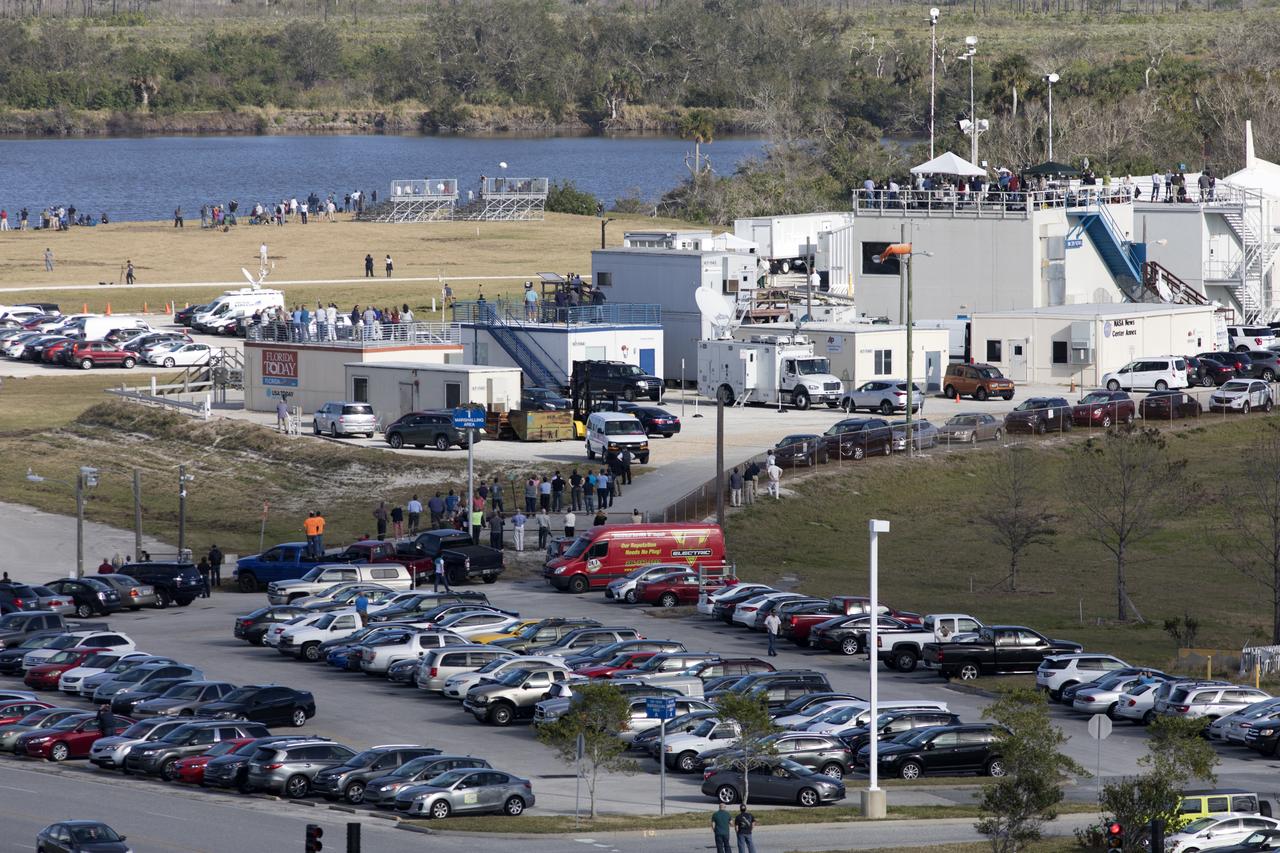
Employees, invited guests and members of the news media await liftoff of the SpaceX Falcon Heavy rocket from Launch Complex 39A at NASA’s Kennedy Space Center in Florida. The demonstration flight is a significant milestone for the world's premier multi-user spaceport. In 2014, NASA signed a property agreement with SpaceX for the use and operation of the center's pad 39A, where the company has launched Falcon 9 rockets and is preparing for the first Falcon Heavy. NASA also has Space Act Agreements in place with partners, such as SpaceX, to provide services needed to process and launch rockets and spacecraft.
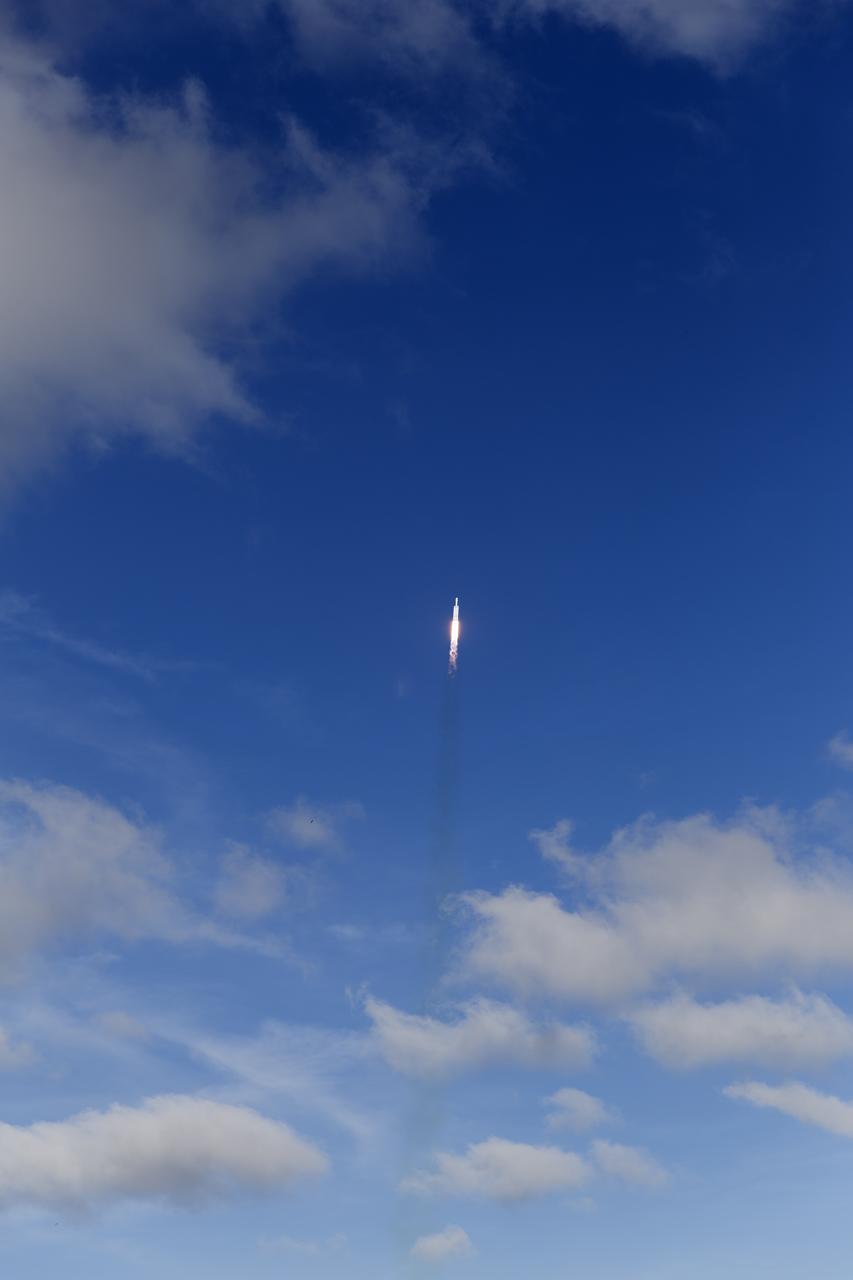
A SpaceX Falcon Heavy rocket begins its demonstration flight with liftoff at 3:45 p.m. EST from from Launch Complex 39A at NASA's Kennedy Space Center in Florida. This is a significant milestone for the world's premier multi-user spaceport. In 2014, NASA signed a property agreement with SpaceX for the use and operation of the center's pad 39A, where the company has launched Falcon 9 rockets and prepared for the first Falcon Heavy. NASA also has Space Act Agreements in place with partners, such as SpaceX, to provide services needed to process and launch rockets and spacecraft.