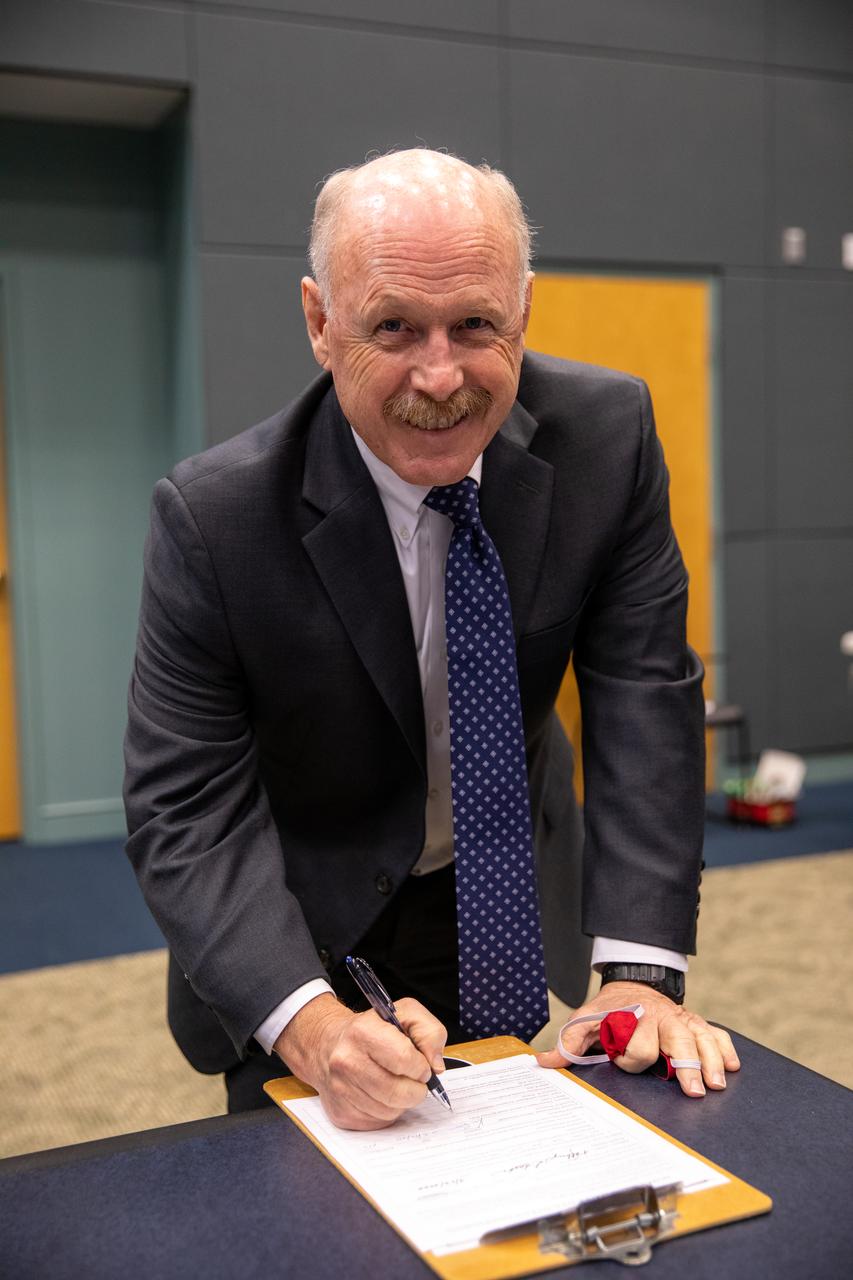
On May 22, 2020, inside the Operations Support Building II at NASA’s Kennedy Space Center in Florida, Kenneth Bowersox, deputy associate administrator for the agency’s Human Exploration and Operations Missions Directorate, signs the official document denoting the NASA and SpaceX are a ‘Go’ for the upcoming Demo-2 launch, following the conclusion of the flight readiness review. A SpaceX Falcon 9 rocket and Crew Dragon spacecraft will carry NASA astronauts Robert Behnken and Douglas Hurley to the International Space Station as part of the agency’s Commercial Crew Program, returning human spaceflight capability to the U.S. after nearly a decade. Launch is slated for 4:33 p.m. EDT on Wednesday, May 27, from Kennedy’s Launch Complex 39A.
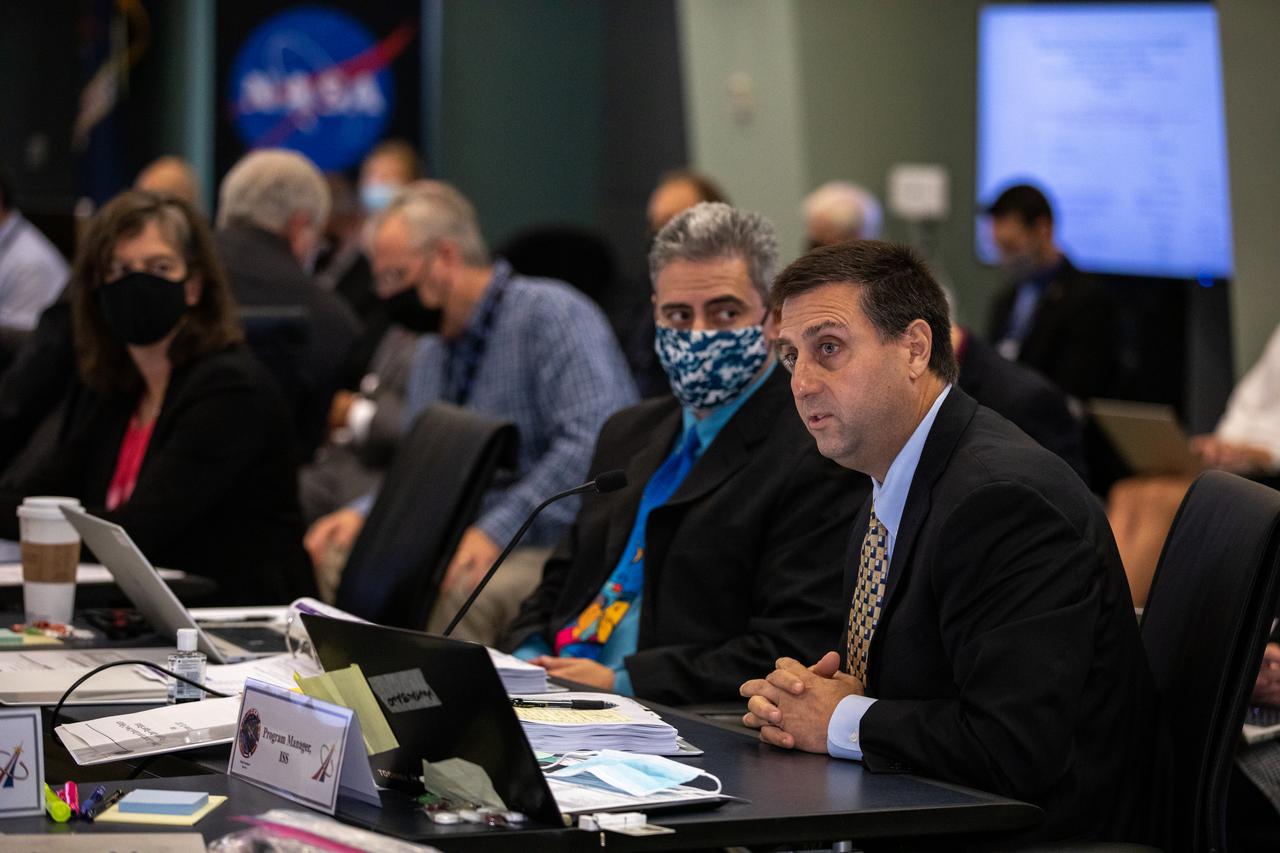
Joel Montalbano, at right, manager, International Space Station, NASA’s Johnson Space Center, participates in a Flight Readiness Review for the agency’s SpaceX Crew-3 mission at Kennedy Space Center in Florida on Oct. 25, 2021. International partners also participated. NASA and SpaceX mission managers held the FRR to confirm the SpaceX Falcon 9 and Crew Dragon spacecraft are ready for launch. Crew-3 is scheduled to launch to the International Space Station from Kennedy’s Launch Complex 39A on Oct. 31, 2021 as part of NASA’s Commercial Crew Program. Liftoff of the Falcon 9 rocket and Crew Dragon spacecraft is targeted for 2:21 a.m. EDT.
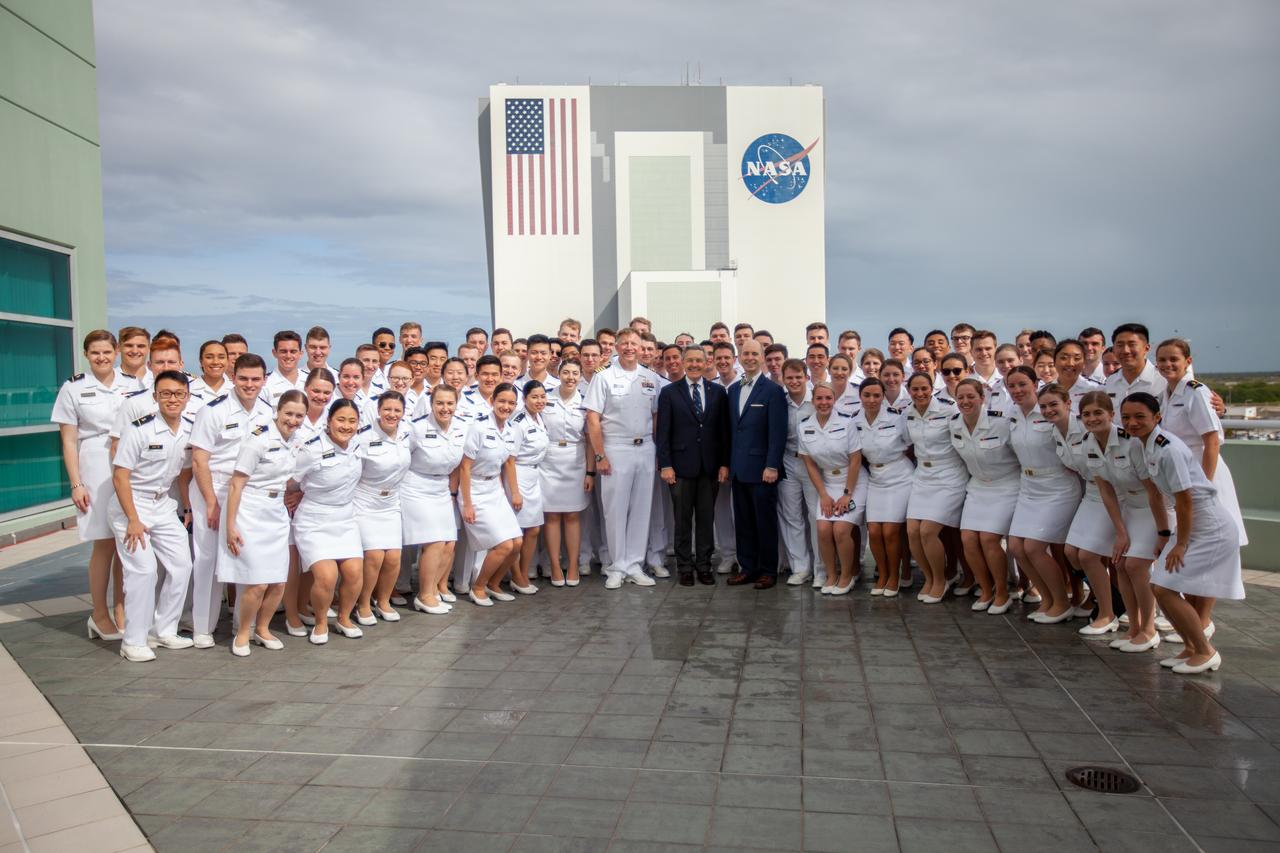
At center, from left to right, Captain Ben Shupp, commanding officer, Naval Ordnance Test Unit; Bob Cabana, Kennedy Space Center director; and Dr. Aaron Smith, director and chairman, Musical Activities Department, United States Naval Academy; pose with the U.S. Naval Academy Glee Club with the Florida spaceport’s Vehicle Assembly Building in the background on March 10, 2020. The highly acclaimed Glee Club, which performed for Kennedy employees, has achieved prominence as one of America’s premier choral ensembles.
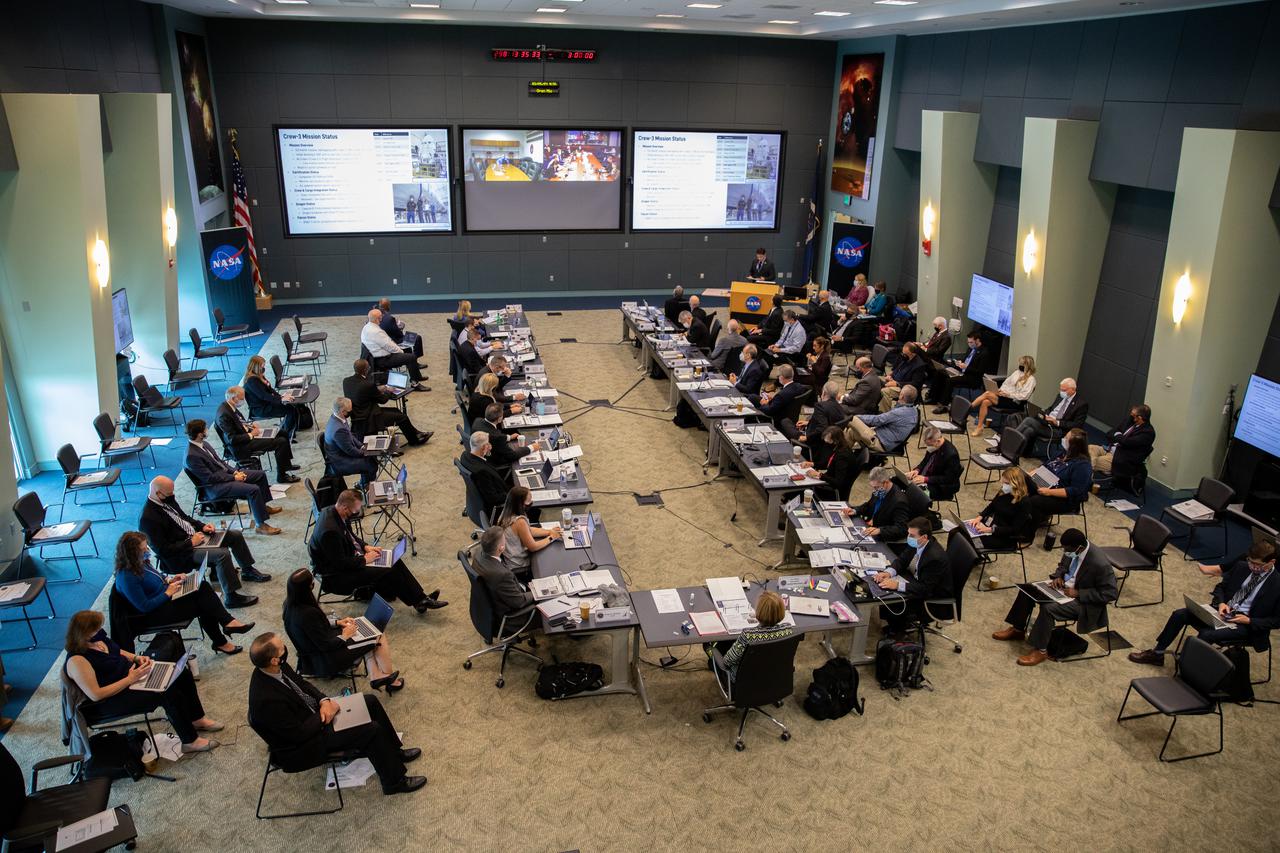
NASA and SpaceX managers participate in a Flight Readiness Review for the agency’s SpaceX Crew-3 mission at Kennedy Space Center in Florida on Oct. 25, 2021. International partners also participated. Crew-3 is scheduled to launch to the International Space Station from Kennedy’s Launch Complex 39A on Oct. 31, 2021 as part of NASA’s Commercial Crew Program. Liftoff of the Falcon 9 rocket and Crew Dragon spacecraft is targeted for 2:21 a.m. EDT.
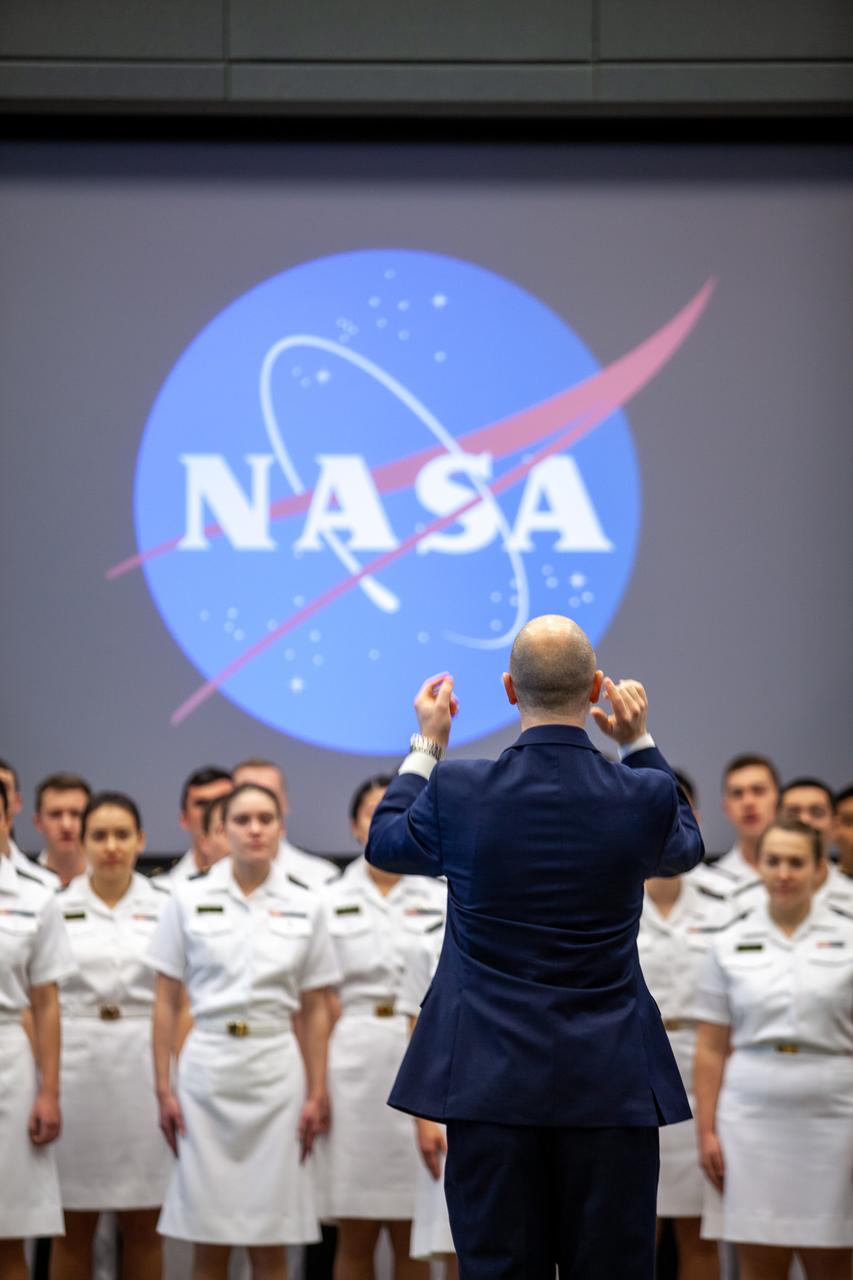
The United States Naval Academy Glee Club performs for Kennedy Space Center employees at the Florida spaceport on March 10, 2020. As part of the celebration, Kennedy Director Bob Cabana discussed the deep historical ties between NASA and the U.S. Navy. The highly acclaimed Glee Club has achieved prominence as one of America’s premier choral ensembles, performing throughout the nation each year.
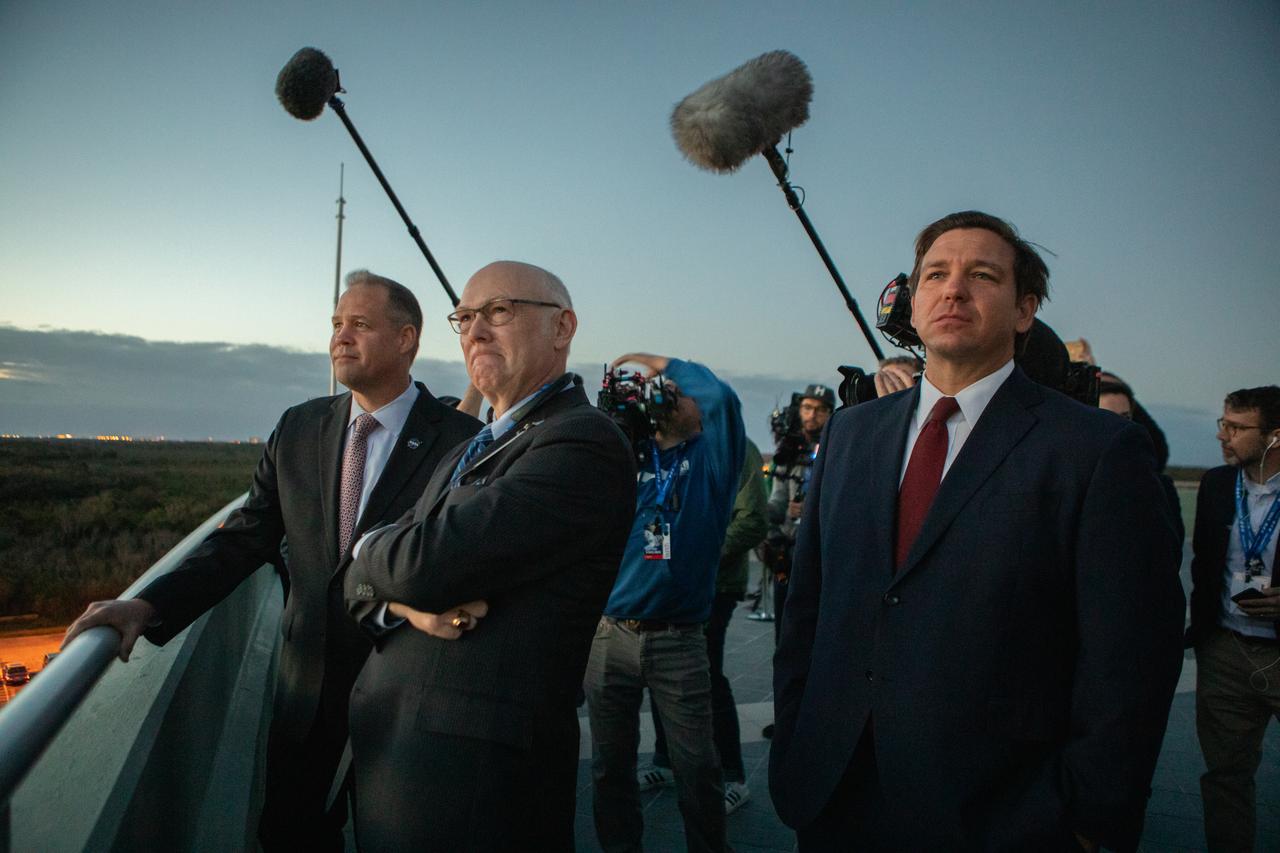
From left to right, NASA Administrator Jim Bridenstine; Tory Bruno, president and chief executive officer of United Launch Alliance; and Florida Governor Ron DeSantis wait at NASA’s Kennedy Space Center in Florida to see the liftoff of a United Launch Alliance Atlas V rocket carrying Boeing’s CST-100 Starliner spacecraft for Boeing’s Orbital Flight Test, Dec. 20, 2019. Liftoff occurred at 6:36 a.m. EST from Space Launch Complex 41 at Florida’s Cape Canaveral Air Force Station. The uncrewed Orbital Flight Test is the Starliner’s first flight for NASA’s Commercial Crew Program.
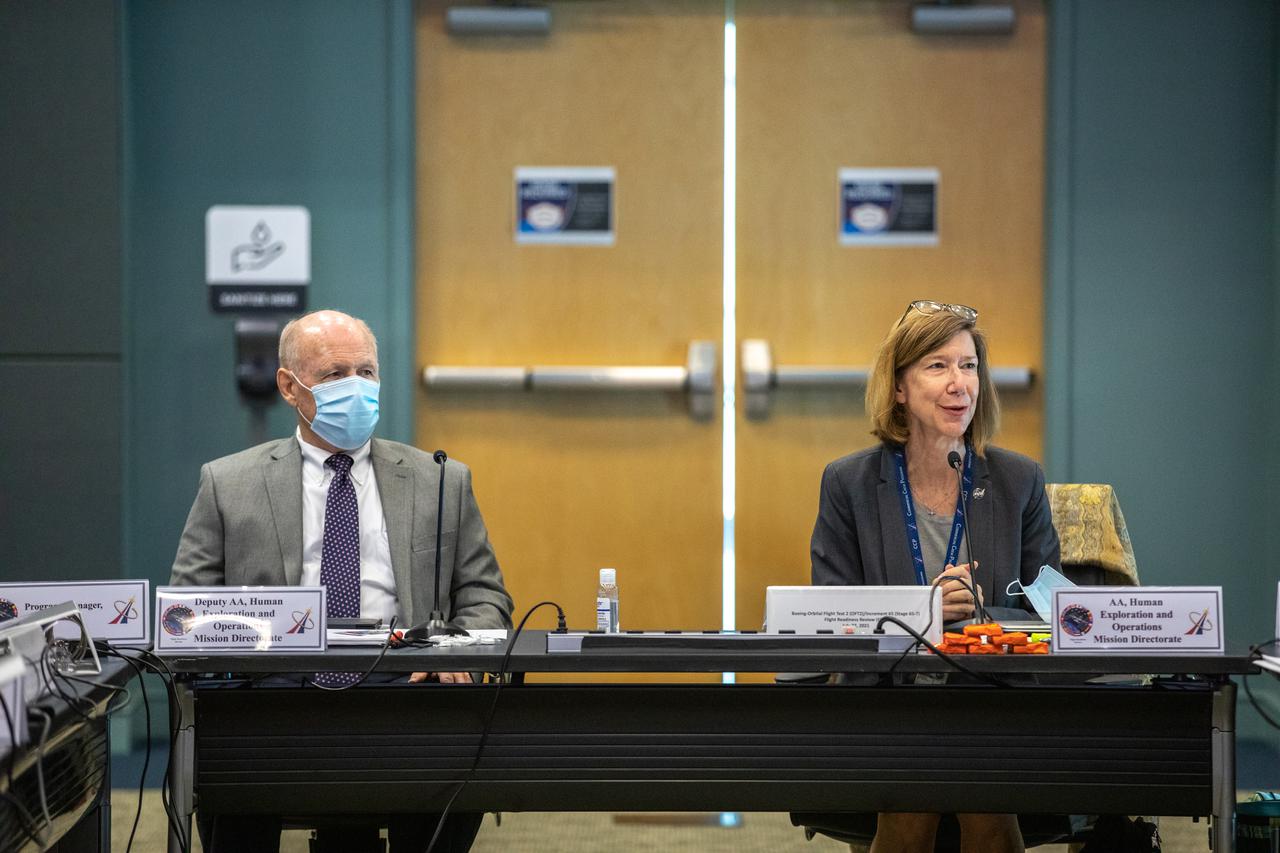
Deputy Associate Administrator of the Human Exploration and Operations (HEO) Mission Directorate Ken Bowersox (left) and Associate Administrator of the Human Exploration and Operations (HEO) Mission Directorate Kathryn Lueders take part in the Flight Readiness Review for Boeing's upcoming Orbital Flight Test-2 (OFT-2) in Operations Support Building 2 at NASA's Kennedy Space Center in Florida, July 22, 2021. Boeing's CST-100 Starliner spacecraft will launch atop a United Launch Alliance Atlas V rocket from Space Launch Complex 41 at Cape Canaveral Space Force Station at 2:53 p.m. EDT Friday, July 30. The uncrewed OFT-2 will be the Starliner's second flight to the International Space Station for NASA's Commercial Crew Program.

A SpaceX Falcon 9 rocket carrying the company's Dragon spacecraft launches NASA’s SpaceX Crew-8 mission to the International Space Station with NASA astronauts Matthew Dominick, Michael Barratt, and Jeanette Epps, and Roscosmos cosmonaut Alexander Grebenkin aboard at 10:53 p.m. EST on Sunday, March 3, 2024, from NASA’s Kennedy Space Center in Florida. NASA’s SpaceX Crew-8 mission is the eighth crew rotation mission with SpaceX to the station, and the ninth flight of Dragon with people as part of the agency’s Commercial Crew Program.
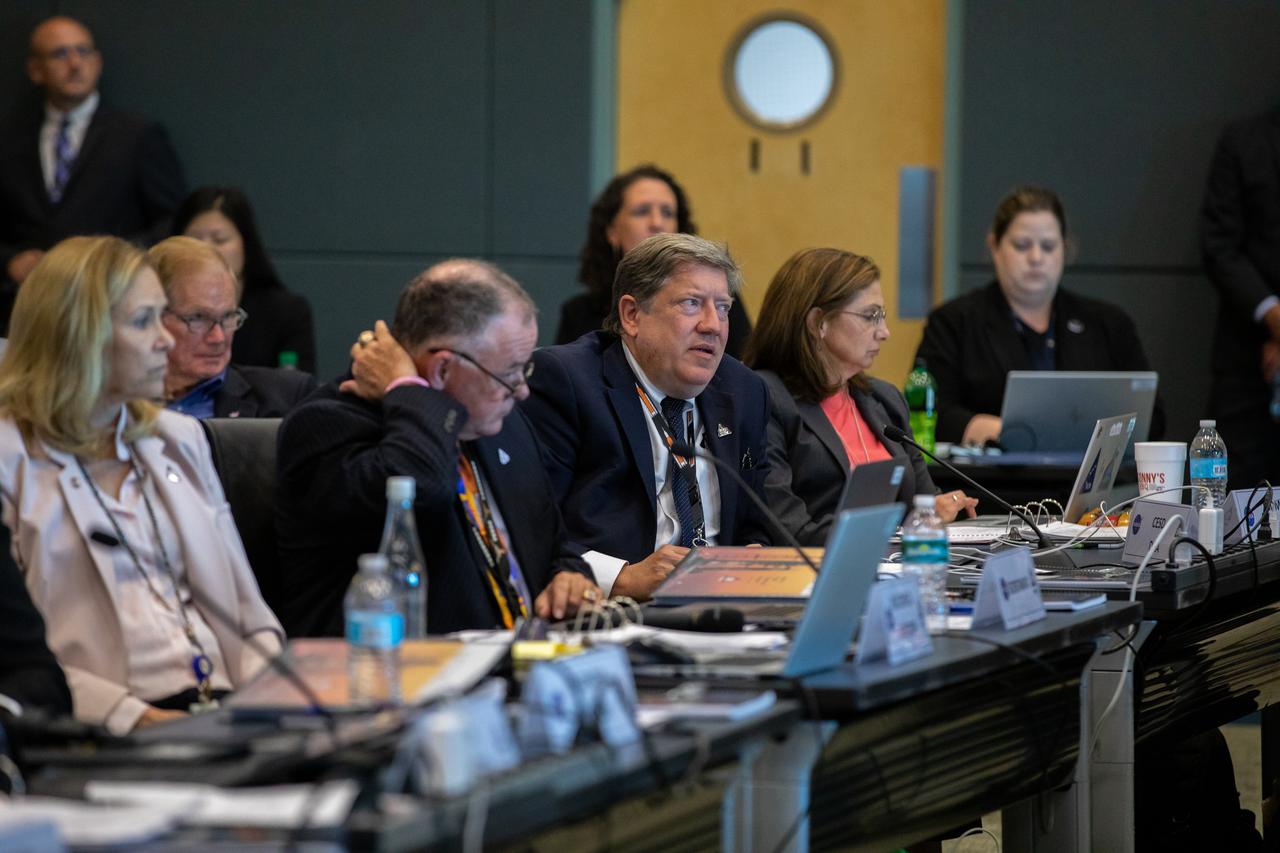
Artemis I managers conduct a Flight Readiness Review (FRR) on Aug. 22, 2022, at NASA’s Kennedy Space Center in Florida. The FRR is an in-depth assessment of the readiness of the agency’s Space Launch System and Orion spacecraft to support the uncrewed flight of Artemis I on its mission beyond the Moon and return to Earth. The meeting will conclude later in the day with a poll of all managers. Artemis I is scheduled to launch at 8:33 a.m. EDT on Aug. 29, 2022, from Kennedy’s Launch Complex 39B. The first in a series of increasingly complex missions, Artemis I will provide a foundation for human deep space exploration and demonstrate our commitment and capability to extend human presence to the Moon and beyond. The primary goal of Artemis I is to thoroughly test the integrated systems before crewed missions by operating the spacecraft in a deep space environment, testing Orion’s heat shield, and recovering the crew module after reentry, descent, and splashdown.
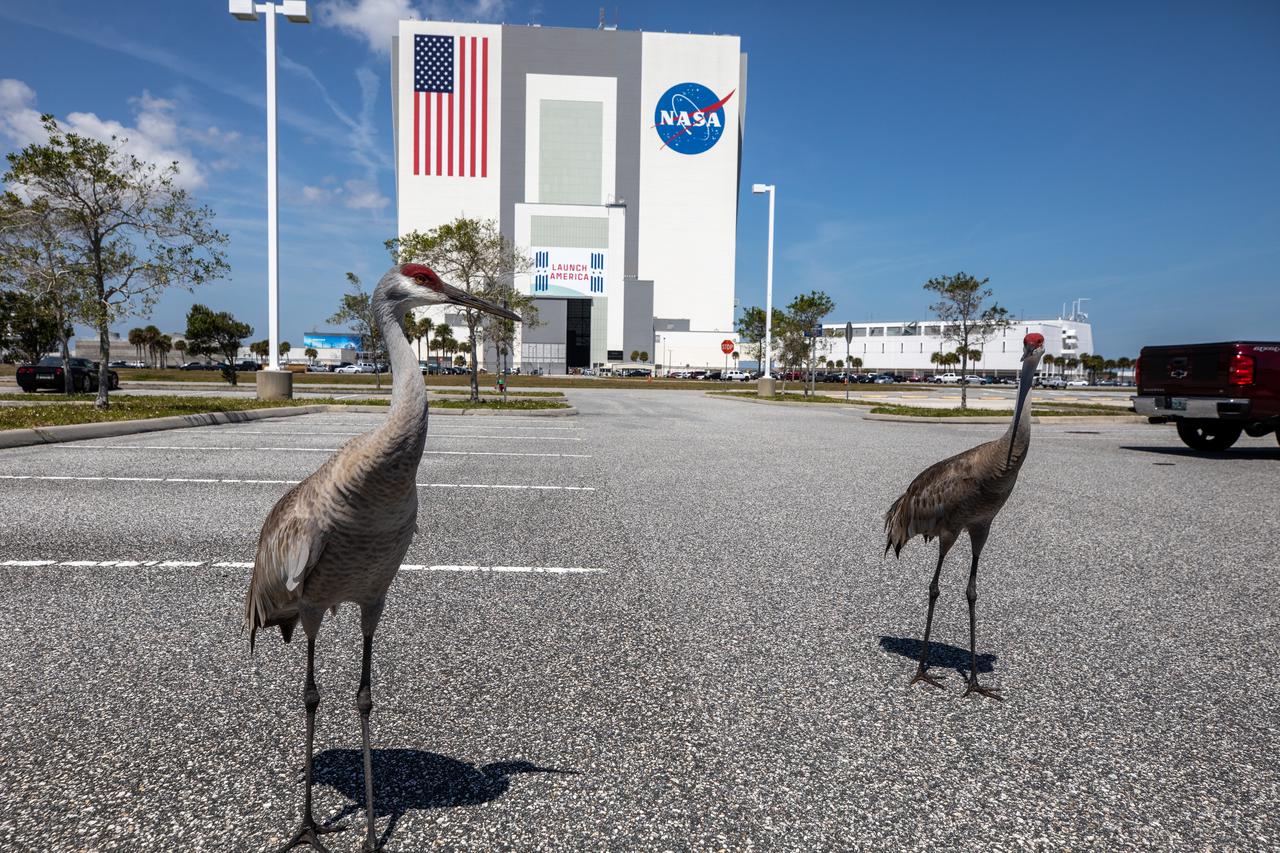
A pair of sandhill cranes explore a paved parking area near the Vehicle Assembly Building at NASA’s Kennedy Space Center in Florida on March 24, 2021. Kennedy shares space with the Merritt Island National Wildlife refuge, which is home to more than 1,000 species of plants, 117 species of fish, 68 amphibians and reptiles, 330 birds, and 31 different mammals. The refuge provides a favorable environment for the cranes as it contains shallow freshwater habitats for nesting, along with a variety of vegetation and prey to feed on.
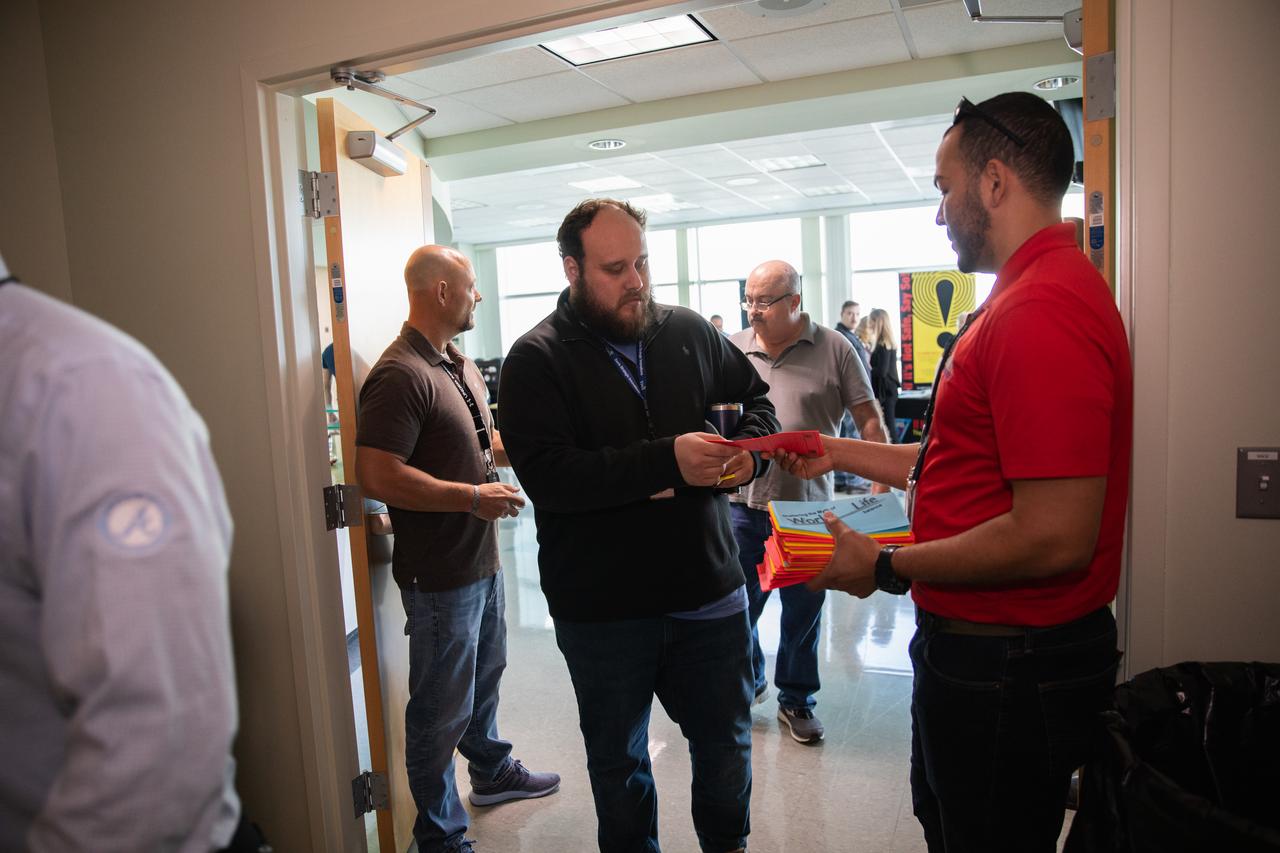
On March 3, 2020, NASA Kennedy Space Center employees attend a presentation in the Florida spaceport’s Operations Support Building II during the center’s annual Safety and Health Days. Taking place March 2 through March 6, Safety and Health Days provides Kennedy employees with a variety of presentations to attend – all of which focus on how to maintain a safe and healthy workforce.
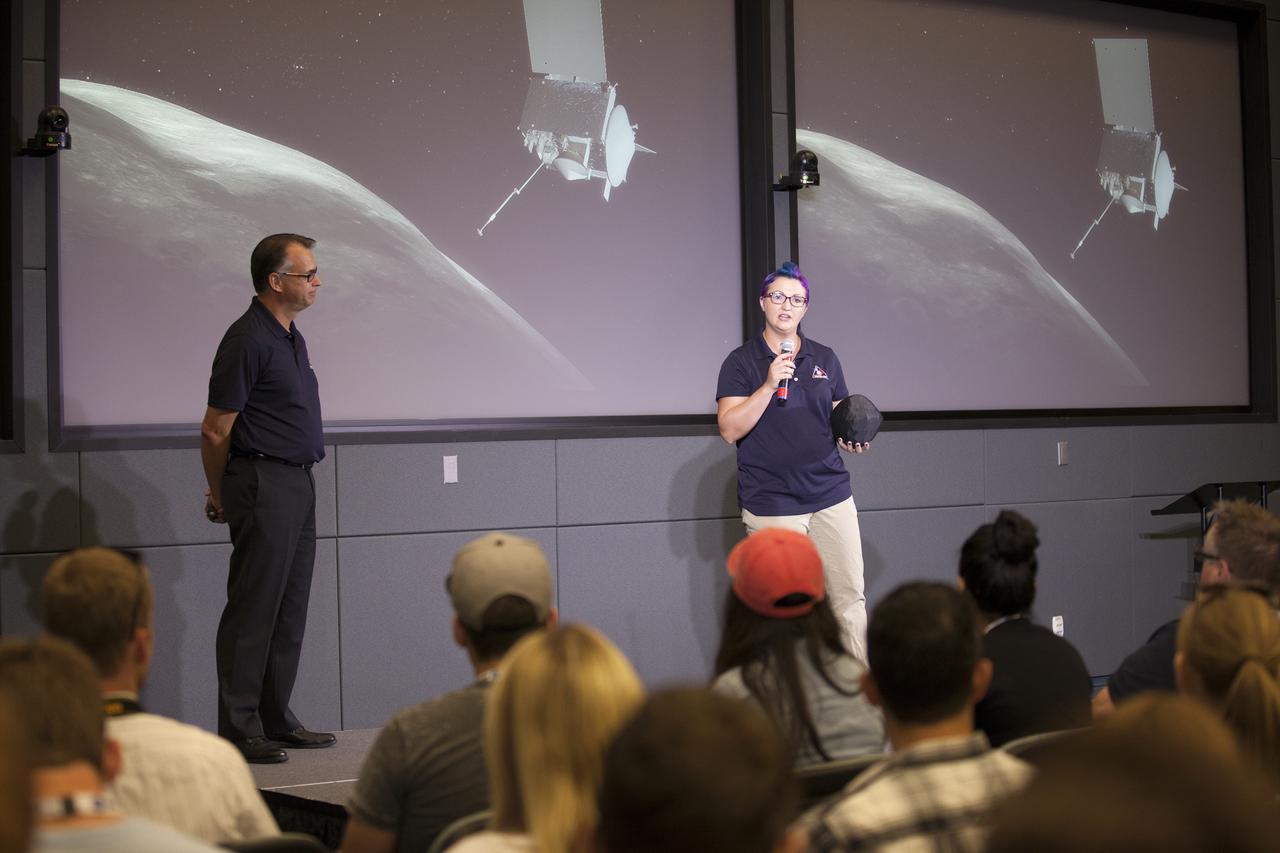
Social media followers were briefed by NASA scientists on asteroids, how they relate to the origins of our solar system and the search for life beyond Earth, during a NASA Social presentation in the Operations Support Building II at the agency’s Kennedy Space Center in Florida. The presentation took place before launch of the agency’s Origins, Spectral Interpretation, Resource Identification, Security-Regolith Explorer, or OSIRIS-REx spacecraft. From the left, are Dante Lauretta, OSIRIS-REx principal investigator from the University of Arizona at Tucson, and Christina Richey, OSIRIS-REx deputy program scientists at NASA Headquarters in Washington.
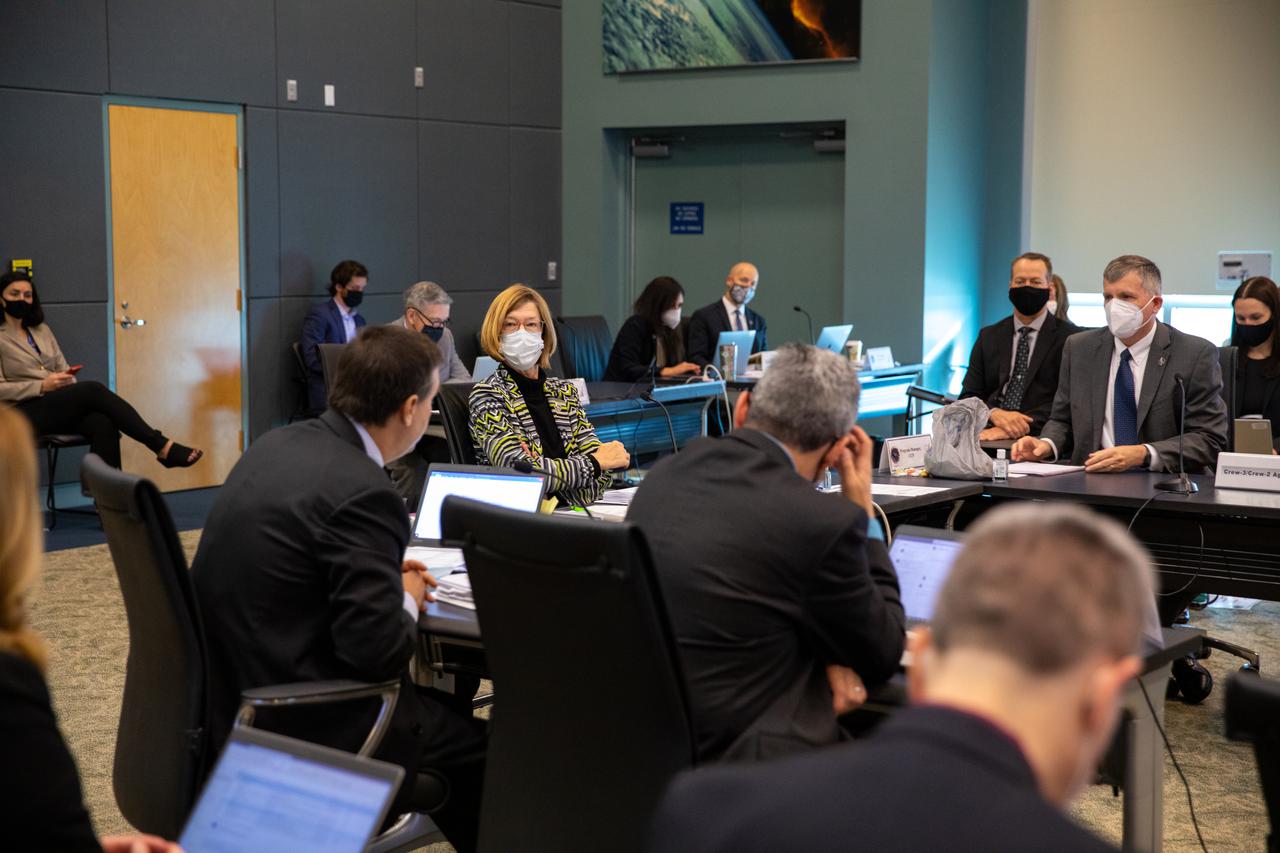
NASA and SpaceX managers participate in a Flight Readiness Review (FRR) for the agency’s SpaceX Crew-3 mission at Kennedy Space Center in Florida on Oct. 25, 2021. International partners also participated. Attending the FRR is Kathy Lueders, center, NASA associate administrator, Human Exploration and Operations Mission Directorate. Crew-3 is scheduled to launch to the International Space Station from Kennedy’s Launch Complex 39A on Oct. 31, 2021 as part of NASA’s Commercial Crew Program. Liftoff of the Falcon 9 rocket and Crew Dragon spacecraft is targeted for 2:21 a.m. EDT.
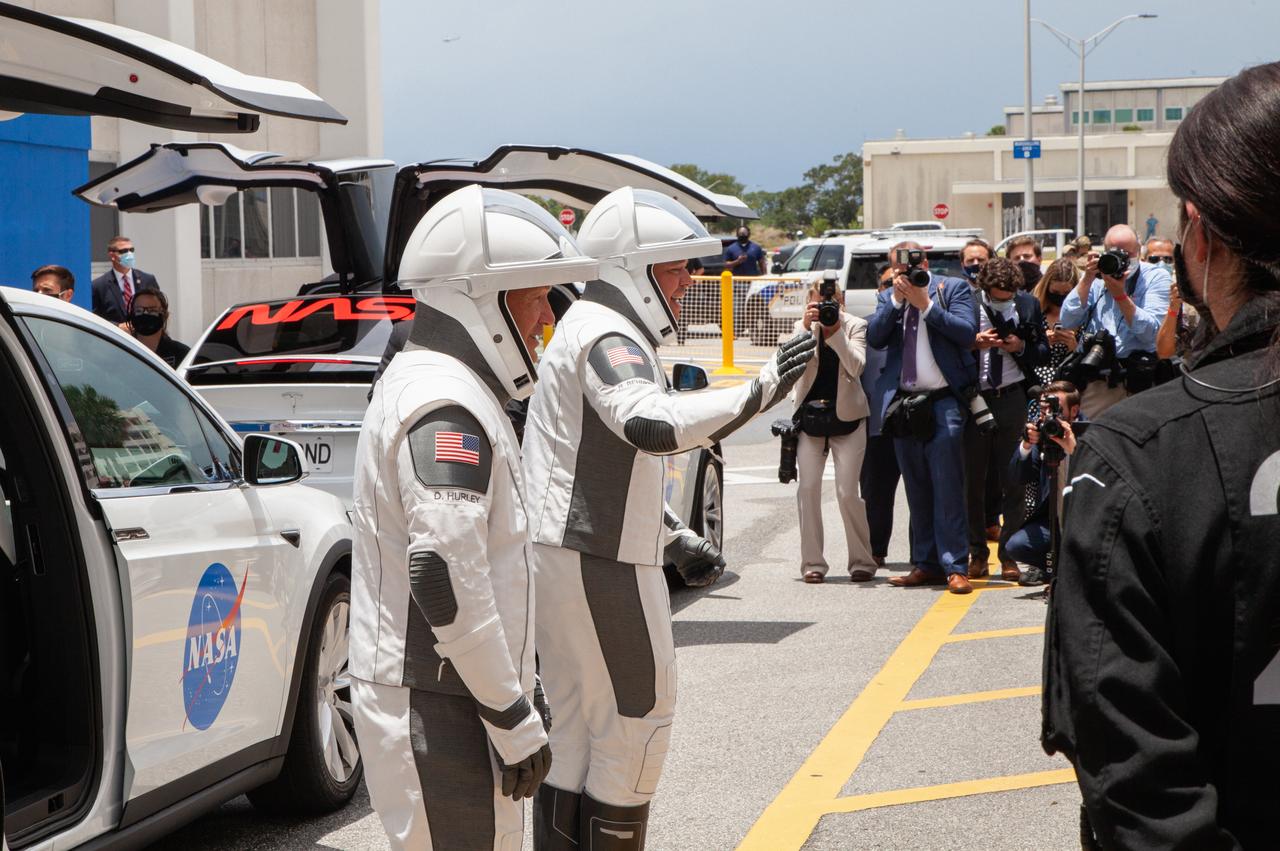
NASA astronauts Douglas Hurley (left) and Robert Behnken speak to their families before entering the Tesla Model X that will transport them from the Neil A. Armstrong Operations and Checkout Building to historic Launch Complex 39A at the Kennedy Space Center in Florida for NASA’s SpaceX Demo-2 mission. The launch, initially scheduled for May 27, 2020, was scrubbed due to unfavorable weather conditions around Launch Complex 39A. The next launch attempt will be Saturday, May 30. Liftoff of the SpaceX Falcon 9 rocket and Crew Dragon spacecraft is scheduled for 3:22 p.m. EDT from historic Launch Complex 39A. Behnken and Hurley will be the first astronauts to launch to the International Space Station from U.S. soil since the end of the Space Shuttle Program in 2011. Part of NASA’s Commercial Crew Program, this will be SpaceX’s final flight test, paving the way for the agency to certify the crew transportation system for regular, crewed flights to the orbiting laboratory.
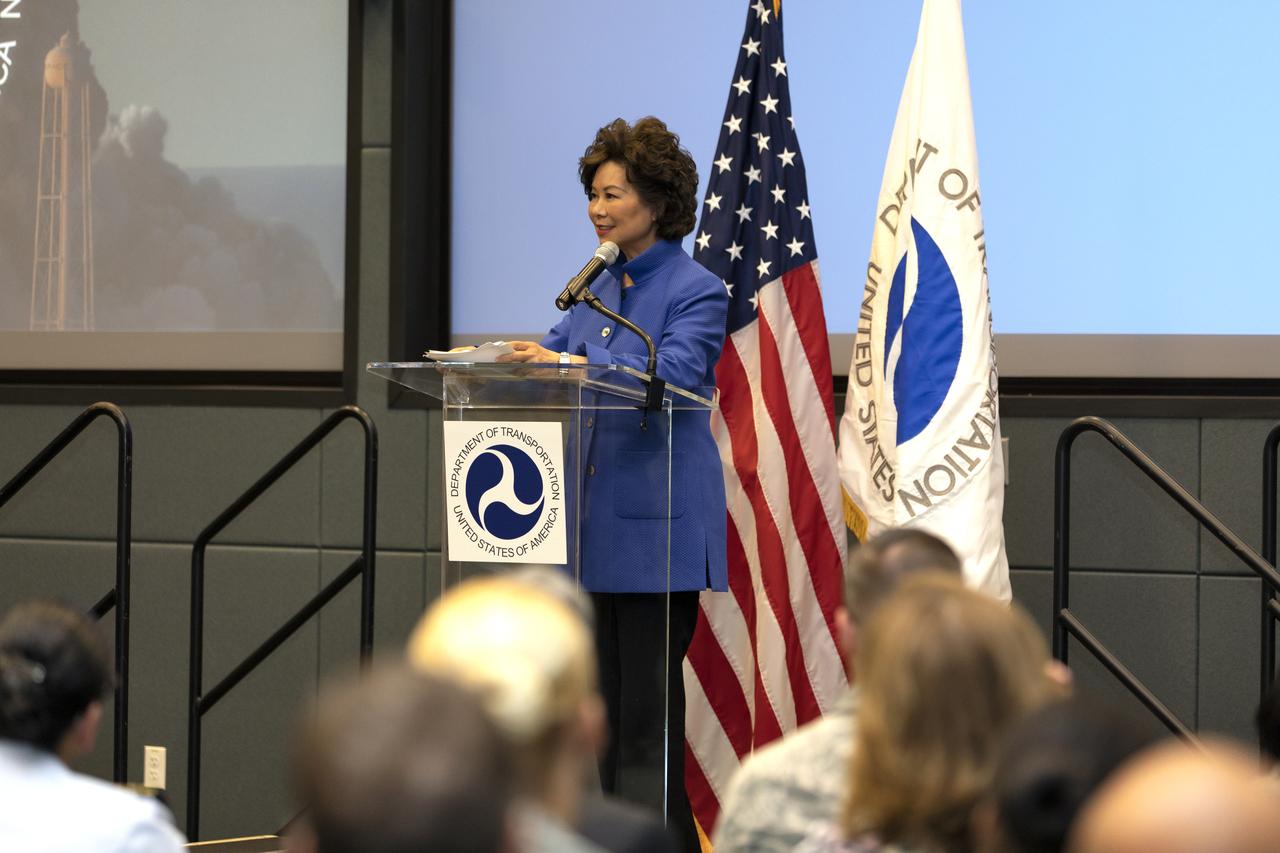
Secretary Elaine L. Chao, of the U.S. Department of Transportation (DOT), visits NASA’s Kennedy Space Center in Florida on April 24, 2019. She spoke to Kennedy’s leadership in the Operations and Support Building II and discussed the DOT’s role in enabling commercial space.

NASA Associate Administrator Amit Kshatriya participates in the Artemis II Flight Readiness Review with NASA leadership on Wednesday, March 11, 2026, at NASA’s Kennedy Space Center in Florida. The review is an assessment of the readiness of NASA’s SLS (Space Launch System) rocket and Orion spacecraft to support the Artemis II test flight as four astronauts journey around the Moon and return to Earth.
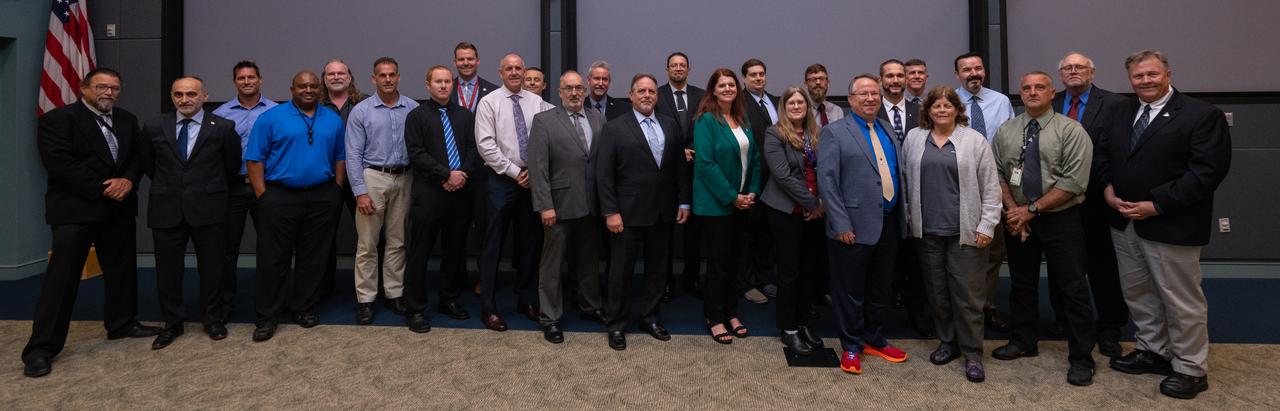
Artemis I managers gather for a final briefing on Aug. 26, 2022, at NASA’s Kennedy Space Center in Florida to confirm all is ready for launch team call to stations in Firing Room 1 of the Rocco A Petrone Launch Control Center. The agency’s Space Launch System rocket and Orion spacecraft are scheduled to launch no earlier than Aug. 29, 2022, at 8:33 a.m. EDT from Kennedy’s Launch Complex 39B. The first in a series of increasingly complex missions, Artemis I will provide a foundation for human deep space exploration and demonstrate our commitment and capability to extend human presence to the Moon and beyond. The primary goal of Artemis I is to thoroughly test the integrated systems before crewed missions by operating the spacecraft in a deep space environment, testing Orion’s heat shield, and recovering the crew module after reentry, descent, and splashdown.
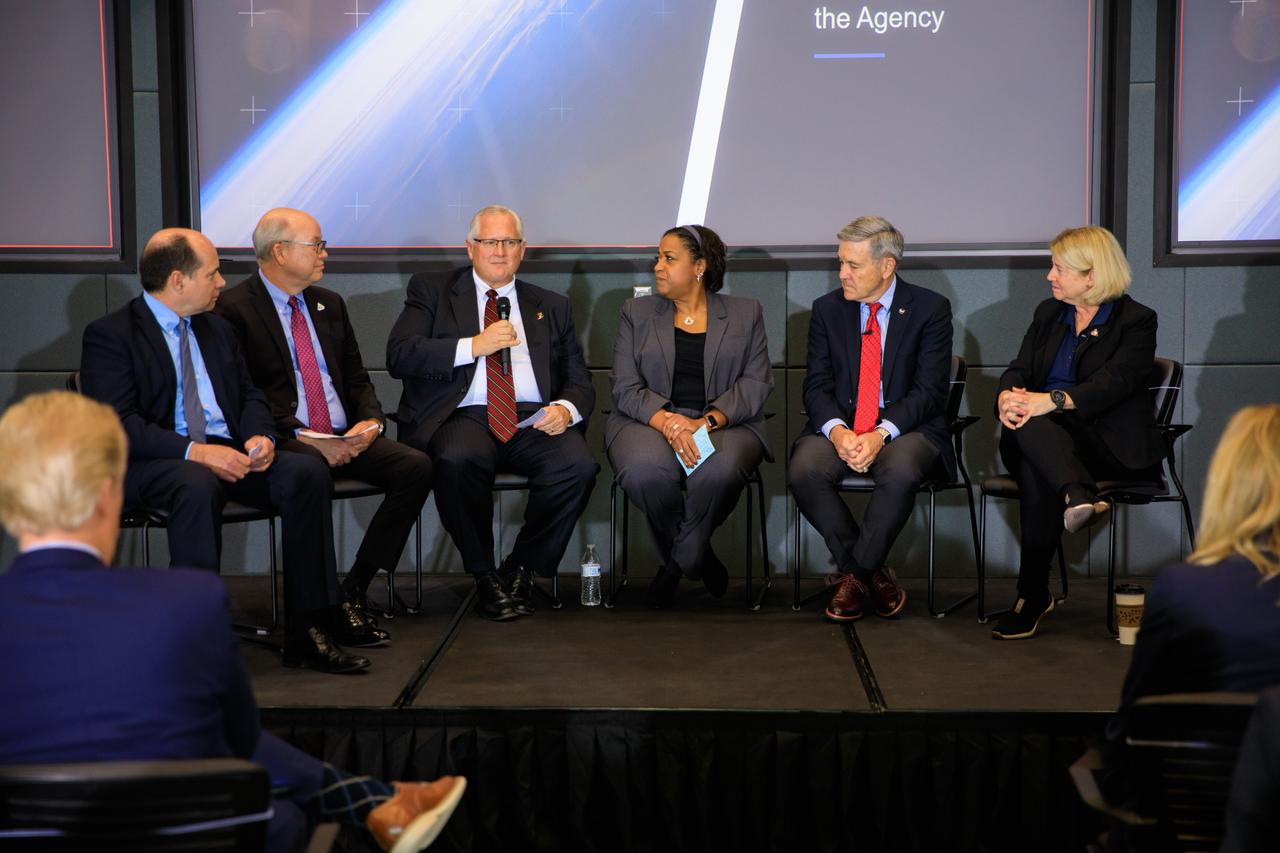
NASA senior leaders participate in a procurement discussion with employees on Nov. 29, 2022, at the agency’s Kennedy Space Center in Florida. The conversation focused on strengthening acquisition and program management within the agency. From left are David Mitchell, chief program management officer; Craig McArthur, OCFO/director for Strategic Investments Division; Scott Barber, associate general counsel for Acquisition Law; Karla Smith Jackson, assistant administrator for Procurement; NASA Associate Administrator Bob Cabana; and NASA Deputy Administrator Pam Melroy.
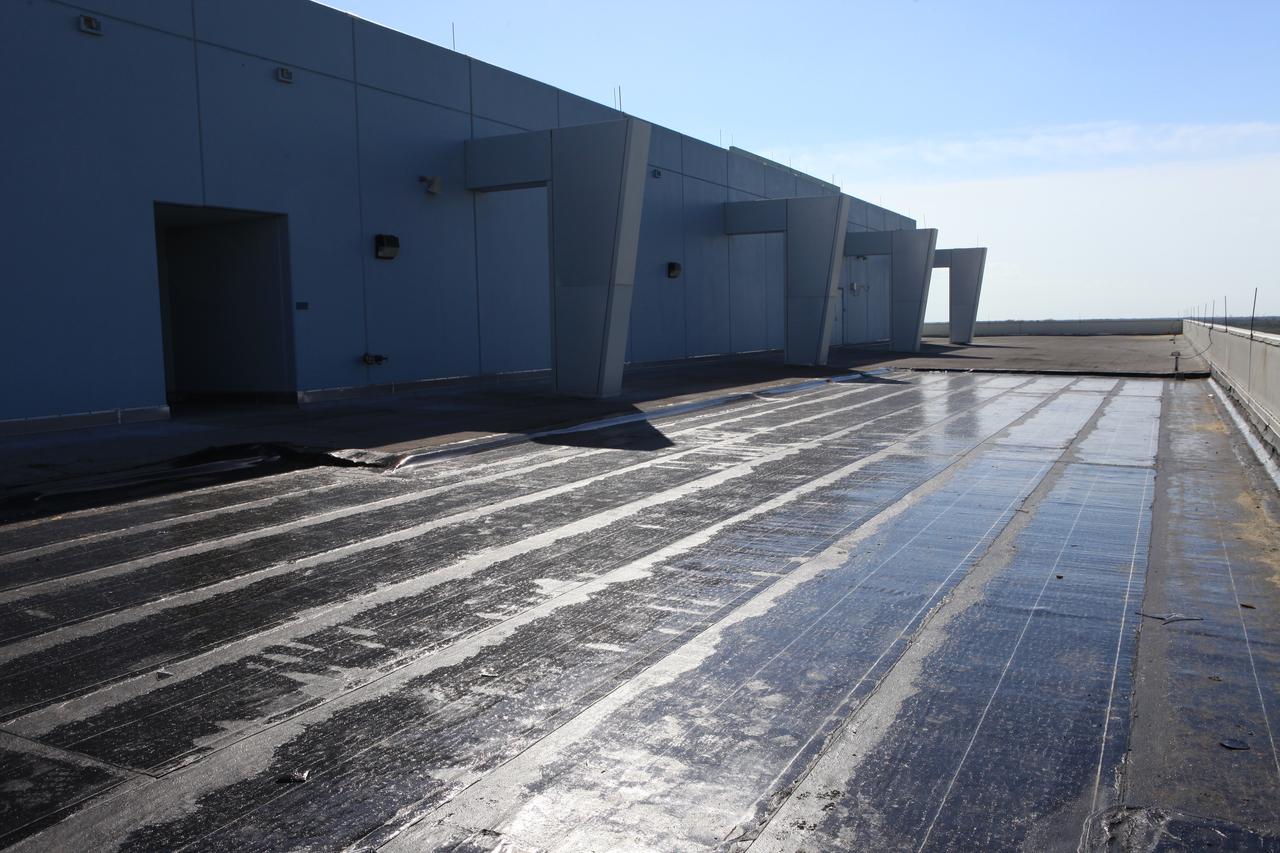
Following Hurricane Matthew, repairs have been made to the roof of the Operations Support Building (OSB) II in the Launch Complex 39 area at NASA's Kennedy Space Center in Florida. Assessments and repairs continue on various structures and facilities across the spaceport, part of the ongoing recovery from the storm, which passed to the east of Kennedy on Oct. 6 and 7, 2016. The center received some isolated roof damage, damaged support buildings, a few downed power lines, and limited water intrusion. Beach erosion also occurred, although the storm surge was less than expected.
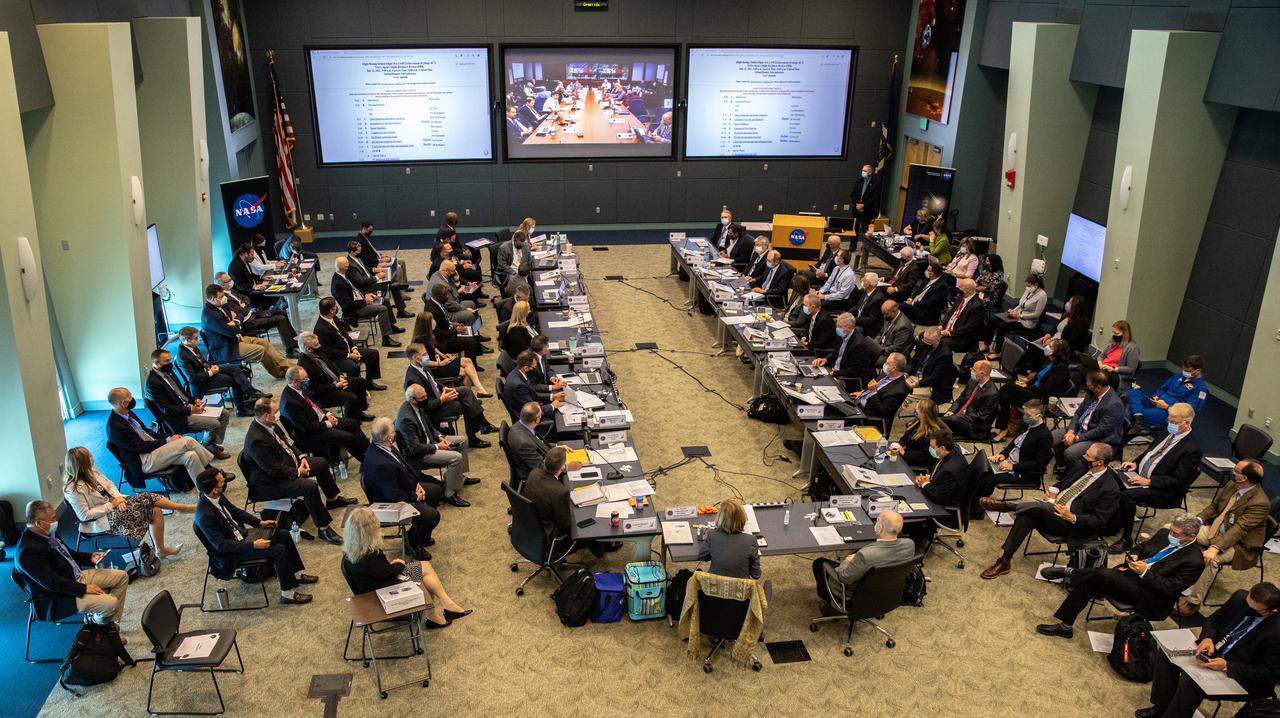
NASA and Boeing managers take part in the Flight Readiness Review for Boeing's upcoming Orbital Flight Test-2 (OFT-2) in Operations Support Building 2 at NASA's Kennedy Space Center in Florida, July 22, 2021. Boeing's CST-100 Starliner spacecraft will launch atop a United Launch Alliance Atlas V rocket from Space Launch Complex 41 at Cape Canaveral Space Force Station at 2:53 p.m. EDT Friday, July 30. The uncrewed OFT-2 will be the Starliner's second flight to the International Space Station for NASA's Commercial Crew Program.
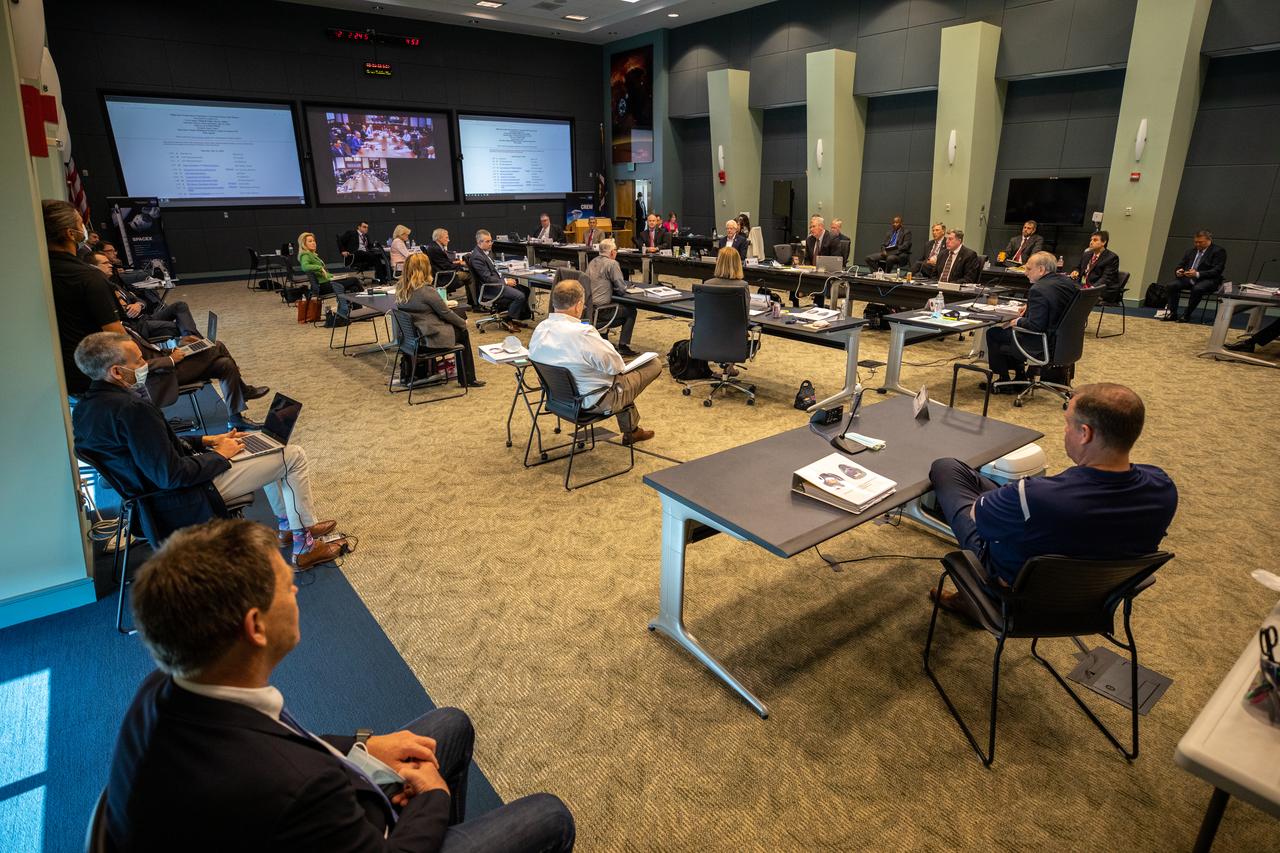
On May 21, 2020, inside the Operations Support Building II at NASA’s Kennedy Space Center in Florida, NASA and SpaceX managers participate in a flight readiness review for the upcoming Demo-2 launch. A SpaceX Falcon 9 rocket and Crew Dragon spacecraft will carry NASA astronauts Robert Behnken and Douglas Hurley to the International Space Station as part of the agency’s Commercial Crew Program, returning human spaceflight capability to the U.S. after nearly a decade. Launch is slated for 4:33 p.m. EDT on Wednesday, May 27, from Kennedy’s Launch Complex 39A.
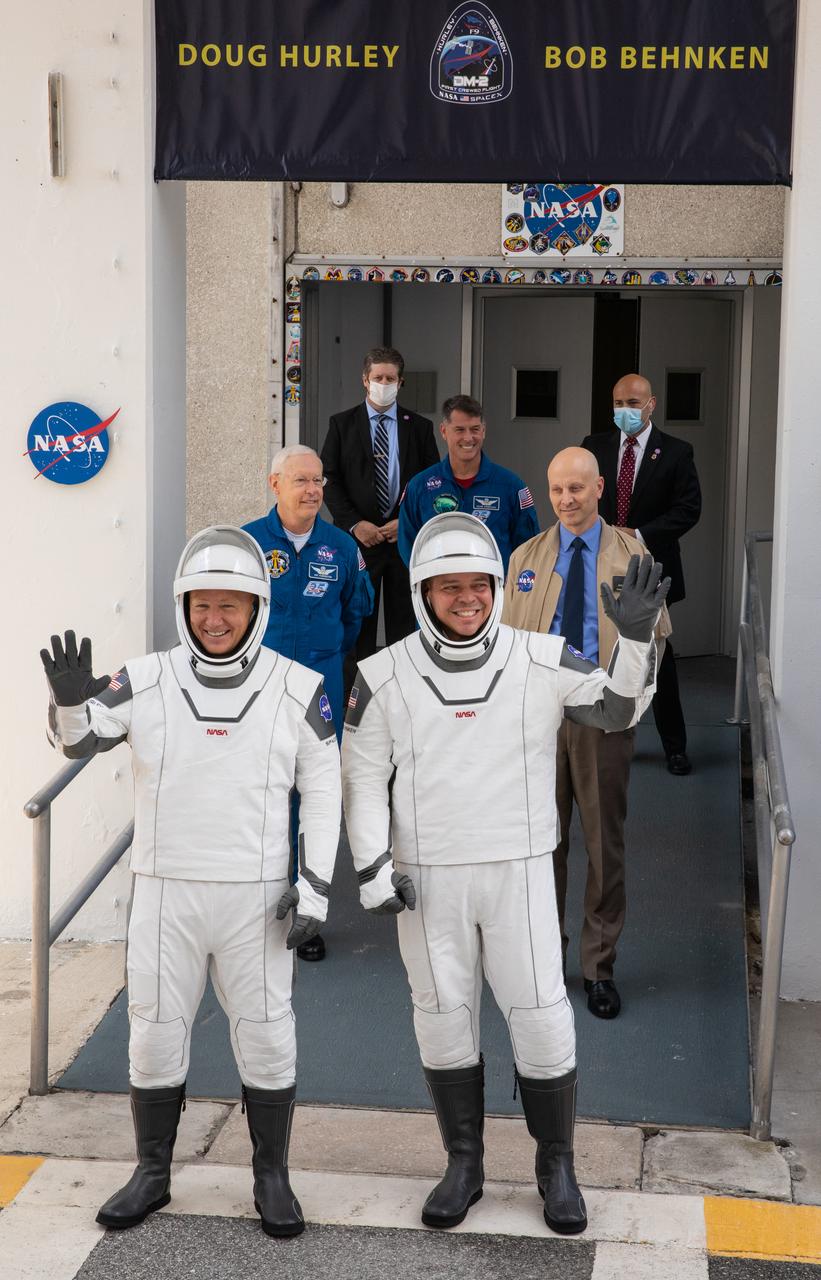
NASA astronauts Douglas Hurley (left) and Robert Behnken wave as they exit the Neil A. Armstrong Operations and Checkout Building at the agency’s Kennedy Space Center in Florida in preparation for transport to Launch Complex 39A to launch on NASA’s SpaceX Demo-2 mission. The launch, initially scheduled for May 27, 2020, was scrubbed due to unfavorable weather conditions around Launch Complex 39A. The next launch attempt will be Saturday, May 30. Liftoff of the SpaceX Falcon 9 rocket and Crew Dragon spacecraft is scheduled for 3:22 p.m. EDT from historic Launch Complex 39A. Behnken and Hurley will be the first astronauts to launch to the International Space Station from U.S. soil since the end of the Space Shuttle Program in 2011. Part of NASA’s Commercial Crew Program, this will be SpaceX’s final flight test, paving the way for the agency to certify the crew transportation system for regular, crewed flights to the orbiting laboratory.
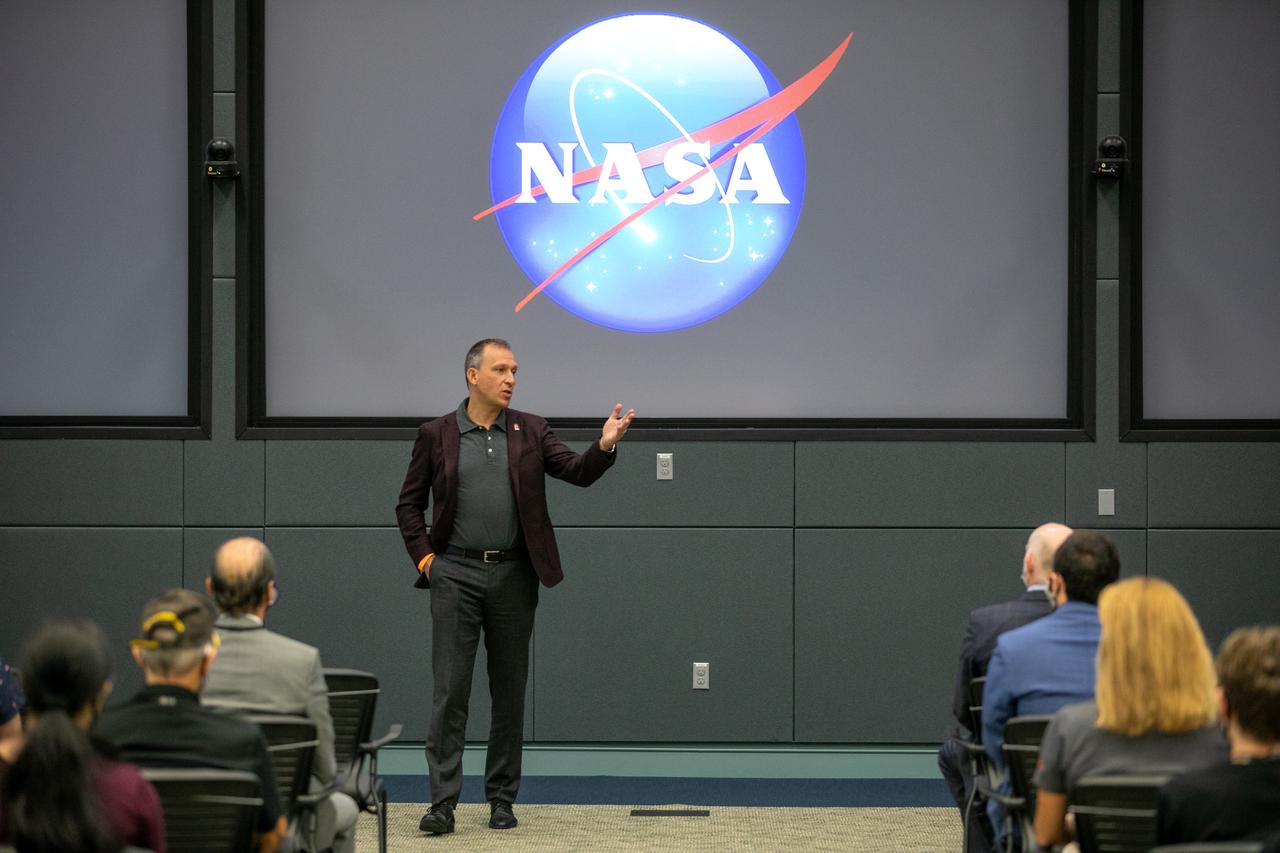
Thomas Zurbuchen, NASA associate administrator, Science Mission Directorate, participates in a Mars 2020 VIP briefing at the Operations and Support Building II at NASA’s Kennedy Space Center in Florida on July 30, 2020, before launch of the Mars Perseverance rover and Ingenuity helicopter on a United Launch Alliance Atlas V 541 rocket from Space Launch Complex 41 at nearby Cape Canaveral Air Force Station. Liftoff occurred at 7:50 a.m. EDT. The rover is part of NASA’s Mars Exploration Program, a long-term effort of robotic exploration of the Red Planet. The rover will search for habitable conditions in the ancient past and signs of past microbial life on Mars. The Launch Services Program at Kennedy is responsible for launch management.
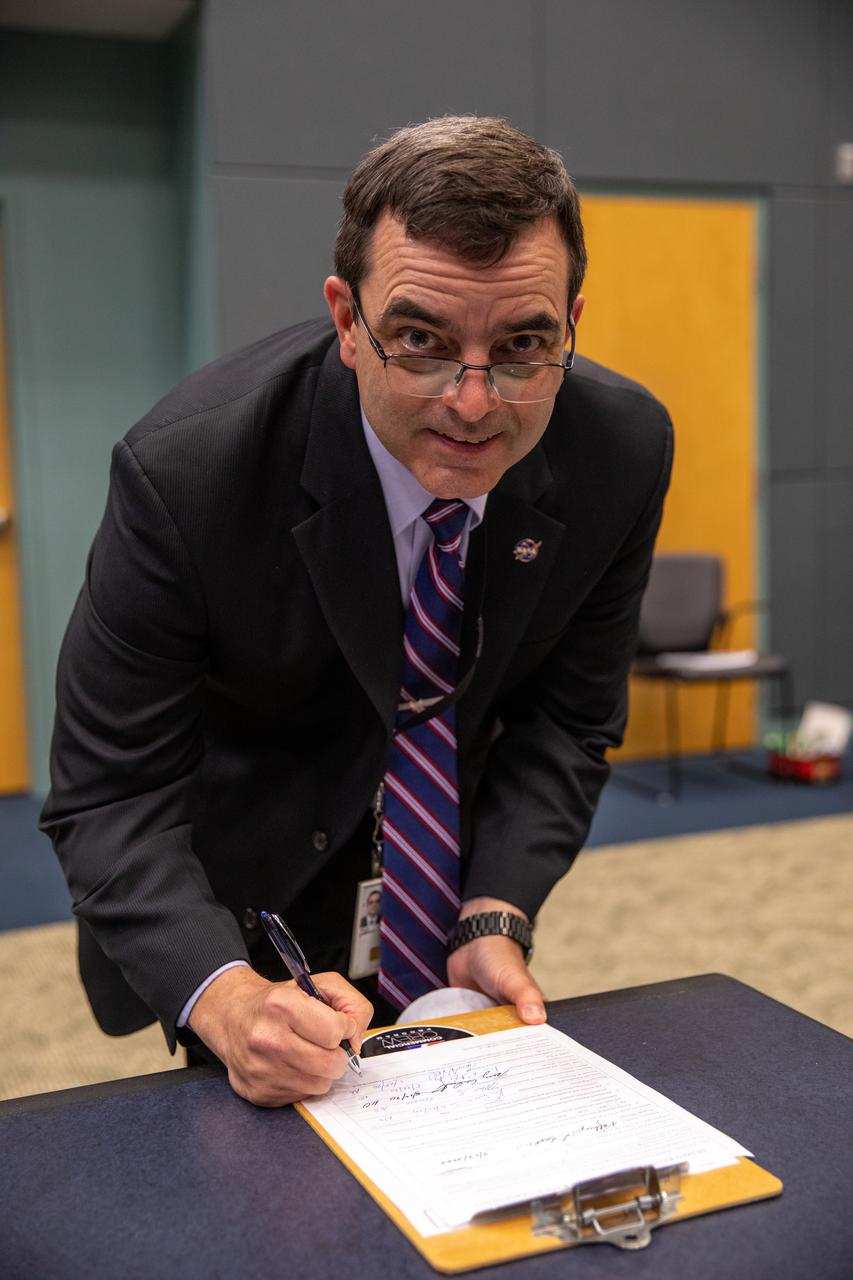
On May 22, 2020, inside the Operations Support Building II at NASA’s Kennedy Space Center in Florida, NASA Chief Health and Medical Officer J.D. Polk signs the official document denoting the agency and SpaceX are a ‘Go’ for the upcoming Demo-2 launch, following the conclusion of the flight readiness review. A SpaceX Falcon 9 rocket and Crew Dragon spacecraft will carry NASA astronauts Robert Behnken and Douglas Hurley to the International Space Station as part of the agency’s Commercial Crew Program, returning human spaceflight capability to the U.S. after nearly a decade. Launch is slated for 4:33 p.m. EDT on Wednesday, May 27, from Kennedy’s Launch Complex 39A.
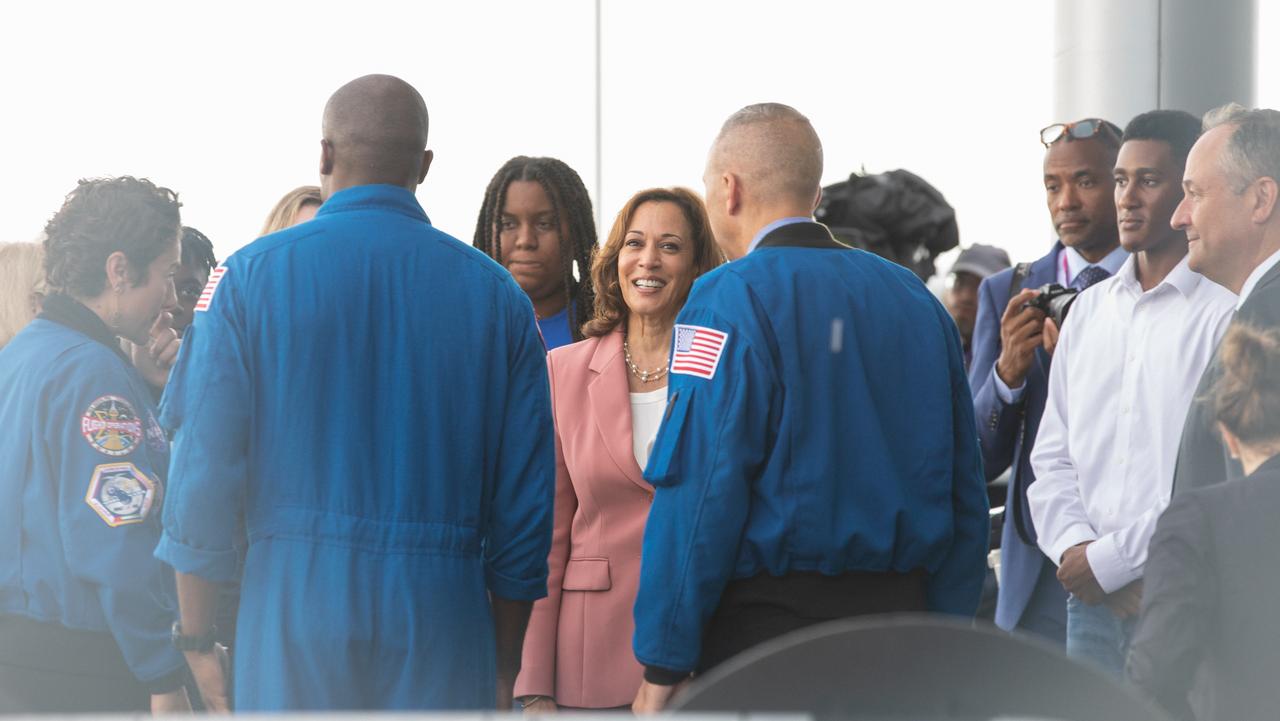
Vice President Kamala Harris visits with NASA astronaut candidate Andre Douglas, at left, and Randy Bresnik, at right, during launch countdown activities on Aug. 29, 2022, at the agency’s Kennedy Space Center in Florida. The launch was waved off for the day. The first in a series of increasingly complex missions, Artemis I will provide a foundation for human deep space exploration and demonstrate our commitment and capability to extend human presence to the Moon and beyond. The primary goal of Artemis I is to thoroughly test the integrated systems before crewed missions by operating the spacecraft in a deep space environment, testing Orion’s heat shield, and recovering the crew module after reentry, descent, and splashdown.
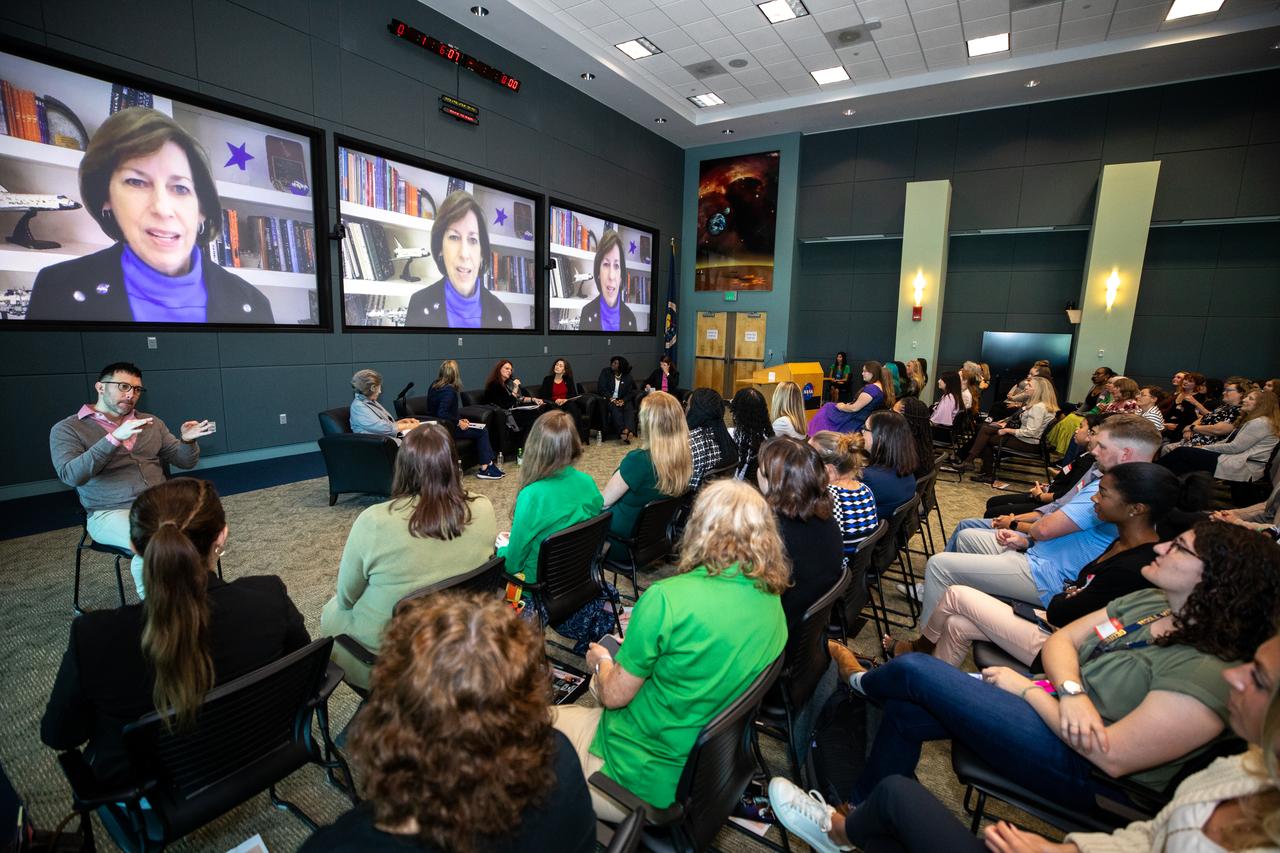
A panel discussion featuring women in leadership roles across NASA honors Women's History Month inside the Operations Support Building II at the agency’s Kennedy Space Center in Florida held on Friday, March 15, 2024. Participants in the Women Launching Women panel commemorate inspirational women and men who have lifted and helped others excel in their careers across the agency and offer words of advice for the current workforce include JoAnn Morgan, former associate director of Kennedy Space Center; Janet Petro, Kennedy Space Center director; Charlie Blackwell Thompson, NASA Artemis launch director; Lorna Kenna, vice president and program manager of Jacobs Space Operations Group; Kim Carter, Kennedy Space Center Office of Center Engagement and Business Integration Services director; and Casey Swails, NASA deputy associate administrator.
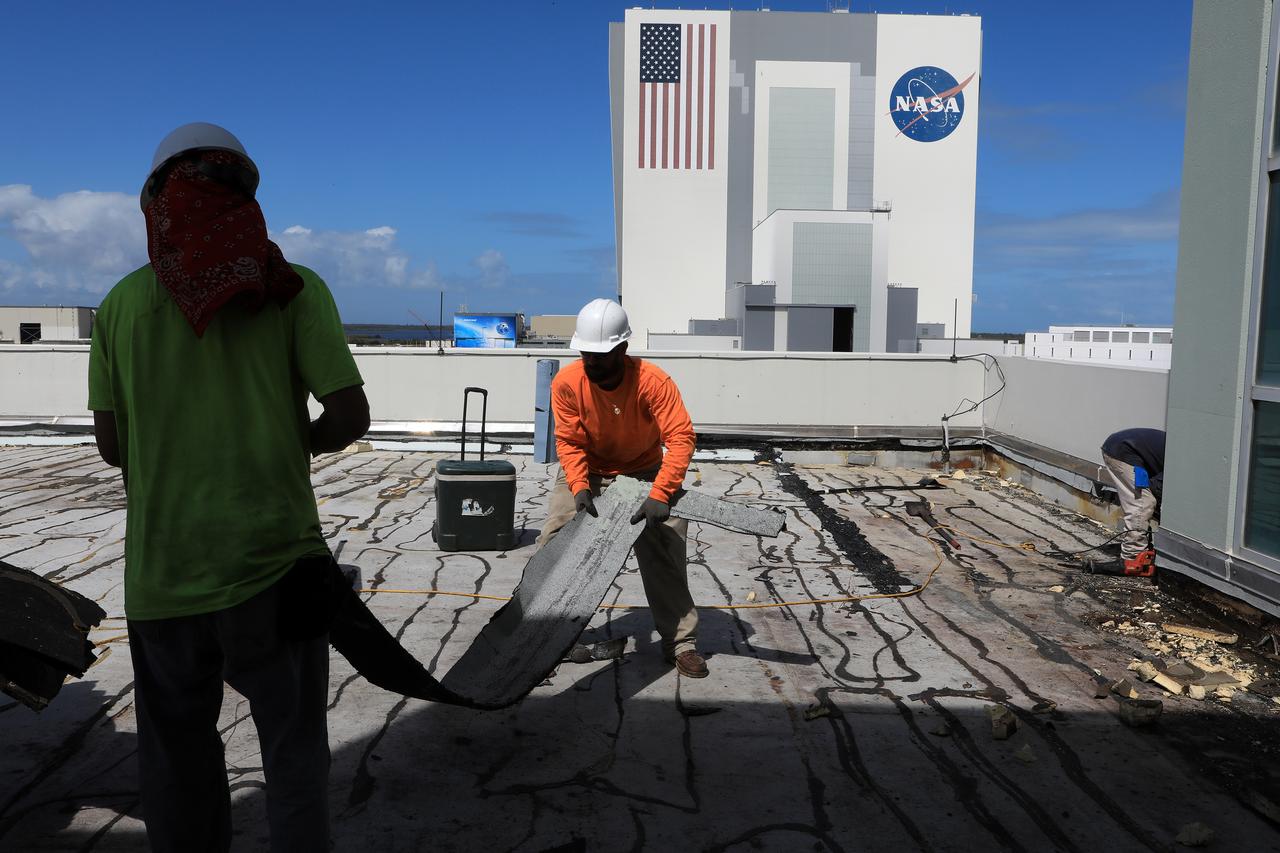
Members of the Disaster Assessment and Recovery Team (DART) repair a section of roof atop the Operations Support Building II at NASA’s Kennedy Space Center in Florida. The effort is part of the spaceport’s ongoing recovery from Hurricane Matthew, which passed to the east of Kennedy on Oct. 6 and 7, 2016. The center received some isolated roof damage, damaged support buildings, a few downed power lines, and limited water intrusion. Beach erosion also occurred, although the storm surge was less than expected.

NASA Associate Administrator Bob Cabana participates in NASA’s SpaceX Crew-7 Flight Readiness Review at Kennedy Space Center on Monday, Aug. 21, 2023. The mission is targeted to lift off from the Florida spaceport’s Launch Complex 39A at 3:49 a.m. EDT Friday, Aug. 25, 2023. NASA astronaut Jasmin Moghbeli, ESA (European Space Agency) astronaut Andreas Mogensen, JAXA (Japan Aerospace Exploration Agency) astronaut Satoshi Furukawa, and Roscosmos cosmonaut Konstantin Borisov will fly to the International Space Station aboard SpaceX’s Dragon spacecraft, powered by the company’s Falcon 9 rocket.
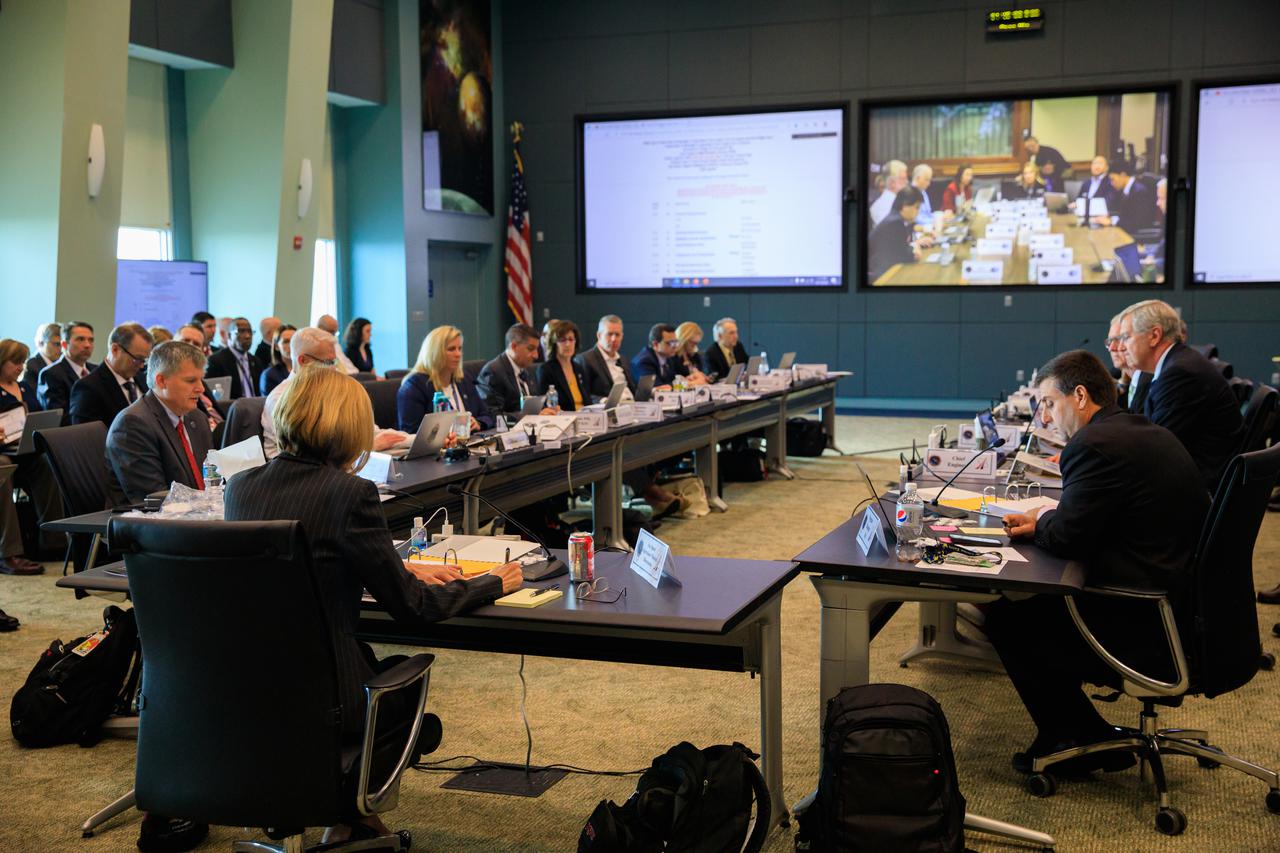
NASA’s SpaceX Crew-4 Flight Readiness Review takes place at Kennedy Space Center on April 15, 2022. The mission is targeted to launch from the Florida Spaceport’s Launch Complex 39A on April 23, 2022, at 5:26 a.m. EDT. NASA astronauts Kjell Lindgren, Bob Hines, and Jessica Watkins, and ESA (European Space Agency) astronaut Samantha Cristoforetti will fly to the station aboard SpaceX’s Crew Dragon, powered by the company’s Falcon 9 rocket.
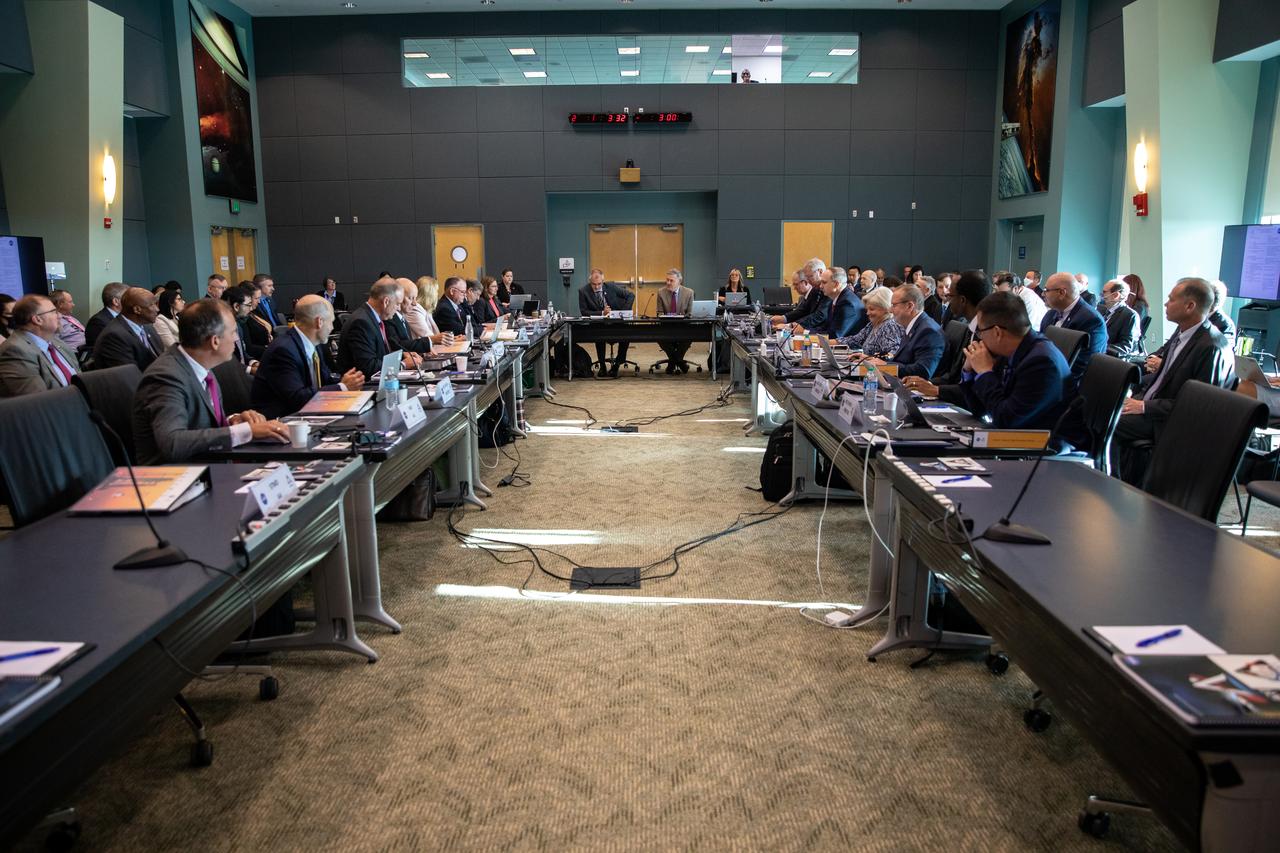
Artemis I managers conduct a Flight Readiness Review (FRR) on Aug. 22, 2022, at NASA’s Kennedy Space Center in Florida. The FRR is an in-depth assessment of the readiness of the agency’s Space Launch System and Orion spacecraft to support the uncrewed flight of Artemis I on its mission beyond the Moon and return to Earth. The meeting will conclude later in the day with a poll of all managers. Artemis I is scheduled to launch at 8:33 a.m. EDT on Aug. 29, 2022, from Kennedy’s Launch Complex 39B. The first in a series of increasingly complex missions, Artemis I will provide a foundation for human deep space exploration and demonstrate our commitment and capability to extend human presence to the Moon and beyond. The primary goal of Artemis I is to thoroughly test the integrated systems before crewed missions by operating the spacecraft in a deep space environment, testing Orion’s heat shield, and recovering the crew module after reentry, descent, and splashdown.
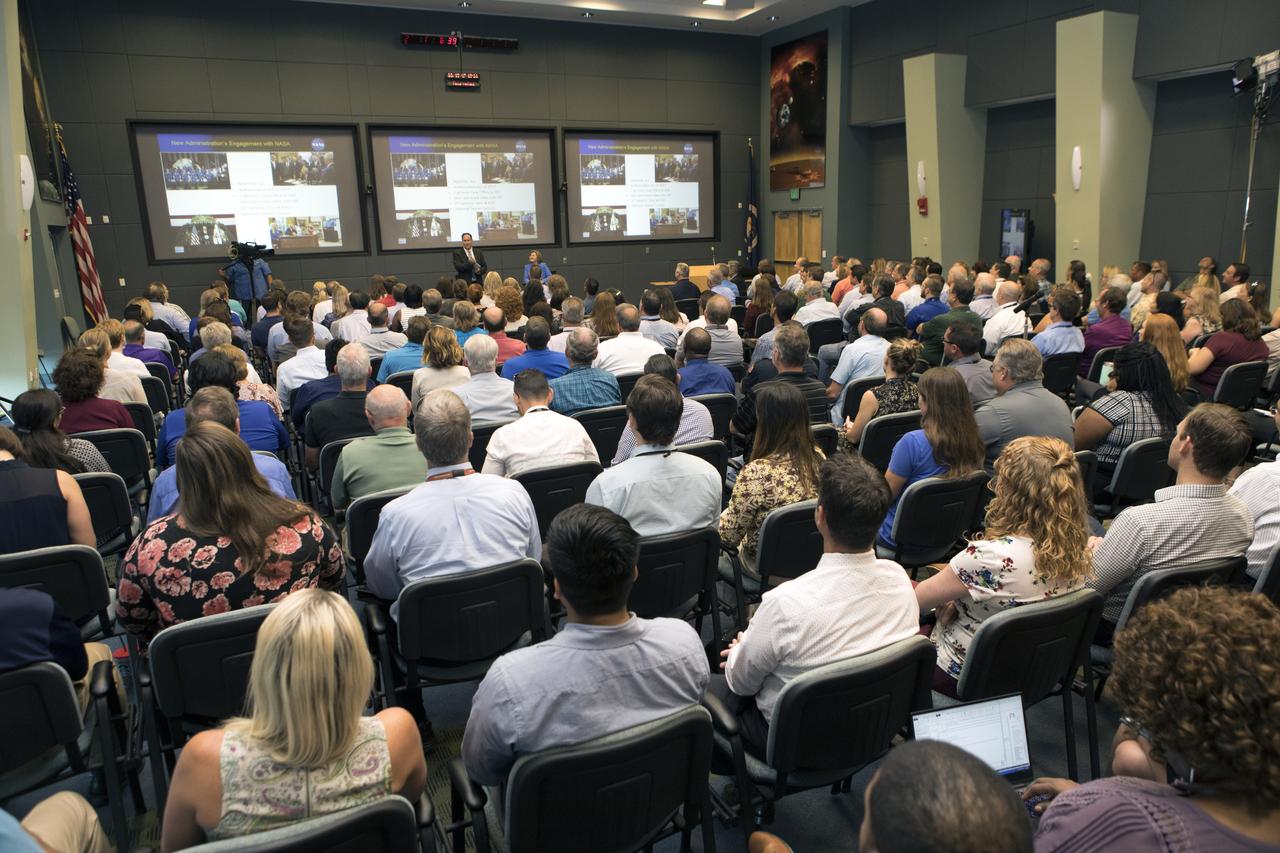
At NASA's Kennedy Space Center in Florida, agency Acting Administrator Robert Lightfoot and Deputy Associate Administrator Lesa Roe speak to employees during a town hall meeting in the conference room of Operations Support Building II. During the gathering, they updated progress on NASA programs.
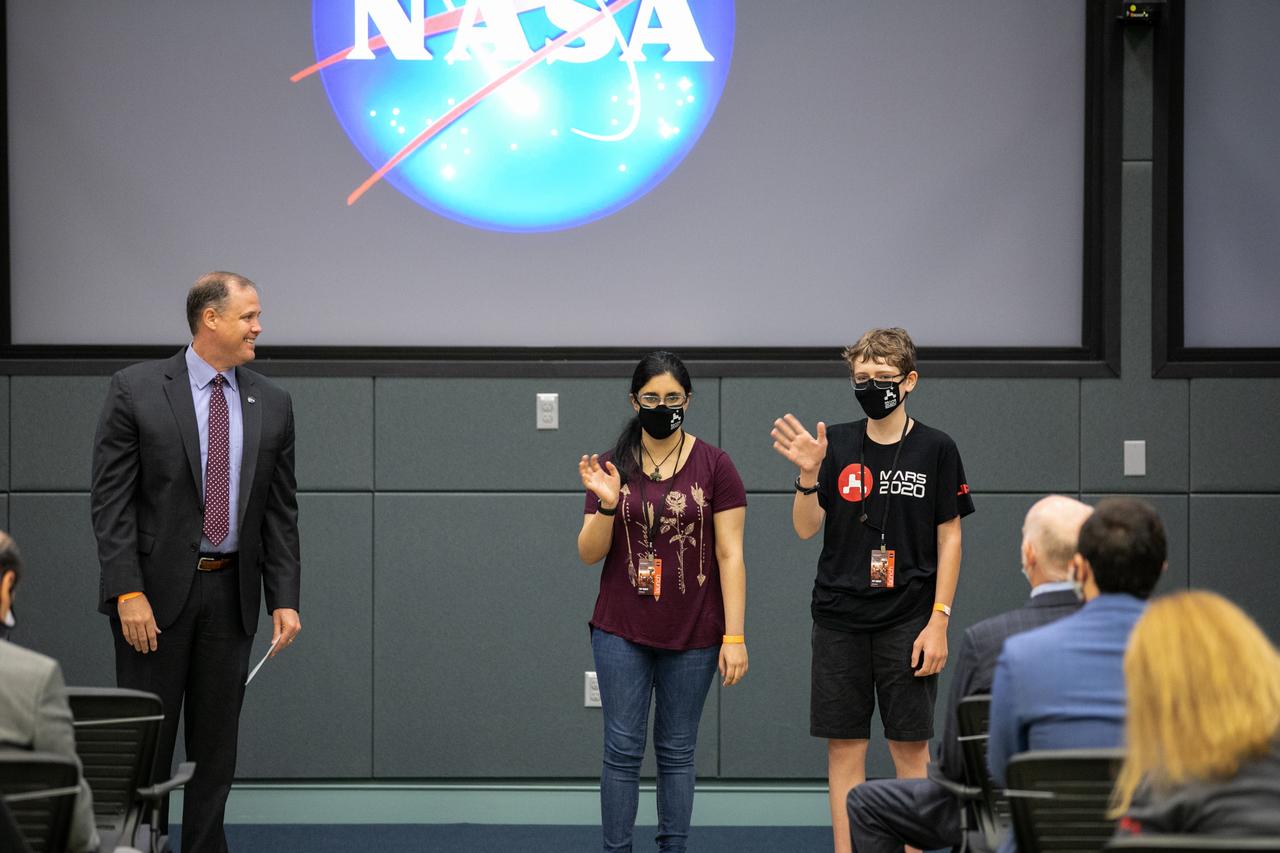
NASA Administrator Jim Bridenstine participates in a Mars 2020 VIP briefing at the Operations and Support Building II at NASA’s Kennedy Space Center in Florida on July 30, 2020. Also joining him are students Vaneeza Rupani and Alex Mather. Rupani named the Ingenuity helicopter, and Mather named the Perseverance rover. The briefing took place before launch of the rover and helicopter on a United Launch Alliance Atlas V 541 rocket from Space Launch Complex 41 at nearby Cape Canaveral Air Force Station. Liftoff occurred at 7:50 a.m. EDT. The rover is part of NASA’s Mars Exploration Program, a long-term effort of robotic exploration of the Red Planet. The rover will search for habitable conditions in the ancient past and signs of past microbial life on Mars. The Launch Services Program at Kennedy is responsible for launch management.
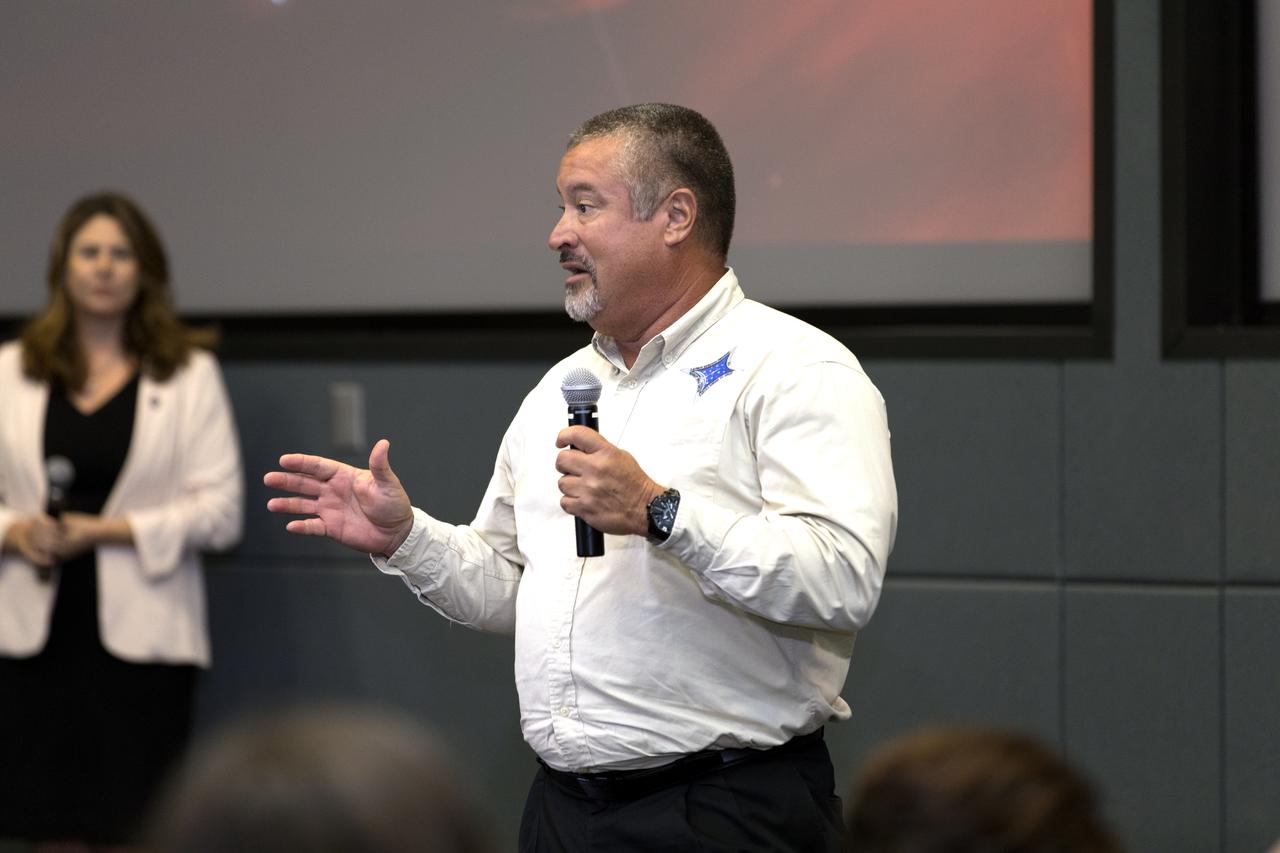
In the Kennedy Space Center's Operations and Support Building II, Thursday, Aug. 9, 2018, members of the media participate in a prelaunch mission briefing on NASA's Parker Solar Probe. Speaking to the media is Omar Baez, launch director, NASA Kennedy Space Center. The Parker Solar Probe will lift off on a United Launch Alliance Delta IV Heavy rocket from Space Launch Complex 37 at Cape Canaveral Air Force Station in Florida. The spacecraft was built by Applied Physics Laboratory of Johns Hopkins University in Laurel, Maryland. The mission will perform the closest-ever observations of a star when it travels through the Sun's atmosphere, called the corona. The probe will rely on measurements and imaging to revolutionize our understanding of the corona and the Sun-Earth connection.
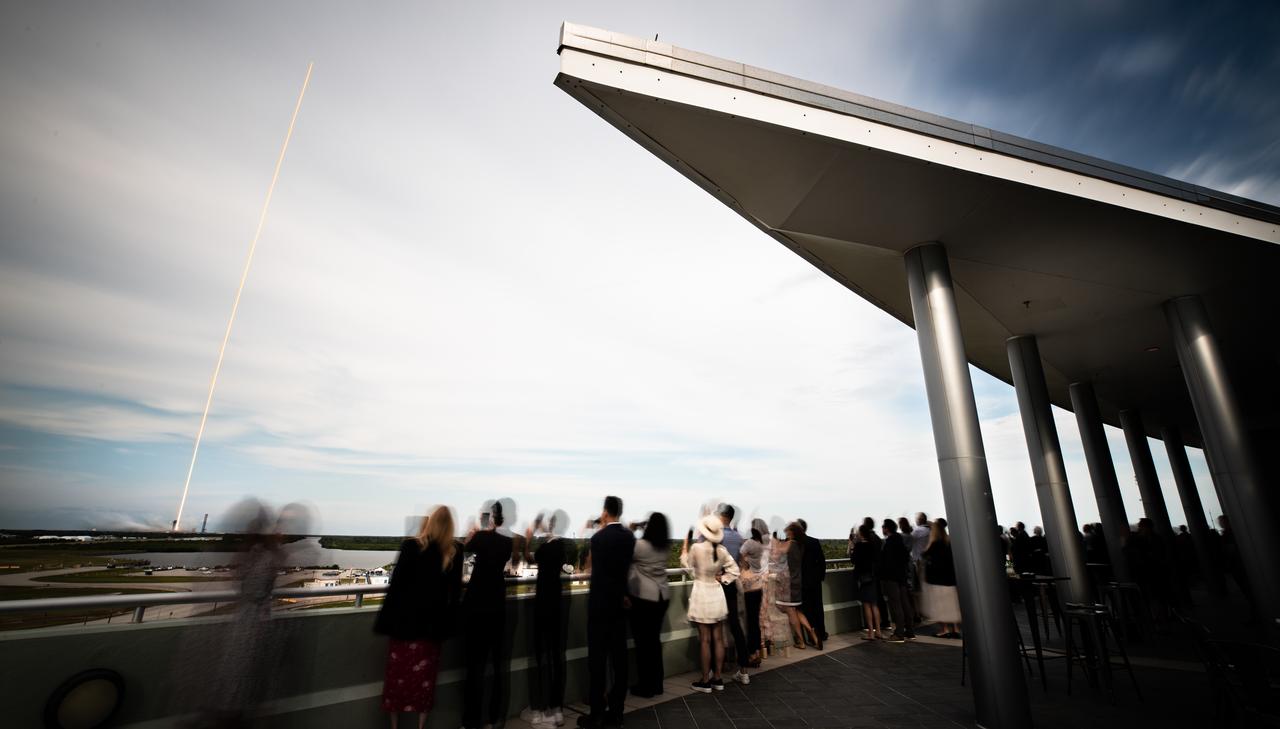
In this long exposure shot, a SpaceX Falcon 9 rocket, carrying the company’s Dragon spacecraft, soars upward after lifting off from NASA Kennedy Space Center’s Launch Complex 39A in Florida on May 21, 2023, for the Axiom Mission 2 (Ax-2) to the International Space Station. Ax-2 is the second all private astronaut mission to the International Space Station, sending Commander Peggy Whitson, Pilot John Shoffner, and Mission Specialists Ali Alqarni and Rayyanah Barnawi to the orbiting laboratory, where they will spend about 10 days conducting scientific research, outreach, and commercial activities. Liftoff occurred at 5:37 p.m. EDT.
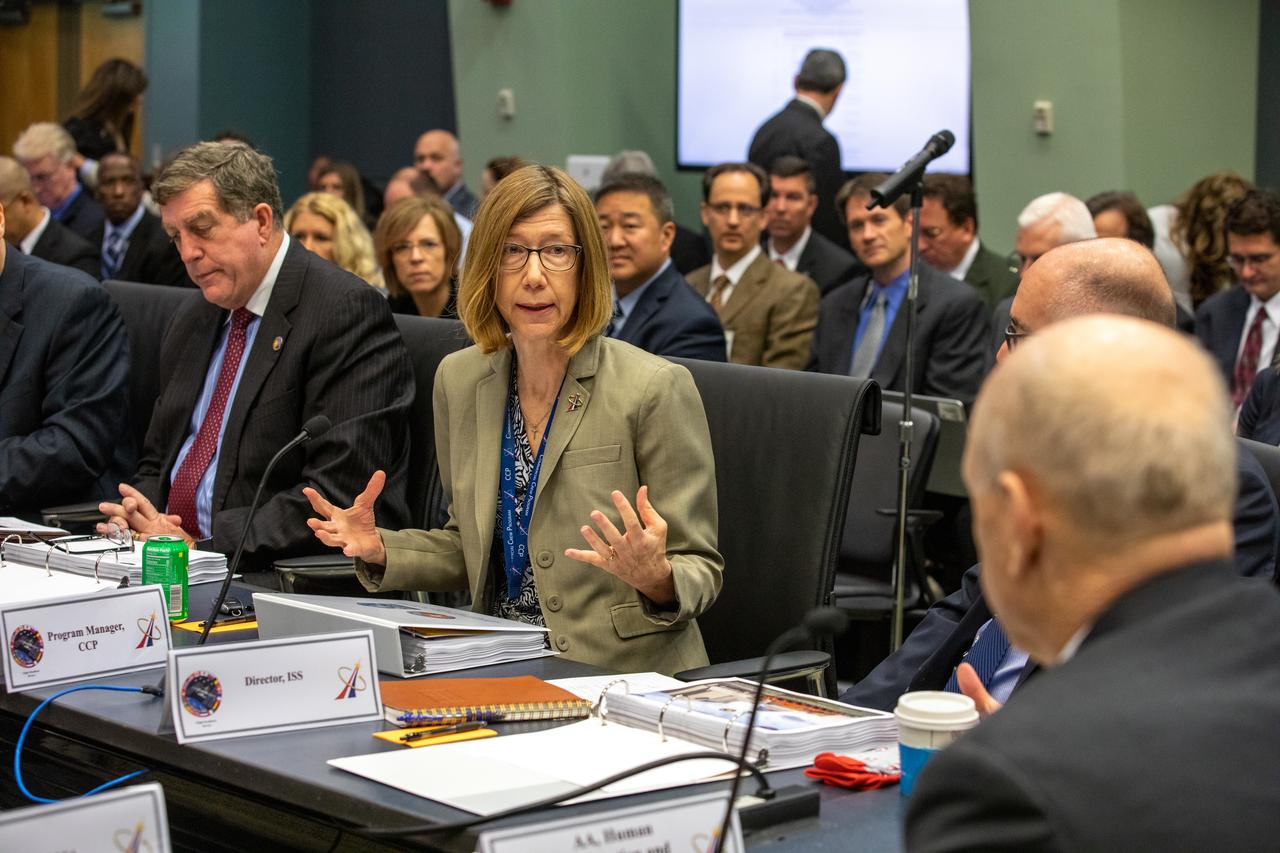
Kathy Lueders, manager of NASA’s Commercial Crew Program, speaks during the flight readiness review for Boeing’s upcoming Orbital Flight Test in Operations Support Building 2 at the agency’s Kennedy Space Center in Florida, Dec. 12, 2019. Boeing’s CST-100 Starliner spacecraft will launch atop a United Launch alliance Atlas V rocket from Space Launch Complex 41 at Cape Canaveral Air Force Station. The uncrewed Orbital Flight Test will be the Starliner’s first flight to the International Space Station for NASA’s Commercial Crew Program.
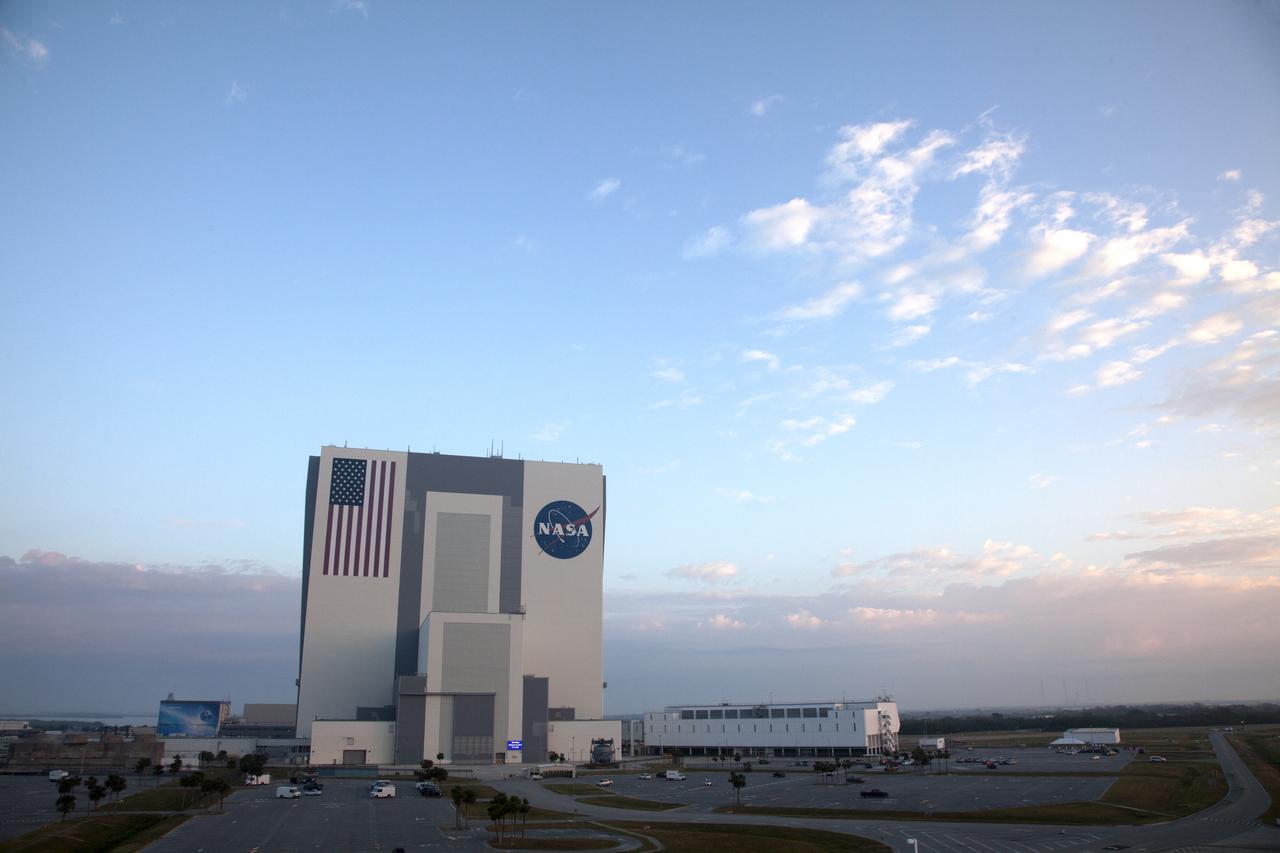
An early morning view of the iconic Vehicle Assembly Building (VAB) at NASA's Kennedy Space Center in Florida. To the right is the Launch Control Center. All 10 levels of new work platforms, 20 platform halves altogether, have been installed in VAB High Bay 3 for the agency's Space Launch System (SLS) rocket and Orion spacecraft. The Ground Systems Development and Operations Program is overseeing upgrades to the VAB, including installation of the new platforms to prepare for the first test flight of Orion atop the SLS from Launch Pad 39B.
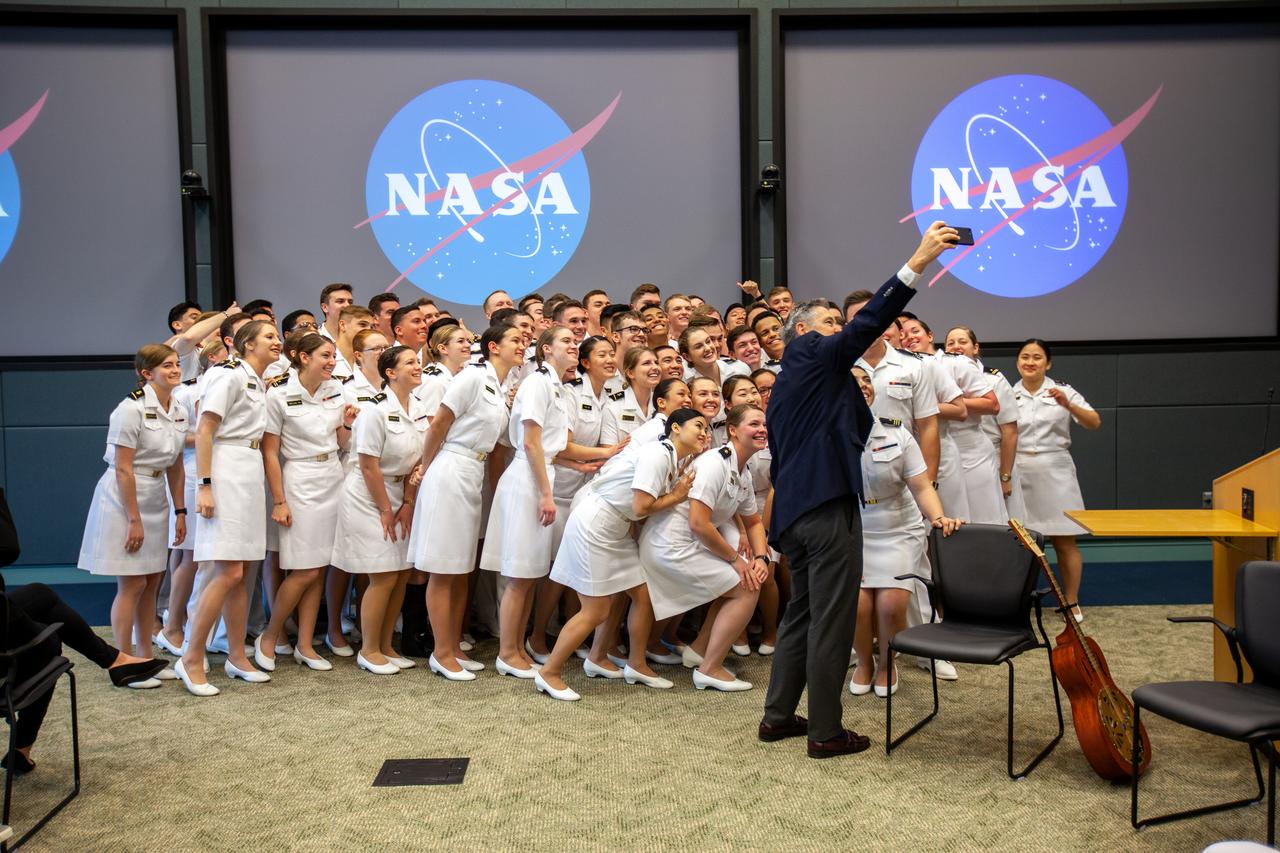
Kennedy Space Center Director Bob Cabana takes a selfie with members of the United States Naval Academy Glee Club at the Florida spaceport on March 10, 2020. The highly acclaimed Glee Club, which performed for Kennedy employees, has achieved prominence as one of America’s premier choral ensembles. As part of the celebration, Cabana discussed the deep historical ties between NASA and the U.S. Navy.
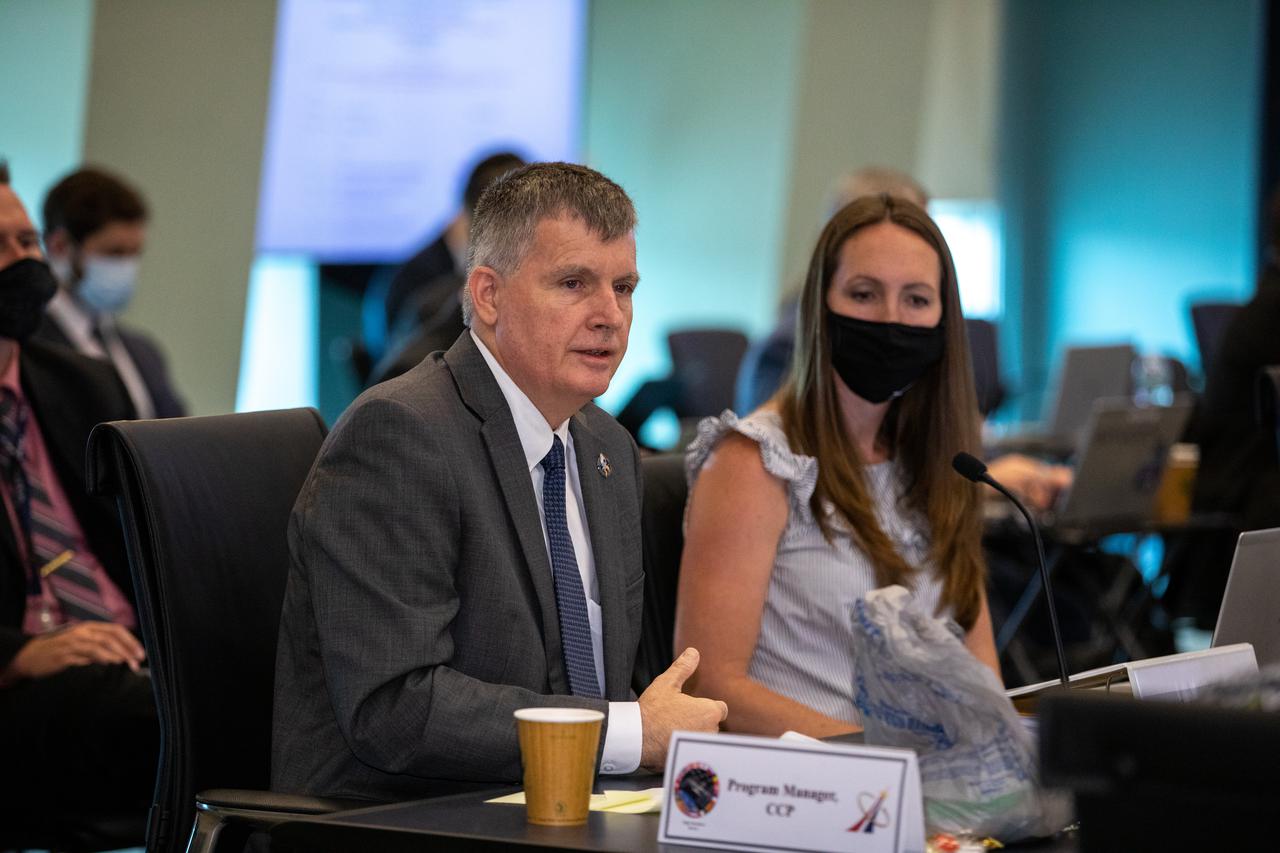
Steve Stich, at left, manager, Commercial Crew Program at Kennedy Space Center, participates in a Flight Readiness Review for the agency’s SpaceX Crew-3 mission at the center in Florida on Oct. 25, 2021. International partners also participated. NASA and SpaceX mission managers held the FRR to confirm the SpaceX Falcon 9 and Crew Dragon spacecraft are ready for launch. Crew-3 is scheduled to launch to the International Space Station from Kennedy’s Launch Complex 39A on Oct. 31, 2021 as part of NASA’s Commercial Crew Program. Liftoff of the Falcon 9 rocket and Crew Dragon spacecraft is targeted for 2:21 a.m. EDT.

NASA and contractor employees who were working at NASA’s Kennedy Space Center in Florida during the Apollo 11 launch gathered for a group photo on the observation deck of Operations and Support Building II on July 11, 2019. From left, along with their titles from 50 years ago, are Richard Sharum, NASA civil servant; Edward Wilson, security officer for Wackenhut Corporation; Sue Gross, secretary to the deputy procurement officer; Emery Lamar, NASA Kennedy co-op student in Apollo Spacecraft Electrical Division; James Scotti, material clerk with Bendix Corporation; Suzanne Stuckey, secretary for telemetry; Andrew Pritchard, contractor with McGregor-Warner; Ken Poimboeuf, Design Engineering Directorate; and Grady McCorquodale, Launch Control Center engineer with Boeing. Not pictured are Richard Cota, civil servant in the Engineering Directorate; and Victor Kurjack, data courier.
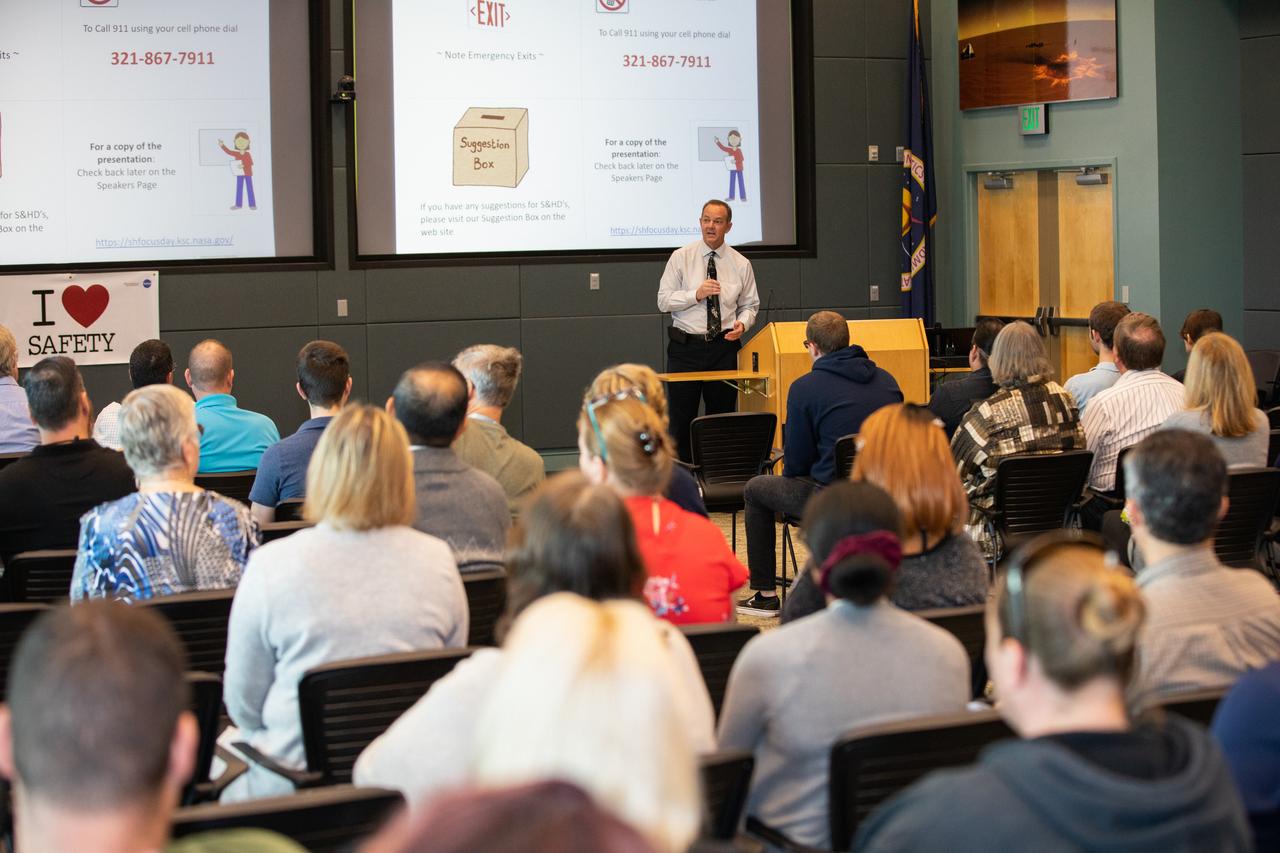
Tom Engler, director of Center Planning and Development at NASA’s Kennedy Space Center in Florida, addresses Kennedy employees inside the Operations Support Building II on March 3, 2020, during the center’s annual Safety and Health Days. Taking place March 2 through March 6, Safety and Health Days provides Kennedy employees with a variety of presentations to attend – all of which focus on how to maintain a safe and healthy workforce.
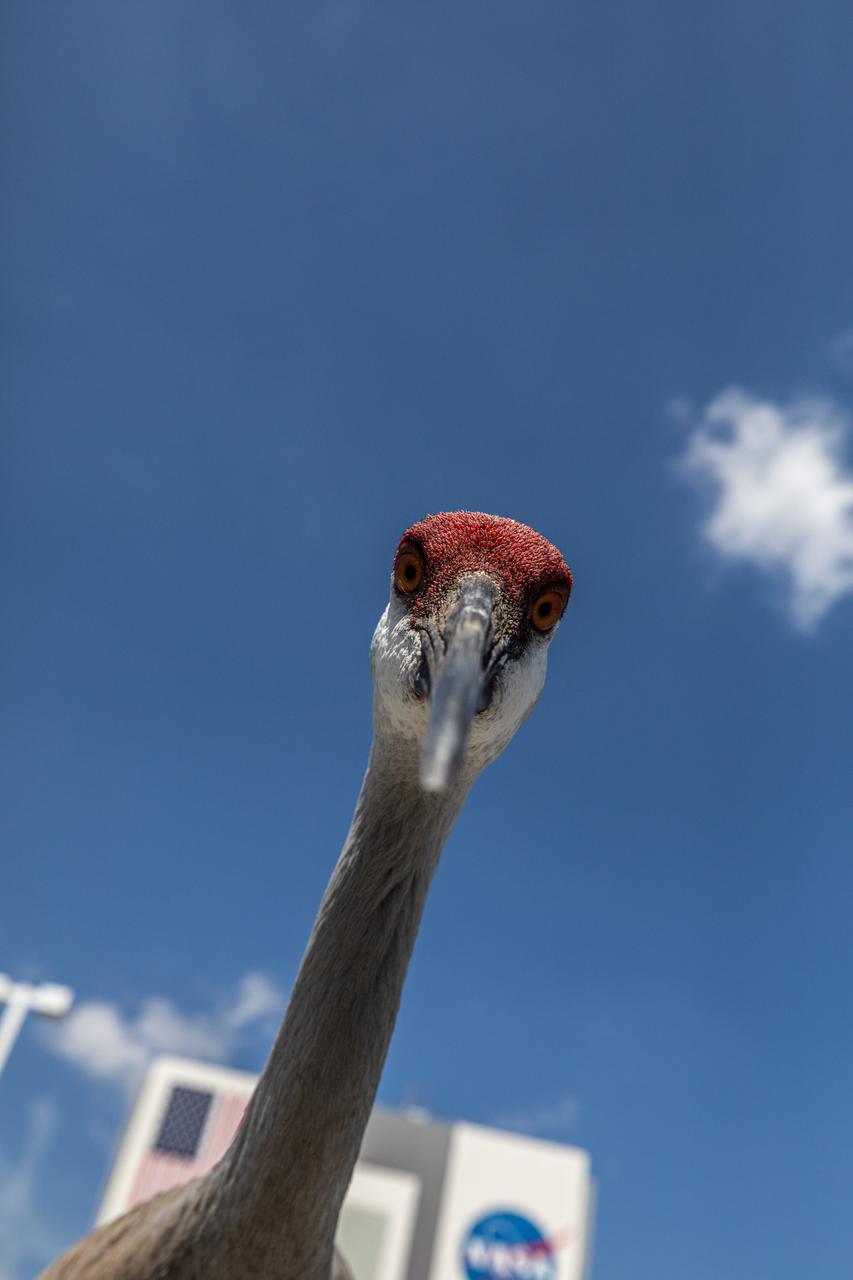
An inquisitive sandhill crane approaches the photographer near the Vehicle Assembly Building at NASA’s Kennedy Space Center in Florida on March 24, 2021. Kennedy shares space with the Merritt Island National Wildlife refuge, which is home to more than 1,000 species of plants, 117 species of fish, 68 amphibians and reptiles, 330 birds, and 31 different mammals. The refuge provides a favorable environment for sandhill cranes as it contains shallow freshwater habitats for nesting, along with a variety of vegetation and prey to feed on.
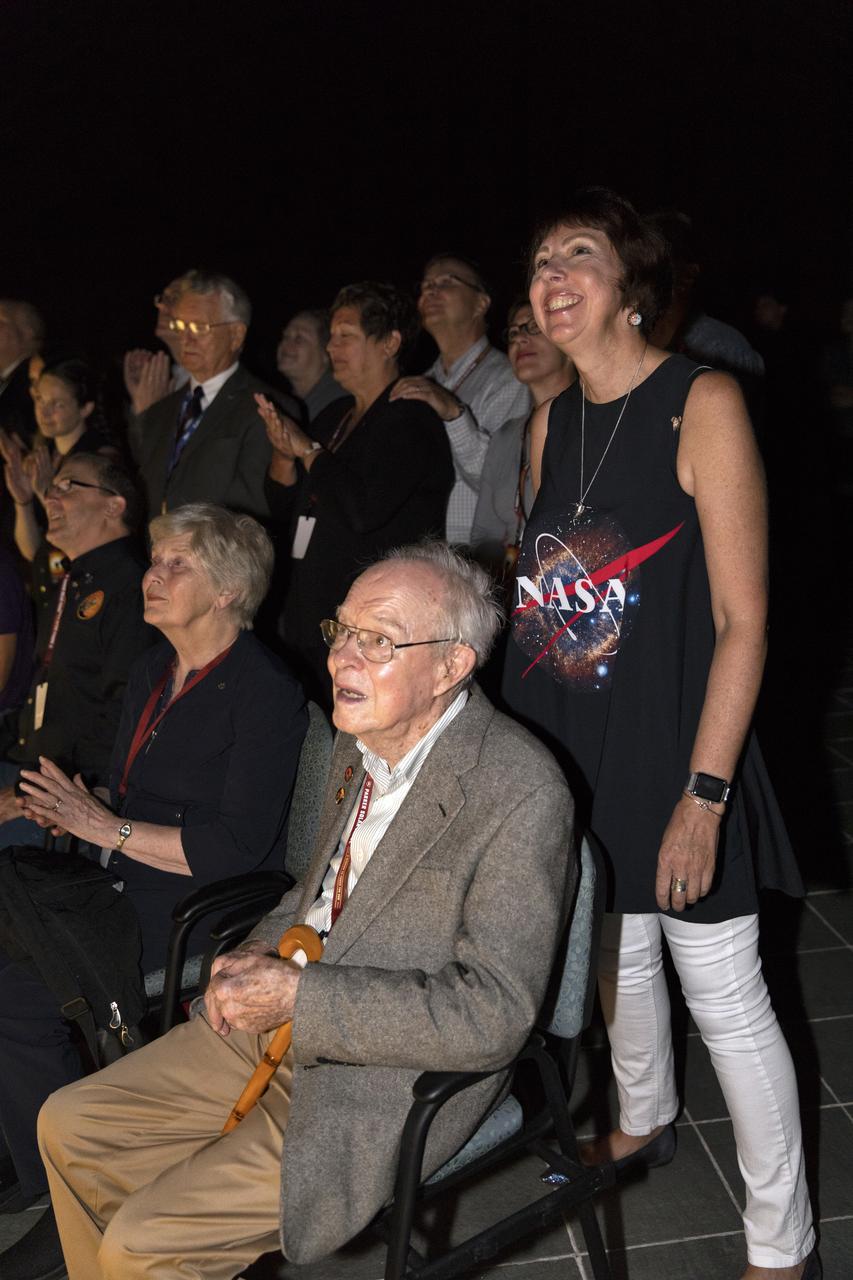
Dr. Eugene Parker (seated in the foreground), a pioneer in heliophysics and S. Chandrasekhar distinguished service professor emeritus for the Department of Astronomy and Astrophysics at the University of Chicago, watches the launch of NASA's Parker Solar Probe. This is the first agency mission named for a living person. Standing behind Parker is Nicky Fox, Parker Solar Probe project scientist at Johns Hopkins Applied Physics Laboratory. The liftoff took place at 3:31 a.m. EDT on Sunday, Aug. 12, 2018. The spacecraft was built by the Johns Hopkins University Applied Physics Laboratory in Laurel, Maryland. The mission will perform the closest-ever observations of a star when it travels through the Sun's atmosphere, called the corona. The probe will rely on measurements and imaging to revolutionize our understanding of the corona and the Sun-Earth connection.

Dr. Eugene Parker, a pioneer in heliophysics and S. Chandrasekhar distinguished service professor emeritus for the Department of Astronomy and Astrophysics at the University of Chicago, watches the launch of NASA's Parker Solar Probe. This is the first agency mission named for a living person. The liftoff took place at 3:31 a.m. EDT on Sunday, Aug. 12, 2018. The spacecraft was built by the Johns Hopkins University Applied Physics Laboratory in Laurel, Maryland. The mission will perform the closest-ever observations of a star when it travels through the Sun's atmosphere, called the corona. The probe will rely on measurements and imaging to revolutionize our understanding of the corona and the Sun-Earth connection.
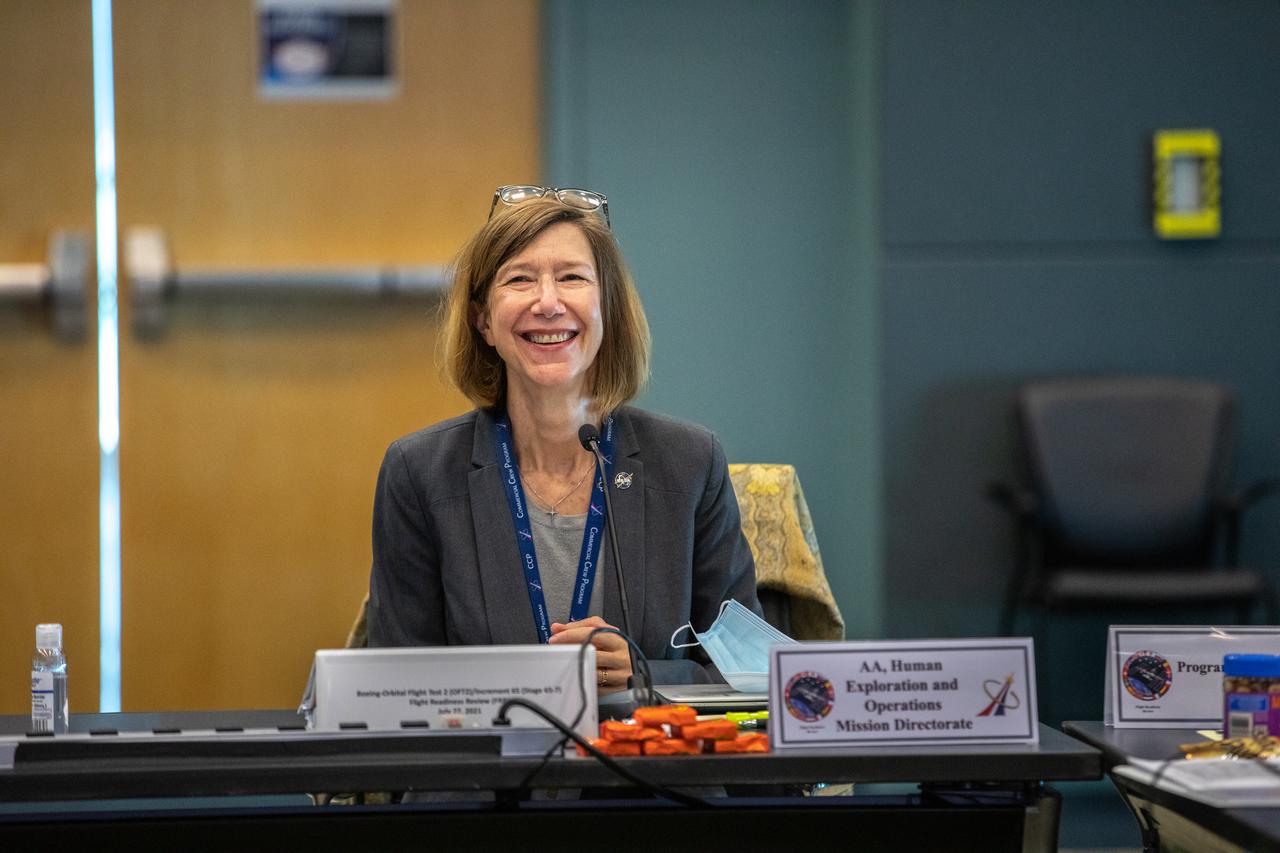
Associate Administrator of the Human Exploration and Operations (HEO) Mission Directorate Kathryn Lueders takes part in the Flight Readiness Review for Boeing's upcoming Orbital Flight Test-2 (OFT-2) in Operations Support Building 2 at NASA's Kennedy Space Center in Florida, July 22, 2021. Boeing's CST-100 Starliner spacecraft will launch atop a United Launch Alliance Atlas V rocket from Space Launch Complex 41 at Cape Canaveral Space Force Station at 2:53 p.m. EDT Friday, July 30. The uncrewed OFT-2 will be the Starliner's second flight to the International Space Station for NASA's Commercial Crew Program.
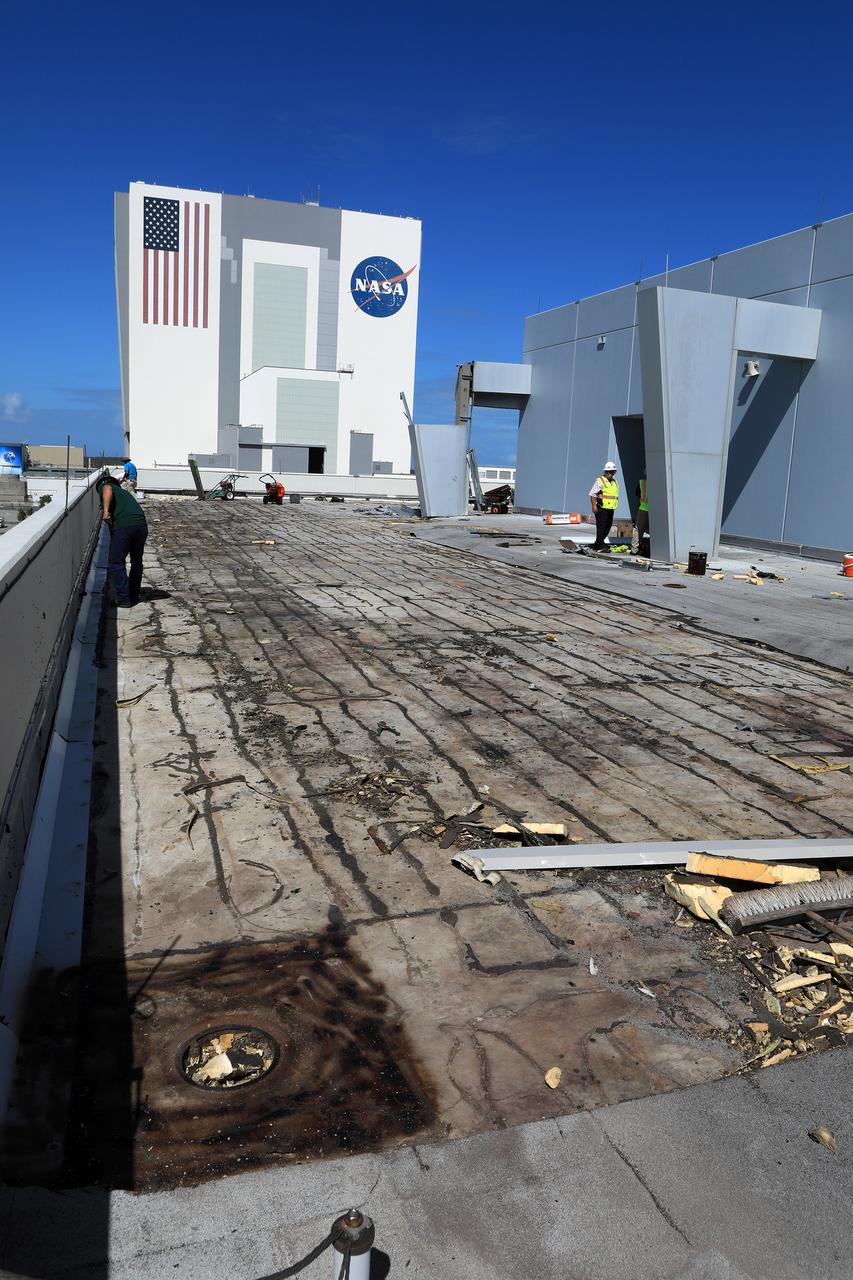
Members of the Disaster Assessment and Recovery Team (DART) repair a section of roof atop the Operations Support Building II at NASA’s Kennedy Space Center in Florida. The effort is part of the spaceport’s ongoing recovery from Hurricane Matthew, which passed to the east of Kennedy on Oct. 6 and 7, 2016. The center received some isolated roof damage, damaged support buildings, a few downed power lines, and limited water intrusion. Beach erosion also occurred, although the storm surge was less than expected.
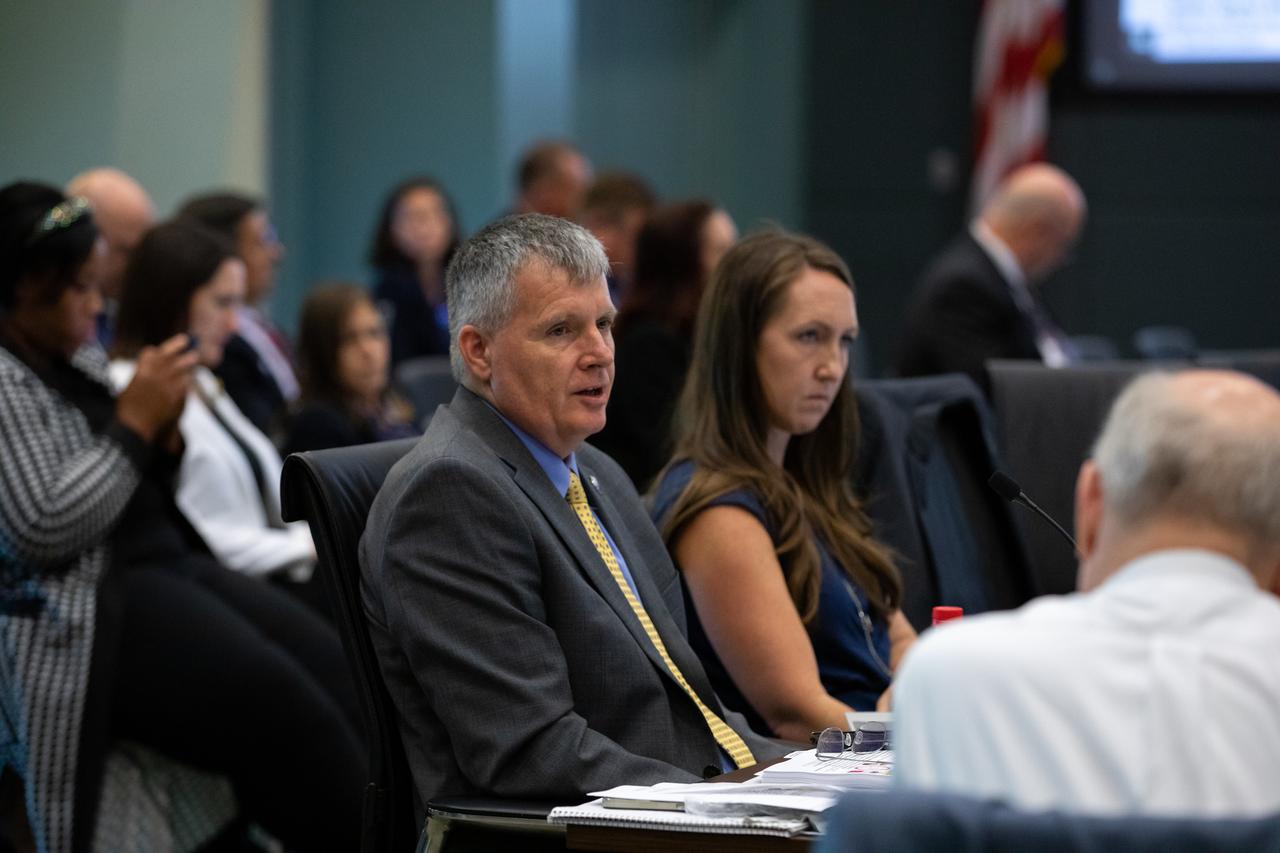
Steve Stich, manager of NASA’s Commercial Crew Program at Kennedy Space Center, participates in NASA’s SpaceX Crew-7 Flight Readiness Review at the Florida spaceport on Monday, Aug. 21, 2023. The mission is targeted to lift off from Kennedy’s Launch Complex 39A at 3:49 a.m. EDT Friday, Aug. 25, 2023. NASA astronaut Jasmin Moghbeli, ESA (European Space Agency) astronaut Andreas Mogensen, JAXA (Japan Aerospace Exploration Agency) astronaut Satoshi Furukawa, and Roscosmos cosmonaut Konstantin Borisov will fly to the International Space Station aboard SpaceX’s Dragon spacecraft, powered by the company’s Falcon 9 rocket.
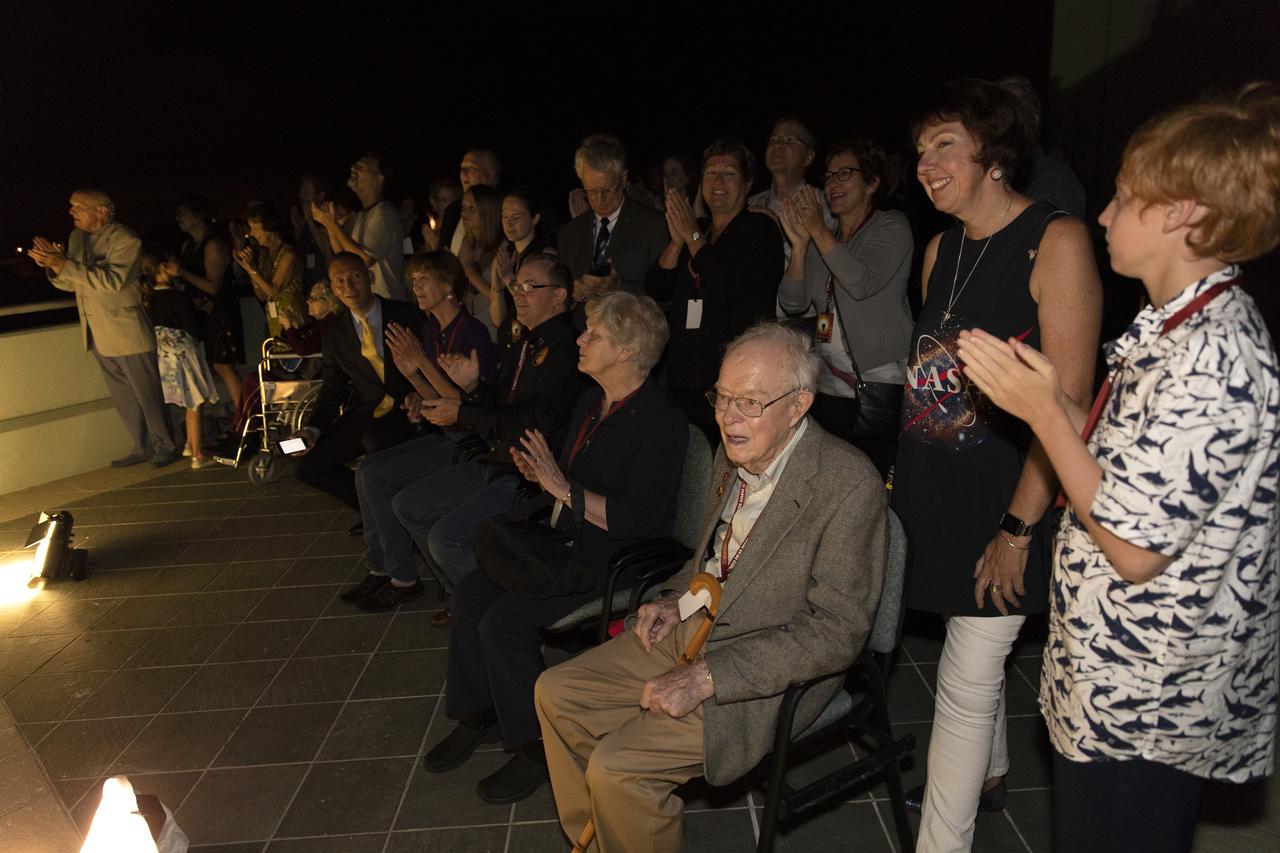
Dr. Eugene Parker (seated in the foreground), a pioneer in heliophysics and S. Chandrasekhar distinguished service professor emeritus for the Department of Astronomy and Astrophysics at the University of Chicago, watches the launch of NASA's Parker Solar Probe. This is the first agency mission named for a living person. Standing behind Parker is Nicky Fox, Parker Solar Probe project scientist at Johns Hopkins Applied Physics Laboratory. The liftoff took place at 3:31 a.m. EDT on Sunday, Aug. 12, 2018. The spacecraft was built by the Johns Hopkins University Applied Physics Laboratory in Laurel, Maryland. The mission will perform the closest-ever observations of a star when it travels through the Sun's atmosphere, called the corona. The probe will rely on measurements and imaging to revolutionize our understanding of the corona and the Sun-Earth connection.
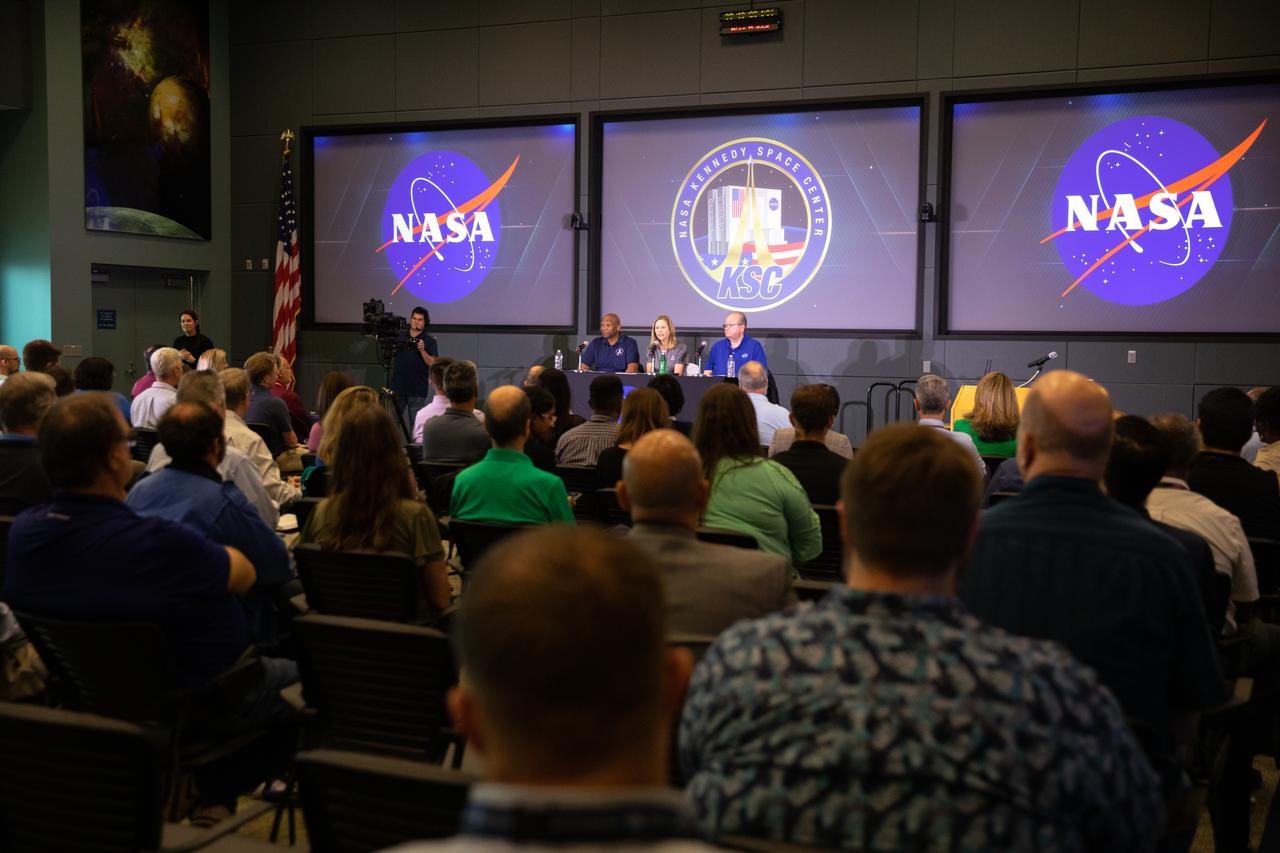
From left, NASA’s Kennedy Space Center Deputy Director Kelvin Manning, Director Janet Petro, and Associate Director, Management Burt Summerfield participate in an employee Town Hall event at the Florida spaceport on March 13, 2023. The senior leaders discussed key accomplishments and goals of the center, as well as answered questions from the Kennedy workforce.
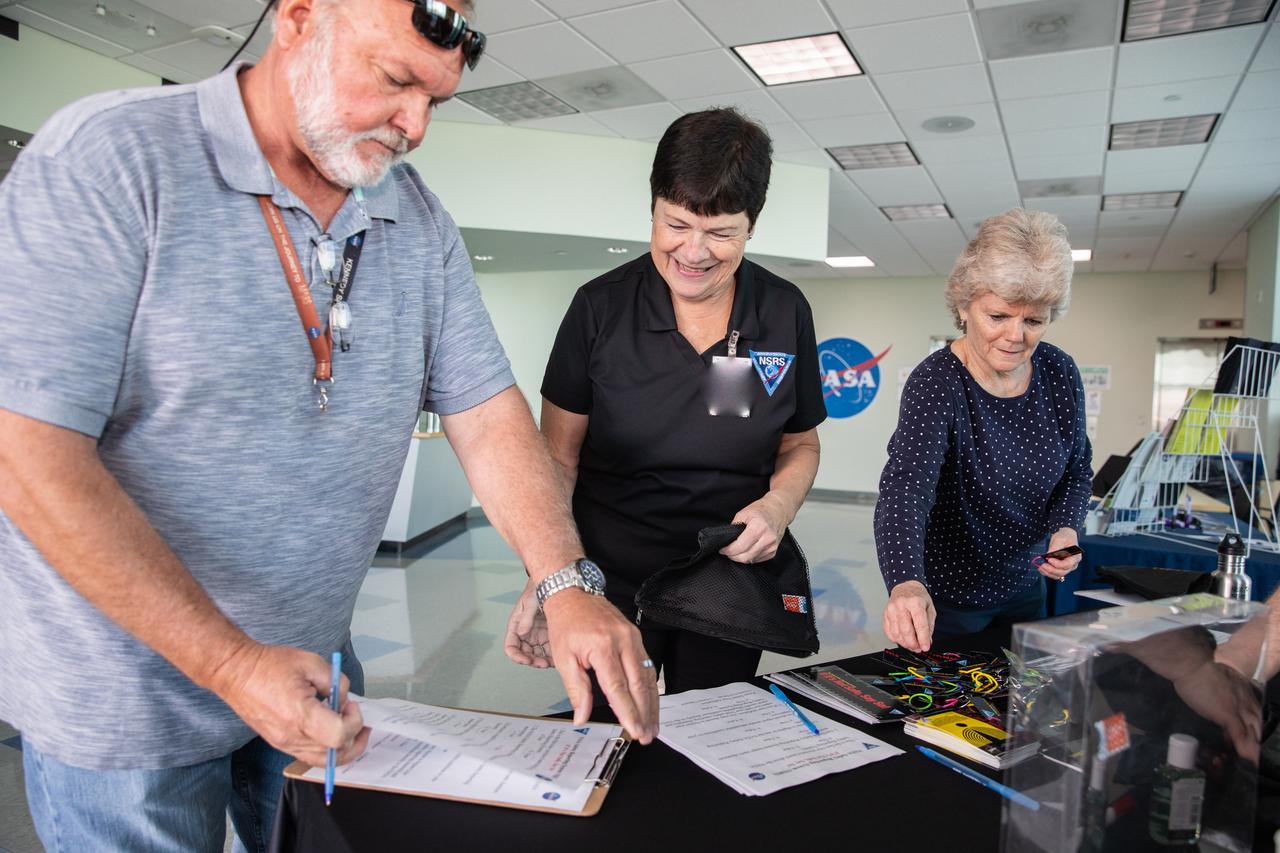
NASA Kennedy Space Center employees learn more about safety from informational tables set up inside the Florida spaceport’s Operations Support Building II on March 3, 2020, during the center’s annual Safety and Health Days. Taking place March 2 through March 6, Safety and Health Days provides Kennedy employees with a variety of presentations to attend – all of which focus on how to maintain a safe and healthy workforce.
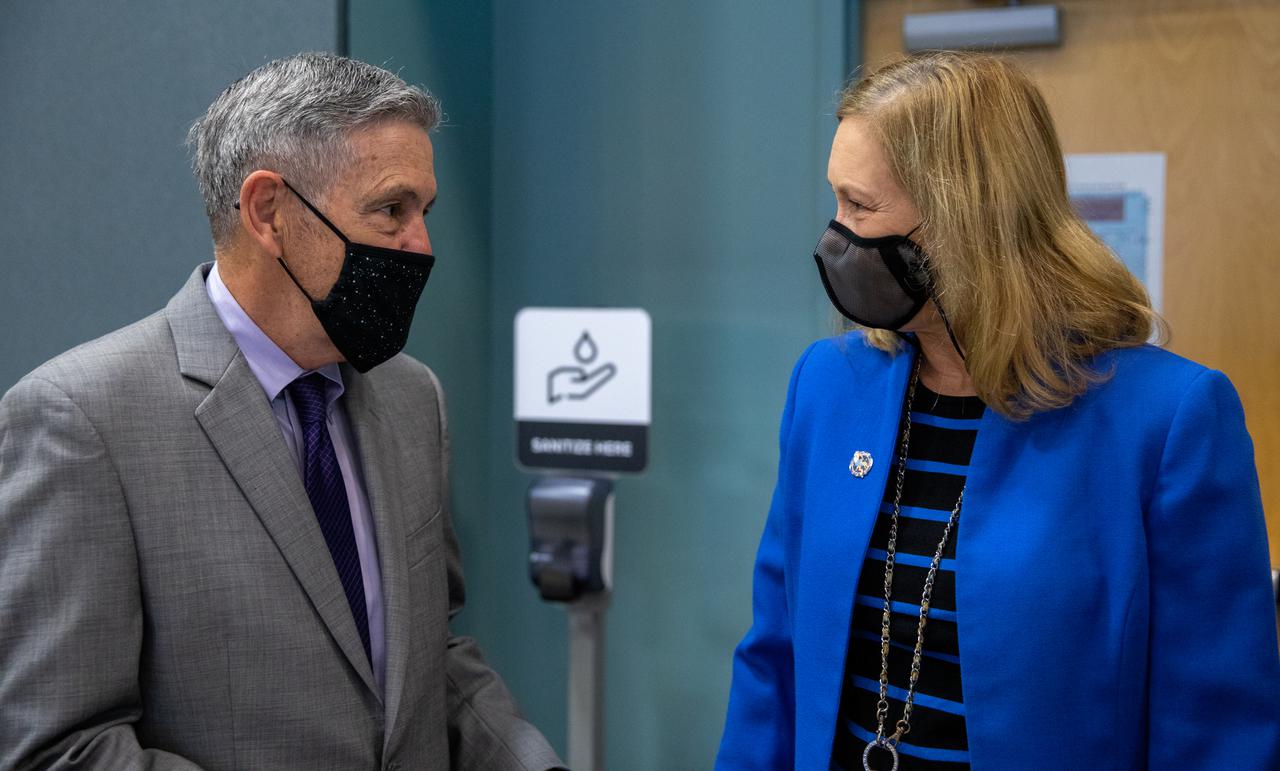
NASA and SpaceX managers participate in a Flight Readiness Review for the agency’s SpaceX Crew-3 mission at Kennedy Space Center in Florida on Oct. 25, 2021. International partners also participated. At right, Kennedy’s Center Director Janet Petro, speaks with Bob Cabana, NASA associate administrator. Crew-3 is scheduled to launch to the International Space Station from Kennedy’s Launch Complex 39A on Oct. 31, 2021 as part of NASA’s Commercial Crew Program. Liftoff of the Falcon 9 rocket and Crew Dragon spacecraft is targeted for 2:21 a.m. EDT.
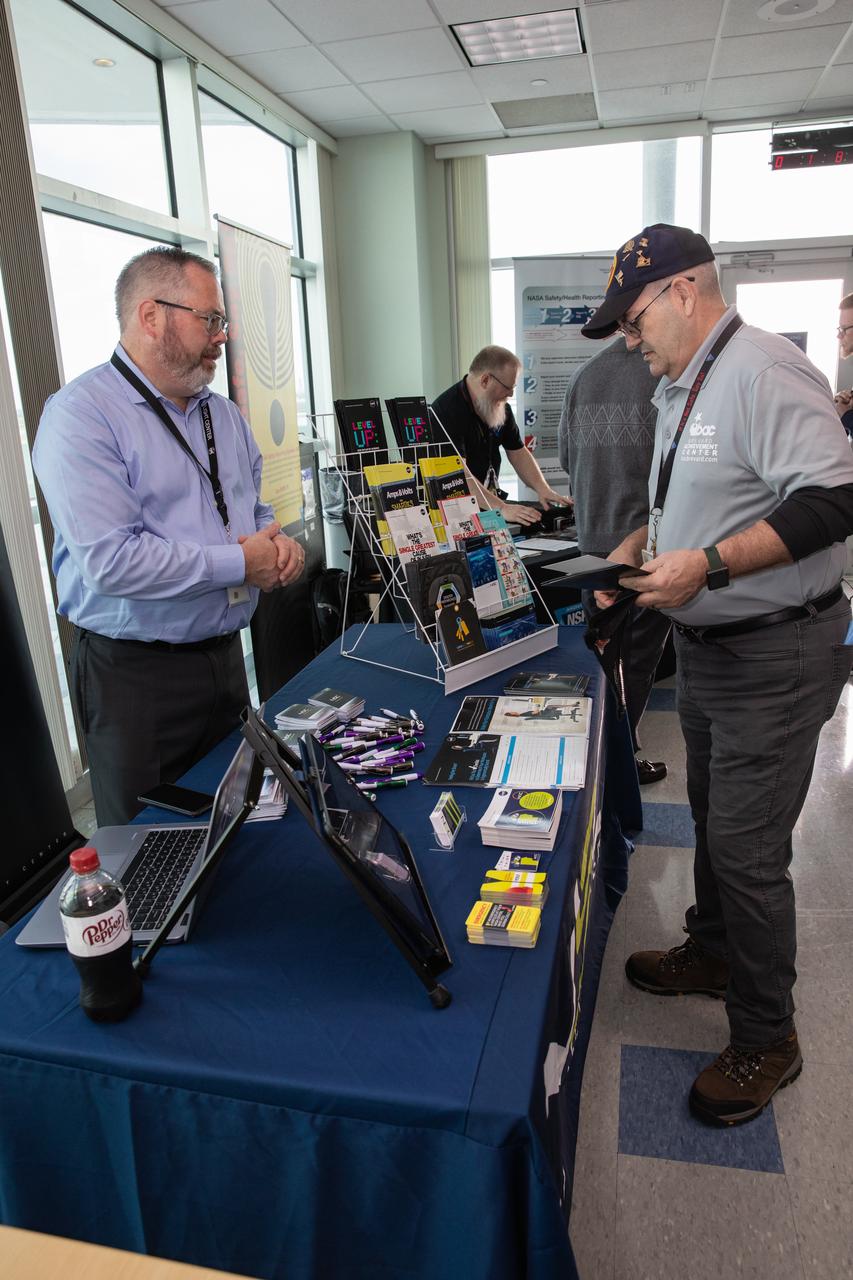
NASA Kennedy Space Center employees learn more about safety from informational tables set up inside the Florida spaceport’s Operations Support Building II on March 3, 2020, during the center’s annual Safety and Health Days. Taking place March 2 through March 6, Safety and Health Days provides Kennedy employees with a variety of presentations to attend – all of which focus on how to maintain a safe and healthy workforce.
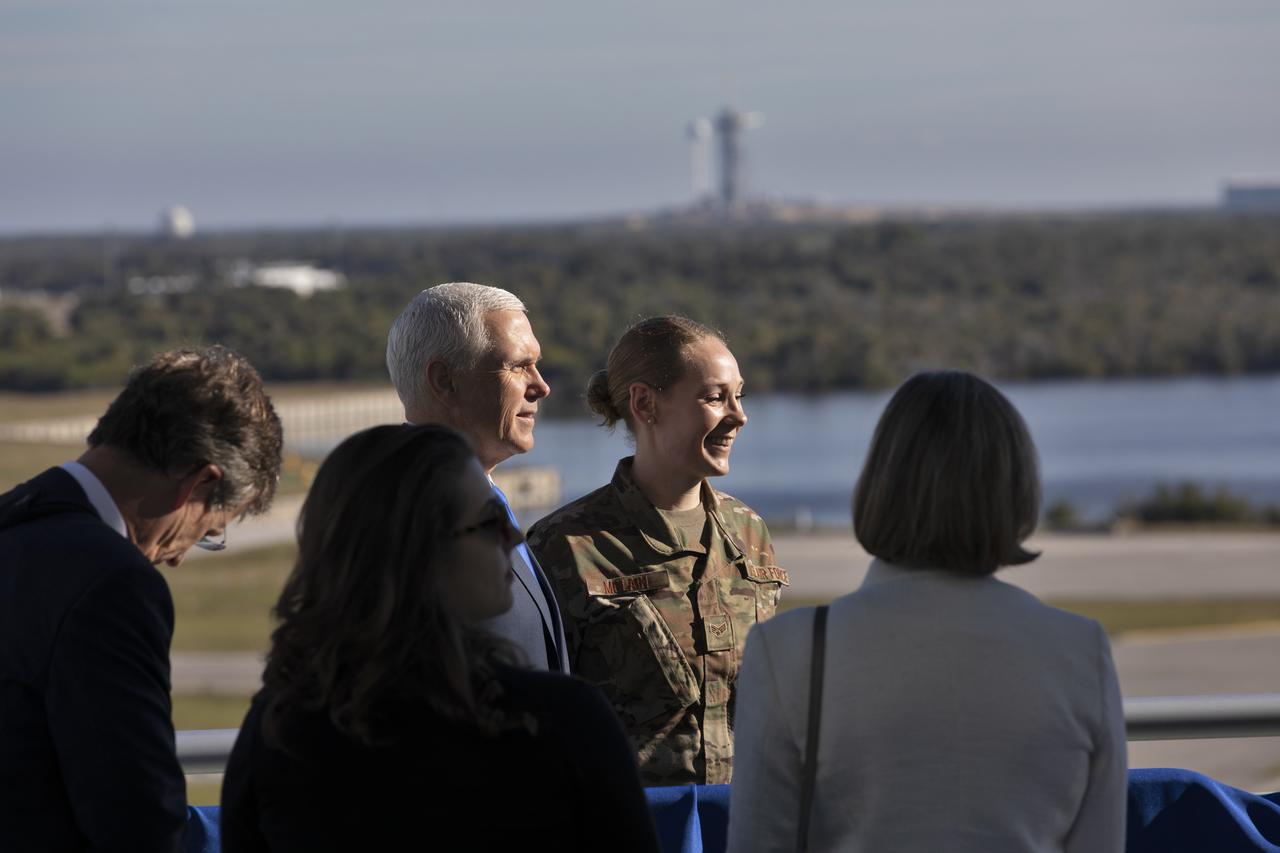
At the Operations and Support Building II at NASA's Kennedy Space Center in Florida, Vice President Mike Pence attends the launch attempt of SpaceX's Falcon 9 rocket carrying the U.S. Air Force's GPS III satellite from Space Launch Complex 40 on Cape Canaveral Air Force Station on Dec. 18, 2018.
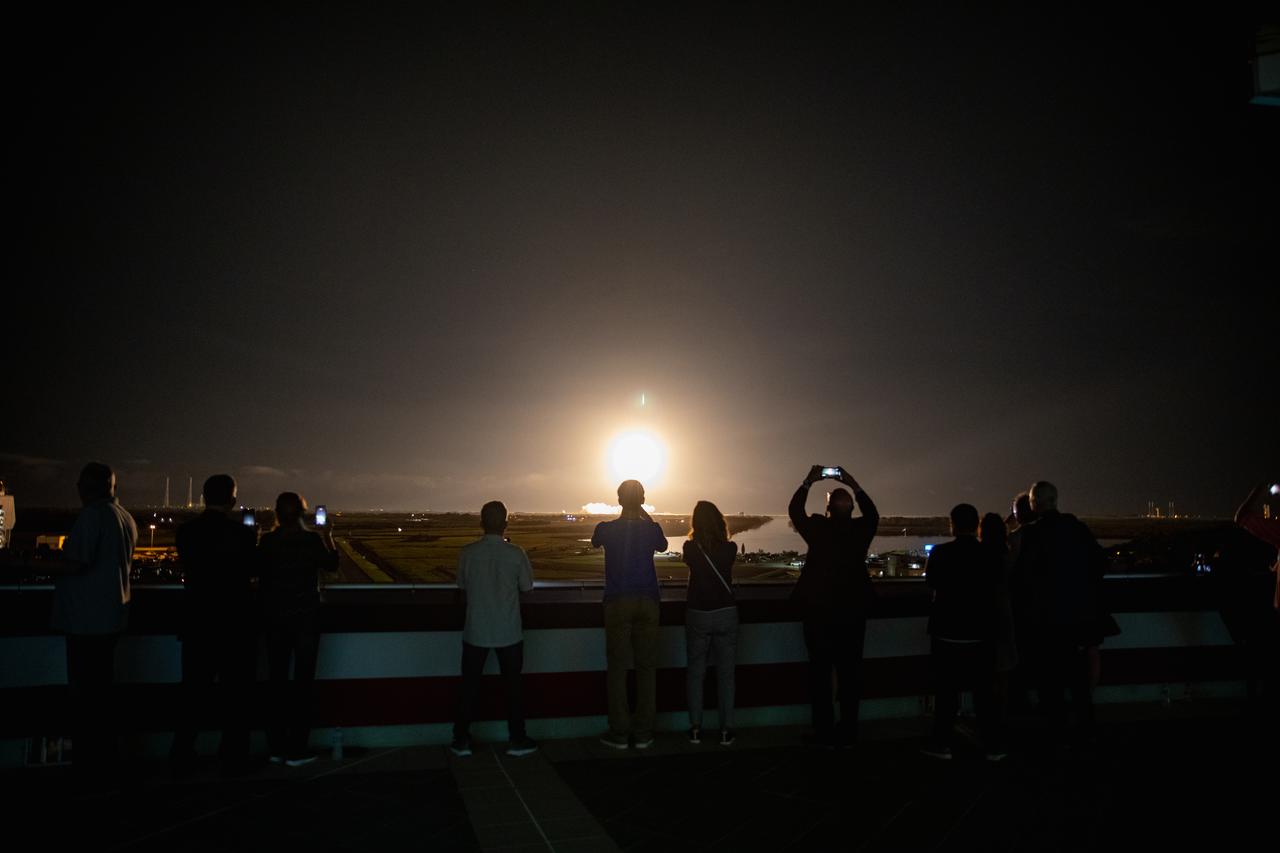
A SpaceX Falcon 9 rocket lifts off at 7:27 p.m. EST from Launch Complex 39A at NASA’s Kennedy Space Center in Florida on Nov. 15, 2020, carrying the company’s Crew Dragon Resilience capsule. Onboard the capsule are NASA’s SpaceX Crew-1 NASA astronauts, Michael Hopkins, spacecraft commander; Victor Glover, pilot; Shannon Walker, mission specialist; and Japan Aerospace Exploration Agency astronaut Soichi Noguchi, mission specialist. Crew-1 is the first regular crew mission of a U.S. commercial spacecraft with astronauts to the International Space Station as part of NASA’s Commercial Crew Program. The Crew Dragon will dock with the space station and the crew will remain on the orbiting laboratory for a six-month science mission.
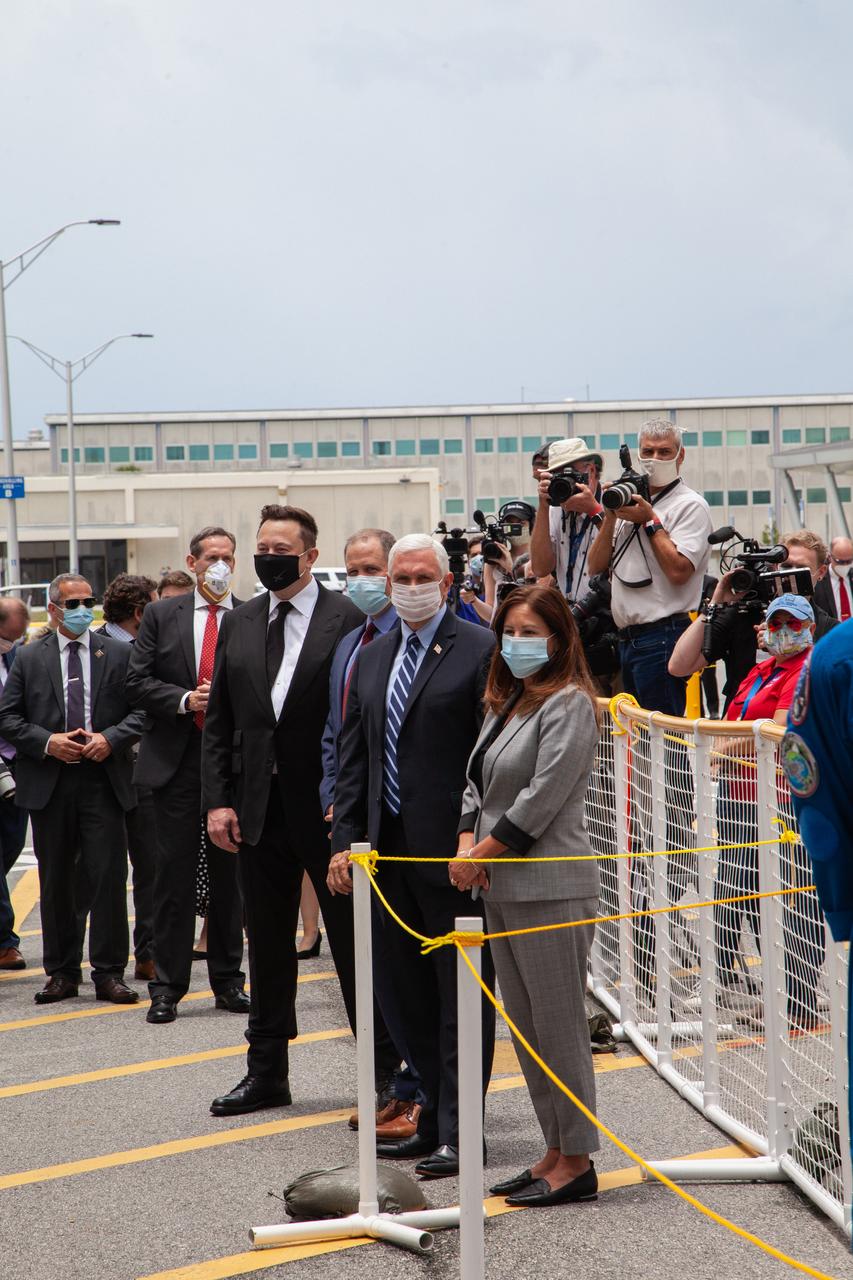
From left, SpaceX CEO and Chief Designer Elon Musk, NASA Administrator Jim Bridenstine, Vice President Mike Pence and second lady Karen Pence wait to greet NASA astronauts Robert Behnken and Douglas Hurley outside of the Neil A. Armstrong Operations and Checkout Building at the agency’s Kennedy Space Center in Florida ahead of NASA’s SpaceX Demo-2 launch. The launch, initially scheduled for May 27, 2020, was scrubbed due to unfavorable weather conditions around Launch Complex 39A. The next launch attempt will be Saturday, May 30. Liftoff of the SpaceX Falcon 9 rocket and Crew Dragon spacecraft is scheduled for 3:22 p.m. EDT from historic Launch Complex 39A. Behnken and Hurley will be the first astronauts to launch to the International Space Station from U.S. soil since the end of the Space Shuttle Program in 2011. Part of NASA’s Commercial Crew Program, this will be SpaceX’s final flight test, paving the way for the agency to certify the crew transportation system for regular, crewed flights to the orbiting laboratory.
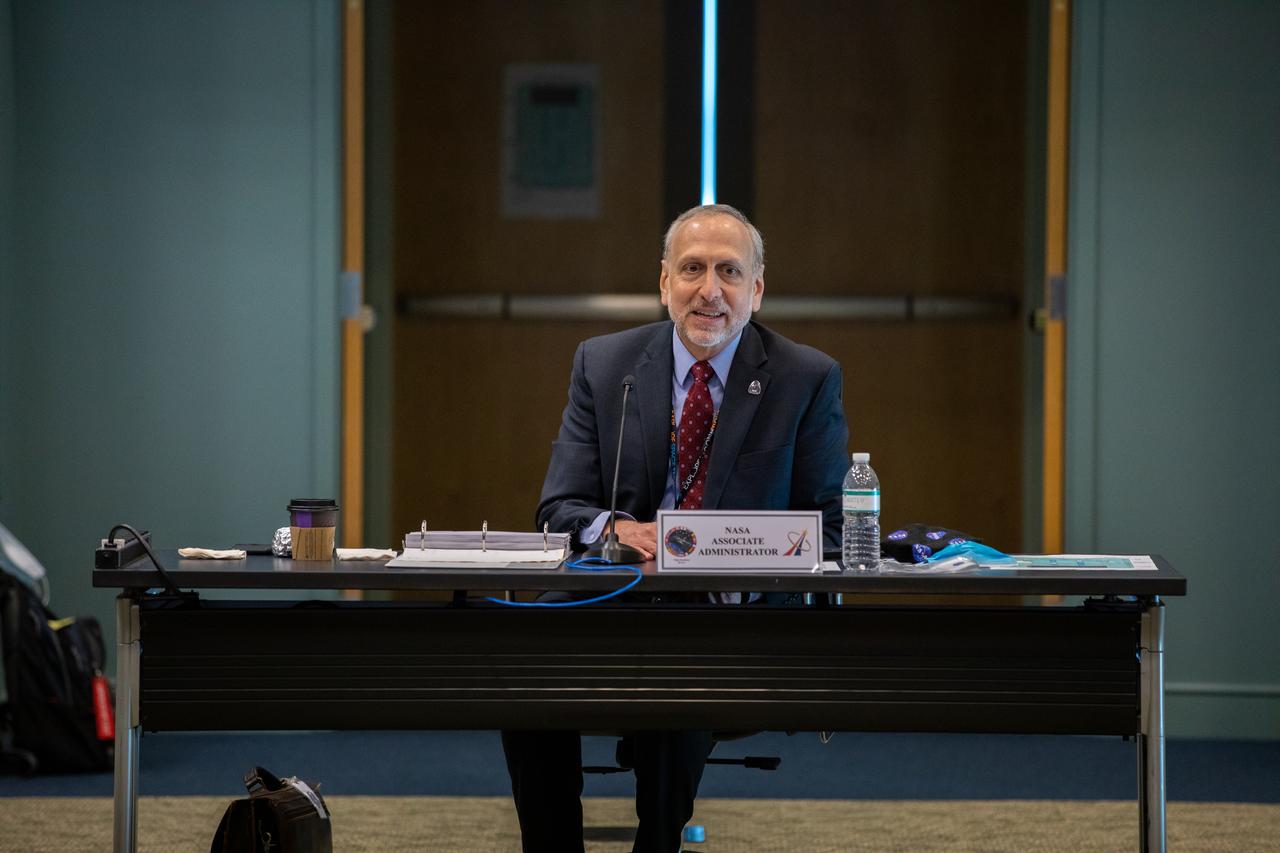
On May 21, 2020, inside the Operations Support Building II at NASA’s Kennedy Space Center in Florida, NASA Associate Administrator Steve Jurczyk participates in a flight readiness review for the upcoming Demo-2 launch. A SpaceX Falcon 9 rocket and Crew Dragon spacecraft will carry NASA astronauts Robert Behnken and Douglas Hurley to the International Space Station as part of the agency’s Commercial Crew Program, returning human spaceflight capability to the U.S. after nearly a decade. Launch is slated for 4:33 p.m. EDT on Wednesday, May 27, from Kennedy’s Launch Complex 39A.
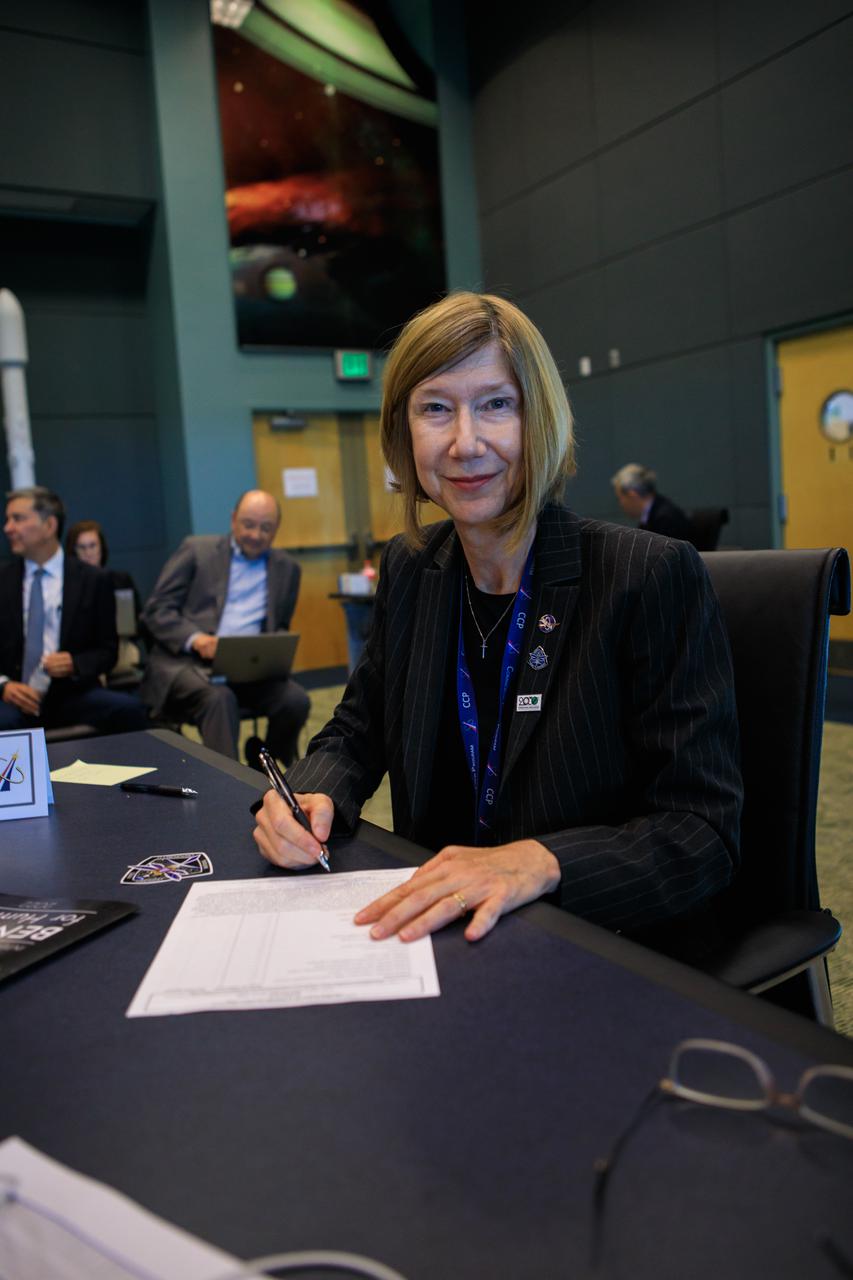
Kathy Lueders, associate administrator, Space Operations Mission Directorate, NASA Headquarters, signs a document during the Flight Readiness Review for the agency’s SpaceX Crew-4 mission at the agency’s Kennedy Space Center in Florida on April 15, 2022. International partners also participated. NASA and SpaceX mission managers held the review to confirm the SpaceX Falcon 9 rocket and Crew Dragon spacecraft are ready for launch. Crew-4 is scheduled to launch to the International Space Station from Kennedy’s Launch Complex 39A on April 23, 2022, as part of NASA’s Commercial Crew Program. Liftoff of the Falcon 9 rocket and Crew Dragon spacecraft is targeted for 5:26 a.m. EDT.
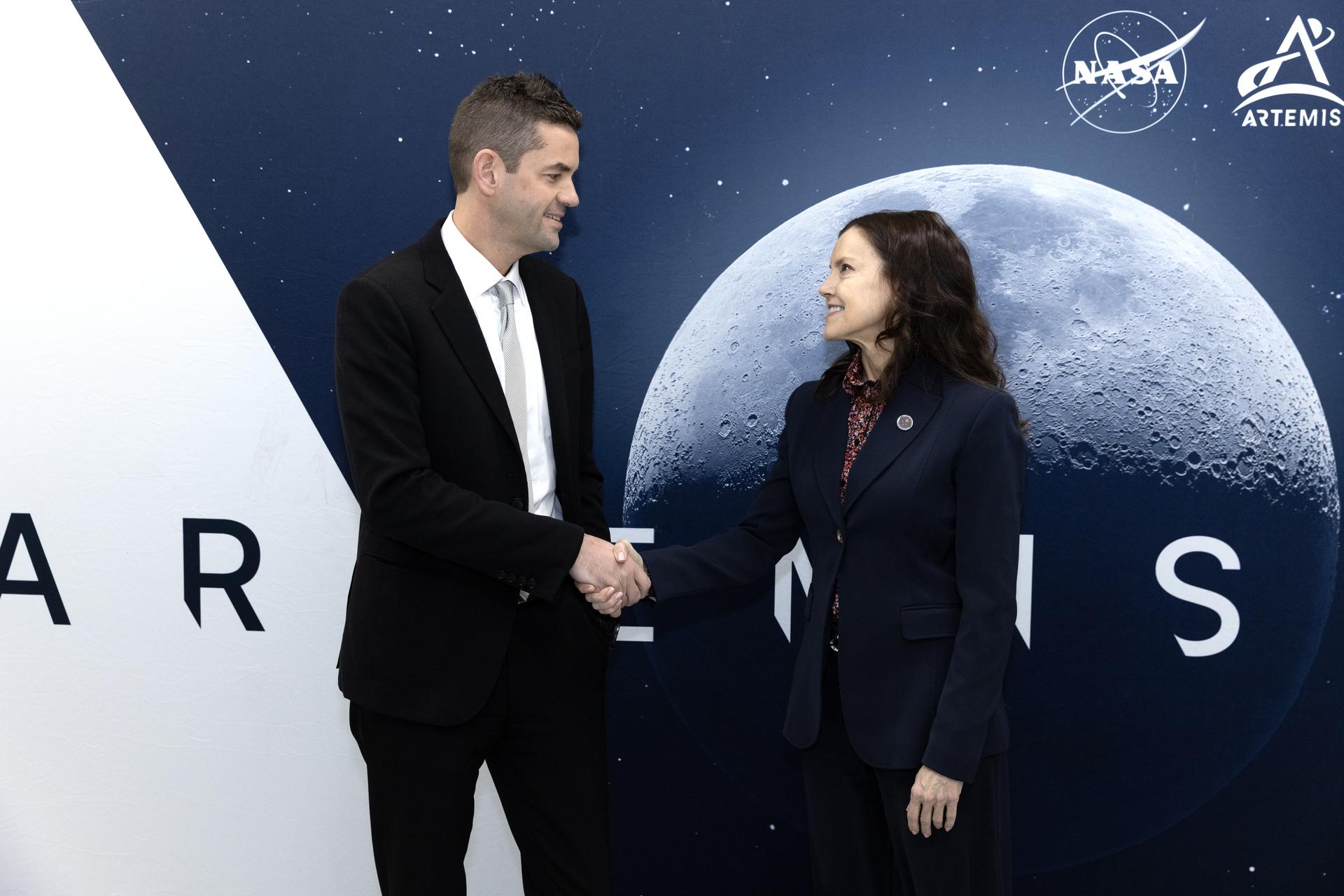
From left, NASA Administrator Jared Isaacman and CSA (Canadian Space Agency) President Lisa Campbell pose for a photograph during Artemis II wet dress rehearsal on Monday, Feb. 2, 2026, at NASA’s Kennedy Space Center in Florida. The wet dress rehearsal allows the Artemis II launch team to run through operations to load propellant, conduct a full launch countdown, demonstrate the ability to recycle the countdown clock, and drain the tanks to practice timelines and procedures for launch. The Artemis II test flight will take Commander Reid Wiseman, Pilot Victor Glover, and Mission Specialist Christina Koch from NASA, and Mission Specialist Jeremy Hansen from the CSA, around the Moon and back to Earth from Launch Complex 39B at NASA Kennedy.
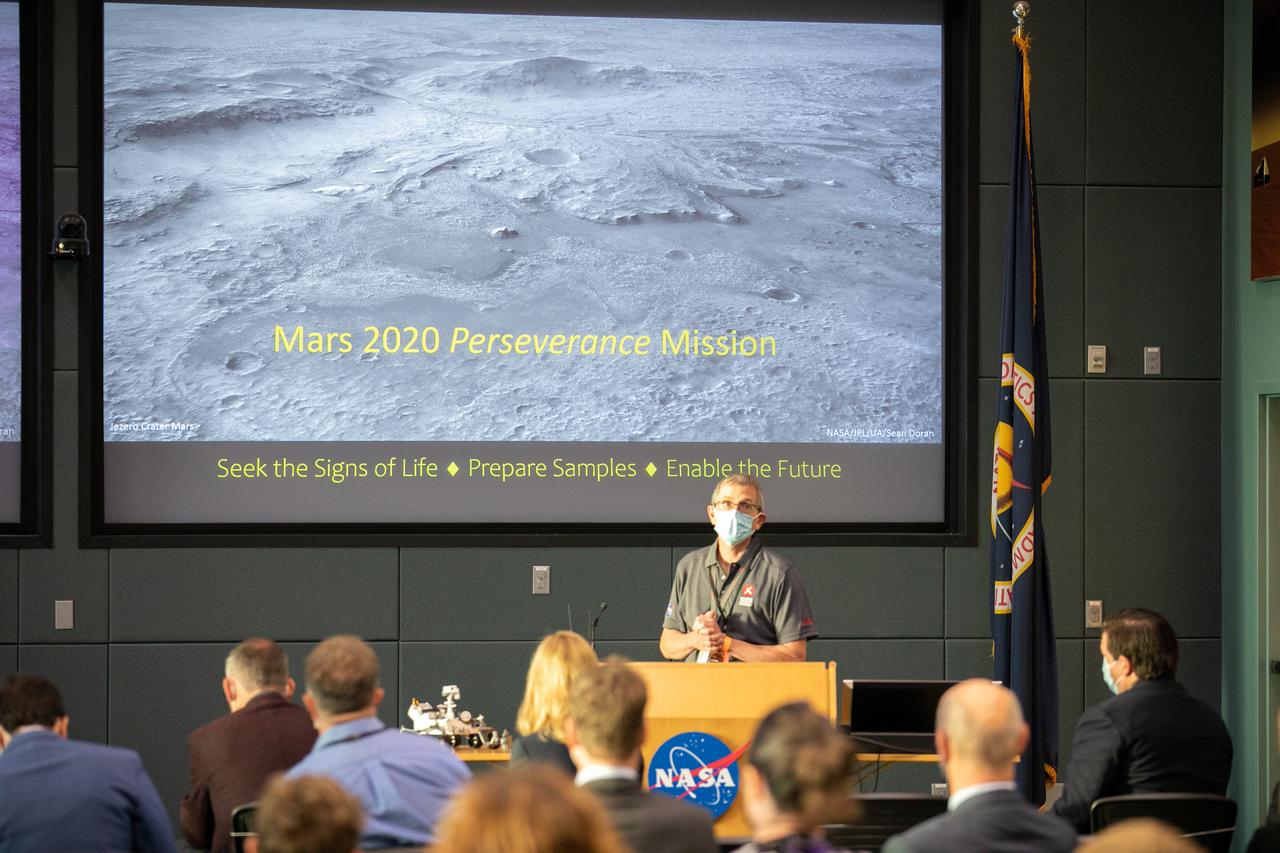
Dr. Kenneth Farley, a project scientist with Caltech, gave a science overview at the Mars 2020 VIP briefing at the Operations and Support Building II at NASA’s Kennedy Space Center in Florida on July 30, 2020, before launch of the Mars Perseverance rover and Ingenuity helicopter on a United Launch Alliance Atlas V 541 rocket from Space Launch Complex 41 at nearby Cape Canaveral Air Force Station. Liftoff occurred at 7:50 a.m. The rover is part of NASA’s Mars Exploration Program, a long-term effort of robotic exploration of the Red Planet. The rover will search for habitable conditions in the ancient past and signs of past microbial life on Mars. The Launch Services Program at Kennedy is responsible for launch management.
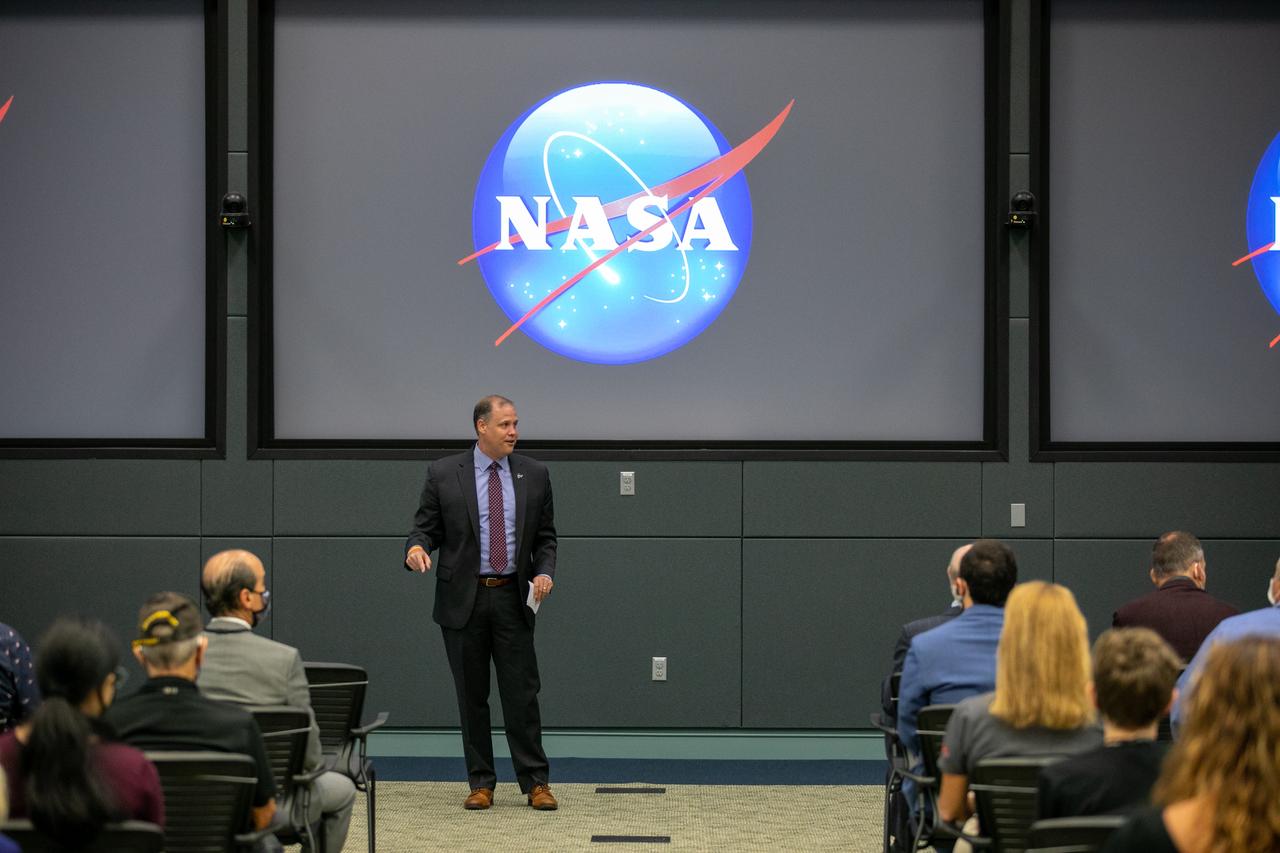
NASA Administrator Jim Bridenstine participates in a Mars 2020 VIP briefing at the Operations and Support Building II at NASA’s Kennedy Space Center in Florida on July 30, 2020, before launch of the Mars Perseverance rover and Ingenuity helicopter on a United Launch Alliance Atlas V 541 rocket from Space Launch Complex 41 at nearby Cape Canaveral Air Force Station. Liftoff occurred at 7:50 a.m. EDT. The rover is part of NASA’s Mars Exploration Program, a long-term effort of robotic exploration of the Red Planet. The rover will search for habitable conditions in the ancient past and signs of past microbial life on Mars. The Launch Services Program at Kennedy is responsible for launch management.
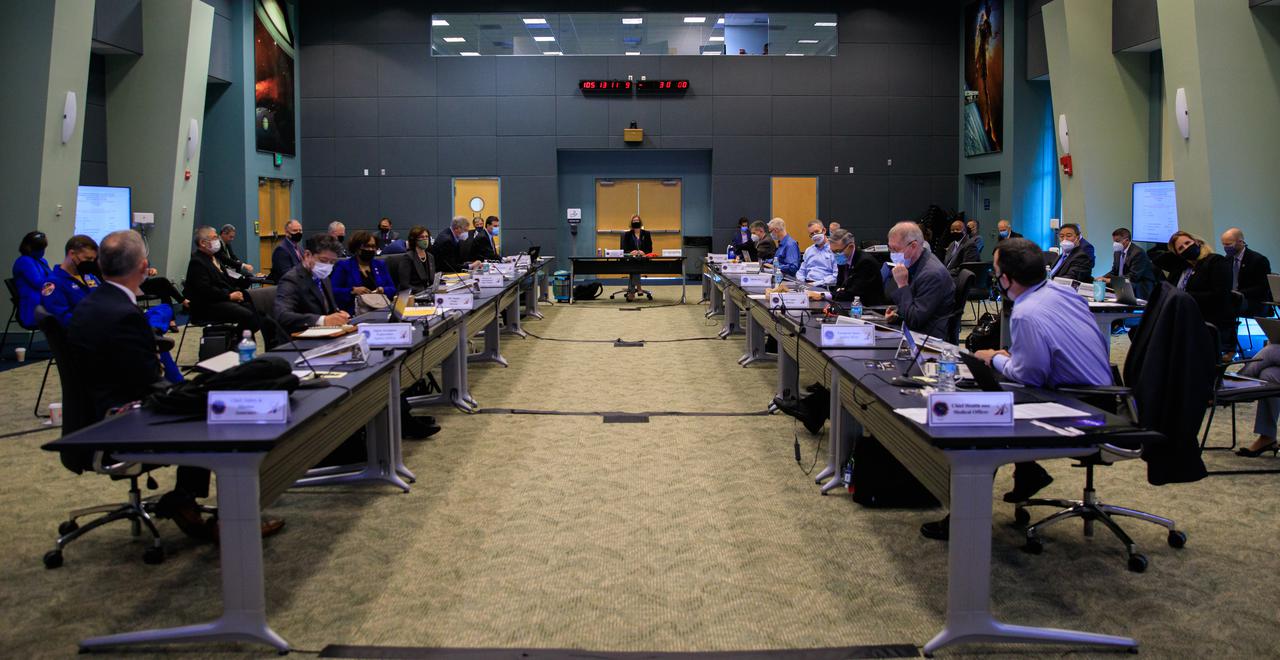
NASA’s SpaceX Crew-2 Flight Readiness Review takes place at NASA’s Kennedy Space Center on April 15, 2021. Crew-2 is targeted to launch from the Florida Spaceport’s Launch Complex 39A on April 22 at 6:11 a.m. EDT. NASA astronauts Shane Kimbrough and Megan McArthur, JAXA astronaut Akihiko Hoshide, and ESA astronaut Thomas Pesquet will fly to the International Space Station aboard SpaceX’s Crew Dragon Endeavour, powered by the company’s Falcon 9 rocket.

Tubing provides ventilation through boarded-up windows on the Operations Support Building II at NASA’s Kennedy Space Center in Florida. Members of the Disaster Assessment and Recovery Team (DART) are working on repairs to the facility following Hurricane Matthew, which passed to the east of Kennedy on Oct. 6 and 7, 2016. The center received some isolated roof damage, damaged support buildings, a few downed power lines, and limited water intrusion. Beach erosion also occurred, although the storm surge was less than expected.

NASA senior leaders participate in a town hall discussion on Nov. 29, 2022, at the agency’s Kennedy Space Center in Florida. From left are Kennedy Space Center Director Janet Petro, NASA Deputy Administrator Pam Melroy; Kurt Vogel, director of NASA Space Architectures; Cathy Koerner, deputy associate administrator, Exploration Systems Development; and NASA Associate Administrator Bob Cabana. Discussion centered around NASA’s Moon to Mars objectives, Kennedy’s role in deep space exploration, and the path forward in the coming months and years.

From left, Charlie Blackwell-Thompson, launch director, Exploration Ground Systems Program and Lili Villarreal, Artemis II landing and recovery director in Exploration Ground Systems Program at NASA’s Kennedy Space Center in Florida, participate in the Artemis II Flight Readiness Review with NASA leadership on Wednesday, March 11, 2026, at NASA Kennedy. The review is an assessment of the readiness of NASA’s SLS (Space Launch System) rocket and Orion spacecraft to support the Artemis II test flight as four astronauts journey around the Moon and return to Earth.
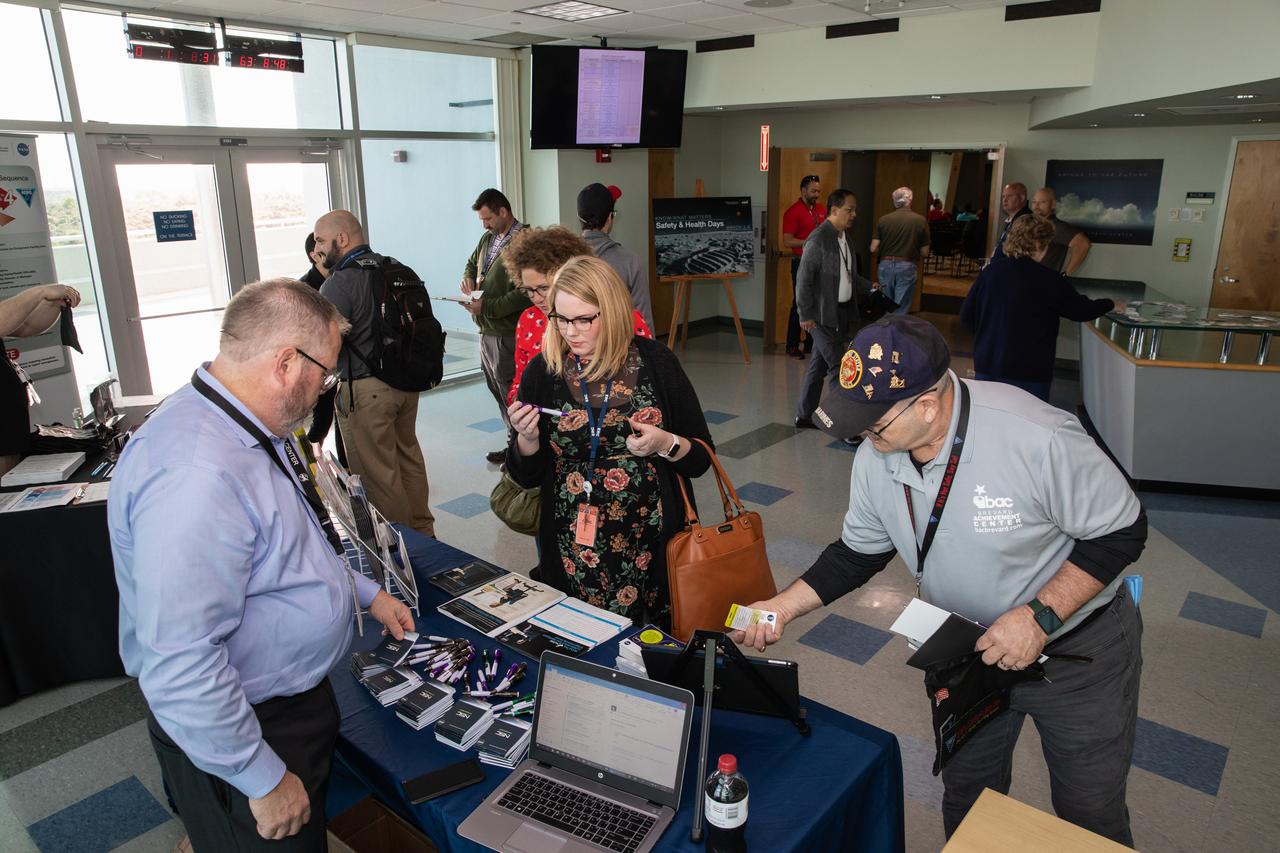
NASA Kennedy Space Center employees learn more about safety from informational tables set up inside the Florida spaceport’s Operations Support Building II on March 3, 2020, during the center’s annual Safety and Health Days. Taking place March 2 through March 6, Safety and Health Days provides Kennedy employees with a variety of presentations to attend – all of which focus on how to maintain a safe and healthy workforce.
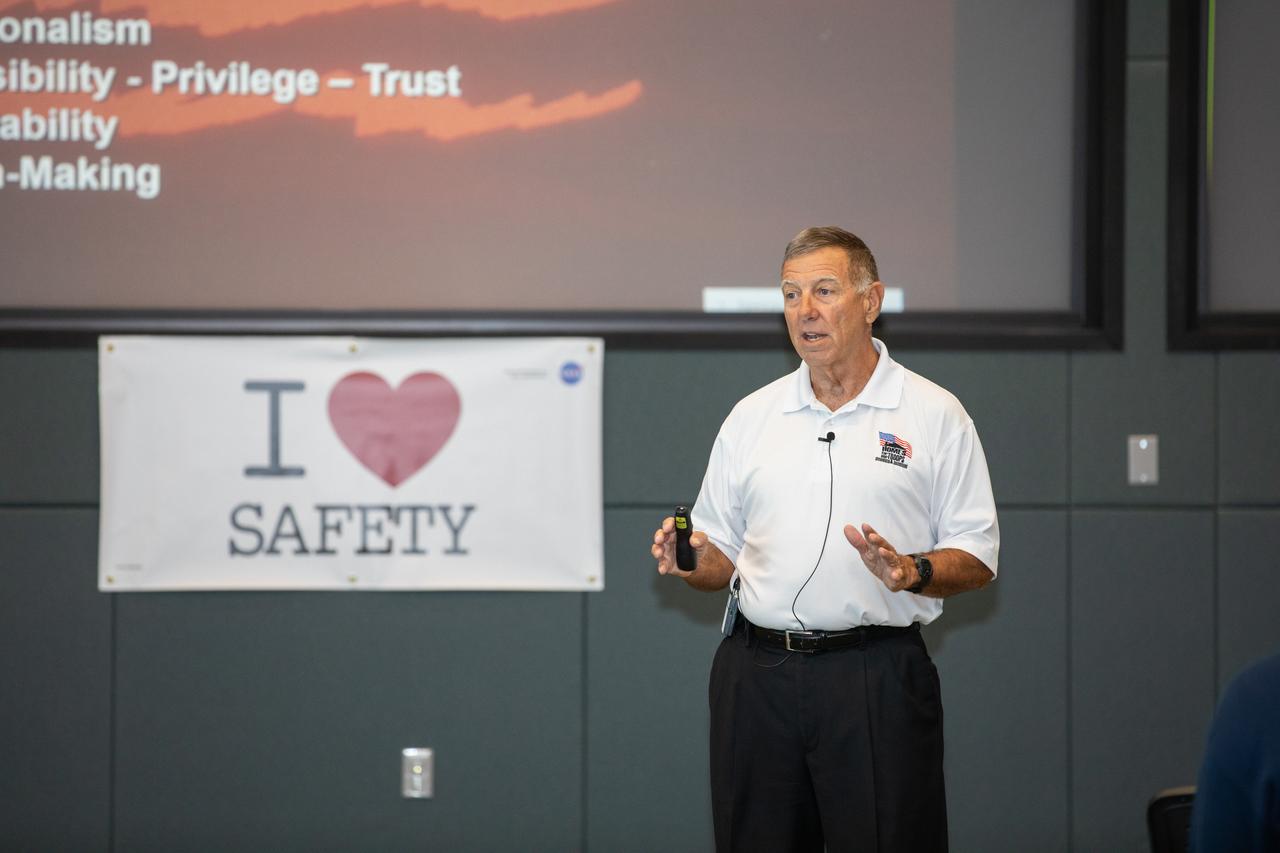
Danny McKnight, a U.S. Army retired colonel, presents information on what it takes to be a leader when operating in difficult conditions inside NASA Kennedy Space Center’s Operations Support Building II on March 3, 2020, during the center’s annual Safety and Health Days. Taking place March 2 through March 6, Safety and Health Days provides Kennedy employees with a variety of presentations to attend – all of which focus on how to maintain a safe and healthy workforce.
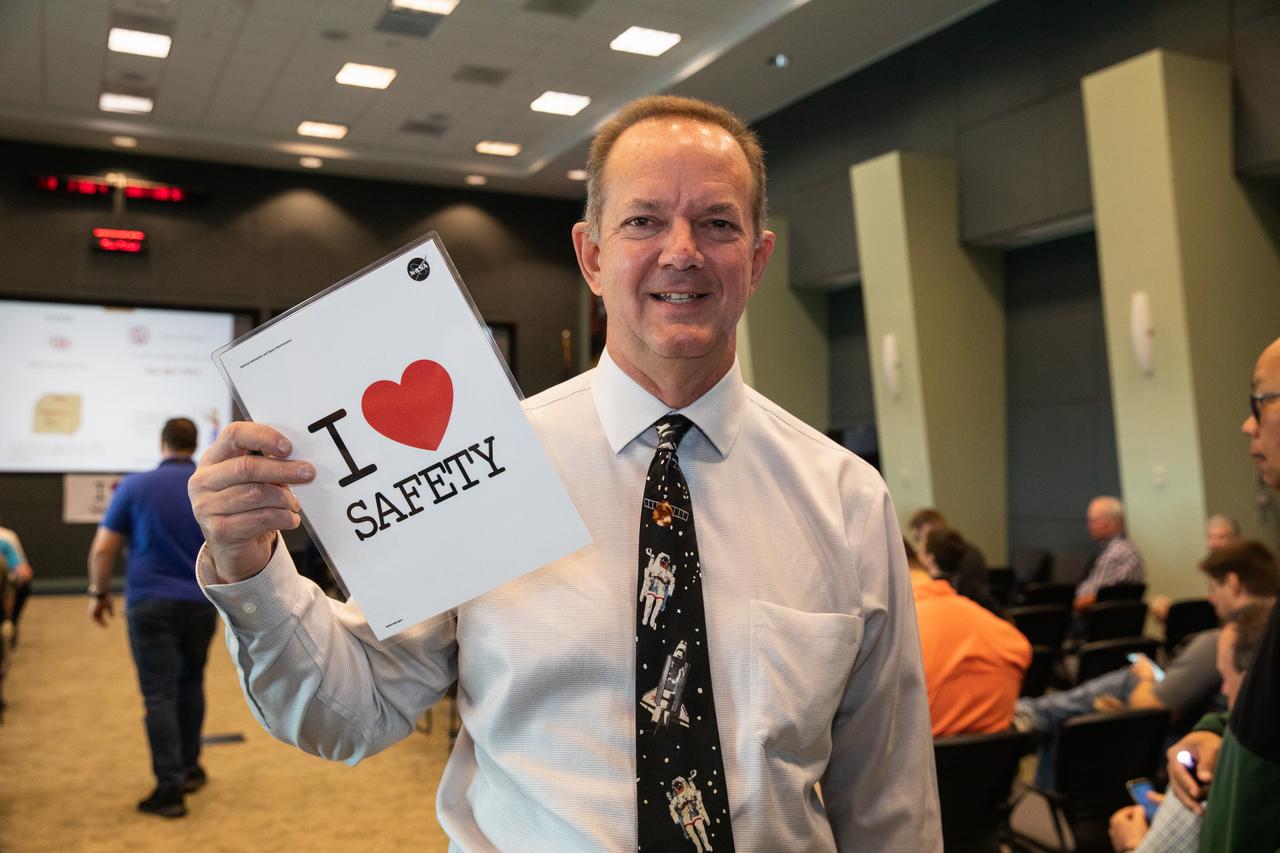
Tom Engler, director of Center Planning and Development at NASA’s Kennedy Space Center in Florida, poses with the Safety and Mission Assurance “I Love Safety” poster during the center’s annual Safety and Health Days on March 3, 2020. Taking place March 2 through March 6, Safety and Health Days provides Kennedy employees with a variety of presentations to attend – all of which focus on how to maintain a safe and healthy workforce.
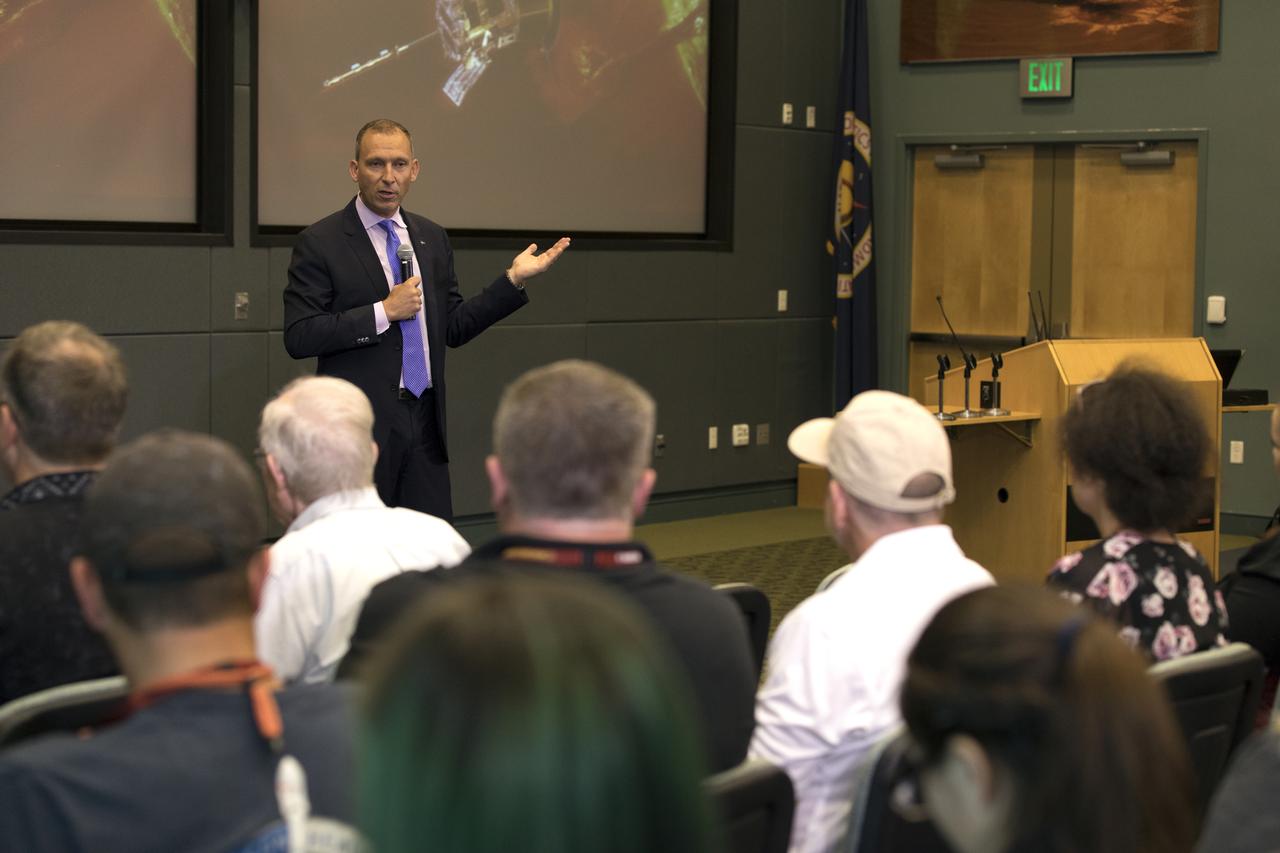
In the Kennedy Space Center's Operations and Support Building II, Thursday, Aug. 9, 2018, members of the media participate in a prelaunch mission briefing on NASA's Parker Solar Probe. Speaking to the media is Thomas Zurbuchen, associate administrator for NASA's Science Mission Directore in Washington. The Parker Solar Probe will lift off on a United Launch Alliance Delta IV Heavy rocket from Space Launch Complex 37 at Cape Canaveral Air Force Station in Florida. The spacecraft was built by Applied Physics Laboratory of Johns Hopkins University in Laurel, Maryland. The mission will perform the closest-ever observations of a star when it travels through the Sun's atmosphere, called the corona. The probe will rely on measurements and imaging to revolutionize our understanding of the corona and the Sun-Earth connection.
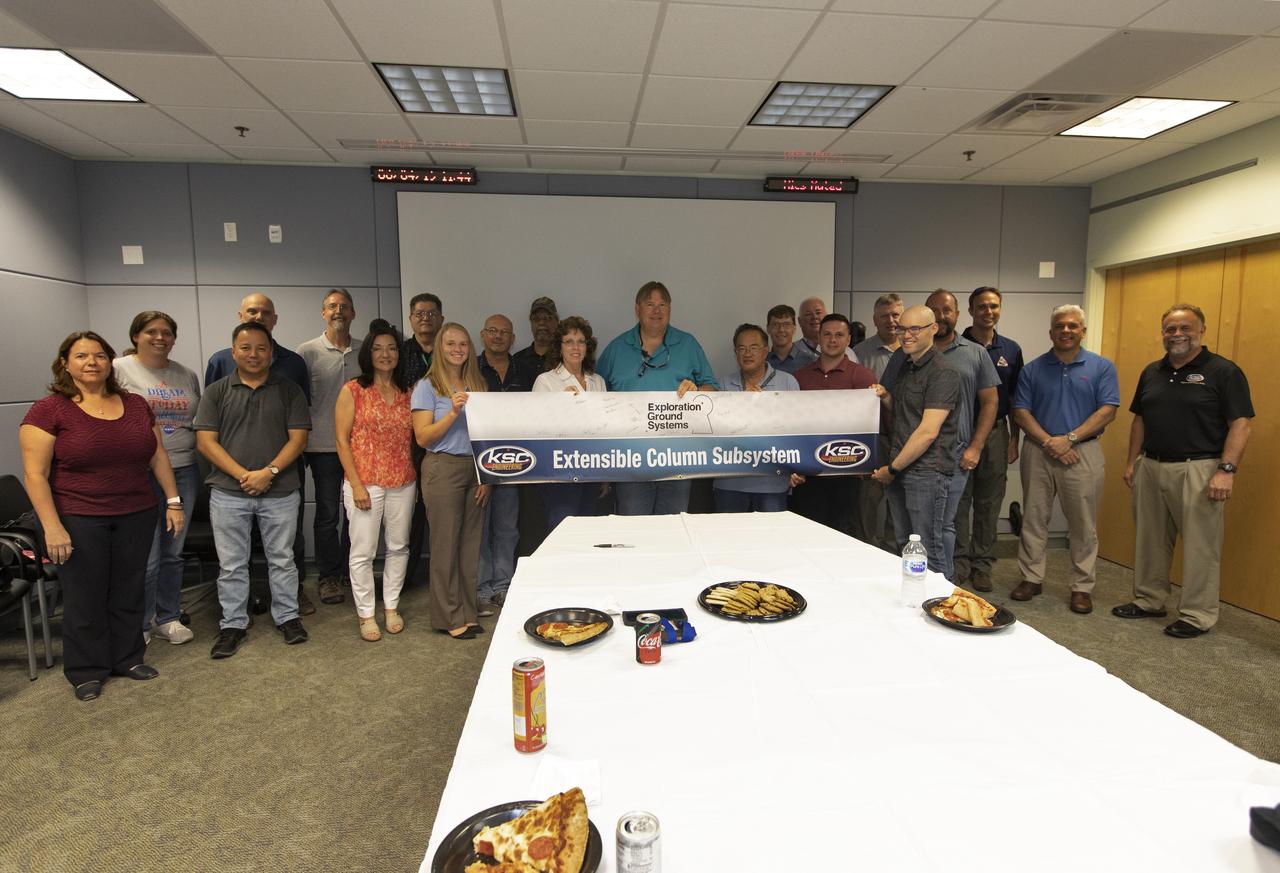
Engineers celebrate the completion of the Extensible Column Subsystem (XCS) project during a banner event held in Operations Support Building II at Kennedy Space Center. The XCS team successfully executed an aggressive schedule, receiving outstanding support from the fabrication contractor, Met-Con. Full functional testing occurred at Met-Con’s facility, with no mechanical or structural issues. All four columns and the test fixture have been delivered to Kennedy. Full-scale testing will take place when the Mobile Launcher gets to the pad later this summer.

Employees at NASA’s Kennedy Space Center in Florida participate in the Safety and Health days activities on Thursday, May 9, 2024. The agency’s Safety and Health days took place the week of May 6-10 to show the NASA’s commitment to the safety and health of the entire workforce, and various organizations provided interactive exhibits and information on a range of safety and health issues.
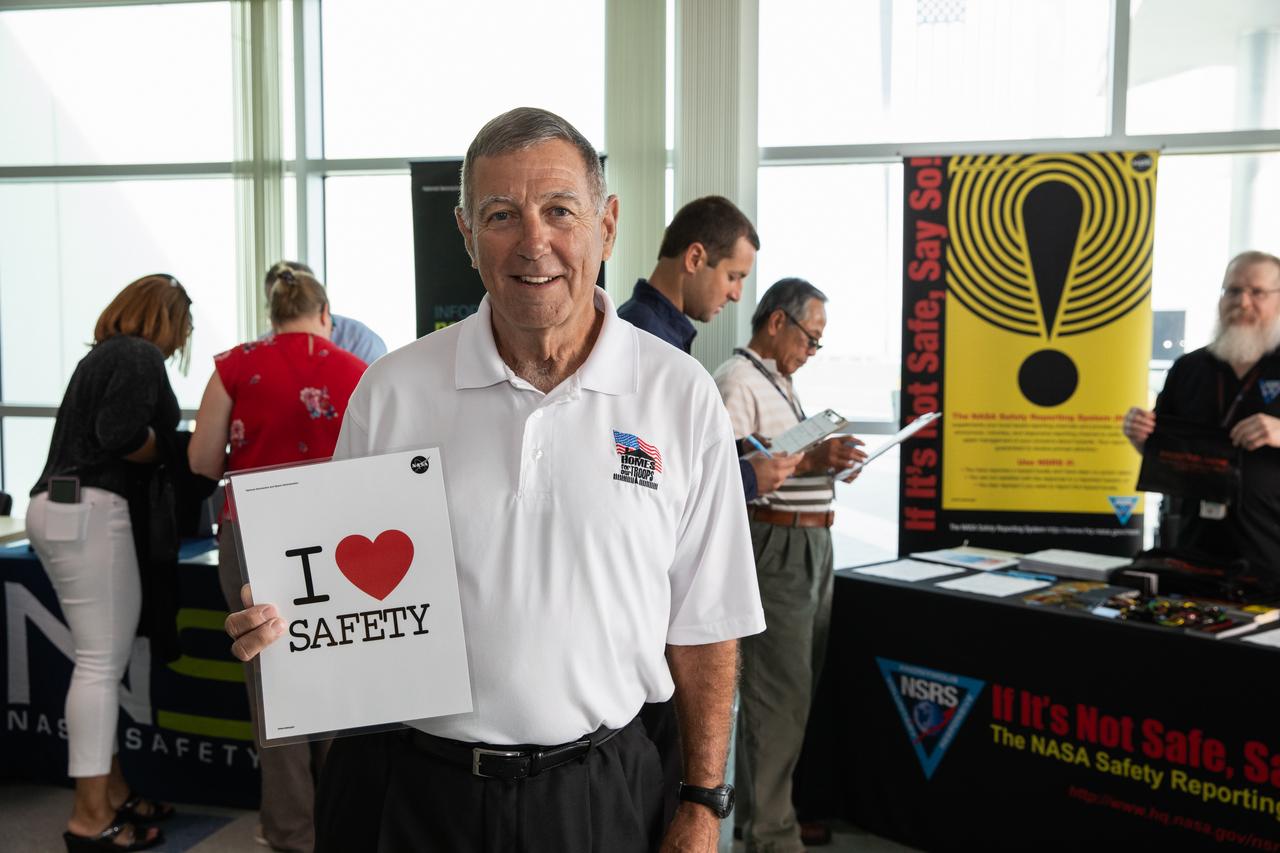
Danny McKnight, a U.S. Army retired colonel one of the guest speakers during NASA Kennedy Space Center’s annual Safety and Health Days, poses with the Safety and Mission Assurance “I Love Safety” poster inside the Operations Support Building II on March 3, 2020, prior to his presentation. Taking place March 2 through March 6, Safety and Health Days provides Kennedy employees with a variety of presentations to attend – all of which focus on how to maintain a safe and healthy workforce. McKnight’s presentation included information on the commitment and leadership required to be successful when operating in difficult conditions.
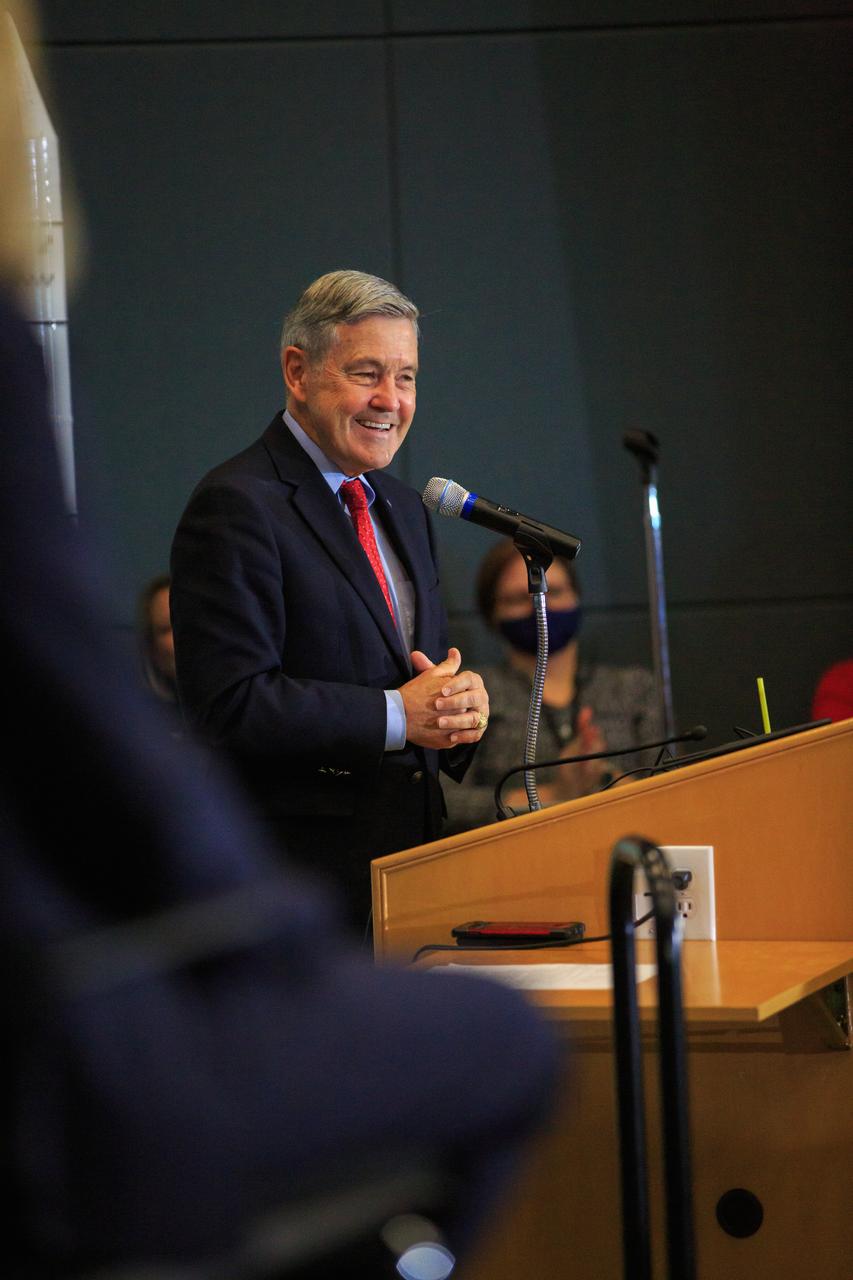
NASA Associate Administrator Bob Cabana participates in a town hall discussion on Nov. 29, 2022, at the agency’s Kennedy Space Center in Florida. NASA senior leaders also participating were NASA Deputy Administrator Pam Melroy; Kurt Vogel, director of NASA Space Architectures; Cathy Koerner, deputy associate administrator, Exploration Systems Development; and Janet Petro, director of Kennedy Space Center. Discussion centered around NASA’s Moon to Mars objectives, Kennedy’s role in deep space exploration, and the path forward in the coming months and years.
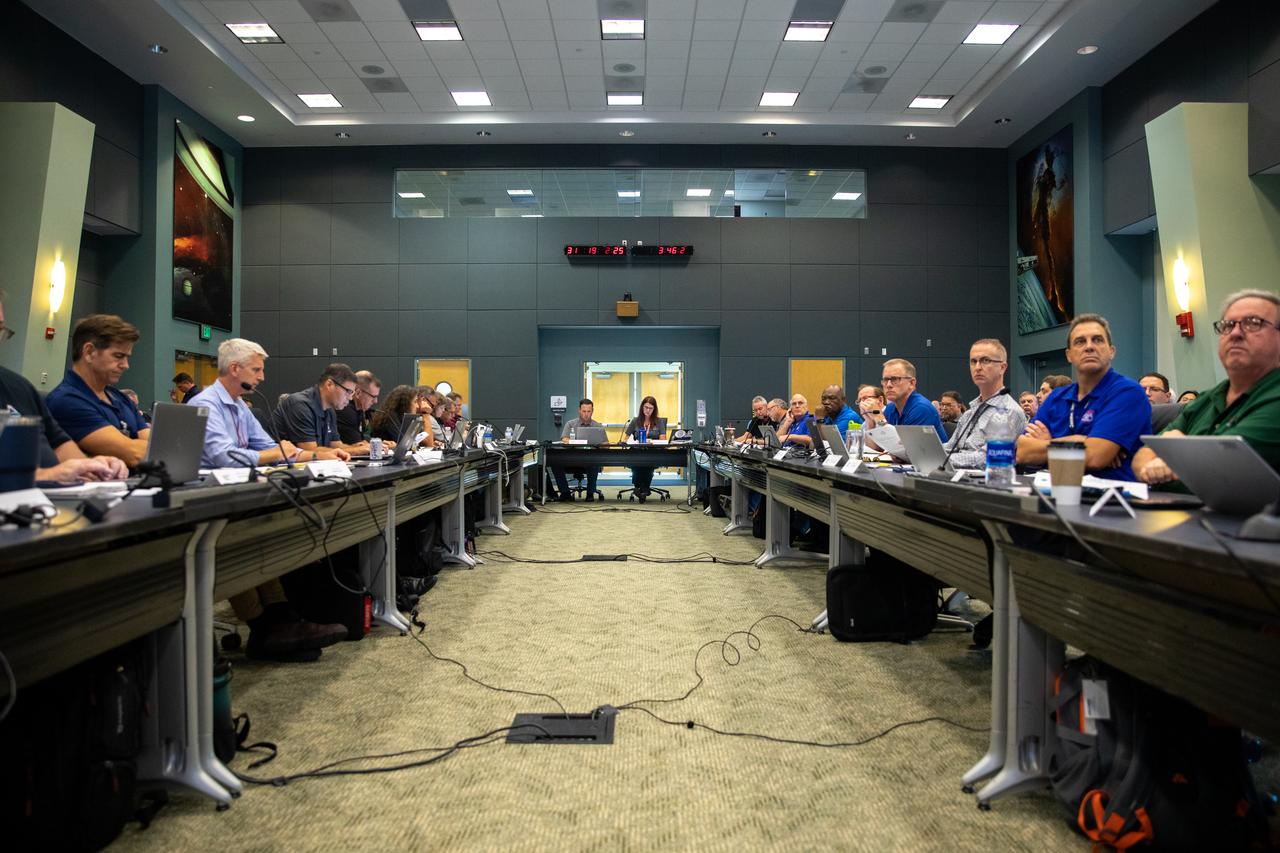
Artemis I team members conduct the Artemis I launch pre-test briefing on Nov. 12, 2022, at NASA’s Kennedy Space Center in Florida. The first in a series of increasingly complex missions, Artemis I will provide a foundation for human deep space exploration and demonstrate our commitment and capability to extend human presence to the Moon and beyond. The primary goal of Artemis I is to thoroughly test the integrated systems before crewed missions by operating the spacecraft in a deep space environment, testing Orion’s heat shield, and recovering the crew module after reentry, descent, and splashdown.
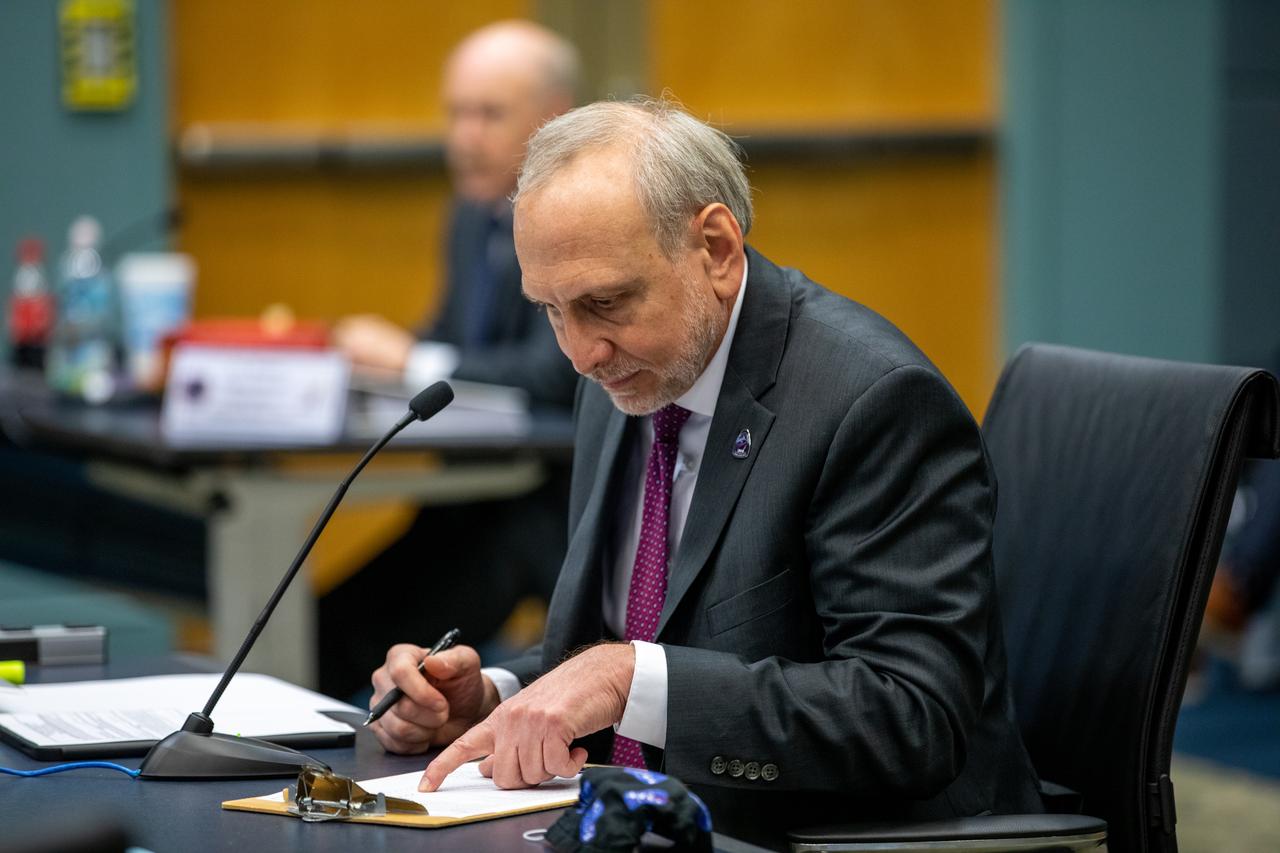
On May 22, 2020, inside the Operations Support Building II at NASA’s Kennedy Space Center in Florida, NASA Associate Administrator Steve Jurczyk participates in a flight readiness review for the upcoming Demo-2 launch. A SpaceX Falcon 9 rocket and Crew Dragon spacecraft will carry NASA astronauts Robert Behnken and Douglas Hurley to the International Space Station as part of the agency’s Commercial Crew Program, returning human spaceflight capability to the U.S. after nearly a decade. Launch is slated for 4:33 p.m. EDT on Wednesday, May 27, from Kennedy’s Launch Complex 39A.
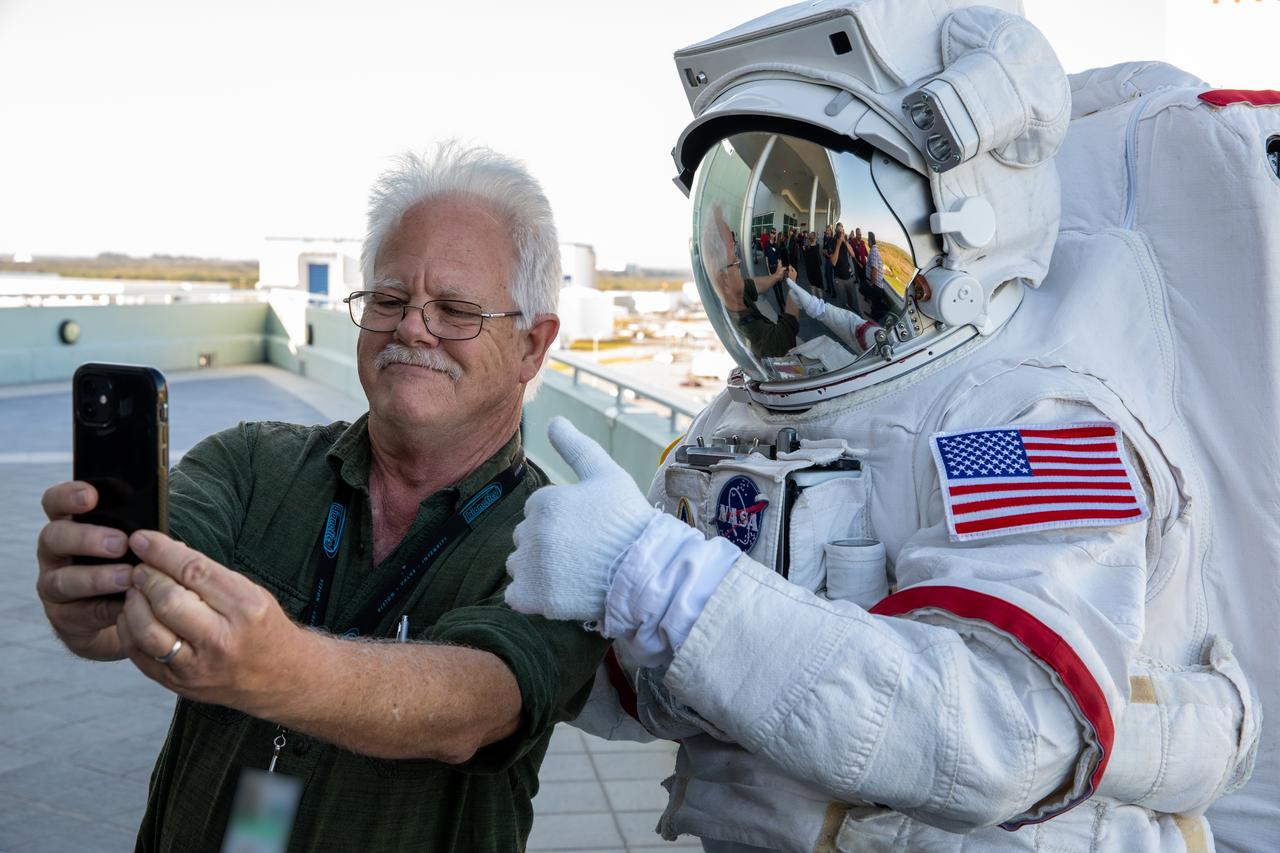
Kennedy Space Center employee Dean Pettit takes a selfie with Kennedy Space Center Visitor Complex’s Space Person, at the 2022 Center Director’s Holiday Coffee on Dec. 7, 2022, at NASA’s Kennedy Space Center in Florida. The annual holiday event is an opportunity for Kennedy employees and NASA retirees to exchange holiday greetings with center leaders and fellow support staff.
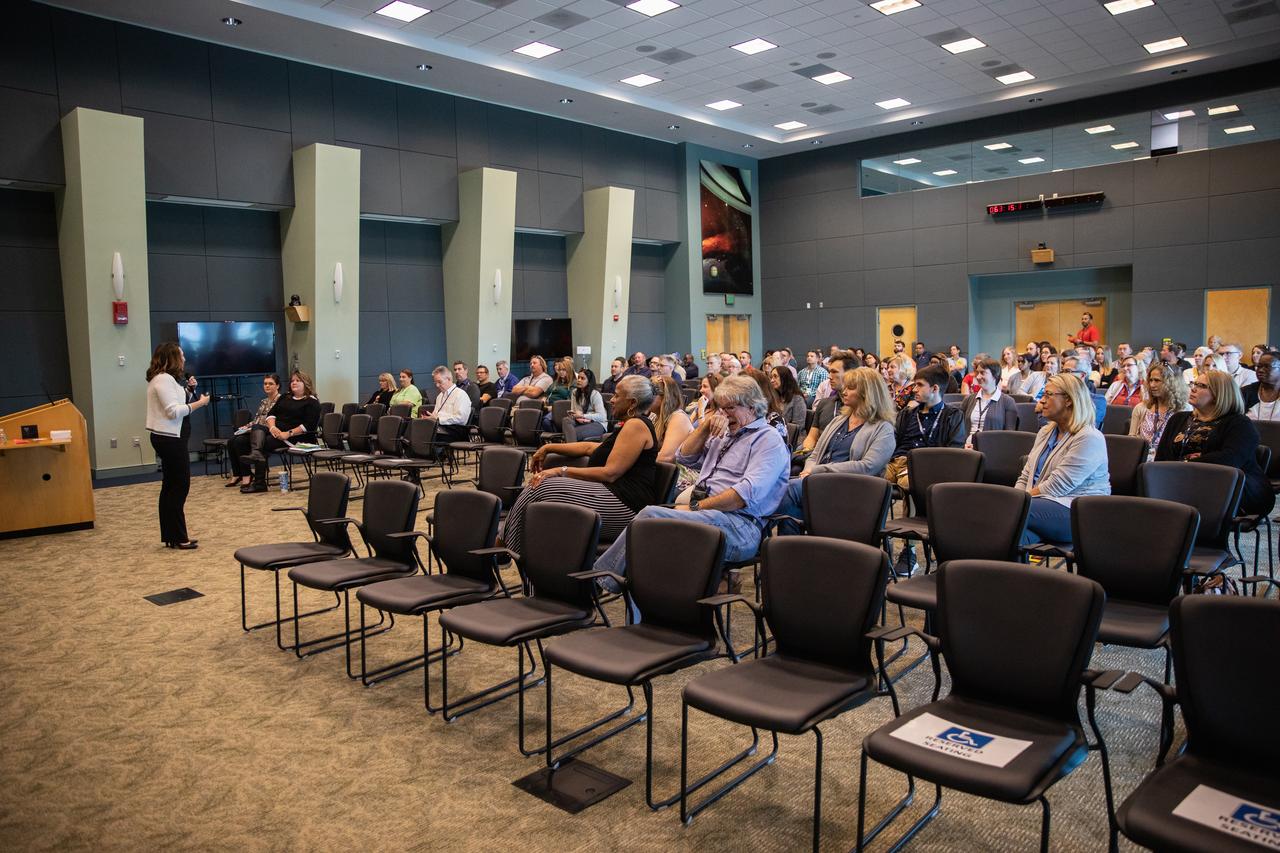
Eliz Greene, one of the guest speakers during Kennedy Space Center’s annual Safety and Health Days, addresses Kennedy employees inside the Florida spaceport’s Operations Support Building II on March 3, 2020. Taking place March 2 through March 6, Safety and Health Days provides Kennedy employees with a variety of presentations to attend – all of which focus on how to maintain a safe and healthy workforce. Greene’s presentation included information on reducing stress and improving focus.
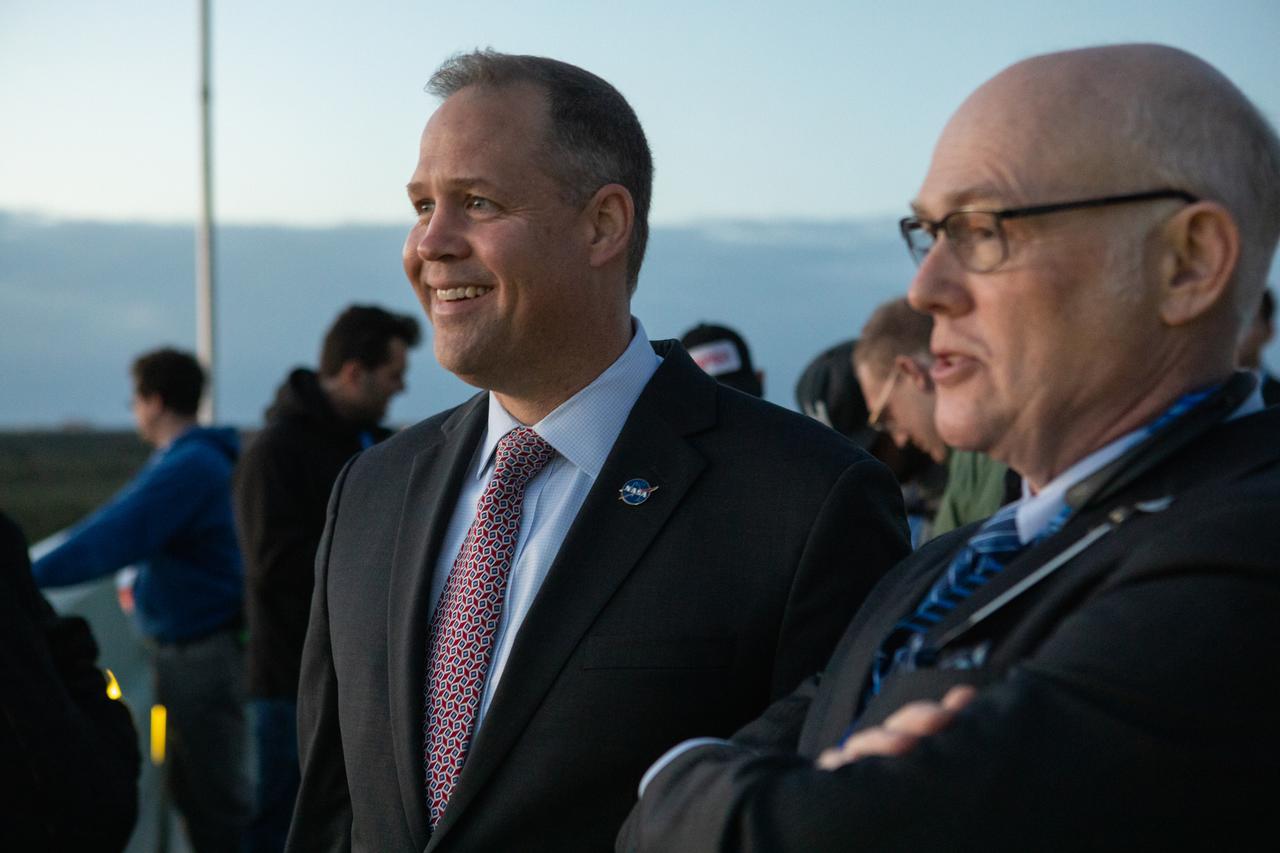
NASA Administrator Jim Bridenstine, left, and Tory Bruno, president and chief executive officer of United Launch Alliance, wait at NASA’s Kennedy Space Center in Florida to see the liftoff of a United Launch Alliance Atlas V rocket carrying Boeing’s CST-100 Starliner spacecraft for Boeing’s Orbital Flight Test, Dec. 20, 2019. Liftoff occurred at 6:36 a.m. EST from Space Launch Complex 41 at Florida’s Cape Canaveral Air Force Station. The uncrewed Orbital Flight Test is the Starliner’s first flight for NASA’s Commercial Crew Program.
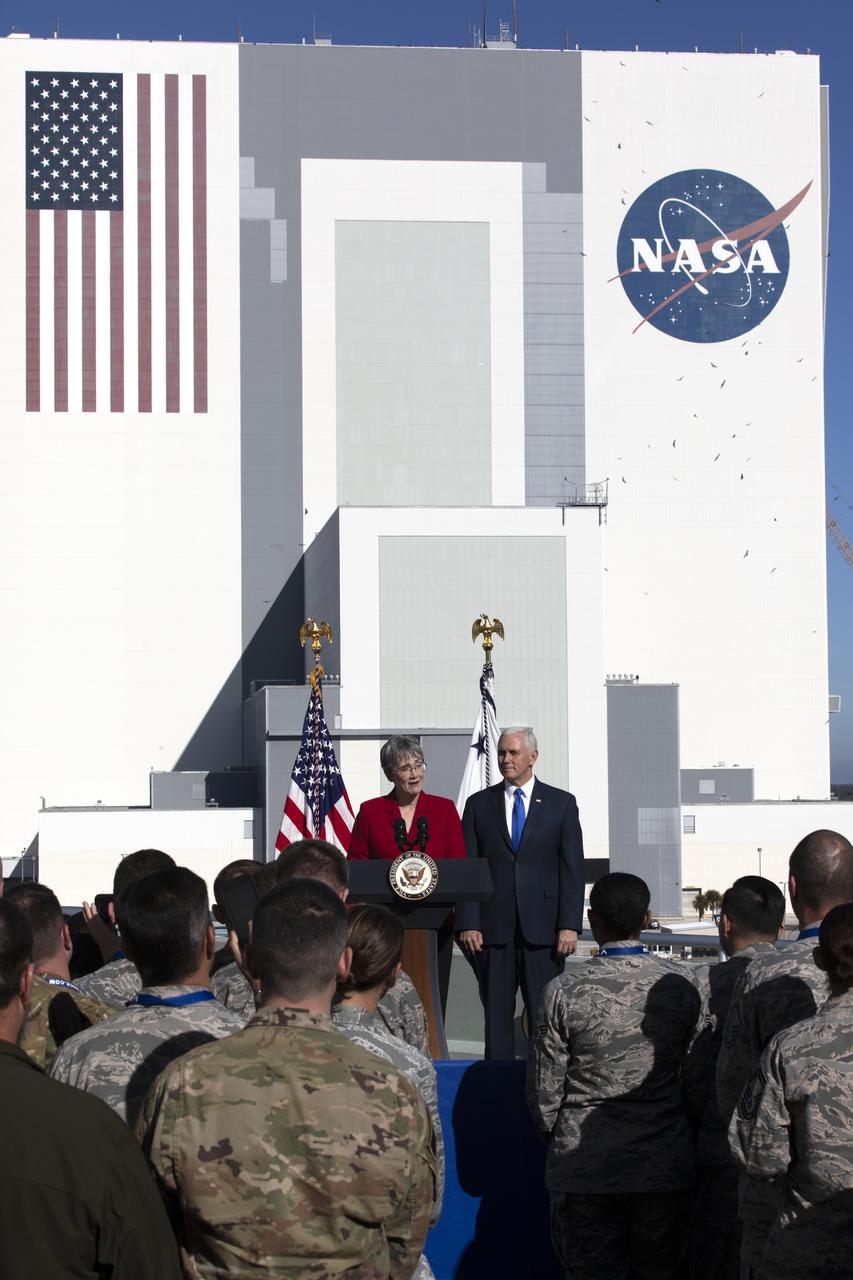
At the Operations and Support Building II at NASA's Kennedy Space Center in Florida, Vice President Mike Pence attends the launch attempt of SpaceX's Falcon 9 rocket carrying the U.S. Air Force's GPS III satellite from Space Launch Complex 40 on Cape Canaveral Air Force Station on Dec. 18, 2018. Speaking at the podium is Secretary of the U.S. Air Force Heather Wilson.
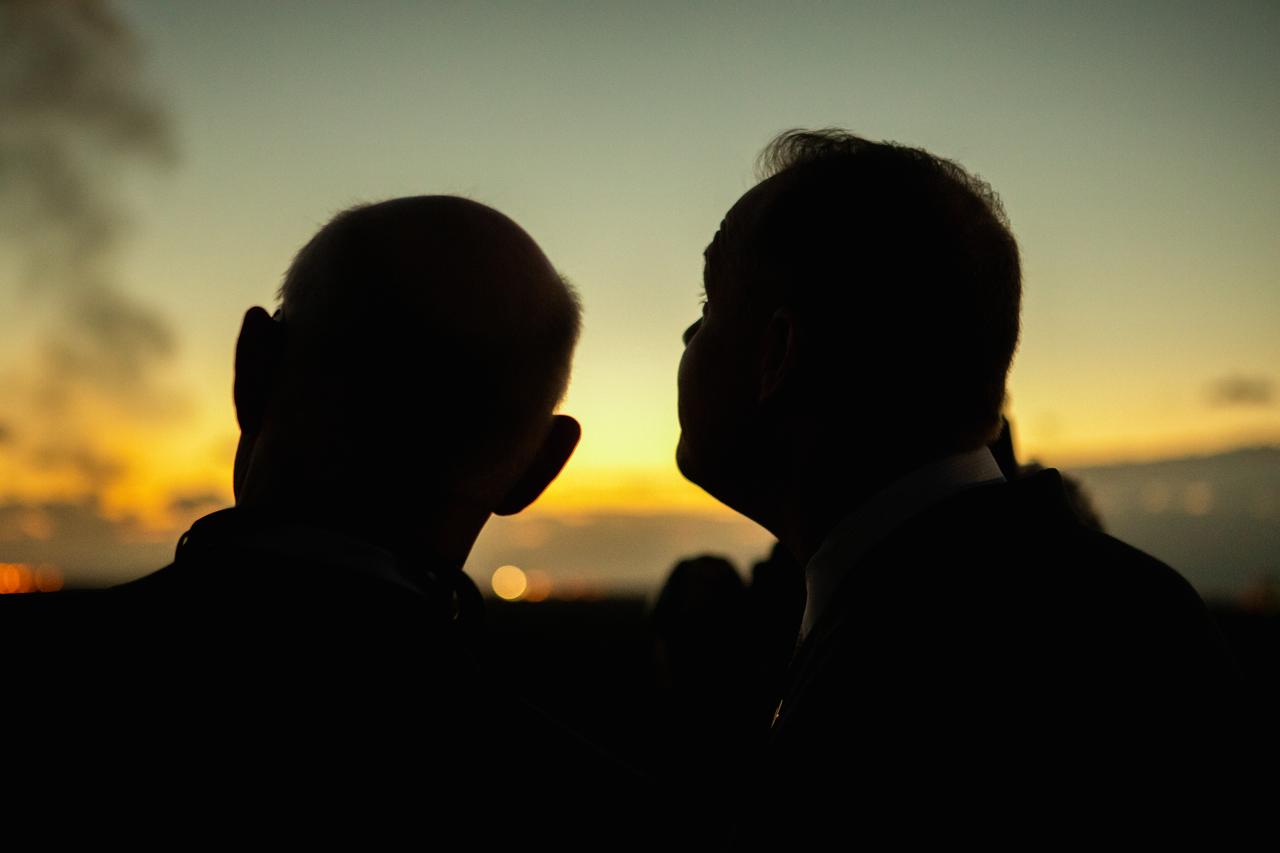
Tory Bruno, president and chief executive officer of United Launch Alliance, left, and NASA Administrator Jim Bridenstine watch the launch of a United Launch Alliance Atlas V rocket carrying Boeing’s CST-100 Starliner spacecraft for Boeing’s Orbital Flight Test, Dec. 20, 2019. Liftoff occurred at 6:36 a.m. EST from Space Launch Complex 41 at Florida’s Cape Canaveral Air Force Station. The uncrewed Orbital Flight Test is the Starliner’s first flight for NASA’s Commercial Crew Program.
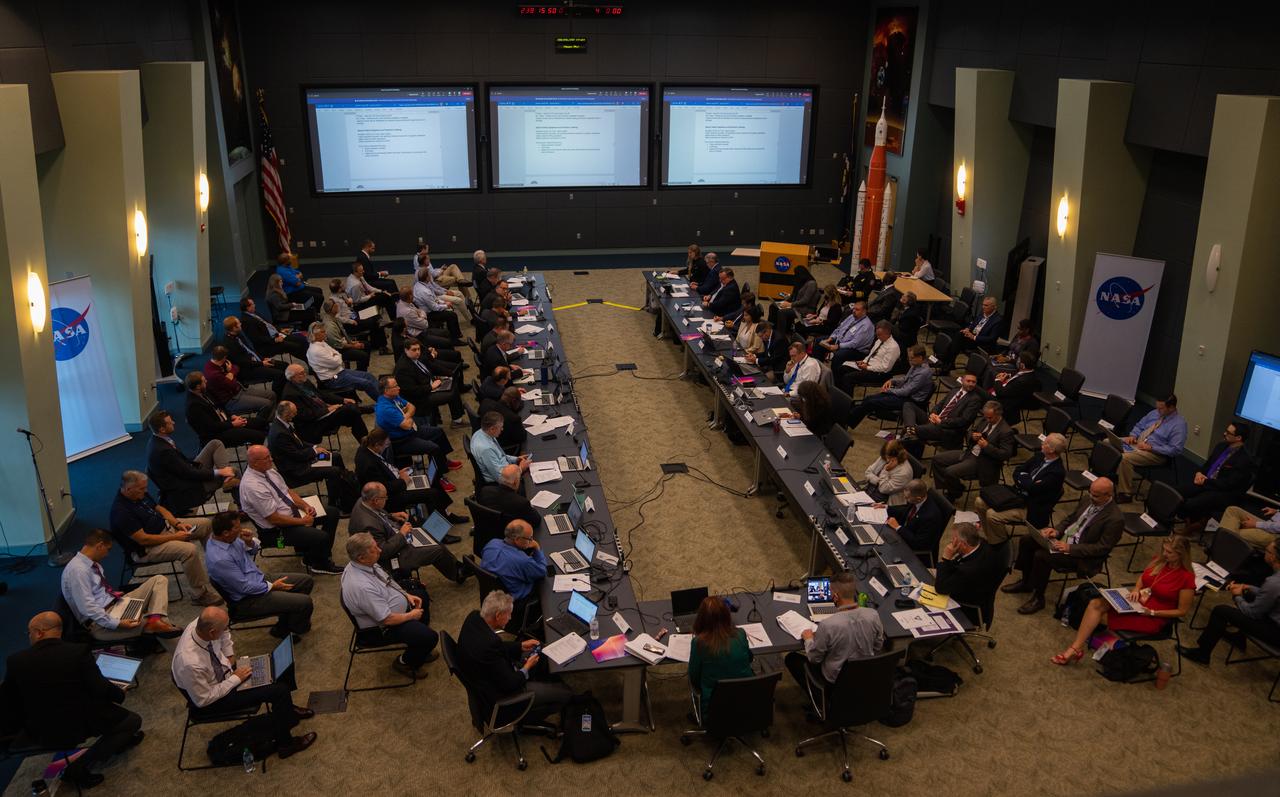
Artemis I managers hold a final briefing on Aug. 26, 2022, at NASA’s Kennedy Space Center in Florida to confirm all is ready for launch team call to stations in Firing Room 1 of the Rocco A Petrone Launch Control Center. The agency’s Space Launch System rocket and Orion spacecraft are scheduled to launch no earlier than Aug. 29, 2022, at 8:33 a.m. EDT from Kennedy’s Launch Complex 39B. The first in a series of increasingly complex missions, Artemis I will provide a foundation for human deep space exploration and demonstrate our commitment and capability to extend human presence to the Moon and beyond. The primary goal of Artemis I is to thoroughly test the integrated systems before crewed missions by operating the spacecraft in a deep space environment, testing Orion’s heat shield, and recovering the crew module after reentry, descent, and splashdown.

Dr. Eugene Parker, a pioneer in heliophysics and S. Chandrasekhar distinguished service professor emeritus for the Department of Astronomy and Astrophysics at the University of Chicago, watches the launch of NASA's Parker Solar Probe. This is the first agency mission named for a living person. The liftoff took place at 3:31 a.m. EDT on Sunday, Aug. 12, 2018. The spacecraft was built by the Johns Hopkins University Applied Physics Laboratory in Laurel, Maryland. The mission will perform the closest-ever observations of a star when it travels through the Sun's atmosphere, called the corona. The probe will rely on measurements and imaging to revolutionize our understanding of the corona and the Sun-Earth connection.
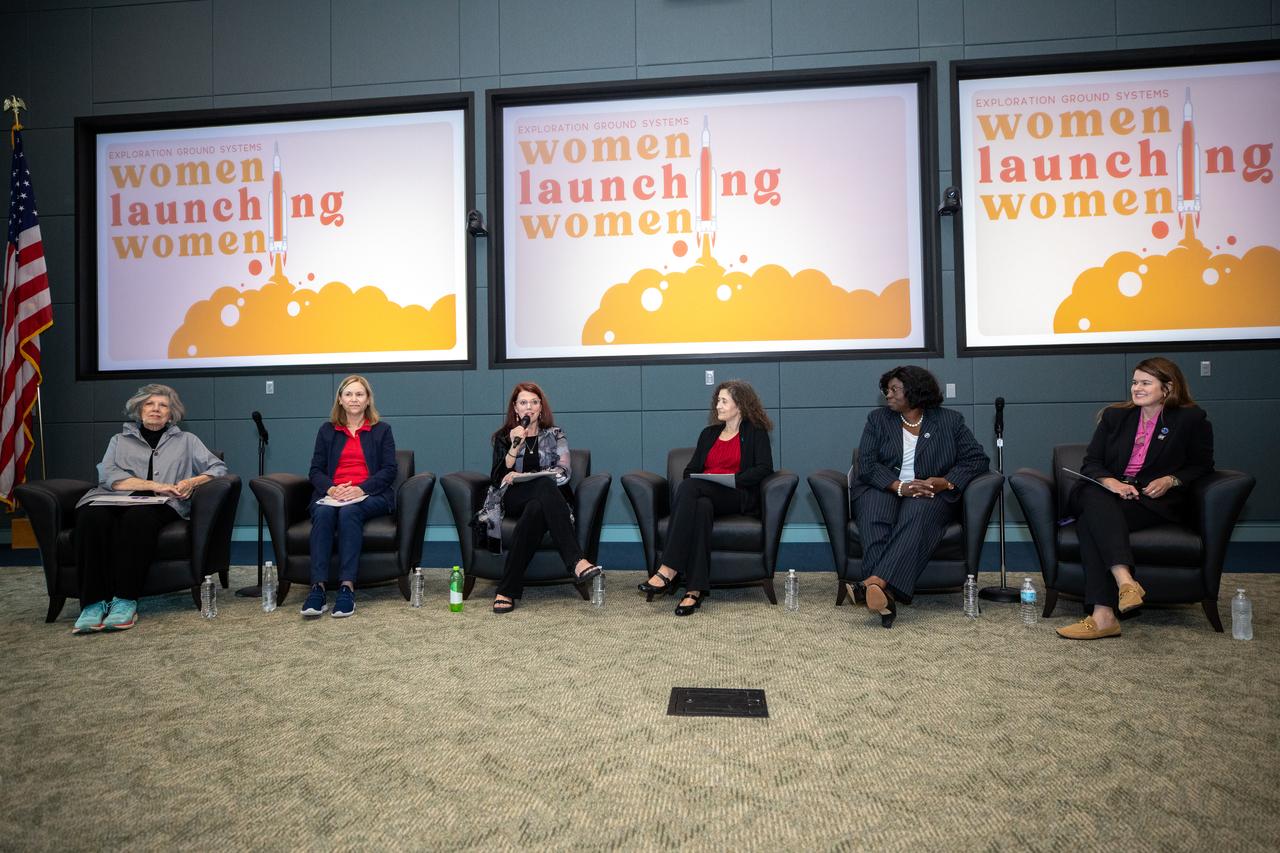
Women in leadership roles across NASA participate in a panel discussion in honor of Women's History Month on Friday, March 15, 2024, inside the Operations Support Building II at the agency’s Kennedy Space Center in Florida. Participants from left to right are, JoAnn Morgan, former associate director of Kennedy Space Center; Janet Petro, Kennedy Space Center director; Charlie Blackwell Thompson, NASA Artemis launch director; Lorna Kenna, vice president and program manager of Jacobs Space Operations Group; Kim Carter, Kennedy Space Center Office of Center Engagement and Business Integration Services director; and Casey Swails, NASA deputy associate administrator. The Women Launching Women panel commemorates inspirational women and men who have lifted and helped others excel in their careers across the agency and offer words of advice for the current workforce.

On May 22, 2020, inside the Operations Support Building II at NASA’s Kennedy Space Center in Florida, NASA managers pose for a photo following the conclusion of the flight readiness review for the upcoming Demo-2 launch. Sitting at the table is NASA Associate Administrator Steve Jurczyk. Kathy Lueders, Commercial Crew Program manager, is to the far right, with NASA Administrator Jim Bridenstine standing next to her. A SpaceX Falcon 9 rocket and Crew Dragon spacecraft will carry NASA astronauts Robert Behnken and Douglas Hurley to the International Space Station as part of the agency’s Commercial Crew Program, returning human spaceflight capability to the U.S. after nearly a decade. Launch is slated for 4:33 p.m. EDT on Wednesday, May 27, from Kennedy’s Launch Complex 39A.

From left, NASA Associate Administrator Amit Kshatriya and Lori Glaze, acting associate administrator, Exploration Systems Development Mission Directorate, participate in the Artemis II Flight Readiness Review with NASA leadership on Wednesday, March 11, 2026, at NASA’s Kennedy Space Center in Florida. The review is an assessment of the readiness of NASA’s SLS (Space Launch System) rocket and Orion spacecraft to support the Artemis II test flight as four astronauts journey around the Moon and return to Earth.

NASA astronauts Robert Behnken and Douglas Hurley (right) enter the Tesla Model X that will transport them from the Neil A. Armstrong Operations and Checkout Building to historic Launch Complex 39A at the Kennedy Space Center in Florida for the agency’s SpaceX Demo-2 launch on May 30, 2020. The SpaceX Falcon 9 rocket and Crew Dragon spacecraft lifted off at 3:22 p.m. EDT. Behnken and Hurley are the first astronauts to launch to the International Space Station from U.S. soil since the end of the Space Shuttle Program in 2011. Part of NASA’s Commercial Crew Program, this will be SpaceX’s final flight test, paving the way for the agency to certify the crew transportation system for regular, crewed flights to the orbiting laboratory.

Members of the Disaster Assessment and Recovery Team (DART) repair a section of roof atop the Operations Support Building II at NASA’s Kennedy Space Center in Florida. The effort is part of the spaceport’s ongoing recovery from Hurricane Matthew, which passed to the east of Kennedy on Oct. 6 and 7, 2016. The center received some isolated roof damage, damaged support buildings, a few downed power lines, and limited water intrusion. Beach erosion also occurred, although the storm surge was less than expected.

JoAnn Morgan, former associate director of NASA’s Kennedy Space Center in Florida, participates in a discussion in honor of Women's History Month held on Friday, March 15, 2024, inside Kennedy’s Operations Support Building II. The Women Launching Women panel commemorates inspirational women and men who have lifted and helped others excel in their careers across the agency and offer words of advice for the current workforce.
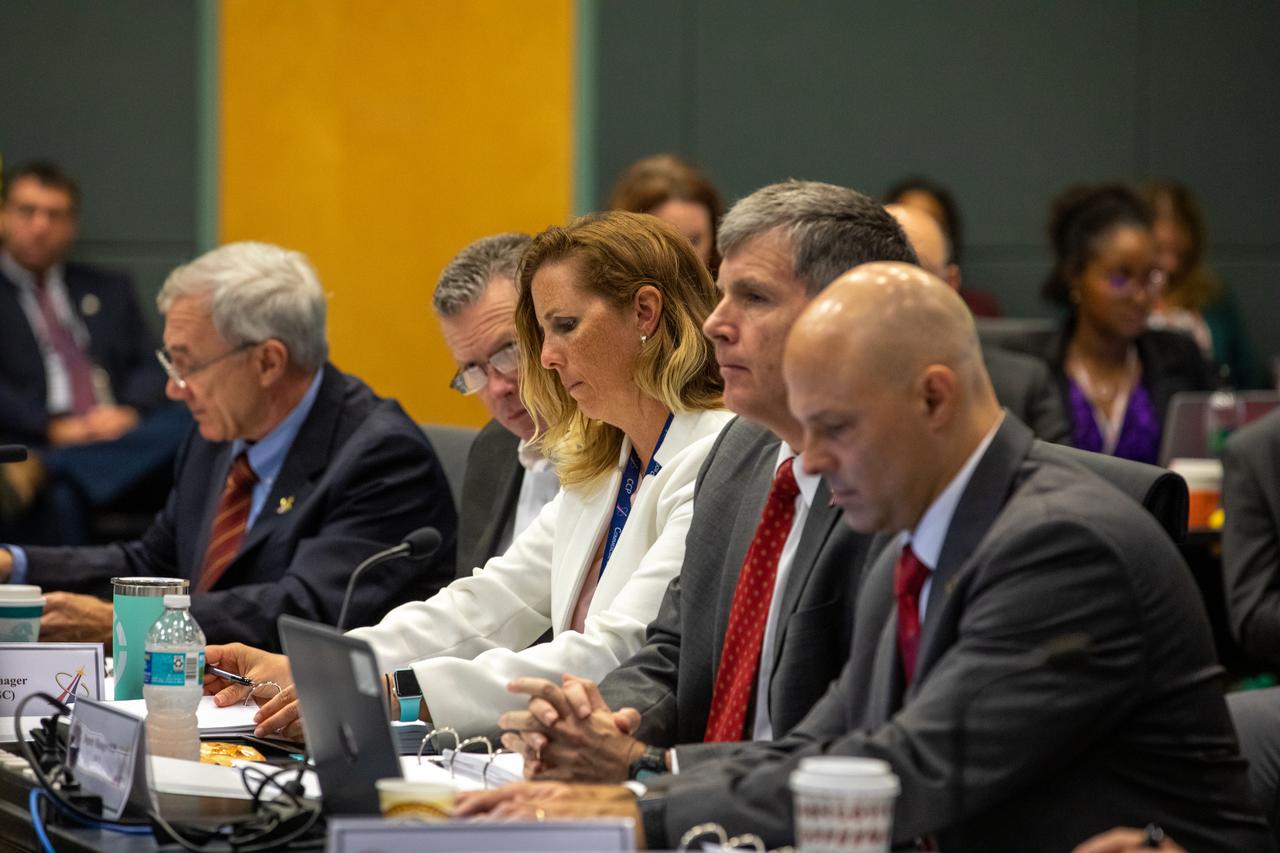
Dana Hutcherson, center, deputy manager of NASA’s Commercial Crew Program, participates in the flight readiness review for Boeing’s upcoming Orbital Flight Test in Operations Support Building 2 at the agency’s Kennedy Space Center in Florida, Dec. 12, 2019. Boeing’s CST-100 Starliner spacecraft will launch atop a United Launch alliance Atlas V rocket from Space Launch Complex 41 at Cape Canaveral Air Force Station. The uncrewed Orbital Flight Test will be the Starliner’s first flight to the International Space Station for NASA’s Commercial Crew Program.
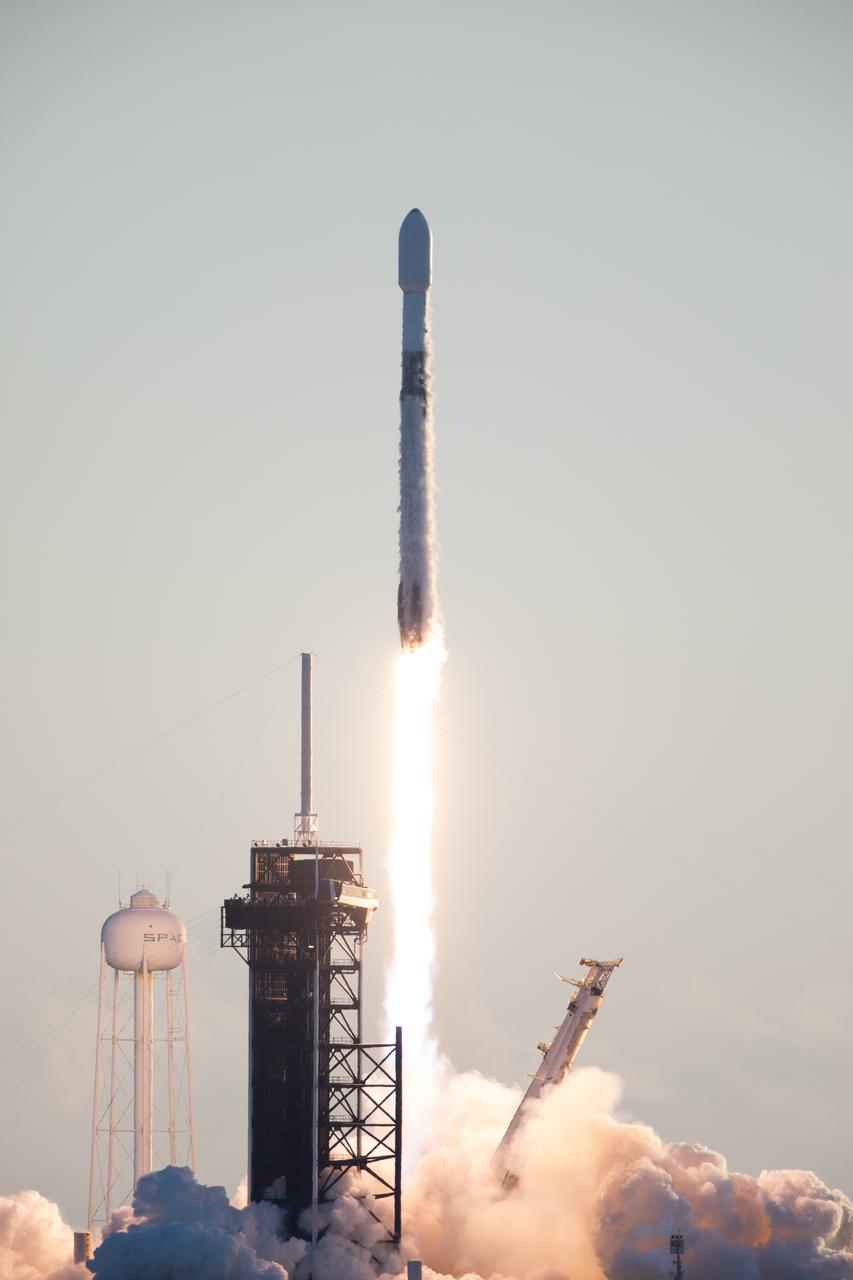
A SpaceX Falcon 9 rocket carrying NASA’s IMAP (Interstellar Mapping and Acceleration Probe), the agency’s Carruthers Geocorona Observatory, and National Oceanic and Atmospheric Administration’s (NOAA) Space Weather Follow On–Lagrange 1 (SWFO-L1) spacecraft lifts off from Launch Complex 39A at NASA’s Kennedy Space Center in Florida at 7:30 a.m. EDT Wednesday, Sept. 24, 2025. The missions will each focus on different effects of the solar wind — the continuous stream of particles emitted by the Sun — and space weather — the changing conditions in space driven by the Sun — from their origins at the Sun to their farthest reaches billions of miles away at the edge of our solar system.
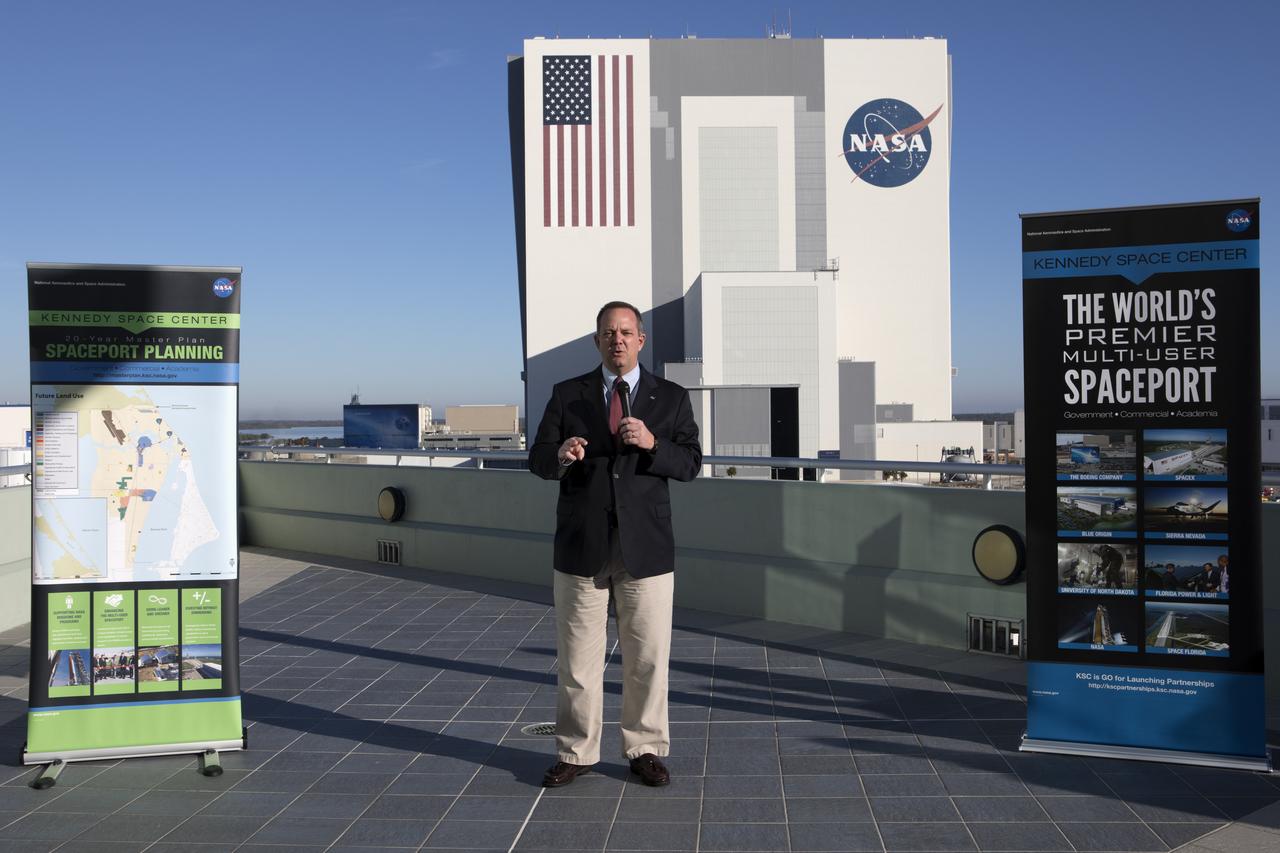
Tom Engler, director of Center Planning and Development at NASA's Kennedy Space Center, speaks to members of the news media on the balcony of Operations Support Building II describing the site's transition from a primarily government-only facility to a premier, multi-user spaceport. In the background is the Vehicle Assembly Building (VAB). Modifications were recently completed in the VAB where new work platforms were installed to support processing of NASA's Space Launch System rocket designed to send the Orion spacecraft on missions beyond low-Earth orbit.

A SpaceX Falcon 9 rocket soars into the sky from Launch Complex 39A at NASA’s Kennedy Space Center in Florida on April 23, 2021, carrying the company’s Crew Dragon Endeavour. Onboard the capsule are NASA astronaut Shane Kimbrough, spacecraft commander; NASA astronaut Megan McArthur, pilot; ESA astronaut Thomas Pesquet, mission specialist; and JAXA astronaut Akihiko Hoshide, mission specialist. NASA’s SpaceX Crew-2 mission crew will dock to the Harmony module’s forward-facing international docking adapter of the International Space Station on Saturday, April 24, at 5:10 a.m.
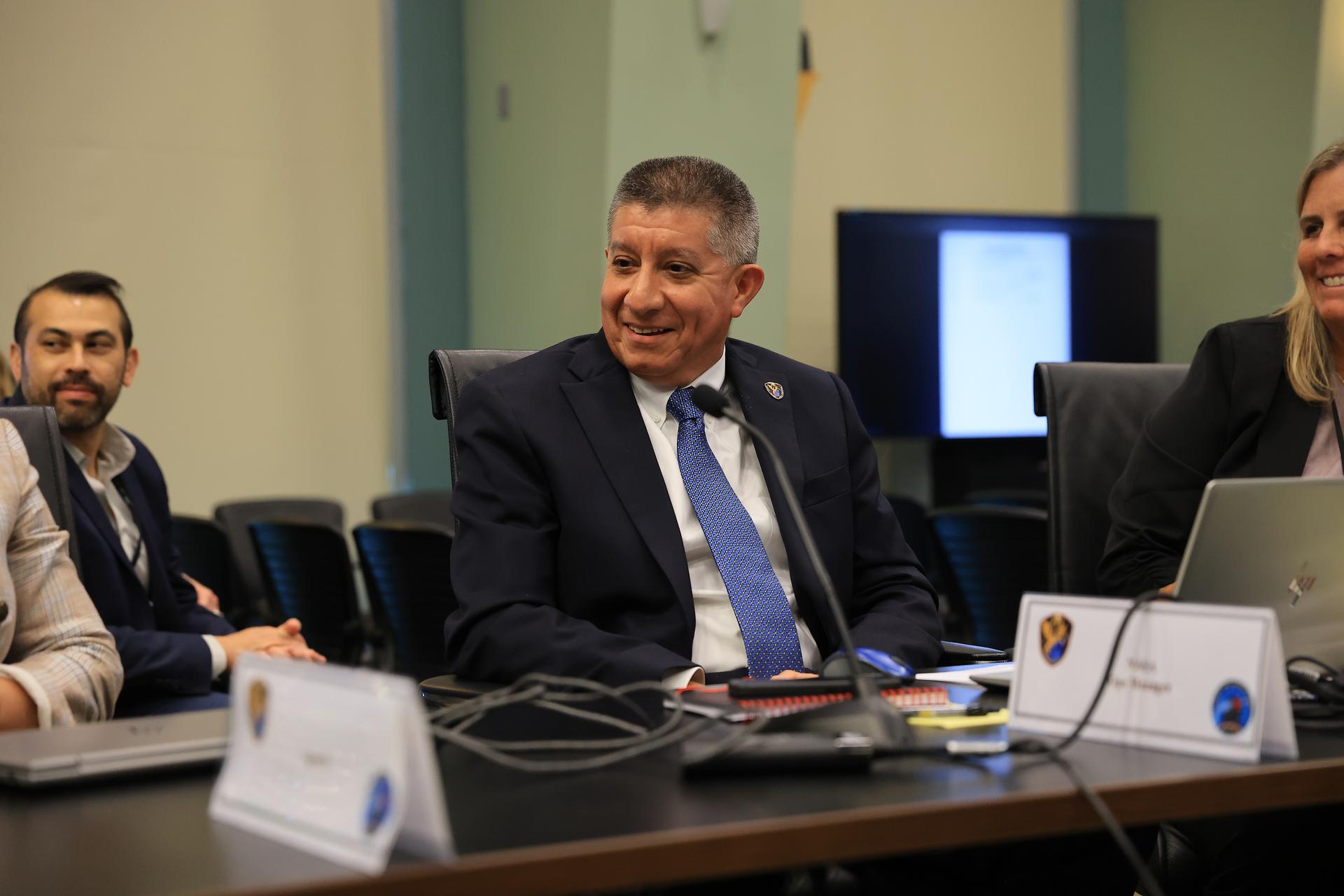
Richard Jones, deputy program manager of NASA’s Commercial Crew Program, participates in NASA’s SpaceX Crew-13 Flight Readiness Review at the agency’s Kennedy Space Center in Florida on Friday, Sept. 25, 2026. NASA astronauts Jessica Watkins and Luke Delaney, CSA (Canadian Space Agency) astronaut Joshua Kutryk, and Roscosmos cosmonaut Sergey Teteryatnikov will launch aboard a SpaceX Dragon spacecraft and Falcon 9 rocket to the International Space Station at 11:10 a.m. EDT on Thursday, Oct. 1, from Cape Canaveral Space Force Station’s Space Launch Complex 40.
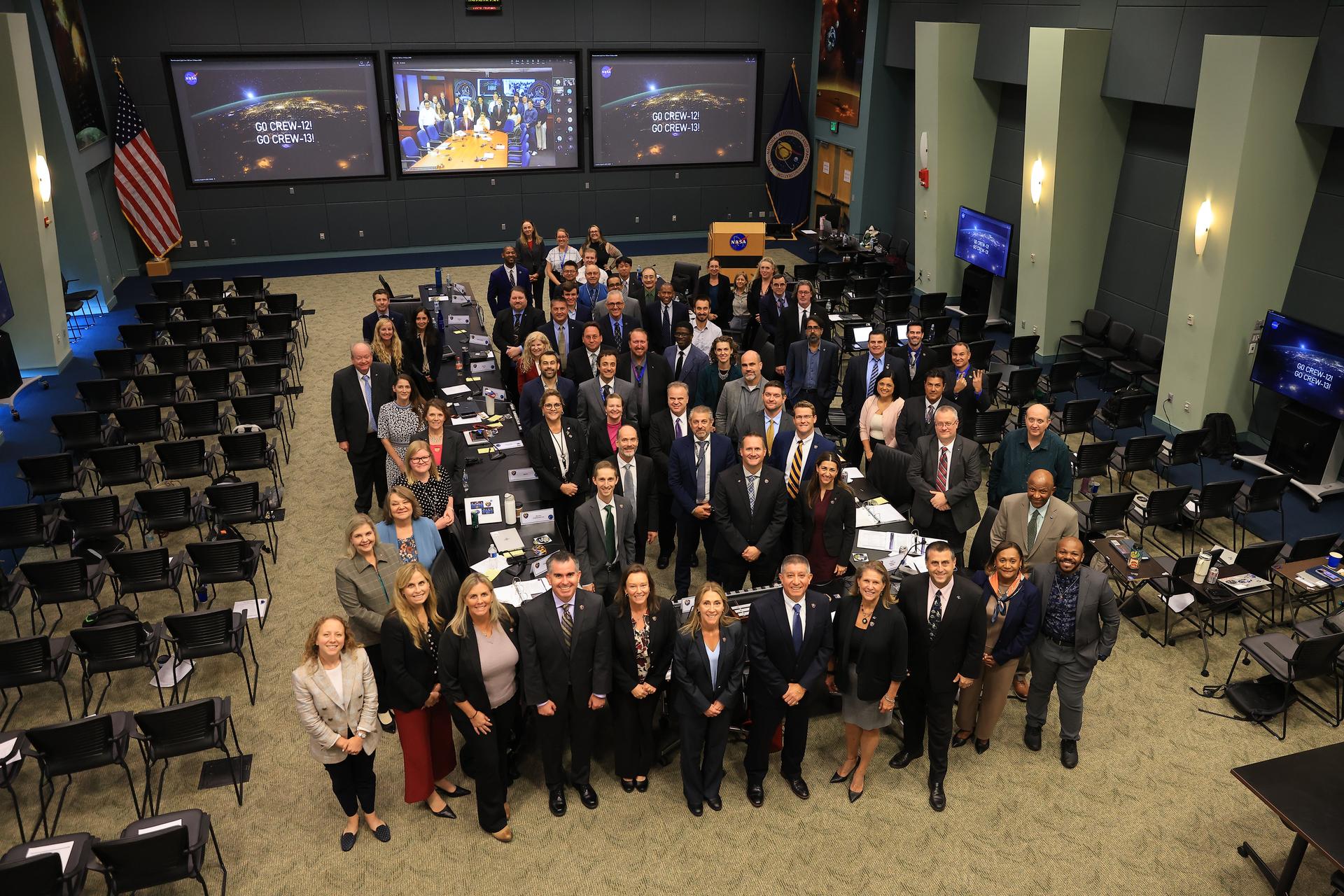
Managers with NASA and SpaceX, along with international partners, participate in NASA’s SpaceX Crew-13 Flight Readiness Review at the agency’s Kennedy Space Center in Florida on Friday, Sept. 25, 2026. NASA astronauts Jessica Watkins and Luke Delaney, CSA (Canadian Space Agency) astronaut Joshua Kutryk, and Roscosmos cosmonaut Sergey Teteryatnikov will launch aboard a SpaceX Dragon spacecraft and Falcon 9 rocket to the International Space Station at 11:10 a.m. EDT on Thursday, Oct. 1, from Cape Canaveral Space Force Station’s Space Launch Complex 40.
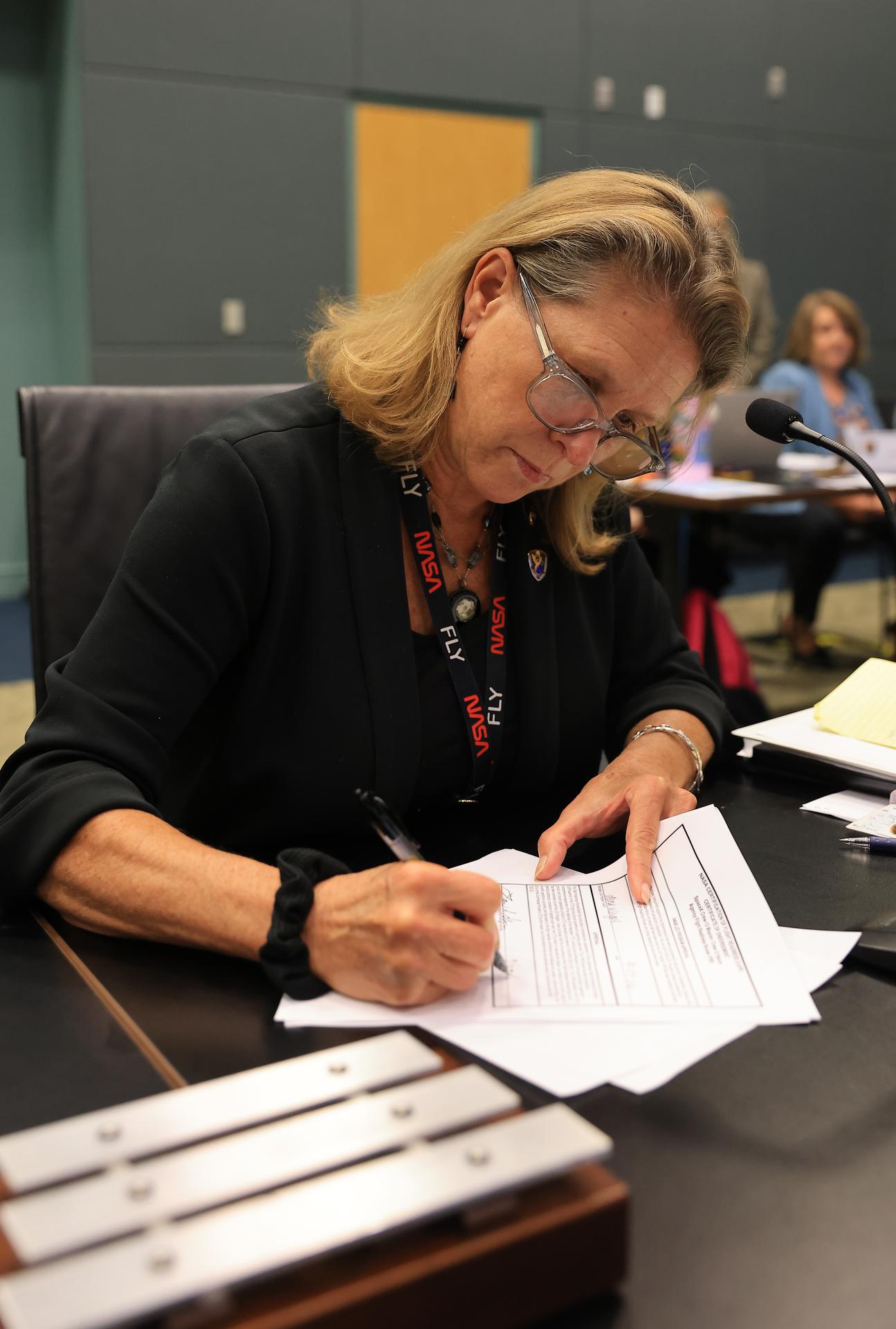
Dr. Lori Glaze, associate administrator for NASA’s Human Spaceflight Mission Directorate, participates in NASA’s SpaceX Crew-13 Flight Readiness Review at the agency’s Kennedy Space Center in Florida on Friday, Sept. 25, 2026. NASA astronauts Jessica Watkins and Luke Delaney, CSA (Canadian Space Agency) astronaut Joshua Kutryk, and Roscosmos cosmonaut Sergey Teteryatnikov will launch aboard a SpaceX Dragon spacecraft and Falcon 9 rocket to the International Space Station at 11:10 a.m. EDT on Thursday, Oct. 1, from Cape Canaveral Space Force Station’s Space Launch Complex 40.
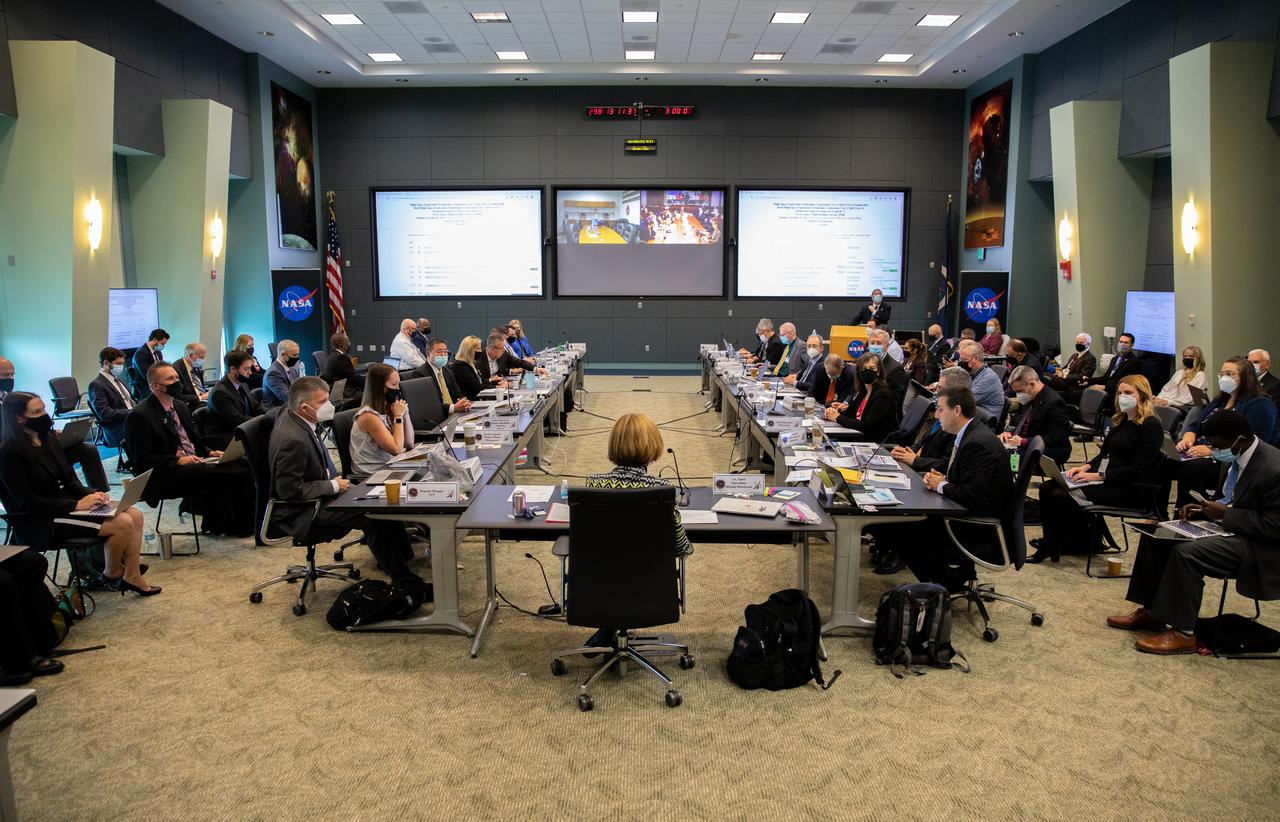
NASA and SpaceX managers participate in a Flight Readiness Review for the agency’s SpaceX Crew-3 mission at Kennedy Space Center in Florida on Oct. 25, 2021. International partners also participated. Crew-3 is scheduled to launch to the International Space Station from Kennedy’s Launch Complex 39A on Oct. 31, 2021 as part of NASA’s Commercial Crew Program. Liftoff of the Falcon 9 rocket and Crew Dragon spacecraft is targeted for 2:21 a.m. EDT.
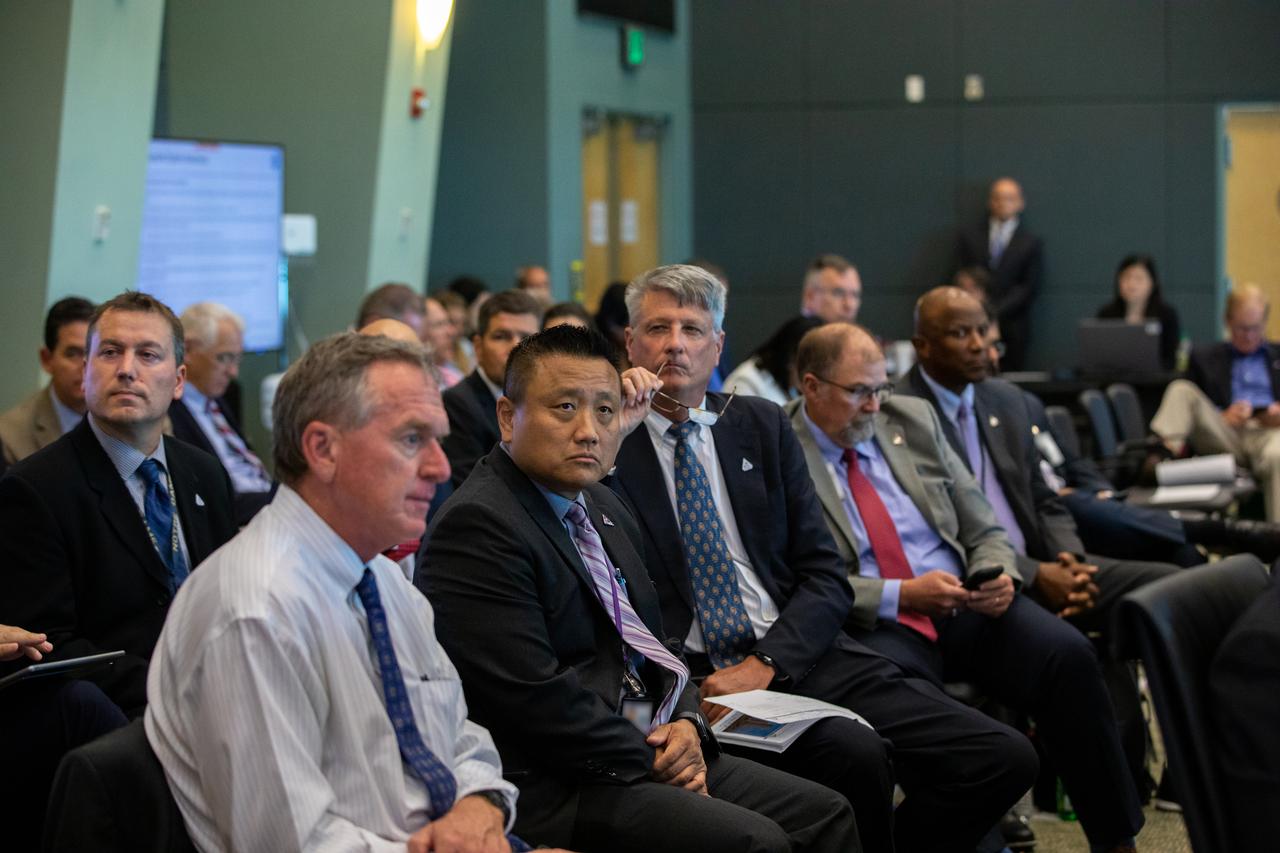
Artemis I managers conduct a Flight Readiness Review (FRR) on Aug. 22, 2022, at NASA’s Kennedy Space Center in Florida. The FRR is an in-depth assessment of the readiness of the agency’s Space Launch System and Orion spacecraft to support the uncrewed flight of Artemis I on its mission beyond the Moon and return to Earth. The meeting will conclude later in the day with a poll of all managers. Artemis I is scheduled to launch at 8:33 a.m. EDT on Aug. 29, 2022, from Kennedy’s Launch Complex 39B. The first in a series of increasingly complex missions, Artemis I will provide a foundation for human deep space exploration and demonstrate our commitment and capability to extend human presence to the Moon and beyond. The primary goal of Artemis I is to thoroughly test the integrated systems before crewed missions by operating the spacecraft in a deep space environment, testing Orion’s heat shield, and recovering the crew module after reentry, descent, and splashdown.
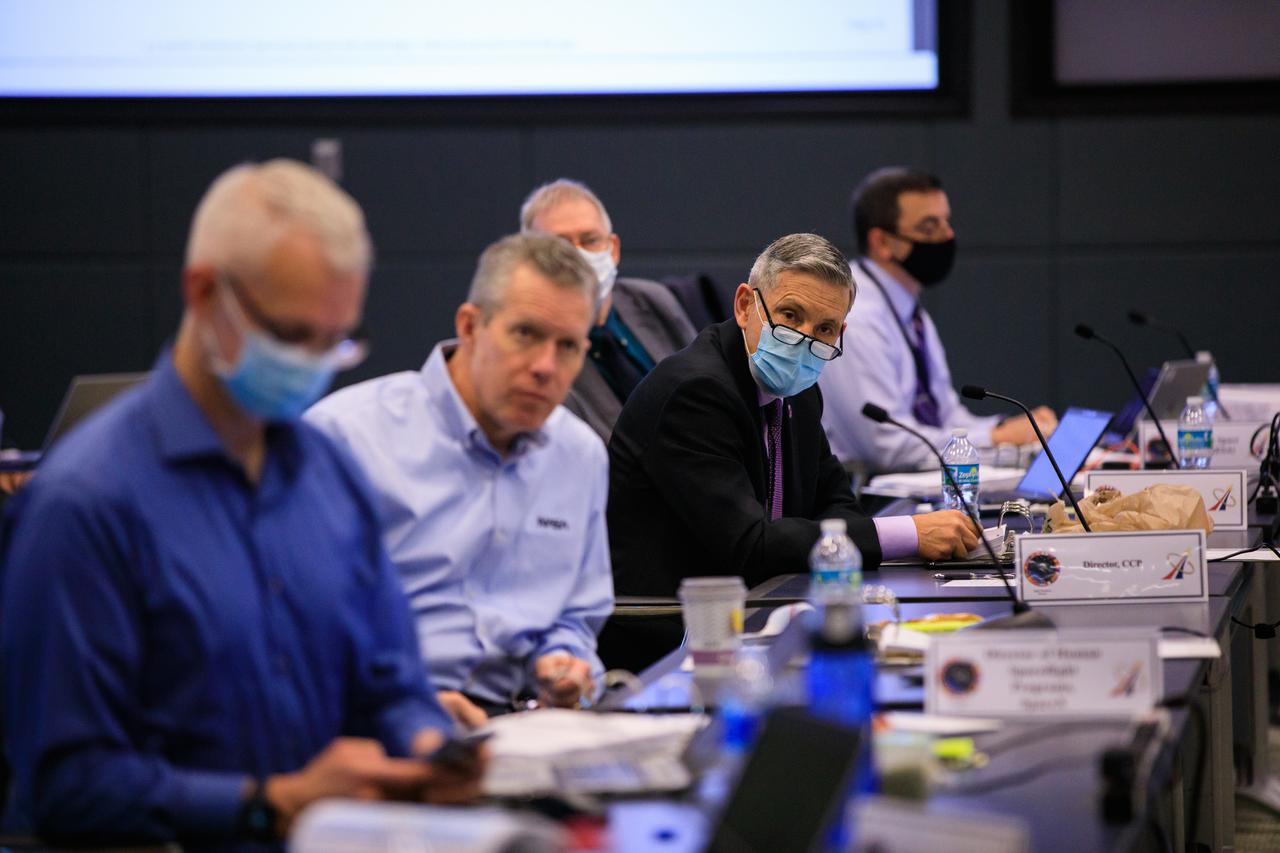
NASA’s SpaceX Crew-2 Flight Readiness Review takes place at NASA’s Kennedy Space Center on April 15, 2021. Crew-2 is targeted to launch from the Florida Spaceport’s Launch Complex 39A on April 22 at 6:11 a.m. EDT. NASA astronauts Shane Kimbrough and Megan McArthur, JAXA astronaut Akihiko Hoshide, and ESA astronaut Thomas Pesquet will fly to the International Space Station aboard SpaceX’s Crew Dragon Endeavour, powered by the company’s Falcon 9 rocket.
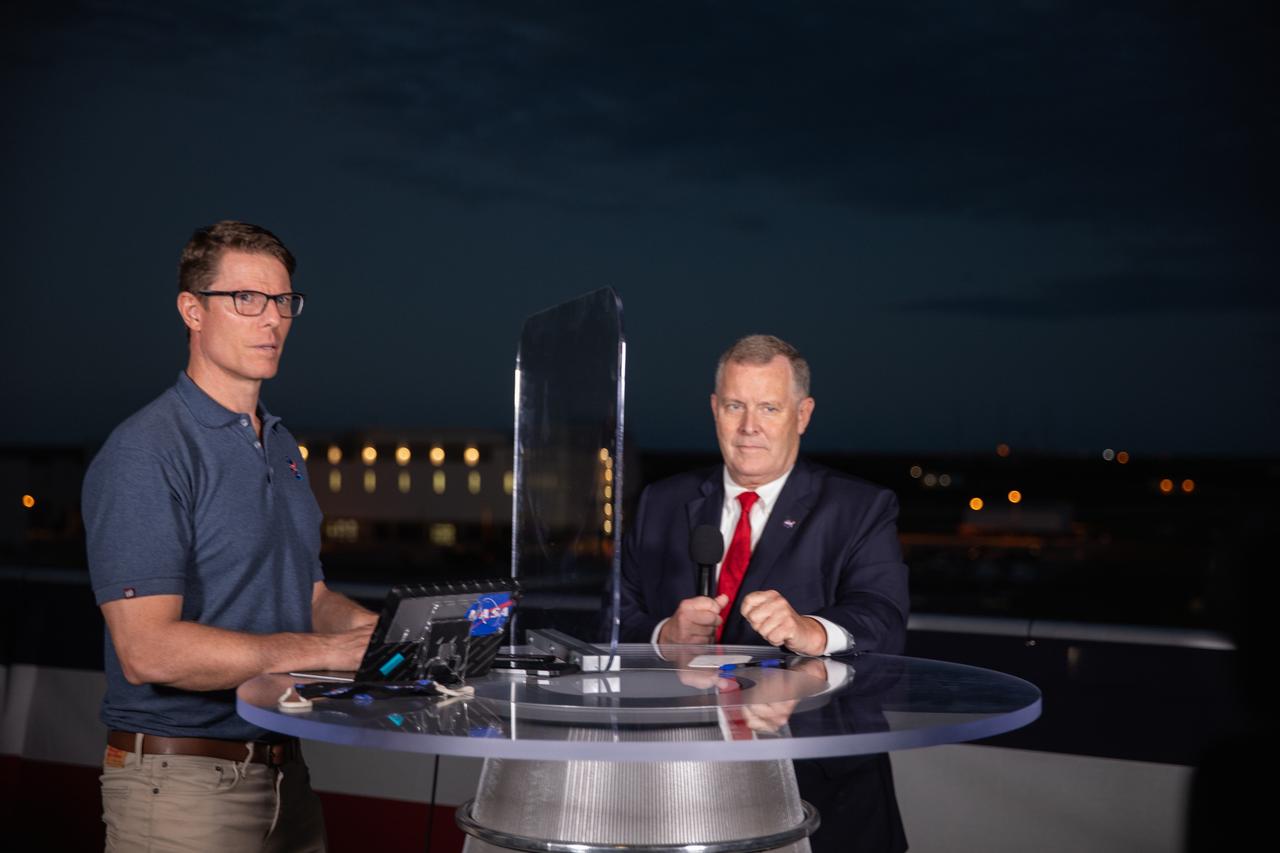
During live television coverage of NASA SpaceX’s Crew-1 launch on Nov. 15, 2020, Derrol Nail, left, NASA Communications, talks with NASA Deputy Administrator Jim Morhard on the observation deck of Operations Support Building II at Kennedy Space Center in Florida. Crew-1 is the first regular crew mission of a U.S. commercial spacecraft with astronauts to the International Space Station as part of NASA’s Commercial Crew Program. The Crew Dragon Resilience capsule will launch atop a Falcon 9 rocket from Launch Complex 39A carrying NASA astronauts Michael Hopkins, Victor Glover, Shannon Walker and Japan Aerospace Exploration Agency (JAXA) astronaut Soichi Noguchi to the space station for a six-month science mission.
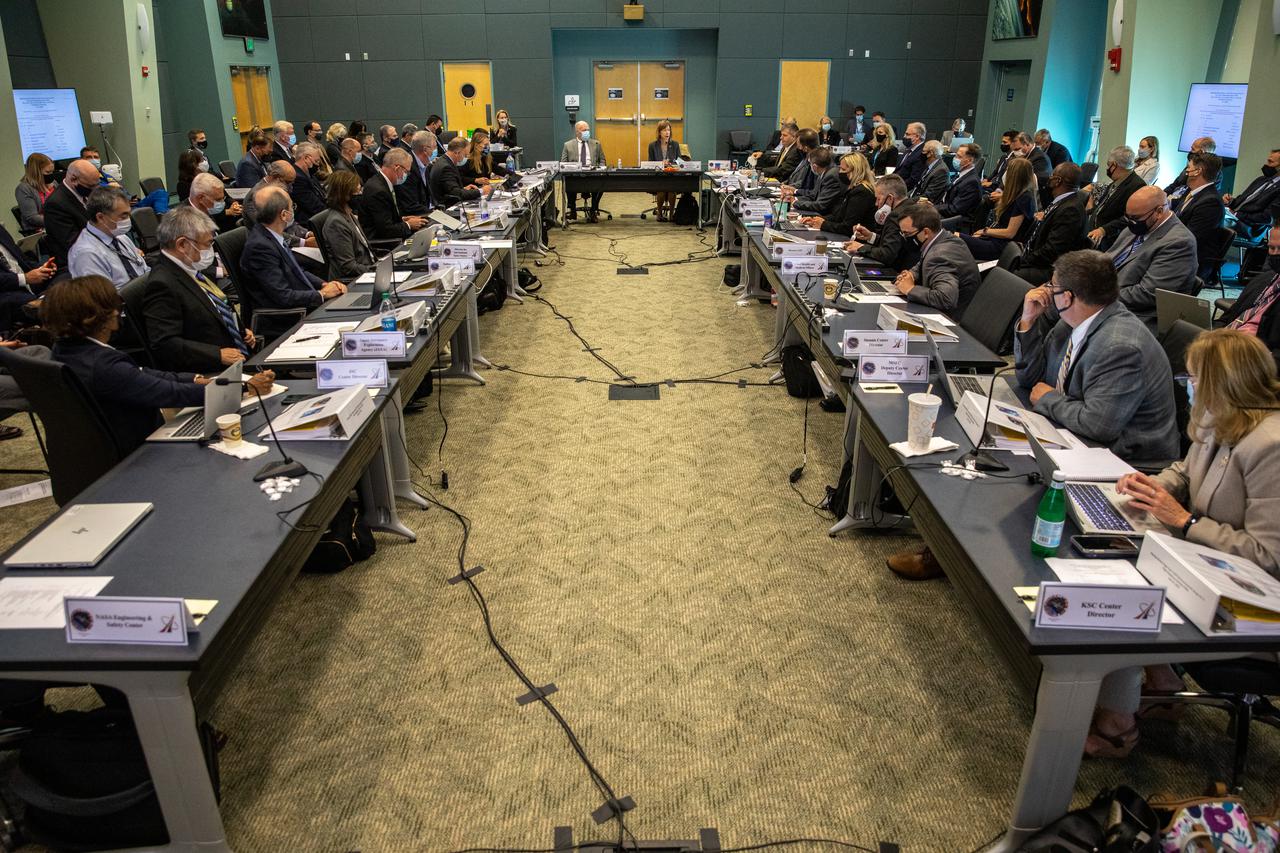
NASA and Boeing managers take part in the Flight Readiness Review for Boeing's upcoming Orbital Flight Test-2 (OFT-2) in Operations Support Building 2 at NASA's Kennedy Space Center in Florida, July 22, 2021. Boeing's CST-100 Starliner spacecraft will launch atop a United Launch Alliance Atlas V rocket from Space Launch Complex 41 at Cape Canaveral Space Force Station at 2:53 p.m. EDT Friday, July 30. The uncrewed OFT-2 will be the Starliner's second flight to the International Space Station for NASA's Commercial Crew Program.
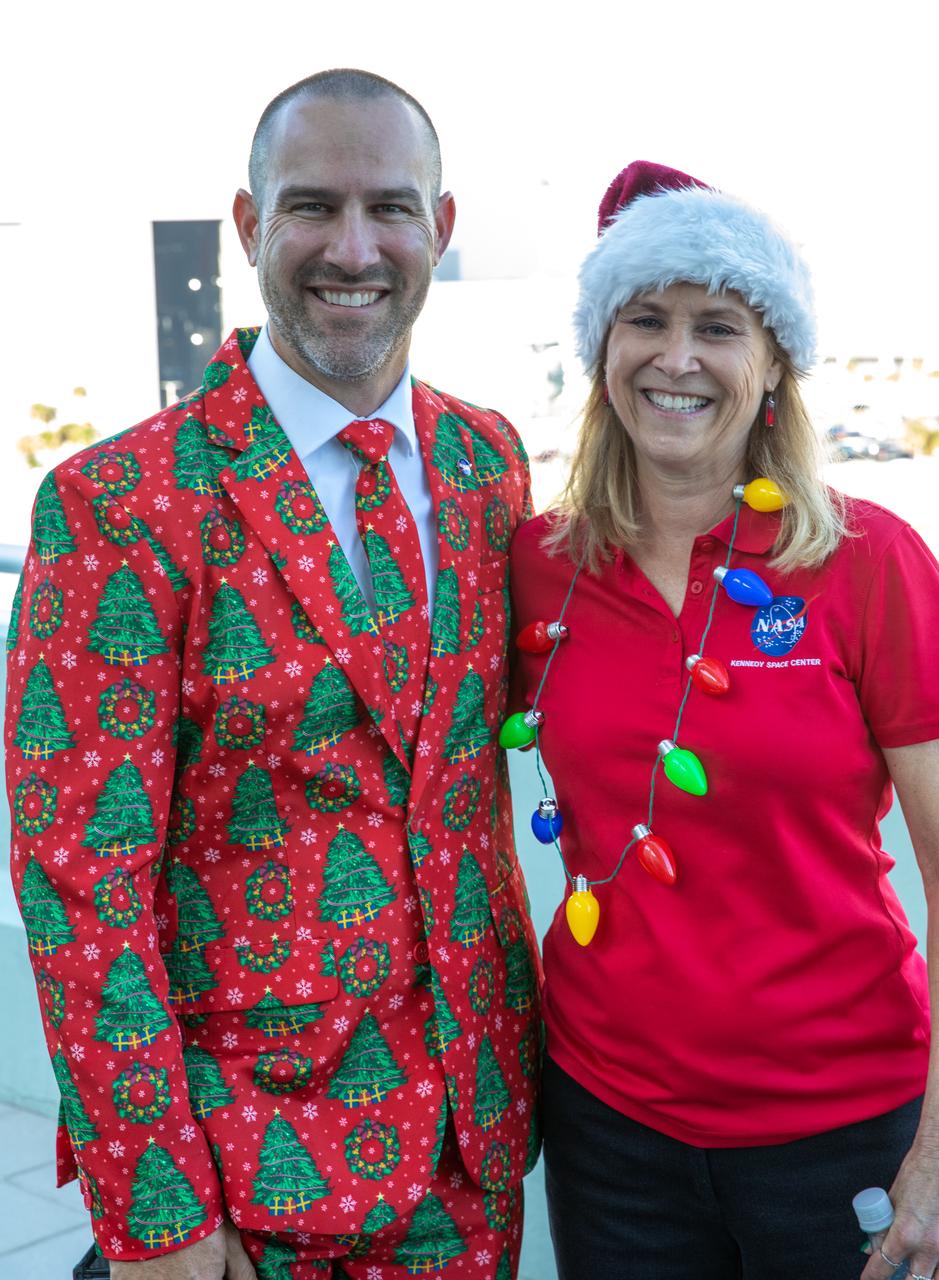
Kennedy Space Center Director Janet Petro, right, poses with Kennedy employee Jerad Merbitz at the 2022 Center Director’s Holiday Coffee on Dec. 7, 2022, at NASA’s Kennedy Space Center in Florida. The annual holiday event is an opportunity for Kennedy employees and NASA retirees to exchange holiday greetings with center leaders and fellow support staff.

From left, NASA’s Kennedy Space Center Director Janet Petro and Kennedy Space Center Deputy Director Kelvin Manning participate in an employee town hall meeting held on Thursday, Dec. 7, 2023, at Kennedy’s Operations Support Building II. Center Director Janet Petro and other executive leadership hosted the meeting to provide updates on center milestones, celebrate the year’s achievements, and answer questions from the workforce.