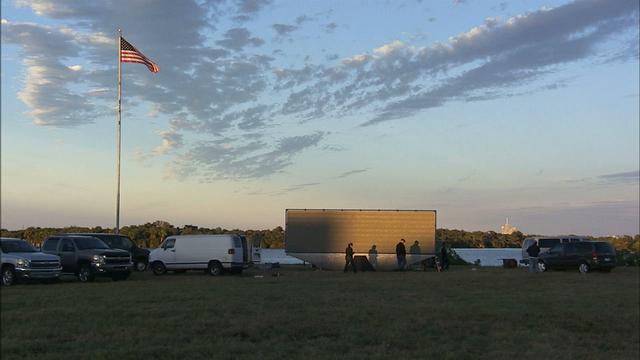
At NASA's Kennedy Space Center in Florida, the new countdown clock at the spaceport's Press Site is being tested. The modern, multimedia display is similar to the screens seen at sporting venues. The new screen will be nearly 26 feet wide by 7 feet high, a foot taller than the original clock. The historic countdown clock was designed by Kennedy engineers and built by space center technicians before Apollo 12 in 1969. NASA has requested to acquire the countdown clock from the agency’s Artifact Working Group at the agency's Headquarters for display at the Kennedy Space Center Visitor Complex.
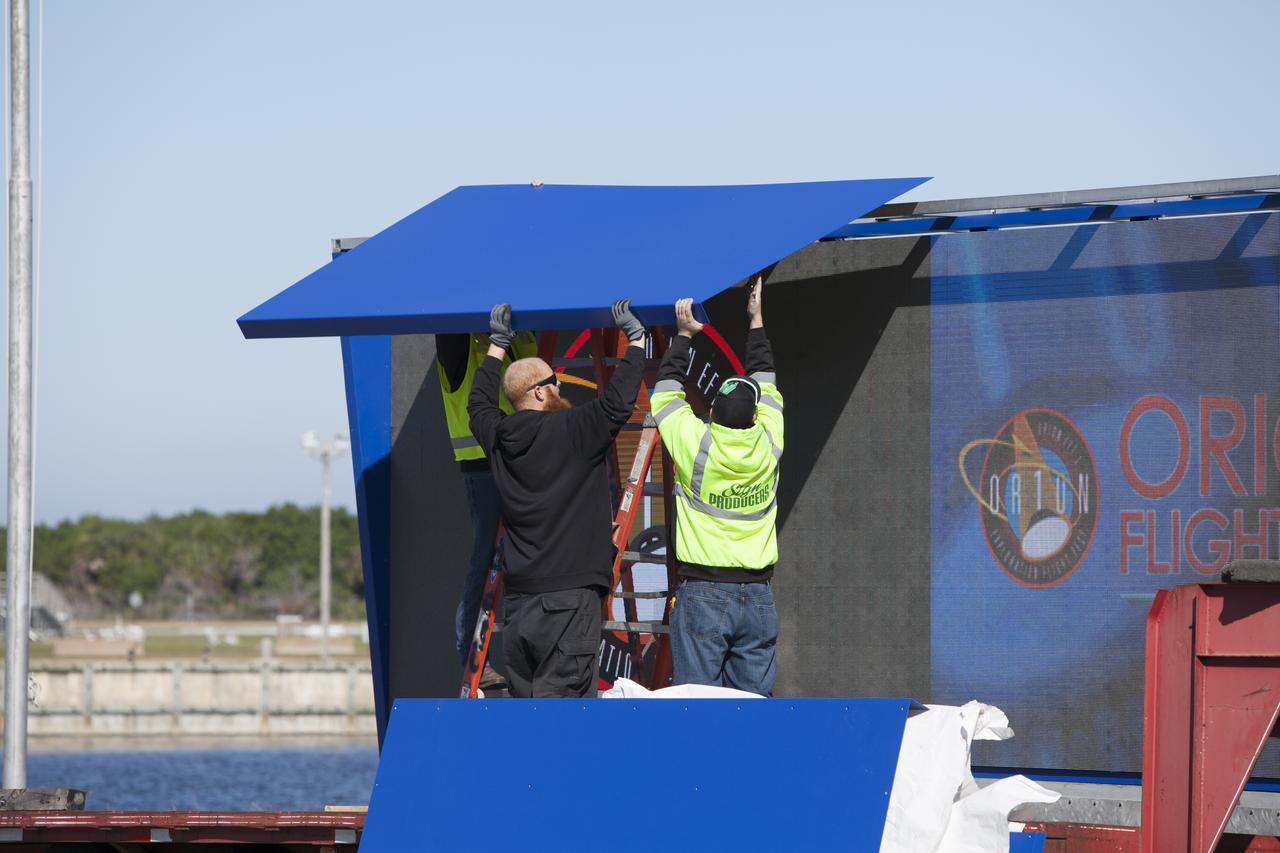
At NASA's Kennedy Space Center in Florida, a shade is placed around the new countdown clock at the spaceport's Press Site. The modern, multimedia display is similar to the screens seen at sporting venues. The new screen is nearly 26 feet wide by 7 feet high, a foot taller than the original clock. The historic countdown clock was designed by Kennedy engineers and built by space center technicians before Apollo 12 in 1969. NASA has acquired the countdown clock from the agency’s Artifact Working Group at the agency's Headquarters for display at the Kennedy Space Center Visitor Complex.
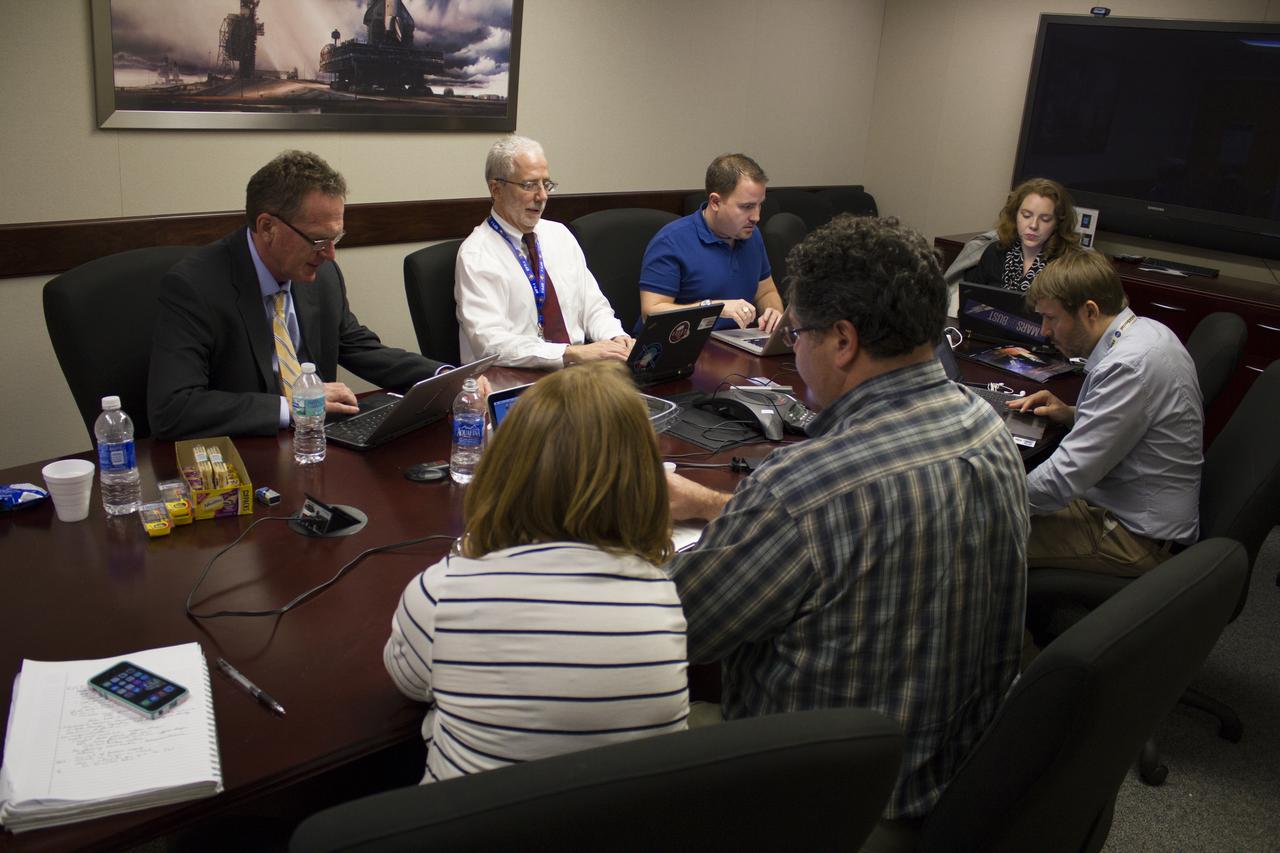
NASA managers participate in a live online Ask Me Anything, or AMA, session for reddit.com followers during Orion preflight activities at NASA Kennedy Space Center's News Center in Florida. From left, are Mike Bolger, Ground Systems Development and Operations program manager; and Mark Geyer, Orion program manager. Across from them, in the plaid shirt is Todd May, Space Launch System program manager. Discussion topics include Mars and technology.
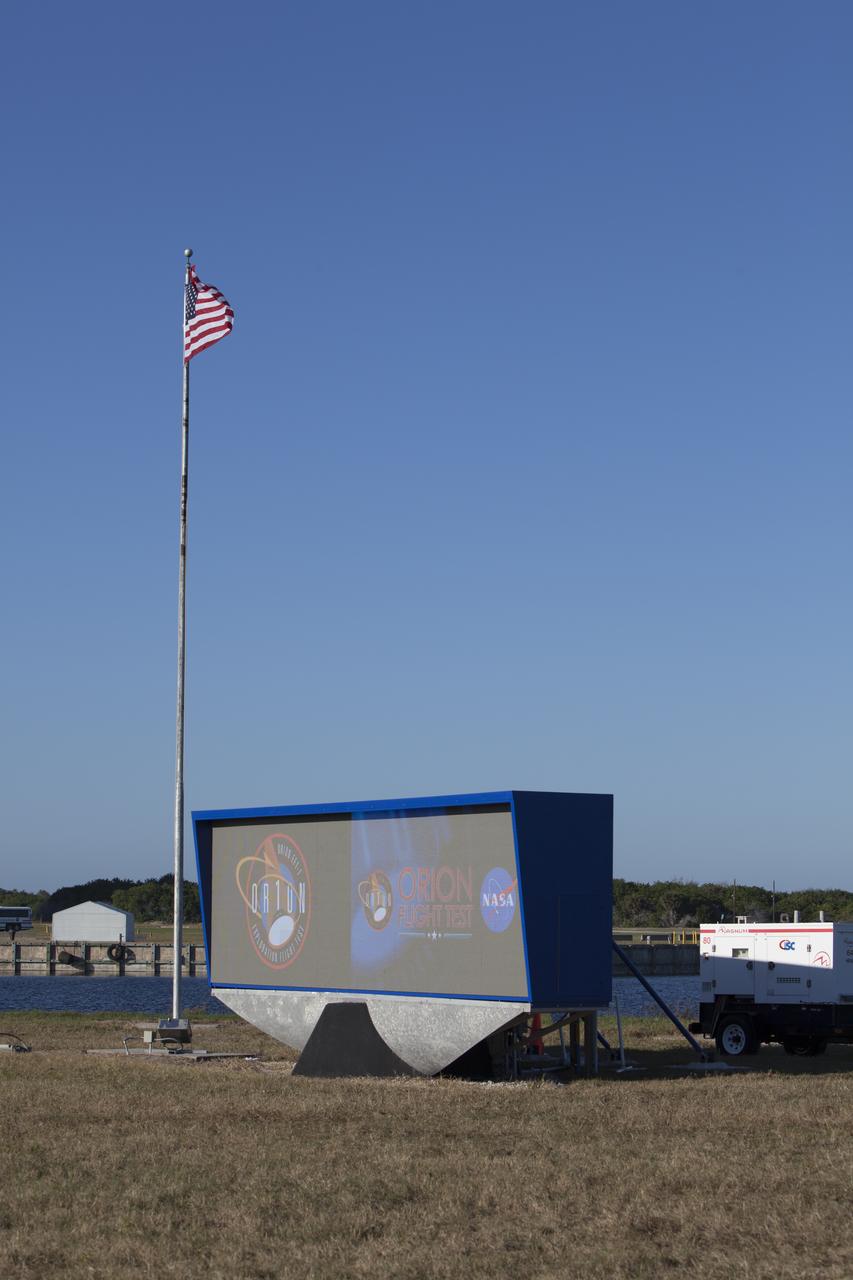
At NASA's Kennedy Space Center in Florida, a shade is placed around the new countdown clock at the spaceport's Press Site. The modern, multimedia display is similar to the screens seen at sporting venues. The new screen is nearly 26 feet wide by 7 feet high, a foot taller than the original clock. The historic countdown clock was designed by Kennedy engineers and built by space center technicians before Apollo 12 in 1969. NASA has acquired the countdown clock from the agency’s Artifact Working Group at the agency's Headquarters for display at the Kennedy Space Center Visitor Complex.

NASA managers participate in a live online Ask Me Anything, or AMA, session for reddit.com followers during Orion preflight activities at NASA Kennedy Space Center's News Center in Florida. Participating are Mike Bolger, Ground Systems Development and Operations program manager Mark Geyer, Orion program manager and Todd May, Space Launch System program manager. Discussion topics include Mars and technology. Monitoring the live discussion is Brandi Dean, public affairs specialist from Johnson Space Center in Houston.
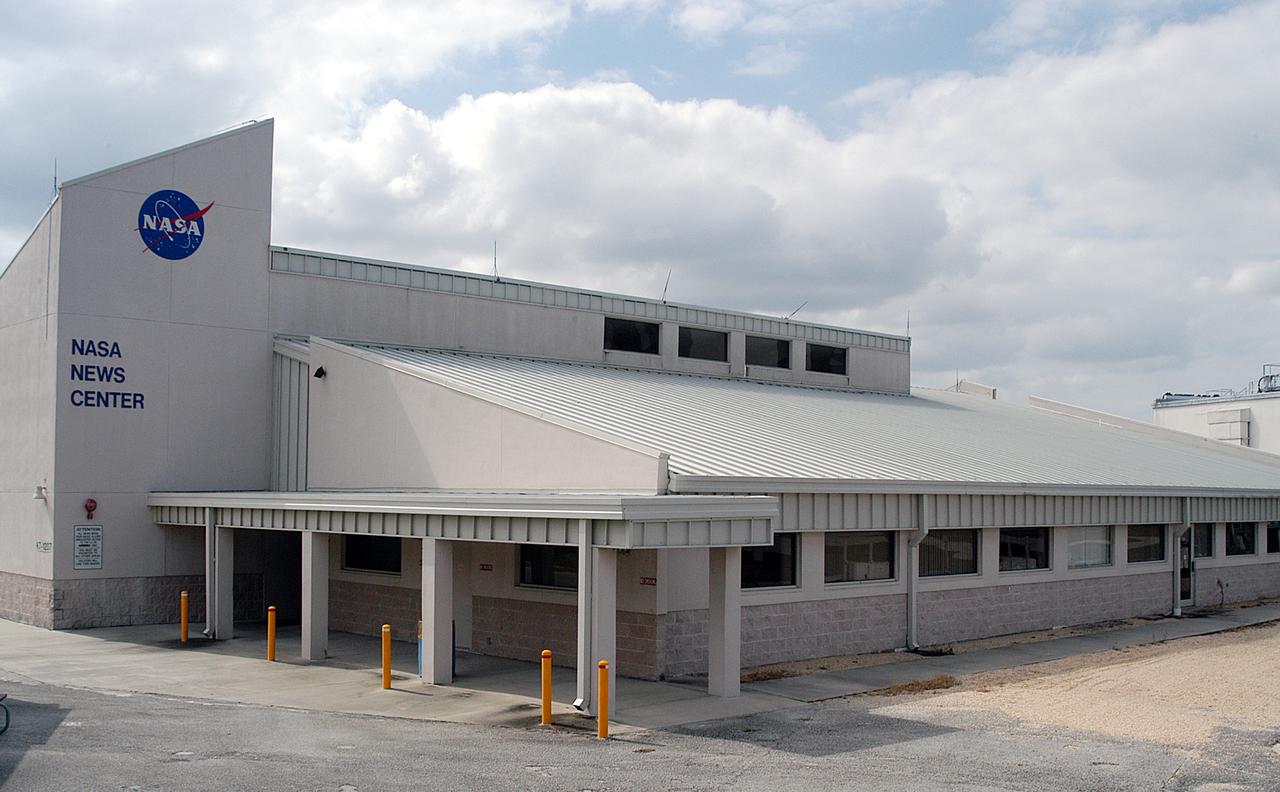
The NASA News Center, seen here, is the hub of news operations for the media, providing information and contacts about Space Shuttle processing and other activities around KSC. News Center staff also conduct media tours, escorting journalists and photo/videographers to key sites such as the launch pads and Vehicle Assembly Building as needed.
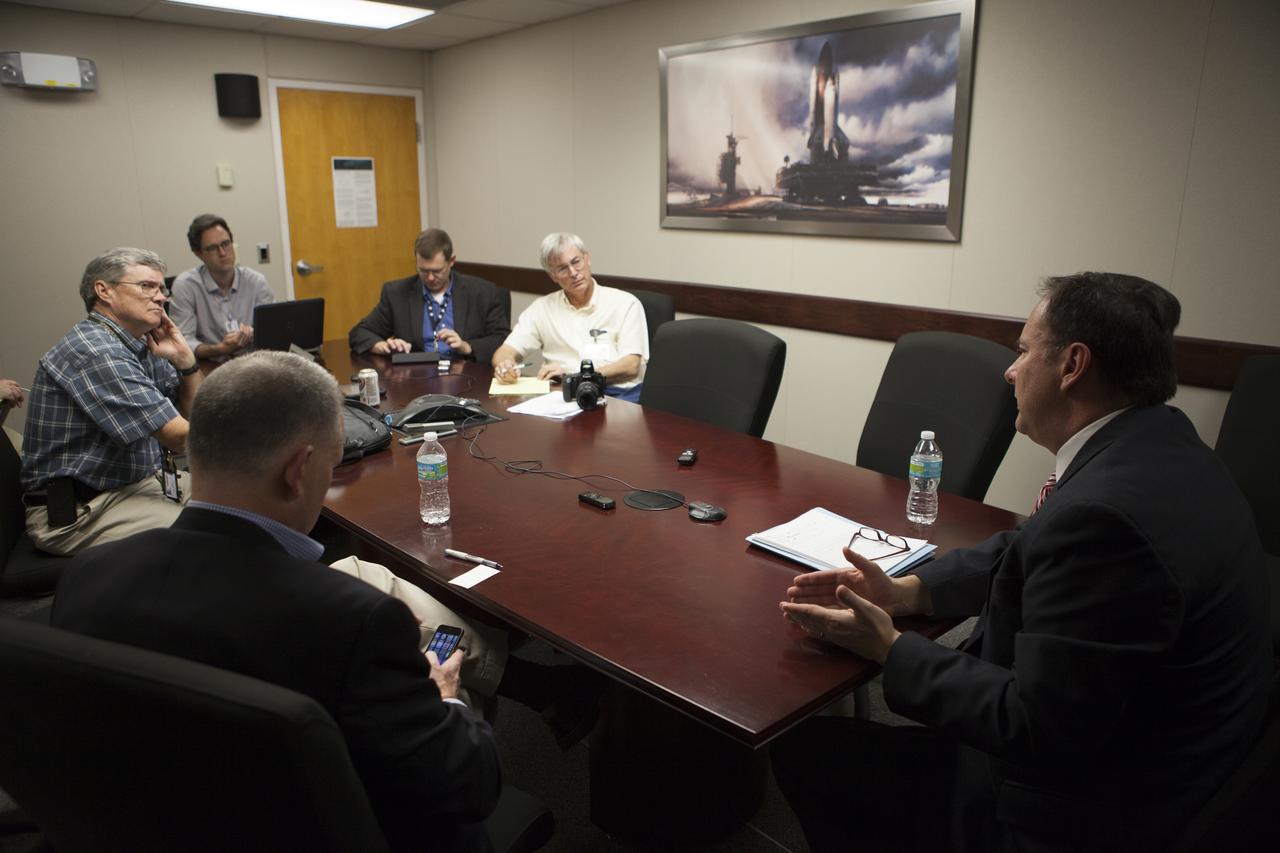
Journalists listen as NASA Associate Administrator Robert Lightfoot provides information on the Asteroid Redirect Mission during a roundtable discussion at the agency's Kennedy Space Center in Florida.
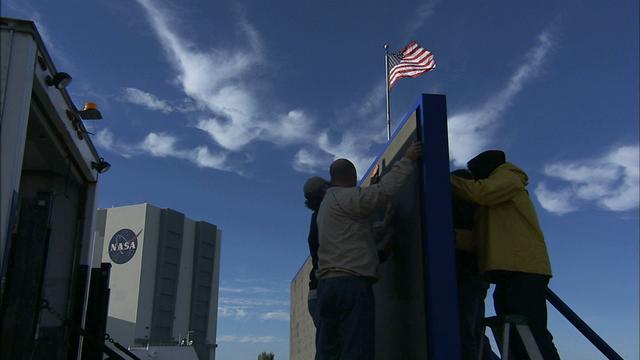
At NASA's Kennedy Space Center in Florida, work continues to install 24 light emitting diode LED panels in the new countdown clock at the spaceport's Press Site. The modern, multimedia display is similar to the screens seen at sporting venues. The new screen will be nearly 26 feet wide by 7 feet high, a foot taller than the original clock. The historic countdown clock was designed by Kennedy engineers and built by space center technicians before Apollo 12 in 1969. NASA has requested to acquire the countdown clock from the agency’s Artifact Working Group at the agency's Headquarters for display at the Kennedy Space Center Visitor Complex.
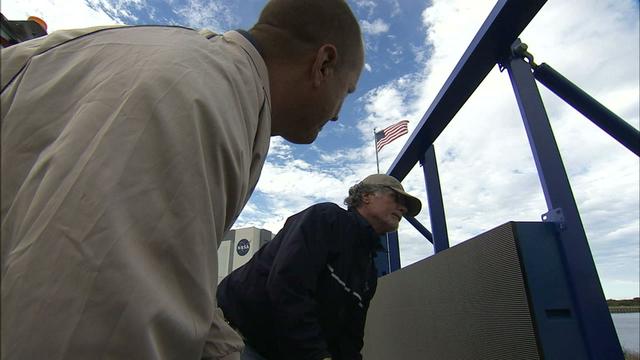
At NASA's Kennedy Space Center in Florida, work continues to install 24 light emitting diode LED panels in the new countdown clock at the spaceport's Press Site. The modern, multimedia display is similar to the screens seen at sporting venues. The new screen will be nearly 26 feet wide by 7 feet high, a foot taller than the original clock. The historic countdown clock was designed by Kennedy engineers and built by space center technicians before Apollo 12 in 1969. NASA has requested to acquire the countdown clock from the agency’s Artifact Working Group at the agency's Headquarters for display at the Kennedy Space Center Visitor Complex.
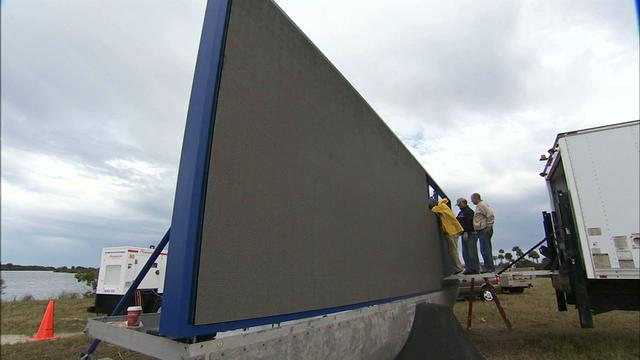
At NASA's Kennedy Space Center in Florida, work continues to install 24 light emitting diode LED panels in the new countdown clock at the spaceport's Press Site. The modern, multimedia display is similar to the screens seen at sporting venues. The new screen will be nearly 26 feet wide by 7 feet high, a foot taller than the original clock. The historic countdown clock was designed by Kennedy engineers and built by space center technicians before Apollo 12 in 1969. NASA has requested to acquire the countdown clock from the agency’s Artifact Working Group at the agency's Headquarters for display at the Kennedy Space Center Visitor Complex.
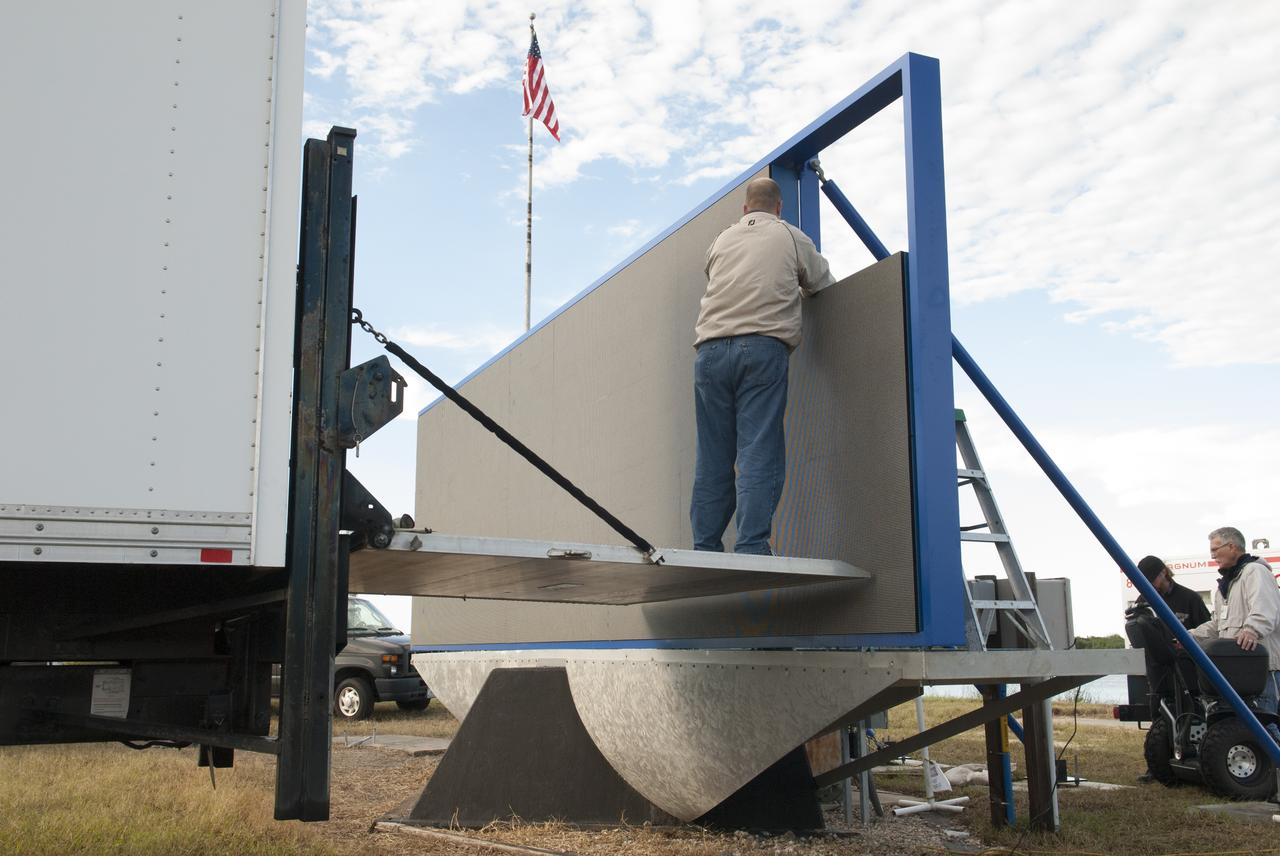
At NASA's Kennedy Space Center in Florida, work continues to install 24 light emitting diode LED panels in the new countdown clock at the spaceport's Press Site. The modern, multimedia display is similar to the screens seen at sporting venues. The new screen will be nearly 26 feet wide by 7 feet high, a foot taller than the original clock. The historic countdown clock was designed by Kennedy engineers and built by space center technicians before Apollo 12 in 1969. NASA has requested to acquire the countdown clock from the agency’s Artifact Working Group at the agency's Headquarters for display at the Kennedy Space Center Visitor Complex.
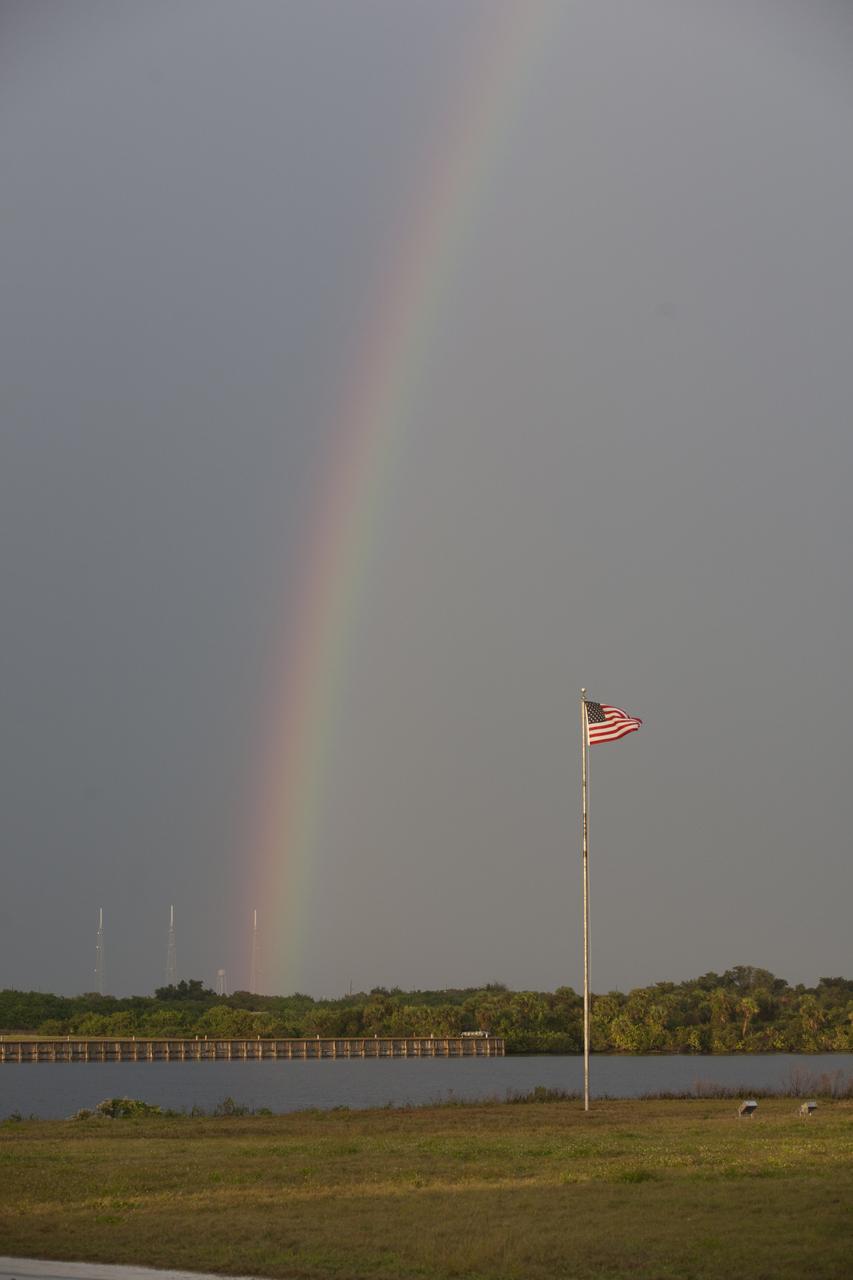
As rain showers dissipate, a rainbow appeared over NASA's Kennedy Space Center's Launch Pad 39B. This is the site where the agency's Space Launch System will launch astronauts aboard the Orion spacecraft to deep-space destinations such as an asteroid and Mars.
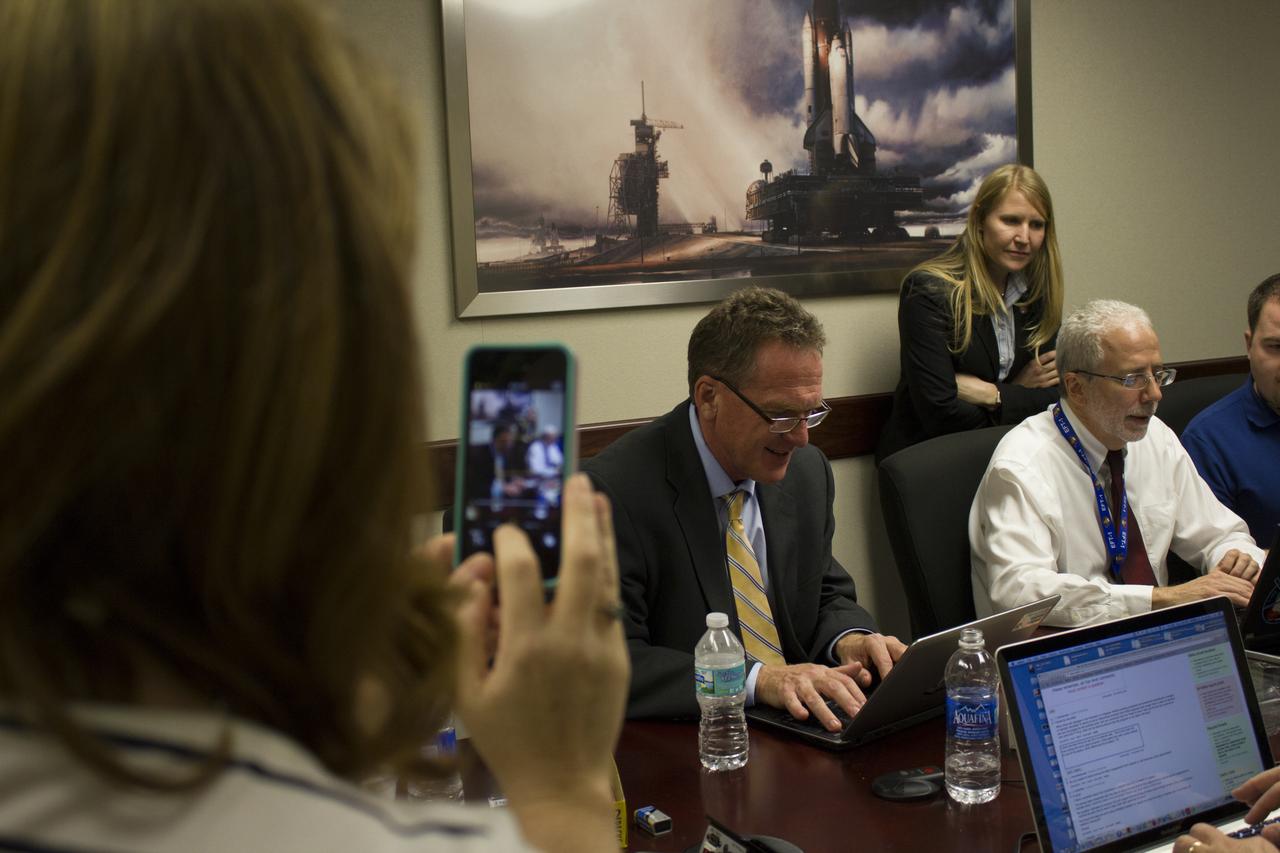
NASA managers participate in a live online Ask Me Anything, or AMA, session for reddit.com followers during Orion preflight activities at NASA Kennedy Space Center's News Center in Florida. From left, are Mike Bolger, Ground Systems Development and Operations program manager and Mark Geyer, Orion program manager. Also participating, but not shown in the photo is Todd May, Space Launch System program manager. Discussion topics include Mars and technology.
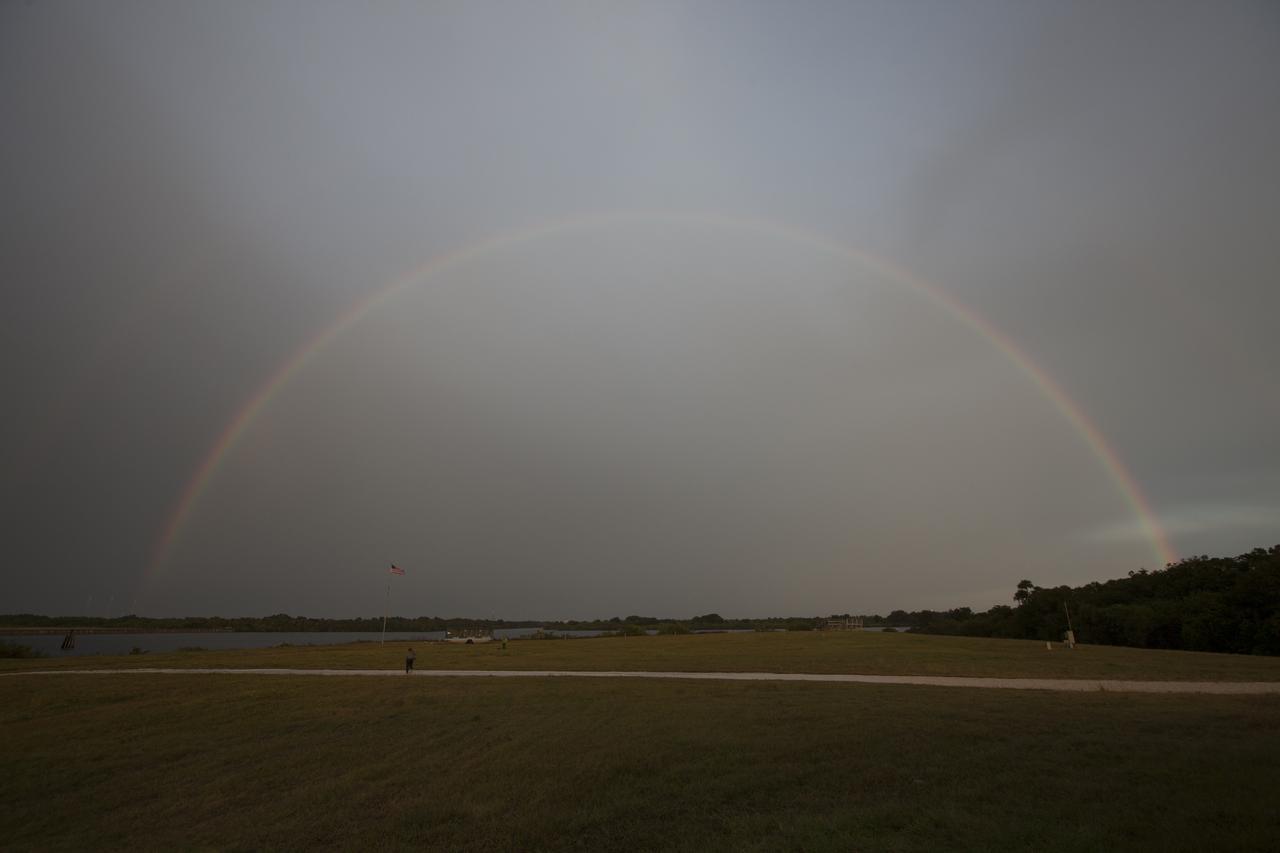
As rain showers dissipate, a rainbow appeared over the Kennedy Space Center's Press Site and turn basin. In the background is the historic countdown clock.

At NASA's Kennedy Space Center in Florida, a shade is placed around the new countdown clock at the spaceport's Press Site. The modern, multimedia display is similar to the screens seen at sporting venues. The new screen is nearly 26 feet wide by 7 feet high, a foot taller than the original clock. The historic countdown clock was designed by Kennedy engineers and built by space center technicians before Apollo 12 in 1969. NASA has acquired the countdown clock from the agency’s Artifact Working Group at the agency's Headquarters for display at the Kennedy Space Center Visitor Complex.
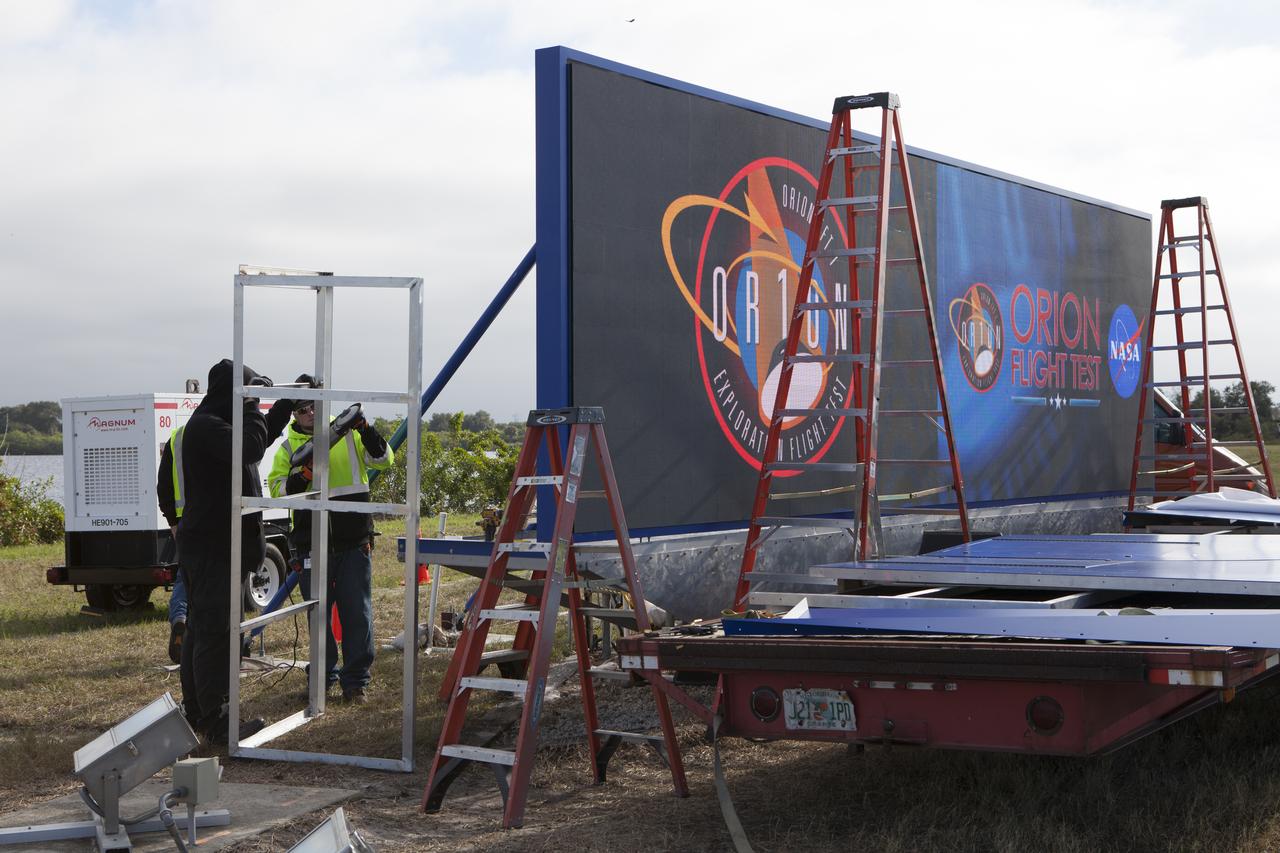
At NASA's Kennedy Space Center in Florida, a shade is placed around the new countdown clock at the spaceport's Press Site. The modern, multimedia display is similar to the screens seen at sporting venues. The new screen is nearly 26 feet wide by 7 feet high, a foot taller than the original clock. The historic countdown clock was designed by Kennedy engineers and built by space center technicians before Apollo 12 in 1969. NASA has acquired the countdown clock from the agency’s Artifact Working Group at the agency's Headquarters for display at the Kennedy Space Center Visitor Complex.
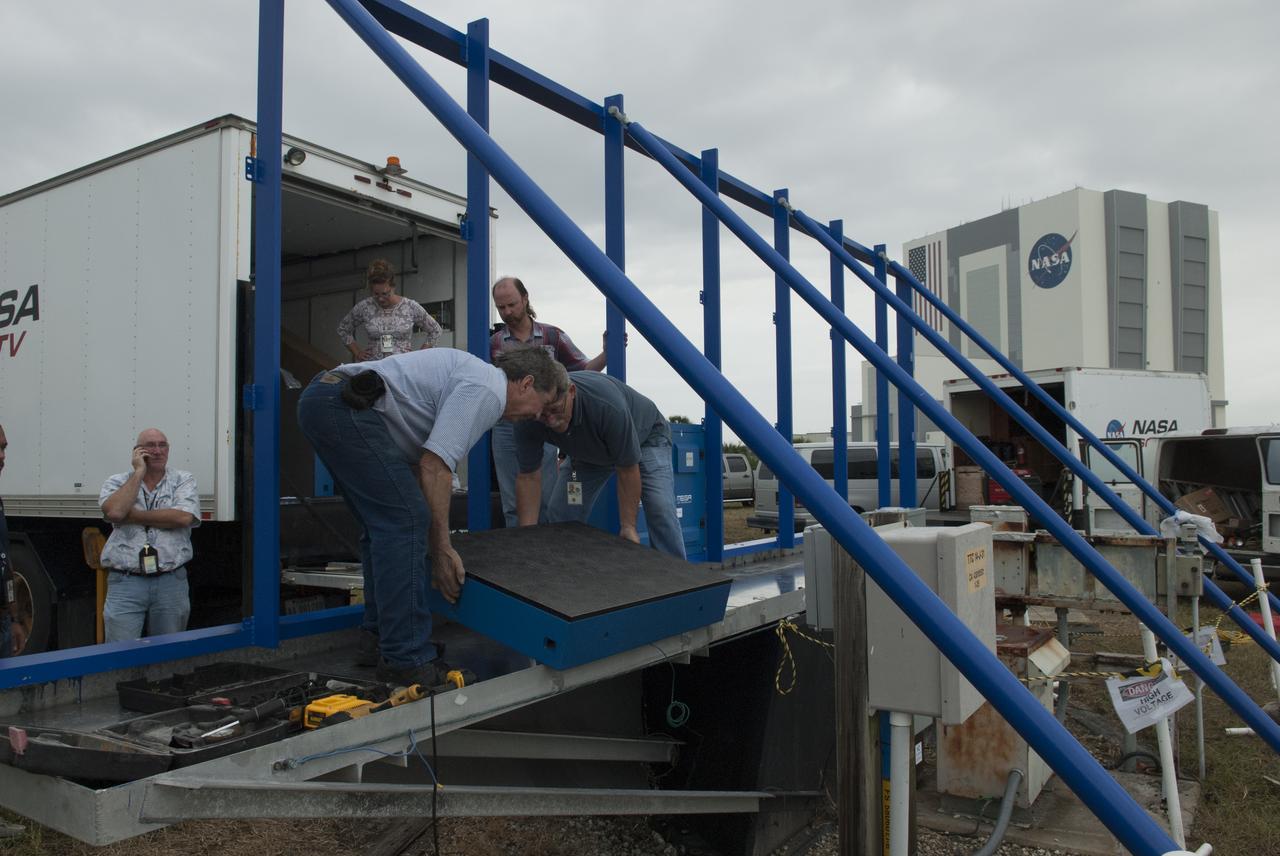
At NASA's Kennedy Space Center in Florida, assembly has begun on the first of 24 light emitting diode LED panels for installation in the new countdown clock at the spaceport's Press Site. The new modern, multimedia display will be similar to the screens seen at sporting venues. The new screen will be nearly 26 feet wide by 7 feet high, a foot taller than the original clock. The historic countdown clock was designed by Kennedy engineers and built by space center technicians before Apollo 12 in 1969. NASA has requested to acquire the countdown clock from the agency’s Artifact Working Group at the agency's Headquarters for likely display at the Kennedy Space Center Visitor Complex.
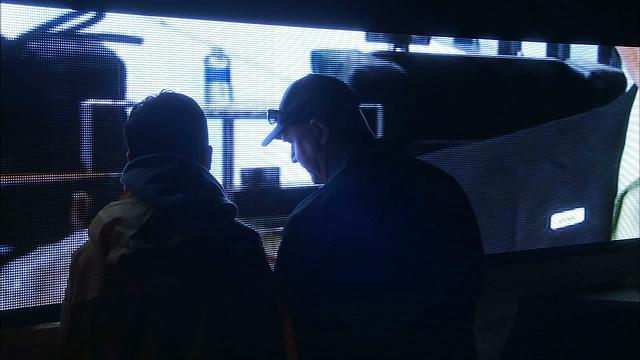
At NASA's Kennedy Space Center in Florida, the new countdown clock at the spaceport's Press Site is being tested. The modern, multimedia display is similar to the screens seen at sporting venues. The new screen will be nearly 26 feet wide by 7 feet high, a foot taller than the original clock. The historic countdown clock was designed by Kennedy engineers and built by space center technicians before Apollo 12 in 1969. NASA has requested to acquire the countdown clock from the agency’s Artifact Working Group at the agency's Headquarters for display at the Kennedy Space Center Visitor Complex.
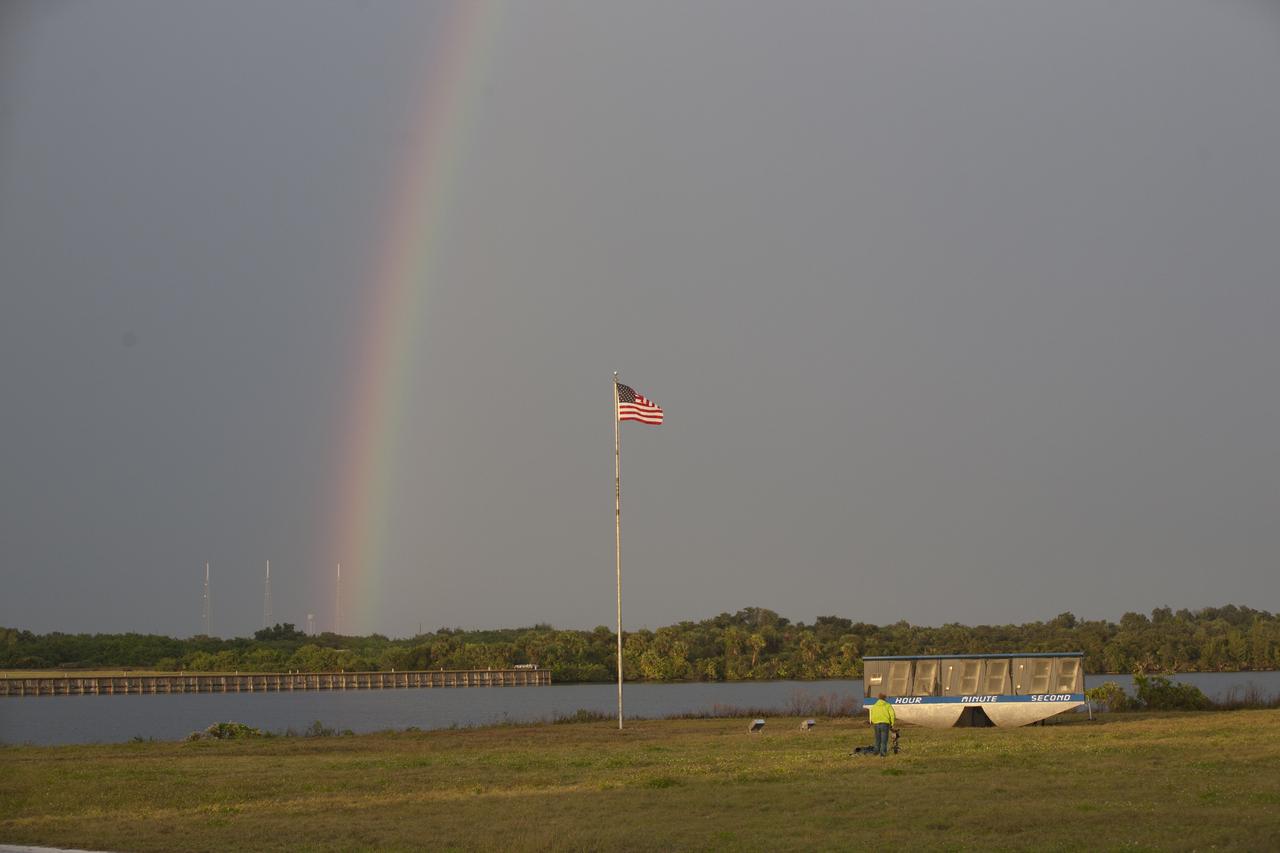
As rain showers dissipate, a rainbow appeared over the Kennedy Space Center's Press Site and turn basin. In the foreground is the historic countdown clock. In the background, is Launch Pad 39B where agency's Space Launch System will launch astronauts aboard the Orion spacecraft to deep-space destinations such as an asteroid and Mars.

In the Kennedy Space Center’s Press Site auditorium, agency and industry leaders spoke to members of the news media about the postponement of the Orion Flight Test launch due to an issue related to fill and drain valves on the Delta IV Heavy rocket. From left are: Brandi Dean of NASA Public Affairs, Mark Geyer, NASA's Orion program manager, Mike Hawes, Lockheed Martin Orion Program manager, and Dan Collins, United Launch Alliance chief operating officer.

NASA managers participate in a live online Ask Me Anything, or AMA, session for reddit.com followers during Orion preflight activities at NASA Kennedy Space Center's News Center in Florida. At left, is Mike Bolger, Ground Systems Development and Operations program manager. Not shown, but also participating were Mark Geyer, Orion program manager, and Todd May, Space Launch System program manager. Discussion topics include Mars and technology.
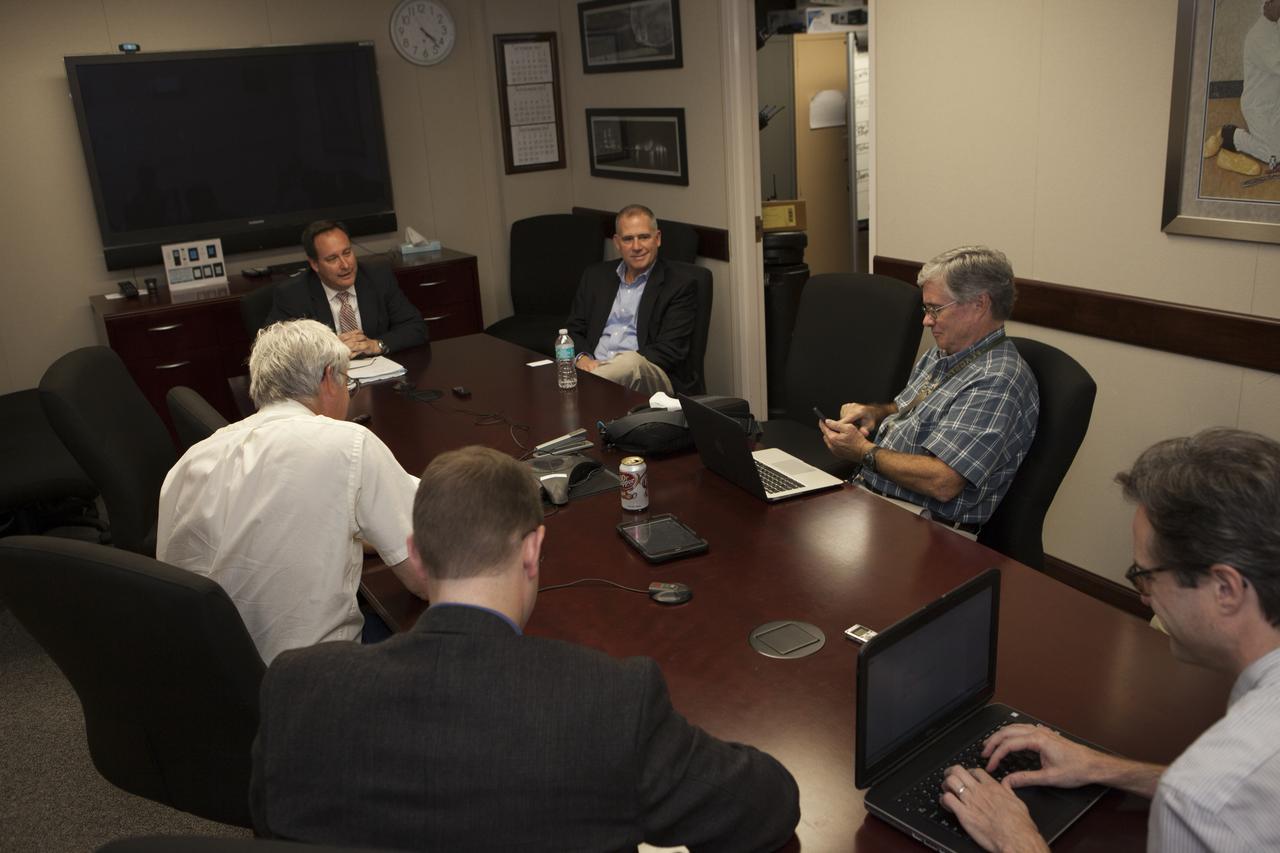
NASA Associate Administrator Robert Lightfoot speaks with journalists at the agency's Kennedy Space Center in Florida to discuss the Asteroid Redirect Mission.
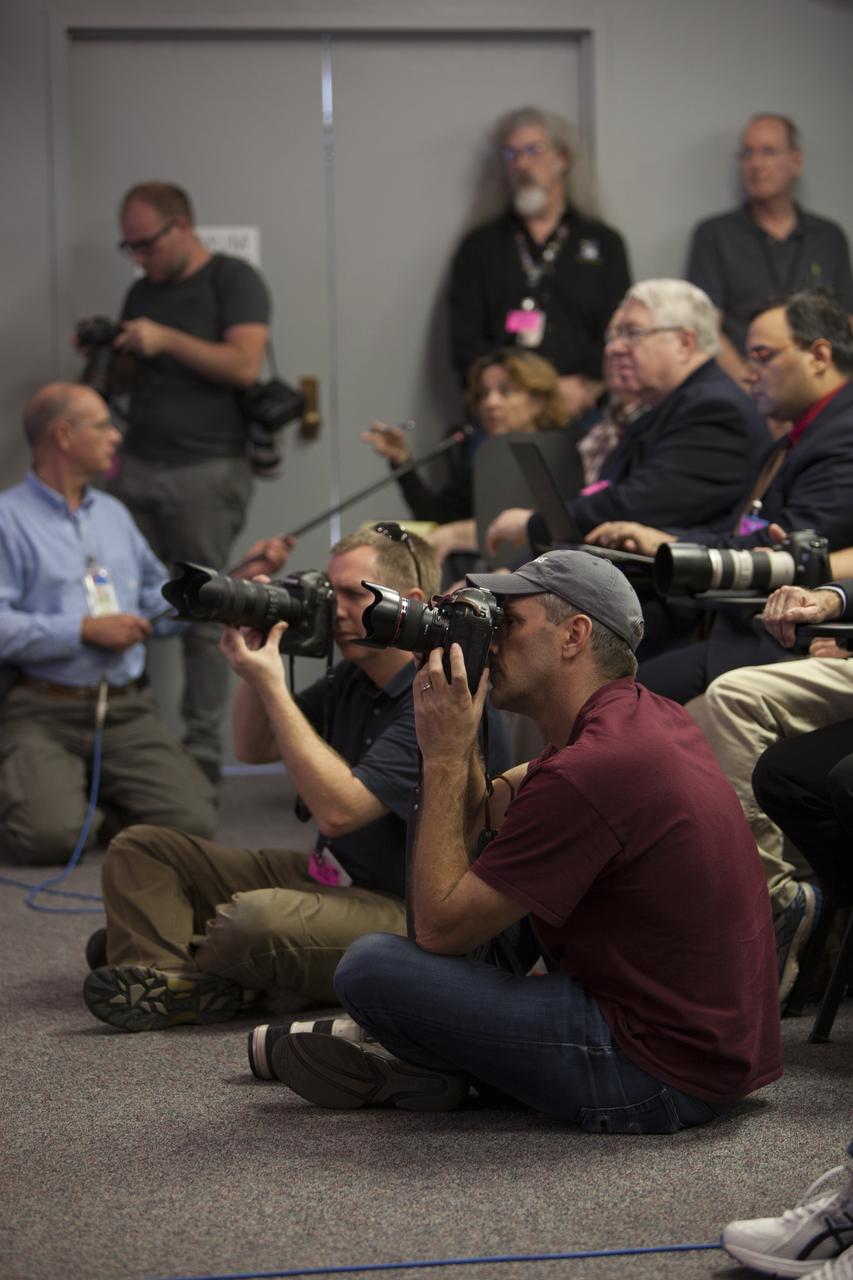
In the Kennedy Space Center’s Press Site auditorium, news media representatives listen and take photographs as NASA and industry leaders talk about the postponement of the Orion Flight Test launch due to an issue related to fill and drain valves on the Delta IV Heavy rocket.
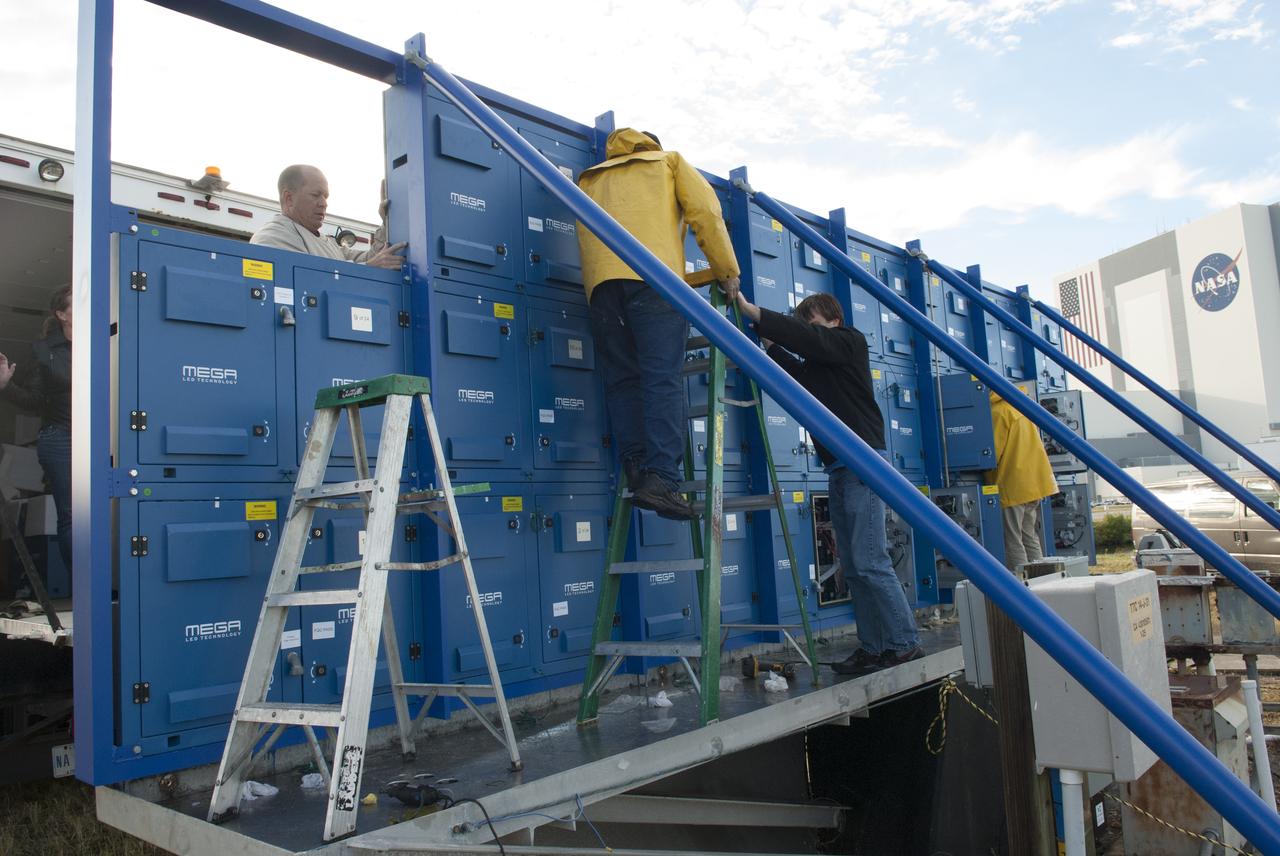
At NASA's Kennedy Space Center in Florida, work continues to install 24 light emitting diode LED panels in the new countdown clock at the spaceport's Press Site. The modern, multimedia display is similar to the screens seen at sporting venues. The new screen will be nearly 26 feet wide by 7 feet high, a foot taller than the original clock. The historic countdown clock was designed by Kennedy engineers and built by space center technicians before Apollo 12 in 1969. NASA has requested to acquire the countdown clock from the agency’s Artifact Working Group at the agency's Headquarters for display at the Kennedy Space Center Visitor Complex.

NASA Associate Administrator Robert Lightfoot addresses journalists at the agency's Kennedy Space Center in Florida to discuss the Asteroid Redirect Mission.
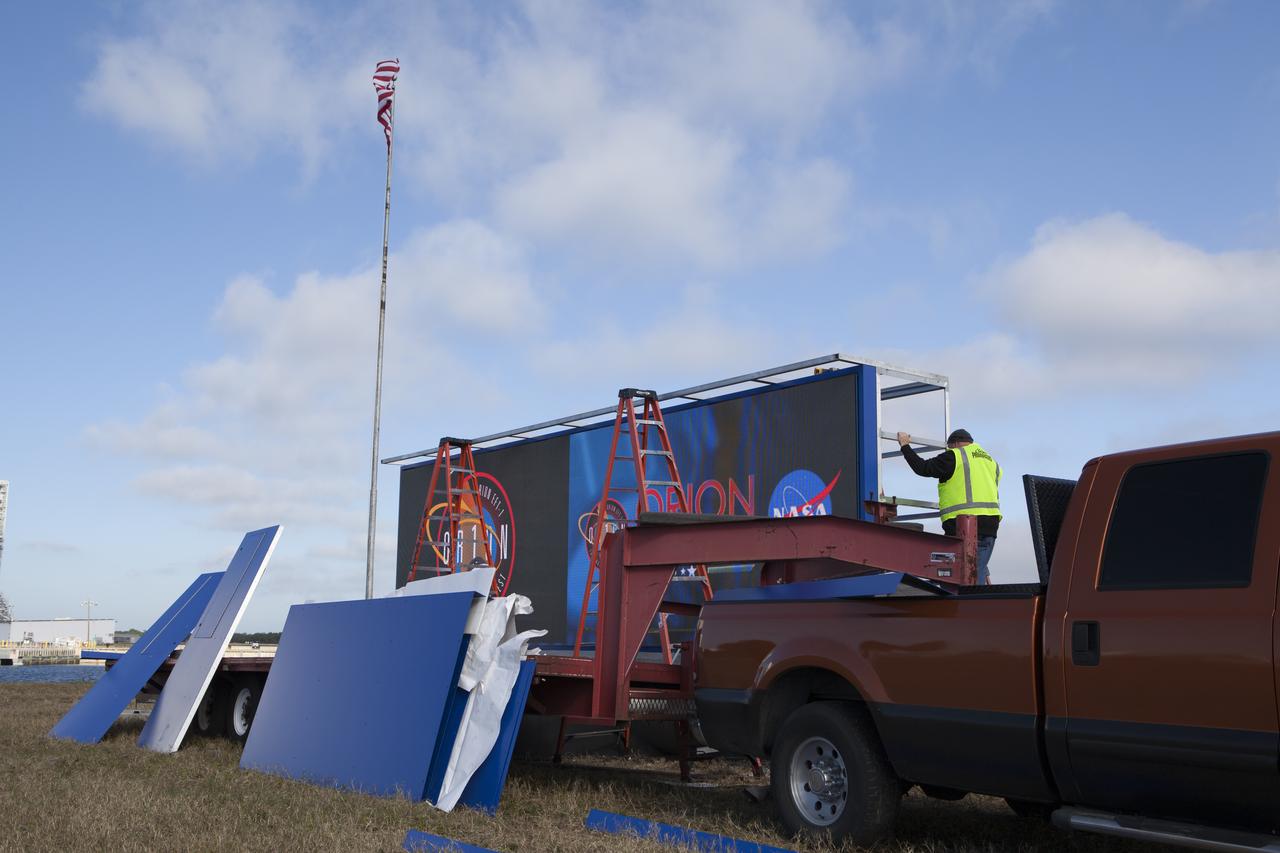
At NASA's Kennedy Space Center in Florida, a shade is placed around the new countdown clock at the spaceport's Press Site. The modern, multimedia display is similar to the screens seen at sporting venues. The new screen is nearly 26 feet wide by 7 feet high, a foot taller than the original clock. The historic countdown clock was designed by Kennedy engineers and built by space center technicians before Apollo 12 in 1969. NASA has acquired the countdown clock from the agency’s Artifact Working Group at the agency's Headquarters for display at the Kennedy Space Center Visitor Complex.

NASA Associate Administrator Robert Lightfoot briefs journalists on the Asteroid Redirect Mission during a roundtable discussion at the agency's Kennedy Space Center in Florida.
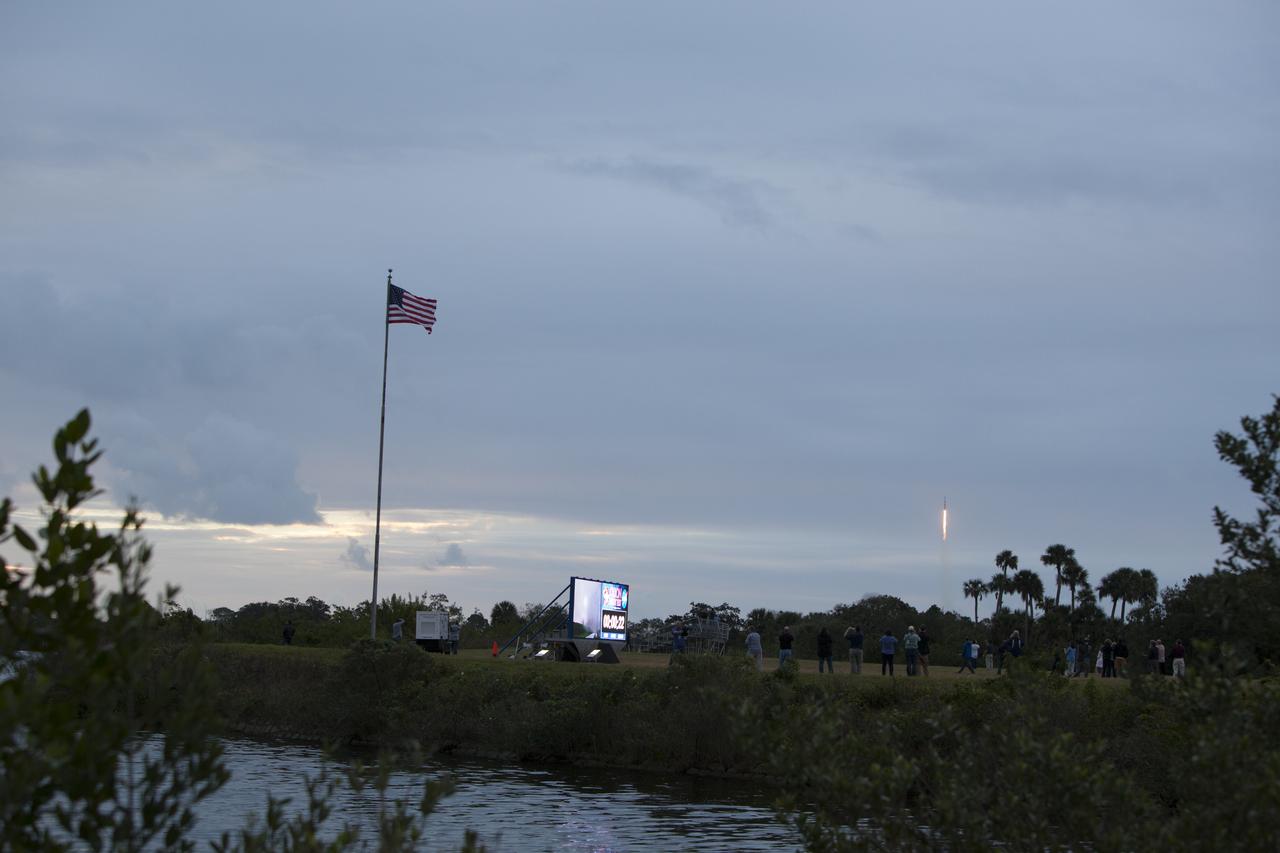
A Delta IV Heavy rocket lifts off from Space Launch Complex 37 at Cape Canaveral Air Force Station in Florida carrying NASA's Orion spacecraft on an unpiloted flight test to Earth orbit. In the foreground is the newly upgraded countdown clock at the spaceport's Press Site. Liftoff was at 7:05 a.m. EST. During the two-orbit, four-and-a-half hour mission, engineers will evaluate the systems critical to crew safety, the launch abort system, the heat shield and the parachute system.
At NASA's Kennedy Space Center in Florida, the new countdown clock at the spaceport's Press Site is being tested. The modern, multimedia display is similar to the screens seen at sporting venues. The new screen will be nearly 26 feet wide by 7 feet high, a foot taller than the original clock. The historic countdown clock was designed by Kennedy engineers and built by space center technicians before Apollo 12 in 1969. NASA has requested to acquire the countdown clock from the agency’s Artifact Working Group at the agency's Headquarters for display at the Kennedy Space Center Visitor Complex.
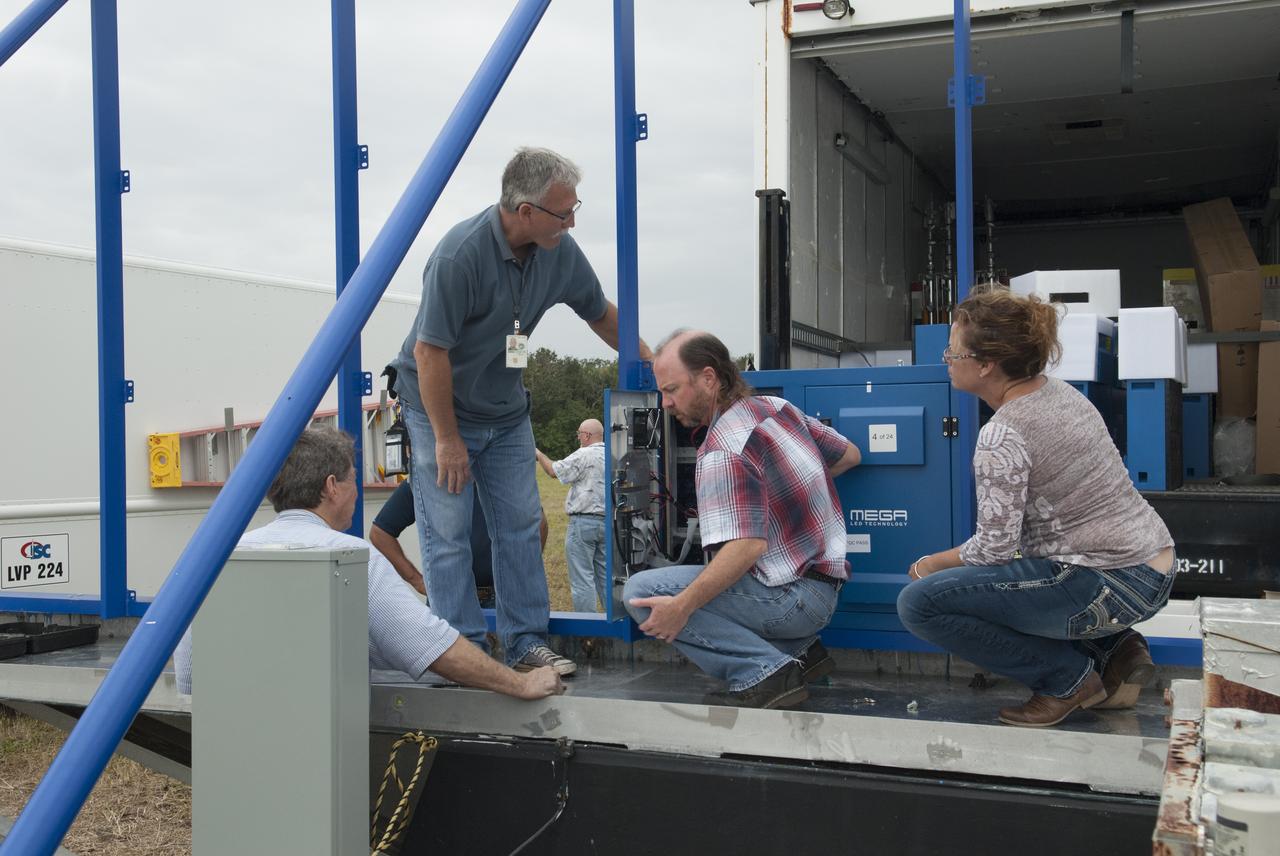
At NASA's Kennedy Space Center in Florida, assembly has begun on the first of 24 light emitting diode LED panels for installation in the new countdown clock at the spaceport's Press Site. The new modern, multimedia display will be similar to the screens seen at sporting venues. The new screen will be nearly 26 feet wide by 7 feet high, a foot taller than the original clock. The historic countdown clock was designed by Kennedy engineers and built by space center technicians before Apollo 12 in 1969. NASA has requested to acquire the countdown clock from the agency’s Artifact Working Group at the agency's Headquarters for likely display at the Kennedy Space Center Visitor Complex.
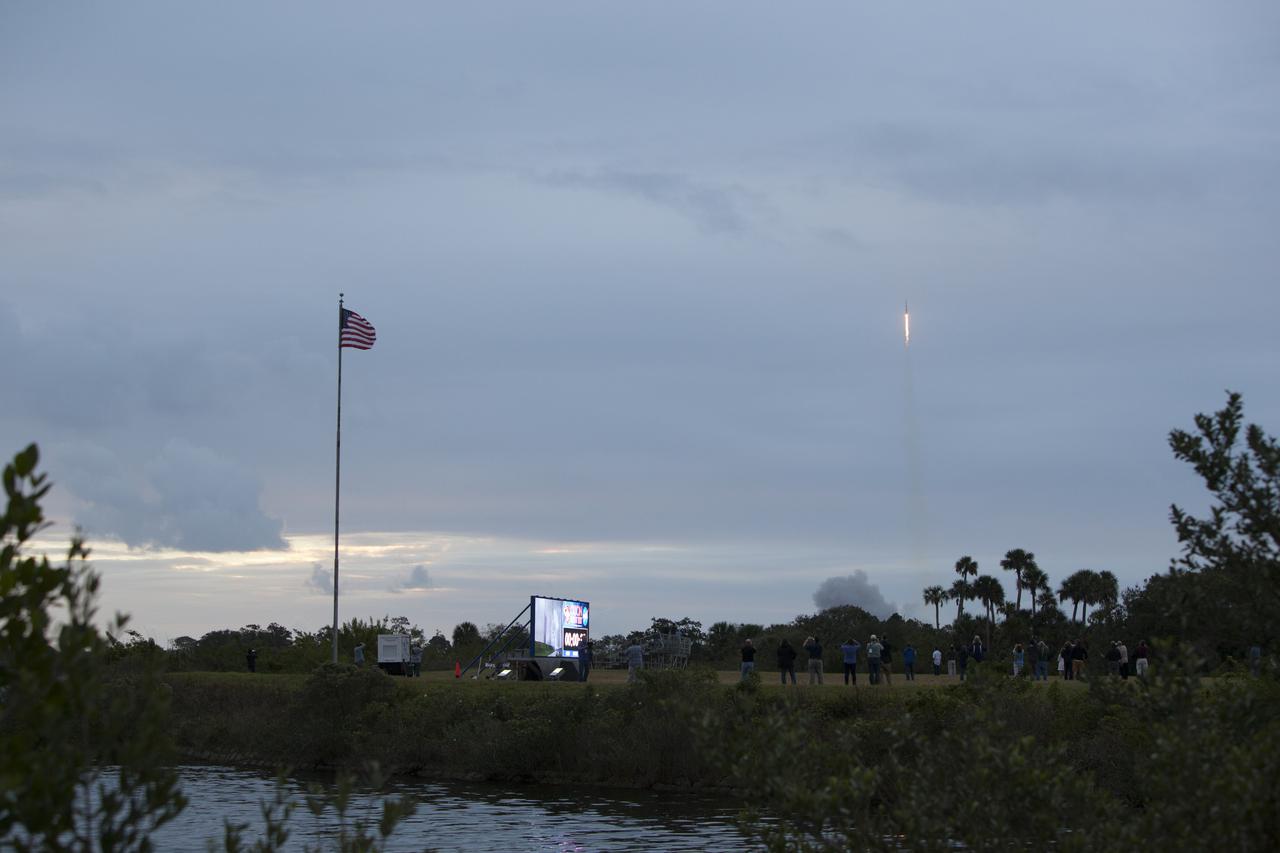
A Delta IV Heavy rocket lifts off from Space Launch Complex 37 at Cape Canaveral Air Force Station in Florida carrying NASA's Orion spacecraft on an unpiloted flight test to Earth orbit. In the foreground is the newly upgraded countdown clock at the spaceport's Press Site. Liftoff was at 7:05 a.m. EST. During the two-orbit, four-and-a-half hour mission, engineers will evaluate the systems critical to crew safety, the launch abort system, the heat shield and the parachute system.
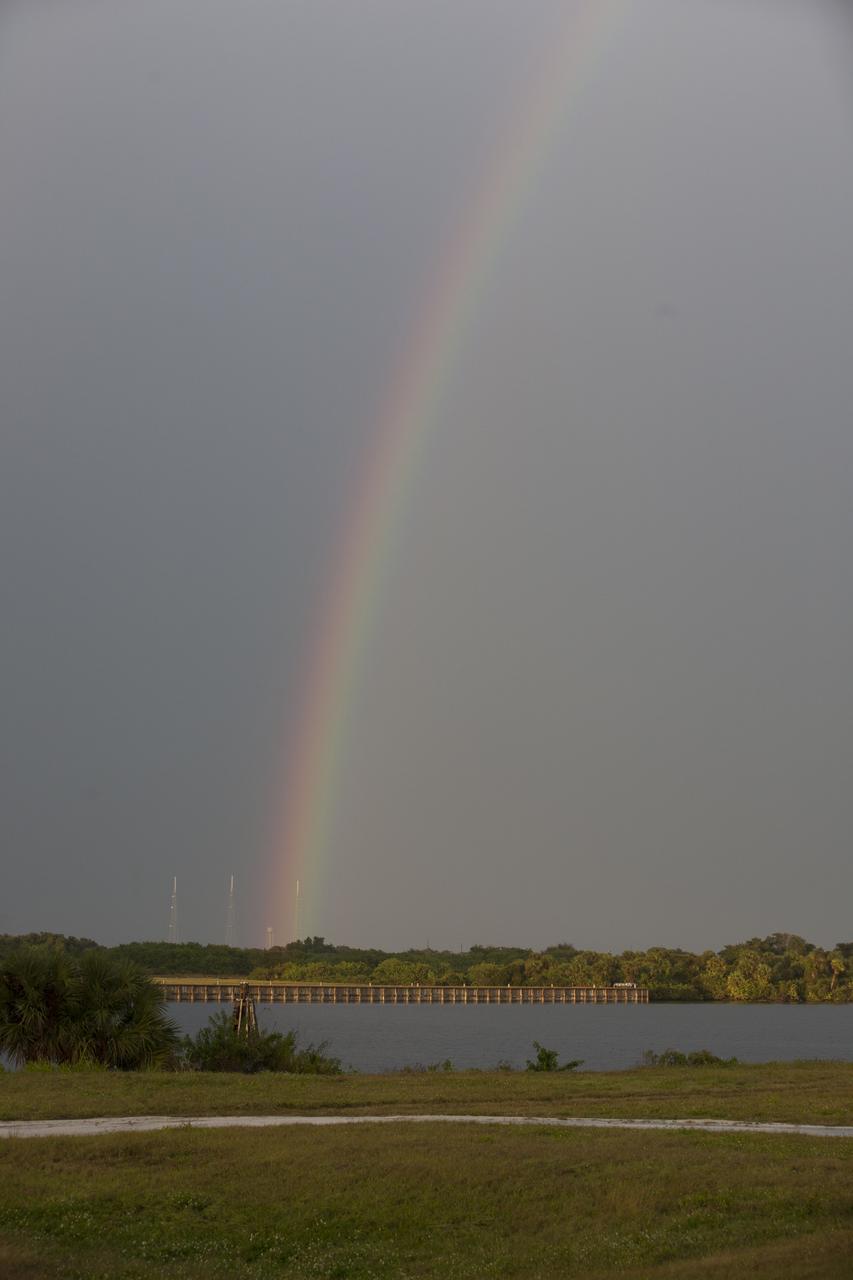
As rain showers dissipate, a rainbow appeared over NASA's Kennedy Space Center's Launch Pad 39B. This is the site where the agency's Space Launch System will launch astronauts aboard the Orion spacecraft to deep-space destinations such as an asteroid and Mars.
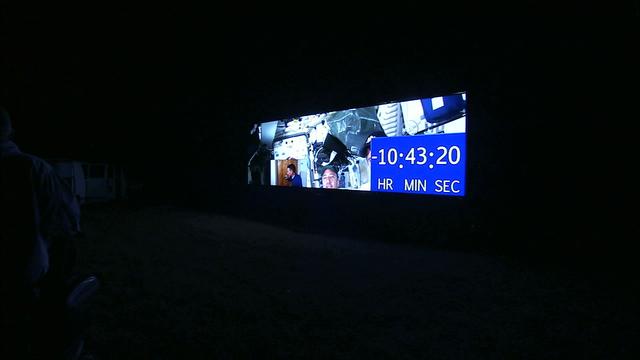
At NASA's Kennedy Space Center in Florida, the new countdown clock at the spaceport's Press Site is being tested. The modern, multimedia display is similar to the screens seen at sporting venues. The new screen will be nearly 26 feet wide by 7 feet high, a foot taller than the original clock. The historic countdown clock was designed by Kennedy engineers and built by space center technicians before Apollo 12 in 1969. NASA has requested to acquire the countdown clock from the agency’s Artifact Working Group at the agency's Headquarters for display at the Kennedy Space Center Visitor Complex.
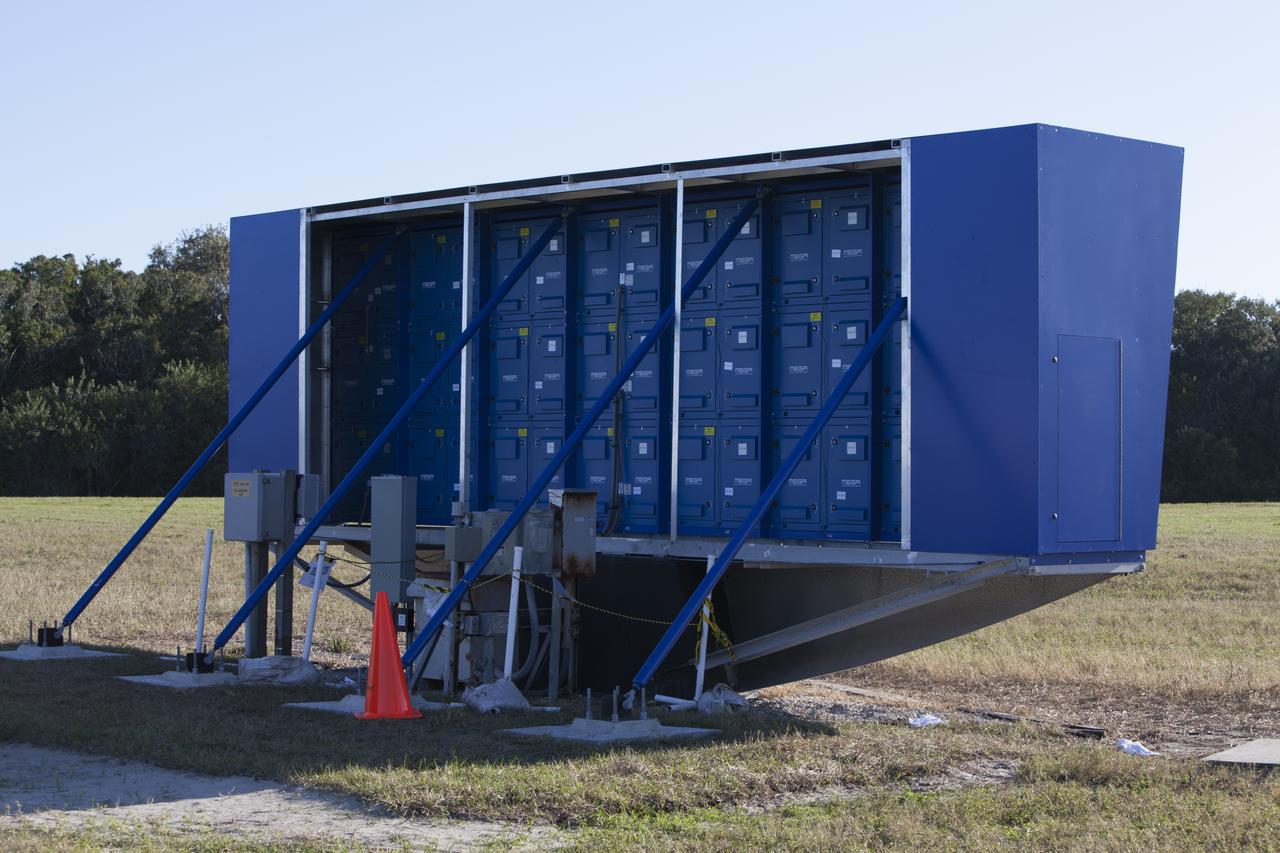
At NASA's Kennedy Space Center in Florida, a shade is placed around the new countdown clock at the spaceport's Press Site. The modern, multimedia display is similar to the screens seen at sporting venues. The new screen is nearly 26 feet wide by 7 feet high, a foot taller than the original clock. The historic countdown clock was designed by Kennedy engineers and built by space center technicians before Apollo 12 in 1969. NASA has acquired the countdown clock from the agency’s Artifact Working Group at the agency's Headquarters for display at the Kennedy Space Center Visitor Complex.
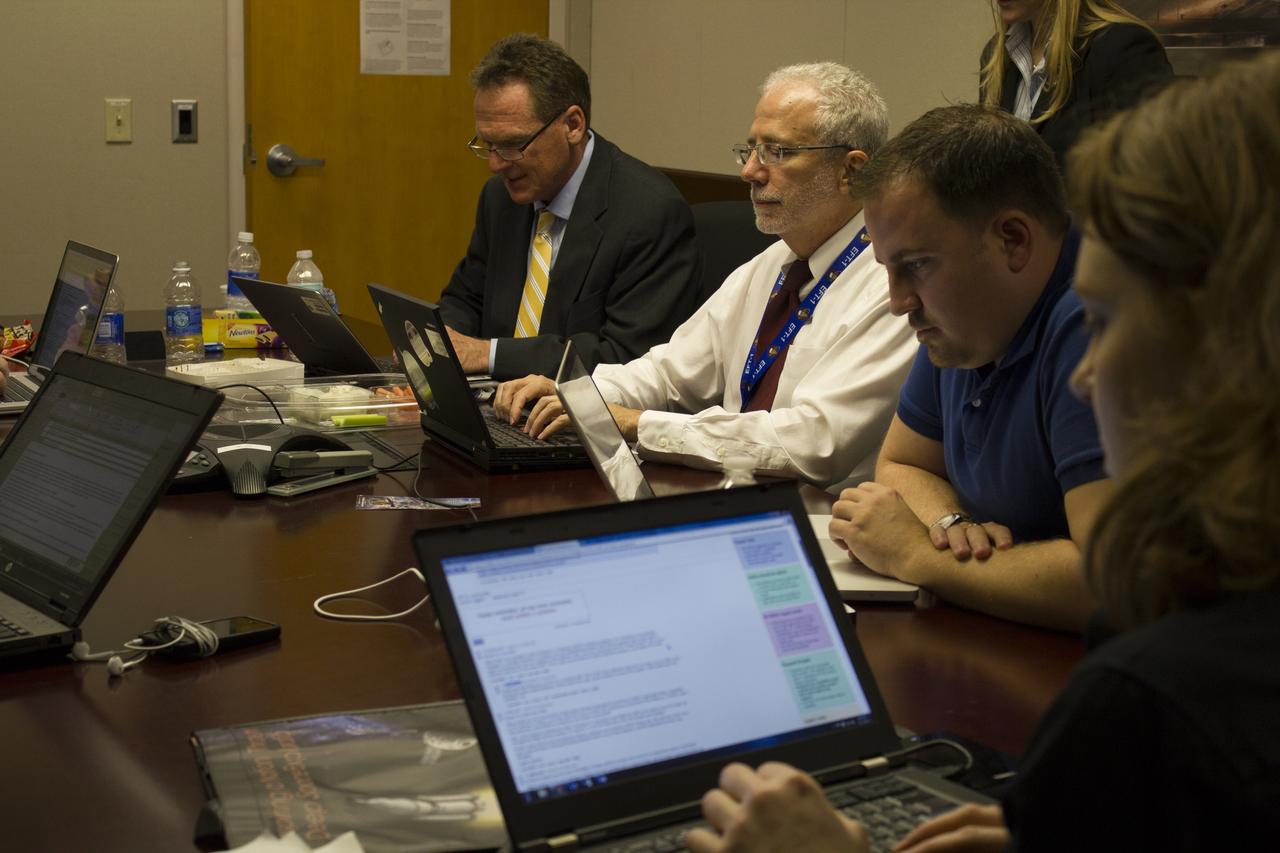
From left, Mike Bolger, Ground Systems Development and Operations program manager; and Mark Geyer, Orion program manager, participate in a live online Ask Me Anything, or AMA, session for reddit.com followers during Orion preflight activities at NASA Kennedy Space Center's News Center in Florida. Not shown is Todd May, Space Launch System program manager. Discussion topics include Mars and technology.
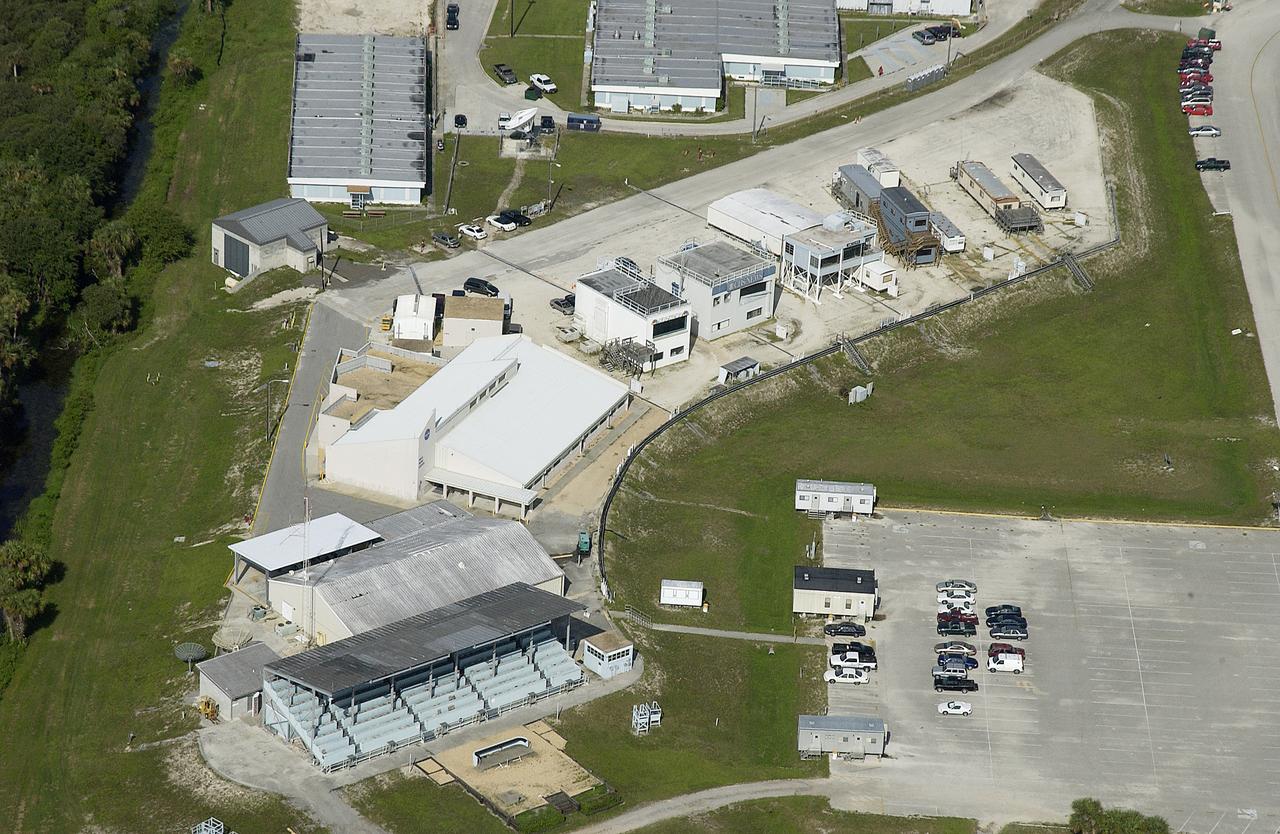
The KSC Press Site is seen from the air. The large white building is the NASA News Center. At lower left are the grandstands that provide viewing of Shuttle launches for the media. Stretching from the News Center to the right are buildings and trailers occupied by television media and other news agencies such as Associated Press and Reuters.
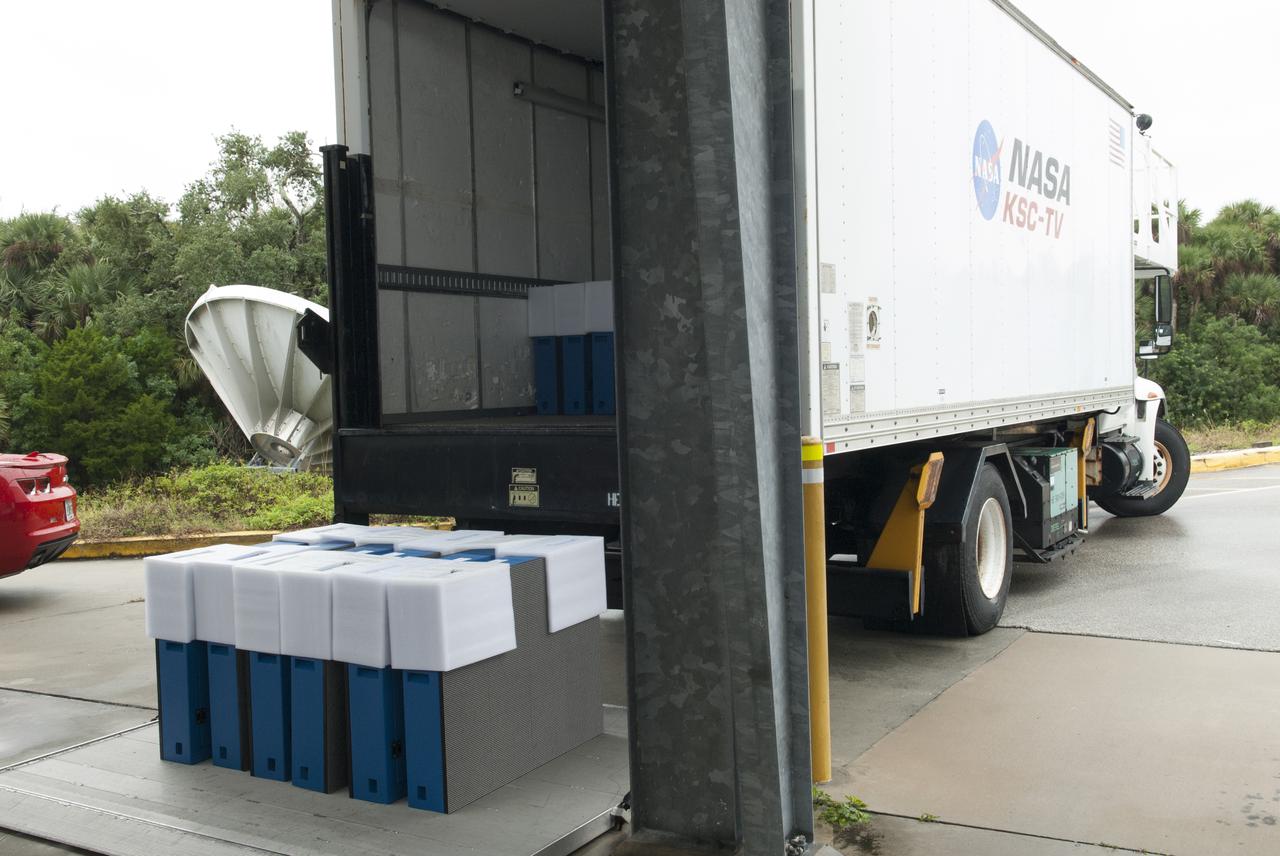
At NASA's Kennedy Space Center in Florida, the first of 24 light emitting diode LED panels have arrived for installation in the new countdown clock at the spaceport's Press Site. A new modern, multimedia display soon will be installed, similar to the screens seen at sporting venues. The new screen will be nearly 26 feet wide by 7 feet high, a foot taller than the original clock. The historic countdown clock was designed by Kennedy engineers and built by space center technicians before Apollo 12 in 1969. NASA has requested to acquire the countdown clock from the agency’s Artifact Working Group at the agency's Headquarters for likely display at the Kennedy Space Center Visitor Complex.
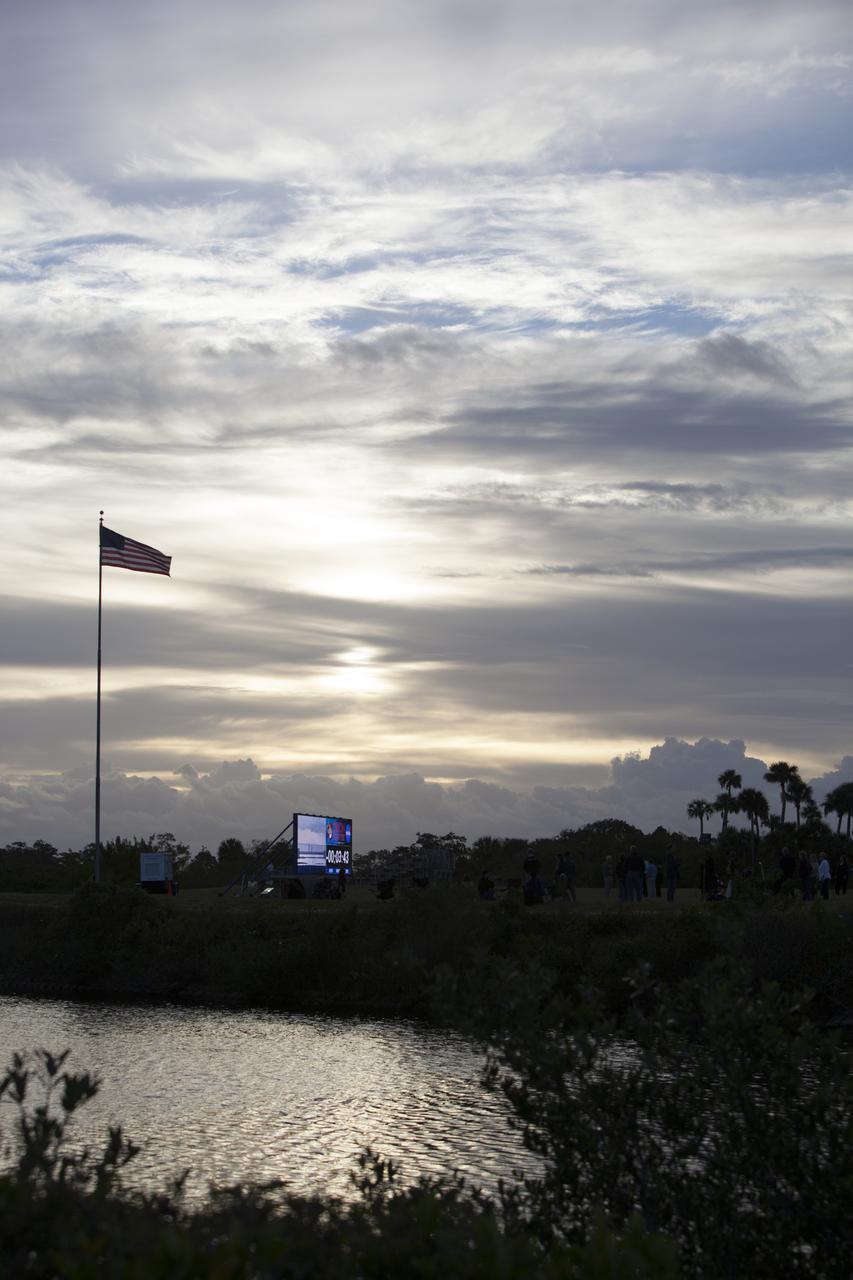
At NASA's Kennedy Space Center in Florida, the new countdown clock at the spaceport's Press Site is used for the first time as preparations were underway for the Orion Flight Test. The modern, multimedia display is similar to the screens seen at sporting venues. The new screen is nearly 26 feet wide by 7 feet high, a foot taller than the original clock.
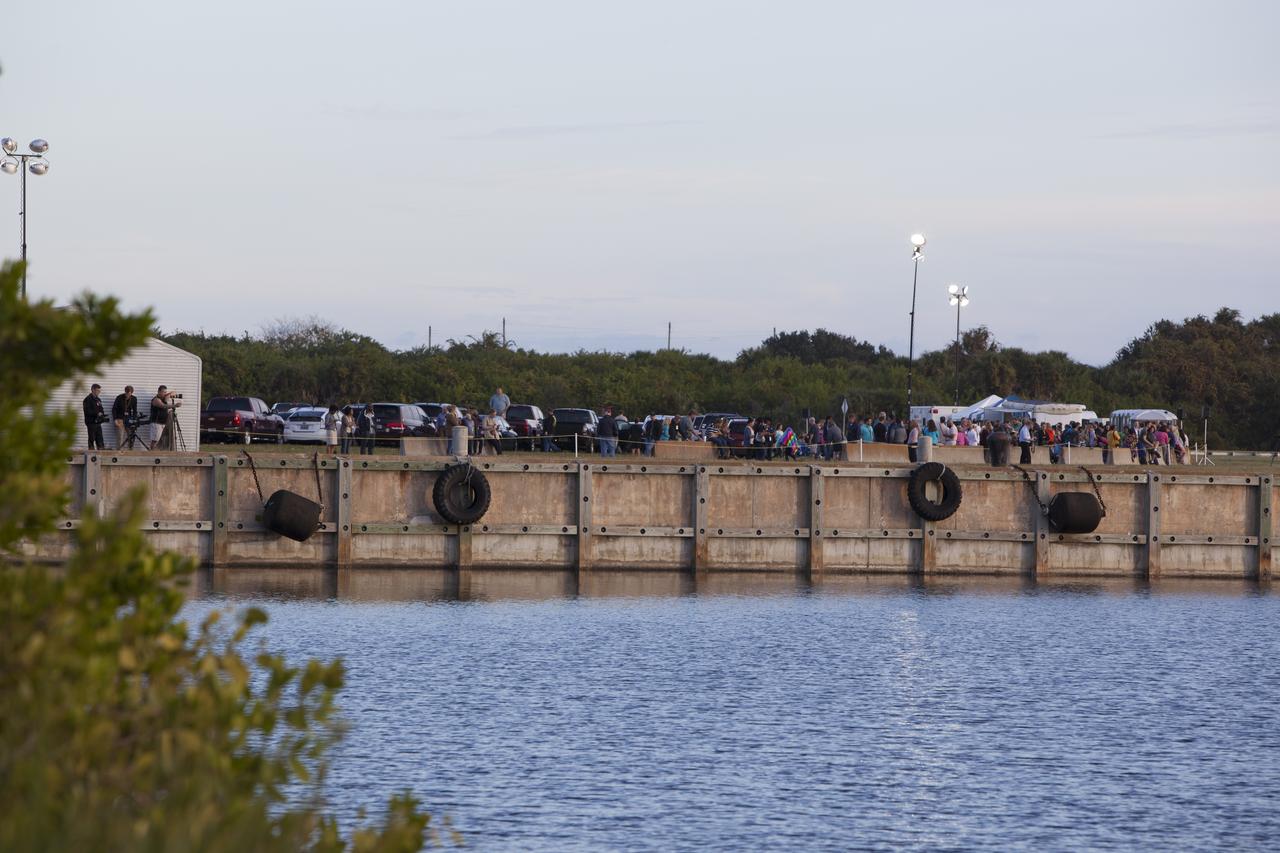
At NASA's Kennedy Space Center in Florida, news media and other guests gather in anticipation of the launch of NASA's Orion spacecraft atop a United Launch Alliance Delta IV Heavy rocket.
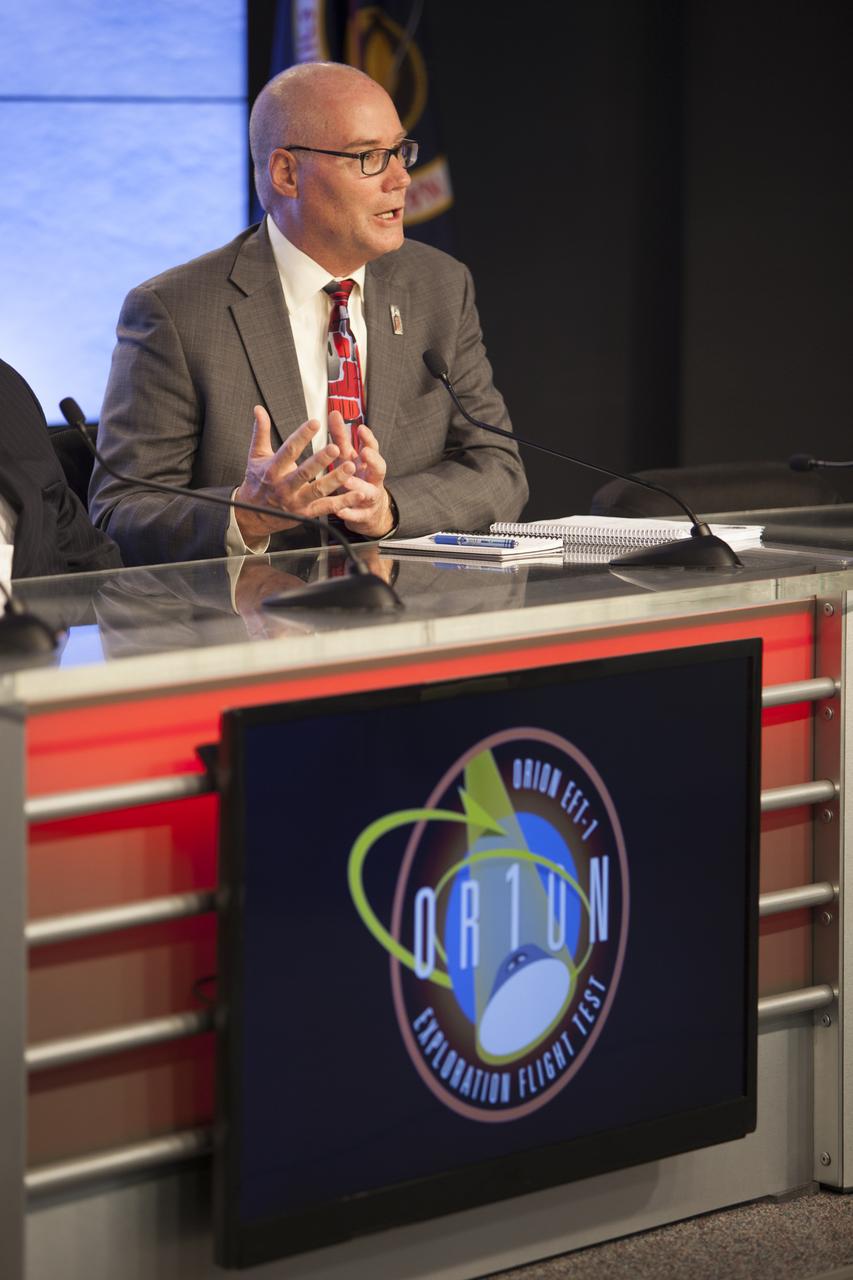
In the Kennedy Space Center’s Press Site auditorium, Dan Collins, United Launch Alliance chief operating officer spoke to members of the news media about the postponement of the Orion Flight Test launch due to an issue related to fill and drain valves on the Delta IV Heavy rocket.
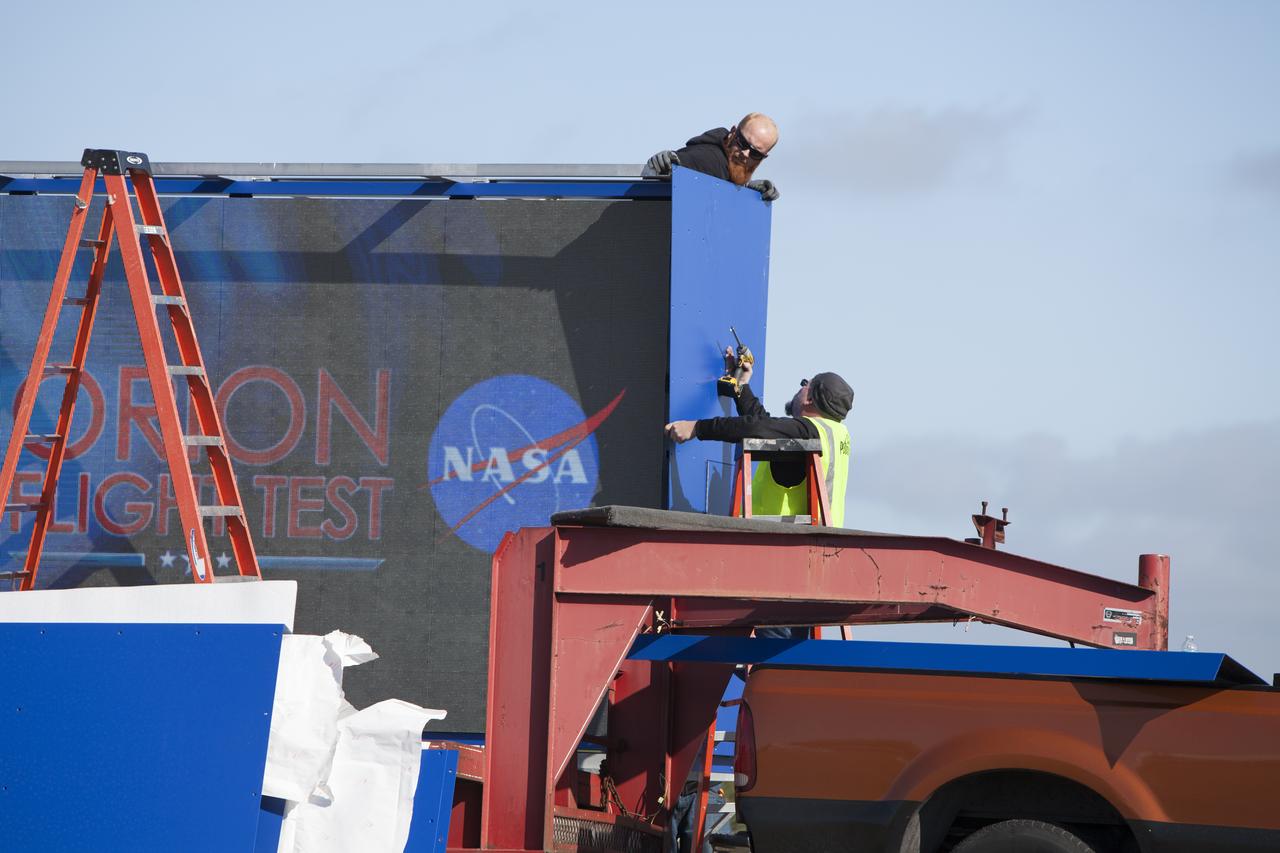
At NASA's Kennedy Space Center in Florida, a shade is placed around the new countdown clock at the spaceport's Press Site. The modern, multimedia display is similar to the screens seen at sporting venues. The new screen is nearly 26 feet wide by 7 feet high, a foot taller than the original clock. The historic countdown clock was designed by Kennedy engineers and built by space center technicians before Apollo 12 in 1969. NASA has acquired the countdown clock from the agency’s Artifact Working Group at the agency's Headquarters for display at the Kennedy Space Center Visitor Complex.
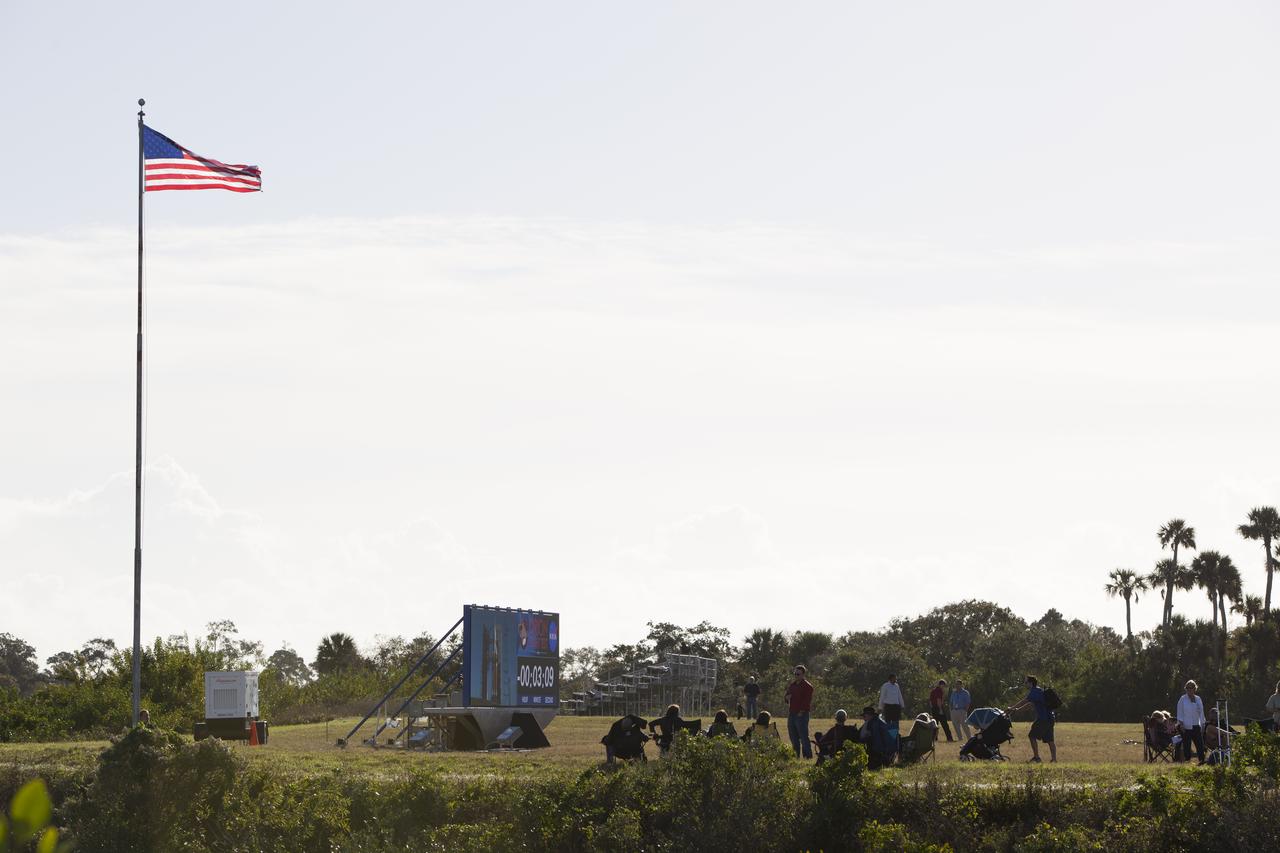
At NASA's Kennedy Space Center in Florida, the new countdown clock at the spaceport's Press Site is used for the first time as preparations were underway for the Orion Flight Test. News media representatives gather in anticipation of the launch of NASA's Orion spacecraft atop a United Launch Alliance Delta IV Heavy rocket.
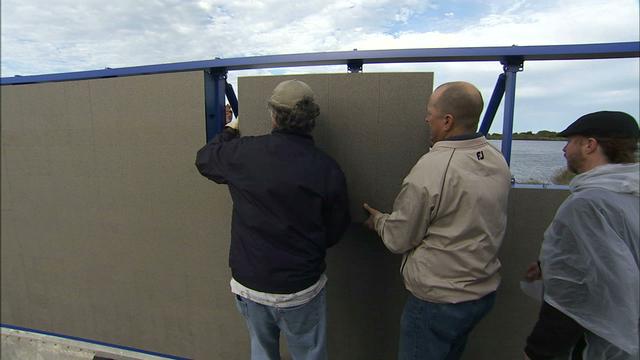
At NASA's Kennedy Space Center in Florida, work continues to install 24 light emitting diode LED panels in the new countdown clock at the spaceport's Press Site. The modern, multimedia display is similar to the screens seen at sporting venues. The new screen will be nearly 26 feet wide by 7 feet high, a foot taller than the original clock. The historic countdown clock was designed by Kennedy engineers and built by space center technicians before Apollo 12 in 1969. NASA has requested to acquire the countdown clock from the agency’s Artifact Working Group at the agency's Headquarters for display at the Kennedy Space Center Visitor Complex.
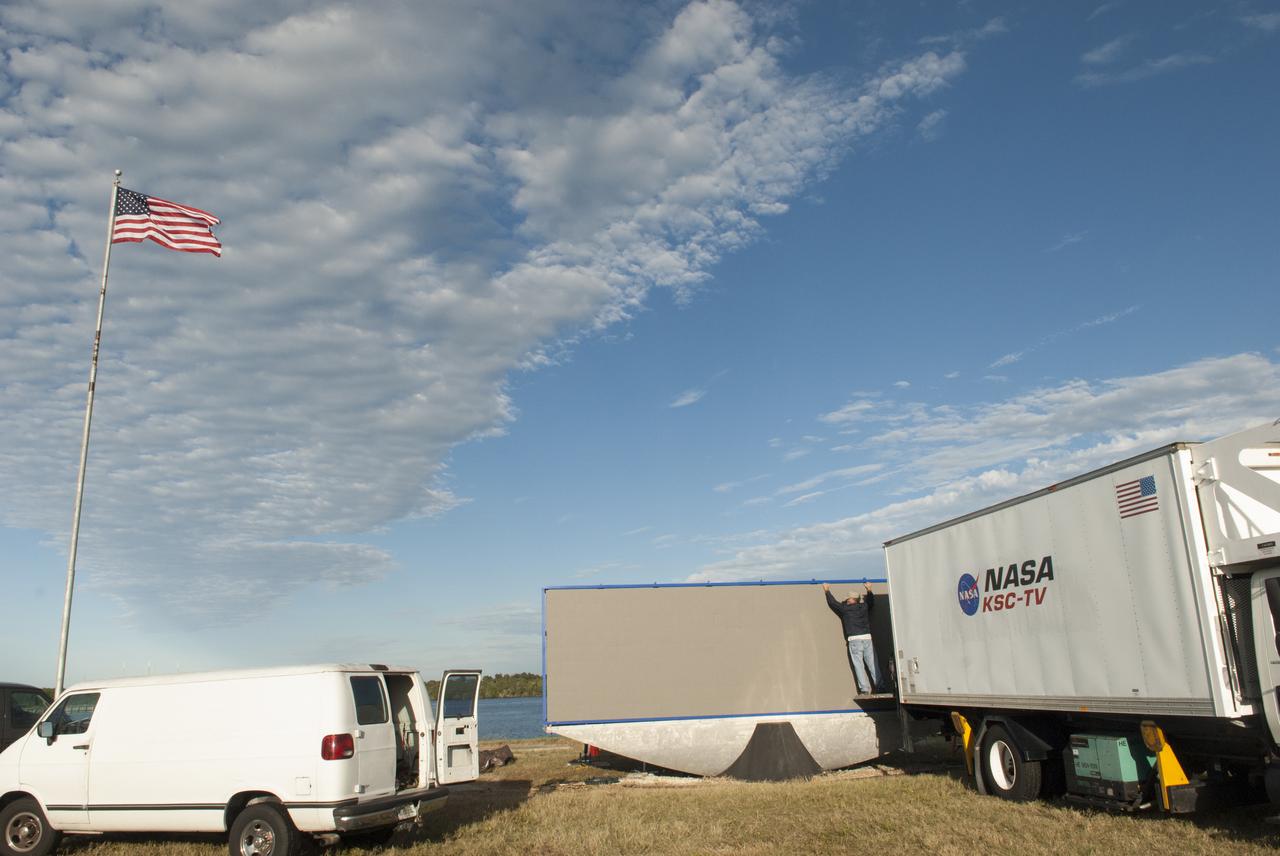
At NASA's Kennedy Space Center in Florida, work continues to install 24 light emitting diode LED panels in the new countdown clock at the spaceport's Press Site. The modern, multimedia display is similar to the screens seen at sporting venues. The new screen will be nearly 26 feet wide by 7 feet high, a foot taller than the original clock. The historic countdown clock was designed by Kennedy engineers and built by space center technicians before Apollo 12 in 1969. NASA has requested to acquire the countdown clock from the agency’s Artifact Working Group at the agency's Headquarters for display at the Kennedy Space Center Visitor Complex.
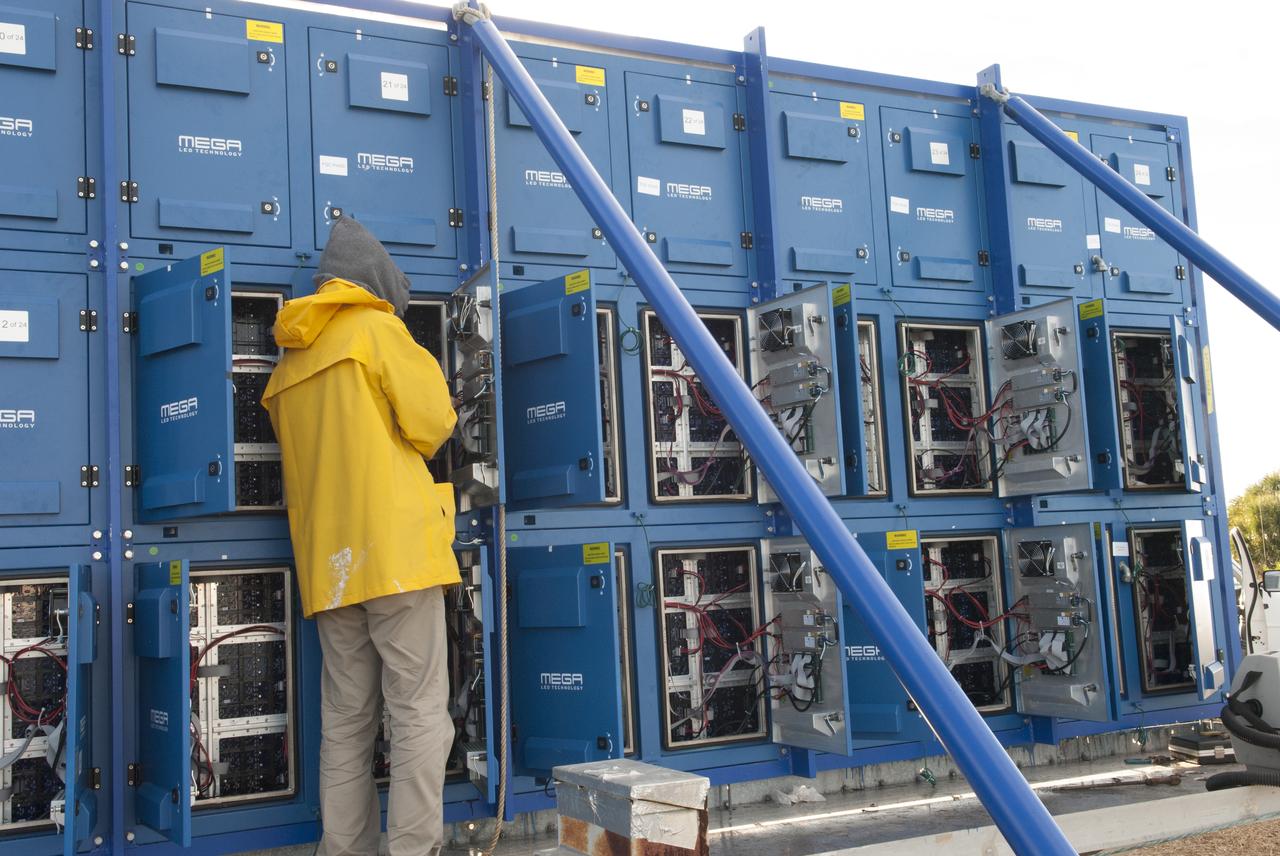
At NASA's Kennedy Space Center in Florida, work continues to install 24 light emitting diode LED panels in the new countdown clock at the spaceport's Press Site. The modern, multimedia display is similar to the screens seen at sporting venues. The new screen will be nearly 26 feet wide by 7 feet high, a foot taller than the original clock. The historic countdown clock was designed by Kennedy engineers and built by space center technicians before Apollo 12 in 1969. NASA has requested to acquire the countdown clock from the agency’s Artifact Working Group at the agency's Headquarters for display at the Kennedy Space Center Visitor Complex.
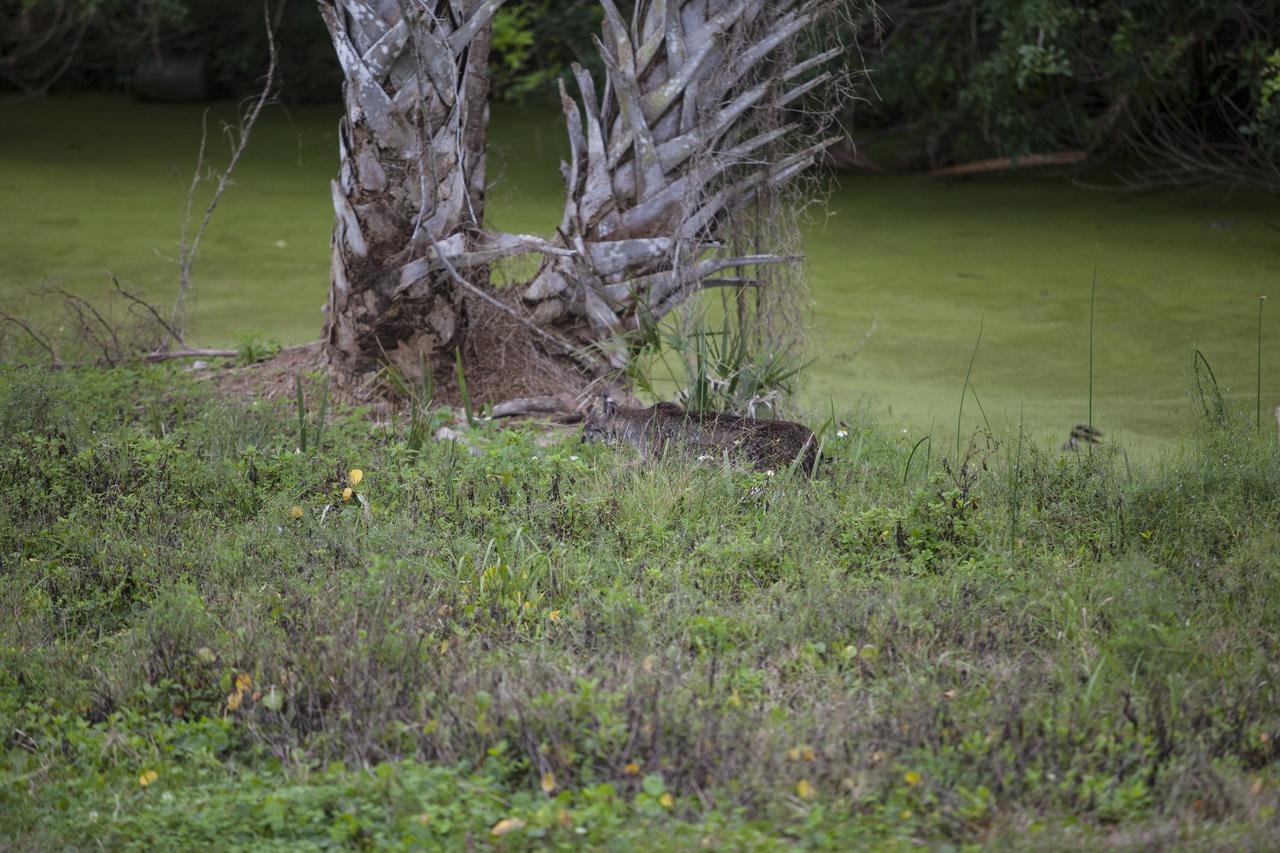
CAPE CANAVERAL, Fla. – A bobcat walks along a canal near the NASA News Center at Kennedy Space Center in Florida. The center shares a boundary with the Merritt Island National Wildlife Refuge. The refuge encompasses 140,000 acres that are a habitat for more than 330 species of birds, 31 mammals, 117 fishes, and 65 amphibians and reptiles. Photo credit: NASA/Daniel Casper
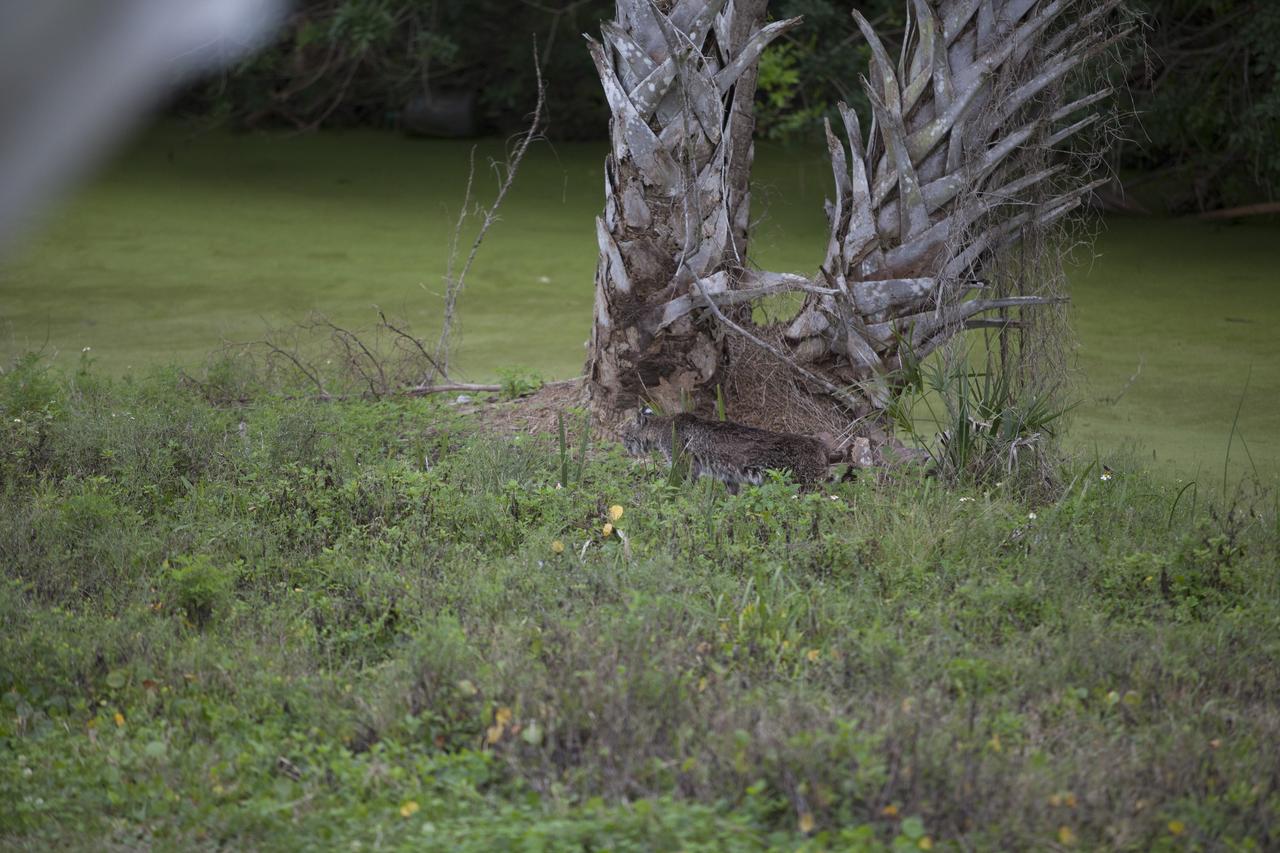
CAPE CANAVERAL, Fla. – A bobcat walks along a canal near the NASA News Center at Kennedy Space Center in Florida. The center shares a boundary with the Merritt Island National Wildlife Refuge. The refuge encompasses 140,000 acres that are a habitat for more than 330 species of birds, 31 mammals, 117 fishes, and 65 amphibians and reptiles. Photo credit: NASA/Daniel Casper. Note: Selected image is cropped
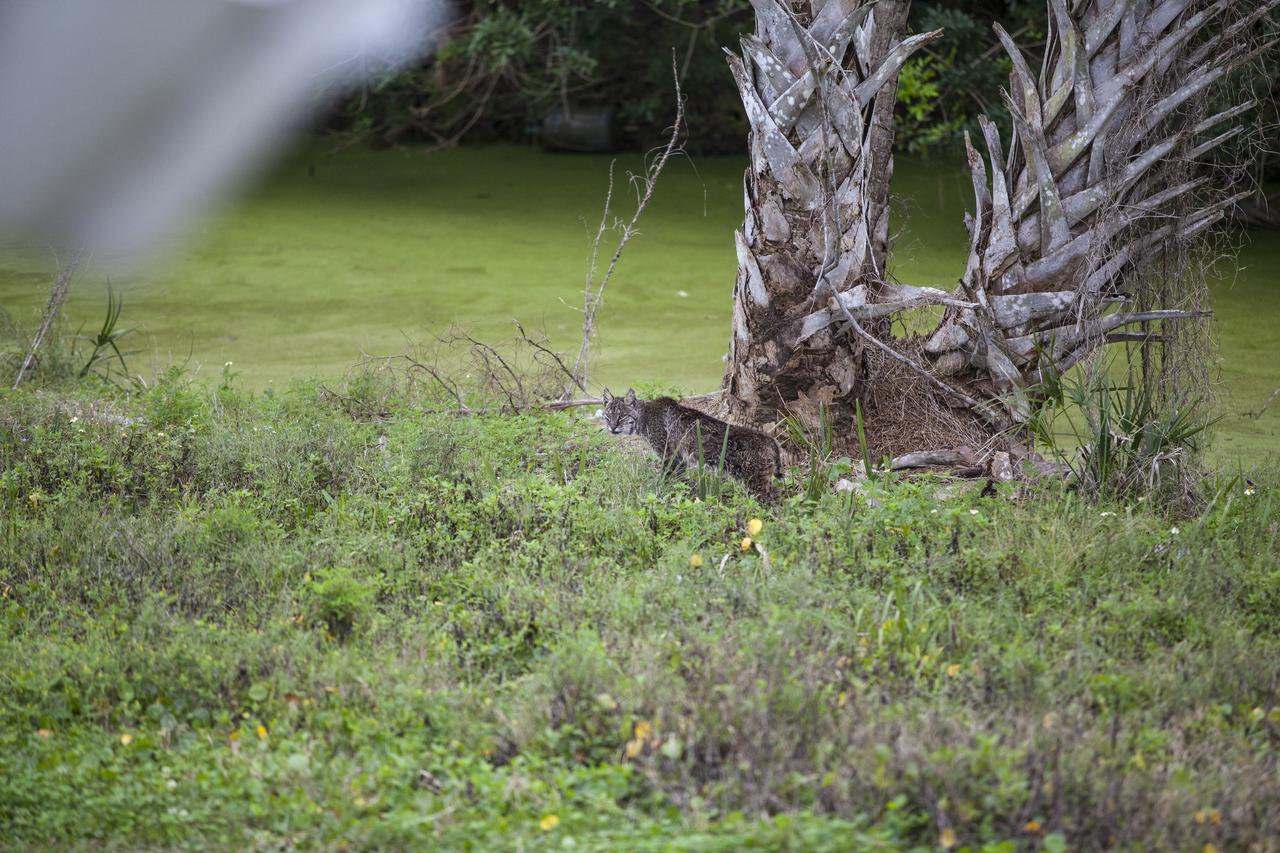
CAPE CANAVERAL, Fla. – A bobcat pauses to look back at the photographer while out for a walk at NASA's Kennedy Space Center in Florida. The center shares a boundary with the Merritt Island National Wildlife Refuge. The refuge encompasses 140,000 acres that are a habitat for more than 330 species of birds, 31 mammals, 117 fishes, and 65 amphibians and reptiles. Photo credit: NASA/Daniel Casper Note: selected image is cropped
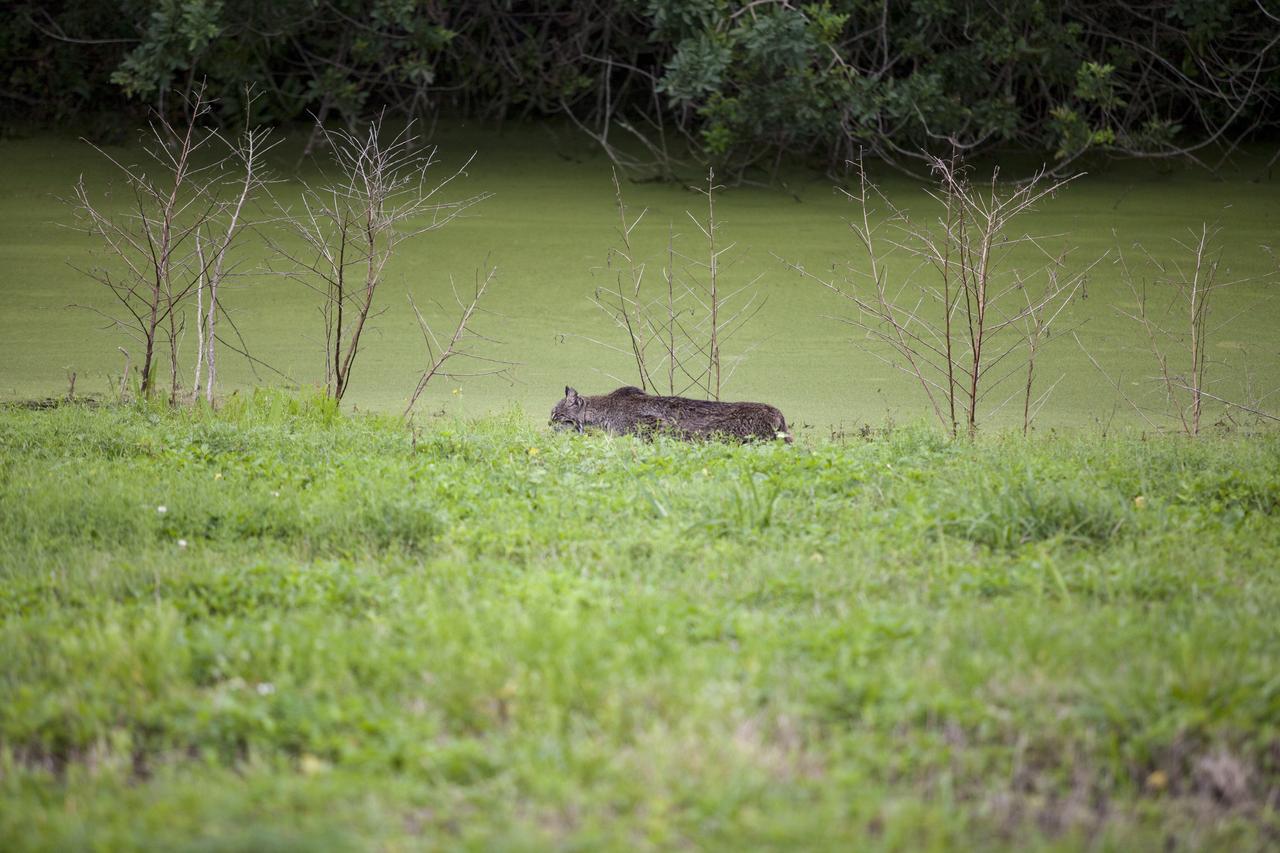
CAPE CANAVERAL, Fla. – A bobcat walks on the shore of a canal near the NASA News Center at Kennedy Space Center in Florida. The center shares a boundary with the Merritt Island National Wildlife Refuge. The refuge encompasses 140,000 acres that are a habitat for more than 330 species of birds, 31 mammals, 117 fishes, and 65 amphibians and reptiles. Photo credit: NASA/Daniel Casper
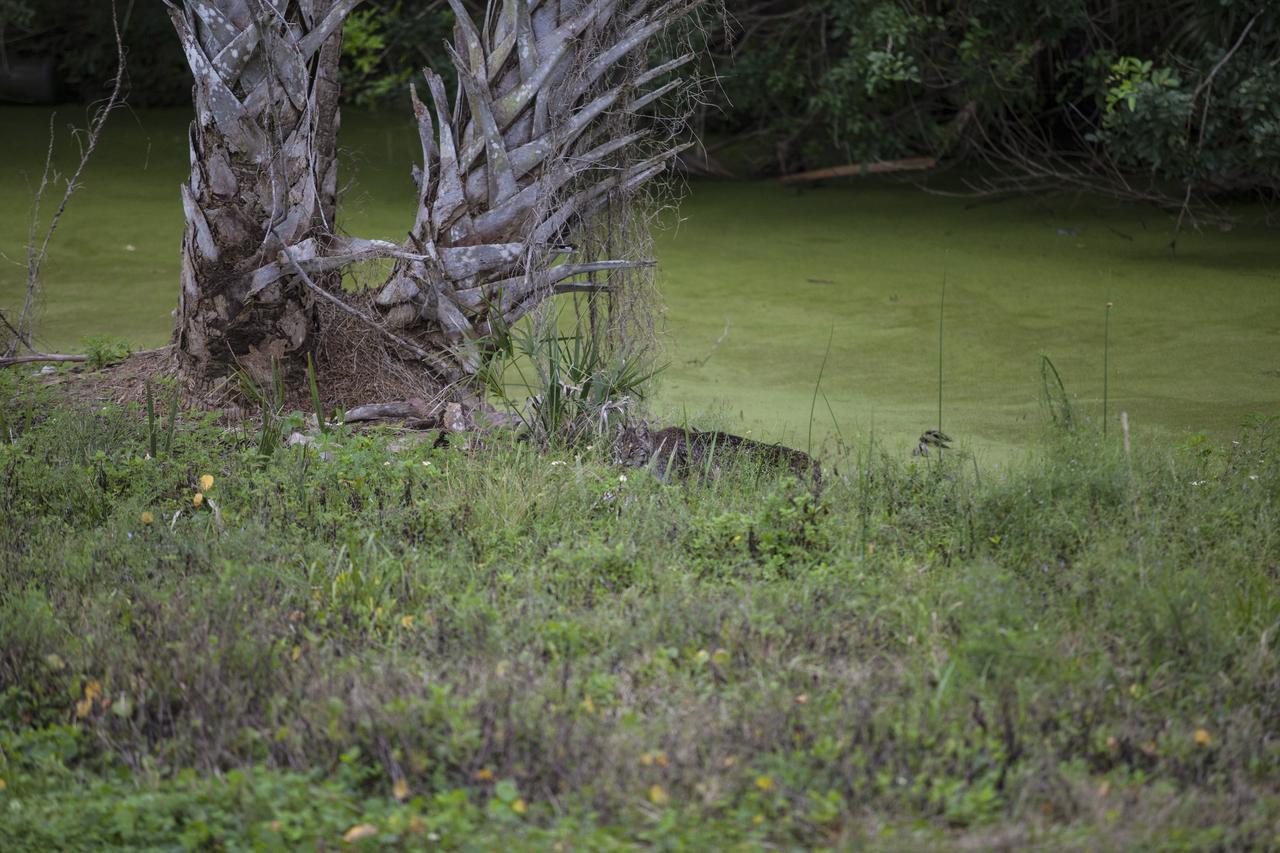
CAPE CANAVERAL, Fla. – A bobcat walks along a canal near the NASA News Center at Kennedy Space Center in Florida. The center shares a boundary with the Merritt Island National Wildlife Refuge. The refuge encompasses 140,000 acres that are a habitat for more than 330 species of birds, 31 mammals, 117 fishes, and 65 amphibians and reptiles. Photo credit: NASA/Daniel Casper

CAPE CANAVERAL, Fla. – A bobcat leaves a trail as it swims across an algae-covered canal near the NASA News Center at Kennedy Space Center in Florida. The center shares a boundary with the Merritt Island National Wildlife Refuge. The refuge encompasses 140,000 acres that are a habitat for more than 330 species of birds, 31 mammals, 117 fishes, and 65 amphibians and reptiles. Photo credit: NASA/Daniel Casper
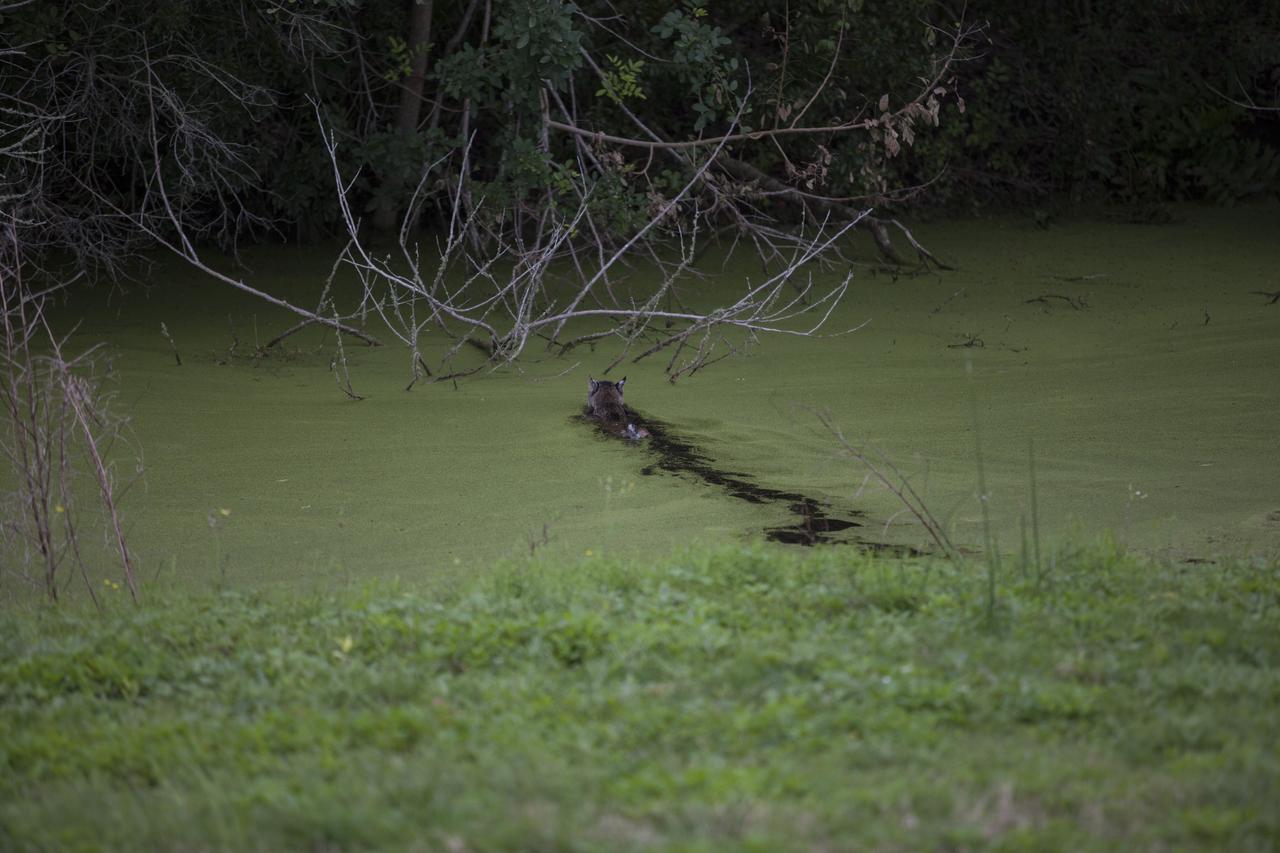
CAPE CANAVERAL, Fla. – A bobcat leaves a trail as it swims across an algae-covered canal near the NASA News Center at Kennedy Space Center in Florida. The center shares a boundary with the Merritt Island National Wildlife Refuge. The refuge encompasses 140,000 acres that are a habitat for more than 330 species of birds, 31 mammals, 117 fishes, and 65 amphibians and reptiles. Photo credit: NASA/Daniel Casper