
Karl Hasenstein, the principal investigator for the Plant Habitat-02, or PH-02, plants radish seeds in seed carriers for the Addvanced Plant Habitat (APH) in the Space Life Sciences Lab at Kennedy Space Center on Sept. 23, 2020. The carriers will fly aboard Northrop Grumman’s 14th commercial resupply services mission to the International Space Station. The launch, aboard Northrop Grumman’s Cygnus spacecraft, is targeted for Sept. 29 from NASA’s Wallops Flight Facility in Virginia. Astronauts will grow radish plants in the APH, NASA’s largest and most advanced growth chamber on station.

Karl Hasenstein, the principal investigator for the Plant Habitat-02, or PH-02, plants radish seeds in seed carriers for the Addvanced Plant Habitat (APH) in the Space Life Sciences Lab at Kennedy Space Center on Sept. 23, 2020. The carriers will fly aboard Northrop Grumman’s 14th commercial resupply services mission to the International Space Station. The launch, aboard Northrop Grumman’s Cygnus spacecraft, is targeted for Sept. 29 from NASA’s Wallops Flight Facility in Virginia. Astronauts will grow radish plants in the APH, NASA’s largest and most advanced growth chamber on station.

Karl Hasenstein, the principal investigator for the Plant Habitat-02, or PH-02, plants radish seeds in seed carriers for the Addvanced Plant Habitat (APH) in the Space Life Sciences Lab at Kennedy Space Center on Sept. 23, 2020. The carriers will fly aboard Northrop Grumman’s 14th commercial resupply services mission to the International Space Station. The launch, aboard Northrop Grumman’s Cygnus spacecraft, is targeted for Sept. 29 from NASA’s Wallops Flight Facility in Virginia. Astronauts will grow radish plants in the APH, NASA’s largest and most advanced growth chamber on station.

Karl Hasenstein, the principal investigator for the Plant Habitat-02, or PH-02, plants radish seeds in seed carriers for the Addvanced Plant Habitat (APH) in the Space Life Sciences Lab at Kennedy Space Center on Sept. 23, 2020. The carriers will fly aboard Northrop Grumman’s 14th commercial resupply services mission to the International Space Station. The launch, aboard Northrop Grumman’s Cygnus spacecraft, is targeted for Sept. 29 from NASA’s Wallops Flight Facility in Virginia. Astronauts will grow radish plants in the APH, NASA’s largest and most advanced growth chamber on station.

Karl Hasenstein, the principal investigator for the Plant Habitat-02, or PH-02, plants radish seeds in seed carriers for the Addvanced Plant Habitat (APH) in the Space Life Sciences Lab at Kennedy Space Center on Sept. 23, 2020. The carriers will fly aboard Northrop Grumman’s 14th commercial resupply services mission to the International Space Station. The launch, aboard Northrop Grumman’s Cygnus spacecraft, is targeted for Sept. 29 from NASA’s Wallops Flight Facility in Virginia. Astronauts will grow radish plants in the APH, NASA’s largest and most advanced growth chamber on station.

Karl Hasenstein, the principal investigator for the Plant Habitat-02, or PH-02, plants radish seeds in seed carriers for the Addvanced Plant Habitat (APH) in the Space Life Sciences Lab at Kennedy Space Center on Sept. 23, 2020. The carriers will fly aboard Northrop Grumman’s 14th commercial resupply services mission to the International Space Station. The launch, aboard Northrop Grumman’s Cygnus spacecraft, is targeted for Sept. 29 from NASA’s Wallops Flight Facility in Virginia. Astronauts will grow radish plants in the APH, NASA’s largest and most advanced growth chamber on station.

Karl Hasenstein, the principal investigator for the Plant Habitat-02, or PH-02, plants radish seeds in seed carriers for the Addvanced Plant Habitat (APH) in the Space Life Sciences Lab at Kennedy Space Center on Sept. 23, 2020. The carriers will fly aboard Northrop Grumman’s 14th commercial resupply services mission to the International Space Station. The launch, aboard Northrop Grumman’s Cygnus spacecraft, is targeted for Sept. 29 from NASA’s Wallops Flight Facility in Virginia. Astronauts will grow radish plants in the APH, NASA’s largest and most advanced growth chamber on station.

Karl Hasenstein, the principal investigator for the Plant Habitat-02, or PH-02, plants radish seeds in seed carriers for the Addvanced Plant Habitat (APH) in the Space Life Sciences Lab at Kennedy Space Center on Sept. 23, 2020. The carriers will fly aboard Northrop Grumman’s 14th commercial resupply services mission to the International Space Station. The launch, aboard Northrop Grumman’s Cygnus spacecraft, is targeted for Sept. 29 from NASA’s Wallops Flight Facility in Virginia. Astronauts will grow radish plants in the APH, NASA’s largest and most advanced growth chamber on station.

Karl Hasenstein, the principal investigator for the Plant Habitat-02, or PH-02, plants radish seeds in seed carriers for the Addvanced Plant Habitat (APH) in the Space Life Sciences Lab at Kennedy Space Center on Sept. 23, 2020. The carriers will fly aboard Northrop Grumman’s 14th commercial resupply services mission to the International Space Station. The launch, aboard Northrop Grumman’s Cygnus spacecraft, is targeted for Sept. 29 from NASA’s Wallops Flight Facility in Virginia. Astronauts will grow radish plants in the APH, NASA’s largest and most advanced growth chamber on station.

Karl Hasenstein, the principal investigator for the Plant Habitat-02, or PH-02, plants radish seeds in seed carriers for the Addvanced Plant Habitat (APH) in the Space Life Sciences Lab at Kennedy Space Center on Sept. 23, 2020. The carriers will fly aboard Northrop Grumman’s 14th commercial resupply services mission to the International Space Station. The launch, aboard Northrop Grumman’s Cygnus spacecraft, is targeted for Sept. 29 from NASA’s Wallops Flight Facility in Virginia. Astronauts will grow radish plants in the APH, NASA’s largest and most advanced growth chamber on station.
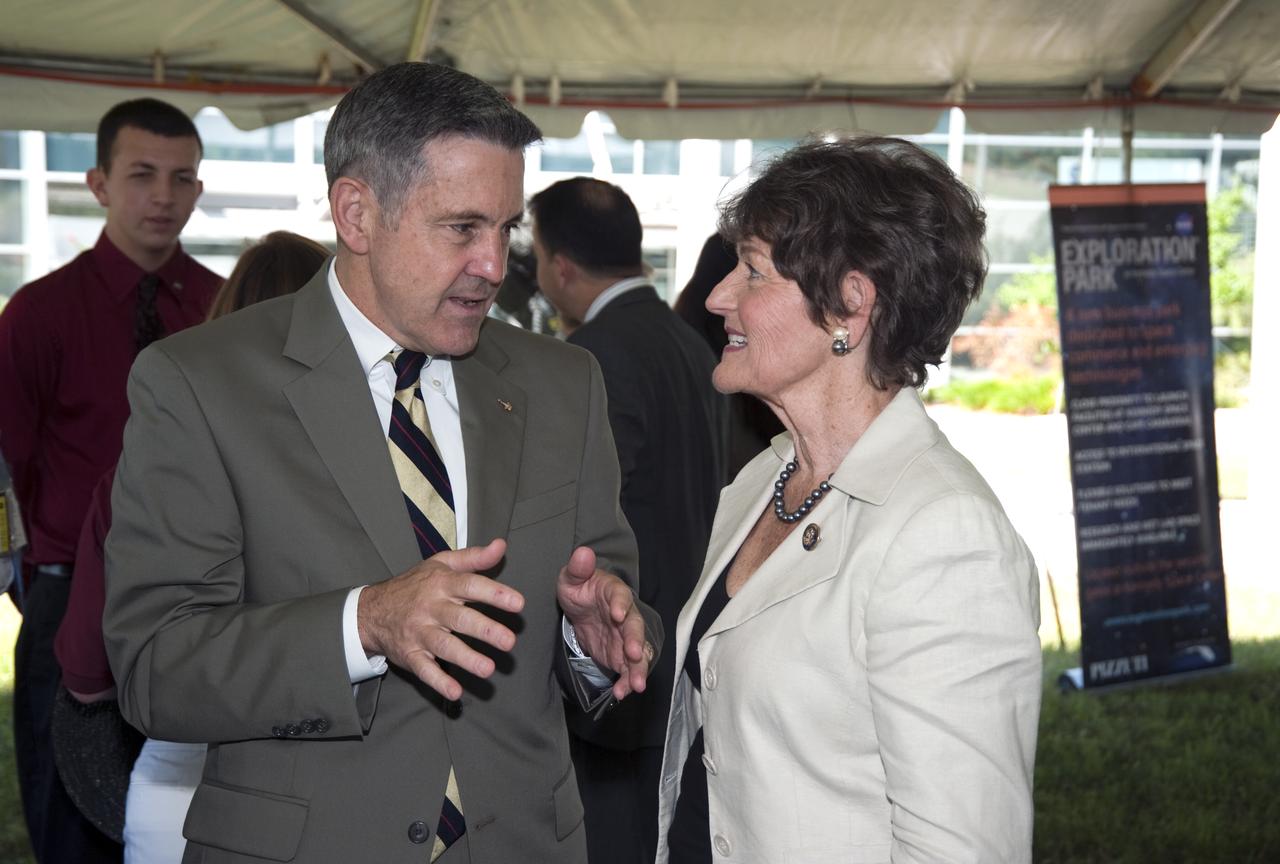
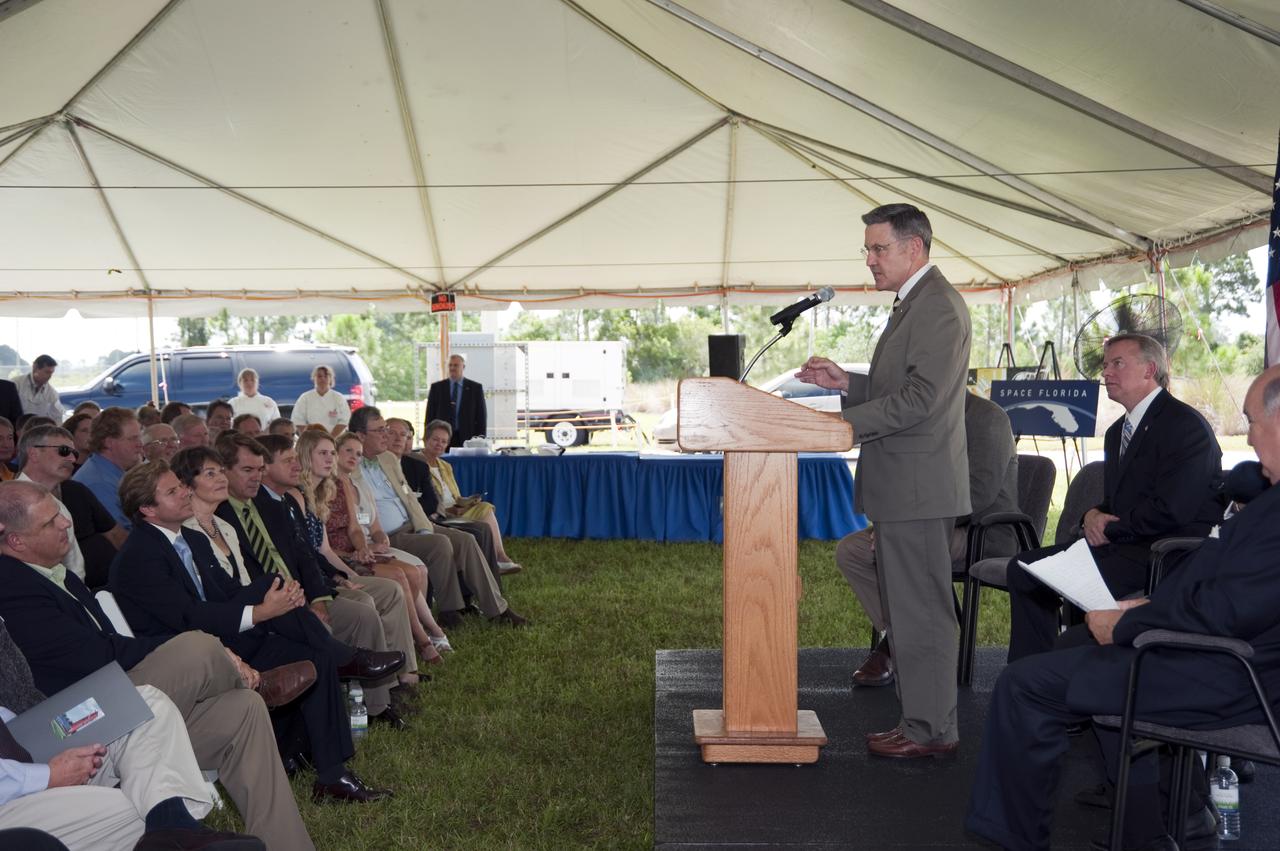
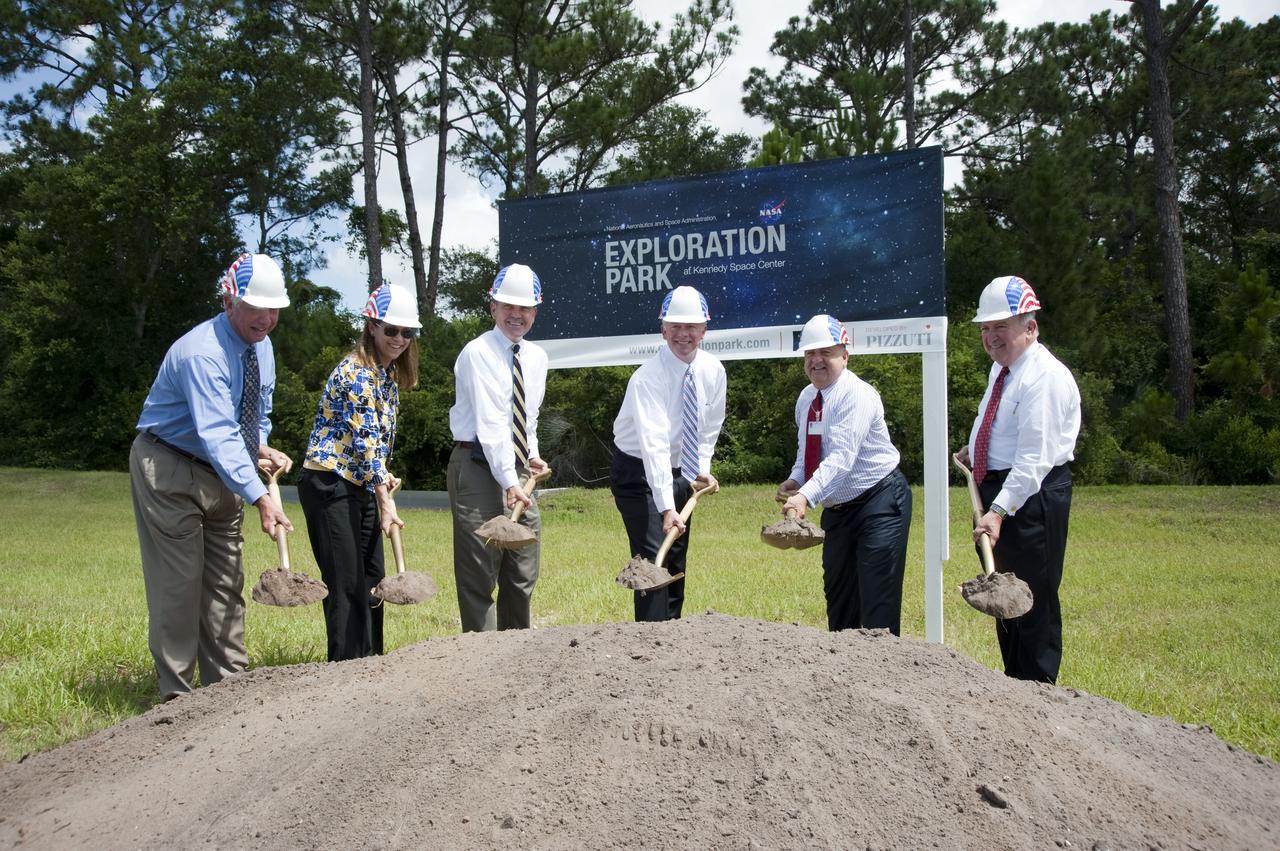
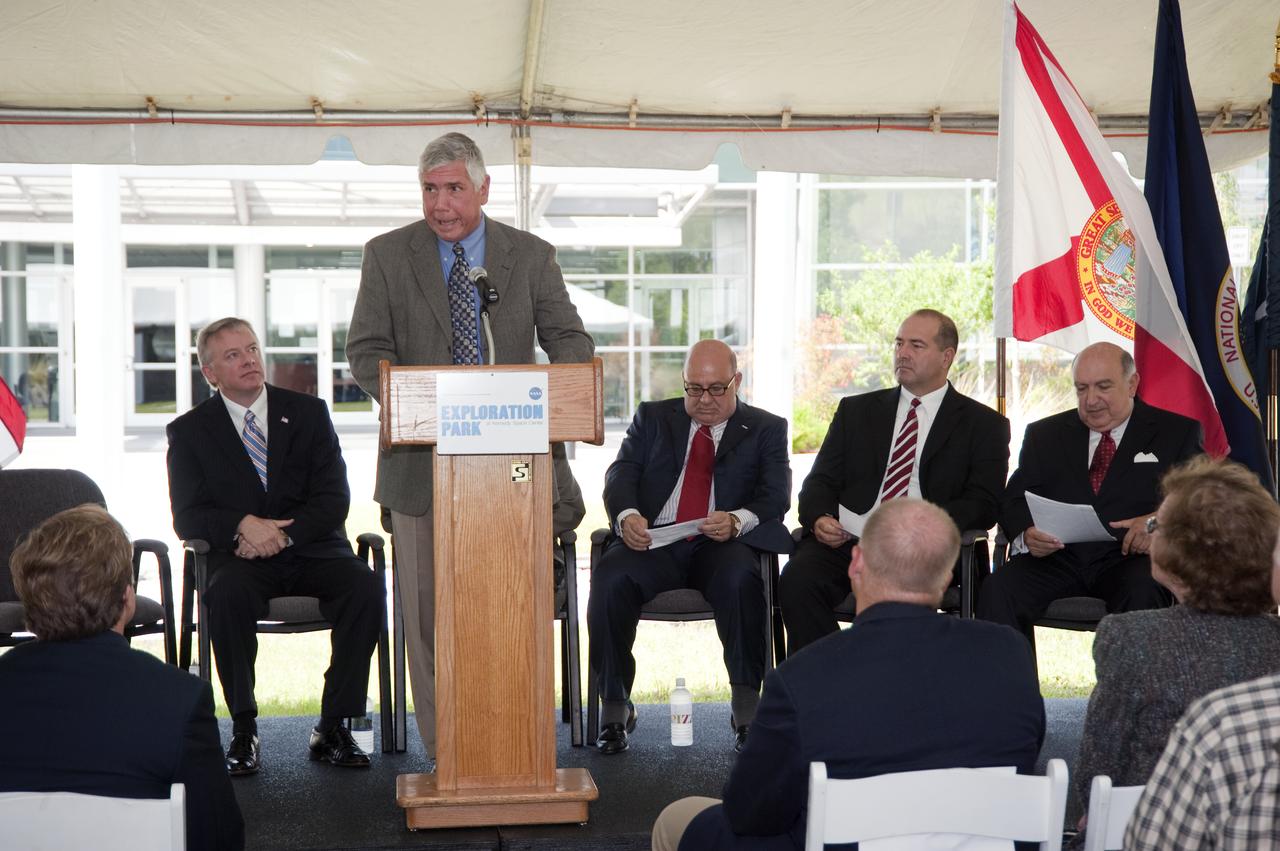
EXPLORATION PARK GROUNDBREAKING CEREMONY
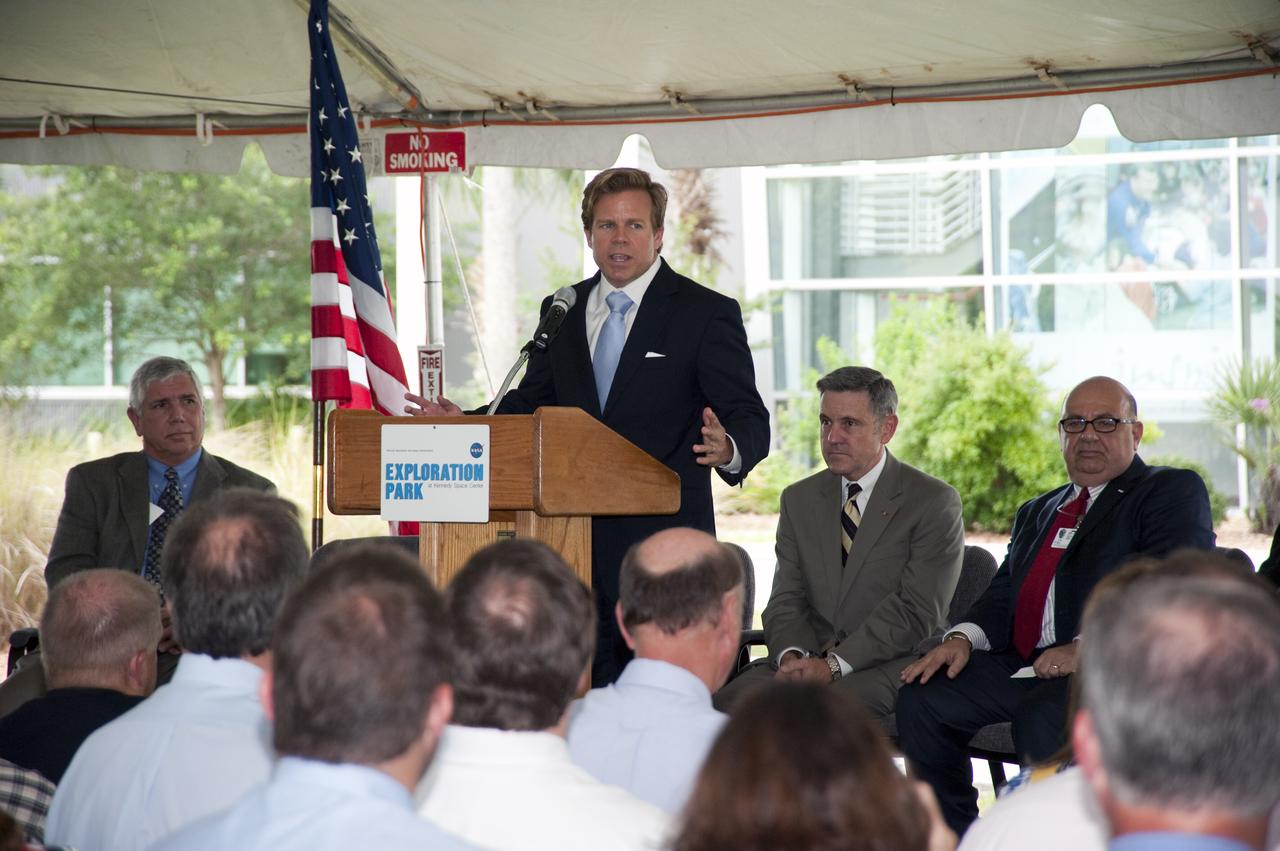
EXPLORATION PARK GROUNDBREAKING CEREMONY
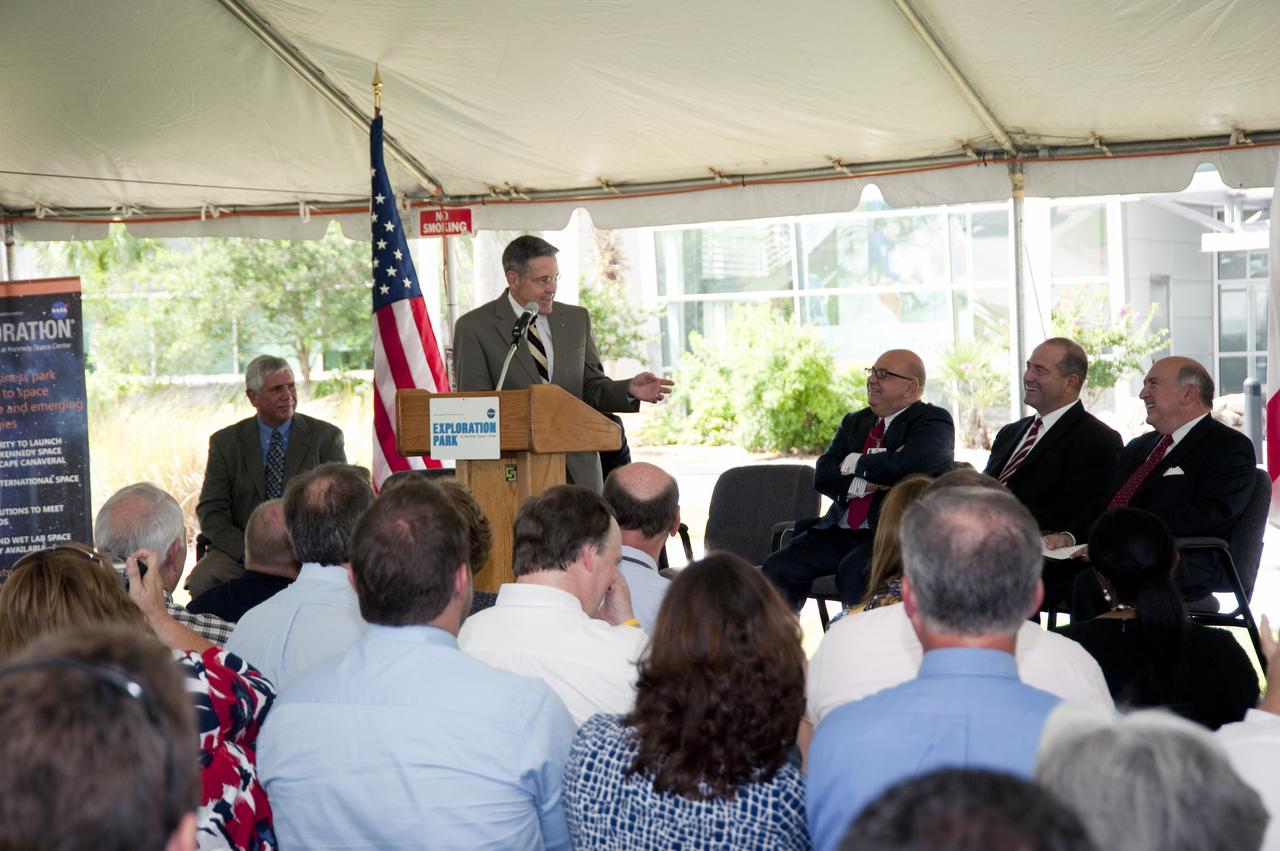
EXPLORATION PARK GROUNDBREAKING CEREMONY
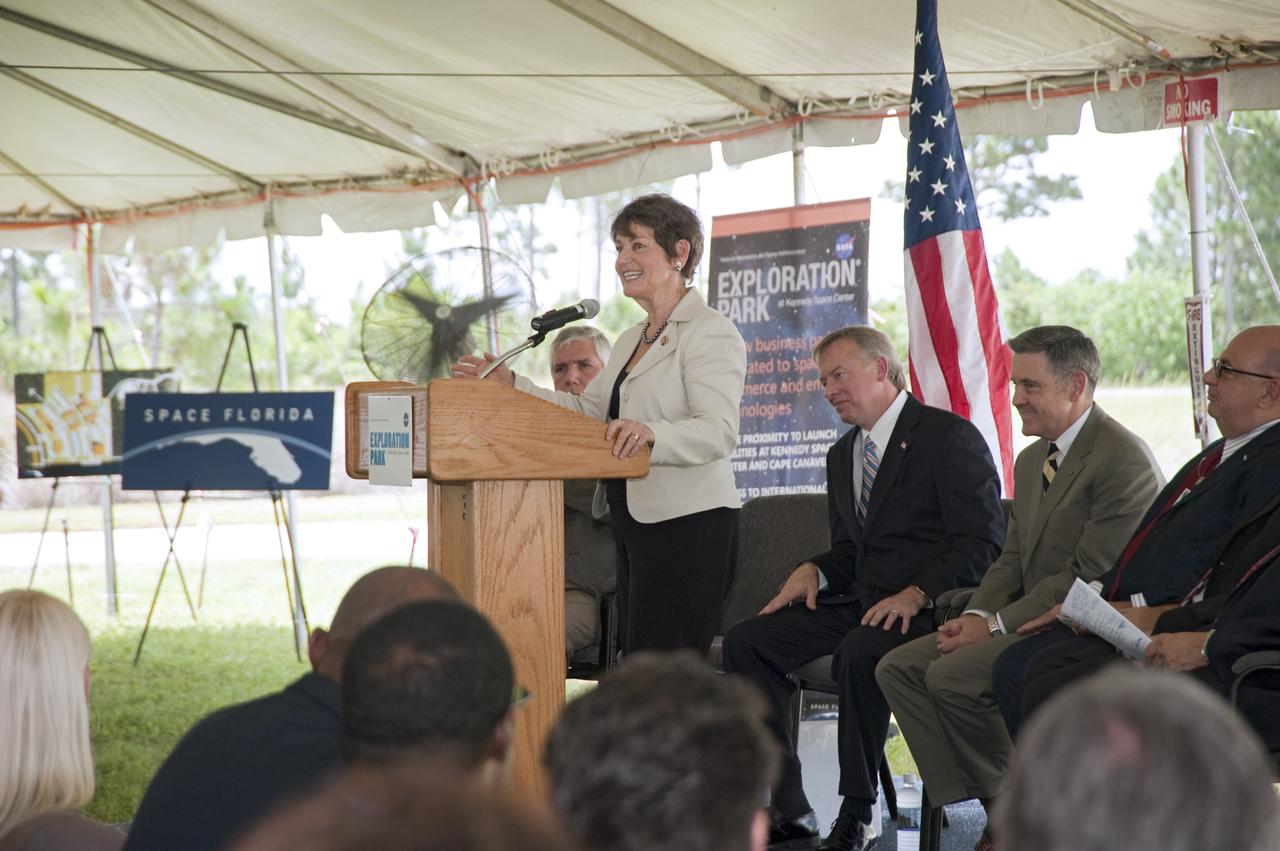
EXPLORATION PARK GROUNDBREAKING CEREMONY
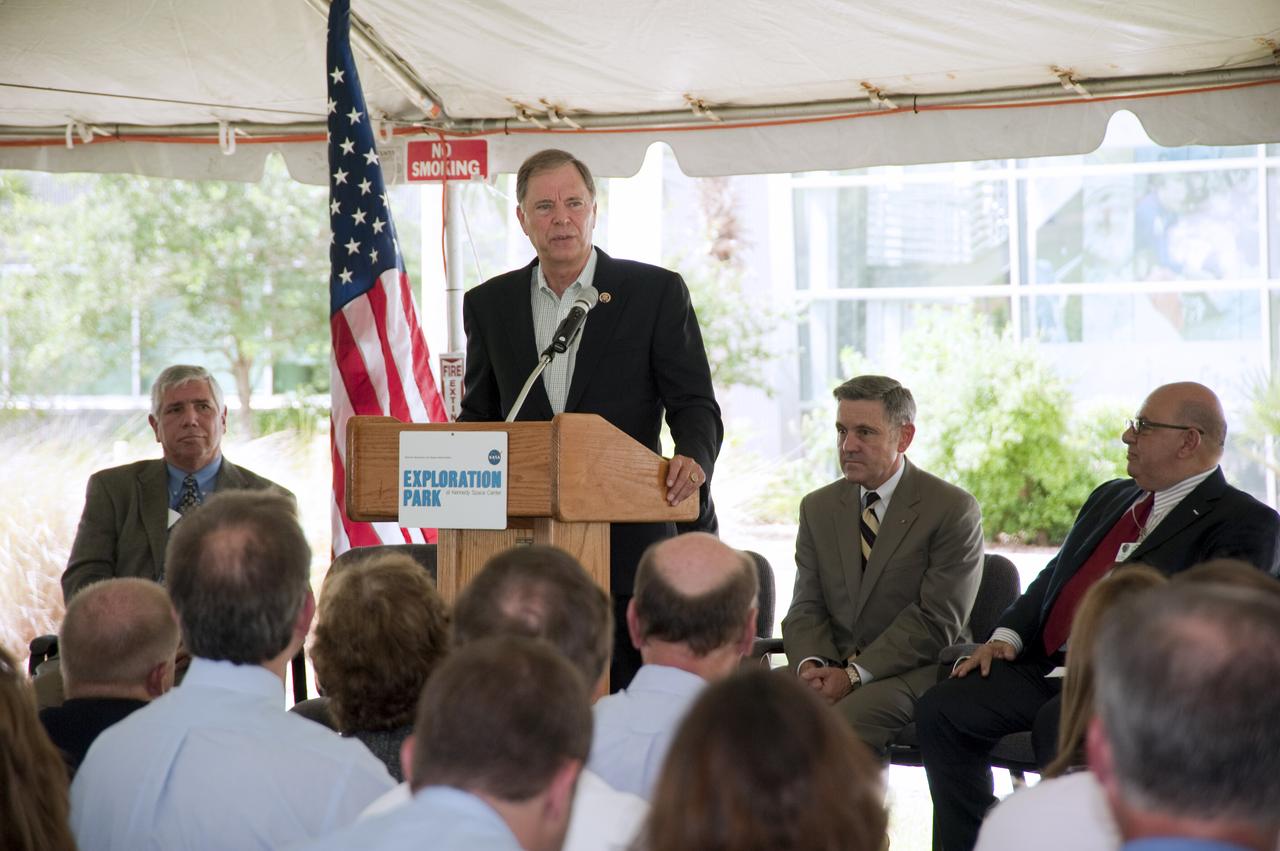
EXPLORATION PARK GROUNDBREAKING CEREMONY
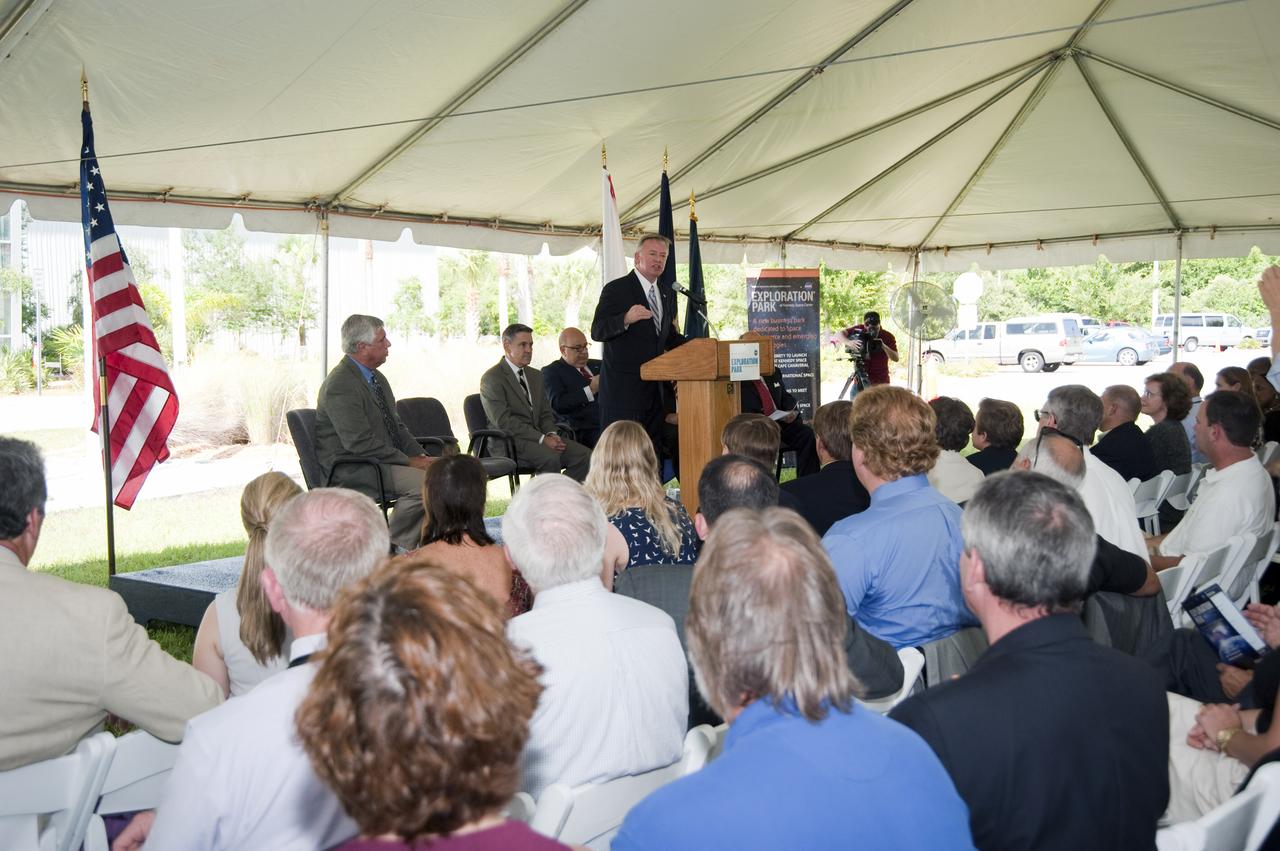
EXPLORATION PARK GROUNDBREAKING CEREMONY
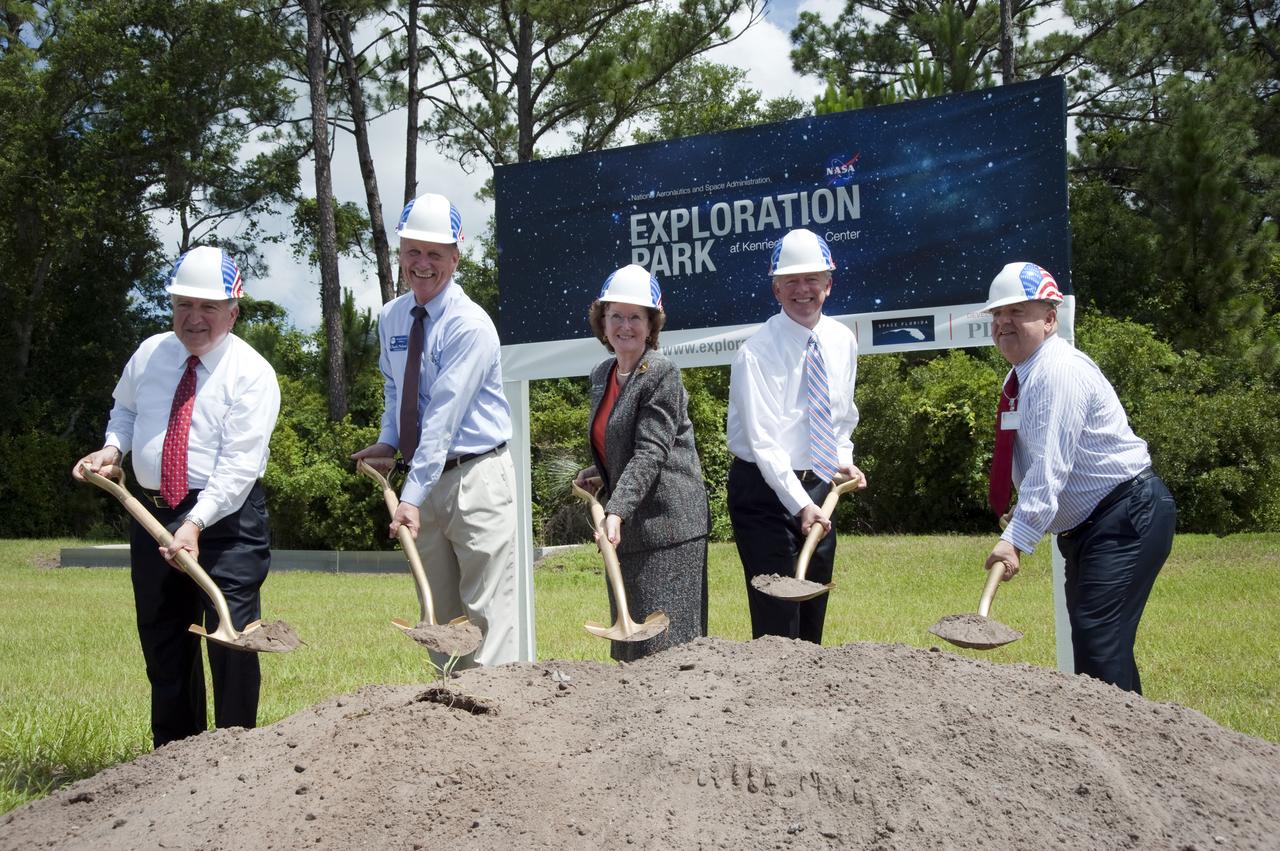
EXPLORATION PARK GROUNDBREAKING CEREMONY
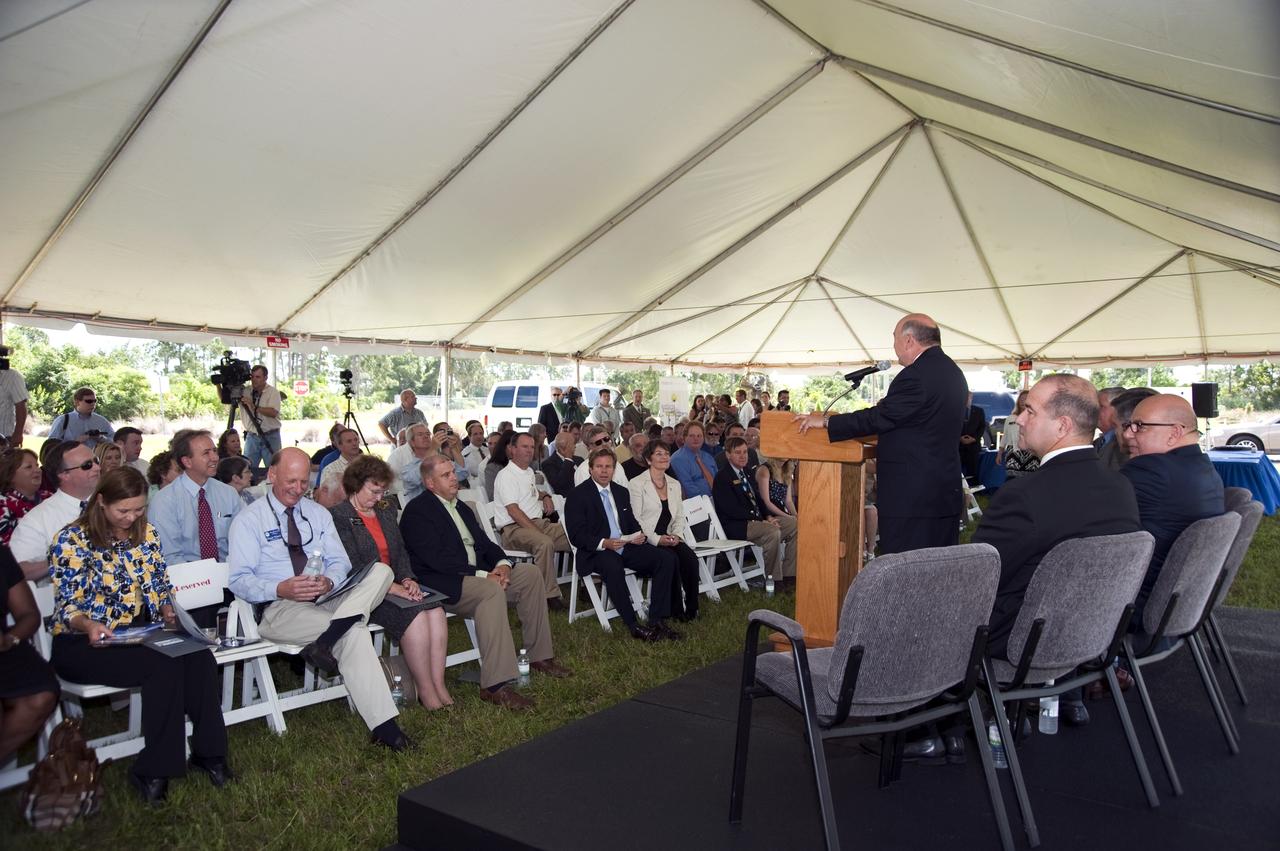
EXPLORATION PARK GROUNDBREAKING CEREMONY
EXPLORATION PARK GROUNDBREAKING CEREMONY
EXPLORATION PARK GROUNDBREAKING CEREMONY
EXPLORATION PARK GROUNDBREAKING CEREMONY
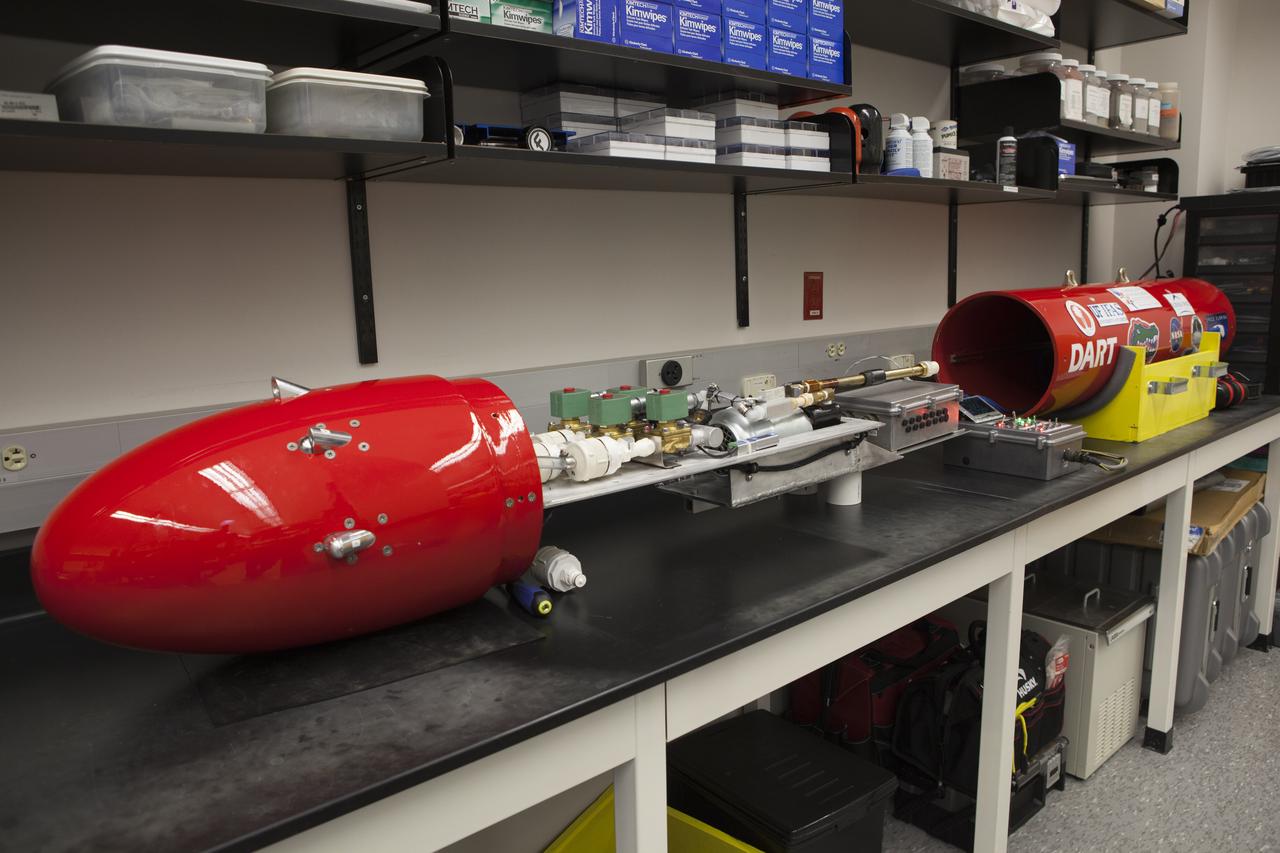
The Dust Atmospheric Recovery Technology, or DART, spacecraft is being assembled in a laboratory inside the Space Life Sciences Lab at NASA’s Kennedy Space Center in Florida. DART will characterize the dust loading and microbial diversity in the atmosphere over Florida during summer months with a special emphasis on their interactions during an African dust storm. DART will be used to collect atmospheric aerosols and suspended microbial cells over Florida and Kennedy. Results will help predict the risks of excessive microbial contamination adhering to spacecraft surfaces.
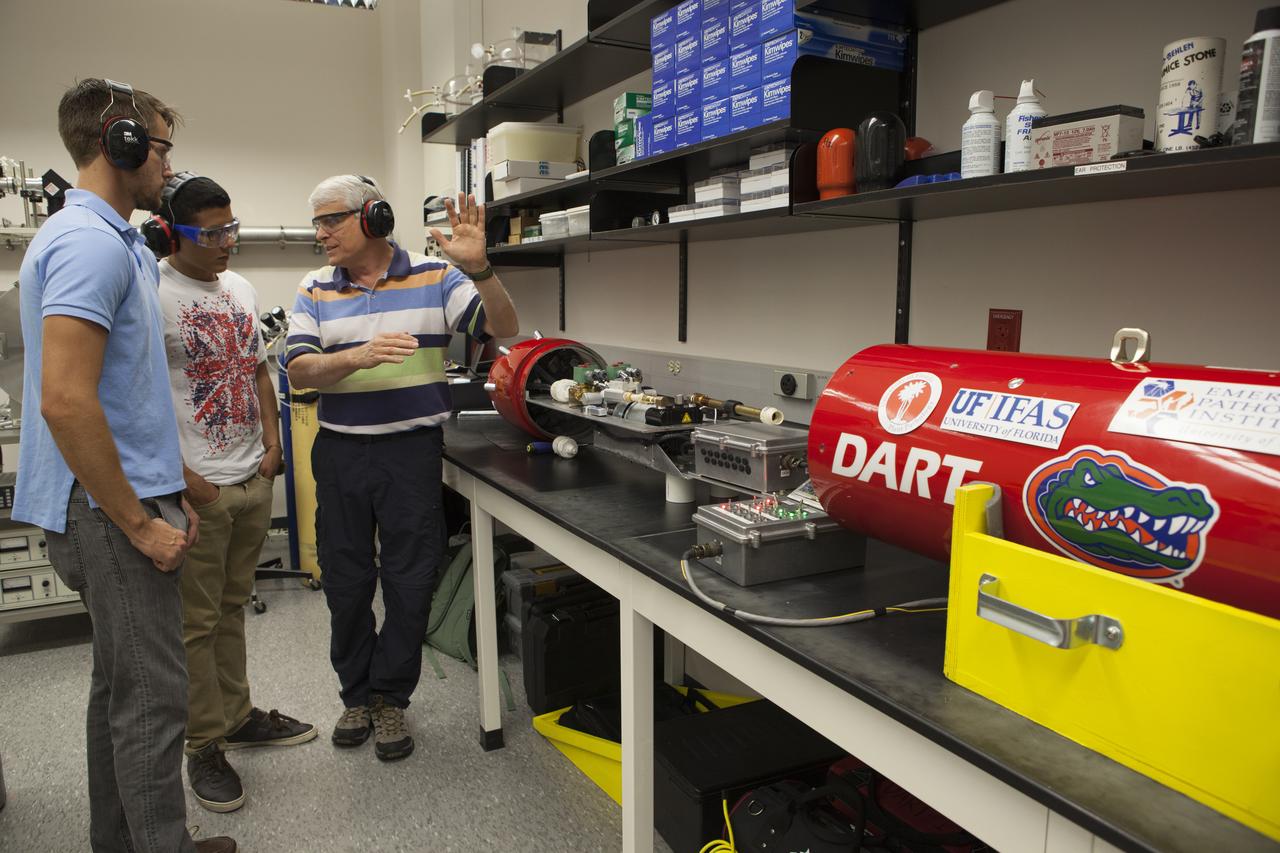
Researchers at NASA’s Kennedy Space Center in Florida check readings on the Dust Atmospheric Recovery Technology, or DART, spacecraft inside a laboratory at the Space Life Sciences Lab. DART will characterize the dust loading and microbial diversity in the atmosphere over Florida during summer months with a special emphasis on their interactions during an African dust storm. DART will be used to collect atmospheric aerosols and suspended microbial cells over Florida and Kennedy. Results will help predict the risks of excessive microbial contamination adhering to spacecraft surfaces.
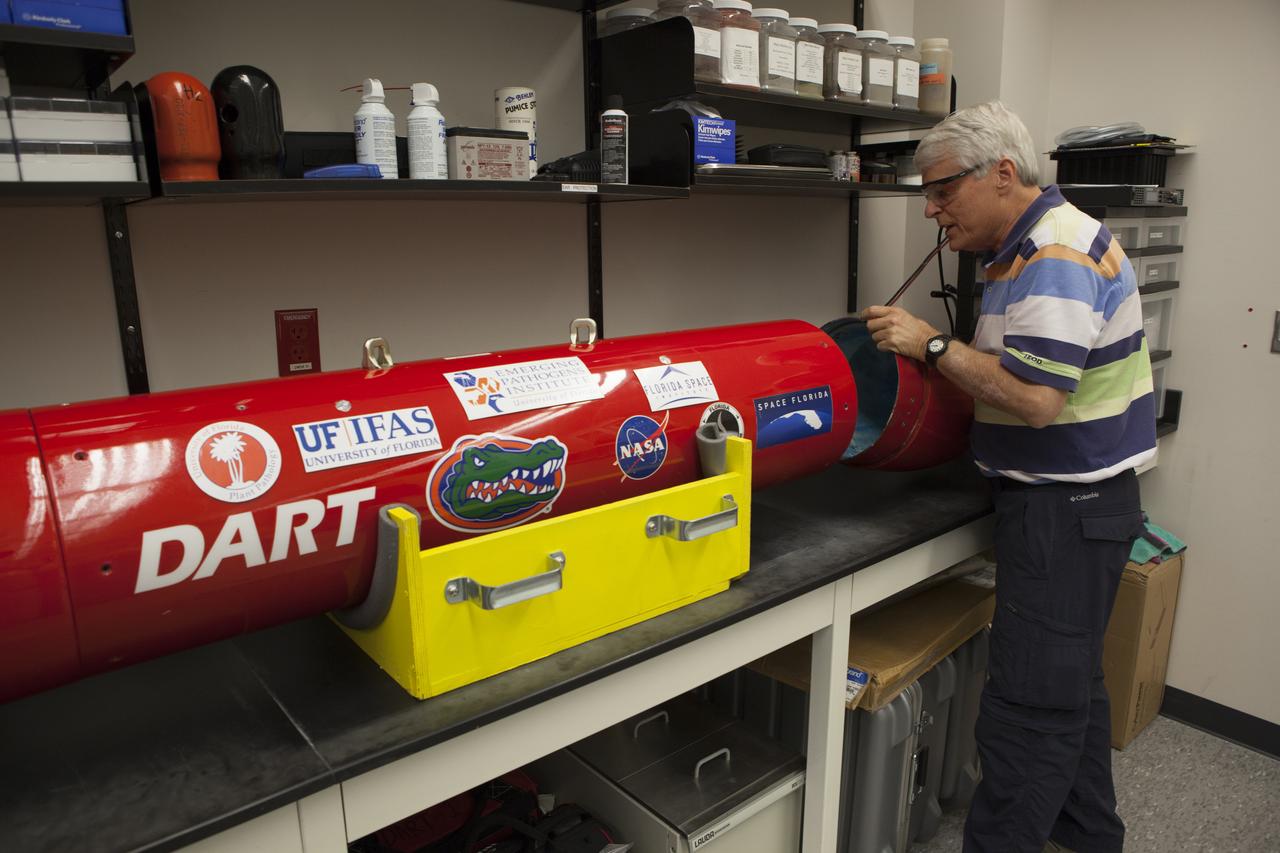
A researcher from the University of Florida in Gainesville, checks the Dust Atmospheric Recovery Technology, or DART, spacecraft in a laboratory inside the Space Life Sciences Lab at NASA’s Kennedy Space Center in Florida. DART will characterize the dust loading and microbial diversity in the atmosphere over Florida during summer months with a special emphasis on their interactions during an African dust storm. DART will be used to collect atmospheric aerosols and suspended microbial cells over Florida and Kennedy. Results will help predict the risks of excessive microbial contamination adhering to spacecraft surfaces.
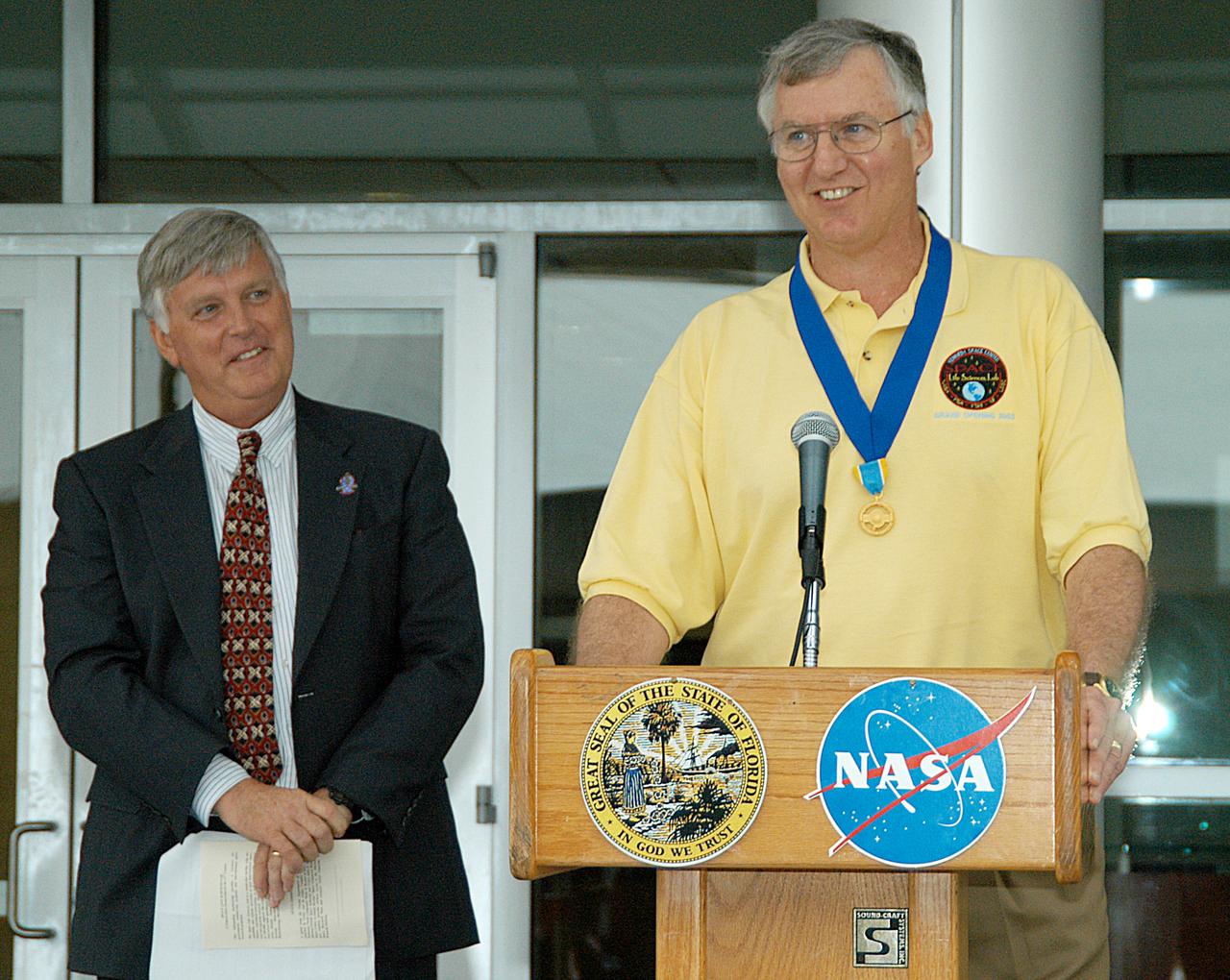
Center Director Jim Kennedy presents a NASA Public Service Award to Douglas Britt of the Dynamac Corp. at a dedication and ribbon-cutting ceremony for the Space Life Sciences Lab hosted by NASA-Kennedy Space Center and the state of Florida at the new lab. Britt received the award for his many years of exceptional service to NASA in managing the Life Sciences contracts at the Kennedy Space Center and his contributions to conceptualization and collaborations that helped make the Space Life Sciences Lab possible. Completed in August, the facility encompasses more than 100,000 square feet and was formerly known as the Space Experiment Research and Processing Laboratory or SERPL. The state, through the Florida Space Authority, built the research lab which is host to NASA, NASA’s Life Sciences Services contractor Dynamac Corp., Bionetics Corp., and researchers from the University of Florida. Dynamac Corp. leases the facility. The Florida Space Research Institute is responsible for gaining additional tenants from outside the NASA community.
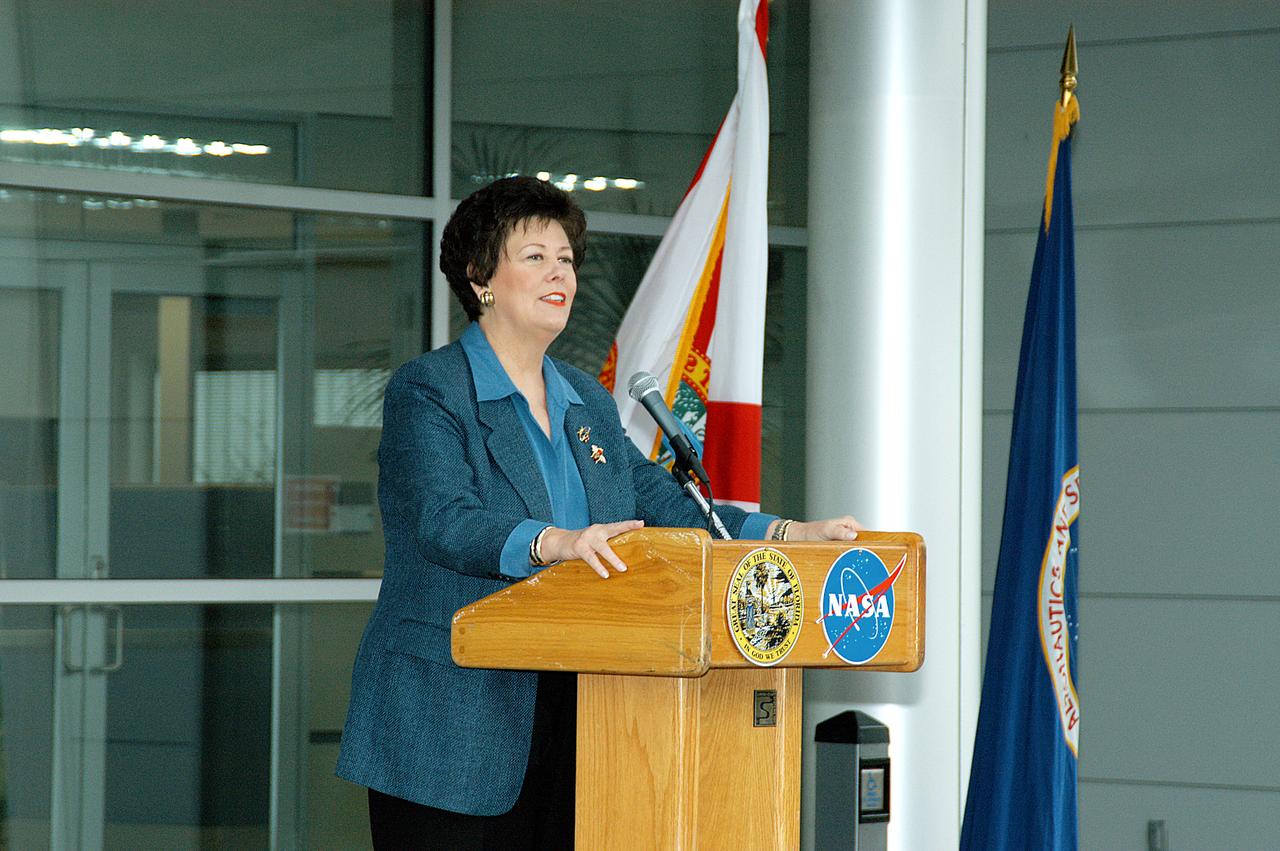
The Honorable Toni Jennings, lieutenant governor of the state of Florida, speaks at a dedication and ribbon-cutting ceremony for the Space Life Sciences Lab hosted by NASA-Kennedy Space Center and the state of Florida at the new lab. Completed in August, the facility encompasses more than 100,000 square feet and was formerly known as the Space Experiment Research and Processing Laboratory or SERPL. The state, through the Florida Space Authority, built the research lab which is host to NASA, NASA’s Life Sciences Services contractor Dynamac Corp., Bionetics Corp., and researchers from the University of Florida. Dynamac Corp. leases the facility. The Florida Space Research Institute is responsible for gaining additional tenants from outside the NASA community.
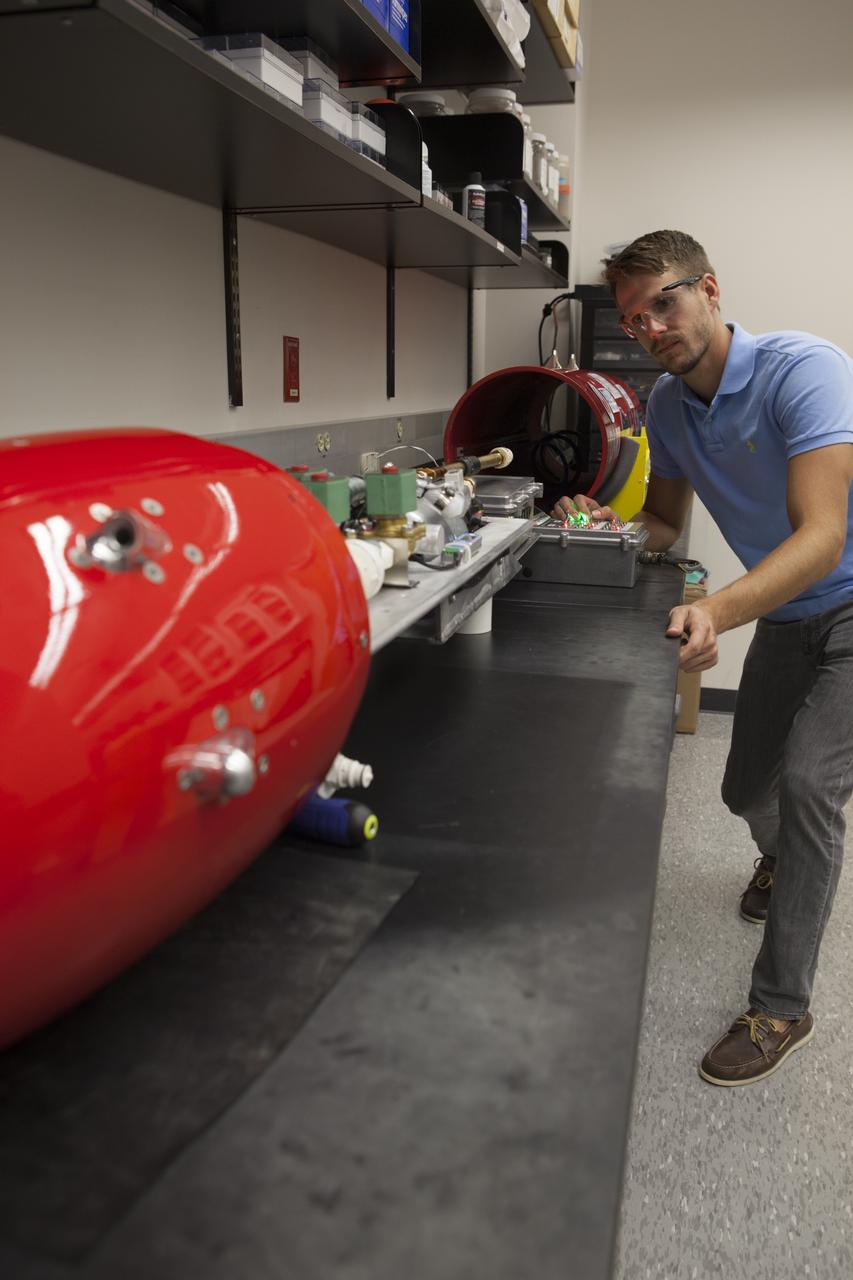
A researcher at NASA’s Kennedy Space Center in Florida checks a reading on the Dust Atmospheric Recovery Technology, or DART, spacecraft inside a laboratory at the Space Life Sciences Lab. DART will characterize the dust loading and microbial diversity in the atmosphere over Florida during summer months with a special emphasis on their interactions during an African dust storm. DART will be used to collect atmospheric aerosols and suspended microbial cells over Florida and Kennedy. Results will help predict the risks of excessive microbial contamination adhering to spacecraft surfaces.
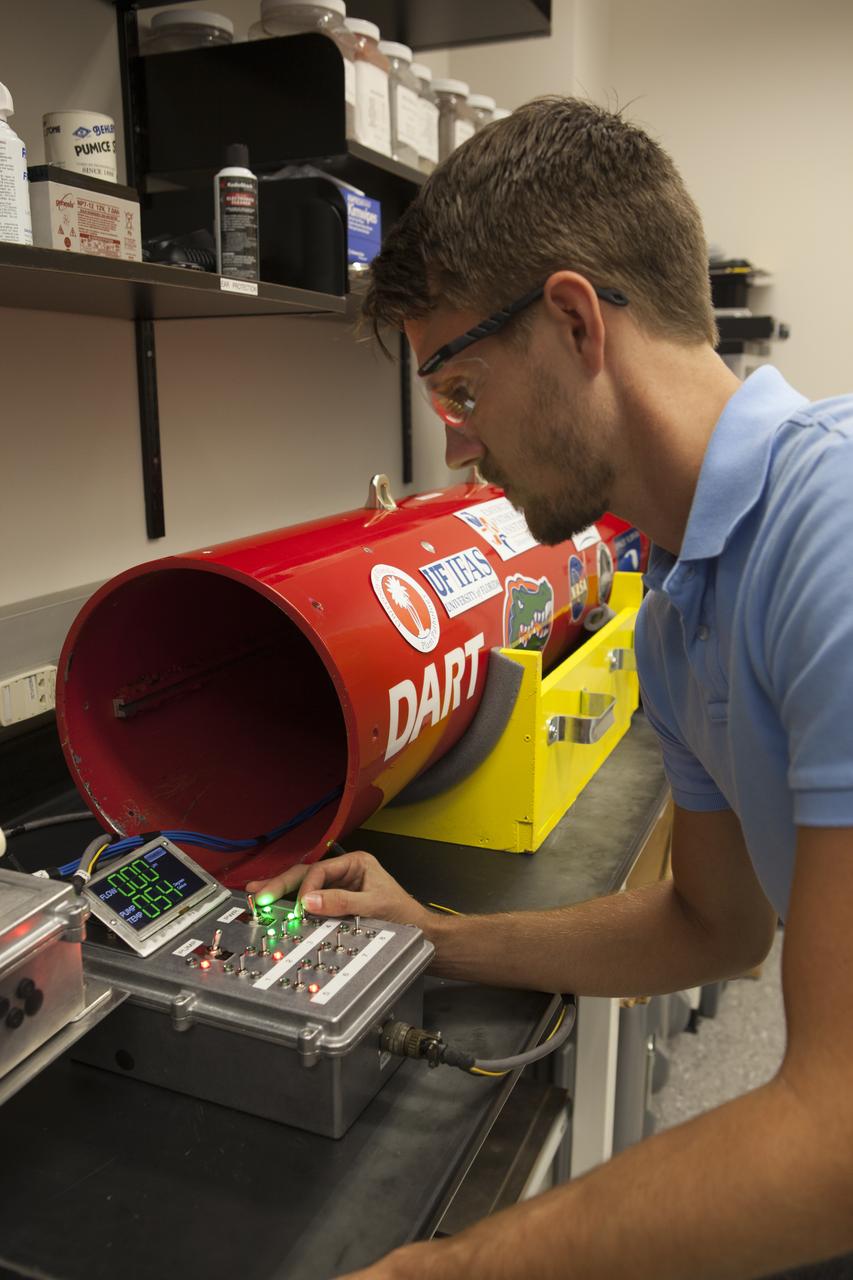
A researcher at NASA’s Kennedy Space Center in Florida checks a reading on the Dust Atmospheric Recovery Technology, or DART, spacecraft inside a laboratory at the Space Life Sciences Lab. DART will characterize the dust loading and microbial diversity in the atmosphere over Florida during summer months with a special emphasis on their interactions during an African dust storm. DART will be used to collect atmospheric aerosols and suspended microbial cells over Florida and Kennedy. Results will help predict the risks of excessive microbial contamination adhering to spacecraft surfaces.
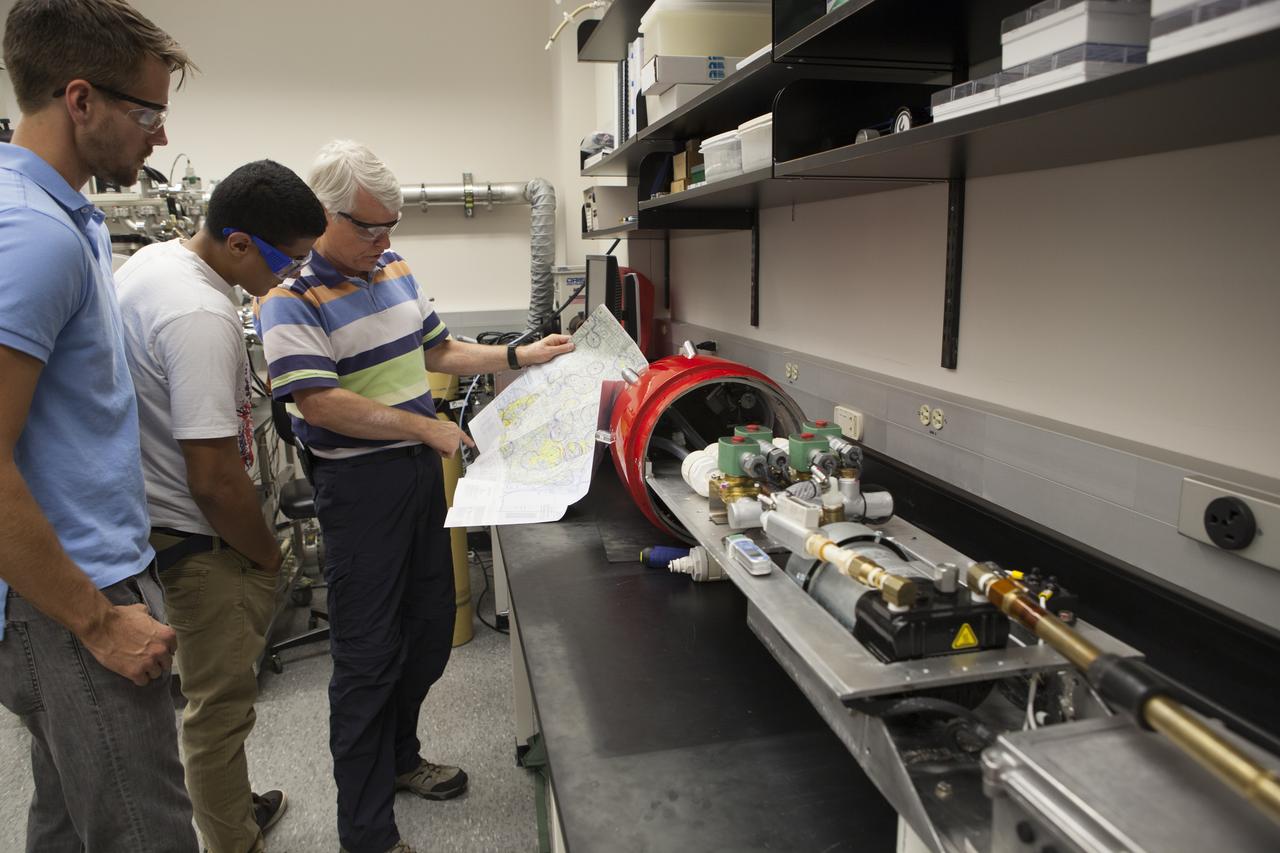
Researchers at NASA’s Kennedy Space Center in Florida check readings on the Dust Atmospheric Recovery Technology, or DART, spacecraft inside a laboratory at the Space Life Sciences Lab. DART will characterize the dust loading and microbial diversity in the atmosphere over Florida during summer months with a special emphasis on their interactions during an African dust storm. DART will be used to collect atmospheric aerosols and suspended microbial cells over Florida and Kennedy. Results will help predict the risks of excessive microbial contamination adhering to spacecraft surfaces.
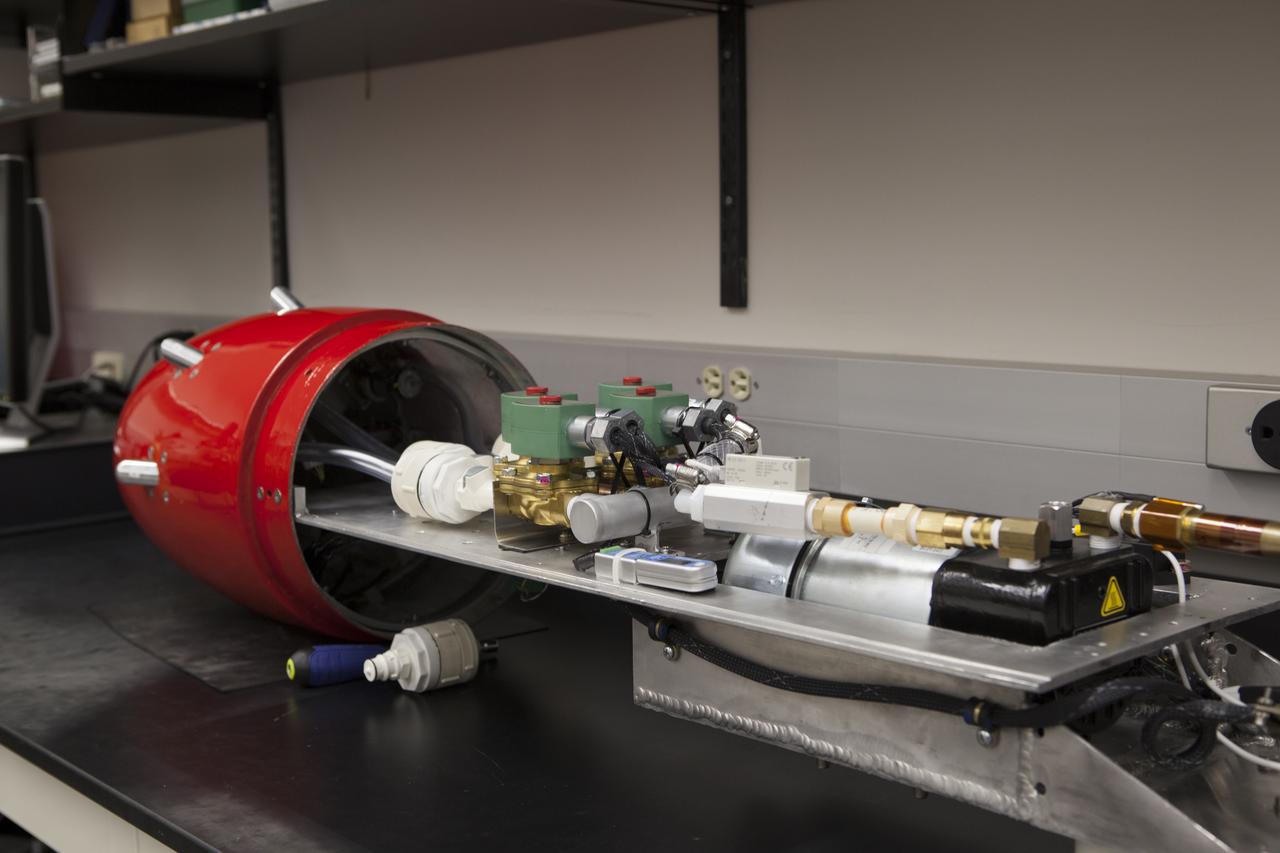
The Dust Atmospheric Recovery Technology, or DART, spacecraft is being assembled in a laboratory inside the Space Life Sciences Lab at NASA’s Kennedy Space Center in Florida. DART will characterize the dust loading and microbial diversity in the atmosphere over Florida during summer months with a special emphasis on their interactions during an African dust storm. DART will be used to collect atmospheric aerosols and suspended microbial cells over Florida and Kennedy. Results will help predict the risks of excessive microbial contamination adhering to spacecraft surfaces.
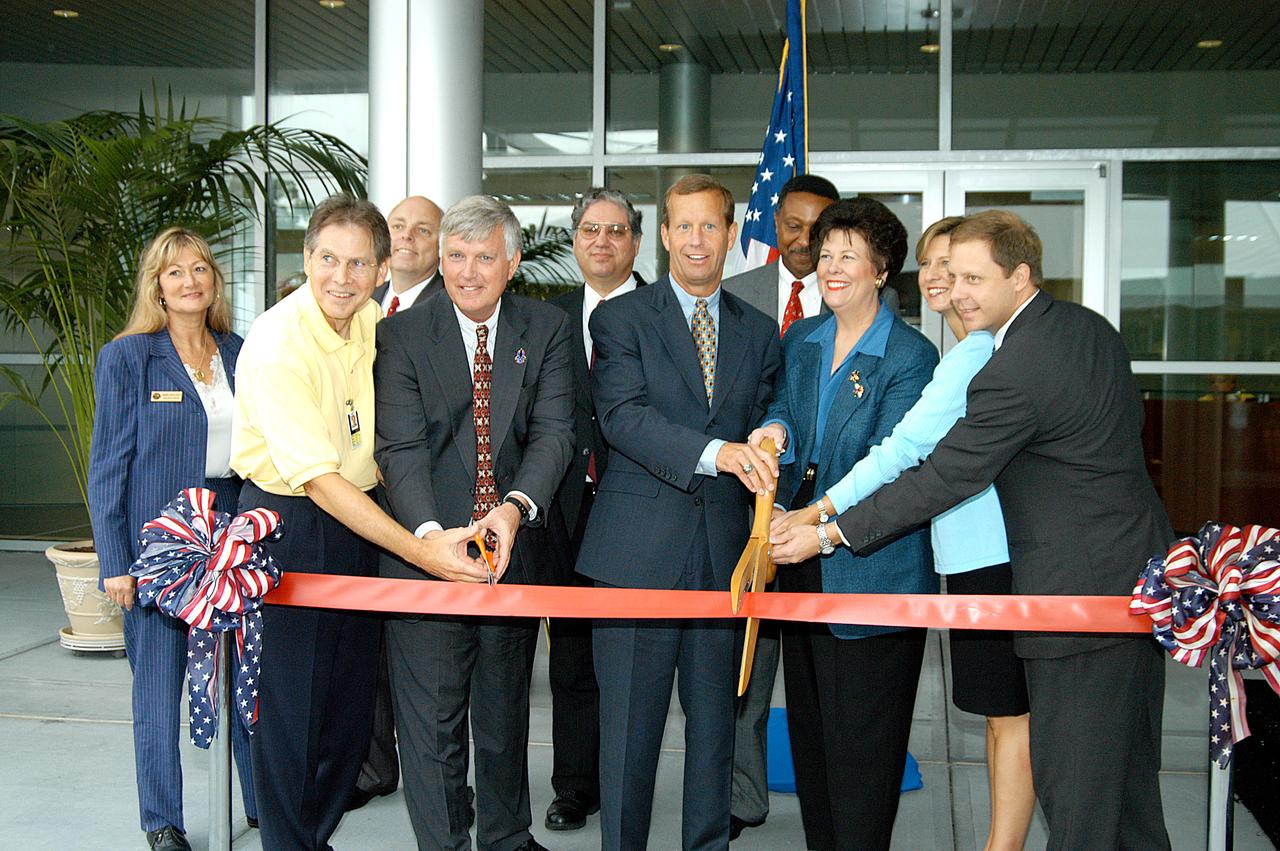
Representatives of the NASA-Kennedy Space Center and the state of Florida prepare to cut the ribbon officially opening the Space Life Sciences Lab at a ceremony at the new lab. In the front row, from left, are Dr. Samuel Durrance, executive director of the Florida Space Research Institute; Jim Kennedy, director of the Kennedy Space Center; Frank T. Brogan, president of the Florida Atlantic University; The Honorable Toni Jennings, lieutenant governor of the state of Florida; and Catherine and Grier Kirkpatrick, children of the late Sen. George Kirkpatrick. In the back row, from left, are Debra Holliday, director for Facilities and Construction, Florida Space Authority; Dan LeBlanc, president and chief operating officer of Delaware North Companies Parks and Resorts at KSC, Inc.; Jose Perez-Morales, NASA Project Manager for the Space Life Sciences Lab; and Capt. Winston E. Scott, executive director of the Florida Space Authority. Completed in August, the facility encompasses more than 100,000 square feet and was formerly known as the Space Experiment Research and Processing Laboratory or SERPL. The state, through the Florida Space Authority, built the research lab which is host to NASA, NASA’s Life Sciences Services contractor Dynamac Corp., Bionetics Corp., and researchers from the University of Florida. Dynamac Corp. leases the facility. The Florida Space Research Institute is responsible for gaining additional tenants from outside the NASA community.
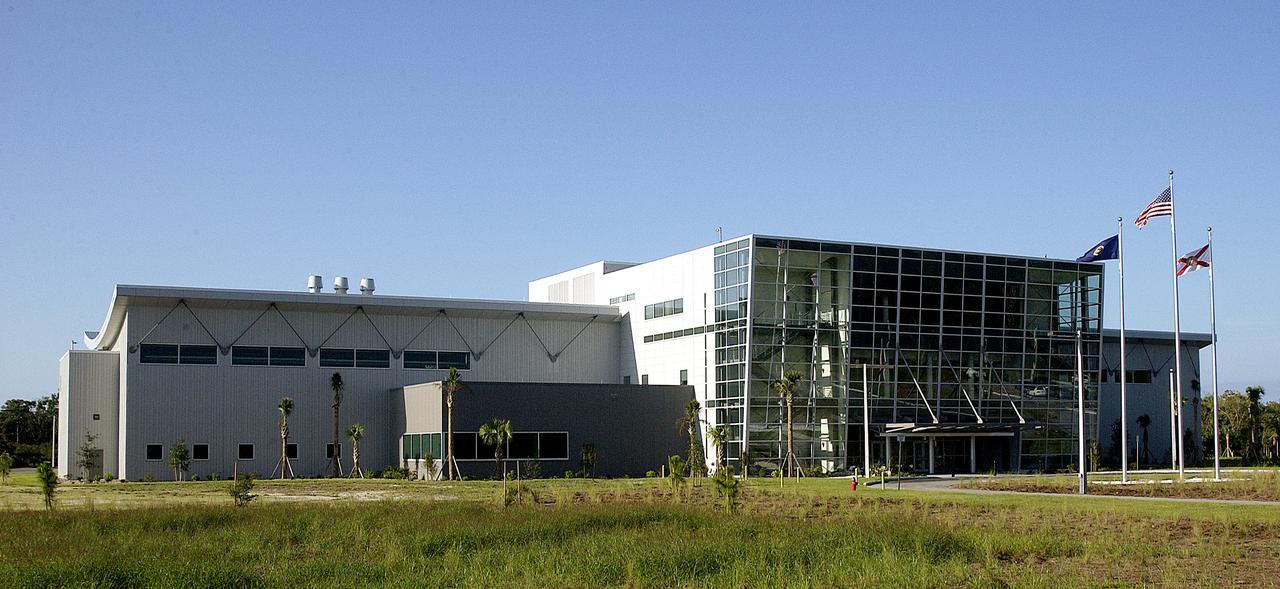
The Space Life Sciences Lab (SLSL), formerly known as the Space Experiment Research and Processing Laboratory (SERPL), is a state-of-the-art facility built for ISS biotechnology research. Developed as a partnership between NASA-KSC and the State of Florida, NASA’s life sciences contractor is the primary tenant of the facility, leasing space to conduct flight experiment processing and NASA-sponsored research. About 20 percent of the facility will be available for use by Florida’s university researchers through the Florida Space Research Institute.
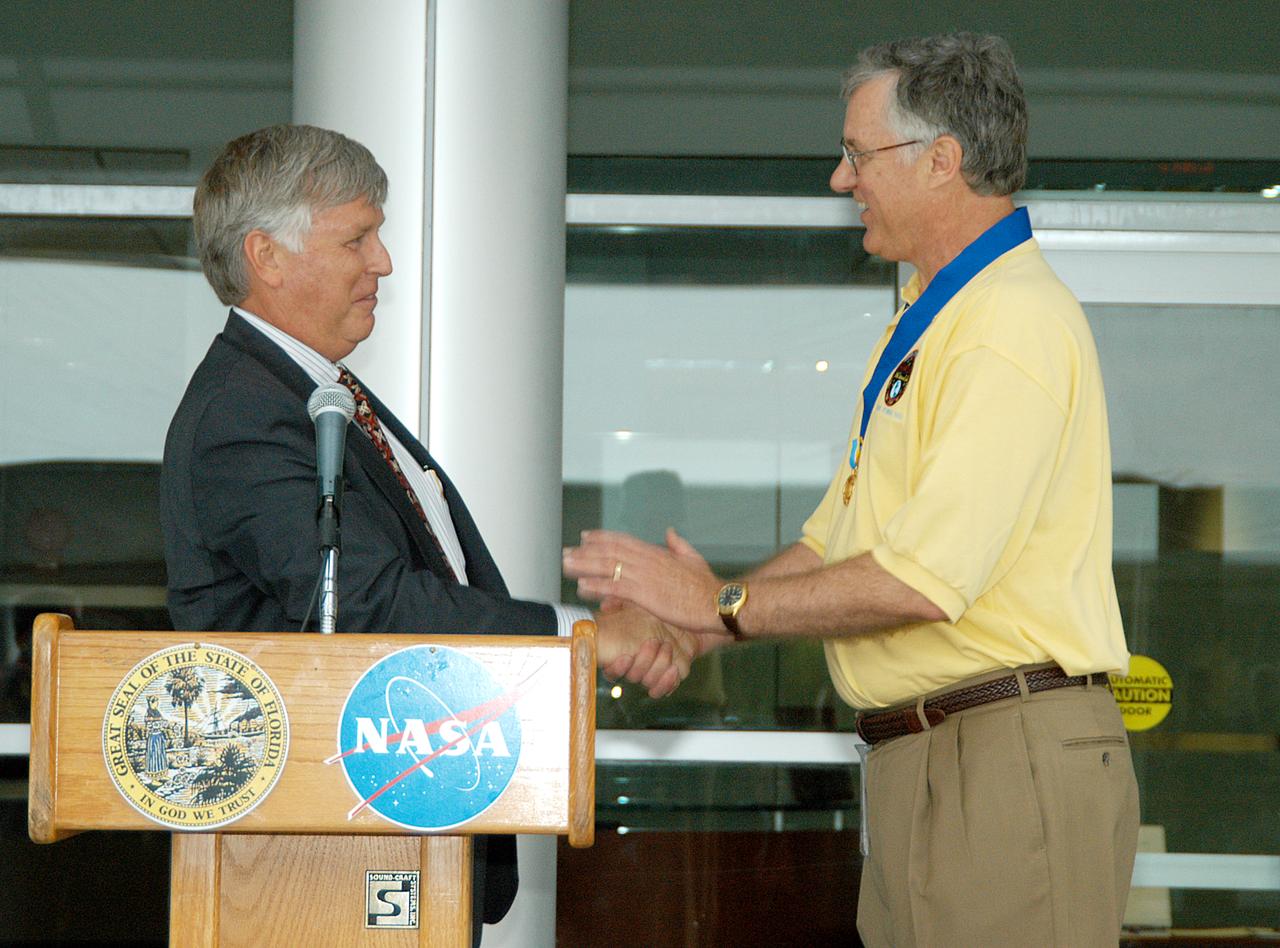
Center Director Jim Kennedy presents a NASA Public Service Award to Douglas Britt of the Dynamac Corp. at a dedication and ribbon-cutting ceremony for the Space Life Sciences Lab hosted by NASA-Kennedy Space Center and the state of Florida at the new lab. Britt received the award for his many years of exceptional service to NASA in managing the Life Sciences contracts at the Kennedy Space Center and his contributions to conceptualization and collaborations that helped make the Space Life Sciences Lab possible. Completed in August, the facility encompasses more than 100,000 square feet and was formerly known as the Space Experiment Research and Processing Laboratory or SERPL. The state, through the Florida Space Authority, built the research lab which is host to NASA, NASA’s Life Sciences Services contractor Dynamac Corp., Bionetics Corp., and researchers from the University of Florida. Dynamac Corp. leases the facility. The Florida Space Research Institute is responsible for gaining additional tenants from outside the NASA community.
Inside the Space Life Sciences Laboratory at NASA’s Kennedy Space Center in Florida, bobtail squid are part of preparations on May 20, 2021, for the Understanding of Microgravity on Animal-Microbe Interactions (UMAMI) experiment that will launch to the International Space Station aboard SpaceX’s 22nd Commercial Resupply Services mission. The experiment will examine the effects of spaceflight on the molecular and chemical interactions between beneficial microbes and their animal hosts. Amimals, including humans, rely on microbes to maintain a healthy digestive and immune system. UMAMI is one of several experiments bound for the space station in the Dragon capsule atop the SpaceX Falcon 9 rocket. The mission is scheduled to lift off from Launch Complex 39A on June 3.
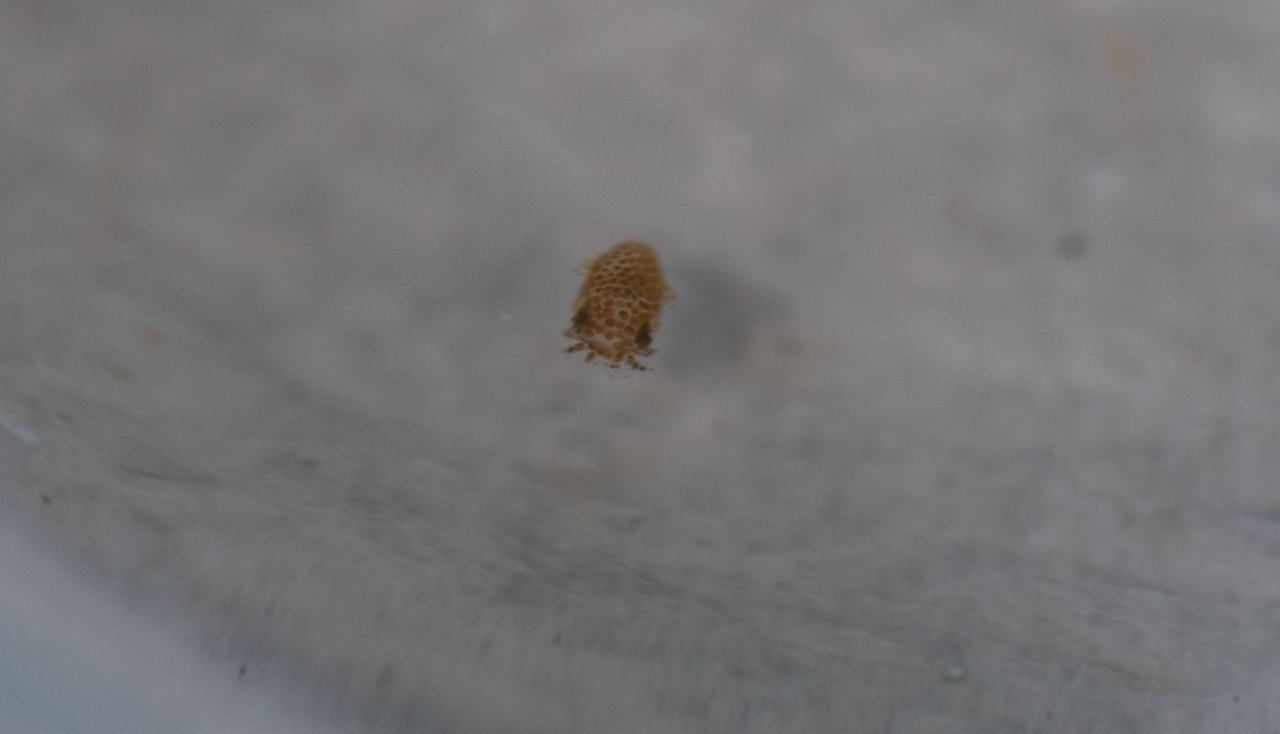
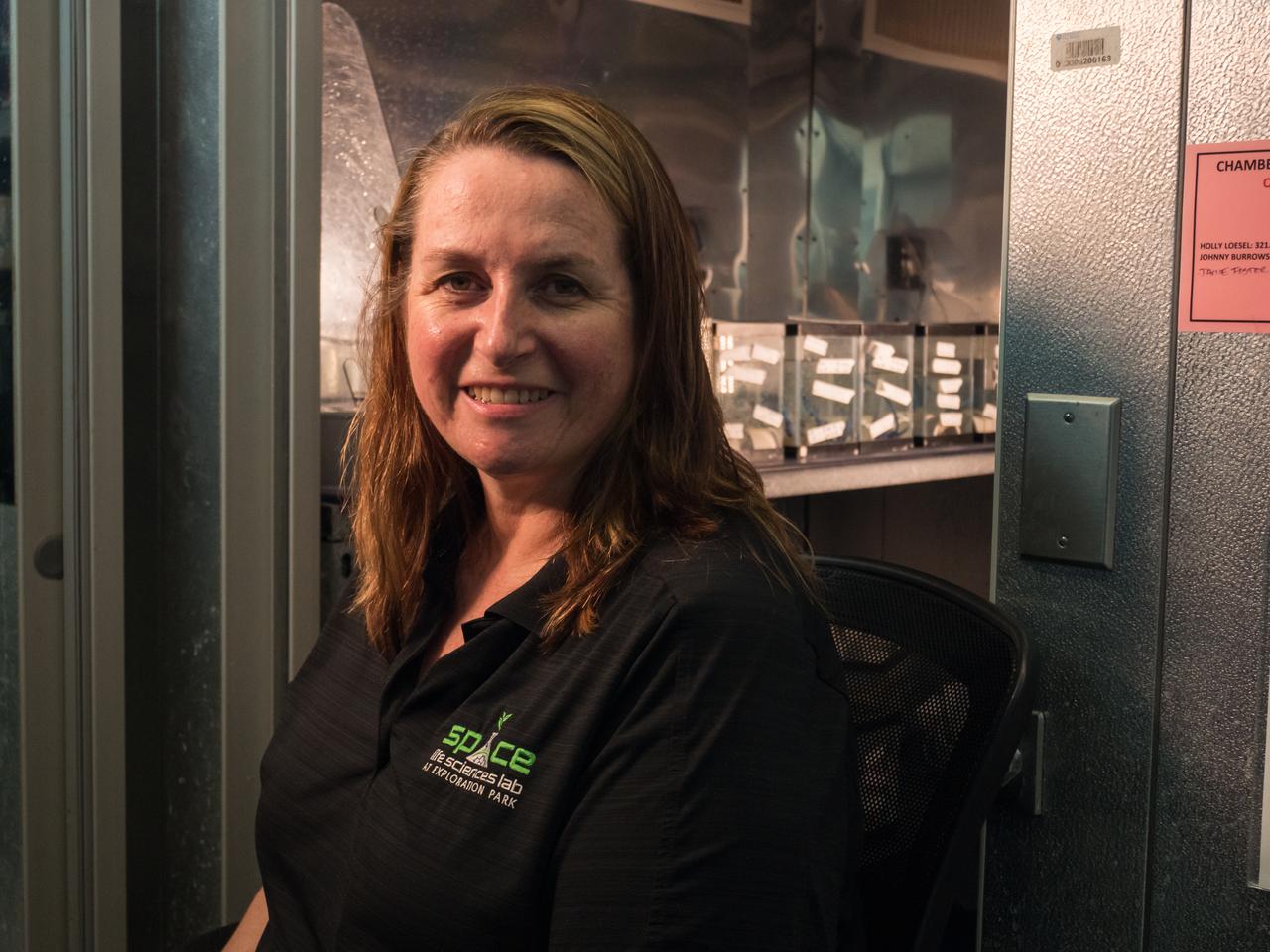
Inside the Space Life Sciences Laboratory at NASA’s Kennedy Space Center in Florida, Jamie Foster, principal investigator on the Understanding of Microgravity on Animal-Microbe Interactions (UMAMI) experiment, demonstrates preparations for bobtail squid on May 20, 2021, for a trip to the International Space Station aboard SpaceX’s 22nd Commercial Resupply Services mission. The experiment will examine the effects of spaceflight on the molecular and chemical interactions between beneficial microbes and their animal hosts. Amimals, including humans, rely on microbes to maintain a healthy digestive and immune system. UMAMI is one of several experiments bound for the space station in the Dragon capsule atop the SpaceX Falcon 9 rocket. The mission is scheduled to lift off from Launch Complex 39A on June 3.

A researcher from NASA’s Kennedy Space Center in Florida prepares pepper seeds for planting inside science carriers on April 8, 2021, inside the Space Life Sciences Lab for the Plant Habitat-04 (PH-04) experiment. The seeds will fly to the International Space Station on SpaceX’s 22nd Commercial Resupply Services (CRS-22) mission. When the experiment starts, astronauts will grow the pepper seeds in the Advanced Plant Habitat (APH) growth chamber, which will monitor the experiment with more than 180 sensors. The astronauts will observe plant growth for about four months and conduct two harvests to study whether microgravity affects growth, flavor, or texture. Since peppers take longer to germinate, grow, and develop than previous crops grown in space, the PH-04 experiment also will test the durability and reliability of the various systems within the APH.
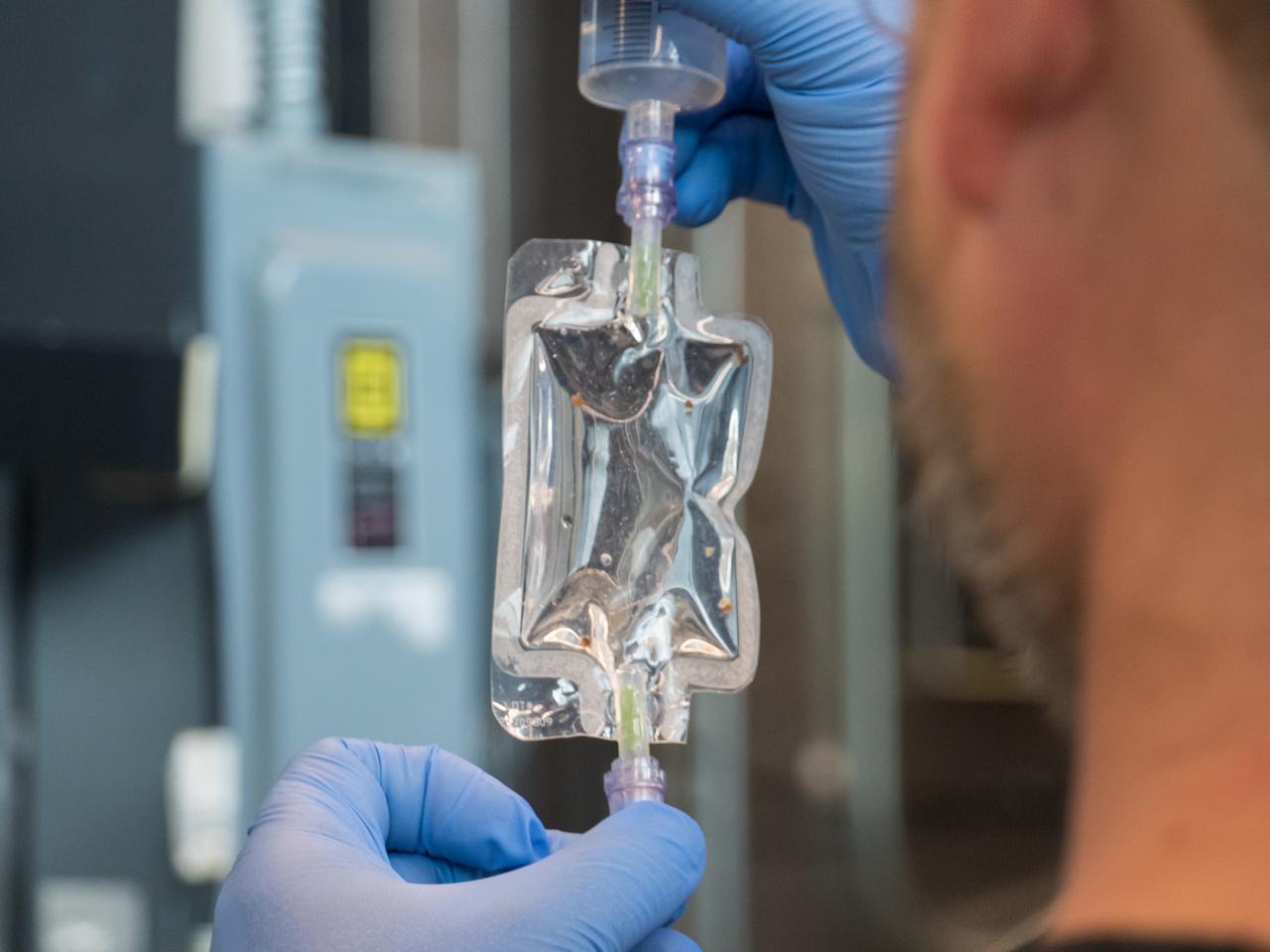
Inside the Space Life Sciences Laboratory at NASA’s Kennedy Space Center in Florida, Dr. Eric Koch, a postdoctoral fellow at the University of Florida, demonstrates preparations for bobtail squid on May 20, 2021, for a trip to the International Space Station aboard SpaceX’s 22nd Commercial Resupply Services mission. The experiment will examine the effects of spaceflight on the molecular and chemical interactions between beneficial microbes and their animal hosts. Amimals, including humans, rely on microbes to maintain a healthy digestive and immune system. UMAMI is one of several experiments bound for the space station in the Dragon capsule atop the SpaceX Falcon 9 rocket. The mission is scheduled to lift off from Launch Complex 39A on June 3.

A researcher from NASA’s Kennedy Space Center in Florida prepares pepper seeds for planting inside science carriers on April 8, 2021, inside the Space Life Sciences Lab for the Plant Habitat-04 (PH-04) experiment. The seeds will fly to the International Space Station on SpaceX’s 22nd Commercial Resupply Services (CRS-22) mission. When the experiment starts, astronauts will grow the pepper seeds in the Advanced Plant Habitat (APH) growth chamber, which will monitor the experiment with more than 180 sensors. The astronauts will observe plant growth for about four months and conduct two harvests to study whether microgravity affects growth, flavor, or texture. Since peppers take longer to germinate, grow, and develop than previous crops grown in space, the PH-04 experiment also will test the durability and reliability of the various systems within the APH.

Inside the Space Life Sciences Lab at NASA’s Kennedy Space Center in Florida, researchers plant pepper seeds in a science carrier on April 8, 2021, in preparation for the Plant Habitat-04 (PH-04) experiment. The seeds will fly to the International Space Station on SpaceX’s 22nd Commercial Resupply Services (CRS-22) mission. When the experiment starts, astronauts will grow the pepper seeds in the Advanced Plant Habitat (APH) growth chamber, which will monitor the experiment with more than 180 sensors. The astronauts will observe plant growth for about four months and conduct two harvests to study whether microgravity affects growth, flavor, or texture. Since peppers take longer to germinate, grow, and develop than previous crops grown in space, the PH-04 experiment also will test the durability and reliability of the various systems within the APH.
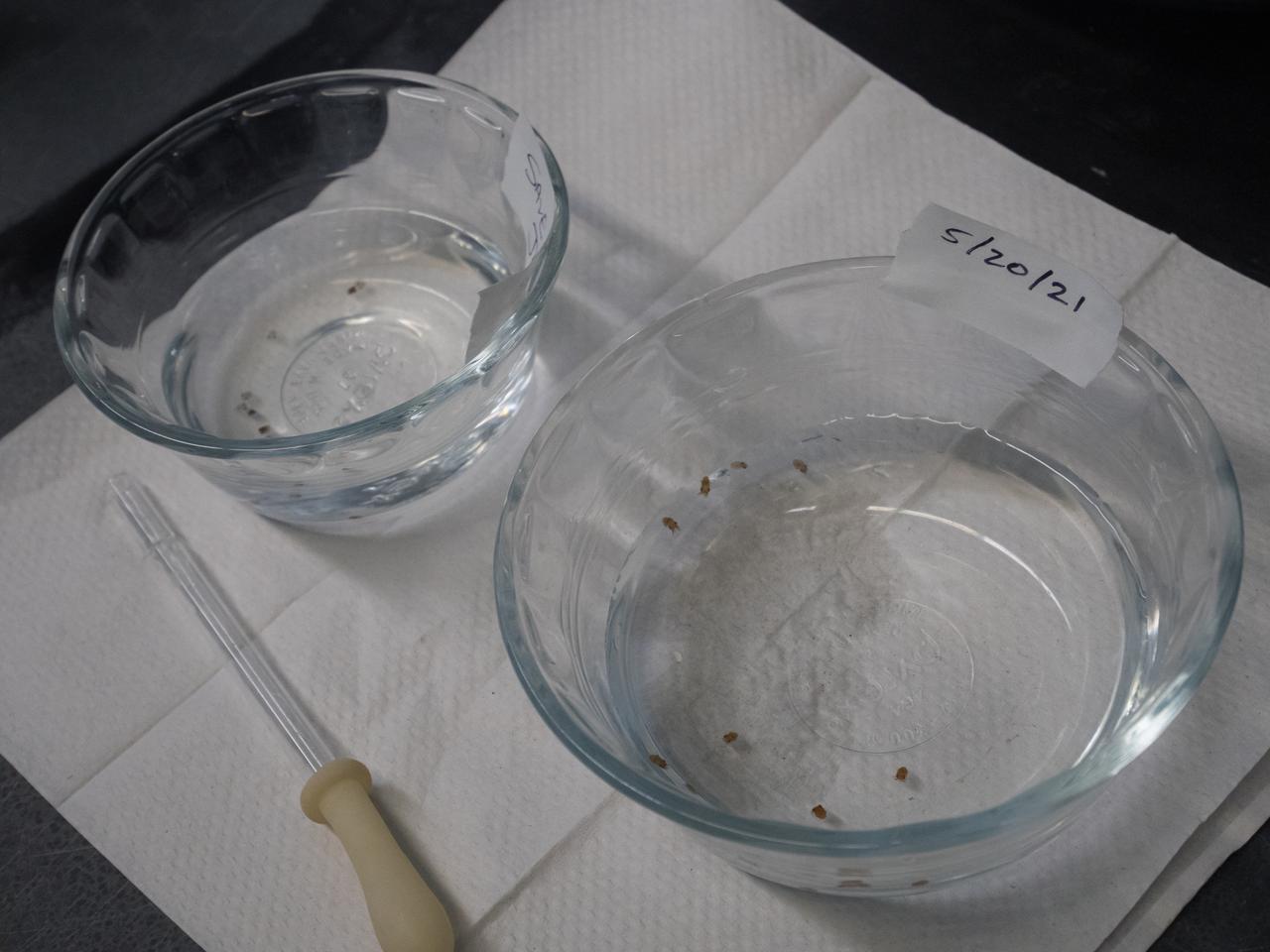
Inside the Space Life Sciences Laboratory at NASA’s Kennedy Space Center in Florida, bobtail squid are part of preparations on May 20, 2021, for the Understanding of Microgravity on Animal-Microbe Interactions (UMAMI) experiment that will launch to the International Space Station aboard SpaceX’s 22nd Commercial Resupply Services mission. The experiment will examine the effects of spaceflight on the molecular and chemical interactions between beneficial microbes and their animal hosts. Animals, including humans, rely on microbes to maintain a healthy digestive and immune system. UMAMI is one of several experiments bound for the space station in the Dragon capsule atop the SpaceX Falcon 9 rocket. The mission is scheduled to lift off from Launch Complex 39A on June 3.

Inside the Space Life Sciences Laboratory at NASA’s Kennedy Space Center in Florida, Dr. Eric Koch, a postdoctoral fellow at the University of Florida, demonstrates preparations for bobtail squid on May 20, 2021, for a trip to the International Space Station aboard SpaceX’s 22nd Commercial Resupply Services mission. The experiment will examine the effects of spaceflight on the molecular and chemical interactions between beneficial microbes and their animal hosts. Amimals, including humans, rely on microbes to maintain a healthy digestive and immune system. UMAMI is one of several experiments bound for the space station in the Dragon capsule atop the SpaceX Falcon 9 rocket. The mission is scheduled to lift off from Launch Complex 39A on June 3.

A researcher from NASA’s Kennedy Space Center in Florida prepares pepper seeds for planting inside science carriers on April 8, 2021, inside the Space Life Sciences Lab for the Plant Habitat-04 (PH-04) experiment. The seeds will fly to the International Space Station on SpaceX’s 22nd Commercial Resupply Services (CRS-22) mission. When the experiment starts, astronauts will grow the pepper seeds in the Advanced Plant Habitat (APH) growth chamber, which will monitor the experiment with more than 180 sensors. The astronauts will observe plant growth for about four months and conduct two harvests to study whether microgravity affects growth, flavor, or texture. Since peppers take longer to germinate, grow, and develop than previous crops grown in space, the PH-04 experiment also will test the durability and reliability of the various systems within the APH.

A close-up photo of a pepper seed prepared by researchers at NASA’s Kennedy Space Center in Florida is shown before it’s planted inside a science carrier on April 8, 2021, inside the Space Life Sciences Lab for the Plant Habitat-04 (PH-04) experiment. The seeds will fly to the International Space Station on SpaceX’s 22nd Commercial Resupply Services (CRS-22) mission. When the experiment starts, astronauts will grow the pepper seeds in the Advanced Plant Habitat (APH) growth chamber, which will monitor the experiment with more than 180 sensors. The astronauts will observe plant growth for about four months and conduct two harvests to study whether microgravity affects growth, flavor, or texture. Since peppers take longer to germinate, grow, and develop than previous crops grown in space, the PH-04 experiment also will test the durability and reliability of the various systems within the APH.

Inside the Space Life Sciences Lab at NASA’s Kennedy Space Center in Florida, a researcher plants pepper seeds in science carriers on April 8, 2021, in preparation for the Plant Habitat-04 (PH-04) experiment. The seeds will fly to the International Space Station on SpaceX’s 22nd Commercial Resupply Services (CRS-22) mission. When the experiment starts, astronauts will grow the pepper seeds in the Advanced Plant Habitat (APH) growth chamber, which will monitor the experiment with more than 180 sensors. The astronauts will observe plant growth for about four months and conduct two harvests to study whether microgravity affects growth, flavor, or texture. Since peppers take longer to germinate, grow, and develop than previous crops grown in space, the PH-04 experiment also will test the durability and reliability of the various systems within the APH.
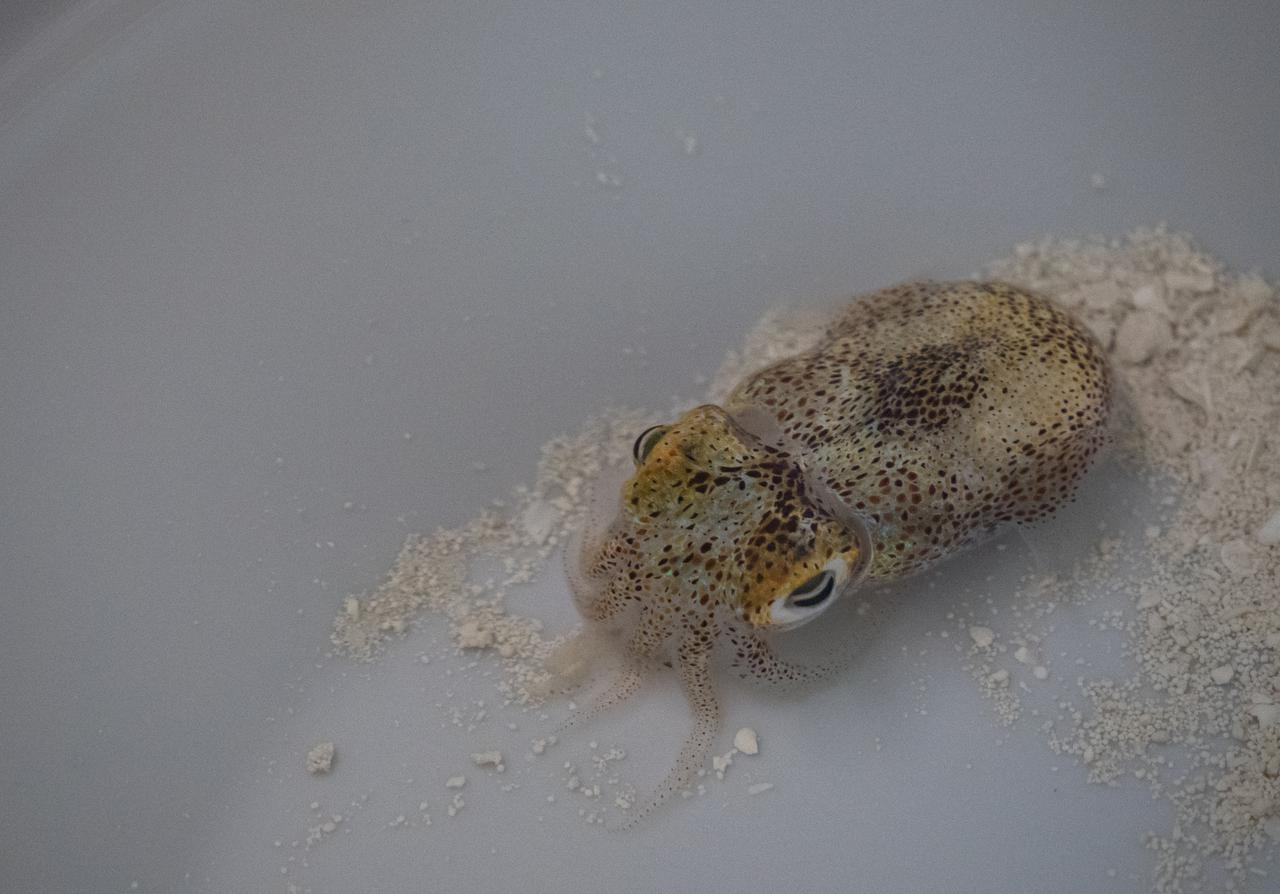
Inside the Space Life Sciences Laboratory at NASA’s Kennedy Space Center in Florida, bobtail squid are part of preparations on May 20, 2021, for the Understanding of Microgravity on Animal-Microbe Interactions (UMAMI) experiment that will launch to the International Space Station aboard SpaceX’s 22nd Commercial Resupply Services mission. The experiment will examine the effects of spaceflight on the molecular and chemical interactions between beneficial microbes and their animal hosts. Amimals, including humans, rely on microbes to maintain a healthy digestive and immune system. UMAMI is one of several experiments bound for the space station in the Dragon capsule atop the SpaceX Falcon 9 rocket. The mission is scheduled to lift off from Launch Complex 39A on June 3.
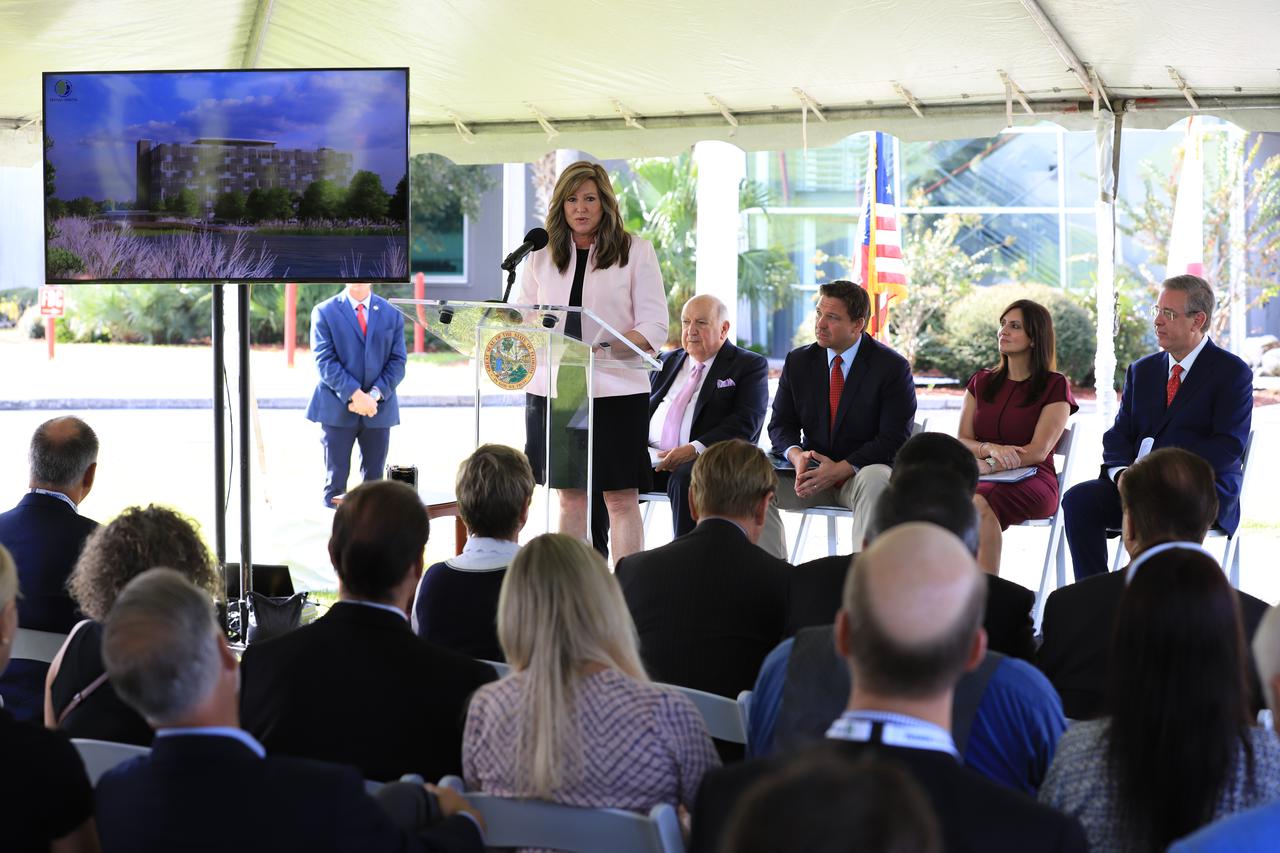
Kennedy Space Center Associate Director, Technical, Jennifer Kunz speaks at an event Sept. 27, 2021, announcing that Terran Orbital will locate its Commercial Spacecraft and Constellation Facility on NASA’s Kennedy Space Center in Florida. The new manufacturing facility will be built near the center’s Launch and Landing Facility, which is being managed and developed by Space Florida under a long-term agreement with NASA. Terran Orbital develops end-to-end satellite solutions as well as commercial spacecraft. The 660,000 square foot manufacturing facility will consist of ten automated and augmented hangers capable of producing thousands of different types of space vehicles and electro-mechanical devices per year. The project is expected to create about 2,100 new jobs, with a planned completion date in 2025. The announcement ceremony was held at Space Florida’s Space Life Sciences Lab in Exploration Park, Florida. Seated directly behind Kunz is Space Florida President and CEO Frank DiBello (left) and Florida Gov. Ron DeSantis (second from left).