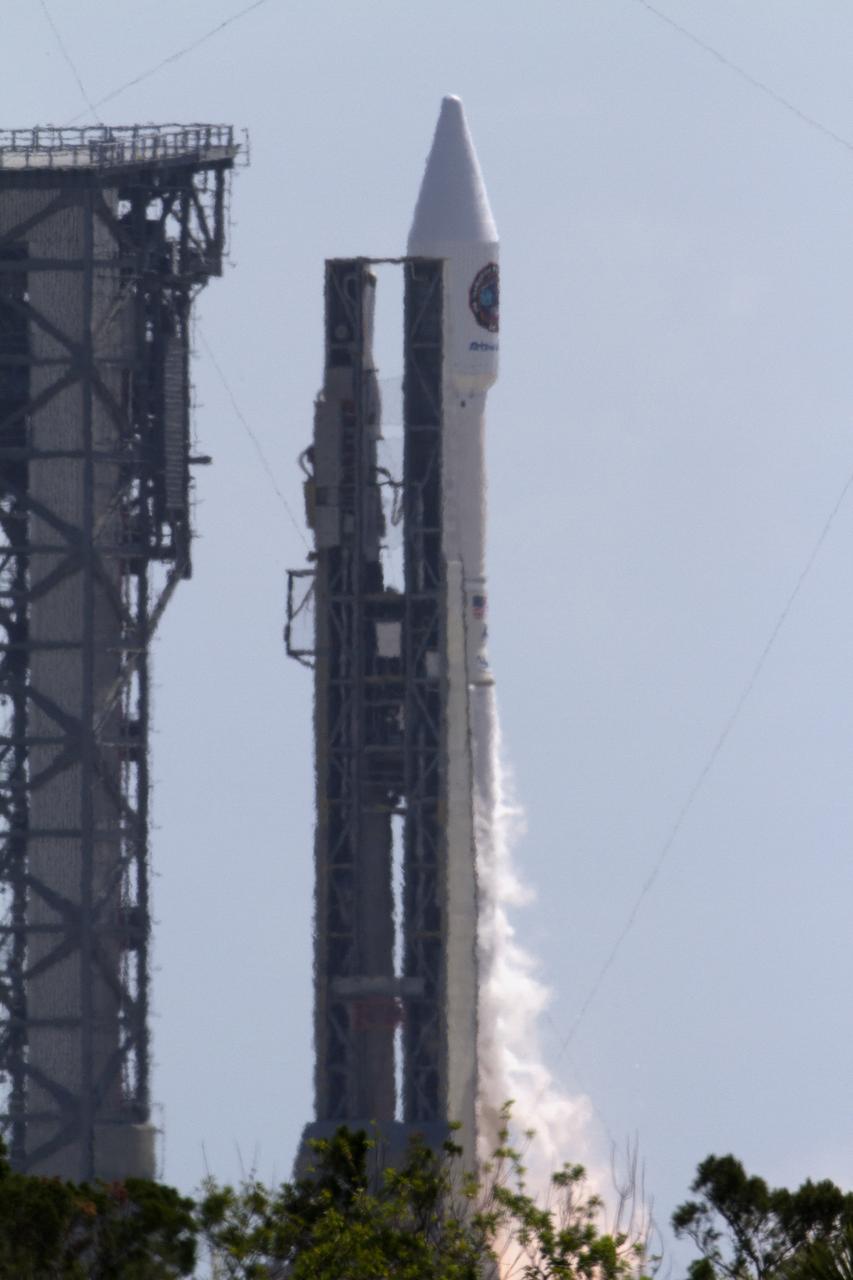
A United Launch Alliance Atlas V rocket lifts off at 11:11 a.m. EDT from Space Launch Complex 41 at Cape Canaveral Air Force Station in Florida, carrying the Orbital ATK Cygnus pressurized cargo module on the company's seventh commercial resupply services mission to the International Space Station. Cygnus will deliver 7,600 pounds of supplies, equipment and scientific research materials to the space station.
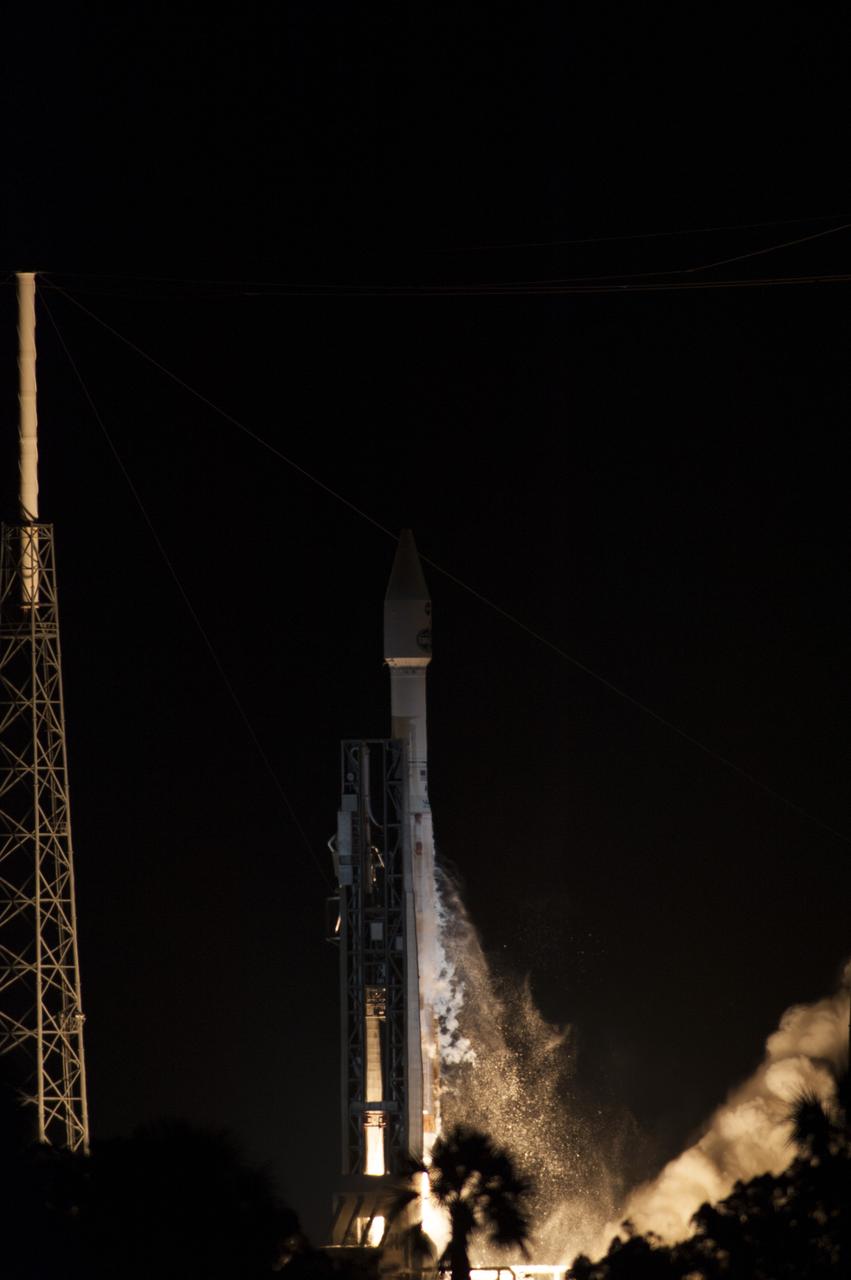
CAPE CANAVERAL, Fla. -- The United Launch Alliance Atlas V rocket carrying NASA's Tracking and Data Relay Satellite, or TDRS-L, rises off Space Launch Complex 41 on Cape Canaveral Air Force Station in Florida. Launch was at 9:33 p.m. EST Jan. 23 during a 40-minute launch window. The TDRS-L spacecraft is the second of three new satellites designed to ensure vital operational continuity for NASA by expanding the lifespan of the Tracking and Data Relay Satellite System TDRSS fleet, which consists of eight satellites in geosynchronous orbit. The spacecraft provide tracking, telemetry, command and high-bandwidth data return services for numerous science and human exploration missions orbiting Earth. These include NASA's Hubble Space Telescope and the International Space Station. TDRS-L has a high-performance solar panel designed for more spacecraft power to meet the growing S-band communications requirements. TDRSS is one of three NASA Space Communication and Navigation SCaN networks providing space communications to NASA’s missions. For more information more about TDRS-L, visit http://www.nasa.gov/tdrs. To learn more about SCaN, visit www.nasa.gov/scan. Photo credit: NASA/Kevin O'Connell
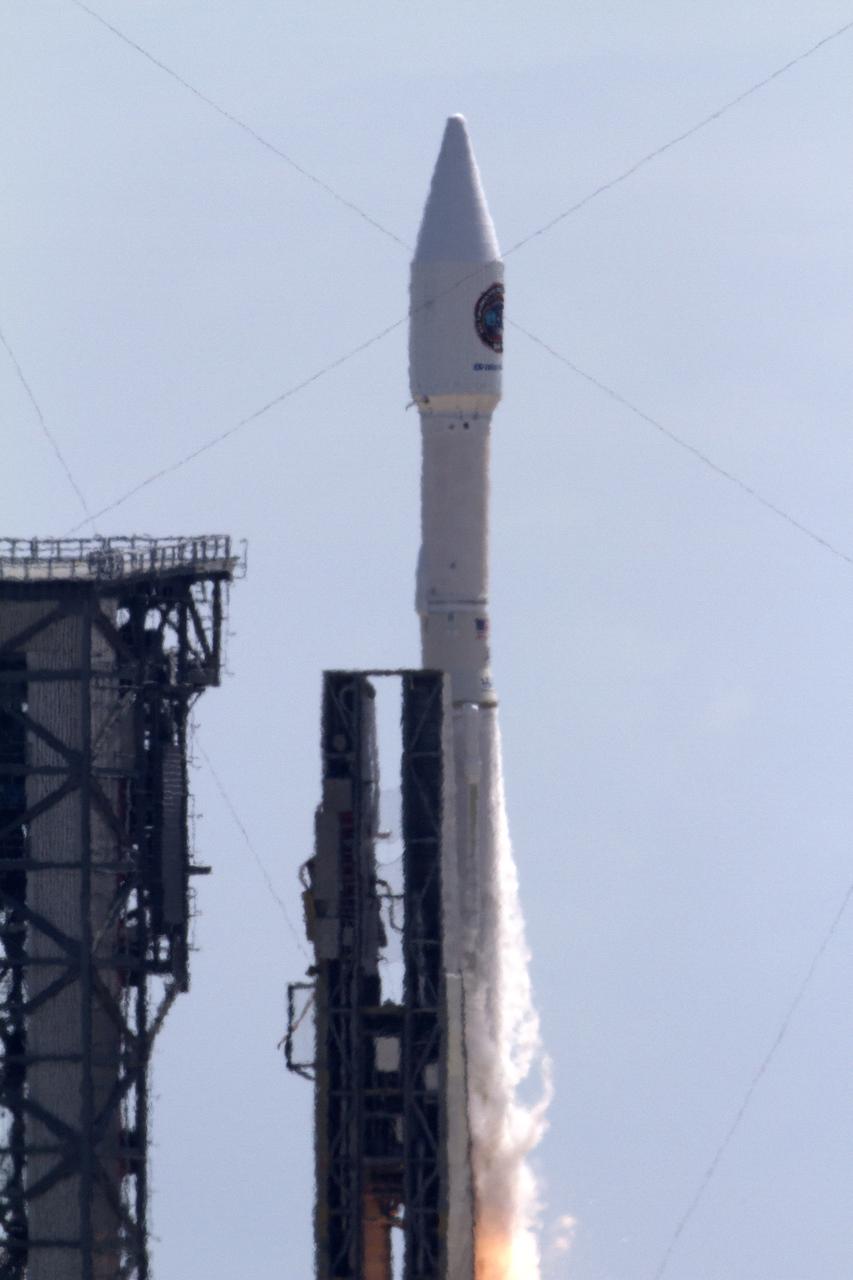
A United Launch Alliance Atlas V rocket lifts off at 11:11 a.m. EDT from Space Launch Complex 41 at Cape Canaveral Air Force Station in Florida, carrying the Orbital ATK Cygnus pressurized cargo module on the company's seventh commercial resupply services mission to the International Space Station. Cygnus will deliver 7,600 pounds of supplies, equipment and scientific research materials to the space station.
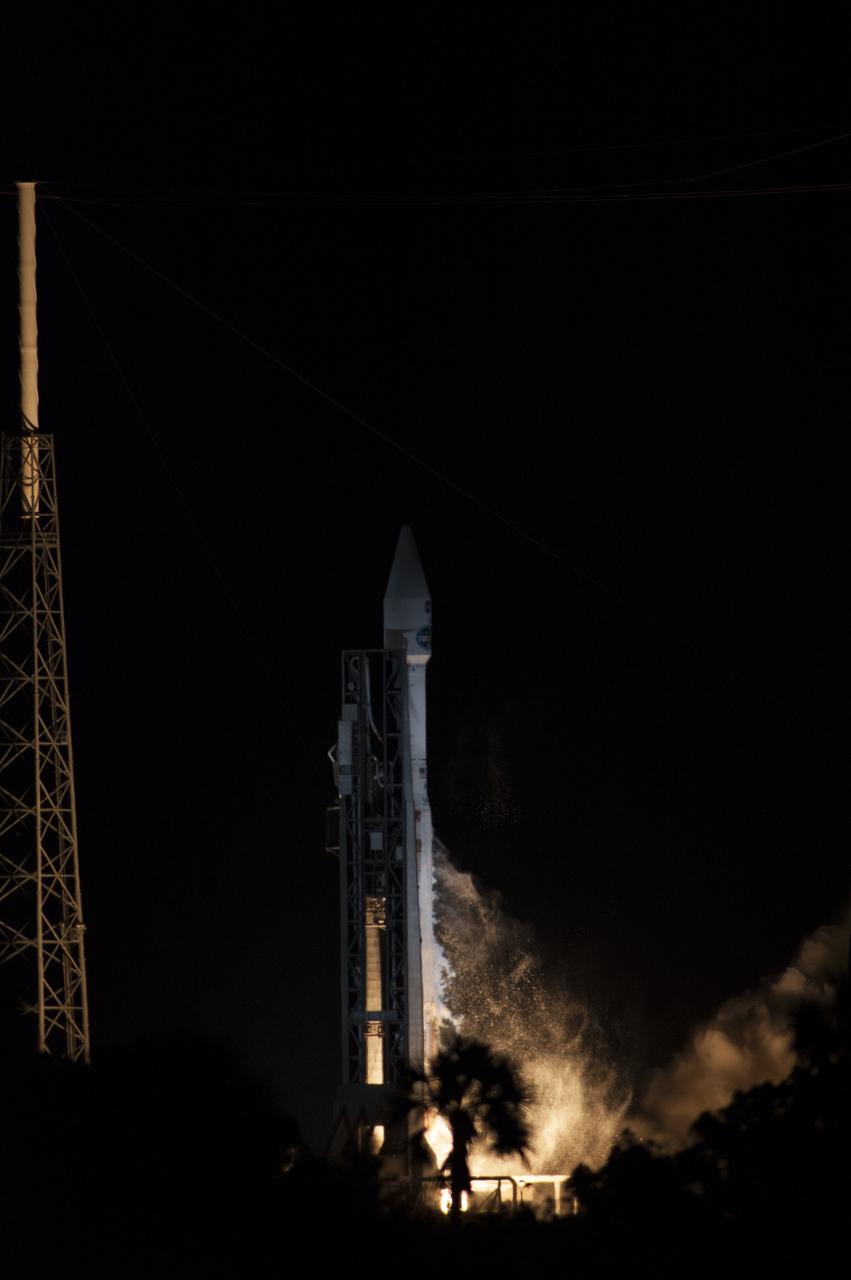
CAPE CANAVERAL, Fla. -- An exhaust plume forms at Space Launch Complex 41 on Cape Canaveral Air Force Station in Florida as the engines ignite under the United Launch Alliance Atlas V rocket carrying NASA's Tracking and Data Relay Satellite, or TDRS-L, to Earth orbit. Launch was at 9:33 p.m. EST Jan. 23 during a 40-minute launch window. The TDRS-L spacecraft is the second of three new satellites designed to ensure vital operational continuity for NASA by expanding the lifespan of the Tracking and Data Relay Satellite System TDRSS fleet, which consists of eight satellites in geosynchronous orbit. The spacecraft provide tracking, telemetry, command and high-bandwidth data return services for numerous science and human exploration missions orbiting Earth. These include NASA's Hubble Space Telescope and the International Space Station. TDRS-L has a high-performance solar panel designed for more spacecraft power to meet the growing S-band communications requirements. TDRSS is one of three NASA Space Communication and Navigation SCaN networks providing space communications to NASA’s missions. For more information more about TDRS-L, visit http://www.nasa.gov/tdrs. To learn more about SCaN, visit www.nasa.gov/scan. Photo credit: NASA/Kevin O'Connell

A United Launch Alliance Atlas V rocket lifts off at 11:11 a.m. EDT from Space Launch Complex 41 at Cape Canaveral Air Force Station in Florida, carrying the Orbital ATK Cygnus pressurized cargo module on the company's seventh commercial resupply services mission to the International Space Station. Cygnus will deliver 7,600 pounds of supplies, equipment and scientific research materials to the space station.
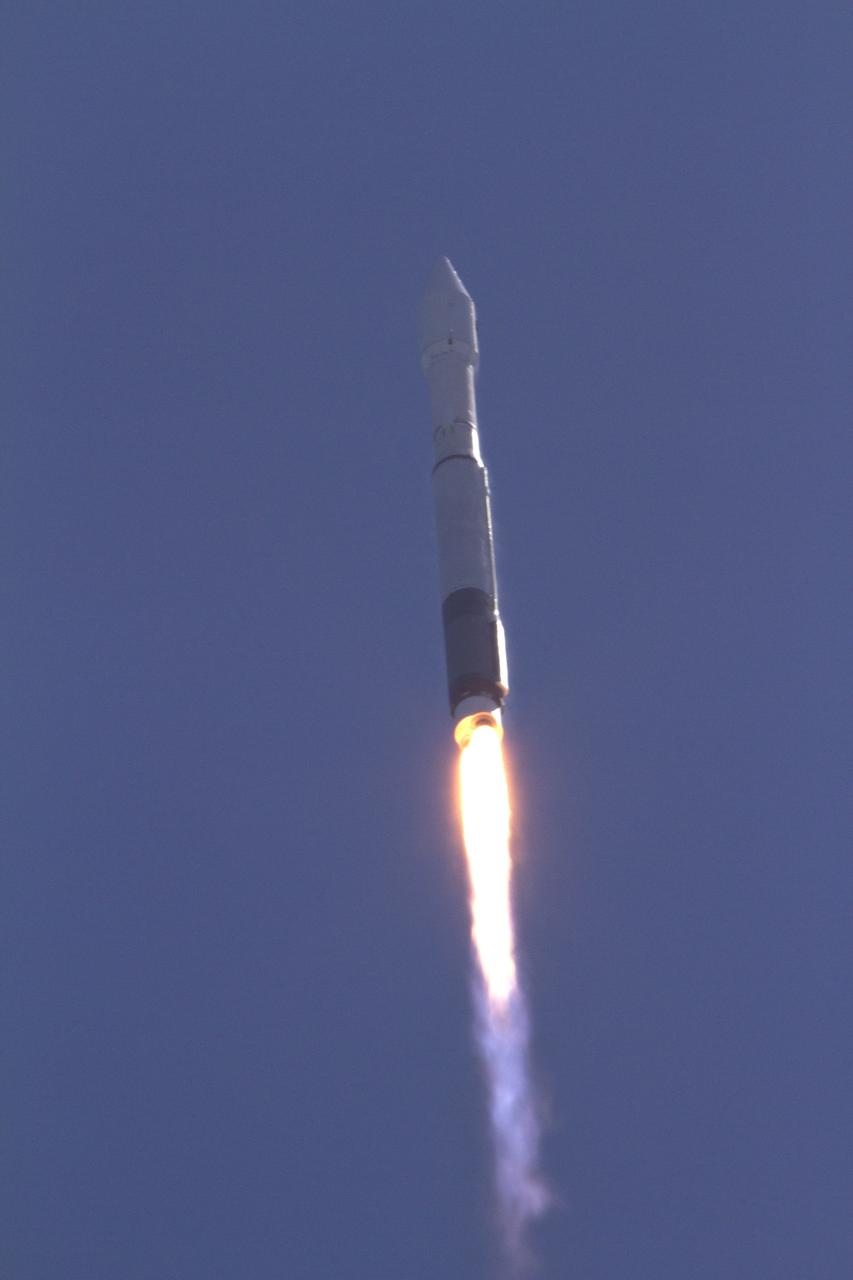
A United Launch Alliance Atlas V rocket soars upward after liftoff at 11:11 a.m. EDT from Space Launch Complex 41 at Cape Canaveral Air Force Station in Florida, carrying the Orbital ATK Cygnus pressurized cargo module on the company's seventh commercial resupply services mission to the International Space Station. Cygnus will deliver 7,600 pounds of supplies, equipment and scientific research materials to the space station.