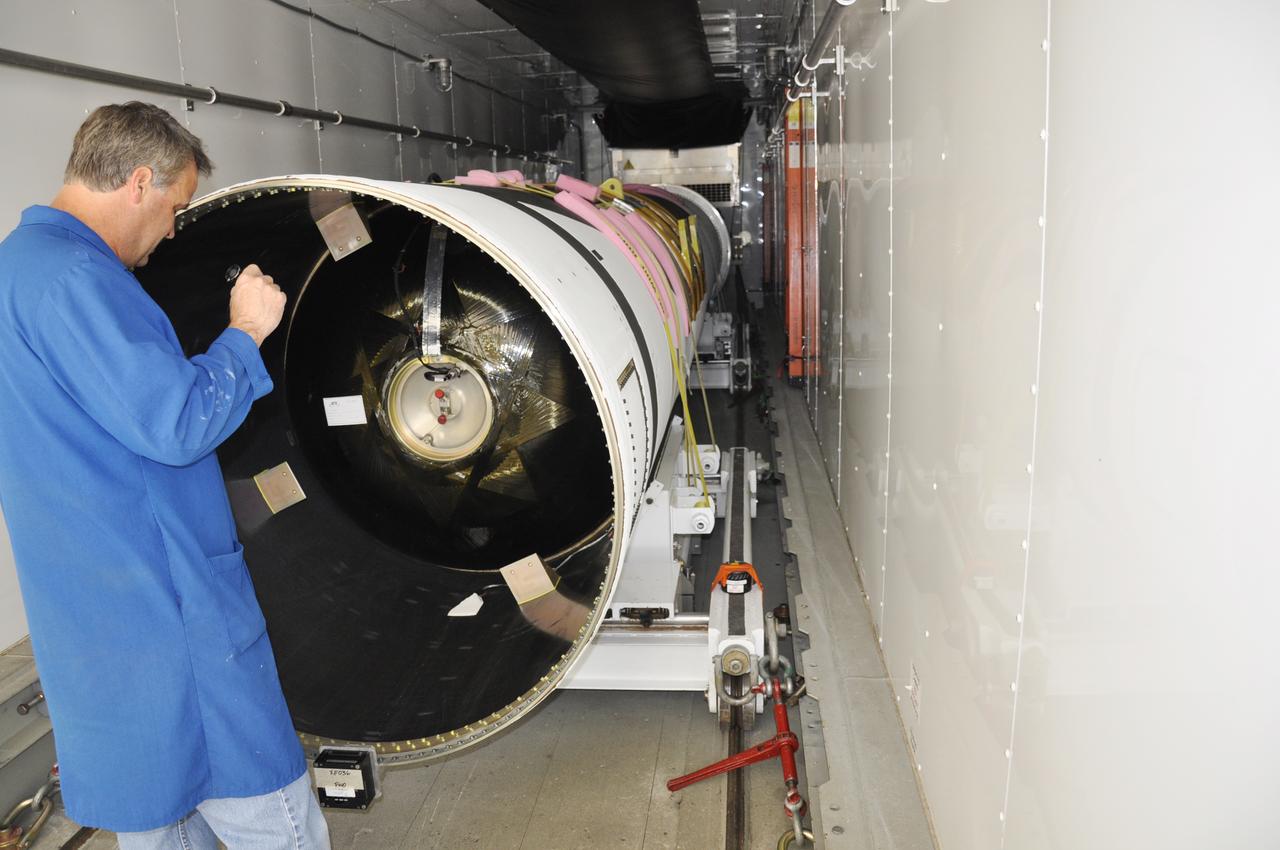
IRIS/Pegasus Motor Arrival
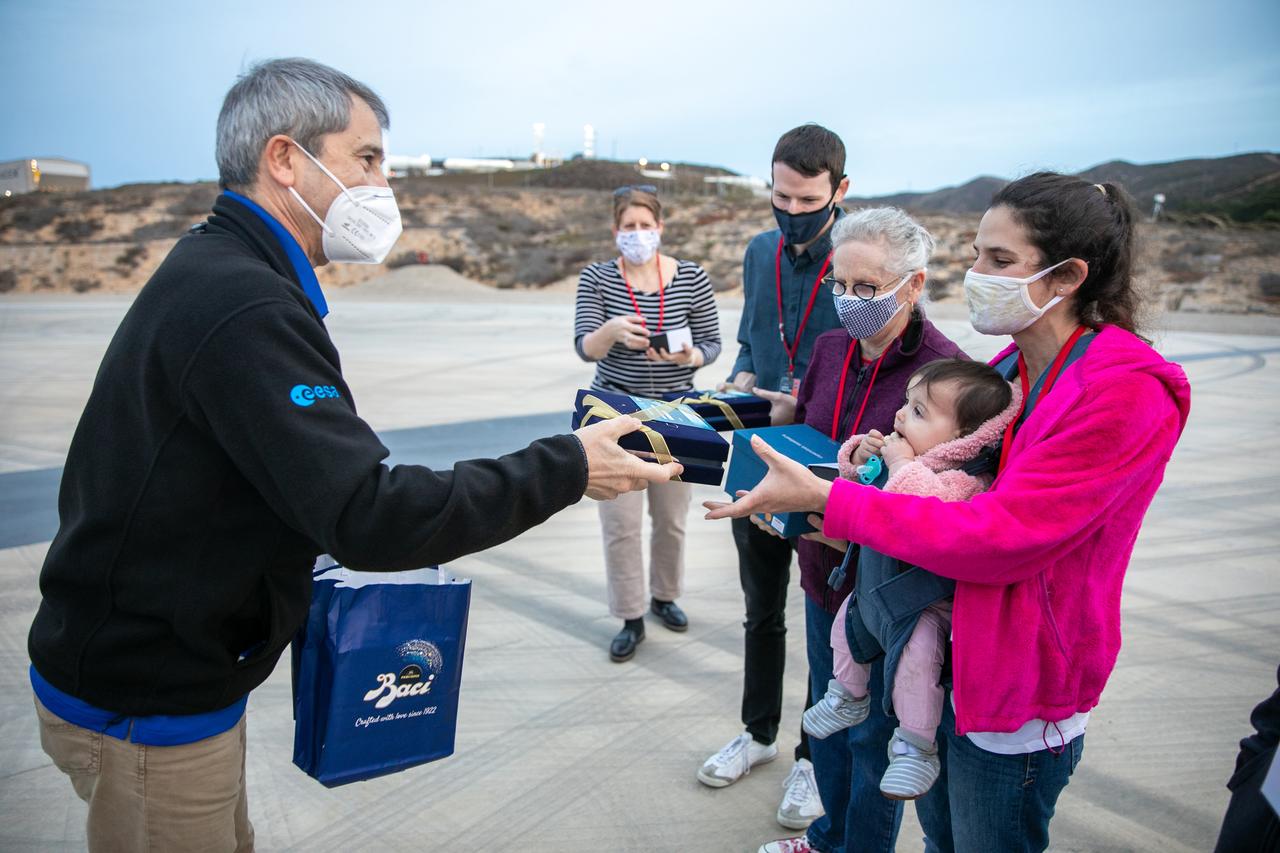
European Space Agency’s Copernicus Space Segment Programme Manager Guido Levrini, left, greets Dr. Michael Freilich’s daughter, Sarah, at Vandenberg Air Force Base in California on Nov. 20, 2020, the day before the spacecraft’s planned launch atop a Falcon 9 rocket. Standing next to her is her mother, Shoshannah, and brother, Daniel. Michael Freilich, for whom the Sentinel-6 Michael Freilich satellite is named, served as director of NASA’s Earth Science Division in the Science Mission Directorate at the agency’s Headquarters from 2006 until his retirement in 2019. A tireless advocate for advancing satellite measurements of the ocean, he was instrumental in advancing ocean altimetry and helped drive the evolution of NASA Earth science from a program that launched an Earth-observing space mission every few years to one that launches several missions each year. Freilich died Aug. 5, 2020, of pancreatic cancer. Sentinel-6 Michael Freilich launched Nov. 21, 2020, at 9:17 a.m. PST (12:17 p.m. EST). NASA’s Launch Services Program at Kennedy Space Center was responsible for launch management.
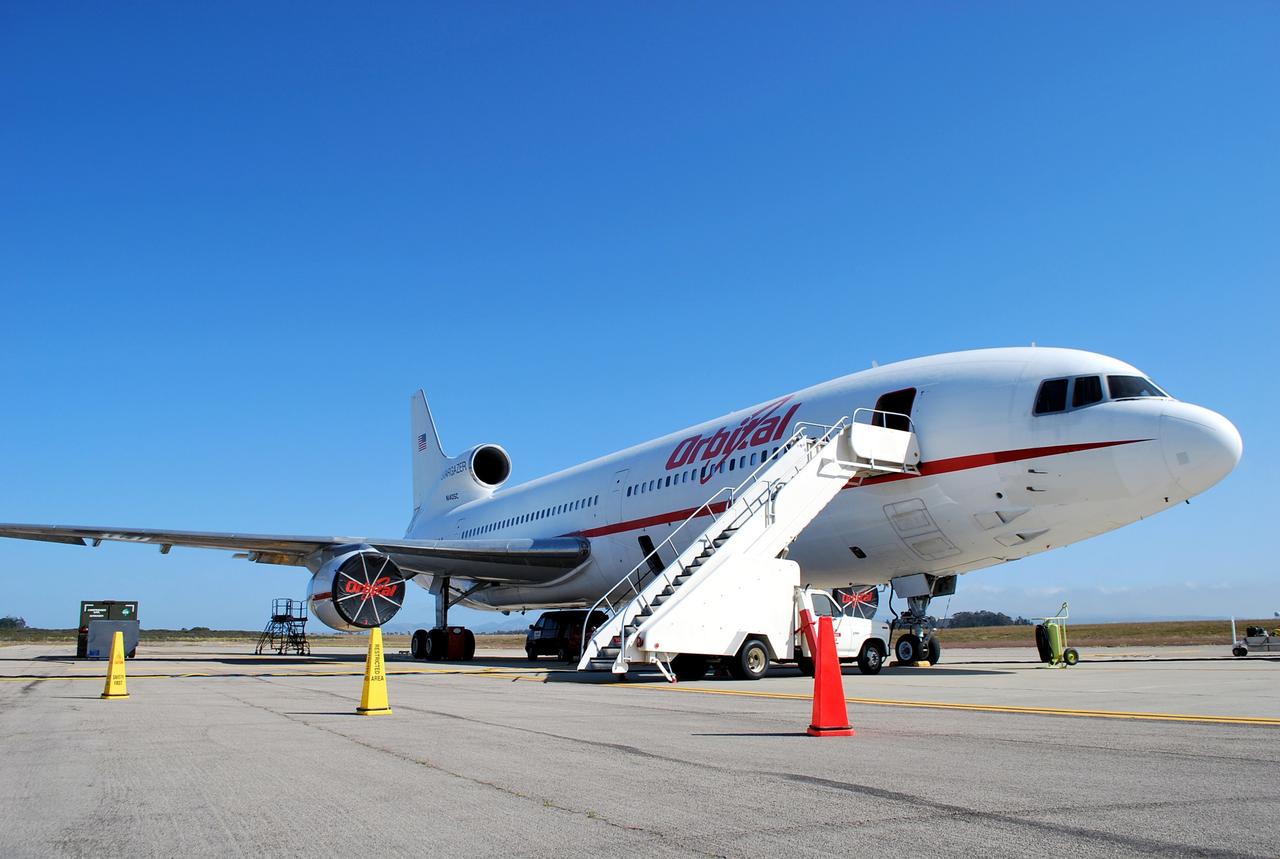
NUSTAR/Pegasus L-1011 and Miscellaneous Hot Fire Pad
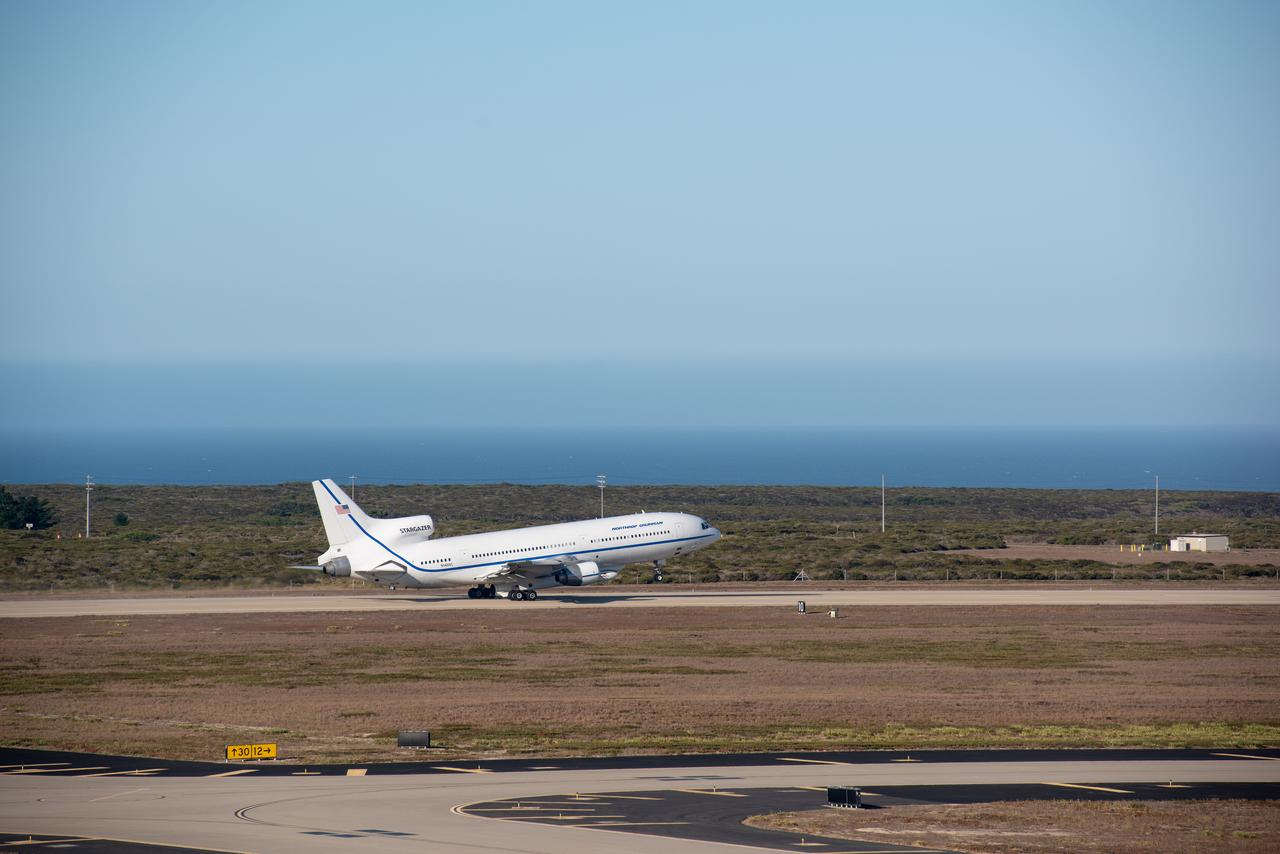
Northrop Grumman's L-1011 Stargazer takes off from Vandenberg Air Force Base in California on Oct. 1, 2019. The company's Pegasus XL rocket, containing NASA's Ionospheric Connection Explorer (ICON), is attached beneath the aircraft. The explorer is targeted to launch on Oct. 9, 2019, from Cape Canaveral Air Force Station in Florida. ICON will study the frontier of space - the dynamic zone high in Earth's atmosphere where terrestrial weather from below meets space weather above.
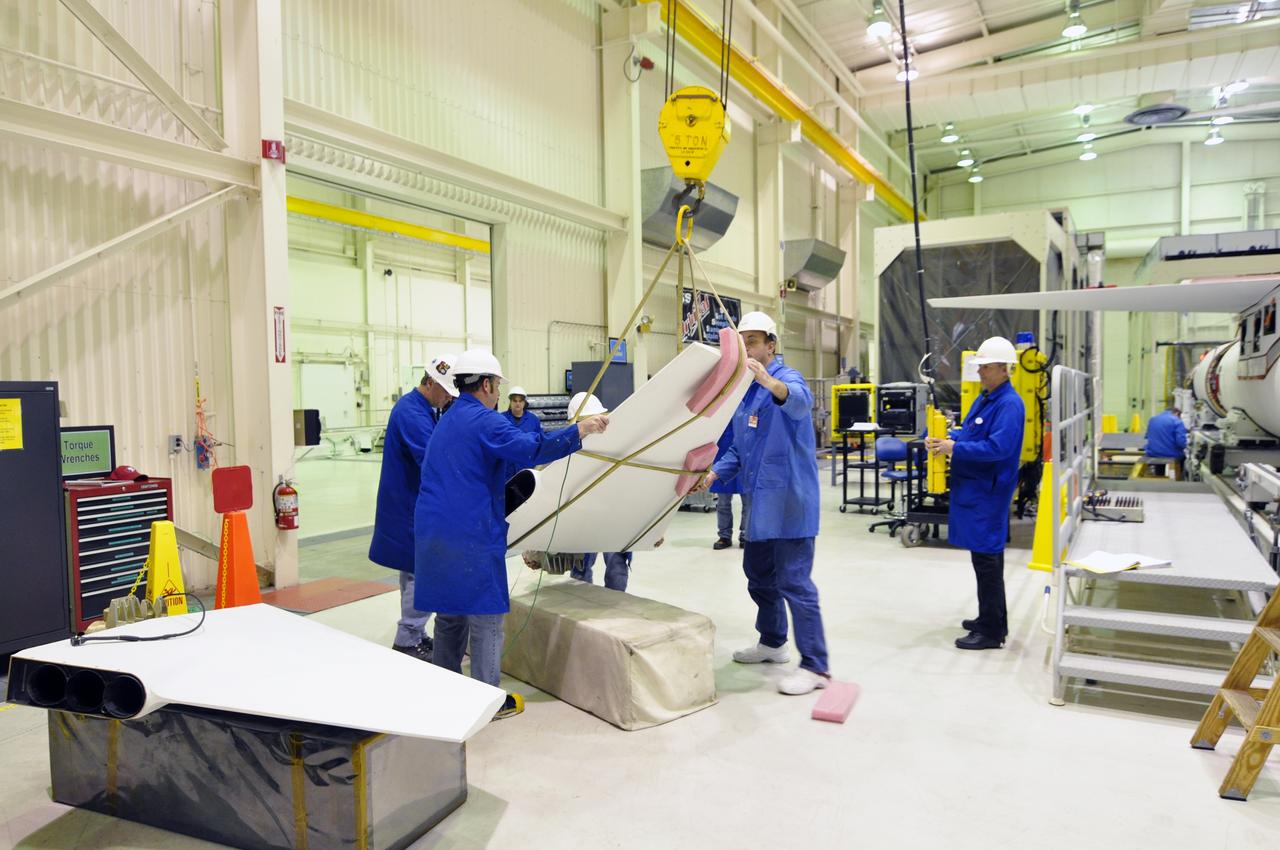
Pegasus/Nustar, Fin Installation on the Aft End of Stage 1
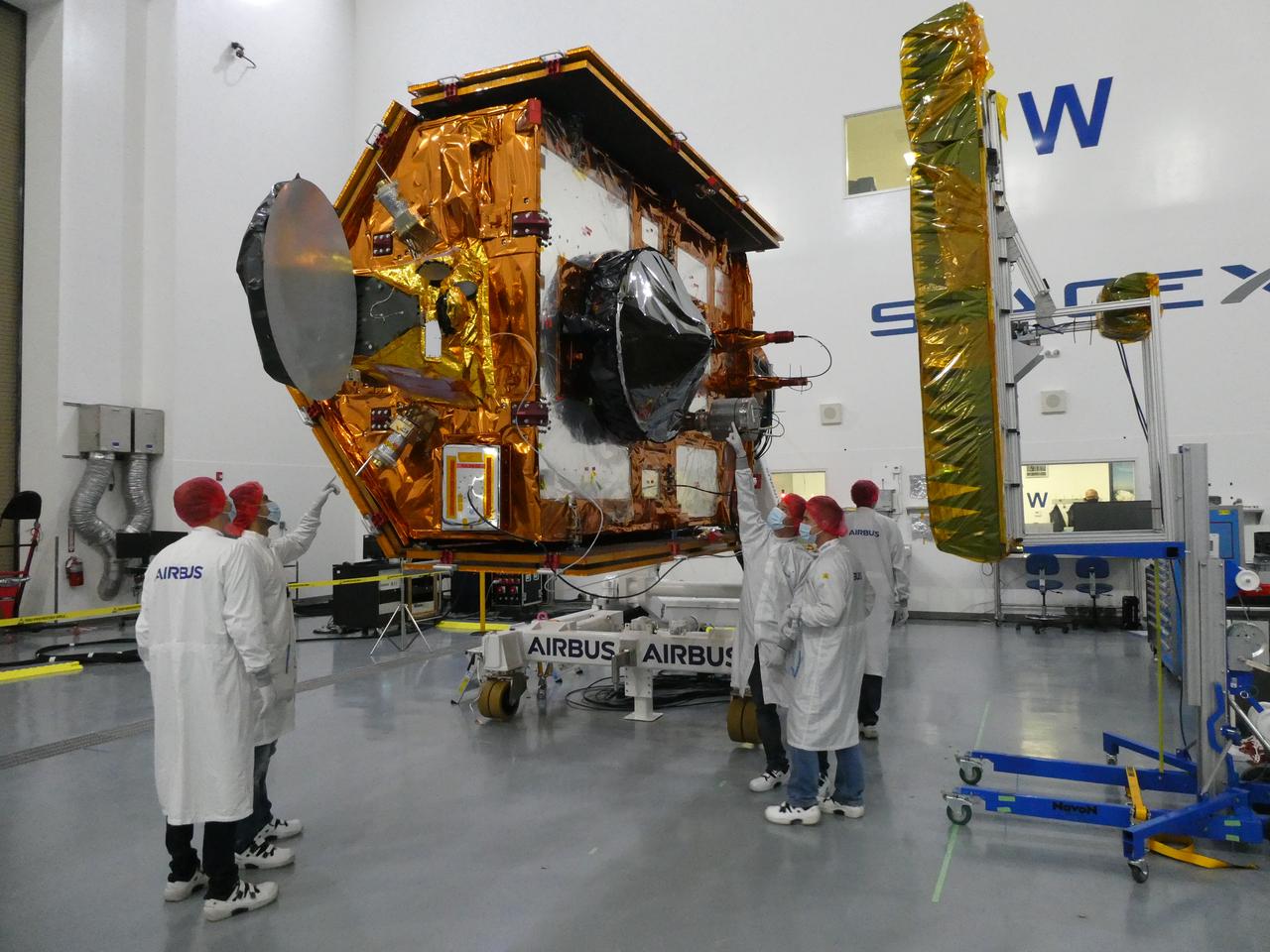
Sentinel-6 Michael Freilich team members from European Space Agency pose with the spacecraft during processing. Launch is scheduled for Nov. 10, 2020 from Vandenberg Air Force Base in California. NASA’s Launch Services Program based at Kennedy Space Center is responsible for launch management.
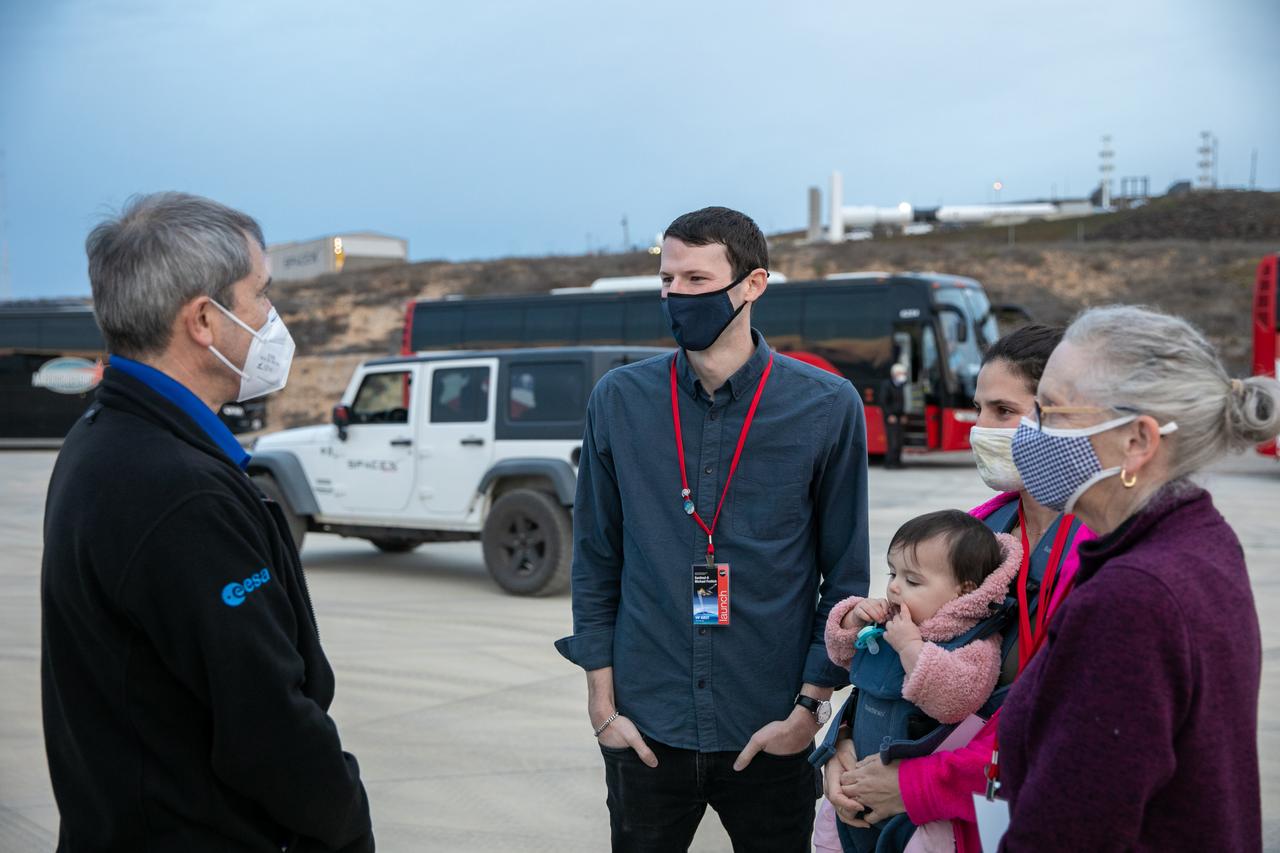
European Space Agency’s Copernicus Space Segment Programme Manager Guido Levrini, far left, greets family members of Dr. Michael Freilich, for whom the Sentinel-6 Michael Freilich satellite is named, at Vandenberg Air Force Base in California on Nov. 20, 2020, the day before the spacecraft’s planned launch atop a Falcon 9 rocket. From left are his children, Daniel and Sarah, and his wife, Shoshannah. Freilich served as director of NASA’s Earth Science Division in the Science Mission Directorate at the agency’s Headquarters from 2006 until his retirement in 2019. A tireless advocate for advancing satellite measurements of the ocean, he was instrumental in advancing ocean altimetry and helped drive the evolution of NASA Earth science from a program that launched an Earth-observing space mission every few years to one that launches several missions each year. Freilich died Aug. 5, 2020, of pancreatic cancer. Sentinel-6 Michael Freilich launched Nov. 21, 2020, at 9:17 a.m. PST (12:17 p.m. EST). NASA’s Launch Services Program at Kennedy Space Center was responsible for launch management.
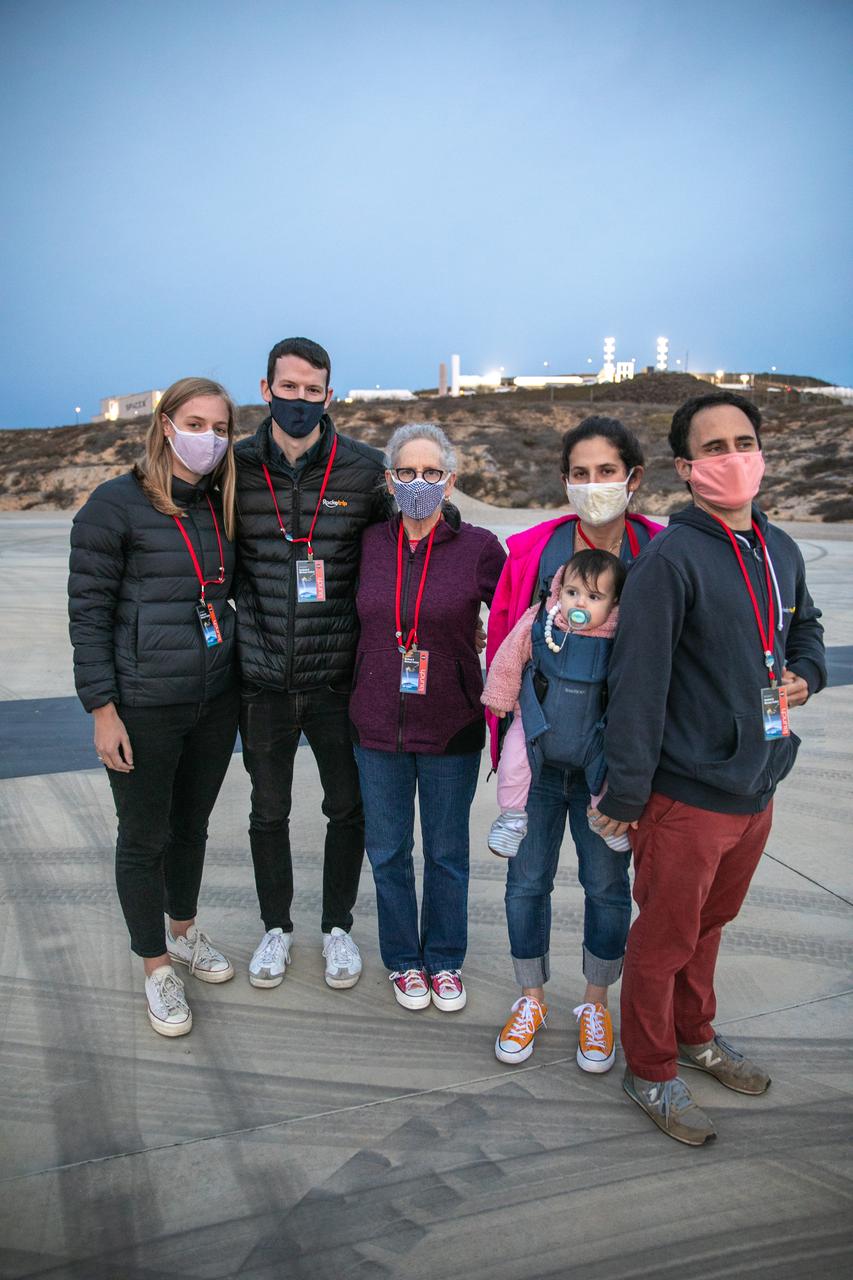
Family members of Dr. Michael Freilich, for whom the Sentinel-6 Michael Freilich satellite is named, gather at Vandenberg Air Force Base in California on Nov. 20, 2020, the day before the spacecraft’s planned launch atop a Falcon 9 rocket. Freilich served as director of NASA’s Earth Science Division in the Science Mission Directorate at the agency’s Headquarters from 2006 until his retirement in 2019. A tireless advocate for advancing satellite measurements of the ocean, he was instrumental in advancing ocean altimetry and helped drive the evolution of NASA Earth science from a program that launched an Earth-observing space mission every few years to one that launches several missions each year. Freilich died Aug. 5, 2020, of pancreatic cancer. Sentinel-6 Michael Freilich launched Nov. 21, 2020, at 9:17 a.m. PST (12:17 p.m. EST). NASA’s Launch Services Program at Kennedy Space Center was responsible for launch management.
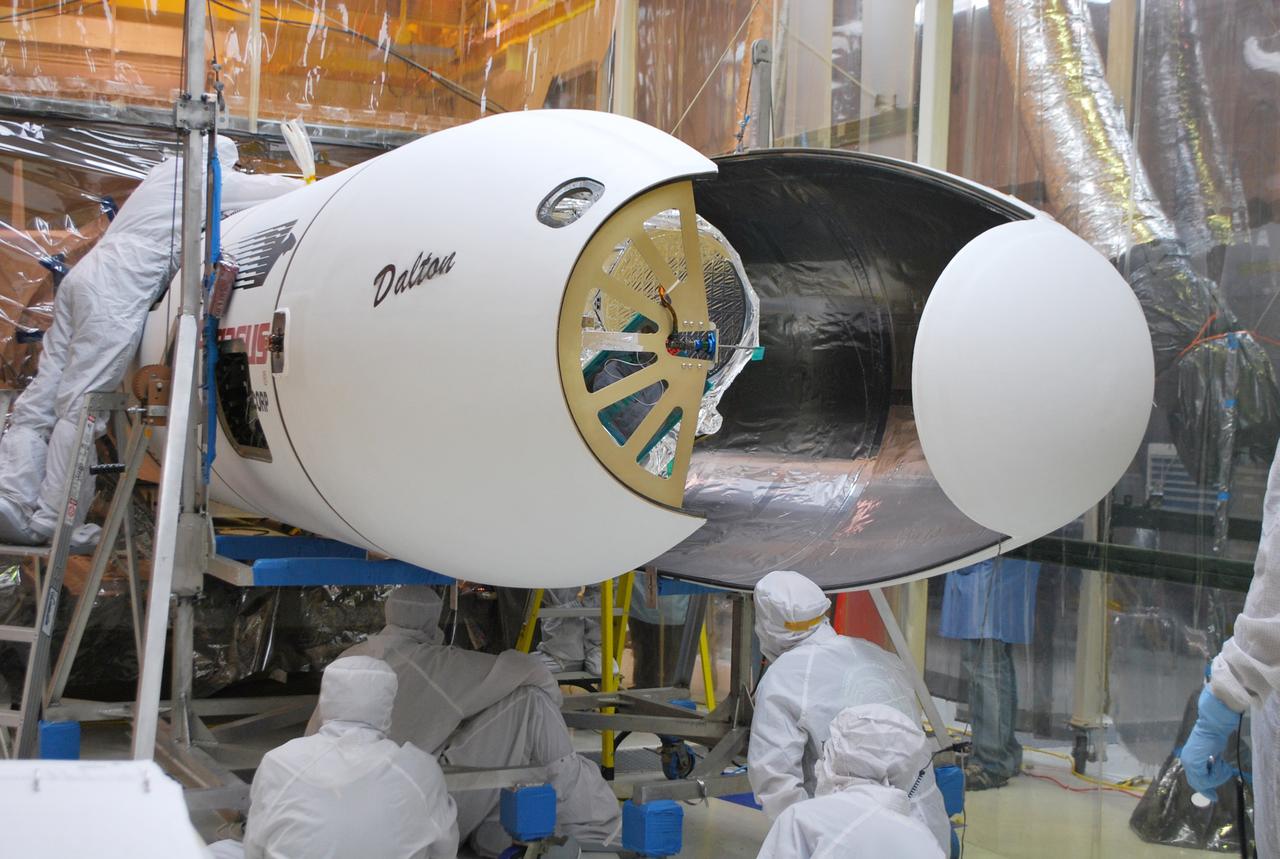
NUSTAR/Pegasus Fairing Installation
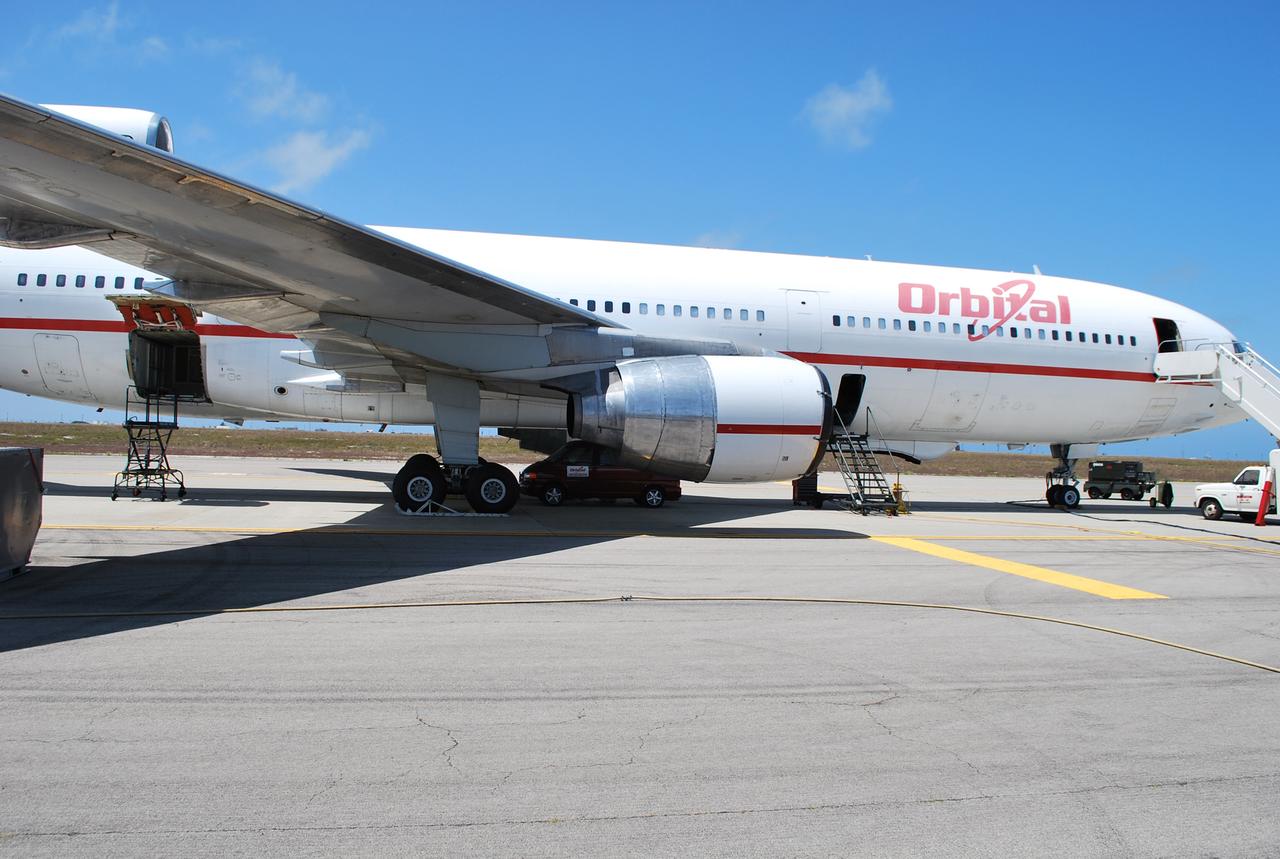
NUSTAR/Pegasus L-1011 and Miscellaneous Hot Fire Pad
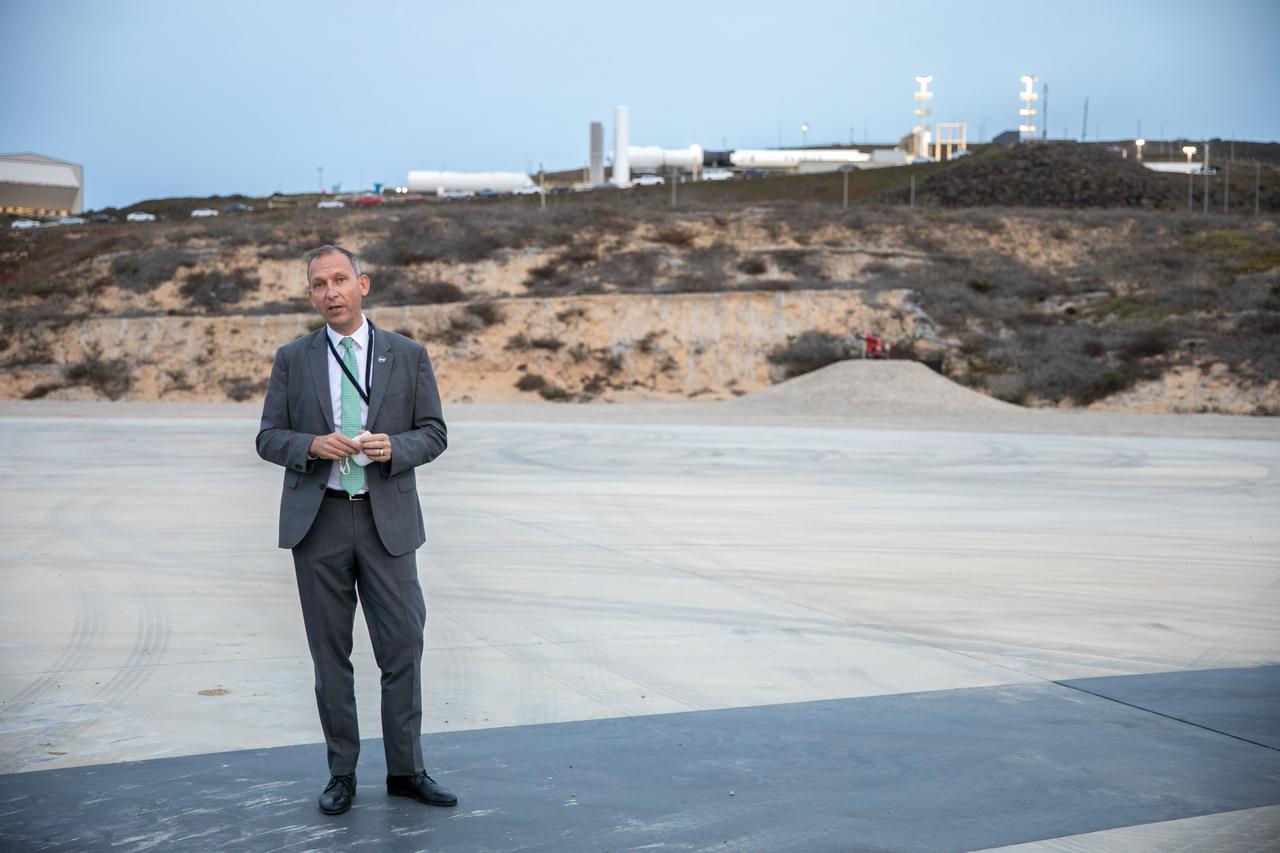
Associate Administrator for NASA’s Science Mission Directorate Thomas Zurbuchen speaks to family members of Dr. Michael Freilich, for whom the Sentinel-6 Michael Freilich satellite is named, at Vandenberg Air Force Base in California on Nov. 20, 2020, the day before the spacecraft’s planned launch atop a Falcon 9 rocket. Freilich served as director of NASA’s Earth Science Division in the Science Mission Directorate at the agency’s Headquarters from 2006 until his retirement in 2019. A tireless advocate for advancing satellite measurements of the ocean, he was instrumental in advancing ocean altimetry and helped drive the evolution of NASA Earth science from a program that launched an Earth-observing space mission every few years to one that launches several missions each year. Freilich died Aug. 5, 2020, of pancreatic cancer. Sentinel-6 Michael Freilich launched Nov. 21, 2020, at 9:17 a.m. PST (12:17 p.m. EST). NASA’s Launch Services Program at Kennedy Space Center was responsible for launch management.
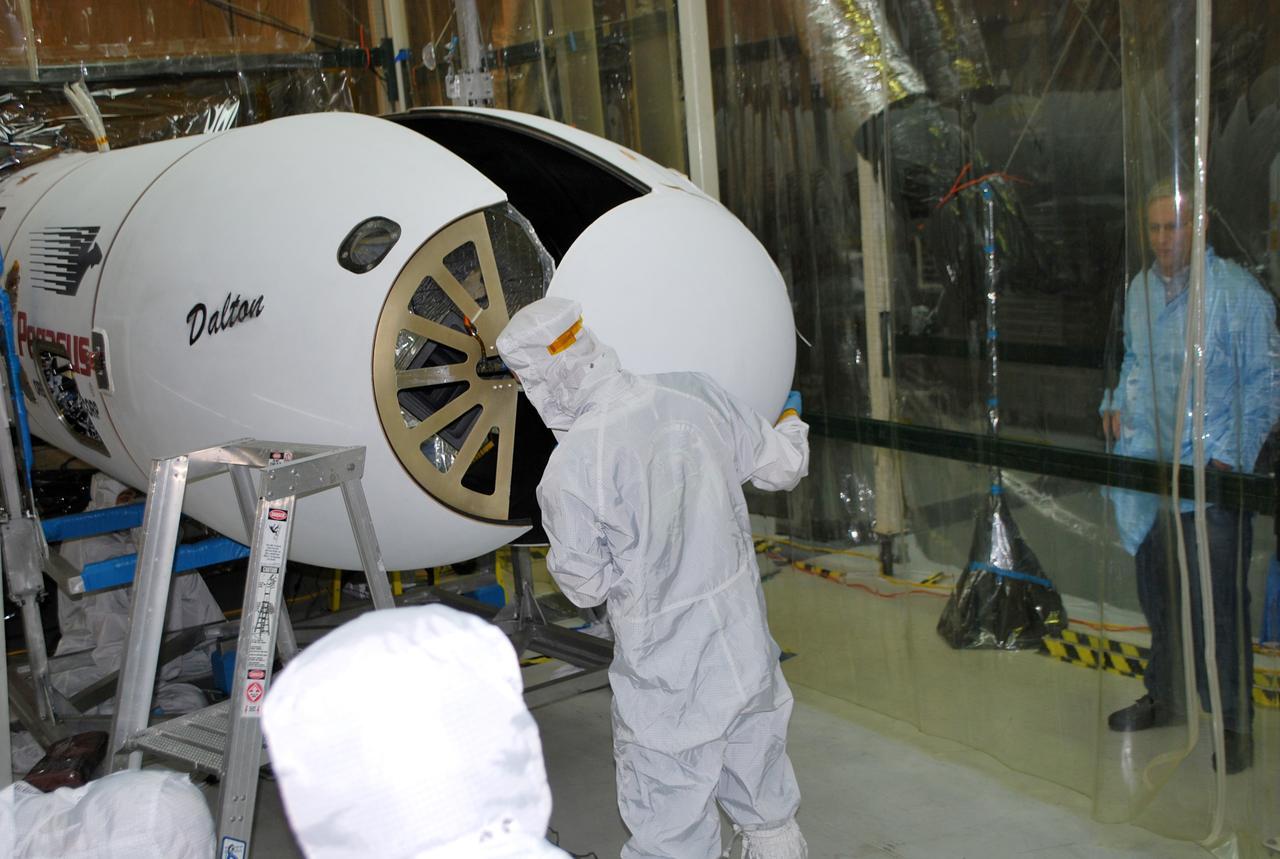
NUSTAR/Pegasus Fairing Installation
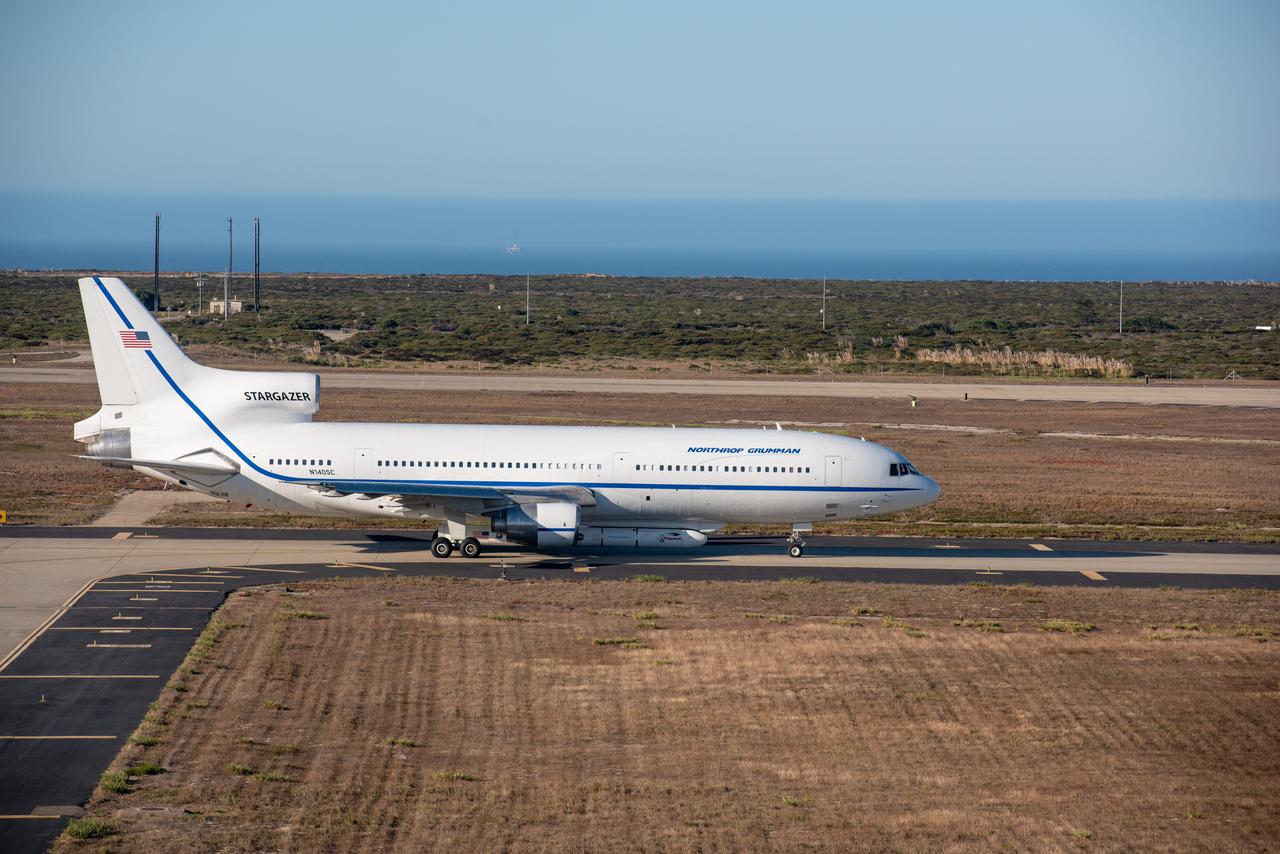
Northrop Grumman's L-1011 Stargazer awaits takeoff from Vandenberg Air Force Base in California on Oct. 1, 2019. The company's Pegasus XL rocket, containing NASA's Ionospheric Connection Explorer (ICON), is attached beneath the aircraft. The explorer is targeted to launch on Oct. 9, 2019, from Cape Canaveral Air Force Station in Florida. ICON will study the frontier of space - the dynamic zone high in Earth's atmosphere where terrestrial weather from below meets space weather above.
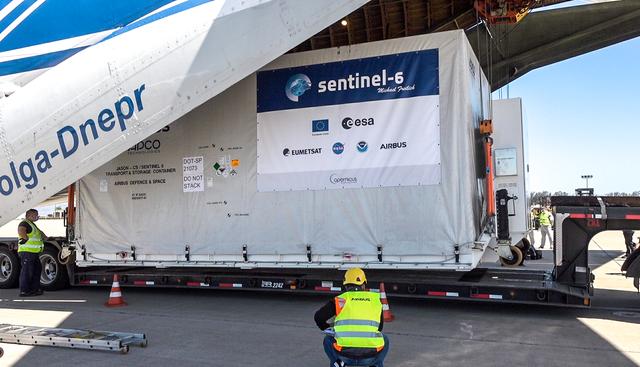
The Sentinel-6 Michael Freilich satellite, secured inside a shipping container, arrives at Vandenberg Air Force Base in California on Sept. 24, 2020, aboard an Antonov cargo aircraft. The mission is an international partnership and the first launch of a constellation of two satellites that will observe changes in Earth’s sea levels for at least the next decade. Launching atop a SpaceX Falcon 9 rocket, Sentinel-6 Michael Freilich is targeted to lift off from Vandenberg’s Space Launch Complex 4 on Nov. 10, 2020. The Launch Services Program at Kennedy is responsible for launch management.
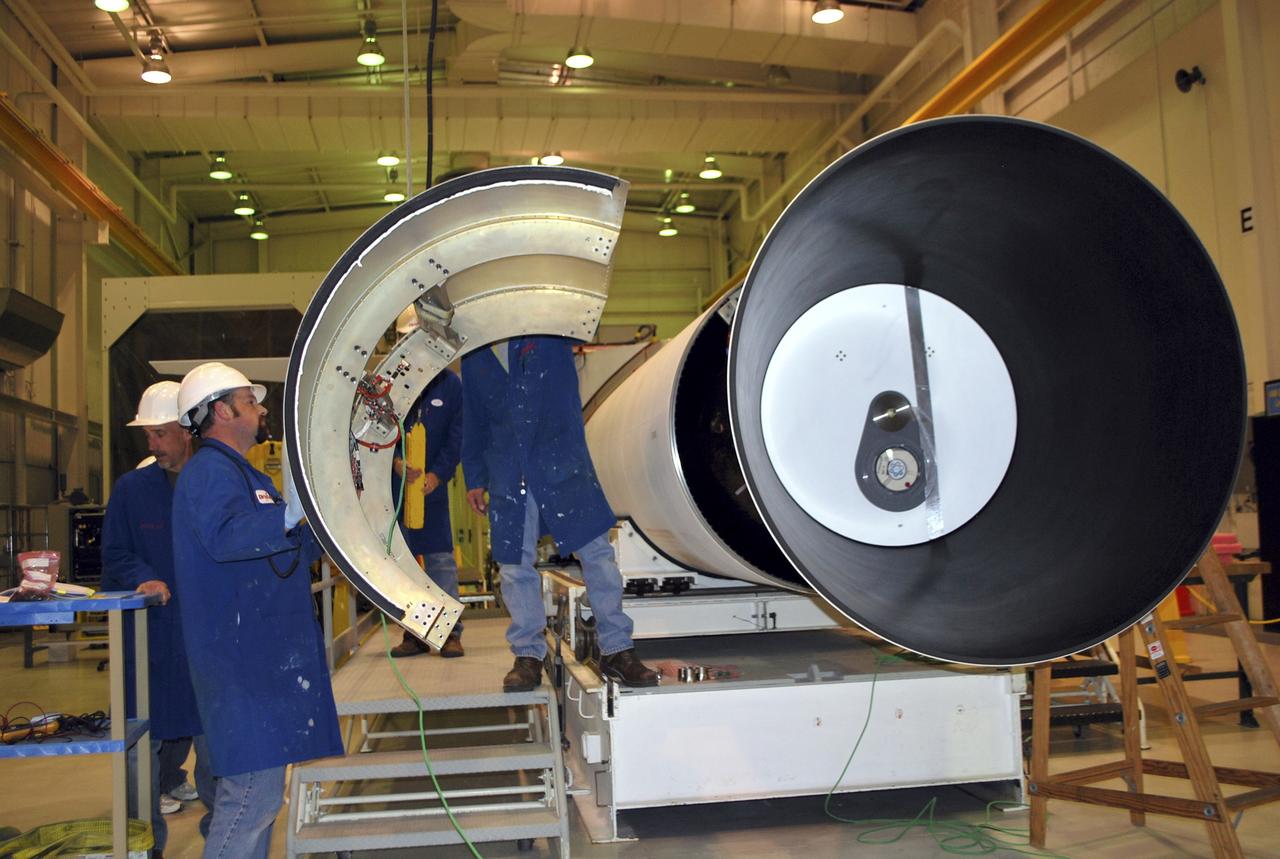
Pegasus/Nustar, Arival for the Aft Skirt & Fins, Installation of the Aft Skirt to the Aft End of Stage 1
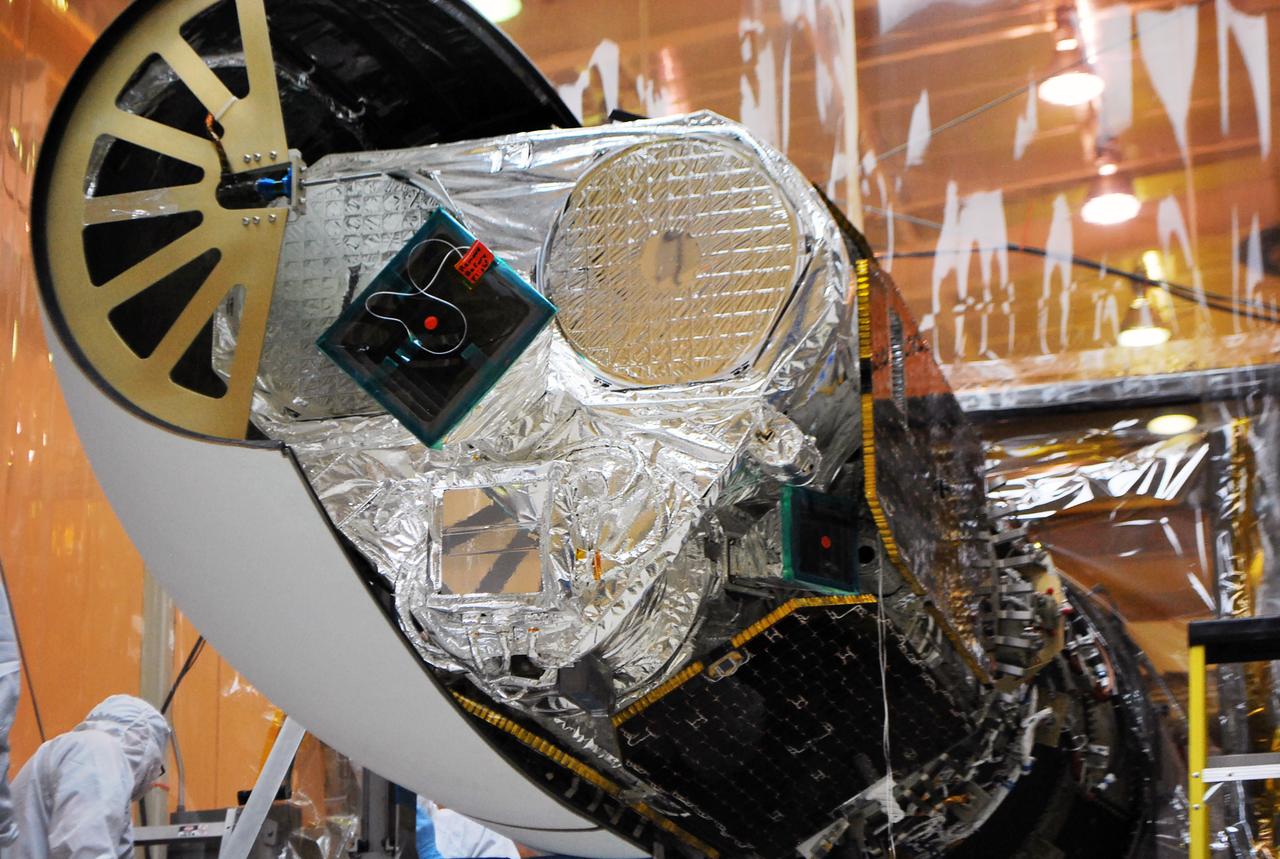
NUSTAR/Pegasus Fairing Installation
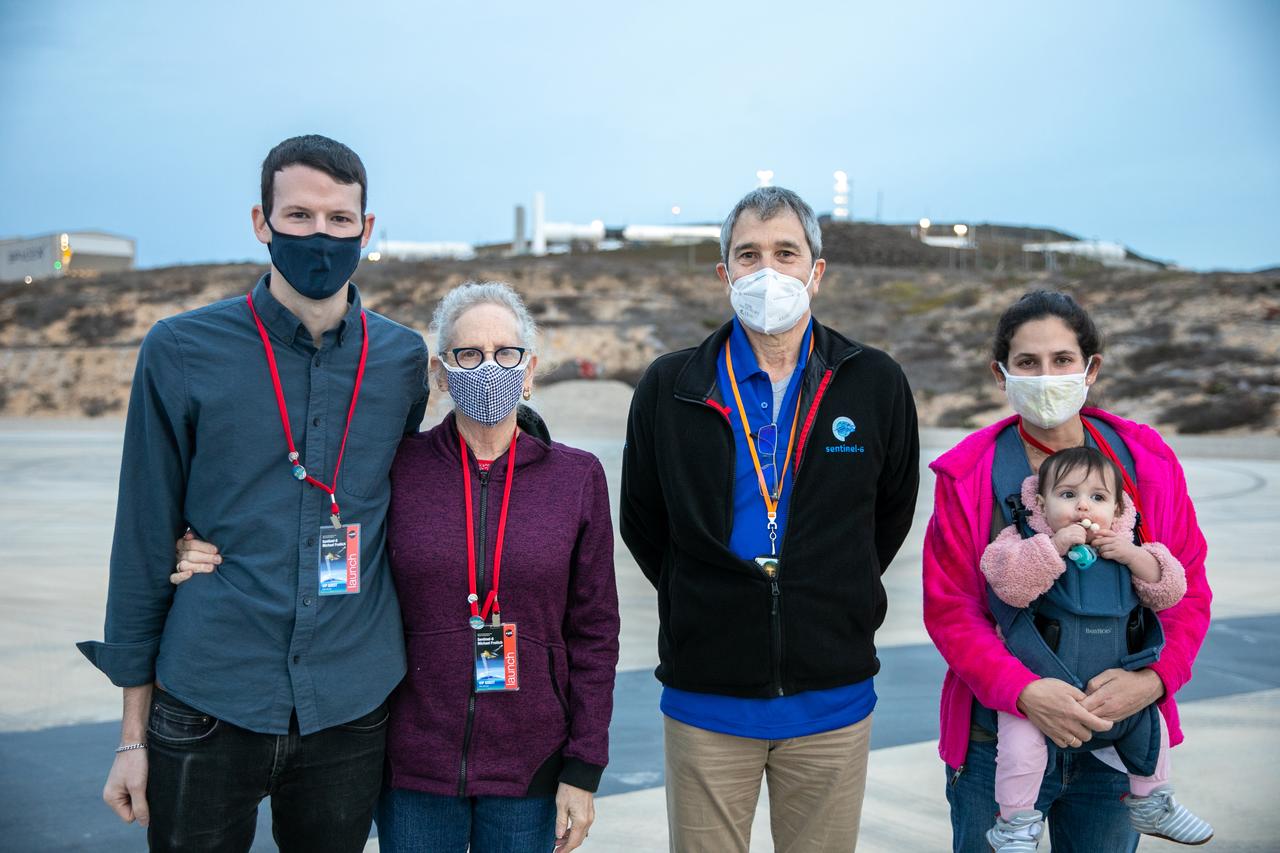
Family members of Dr. Michael Freilich, for whom the Sentinel-6 Michael Freilich satellite is named, pause for a photograph with European Space Agency’s Copernicus Space Segment Programme Manager Guido Levrini, second from right, at Vandenberg Air Force Base in California on Nov. 20, 2020, the day before the spacecraft’s planned launch atop a Falcon 9 rocket. From left are Freilich’s son and wife, Daniel and Shoshannah, and at far right is his daughter, Sarah. Freilich served as director of NASA’s Earth Science Division in the Science Mission Directorate at the agency’s Headquarters from 2006 until his retirement in 2019. A tireless advocate for advancing satellite measurements of the ocean, he was instrumental in advancing ocean altimetry and helped drive the evolution of NASA Earth science from a program that launched an Earth-observing space mission every few years to one that launches several missions each year. Freilich died Aug. 5, 2020, of pancreatic cancer. Sentinel-6 Michael Freilich launched Nov. 21, 2020, at 9:17 a.m. PST (12:17 p.m. EST). NASA’s Launch Services Program at Kennedy Space Center was responsible for launch management.
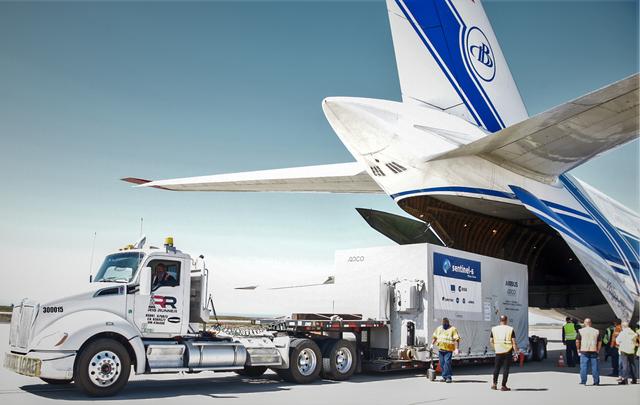
The Sentinel-6 Michael Freilich satellite, secured inside a shipping container, arrives at Vandenberg Air Force Base in California on Sept. 24, 2020, aboard an Antonov cargo aircraft. The mission is an international partnership and the first launch of a constellation of two satellites that will observe changes in Earth’s sea levels for at least the next decade. Launching atop a SpaceX Falcon 9 rocket, Sentinel-6 Michael Freilich is targeted to lift off from Vandenberg’s Space Launch Complex 4 on Nov. 10, 2020. The Launch Services Program at Kennedy is responsible for launch management.
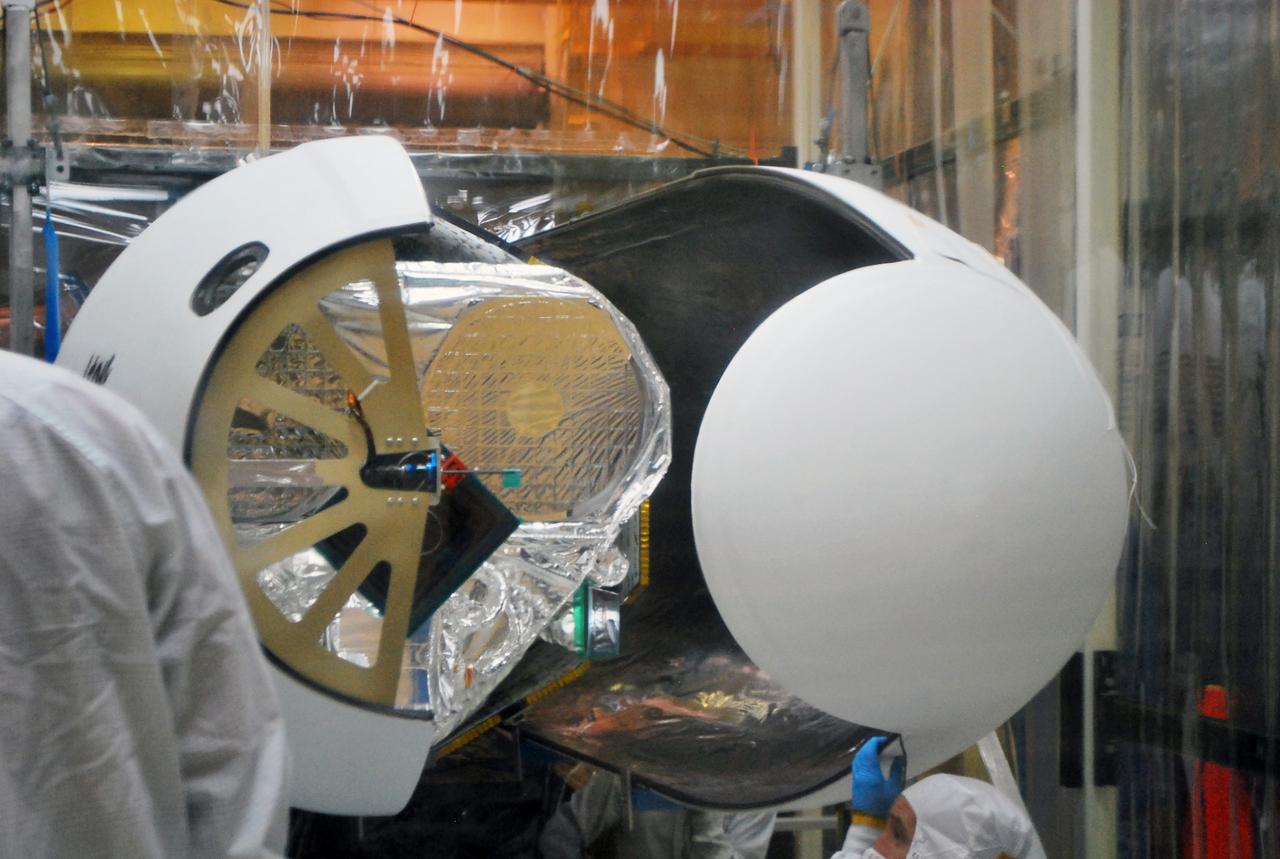
NUSTAR/Pegasus Fairing Installation
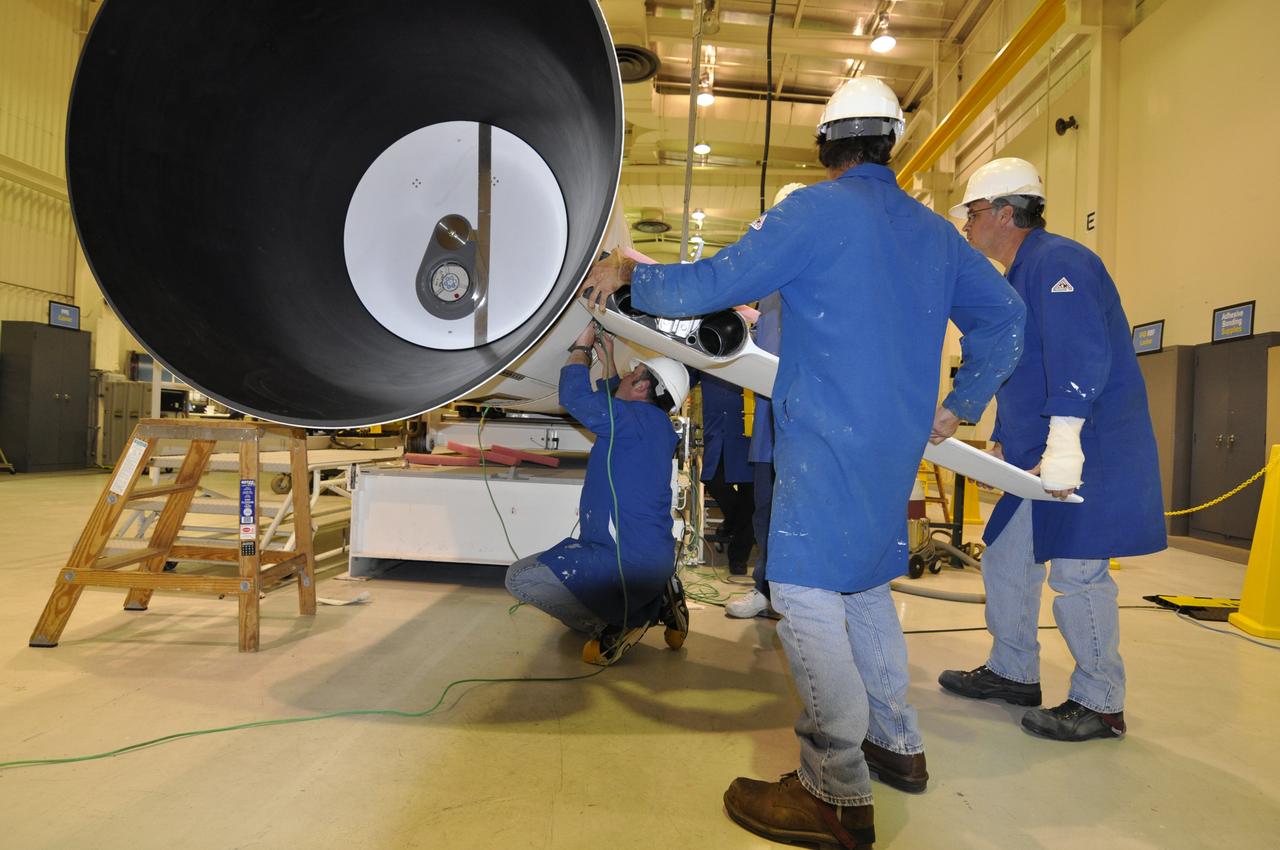
Pegasus/Nustar, Fin Installation on the Aft End of Stage 1
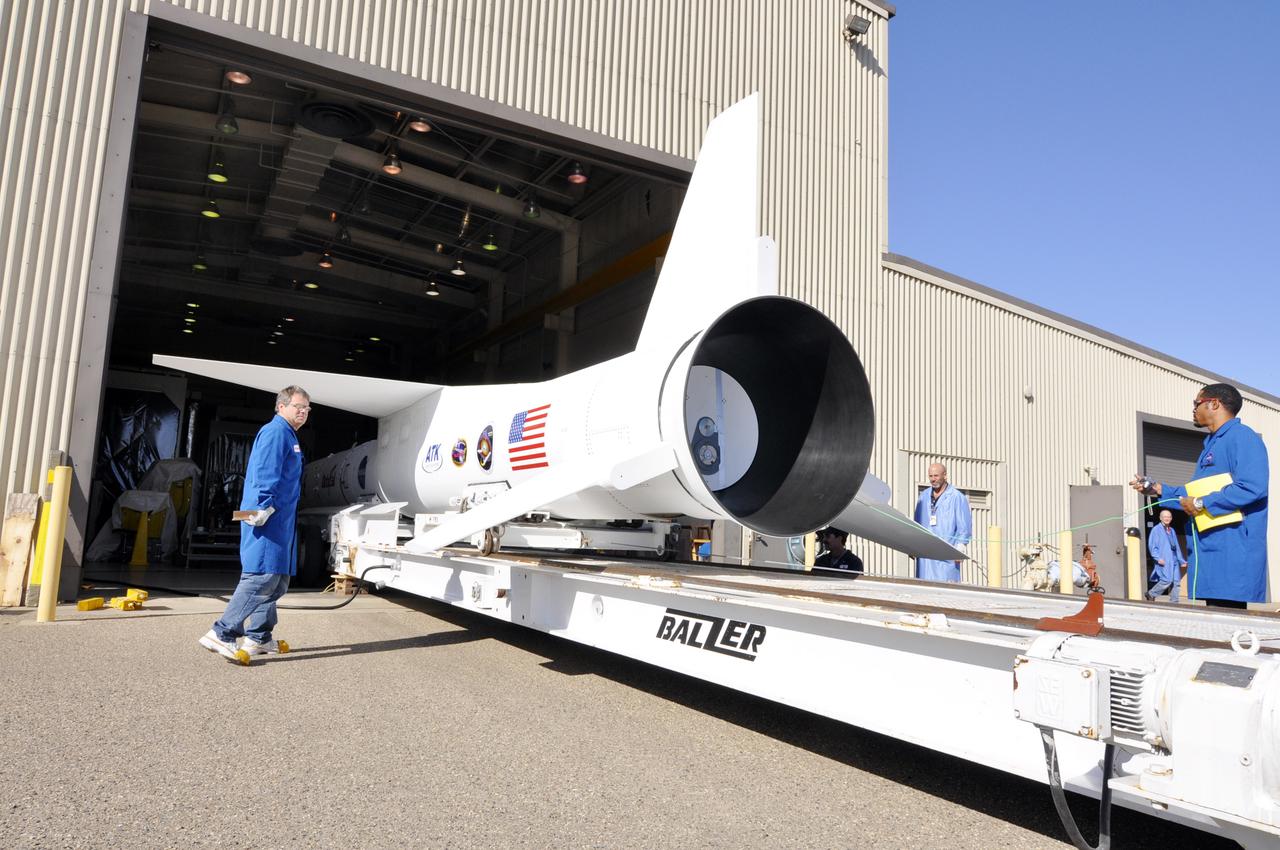
NUSTAR, Transfer of the Pegasus to the AIT
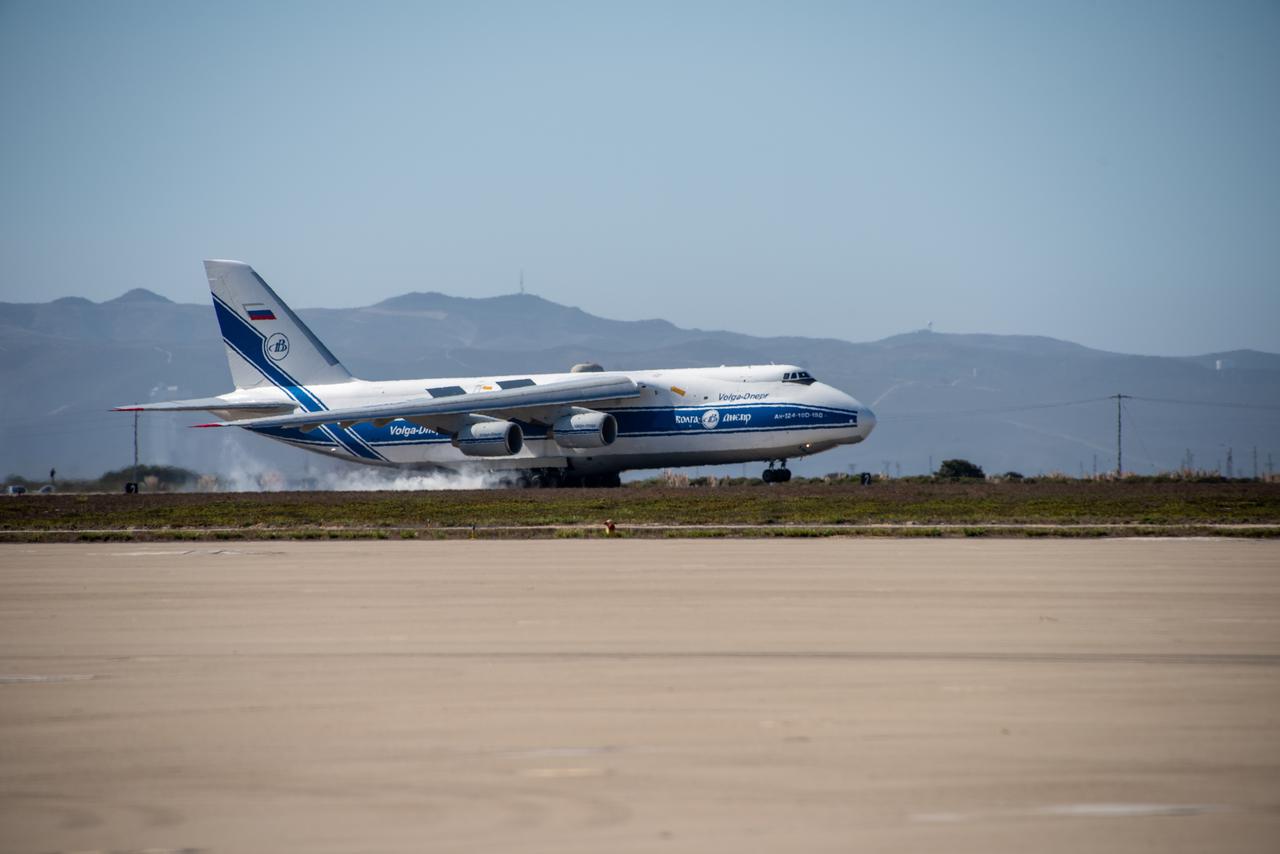
The Antonov cargo aircraft carrying the Sentinel-6 Michael Freilich satellite touches down on the runway at Vandenberg Air Force Base in California on Sept. 24, 2020. The mission is an international partnership and the first launch of a constellation of two satellites that will observe changes in Earth’s sea levels for at least the next decade. Launching atop a SpaceX Falcon 9 rocket, Sentinel-6 Michael Freilich is targeted to lift off from Vandenberg’s Space Launch Complex 4 on Nov. 10, 2020. The Launch Services Program at Kennedy is responsible for launch management.
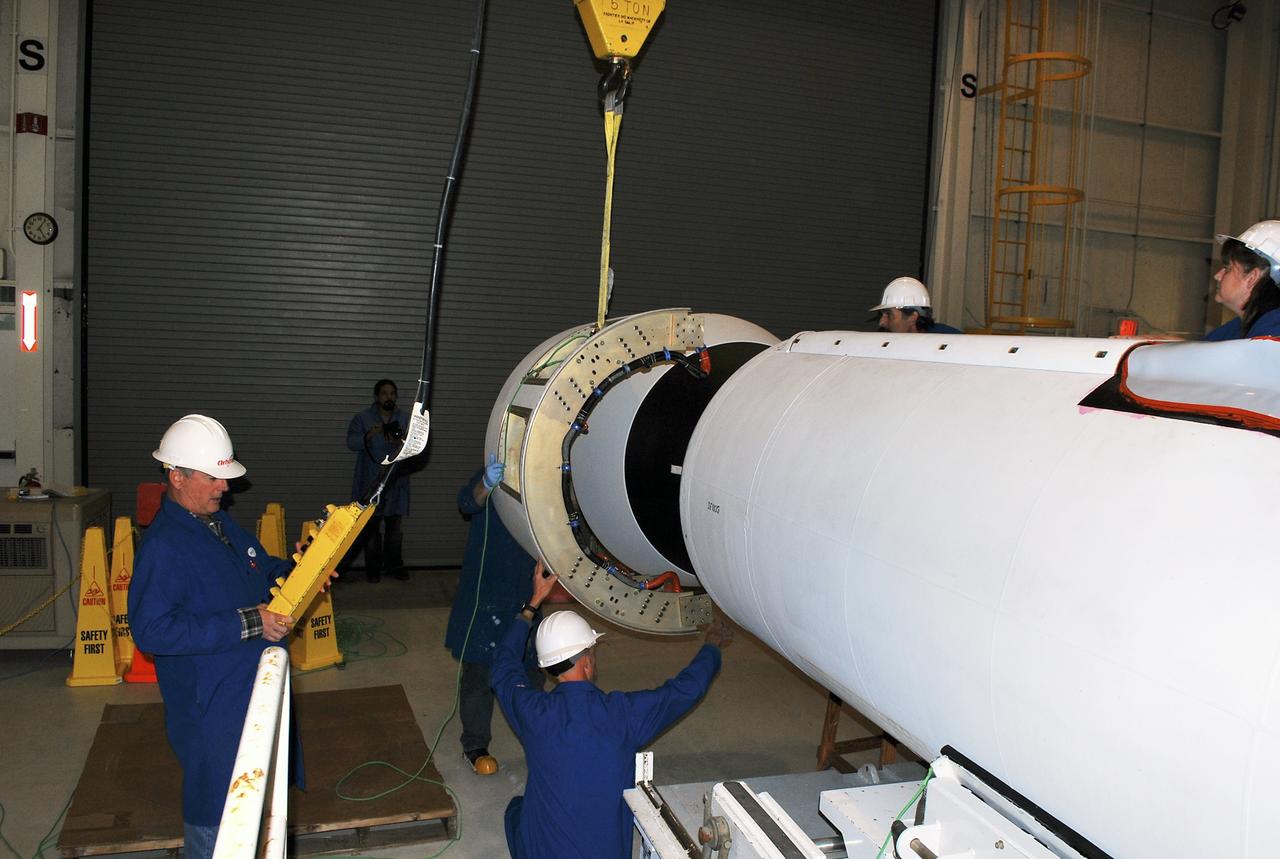
Pegasus/Nustar, Arival for the Aft Skirt & Fins, Installation of the Aft Skirt to the Aft End of Stage 1
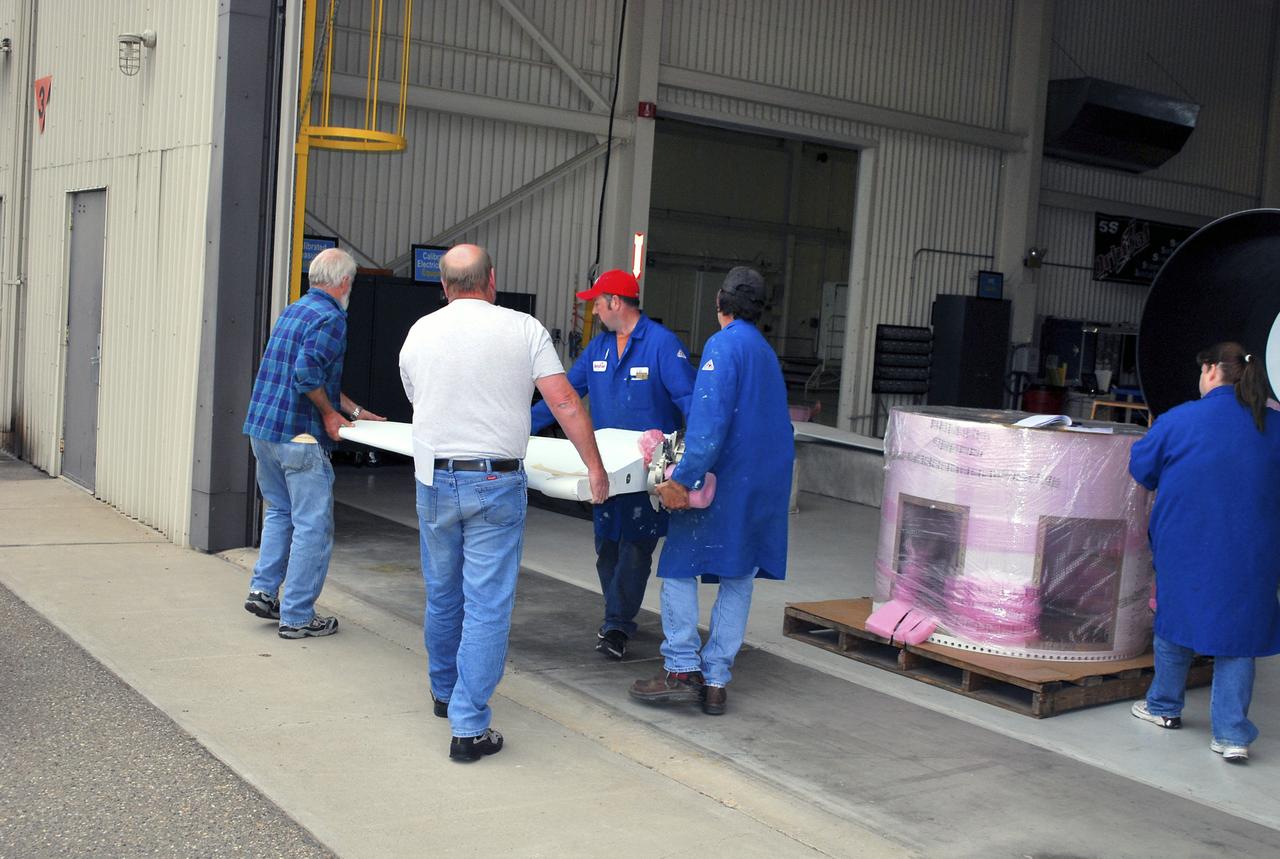
Pegasus/Nustar, Arival for the Aft Skirt & Fins, Installation of the Aft Skirt to the Aft End of Stage 1
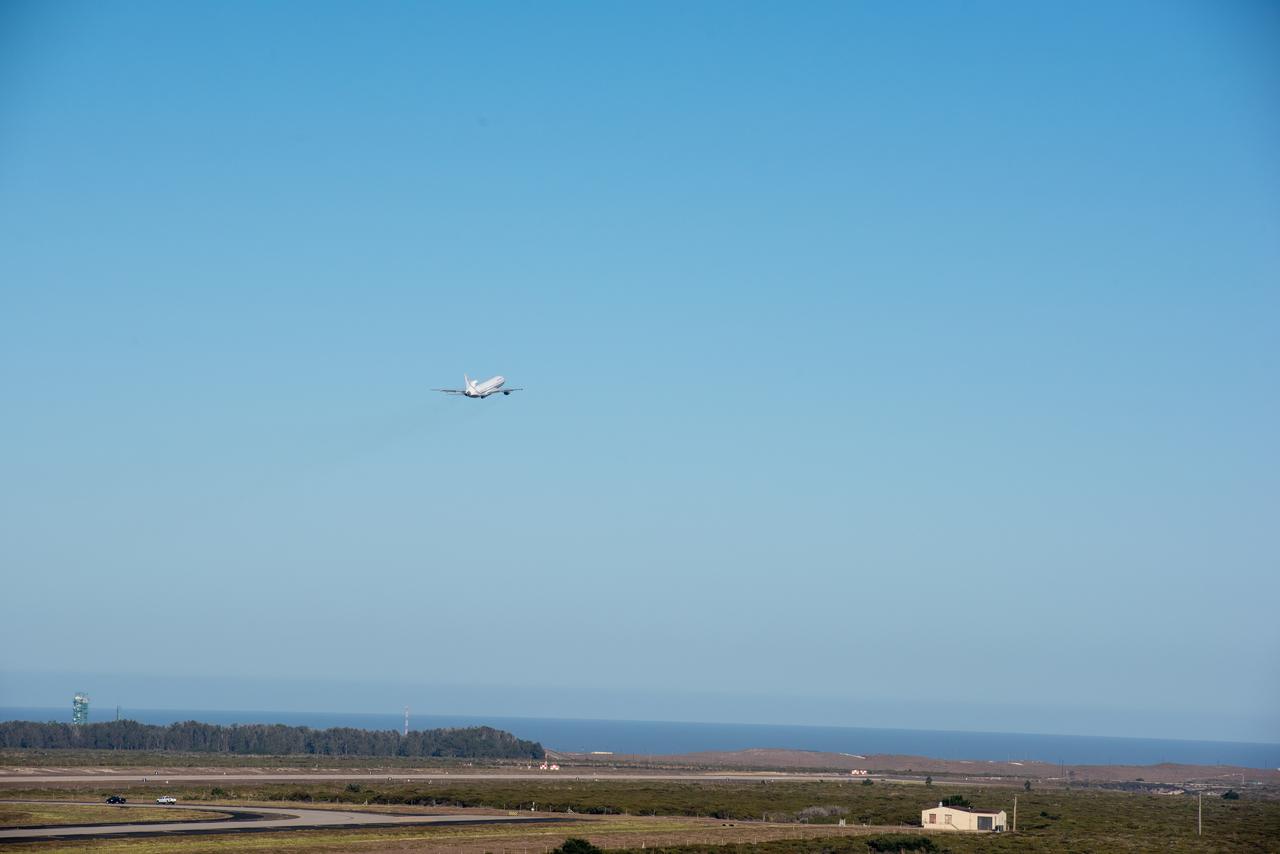
Northrop Grumman's L-1011 Stargazer takes off from Vandenberg Air Force Base in California on Oct. 1, 2019. The company's Pegasus XL rocket, containing NASA's Ionospheric Connection Explorer (ICON), is attached beneath the aircraft. The explorer is targeted to launch on Oct. 9, 2019, from Cape Canaveral Air Force Station in Florida. ICON will study the frontier of space - the dynamic zone high in Earth's atmosphere where terrestrial weather from below meets space weather above.

Family members of Dr. Michael Freilich, for whom the Sentinel-6 Michael Freilich satellite is named, gather at Vandenberg Air Force Base in California on Nov. 20, 2020, the day before the spacecraft’s planned launch atop a Falcon 9 rocket. Freilich served as director of NASA’s Earth Science Division in the Science Mission Directorate at the agency’s Headquarters from 2006 until his retirement in 2019. A tireless advocate for advancing satellite measurements of the ocean, he was instrumental in advancing ocean altimetry and helped drive the evolution of NASA Earth science from a program that launched an Earth-observing space mission every few years to one that launches several missions each year. Freilich died Aug. 5, 2020, of pancreatic cancer. Sentinel-6 Michael Freilich launched Nov. 21, 2020, at 9:17 a.m. PST (12:17 p.m. EST). NASA’s Launch Services Program at Kennedy Space Center was responsible for launch management.
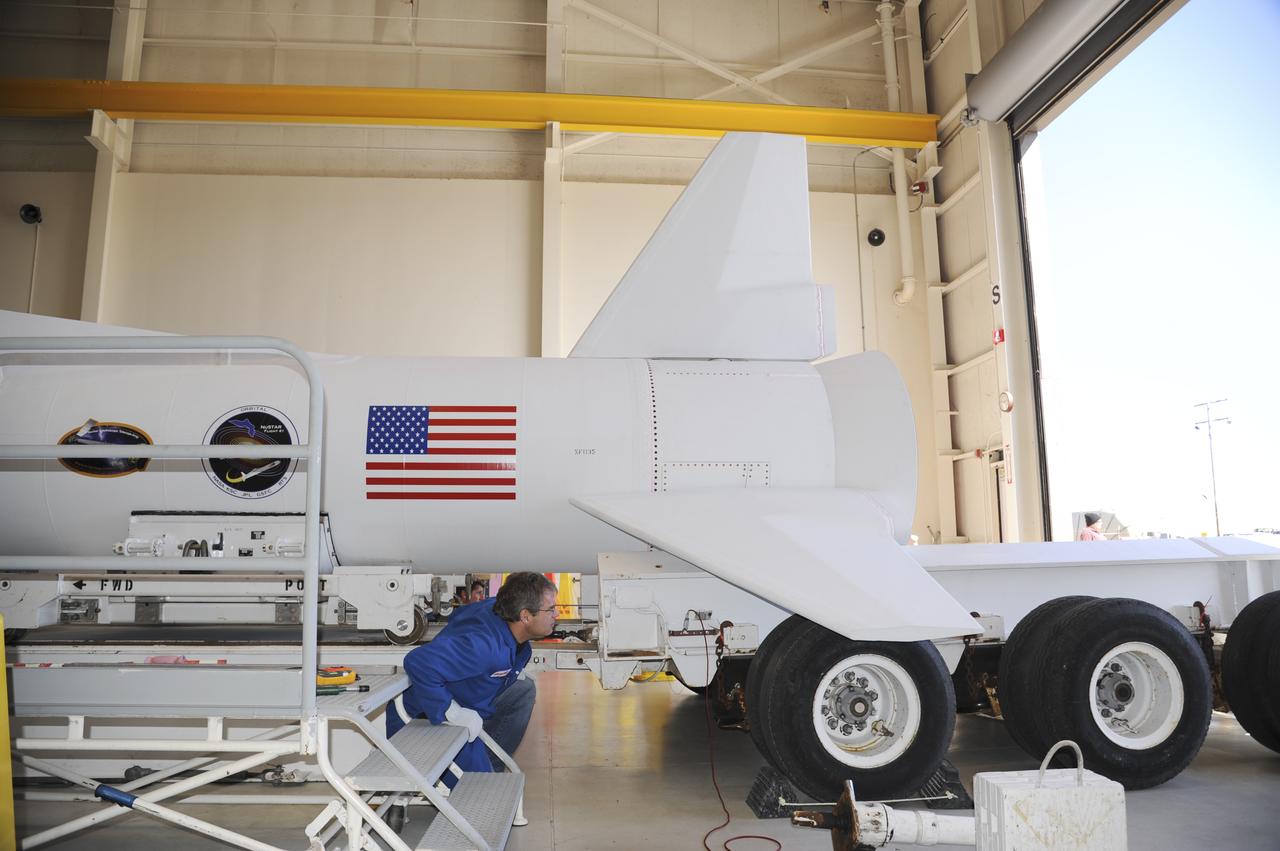
NUSTAR/Pegasus, Transfer of the Pegasus to the AIT
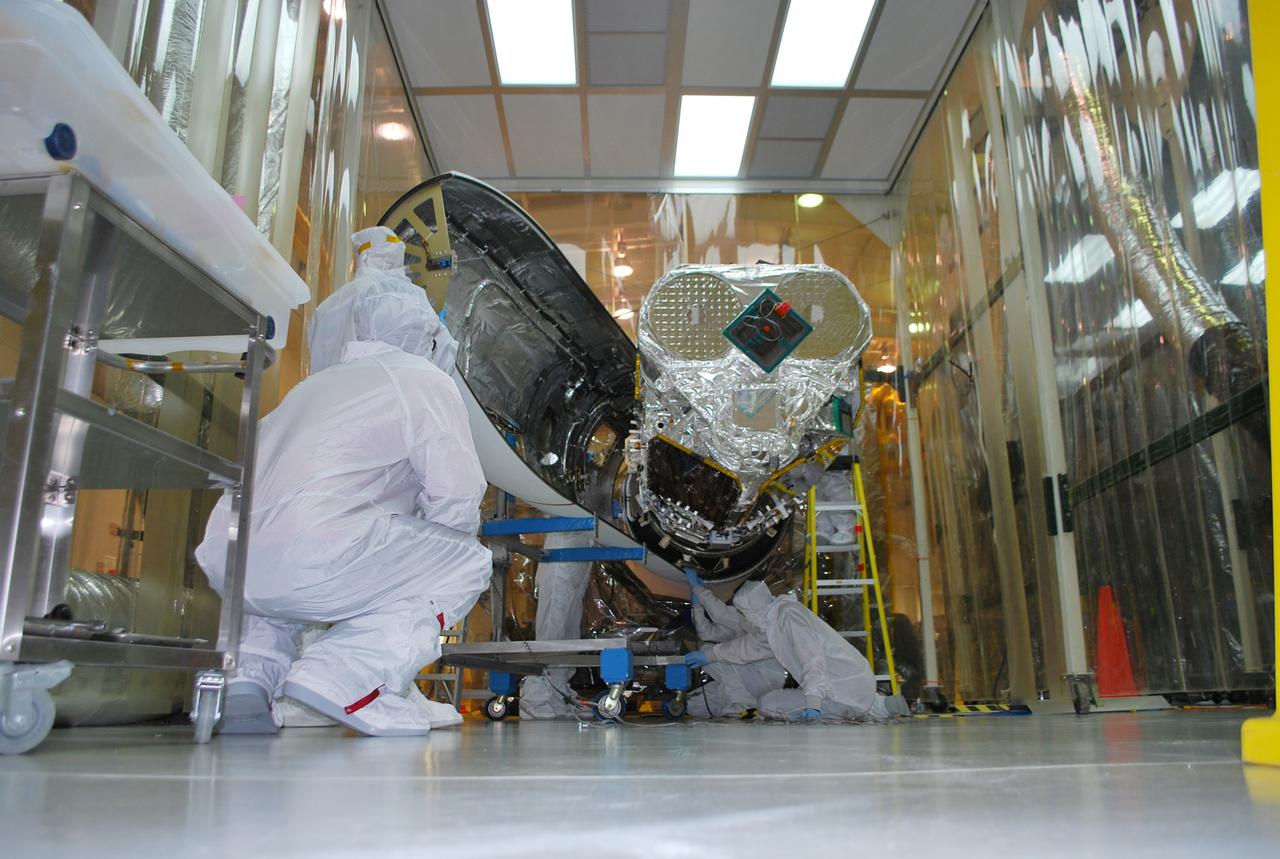
NUSTAR/Pegasus Fairing Installation
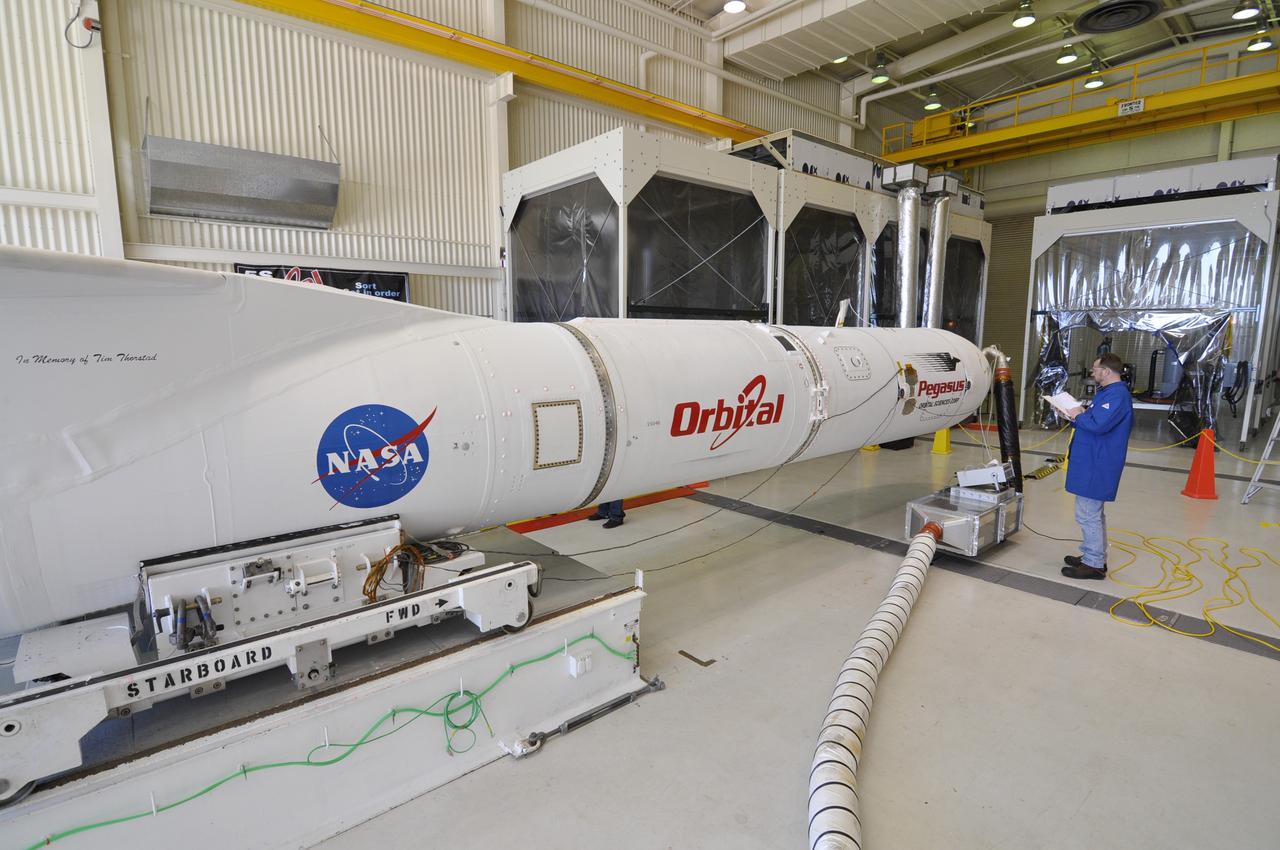
NUSTAR, Transfer of the Pegasus to the AIT
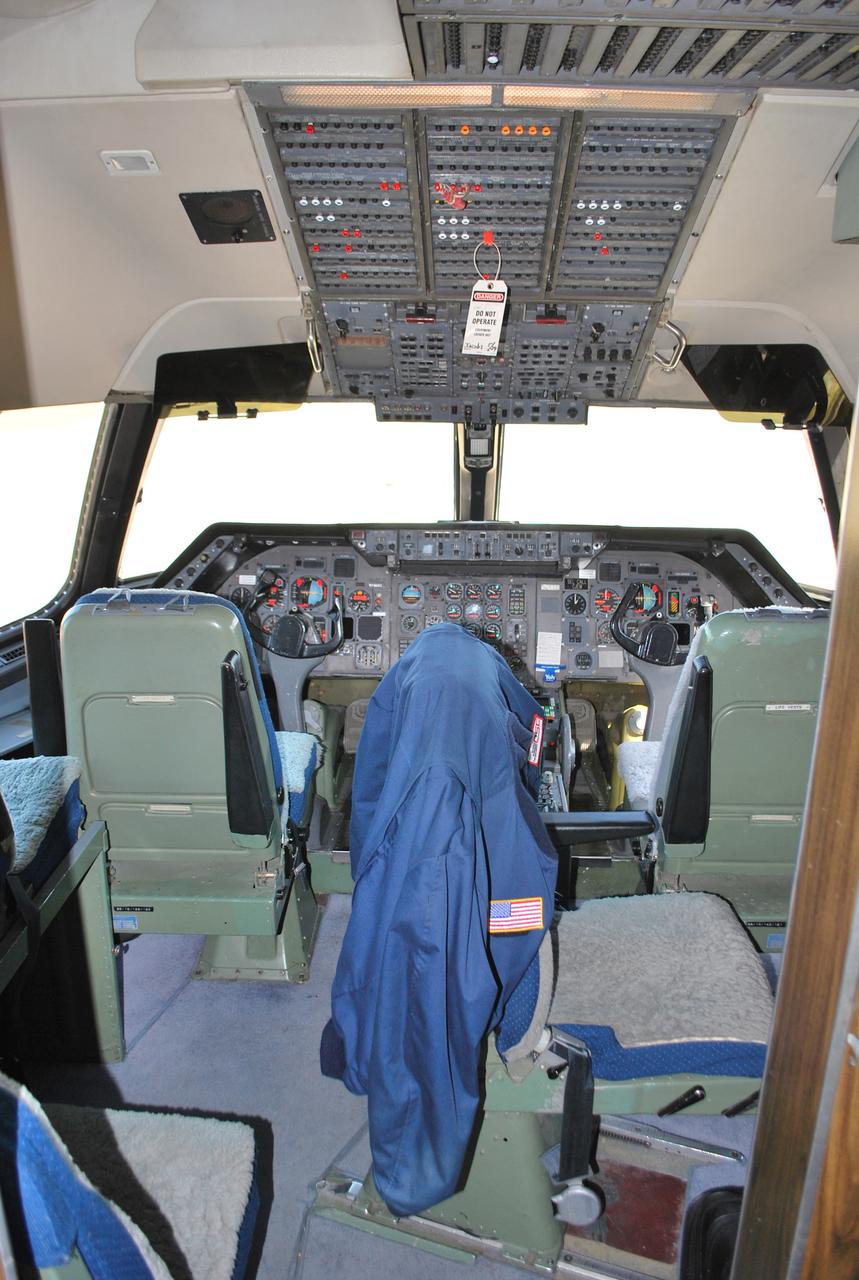
NUSTAR/Pegasus Hot Pad Activities, Racks Being Loaded
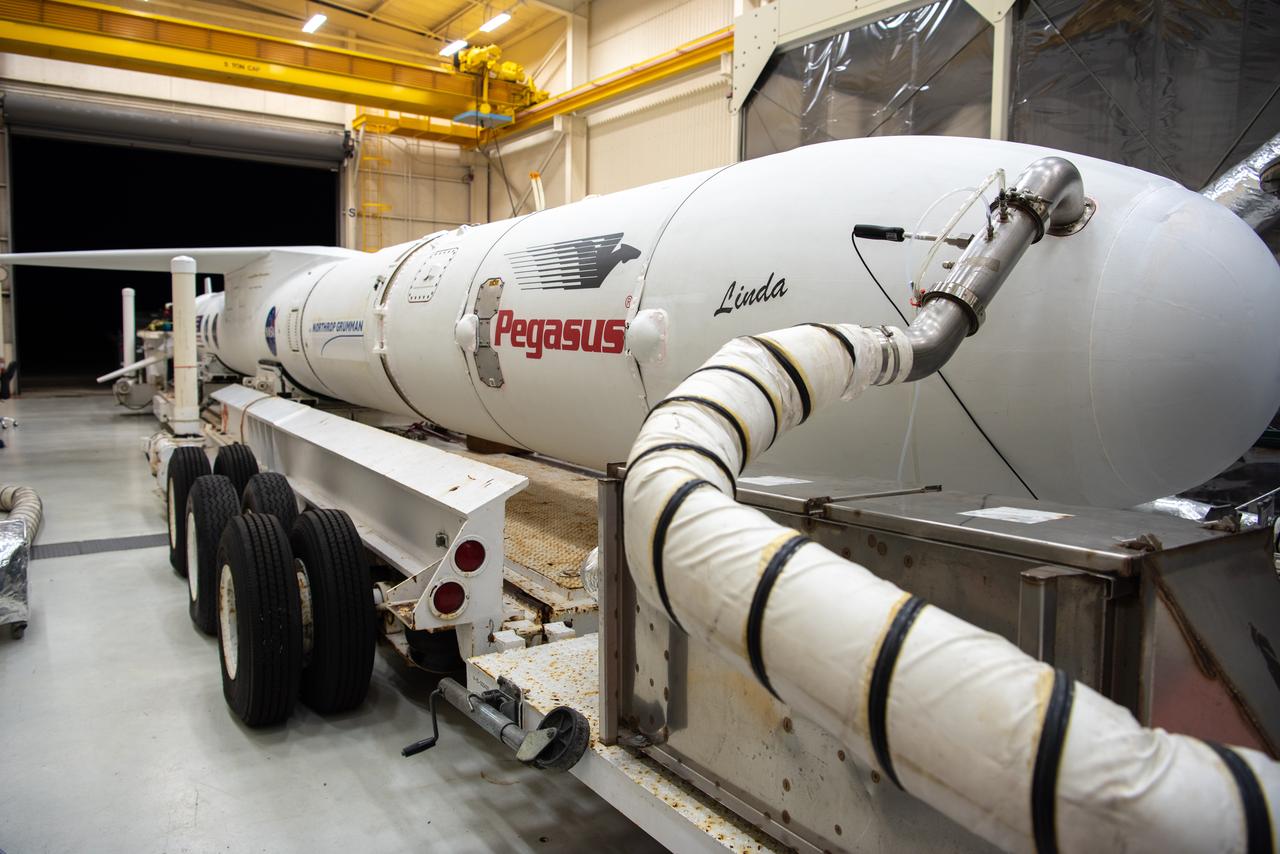
The Northrop Grumman Pegasus XL rocket, with NASA's Ionospheric Connection Explorer (ICON) secured in its payload fairing, begins rollout from Building 1555 at Vandenberg Air Force Base in California on Sept. 25, 2019. The Pegasus XL rocket will be attached beneath the company's L-1011 Stargazer aircraft for the flight to Cape Canaveral Air Force Station (CCAFS) in Florida. ICON will launch from the Skid Strip at CCAFS. Launch is scheduled for Oct. 10, 2019. ICON will study the frontier of space - the dynamic zone high in Earth's atmosphere where terrestrial weather from below meets space weather above. The explorer will help determine the physics of Earth's space environment and pave the way for mitigating its effects on our technology and communications systems.
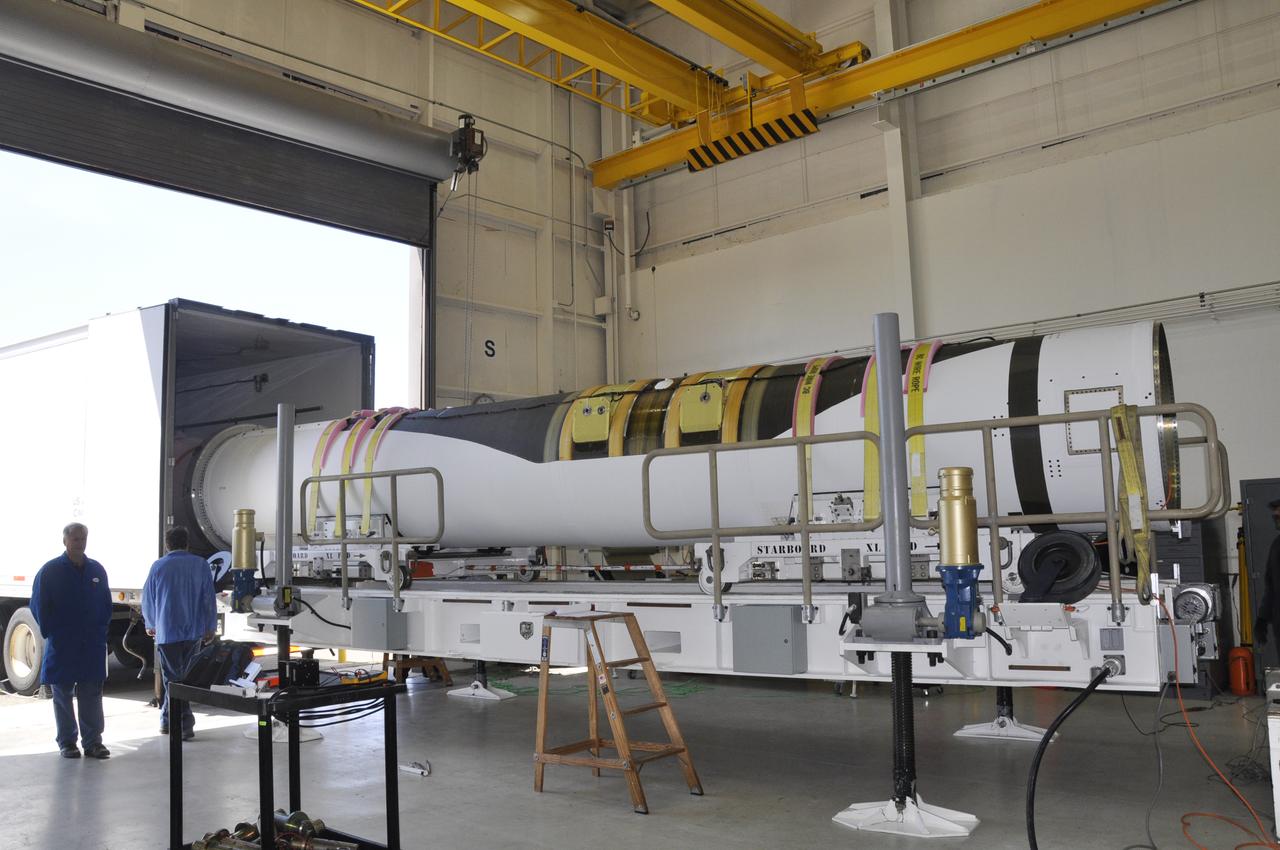
IRIS/Pegasus Motor Arrival
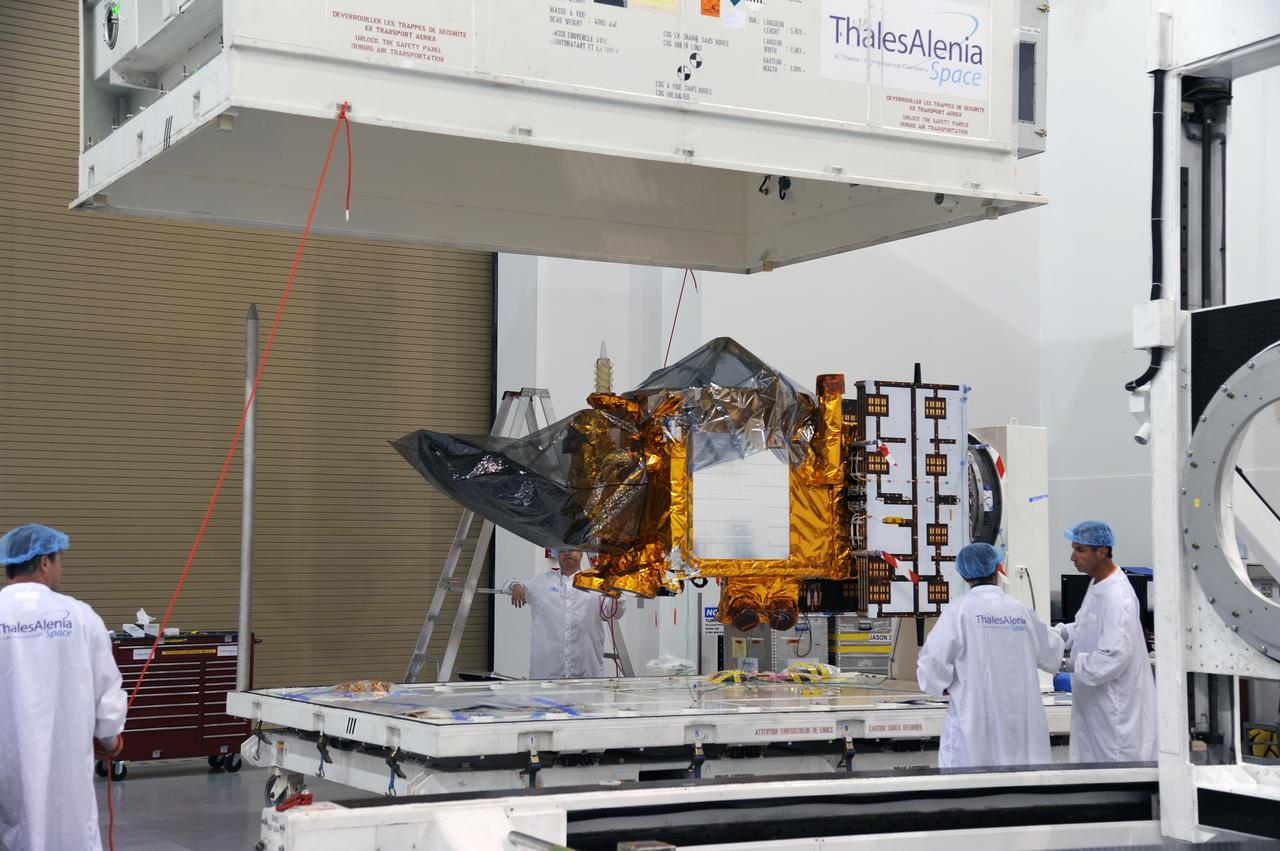
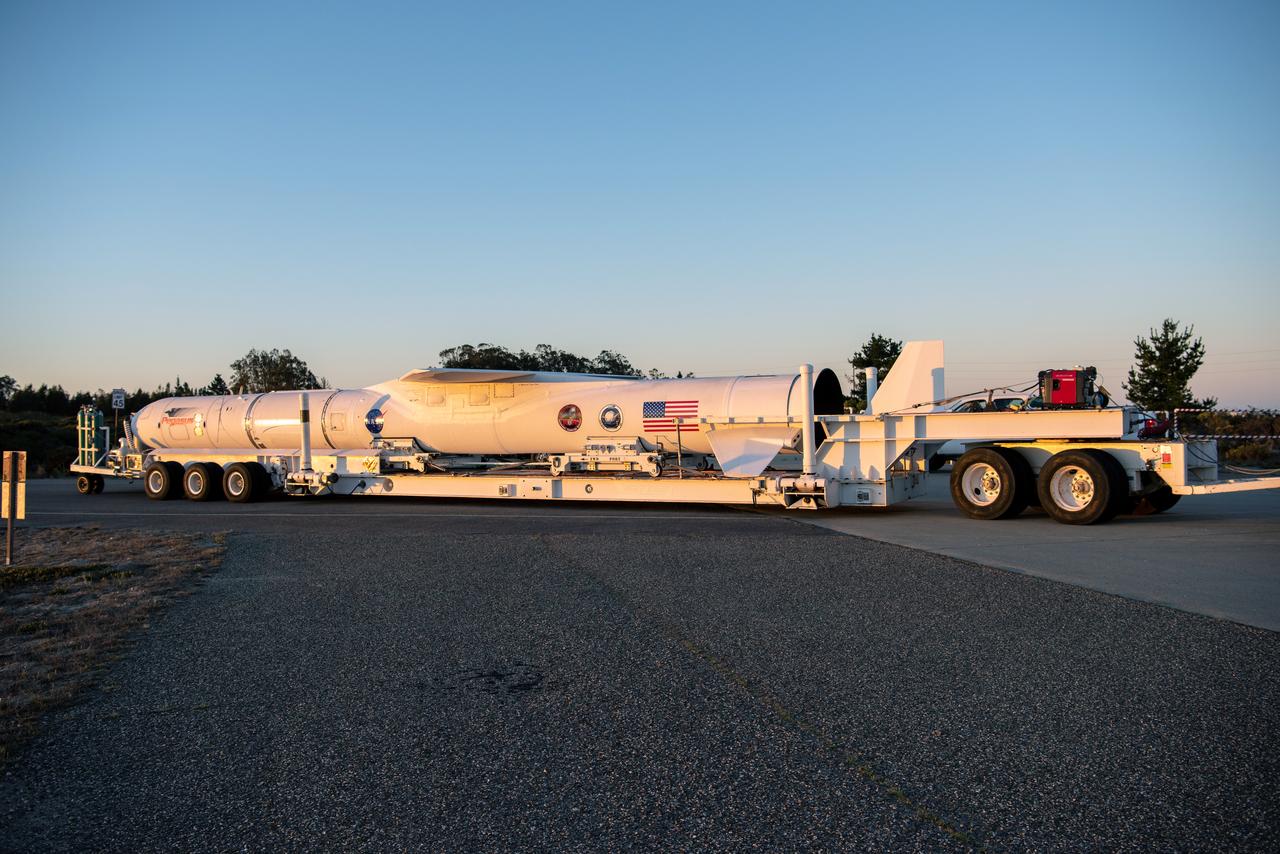
The Northrop Grumman Pegasus XL rocket, with NASA's Ionospheric Connection Explorer (ICON) secured in its payload fairing, rolls out from Building 1555 to the runway at Vandenberg Air Force Base in California on Sept. 25, 2019. The Pegasus XL rocket will be attached beneath the company's L-1011 Stargazer aircraft for the flight to Cape Canaveral Air Force Station (CCAFS) in Florida. ICON will launch from the Skid Strip at CCAFS in Florida. Launch is scheduled for Oct. 10, 2019. ICON will study the frontier of space - the dynamic zone high in Earth's atmosphere where terrestrial weather from below meets space weather above. The explorer will help determine the physics of Earth's space environment and pave the way for mitigating its effects on our technology and communications systems.

NUSTAR, Transfer of the Pegasus to the AIT
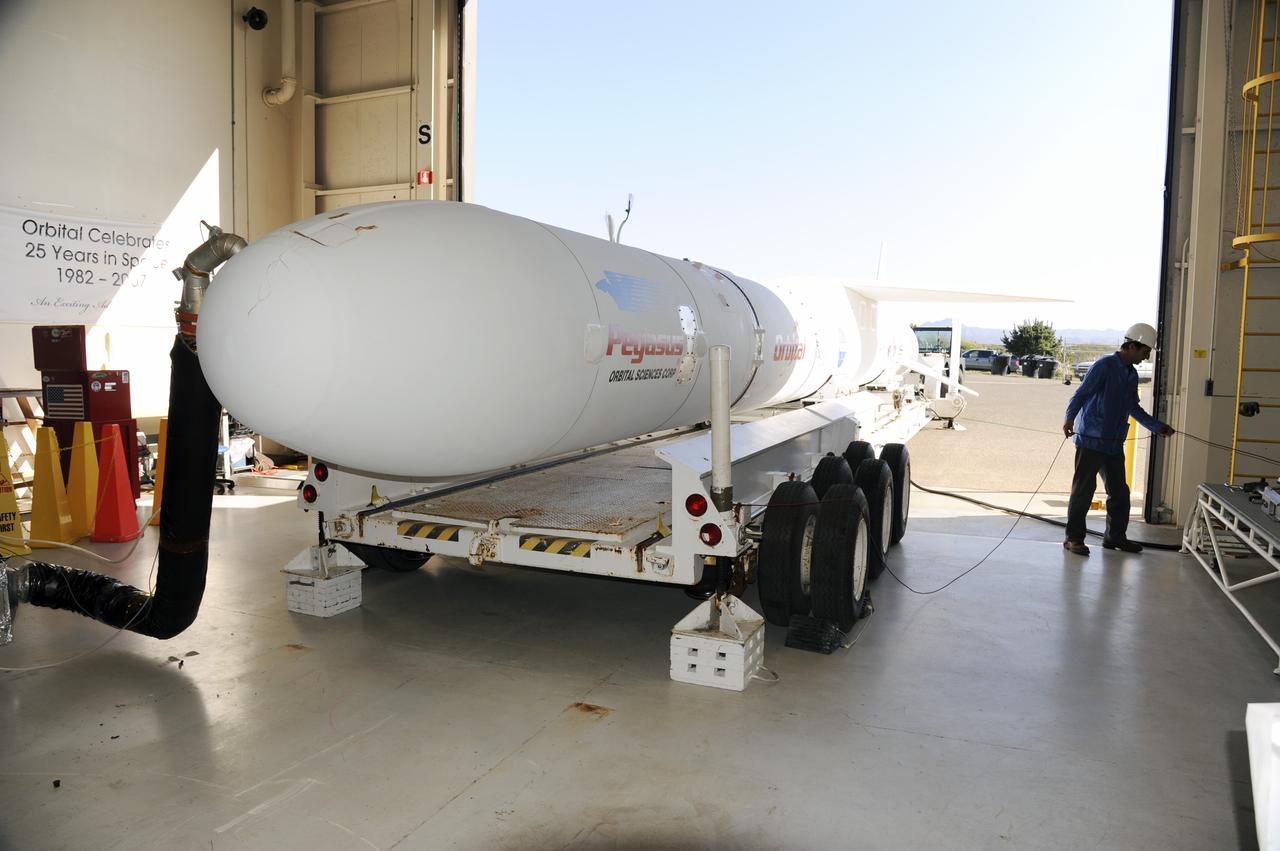
NUSTAR/Pegasus, Transfer of the Pegasus to the AIT
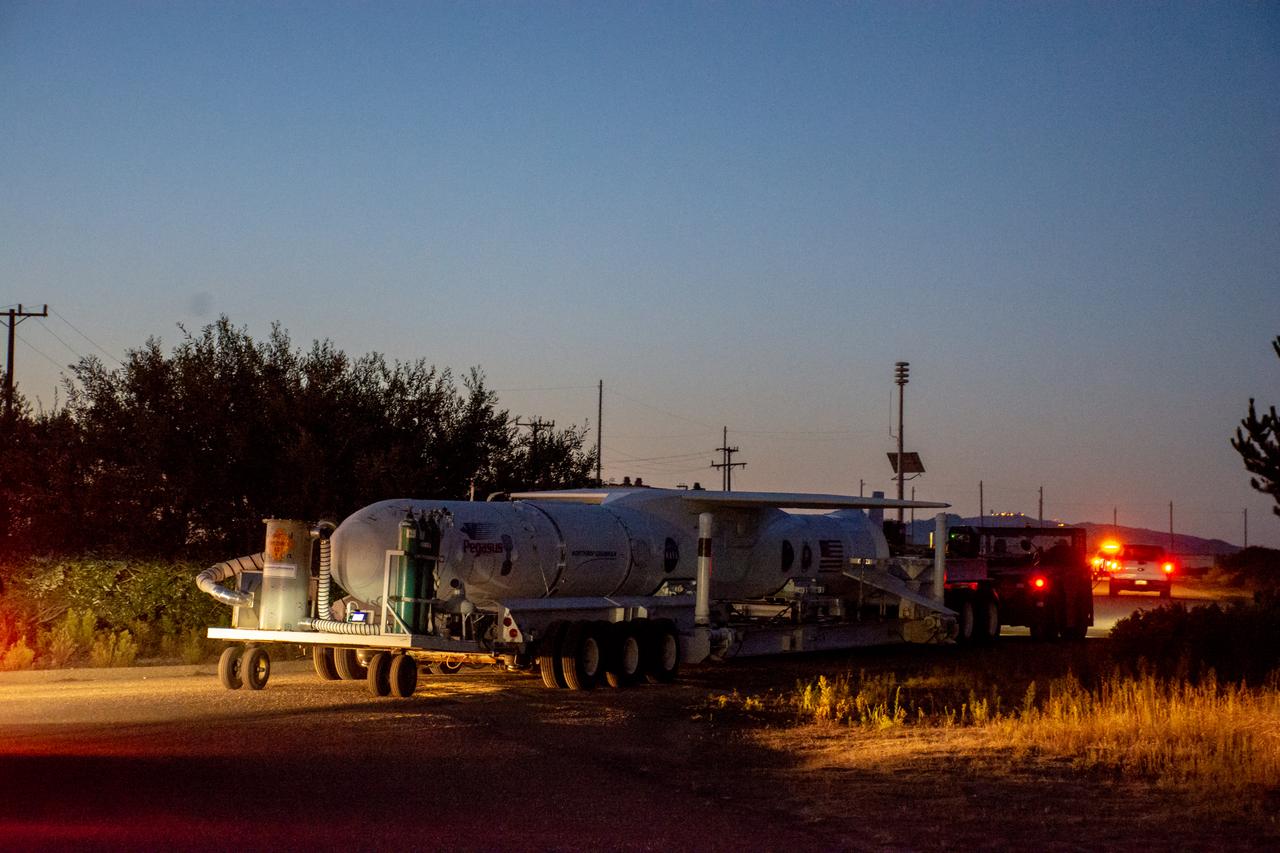
The Northrop Grumman Pegasus XL rocket, with NASA's Ionospheric Connection Explorer (ICON) secured in its payload fairing, rolls out to the runway at Vandenberg Air Force Base in California on Sept. 25, 2019. The Pegasus XL rocket will be attached beneath the company's L-1011 Stargazer aircraft for the flight to Cape Canaveral Air Force Station (CCAFS) in Florida. ICON will launch from the Skid Strip at CCAFS. Launch is scheduled for Oct. 10, 2019. ICON will study the frontier of space - the dynamic zone high in Earth's atmosphere where terrestrial weather from below meets space weather above. The explorer will help determine the physics of Earth's space environment and pave the way for mitigating its effects on our technology and communications systems.
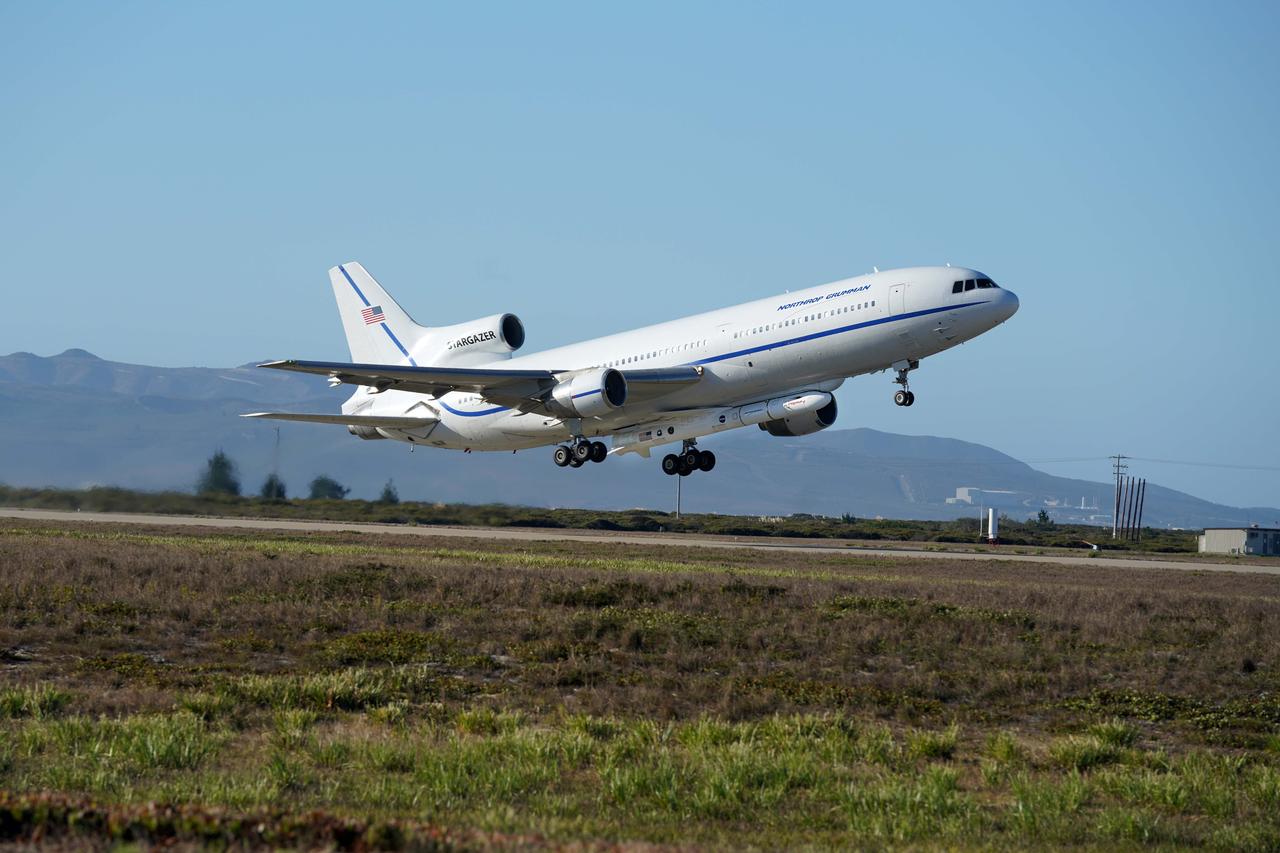
Northrop Grumman's L-1011 Stargazer takes off from Vandenberg Air Force Base in California on Oct. 1, 2019. The company's Pegasus XL rocket, containing NASA's Ionospheric Connection Explorer (ICON), is attached beneath the aircraft. The explorer is targeted to launch on Oct. 9, 2019, from Cape Canaveral Air Force Station in Florida. ICON will study the frontier of space - the dynamic zone high in Earth's atmosphere where terrestrial weather from below meets space weather above.
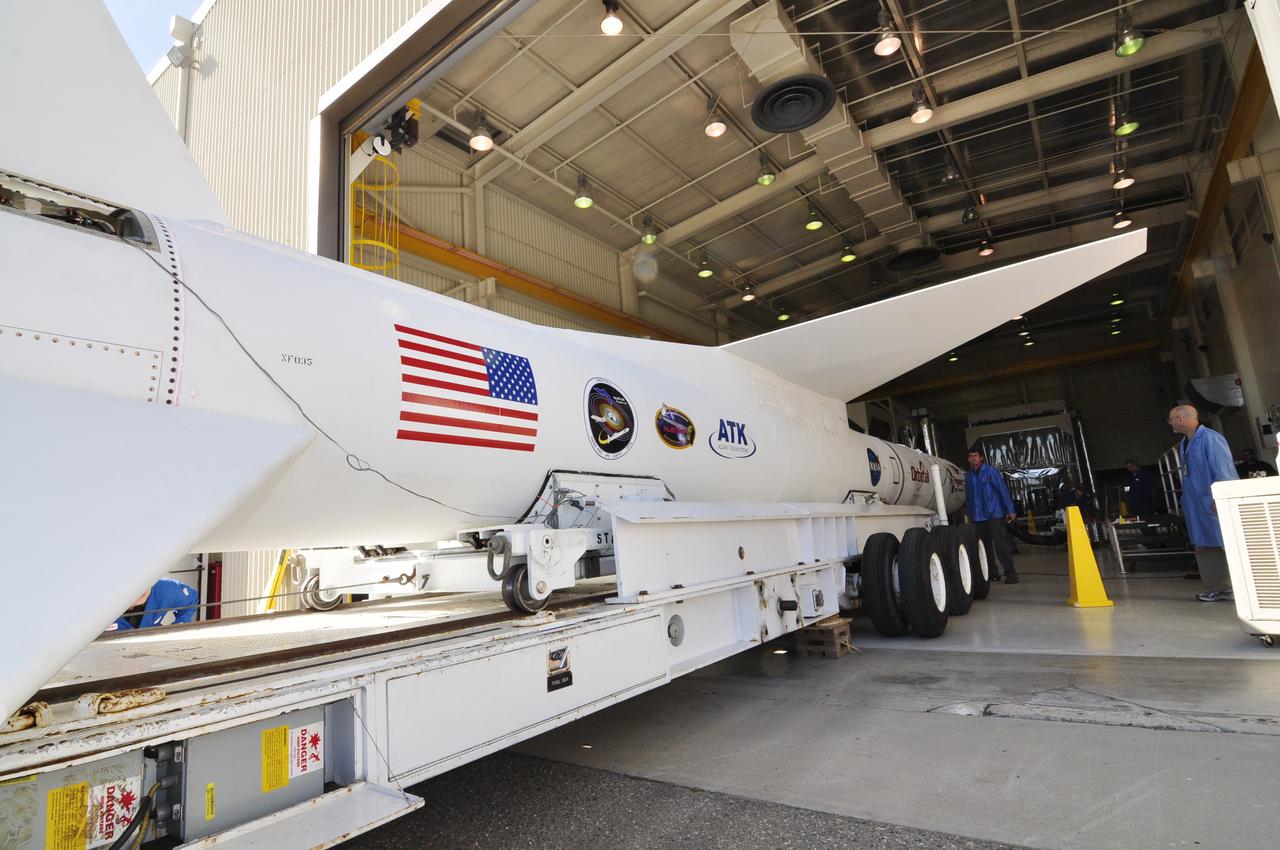
NUSTAR, Transfer of the Pegasus to the AIT
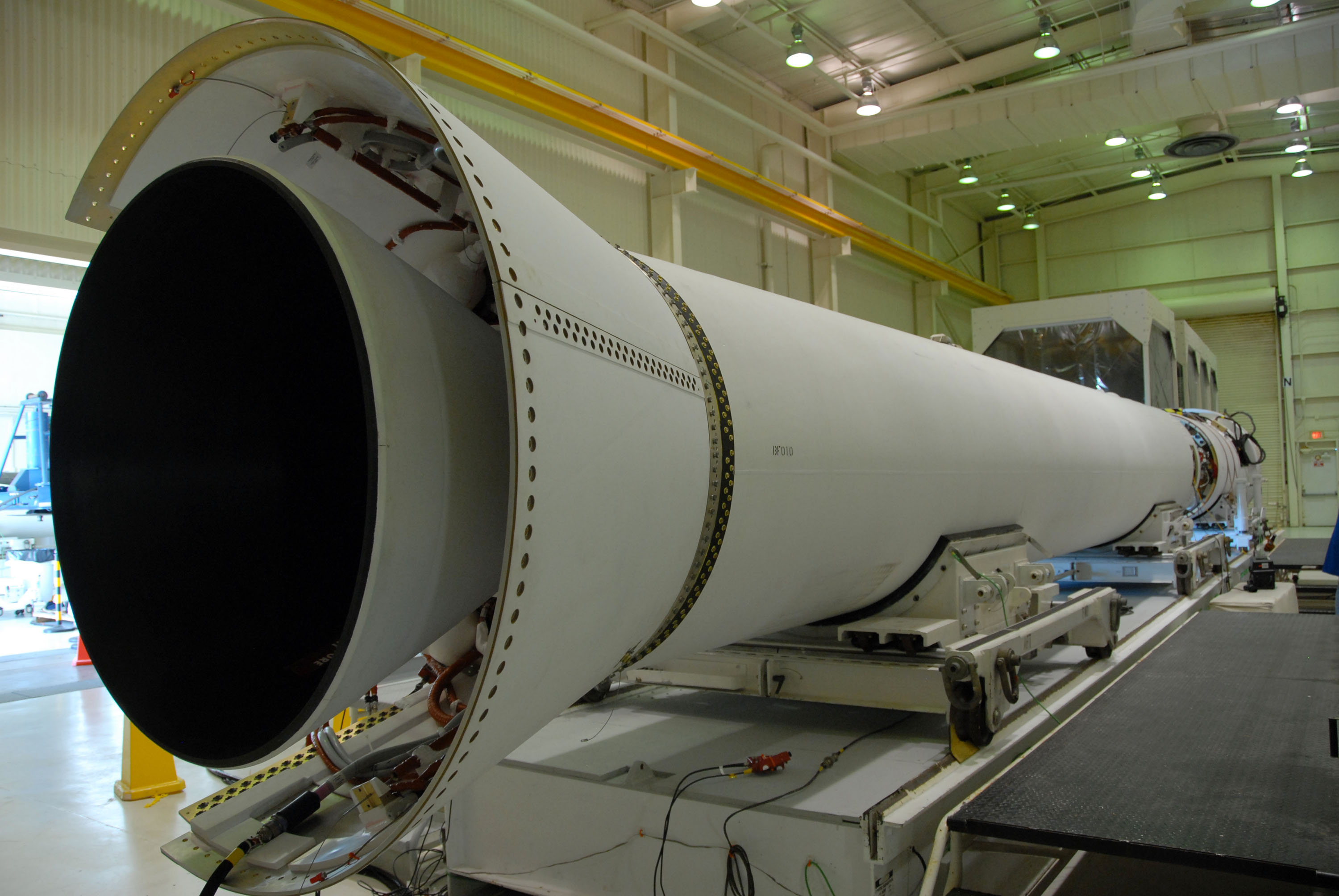
Glory/Taurus, Static Shots of Stages 1 & 2 Prior to Mate

IRIS/Pegasus Motor Arrival
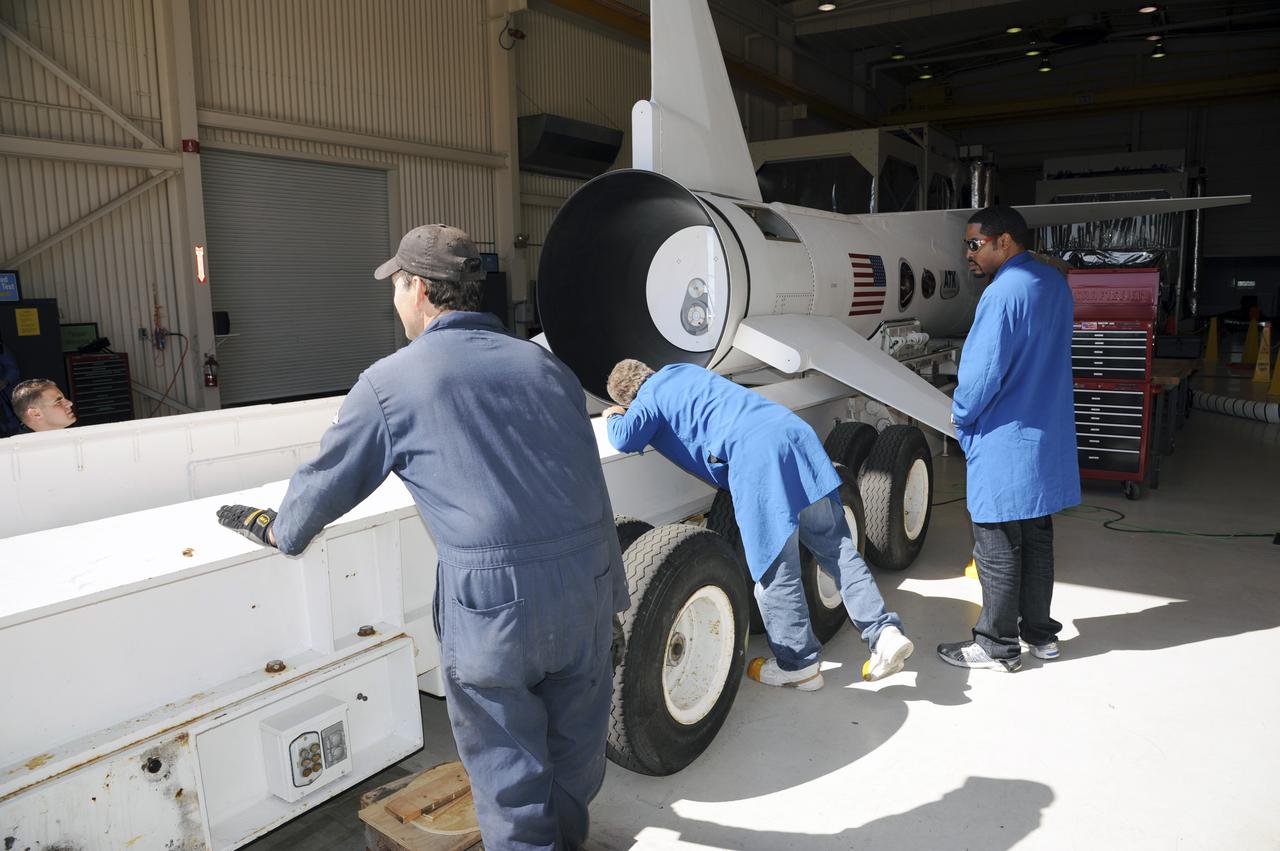
NUSTAR/Pegasus, Transfer of the Pegasus to the AIT
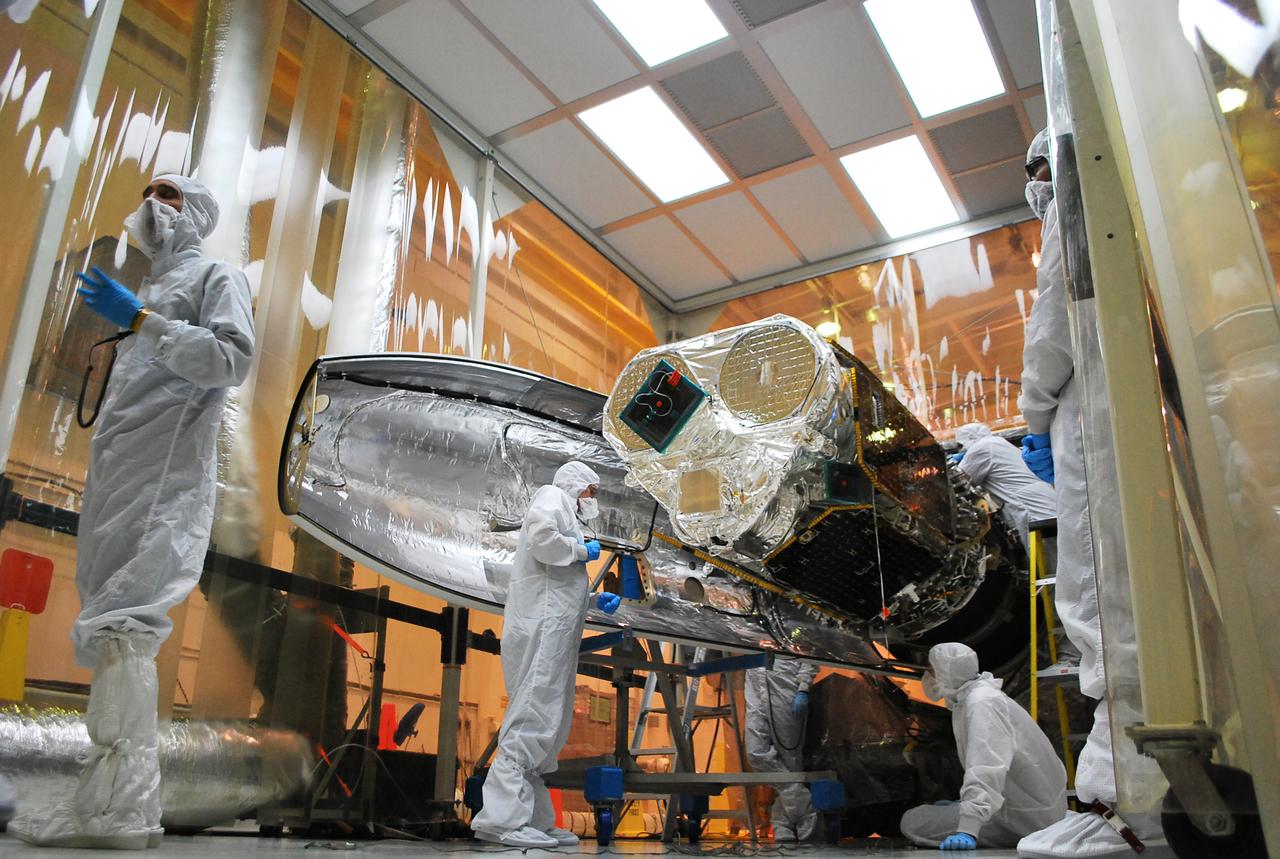
NUSTAR/Pegasus Fairing Installation
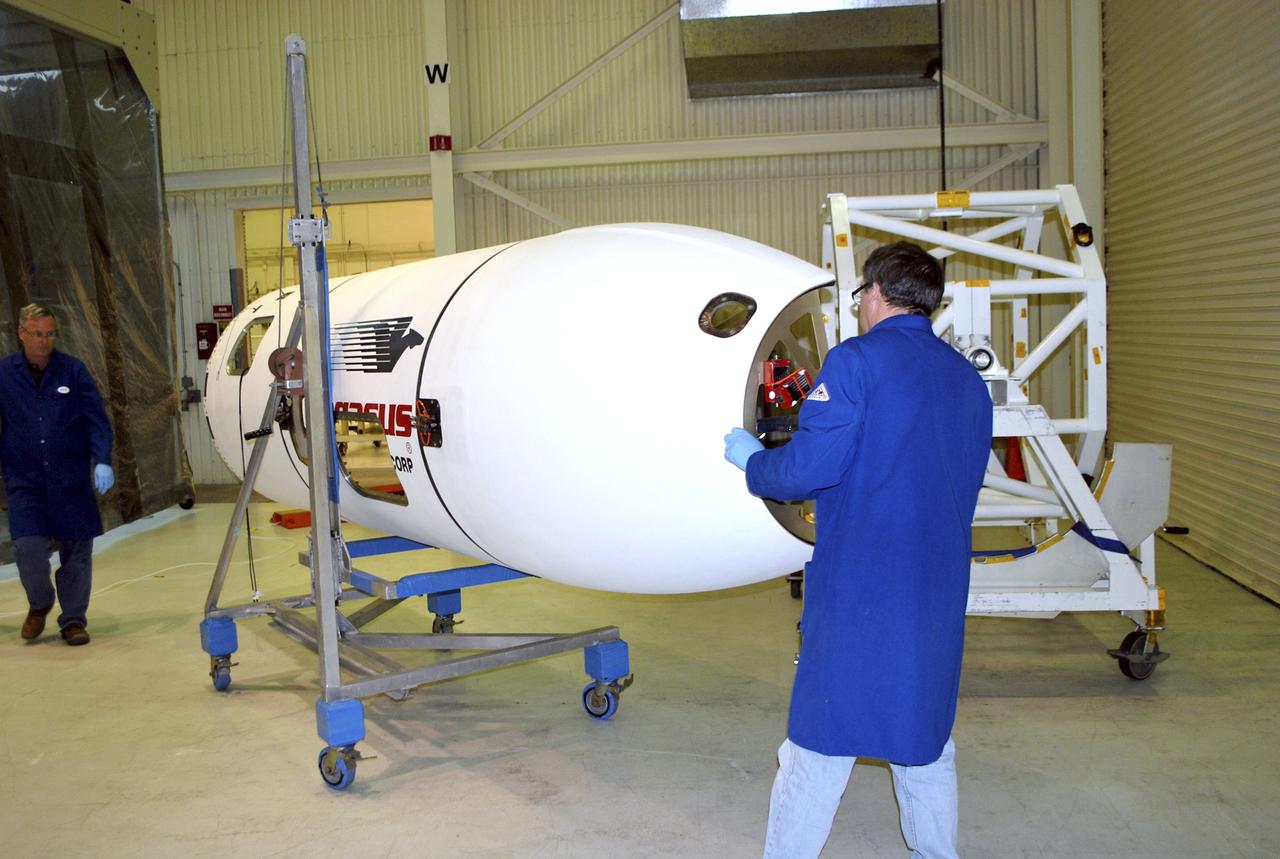
PEGASUS NUSTAR, Fairing Halves and Starboard Fairing Move to Cleanroom
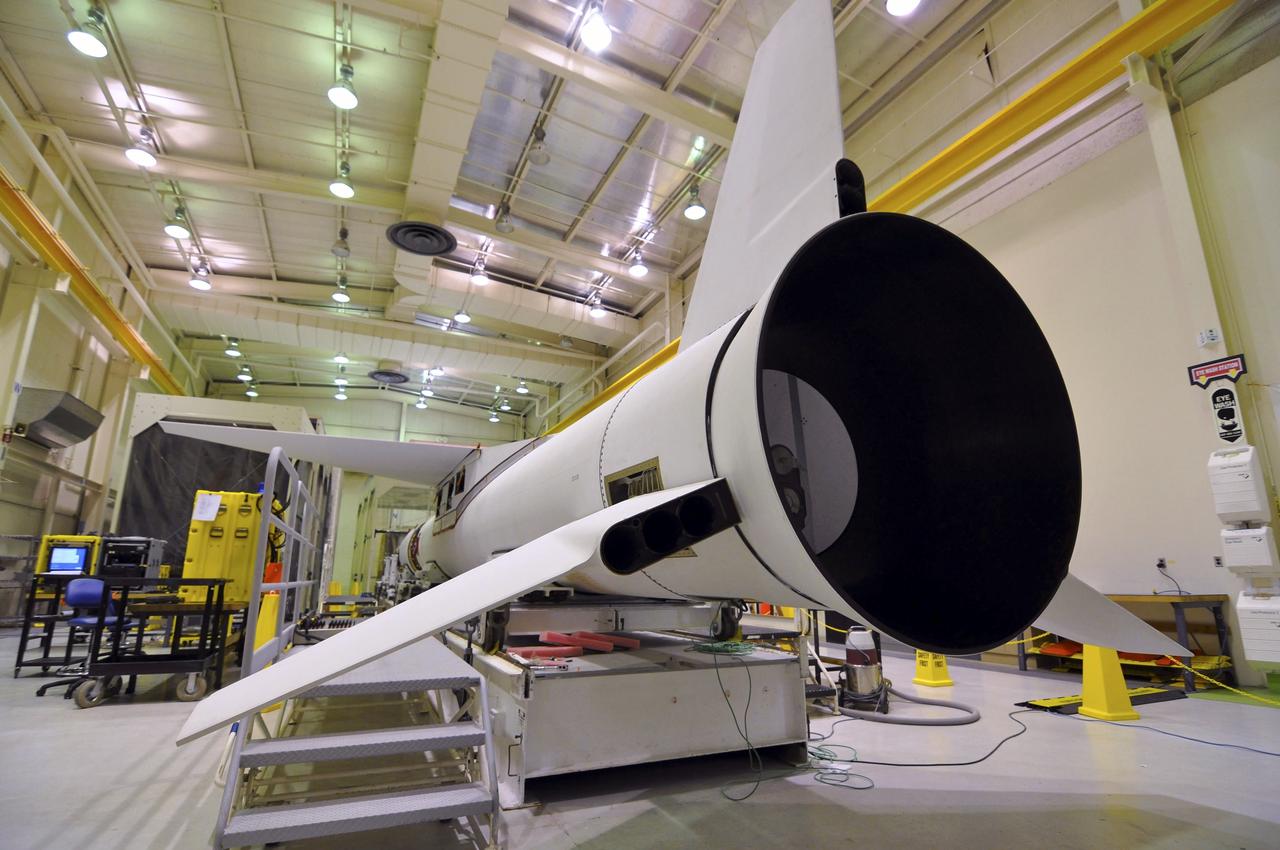
Pegasus/Nustar, Fin Installation on the Aft End of Stage 1
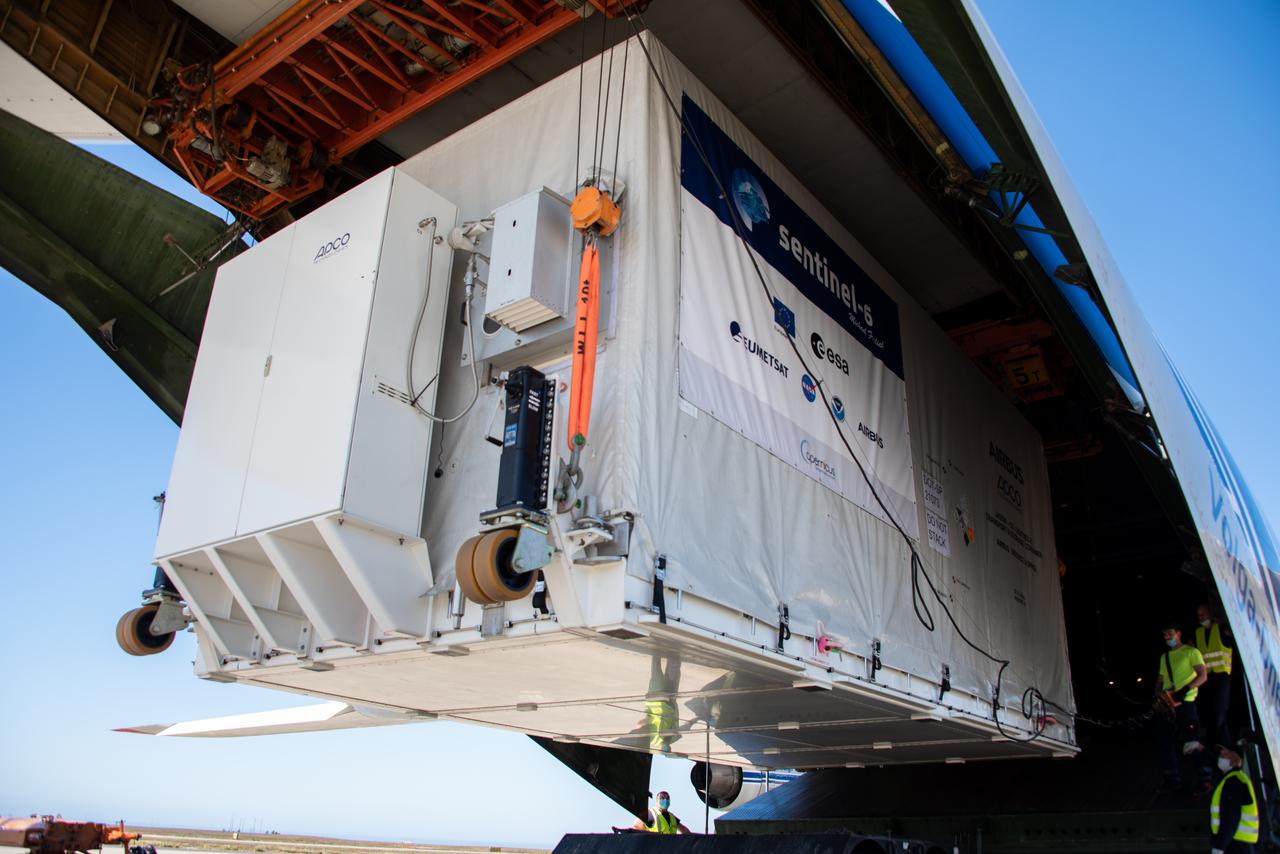
The Sentinel-6 Michael Freilich satellite, secured inside a shipping container, is offloaded from the Antonov cargo aircraft that delivered it to Vandenberg Air Force Base in California on Sept. 24, 2020. The mission is an international partnership and the first launch of a constellation of two satellites that will observe changes in Earth’s sea levels for at least the next decade. Launching atop a SpaceX Falcon 9 rocket, Sentinel-6 Michael Freilich is targeted to lift off from Vandenberg’s Space Launch Complex 4 on Nov. 10, 2020. The Launch Services Program at Kennedy is responsible for launch management.
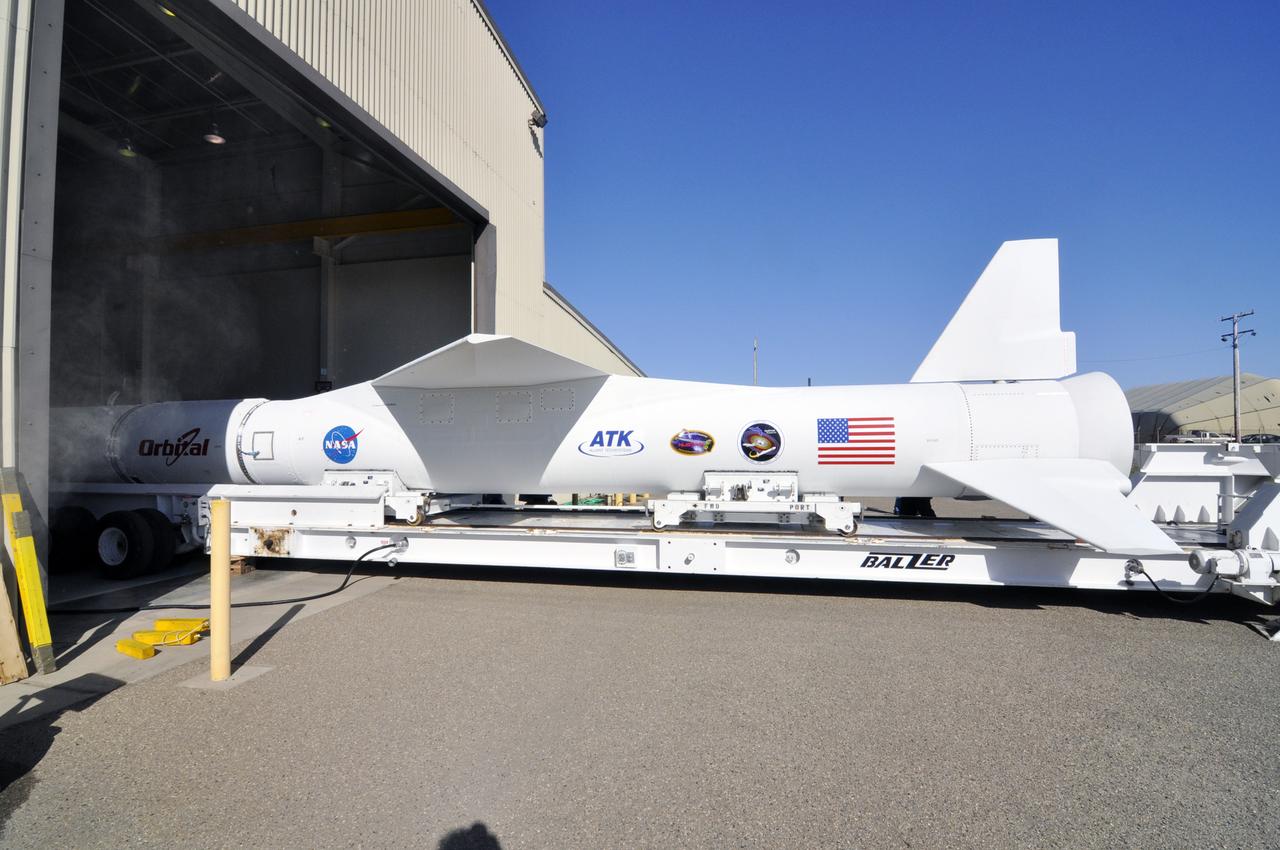
NUSTAR, Transfer of the Pegasus to the AIT
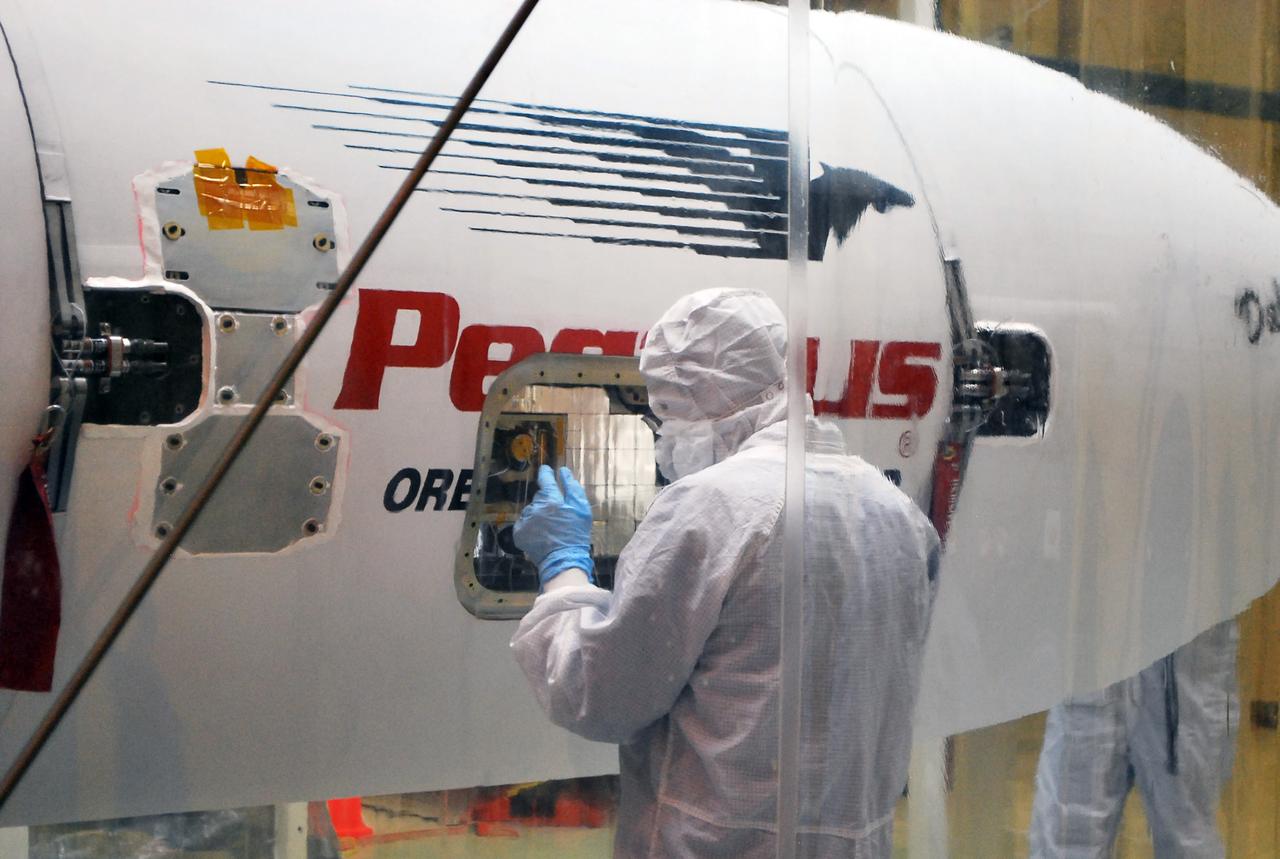
NUSTAR/Pegasus Fairing Installation
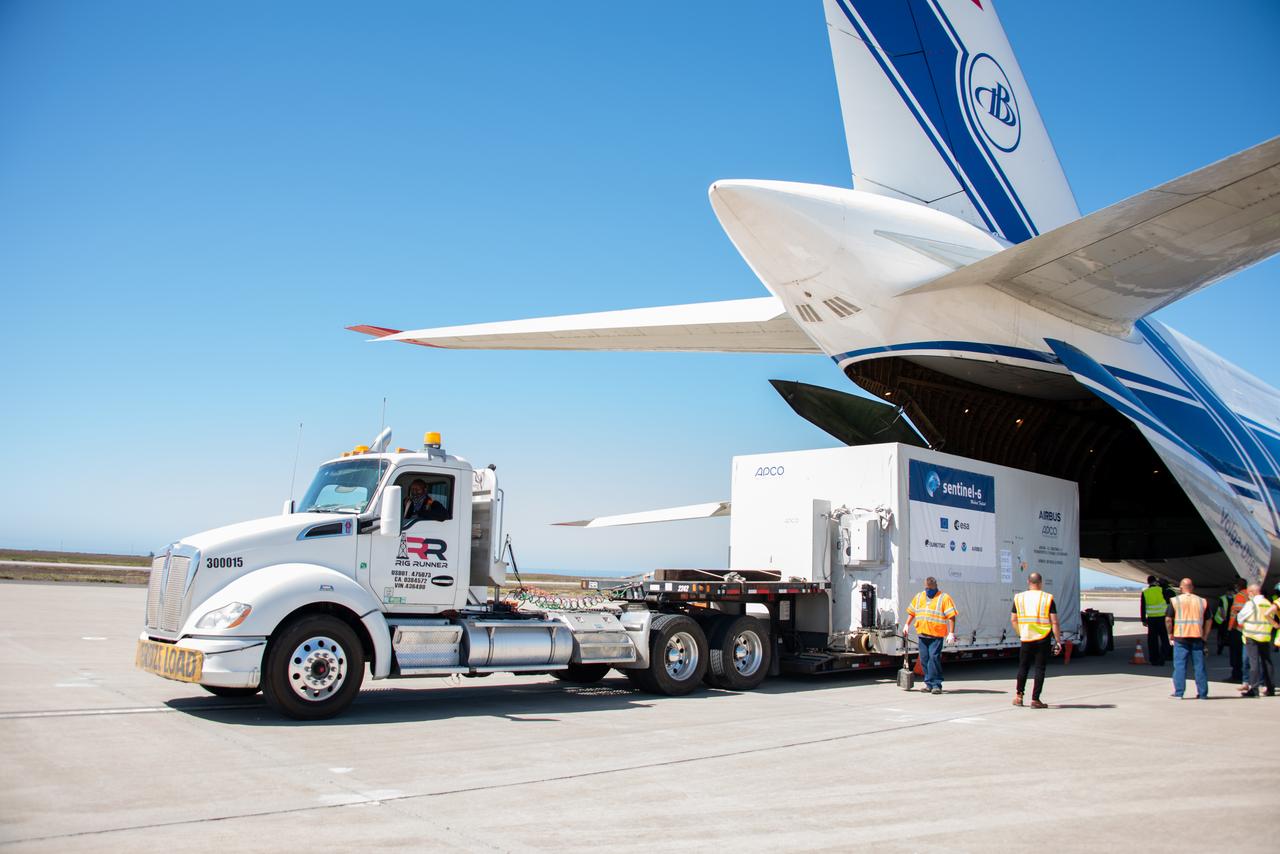
The Sentinel-6 Michael Freilich satellite, secured inside a shipping container, is placed on a transport vehicle after the spacecraft’s arrival at Vandenberg Air Force Base in California aboard a Antonov cargo aircraft, Sept. 24, 2020. The mission is an international partnership and the first launch of a constellation of two satellites that will observe changes in Earth’s sea levels for at least the next decade. Launching atop a SpaceX Falcon 9 rocket, Sentinel-6 Michael Freilich is targeted to lift off from Vandenberg’s Space Launch Complex 4 on Nov. 10, 2020. The Launch Services Program at Kennedy is responsible for launch management.
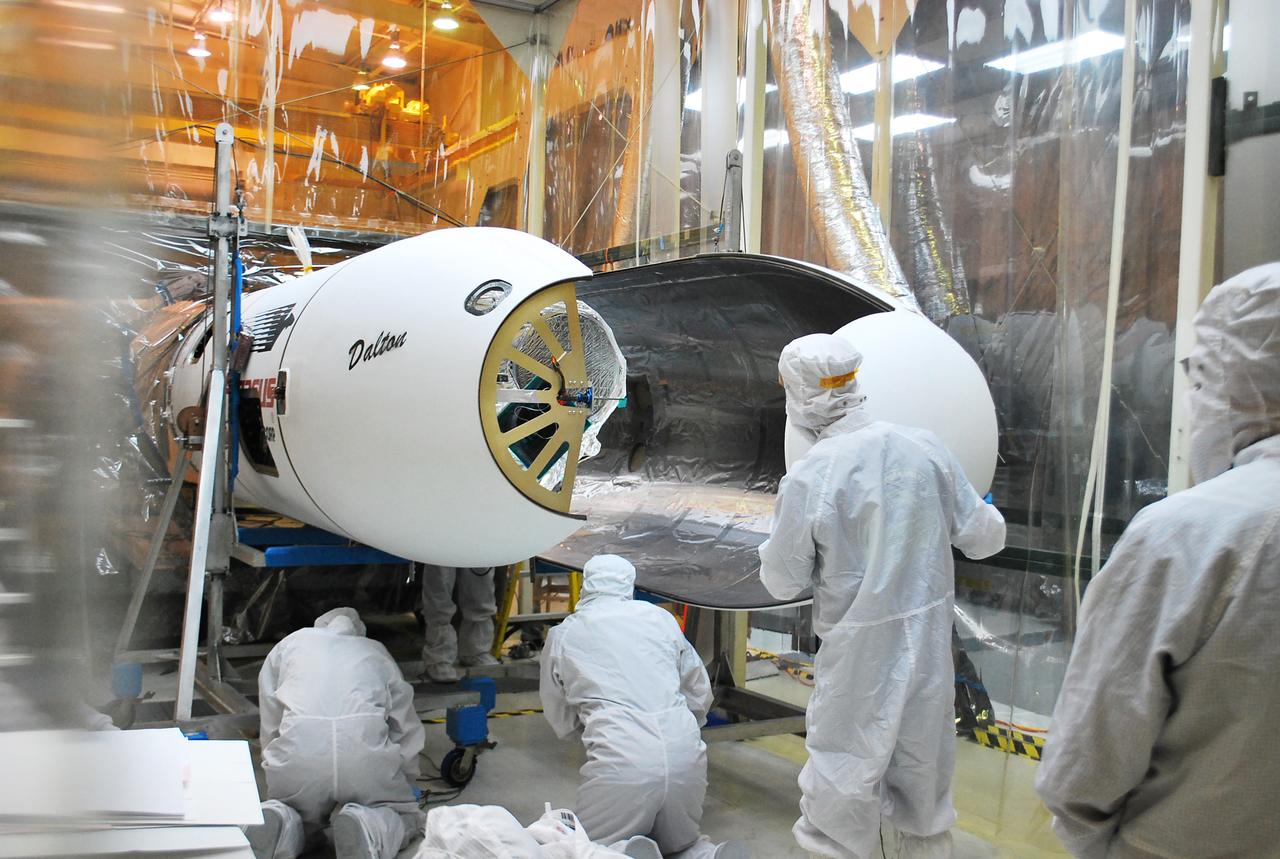
NUSTAR/Pegasus Fairing Installation
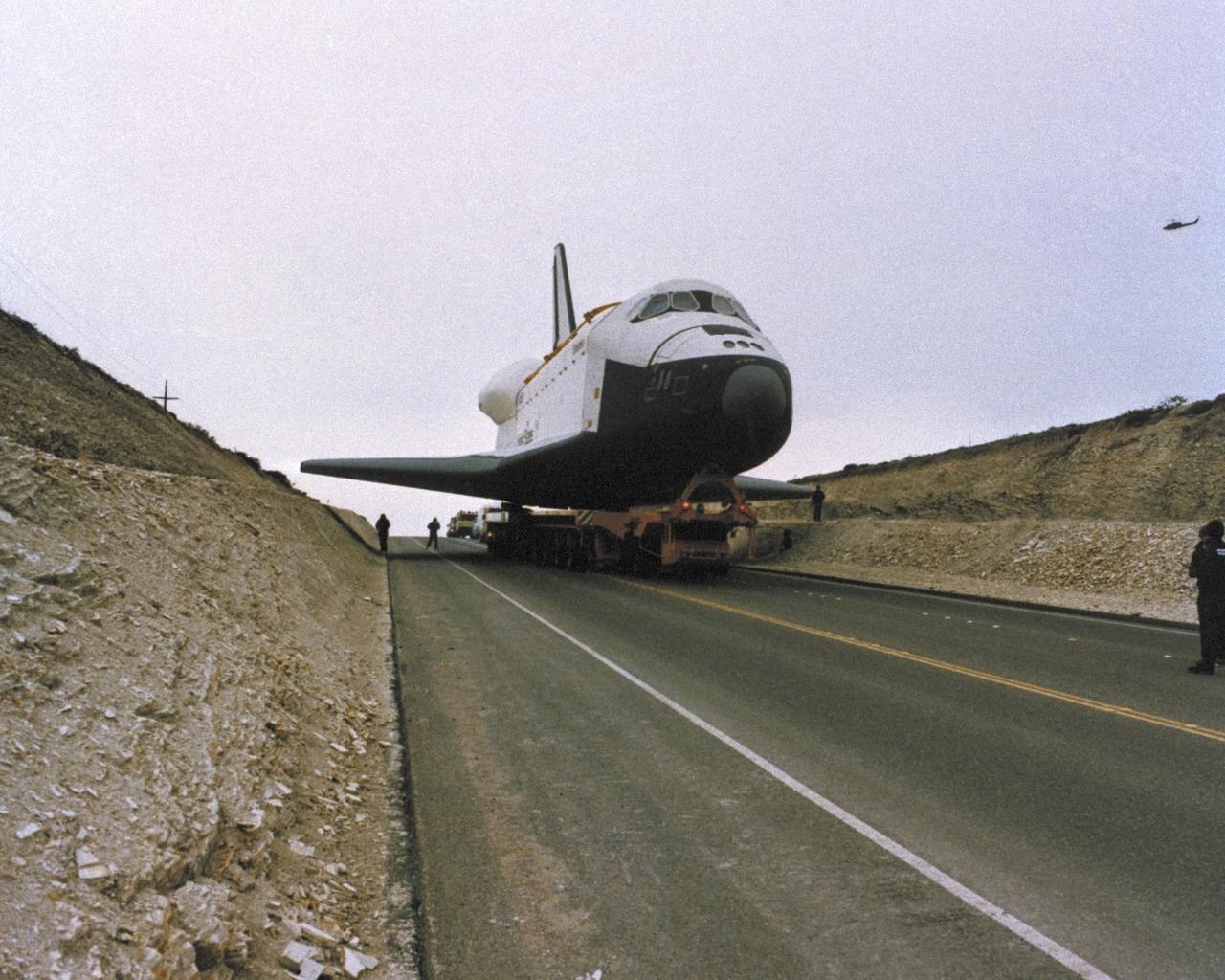
Space Shuttle Orbiter Enterprise - night lighting test
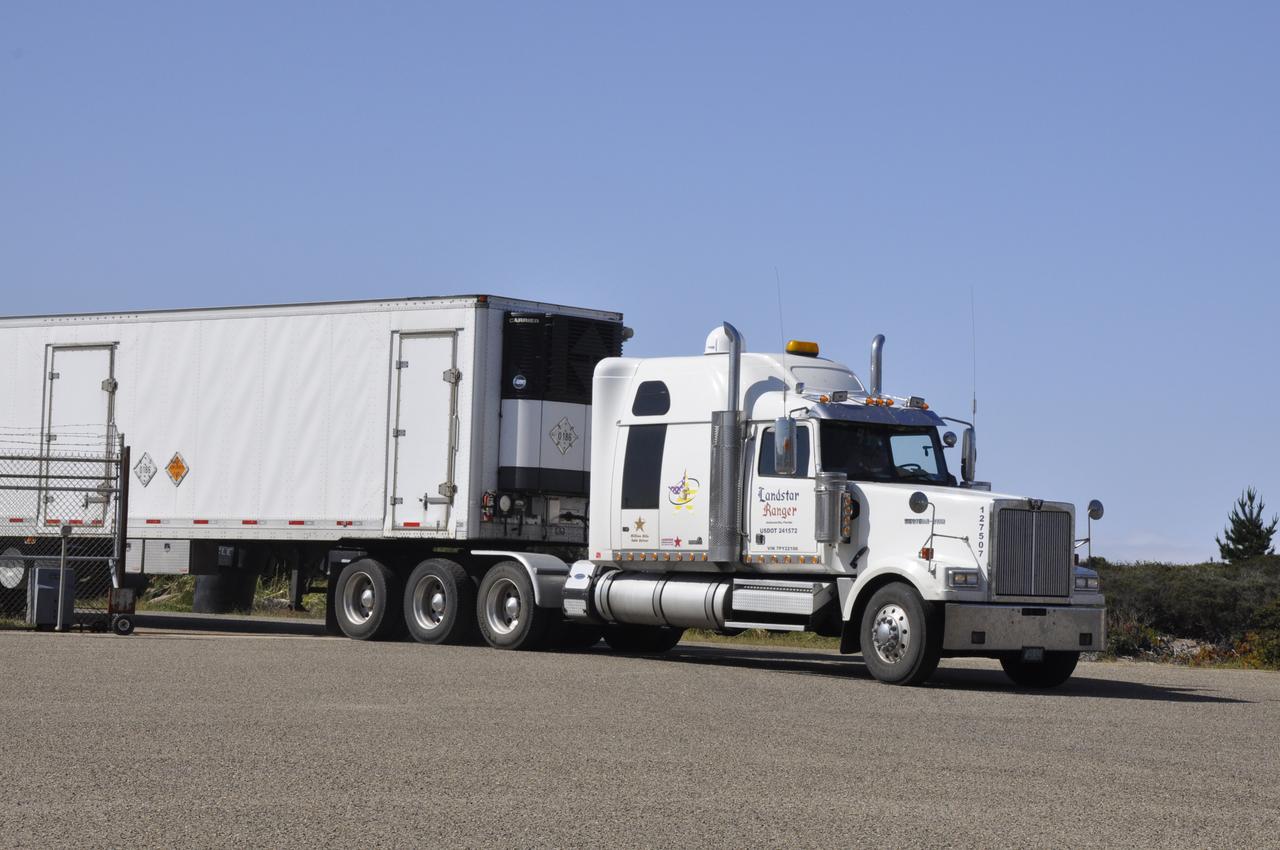
IRIS/Pegasus Motor Arrival
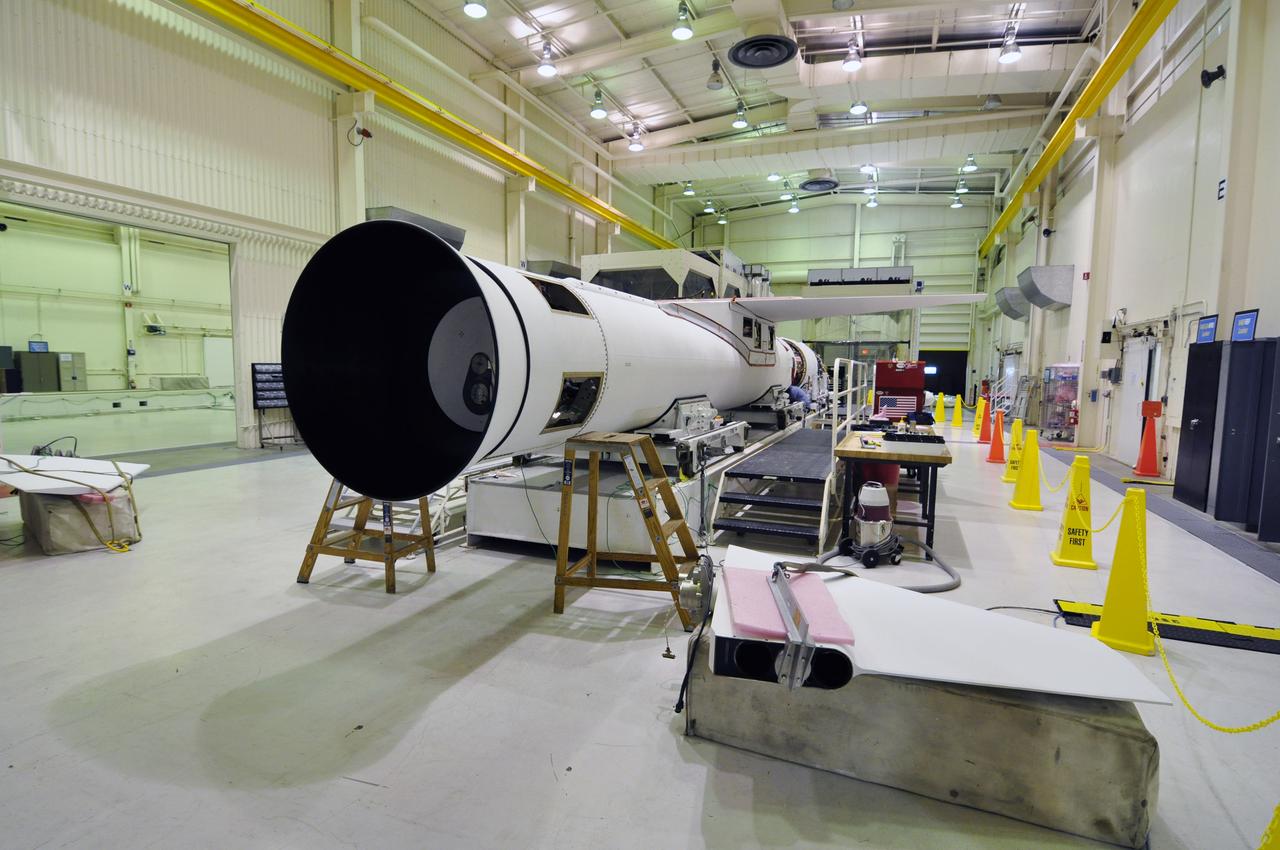
Pegasus/Nustar, Fin Installation on the Aft End of Stage 1
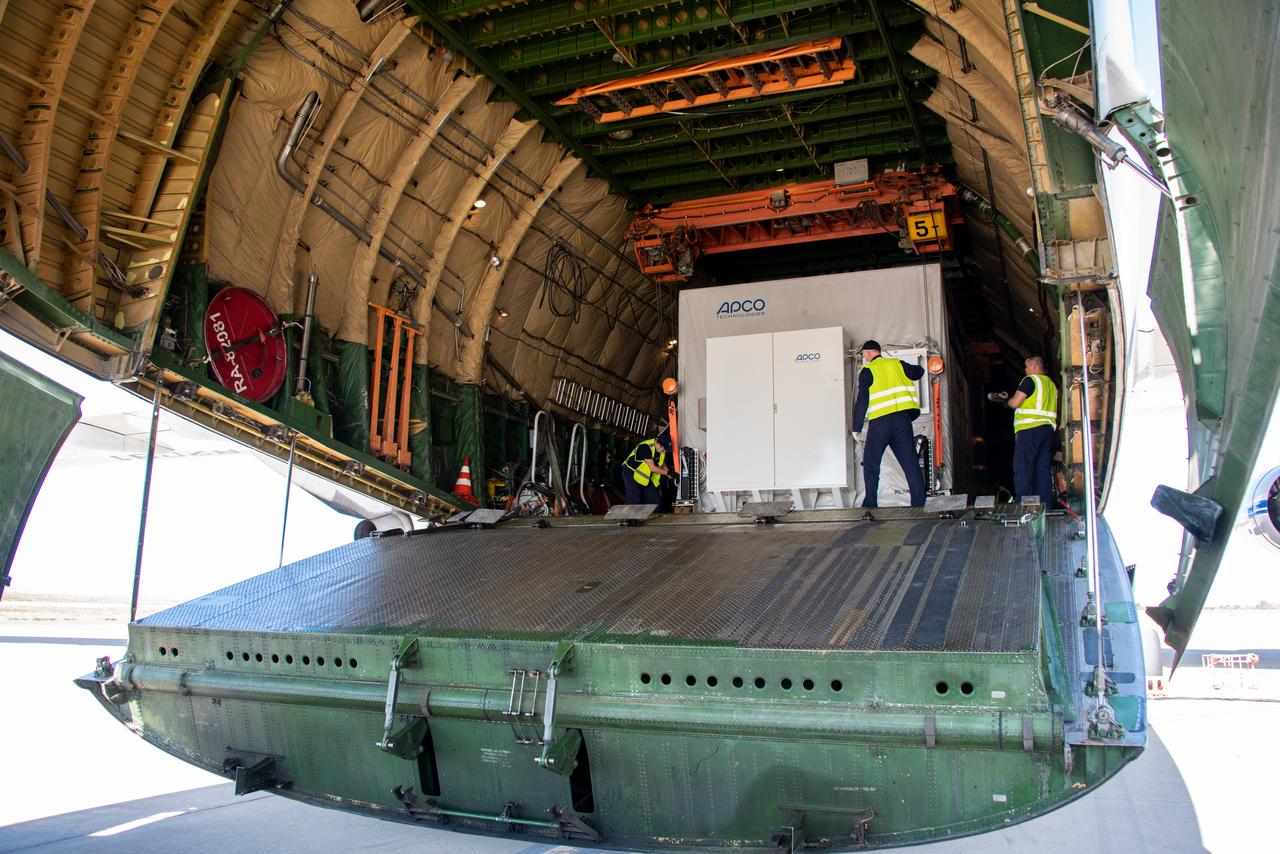
The Sentinel-6 Michael Freilich satellite, secured inside a shipping container, is visible inside the Antonov cargo aircraft that delivered it to Vandenberg Air Force Base in California on Sept. 24, 2020. The mission is an international partnership and the first launch of a constellation of two satellites that will observe changes in Earth’s sea levels for at least the next decade. Launching atop a SpaceX Falcon 9 rocket, Sentinel-6 Michael Freilich is targeted to lift off from Vandenberg’s Space Launch Complex 4 on Nov. 10, 2020. The Launch Services Program at Kennedy is responsible for launch management.
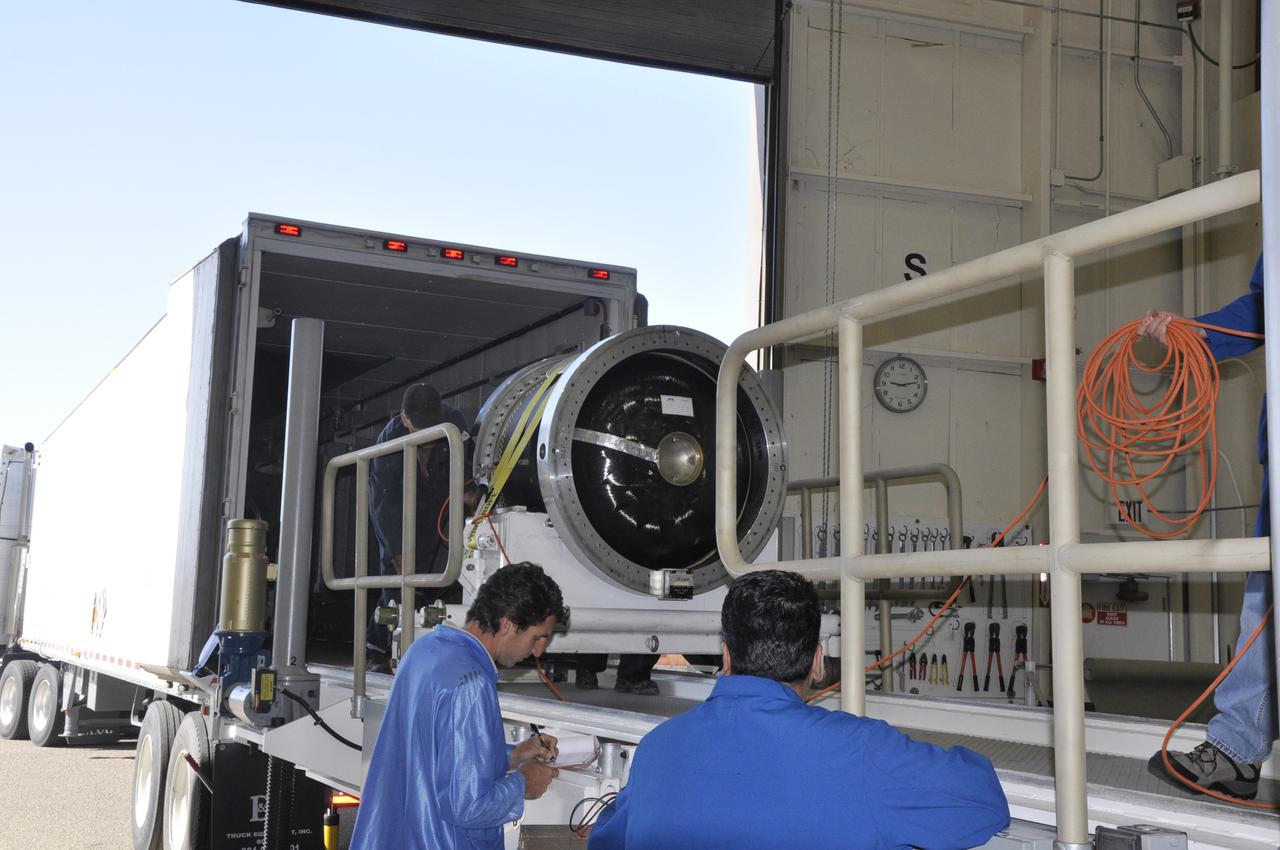
IRIS/Pegasus Motor Arrival

NUSTAR/Pegasus, Transfer of the Pegasus to the AIT
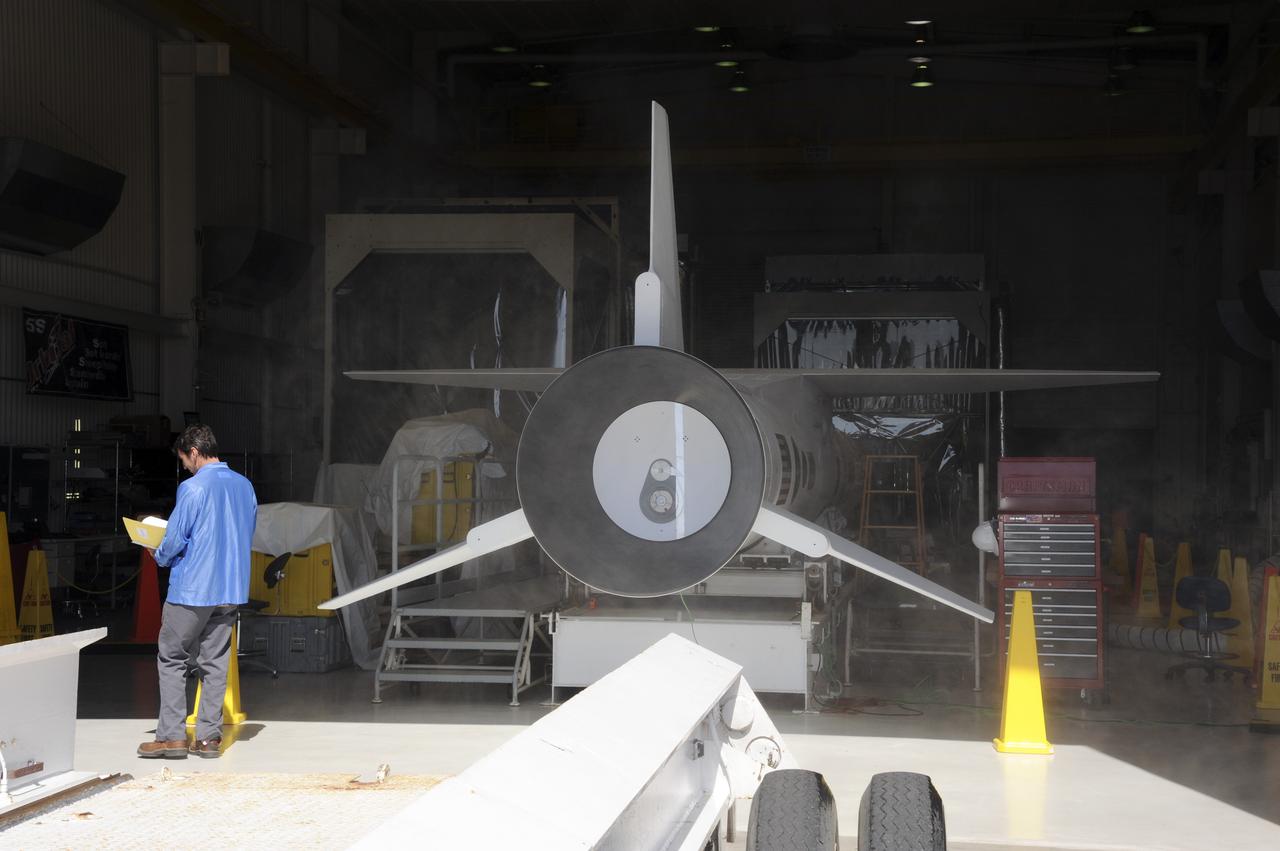
NUSTAR/Pegasus, Transfer of the Pegasus to the AIT
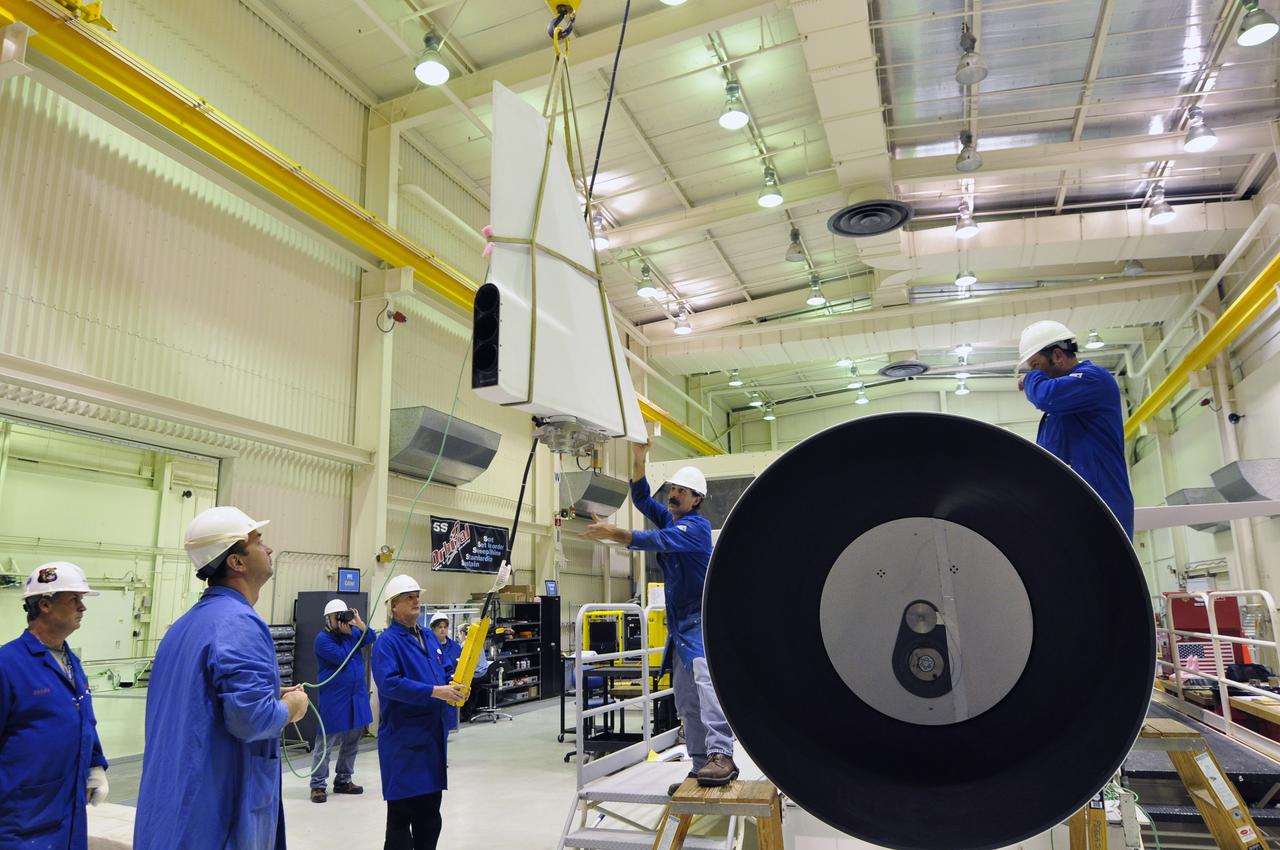
Pegasus/Nustar, Fin Installation on the Aft End of Stage 1
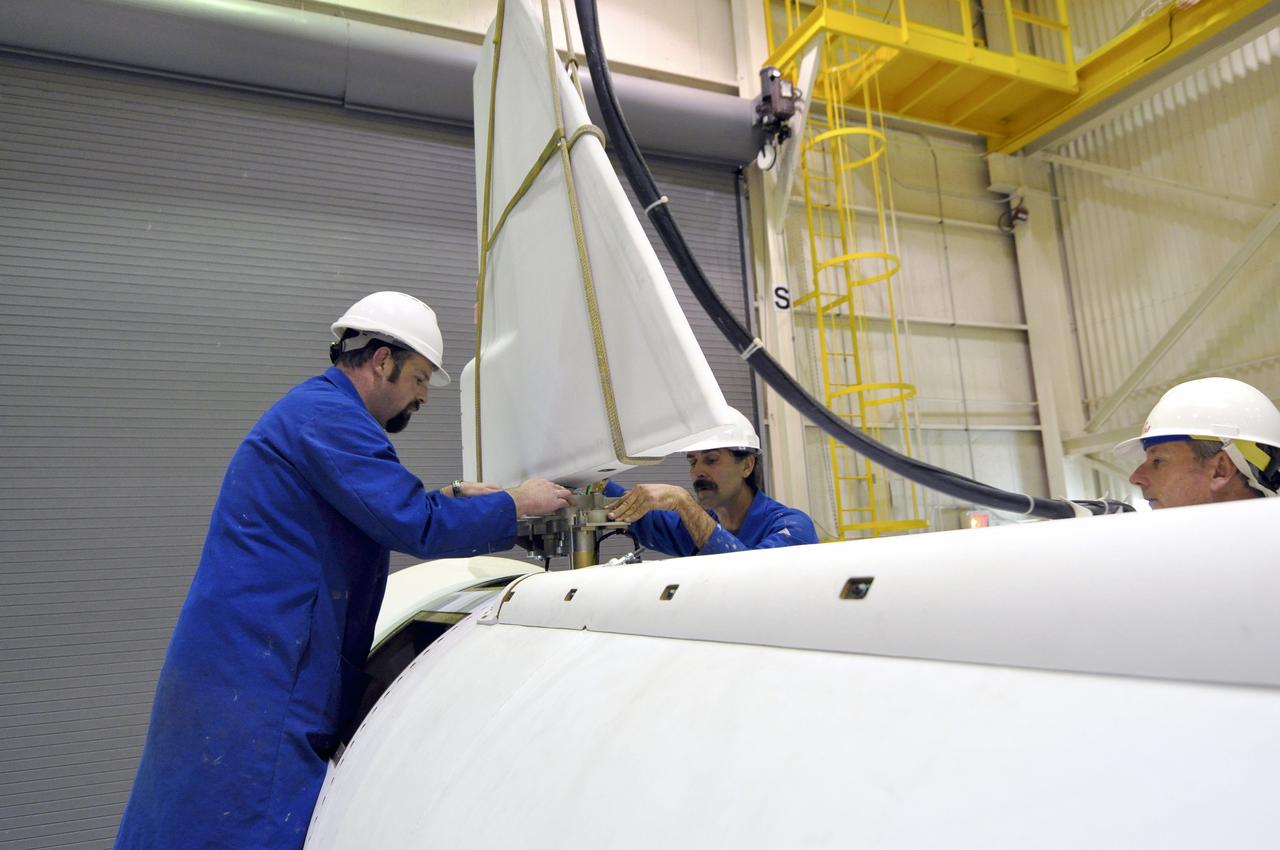
Pegasus/Nustar, Fin Installation on the Aft End of Stage 1
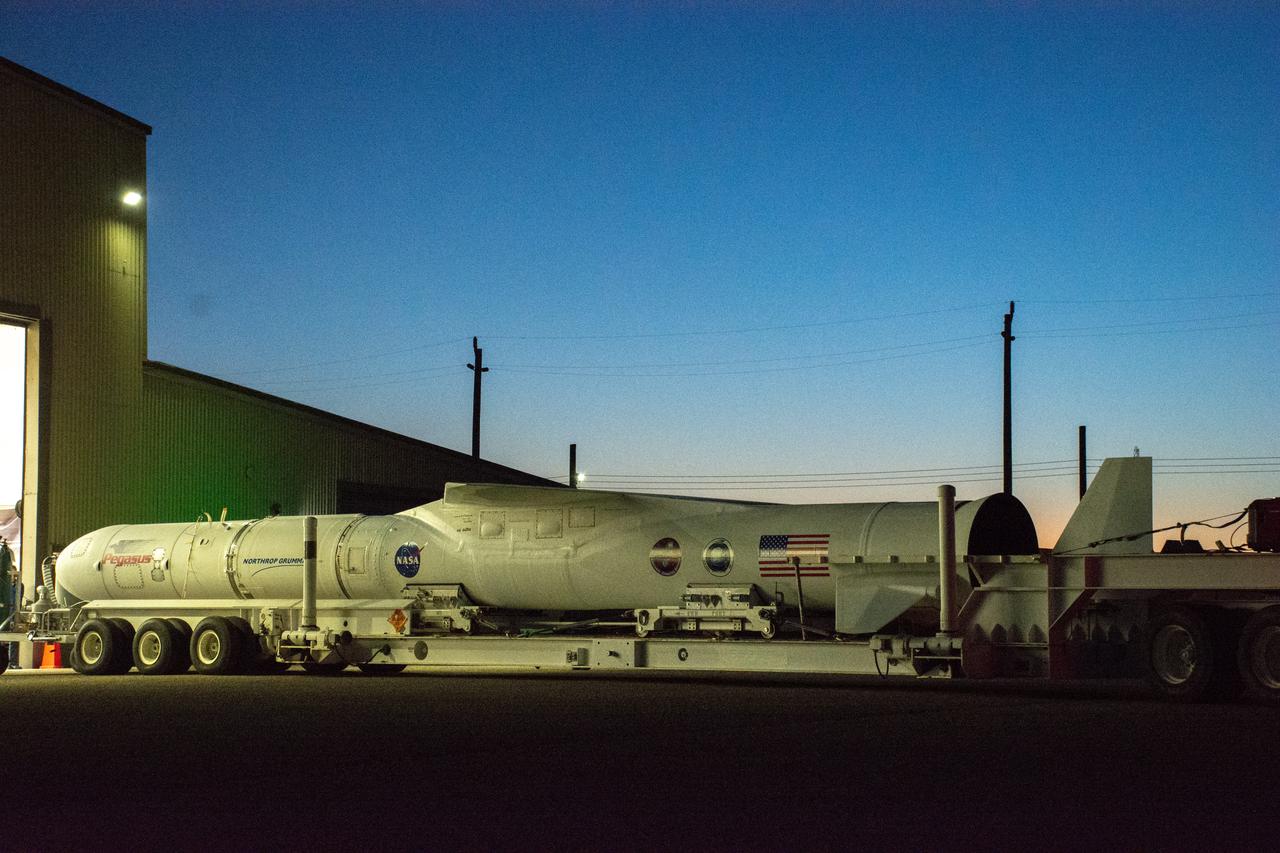
The Northrop Grumman Pegasus XL rocket, with NASA's Ionospheric Connection Explorer (ICON) secured in its payload fairing, begins rollout from Building 1555 at Vandenberg Air Force Base in California on Sept. 25, 2019. The Pegasus XL rocket will be attached beneath the company's L-1011 Stargazer aircraft for the flight to Cape Canaveral Air Force Station (CCAFS) in Florida. ICON will launch from the Skid Strip at CCAFS. Launch is scheduled for Oct. 10, 2019. ICON will study the frontier of space - the dynamic zone high in Earth's atmosphere where terrestrial weather from below meets space weather above. The explorer will help determine the physics of Earth's space environment and pave the way for mitigating its effects on our technology and communications systems.
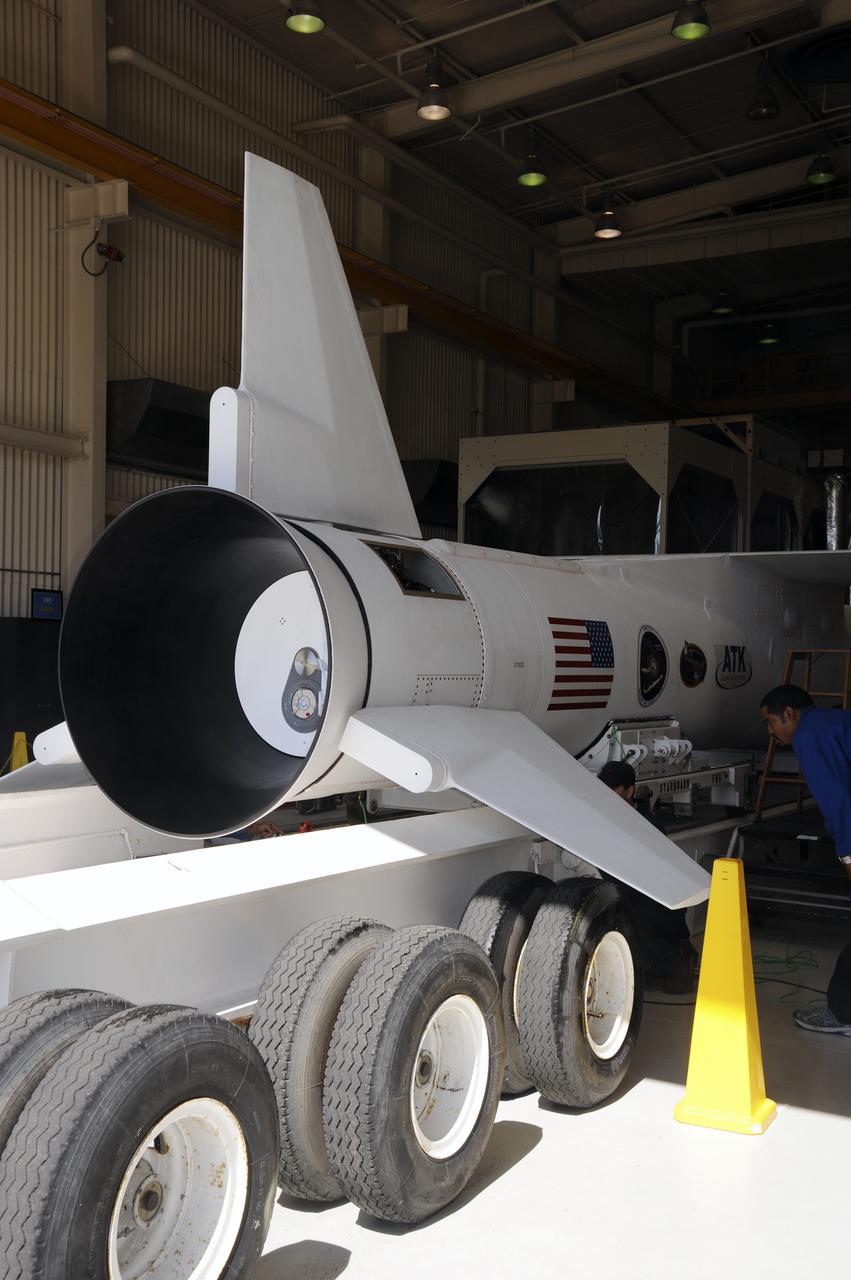
NUSTAR/Pegasus, Transfer of the Pegasus to the AIT
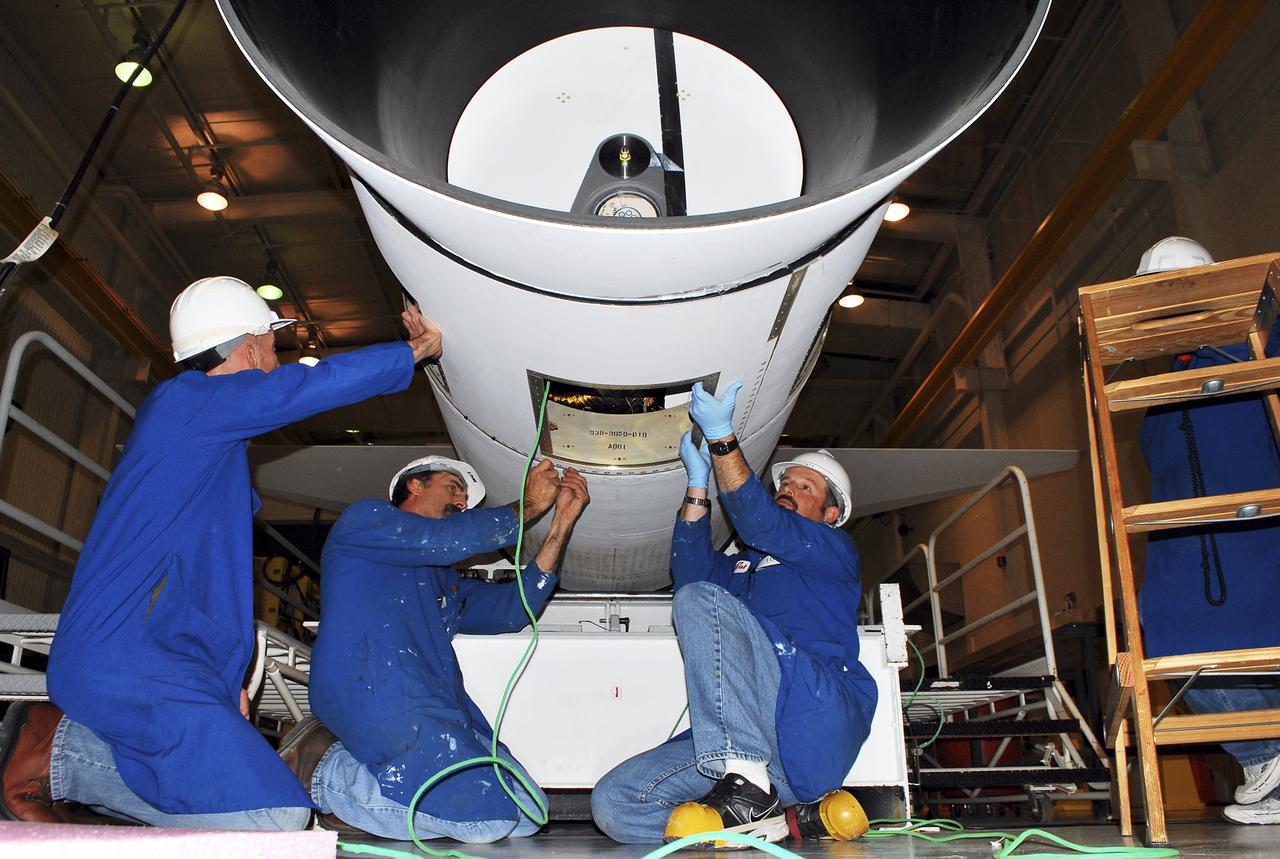
Pegasus/Nustar, Arival for the Aft Skirt & Fins, Installation of the Aft Skirt to the Aft End of Stage 1
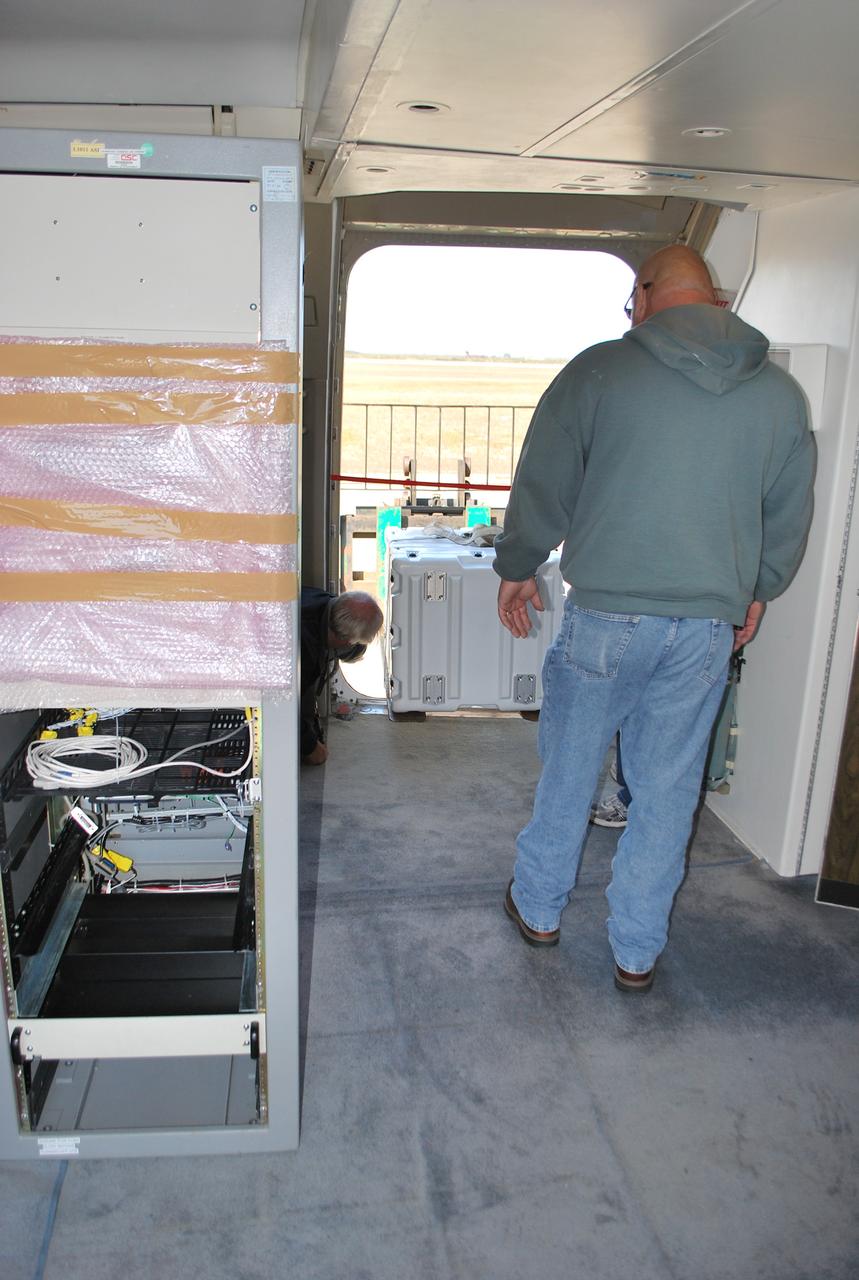
NUSTAR/Pegasus Hot Pad Activities, Racks Being Loaded
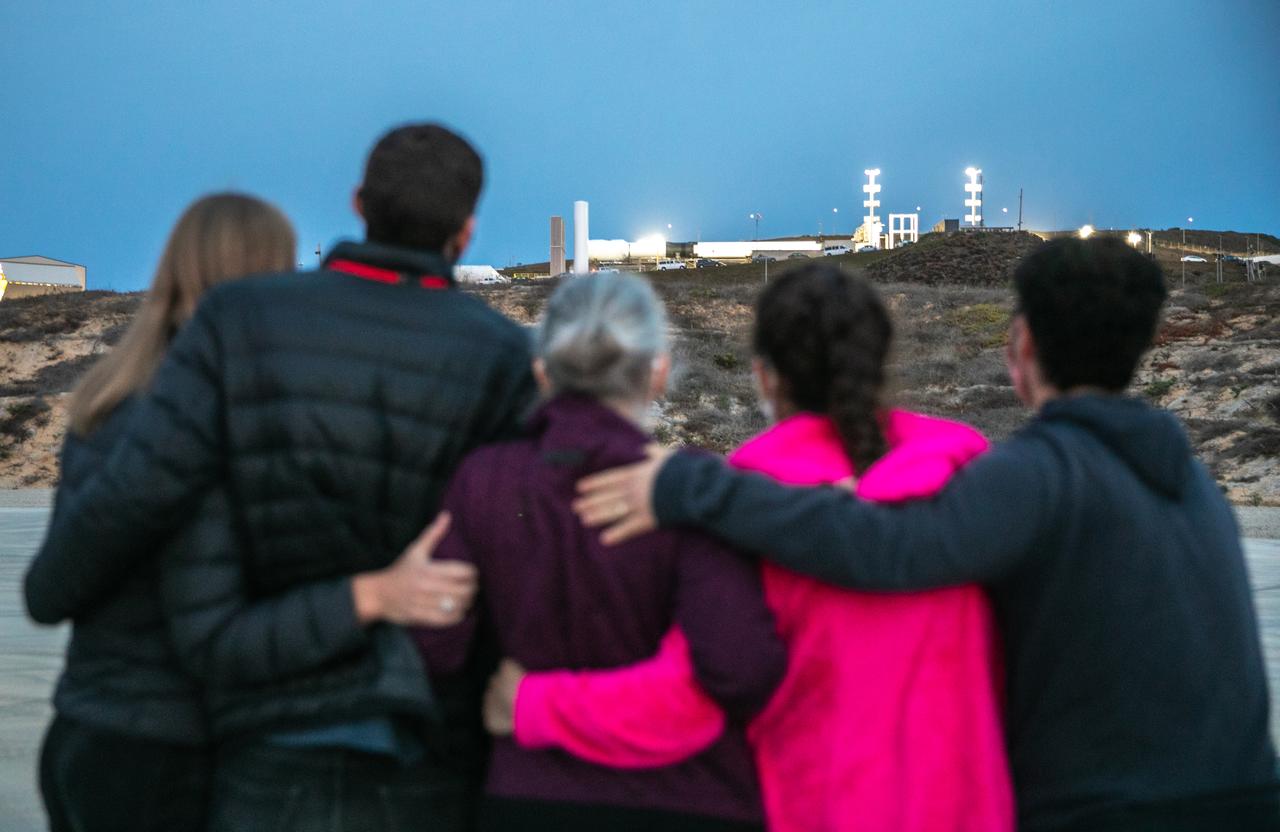
Family members of Dr. Michael Freilich, for whom the Sentinel-6 Michael Freilich satellite is named, gather at Vandenberg Air Force Base in California on Nov. 20, 2020, the day before the spacecraft’s planned launch atop a Falcon 9 rocket. Freilich served as director of NASA’s Earth Science Division in the Science Mission Directorate at the agency’s Headquarters from 2006 until his retirement in 2019. A tireless advocate for advancing satellite measurements of the ocean, he was instrumental in advancing ocean altimetry and helped drive the evolution of NASA Earth science from a program that launched an Earth-observing space mission every few years to one that launches several missions each year. Freilich died Aug. 5, 2020, of pancreatic cancer. Sentinel-6 Michael Freilich launched Nov. 21, 2020, at 9:17 a.m. PST (12:17 p.m. EST). NASA’s Launch Services Program at Kennedy Space Center was responsible for launch management.
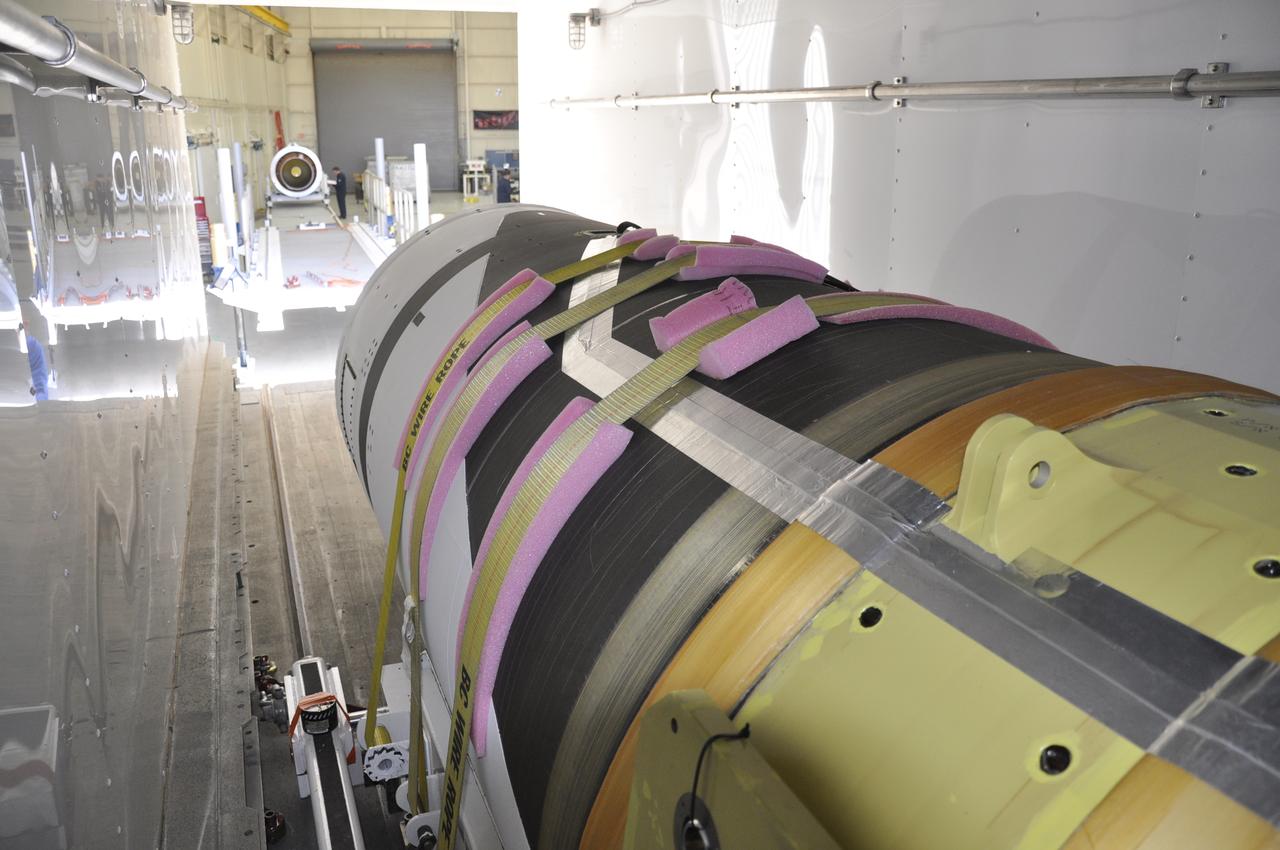
IRIS/Pegasus Motor Arrival
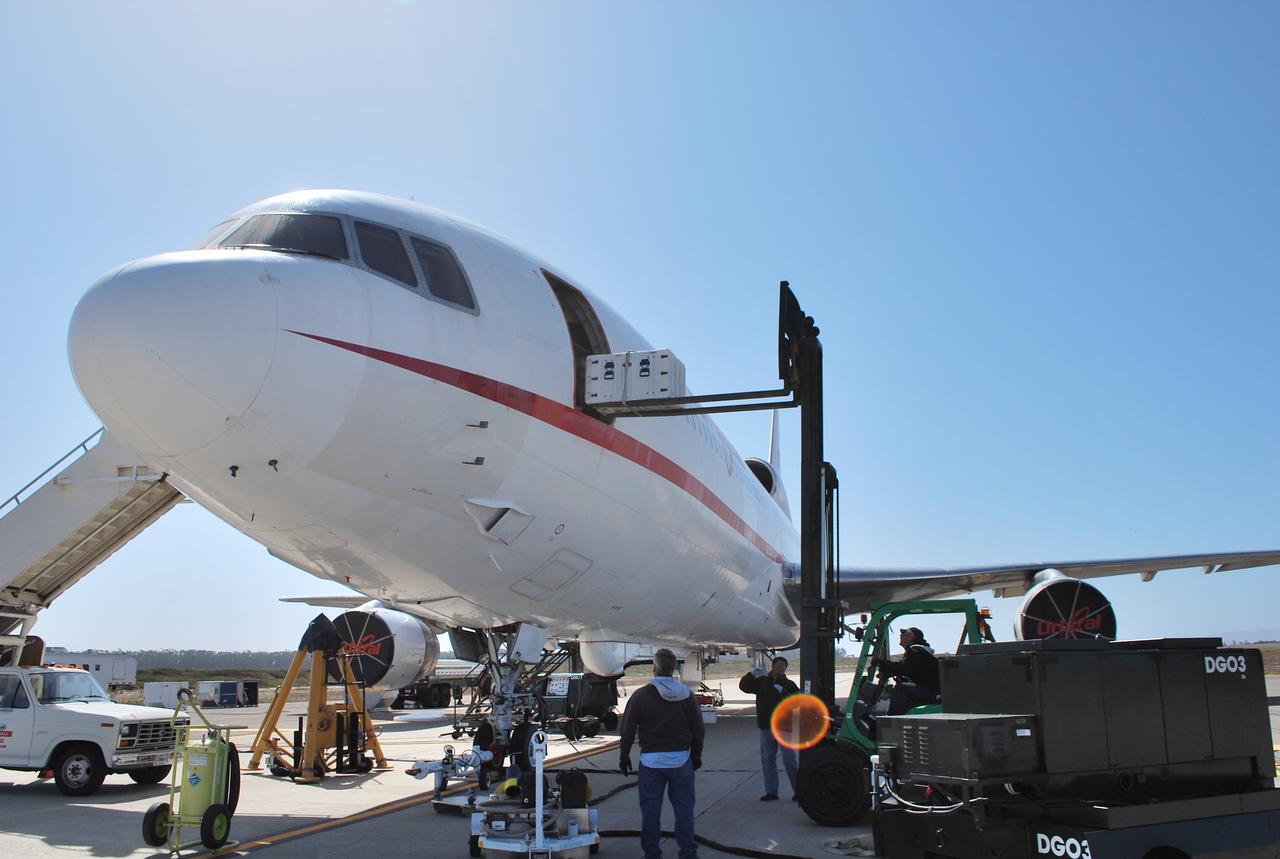
NUSTAR/Pegasus Hot Pad Activities, Racks Being Loaded
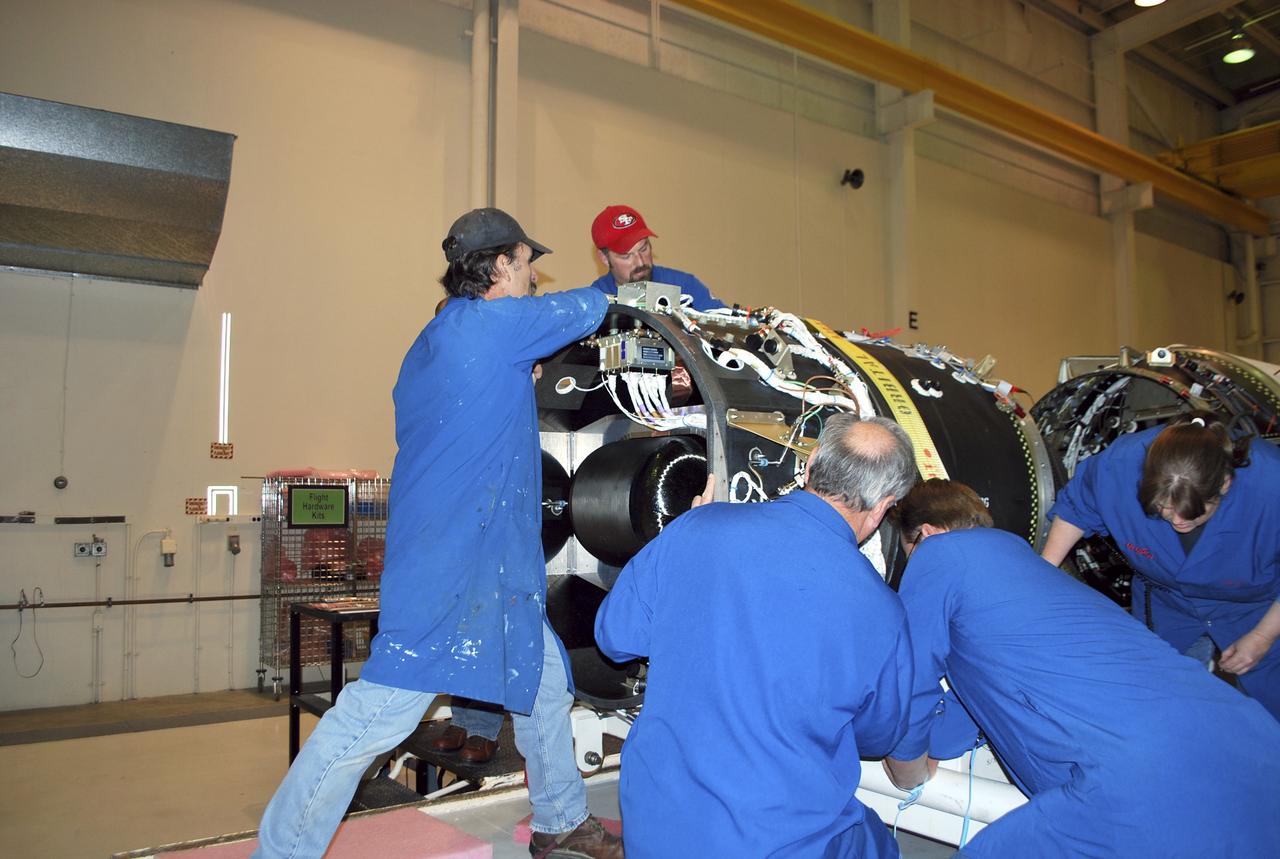
Pegasus/Nustar, Avionics Shelf Installation
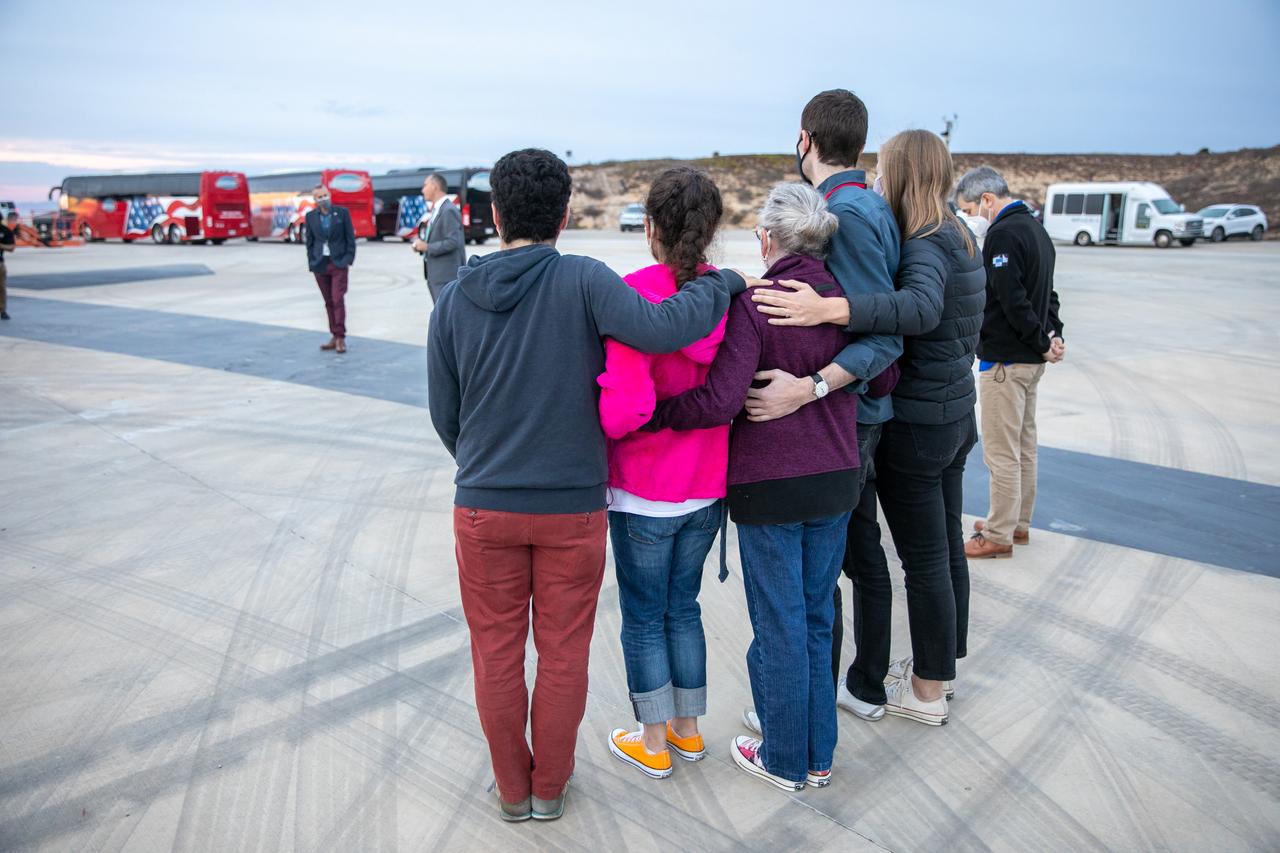
Family members of Dr. Michael Freilich, for whom the Sentinel-6 Michael Freilich satellite is named, gather at Vandenberg Air Force Base in California on Nov. 20, 2020, the day before the spacecraft’s planned launch atop a Falcon 9 rocket. Freilich served as director of NASA’s Earth Science Division in the Science Mission Directorate at the agency’s Headquarters from 2006 until his retirement in 2019. A tireless advocate for advancing satellite measurements of the ocean, he was instrumental in advancing ocean altimetry and helped drive the evolution of NASA Earth science from a program that launched an Earth-observing space mission every few years to one that launches several missions each year. Freilich died Aug. 5, 2020, of pancreatic cancer. Sentinel-6 Michael Freilich launched Nov. 21, 2020, at 9:17 a.m. PST (12:17 p.m. EST). NASA’s Launch Services Program at Kennedy Space Center was responsible for launch management.
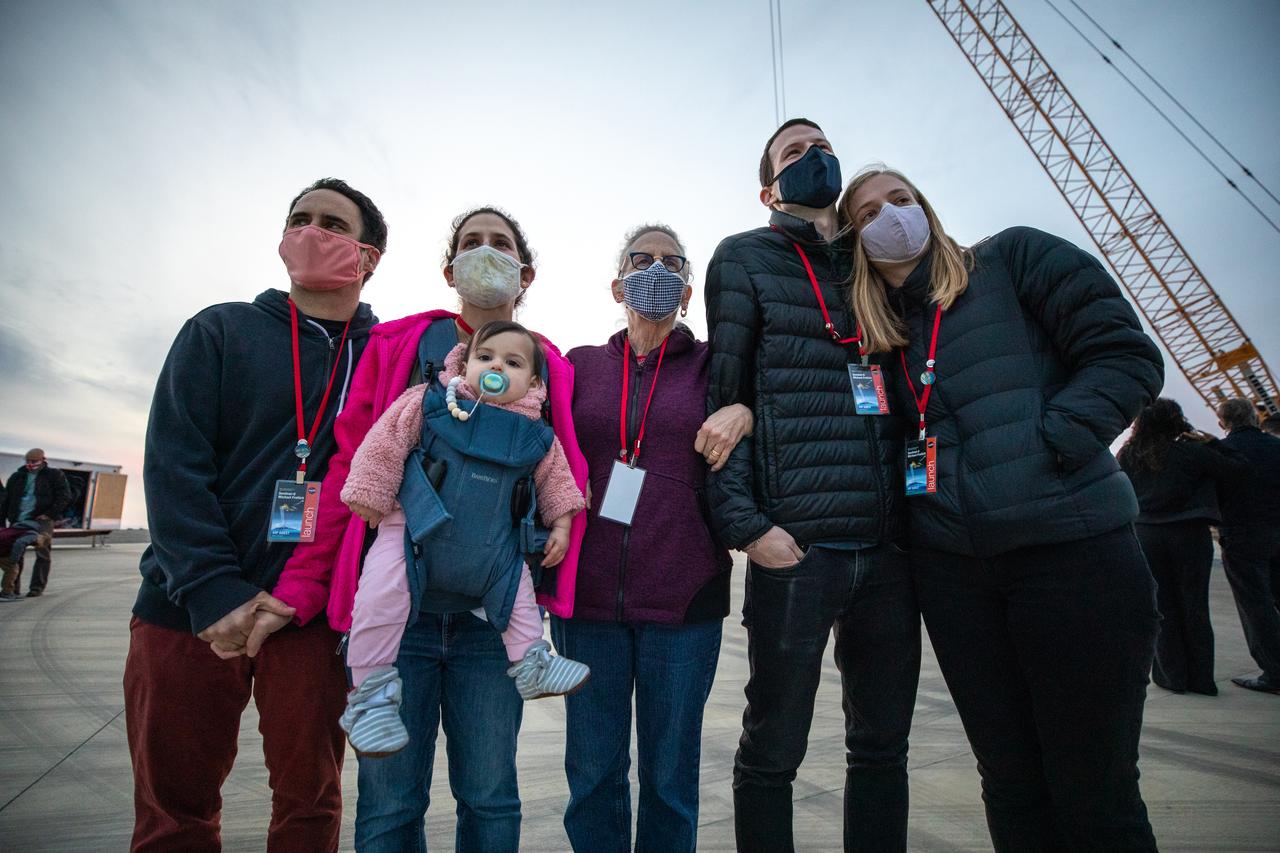
Family members of Dr. Michael Freilich, for whom the Sentinel-6 Michael Freilich satellite is named, gather at Vandenberg Air Force Base in California on Nov. 20, 2020, the day before the spacecraft’s planned launch atop a Falcon 9 rocket. Freilich served as director of NASA’s Earth Science Division in the Science Mission Directorate at the agency’s Headquarters from 2006 until his retirement in 2019. A tireless advocate for advancing satellite measurements of the ocean, he was instrumental in advancing ocean altimetry and helped drive the evolution of NASA Earth science from a program that launched an Earth-observing space mission every few years to one that launches several missions each year. Freilich died Aug. 5, 2020, of pancreatic cancer. Sentinel-6 Michael Freilich launched Nov. 21, 2020, at 9:17 a.m. PST (12:17 p.m. EST). NASA’s Launch Services Program at Kennedy Space Center was responsible for launch management.
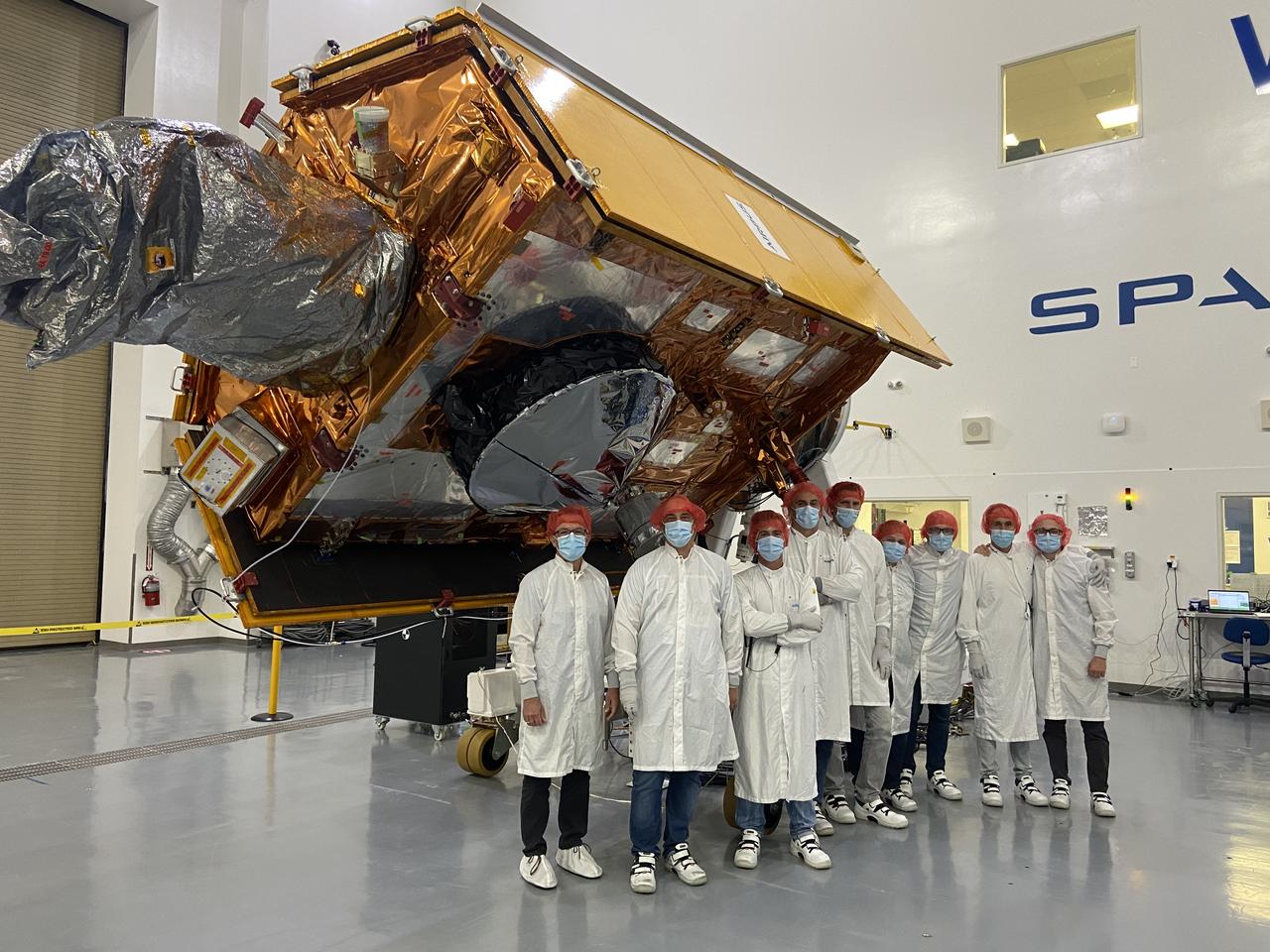
Sentinel-6 Michael Freilich team members from European Space Agency pose with the spacecraft during processing. Launch is scheduled for Nov. 10, 2020 from Vandenberg Air Force Base in California. NASA’s Launch Services Program based at Kennedy Space Center is responsible for launch management.
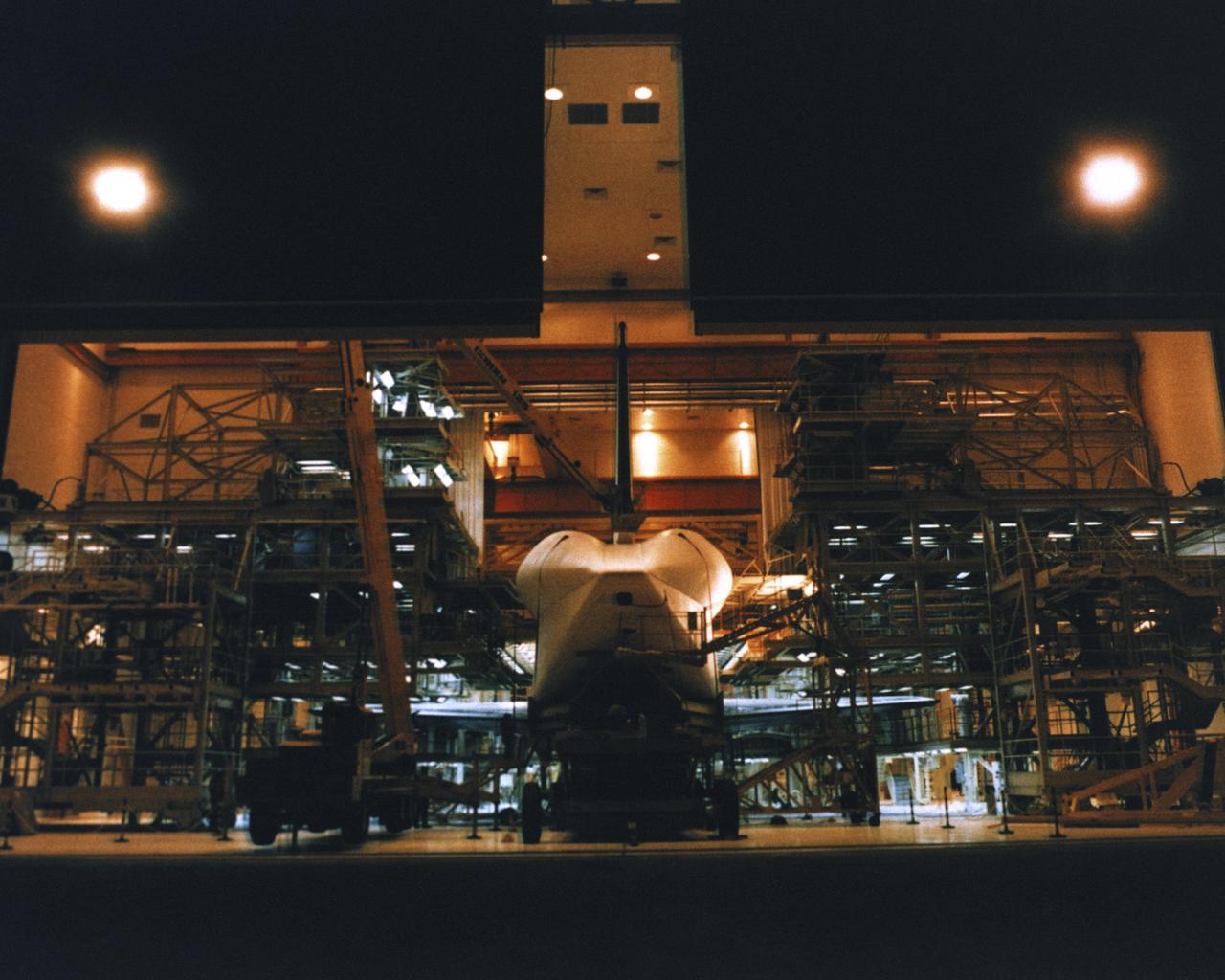
Enterprise inside the Orbiter Maintenance and Checkout Facility at Vandenberg, AFB, California
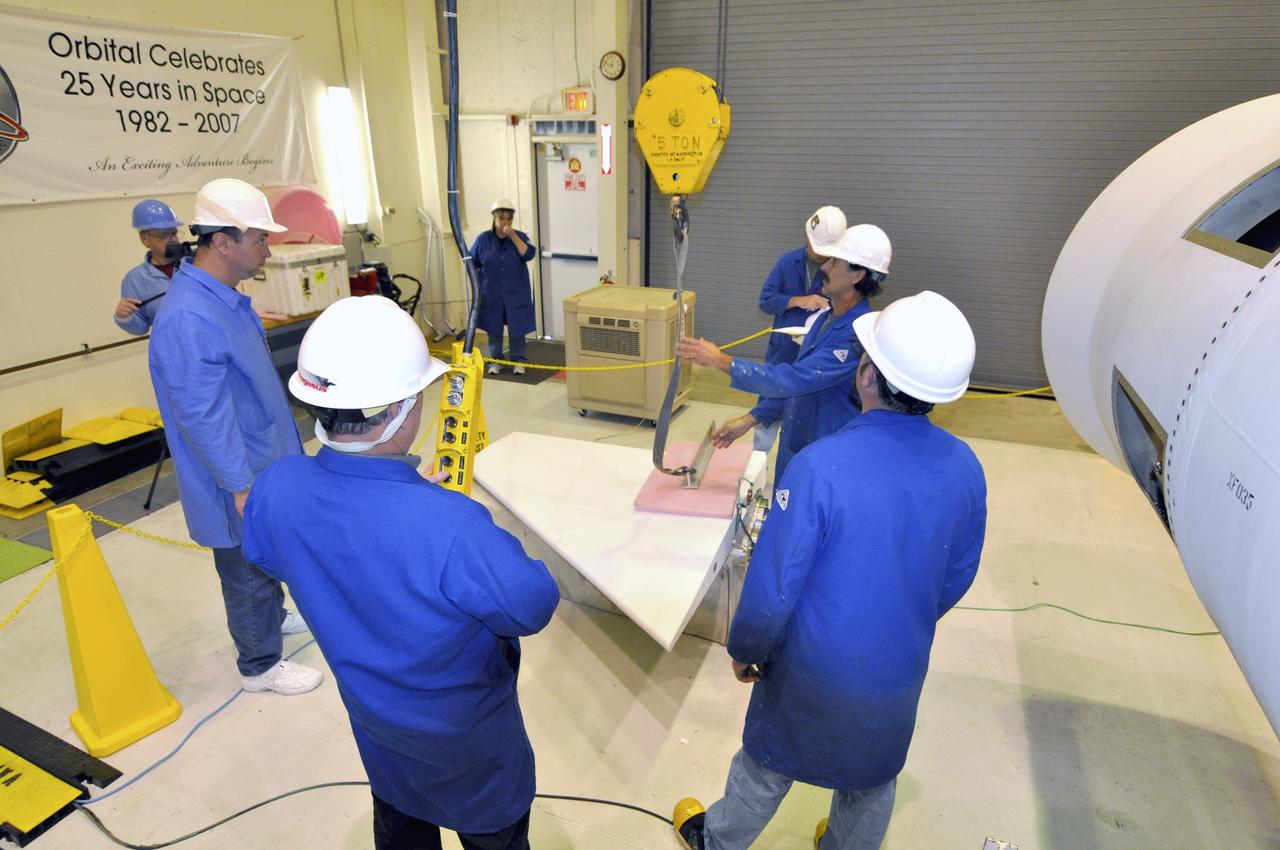
Pegasus/Nustar, Fin Installation on the Aft End of Stage 1
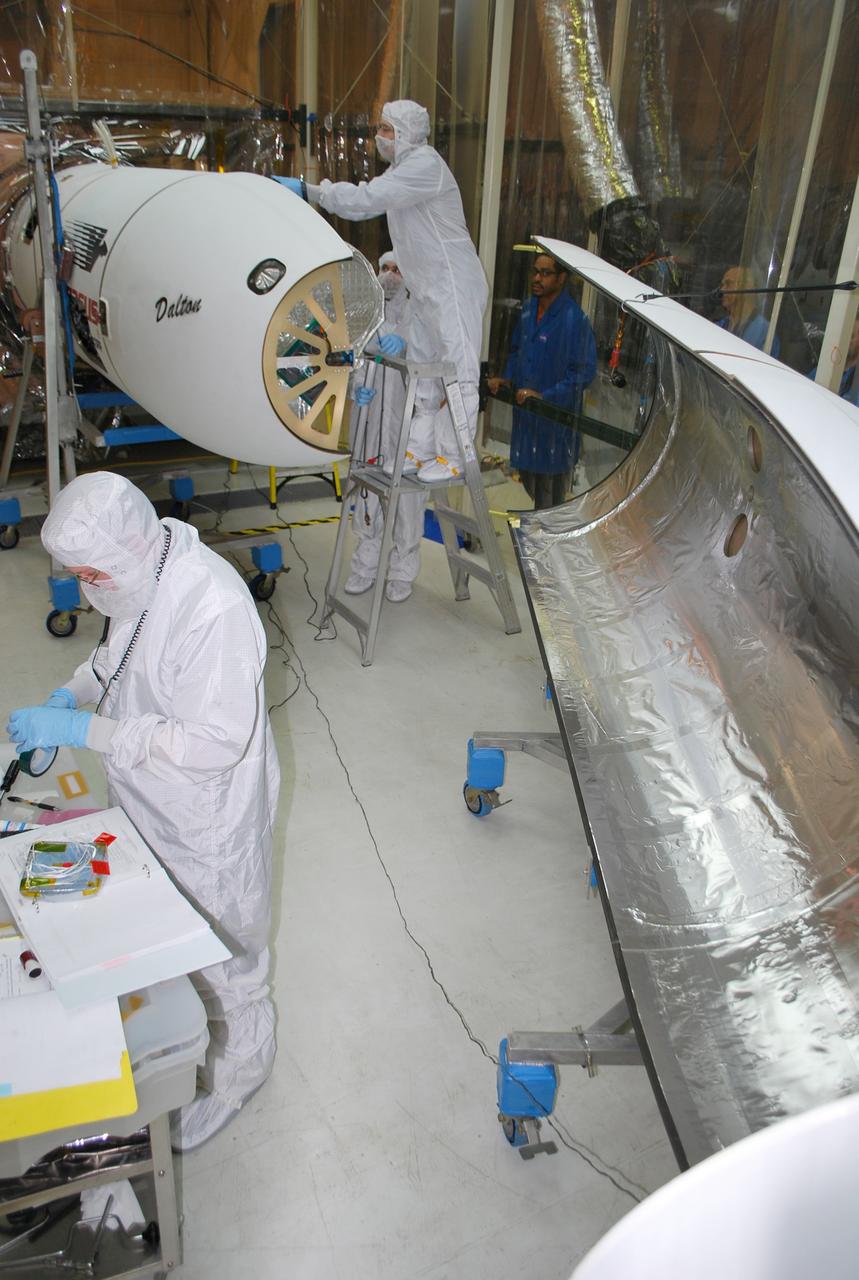
NUSTAR/Pegasus Fairing Installation
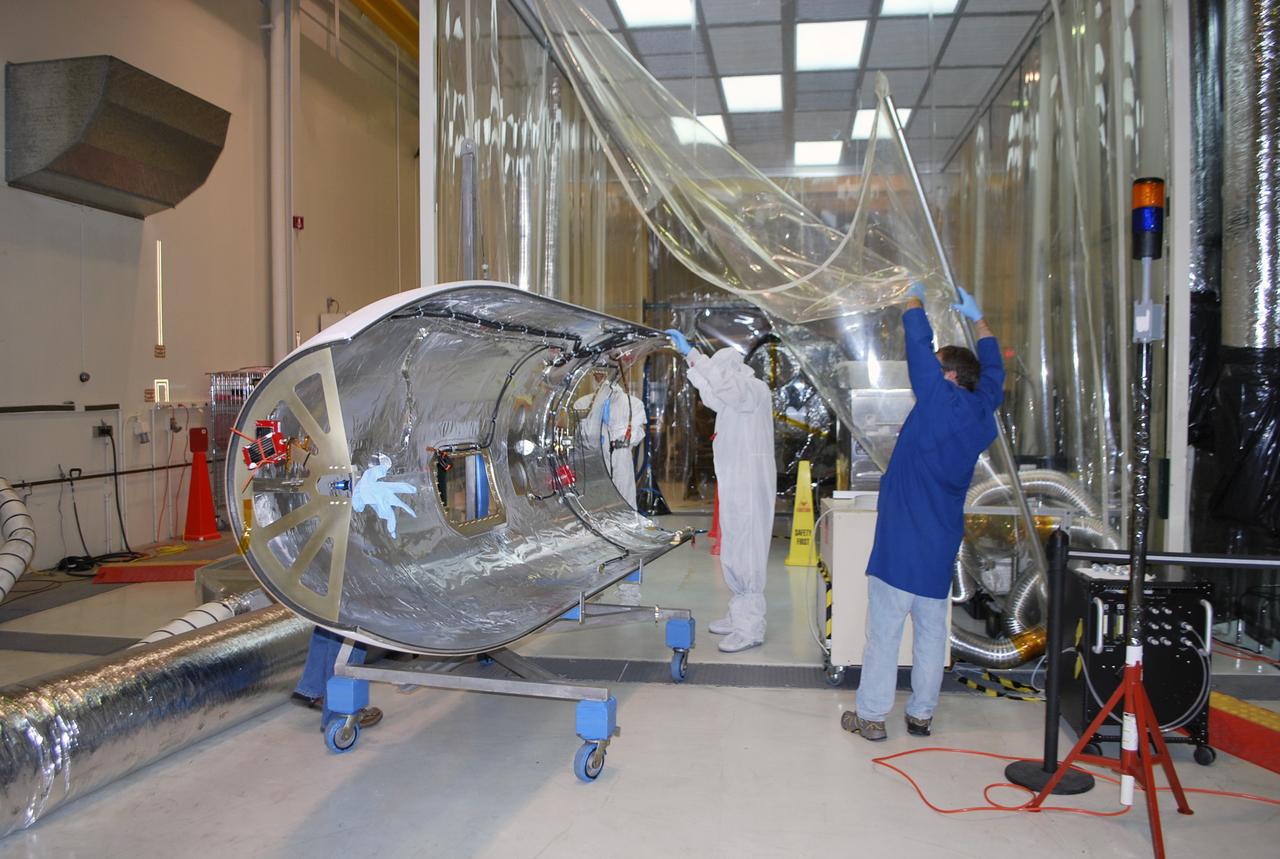
PEGASUS NUSTAR, Fairing Halves and Starboard Fairing Move to Cleanroom
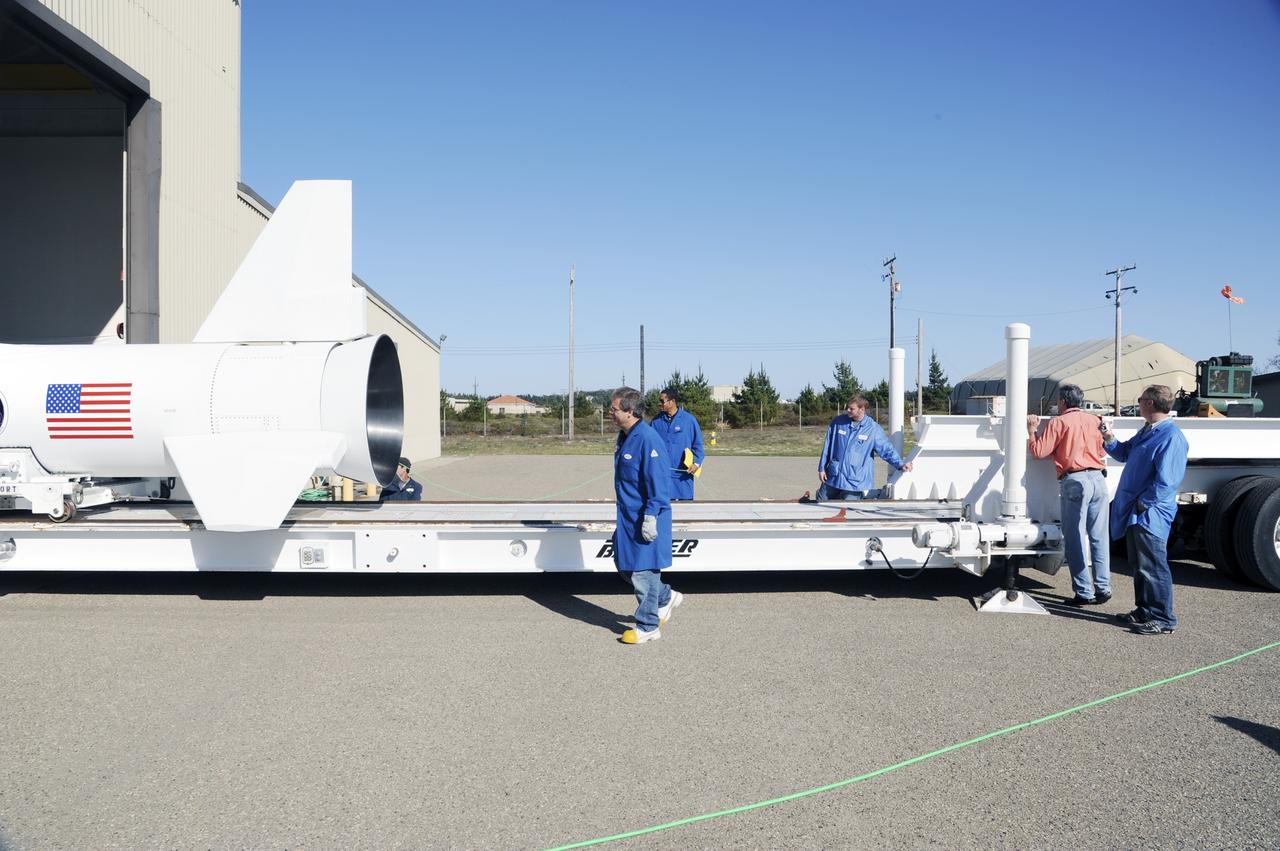
NUSTAR/Pegasus, Transfer of the Pegasus to the AIT
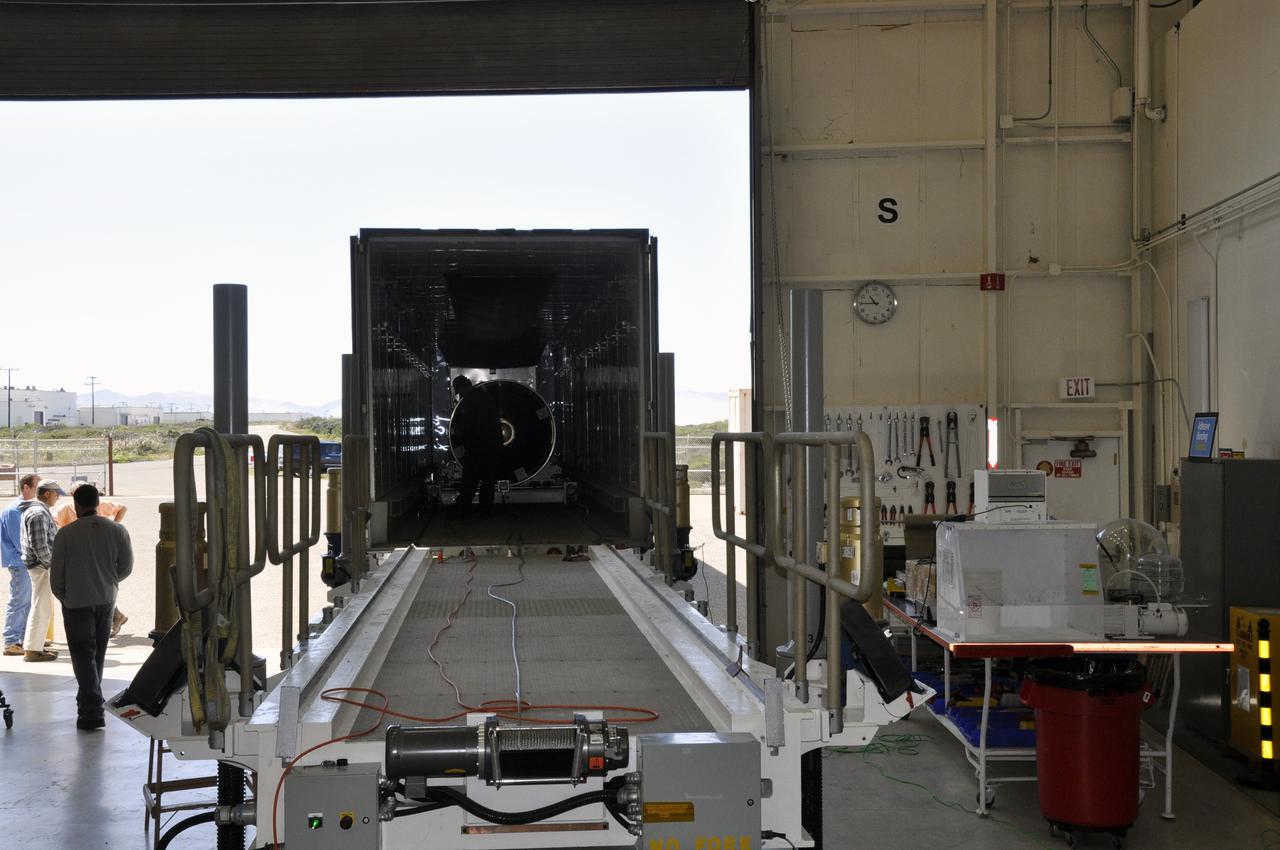
IRIS/Pegasus Motor Arrival
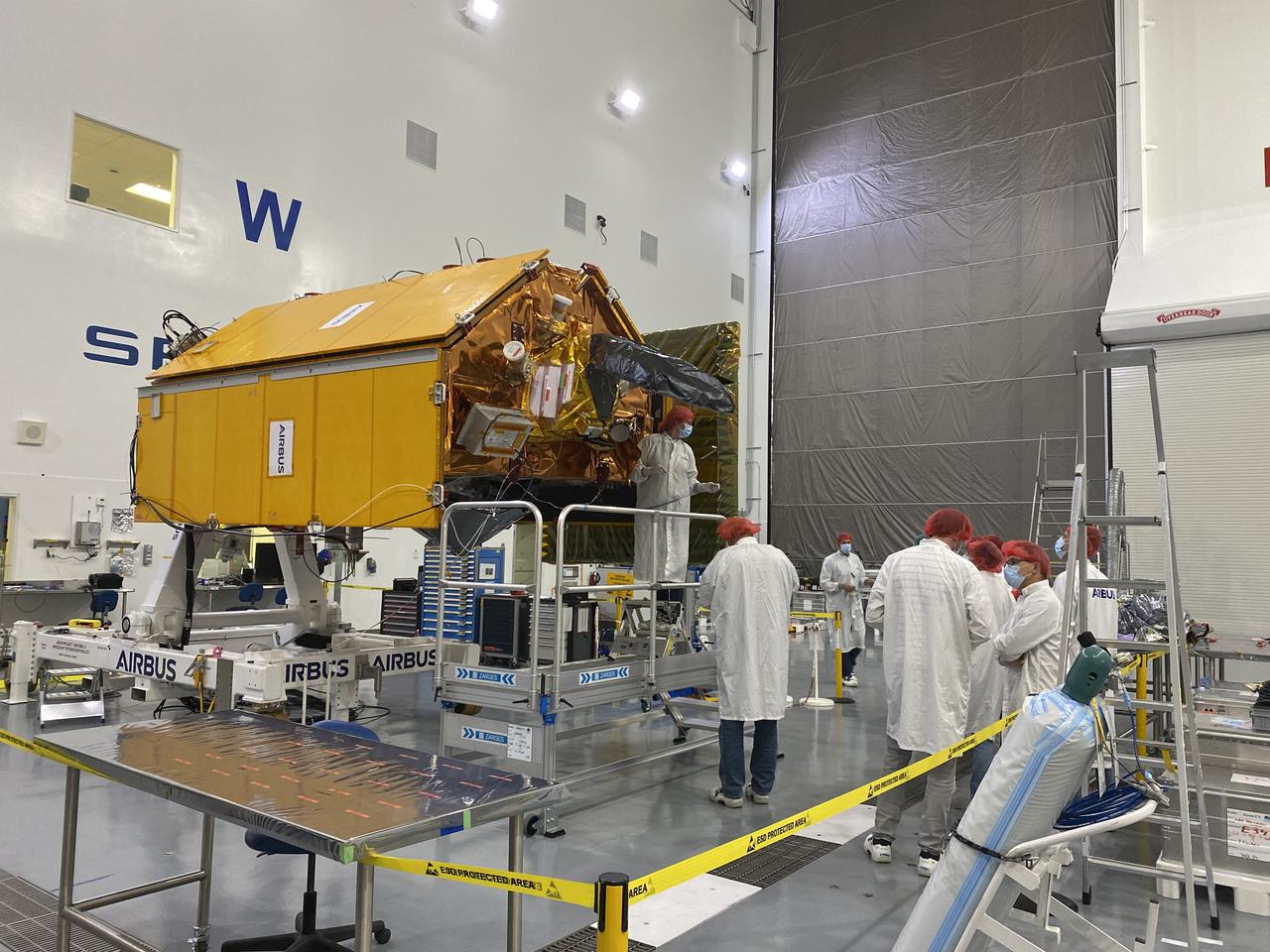
Sentinel-6 Michael Freilich team members from European Space Agency pose with the spacecraft during processing. Launch is scheduled for Nov. 10, 2020 from Vandenberg Air Force Base in California. NASA’s Launch Services Program based at Kennedy Space Center is responsible for launch management.
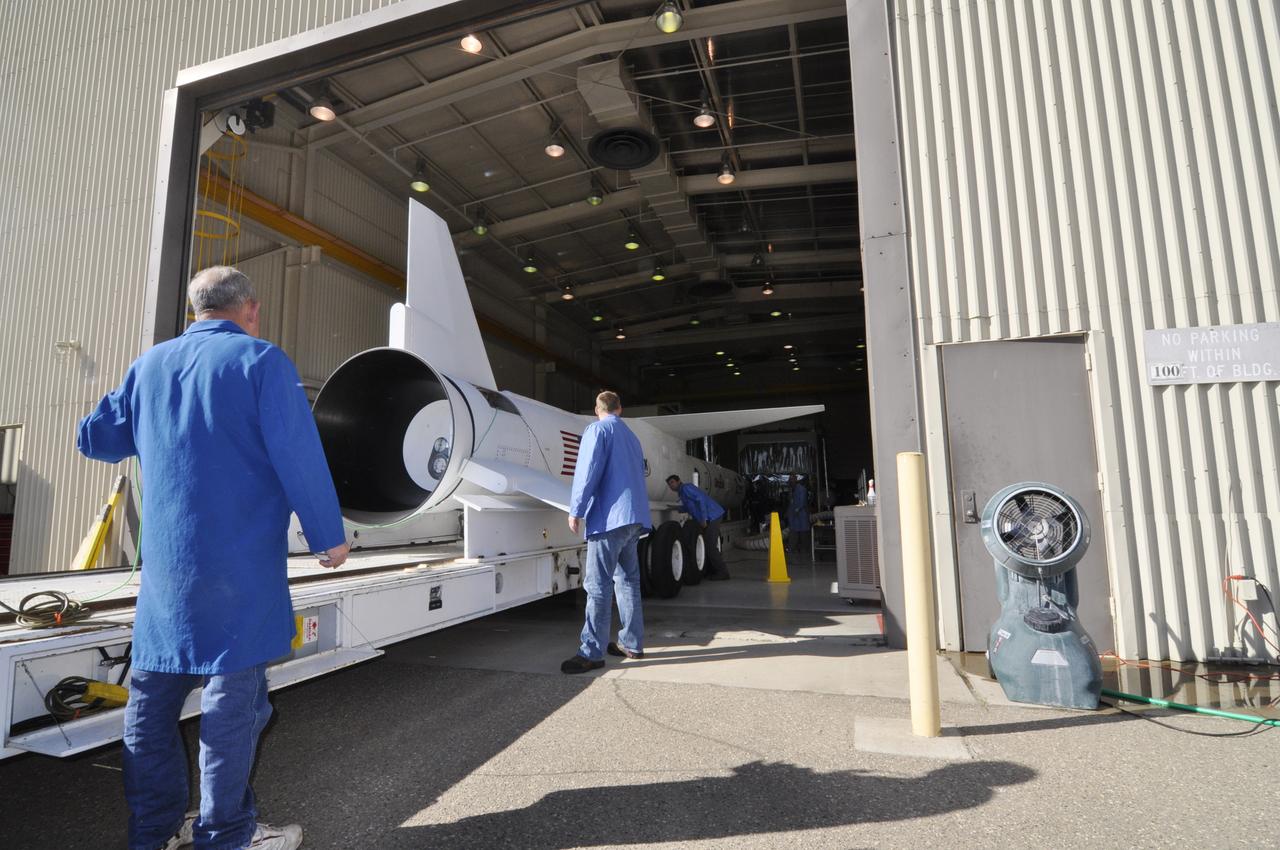
NUSTAR, Transfer of the Pegasus to the AIT
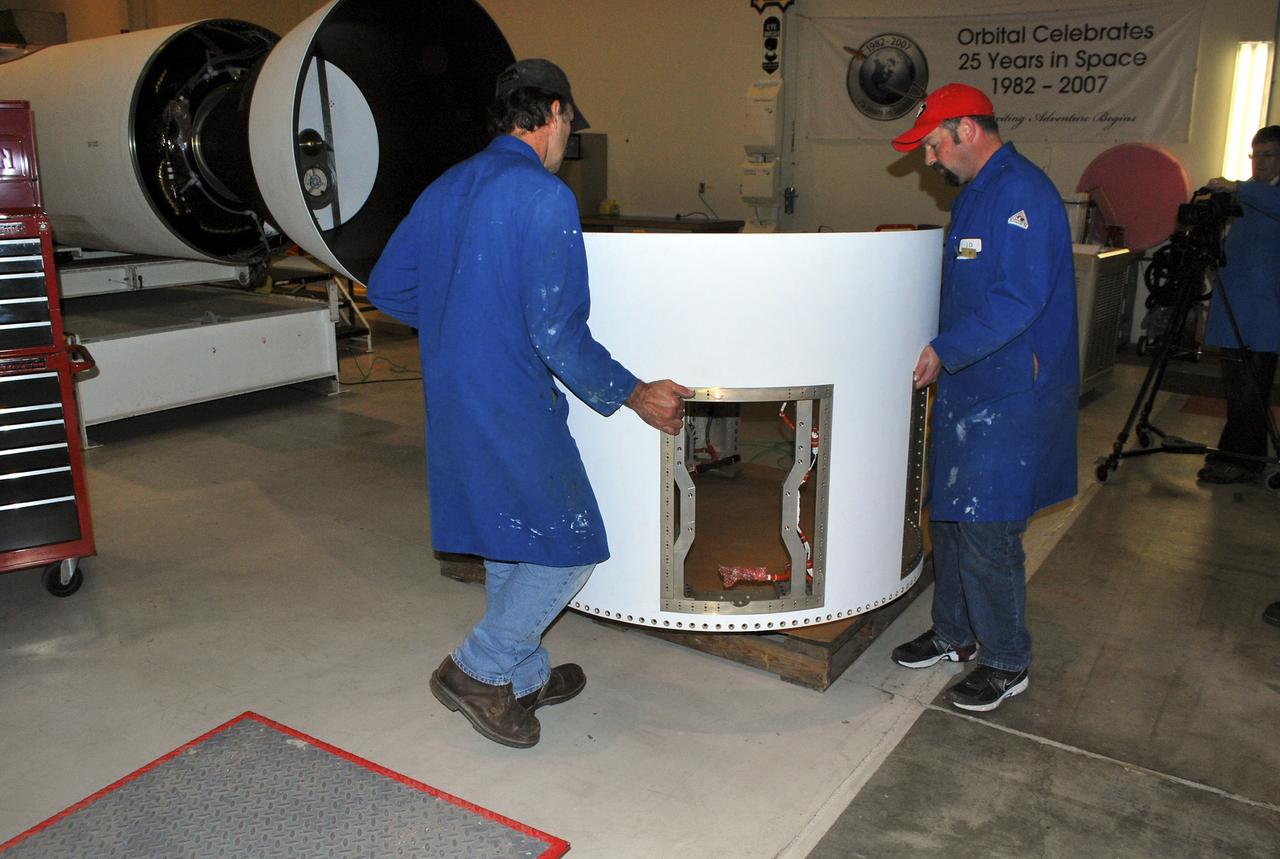
Pegasus/Nustar, Arival for the Aft Skirt & Fins, Installation of the Aft Skirt to the Aft End of Stage 1
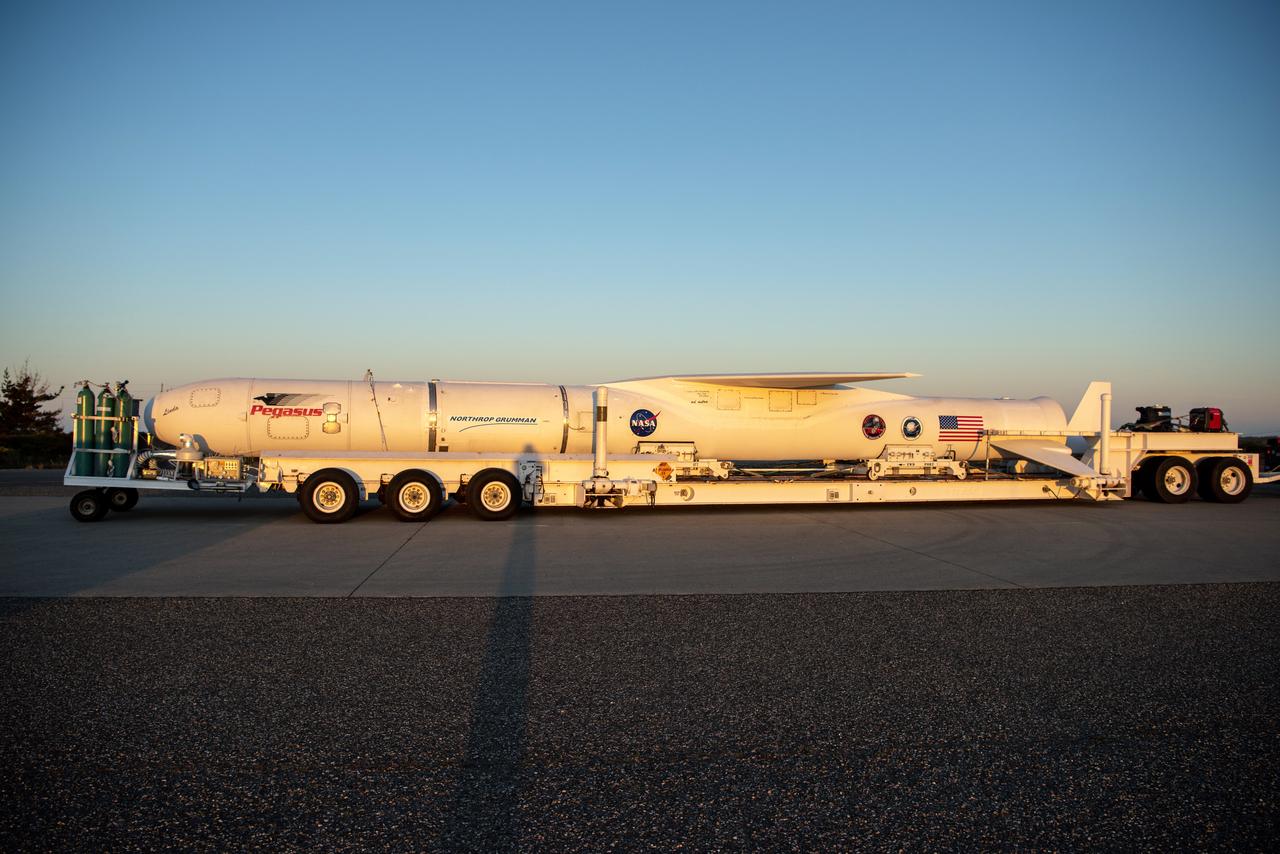
The Northrop Grumman Pegasus XL rocket, with NASA's Ionospheric Connection Explorer (ICON) secured in its payload fairing, rolls out to the runway at Vandenberg Air Force Base in California on Sept. 25, 2019. The Pegasus XL rocket will be attached beneath the company's L-1011 Stargazer aircraft for the flight to Cape Canaveral Air Force Station (CCAFS) in Florida. ICON will launch from the Skid Strip at CCAFS. Launch is scheduled for Oct. 10, 2019. ICON will study the frontier of space - the dynamic zone high in Earth's atmosphere where terrestrial weather from below meets space weather above. The explorer will help determine the physics of Earth's space environment and pave the way for mitigating its effects on our technology and communications systems.
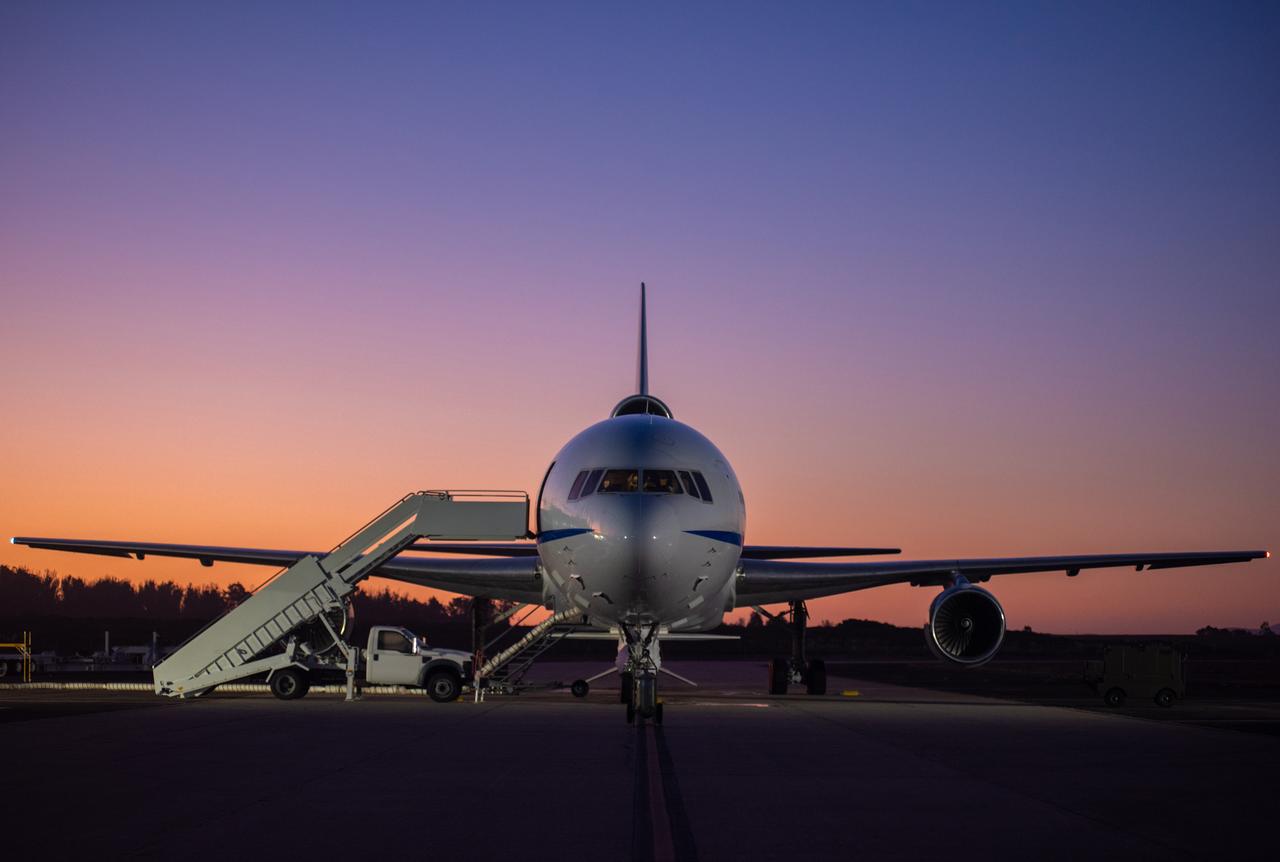
Backdropped by a twilight sky, Northrop Grumman's L-1011 Stargazer undergoes final preparations prior to its takeoff from Vandenberg Air Force Base in California on Oct. 1, 2019. The company's Pegasus XL rocket, containing NASA's Ionospheric Connection Explorer (ICON), is attached beneath the aircraft. The explorer is targeted to launch on Oct. 9, 2019, from Cape Canaveral Air Force Station in Florida. ICON will study the frontier of space - the dynamic zone high in Earth's atmosphere where terrestrial weather from below meets space weather above.
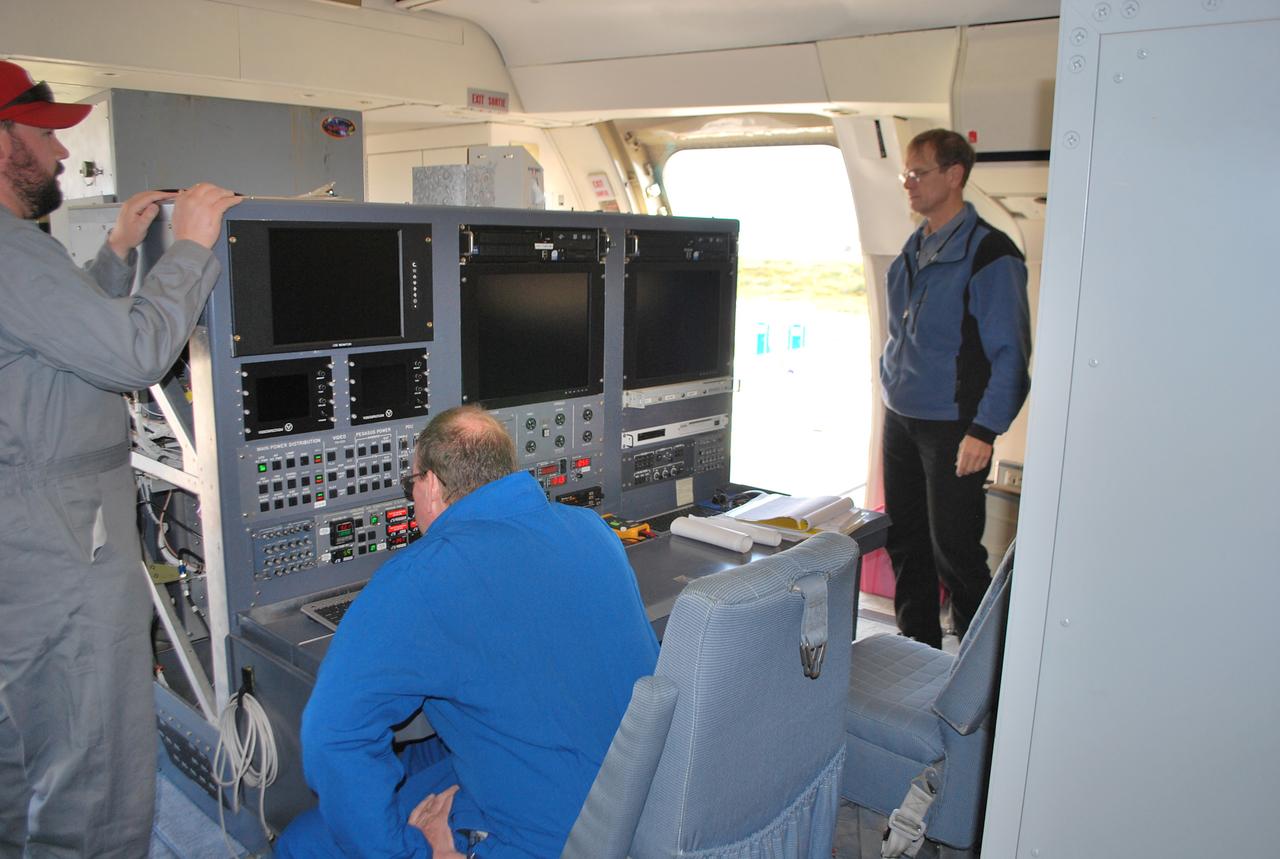
NUSTAR/Pegasus Hot Pad Activities, Racks Being Loaded
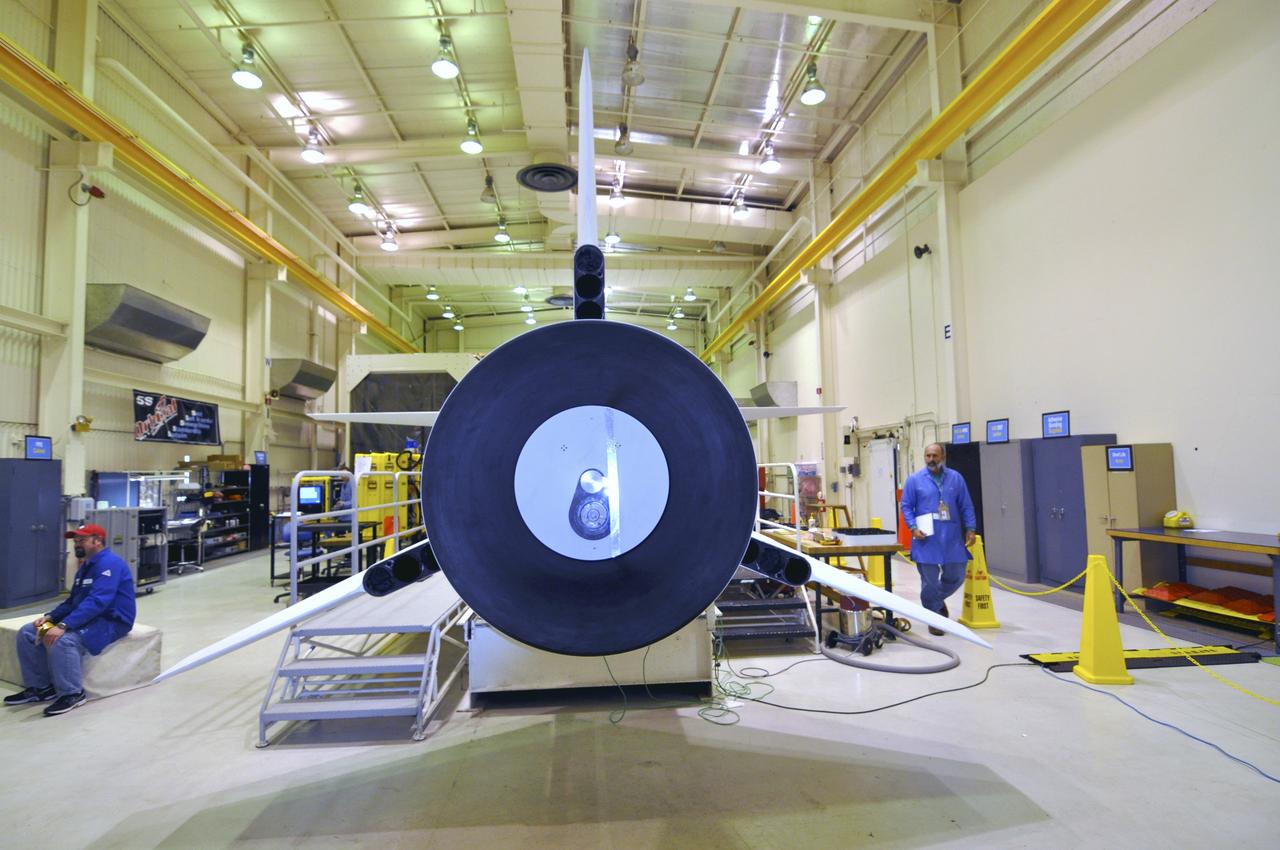
Pegasus/Nustar, Fin Installation on the Aft End of Stage 1
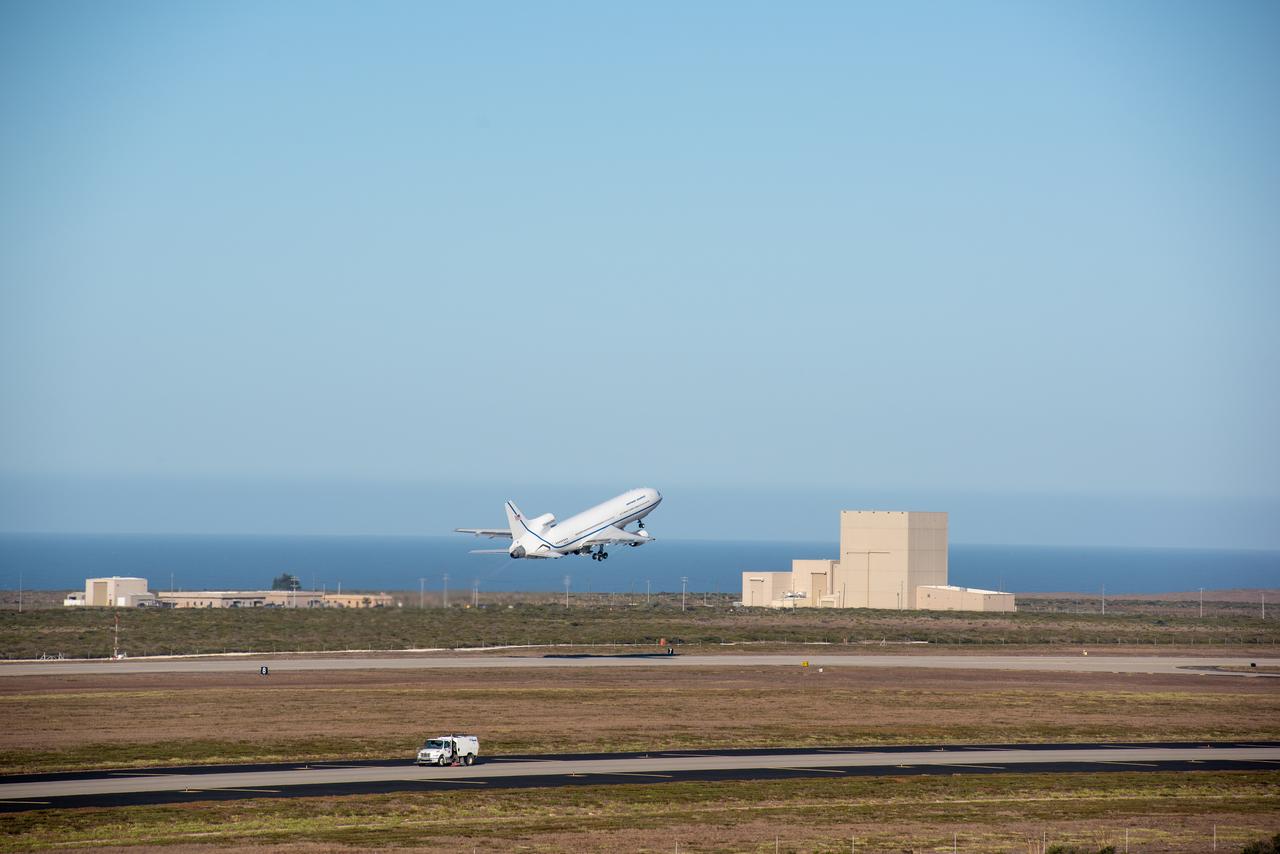
Northrop Grumman's L-1011 Stargazer takes off from Vandenberg Air Force Base in California on Oct. 1, 2019. The company's Pegasus XL rocket, containing NASA's Ionospheric Connection Explorer (ICON), is attached beneath the aircraft. The explorer is targeted to launch on Oct. 9, 2019, from Cape Canaveral Air Force Station in Florida. ICON will study the frontier of space - the dynamic zone high in Earth's atmosphere where terrestrial weather from below meets space weather above.
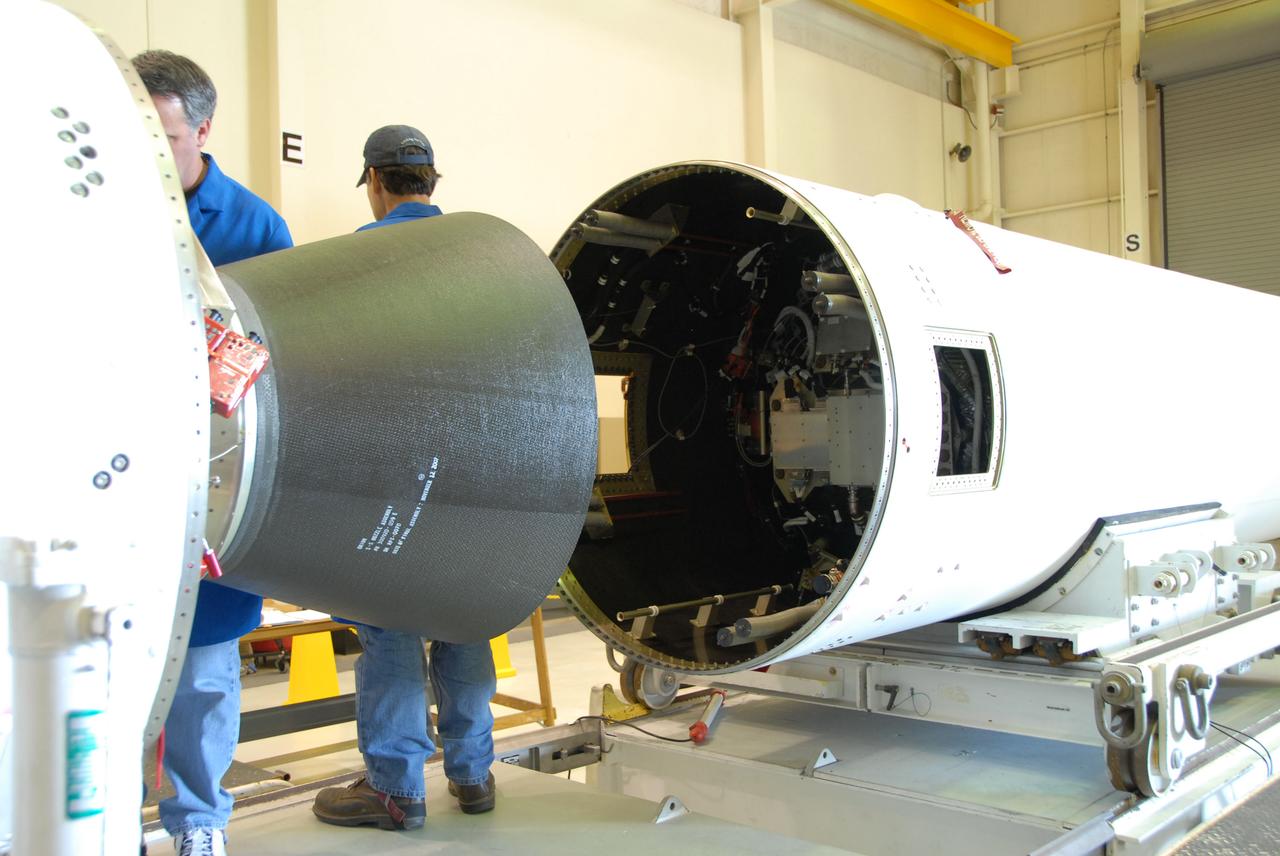
Glory/Taurus, Static Shots of Stages 1 & 2 Prior to Mate
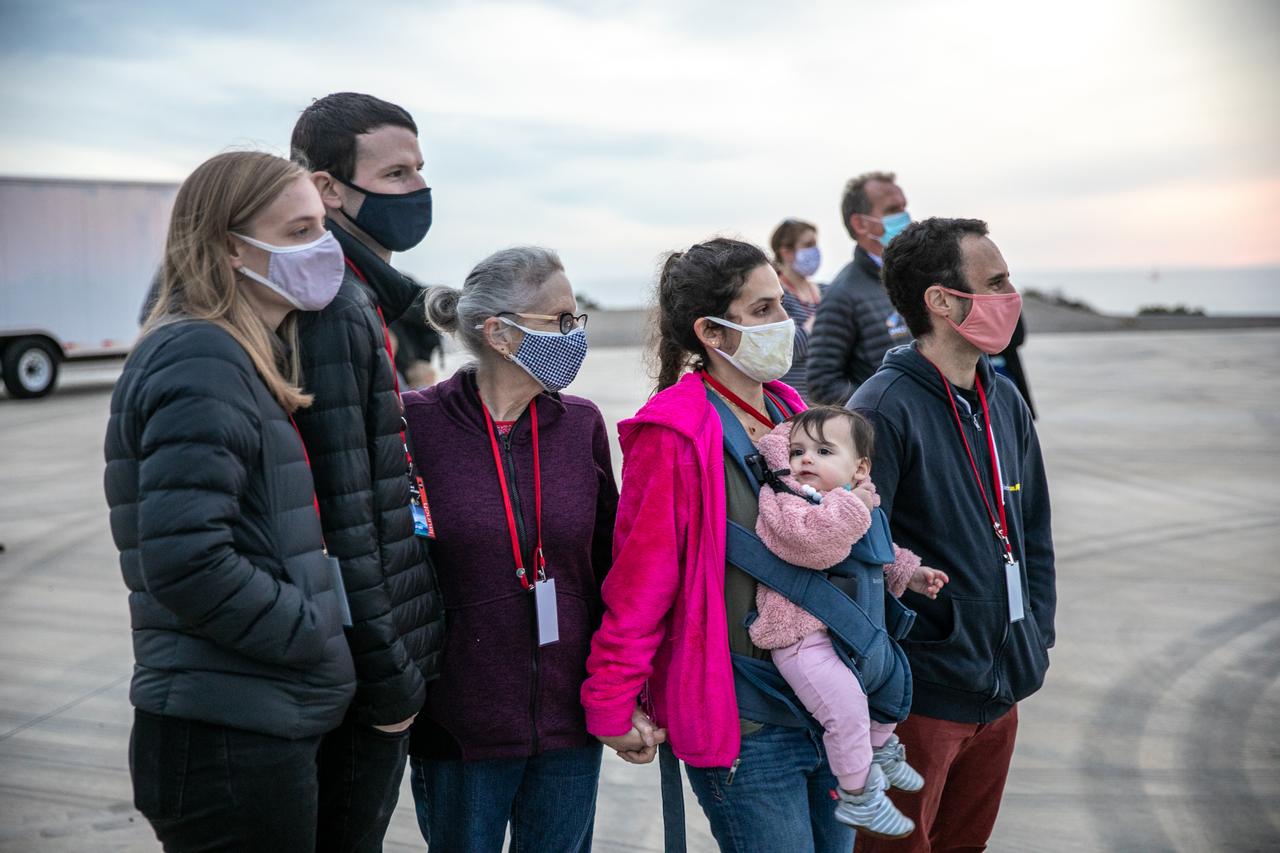
Family members of Dr. Michael Freilich, for whom the Sentinel-6 Michael Freilich satellite is named, gather at Vandenberg Air Force Base in California on Nov. 20, 2020, the day before the spacecraft’s planned launch atop a Falcon 9 rocket. Freilich served as director of NASA’s Earth Science Division in the Science Mission Directorate at the agency’s Headquarters from 2006 until his retirement in 2019. A tireless advocate for advancing satellite measurements of the ocean, he was instrumental in advancing ocean altimetry and helped drive the evolution of NASA Earth science from a program that launched an Earth-observing space mission every few years to one that launches several missions each year. Freilich died Aug. 5, 2020, of pancreatic cancer. Sentinel-6 Michael Freilich launched Nov. 21, 2020, at 9:17 a.m. PST (12:17 p.m. EST). NASA’s Launch Services Program at Kennedy Space Center was responsible for launch management.
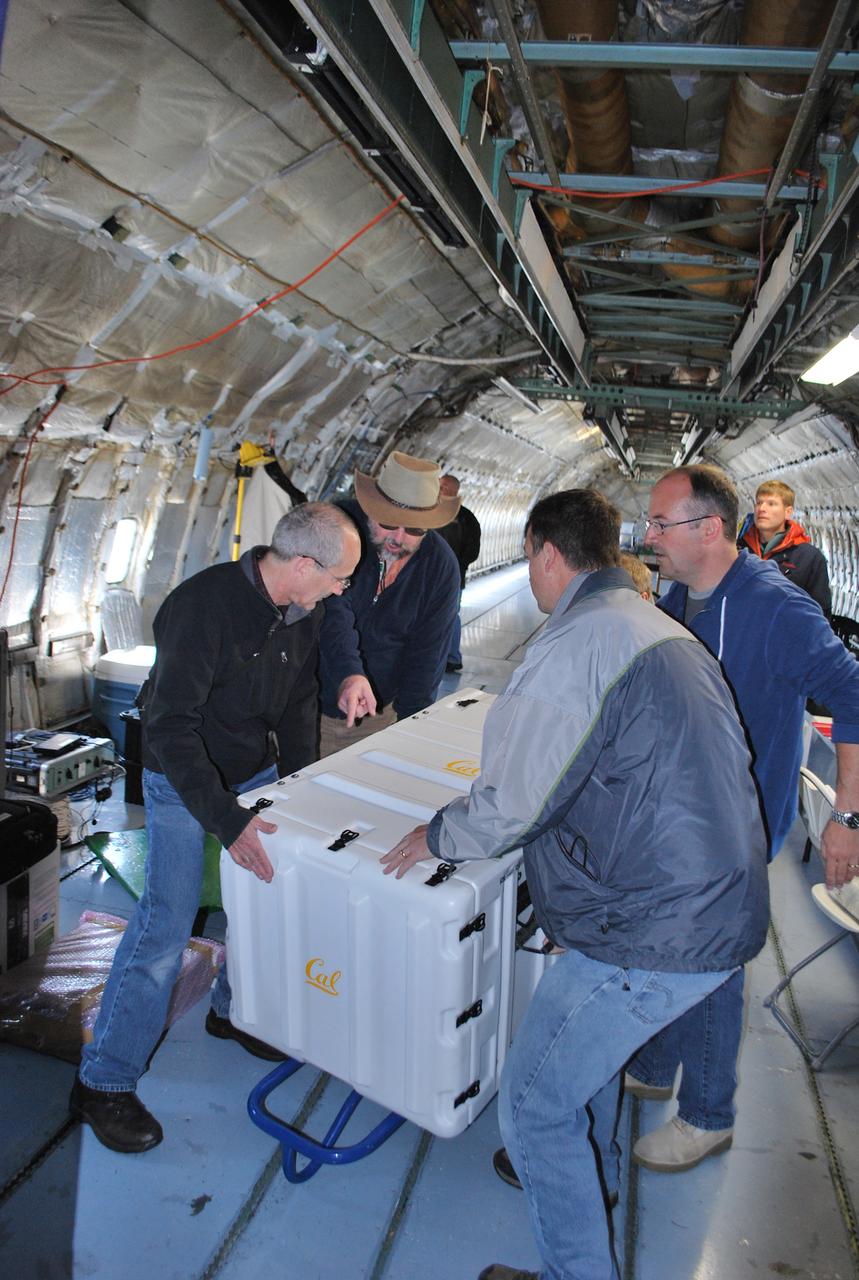
NUSTAR/Pegasus Hot Pad Activities, Racks Being Loaded
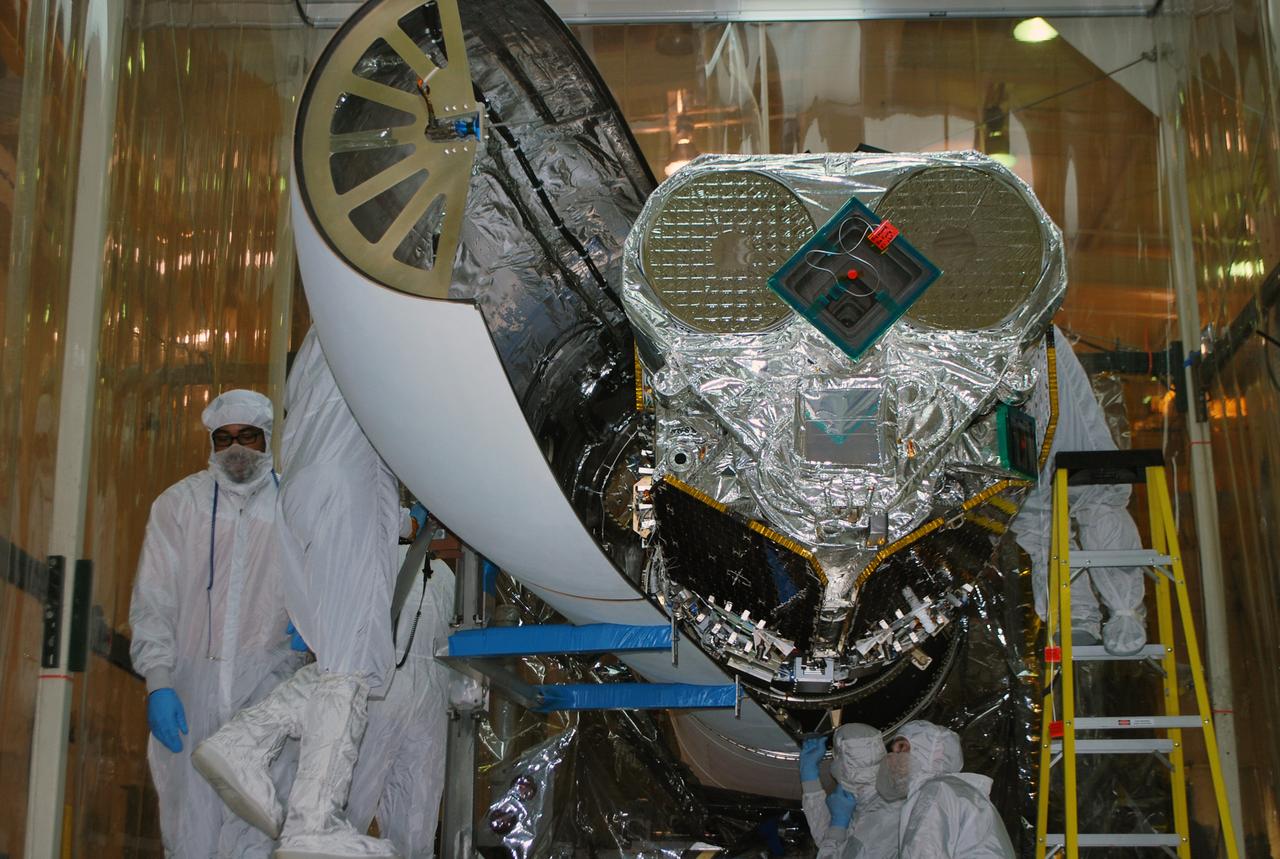
NUSTAR/Pegasus Fairing Installation
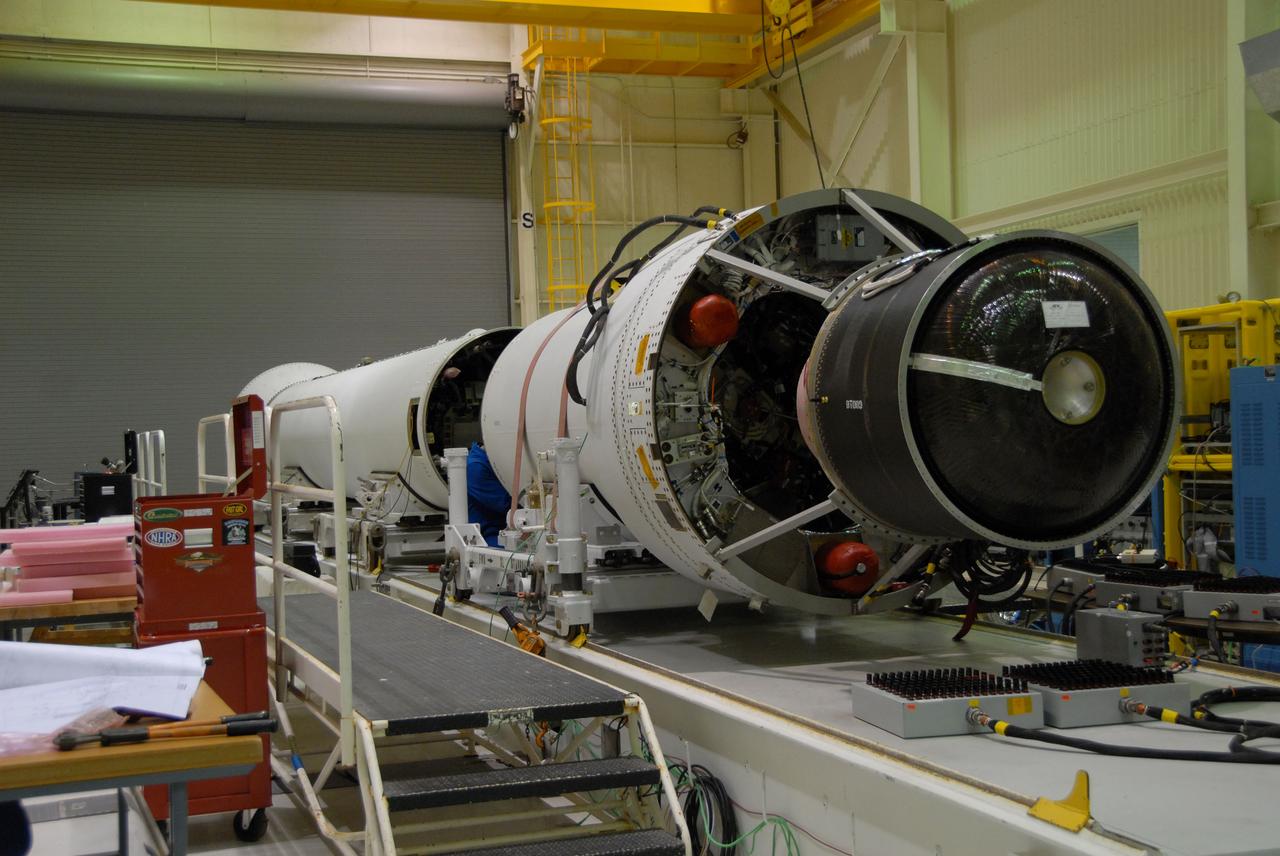
Glory/Taurus, Static Shots of Stages 1 & 2 Prior to Mate

IRIS/Pegasus Motor Arrival

At the Orbital Sciences Corp. Building 1555 at Vandenberg Air Force Base in California, Stage 0/1 interstage, part of the four-stage Taurus XL rocket that will carry NASA's Glory spacecraft into low Earth orbit, is being prepared for transport to Space Launch Complex 576-E. Once Glory reaches orbit, it will collect data on the properties of aerosols and black carbon. It also will help scientists understand how the sun's irradiance affects Earth's climate. Launch is scheduled for 5:09 a.m. EST Feb. 23. For information, visit www.nasa.gov/glory. Photo credit: NASA/Randy Beaudoin, VAFB
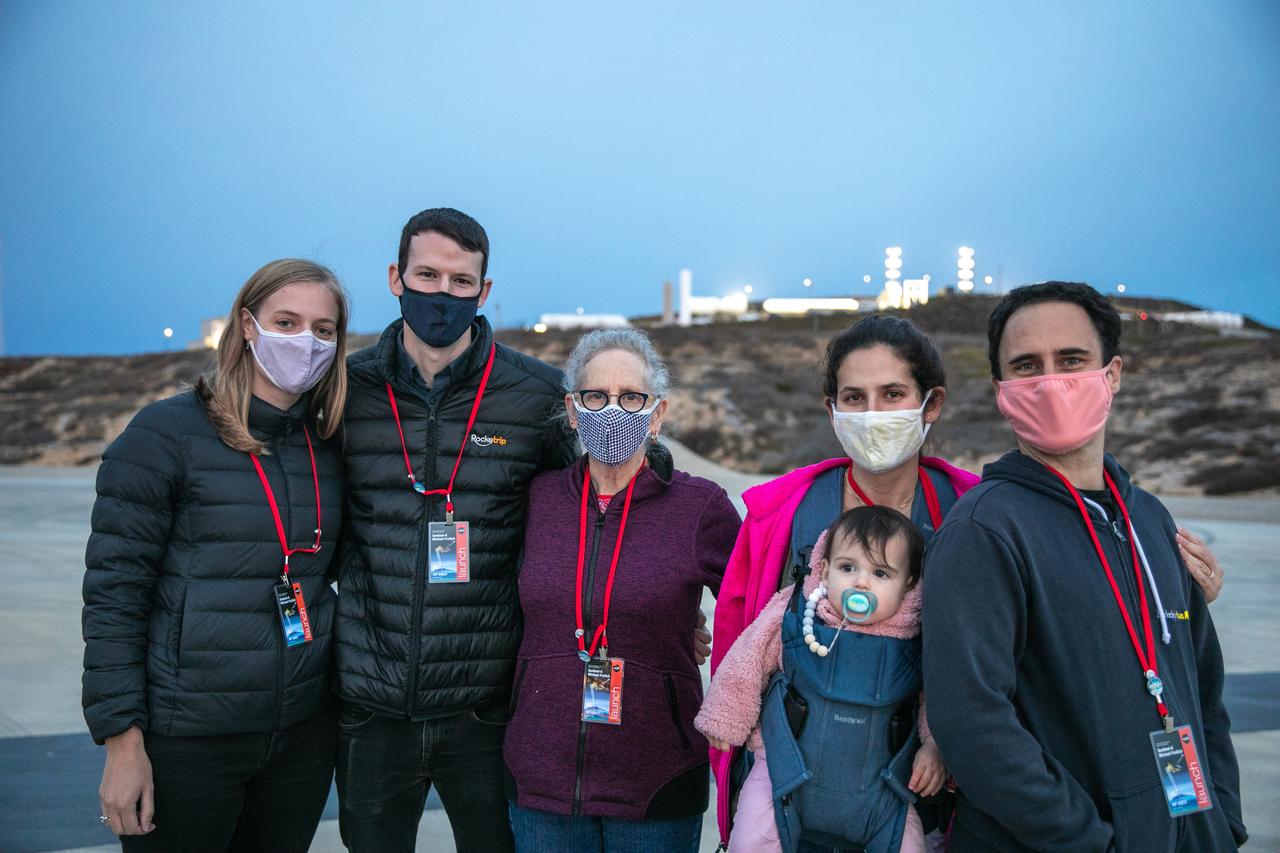
Family members of Dr. Michael Freilich, for whom the Sentinel-6 Michael Freilich satellite is named, gather at Vandenberg Air Force Base in California on Nov. 20, 2020, the day before the spacecraft’s planned launch atop a Falcon 9 rocket. Freilich served as director of NASA’s Earth Science Division in the Science Mission Directorate at the agency’s Headquarters from 2006 until his retirement in 2019. A tireless advocate for advancing satellite measurements of the ocean, he was instrumental in advancing ocean altimetry and helped drive the evolution of NASA Earth science from a program that launched an Earth-observing space mission every few years to one that launches several missions each year. Freilich died Aug. 5, 2020, of pancreatic cancer. Sentinel-6 Michael Freilich launched Nov. 21, 2020, at 9:17 a.m. PST (12:17 p.m. EST). NASA’s Launch Services Program at Kennedy Space Center was responsible for launch management.
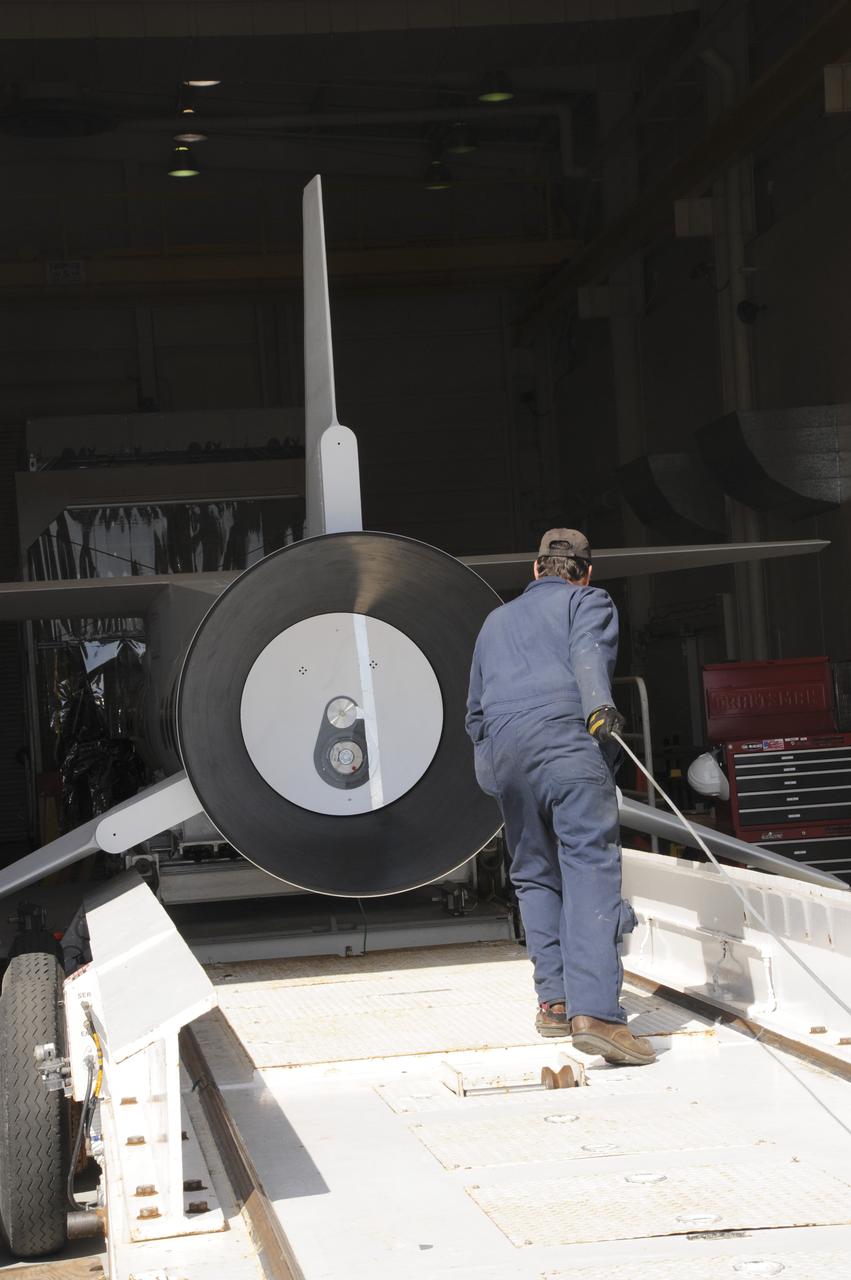
NUSTAR/Pegasus, Transfer of the Pegasus to the AIT
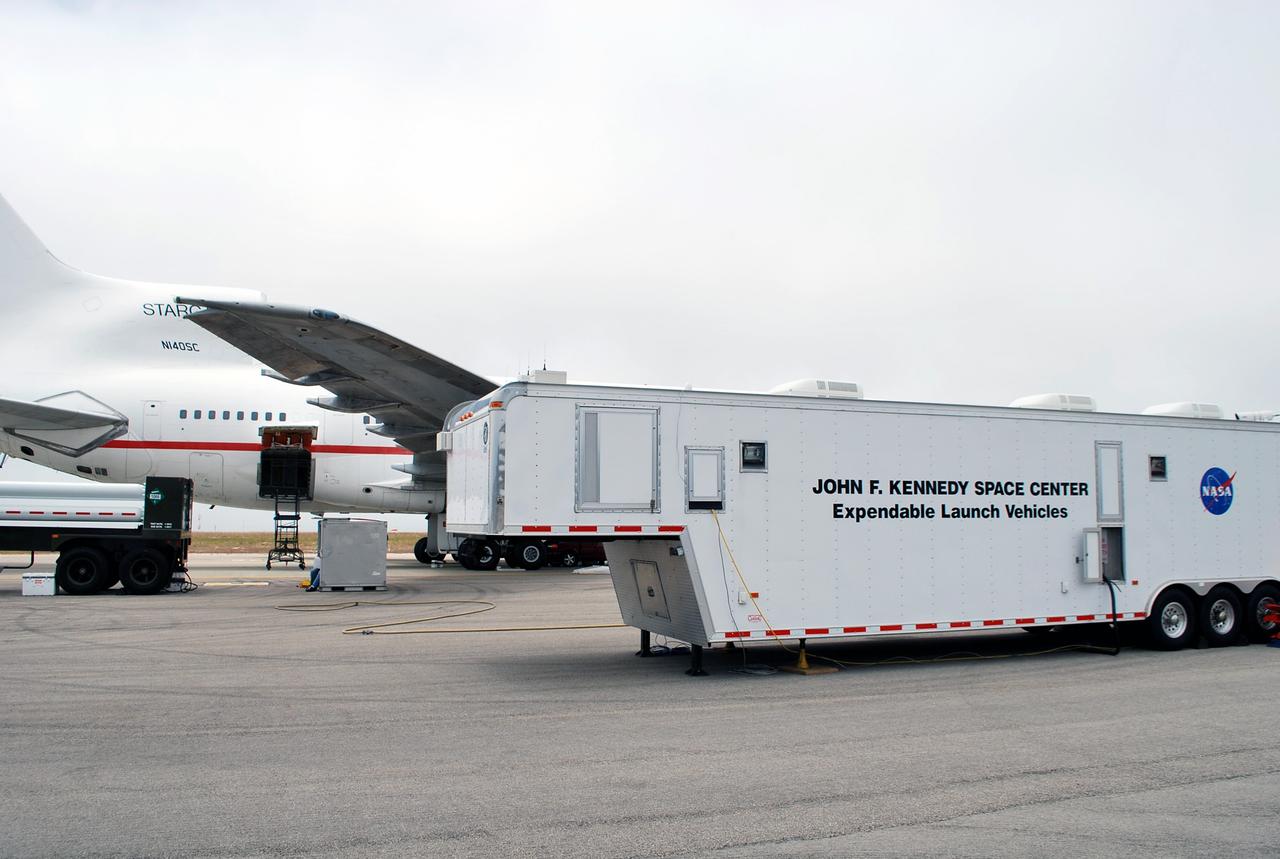
NUSTAR/Pegasus L-1011 and Miscellaneous Hot Fire Pad
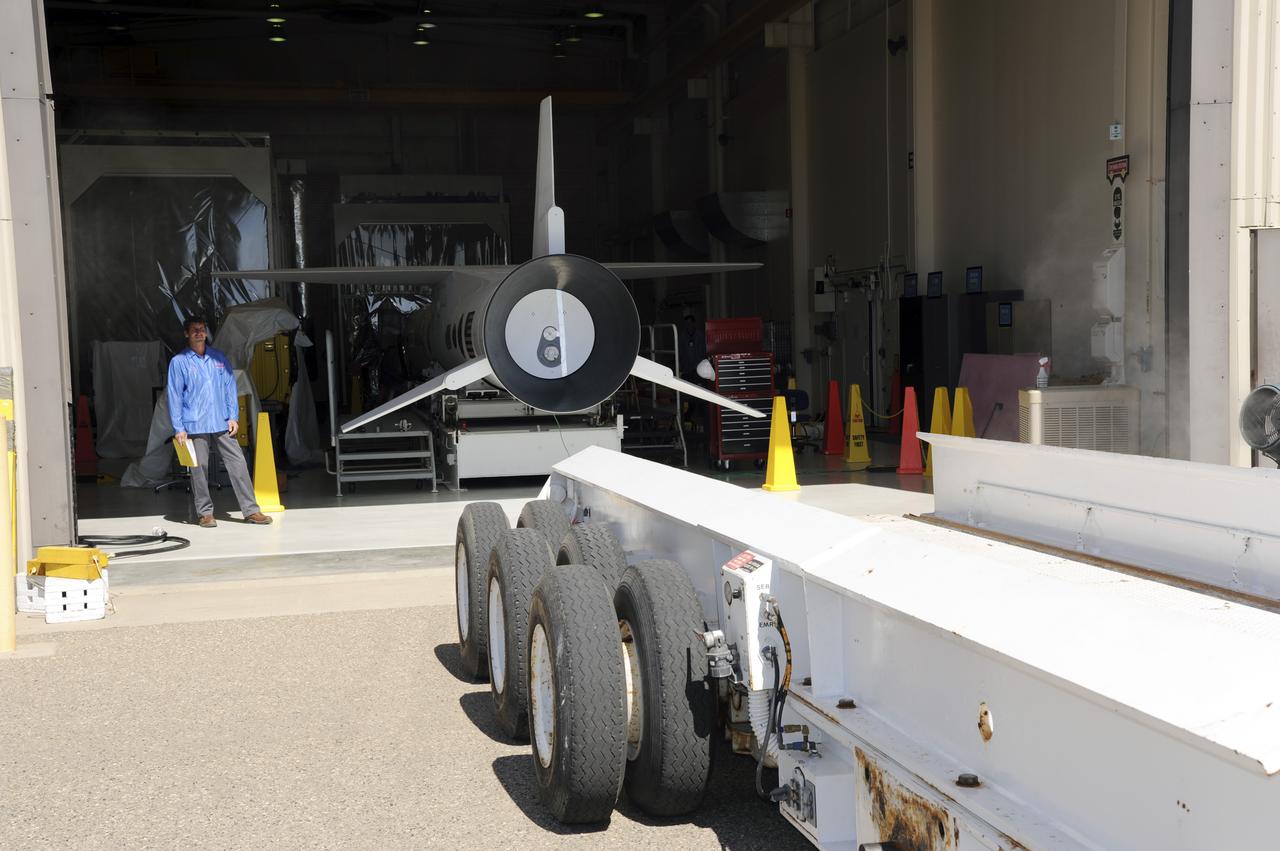
NUSTAR/Pegasus, Transfer of the Pegasus to the AIT
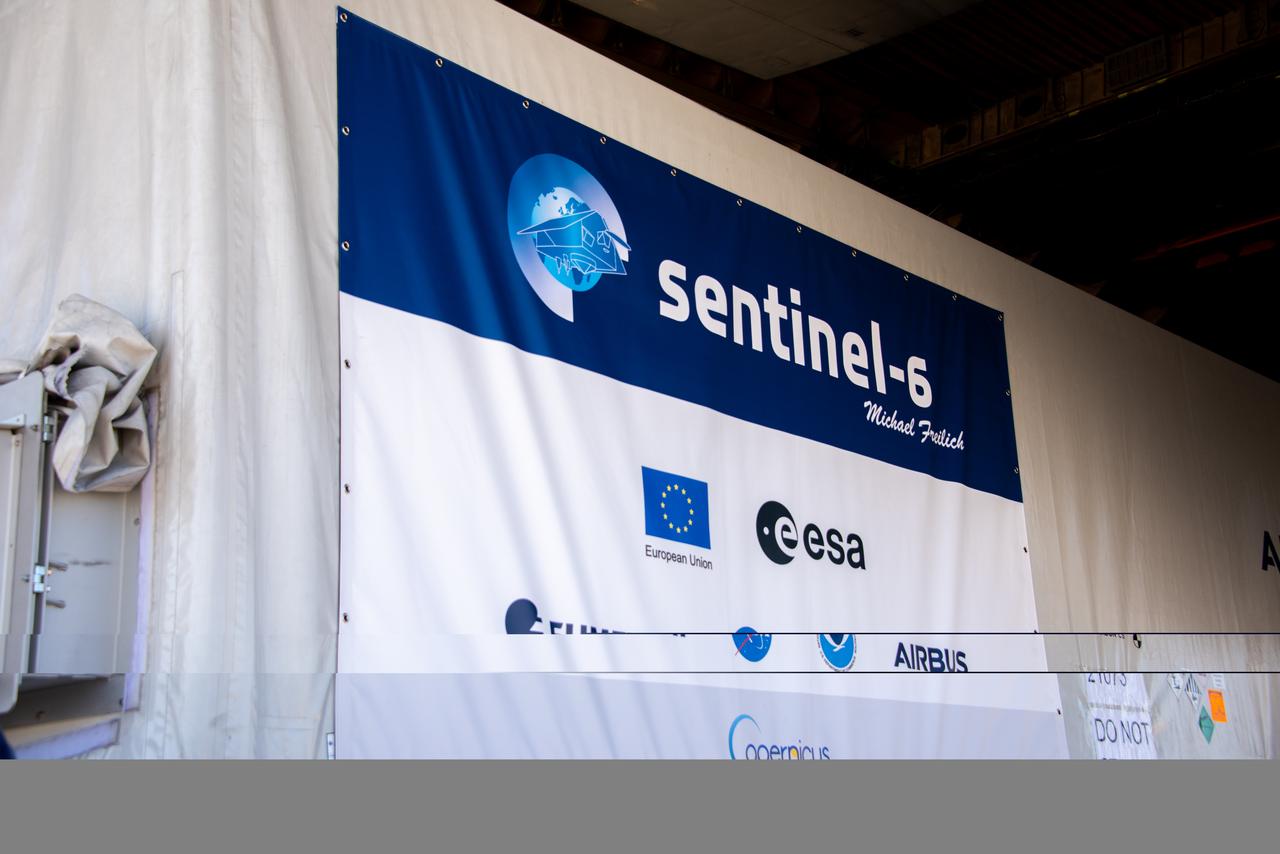
The Sentinel-6 Michael Freilich satellite, secured inside a shipping container, is offloaded from the Antonov cargo aircraft that delivered it to Vandenberg Air Force Base in California on Sept. 24, 2020. The mission is an international partnership and the first launch of a constellation of two satellites that will observe changes in Earth’s sea levels for at least the next decade. Launching atop a SpaceX Falcon 9 rocket, Sentinel-6 Michael Freilich is targeted to lift off from Vandenberg’s Space Launch Complex 4 on Nov. 10, 2020. The Launch Services Program at Kennedy is responsible for launch management.
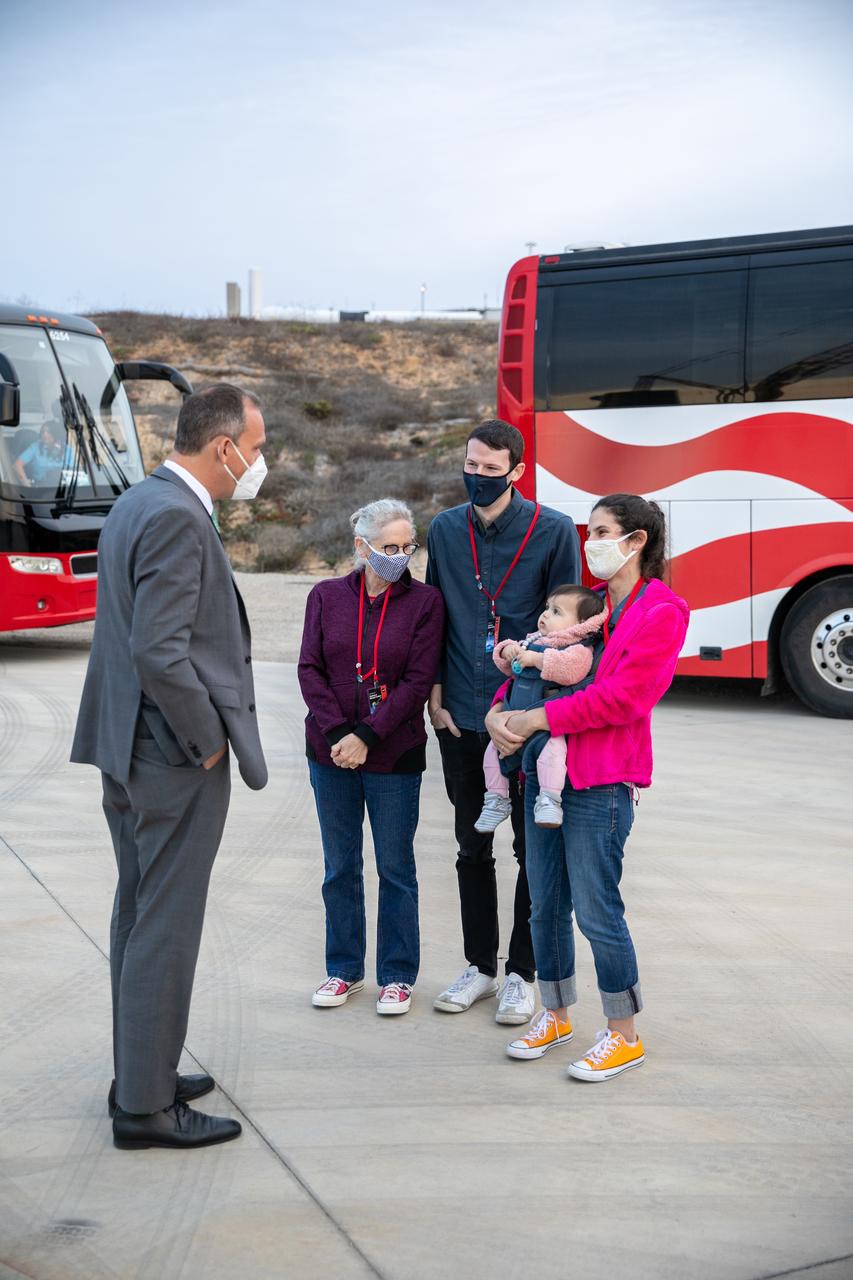
Associate Administrator for NASA’s Science Mission Directorate Thomas Zurbuchen, far left, greets family members of Dr. Michael Freilich, for whom the Sentinel-6 Michael Freilich satellite is named, at Vandenberg Air Force Base in California on Nov. 20, 2020, the day before the spacecraft’s planned launch atop a Falcon 9 rocket. From left are Freilich’s wife, Shoshannah, and their children, Daniel and Sarah. Freilich served as director of NASA’s Earth Science Division in the Science Mission Directorate at the agency’s Headquarters from 2006 until his retirement in 2019. A tireless advocate for advancing satellite measurements of the ocean, he was instrumental in advancing ocean altimetry and helped drive the evolution of NASA Earth science from a program that launched an Earth-observing space mission every few years to one that launches several missions each year. Freilich died Aug. 5, 2020, of pancreatic cancer. Sentinel-6 Michael Freilich launched Nov. 21, 2020, at 9:17 a.m. PST (12:17 p.m. EST). NASA’s Launch Services Program at Kennedy Space Center was responsible for launch management.
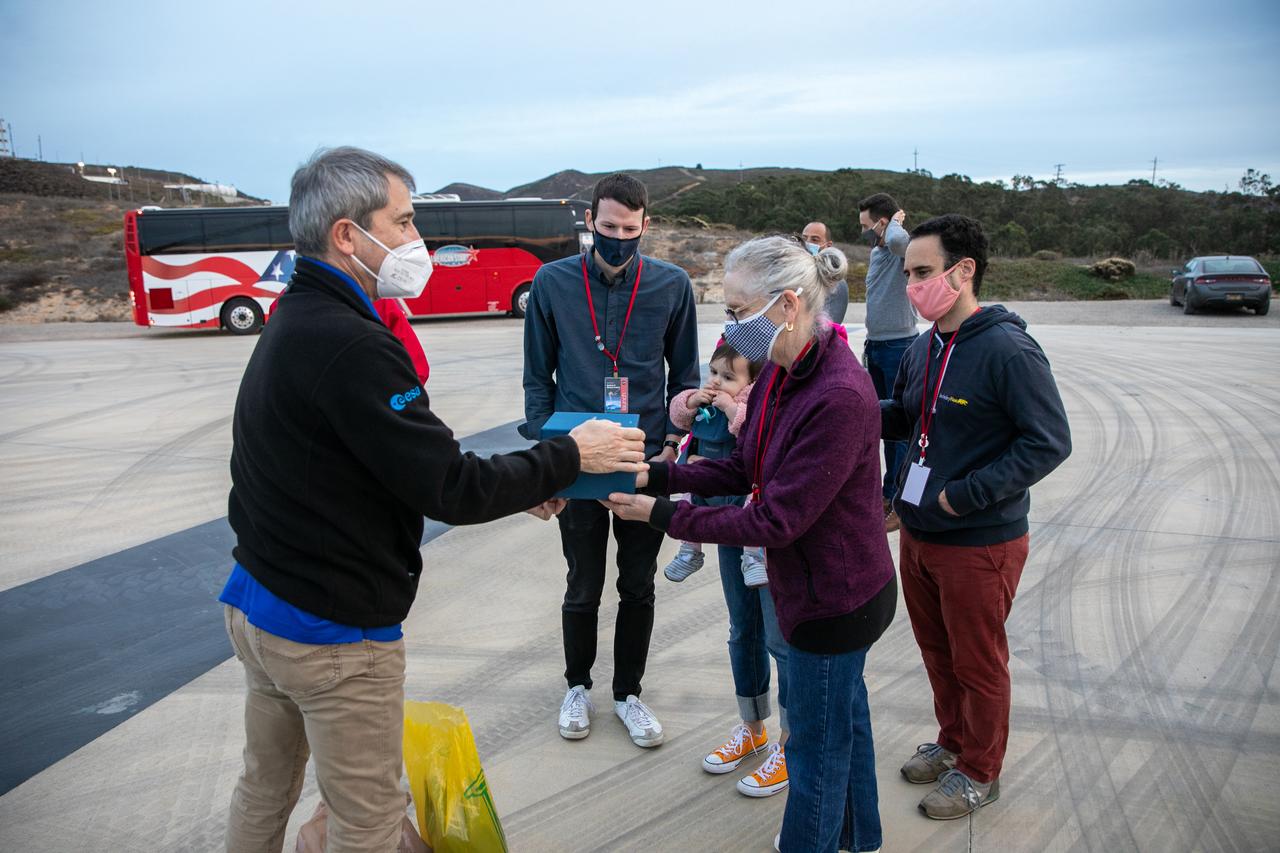
European Space Agency’s Copernicus Space Segment Programme Manager Guido Levrini, left, greets Dr. Michael Freilich’s wife, Shoshannah, at Vandenberg Air Force Base in California on Nov. 20, 2020, the day before the spacecraft’s planned launch atop a Falcon 9 rocket. Seen in the background between them is Freilich’s son, Daniel, and to his right is Freilich’s daughter, Sarah. Michael Freilich, for whom the Sentinel-6 Michael Freilich satellite is named, served as director of NASA’s Earth Science Division in the Science Mission Directorate at the agency’s Headquarters from 2006 until his retirement in 2019. A tireless advocate for advancing satellite measurements of the ocean, he was instrumental in advancing ocean altimetry and helped drive the evolution of NASA Earth science from a program that launched an Earth-observing space mission every few years to one that launches several missions each year. Freilich died Aug. 5, 2020, of pancreatic cancer. Sentinel-6 Michael Freilich launched Nov. 21, 2020, at 9:17 a.m. PST (12:17 p.m. EST). NASA’s Launch Services Program at Kennedy Space Center was responsible for launch management.
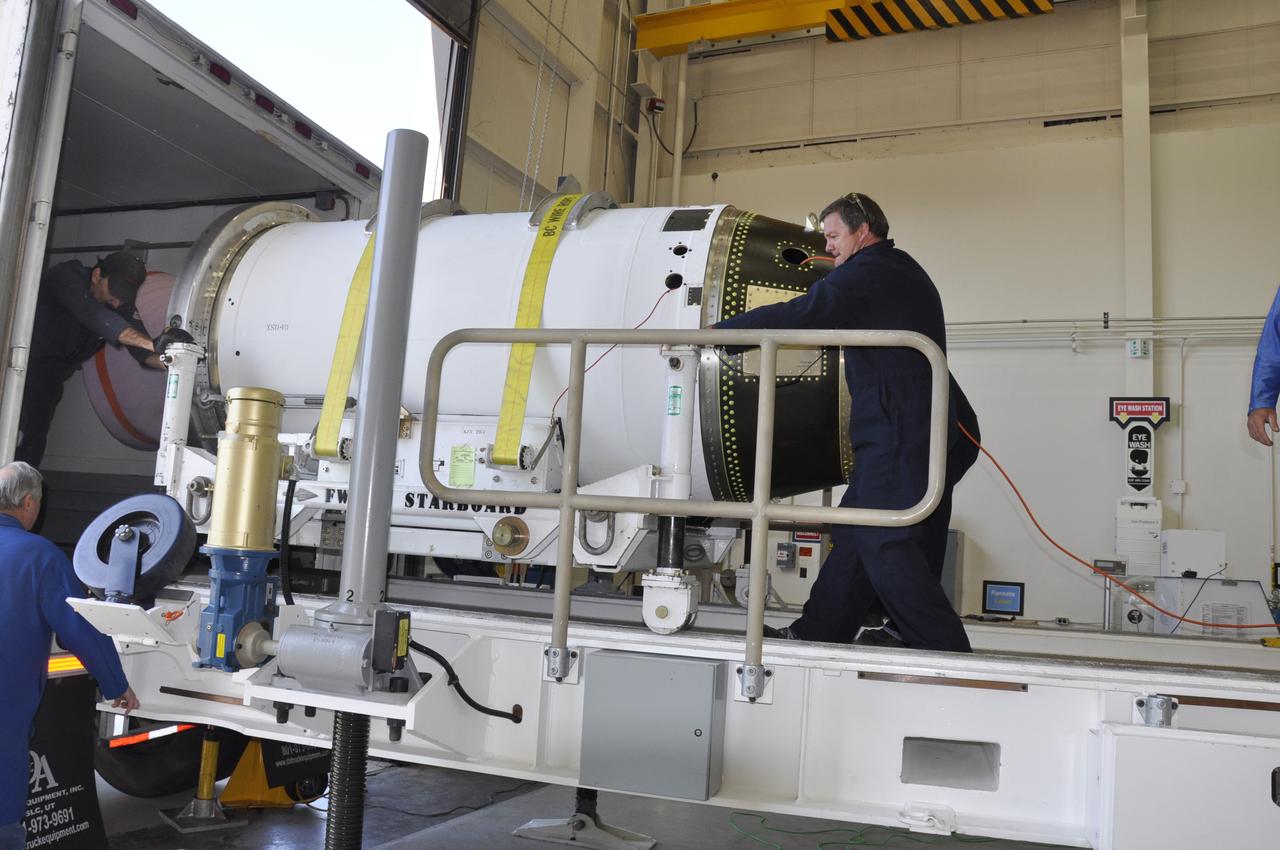
IRIS/Pegasus Motor Arrival
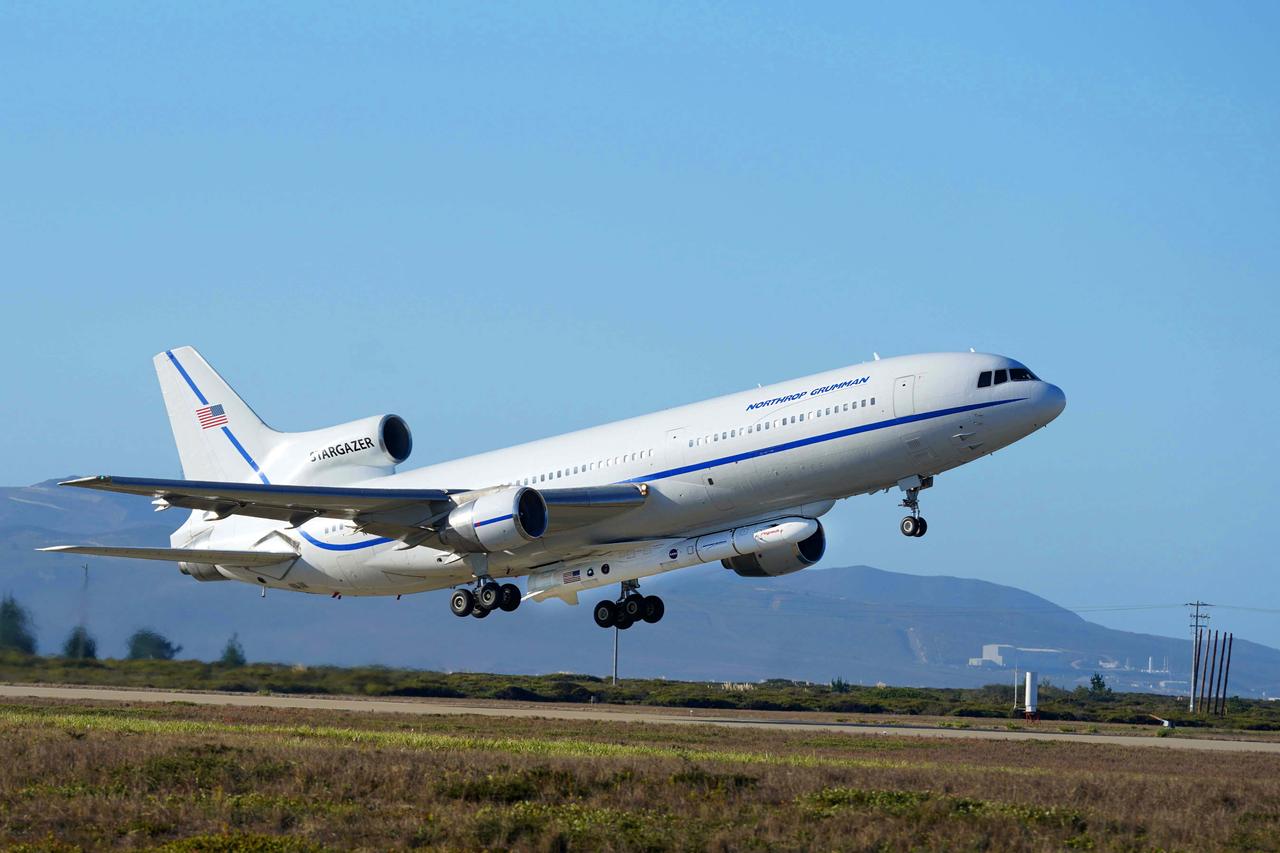
Northrop Grumman's L-1011 Stargazer takes off from Vandenberg Air Force Base in California on Oct. 1, 2019. The company's Pegasus XL rocket, containing NASA's Ionospheric Connection Explorer (ICON), is attached beneath the aircraft. The explorer is targeted to launch on Oct. 9, 2019, from Cape Canaveral Air Force Station in Florida. ICON will study the frontier of space - the dynamic zone high in Earth's atmosphere where terrestrial weather from below meets space weather above.