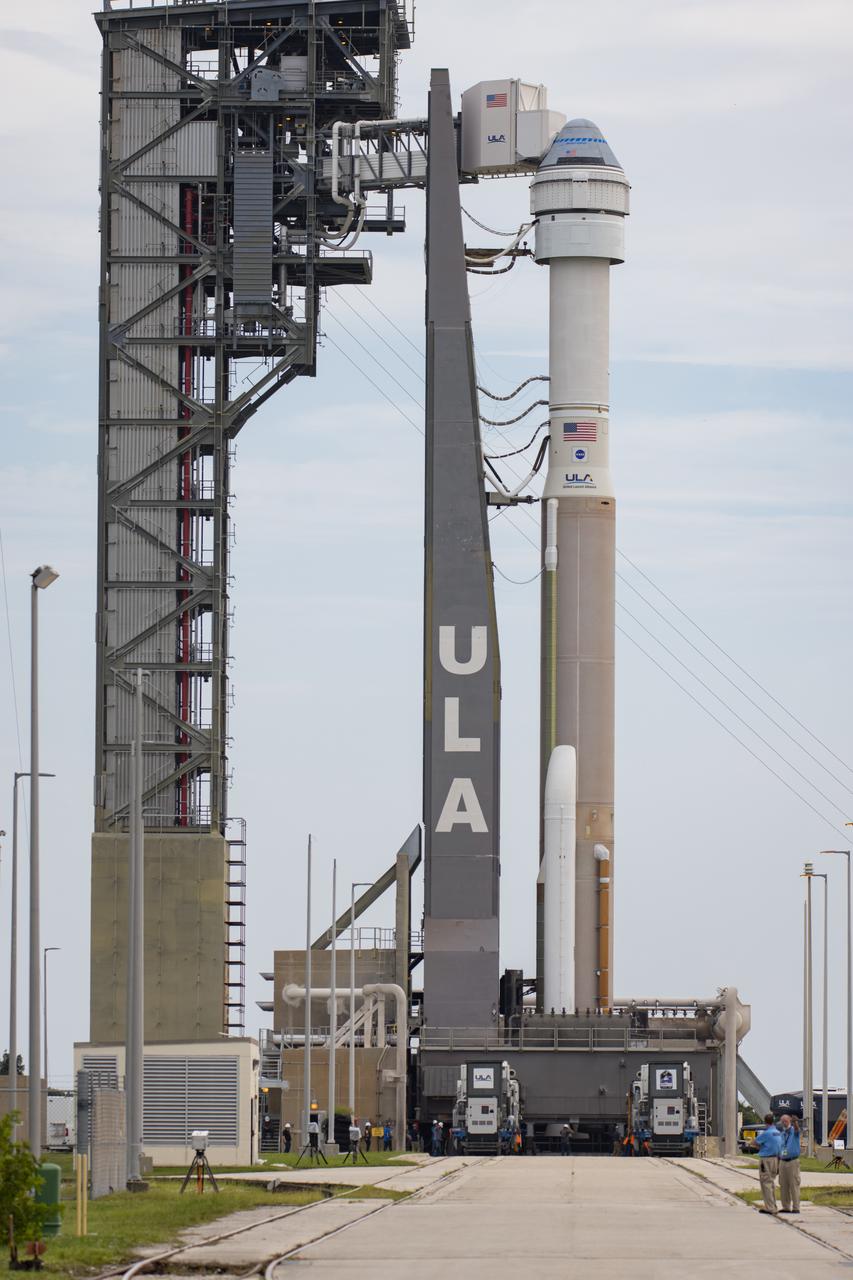
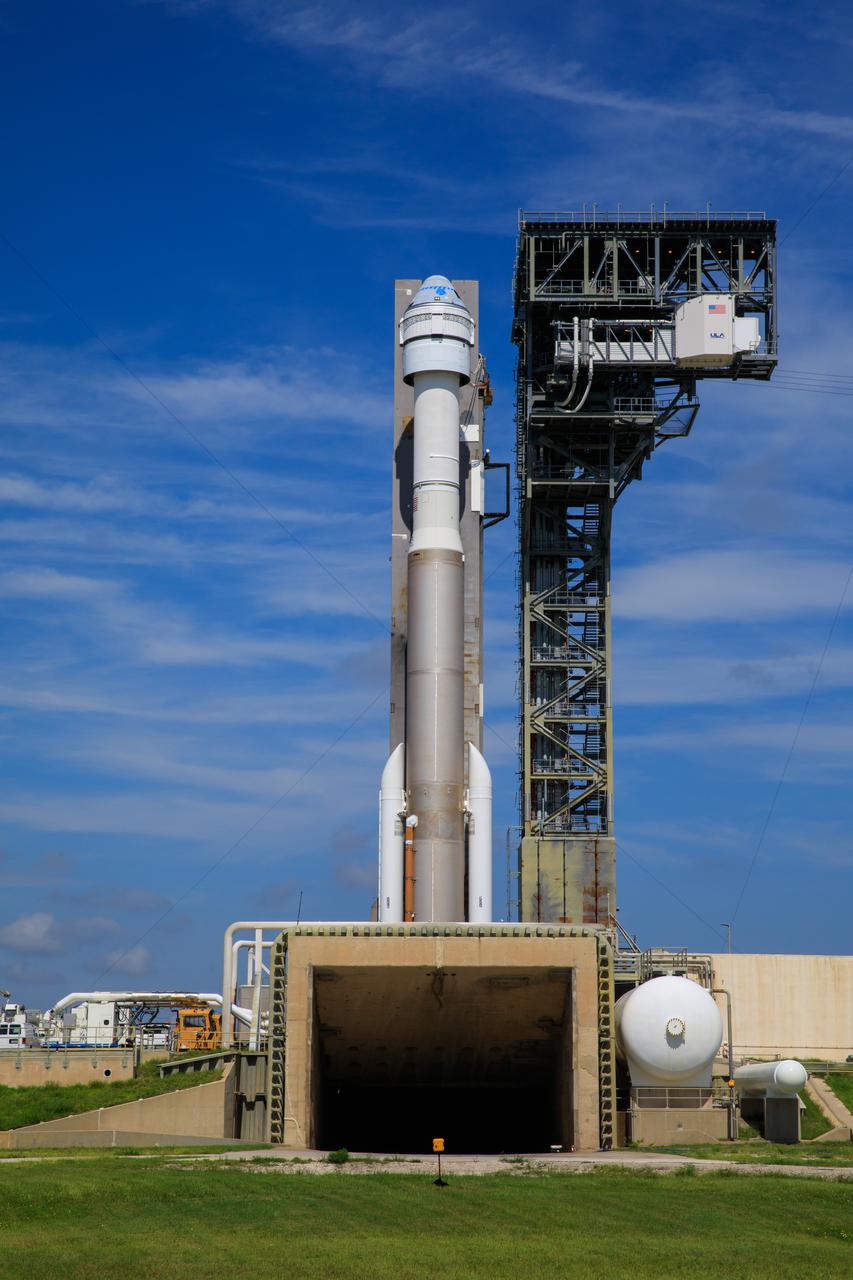
On August 2, 2021, Boeing’s CST-100 Starliner spacecraft and the United Launch Alliance Atlas V rocket rolls out from the Vertical Integration Facility to the launch pad at Space Launch Complex-41 on Cape Canaveral Space Force Station in Florida. Starliner will launch on the Atlas V for Boeing’s second uncrewed Orbital Flight Test (OFT-2) for NASA’s Commercial Crew Program. OFT-2 is an important uncrewed mission designed to test the end-to-end capabilities of the new system for NASA’s Commercial Crew Program.
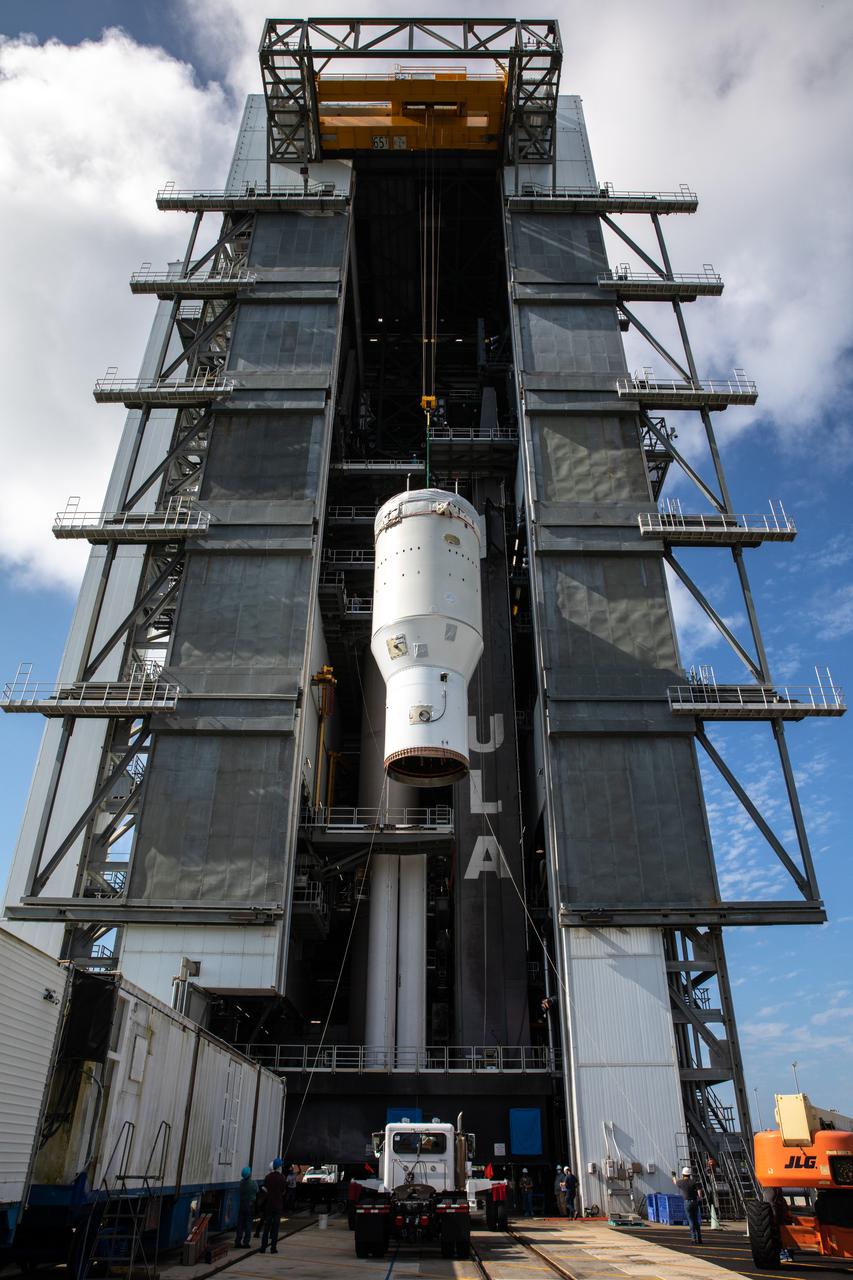
The single-engine Centaur upper stage for the United Launch Alliance Atlas V rocket for NASA’s Mars Perseverance rover is lifted up inside Vertical Integration Facility at Space Launch Complex 41 at Cape Canaveral Air Force Station in Florida on June 10, 2020. The Centaur will be attached to the rocket’s first stage. The Mars Perseverance rover is scheduled to launch atop the Atlas V 541 rocket from Pad 41 on July 20, 2020. The rover is part of NASA’s Mars Exploration Program, a long-term effort of robotic exploration of the Red Planet. The rover’s seven instruments will search for habitable conditions in the ancient past and signs of past microbial life on Mars. The Launch Services Program at Kennedy is responsible for launch management.
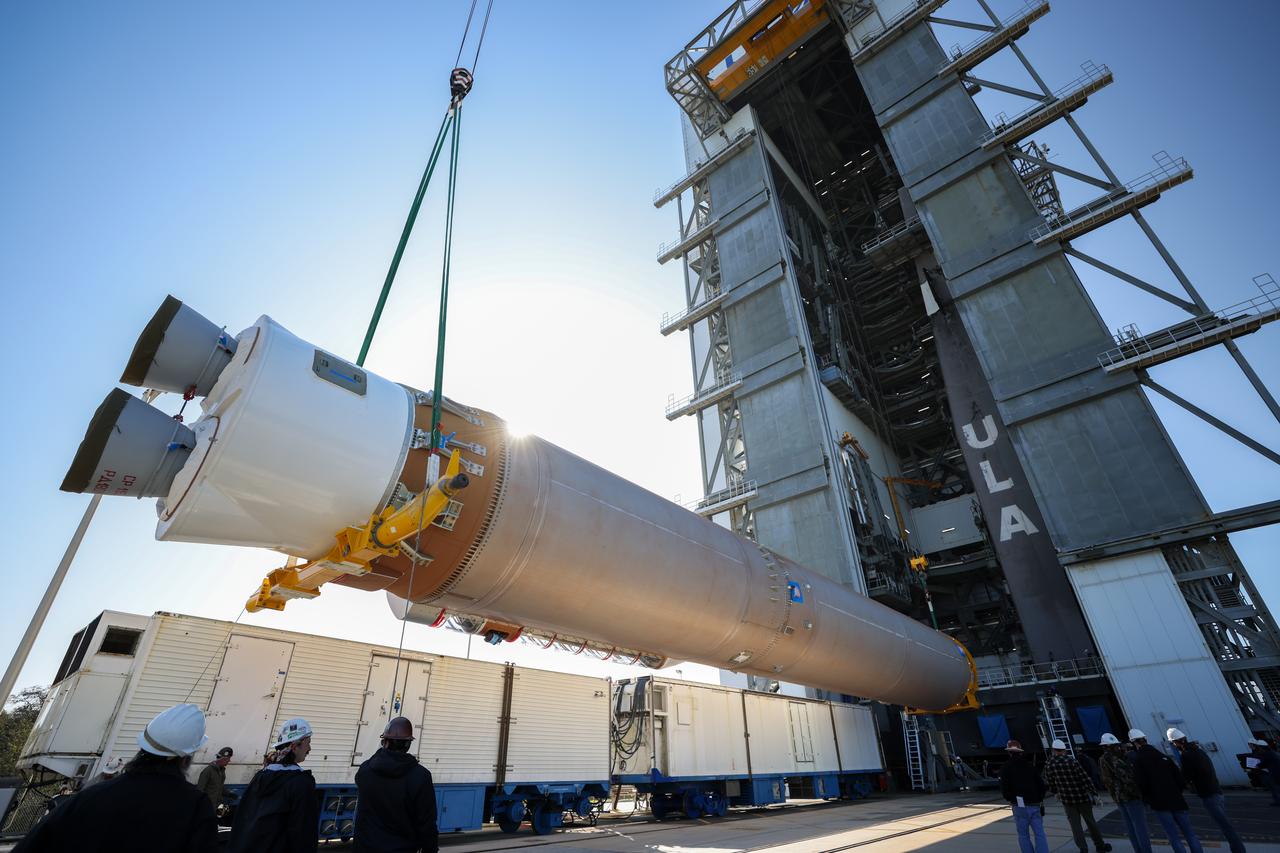
Crews raise a United Launch Alliance Atlas V rocket to a vertical position at the Vertical Integration Facility at Space Launch Complex-41 at Cape Canaveral Space Force Station in Florida on Wednesday, Feb. 21, 2024. After integration with the rocket’s Centaur upper stage and Boeing’s CST-100 Starliner capsule, the Atlas V will send two NASA astronauts to the International Space Station on the agency’s Boeing Crew Flight Test. The mission will test the end-to-end capabilities of Starliner and its system and, if successful, will pave the way for NASA’s certification ahead of regular missions to the space station as part of the agency’s Commercial Crew Program. Liftoff is targeted for no earlier than mid-April.
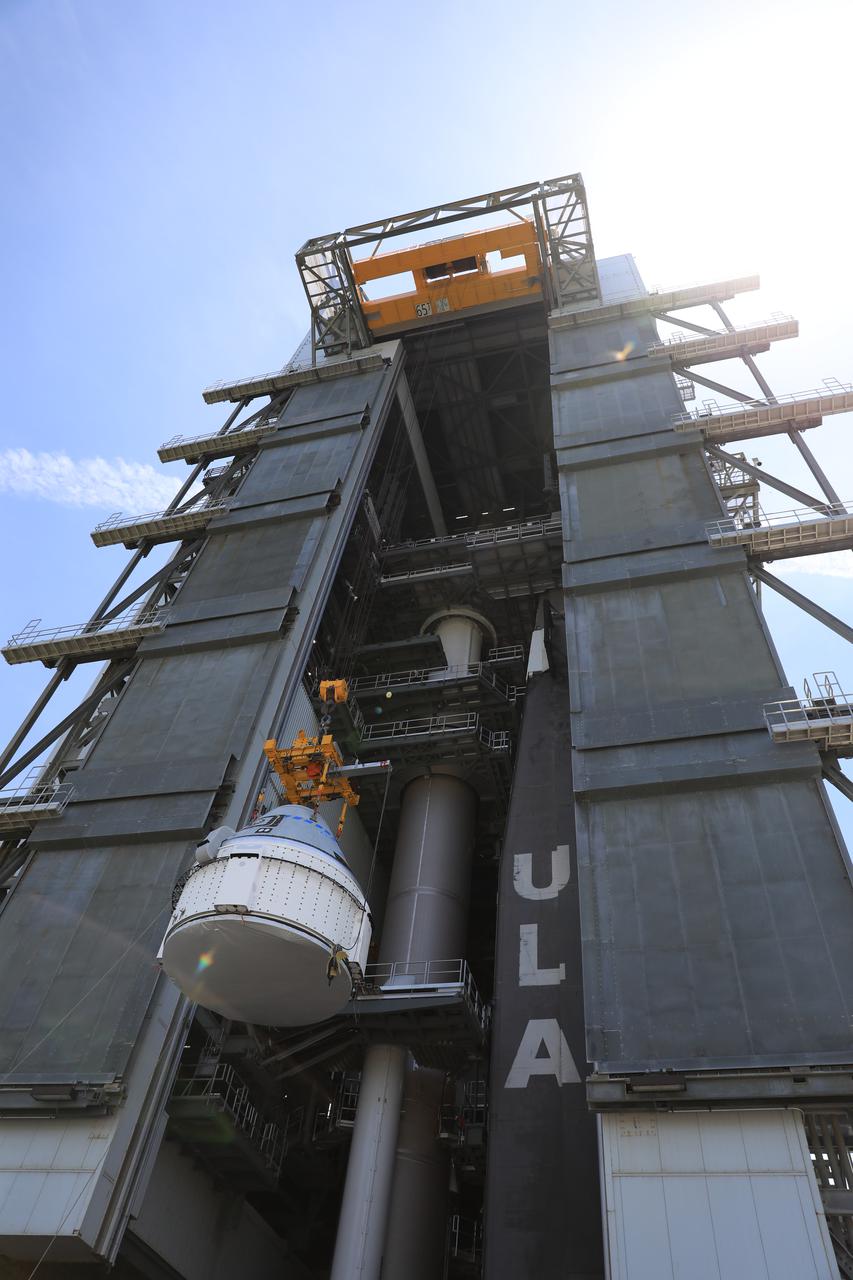
The Boeing CST-100 Starliner spacecraft is lifted at the Vertical Integration Facility at Space Launch Complex-41 at Florida’s Cape Canaveral Space Force Station on May 4, 2022. Starliner will be secured atop a United Launch Alliance Atlas V rocket for Boeing’s second Orbital Flight Test (OFT-2) to the International Space Station for NASA’s Commercial Crew Program. The spacecraft rolled out from Boeing’s Commercial Crew and Cargo Processing Facility at NASA’s Kennedy Space Center earlier in the day.
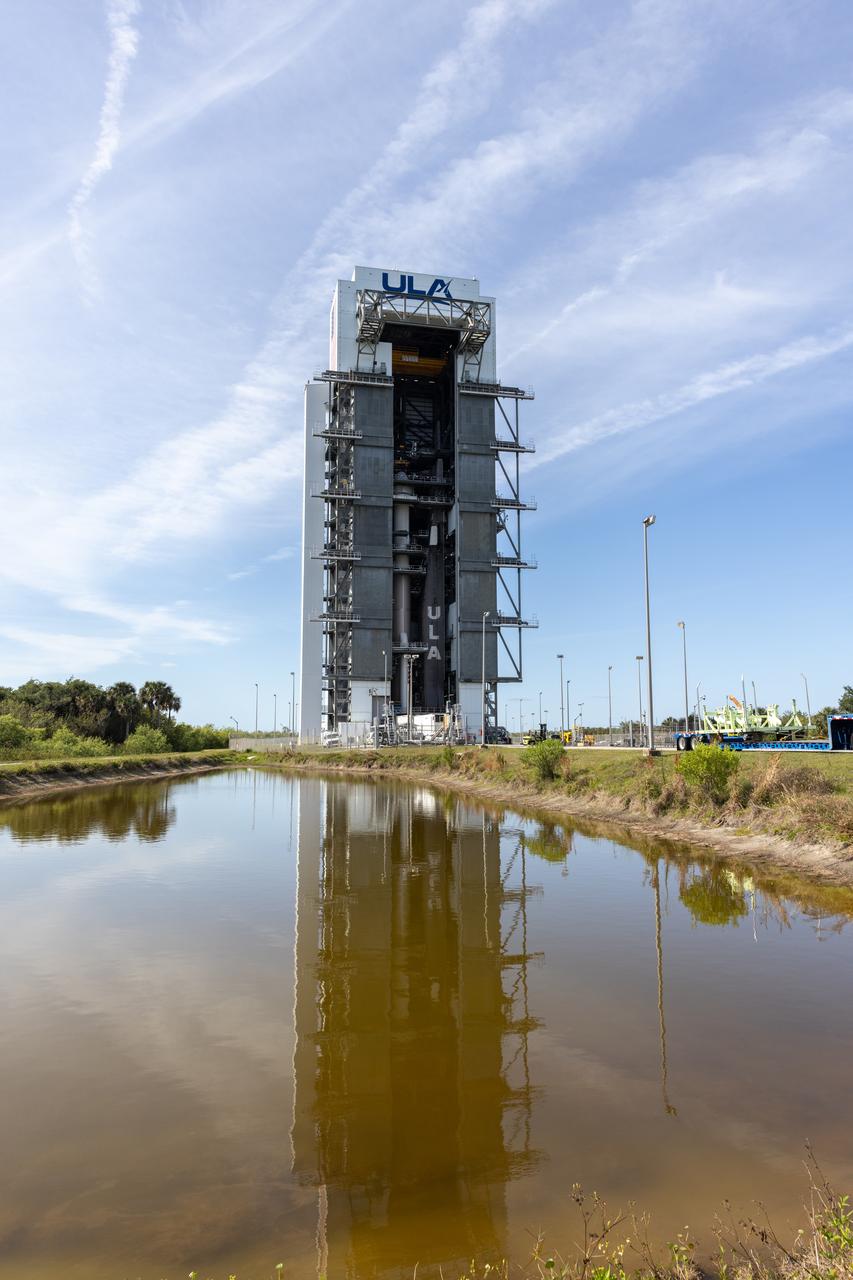
The Boeing Starliner spacecraft is lifted at the Vertical Integration Facility at Space Launch Complex-41 at Cape Canaveral Space Force Station in Florida on Tuesday, April 16, 2024. Starliner will be secured atop a United Launch Alliance Atlas V rocket for NASA’s Boeing Crew Flight Test to the International Space Station for the agency’s Commercial Crew Program. The spacecraft rolled out from Boeing's Commercial Crew and Cargo Processing Facility at NASA's Kennedy Space Center earlier in the day.
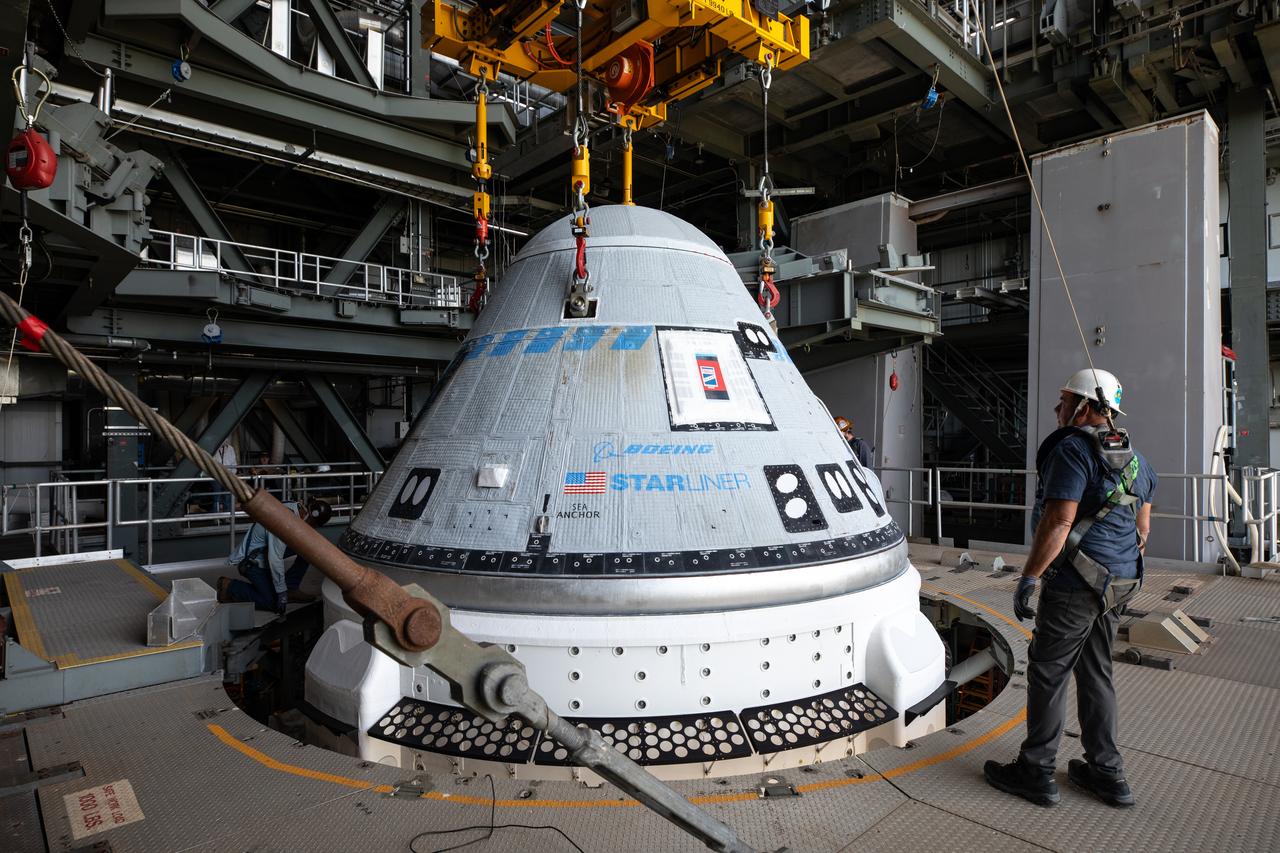
The Boeing Starliner spacecraft is lifted at the Vertical Integration Facility at Space Launch Complex-41 at Cape Canaveral Space Force Station in Florida on Tuesday, April 16, 2024. Starliner will be secured atop a United Launch Alliance Atlas V rocket for NASA’s Boeing Crew Flight Test to the International Space Station for the agency’s Commercial Crew Program. The spacecraft rolled out from Boeing's Commercial Crew and Cargo Processing Facility at NASA's Kennedy Space Center earlier in the day.
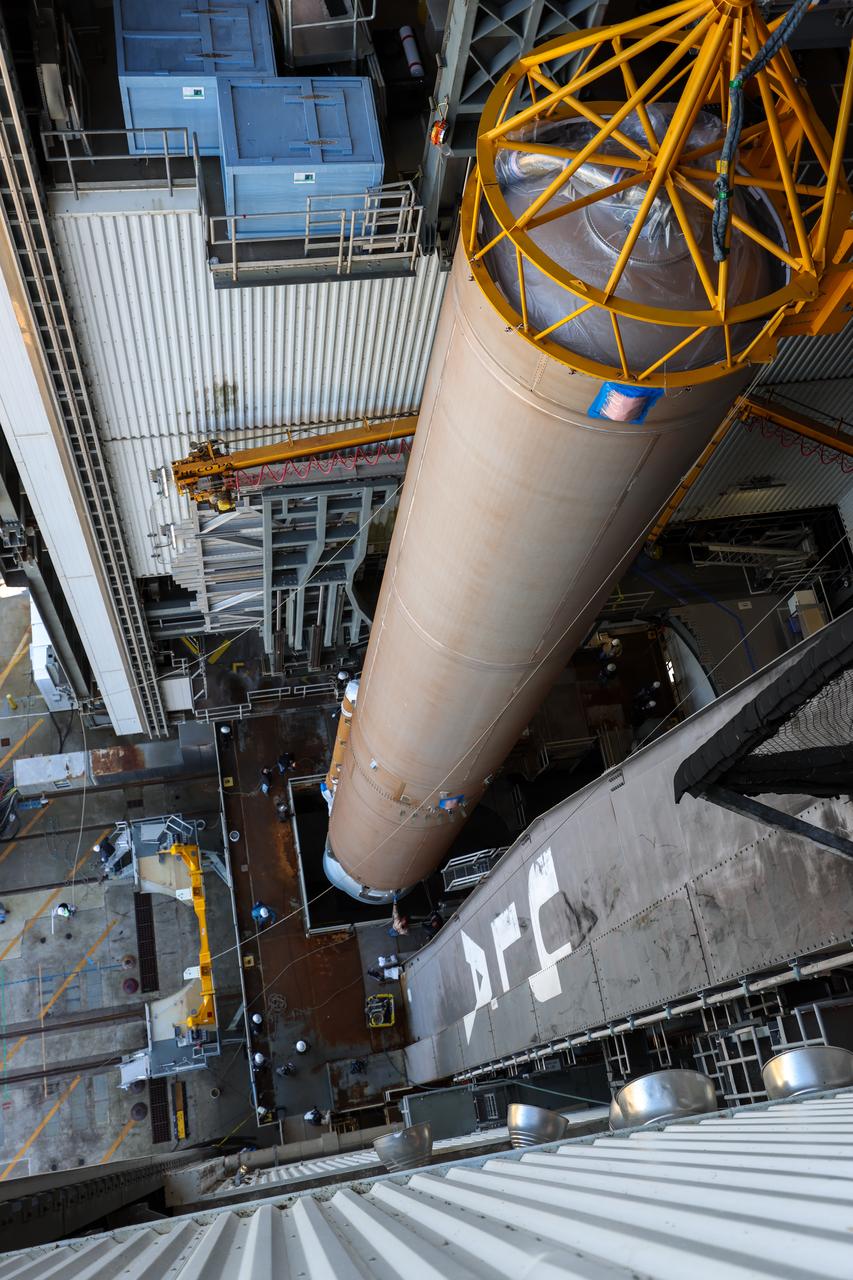
A United Launch Alliance Atlas V rocket stands vertical, awaiting integration with the rocket’s Centaur upper stage and Boeing’s CST-100 Starliner after moving inside the Vertical Integration Facility at Space Launch Complex-41 at Cape Canaveral Space Force Station in Florida on Wednesday, Feb. 21, 2024. The rocket will send two NASA astronauts to the International Space Station aboard the Starliner capsule no earlier than mid-April for NASA’s Boeing Crew Flight Test. The mission will test the end-to-end capabilities of Starliner and its system and, if successful, will pave the way for NASA’s certification ahead of regular missions to the space station as part of the agency’s Commercial Crew Program.
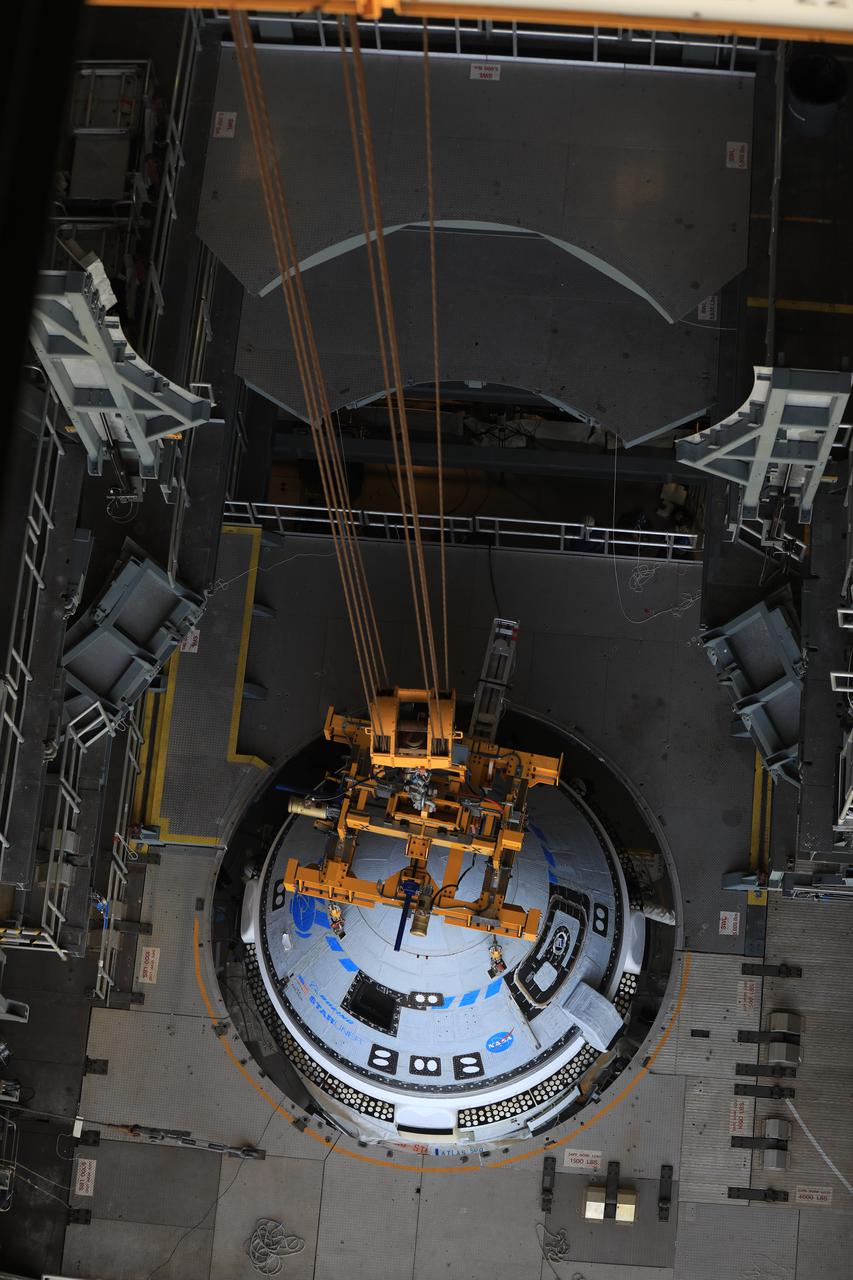
The Boeing CST-100 Starliner spacecraft is lifted at the Vertical Integration Facility at Space Launch Complex-41 at Florida’s Cape Canaveral Space Force Station on May 4, 2022. Starliner will be secured atop a United Launch Alliance Atlas V rocket for Boeing’s second Orbital Flight Test (OFT-2) to the International Space Station for NASA’s Commercial Crew Program. The spacecraft rolled out from Boeing’s Commercial Crew and Cargo Processing Facility at NASA’s Kennedy Space Center earlier in the day.
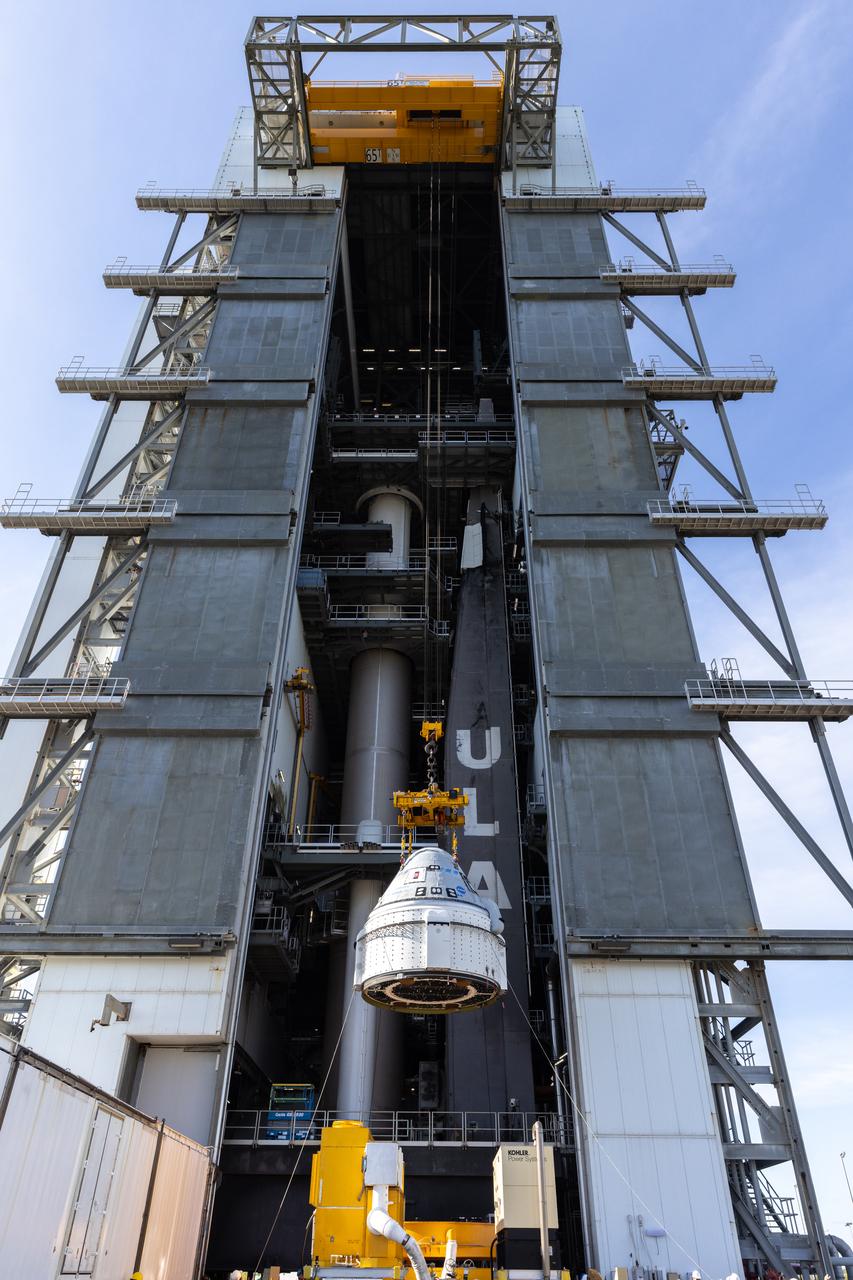
The Boeing Starliner spacecraft is lifted at the Vertical Integration Facility at Space Launch Complex-41 at Cape Canaveral Space Force Station in Florida on Tuesday, April 16, 2024. Starliner will be secured atop a United Launch Alliance Atlas V rocket for NASA’s Boeing Crew Flight Test to the International Space Station for the agency’s Commercial Crew Program. The spacecraft rolled out from Boeing's Commercial Crew and Cargo Processing Facility at NASA's Kennedy Space Center earlier in the day.
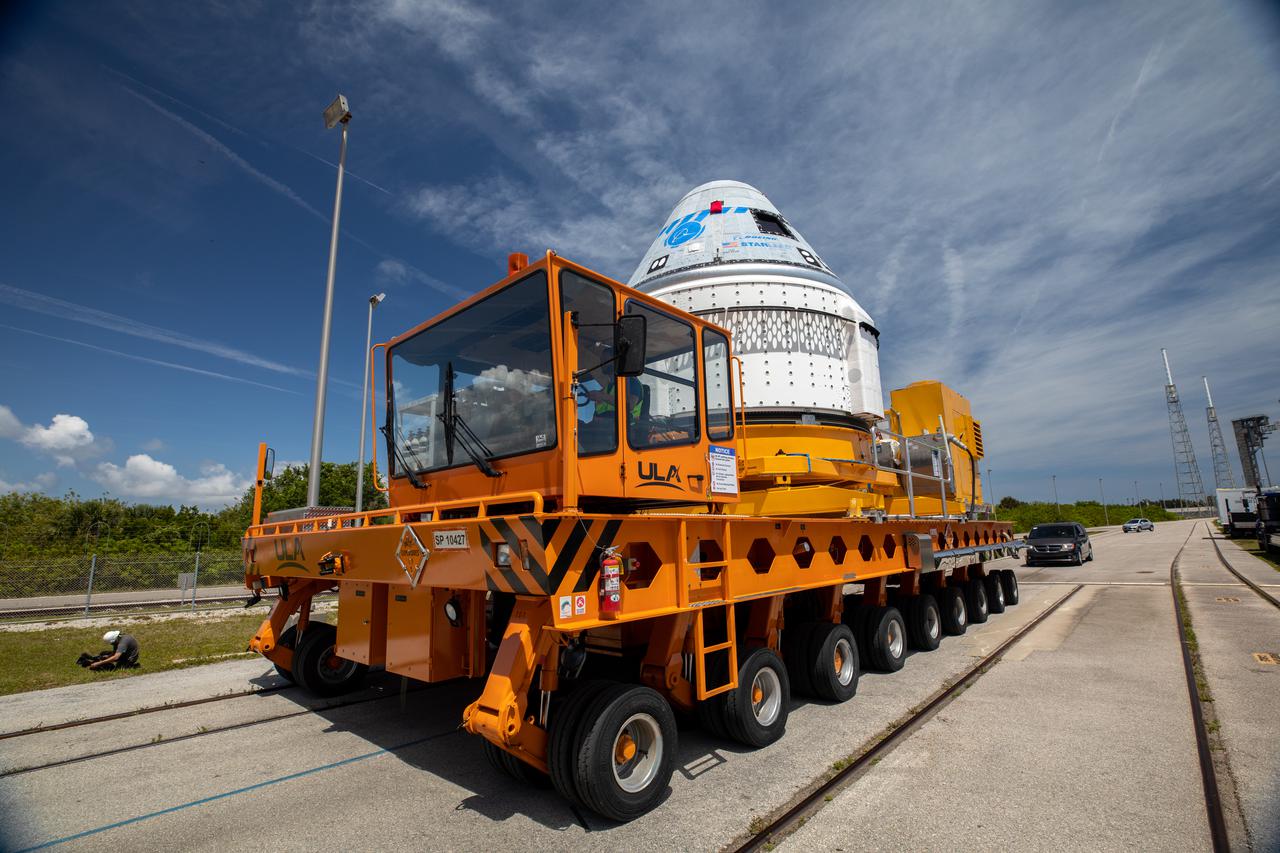
Boeing’s CST-100 Starliner spacecraft rolls out from the company’s Commercial Crew and Cargo Processing Facility at NASA’s Kennedy Space Center in Florida on May 4, 2022. The spacecraft will make the trip to the Vertical Integration Facility at Space Launch Complex-41 at Cape Canaveral Space Force Station where it will be secured atop a United Launch Alliance Atlas V rocket for Boeing’s second Orbital Flight Test (OFT-2) to the International Space Station for NASA’s Commercial Crew Program.
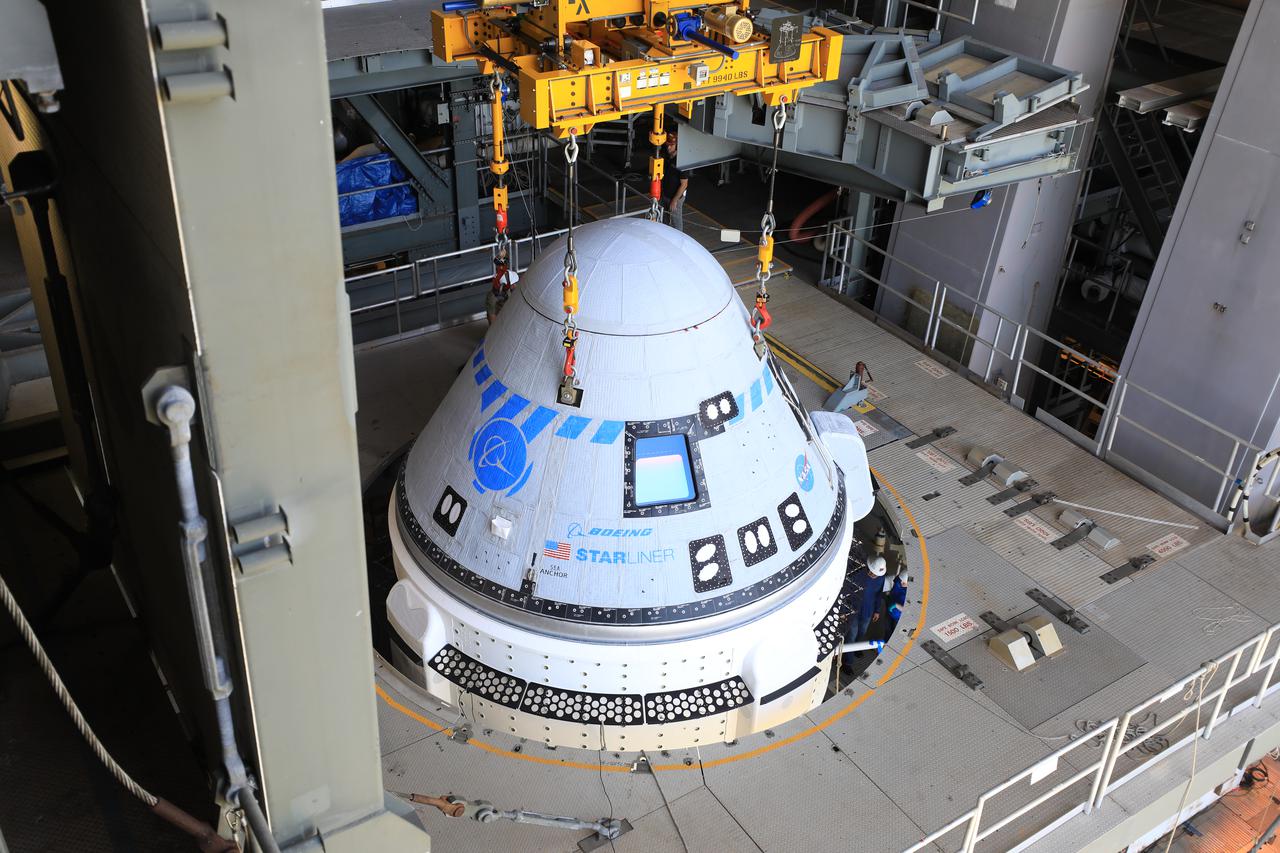
The Boeing CST-100 Starliner spacecraft is lifted at the Vertical Integration Facility at Space Launch Complex-41 at Florida’s Cape Canaveral Space Force Station on May 4, 2022. Starliner will be secured atop a United Launch Alliance Atlas V rocket for Boeing’s second Orbital Flight Test (OFT-2) to the International Space Station for NASA’s Commercial Crew Program. The spacecraft rolled out from Boeing’s Commercial Crew and Cargo Processing Facility at NASA’s Kennedy Space Center earlier in the day.
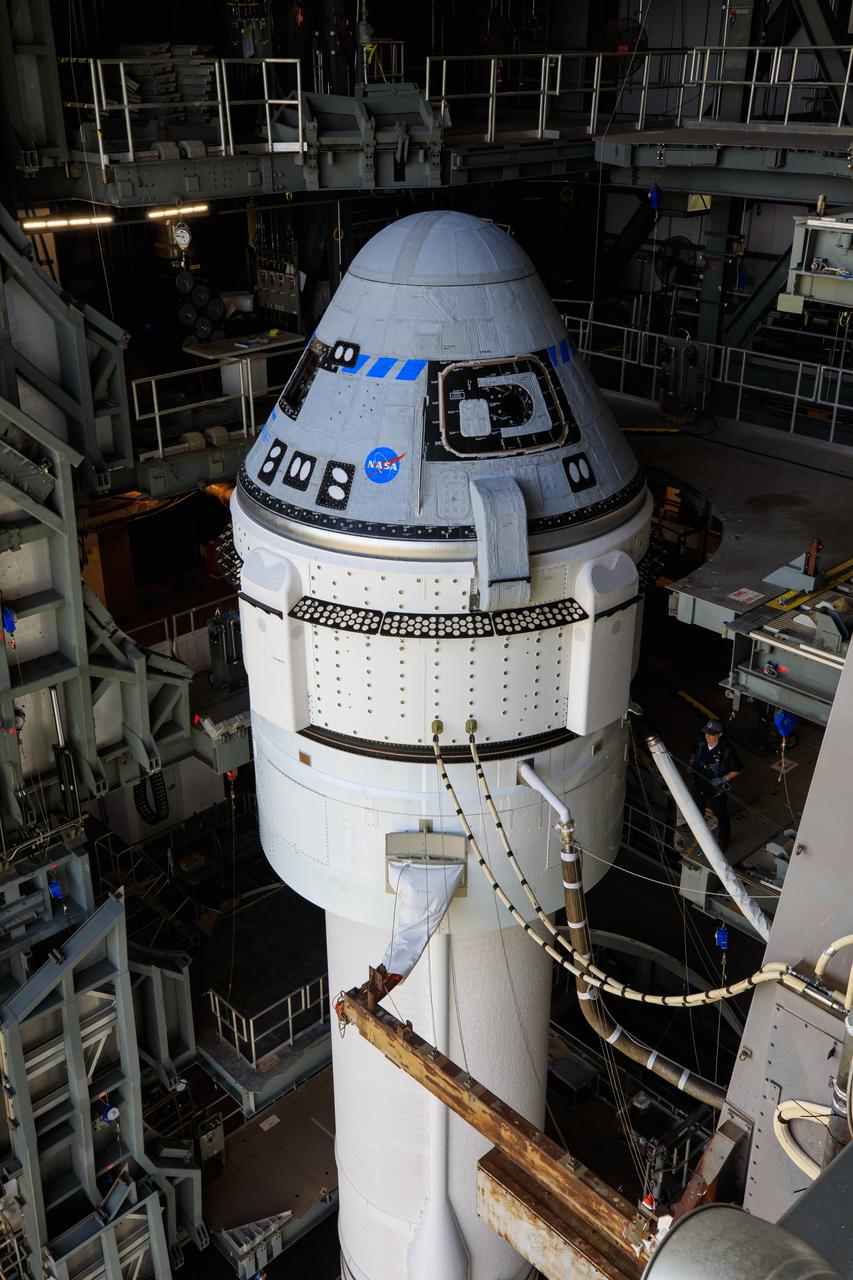
On July 29, 2021, Boeing’s CST-100 Starliner spacecraft and the United Launch Alliance Atlas V rocket begins rollout from the Vertical Integration Facility to the launch pad at Space Launch Complex-41 on Cape Canaveral Space Force Station in Florida. Starliner will launch on the Atlas V for Boeing’s second uncrewed Orbital Flight Test (OFT-2) for NASA’s Commercial Crew Program. OFT-2 is an important uncrewed mission designed to test the end-to-end capabilities of the new system for NASA’s Commercial Crew Program.
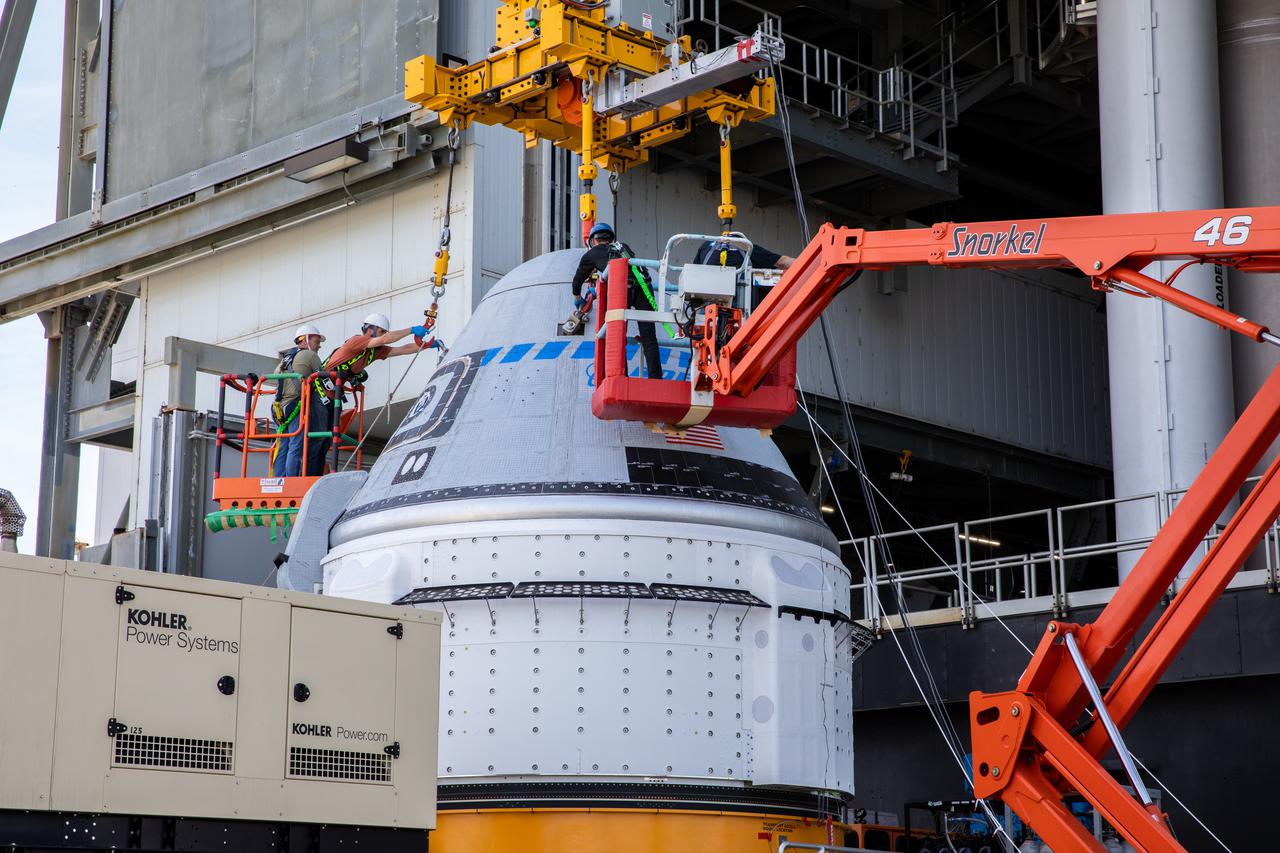
The Boeing CST-100 Starliner spacecraft is lifted at the Vertical Integration Facility at Space Launch Complex-41 at Florida’s Cape Canaveral Space Force Station on May 4, 2022. Starliner will be secured atop a United Launch Alliance Atlas V rocket for Boeing’s second Orbital Flight Test (OFT-2) to the International Space Station for NASA’s Commercial Crew Program. The spacecraft rolled out from Boeing’s Commercial Crew and Cargo Processing Facility at NASA’s Kennedy Space Center earlier in the day.
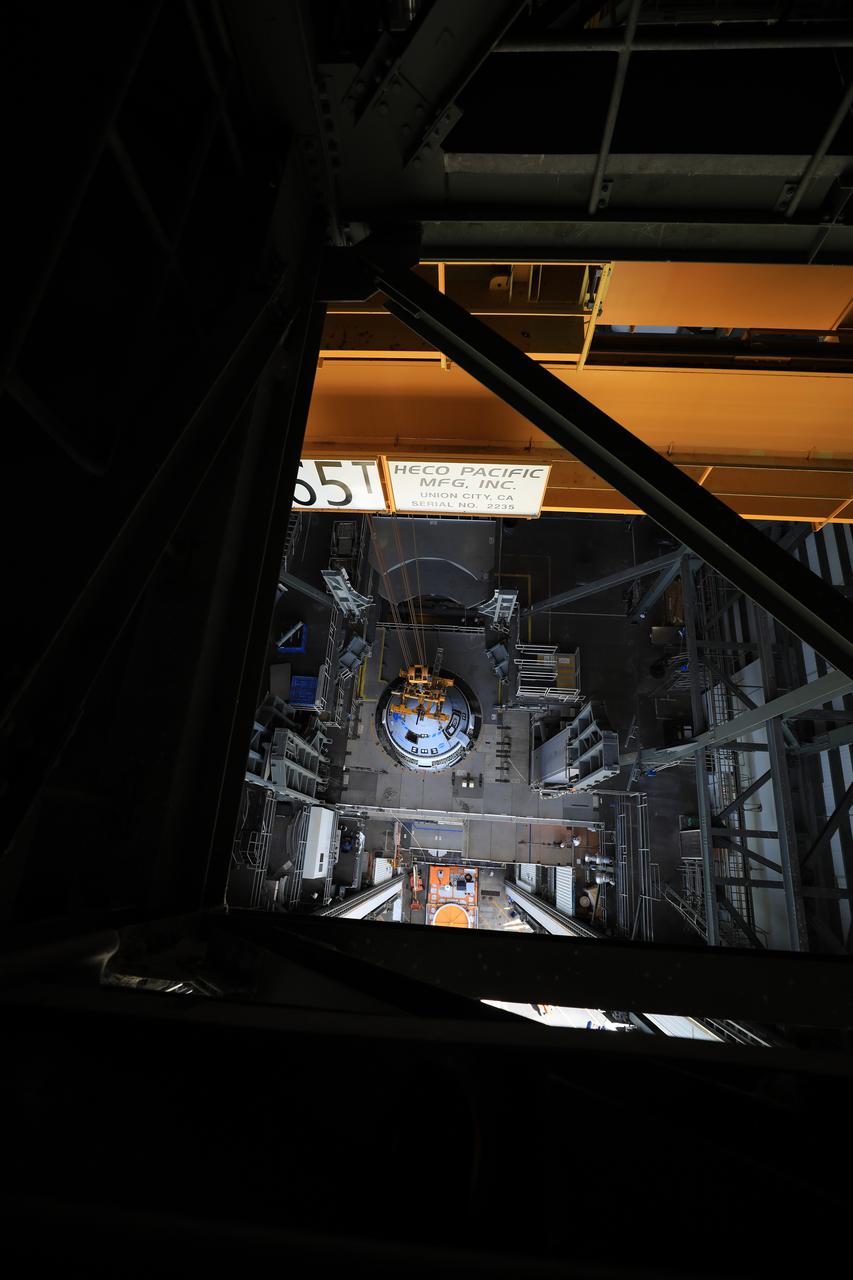
The Boeing CST-100 Starliner spacecraft is lifted at the Vertical Integration Facility at Space Launch Complex-41 at Florida’s Cape Canaveral Space Force Station on May 4, 2022. Starliner will be secured atop a United Launch Alliance Atlas V rocket for Boeing’s second Orbital Flight Test (OFT-2) to the International Space Station for NASA’s Commercial Crew Program. The spacecraft rolled out from Boeing’s Commercial Crew and Cargo Processing Facility at NASA’s Kennedy Space Center earlier in the day.
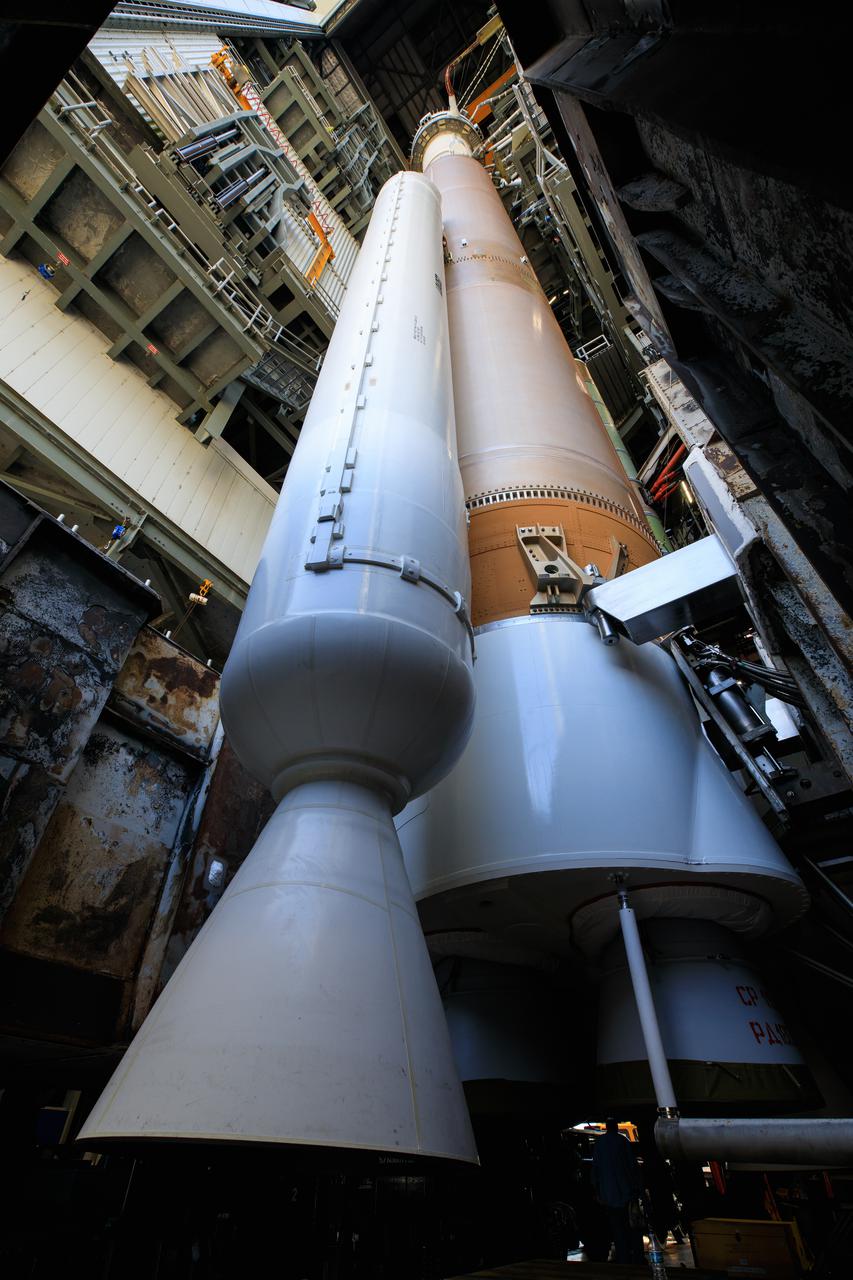
On July 29, 2021, Boeing’s CST-100 Starliner spacecraft and the United Launch Alliance Atlas V rocket begins rollout from the Vertical Integration Facility to the launch pad at Space Launch Complex-41 on Cape Canaveral Space Force Station in Florida. Starliner will launch on the Atlas V for Boeing’s second uncrewed Orbital Flight Test (OFT-2) for NASA’s Commercial Crew Program. OFT-2 is an important uncrewed mission designed to test the end-to-end capabilities of the new system for NASA’s Commercial Crew Program.

Crews raise a United Launch Alliance Atlas V rocket to a vertical position at the Vertical Integration Facility at Space Launch Complex-41 at Cape Canaveral Space Force Station in Florida on Wednesday, Feb. 21, 2024. After integration with the rocket’s Centaur upper stage and Boeing’s CST-100 Starliner capsule, the Atlas V will send two NASA astronauts to the International Space Station on the agency’s Boeing Crew Flight Test. The mission will test the end-to-end capabilities of Starliner and its system and, if successful, will pave the way for NASA’s certification ahead of regular missions to the space station as part of the agency’s Commercial Crew Program. Liftoff is targeted for no earlier than mid-April.
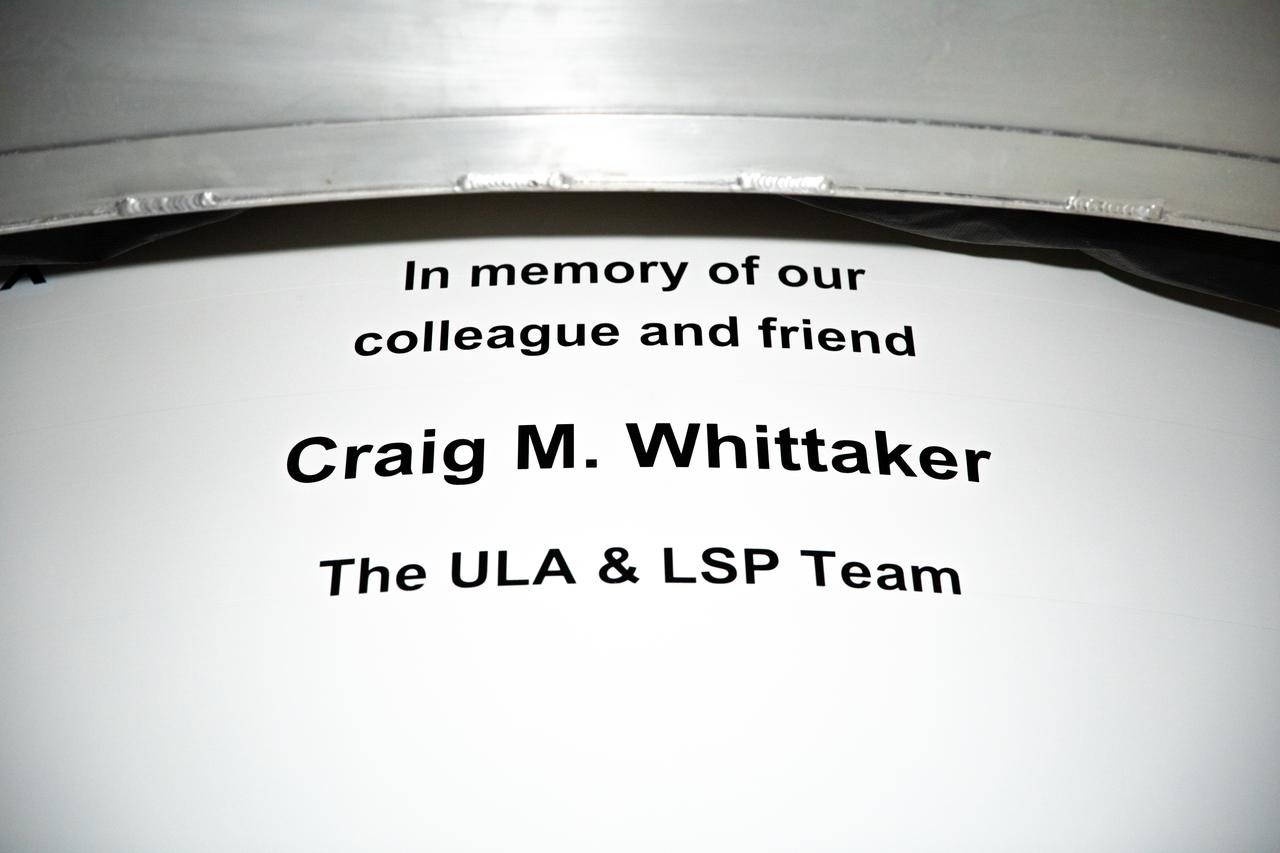
The United Launch Alliance (ULA) Atlas V rocket that will launch NASA’s Lucy spacecraft on its 12-year mission to study the Trojan asteroids is shown inside the Vertical Integration Facility at Space Launch Complex 41 (SLC-41) at Cape Canaveral Space Force Station in Florida on Oct. 8, 2021. Three dedication laminates were added to the rocket. The first is in memory of Craig M. Whittaker, a colleague and friend of NASA’s Launch Services Program (LSP) and ULA teams. The second is in memory of two colleagues: William “Billy” Joiner II – a former Lockheed Martin and ULA technician – and Mark “Kaz” Kaszubowski – an accomplished engineer and mentor. The third plaque is dedicated to NASA’s Goddard Space Flight Center Lucy Mission Team for its dedication shown throughout the pandemic. Lucy is targeted to lift off from SLC-41 at 5:34 a.m. EDT Saturday, Oct. 16. LSP, based at NASA’s Kennedy Space Center, is managing the launch.
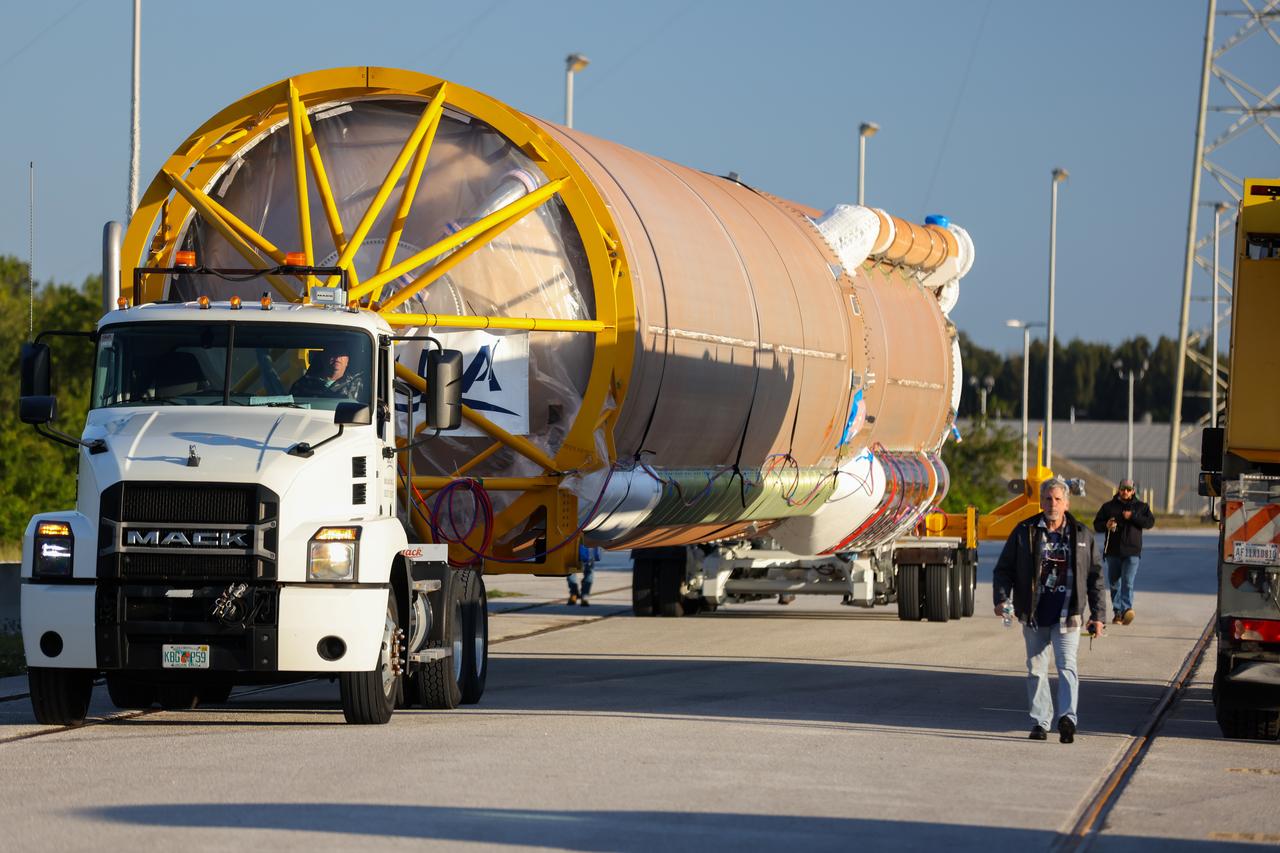
Crews transfer the main stage of a United Launch Alliance Atlas V rocket to the Vertical Integration Facility at Space Launch Complex-41 at Cape Canaveral Space Force Station in Florida on Wednesday, Feb. 21, 2024. The rocket will send two NASA astronauts to the International Space Station aboard Boeing’s CST-100 Starliner capsule no earlier than mid-April for NASA’s Boeing Crew Flight Test. The mission will test the end-to-end capabilities of Starliner and its system and, if successful, will pave the way for NASA’s certification ahead of regular missions to the space station as part of the agency’s Commercial Crew Program.
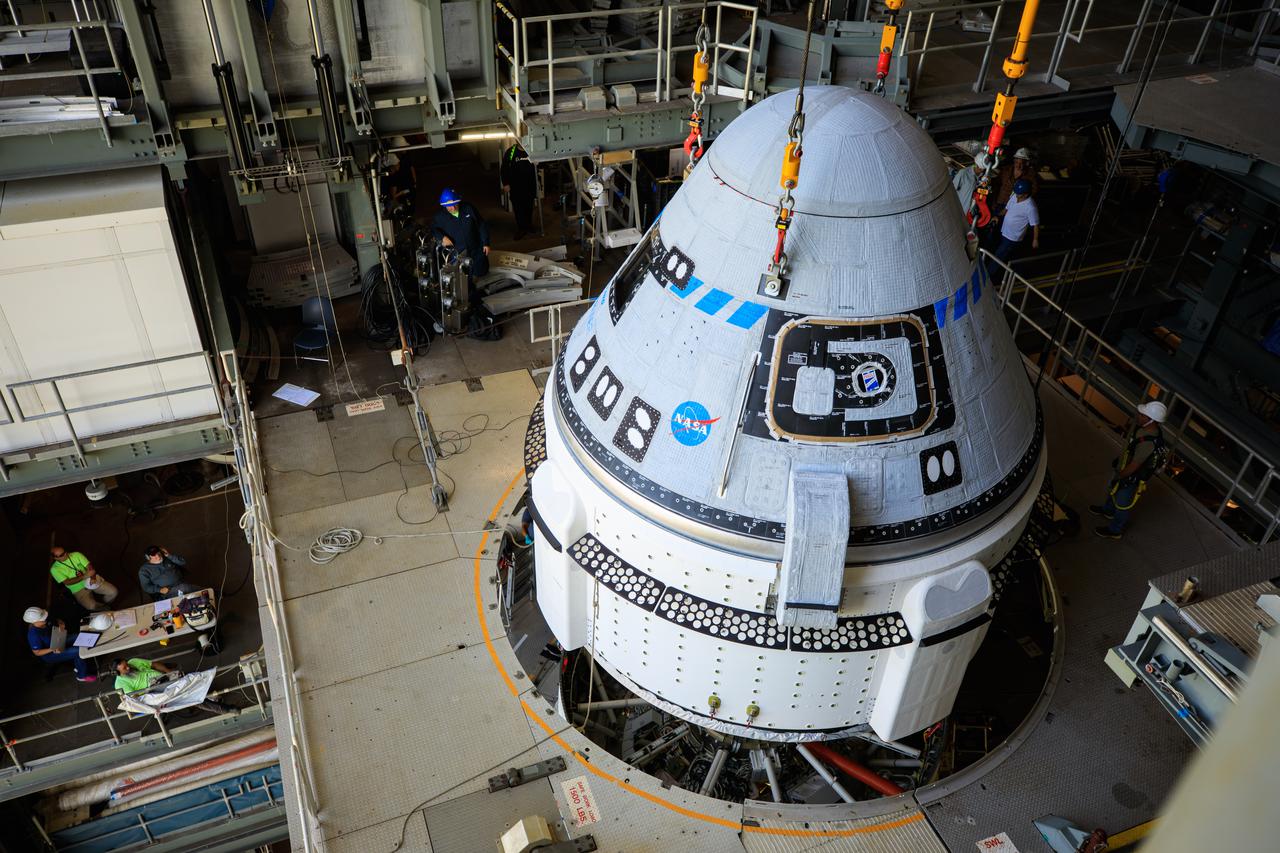
The Boeing CST-100 Starliner spacecraft is lifted at the Vertical Integration Facility at Space Launch Complex-41 at Florida's Cape Canaveral Space Force Station on May 4th, 2022. Starliner will be secured atop a United Launch Alliance Atlas V rocket for Boeing's second Orbital Flight Test (OFT-2) to the International Space Station for NASA's Commercial Crew Program. The spacecraft rolled out from Boeing's Commercial Crew and Cargo Processing Facility at NASA's Kennedy Space Center earlier in the day.
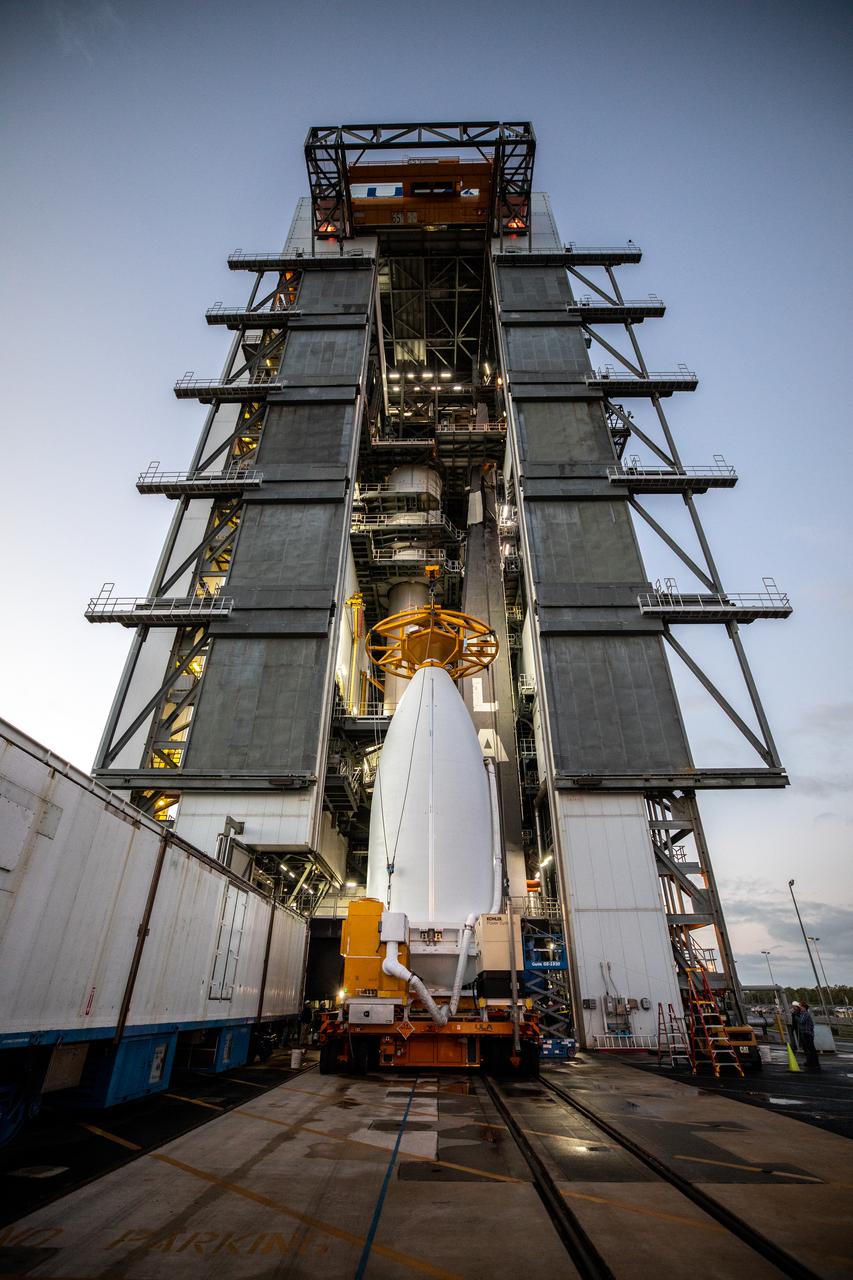
Preparations are underway to lift the National Oceanic and Atmospheric Administration’s (NOAA) Geostationary Operational Environmental Satellite-T (GOES-T), enclosed in its payload fairing, up into the Vertical Integration Facility at Space Launch Complex 41 at Cape Canaveral Space Force Station in Florida on Feb. 17, 2022. The satellite will be secured atop the United Launch Alliance Atlas V 541 rocket. GOES-T is scheduled to launch atop the Atlas V rocket from SLC-41 on March 1, 2022, at 4:38 p.m. GOES-T is the third satellite in the GOES-R series that will continue to help meteorologists observe and predict local weather events that affect public safety. The launch is being managed by NASA’s Launch Services Program based at Kennedy Space Center in Florida, America’s multi-user spaceport.
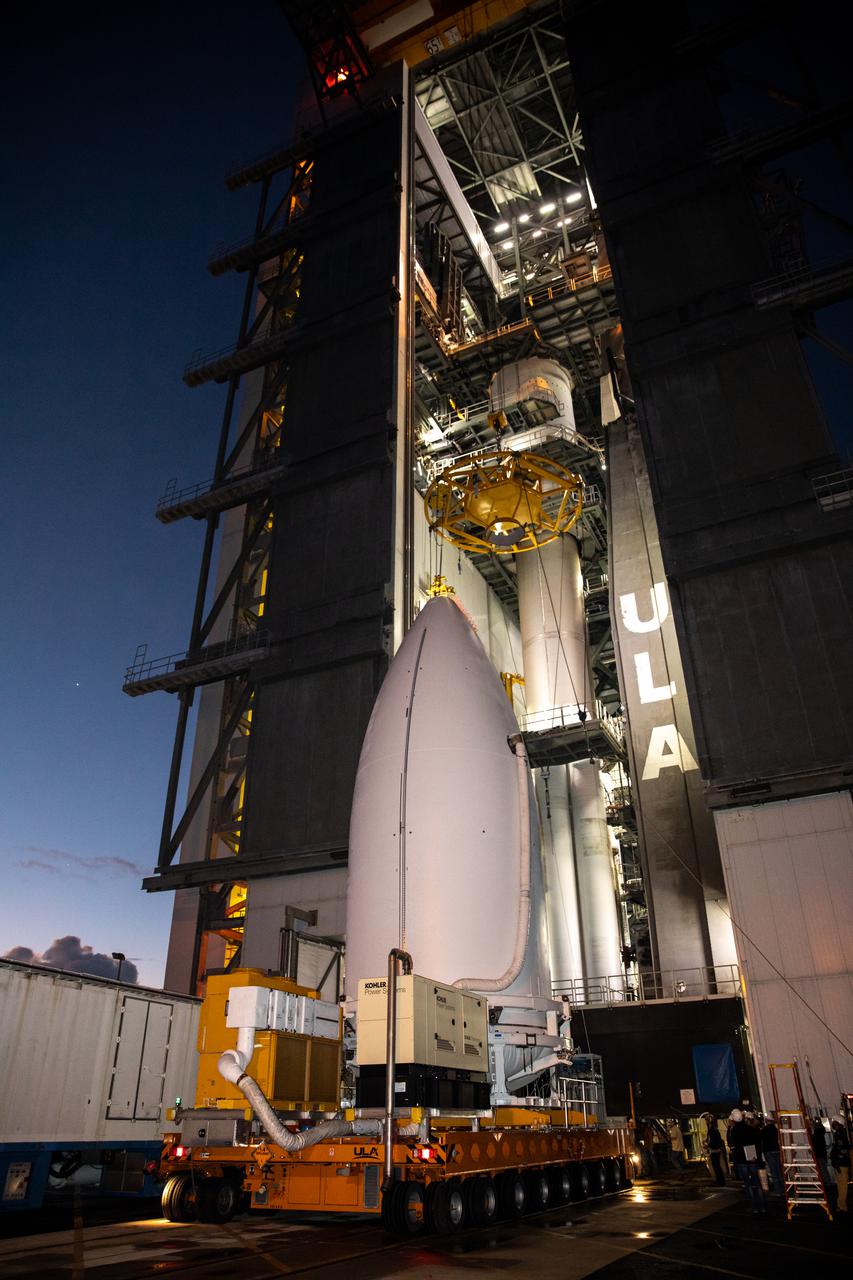
Preparations are underway to lift the National Oceanic and Atmospheric Administration’s (NOAA) Geostationary Operational Environmental Satellite-T (GOES-T), enclosed in its payload fairing, up into the Vertical Integration Facility at Space Launch Complex 41 at Cape Canaveral Space Force Station in Florida on Feb. 17, 2022. The satellite will be secured atop the United Launch Alliance Atlas V 541 rocket. GOES-T is scheduled to launch atop the Atlas V rocket from SLC-41 on March 1, 2022, at 4:38 p.m. GOES-T is the third satellite in the GOES-R series that will continue to help meteorologists observe and predict local weather events that affect public safety. The launch is being managed by NASA’s Launch Services Program based at Kennedy Space Center in Florida, America’s multi-user spaceport.
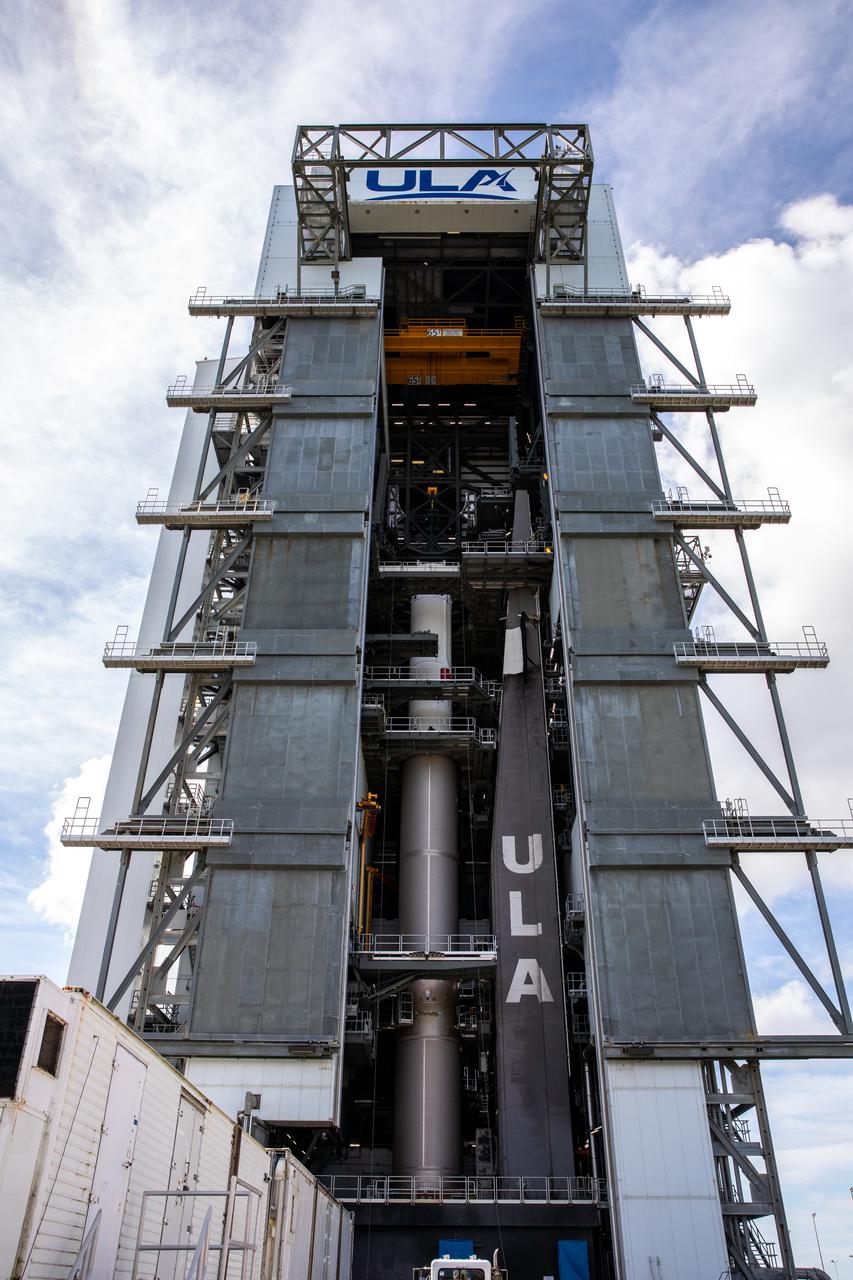
The United Launch Alliance Centaur stage is secured atop the Atlas V first stage for NASA’s Lucy mission inside the Vertical Integration Facility near Space Launch Complex 41 at Cape Canaveral Space Force Station in Florida on Sept. 16, 2021. Lucy is scheduled to launch no earlier than Saturday, Oct. 16, on a ULA Atlas V 401 rocket from Pad 41. NASA’s Launch Services Program based at Kennedy Space Center is managing the launch. Over its 12-year primary mission, Lucy will explore a record-breaking number of asteroids, flying by one asteroid in the solar system’s main belt and seven Trojan asteroids. Additionally, Lucy’s path will circle back to Earth three times for gravity assists, making it the first spacecraft ever to return to the vicinity of Earth from the outer solar system.
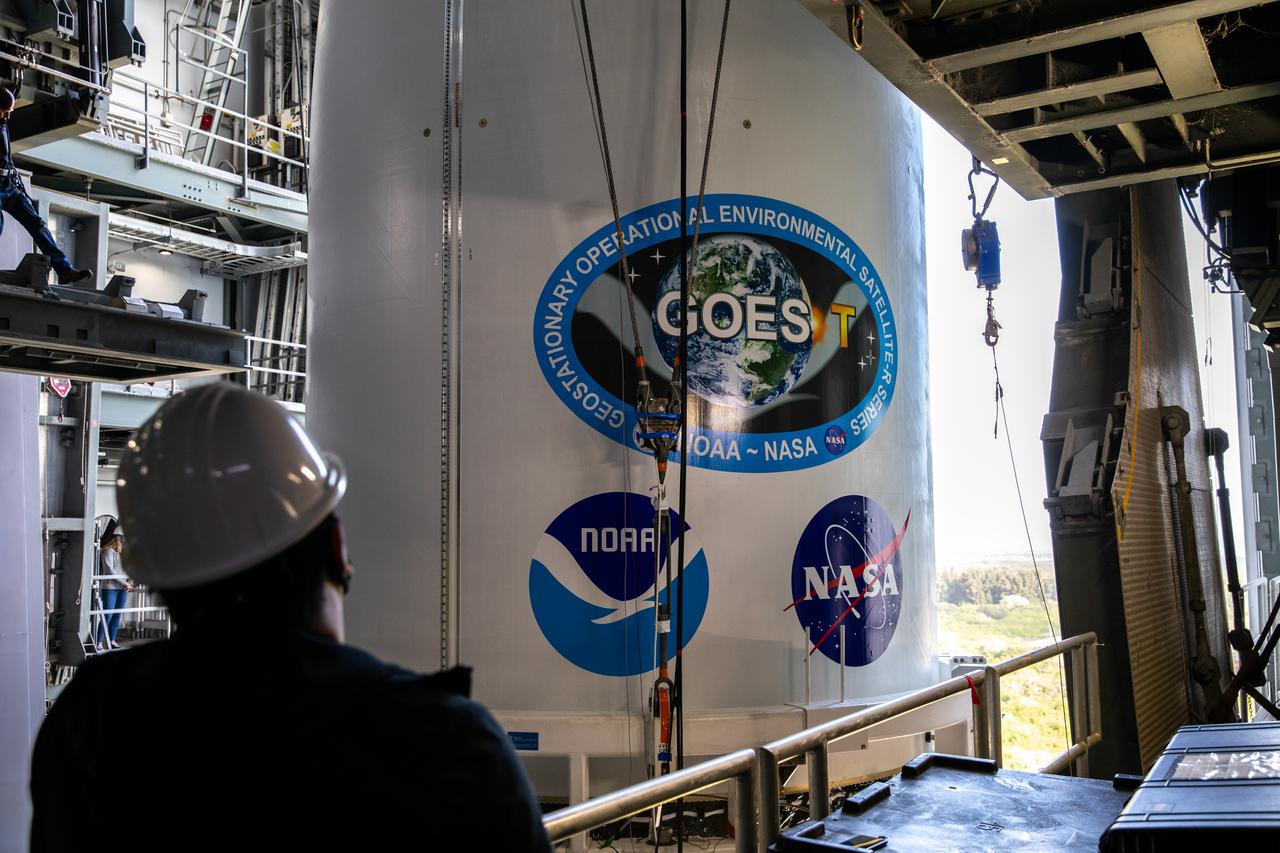
A United Launch Alliance technician monitors the progress as the National Oceanic and Atmospheric Administration’s (NOAA) Geostationary Operational Environmental Satellite-T (GOES-T), enclosed in its payload fairing, is moved into the Vertical Integration Facility at Space Launch Complex 41 at Cape Canaveral Space Force Station in Florida on Feb. 17, 2022. The satellite will be secured atop the United Launch Alliance Atlas V 541 rocket. GOES-T is scheduled to launch atop the Atlas V rocket from SLC-41 on March 1, 2022, at 4:38 p.m. GOES-T is the third satellite in the GOES-R series that will continue to help meteorologists observe and predict local weather events that affect public safety. The launch is being managed by NASA’s Launch Services Program based at Kennedy Space Center in Florida, America’s multi-user spaceport.
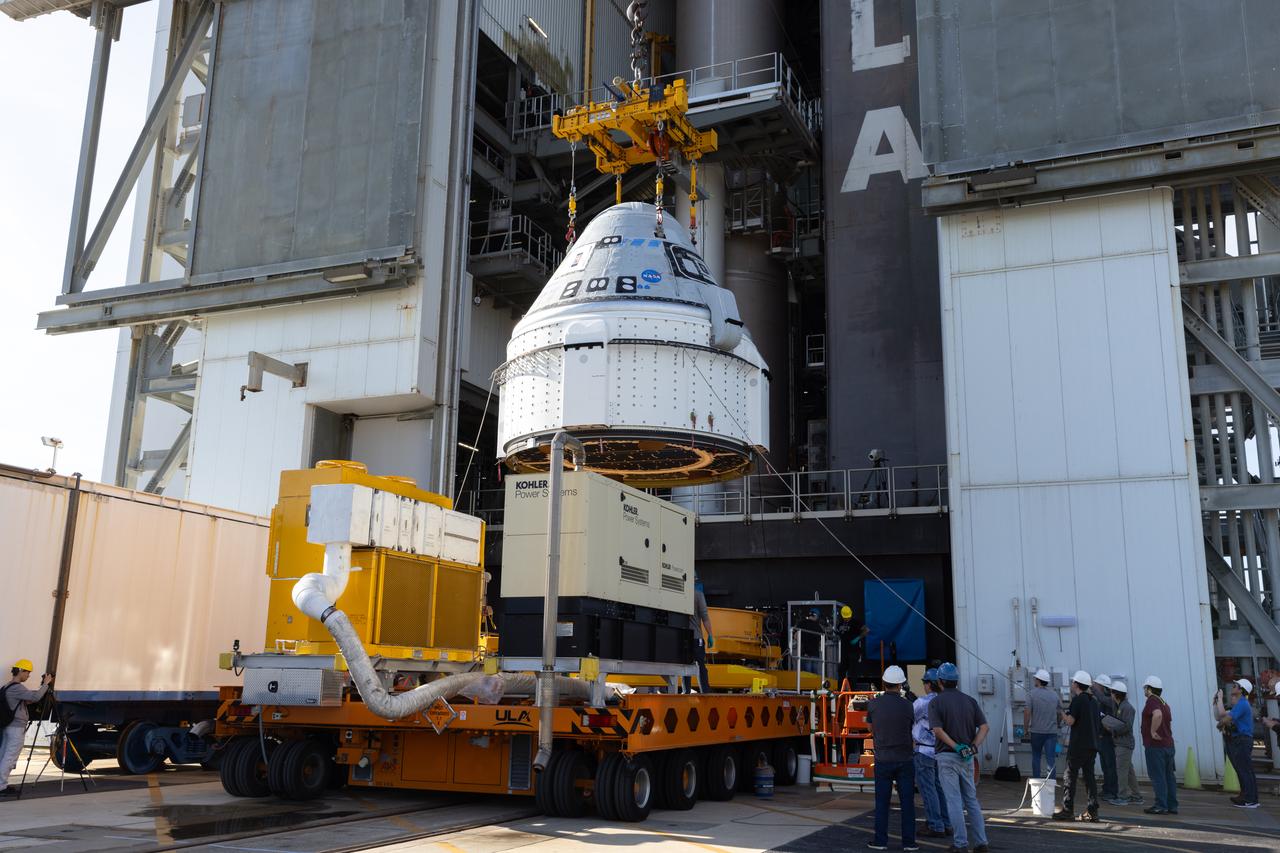
The Boeing Starliner spacecraft is lifted at the Vertical Integration Facility at Space Launch Complex-41 at Cape Canaveral Space Force Station in Florida on Tuesday, April 16, 2024. Starliner will be secured atop a United Launch Alliance Atlas V rocket for NASA’s Boeing Crew Flight Test to the International Space Station for the agency’s Commercial Crew Program. The spacecraft rolled out from Boeing's Commercial Crew and Cargo Processing Facility at NASA's Kennedy Space Center earlier in the day.
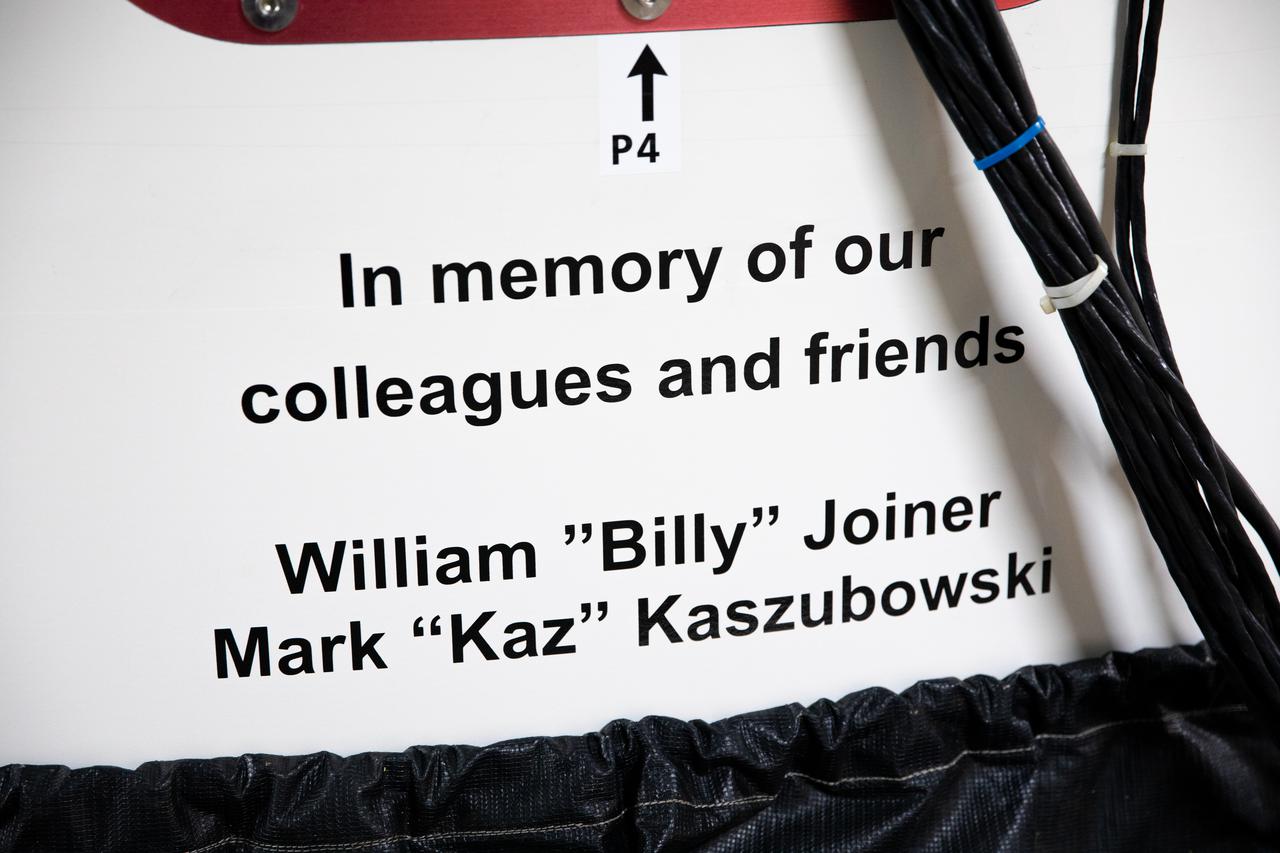
The United Launch Alliance (ULA) Atlas V rocket that will launch NASA’s Lucy spacecraft on its 12-year mission to study the Trojan asteroids is shown inside the Vertical Integration Facility at Space Launch Complex 41 (SLC-41) at Cape Canaveral Space Force Station in Florida on Oct. 8, 2021. Three dedication laminates were added to the rocket. The first is in memory of Craig M. Whittaker, a colleague and friend of NASA’s Launch Services Program (LSP) and ULA teams. The second is in memory of two colleagues: William “Billy” Joiner II – a former Lockheed Martin and ULA technician – and Mark “Kaz” Kaszubowski – an accomplished engineer and mentor. The third plaque is dedicated to NASA’s Goddard Space Flight Center Lucy Mission Team for its dedication shown throughout the pandemic. Lucy is targeted to lift off from SLC-41 at 5:34 a.m. EDT Saturday, Oct. 16. LSP, based at NASA’s Kennedy Space Center, is managing the launch.
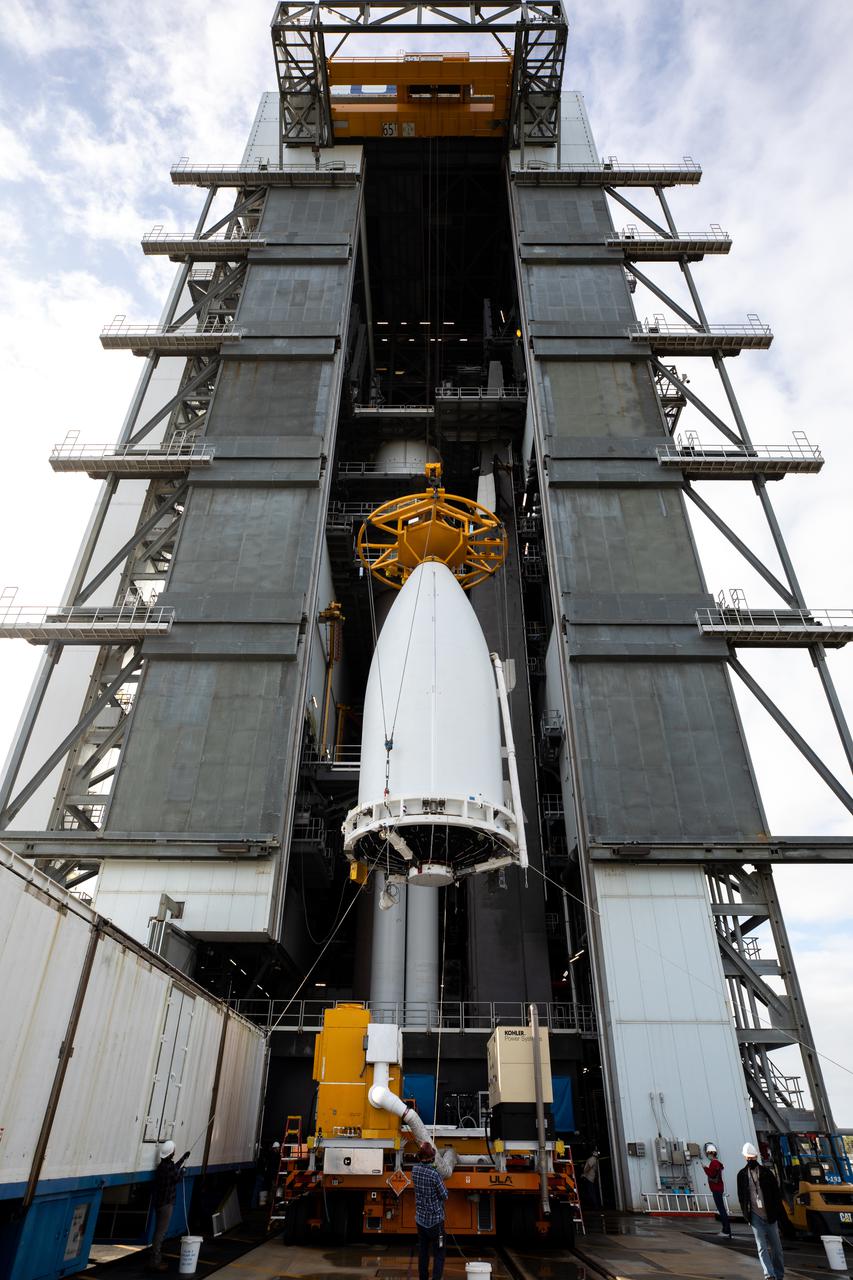
The National Oceanic and Atmospheric Administration’s (NOAA) Geostationary Operational Environmental Satellite-T (GOES-T), enclosed in its payload fairing, is lifted up by crane for its move into the Vertical Integration Facility at Space Launch Complex 41 at Cape Canaveral Space Force Station in Florida on Feb. 17, 2022. The satellite will be secured atop the United Launch Alliance Atlas V 541 rocket. GOES-T is scheduled to launch atop the Atlas V rocket from SLC-41 on March 1, 2022, at 4:38 p.m. GOES-T is the third satellite in the GOES-R series that will continue to help meteorologists observe and predict local weather events that affect public safety. The launch is being managed by NASA’s Launch Services Program based at Kennedy Space Center in Florida, America’s multi-user spaceport.
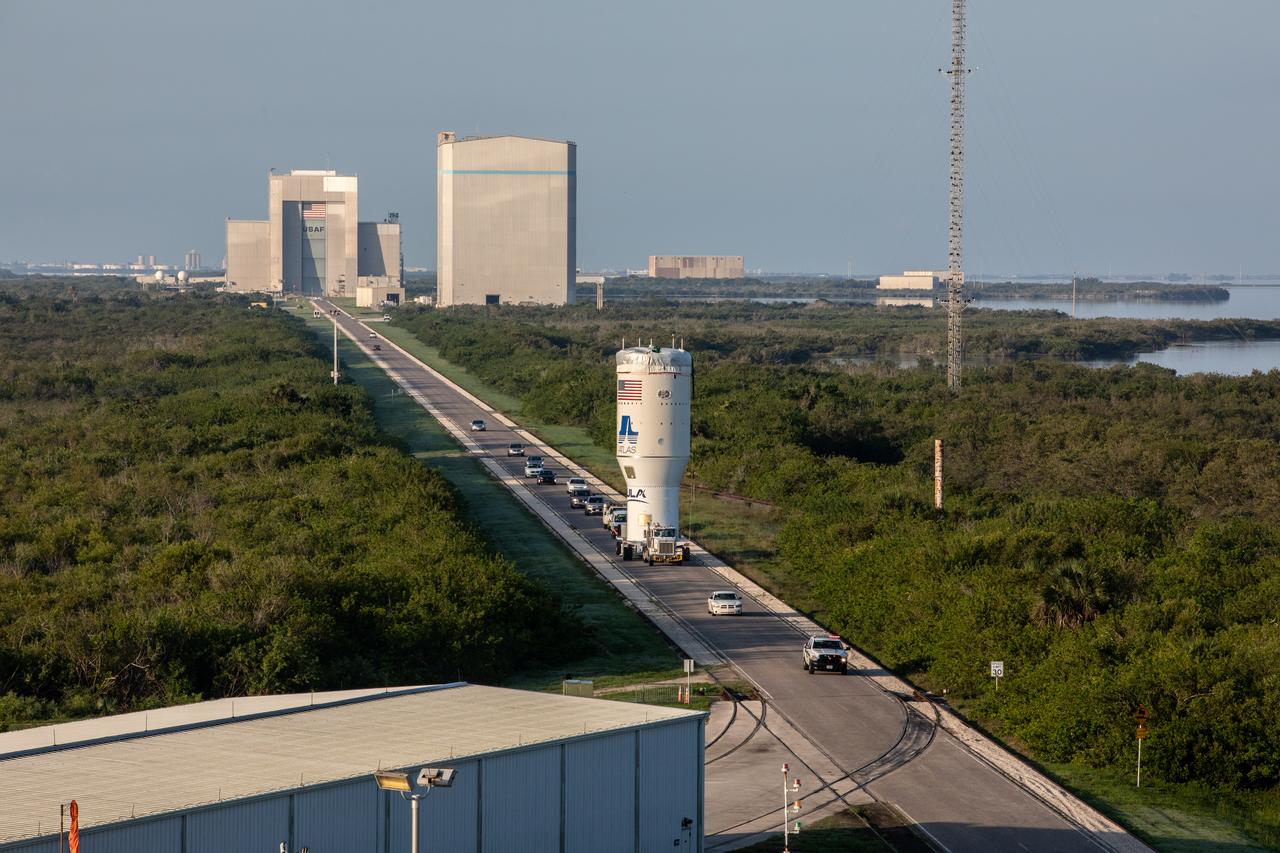
The single-engine Centaur upper stage for the United Launch Alliance Atlas V rocket for NASA’s Mars Perseverance rover is being transported to the Vertical Integration Facility at Space Launch Complex 41 at Cape Canaveral Air Force Station in Florida on June 10, 2020. The Centaur will be lifted up and attached to the rocket’s first stage. The Mars Perseverance rover is scheduled to launch atop the Atlas V 541 rocket from Pad 41 on July 20, 2020. The rover is part of NASA’s Mars Exploration Program, a long-term effort of robotic exploration of the Red Planet. The rover’s seven instruments will search for habitable conditions in the ancient past and signs of past microbial life on Mars. The Launch Services Program at Kennedy is responsible for launch management.
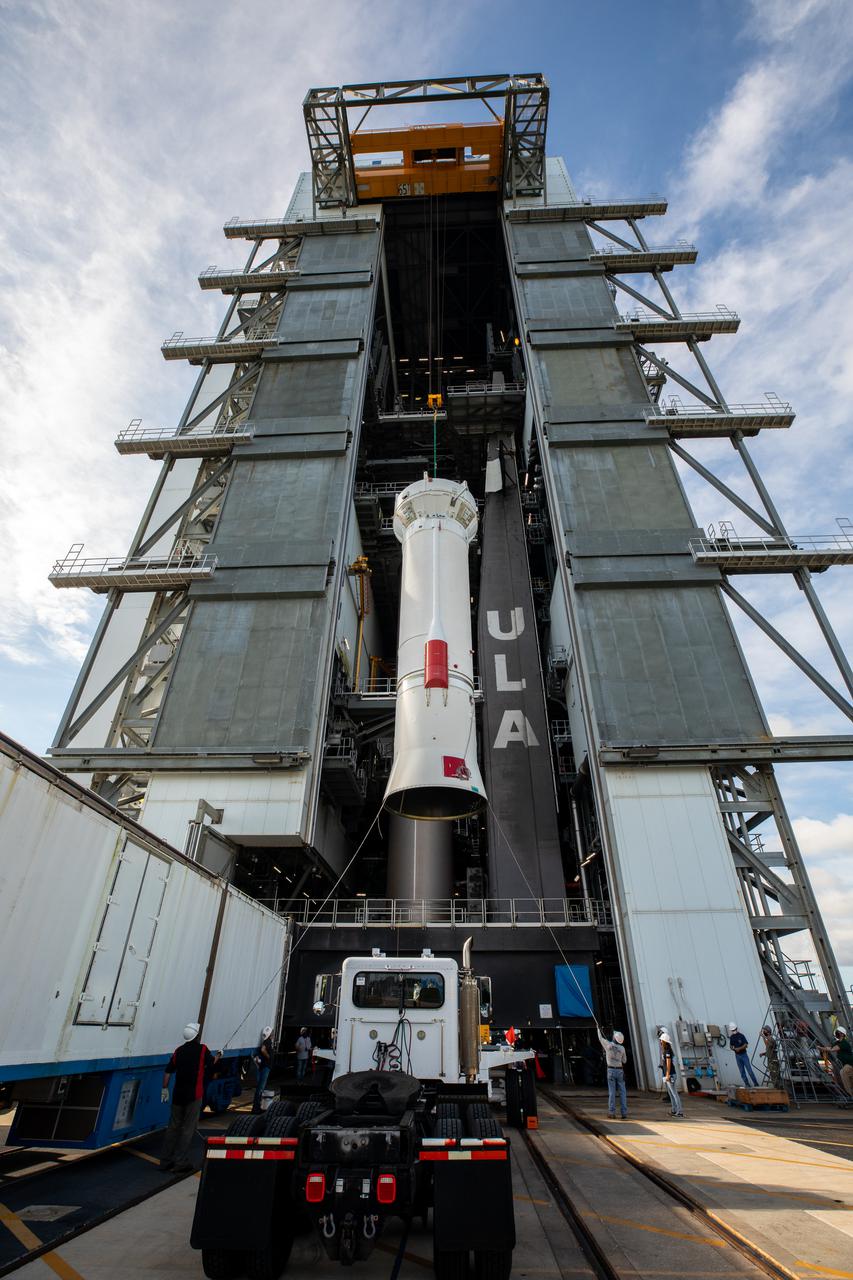
The United Launch Alliance (ULA) Centaur stage for NASA’s Lucy mission is lifted by crane into the Vertical Integration Facility near Space Launch Complex 41 at Cape Canaveral Space Force Station in Florida on Sept. 16, 2021. Lucy is scheduled to launch no earlier than Saturday, Oct. 16, on a ULA Atlas V 401 rocket from Pad 41. NASA’s Launch Services Program based at Kennedy Space Center is managing the launch. Over its 12-year primary mission, Lucy will explore a record-breaking number of asteroids, flying by one asteroid in the solar system’s main belt and seven Trojan asteroids. Additionally, Lucy’s path will circle back to Earth three times for gravity assists, making it the first spacecraft ever to return to the vicinity of Earth from the outer solar system.
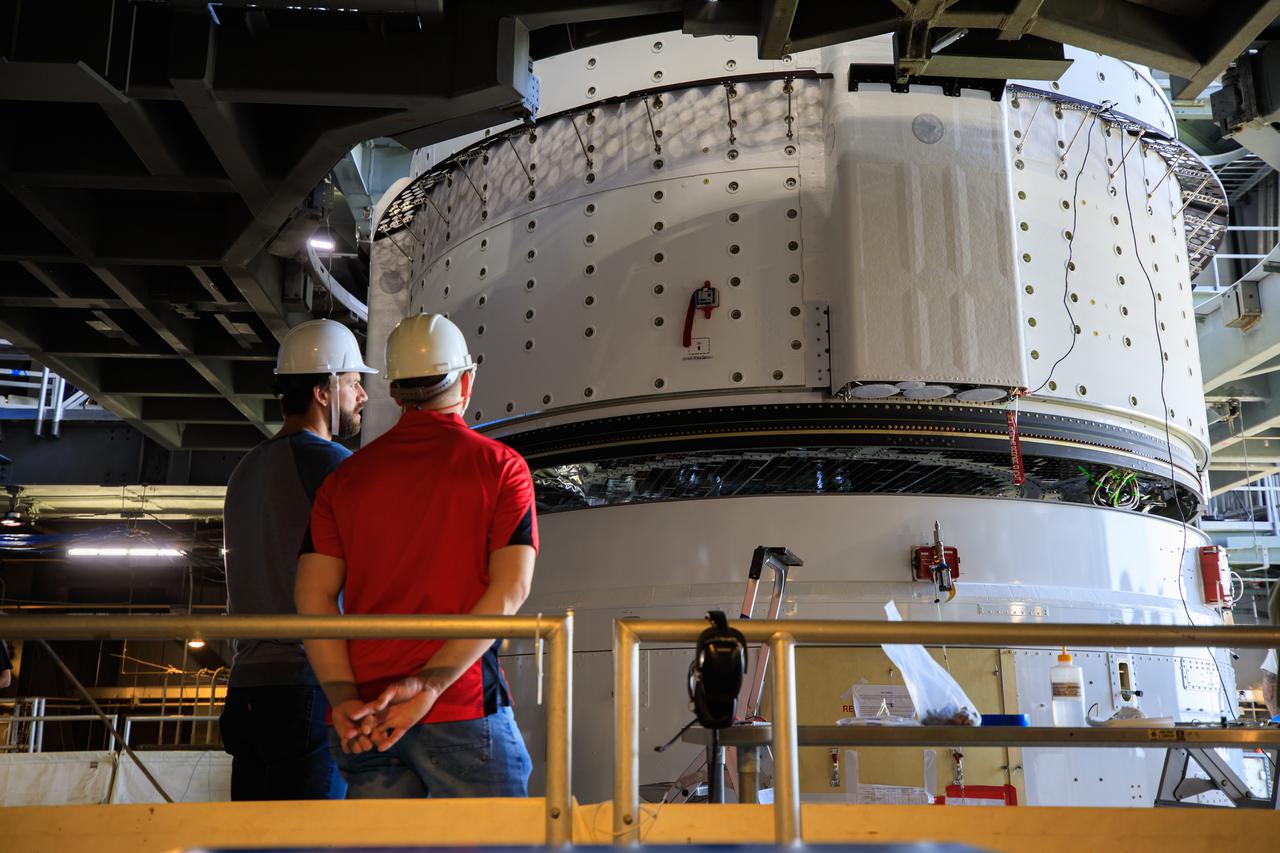
The Boeing CST-100 Starliner spacecraft is lifted at the Vertical Integration Facility at Space Launch Complex-41 at Florida's Cape Canaveral Space Force Station on May 4th, 2022. Starliner will be secured atop a United Launch Alliance Atlas V rocket for Boeing's second Orbital Flight Test (OFT-2) to the International Space Station for NASA's Commercial Crew Program. The spacecraft rolled out from Boeing's Commercial Crew and Cargo Processing Facility at NASA's Kennedy Space Center earlier in the day.
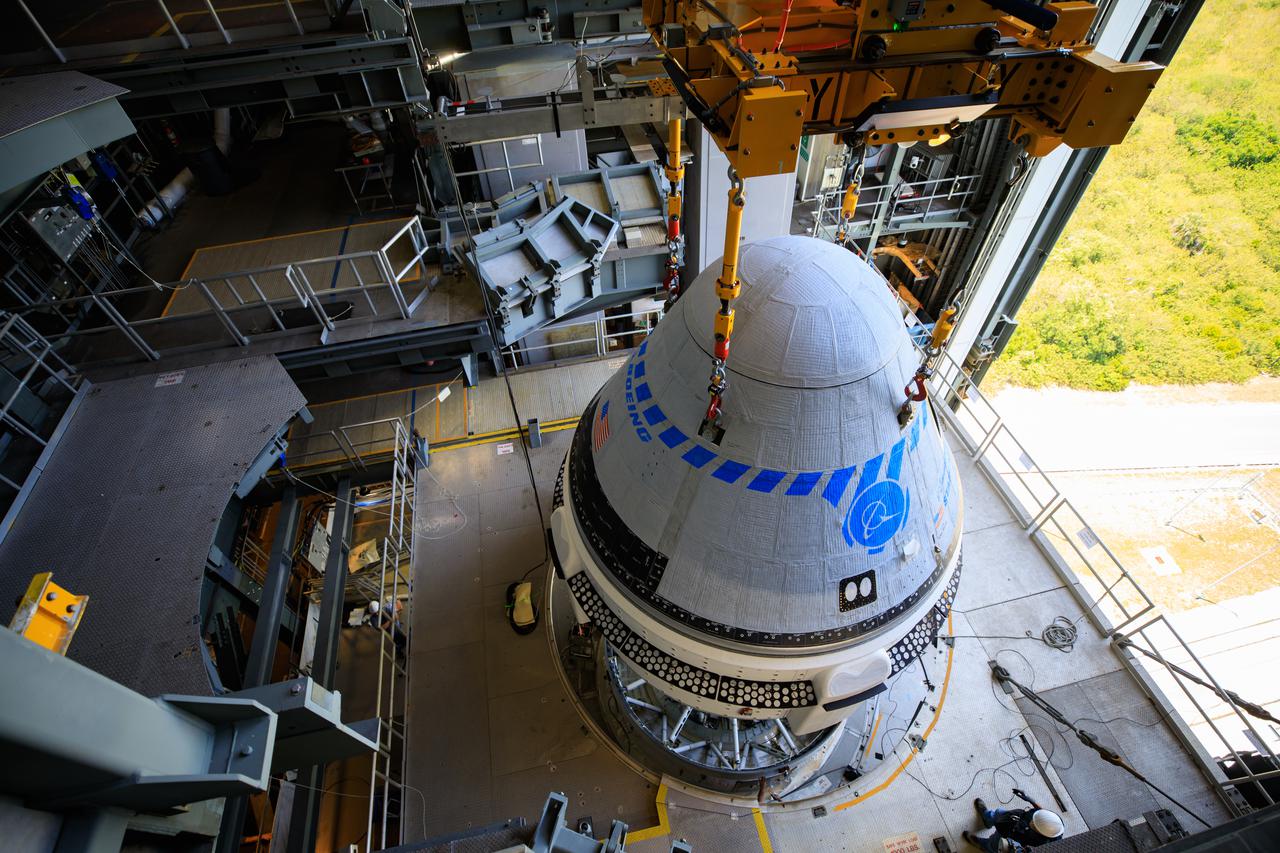
The Boeing CST-100 Starliner spacecraft is lifted at the Vertical Integration Facility at Space Launch Complex-41 at Florida's Cape Canaveral Space Force Station on May 4th, 2022. Starliner will be secured atop a United Launch Alliance Atlas V rocket for Boeing's second Orbital Flight Test (OFT-2) to the International Space Station for NASA's Commercial Crew Program. The spacecraft rolled out from Boeing's Commercial Crew and Cargo Processing Facility at NASA's Kennedy Space Center earlier in the day.

The single-engine Centaur upper stage for the United Launch Alliance Atlas V rocket for NASA’s Mars Perseverance rover is being transported to the Vertical Integration Facility at Space Launch Complex 41 at Cape Canaveral Air Force Station in Florida on June 10, 2020. The Centaur will be lifted up and attached to the rocket’s first stage. The Mars Perseverance rover is scheduled to launch atop the Atlas V 541 rocket from Pad 41 on July 20, 2020. The rover is part of NASA’s Mars Exploration Program, a long-term effort of robotic exploration of the Red Planet. The rover’s seven instruments will search for habitable conditions in the ancient past and signs of past microbial life on Mars. The Launch Services Program at Kennedy is responsible for launch management.
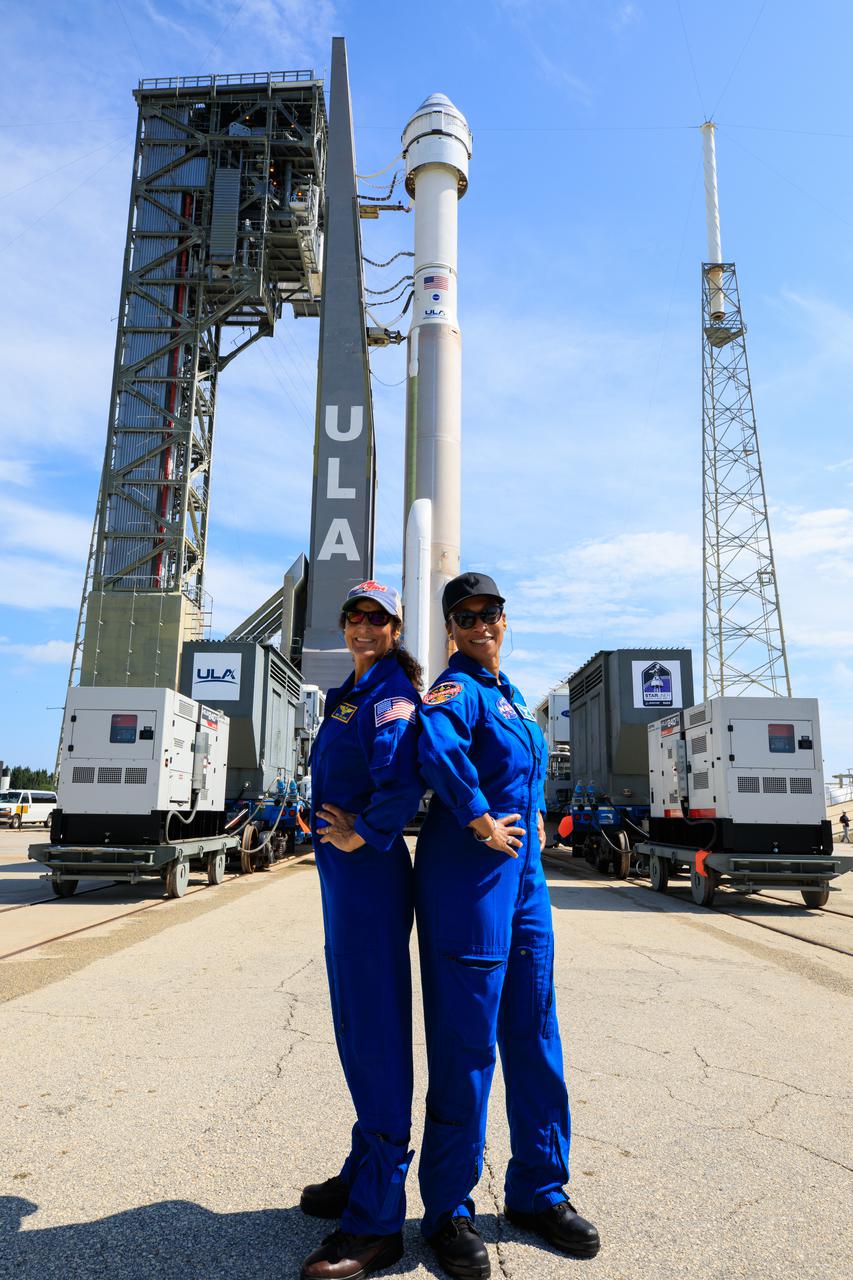
Suni Williams, left, and Jeanette Epps, NASA astronauts, Starliner-1, watch as Boeing’s CST-100 Starliner spacecraft and the United Launch Alliance Atlas V rocket is rolled out of the Vertical Integration Facility to the launch pad at Space Launch Complex-41 on July 29, 2021, at Cape Canaveral Space Force Station in Florida. Starliner will launch on the Atlas V for Boeing’s second uncrewed Orbital Flight Test (OFT-2) for NASA’s Commercial Crew Program. OFT-2 is an important uncrewed mission designed to test the end-to-end capabilities of the new system for NASA’s Commercial Crew Program.
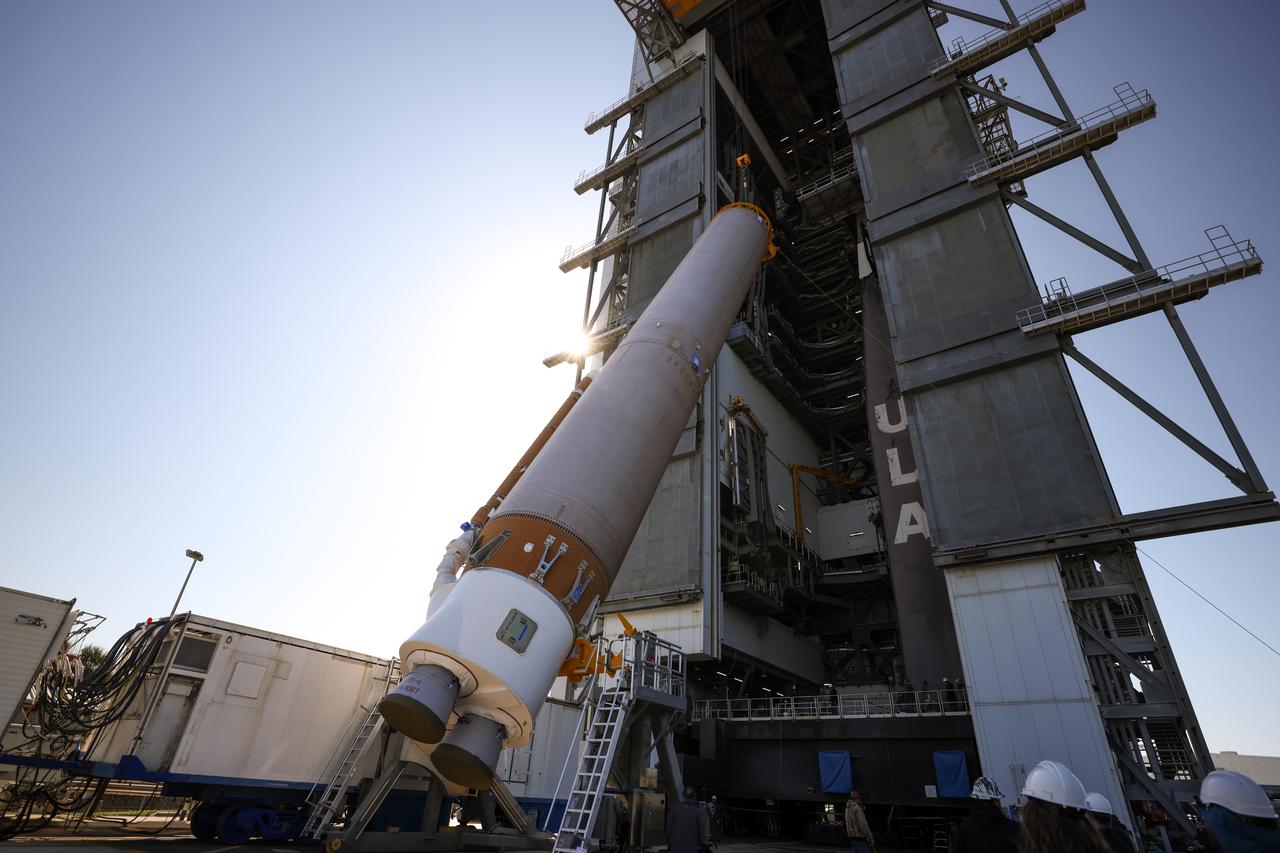
Crews raise a United Launch Alliance Atlas V rocket to a vertical position at the Vertical Integration Facility at Space Launch Complex-41 at Cape Canaveral Space Force Station in Florida on Wednesday, Feb. 21, 2024. After integration with the rocket’s Centaur upper stage and Boeing’s CST-100 Starliner capsule, the Atlas V will send two NASA astronauts to the International Space Station on the agency’s Boeing Crew Flight Test. The mission will test the end-to-end capabilities of Starliner and its system and, if successful, will pave the way for NASA’s certification ahead of regular missions to the space station as part of the agency’s Commercial Crew Program. Liftoff is targeted for no earlier than mid-April.
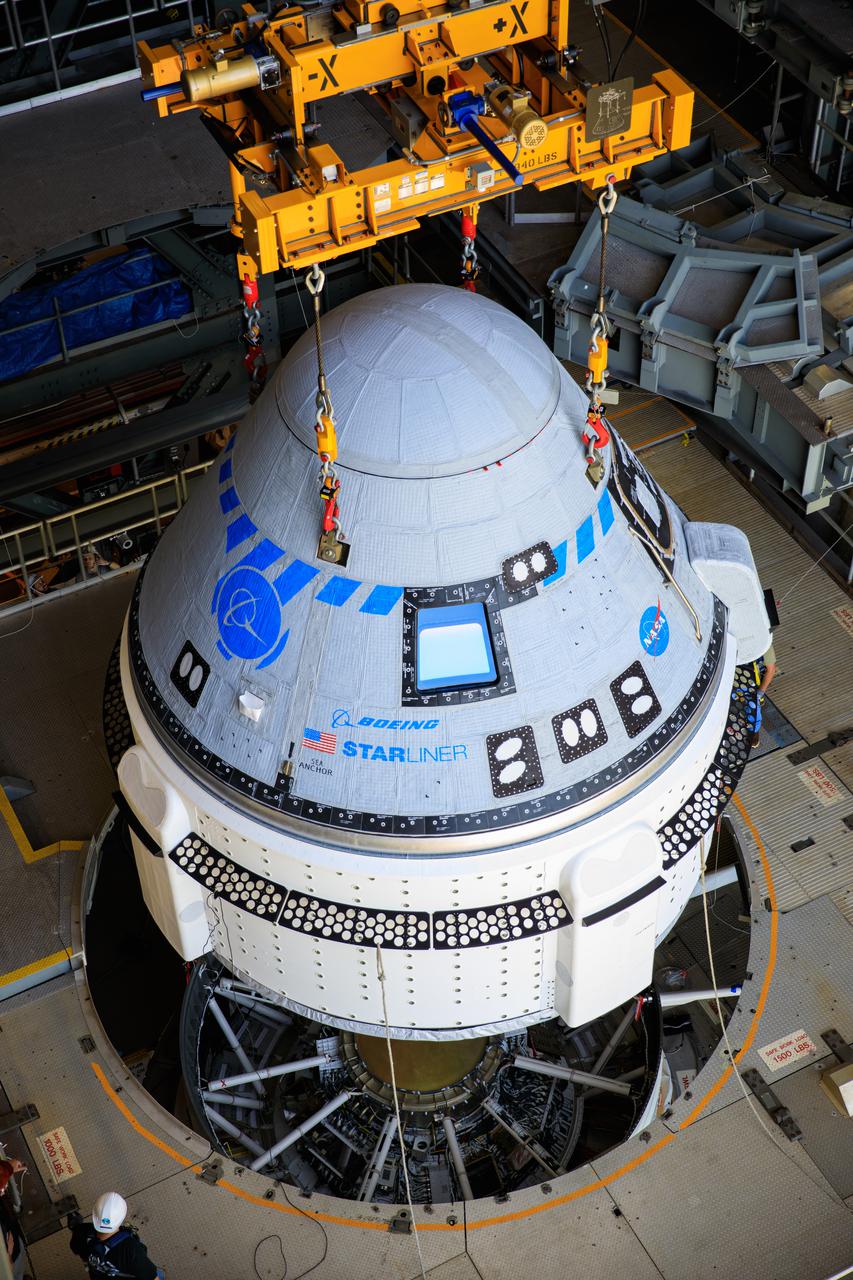
The Boeing CST-100 Starliner spacecraft is lifted at the Vertical Integration Facility at Space Launch Complex-41 at Florida's Cape Canaveral Space Force Station on May 4th, 2022. Starliner will be secured atop a United Launch Alliance Atlas V rocket for Boeing's second Orbital Flight Test (OFT-2) to the International Space Station for NASA's Commercial Crew Program. The spacecraft rolled out from Boeing's Commercial Crew and Cargo Processing Facility at NASA's Kennedy Space Center earlier in the day.
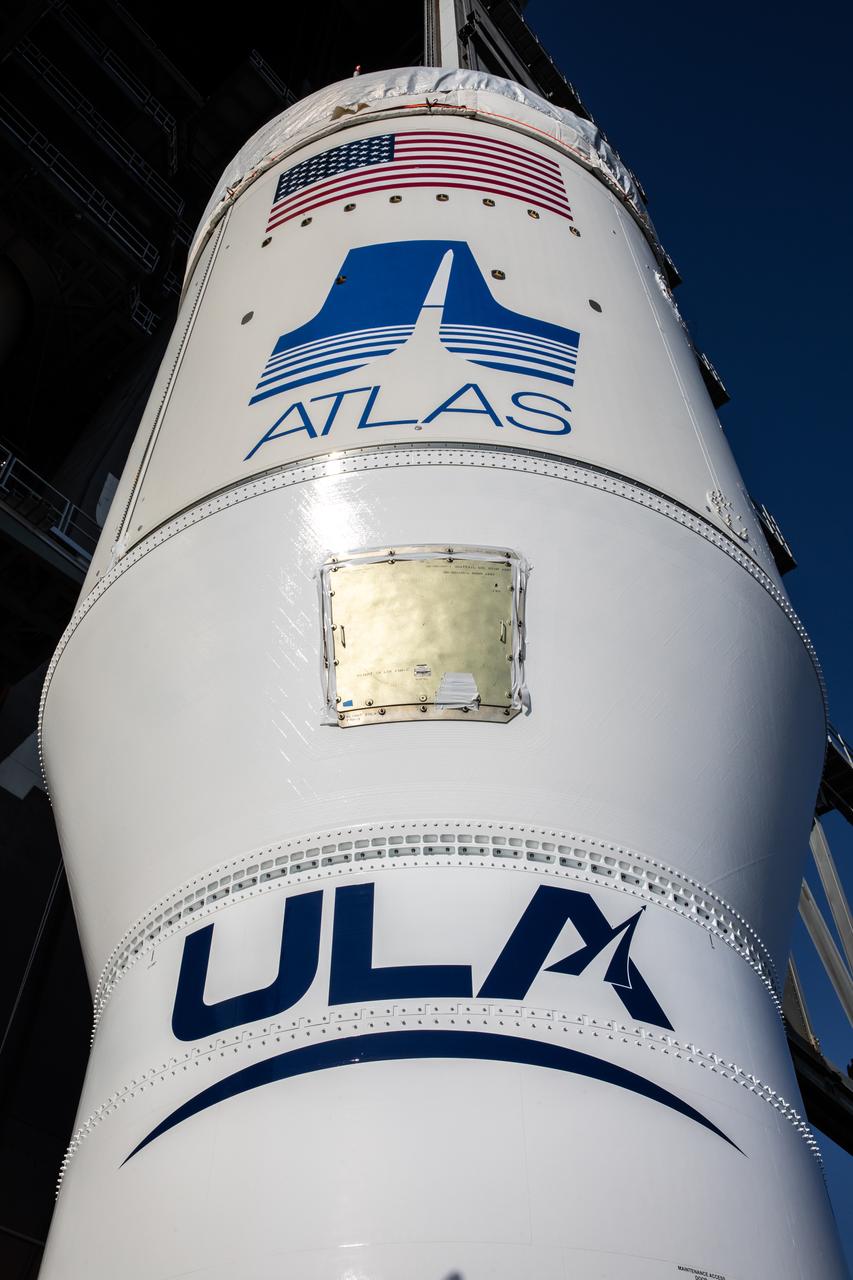
A close-up view of the single-engine Centaur upper stage for the United Launch Alliance Atlas V rocket for NASA’s Mars Perseverance rover as it is being lifted up into the Vertical Integration Facility at Space Launch Complex 41 at Cape Canaveral Air Force Station in Florida on June 10, 2020. The Centaur will be lifted up and attached to the rocket’s first stage. The Mars Perseverance rover is scheduled to launch atop the Atlas V 541 rocket from Pad 41 on July 20, 2020. The rover is part of NASA’s Mars Exploration Program, a long-term effort of robotic exploration of the Red Planet. The rover’s seven instruments will search for habitable conditions in the ancient past and signs of past microbial life on Mars. The Launch Services Program at Kennedy is responsible for launch management.
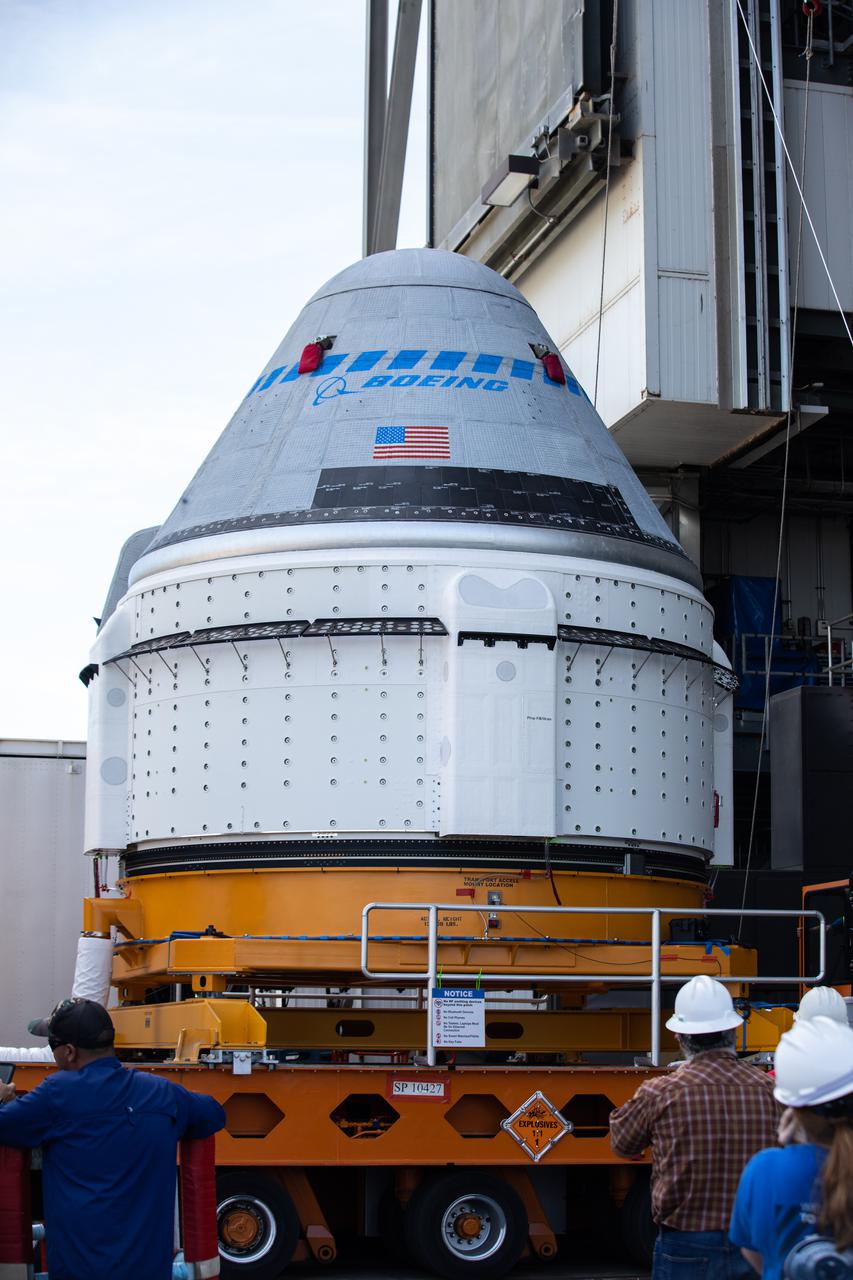
Boeing’s CST-100 Starliner spacecraft arrives at the Vertical Integration Facility at Space Launch Complex-41 at Cape Canaveral Space Force Station in Florida on May 4, 2022. Starliner will be secured atop a United Launch Alliance Atlas V rocket for Boeing’s second Orbital Flight Test (OFT-2) to the International Space Station for NASA’s Commercial Crew Program. The spacecraft rolled out from Boeing’s Commercial Crew and Cargo Processing Facility at NASA’s Kennedy Space Center earlier in the day.
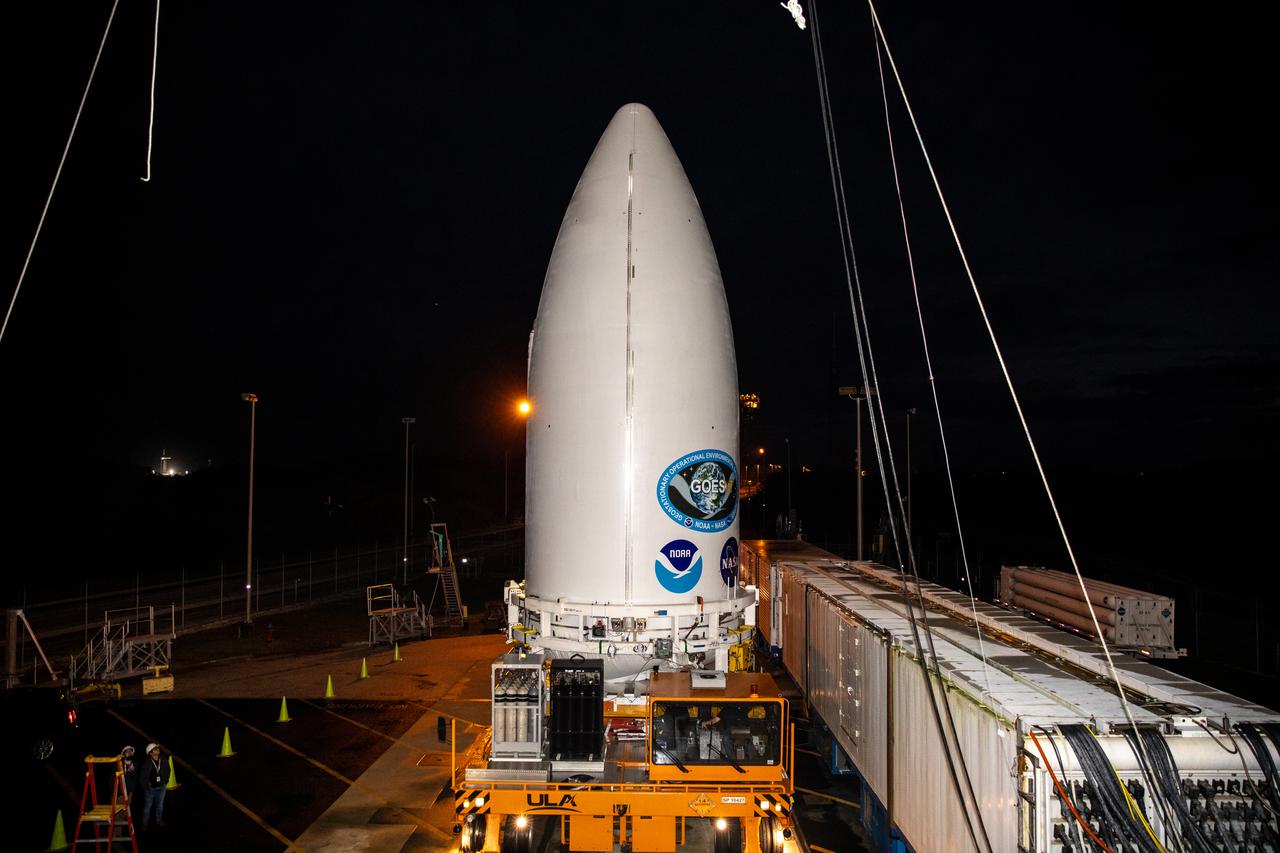
Preparations are underway to lift the National Oceanic and Atmospheric Administration’s (NOAA) Geostationary Operational Environmental Satellite-T (GOES-T), enclosed in its payload fairing, up into the Vertical Integration Facility at Space Launch Complex 41 at Cape Canaveral Space Force Station in Florida on Feb. 17, 2022. The satellite will be secured atop the United Launch Alliance Atlas V 541 rocket. GOES-T is scheduled to launch atop the Atlas V rocket from SLC-41 on March 1, 2022, at 4:38 p.m. GOES-T is the third satellite in the GOES-R series that will continue to help meteorologists observe and predict local weather events that affect public safety. The launch is being managed by NASA’s Launch Services Program based at Kennedy Space Center in Florida, America’s multi-user spaceport.
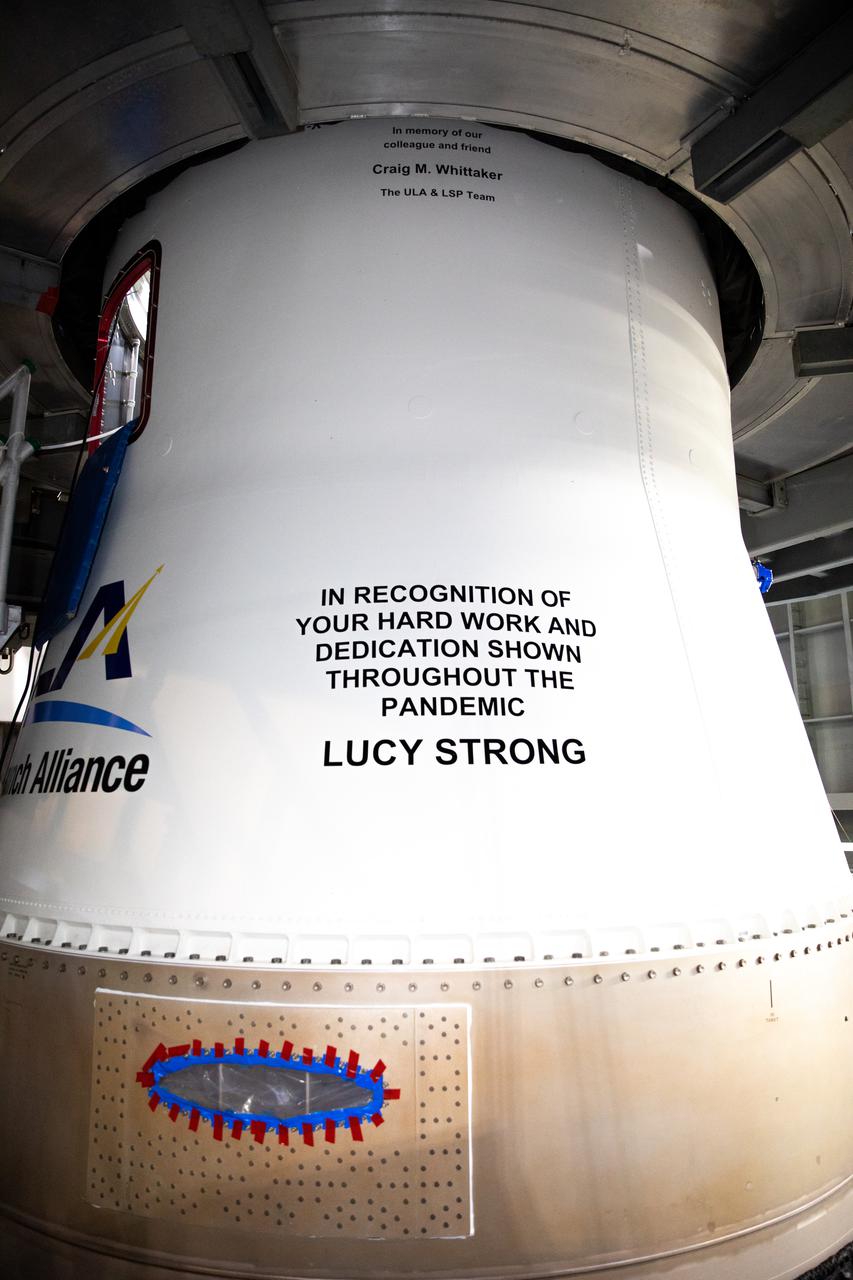
The United Launch Alliance (ULA) Atlas V rocket that will launch NASA’s Lucy spacecraft on its 12-year mission to study the Trojan asteroids is shown inside the Vertical Integration Facility at Space Launch Complex 41 (SLC-41) at Cape Canaveral Space Force Station in Florida on Oct. 8, 2021. Three dedication laminates were added to the rocket. The first is in memory of Craig M. Whittaker, a colleague and friend of NASA’s Launch Services Program (LSP) and ULA teams. The second is in memory of two colleagues: William “Billy” Joiner II – a former Lockheed Martin and ULA technician – and Mark “Kaz” Kaszubowski – an accomplished engineer and mentor. The third plaque is dedicated to NASA’s Goddard Space Flight Center Lucy Mission Team for its dedication shown throughout the pandemic. Lucy is targeted to lift off from SLC-41 at 5:34 a.m. EDT Saturday, Oct. 16. LSP, based at NASA’s Kennedy Space Center, is managing the launch.
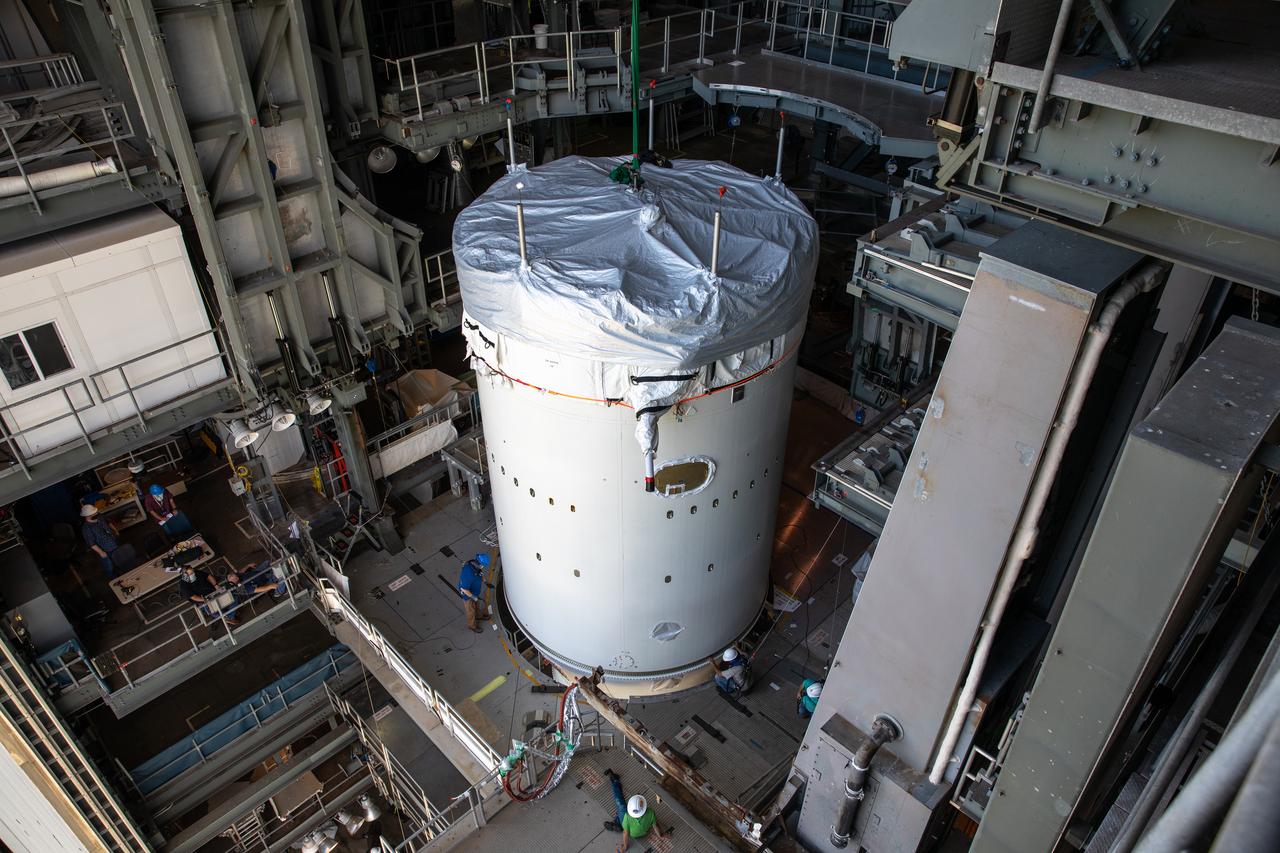
Inside the Vertical Integration Facility at Space Launch Complex 41 at Cape Canaveral Air Force Station in Florida, a crane lowers the single-engine Centaur upper stage for mating to the United Launch Alliance Atlas V rocket on June 10, 2020. NASA’s Mars Perseverance rover is scheduled to launch atop the Atlas V 541 rocket from Pad 41 on July 20, 2020. The rover is part of NASA’s Mars Exploration Program, a long-term effort of robotic exploration of the Red Planet. The rover’s seven instruments will search for habitable conditions in the ancient past and signs of past microbial life on Mars. The Launch Services Program at Kennedy is responsible for launch management.
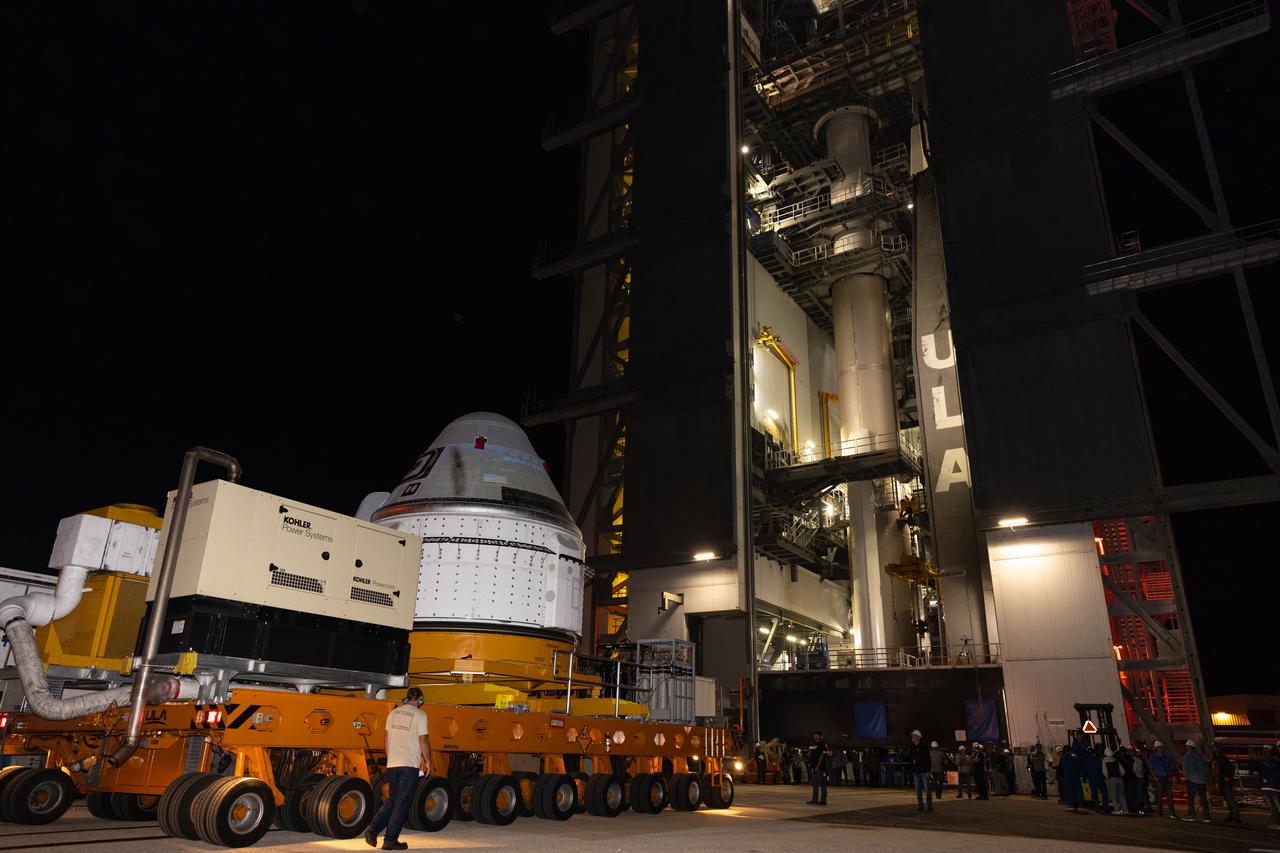
Boeing’s Starliner spacecraft arrives at the Vertical Integration Facility at Space Launch Complex-41 at Cape Canaveral Space Force Station in Florida on Tuesday, April 16, 2024. Starliner will be secured atop a United Launch Alliance Atlas V rocket for NASA’s Boeing Crew Flight Test to the International Space Station for the agency’s Commercial Crew Program. The spacecraft rolled out from Boeing’s Commercial Crew and Cargo Processing Facility at NASA’s Kennedy Space Center earlier in the day.
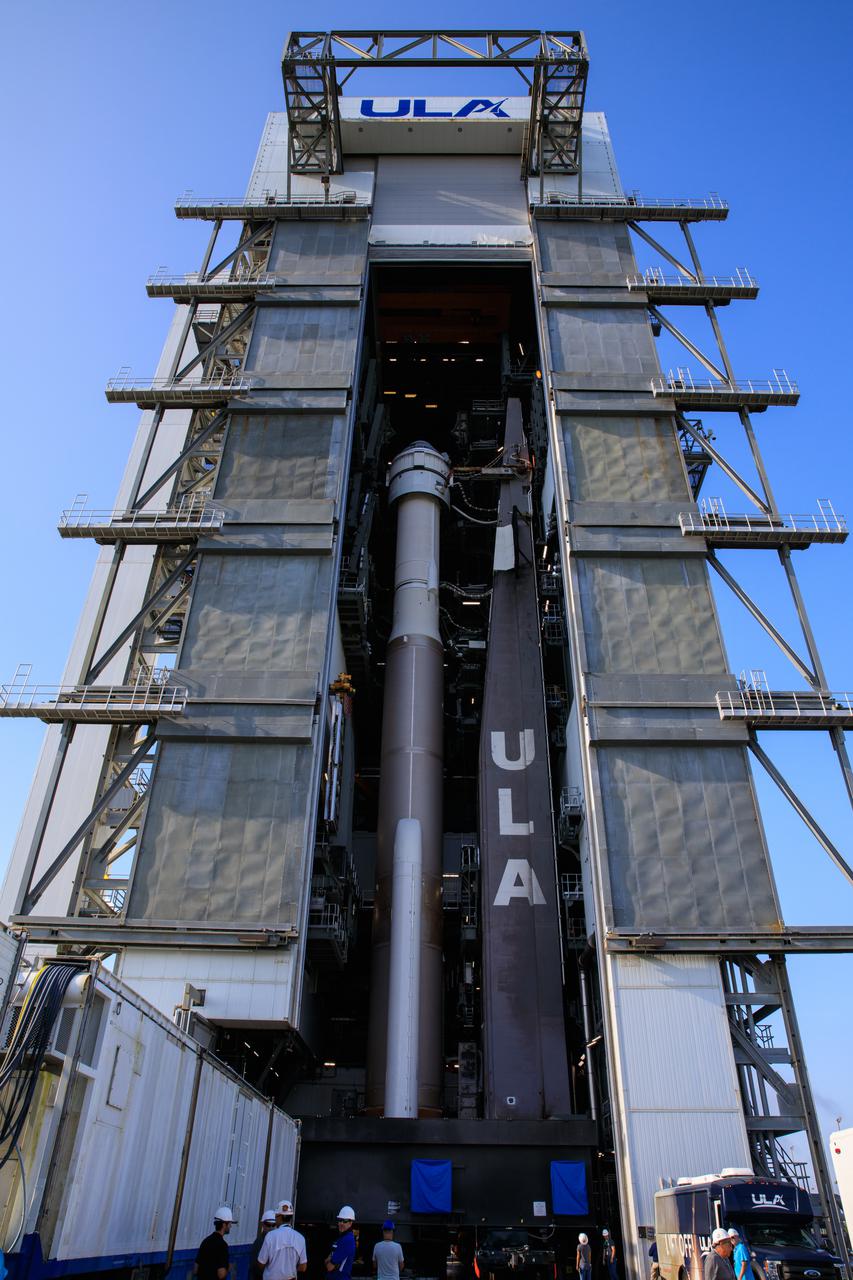
On July 29, 2021, Boeing’s CST-100 Starliner spacecraft and the United Launch Alliance Atlas V rocket begins rollout from the Vertical Integration Facility to the launch pad at Space Launch Complex-41 on Cape Canaveral Space Force Station in Florida. Starliner will launch on the Atlas V for Boeing’s second uncrewed Orbital Flight Test (OFT-2) for NASA’s Commercial Crew Program. OFT-2 is an important uncrewed mission designed to test the end-to-end capabilities of the new system for NASA’s Commercial Crew Program.
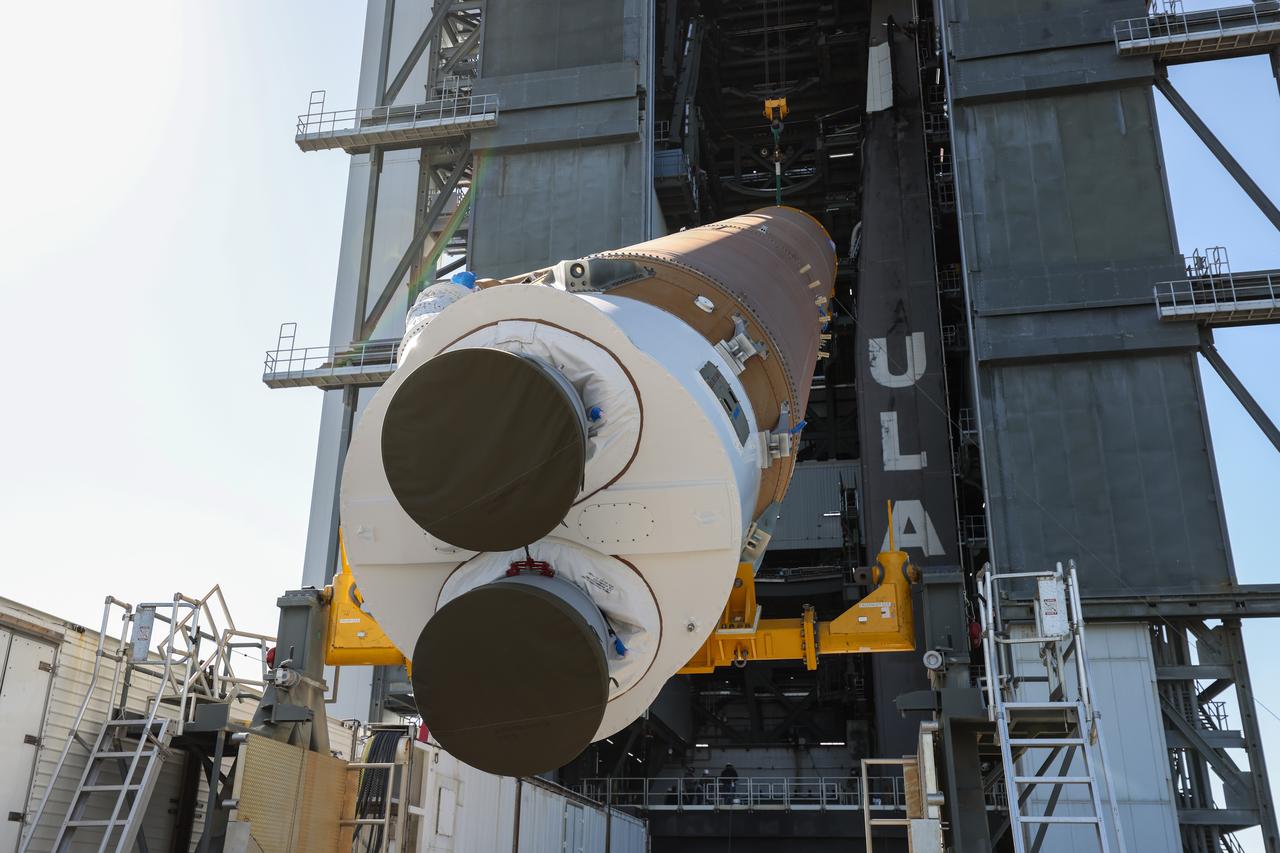
Crews raise a United Launch Alliance Atlas V rocket to a vertical position at the Vertical Integration Facility at Space Launch Complex-41 at Cape Canaveral Space Force Station in Florida on Wednesday, Feb. 21, 2024. After integration with the rocket’s Centaur upper stage and Boeing’s CST-100 Starliner capsule, the Atlas V will send two NASA astronauts to the International Space Station on the agency’s Boeing Crew Flight Test. The mission will test the end-to-end capabilities of Starliner and its system and, if successful, will pave the way for NASA’s certification ahead of regular missions to the space station as part of the agency’s Commercial Crew Program. Liftoff is targeted for no earlier than mid-April.
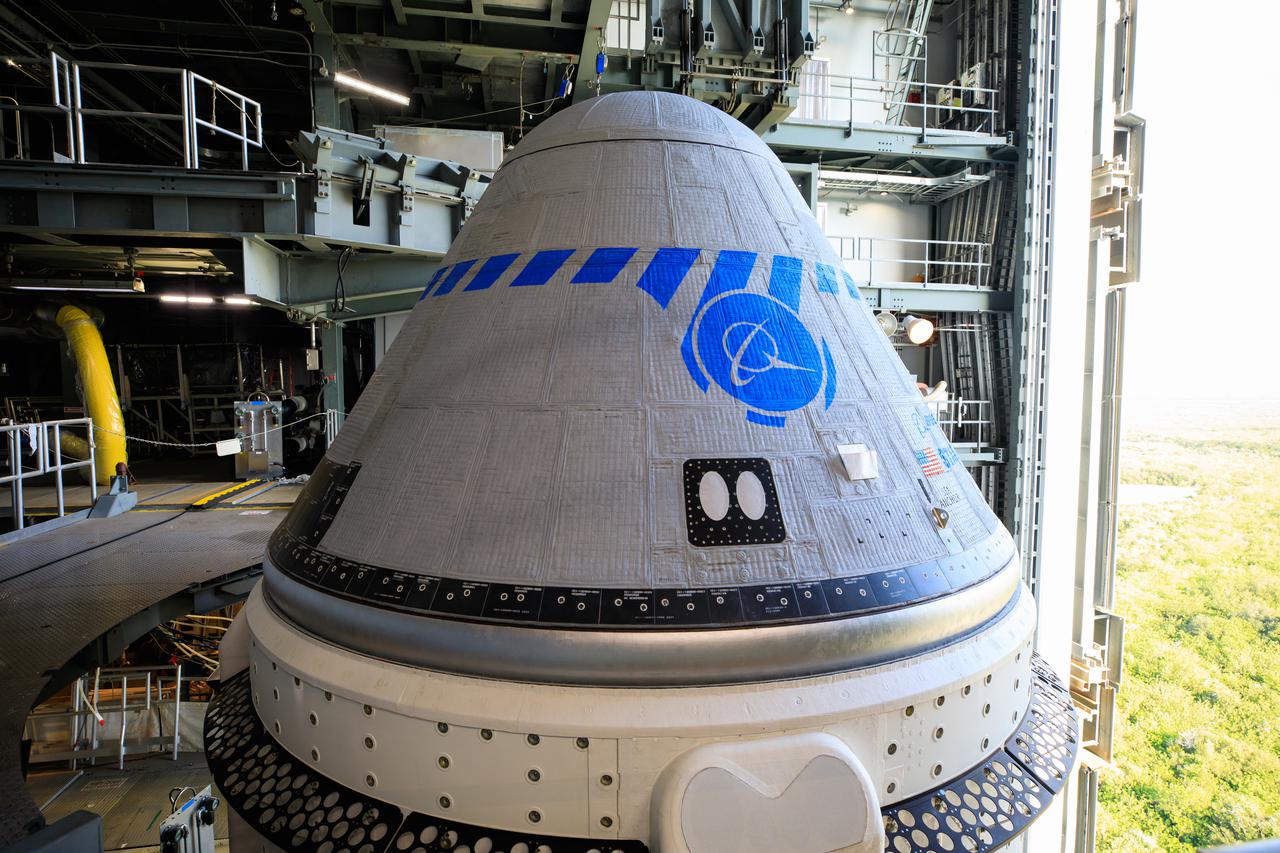
On July 29, 2021, Boeing’s CST-100 Starliner spacecraft and the United Launch Alliance Atlas V rocket begins rollout from the Vertical Integration Facility to the launch pad at Space Launch Complex-41 on Cape Canaveral Space Force Station in Florida. Starliner will launch on the Atlas V for Boeing’s second uncrewed Orbital Flight Test (OFT-2) for NASA’s Commercial Crew Program. OFT-2 is an important uncrewed mission designed to test the end-to-end capabilities of the new system for NASA’s Commercial Crew Program.
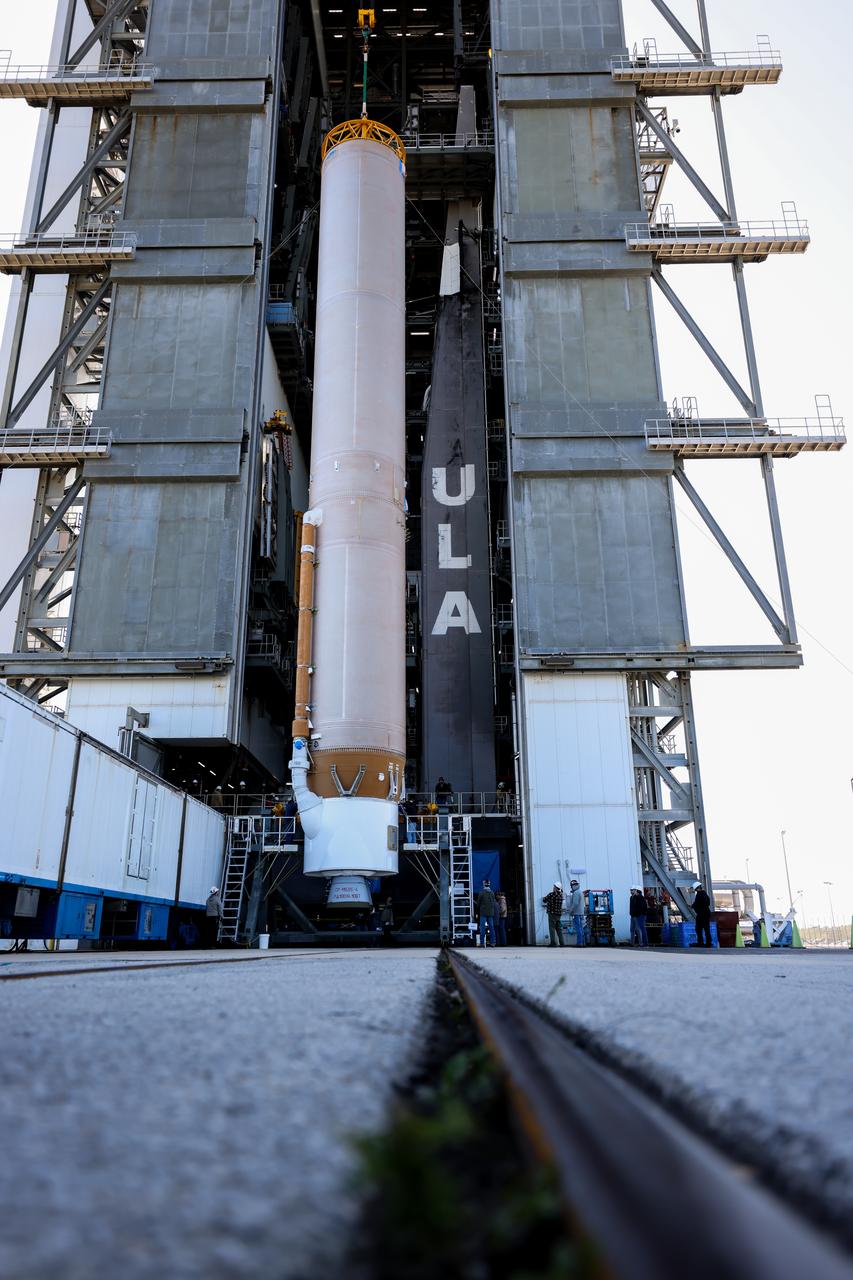
A United Launch Alliance Atlas V rocket stands vertical, awaiting integration with the rocket’s Centaur upper stage and Boeing’s CST-100 Starliner after moving inside the Vertical Integration Facility at Space Launch Complex-41 at Cape Canaveral Space Force Station in Florida on Wednesday, Feb. 21, 2024. The rocket will send two NASA astronauts to the International Space Station aboard the Starliner capsule no earlier than mid-April for NASA’s Boeing Crew Flight Test. The mission will test the end-to-end capabilities of Starliner and its system and, if successful, will pave the way for NASA’s certification ahead of regular missions to the space station as part of the agency’s Commercial Crew Program.
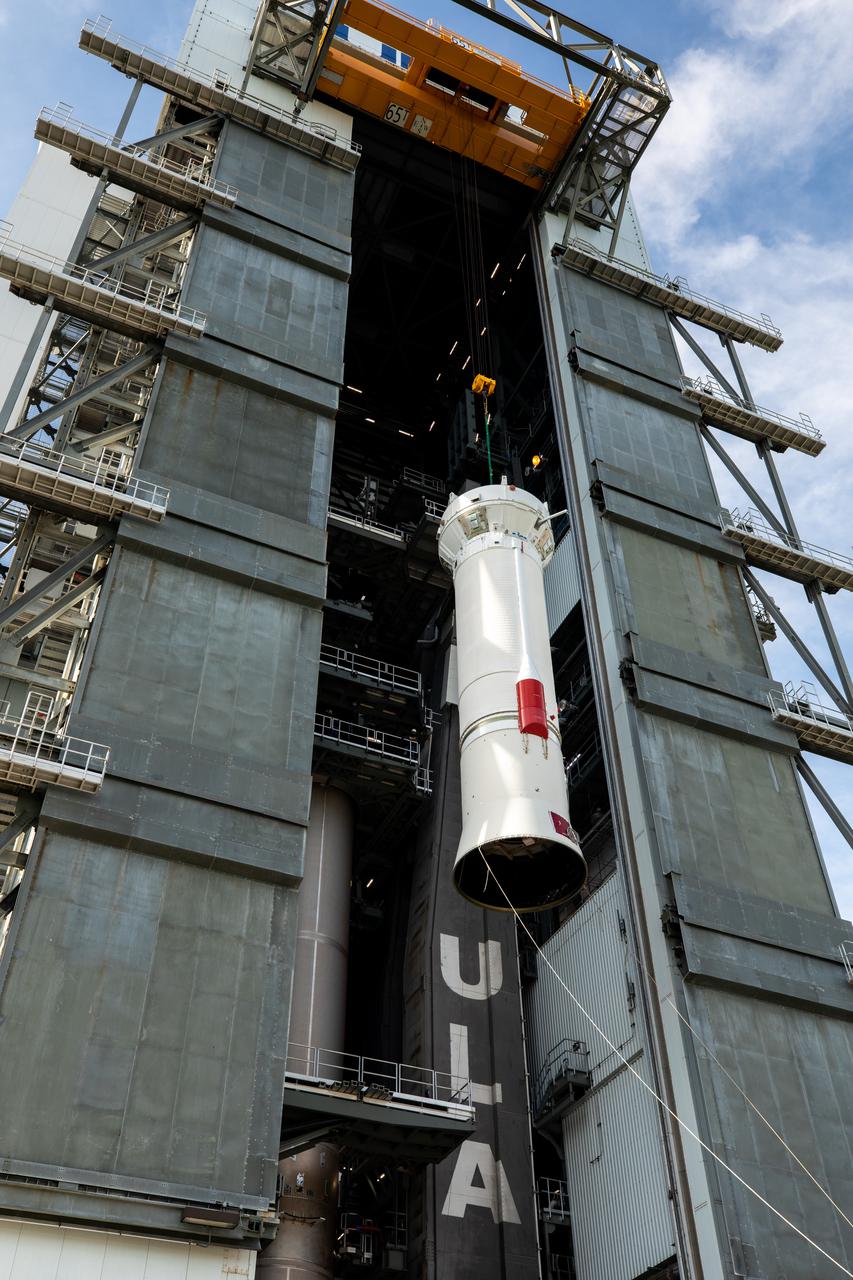
The United Launch Alliance (ULA) Centaur stage for NASA’s Lucy mission is lifted by crane into the Vertical Integration Facility near Space Launch Complex 41 at Cape Canaveral Space Force Station in Florida on Sept. 16, 2021. Lucy is scheduled to launch no earlier than Saturday, Oct. 16, on a ULA Atlas V 401 rocket from Pad 41. NASA’s Launch Services Program based at Kennedy Space Center is managing the launch. Over its 12-year primary mission, Lucy will explore a record-breaking number of asteroids, flying by one asteroid in the solar system’s main belt and seven Trojan asteroids. Additionally, Lucy’s path will circle back to Earth three times for gravity assists, making it the first spacecraft ever to return to the vicinity of Earth from the outer solar system.
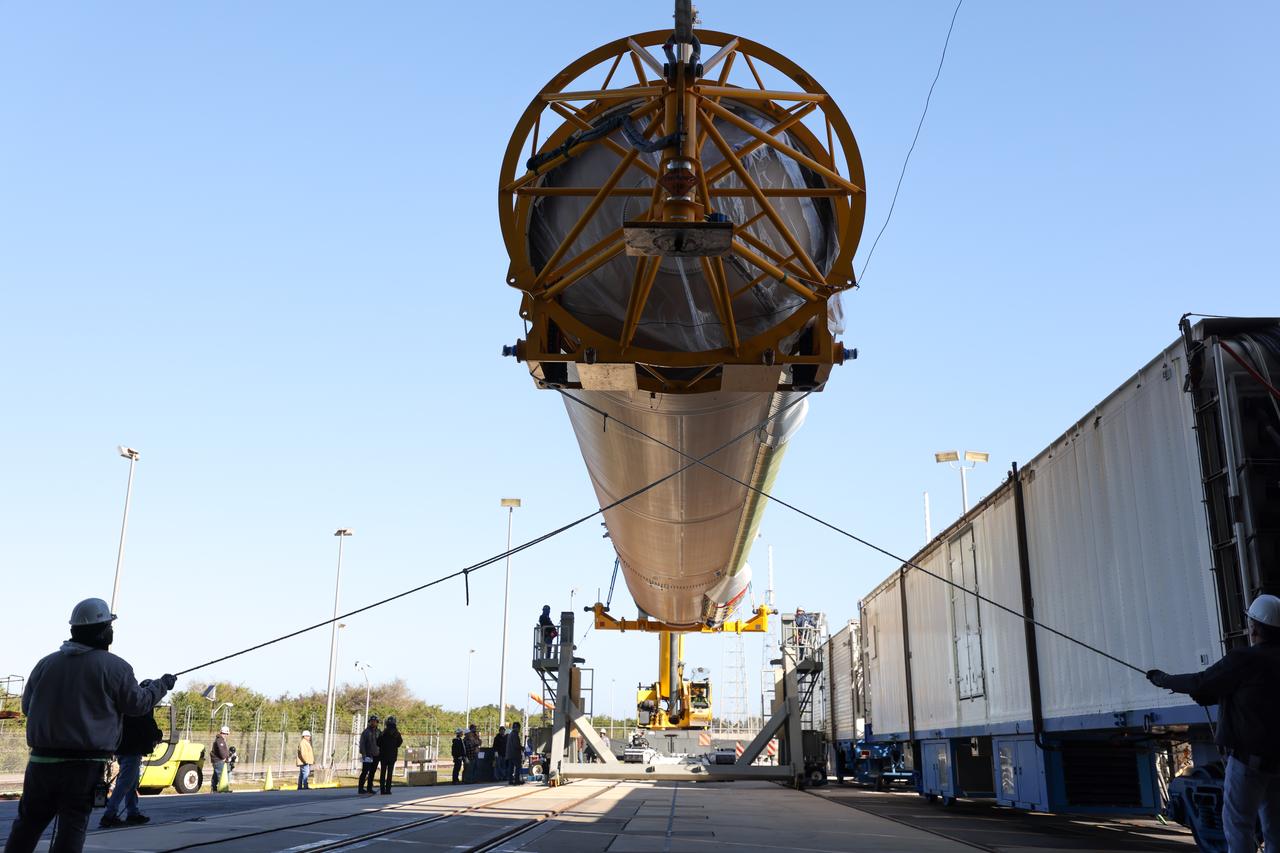
Crews raise a United Launch Alliance Atlas V rocket to a vertical position at the Vertical Integration Facility at Space Launch Complex-41 at Cape Canaveral Space Force Station in Florida on Wednesday, Feb. 21, 2024. After integration with the rocket’s Centaur upper stage and Boeing’s CST-100 Starliner capsule, the Atlas V will send two NASA astronauts to the International Space Station on the agency’s Boeing Crew Flight Test. The mission will test the end-to-end capabilities of Starliner and its system and, if successful, will pave the way for NASA’s certification ahead of regular missions to the space station as part of the agency’s Commercial Crew Program. Liftoff is targeted for no earlier than mid-April.
On July 29, 2021, Boeing’s CST-100 Starliner spacecraft and the United Launch Alliance Atlas V rocket rolled out of the Vertical Integration Facility to the launch pad at Space Launch Complex-41 on Cape Canaveral Space Force Station in Florida. Starliner will launch on the Atlas V for Boeing’s second uncrewed Orbital Flight Test (OFT-2) for NASA’s Commercial Crew Program. OFT-2 is an important uncrewed mission designed to test the end-to-end capabilities of the new system for NASA’s Commercial Crew Program.
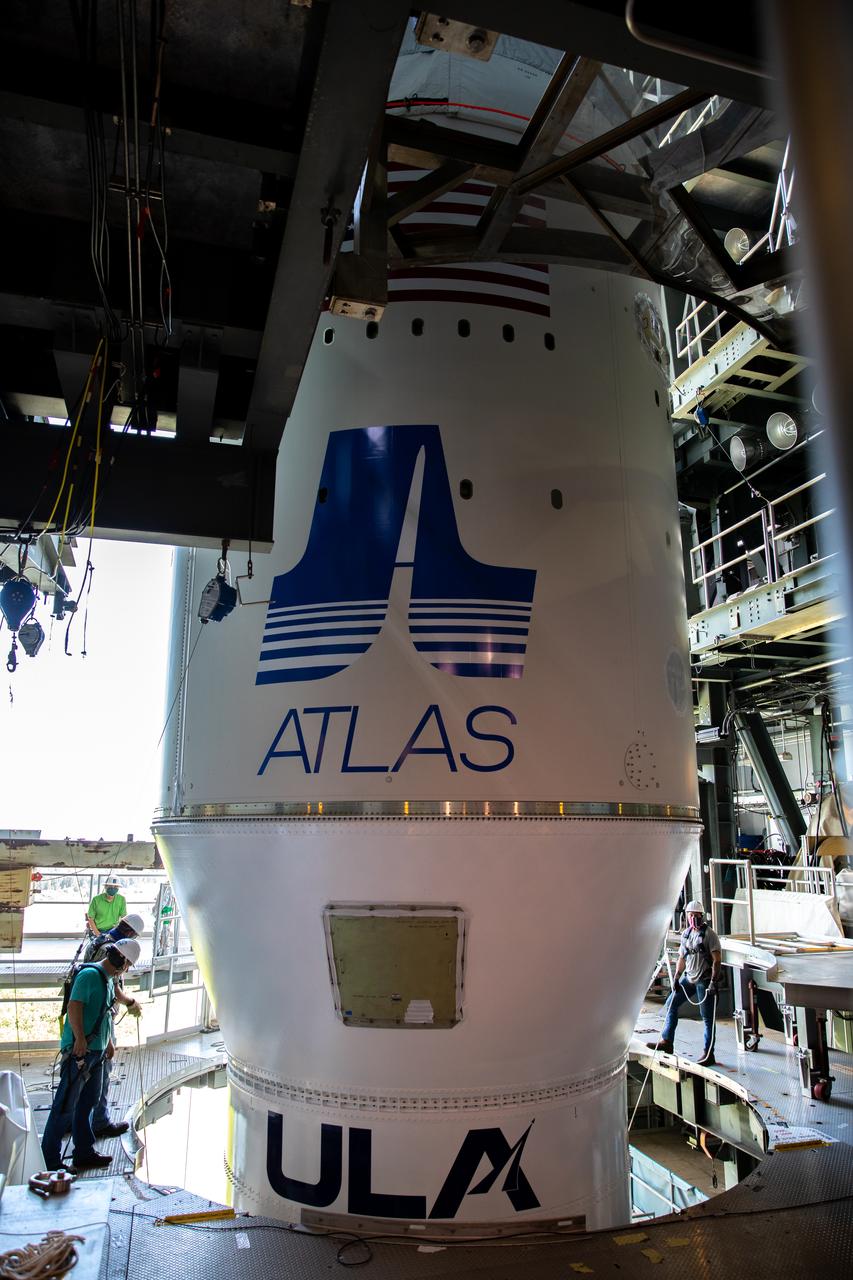
Inside the Vertical Integration Facility at Space Launch Complex 41 at Cape Canaveral Air Force Station in Florida, the single-engine Centaur upper stage is being mated to the United Launch Alliance Atlas V rocket on June 10, 2020. NASA’s Mars Perseverance rover is scheduled to launch atop the Atlas V 541 rocket from Pad 41 on July 20, 2020. The rover is part of NASA’s Mars Exploration Program, a long-term effort of robotic exploration of the Red Planet. The rover’s seven instruments will search for habitable conditions in the ancient past and signs of past microbial life on Mars. The Launch Services Program at Kennedy is responsible for launch management.
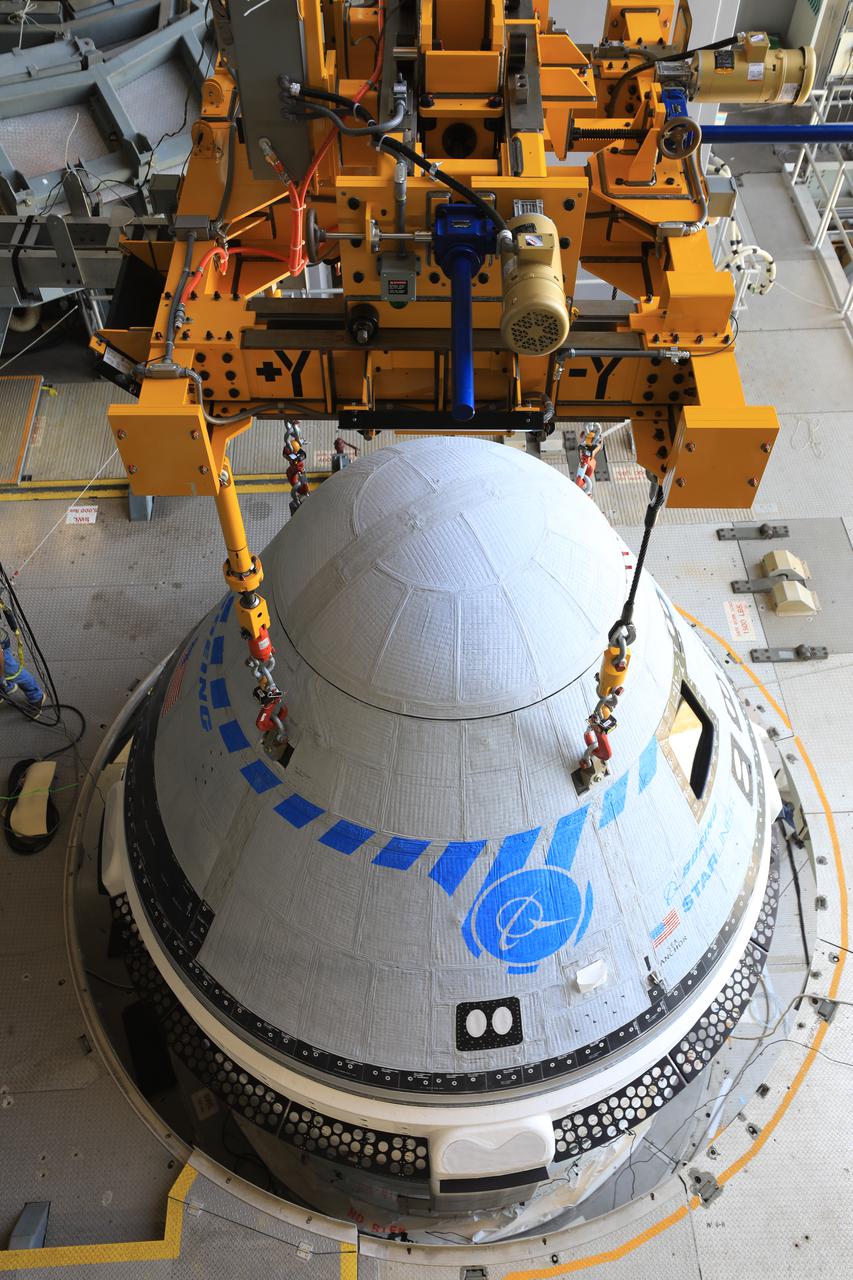
The Boeing CST-100 Starliner spacecraft is lifted at the Vertical Integration Facility at Space Launch Complex-41 at Florida’s Cape Canaveral Space Force Station on May 4, 2022. Starliner will be secured atop a United Launch Alliance Atlas V rocket for Boeing’s second Orbital Flight Test (OFT-2) to the International Space Station for NASA’s Commercial Crew Program. The spacecraft rolled out from Boeing’s Commercial Crew and Cargo Processing Facility at NASA’s Kennedy Space Center earlier in the day.
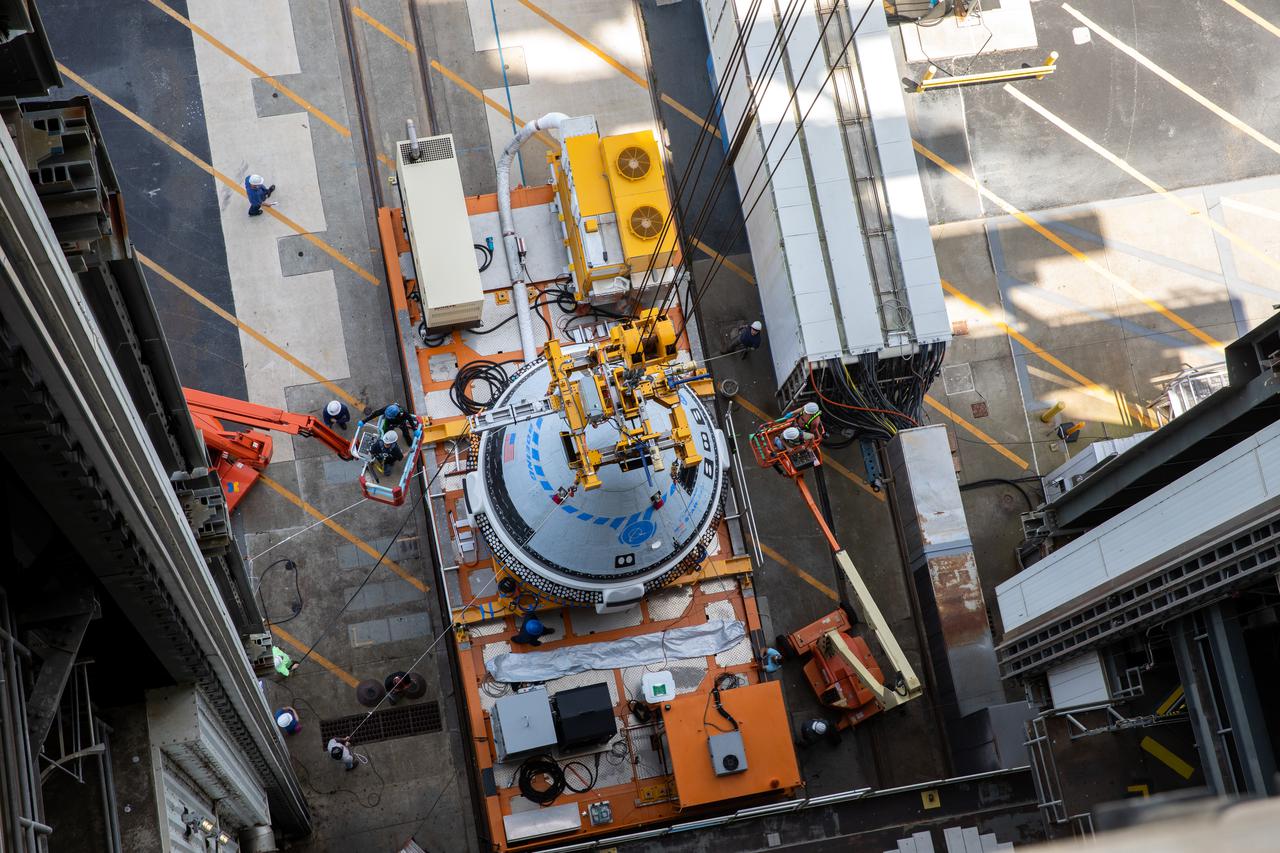
The Boeing CST-100 Starliner spacecraft is lifted at the Vertical Integration Facility at Space Launch Complex-41 at Florida’s Cape Canaveral Space Force Station on May 4, 2022. Starliner will be secured atop a United Launch Alliance Atlas V rocket for Boeing’s second Orbital Flight Test (OFT-2) to the International Space Station for NASA’s Commercial Crew Program. The spacecraft rolled out from Boeing’s Commercial Crew and Cargo Processing Facility at NASA’s Kennedy Space Center earlier in the day.
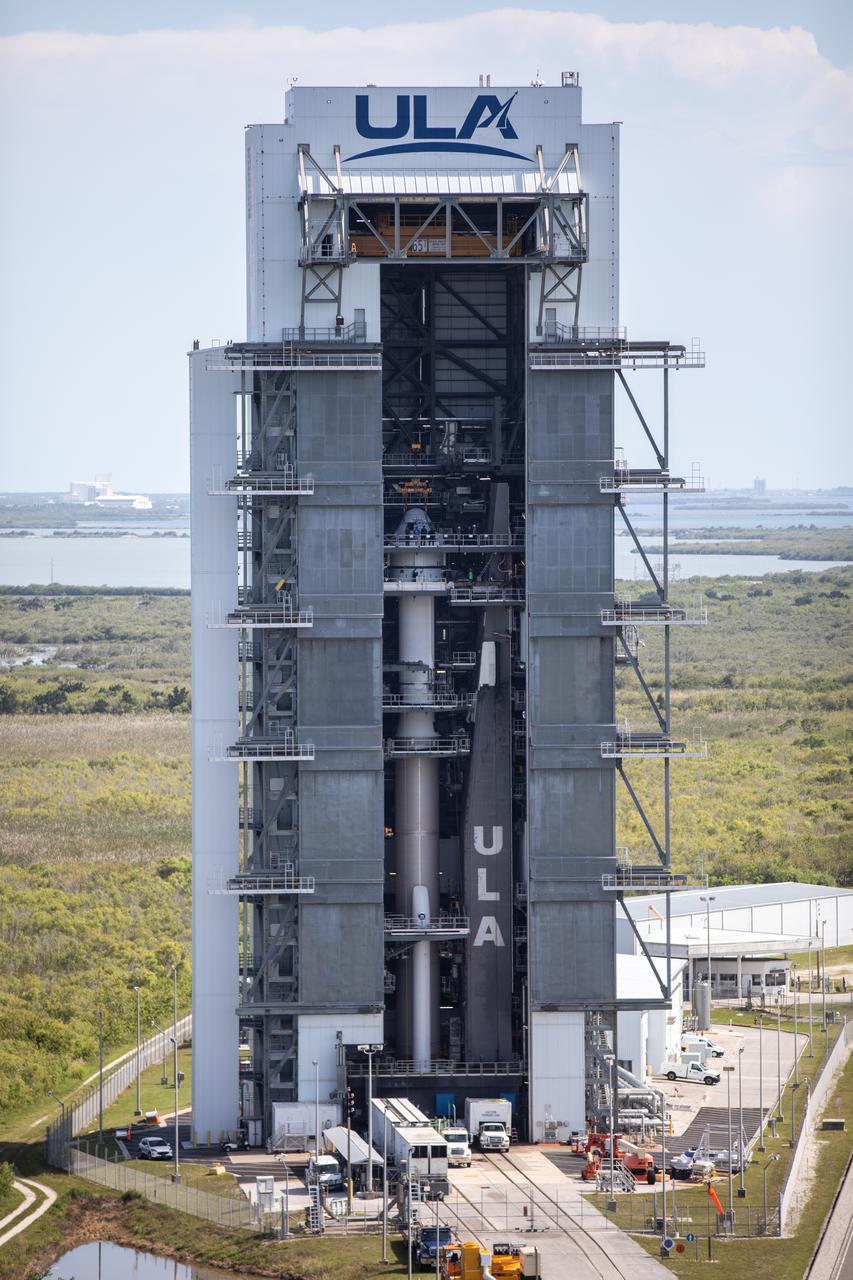
The Boeing CST-100 Starliner spacecraft is lifted at the Vertical Integration Facility at Space Launch Complex-41 at Florida’s Cape Canaveral Space Force Station on May 4, 2022. Starliner will be secured atop a United Launch Alliance Atlas V rocket for Boeing’s second Orbital Flight Test (OFT-2) to the International Space Station for NASA’s Commercial Crew Program. The spacecraft rolled out from Boeing’s Commercial Crew and Cargo Processing Facility at NASA’s Kennedy Space Center earlier in the day.
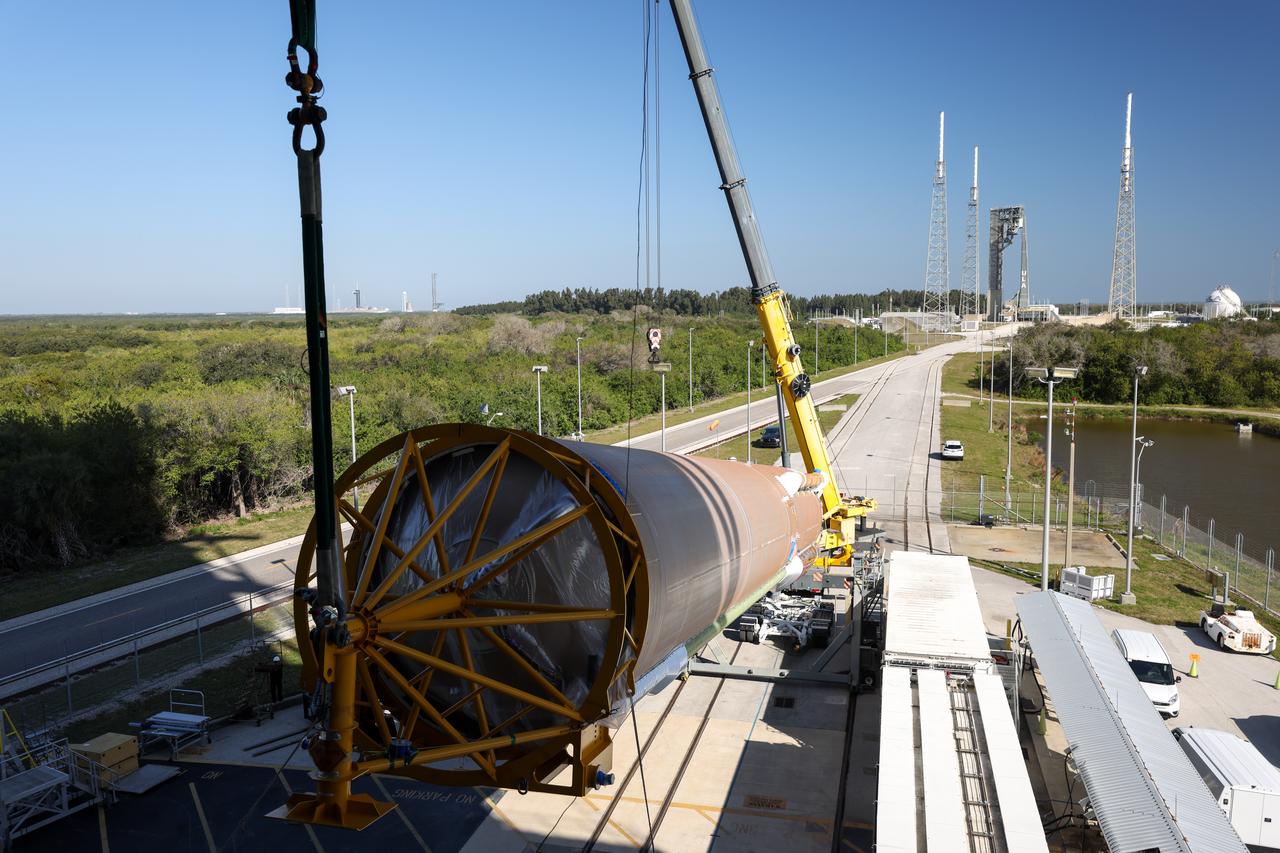
Crews raise a United Launch Alliance Atlas V rocket to a vertical position at the Vertical Integration Facility at Space Launch Complex-41 at Cape Canaveral Space Force Station in Florida on Wednesday, Feb. 21, 2024. After integration with the rocket’s Centaur upper stage and Boeing’s CST-100 Starliner capsule, the Atlas V will send two NASA astronauts to the International Space Station on the agency’s Boeing Crew Flight Test. The mission will test the end-to-end capabilities of Starliner and its system and, if successful, will pave the way for NASA’s certification ahead of regular missions to the space station as part of the agency’s Commercial Crew Program. Liftoff is targeted for no earlier than mid-April.
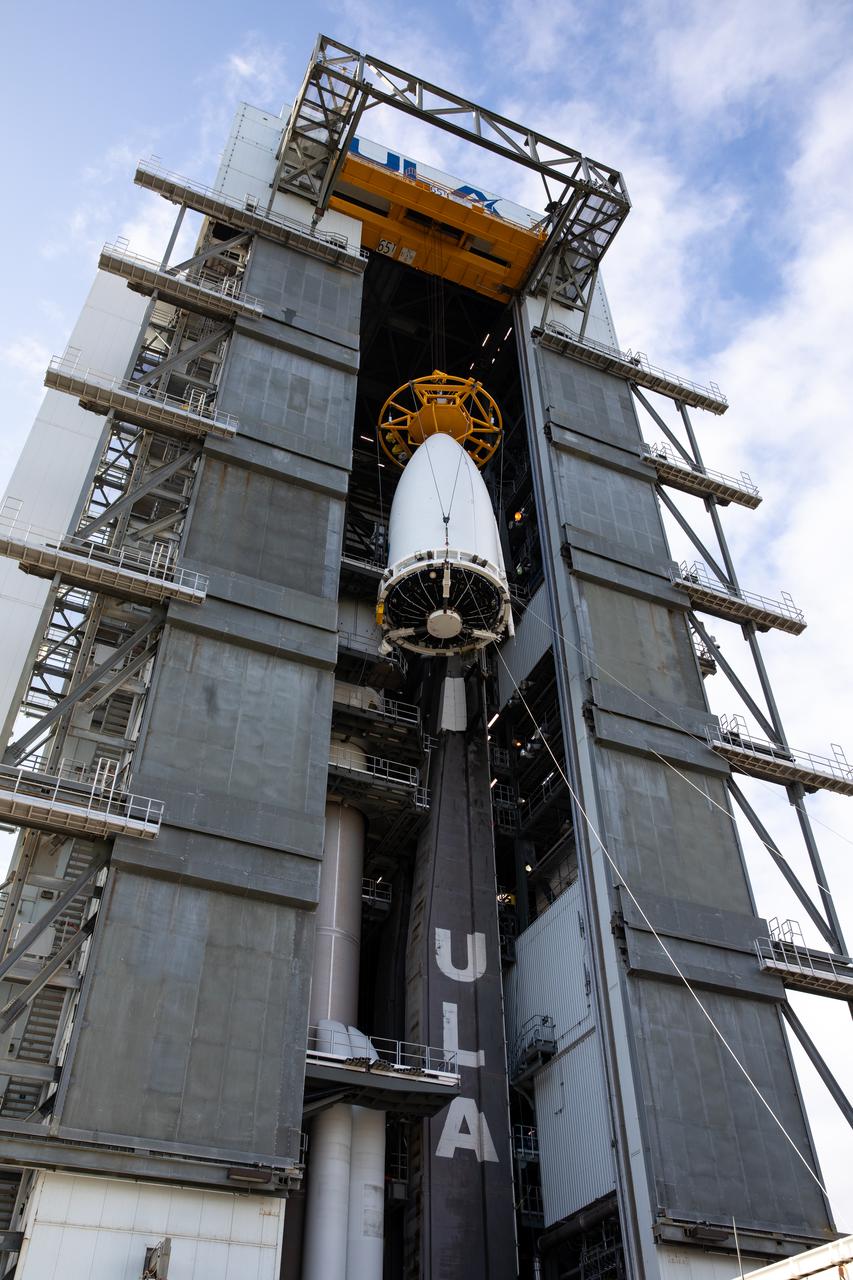
The National Oceanic and Atmospheric Administration’s (NOAA) Geostationary Operational Environmental Satellite-T (GOES-T), enclosed in its payload fairing, is lifted up by crane for its move into the Vertical Integration Facility at Space Launch Complex 41 at Cape Canaveral Space Force Station in Florida on Feb. 17, 2022. The satellite will be secured atop the United Launch Alliance Atlas V 541 rocket. GOES-T is scheduled to launch atop the Atlas V rocket from SLC-41 on March 1, 2022, at 4:38 p.m. GOES-T is the third satellite in the GOES-R series that will continue to help meteorologists observe and predict local weather events that affect public safety. The launch is being managed by NASA’s Launch Services Program based at Kennedy Space Center in Florida, America’s multi-user spaceport.
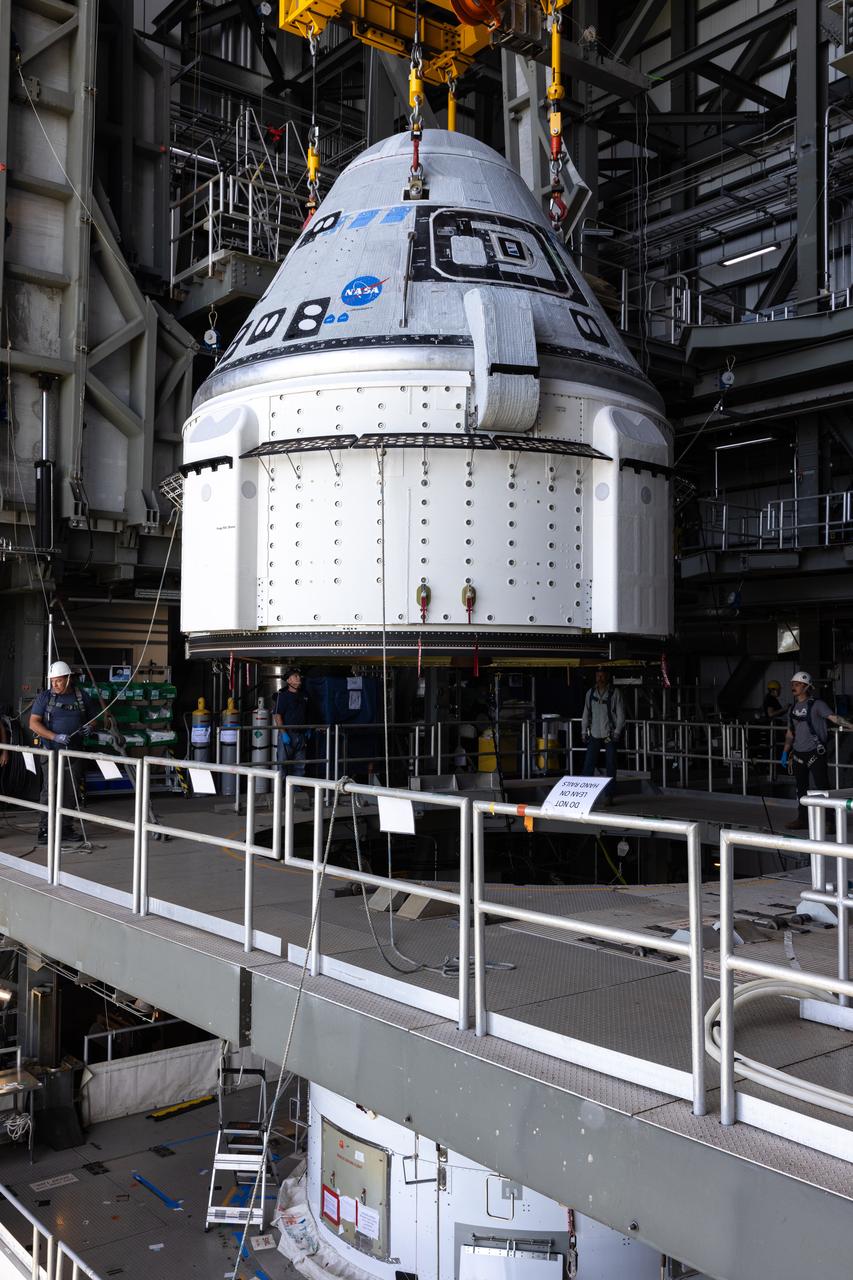
The Boeing Starliner spacecraft is lifted at the Vertical Integration Facility at Space Launch Complex-41 at Cape Canaveral Space Force Station in Florida on Tuesday, April 16, 2024. Starliner will be secured atop a United Launch Alliance Atlas V rocket for NASA’s Boeing Crew Flight Test to the International Space Station for the agency’s Commercial Crew Program. The spacecraft rolled out from Boeing's Commercial Crew and Cargo Processing Facility at NASA's Kennedy Space Center earlier in the day.

Inside the Vertical Integration Facility at Space Launch Complex 41 at Cape Canaveral Air Force Station in Florida, United Launch Alliance (ULA) workers assist as a crane lowers the single-engine Centaur upper stage for mating to the ULA Atlas V rocket on June 10, 2020. NASA’s Mars Perseverance rover is scheduled to launch atop the Atlas V 541 rocket from Pad 41 on July 20, 2020. The rover is part of NASA’s Mars Exploration Program, a long-term effort of robotic exploration of the Red Planet. The rover’s seven instruments will search for habitable conditions in the ancient past and signs of past microbial life on Mars. The Launch Services Program at Kennedy is responsible for launch management.
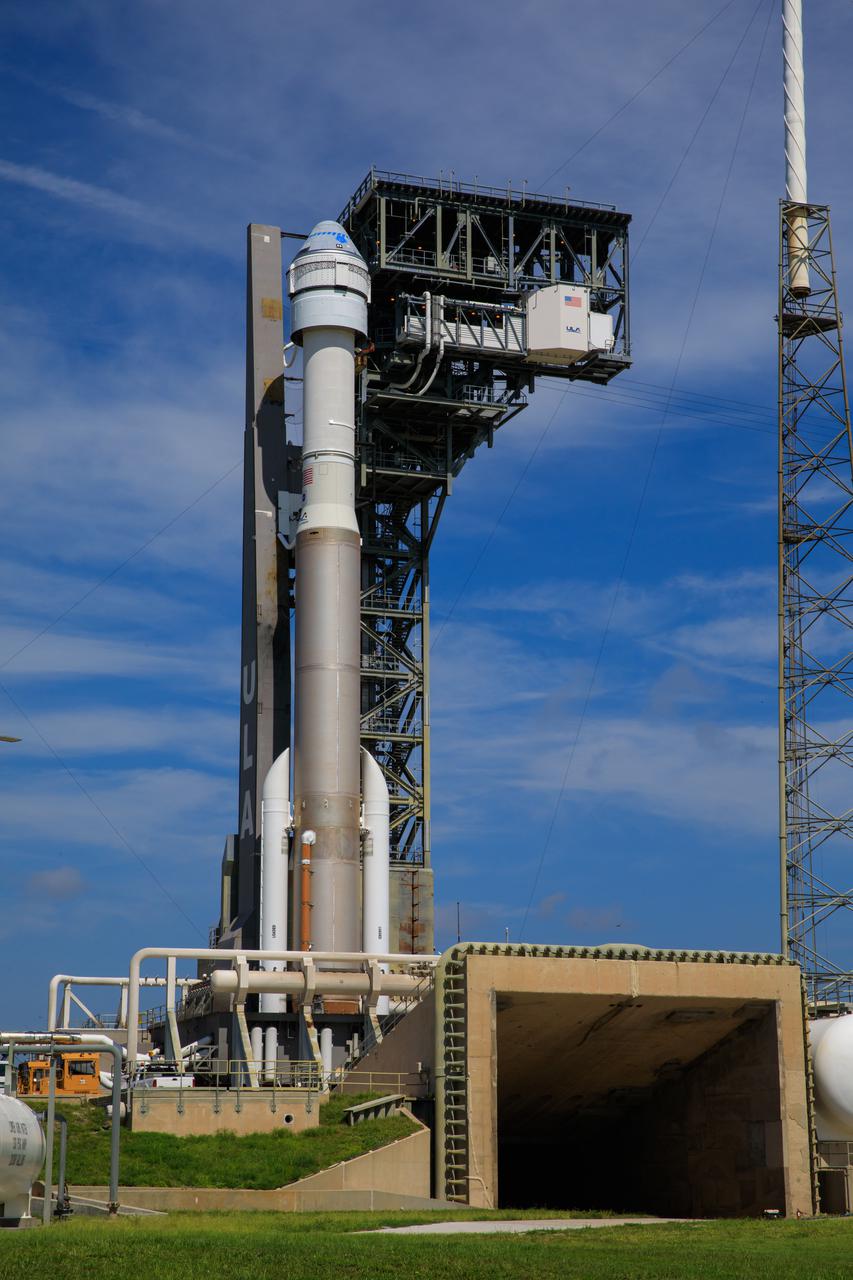
On July 29, 2021, Boeing’s CST-100 Starliner spacecraft and the United Launch Alliance Atlas V rocket rolled out of the Vertical Integration Facility to the launch pad at Space Launch Complex-41 on Cape Canaveral Space Force Station in Florida. Starliner will launch on the Atlas V for Boeing’s second uncrewed Orbital Flight Test (OFT-2) for NASA’s Commercial Crew Program. OFT-2 is an important uncrewed mission designed to test the end-to-end capabilities of the new system for NASA’s Commercial Crew Program.
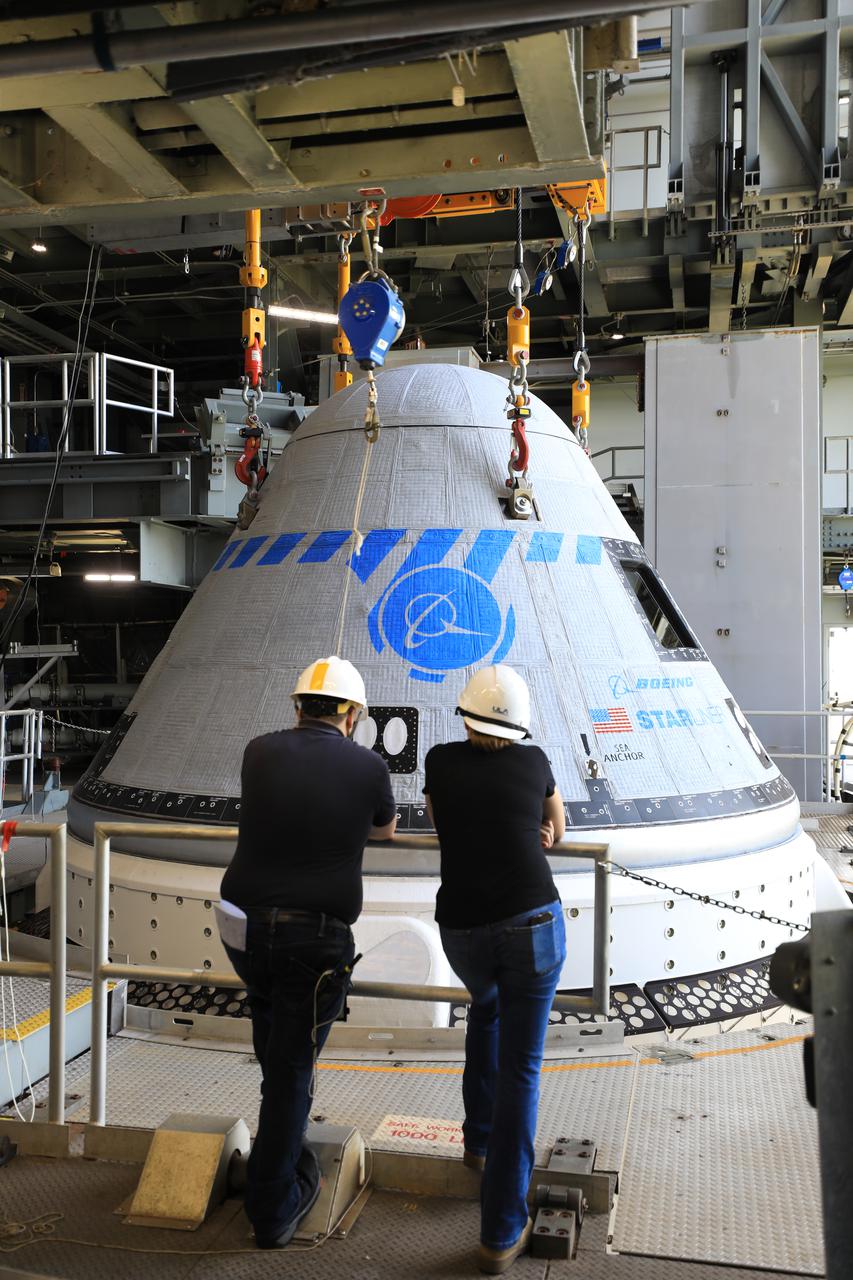
The Boeing CST-100 Starliner spacecraft is lifted at the Vertical Integration Facility at Space Launch Complex-41 at Florida’s Cape Canaveral Space Force Station on May 4, 2022. Starliner will be secured atop a United Launch Alliance Atlas V rocket for Boeing’s second Orbital Flight Test (OFT-2) to the International Space Station for NASA’s Commercial Crew Program. The spacecraft rolled out from Boeing’s Commercial Crew and Cargo Processing Facility at NASA’s Kennedy Space Center earlier in the day.
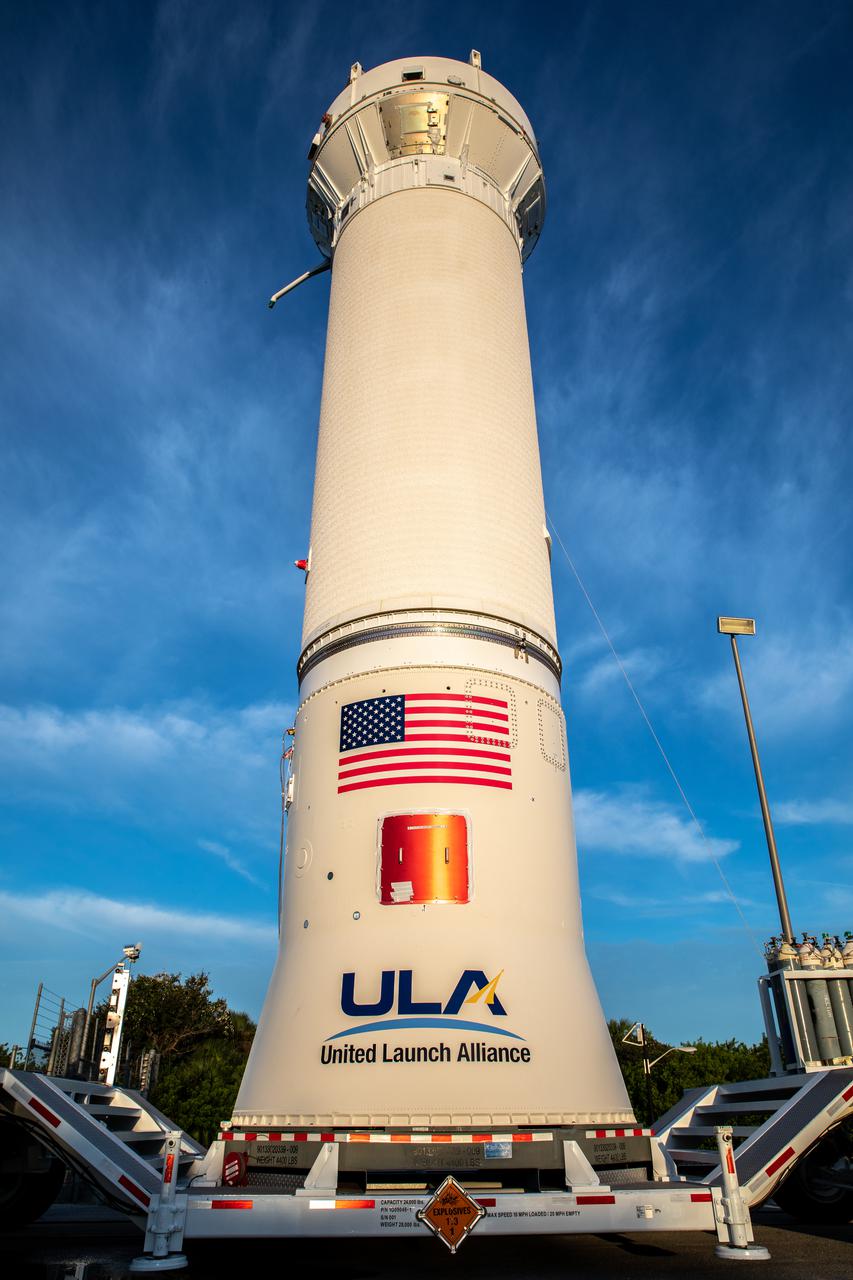
The United Launch Alliance (ULA) Centaur stage for NASA’s Lucy mission moves along the road to Space Launch Complex 41 at Cape Canaveral Space Force Station in Florida on Sept. 16, 2021. Lucy is scheduled to launch no earlier than Saturday, Oct. 16, on a ULA Atlas V 401 rocket from Pad 41. NASA’s Launch Services Program based at Kennedy Space Center is managing the launch. Over its 12-year primary mission, Lucy will explore a record-breaking number of asteroids, flying by one asteroid in the solar system’s main belt and seven Trojan asteroids. Additionally, Lucy’s path will circle back to Earth three times for gravity assists, making it the first spacecraft ever to return to the vicinity of Earth from the outer solar system.
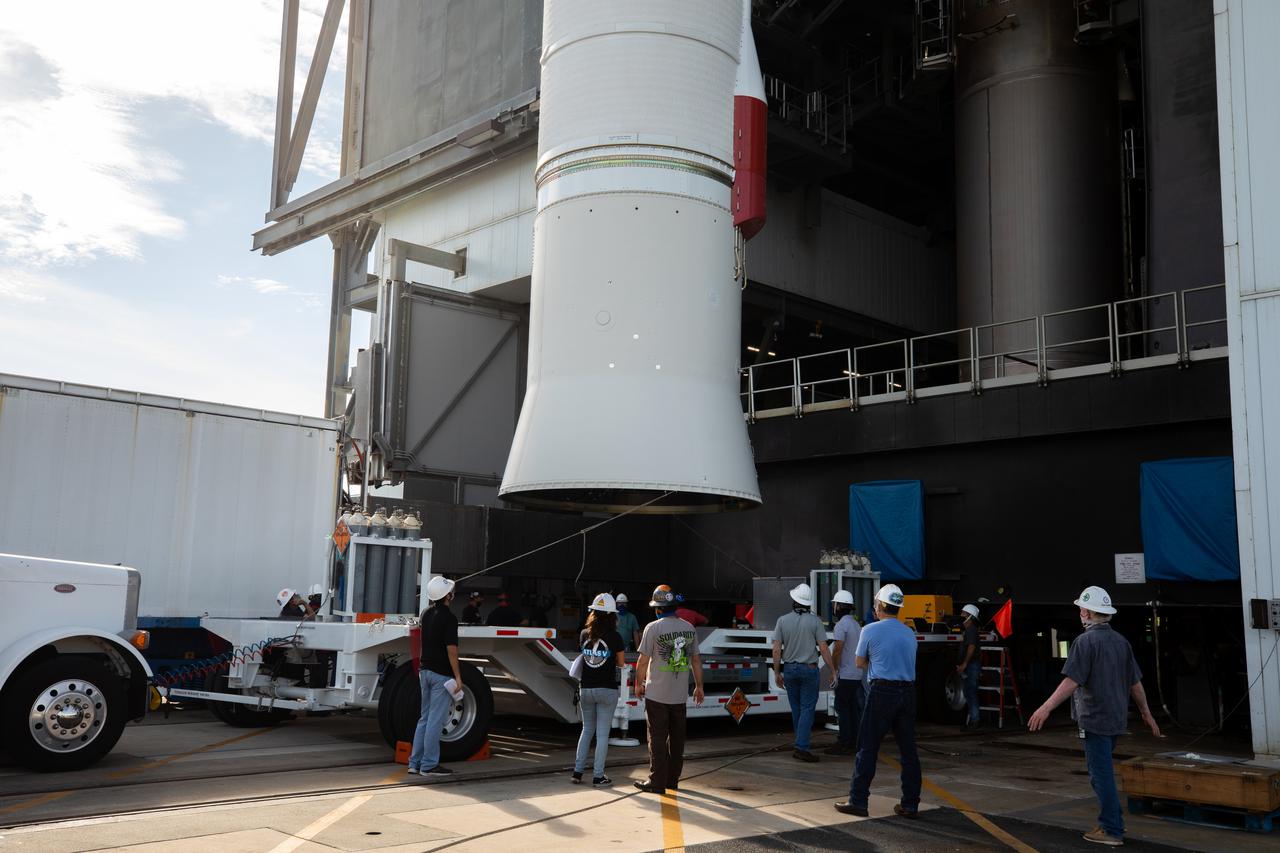
A view of the United Launch Alliance (ULA) Centaur stage for NASA’s Lucy mission as it is lifted into the Vertical Integration Facility near Space Launch Complex 41 at Cape Canaveral Space Force Station in Florida on Sept. 16, 2021. Lucy is scheduled to launch no earlier than Saturday, Oct. 16, on a ULA Atlas V 401 rocket from Pad 41. NASA’s Launch Services Program based at Kennedy Space Center is managing the launch. Over its 12-year primary mission, Lucy will explore a record-breaking number of asteroids, flying by one asteroid in the solar system’s main belt and seven Trojan asteroids. Additionally, Lucy’s path will circle back to Earth three times for gravity assists, making it the first spacecraft ever to return to the vicinity of Earth from the outer solar system.
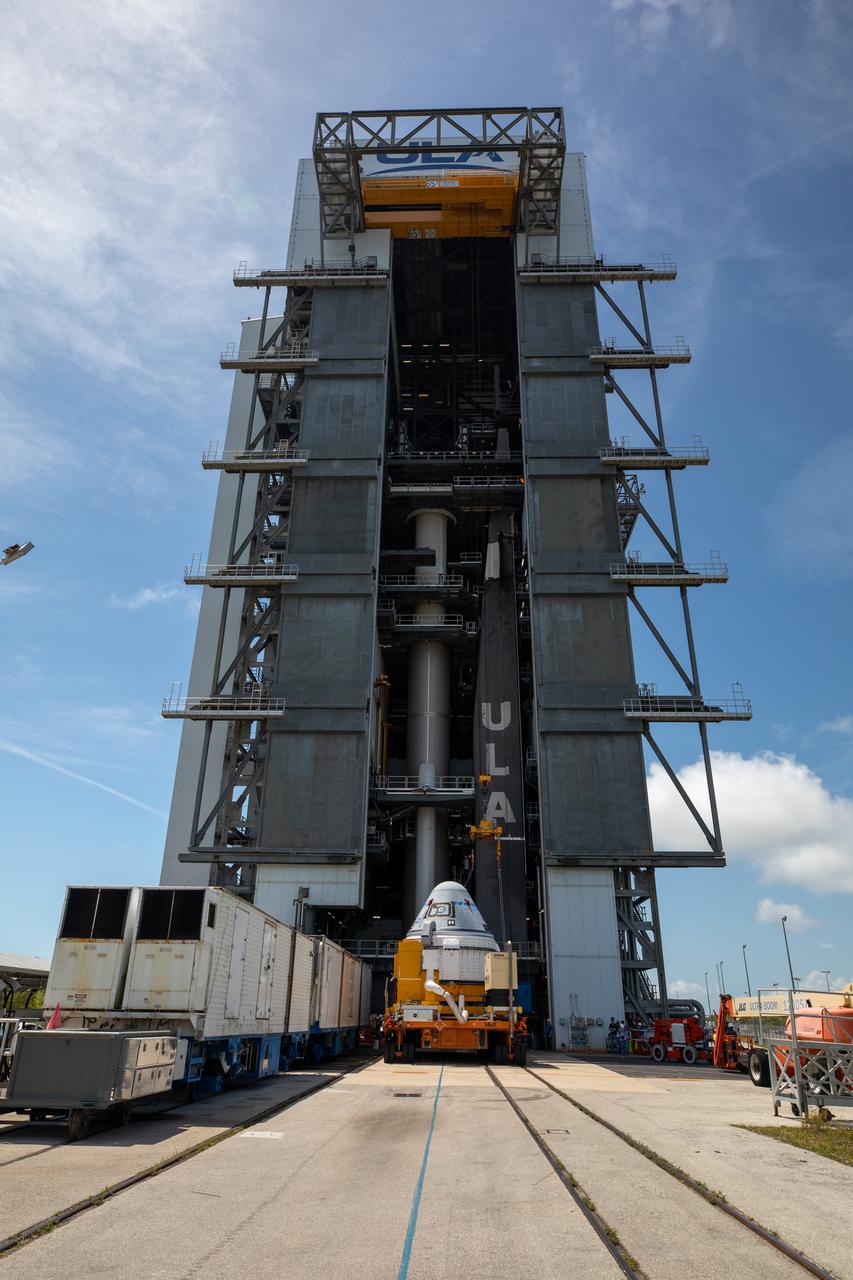
Boeing’s CST-100 Starliner spacecraft arrives at the Vertical Integration Facility at Space Launch Complex-41 at Cape Canaveral Space Force Station in Florida on May 4, 2022. Starliner will be secured atop a United Launch Alliance Atlas V rocket for Boeing’s second Orbital Flight Test (OFT-2) to the International Space Station for NASA’s Commercial Crew Program. The spacecraft rolled out from Boeing’s Commercial Crew and Cargo Processing Facility at NASA’s Kennedy Space Center earlier in the day.
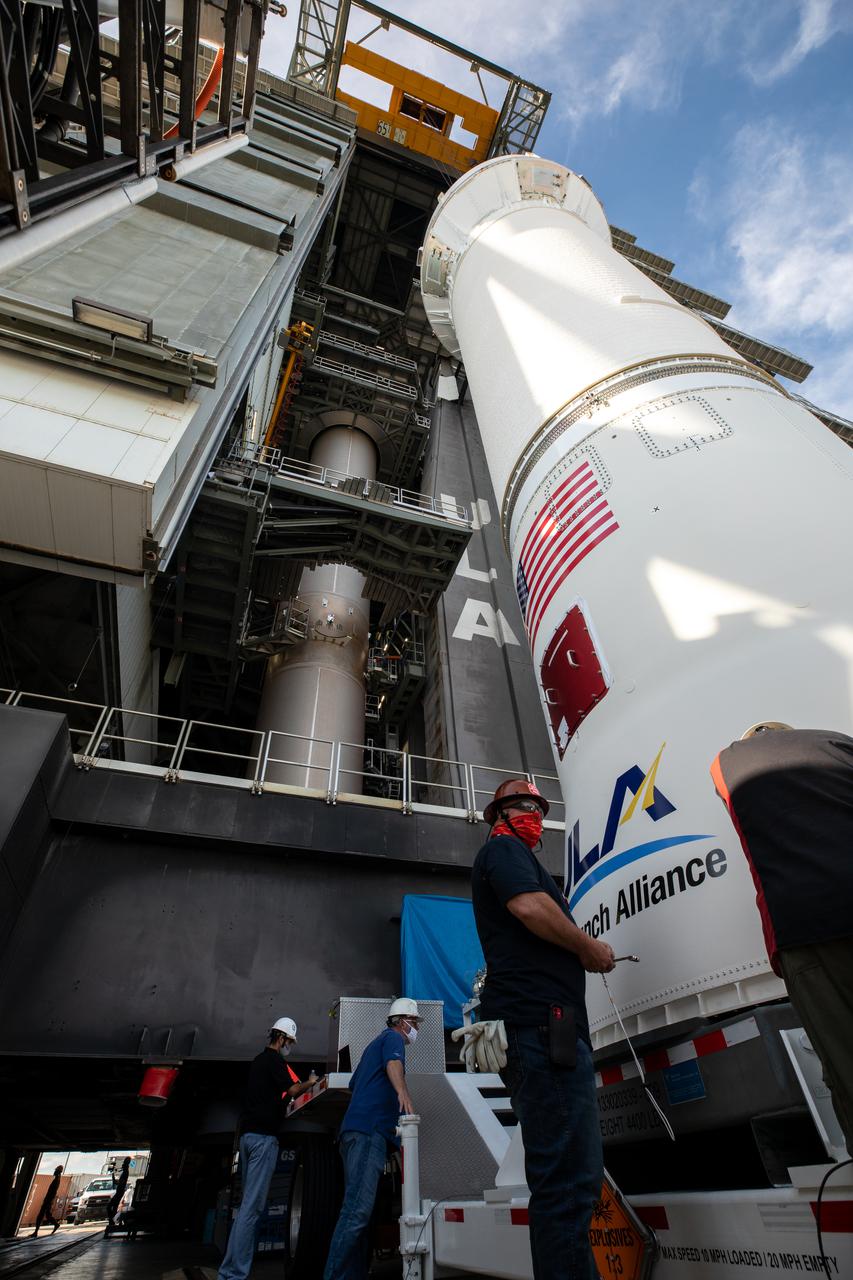
A close-up view of the United Launch Alliance (ULA) Centaur stage for NASA’s Lucy mission as it is prepared to be lifted into the Vertical Integration Facility near Space Launch Complex 41 at Cape Canaveral Space Force Station in Florida on Sept. 16, 2021. Lucy is scheduled to launch no earlier than Saturday, Oct. 16, on a ULA Atlas V 401 rocket from Pad 41. NASA’s Launch Services Program based at Kennedy Space Center is managing the launch. Over its 12-year primary mission, Lucy will explore a record-breaking number of asteroids, flying by one asteroid in the solar system’s main belt and seven Trojan asteroids. Additionally, Lucy’s path will circle back to Earth three times for gravity assists, making it the first spacecraft ever to return to the vicinity of Earth from the outer solar system.
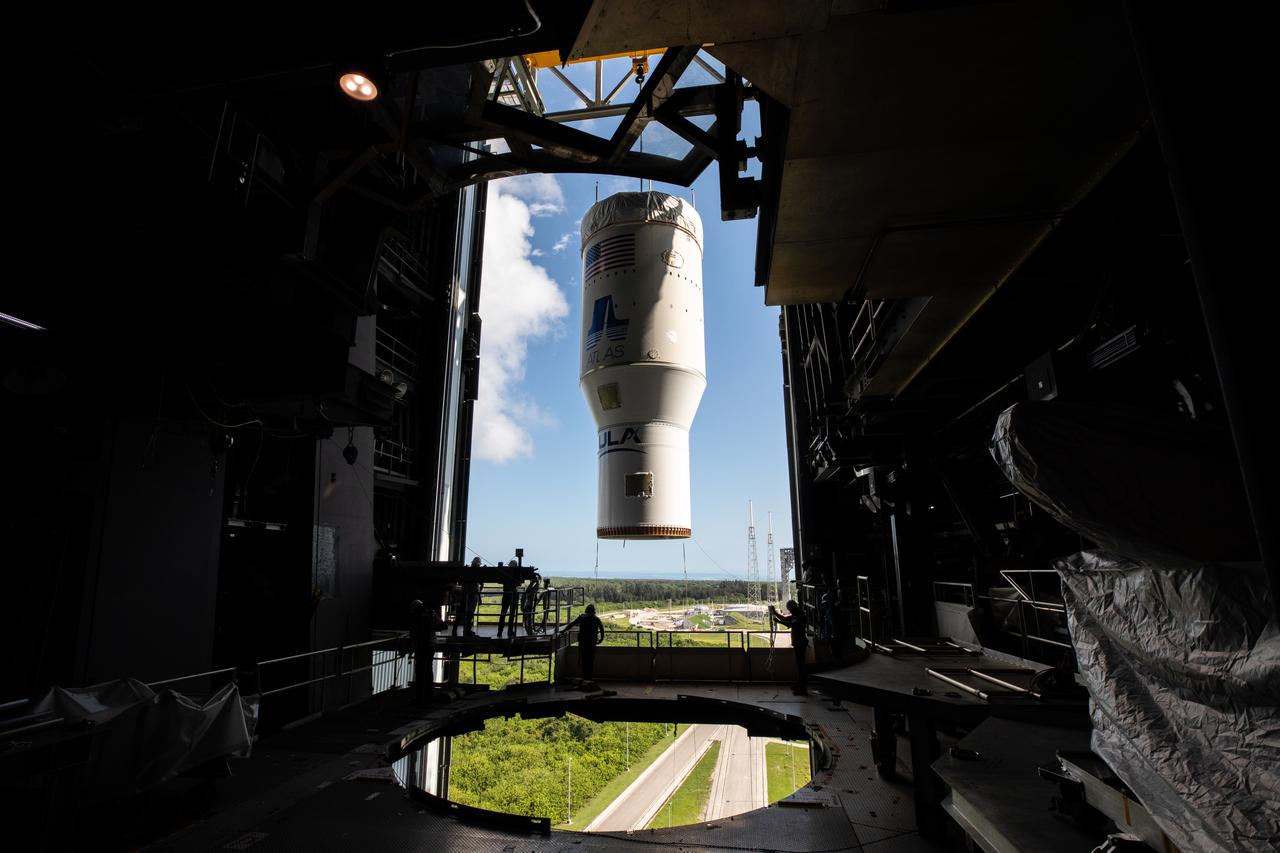
A view from inside the Vertical Integration Facility at Space Launch Complex 41 at Cape Canaveral Air Force Station in Florida, as the single-engine Centaur upper stage is lifted up for mating to the United Launch Alliance Atlas V rocket for NASA’s Mars Perseverance rover on June 10, 2020. The Centaur will be attached to the rocket’s first stage. The Mars Perseverance rover is scheduled to launch atop the Atlas V 541 rocket from Pad 41 on July 20, 2020. The rover is part of NASA’s Mars Exploration Program, a long-term effort of robotic exploration of the Red Planet. The rover’s seven instruments will search for habitable conditions in the ancient past and signs of past microbial life on Mars. The Launch Services Program at Kennedy is responsible for launch management.
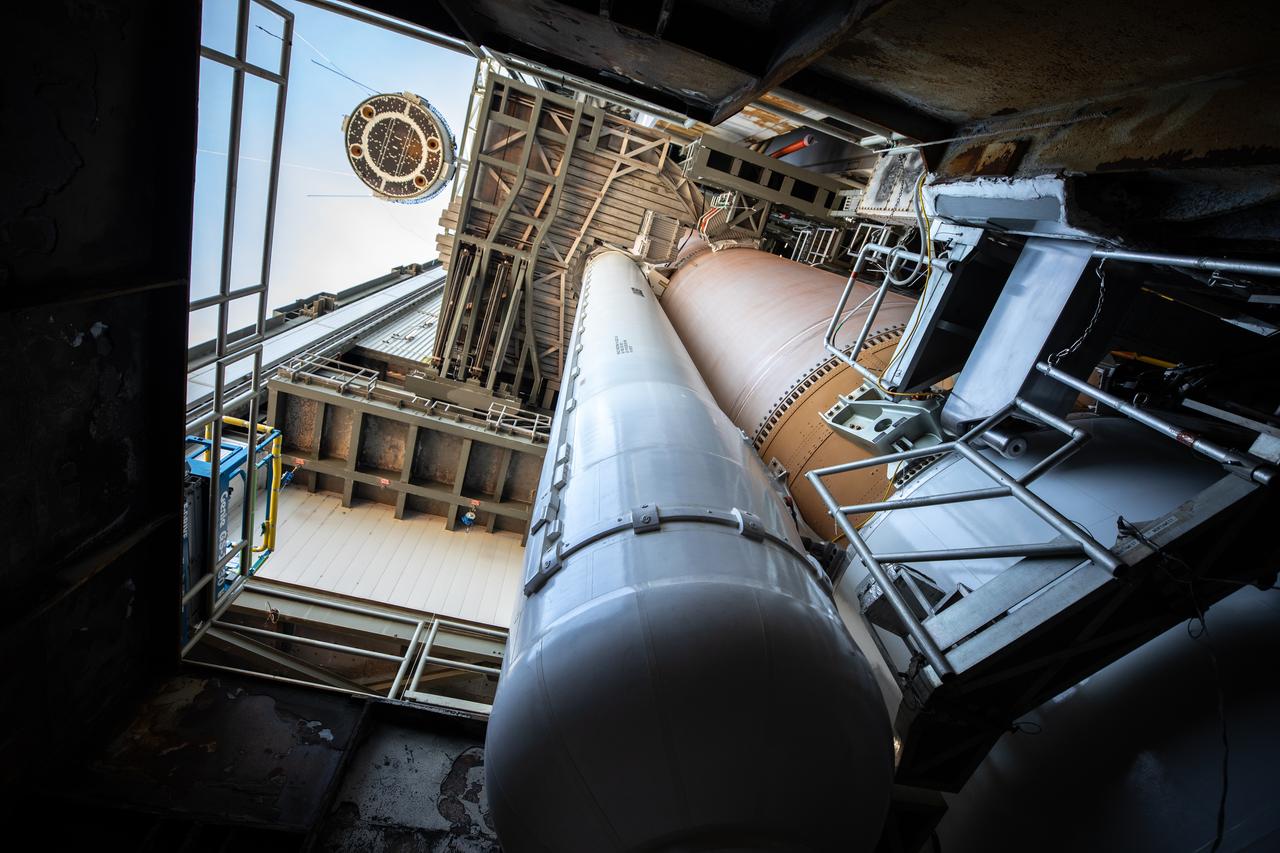
The Boeing Starliner spacecraft is lifted at the Vertical Integration Facility at Space Launch Complex-41 at Cape Canaveral Space Force Station in Florida on Tuesday, April 16, 2024. Starliner will be secured atop a United Launch Alliance Atlas V rocket for NASA’s Boeing Crew Flight Test to the International Space Station for the agency’s Commercial Crew Program. The spacecraft rolled out from Boeing's Commercial Crew and Cargo Processing Facility at NASA's Kennedy Space Center earlier in the day.
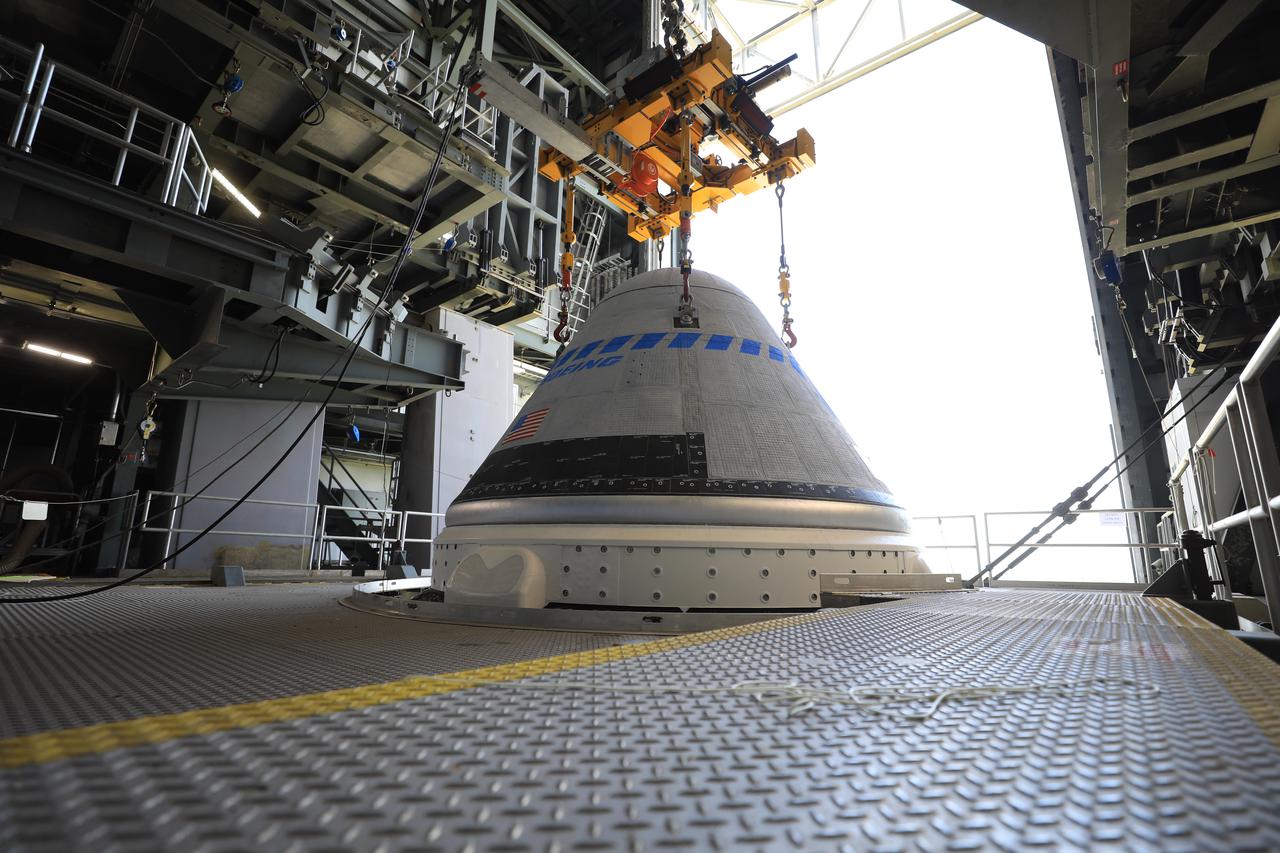
The Boeing CST-100 Starliner spacecraft is lifted at the Vertical Integration Facility at Space Launch Complex-41 at Florida’s Cape Canaveral Space Force Station on May 4, 2022. Starliner will be secured atop a United Launch Alliance Atlas V rocket for Boeing’s second Orbital Flight Test (OFT-2) to the International Space Station for NASA’s Commercial Crew Program. The spacecraft rolled out from Boeing’s Commercial Crew and Cargo Processing Facility at NASA’s Kennedy Space Center earlier in the day.
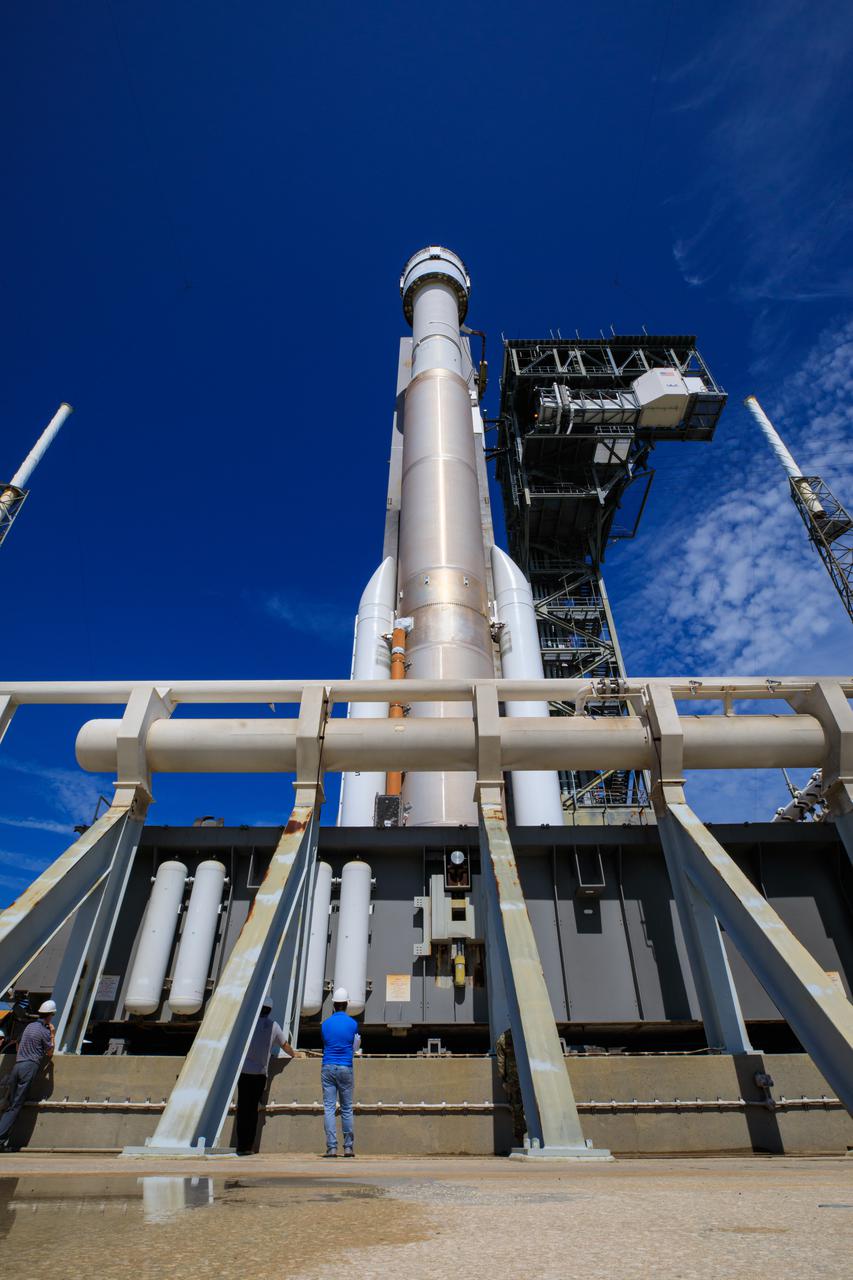
On July 29, 2021, Boeing’s CST-100 Starliner spacecraft and the United Launch Alliance Atlas V rocket rolled out of the Vertical Integration Facility to the launch pad at Space Launch Complex-41 on Cape Canaveral Space Force Station in Florida. Starliner will launch on the Atlas V for Boeing’s second uncrewed Orbital Flight Test (OFT-2) for NASA’s Commercial Crew Program. OFT-2 is an important uncrewed mission designed to test the end-to-end capabilities of the new system for NASA’s Commercial Crew Program.

On August 2, 2021, Boeing’s CST-100 Starliner spacecraft and the United Launch Alliance Atlas V rocket rolls out from the Vertical Integration Facility to the launch pad at Space Launch Complex-41 on Cape Canaveral Space Force Station in Florida. Starliner will launch on the Atlas V for Boeing’s second uncrewed Orbital Flight Test (OFT-2) for NASA’s Commercial Crew Program. OFT-2 is an important uncrewed mission designed to test the end-to-end capabilities of the new system for NASA’s Commercial Crew Program.
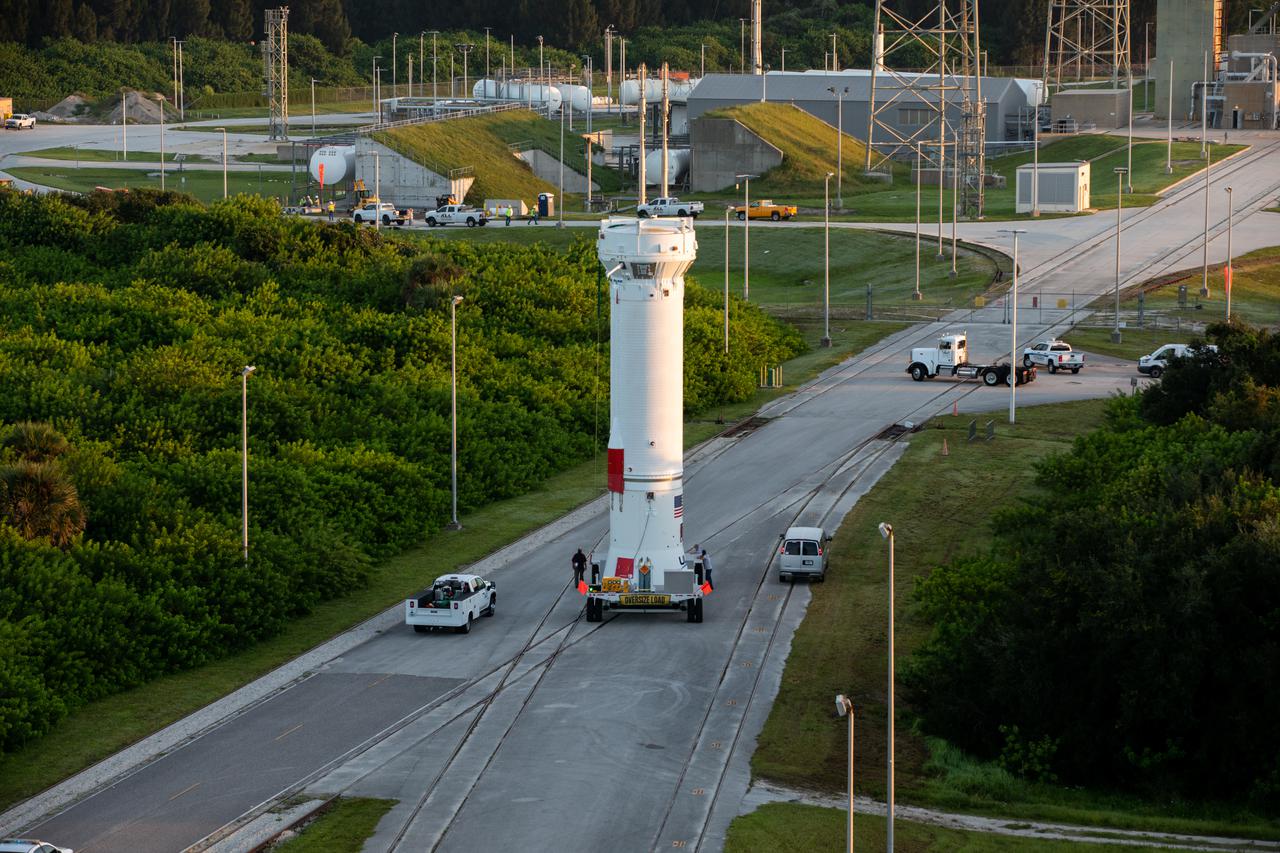
The United Launch Alliance (ULA) Centaur stage for NASA’s Lucy mission moves along the road to Space Launch Complex 41 at Cape Canaveral Space Force Station in Florida on Sept. 16, 2021. Lucy is scheduled to launch no earlier than Saturday, Oct. 16, on a ULA Atlas V 401 rocket from Pad 41. NASA’s Launch Services Program based at Kennedy Space Center is managing the launch. Over its 12-year primary mission, Lucy will explore a record-breaking number of asteroids, flying by one asteroid in the solar system’s main belt and seven Trojan asteroids. Additionally, Lucy’s path will circle back to Earth three times for gravity assists, making it the first spacecraft ever to return to the vicinity of Earth from the outer solar system.

Barry “Butch” Wilmore, NASA astronaut, Crew Flight Test, watches as Boeing’s CST-100 Starliner spacecraft and the United Launch Alliance Atlas V rocket is rolled out of the Vertical Integration Facility to the launch pad at Space Launch Complex-41 on July 29, 2021, at Cape Canaveral Space Force Station in Florida. Starliner will launch on the Atlas V for Boeing’s second uncrewed Orbital Flight Test (OFT-2) for NASA’s Commercial Crew Program. OFT-2 is an important uncrewed mission designed to test the end-to-end capabilities of the new system for NASA’s Commercial Crew Program.
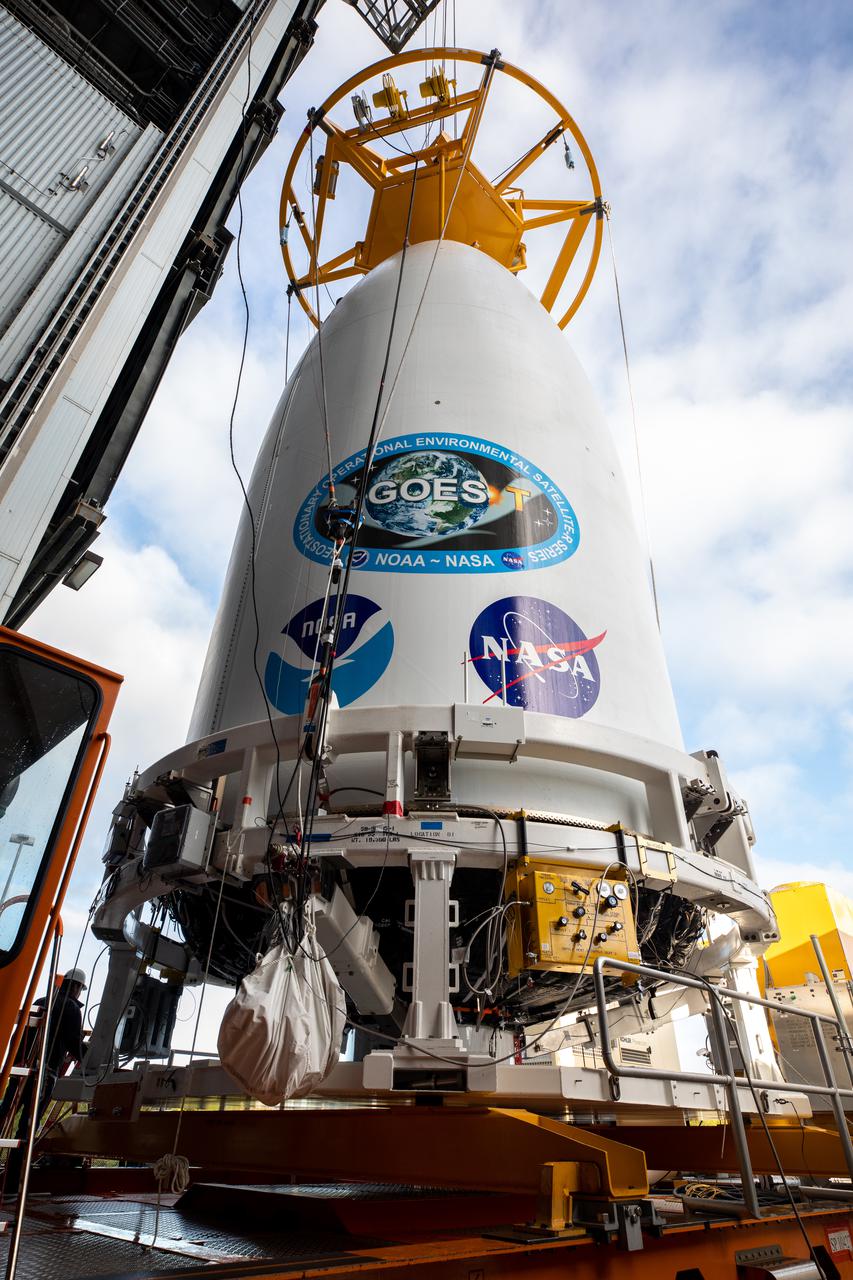
A crane is attached to the National Oceanic and Atmospheric Administration’s (NOAA) Geostationary Operational Environmental Satellite-T (GOES-T), enclosed in its payload fairing, for its lift up into the Vertical Integration Facility at Space Launch Complex 41 at Cape Canaveral Space Force Station in Florida on Feb. 17, 2022. The satellite will be secured atop the United Launch Alliance Atlas V 541 rocket. GOES-T is scheduled to launch atop the Atlas V rocket from SLC-41 on March 1, 2022, at 4:38 p.m. GOES-T is the third satellite in the GOES-R series that will continue to help meteorologists observe and predict local weather events that affect public safety. The launch is being managed by NASA’s Launch Services Program based at Kennedy Space Center in Florida, America’s multi-user spaceport.
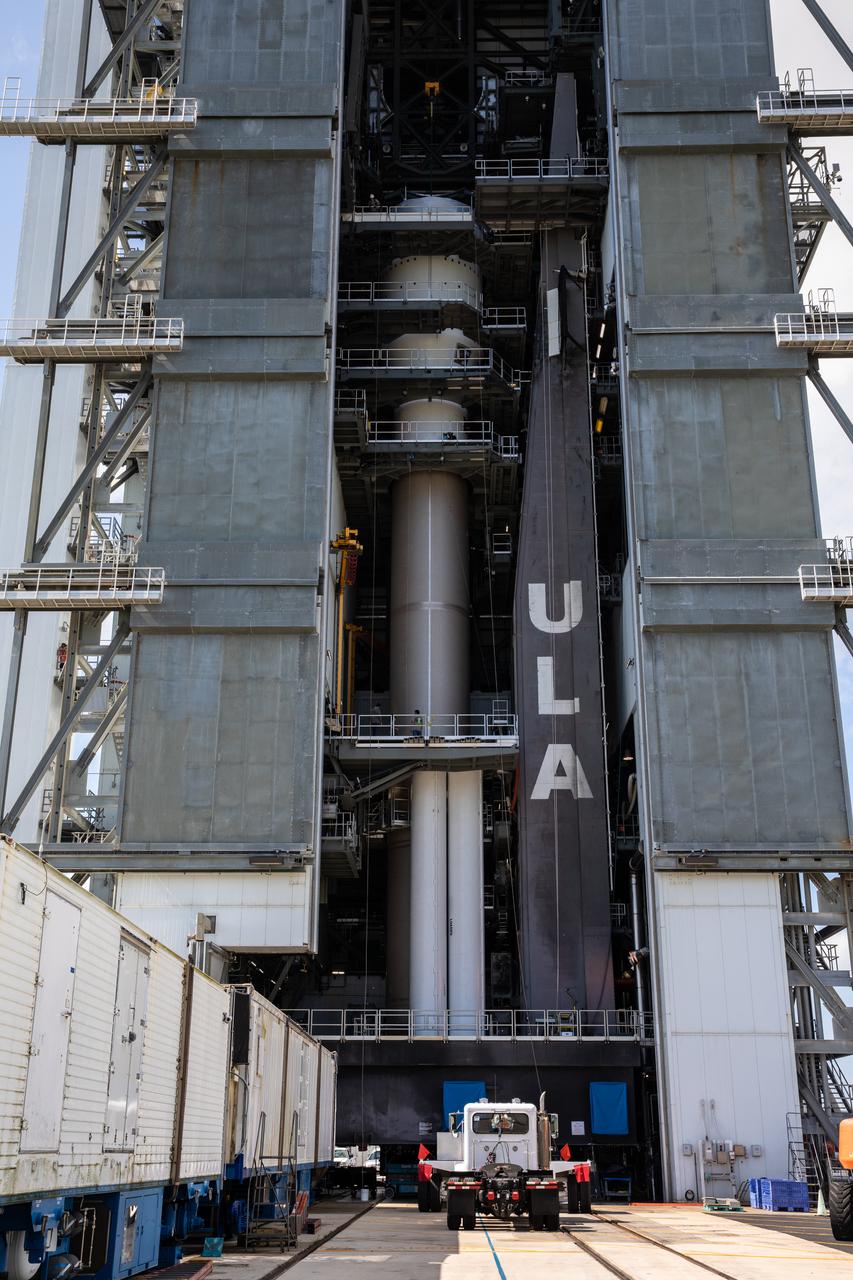
Inside the Vertical Integration Facility at Space Launch Complex 41 at Cape Canaveral Air Force Station in Florida, the single-engine Centaur upper stage is mated to the United Launch Alliance Atlas V rocket on June 10, 2020. NASA’s Mars Perseverance rover is scheduled to launch atop the Atlas V 541 rocket from Pad 41 on July 20, 2020. The rover is part of NASA’s Mars Exploration Program, a long-term effort of robotic exploration of the Red Planet. The rover’s seven instruments will search for habitable conditions in the ancient past and signs of past microbial life on Mars. The Launch Services Program at Kennedy is responsible for launch management.
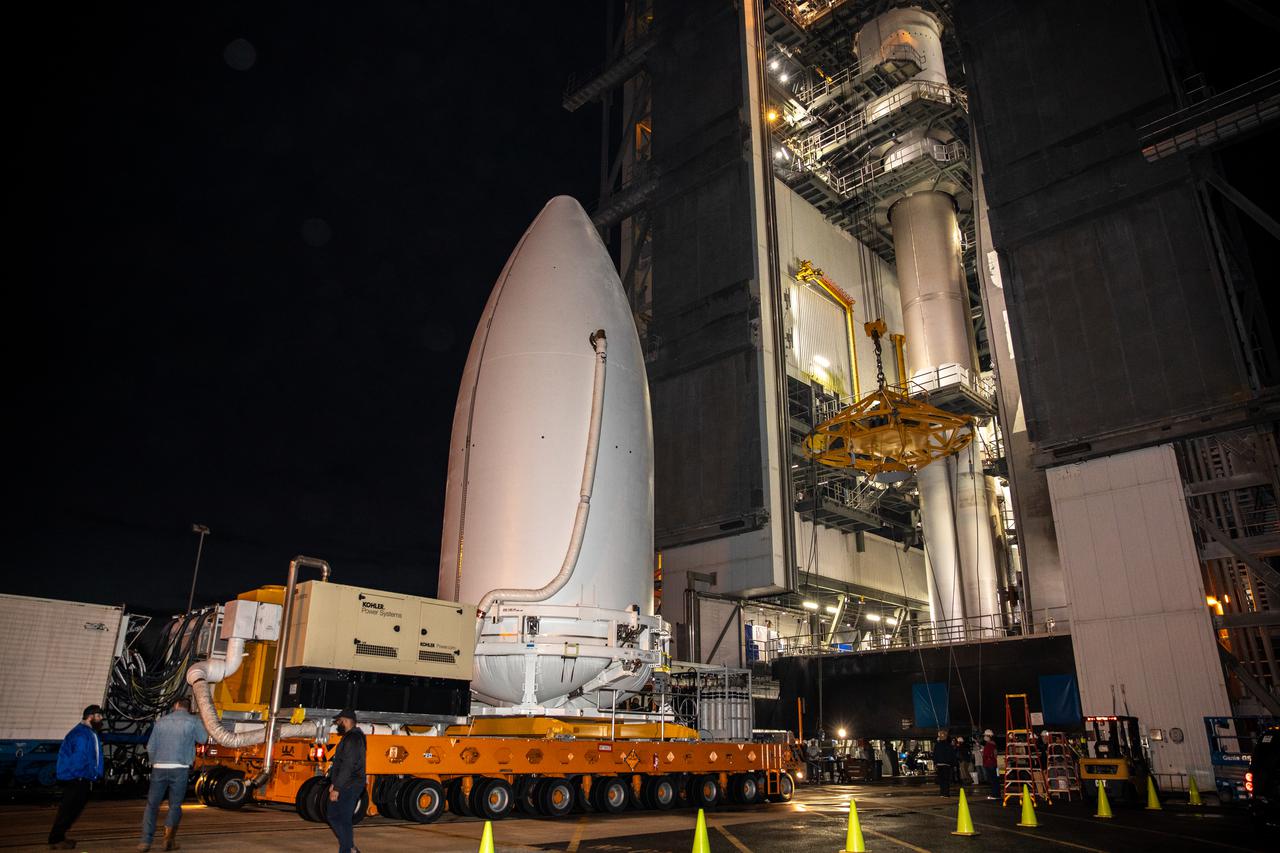
The National Oceanic and Atmospheric Administration’s (NOAA) Geostationary Operational Environmental Satellite-T (GOES-T), enclosed in its payload fairing, arrives at the Vertical Integration Facility at Space Launch Complex 41 at Cape Canaveral Space Force Station in Florida on Feb. 17, 2022. The satellite will be lifted up inside the integration facility and secured to the United Launch Alliance Atlas V 541 rocket. GOES-T is scheduled to launch atop the Atlas V rocket from SLC-41 on March 1, 2022, at 4:38 p.m. GOES-T is the third satellite in the GOES-R series that will continue to help meteorologists observe and predict local weather events that affect public safety. The launch is being managed by NASA’s Launch Services Program based at Kennedy Space Center in Florida, America’s multi-user spaceport.

A United Launch Alliance Atlas V rocket stands vertical, awaiting integration with the rocket’s Centaur upper stage and Boeing’s CST-100 Starliner after moving inside the Vertical Integration Facility at Space Launch Complex-41 at Cape Canaveral Space Force Station in Florida on Wednesday, Feb. 21, 2024. The rocket will send two NASA astronauts to the International Space Station aboard the Starliner capsule no earlier than mid-April for NASA’s Boeing Crew Flight Test. The mission will test the end-to-end capabilities of Starliner and its system and, if successful, will pave the way for NASA’s certification ahead of regular missions to the space station as part of the agency’s Commercial Crew Program.
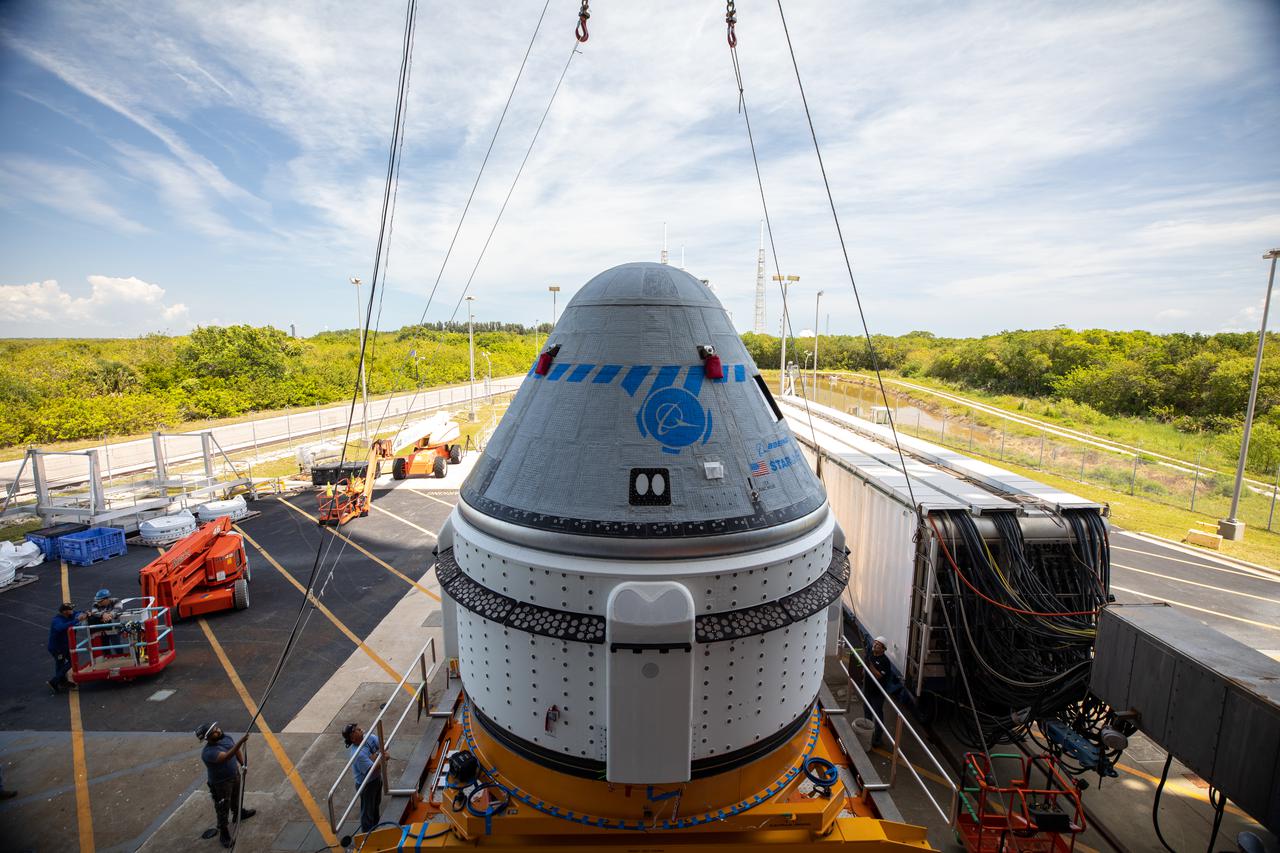
Boeing’s CST-100 Starliner spacecraft rolls out from the company’s Commercial Crew and Cargo Processing Facility at NASA’s Kennedy Space Center in Florida on May 4, 2022. The spacecraft will make the trip to the Vertical Integration Facility at Space Launch Complex-41 at Cape Canaveral Space Force Station where it will be secured atop a United Launch Alliance Atlas V rocket for Boeing’s second Orbital Flight Test (OFT-2) to the International Space Station for NASA’s Commercial Crew Program.
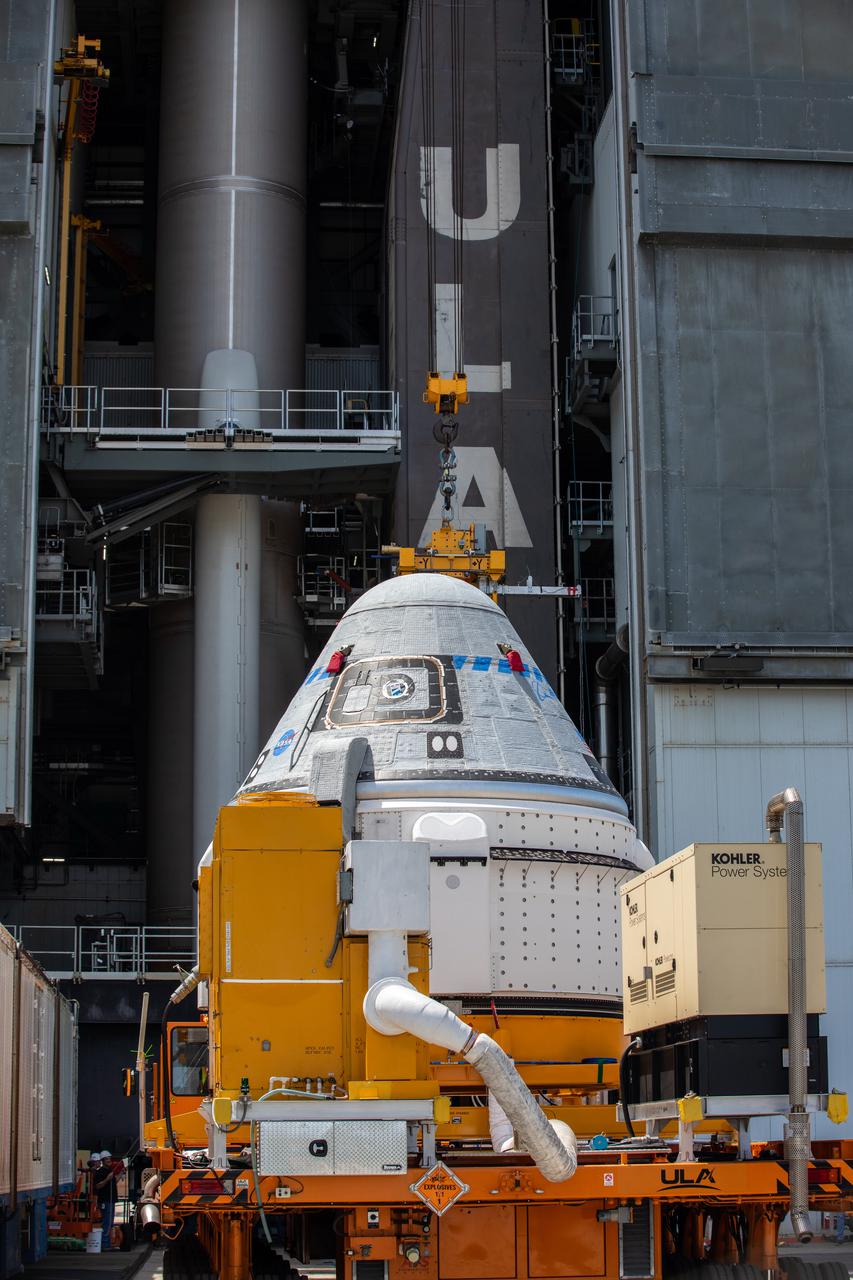
Boeing’s CST-100 Starliner spacecraft arrives at the Vertical Integration Facility at Space Launch Complex-41 at Cape Canaveral Space Force Station in Florida on May 4, 2022. Starliner will be secured atop a United Launch Alliance Atlas V rocket for Boeing’s second Orbital Flight Test (OFT-2) to the International Space Station for NASA’s Commercial Crew Program. The spacecraft rolled out from Boeing’s Commercial Crew and Cargo Processing Facility at NASA’s Kennedy Space Center earlier in the day.
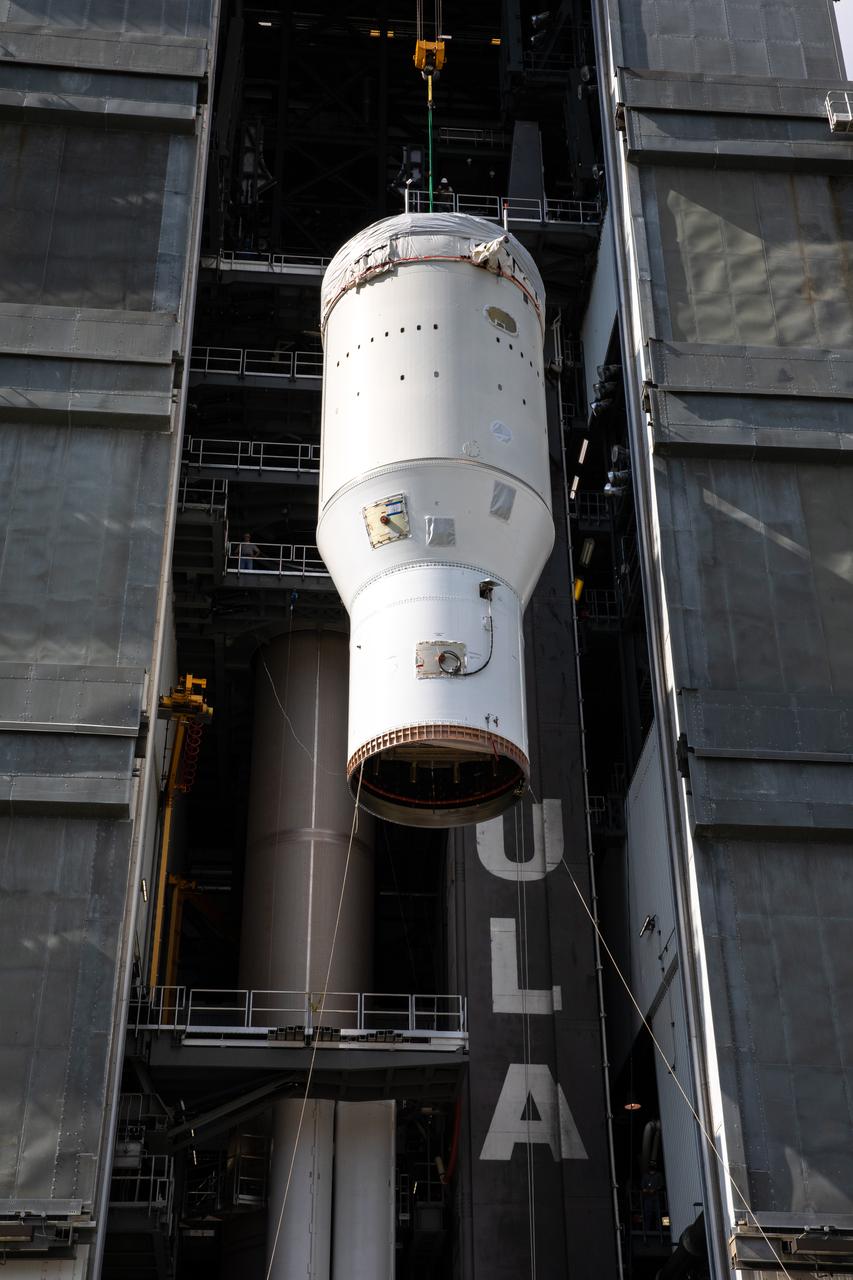
The single-engine Centaur upper stage for the United Launch Alliance Atlas V rocket for NASA’s Mars Perseverance rover is lifted up inside the Vertical Integration Facility at Space Launch Complex 41 at Cape Canaveral Air Force Station in Florida on June 10, 2020. The Centaur will be attached to the rocket’s first stage. The Mars Perseverance rover is scheduled to launch atop the Atlas V 541 rocket from Pad 41 on July 20, 2020. The rover is part of NASA’s Mars Exploration Program, a long-term effort of robotic exploration of the Red Planet. The rover’s seven instruments will search for habitable conditions in the ancient past and signs of past microbial life on Mars. The Launch Services Program at Kennedy is responsible for launch management.
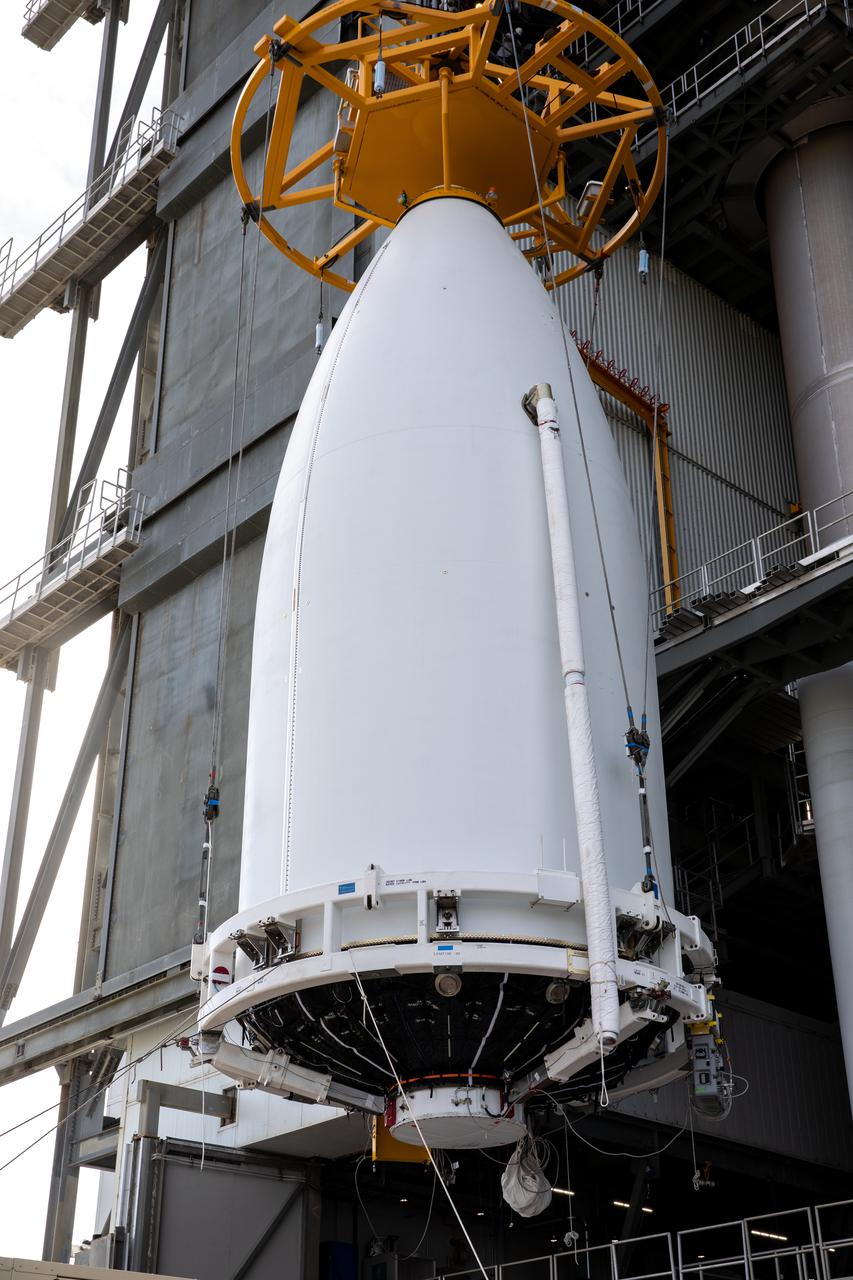
The National Oceanic and Atmospheric Administration’s (NOAA) Geostationary Operational Environmental Satellite-T (GOES-T), enclosed in its payload fairing, is lifted up by crane for its move into the Vertical Integration Facility at Space Launch Complex 41 at Cape Canaveral Space Force Station in Florida on Feb. 17, 2022. The satellite will be secured atop the United Launch Alliance Atlas V 541 rocket. GOES-T is scheduled to launch atop the Atlas V rocket from SLC-41 on March 1, 2022, at 4:38 p.m. GOES-T is the third satellite in the GOES-R series that will continue to help meteorologists observe and predict local weather events that affect public safety. The launch is being managed by NASA’s Launch Services Program based at Kennedy Space Center in Florida, America’s multi-user spaceport.
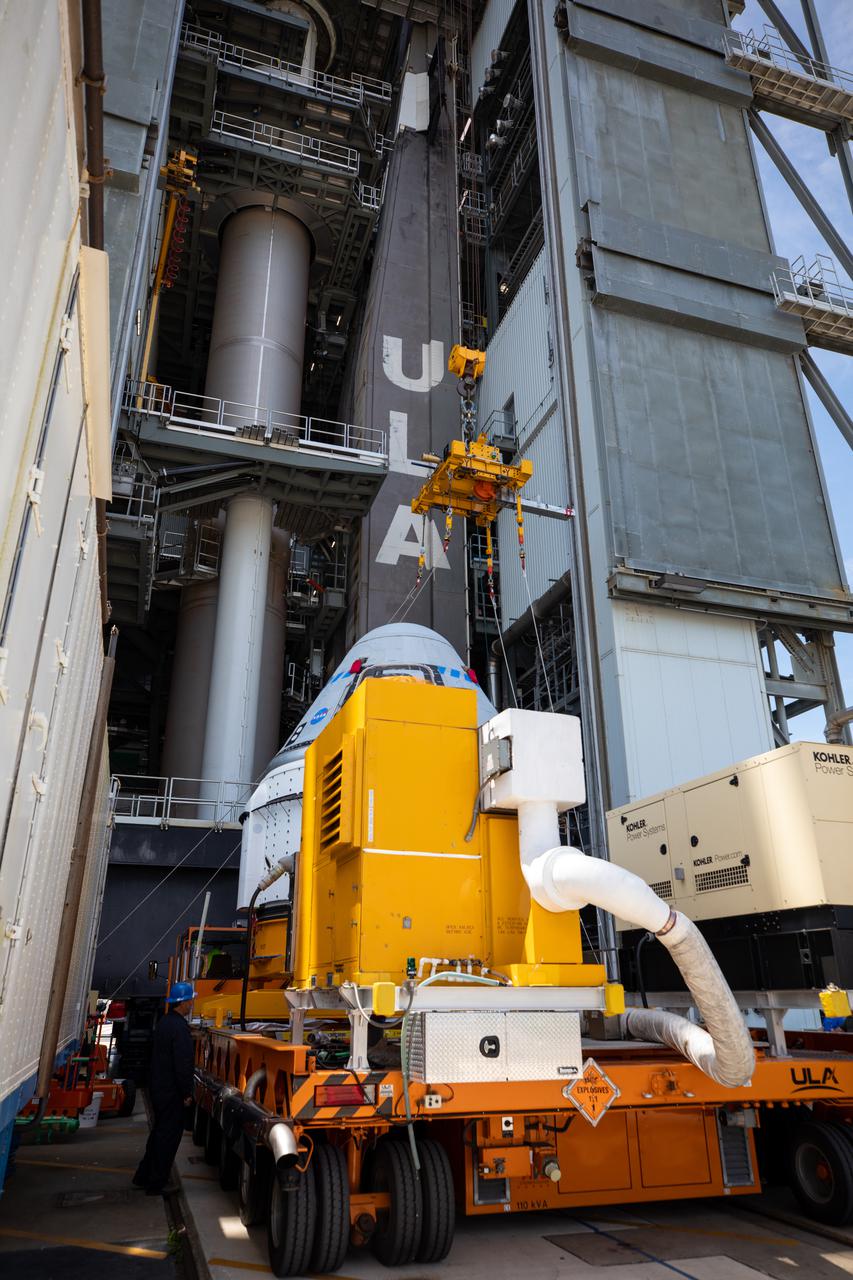
Boeing’s CST-100 Starliner spacecraft arrives at the Vertical Integration Facility at Space Launch Complex-41 at Cape Canaveral Space Force Station in Florida on May 4, 2022. Starliner will be secured atop a United Launch Alliance Atlas V rocket for Boeing’s second Orbital Flight Test (OFT-2) to the International Space Station for NASA’s Commercial Crew Program. The spacecraft rolled out from Boeing’s Commercial Crew and Cargo Processing Facility at NASA’s Kennedy Space Center earlier in the day.
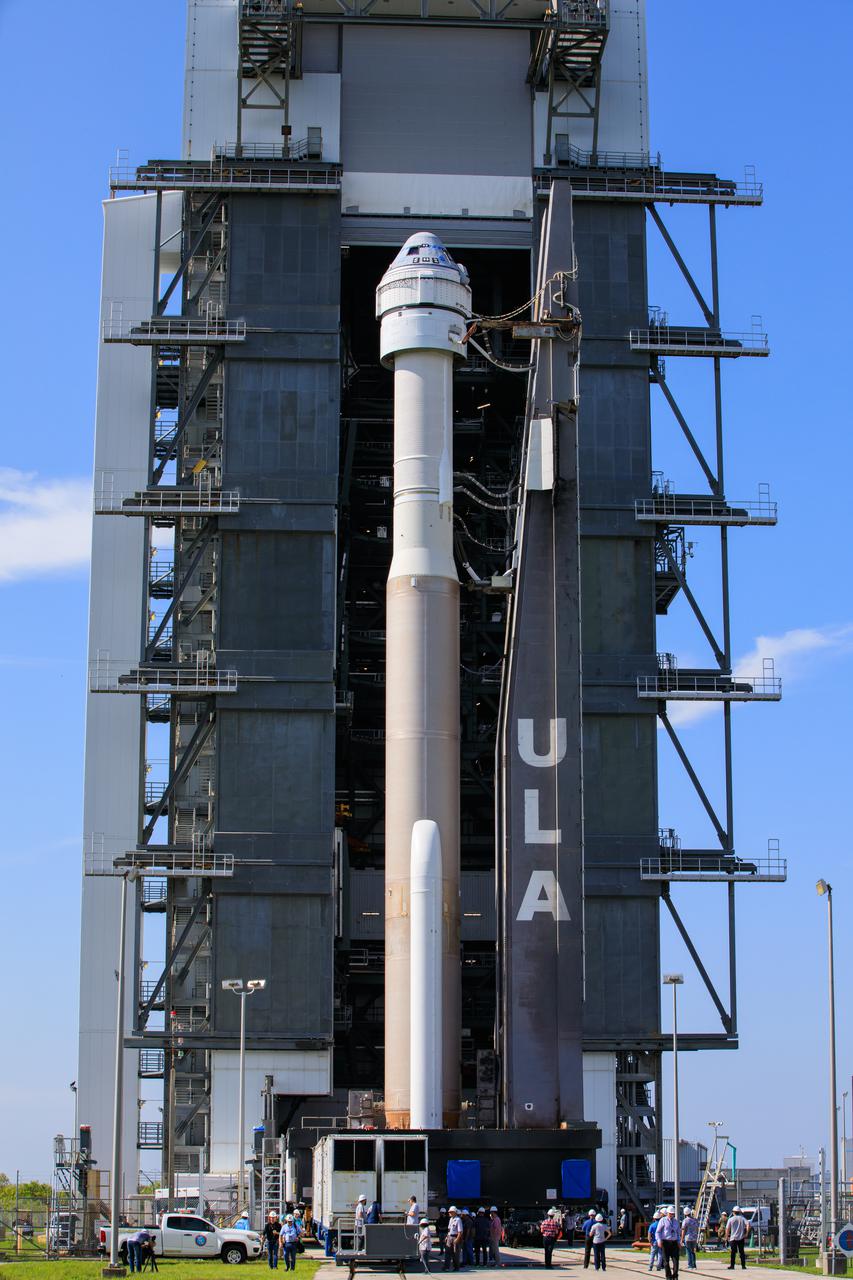
On July 29, 2021, Boeing’s CST-100 Starliner spacecraft and the United Launch Alliance Atlas V rocket rolled out of the Vertical Integration Facility to the launch pad at Space Launch Complex-41 on Cape Canaveral Space Force Station in Florida. Starliner will launch on the Atlas V for Boeing’s second uncrewed Orbital Flight Test (OFT-2) for NASA’s Commercial Crew Program. OFT-2 is an important uncrewed mission designed to test the end-to-end capabilities of the new system for NASA’s Commercial Crew Program.
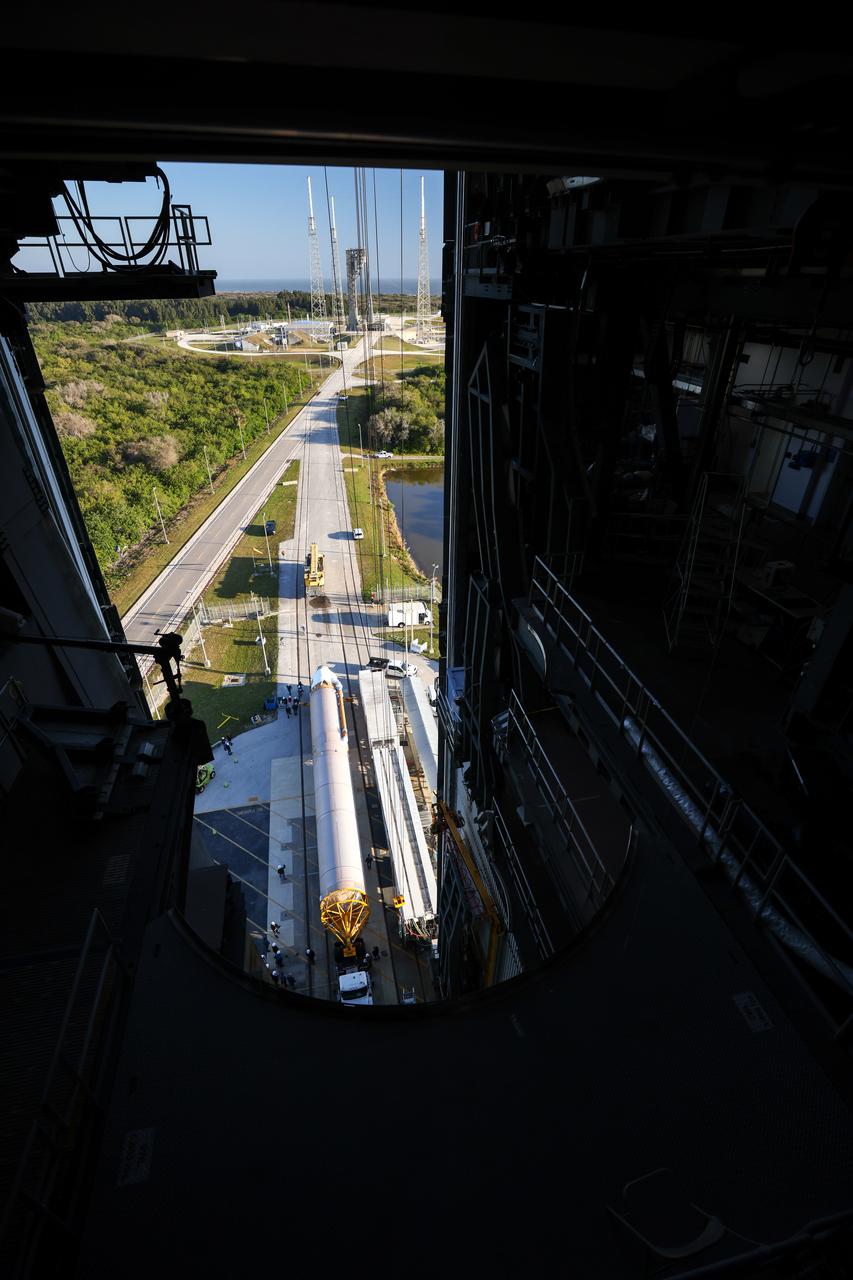
Crews transfer the main stage of a United Launch Alliance Atlas V rocket to the Vertical Integration Facility at Space Launch Complex-41 at Cape Canaveral Space Force Station in Florida on Wednesday, Feb. 21, 2024. The rocket will send two NASA astronauts to the International Space Station aboard Boeing’s CST-100 Starliner capsule no earlier than mid-April for NASA’s Boeing Crew Flight Test. The mission will test the end-to-end capabilities of Starliner and its system and, if successful, will pave the way for NASA’s certification ahead of regular missions to the space station as part of the agency’s Commercial Crew Program.
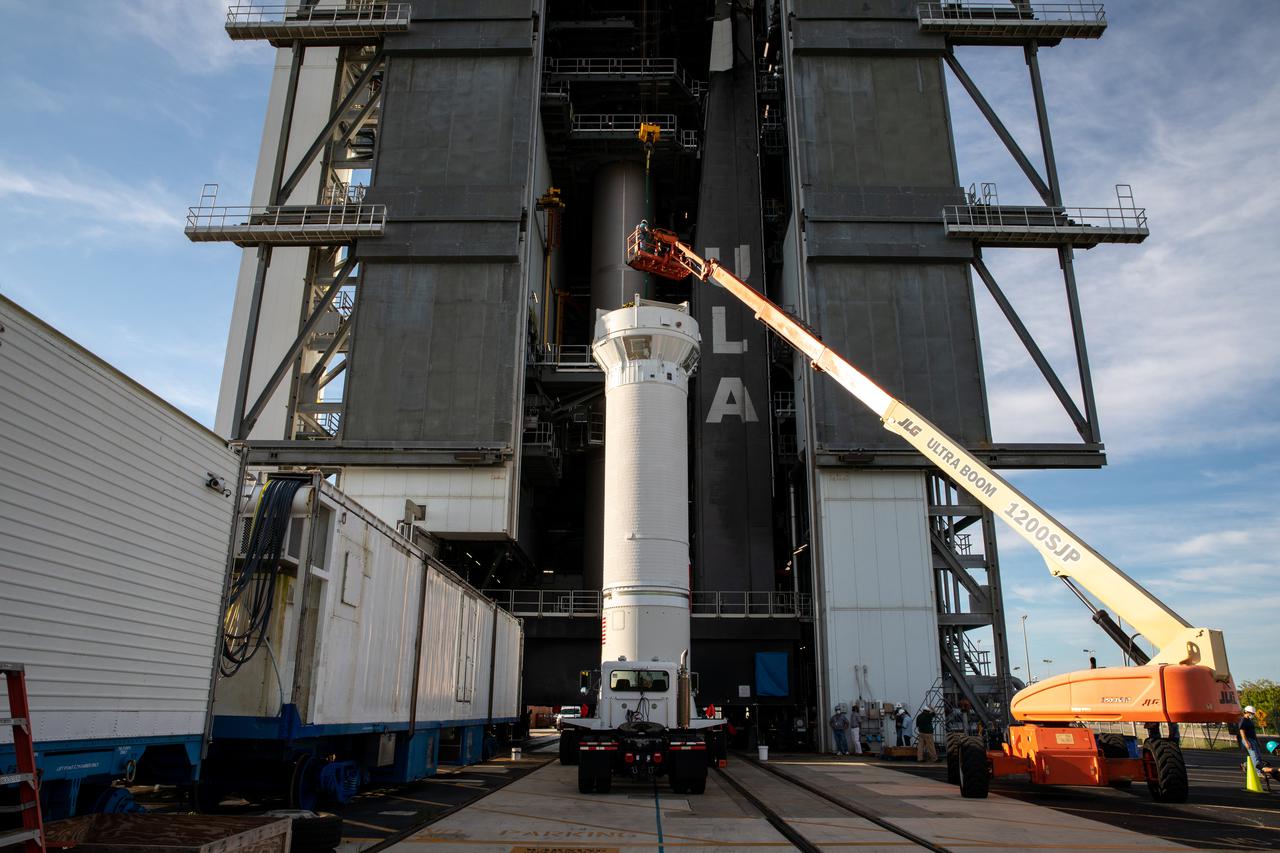
The United Launch Alliance (ULA) Centaur stage for NASA’s Lucy mission arrives at the Vertical Integration Facility near Space Launch Complex 41 at Cape Canaveral Space Force Station in Florida on Sept. 16, 2021. Lucy is scheduled to launch no earlier than Saturday, Oct. 16, on a ULA Atlas V 401 rocket from Pad 41. NASA’s Launch Services Program based at Kennedy Space Center is managing the launch. Over its 12-year primary mission, Lucy will explore a record-breaking number of asteroids, flying by one asteroid in the solar system’s main belt and seven Trojan asteroids. Additionally, Lucy’s path will circle back to Earth three times for gravity assists, making it the first spacecraft ever to return to the vicinity of Earth from the outer solar system.

A view from inside the Vertical Integration Facility near Space Launch Complex 41 at Cape Canaveral Space Force Station in Florida, as the United Launch Alliance (ULA) Centaur stage for NASA’s Lucy mission is moved into the facility for mating with the rocket’s first stage on Sept. 16, 2021. Lucy is scheduled to launch no earlier than Saturday, Oct. 16, on a ULA Atlas V 401 rocket from Pad 41. NASA’s Launch Services Program based at Kennedy Space Center is managing the launch. Over its 12-year primary mission, Lucy will explore a record-breaking number of asteroids, flying by one asteroid in the solar system’s main belt and seven Trojan asteroids. Additionally, Lucy’s path will circle back to Earth three times for gravity assists, making it the first spacecraft ever to return to the vicinity of Earth from the outer solar system.
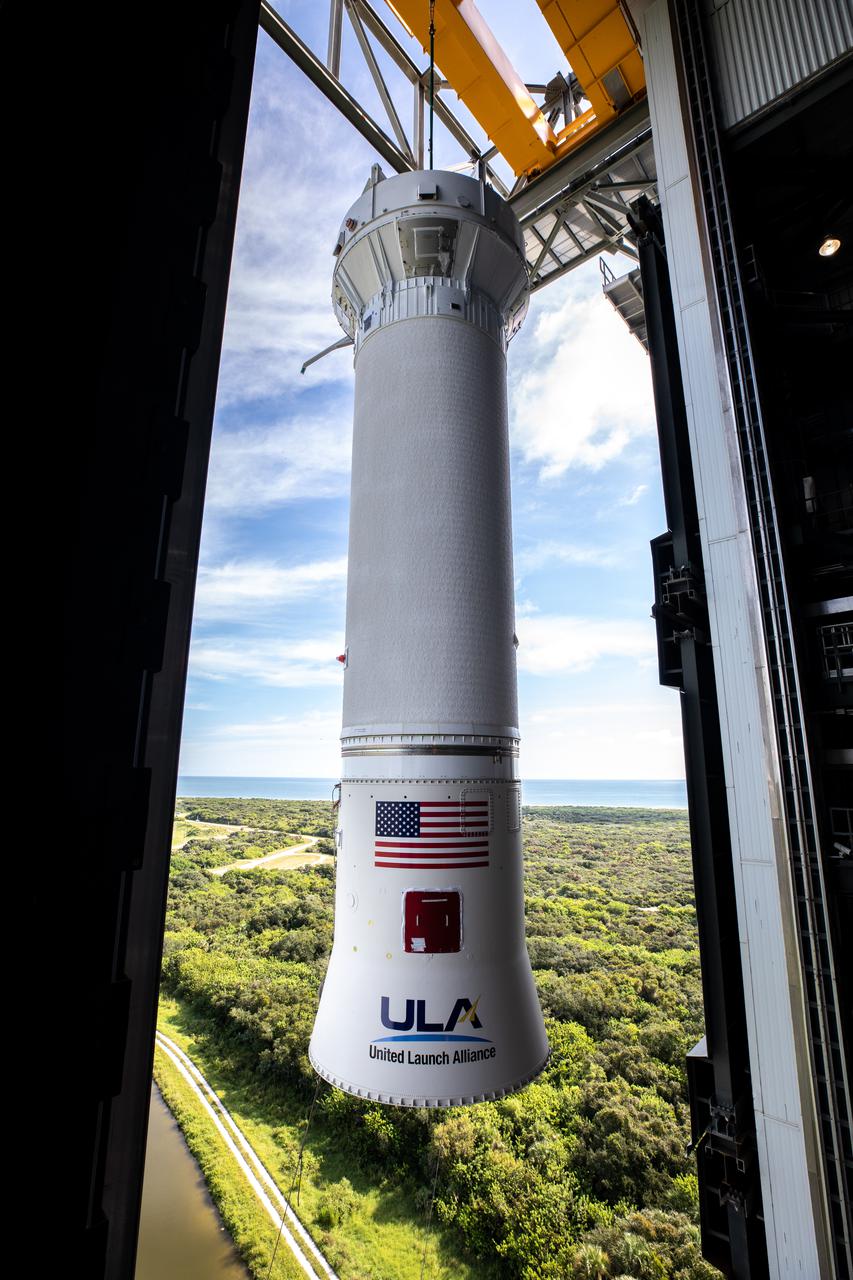
A view from inside the Vertical Integration Facility near Space Launch Complex 41 at Cape Canaveral Space Force Station in Florida, as the United Launch Alliance (ULA) Centaur stage for NASA’s Lucy mission is lifted by crane for transfer into the facility on Sept. 16, 2021. Lucy is scheduled to launch no earlier than Saturday, Oct. 16, on a ULA Atlas V 401 rocket from Pad 41. NASA’s Launch Services Program based at Kennedy Space Center is managing the launch. Over its 12-year primary mission, Lucy will explore a record-breaking number of asteroids, flying by one asteroid in the solar system’s main belt and seven Trojan asteroids. Additionally, Lucy’s path will circle back to Earth three times for gravity assists, making it the first spacecraft ever to return to the vicinity of Earth from the outer solar system.

A crane has been attached to the single-engine Centaur upper stage for the United Launch Alliance Atlas V rocket for NASA’s Mars Perseverance rover at the Vertical Integration Facility at Space Launch Complex 41 at Cape Canaveral Air Force Station in Florida on June 10, 2020. The Centaur will be lifted up and attached to the rocket’s first stage. The Mars Perseverance rover is scheduled to launch atop the Atlas V 541 rocket from Pad 41 on July 20, 2020. The rover is part of NASA’s Mars Exploration Program, a long-term effort of robotic exploration of the Red Planet. The rover’s seven instruments will search for habitable conditions in the ancient past and signs of past microbial life on Mars. The Launch Services Program at Kennedy is responsible for launch management.
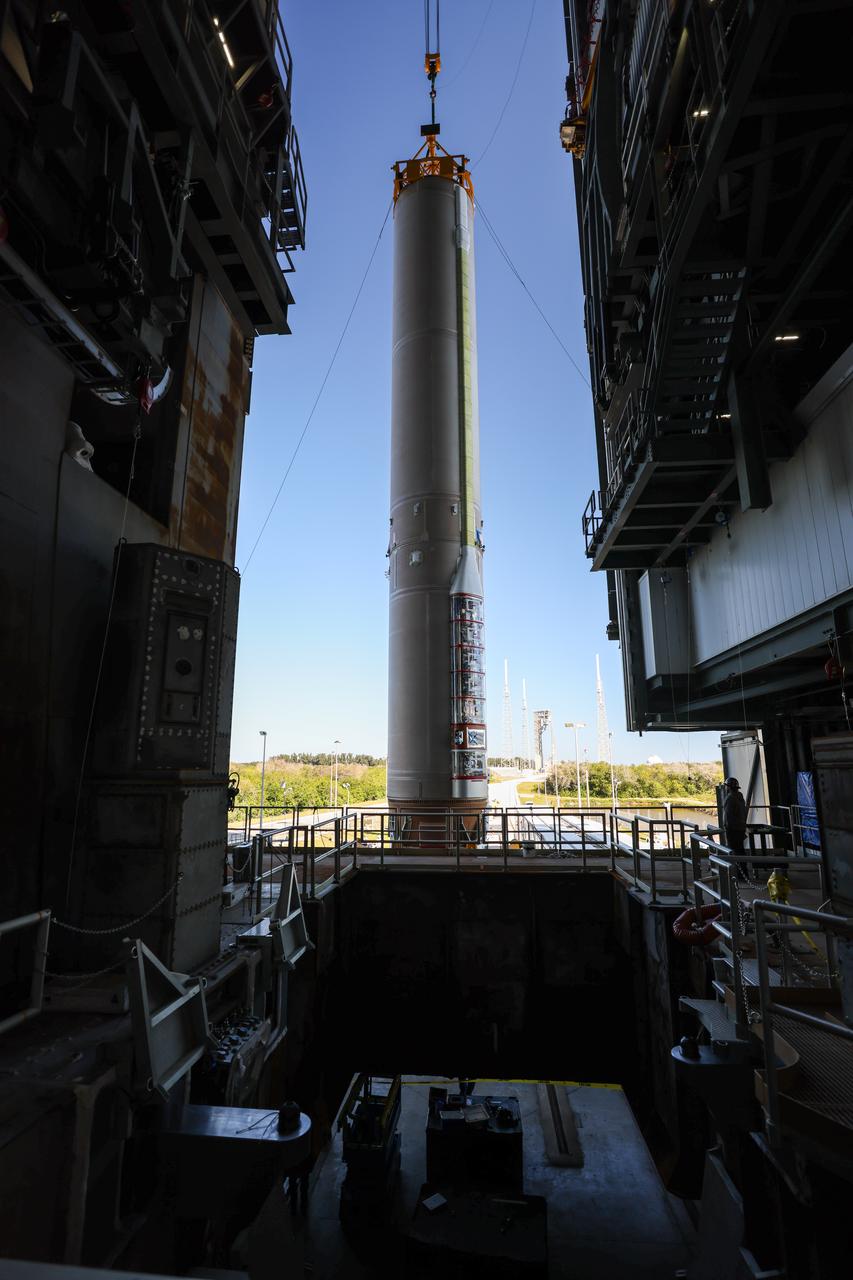
A United Launch Alliance Atlas V rocket stands vertical, awaiting integration with the rocket’s Centaur upper stage and Boeing’s CST-100 Starliner after moving inside the Vertical Integration Facility at Space Launch Complex-41 at Cape Canaveral Space Force Station in Florida on Wednesday, Feb. 21, 2024. The rocket will send two NASA astronauts to the International Space Station aboard the Starliner capsule no earlier than mid-April for NASA’s Boeing Crew Flight Test. The mission will test the end-to-end capabilities of Starliner and its system and, if successful, will pave the way for NASA’s certification ahead of regular missions to the space station as part of the agency’s Commercial Crew Program.
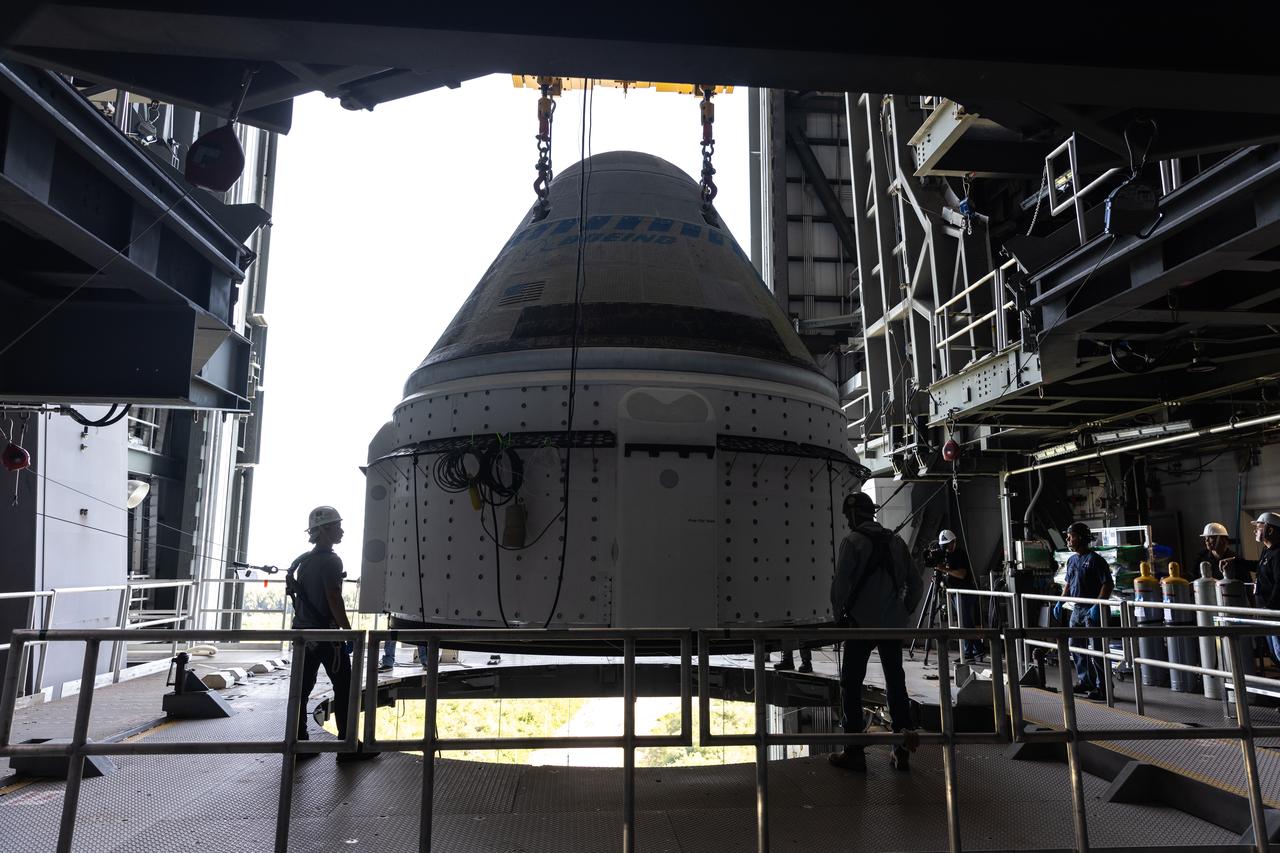
The Boeing Starliner spacecraft is lifted at the Vertical Integration Facility at Space Launch Complex-41 at Cape Canaveral Space Force Station in Florida on Tuesday, April 16, 2024. Starliner will be secured atop a United Launch Alliance Atlas V rocket for NASA’s Boeing Crew Flight Test to the International Space Station for the agency’s Commercial Crew Program. The spacecraft rolled out from Boeing's Commercial Crew and Cargo Processing Facility at NASA's Kennedy Space Center earlier in the day.
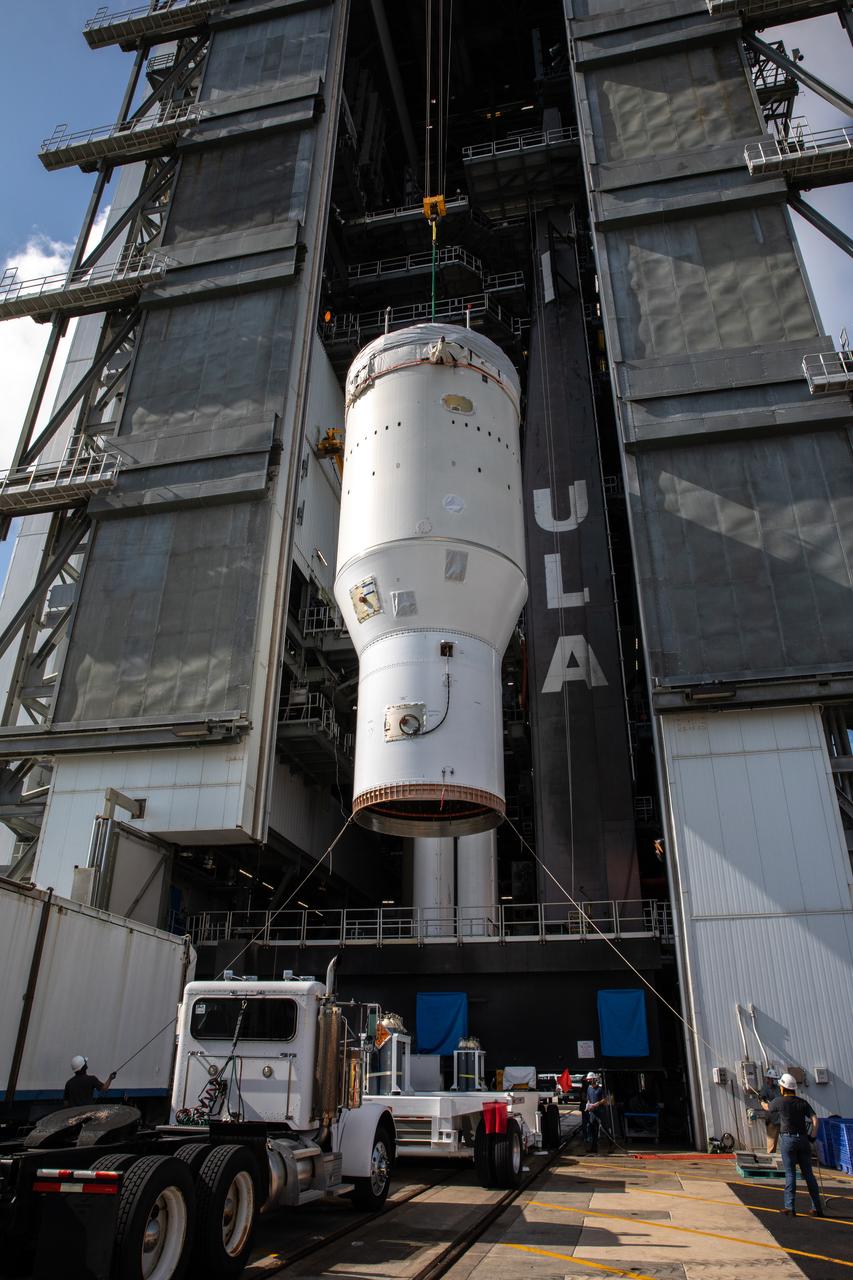
The single-engine Centaur upper stage for the United Launch Alliance Atlas V rocket for NASA’s Mars Perseverance rover is lifted up at the Vertical Integration Facility at Space Launch Complex 41 at Cape Canaveral Air Force Station in Florida on June 10, 2020. The Centaur will be attached to the rocket’s first stage. The Mars Perseverance rover is scheduled to launch atop the Atlas V 541 rocket from Pad 41 on July 20, 2020. The rover is part of NASA’s Mars Exploration Program, a long-term effort of robotic exploration of the Red Planet. The rover’s seven instruments will search for habitable conditions in the ancient past and signs of past microbial life on Mars. The Launch Services Program at Kennedy is responsible for launch management.
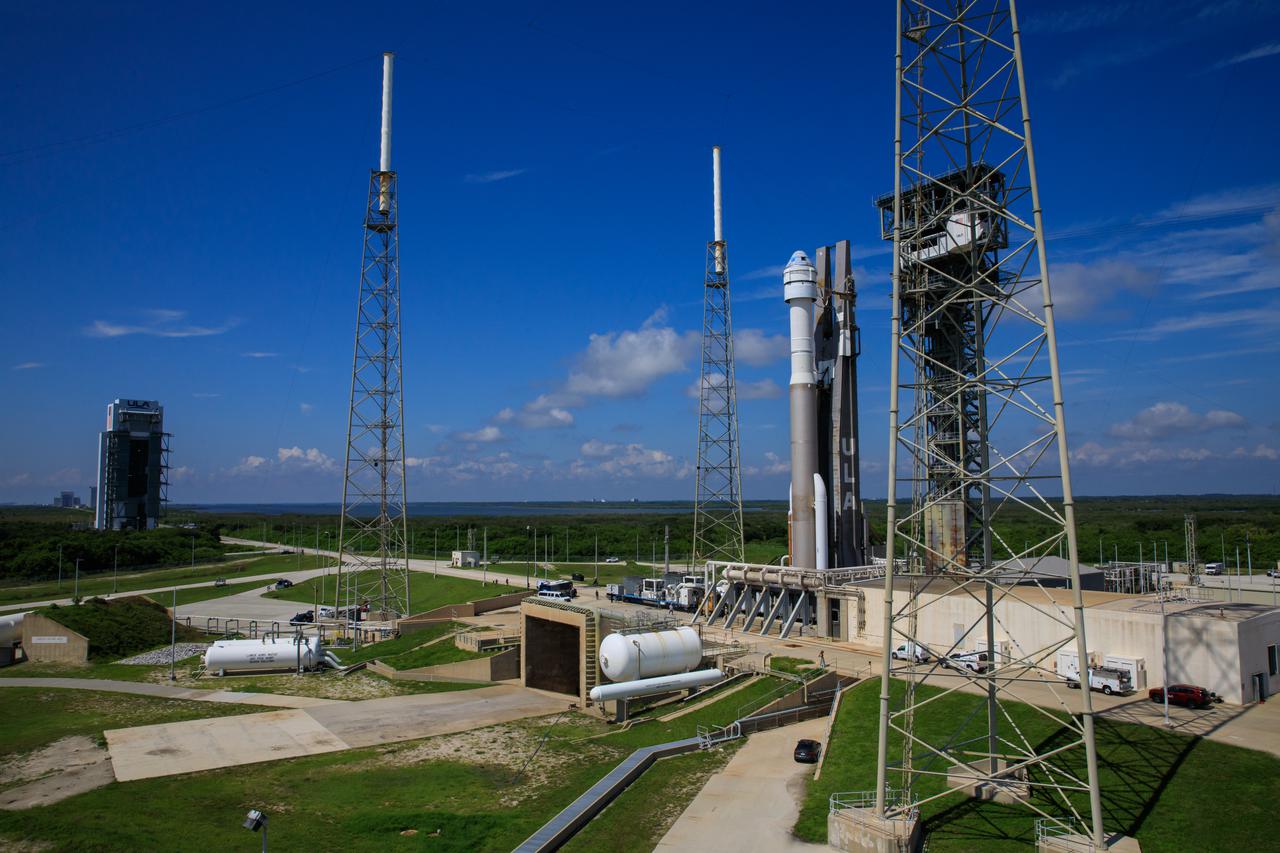
On July 29, 2021, Boeing’s CST-100 Starliner spacecraft and the United Launch Alliance Atlas V rocket rolled out of the Vertical Integration Facility to the launch pad at Space Launch Complex-41 on Cape Canaveral Space Force Station in Florida. Starliner will launch on the Atlas V for Boeing’s second uncrewed Orbital Flight Test (OFT-2) for NASA’s Commercial Crew Program. OFT-2 is an important uncrewed mission designed to test the end-to-end capabilities of the new system for NASA’s Commercial Crew Program.
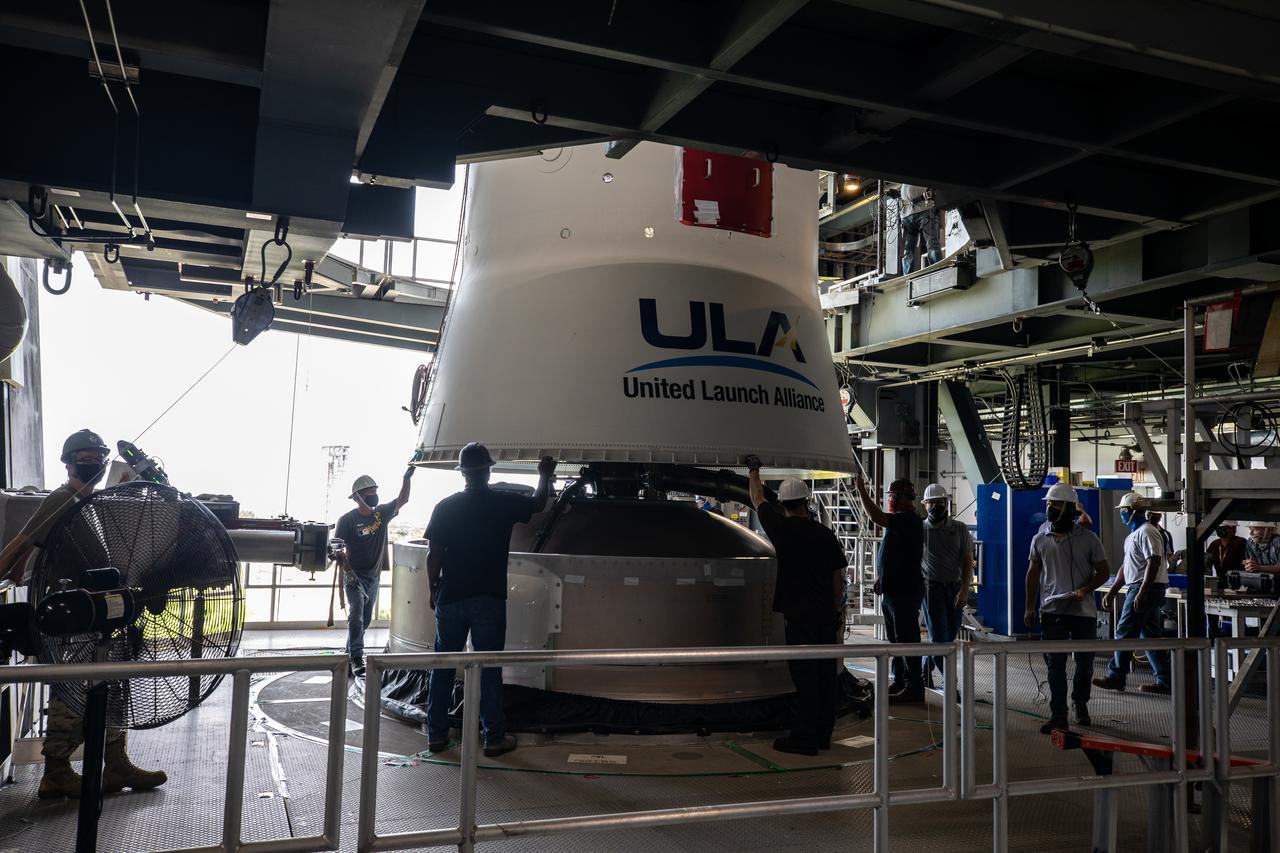
Inside the Vertical Integration Facility near Space Launch Complex 41 at Cape Canaveral Space Force Station in Florida, the United Launch Alliance (ULA) Centaur stage for NASA’s Lucy mission is lowered onto the Atlas V first stage on Sept. 16, 2021. Lucy is scheduled to launch no earlier than Saturday, Oct. 16, on a ULA Atlas V 401 rocket from Pad 41. NASA’s Launch Services Program based at Kennedy Space Center is managing the launch. Over its 12-year primary mission, Lucy will explore a record-breaking number of asteroids, flying by one asteroid in the solar system’s main belt and seven Trojan asteroids. Additionally, Lucy’s path will circle back to Earth three times for gravity assists, making it the first spacecraft ever to return to the vicinity of Earth from the outer solar system.
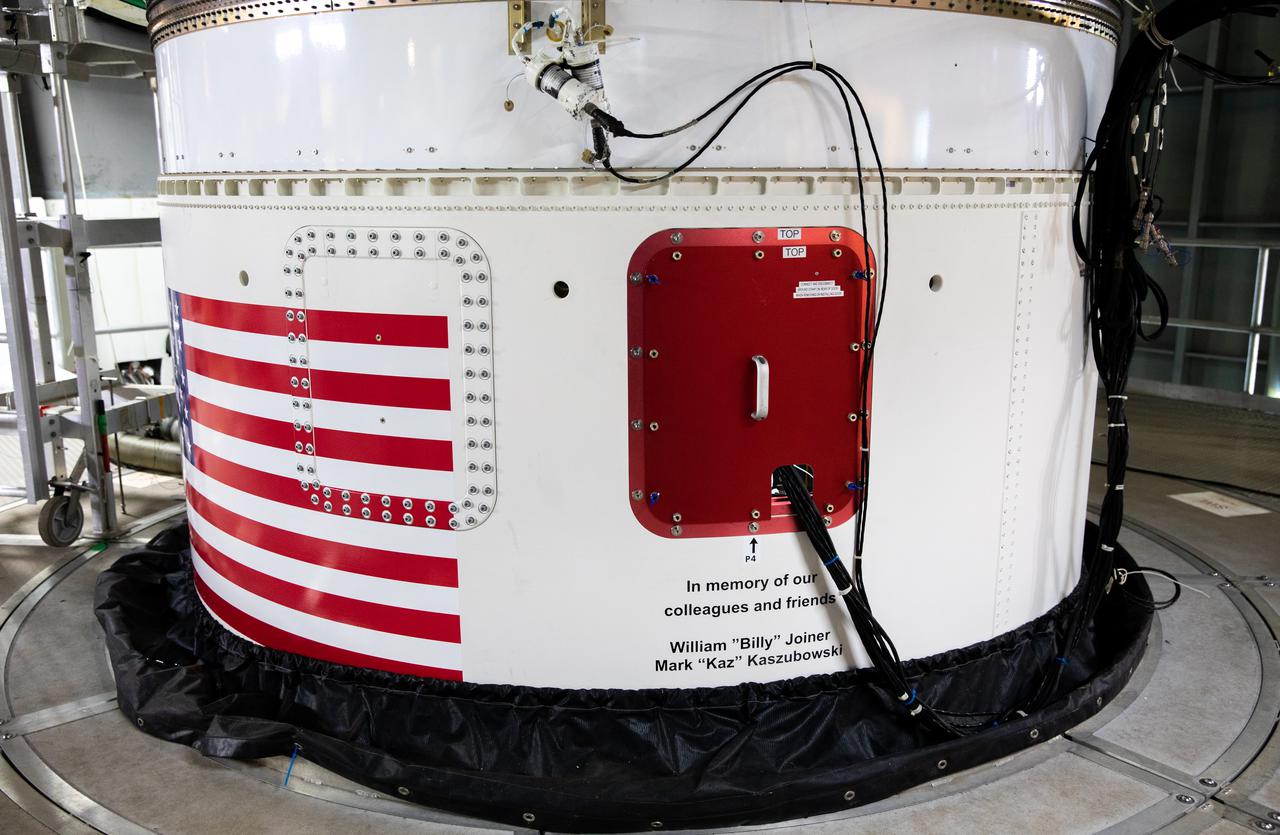
The United Launch Alliance (ULA) Atlas V rocket that will launch NASA’s Lucy spacecraft on its 12-year mission to study the Trojan asteroids is shown inside the Vertical Integration Facility at Space Launch Complex 41 (SLC-41) at Cape Canaveral Space Force Station in Florida on Oct. 8, 2021. Three dedication laminates were added to the rocket. The first is in memory of Craig M. Whittaker, a colleague and friend of NASA’s Launch Services Program (LSP) and ULA teams. The second is in memory of two colleagues: William “Billy” Joiner II – a former Lockheed Martin and ULA technician – and Mark “Kaz” Kaszubowski – an accomplished engineer and mentor. The third plaque is dedicated to NASA’s Goddard Space Flight Center Lucy Mission Team for its dedication shown throughout the pandemic. Lucy is targeted to lift off from SLC-41 at 5:34 a.m. EDT Saturday, Oct. 16. LSP, based at NASA’s Kennedy Space Center, is managing the launch.
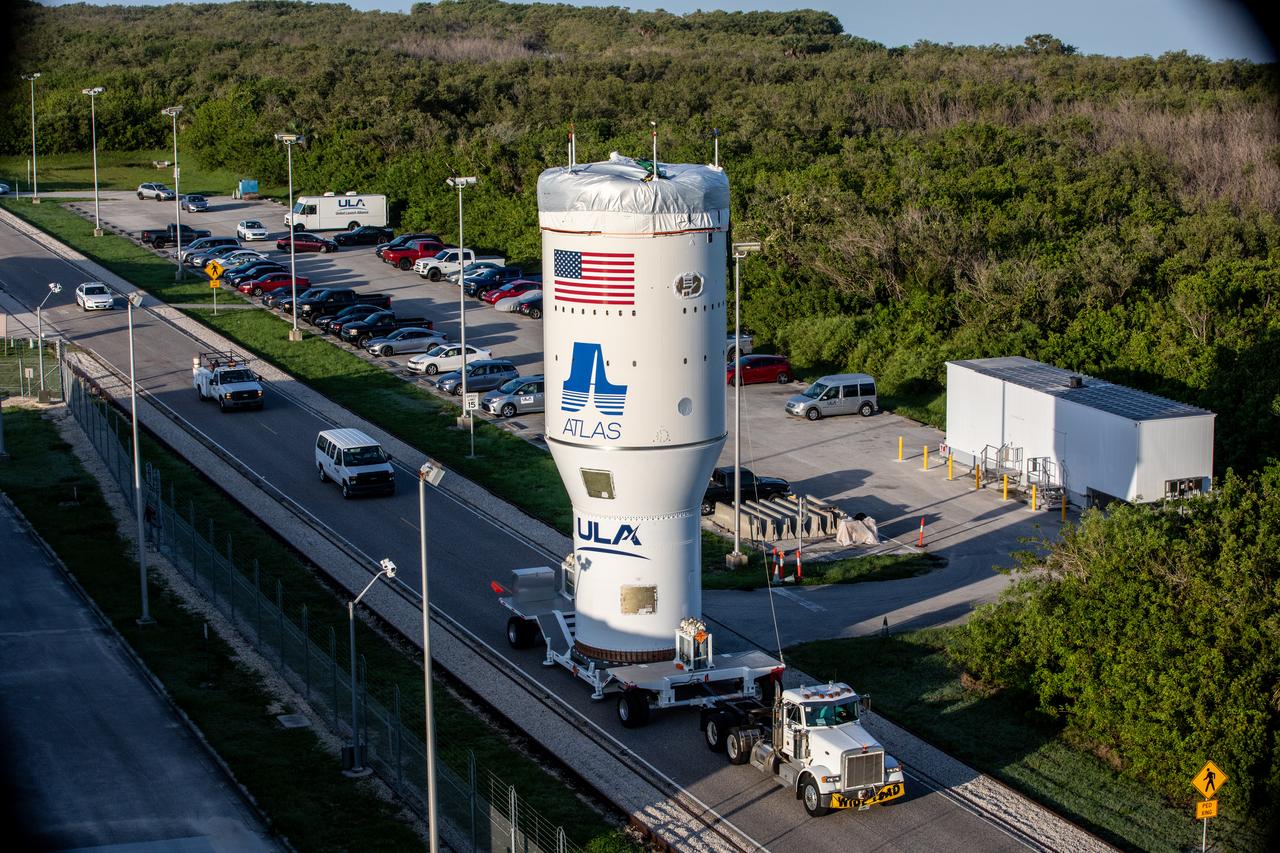
The single-engine Centaur upper stage for the United Launch Alliance Atlas V rocket for NASA’s Mars Perseverance rover is being transported to the Vertical Integration Facility at Space Launch Complex 41 at Cape Canaveral Air Force Station in Florida on June 10, 2020. The Centaur will be lifted up and attached to the rocket’s first stage. The Mars Perseverance rover is scheduled to launch atop the Atlas V 541 rocket from Pad 41 on July 20, 2020. The rover is part of NASA’s Mars Exploration Program, a long-term effort of robotic exploration of the Red Planet. The rover’s seven instruments will search for habitable conditions in the ancient past and signs of past microbial life on Mars. The Launch Services Program at Kennedy is responsible for launch management.
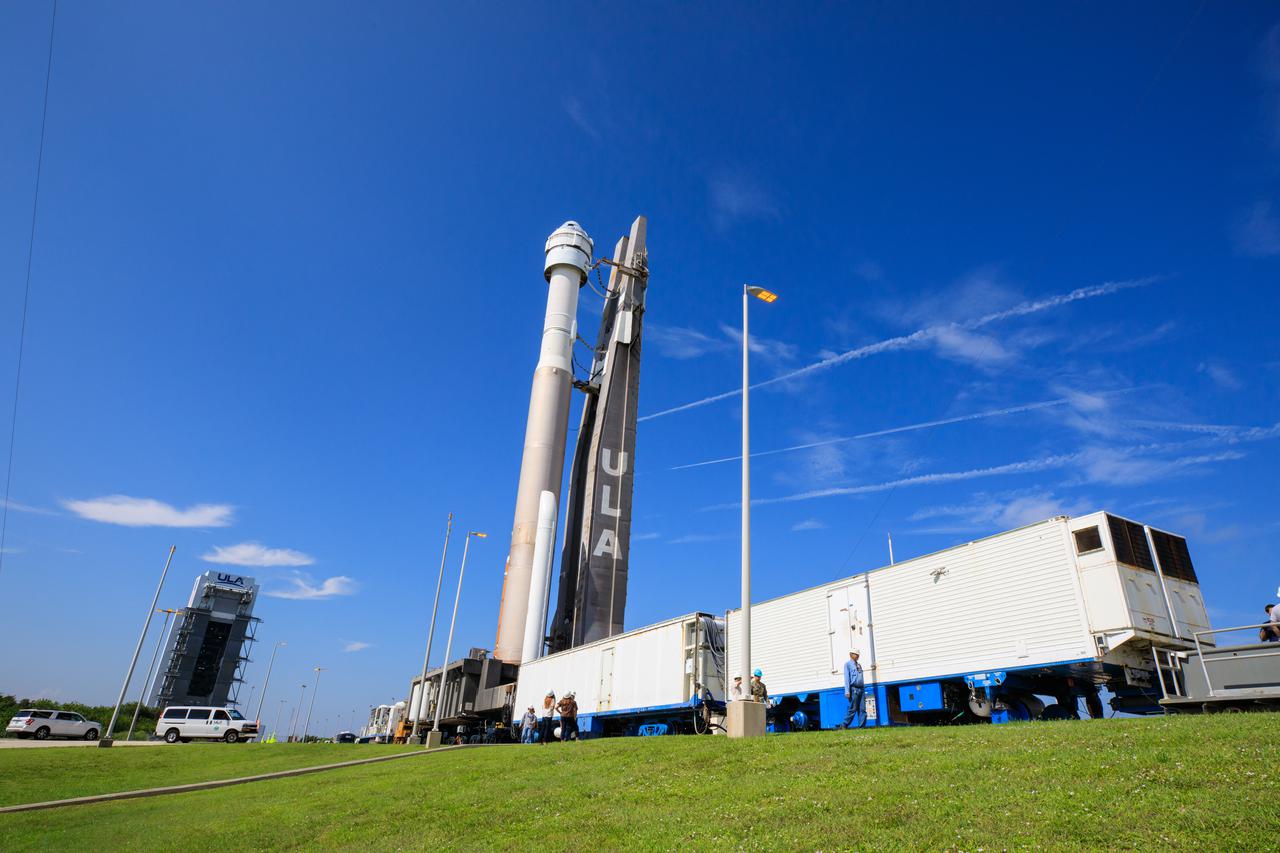
On July 29, 2021, Boeing’s CST-100 Starliner spacecraft and the United Launch Alliance Atlas V rocket rolled out of the Vertical Integration Facility to the launch pad at Space Launch Complex-41 on Cape Canaveral Space Force Station in Florida. Starliner will launch on the Atlas V for Boeing’s second uncrewed Orbital Flight Test (OFT-2) for NASA’s Commercial Crew Program. OFT-2 is an important uncrewed mission designed to test the end-to-end capabilities of the new system for NASA’s Commercial Crew Program.
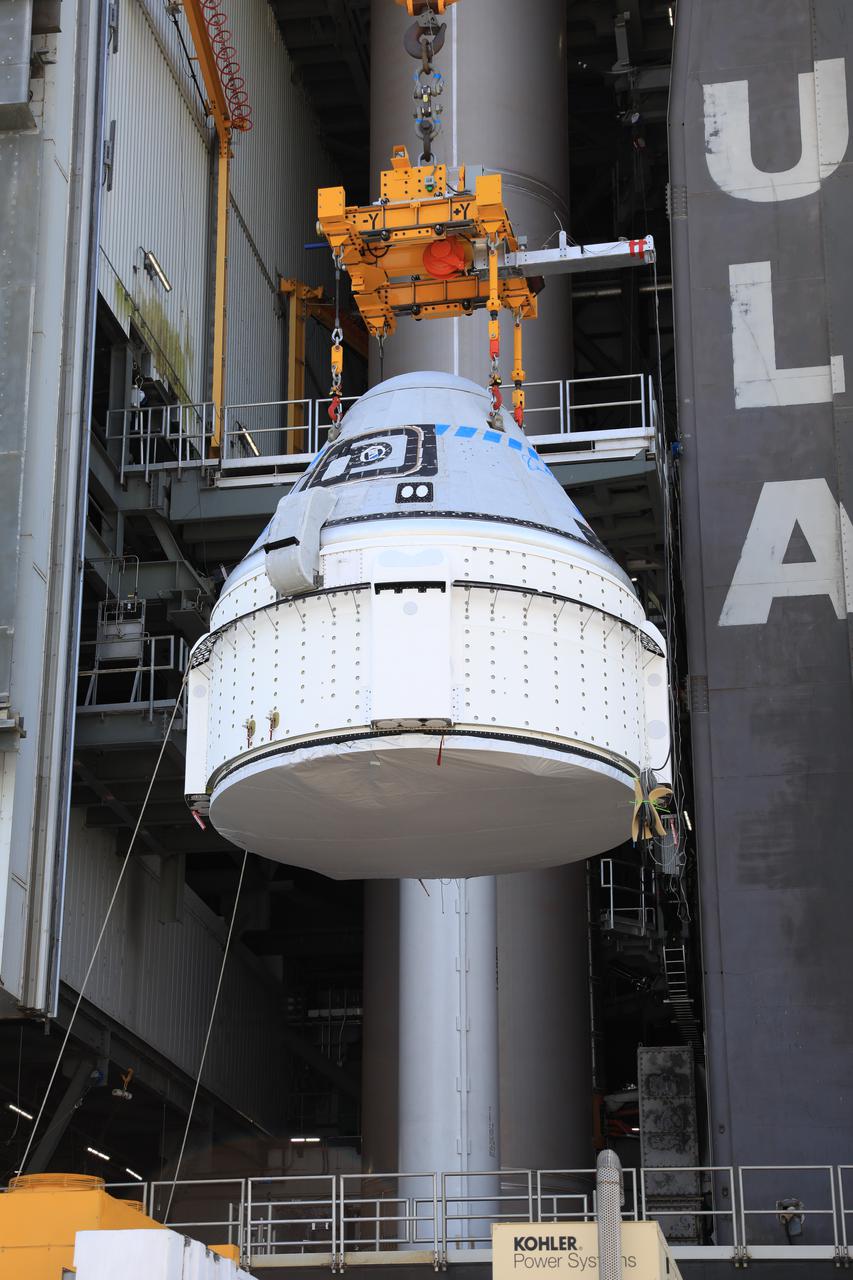
The Boeing CST-100 Starliner spacecraft is lifted at the Vertical Integration Facility at Space Launch Complex-41 at Florida’s Cape Canaveral Space Force Station on May 4, 2022. Starliner will be secured atop a United Launch Alliance Atlas V rocket for Boeing’s second Orbital Flight Test (OFT-2) to the International Space Station for NASA’s Commercial Crew Program. The spacecraft rolled out from Boeing’s Commercial Crew and Cargo Processing Facility at NASA’s Kennedy Space Center earlier in the day.
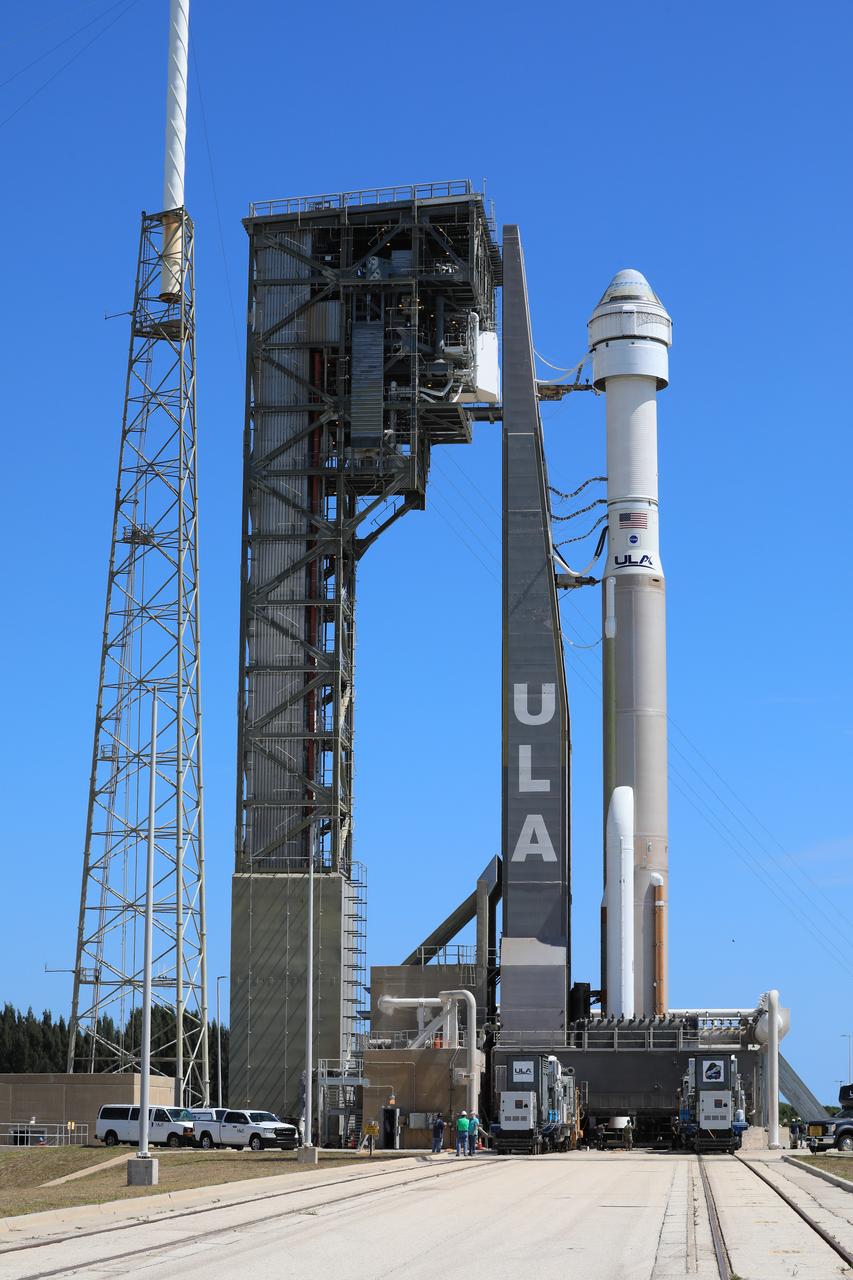
Boeing’s Starliner spacecraft atop the United Launch Alliance Atlas V rocket is seen on the launch pad of Space Launch Complex-41 at Cape Canaveral Space Force Station in Florida on Saturday, May 4, 2024, ahead of NASA’s Boeing Crew Flight Test. As part of the agency’s Commercial Crew Program, NASA astronauts Butch Wilmore and Suni Williams are the first to launch to the International Space Station aboard Boeing’s Starliner spacecraft. Liftoff is scheduled for 10:34 p.m. ET Monday, May 6.
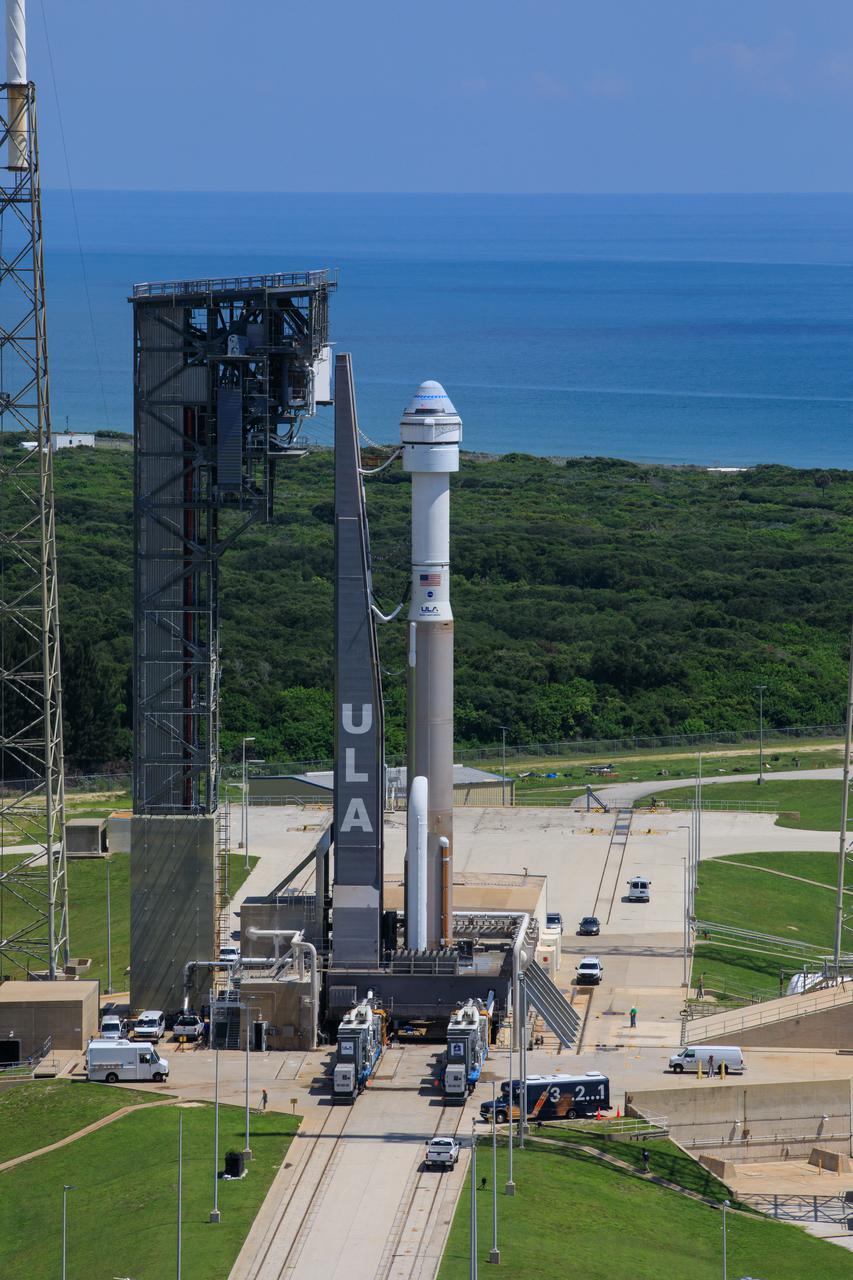
On July 29, 2021, Boeing’s CST-100 Starliner spacecraft and the United Launch Alliance Atlas V rocket rolled out of the Vertical Integration Facility to the launch pad at Space Launch Complex-41 on Cape Canaveral Space Force Station in Florida. Starliner will launch on the Atlas V for Boeing’s second uncrewed Orbital Flight Test (OFT-2) for NASA’s Commercial Crew Program. OFT-2 is an important uncrewed mission designed to test the end-to-end capabilities of the new system for NASA’s Commercial Crew Program.
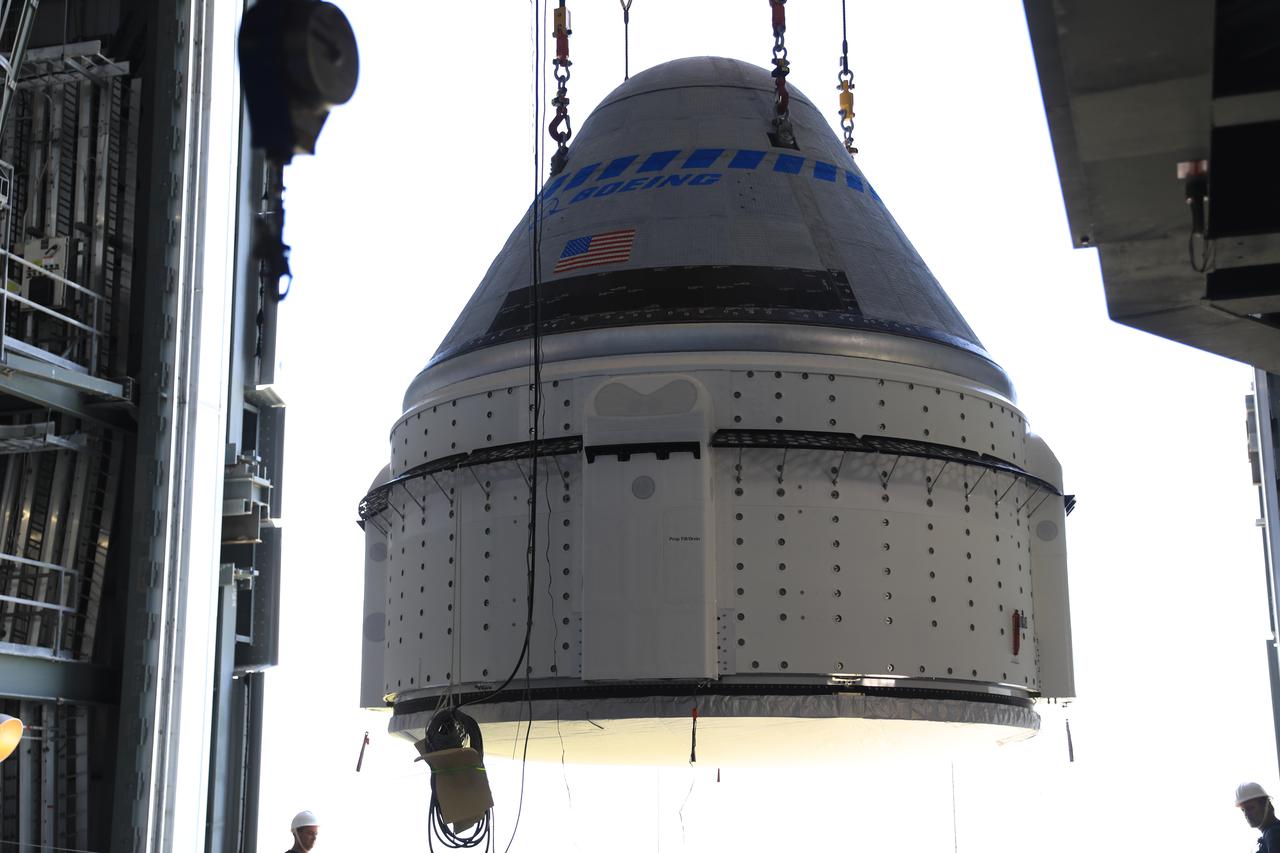
The Boeing CST-100 Starliner spacecraft is lifted at the Vertical Integration Facility at Space Launch Complex-41 at Florida’s Cape Canaveral Space Force Station on May 4, 2022. Starliner will be secured atop a United Launch Alliance Atlas V rocket for Boeing’s second Orbital Flight Test (OFT-2) to the International Space Station for NASA’s Commercial Crew Program. The spacecraft rolled out from Boeing’s Commercial Crew and Cargo Processing Facility at NASA’s Kennedy Space Center earlier in the day.
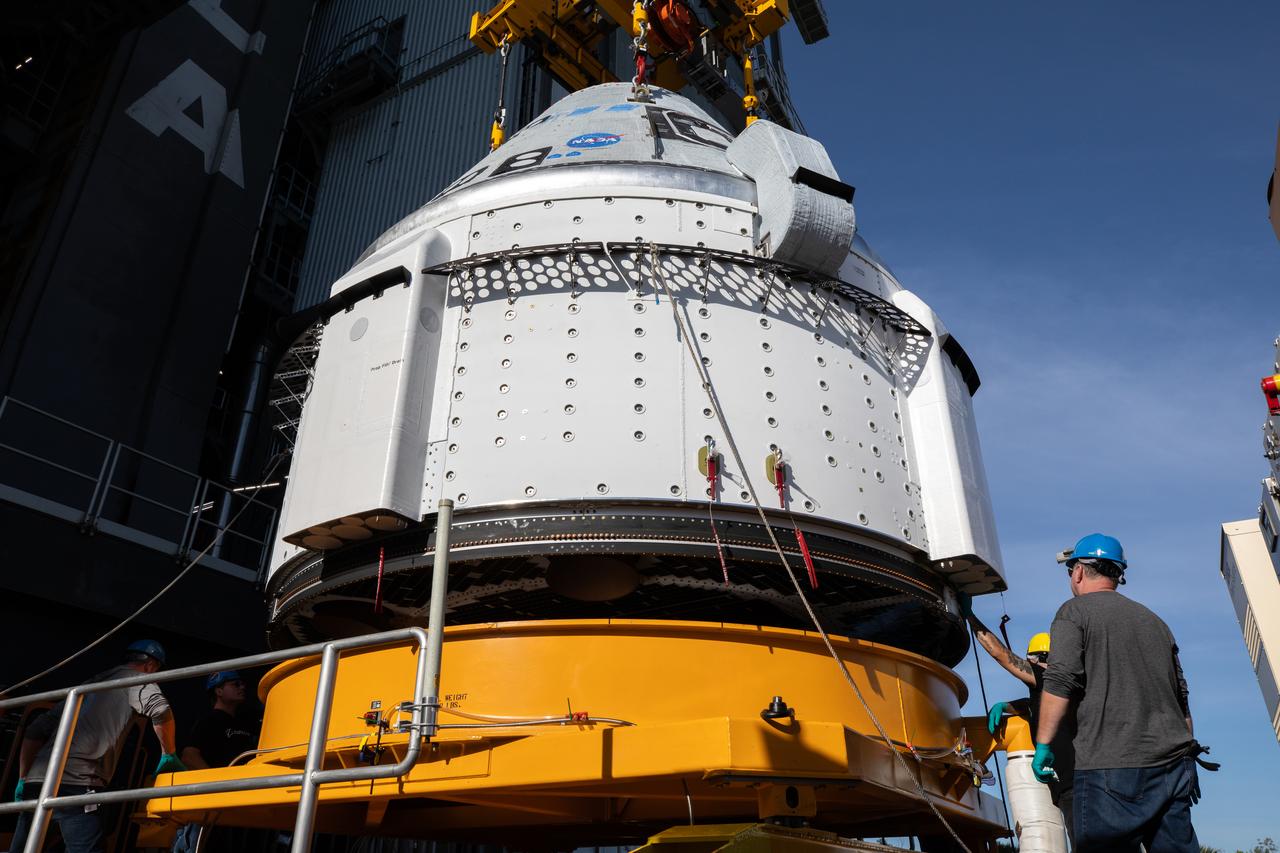
The Boeing Starliner spacecraft is lifted at the Vertical Integration Facility at Space Launch Complex-41 at Cape Canaveral Space Force Station in Florida on Tuesday, April 16, 2024. Starliner will be secured atop a United Launch Alliance Atlas V rocket for NASA’s Boeing Crew Flight Test to the International Space Station for the agency’s Commercial Crew Program. The spacecraft rolled out from Boeing's Commercial Crew and Cargo Processing Facility at NASA's Kennedy Space Center earlier in the day.
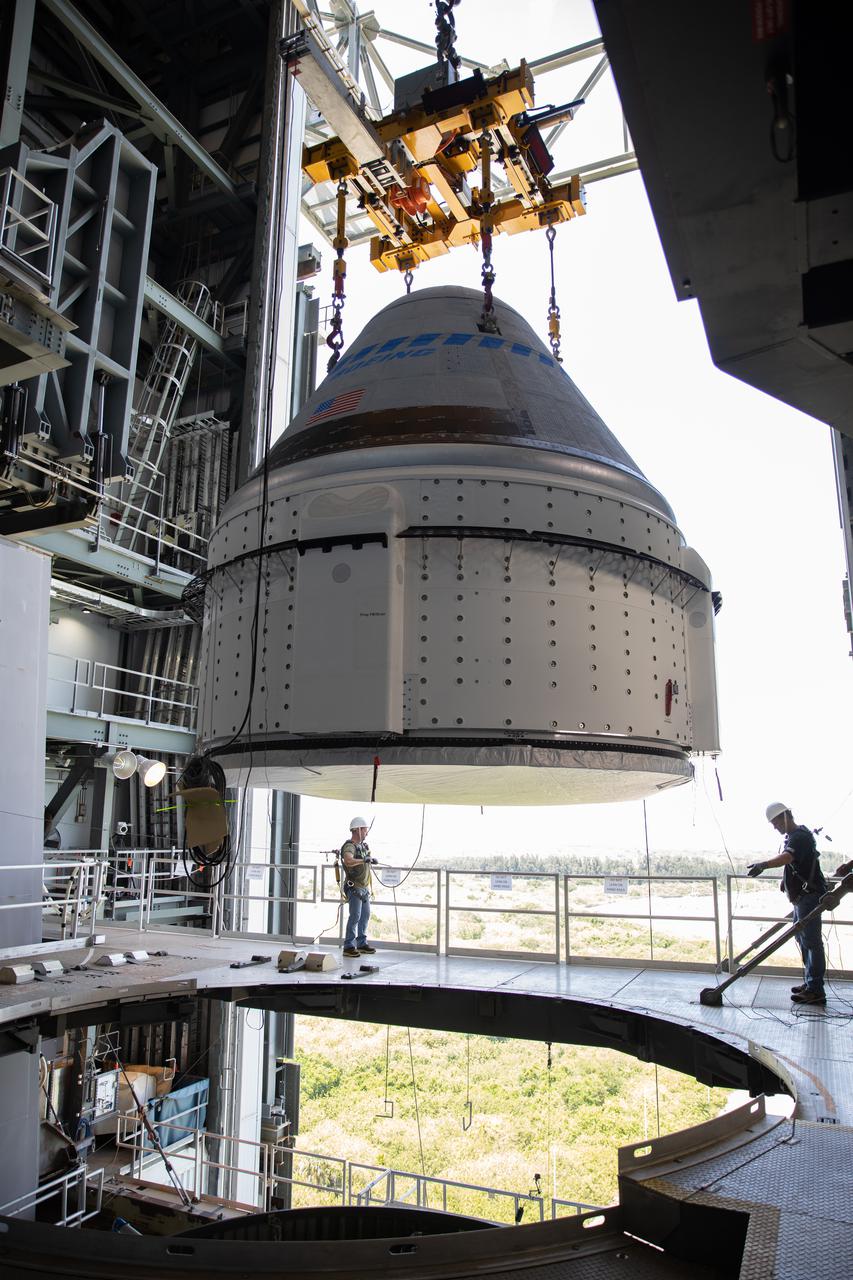
The Boeing CST-100 Starliner spacecraft is lifted at the Vertical Integration Facility at Space Launch Complex-41 at Florida’s Cape Canaveral Space Force Station on May 4, 2022. Starliner will be secured atop a United Launch Alliance Atlas V rocket for Boeing’s second Orbital Flight Test (OFT-2) to the International Space Station for NASA’s Commercial Crew Program. The spacecraft rolled out from Boeing’s Commercial Crew and Cargo Processing Facility at NASA’s Kennedy Space Center earlier in the day.
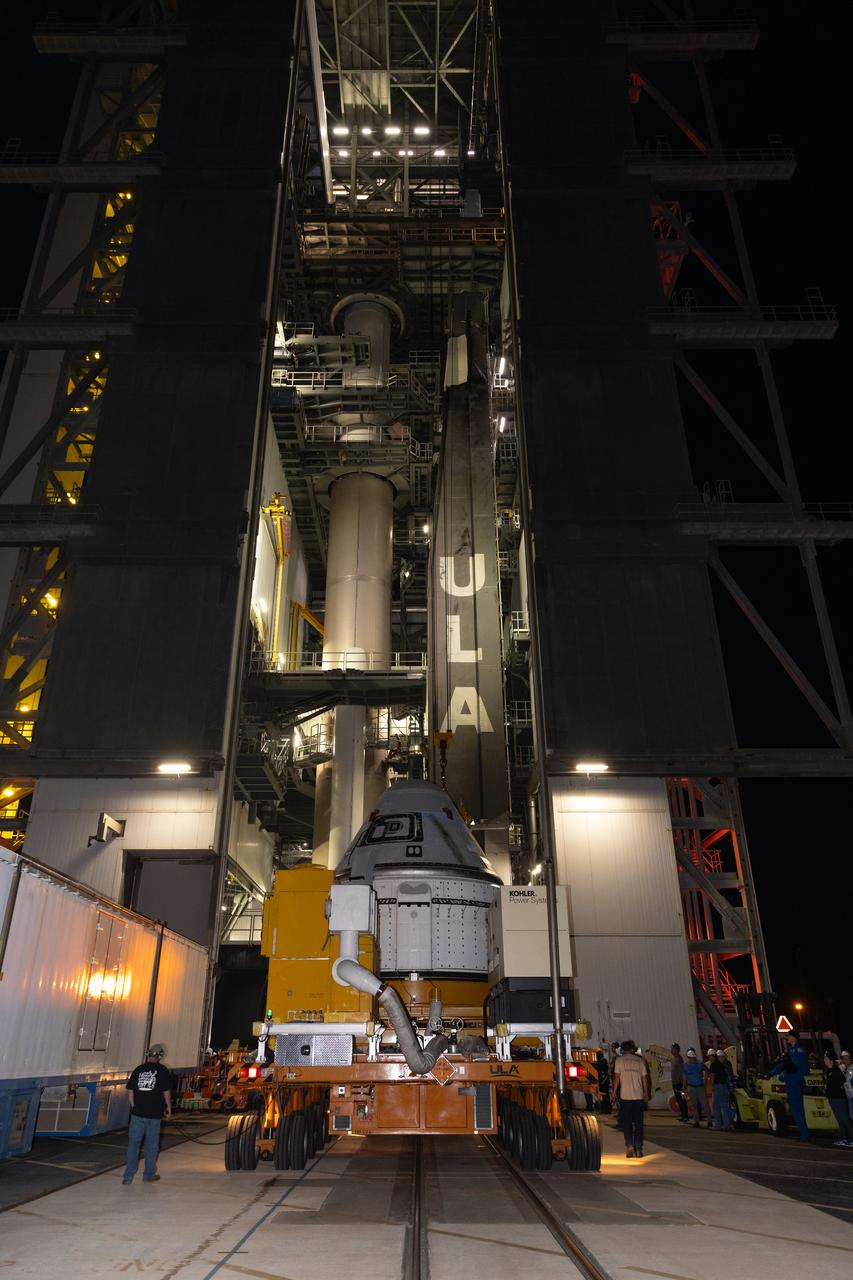
Boeing’s Starliner spacecraft arrives at the Vertical Integration Facility at Space Launch Complex-41 at Cape Canaveral Space Force Station in Florida on Tuesday, April 16, 2024. Starliner will be secured atop a United Launch Alliance Atlas V rocket for NASA’s Boeing Crew Flight Test to the International Space Station for the agency’s Commercial Crew Program. The spacecraft rolled out from Boeing’s Commercial Crew and Cargo Processing Facility at NASA’s Kennedy Space Center earlier in the day.
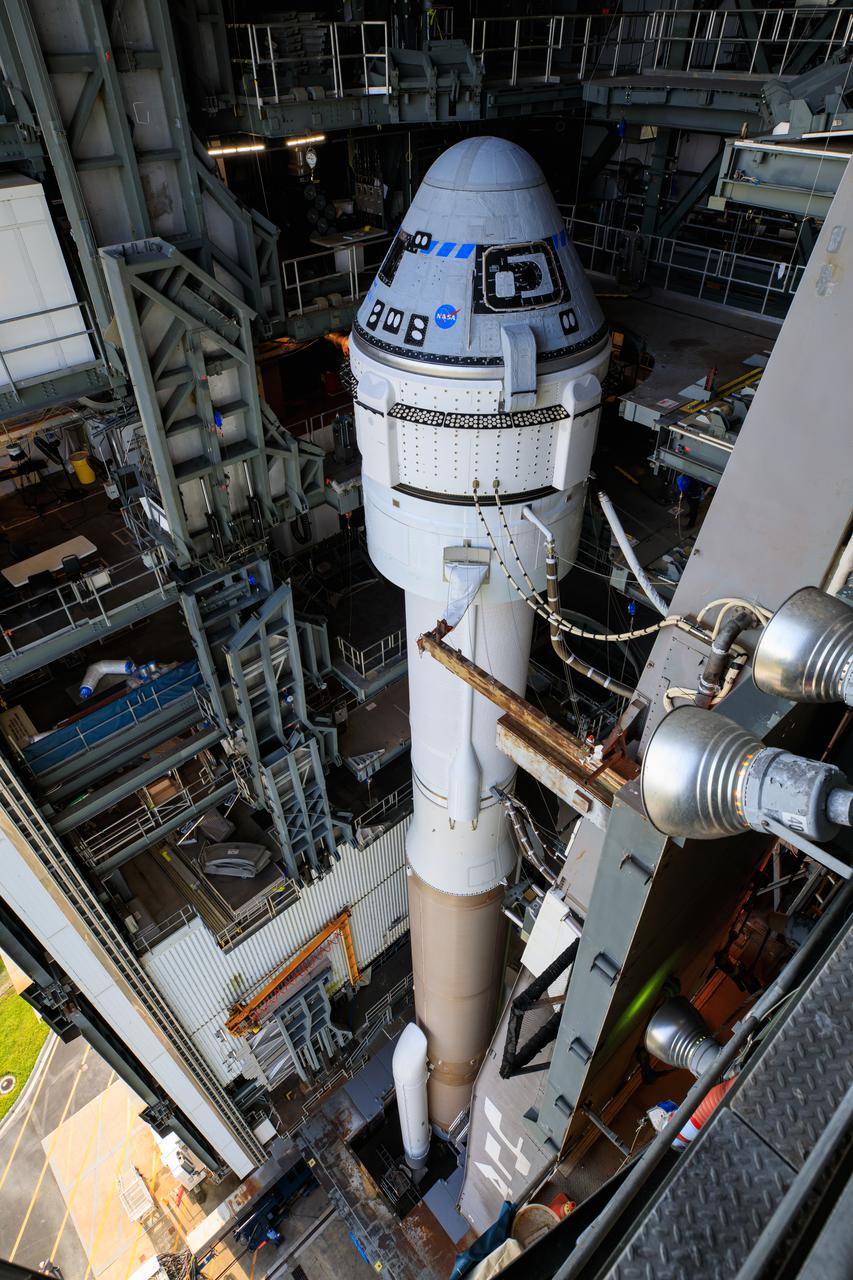
On July 29, 2021, Boeing’s CST-100 Starliner spacecraft and the United Launch Alliance Atlas V rocket begins rollout from the Vertical Integration Facility to the launch pad at Space Launch Complex-41 on Cape Canaveral Space Force Station in Florida. Starliner will launch on the Atlas V for Boeing’s second uncrewed Orbital Flight Test (OFT-2) for NASA’s Commercial Crew Program. OFT-2 is an important uncrewed mission designed to test the end-to-end capabilities of the new system for NASA’s Commercial Crew Program.

The United Launch Alliance (ULA) Atlas V rocket that will launch NASA’s Lucy spacecraft on its 12-year mission to study the Trojan asteroids is shown inside the Vertical Integration Facility at Space Launch Complex 41 (SLC-41) at Cape Canaveral Space Force Station in Florida on Oct. 8, 2021. Three dedication laminates were added to the rocket. The first is in memory of Craig M. Whittaker, a colleague and friend of NASA’s Launch Services Program (LSP) and ULA teams. The second is in memory of two colleagues: William “Billy” Joiner II – a former Lockheed Martin and ULA technician – and Mark “Kaz” Kaszubowski – an accomplished engineer and mentor. The third plaque is dedicated to NASA’s Goddard Space Flight Center Lucy Mission Team for its dedication shown throughout the pandemic. Lucy is targeted to lift off from SLC-41 at 5:34 a.m. EDT Saturday, Oct. 16. LSP, based at NASA’s Kennedy Space Center, is managing the launch.