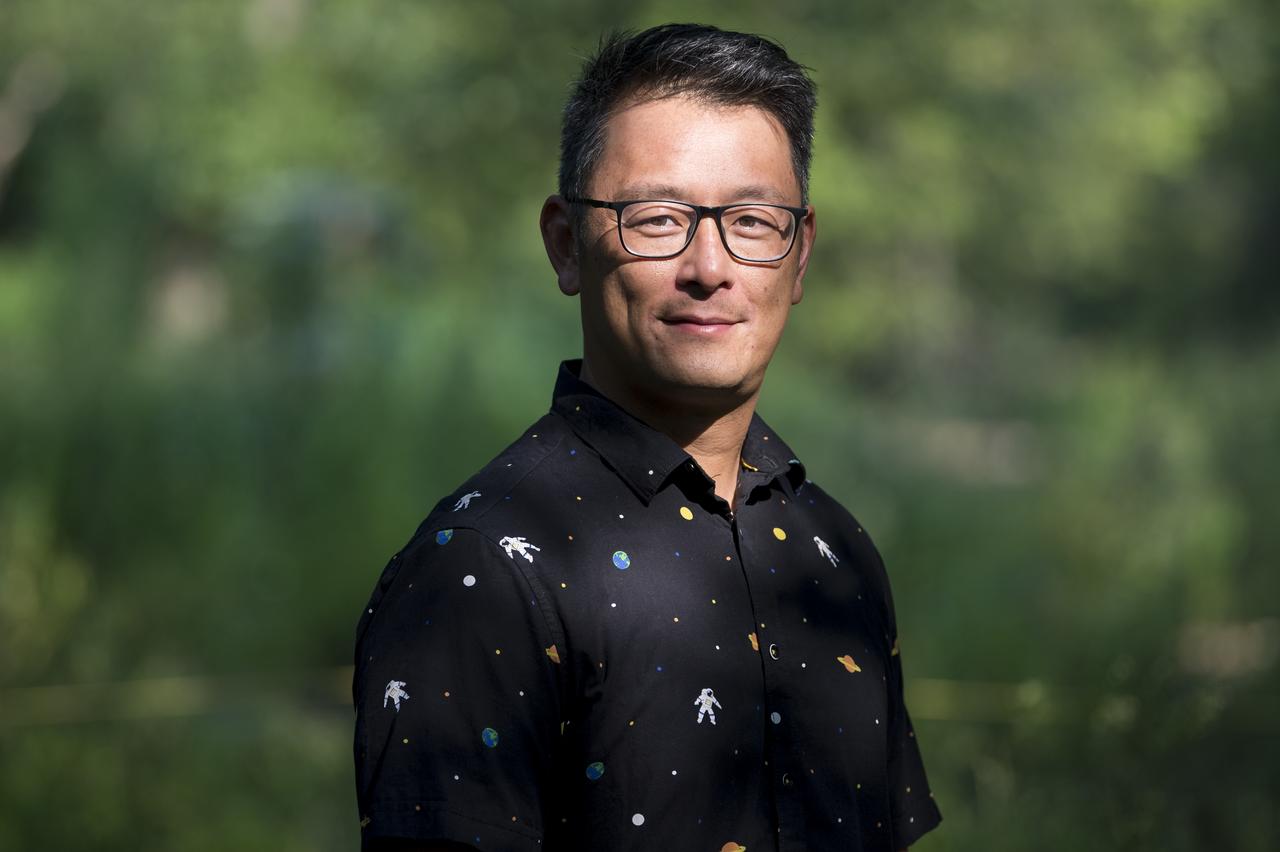
“The big thing is trying to figure out the best way to communicate. And to interact and engage. Being virtual is great, but there’s nothing like being able to sit down and talk to a parent or a senior who just wants to reflect on what it was like seeing Apollo. Or talking to someone who says, ‘I could never work for NASA,’ and telling them, ‘Yes, you can — I’m not from a science background. I graduated with a business marketing degree.’ We have to have communications — social media specialists, graphic designers, things like that. I think it’s very fulfilling, from my perspective, when we go out and engage with the public to show what NASA is really about. It takes twenty thousand people to run NASA — and we’re not all astronauts and scientists and engineers. I try to bring that perspective.” Derek Wang, Director of Communications for NASA’s Space Technology Mission Directorate, poses for a portrait, Thursday, Aug. 27, 2020 in Virginia. Photo Credit: (NASA/Joel Kowsky)

“My background and experience have been unique. I didn't grow up in space. I didn't grow up in a family of people who watched the Moon landing. I came to discover space at a much later age. That and the fact that I come from the cultural background I come from (being born and raised in Puerto Rico), has always made me question some of the assumptions about why we do what we do in space and how we go about it. “In my experience and in my career that has proven effective because people want the challenge, and they want to engage everyone and make sure that the best of the best are participating. I have found myself in settings where my point of view has been valued because I was asking some of the questions that some folks took for granted. “I think it’s also that I came at a good time when we are having these important discussions about diversity and inclusion, and people do want these different kinds of views. Space is so international now that this diversity is such an important aspect of it too. Even as an adult starting to learn about these topics, it was natural for me to be having these discussions with other colleagues from Latin America and South Africa and Australia. It’s a key feature of my own experience but also, I think, the time that we’re living right now, which is really exciting.” Laura M. Delgado López, Policy Analyst for NASA’s Science Mission Directorate, poses for a portrait on Monday, Sept. 21, 2020 in Virginia. Photo Credit: (NASA/Joel Kowsky)
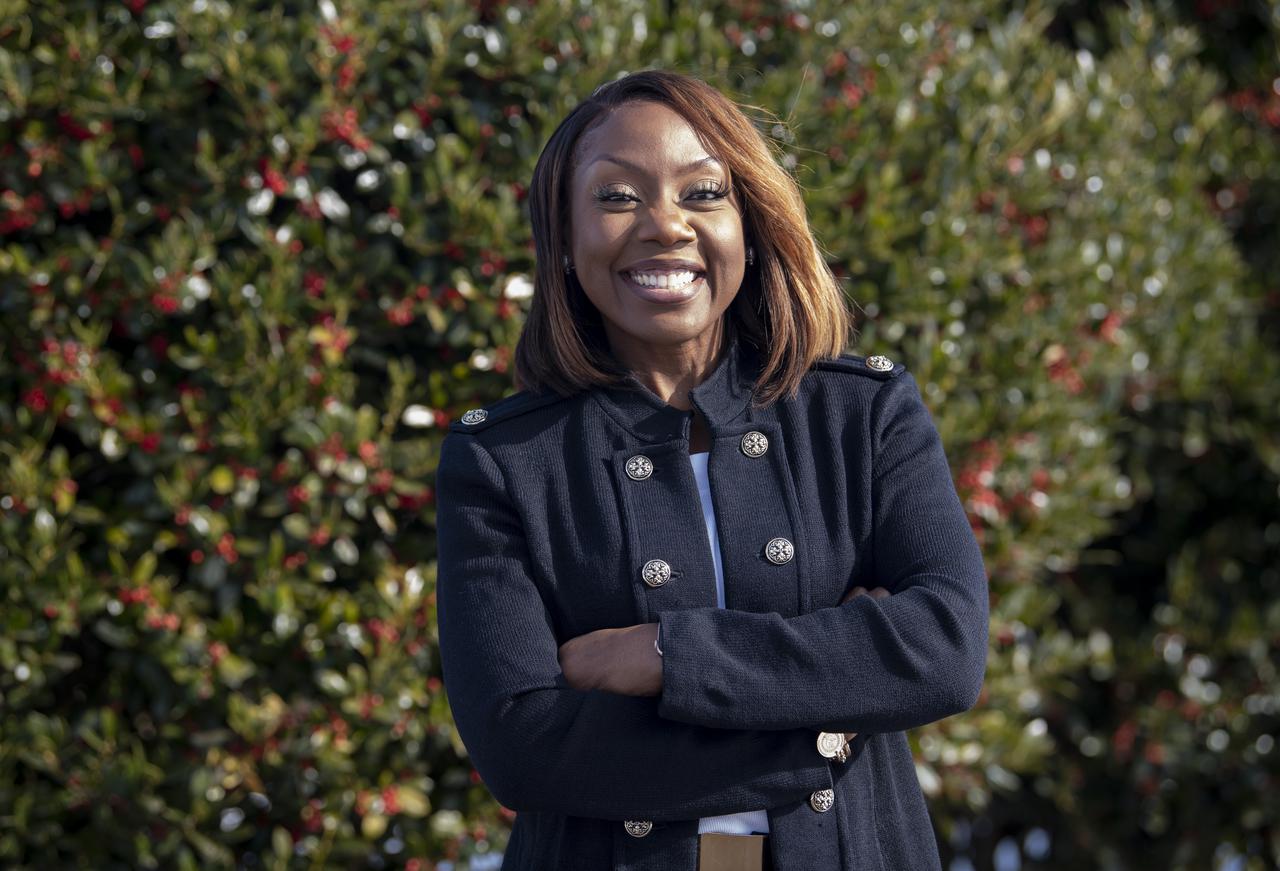
"I still can't get over the fact that I actually work at NASA. If you had told the little girl years ago who was watching the shuttle launches from our family room in Uganda, I could never believe it would be possible. "It’s been such a great journey because the rejection along the way instilled in me the humility and determination I needed to work harder and believe in myself. I learned that if I believed in myself and not take it personally, great things will come my way. I’ve worked with people who felt comfortable teaching me new things and letting me explore. Legacy is really important to me. Many who came before gave me the opportunity to have a seat at the table. Now that I am here, I want to ensure I do my best so others can get access to more opportunities and those at the table can see past their differences, and are not looked at as just a woman, or as a woman of color, but as a person who actually knows what they’re talking about." Tabisa Taliwaku Kalisa, Communications Manager in the Office of Procurement at NASA Headquarters, poses for a portrait, Thursday, Feb. 4, 2021, in Virginia. Photo Credit: (NASA/Joel Kowsky)
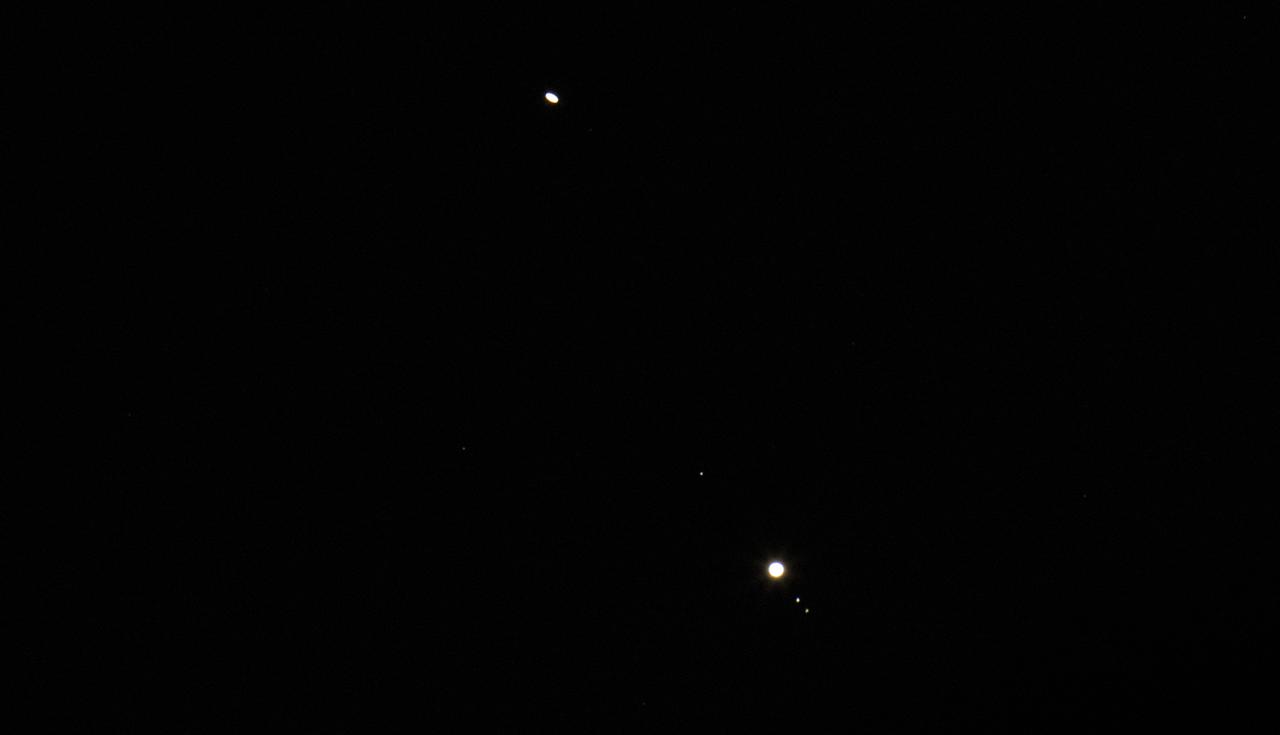
Saturn, top, and Jupiter, bottom, are seen after sunset from Alexandria, Va., Thursday, Dec. 17, 2020. The two planets are drawing closer to each other in the sky as they head towards a “great conjunction” on December 21, where the two giant planets will appear a tenth of a degree apart. Photo Credit: (NASA/Joel Kowsky)
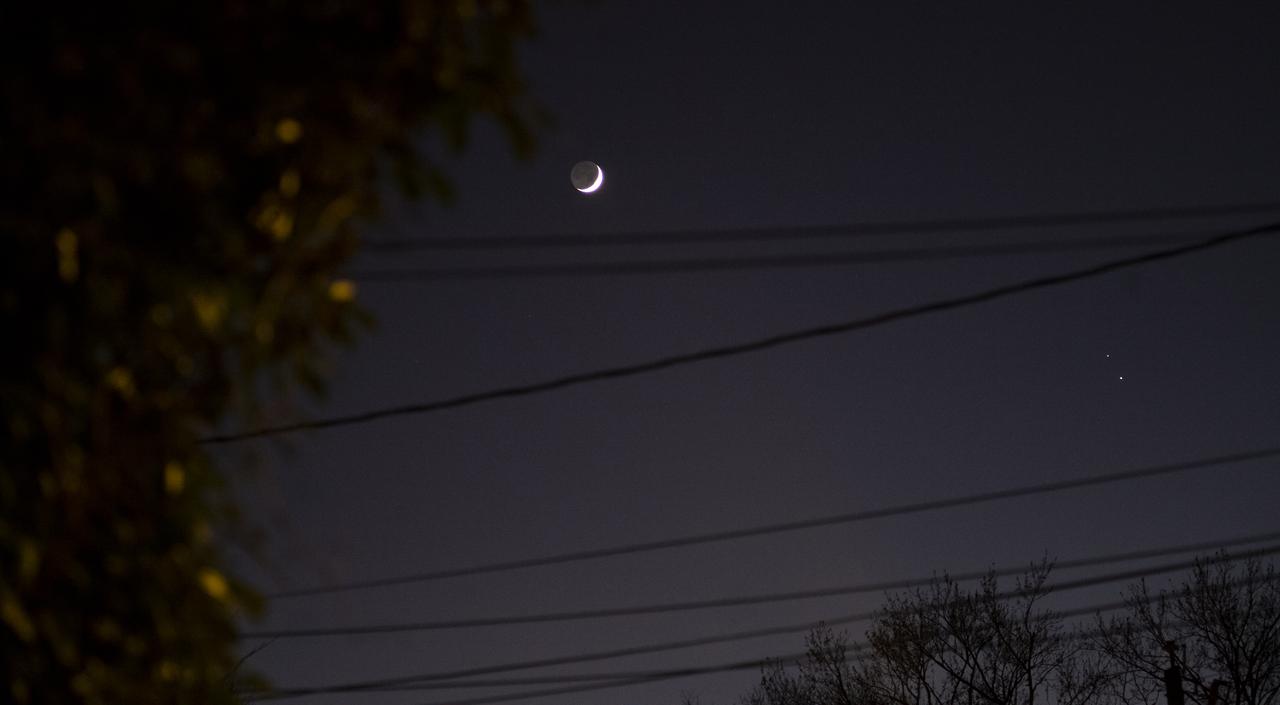
The Moon, left, Saturn, upper right, and Jupiter, lower right, are seen after sunset from Alexandria, Va., Thursday, Dec. 17, 2020. The two planets are drawing closer to each other in the sky as they head towards a “great conjunction” on December 21, where the two giant planets will appear a tenth of a degree apart. Photo Credit: (NASA/Joel Kowsky)
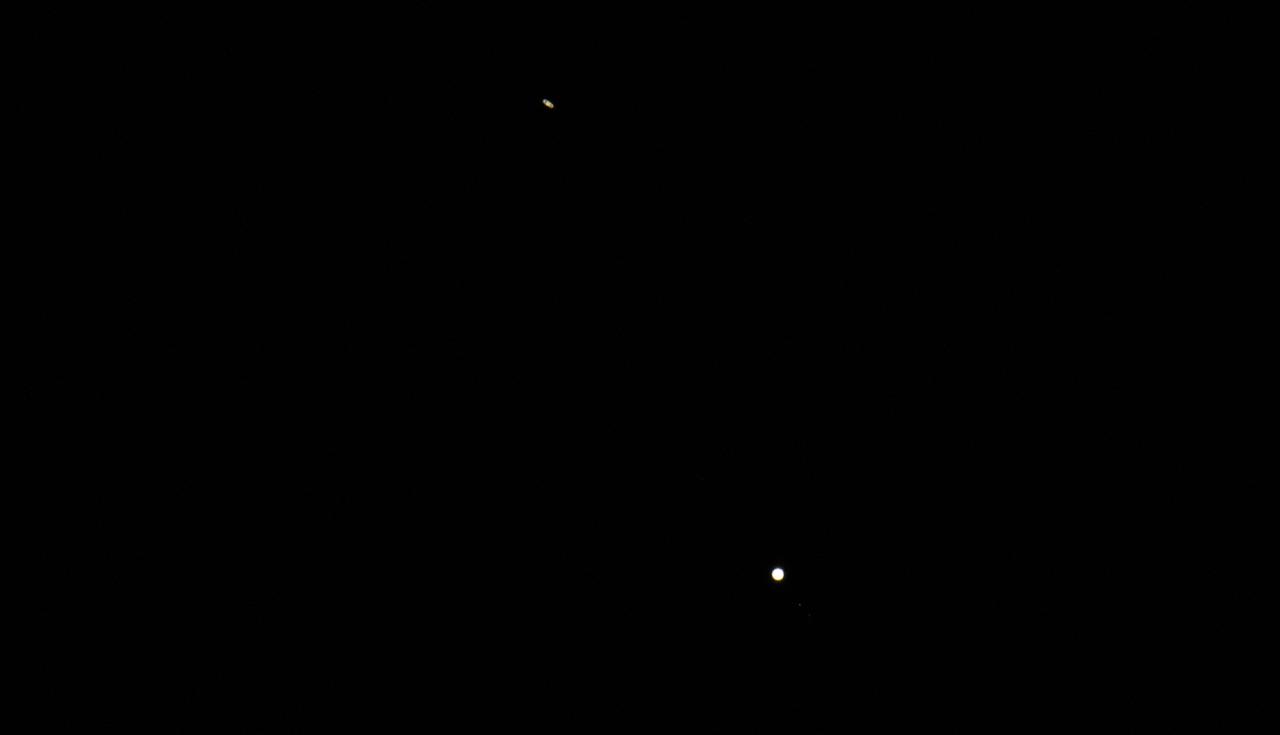
Saturn, top, and Jupiter, bottom, are seen after sunset from Alexandria, Va., Thursday, Dec. 17, 2020. The two planets are drawing closer to each other in the sky as they head towards a “great conjunction” on December 21, where the two giant planets will appear a tenth of a degree apart. Photo Credit: (NASA/Joel Kowsky)
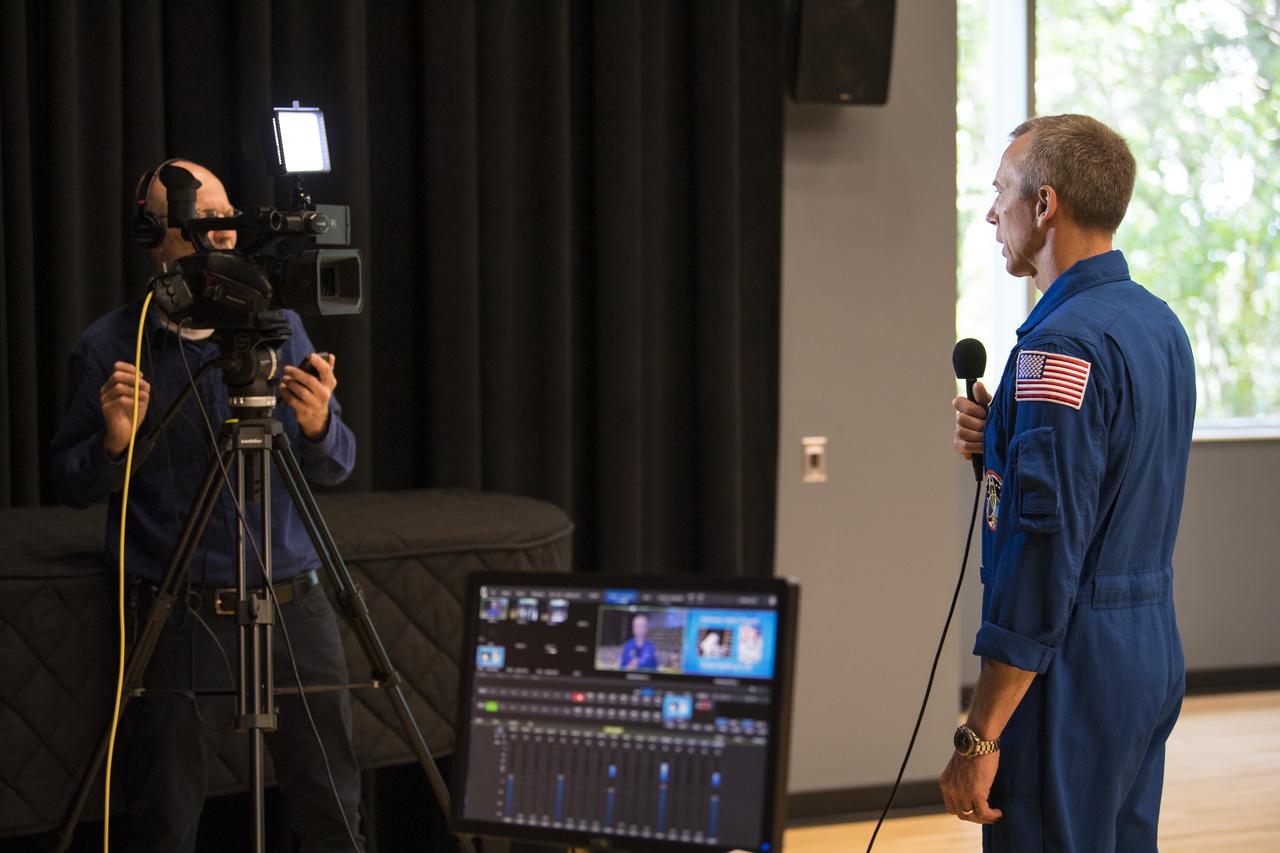
NASA astronaut Drew Feustel is interviewed about his community college experience and why he chose to be an astronaut at Northern Virginia Community College's Alexandria campus, Monday, May 6, 2019 in Virginia. Photo Credit: (NASA/Aubrey Gemignani)
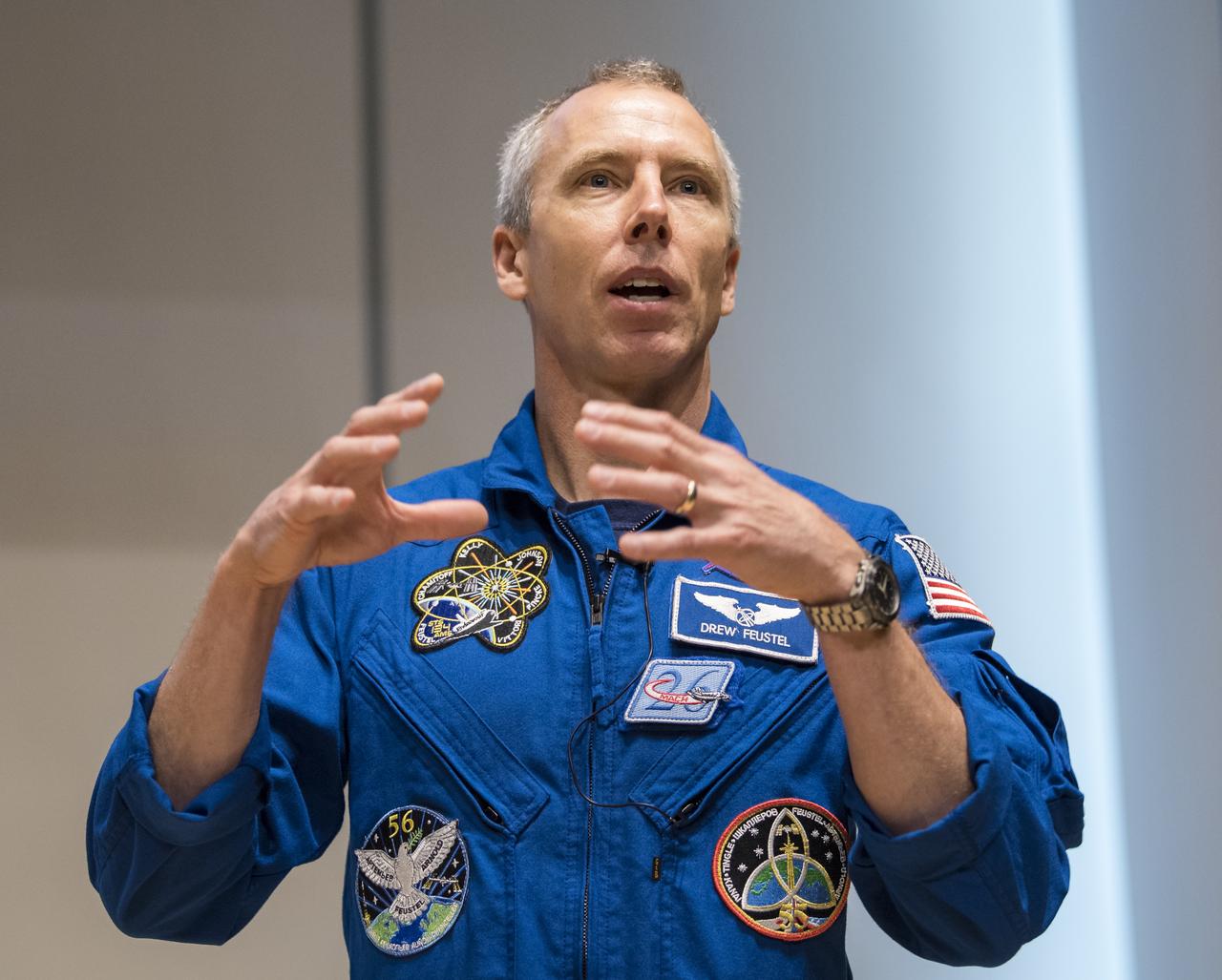
NASA astronaut Drew Feustel speaks about his experience on two shuttle missions, STS-125 and STS-134, as well as Expeditions 55 and 56 on the International Space Station, at Northern Virginia Community College's Alexandria campus, Monday, May 6, 2019 in Virginia. Photo Credit: (NASA/Aubrey Gemignani)
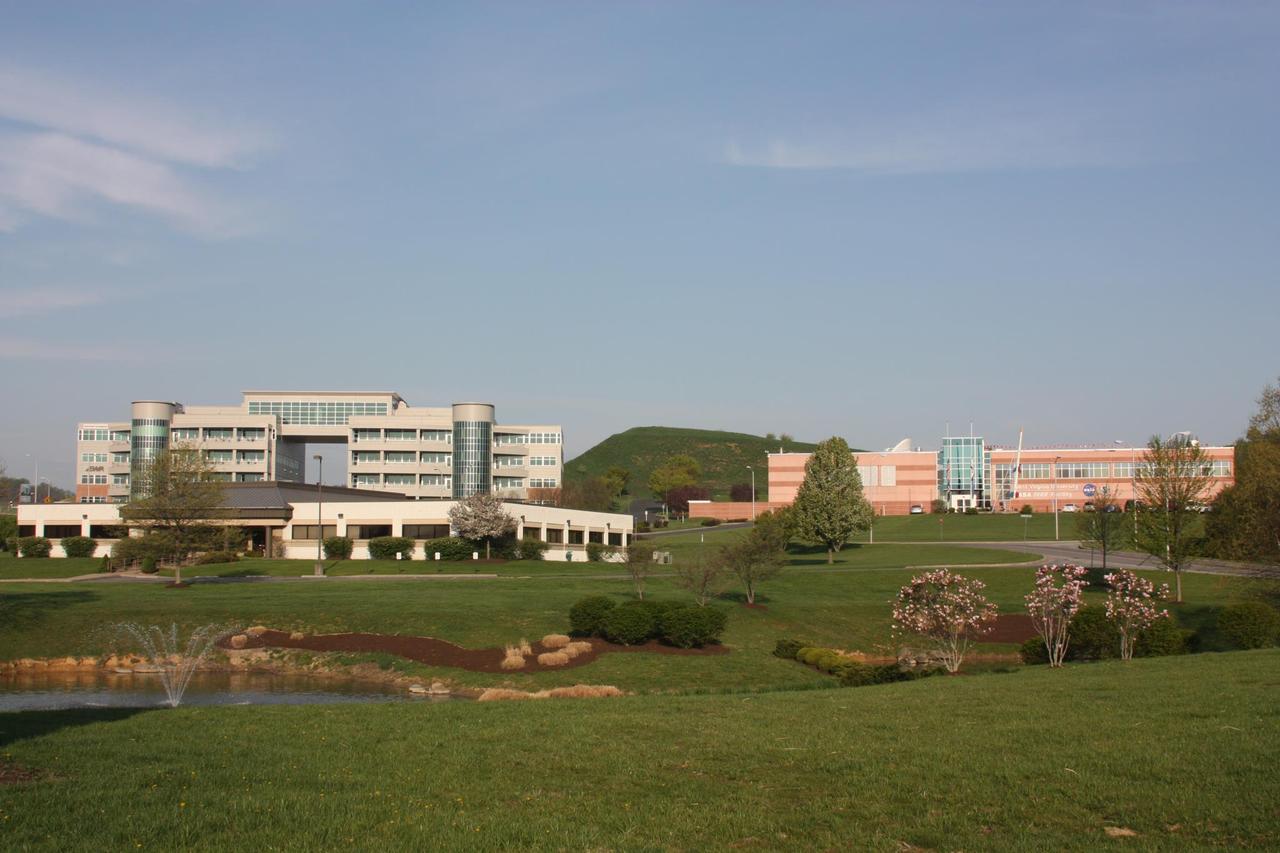
NASA's Katherine Johnson Independent Verification and Validation Facility in Fairmont, West Virginia. Credit: NASA
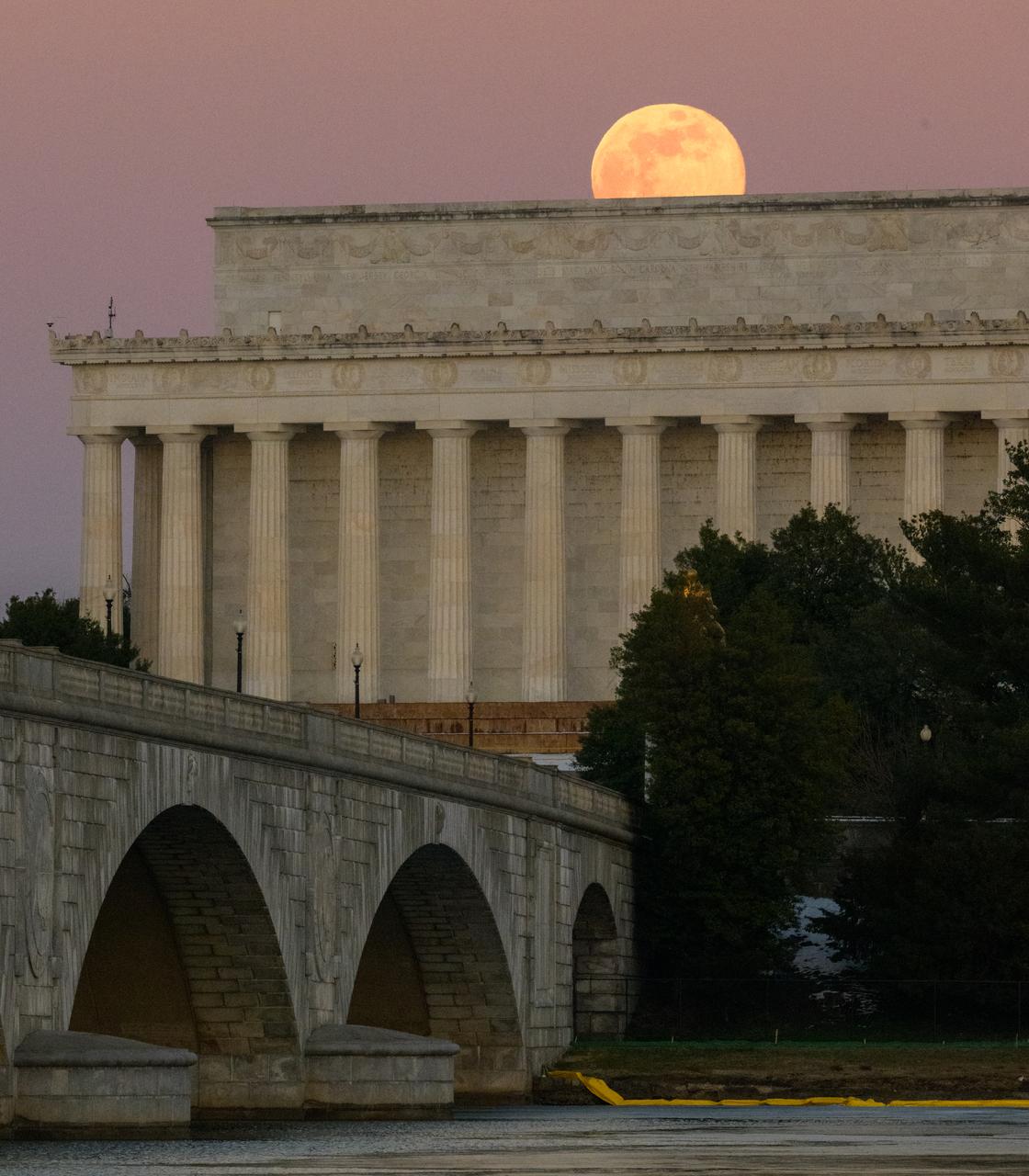
The full Moon, also known in January as the Wolf Moon, rises above the Lincoln Memorial and the Memorial Bridge, Monday, Jan. 13, 2025, as seen from Arlington, Virginia. Photo Credit: (NASA/Bill Ingalls)
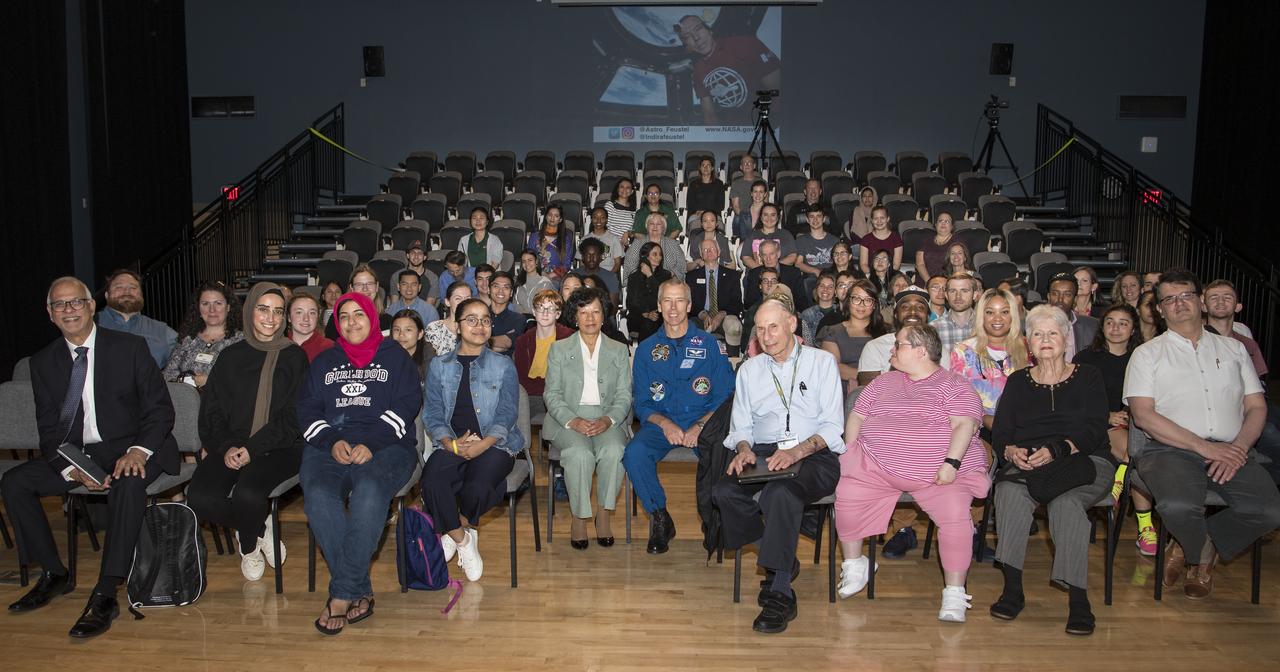
NASA astronaut Drew Feustel, center right, poses for a photo with Northern Virginia Community College's Alexandria campus provost, Dr. Annette Haggray, center left, and attendees of his presentation on spaceflight, Monday, May 6, 2019 in Virginia. Photo Credit: (NASA/Aubrey Gemignani)
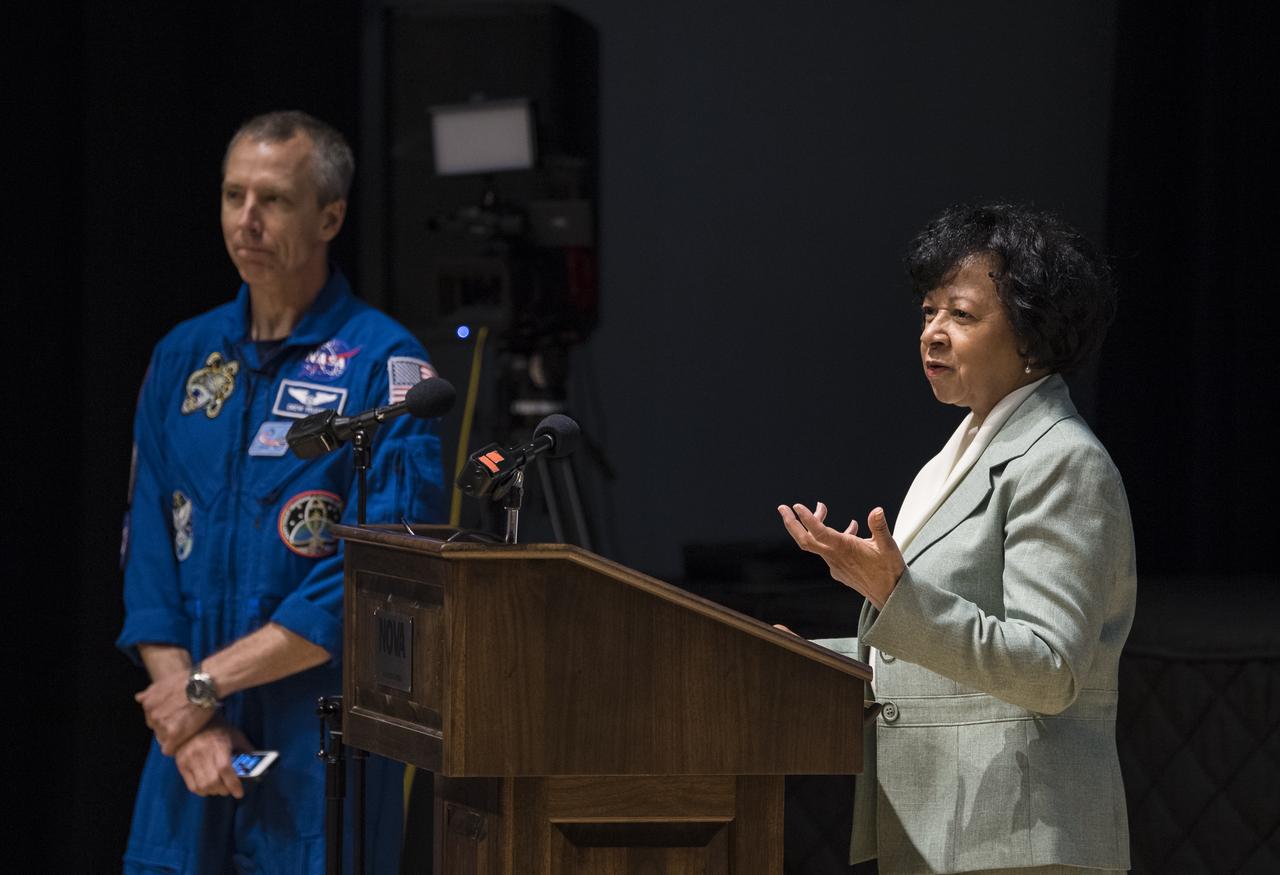
NASA astronaut Drew Feustel is introduced by Northern Virginia Community College's Alexandria campus provost, Dr. Annette Haggray, Monday, May 6, 2019 in Virginia. Photo Credit: (NASA/Aubrey Gemignani)
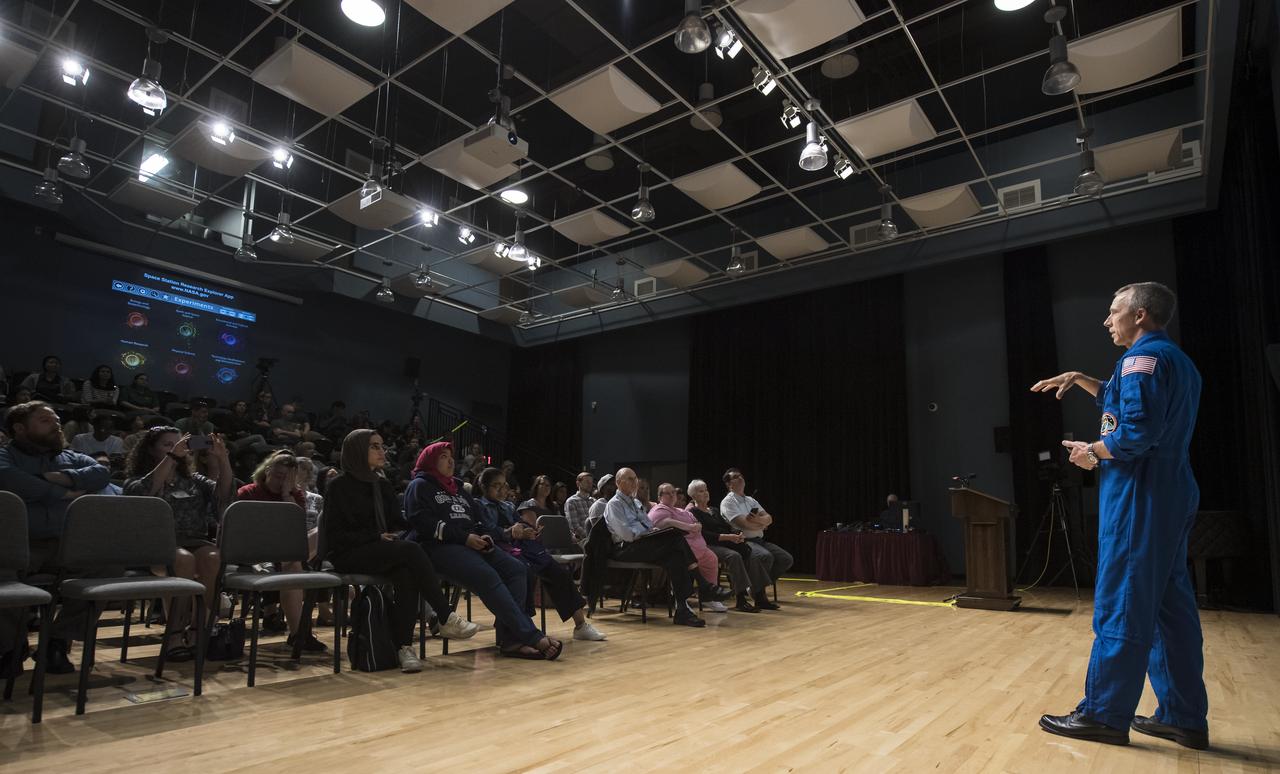
NASA astronaut Drew Feustel speaks about his experience on two shuttle missions, STS-125 and STS-134, as well as Expeditions 55 and 56 on the International Space Station, at Northern Virginia Community College's Alexandria campus, Monday, May 6, 2019 in Virginia. Photo Credit: (NASA/Aubrey Gemignani)
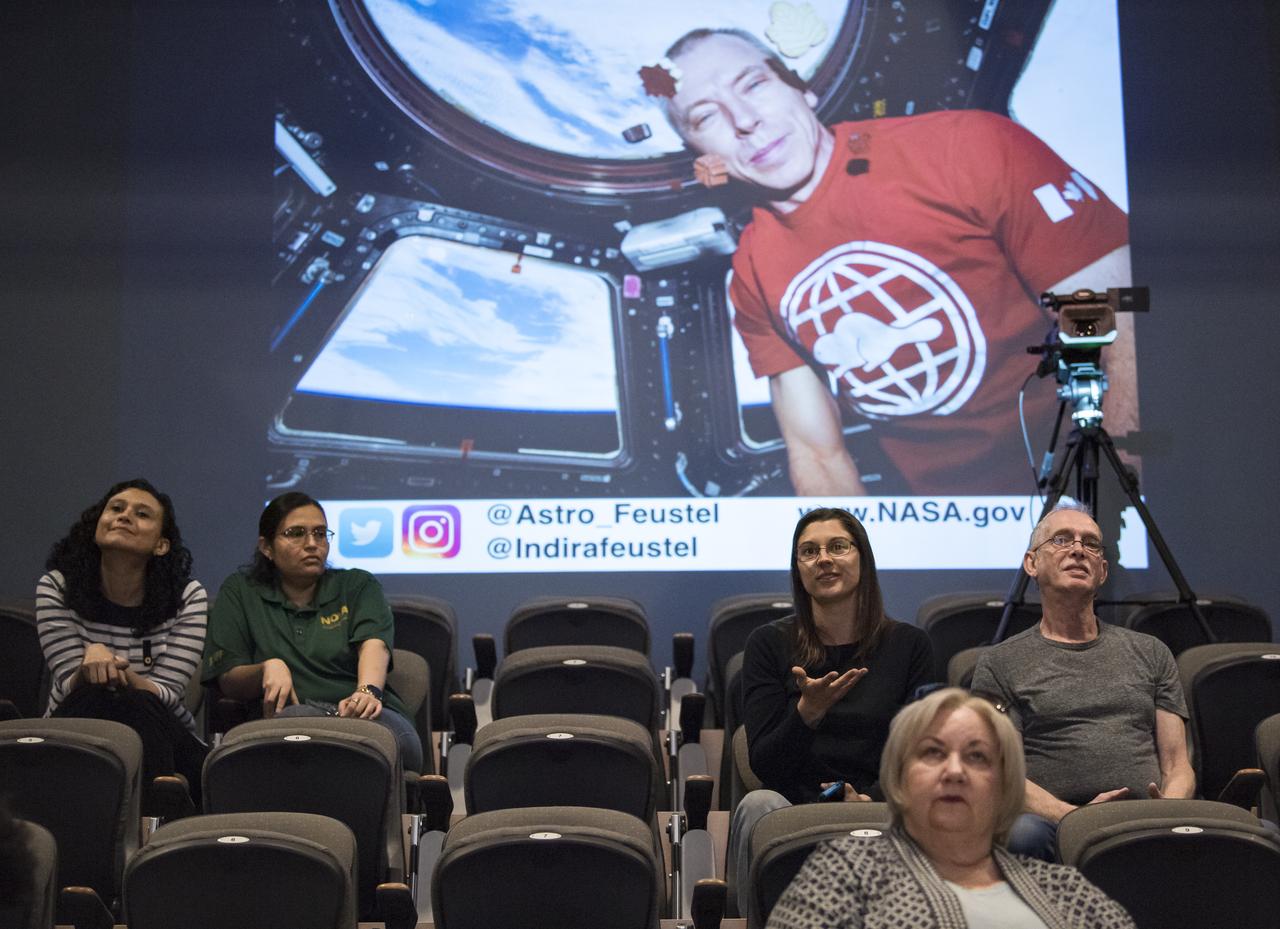
An audience member asks a question after NASA astronaut Drew Feustel gave a presentation about his experience on two shuttle missions, STS-125 and STS-134, as well as Expeditions 55 and 56 on the International Space Station, at Northern Virginia Community College's Alexandria campus, Monday, May 6, 2019 in Virginia. Photo Credit: (NASA/Aubrey Gemignani)
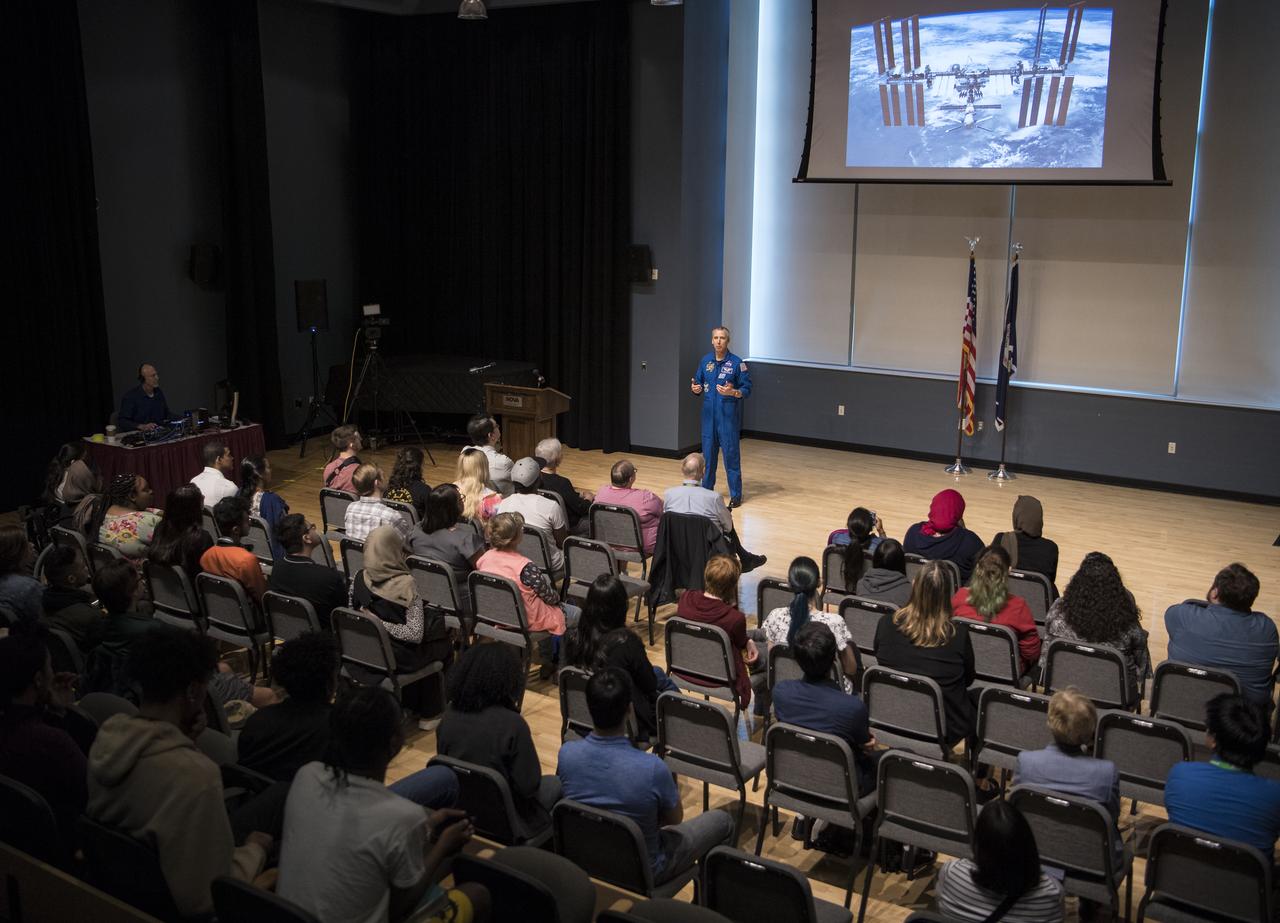
NASA astronaut Drew Feustel speaks about his experience on two shuttle missions, STS-125 and STS-134, as well as Expeditions 55 and 56 on the International Space Station, at Northern Virginia Community College's Alexandria campus, Monday, May 6, 2019 in Virginia. Photo Credit: (NASA/Aubrey Gemignani)
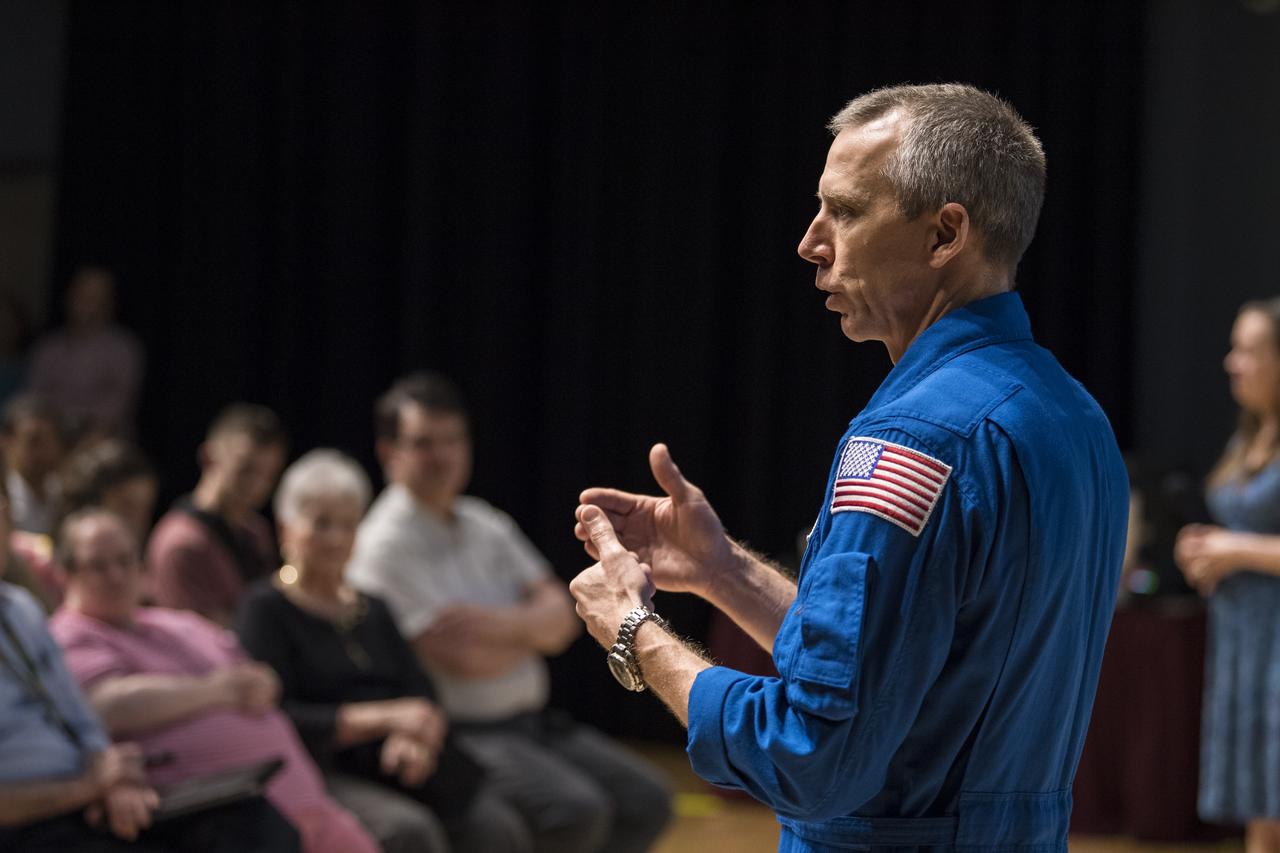
NASA astronaut Drew Feustel speaks about his experience on two shuttle missions, STS-125 and STS-134, as well as Expeditions 55 and 56 on the International Space Station, at Northern Virginia Community College's Alexandria campus, Monday, May 6, 2019 in Virginia. Photo Credit: (NASA/Aubrey Gemignani)
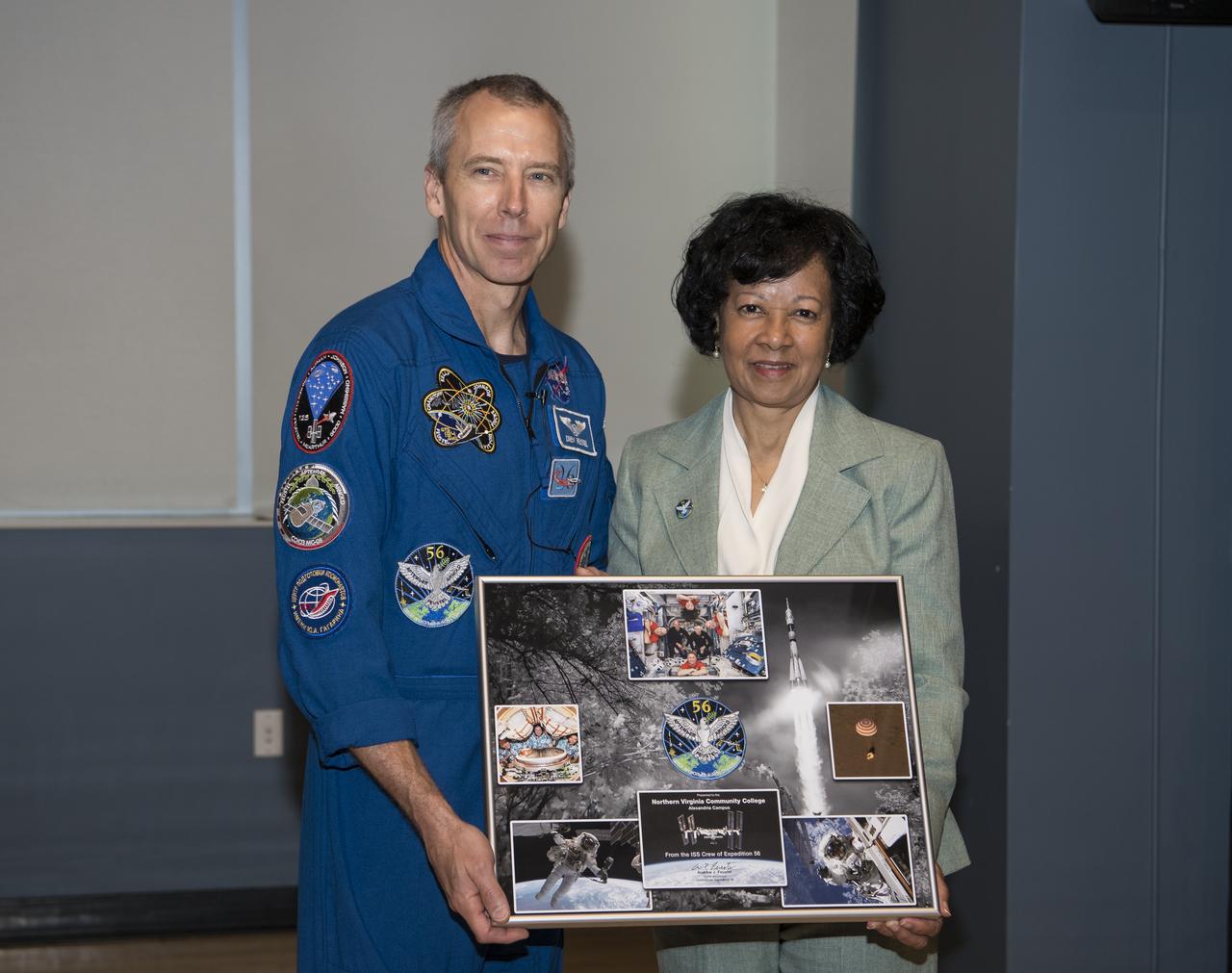
NASA astronaut Drew Feustel, left, poses for a photo with Northern Virginia Community College's Alexandria campus provost, Dr. Annette Haggray, after presenting her with a montage from Expeditions 55 and 56, Monday, May 6, 2019 in Virginia. Photo Credit: (NASA/Aubrey Gemignani)
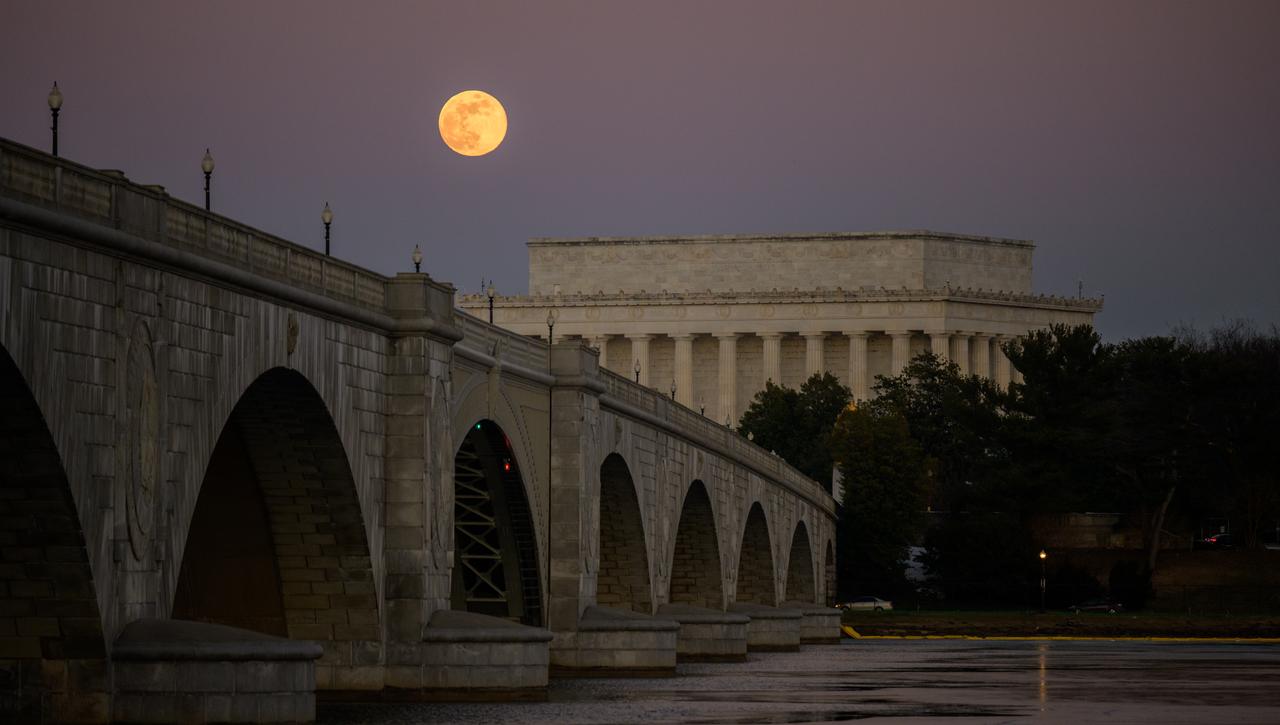
The full Moon, also known in January as the Wolf Moon, rises above the Lincoln Memorial and the Memorial Bridge, Monday, Jan. 13, 2025, as seen from Arlington, Virginia. Photo Credit: (NASA/Bill Ingalls)
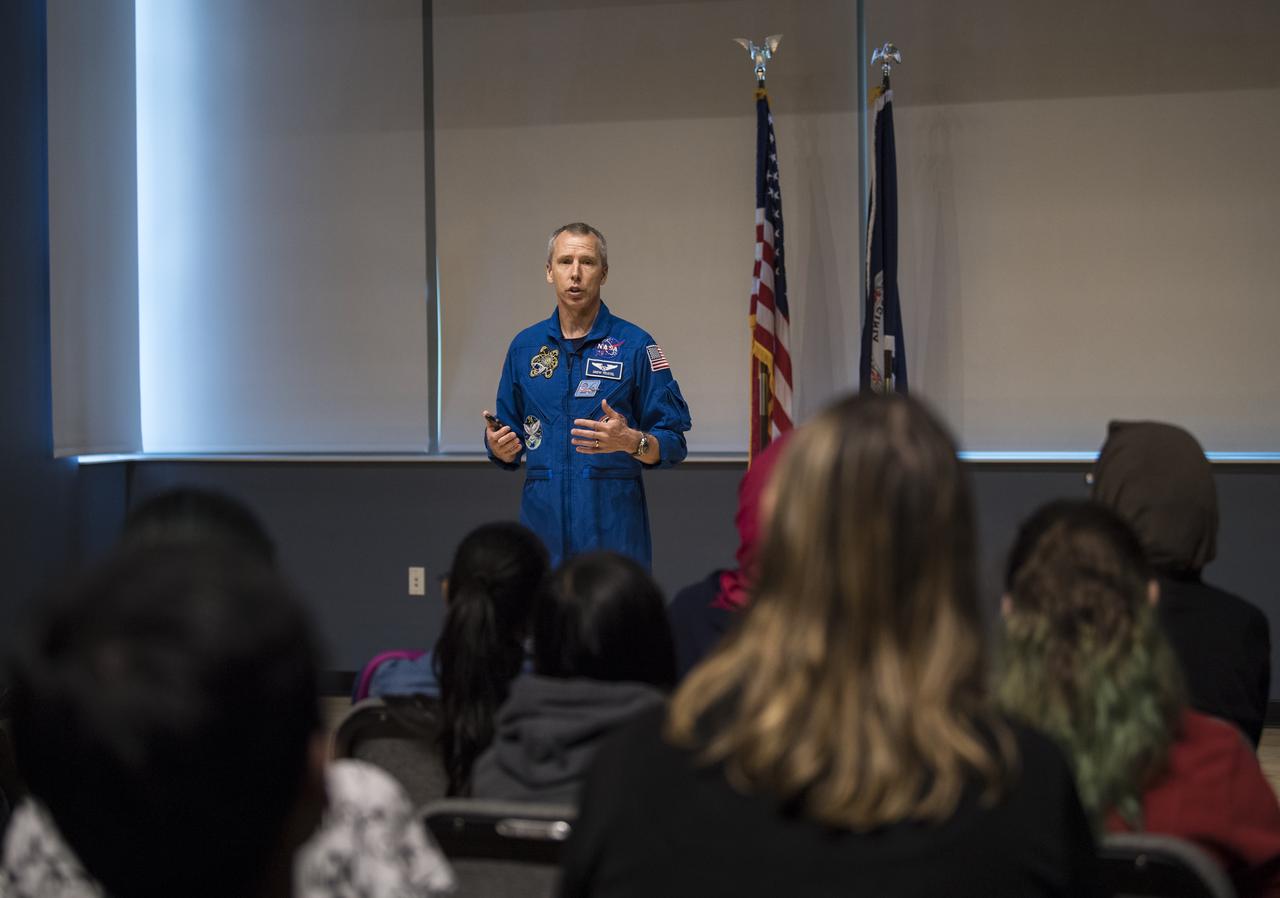
NASA astronaut Drew Feustel speaks about his experience on two shuttle missions, STS-125 and STS-134, as well as Expeditions 55 and 56 on the International Space Station, at Northern Virginia Community College's Alexandria campus, Monday, May 6, 2019 in Virginia. Photo Credit: (NASA/Aubrey Gemignani)
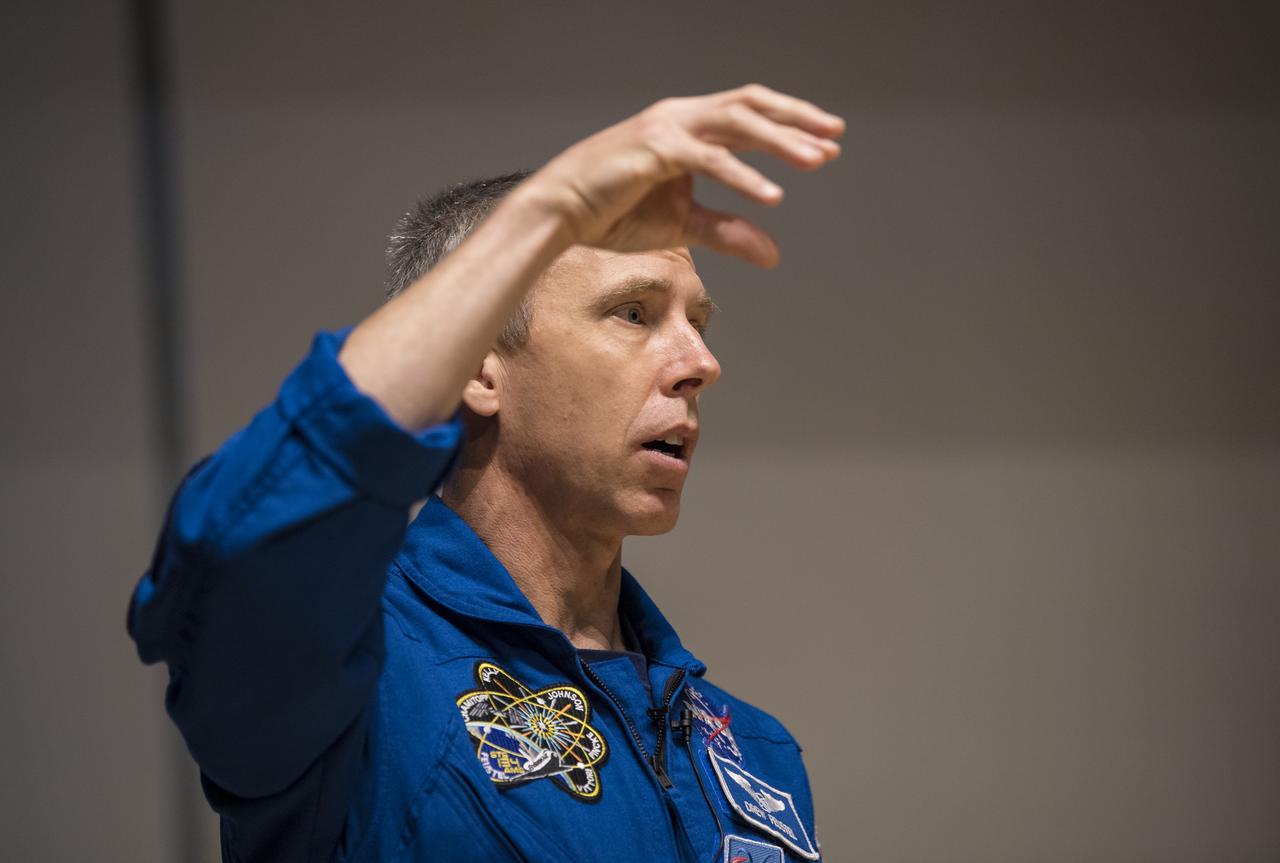
NASA astronaut Drew Feustel speaks about his experience on two shuttle missions, STS-125 and STS-134, as well as Expeditions 55 and 56 on the International Space Station, at Northern Virginia Community College's Alexandria campus, Monday, May 6, 2019 in Virginia. Photo Credit: (NASA/Aubrey Gemignani)
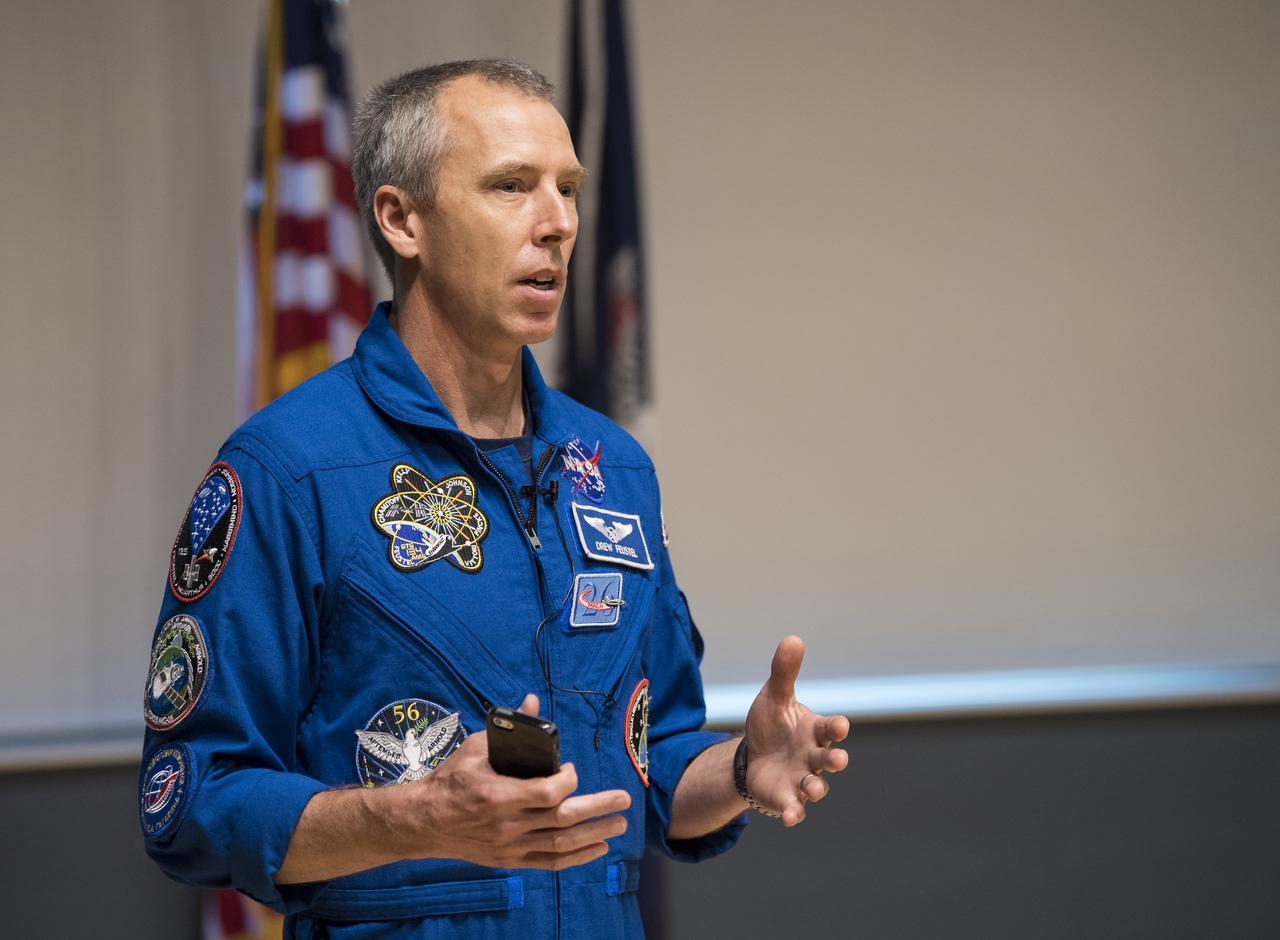
NASA astronaut Drew Feustel speaks about his experience on two shuttle missions, STS-125 and STS-134, as well as Expeditions 55 and 56 on the International Space Station, at Northern Virginia Community College's Alexandria campus, Monday, May 6, 2019 in Virginia. Photo Credit: (NASA/Aubrey Gemignani)
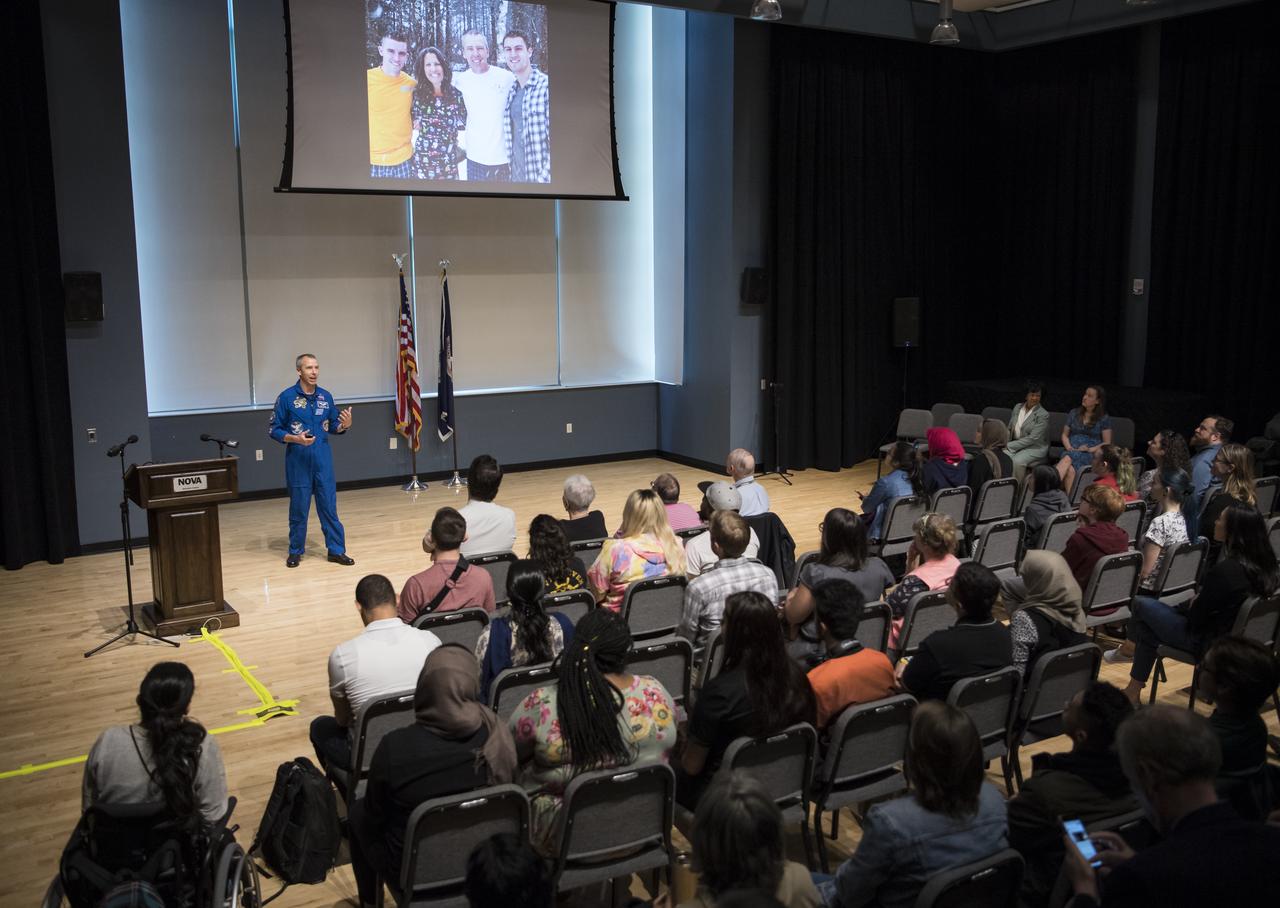
NASA astronaut Drew Feustel speaks about his experience on two shuttle missions, STS-125 and STS-134, as well as Expeditions 55 and 56 on the International Space Station, at Northern Virginia Community College's Alexandria campus, Monday, May 6, 2019 in Virginia. Photo Credit: (NASA/Aubrey Gemignani)
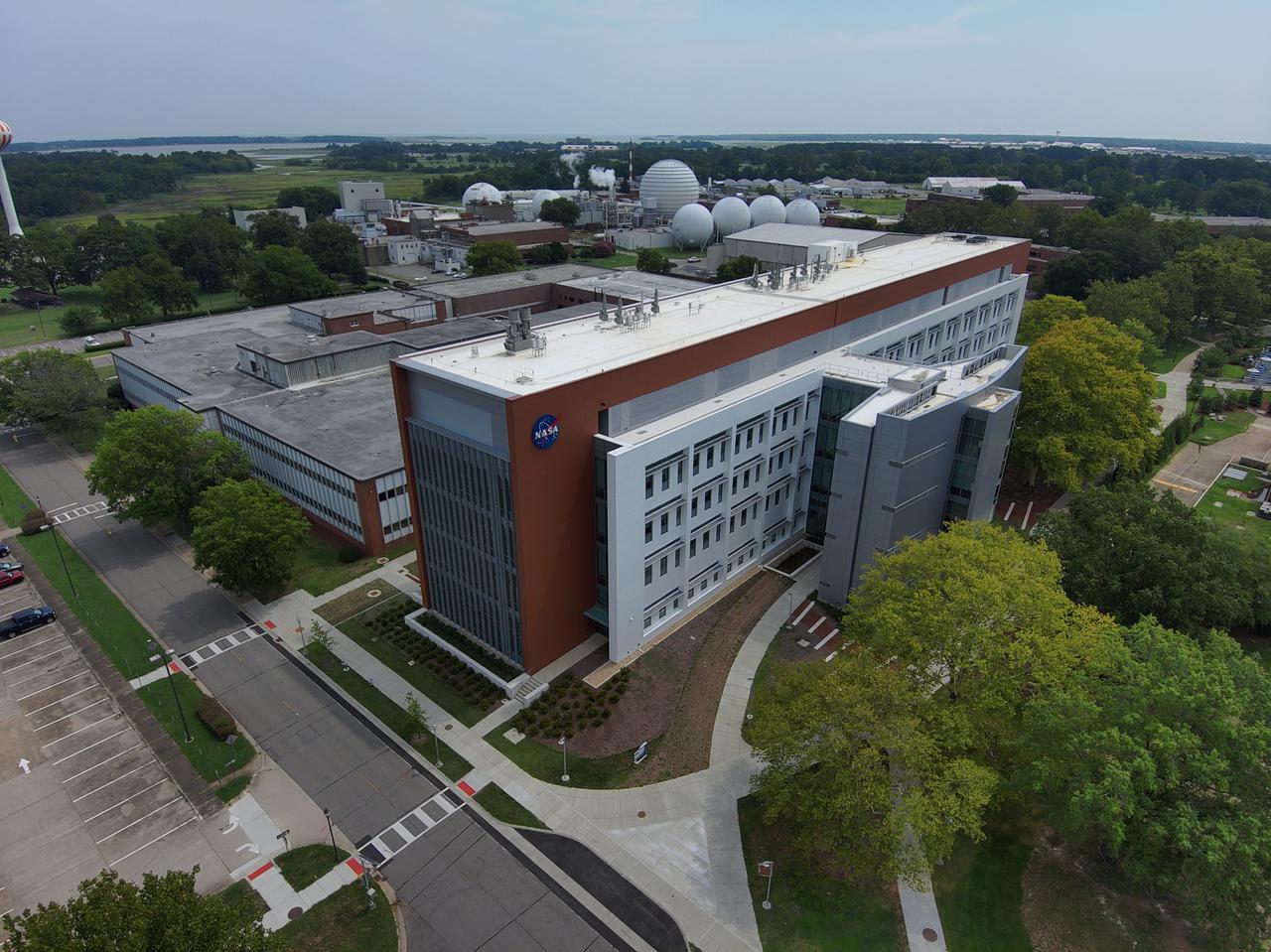
Langley’s newly built Measurement Systems Laboratory will serve as the primary research and development location for six branches within the Research and Engineering Directorates. The ribbon cutting will take place in April 2022.