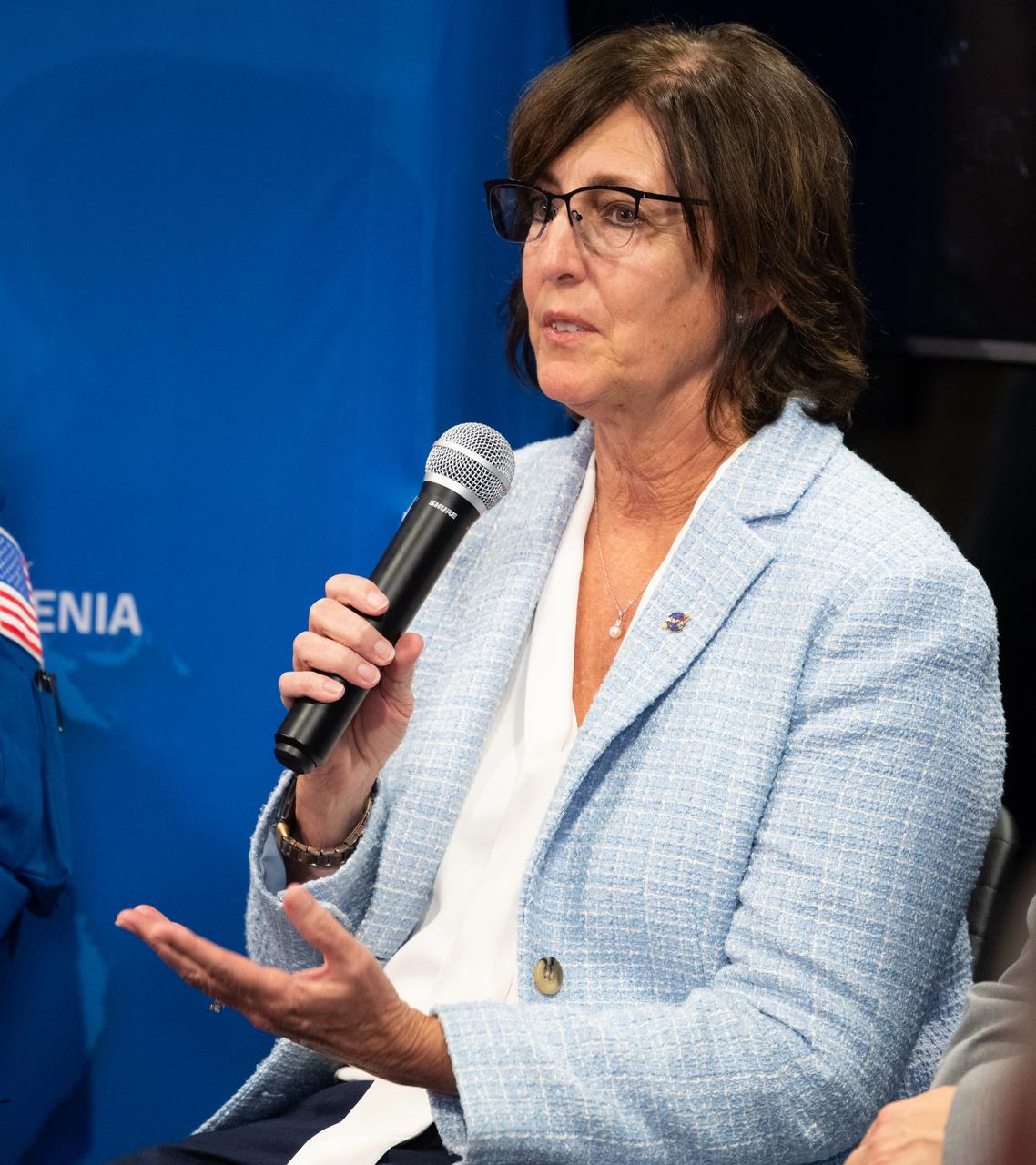
Robyn Gatens, director of International Space Station and acting director of the Commercial Space Flight Division of NASA's Space Operations Mission Directorate, answers a question during a panel discussion at the Embassy of Slovenia alongside NASA astronauts Butch Wilmore, Don Pettit, Suni Williams, and Nick Hague, Lee Echerd,, senior mission manager and commercial crew program lead at SpaceX, and Marko Novak, advisor of management board at Dewesoft Slovenia, Wednesday, Sept. 17, 2025, in Washington. Hague, Wilmore, Williams, and Pettit served as part of Expedition 72 onboard the International Space Station. Photo Credit: (NASA/Joel Kowsky)
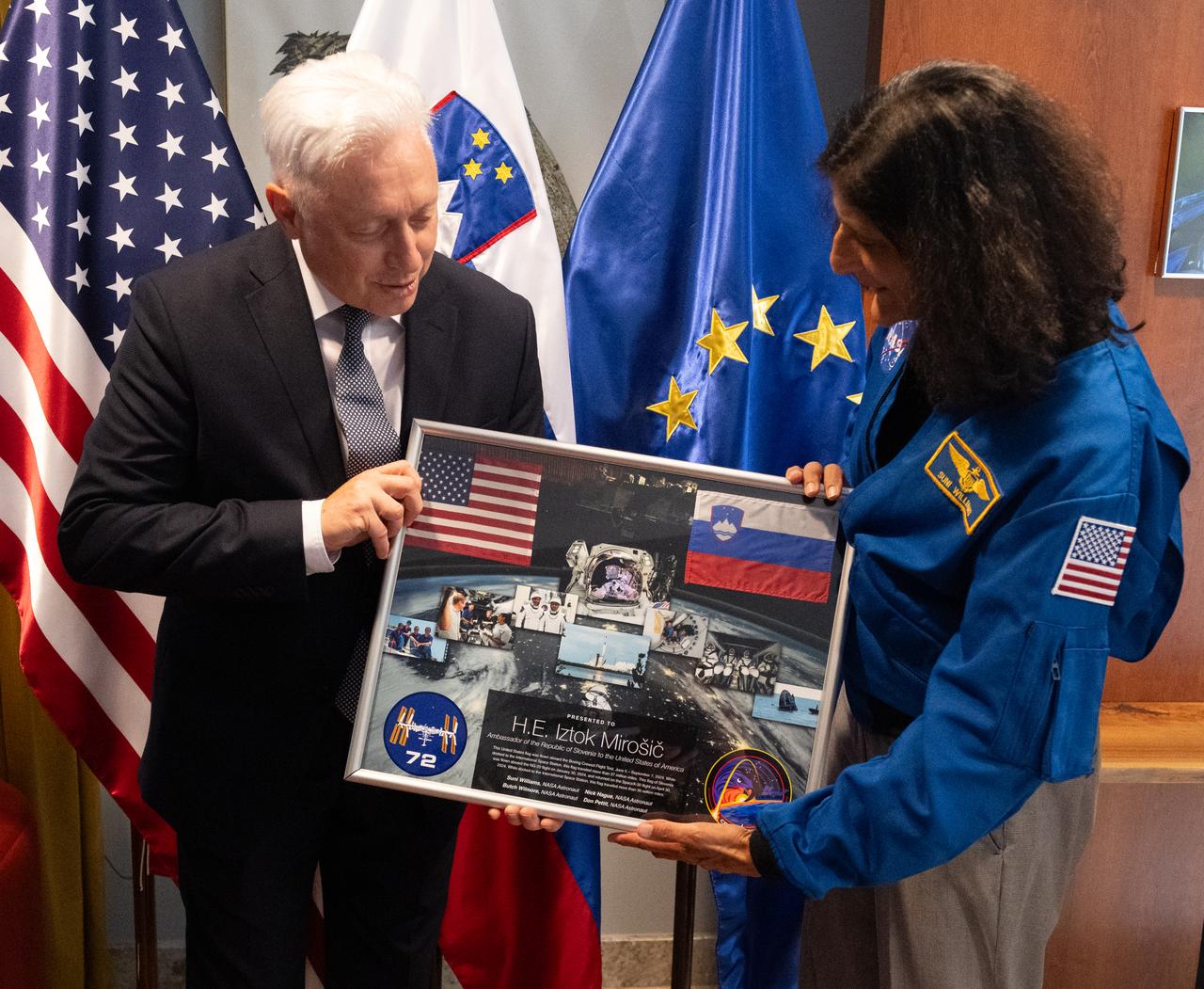
On behalf of the Expedition 72 crew NASA astronaut Suni Williams presents Iztok Mirošič, Ambassador of the Republic of Slovenia to the United States to the United States, with a montage including flags of the United States and Slovenia that have been flown in space before participating in a panel discussion at the Embassy of Slovenia, Wednesday, Sept. 17, 2025, in Washington. Williams, Don Pettit, Nick Hague, and Butch Wilmore served as part of Expedition 72 onboard the International Space Station. Photo Credit: (NASA/Joel Kowsky)
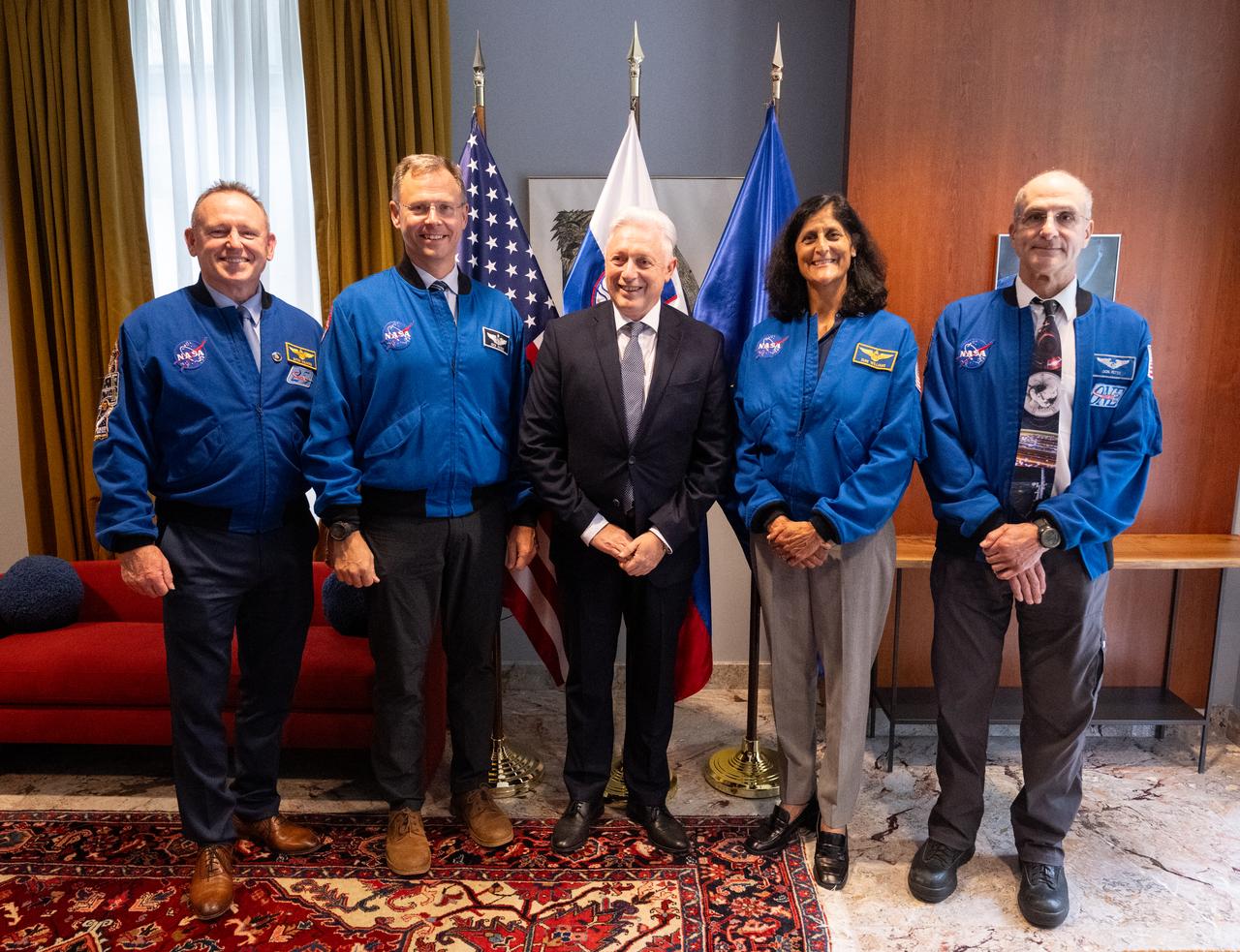
Expedition 72 NASA astronauts Butch Wilmore, left, Nick Hague, Suni Williams, and Don Pettit pose for a picture with Iztok Mirošič , Ambassador of the Republic of Slovenia to the United States, center, prior to a panel discussion at the Embassy of Slovenia, Wednesday, Sept. 17, 2025, in Washington. Hague, Wilmore, Williams, and Pettit served as part of Expedition 72 onboard the International Space Station. Photo Credit: (NASA/Joel Kowsky)
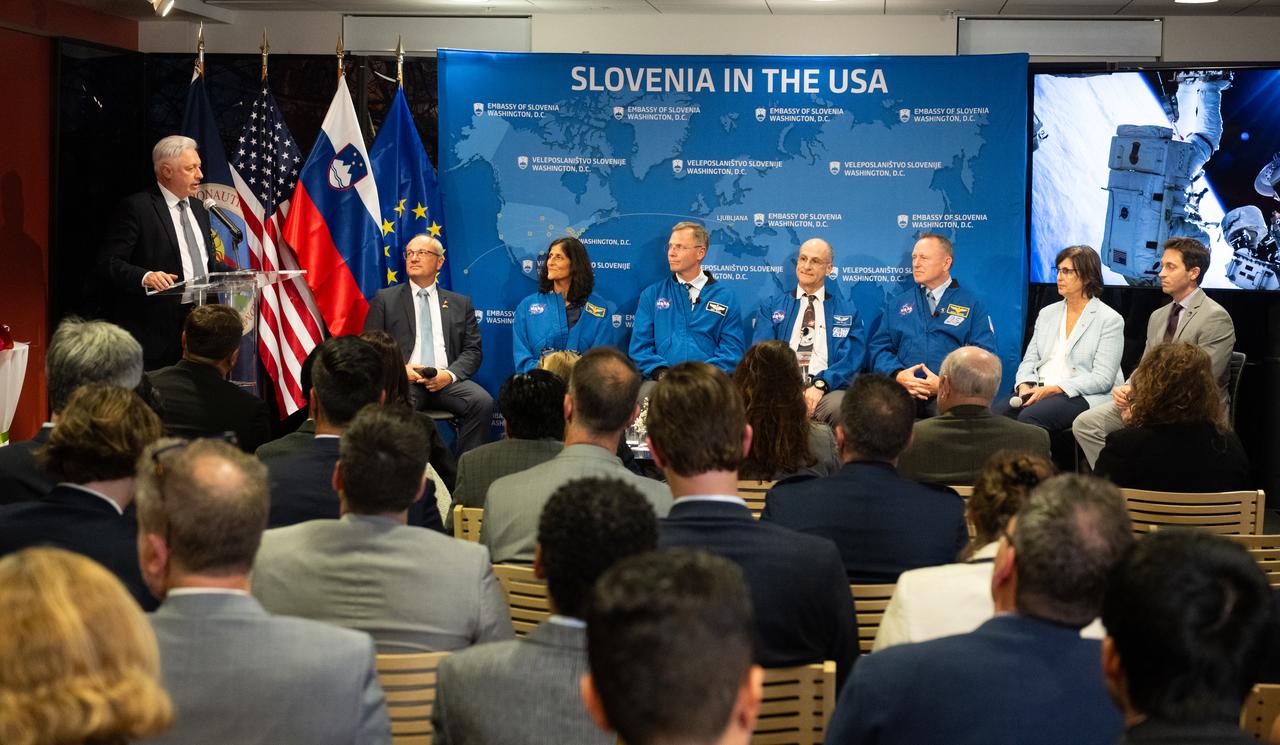
Iztok Mirošič, Ambassador of the Republic of Slovenia to the United States, provides closing remarks during a panel discussion with Marko Novak, advisor of management board Dewesoft Slovenia, NASA astronauts Suni Williams, Butch Wilmore, Nick Hague, and Don Pettit, Robyn Gatens, director of International Space Station and acting director of the Commercial Space Flight Division of NASA's Space Operations Mission Directorate, and Lee Echerd, senior mission manager and commercial crew program lead at SpaceX, at the Embassy of Slovenia, Wednesday, Sept. 17, 2025, in Washington. Hague, Wilmore, Williams, and Pettit served as part of Expedition 72 onboard the International Space Station. Photo Credit: (NASA/Joel Kowsky)

Expedition 72 NASA astronauts Don Pettit, left, Suni Williams, Nick Hague, Butch Wilmore, and Ken Bowersox, associate administrator for NASA's Space Operations Mission Directorate, speak with Iztok Mirošič, Ambassador of the Republic of Slovenia to the United States, center, prior to a panel discussion at the Embassy of Slovenia, Wednesday, Sept. 17, 2025, in Washington. Hague, Wilmore, Williams, and Pettit served as part of Expedition 72 onboard the International Space Station. Photo Credit: (NASA/Joel Kowsky)
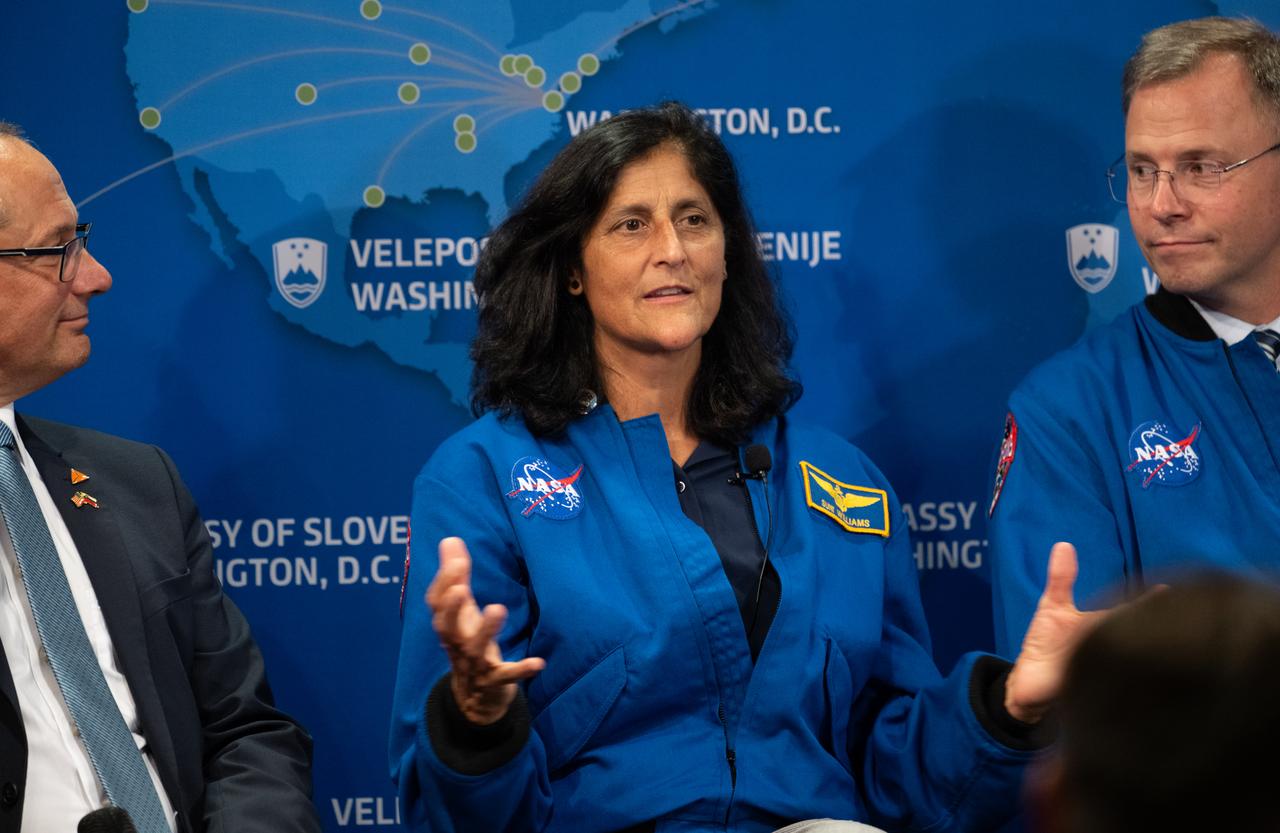
NASA astronaut Suni Williams, answers a question during a panel discussion at the Embassy of Slovenia alongside fellow NASA astronauts Don Pettit, Suni Williams, and Nick Hague, Robyn Gatens, director of International Space Station and acting director of the Commercial Space Flight Division of NASA's Space Operations Mission Directorate, Lee Echerd,, senior mission manager and commercial crew program lead at SpaceX, and Marko Novak, advisor of management board at Dewesoft Slovenia, Wednesday, Sept. 17, 2025, in Washington. Hague, Wilmore, Williams, and Pettit served as part of Expedition 72 onboard the International Space Station. Photo Credit: (NASA/Joel Kowsky)
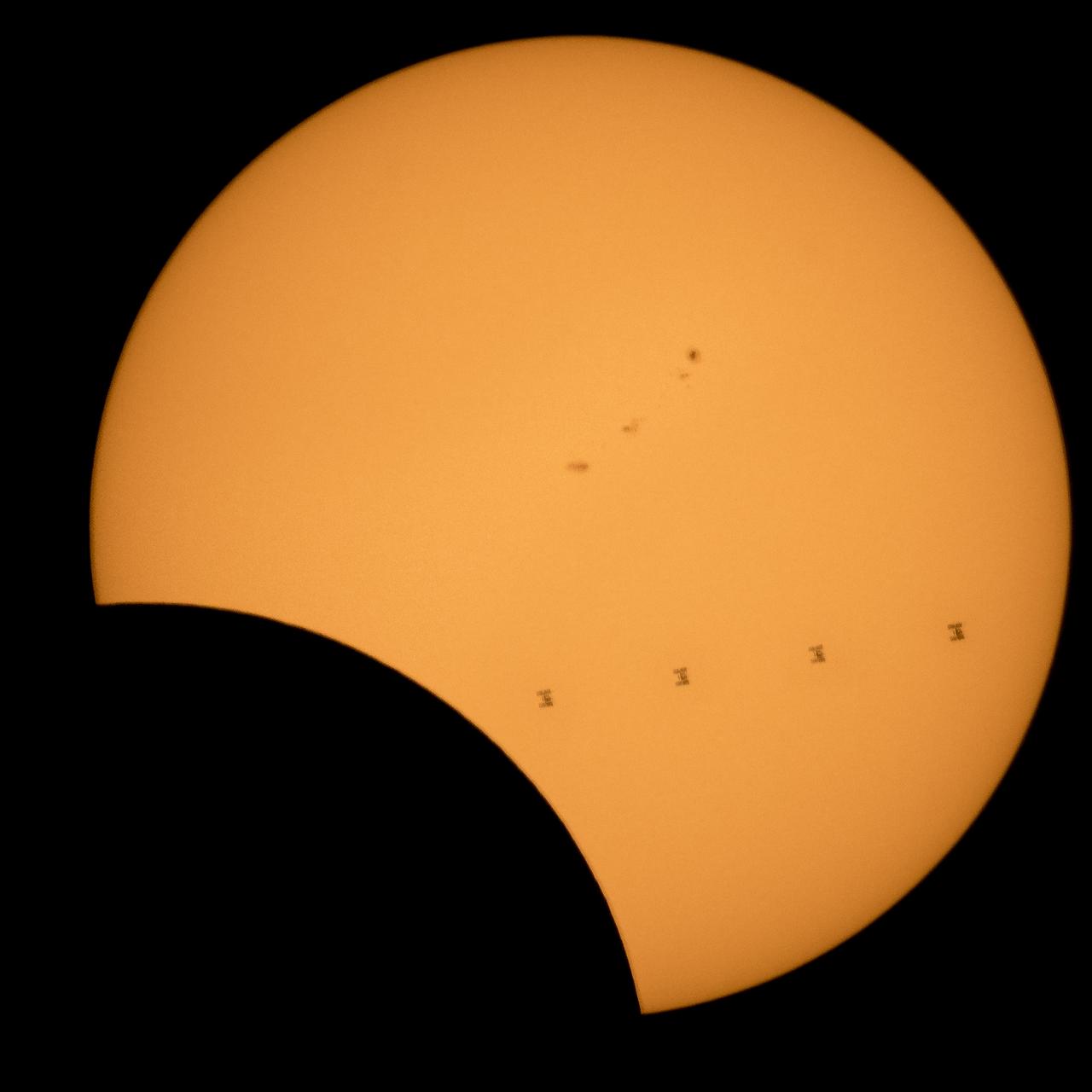
This composite image, made from 4 frames, shows the International Space Station, with a crew of six onboard, as it transits the Sun at roughly five miles per second during a partial solar eclipse, Monday, Aug. 21, 2017 from , Northern Cascades National Park in Washington. Onboard as part of Expedition 52 are: NASA astronauts Peggy Whitson, Jack Fischer, and Randy Bresnik; Russian cosmonauts Fyodor Yurchikhin and Sergey Ryazanskiy; and ESA (European Space Agency) astronaut Paolo Nespoli. A total solar eclipse swept across a narrow portion of the contiguous United States from Lincoln Beach, Oregon to Charleston, South Carolina. A partial solar eclipse was visible across the entire North American continent along with parts of South America, Africa, and Europe. Photo Credit: (NASA/Bill Ingalls)
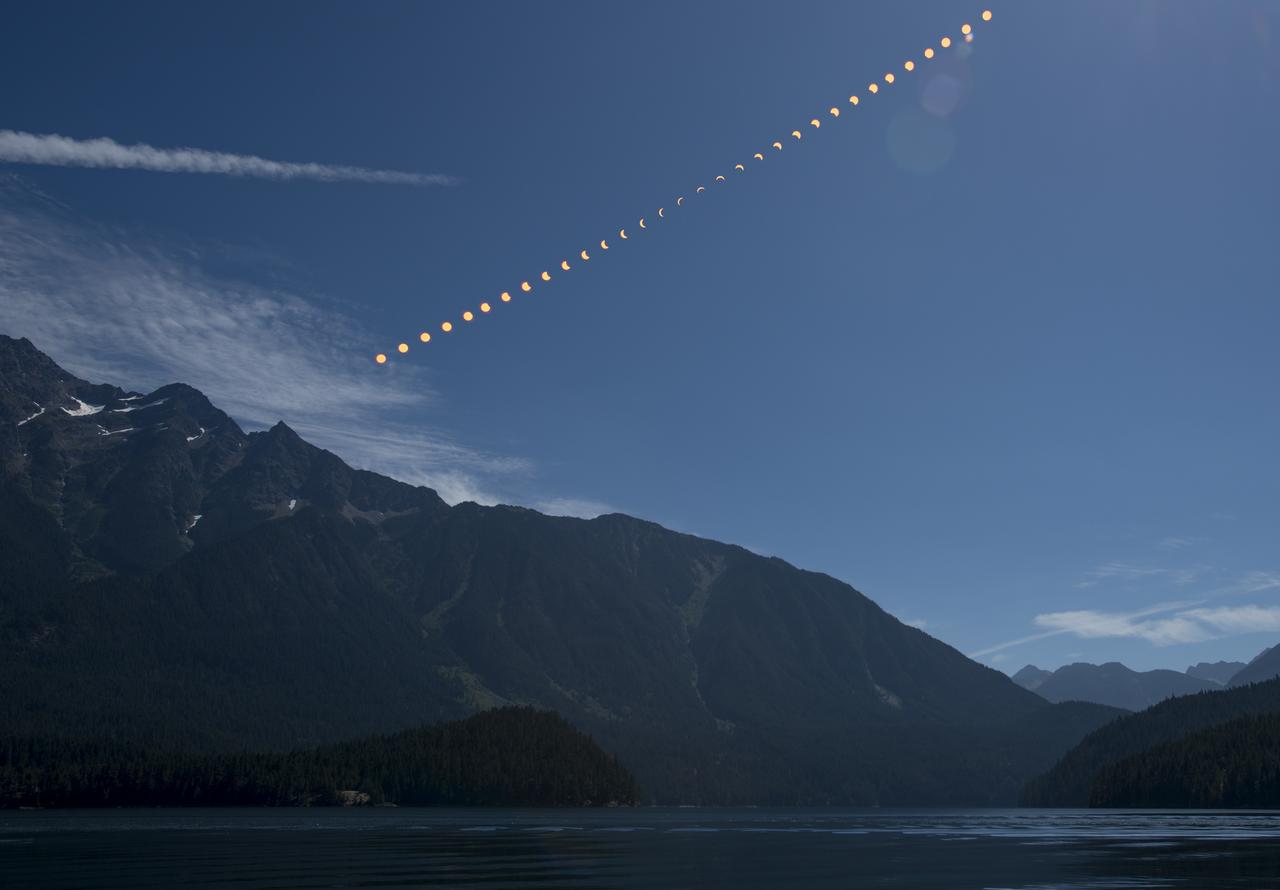
This composite image shows the progression of a partial solar eclipse over Ross Lake, in Northern Cascades National Park, Washington on Monday, Aug. 21, 2017. A total solar eclipse swept across a narrow portion of the contiguous United States from Lincoln Beach, Oregon to Charleston, South Carolina. A partial solar eclipse was visible across the entire North American continent along with parts of South America, Africa, and Europe. Photo Credit: (NASA/Bill Ingalls)
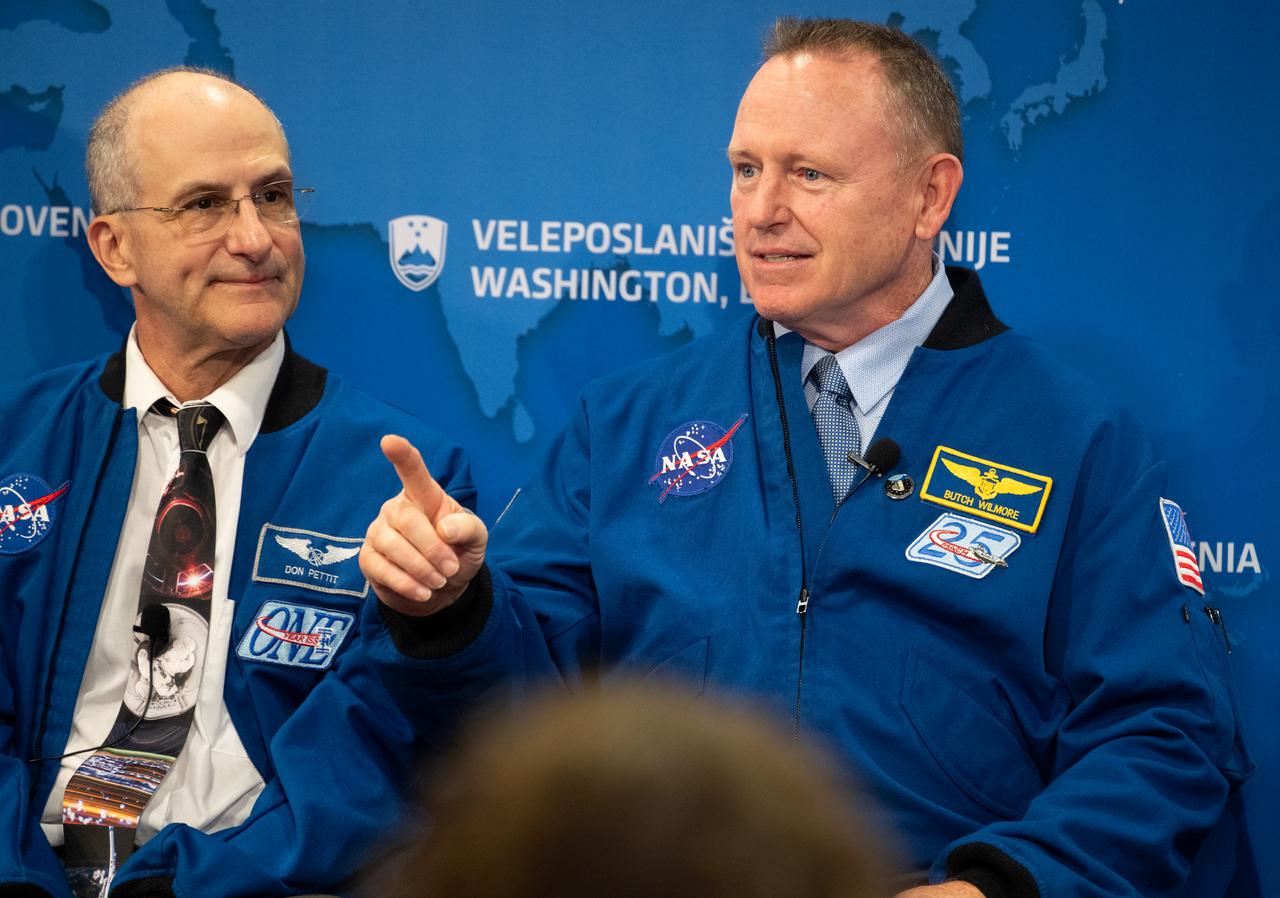
NASA astronaut Butch Wilmore, answers a question during a panel discussion at the Embassy of Slovenia alongside fellow NASA astronauts Don Pettit, Suni Williams, and Nick Hague, Robyn Gatens, director of International Space Station and acting director of the Commercial Space Flight Division of NASA's Space Operations Mission Directorate, Lee Echerd,, senior mission manager and commercial crew program lead at SpaceX, and Marko Novak, advisor of management board at Dewesoft Slovenia, Wednesday, Sept. 17, 2025, in Washington. Hague, Wilmore, Williams, and Pettit served as part of Expedition 72 onboard the International Space Station. Photo Credit: (NASA/Joel Kowsky)
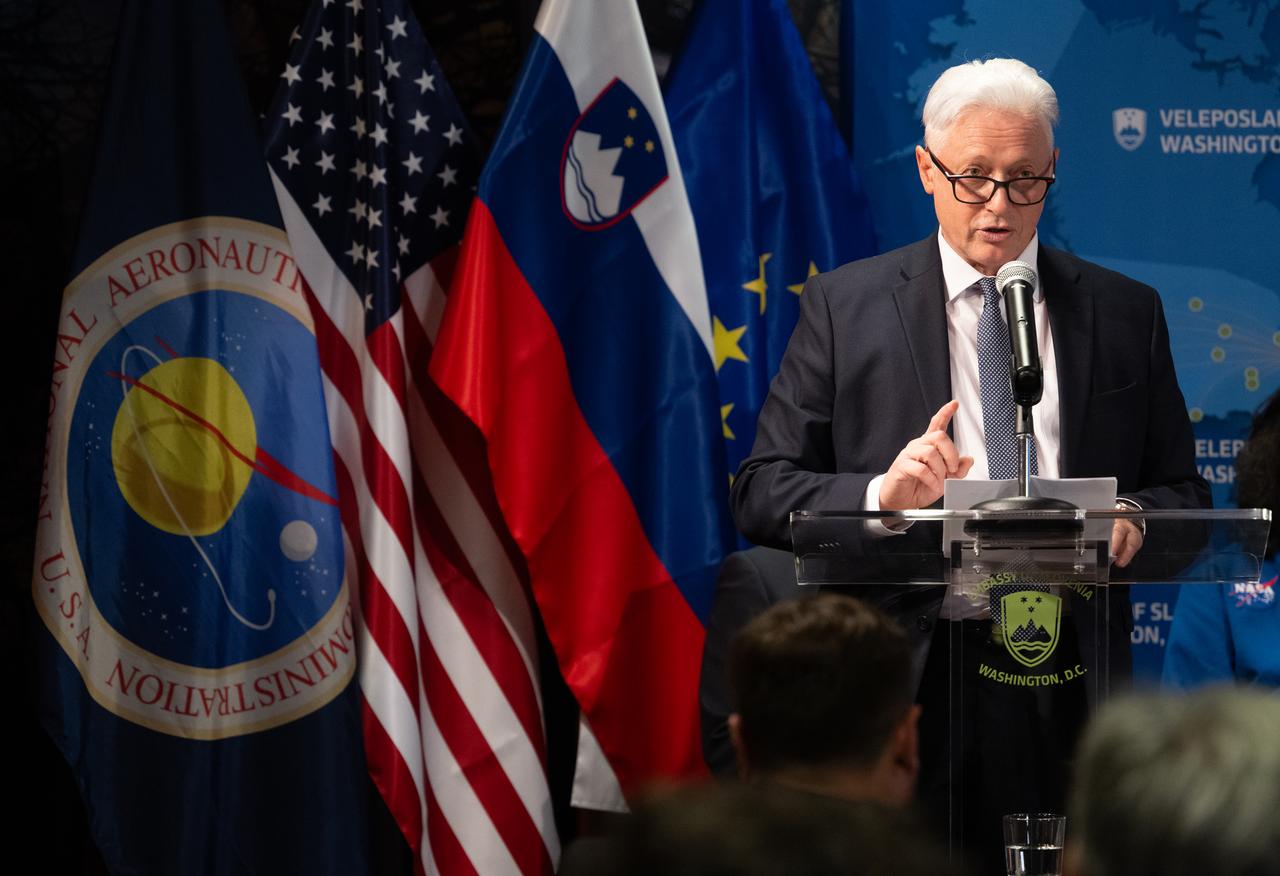
Iztok Mirošič, Ambassador of the Republic of Slovenia to the United States, provides opening remarks during a panel discussion with NASA astronauts Suni Williams, Butch Wilmore, Nick Hague, and Don Pettit, Robyn Gatens, director of International Space Station and acting director of the Commercial Space Flight Division of NASA's Space Operations Mission Directorate, Marko Novak, advisor of management board Dewesoft Slovenia, and Lee Echerd, senior mission manager and commercial crew program lead at SpaceX, at the Embassy of Slovenia, Wednesday, Sept. 17, 2025, in Washington. Hague, Wilmore, Williams, and Pettit served as part of Expedition 72 onboard the International Space Station. Photo Credit: (NASA/Joel Kowsky)

Lee Echerd, senior mission manager and commercial crew program lead at SpaceX, right, answers a question during a panel discussion at the Embassy of Slovenia with Robyn Gatens, director of International Space Station and acting director of the Commercial Space Flight Division of NASA's Space Operations Mission Directorate, left, and NASA astronauts Don Pettit, Suni Williams, Butch Wilmore, and Nick Hague, and Marko Novak, advisor of management board at Dewesoft Slovenia, Wednesday, Sept. 17, 2025, in Washington. Hague, Wilmore, Williams, and Pettit served as part of Expedition 72 onboard the International Space Station. Photo Credit: (NASA/Joel Kowsky)
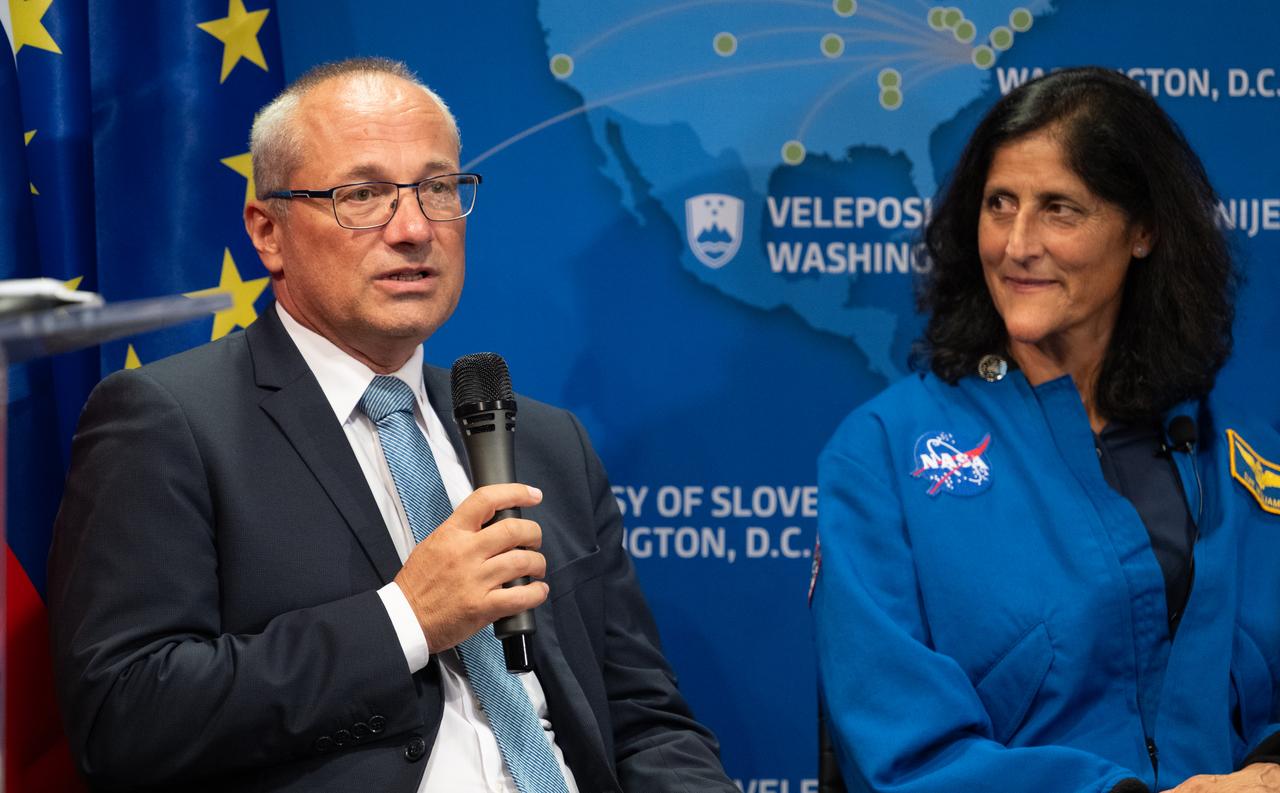
Marko Novak, advisor of management board at Dewesoft Slovenia, answers a question during a panel discussion at the Embassy of Slovenia with NASA astronauts Suni Williams, Don Pettit, Butch Wilmore, and Nick Hague, Robyn Gatens, director of International Space Station and acting director of the Commercial Space Flight Division of NASA's Space Operations Mission Directorate, and Lee Echerd, senior mission manager and commercial crew program lead at SpaceX, Wednesday, Sept. 17, 2025, in Washington. Hague, Wilmore, Williams, and Pettit served as part of Expedition 72 onboard the International Space Station. Photo Credit: (NASA/Joel Kowsky)
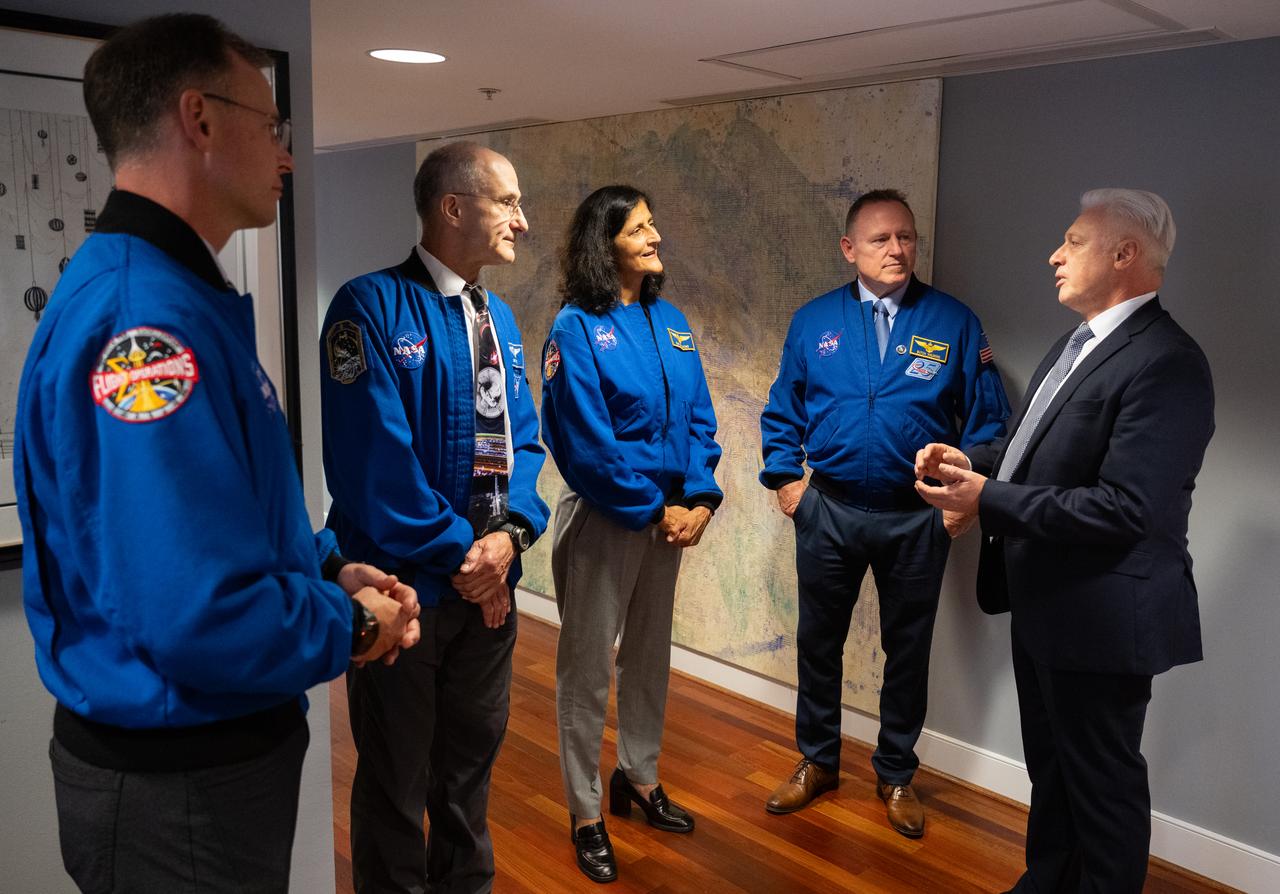
Expedition 72 NASA astronauts Nick Hague, left, Don Pettit, Suni Williams, and Butch Wilmore speak with Iztok Mirošič, Ambassador of the Republic of Slovenia to the United States, center, prior to a panel discussion at the Embassy of Slovenia, Wednesday, Sept. 17, 2025, in Washington. Hague, Wilmore, Williams, and Pettit served as part of Expedition 72 onboard the International Space Station. Photo Credit: (NASA/Joel Kowsky)
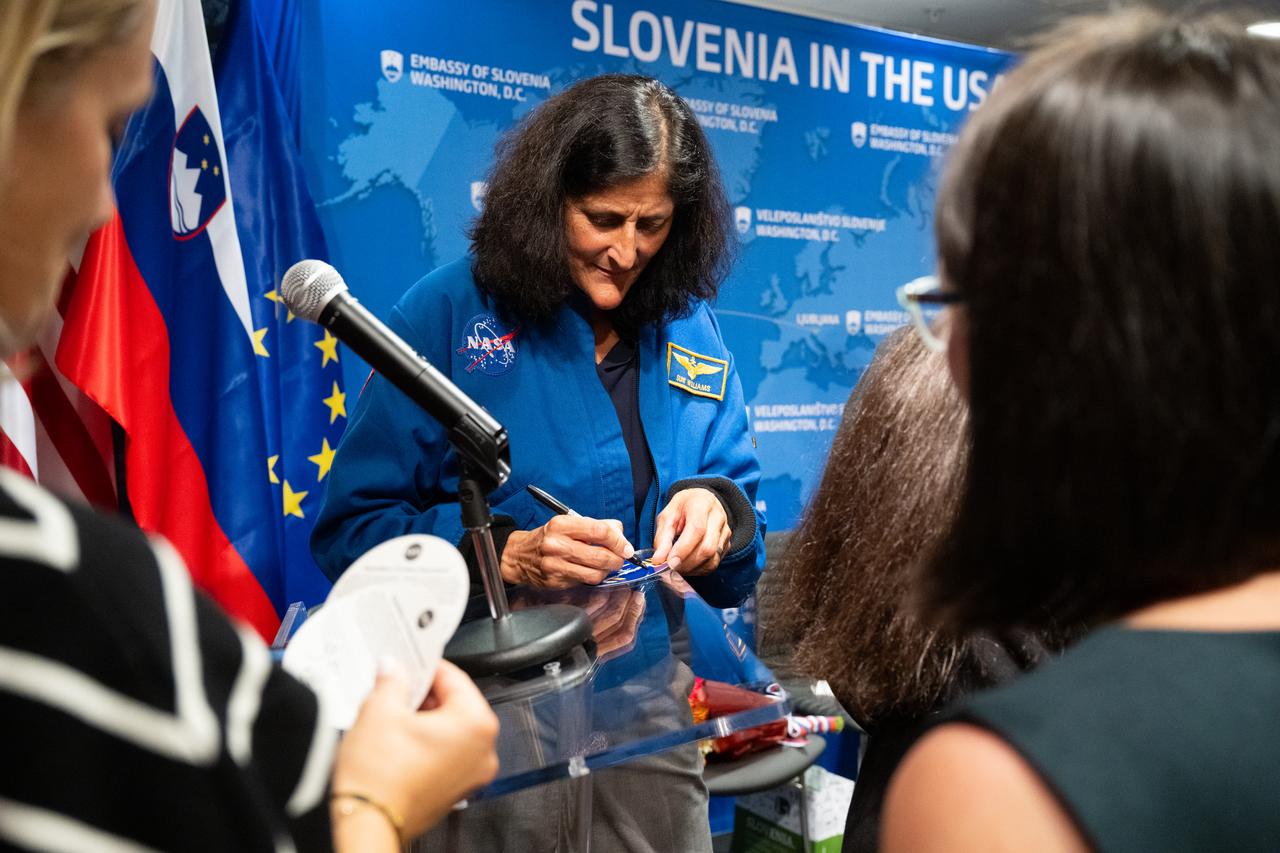
NASA astronaut Suni Williams signs an Expedition 72 sticker following a panel discussion at the Embassy of Slovenia, Wednesday, Sept. 17, 2025, in Washington. Williams, and fellow NASA astronauts Nick Hague, Butch Wilmore, and Don Pettit served as part of Expedition 72 onboard the International Space Station. Photo Credit: (NASA/Joel Kowsky)

Iztok Mirošič, Ambassador of the Republic of Slovenia to the United States, provides opening remarks during a panel discussion with NASA astronauts Suni Williams, Butch Wilmore, Nick Hague, and Don Pettit, Robyn Gatens, director of International Space Station and acting director of the Commercial Space Flight Division of NASA's Space Operations Mission Directorate, Marko Novak, advisor of management board Dewesoft Slovenia, and Lee Echerd, senior mission manager and commercial crew program lead at SpaceX, at the Embassy of Slovenia, Wednesday, Sept. 17, 2025, in Washington. Hague, Wilmore, Williams, and Pettit served as part of Expedition 72 onboard the International Space Station. Photo Credit: (NASA/Joel Kowsky)
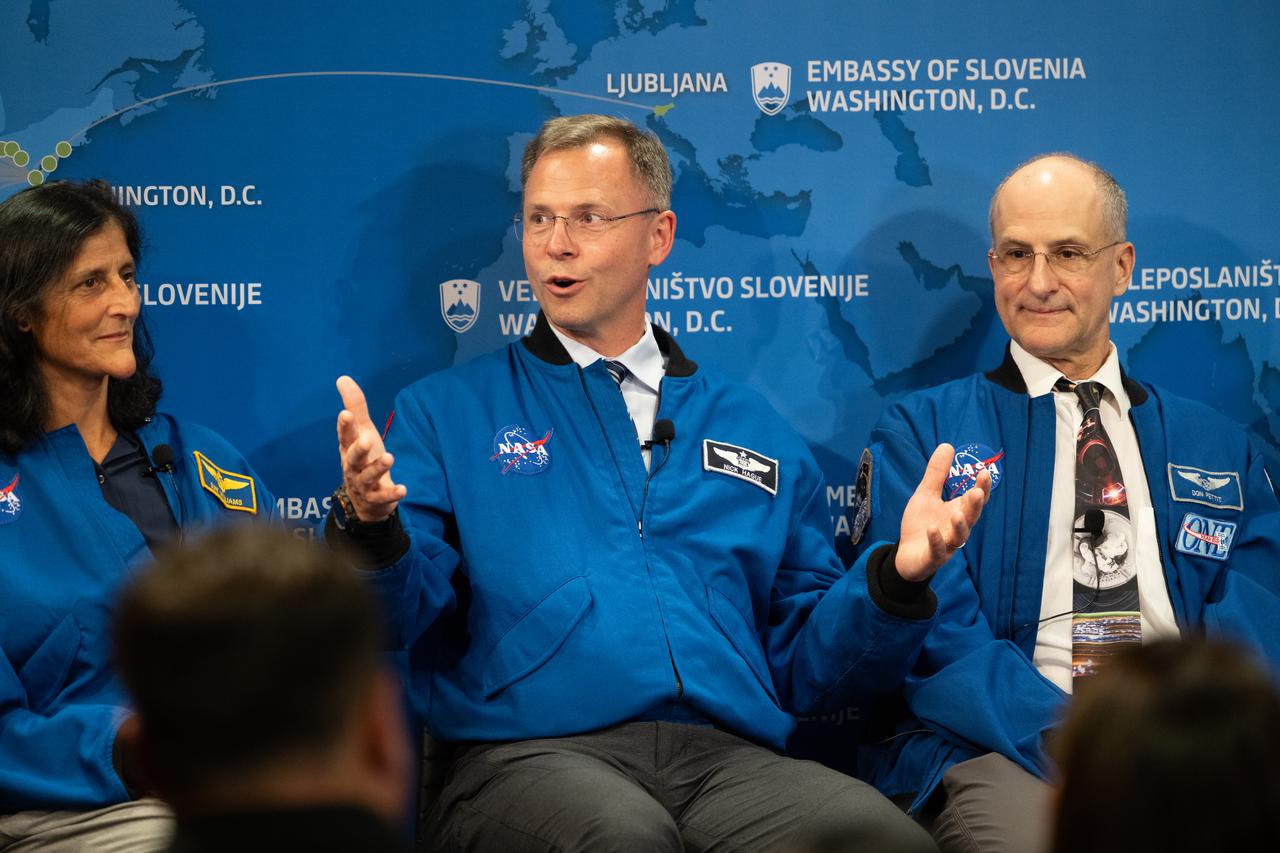
NASA astronaut Nick Hague, answers a question during a panel discussion at the Embassy of Slovenia with fellow NASA astronauts Don Pettit, Suni Williams, and Nick Hague, Robyn Gatens, director of International Space Station and acting director of the Commercial Space Flight Division of NASA's Space Operations Mission Directorate, Lee Echerd,, senior mission manager and commercial crew program lead at SpaceX, and Marko Novak, advisor of management board at Dewesoft Slovenia, Wednesday, Sept. 17, 2025, in Washington. Hague, Wilmore, Williams, and Pettit served as part of Expedition 72 onboard the International Space Station. Photo Credit: (NASA/Joel Kowsky)
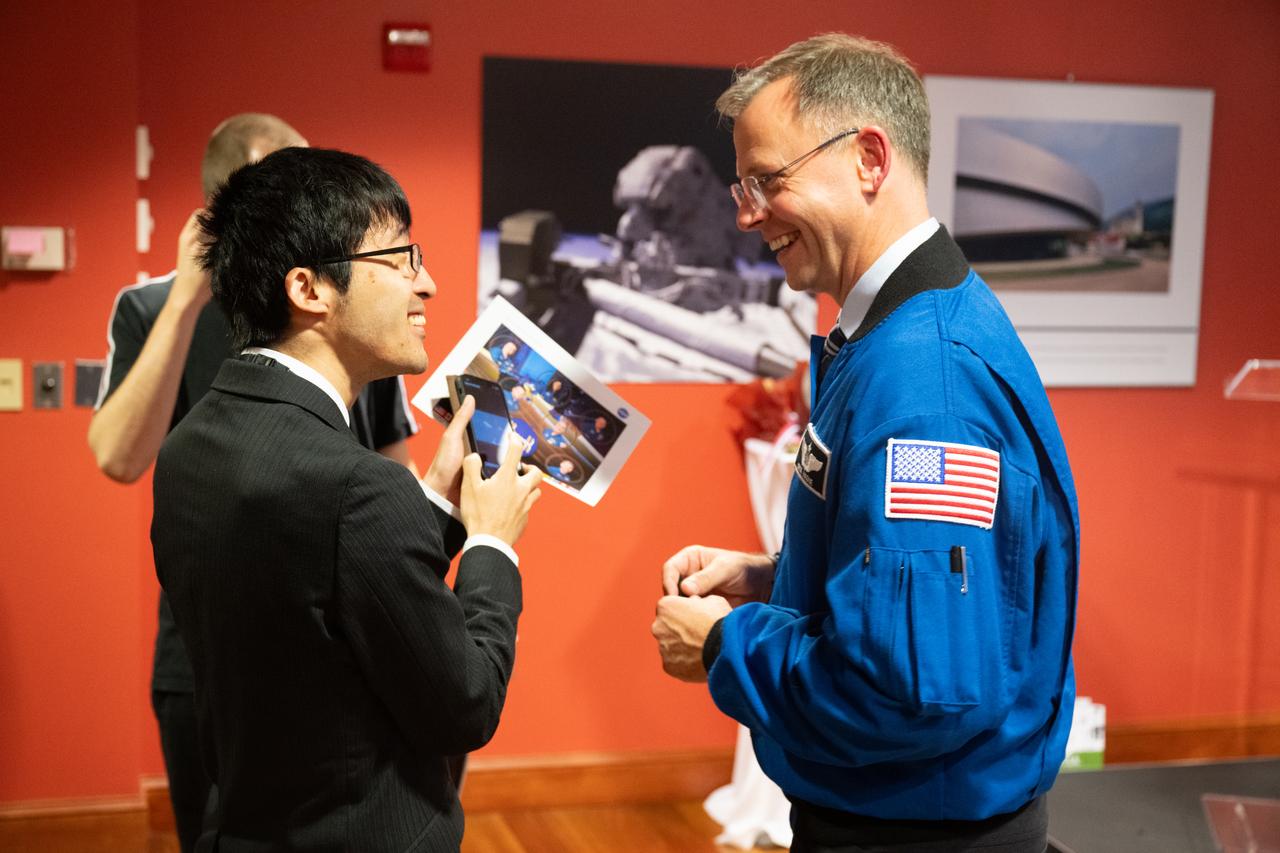
NASA astronaut Nick Hague speaks with an attendee following a panel discussion at the Embassy of Slovenia, Wednesday, Sept. 17, 2025, in Washington. Hague and fellow NASA astronauts Suni Williams, Butch Wilmore, and Don Pettit served as part of Expedition 72 onboard the International Space Station. Photo Credit: (NASA/Joel Kowsky)
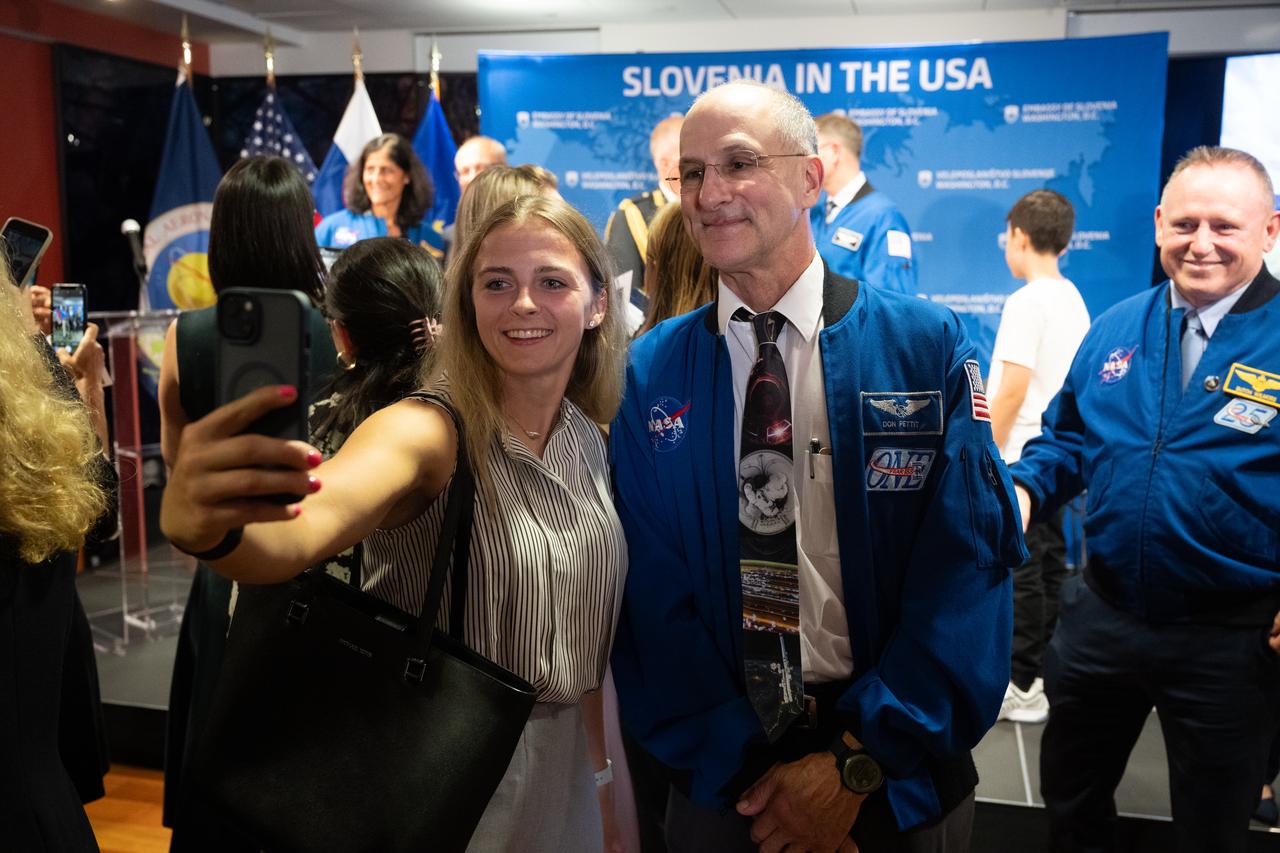
NASA astronaut Don Pettit takes a selfie with an attendee following a panel discussion at the Embassy of Slovenia, Wednesday, Sept. 17, 2025, in Washington. Pettit, and fellow NASA astronauts Nick Hague, Butch Wilmore, and Suni Williams served as part of Expedition 72 onboard the International Space Station. Photo Credit: (NASA/Joel Kowsky)

Meghan Allen, senior vice president for strategic engagements at Space Foundation, left, moderates a panel discussion at the Embassy of Slovenia with Marko Novak, advisor of management board at Dewesoft Slovenia, NASA astronauts Suni Williams, Nick Hague, Don Pettit, and Butch Wilmore, Robyn Gatens, director of International Space Station and acting director of the Commercial Space Flight Division of NASA's Space Operations Mission Directorate, and Lee Echerd, senior mission manager and commercial crew program lead at SpaceX, Wednesday, Sept. 17, 2025, in Washington. Hague, Wilmore, Williams, and Pettit served as part of Expedition 72 onboard the International Space Station. Photo Credit: (NASA/Joel Kowsky)
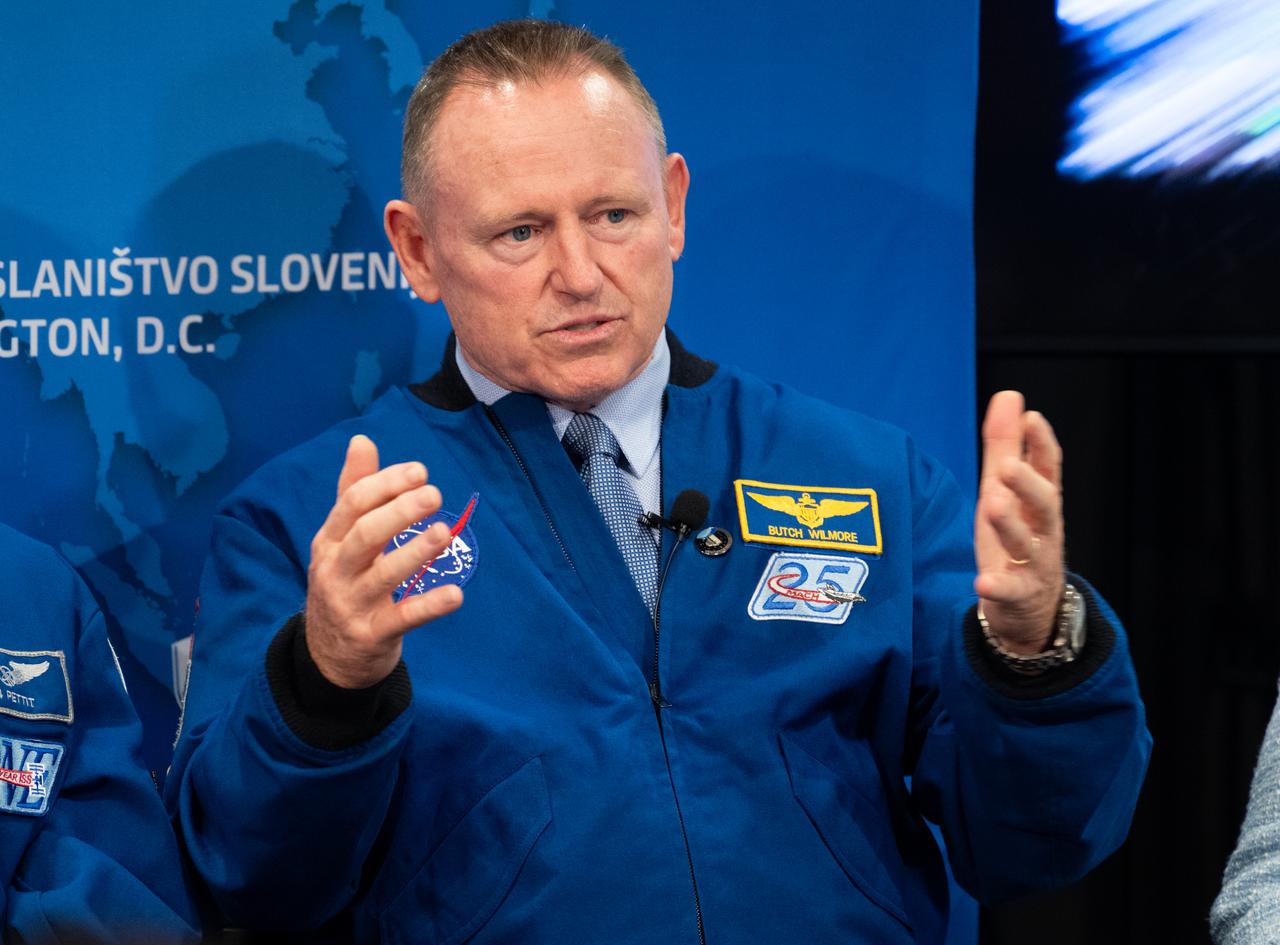
NASA astronaut Butch Wilmore, answers a question during a panel discussion at the Embassy of Slovenia alongside fellow NASA astronauts Don Pettit, Suni Williams, and Nick Hague, Robyn Gatens, director of International Space Station and acting director of the Commercial Space Flight Division of NASA's Space Operations Mission Directorate, Lee Echerd,, senior mission manager and commercial crew program lead at SpaceX, and Marko Novak, advisor of management board at Dewesoft Slovenia, Wednesday, Sept. 17, 2025, in Washington. Hague, Wilmore, Williams, and Pettit served as part of Expedition 72 onboard the International Space Station. Photo Credit: (NASA/Joel Kowsky)
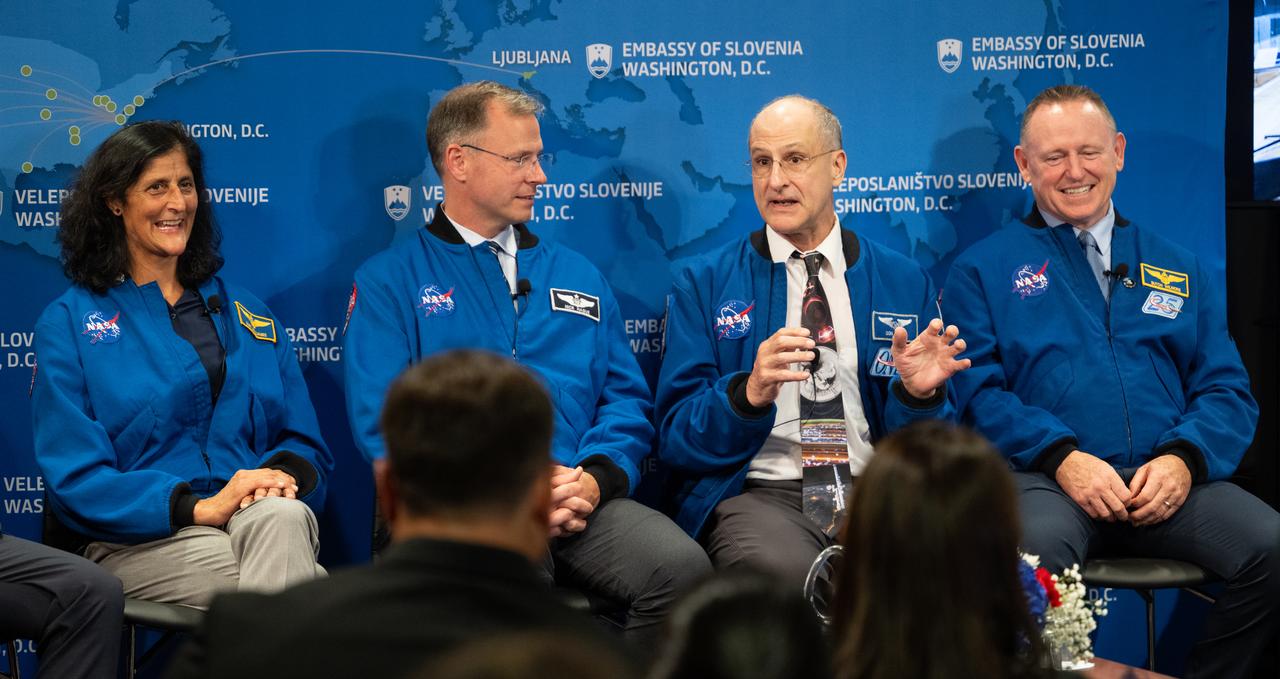
NASA astronaut Don Pettit, second from right, answers a question alongside fellow NASA astronauts Suni Williams, left, Nick Hague and Butch Wilmore during a panel discussion at the Embassy of Slovenia along with Robyn Gatens, director of International Space Station and acting director of the Commercial Space Flight Division of NASA's Space Operations Mission Directorate, Lee Echerd,, senior mission manager and commercial crew program lead at SpaceX, and Marko Novak, advisor of management board at Dewesoft Slovenia, Wednesday, Sept. 17, 2025, in Washington. Hague, Wilmore, Williams, and Pettit served as part of Expedition 72 onboard the International Space Station. Photo Credit: (NASA/Joel Kowsky)
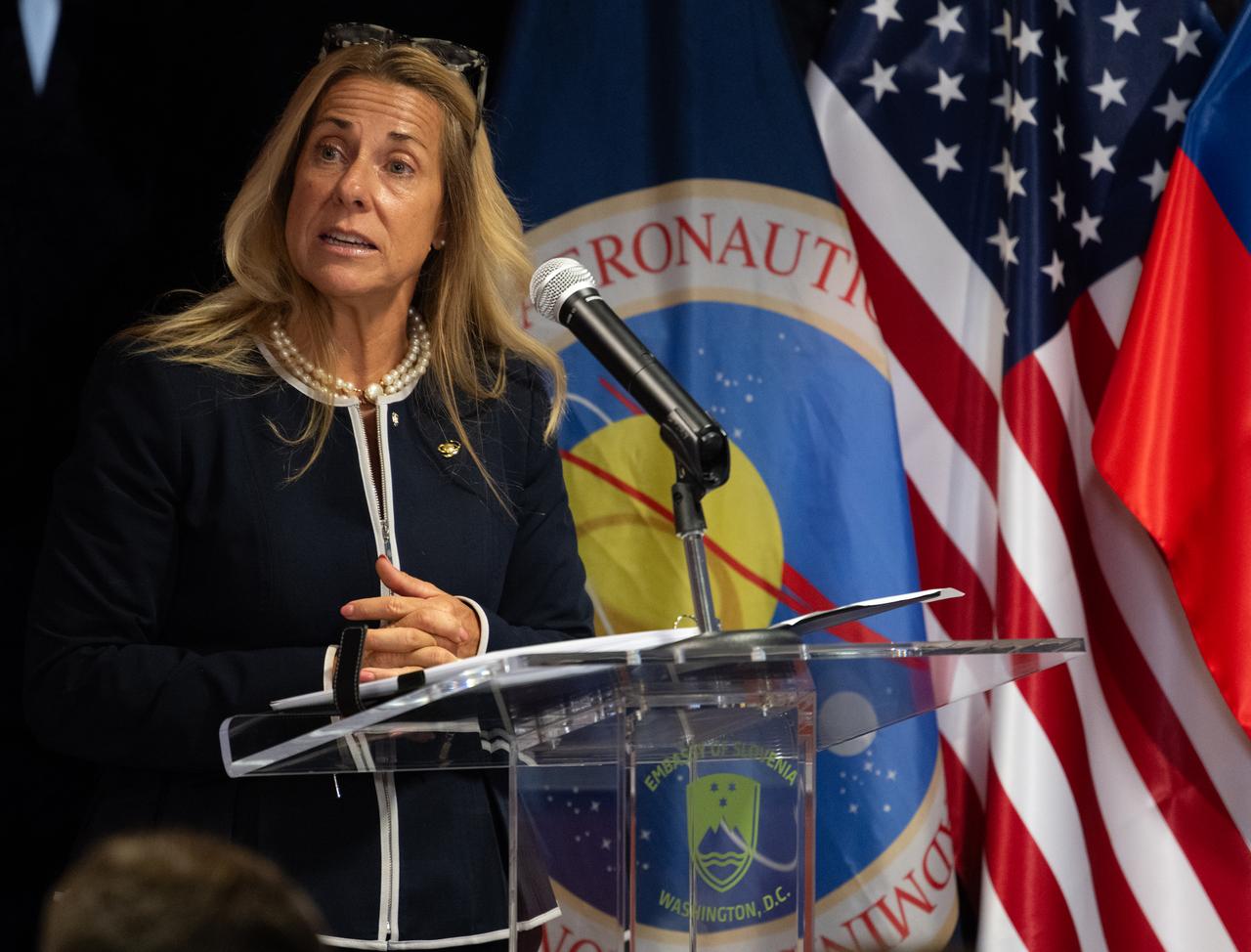
Meghan Allen, senior vice president for strategic engagements at Space Foundation, moderates a panel discussion at the Embassy of Slovenia with NASA astronauts Suni Williams, Butch Wilmore, Nick Hague, and Don Pettit, Robyn Gatens, director of International Space Station and acting director of the Commercial Space Flight Division of NASA's Space Operations Mission Directorate, Marko Novak, advisor of management board Dewesoft Slovenia, and Lee Echerd, senior mission manager and commercial crew program lead at SpaceX, Wednesday, Sept. 17, 2025, in Washington. Hague, Wilmore, Williams, and Pettit served as part of Expedition 72 onboard the International Space Station. Photo Credit: (NASA/Joel Kowsky)
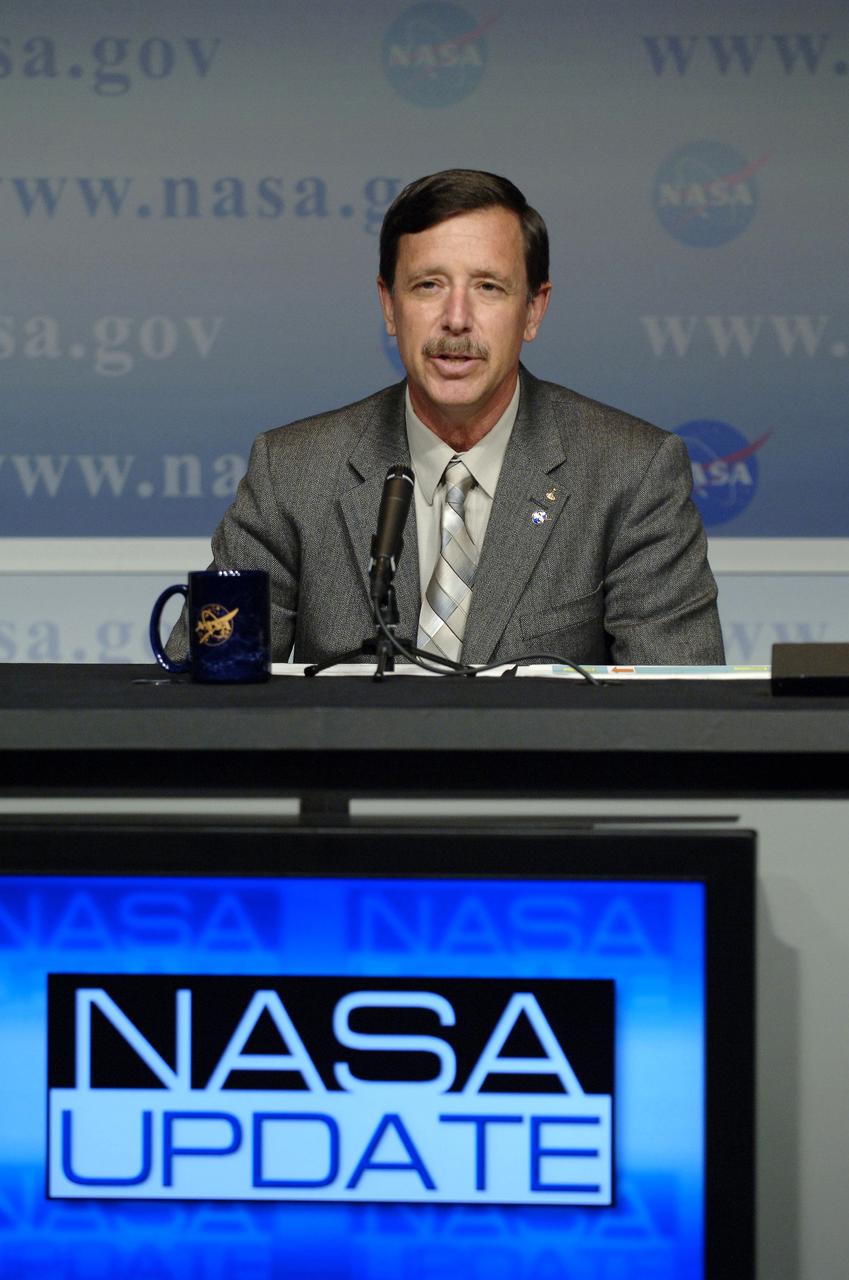
Scott J. Horowitz, NASA Associate Administrator for Exploration Systems, announces to NASA employees and members of the media the responsibilities of the NASA centers associated with the Constellation Program for robotic and human Moon and Mars exploration on Wednesday, June 5, 2006, at NASA Headquarters in Washington. Photo Credit: (NASA/Bill Ingalls)

NASA Administrator Jim Bridenstine, right, Deputy Administrator Jim Morhard, second from right, and Ken Bowersox, acting Associate Administrator for NASA's Human Exploration and Operations Mission Directorate, center, are seen during a meeting with Sylvain Laporte, President of the Canadian Space Agency at the 70th International Astronautical Congress, Wednesday, Oct. 23, 2019 in Washington. Photo Credit: (NASA/Joel Kowsky)
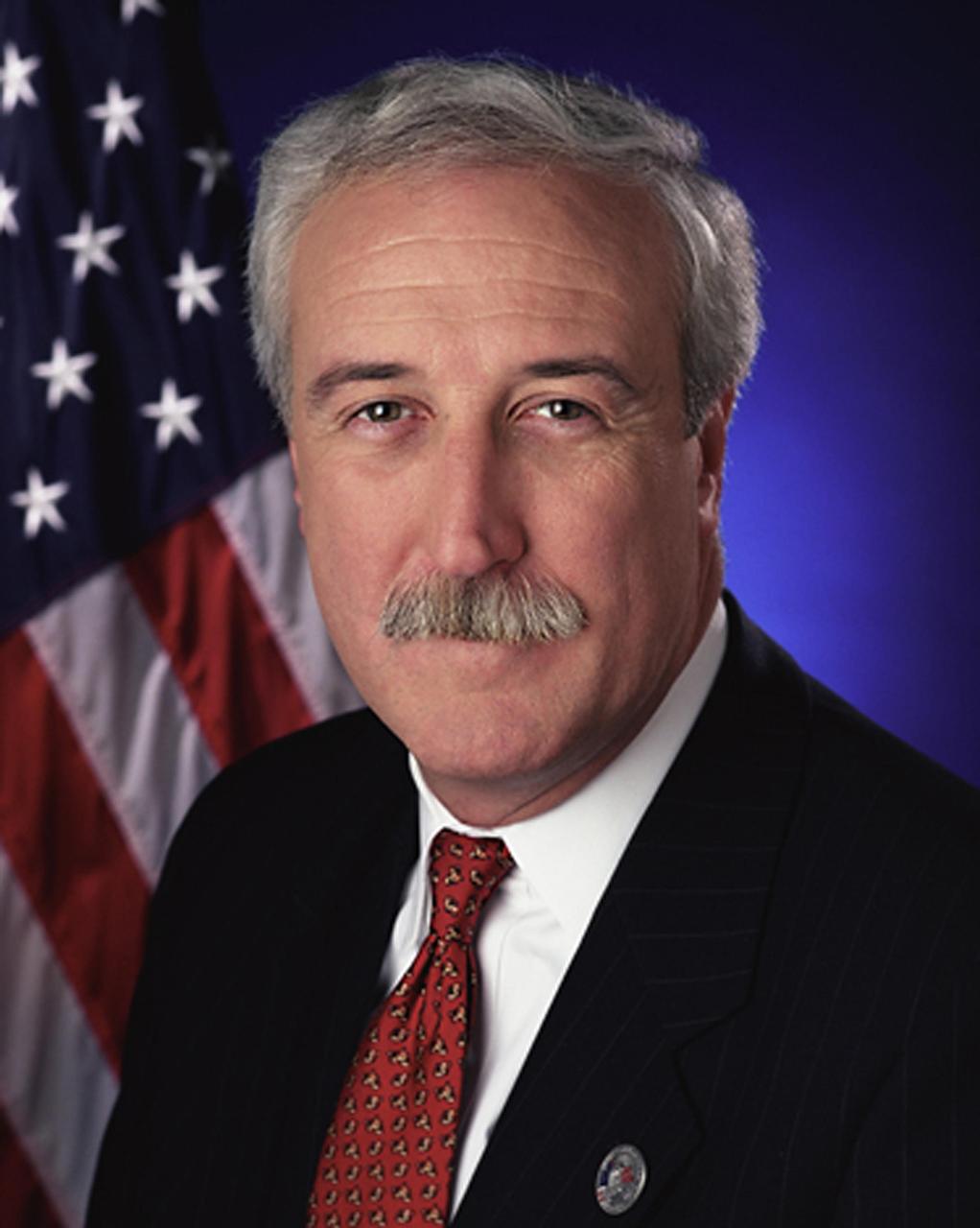
WASHINGTON, D.C. - - Official Portrait. Sean O'Keefe was sworn in as NASA's 10th Administrator on Dec. 21, 2001, following his nomination by President George W. Bush on Nov. 14 and confirmation by the U.S. Senate on Dec. 20.
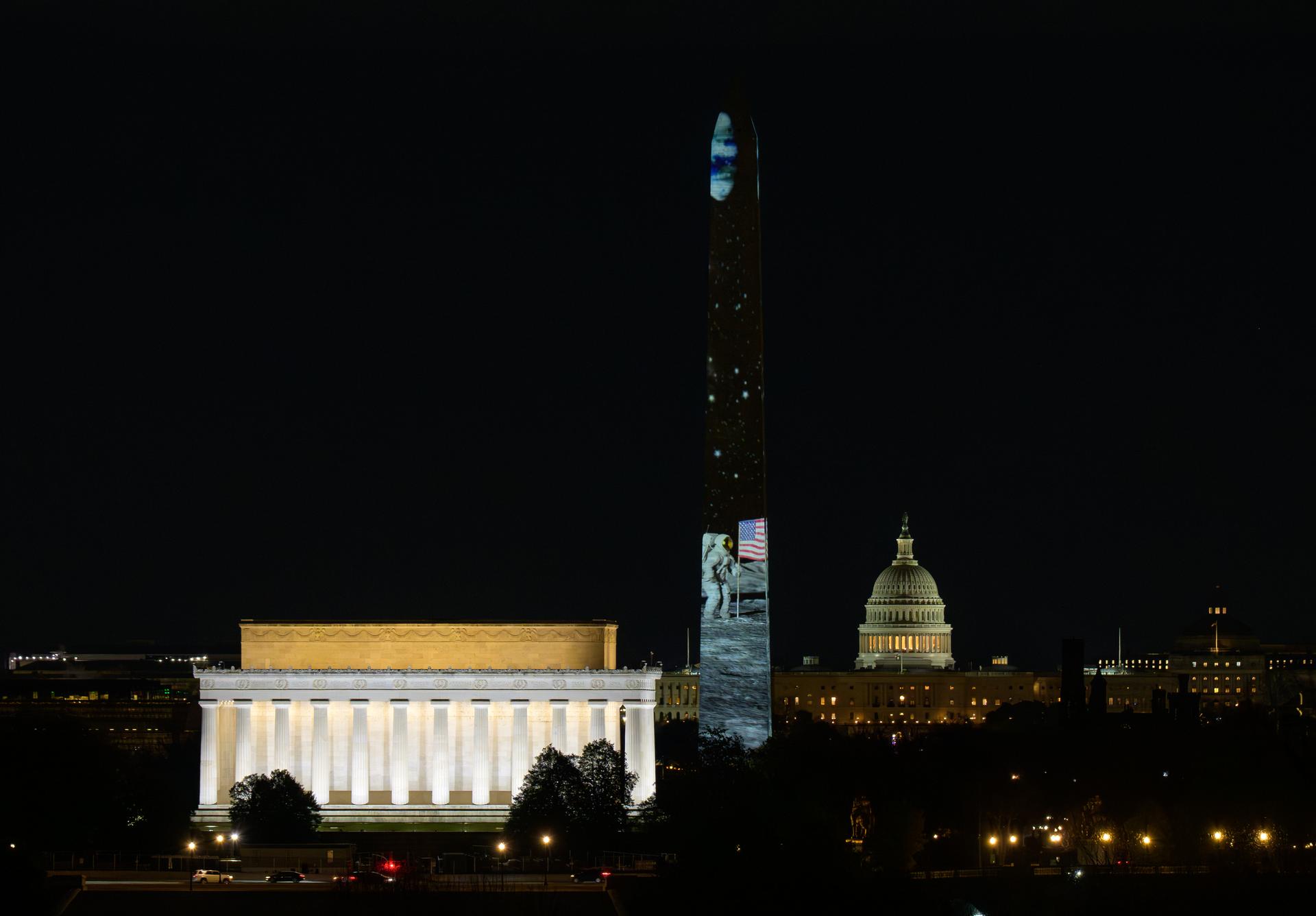
Images depicting NASA Moon missions are projected onto the Washington Monument as part of an event to kick off the nation's 250th birthday year, Wednesday, Dec. 31, 2025, in Washington. Photo Credit: (NASA/Bill Ingalls)

Patricia Jones (front) and Renee Chapman view a partial solar eclipse in Washington, DC, Monday, April 8, 2024. A total solar eclipse swept across a narrow portion of the North American continent from Mexico’s Pacific coast to the Atlantic coast of Newfoundland, Canada. A partial solar eclipse was visible across the entire North American continent along with parts of Central America and Europe. Photo Credit: (NASA/Denny Henry)
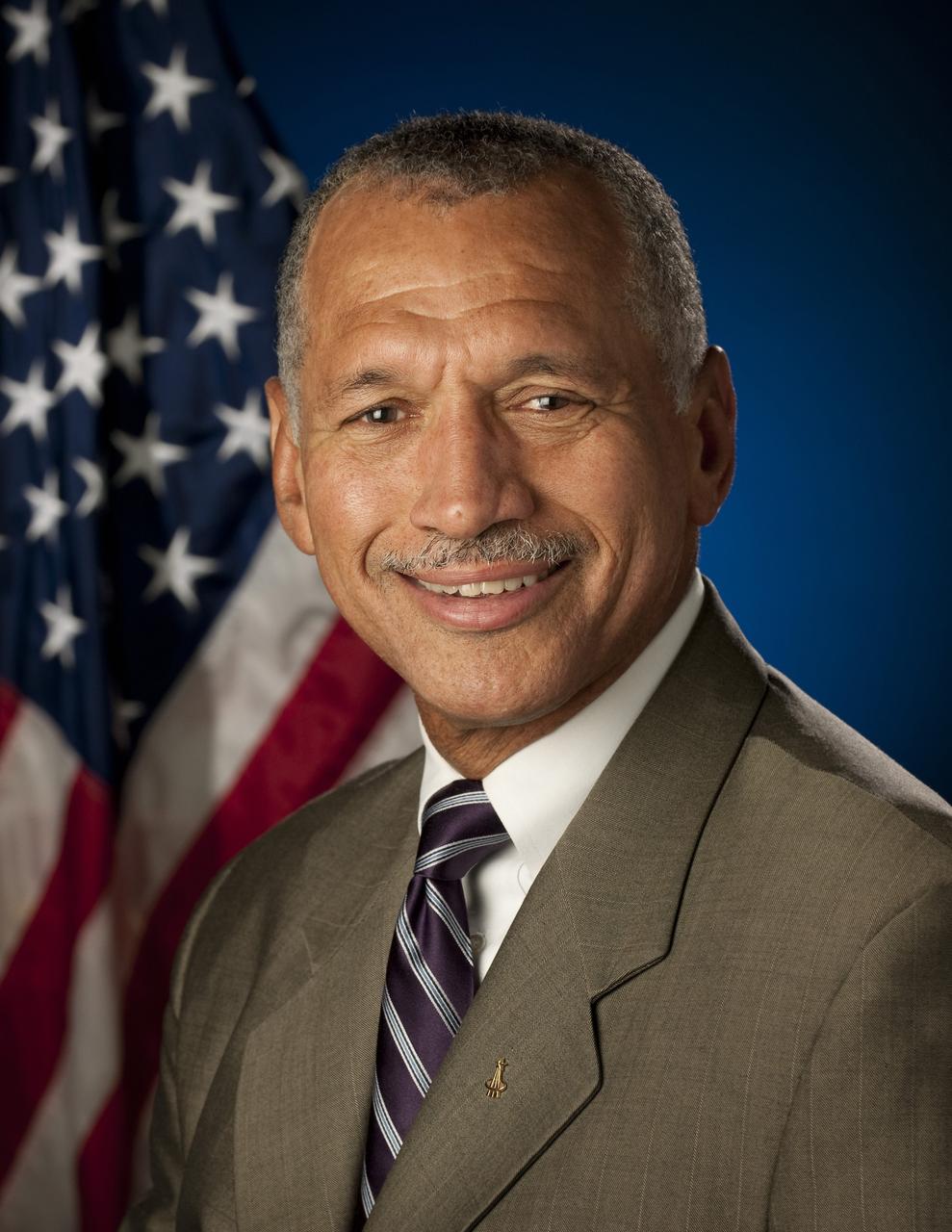
WASHINGTON, D.C. – Portrait, Charles F. Bolden Jr., Administrator, National Aeronautics and Space Administration (NASA). Photo credit: NASA/Bill Ingalls
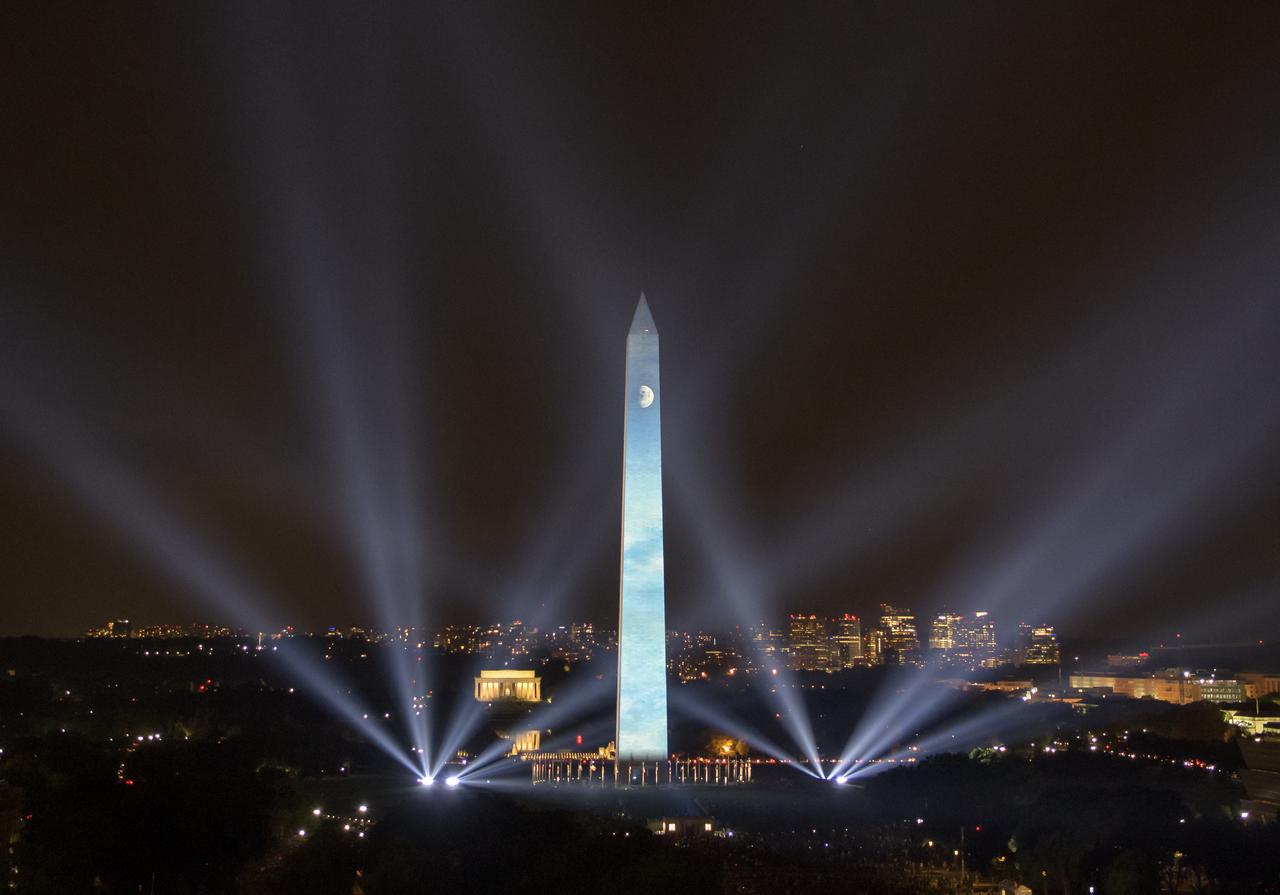
The 50 year anniversary of the Apollo 11 mission with NASA astronauts Neil Armstrong, Michael Collins, and Buzz Aldrin is celebrated in a 17-minute show, “Apollo 50: Go for the Moon”, by the Smithsonian’s National Air and Space Museum, which combined full-motion projection-mapping artwork on the Washington Monument and archival footage to recreate the launch of Apollo 11 and tell the story of the first moon landing, Friday, July 19, 2019 in Washington. Photo Credit: (NASA/Bill Ingalls)
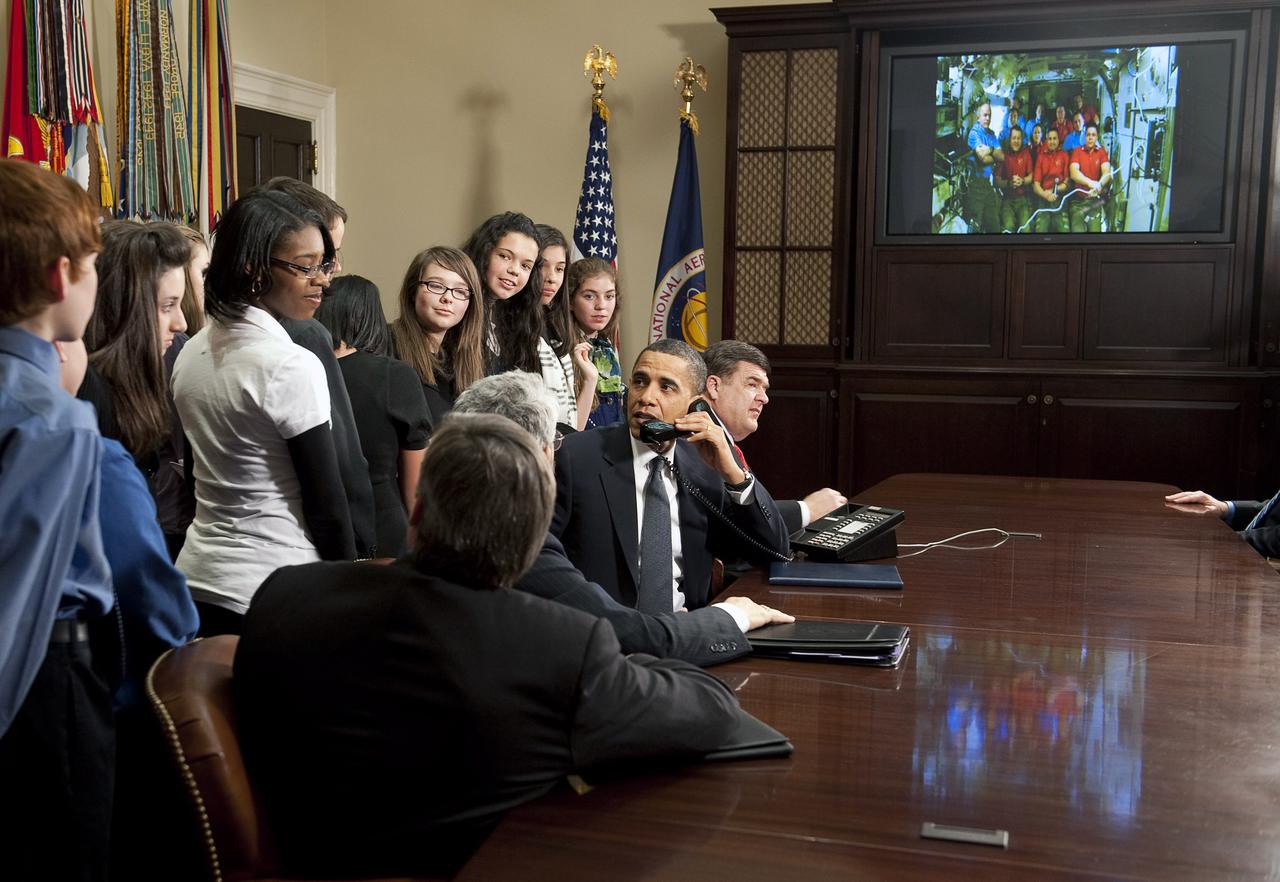
WASHINGTON - 201002170002HQ - U.S. President Barack Obama, accompanied by Congressman C.A. "Dutch" Ruppersberger (D-MD) and middle school children, prepares to hand over the phone to a student to ask a question to astronauts on the International Space Station during an event in the Roosevelt Room of the White House, Wednesday, Feb. 17, 2010, in Washington. Photo Credit: NASA/Bill Ingalls

Spectators on the National Mall during a partial solar eclipse in Washington, DC, Monday, April 8, 2024. A total solar eclipse swept across a narrow portion of the North American continent from Mexico’s Pacific coast to the Atlantic coast of Newfoundland, Canada. A partial solar eclipse was visible across the entire North American continent along with parts of Central America and Europe. Photo Credit: (NASA/Denny Henry)

NASA Administrator Michael Griffin addresses NASA employees and members of the media about the responsibilities of the NASA centers associated with the Constellation Program for robotic and human Moon and Mars exploration during a NASA Update on Wednesday, June 5, 2006, at NASA Headquarters in Washington. Photo Credit: (NASA/Bill Ingalls)
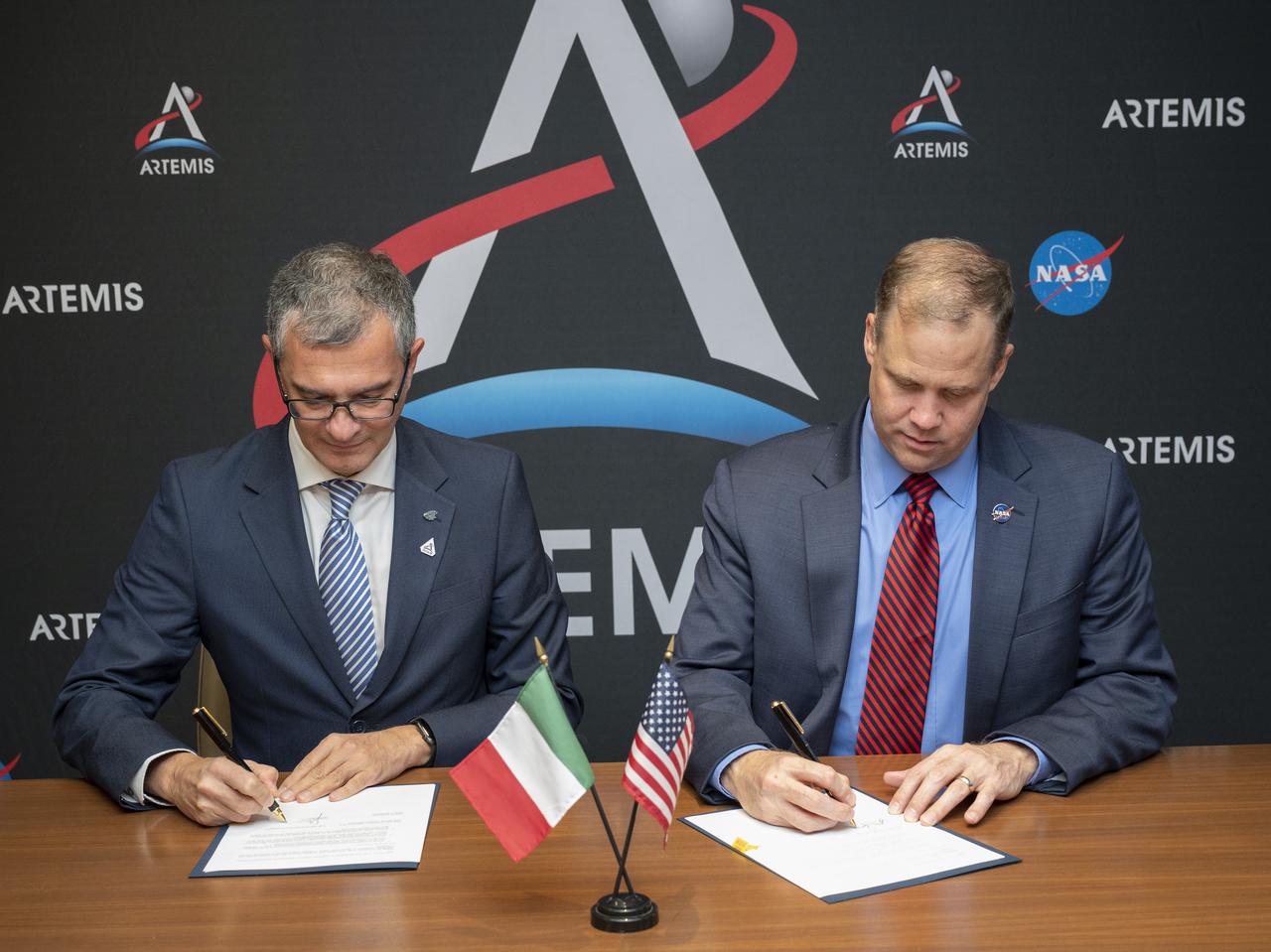
Giorgio Saccoccia Head of the Italian Space Agency (ASI), left, and NASA Administrator Jim Bridenstine sign a joint statement acknowledging the strong ongoing cooperation between the agencies, and identifying areas of potential future cooperation on and around the Moon as part of NASA’s Artemis program at the 70th International Astronautical Congress, Wednesday, Oct. 23, 2019 in Washington. Photo Credit: (NASA/Joel Kowsky)
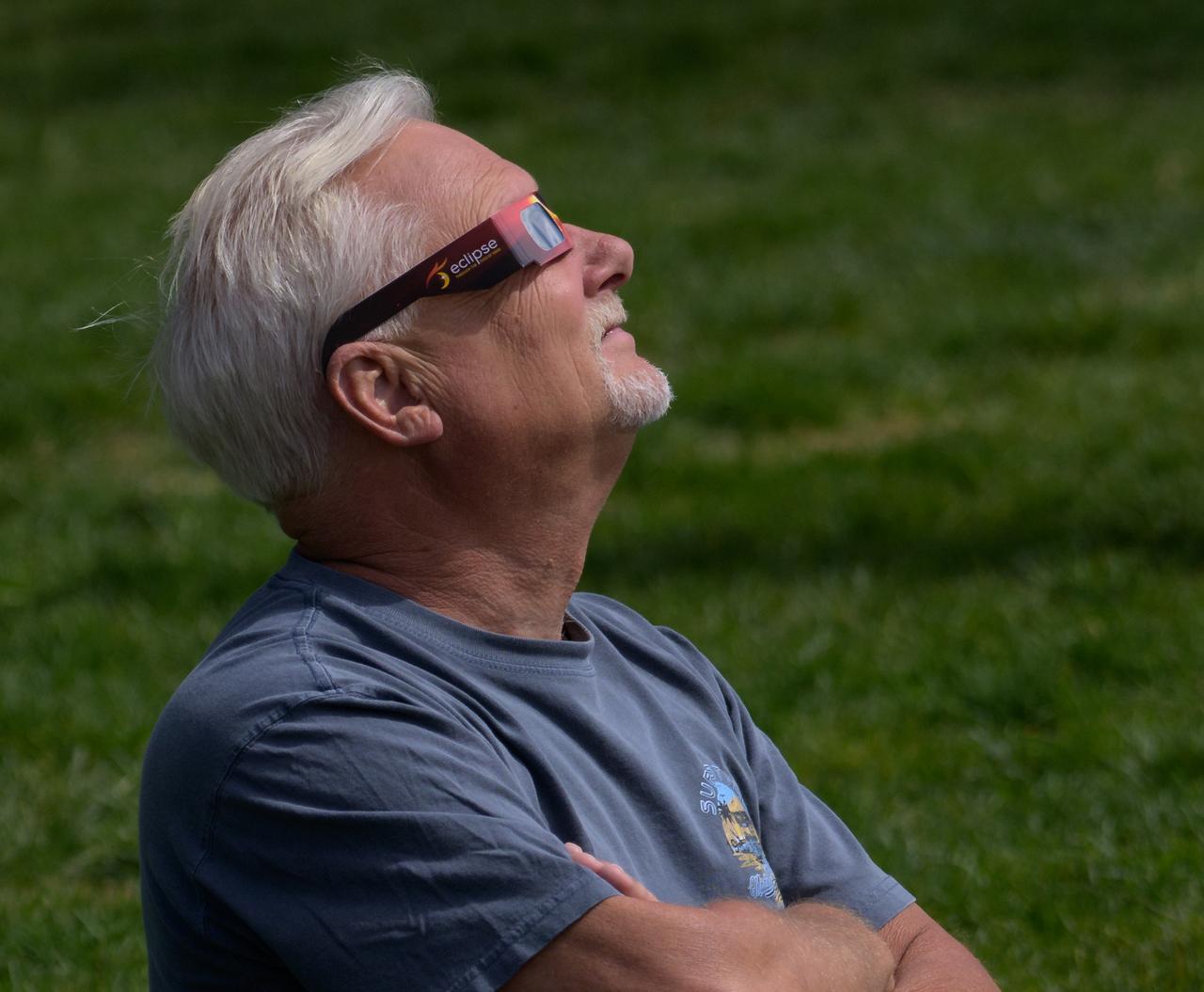
A man watches a partial solar eclipse through protective glasses in Washington, on Monday, April 8, 2024. A total solar eclipse swept across a narrow portion of the North American continent from Mexico’s Pacific coast to the Atlantic coast of Newfoundland, Canada. A partial solar eclipse was visible across the entire North American continent along with parts of Central America and Europe. Photo Credit: (NASA/Bill Ingalls)
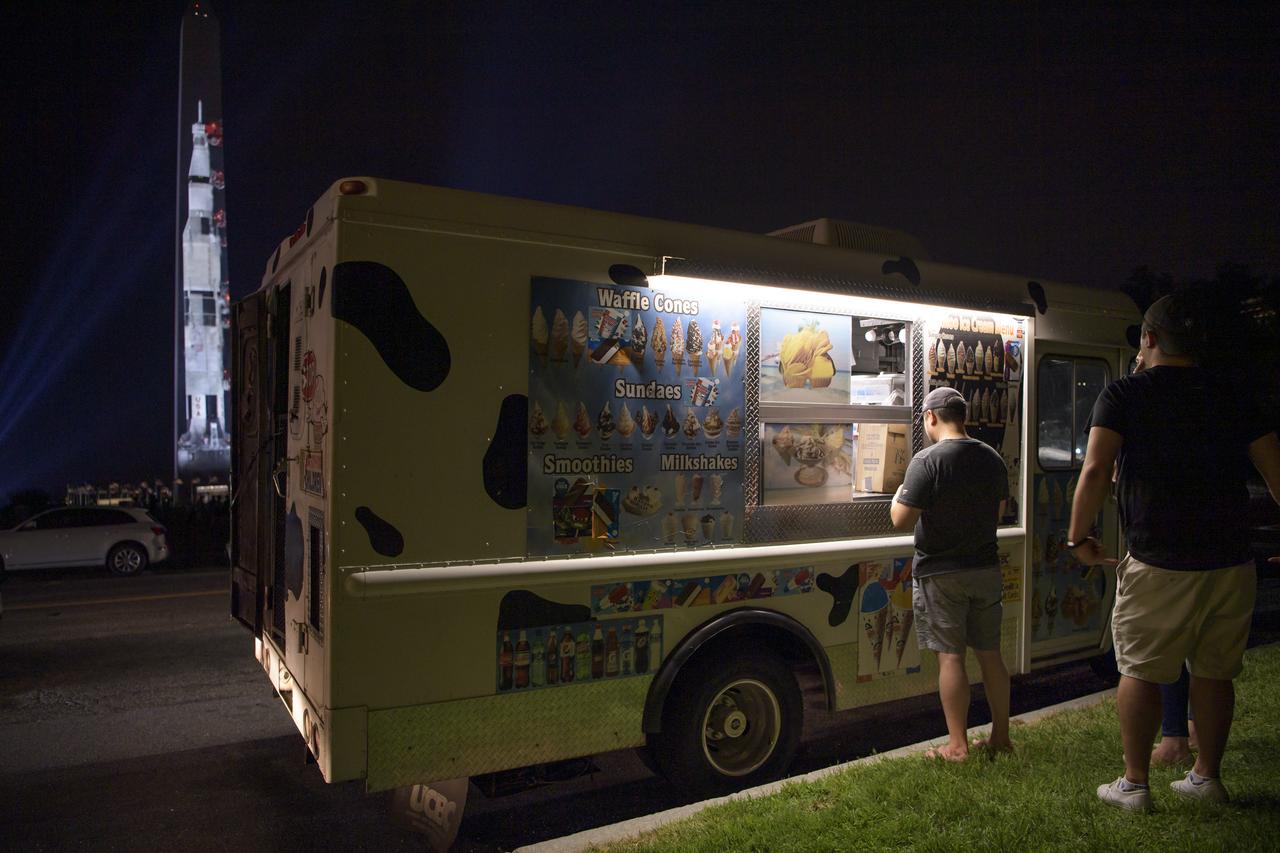
A full-sized, 363-foot Saturn V rocket is projected onto the east face of the Washington Monument 50 years to the day after astronauts Neil Armstrong, Michael Collins, and Buzz Aldrin launched on Apollo 11, the first mission to land astronauts on the Moon, Tuesday, July 16, 2019. On Friday, July 19, and Saturday, July 20, a special 17-minute show, “Apollo 50: Go for the Moon” will combine full-motion projection-mapping artwork on the monument and archival footage to recreate the launch of Apollo 11 and tell the story of the first moon landing. Photo Credit: (NASA/Bill Ingalls)

WASHINGTON - 201002170001HQ - U.S. President Barack Obama, accompanied by members of Congress and middle school children, waves as he talks on the phone from the Roosevelt Room of the White House to astronauts on the International Space Station, Wednesday, Feb. 17, 2010, in Washington. Photo Credit: NASA/Bill Ingalls

A man monitors his cameras during a partial solar eclipse in Washington, on Monday, April 8, 2024. A total solar eclipse swept across a narrow portion of the North American continent from Mexico’s Pacific coast to the Atlantic coast of Newfoundland, Canada. A partial solar eclipse was visible across the entire North American continent along with parts of Central America and Europe. Photo Credit: (NASA/Bill Ingalls)
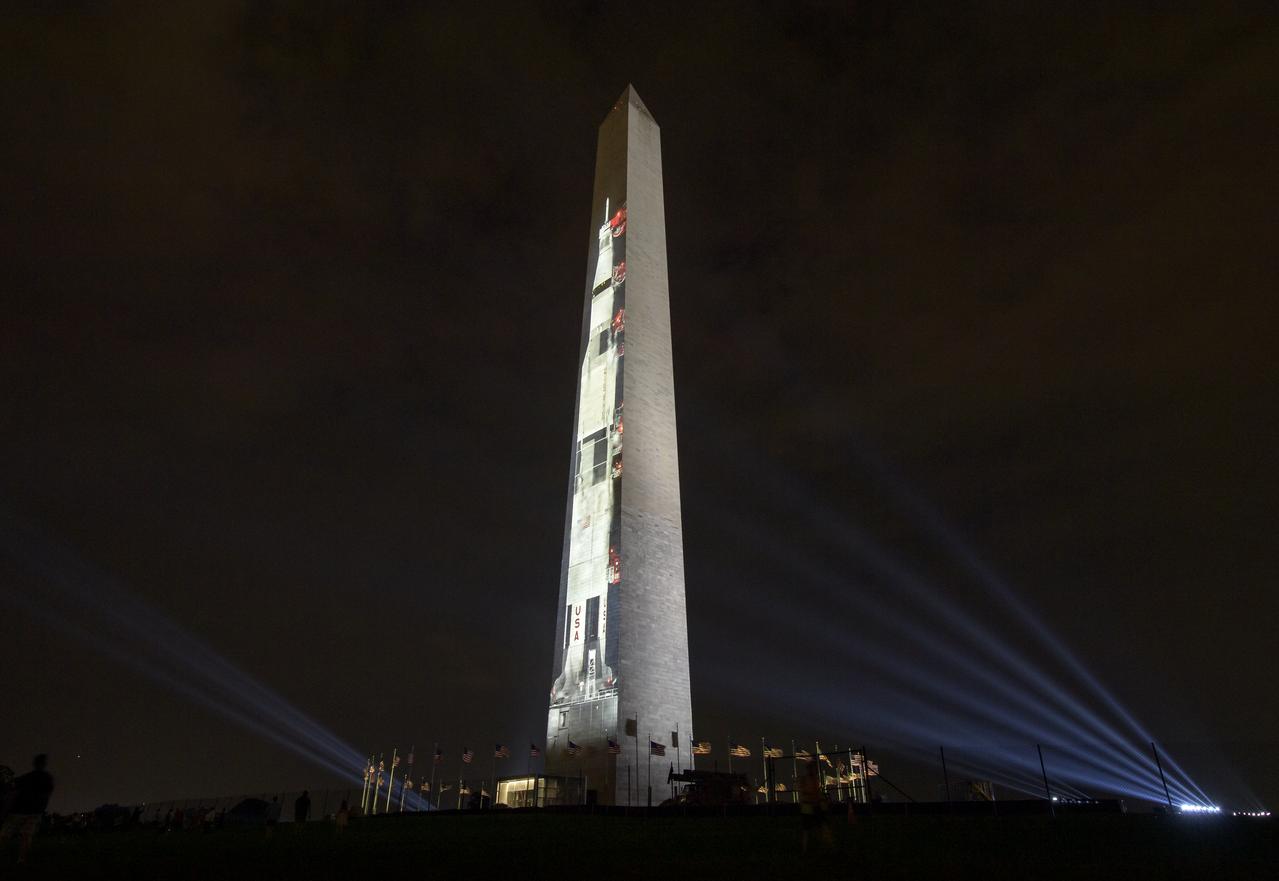
A full-sized, 363-foot Saturn V rocket is projected onto the east face of the Washington Monument 50 years to the day after astronauts Neil Armstrong, Michael Collins, and Buzz Aldrin launched on Apollo 11, the first mission to land astronauts on the Moon, Tuesday, July 16, 2019. On Friday, July 19, and Saturday, July 20, a special 17-minute show, “Apollo 50: Go for the Moon” will combine full-motion projection-mapping artwork on the monument and archival footage to recreate the launch of Apollo 11 and tell the story of the first moon landing. Photo Credit: (NASA/Bill Ingalls)
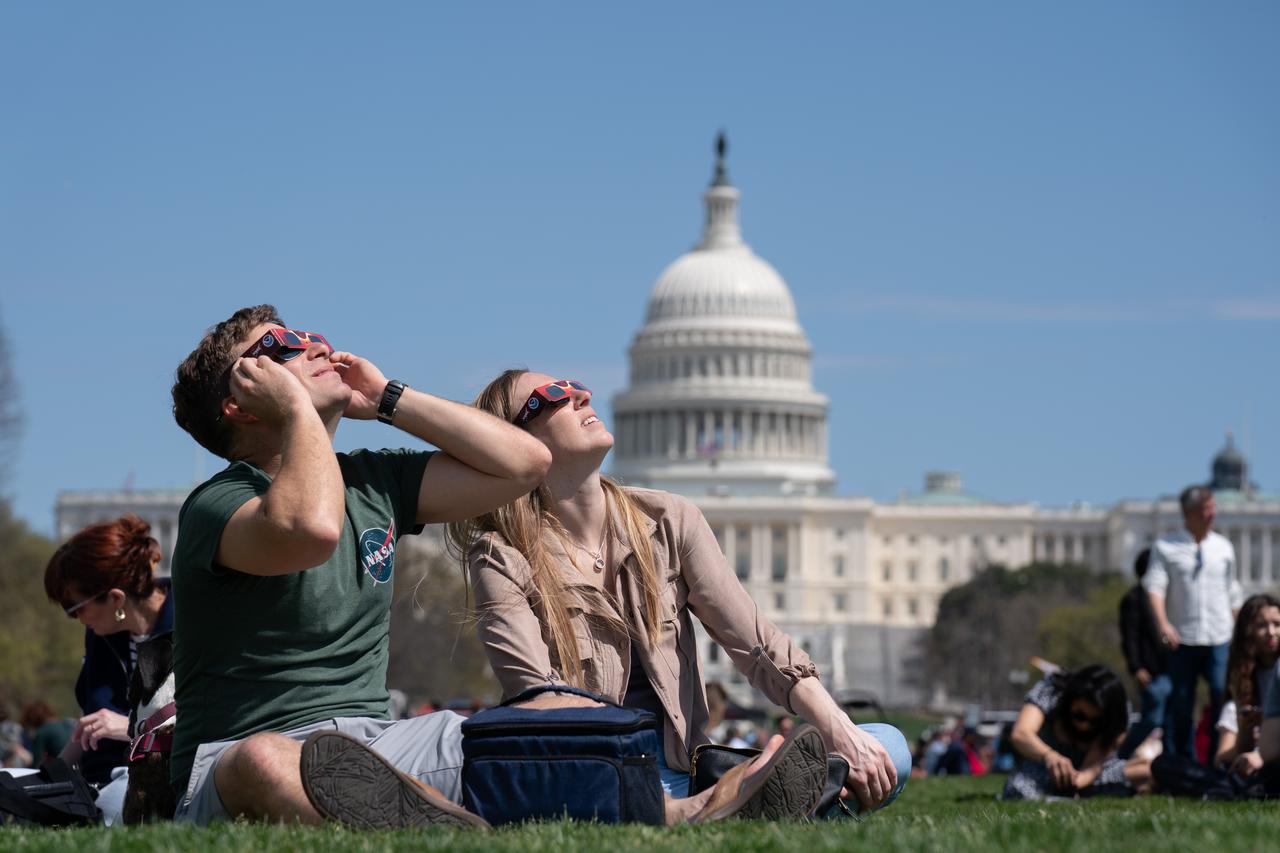
Neil Tublin and Reigna Pierce view the partial solar eclipse in Washington, DC, Monday, April 8, 2024. A total solar eclipse swept across a narrow portion of the North American continent from Mexico’s Pacific coast to the Atlantic coast of Newfoundland, Canada. A partial solar eclipse was visible across the entire North American continent along with parts of Central America and Europe. Photo Credit: (NASA/Denny Henry)
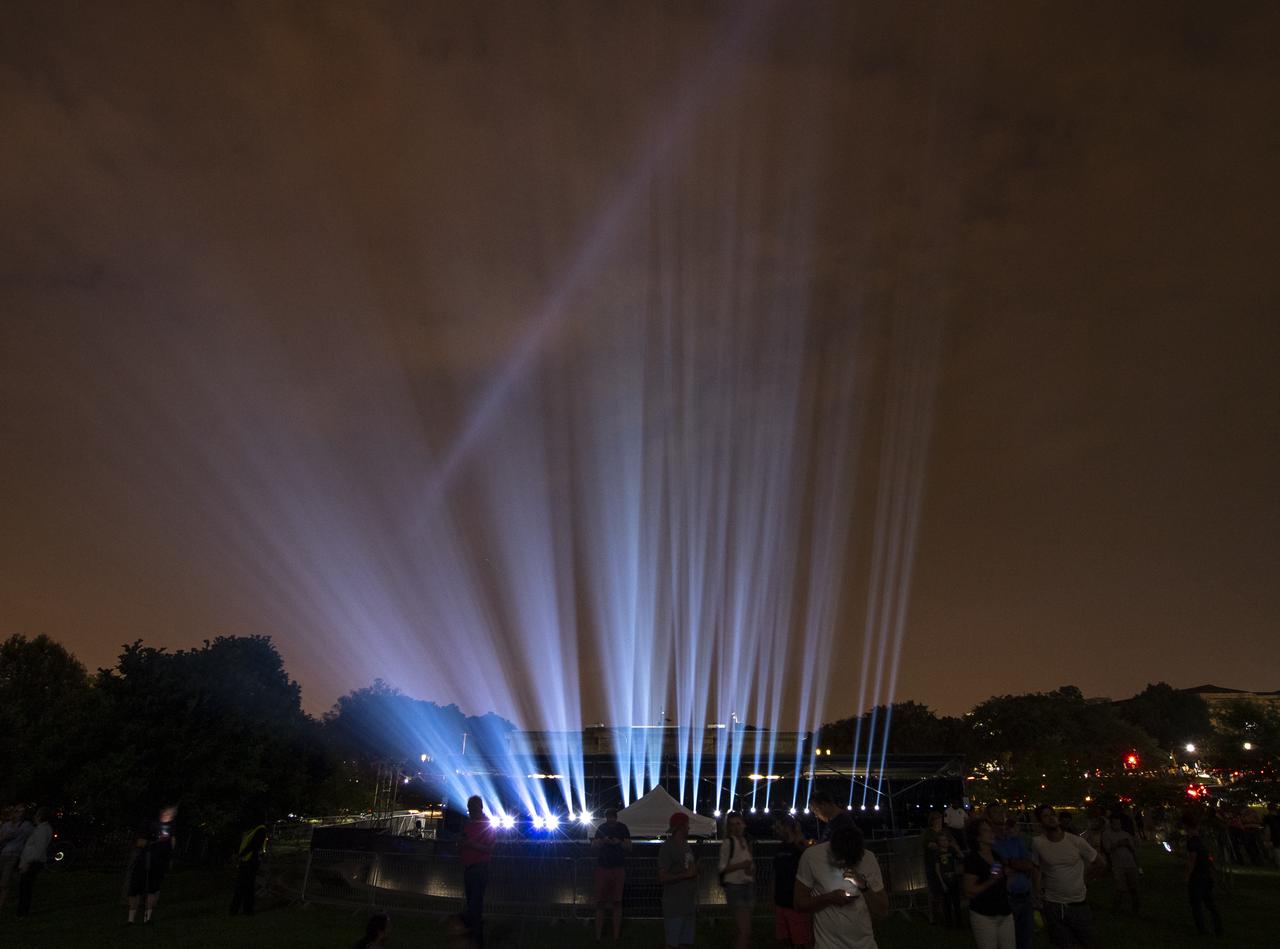
Projectors used to display a full-sized, 363-foot Saturn V rocket at the Washington Monument are seen 50 years to the day after astronauts Neil Armstrong, Michael Collins, and Buzz Aldrin launched on Apollo 11, the first mission to land astronauts on the Moon, Tuesday, July 16, 2019. On Friday, July 19, and Saturday, July 20, a special 17-minute show, “Apollo 50: Go for the Moon” will combine full-motion projection-mapping artwork on the monument and archival footage to recreate the launch of Apollo 11 and tell the story of the first moon landing. Photo Credit: (NASA/Bill Ingalls)
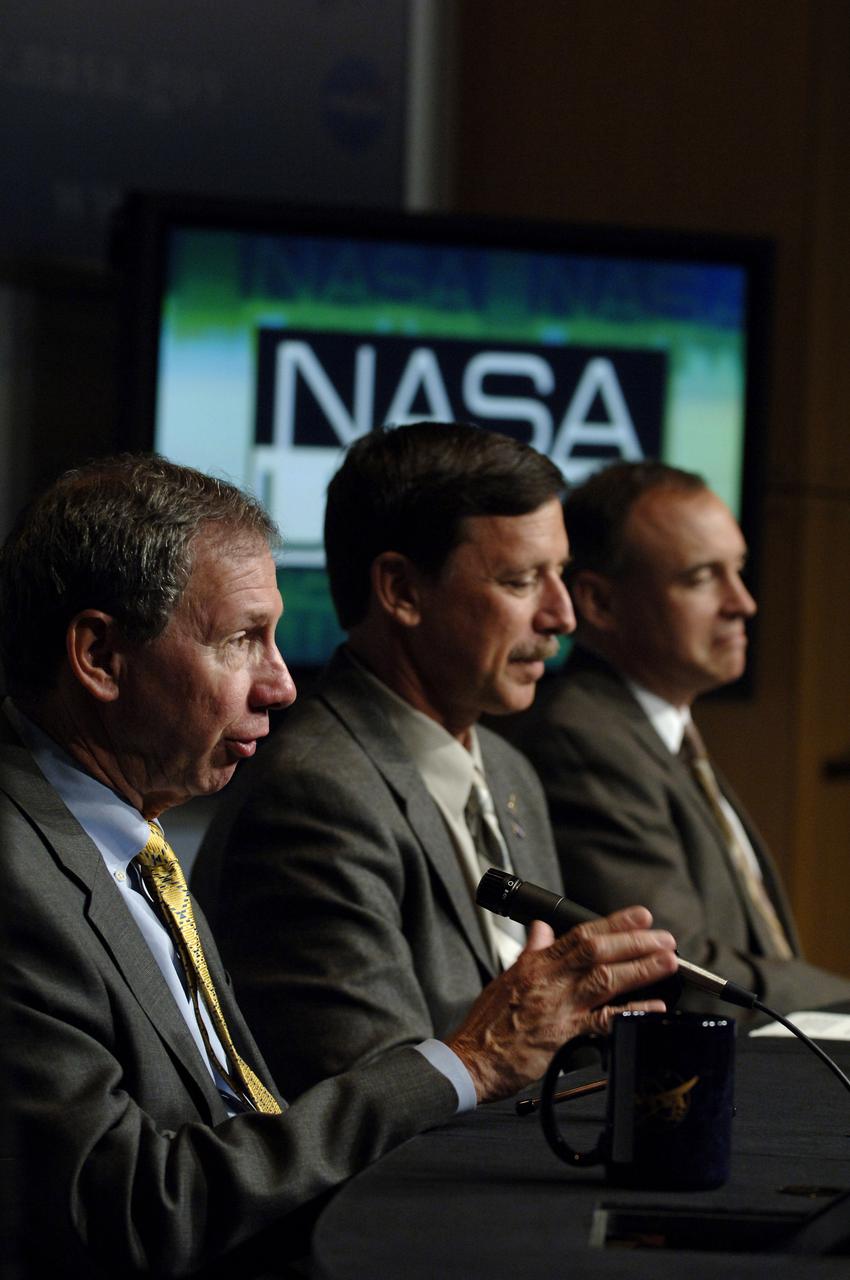
NASA Administrator Michael Griffin, left, announces to NASA employees and members of the media the responsibilities of the NASA centers associated with the Constellation Program for robotic and human Moon and Mars exploration on Wednesday, June 5, 2006, at NASA Headquarters in Washington. He is joined by Scott J. Horowitz, NASA Associate Administrator for Exploration Systems and Jeff Hanley, Constellation Program Manager, right. Photo Credit: (NASA/Bill Ingalls)

NASA astronaut Jack Fischer poses for a group photo at the World War II Memorial with veterans who traveled to Washington, DC with the Buffalo Niagara Honor Flight, Saturday, Nov. 4, 2017. Photo Credit: (NASA/Joel Kowsky)

(L-R) Miranda (9) and Cameron Dyal, Yudi Lewis, and Cameron Dyal (7) view a partial solar eclipse in Washington, DC, Monday, April 8, 2024. A total solar eclipse swept across a narrow portion of the North American continent from Mexico’s Pacific coast to the Atlantic coast of Newfoundland, Canada. A partial solar eclipse was visible across the entire North American continent along with parts of Central America and Europe. Photo Credit: (NASA/Denny Henry)W
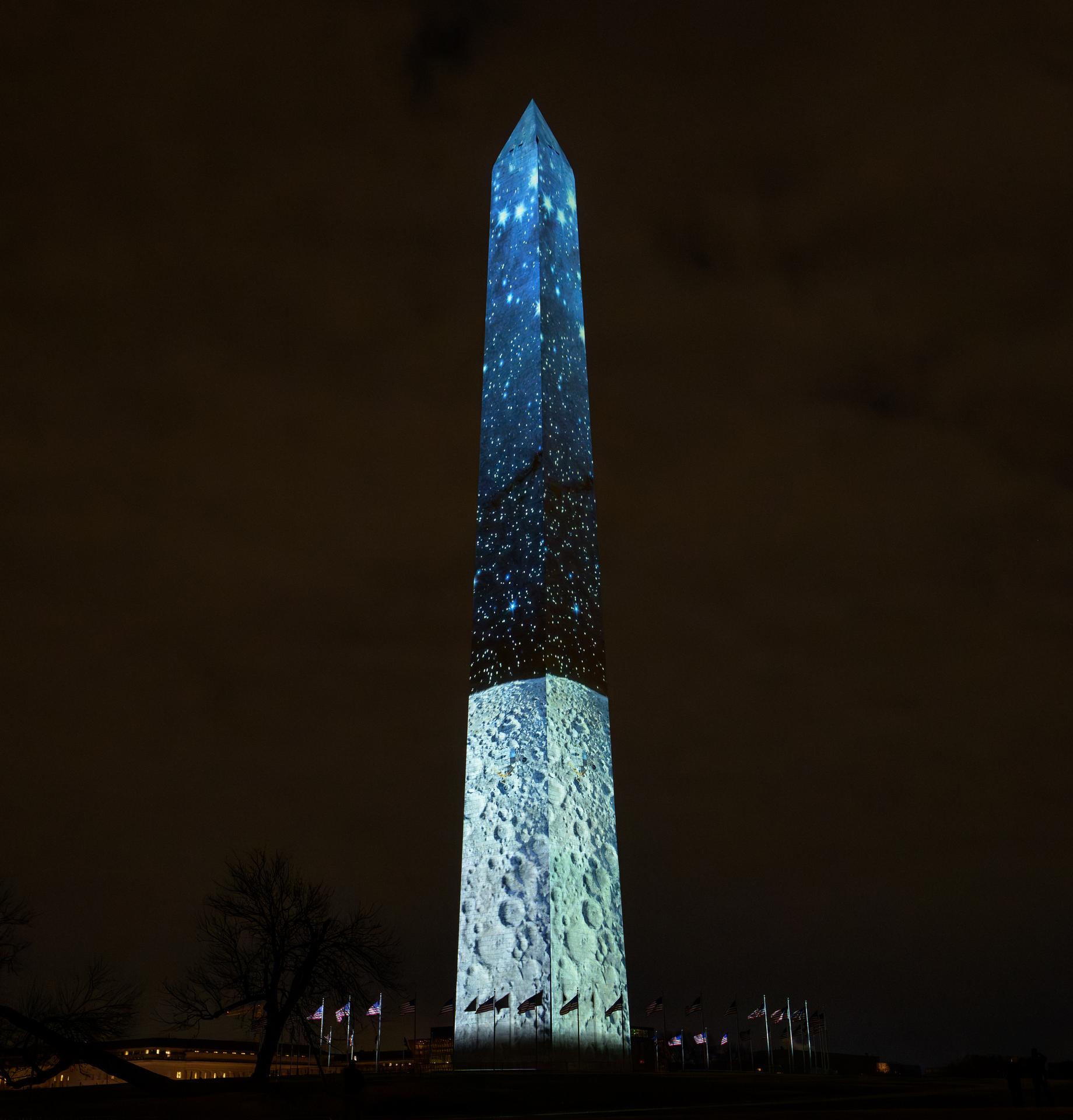
Images depicting NASA Moon missions are projected onto the Washington Monument as part of an event to kick off the nation's 250th birthday year, Wednesday, Dec. 31, 2025, in Washington. Photo Credit: (NASA/Bill Ingalls)
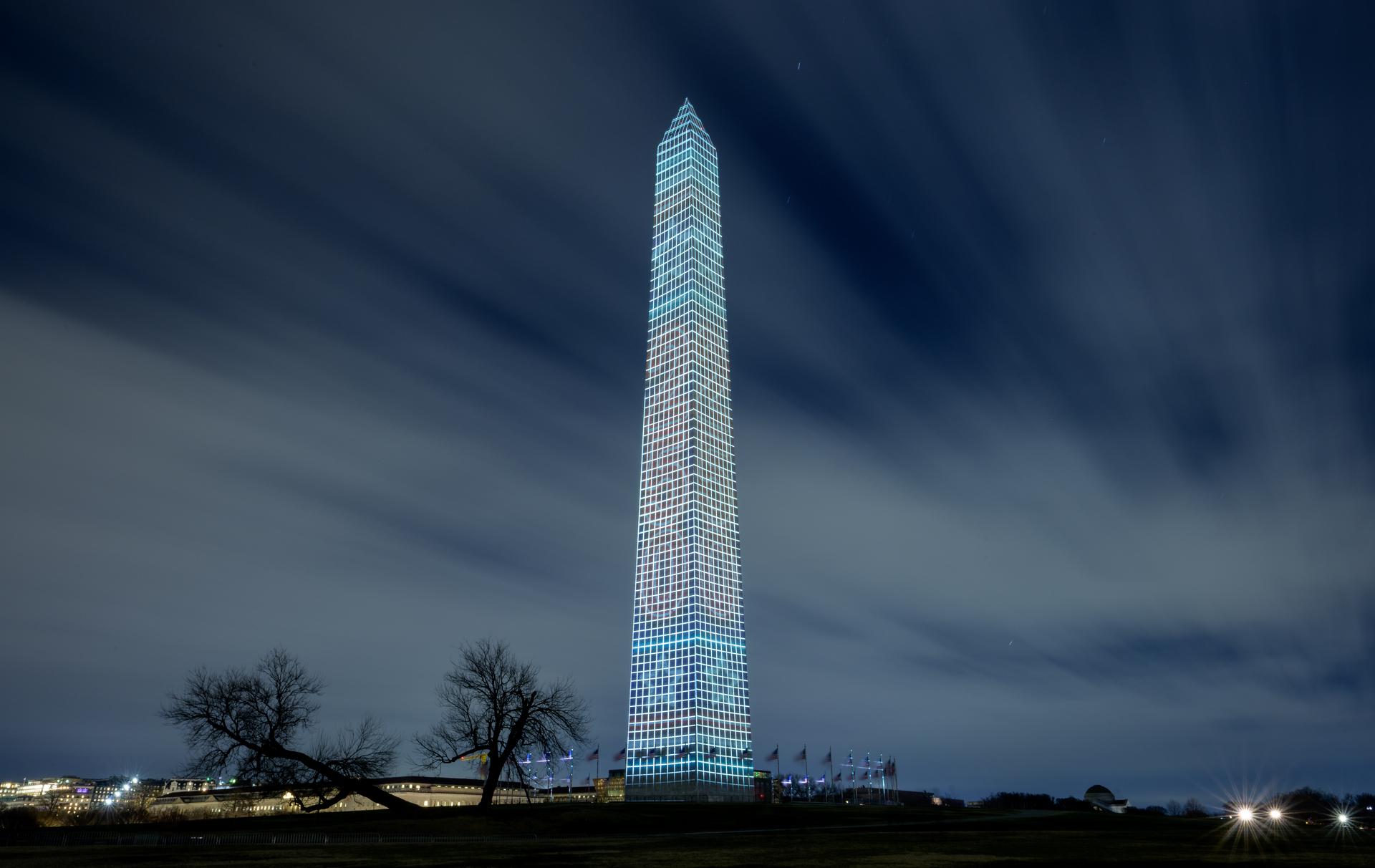
The Washington Monument is seen lit in this long exposure photograph as part of an event to kick off the nation's 250th birthday year, Wednesday, Dec. 31, 2025, in Washington. Photo Credit: (NASA/Bill Ingalls)
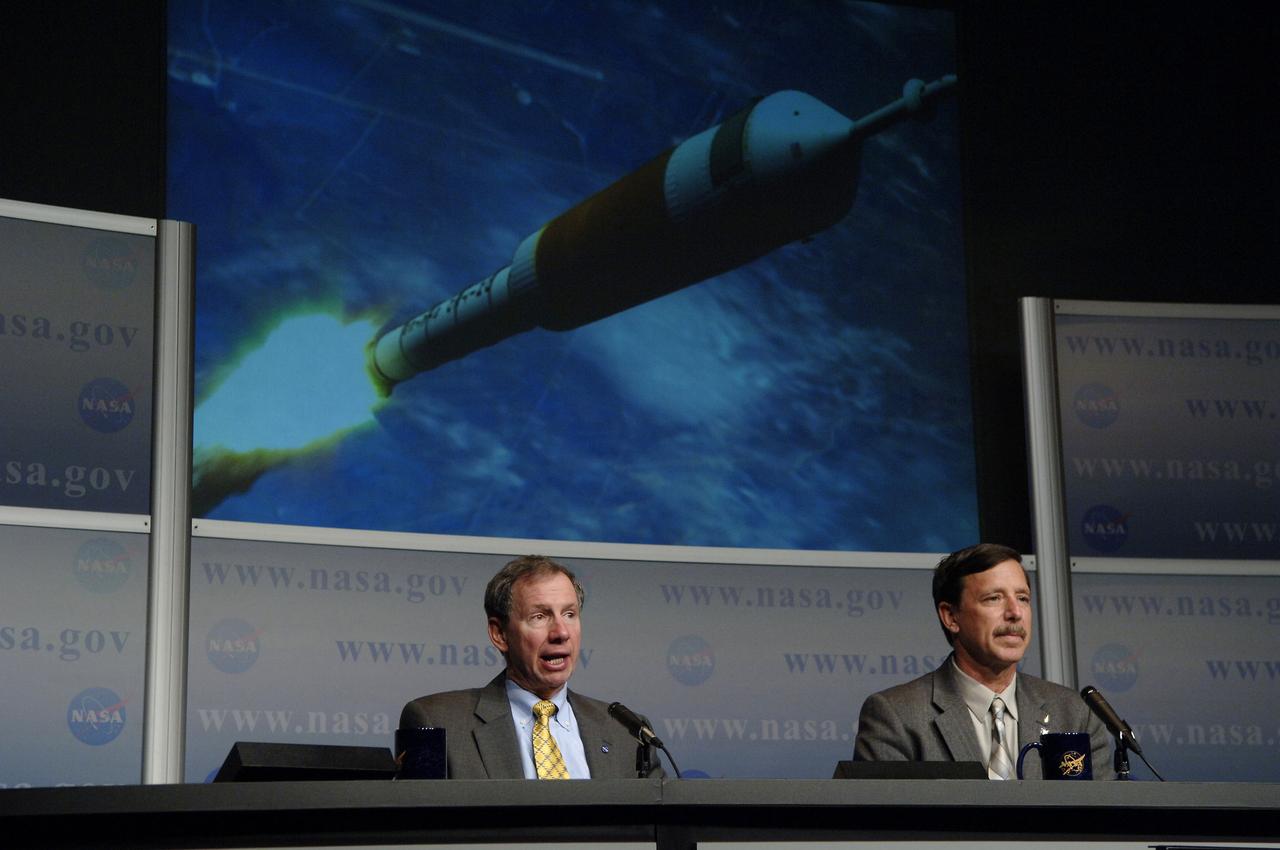
NASA Administrator Michael Griffin, left, and Scott J. Horowitz, NASA Associate Administrator for Exploration Systems, announce to NASA employees and members of the media the responsibilities of the NASA centers associated with the Constellation Program for robotic and human Moon and Mars exploration on Wednesday, June 5, 2006, at NASA Headquarters in Washington. Photo Credit: (NASA/Bill Ingalls)
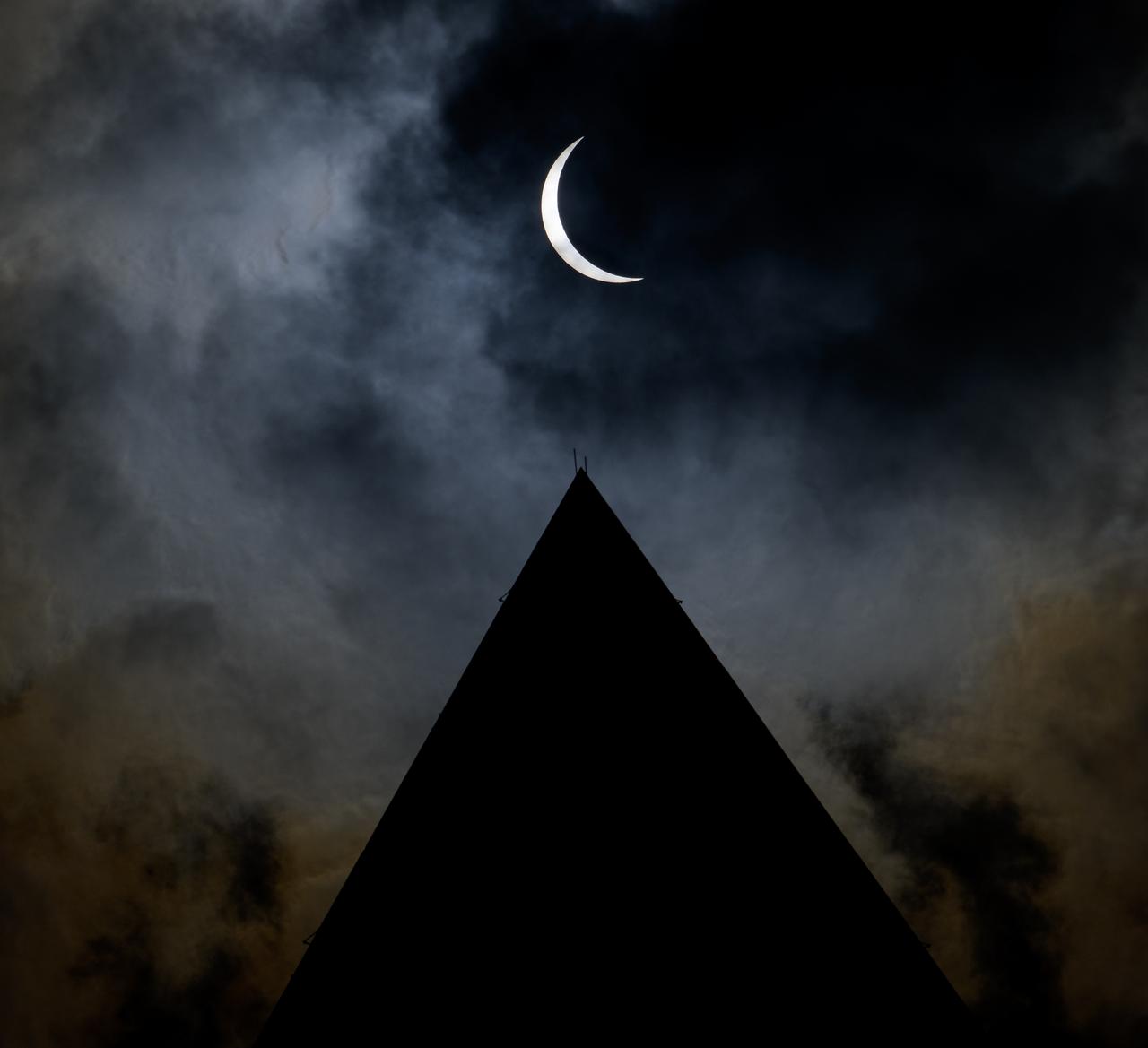
The Moon is seen passing in front of the Sun, with the top of the Washington Monument in silhouette, during a partial solar eclipse in Washington, on Monday, April 8, 2024. A total solar eclipse swept across a narrow portion of the North American continent from Mexico’s Pacific coast to the Atlantic coast of Newfoundland, Canada. A partial solar eclipse was visible across the entire North American continent along with parts of Central America and Europe. Photo Credit: (NASA/Bill Ingalls)
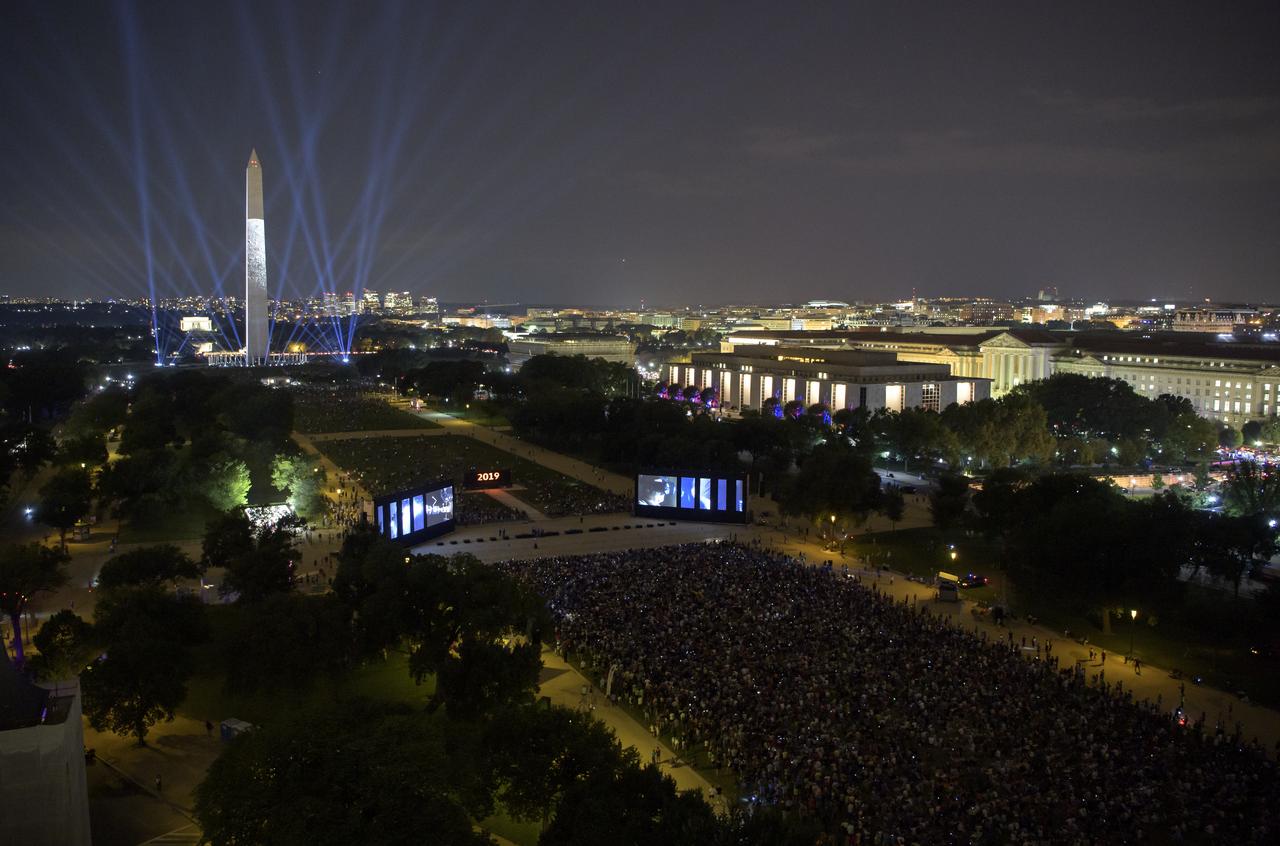
The 50 year anniversary of the Apollo 11 mission with NASA astronauts Neil Armstrong, Michael Collins, and Buzz Aldrin is celebrated in a 17-minute show, “Apollo 50: Go for the Moon”, by the Smithsonian’s National Air and Space Museum, which combined full-motion projection-mapping artwork on the Washington Monument and archival footage to recreate the launch of Apollo 11 and tell the story of the first moon landing, Friday, July 19, 2019 in Washington. Photo Credit: (NASA/Bill Ingalls)

A woman watches a partial solar eclipse through protective glasses in Washington, on Monday, April 8, 2024. A total solar eclipse swept across a narrow portion of the North American continent from Mexico’s Pacific coast to the Atlantic coast of Newfoundland, Canada. A partial solar eclipse was visible across the entire North American continent along with parts of Central America and Europe. Photo Credit: (NASA/Bill Ingalls)

Jeff Hanley, Constellation Program Manager, right, listens to a question during a NASA Update outlining responsibilities of the NASA centers associated with the Constellation Program for robotic and human Moon and Mars exploration on Wednesday, June 5, 2006, at NASA Headquarters in Washington. Photo Credit: (NASA/Bill Ingalls)
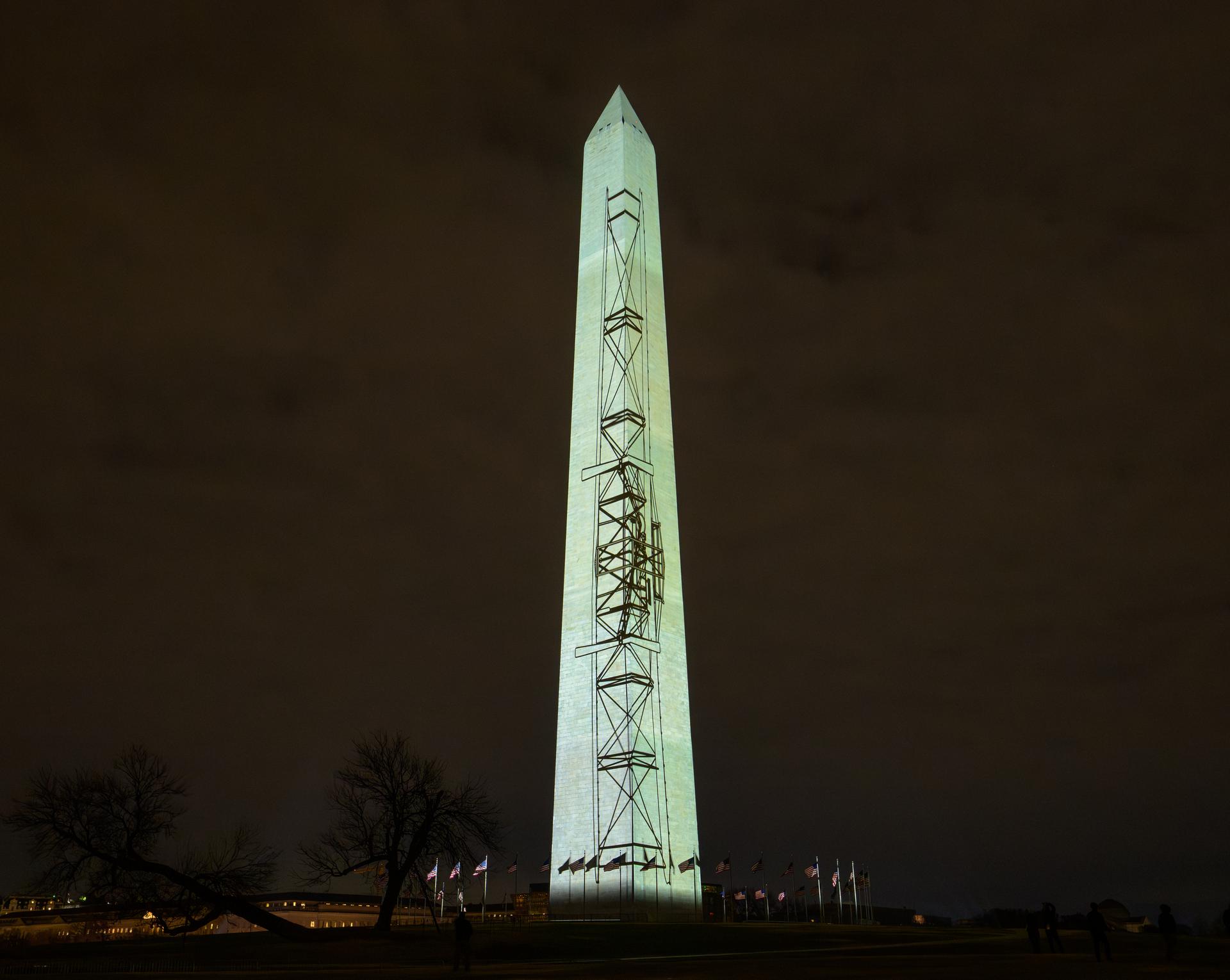
Images depicting the Wright brothers aircraft are projected onto the Washington Monument as part of an event to kick off the nation's 250th birthday year, Wednesday, Dec. 31, 2025, in Washington. Photo Credit: (NASA/Bill Ingalls)

The Moon, top, is seen passing in front of the Sun, with the top of the Washington Monument in silhouette, during a partial solar eclipse in Washington, on Monday, April 8, 2024. A total solar eclipse swept across a narrow portion of the North American continent from Mexico’s Pacific coast to the Atlantic coast of Newfoundland, Canada. A partial solar eclipse was visible across the entire North American continent along with parts of Central America and Europe. Photo Credit: (NASA/Bill Ingalls)

NASA Administrator Jim Bridenstine, NASA Deputy Administrator Jim Morhard, and Ken Bowersox, acting Associate Administrator for NASA's Human Exploration and Operations Mission Directorate, meet with Sylvain Laporte, President of the Canadian Space Agency, at the 70th International Astronautical Congress, Wednesday, Oct. 23, 2019 in Washington. Photo Credit: (NASA/Joel Kowsky)
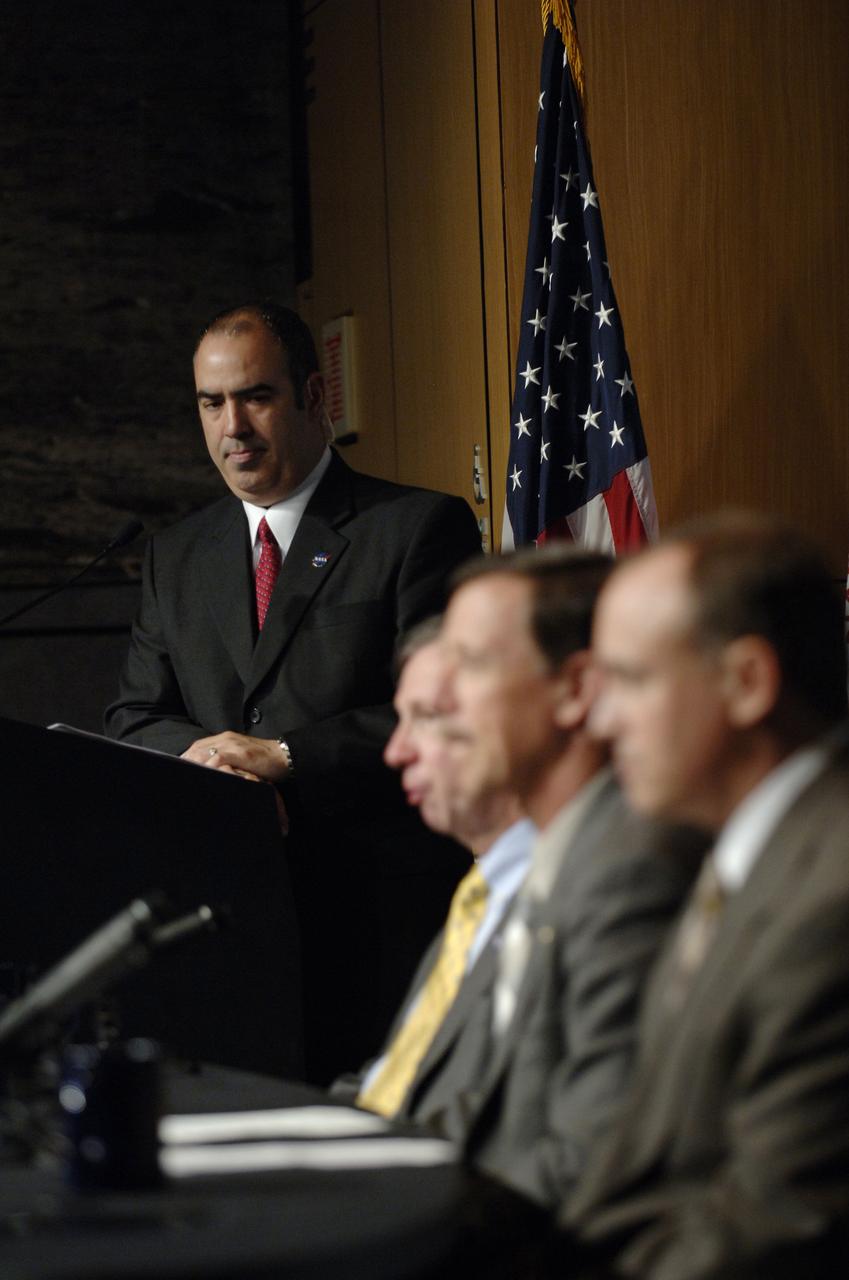
Dean Acosta, NASA Deputy Assistant Administrator and Press Secretary, left, moderates a NASA Update with NASA Administrator Michael Griffin, Scott J. Horowitz, NASA Associate Administrator for Exploration Systems and Jeff Hanley, Constellation Program Manager, right, on Wednesday, June 5, 2006, at NASA Headquarters in Washington. Photo Credit: (NASA/Bill Ingalls)
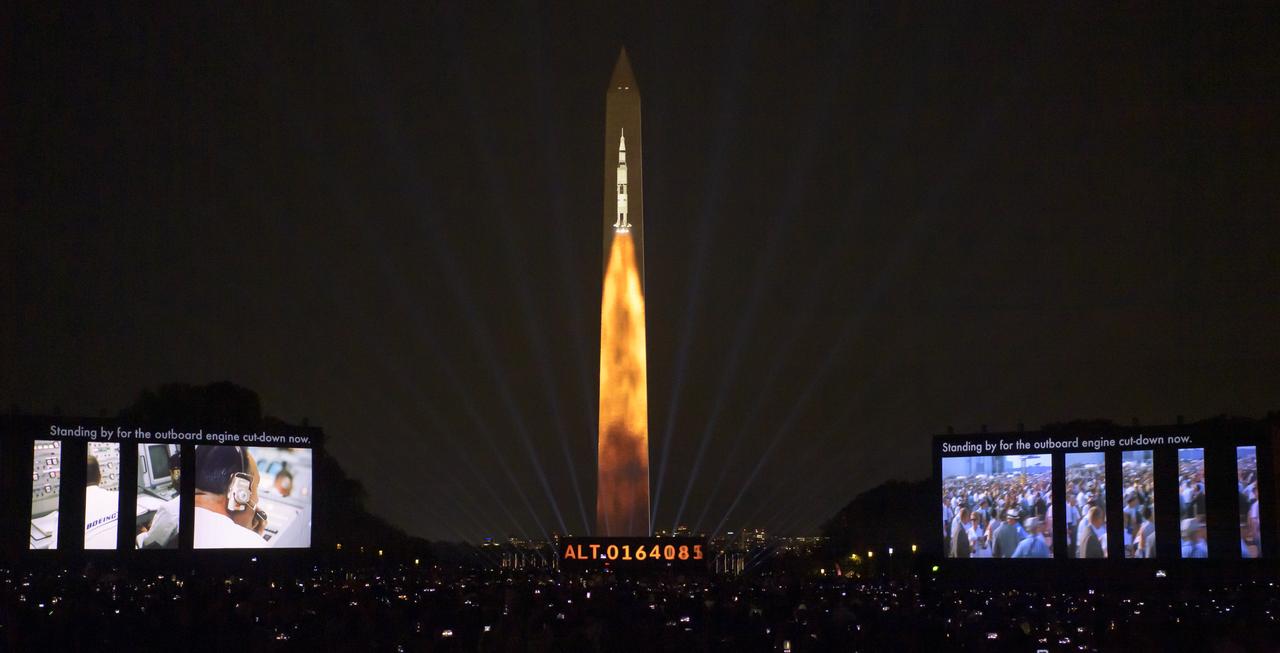
The 50 year anniversary of the Apollo 11 mission with NASA astronauts Neil Armstrong, Michael Collins, and Buzz Aldrin is celebrated in a 17-minute show, “Apollo 50: Go for the Moon”, by the Smithsonian’s National Air and Space Museum, which combined full-motion projection-mapping artwork on the Washington Monument and archival footage to recreate the launch of Apollo 11 and tell the story of the first moon landing, Friday, July 19, 2019 in Washington. Photo Credit: (NASA/Bill Ingalls)
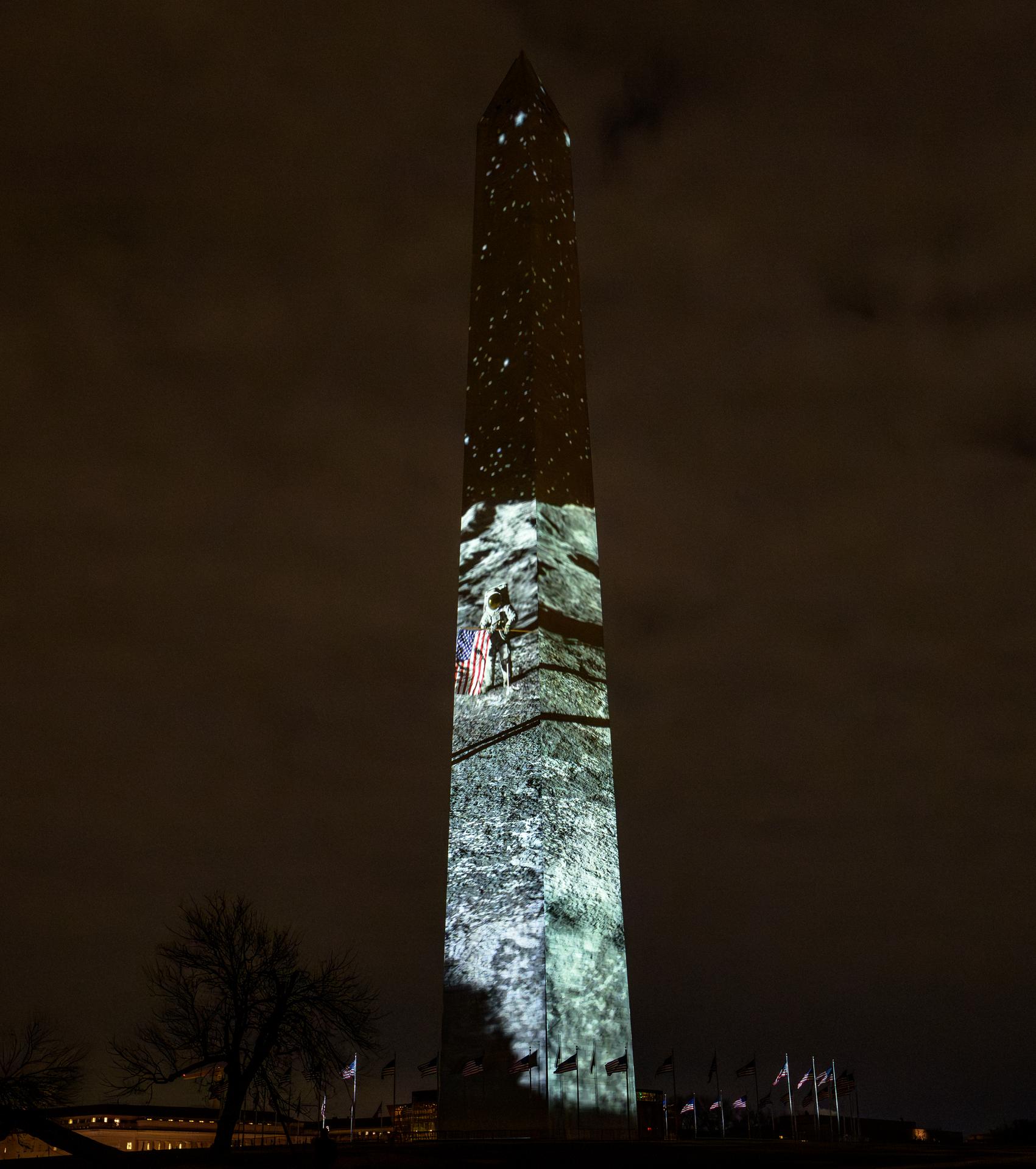
Images depicting NASA Apollo Moon missions are projected onto the Washington Monument as part of an event to kick off the nation's 250th birthday year, Wednesday, Dec. 31, 2025, in Washington. Photo Credit: (NASA/Bill Ingalls)
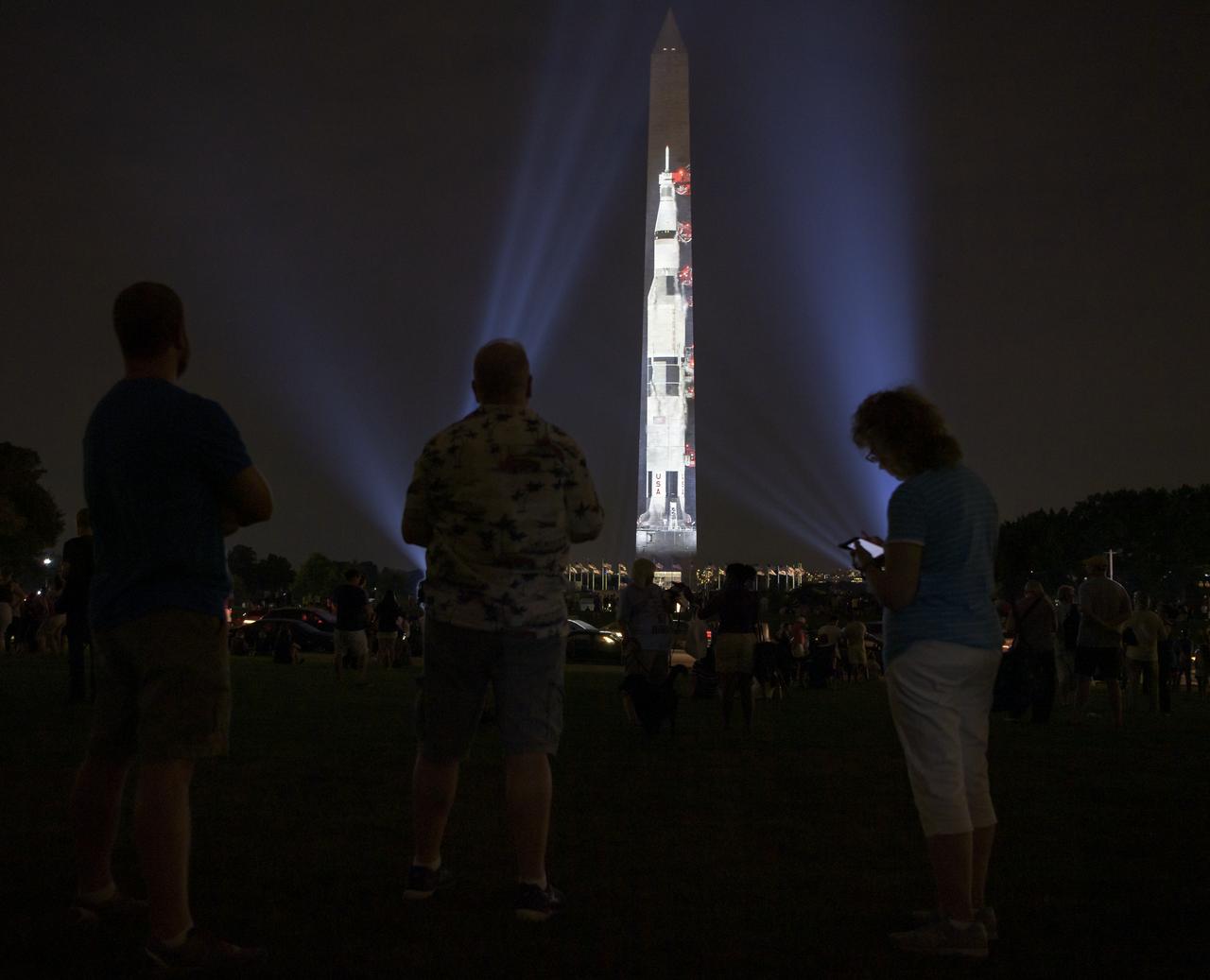
A full-sized, 363-foot Saturn V rocket is projected onto the east face of the Washington Monument 50 years to the day after astronauts Neil Armstrong, Michael Collins, and Buzz Aldrin launched on Apollo 11, the first mission to land astronauts on the Moon, Tuesday, July 16, 2019. On Friday, July 19, and Saturday, July 20, a special 17-minute show, “Apollo 50: Go for the Moon” will combine full-motion projection-mapping artwork on the monument and archival footage to recreate the launch of Apollo 11 and tell the story of the first moon landing. Photo Credit: (NASA/Bill Ingalls)
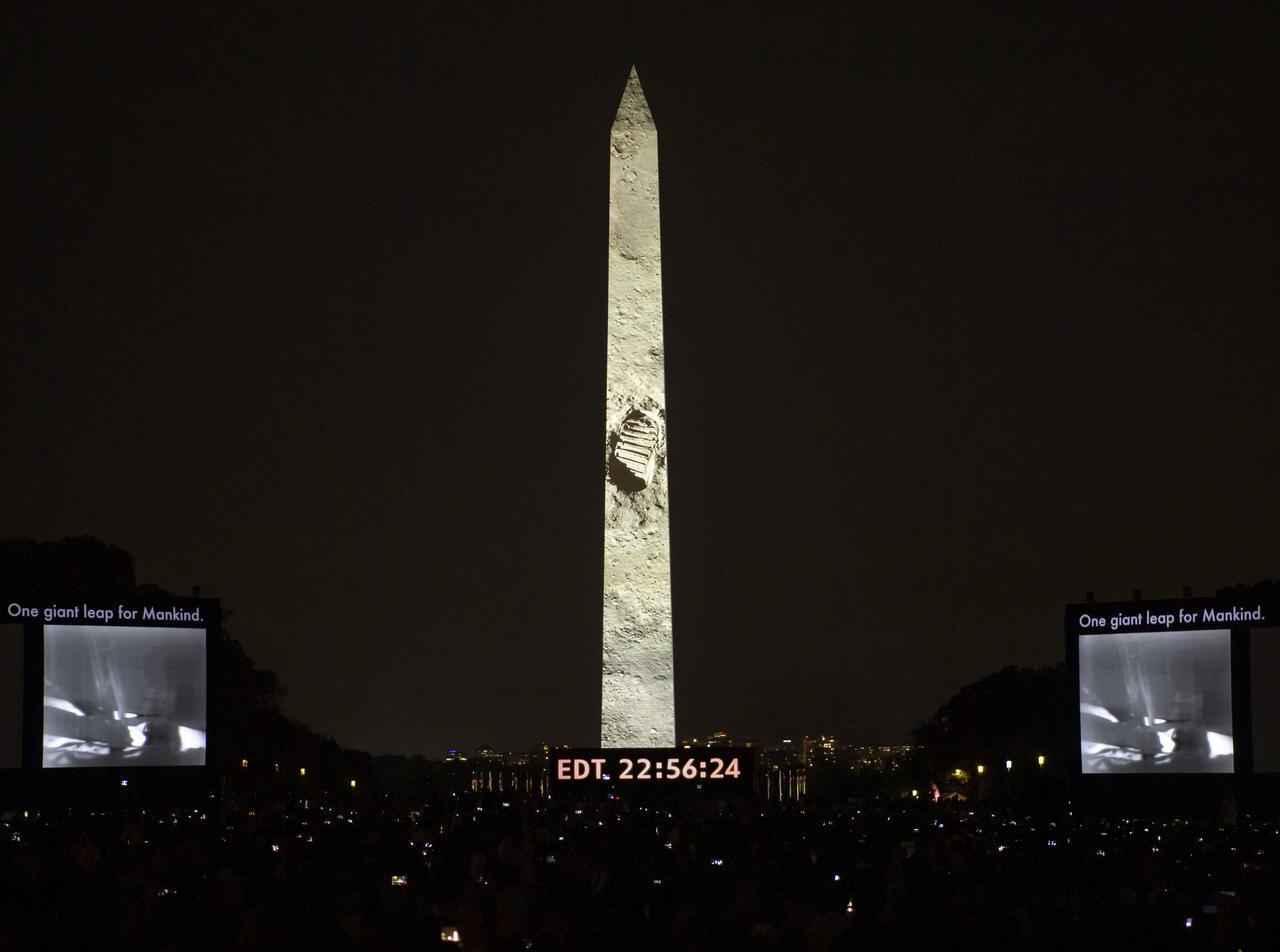
The 50 year anniversary of the Apollo 11 mission with NASA astronauts Neil Armstrong, Michael Collins, and Buzz Aldrin is celebrated in a 17-minute show, “Apollo 50: Go for the Moon”, by the Smithsonian’s National Air and Space Museum, which combined full-motion projection-mapping artwork on the Washington Monument and archival footage to recreate the launch of Apollo 11 and tell the story of the first moon landing, Friday, July 19, 2019 in Washington. Photo Credit: (NASA/Bill Ingalls)

NASA astronaut Jack Fischer talks with veterans at the World War II Memorial who traveled to Washington, DC with the Buffalo Niagara Honor Flight, Saturday, Nov. 4, 2017. Photo Credit: (NASA/Joel Kowsky)

NASA Deputy Administrator Jim Morhard is seen along side NASA Administrator Jim Bridenstine during a meeting with Sylvain Laporte, President of the Canadian Space Agency, at the 70th International Astronautical Congress, Wednesday, Oct. 23, 2019 in Washington. Photo Credit: (NASA/Joel Kowsky)

NASA Deputy Administrator Jim Morhard, left, and NASA Administrator Jim Bridenstine meet with Giorgio Saccoccia Head of the Italian Space Agency (ASI), before the signing of a joint statement at the 70th International Astronautical Congress, Wednesday, Oct. 23, 2019 in Washington. Photo Credit: (NASA/Joel Kowsky)
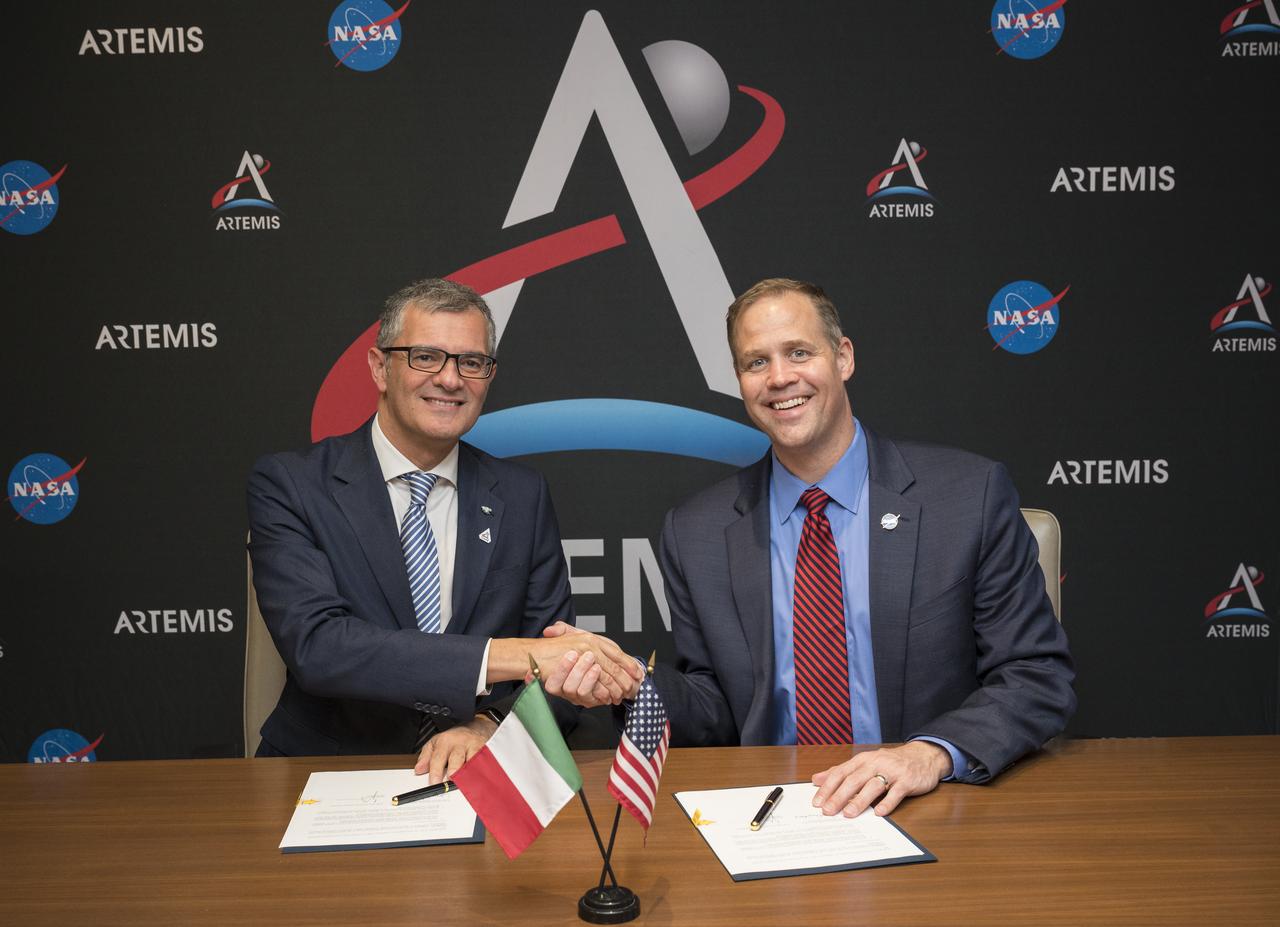
Giorgio Saccoccia Head of the Italian Space Agency (ASI), left, and NASA Administrator Jim Bridenstine shake hands after signing a joint statement acknowledging the strong ongoing cooperation between the agencies, and identifying areas of potential future cooperation on and around the Moon as part of NASA’s Artemis program at the 70th International Astronautical Congress, Wednesday, Oct. 23, 2019 in Washington. Photo Credit: (NASA/Joel Kowsky)

Jeff Hanley, Constellation Program Manager, announces to NASA employees and members of the media the responsibilities of the NASA centers associated with the Constellation Program for robotic and human Moon and Mars exploration on Wednesday, June 5, 2006, at NASA Headquarters in Washington. Photo Credit: (NASA/Bill Ingalls)
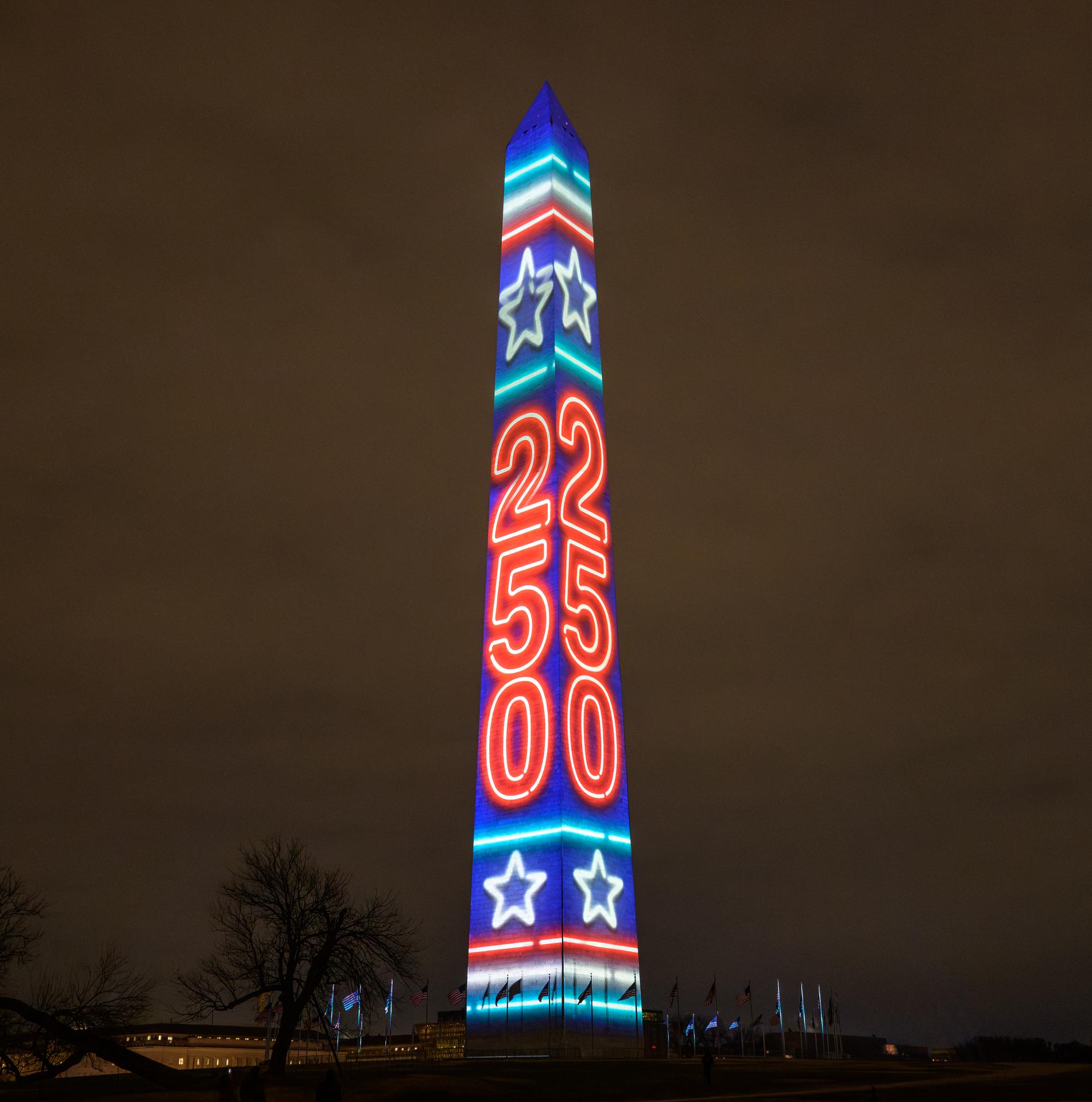
The Washington Monument is lit as part of an event to kick off the nation's 250th birthday year, Wednesday, Dec. 31, 2025, in Washington. Photo Credit: (NASA/Bill Ingalls)
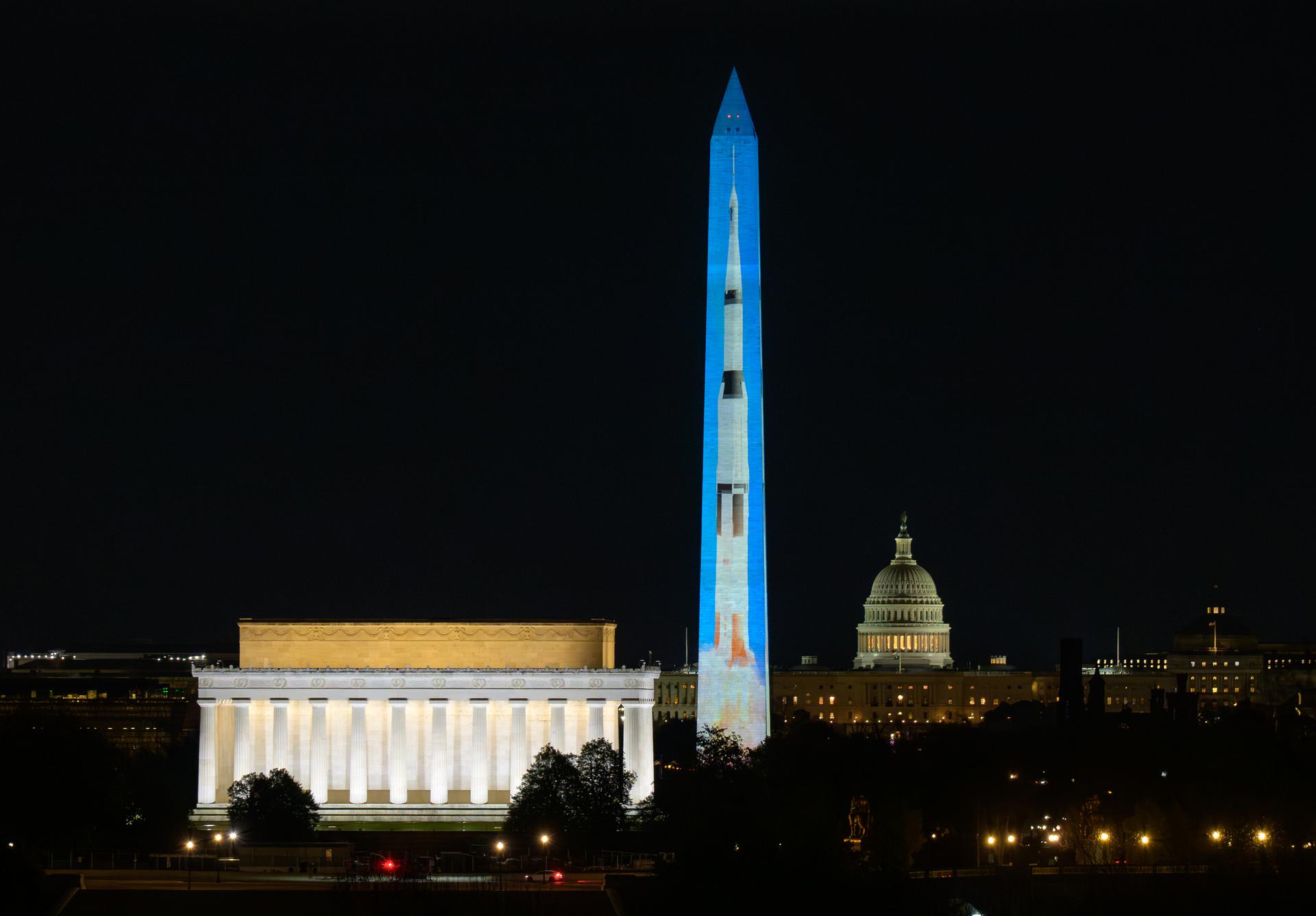
Images depicting NASA’s Saturn V Rocket are projected onto the Washington Monument as part of an event to kick off the nation's 250th birthday year, Wednesday, Dec. 31, 2025, in Washington. Photo Credit: (NASA/Bill Ingalls)

NASA Administrator Jim Bridenstine, center left, Deputy Administrator Jim Morhard, Ken Bowersox, acting Associate Administrator for NASA's Human Exploration and Operations Mission Directorate, Thomas Zurbuchen, Associate Administrator of NASA's Science Mission Directorate, meet with Pascale Ehrenfreund, Chair of the Executive Board of the German Aerospace Center (DLR) and other members of the executive board at the 70th International Astronautical Congress, Wednesday, Oct. 23, 2019 in Washington. Photo Credit: (NASA/Joel Kowsky)
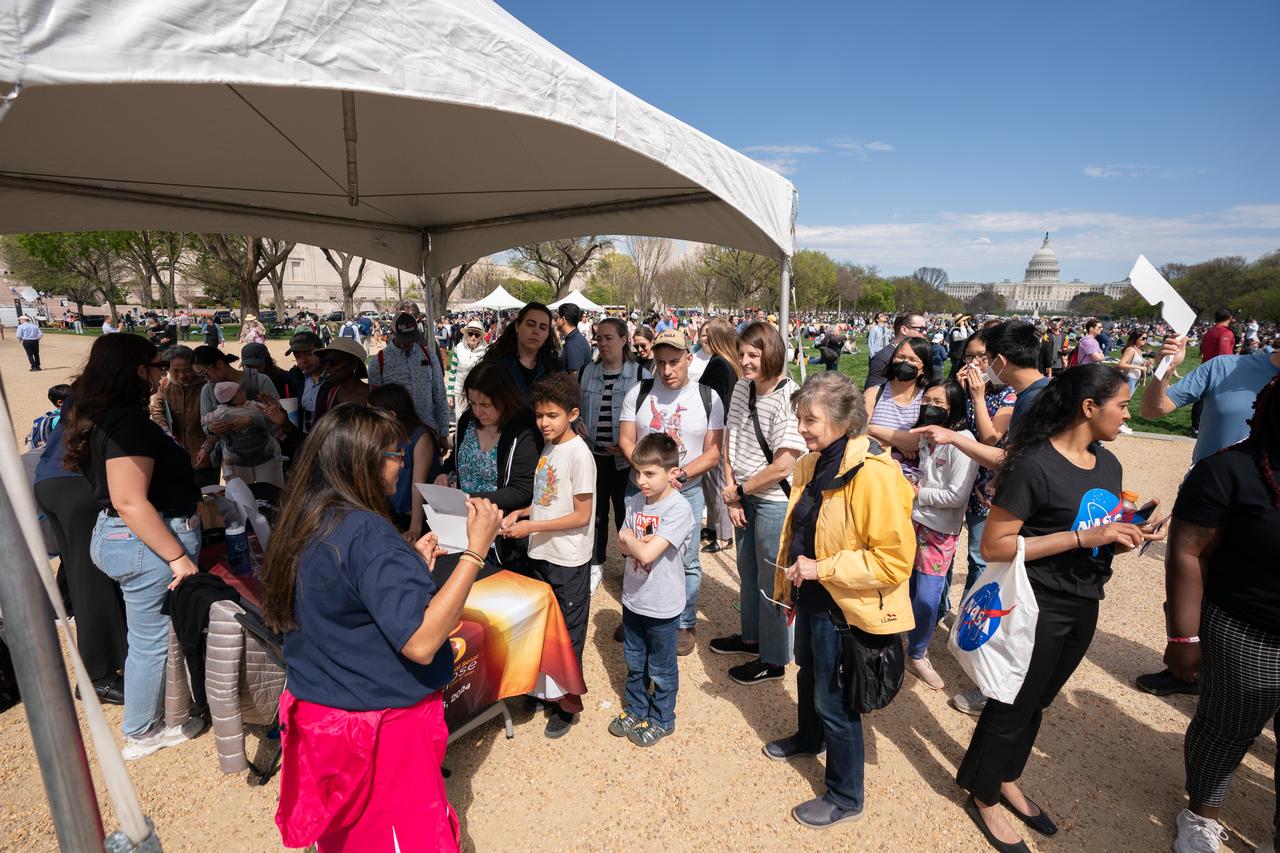
The NASA booth at the Eclipse Festival on the national mall during a partial solar eclipse in Washington, DC, Monday, April 8, 2024. A total solar eclipse swept across a narrow portion of the North American continent from Mexico’s Pacific coast to the Atlantic coast of Newfoundland, Canada. A partial solar eclipse was visible across the entire North American continent along with parts of Central America and Europe. Photo Credit: (NASA/Denny Henry)
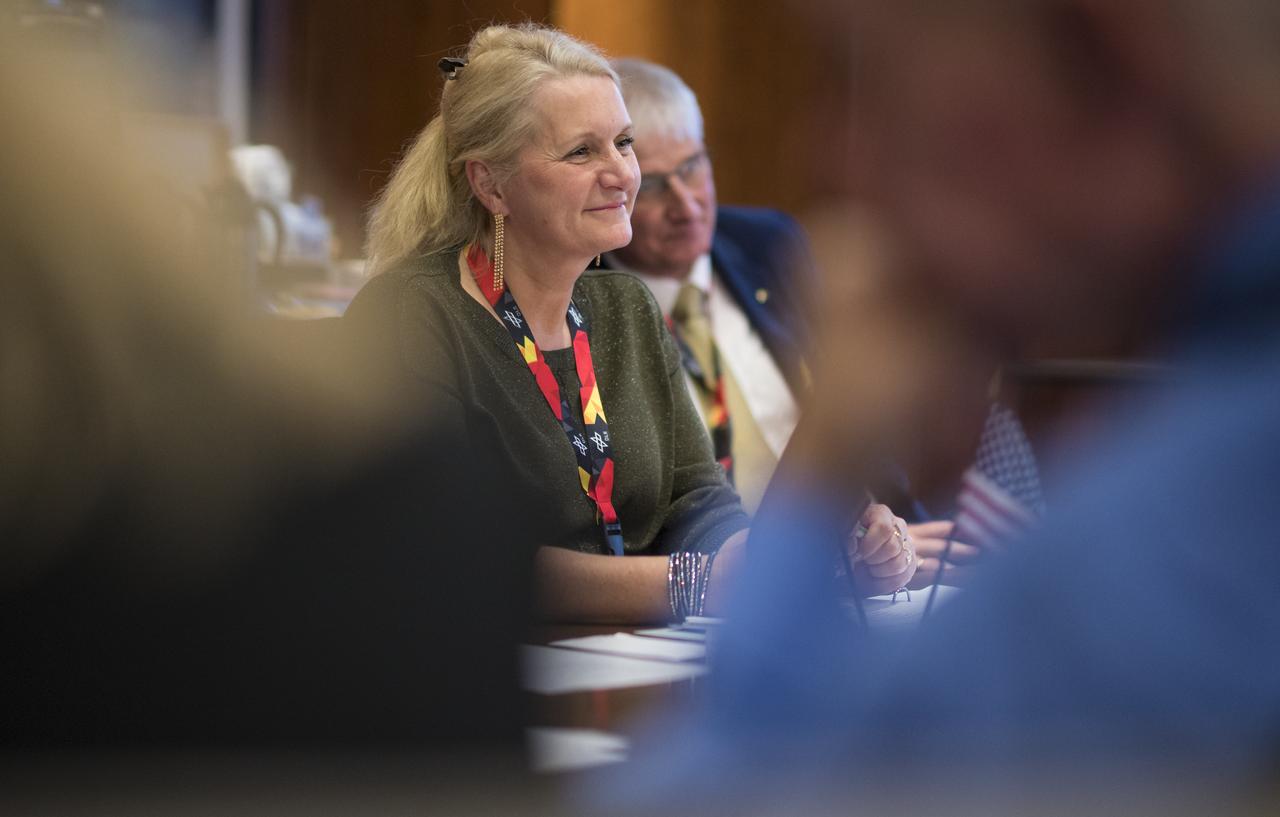
Pascale Ehrenfreund, Chair of the Executive Board of the German Aerospace Center (DLR) is seen during a meeting with NASA Administrator Jim Bridenstine, Deputy Administrator Jim Morhard and other senior NASA leaders at the 70th International Astronautical Congress, Wednesday, Oct. 23, 2019 in Washington. Photo Credit: (NASA/Joel Kowsky)

NASA astronaut Jack Fischer talks with veterans at the World War II Memorial who traveled to Washington, DC with the Buffalo Niagara Honor Flight, Saturday, Nov. 4, 2017. Photo Credit: (NASA/Joel Kowsky)
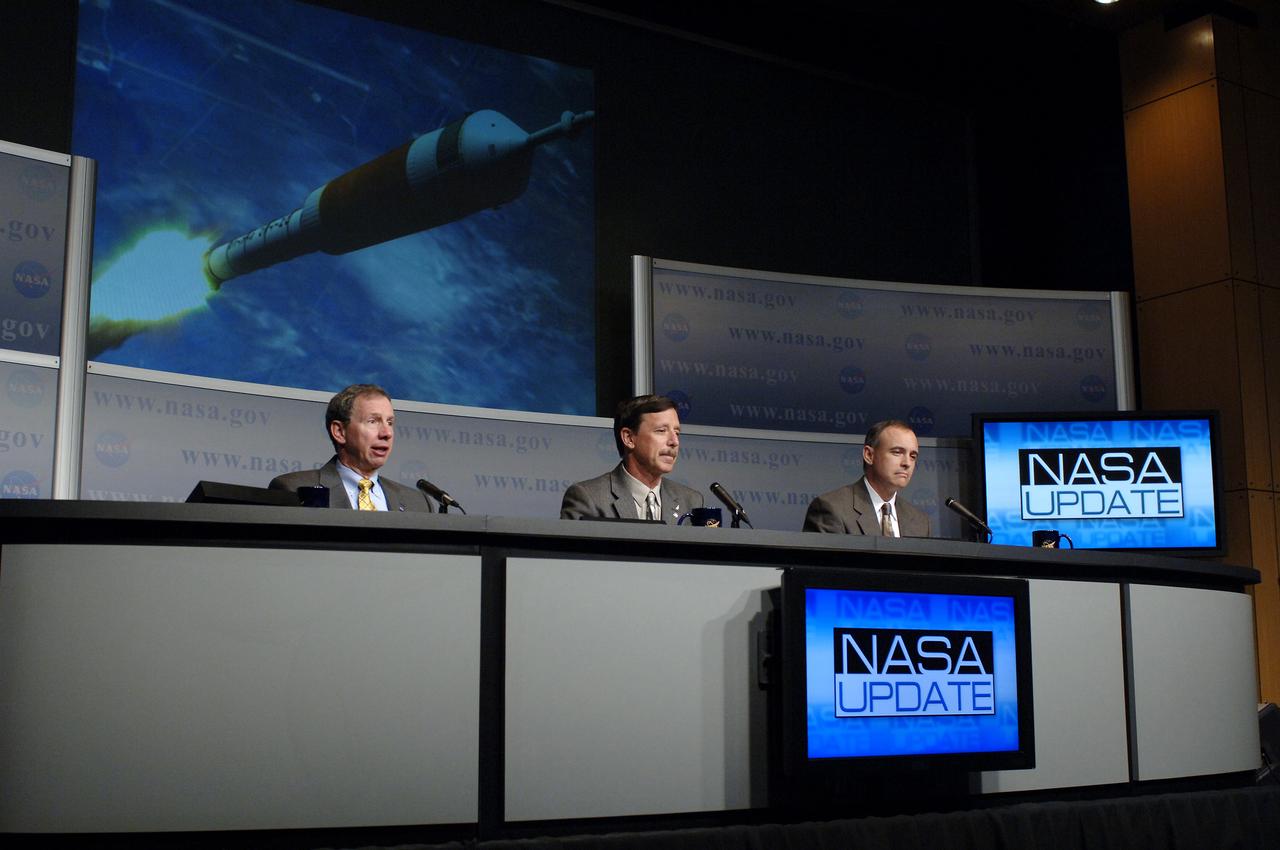
NASA Administrator Michael Griffin, left, Scott J. Horowitz, NASA Associate Administrator for Exploration Systems and Jeff Hanley, Constellation Program Manager, right, announce to NASA employees and members of the media the responsibilities of the NASA centers associated with the Constellation Program for robotic and human Moon and Mars exploration on Wednesday, June 5, 2006, at NASA Headquarters in Washington. Photo Credit: (NASA/Bill Ingalls)

Mike Tyska (center) views a partial solar eclipse in Washington, DC, Monday, April 8, 2024. A total solar eclipse swept across a narrow portion of the North American continent from Mexico’s Pacific coast to the Atlantic coast of Newfoundland, Canada. A partial solar eclipse was visible across the entire North American continent along with parts of Central America and Europe. Photo Credit: (NASA/Denny Henry)
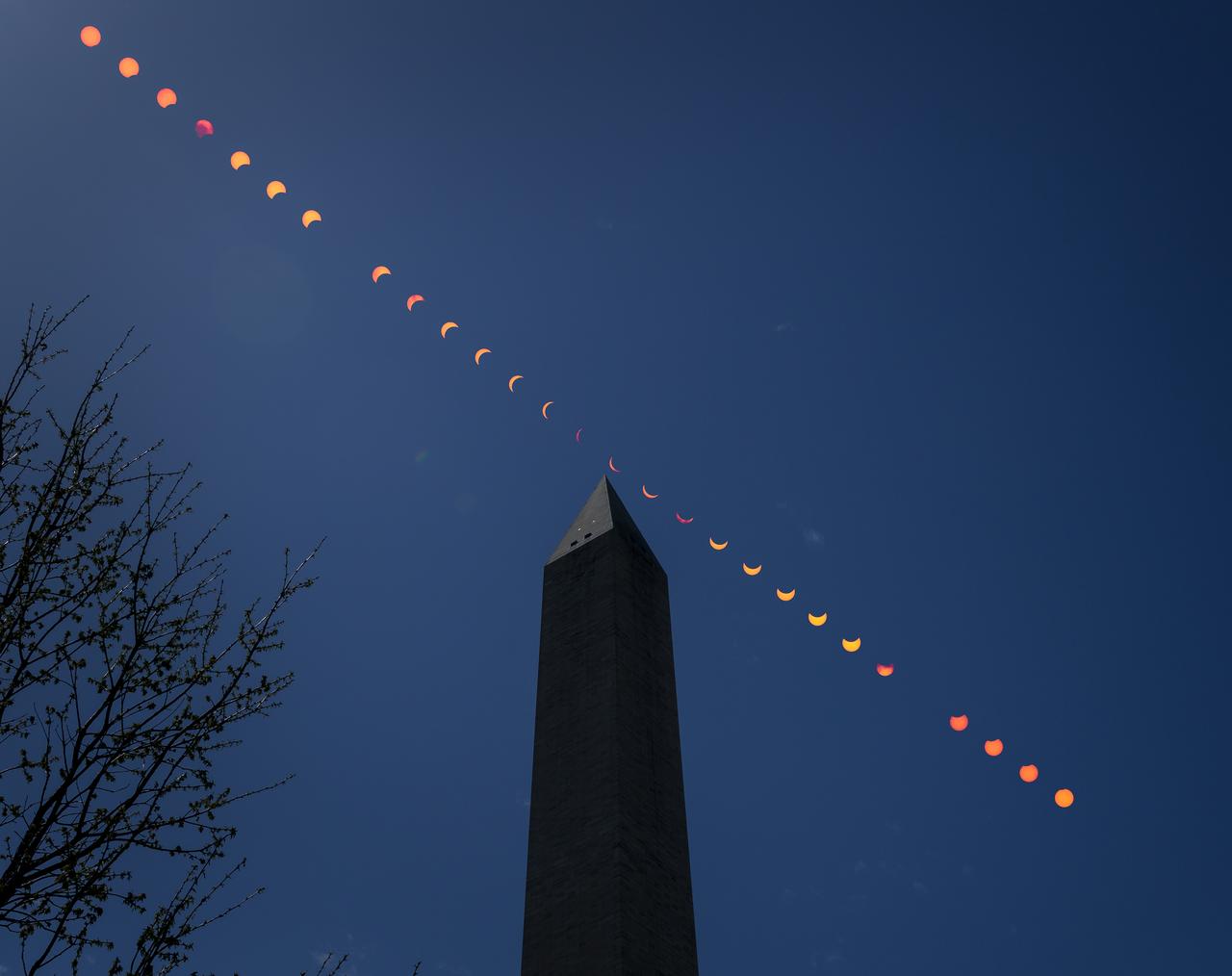
This composite image of multiple exposures shows the progression of a partial solar eclipse over the Washington Monument, Monday, April 8, 2024, in Washington. A total solar eclipse swept across a narrow portion of the North American continent from Mexico’s Pacific coast to the Atlantic coast of Newfoundland, Canada. A partial solar eclipse was visible across the entire North American continent along with parts of Central America and Europe. Photo Credit: (NASA/Bill Ingalls)

The Solar Eclipse Festival on the National Mall during a partial solar eclipse in Washington, DC, Monday, April 8, 2024. A total solar eclipse swept across a narrow portion of the North American continent from Mexico’s Pacific coast to the Atlantic coast of Newfoundland, Canada. A partial solar eclipse was visible across the entire North American continent along with parts of Central America and Europe. Photo Credit: (NASA/Denny Henry)

A man uses his smart phone to photograph a partial solar eclipse in Washington, on Monday, April 8, 2024. A total solar eclipse swept across a narrow portion of the North American continent from Mexico’s Pacific coast to the Atlantic coast of Newfoundland, Canada. A partial solar eclipse was visible across the entire North American continent along with parts of Central America and Europe. Photo Credit: (NASA/Bill Ingalls)
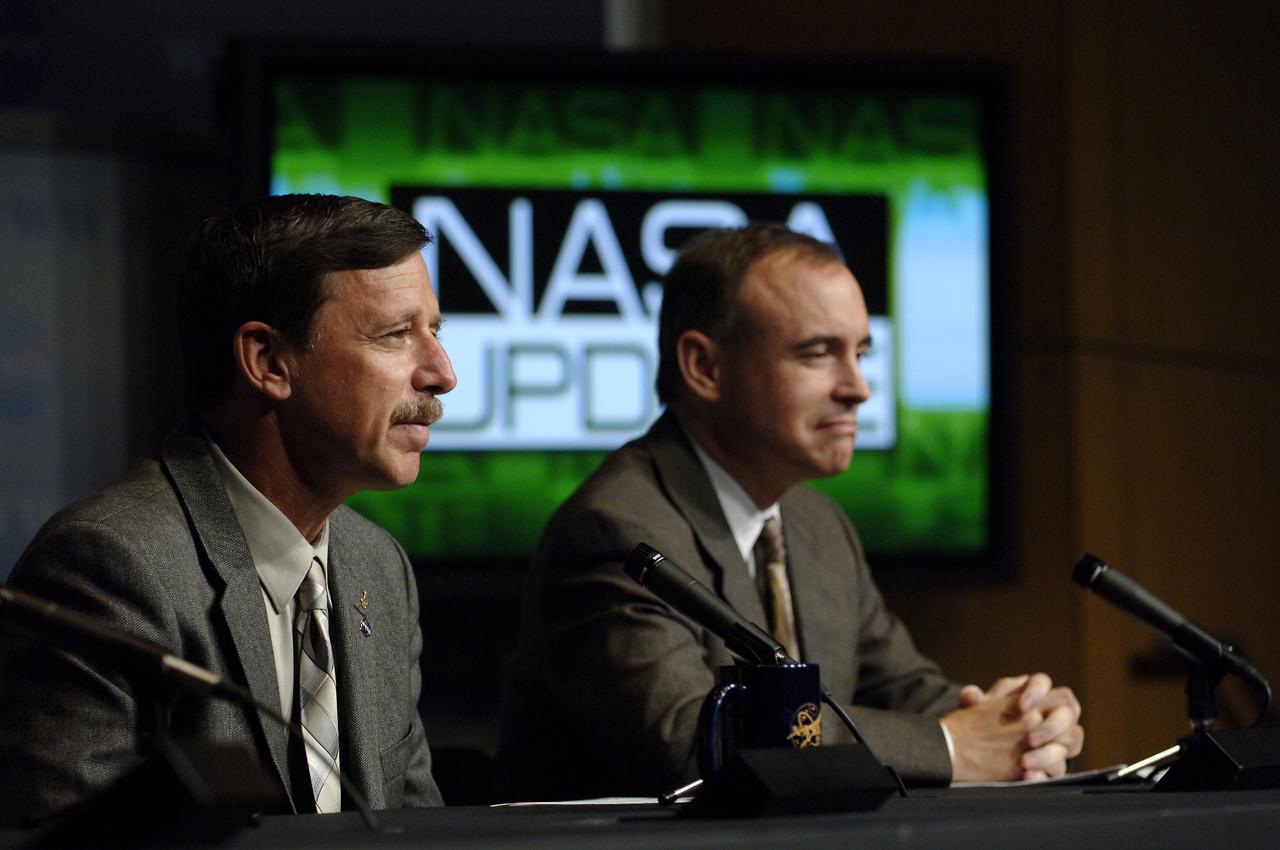
Scott J. Horowitz, NASA Associate Administrator for Exploration Systems, left, and Jeff Hanley, Constellation Program Manager, announce to NASA employees and members of the media the responsibilities of the NASA centers associated with the Constellation Program for robotic and human Moon and Mars exploration on Wednesday, June 5, 2006, at NASA Headquarters in Washington. Photo Credit: (NASA/Bill Ingalls)
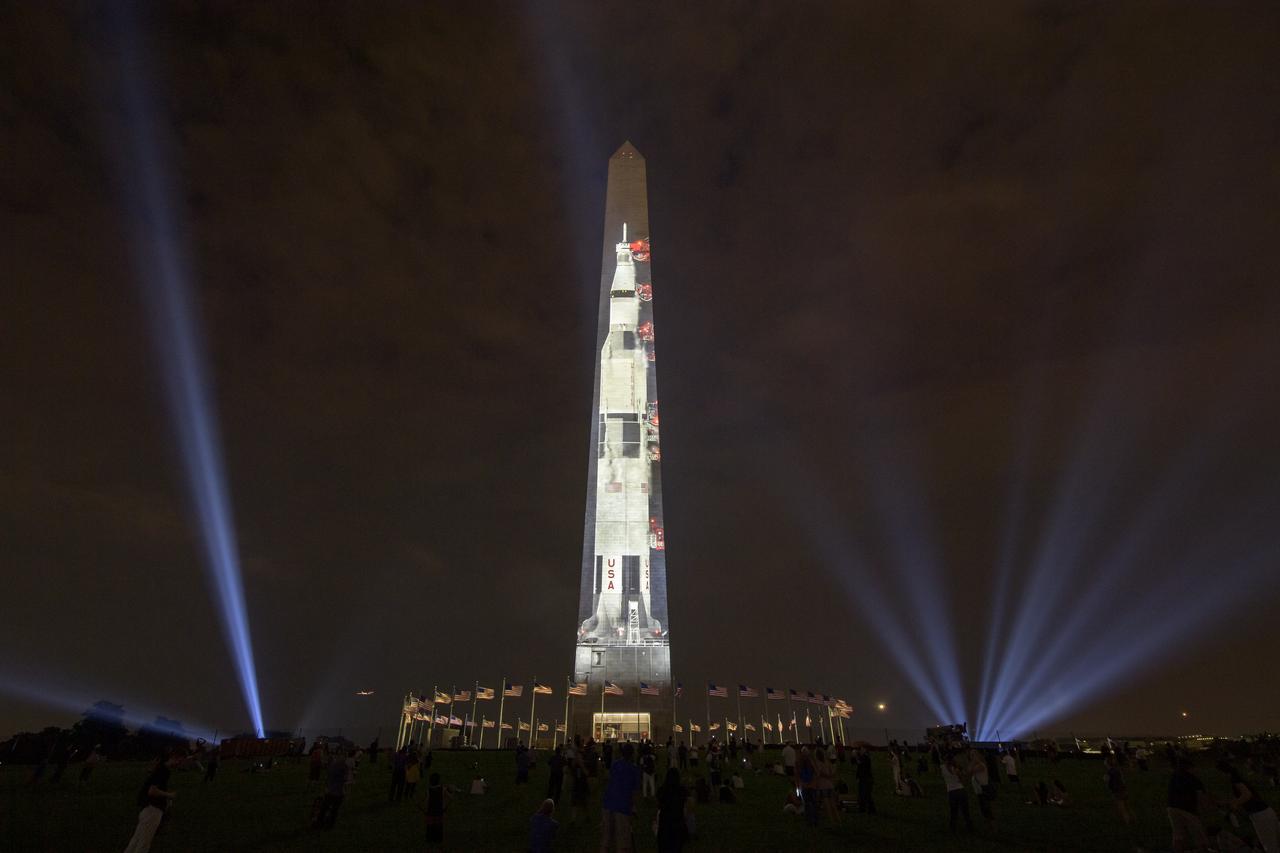
A full-sized, 363-foot Saturn V rocket is projected onto the east face of the Washington Monument 50 years to the day after astronauts Neil Armstrong, Michael Collins, and Buzz Aldrin launched on Apollo 11, the first mission to land astronauts on the Moon, Tuesday, July 16, 2019. On Friday, July 19, and Saturday, July 20, a special 17-minute show, “Apollo 50: Go for the Moon” will combine full-motion projection-mapping artwork on the monument and archival footage to recreate the launch of Apollo 11 and tell the story of the first moon landing. Photo Credit: (NASA/Bill Ingalls)
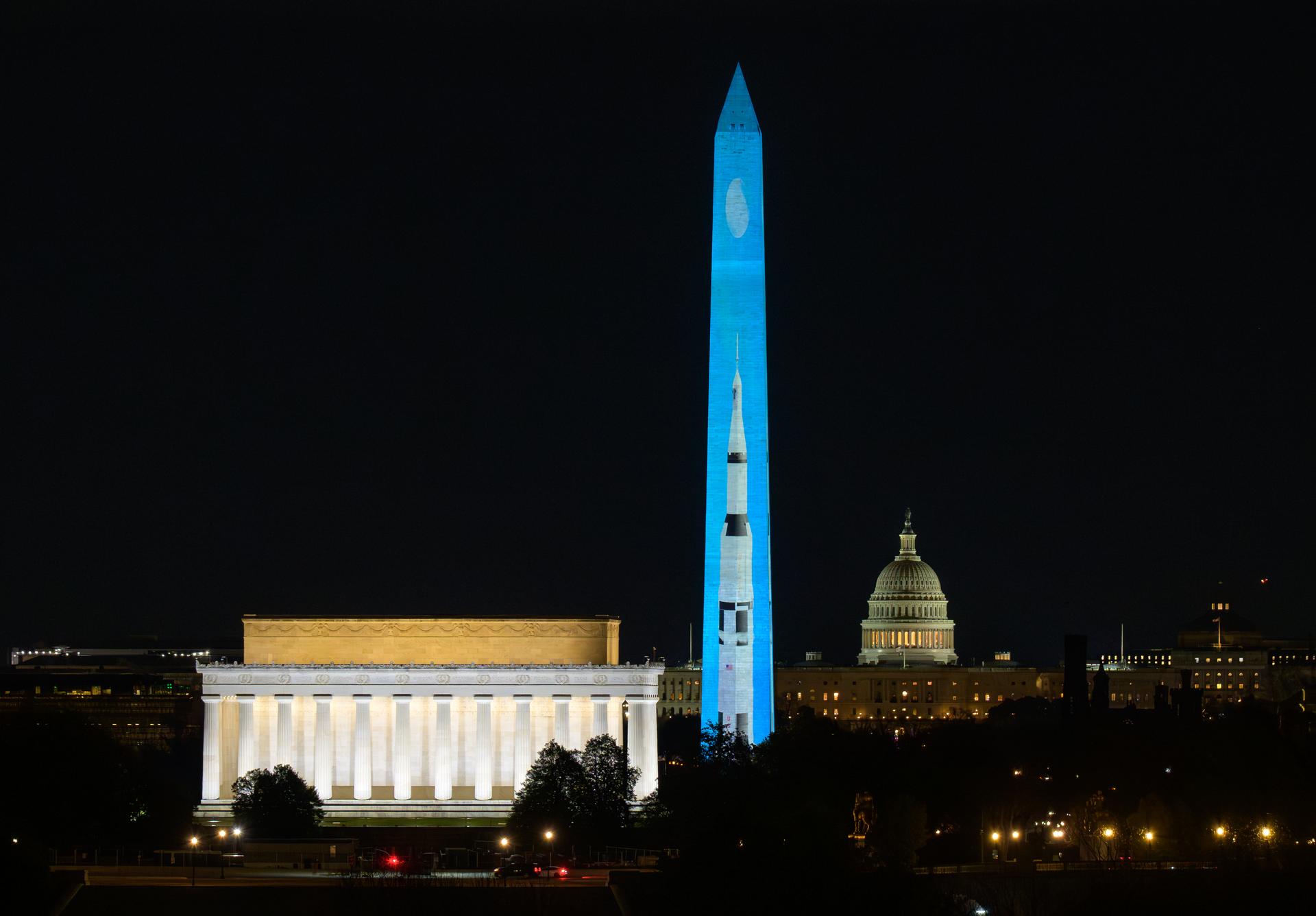
Images depicting NASA’s Saturn V Rocket are projected onto the Washington Monument as part of an event to kick off the nation's 250th birthday year, Wednesday, Dec. 31, 2025, in Washington. Photo Credit: (NASA/Bill Ingalls)
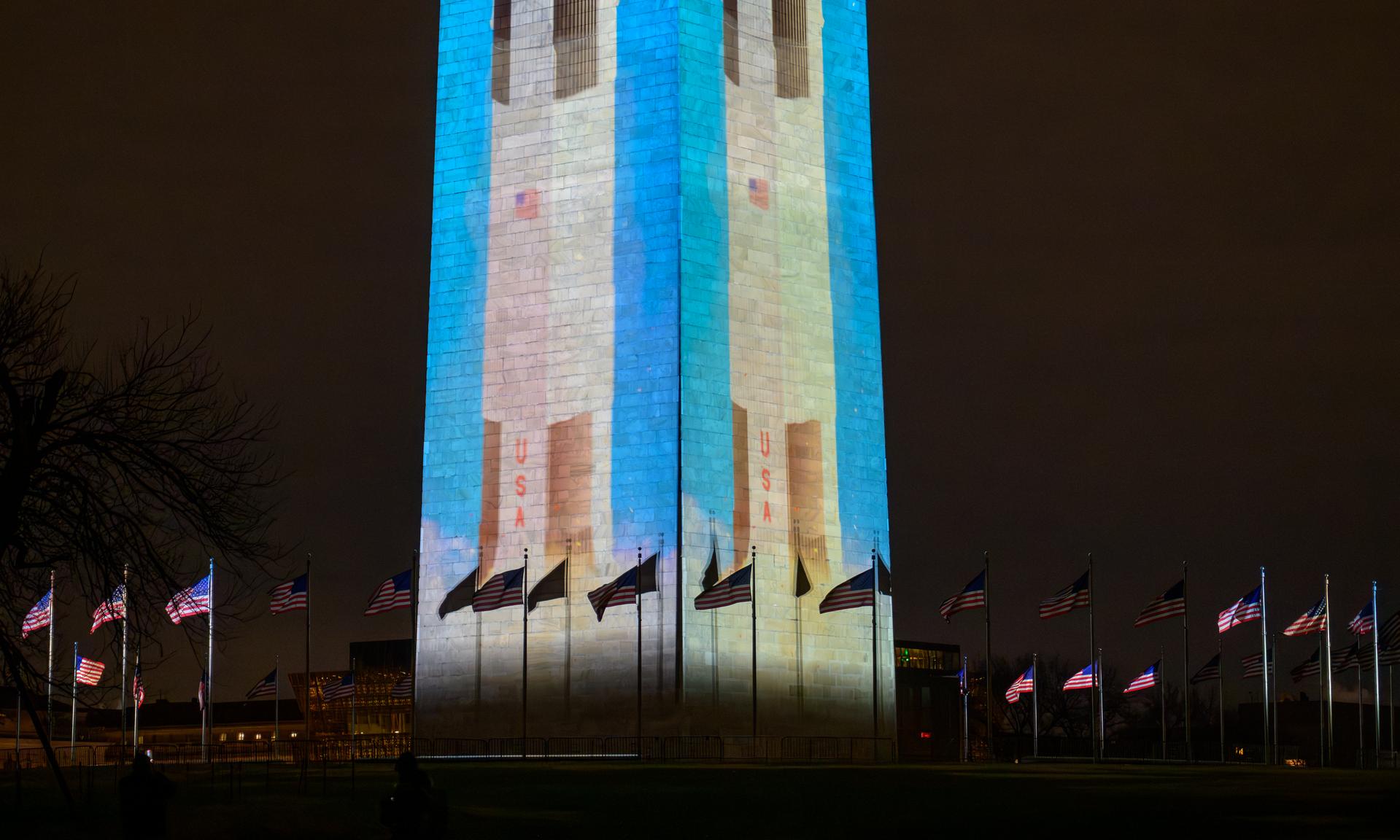
Images depicting NASA’s Saturn V Rocket are projected onto the Washington Monument as part of an event to kick off the nation's 250th birthday year, Wednesday, Dec. 31, 2025, in Washington. Photo Credit: (NASA/Bill Ingalls)

Miranda Dyal (9) views a partial solar eclipse in Washington, DC, Monday, April 8, 2024. A total solar eclipse swept across a narrow portion of the North American continent from Mexico’s Pacific coast to the Atlantic coast of Newfoundland, Canada. A partial solar eclipse was visible across the entire North American continent along with parts of Central America and Europe. Photo Credit: (NASA/Denny Henry)

The Washington Monument is seen as the full moon is shadowed by the Earth during a total lunar eclipse on the arrival of the winter solstice, Tuesday, December 21, 2010 in Washington. From beginning to end, the eclipse lasted about three hours and twenty-eight minutes. Photo Credit: (NASA/Bill Ingalls)
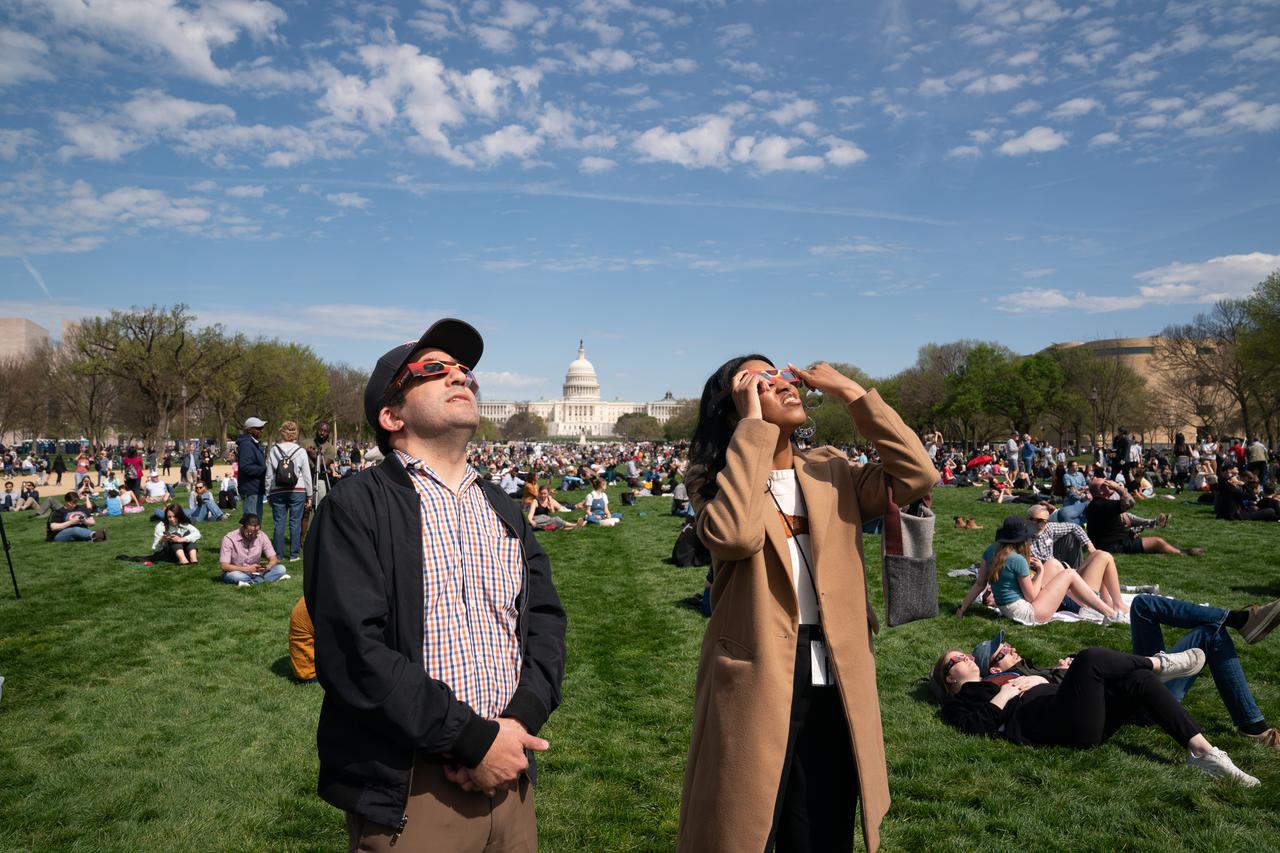
Brian Wolly and Kayla Randall view a partial solar eclipse in Washington, DC, Monday, April 8, 2024. A total solar eclipse swept across a narrow portion of the North American continent from Mexico’s Pacific coast to the Atlantic coast of Newfoundland, Canada. A partial solar eclipse was visible across the entire North American continent along with parts of Central America and Europe. Photo Credit: (NASA/Denny Henry)
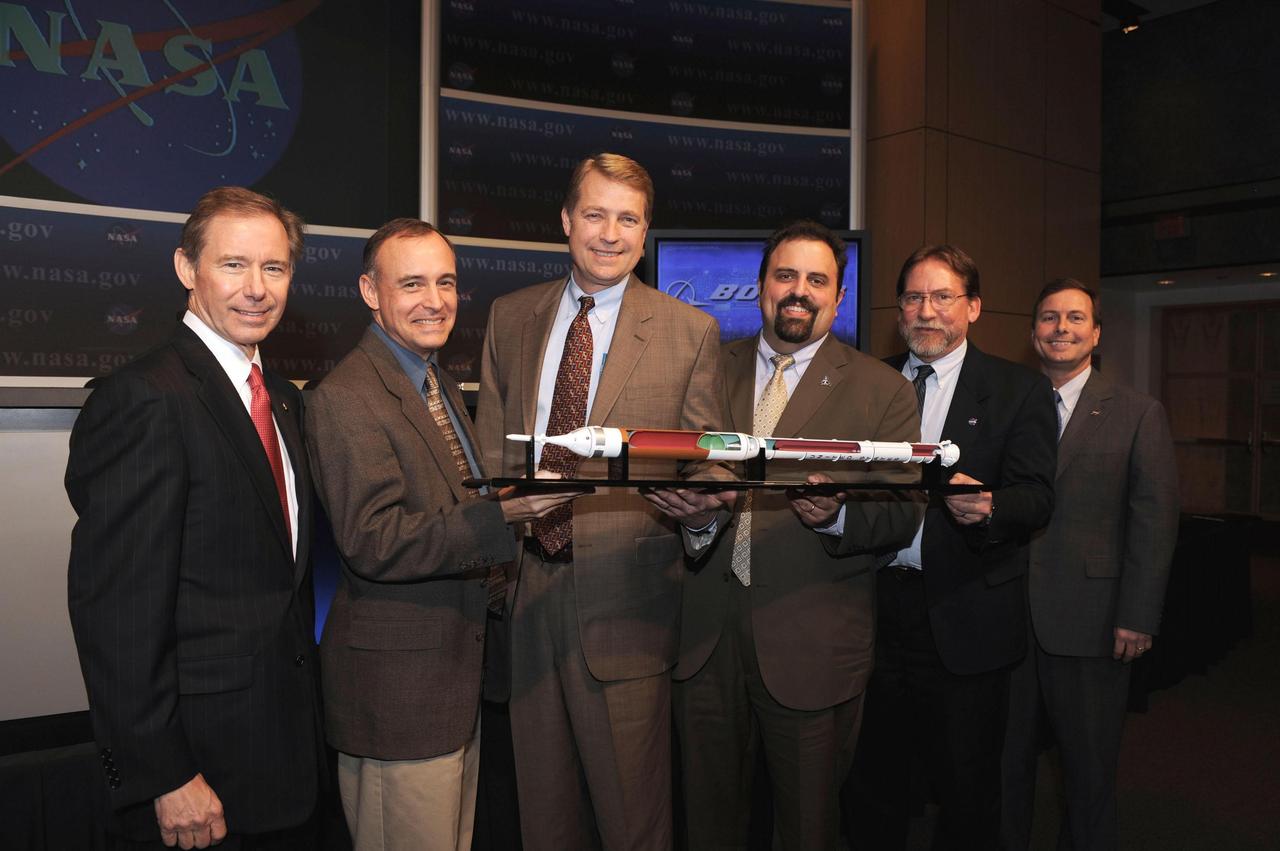
WASHINGTON, D.C. -- (From left) Brewster Shaw, vice president and genral manager of Boeing Space Exploration; Jeff Hanley, Constellation Program manager; Danny Davis, Upper Stage Element manager; Steve Cook, Ares Project manager; Doug Cooke, deputy associate administrator for Exploration Systems; and Rick Gilbrech, associate administrator for Space Exploration, stand with a model of the Ares I rocket on Dec. 12, 2007, at NASA Headquarters in Washington. NASA has selected The Boeing Company of Huntsville, Ala., as the prime contractor to produce, deliver and install avionics systsems for the Ares I rocket that will launch the Orion crew exploration vehicle into orbit. The selection is the final major contract award for Ares I. Photo credit: NASA/Paul E. Alers
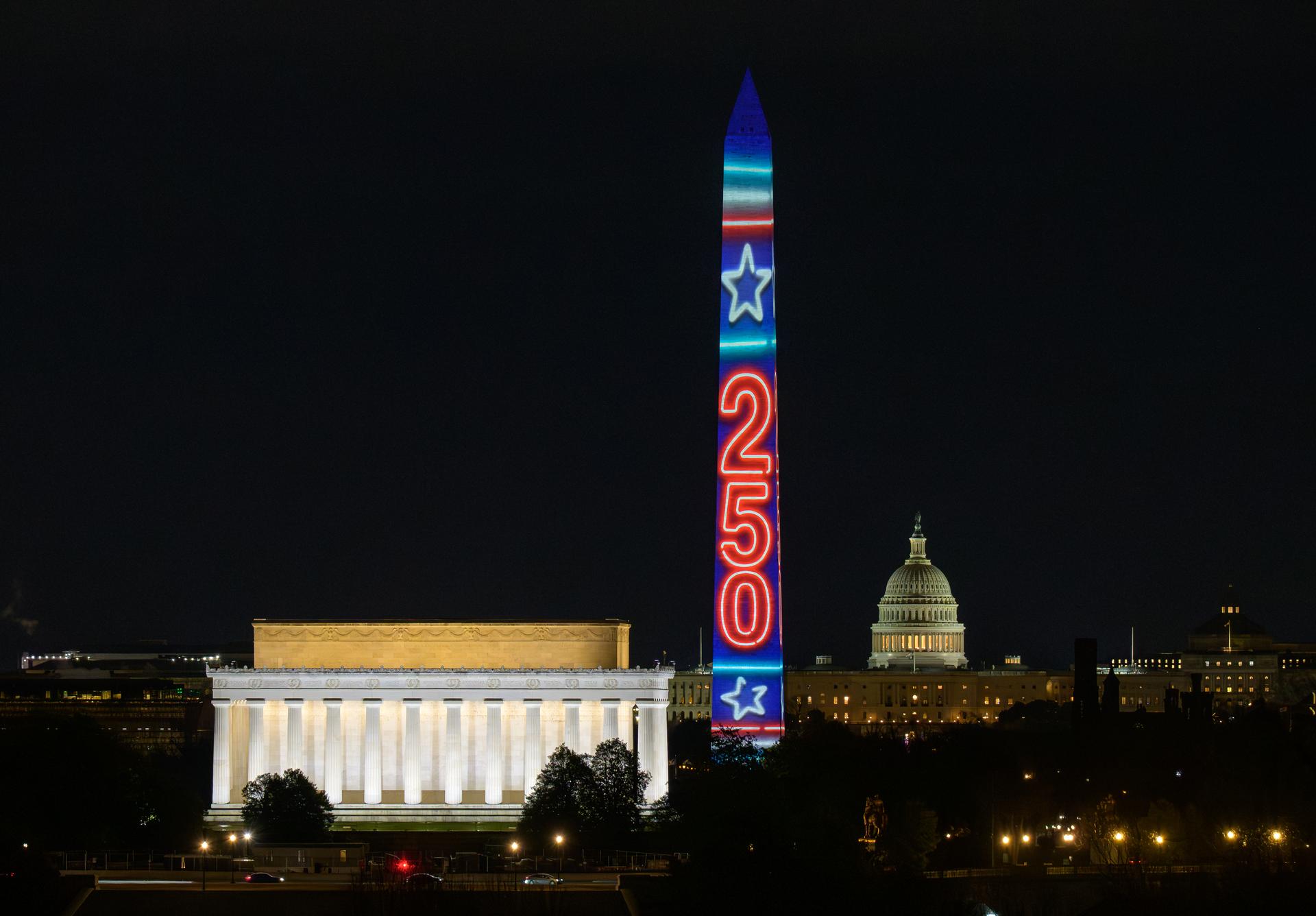
The Washington Monument is lit as part of an event to kick off the nation's 250th birthday year, Wednesday, Dec. 31, 2025, in Washington. Photo Credit: (NASA/Bill Ingalls)
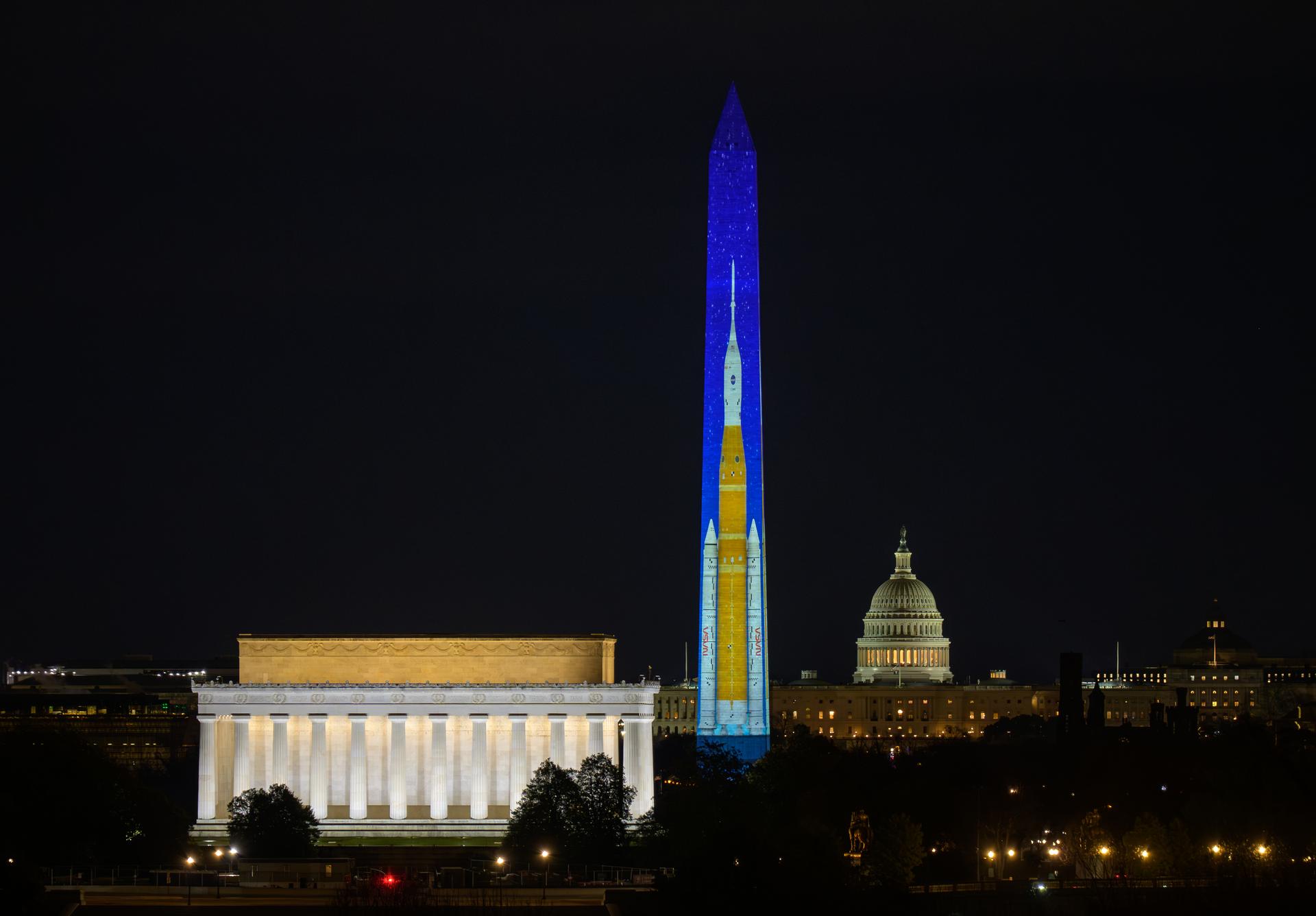
Images depicting NASA’s Space Launch System (SLS) rocket are projected onto the Washington Monument as part of an event to kick off the nation's 250th birthday year, Wednesday, Dec. 31, 2025, in Washington. Photo Credit: (NASA/Bill Ingalls)

Spectators on the National Mall during a partial solar eclipse in Washington, DC, Monday, April 8, 2024. A total solar eclipse swept across a narrow portion of the North American continent from Mexico’s Pacific coast to the Atlantic coast of Newfoundland, Canada. A partial solar eclipse was visible across the entire North American continent along with parts of Central America and Europe. Photo Credit: (NASA/Denny Henry)

Giorgio Saccoccia Head of the Italian Space Agency (ASI), speaks with NASA Administrator Jim Bridenstine before the signing of a joint statement at the 70th International Astronautical Congress, Wednesday, Oct. 23, 2019 in Washington. Photo Credit: (NASA/Joel Kowsky)
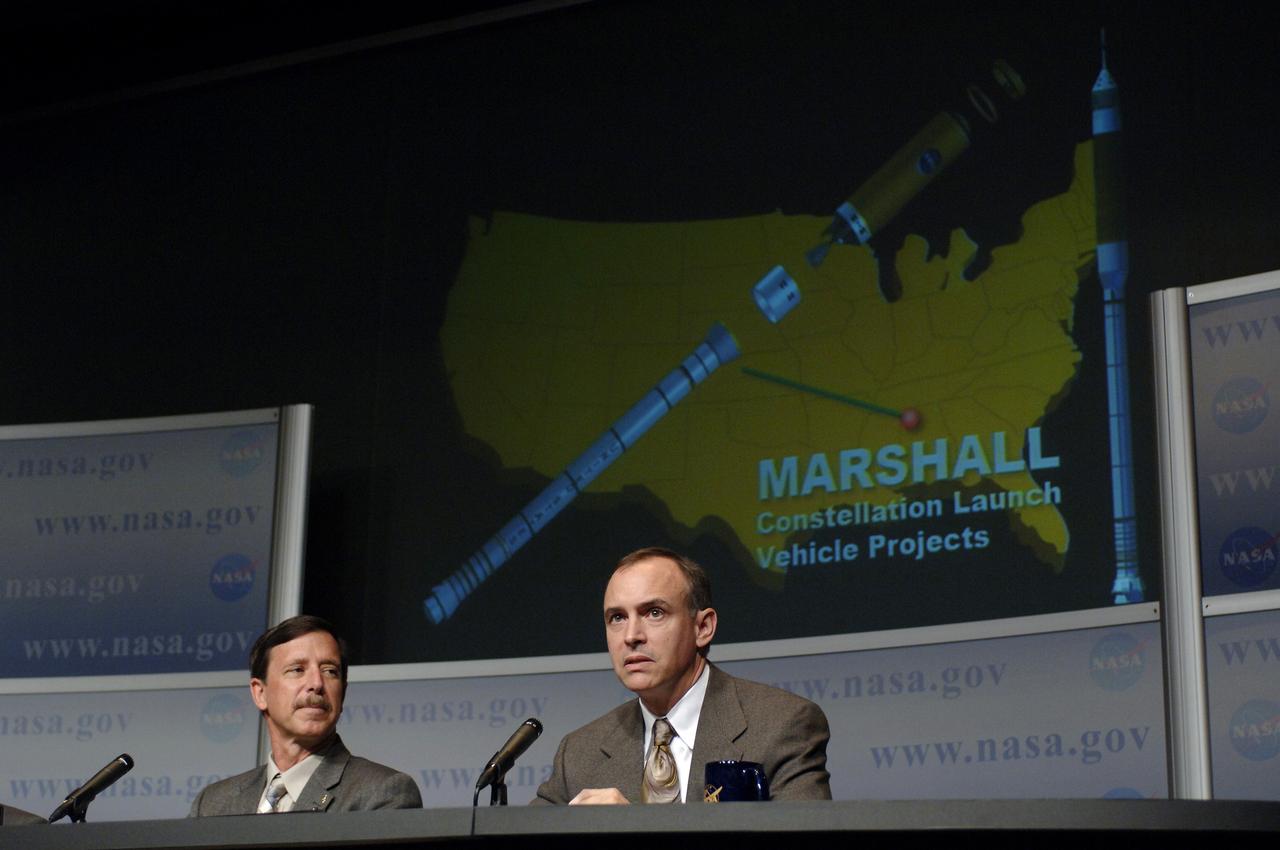
Jeff Hanley, Constellation Program Manager, right, and Scott J. Horowitz, NASA Associate Administrator for Exploration Systems announce to NASA employees and members of the media the responsibilities of the NASA centers associated with the Constellation Program for robotic and human Moon and Mars exploration on Wednesday, June 5, 2006, at NASA Headquarters in Washington. Photo Credit: (NASA/Bill Ingalls)
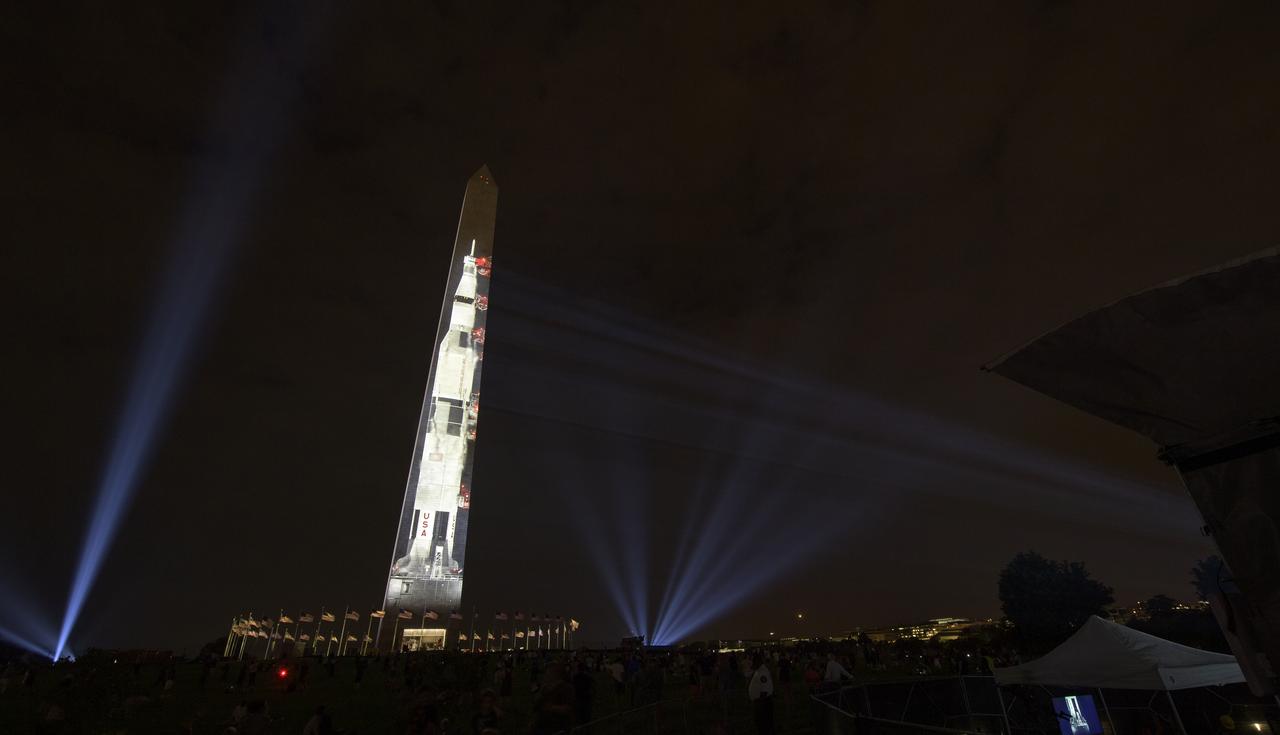
A full-sized, 363-foot Saturn V rocket is projected onto the east face of the Washington Monument 50 years to the day after astronauts Neil Armstrong, Michael Collins, and Buzz Aldrin launched on Apollo 11, the first mission to land astronauts on the Moon, Tuesday, July 16, 2019. On Friday, July 19, and Saturday, July 20, a special 17-minute show, “Apollo 50: Go for the Moon” will combine full-motion projection-mapping artwork on the monument and archival footage to recreate the launch of Apollo 11 and tell the story of the first moon landing. Photo Credit: (NASA/Bill Ingalls)
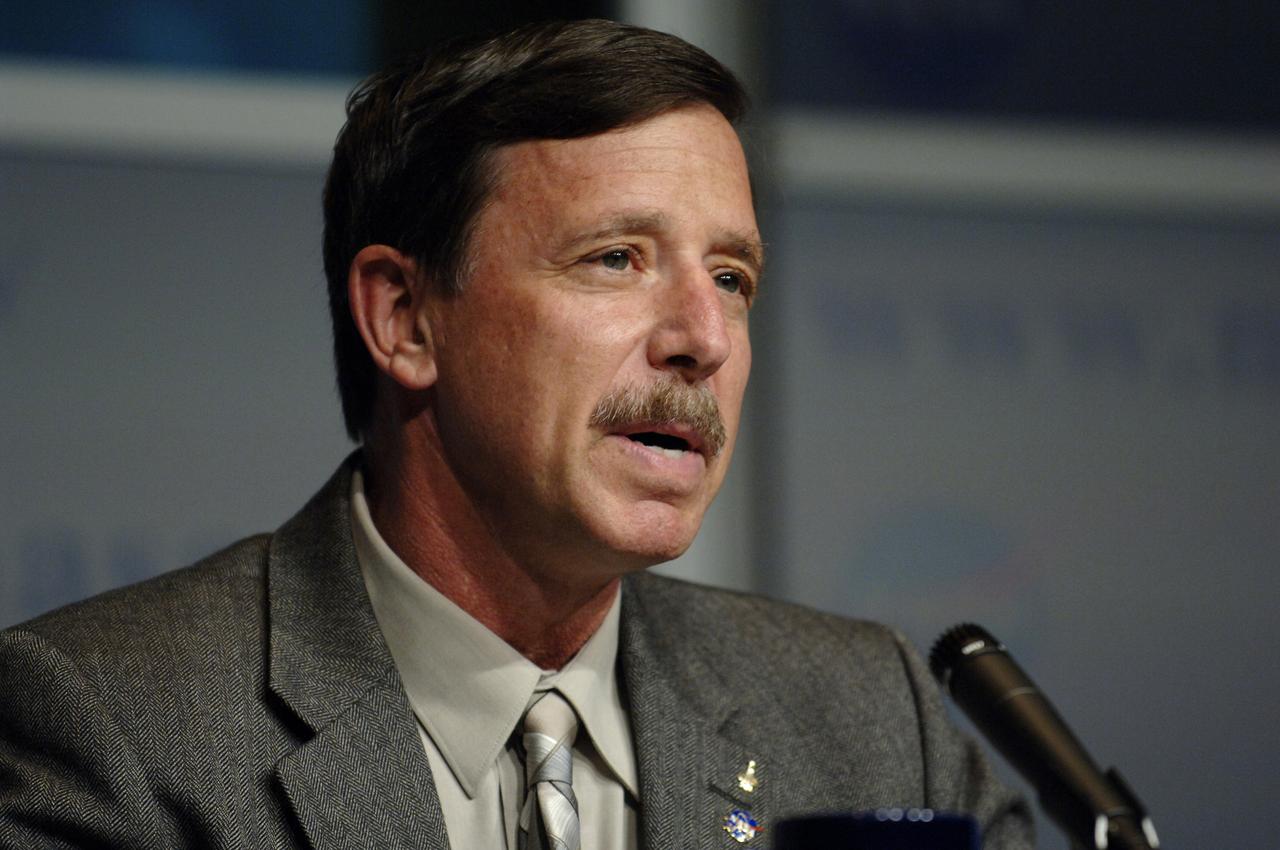
Scott J. Horowitz, NASA Associate Administrator for Exploration Systems, announces to NASA employees and members of the media the responsibilities of the NASA centers associated with the Constellation Program for robotic and human Moon and Mars exploration on Wednesday, June 5, 2006, at NASA Headquarters in Washington. Photo Credit: (NASA/Bill Ingalls)

WASHINGTON - 201002170003HQ - U.S. President Barack Obama, accompanied by White House Science Adviser John Holdren, left, Congressman C.A. "Dutch" Ruppersberger (D-MD) and middle school children, talks on the phone from the Roosevelt Room of the White House to astronauts on the International Space Station, Wednesday, Feb. 17, 2010, in Washington. Photo Credit: NASA/Bill Ingalls
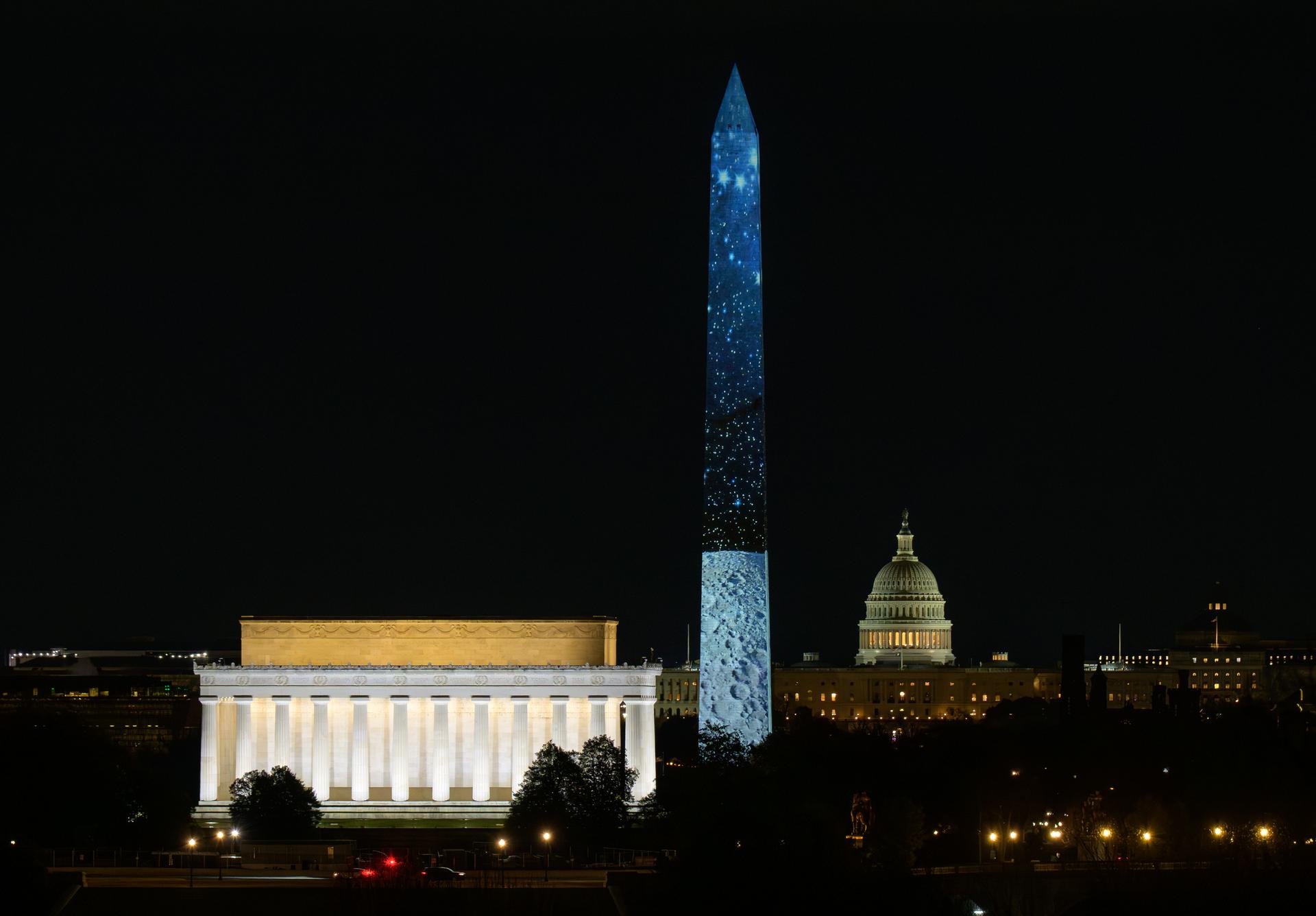
Images depicting NASA Moon missions are projected onto the Washington Monument as part of an event to kick off the nation's 250th birthday year, Wednesday, Dec. 31, 2025, in Washington. Photo Credit: (NASA/Bill Ingalls)

Camila (right), and Cameron (center), with their father Cameron Dyal view a partial solar eclipse in Washington, DC, Monday, April 8, 2024. A total solar eclipse swept across a narrow portion of the North American continent from Mexico’s Pacific coast to the Atlantic coast of Newfoundland, Canada. A partial solar eclipse was visible across the entire North American continent along with parts of Central America and Europe. Photo Credit: (NASA/Denny Henry)

A woman watches a partial solar eclipse through protective glasses in Washington, on Monday, April 8, 2024. A total solar eclipse swept across a narrow portion of the North American continent from Mexico’s Pacific coast to the Atlantic coast of Newfoundland, Canada. A partial solar eclipse was visible across the entire North American continent along with parts of Central America and Europe. Photo Credit: (NASA/Bill Ingalls)
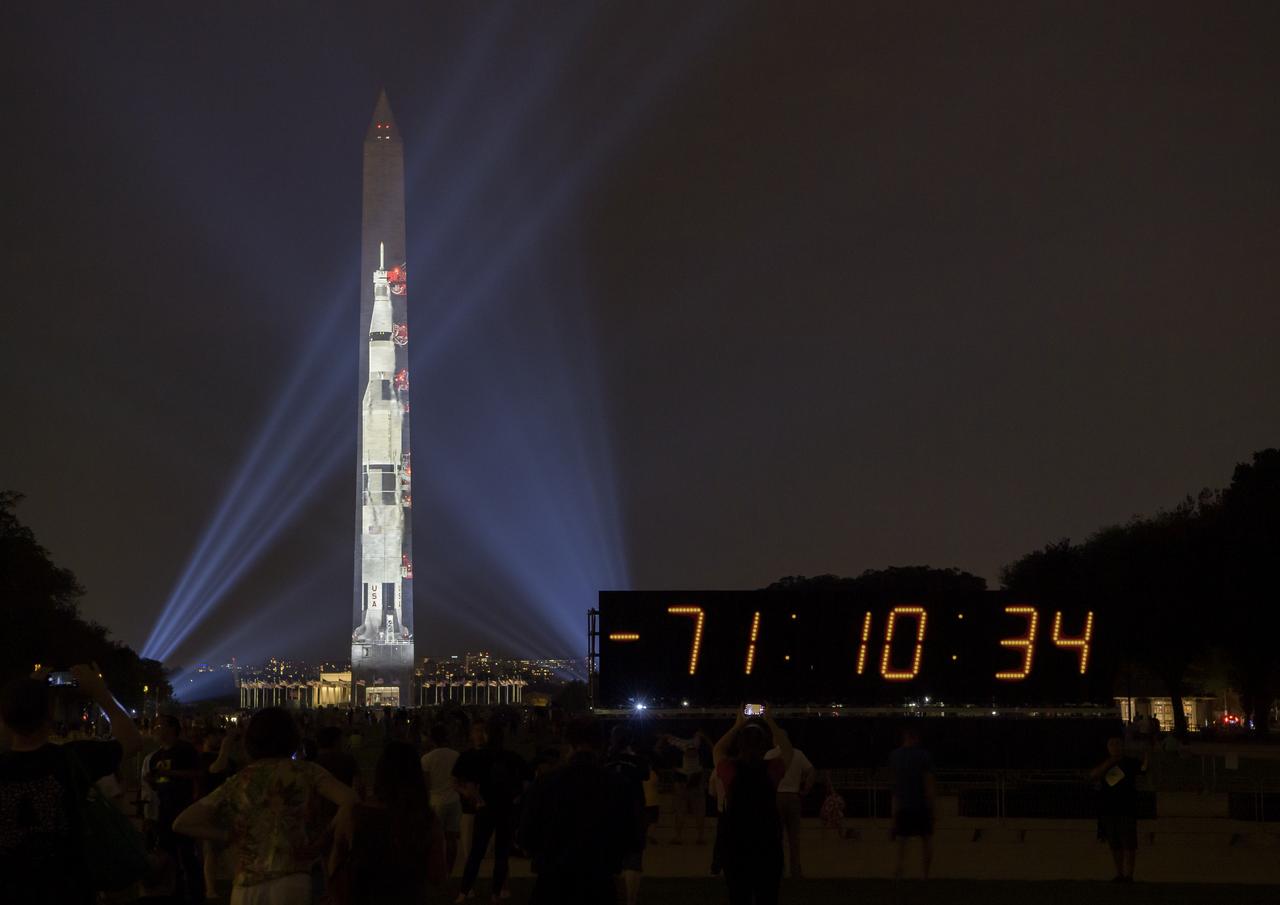
A full-sized, 363-foot Saturn V rocket is projected onto the east face of the Washington Monument 50 years to the day after astronauts Neil Armstrong, Michael Collins, and Buzz Aldrin launched on Apollo 11, the first mission to land astronauts on the Moon, Tuesday, July 16, 2019. On Friday, July 19, and Saturday, July 20, a special 17-minute show, “Apollo 50: Go for the Moon” will combine full-motion projection-mapping artwork on the monument and archival footage to recreate the launch of Apollo 11 and tell the story of the first moon landing. Photo Credit: (NASA/Bill Ingalls)
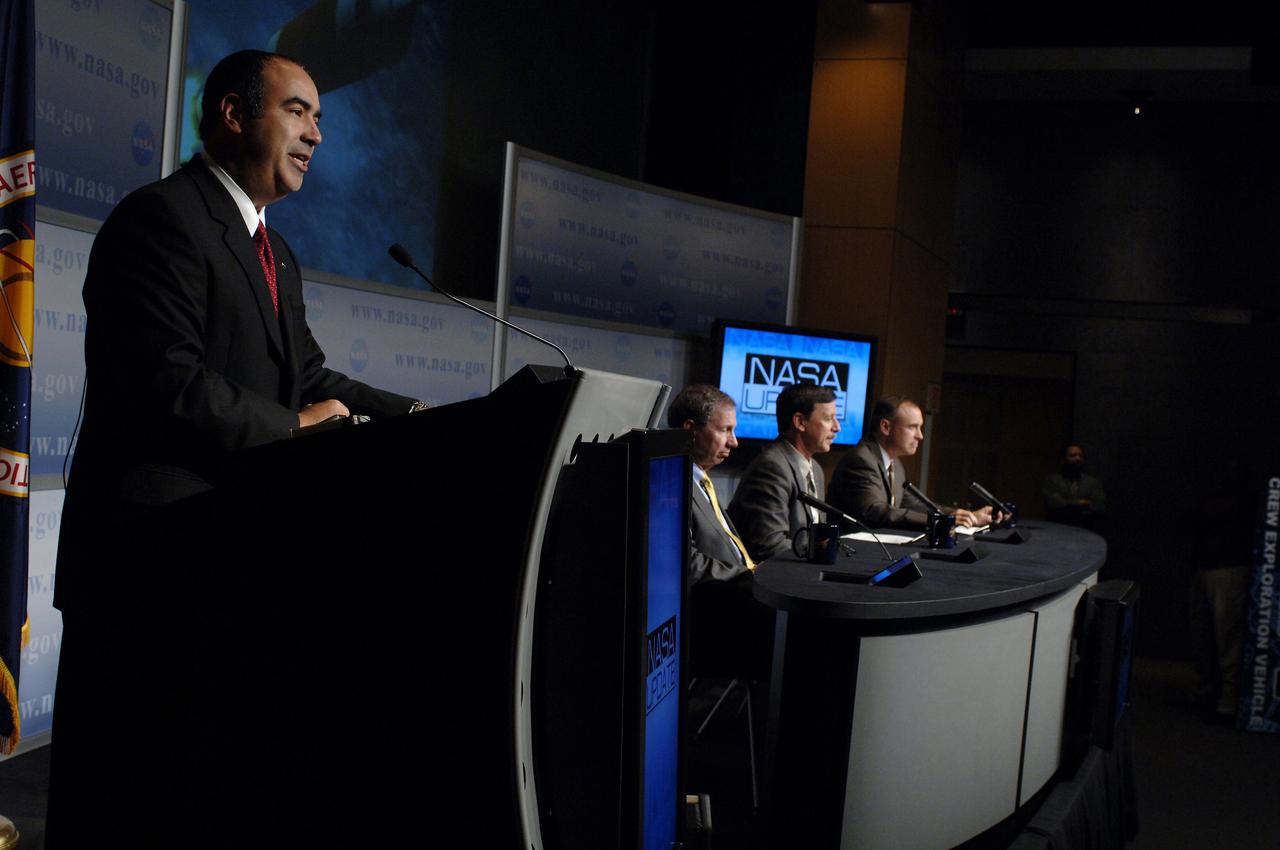
Dean Acosta, NASA Deputy Assistant Administrator and Press Secretary, left, moderates a NASA Update with NASA Administrator Michael Griffin, second from left, Scott J. Horowitz, NASA Associate Administrator for Exploration Systems and Jeff Hanley, Constellation Program Manager, right, on Wednesday, June 5, 2006, at NASA Headquarters in Washington. Photo Credit: (NASA/Bill Ingalls)

“Since I was 13, I’ve had maybe two or three jobs. Right now, I feel like I have four jobs. I have the NASA job, the Navy job. I’m also the chair for the Hispanic Outreach and Leadership Alliance, and I’m a new dad. It’s a lot. They say that the more you do, the more you can do. That’s a motto we have in the military. It’s true. The more you do, the more you can do, and unless you try to do something, you won’t know if you can. I have this philosophy in life that you’re only ever going to do things related to four categories: fitness and health, social and family time, your career, or faith and spirituality. You’re never, ever going to get those things perfectly in balance because nobody’s perfect. But I think the goal is to try to maintain balance. You’re going to have periods in your life where you may have a lot of work assignments and you’re spending a lot of time on the career side of things, but you need to also remember that you owe some time to your family and your friends. Are you taking time off for your health? Recognize when you’re a little bit off-balanced on one end. Success is in the journey of trying to work your way back to balanced.” Magdiel Santana, Senior Program Analyst at NASA Headquarters, poses for a portrait, Tuesday, Sept. 1, 2020, near NASA Headquarters in Washington, DC. Photo Credit: (NASA/Joel Kowsky)
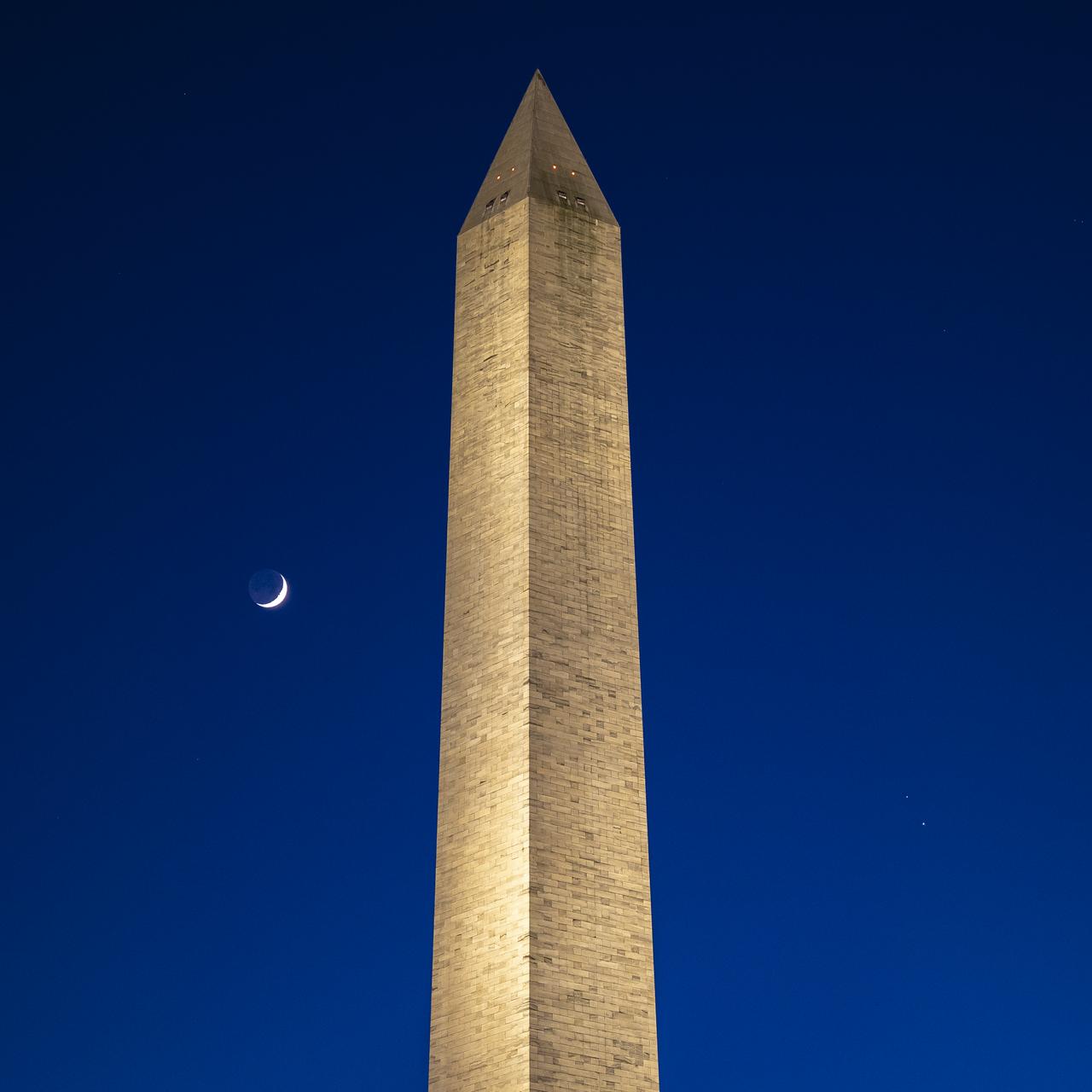
The Moon, left, Saturn, upper right, and Jupiter, lower right, are seen after sunset with the Washington Monument, Thurs. Dec. 17, 2020, in Washington. The two planets are drawing closer to each other in the sky as they head towards a “great conjunction” on December 21, where the two giant planets will appear a tenth of a degree apart. Photo Credit: (NASA/Bill Ingalls)
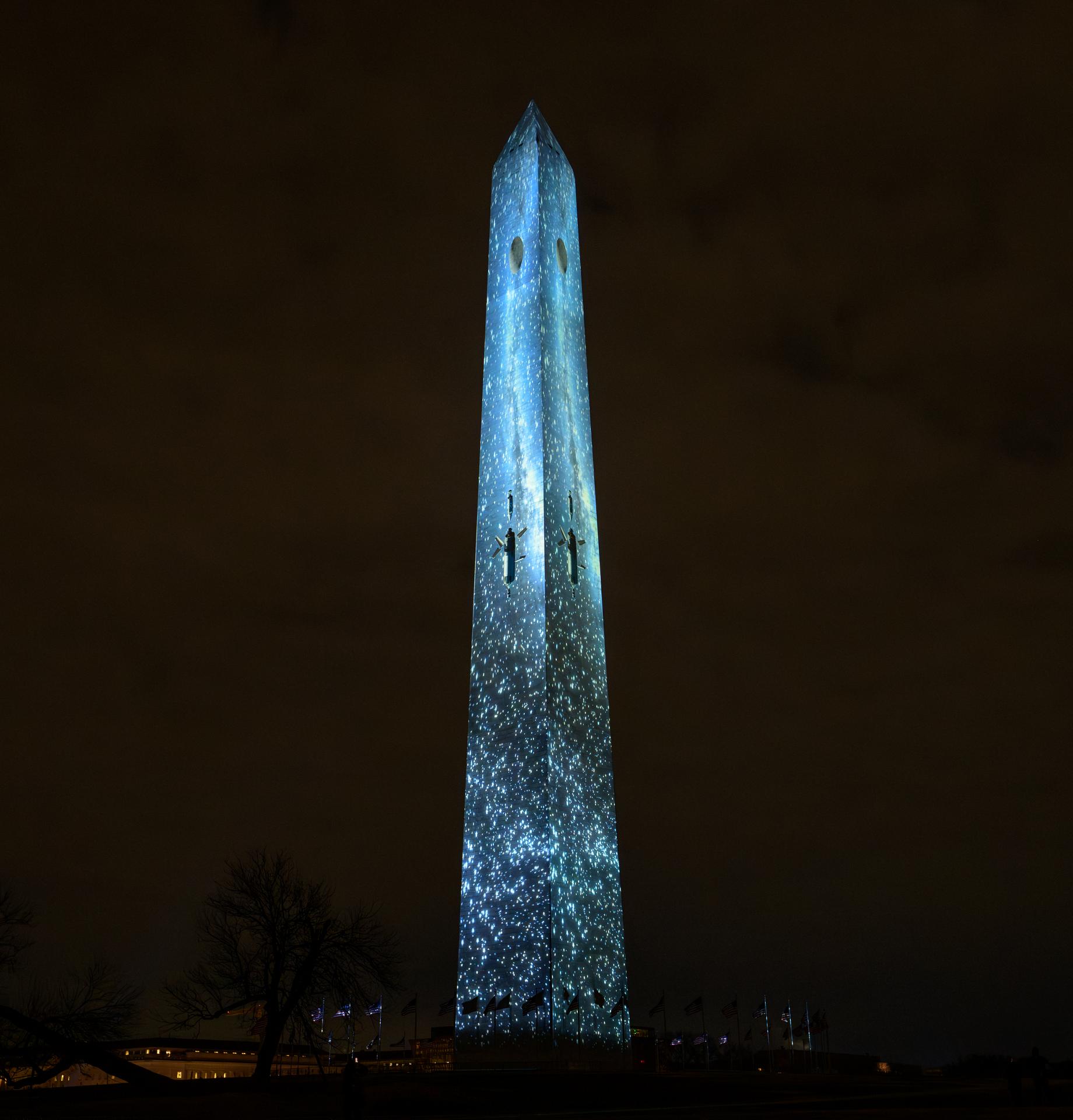
Images depicting NASA missions are projected onto the Washington Monument as part of an event to kick off the nation's 250th birthday year, Wednesday, Dec. 31, 2025, in Washington. Photo Credit: (NASA/Bill Ingalls)
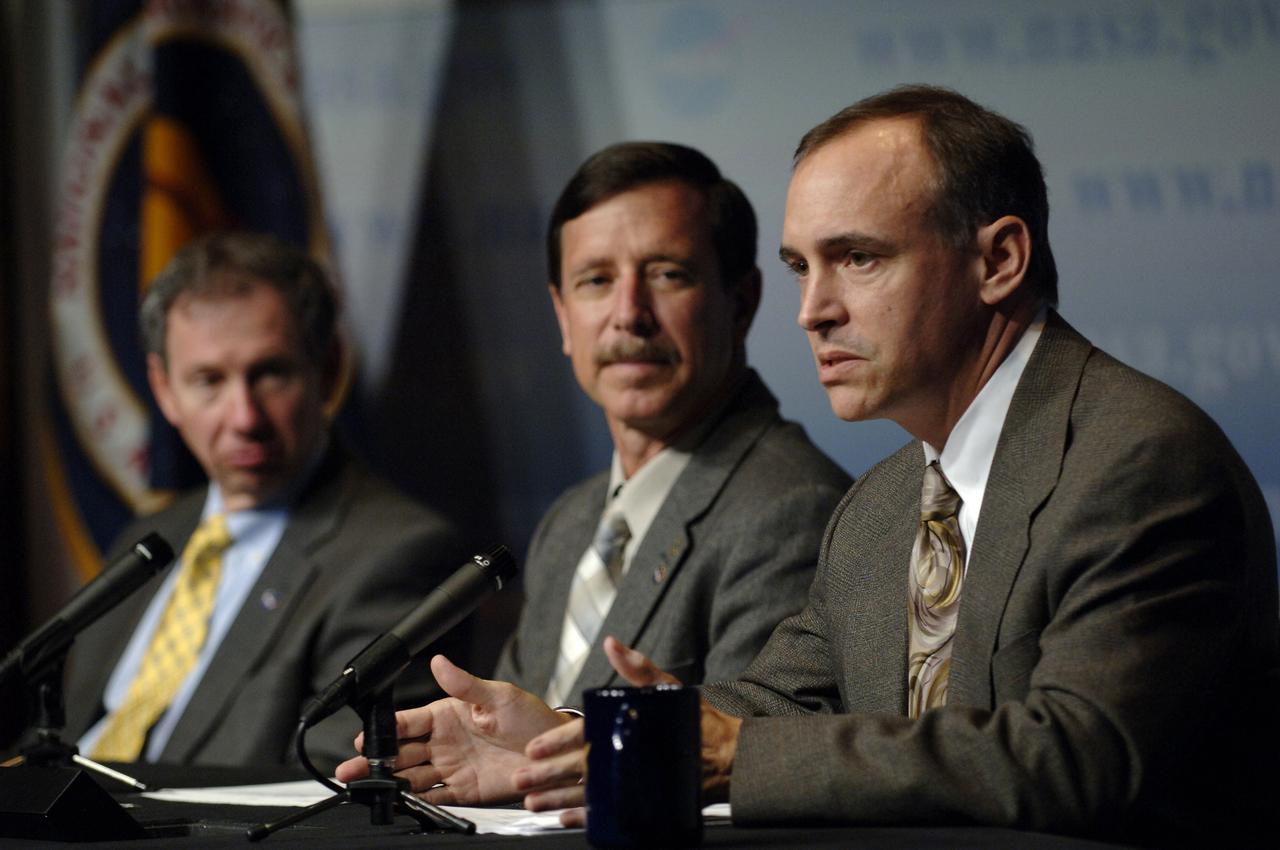
Jeff Hanley, Constellation Program Manager, right, announces to NASA employees and members of the media the responsibilities of the NASA centers associated with the Constellation Program for robotic and human Moon and Mars exploration on Wednesday, June 5, 2006, at NASA Headquarters in Washington. Hanley is joined by Scott J. Horowitz, NASA Associate Administrator for Exploration Systems and NASA Administrator Michael Griffin, left. Photo Credit: (NASA/Bill Ingalls)

People are seen as they watch a partial solar eclipse through protective glasses in Washington, on Monday, April 8, 2024. A total solar eclipse swept across a narrow portion of the North American continent from Mexico’s Pacific coast to the Atlantic coast of Newfoundland, Canada. A partial solar eclipse was visible across the entire North American continent along with parts of Central America and Europe. Photo Credit: (NASA/Bill Ingalls)