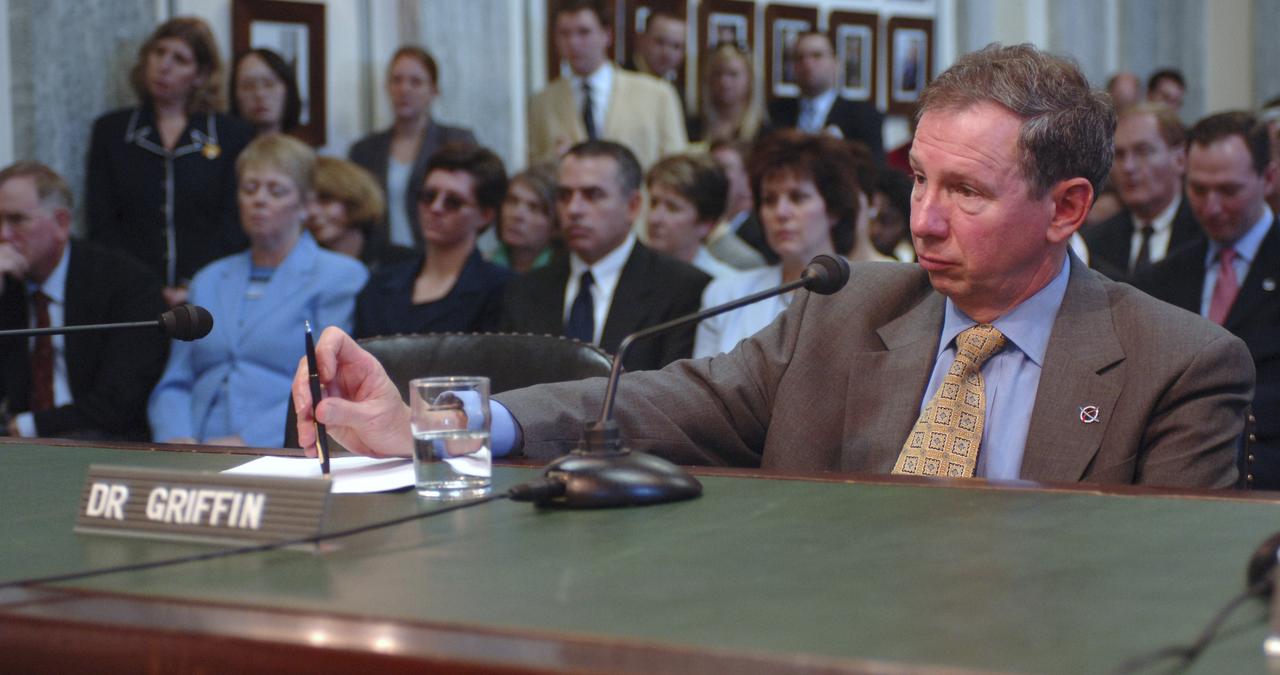
Dr. Michael Griffin testifies, Tuesday, April 12, 2005, during his confirmation hearing before the U.S. Senate Commerce Committee at the Russell Senate Office Building in Washington. If confirmed, Griffin, who currently heads the space department at the Johns Hopkins University Applied Physics Laboratory will become NASA's 11th administrator. Photo Credit (NASA/Renee Bouchard)

Dr. Michael Griffin testifies, Tuesday, April 12, 2005, during his confirmation hearing before the U.S. Senate Commerce Committee at the Russell Senate Office Building in Washington. If confirmed, Griffin, who currently heads the space department at the Johns Hopkins University Applied Physics Laboratory will become NASA's 11th administrator. Photo Credit (NASA/Renee Bouchard)
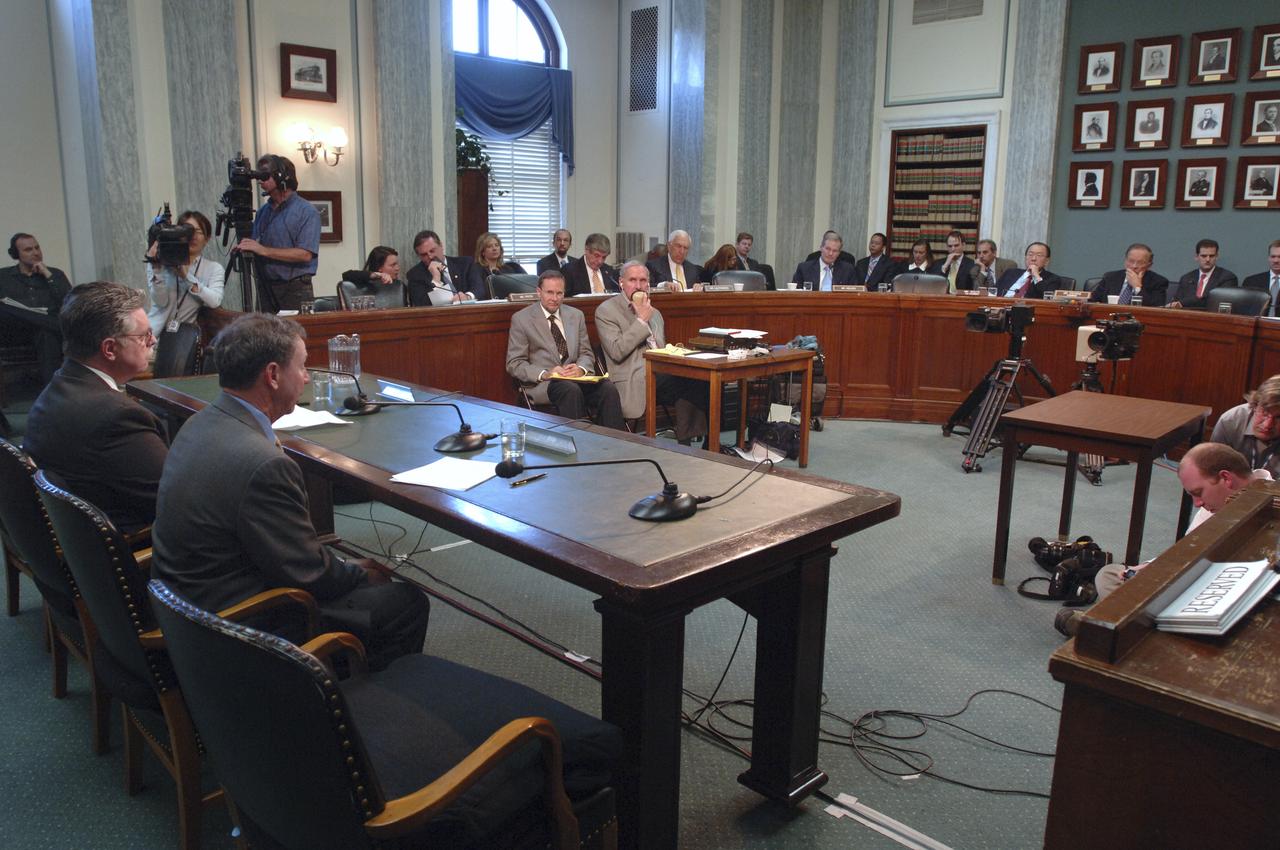
Dr. Michael Griffin testifies, Tuesday, April 12, 2005, during his confirmation hearing before the U.S. Senate Commerce Committee at the Russell Senate Office Building in Washington. If confirmed, Griffin, who currently heads the space department at the Johns Hopkins University Applied Physics Laboratory will become NASA's 11th administrator. Photo Credit (NASA/Renee Bouchard)

Dr. Michael Griffin testifies, Tuesday, April 12, 2005, during his confirmation hearing before the U.S. Senate Commerce Committee at the Russell Senate Office Building in Washington. If confirmed, Griffin, who currently heads the space department at the Johns Hopkins University Applied Physics Laboratory will become NASA's 11th administrator. Photo Credit (NASA/Renee Bouchard)
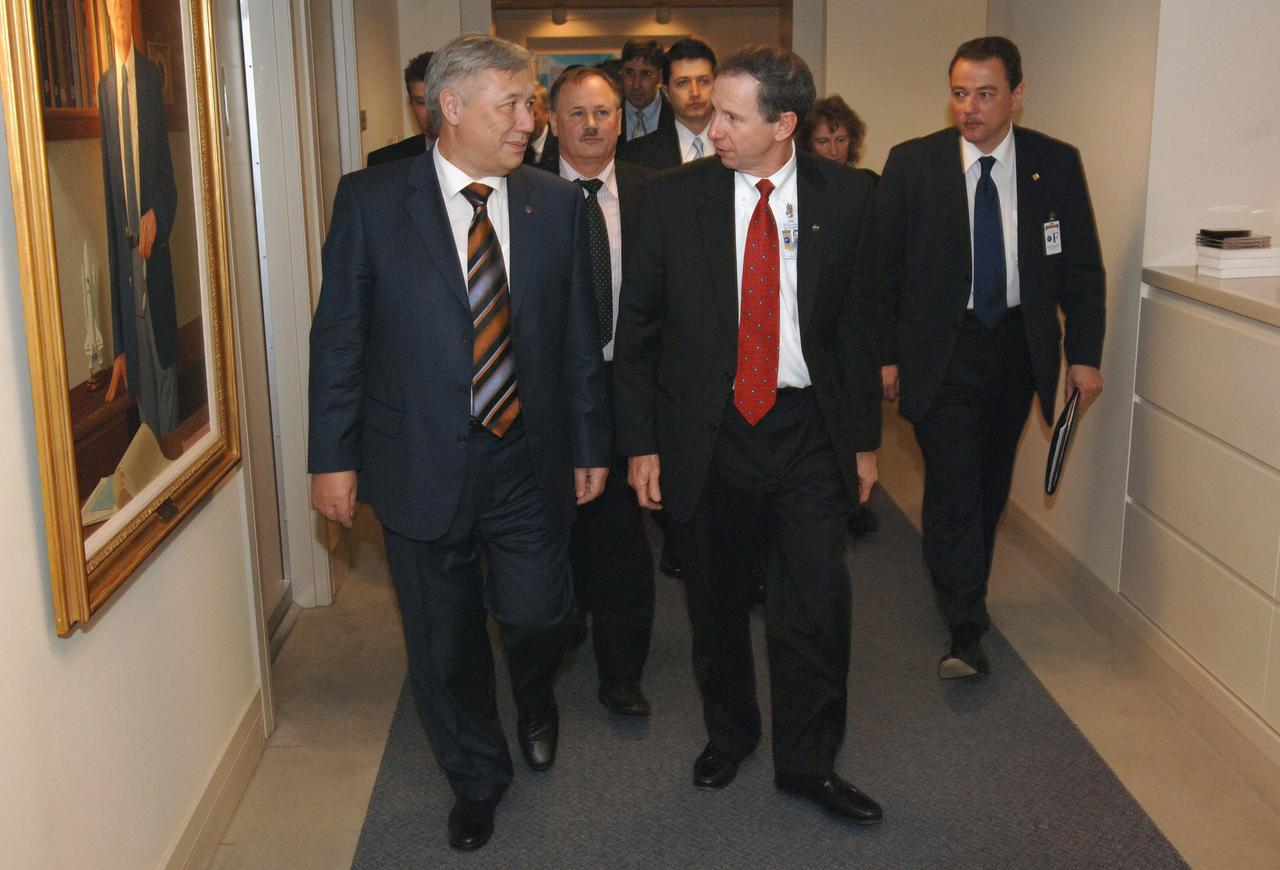
Yuriy Yekhanurov, Prime Minister of Ukraine, left, and NASA Administrator Michael Griffin, walk together prior to the start of a meeting Tuesday, Nov. 1, 2005, at NASA Headquarters in Washington. Photo Credit: (NASA/Bill Ingalls)
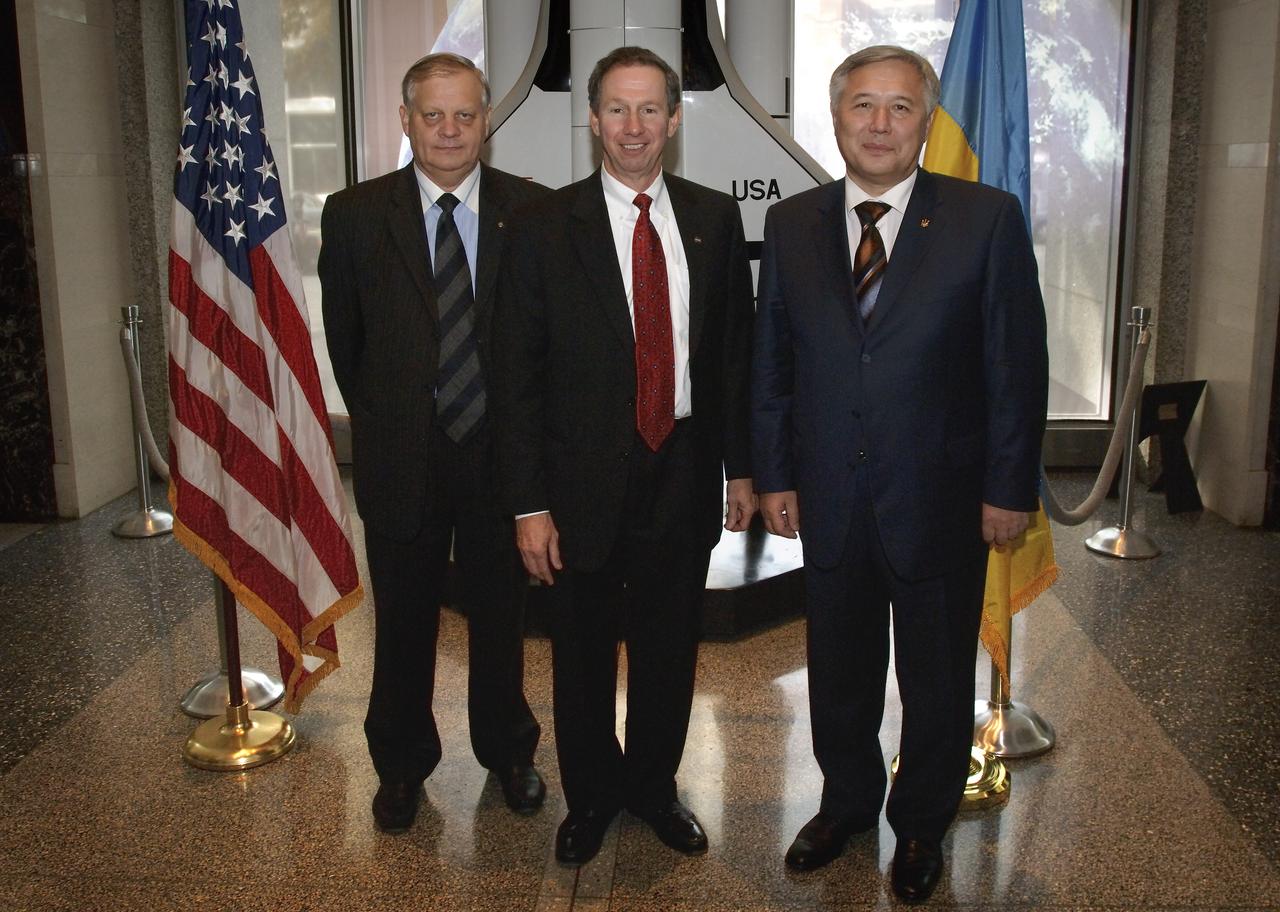
Director General of the National Space Agency of Ukraine Yuriy Sergiyovych Alekseyev, left, NASA Administrator Michael Griffin, center, and Prime Minister of Ukraine Yuriy Yekhanurov pose for a photograph prior to their meeting at NASA Headquarters, Tuesday, Nov. 1, 2005, in Washington. Photo Credit: (NASA/Bill Ingalls)
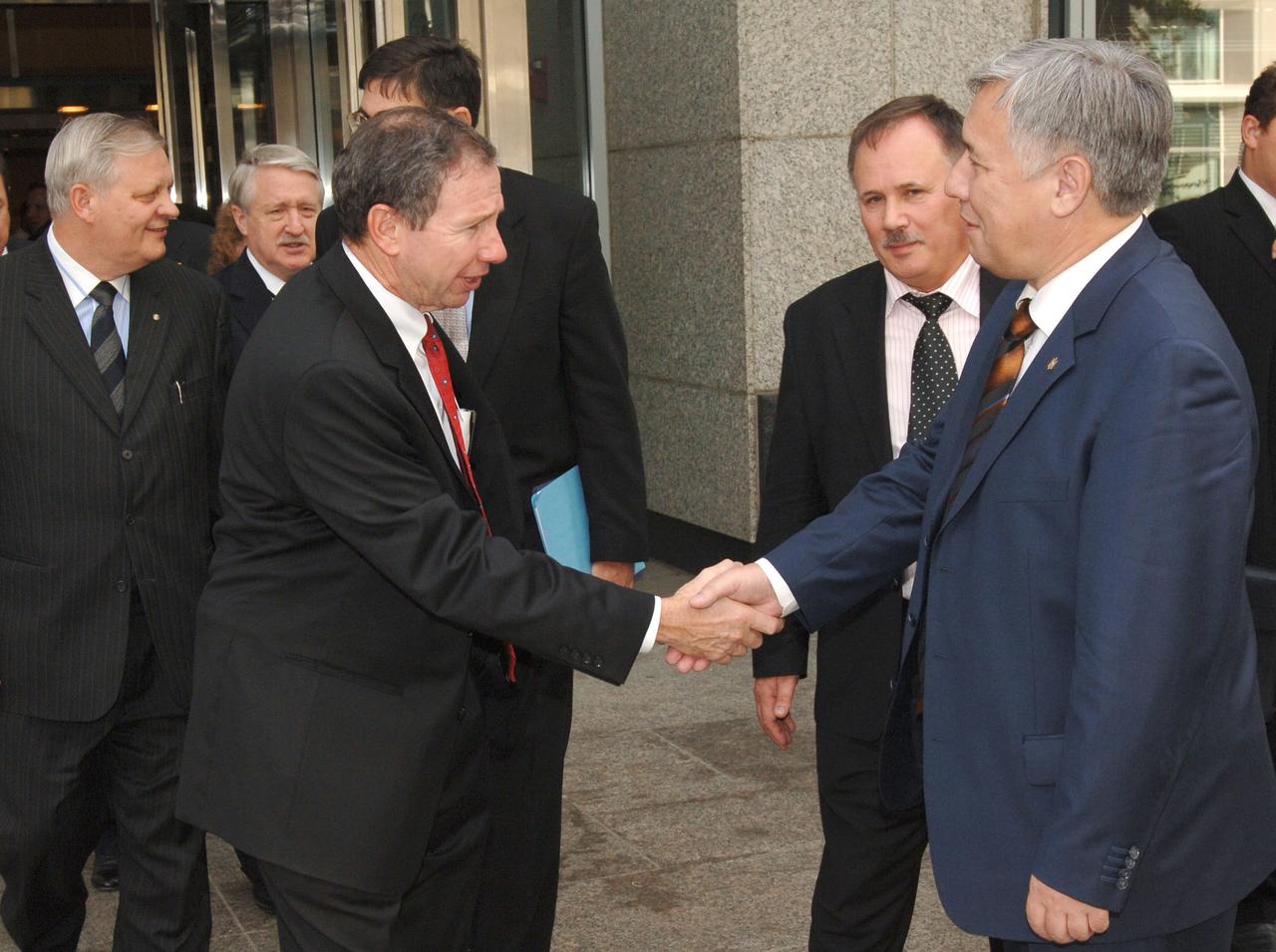
NASA Administrator Michael Griffin, left, shakes hands with Yuriy Yekhanurov, Prime Minister of Ukraine after a visit to NASA Headquarters on Tuesday, Nov. 1, 2005 in Washington. Photo Credit: (NASA/Bill Ingalls)
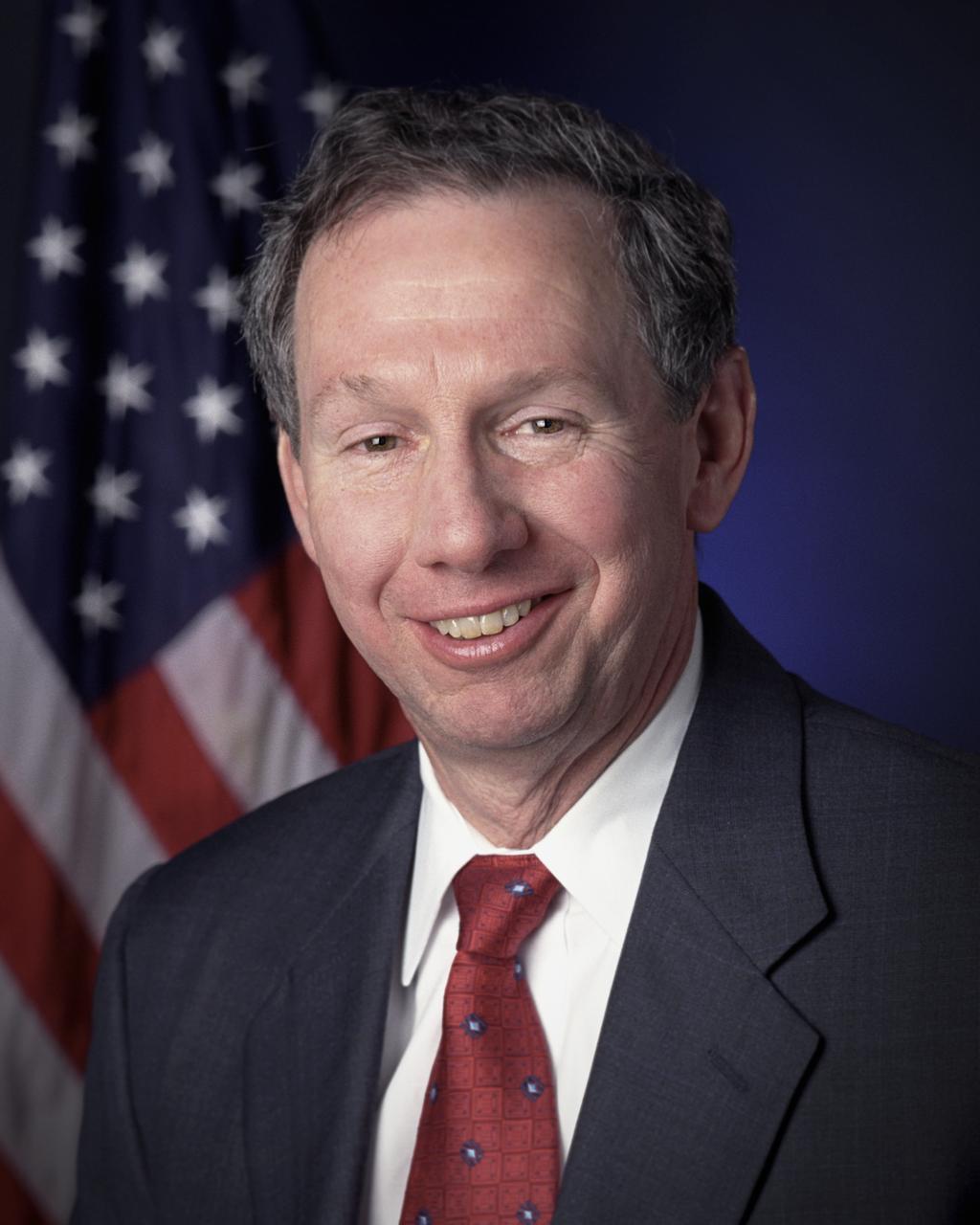
Portrait, Michael Griffin, Administrator, National Aeronautics and Space Administration (NASA). Washington, DC, April 25, 2005. Photo Credit: (NASA/Renee Bouchard)

Dr. Michael Griffin testifies, Tuesday, April 12, 2005, during his confirmation hearing before the U.S. Senate Commerce Committee at the Russell Senate Office Building in Washington. If confirmed, Griffin, who currently heads the space department at the Johns Hopkins University Applied Physics Laboratory will become NASA's 11th administrator. Photo Credit (NASA/Renee Bouchard)
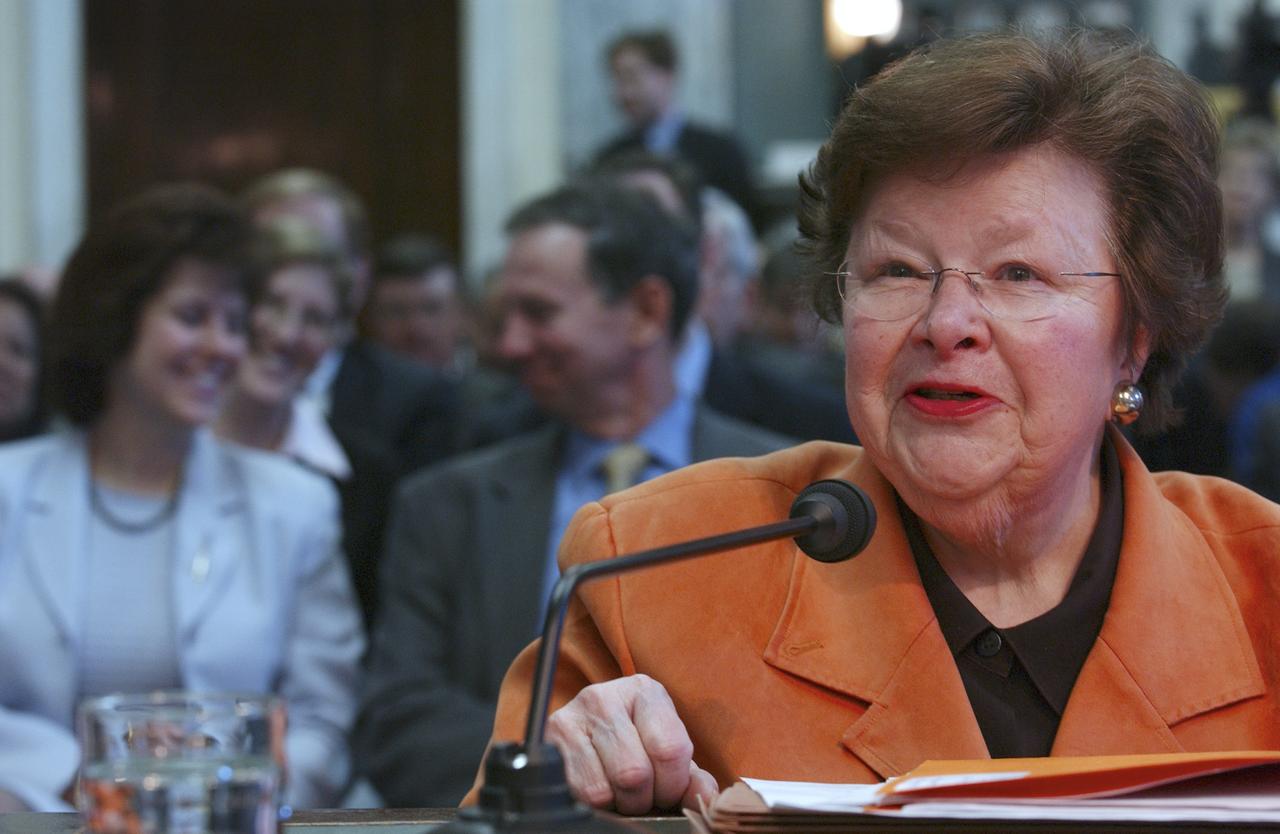
U.S. Senator Barbara Mikulski, D-Md., testifies before the U.S. Senate Commerce Committee during the confirmation hearing of Dr. Michael Griffin, rear center, Tuesday, April 12, 2005, at the Russell Senate Office Building in Washington. Griffin currently heads the space department at Johns Hopkins University's Applied Physics Laboratory. If confirmed by the full U.S. Senate, Dr. Griffin would be NASA's 11th administrator. Photo Credit: (NASA/Renee Bouchard)
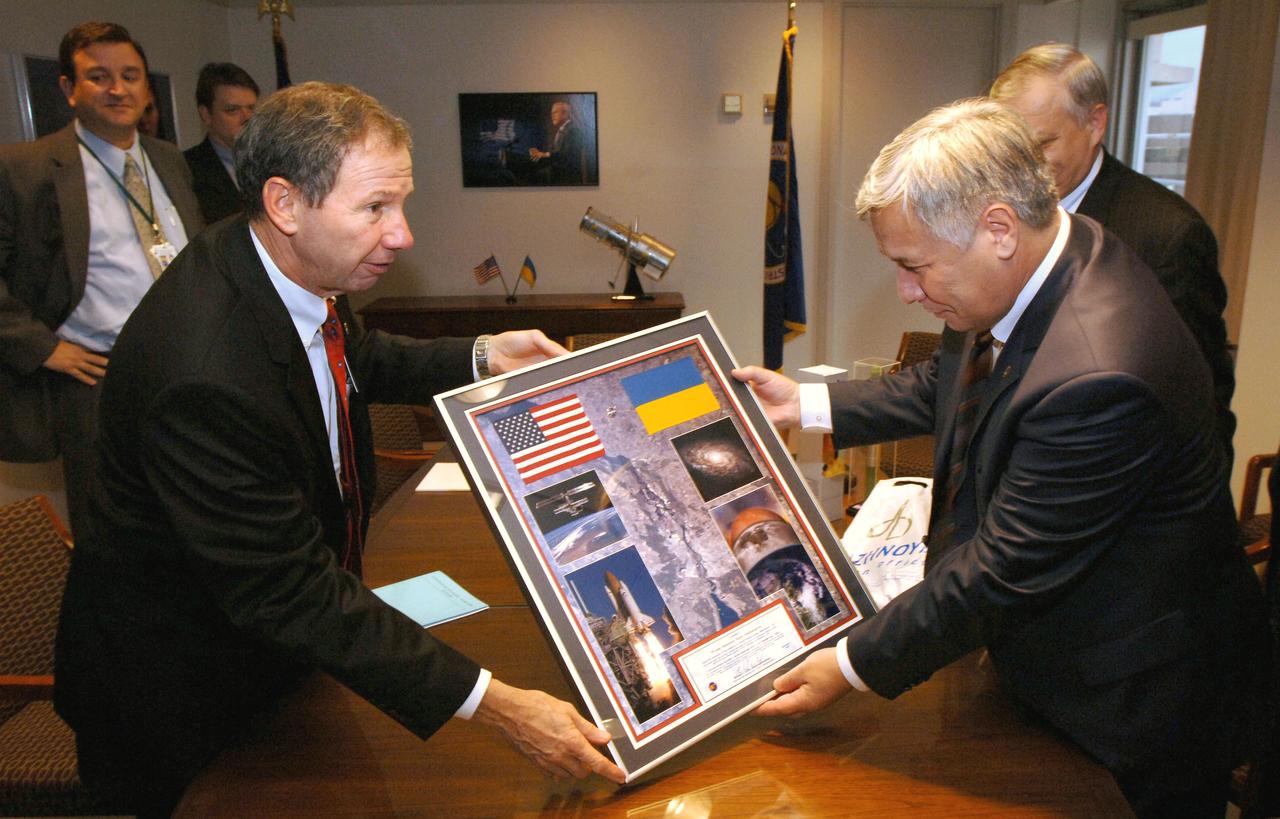
NASA Administrator Michael Griffin, left, presents Yuriy Yekhanurov, Prime Minister of Ukraine, with a montage following a meeting Tuesday, Nov. 1, 2005, at NASA Headquarters in Washington. Photo Credit: (NASA/Bill Ingalls)
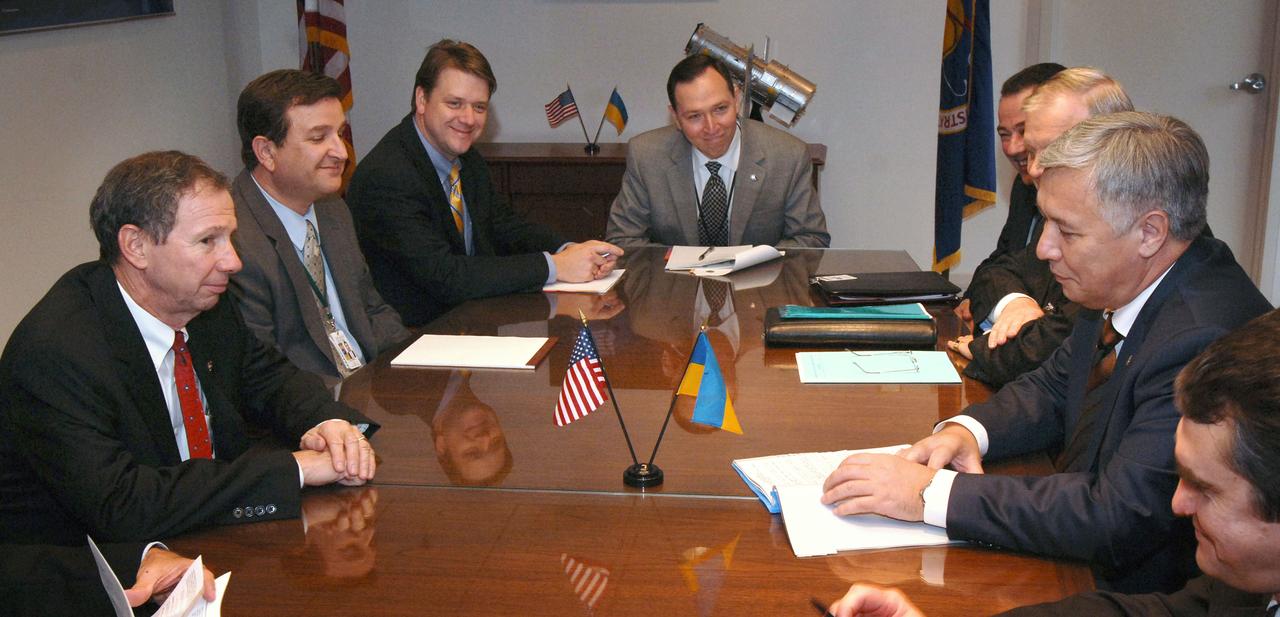
NASA Administrator Michael Griffin, foreground left, sits across the table from Yuriy Yekhanurov, Prime Minister of Ukraine, during a courtesy visit Tuesday, Nov. 1, 2005, at NASA Headquarters in Washington. Photo Credit: (NASA/Bill Ingalls)
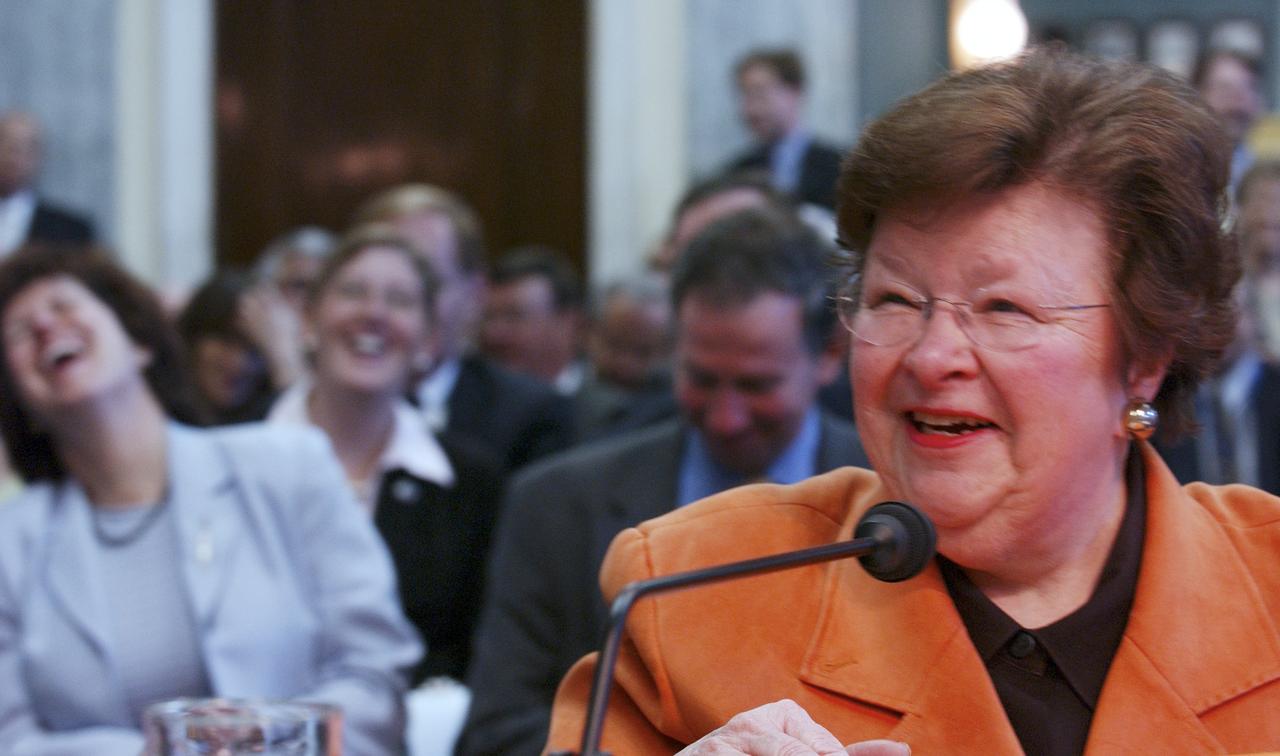
U.S. Senator Barbara Mikulski, D-Md., testifies before the U.S. Senate Commerce Committee during the confirmation hearing of Dr. Michael Griffin, rear center, Tuesday, April 12, 2005, at the Russell Senate Office Building in Washington. Griffin currently heads the space department at Johns Hopkins University's Applied Physics Laboratory. If confirmed by the full U.S. Senate, Dr. Griffin would be NASA's 11th administrator. Photo Credit: (NASA/Renee Bouchard)

Dr. Michael Griffin testifies, Tuesday, April 12, 2005, during his confirmation hearing before the U.S. Senate Commerce Committee at the Russell Senate Office Building in Washington. If confirmed, Griffin, who currently heads the space department at the Johns Hopkins University Applied Physics Laboratory will become NASA's 11th administrator. Photo Credit (NASA/Renee Bouchard)
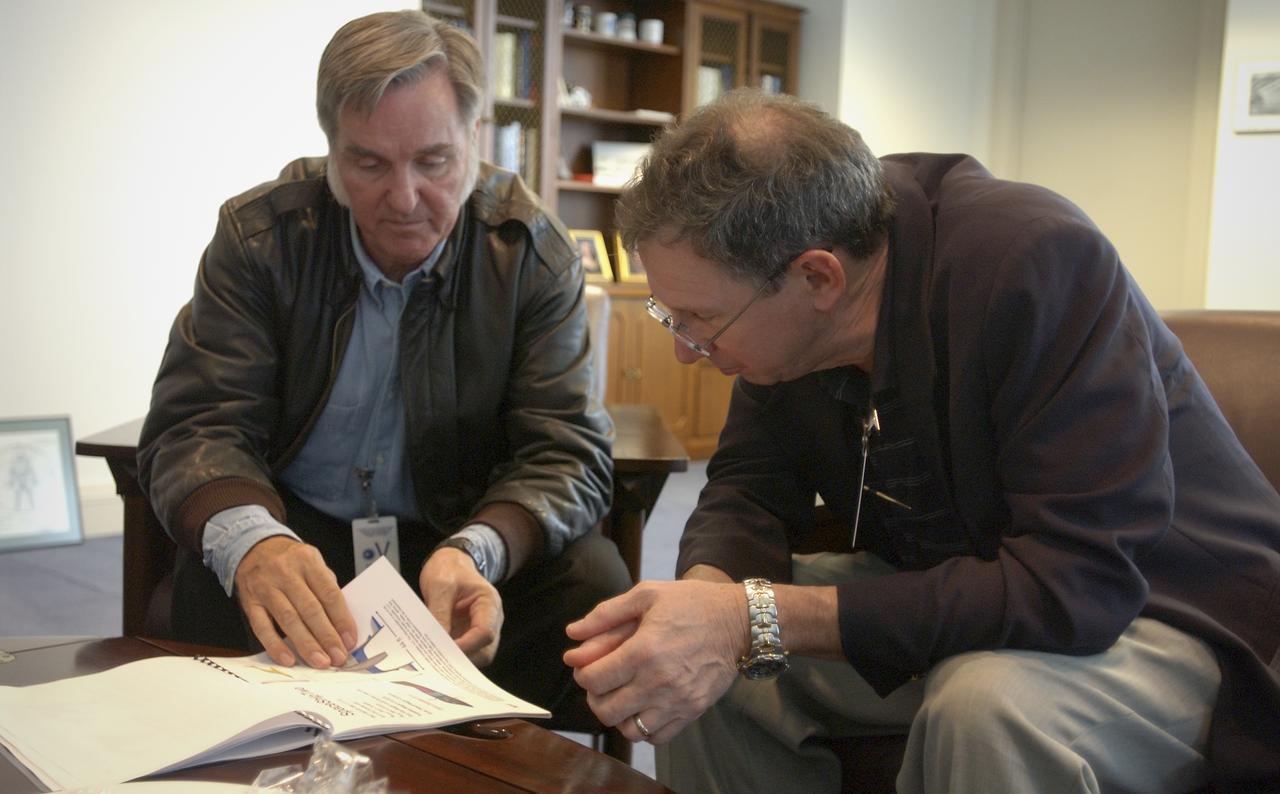
NASA Administrator Michael Griffin, right, meets with aerospace engineer Burt Rutan Wednesday, April 20, 2005 at NASA Headquarters in Washington. Photo Credit: (NASA/Renee Bouchard)
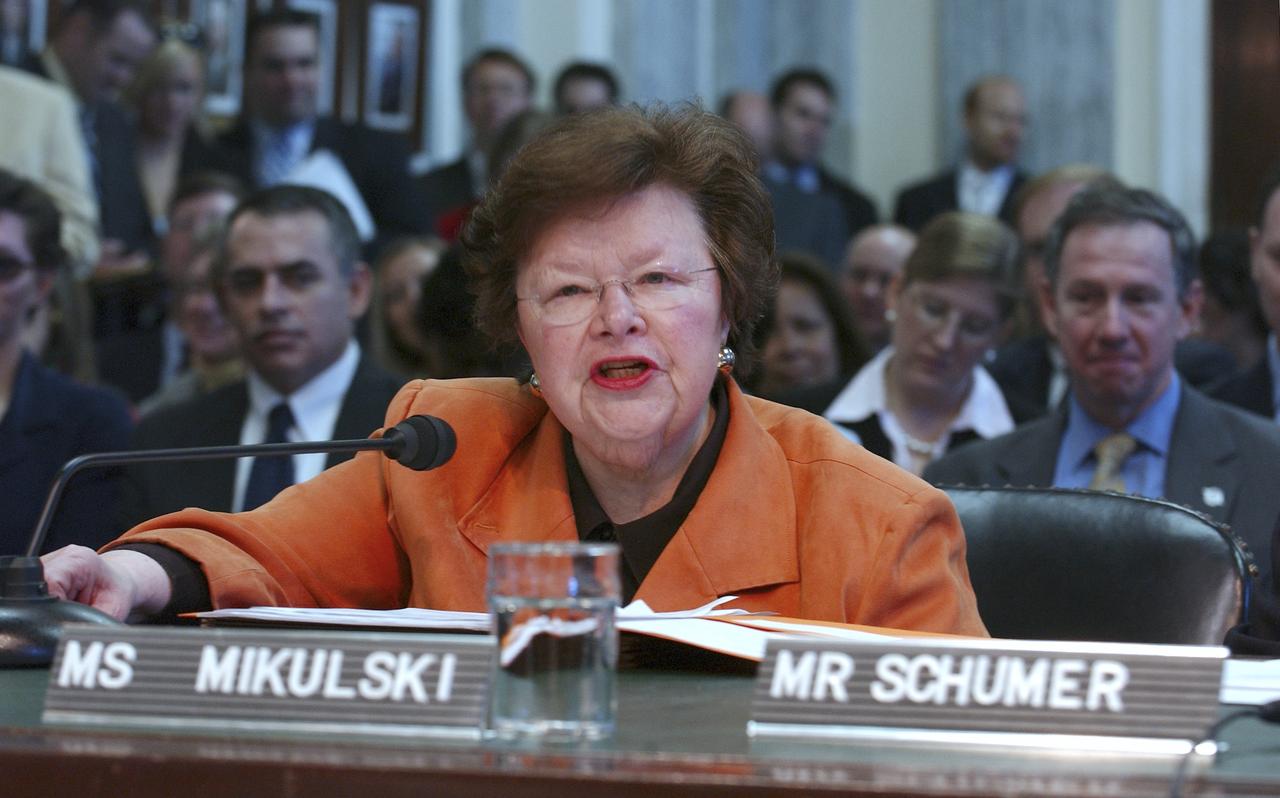
U.S. Senator Barbara Mikulski, D-Md., testifies before the U.S. Senate Commerce Committee during the confirmation hearing of Dr. Michael Griffin, right background, Tuesday, April 12, 2005, at the Russell Senate Office Building in Washington. Griffin currently heads the space department at Johns Hopkins University's Applied Physics Laboratory. If confirmed by the full U.S. Senate, Dr. Griffin would be NASA's 11th administrator. Photo Credit: (NASA/Renee Bouchard)

Dr. Michael Griffin testifies, Tuesday, April 12, 2005, during his confirmation hearing before the U.S. Senate Commerce Committee at the Russell Senate Office Building in Washington. If confirmed, Griffin, who currently heads the space department at the Johns Hopkins University Applied Physics Laboratory will become NASA's 11th administrator. Photo Credit (NASA/Renee Bouchard)
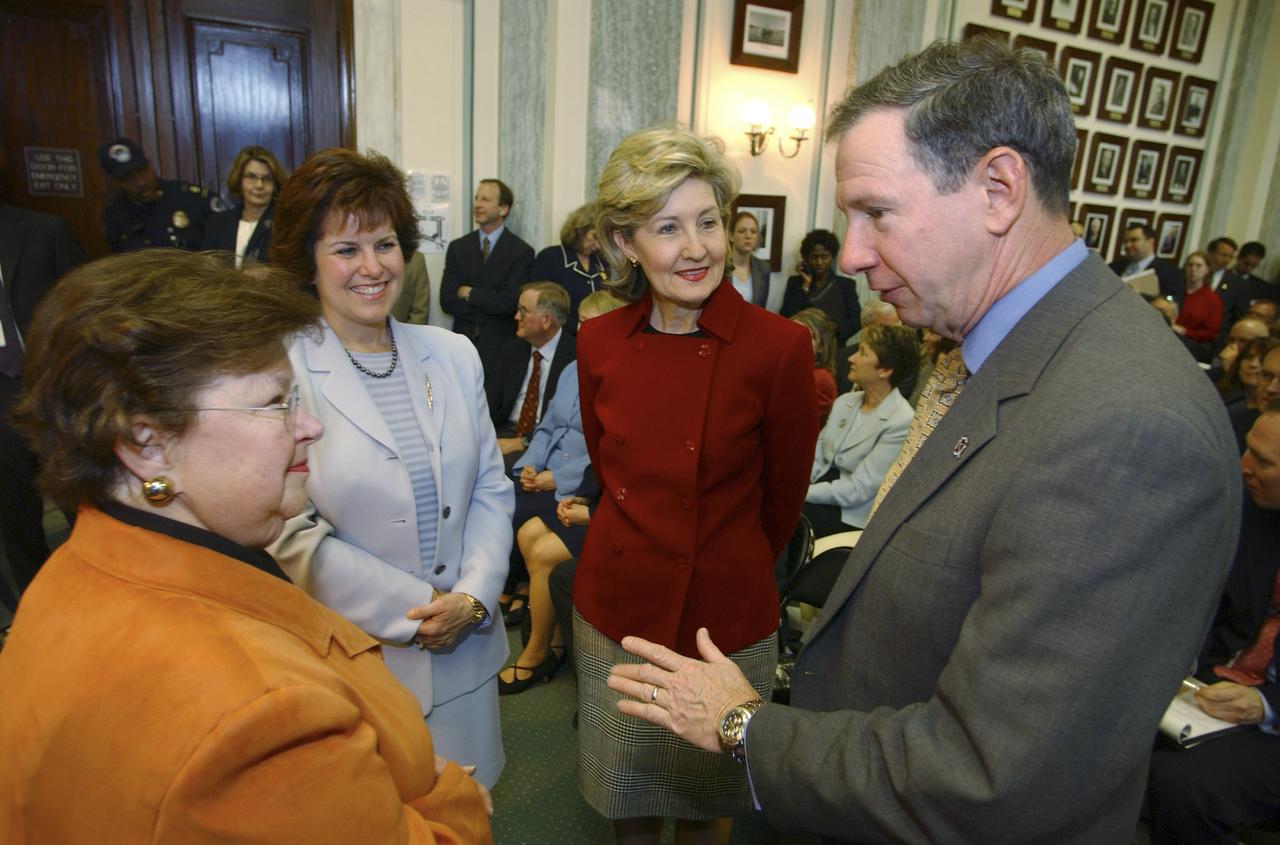
U.S. Senator Barbara Mikulski, D-Md., left, talks with Michael Griffin as Senator Kay Bailey Hutchison, R-Tx., and Griffin's wife Rebecca look on prior to his testimony, Tuesday, April 12, 2005, at the Russell Senate Office Building in Washington. If confirmed, Griffin, who currently heads the space department at the Johns Hopkins University Applied Physics Laboratory will become NASA's 11th administrator. Photo Credit: (NASA/Renee Bouchard)
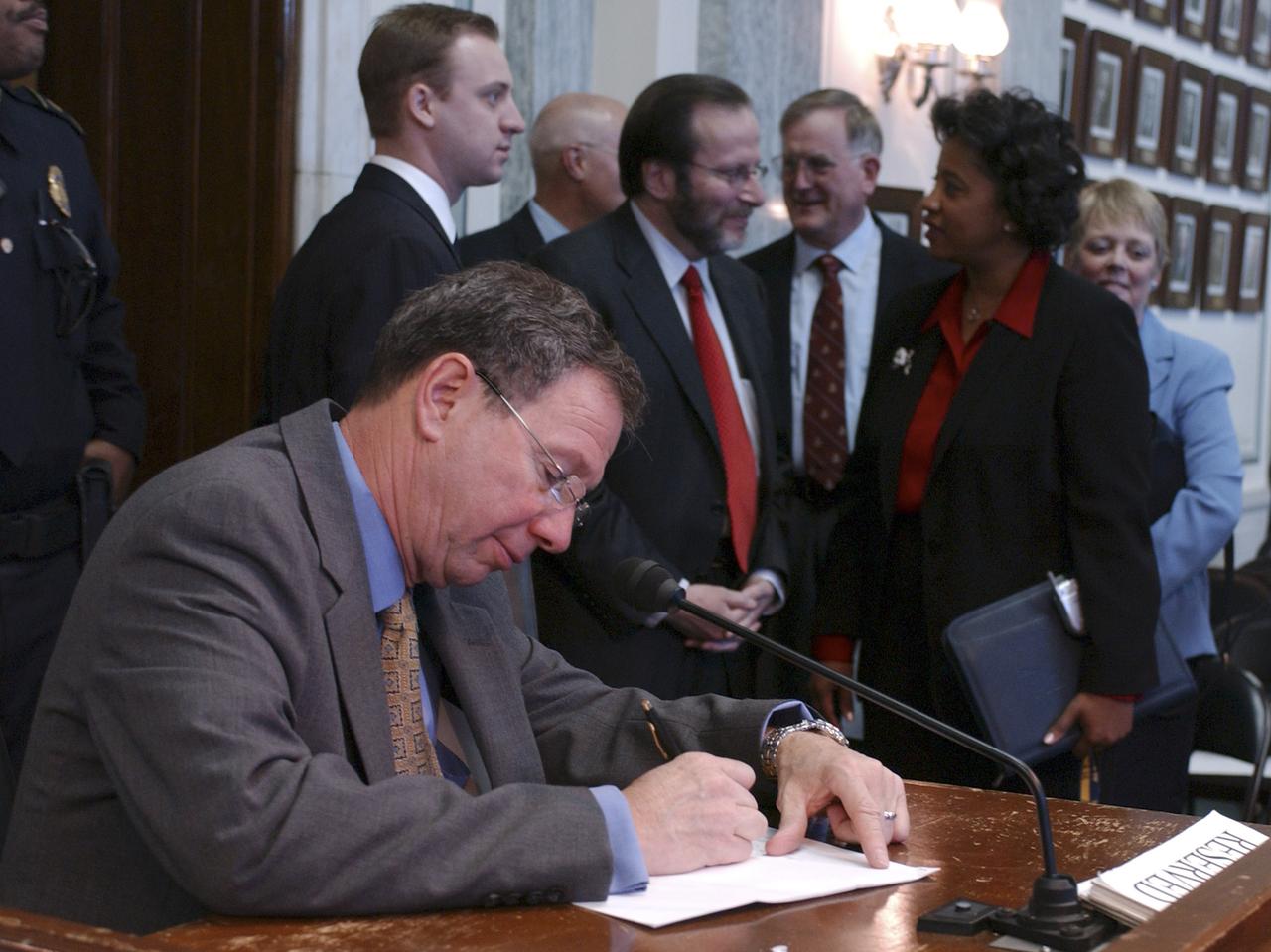
Dr. Michael Griffin testifies, Tuesday, April 12, 2005, during his confirmation hearing before the U.S. Senate Commerce Committee at the Russell Senate Office Building in Washington. If confirmed, Griffin, who currently heads the space department at the Johns Hopkins University Applied Physics Laboratory will become NASA's 11th administrator. Photo Credit (NASA/Renee Bouchard)
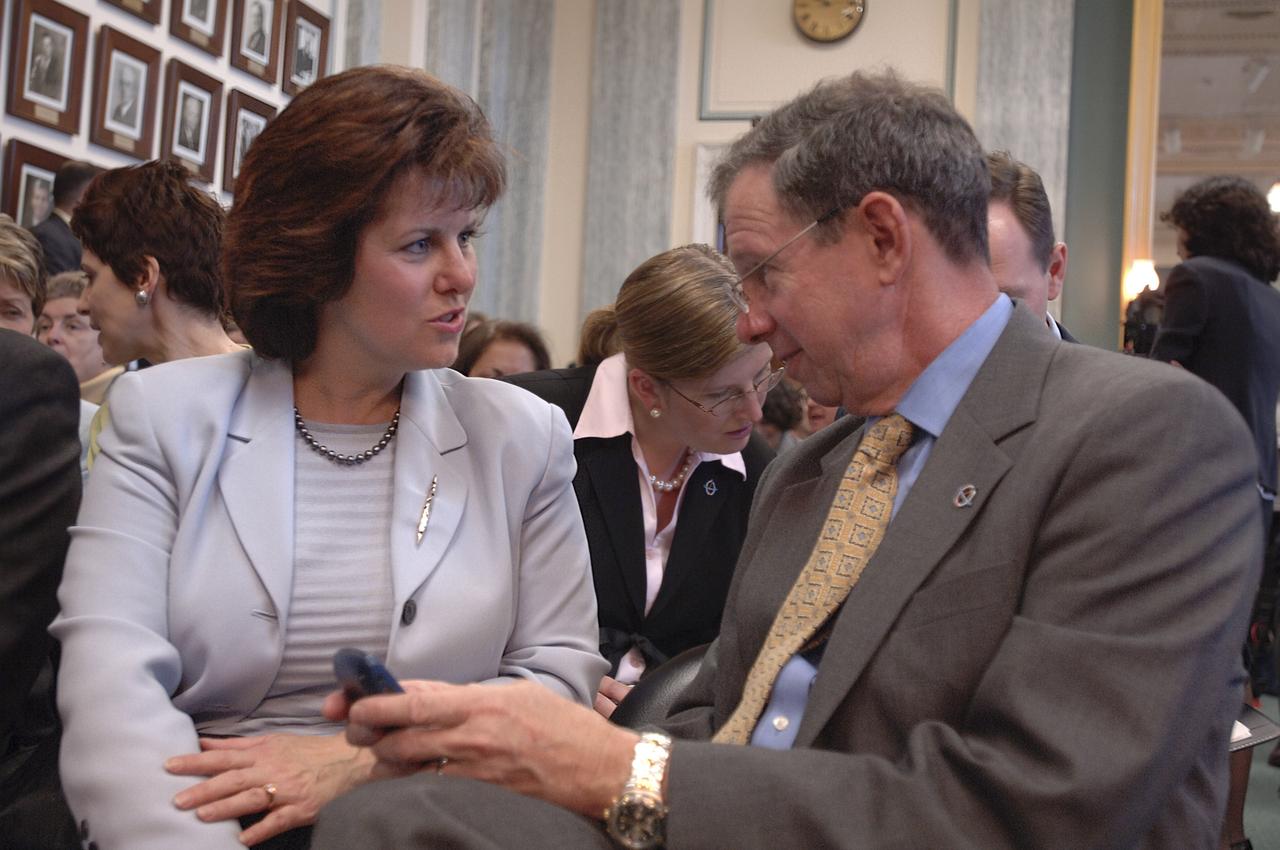
Dr. Michael Griffin, right, talks with his wife Rebecca Griffin prior to testifying at his confirmation hearing before the U.S. Senate Commerce Committee, Tuesday, April 12, 2005, at the Russell Senate Office Building in Washington. If confirmed, Griffin, who currently heads the space department at the Johns Hopkins University Applied Physics Laboratory will become NASA's 11th administrator. Photo Credit (NASA/Renee Bouchard)

NOAA Administrator, Vice Admiral Conrad C. Lautenbacher, Jr., U.S. Navy (Ret.), is seen on a television monitor as he testifies before the House Committee on Science and Technology regarding the future of the National Polar-orbiting Operational Environmental Satellite System (NPOESS) and results of the Nunn-McCurdy review of NOAA’s weather satellite program, Thursday, June 8, 2006, at the Rayburn House Office Building in Washington. Photo Credit: (NASA/Bill Ingalls)
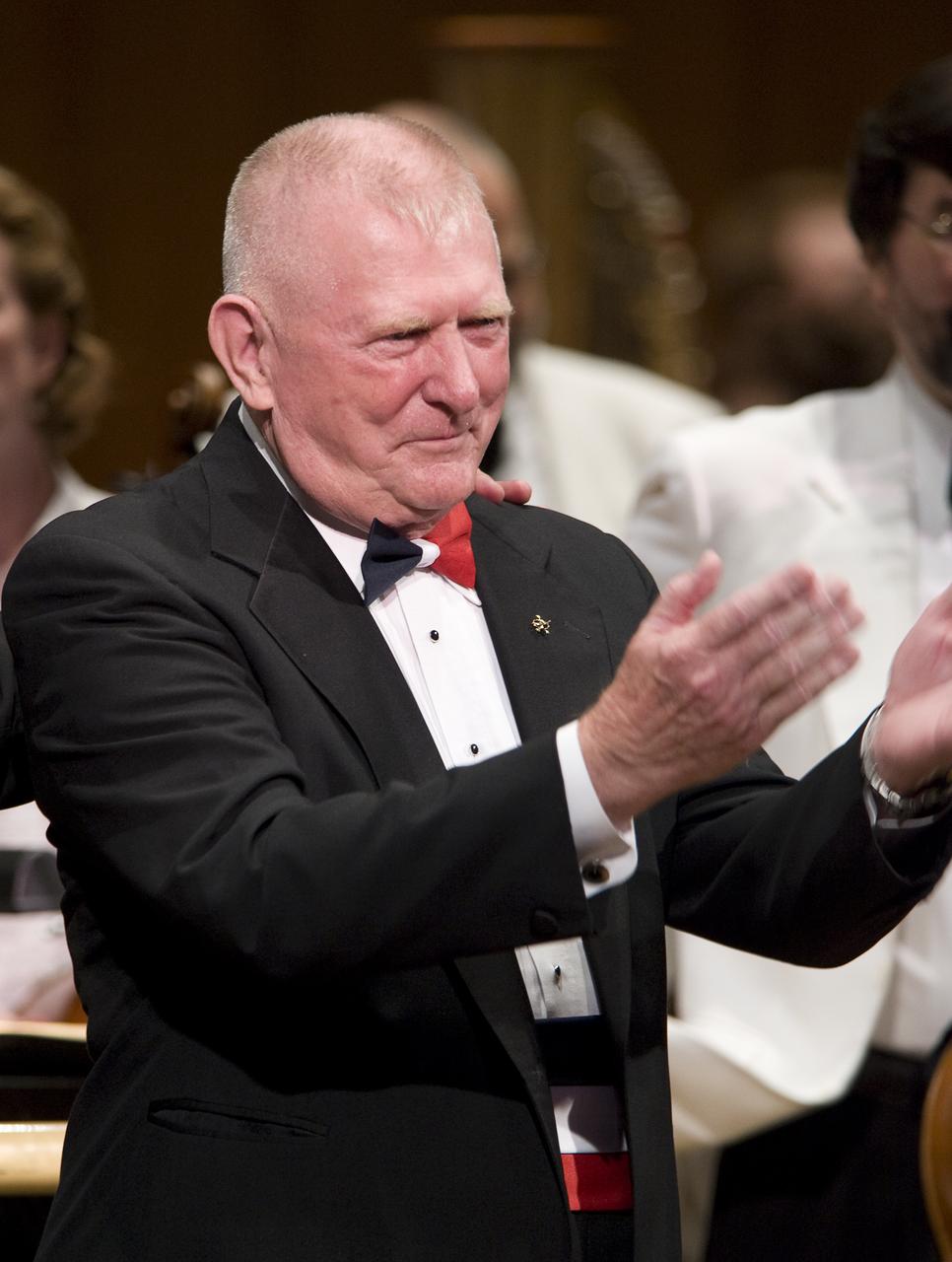
Gene Kranz, retired NASA Flight Director and manager, thanks the audience after having guest conducted of the National Symphony Orchestra during the "Salute to Apollo" ceremony at the Kennedy Center for the Performing Arts, Saturday, July 18, 2009 in Washington. The event was part of NASA's week long celebration of the Apollo 40th Anniversary. Photo Credit: (NASA/Bill Ingalls)
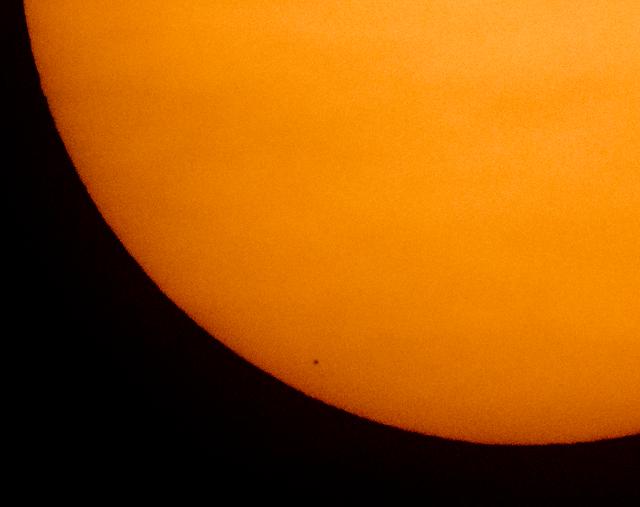
The planet Mercury is seen in silhouette, low center, as it transits across the face of the Sun Monday, Nov. 11, 2019, from Washington. Mercury’s last transit was in 2016. The next won’t happen again until 2032. Photo Credit: (NASA/Bill Ingalls)
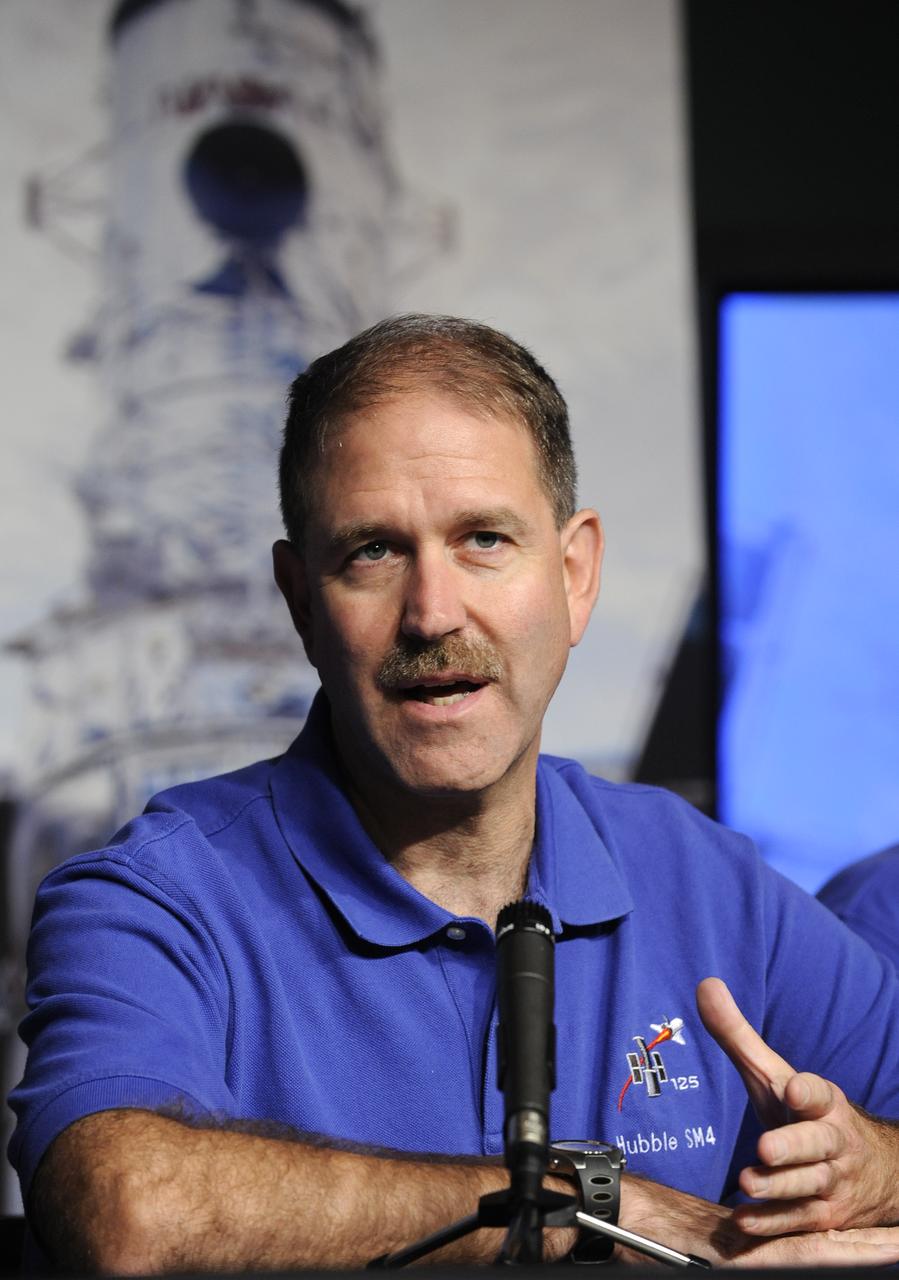
NASA Astronaut and STS-125 Mission Specialist John Grunsfeld answers a question during a presentation with fellow STS-125 shuttle mission crew members at the NASA Tweetup event held at NASA Headquarters, July 21, 2009 in Washington. Nearly 200 of NASA’s Twitter followers are in attendance. Photo Credit: (Carla Cioffi)
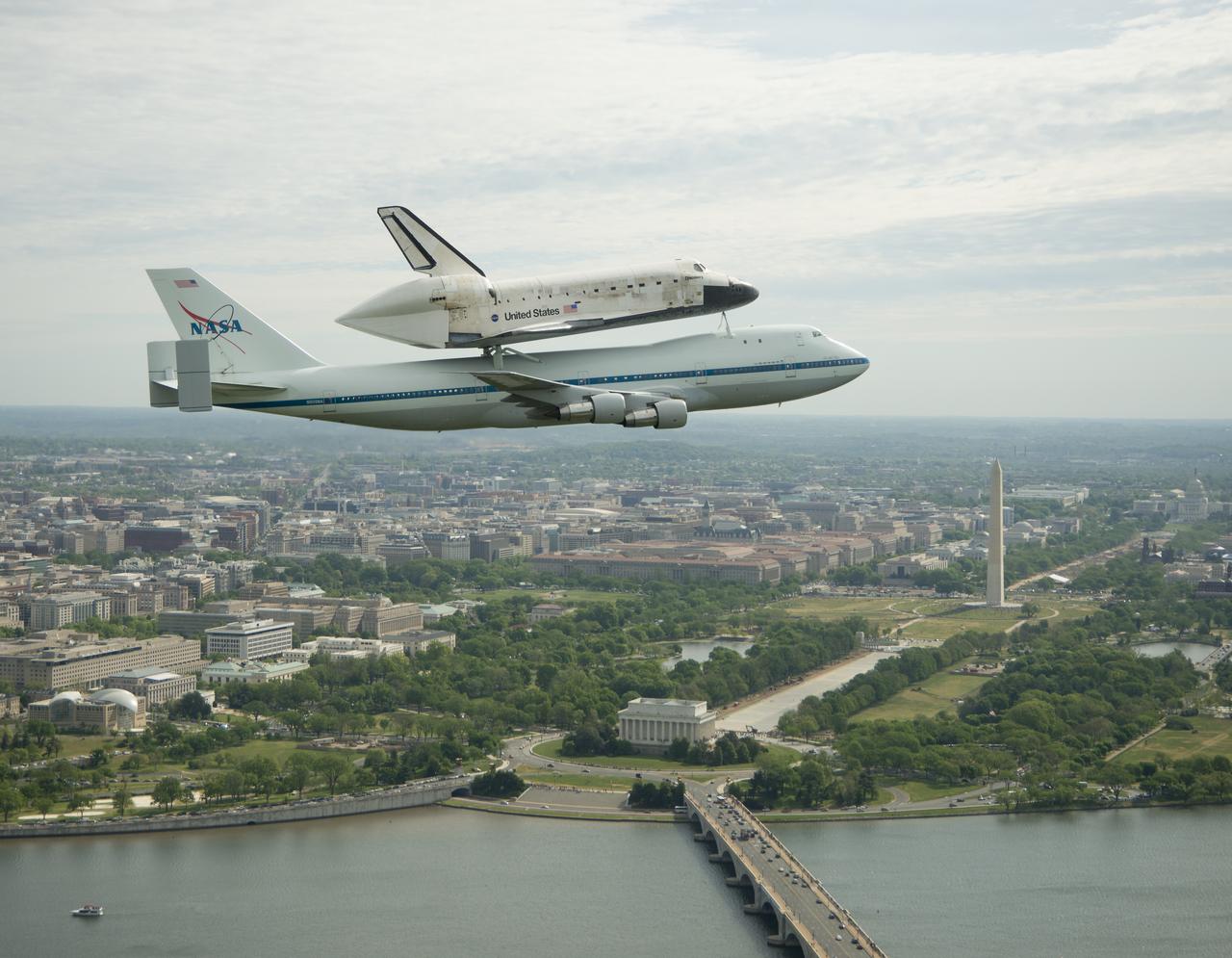
Space shuttle Discovery, mounted atop a NASA 747 Shuttle Carrier Aircraft (SCA), flies over the Washington skyline as seen from a NASA T-38 aircraft, Tuesday, April 17, 2012. Discovery, the first orbiter retired from NASA’s shuttle fleet, completed 39 missions, spent 365 days in space, orbited the Earth 5,830 times, and traveled 148,221,675 miles. NASA will transfer Discovery to the National Air and Space Museum to begin its new mission to commemorate past achievements in space and to educate and inspire future generations of explorers. Photo Credit: (NASA/Robert Markowitz)

Opera singer Denyce Graves sings during the "Salute to Apollo" ceremony at the Kennedy Center for the Performing Arts, Saturday, July 18, 2009 in Washington. The event was part of NASA's week long celebration of the Apollo 40th Anniversary. Photo Credit: (NASA/Bill Ingalls)

Emil de Cou conducts the National Symphony Orchestra during the "Salute to Apollo" ceremony at the Kennedy Center for the Performing Arts, Saturday, July 18, 2009 in Washington. The event was part of NASA's week long celebration of the Apollo 40th Anniversary. Photo Credit: (NASA/Bill Ingalls)
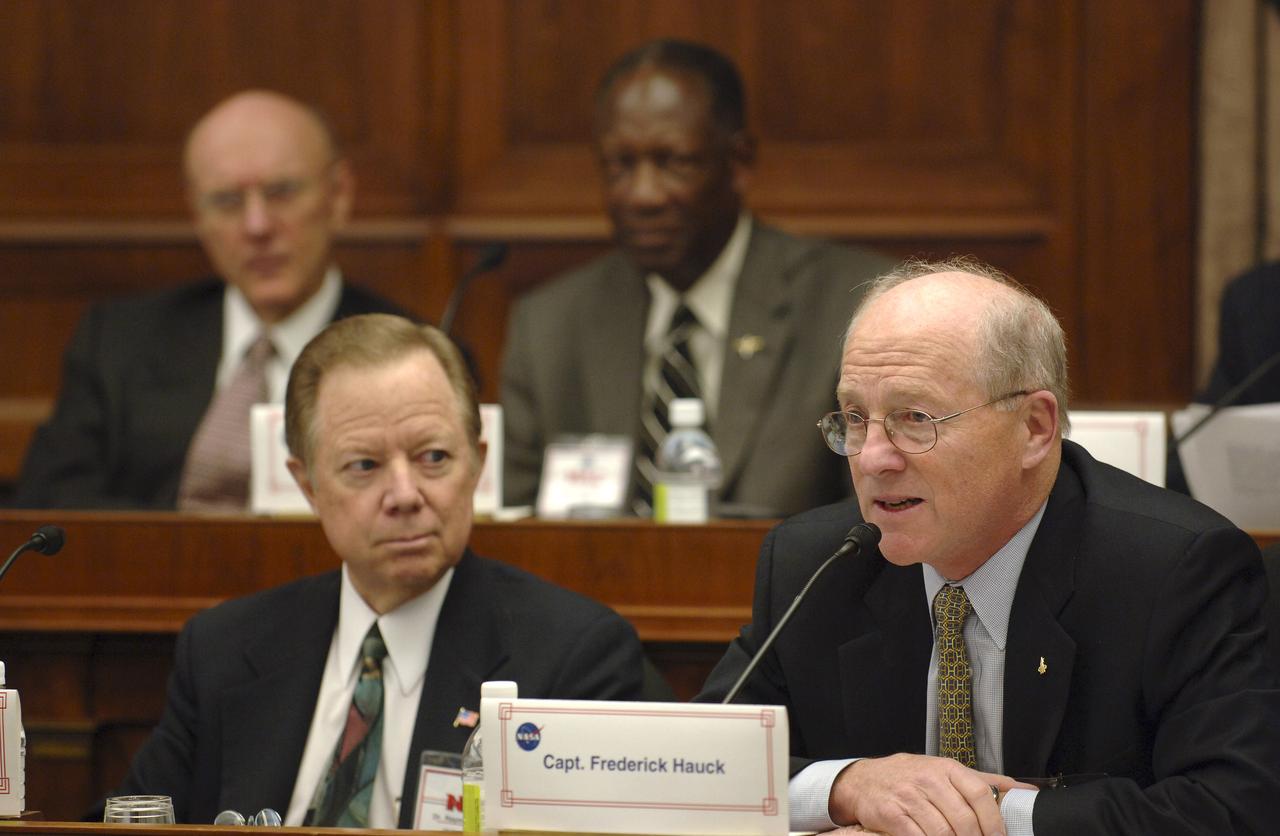
Capt. Frederick Hauck, USN (Ret.) talks during the NASA Advisory Council meeting held at the Rayburn House Office Building, Tuesday, Nov. 29, 2005, in Washington. Photo Credit: (NASA/Bill Ingalls)
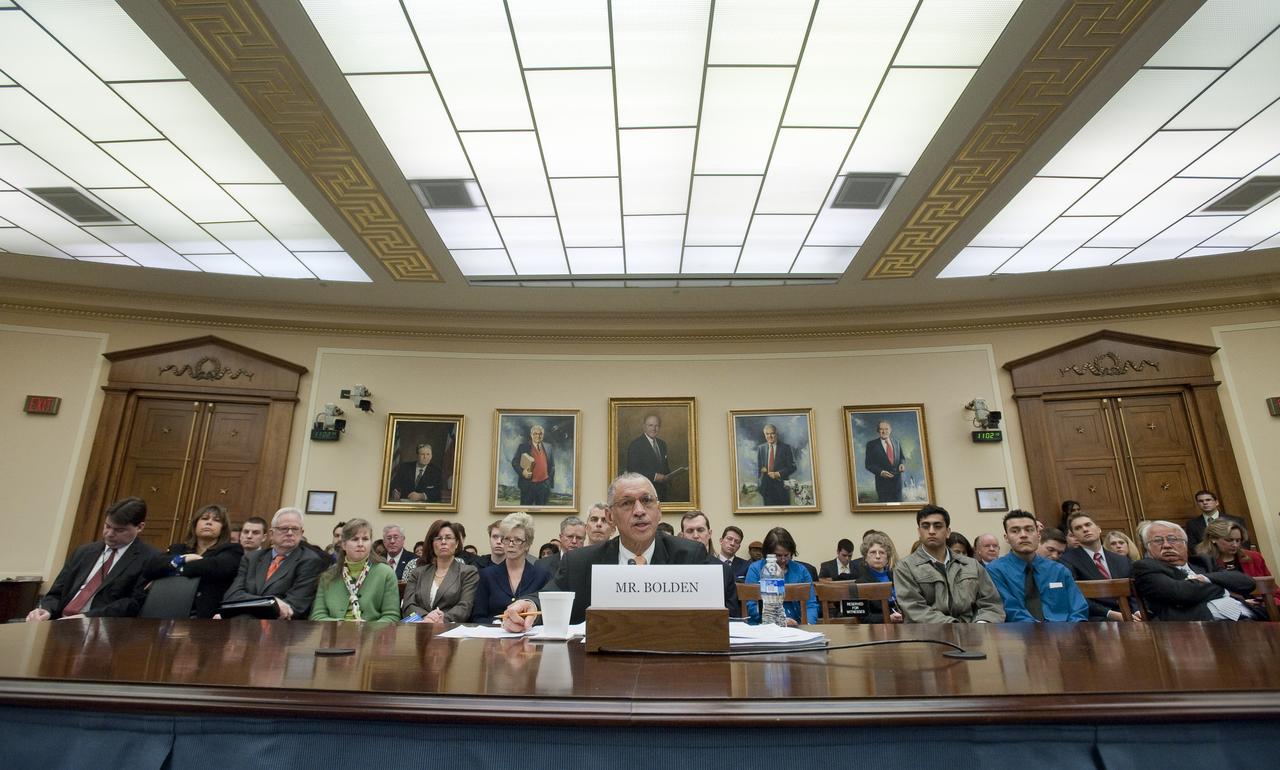
NASA Administrator Charles F. Bolden appears in front of the U.S. House of Representatives Committee on Science and Technology to discuss the President’s FY 2011 budget request, Thursday, Feb. 25, 2010, on Capitol Hill in Washington. Photo Credit: (NASA/Paul E. Alers)
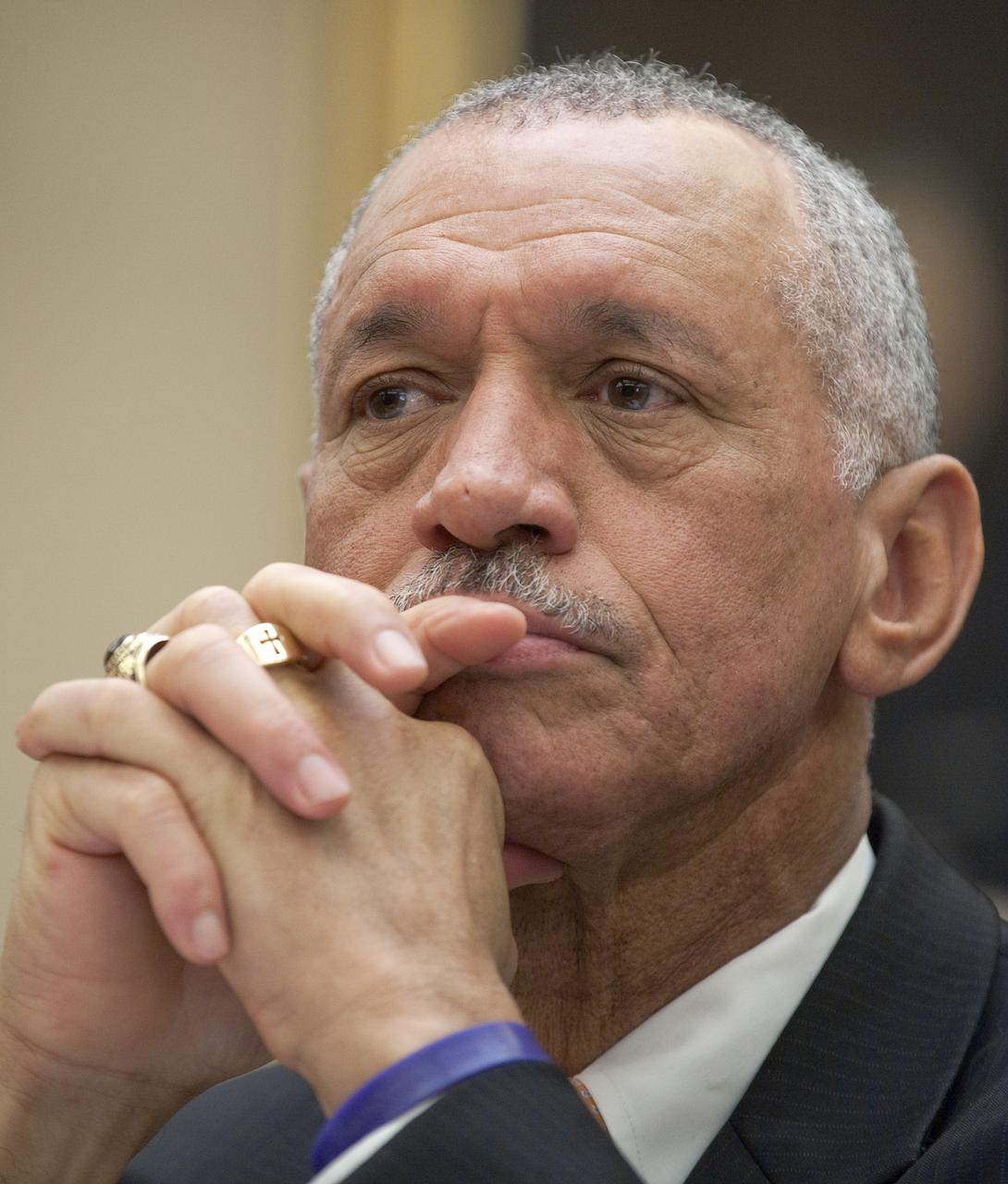
NASA Administrator Charles F. Bolden appears in front of the U.S. House of Representatives Committee on Science and Technology to discuss the President's FY 2011 budget request, Thursday, Feb. 25, 2010, on Capitol Hill in Washington. Photo Credit: (NASA/Paul E. Alers)
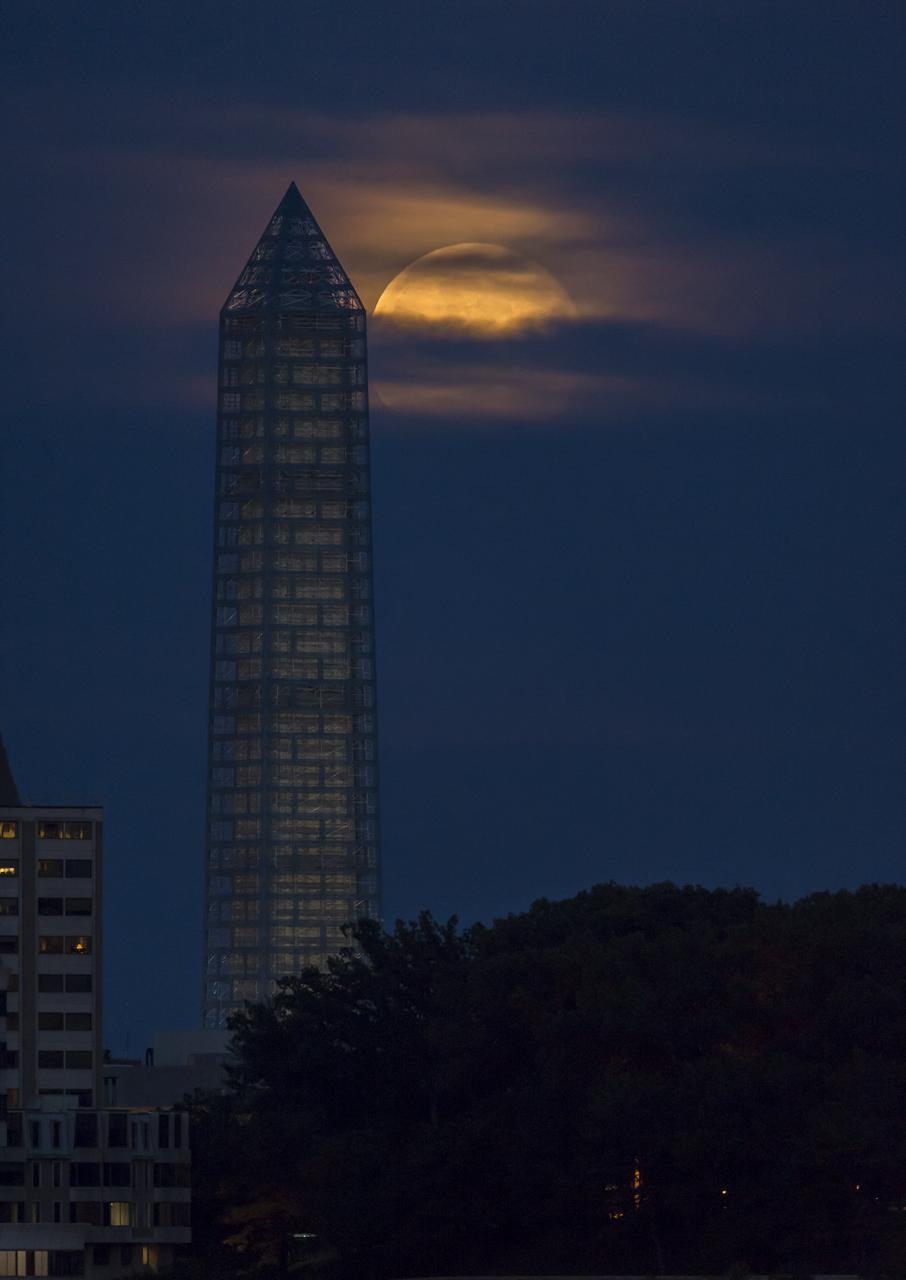
A supermoon rises behind the Washington Monument, Sunday, June 23, 2013, in Washington. This year the Supermoon is up to 13.5% larger and 30% brighter than a typical Full Moon is. This is a result of the Moon reaching its perigee - the closest that it gets to the Earth during the course of its orbit. During perigee on 23 June the Moon was about 221,824 miles away, as compared to the 252,581 miles away that it is at its furthest distance from the Earth (apogee). Photo Credit: (NASA/Bill Ingalls)
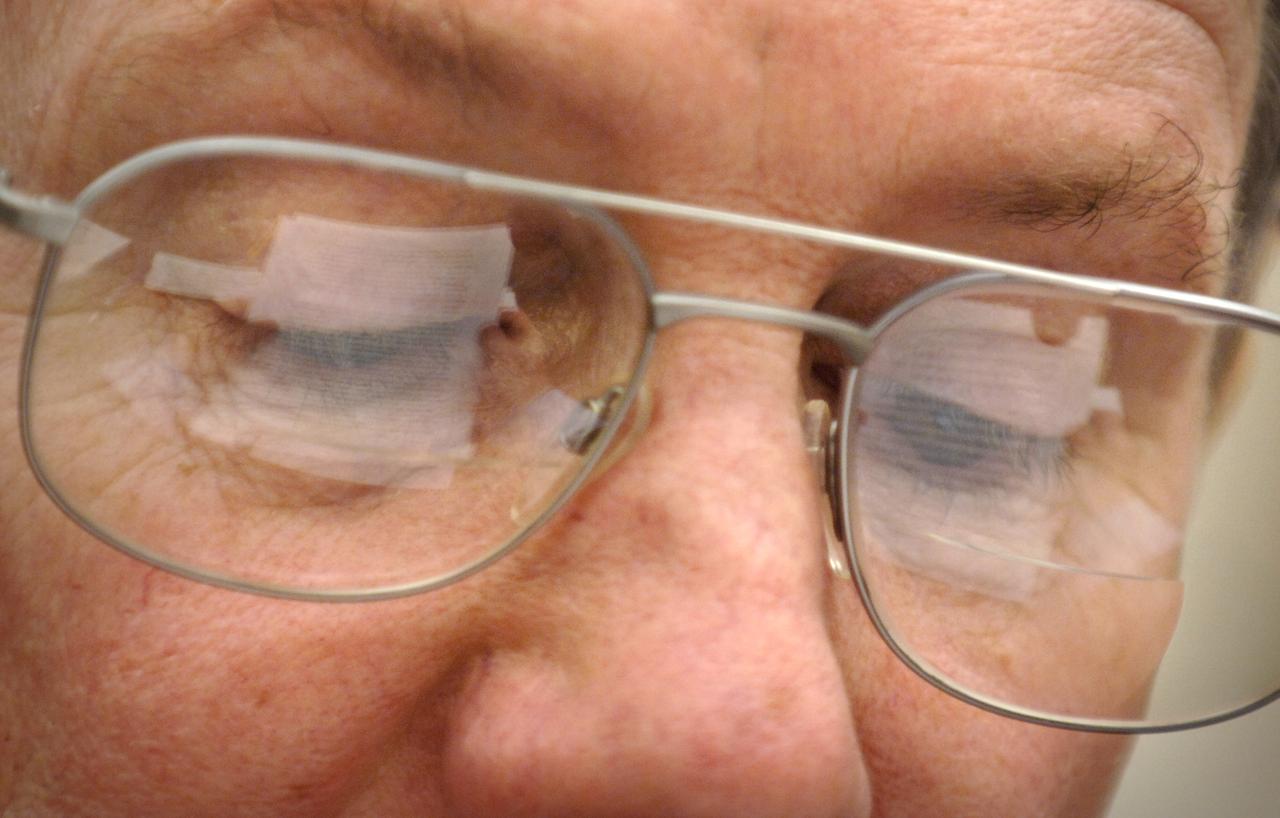
NASA Administrator Michael Griffin reads from his written testimony while testifying in front of a hearing before the House Science & Technology Committee regarding NASA's FY 2007 budget request, Thursday, Feb., 16, 2006, in Washington. Photo Credit: (NASA/Bill Ingalls)

CSA (Canadian Space Agency) astronaut Jeremy Hansen, mission specialist, right, speaks with congressional staff alongside fellow Artemis II crew members NASA astronauts Christina Koch, mission specialist, left; Victor Glover, pilot, second from left; Reid Wiseman, commander, second from right; Tuesday, May 12, 2026, in the Cannon House Office Building, in Washington. NASA’s Artemis II mission took Wiseman, Glover, Koch, and Hansen on a nearly 10-day journey around the Moon and back to Earth in April 2026. Photo Credit: (NASA/Joel Kowsky)
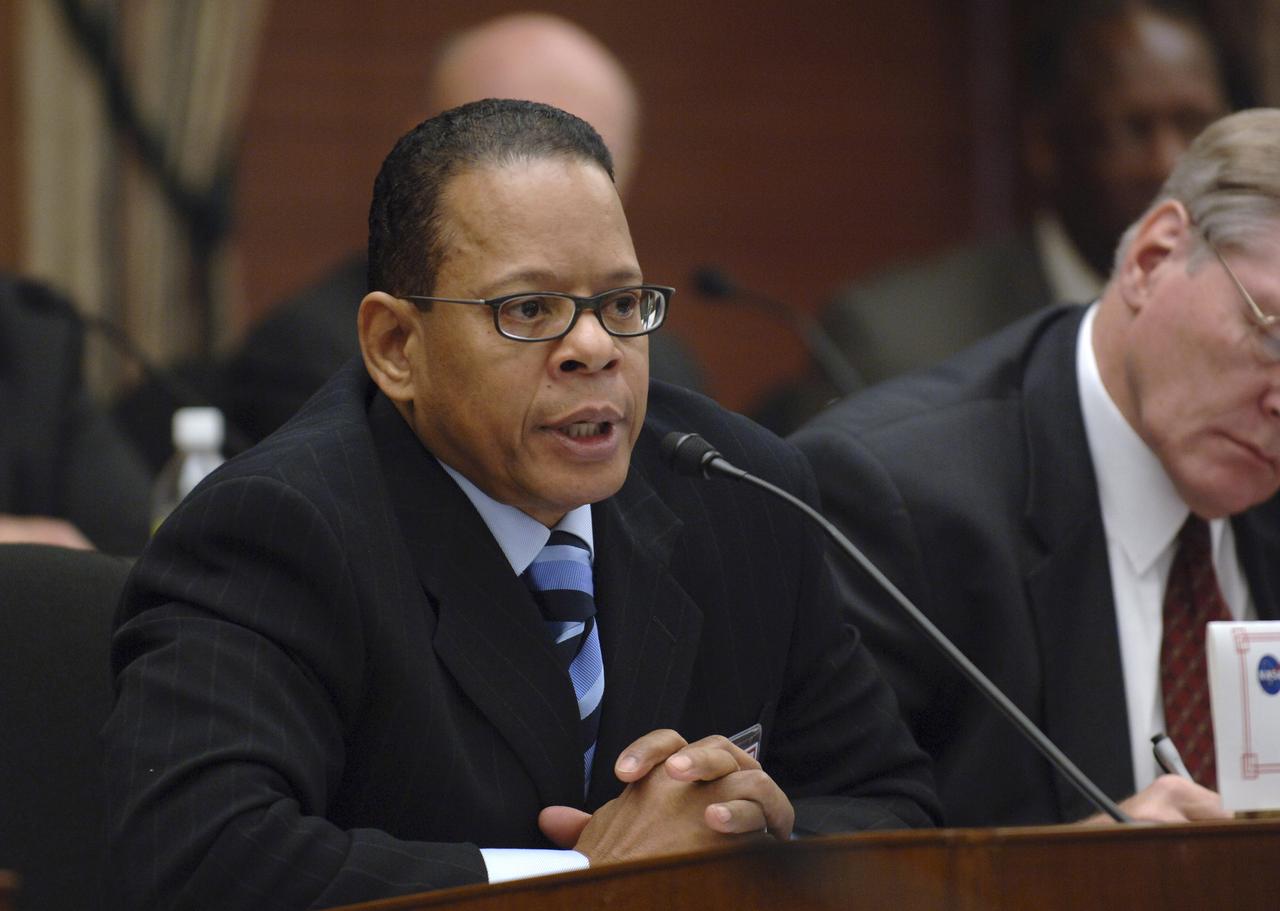
Wendell Maddox speaks during the NASA Advisory Council meeting held at the Rayburn Building, Tuesday, Nov. 29, 2005, in Washington. Photo Credit: (NASA/Bill Ingalls)
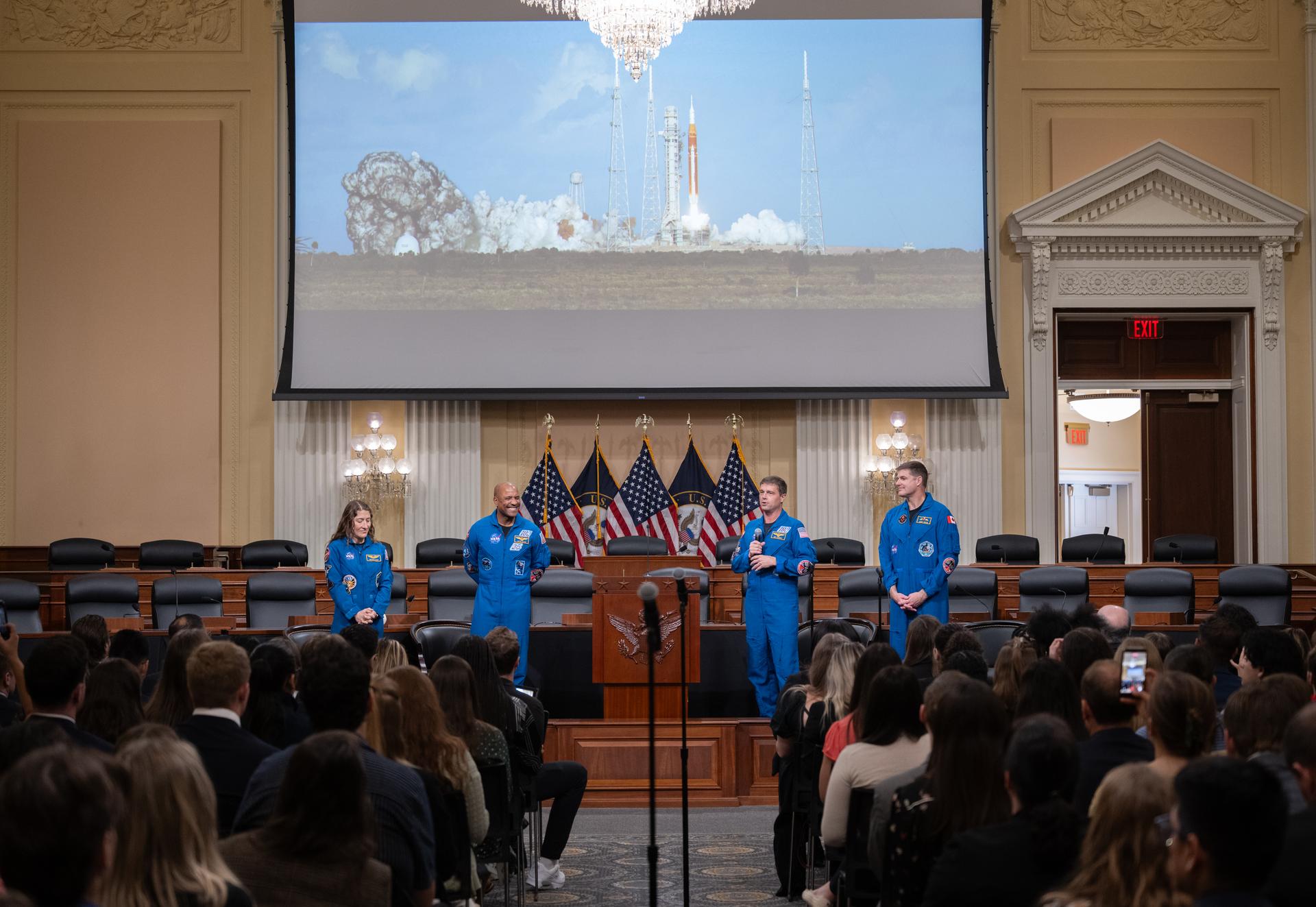
NASA astronauts Christina Koch, mission specialist, left; Victor Glover, pilot, second from left; Reid Wiseman, commander, second from right; and CSA (Canadian Space Agency) astronaut Jeremy Hansen, mission specialist, right, are seen as they speak with congressional staff, Tuesday, May 12, 2026, in the Cannon House Office Building, in Washington. NASA’s Artemis II mission took Wiseman, Glover, Koch, and Hansen on a nearly 10-day journey around the Moon and back to Earth in April 2026. Photo Credit: (NASA/Joel Kowsky)

Conductor Emil de Cou and The U.S. Army Chorus and Alumni sing while Gene Kranz, retired NASA Flight Director and manager, acts as guest conductor of the National Symphony Orchestra, during the "Salute to Apollo" ceremony at the Kennedy Center for the Performing Arts, Saturday, July 18, 2009 in Washington. The event was part of NASA's week long celebration of the Apollo 40th Anniversary. Photo Credit: (NASA/Bill Ingalls)
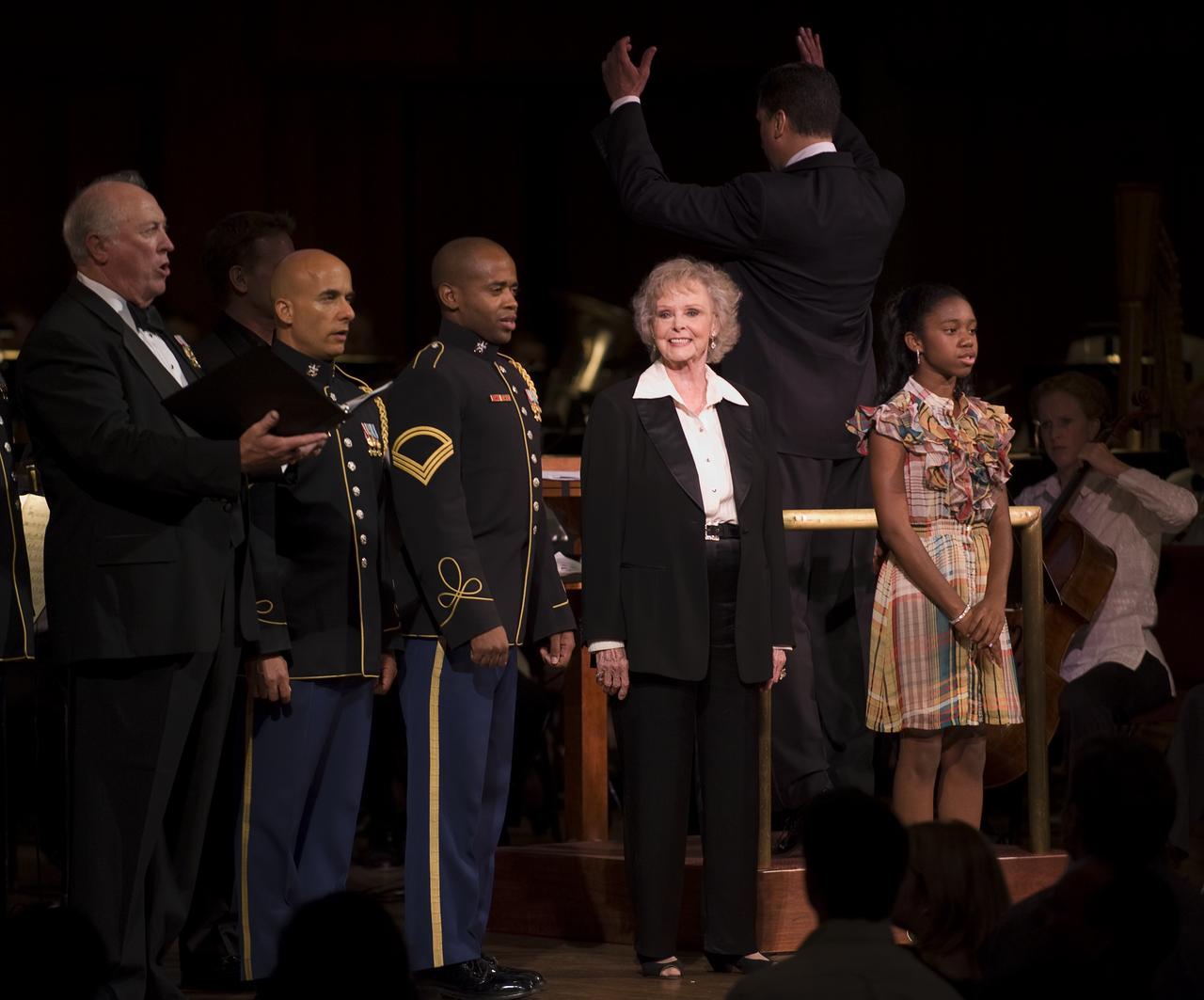
Emil de Cou conducts the National Symphony Orchestra, while singer Jamia Nash, actress June Lockhart, the U.S. Army Chorus and Alumni sing during the "Salute to Apollo" ceremony at the Kennedy Center for the Performing Arts, Saturday, July 18, 2009 in Washington. The event was part of NASA's week long celebration of the Apollo 40th Anniversary. Photo Credit: (NASA/Bill Ingalls)
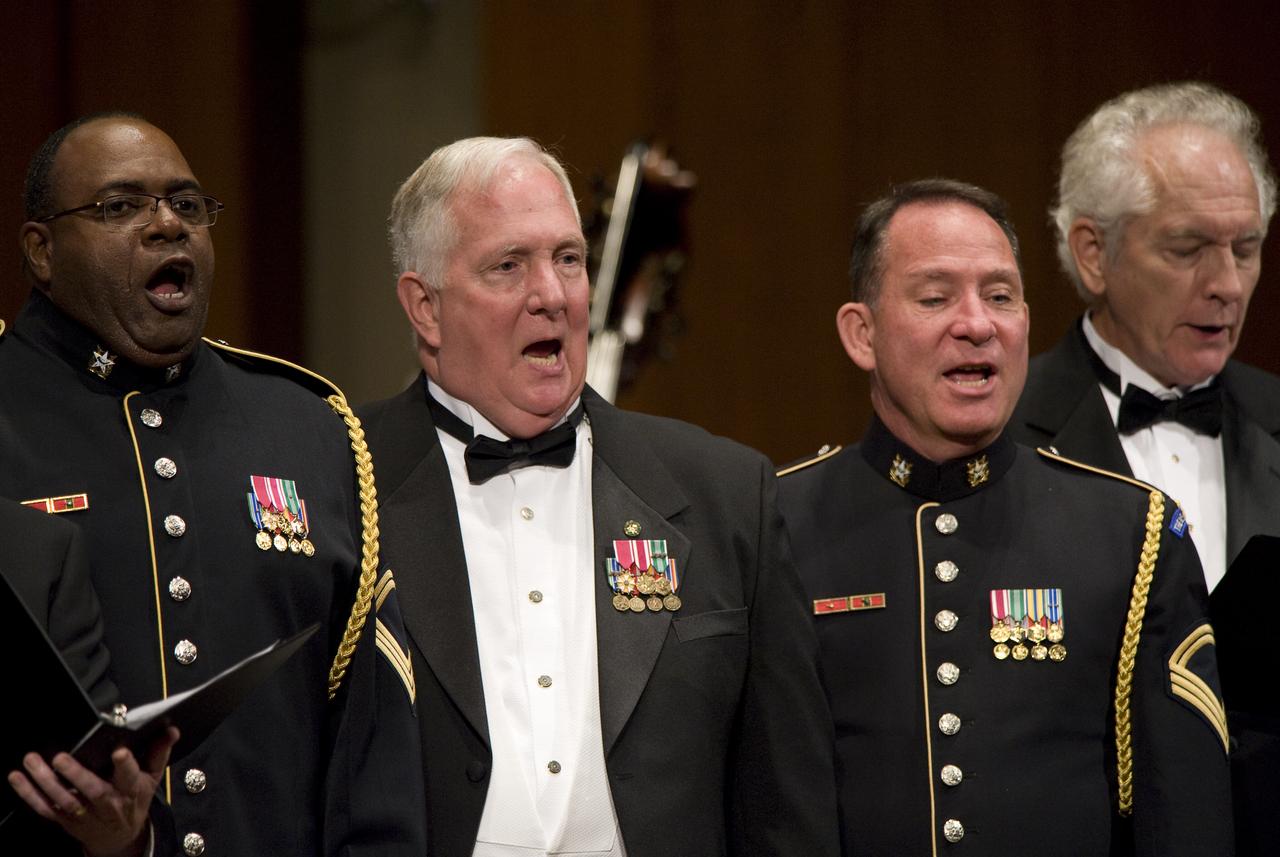
Members of the U.S. Army Chorus and Alumni sing during the "Salute to Apollo" ceremony at the Kennedy Center for the Performing Arts, Saturday, July 18, 2009 in Washington. The event was part of NASA's week long celebration of the Apollo 40th Anniversary. Photo Credit: (NASA/Bill Ingalls)
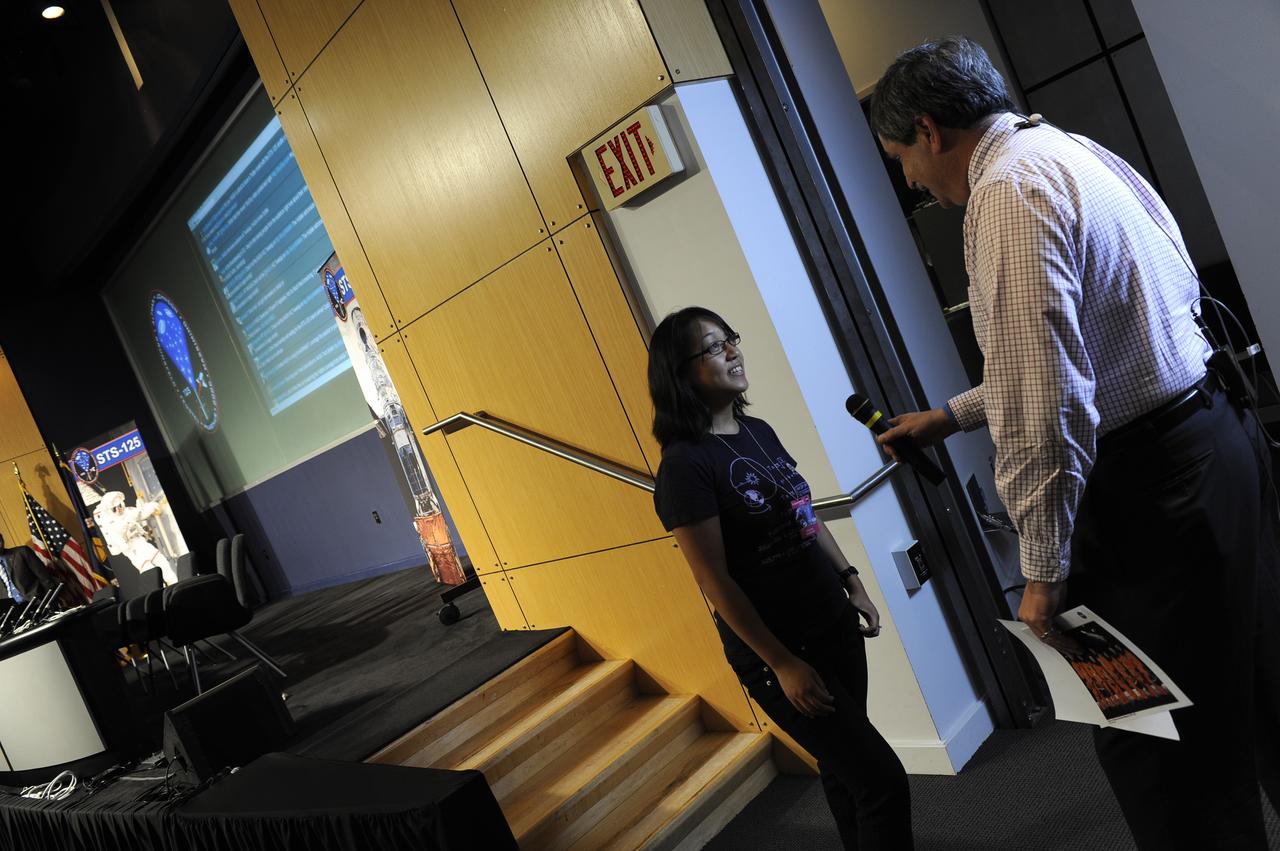
Al Feinberg from NASA Television, interviews a guest at the NASA Tweetup event held at NASA Headquarters, July 21, 2009 in Washington. Nearly 200 of NASA’s Twitter followers are in attendance, which features a presentation and a question and answer session with the crew of the STS-125 shuttle mission to repair the Hubble Space Telescope. Photo Credit: (Carla Cioffi)
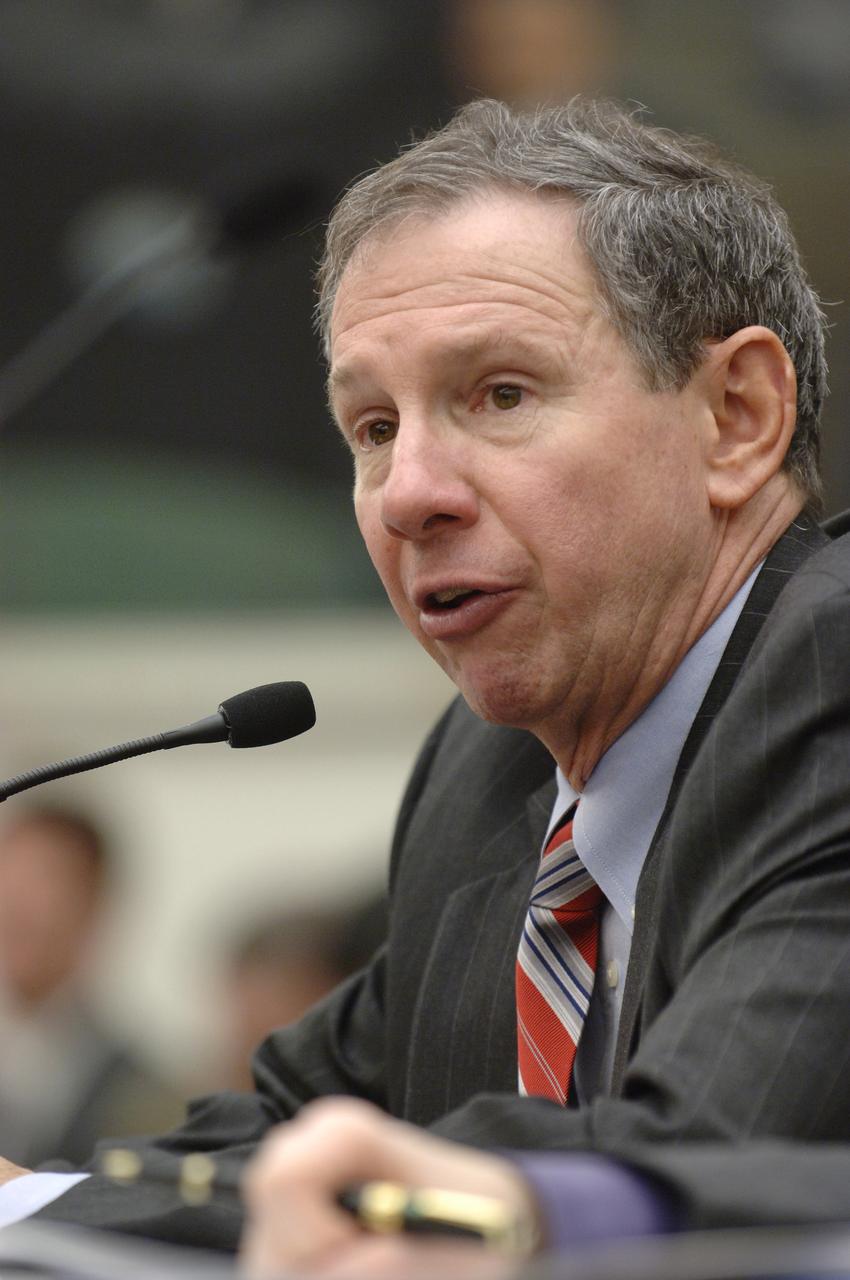
NASA Administrator Michael Griffin testifies during a hearing before the House Science & Technology Committee regarding NASA's FY 2007 budget request, Thursday, Feb., 16, 2006, in Washington. Photo Credit: (NASA/Bill Ingalls)

NASA astronauts Reid Wiseman, commander; Victor Glover, pilot; Christina Koch, mission specialist; and CSA (Canadian Space Agency) astronaut Jeremy Hansen, mission specialist; are seen as they speak with congressional staff, Tuesday, May 12, 2026, in the Cannon House Office Building, in Washington. NASA’s Artemis II mission took Wiseman, Glover, Koch, and Hansen on a nearly 10-day journey around the Moon and back to Earth in April 2026. Photo Credit: (NASA/Joel Kowsky)
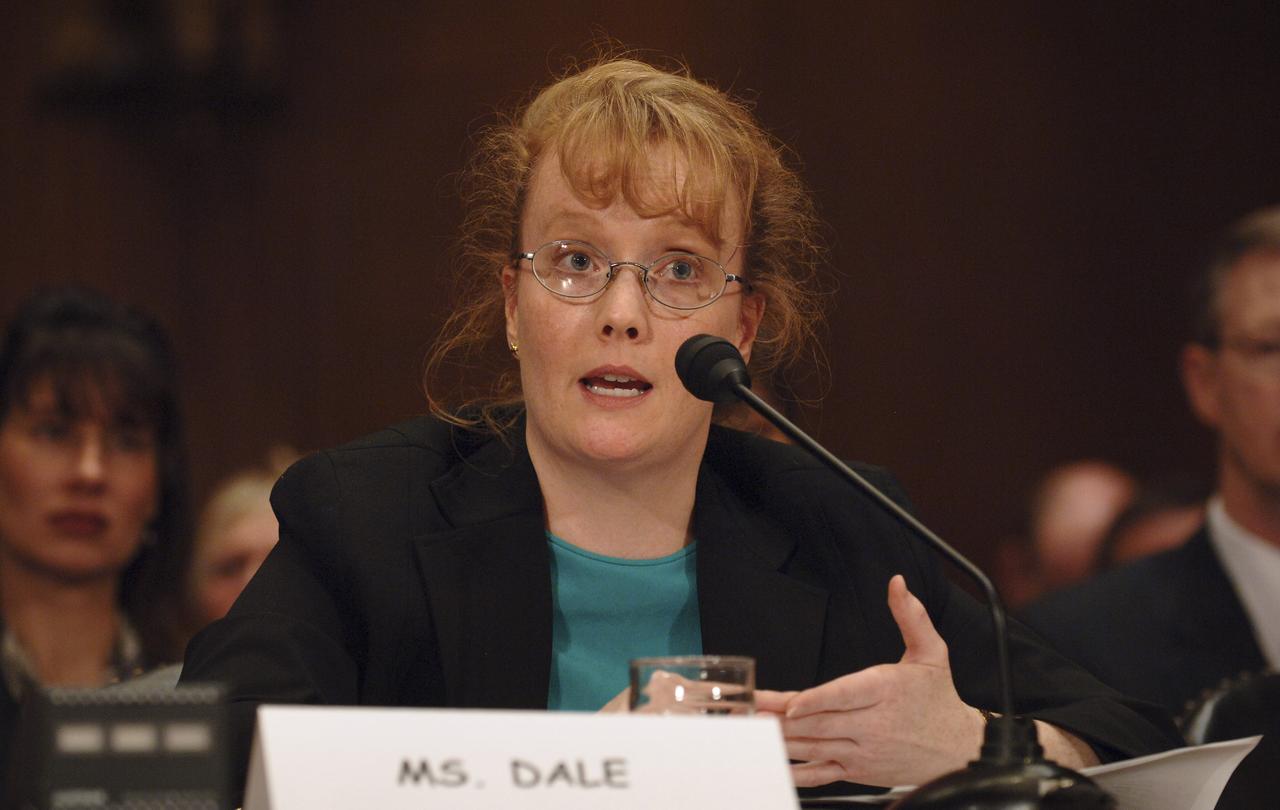
Shana Dale testifies at her confirmation hearing before the Senate Committee on Commerce, Science, and Transportation, Nov. 1, 2005, on Capitol Hill in Washington. Dale was nominated by President Bush to be the deputy administrator of the National Aeronautics and Space Administration (NASA). Photo Credit: (NASA/Bill Ingalls)
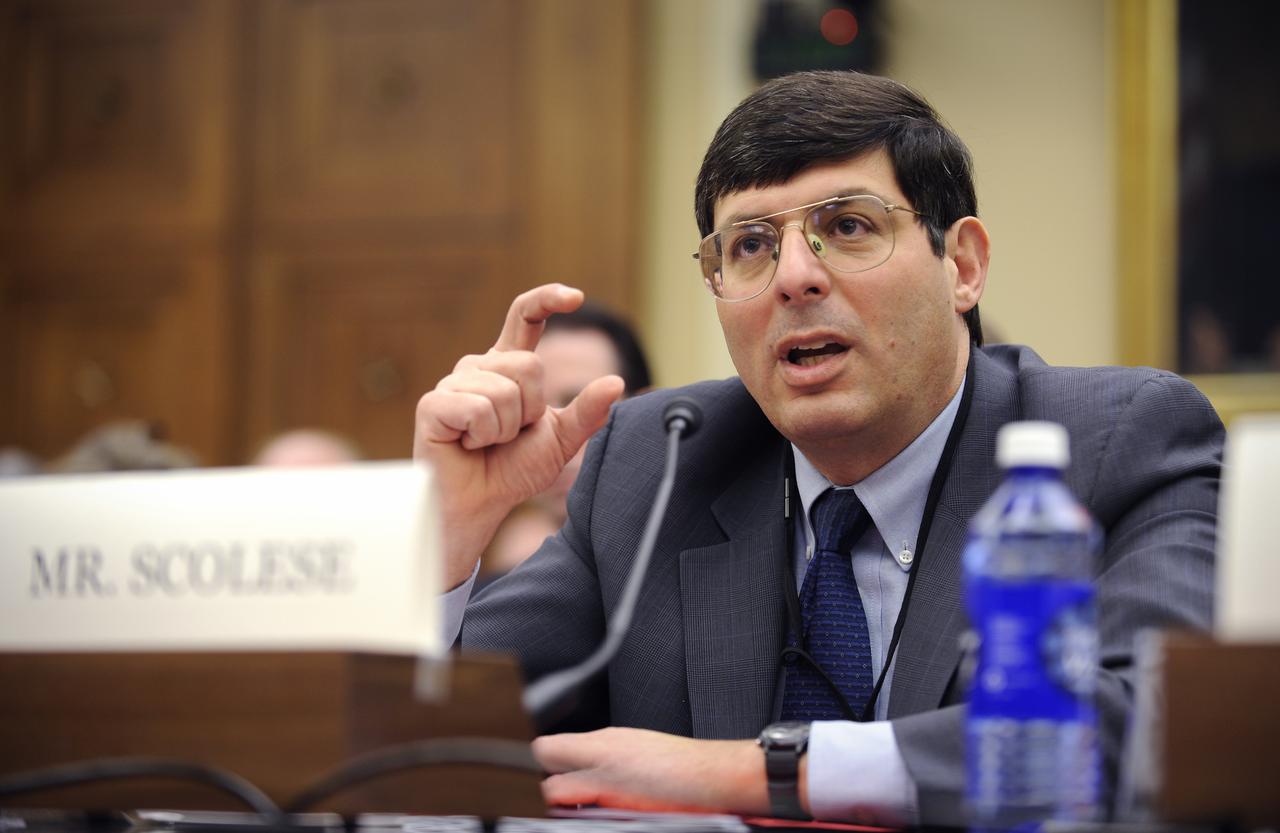
NASA's Acting Administrator, Christopher Scolese, responds to questions concerning NASA Cost and Contract Management during a hearing before the the House Subcommittee on Space and Aeronautics, Thursday, March 5, 2009, Rayburn Building, Washington. Photo Credit: (NASA/Bill Ingalls)
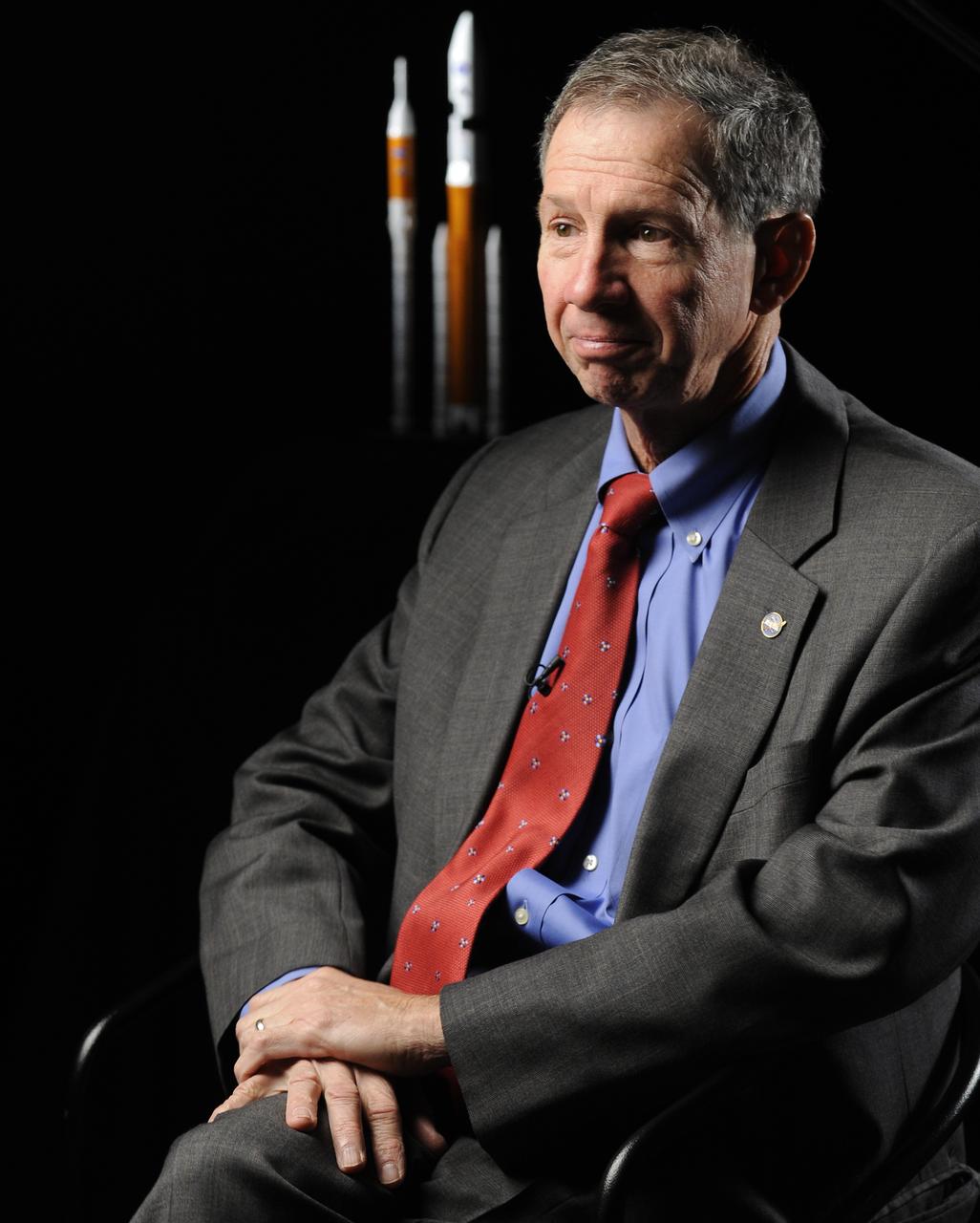
NASA Administrator Michael Griffin prepares for a television interview. Thursday, Nov. 20, 2008, NASA Headquarters, Washington. Photo Credit: (NASA/Bill Ingalls)
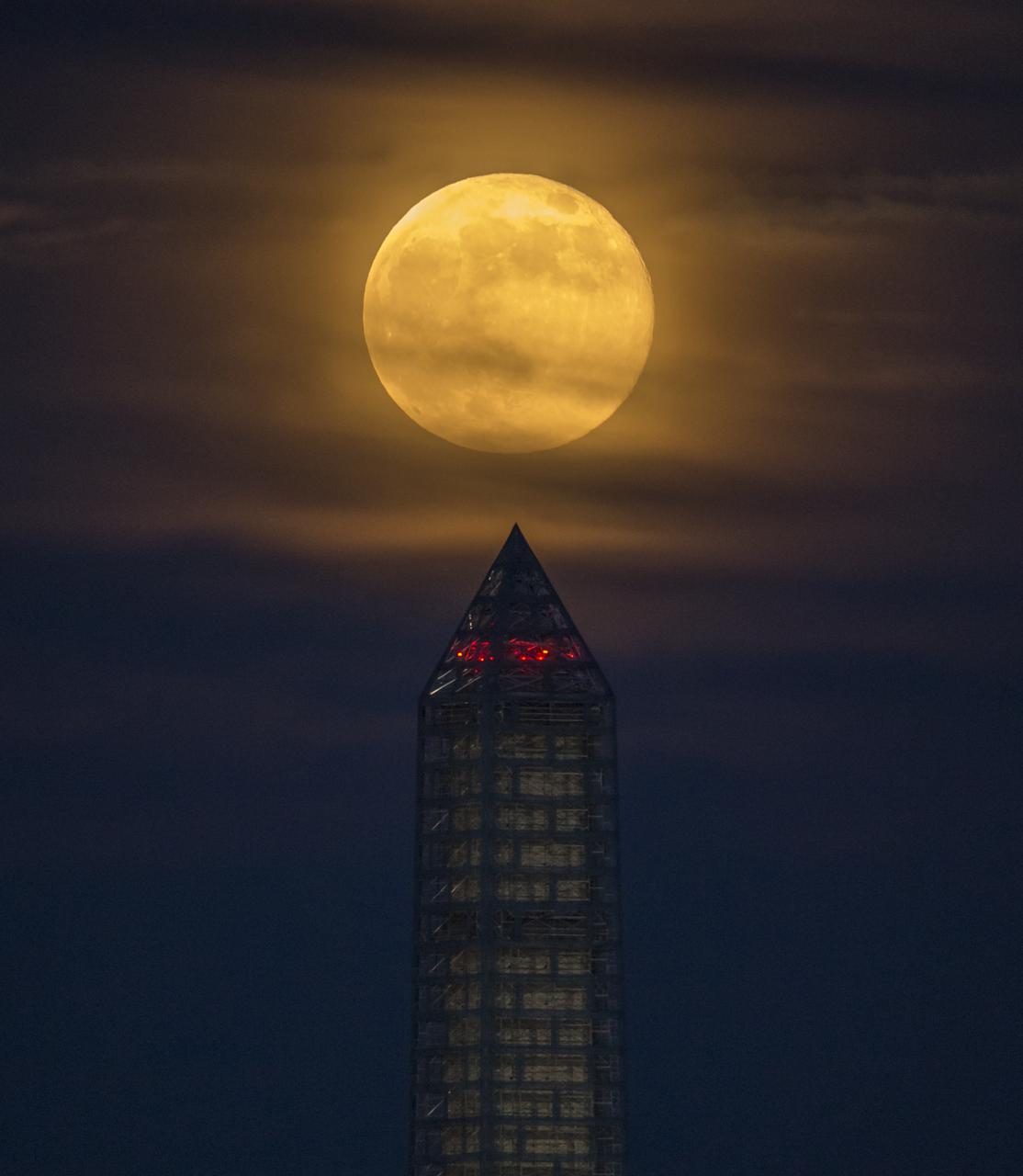
A supermoon rises behind the Washington Monument, Sunday, June 23, 2013, in Washington. This year the Supermoon is up to 13.5% larger and 30% brighter than a typical Full Moon is. This is a result of the Moon reaching its perigee - the closest that it gets to the Earth during the course of its orbit. During perigee on 23 June the Moon was about 221,824 miles away, as compared to the 252,581 miles away that it is at its furthest distance from the Earth (apogee). Photo Credit: (NASA/Bill Ingalls)
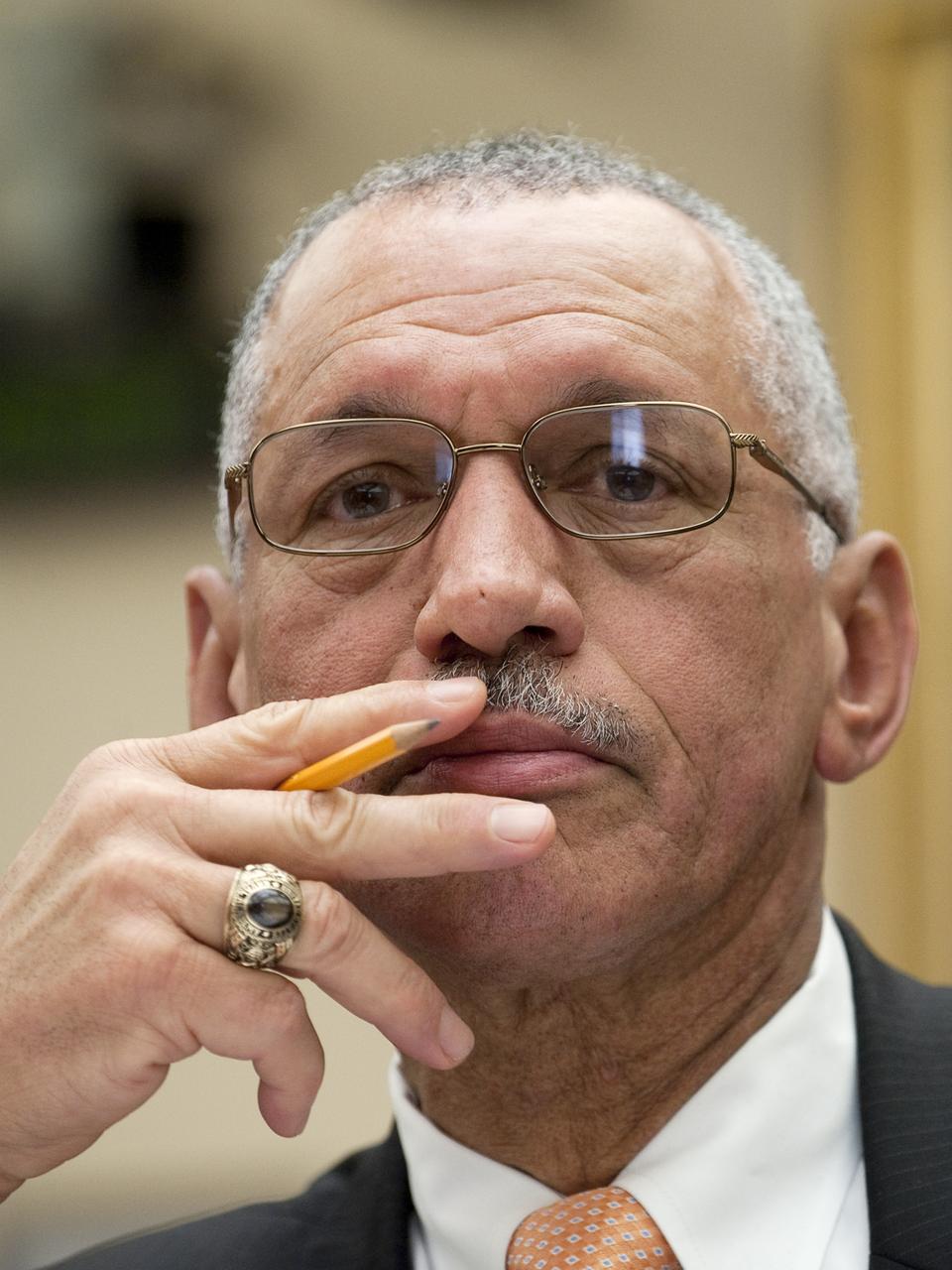
NASA Administrator Charles F. Bolden appears in front of the U.S. House of Representatives Committee on Science and Technology to discuss the President’s FY 2011 budget request, Thursday, Feb. 25, 2010, on Capitol Hill in Washington. Photo Credit: (NASA/Paul E. Alers)
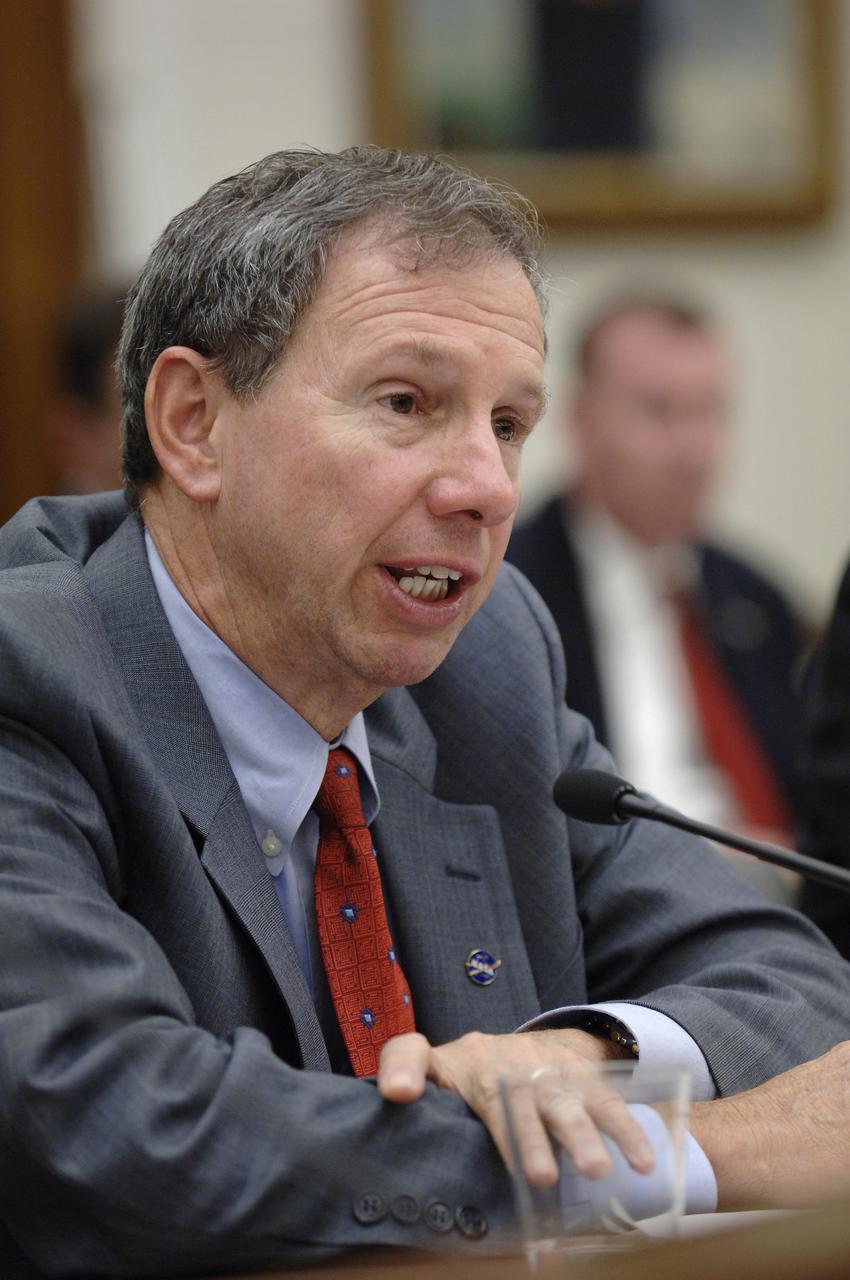
NASA Administrator Michael Griffin, testifies before the House Committee on Science and Technology regarding the future of the National Polar-orbiting Operational Environmental Satellite System (NPOESS) and results of the Nunn-McCurdy review of NOAA’s weather satellite program, Thursday, June 8, 2006, at the Rayburn House Office Building in Washington. Photo Credit: (NASA/Bill Ingalls)
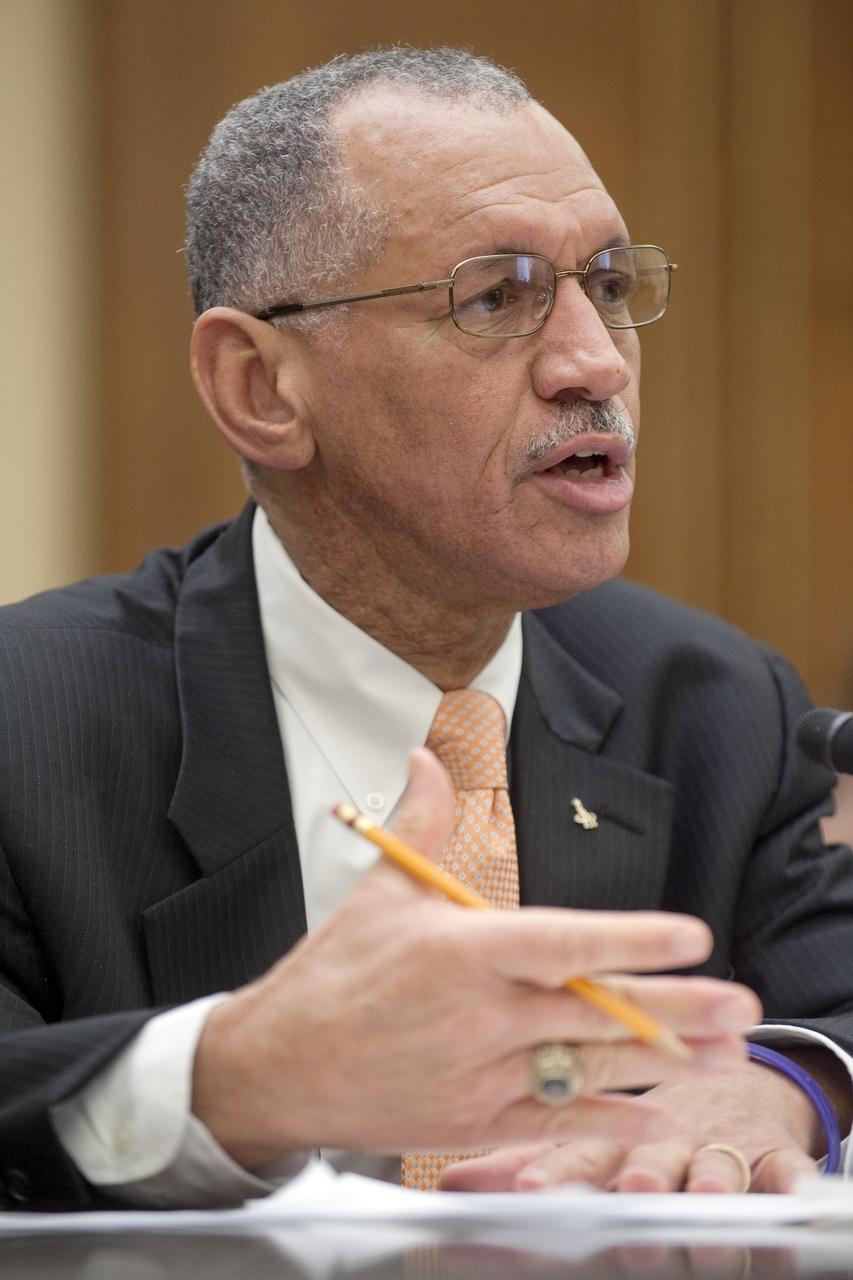
NASA Administrator Charles F. Bolden appears in front of the U.S. House of Representatives Committee on Science and Technology to discuss the President’s FY 2011 budget request, Thursday, Feb. 25, 2010, on Capitol Hill in Washington. Photo Credit: (NASA/Paul E. Alers)
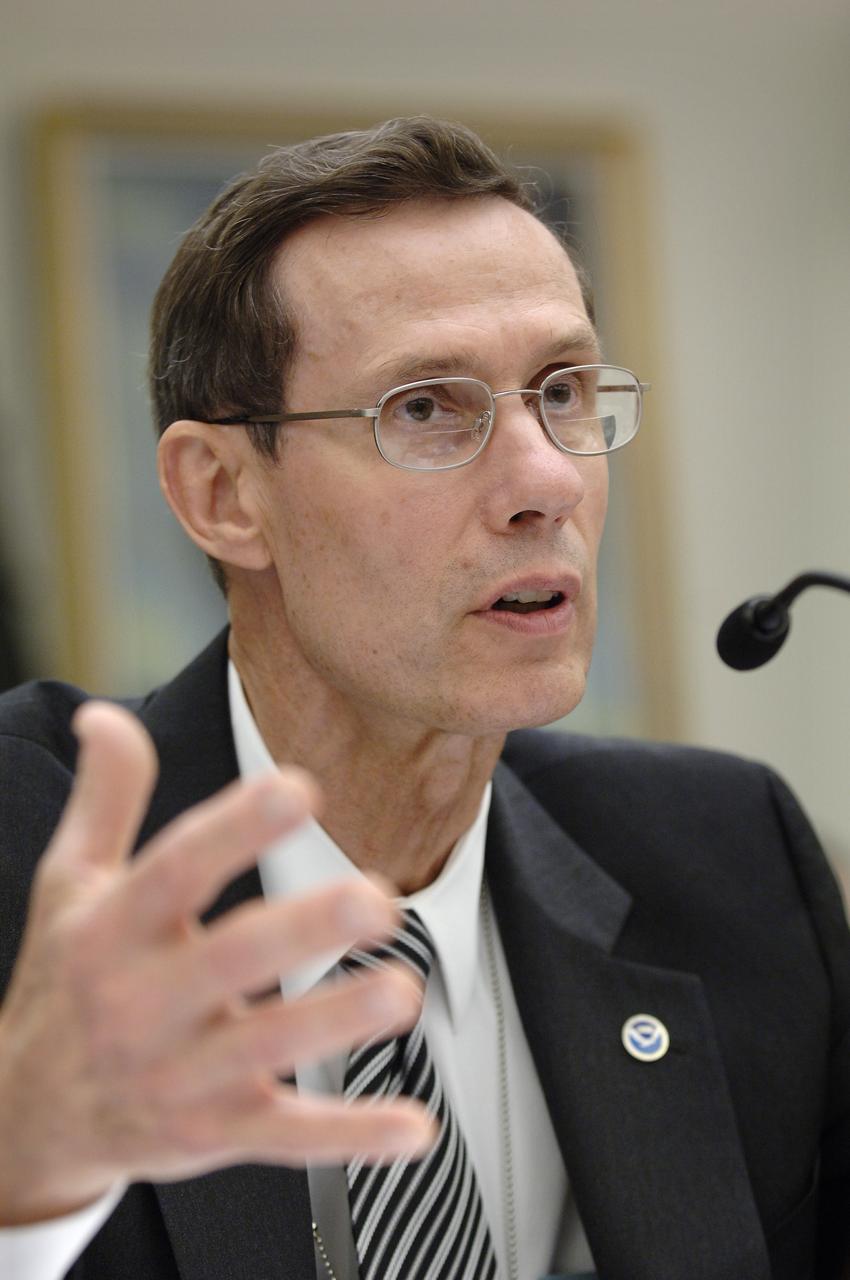
NOAA Administrator, Vice Admiral Conrad C. Lautenbacher, Jr., U.S. Navy (Ret.), testifies before the House Committee on Science and Technology regarding the future of the National Polar-orbiting Operational Environmental Satellite System (NPOESS) and results of the Nunn-McCurdy review of NOAA’s weather satellite program, Thursday, June 8, 2006, at the Rayburn House Office Building in Washington. Photo Credit: (NASA/Bill Ingalls)
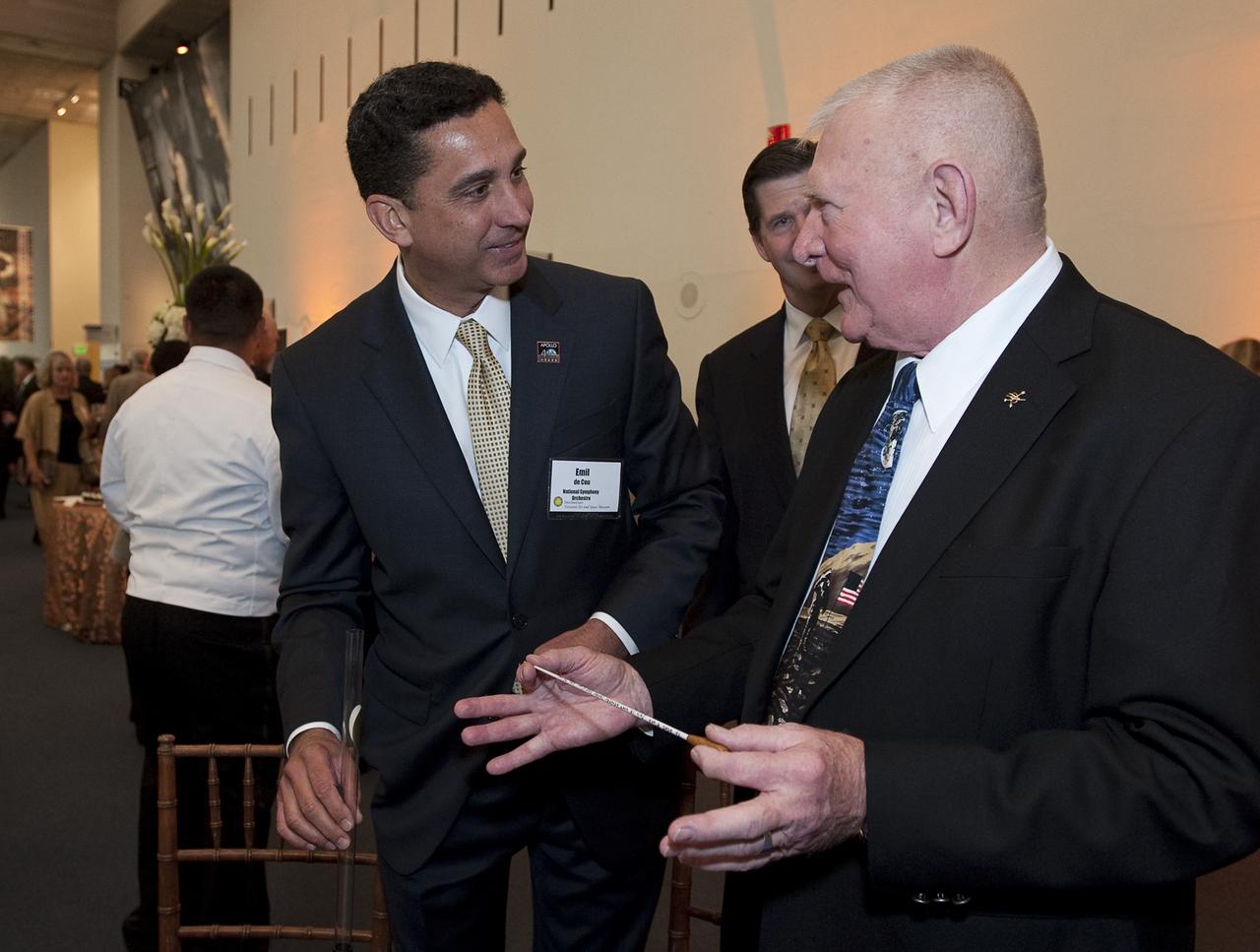
National Symphony Orchestra Conductor Emil de Cou, left, presents a ceremonial baton to retired NASA Flight Director and manager Gene Kranz at the Apollo 40th anniversary celebration held at the National Air and Space Museum, Monday, July 20, 2009 in Washington. Kranz was a guest conductor the night before at the Kennedy Center for the Performing Arts. Photo Credit: (NASA/Bill Ingalls)

“Rise,” the Artemis II zero-gravity indicator, is seen sitting on the dais as NASA astronauts Reid Wiseman, commander; Victor Glover, pilot; Christina Koch, mission specialist; and CSA (Canadian Space Agency) astronaut Jeremy Hansen, mission specialist; speak with congressional staff, Tuesday, May 12, 2026, in Washington. NASA’s Artemis II mission took Wiseman, Glover, Koch, and Hansen on a nearly 10-day journey around the Moon and back to Earth in April 2026. Photo Credit: (NASA/Joel Kowsky)
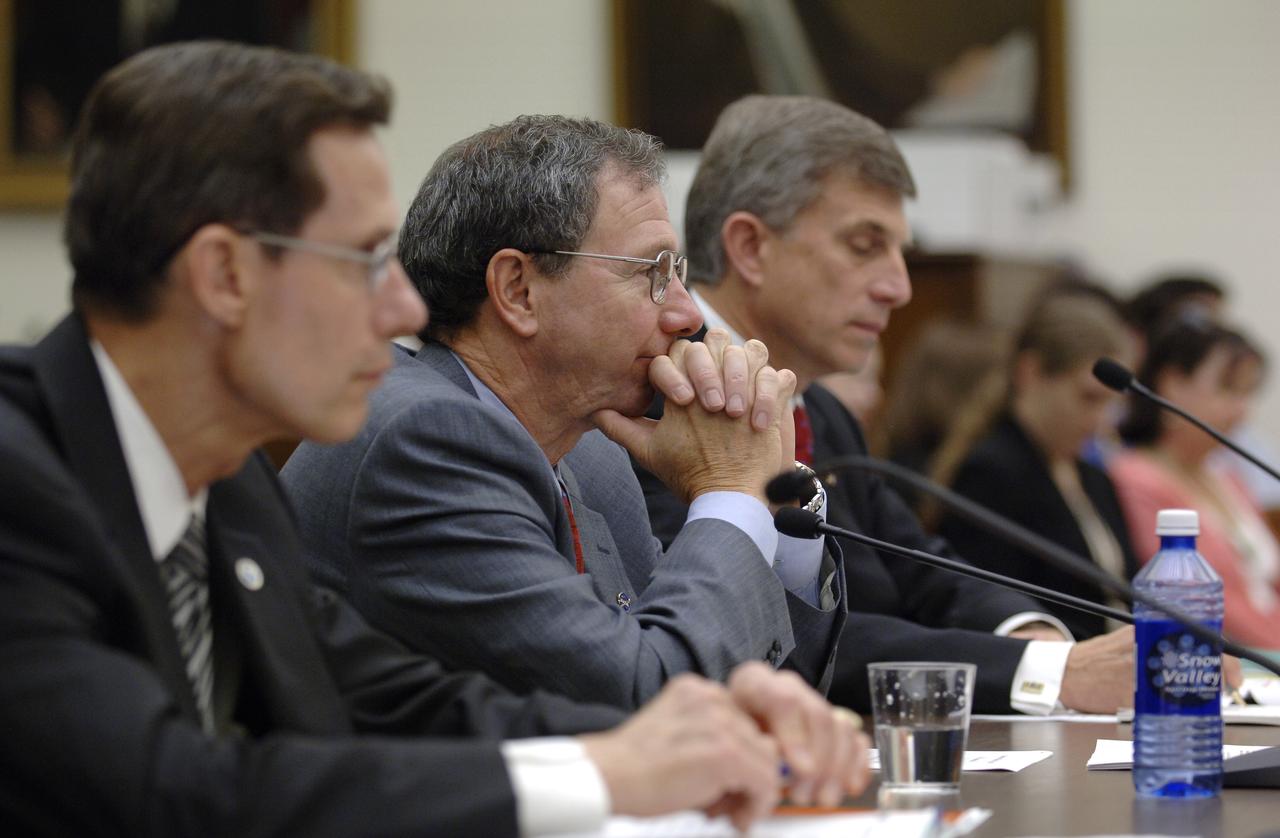
NOAA Administrator, Vice Admiral Conrad C. Lautenbacher, Jr., U.S. Navy (Ret.), left, NASA Administrator Michael Griffin and Under Secretary of the Air Force Dr. Ronald Sega, right, testify before the House Committee on Science and Technology regarding the future of the National Polar-orbiting Operational Environmental Satellite System (NPOESS) and results of the Nunn-McCurdy review of NOAA’s weather satellite program, Thursday, June 8, 2006, at the Rayburn House Office Building in Washington. Photo Credit: (NASA/Bill Ingalls)
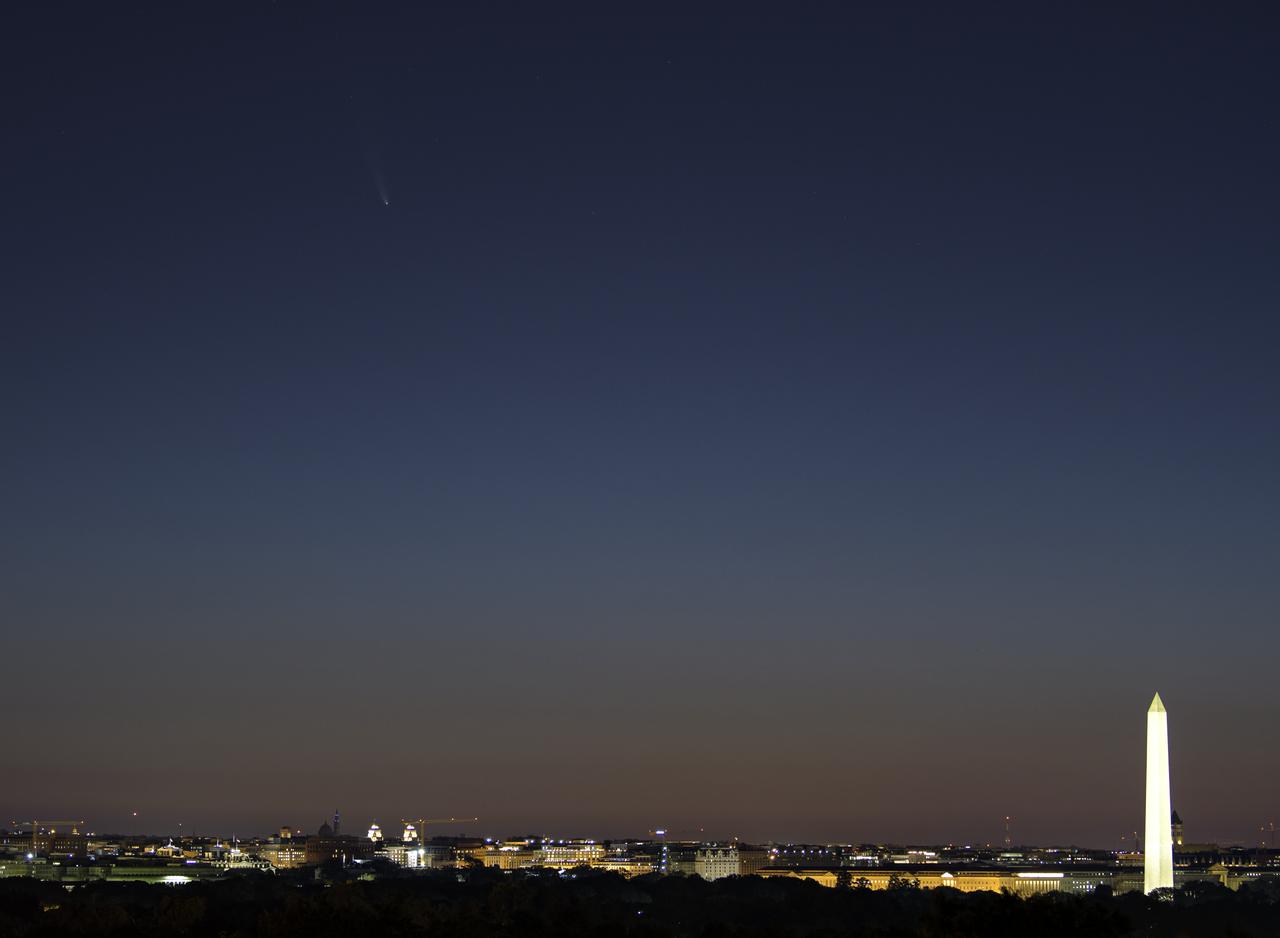
Comet NEOWISE is seen before sunrise, upper left, over Washington, Sunday, July 12, 2020. The comet was discovered by NASA’s Near-Earth Object Wide-field Infrared Survey Explorer, or NEOWISE, on March 27. Since then, the comet — called comet C/2020 F3 NEOWISE and nicknamed comet NEOWISE — has been spotted by several NASA spacecraft, including Parker Solar Probe, NASA’s Solar and Terrestrial Relations Observatory, the ESA/NASA Solar and Heliospheric Observatory, and astronauts aboard the International Space Station. Photo Credit: (NASA/Bill Ingalls)
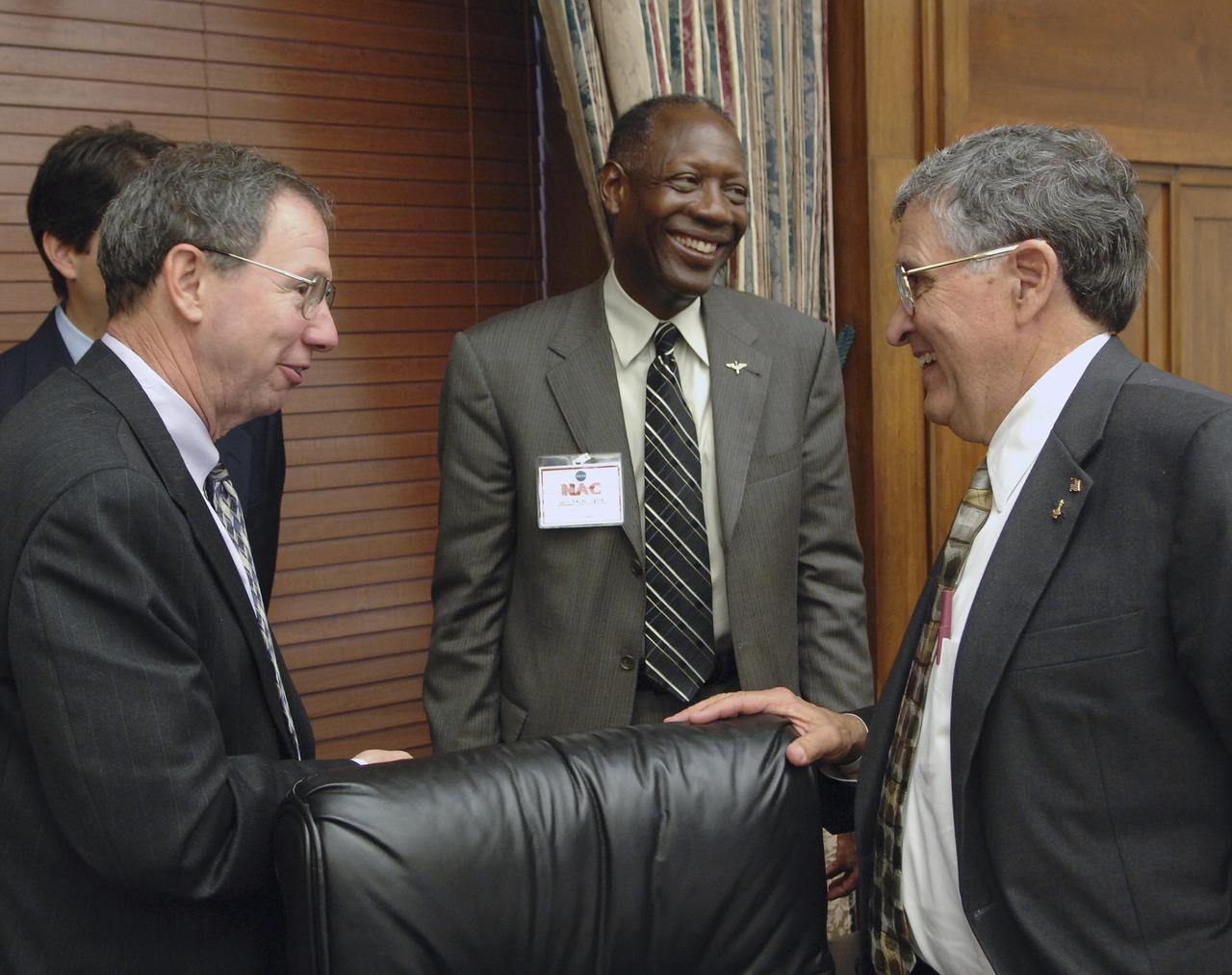
NASA Administrator Michael Griffin, left, talks with NASA Advisory Council members Gen. Lester L. Lyles, USAF (Ret.), center, and NASA Advisory Council chairman, former Senator and Apollo astronaut Harrison H. "Jack" Schmitt at the Rayburn House Office Building, Tuesday, Nov. 29, 2005, in Washington. Photo Credit: (NASA/Bill Ingalls)

U.S. Rep. Mark Udall, D-Colo., makes a point during a hearing of the House Science & Technology Committee regarding NASA's FY 2007 budget request, Thursday, Feb., 16, 2006, in Washington. Photo Credit: (NASA/Bill Ingalls)
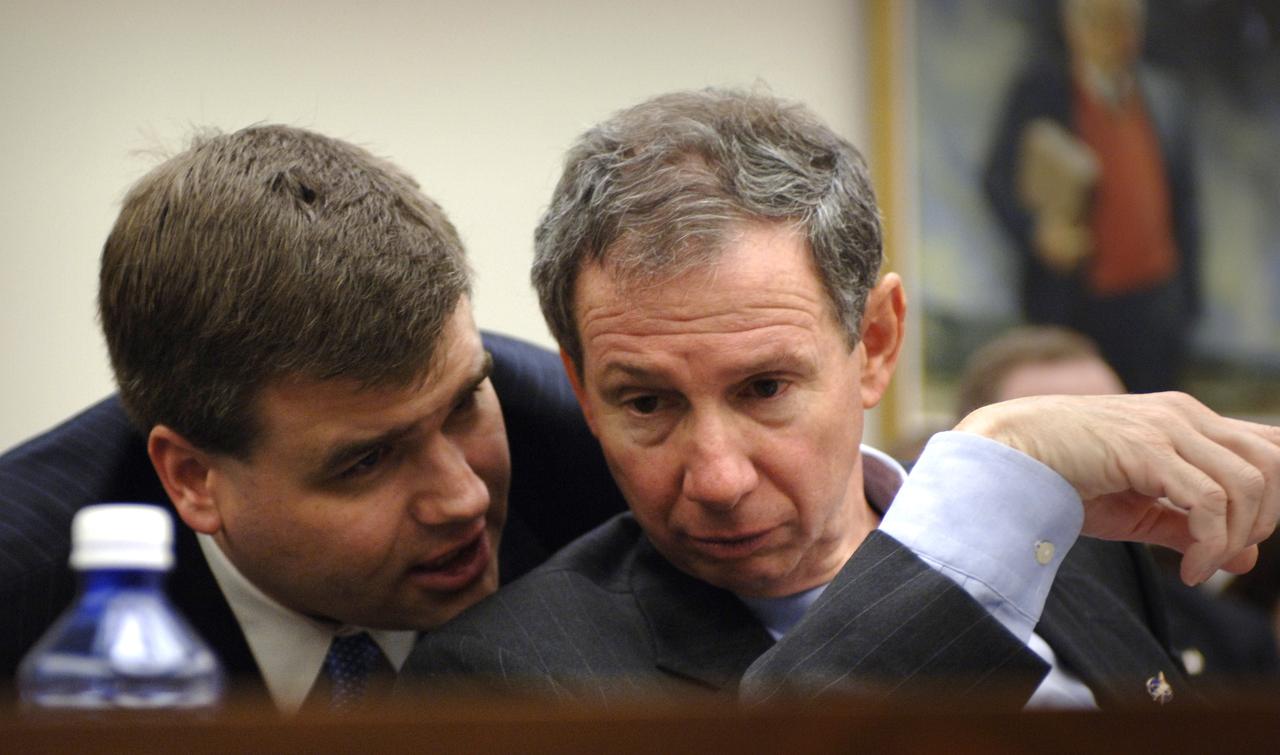
NASA Administrator Michael Griffin, right, and Brian Chase, NASA's Assistant Administrator for Legislative Affairs confer prior to the start of a hearing before the House Science & Technology Committee regarding NASA's FY 2007 budget request, Thursday, Feb., 16, 2006, in Washington. Photo Credit: (NASA/Bill Ingalls)
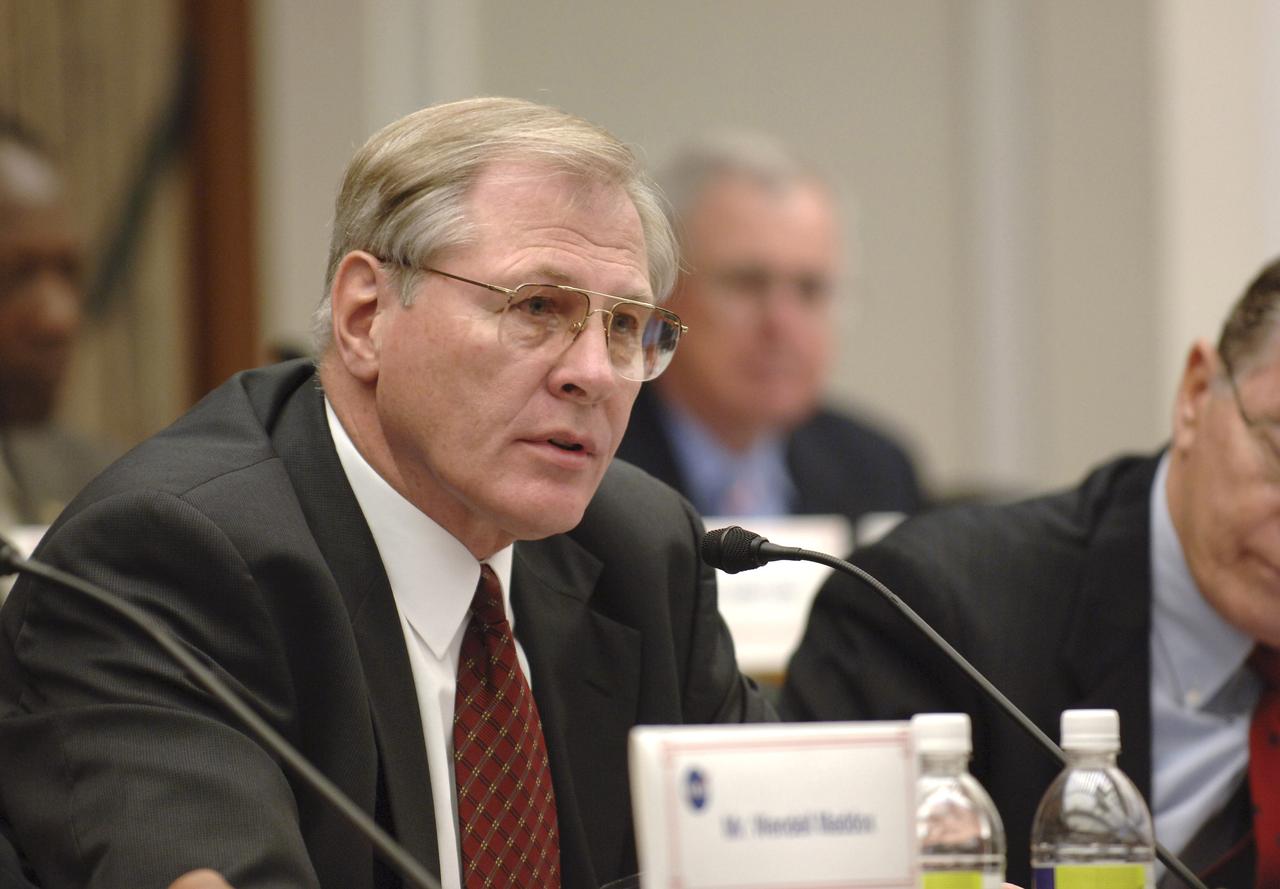
Dr. Gerald L. Kulcinski talks during the NASA Advisory Council meeting held at the Rayburn House Office Building, Tuesday, Nov. 29, 2005, in Washington. Photo Credit: (NASA/Bill Ingalls)
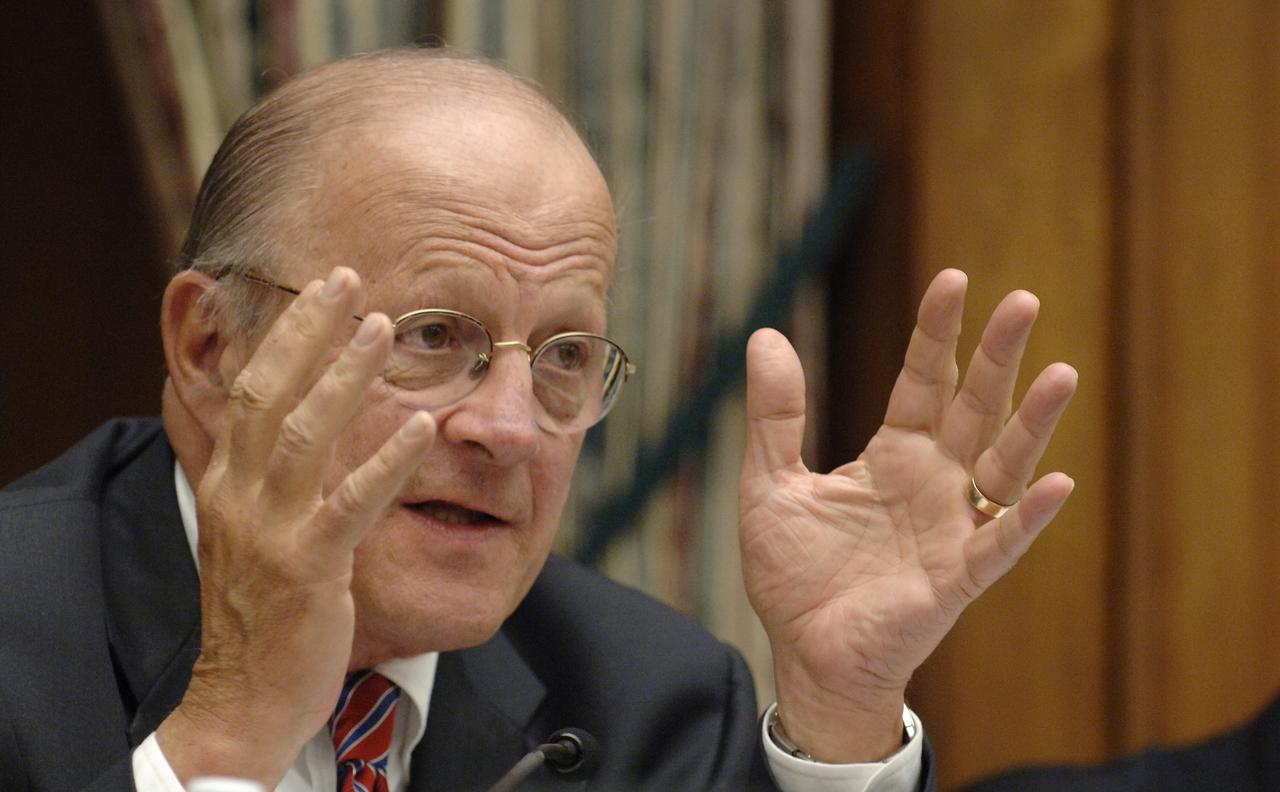
U.S. Rep. Sherwood Boehlert, R-N.Y., Chairman of the House Science & Technology Committee, makes a point during a hearing regarding NASA's FY 2007 budget request, Thursday, Feb., 16, 2006, in Washington. Photo Credit: (NASA/Bill Ingalls)
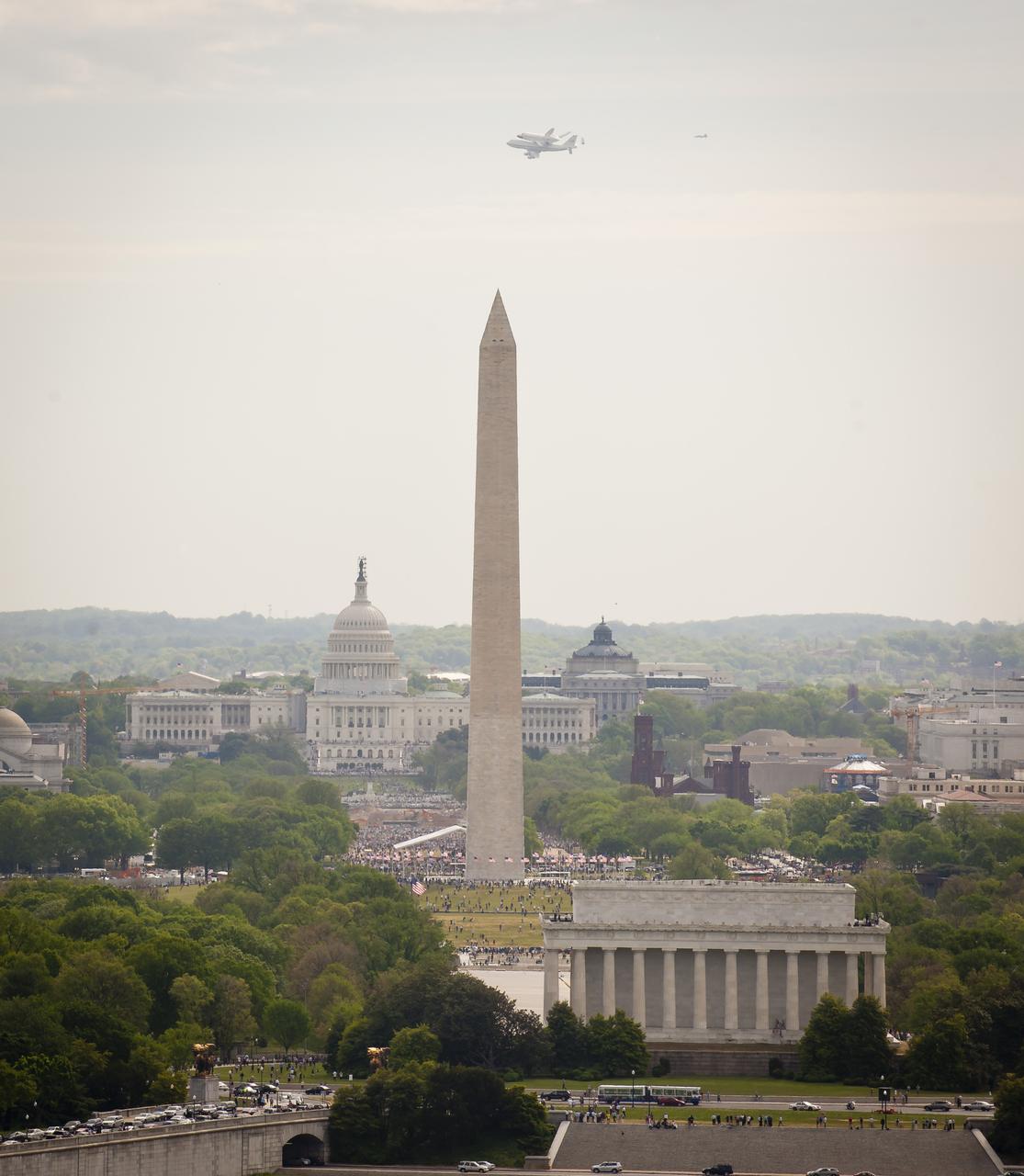
Space shuttle Discovery, mounted atop a NASA 747 Shuttle Carrier Aircraft (SCA) is seen from Top of the Town in Arlington, Virginia as it flies near the U.S. Capitol, Tuesday, April 17, 2012, in Washington. Discovery, the first orbiter retired from NASA’s shuttle fleet, completed 39 missions, spent 365 days in space, orbited the Earth 5,830 times, and traveled 148,221,675 miles. NASA will transfer Discovery to the National Air and Space Museum to begin its new mission to commemorate past achievements in space and to educate and inspire future generations of explorers. Photo Credit: (NASA/Chris Gunn)
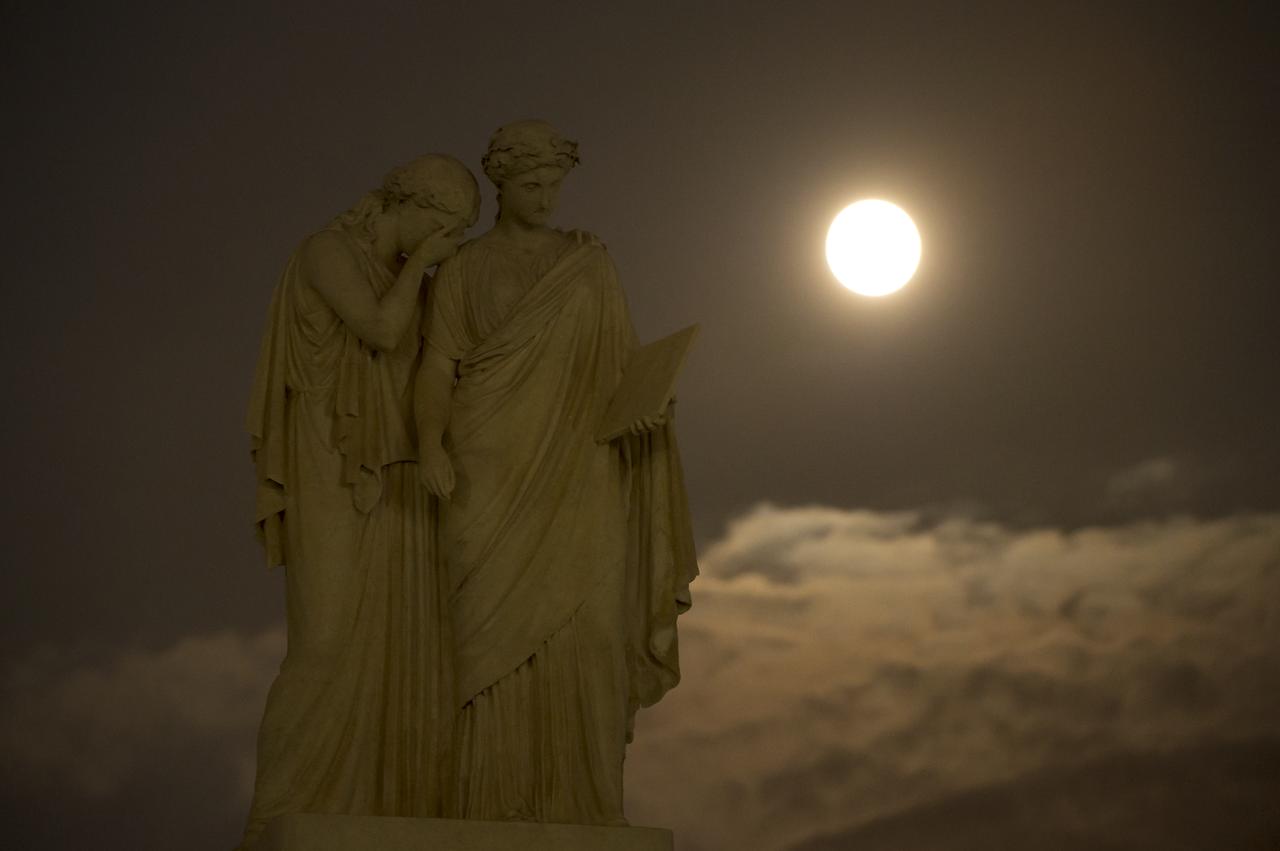
A perigee full moon or supermoon is seen over the The Peace Monument on the grounds of the United States Capitol, Sunday, August 10, 2014, in Washington. A supermoon occurs when the moon’s orbit is closest (perigee) to Earth at the same time it is full. Photo Credit: (NASA/Bill Ingalls)
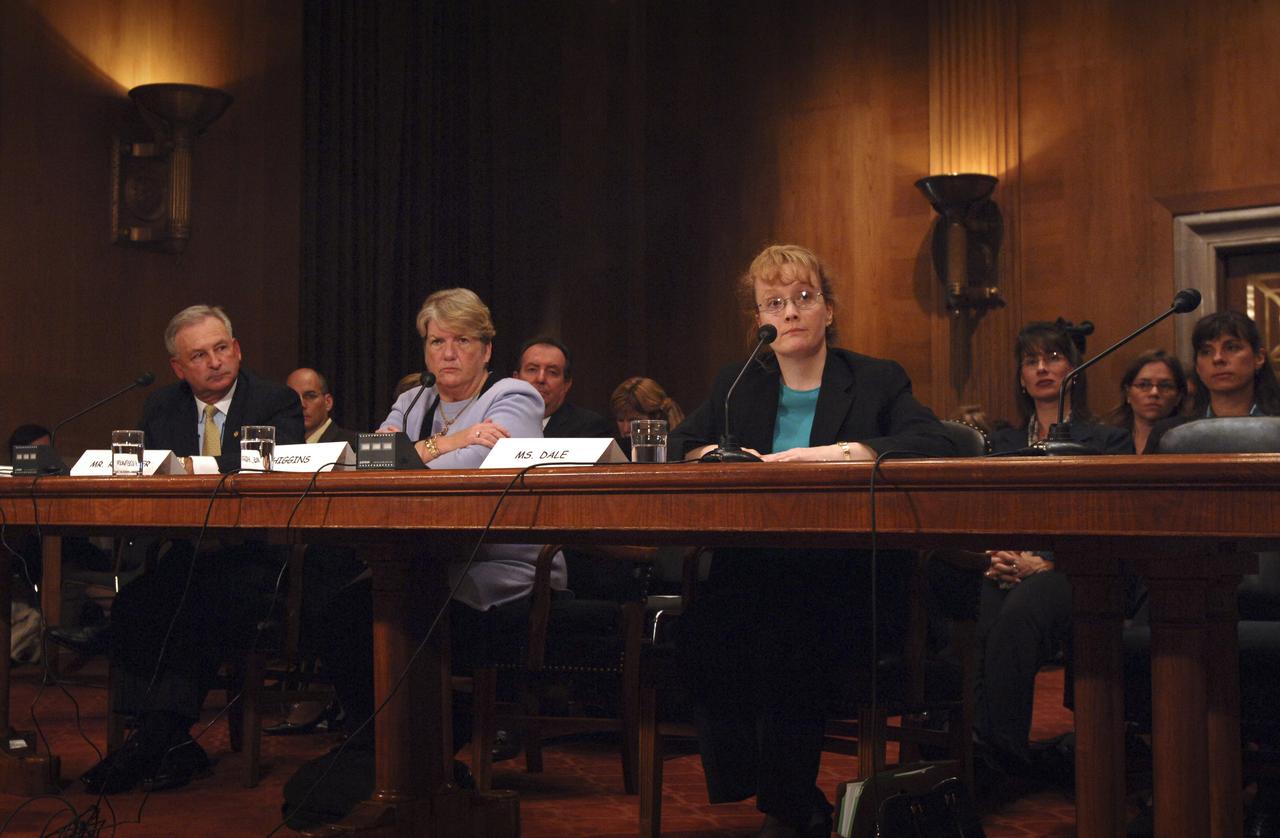
Shana Dale testifies at her confirmation hearing before the Senate Committee on Commerce, Science, and Transportation, Nov. 1, 2005, on Capitol Hill in Washington. Dale was nominated by President Bush to be the deputy administrator of the National Aeronautics and Space Administration (NASA). Photo Credit: (NASA/Bill Ingalls)
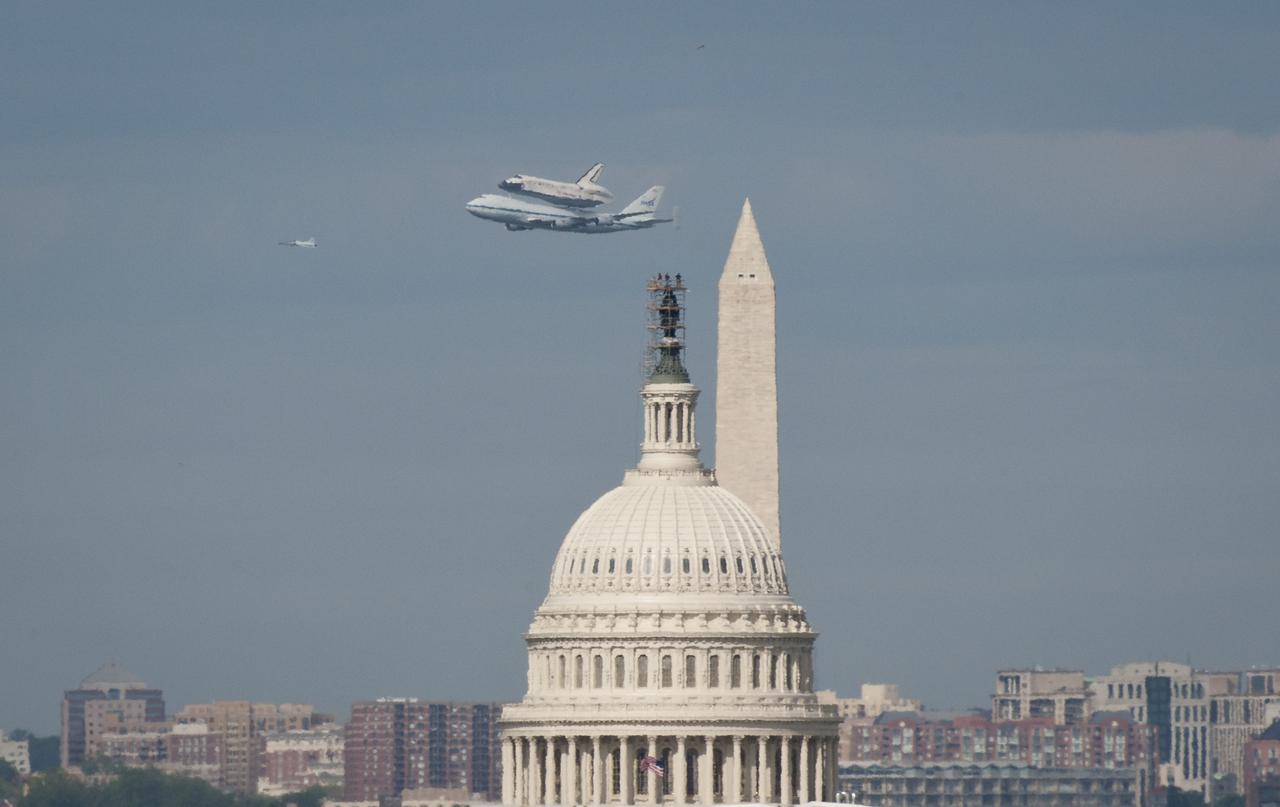
Space shuttle Discovery, mounted atop a NASA 747 Shuttle Carrier Aircraft (SCA) flies near the U.S. Capitol, Tuesday, April 17, 2012, in Washington. Discovery, the first orbiter retired from NASA’s shuttle fleet, completed 39 missions, spent 365 days in space, orbited the Earth 5,830 times, and traveled 148,221,675 miles. NASA will transfer Discovery to the National Air and Space Museum to begin its new mission to commemorate past achievements in space and to educate and inspire future generations of explorers. Photo Credit: (NASA/Rebecca Roth)
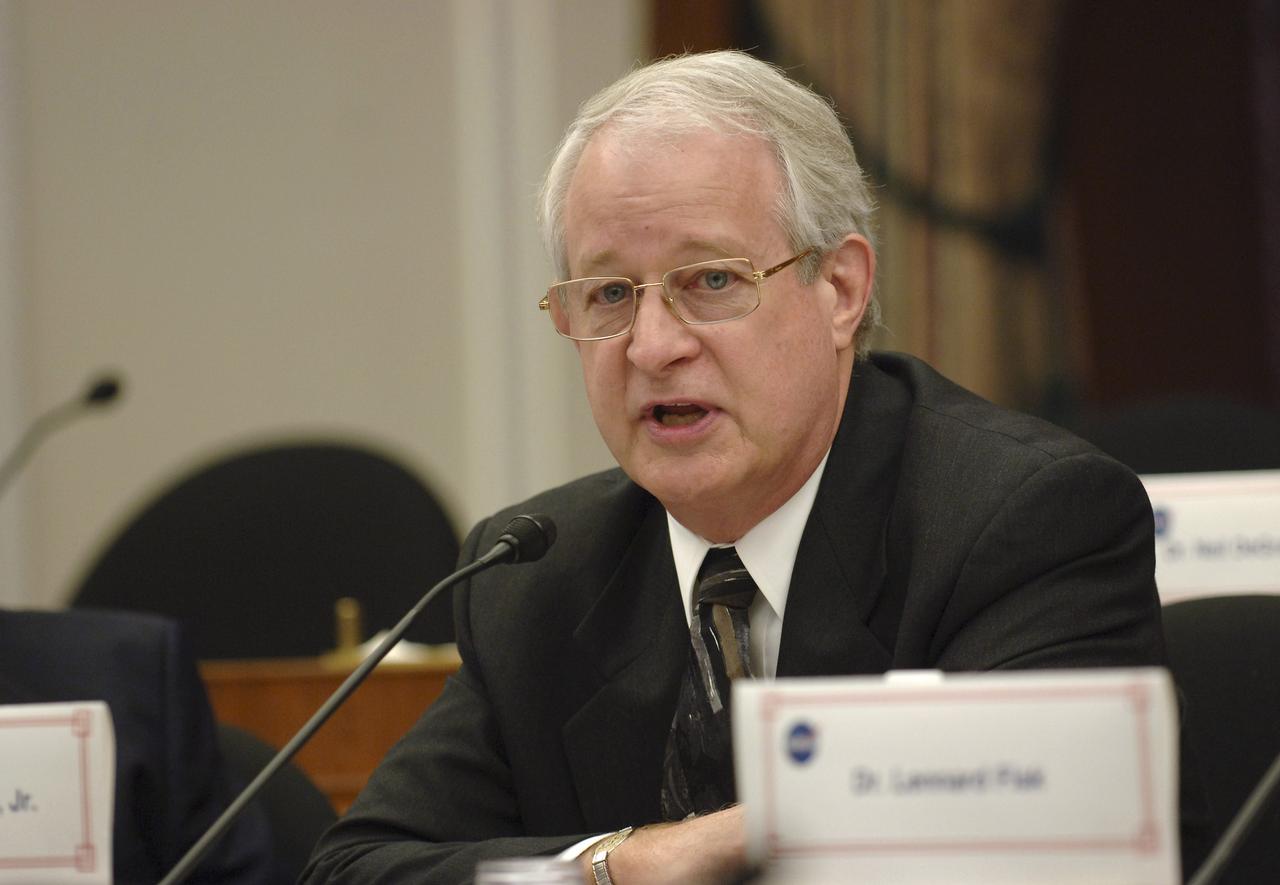
Dr. Wesley Huntress speaks during the NASA Advisory Council meeting held at the Rayburn House Office Building, Tuesday, Nov. 29, 2005, in Washington. Photo Credit: (NASA/Bill Ingalls)

NASA Administrator Michael Griffin prepares to testify at a hearing before the House Science Committee, Tuesday, June 28, 2005, Rayburn House Office building, Washington. Photo Credit: (NASA/Bill Ingalls)
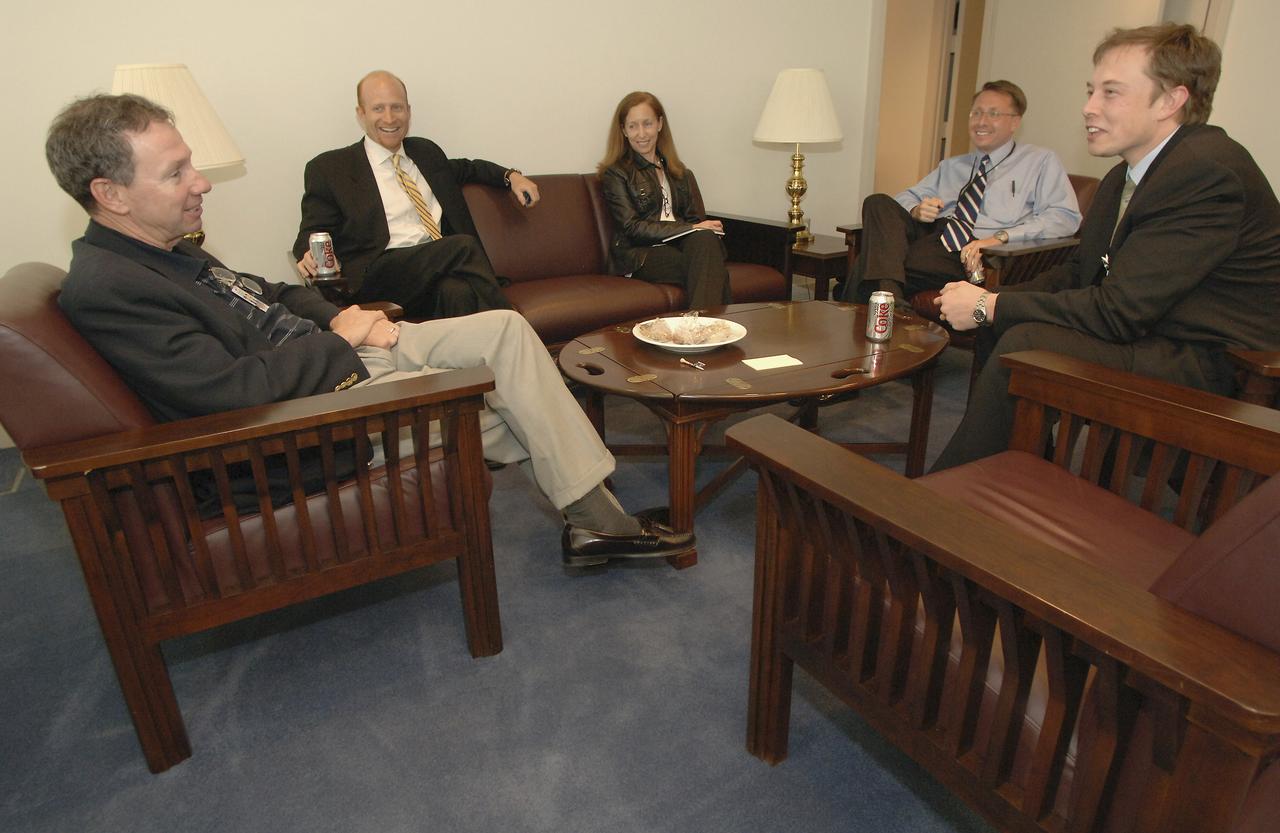
NASA Administrator Michael Griffin, left, meets with CEO of SpaceX Elon Musk, right, Wednesday, April 20, 2005 at NASA Headquarters in Washington. Looking on in the background are Larry Williams, NASA astronaut Marsha Ivins and NASA manager Christopher Shank. Photo Credit: (NASA/Renee Bouchard)
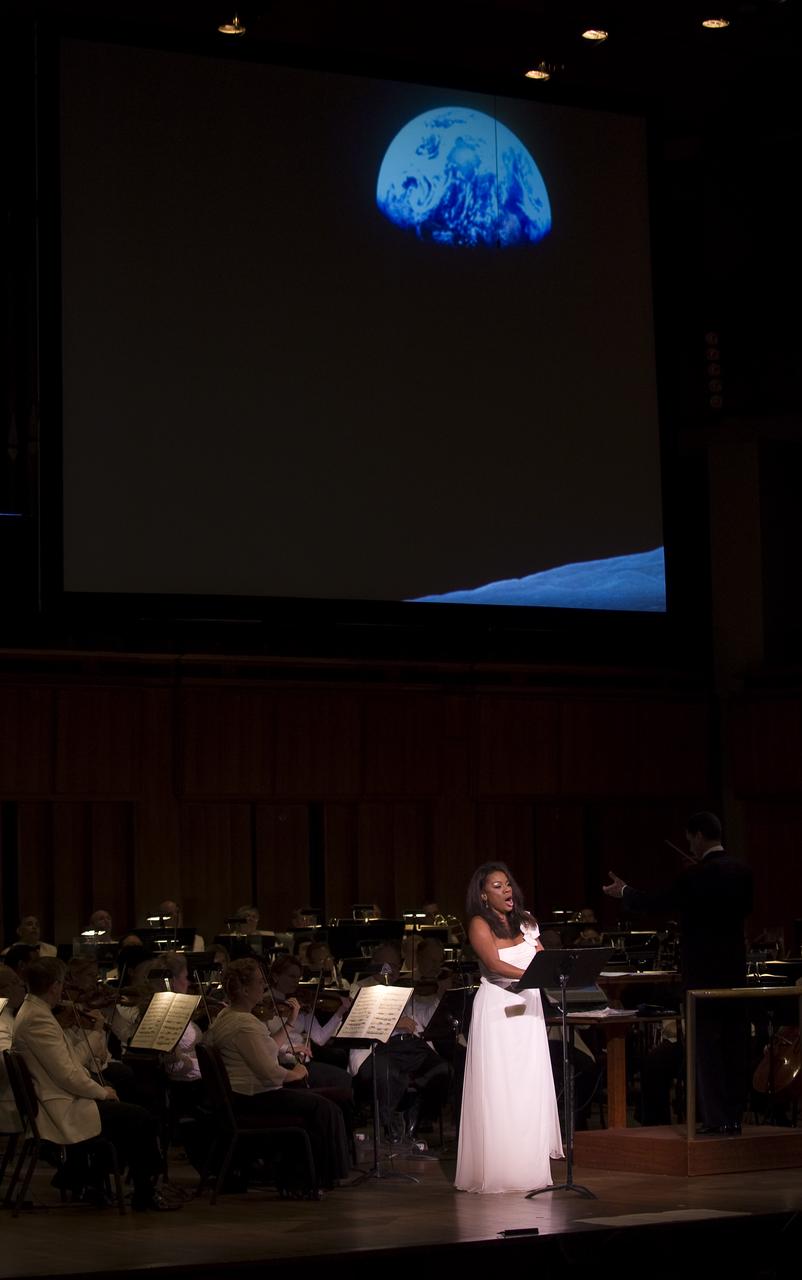
Opera singer Denyce Graves sings during the "Salute to Apollo" ceremony at the Kennedy Center for the Performing Arts, Saturday, July 18, 2009 in Washington. The event was part of NASA's week long celebration of the Apollo 40th Anniversary. Photo Credit: (NASA/Bill Ingalls)
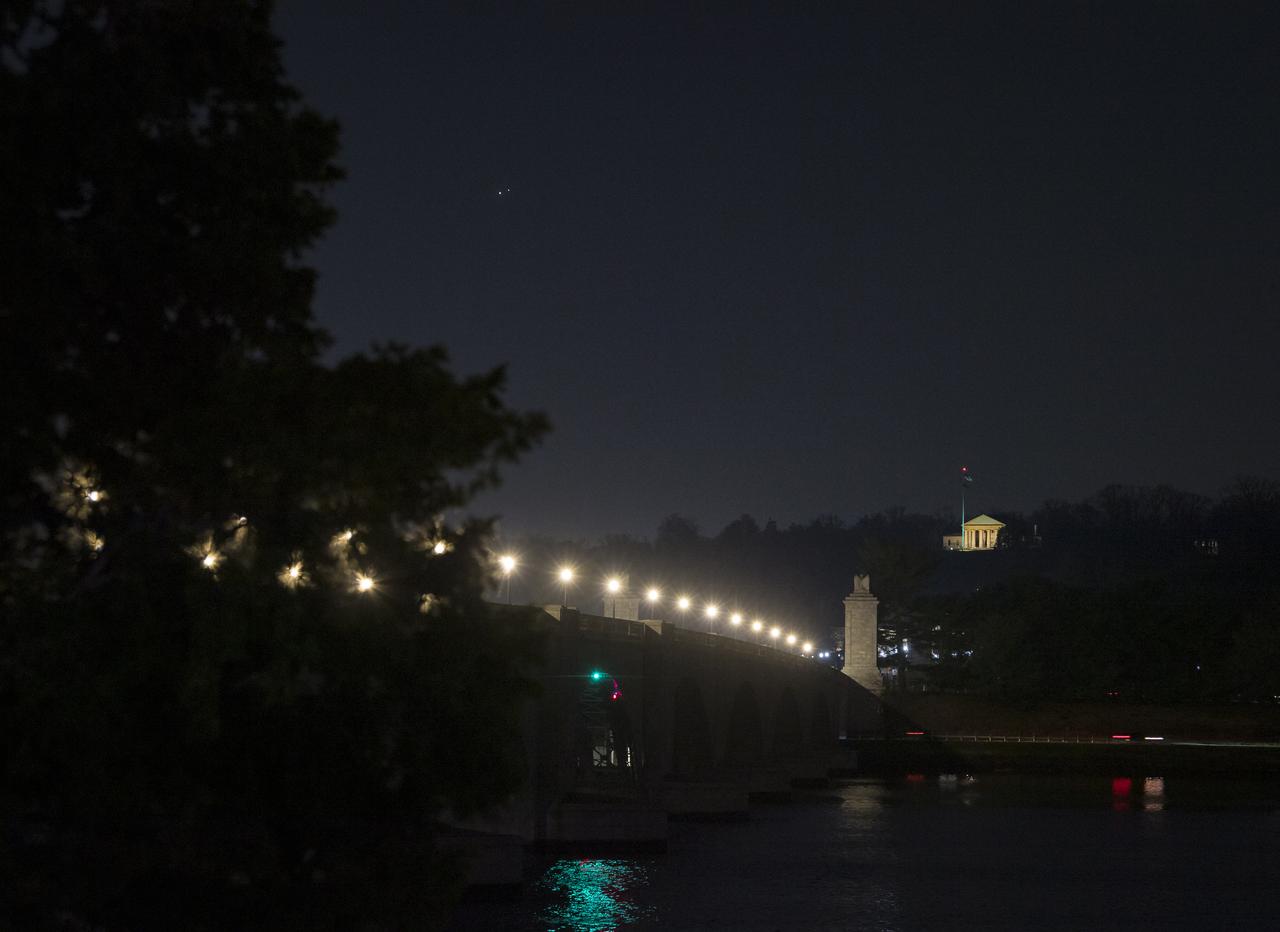
Jupiter, left, and Saturn, right, are seen during the “great conjunction” where the two planets appear a tenth of a degree apart from one another, Monday, Dec. 21, 2020, from Washington, DC. Photo Credit: (NASA/Aubrey Gemignani)
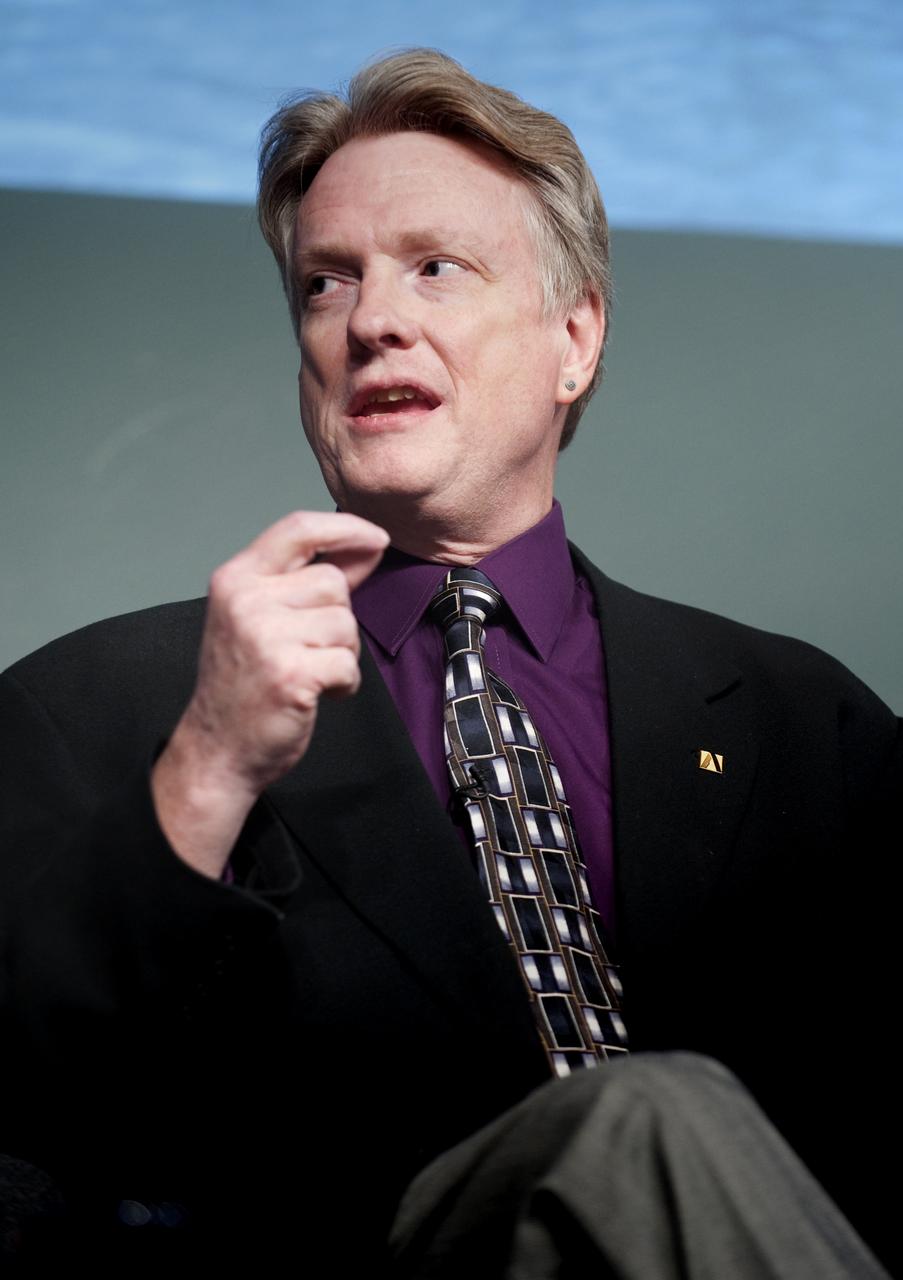
Roger Launius, senior curator in space history at the National Air and Space Museum makes a point during an Apollo History and Legacy roundtable discussion, Thursday, July 16, 2009, at NASA Headquarters in Washington. Photo Credit: (NASA/Paul E. Alers)

NASA Administrator Michael Griffin prepares for a television interview. Thursday, Nov. 20, 2008, NASA Headquarters, Washington. Photo Credit: (NASA/Bill Ingalls)
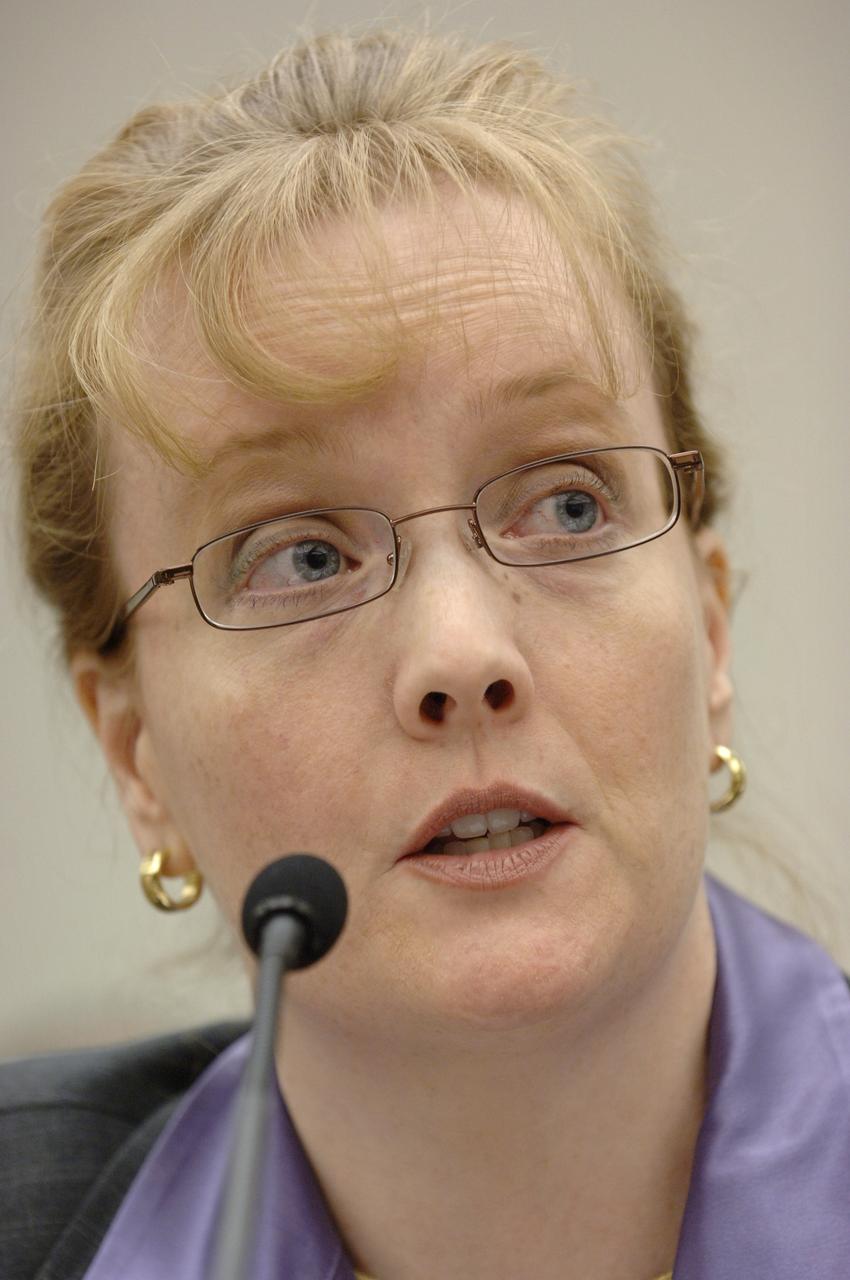
NASA Deputy Administrator Shana Dale testifies during a hearing before the House Science & Technology Committee regarding NASA's FY 2007 budget request, Thursday, Feb., 16, 2006, in Washington. Photo Credit: (NASA/Bill Ingalls)
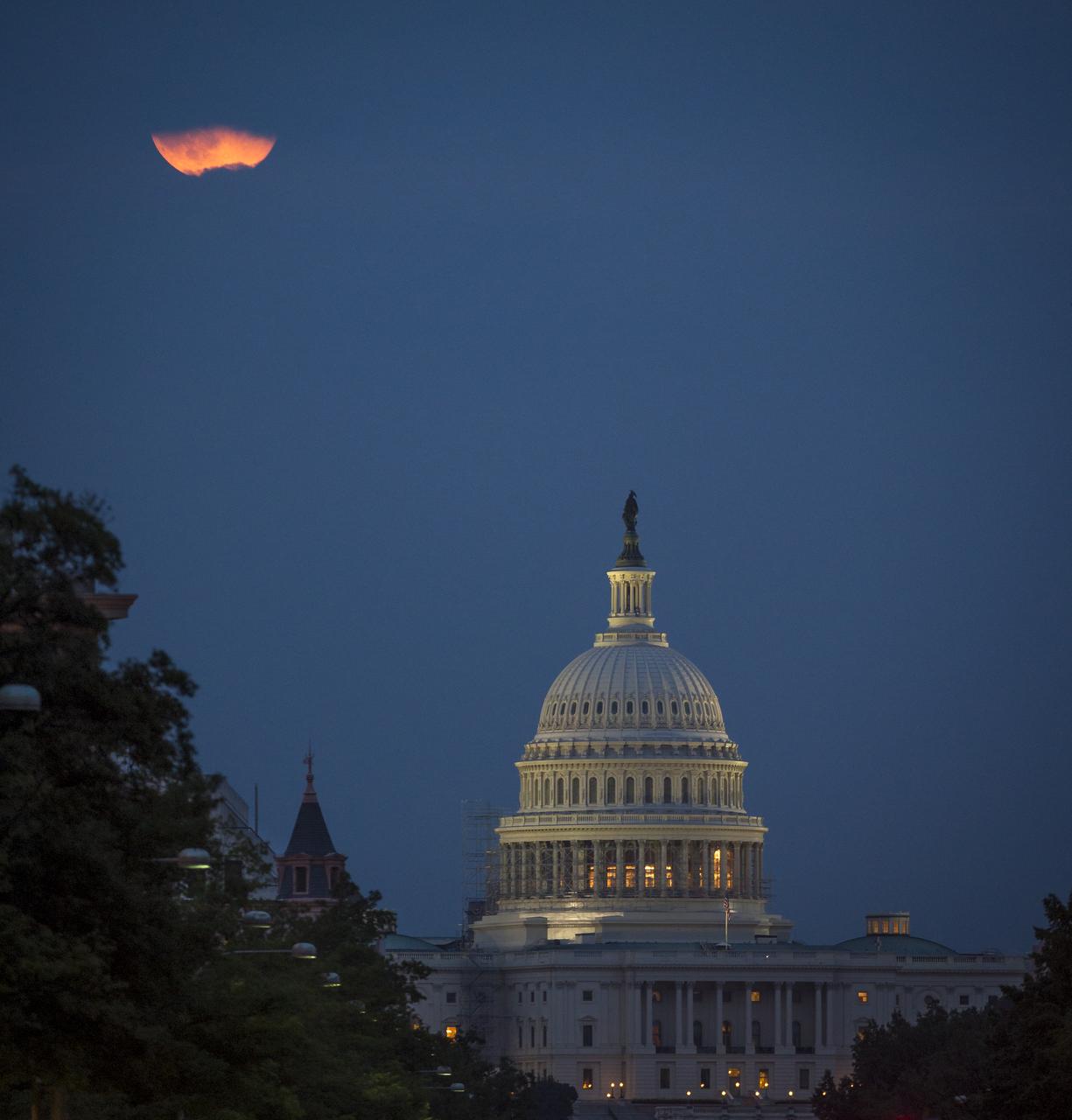
A perigee full moon or supermoon is seen behind clouds over the United States Capitol, Sunday, August 10, 2014, in Washington. A supermoon occurs when the moon’s orbit is closest (perigee) to Earth at the same time it is full. Photo Credit: (NASA/Bill Ingalls)
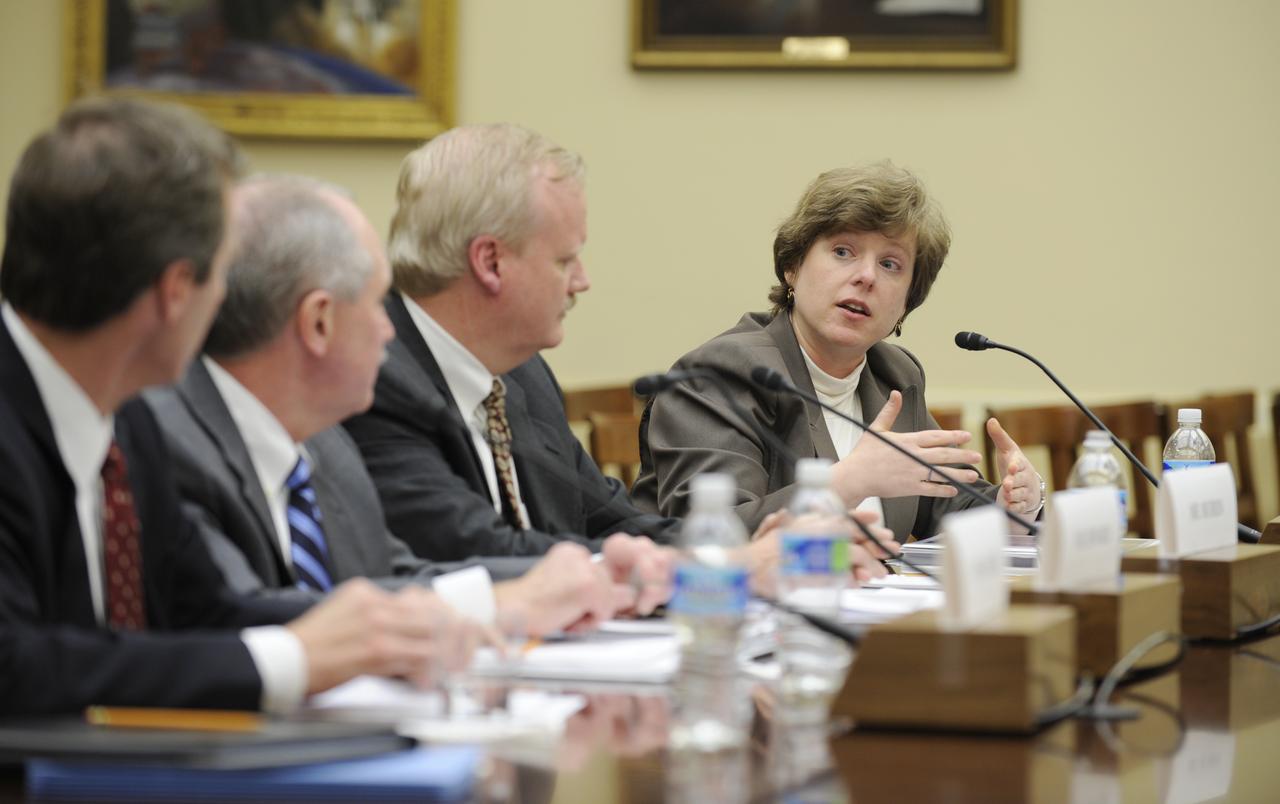
Elizabeth Robinson, NASA Chief Financial Officer, far right, testifies during a Joint Hearing before the House Committee on Science and Technology, Transportation and Infrastructure Committee, Subcommittee on Investigations and Oversight, Thursday, Dec. 3, 2009, on Capitol Hill in Washington. Photo Credit: (NASA/Bill Ingalls)
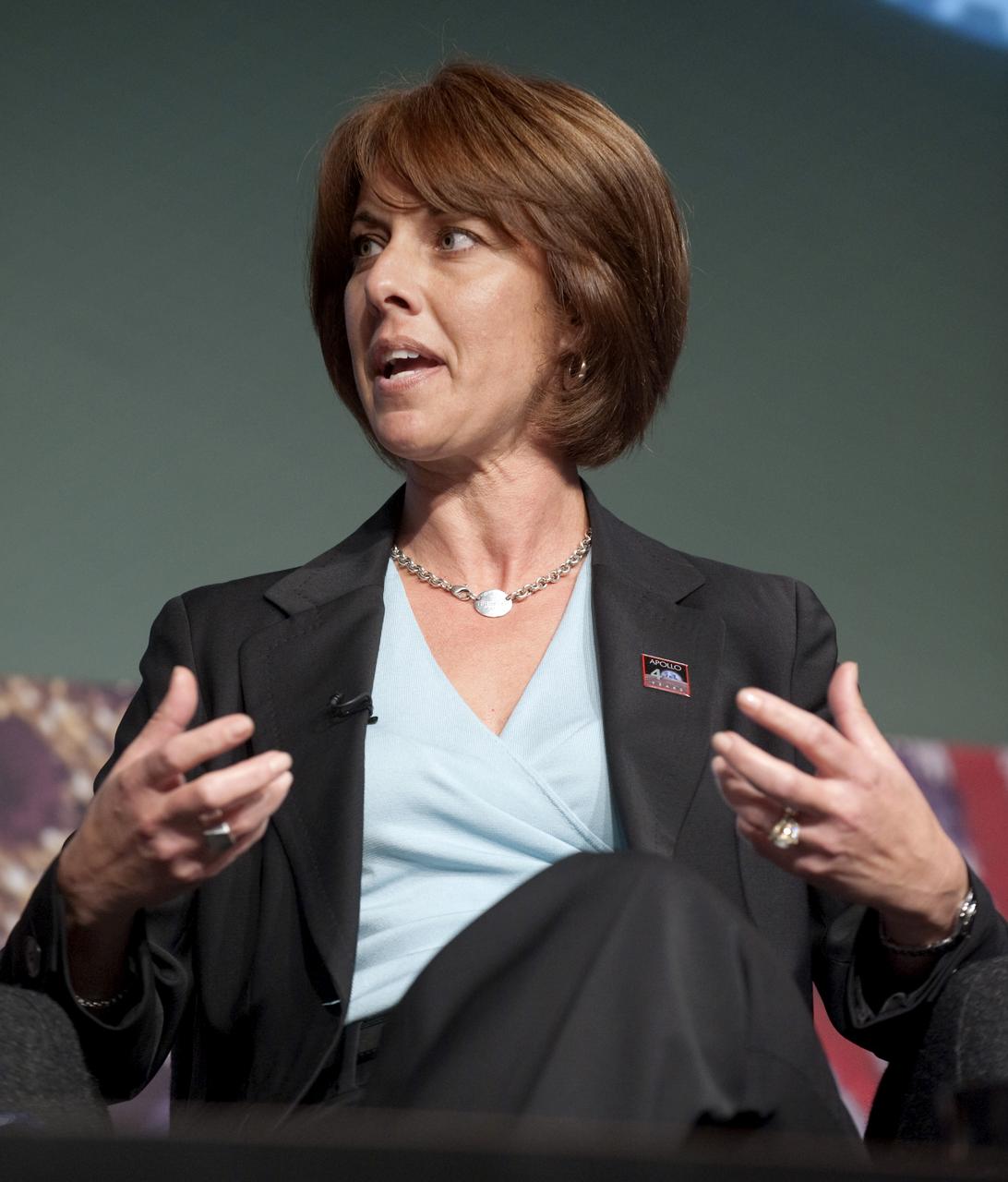
Cristina Guidi, deputy director, Constellation Systems Division, Exploration Systems Mission Directorate, NASA Headquarters, speaks during an Apollo History and Legacy roundtable discussion, Thursday, July 16, 2009, at NASA Headquarters in Washington. Photo Credit: (NASA/Paul E. Alers)
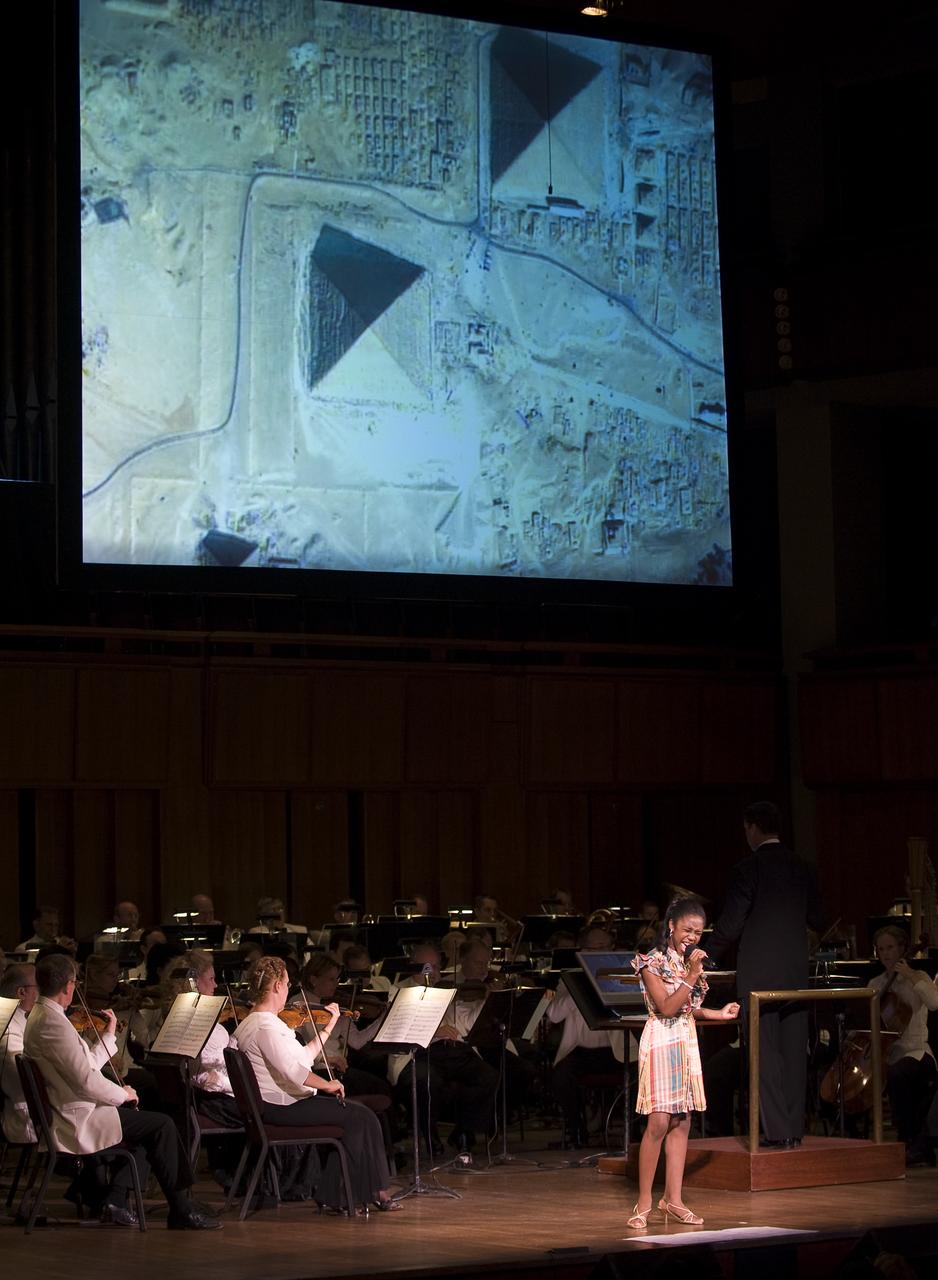
12 year old singer Jamia Nash performs during the "Salute to Apollo" ceremony at the Kennedy Center for the Performing Arts, Saturday, July 18, 2009 in Washington. The event was part of NASA's week long celebration of the Apollo 40th Anniversary. Photo Credit: (NASA/Bill Ingalls)
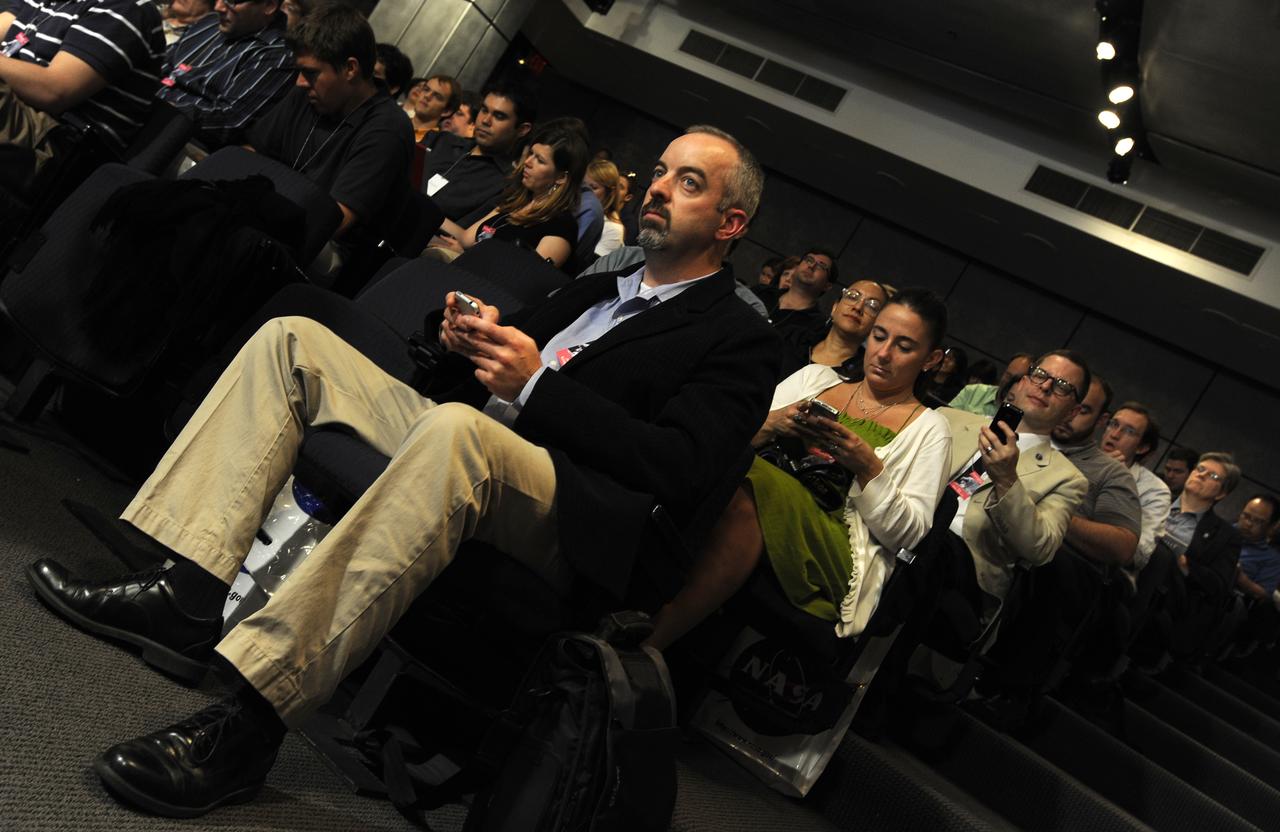
Guests at NASA Headquarters in Washington, DC prepare for a Tweetup on July 21, 2009. Nearly 200 of NASA’s Twitter followers are in attendance, which features a presentation and a question and answer session with the crew of the STS-125 shuttle mission to repair the Hubble Space Telescope. Photo Credit: (Carla Cioffi)
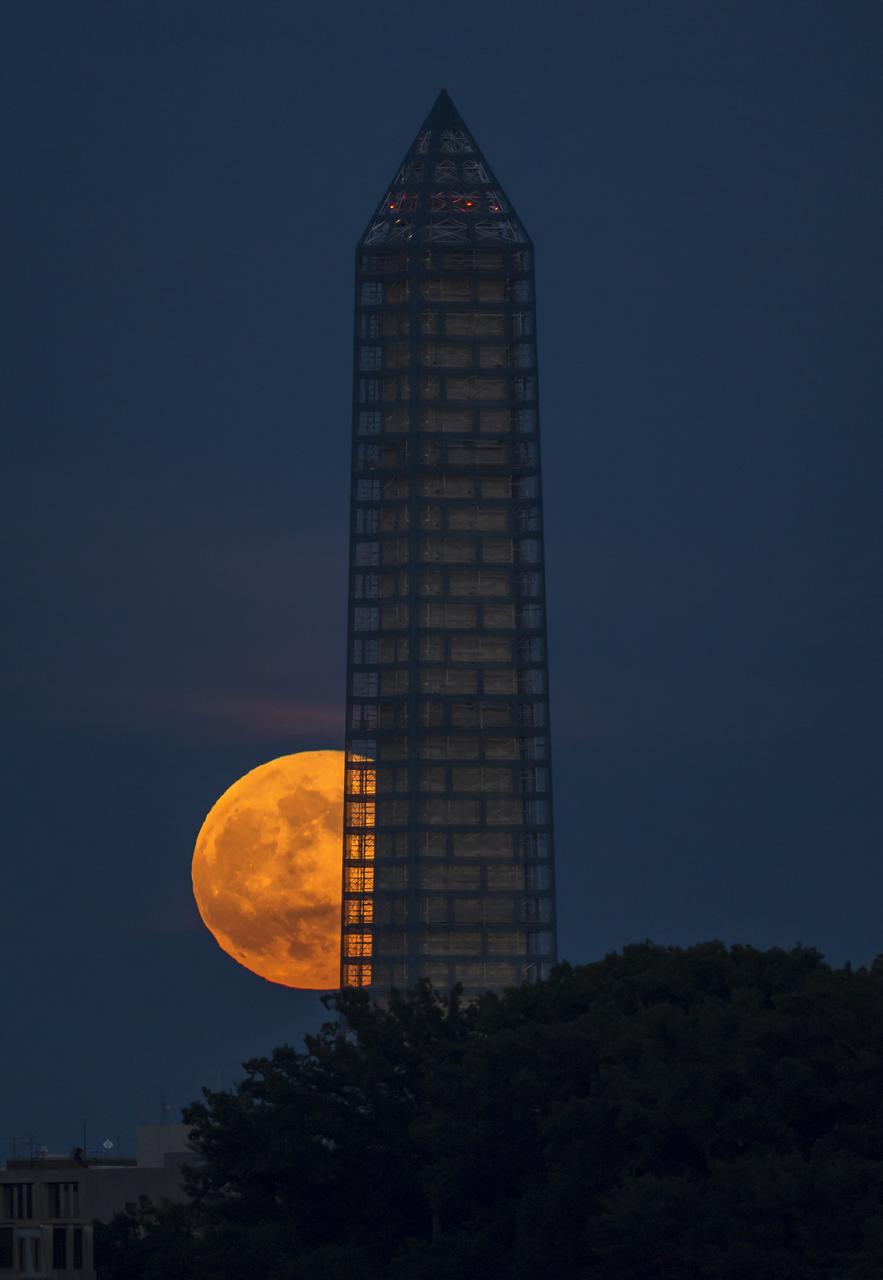
A supermoon rises behind the Washington Monument, Sunday, June 23, 2013, in Washington. This year the Supermoon is up to 13.5% larger and 30% brighter than a typical Full Moon is. This is a result of the Moon reaching its perigee - the closest that it gets to the Earth during the course of its orbit. During perigee on 23 June the Moon was about 221,824 miles away, as compared to the 252,581 miles away that it is at its furthest distance from the Earth (apogee). Photo Credit: (NASA/Bill Ingalls)
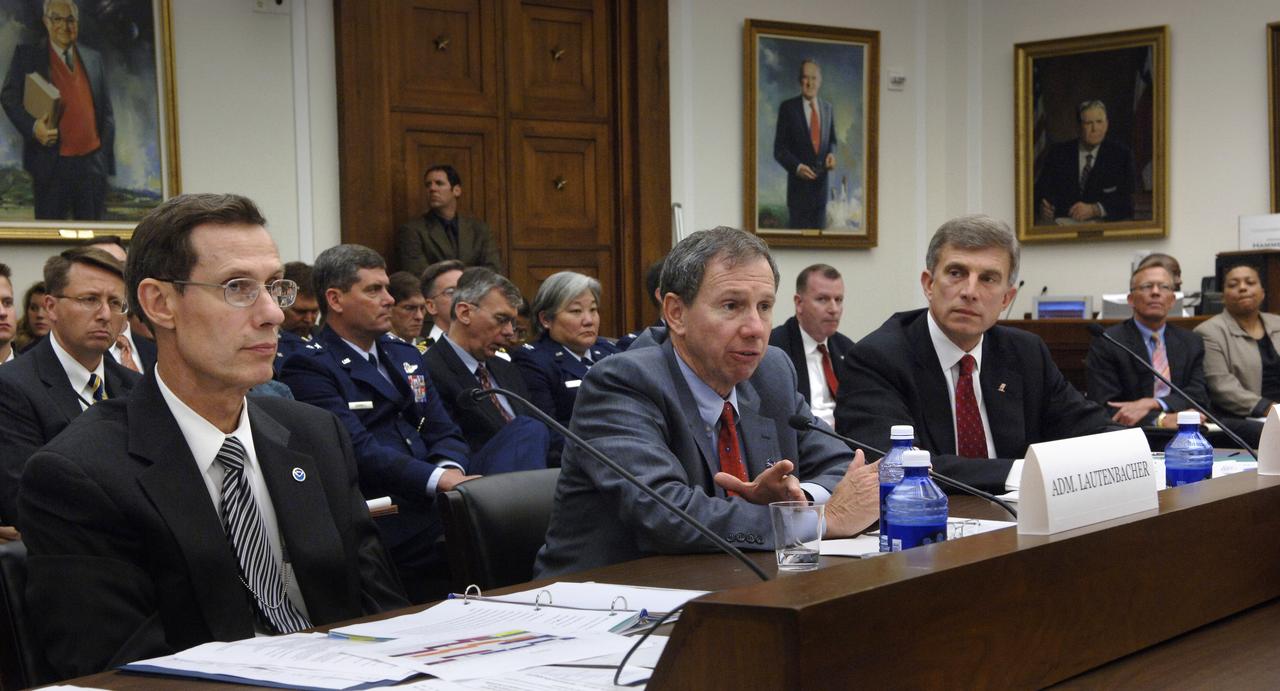
NOAA Administrator, Vice Admiral Conrad C. Lautenbacher, Jr., U.S. Navy (Ret.), left, NASA Administrator Michael Griffin and Under Secretary of the Air Force Dr. Ronald Sega, right, testify before the House Committee on Science and Technology regarding the future of the National Polar-orbiting Operational Environmental Satellite System (NPOESS) and results of the Nunn-McCurdy review of NOAA’s weather satellite program, Thursday, June 8, 2006, at the Rayburn House Office Building in Washington. Photo Credit: (NASA/Bill Ingalls)
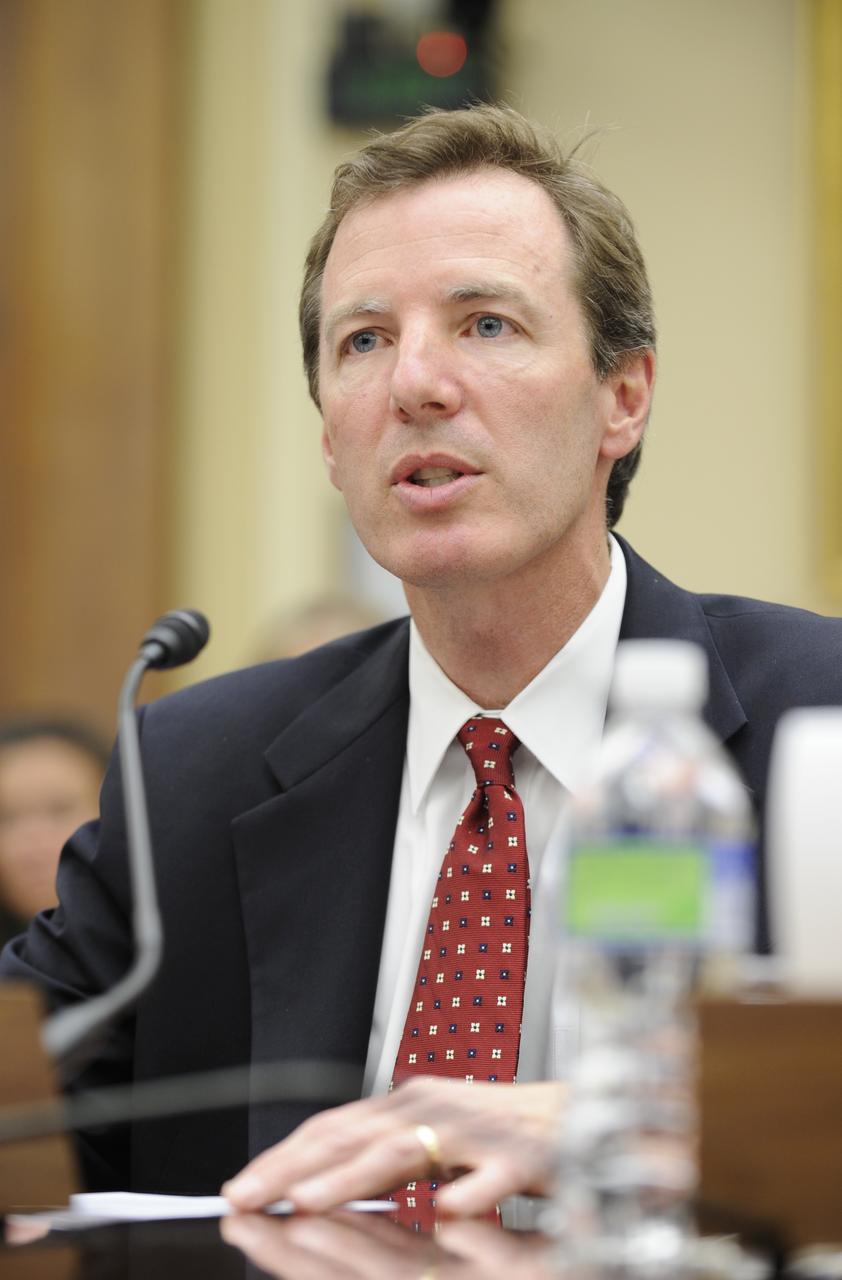
Paul Martin, Inspector General for NASA, testifies during a Joint Hearing before the House Committee on Science and Technology, Transportation and Infrastructure Committee, Subcommittee on Investigations and Oversight, Thursday, Dec. 3, 2009, on Capitol Hill in Washington. Photo Credit: (NASA/Bill Ingalls)
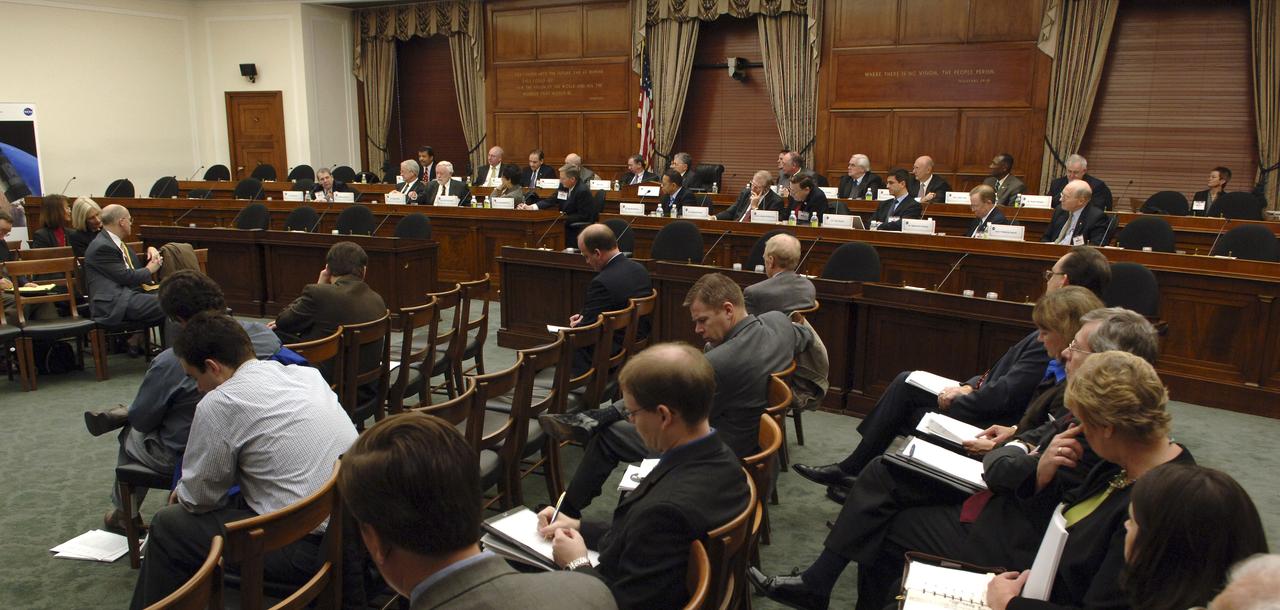
Meeting of the NASA Advisory Council in the Rayburn House Office Building, Tuesday, Nov. 29, 2005, in Washington. Photo Credit: (NASA/Bill Ingalls)
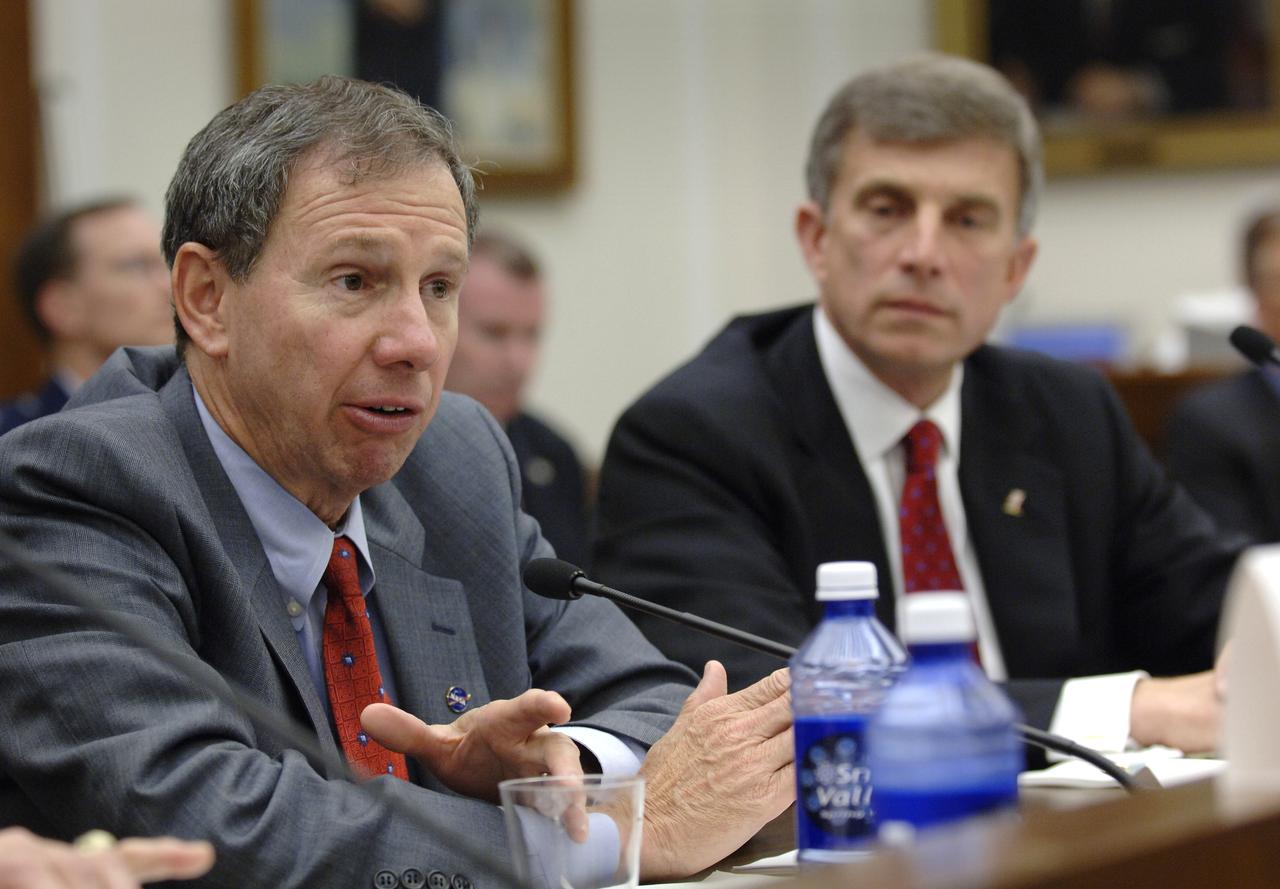
NASA Administrator Michael Griffin, left, testifies before the House Committee on Science and Technology regarding the future of the National Polar-orbiting Operational Environmental Satellite System (NPOESS) and results of the Nunn-McCurdy review of NOAA’s weather satellite program, as Under Secretary of the Air Force Dr. Ronald Sega looks on, Thursday, June 8, 2006, at the Rayburn House Office Building in Washington. Photo Credit: (NASA/Bill Ingalls)
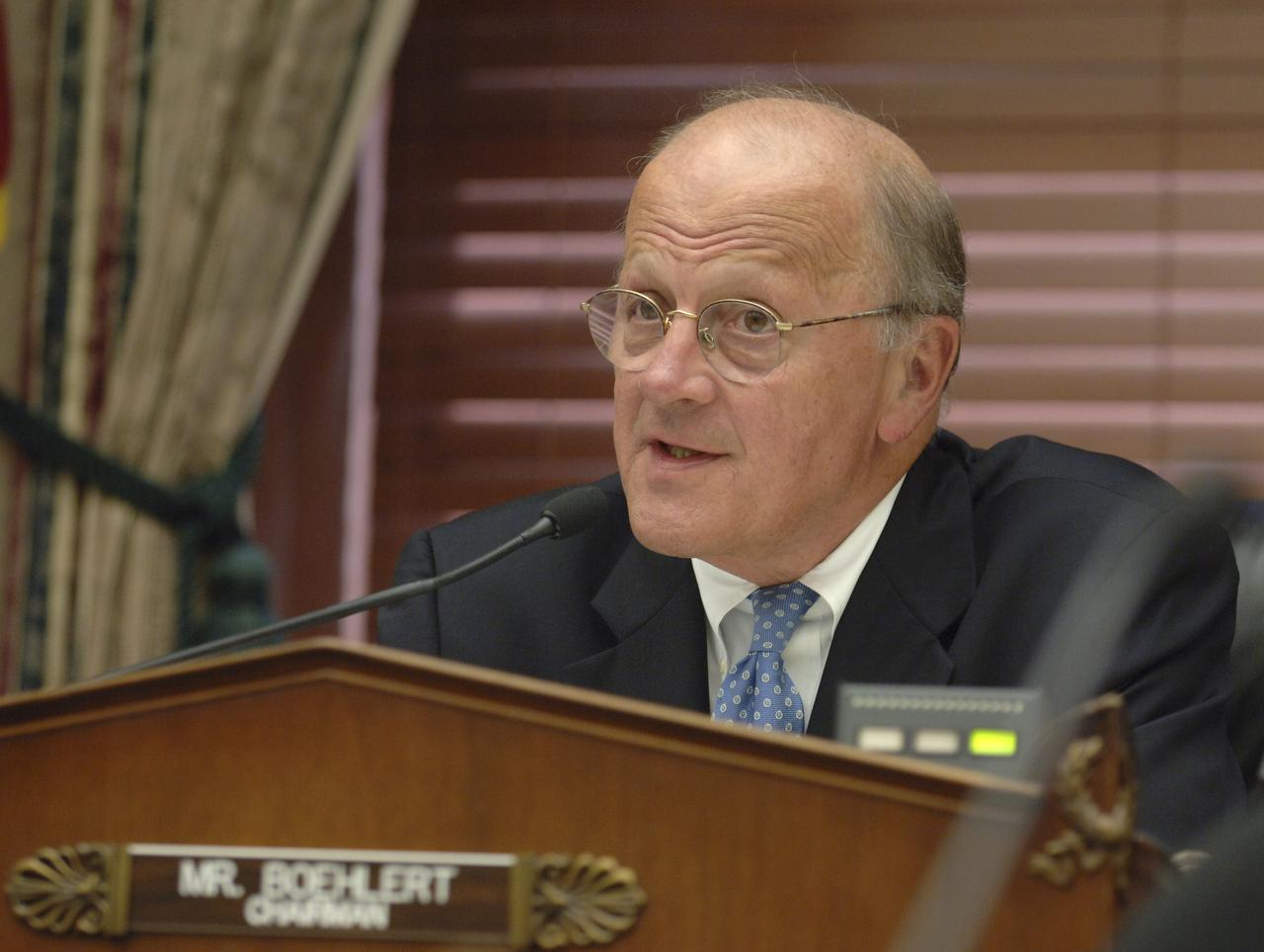
Rep. Sherwood Boehlert, R-NY., questions NASA Administrator Michael Griffin during a House Science Committee hearing, Tuesday, June 28, 2005, Rayburn House Office building, Washington. Photo Credit: (NASA/Bill Ingalls)

NASA astronauts Reid Wiseman, commander, second from right; Victor Glover, pilot, center; Christina Koch, mission specialist, second from left; and CSA (Canadian Space Agency) astronaut Jeremy Hansen, mission specialist, left; speak with Committee Chairman Hal Rogers, R-Ky., during a meeting with members of the House Appropriations Subcommittee on Commerce Justice, Science, and Related Agencies, Tuesday, May 12, 2026, at the Rayburn House Office Building in Washington. NASA’s Artemis II mission took Wiseman, Glover, Koch, and Hansen on a nearly 10-day journey around the Moon and back to Earth in April 2026. Photo Credit: (NASA/Joel Kowsky)
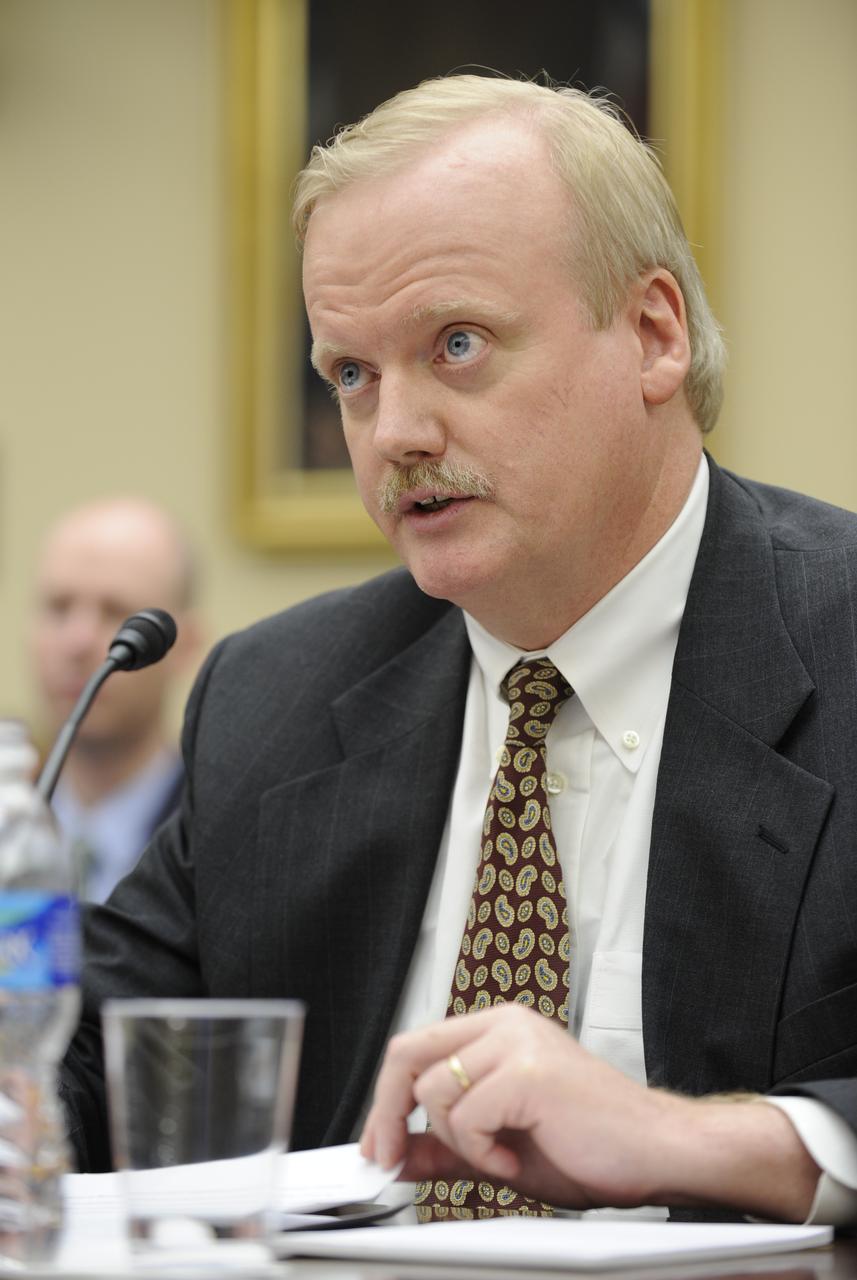
Daniel Murrin, Partner, Assurance and Advisory Business Service, Ernst & Young LLP, testifies during a Joint Hearing before the House Committee on Science and Technology, Transportation and Infrastructure Committee, Subcommittee on Investigations and Oversight, Thursday, Dec. 3, 2009, on Capitol Hill in Washington. Photo Credit: (NASA/Bill Ingalls)
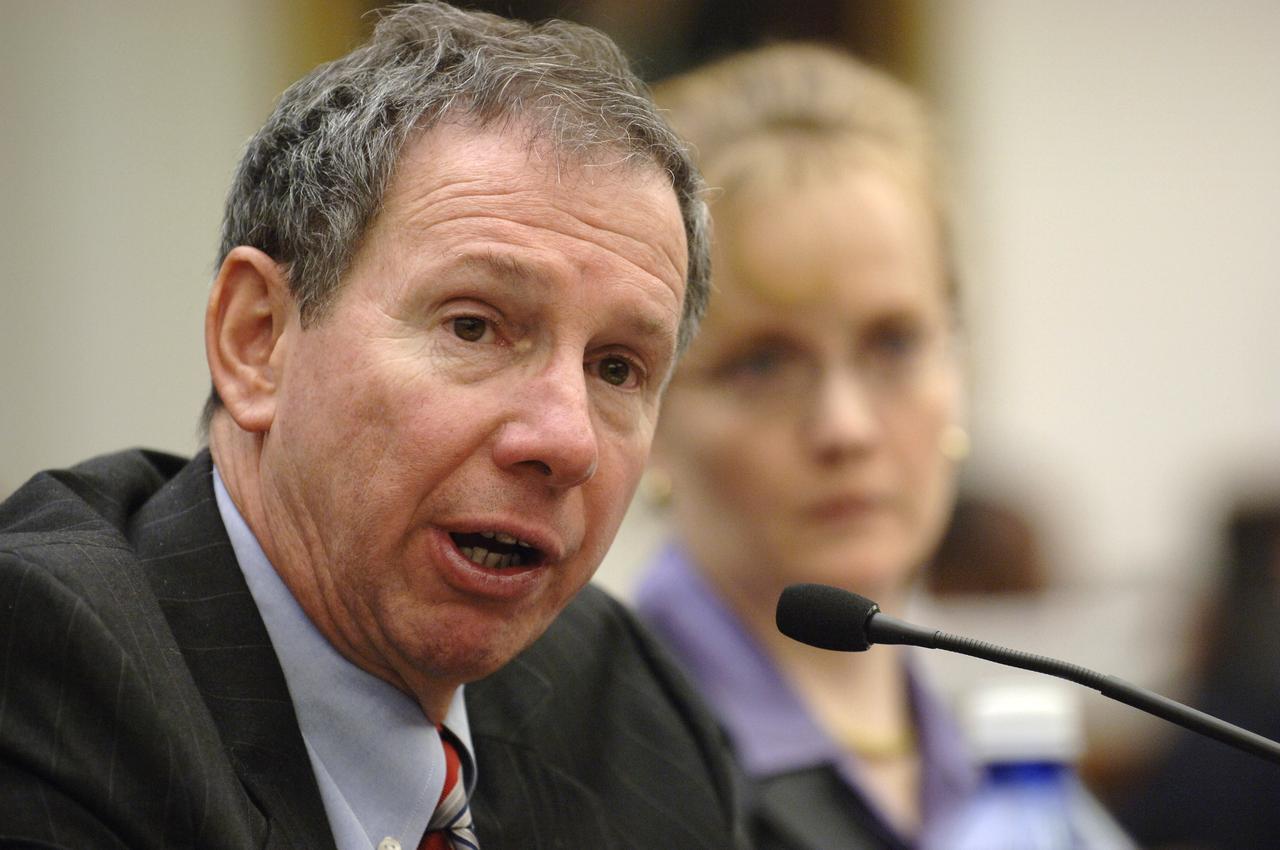
NASA Administrator Michael Griffin, left, testifies as NASA Deputy Administrator Shana Dale looks on during a hearing before the House Science & Technology Committee regarding NASA's FY 2007 budget request, Thursday, Feb., 16, 2006, in Washington. Photo Credit: (NASA/Bill Ingalls)
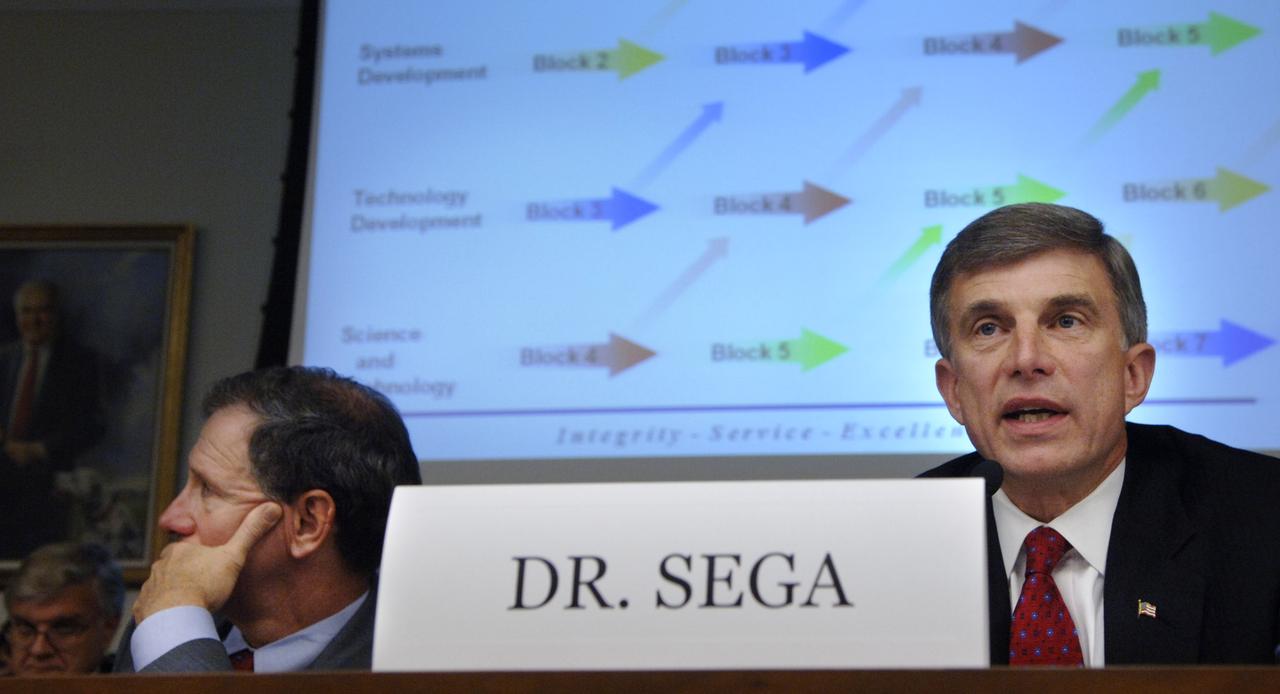
Under Secretary of the Air Force Dr. Ronald Sega, right, testifies before the House Committee on Science and Technology regarding the future of the National Polar-orbiting Operational Environmental Satellite System (NPOESS) and results of the Nunn-McCurdy review of NOAA’s weather satellite program as NASA Administrator Michael Griffin, left, looks at a television monitor, Thursday, June 8, 2006, at the Rayburn House Office Building in Washington. Photo Credit: (NASA/Bill Ingalls)

CSA (Canadian Space Agency) astronaut Jeremy Hansen, Artemis II mission specialist second from left, speaks during a reception alongside fellow crew mates NASA astronauts Reid Wiseman, Artemis II commander, Christina Koch, Artemis II mission specialist, and CSA (Canadian Space Agency) astronaut Jeremy Hansen, Artemis II mission specialist, Tuesday, May 12, 2026, in the Kennedy Caucus Room of the Russell Senate Office Building in Washington. NASA’s Artemis II mission took Wiseman, Glover, Koch, and Hansen on a nearly 10-day journey around the Moon and back to Earth in April 2026. Photo Credit: (NASA/Joel Kowsky)
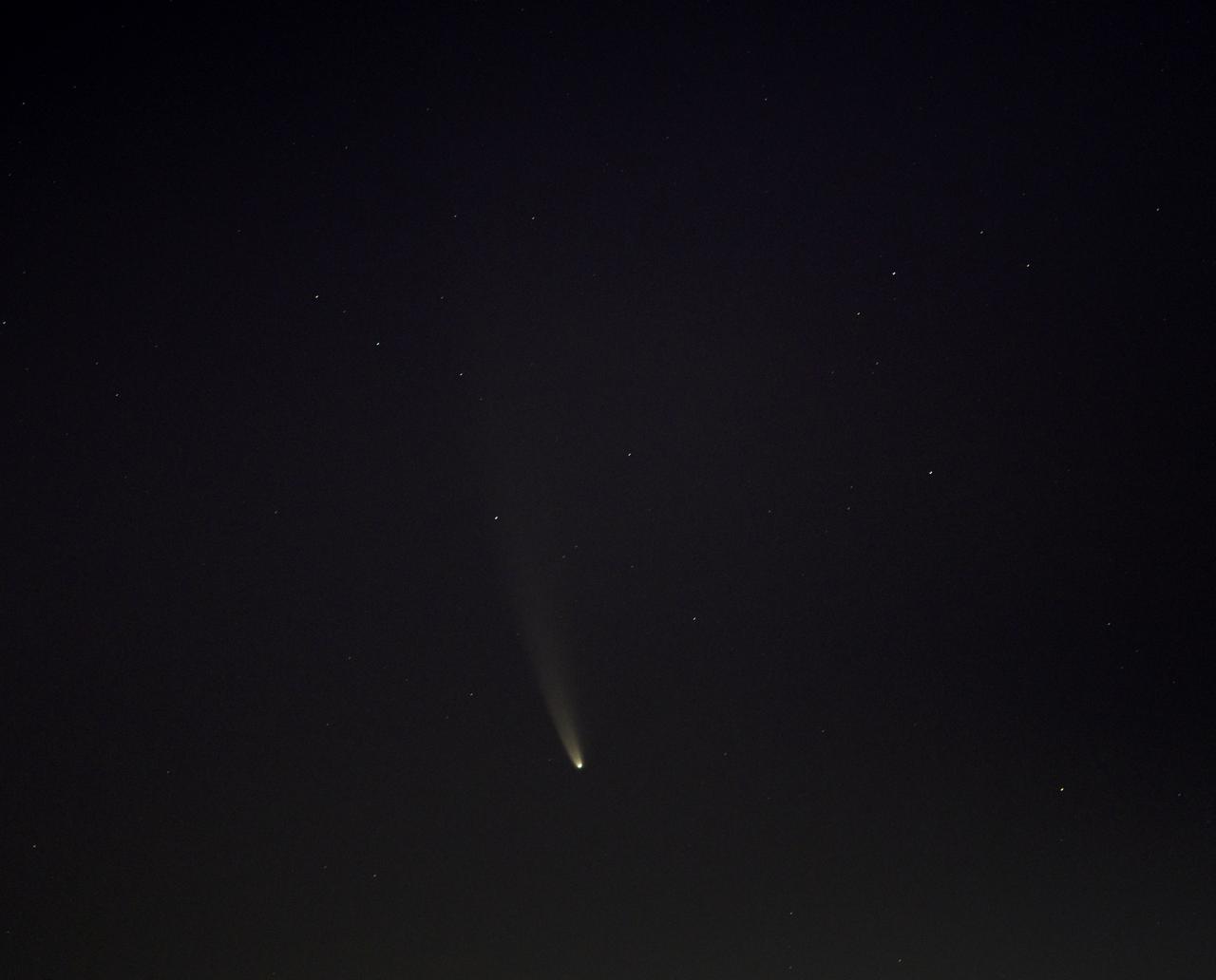
Comet NEOWISE is seen before sunrise over Washington, Sunday, July 12, 2020. The comet was discovered by NASA’s Near-Earth Object Wide-field Infrared Survey Explorer, or NEOWISE, on March 27. Since then, the comet — called comet C/2020 F3 NEOWISE and nicknamed comet NEOWISE — has been spotted by several NASA spacecraft, including Parker Solar Probe, NASA’s Solar and Terrestrial Relations Observatory, the ESA/NASA Solar and Heliospheric Observatory, and astronauts aboard the International Space Station. Photo Credit: (NASA/Bill Ingalls)
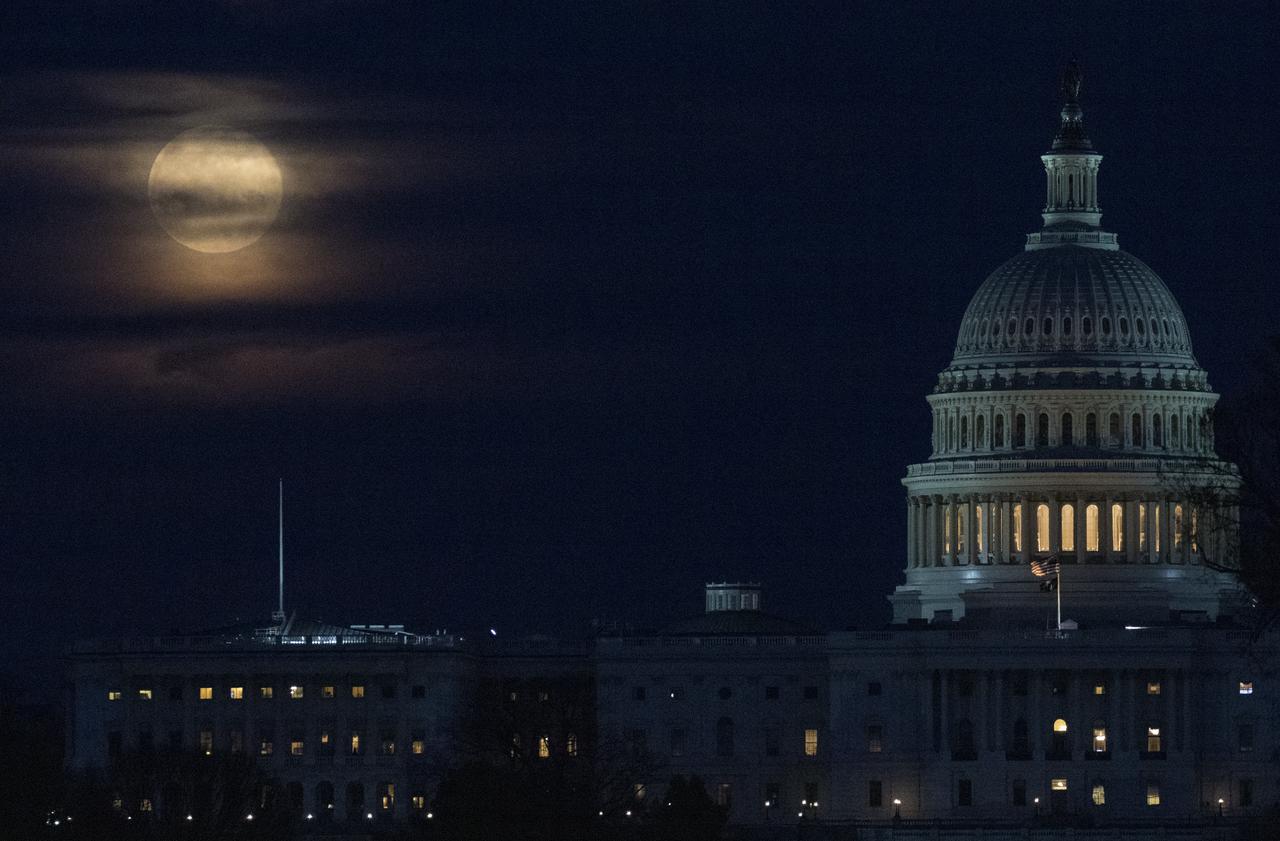
The Moon, or supermoon, is seen as it rises behind the U.S. Capitol, Monday, March 9, 2020, in Washington, DC. A supermoon occurs when the Moon’s orbit is closet (perigee) to Earth. Photo Credit: (NASA/Joel Kowsky)
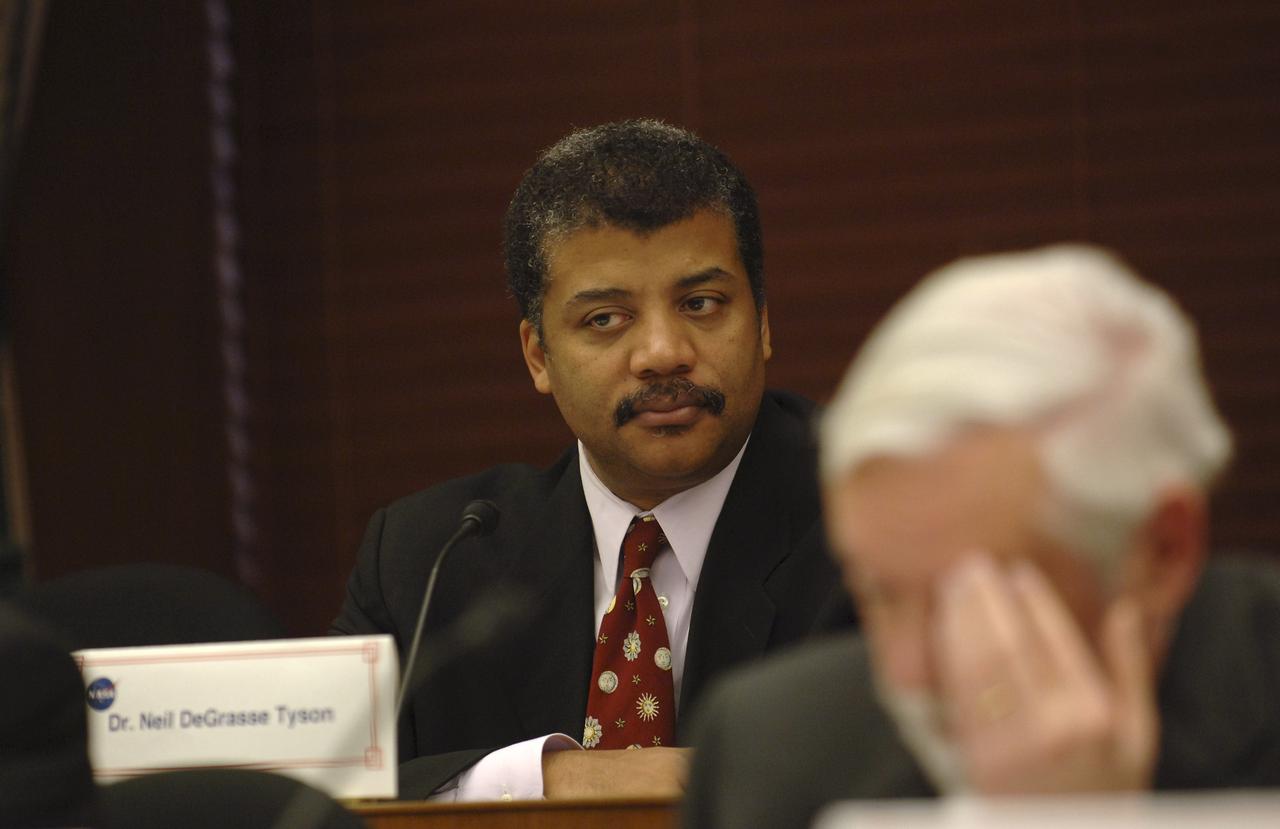
Dr. Neil DeGrasse Tyson, NASA Advisory Council member listens during a meeting of the council at the Rayburn House Office Building, Tuesday, Nov. 29, 2005, in Washington. Photo Credit: (NASA/Bill Ingalls)

NASA astronauts Reid Wiseman, commander, left; Victor Glover, pilot, second from left; Christina Koch, mission specialist, third from right; and CSA (Canadian Space Agency) astronaut Jeremy Hansen, mission specialist, third from left, are seen as they speak with House Majority Leader Steve Scalise, R-La., right, and NASA Administrator Jared Isaacman, second from right, Tuesday, May 12, 2026, at the U.S. Capitol in Washington. NASA’s Artemis II mission took Wiseman, Glover, Koch, and Hansen on a nearly 10-day journey around the Moon and back to Earth in April 2026. Photo Credit: (NASA/Joel Kowsky)

Shana Dale testifies at her confirmation hearing before the Senate Committee on Commerce, Science, and Transportation, Nov. 1, 2005, on Capitol Hill in Washington. Dale was nominated by President Bush to be the deputy administrator of the National Aeronautics and Space Administration (NASA). Photo Credit: (NASA/Bill Ingalls)
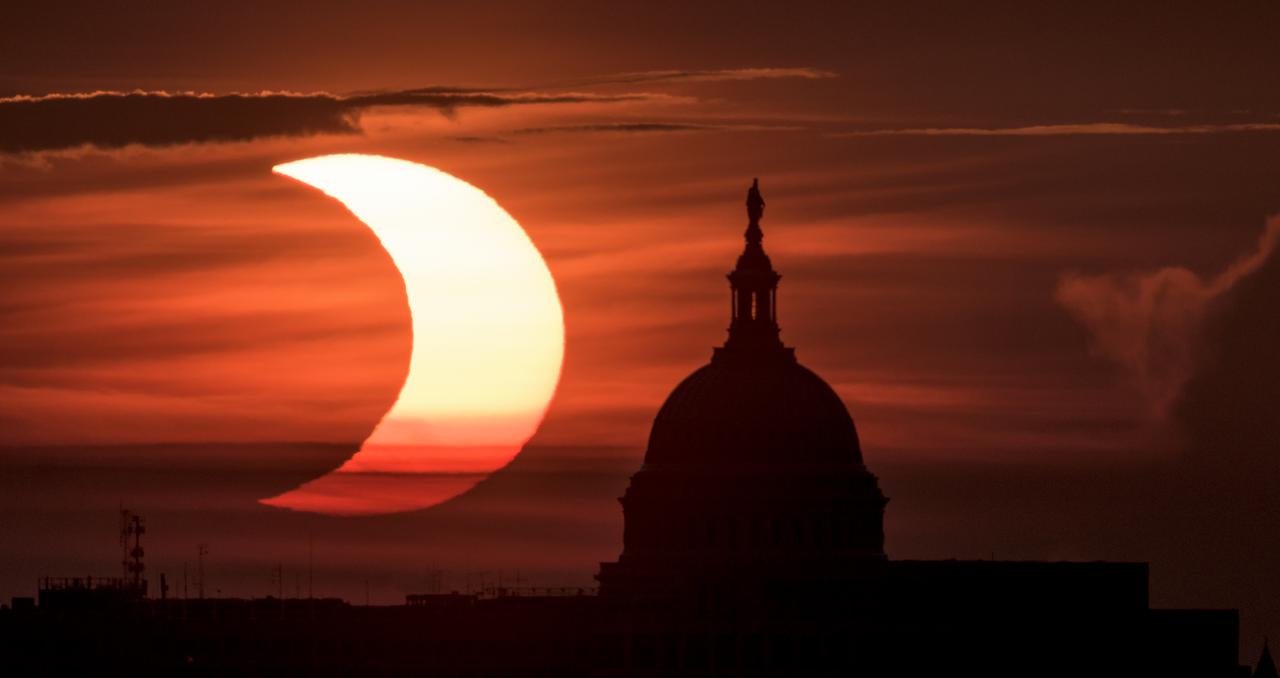
A partial solar eclipse is seen as the sun rises to the left of the United States Capitol building, Thursday, June 10, 2021, as seen from Arlington, Virginia. The annular or “ring of fire” solar eclipse is only visible to some people in Greenland, Northern Russia, and Canada. Photo Credit: (NASA/Bill Ingalls)

CSA (Canadian Space Agency) astronaut Jeremy Hansen, Artemis II mission specialist, is seen as he and fellow crew members NASA astronauts Reid Wiseman, Artemis II commander, NASA astronaut Victor Glover, Artemis II pilot, and Christina Koch, Artemis II mission specialist, speak with congressional staff, Tuesday, May 12, 2026, at the Cannon House Office Building in Washington. NASA’s Artemis II mission took Wiseman, Glover, Koch, and Hansen on a nearly 10-day journey around the Moon and back to Earth in April 2026. Photo Credit: (NASA/Joel Kowsky)
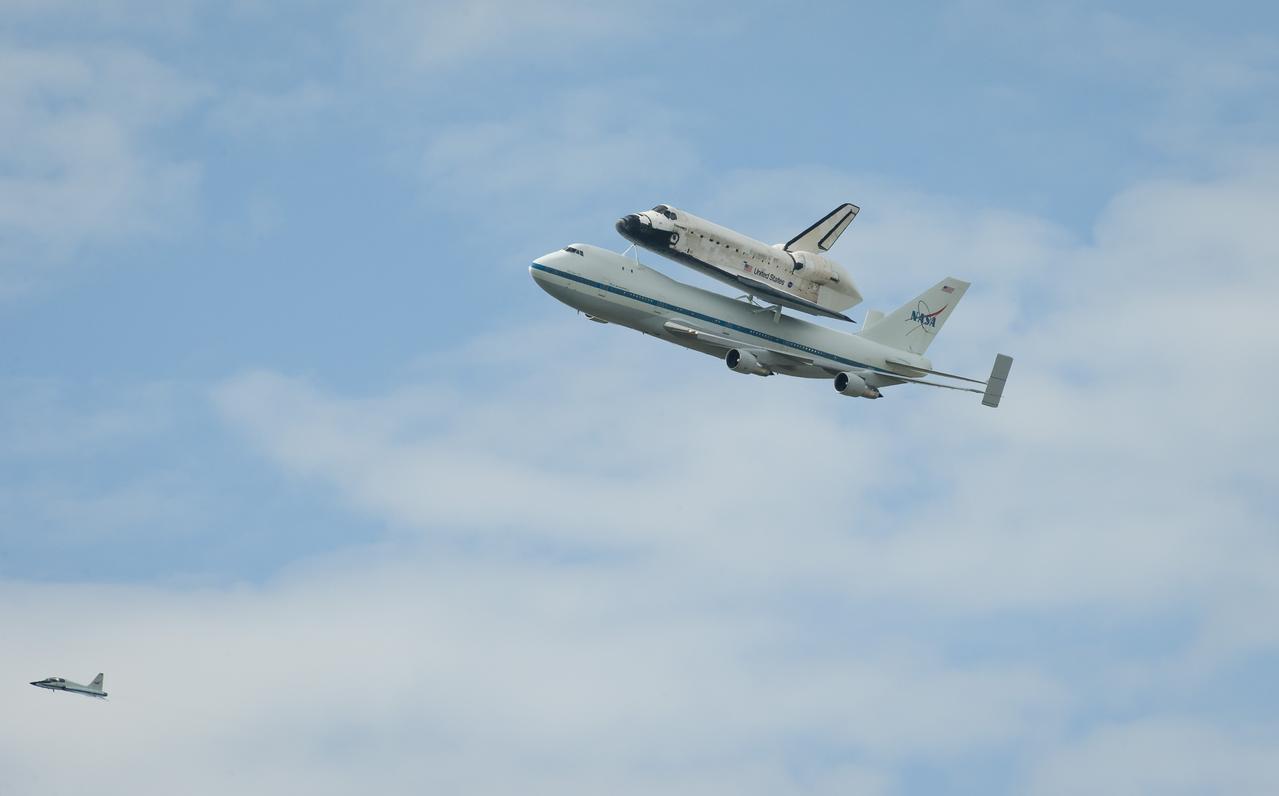
Space shuttle Discovery, mounted atop a NASA 747 Shuttle Carrier Aircraft (SCA) flies near the U.S. Capitol, Tuesday, April 17, 2012, in Washington. Discovery, the first orbiter retired from NASA’s shuttle fleet, completed 39 missions, spent 365 days in space, orbited the Earth 5,830 times, and traveled 148,221,675 miles. NASA will transfer Discovery to the National Air and Space Museum to begin its new mission to commemorate past achievements in space and to educate and inspire future generations of explorers. Photo Credit: (NASA/Rebecca Roth)
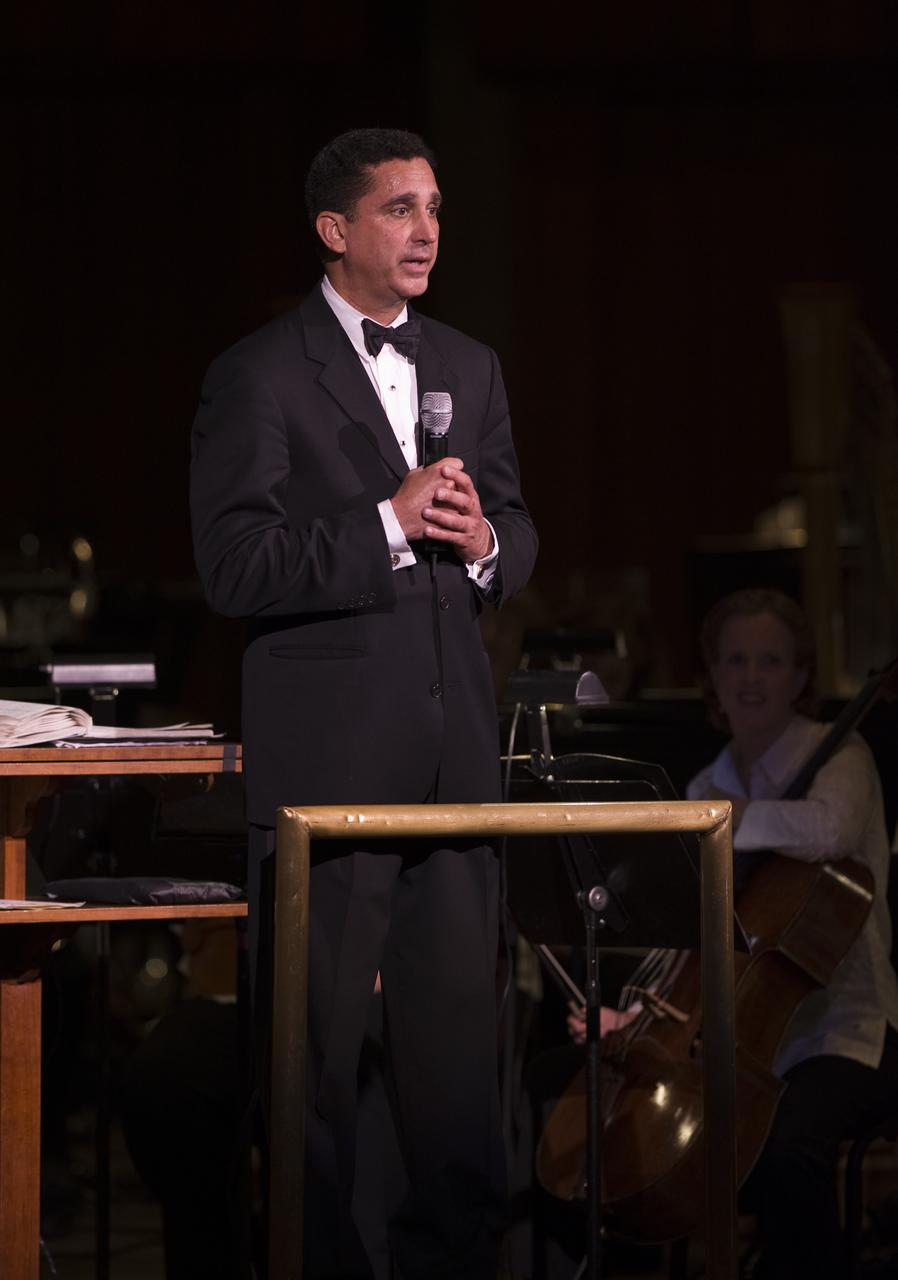
Emil de Cou, Conductor of the National Symphony Orchestra, talks to the audience during the "Salute to Apollo" ceremony at the Kennedy Center for the Performing Arts, Saturday, July 18, 2009 in Washington. The event was part of NASA's week long celebration of the Apollo 40th Anniversary. Photo Credit: (NASA/Bill Ingalls)

NASA astronaut Christina Koch, Artemis II mission specialist holds a patch signed by her and her fellow Artemis II crew mates NASA astronauts Reid Wiseman, Victor Glover, and CSA (Canadian Space Agency) astronaut Jeremy Hansen before meeting with members and staff of the House Science Committee, Tuesday, May 12, 2026, at the Rayburn House Office Building in Washington. NASA’s Artemis II mission took Wiseman, Glover, Koch, and Hansen on a nearly 10-day journey around the Moon and back to Earth in April 2026. Photo Credit: (NASA/Joel Kowsky)

NASA astronauts Reid Wiseman, commander, right; Victor Glover, pilot, second from right; Christina Koch, mission specialist, left; and CSA (Canadian Space Agency) astronaut Jeremy Hansen, mission specialist, third from left, are seen as they speak with House Majority Leader Steve Scalise, R-La., second from left, and NASA Administrator Jared Isaacman, third from right, Tuesday, May 12, 2026, at the U.S. Capitol in Washington. NASA’s Artemis II mission took Wiseman, Glover, Koch, and Hansen on a nearly 10-day journey around the Moon and back to Earth in April 2026. Photo Credit: (NASA/Joel Kowsky)
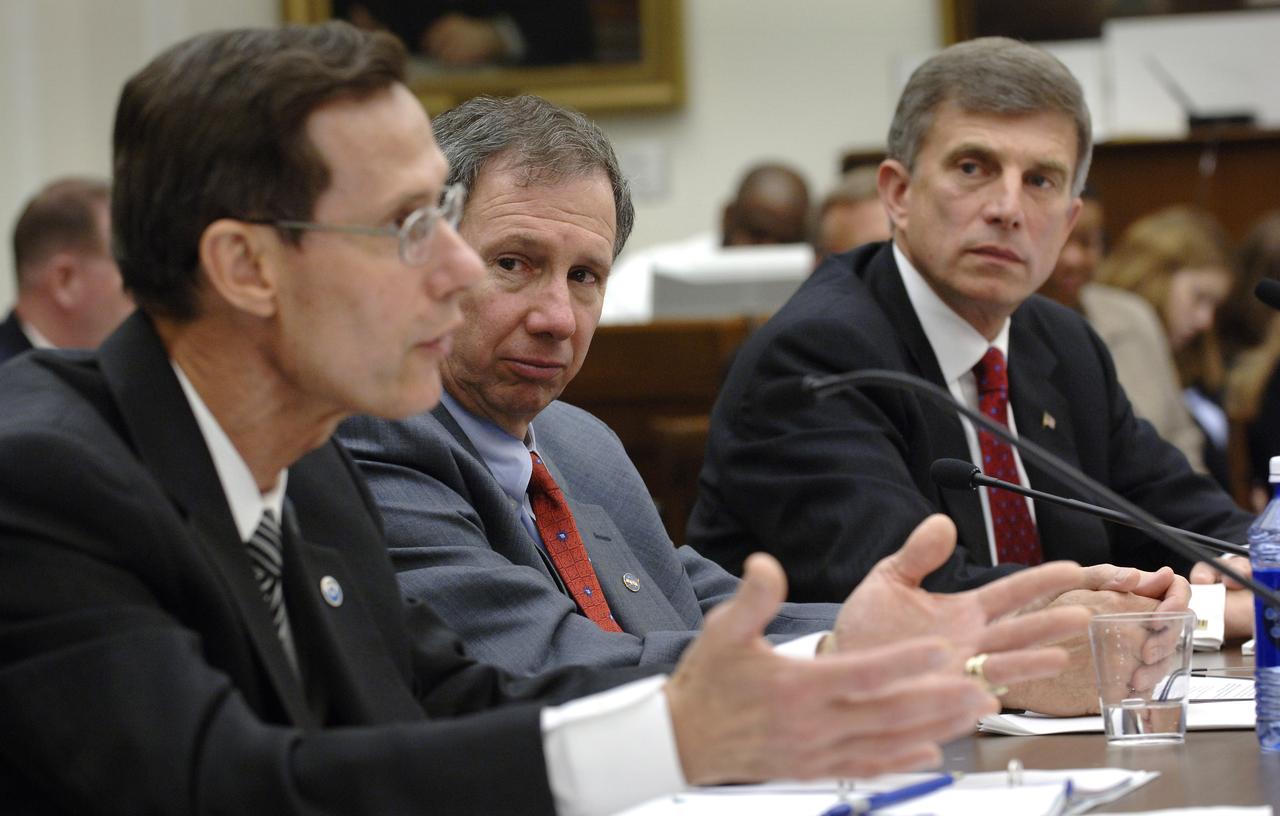
NOAA Administrator, Vice Admiral Conrad C. Lautenbacher, Jr., U.S. Navy (Ret.), left, NASA Administrator Michael Griffin and Under Secretary of the Air Force Dr. Ronald Sega, right, testify before the House Committee on Science and Technology regarding the future of the National Polar-orbiting Operational Environmental Satellite System (NPOESS) and results of the Nunn-McCurdy review of NOAA’s weather satellite program, Thursday, June 8, 2006, at the Rayburn House Office Building in Washington. Photo Credit: (NASA/Bill Ingalls)
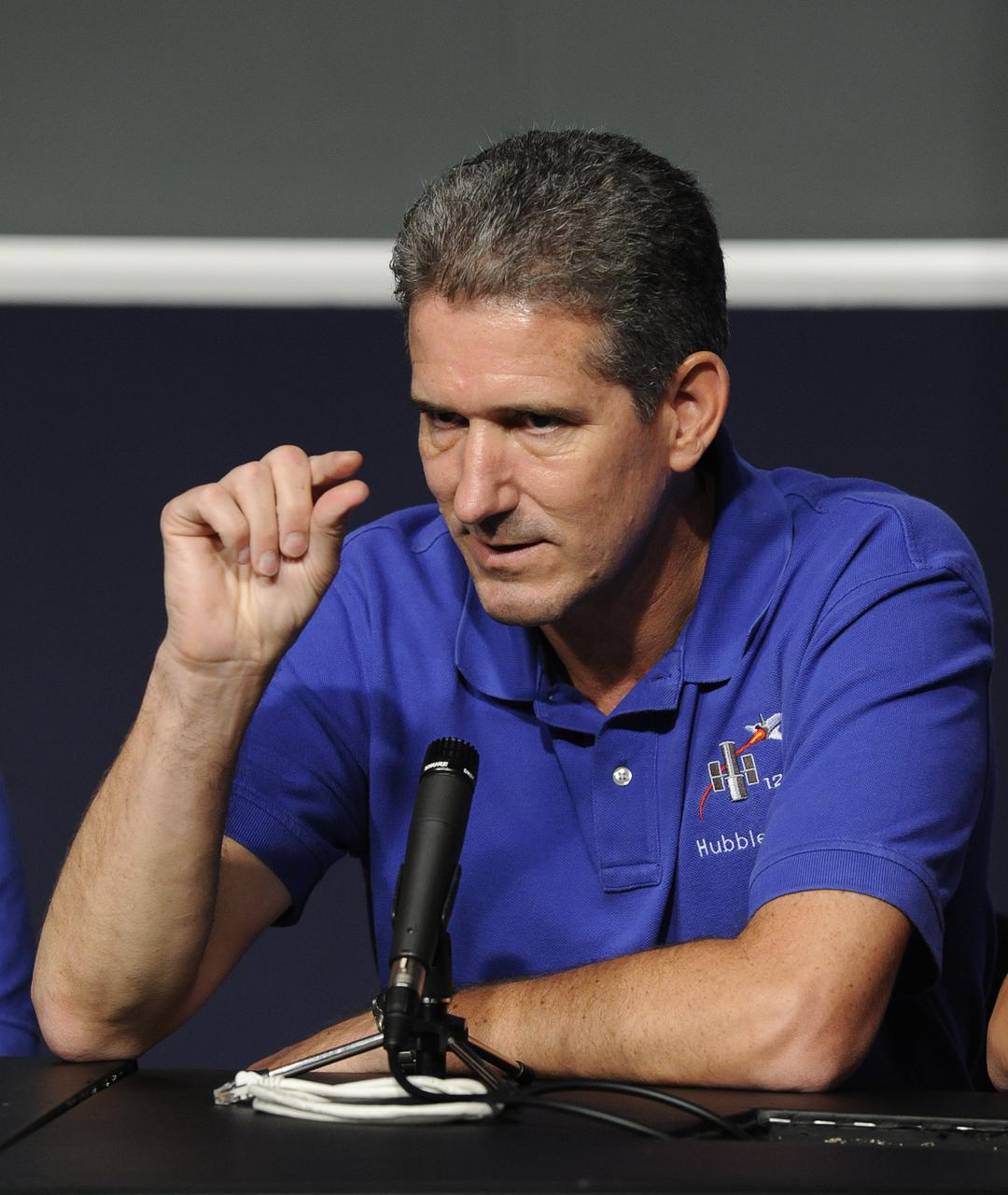
NASA Astronaut and STS-125 Mission Specialist Michael Good answers a question during a presentation with fellow STS-125 shuttle mission crew members at the NASA Tweetup event held at NASA Headquarters, July 21, 2009 in Washington. Nearly 200 of NASA’s Twitter followers are in attendance. Photo Credit: (Carla Cioffi)
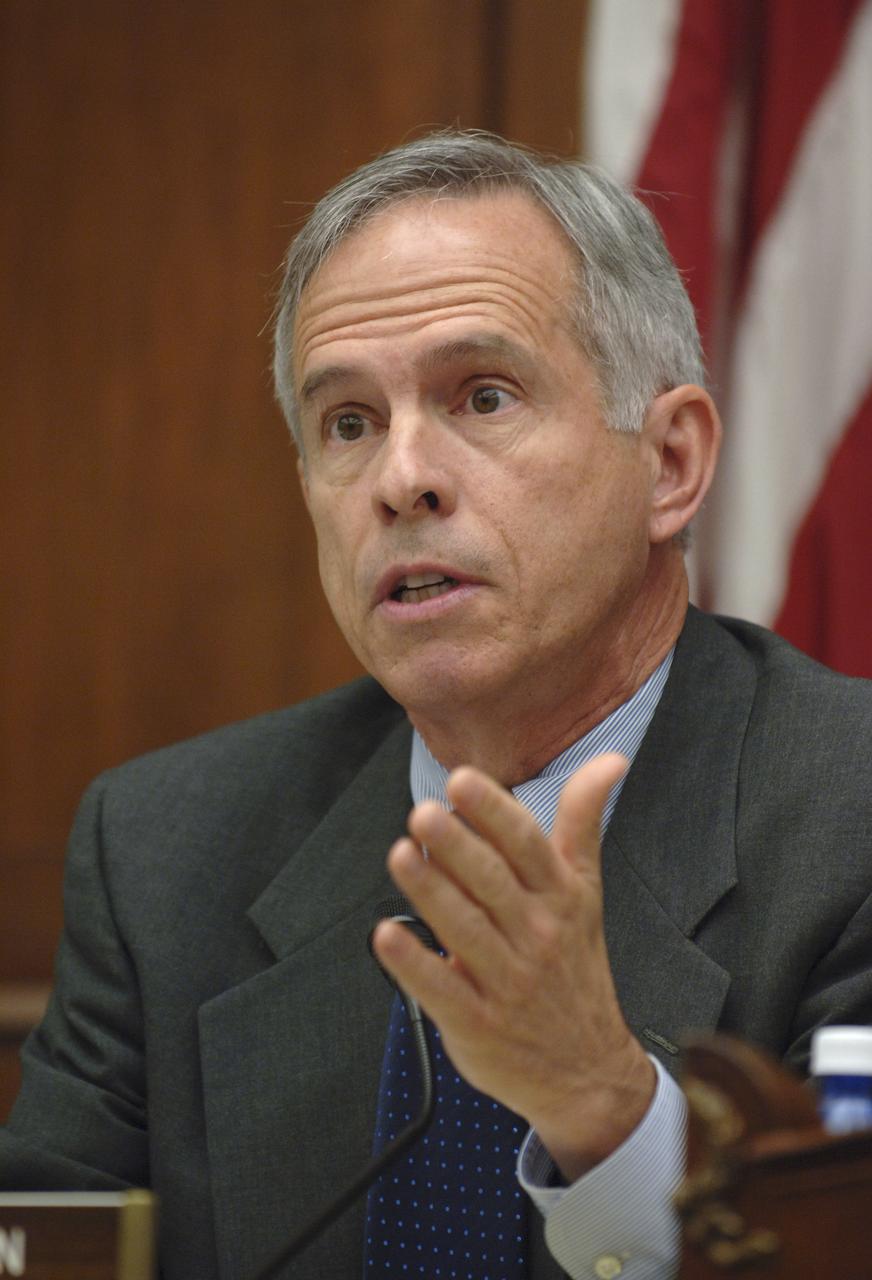
Rep. Bart Gordon, D-TN., questions NASA Administrator Michael Griffin during a House Science Committee hearing, Tuesday, June 28, 2005, Rayburn House Office building, Washington. Photo Credit: (NASA/Bill Ingalls)