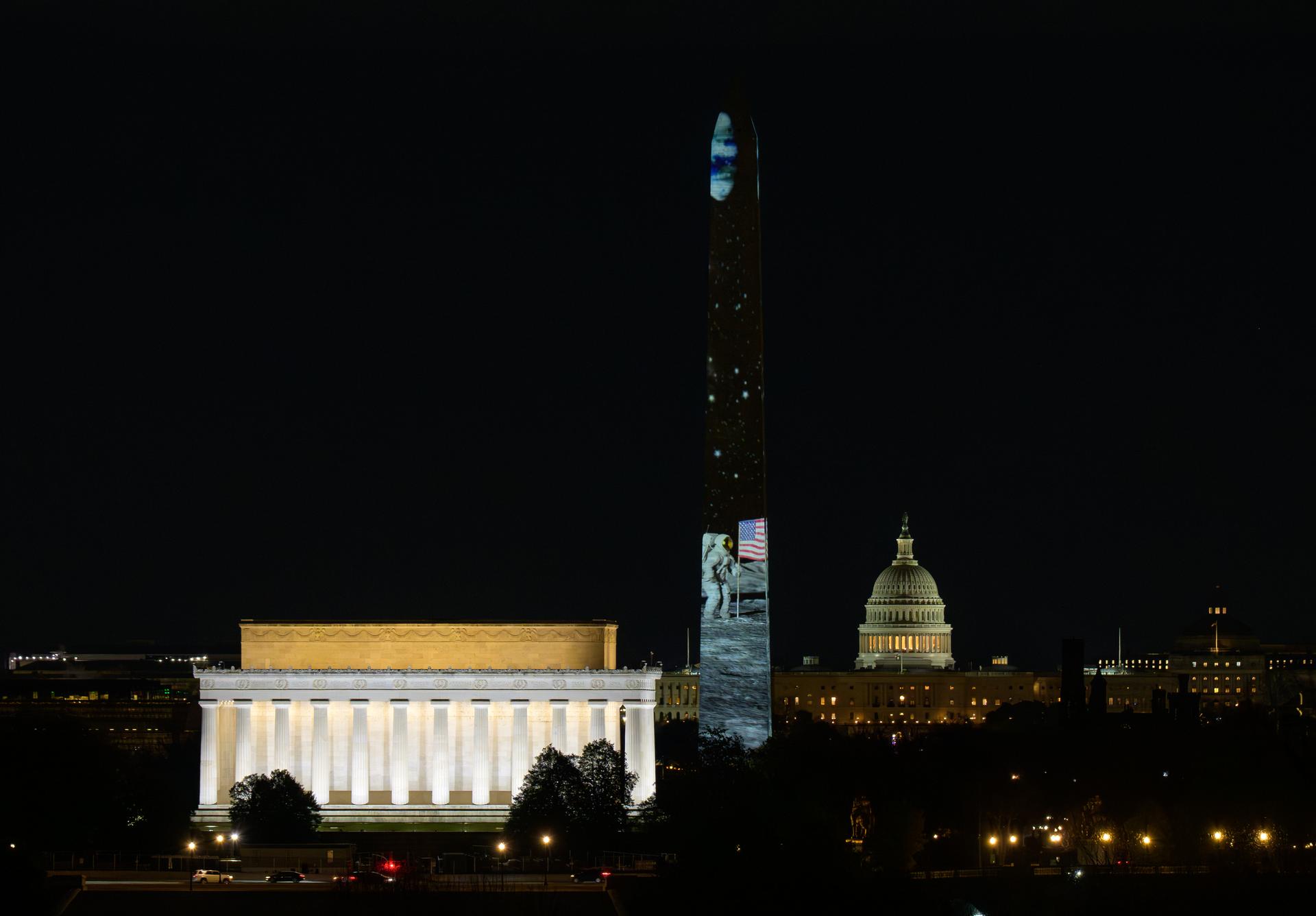
Images depicting NASA Moon missions are projected onto the Washington Monument as part of an event to kick off the nation's 250th birthday year, Wednesday, Dec. 31, 2025, in Washington. Photo Credit: (NASA/Bill Ingalls)
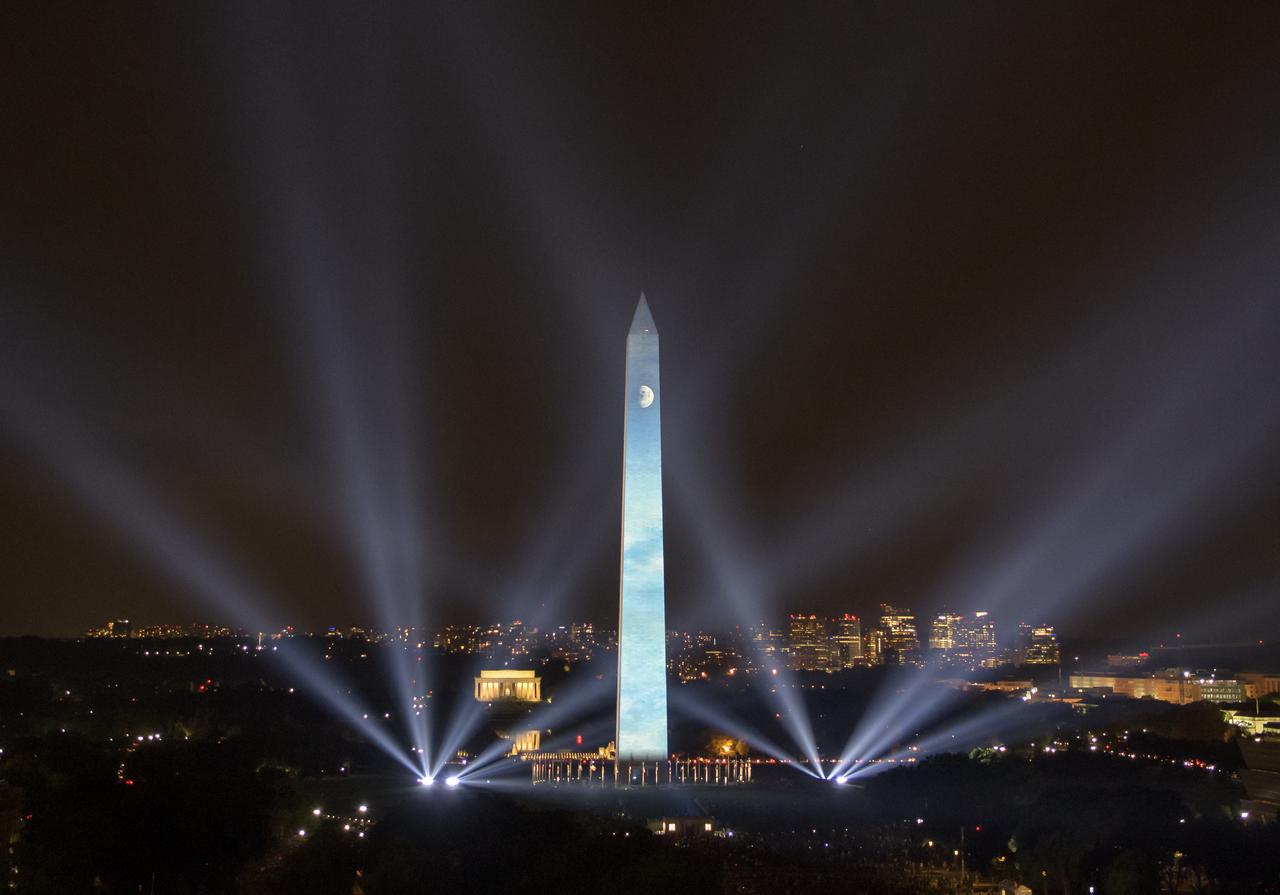
The 50 year anniversary of the Apollo 11 mission with NASA astronauts Neil Armstrong, Michael Collins, and Buzz Aldrin is celebrated in a 17-minute show, “Apollo 50: Go for the Moon”, by the Smithsonian’s National Air and Space Museum, which combined full-motion projection-mapping artwork on the Washington Monument and archival footage to recreate the launch of Apollo 11 and tell the story of the first moon landing, Friday, July 19, 2019 in Washington. Photo Credit: (NASA/Bill Ingalls)

A man watches a partial solar eclipse through protective glasses in Washington, on Monday, April 8, 2024. A total solar eclipse swept across a narrow portion of the North American continent from Mexico’s Pacific coast to the Atlantic coast of Newfoundland, Canada. A partial solar eclipse was visible across the entire North American continent along with parts of Central America and Europe. Photo Credit: (NASA/Bill Ingalls)
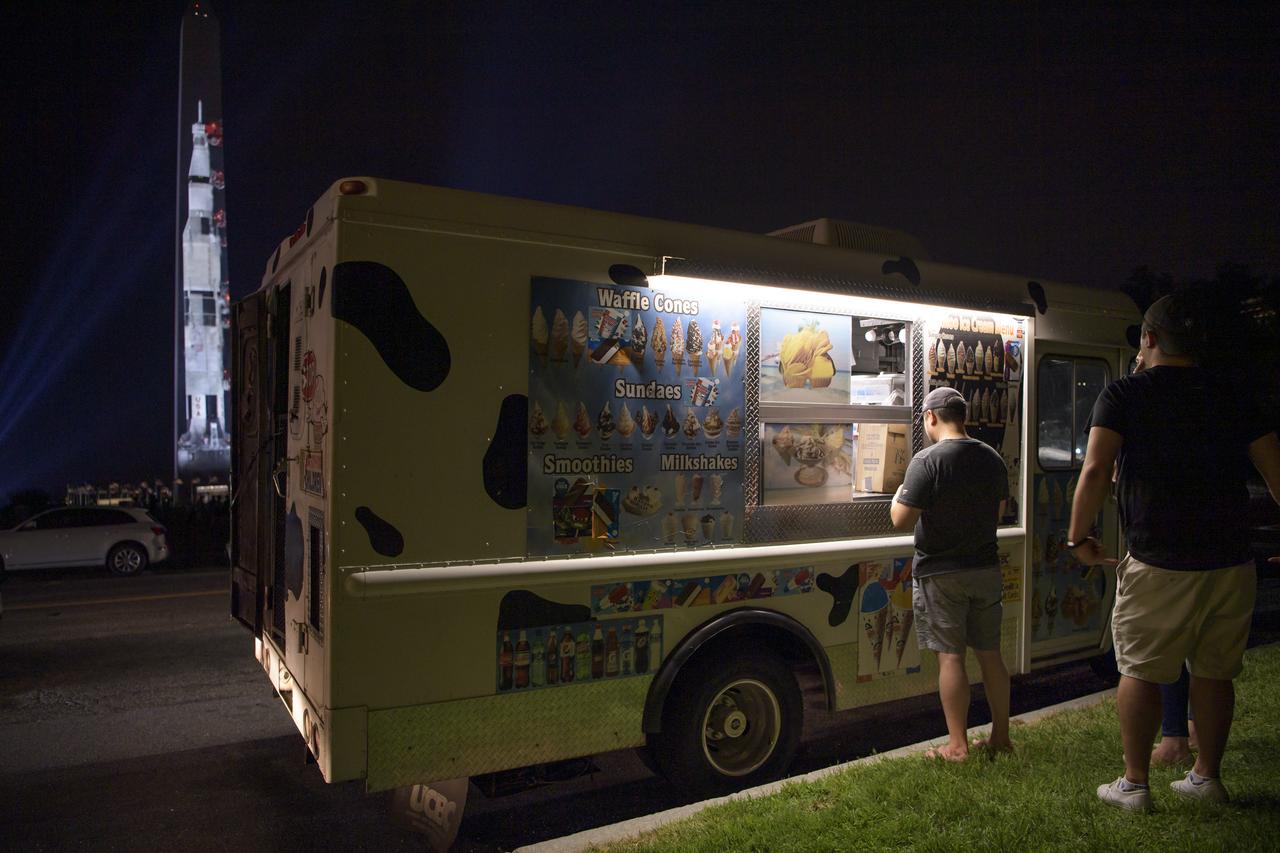
A full-sized, 363-foot Saturn V rocket is projected onto the east face of the Washington Monument 50 years to the day after astronauts Neil Armstrong, Michael Collins, and Buzz Aldrin launched on Apollo 11, the first mission to land astronauts on the Moon, Tuesday, July 16, 2019. On Friday, July 19, and Saturday, July 20, a special 17-minute show, “Apollo 50: Go for the Moon” will combine full-motion projection-mapping artwork on the monument and archival footage to recreate the launch of Apollo 11 and tell the story of the first moon landing. Photo Credit: (NASA/Bill Ingalls)

A man monitors his cameras during a partial solar eclipse in Washington, on Monday, April 8, 2024. A total solar eclipse swept across a narrow portion of the North American continent from Mexico’s Pacific coast to the Atlantic coast of Newfoundland, Canada. A partial solar eclipse was visible across the entire North American continent along with parts of Central America and Europe. Photo Credit: (NASA/Bill Ingalls)
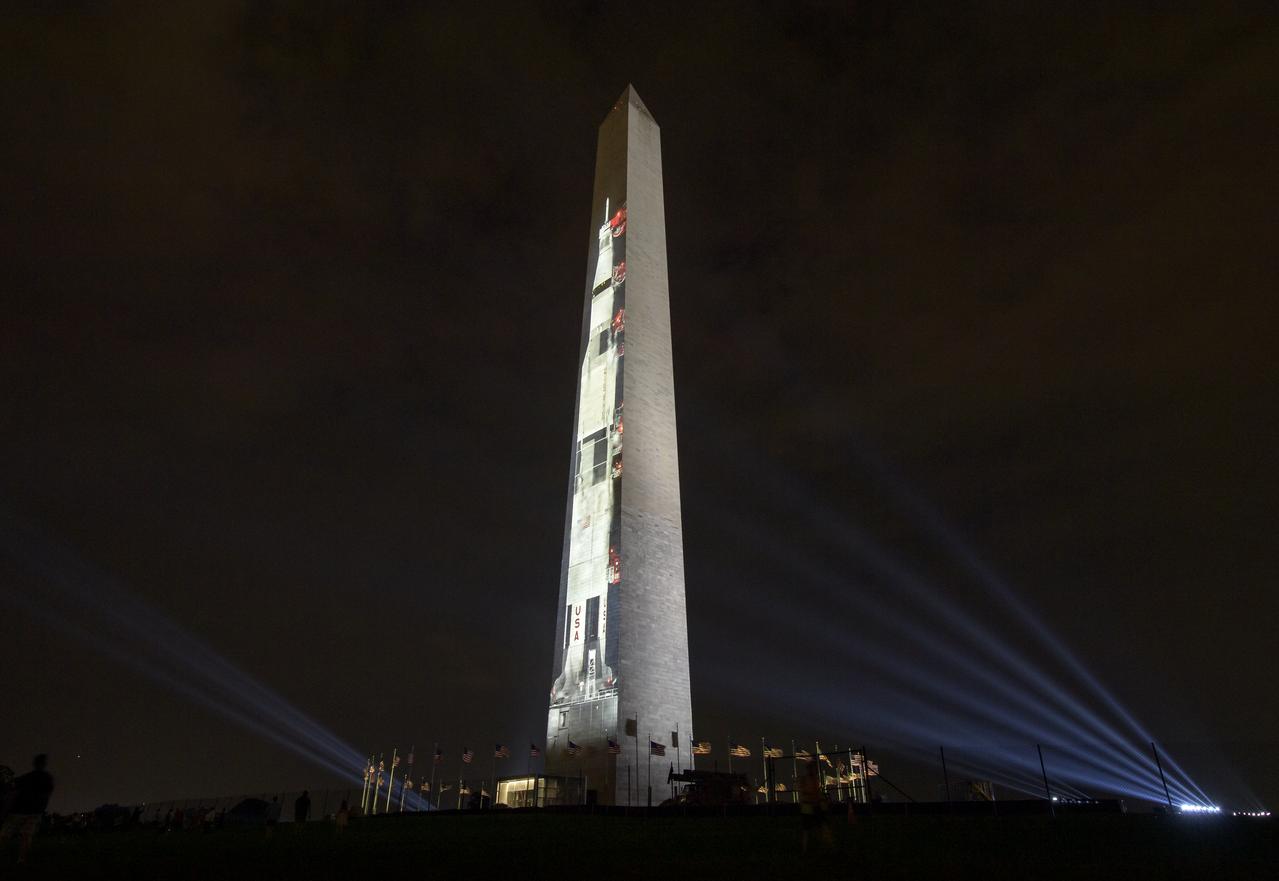
A full-sized, 363-foot Saturn V rocket is projected onto the east face of the Washington Monument 50 years to the day after astronauts Neil Armstrong, Michael Collins, and Buzz Aldrin launched on Apollo 11, the first mission to land astronauts on the Moon, Tuesday, July 16, 2019. On Friday, July 19, and Saturday, July 20, a special 17-minute show, “Apollo 50: Go for the Moon” will combine full-motion projection-mapping artwork on the monument and archival footage to recreate the launch of Apollo 11 and tell the story of the first moon landing. Photo Credit: (NASA/Bill Ingalls)
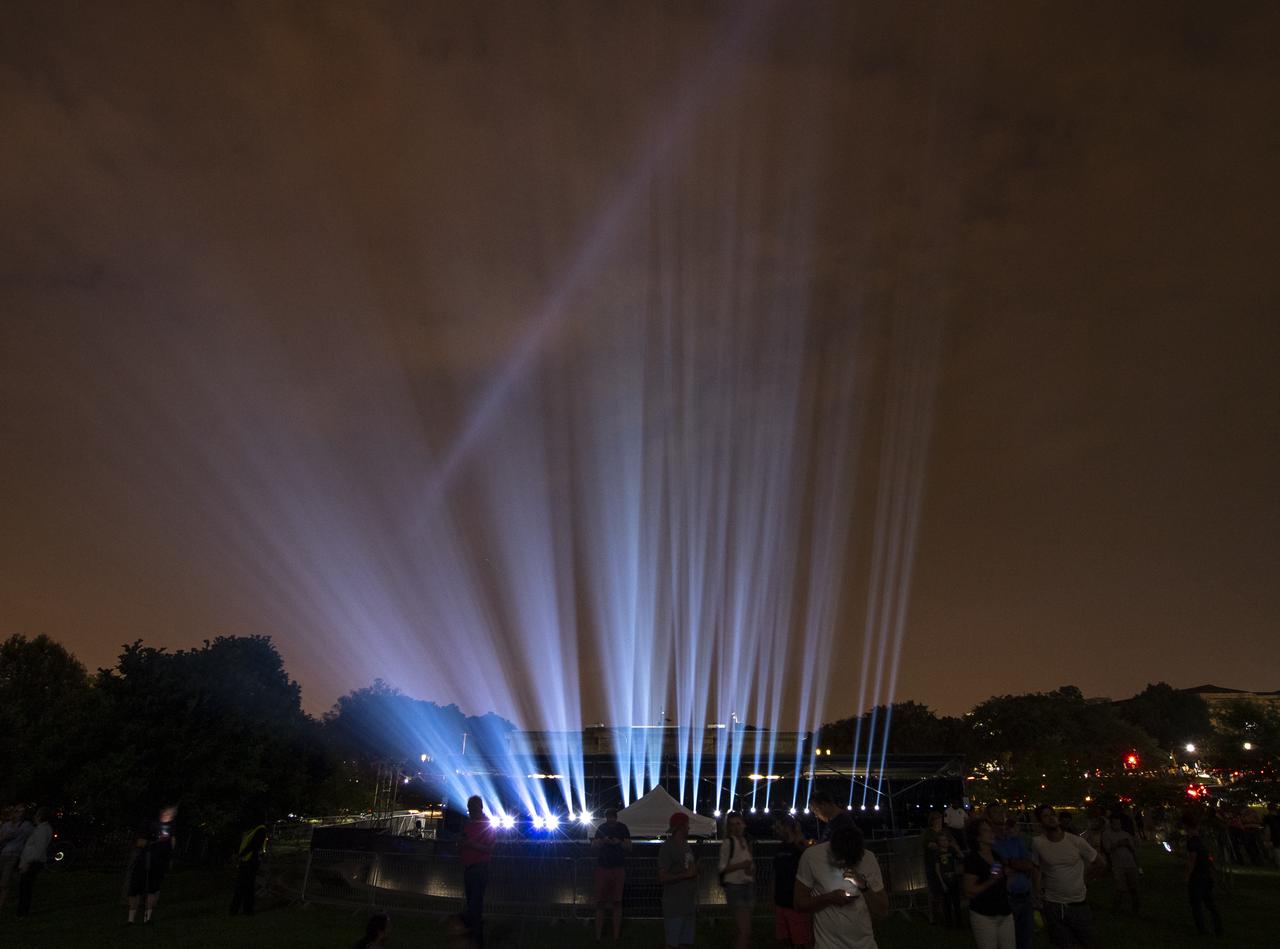
Projectors used to display a full-sized, 363-foot Saturn V rocket at the Washington Monument are seen 50 years to the day after astronauts Neil Armstrong, Michael Collins, and Buzz Aldrin launched on Apollo 11, the first mission to land astronauts on the Moon, Tuesday, July 16, 2019. On Friday, July 19, and Saturday, July 20, a special 17-minute show, “Apollo 50: Go for the Moon” will combine full-motion projection-mapping artwork on the monument and archival footage to recreate the launch of Apollo 11 and tell the story of the first moon landing. Photo Credit: (NASA/Bill Ingalls)
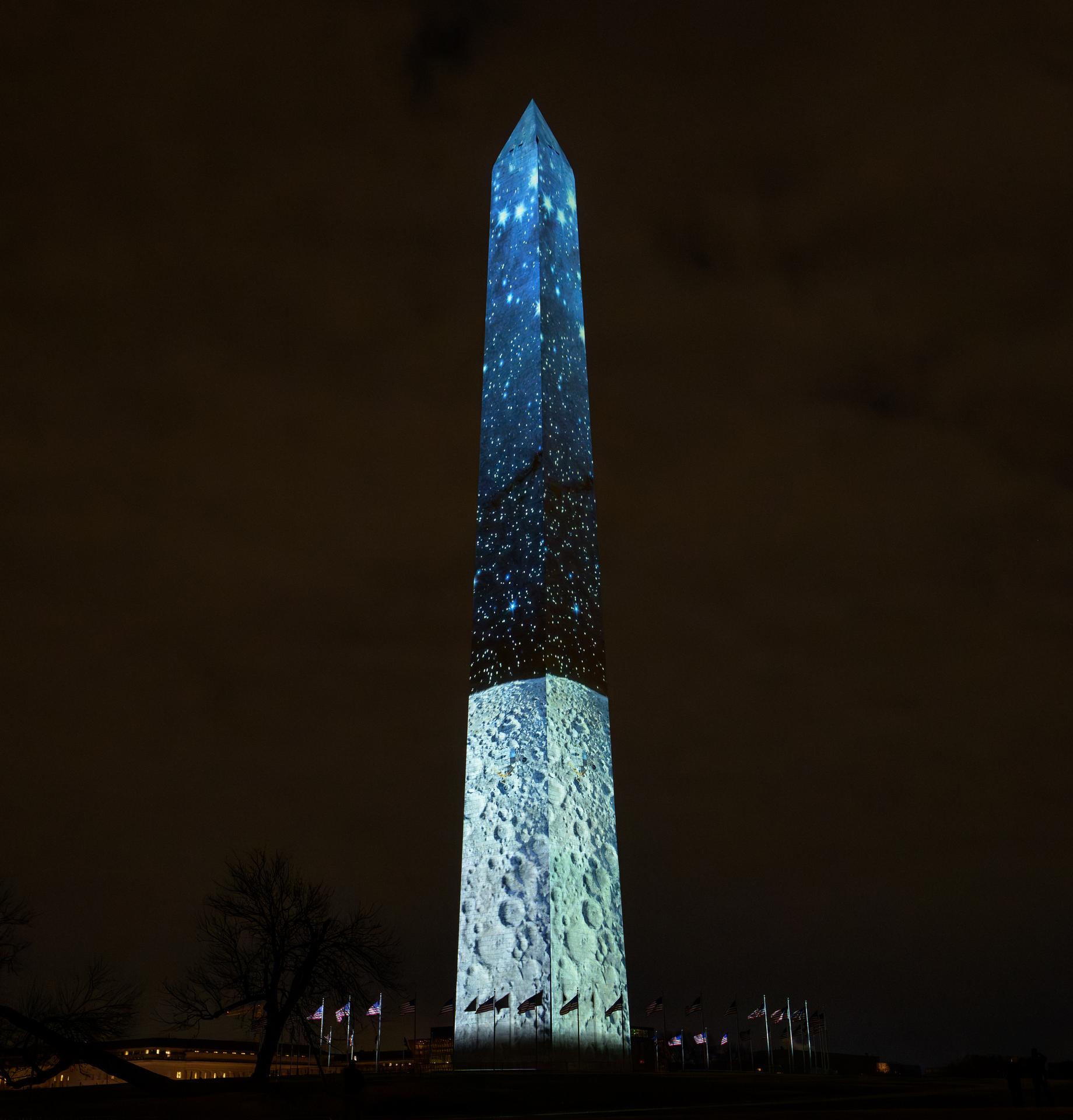
Images depicting NASA Moon missions are projected onto the Washington Monument as part of an event to kick off the nation's 250th birthday year, Wednesday, Dec. 31, 2025, in Washington. Photo Credit: (NASA/Bill Ingalls)
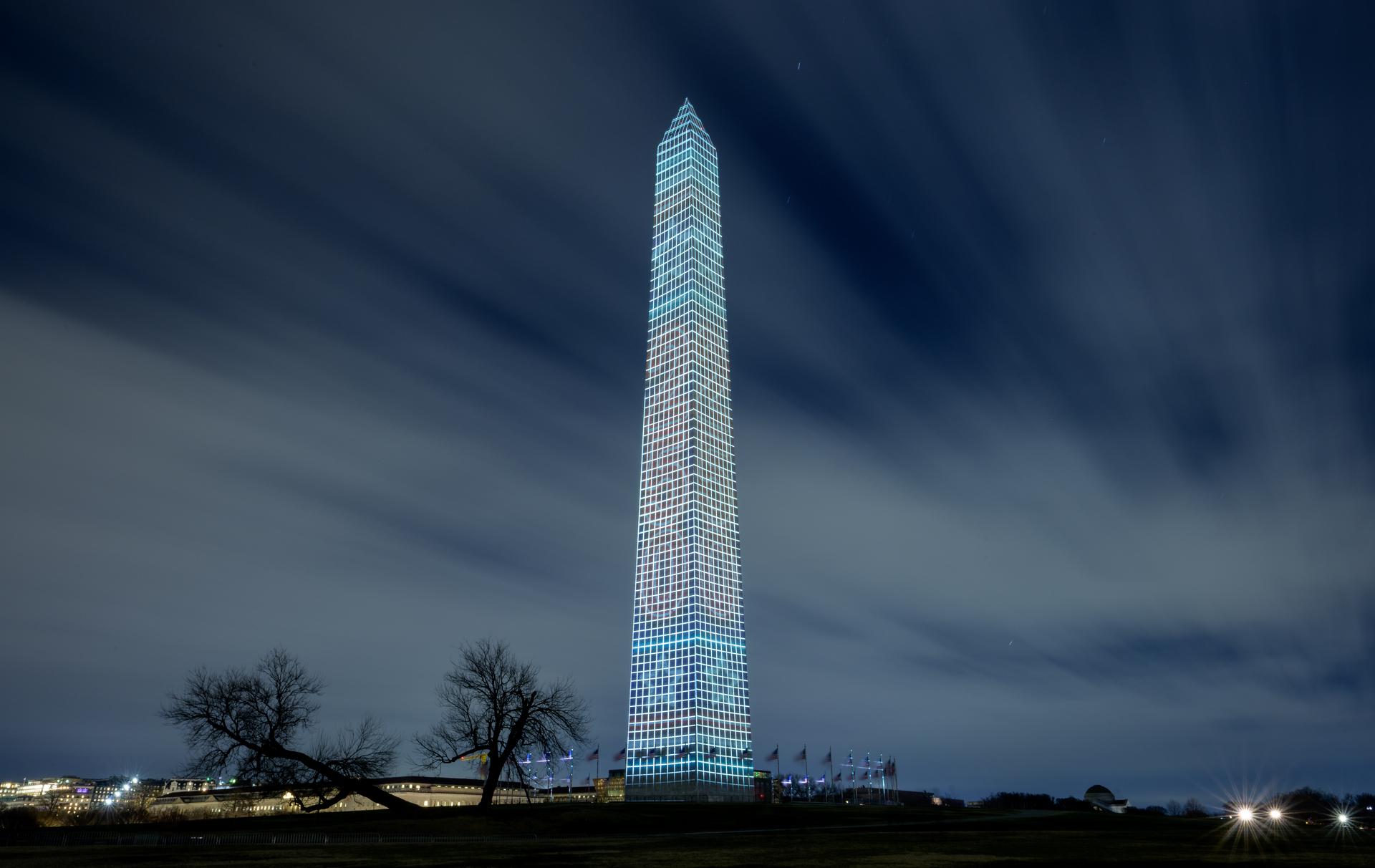
The Washington Monument is seen lit in this long exposure photograph as part of an event to kick off the nation's 250th birthday year, Wednesday, Dec. 31, 2025, in Washington. Photo Credit: (NASA/Bill Ingalls)
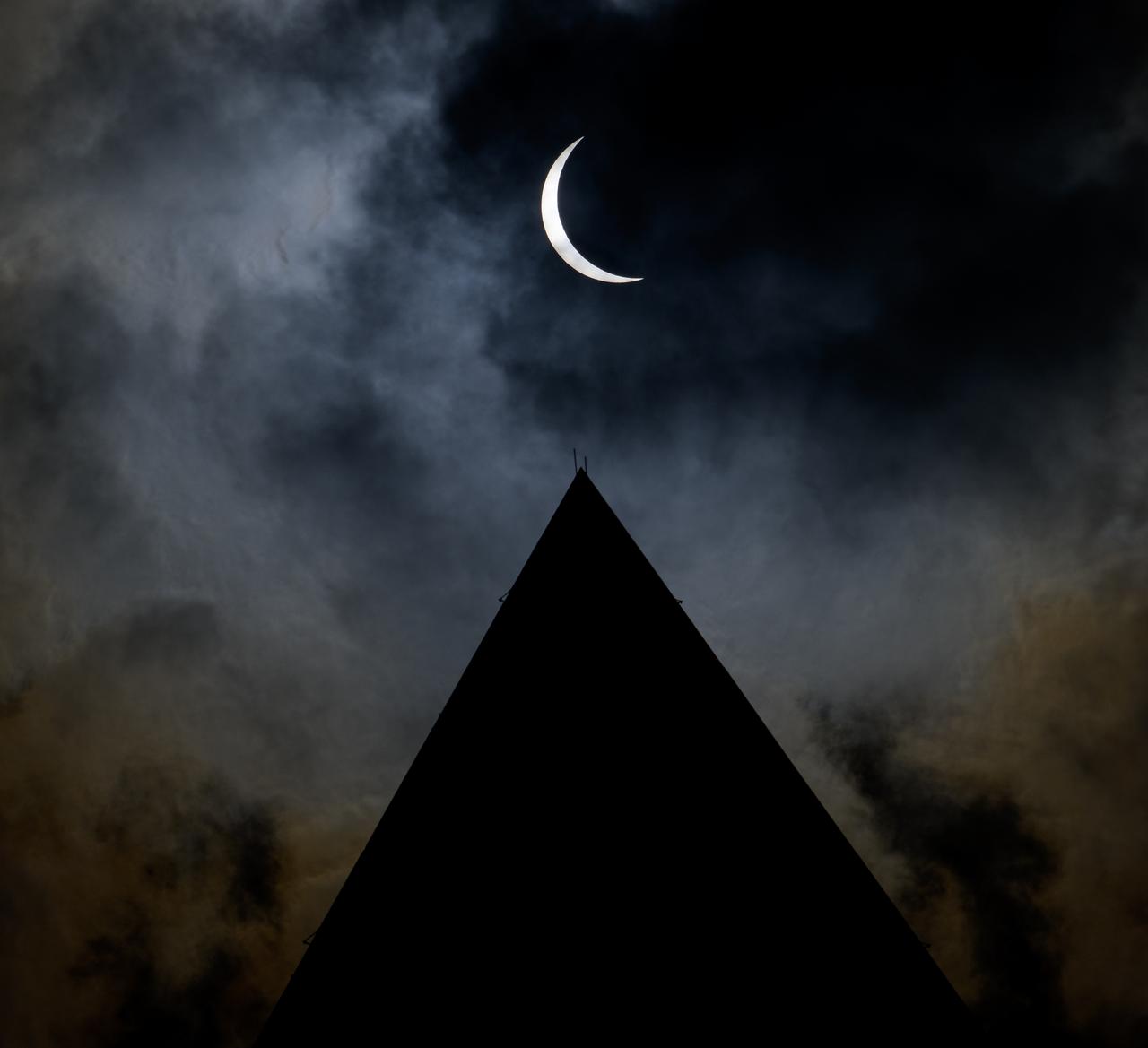
The Moon is seen passing in front of the Sun, with the top of the Washington Monument in silhouette, during a partial solar eclipse in Washington, on Monday, April 8, 2024. A total solar eclipse swept across a narrow portion of the North American continent from Mexico’s Pacific coast to the Atlantic coast of Newfoundland, Canada. A partial solar eclipse was visible across the entire North American continent along with parts of Central America and Europe. Photo Credit: (NASA/Bill Ingalls)
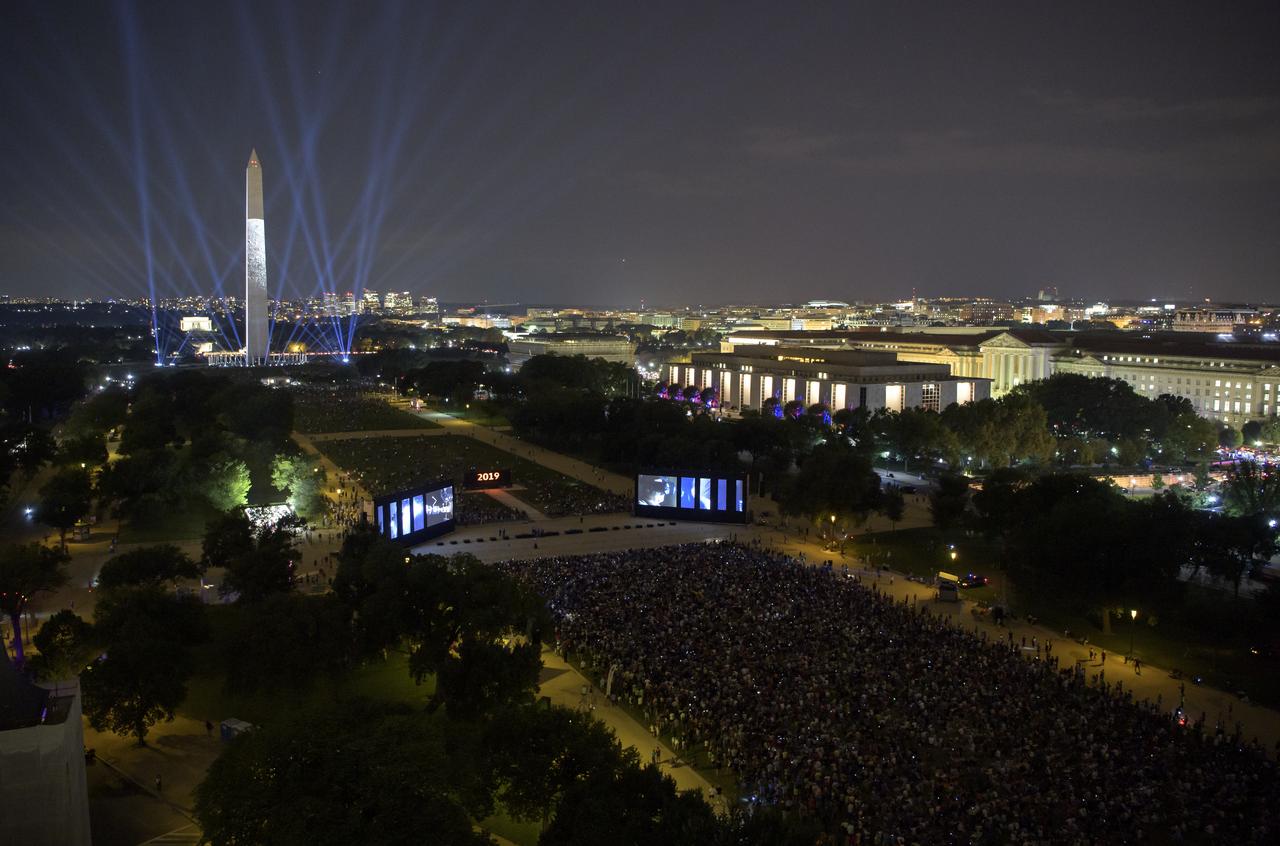
The 50 year anniversary of the Apollo 11 mission with NASA astronauts Neil Armstrong, Michael Collins, and Buzz Aldrin is celebrated in a 17-minute show, “Apollo 50: Go for the Moon”, by the Smithsonian’s National Air and Space Museum, which combined full-motion projection-mapping artwork on the Washington Monument and archival footage to recreate the launch of Apollo 11 and tell the story of the first moon landing, Friday, July 19, 2019 in Washington. Photo Credit: (NASA/Bill Ingalls)
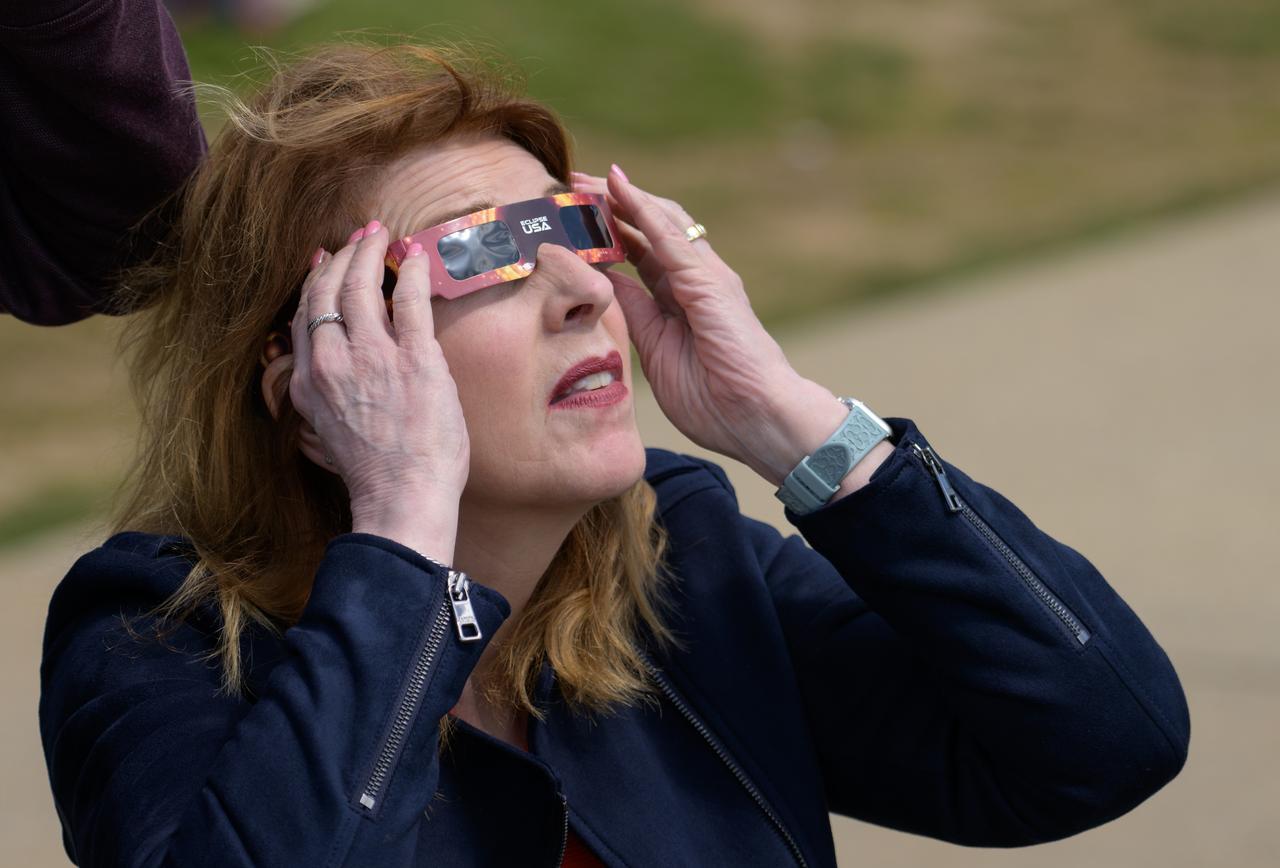
A woman watches a partial solar eclipse through protective glasses in Washington, on Monday, April 8, 2024. A total solar eclipse swept across a narrow portion of the North American continent from Mexico’s Pacific coast to the Atlantic coast of Newfoundland, Canada. A partial solar eclipse was visible across the entire North American continent along with parts of Central America and Europe. Photo Credit: (NASA/Bill Ingalls)
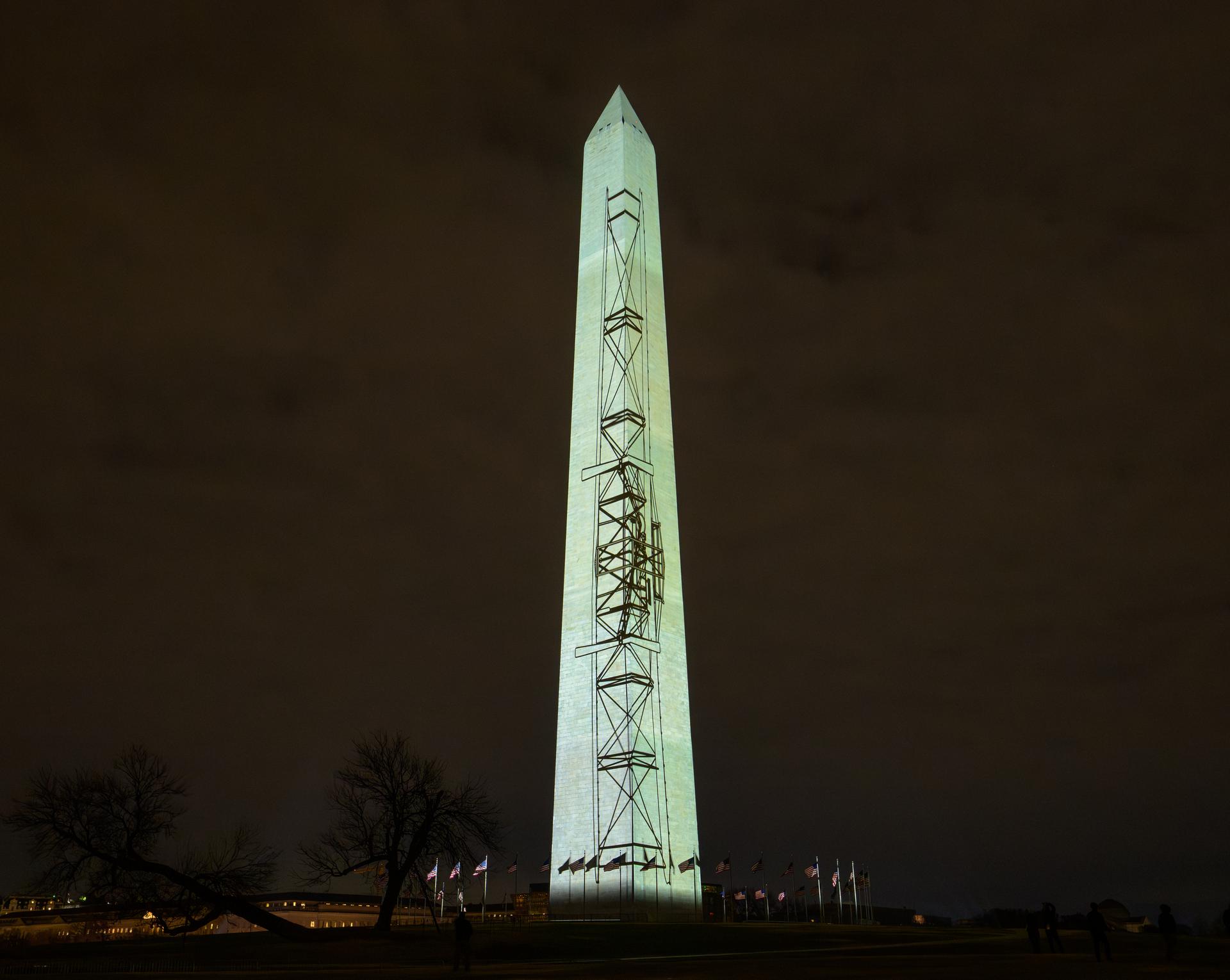
Images depicting the Wright brothers aircraft are projected onto the Washington Monument as part of an event to kick off the nation's 250th birthday year, Wednesday, Dec. 31, 2025, in Washington. Photo Credit: (NASA/Bill Ingalls)

The Moon, top, is seen passing in front of the Sun, with the top of the Washington Monument in silhouette, during a partial solar eclipse in Washington, on Monday, April 8, 2024. A total solar eclipse swept across a narrow portion of the North American continent from Mexico’s Pacific coast to the Atlantic coast of Newfoundland, Canada. A partial solar eclipse was visible across the entire North American continent along with parts of Central America and Europe. Photo Credit: (NASA/Bill Ingalls)
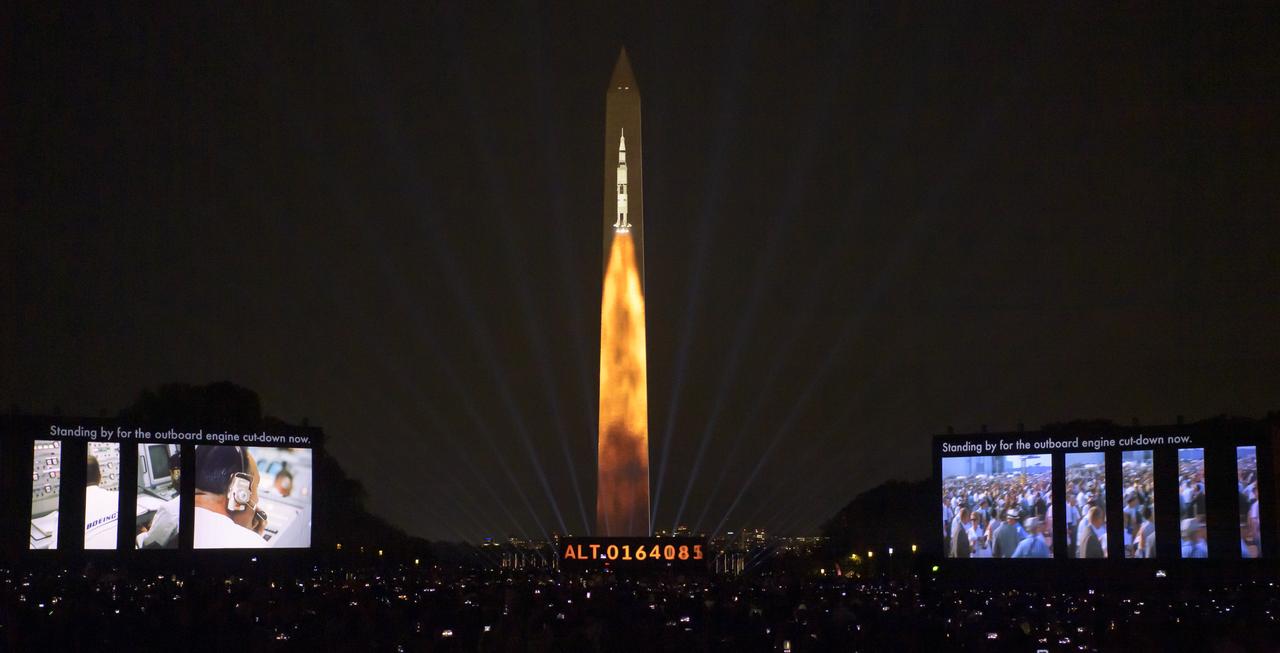
The 50 year anniversary of the Apollo 11 mission with NASA astronauts Neil Armstrong, Michael Collins, and Buzz Aldrin is celebrated in a 17-minute show, “Apollo 50: Go for the Moon”, by the Smithsonian’s National Air and Space Museum, which combined full-motion projection-mapping artwork on the Washington Monument and archival footage to recreate the launch of Apollo 11 and tell the story of the first moon landing, Friday, July 19, 2019 in Washington. Photo Credit: (NASA/Bill Ingalls)
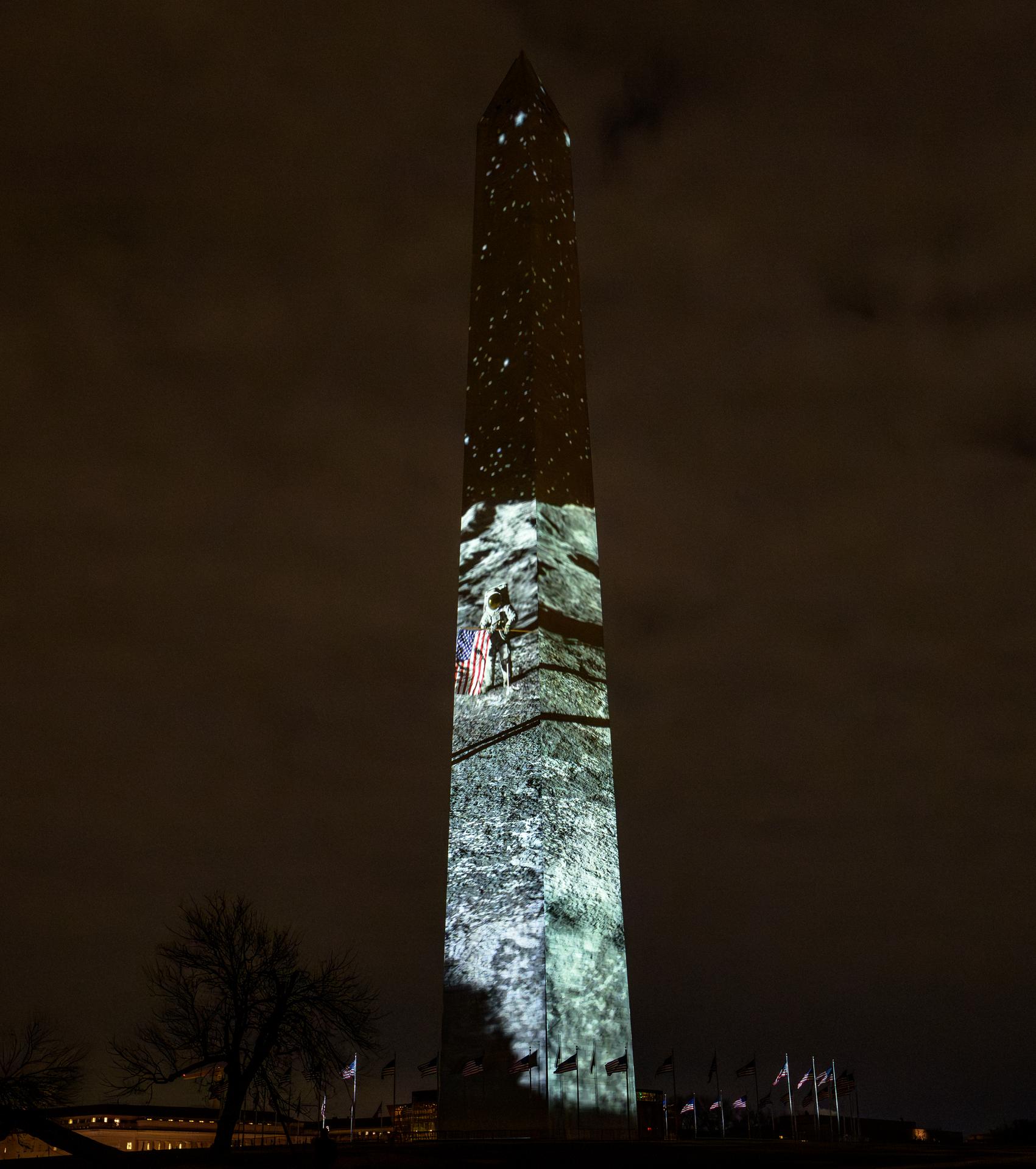
Images depicting NASA Apollo Moon missions are projected onto the Washington Monument as part of an event to kick off the nation's 250th birthday year, Wednesday, Dec. 31, 2025, in Washington. Photo Credit: (NASA/Bill Ingalls)
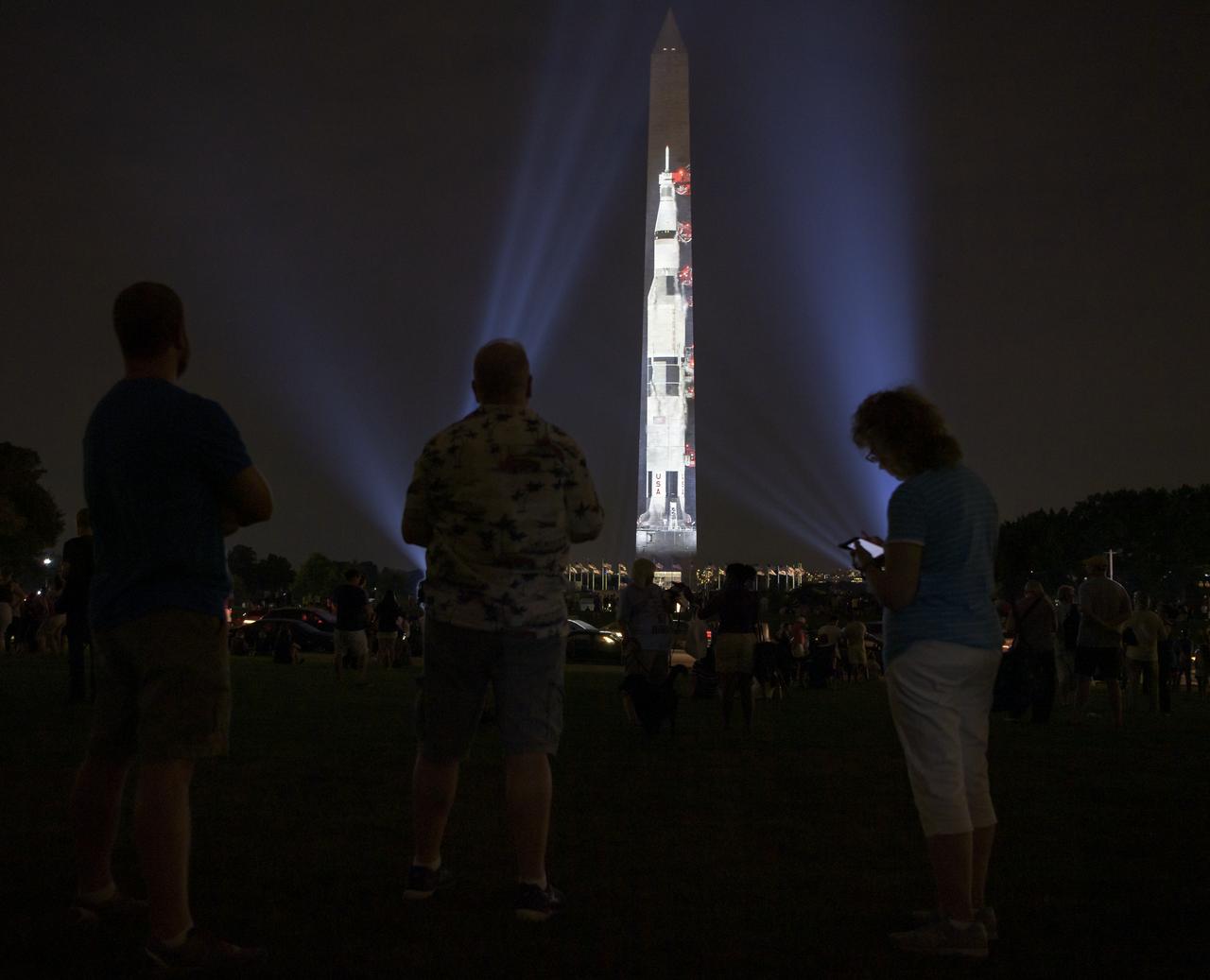
A full-sized, 363-foot Saturn V rocket is projected onto the east face of the Washington Monument 50 years to the day after astronauts Neil Armstrong, Michael Collins, and Buzz Aldrin launched on Apollo 11, the first mission to land astronauts on the Moon, Tuesday, July 16, 2019. On Friday, July 19, and Saturday, July 20, a special 17-minute show, “Apollo 50: Go for the Moon” will combine full-motion projection-mapping artwork on the monument and archival footage to recreate the launch of Apollo 11 and tell the story of the first moon landing. Photo Credit: (NASA/Bill Ingalls)
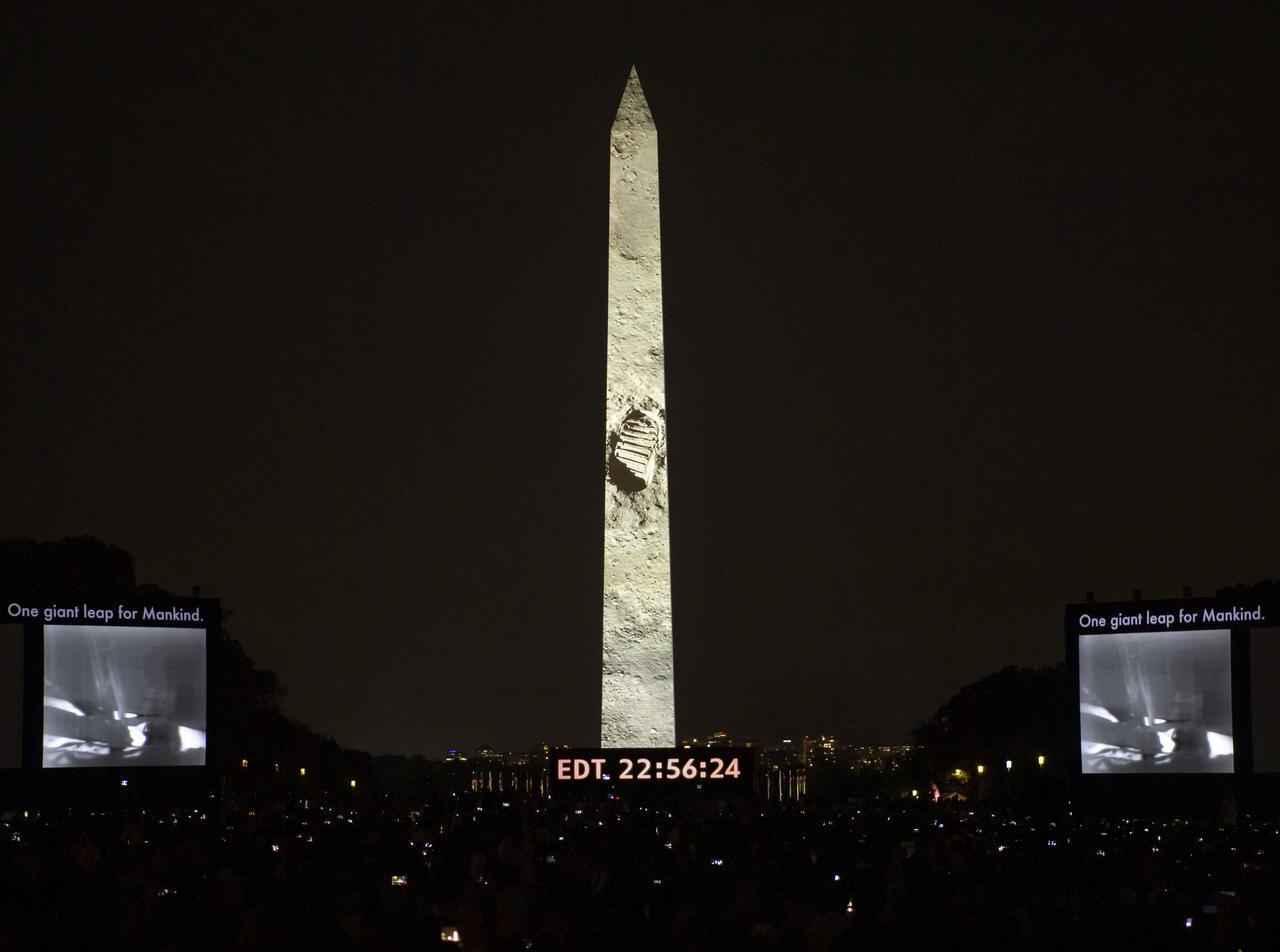
The 50 year anniversary of the Apollo 11 mission with NASA astronauts Neil Armstrong, Michael Collins, and Buzz Aldrin is celebrated in a 17-minute show, “Apollo 50: Go for the Moon”, by the Smithsonian’s National Air and Space Museum, which combined full-motion projection-mapping artwork on the Washington Monument and archival footage to recreate the launch of Apollo 11 and tell the story of the first moon landing, Friday, July 19, 2019 in Washington. Photo Credit: (NASA/Bill Ingalls)
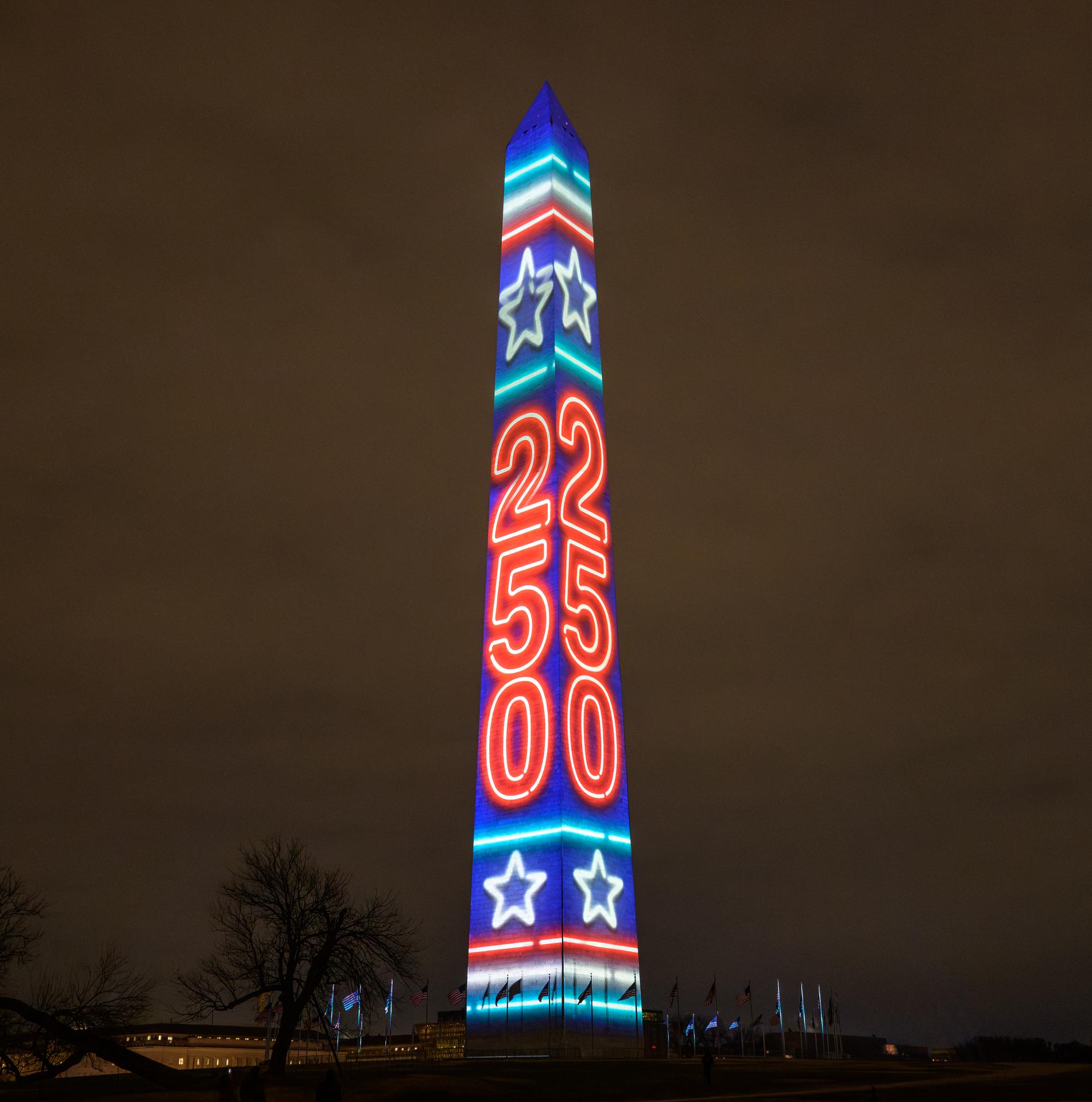
The Washington Monument is lit as part of an event to kick off the nation's 250th birthday year, Wednesday, Dec. 31, 2025, in Washington. Photo Credit: (NASA/Bill Ingalls)
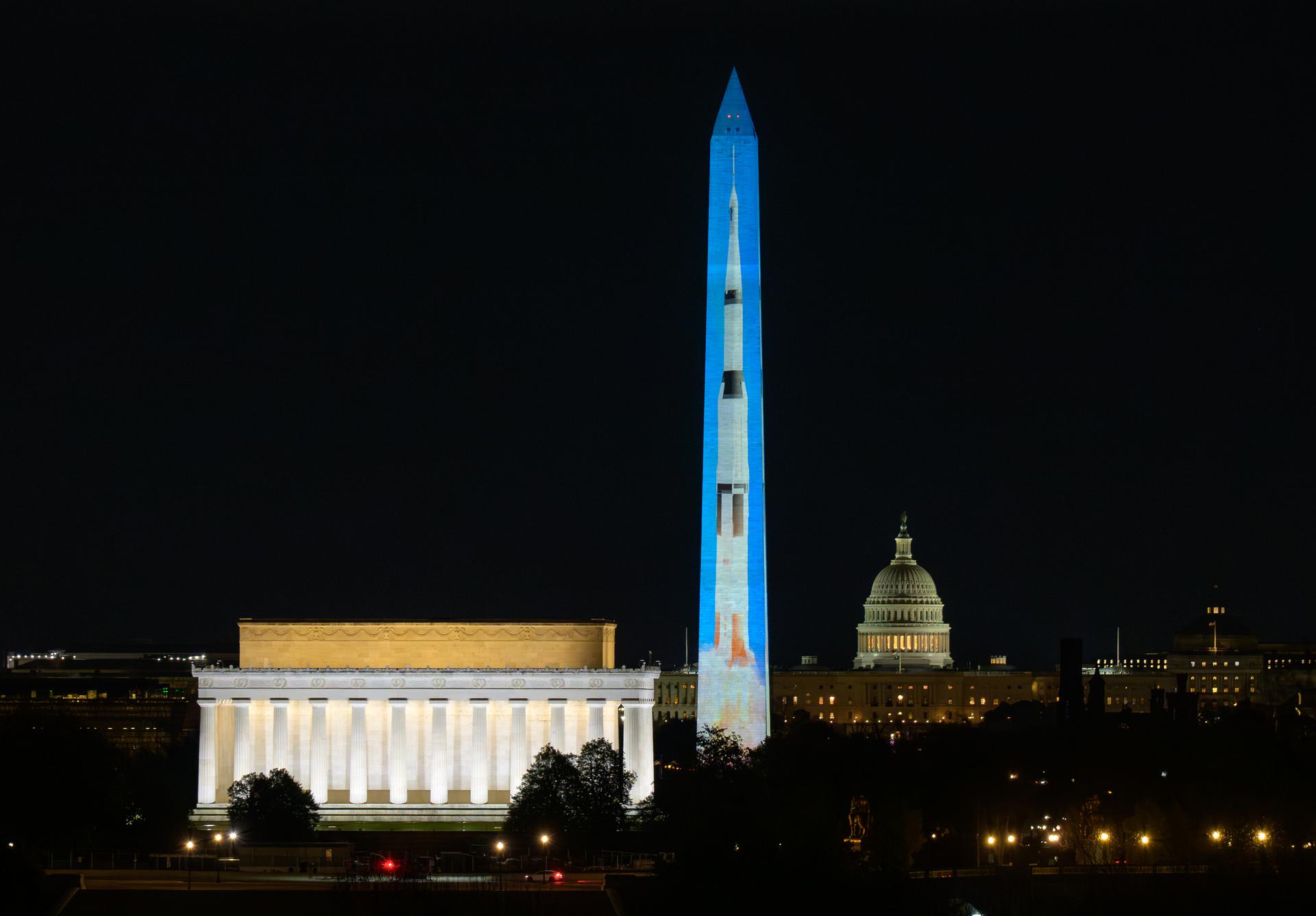
Images depicting NASA’s Saturn V Rocket are projected onto the Washington Monument as part of an event to kick off the nation's 250th birthday year, Wednesday, Dec. 31, 2025, in Washington. Photo Credit: (NASA/Bill Ingalls)
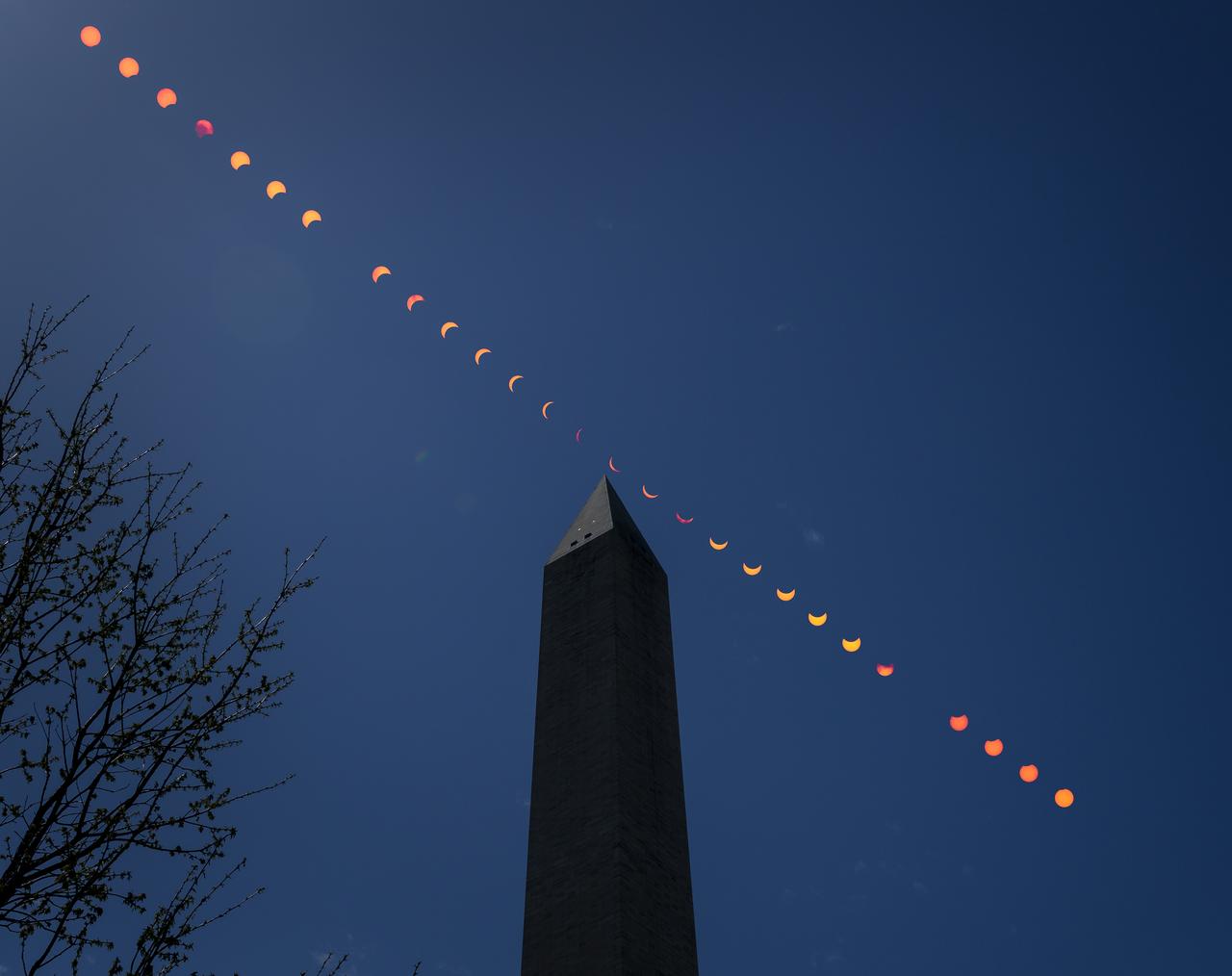
This composite image of multiple exposures shows the progression of a partial solar eclipse over the Washington Monument, Monday, April 8, 2024, in Washington. A total solar eclipse swept across a narrow portion of the North American continent from Mexico’s Pacific coast to the Atlantic coast of Newfoundland, Canada. A partial solar eclipse was visible across the entire North American continent along with parts of Central America and Europe. Photo Credit: (NASA/Bill Ingalls)

A man uses his smart phone to photograph a partial solar eclipse in Washington, on Monday, April 8, 2024. A total solar eclipse swept across a narrow portion of the North American continent from Mexico’s Pacific coast to the Atlantic coast of Newfoundland, Canada. A partial solar eclipse was visible across the entire North American continent along with parts of Central America and Europe. Photo Credit: (NASA/Bill Ingalls)
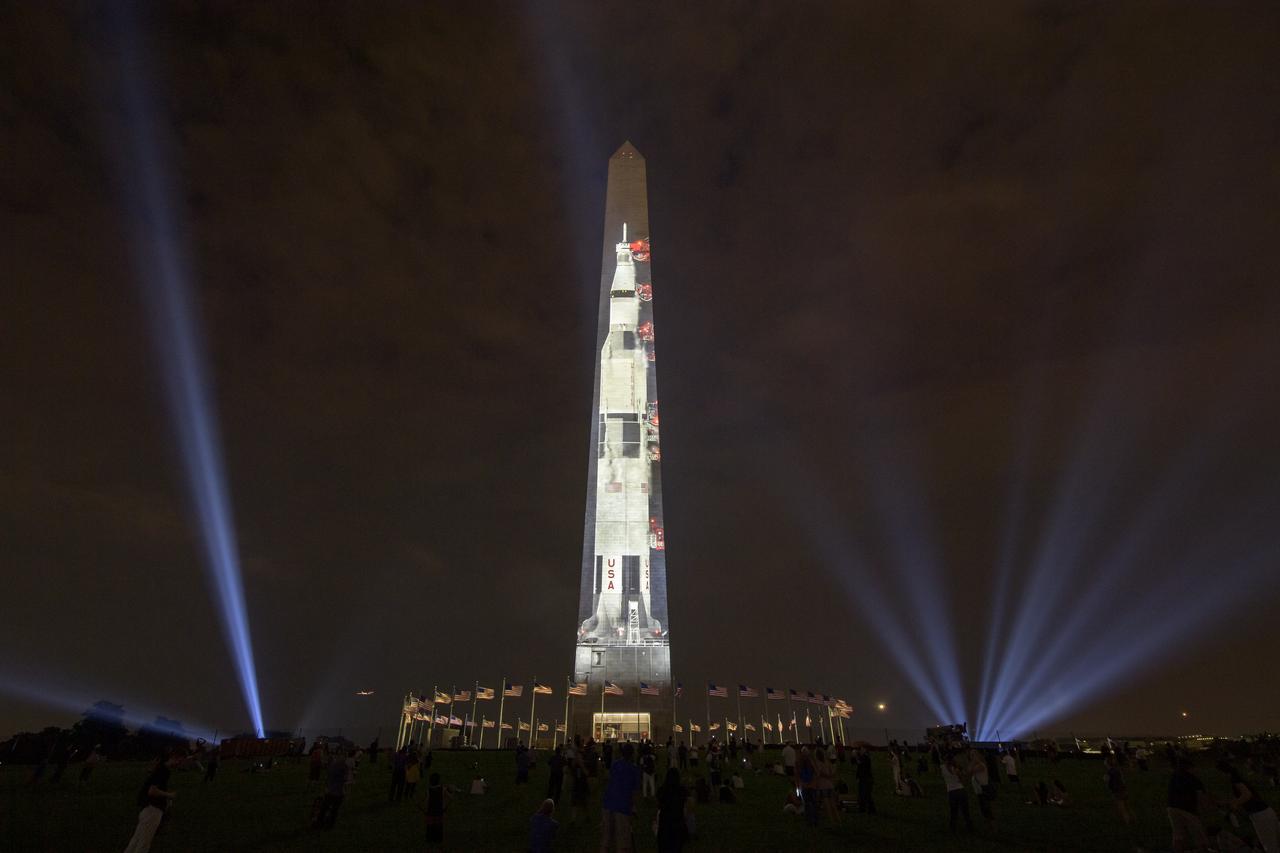
A full-sized, 363-foot Saturn V rocket is projected onto the east face of the Washington Monument 50 years to the day after astronauts Neil Armstrong, Michael Collins, and Buzz Aldrin launched on Apollo 11, the first mission to land astronauts on the Moon, Tuesday, July 16, 2019. On Friday, July 19, and Saturday, July 20, a special 17-minute show, “Apollo 50: Go for the Moon” will combine full-motion projection-mapping artwork on the monument and archival footage to recreate the launch of Apollo 11 and tell the story of the first moon landing. Photo Credit: (NASA/Bill Ingalls)
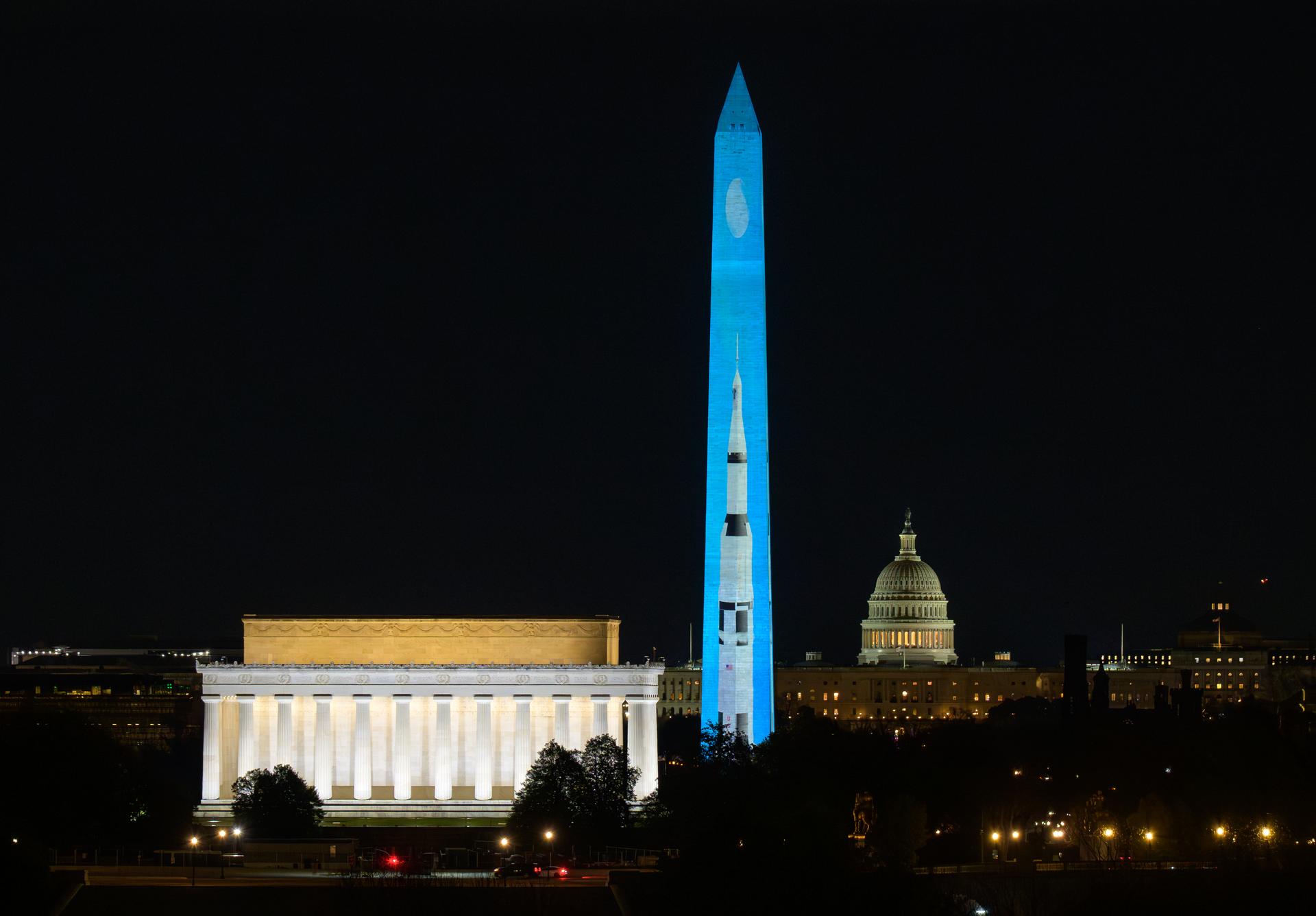
Images depicting NASA’s Saturn V Rocket are projected onto the Washington Monument as part of an event to kick off the nation's 250th birthday year, Wednesday, Dec. 31, 2025, in Washington. Photo Credit: (NASA/Bill Ingalls)
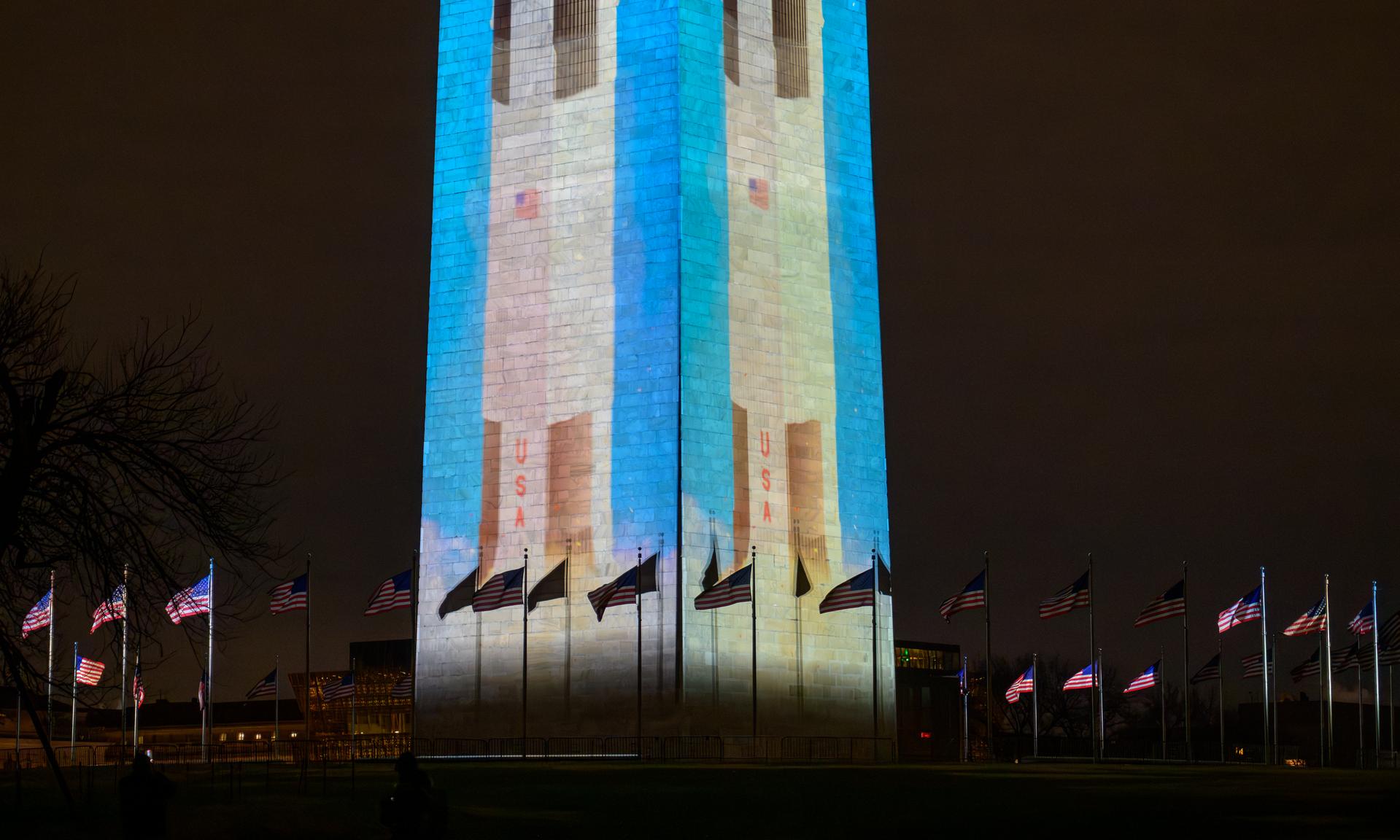
Images depicting NASA’s Saturn V Rocket are projected onto the Washington Monument as part of an event to kick off the nation's 250th birthday year, Wednesday, Dec. 31, 2025, in Washington. Photo Credit: (NASA/Bill Ingalls)

The Washington Monument is seen as the full moon is shadowed by the Earth during a total lunar eclipse on the arrival of the winter solstice, Tuesday, December 21, 2010 in Washington. From beginning to end, the eclipse lasted about three hours and twenty-eight minutes. Photo Credit: (NASA/Bill Ingalls)
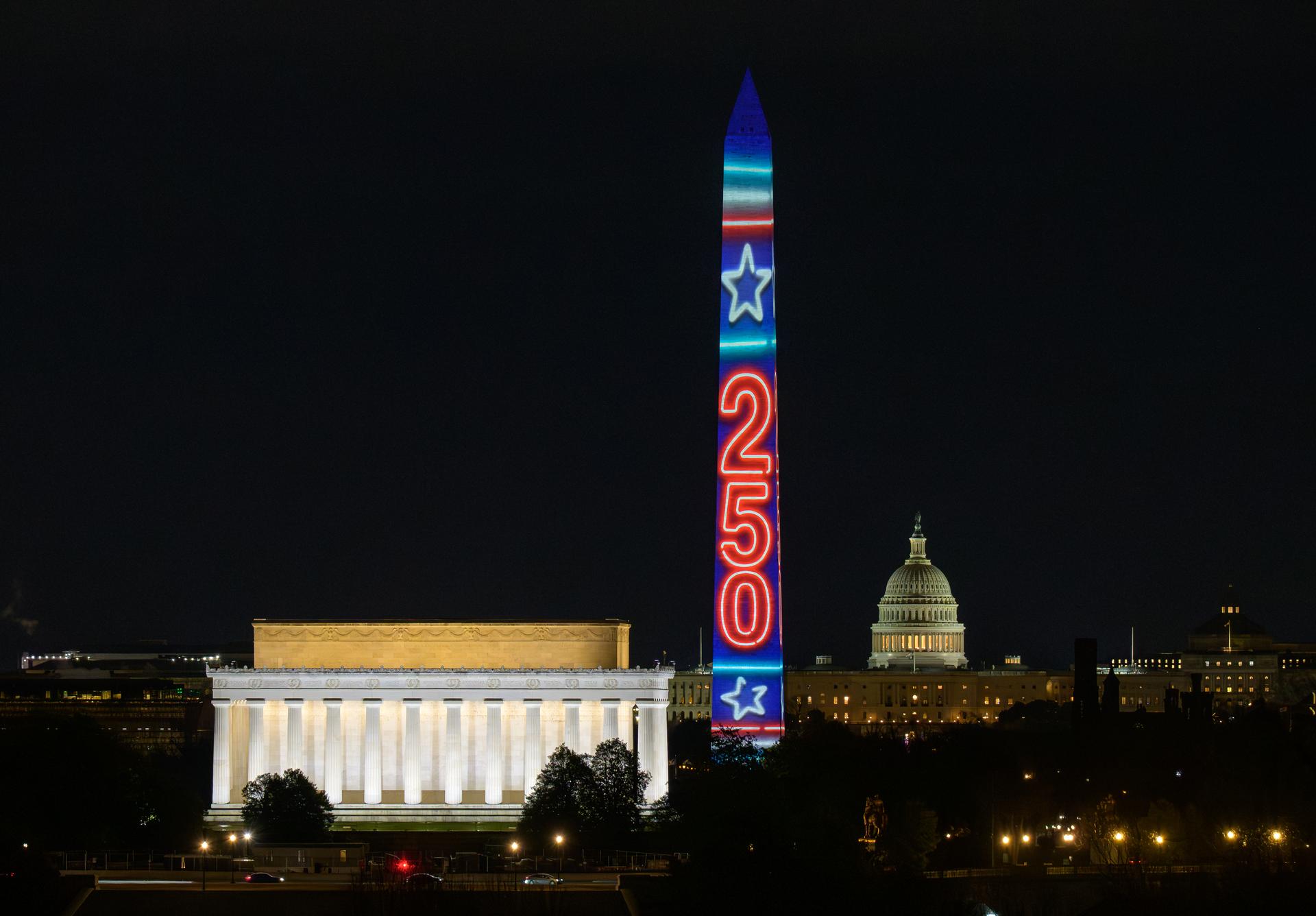
The Washington Monument is lit as part of an event to kick off the nation's 250th birthday year, Wednesday, Dec. 31, 2025, in Washington. Photo Credit: (NASA/Bill Ingalls)
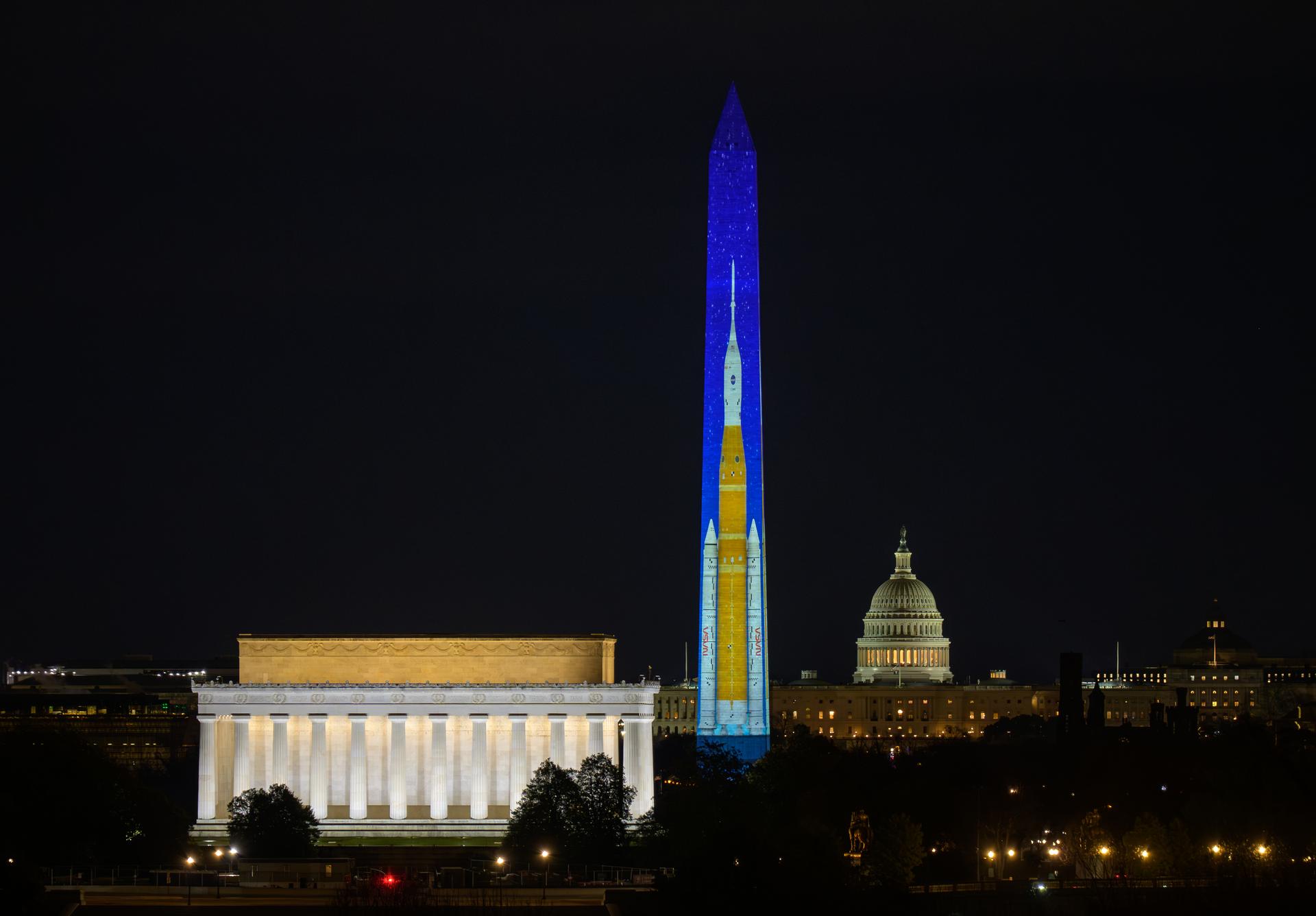
Images depicting NASA’s Space Launch System (SLS) rocket are projected onto the Washington Monument as part of an event to kick off the nation's 250th birthday year, Wednesday, Dec. 31, 2025, in Washington. Photo Credit: (NASA/Bill Ingalls)
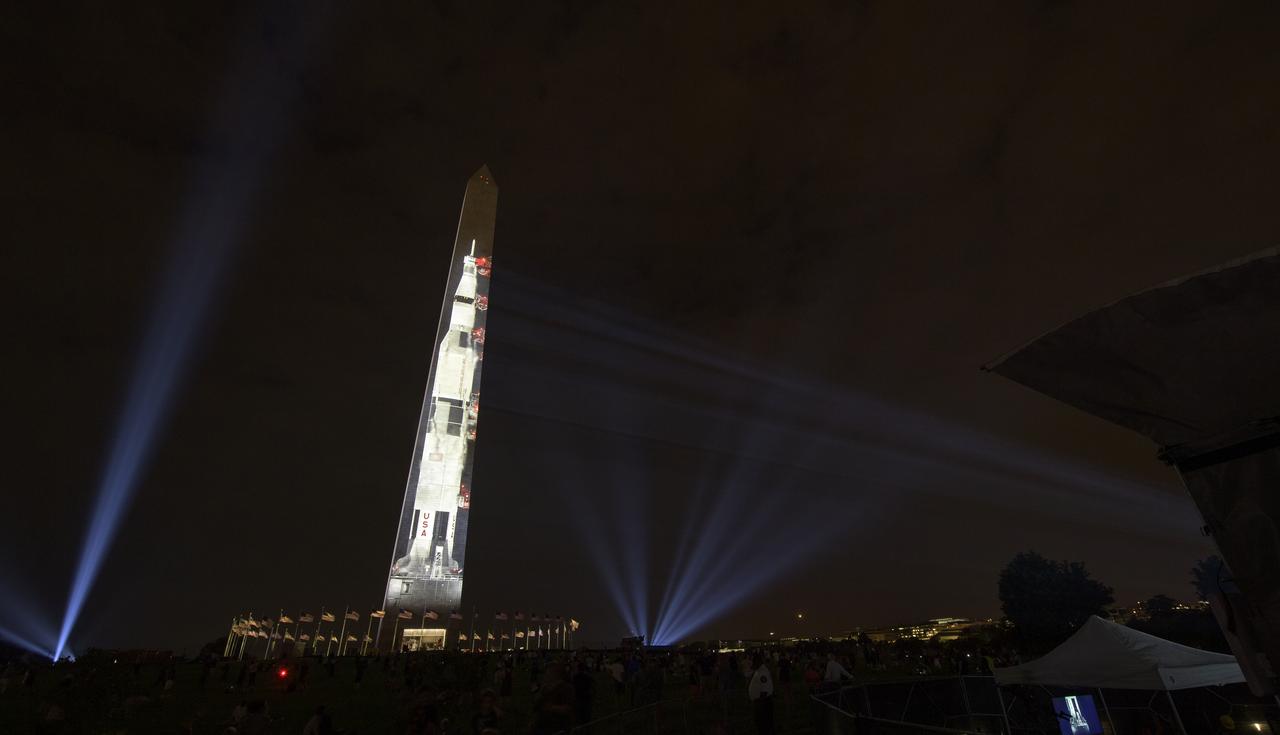
A full-sized, 363-foot Saturn V rocket is projected onto the east face of the Washington Monument 50 years to the day after astronauts Neil Armstrong, Michael Collins, and Buzz Aldrin launched on Apollo 11, the first mission to land astronauts on the Moon, Tuesday, July 16, 2019. On Friday, July 19, and Saturday, July 20, a special 17-minute show, “Apollo 50: Go for the Moon” will combine full-motion projection-mapping artwork on the monument and archival footage to recreate the launch of Apollo 11 and tell the story of the first moon landing. Photo Credit: (NASA/Bill Ingalls)
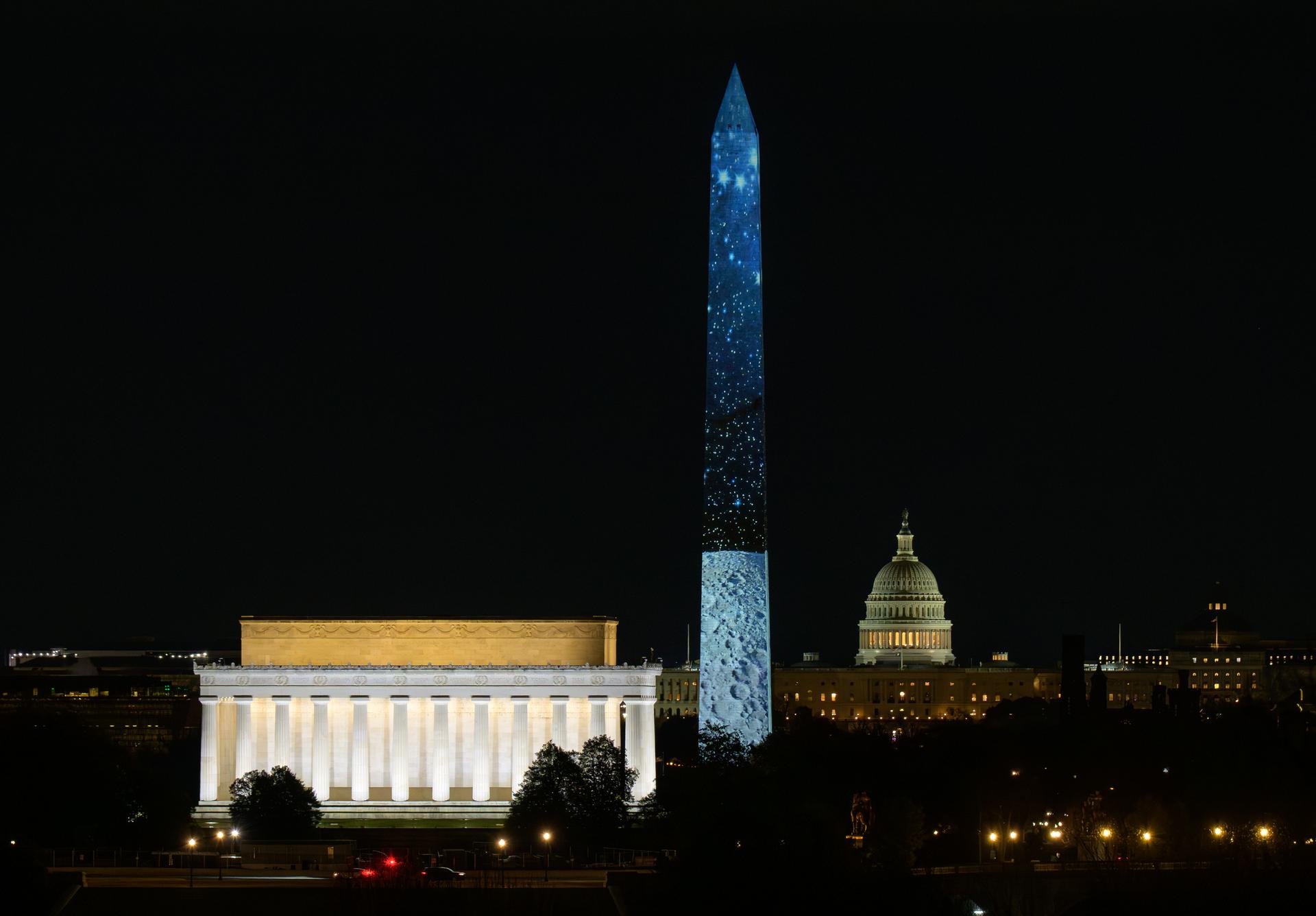
Images depicting NASA Moon missions are projected onto the Washington Monument as part of an event to kick off the nation's 250th birthday year, Wednesday, Dec. 31, 2025, in Washington. Photo Credit: (NASA/Bill Ingalls)

A woman watches a partial solar eclipse through protective glasses in Washington, on Monday, April 8, 2024. A total solar eclipse swept across a narrow portion of the North American continent from Mexico’s Pacific coast to the Atlantic coast of Newfoundland, Canada. A partial solar eclipse was visible across the entire North American continent along with parts of Central America and Europe. Photo Credit: (NASA/Bill Ingalls)
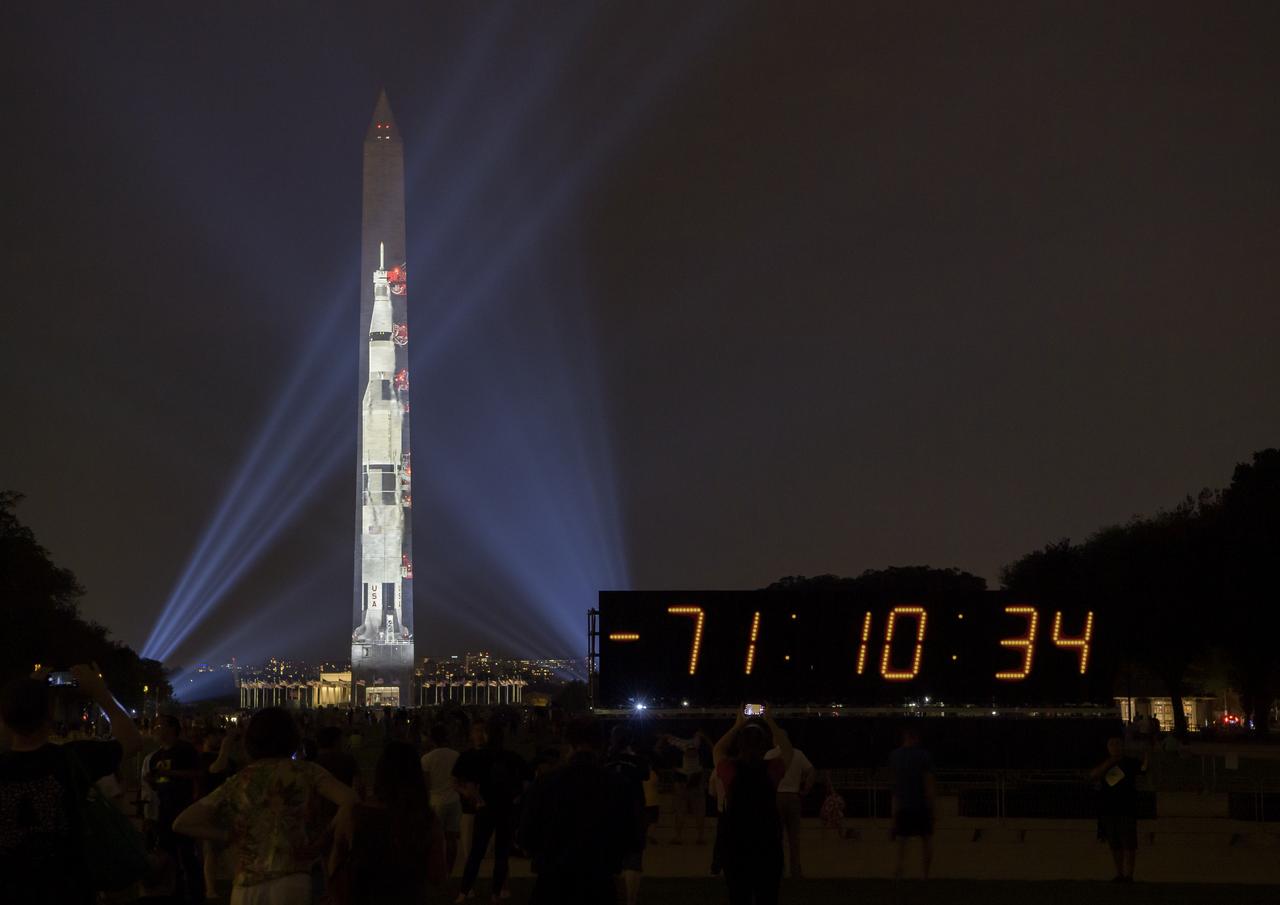
A full-sized, 363-foot Saturn V rocket is projected onto the east face of the Washington Monument 50 years to the day after astronauts Neil Armstrong, Michael Collins, and Buzz Aldrin launched on Apollo 11, the first mission to land astronauts on the Moon, Tuesday, July 16, 2019. On Friday, July 19, and Saturday, July 20, a special 17-minute show, “Apollo 50: Go for the Moon” will combine full-motion projection-mapping artwork on the monument and archival footage to recreate the launch of Apollo 11 and tell the story of the first moon landing. Photo Credit: (NASA/Bill Ingalls)
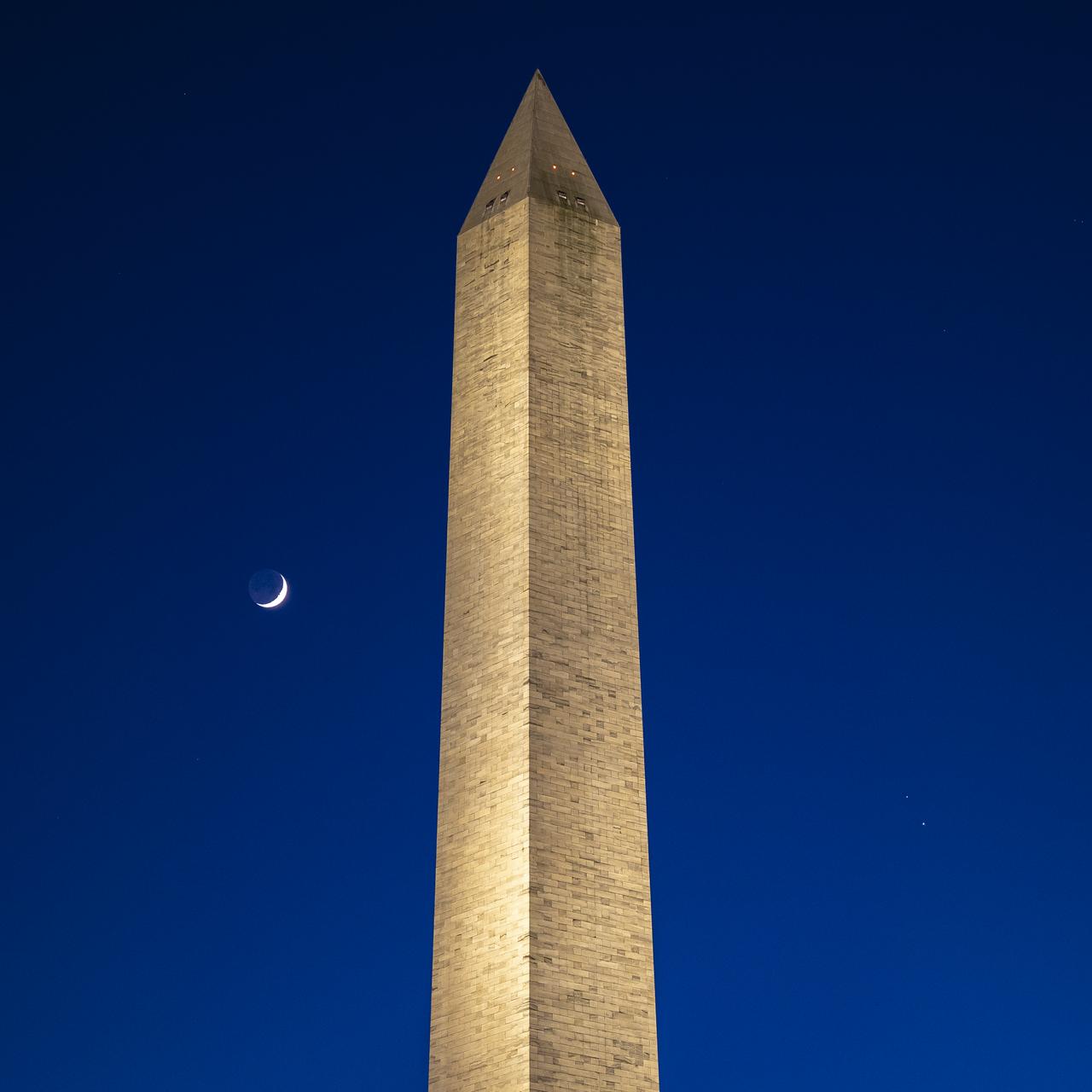
The Moon, left, Saturn, upper right, and Jupiter, lower right, are seen after sunset with the Washington Monument, Thurs. Dec. 17, 2020, in Washington. The two planets are drawing closer to each other in the sky as they head towards a “great conjunction” on December 21, where the two giant planets will appear a tenth of a degree apart. Photo Credit: (NASA/Bill Ingalls)
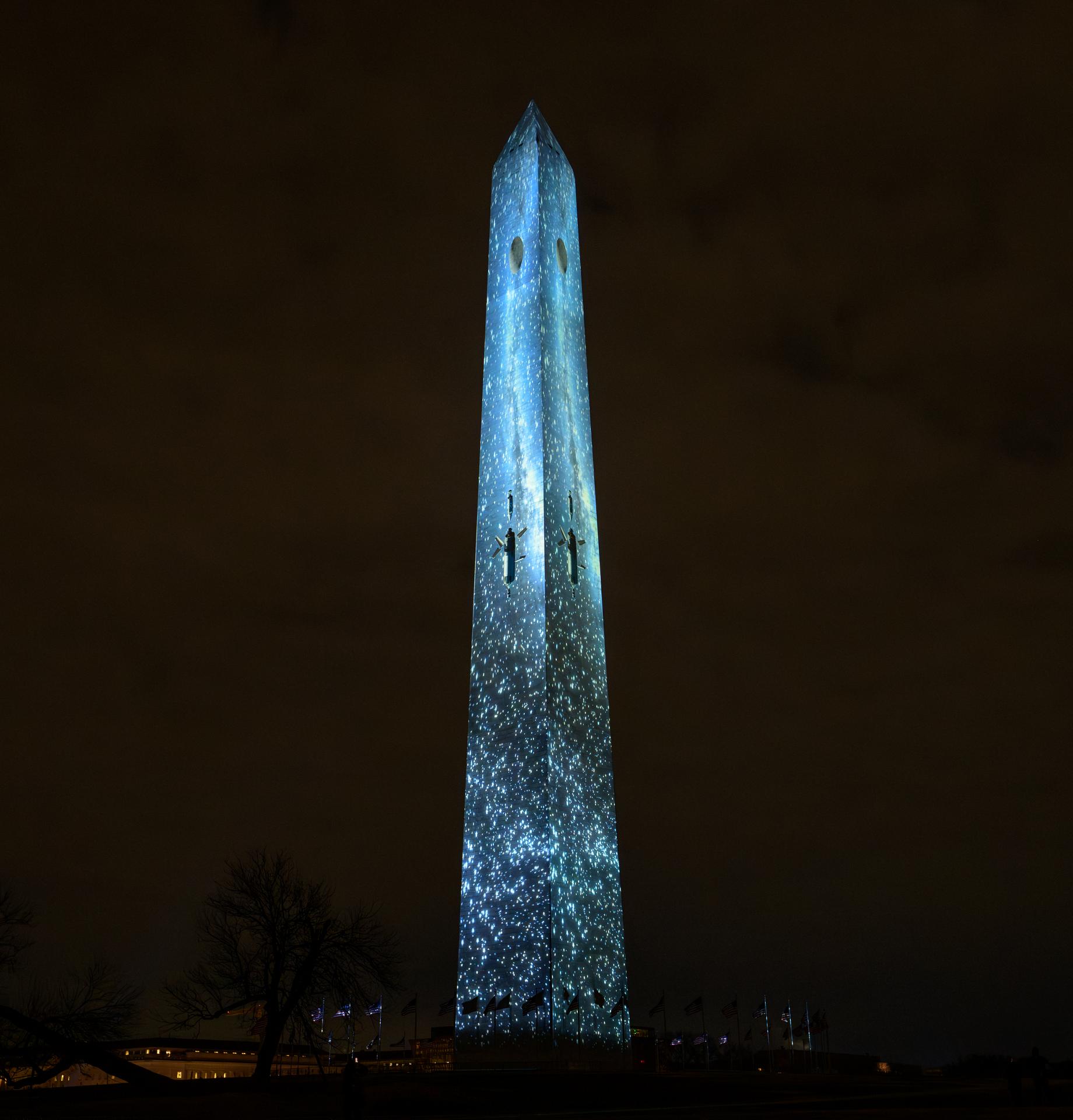
Images depicting NASA missions are projected onto the Washington Monument as part of an event to kick off the nation's 250th birthday year, Wednesday, Dec. 31, 2025, in Washington. Photo Credit: (NASA/Bill Ingalls)

People are seen as they watch a partial solar eclipse through protective glasses in Washington, on Monday, April 8, 2024. A total solar eclipse swept across a narrow portion of the North American continent from Mexico’s Pacific coast to the Atlantic coast of Newfoundland, Canada. A partial solar eclipse was visible across the entire North American continent along with parts of Central America and Europe. Photo Credit: (NASA/Bill Ingalls)
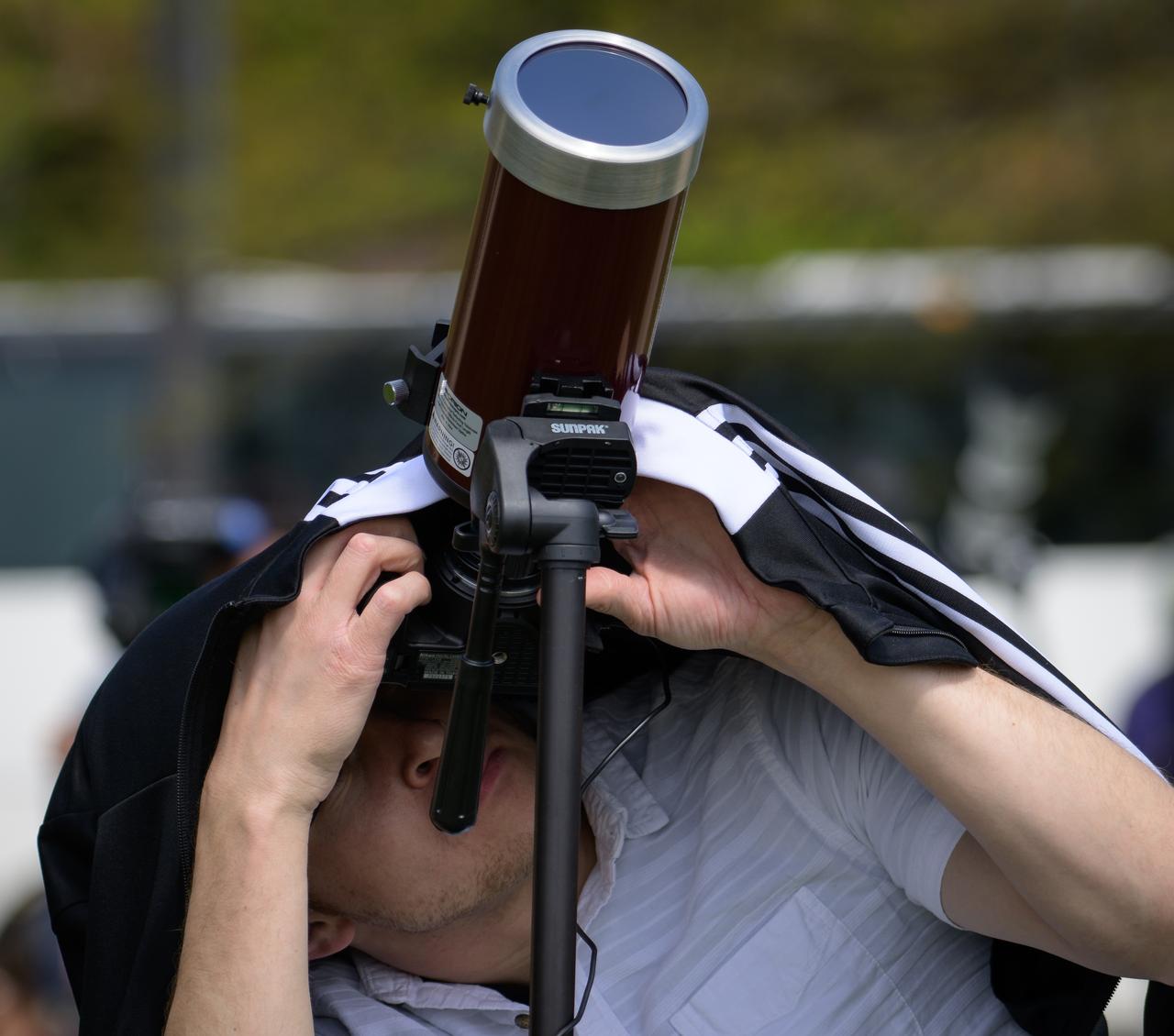
A man views a partial solar eclipse through a telescope equipped with a protective solar filter in Washington, on Monday, April 8, 2024. A total solar eclipse swept across a narrow portion of the North American continent from Mexico’s Pacific coast to the Atlantic coast of Newfoundland, Canada. A partial solar eclipse was visible across the entire North American continent along with parts of Central America and Europe. Photo Credit: (NASA/Bill Ingalls)
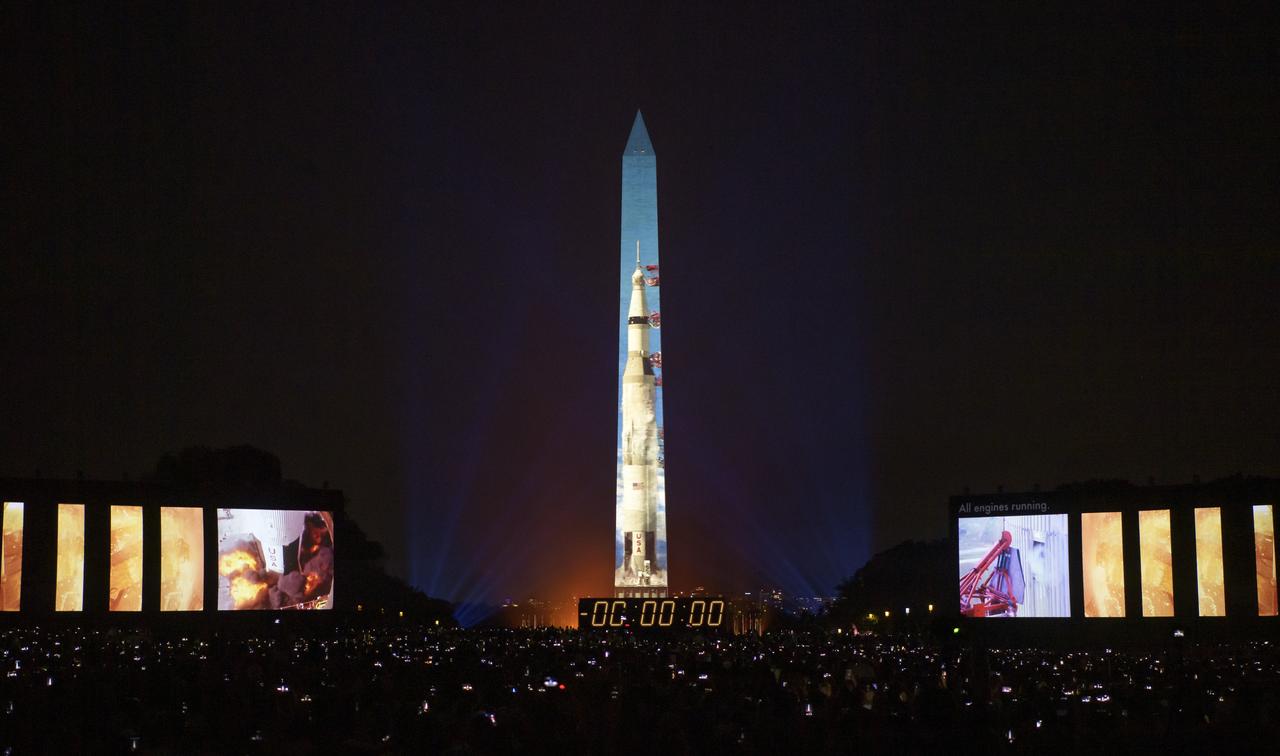
The 50 year anniversary of the Apollo 11 mission with NASA astronauts Neil Armstrong, Michael Collins, and Buzz Aldrin is celebrated in a 17-minute show, “Apollo 50: Go for the Moon”, by the Smithsonian’s National Air and Space Museum, which combined full-motion projection-mapping artwork on the Washington Monument and archival footage to recreate the launch of Apollo 11 and tell the story of the first moon landing, Friday, July 19, 2019 in Washington. Photo Credit: (NASA/Bill Ingalls)
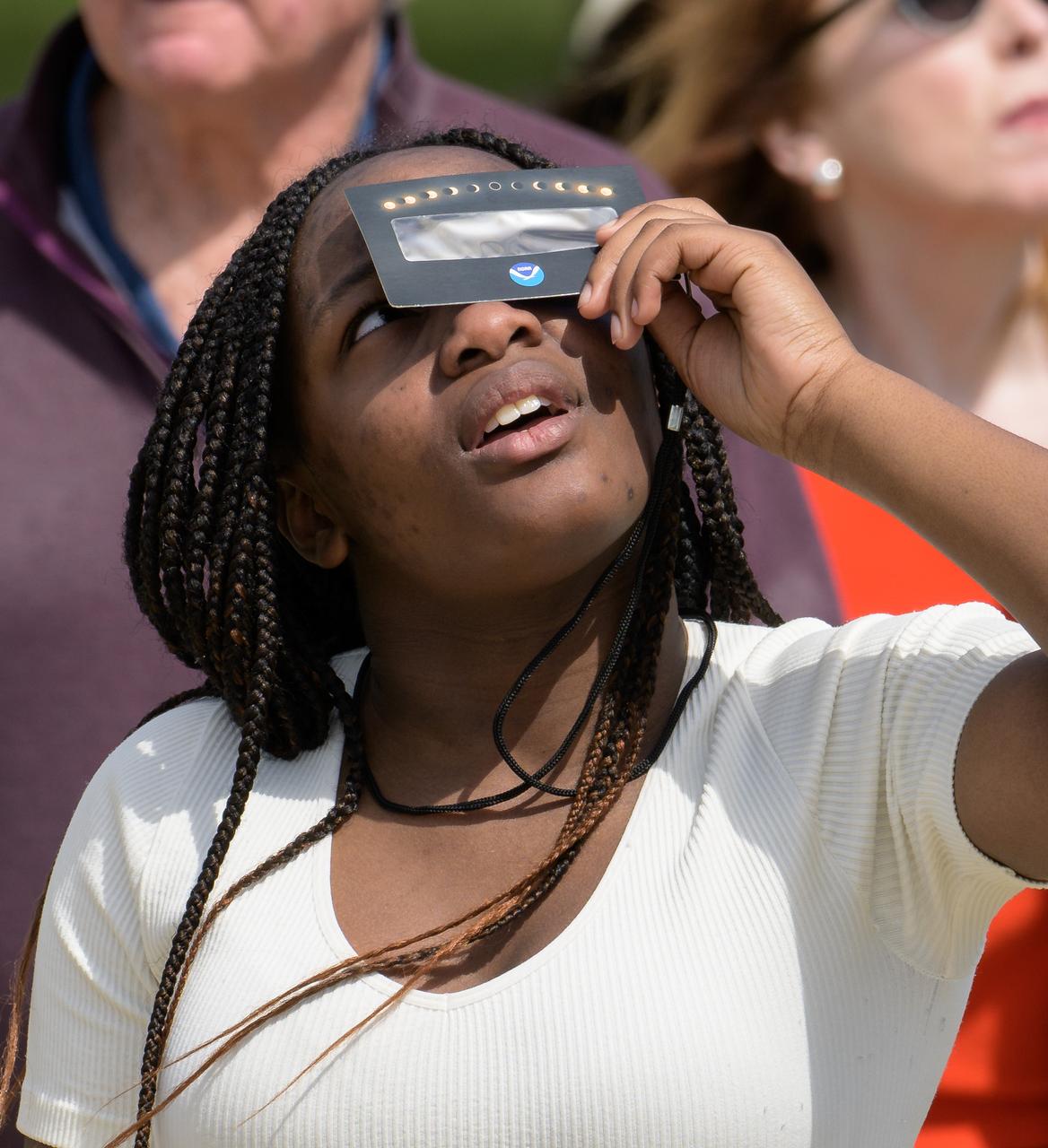
A woman watches a partial solar eclipse through protective glasses in Washington, on Monday, April 8, 2024. A total solar eclipse swept across a narrow portion of the North American continent from Mexico’s Pacific coast to the Atlantic coast of Newfoundland, Canada. A partial solar eclipse was visible across the entire North American continent along with parts of Central America and Europe. Photo Credit: (NASA/Bill Ingalls)
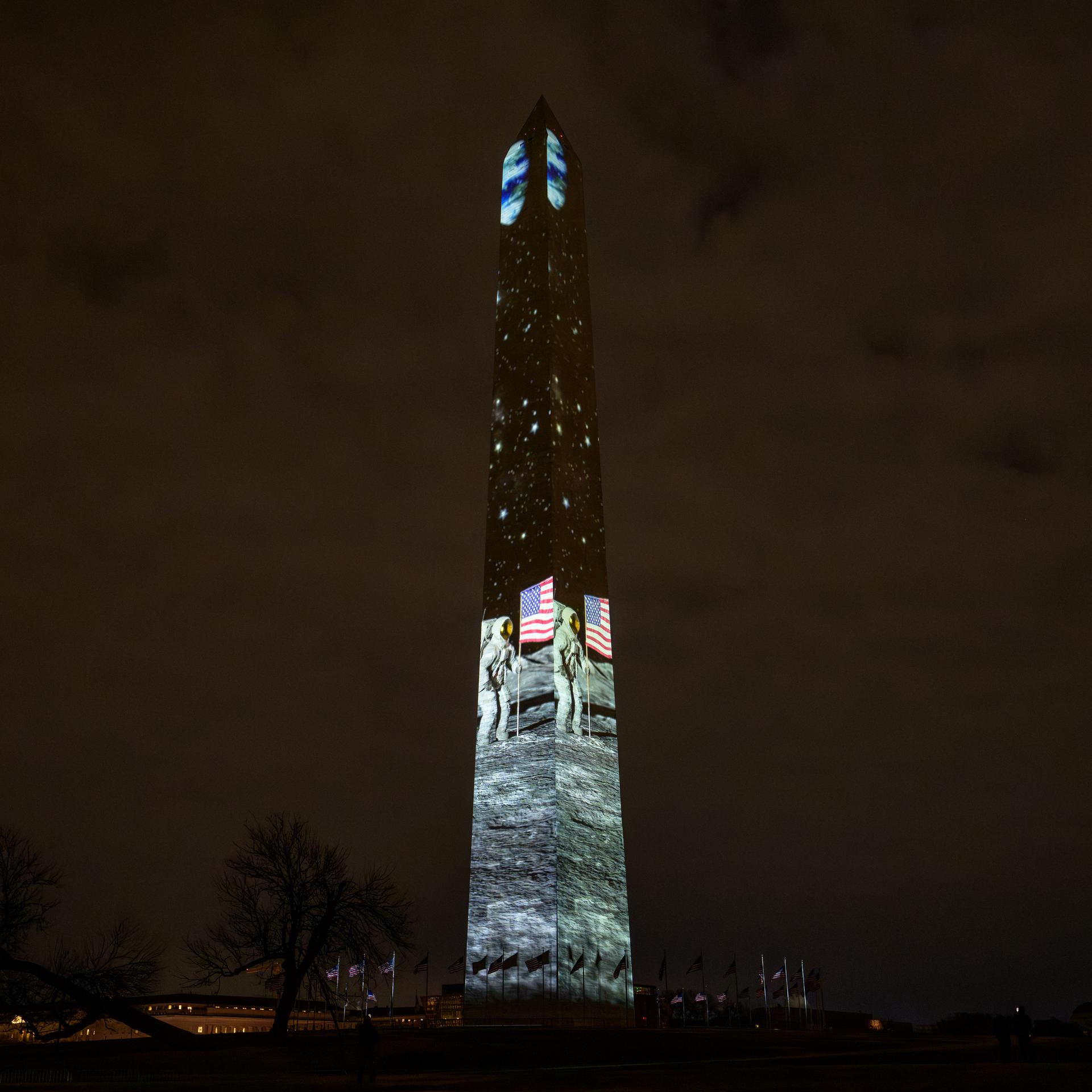
Images depicting NASA Apollo Moon missions are projected onto Washington Monument as part of an event to kick off the nation's 250th birthday year, Wednesday, Dec. 31, 2025, in Washington. Photo Credit: (NASA/Bill Ingalls)
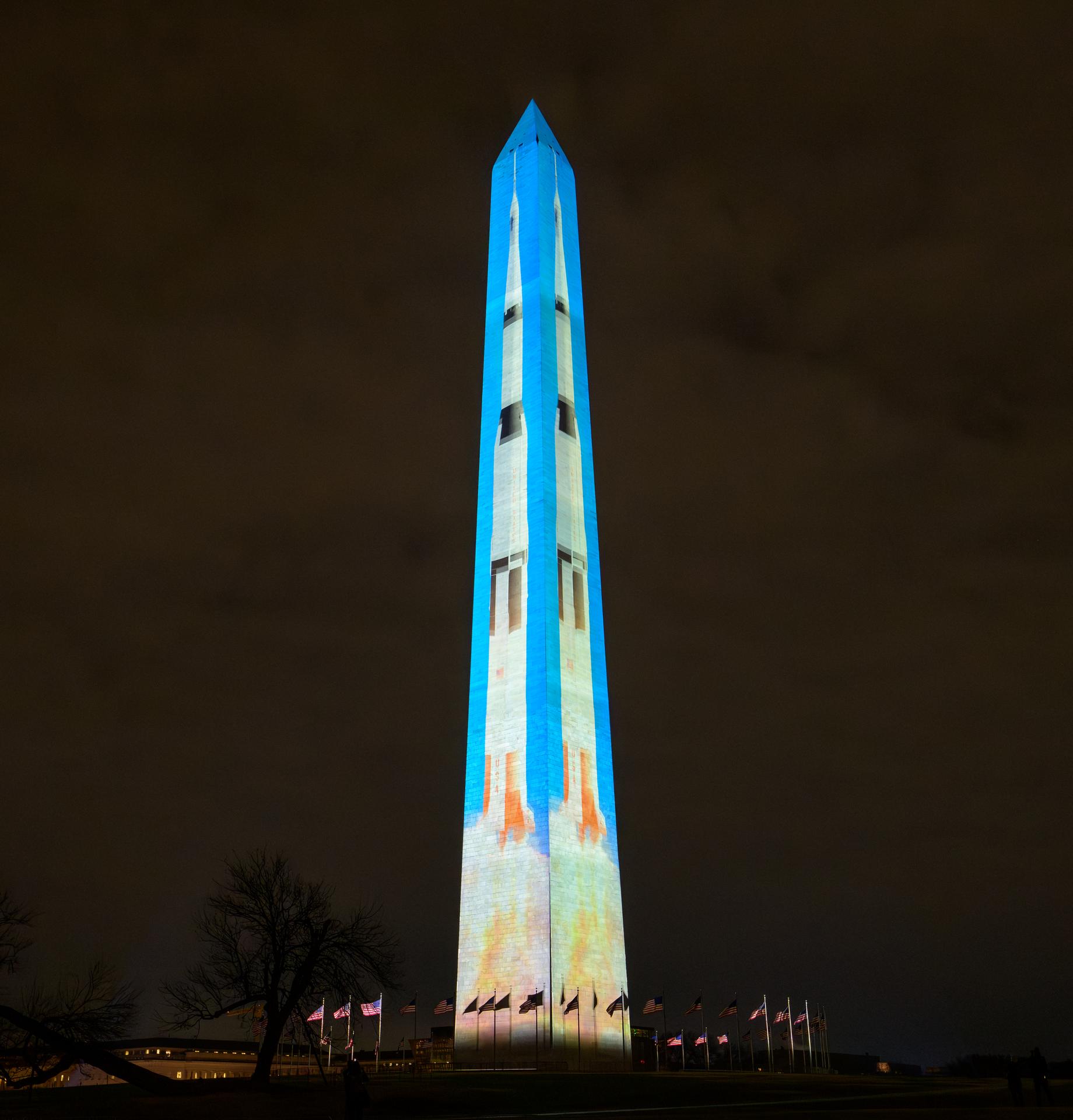
Images depicting NASA’s Saturn V Rocket are projected onto the Washington Monument as part of an event to kick off the nation's 250th birthday year, Wednesday, Dec. 31, 2025, in Washington. Photo Credit: (NASA/Bill Ingalls)
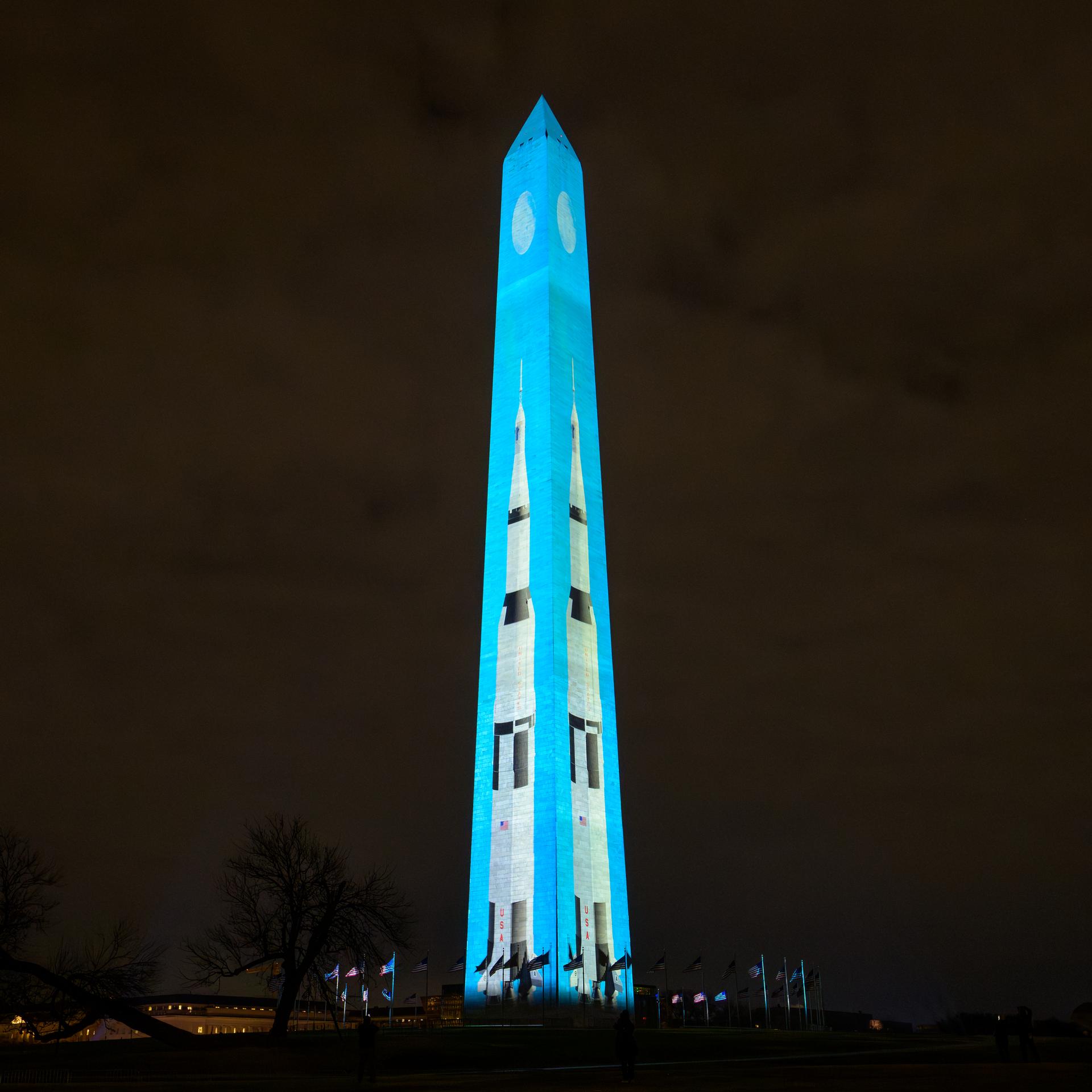
Images depicting NASA’s Saturn V Rocket are projected onto the Washington Monument as part of an event to kick off the nation's 250th birthday year, Wednesday, Dec. 31, 2025, in Washington. Photo Credit: (NASA/Bill Ingalls)
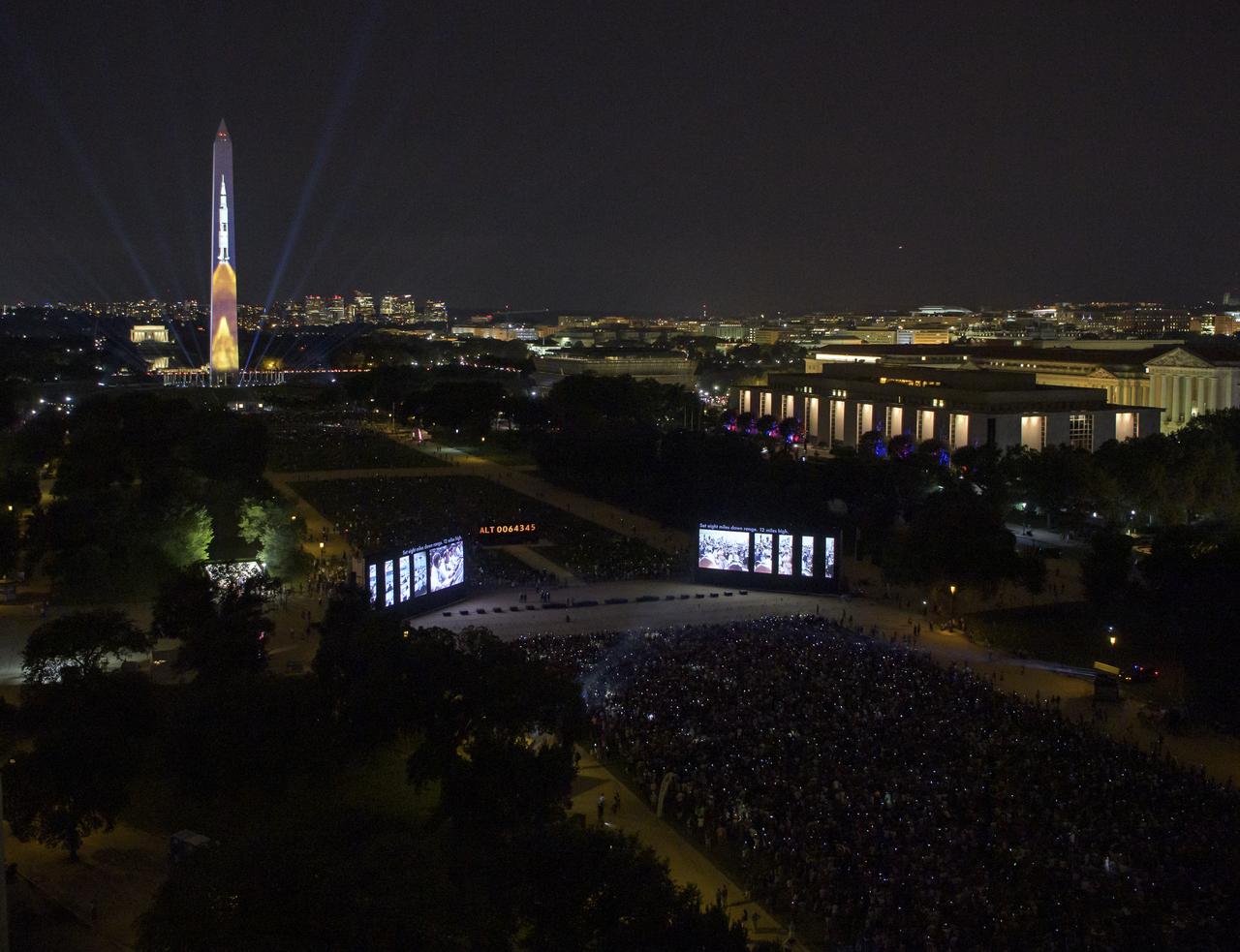
The 50 year anniversary of the Apollo 11 mission with NASA astronauts Neil Armstrong, Michael Collins, and Buzz Aldrin is celebrated in a 17-minute show, “Apollo 50: Go for the Moon”, by the Smithsonian’s National Air and Space Museum, which combined full-motion projection-mapping artwork on the Washington Monument and archival footage to recreate the launch of Apollo 11 and tell the story of the first moon landing, Friday, July 19, 2019 in Washington. Photo Credit: (NASA/Bill Ingalls)
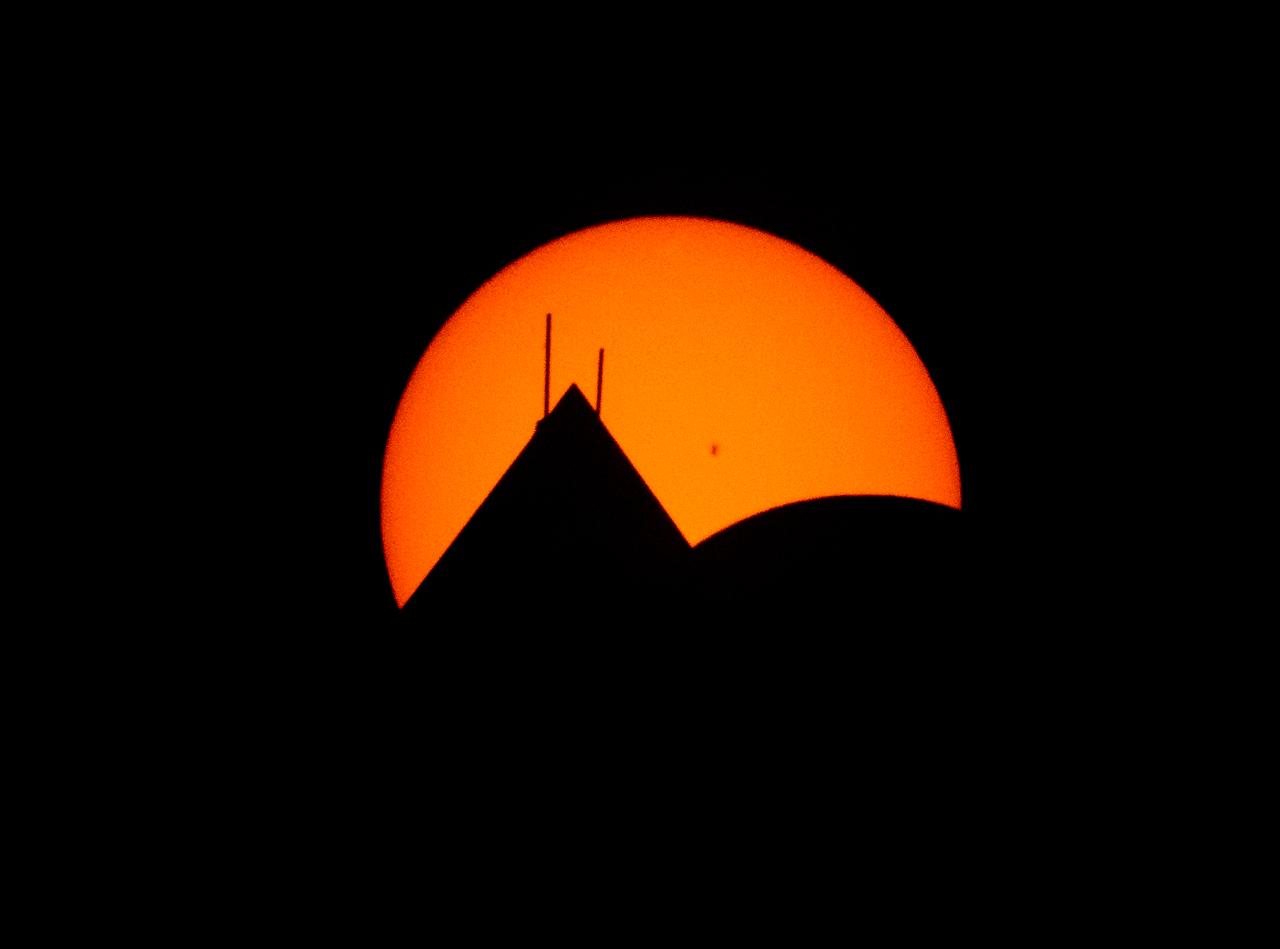
The Moon, lower right, is seen passing in front of the Sun, with the top of the Washington Monument in silhouette, during a partial solar eclipse in Washington, on Monday, April 8, 2024. A total solar eclipse swept across a narrow portion of the North American continent from Mexico’s Pacific coast to the Atlantic coast of Newfoundland, Canada. A partial solar eclipse was visible across the entire North American continent along with parts of Central America and Europe. Photo Credit: (NASA/Bill Ingalls)
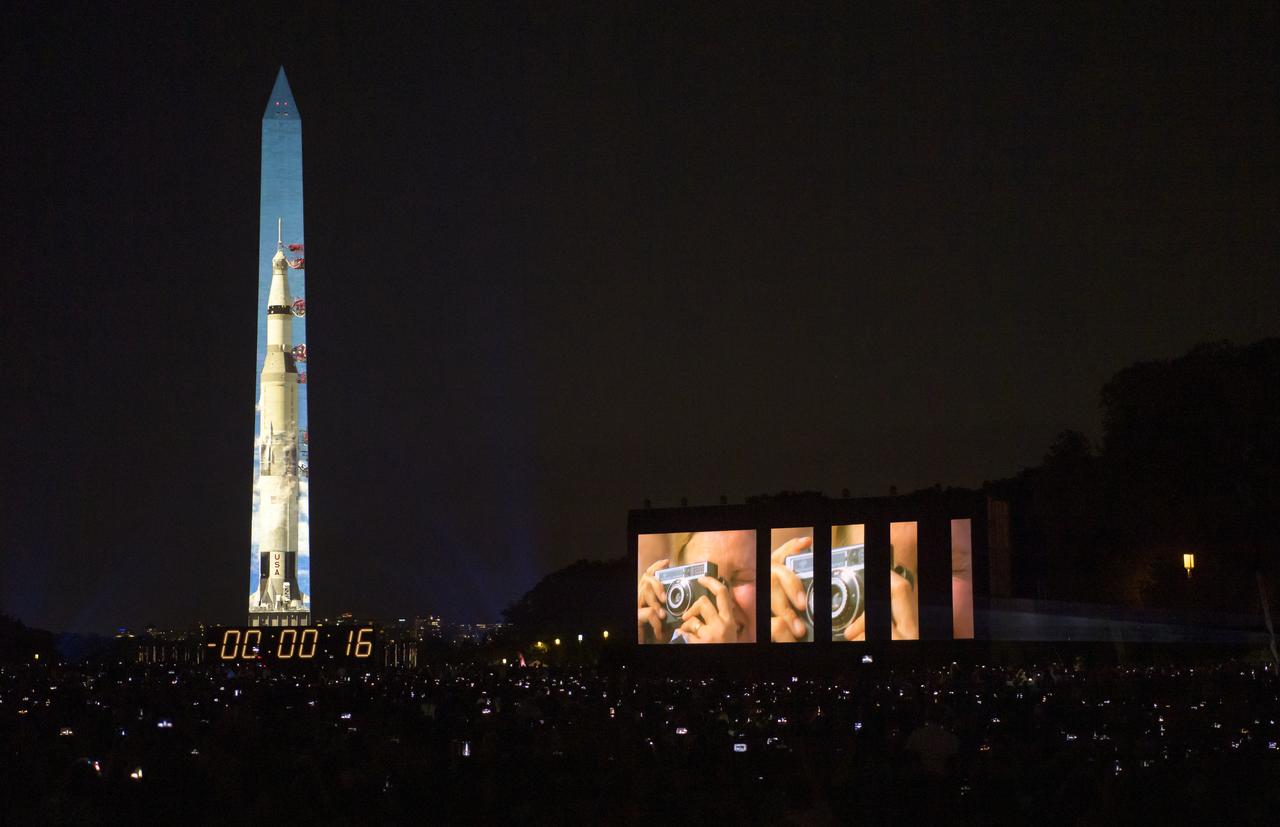
The 50 year anniversary of the Apollo 11 mission with NASA astronauts Neil Armstrong, Michael Collins, and Buzz Aldrin is celebrated in a 17-minute show, “Apollo 50: Go for the Moon”, by the Smithsonian’s National Air and Space Museum, which combined full-motion projection-mapping artwork on the Washington Monument and archival footage to recreate the launch of Apollo 11 and tell the story of the first moon landing, Friday, July 19, 2019 in Washington. Photo Credit: (NASA/Bill Ingalls)

A man uses his smart phone to photograph a partial solar eclipse in Washington, on Monday, April 8, 2024. A total solar eclipse swept across a narrow portion of the North American continent from Mexico’s Pacific coast to the Atlantic coast of Newfoundland, Canada. A partial solar eclipse was visible across the entire North American continent along with parts of Central America and Europe. Photo Credit: (NASA/Bill Ingalls)