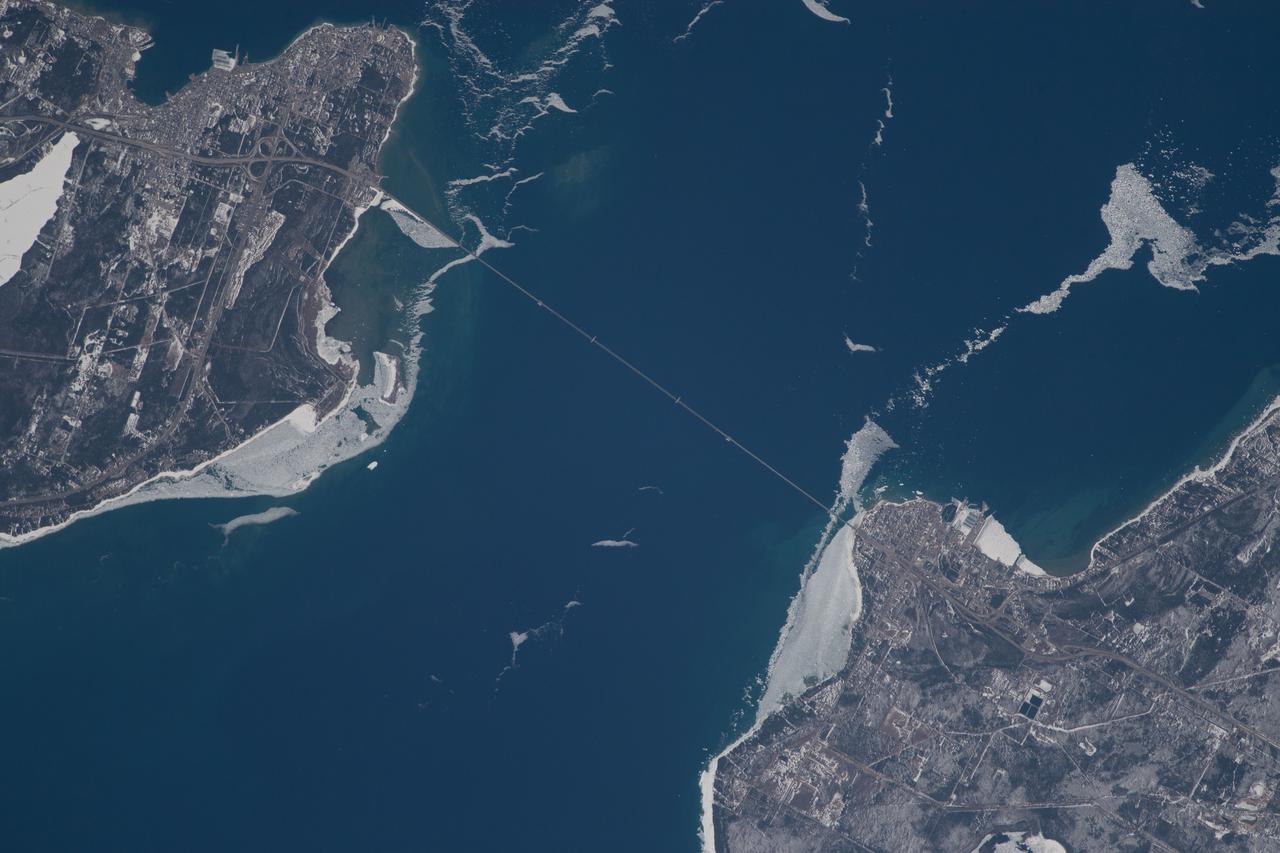
iss055e018833 (April 10, 2018) --- An Expedition 55 crew member photographed the Mackinac Bridge which connects the upper and lower peninsulas of the state of Michigan across an area of water separating Lake Michigan and Lake Huron.
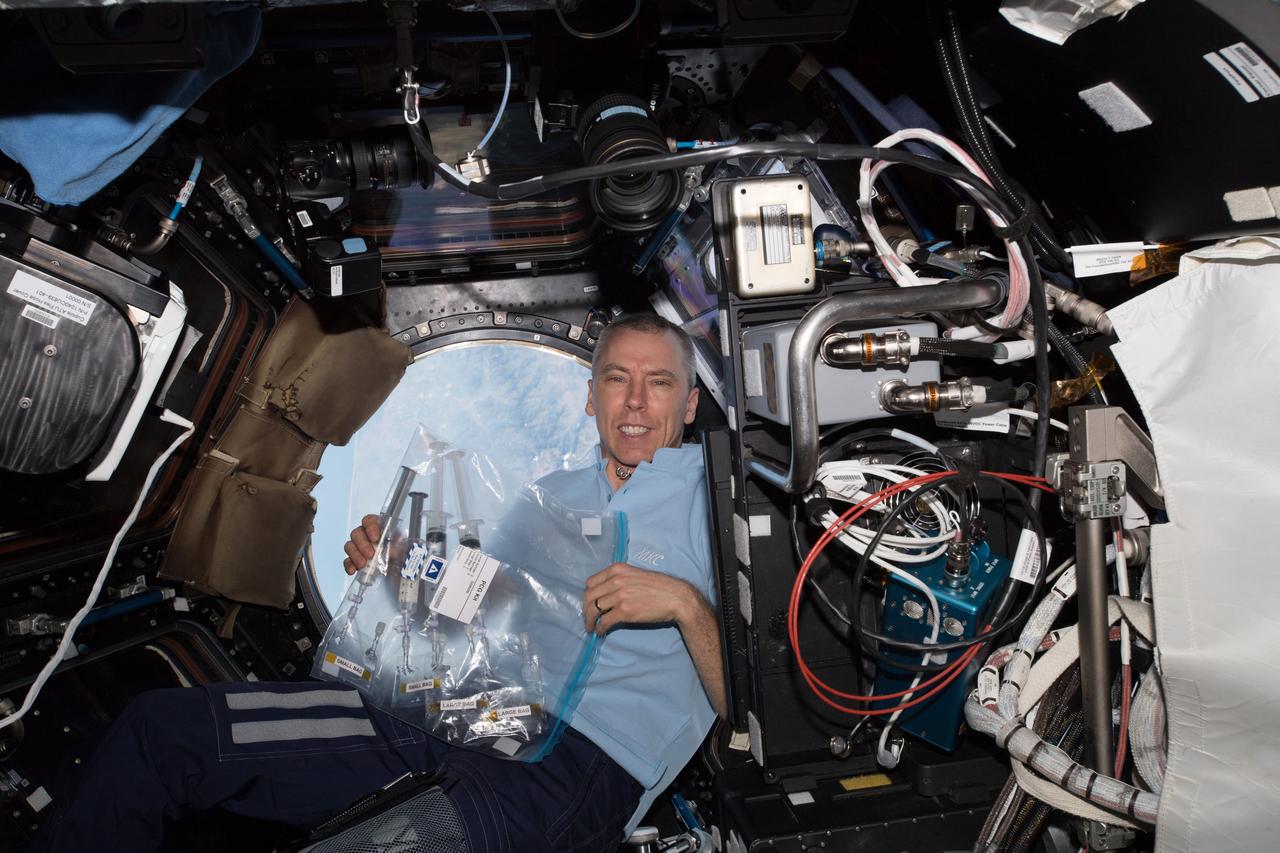
iss055e024521 (April 18, 2018) --- Flight Engineer Drew Feustel holds a bag containing samples that had been collected, documented and inspected for the Protein Crystal Growth-9 experiment. Feustel was in the Cupola as the International Space Station was orbiting over southern Mexico near the Guatemalan border.
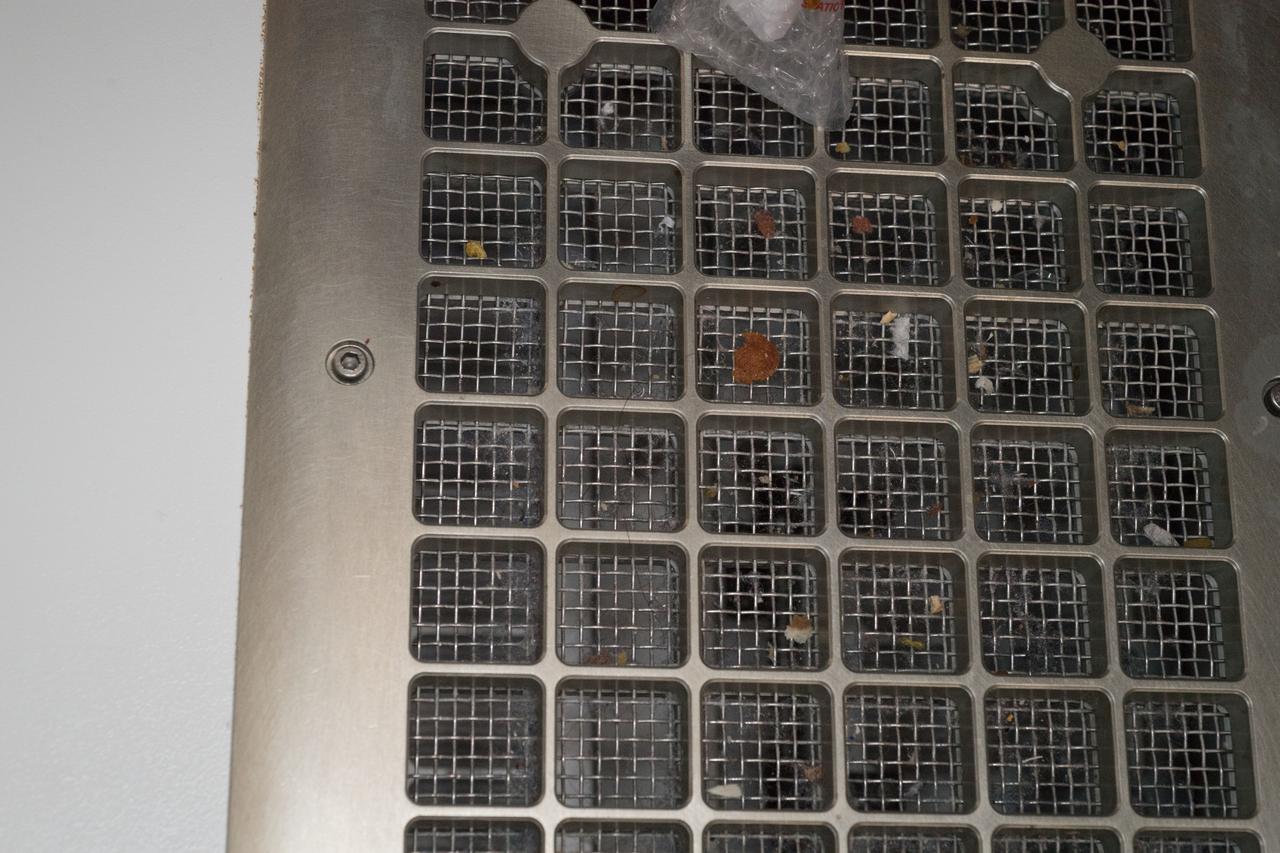
iss055e035971 (4/28/2018) --- Photo documentation of locations of where samples taken by the crew for the Divert Unwanted Space Trash (DUST) operations aboard the International Space Station (ISS). The DUST investigation collects and analyzes particulates in airborne debris from the ISS cabin. Unique aspects of the spacecraft environment, such as lack of gravity and no fresh air, influence the size, quantity, and components of airborne particulate matter, which in turn affects air quality aboard the station. The data also provides baseline information for future spacecraft particle detector design, and the debris can be used for realistic testing of possible particulate monitors for future long-duration missions.
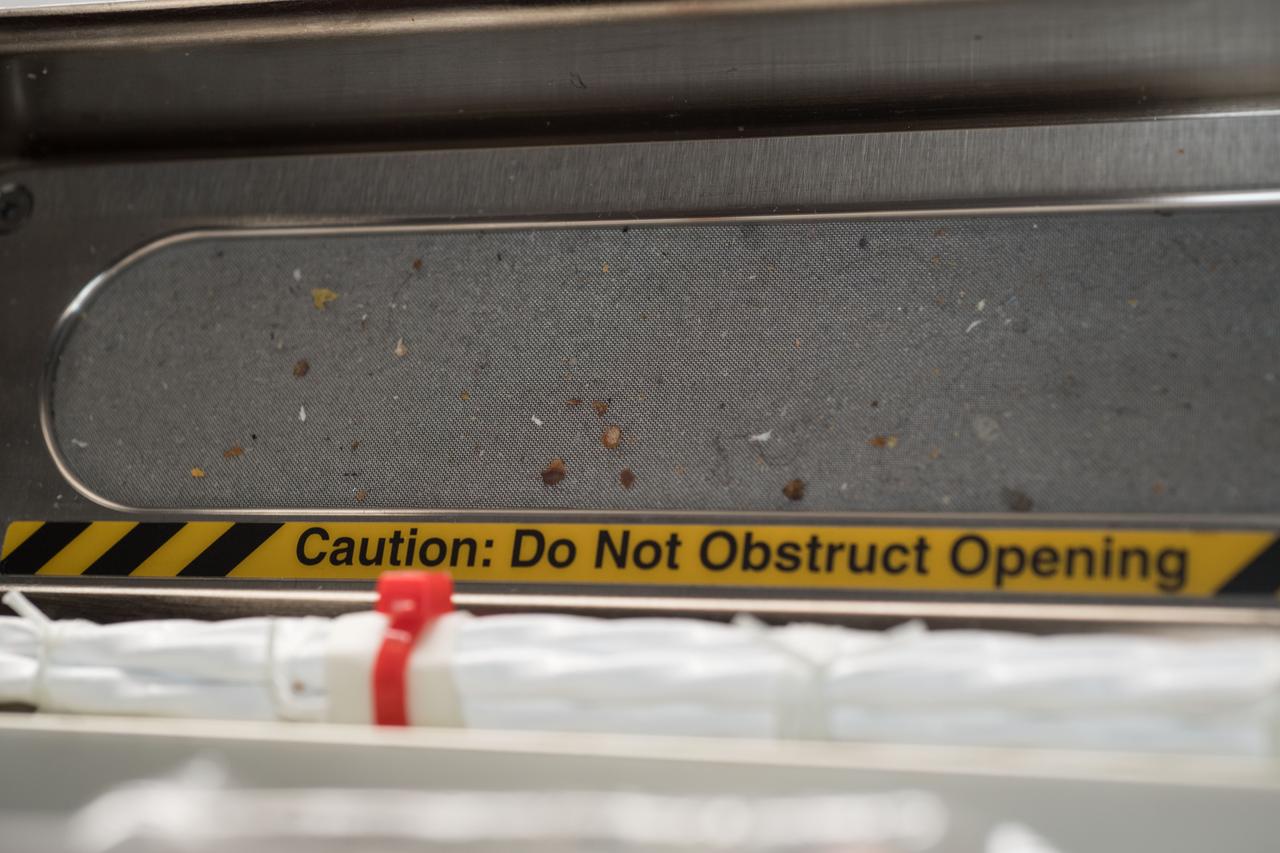
iss055e027816 (4/21/2018) --- Photo documentation of locations of where samples taken by the crew for the Divert Unwanted Space Trash (DUST) operations aboard the International Space Station (ISS). The DUST investigation collects and analyzes particulates in airborne debris from the ISS cabin. Unique aspects of the spacecraft environment, such as lack of gravity and no fresh air, influence the size, quantity, and components of airborne particulate matter, which in turn affects air quality aboard the station. The data also provides baseline information for future spacecraft particle detector design, and the debris can be used for realistic testing of possible particulate monitors for future long-duration missions.
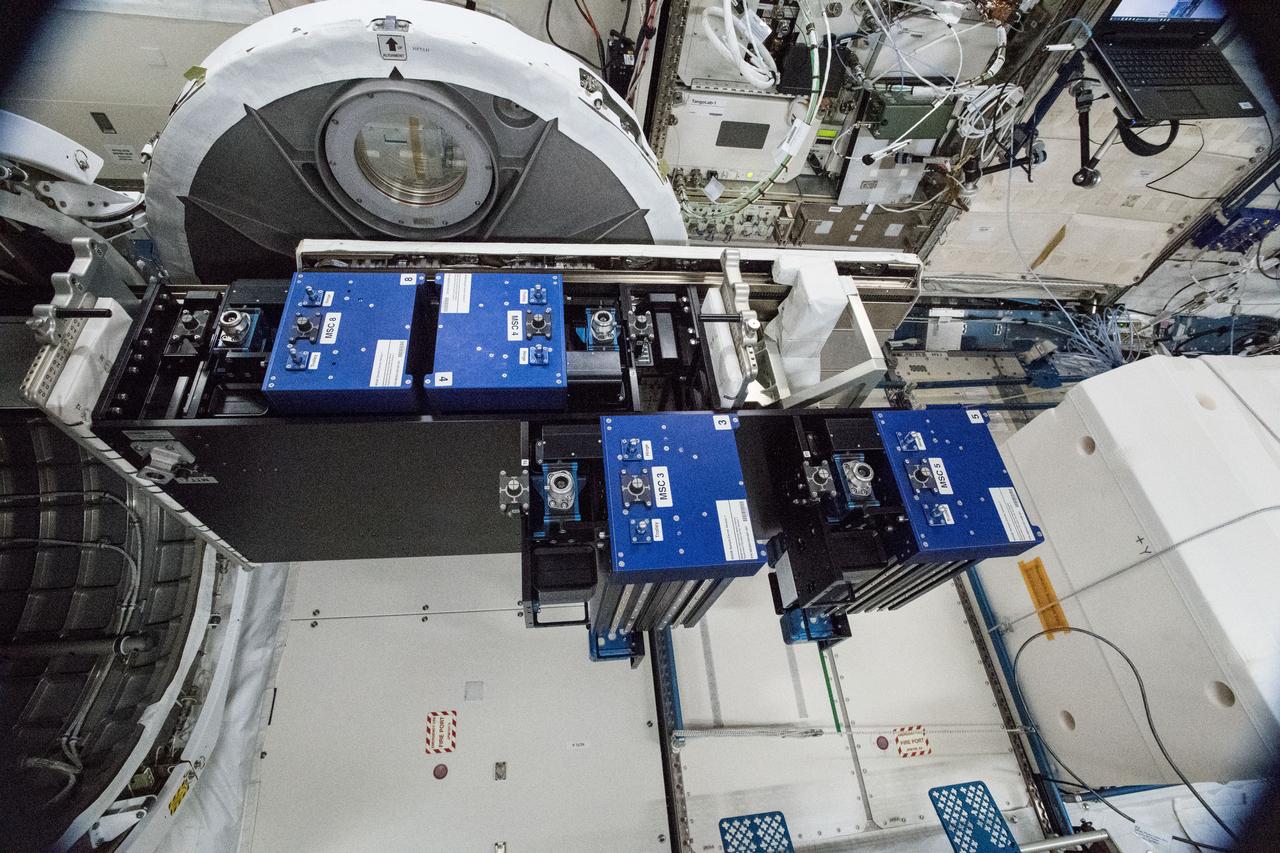
iss055e020137 (4/13/2018) --- Photographic documentation taken in the Japanese Experiment Module (JEM) during preparations for the install of the Materials ISS Experiment - Flight Facility (MISSEE-FF). The MISSE-FF platform provides the ability to test materials, coatings, and components or other larger experiments in the harsh environment of space, which is virtually impossible to do collectively on Earth.
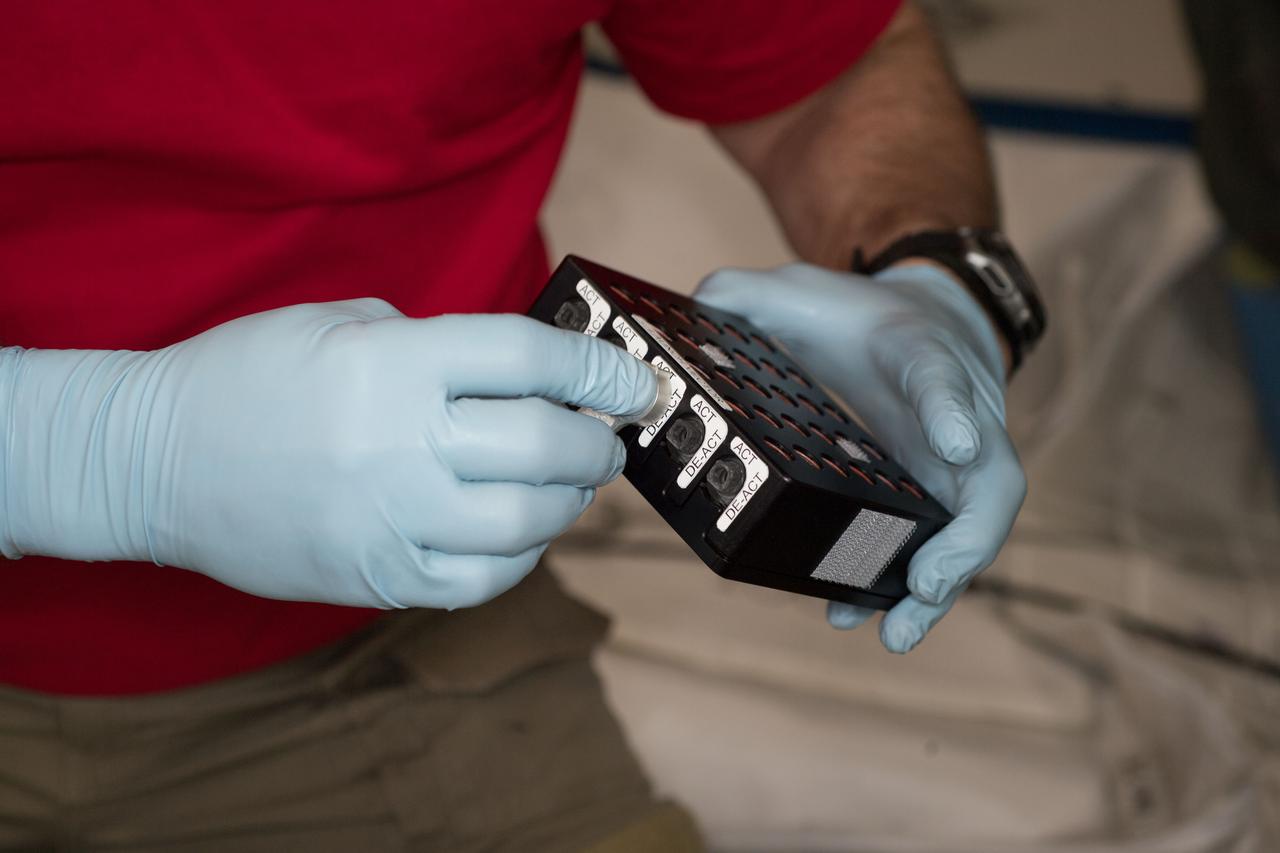
iss055e010753 (4/5/2018) --- Photographic documentation of CASIS Protein Crystal Growth (PCG) -11 hardware during CS-DCB-Unpack2 activity aboard the International Space Station (ISS). Neutron Crystallographic Studies of Human Acetylcholinesterase for the Design of Accelerated Reactivators (CASIS PCG 11) produces acetylcholinesterase crystals, a neurotransmitter enzyme. Crystals grown in microgravity are larger, of higher-quality and can be used for a technique called macromolecular neutron crystallography (MNC) to locate hydrogen atoms in the crystal’s structure.
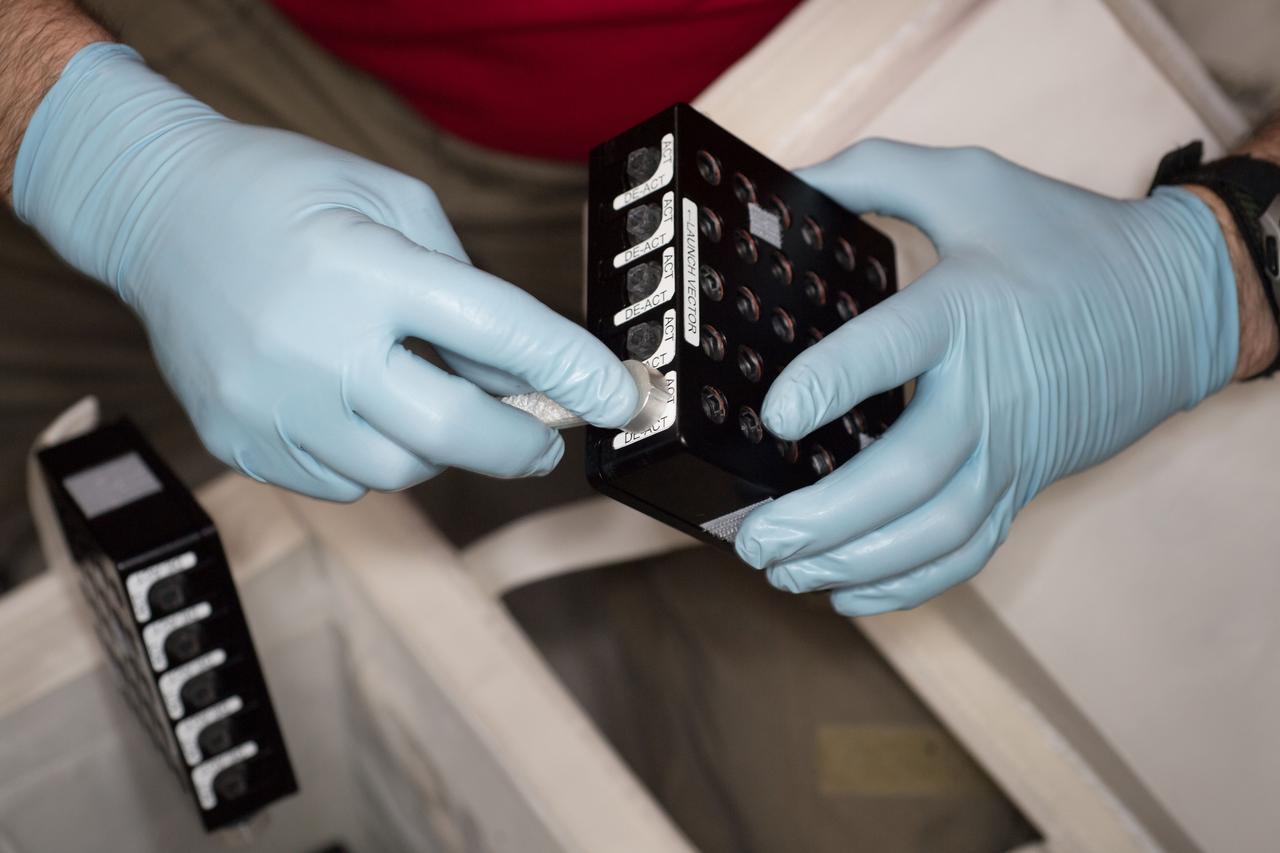
iss055e010761 (4/5/2018) --- Photographic documentation of CASIS Protein Crystal Growth (PCG) -11 hardware during CS-DCB-Unpack2 activity aboard the International Space Station (ISS). Neutron Crystallographic Studies of Human Acetylcholinesterase for the Design of Accelerated Reactivators (CASIS PCG 11) produces acetylcholinesterase crystals, a neurotransmitter enzyme. Crystals grown in microgravity are larger, of higher-quality and can be used for a technique called macromolecular neutron crystallography (MNC) to locate hydrogen atoms in the crystal’s structure.
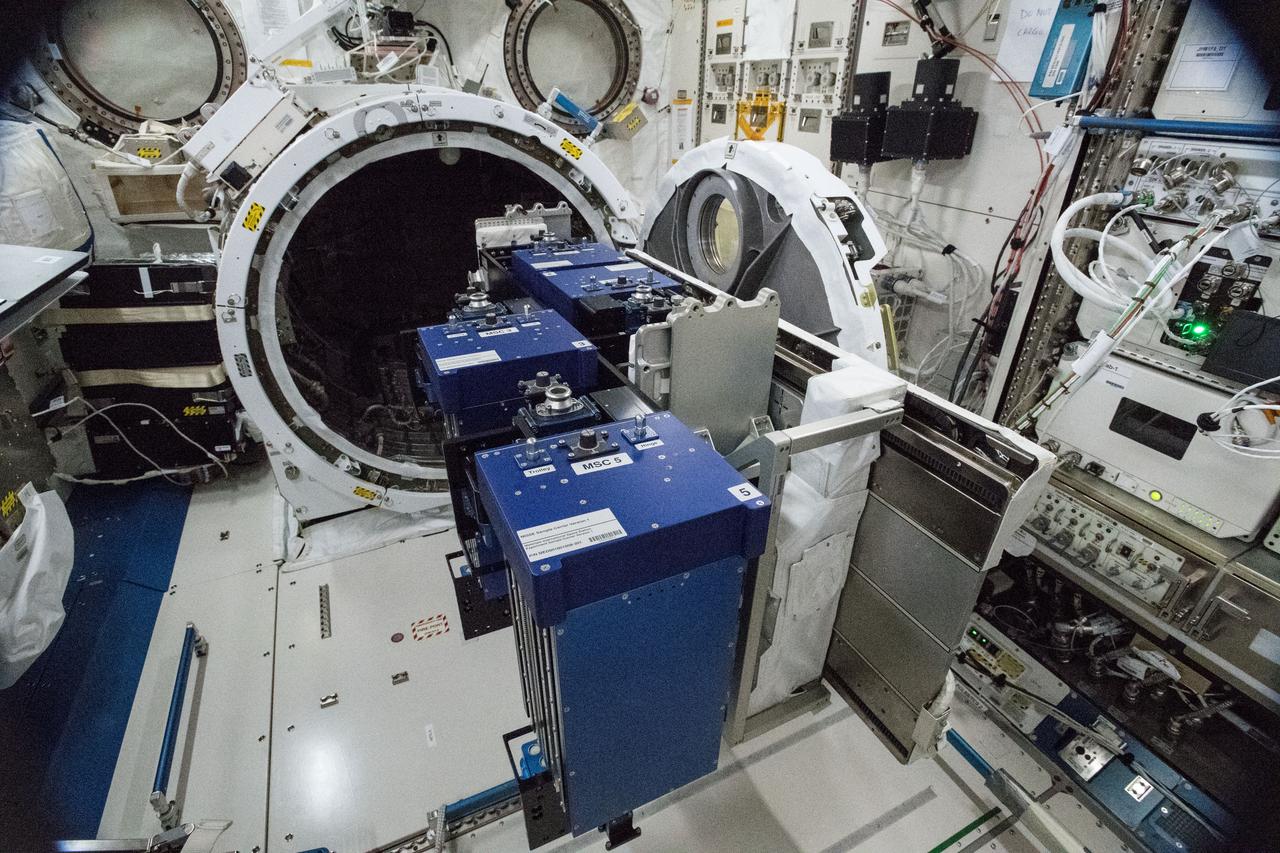
iss055e020134 (4/13/2018) --- Photographic documentation taken in the Japanese Experiment Module (JEM) during preparations for the install of the Materials ISS Experiment - Flight Facility (MISSEE-FF). The MISSE-FF platform provides the ability to test materials, coatings, and components or other larger experiments in the harsh environment of space, which is virtually impossible to do collectively on Earth.
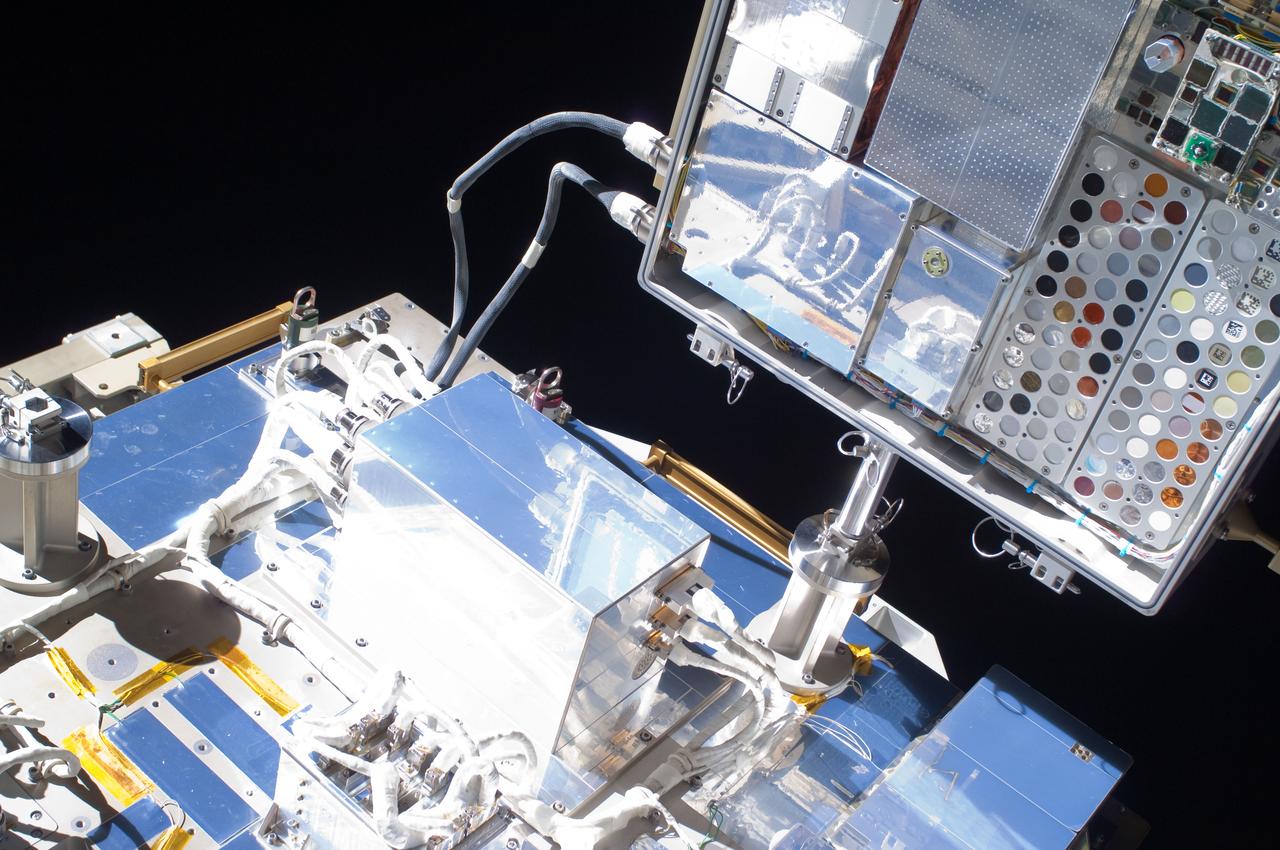
iss027e034948 (5/20/2011) --- Close-up view of Materials International Space Station Experiment (MISSE) 8 and ExPRESS (Expedite the Processing of Experiments to Space Station) Logistics Carrier-2 (ELC-2) taken during MISSE 8 installation. Image was taken by Extravehicular crewmember 1 (EV1) during Expedition 27 / STS-134 Extravehicular Activity 1 (EVA 1).
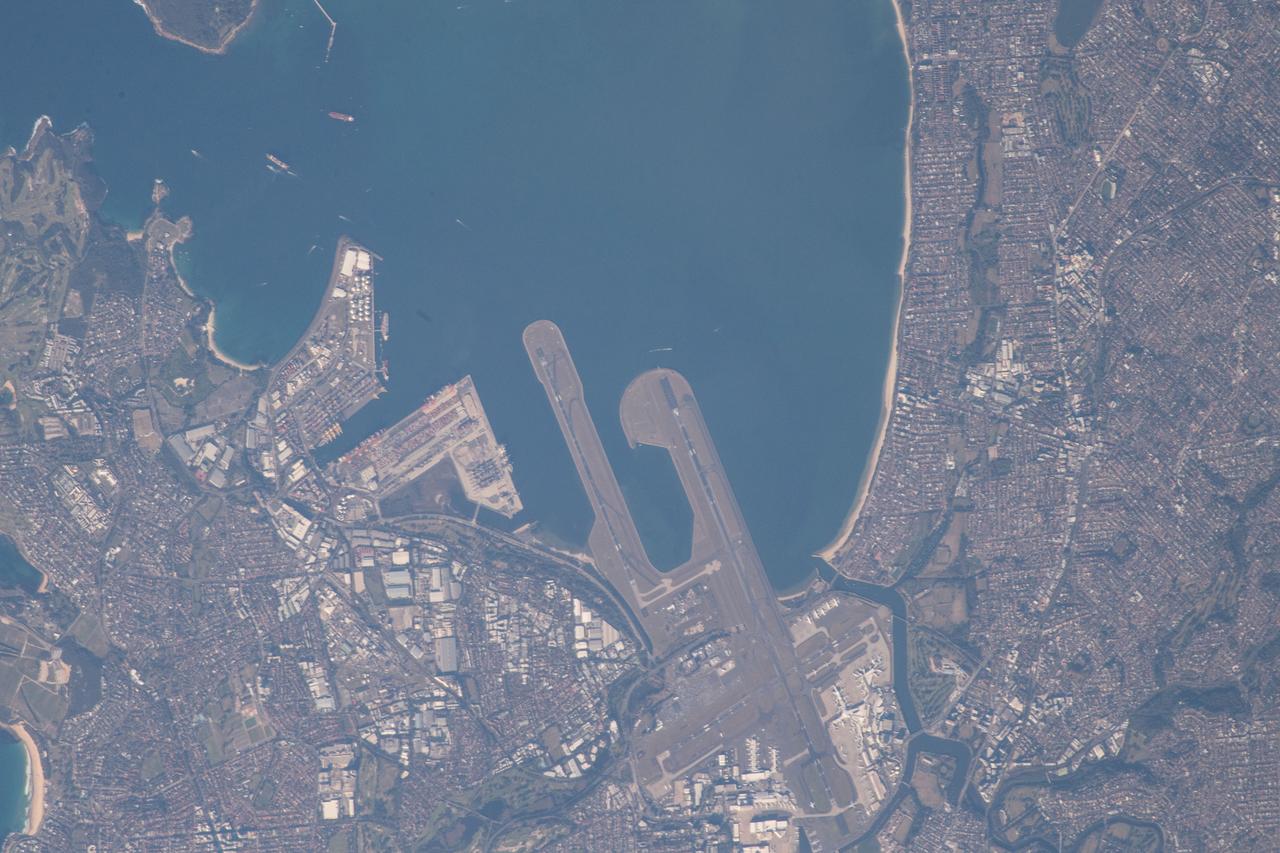
iss055e073720 (May 19, 2018) --- Botany Bay and Sydney Airport are pictured in the southeast coast of the Australian state of New South Wales.
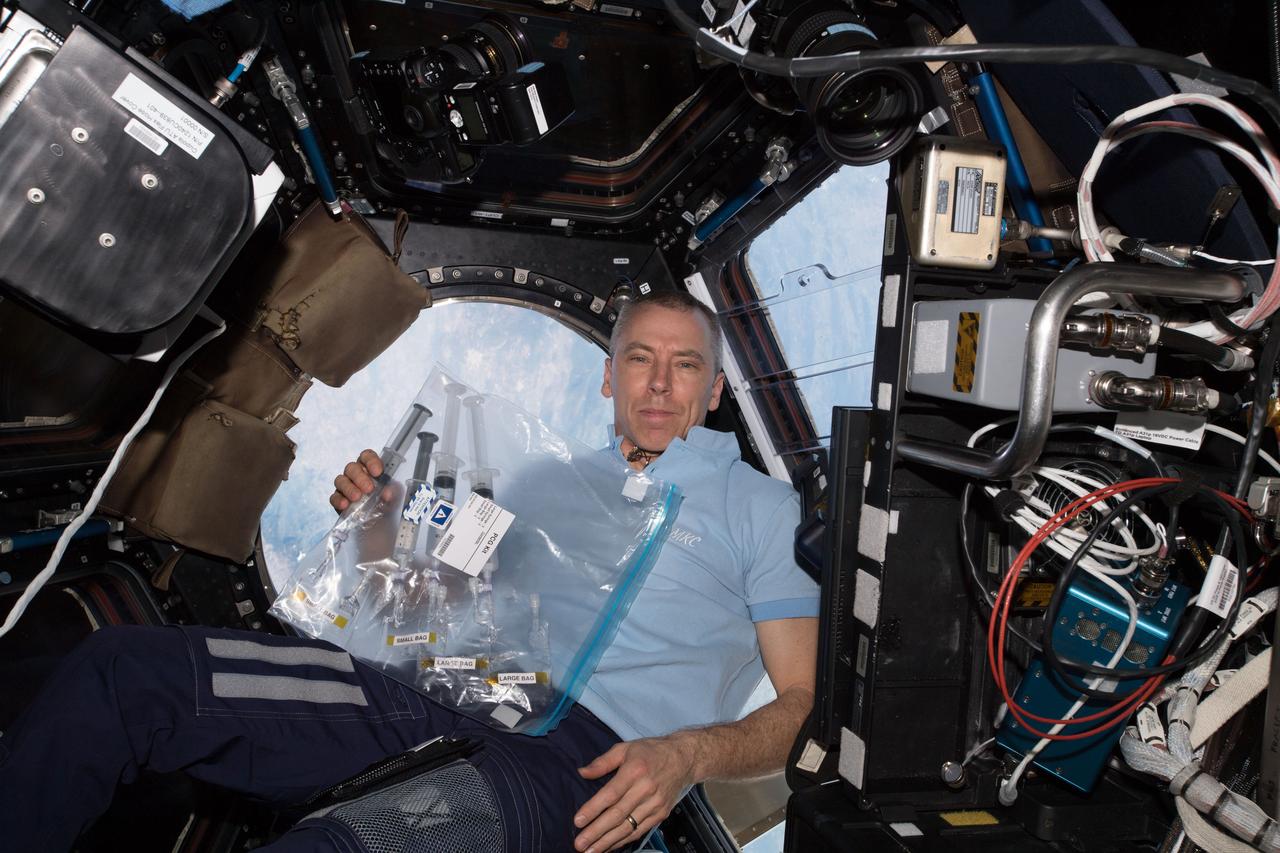
iss055e024523 (Apr. 18, 2018) --- NASA astronaut Andrew Feustel is seen in the Cupola, holding sample bags of crystals grown under experimental conditions controlled by middle and high school students as part of the CASIS PCG-9 investigation
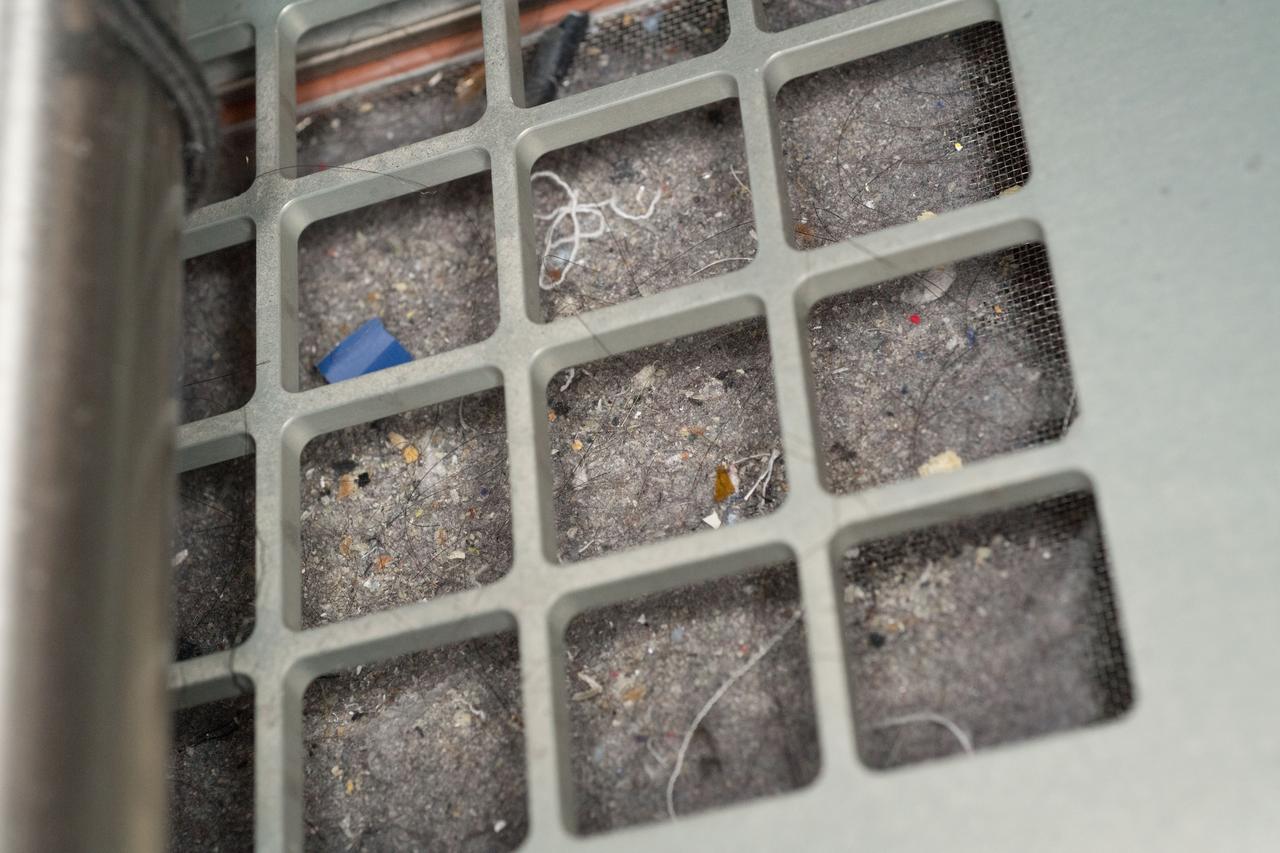
iss055e035989 (4/28/2018) --- Photo documentation of locations of where samples taken by the crew for the Divert Unwanted Space Trash (DUST) operations aboard the International Space Station (ISS). The DUST investigation collects and analyzes particulates in airborne debris from the ISS cabin. Unique aspects of the spacecraft environment, such as lack of gravity and no fresh air, influence the size, quantity, and components of airborne particulate matter, which in turn affects air quality aboard the station. The data also provides baseline information for future spacecraft particle detector design, and the debris can be used for realistic testing of possible particulate monitors for future long-duration missions.
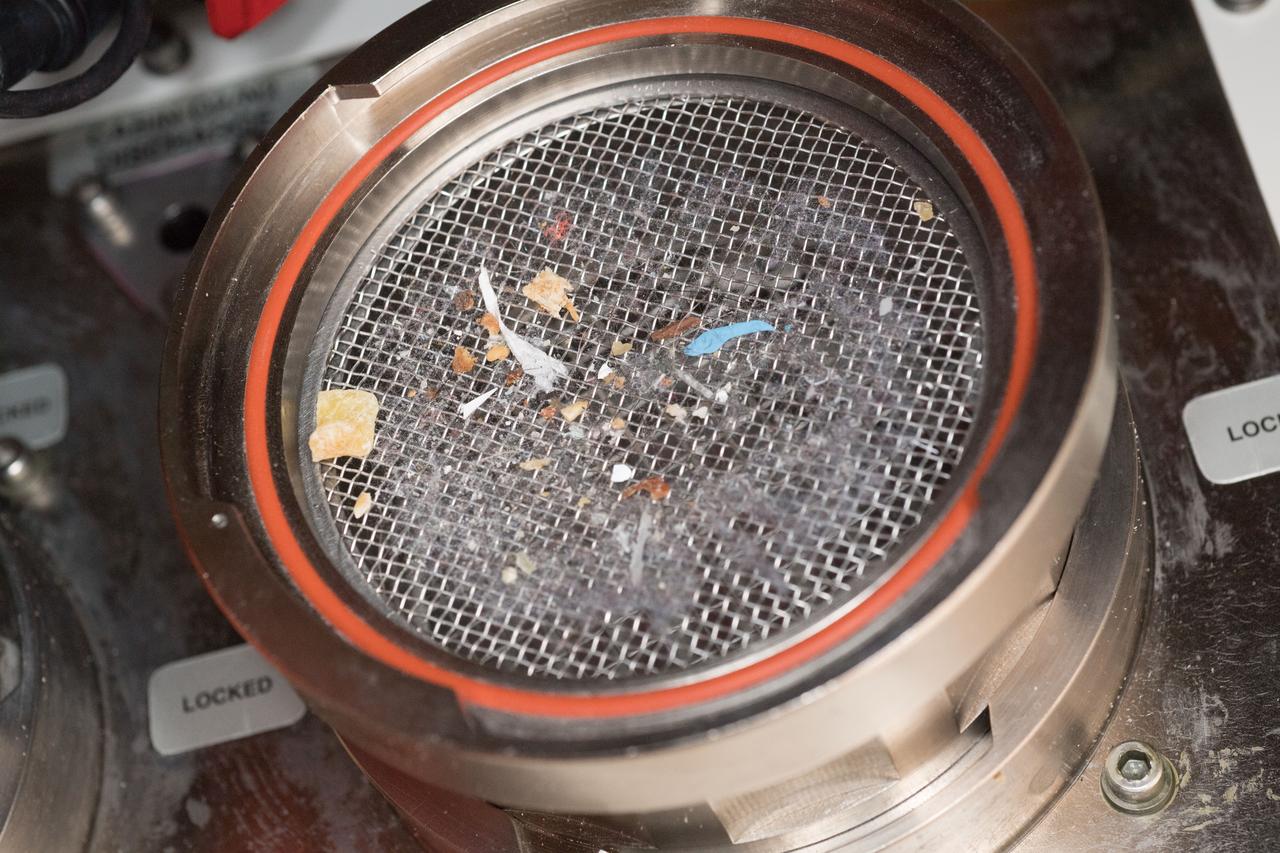
iss055e035968 (4/28/2018) --- Photo documentation of locations of where samples taken by the crew for the Divert Unwanted Space Trash (DUST) operations aboard the International Space Station (ISS). The DUST investigation collects and analyzes particulates in airborne debris from the ISS cabin. Unique aspects of the spacecraft environment, such as lack of gravity and no fresh air, influence the size, quantity, and components of airborne particulate matter, which in turn affects air quality aboard the station. The data also provides baseline information for future spacecraft particle detector design, and the debris can be used for realistic testing of possible particulate monitors for future long-duration missions.
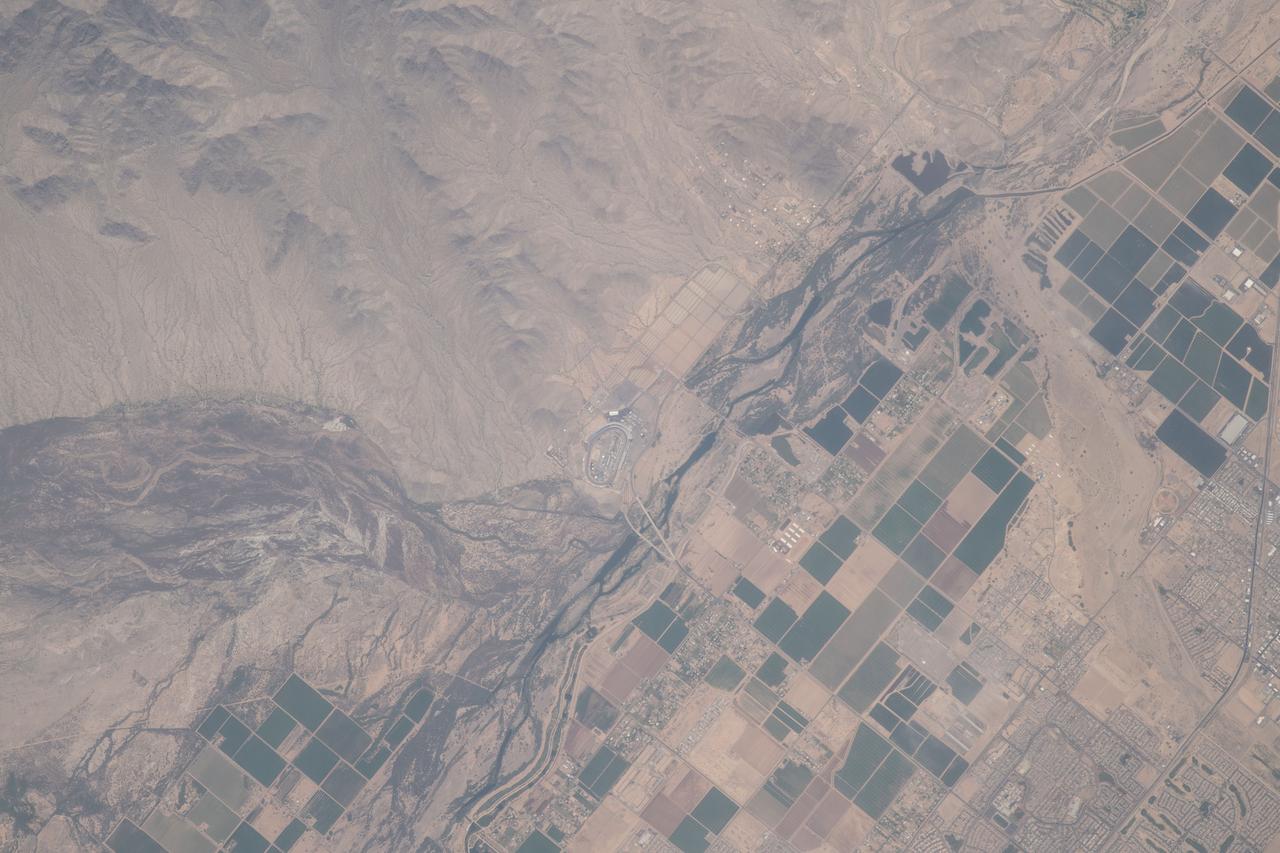
iss055e012512 (April 6, 2018) --- The Phoenix International Raceway is seen in this near overhead shot above Phoenix, Arizona from the International Space Station.