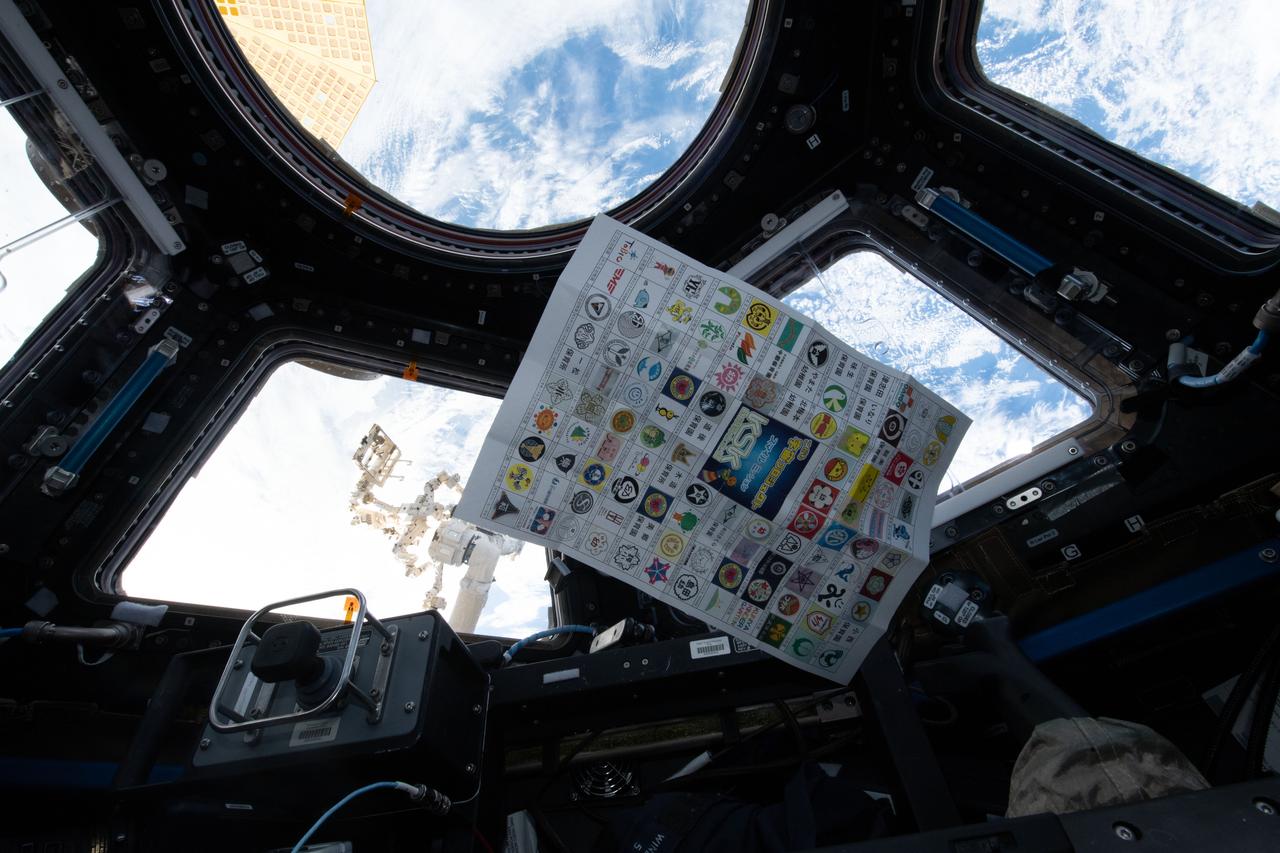
iss057e122120 ( 12/10/2018) --- A view of items from the NanoRacks-Lagrange investigation floating in front of the windows in the Cupola module aboard the International Space Station (ISS). NanoRacks-Lagrange seeks to increase interest in space. For this investigation, student photos and printed logos sheets are launched to the International Space Station (ISS) with a message card. Additionally, plant seeds are flown to the ISS. The students plant the seeds once they return to Earth and compare them to plants grown from regular seeds. Students are able to touch and feel close to space through this experiment.
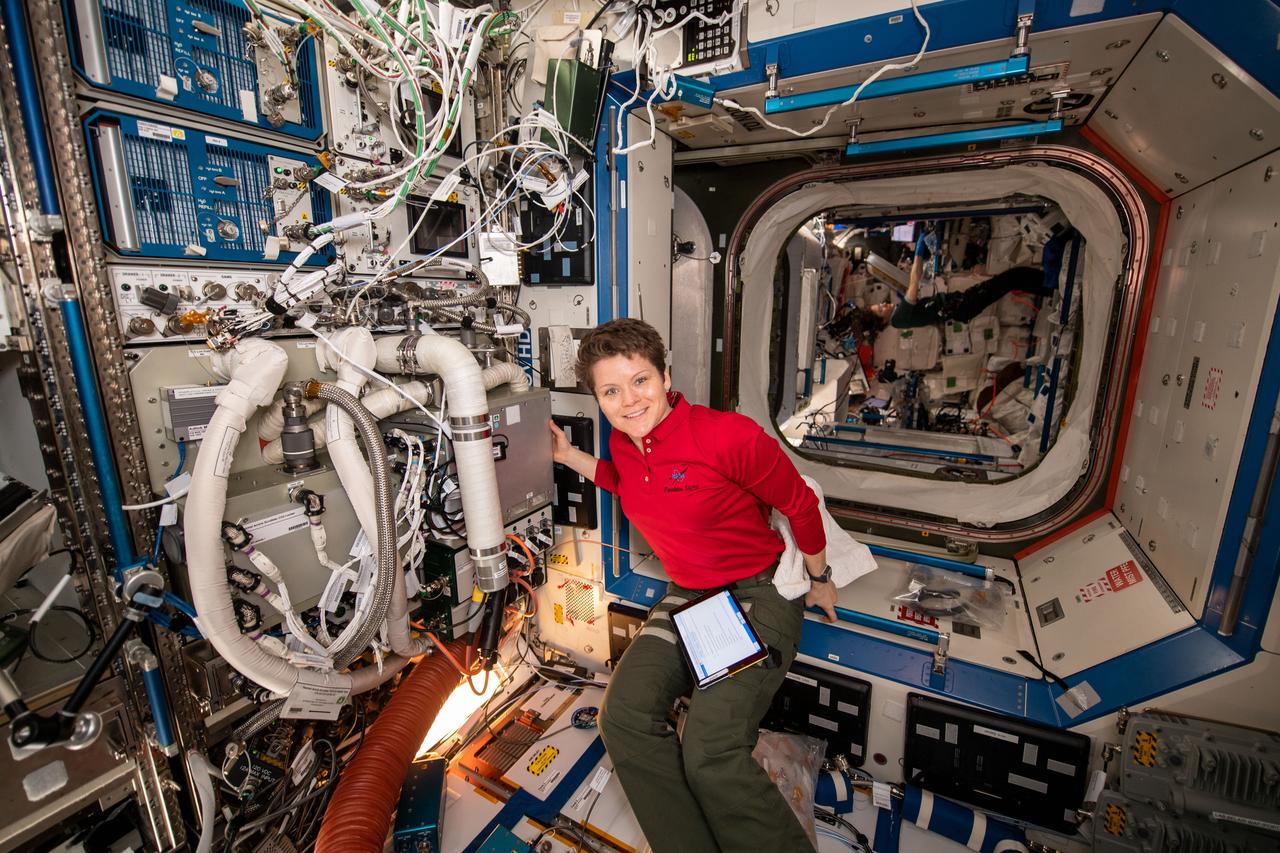
iss059e035660 (4/25/2019) --- NASA astronaut Anne McClain is photographed in the Destiny module onboard the International Space Station (ISS) during the installation of the Thermal Amine Scrubber. The Thermal Amine Scrubber tests a method to remove carbon dioxide (CO2) from air aboard the International Space Station, using actively heated and cooled amine beds.
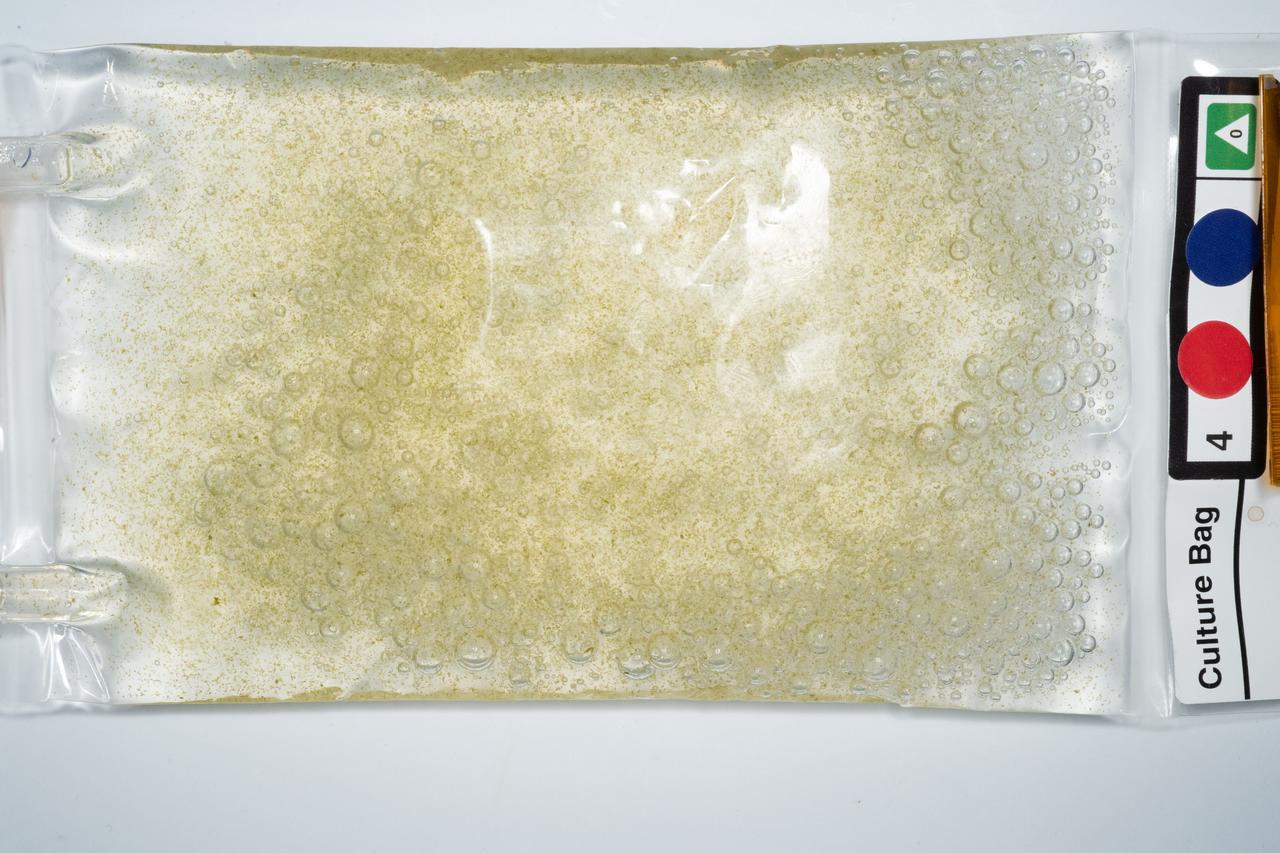
iss059e088038 (6/1/2019) --- Photo documentation taken of Micro Alagae Culture Bag 4 in Node 2 aboard the International Space Station (ISS). Microalgae Biosynthesis in Microgravity (MicroAlgae) studies the effects of microgravity on Haematococcus pluvialis, an algae capable of producing a powerful antioxidant, astaxanthin. It could provide a readily available dietary supplement to promote astronaut health on long-duration space exploration missions.
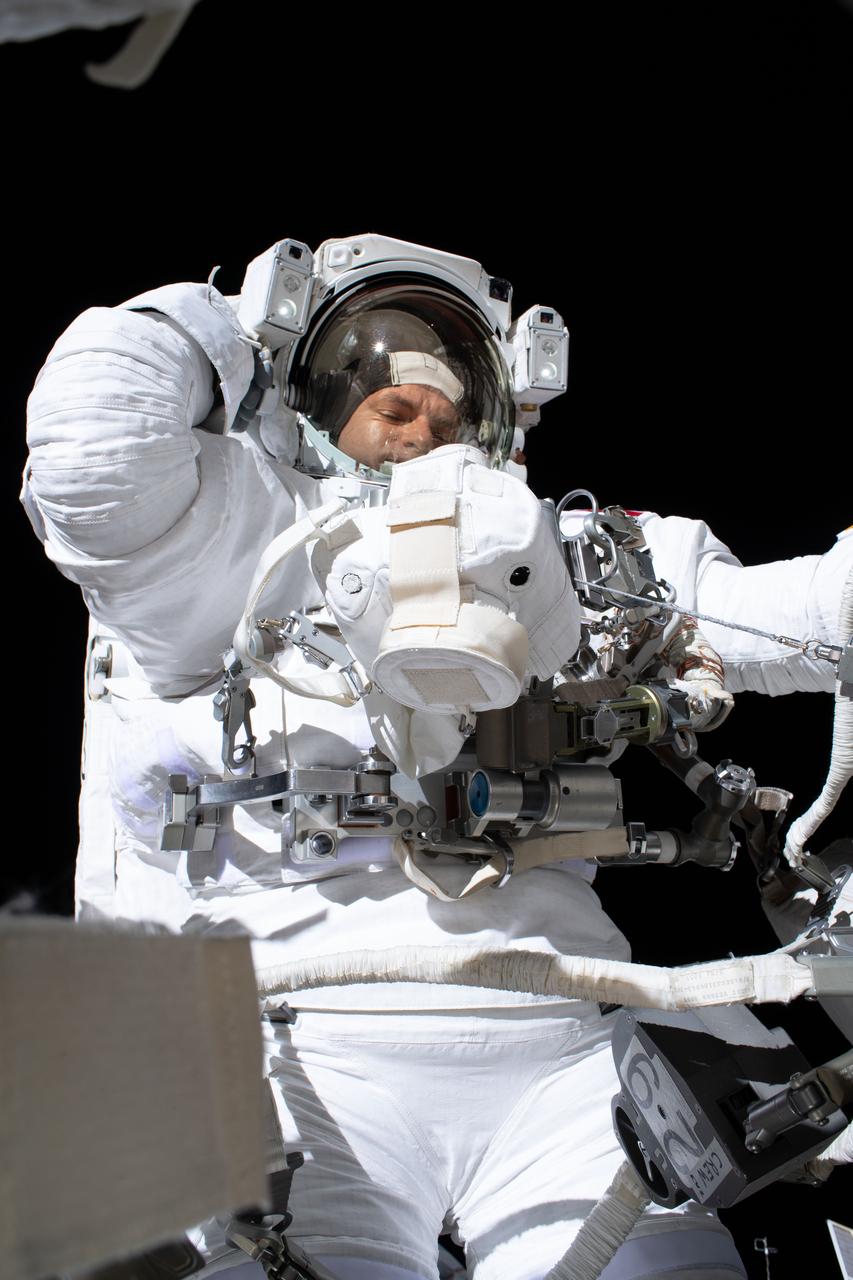
iss059e016770 (April 8, 2019) --- Expedition 59 Flight Engineer David Saint-Jacques of the Canadian Space Agency participates in a six-and-a-half hour spacewalk with NASA astronaut Anne McClain (out of frame). The spacewalkers successfully established a redundant path of power to the Canadian-built robotic arm, known as Canadarm2, and installed cables to provide for more expansive wireless communications coverage outside the orbital complex, as well as for enhanced hardwired computer network capability. The duo also relocated an adapter plate from the first spacewalk in preparation for future battery upgrade operations.
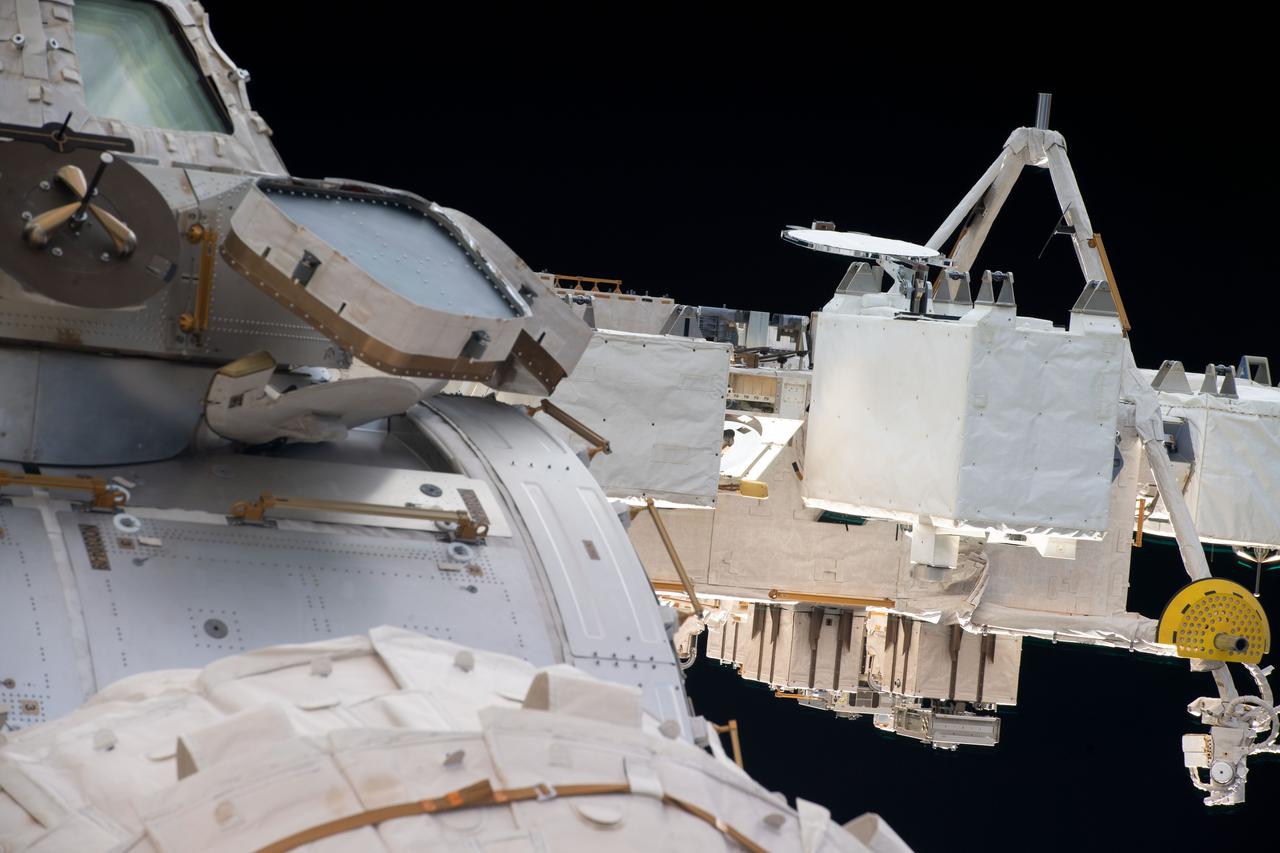
iss059e088632 (6/3/2019) --- Photo documentation of the GEDI investigation located on the Japanese Experiment Module - Exposed Facility (JEM-EF) onboard the International Space Station (ISS). The Global Ecosystem Dynamics Investigation (GEDI) provides high-quality laser ranging observations of the Earth’s forests and topography required to advance the understanding of important carbon and water cycling processes, biodiversity, and habitat.
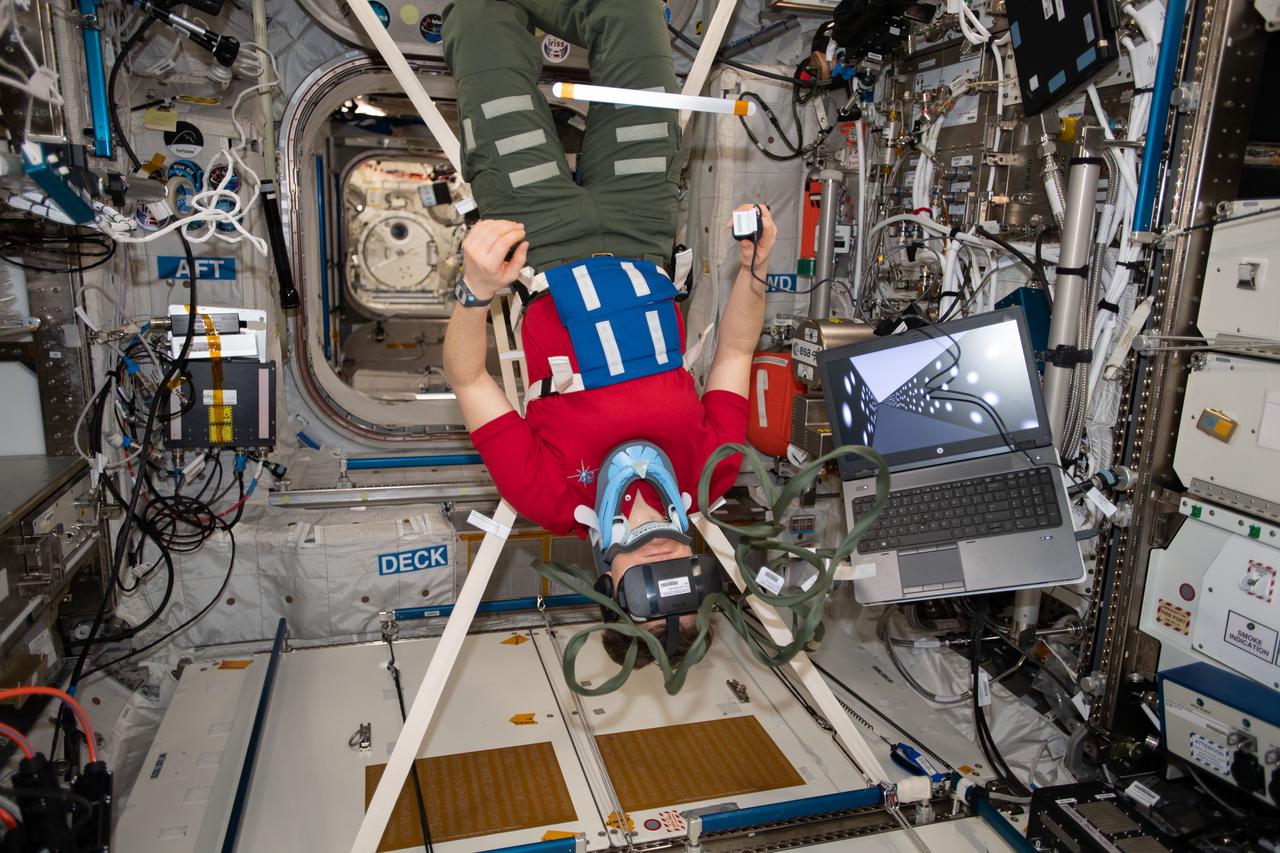
iss058e026479 (2/27/2019) --- NASA astronaut Anne McClain is shown in the Columbus module aboard the International Space Station (ISS) during the Vection experiment. The objective of The Effect of Long Duration Hypogravity on the Perception of Self-Motion (VECTION) study is to determine to what extent an astronaut's ability to visually interpret motion, orientation, and distance may be disrupted in a microgravity environment, and how it may adapt, and how it may be changed upon return to Earth. Multiple experimental time points inflight and upon return to Earth allows for the adaptation and recovery process to be investigated.
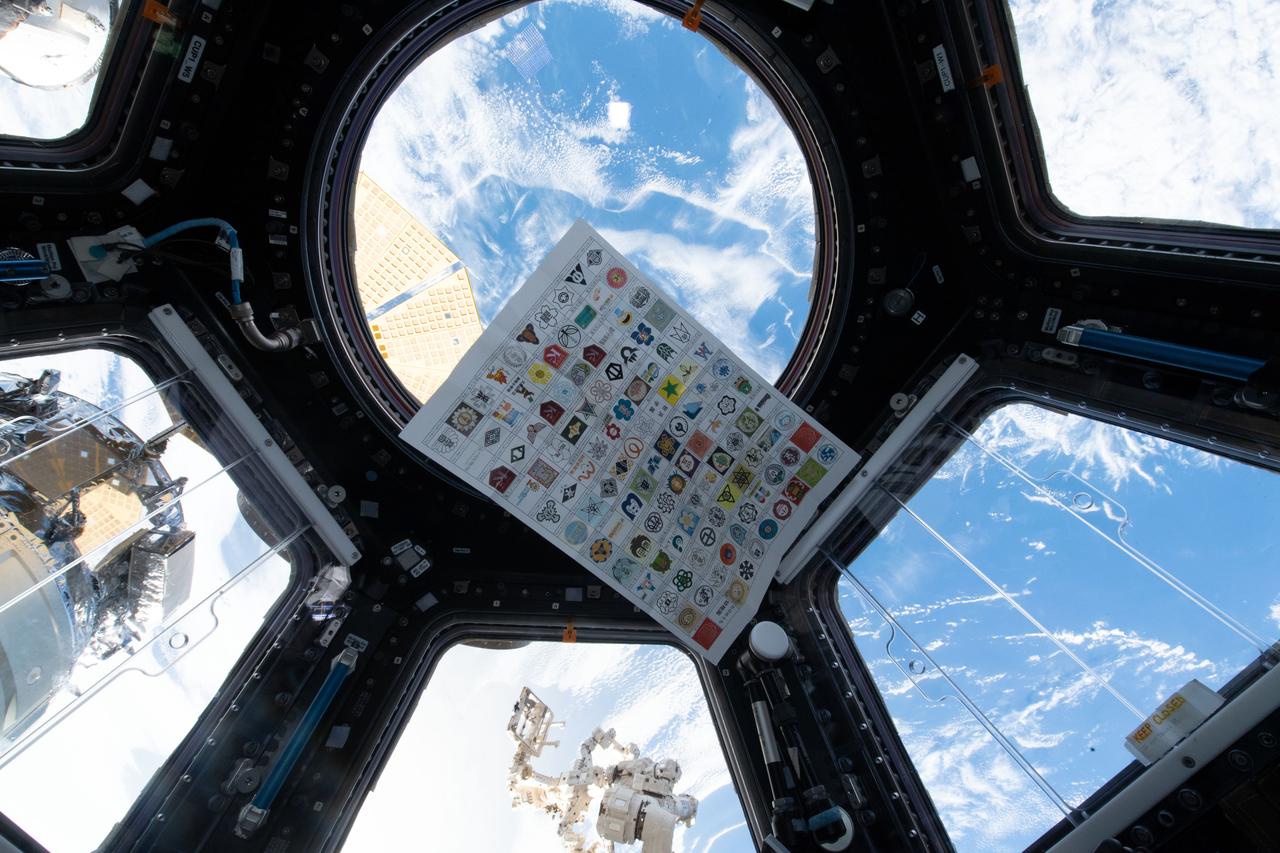
iss057e122134 (12/10/2018) --- A view of items from the NanoRacks-Lagrange investigation floating in front of the windows in the Cupola module aboard the International Space Station (ISS). NanoRacks-Lagrange seeks to increase interest in space. For this investigation, student photos and printed logos sheets are launched to the International Space Station (ISS) with a message card. Additionally, plant seeds are flown to the ISS. The students plant the seeds once they return to Earth and compare them to plants grown from regular seeds. Students are able to touch and feel close to space through this experiment.
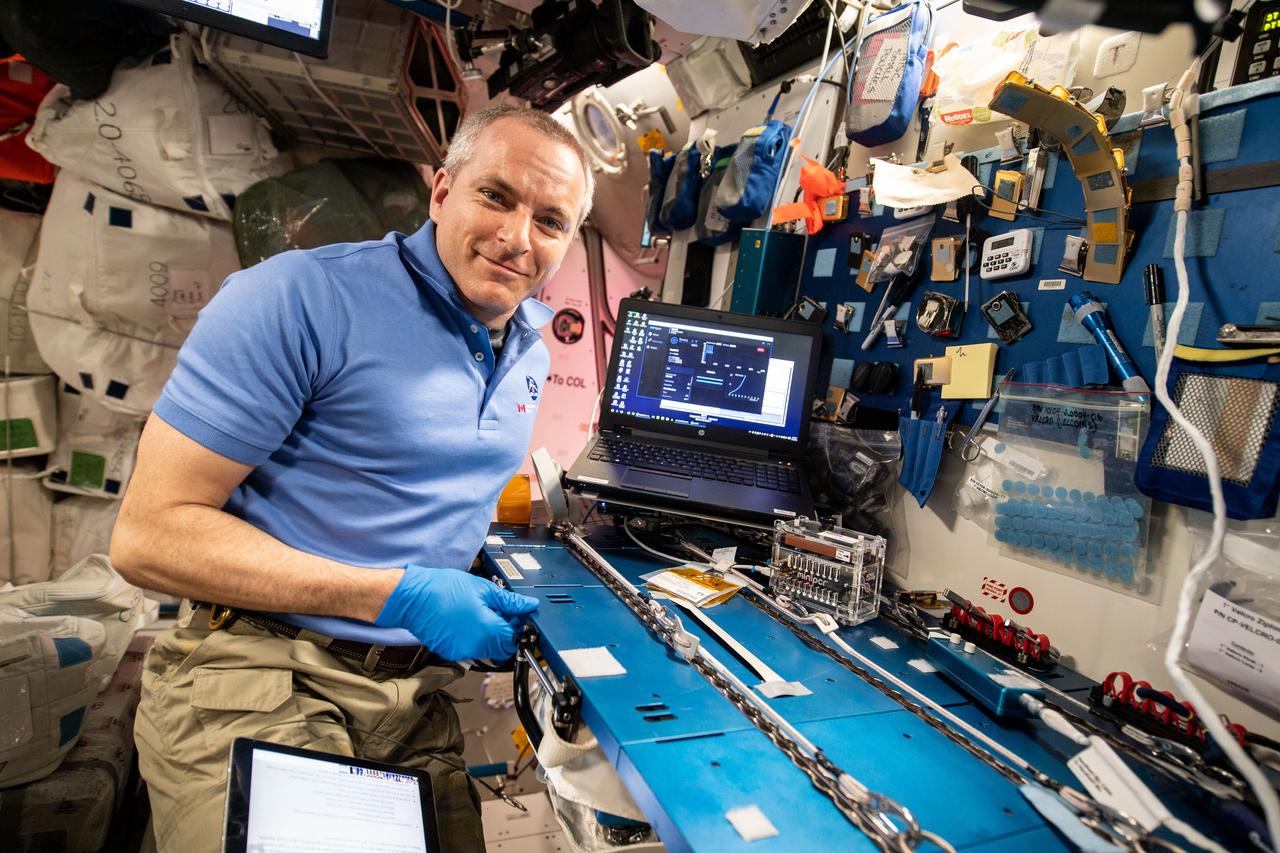
iss059e061607 (5/14/2019) --- Canadian Space Agency (CSA) astronaut David Saint-Jacques works with the miniPCR hardware inside the Columbus laboratory module onboard the International Space Station (ISS) for the Genes In Space-6 experiment that is exploring how space radiation damages DNA and how the cell repair mechanism works in microgravity.
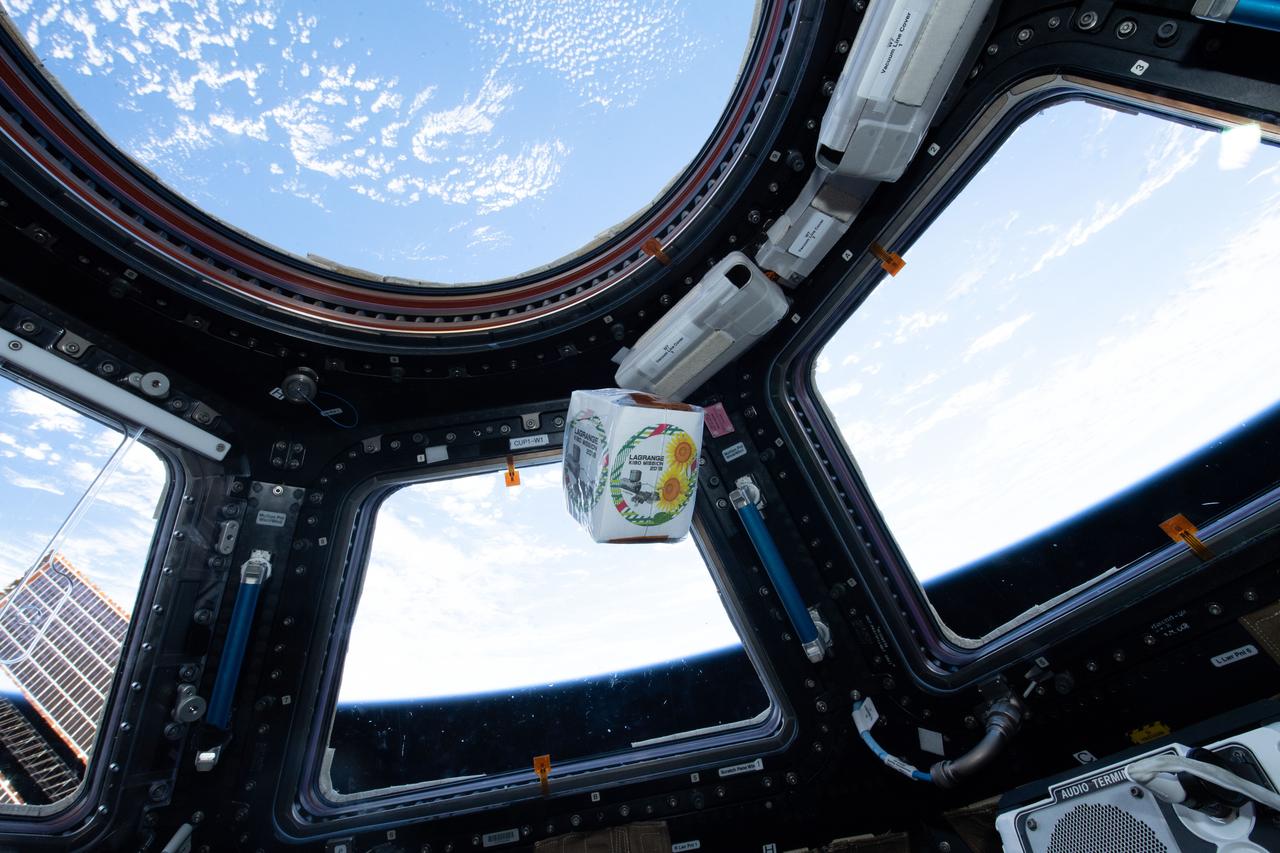
iss057e122164 ( 12/10/2018) --- A view of items from the NanoRacks-Lagrange investigation floating in front of the windows in the Cupola module aboard the International Space Station (ISS). NanoRacks-Lagrange seeks to increase interest in space. For this investigation, student photos and printed logos sheets are launched to the International Space Station (ISS) with a message card. Additionally, plant seeds are flown to the ISS. The students plant the seeds once they return to Earth and compare them to plants grown from regular seeds. Students are able to touch and feel close to space through this experiment.
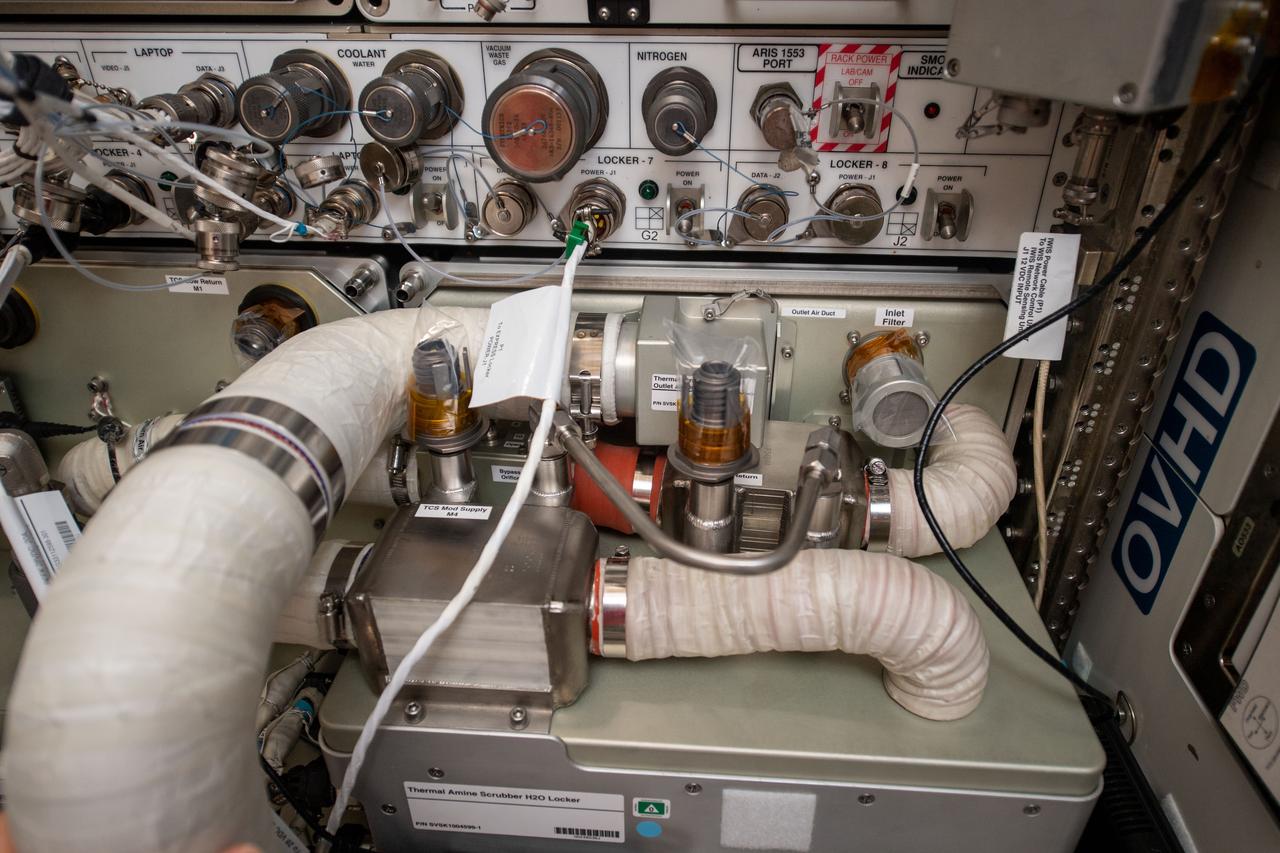
iss059e035608 (4/25/2019) --- Photo documentation of the Thermal Amine scrubber system installation in Destiny module onboard the International Space Station (ISS). The Thermal Amine System tests a method to remove carbon dioxide (CO2) from air aboard the ISS, using actively heated and cooled amine beds.
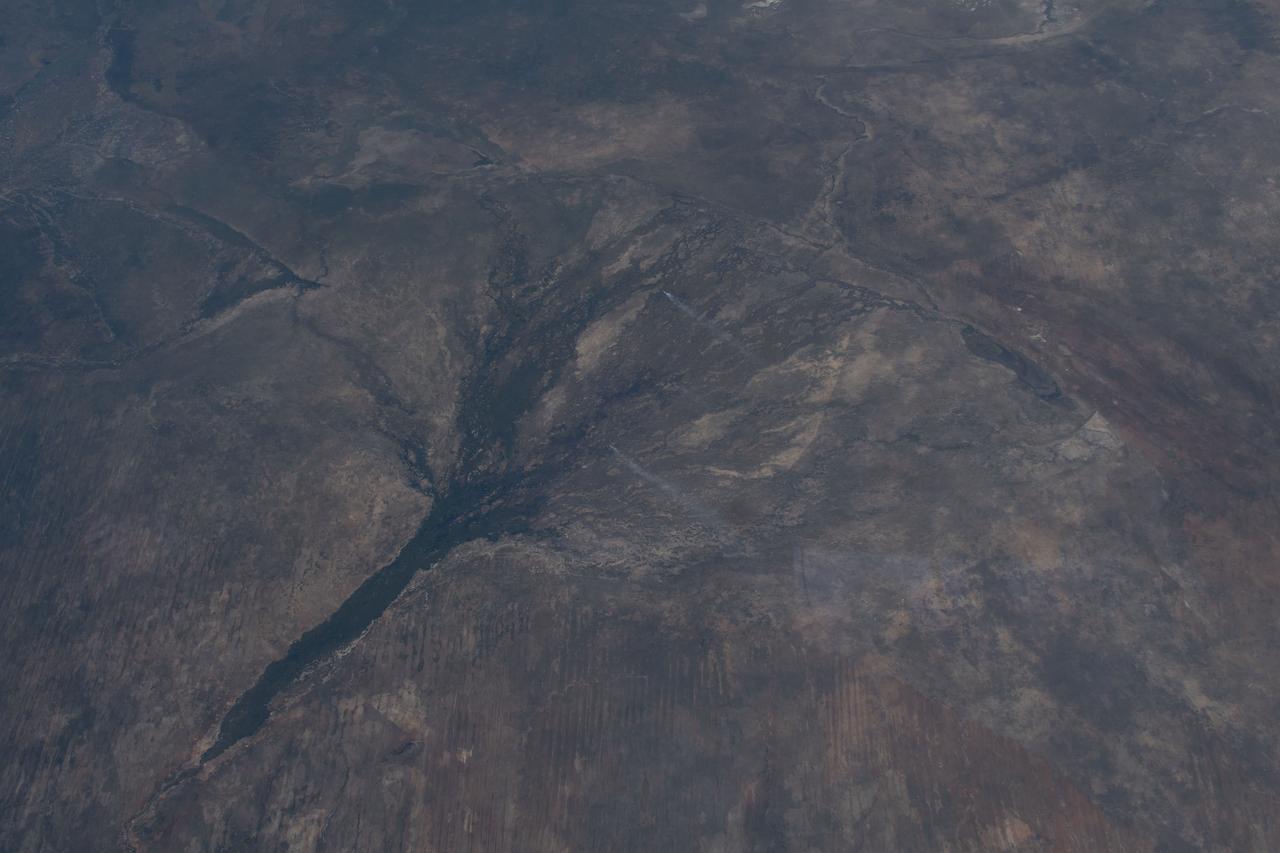
iss059e061058 (May 11, 2019) --- The Okavango Delta, a lush animal habitat during the seasonal floods, in Botswana is pictured from the International Space Station as the orbital complex flew 258 miles above the southern portion of the African continent.

iss057e122125 ( 12/10/2018) --- A view of items from the NanoRacks-Lagrange investigation floating in front of the windows in the Cupola module aboard the International Space Station (ISS). NanoRacks-Lagrange seeks to increase interest in space. For this investigation, student photos and printed logos sheets are launched to the International Space Station (ISS) with a message card. Additionally, plant seeds are flown to the ISS. The students plant the seeds once they return to Earth and compare them to plants grown from regular seeds. Students are able to touch and feel close to space through this experiment.
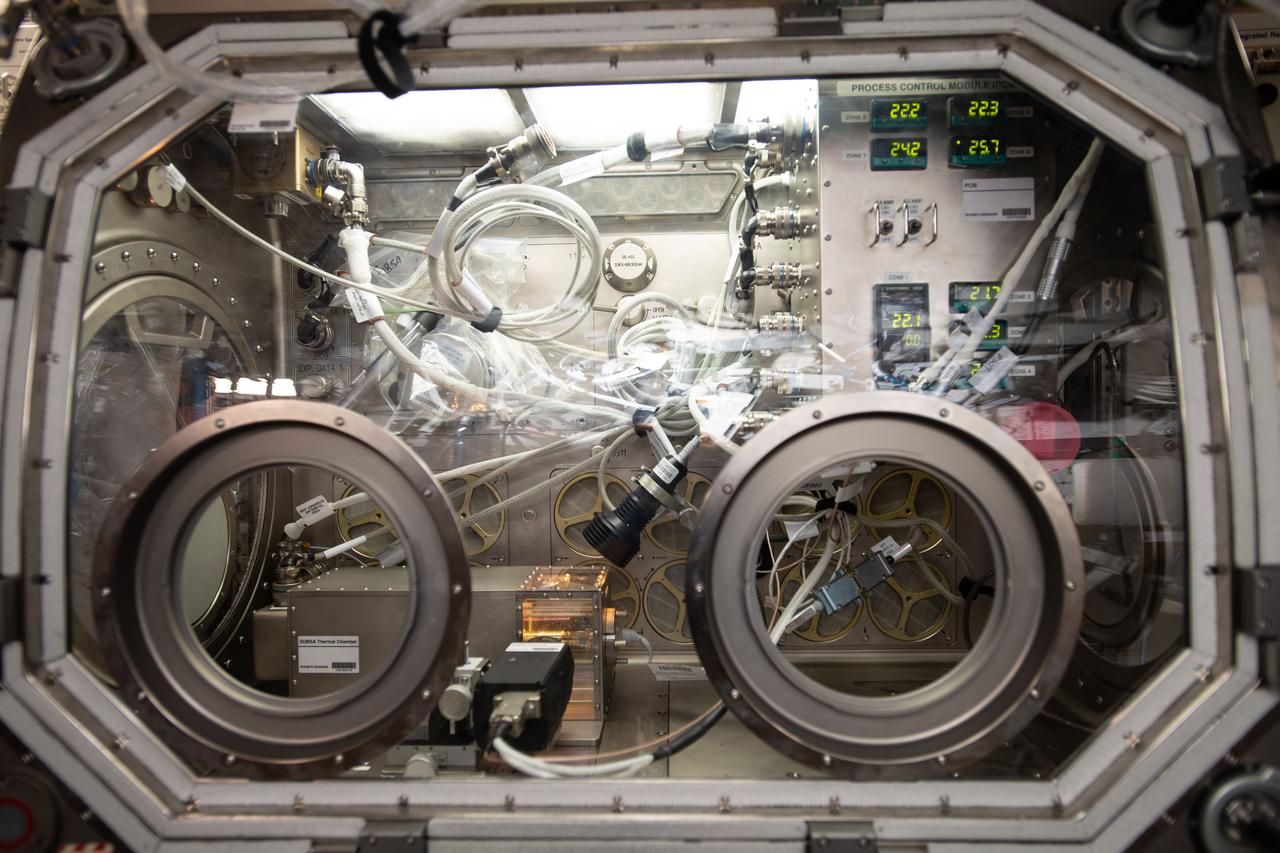
iss058e028142 (3/7/2019) --- View of the Microgravity Sciences Glovebox (MSG) during configuration of the SUBSA (Solidification Using Baffles in Sealed Ampoules) hardware in the MSG Work Volume in the Destiny Laboratory aboard the International Space Staion(ISS). SUBSA is a high-temperature furnace that can be used to study how microgravity affects the synthesis of semiconductor and scintillator crystals.

iss059e034612 (April 23, 2019) --- Severe flooding is seen near Basrah, Iraq, as unusually heavy and persistent rain doused several Middle Eastern countries in late March and early April 2019. At the same time, mountains were beginning to lose their snow cover to melting.
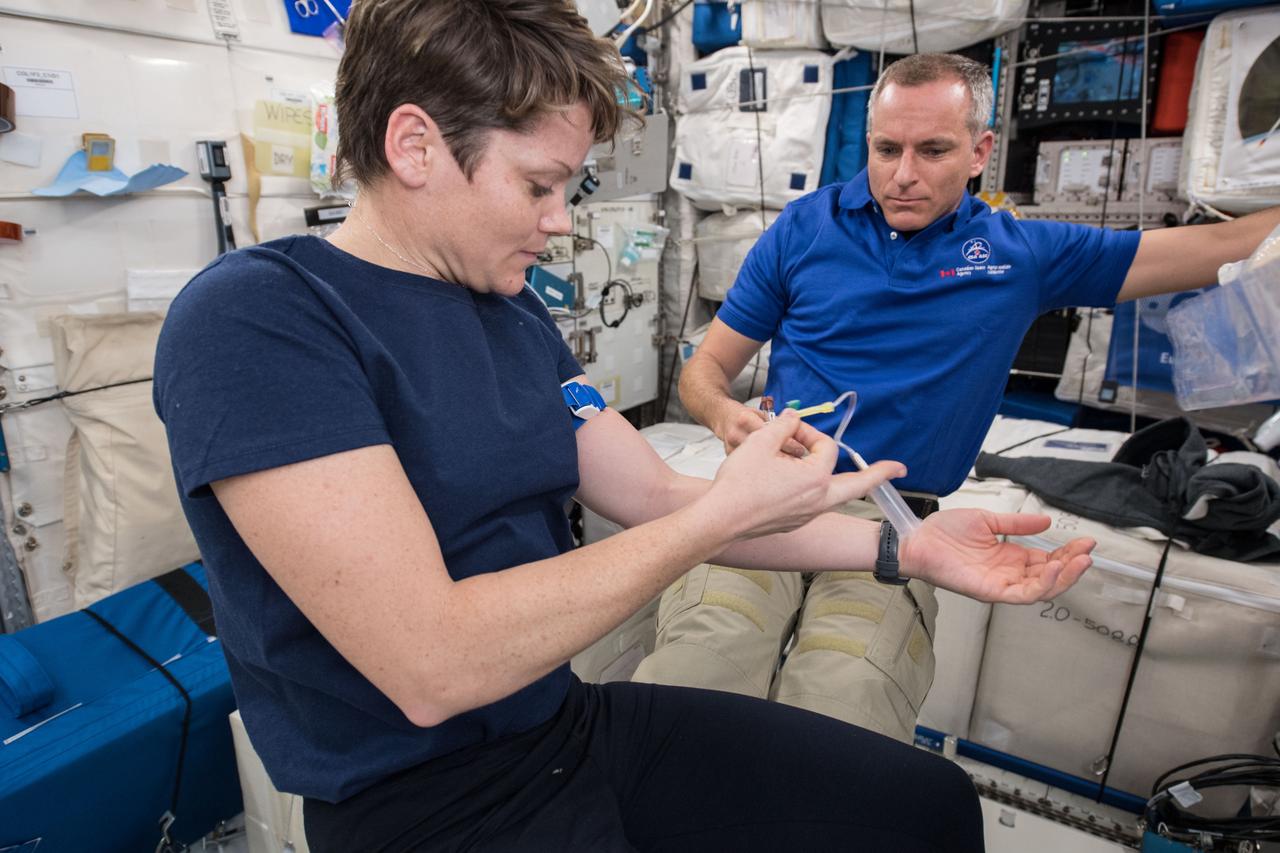
(12/8/2018) --- Flight Engineer (FE) Anne McClain prepares to draw her blood for the Marrow Study (Bone Marrow Adipose Reaction: Red Or White?). FE David Saint-Jacques assists. Photo was taken in the Columbus European Laboratory.
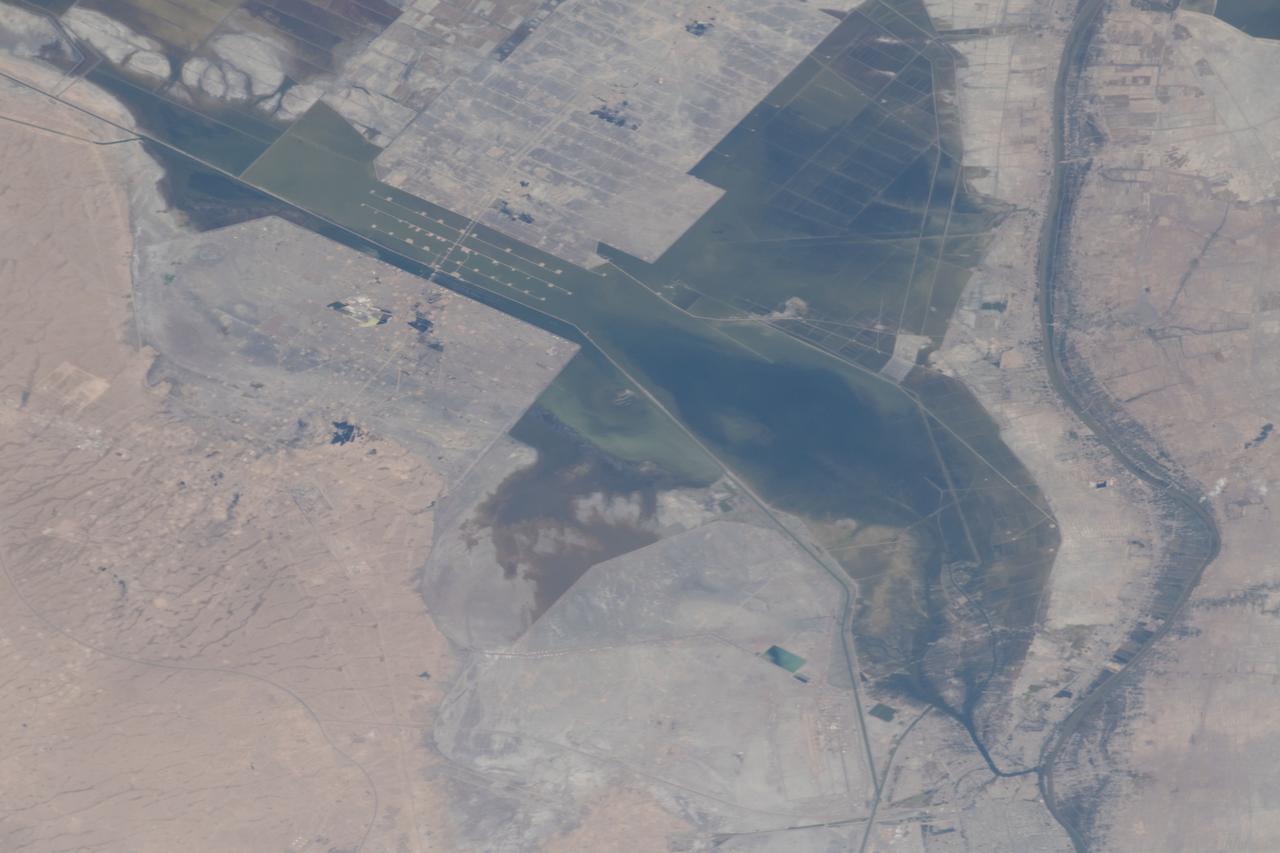
iss059e034570 (April 23, 2019) --- Severe flooding is seen near Basrah, Iraq, as unusually heavy and persistent rain doused several Middle Eastern countries in late March and early April 2019. At the same time, mountains were beginning to lose their snow cover to melting.
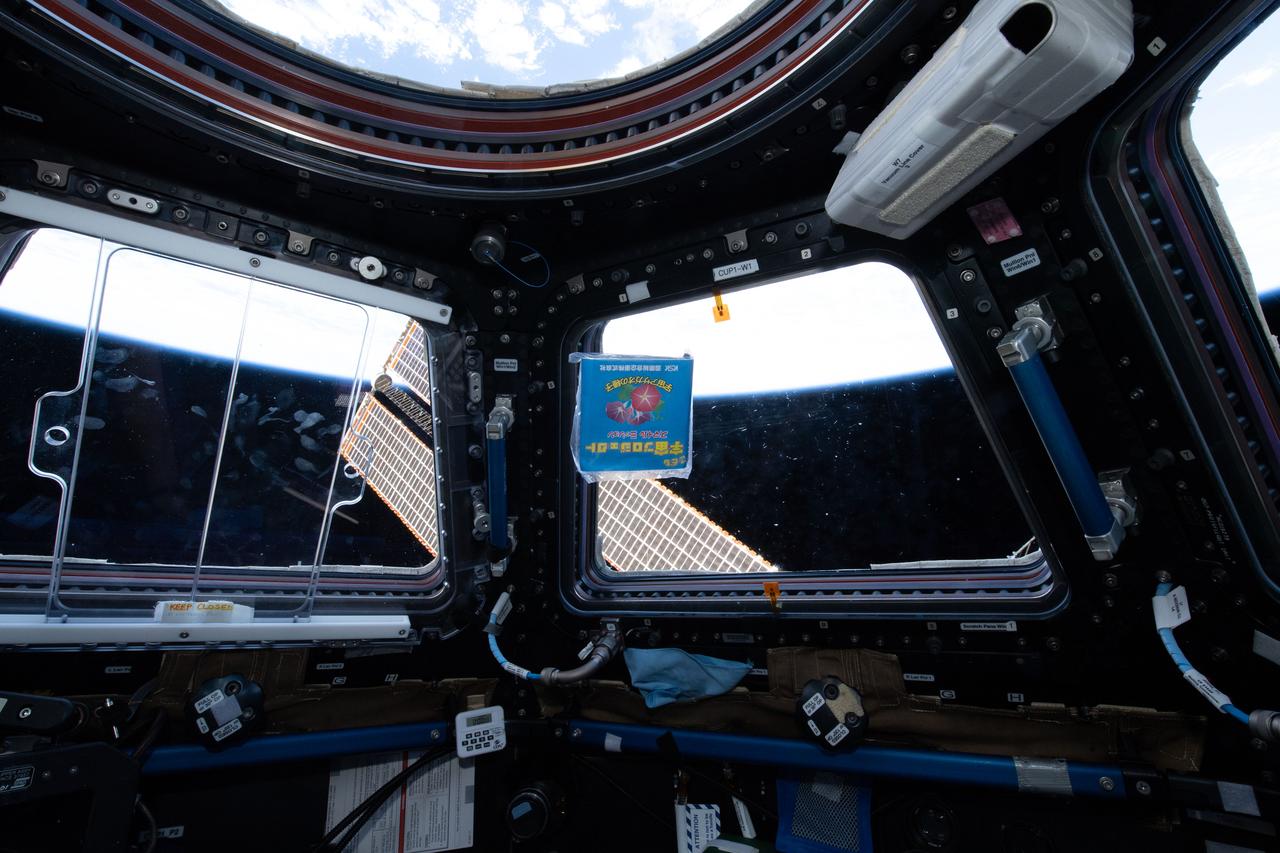
iss057e122169 912/10/2018) --- A view of items from the NanoRacks-Lagrange investigation floating in front of the windows in the Cupola module aboard the International Space Station (ISS). NanoRacks-Lagrange seeks to increase interest in space. For this investigation, student photos and printed logos sheets are launched to the International Space Station (ISS) with a message card. Additionally, plant seeds are flown to the ISS. The students plant the seeds once they return to Earth and compare them to plants grown from regular seeds. Students are able to touch and feel close to space through this experiment.
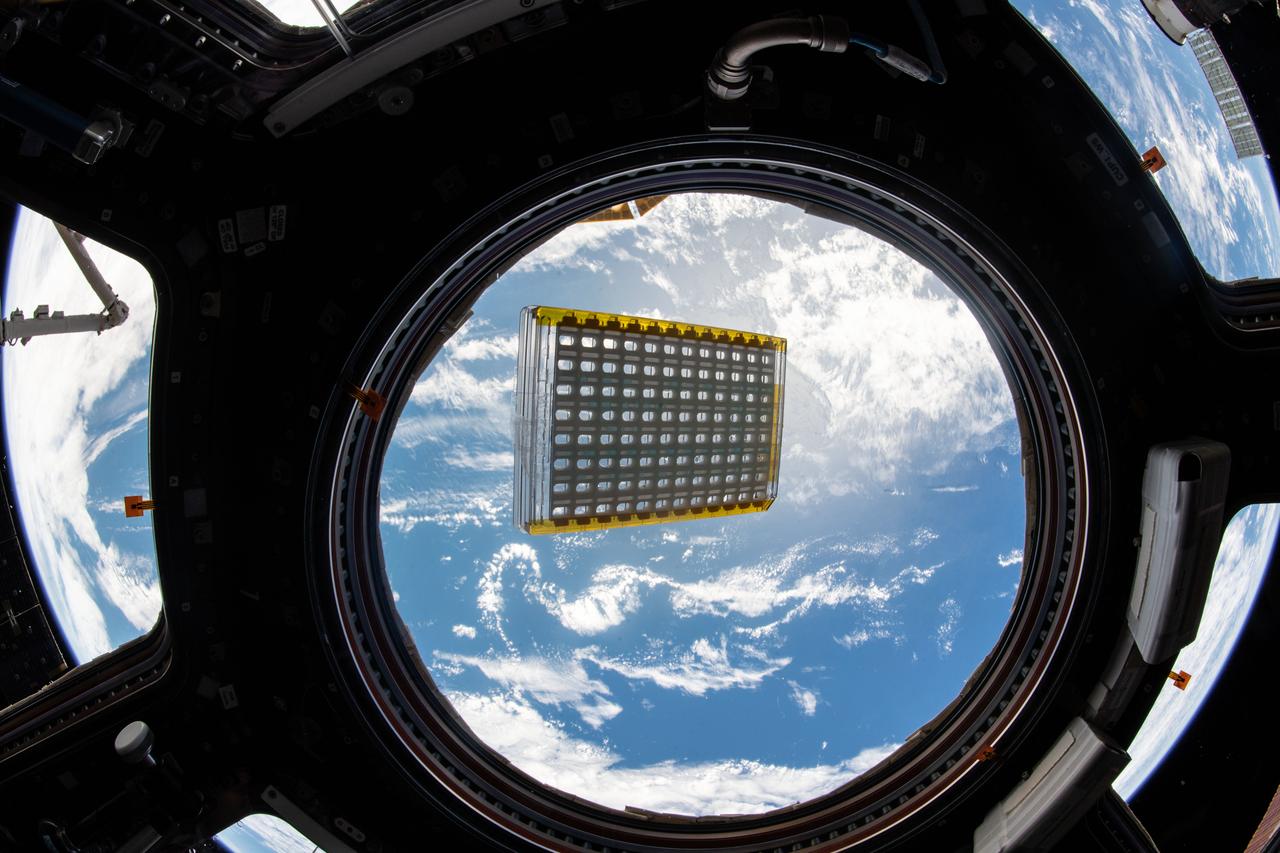
iss058e002064 (1/6/2019) --- CASIS PCG 16 floating in front of Window 7 in the Cupola module. Earth is in the background. Crystallization of LRRK2 Under Microgravity Conditions-2 (CASIS PCG 16) evaluates growth of Leucine-rich repeat kinase 2 (LRRK2) protein crystals in microgravity. LRRK2 is implicated in Parkinson’s disease, but crystals of the protein grown on Earth are too small and compact to study. Detailed analysis of larger, space-grown crystals can define the protein’s exact shape and morphology and help scientists better understand the disease’s pathology.

iss059e038095 (April 30, 2019) --- NASA astronaut Anne McClain works inside the Japanese Kibo laboratory module checking out the new Astrobee hardware. The cube-shaped, free-flying robotic assistant could save the crew time performing routine maintenance duties and providing additional lab monitoring capabilities.
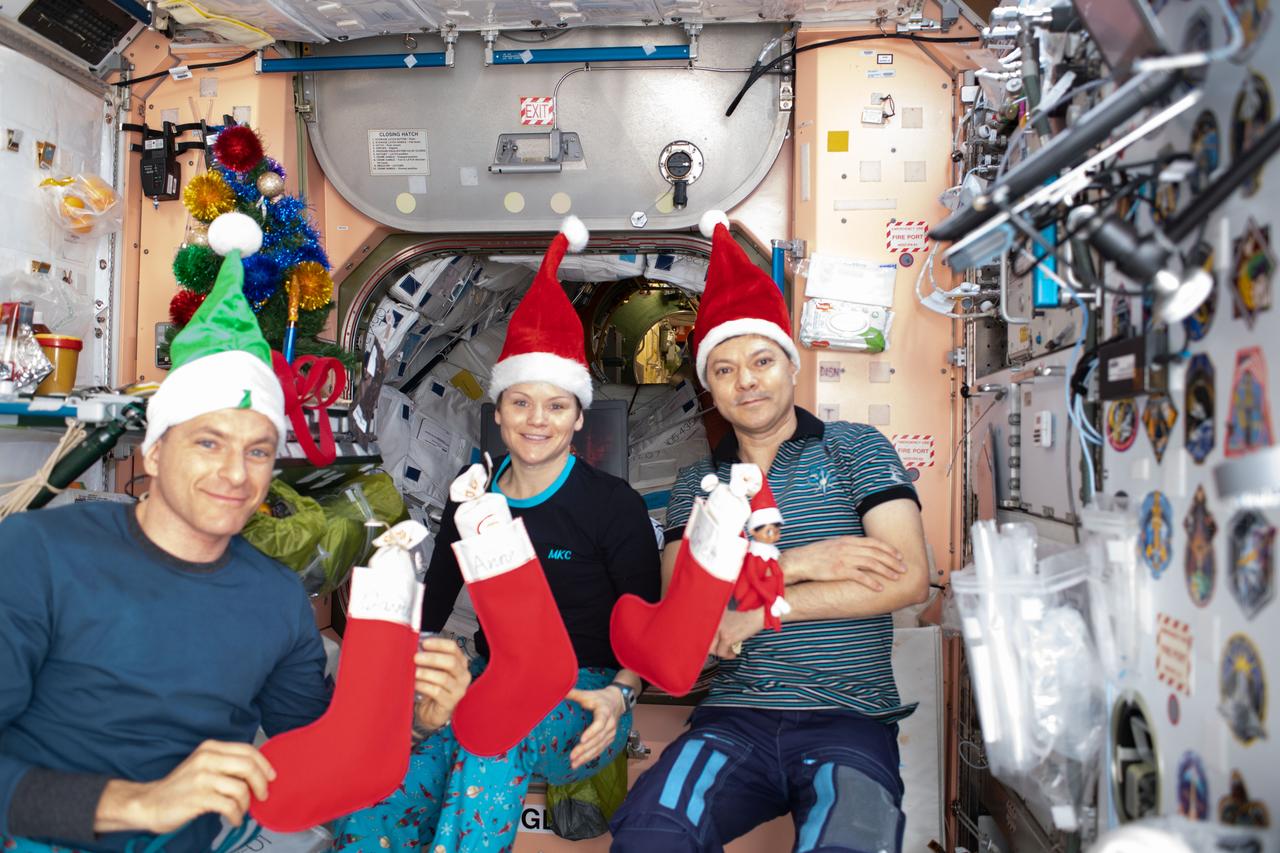
iss058e000835 (Dec. 25, 2019) --- Expedition 58 Flight Engineers (from left) David Saint-Jacques of the Canadian Space Agency (CXSA) and Anne McClain of NASA, with Commander Oleg Kononenko of Roscosmos are pictured in a festive mood opening their stockings on Christmas day inside the International Space Station's Unity module.
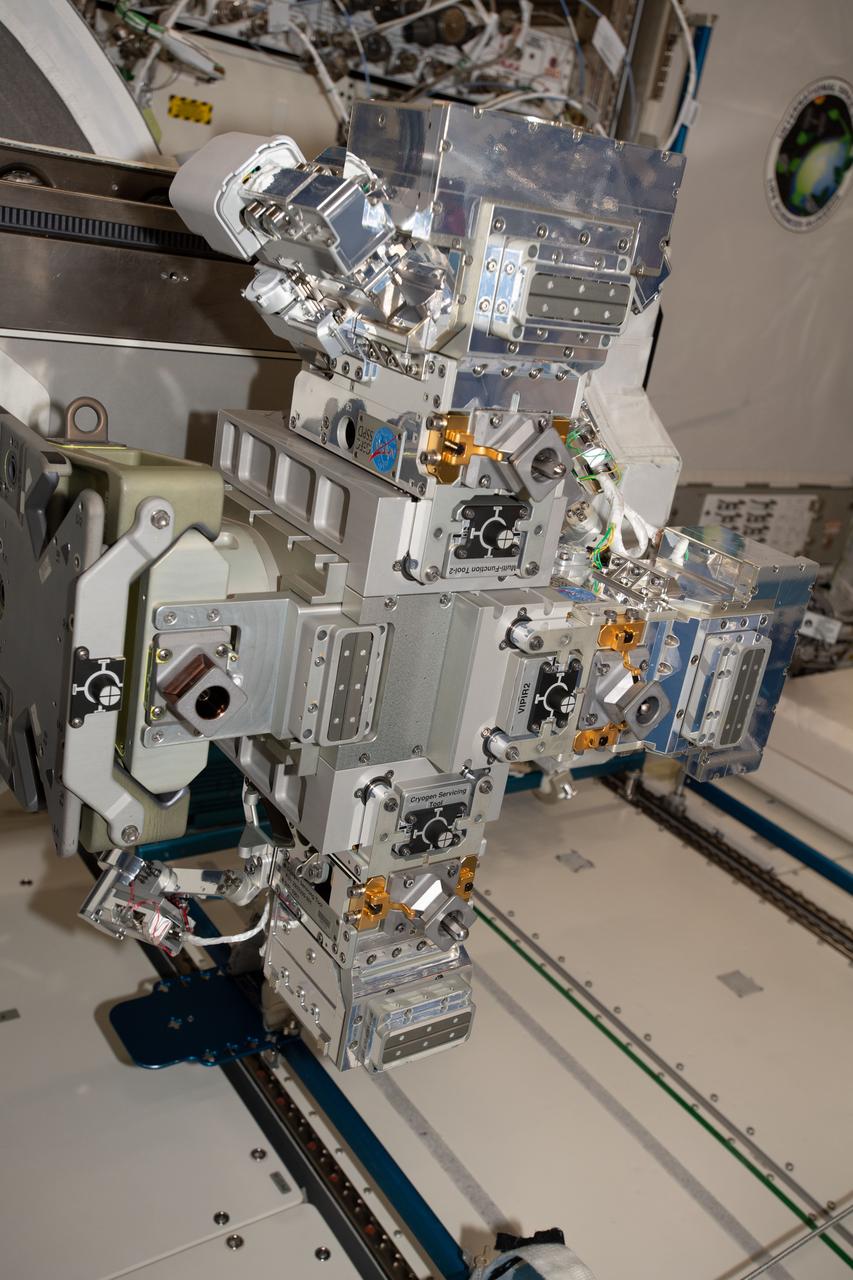
iss058e015157 (2/19/2019) --- Photo documentation of the Robotic Refueling Mission 3 (RRM3) hardware in the KIBO module aboard the International Space Station (ISS). Robotic Refueling Mission 3 (RRM3) demonstrates the first transfer and long term storage of liquid methane, a cryogenic fluid, in microgravity. The ability to replenish and store cryogenic fluids, which can function as a fuel or coolant, can help enable long duration journeys to destinations like the Moon and Mars.
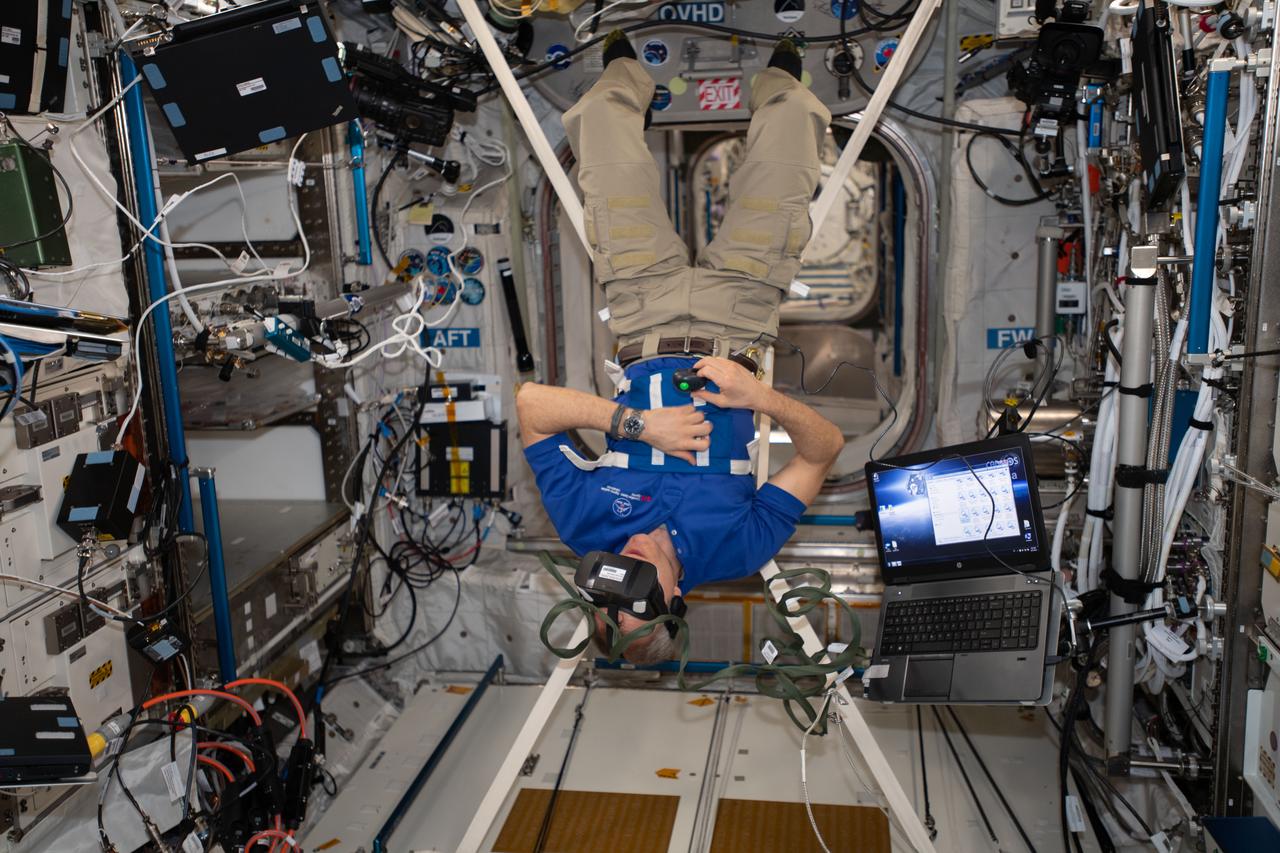
iss058e026473 (2/27/2019) --- Canadian Space Agency (CSA) astronaut David Saint-Jacques is shown in the Columbus module aboard the International Space Station (ISS) during the Vection experiment. The objective of The Effect of Long Duration Hypogravity on the Perception of Self-Motion (VECTION) study is to determine to what extent an astronaut's ability to visually interpret motion, orientation, and distance may be disrupted in a microgravity environment, and how it may adapt, and how it may be changed upon return to Earth. Multiple experimental time points inflight and upon return to Earth allows for the adaptation and recovery process to be investigated.