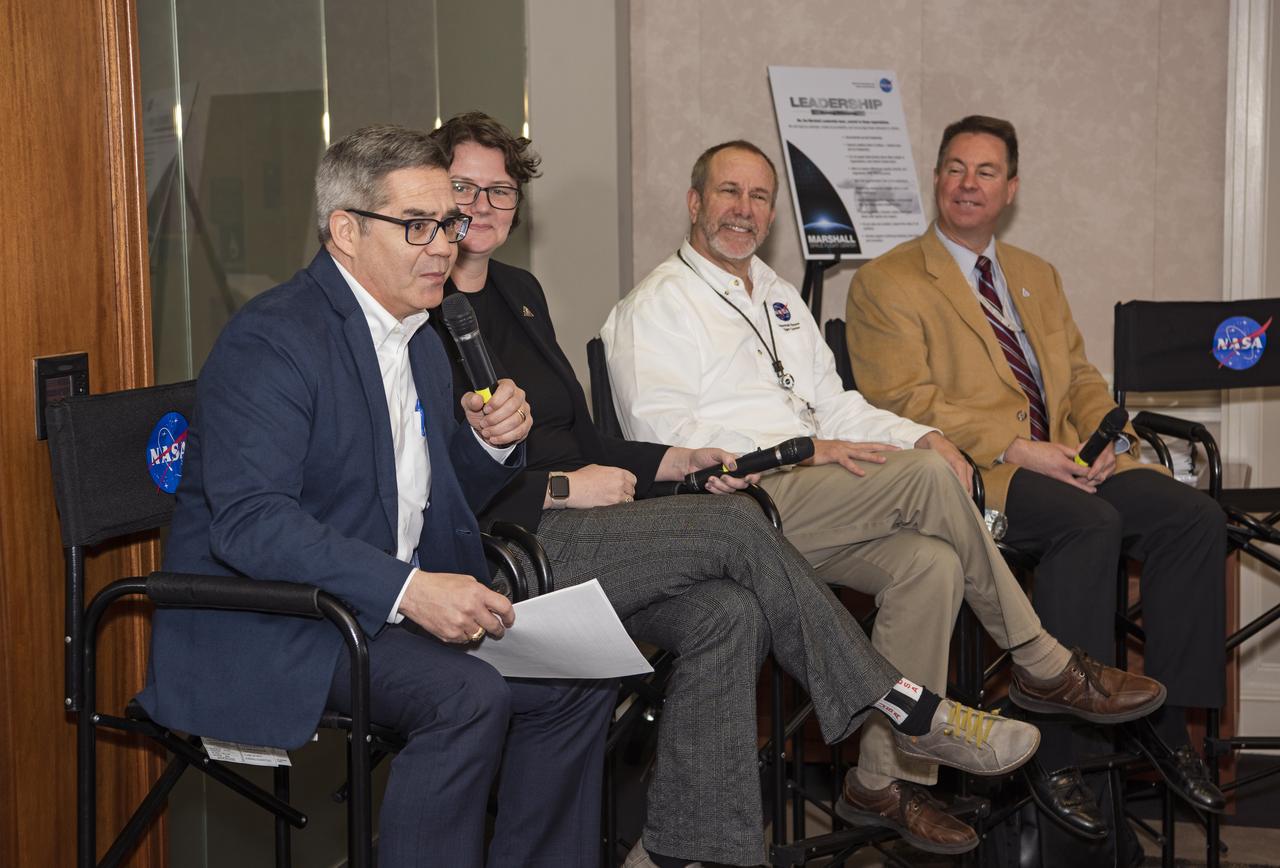
Sam Ortega, left, manager of the Partnerships Office at NASA’s Marshall Space Flight Center, moderates an Artemis Program panel featuring, second from left, Renee Weber, Marshall chief scientist; David Beaman, manager of Marshall’s Systems Engineering & Integration Office; and Don Krupp, associate program manager for the Human Landing System Program, during Universities of the Tennessee Valley Corridor activities Feb. 27 at Marshall. Leadership staff from eight universities and 10 junior colleges in Alabama, Tennessee and Kentucky also heard presentations on Office of STEM Engagement opportunities, partnership opportunities, Marshall’s Technology Transfer Office, the NASA software catalog and Marshall’s Advanced Concepts Office. The group toured several Marshall facilities to learn more about center capabilities.
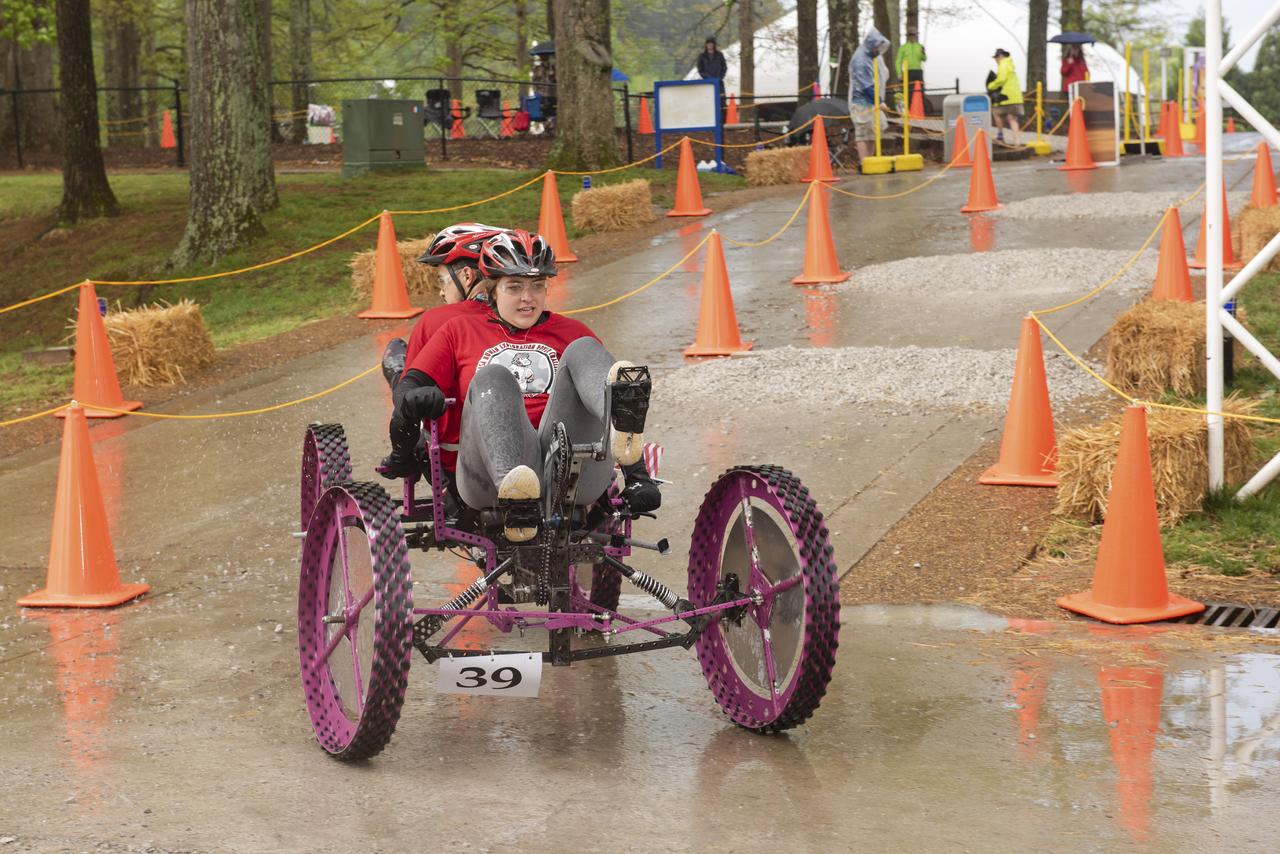
The 2019 Lunar Rover Challenge Competition was hosted by the U.S. Space and Rocket Center in Huntsville, Alabama. This annual event celebrated the 25th anniversary of what began as the Great Moonbuggy Race in 1994. High school and College teams from the United States and foreign countries competed. The awards ceremony was held at the adjacent Marriott on Saturday evening.
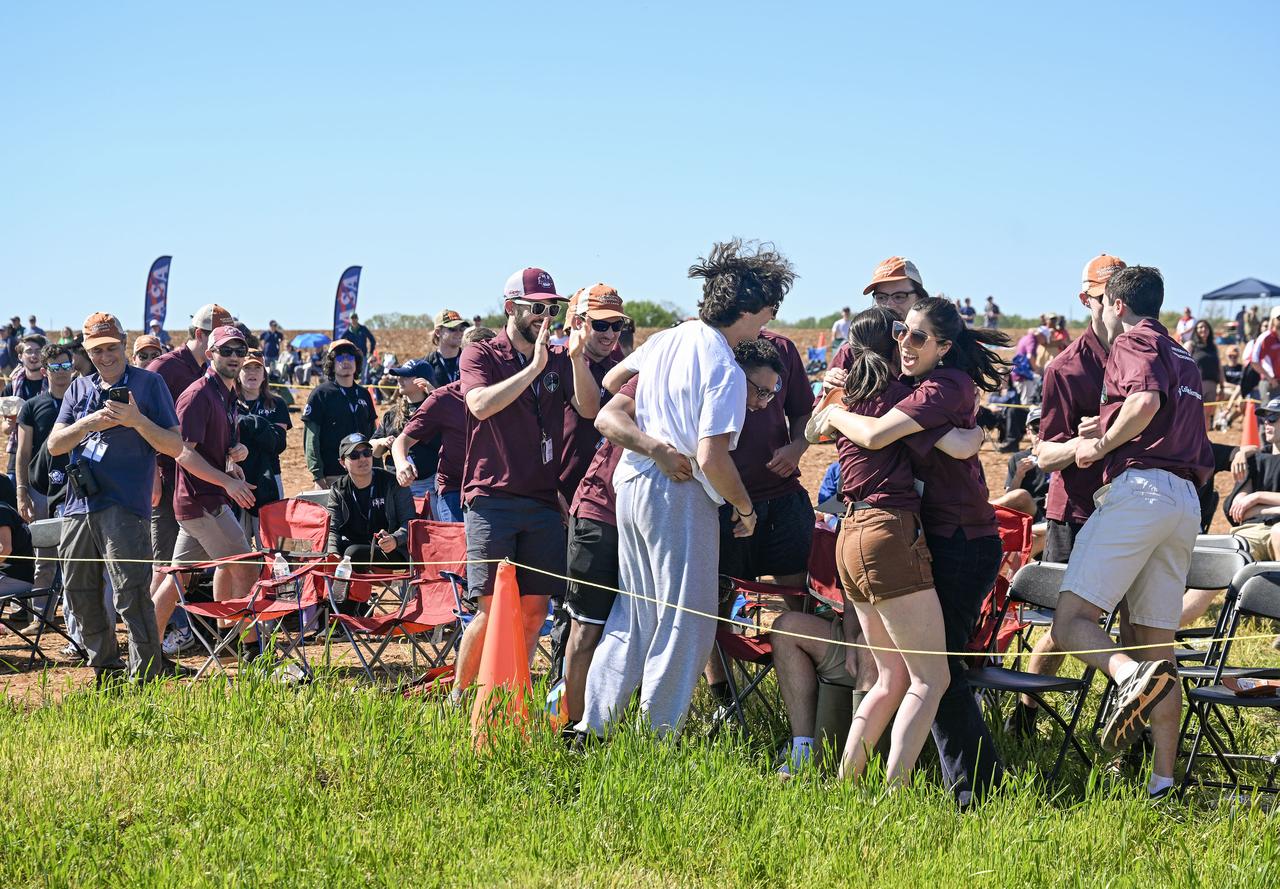
t actually IS rocket science! Student Launch is a 9-month long challenge that tasks student teams from across the U.S. to design, build, test, and launch a high-powered rocket carrying a scientific or engineering payload. It is a hands-on, research-based, engineering activity and culminates each year with a final launch in Huntsville, Alabama home of NASA’s Marshall Space Flight Center. The activity offers multiple challenges reaching a broad audience colleges and universities as well as middle and high school aged students across the nation.
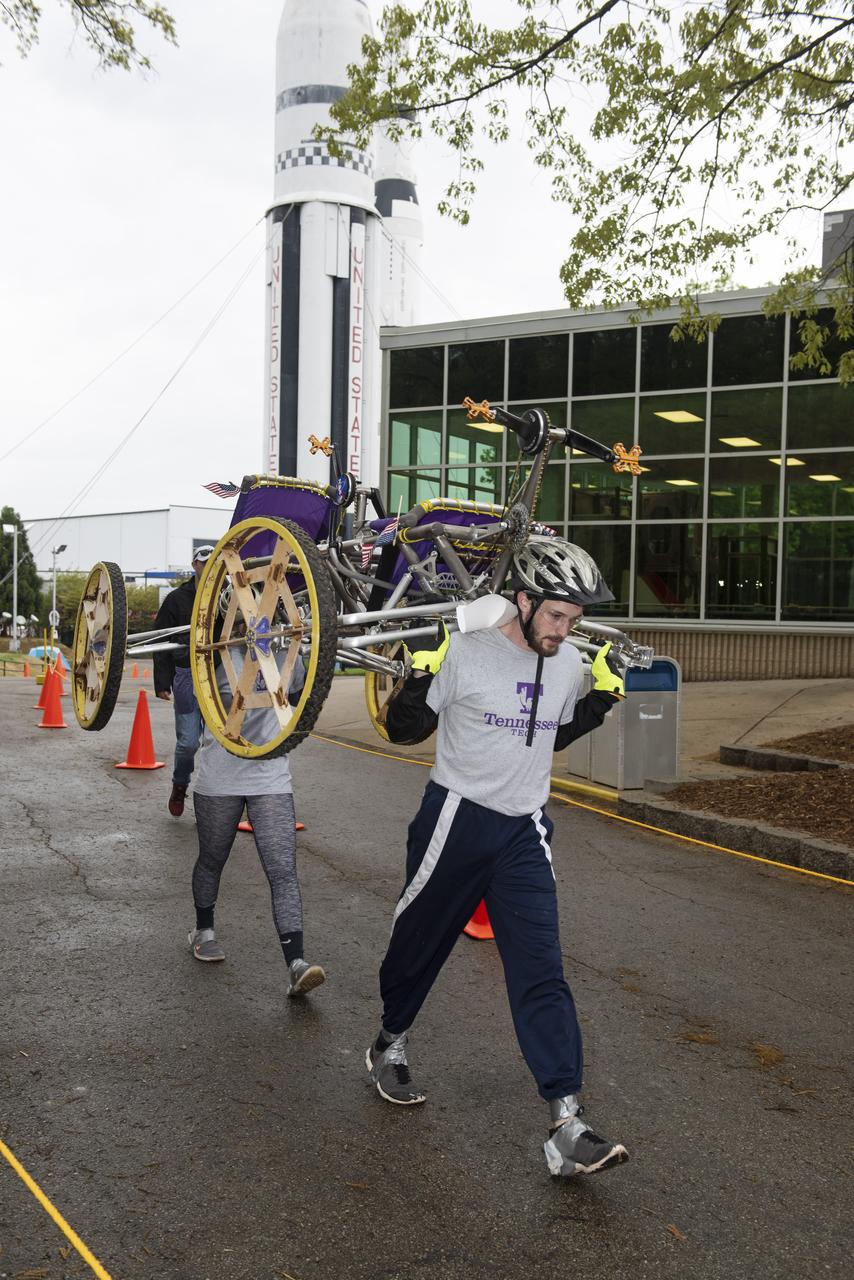
The 2019 Lunar Rover Challenge Competition was hosted by the U.S. Space and Rocket Center in Huntsville, Alabama. This annual event celebrated the 25th anniversary of what began as the Great Moonbuggy Race in 1994. High school and College teams from the United States and foreign countries competed. The awards ceremony was held at the adjacent Marriott on Saturday evening.
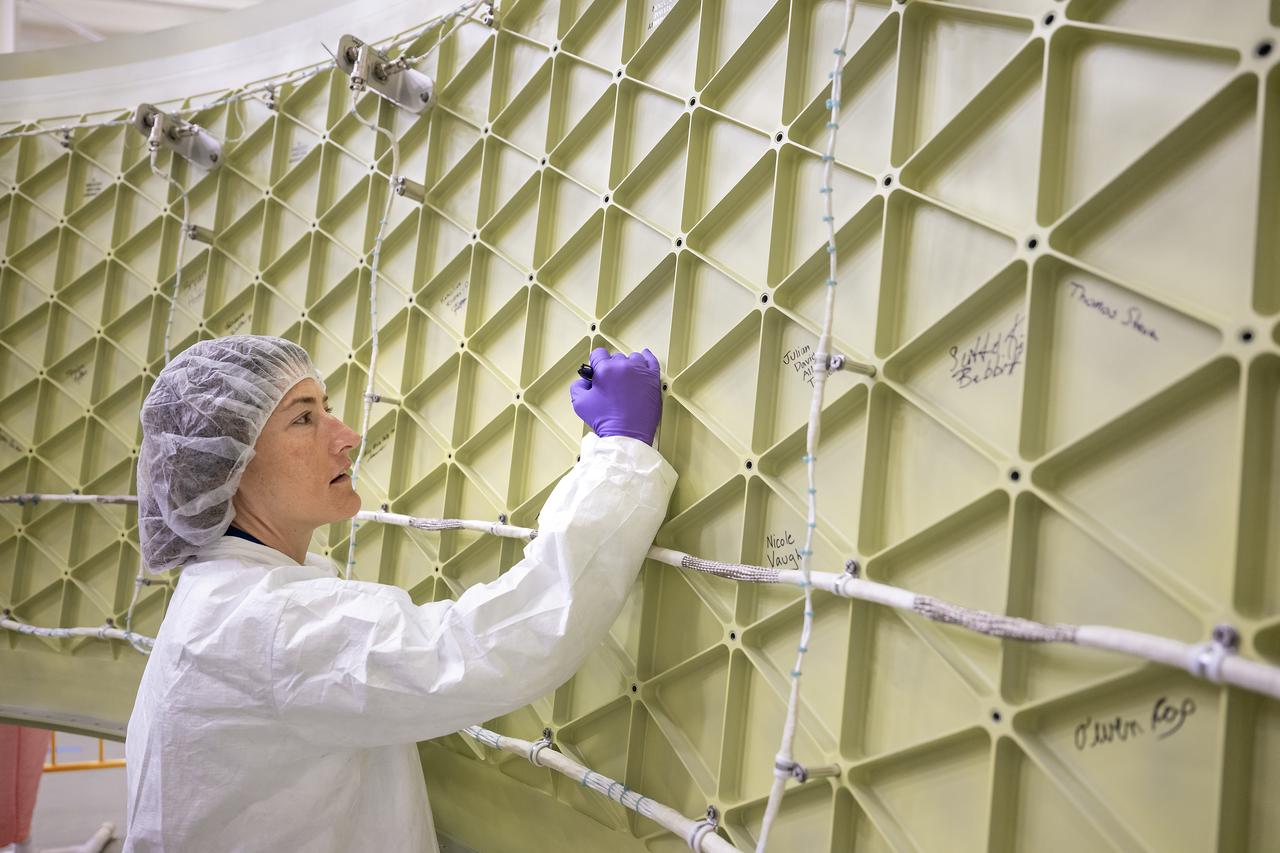
These photos show highlights from Artemis II NASA astronauts Victor Glover, Reid Wiseman, and Christina Koch of NASA and CSA (Canadian Space Agency) astronaut Jeremy Hansen visit to NASA’s Marshall Space Flight Center in Huntsville, Alabama, Nov. 27. The crew met and spoke to employees and viewed facilities for SLS (Space Launch System) rocket. All four astronauts signed the Orion stage adapter (OSA), a small ring structure that connects SLS to NASA’s Orion spacecraft, that will be used for Artemis II. Koch and Wiseman also visited the Systems Integration Lab, where SLS flight software testing is conducted. The four astronauts will launch atop SLS inside Orion to venture around the Moon on Artemis II, the first crewed flight for Artemis.
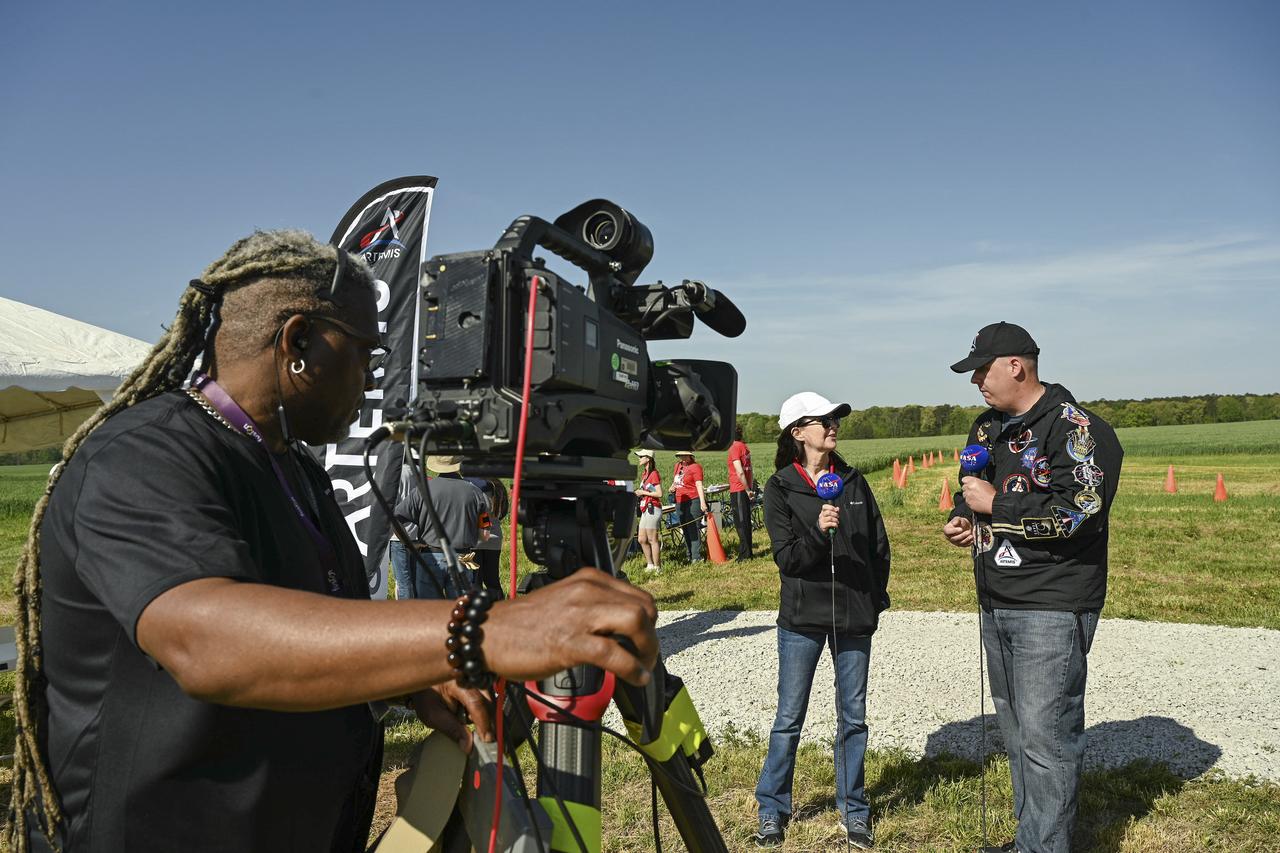
Following two years of virtual events, high school and college teams from across the country return to Bragg Farms in Toney, Alabama, to compete in NASAÕs Student Launch rocketry competition April 23.
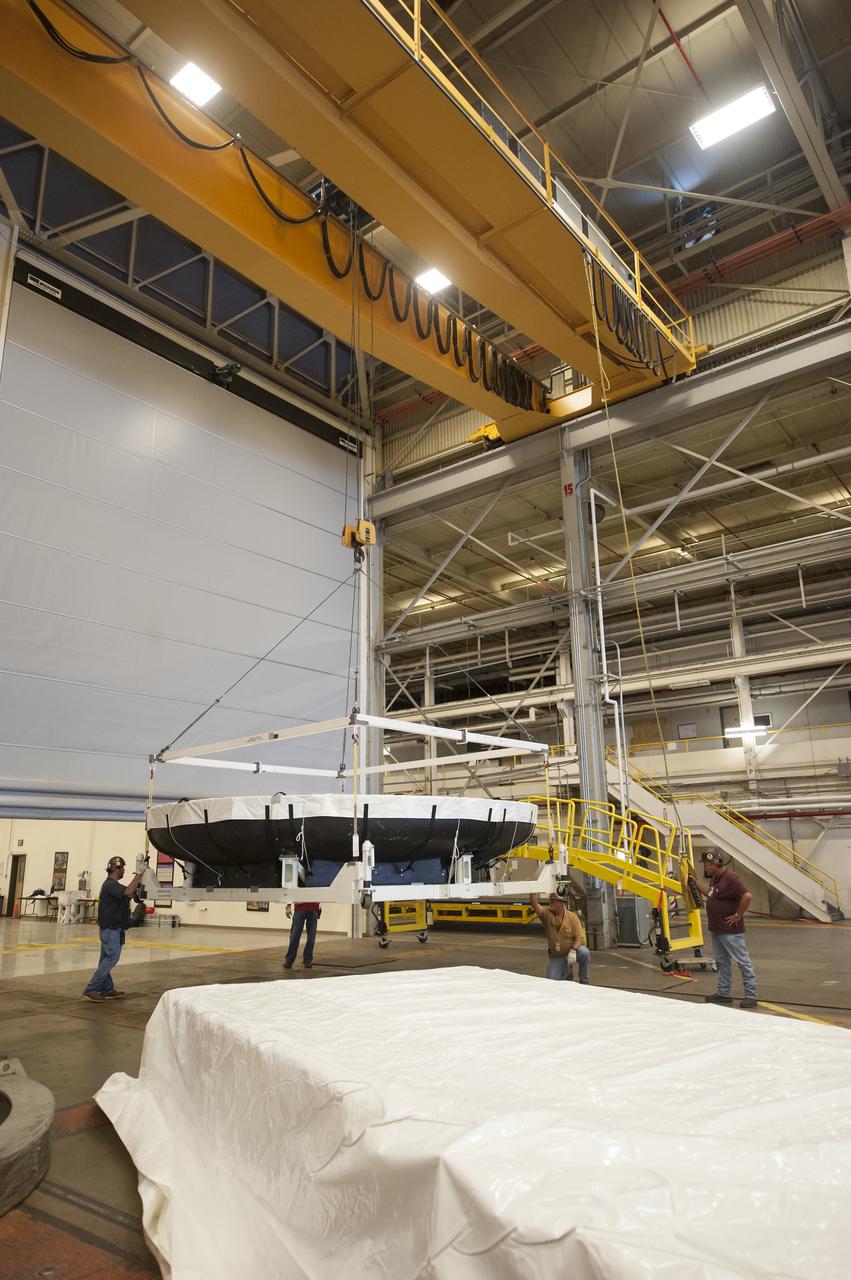
THE ORION HEAT SHIELD, WHICH WAS AT NASA’S MARSHALL SPACE FLIGHT CENTER FROM MARCH-MAY 2015 FOR ENGINEERING AND ANALYSIS, IS READIED FOR DEPARTURE AT THE END OF ITS STAY. THE HEAT SHIELD’S ABLATED SURFACE MATERIAL WAS REMOVED AT MARSHALL FOR ANALYSIS, USING THE CENTER’S STATE-OF-THE-ART SEVEN-AXIS MILLING MACHINE. IT NEXT WILL GO TO NASA’S LANGLEY RESEARCH CENTER FOR WATER-IMPACT TESTING. NASA’S JOHNSON SPACE CENTER LEADS THE ORION PROGRAM FOR NASA.
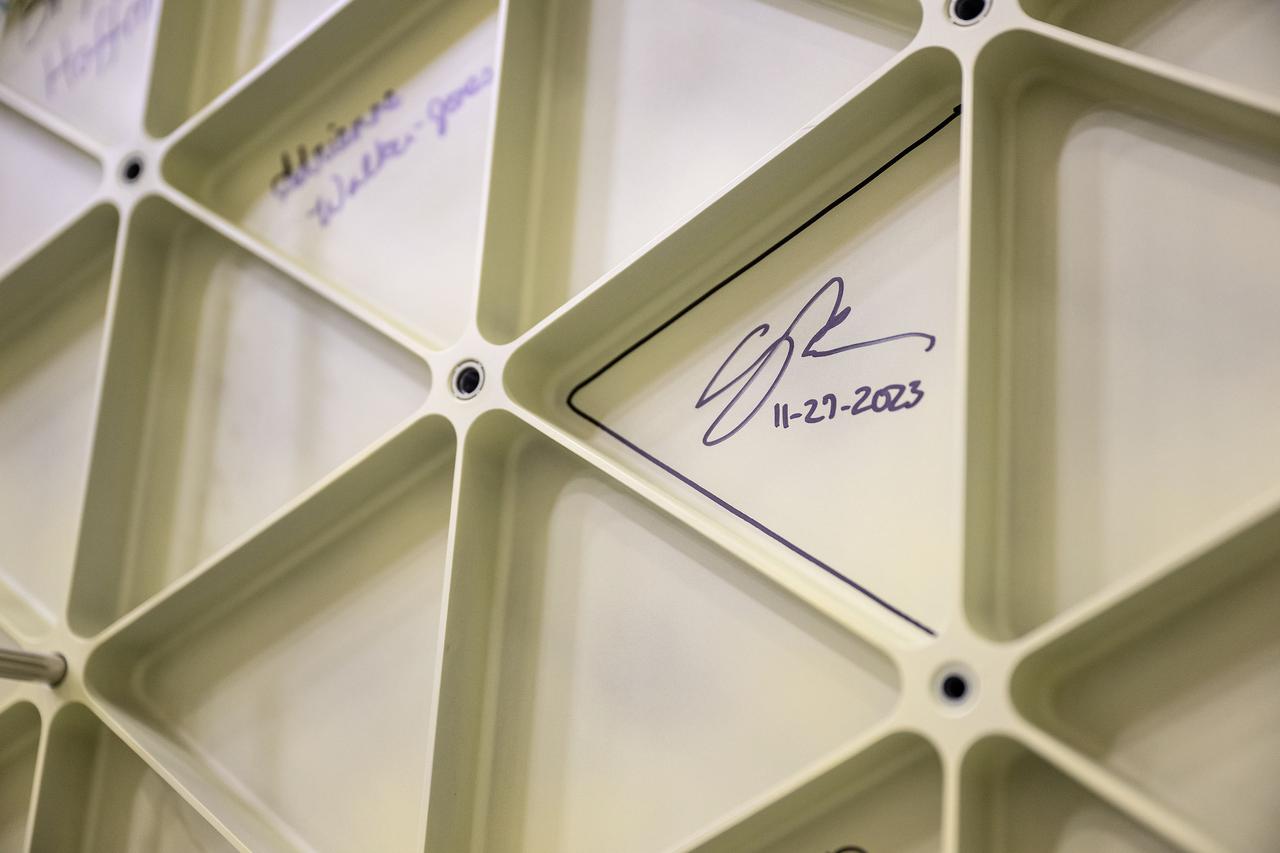
These photos show highlights from Artemis II NASA astronauts Victor Glover, Reid Wiseman, and Christina Koch of NASA and CSA (Canadian Space Agency) astronaut Jeremy Hansen visit to NASA’s Marshall Space Flight Center in Huntsville, Alabama, Nov. 27. The crew met and spoke to employees and viewed facilities for SLS (Space Launch System) rocket. All four astronauts signed the Orion stage adapter (OSA), a small ring structure that connects SLS to NASA’s Orion spacecraft, that will be used for Artemis II. Koch and Wiseman also visited the Systems Integration Lab, where SLS flight software testing is conducted. The four astronauts will launch atop SLS inside Orion to venture around the Moon on Artemis II, the first crewed flight for Artemis.
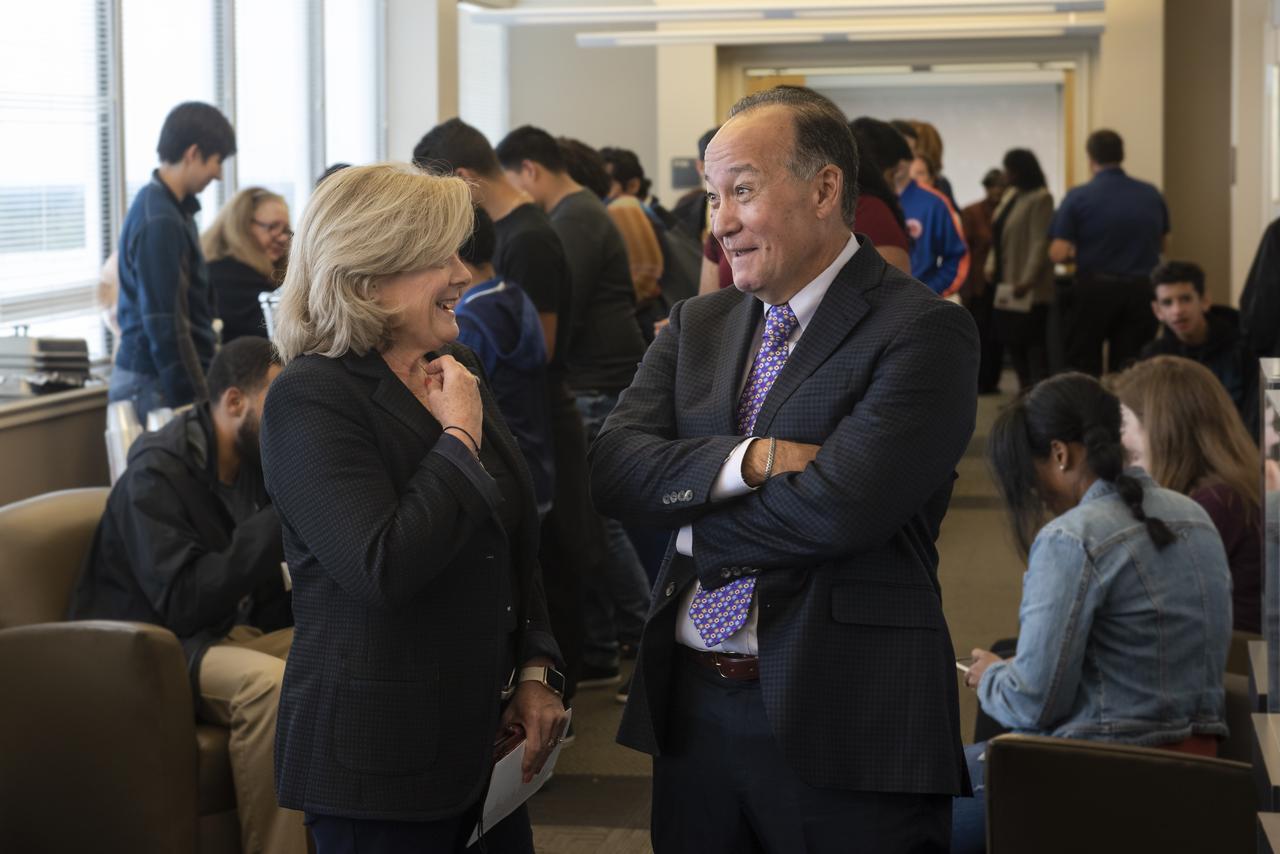
Ray Lugo, director of the Florida Space Institute in Orlando and former director of NASA's Glenn Research Center, talks with Jody Singer, director of NASA's Marshall Space Flight Center, Oct. 18 following his keynote address at Marshall's annual Hispanic Heritage Month celebration.
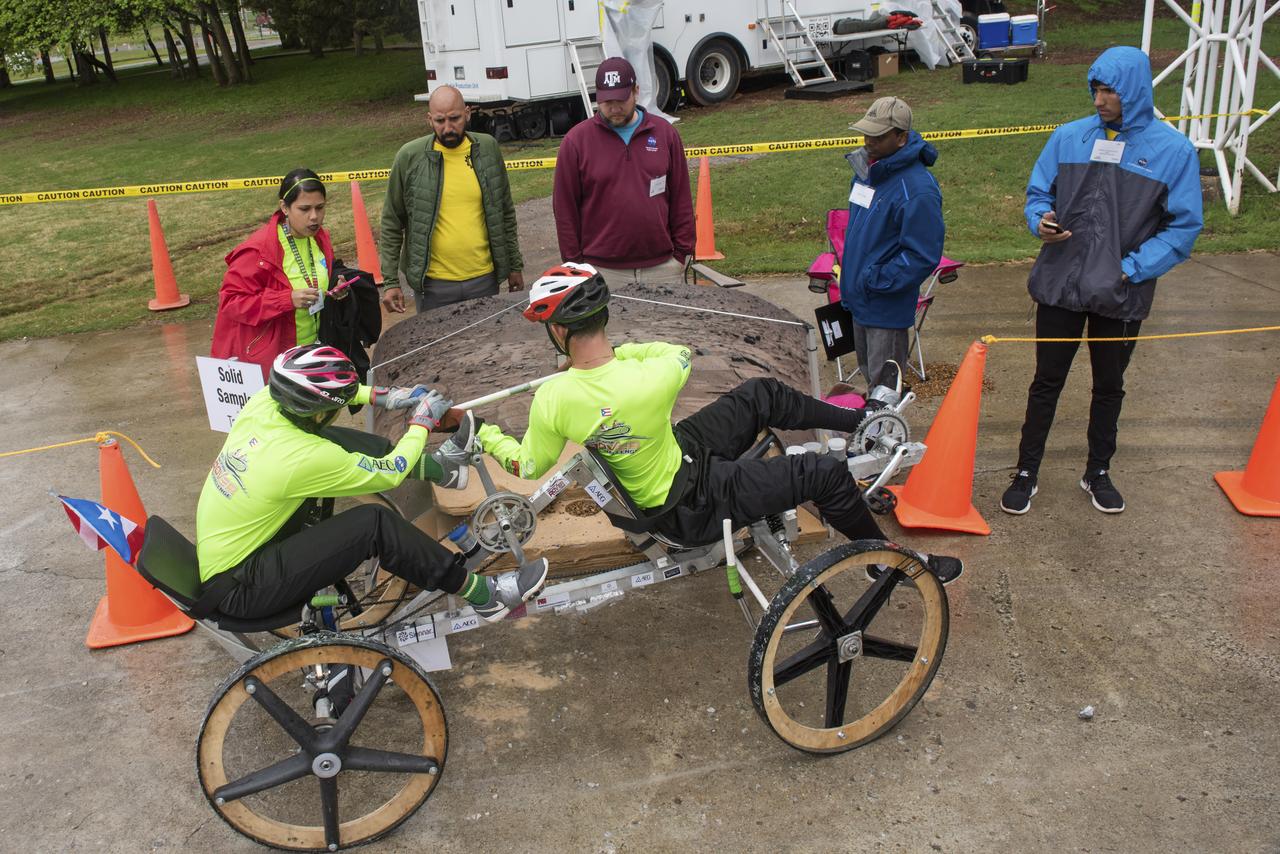
The 2019 Lunar Rover Challenge Competition was hosted by the U.S. Space and Rocket Center in Huntsville, Alabama. This annual event celebrated the 25th anniversary of what began as the Great Moonbuggy Race in 1994. High school and College teams from the United States and foreign countries competed. The awards ceremony was held at the adjacent Marriott on Saturday evening.
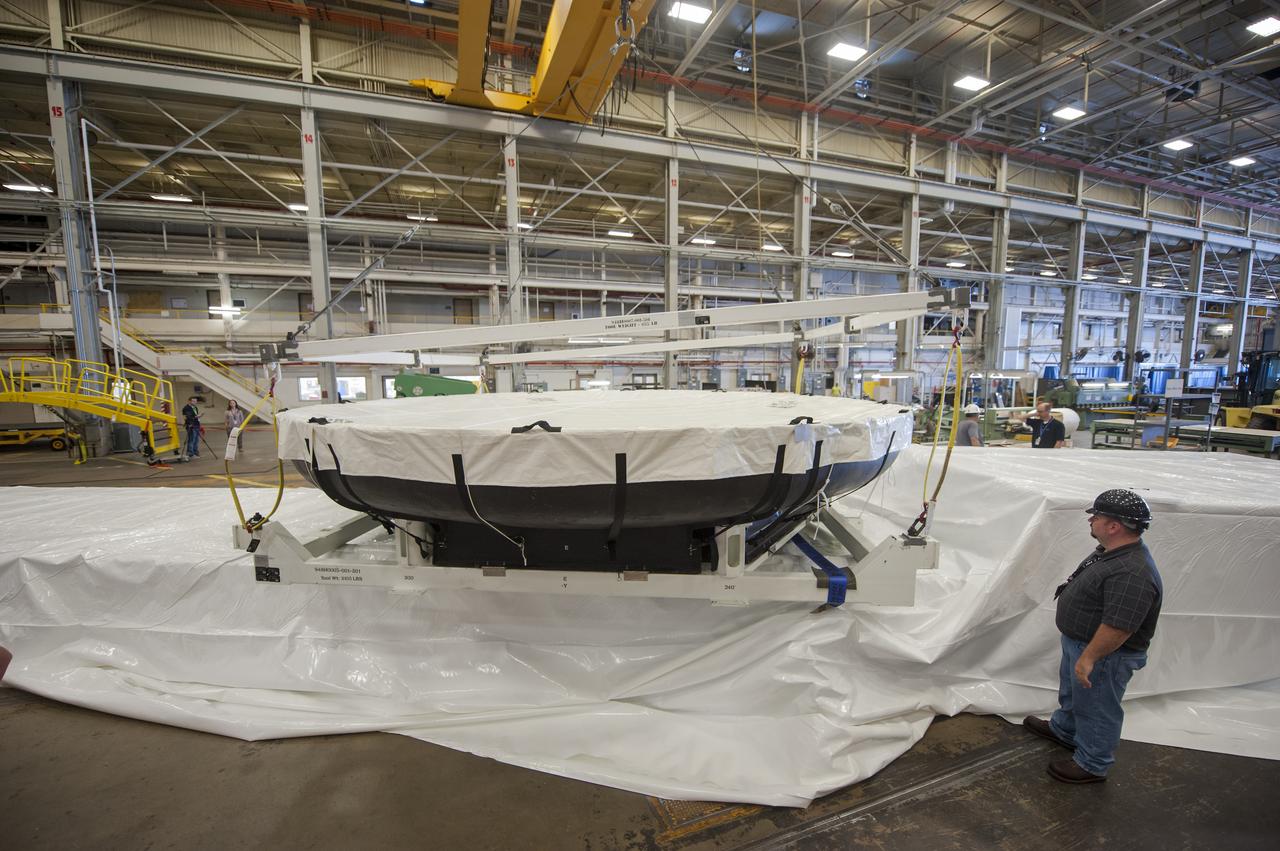
THE ORION HEAT SHIELD, WHICH WAS AT NASA’S MARSHALL SPACE FLIGHT CENTER FROM MARCH-MAY 2015 FOR ENGINEERING AND ANALYSIS, IS READIED FOR DEPARTURE AT THE END OF ITS STAY. THE HEAT SHIELD’S ABLATED SURFACE MATERIAL WAS REMOVED AT MARSHALL FOR ANALYSIS, USING THE CENTER’S STATE-OF-THE-ART SEVEN-AXIS MILLING MACHINE. IT NEXT WILL GO TO NASA’S LANGLEY RESEARCH CENTER FOR WATER-IMPACT TESTING. NASA’S JOHNSON SPACE CENTER LEADS THE ORION PROGRAM FOR NASA.
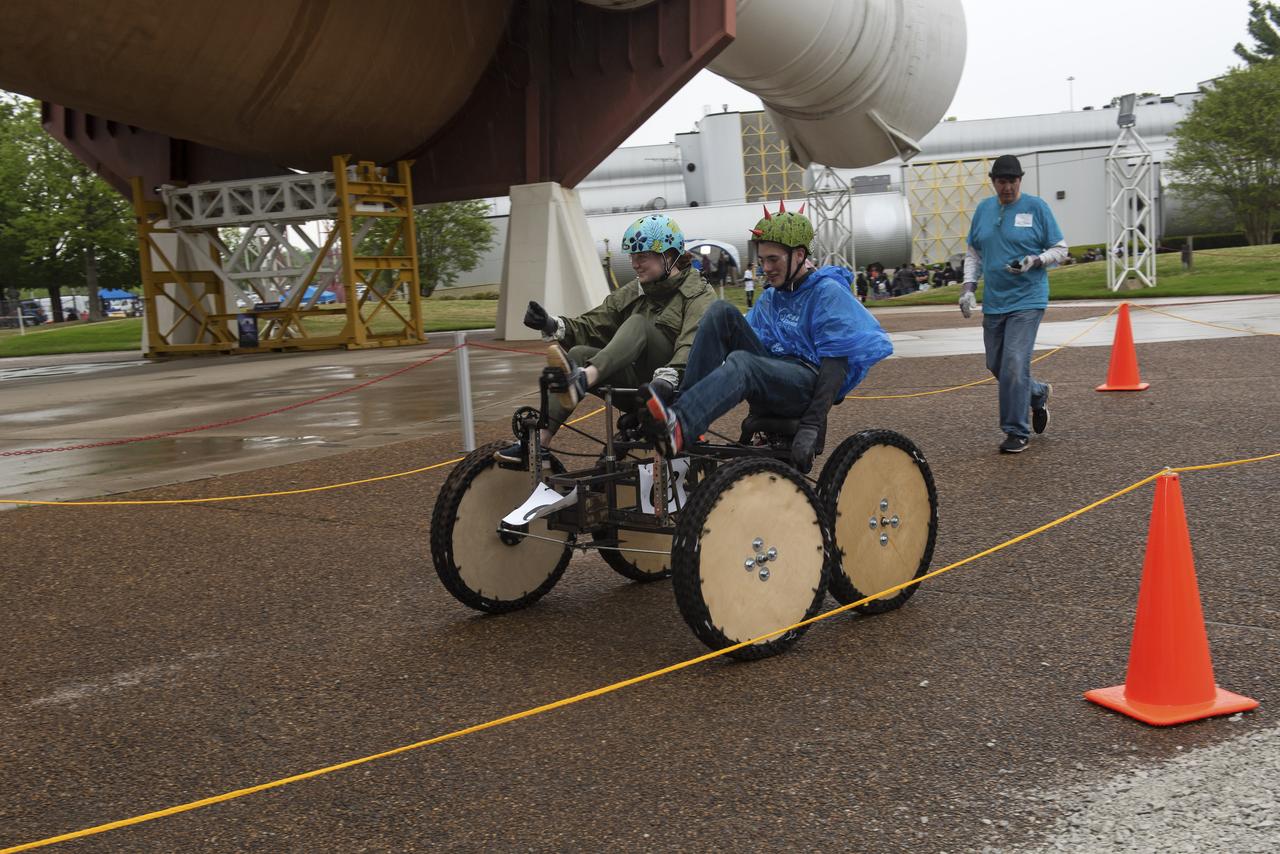
The 2019 Lunar Rover Challenge Competition was hosted by the U.S. Space and Rocket Center in Huntsville, Alabama. This annual event celebrated the 25th anniversary of what began as the Great Moonbuggy Race in 1994. High school and College teams from the United States and foreign countries competed. The awards ceremony was held at the adjacent Marriott on Saturday evening.

A CREW INSTALLS A NEW EARTH SCIENCE RECEIVING SATELLITE ANTENNA OUTSIDE MARSHALL SPACE FLIGHT CENTER'S ACTIVITIES BUILDING 4316
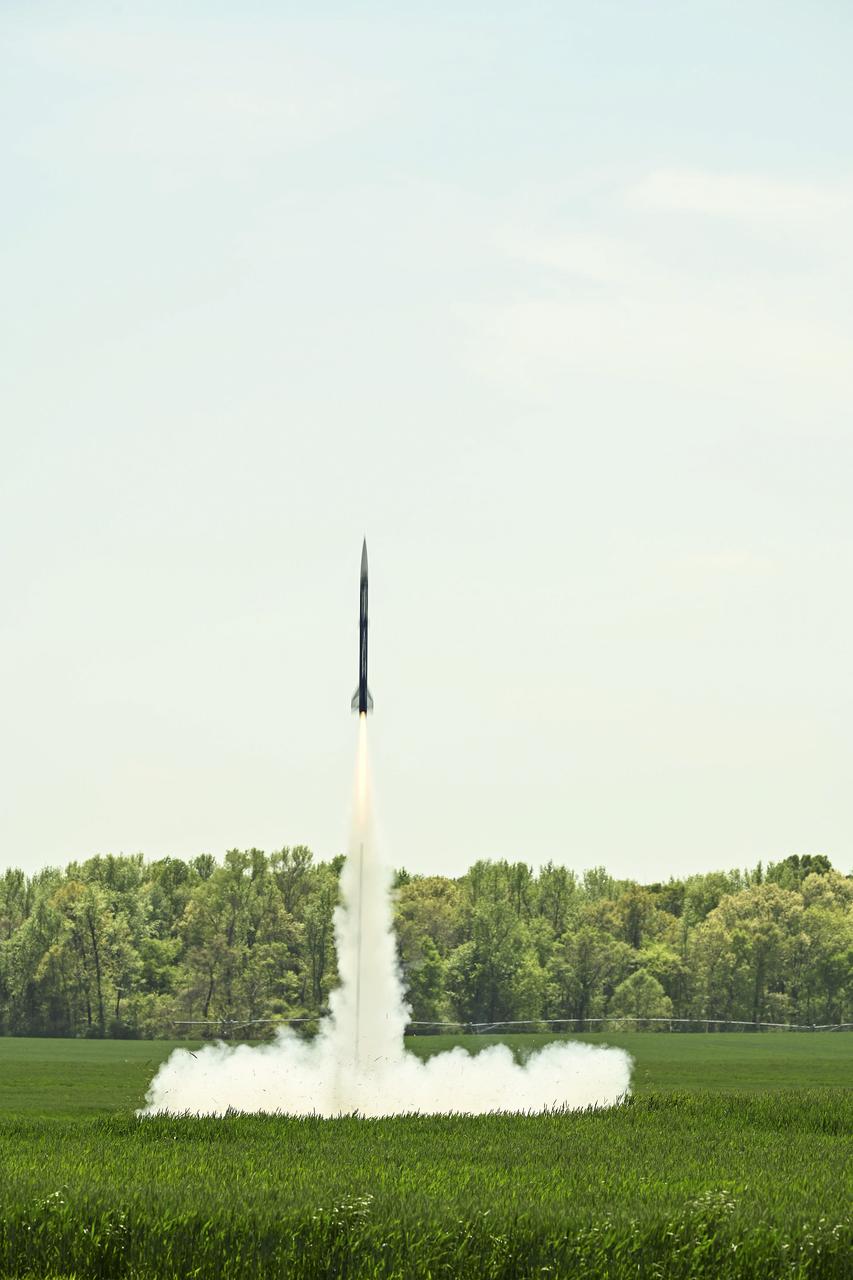
Following two years of virtual events, high school and college teams from across the country return to Bragg Farms in Toney, Alabama, to compete in NASAÕs Student Launch rocketry competition April 23.
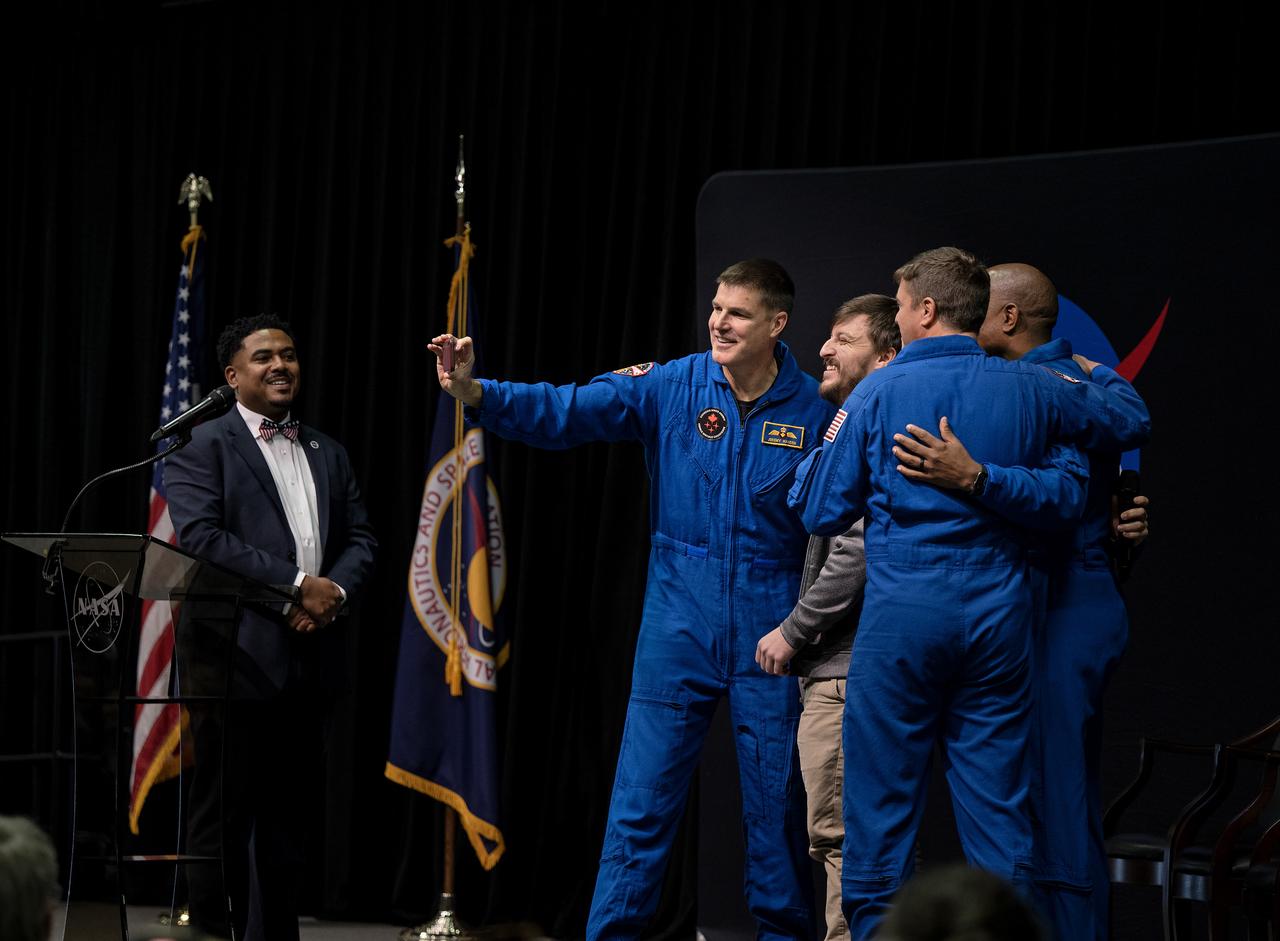
These photos show highlights from Artemis II NASA astronauts Victor Glover, Reid Wiseman, and Christina Koch of NASA and CSA (Canadian Space Agency) astronaut Jeremy Hansen visit to NASA’s Marshall Space Flight Center in Huntsville, Alabama, Nov. 27. The crew met and spoke to employees and viewed facilities for SLS (Space Launch System) rocket. All four astronauts signed the Orion stage adapter (OSA), a small ring structure that connects SLS to NASA’s Orion spacecraft, that will be used for Artemis II. Koch and Wiseman also visited the Systems Integration Lab, where SLS flight software testing is conducted. The four astronauts will launch atop SLS inside Orion to venture around the Moon on Artemis II, the first crewed flight for Artemis.
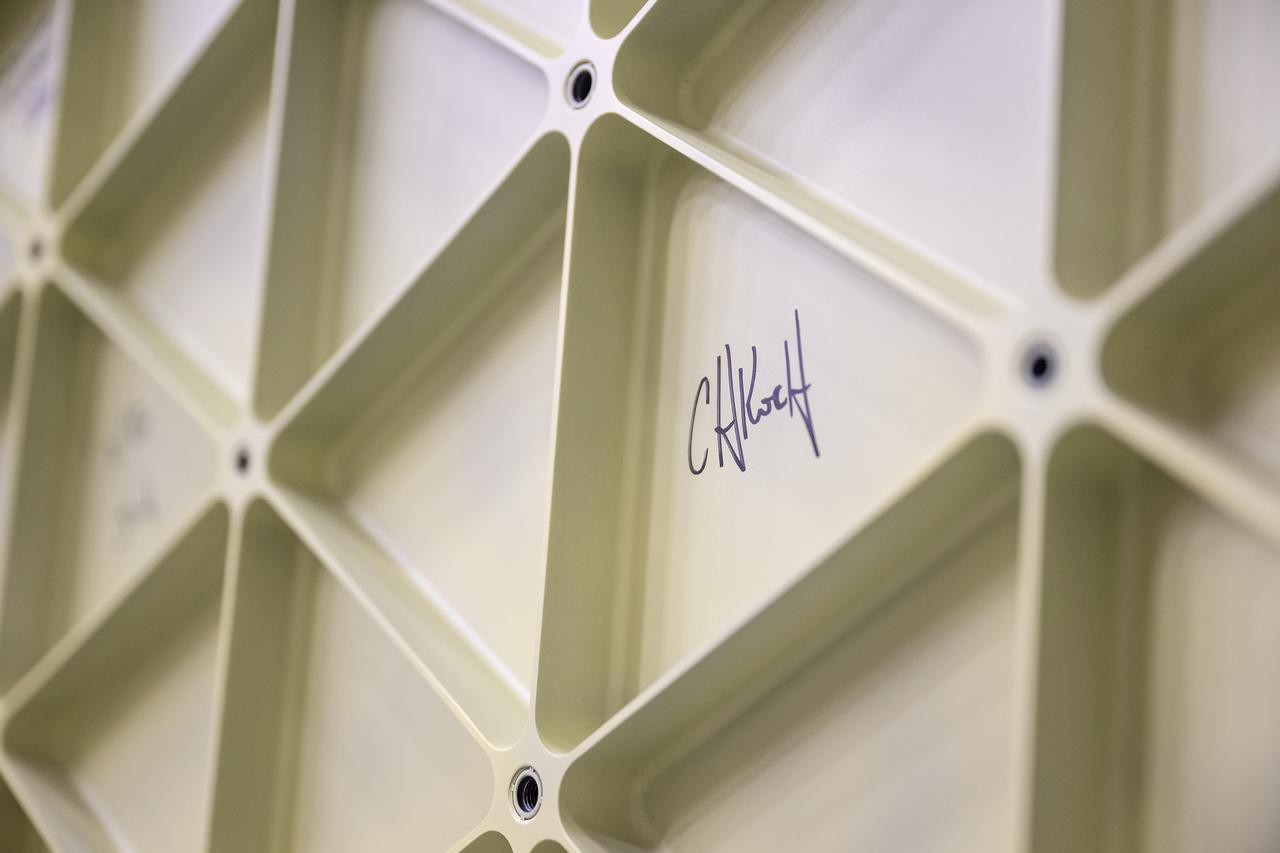
These photos show highlights from Artemis II NASA astronauts Victor Glover, Reid Wiseman, and Christina Koch of NASA and CSA (Canadian Space Agency) astronaut Jeremy Hansen visit to NASA’s Marshall Space Flight Center in Huntsville, Alabama, Nov. 27. The crew met and spoke to employees and viewed facilities for SLS (Space Launch System) rocket. All four astronauts signed the Orion stage adapter (OSA), a small ring structure that connects SLS to NASA’s Orion spacecraft, that will be used for Artemis II. Koch and Wiseman also visited the Systems Integration Lab, where SLS flight software testing is conducted. The four astronauts will launch atop SLS inside Orion to venture around the Moon on Artemis II, the first crewed flight for Artemis.
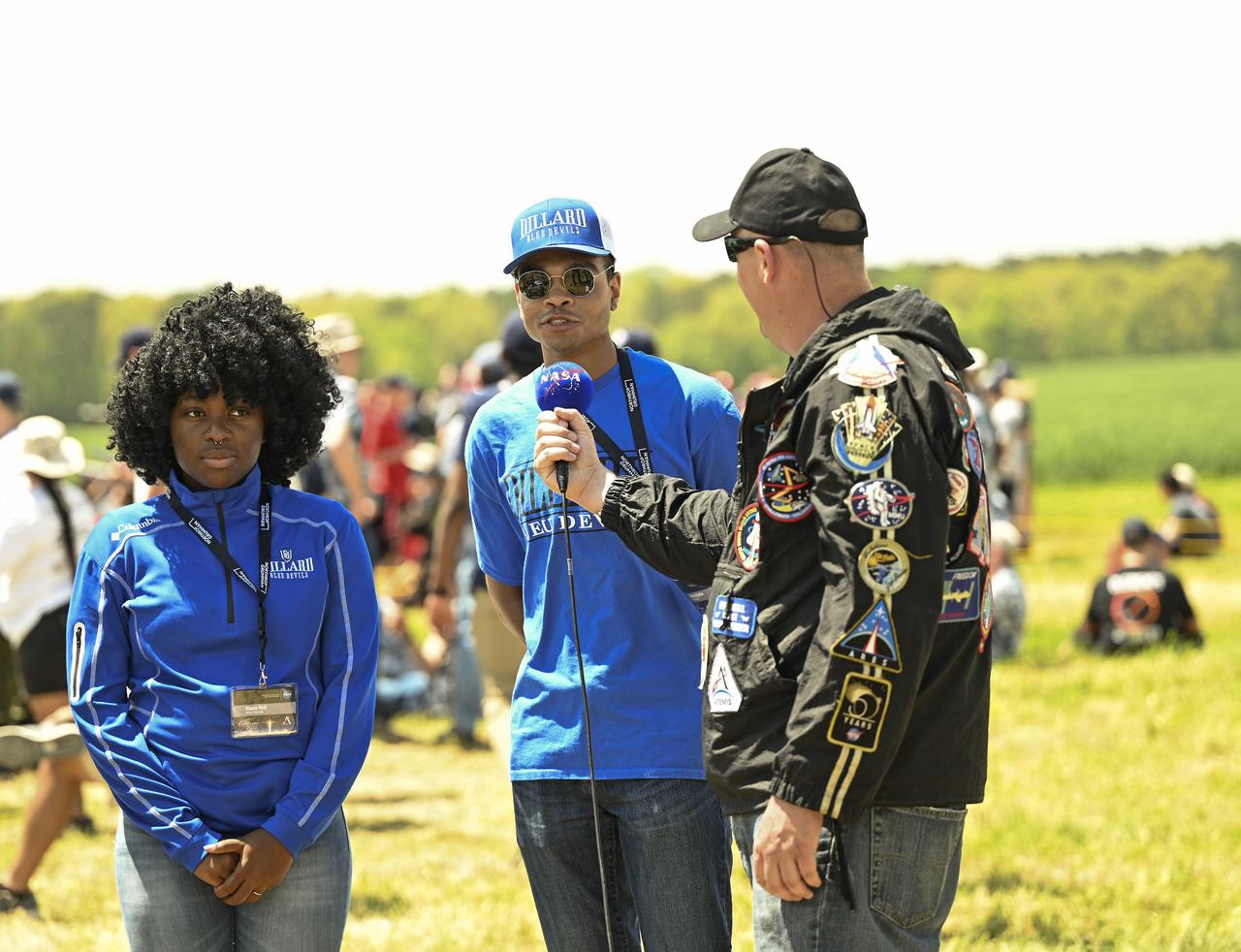
Following two years of virtual events, high school and college teams from across the country return to Bragg Farms in Toney, Alabama, to compete in NASAÕs Student Launch rocketry competition April 23.
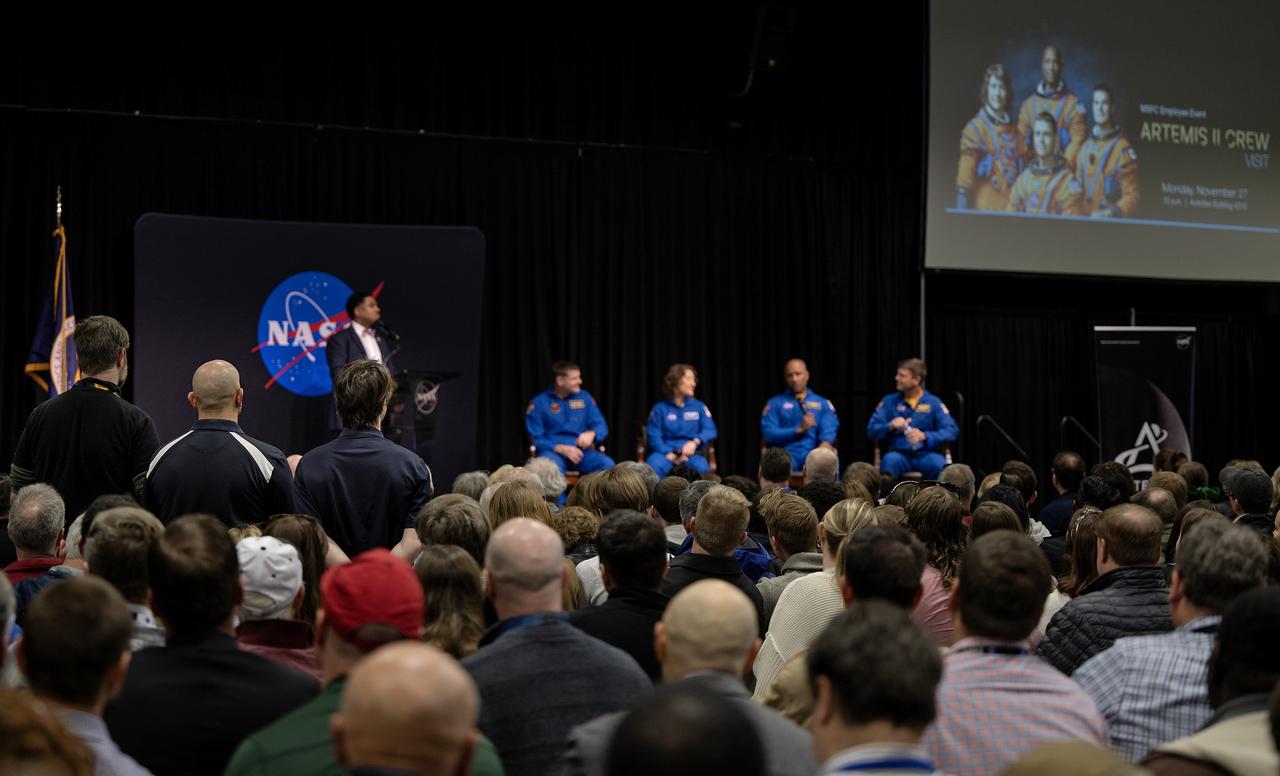
These photos show highlights from Artemis II NASA astronauts Victor Glover, Reid Wiseman, and Christina Koch of NASA and CSA (Canadian Space Agency) astronaut Jeremy Hansen visit to NASA’s Marshall Space Flight Center in Huntsville, Alabama, Nov. 27. The crew met and spoke to employees and viewed facilities for SLS (Space Launch System) rocket. All four astronauts signed the Orion stage adapter (OSA), a small ring structure that connects SLS to NASA’s Orion spacecraft, that will be used for Artemis II. Koch and Wiseman also visited the Systems Integration Lab, where SLS flight software testing is conducted. The four astronauts will launch atop SLS inside Orion to venture around the Moon on Artemis II, the first crewed flight for Artemis.
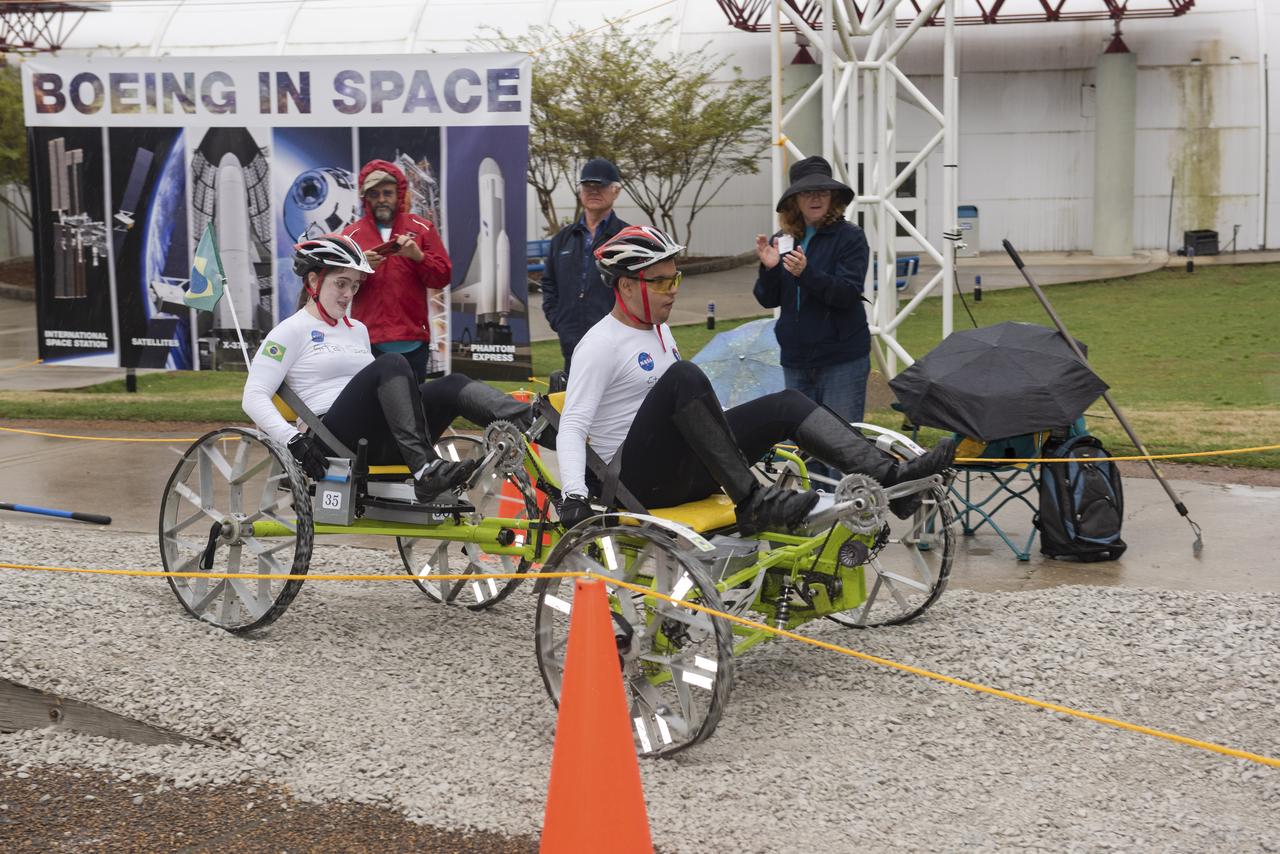
The 2019 Lunar Rover Challenge Competition was hosted by the U.S. Space and Rocket Center in Huntsville, Alabama. This annual event celebrated the 25th anniversary of what began as the Great Moonbuggy Race in 1994. High school and College teams from the United States and foreign countries competed. The awards ceremony was held at the adjacent Marriott on Saturday evening.
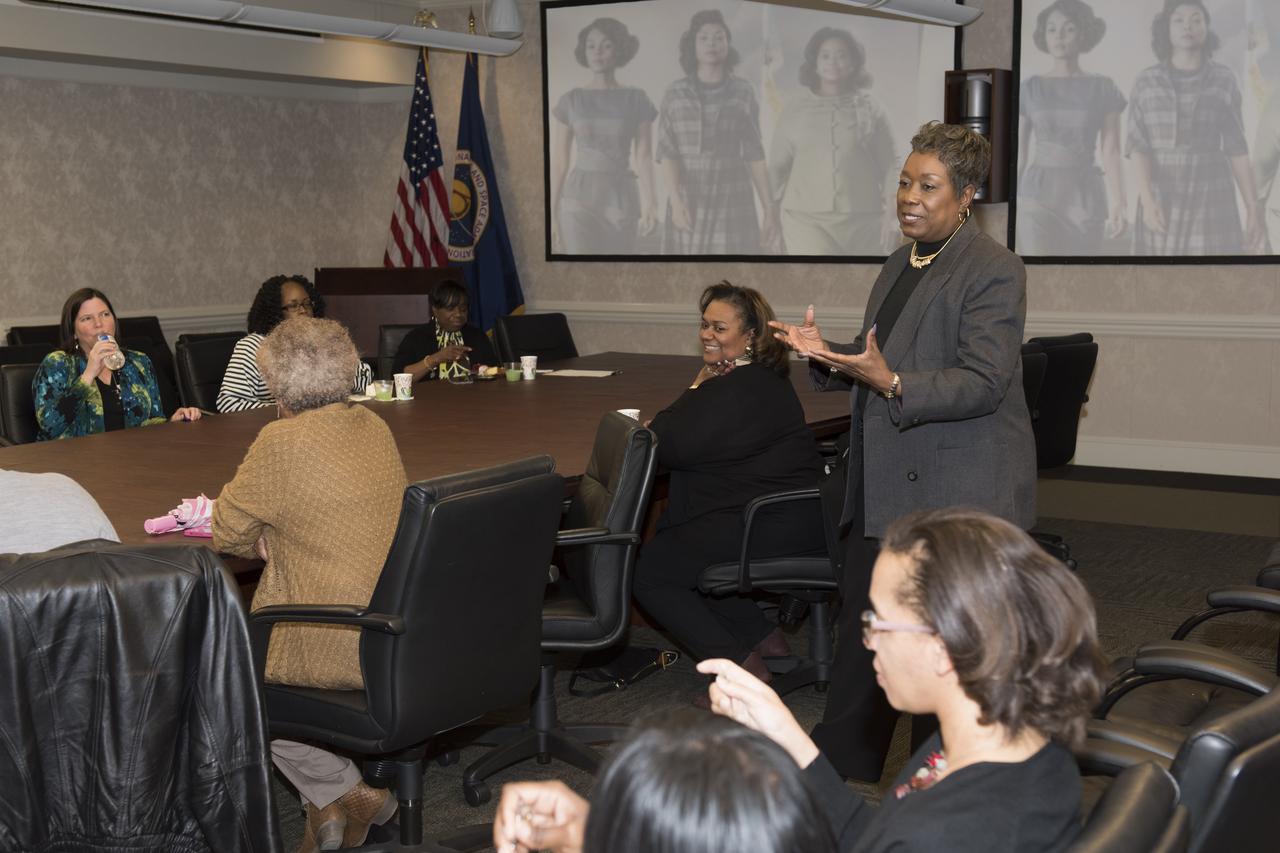
DIANE CAIN, STANDING NEAR CENTER, OF NASA MARSHALL SPACE FLIGHT CENTER'S OFFICE OF HUMAN CAPITAL, SPEAKS TO AN AUDIENCE GATHERED FOR AN AGENCY-WIDE LIVESTREAM PRESENTATION BY AUTHOR MARGOT LEE SHETTERLY FROM NASA'S LANGLEY RESEARCH CENTER ON MARCH 7
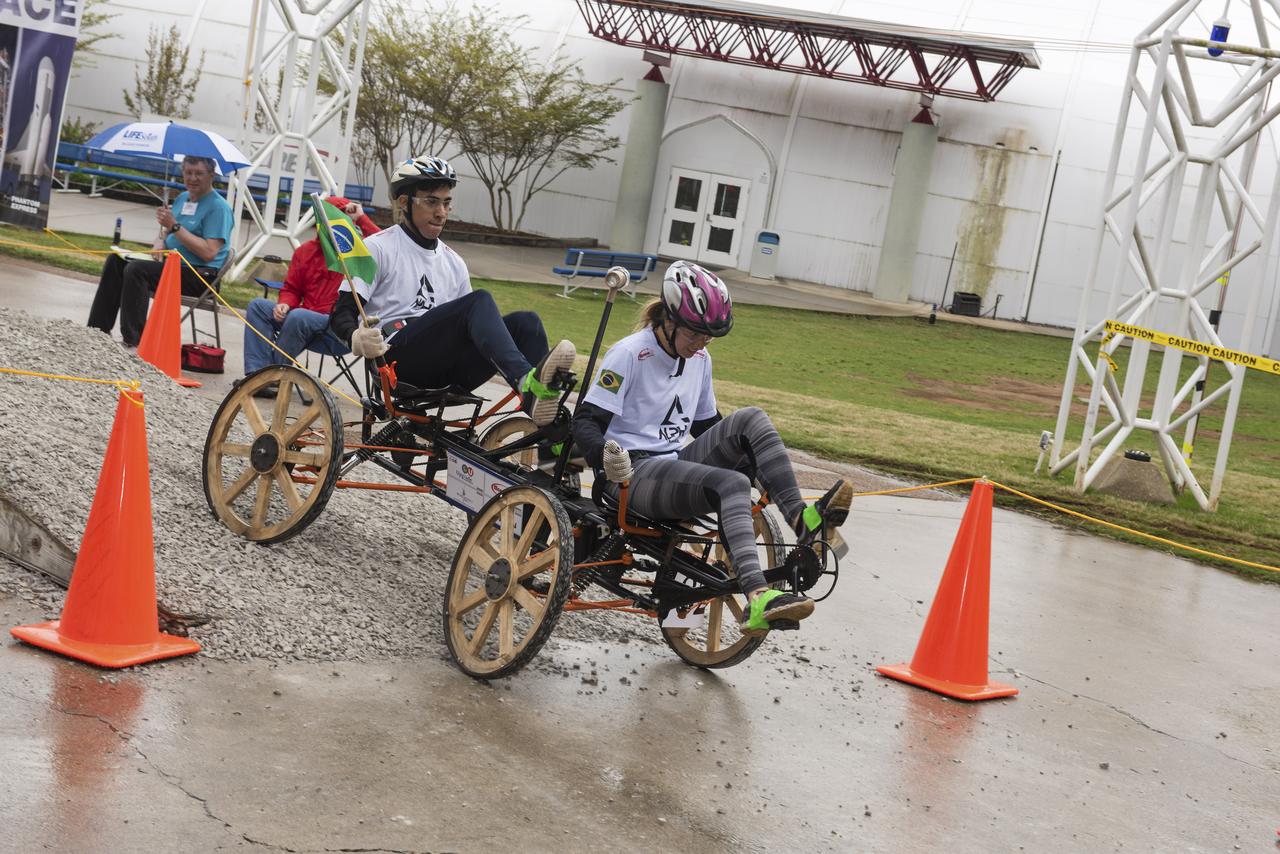
The 2019 Lunar Rover Challenge Competition was hosted by the U.S. Space and Rocket Center in Huntsville, Alabama. This annual event celebrated the 25th anniversary of what began as the Great Moonbuggy Race in 1994. High school and College teams from the United States and foreign countries competed. The awards ceremony was held at the adjacent Marriott on Saturday evening.
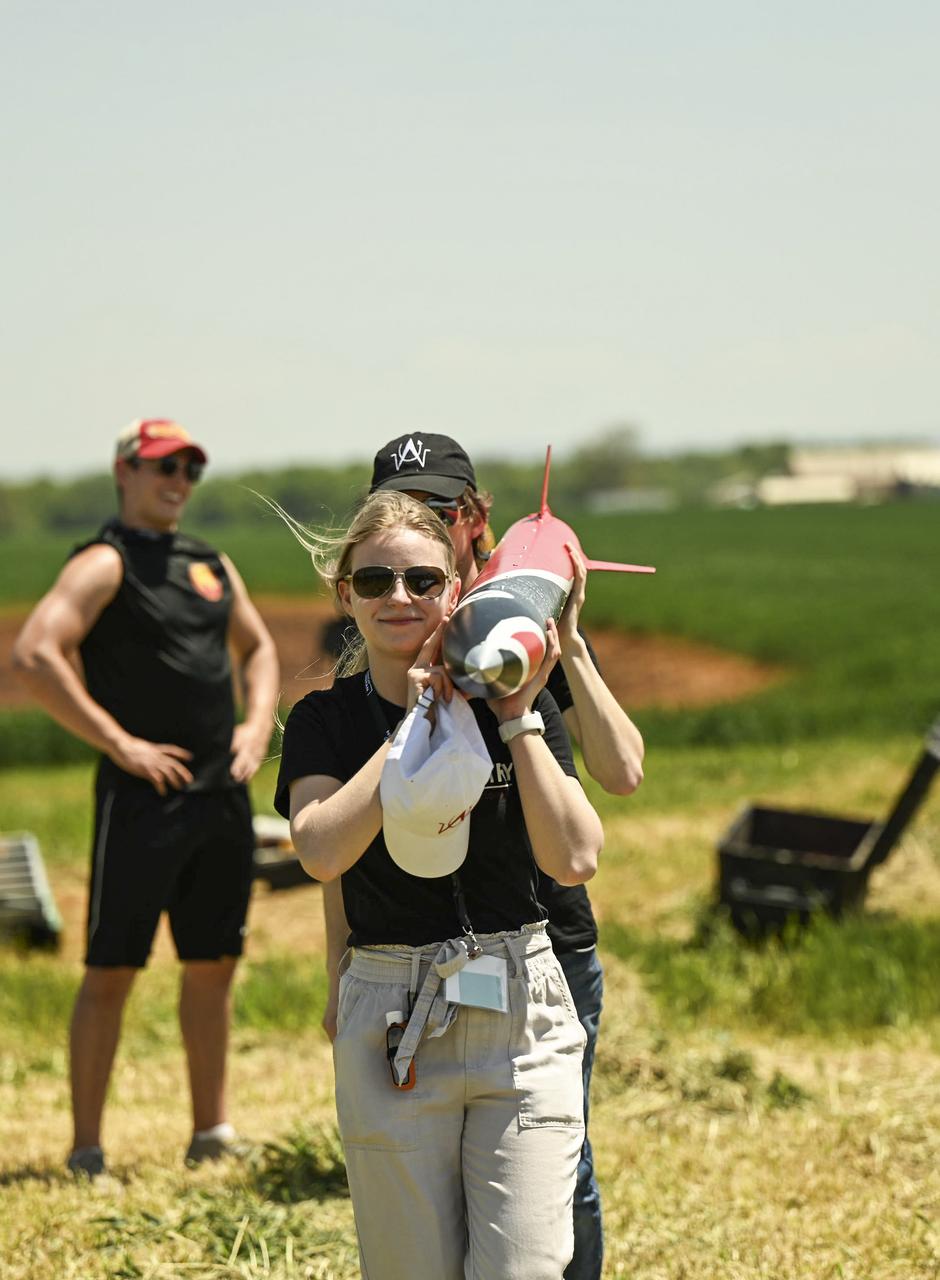
Following two years of virtual events, high school and college teams from across the country return to Bragg Farms in Toney, Alabama, to compete in NASAÕs Student Launch rocketry competition April 23.
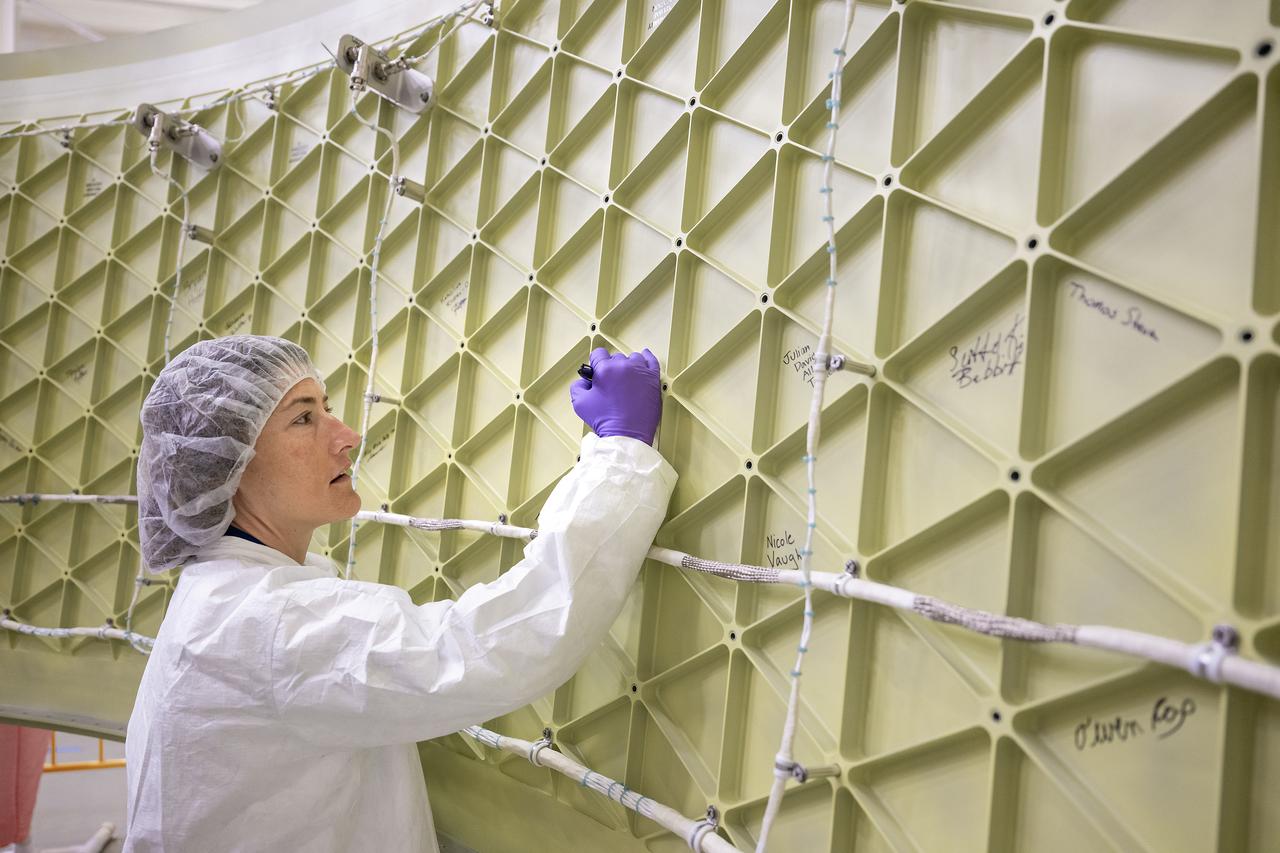
These photos show highlights from Artemis II NASA astronauts Victor Glover, Reid Wiseman, and Christina Koch of NASA and CSA (Canadian Space Agency) astronaut Jeremy Hansen visit to NASA’s Marshall Space Flight Center in Huntsville, Alabama, Nov. 27. The crew met and spoke to employees and viewed facilities for SLS (Space Launch System) rocket. All four astronauts signed the Orion stage adapter (OSA), a small ring structure that connects SLS to NASA’s Orion spacecraft, that will be used for Artemis II. Koch and Wiseman also visited the Systems Integration Lab, where SLS flight software testing is conducted. The four astronauts will launch atop SLS inside Orion to venture around the Moon on Artemis II, the first crewed flight for Artemis.
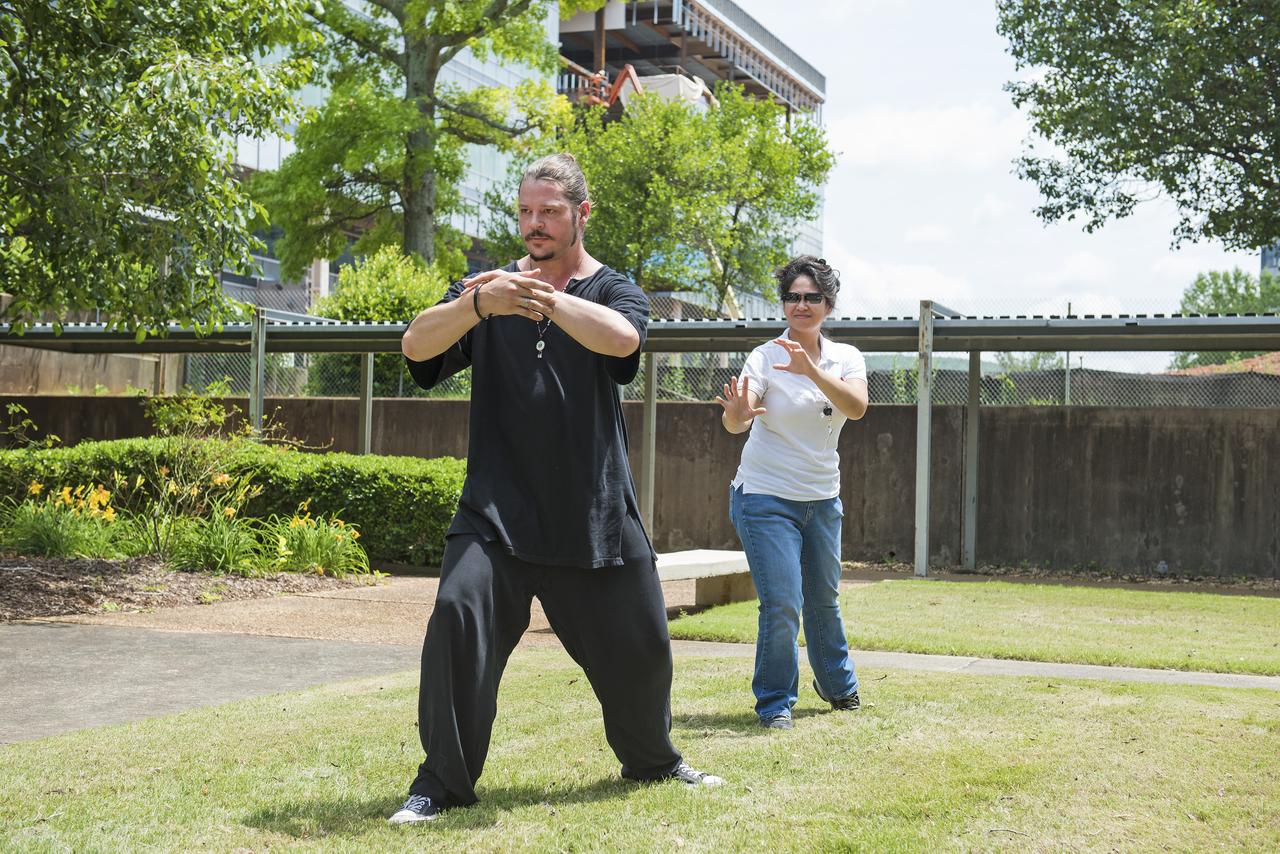
Warren Cain, an instructor at WuDang Martial Arts Center in Huntsville, leads Marshall Pathways intern Donna Cendana of the Engineering Directorate's Propulsion Systems Department, in a demonstration of tai chi, the noncompetitive Eastern martial arts tradition that evolved over the centuries into a means of alleviating stress and anxiety.
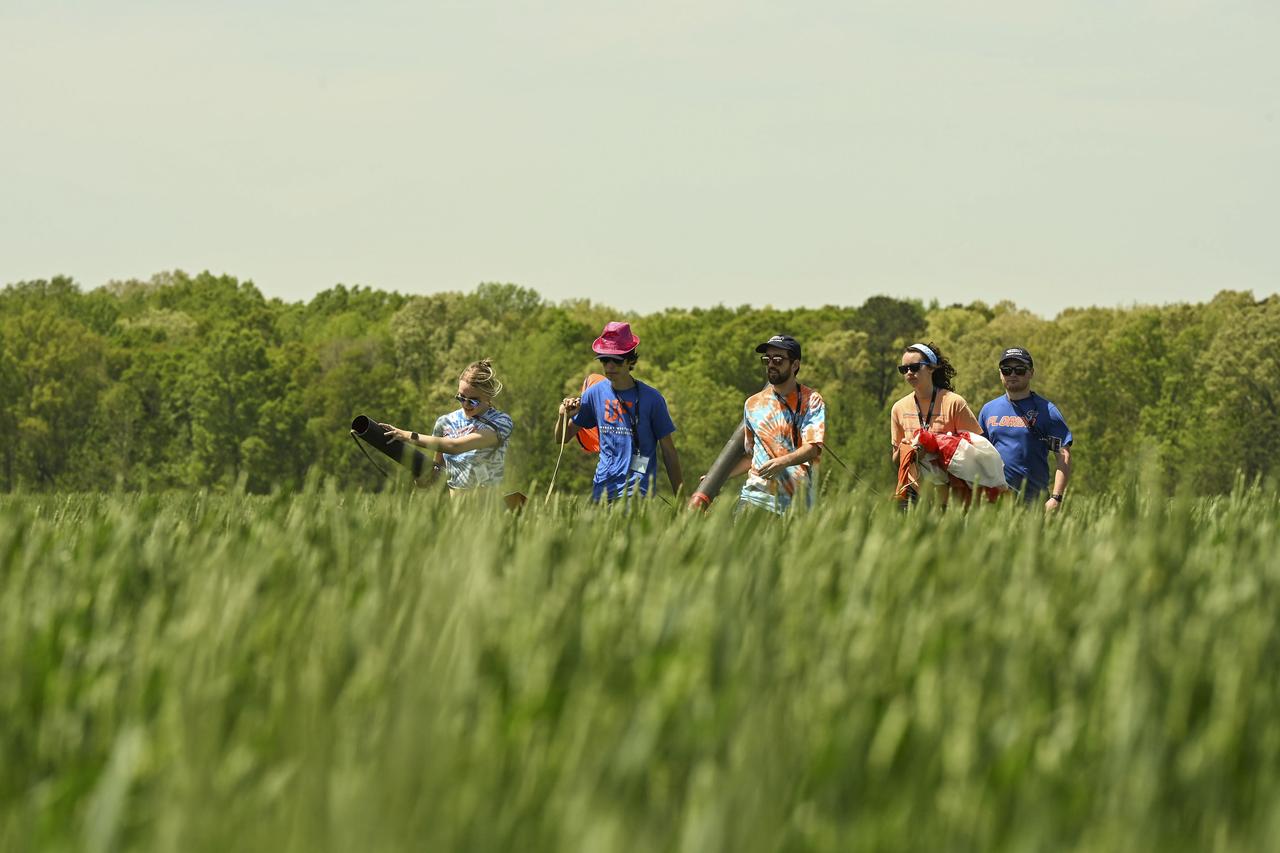
Following two years of virtual events, high school and college teams from across the country return to Bragg Farms in Toney, Alabama, to compete in NASAÕs Student Launch rocketry competition April 23.
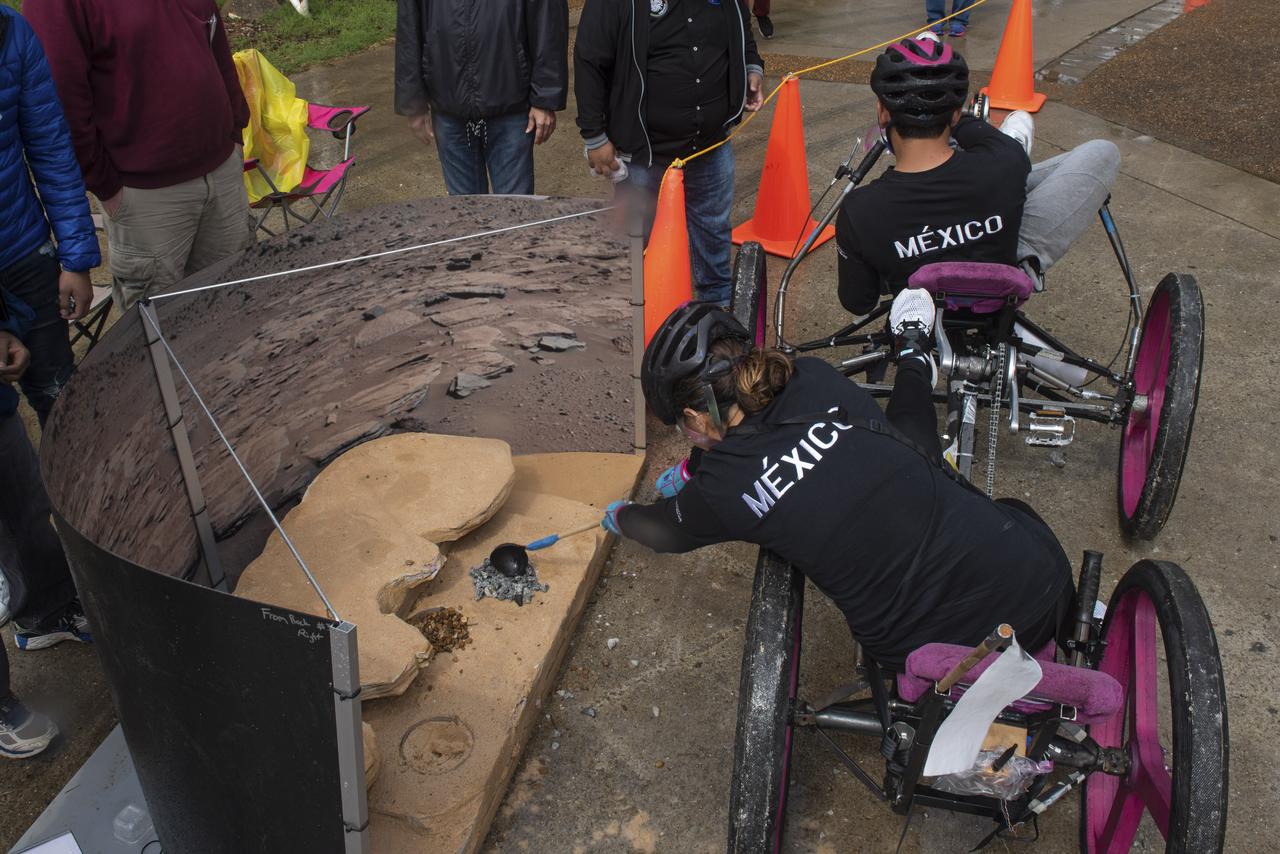
The 2019 Lunar Rover Challenge Competition was hosted by the U.S. Space and Rocket Center in Huntsville, Alabama. This annual event celebrated the 25th anniversary of what began as the Great Moonbuggy Race in 1994. High school and College teams from the United States and foreign countries competed. The awards ceremony was held at the adjacent Marriott on Saturday evening.
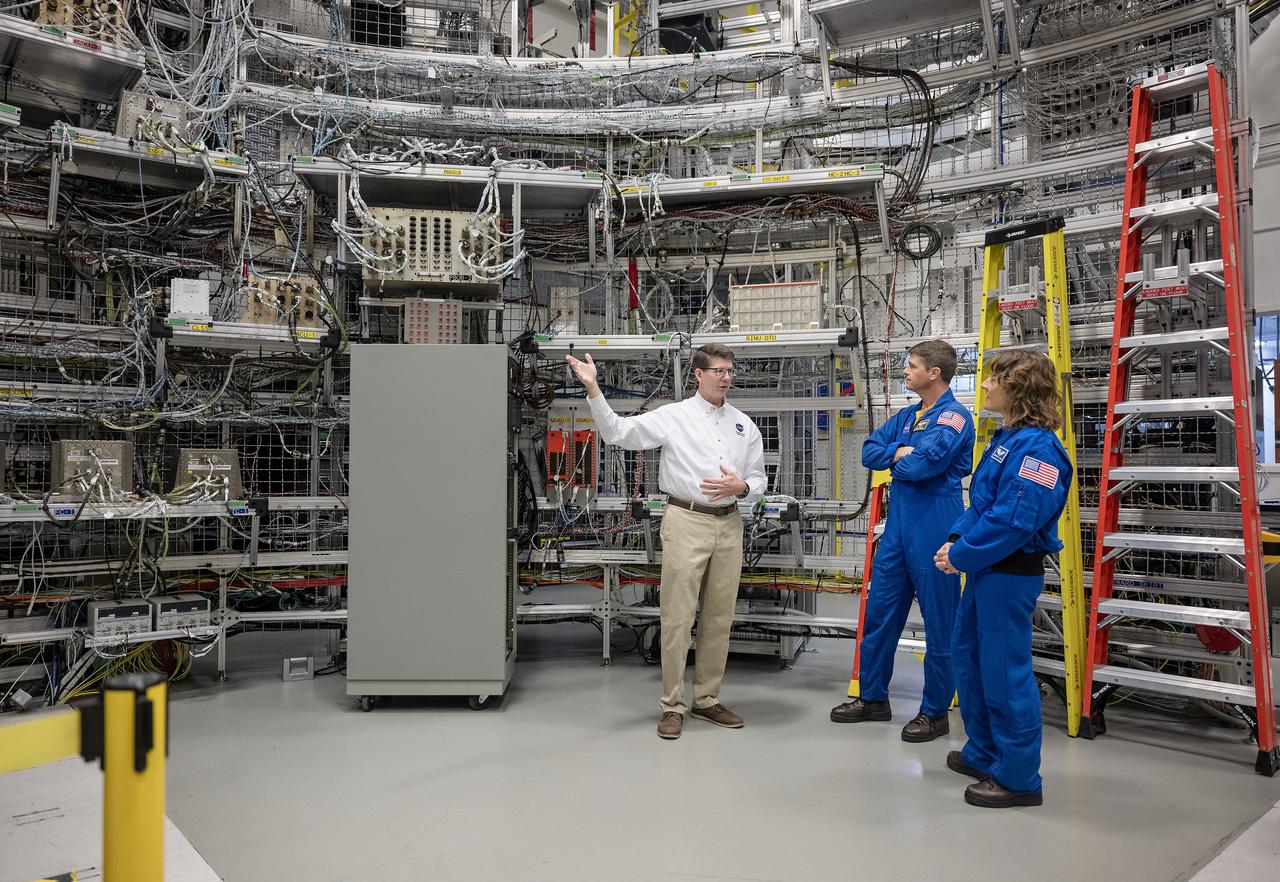
These photos show highlights from Artemis II NASA astronauts Victor Glover, Reid Wiseman, and Christina Koch of NASA and CSA (Canadian Space Agency) astronaut Jeremy Hansen visit to NASA’s Marshall Space Flight Center in Huntsville, Alabama, Nov. 27. The crew met and spoke to employees and viewed facilities for SLS (Space Launch System) rocket. All four astronauts signed the Orion stage adapter (OSA), a small ring structure that connects SLS to NASA’s Orion spacecraft, that will be used for Artemis II. Koch and Wiseman also visited the Systems Integration Lab, where SLS flight software testing is conducted. The four astronauts will launch atop SLS inside Orion to venture around the Moon on Artemis II, the first crewed flight for Artemis.
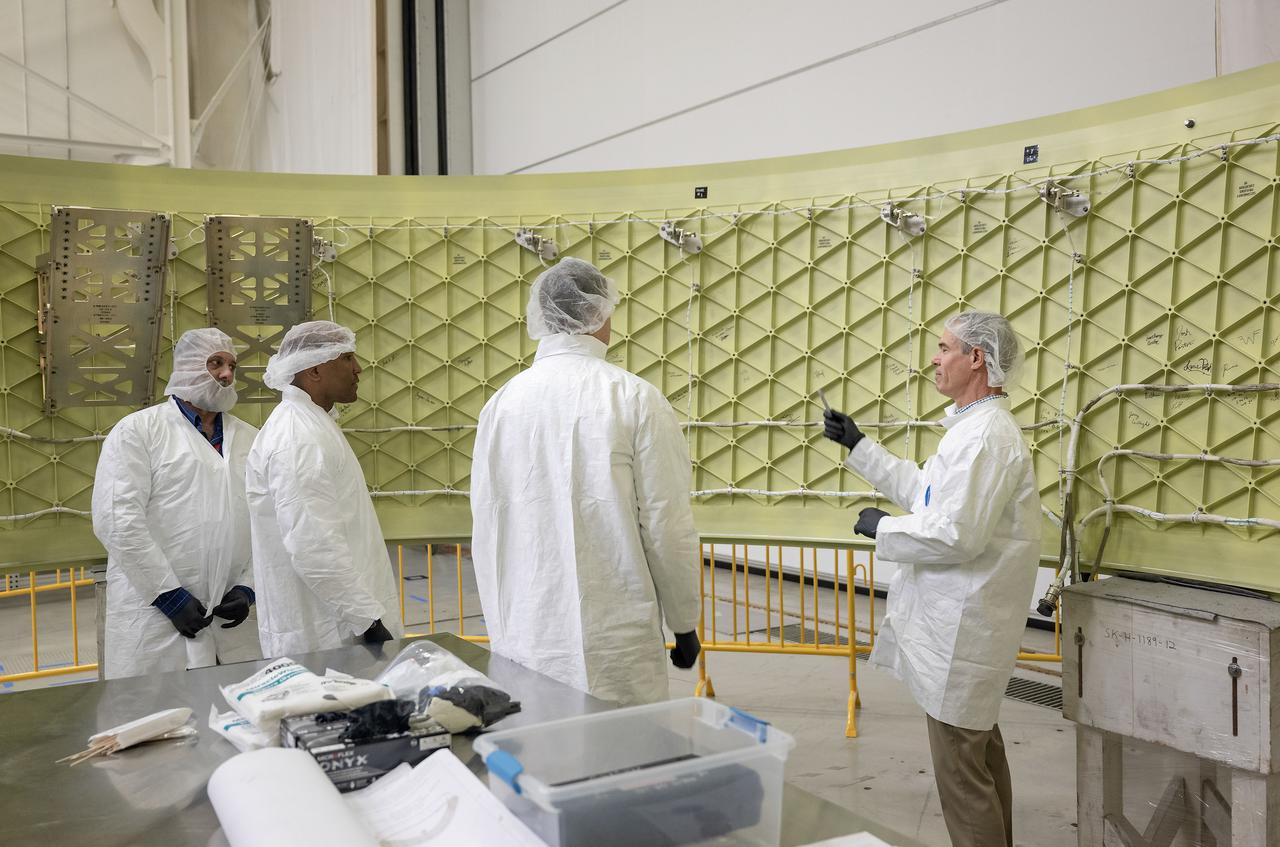
These photos show highlights from Artemis II NASA astronauts Victor Glover, Reid Wiseman, and Christina Koch of NASA and CSA (Canadian Space Agency) astronaut Jeremy Hansen visit to NASA’s Marshall Space Flight Center in Huntsville, Alabama, Nov. 27. The crew met and spoke to employees and viewed facilities for SLS (Space Launch System) rocket. All four astronauts signed the Orion stage adapter (OSA), a small ring structure that connects SLS to NASA’s Orion spacecraft, that will be used for Artemis II. Koch and Wiseman also visited the Systems Integration Lab, where SLS flight software testing is conducted. The four astronauts will launch atop SLS inside Orion to venture around the Moon on Artemis II, the first crewed flight for Artemis.
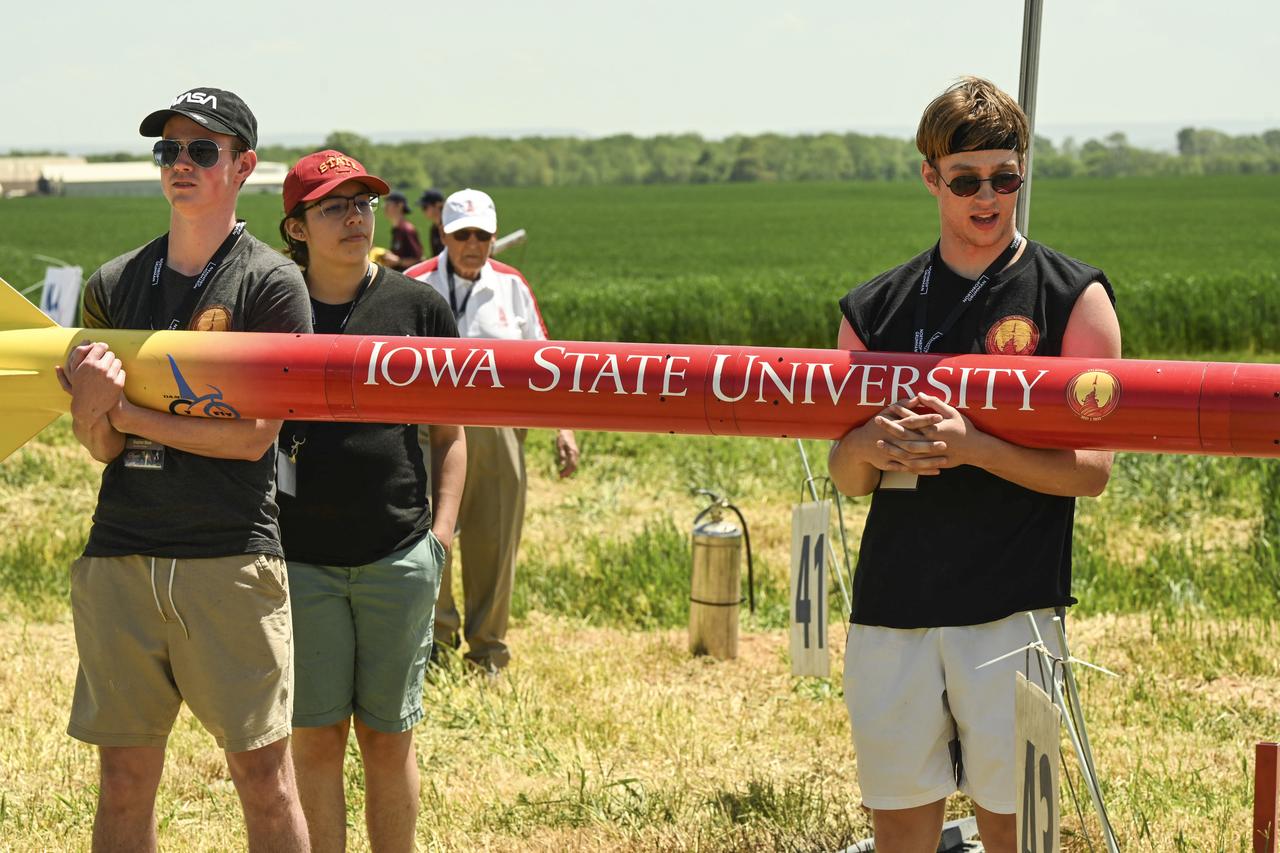
Following two years of virtual events, high school and college teams from across the country return to Bragg Farms in Toney, Alabama, to compete in NASAÕs Student Launch rocketry competition April 23.
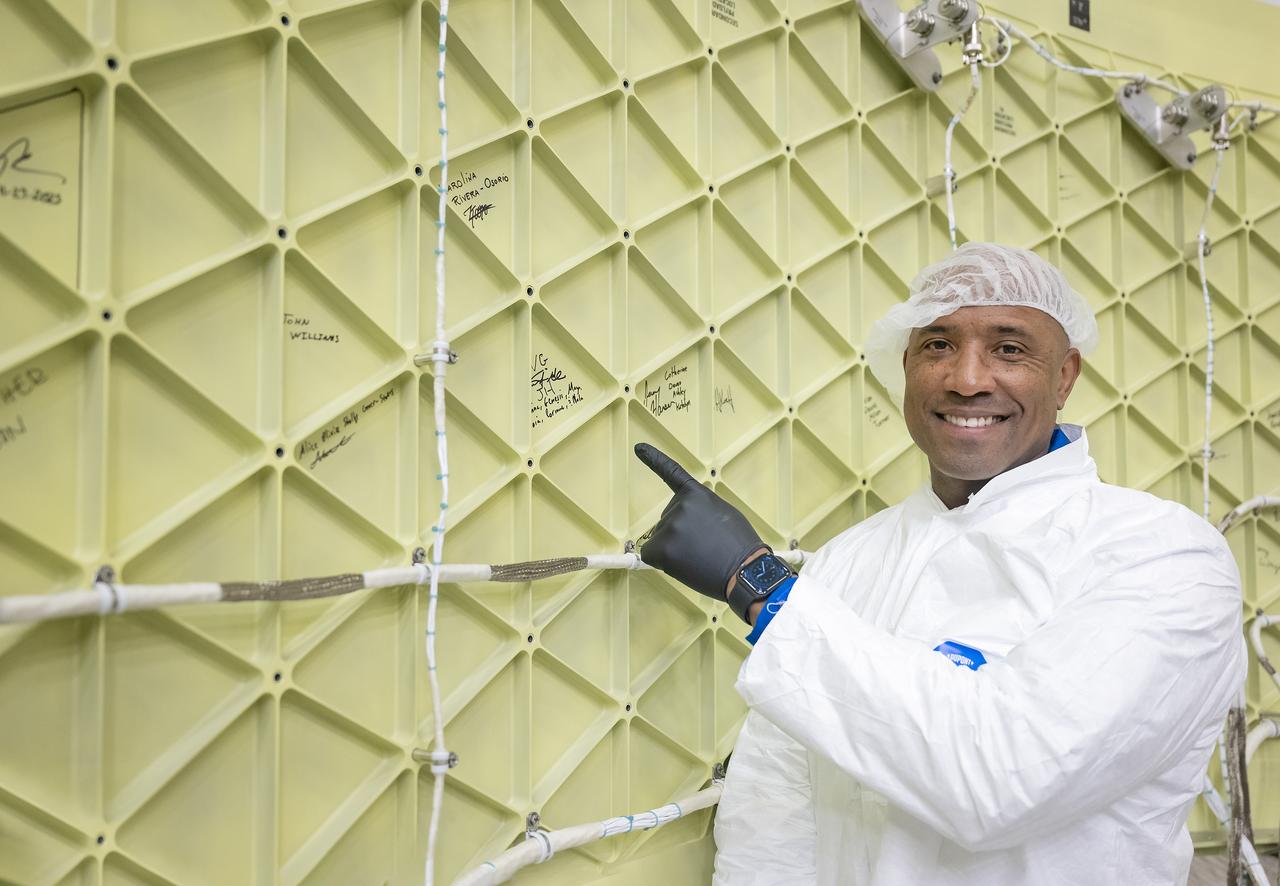
These photos show highlights from Artemis II NASA astronauts Victor Glover, Reid Wiseman, and Christina Koch of NASA and CSA (Canadian Space Agency) astronaut Jeremy Hansen visit to NASA’s Marshall Space Flight Center in Huntsville, Alabama, Nov. 27. The crew met and spoke to employees and viewed facilities for SLS (Space Launch System) rocket. All four astronauts signed the Orion stage adapter (OSA), a small ring structure that connects SLS to NASA’s Orion spacecraft, that will be used for Artemis II. Koch and Wiseman also visited the Systems Integration Lab, where SLS flight software testing is conducted. The four astronauts will launch atop SLS inside Orion to venture around the Moon on Artemis II, the first crewed flight for Artemis.
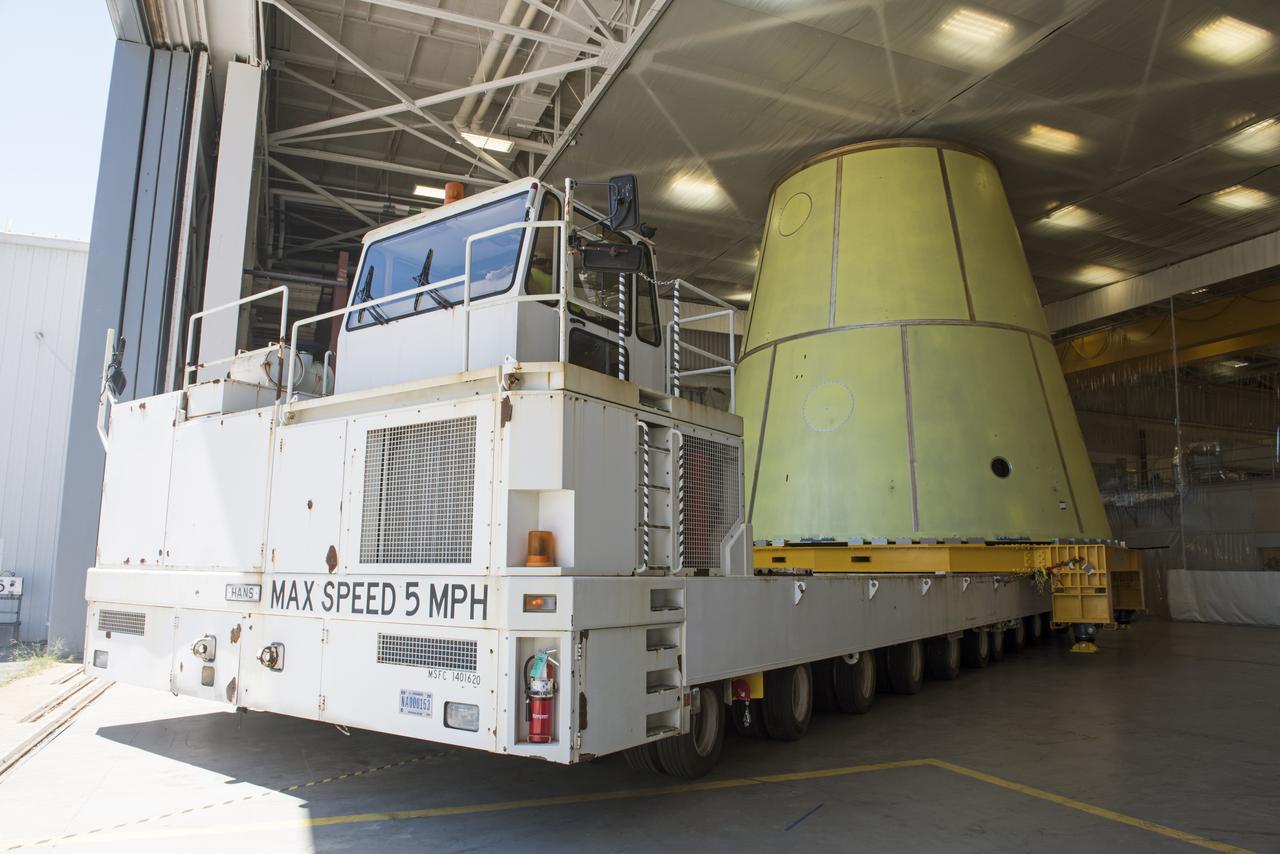
A NASA KAMAG transporter moves the Space Launch System’s launch vehicle stage adapter (LVSA) to an area where spray-on foam insulation will be applied. The LVSA recently completed manufacturing on a 30 foot welding tool at NASA’s Marshall Space Flight Center in Huntsville, Al. The LVSA will be coated with insulation that will protect it during it’s trip to space. The LVSA provides structural support and connects the core stage and the interim cryogenic propulsion stage during the first integrated flight of SLS and Orion.
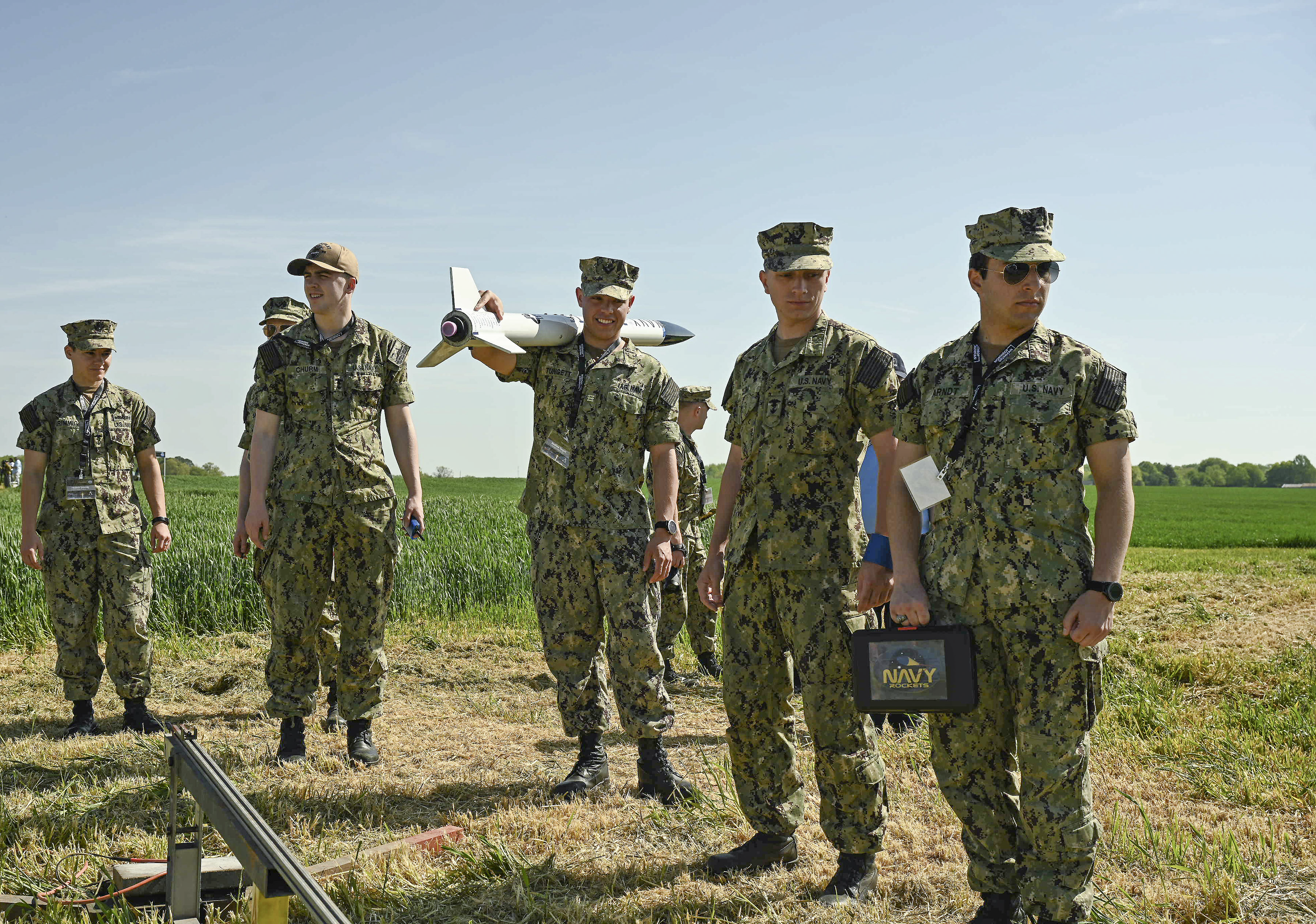
Following two years of virtual events, high school and college teams from across the country return to Bragg Farms in Toney, Alabama, to compete in NASAÕs Student Launch rocketry competition April 23.
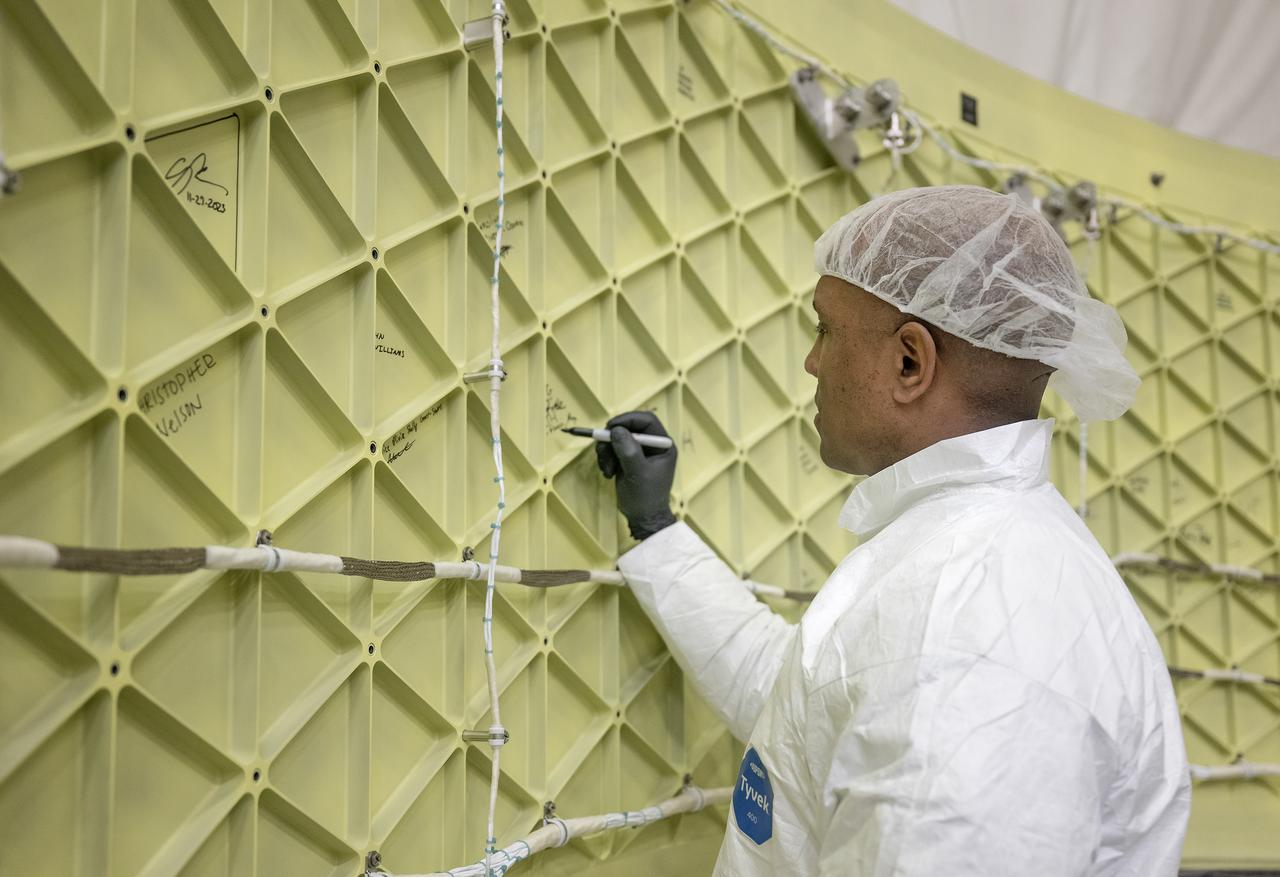
These photos show highlights from Artemis II NASA astronauts Victor Glover, Reid Wiseman, and Christina Koch of NASA and CSA (Canadian Space Agency) astronaut Jeremy Hansen visit to NASA’s Marshall Space Flight Center in Huntsville, Alabama, Nov. 27. The crew met and spoke to employees and viewed facilities for SLS (Space Launch System) rocket. All four astronauts signed the Orion stage adapter (OSA), a small ring structure that connects SLS to NASA’s Orion spacecraft, that will be used for Artemis II. Koch and Wiseman also visited the Systems Integration Lab, where SLS flight software testing is conducted. The four astronauts will launch atop SLS inside Orion to venture around the Moon on Artemis II, the first crewed flight for Artemis.
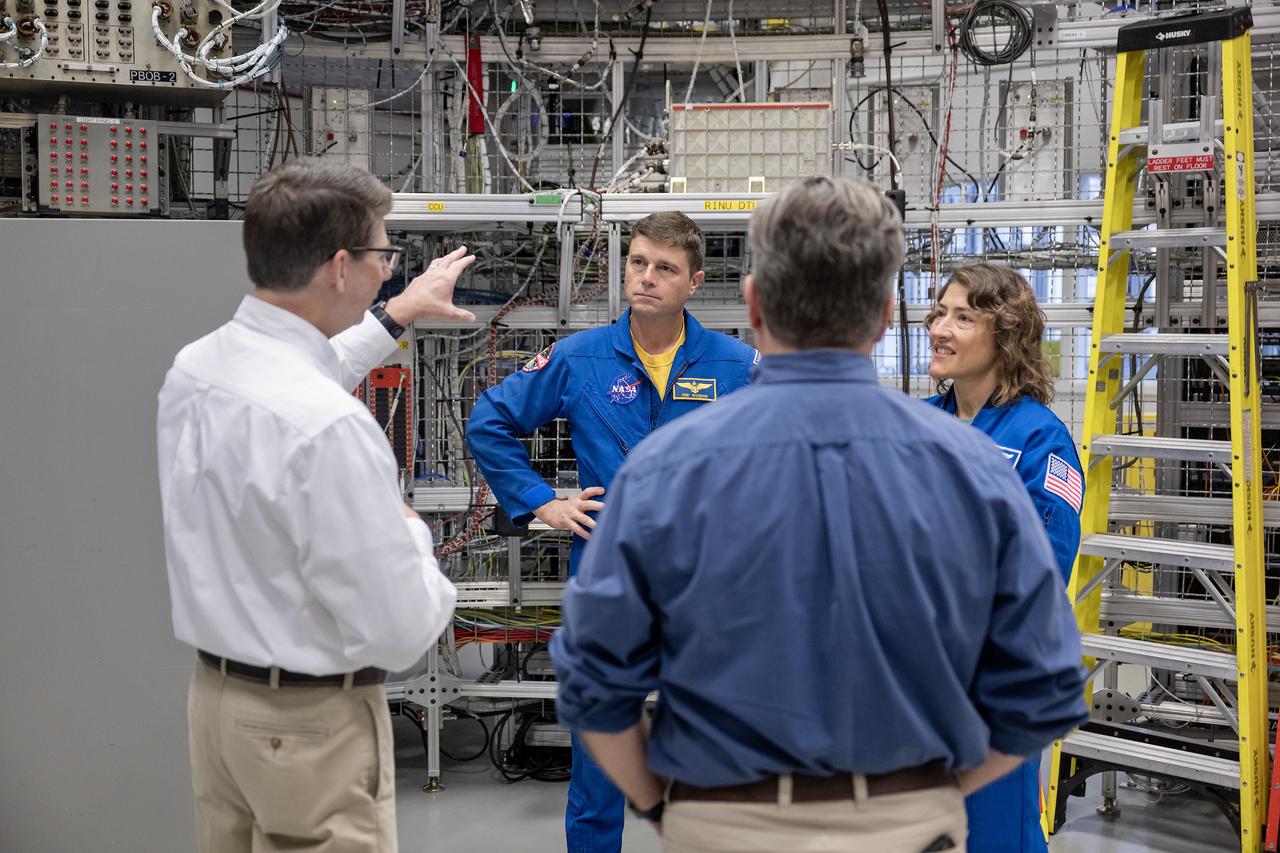
These photos show highlights from Artemis II NASA astronauts Victor Glover, Reid Wiseman, and Christina Koch of NASA and CSA (Canadian Space Agency) astronaut Jeremy Hansen visit to NASA’s Marshall Space Flight Center in Huntsville, Alabama, Nov. 27. The crew met and spoke to employees and viewed facilities for SLS (Space Launch System) rocket. All four astronauts signed the Orion stage adapter (OSA), a small ring structure that connects SLS to NASA’s Orion spacecraft, that will be used for Artemis II. Koch and Wiseman also visited the Systems Integration Lab, where SLS flight software testing is conducted. The four astronauts will launch atop SLS inside Orion to venture around the Moon on Artemis II, the first crewed flight for Artemis.
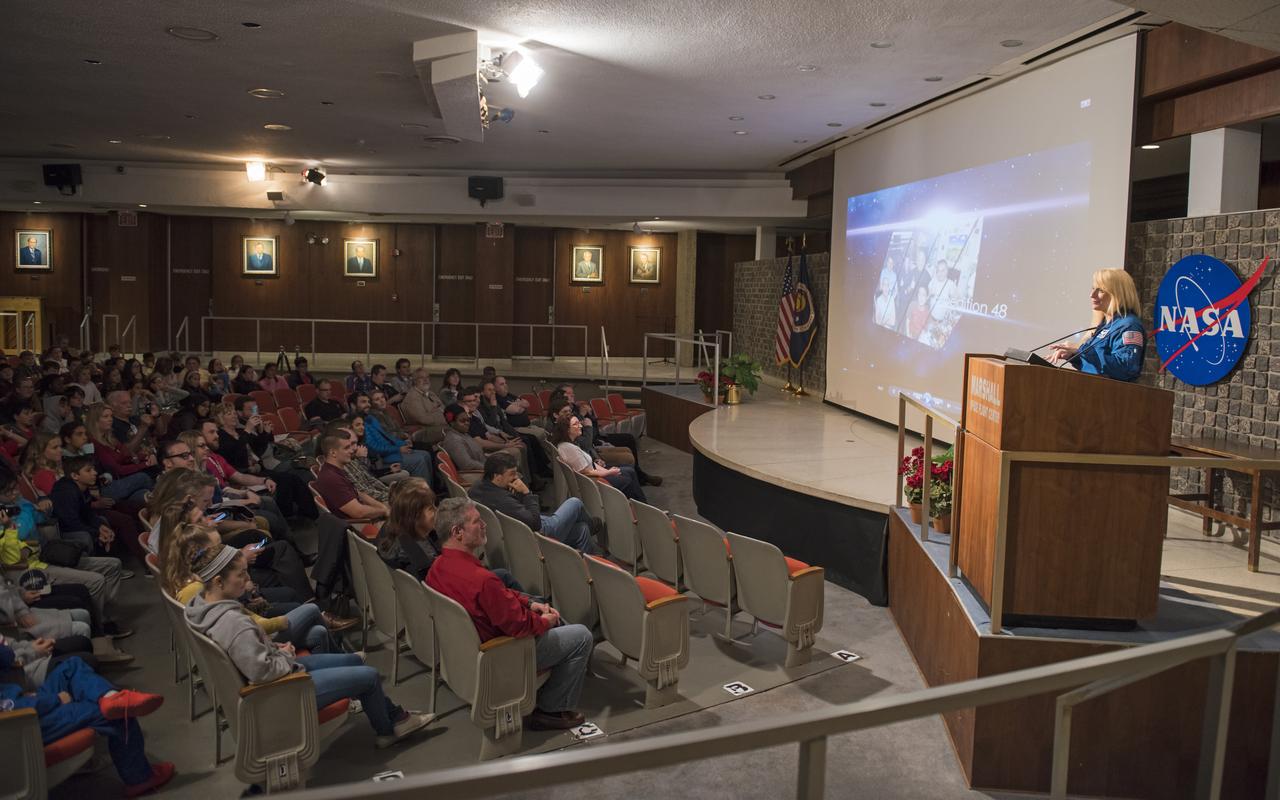
NASA astronaut Kate Rubins presents highlights from Expedition 48/49, her mission to the International Space Station, to team members and Space Camp students from the U.S. Space & Rocket Center in Huntsville, April 6 at NASA's Marshall Space Flight Center. During her mission, Rubins became the first person to sequence DNA in space, researching technology development for deep-space exploration by humans, Earth and space science. She also conducted two spacewalks, in which she and NASA astronaut Jeff Williams installed an International Docking Adapter and performed maintenance of the station's external thermal control system and installed high-definition cameras.
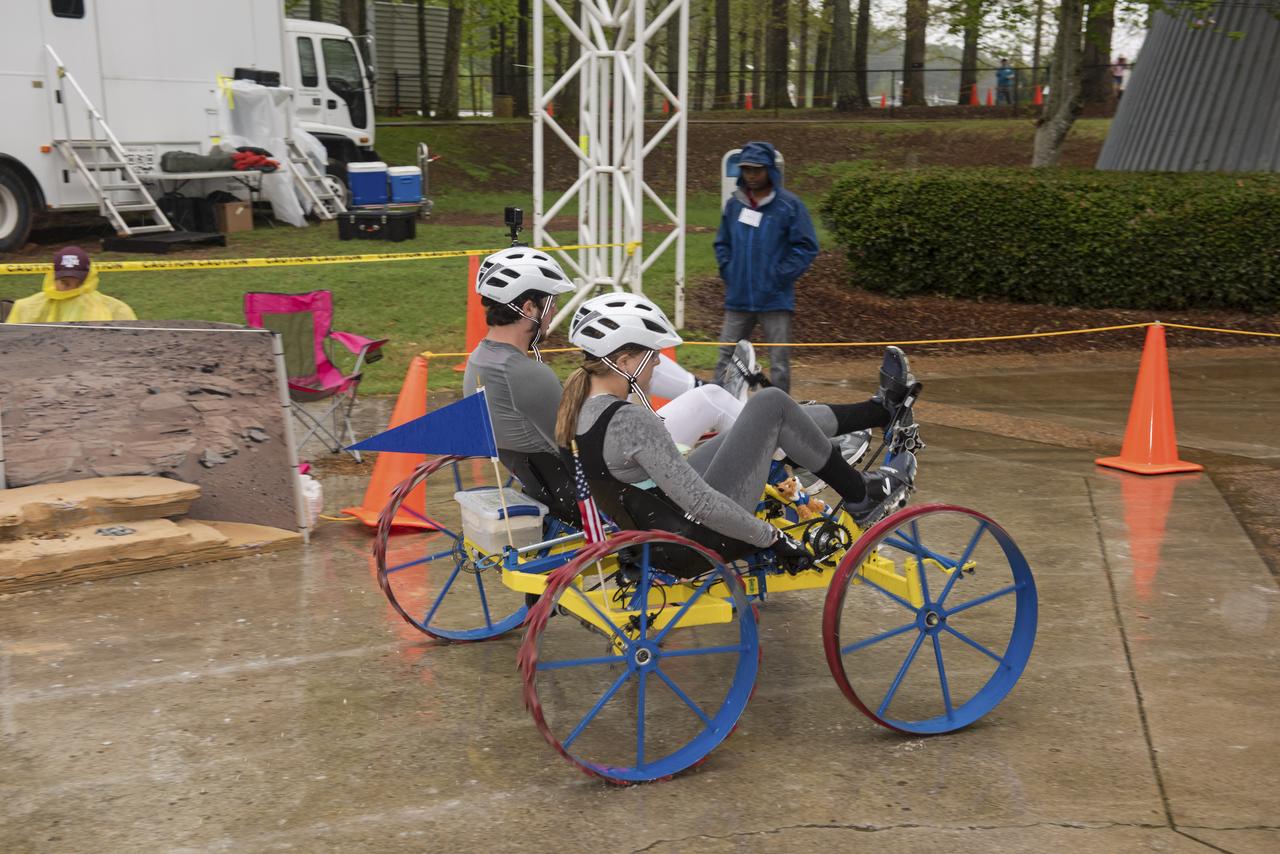
The 2019 Lunar Rover Challenge Competition was hosted by the U.S. Space and Rocket Center in Huntsville, Alabama. This annual event celebrated the 25th anniversary of what began as the Great Moonbuggy Race in 1994. High school and College teams from the United States and foreign countries competed. The awards ceremony was held at the adjacent Marriott on Saturday evening.
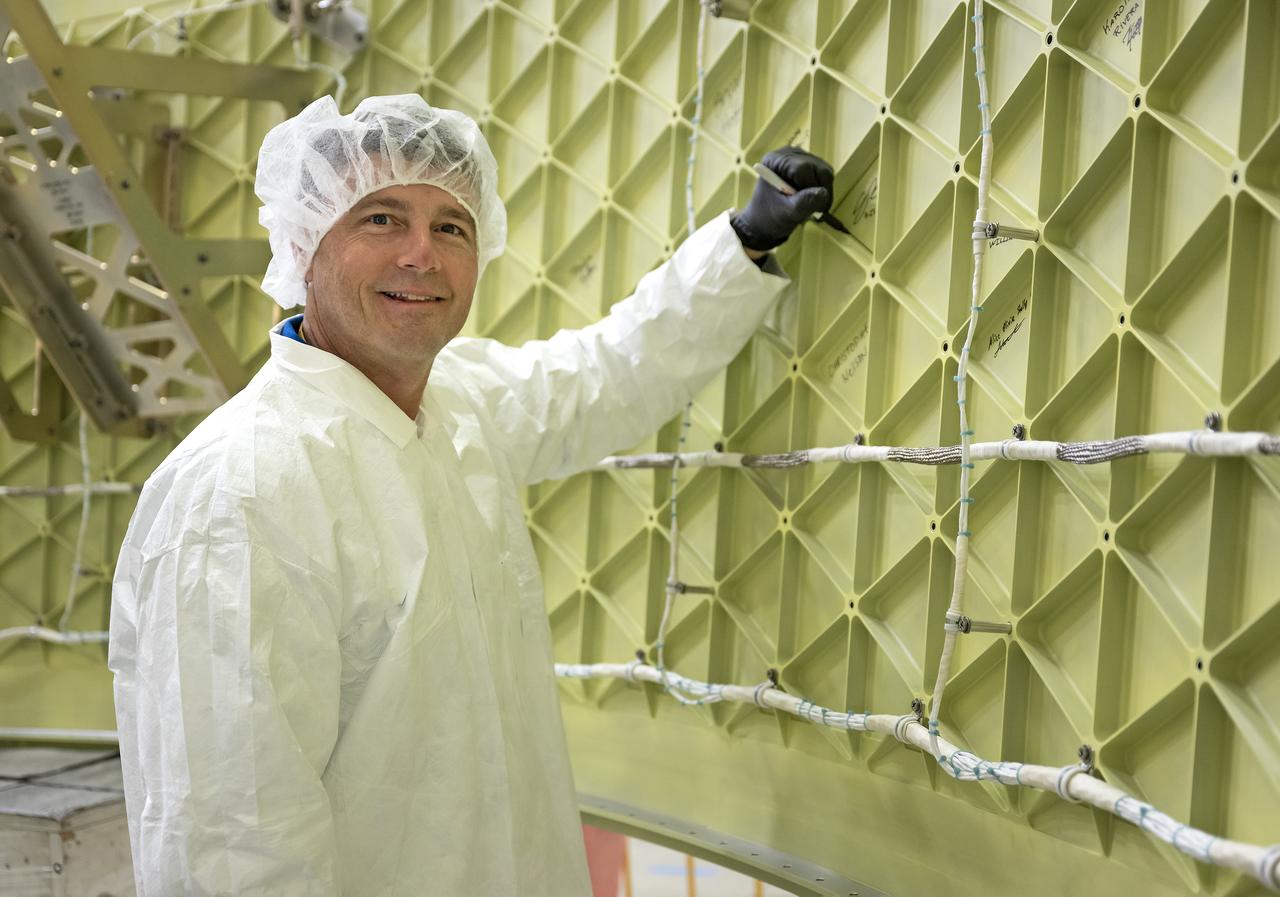
These photos show highlights from Artemis II NASA astronauts Victor Glover, Reid Wiseman, and Christina Koch of NASA and CSA (Canadian Space Agency) astronaut Jeremy Hansen visit to NASA’s Marshall Space Flight Center in Huntsville, Alabama, Nov. 27. The crew met and spoke to employees and viewed facilities for SLS (Space Launch System) rocket. All four astronauts signed the Orion stage adapter (OSA), a small ring structure that connects SLS to NASA’s Orion spacecraft, that will be used for Artemis II. Koch and Wiseman also visited the Systems Integration Lab, where SLS flight software testing is conducted. The four astronauts will launch atop SLS inside Orion to venture around the Moon on Artemis II, the first crewed flight for Artemis.
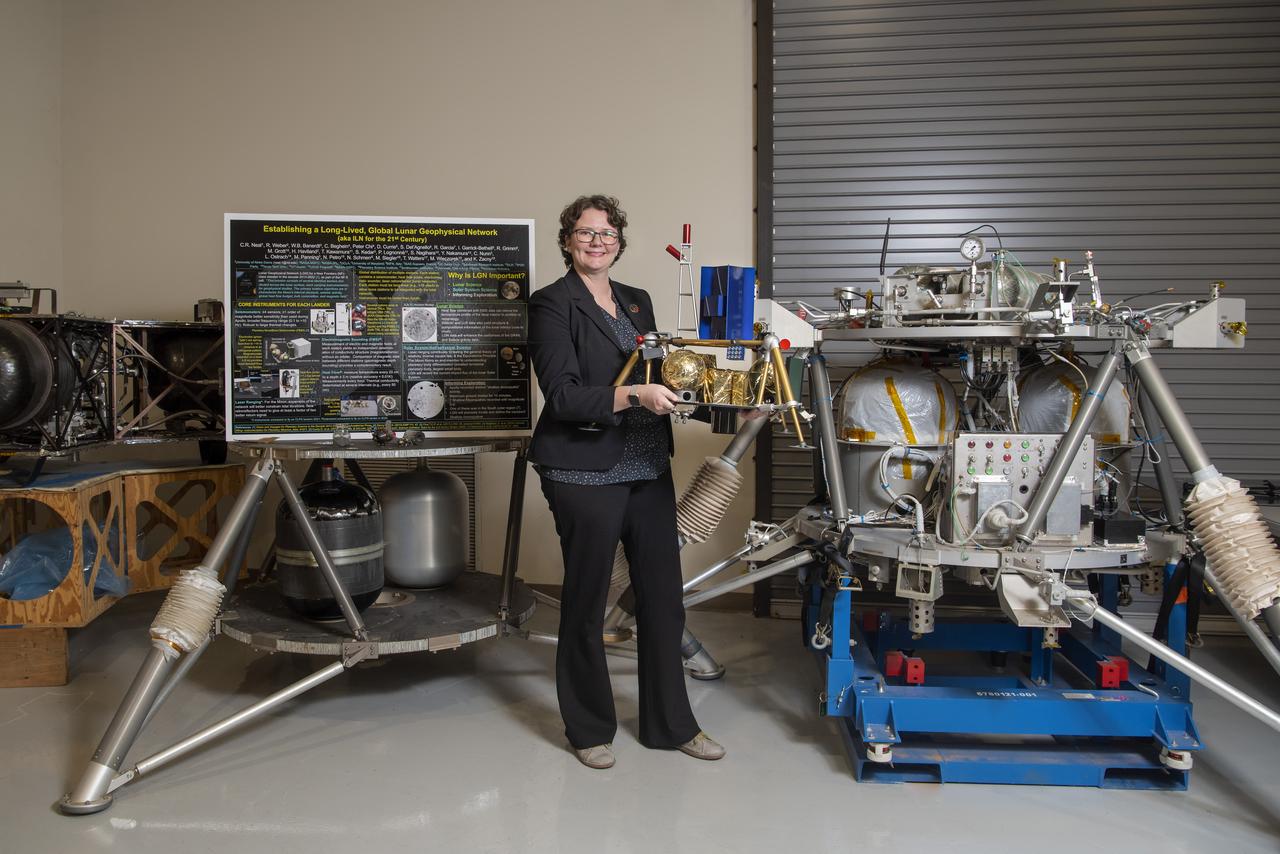
Environmental portrait of Renee Weber, commemorating her recent transition to the MSFC Chief Scientist position. Pictured with lunar lander models in the lander lab building 4747.
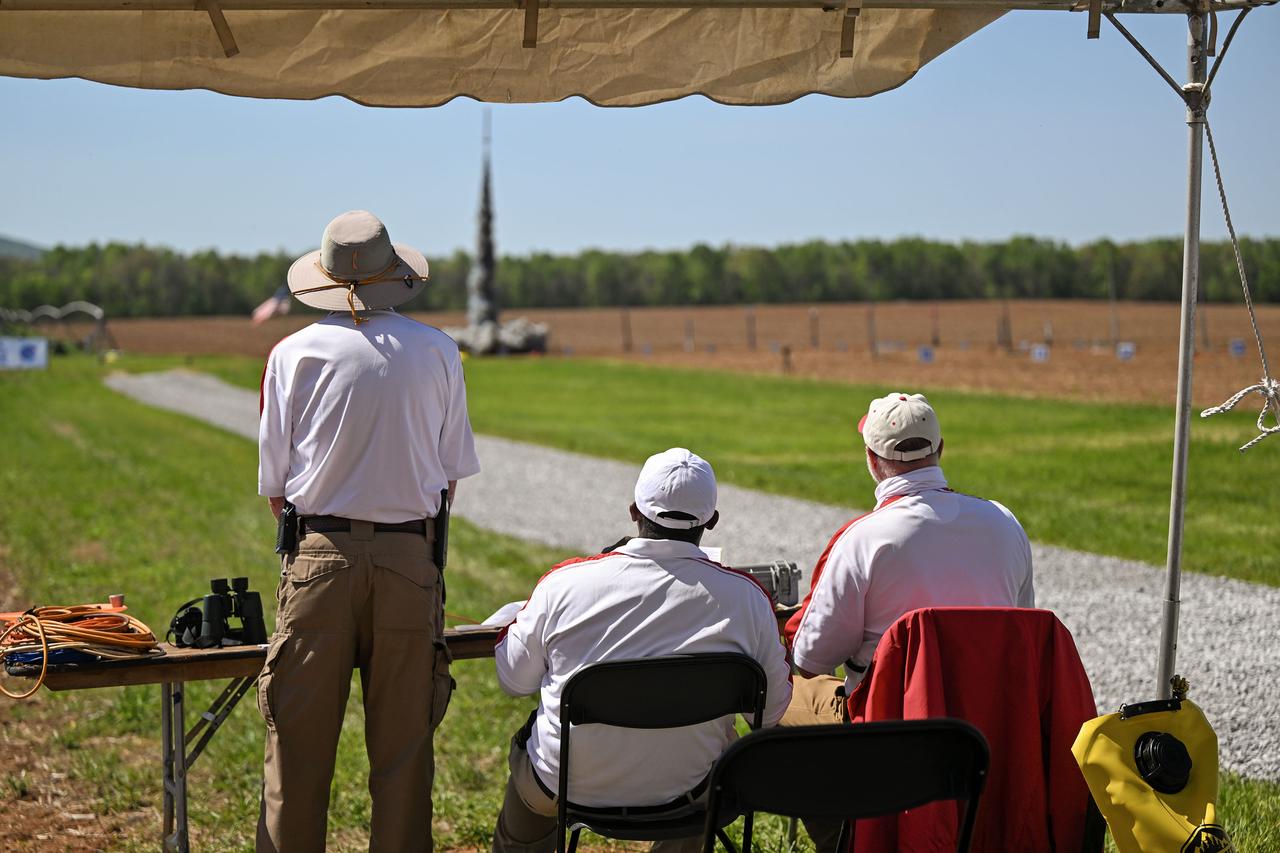
t actually IS rocket science! Student Launch is a 9-month long challenge that tasks student teams from across the U.S. to design, build, test, and launch a high-powered rocket carrying a scientific or engineering payload. It is a hands-on, research-based, engineering activity and culminates each year with a final launch in Huntsville, Alabama home of NASA’s Marshall Space Flight Center. The activity offers multiple challenges reaching a broad audience colleges and universities as well as middle and high school aged students across the nation.
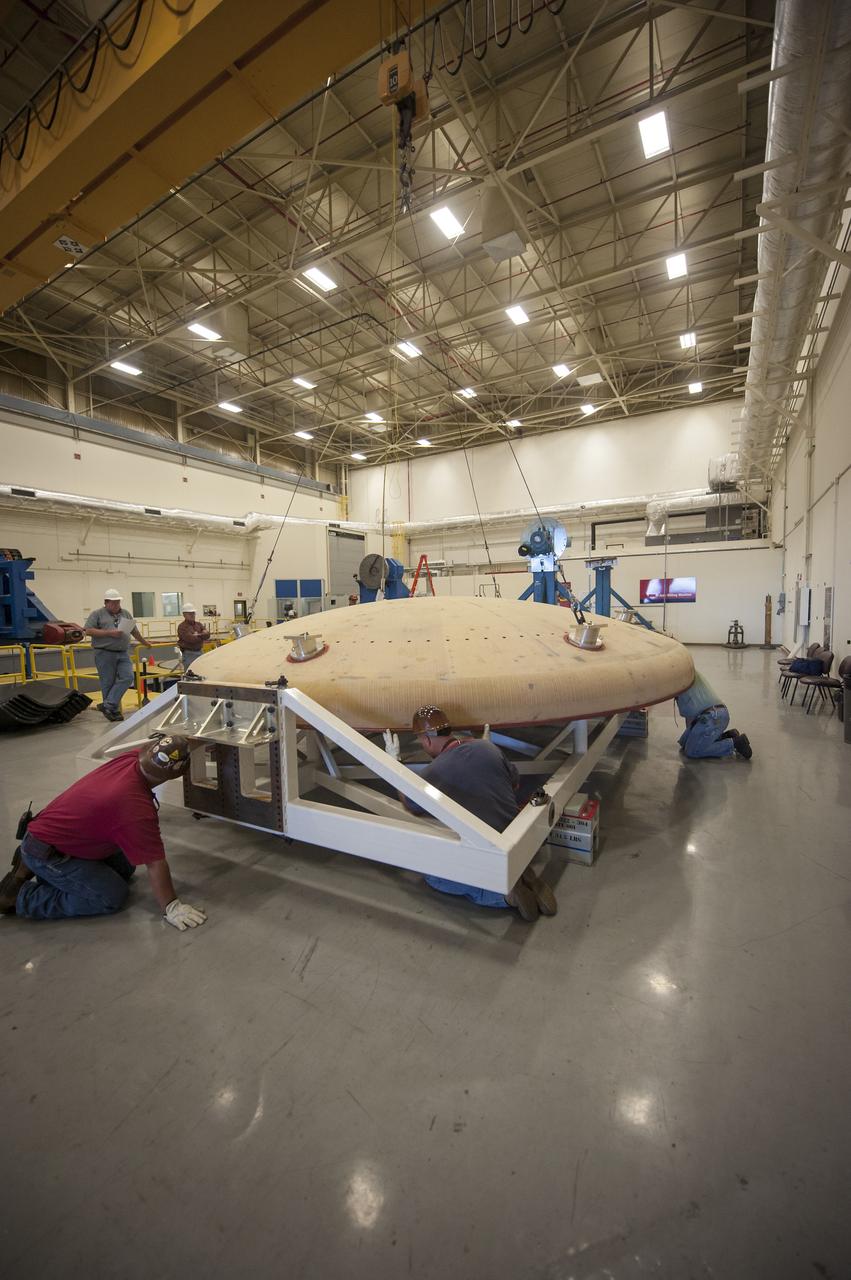
THE ORION HEAT SHIELD, WHICH WAS AT NASA’S MARSHALL SPACE FLIGHT CENTER FROM MARCH-MAY 2015 FOR ENGINEERING AND ANALYSIS, IS READIED FOR DEPARTURE AT THE END OF ITS STAY. THE HEAT SHIELD’S ABLATED SURFACE MATERIAL WAS REMOVED AT MARSHALL FOR ANALYSIS, USING THE CENTER’S STATE-OF-THE-ART SEVEN-AXIS MILLING MACHINE. IT NEXT WILL GO TO NASA’S LANGLEY RESEARCH CENTER FOR WATER-IMPACT TESTING. NASA’S JOHNSON SPACE CENTER LEADS THE ORION PROGRAM FOR NASA.
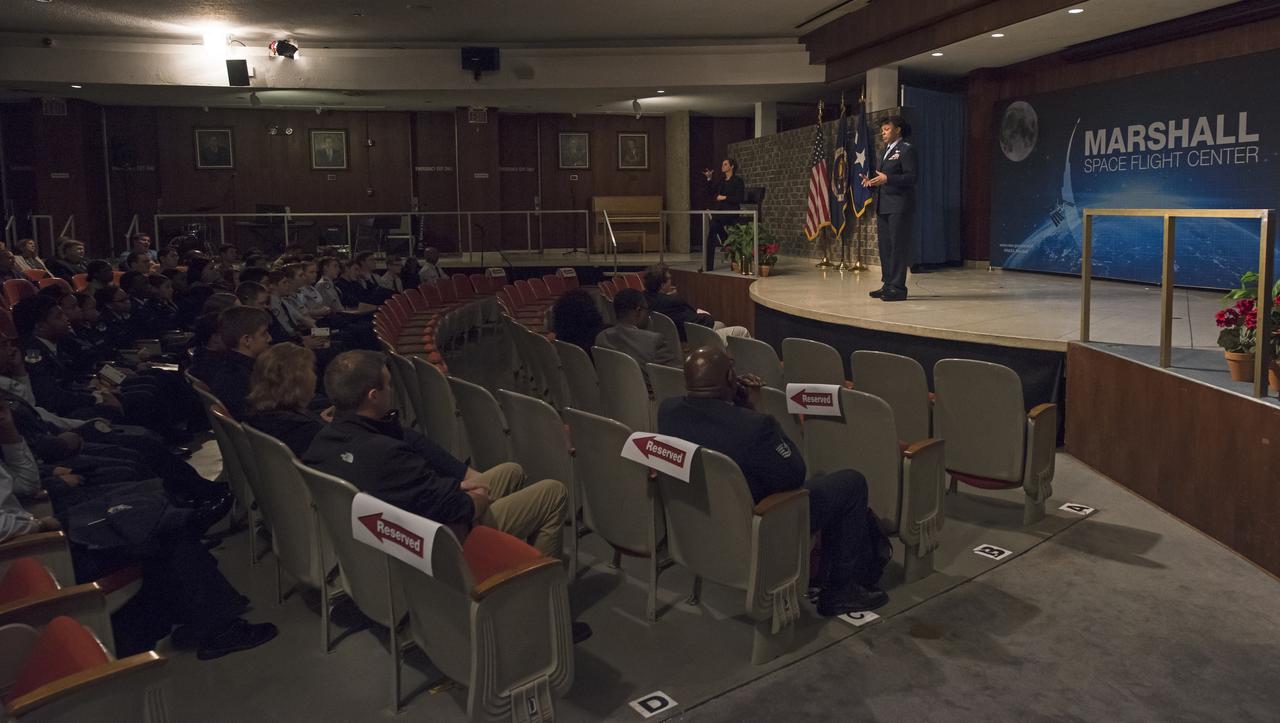
The Black History Month program was presented at Marshall Space Flight Center with guest speaker Lt. General Stayce Harris. General Harris is the Inspector General of the Air Force and she is the first African American female Lieutenant General in the American military. The topic of her presentation was "African Americans in Times of War". The presentation was followed by an ethnic food sampling.
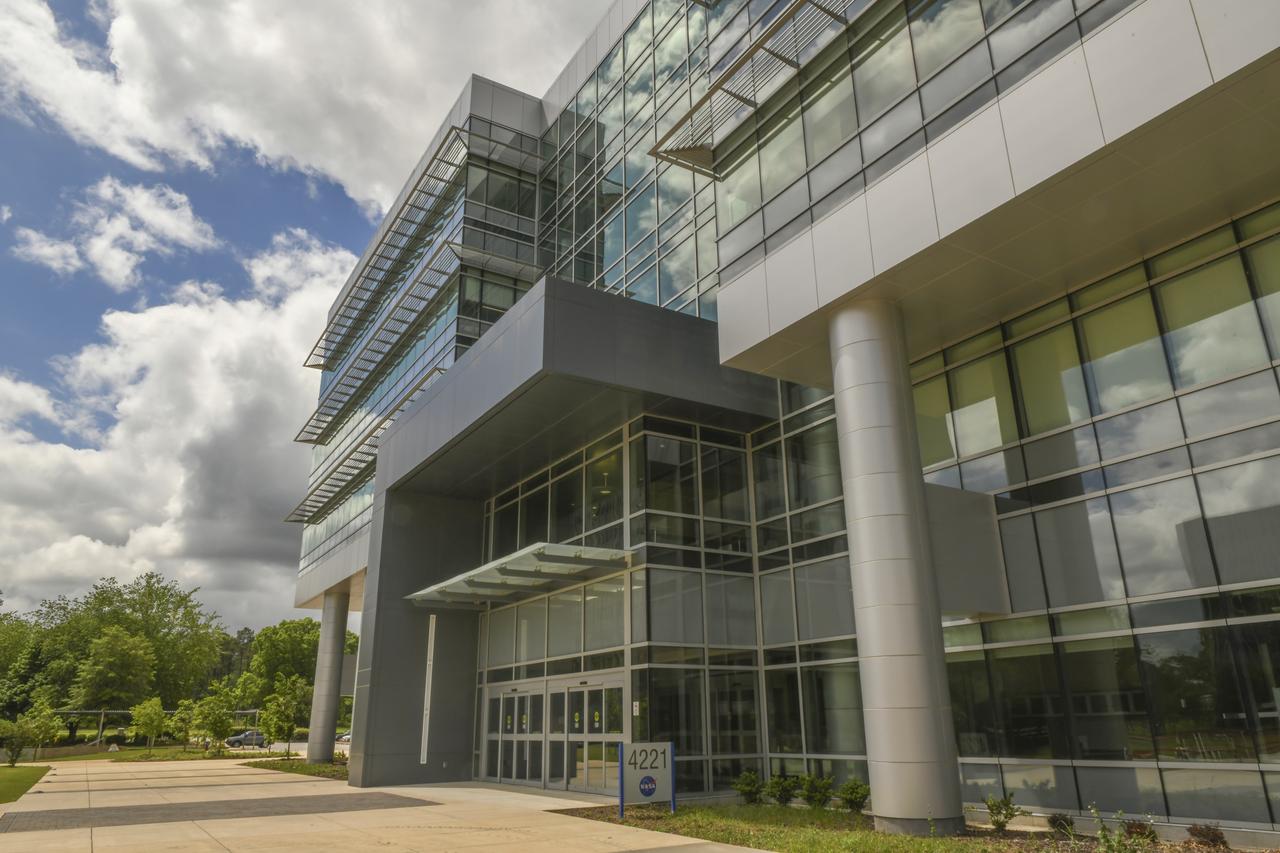
Building 4221 is the new executive administrative building on the Marshall Space Flight Center campus.
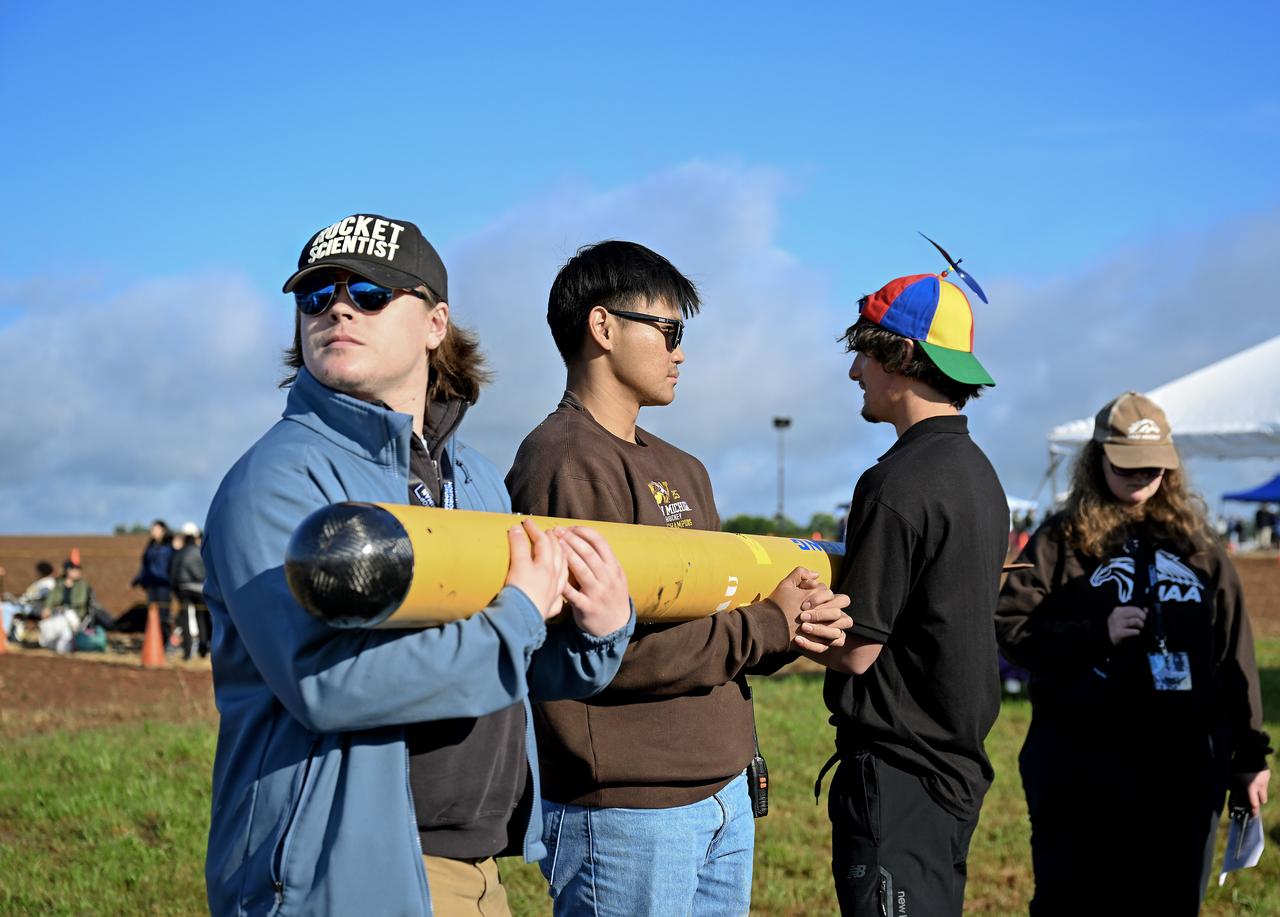
NASA MSFC 25th Anniversary of the Student Launch held on April 4, 2025 at Bragg Farms in Toney, AL.
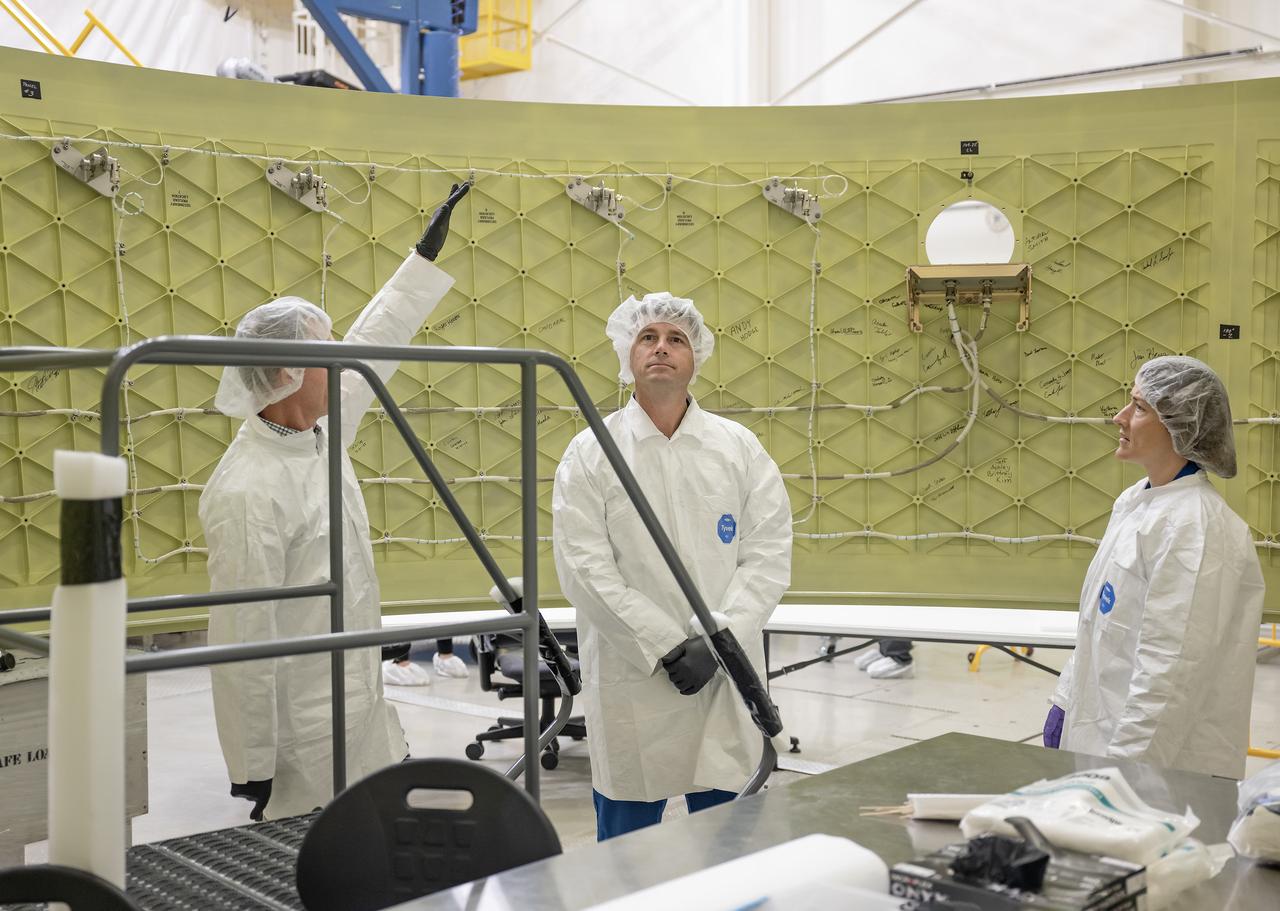
These photos show highlights from Artemis II NASA astronauts Victor Glover, Reid Wiseman, and Christina Koch of NASA and CSA (Canadian Space Agency) astronaut Jeremy Hansen visit to NASA’s Marshall Space Flight Center in Huntsville, Alabama, Nov. 27. The crew met and spoke to employees and viewed facilities for SLS (Space Launch System) rocket. All four astronauts signed the Orion stage adapter (OSA), a small ring structure that connects SLS to NASA’s Orion spacecraft, that will be used for Artemis II. Koch and Wiseman also visited the Systems Integration Lab, where SLS flight software testing is conducted. The four astronauts will launch atop SLS inside Orion to venture around the Moon on Artemis II, the first crewed flight for Artemis.
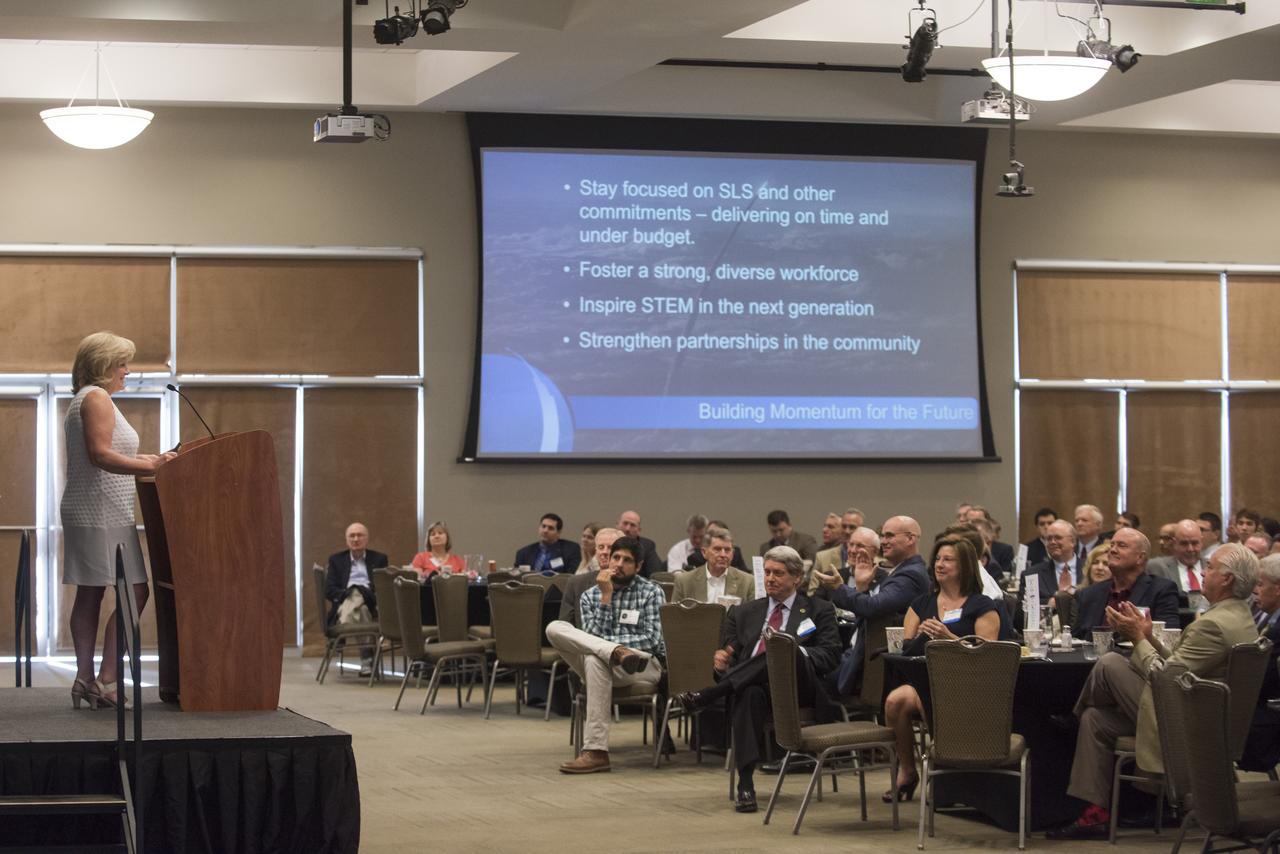
Marshall Deputy Director Jody Singer Highlights SLS Progress at National Space Club
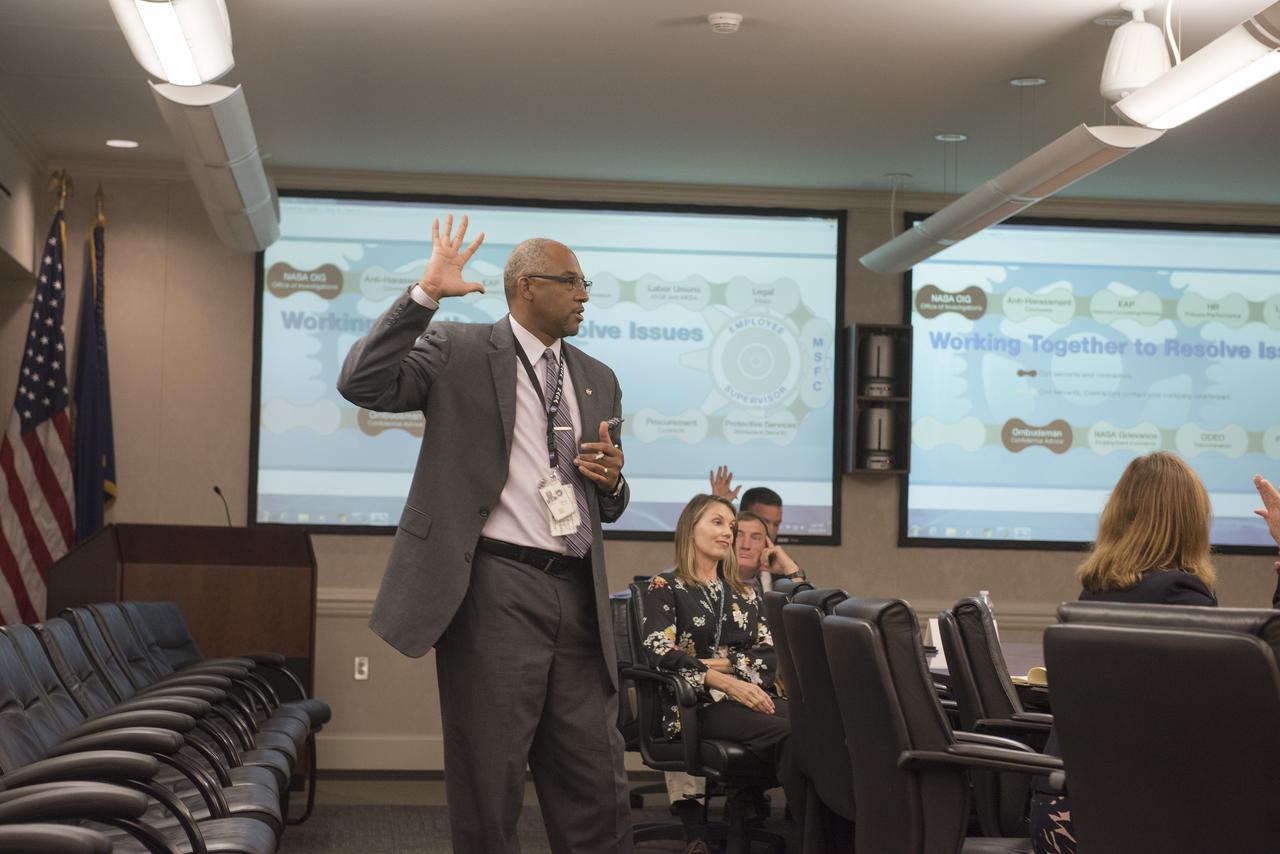
Conflict Resolution Initiative program, 10/11/17

These photos show highlights from Artemis II NASA astronauts Victor Glover, Reid Wiseman, and Christina Koch of NASA and CSA (Canadian Space Agency) astronaut Jeremy Hansen visit to NASA’s Marshall Space Flight Center in Huntsville, Alabama, Nov. 27. The crew met and spoke to employees and viewed facilities for SLS (Space Launch System) rocket. All four astronauts signed the Orion stage adapter (OSA), a small ring structure that connects SLS to NASA’s Orion spacecraft, that will be used for Artemis II. Koch and Wiseman also visited the Systems Integration Lab, where SLS flight software testing is conducted. The four astronauts will launch atop SLS inside Orion to venture around the Moon on Artemis II, the first crewed flight for Artemis.
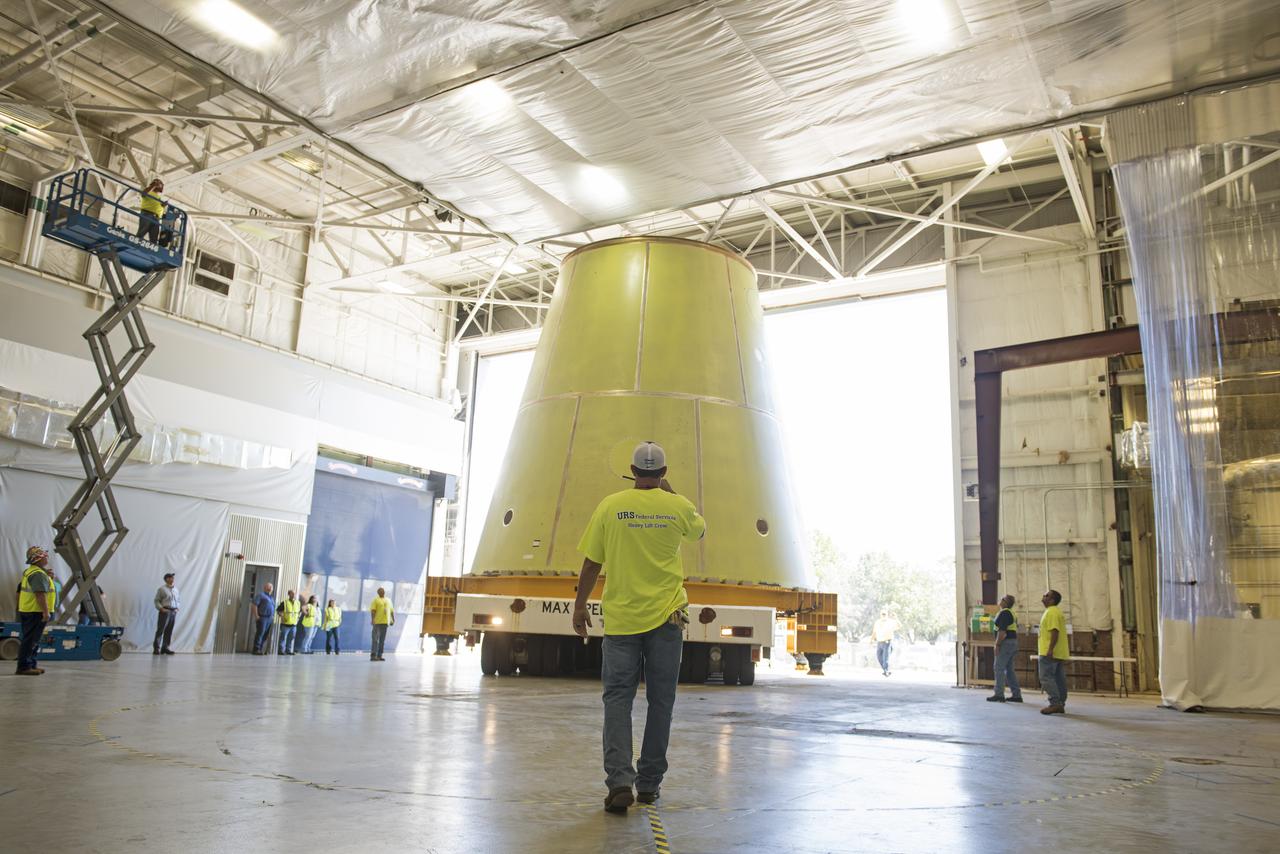
A NASA KAMAG transporter moves the Space Launch System’s launch vehicle stage adapter (LVSA) to an area where spray-on foam insulation will be applied. The LVSA recently completed manufacturing on a 30 foot welding tool at NASA’s Marshall Space Flight Center in Huntsville, Al. The LVSA will be coated with insulation that will protect it during it’s trip to space. The LVSA provides structural support and connects the core stage and the interim cryogenic propulsion stage during the first integrated flight of SLS and Orion.
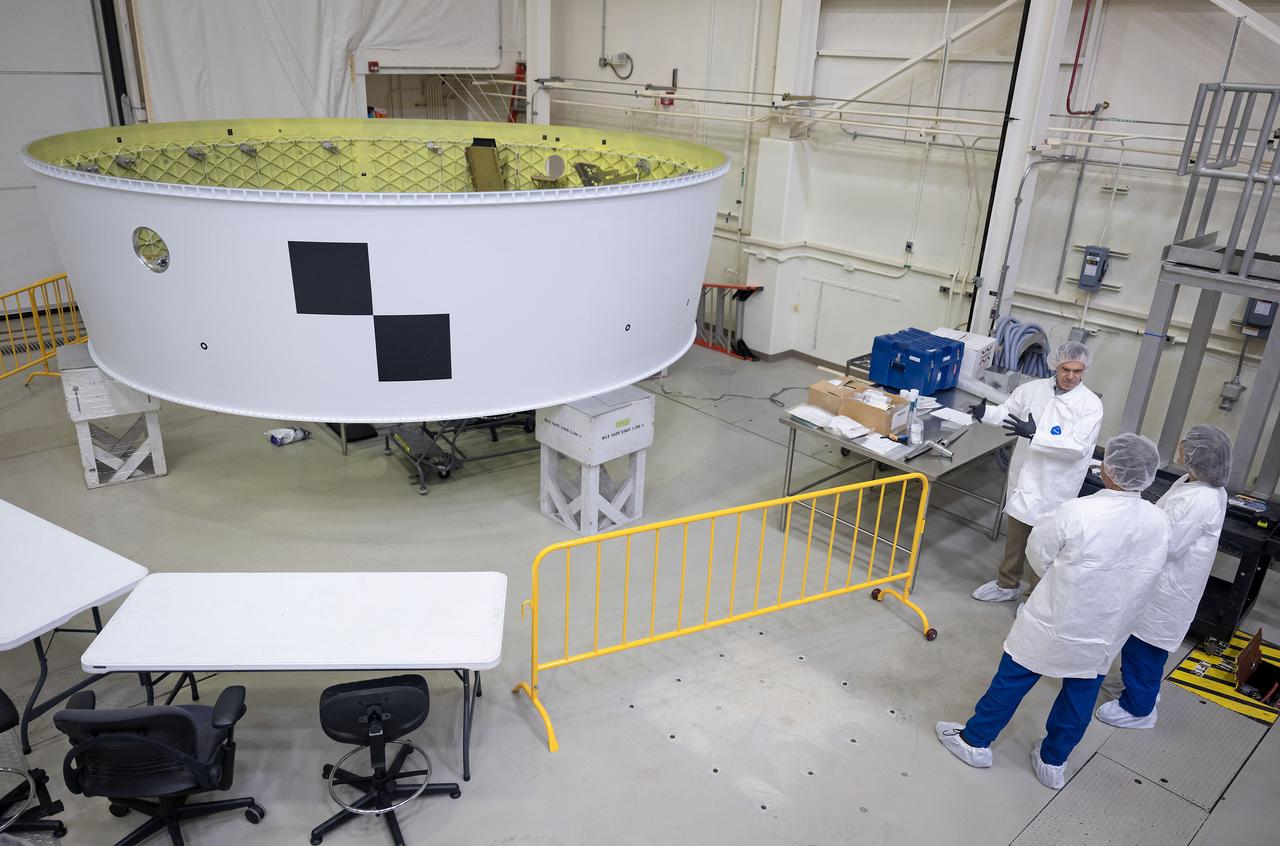
These photos show highlights from Artemis II NASA astronauts Victor Glover, Reid Wiseman, and Christina Koch of NASA and CSA (Canadian Space Agency) astronaut Jeremy Hansen visit to NASA’s Marshall Space Flight Center in Huntsville, Alabama, Nov. 27. The crew met and spoke to employees and viewed facilities for SLS (Space Launch System) rocket. All four astronauts signed the Orion stage adapter (OSA), a small ring structure that connects SLS to NASA’s Orion spacecraft, that will be used for Artemis II. Koch and Wiseman also visited the Systems Integration Lab, where SLS flight software testing is conducted. The four astronauts will launch atop SLS inside Orion to venture around the Moon on Artemis II, the first crewed flight for Artemis.
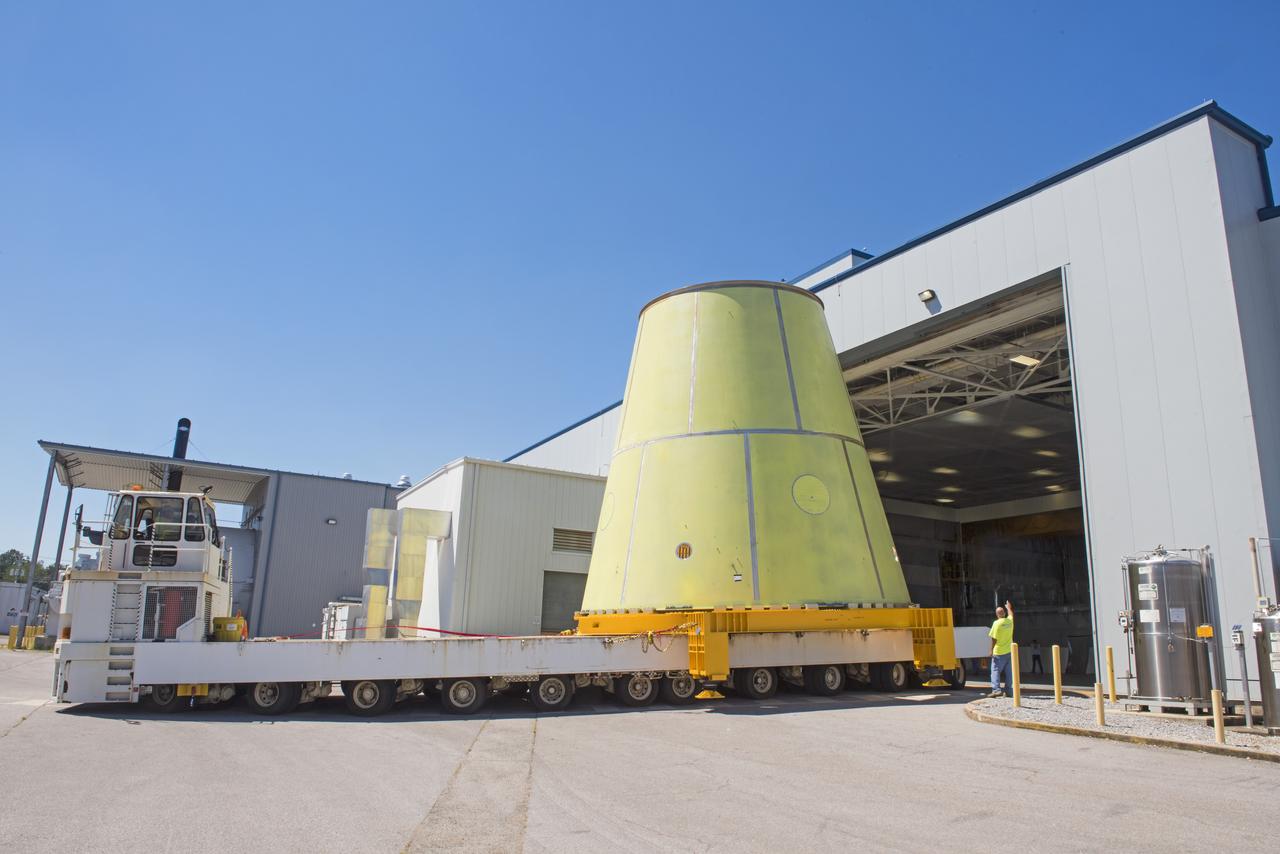
A NASA KAMAG transporter moves the Space Launch System’s launch vehicle stage adapter (LVSA) to an area where spray-on foam insulation will be applied. The LVSA recently completed manufacturing on a 30 foot welding tool at NASA’s Marshall Space Flight Center in Huntsville, Al. The LVSA will be coated with insulation that will protect it during it’s trip to space. The LVSA provides structural support and connects the core stage and the interim cryogenic propulsion stage during the first integrated flight of SLS and Orion.
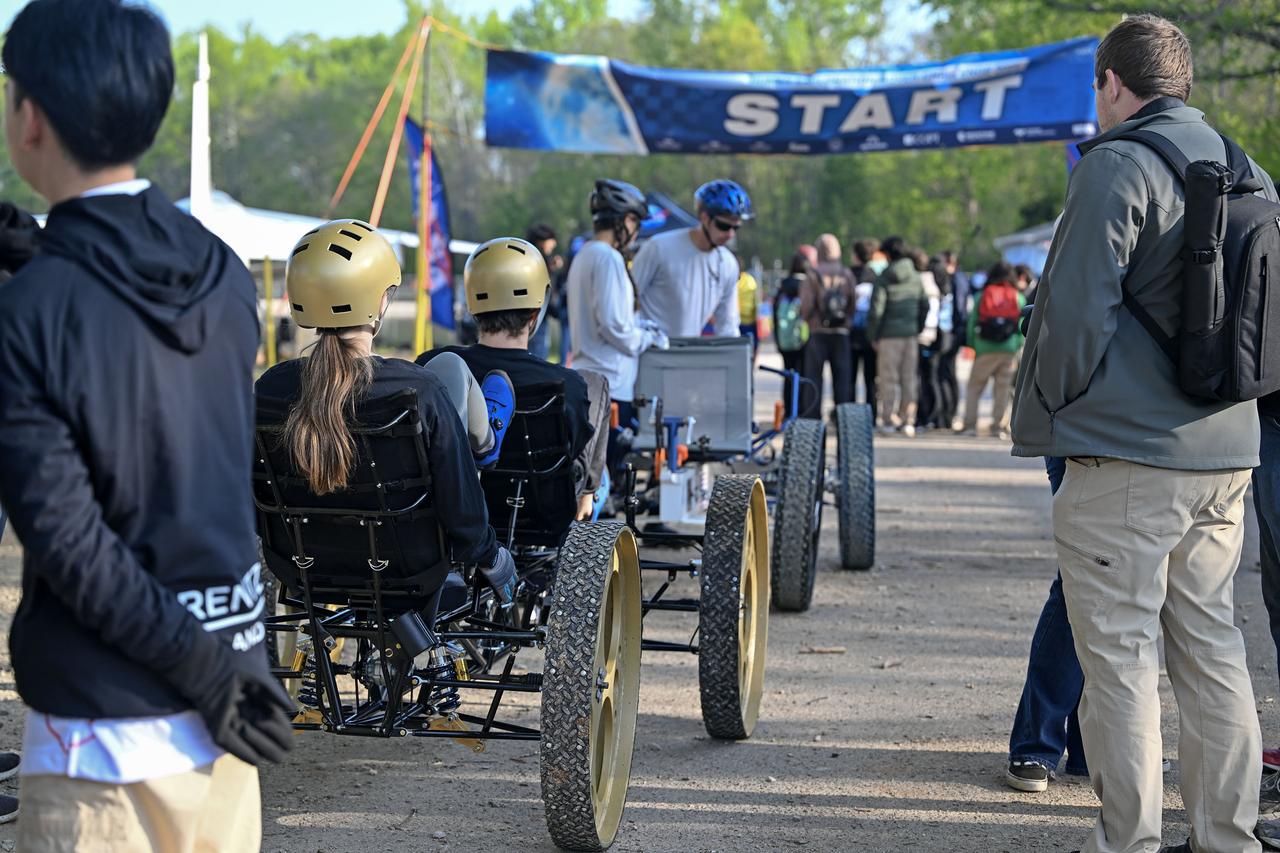
More than 500 students with 75 teams from around the world participated in the 31st year of NASA’s Human Exploration Rover Challenge (HERC) on April 11 and April 12, 2025, near NASA’s Marshall Space Flight Center in Huntsville, Alabama. Participating teams represented 35 colleges and universities, 38 high schools, and two middle schools from 20 states, Puerto Rico, and 16 other nations. NASA expanded the 2025 challenge to include a remote-control division - named Remote-Operated Vehicular Research - and invited middle school students to participate. Teams were awarded points based on navigating a half-mile obstacle course, conducting mission-specific task challenges, and completing multiple safety and design reviews with NASA engineers.
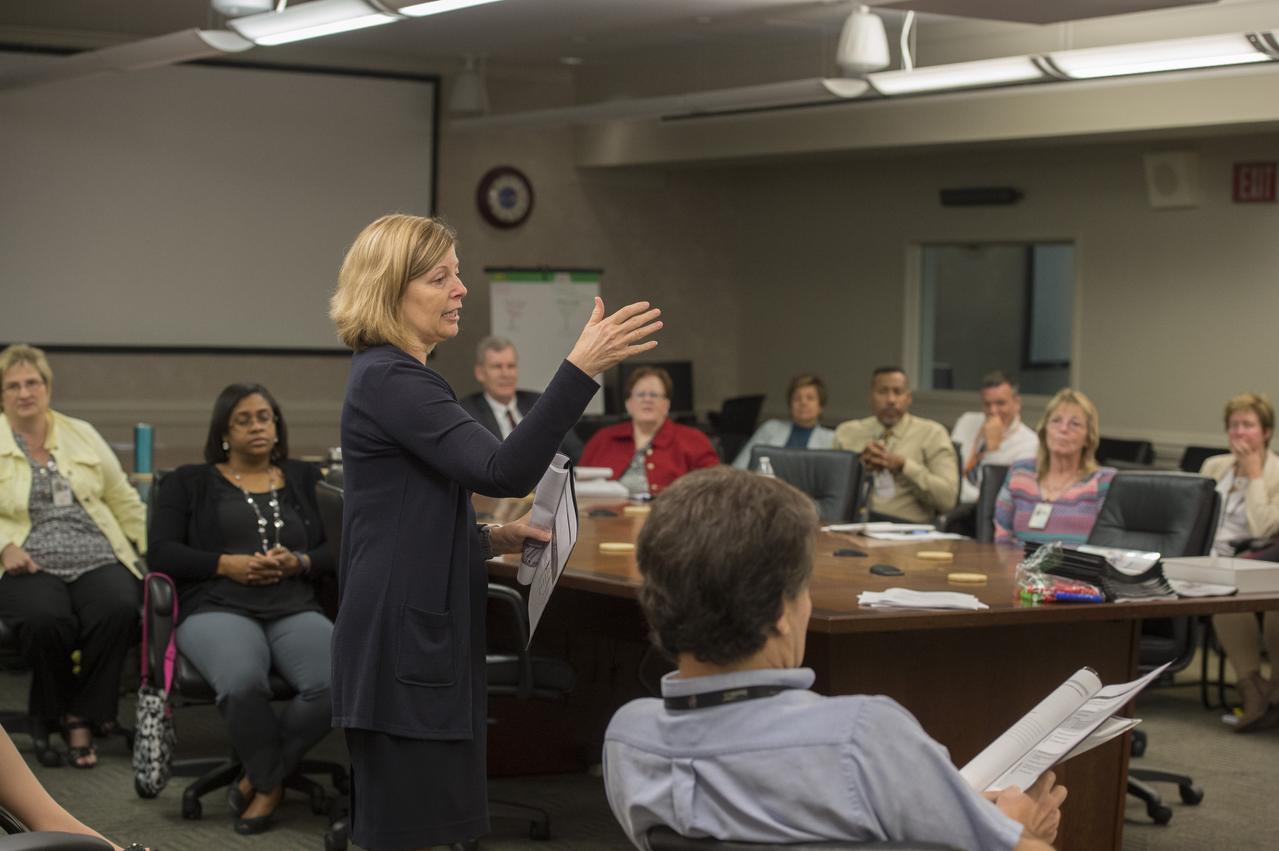
Conflict Resolution Initiative program, 10/11/17
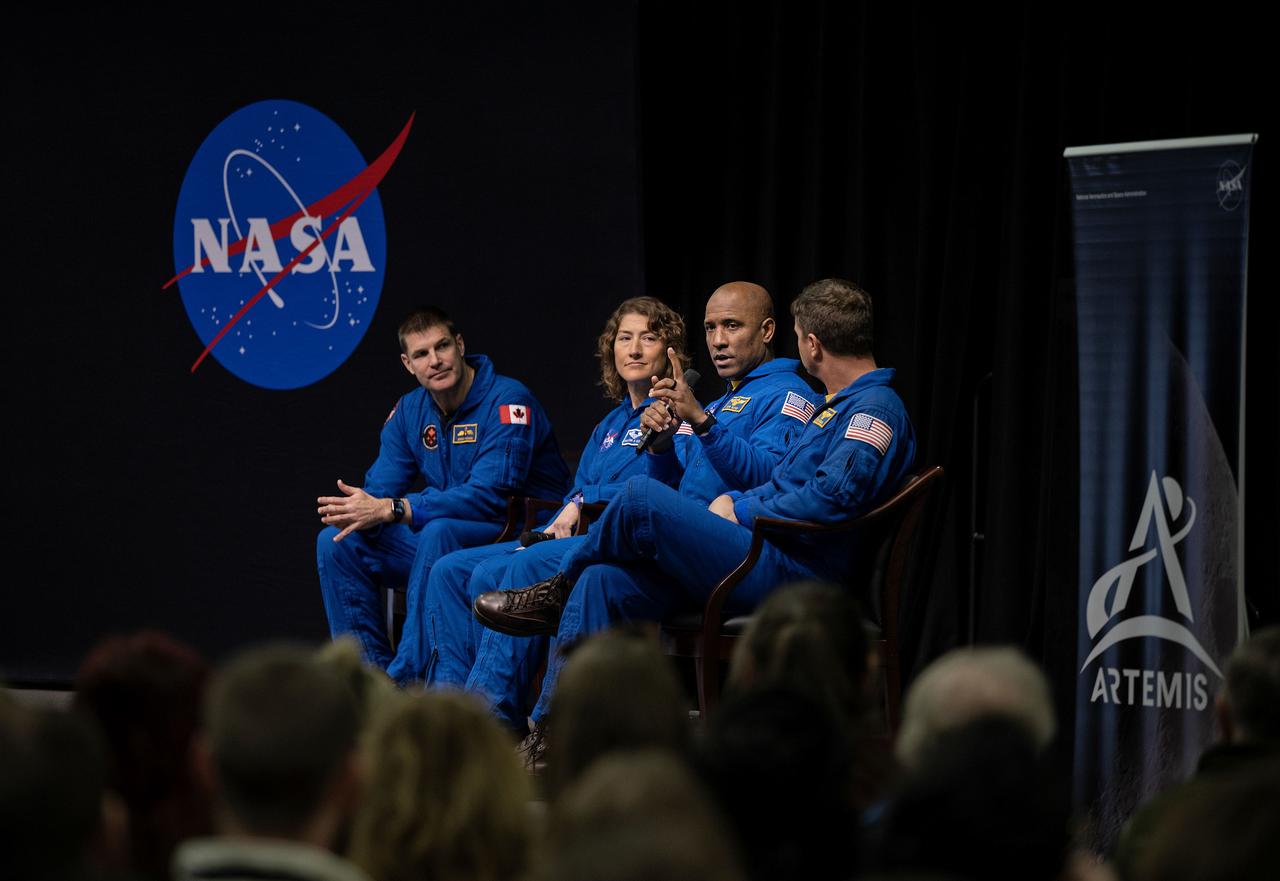
These photos show highlights from Artemis II NASA astronauts Victor Glover, Reid Wiseman, and Christina Koch of NASA and CSA (Canadian Space Agency) astronaut Jeremy Hansen visit to NASA’s Marshall Space Flight Center in Huntsville, Alabama, Nov. 27. The crew met and spoke to employees and viewed facilities for SLS (Space Launch System) rocket. All four astronauts signed the Orion stage adapter (OSA), a small ring structure that connects SLS to NASA’s Orion spacecraft, that will be used for Artemis II. Koch and Wiseman also visited the Systems Integration Lab, where SLS flight software testing is conducted. The four astronauts will launch atop SLS inside Orion to venture around the Moon on Artemis II, the first crewed flight for Artemis.

These photos show highlights from Artemis II NASA astronauts Victor Glover, Reid Wiseman, and Christina Koch of NASA and CSA (Canadian Space Agency) astronaut Jeremy Hansen visit to NASA’s Marshall Space Flight Center in Huntsville, Alabama, Nov. 27. The crew met and spoke to employees and viewed facilities for SLS (Space Launch System) rocket. All four astronauts signed the Orion stage adapter (OSA), a small ring structure that connects SLS to NASA’s Orion spacecraft, that will be used for Artemis II. Koch and Wiseman also visited the Systems Integration Lab, where SLS flight software testing is conducted. The four astronauts will launch atop SLS inside Orion to venture around the Moon on Artemis II, the first crewed flight for Artemis.
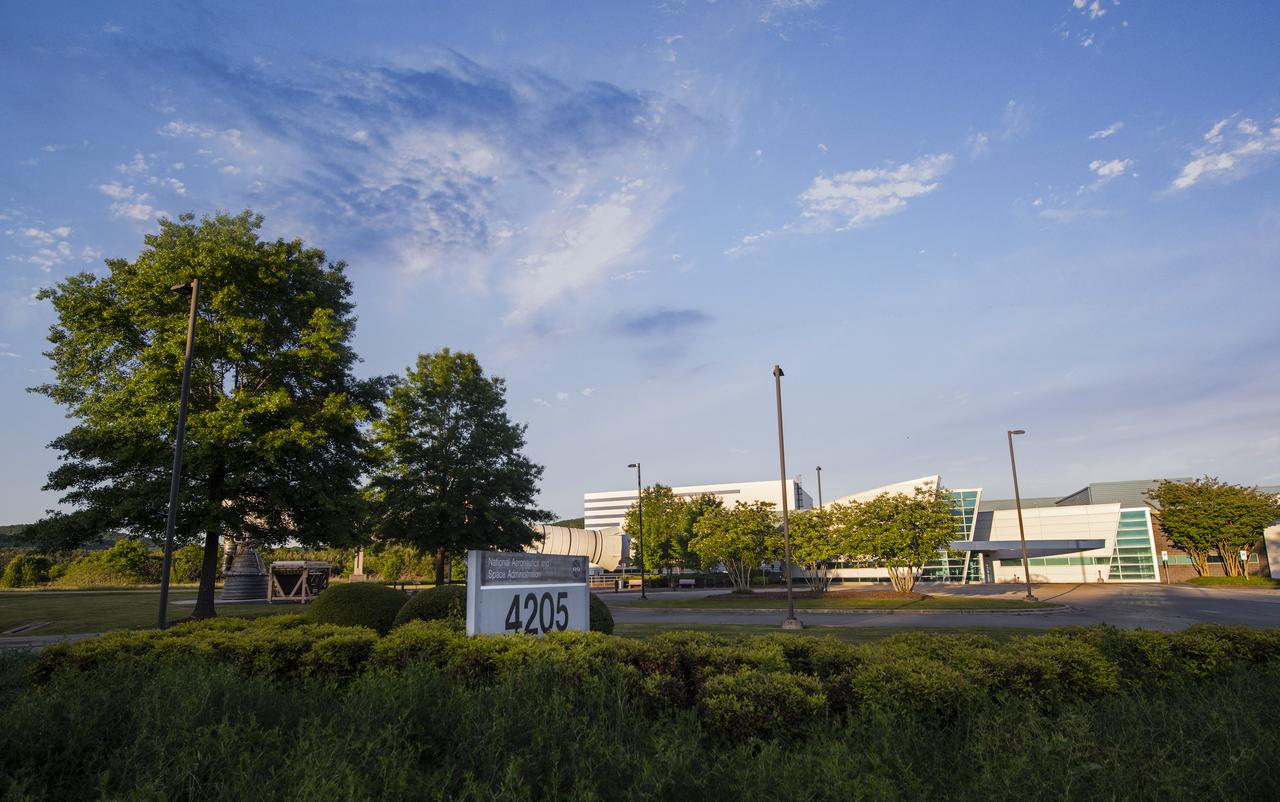
Pictured is Building 4205, which serves as Marshall Space Flight Center’s Propulsion R&D Lab.
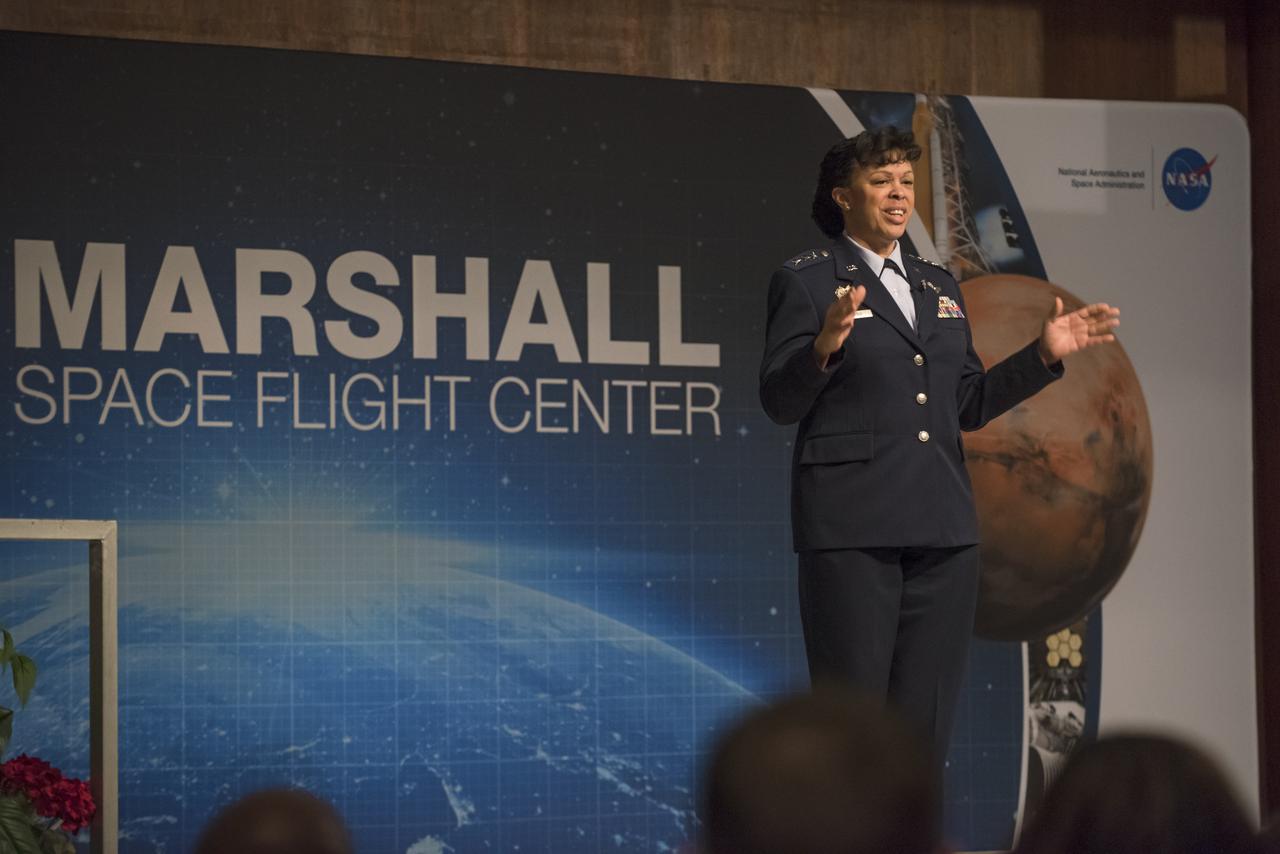
The Black History Month program was presented at Marshall Space Flight Center with guest speaker Lt. General Stayce Harris. General Harris is the Inspector General of the Air Force and she is the first African American female Lieutenant General in the American military. The topic of her presentation was "African Americans in Times of War". The presentation was followed by an ethnic food sampling.
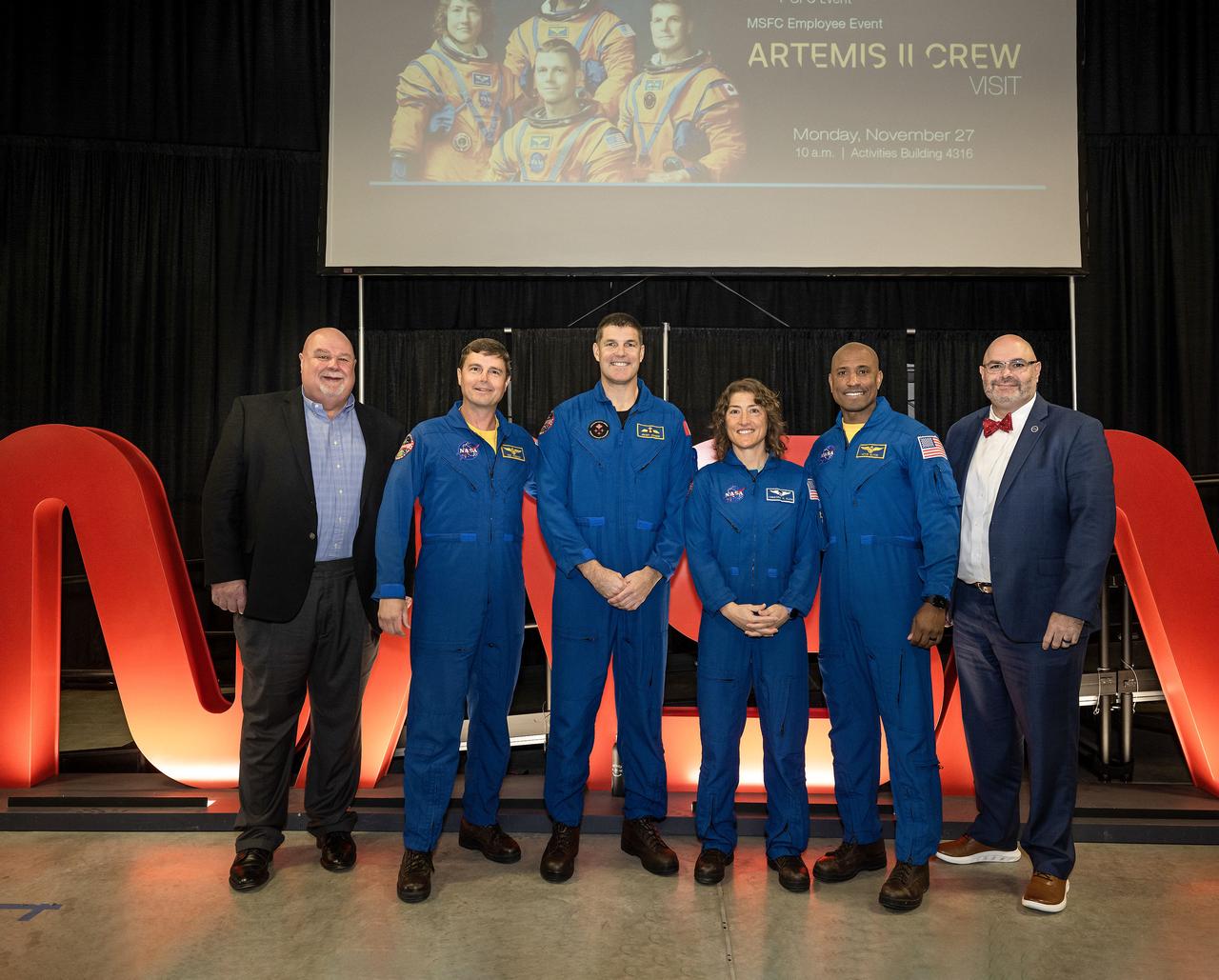
These photos show highlights from Artemis II NASA astronauts Victor Glover, Reid Wiseman, and Christina Koch of NASA and CSA (Canadian Space Agency) astronaut Jeremy Hansen visit to NASA’s Marshall Space Flight Center in Huntsville, Alabama, Nov. 27. The crew met and spoke to employees and viewed facilities for SLS (Space Launch System) rocket. All four astronauts signed the Orion stage adapter (OSA), a small ring structure that connects SLS to NASA’s Orion spacecraft, that will be used for Artemis II. Koch and Wiseman also visited the Systems Integration Lab, where SLS flight software testing is conducted. The four astronauts will launch atop SLS inside Orion to venture around the Moon on Artemis II, the first crewed flight for Artemis.
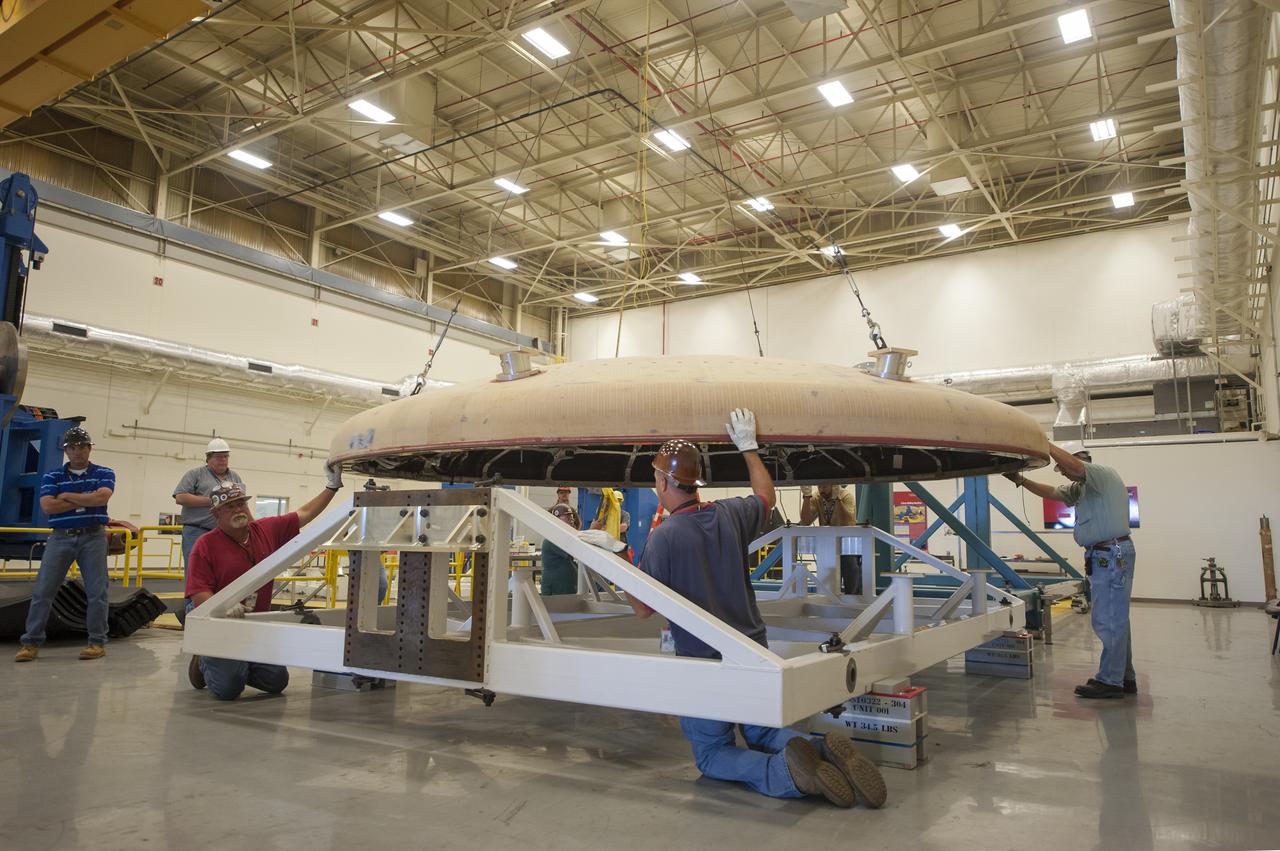
THE ORION HEAT SHIELD, WHICH WAS AT NASA’S MARSHALL SPACE FLIGHT CENTER FROM MARCH-MAY 2015 FOR ENGINEERING AND ANALYSIS, IS READIED FOR DEPARTURE AT THE END OF ITS STAY. THE HEAT SHIELD’S ABLATED SURFACE MATERIAL WAS REMOVED AT MARSHALL FOR ANALYSIS, USING THE CENTER’S STATE-OF-THE-ART SEVEN-AXIS MILLING MACHINE. IT NEXT WILL GO TO NASA’S LANGLEY RESEARCH CENTER FOR WATER-IMPACT TESTING. NASA’S JOHNSON SPACE CENTER LEADS THE ORION PROGRAM FOR NASA.
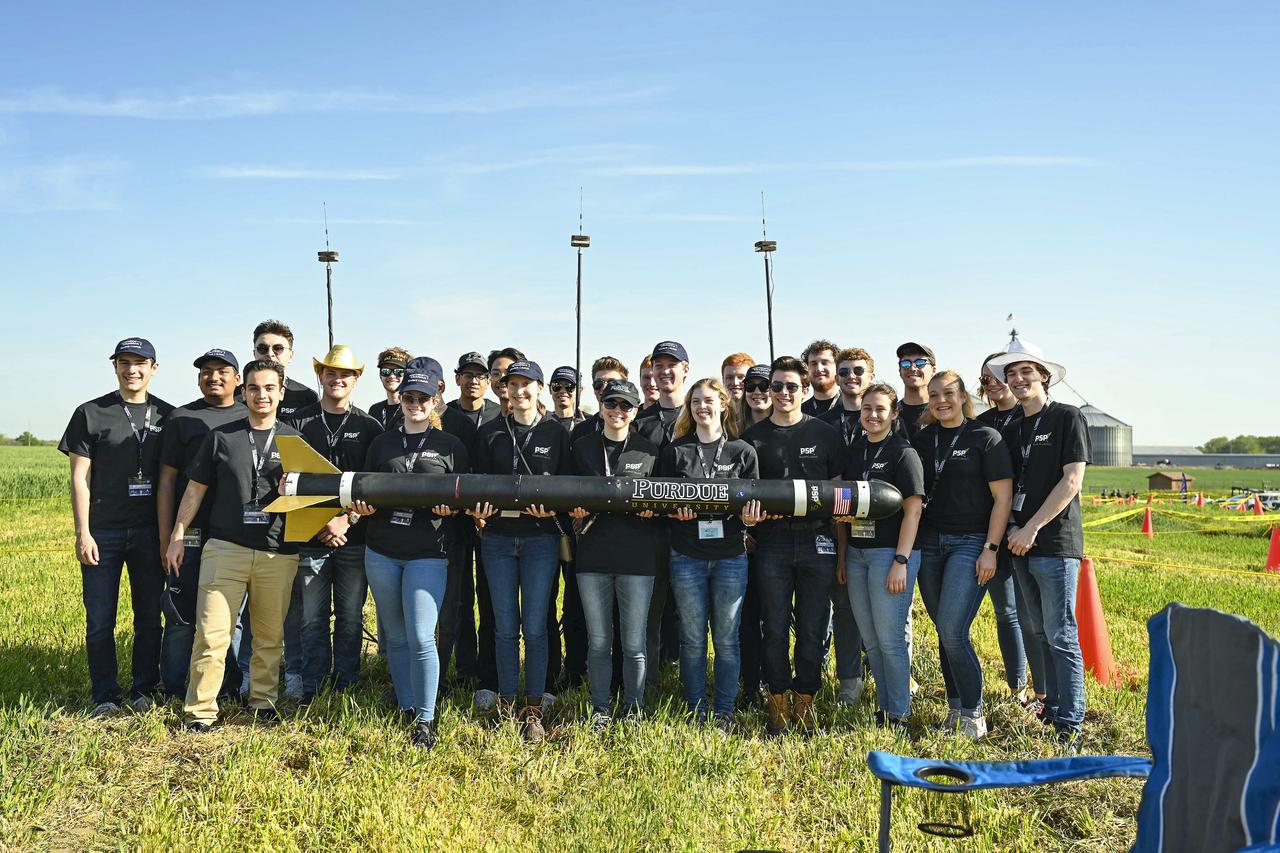
Following two years of virtual events, high school and college teams from across the country return to Bragg Farms in Toney, Alabama, to compete in NASAÕs Student Launch rocketry competition April 23.
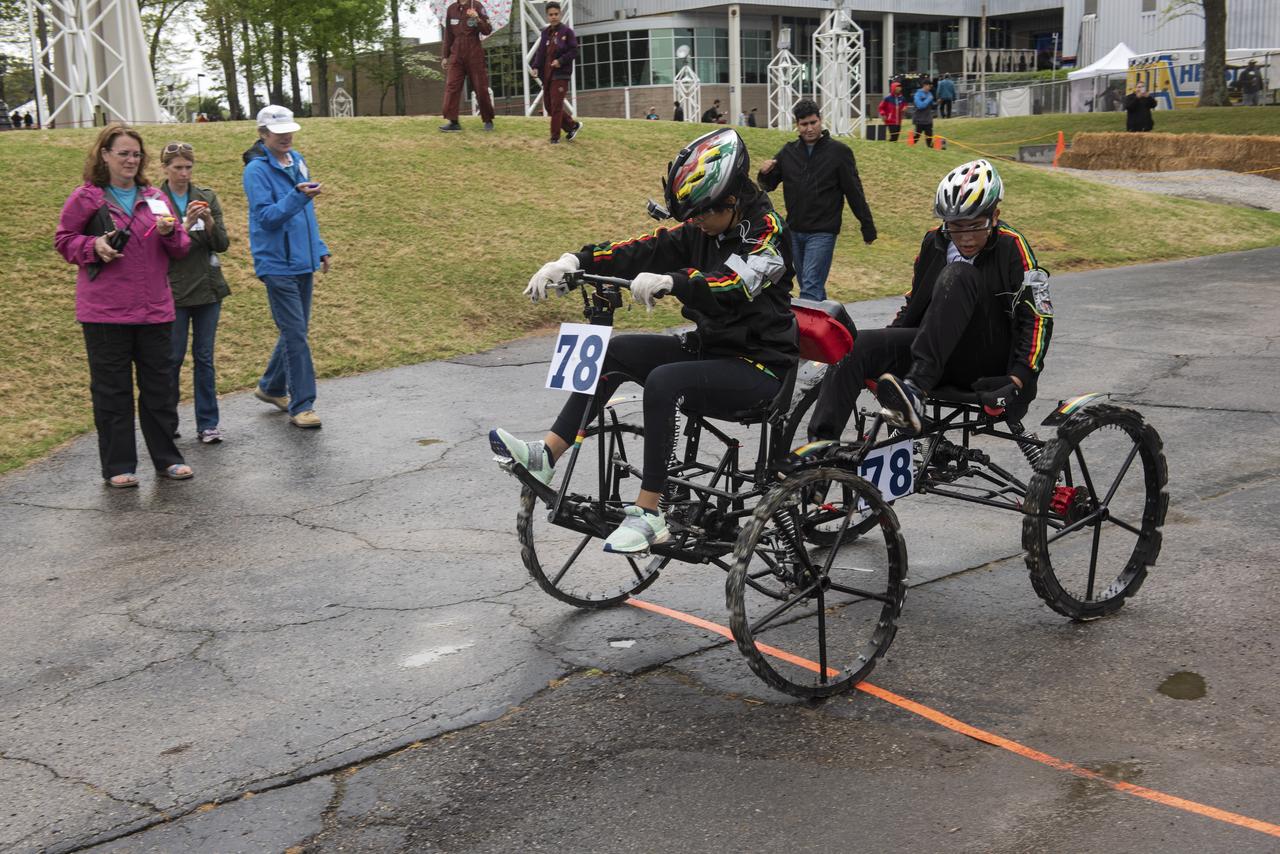
The 2019 Lunar Rover Challenge Competition was hosted by the U.S. Space and Rocket Center in Huntsville, Alabama. This annual event celebrated the 25th anniversary of what began as the Great Moonbuggy Race in 1994. High school and College teams from the United States and foreign countries competed. The awards ceremony was held at the adjacent Marriott on Saturday evening.
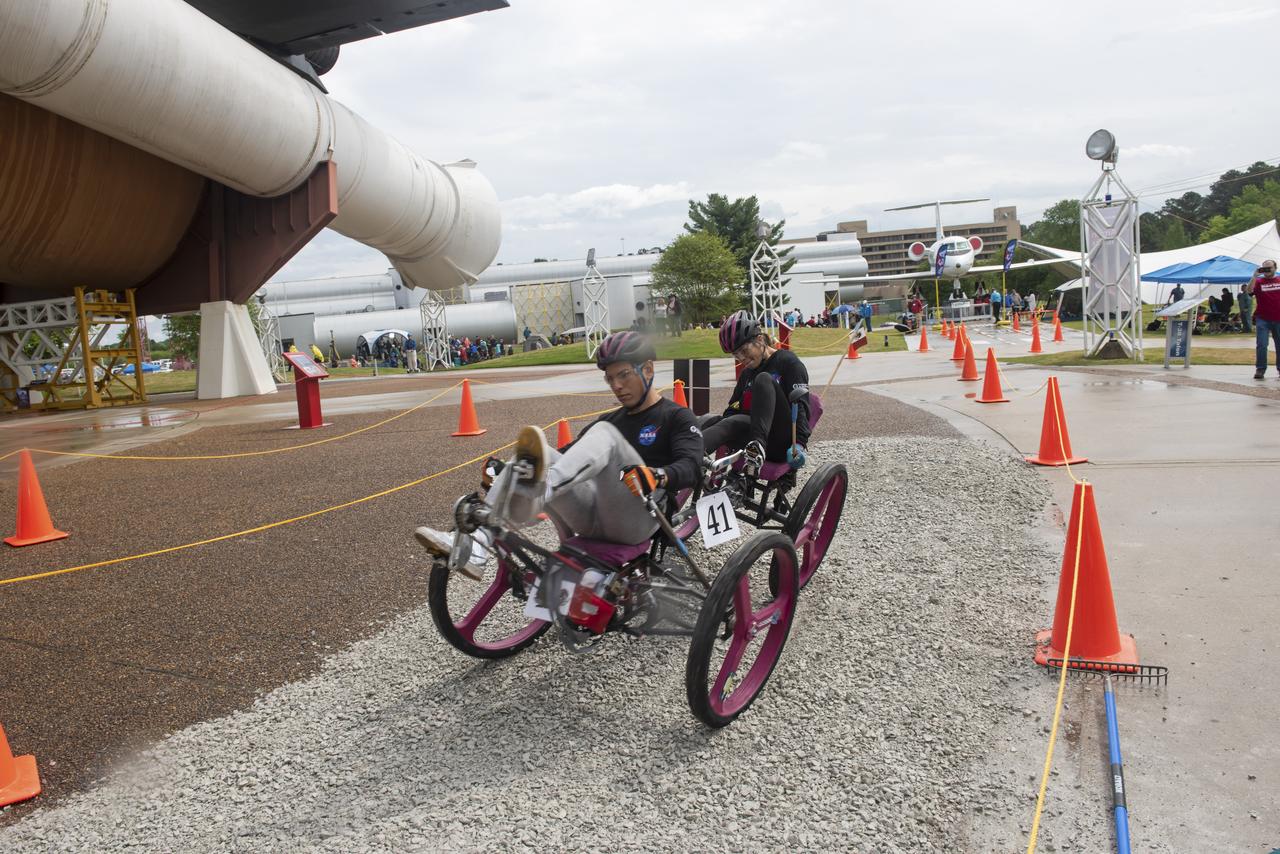
The 2019 Lunar Rover Challenge Competition was hosted by the U.S. Space and Rocket Center in Huntsville, Alabama. This annual event celebrated the 25th anniversary of what began as the Great Moonbuggy Race in 1994. High school and College teams from the United States and foreign countries competed. The awards ceremony was held at the adjacent Marriott on Saturday evening.
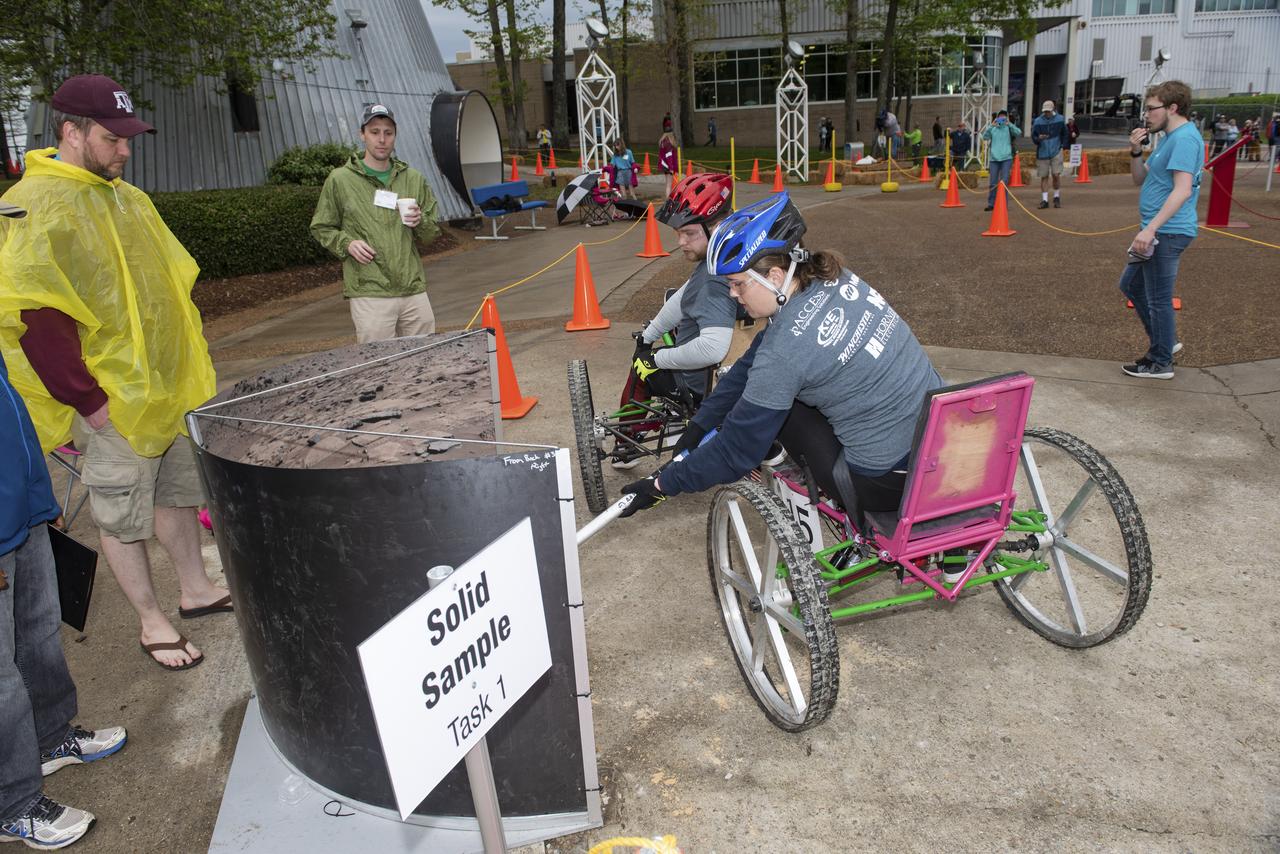
The 2019 Lunar Rover Challenge Competition was hosted by the U.S. Space and Rocket Center in Huntsville, Alabama. This annual event celebrated the 25th anniversary of what began as the Great Moonbuggy Race in 1994. High school and College teams from the United States and foreign countries competed. The awards ceremony was held at the adjacent Marriott on Saturday evening.
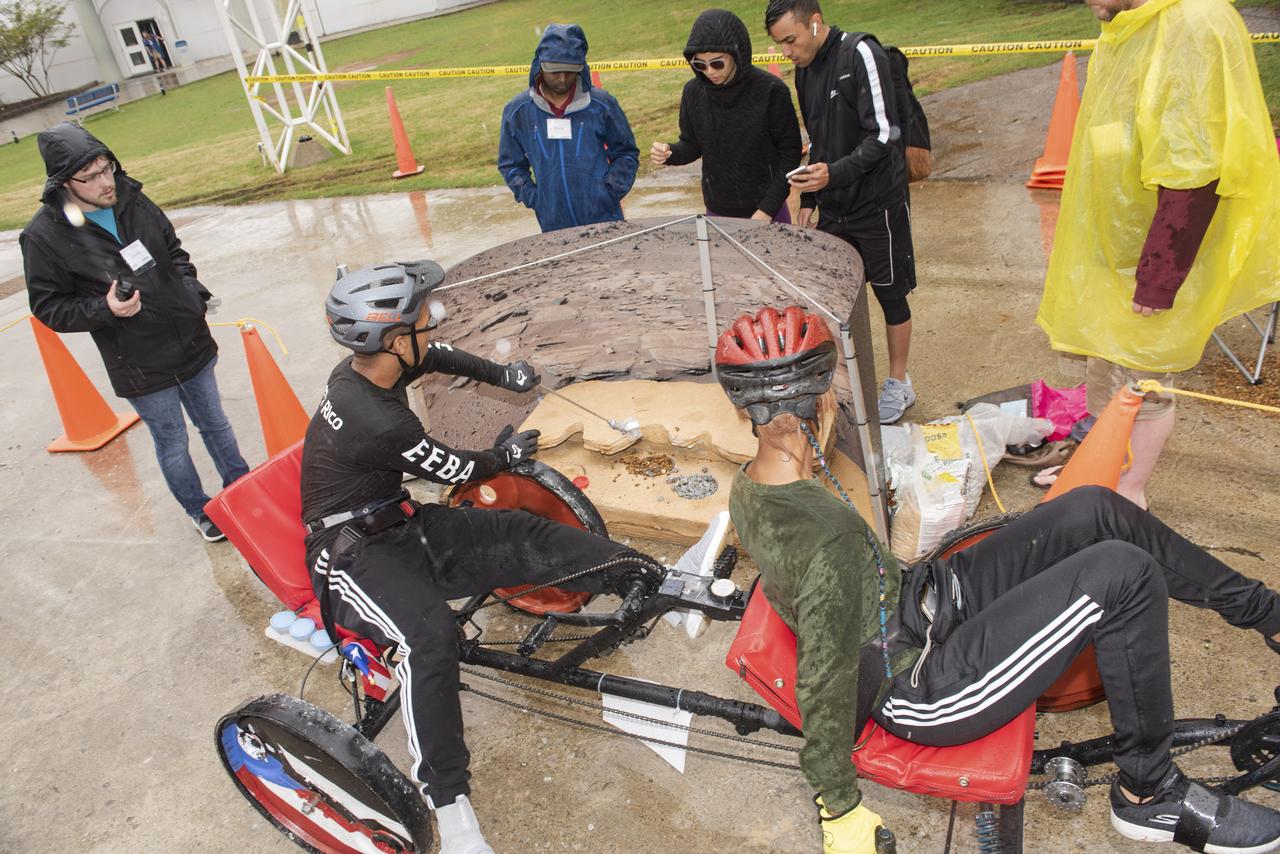
The 2019 Lunar Rover Challenge Competition was hosted by the U.S. Space and Rocket Center in Huntsville, Alabama. This annual event celebrated the 25th anniversary of what began as the Great Moonbuggy Race in 1994. High school and College teams from the United States and foreign countries competed. The awards ceremony was held at the adjacent Marriott on Saturday evening.
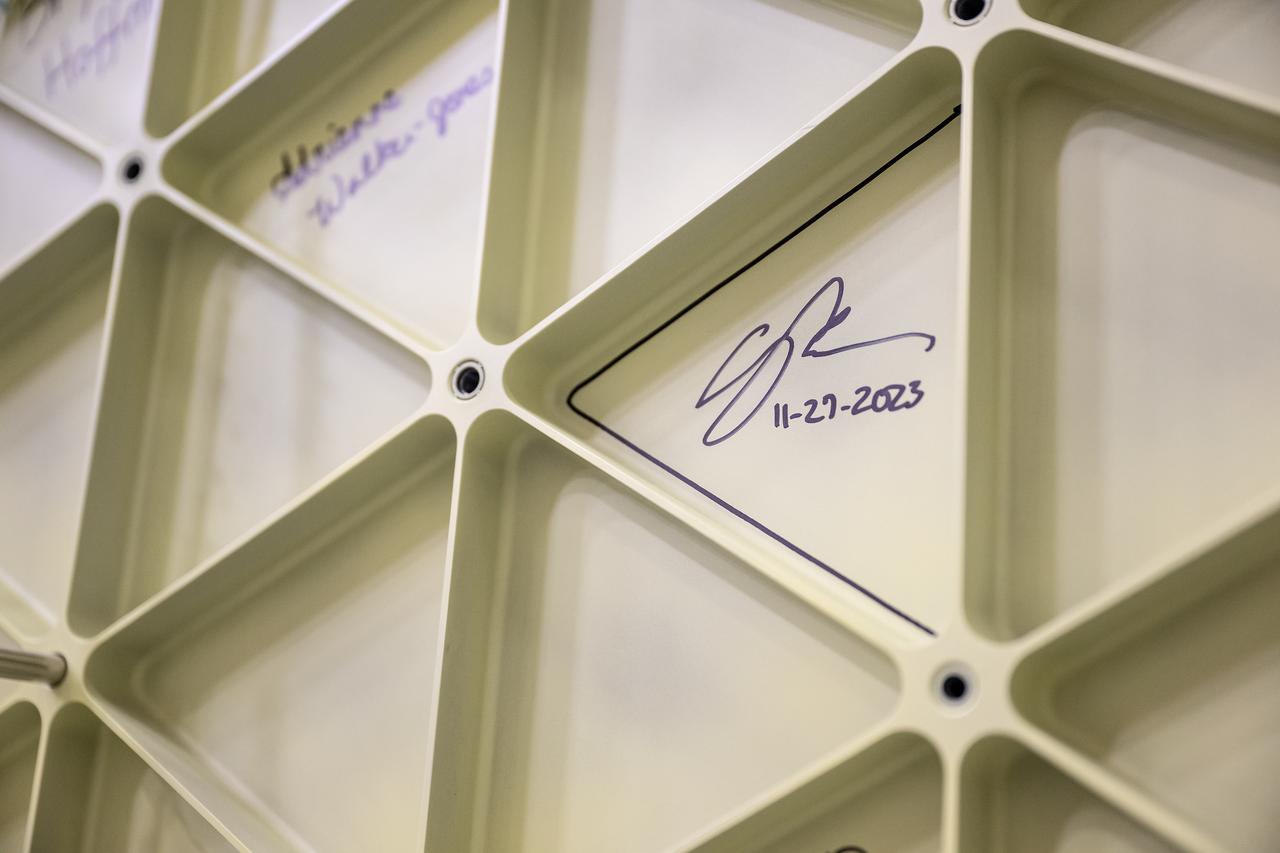
These photos show highlights from Artemis II NASA astronauts Victor Glover, Reid Wiseman, and Christina Koch of NASA and CSA (Canadian Space Agency) astronaut Jeremy Hansen visit to NASA’s Marshall Space Flight Center in Huntsville, Alabama, Nov. 27. The crew met and spoke to employees and viewed facilities for SLS (Space Launch System) rocket. All four astronauts signed the Orion stage adapter (OSA), a small ring structure that connects SLS to NASA’s Orion spacecraft, that will be used for Artemis II. Koch and Wiseman also visited the Systems Integration Lab, where SLS flight software testing is conducted. The four astronauts will launch atop SLS inside Orion to venture around the Moon on Artemis II, the first crewed flight for Artemis.
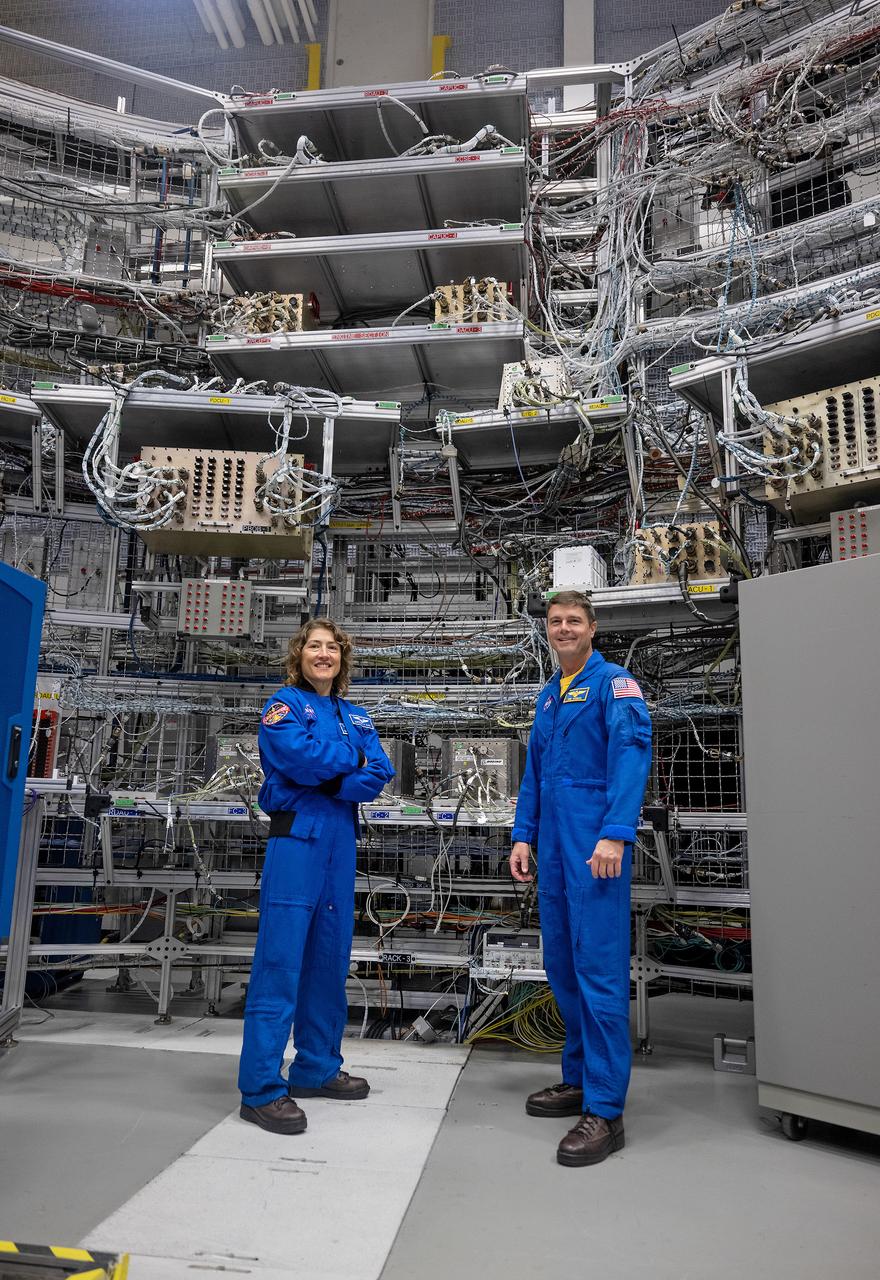
These photos show highlights from Artemis II NASA astronauts Victor Glover, Reid Wiseman, and Christina Koch of NASA and CSA (Canadian Space Agency) astronaut Jeremy Hansen visit to NASA’s Marshall Space Flight Center in Huntsville, Alabama, Nov. 27. The crew met and spoke to employees and viewed facilities for SLS (Space Launch System) rocket. All four astronauts signed the Orion stage adapter (OSA), a small ring structure that connects SLS to NASA’s Orion spacecraft, that will be used for Artemis II. Koch and Wiseman also visited the Systems Integration Lab, where SLS flight software testing is conducted. The four astronauts will launch atop SLS inside Orion to venture around the Moon on Artemis II, the first crewed flight for Artemis.
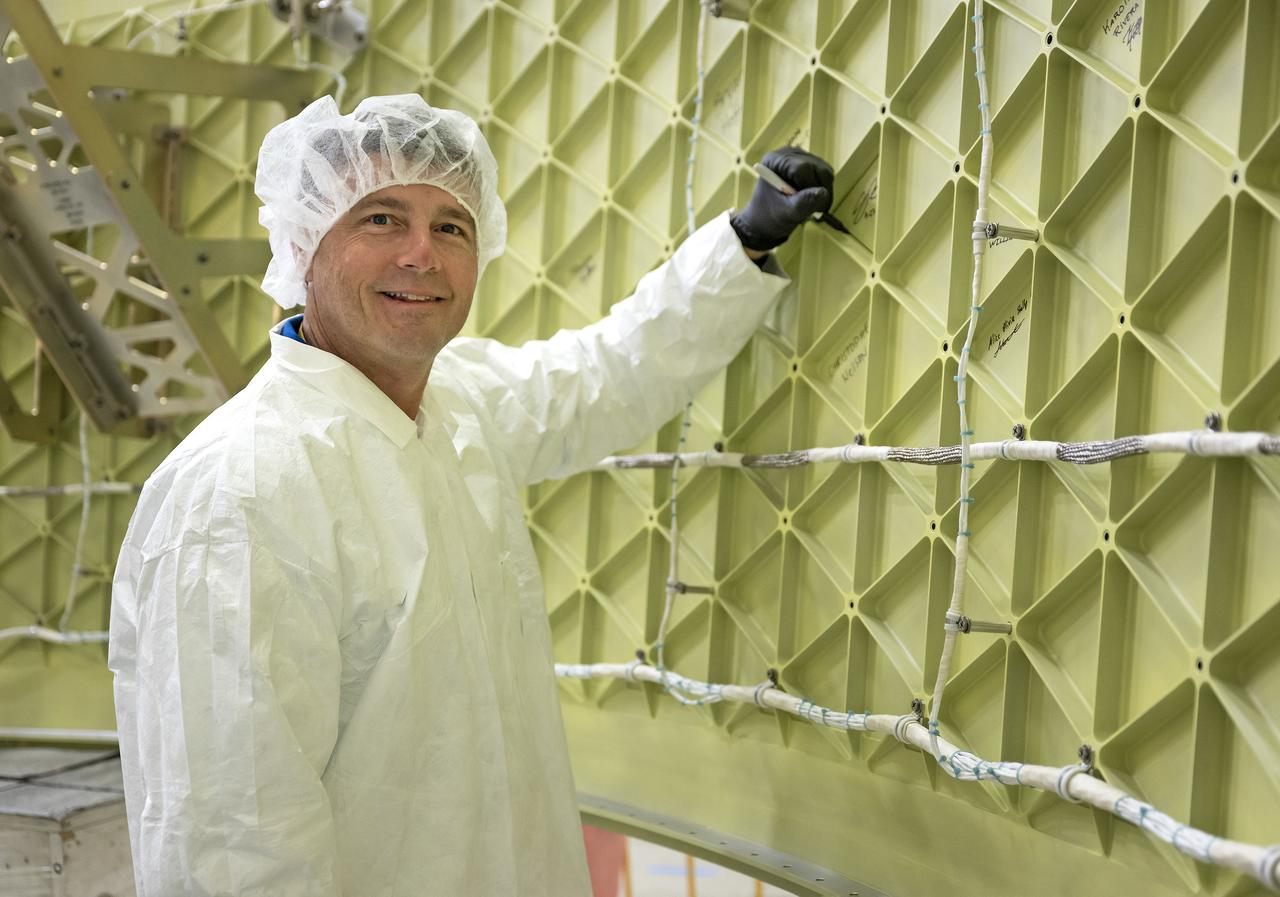
These photos show highlights from Artemis II NASA astronauts Victor Glover, Reid Wiseman, and Christina Koch of NASA and CSA (Canadian Space Agency) astronaut Jeremy Hansen visit to NASA’s Marshall Space Flight Center in Huntsville, Alabama, Nov. 27. The crew met and spoke to employees and viewed facilities for SLS (Space Launch System) rocket. All four astronauts signed the Orion stage adapter (OSA), a small ring structure that connects SLS to NASA’s Orion spacecraft, that will be used for Artemis II. Koch and Wiseman also visited the Systems Integration Lab, where SLS flight software testing is conducted. The four astronauts will launch atop SLS inside Orion to venture around the Moon on Artemis II, the first crewed flight for Artemis.

These photos show highlights from Artemis II NASA astronauts Victor Glover, Reid Wiseman, and Christina Koch of NASA and CSA (Canadian Space Agency) astronaut Jeremy Hansen visit to NASA’s Marshall Space Flight Center in Huntsville, Alabama, Nov. 27. The crew met and spoke to employees and viewed facilities for SLS (Space Launch System) rocket. All four astronauts signed the Orion stage adapter (OSA), a small ring structure that connects SLS to NASA’s Orion spacecraft, that will be used for Artemis II. Koch and Wiseman also visited the Systems Integration Lab, where SLS flight software testing is conducted. The four astronauts will launch atop SLS inside Orion to venture around the Moon on Artemis II, the first crewed flight for Artemis.
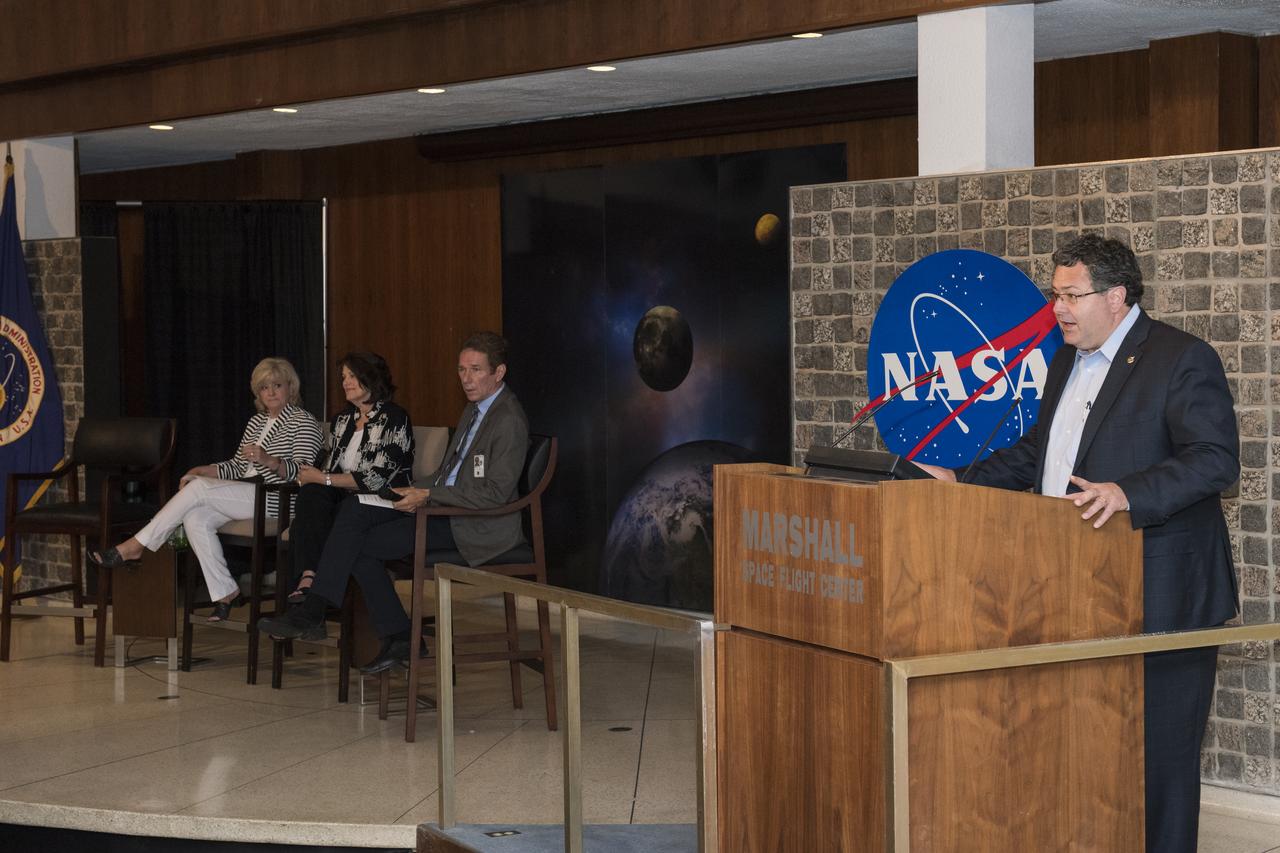
NASA MARSHALL SPACE FLIGHT CENTER DIRECTOR TODD MAY TALKS ABOUT HIS VISION FOR THE CENTER DURING AN ALL-HANDS MEETING JUNE 22 IN MORRIS AUDITORIUM, AND BROADCAST CENTERWIDE. ALSO SPEAKING TO THE MARSHALL TEAM AND TAKING QUESTIONS DURING THE EVENT ARE, FROM LEFT, MARSHALL DEPUTY DIRECTOR JODY SINGER, ASSOCIATE DIRECTOR ROBIN HENDERSON AND ASSOCIATE DIRECTOR, TECHNICAL, PAUL MCCONNAUGHEY. "WE'RE IN THE BUSINESS OF MAKING THE IMPOSSIBLE POSSIBLE," SAID MAY, CITING PROGRESS ON THE SPACE LAUNCH SYSTEM AND THE JOURNEY TO MARS AND RECOUNTING HIGHLIGHTS OF MARSHALL'S 56-YEAR HISTORY.
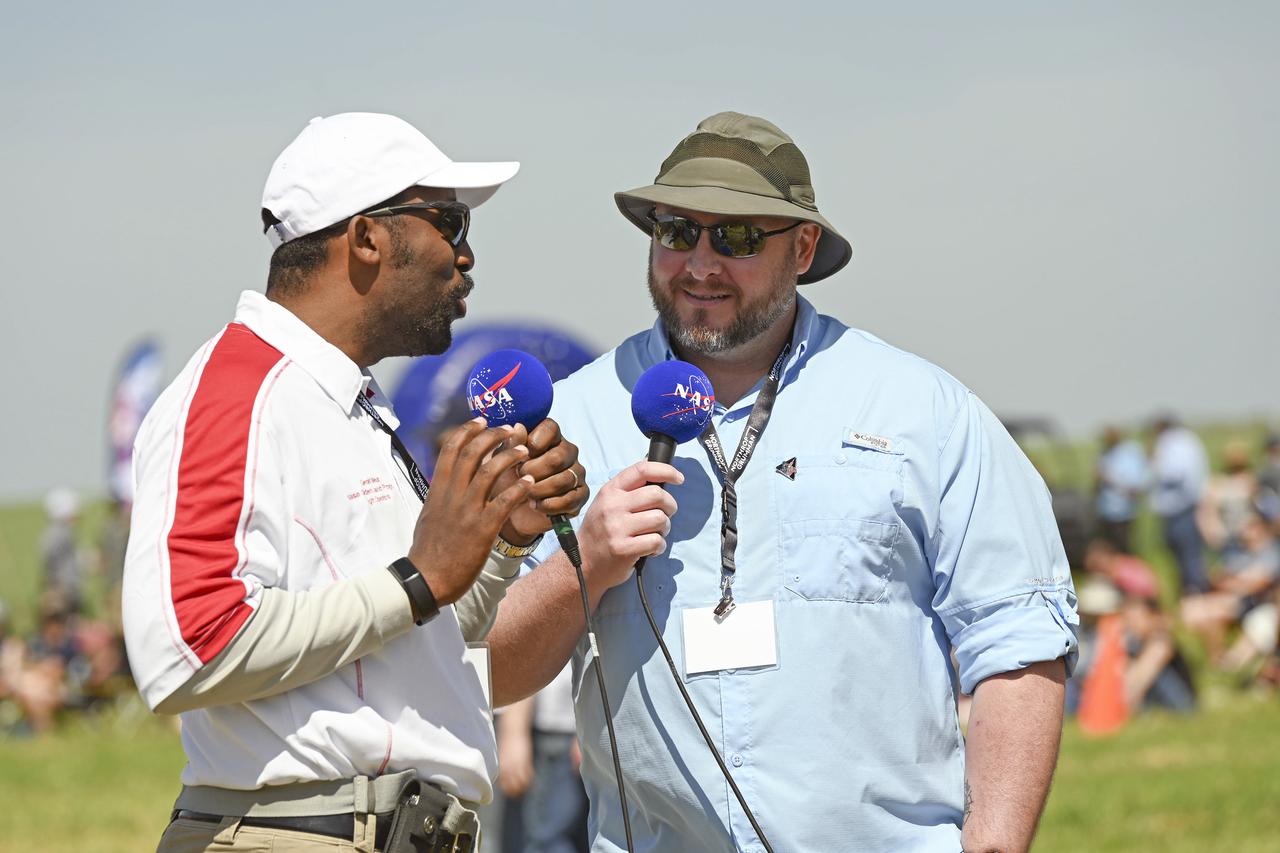
Following two years of virtual events, high school and college teams from across the country return to Bragg Farms in Toney, Alabama, to compete in NASAÕs Student Launch rocketry competition April 23.
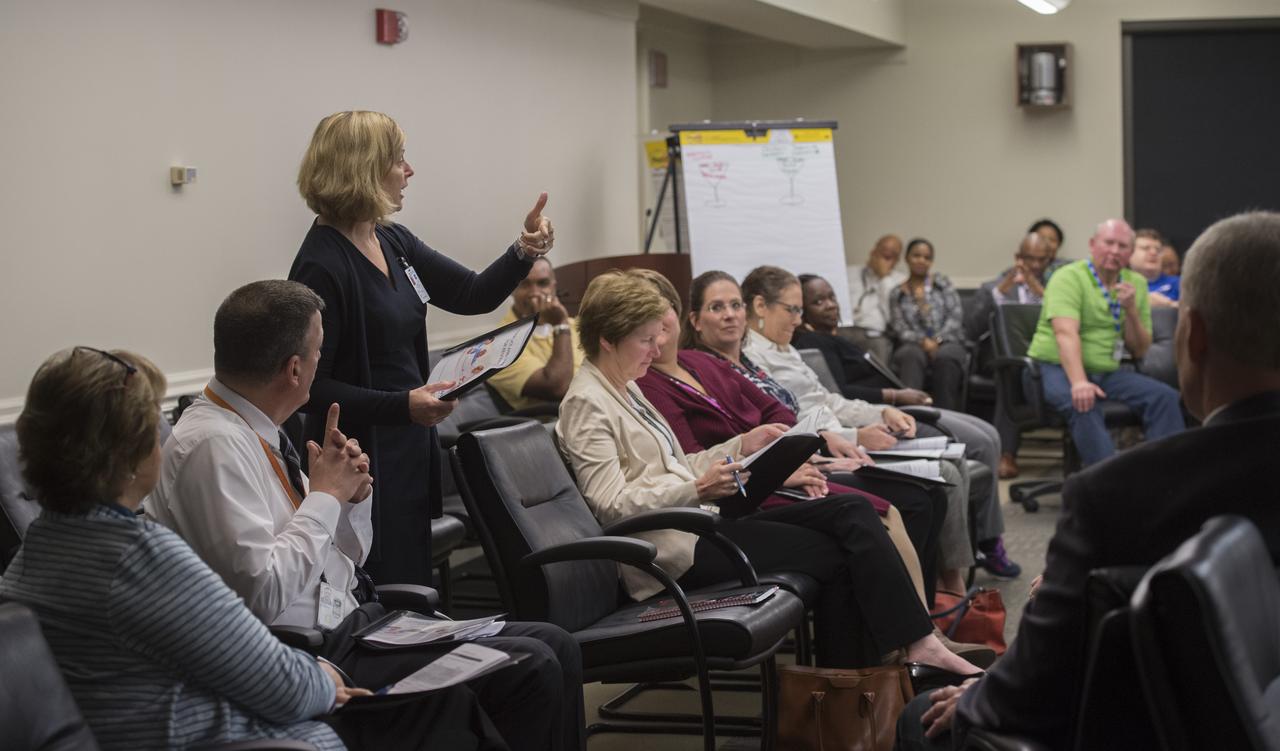
Conflict Resolution Initiative program, 10/11/17
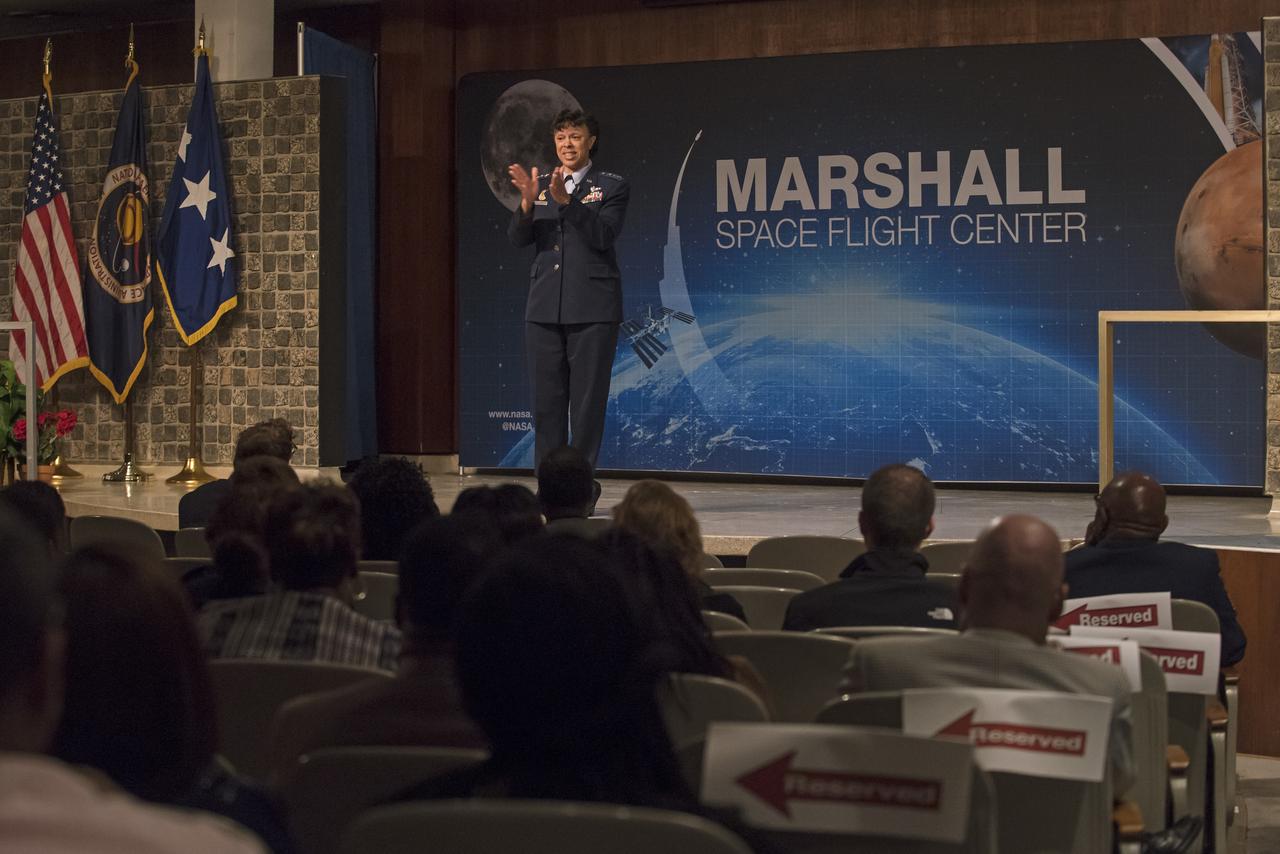
The Black History Month program was presented at Marshall Space Flight Center with guest speaker Lt. General Stayce Harris. General Harris is the Inspector General of the Air Force and she is the first African American female Lieutenant General in the American military. The topic of her presentation was "African Americans in Times of War". The presentation was followed by an ethnic food sampling.
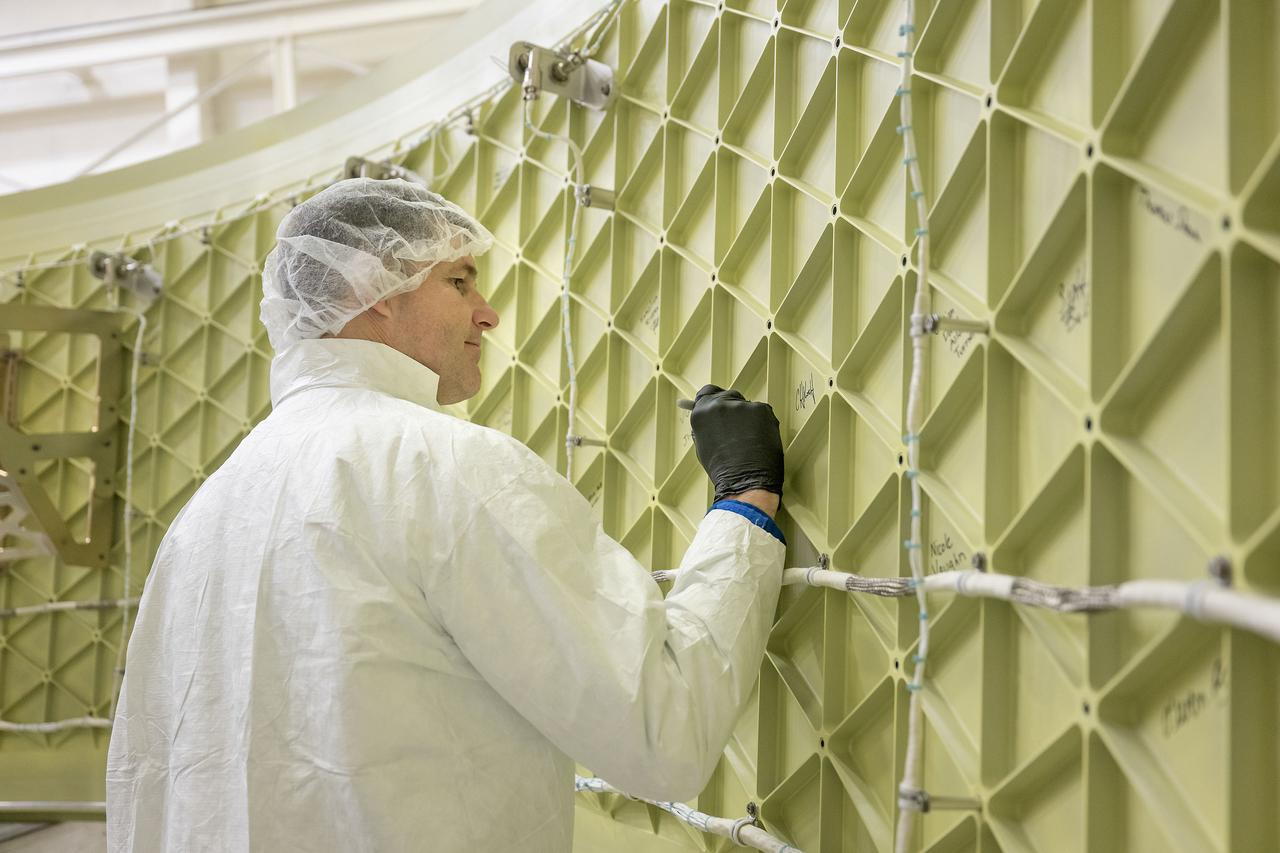
These photos show highlights from Artemis II NASA astronauts Victor Glover, Reid Wiseman, and Christina Koch of NASA and CSA (Canadian Space Agency) astronaut Jeremy Hansen visit to NASA’s Marshall Space Flight Center in Huntsville, Alabama, Nov. 27. The crew met and spoke to employees and viewed facilities for SLS (Space Launch System) rocket. All four astronauts signed the Orion stage adapter (OSA), a small ring structure that connects SLS to NASA’s Orion spacecraft, that will be used for Artemis II. Koch and Wiseman also visited the Systems Integration Lab, where SLS flight software testing is conducted. The four astronauts will launch atop SLS inside Orion to venture around the Moon on Artemis II, the first crewed flight for Artemis.
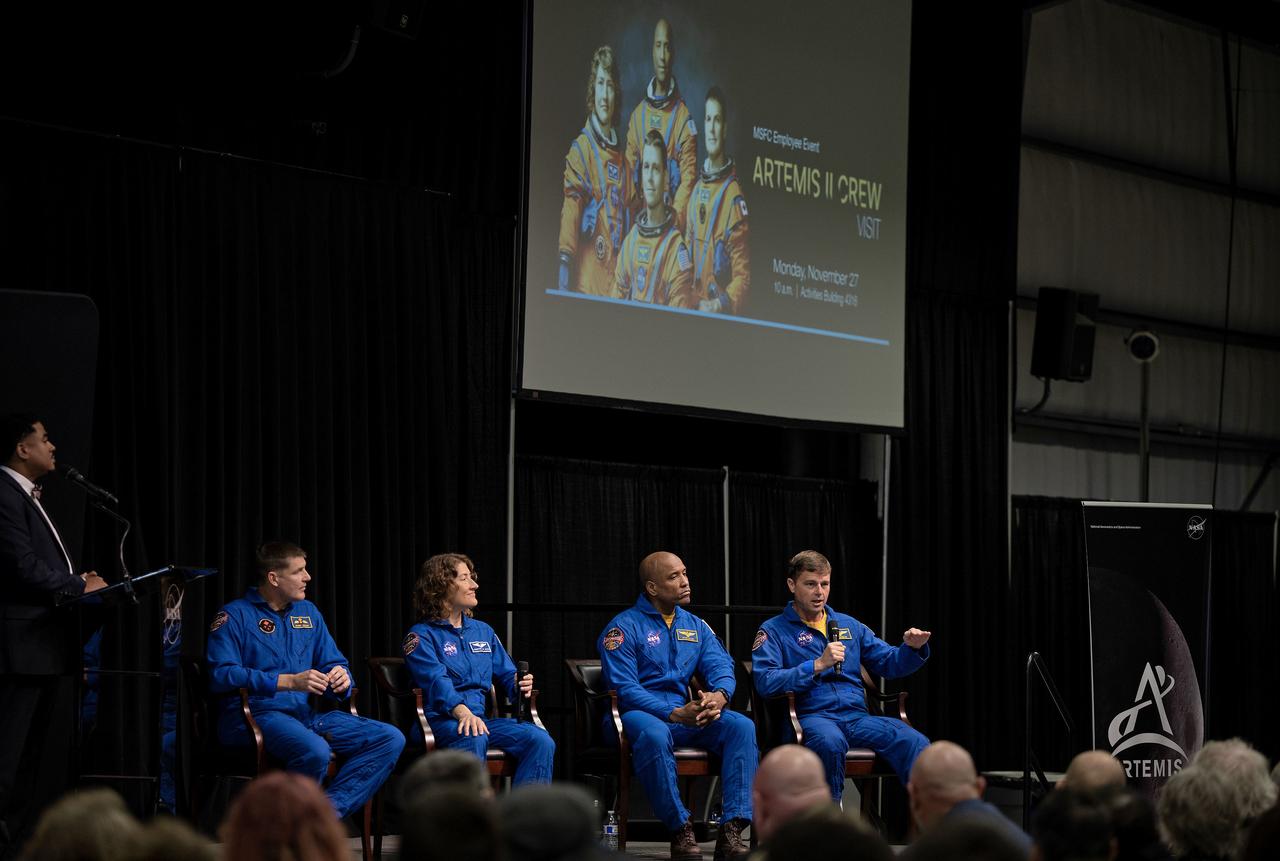
These photos show highlights from Artemis II NASA astronauts Victor Glover, Reid Wiseman, and Christina Koch of NASA and CSA (Canadian Space Agency) astronaut Jeremy Hansen visit to NASA’s Marshall Space Flight Center in Huntsville, Alabama, Nov. 27. The crew met and spoke to employees and viewed facilities for SLS (Space Launch System) rocket. All four astronauts signed the Orion stage adapter (OSA), a small ring structure that connects SLS to NASA’s Orion spacecraft, that will be used for Artemis II. Koch and Wiseman also visited the Systems Integration Lab, where SLS flight software testing is conducted. The four astronauts will launch atop SLS inside Orion to venture around the Moon on Artemis II, the first crewed flight for Artemis.
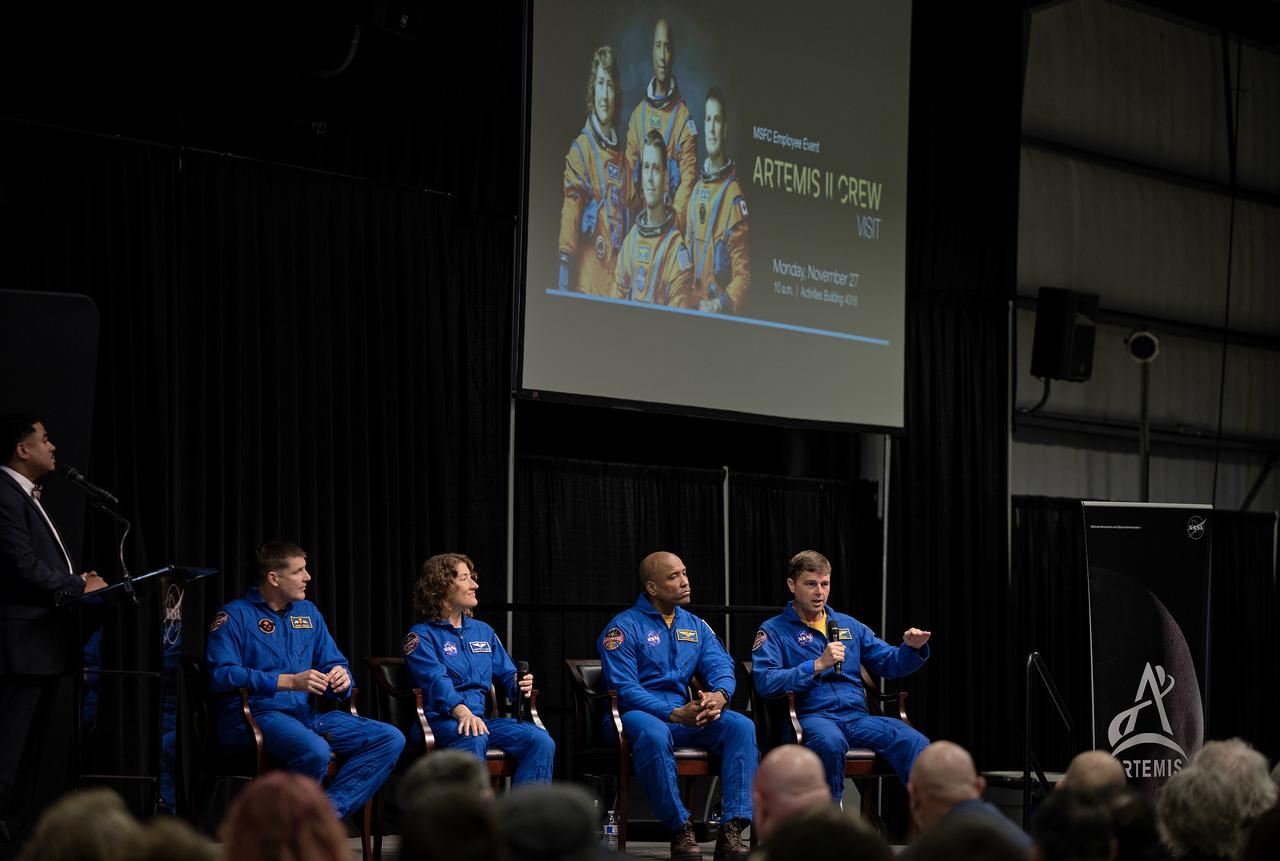
These photos show highlights from Artemis II NASA astronauts Victor Glover, Reid Wiseman, and Christina Koch of NASA and CSA (Canadian Space Agency) astronaut Jeremy Hansen visit to NASA’s Marshall Space Flight Center in Huntsville, Alabama, Nov. 27. The crew met and spoke to employees and viewed facilities for SLS (Space Launch System) rocket. All four astronauts signed the Orion stage adapter (OSA), a small ring structure that connects SLS to NASA’s Orion spacecraft, that will be used for Artemis II. Koch and Wiseman also visited the Systems Integration Lab, where SLS flight software testing is conducted. The four astronauts will launch atop SLS inside Orion to venture around the Moon on Artemis II, the first crewed flight for Artemis.
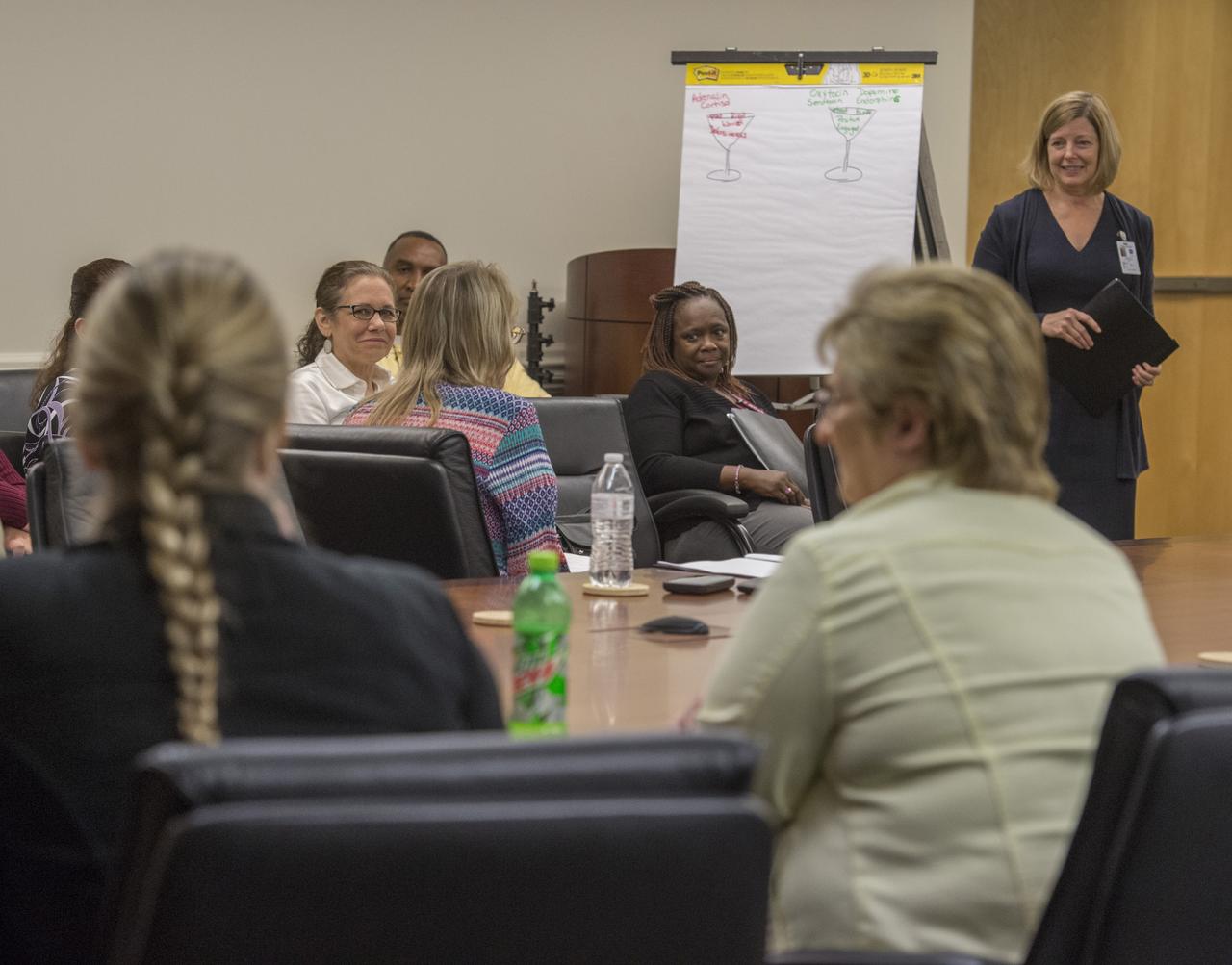
Conflict Resolution Initiative program, 10/11/17
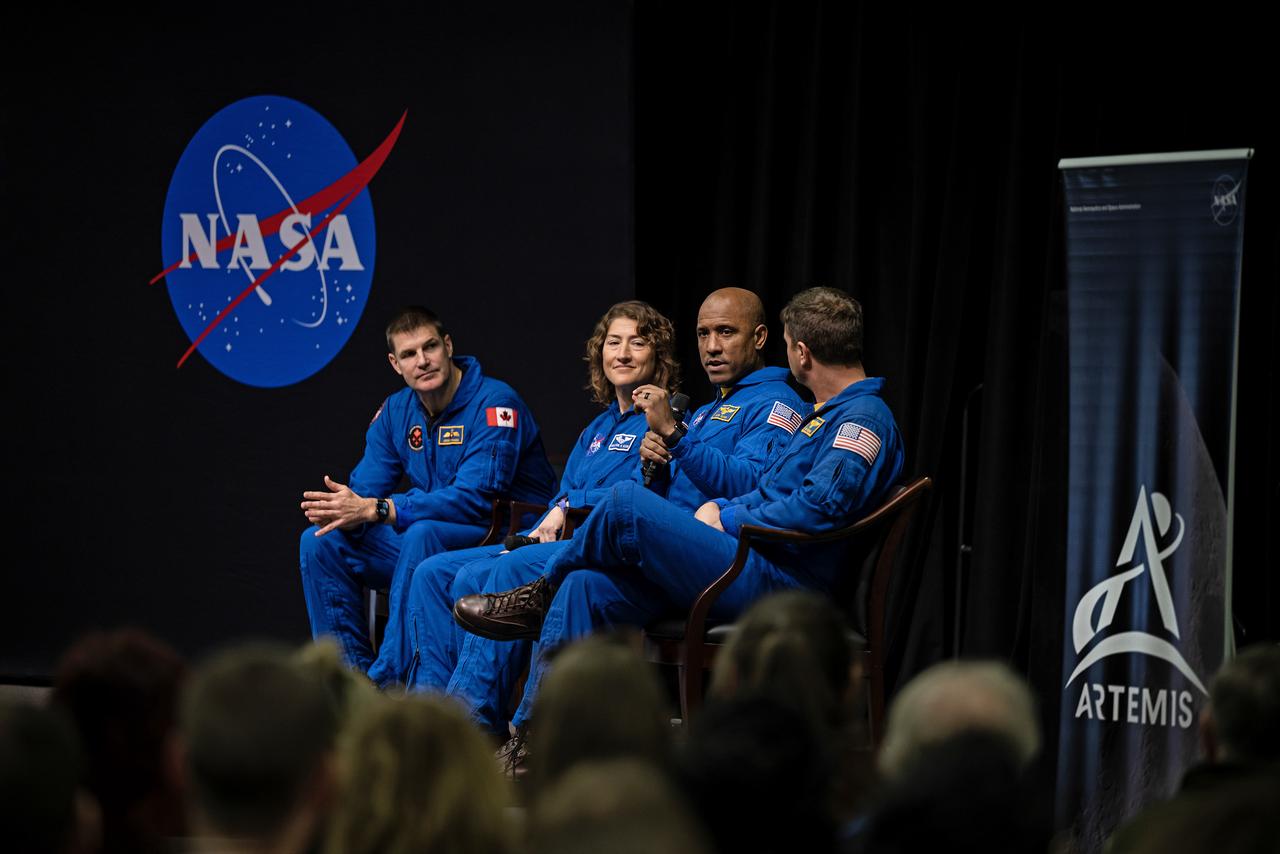
These photos show highlights from Artemis II NASA astronauts Victor Glover, Reid Wiseman, and Christina Koch of NASA and CSA (Canadian Space Agency) astronaut Jeremy Hansen visit to NASA’s Marshall Space Flight Center in Huntsville, Alabama, Nov. 27. The crew met and spoke to employees and viewed facilities for SLS (Space Launch System) rocket. All four astronauts signed the Orion stage adapter (OSA), a small ring structure that connects SLS to NASA’s Orion spacecraft, that will be used for Artemis II. Koch and Wiseman also visited the Systems Integration Lab, where SLS flight software testing is conducted. The four astronauts will launch atop SLS inside Orion to venture around the Moon on Artemis II, the first crewed flight for Artemis.
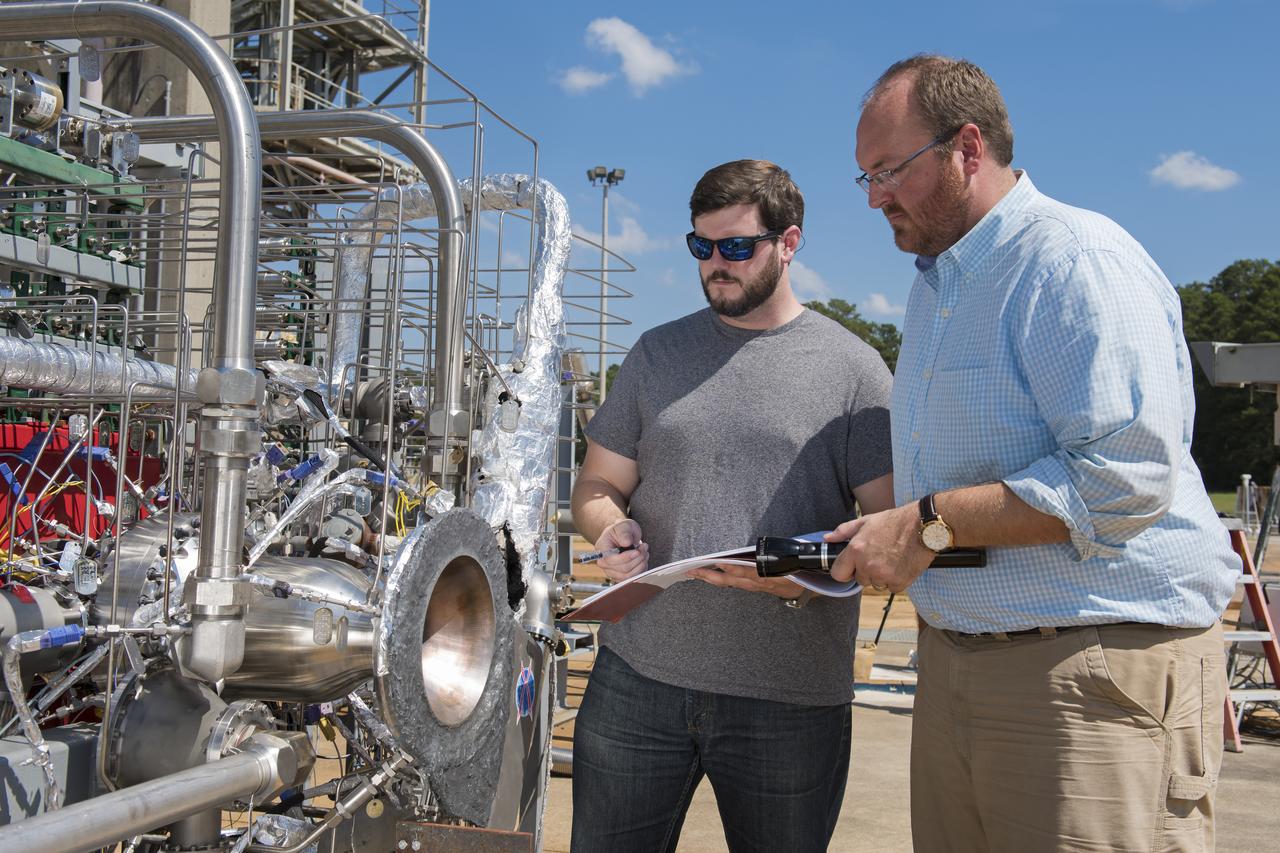
Graham Nelson, right, and Andrew Hanks examine a combustion chamber developed by engineers at NASA's Marshall Space Flight Center in Huntsville, Alabama, for an additively manufactured demonstration breadboard engine project. Nelson is project manager and Hanks is test lead for the project, in which engineers are designing components from scratch to be made entirely by 3-D printing.
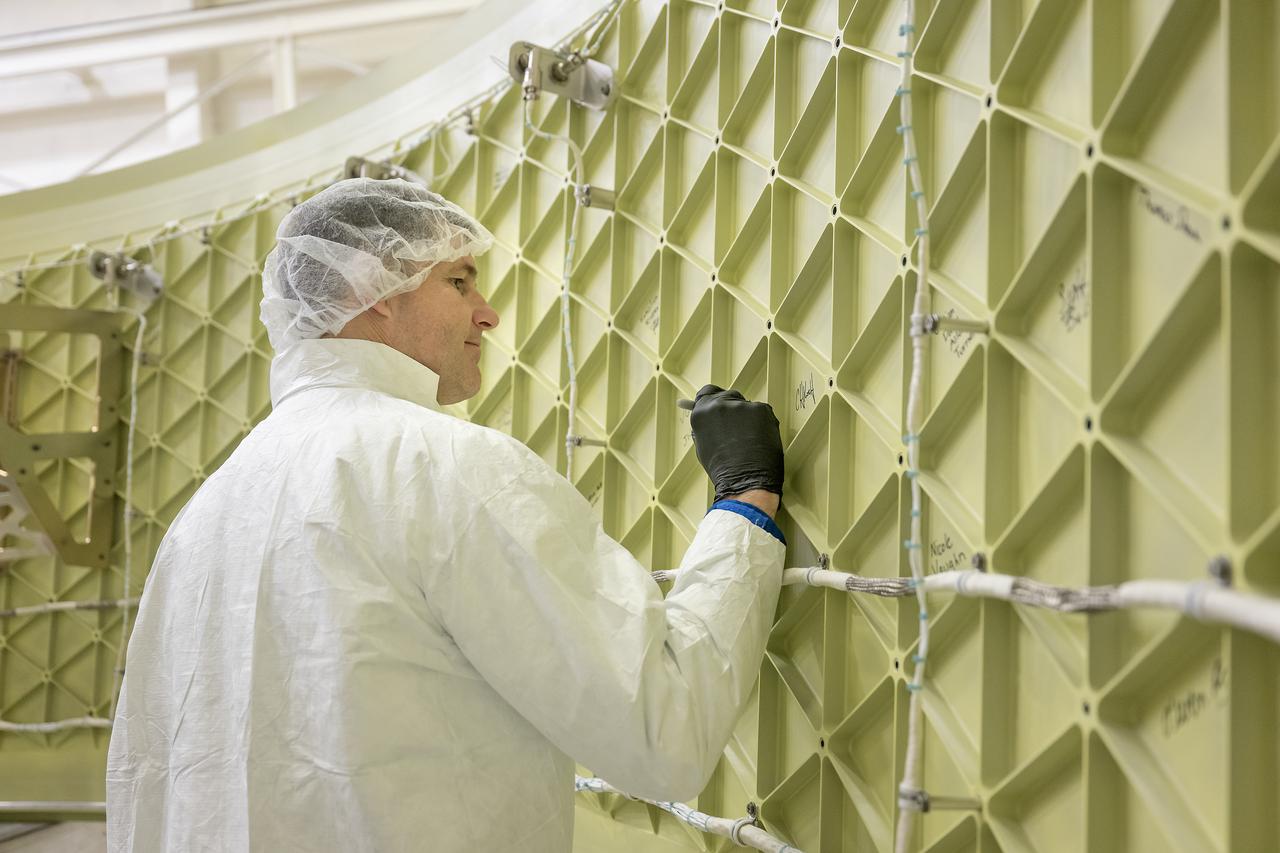
These photos show highlights from Artemis II NASA astronauts Victor Glover, Reid Wiseman, and Christina Koch of NASA and CSA (Canadian Space Agency) astronaut Jeremy Hansen visit to NASA’s Marshall Space Flight Center in Huntsville, Alabama, Nov. 27. The crew met and spoke to employees and viewed facilities for SLS (Space Launch System) rocket. All four astronauts signed the Orion stage adapter (OSA), a small ring structure that connects SLS to NASA’s Orion spacecraft, that will be used for Artemis II. Koch and Wiseman also visited the Systems Integration Lab, where SLS flight software testing is conducted. The four astronauts will launch atop SLS inside Orion to venture around the Moon on Artemis II, the first crewed flight for Artemis.
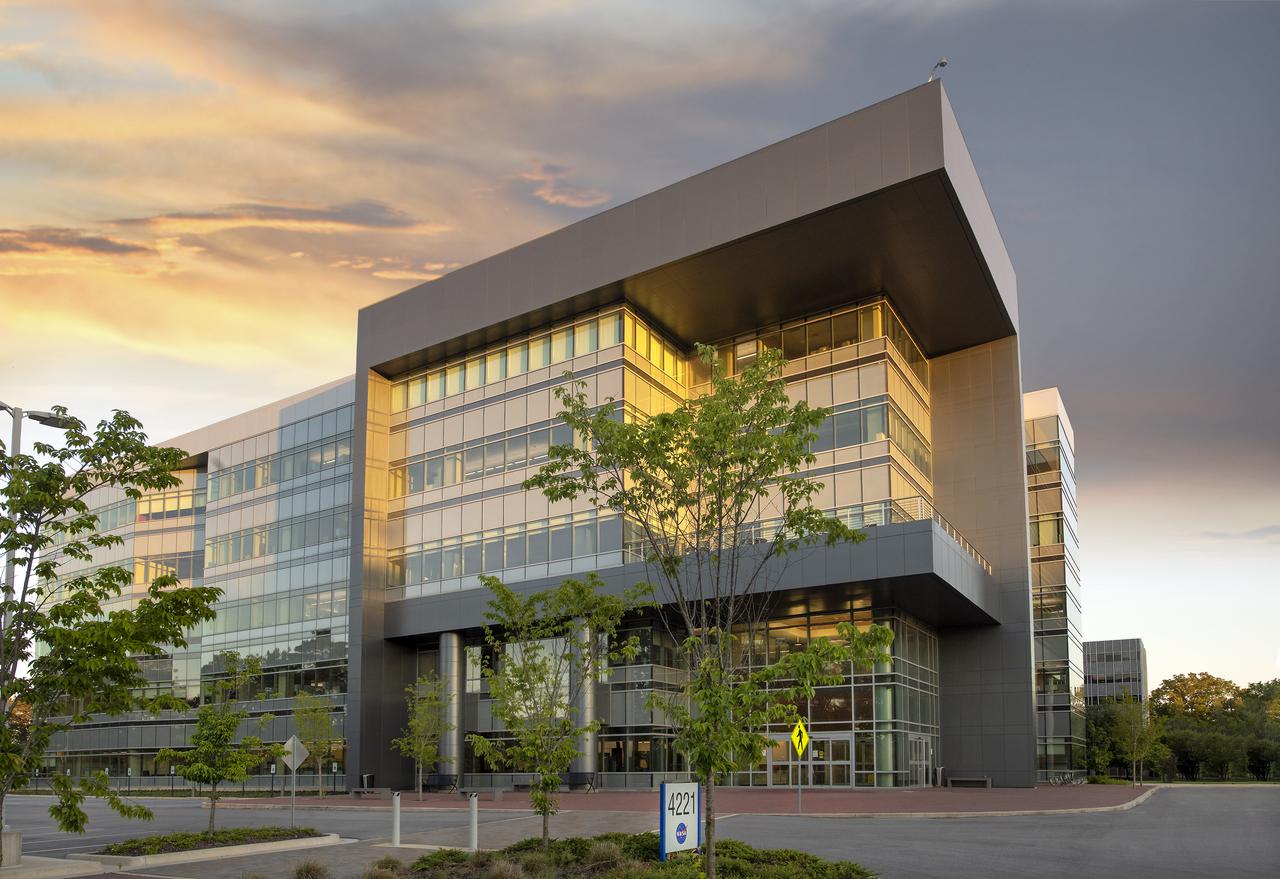
Pictured is the north side of Building 4221 on the campus of Marshall Space Flight Center.
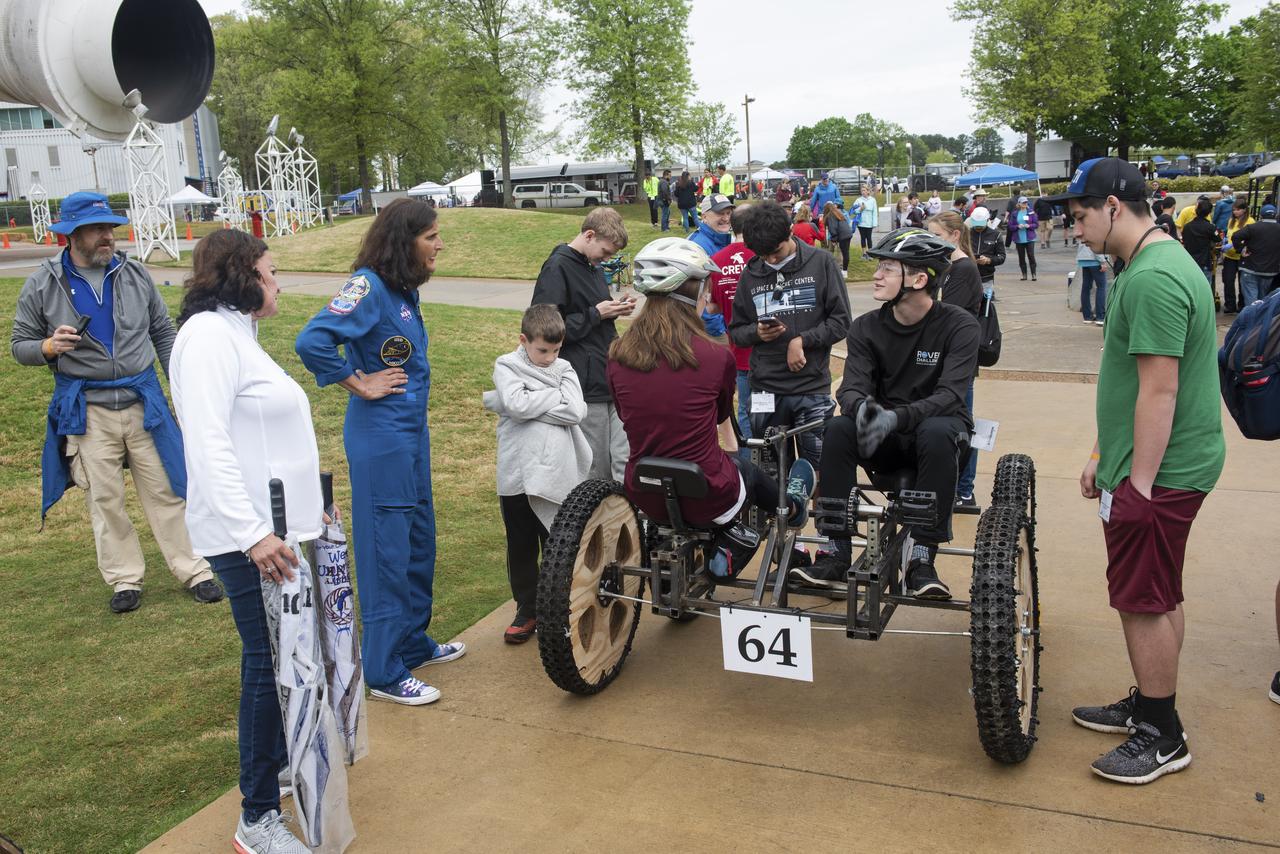
The 2019 Lunar Rover Challenge Competition was hosted by the U.S. Space and Rocket Center in Huntsville, Alabama. This annual event celebrated the 25th anniversary of what began as the Great Moonbuggy Race in 1994. High school and College teams from the United States and foreign countries competed. The awards ceremony was held at the adjacent Marriott on Saturday evening.
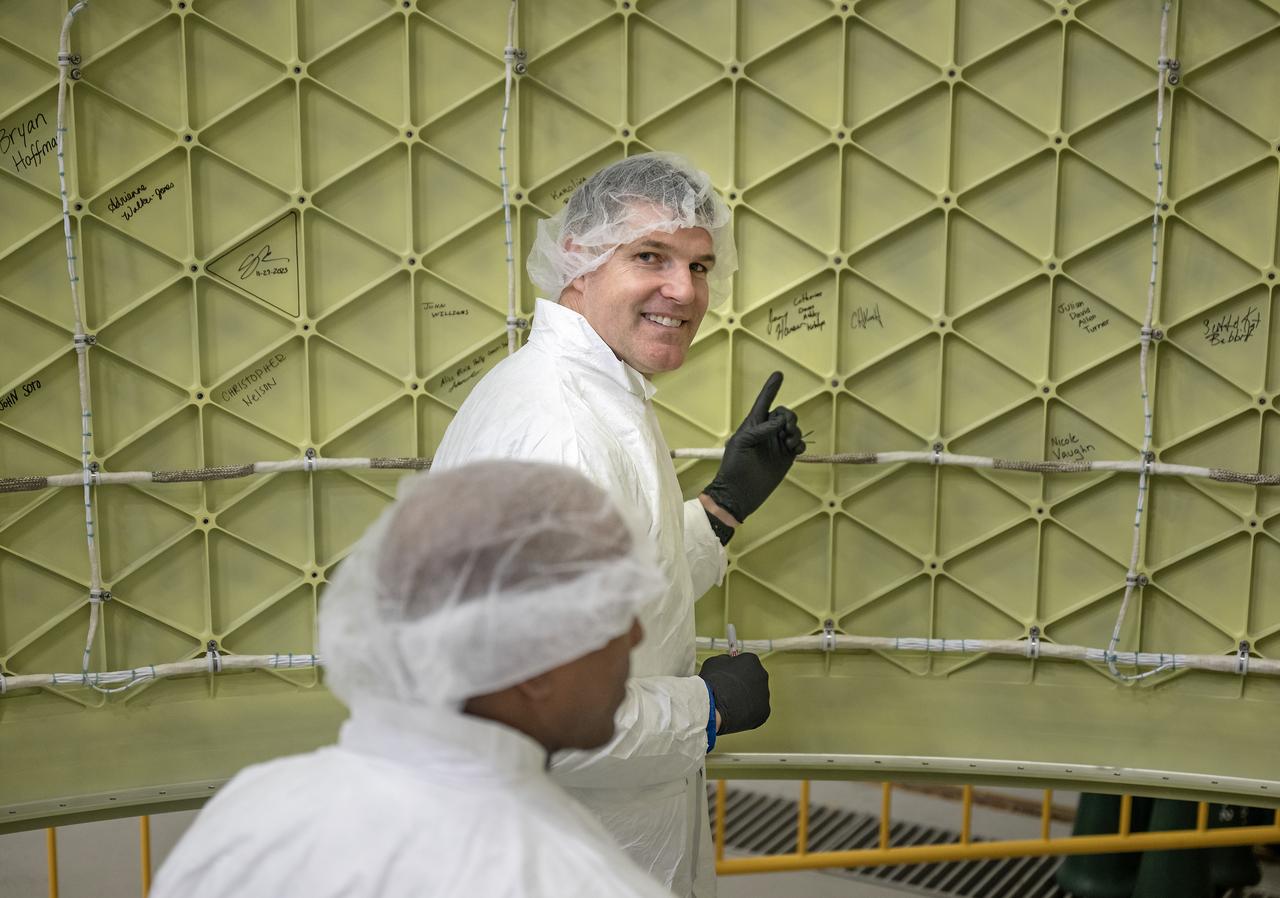
These photos show highlights from Artemis II NASA astronauts Victor Glover, Reid Wiseman, and Christina Koch of NASA and CSA (Canadian Space Agency) astronaut Jeremy Hansen visit to NASA’s Marshall Space Flight Center in Huntsville, Alabama, Nov. 27. The crew met and spoke to employees and viewed facilities for SLS (Space Launch System) rocket. All four astronauts signed the Orion stage adapter (OSA), a small ring structure that connects SLS to NASA’s Orion spacecraft, that will be used for Artemis II. Koch and Wiseman also visited the Systems Integration Lab, where SLS flight software testing is conducted. The four astronauts will launch atop SLS inside Orion to venture around the Moon on Artemis II, the first crewed flight for Artemis.
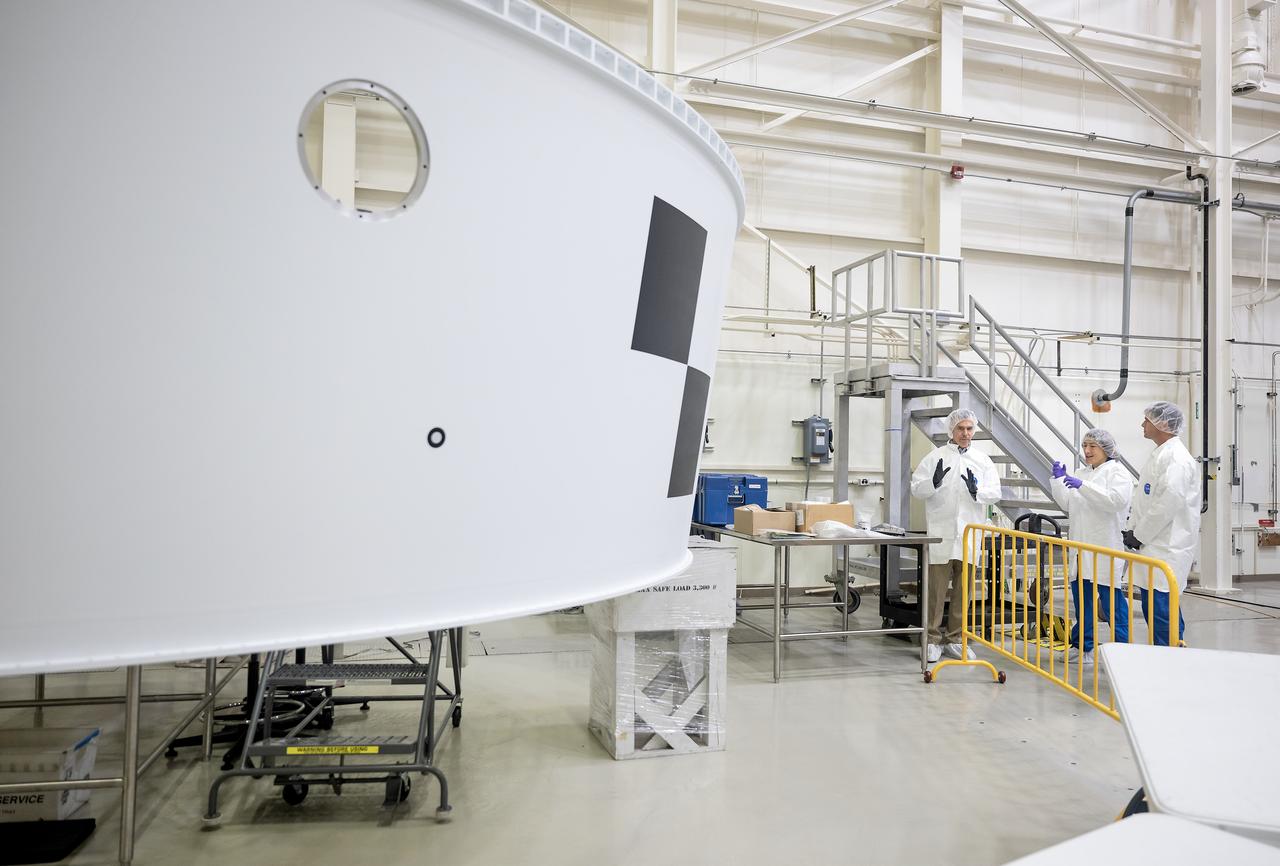
These photos show highlights from Artemis II NASA astronauts Victor Glover, Reid Wiseman, and Christina Koch of NASA and CSA (Canadian Space Agency) astronaut Jeremy Hansen visit to NASA’s Marshall Space Flight Center in Huntsville, Alabama, Nov. 27. The crew met and spoke to employees and viewed facilities for SLS (Space Launch System) rocket. All four astronauts signed the Orion stage adapter (OSA), a small ring structure that connects SLS to NASA’s Orion spacecraft, that will be used for Artemis II. Koch and Wiseman also visited the Systems Integration Lab, where SLS flight software testing is conducted. The four astronauts will launch atop SLS inside Orion to venture around the Moon on Artemis II, the first crewed flight for Artemis.
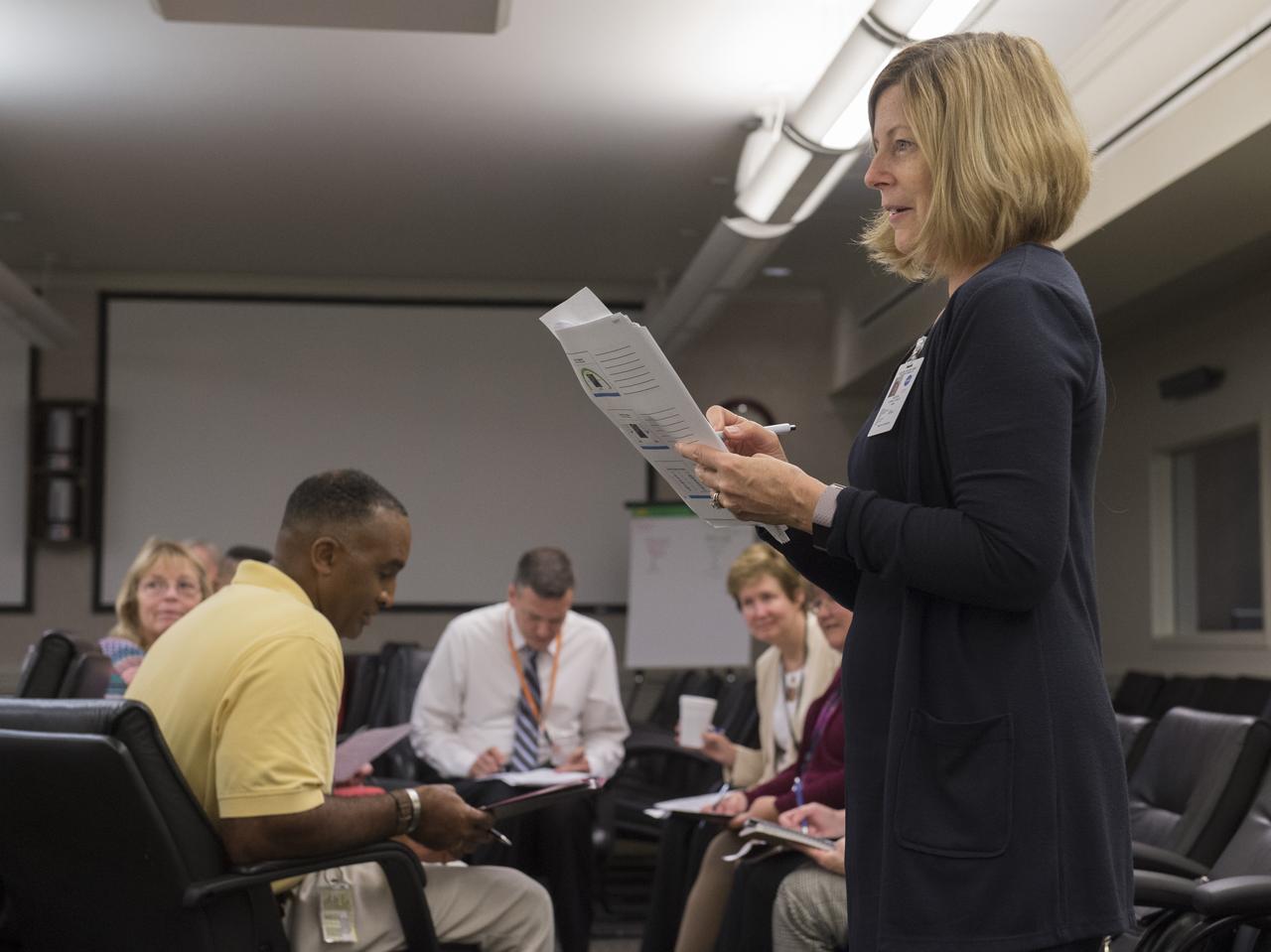
Conflict Resolution Initiative program, 10/11/17
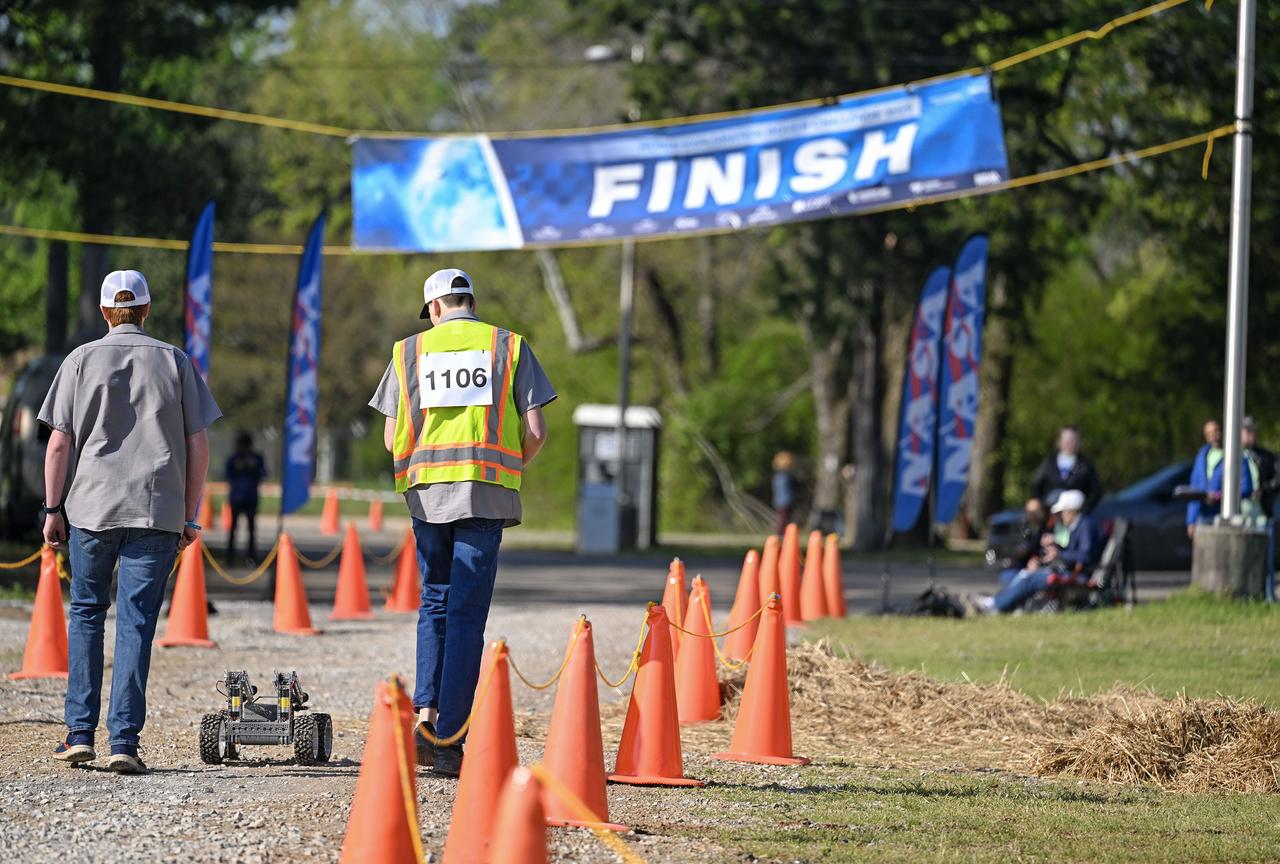
More than 500 students with 75 teams from around the world participated in the 31st year of NASA’s Human Exploration Rover Challenge (HERC) on April 11 and April 12, 2025, near NASA’s Marshall Space Flight Center in Huntsville, Alabama. Participating teams represented 35 colleges and universities, 38 high schools, and two middle schools from 20 states, Puerto Rico, and 16 other nations. NASA expanded the 2025 challenge to include a remote-control division - named Remote-Operated Vehicular Research - and invited middle school students to participate. Teams were awarded points based on navigating a half-mile obstacle course, conducting mission-specific task challenges, and completing multiple safety and design reviews with NASA engineers.
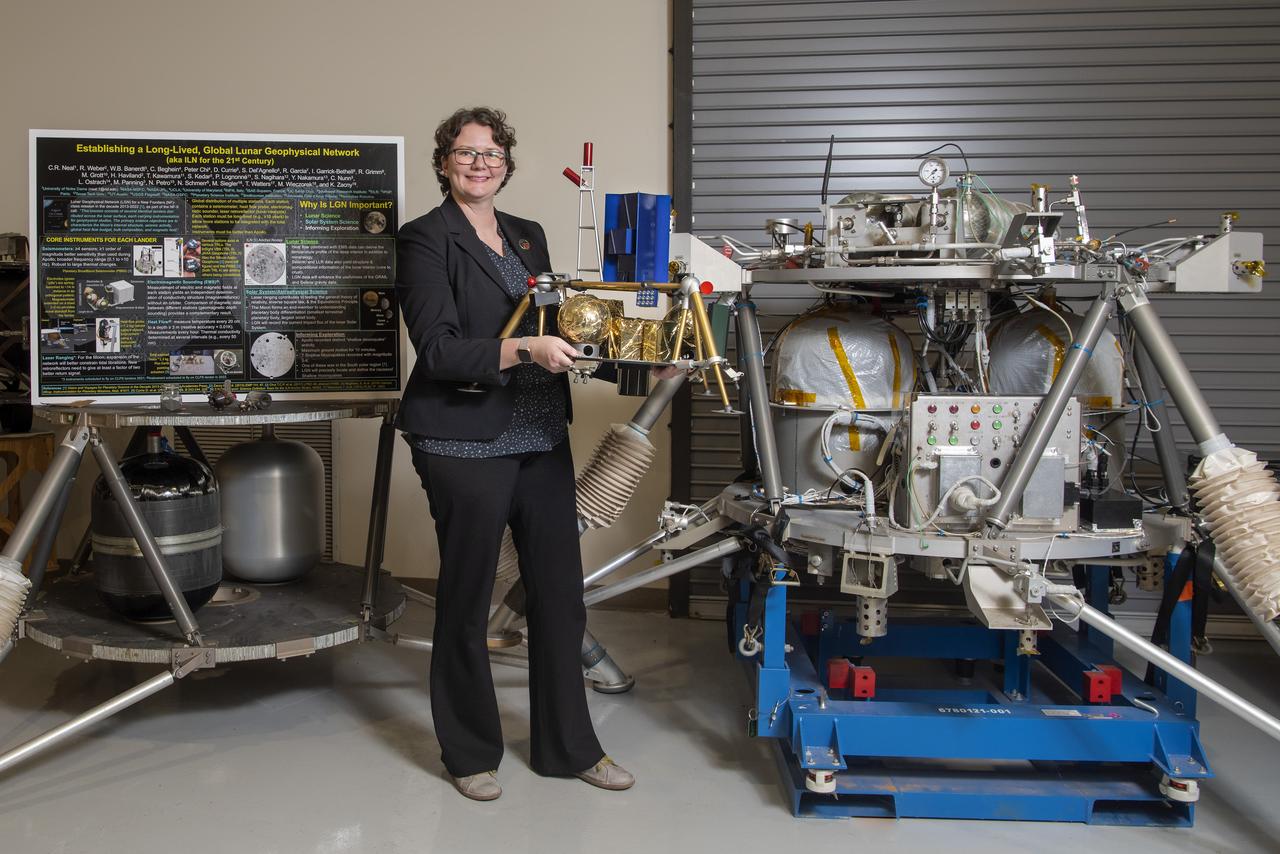
Environmental portrait of Renee Weber, commemorating her recent transition to the MSFC Chief Scientist position. Pictured with lunar lander models in the lander lab building 4747.
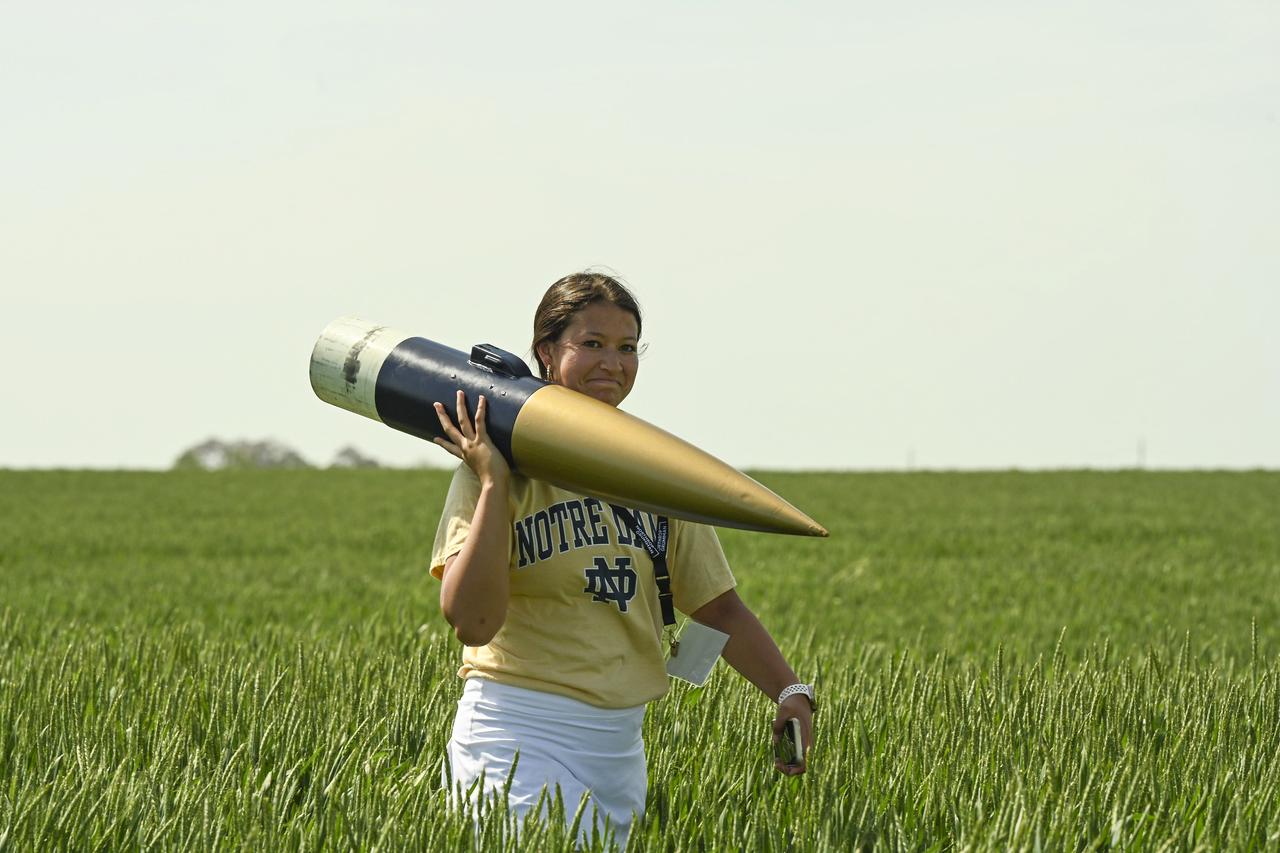
Following two years of virtual events, high school and college teams from across the country return to Bragg Farms in Toney, Alabama, to compete in NASAÕs Student Launch rocketry competition April 23.
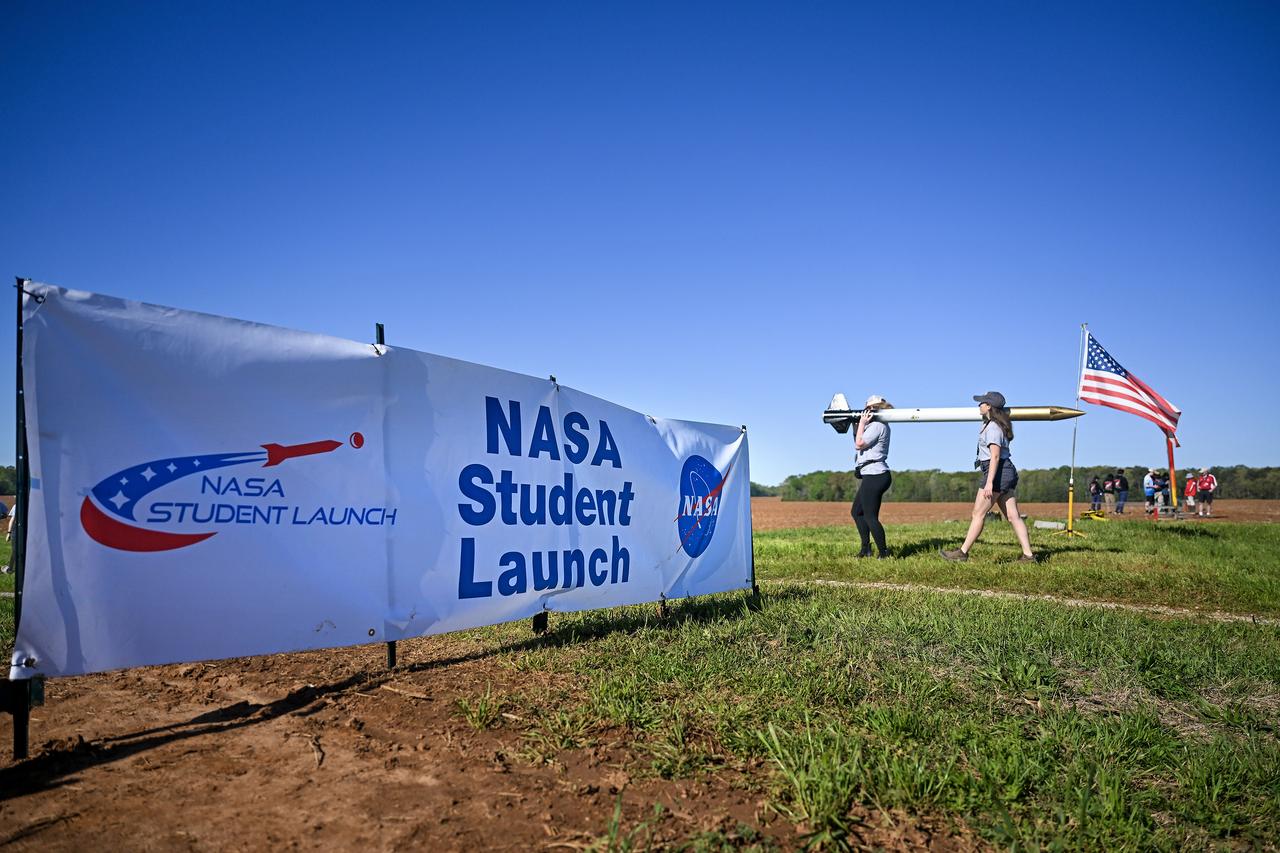
t actually IS rocket science! Student Launch is a 9-month long challenge that tasks student teams from across the U.S. to design, build, test, and launch a high-powered rocket carrying a scientific or engineering payload. It is a hands-on, research-based, engineering activity and culminates each year with a final launch in Huntsville, Alabama home of NASA’s Marshall Space Flight Center. The activity offers multiple challenges reaching a broad audience colleges and universities as well as middle and high school aged students across the nation.
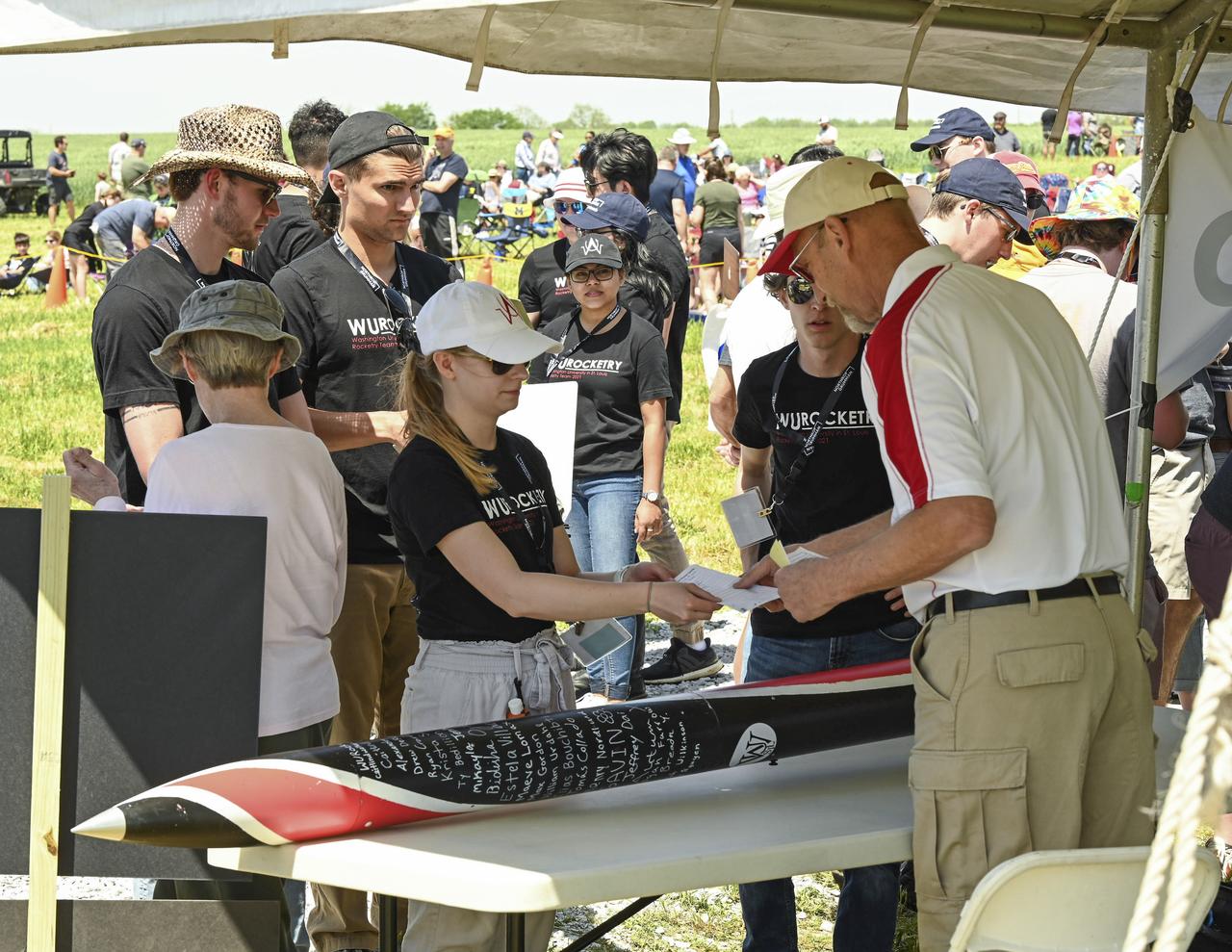
Following two years of virtual events, high school and college teams from across the country return to Bragg Farms in Toney, Alabama, to compete in NASAÕs Student Launch rocketry competition April 23.
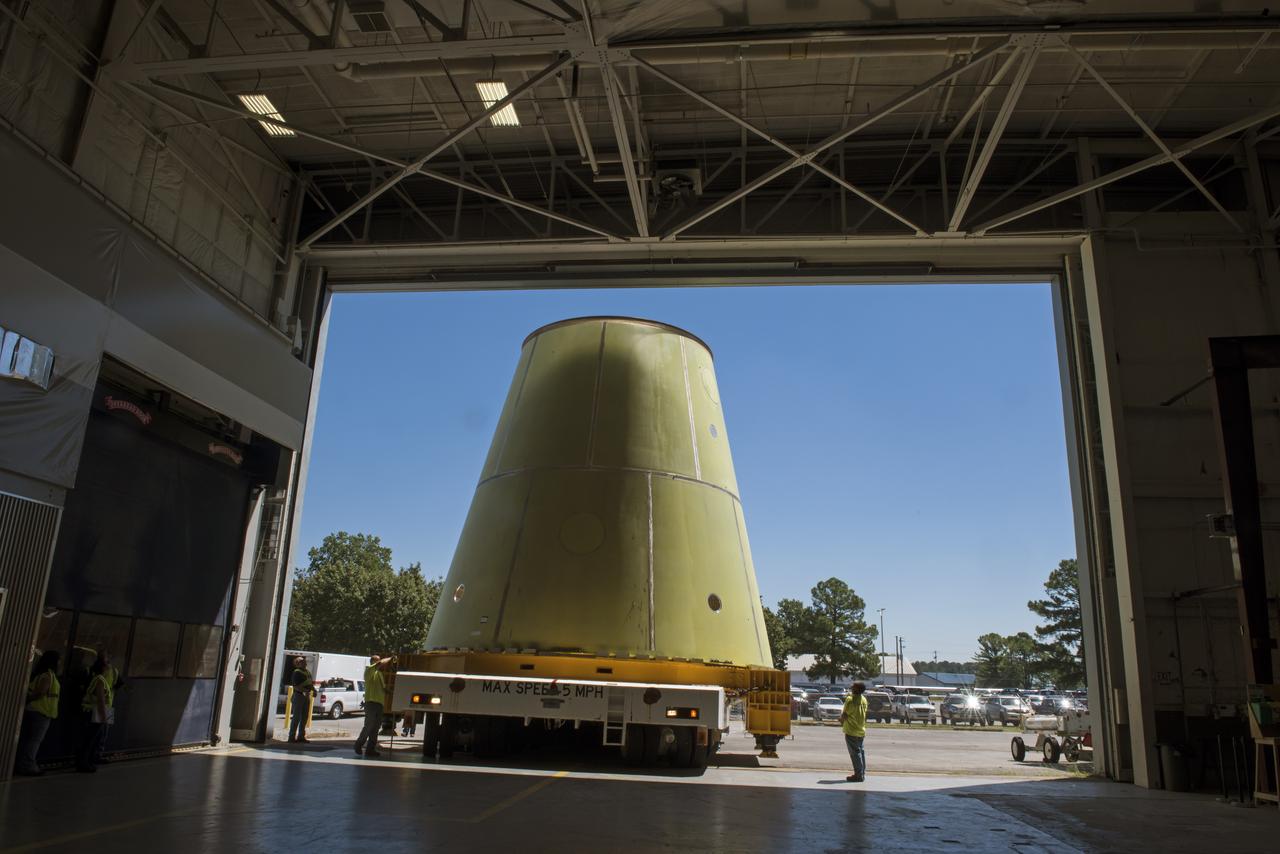
A NASA KAMAG transporter moves the Space Launch System’s launch vehicle stage adapter (LVSA) to an area where spray-on foam insulation will be applied. The LVSA recently completed manufacturing on a 30 foot welding tool at NASA’s Marshall Space Flight Center in Huntsville, Al. The LVSA will be coated with insulation that will protect it during it’s trip to space. The LVSA provides structural support and connects the core stage and the interim cryogenic propulsion stage during the first integrated flight of SLS and Orion.
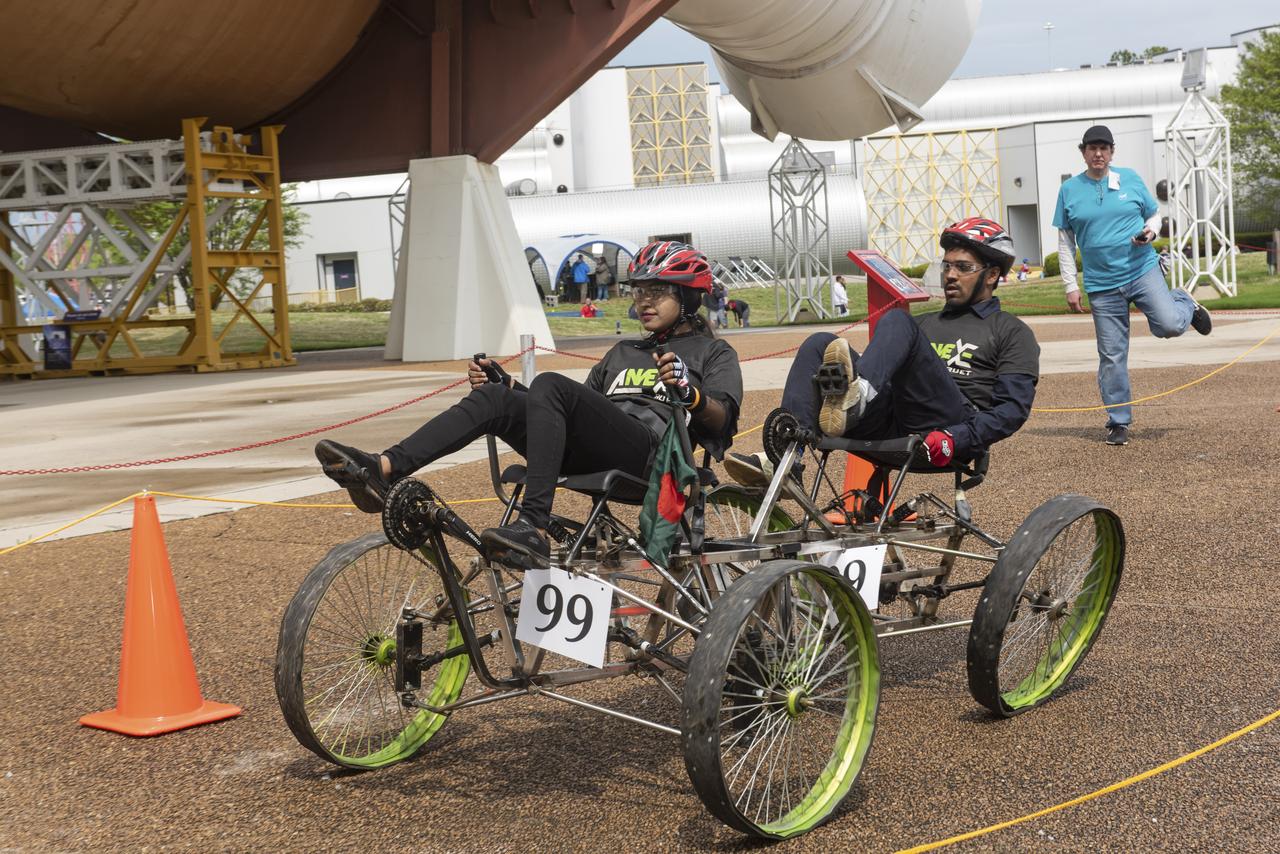
The 2019 Lunar Rover Challenge Competition was hosted by the U.S. Space and Rocket Center in Huntsville, Alabama. This annual event celebrated the 25th anniversary of what began as the Great Moonbuggy Race in 1994. High school and College teams from the United States and foreign countries competed. The awards ceremony was held at the adjacent Marriott on Saturday evening.
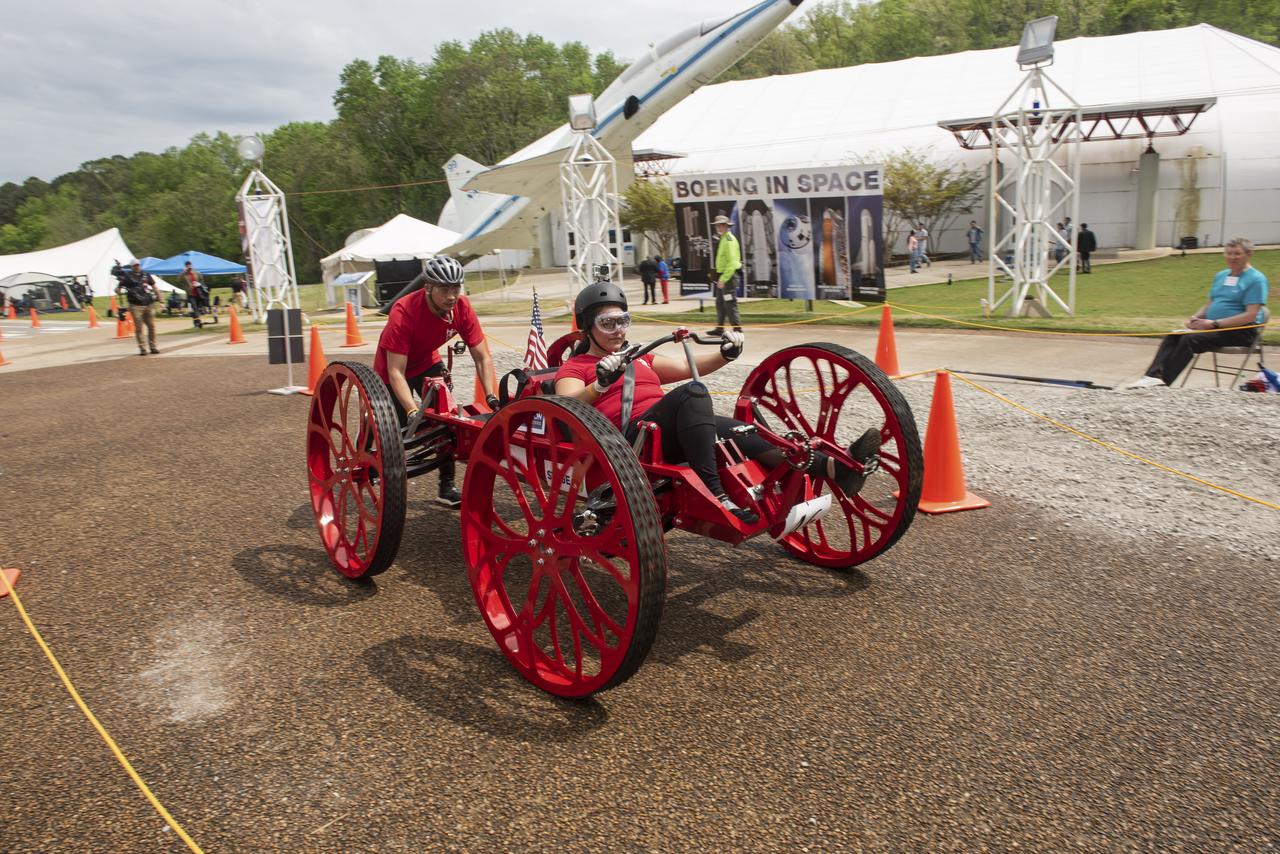
The 2019 Lunar Rover Challenge Competition was hosted by the U.S. Space and Rocket Center in Huntsville, Alabama. This annual event celebrated the 25th anniversary of what began as the Great Moonbuggy Race in 1994. High school and College teams from the United States and foreign countries competed. The awards ceremony was held at the adjacent Marriott on Saturday evening.
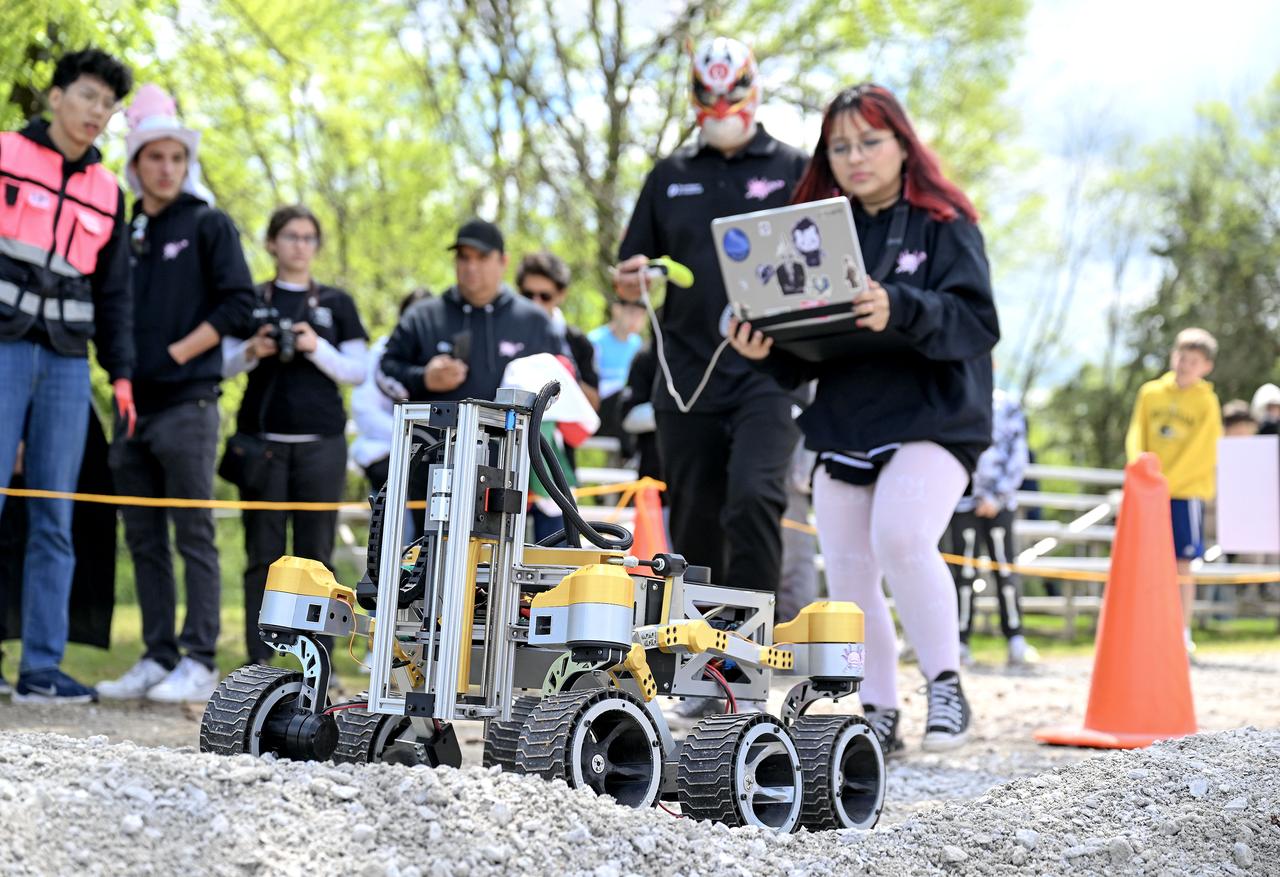
More than 500 students with 75 teams from around the world participated in the 31st year of NASA’s Human Exploration Rover Challenge (HERC) on April 11 and April 12, 2025, near NASA’s Marshall Space Flight Center in Huntsville, Alabama. Participating teams represented 35 colleges and universities, 38 high schools, and two middle schools from 20 states, Puerto Rico, and 16 other nations. NASA expanded the 2025 challenge to include a remote-control division - named Remote-Operated Vehicular Research - and invited middle school students to participate. Teams were awarded points based on navigating a half-mile obstacle course, conducting mission-specific task challenges, and completing multiple safety and design reviews with NASA engineers.
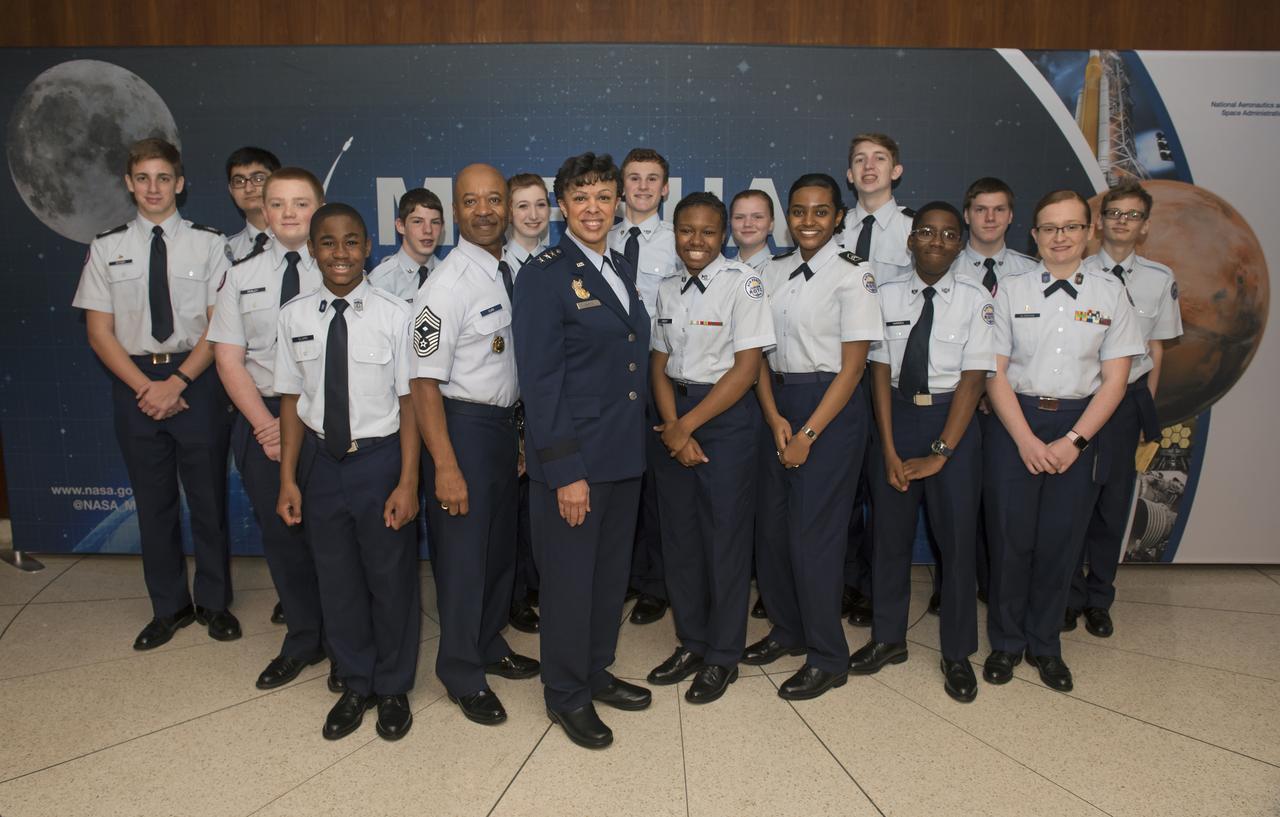
The Black History Month program was presented at Marshall Space Flight Center with guest speaker Lt. General Stayce Harris. General Harris is the Inspector General of the Air Force and she is the first African American female Lieutenant General in the American military. The topic of her presentation was "African Americans in Times of War". The presentation was followed by an ethnic food sampling. General Harris is pictured here with local area Air Force JROTC cadets who attended the program.
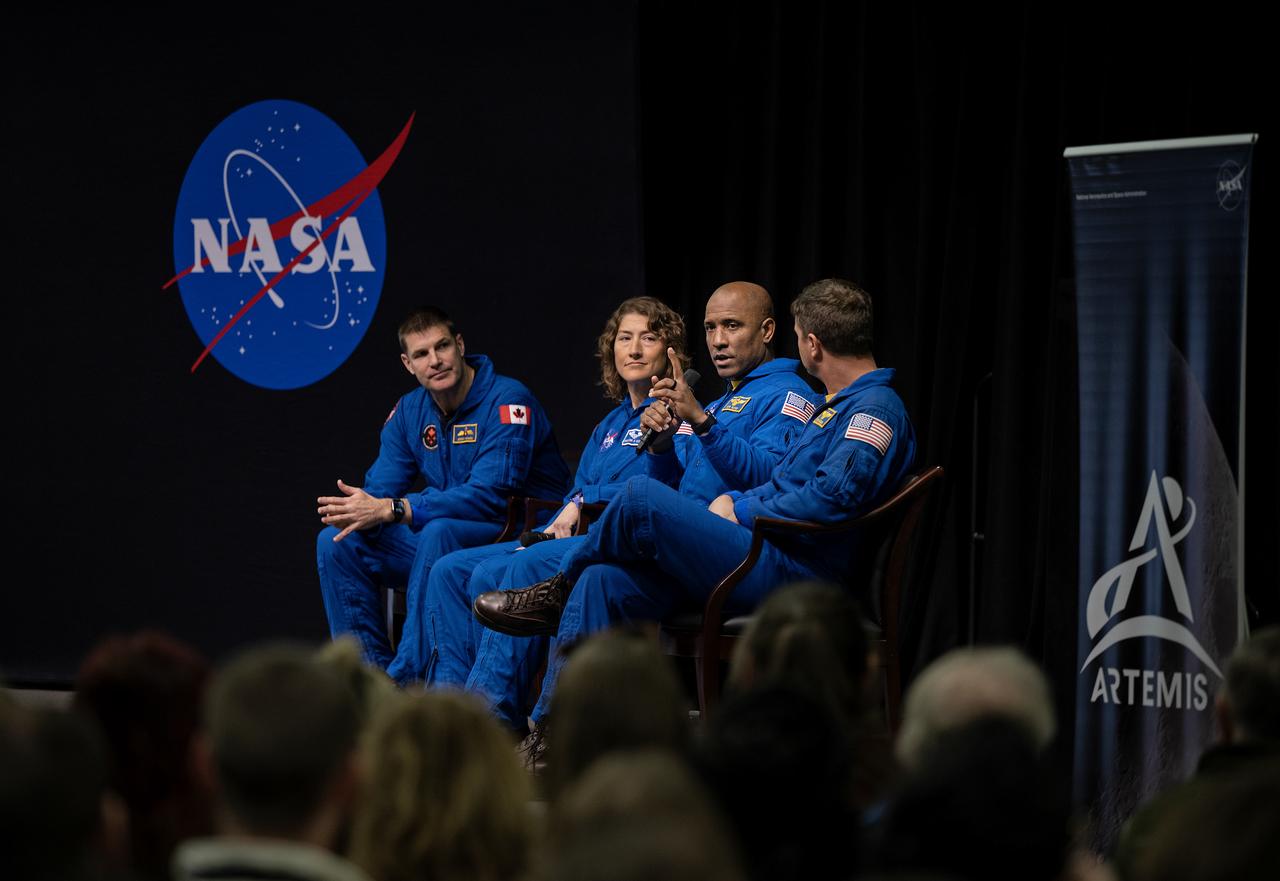
These photos show highlights from Artemis II NASA astronauts Victor Glover, Reid Wiseman, and Christina Koch of NASA and CSA (Canadian Space Agency) astronaut Jeremy Hansen visit to NASA’s Marshall Space Flight Center in Huntsville, Alabama, Nov. 27. The crew met and spoke to employees and viewed facilities for SLS (Space Launch System) rocket. All four astronauts signed the Orion stage adapter (OSA), a small ring structure that connects SLS to NASA’s Orion spacecraft, that will be used for Artemis II. Koch and Wiseman also visited the Systems Integration Lab, where SLS flight software testing is conducted. The four astronauts will launch atop SLS inside Orion to venture around the Moon on Artemis II, the first crewed flight for Artemis.
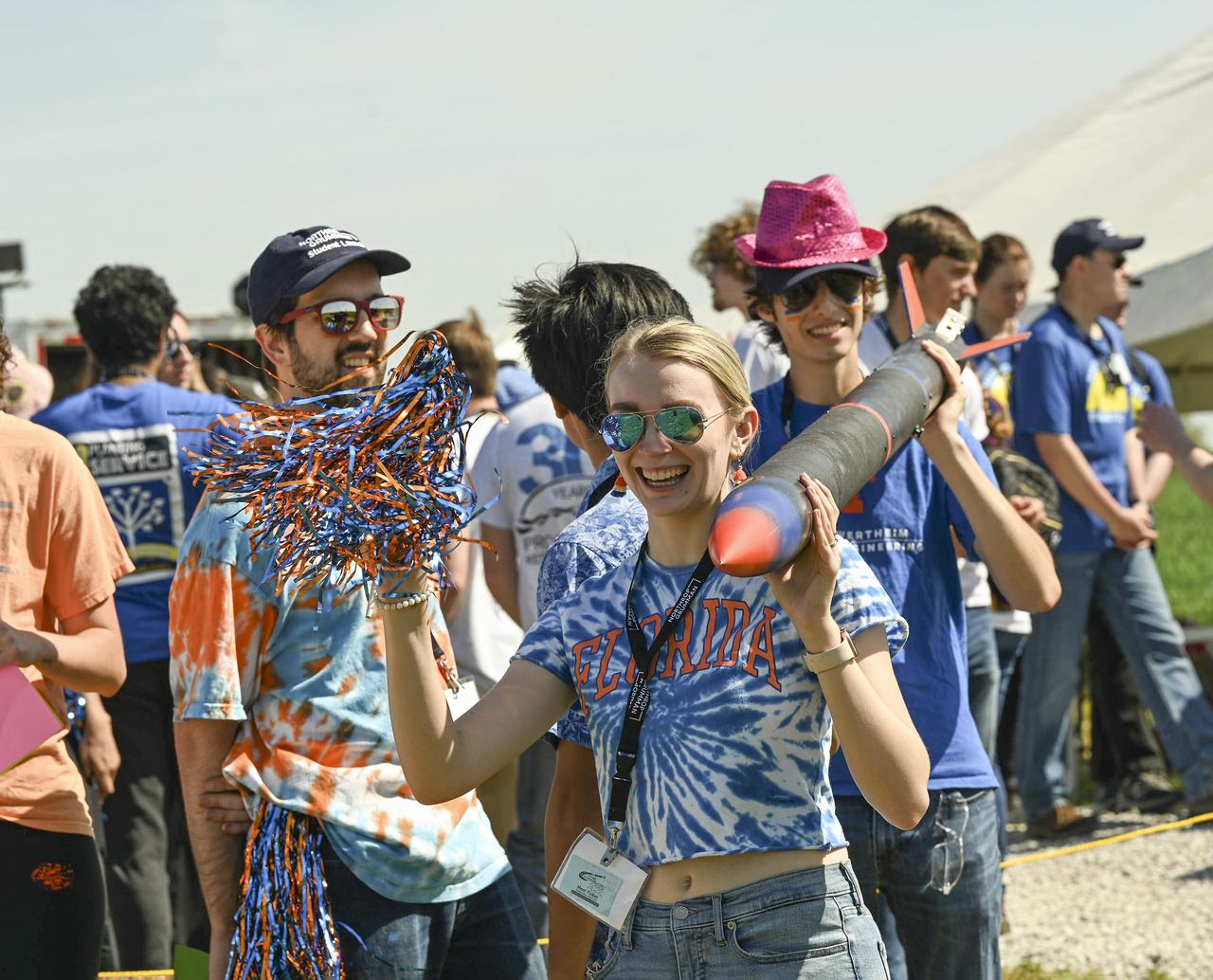
Following two years of virtual events, high school and college teams from across the country return to Bragg Farms in Toney, Alabama, to compete in NASAÕs Student Launch rocketry competition April 23.
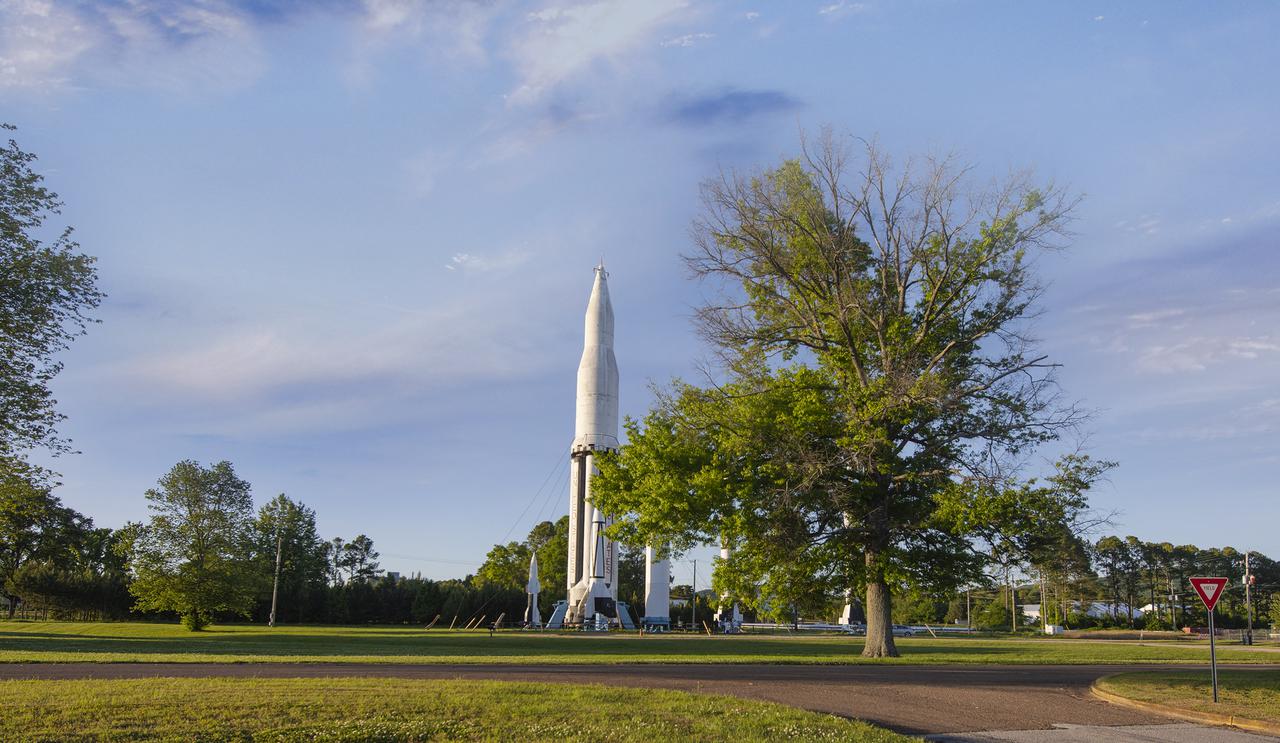
Marshall Space Flight Center’s Rocket Park, located on Redstone Arsenal, stands as a living testament to the spirit of cooperation that continues between the U.S. Army and NASA.
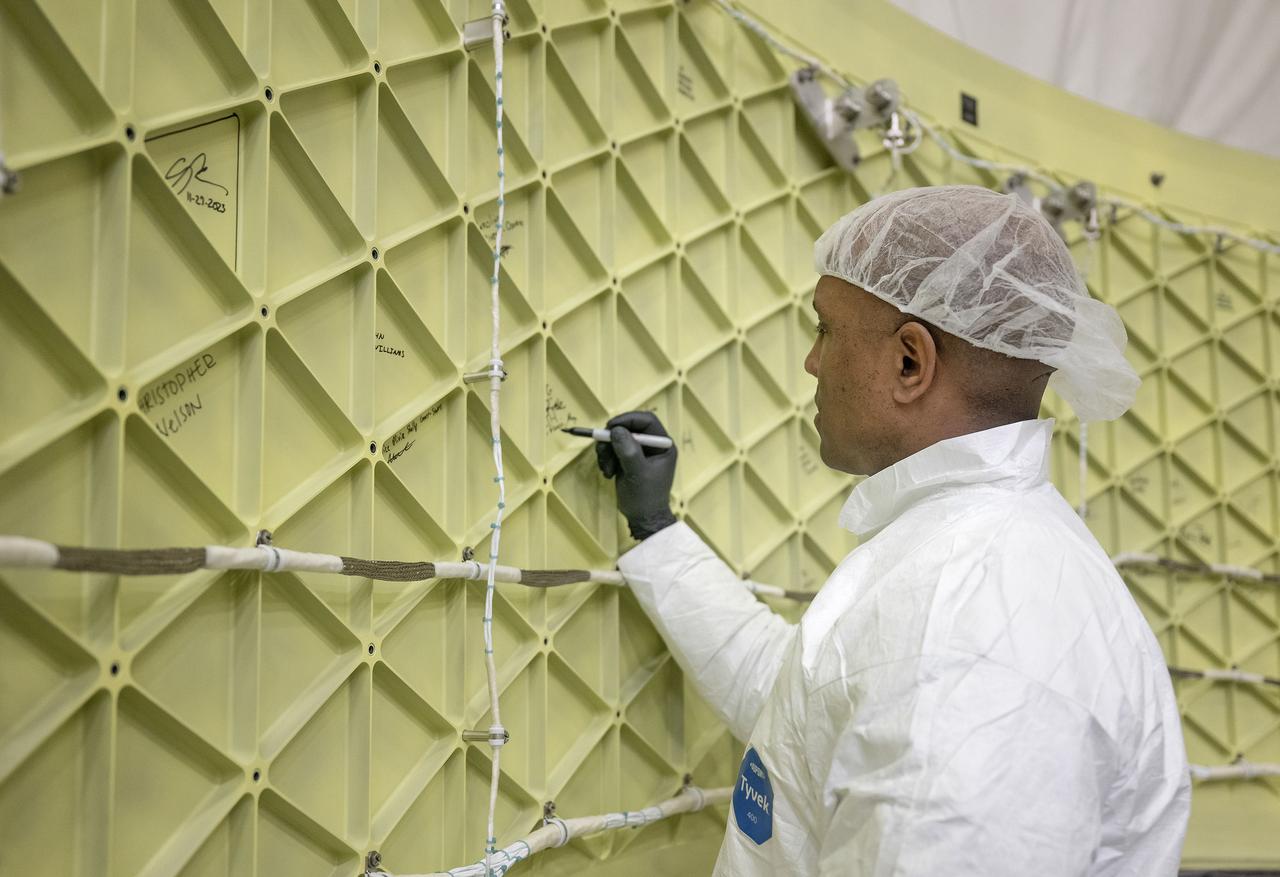
These photos show highlights from Artemis II NASA astronauts Victor Glover, Reid Wiseman, and Christina Koch of NASA and CSA (Canadian Space Agency) astronaut Jeremy Hansen visit to NASA’s Marshall Space Flight Center in Huntsville, Alabama, Nov. 27. The crew met and spoke to employees and viewed facilities for SLS (Space Launch System) rocket. All four astronauts signed the Orion stage adapter (OSA), a small ring structure that connects SLS to NASA’s Orion spacecraft, that will be used for Artemis II. Koch and Wiseman also visited the Systems Integration Lab, where SLS flight software testing is conducted. The four astronauts will launch atop SLS inside Orion to venture around the Moon on Artemis II, the first crewed flight for Artemis.
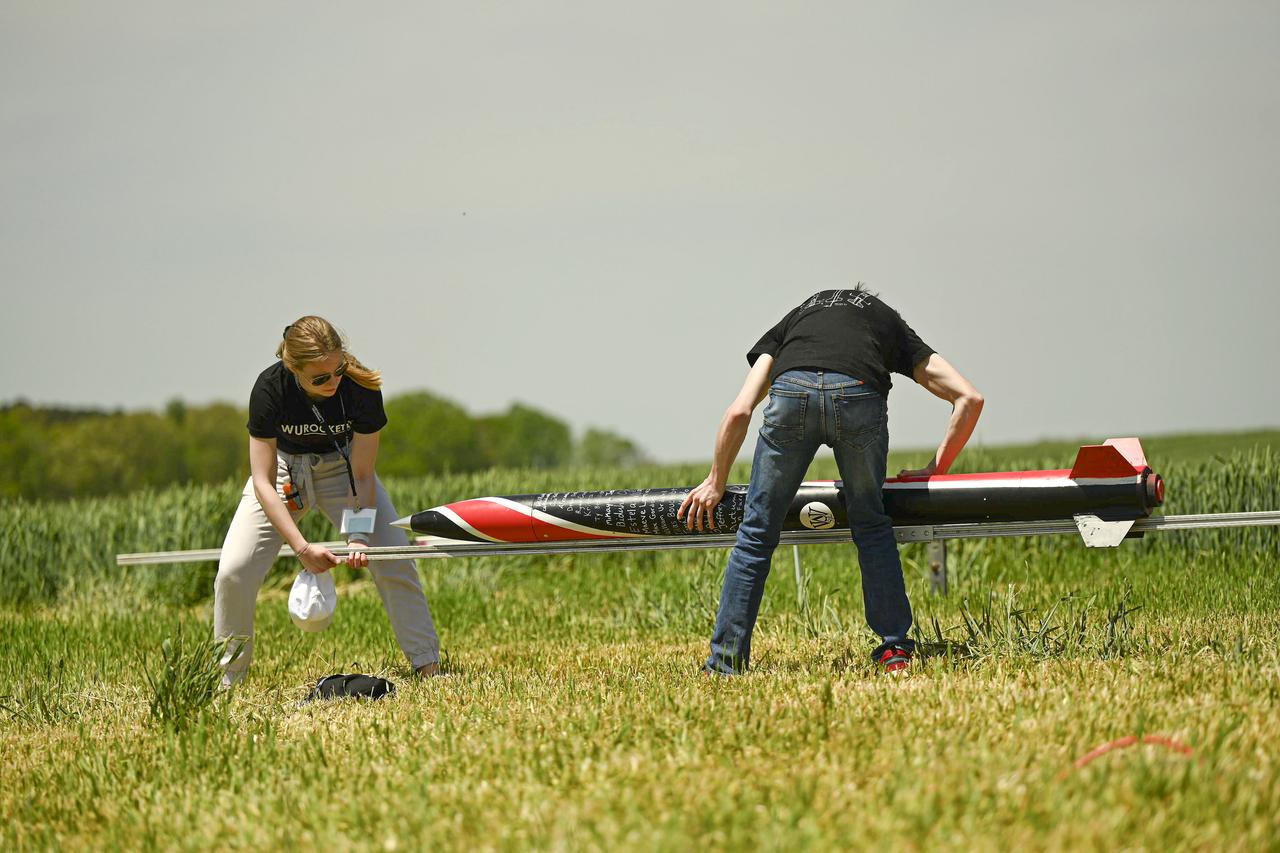
Following two years of virtual events, high school and college teams from across the country return to Bragg Farms in Toney, Alabama, to compete in NASAÕs Student Launch rocketry competition April 23.

Building 4200 of Marshall’s administrative complex is prepared for demolition in the fall of 2022. Building 4200 was Marshall’s administrative headquarters from 1963 until 2020. The project will make way for a newer, more energy-efficient facilities, providing worksites for new generations of engineers, scientists, and support teams.
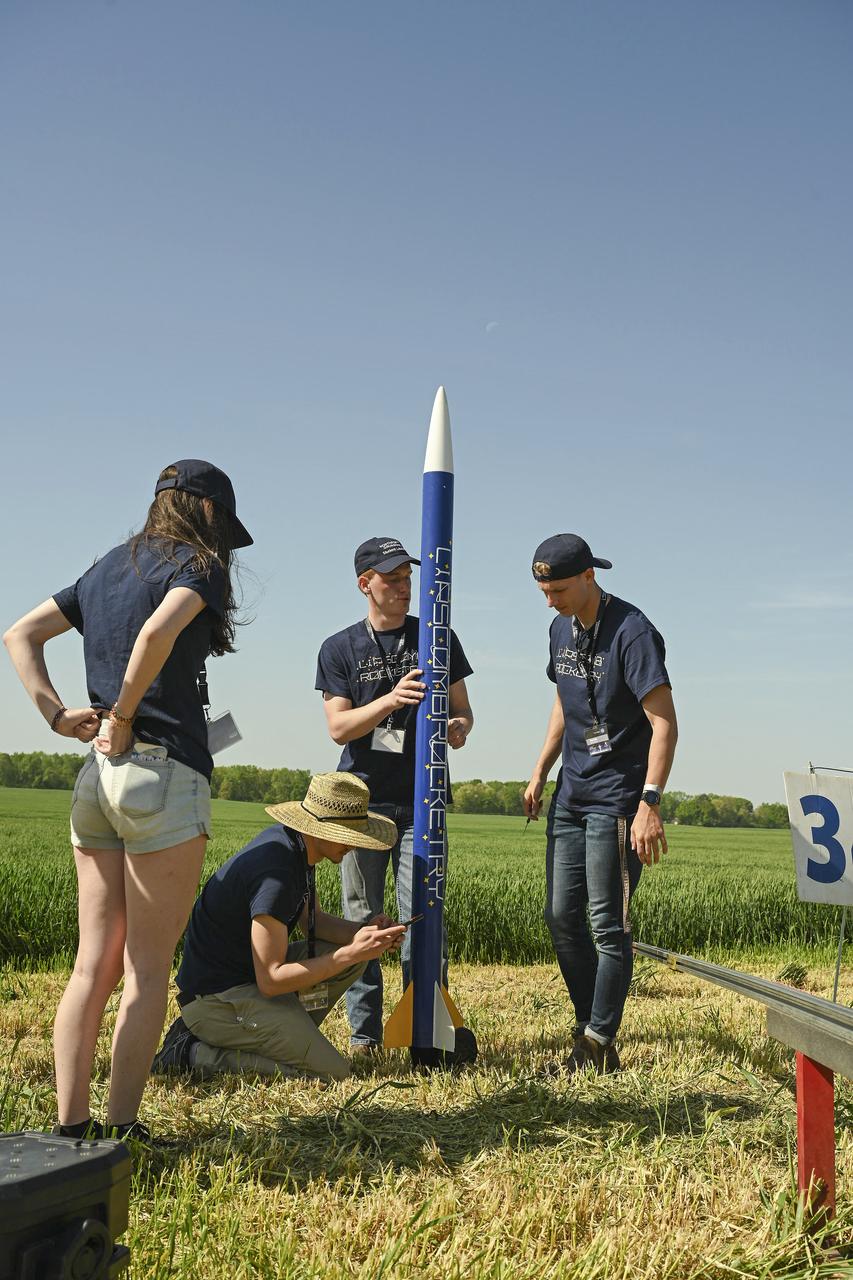
Following two years of virtual events, high school and college teams from across the country return to Bragg Farms in Toney, Alabama, to compete in NASAÕs Student Launch rocketry competition April 23.