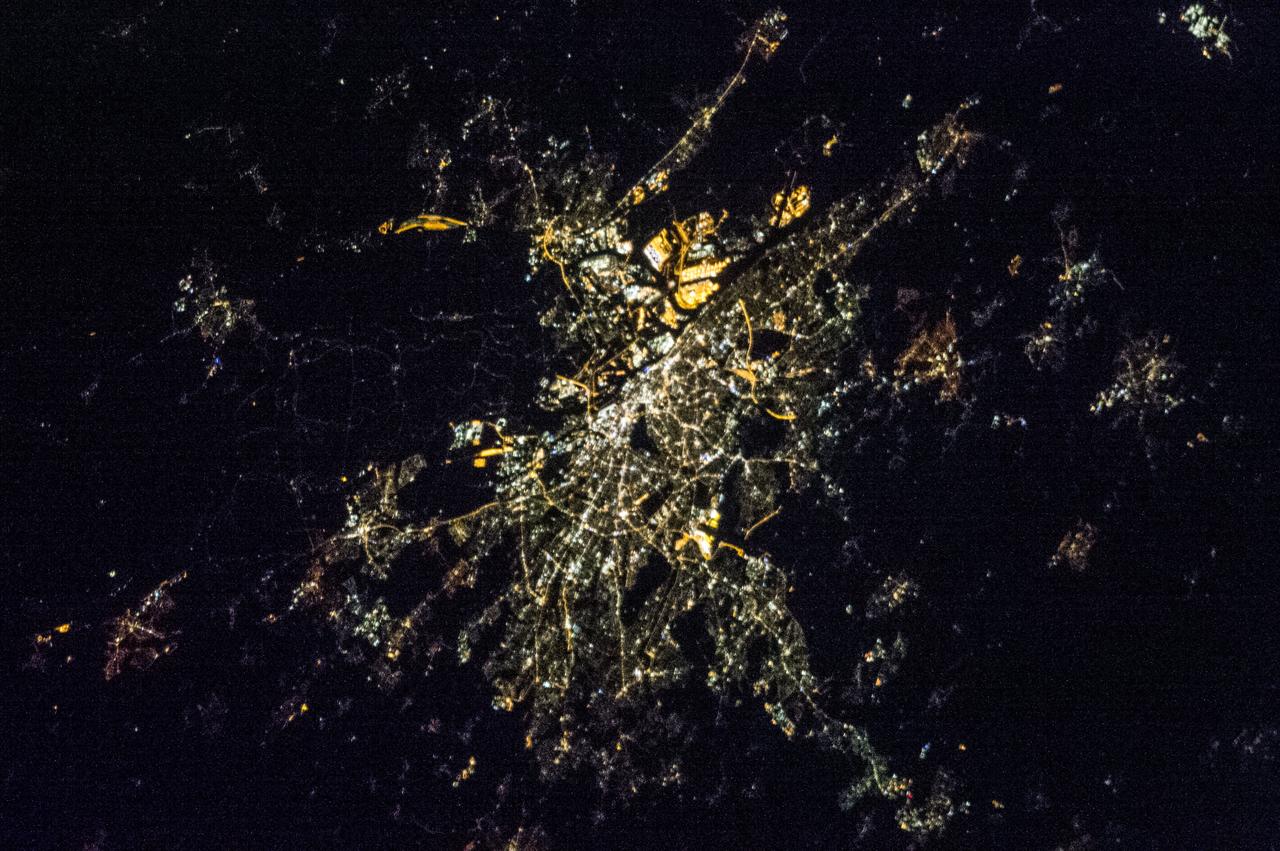
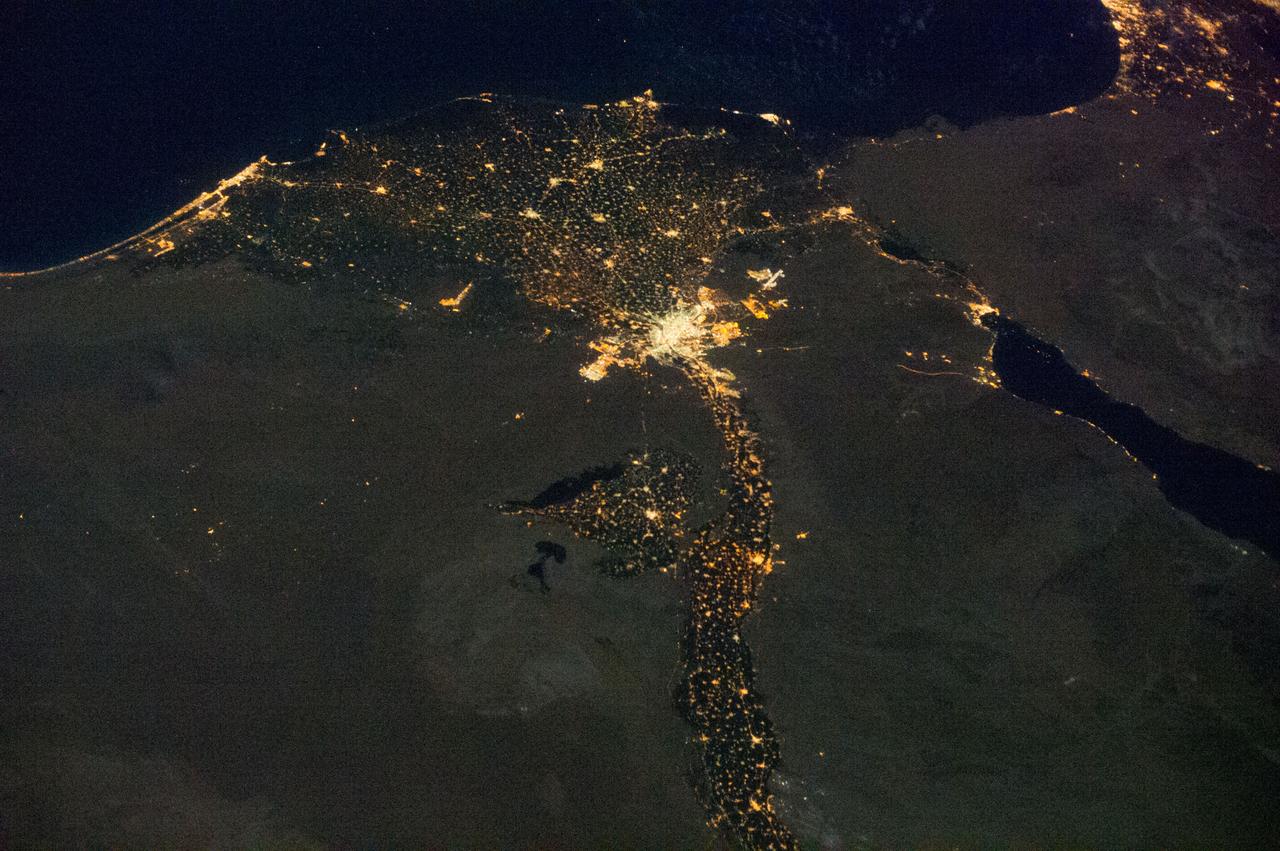
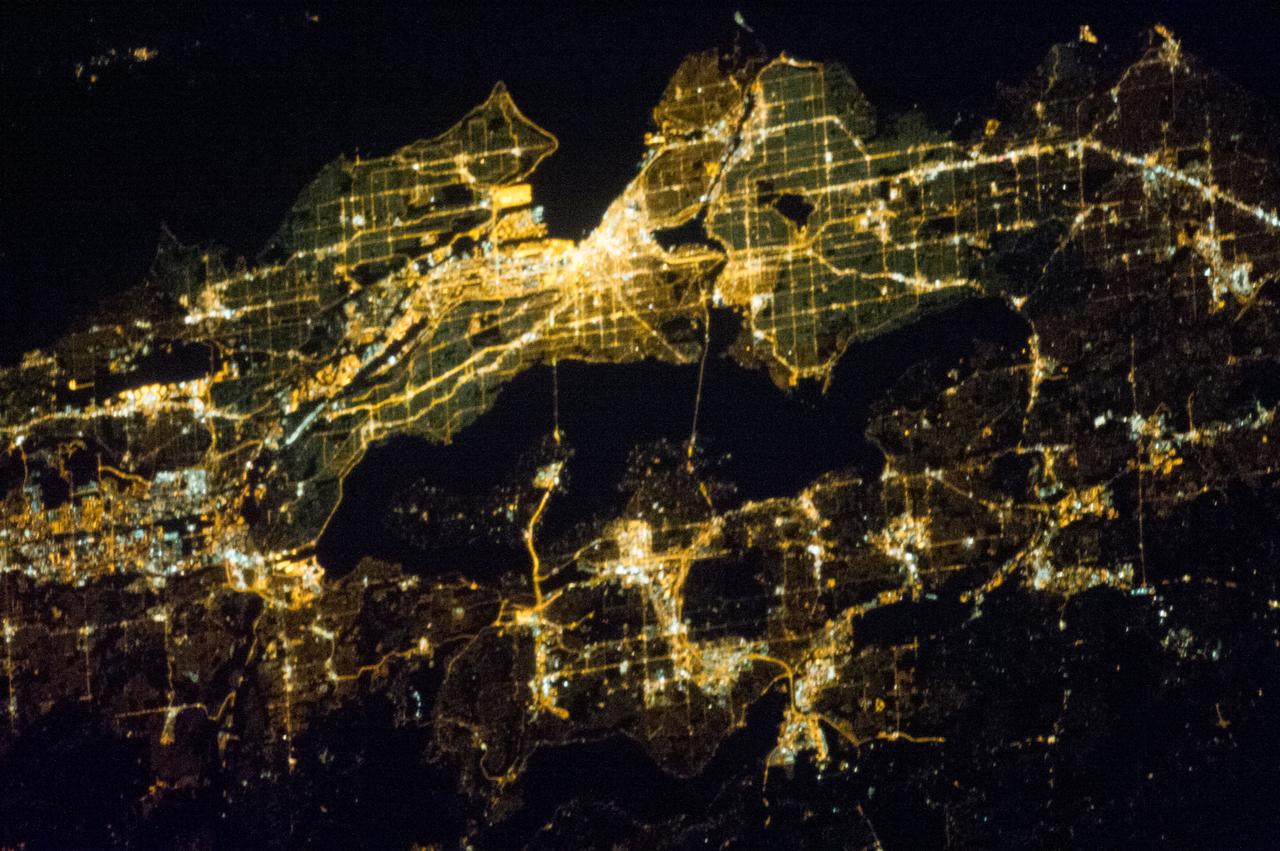
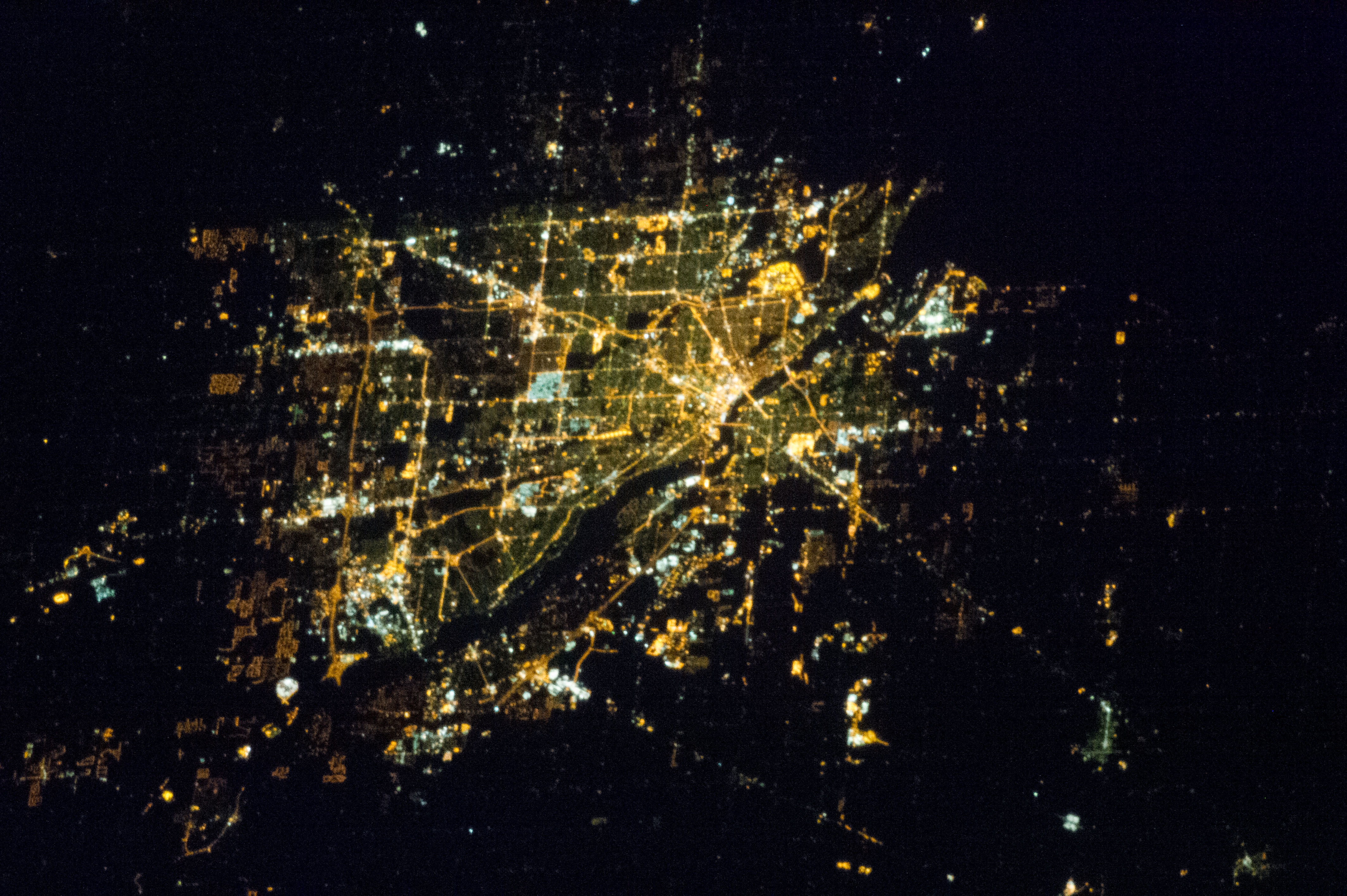
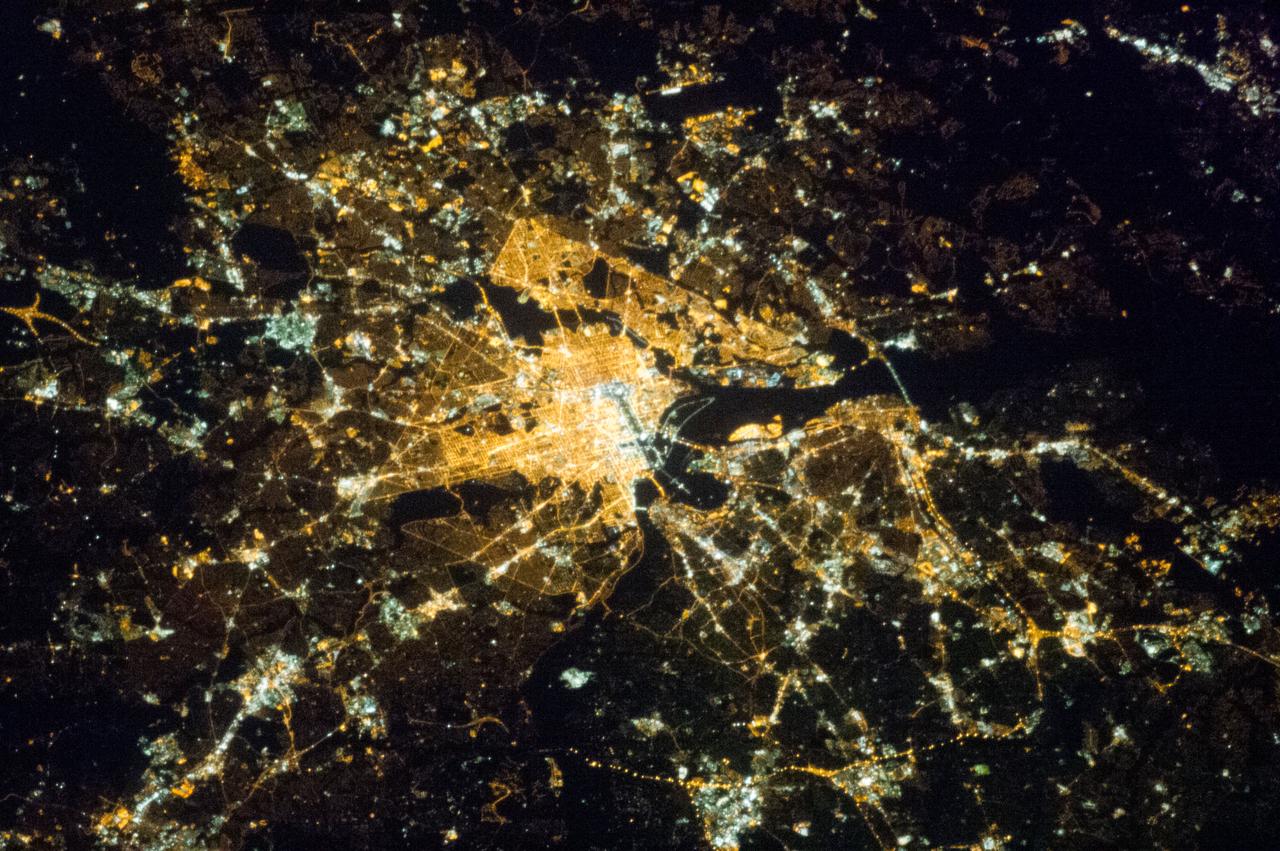
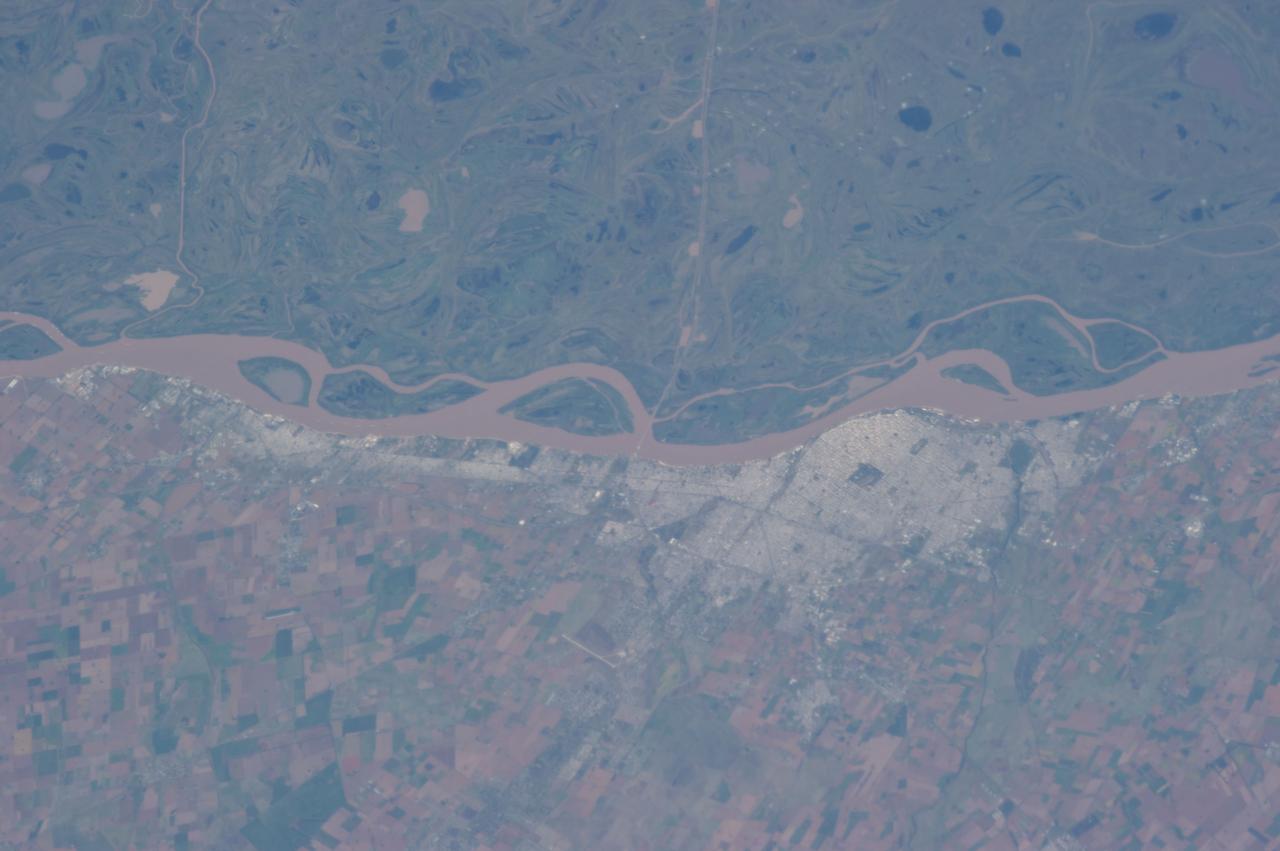
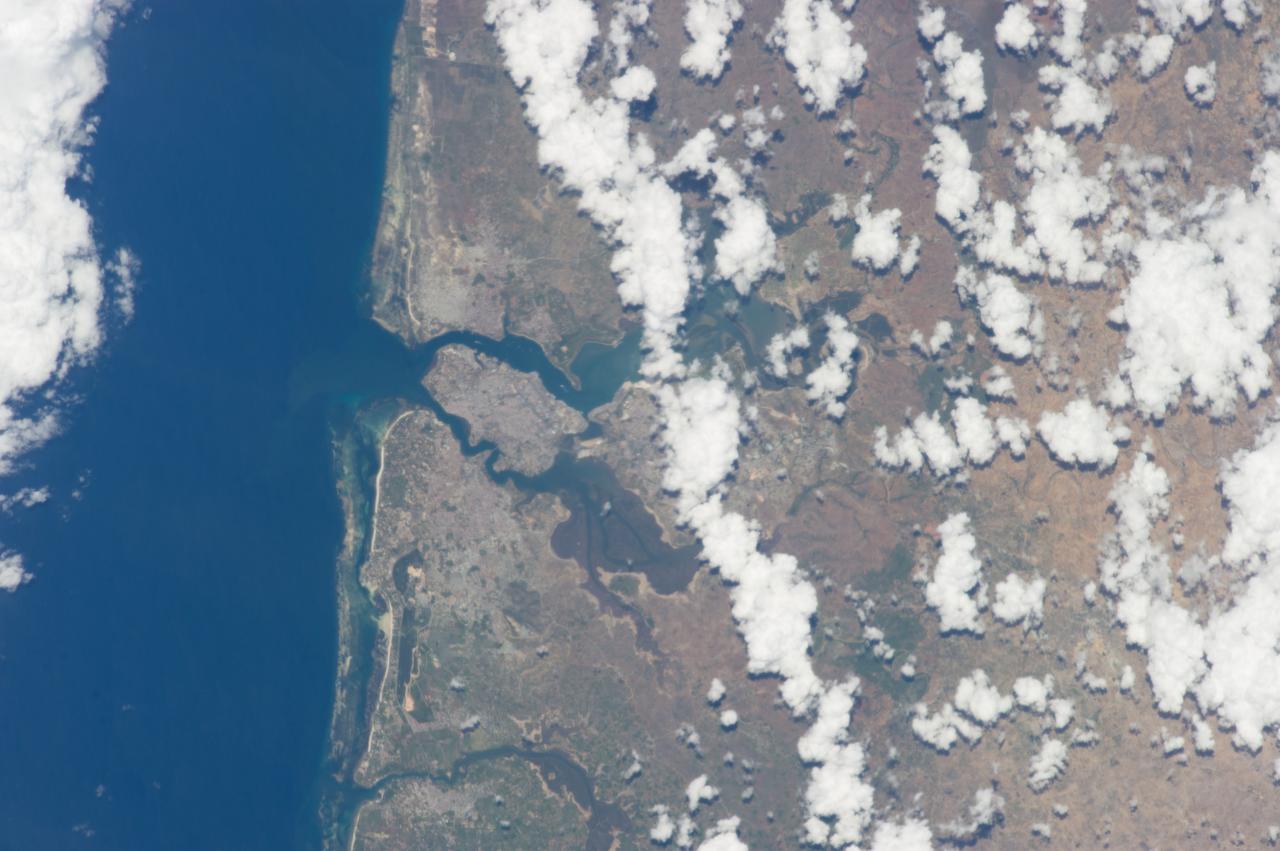
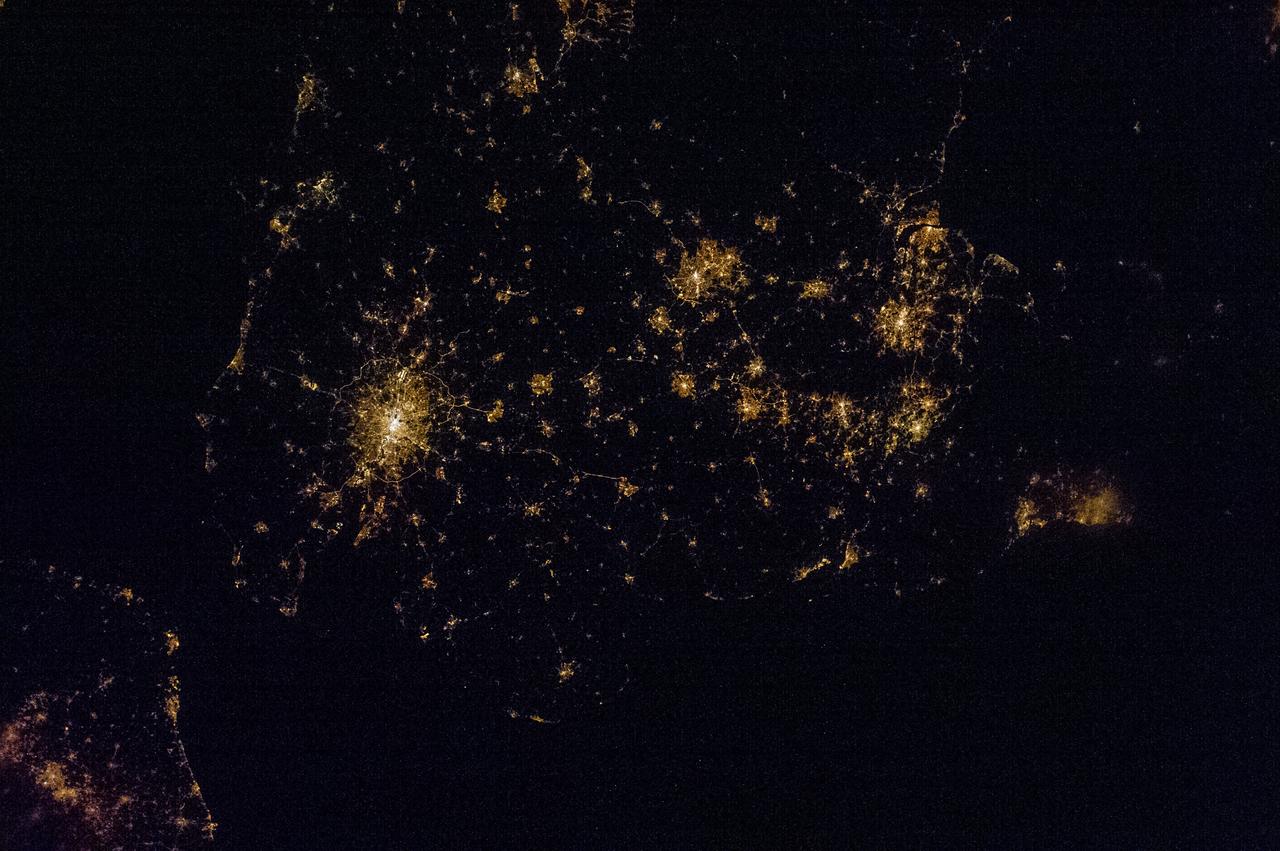
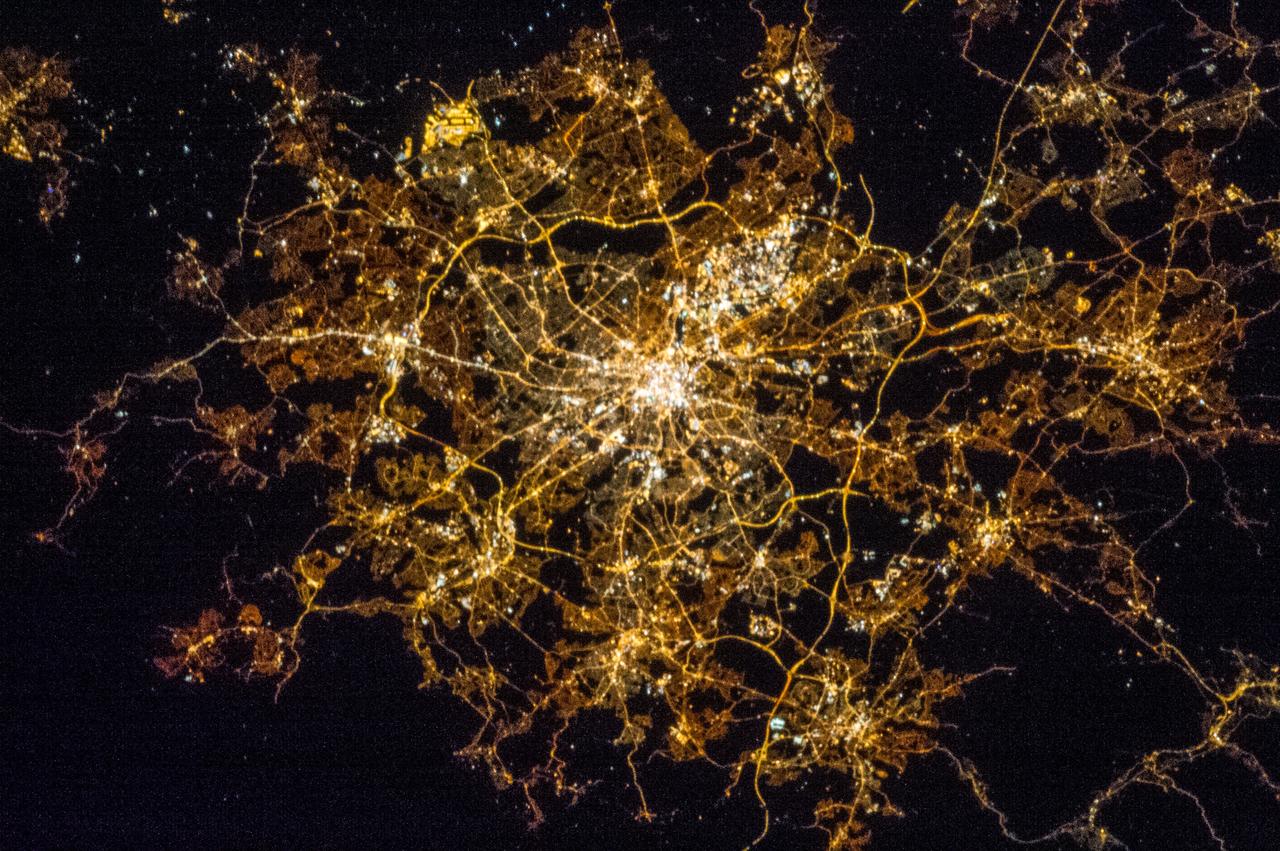
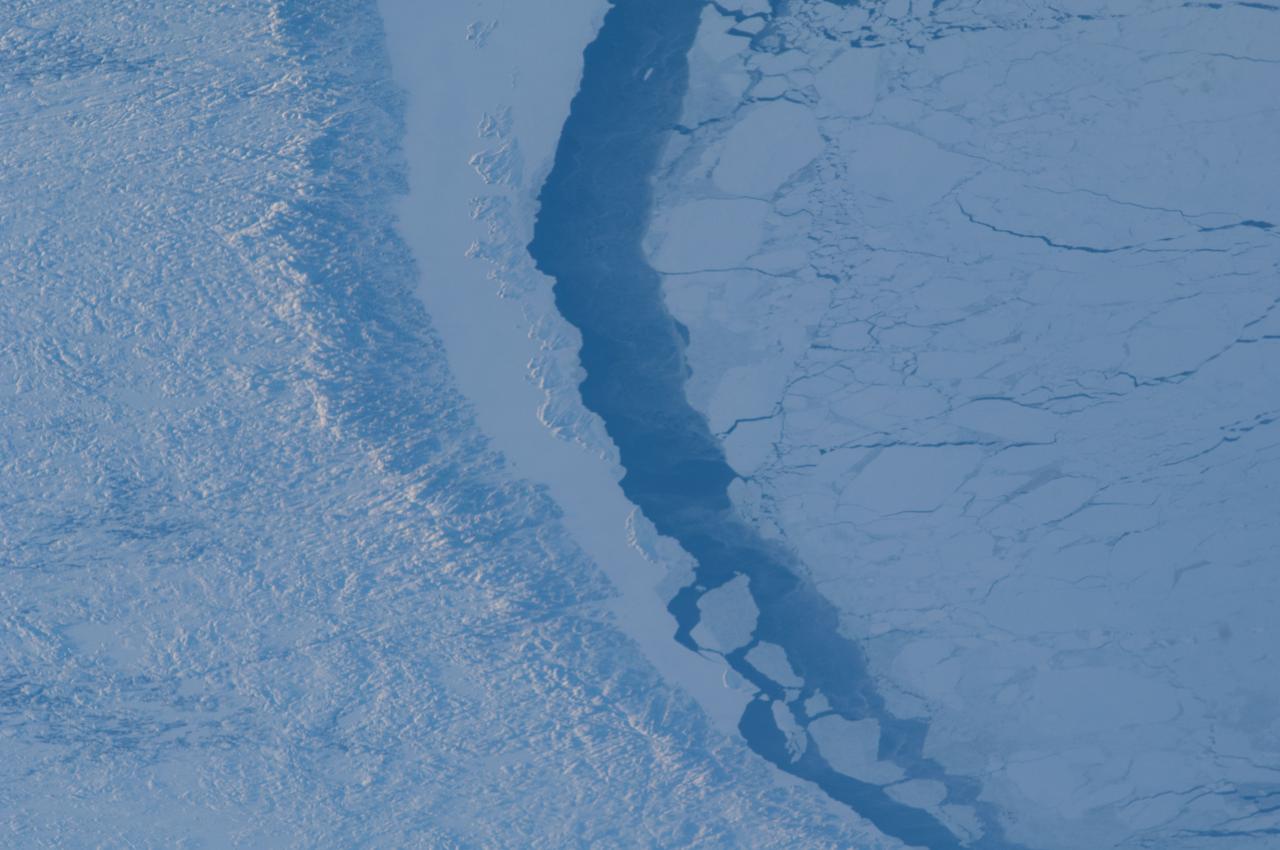
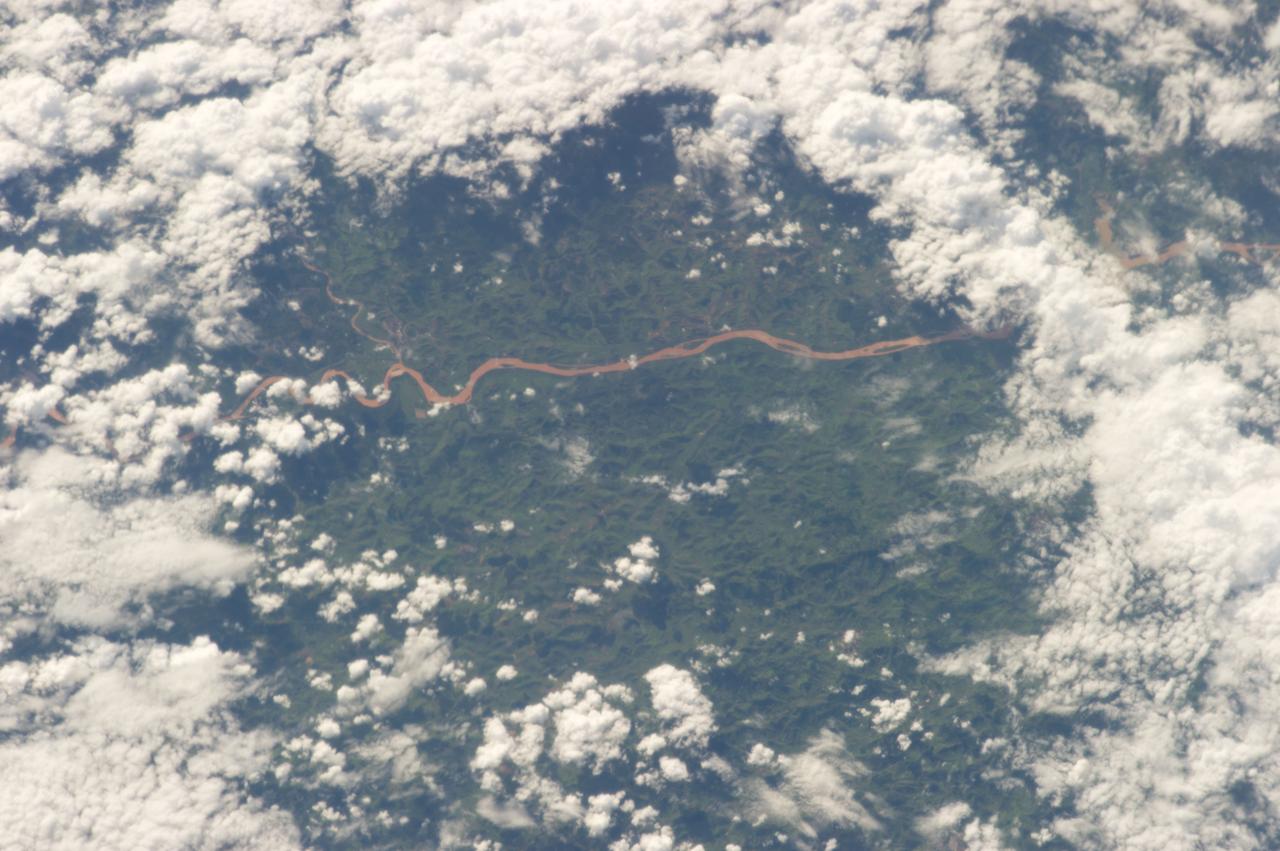
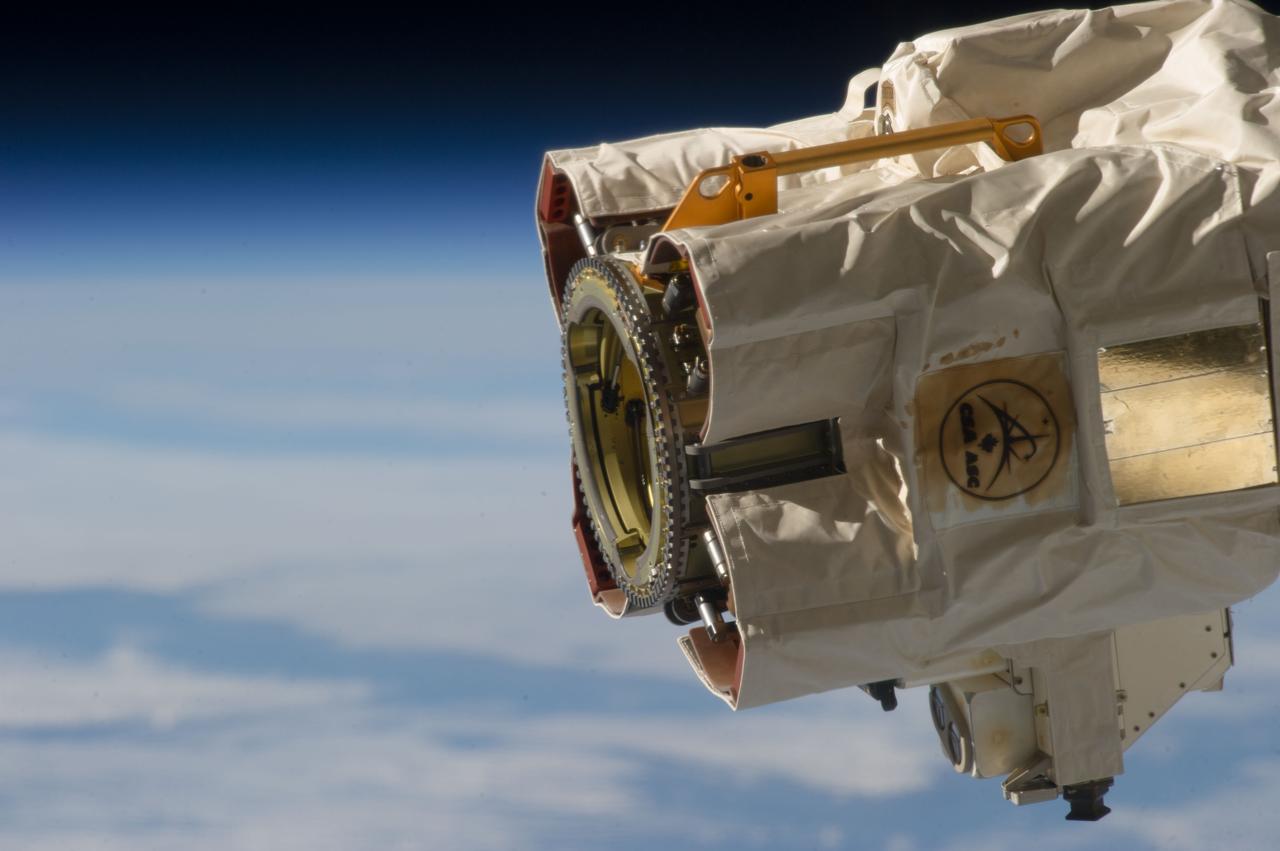
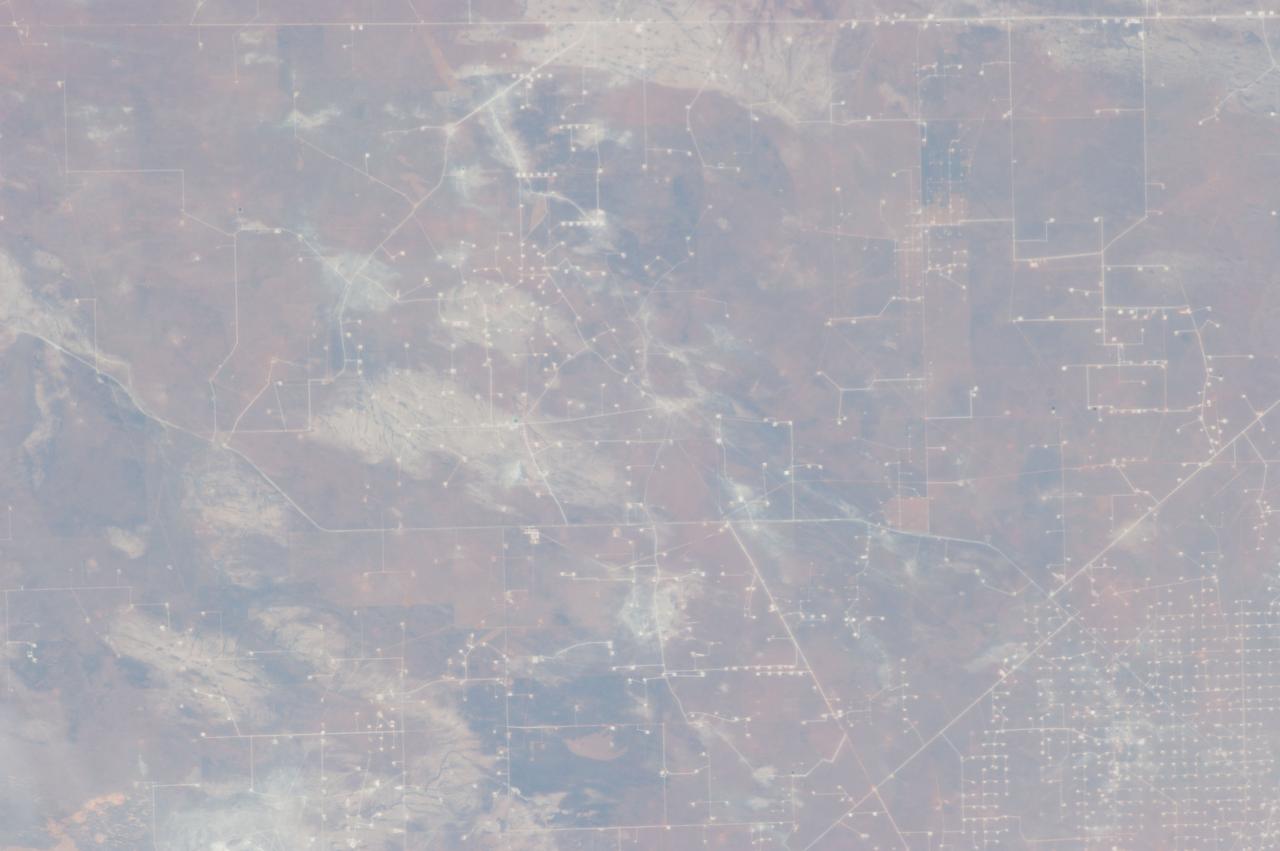
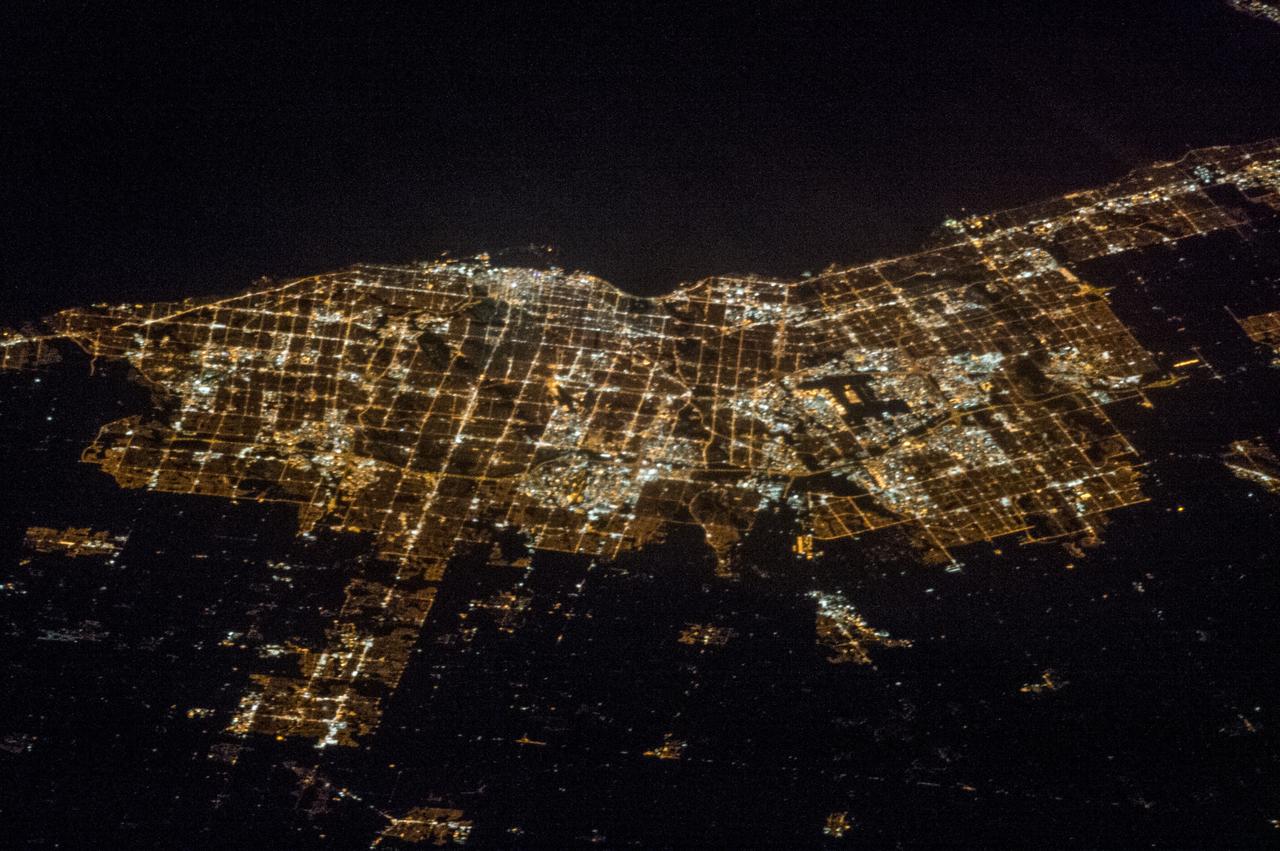
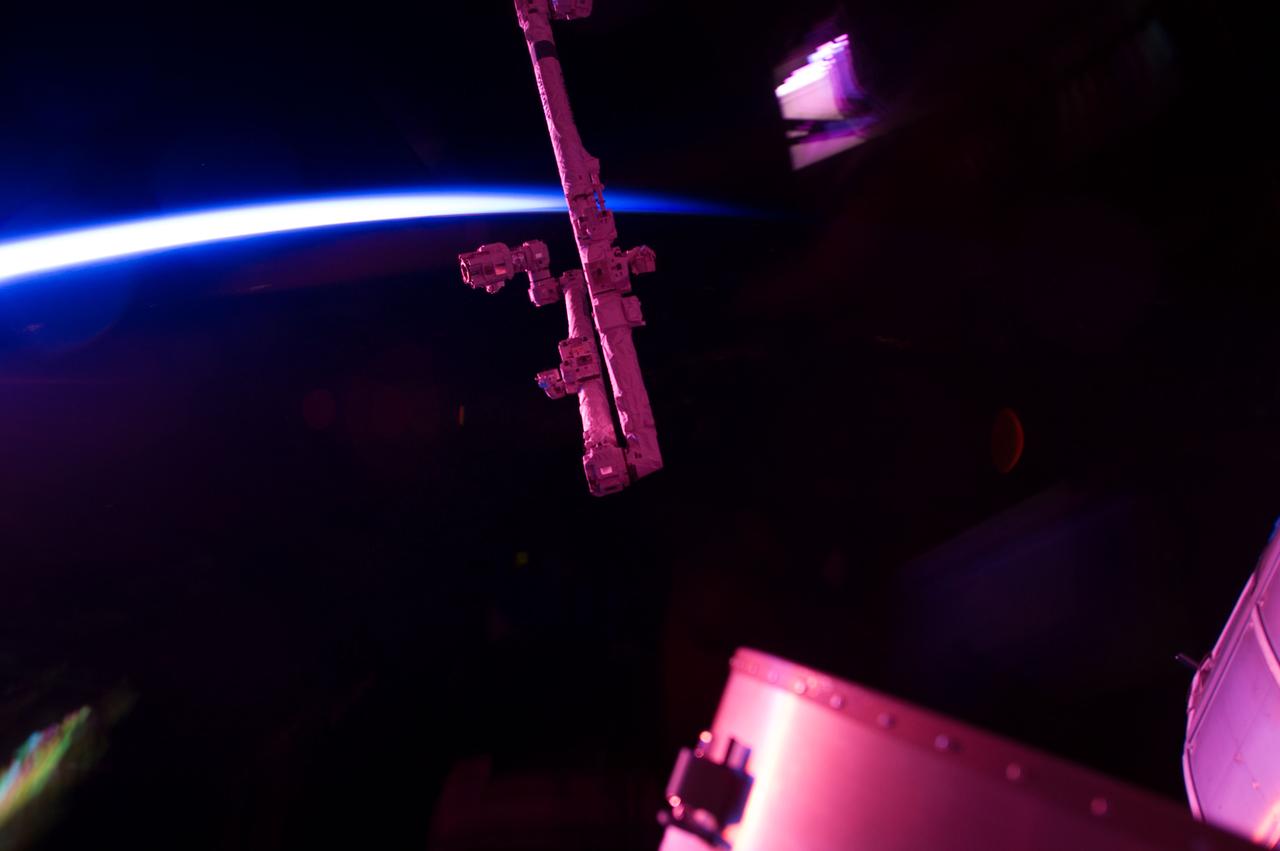
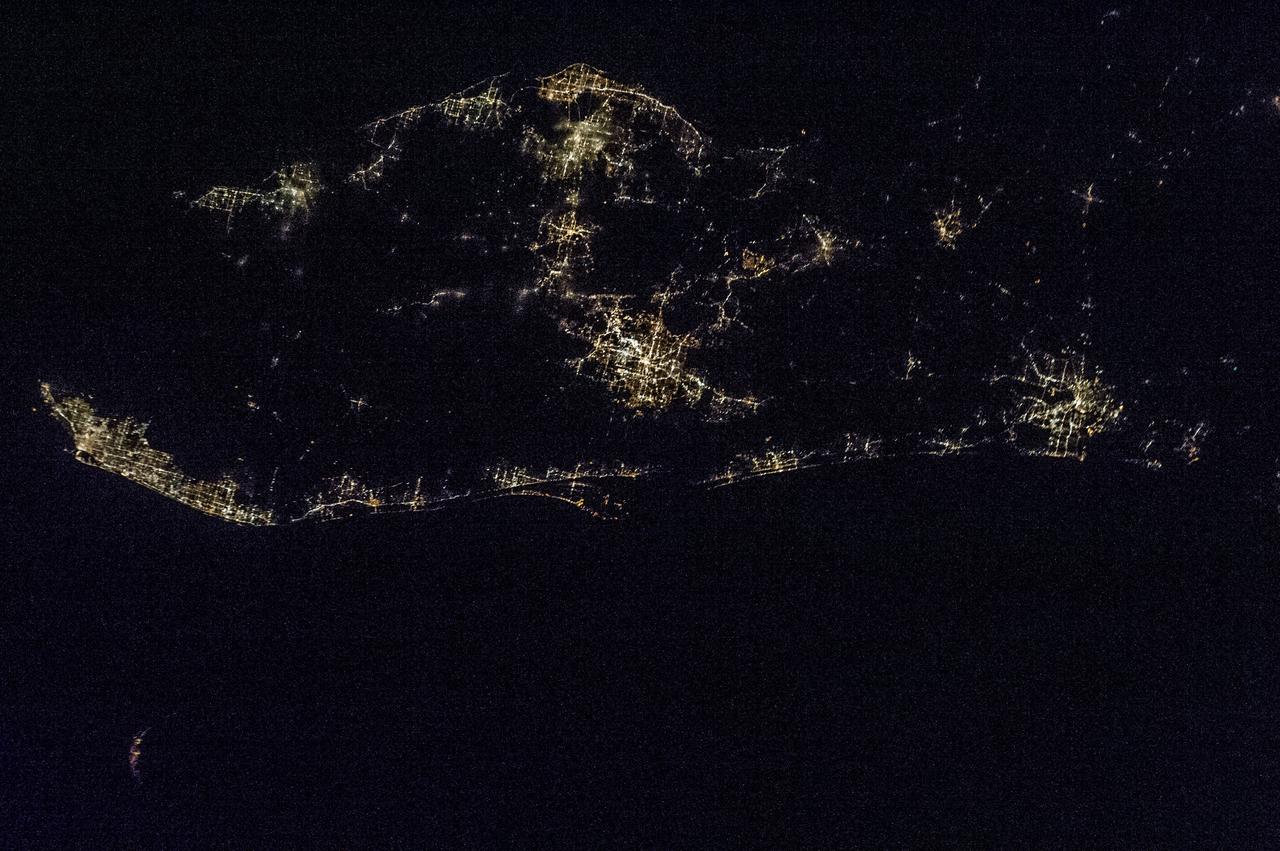
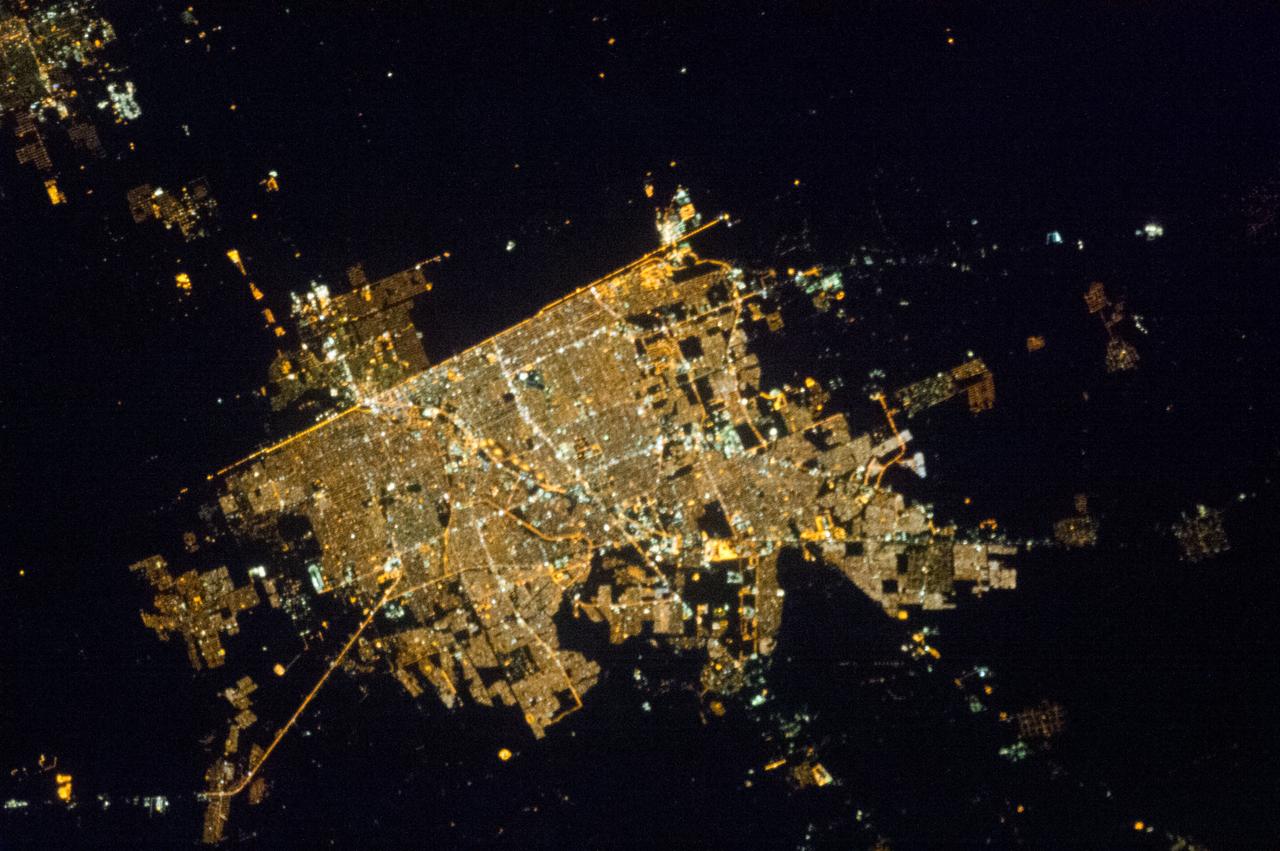
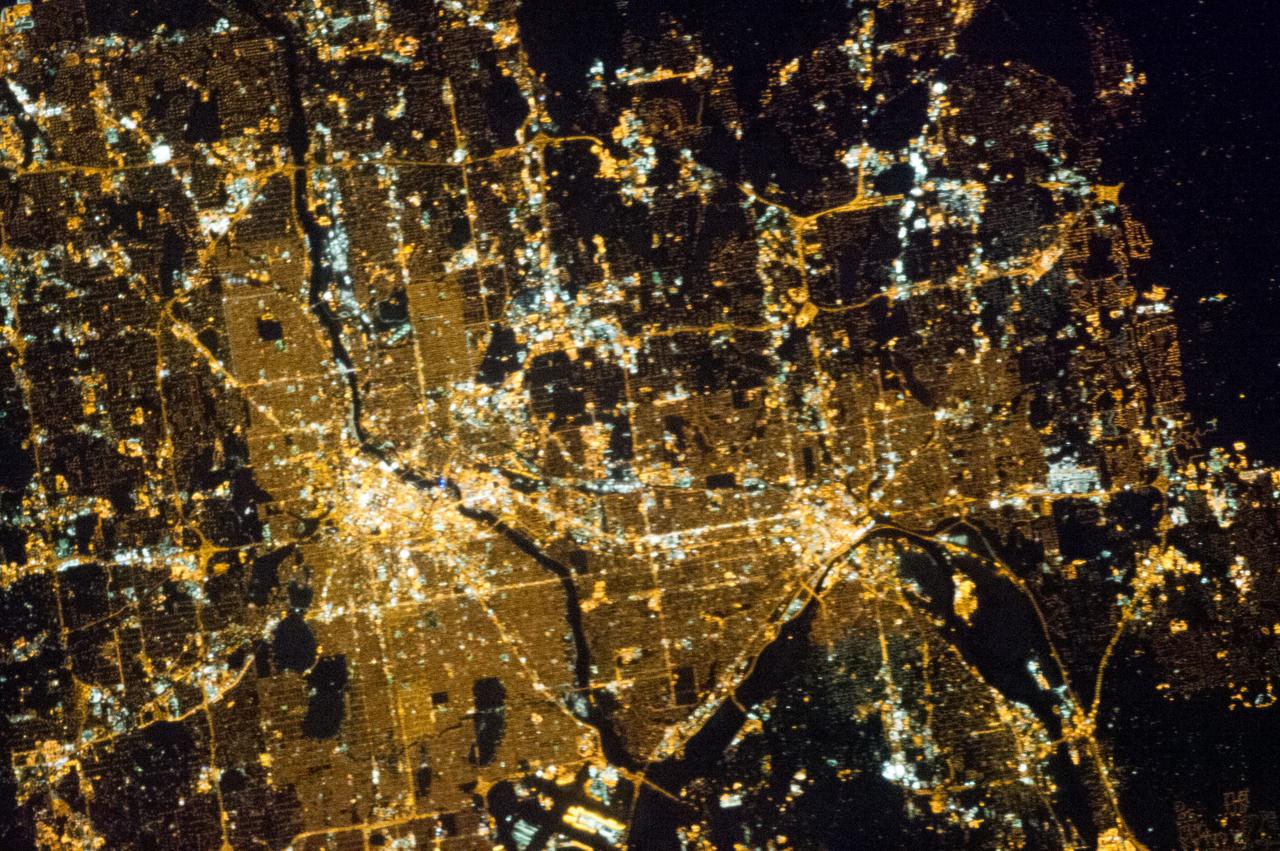
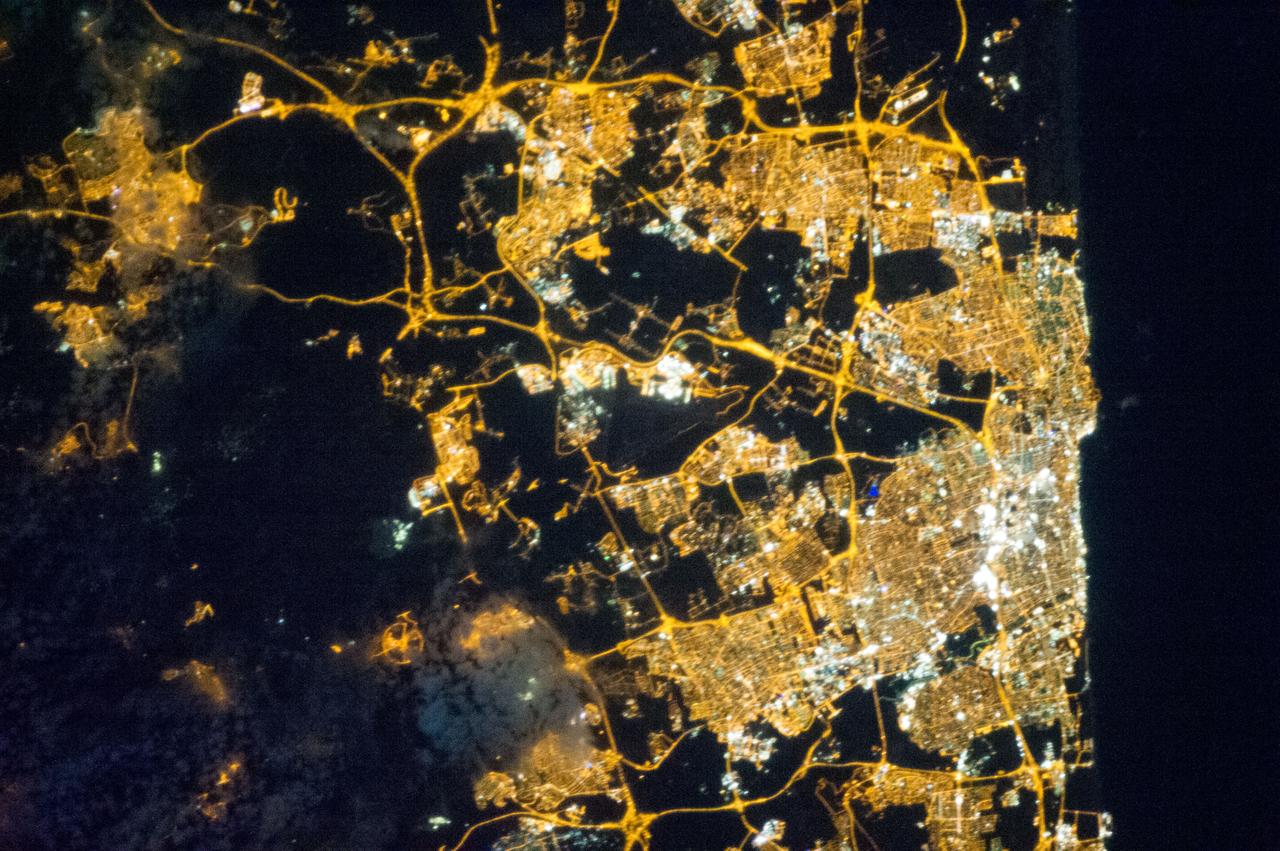
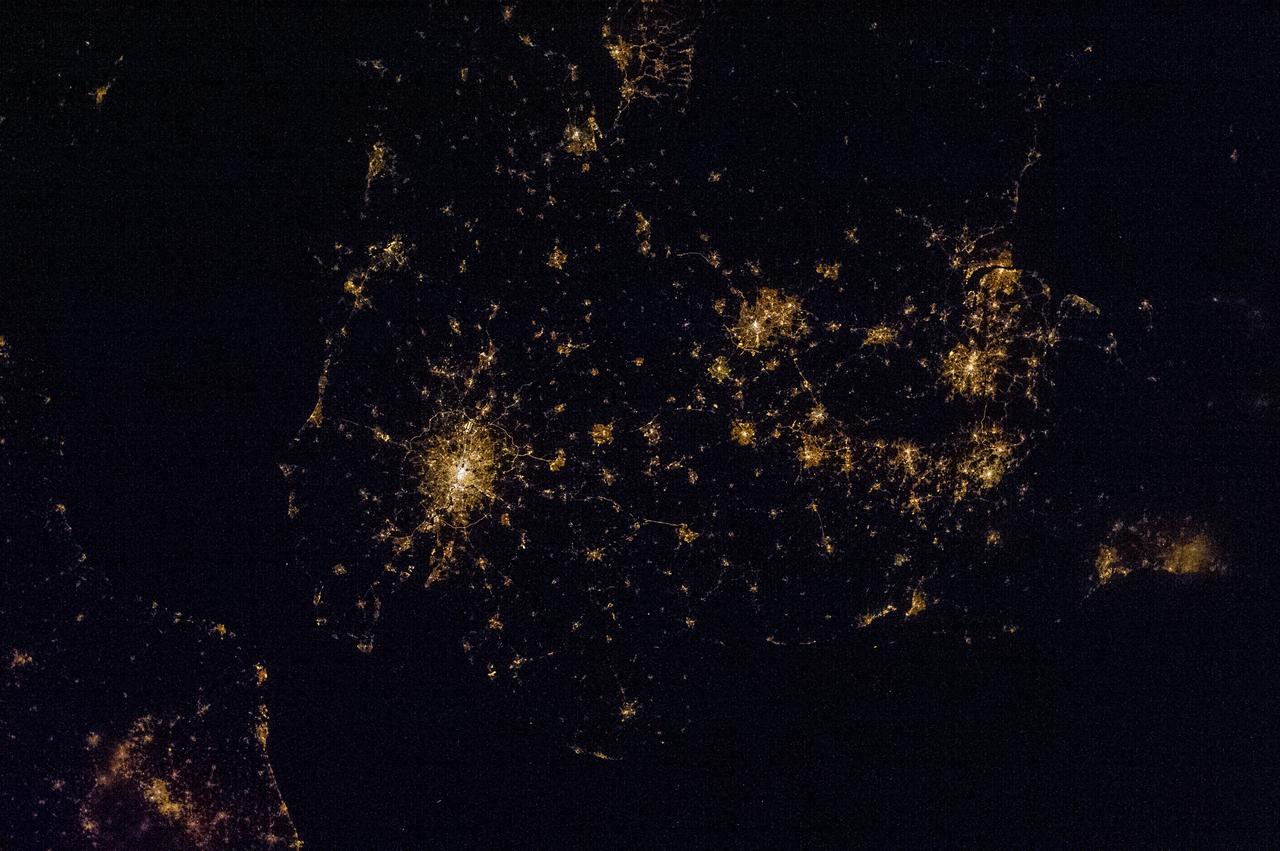
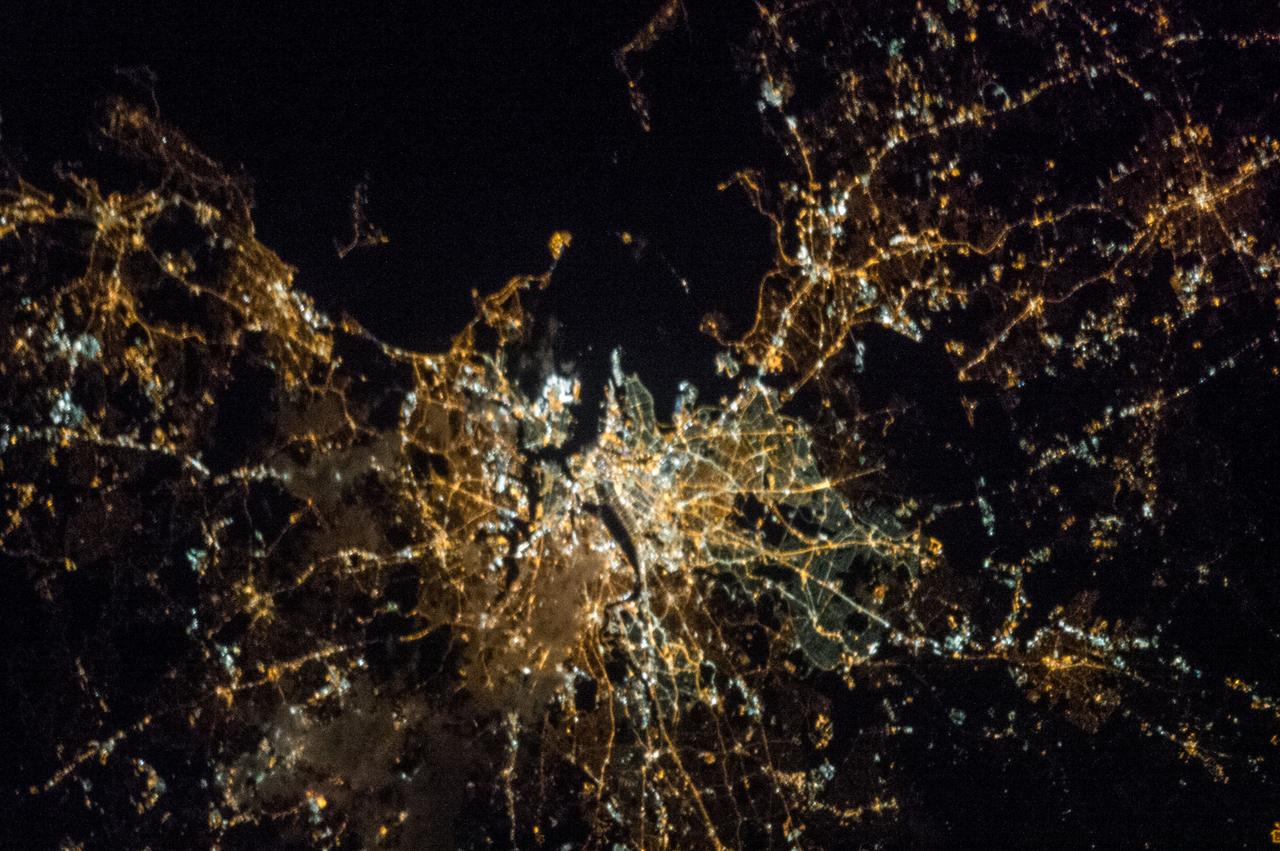
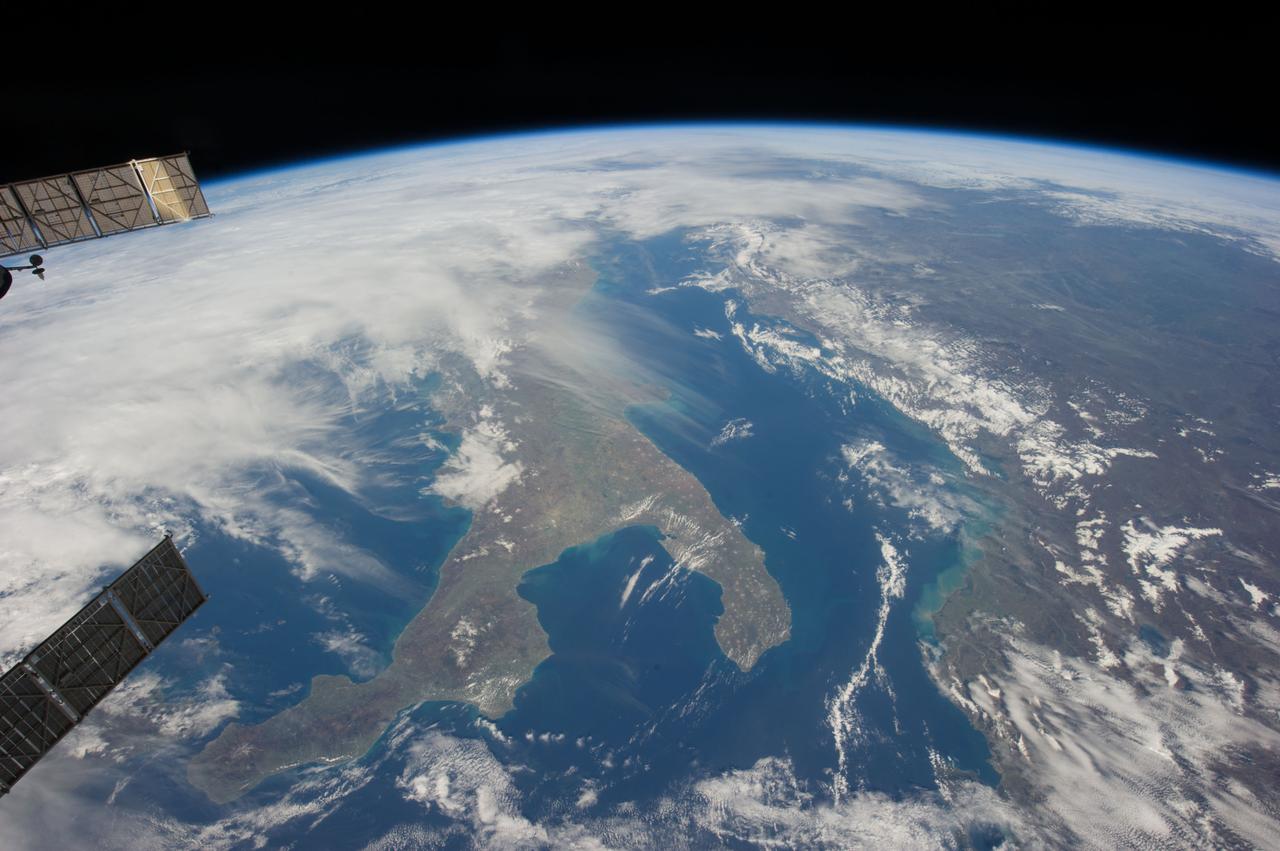
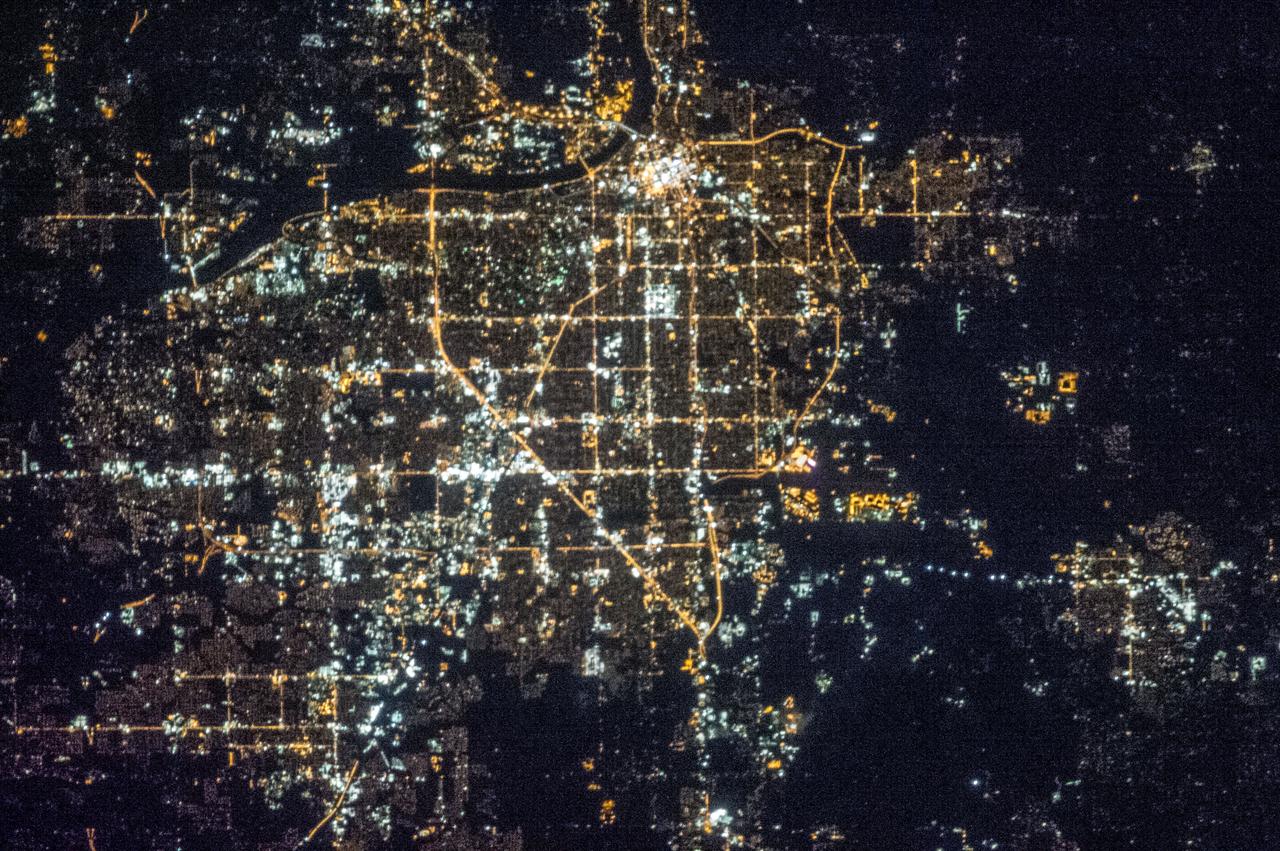
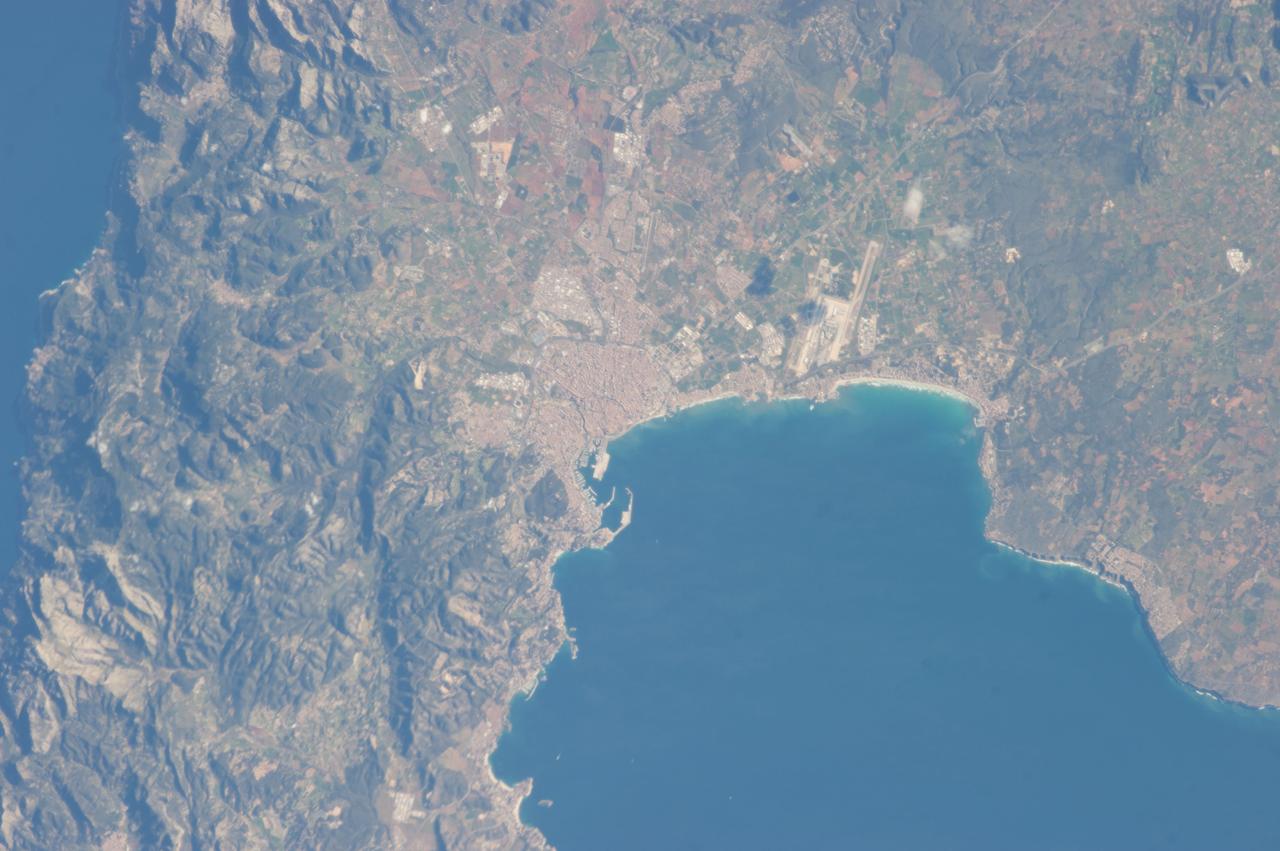
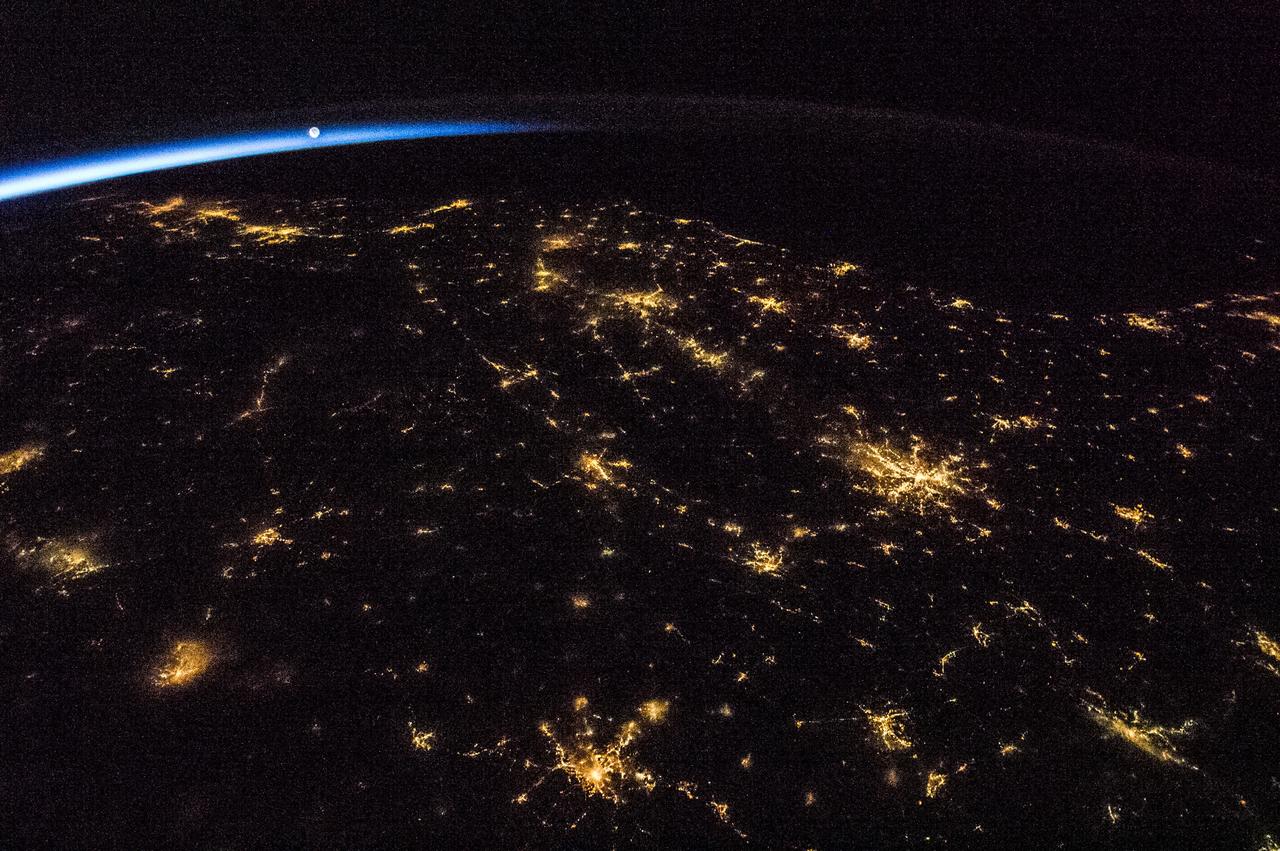
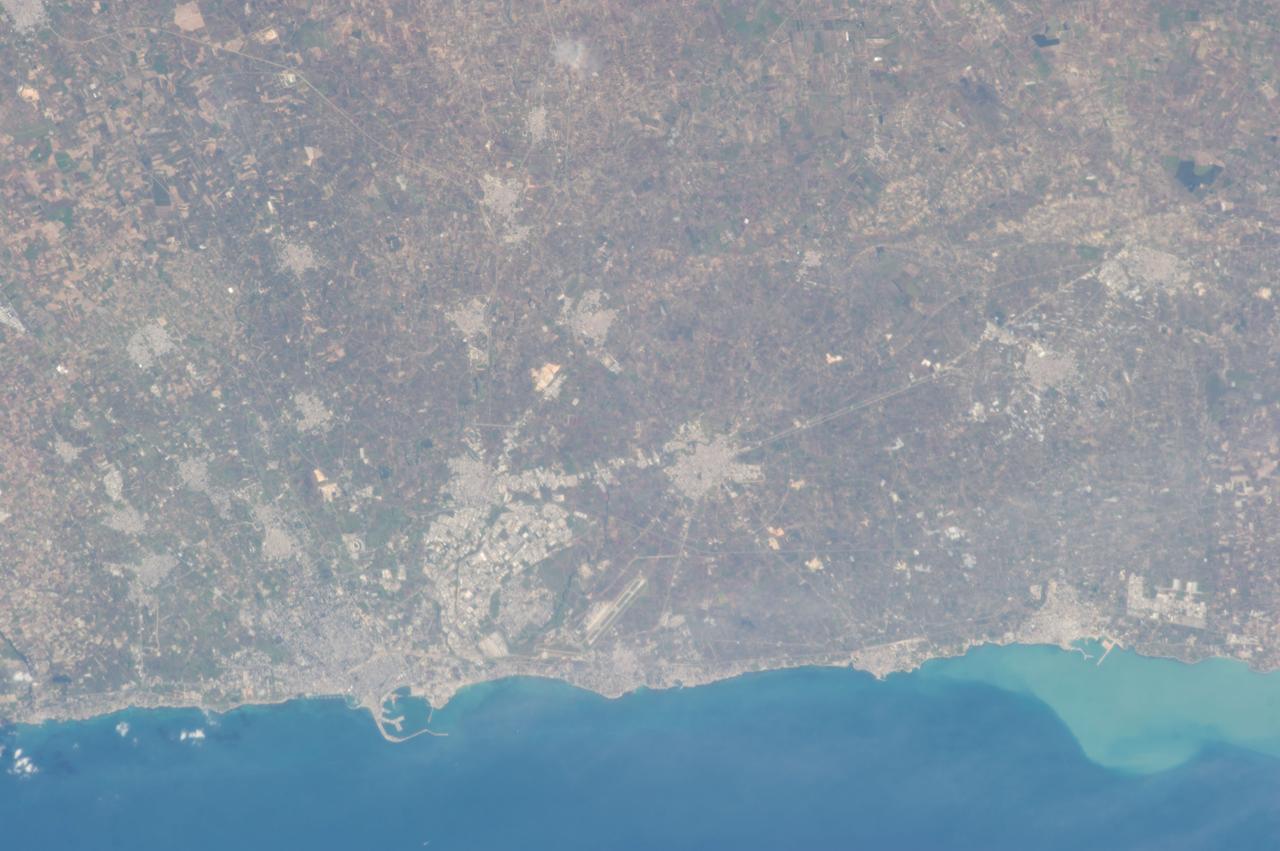
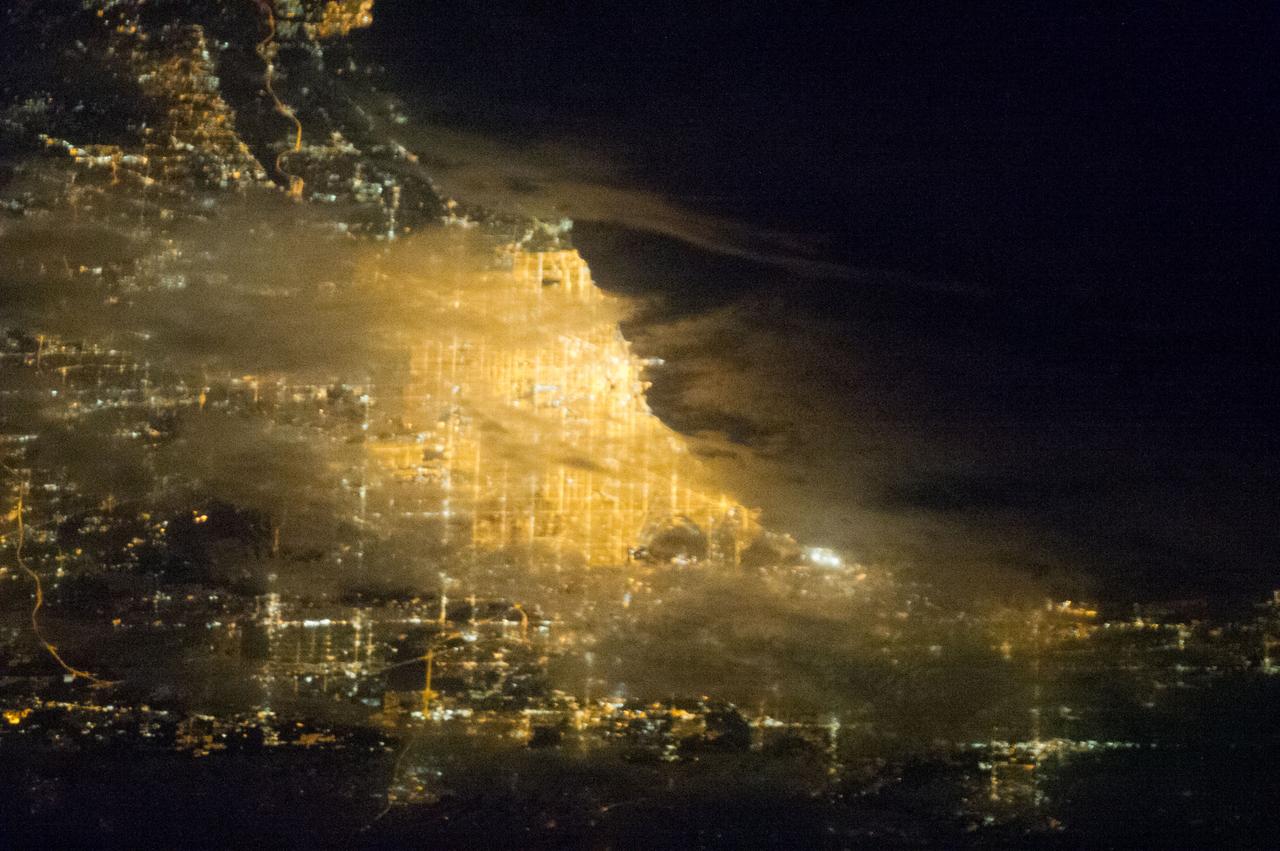
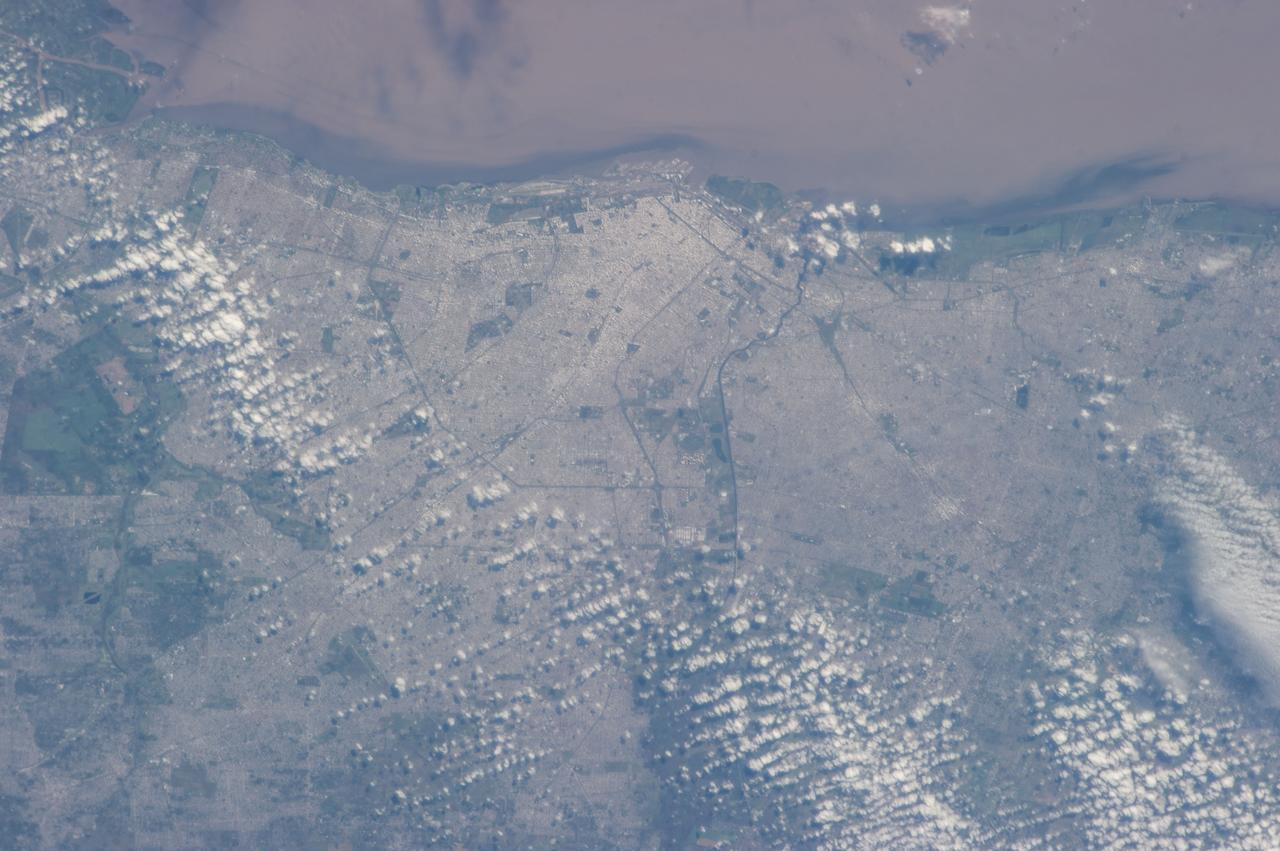
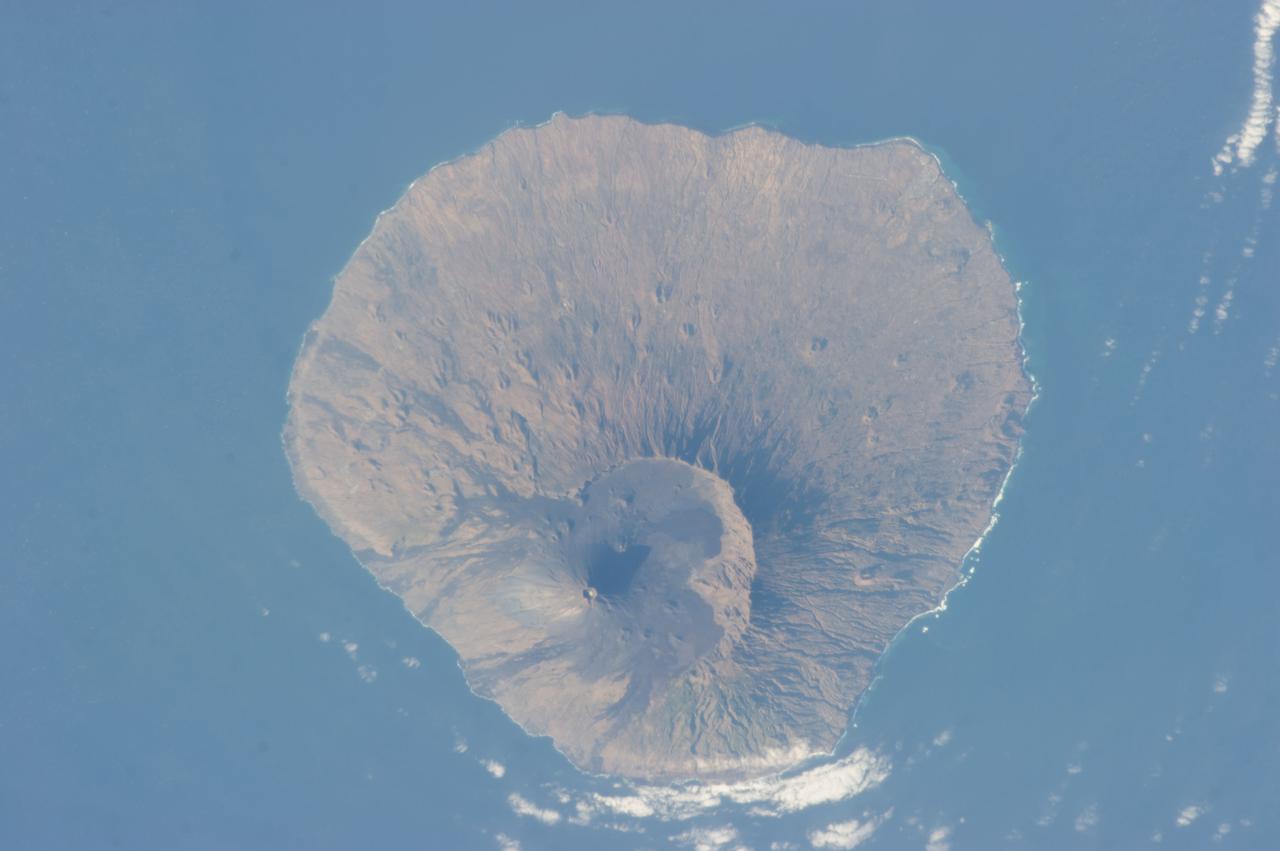
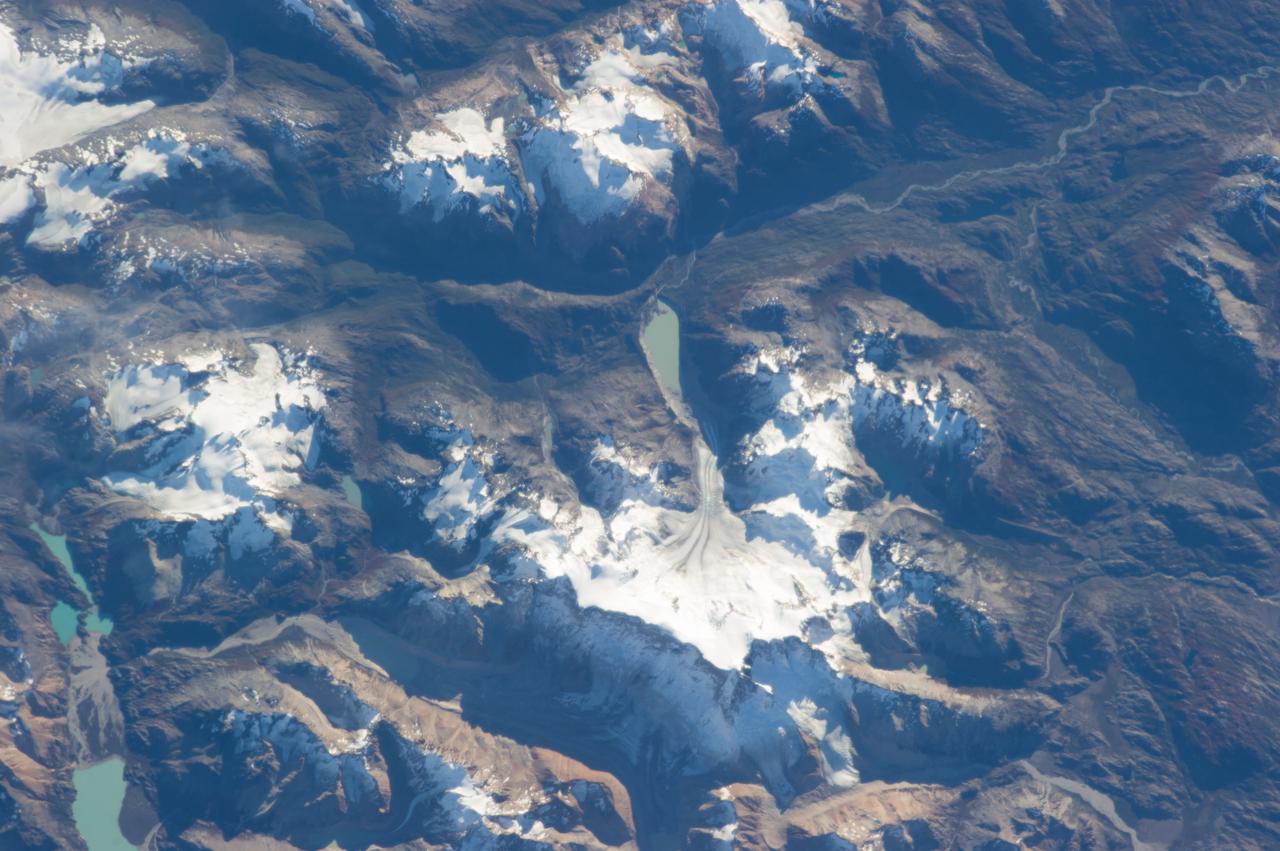
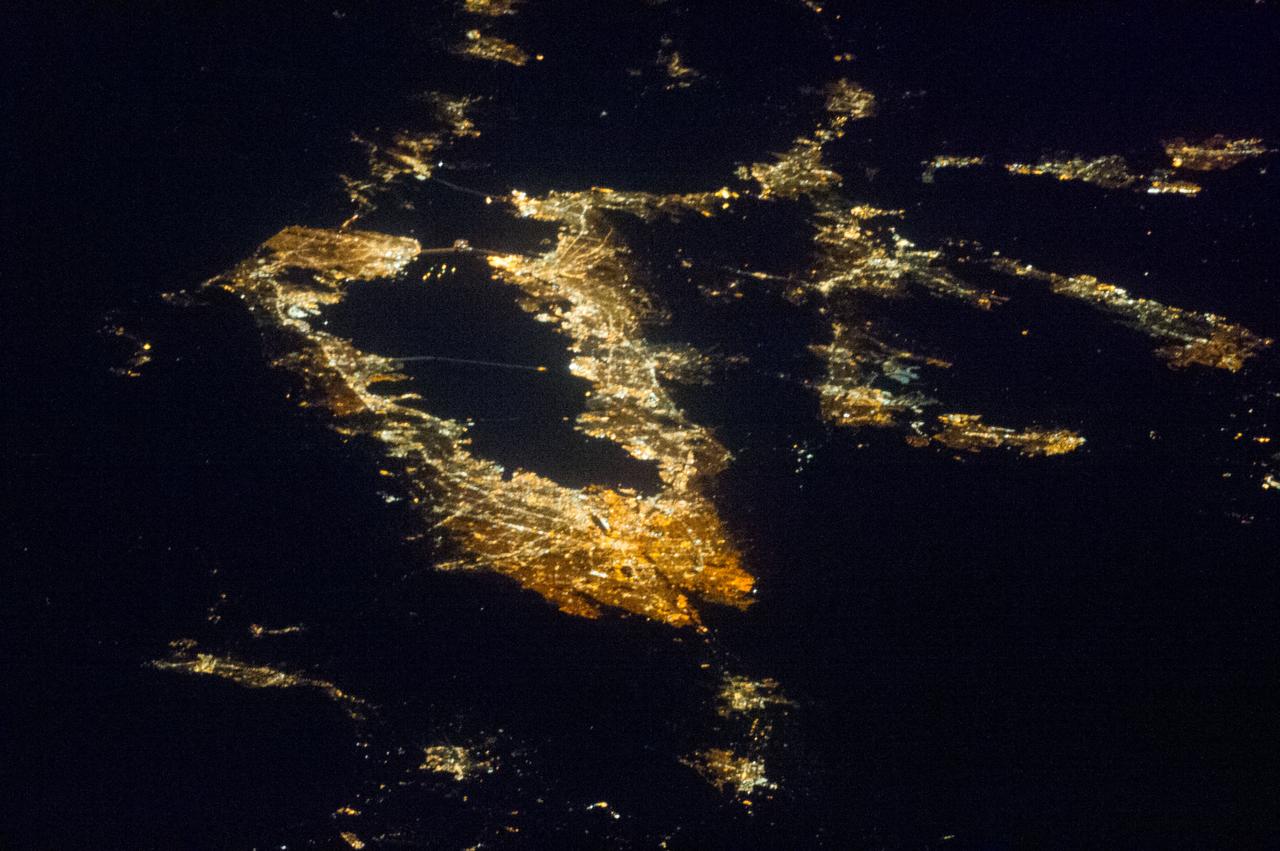
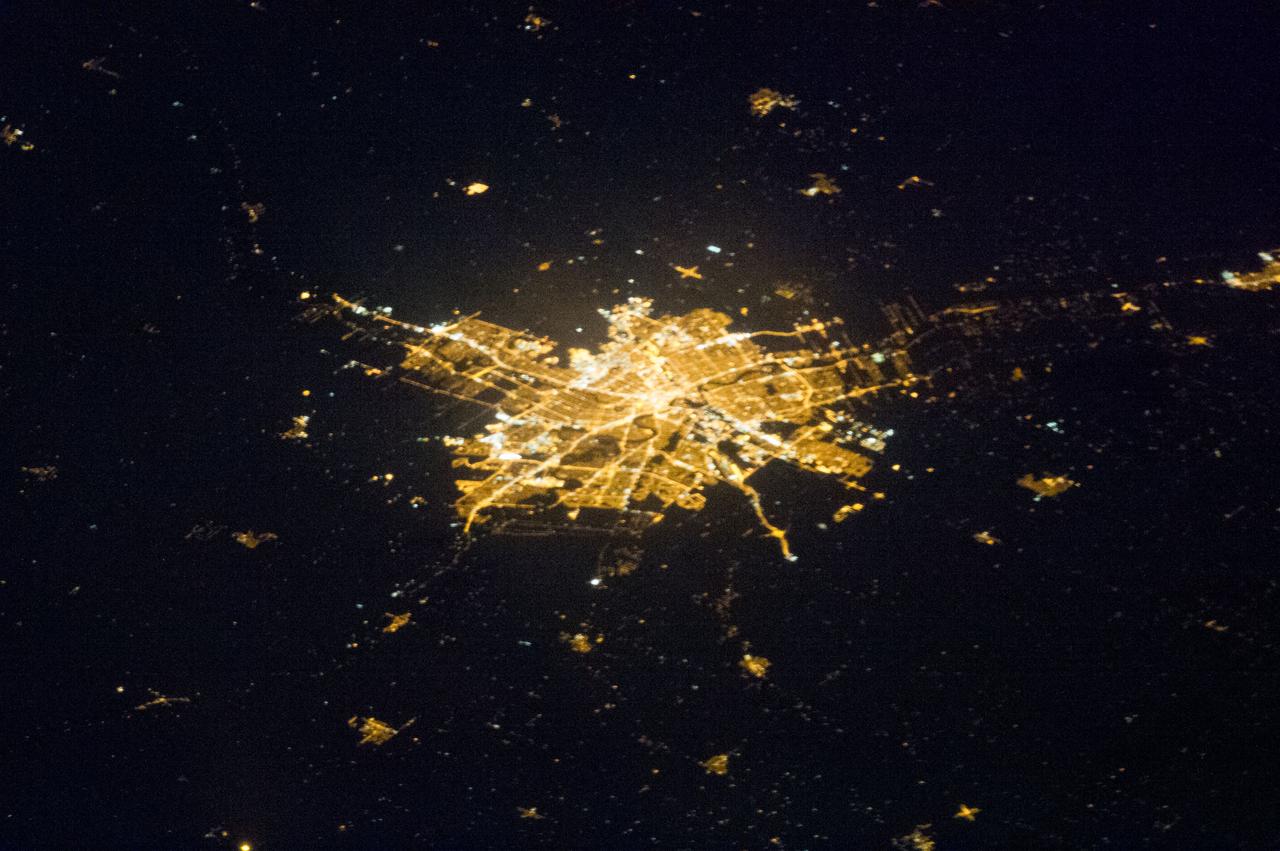
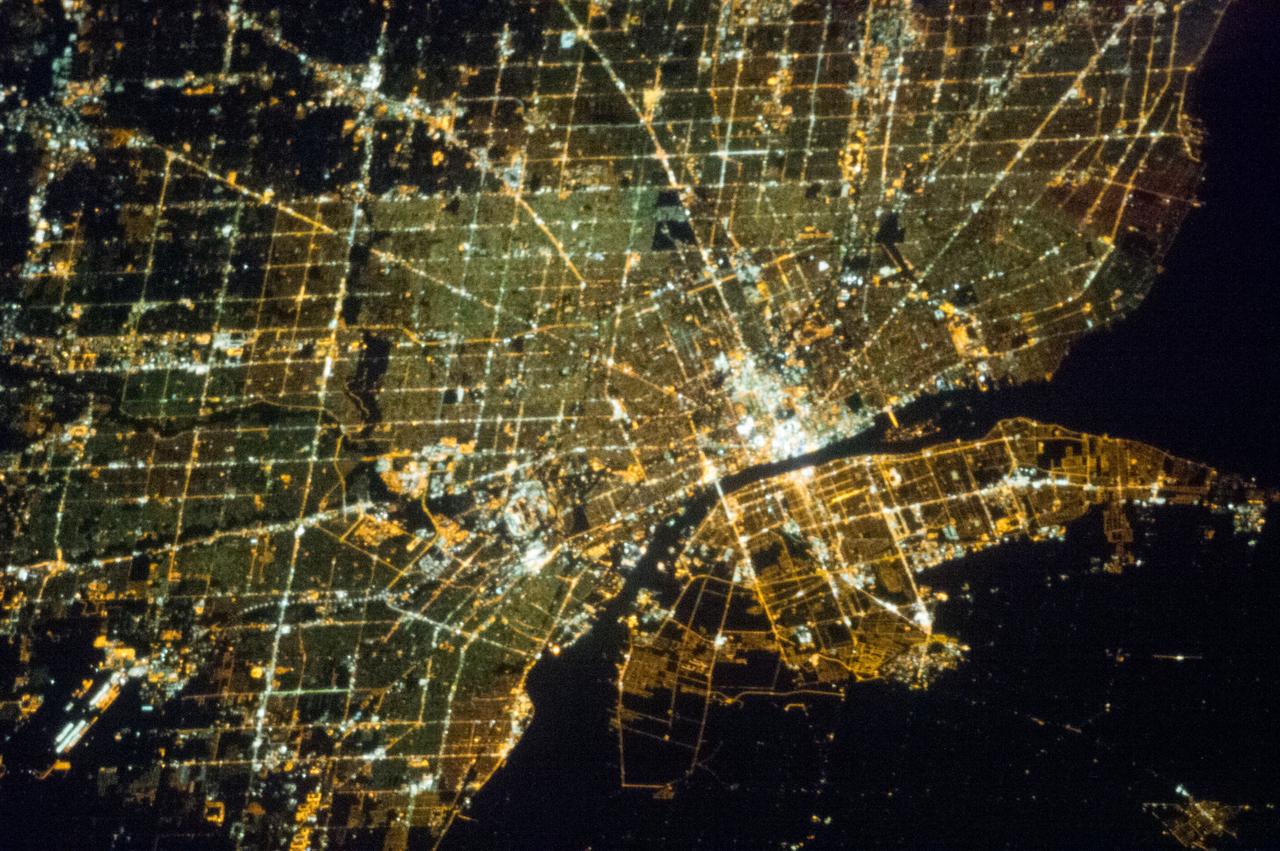
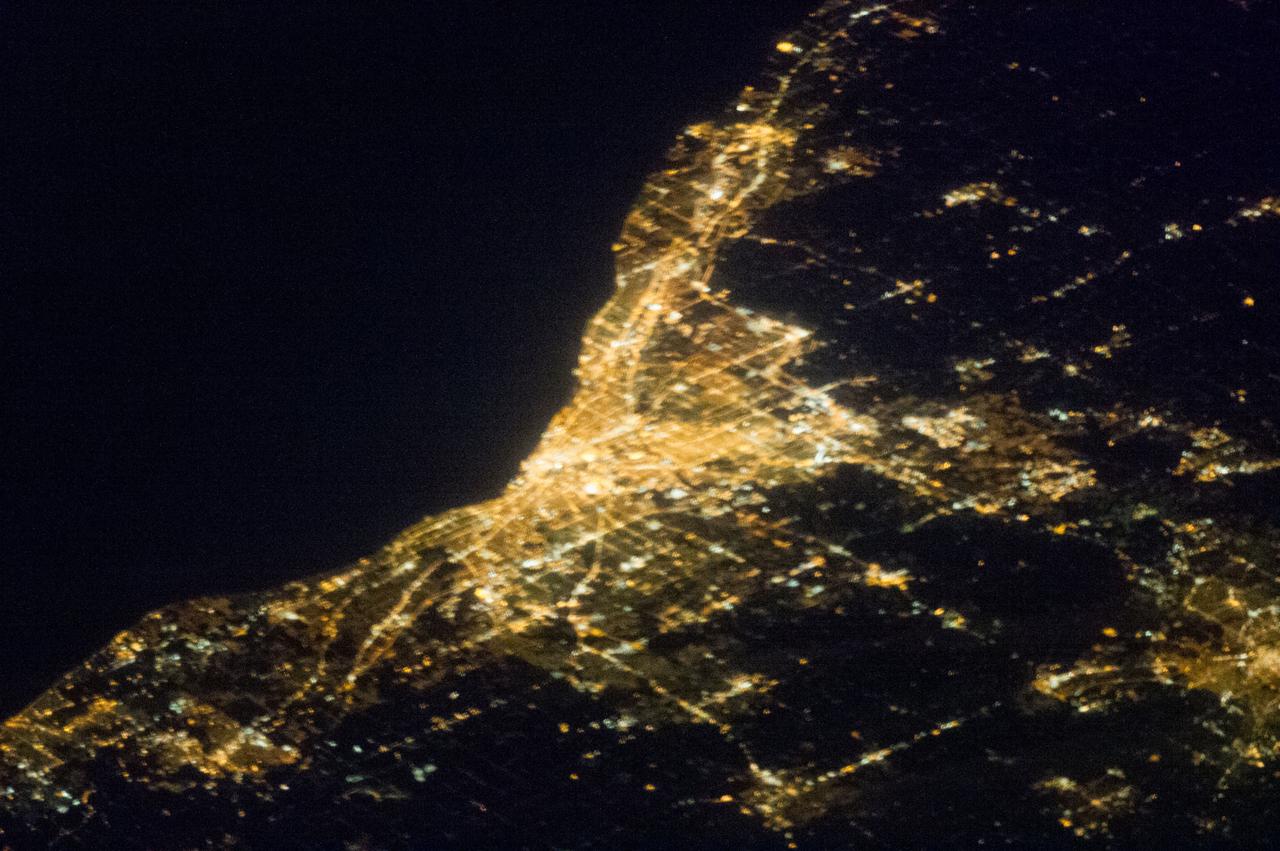
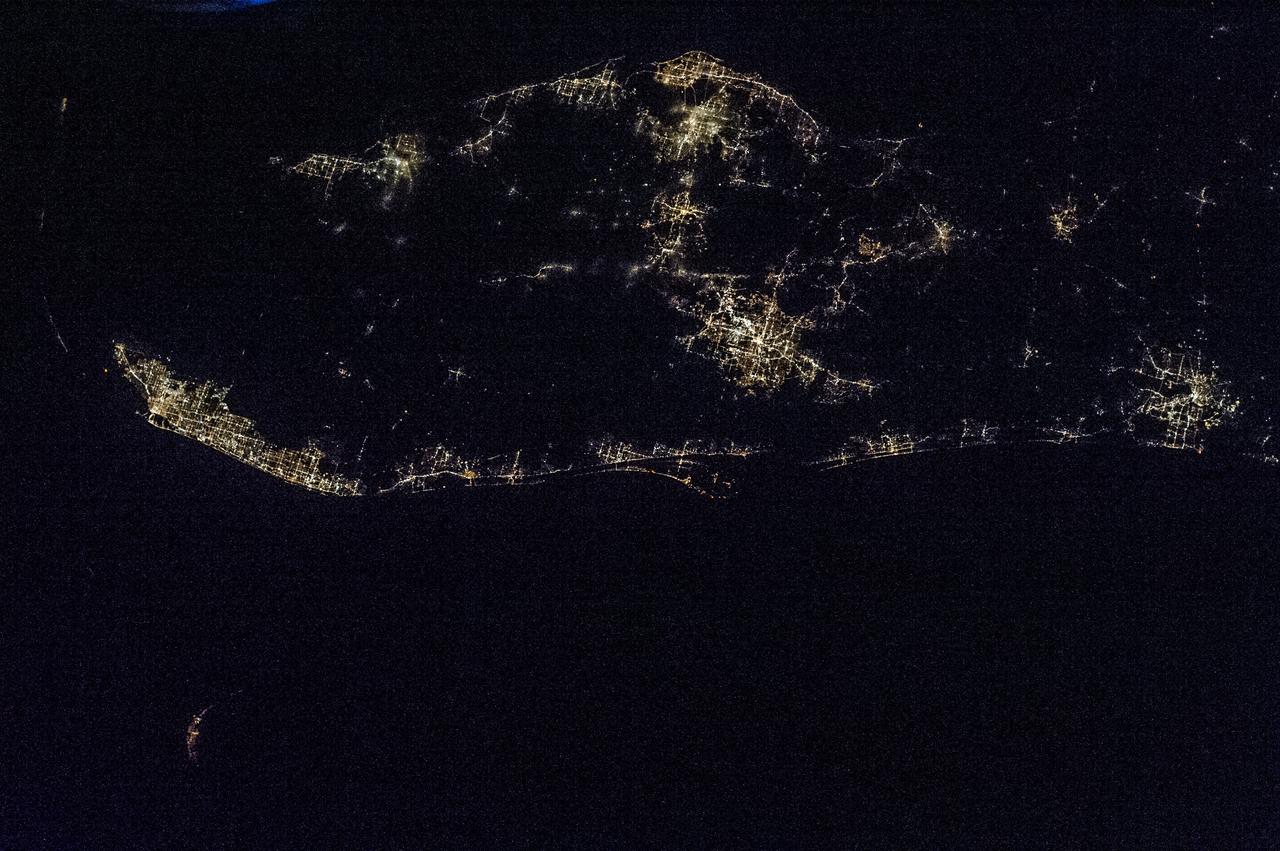
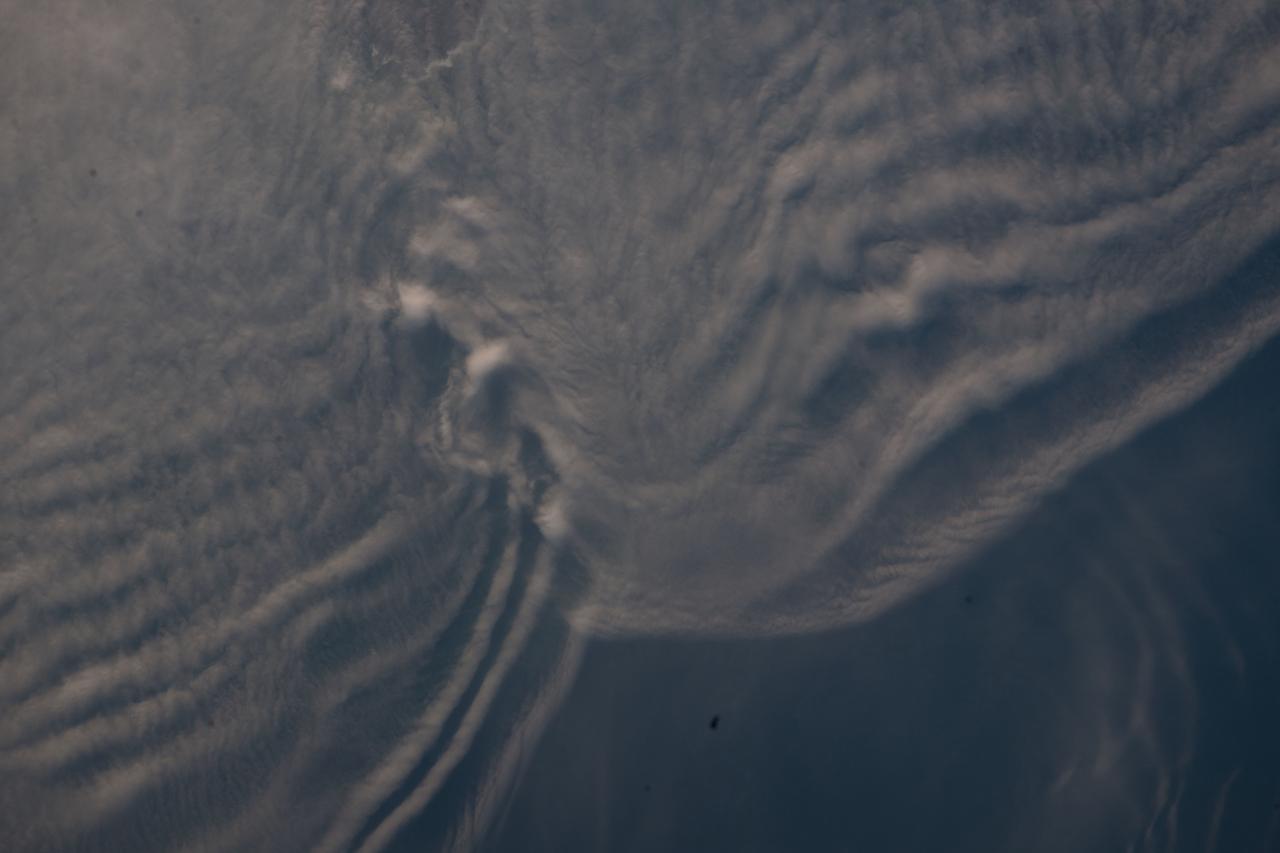
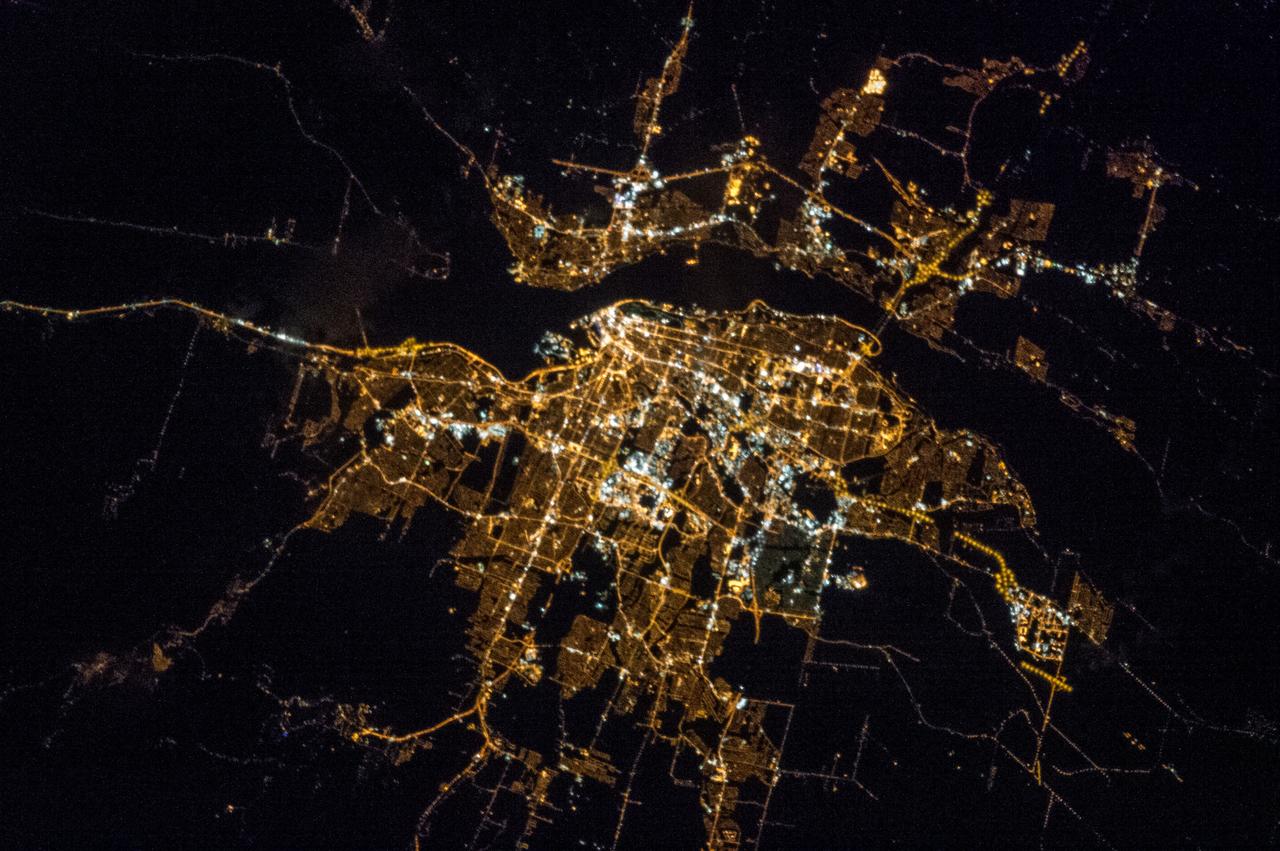
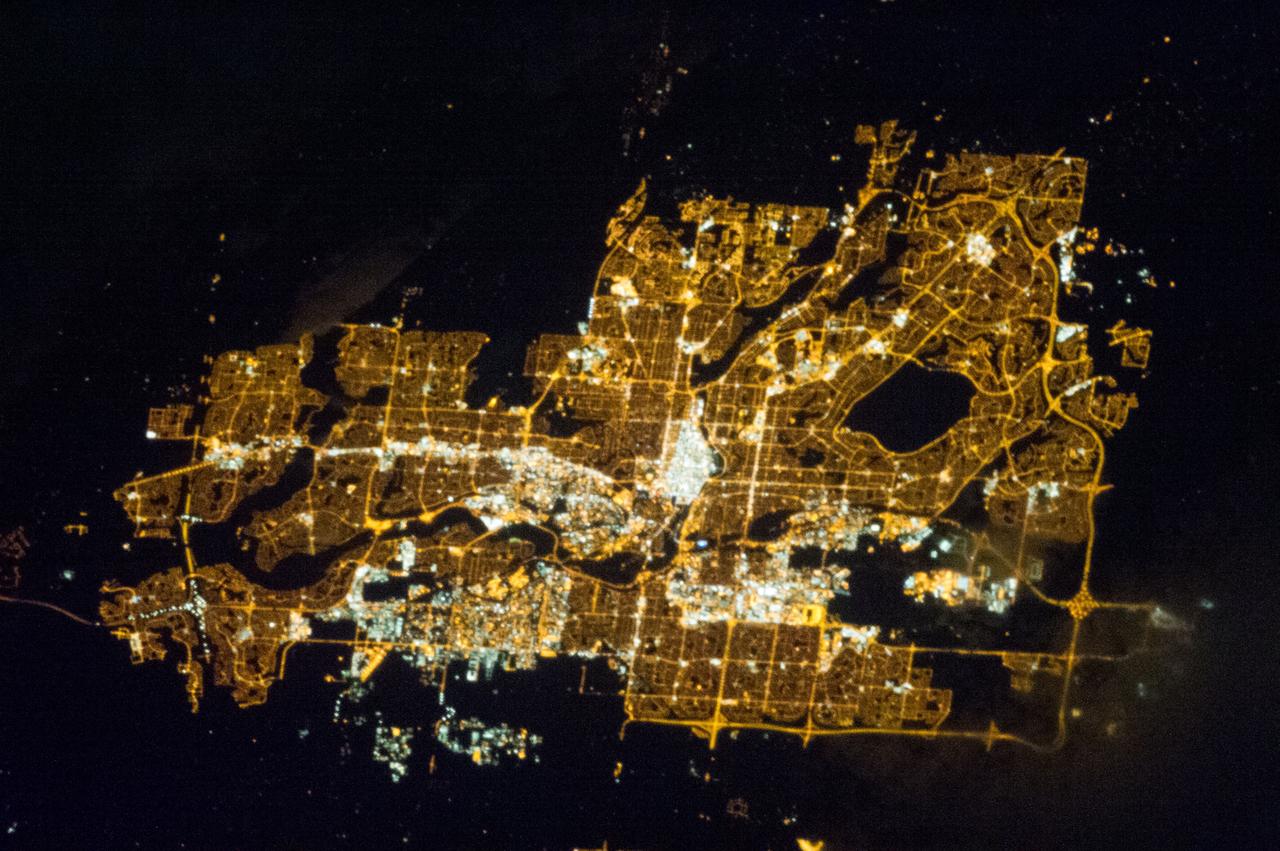
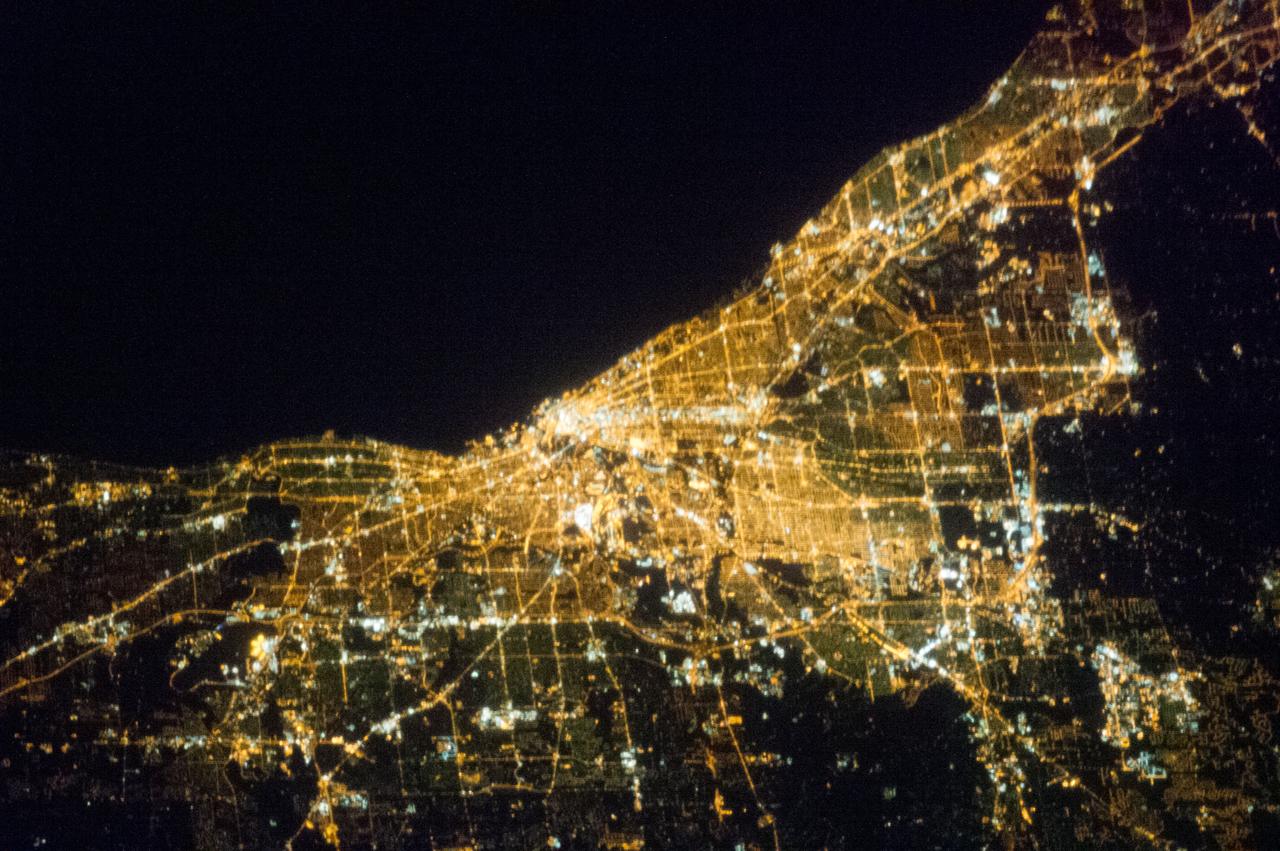
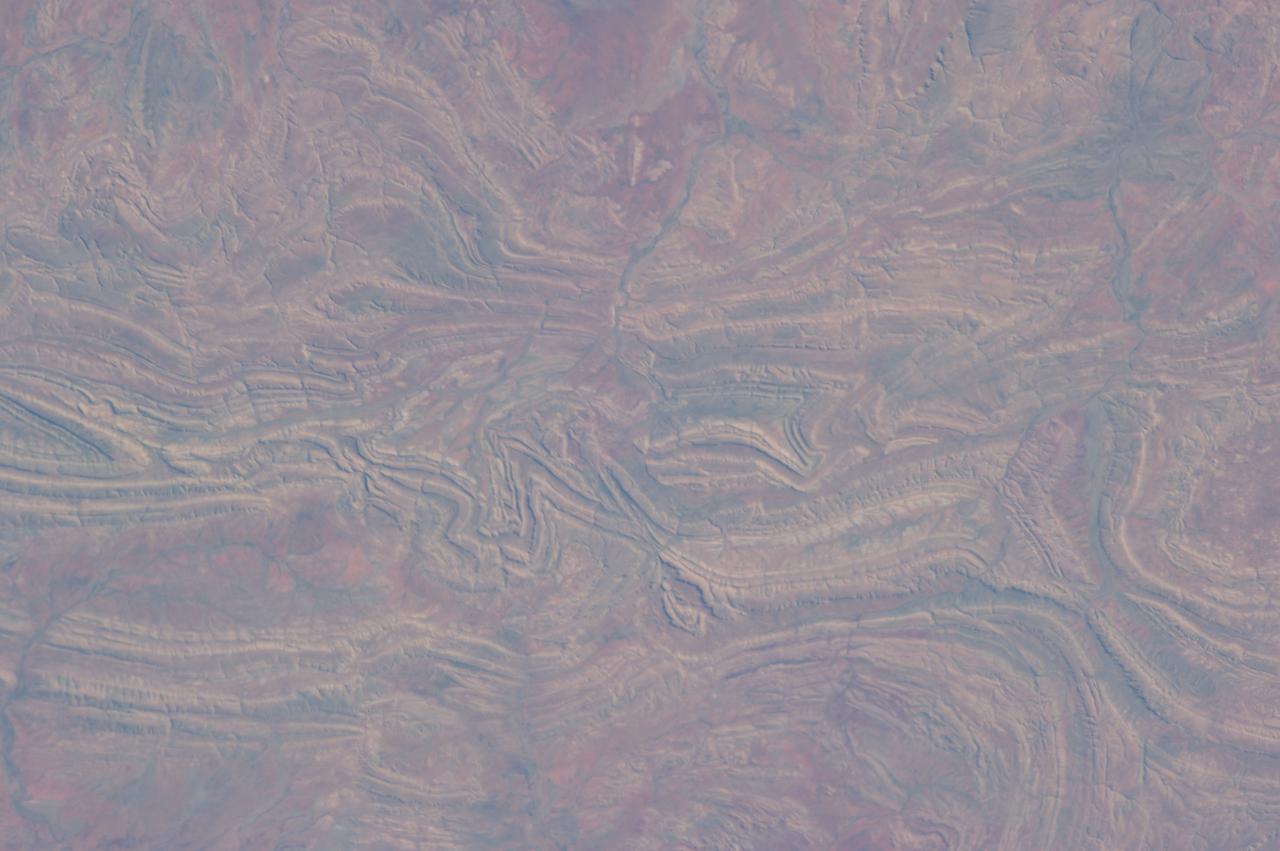
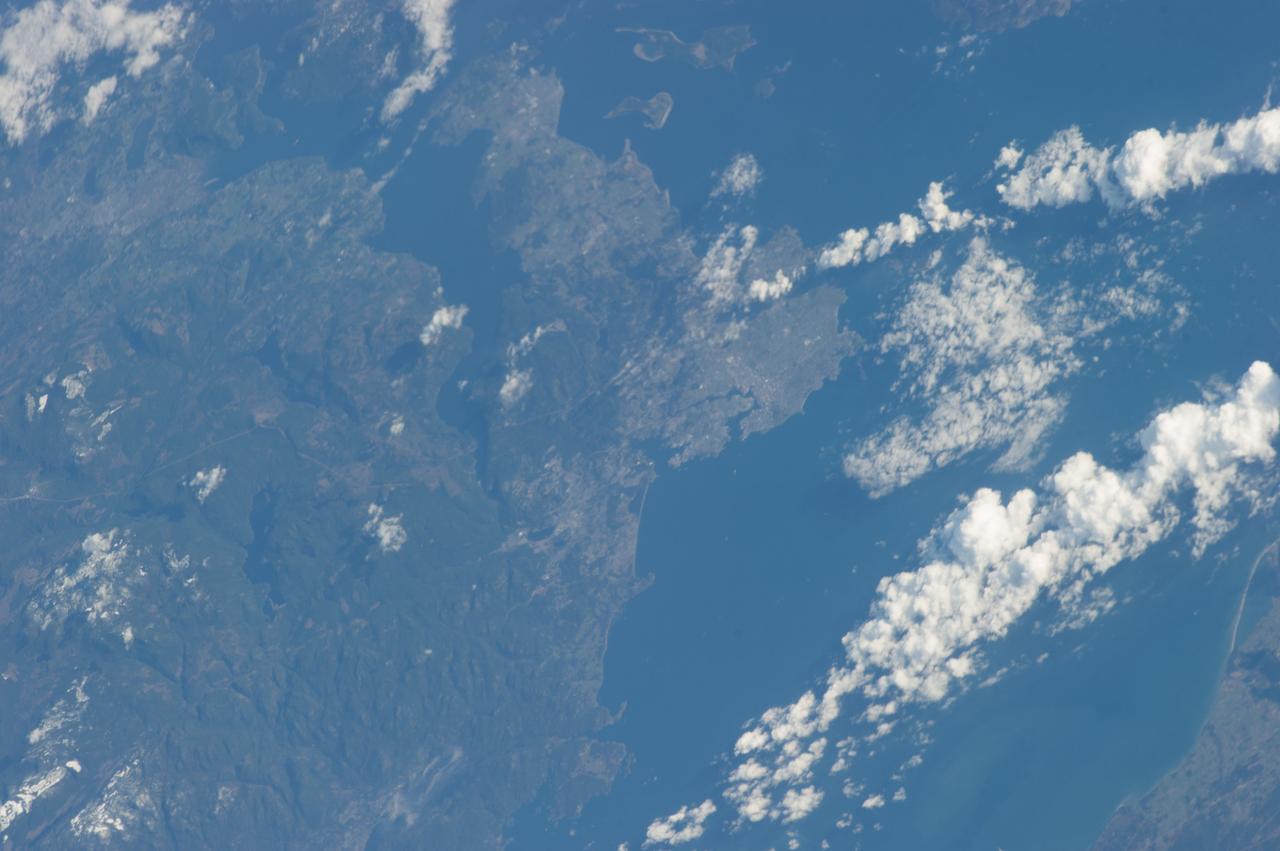
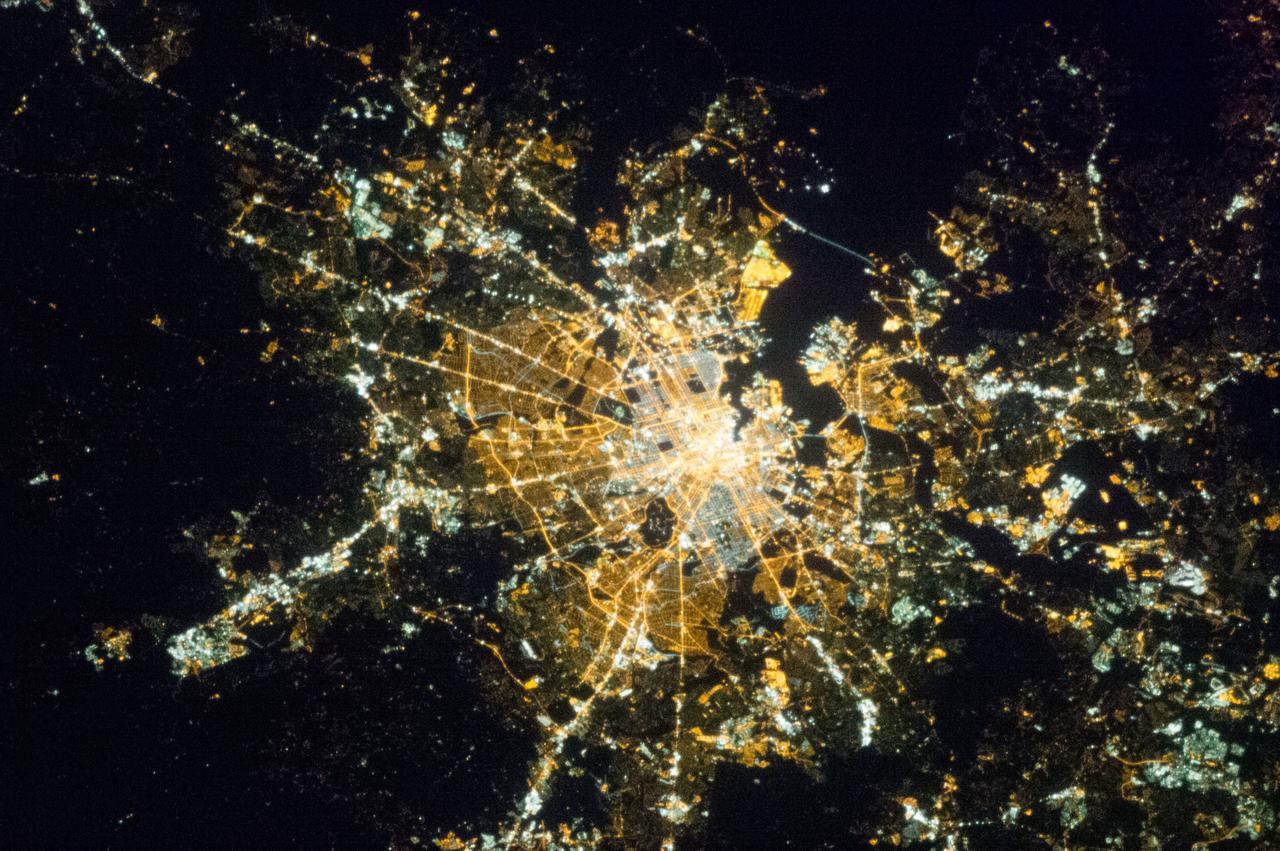
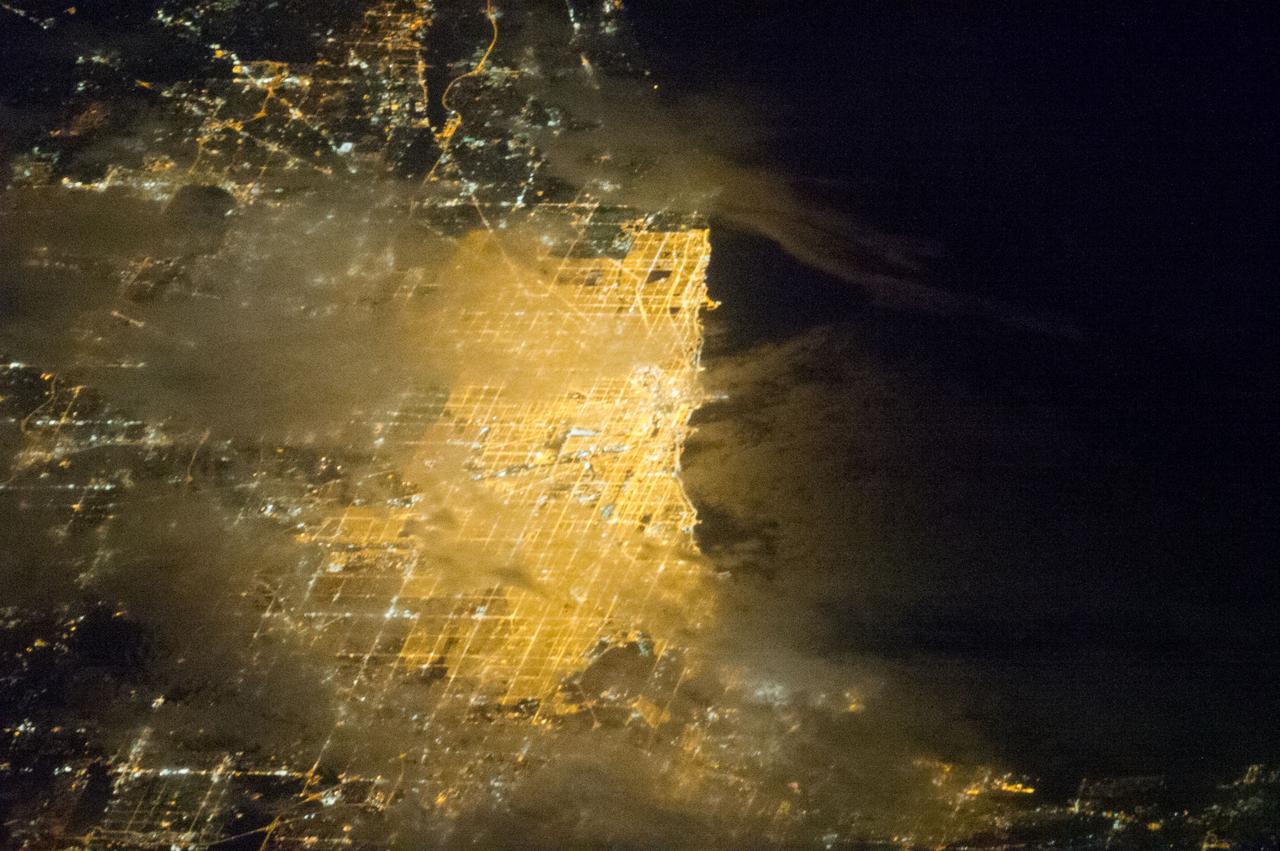
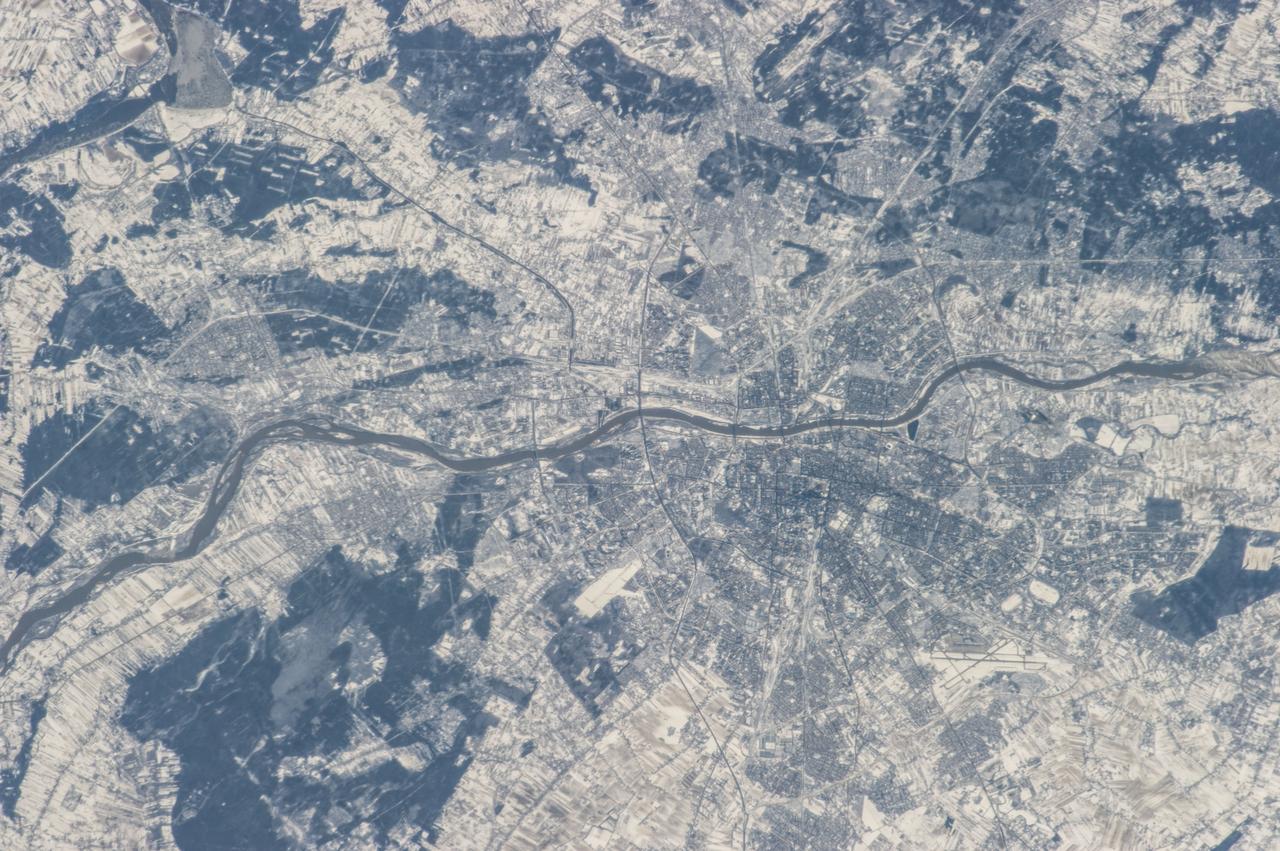
Earth observation taken by the Expedition 35 crew aboard the ISS. Night view of city lights.
Earth Observations taken by the Expedition 35 Crew
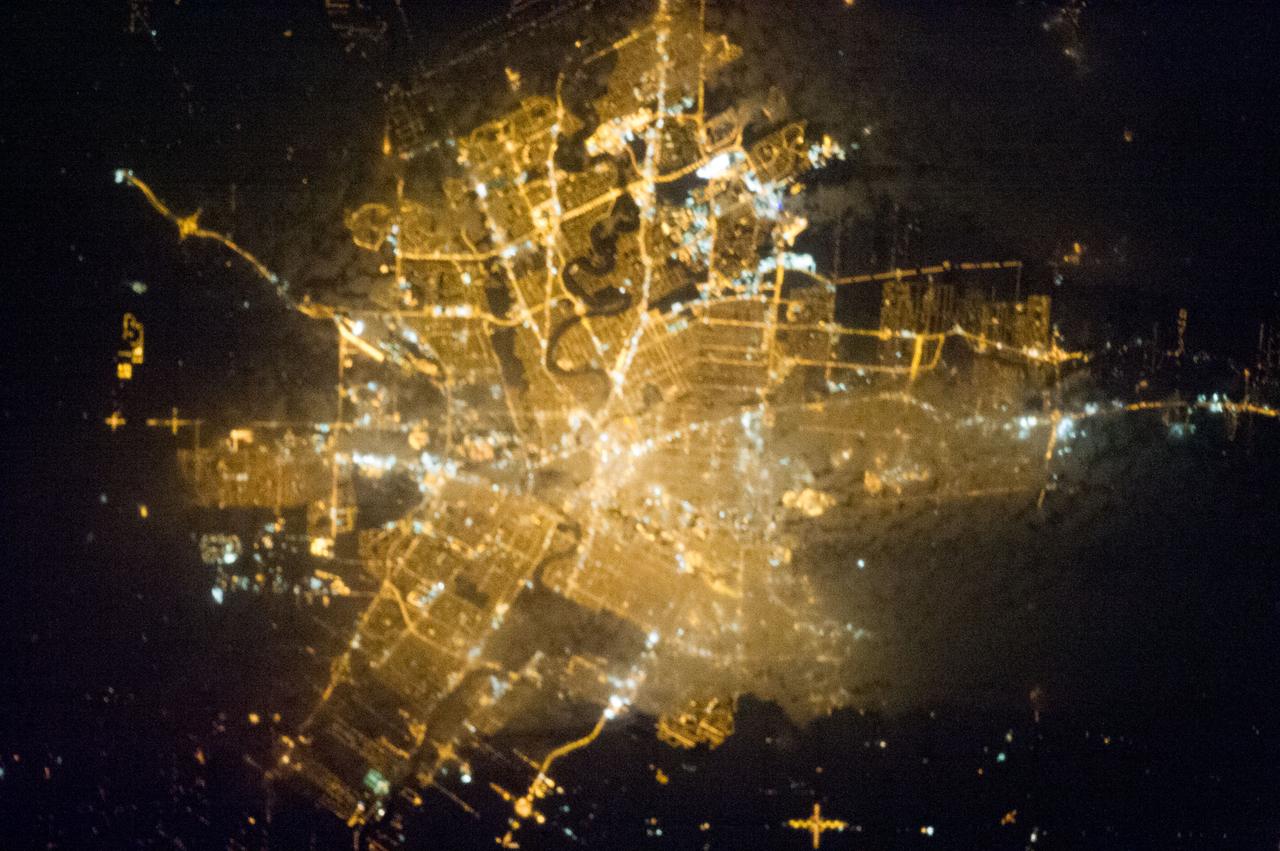
Earth observation taken by the Expedition 35 crew aboard the ISS. View of city lights at night.
Earth Observations taken by the Expedition 35 Crew
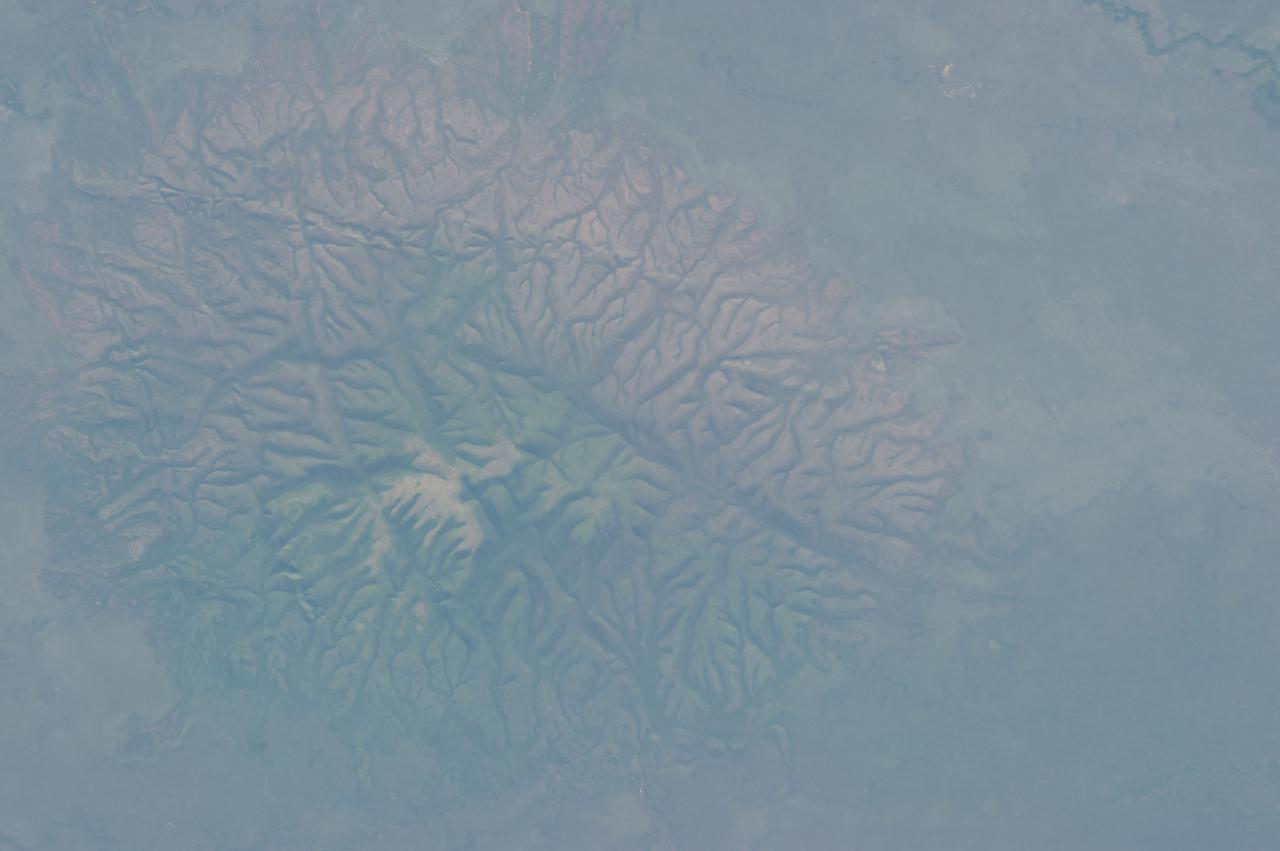
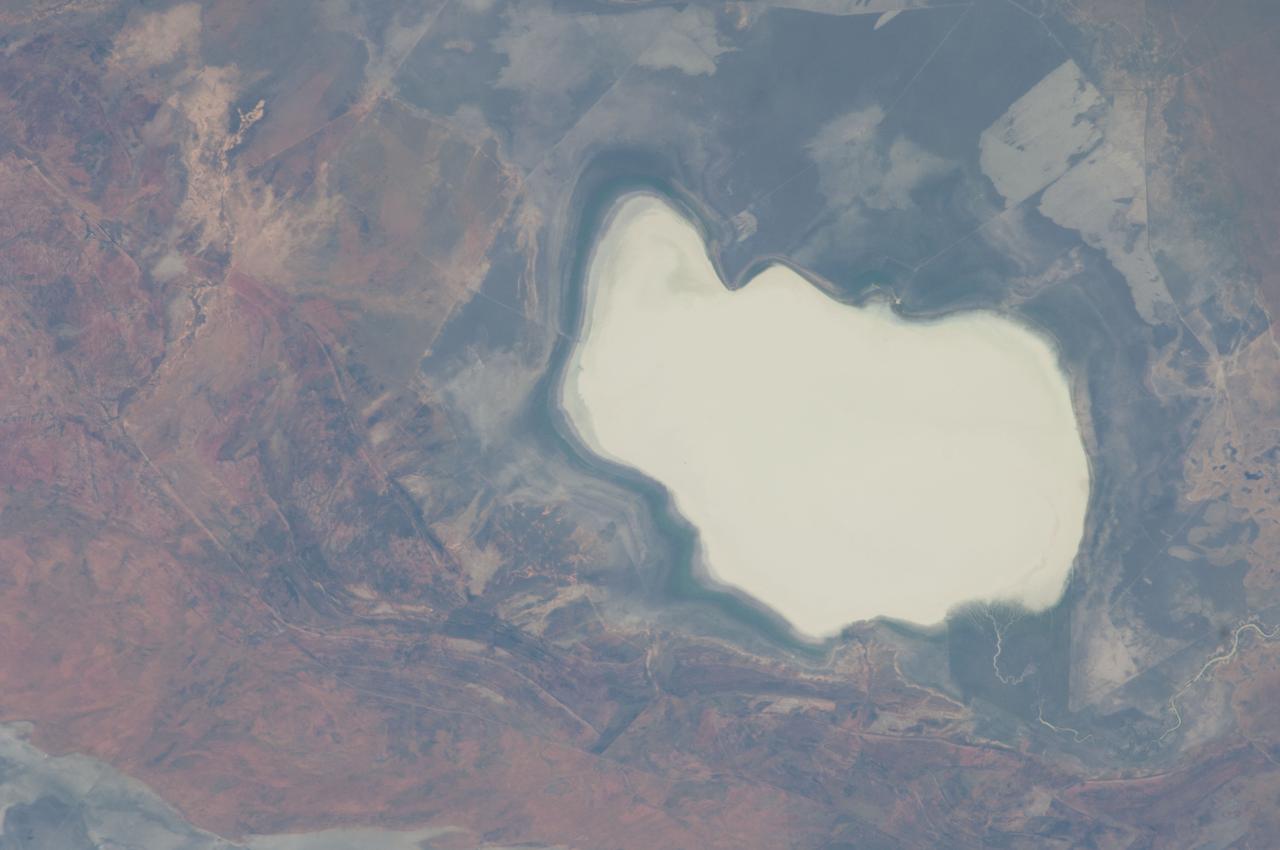
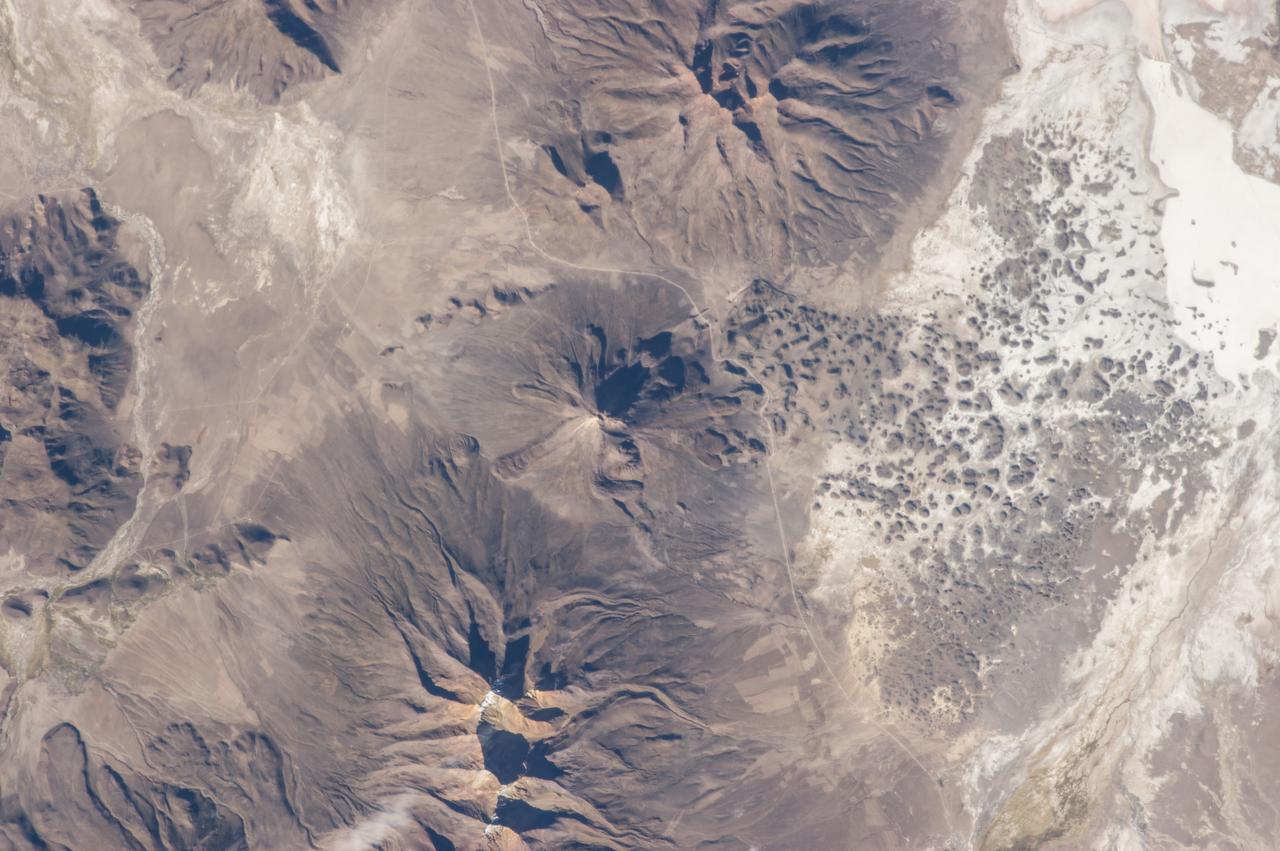
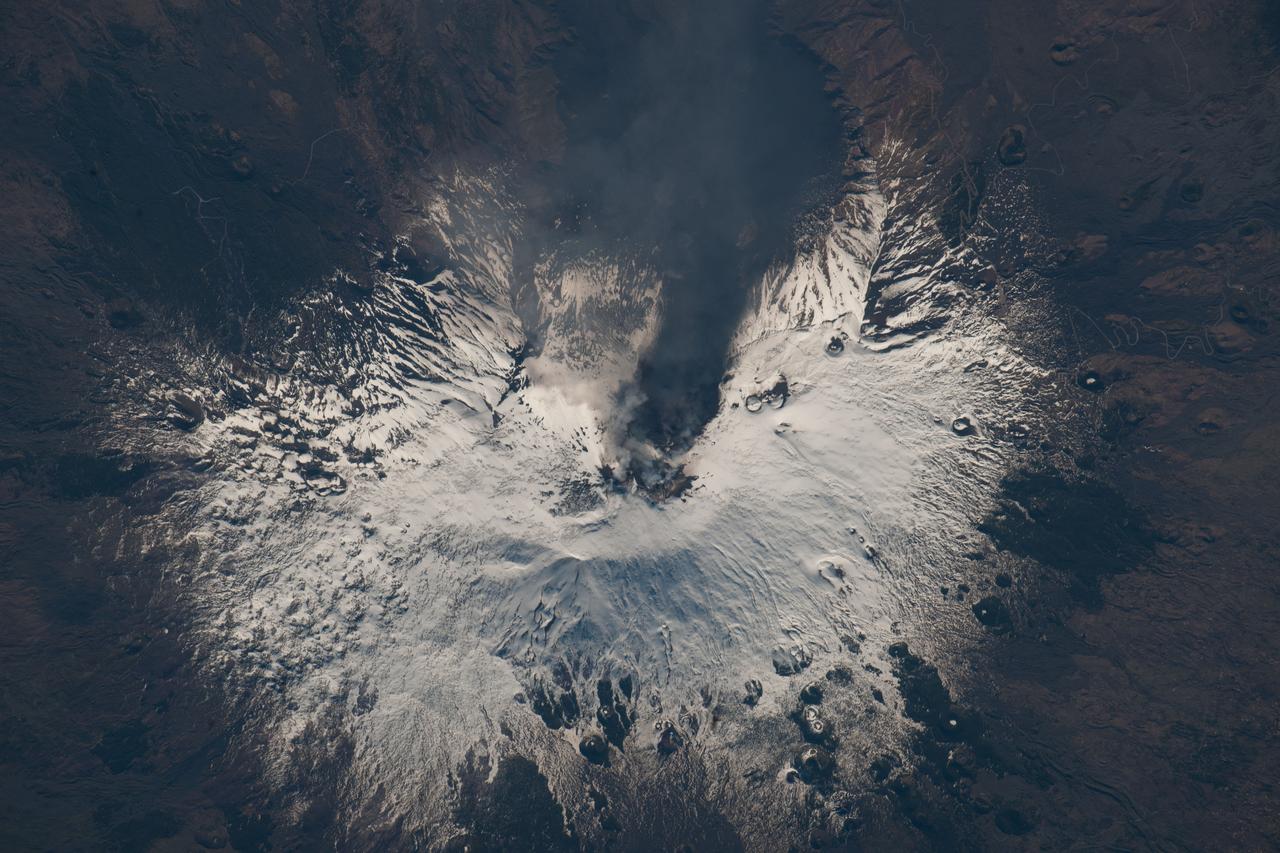
ISS035-E-18006 (8 April 2013) --- One of the Expedition 35 crew members  aboard the Earth-orbiting International Space Station photographed this image of Tata Sabaya Volcano, located in the Altiplano region of Bolivia.  The volcano rises to a summit elevation of 5430 meters above sea level. While its current form is that of a “youthful”  stratovolcano, the regional geological evidence indicates an older, eventful history, according to scientists.  The scientists say that prior to approximately 12,000 years ago (during the late Pleistocene Epoch), a large debris avalanche was formed by collapse of the ancestral Tata Sabaya volcano. Debris from the avalanche swept into the nearby Salar de Coipasa –at that time filled with a lake larger than today – significantly changing its northwestern coastline. Timing of the event is obtained from tufa deposits formed on debris islands during a high stand of the Coipasa lake – illustrating the geological principle of cross-cutting relationships, in that the debris avalanche had to have occurred before the tufa deposits were formed in the lake.  The Tata Sabaya stratovolcano is located at image center. Several young lava flows are visible on the northwestern and western flanks of the volcano. Peaks visible to the northeast and southwest appear to be volcanoes as well, but unlike Tata Sabaya there is no record of recent activity from either of them (according to the Smithsonian National Museum of Natural History’s Global Volcanism Program). As the Altiplano became more arid and the Coipasa Lake shrank, much of the hummocky terrain of the debris avalanche became exposed over an area of more than 300 square kilometers. The hummocky terrain is clearly visible at image right. White salt deposits of the salar surround many of the individual hummocks, making them “islands” once again.
Earth Observations taken by the Expedition 35 Crew
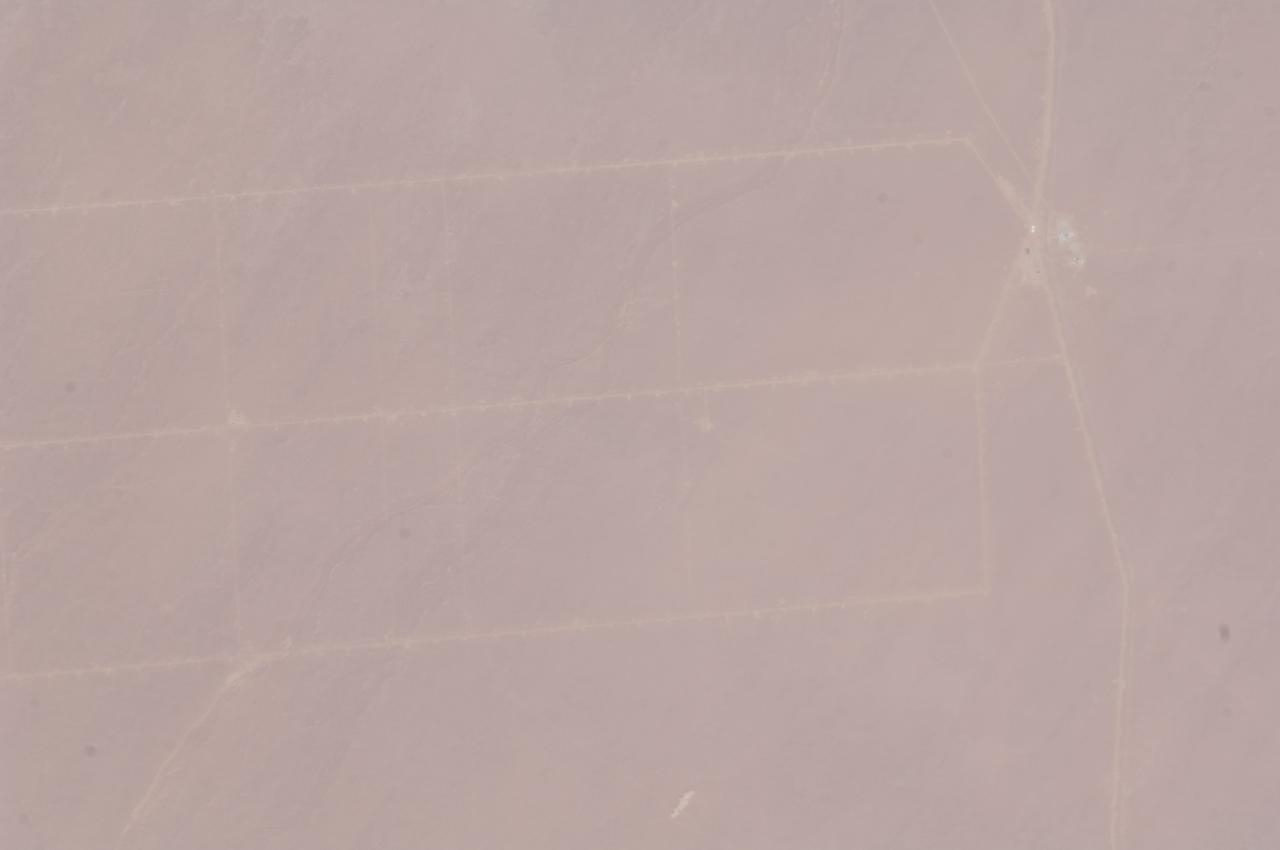
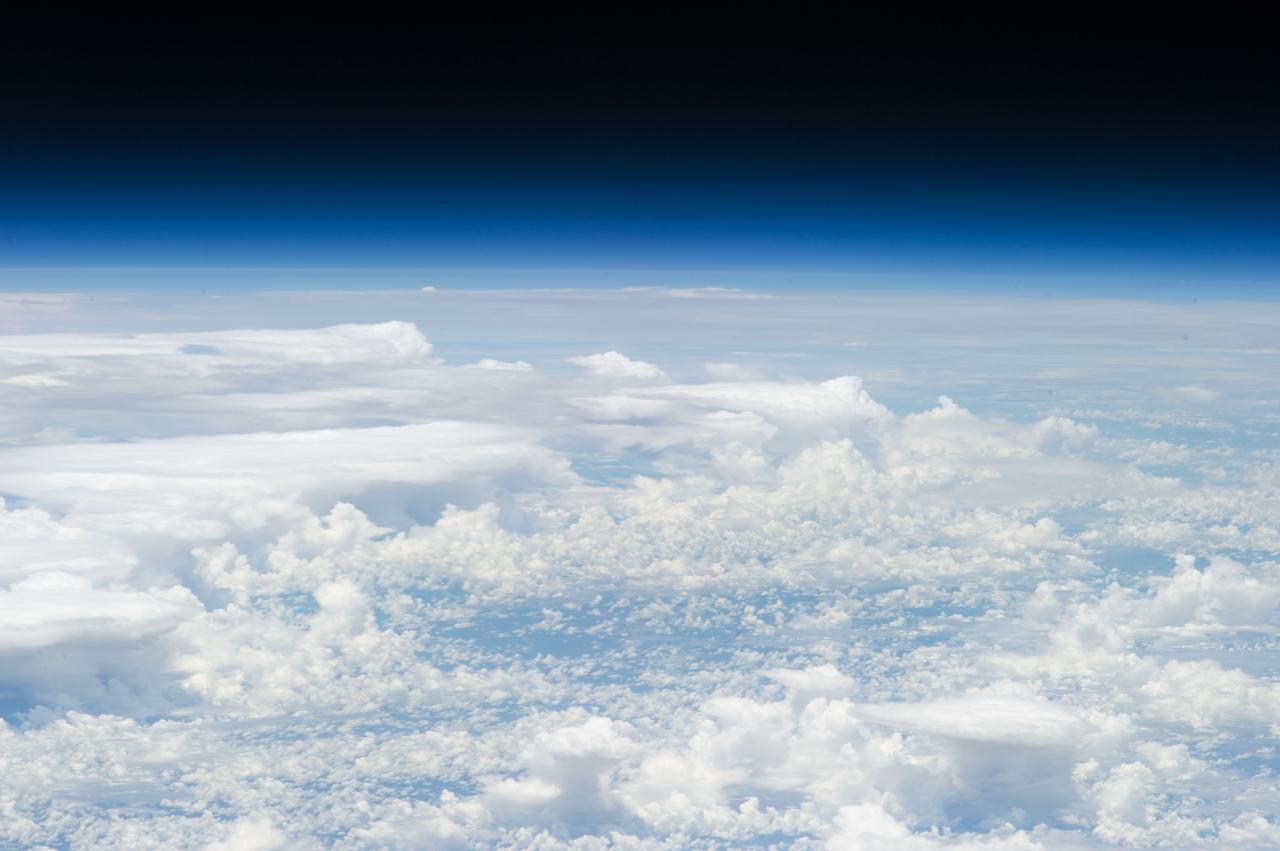
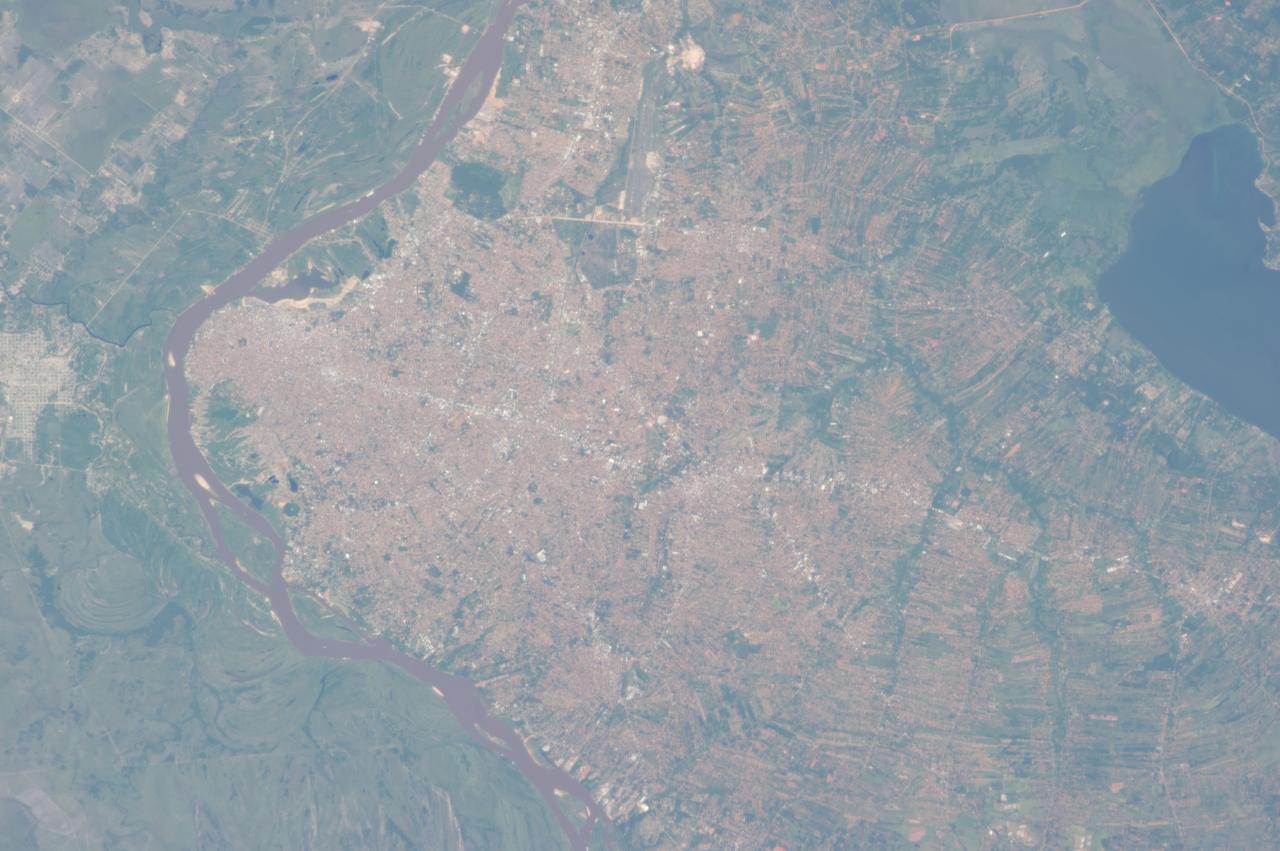
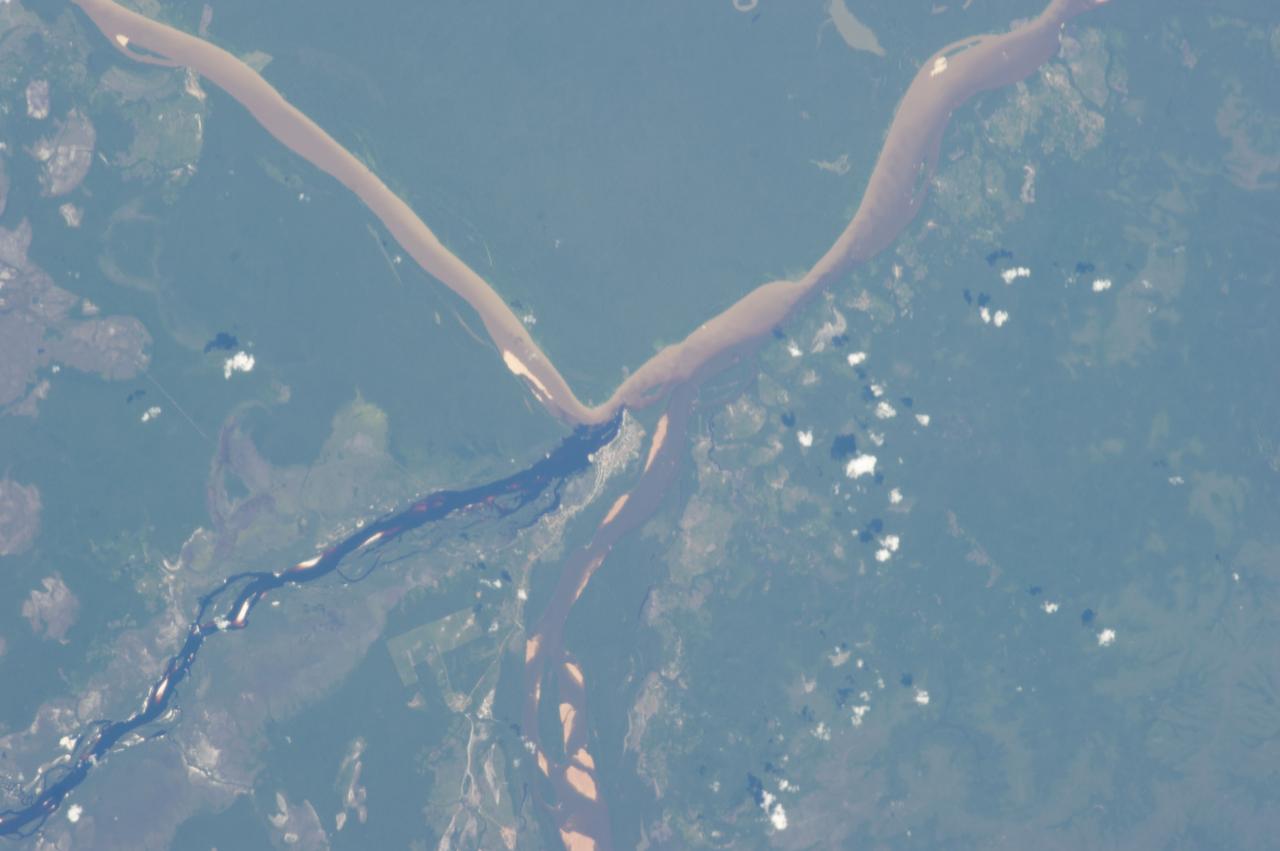
Earth observation taken by the Expedition 35 crew aboard the ISS.
Earth Observations taken by the Expedition 35 Crew
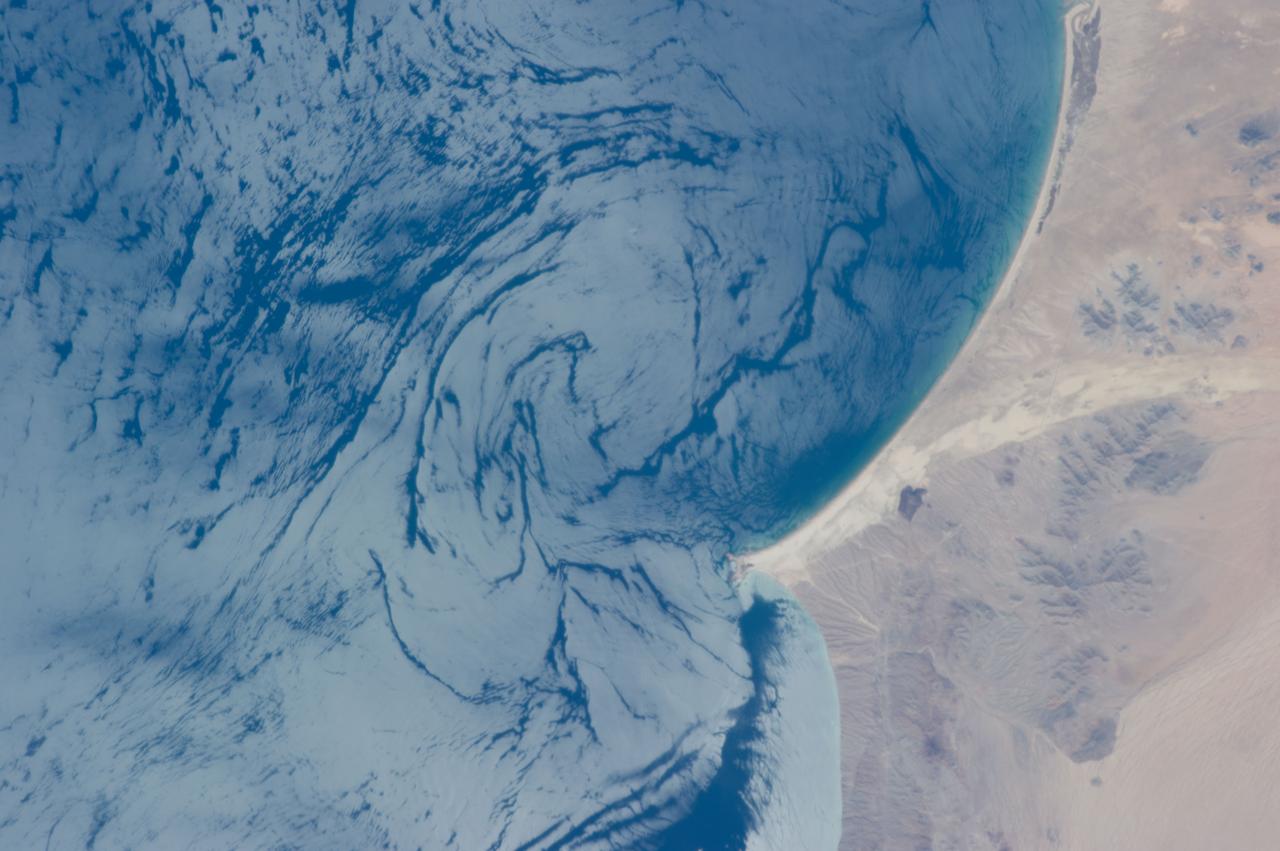
Earth observation taken by the Expedition 35 crew aboard the ISS.
Earth Observations taken by the Expedition 35 Crew
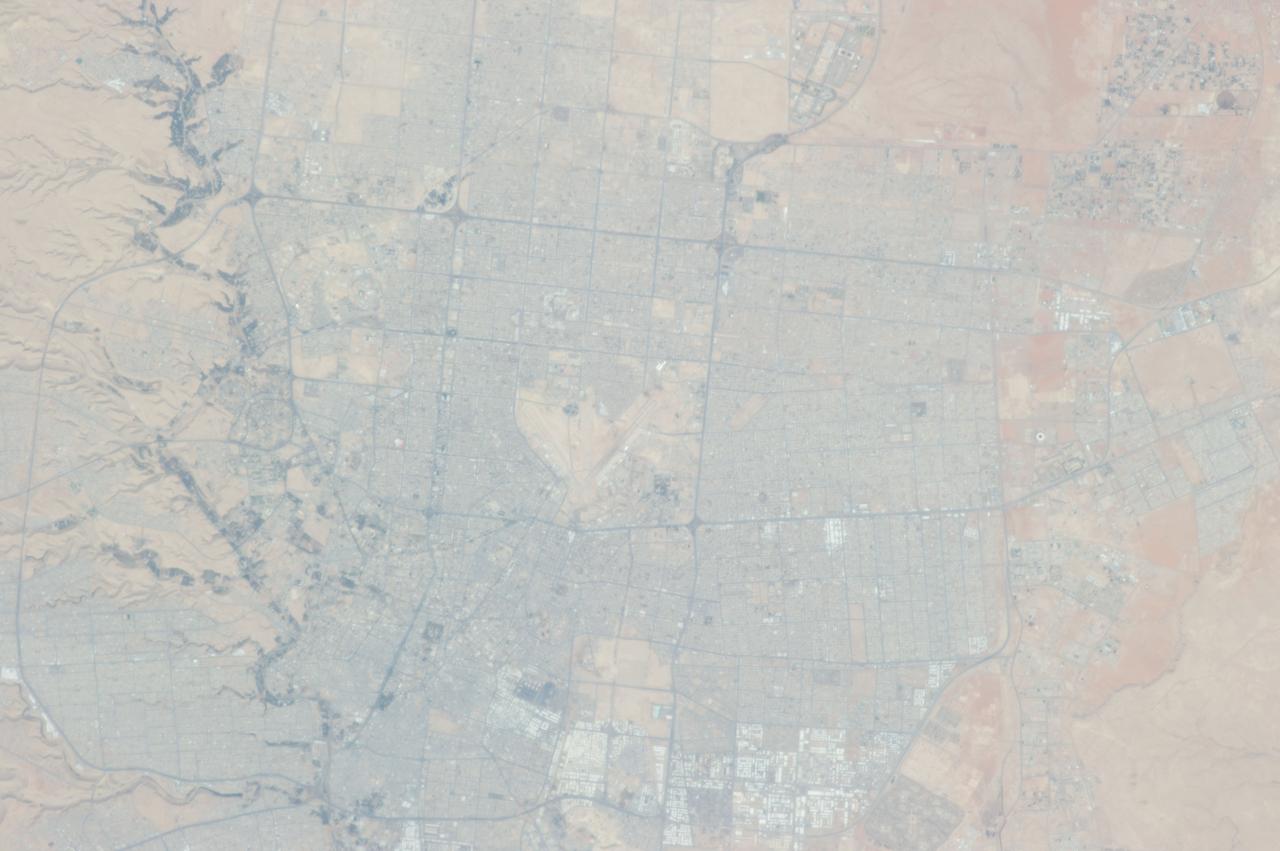
Earth observation taken by the Expedition 35 crew aboard the ISS.
Earth Observations taken by the Expedition 35 Crew
Earth observation taken by the Expedition 35 crew aboard the ISS.
Earth Observations taken by the Expedition 35 Crew
Earth observation taken by the Expedition 35 crew aboard the ISS.
Earth Observations taken by the Expedition 35 Crew
View of a maple cookie floating in the Harmony Node 2. The hatch into the Destiny U.S. Laboratory is in the background. Image was taken during Expedition 35.
Maple Cookie floating in Node 2
Earth observation taken by the Expedition 35 crew aboard the ISS. Night view of airglow and aurora.
Earth Observations taken by the Expedition 35 Crew
Earth observation taken by the Expedition 35 crew aboard the ISS.
Earth Observations taken by the Expedition 35 Crew
Earth observation taken by the Expedition 35 crew aboard the ISS. Night view of city lights and portions of the ISS.
Earth Observations taken by the Expedition 35 Crew
Earth observation taken by the Expedition 35 crew aboard the ISS. Night view of city lights.
Earth Observations taken by the Expedition 35 Crew
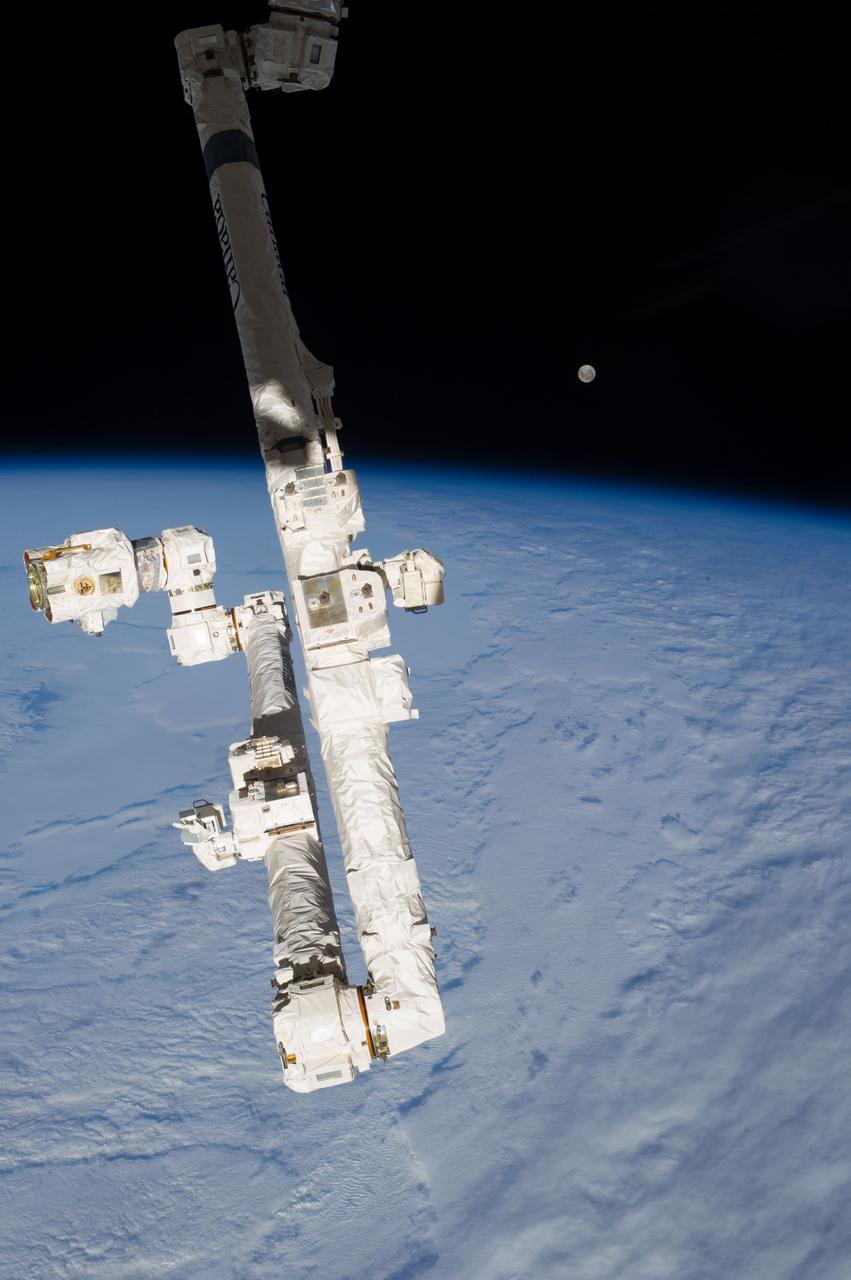
Earth observation taken by the Expedition 35 crew aboard the ISS. A portion of the Canadarm2 Space Station Remote Manipulator System (SSRMS) is in view.
Earth Observations taken by the Expedition 35 Crew
Earth observation taken by the Expedition 35 crew aboard the ISS. View of city lights at night.
Earth Observations taken by the Expedition 35 Crew
Earth observation taken by the Expedition 35 crew aboard the ISS. Night view of city lights.
Earth Observations taken by the Expedition 35 Crew
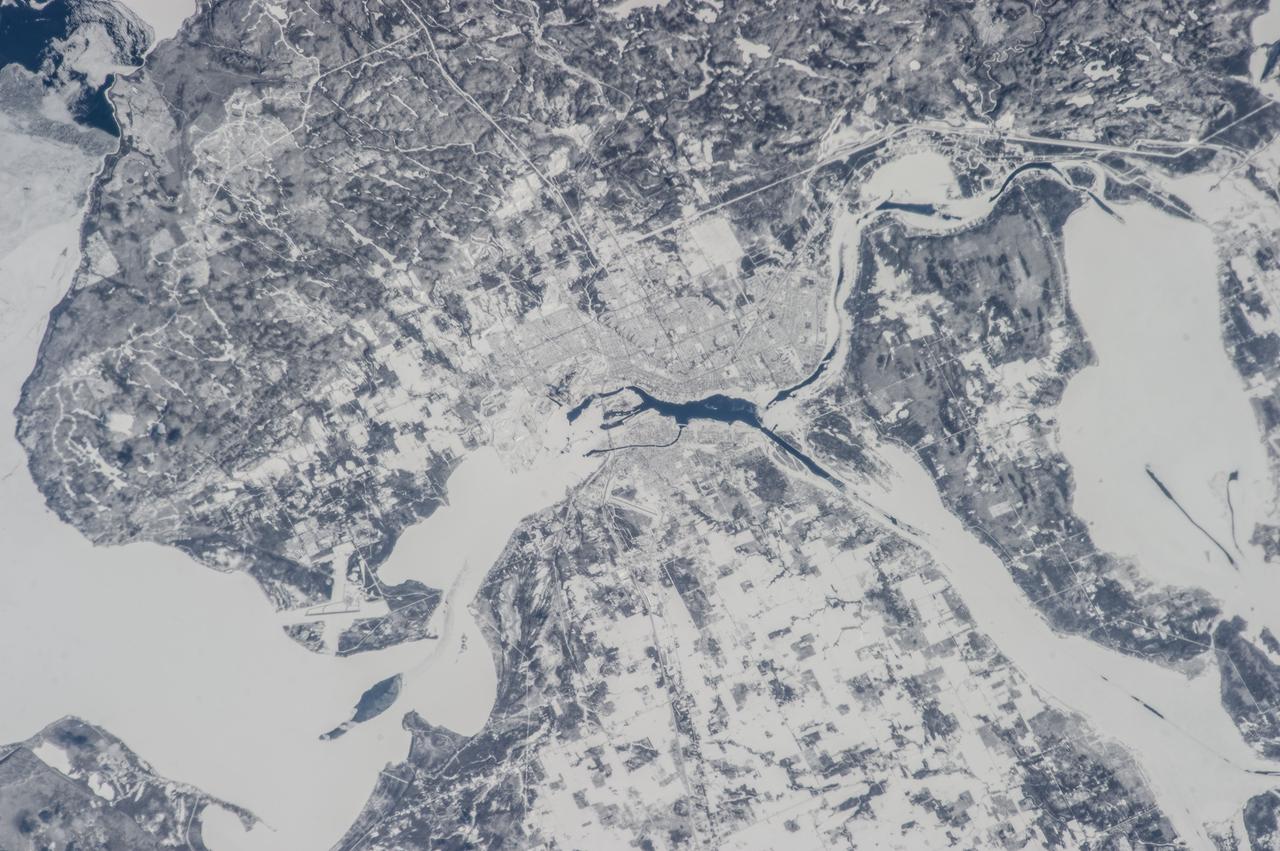
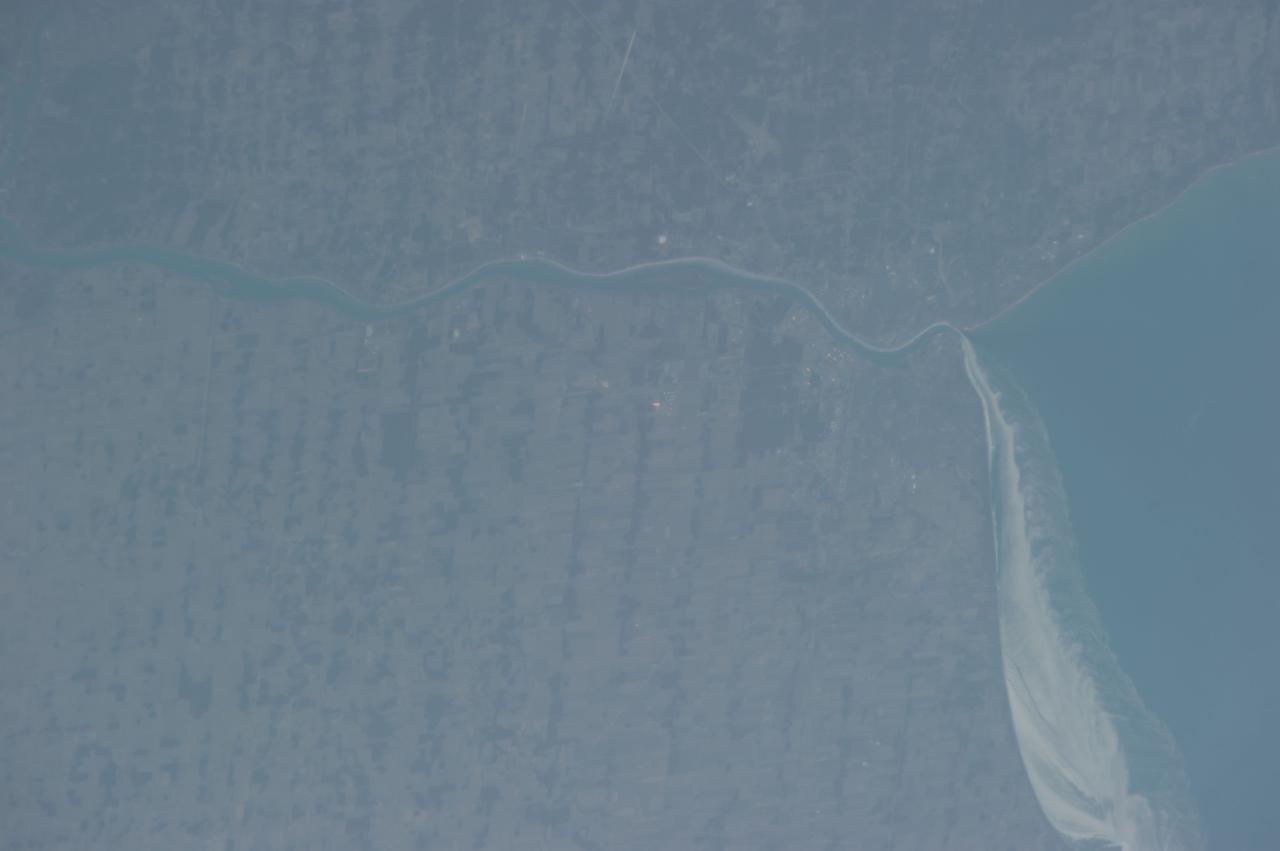
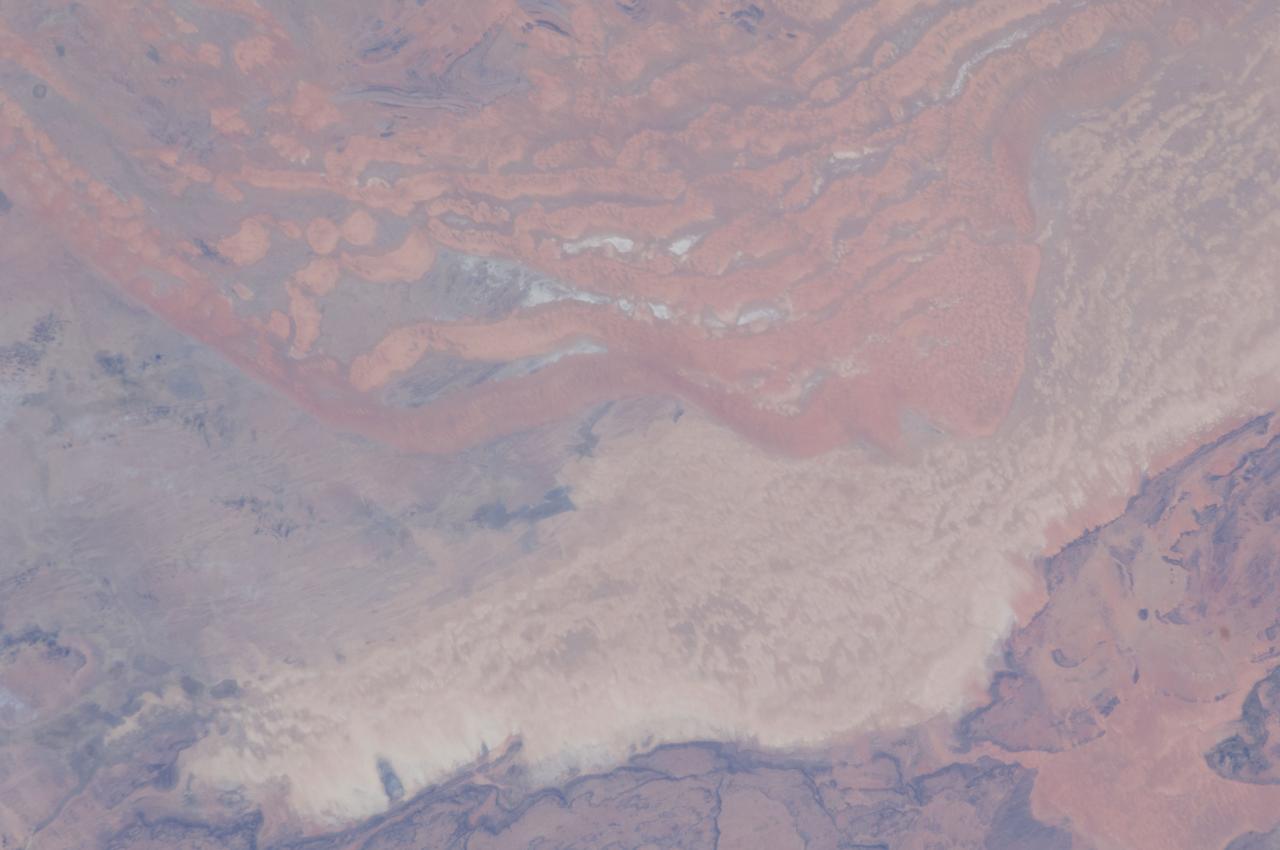
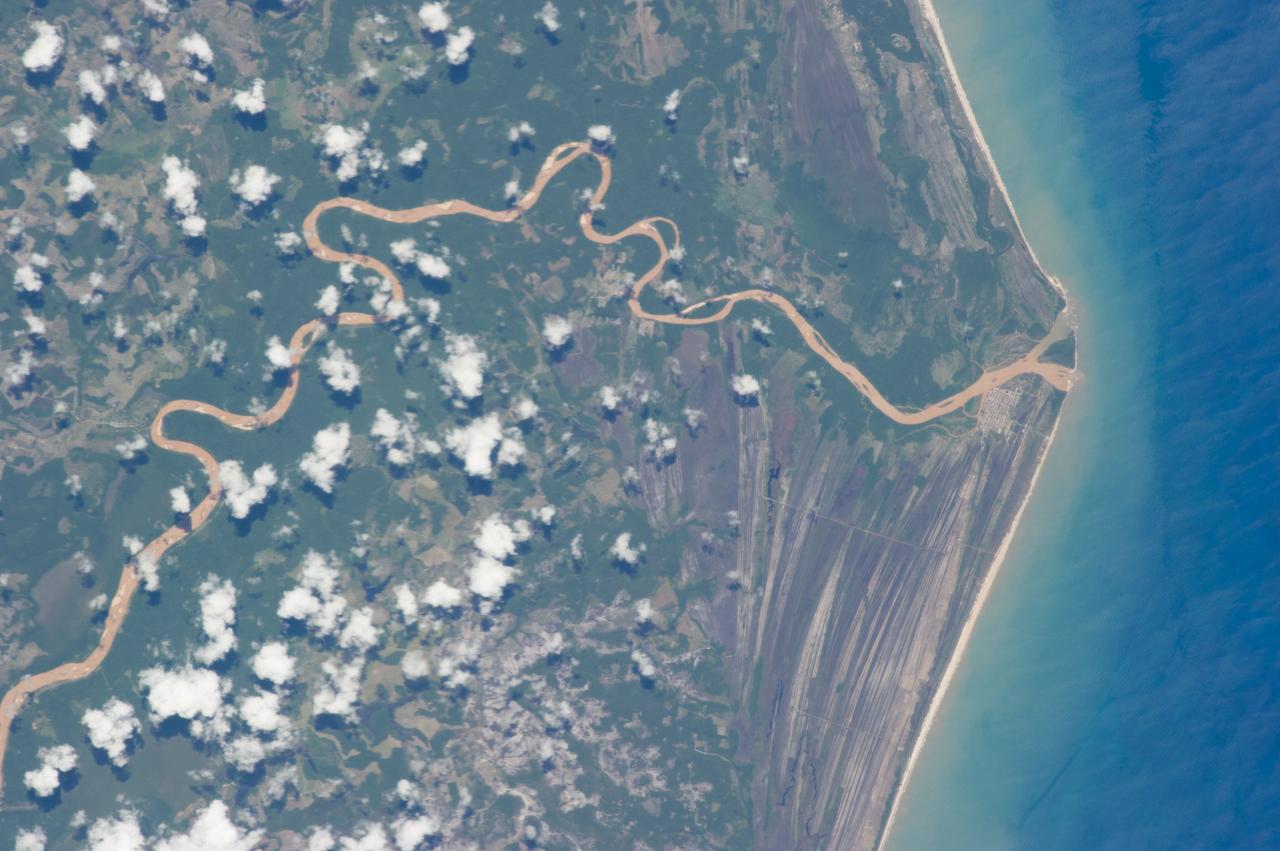
Earth observation taken by the Expedition 35 crew aboard the ISS.
Earth Observations taken by the Expedition 35 Crew
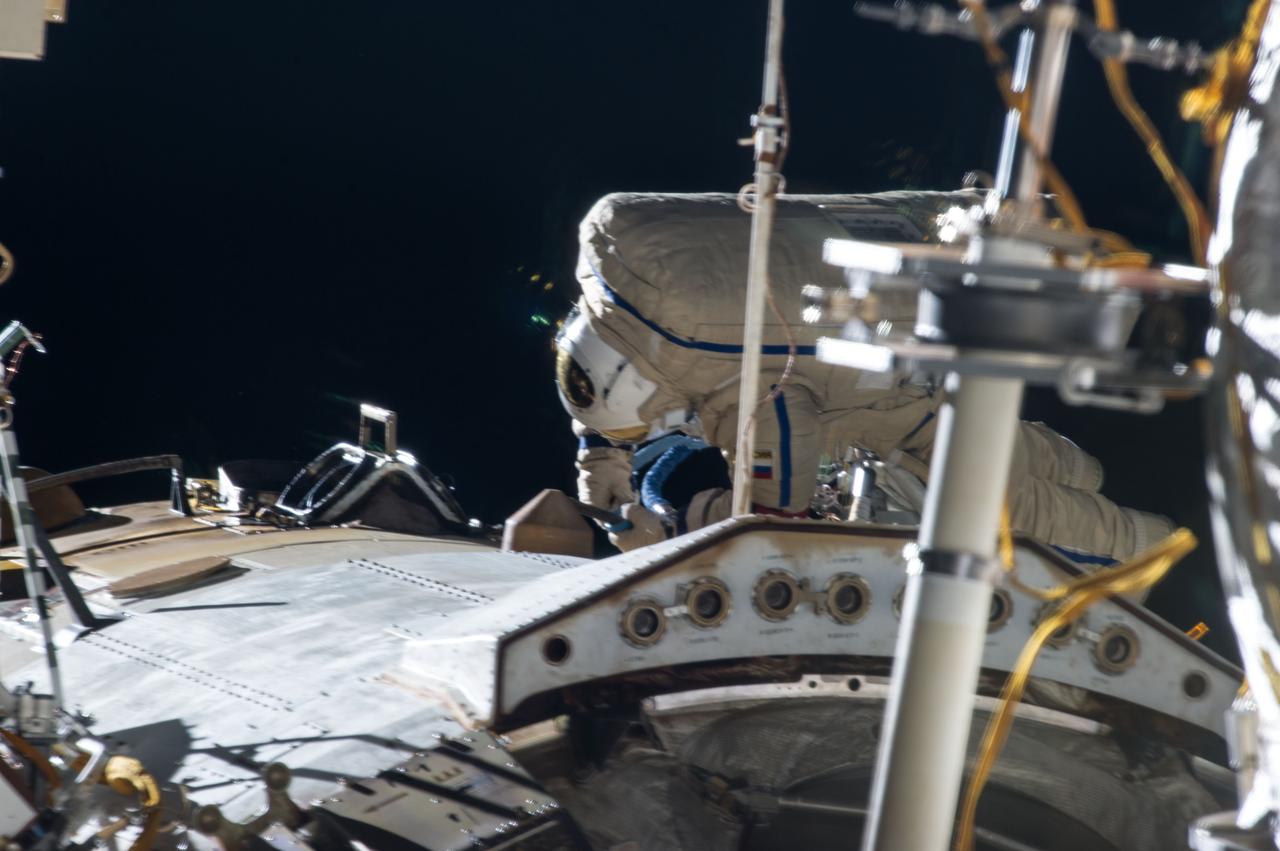
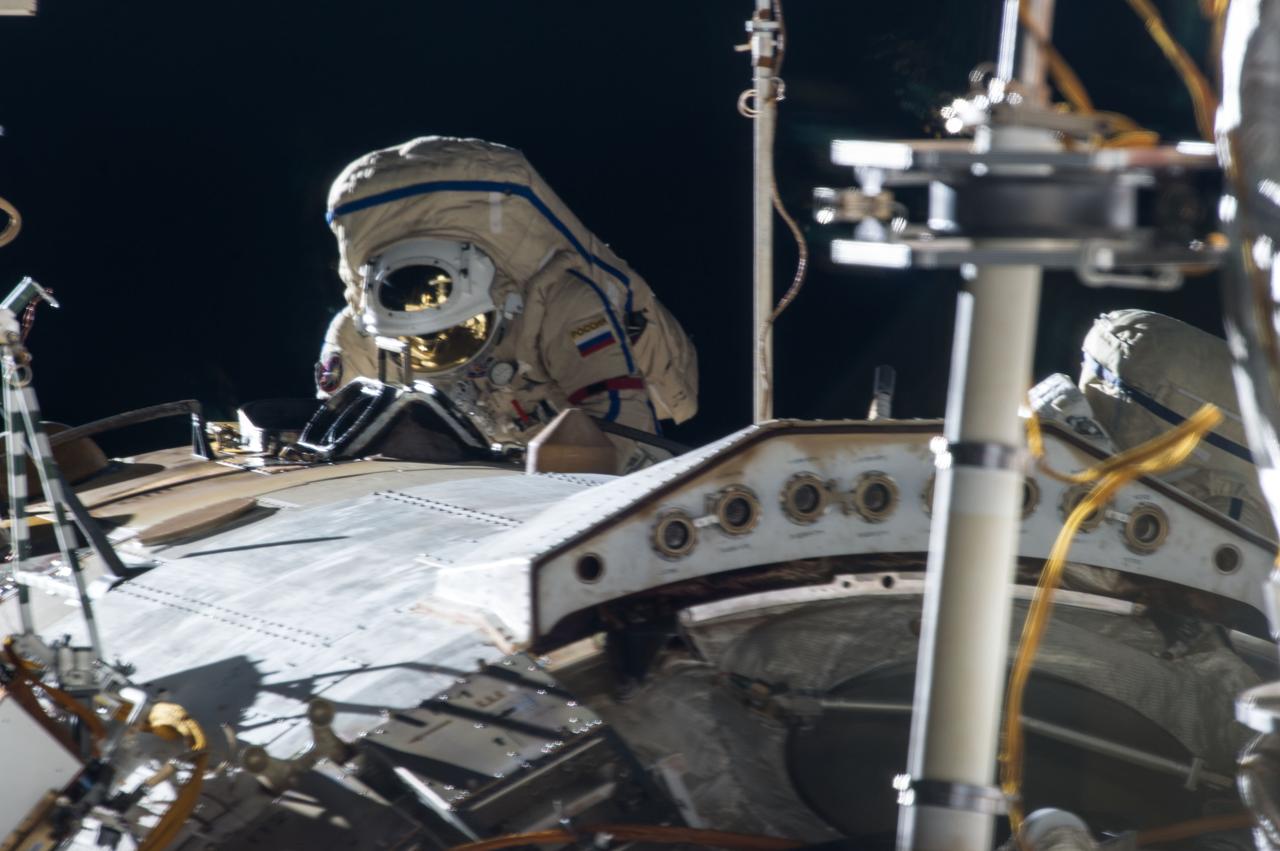
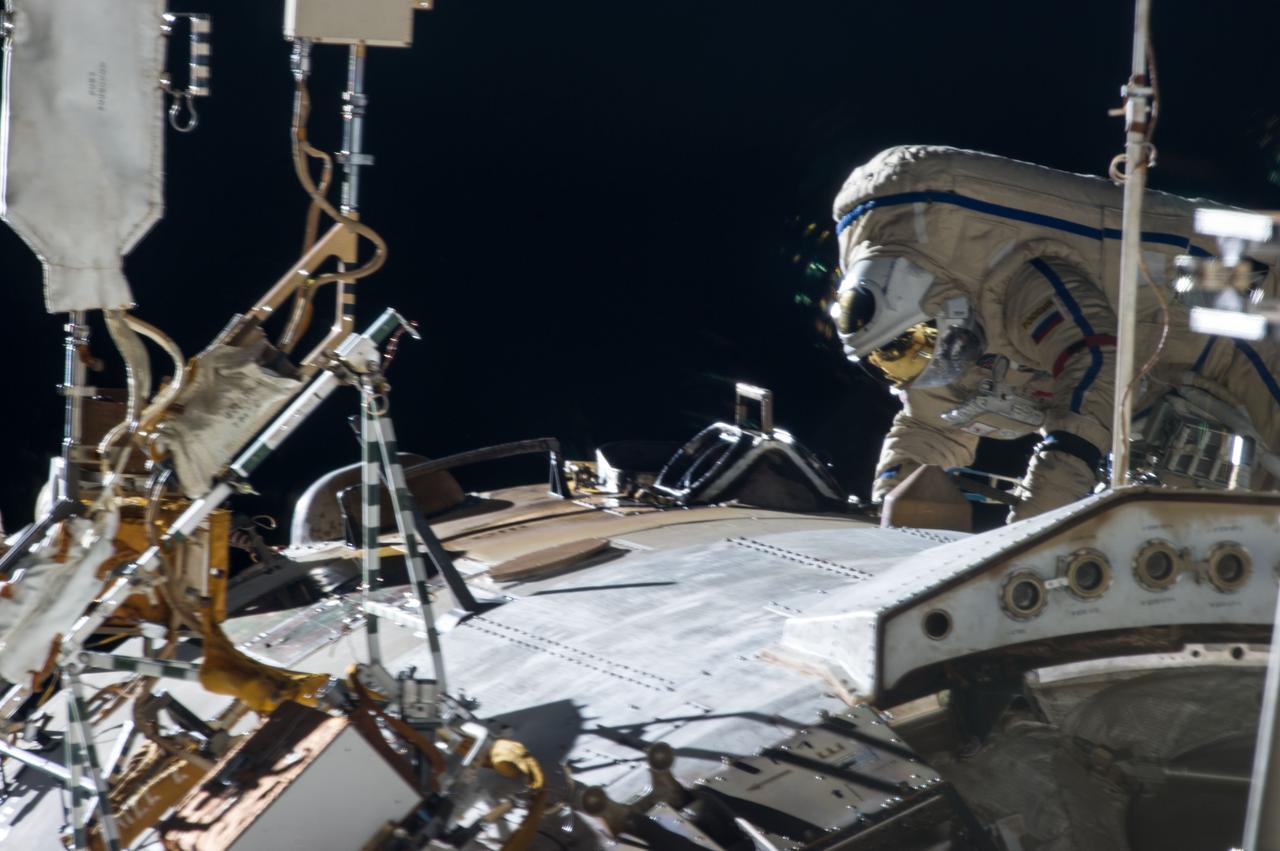
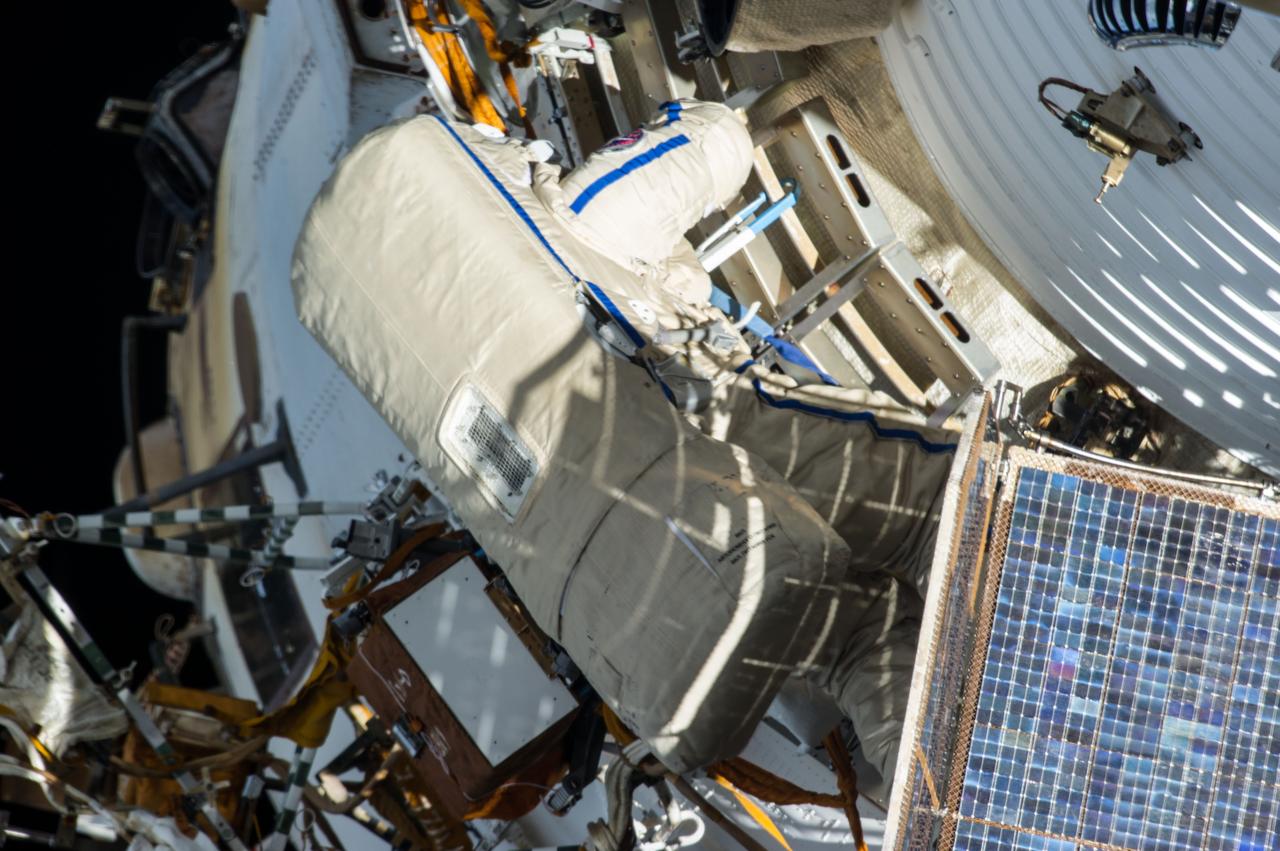
ISS035-E-024811 (19 April 2013) --- Expedition 35 Russian cosmonaut  Pavel Vinogradov translates outside the International Space Station on April 19, 2013, during the first spacewalk of  the Expedition 35 mission.   Vinogradov and fellow cosmonaut Roman Romanenko  (out of frame)  went on to spend about six hours upgrading the station?s exterior hardware.
Extravehicular Crewmember during EVA 32
Earth observation taken by the Expedition 35 crew aboard the ISS. Night view of city lights.
Earth Observations taken by the Expedition 35 Crew
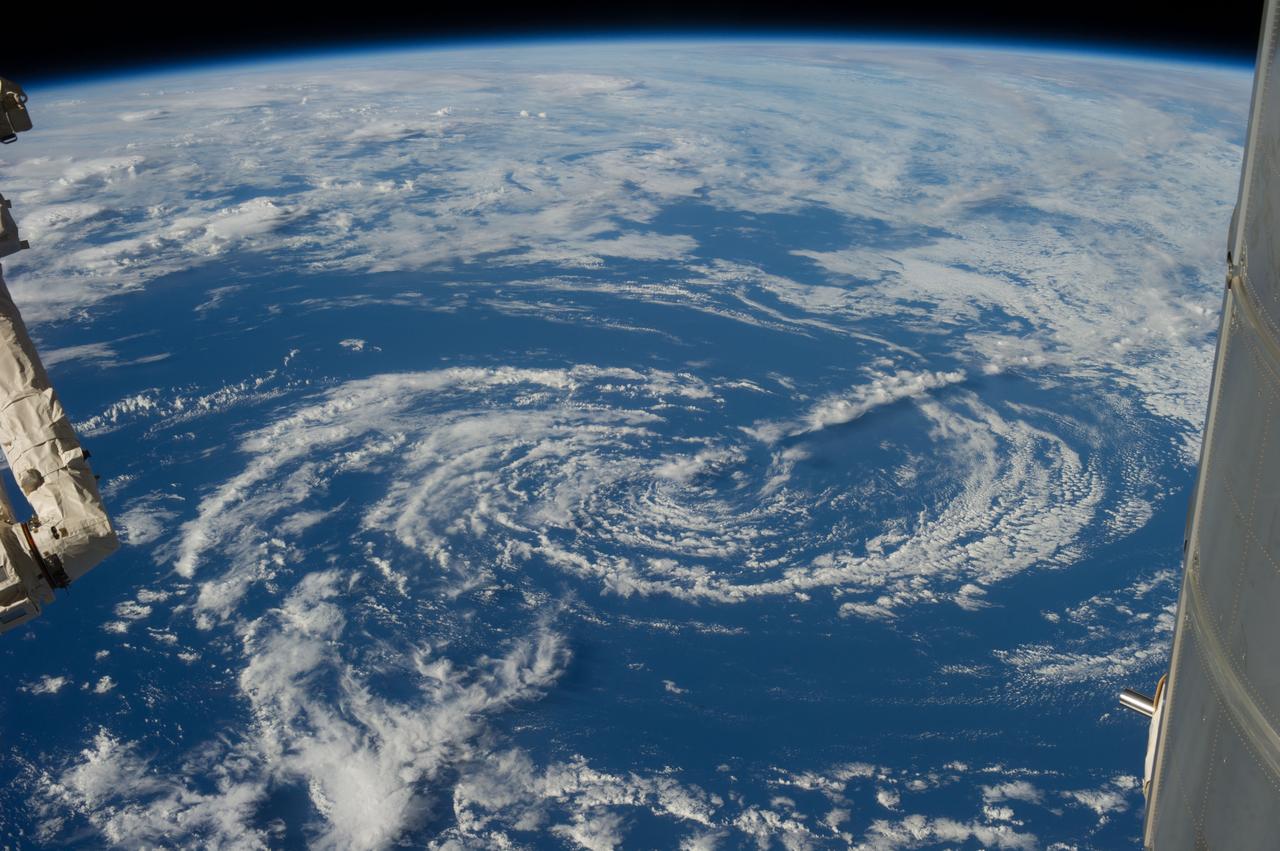
Earth observation taken by the Expedition 35 crew aboard the ISS.
Earth Observations taken by the Expedition 35 Crew
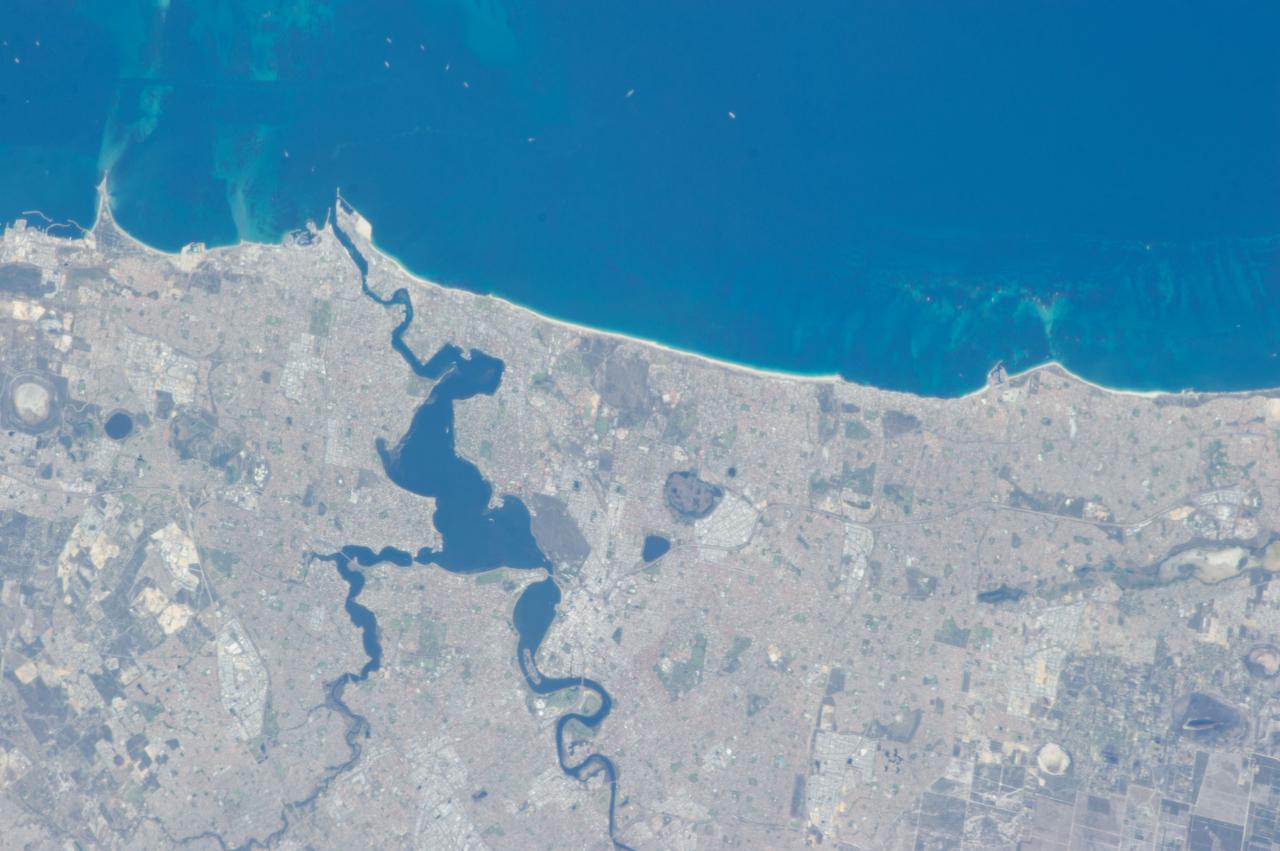
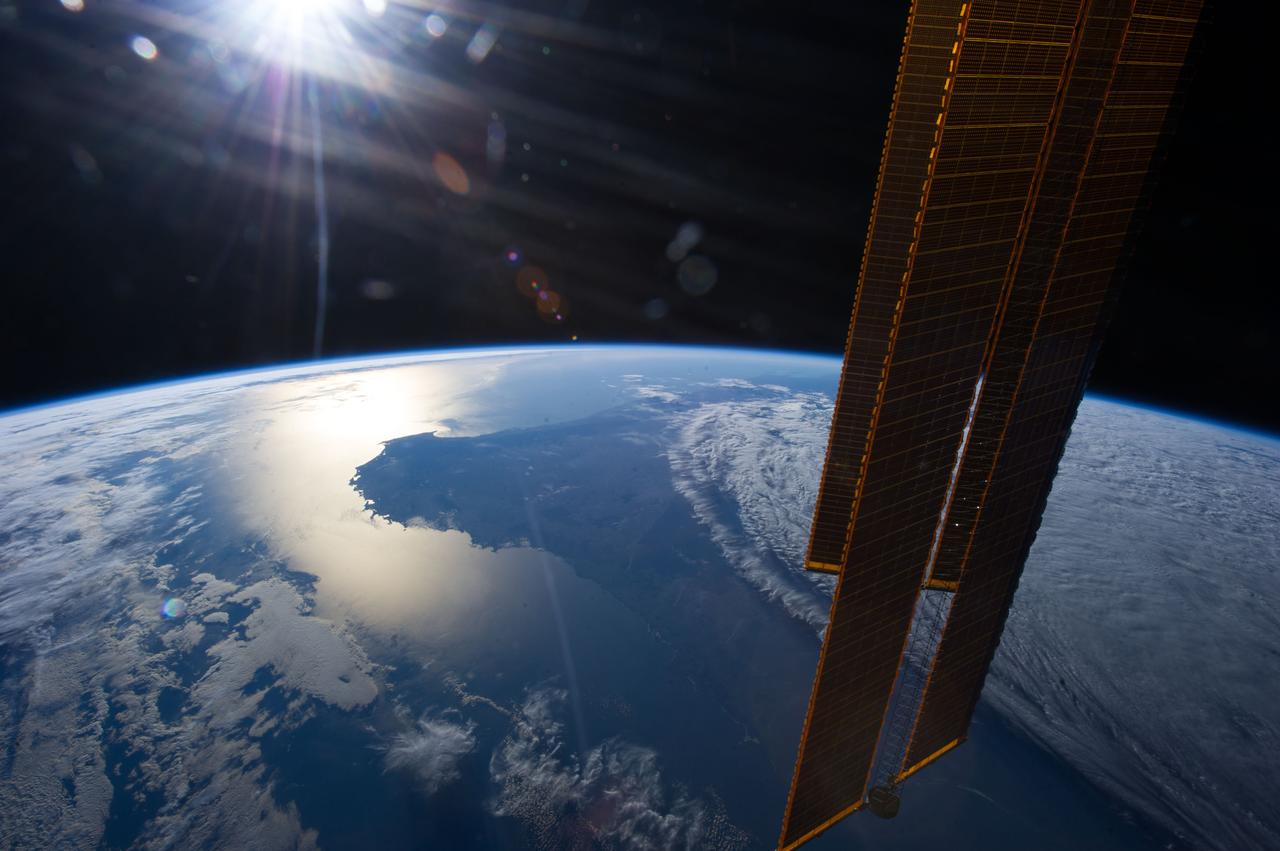
ISS035-E-013379 (1 April 2013) --- The sun is about to set in this scene showing parts of southwestern Australia, which was photographed by one of the Expedition 35 crew members aboard the International Space Station on April 1, 2013. Several of the orbital outpost's solar array panels are seen in the foreground.
Earth Observations taken by the Expedition 35 Crew
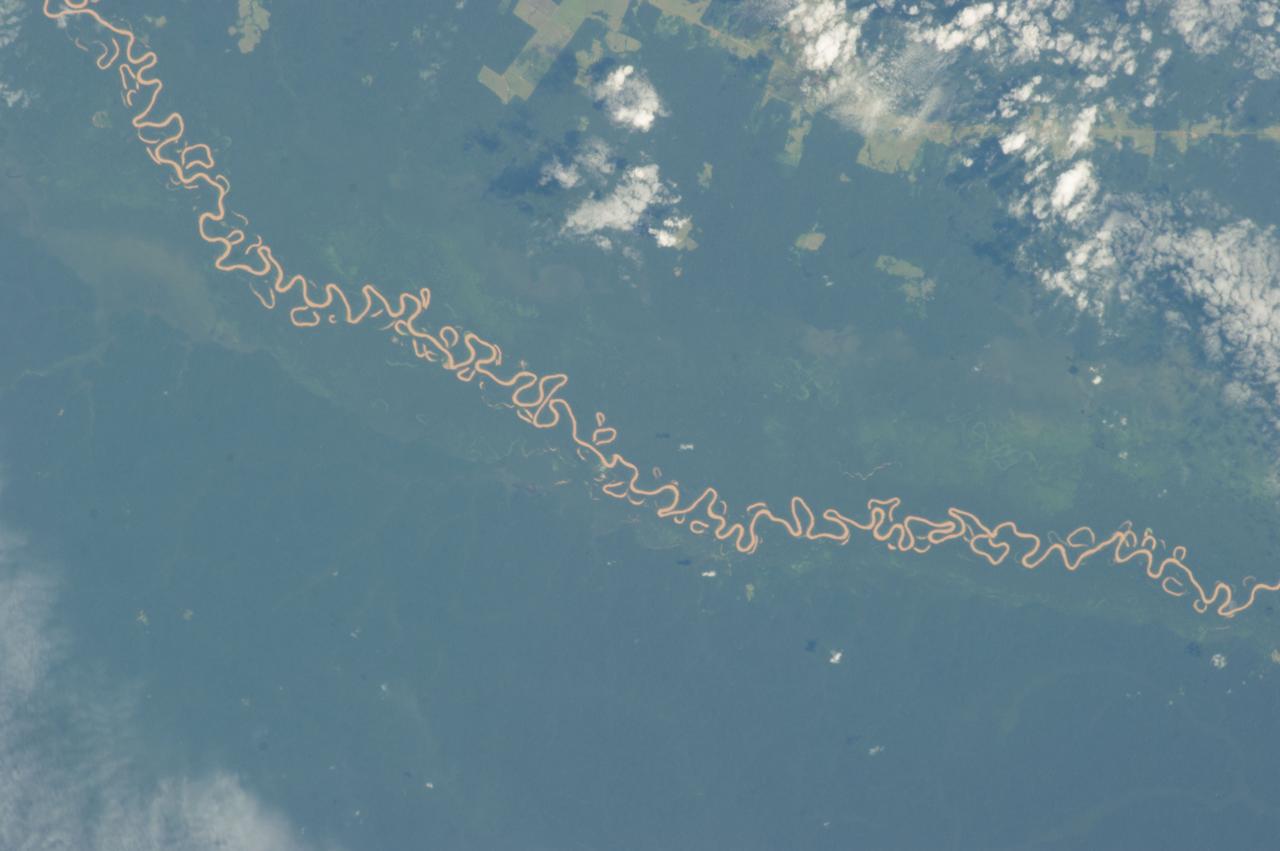
Earth observation taken by the Expedition 35 crew aboard the ISS.
Earth Observations taken by the Expedition 35 Crew
Earth observation taken by the Expedition 35 crew aboard the ISS. Portions of the ISS are in view.
Earth Observations taken by the Expedition 35 Crew
Earth observation taken by the Expedition 35 crew aboard the ISS.
Earth Observations taken by the Expedition 35 Crew
ISS35-E-024812 (19 April 2013) --- Expedition 35 Russian cosmonaut  Pavel Vinogradov translates outside the International Space Station on April 19, 2013, during the first spacewalk of  the Expedition 35 mission.   Vinogradov and fellow cosmonaut Roman Romanenko  (out of frame)  went on to spend about six hours upgrading the station?s exterior hardware.
Extravehicular Crewmember during EVA 32
Earth observation taken by the Expedition 35 crew aboard the ISS.
Earth Observations taken by the Expedition 35 Crew
Earth observation taken by the Expedition 35 crew aboard the ISS.
Earth Observations taken by the Expedition 35 Crew
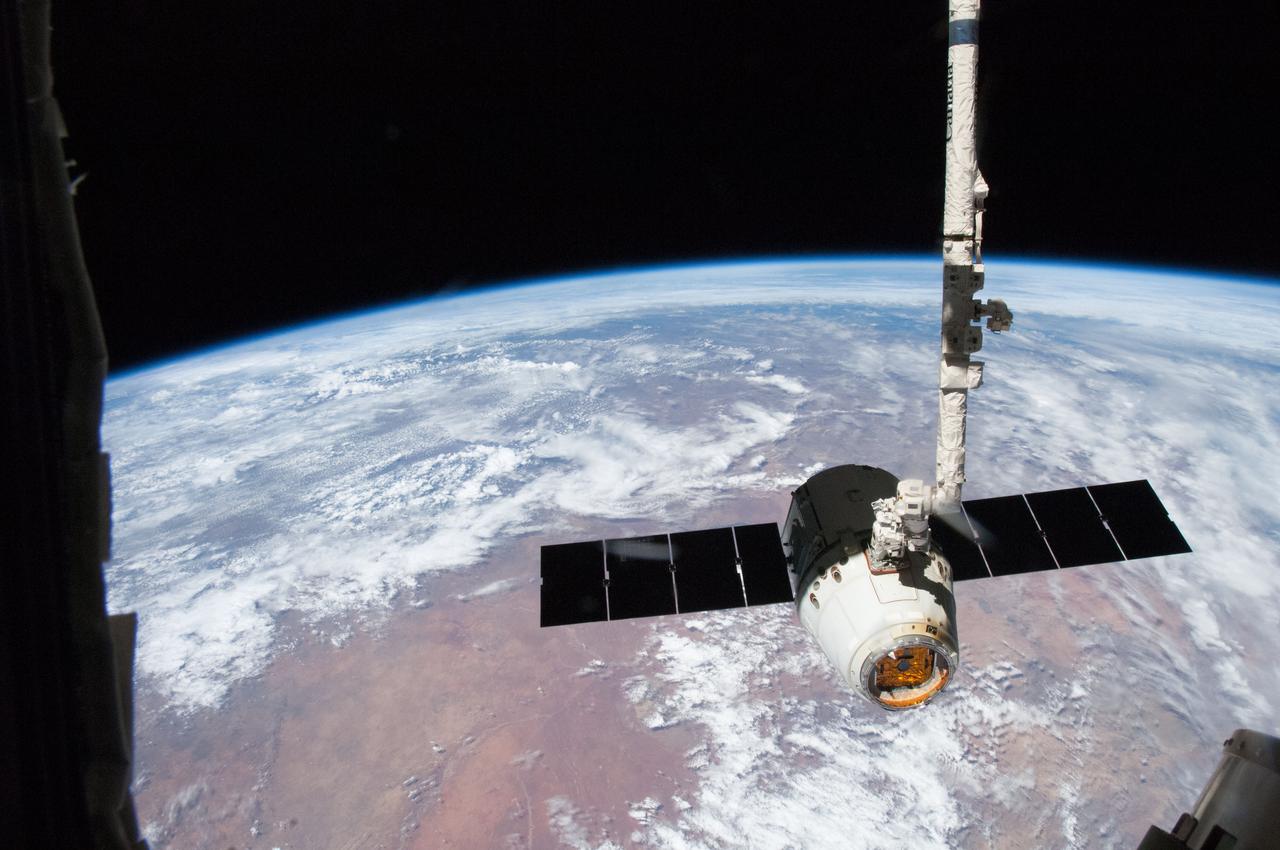
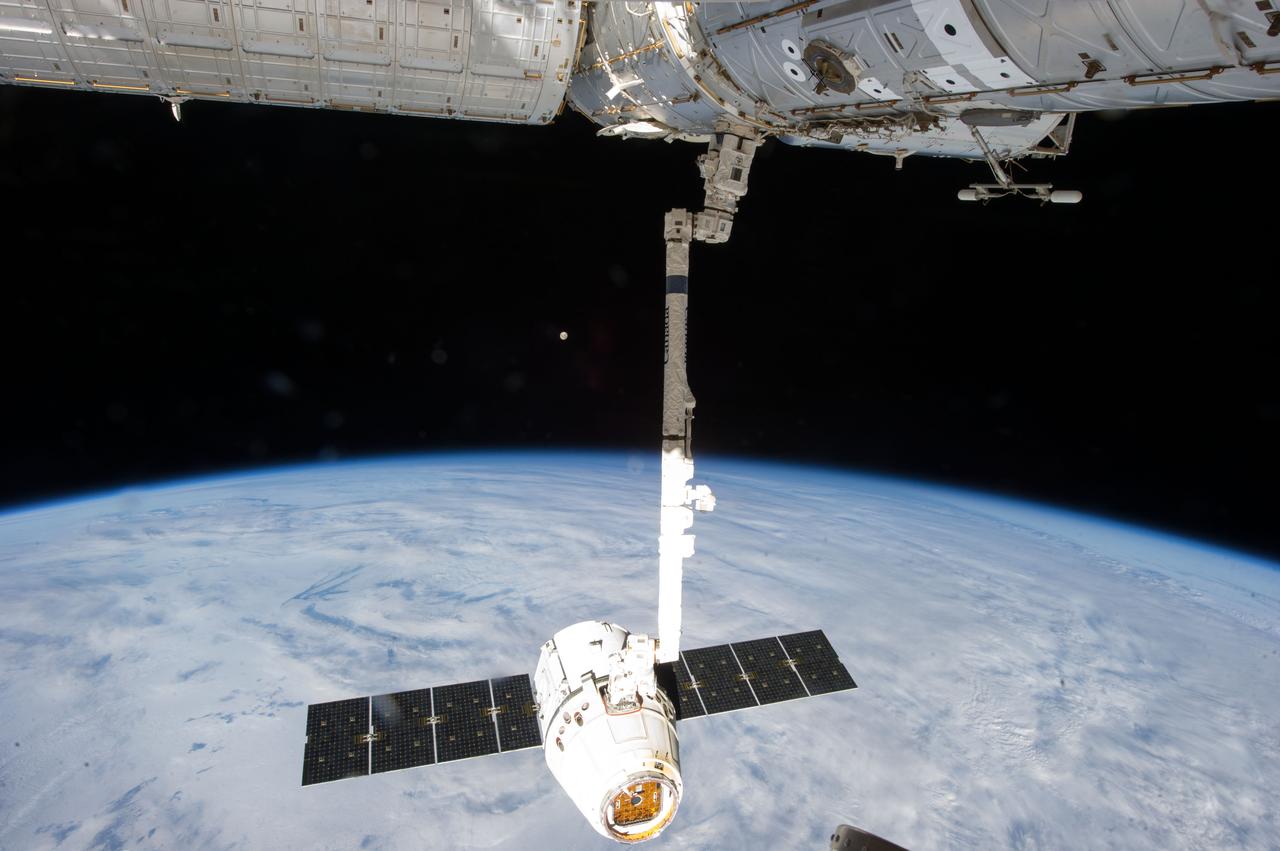
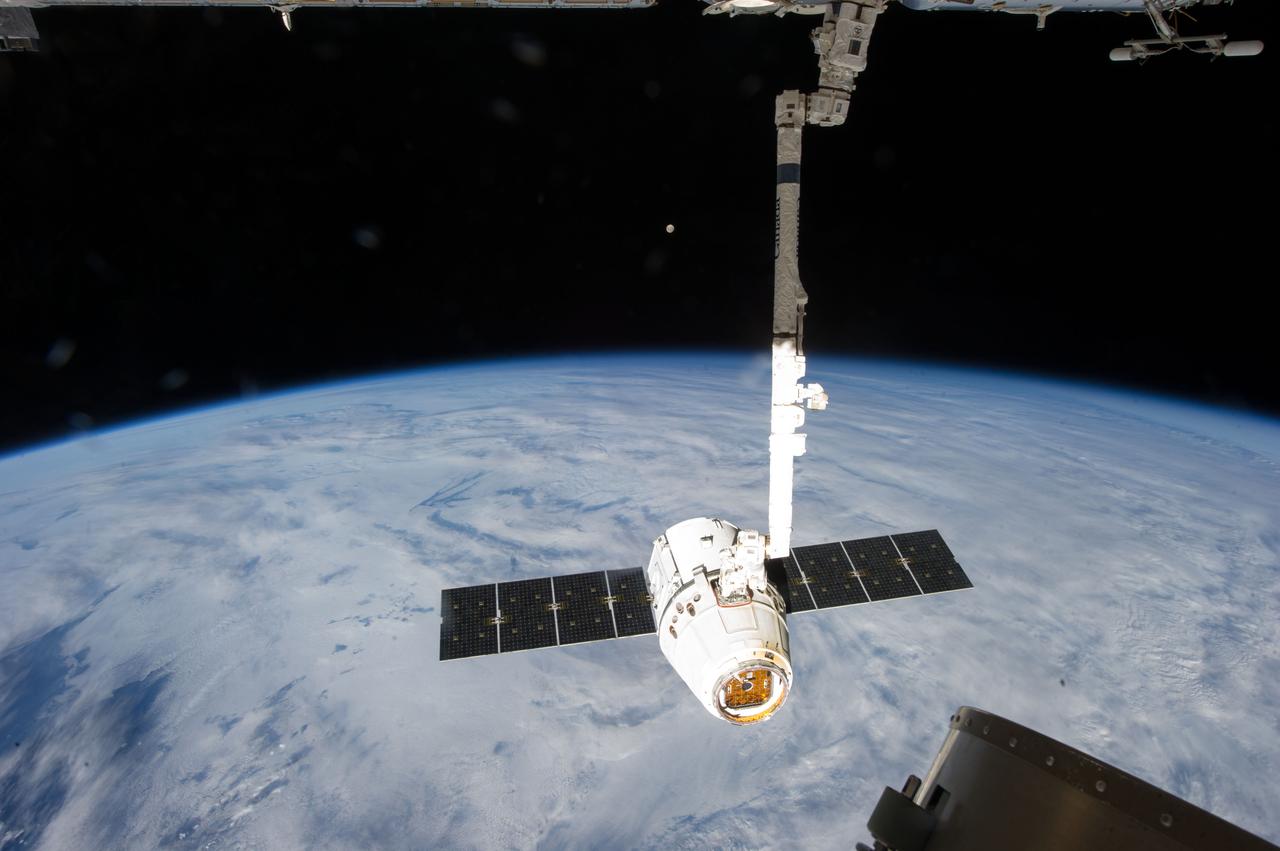
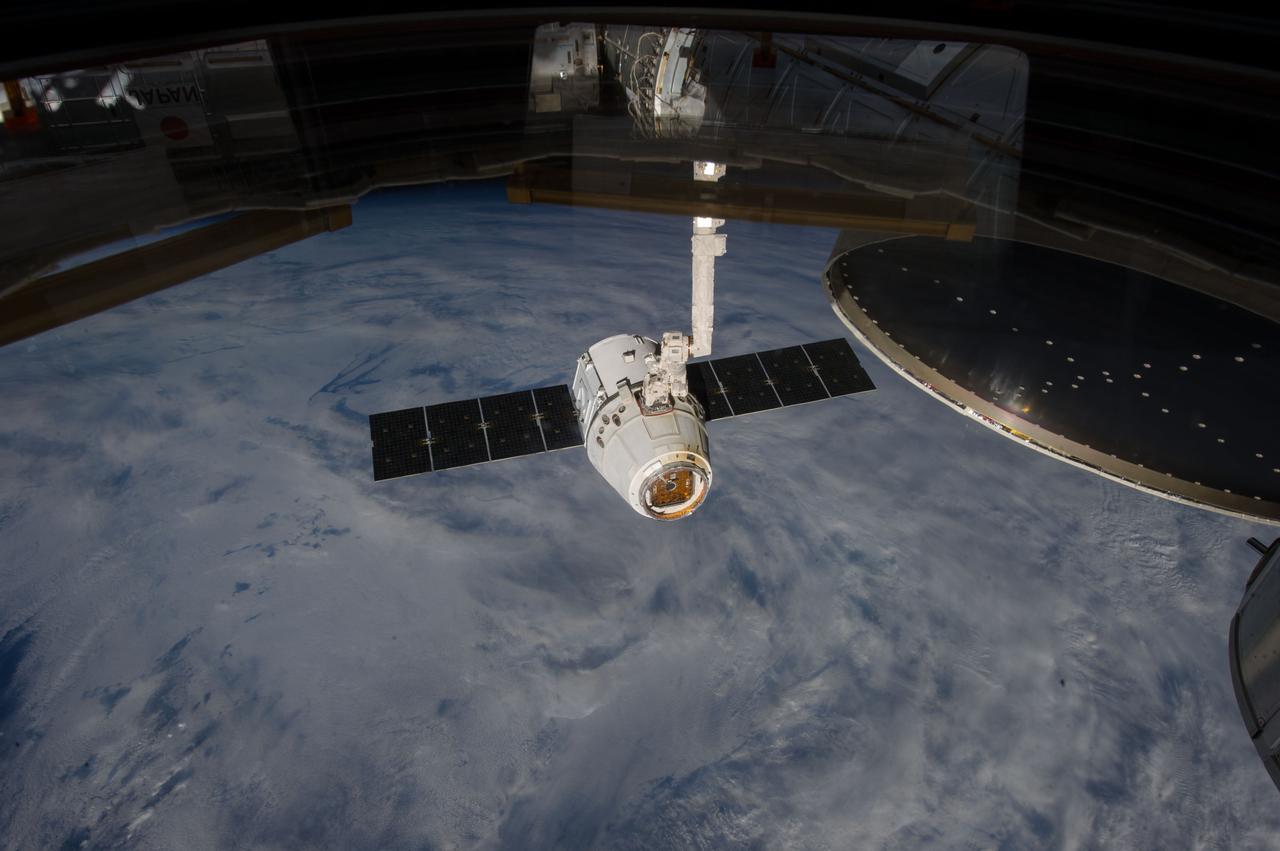
ISS035-E-008901 (26 March 2013) ---This image is one of a series of still photos documenting the process to release the SpaceX Dragon-2 spacecraft from the International Space Station on March 26.  The spacecraft, filled with experiments and old supplies, can be seen in the grasp of the Space Station Remote Manipulator System’s robot arm or CanadArm2 after it was undocked from the orbital outpost.  Forming the backdrop for this image is western Namibia, as the viewer's perspective is generally south-southeastward with the South Atlantic on the right. The Dragon was scheduled to make a landing in the Pacific Ocean, off the coast of California later in the day.
Unberthed Dragon CRS-2 grappled by SSRMS
Earth observation taken by the Expedition 35 crew aboard the ISS.
Earth Observations taken by the Expedition 35 Crew
Earth observation taken by the Expedition 35 crew aboard the ISS. The Moon and Canadarm2 Space Station Remote Manipulator System (SSRMS) are in view.
Earth Observations taken by the Expedition 35 Crew
Earth observation taken by the Expedition 35 crew aboard the ISS.
Earth Observations taken by the Expedition 35 Crew
Earth observation taken by the Expedition 35 crew aboard the ISS.
Earth Observations taken by the Expedition 35 Crew
Earth observation taken by the Expedition 35 crew aboard the ISS. Night view of city lights.
Earth Observations taken by the Expedition 35 Crew
Earth observation taken by the Expedition 35 crew aboard the ISS. View of city lights at night.
Earth Observations taken by the Expedition 35 Crew
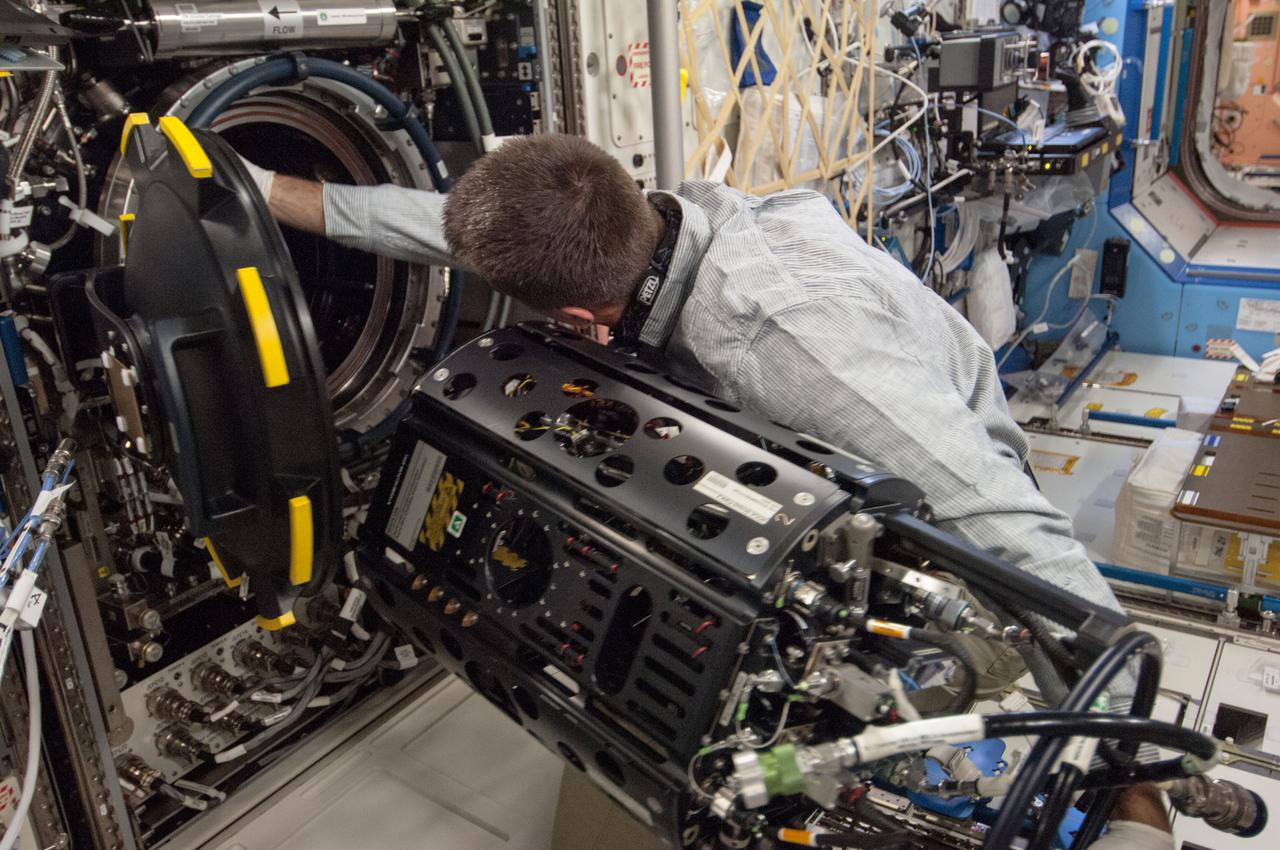
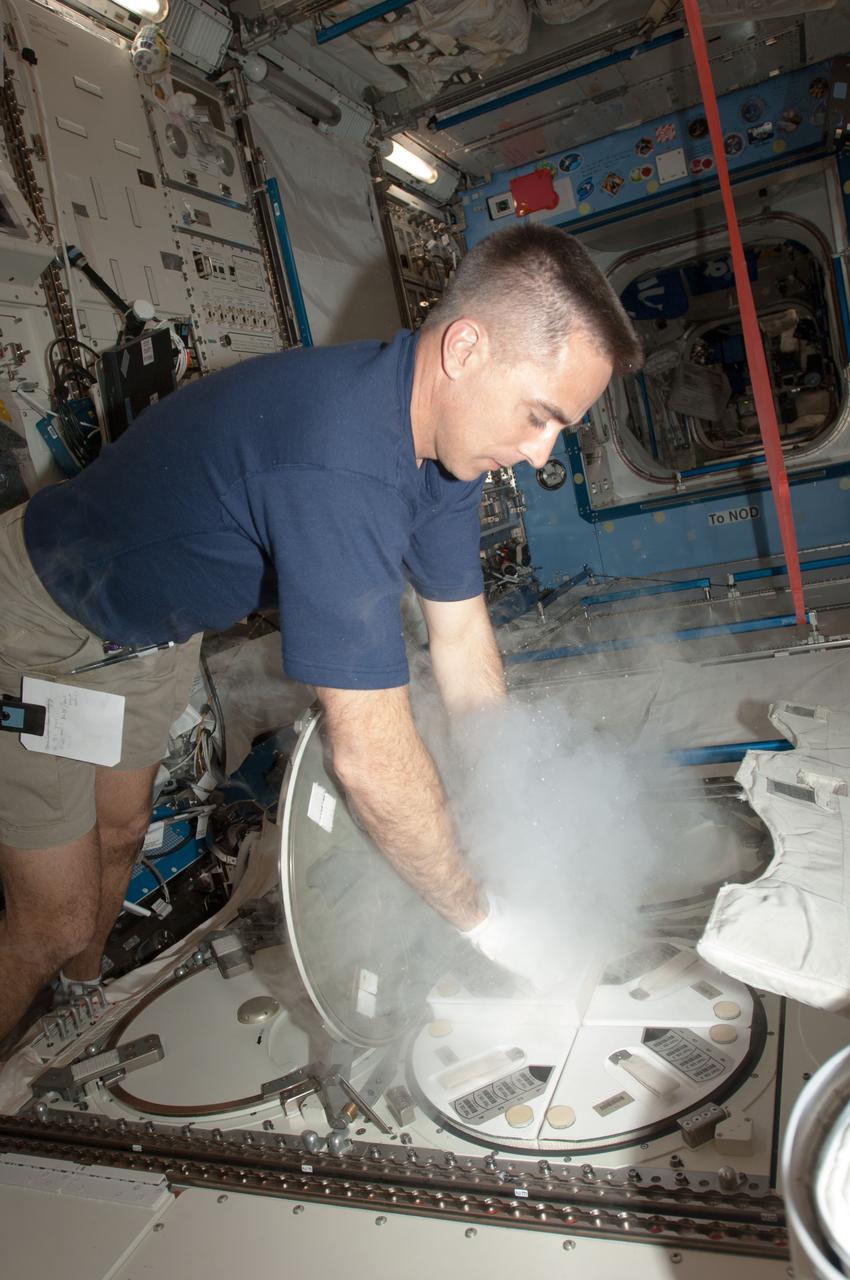
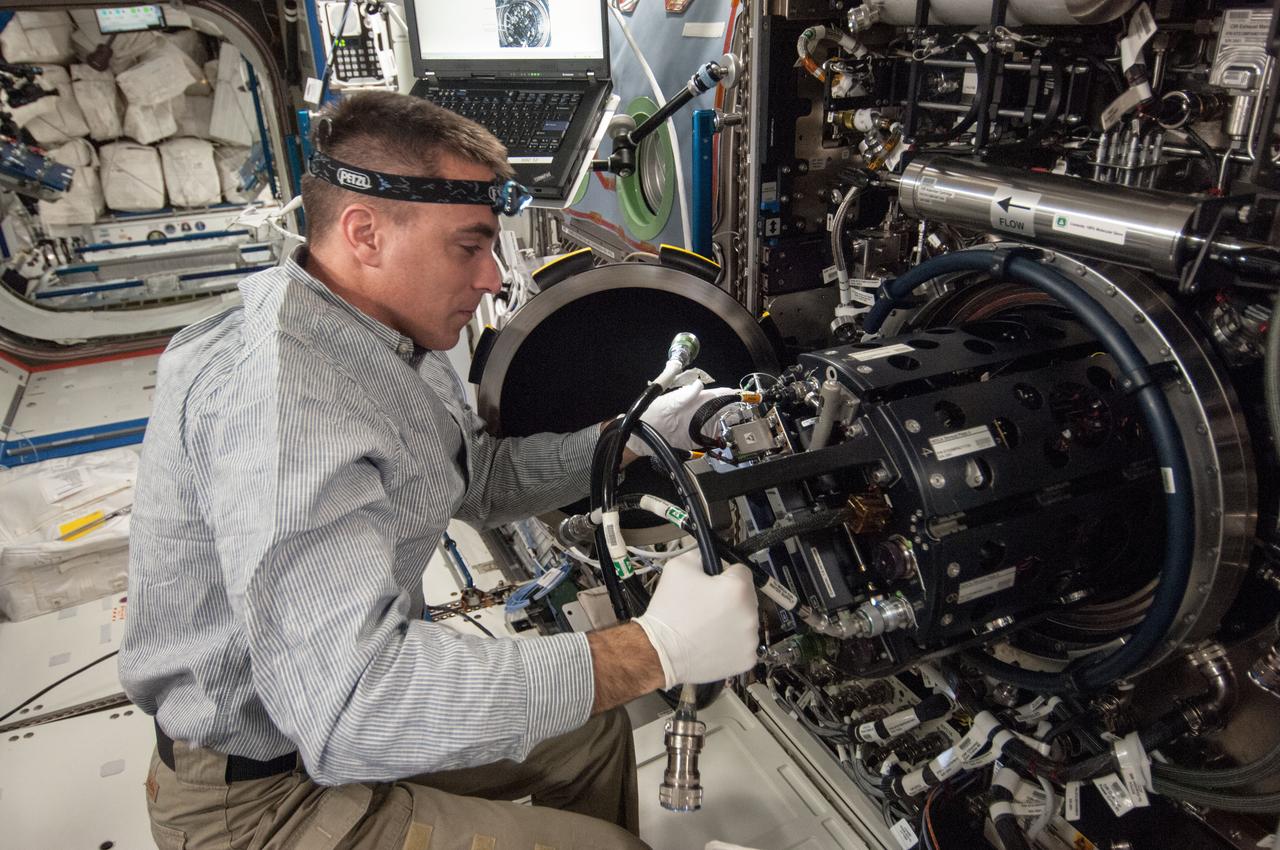
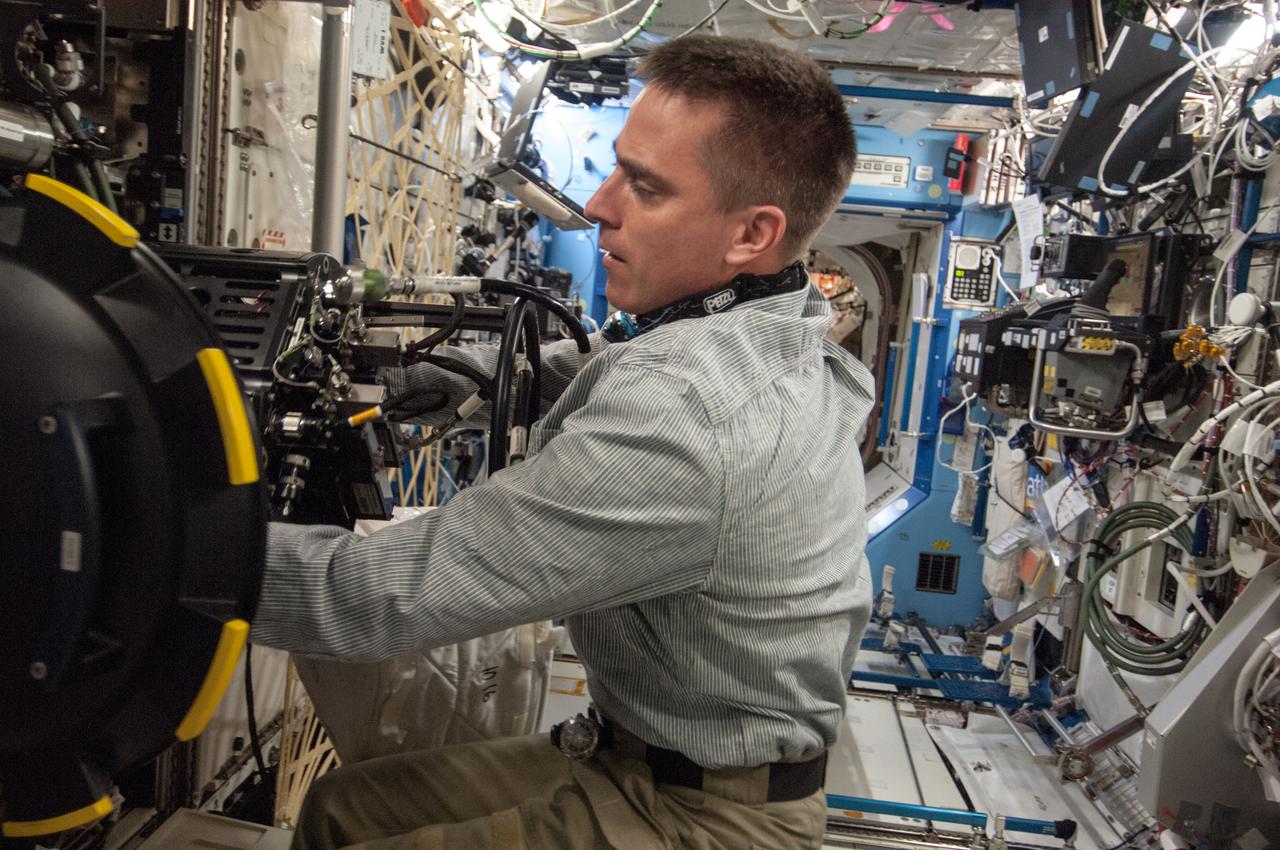
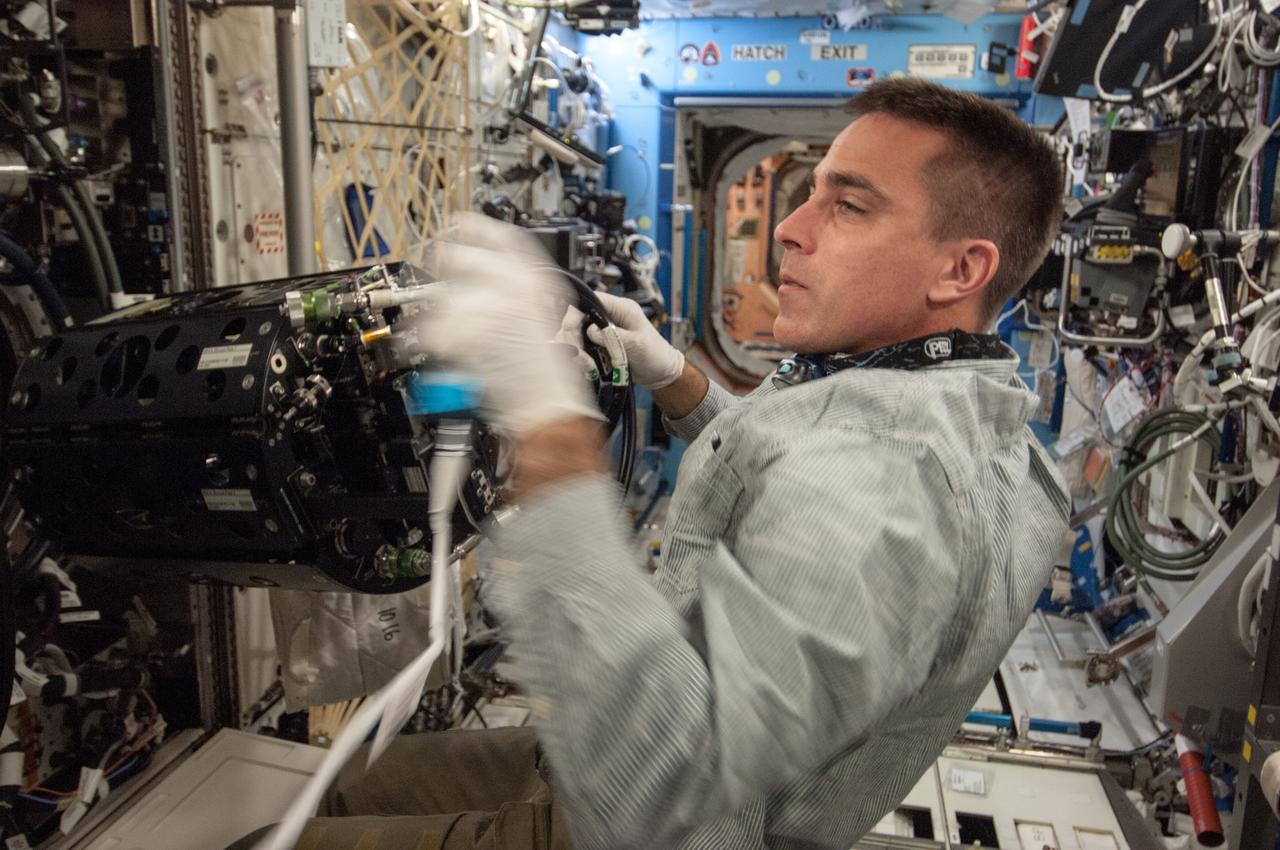
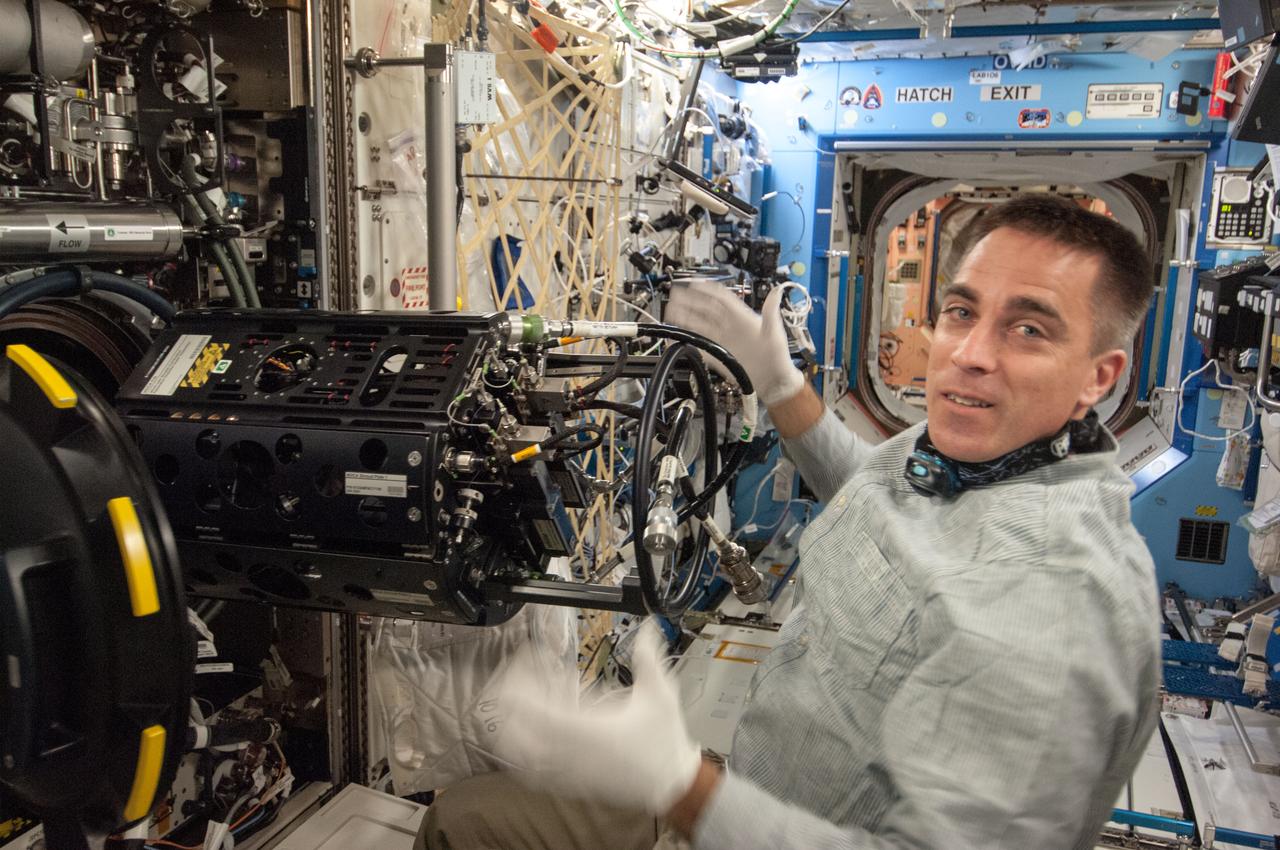
ISS035-E-017699 (10 April 2013) --- This is one of several photos documenting the  Multi-user Droplet Combustion Apparatus (MDCA) Fuel Reservoir replacement.  Here, Expedition 35 Flight Engineer Chris Cassidy removes and replaces one of the Fuel Reservoirs with the MDCA Chamber Insert Assembly (CIA) pulled partially out of the Combustion Chamber. The MDCA Fuel Reservoirs contain the liquid fuel used during droplet combustion experiments.   This reservoir change-out was in support of the FLame EXtinguishment (FLEX)-2 experiment, scheduled to be executed by ground controllers.
Cassidy conducts MDCA Fuel Reservoir Remove and Replace OPS
Earth observation taken by the Expedition 35 crew aboard the ISS.
Earth Observations taken by the Expedition 35 Crew
Earth observation taken by the Expedition 35 crew aboard the ISS. View of city lights at night.
Earth Observations taken by the Expedition 35 Crew
Earth observation taken by the Expedition 35 crew aboard the ISS.
Earth Observations taken by the Expedition 35 Crew
ISS035-E-024731 (19 April 2013) --- Expedition 35 Russian cosmonaut Roman Romanenko translates outside the International Space Station on April 19, 2013, during the first spacewalk of  the Expedition 35 mission. Romanenko and Pavel Vinogradov (out of frame) went on to spend about six hours upgrading the station?s exterior hardware.
Vinogradov during EVA 32
ISS035-E-008935 (26 March 2013) --- This image is one of a series of still photos documenting the process to release the SpaceX Dragon-2 spacecraft from the International Space Station on March 26.  The spacecraft, filled with experiments and old supplies, can be seen in the grasp of the Space Station Remote Manipulator System’s robot arm or CanadArm2 after it was undocked from the orbital outpost.  The Dragon was scheduled to make a landing in the Pacific Ocean, off the coast of California, later in the day.
Unberthed Dragon CRS-2 grappled by SSRMS
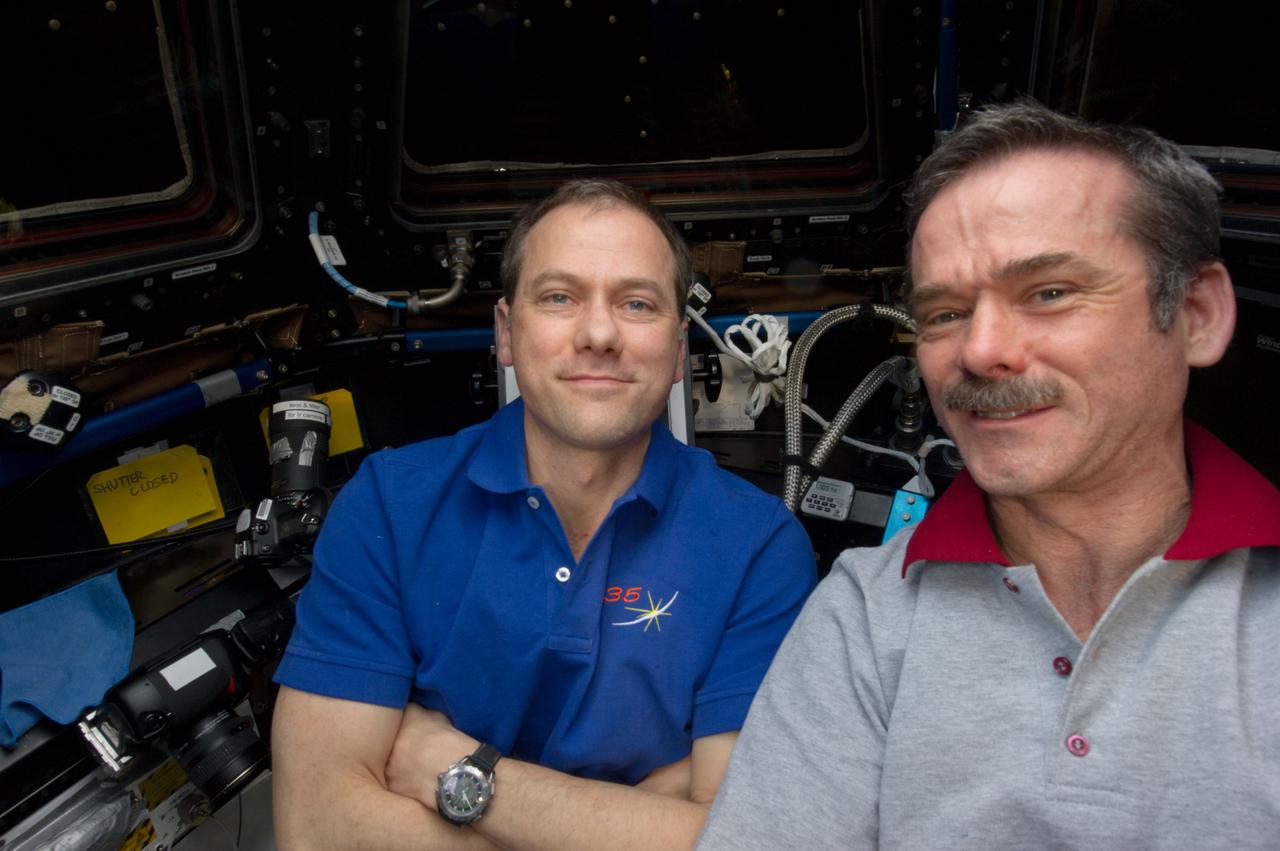
ISS035-E-008937 (26 March 2013) --- Expedition 35 Commander Chris Hadfield (right) of the Canadian Space Agency and Flight Engineer Tom Marshburn of NASA are pictured in the Cupola on the International Space Station during the operations that ultimately led to the release of the SpaceX Dragon-2 spacecraft for its return to Earth after a three-week stay aboard the orbital outpost. The Dragon was scheduled to make a landing in the Pacific Ocean, off the coast of California, later in the day.
Marshburn and Hadfield in the Cupola
Earth observation taken by the Expedition 35 crew aboard the ISS. View of city lights at night.
Earth Observations taken by the Expedition 35 Crew
Earth observation taken by the Expedition 35 crew aboard the ISS.
Earth Observations taken by the Expedition 35 Crew
Earth observation taken by the Expedition 35 crew aboard the ISS.
Earth Observations taken by the Expedition 35 Crew
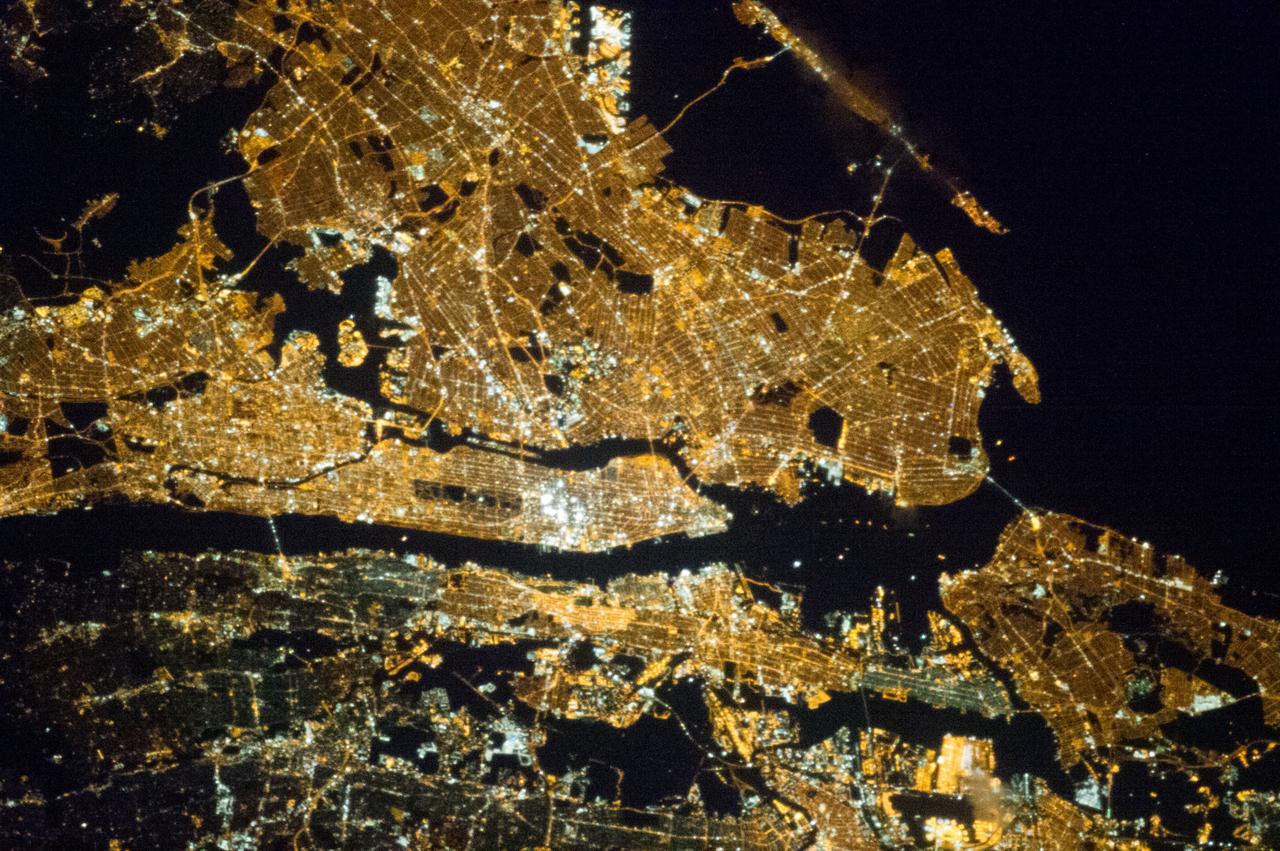
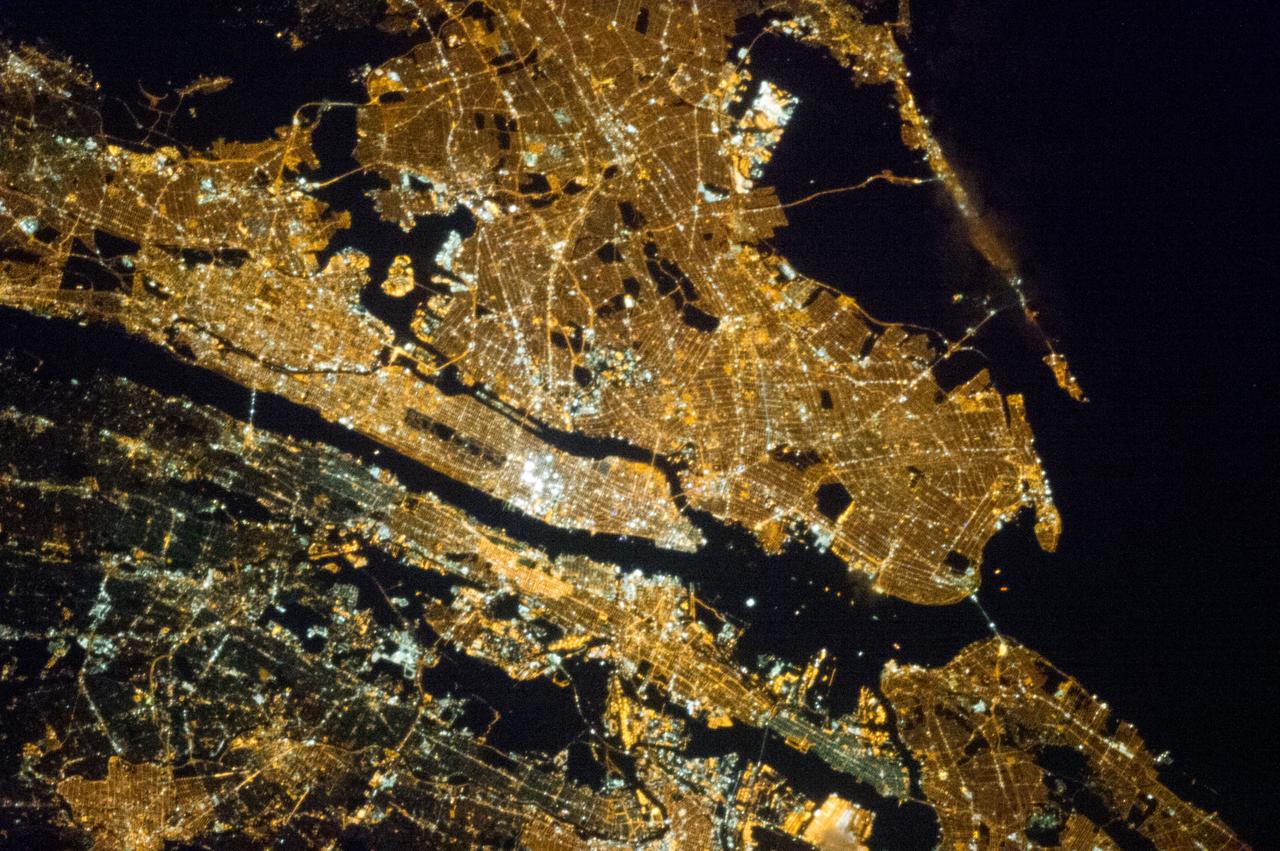
ISS035-E-008051 (23 March 2013) --- One of the Expedition 35 crew members aboard the Earth-orbiting International Space Station exposed this 400 millimeter night image of the greater New York City metropolitan area on March 23. For orientation purposes, note that Manhattan runs horizontal through the frame from left to the midpoint.   Central Park is just a little to the left of frame center.
Earth Observations taken by the Expedition 35 Crew
ISS035-E-010207 (28 March 2013) --- One of the Expedition 35 crew members aboard the Earth-orbiting International Space Station took this photo which was part of a series documenting the launch of the "other half" of the Expedition 35 crew.  The Soyuz TMA-08M rocket launched from the Baikonur Cosmodrome in Kazakhstan on March 29, 2013 (Kazakh time) carrying Expedition 35 Soyuz Commander Pavel Vinogradov,  NASA Flight Engineer Chris Cassidy and Russian Flight Engineer Alexander Misurkin to the International Space Station.  Their Soyuz rocket launched at 2:43 a.m., March 29, local time, while it was still March 28 in GMT and USA time zones.
Soyuz TMA-08M/34S Launch seen from ISS
Earth observation taken by the Expedition 35 crew aboard the ISS.
Earth Observations taken by the Expedition 35 Crew
Earth observation taken by the Expedition 35 crew aboard the ISS. Night view of city lights.
Earth Observations taken by the Expedition 35 Crew
ISS035-E-017699 (10 April 2013) --- This is one of several photos documenting the  Multi-user Droplet Combustion Apparatus (MDCA) Fuel Reservoir replacement.  Here, Expedition 35 Flight Engineer Chris Cassidy removes and replaces one of the Fuel Reservoirs with the MDCA Chamber Insert Assembly (CIA) pulled partially out of the Combustion Chamber. The MDCA Fuel Reservoirs contain the liquid fuel used during droplet combustion experiments.   This reservoir change-out was in support of the FLame EXtinguishment (FLEX)-2 experiment, scheduled to be executed by ground controllers.
Cassidy conducts MDCA Fuel Reservoir Remove and Replace OPS
Earth observation taken by the Expedition 35 crew aboard the ISS. Night view of city lights.
Earth Observations taken by the Expedition 35 Crew
Earth observation taken by the Expedition 35 crew aboard the ISS.
Earth Observations taken by the Expedition 35 Crew
ISS035-E-008932 (26 March 2013) --- This image is one of a series of still photos documenting the process to release the SpaceX Dragon-2 spacecraft from the International Space Station on March 26.  The spacecraft, filled with experiments and old supplies, can be seen in the grasp of the Space Station Remote Manipulator System’s robot arm or CanadArm2 after it was undocked from the orbital outpost.  The Dragon was scheduled to make a landing in the Pacific Ocean, off the coast of California, later in the day.
Unberthed Dragon CRS-2 grappled by SSRMS
Earth observation taken by the Expedition 35 crew aboard the ISS.
Earth Observations taken by the Expedition 35 Crew
ISS035-E-017699 (10 April 2013) --- This is one of several photos documenting the  Multi-user Droplet Combustion Apparatus (MDCA) Fuel Reservoir replacement.  Here, Expedition 35 Flight Engineer Chris Cassidy removes and replaces one of the Fuel Reservoirs with the MDCA Chamber Insert Assembly (CIA) pulled partially out of the Combustion Chamber. The MDCA Fuel Reservoirs contain the liquid fuel used during droplet combustion experiments.   This reservoir change-out was in support of the FLame EXtinguishment (FLEX)-2 experiment, scheduled to be executed by ground controllers.
Cassidy conducts MDCA Fuel Reservoir Remove and Replace OPS
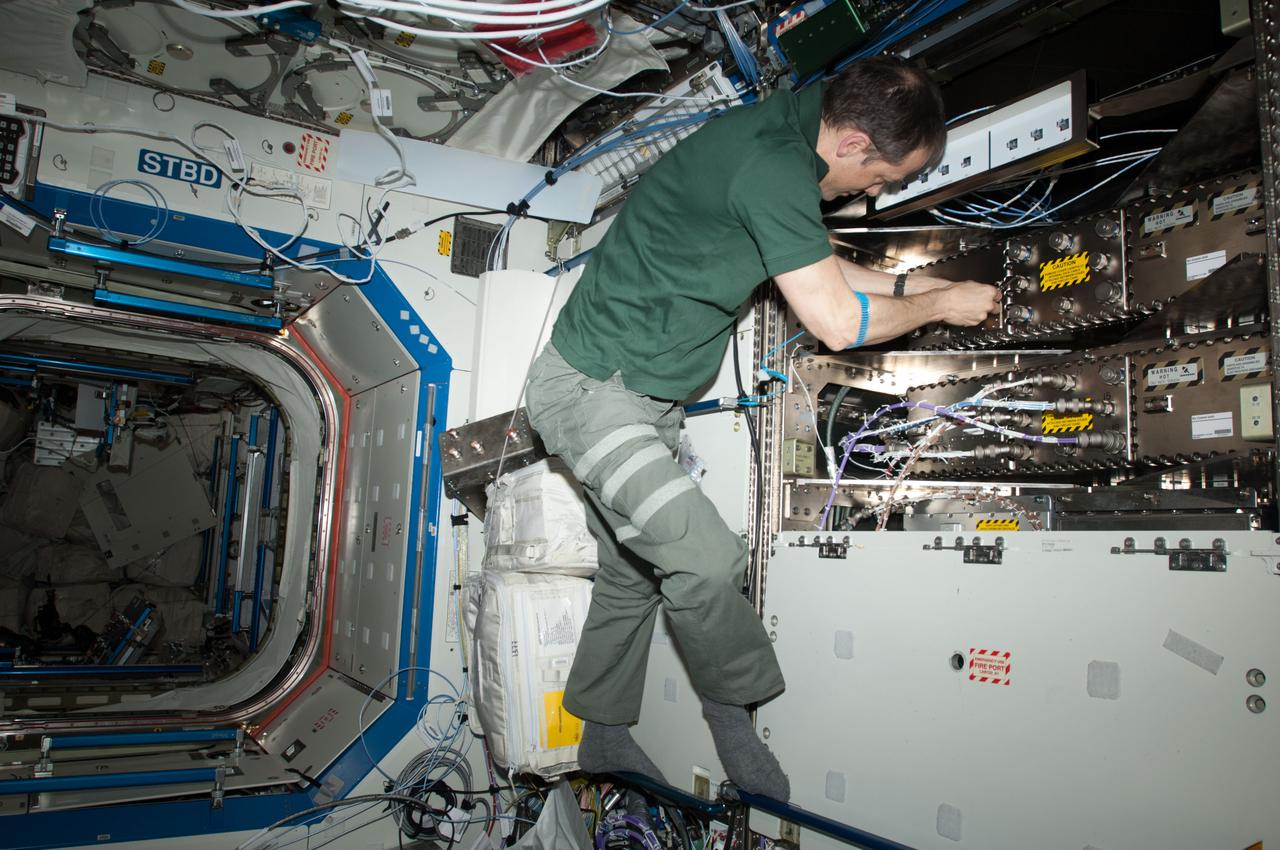
ISS035-E-018389 (11 April 2013) --- Expedition 35 Flight Engineer Tom Marshburn, NASA astronaut, works to install the redundant Ku Communications 1 unit in Destiny to complete the refurbishment of the Ku system aboard the International Space Station. Expedition 35 Commander Chris Hadfield (out of frame), astronaut with the Canadian Space Agency, joined Marshburn for this work.
Marshburn during HRCS Ku Comm Unit 1 Installation
Earth observation taken by the Expedition 35 crew aboard the ISS.
Earth Observations taken by the Expedition 35 Crew
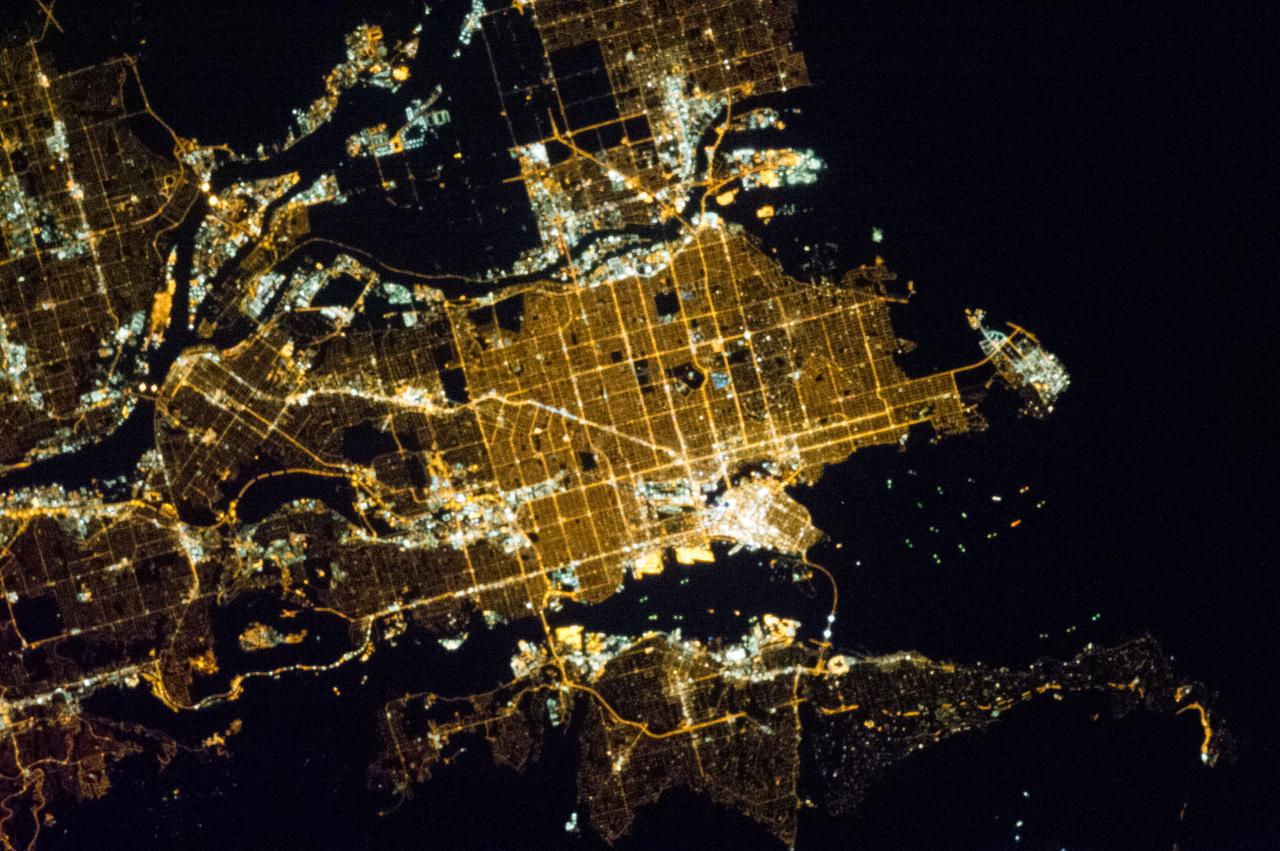
ISS035-E-013076 (31 March 2013) --- One of the crew members aboard the International Space Station photographed this night image of Vancouver, British Columbia, Canada on March 31, 2013.
Earth Observations taken by the Expedition 35 Crew
Earth observation taken by the Expedition 35 crew aboard the ISS. Night view of city lights.
Earth Observations taken by the Expedition 35 Crew
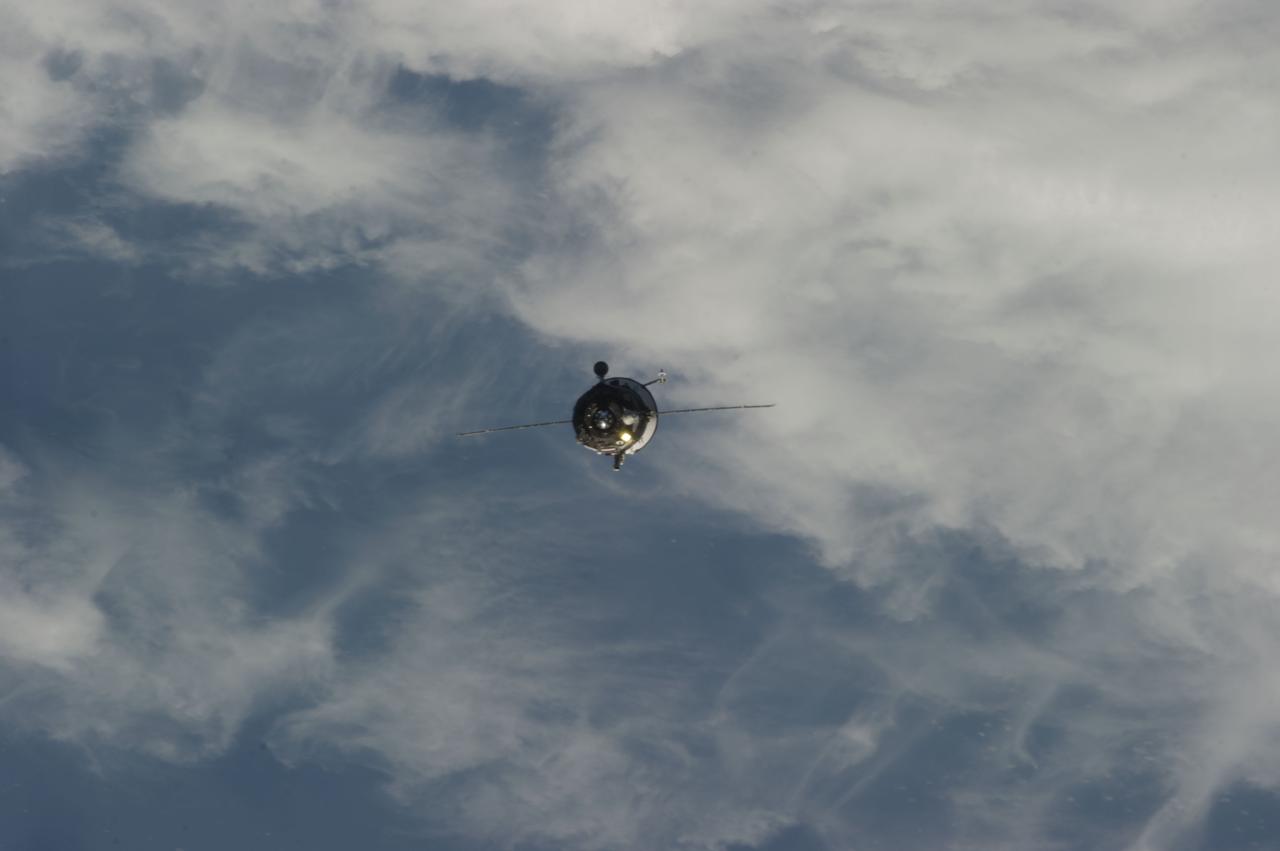
ISS035-E-029899 (26 April 2013) --- Backdropped by clouds, the Russian Progress 51 cargo craft approaches the International Space Station (out of frame) on April 26, 2013. The unmanned cargo vehicle later successfully docked with the orbital outpost.
Progress 51P on approach to the ISS
Earth observation taken by the Expedition 35 crew aboard the ISS. Night view of city lights.
Earth Observations taken by the Expedition 35 Crew
ISS035-E-017699 (10 April 2013) --- This is one of several photos documenting the  Multi-user Droplet Combustion Apparatus (MDCA) Fuel Reservoir replacement.  Here, Expedition 35 Flight Engineer Chris Cassidy removes and replaces one of the Fuel Reservoirs with the MDCA Chamber Insert Assembly (CIA) pulled partially out of the Combustion Chamber. The MDCA Fuel Reservoirs contain the liquid fuel used during droplet combustion experiments.   This reservoir change-out was in support of the FLame EXtinguishment (FLEX)-2 experiment, scheduled to be executed by ground controllers.
Cassidy conducts MDCA Fuel Reservoir Remove and Replace OPS
Earth observation taken by the Expedition 35 crew aboard the ISS. View of city lights at night.
Earth Observations taken by the Expedition 35 Crew
Earth observation taken by the Expedition 35 crew aboard the ISS. View of city lights at night.
Earth Observations taken by the Expedition 35 Crew
Earth observation taken by the Expedition 35 crew aboard the ISS.
Earth Observations taken by the Expedition 35 Crew
Earth observation taken by the Expedition 35 crew aboard the ISS.
Earth Observations taken by the Expedition 35 Crew
Earth observation taken by the Expedition 35 crew aboard the ISS. Night view of city lights.
Earth Observations taken by the Expedition 35 Crew
Nighttime Earth observation taken by the Expedition 35 crew aboard the ISS.
Earth Observations taken by the Expedition 35 Crew
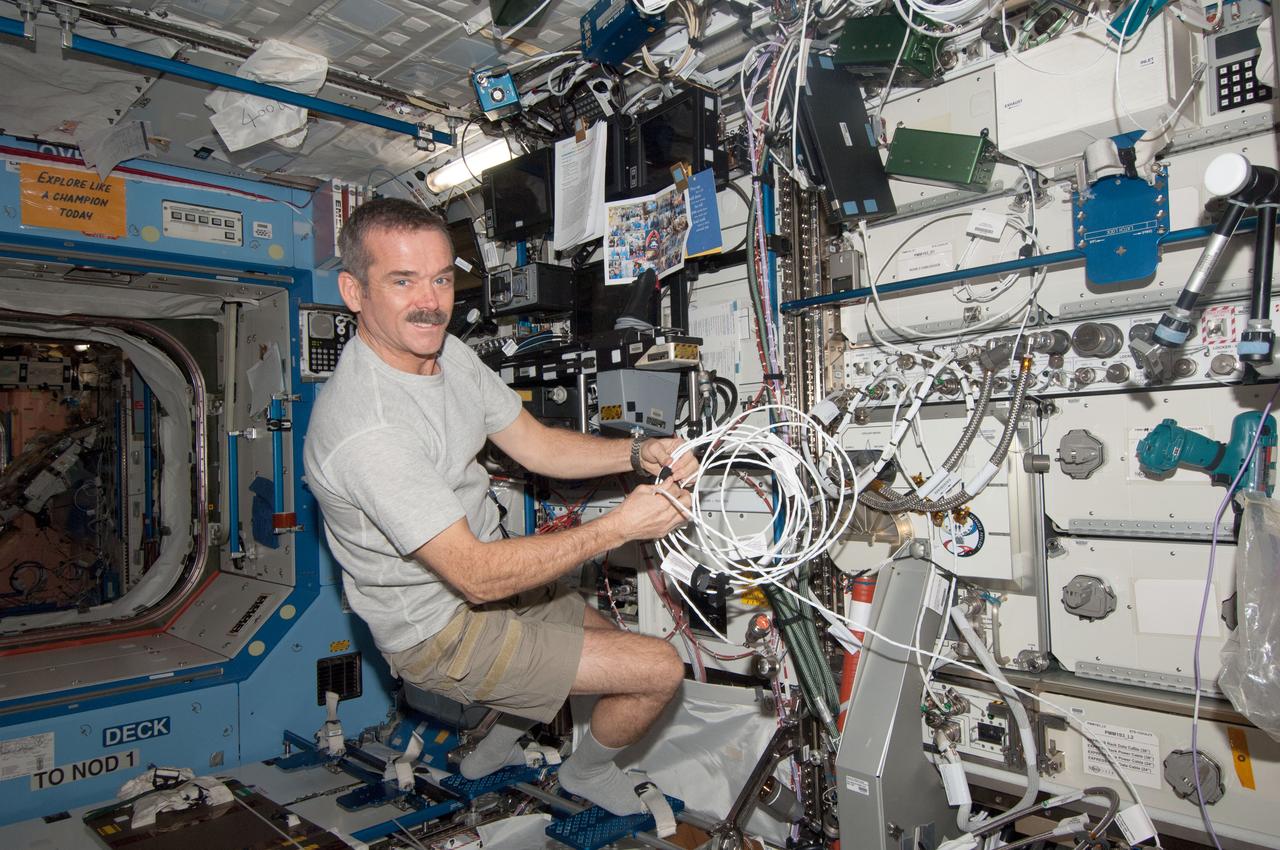
View of Canadian Space Agency (CSA) Chris Hadfield, Expedition 34 Flight Engineer (FE), wiring the condensate transfer pump, in the U.S. Laboratory.  Image was released via astronaut Twitter.  Original camera number is 268C1459.  Photo was taken during Expedition 34.
Hadfield wires the condensate transfer pump in the U.S. Laboratory
Earth observation taken by the Expedition 35 crew aboard the ISS. View of city lights at night.
Earth Observations taken by the Expedition 35 Crew
Earth observation taken by the Expedition 35 crew aboard the ISS.
Earth Observations taken by the Expedition 35 Crew
Earth observation taken by the Expedition 35 crew aboard the ISS. Night view of city lights.
Earth Observations taken by the Expedition 35 Crew
Earth observation taken by the Expedition 35 crew aboard the ISS.
Earth Observations taken by the Expedition 35 Crew
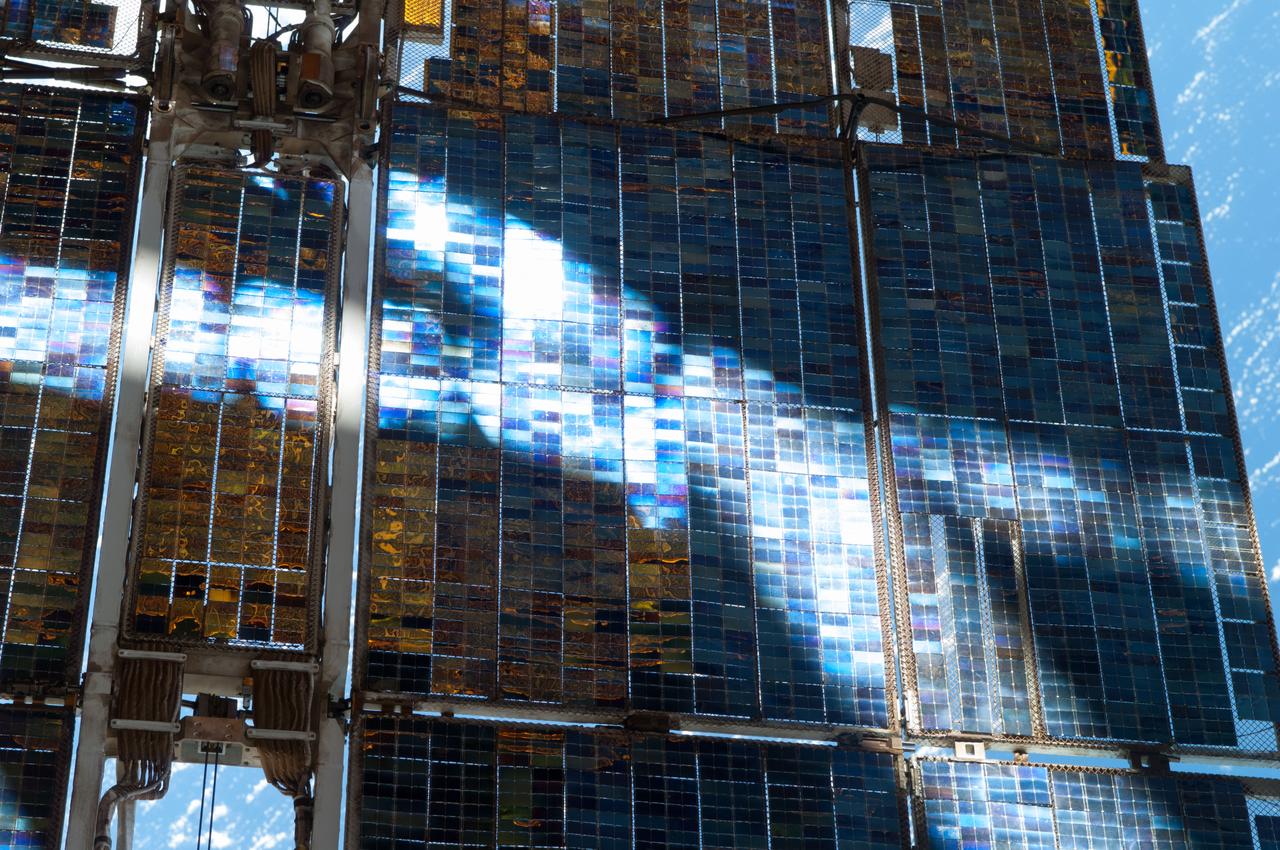
Survey view of a portion of a solar array on the Zvezda Service Module (SM) taken through a window in the Russian segment of the ISS during Expedition 35.
External Survey from Windows in Mini-Research Modules and Pirs Docking Compartment
Earth observation taken by the Expedition 35 crew aboard the ISS.
Earth Observations taken by the Expedition 35 Crew
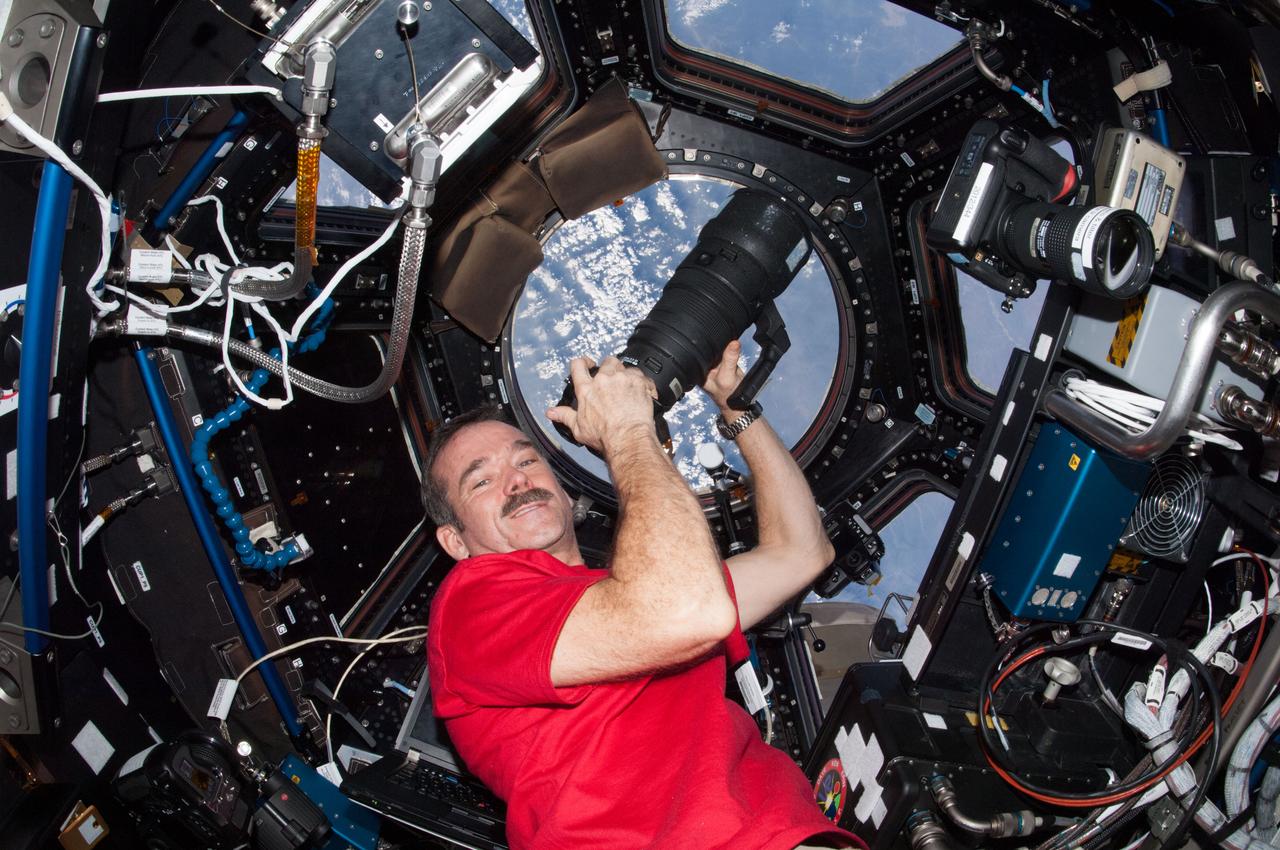
View of Canadian Space Agency (CSA) Chris Hadfield,Expedition 34 Flight Engineer (FE),using still camera,in the Cupola Module.  Photo was taken during Expedition 34.
Hadfield uses still camera in the Cupola Module
Earth observation taken by the Expedition 35 crew aboard the ISS. Night view of city lights.
Earth Observations taken by the Expedition 35 Crew
ISS035-E-008056 (23 March 2013) --- One of the Expedition 35 crew members aboard the Earth-orbiting International Space Station exposed this 400 millimeter night image of the greater New York City metropolitan area on March 23. For orientation purposes, note that Manhattan runs horizontal through the frame from left to the midpoint.   Central Park is just a little to the left of frame center.
Earth Observations taken by the Expedition 35 Crew
Earth observation taken by the Expedition 35 crew aboard the ISS.
Earth Observations taken by the Expedition 35 Crew
ISS035-E-008930 (26 March 2013) ---This image is one of a series of still photos documenting the process to release the SpaceX Dragon-2 spacecraft from the International Space Station on March 26.  The spacecraft, filled with experiments and old supplies, can be seen in the grasp of the Space Station Remote Manipulator System’s robot arm or CanadArm2 after it was undocked from the orbital outpost.  The Dragon was scheduled to make a landing in the Pacific Ocean, off the coast of California, later in the day.
Unberthed Dragon CRS-2 grappled by SSRMS
Earth observation taken by the Expedition 35 crew aboard the ISS.
Earth Observations taken by the Expedition 35 Crew
Earth observation taken by the Expedition 35 crew aboard the ISS. View of city lights at night.
Earth Observations taken by the Expedition 35 Crew
ISS035-E-017112 (6 April 2013) --- One of the crew members aboard the International Space Station recorded this almost vertical nocturnal view of the Boston metropolitan area on April 6, 2013.
Earth Observations taken by the Expedition 35 Crew
Earth observation taken by the Expedition 35 crew aboard the ISS.
Earth Observations taken by the Expedition 35 Crew
Earth observation taken by the Expedition 35 crew aboard the ISS.
Earth Observations taken by the Expedition 35 Crew
Earth observation taken by the Expedition 35 crew aboard the ISS. Night view of city lights.
Earth Observations taken by the Expedition 35 Crew
Earth observation taken by the Expedition 35 crew aboard the ISS.
Earth Observations taken by the Expedition 35 Crew
ISS035-E-012757 (1 April 2013) --- Expedition 35 Flight Engineer Chris Cassidy of NASA works with samples at the Minus Eighty-Degree Laboratory Freezer for the International Space Station (MELFI) in the Japan Aerospace Exploration Agency?s Kibo lab aboard the International Space Station.
Cassidy works with MELFI1 in Kibo
Earth observation taken by the Expedition 35 crew aboard the ISS.
Earth Observations taken by the Expedition 35 Crew
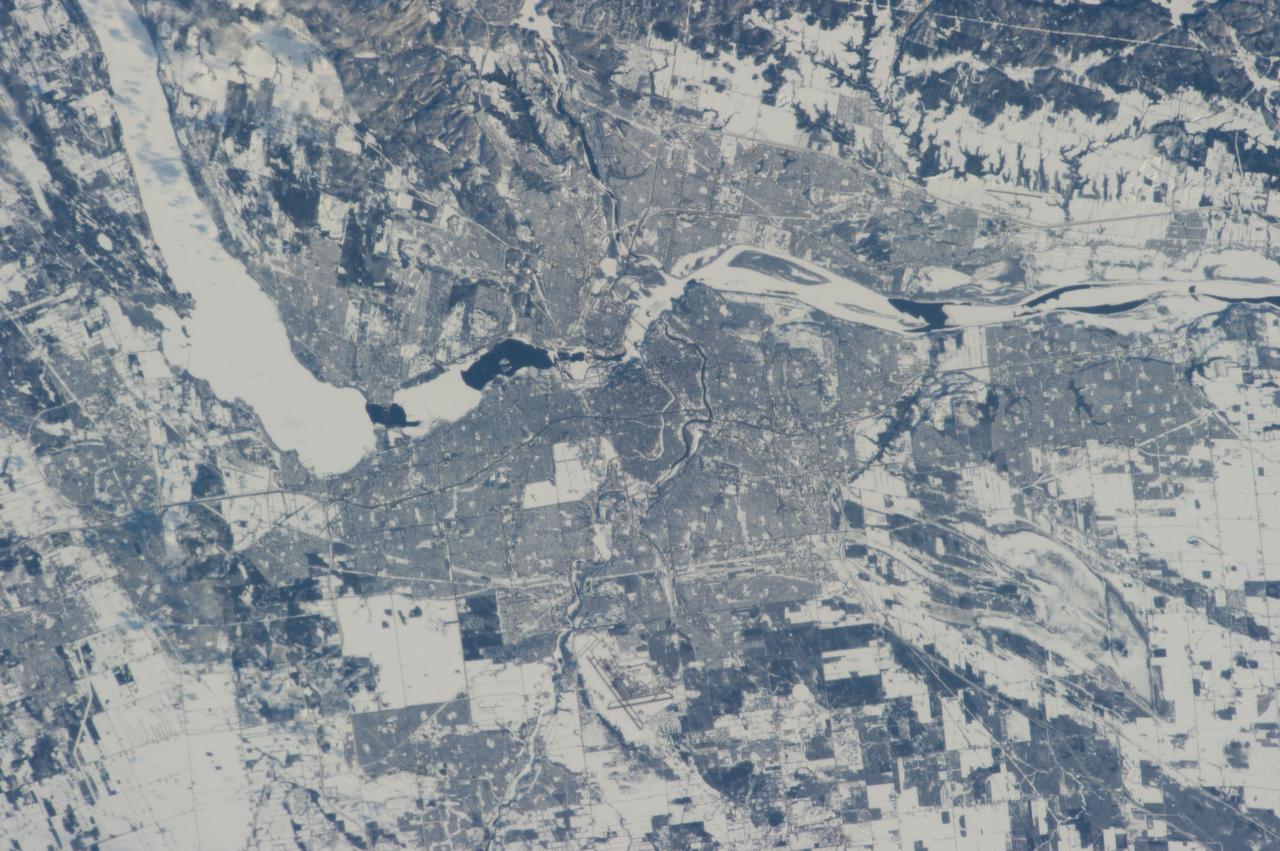
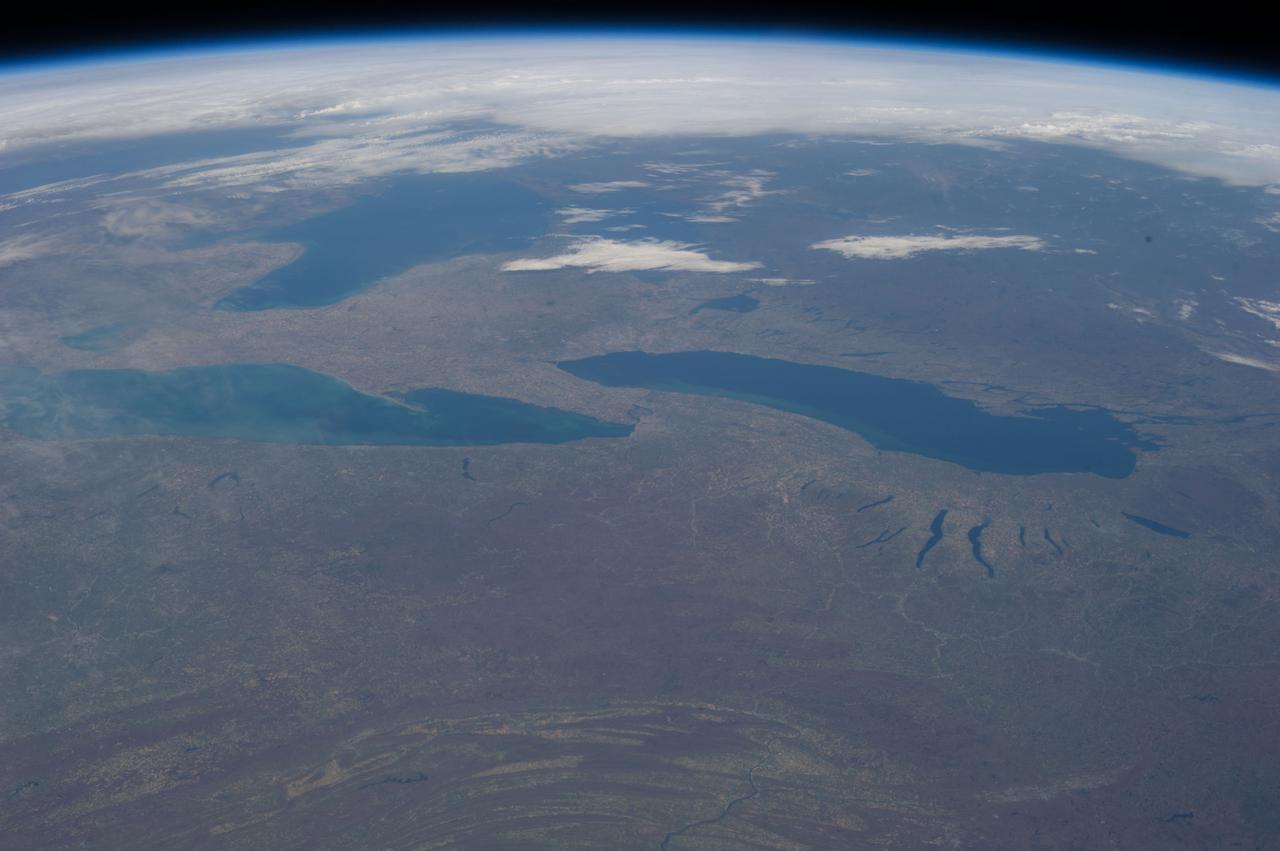
ISS035-E-034025 (2 May 2013) --- One of the Expedition 35 crew members aboard the Earth-orbiting International Space Station recorded this day time panorama, "looking" toward the west, which covers many of the Great Lakes.  New York's Finger Lakes, in the bottom portion of the frame, appear near the bottom of the frame.
Earth observation taken by Expedition 35 crew
ISS035-E-017712 (10 April 2013)?-- This is one of several photos documenting the  Multi-user Droplet Combustion Apparatus (MDCA) Fuel Reservoir replacement in the U.S. lab Destiny.  Here, Expedition 35 Flight Engineer Chris Cassidy removes and replaces one of the Fuel Reservoirs with the MDCA Chamber Insert Assembly (CIA) pulled partially out of the Combustion Chamber. The MDCA Fuel Reservoirs contain the liquid fuel used during droplet combustion experiments.   This reservoir change-out was in support of the FLame EXtinguishment (FLEX)-2 experiment, scheduled to be executed by ground controllers.
Cassidy conducts MDCA Fuel Reservoir Remove and Replace OPS
Earth observation taken by the Expedition 35 crew aboard the ISS.
Earth Observations taken by the Expedition 35 Crew
ISS035-E-008904 (26 March 2013) ---This image is one of a series of still photos documenting the process to release the SpaceX Dragon-2 spacecraft from the International Space Station on March 26.  The spacecraft, filled with experiments and old supplies, can be seen in the grasp of the Space Station Remote Manipulator System’s robot arm or CanadArm2 after it was undocked from the orbital outpost.  Forming the backdrop for this image is western Namibia.  The Dragon was scheduled to make a landing in the Pacific Ocean, off the coast of California later in the day.
Unberthed Dragon CRS-2 grappled by SSRMS
ISS035-E-017699 (10 April 2013) --- This is one of several photos documenting the  Multi-user Droplet Combustion Apparatus (MDCA) Fuel Reservoir replacement.  Here, Expedition 35 Flight Engineer Chris Cassidy removes and replaces one of the Fuel Reservoirs with the MDCA Chamber Insert Assembly (CIA) pulled partially out of the Combustion Chamber. The MDCA Fuel Reservoirs contain the liquid fuel used during droplet combustion experiments.   This reservoir change-out was in support of the FLame EXtinguishment (FLEX)-2 experiment, scheduled to be executed by ground controllers.
Cassidy conducts MDCA Fuel Reservoir Remove and Replace OPS
Earth observation taken by the Expedition 35 crew aboard the ISS.
Earth Observations taken by the Expedition 35 Crew
Overall interior view of the Cupola module taken during Expedition 35.
Interior view of the Cupola
Earth observation taken by the Expedition 35 crew aboard the ISS. View of city lights at night.
Earth Observations taken by the Expedition 35 Crew
Earth observation taken by the Expedition 35 crew aboard the ISS.
Earth Observations taken by the Expedition 35 Crew
Earth observation taken by the Expedition 35 crew aboard the ISS.
Earth Observations taken by the Expedition 35 Crew
Earth observation taken by the Expedition 35 crew aboard the ISS. Night view of airglow and city lights.
Earth Observations taken by the Expedition 35 Crew
Earth observation taken by the Expedition 35 crew aboard the ISS.
Earth Observations taken by the Expedition 35 Crew