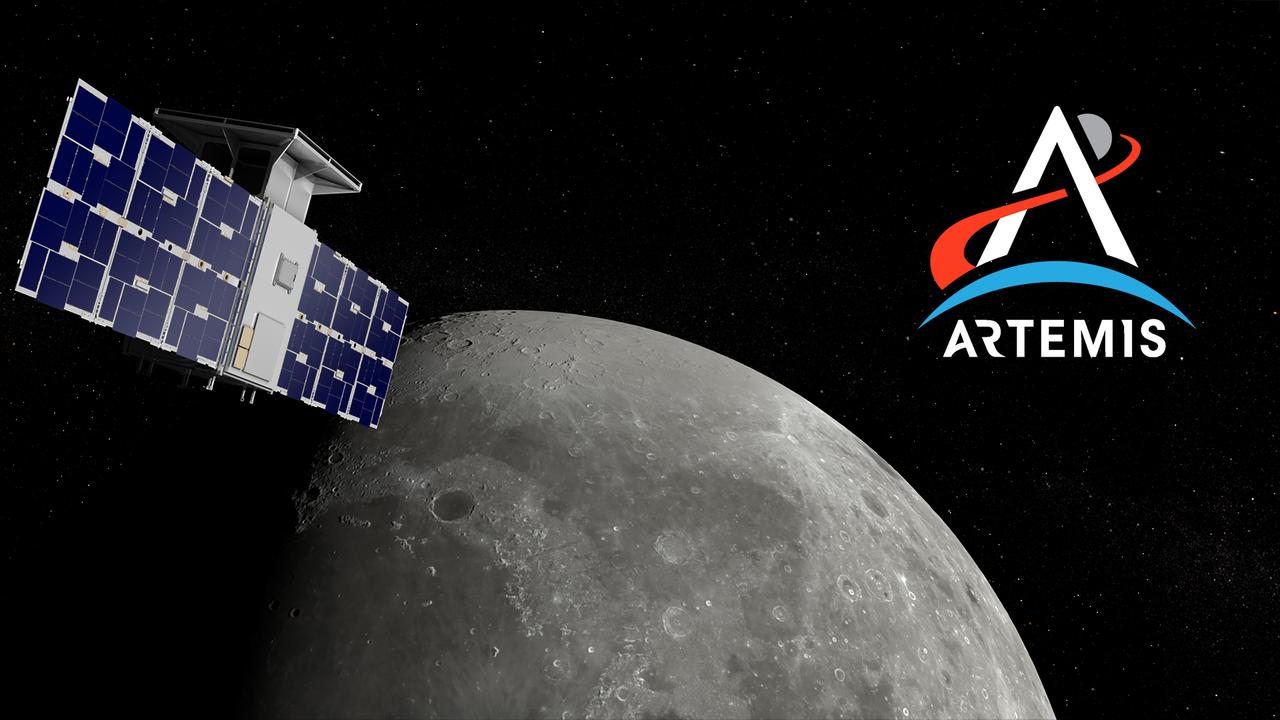
Virtual background of CAPSTONE spacecraft optimized for desktop use (16:9). The CAPSTONE mission will demonstrate an innovative spacecraft-to-spacecraft navigation solution at the Moon from a near rectilinear halo orbit slated for Artemis’ Gateway. Illustration by Daniel Rutter.

NASA is sending a mobile robot to the south pole of the Moon to get a close-up view of the location and concentration of water ice in the region and for the first time ever, actually sample the water ice at the same pole where the first woman and next man will land in 2024 under the Artemis program. About the size of a golf cart, the Volatiles Investigating Polar Exploration Rover, or VIPER, will roam several miles, using its four science instruments — including a 1-meter drill — to sample various soil environments. Planned for delivery in December 2022, VIPER will collect about 100 days of data that will be used to inform development of the first global water resource maps of the Moon. Illustration by Daniel Rutter.
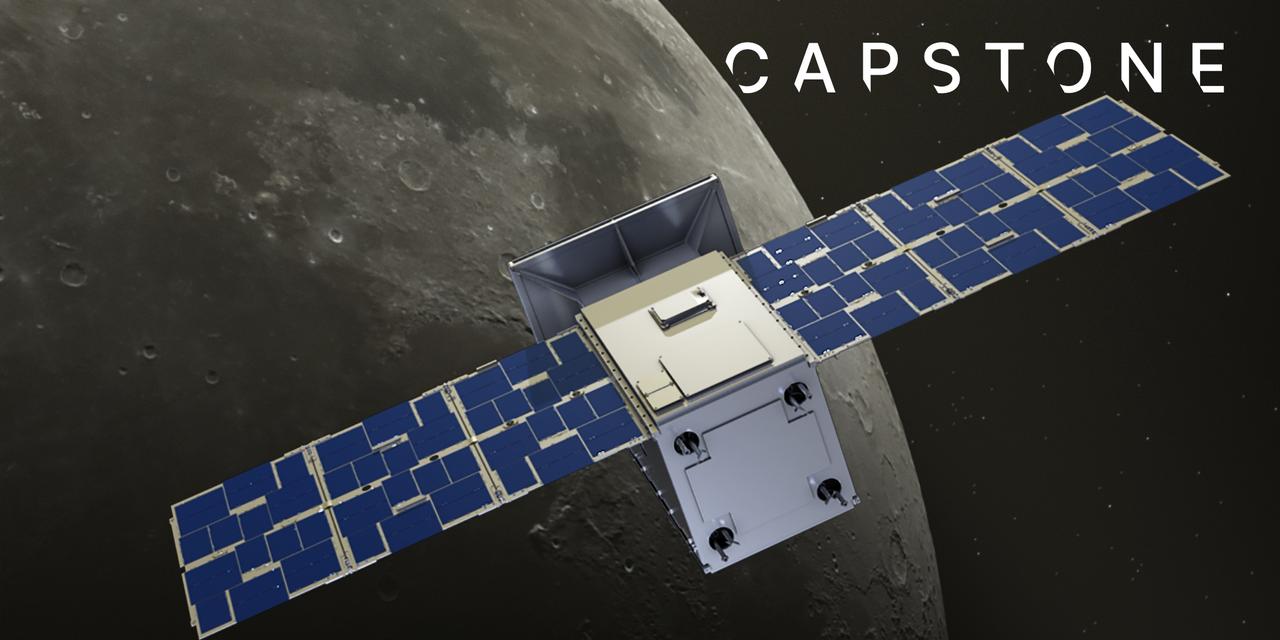
Virtual background of CAPSTONE spacecraft optimized for phone use (9:16). The CAPSTONE mission will demonstrate an innovative spacecraft-to-spacecraft navigation solution at the Moon from a near rectilinear halo orbit slated for Artemis’ Gateway. Illustration by Daniel Rutter.
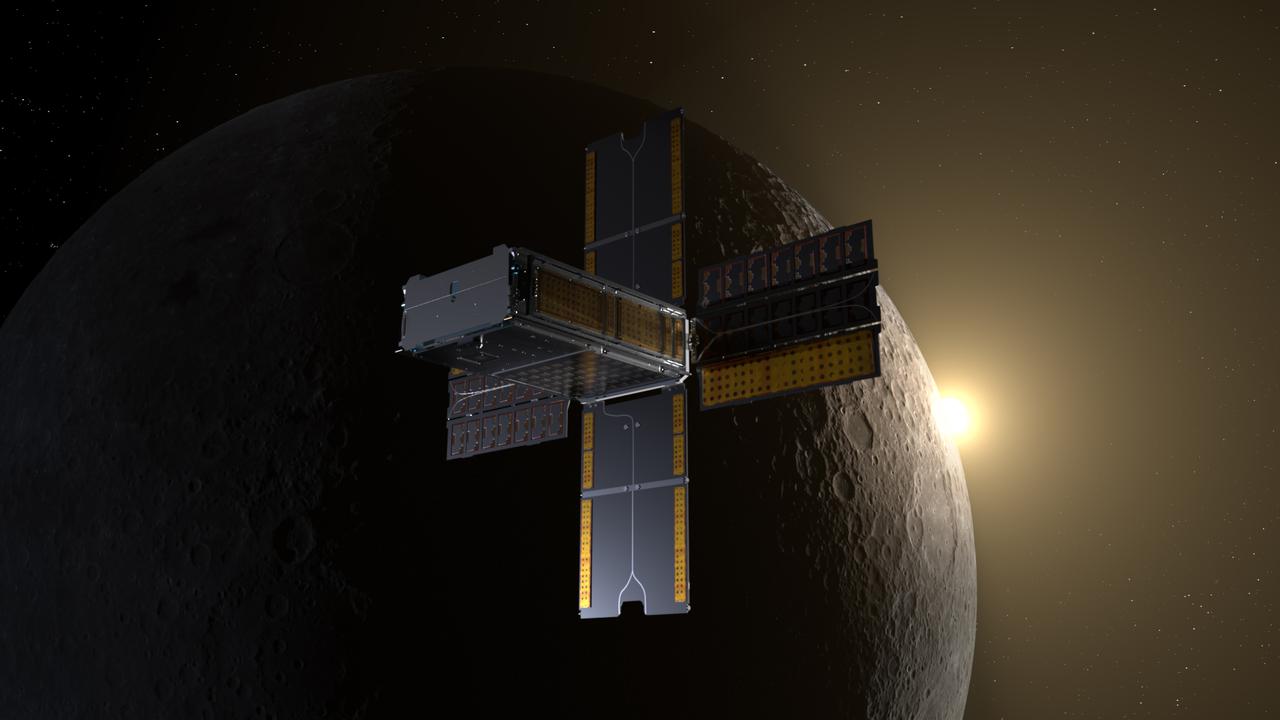
BioSentinel spacecraft enters a lunar flyby trajectory into a heliocentric orbit. BioSentinel will detect and measure the impact of space radiation on living organisms over long durations beyond low-Earth orbit (LEO). Illustration by Daniel Rutter.

Virtual background of CAPSTONE spacecraft optimized for phone use (9:16). The CAPSTONE mission will demonstrate an innovative spacecraft-to-spacecraft navigation solution at the Moon from a near rectilinear halo orbit slated for Artemis’ Gateway. Illustration by Daniel Rutter.
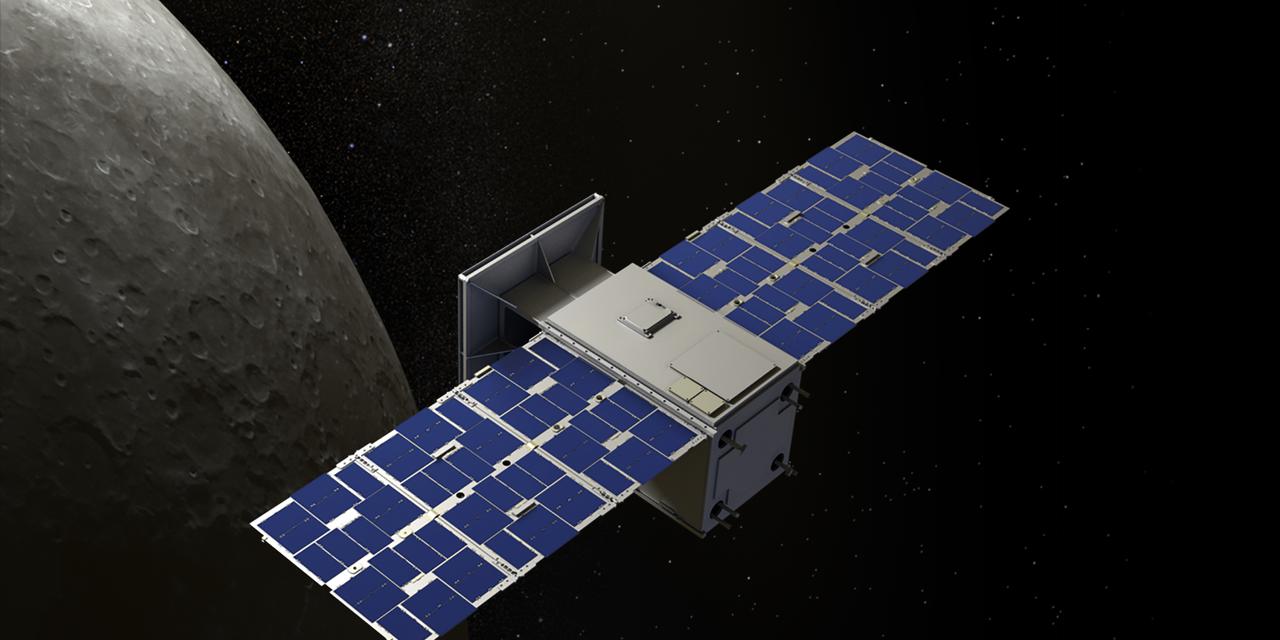
Virtual background of CAPSTONE spacecraft optimized for phone use (9:16). The CAPSTONE mission will demonstrate an innovative spacecraft-to-spacecraft navigation solution at the Moon from a near rectilinear halo orbit slated for Artemis’ Gateway. Illustration by Daniel Rutter.
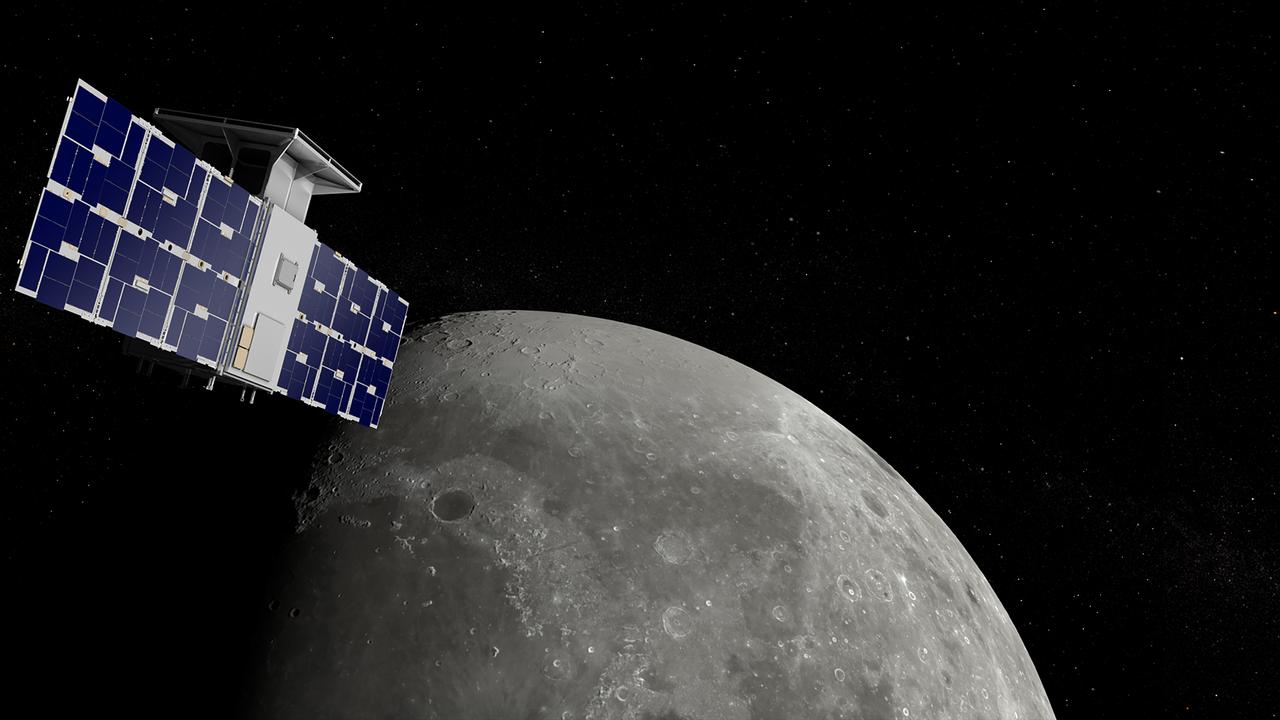
Virtual background of CAPSTONE spacecraft optimized for desktop use (16:9). The CAPSTONE mission will demonstrate an innovative spacecraft-to-spacecraft navigation solution at the Moon from a near rectilinear halo orbit slated for Artemis’ Gateway. Illustration by Daniel Rutter.

BioSentinel spacecraft enters a lunar flyby trajectory into a heliocentric orbit. BioSentinel will detect and measure the impact of space radiation on living organisms over long durations beyond low-Earth orbit (LEO). Illustration by Daniel Rutter.
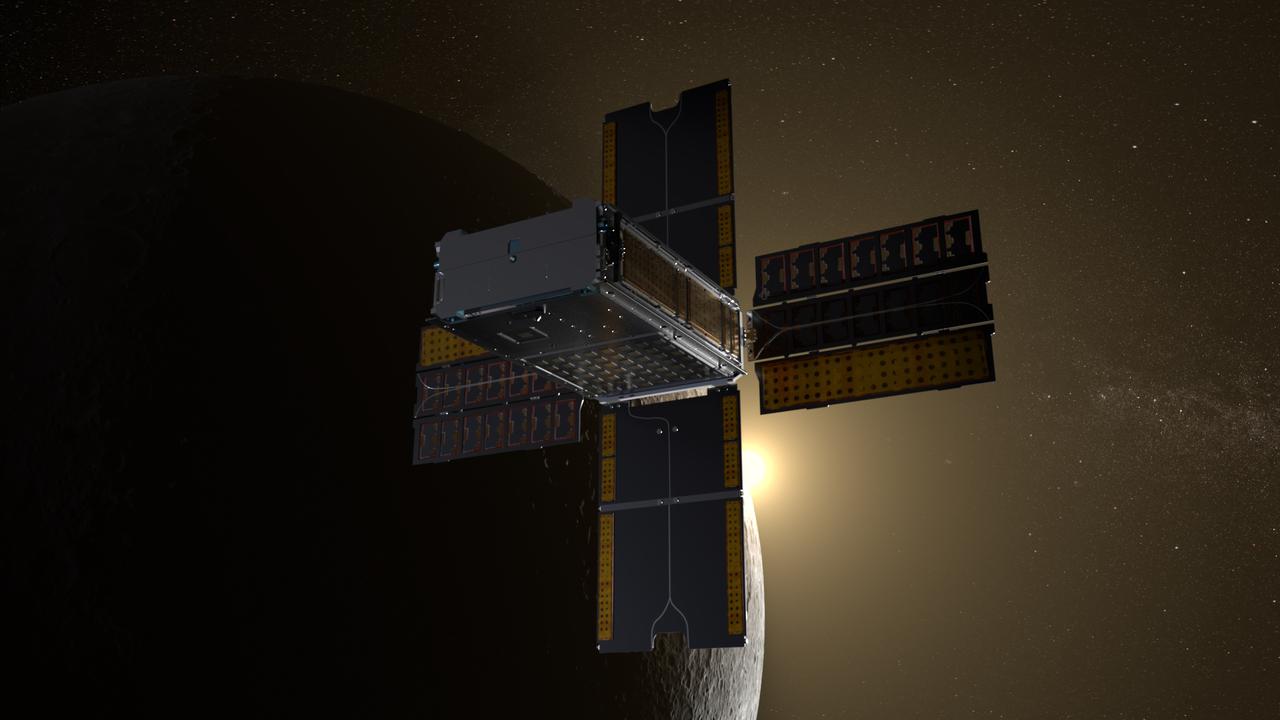
BioSentinel spacecraft enters a lunar flyby trajectory into a heliocentric orbit. BioSentinel will detect and measure the impact of space radiation on living organisms over long durations beyond low-Earth orbit (LEO). Illustration by Daniel Rutter.
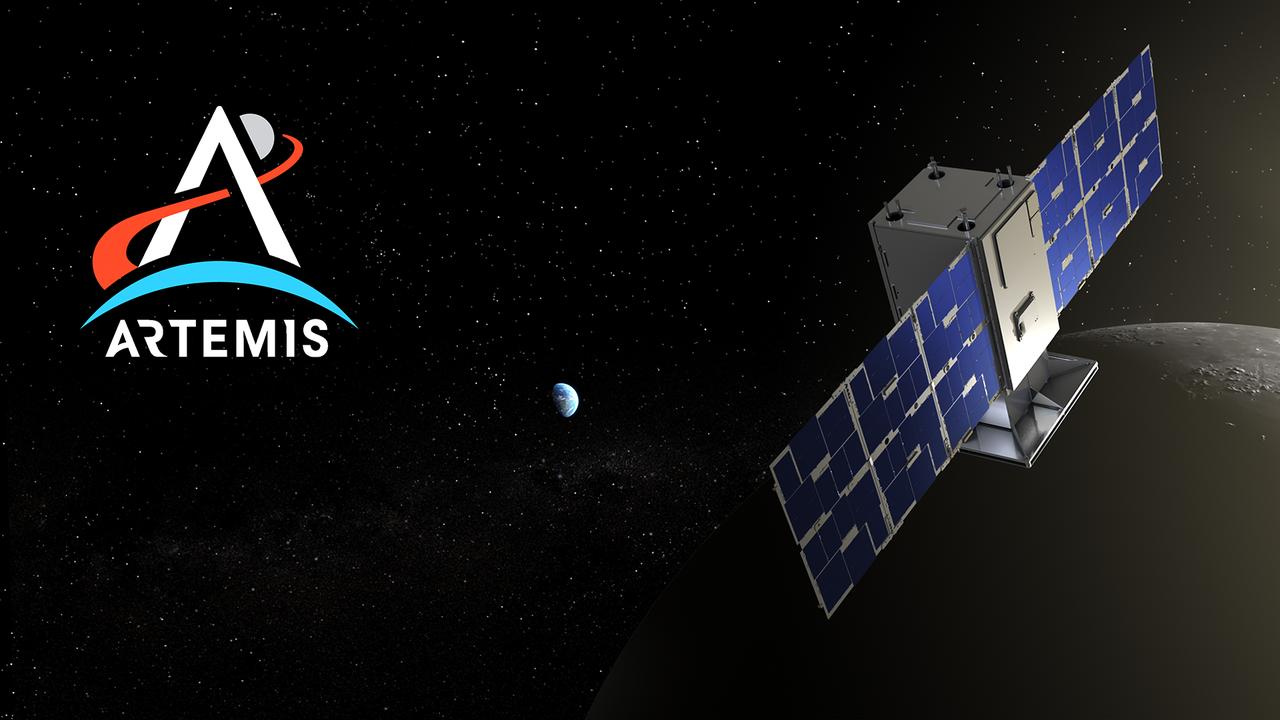
Virtual background of CAPSTONE spacecraft optimized for desktop use (16:9). The CAPSTONE mission will demonstrate an innovative spacecraft-to-spacecraft navigation solution at the Moon from a near rectilinear halo orbit slated for Artemis’ Gateway. Illustration by Daniel Rutter.
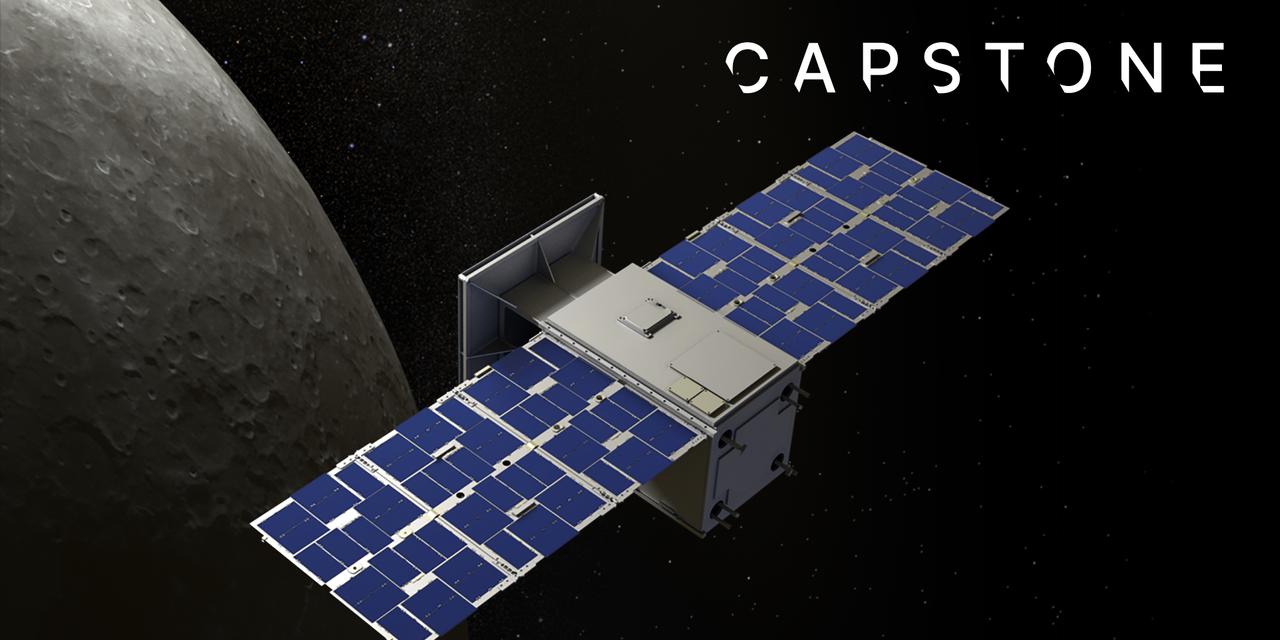
Virtual background of CAPSTONE spacecraft optimized for phone use (9:16). The CAPSTONE mission will demonstrate an innovative spacecraft-to-spacecraft navigation solution at the Moon from a near rectilinear halo orbit slated for Artemis’ Gateway. Illustration by Daniel Rutter.
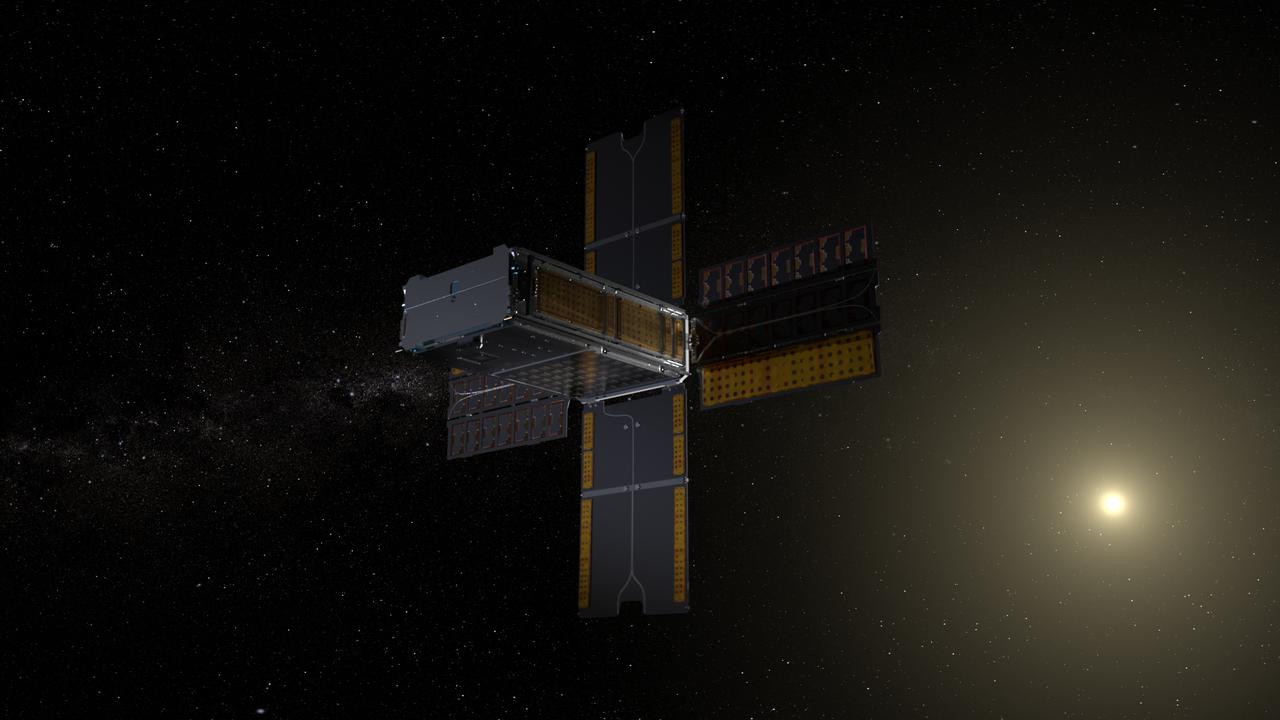
The BioSentinel spacecraft enters a heliocentric orbit. BioSentinel will detect and measure the impact of space radiation on living organisms over long durations beyond low-Earth orbit (LEO). Illustration by Daniel Rutter.
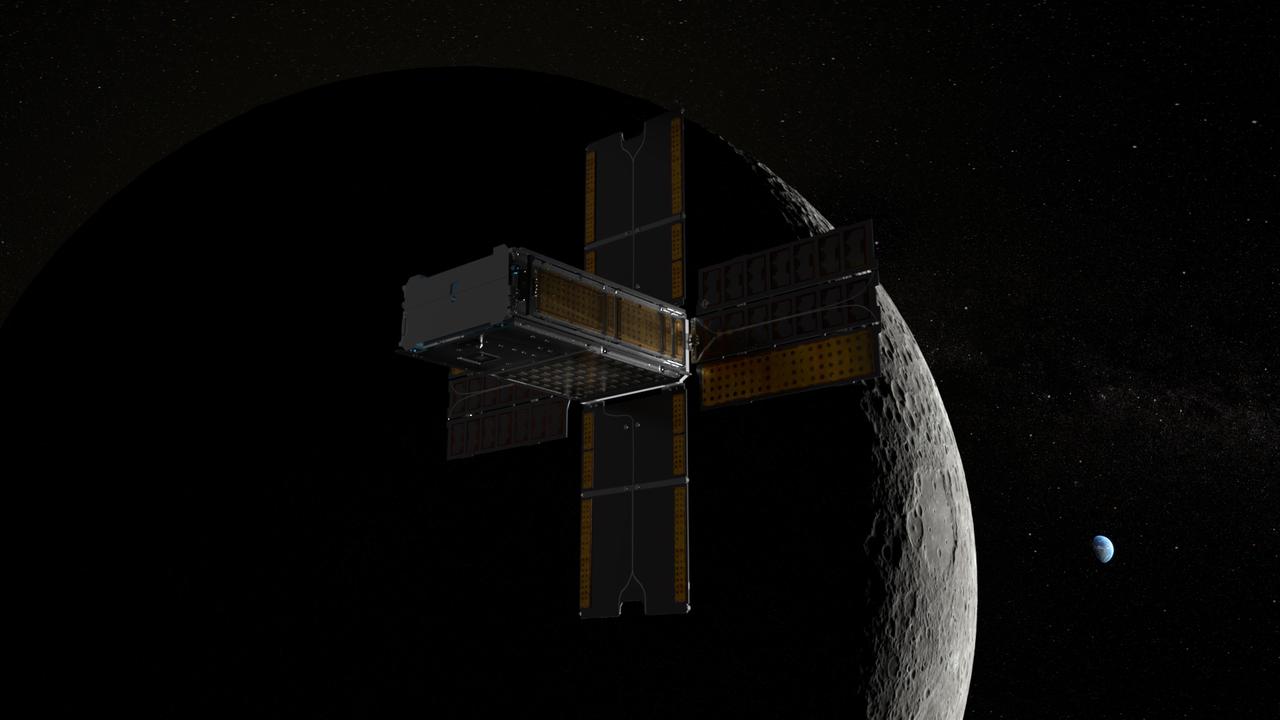
BioSentinel spacecraft leaves Earth and enters a lunar flyby trajectory into a heliocentric orbit. BioSentinel will detect and measure the impact of space radiation on living organisms over long durations beyond low-Earth orbit (LEO). Illustration by Daniel Rutter.
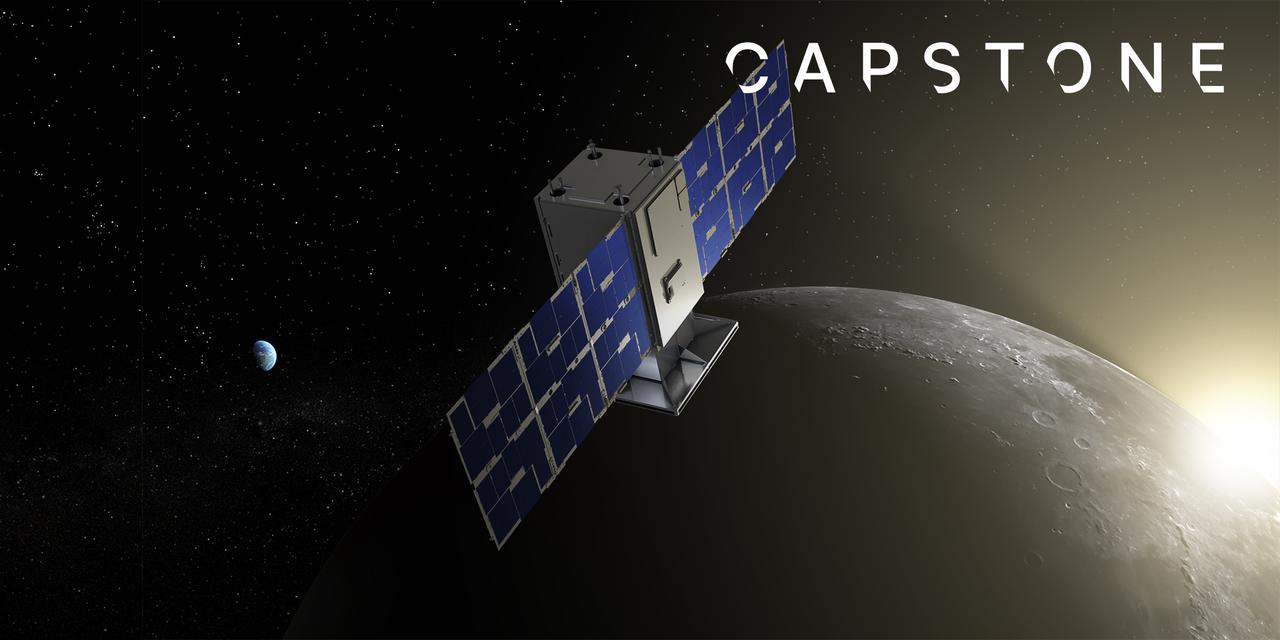
Virtual background of CAPSTONE spacecraft optimized for phone use (9:16). The CAPSTONE mission will demonstrate an innovative spacecraft-to-spacecraft navigation solution at the Moon from a near rectilinear halo orbit slated for Artemis’ Gateway. Illustration by Daniel Rutter.
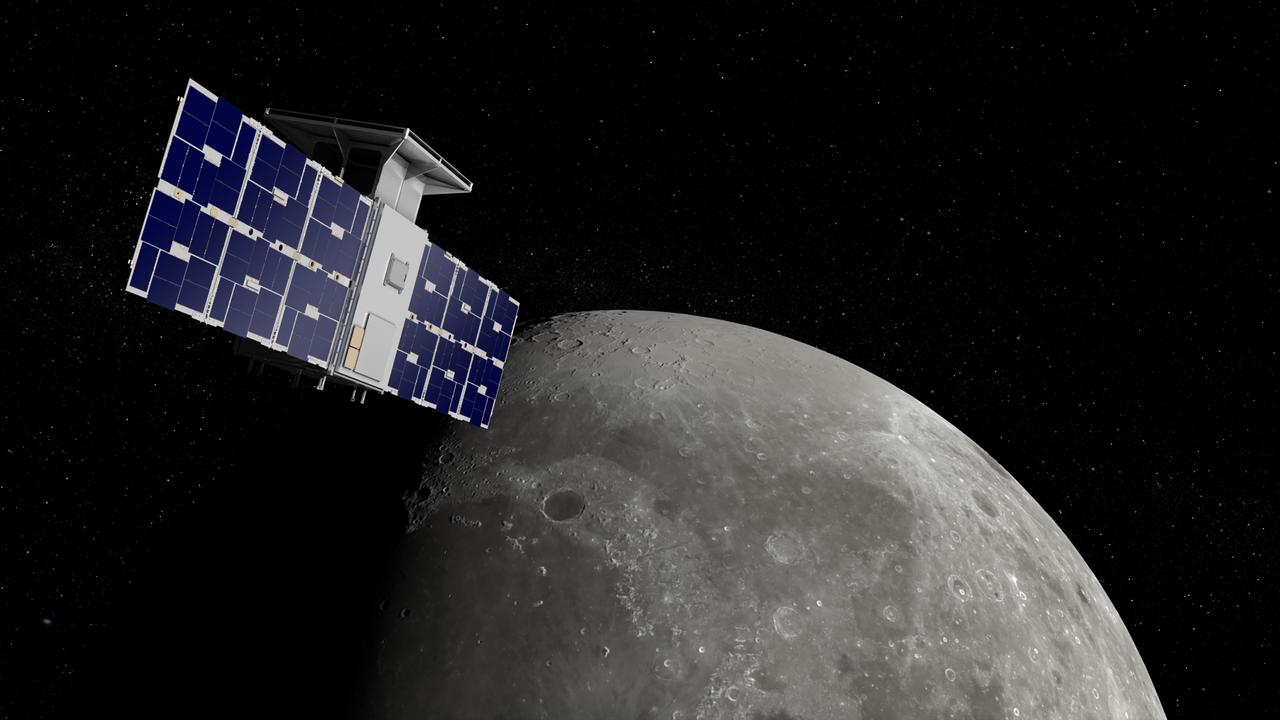
CAPSTONE, a microwave oven-sized CubeSat, will fly in cislunar space – the orbital space near and around the Moon. The mission will demonstrate an innovative spacecraft-to-spacecraft navigation solution at the Moon from a near rectilinear halo orbit slated for Artemis’ Gateway. Illustration by Daniel Rutter.
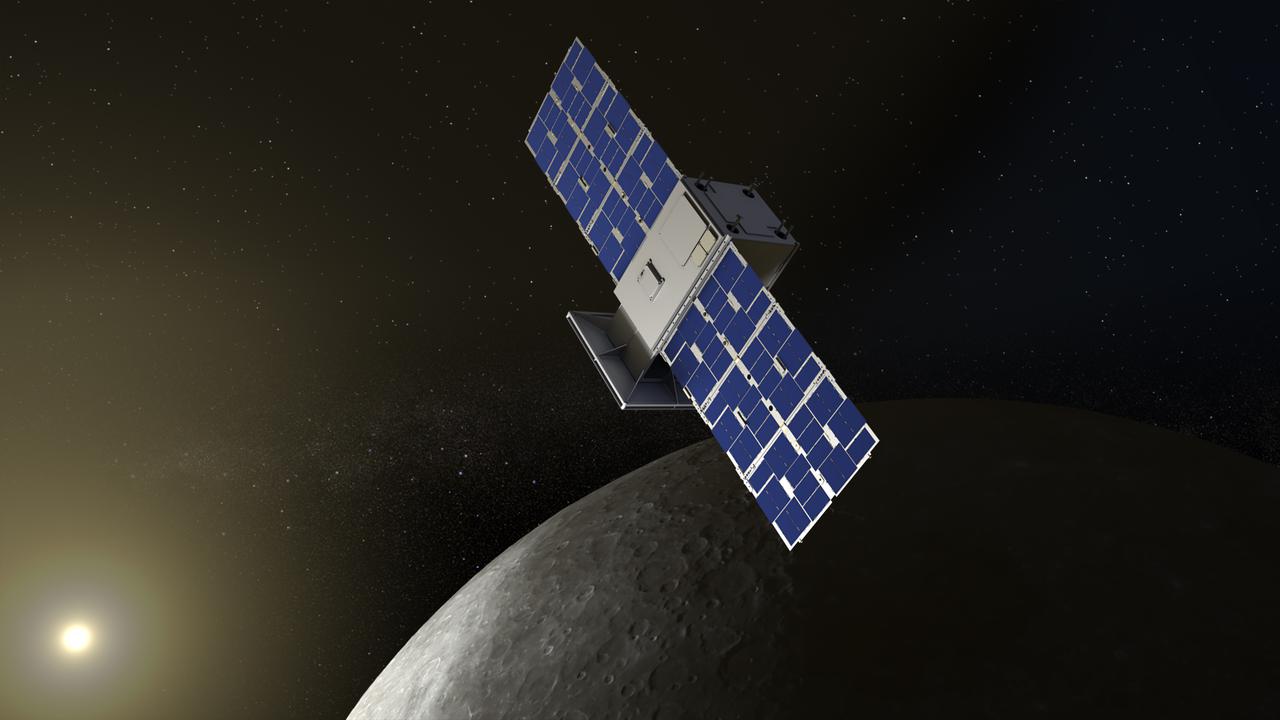
CAPSTONE, a microwave oven-sized CubeSat, will fly in cislunar space – the orbital space near and around the Moon. The mission will demonstrate an innovative spacecraft-to-spacecraft navigation solution at the Moon from a near rectilinear halo orbit slated for Artemis’ Gateway. Illustration by Daniel Rutter.

CAPSTONE, a microwave oven-sized CubeSat, will fly in cislunar space – the orbital space near and around the Moon. The mission will demonstrate an innovative spacecraft-to-spacecraft navigation solution at the Moon from a near rectilinear halo orbit slated for Artemis’ Gateway. Illustration by Daniel Rutter.
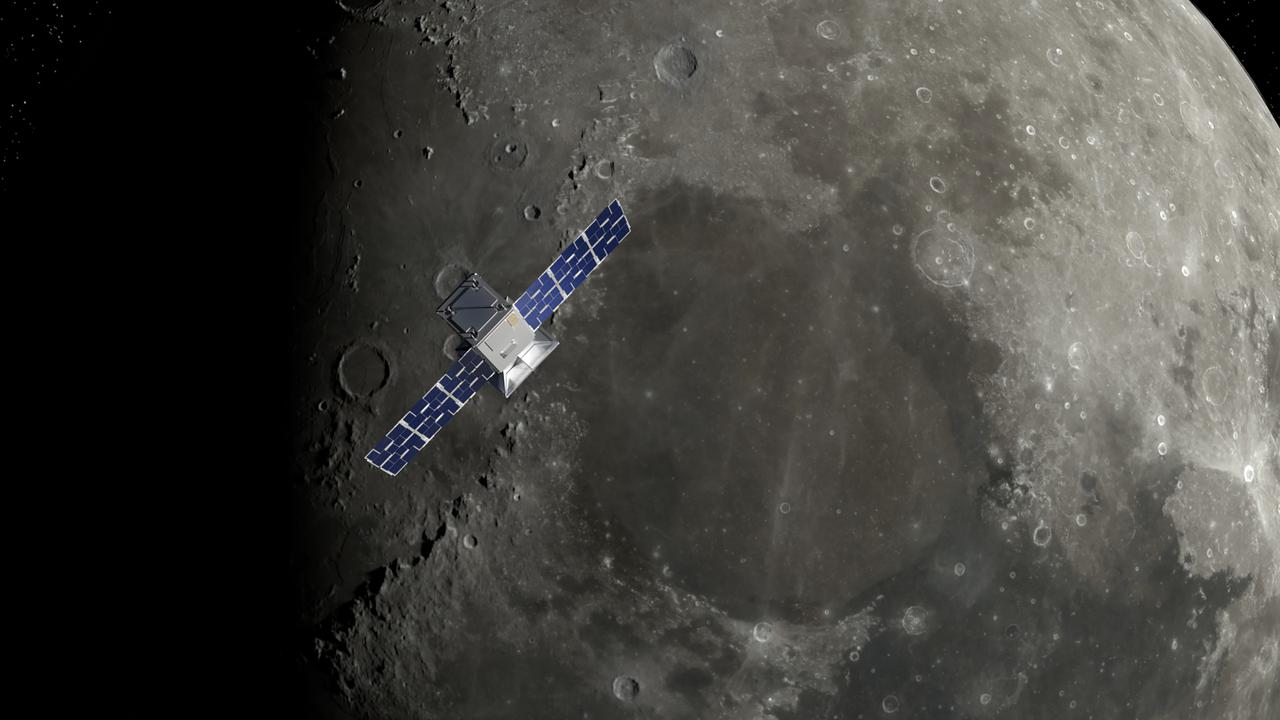
CAPSTONE, a microwave oven-sized CubeSat, will fly in cislunar space – the orbital space near and around the Moon. The mission will demonstrate an innovative spacecraft-to-spacecraft navigation solution at the Moon from a near rectilinear halo orbit slated for Artemis’ Gateway. Illustration by Daniel Rutter.

CAPSTONE, a microwave oven-sized CubeSat, will fly in cislunar space – the orbital space near and around the Moon. The mission will demonstrate an innovative spacecraft-to-spacecraft navigation solution at the Moon from a near rectilinear halo orbit slated for Artemis’ Gateway. Illustration by Daniel Rutter.