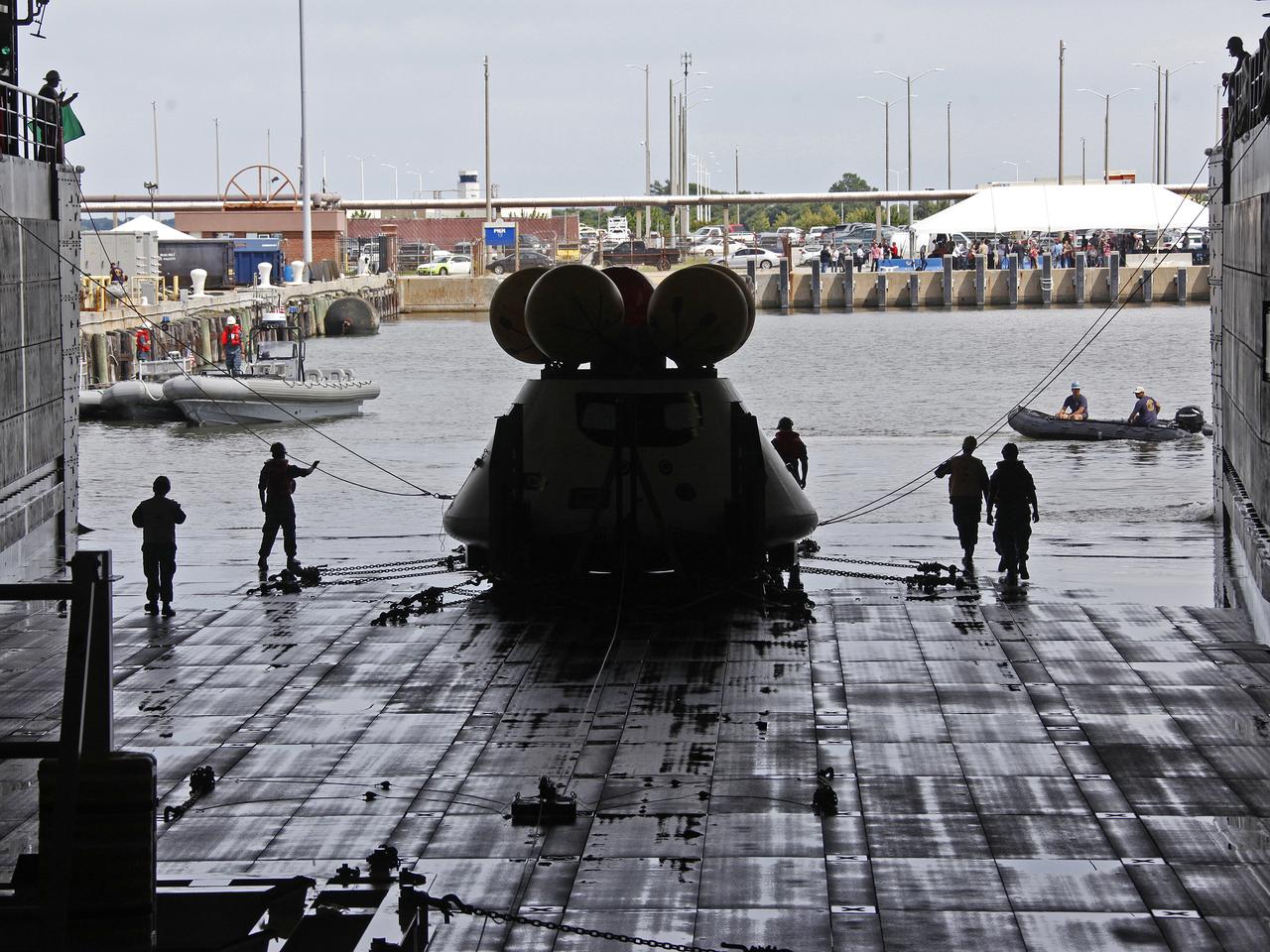
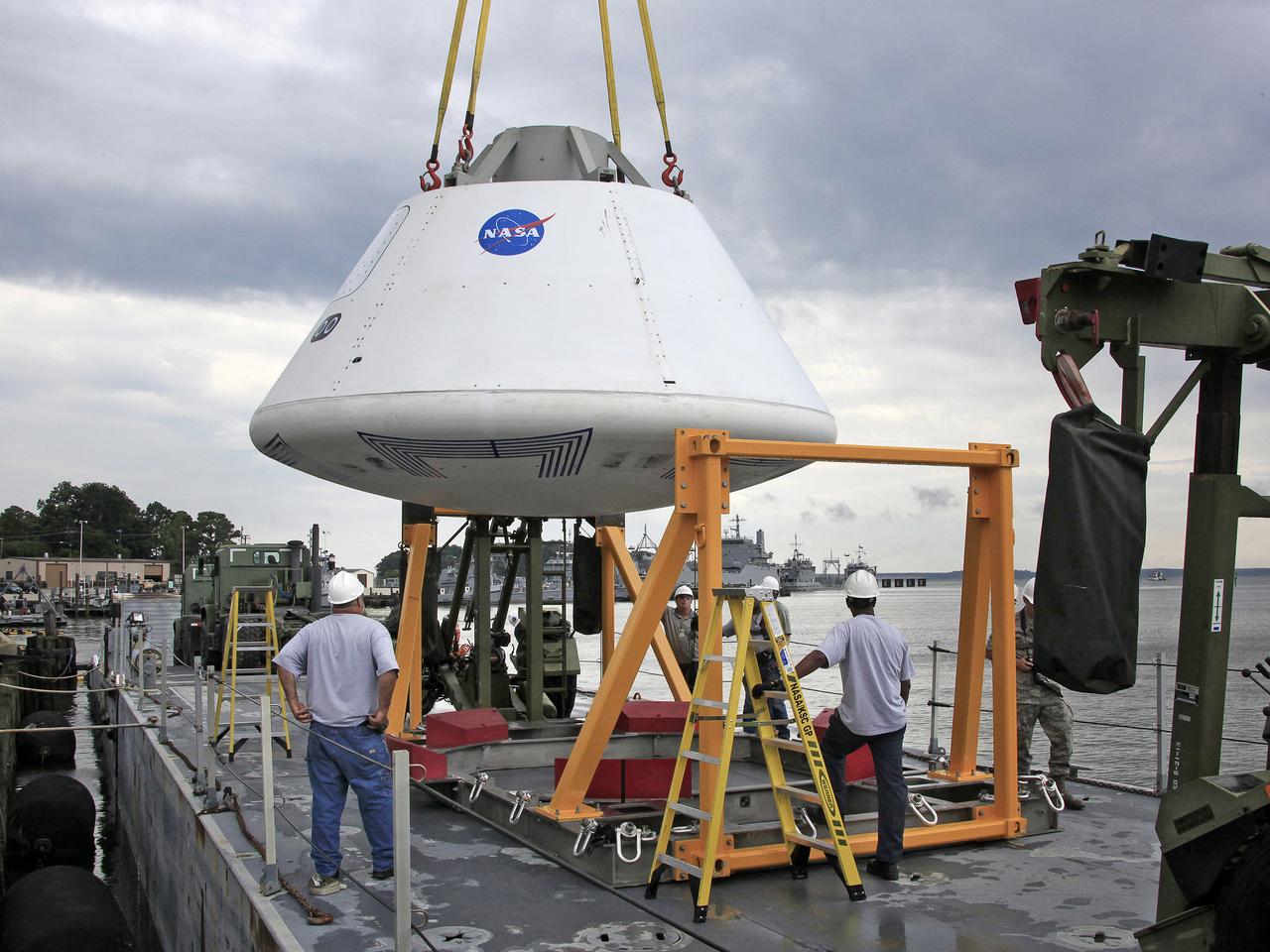
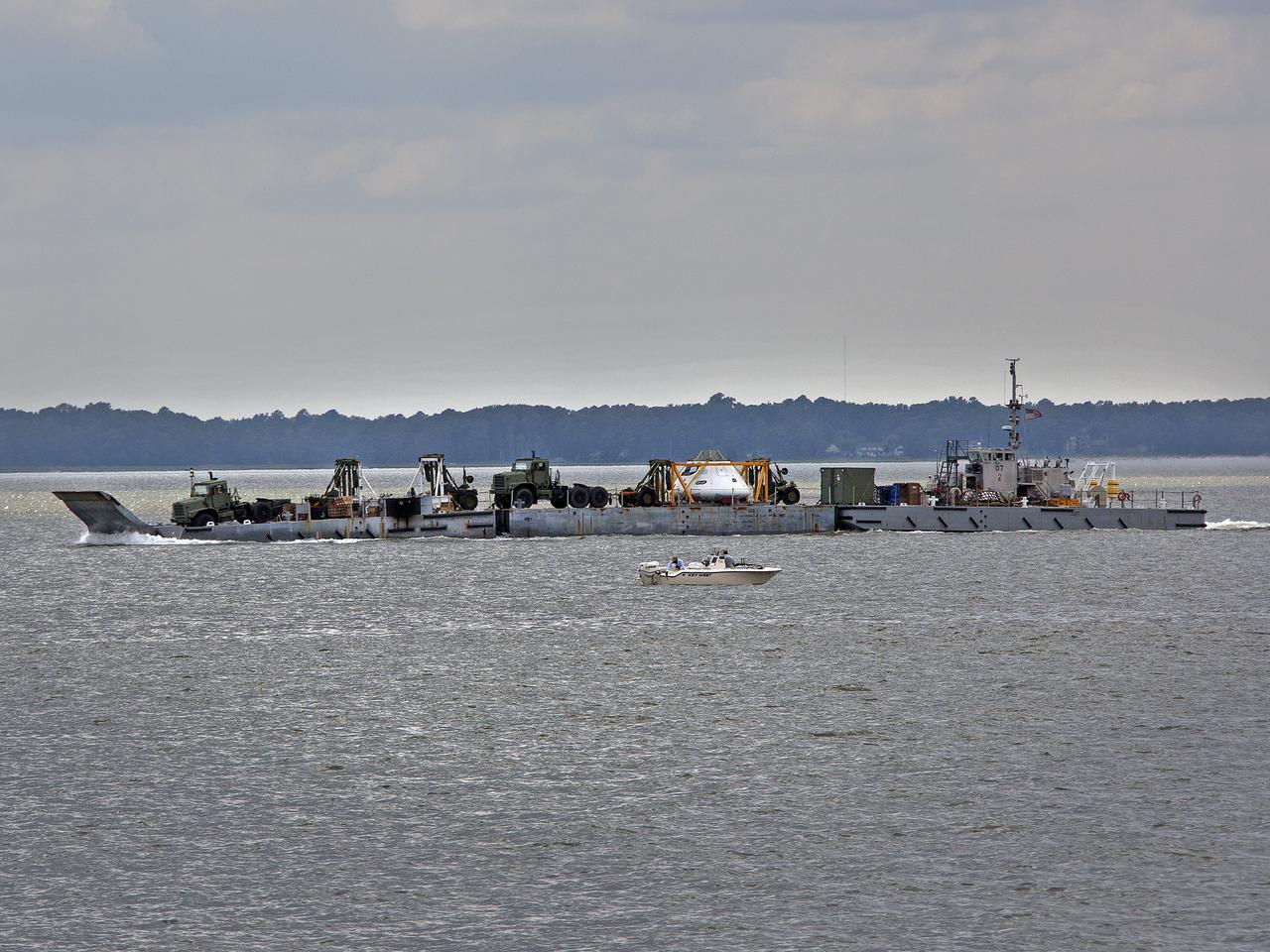
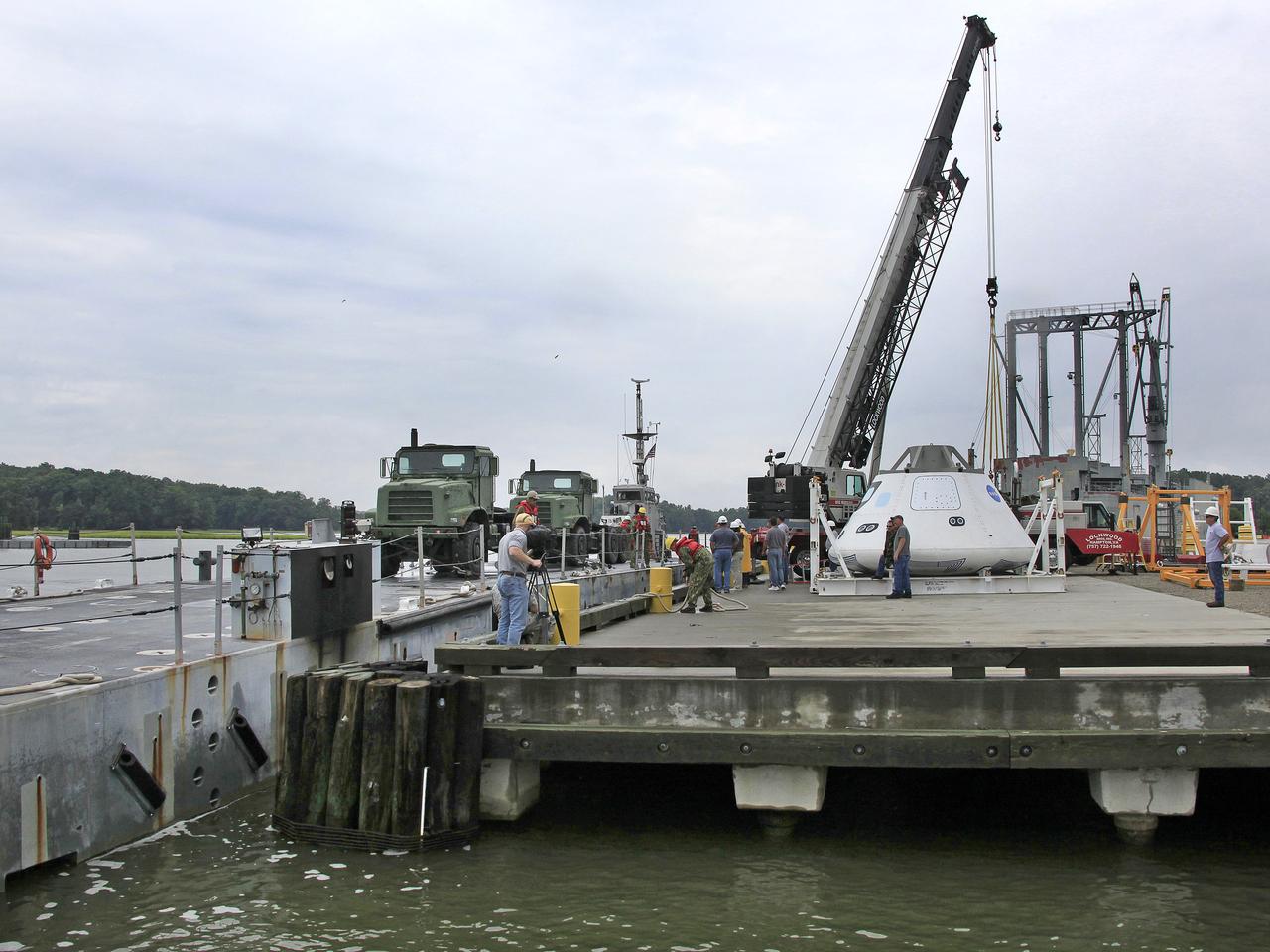
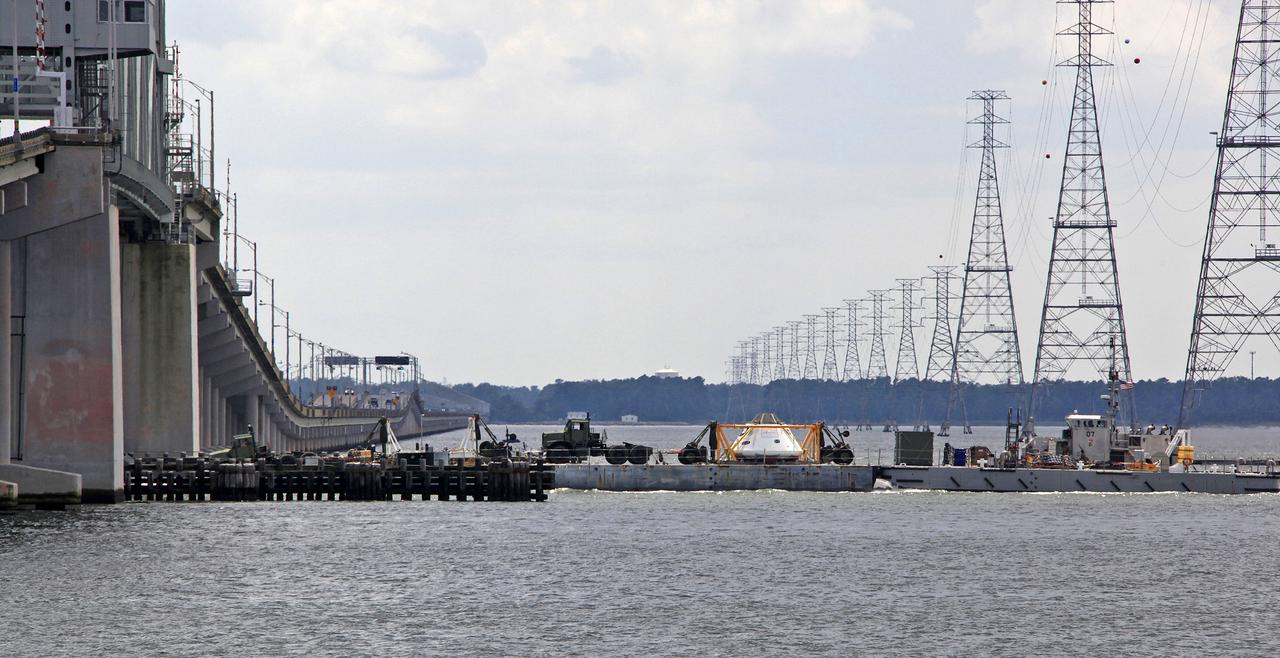
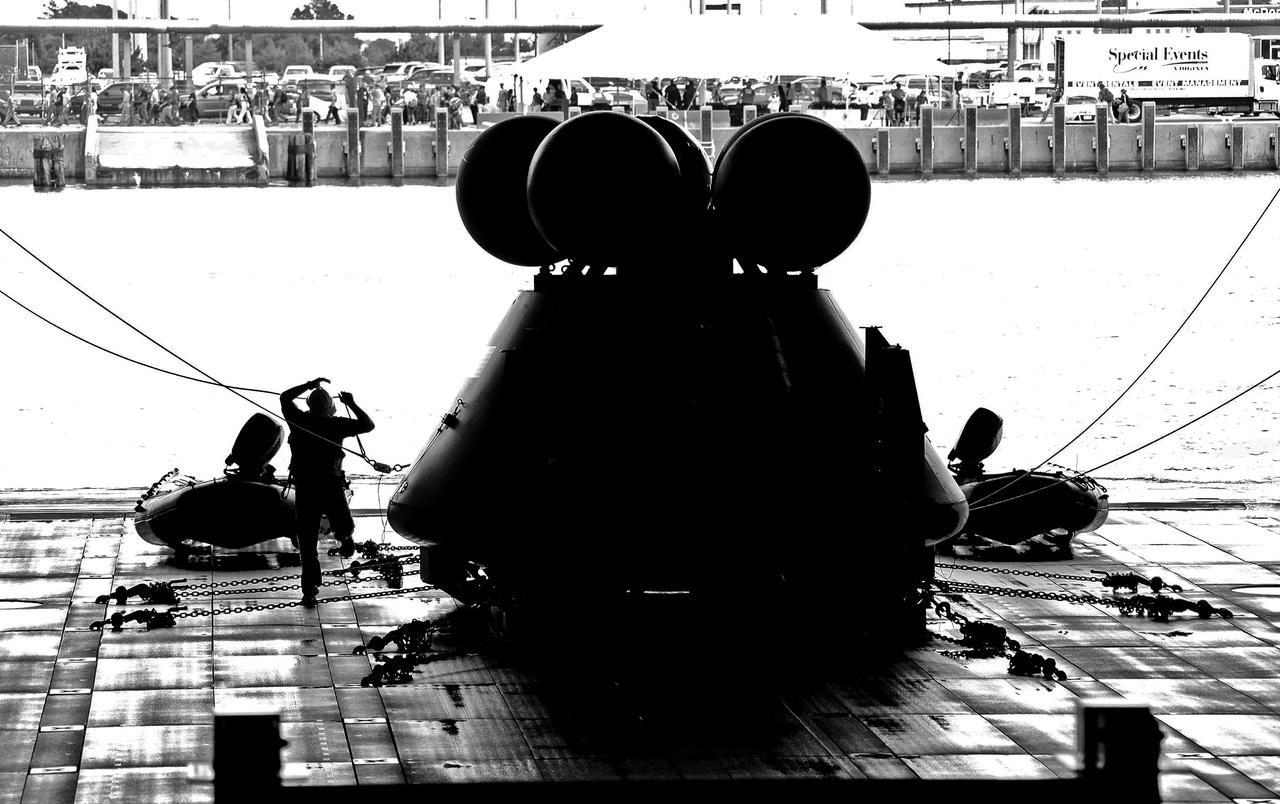
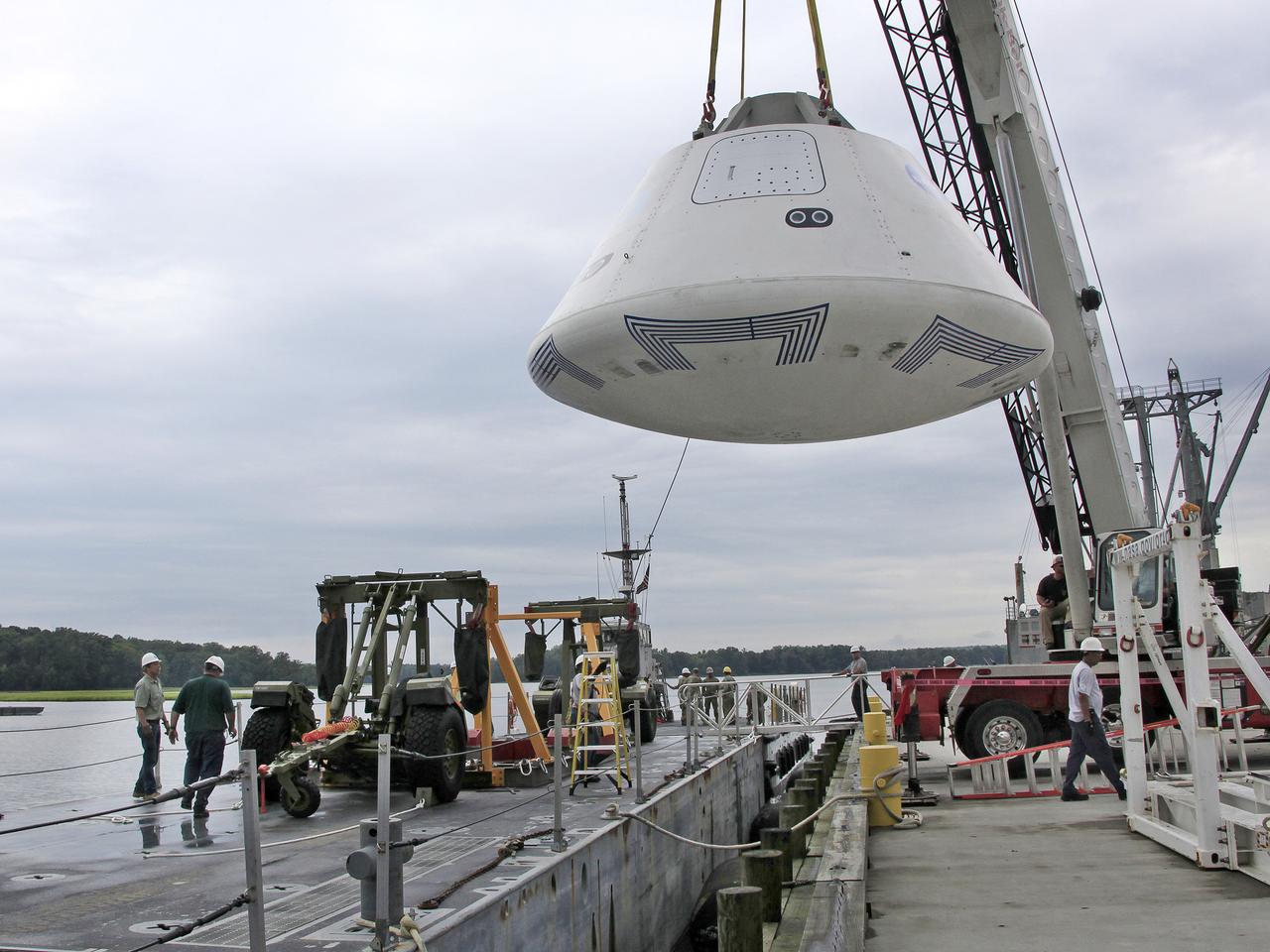
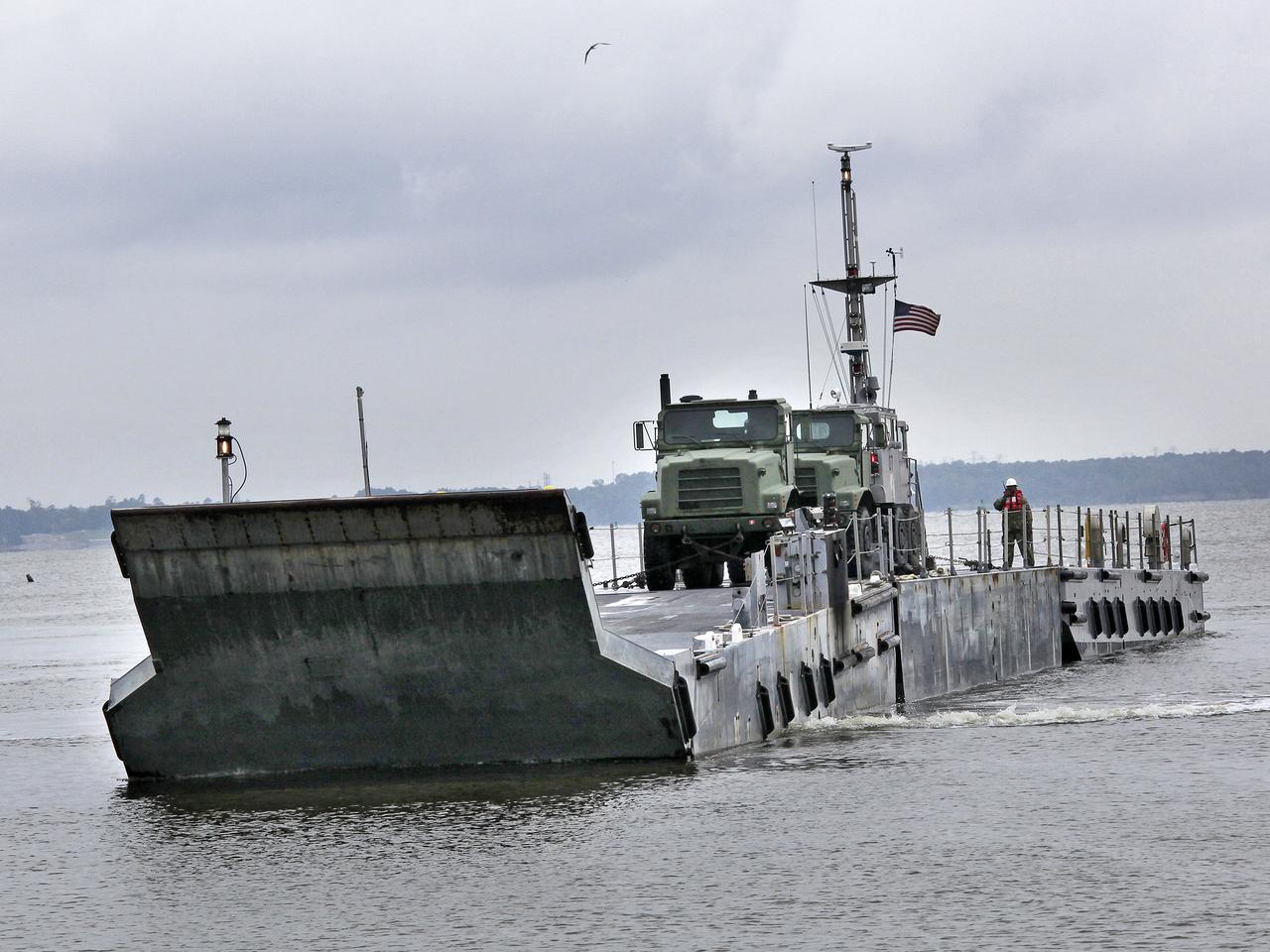
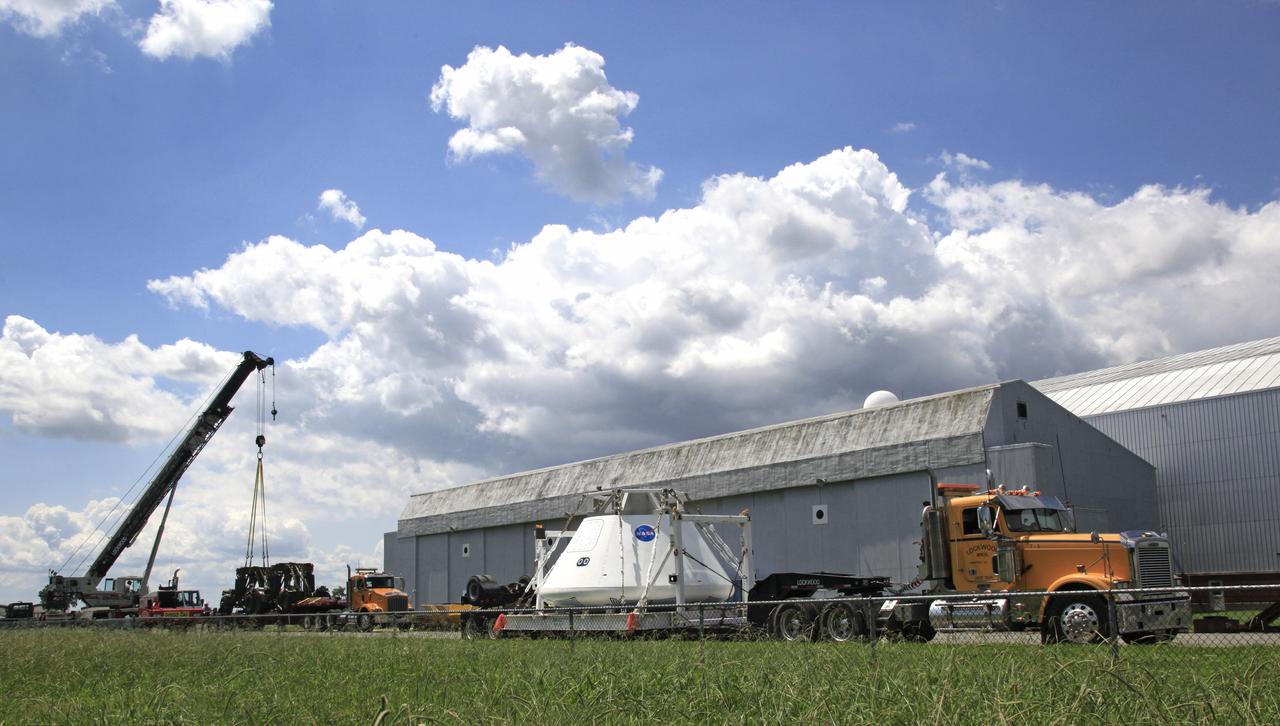
The Orion Test Capsule was loaded on a Navy INLS "Improved Navy Lighterage System" at Fort Eustis Tuesday from where it will be transported to Little Creek Amphibious Base in Norfolk.
The Orion Test Capsule Loaded on a Navy INLS "Improved Navy Ligh
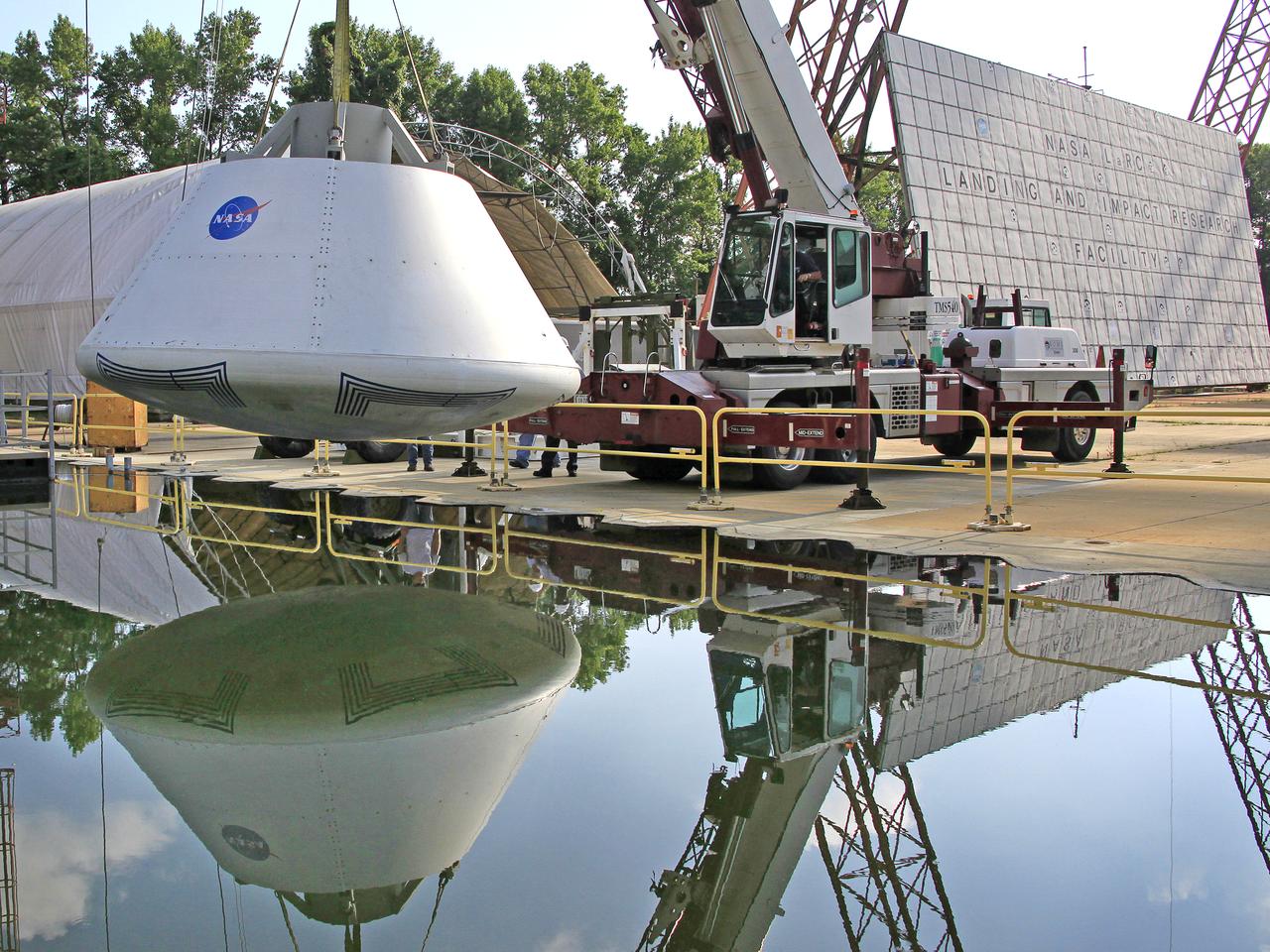
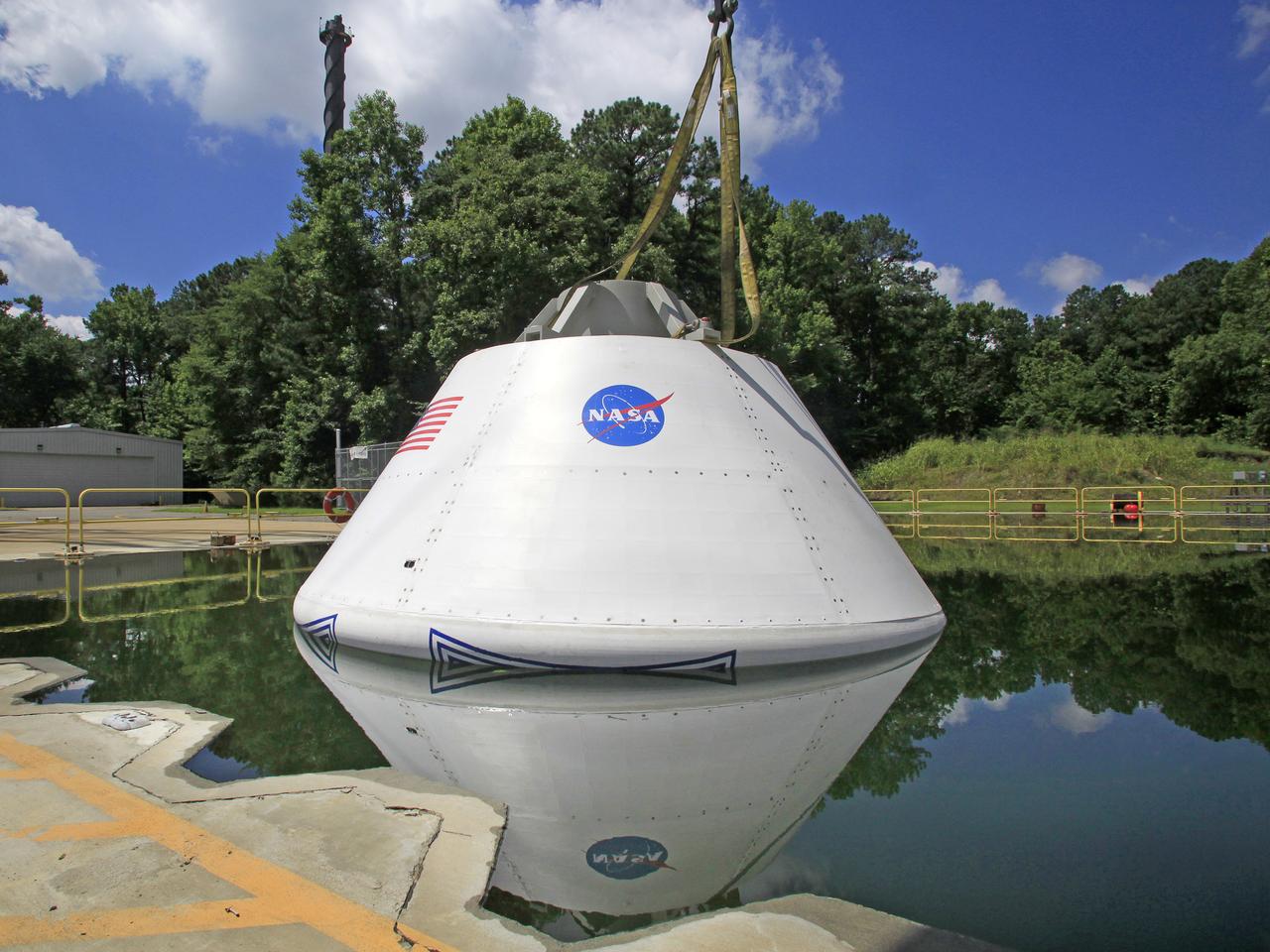
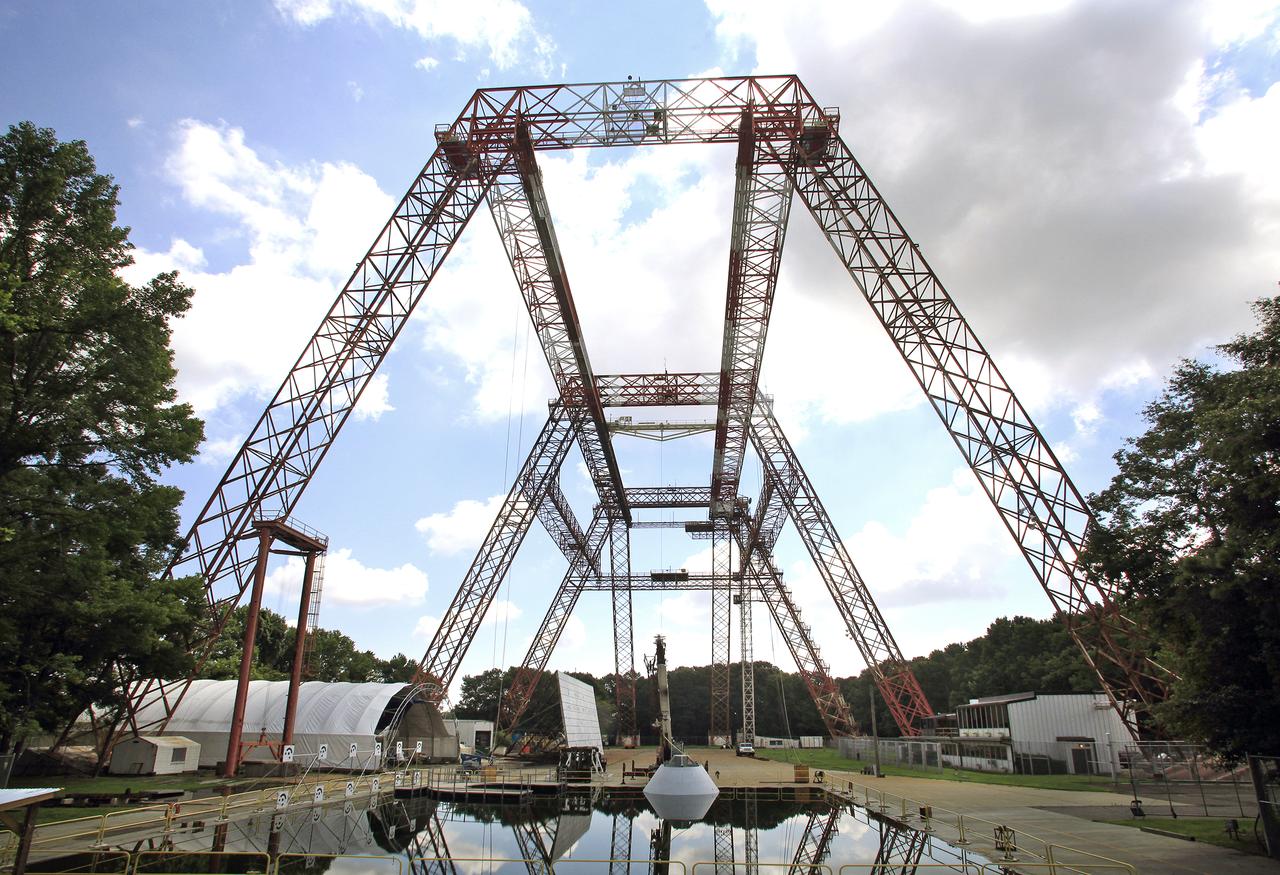
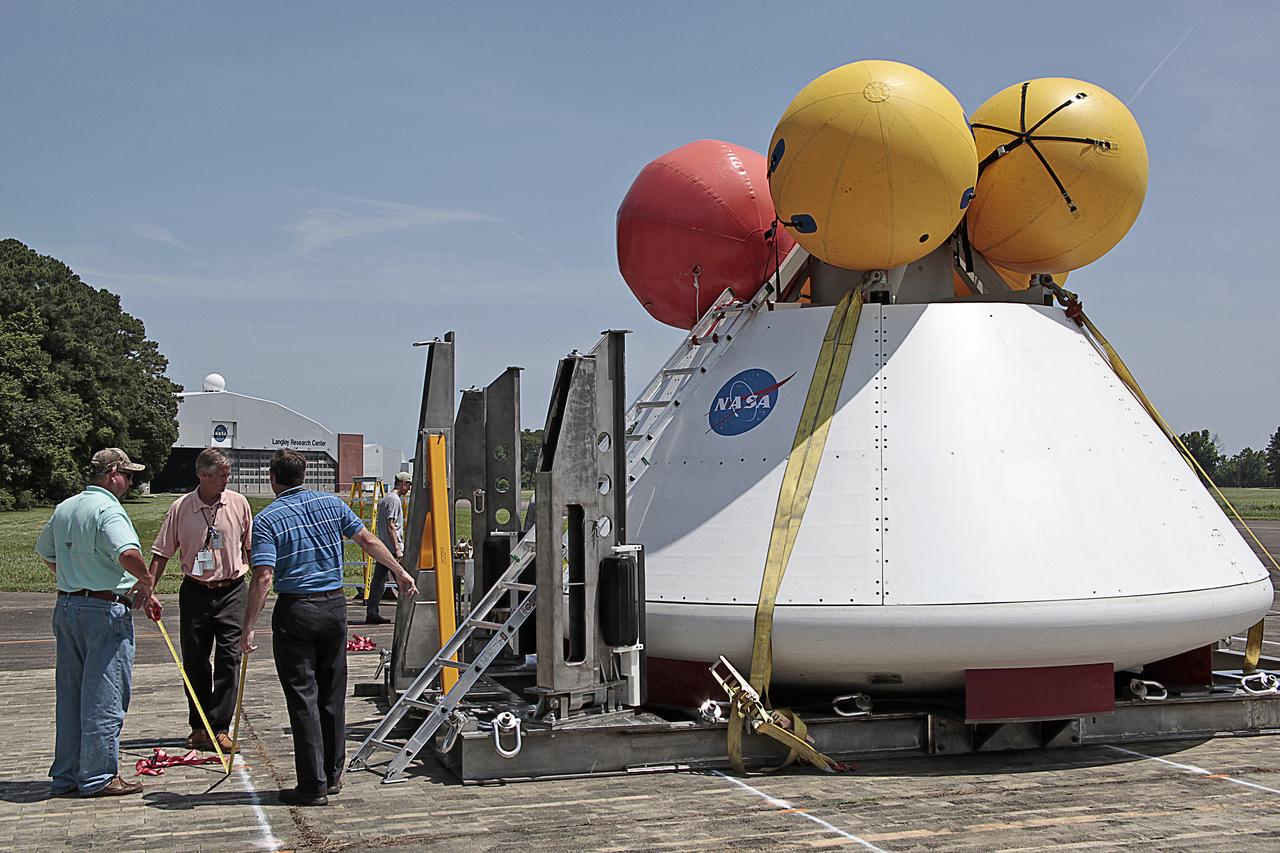
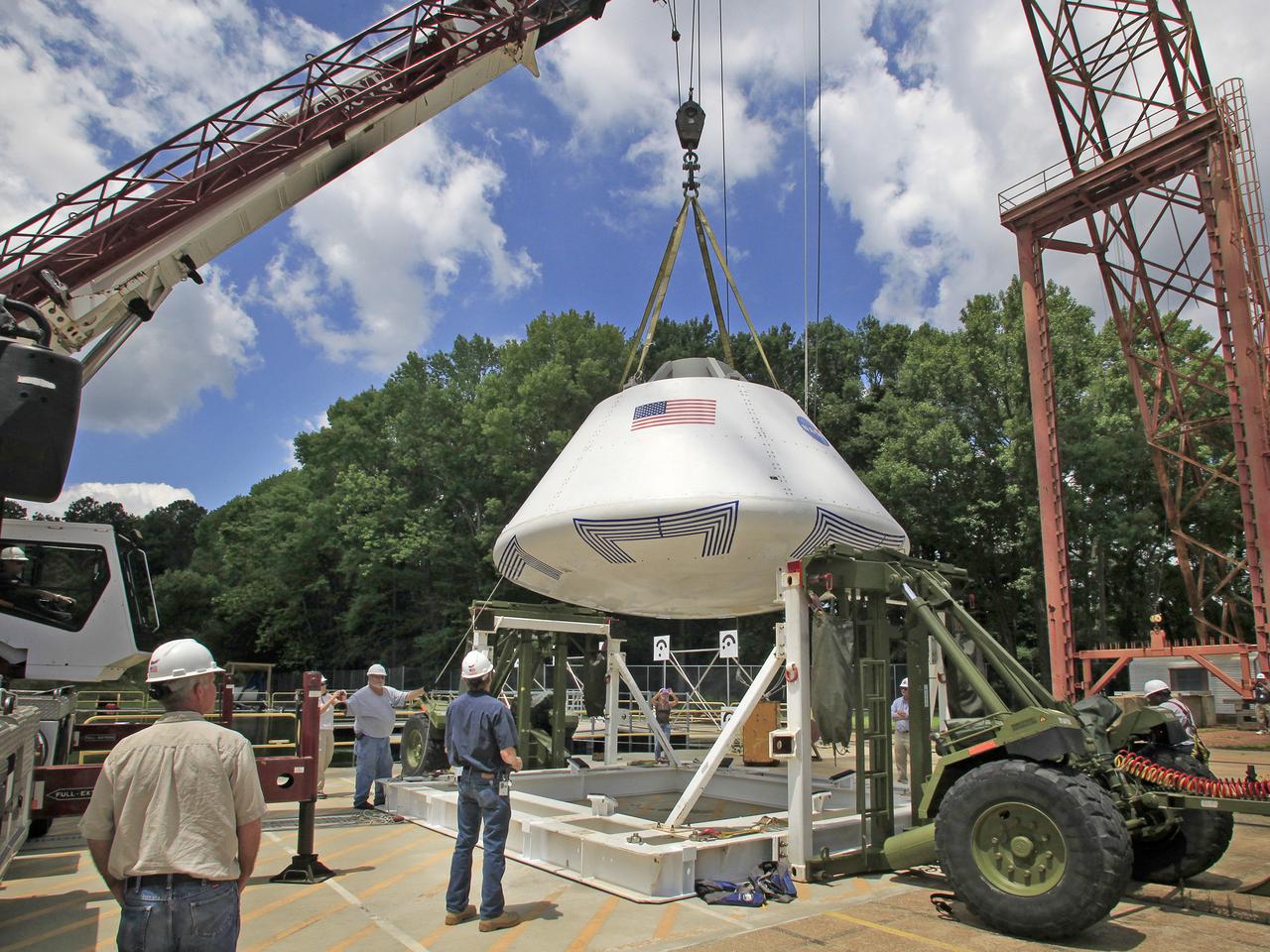
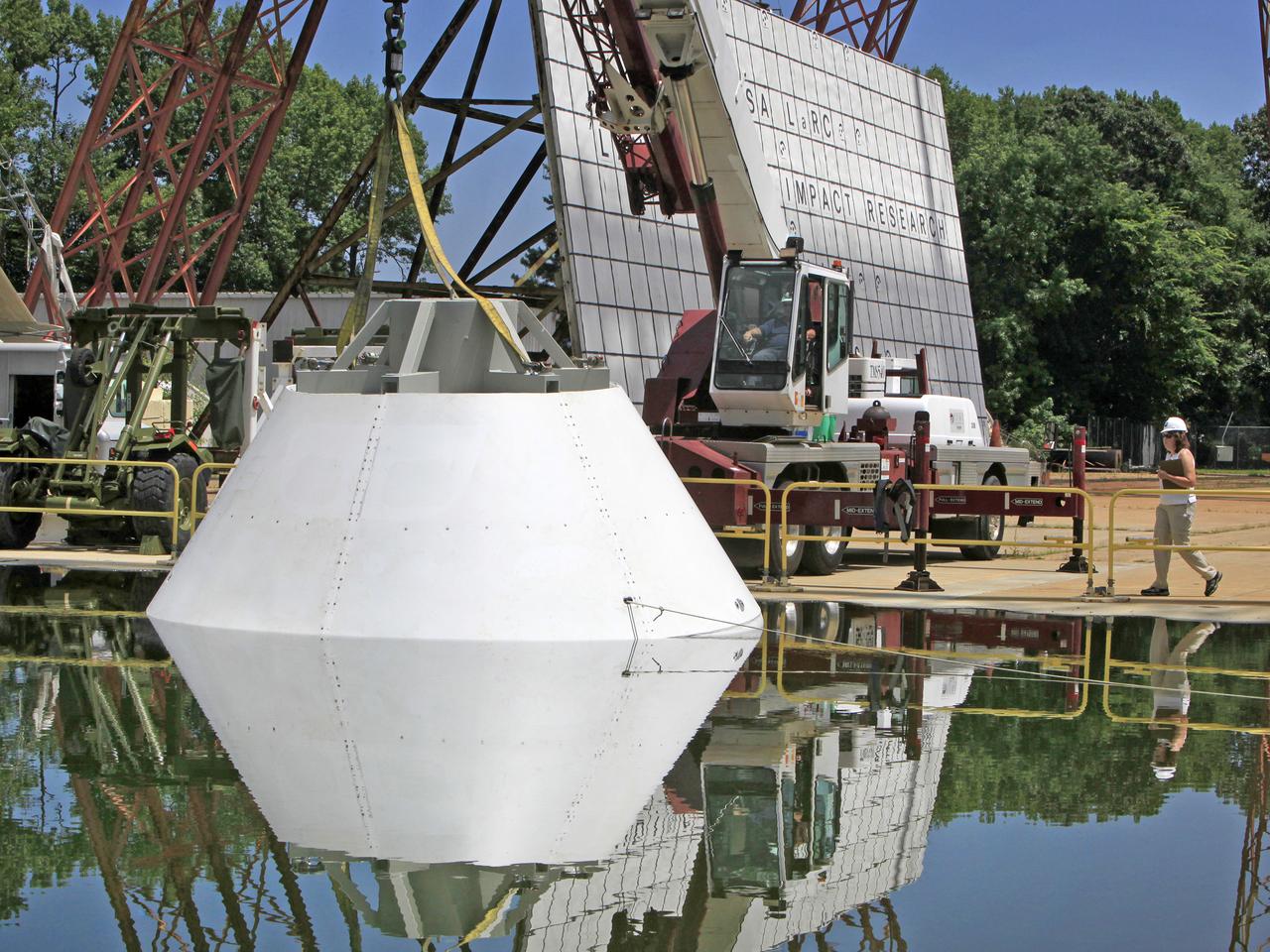
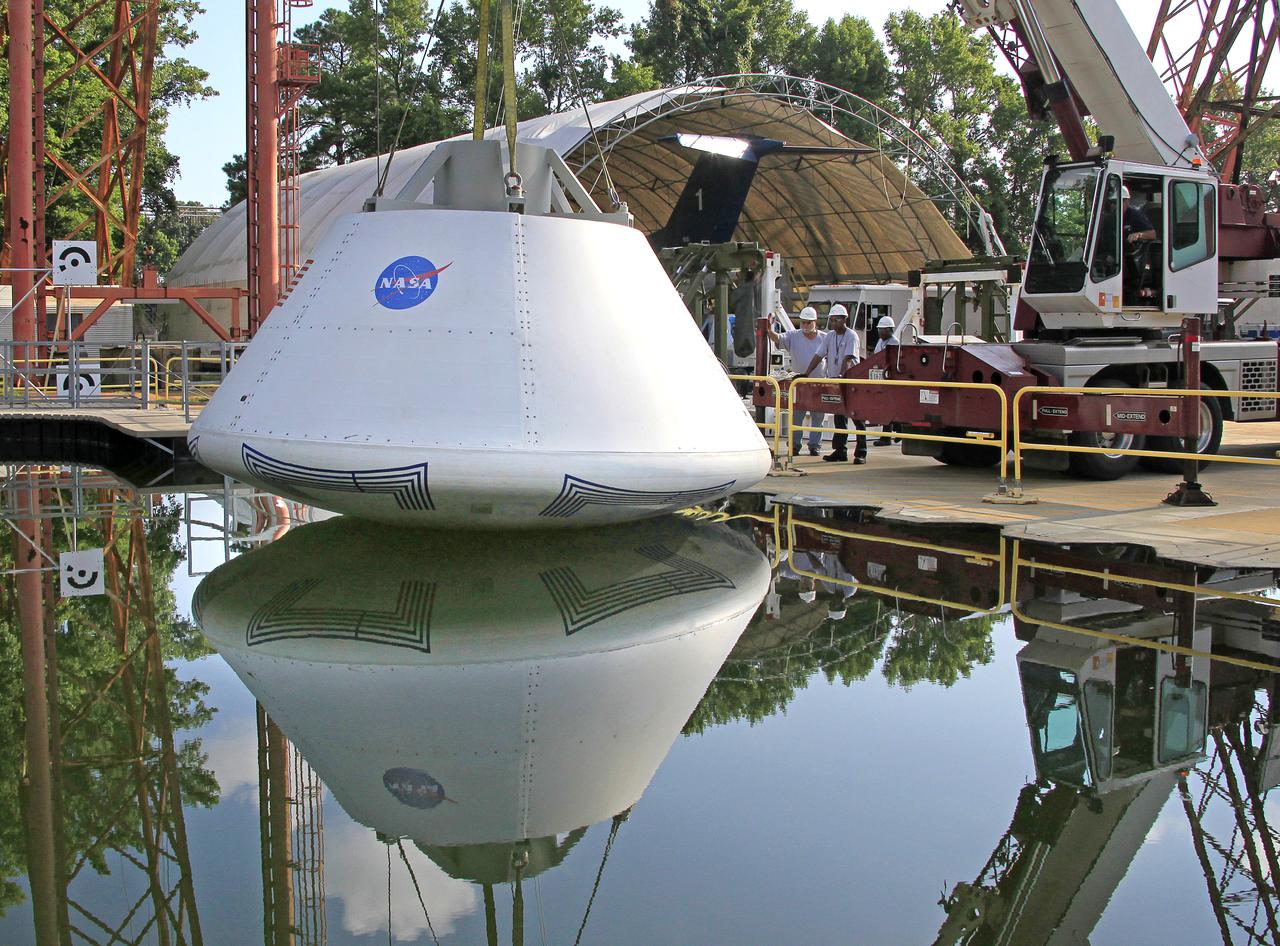
The Orion Test Capsule spent 4 hour in the water tank under NASA Langley's gantry to prove it is ready for the open water recovery test at Norfolk Naval Station.
The Orion Test Capsule at NASA's Langley Research Center's Hydro
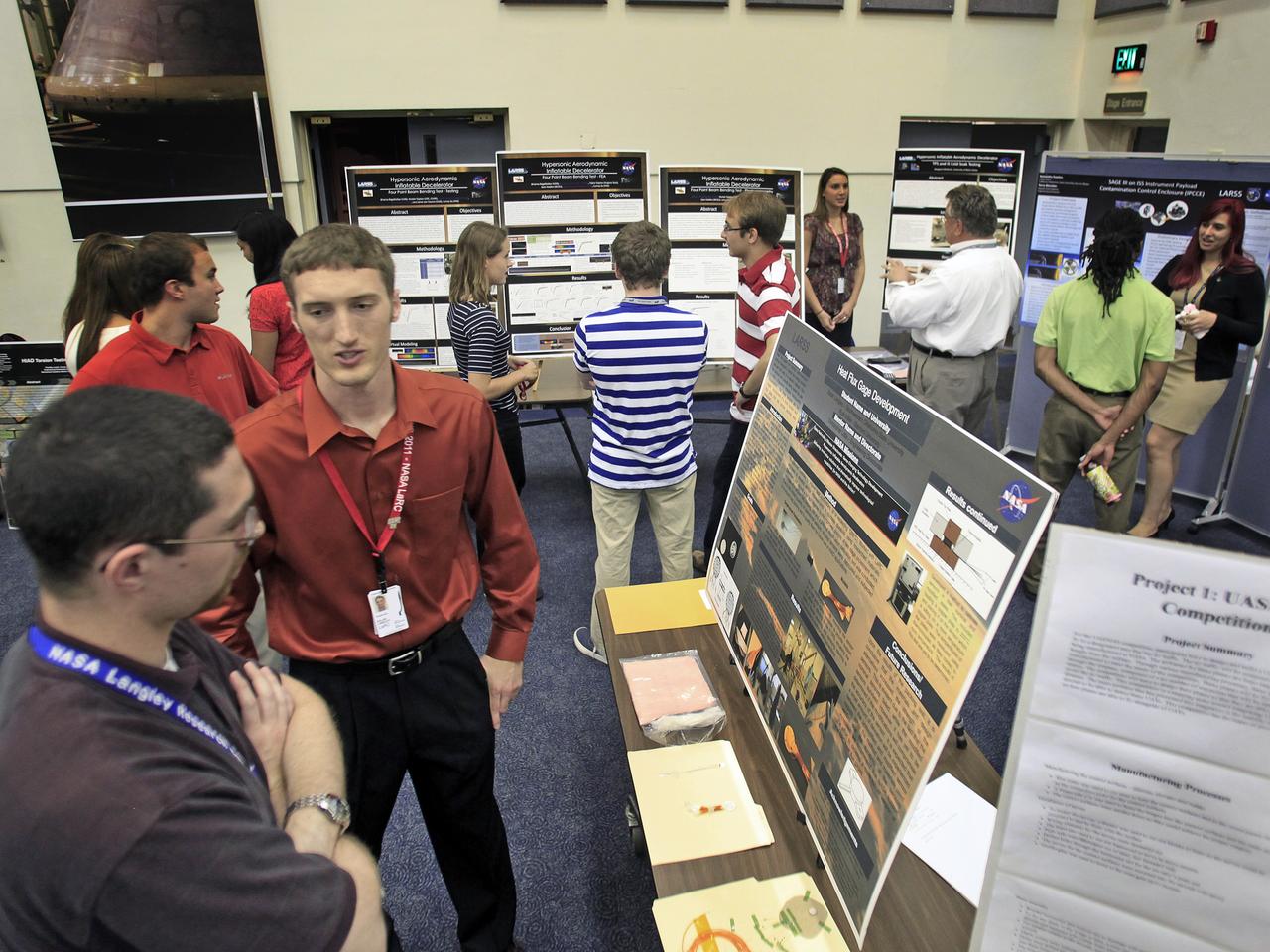
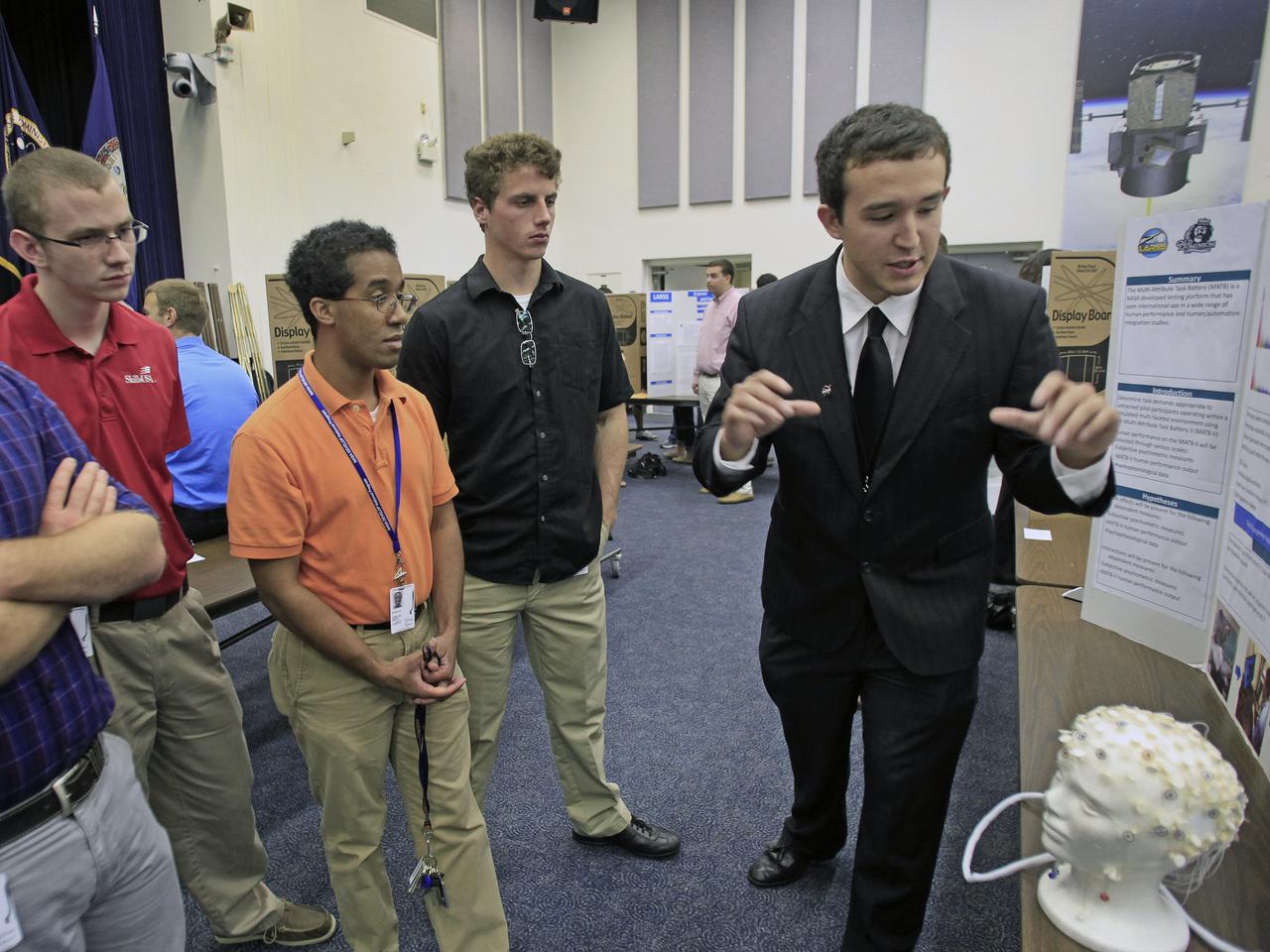
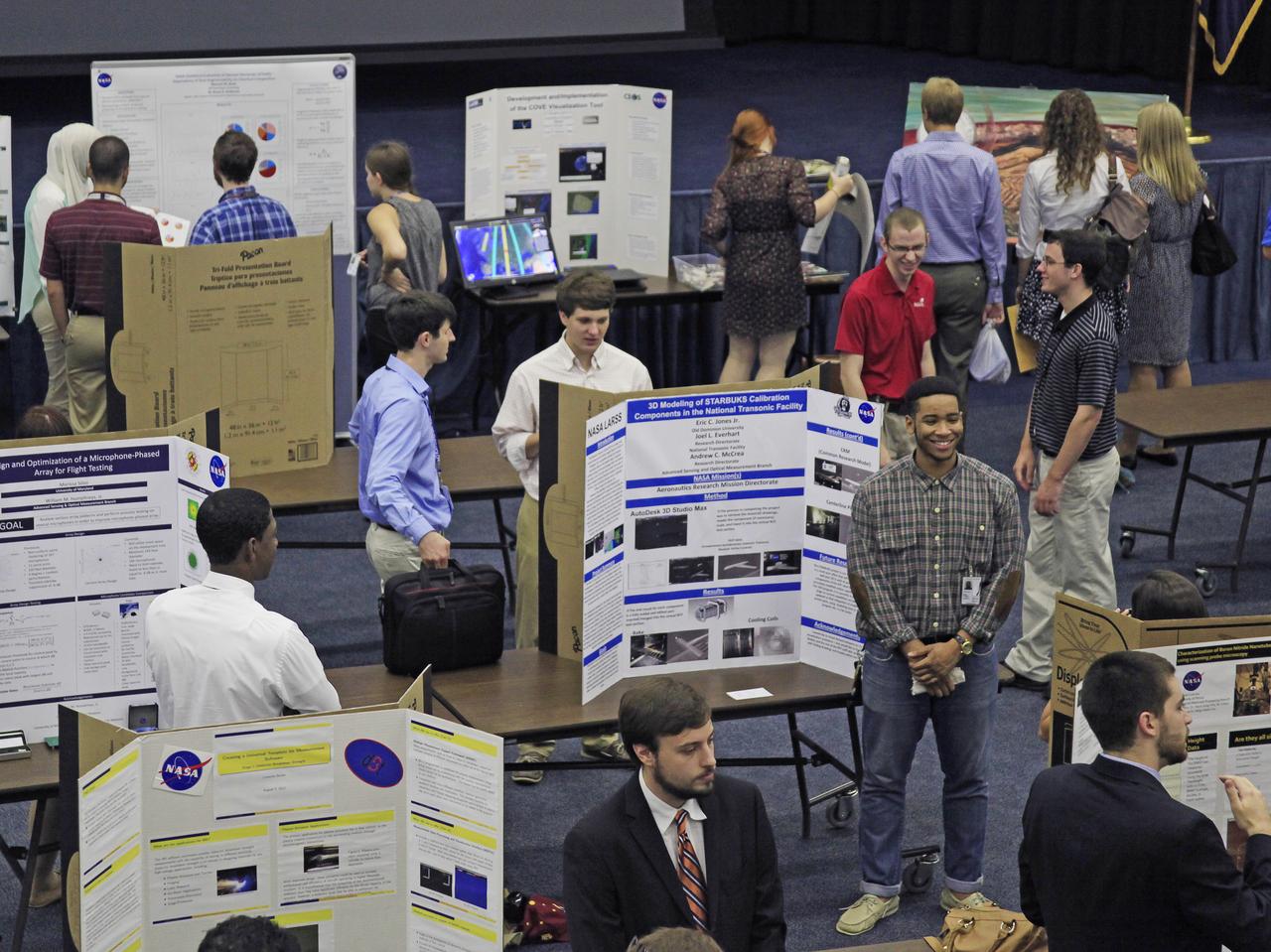
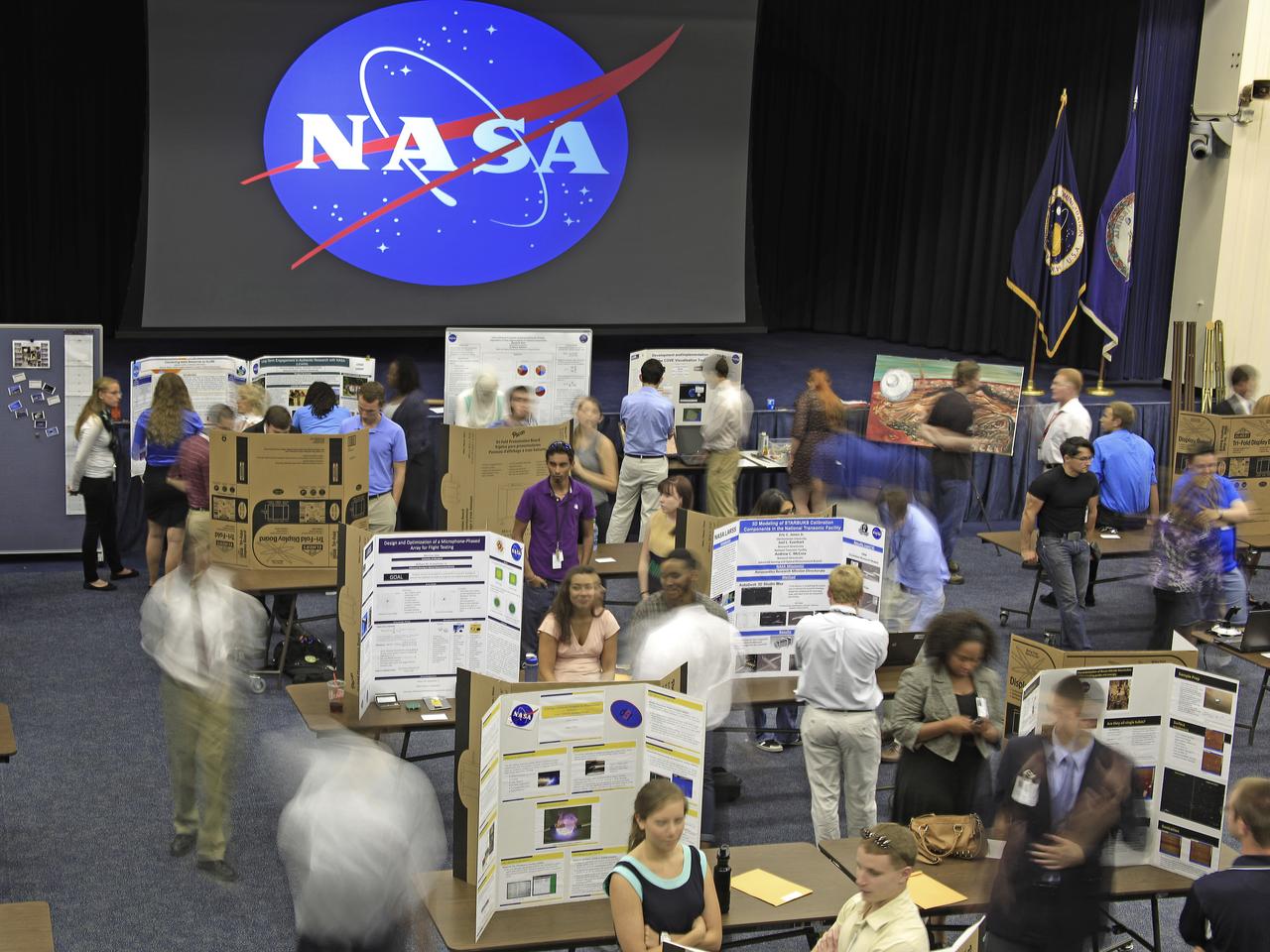
250 students participated in the Langley Aerospace Research Summer Scholars (LARSS) Presentations focused on 3D modeling of STARBUKS calibration components in the National Transonic Facility, hypersonic aerodynamic inflatable decelerator, and optimization of a microphone-based array for flight testing.  Reid Center LaRC Hampton, VA
Langley Aerospace Research Summer Scholars (LARSS) Scholars Pres
Engineers and technicians from NASA Langley Research Center in Virginia, Kennedy Space Center in Florida and Lockheed Martin in Colorado conduct a fit check on the Orion Crew Module at NASA Langley
Fit check on the Orion Crew Module at NASA Langley
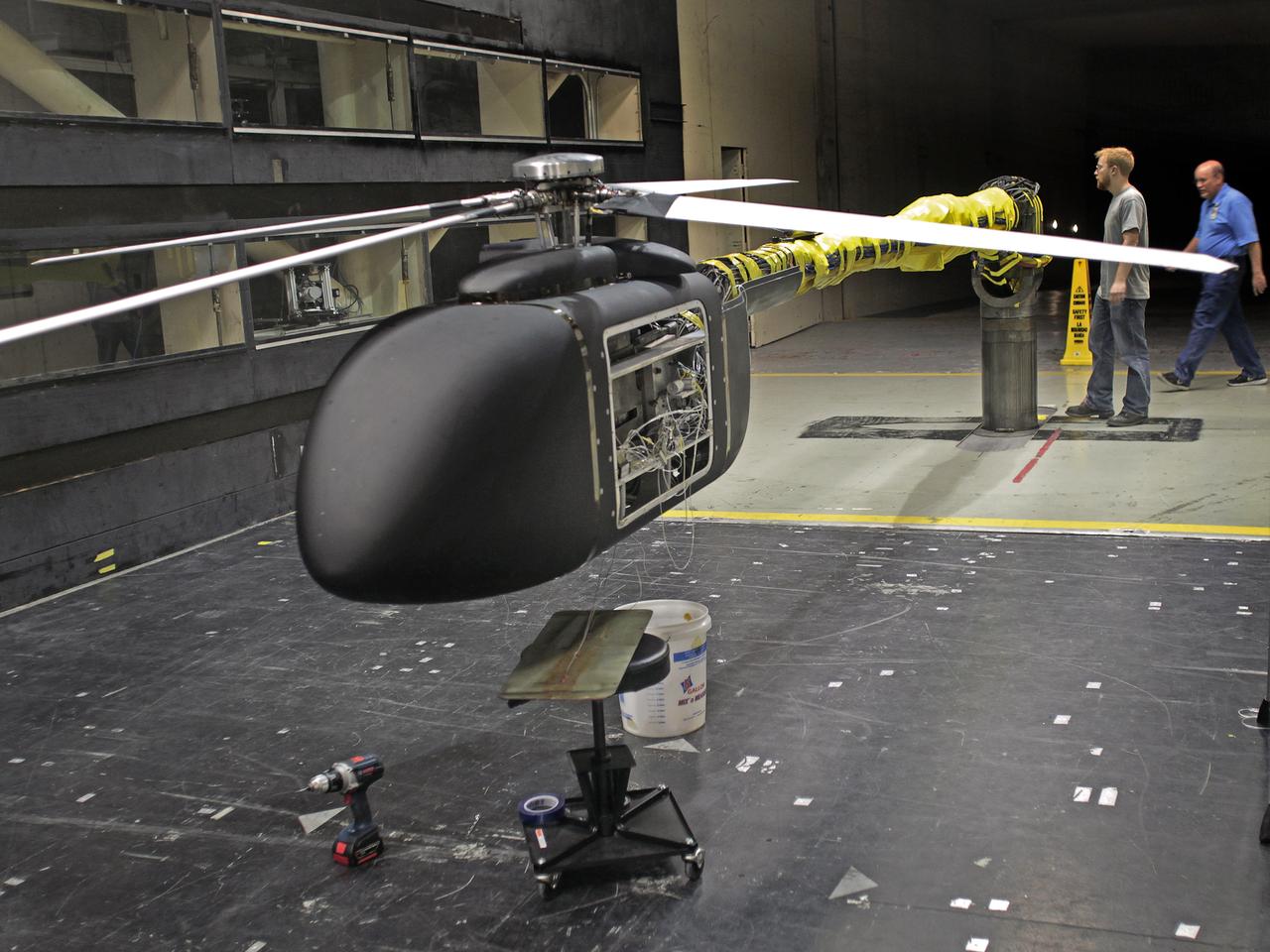
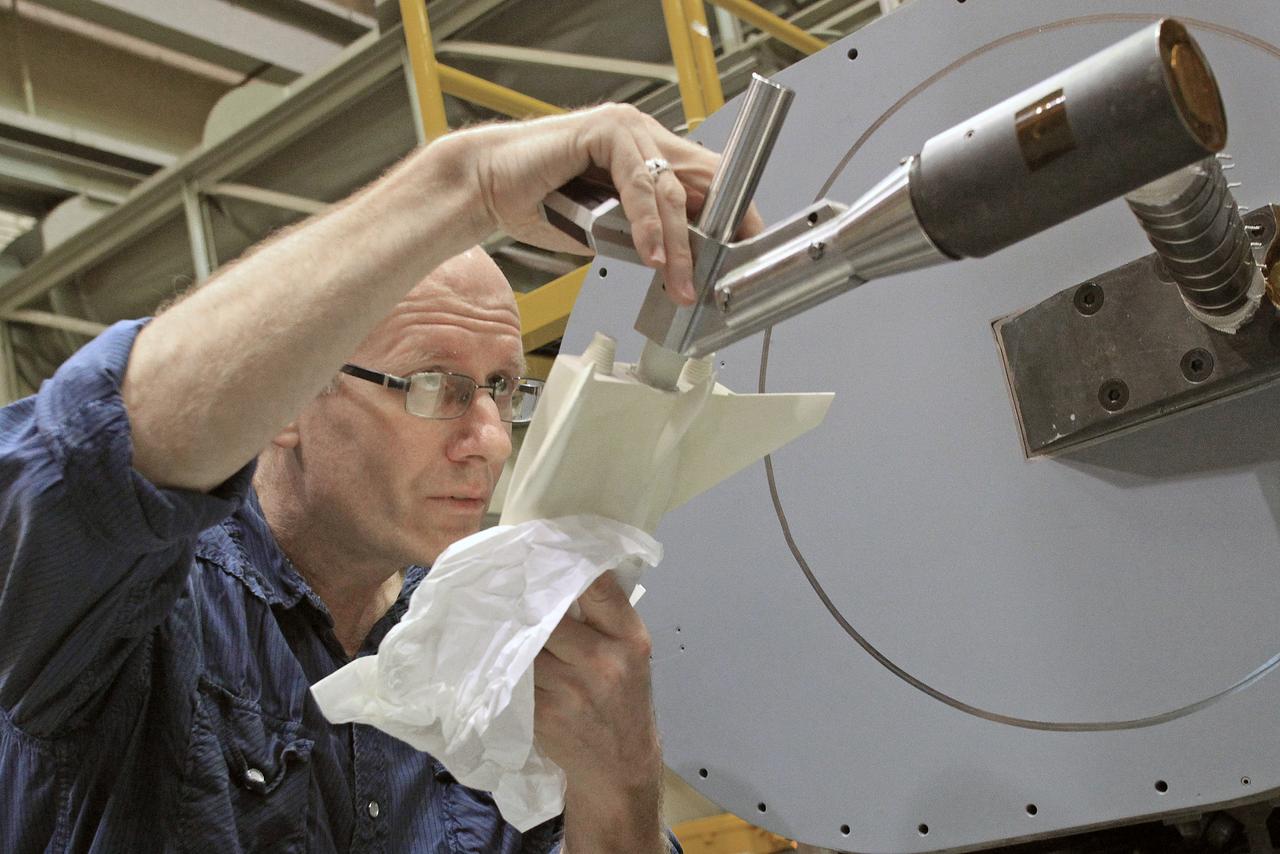
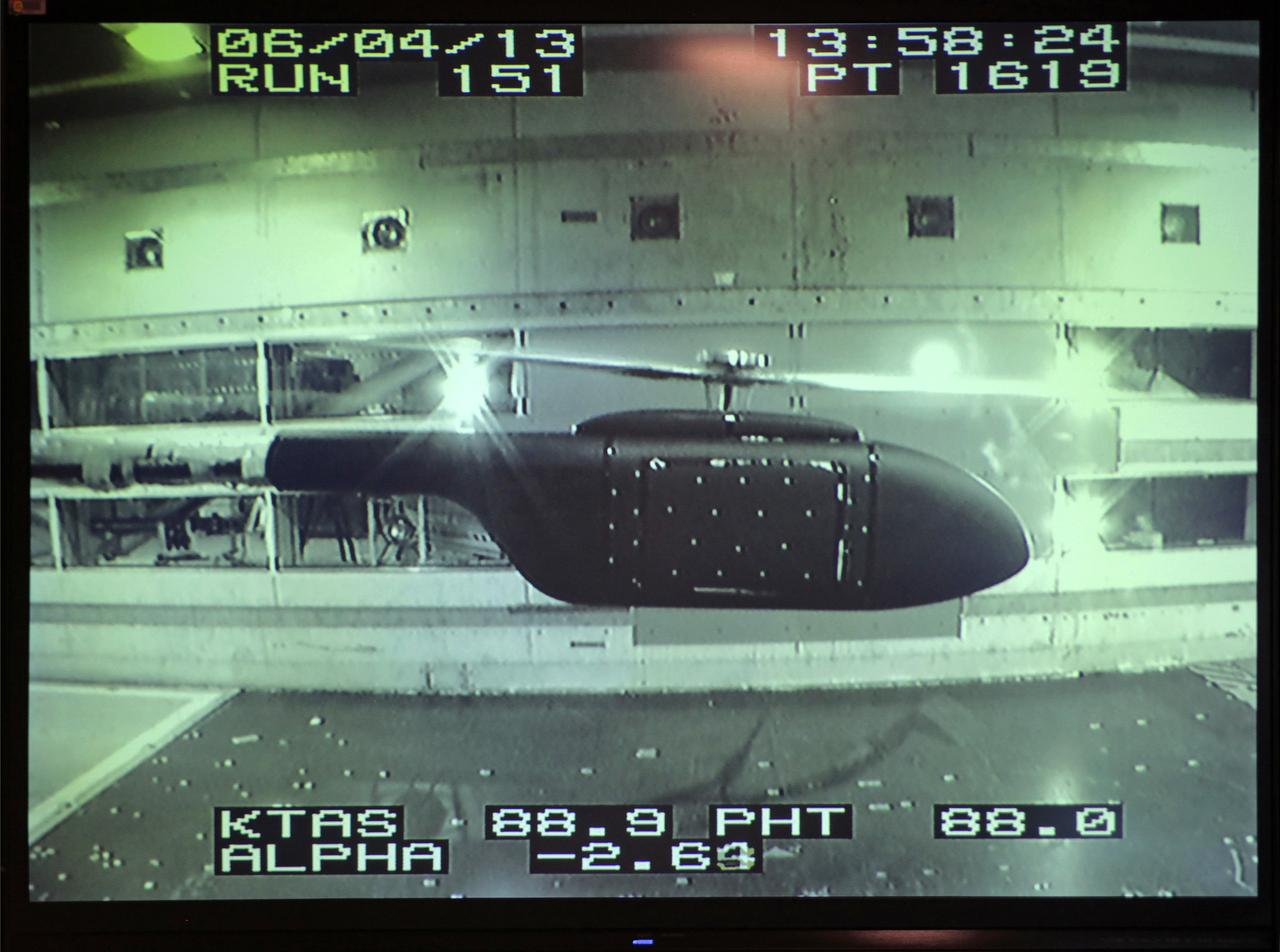
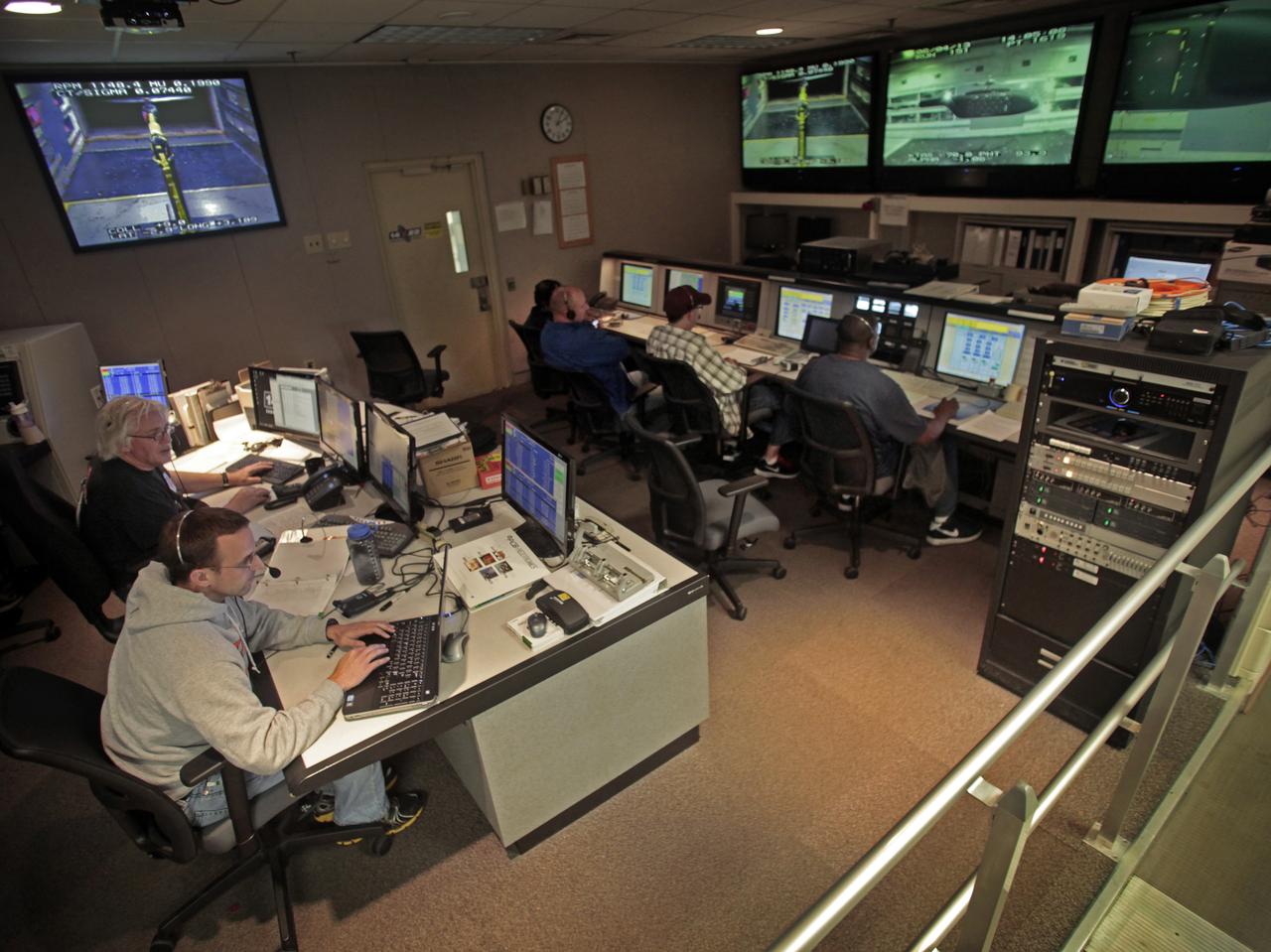
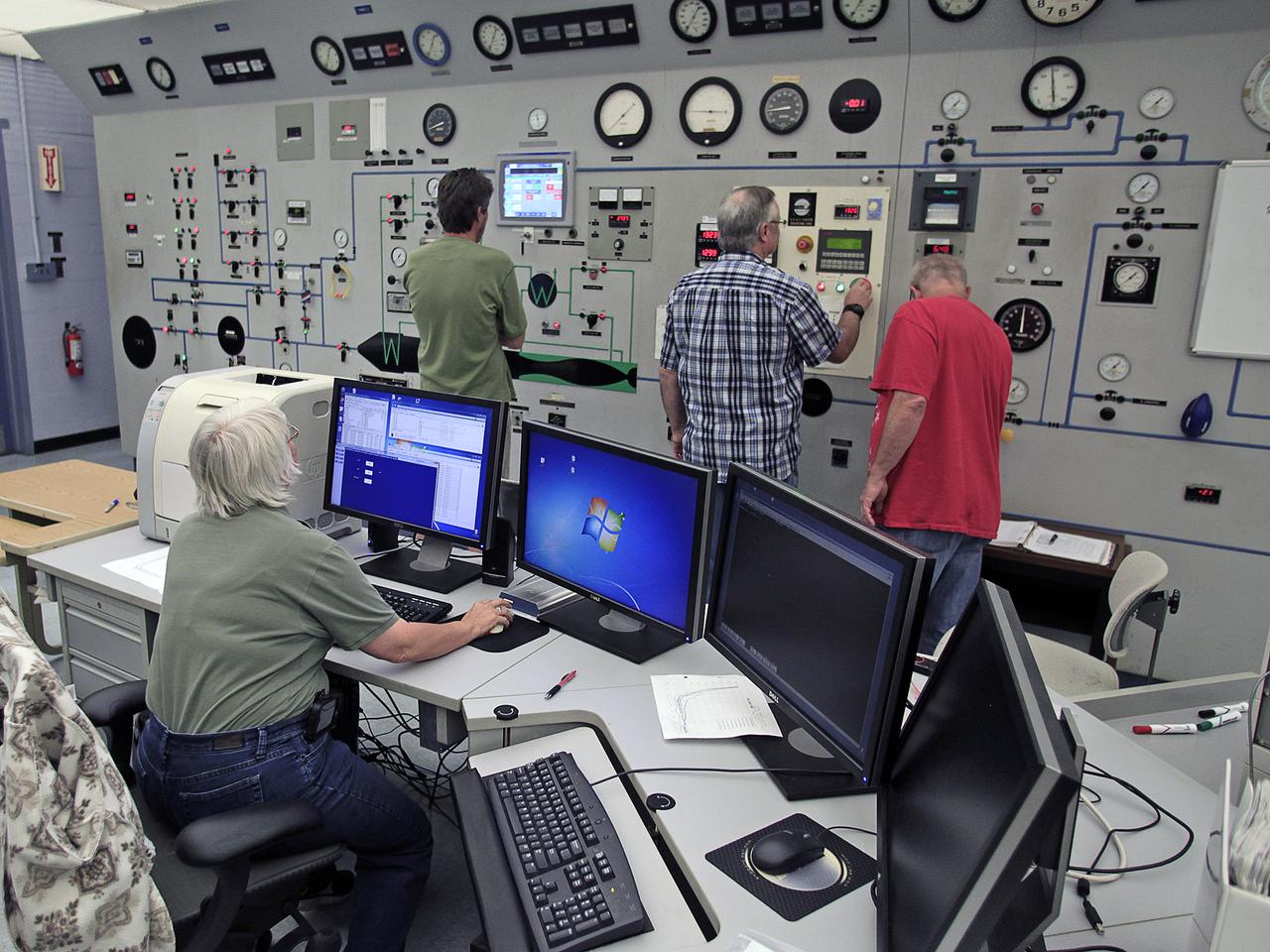
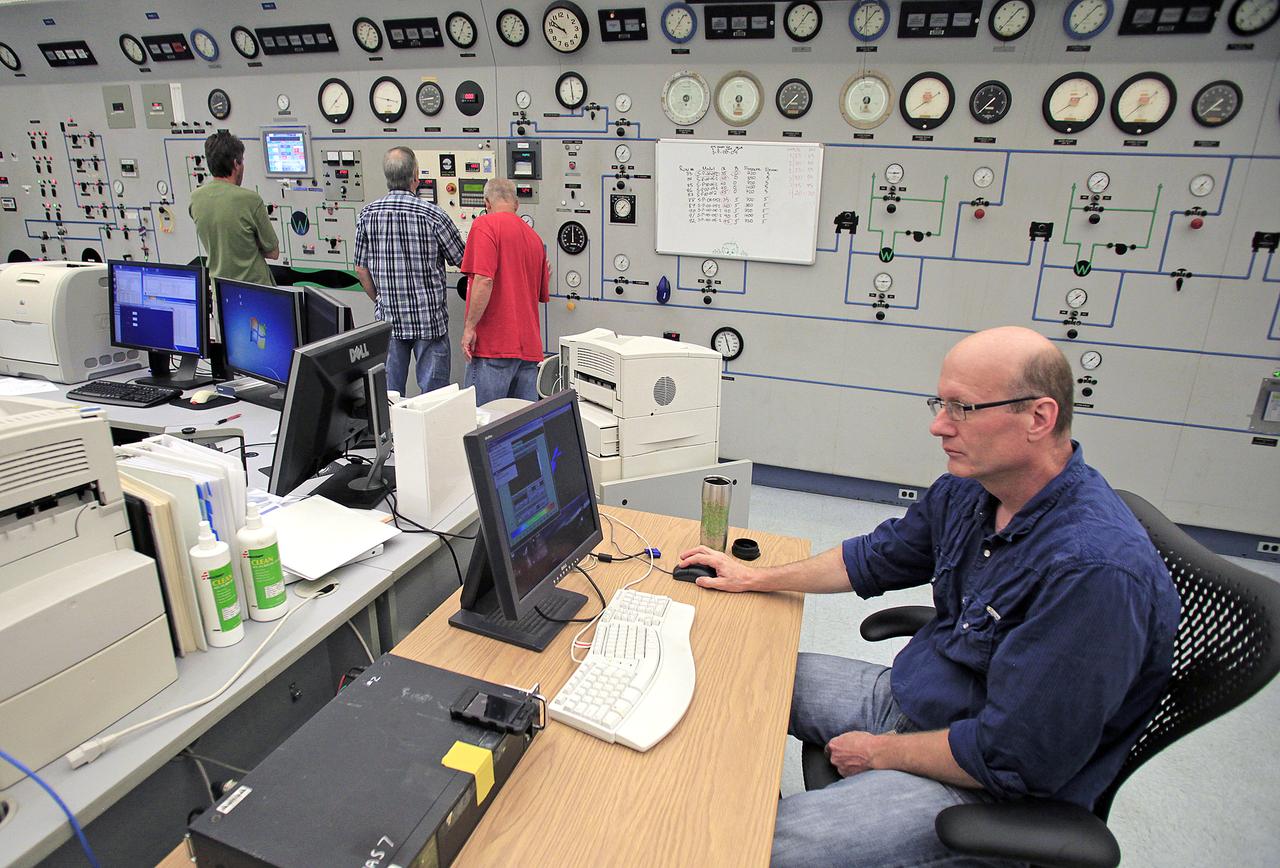
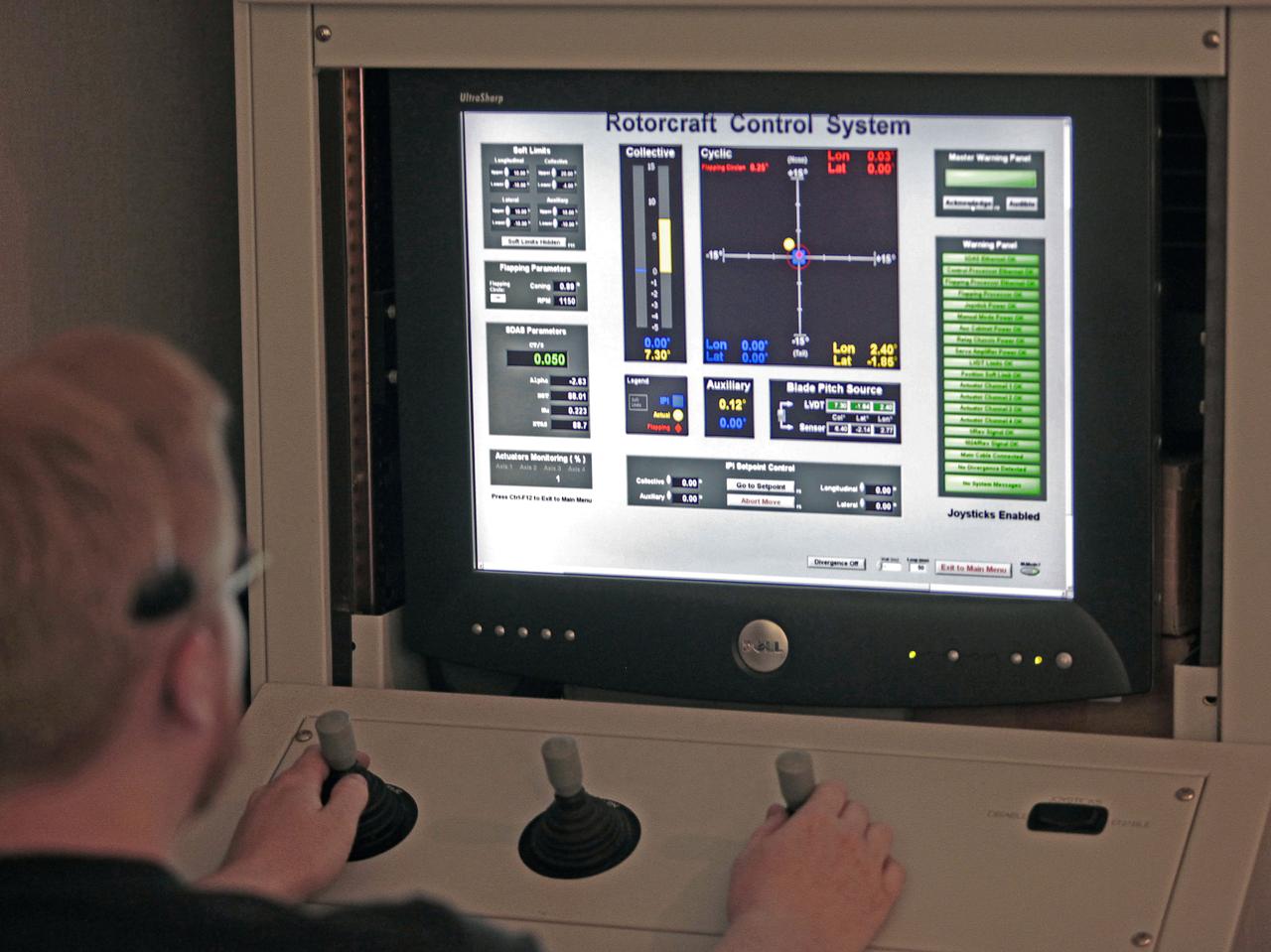
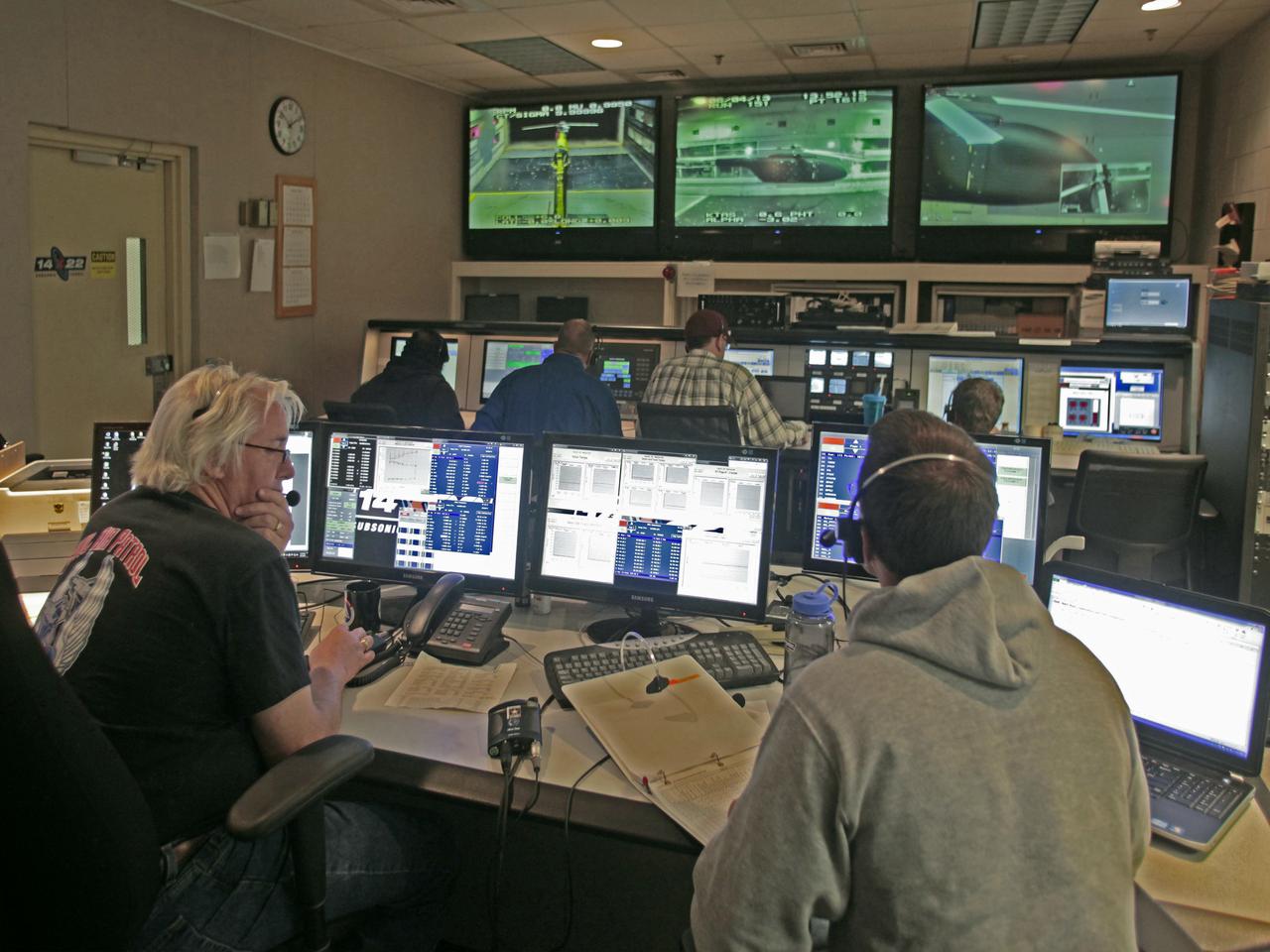
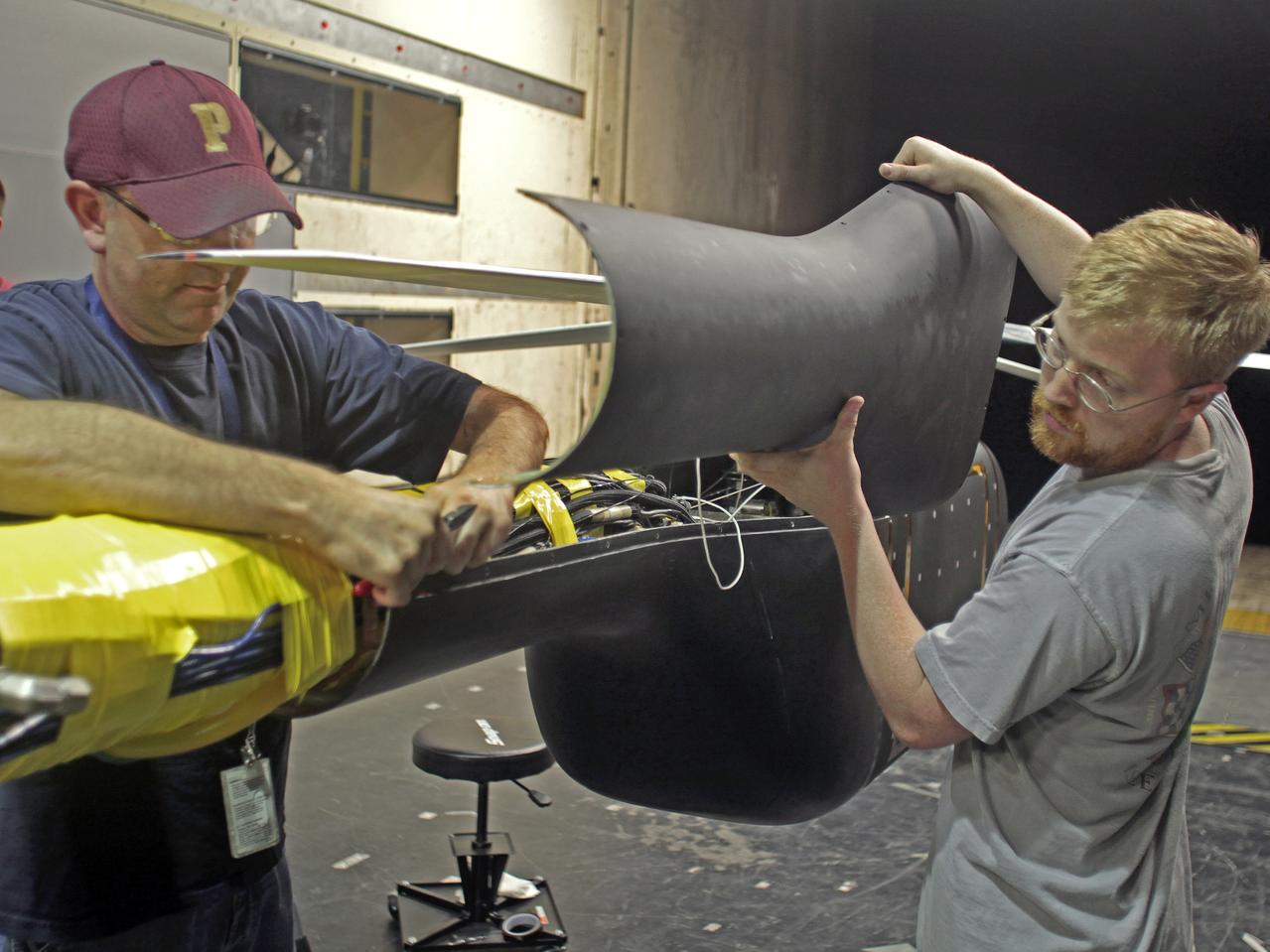
Helicopter active flow control tests in the 14X22 subsonic wind tunnel. Photos include preparation of the model before testing and the control room where testing is monitored and data collected
Helicopter Active Flow Control Tests in the 14x22 Subsonic Wind
The Orion Test Capsule spent 4 hour in the water tank under NASA Langley's gantry to prove it is ready for the open water recovery test at Norfolk Naval Station.
The Orion Test Capsule at NASA's Langley Research Center's Hydro
The Orion Test Capsule spent 4 hour in the water tank under NASA Langley's gantry to prove it is ready for the open water recovery test at Norfolk Naval Station.
The Orion Test Capsule at NASA's Langley Research Center's Hydro
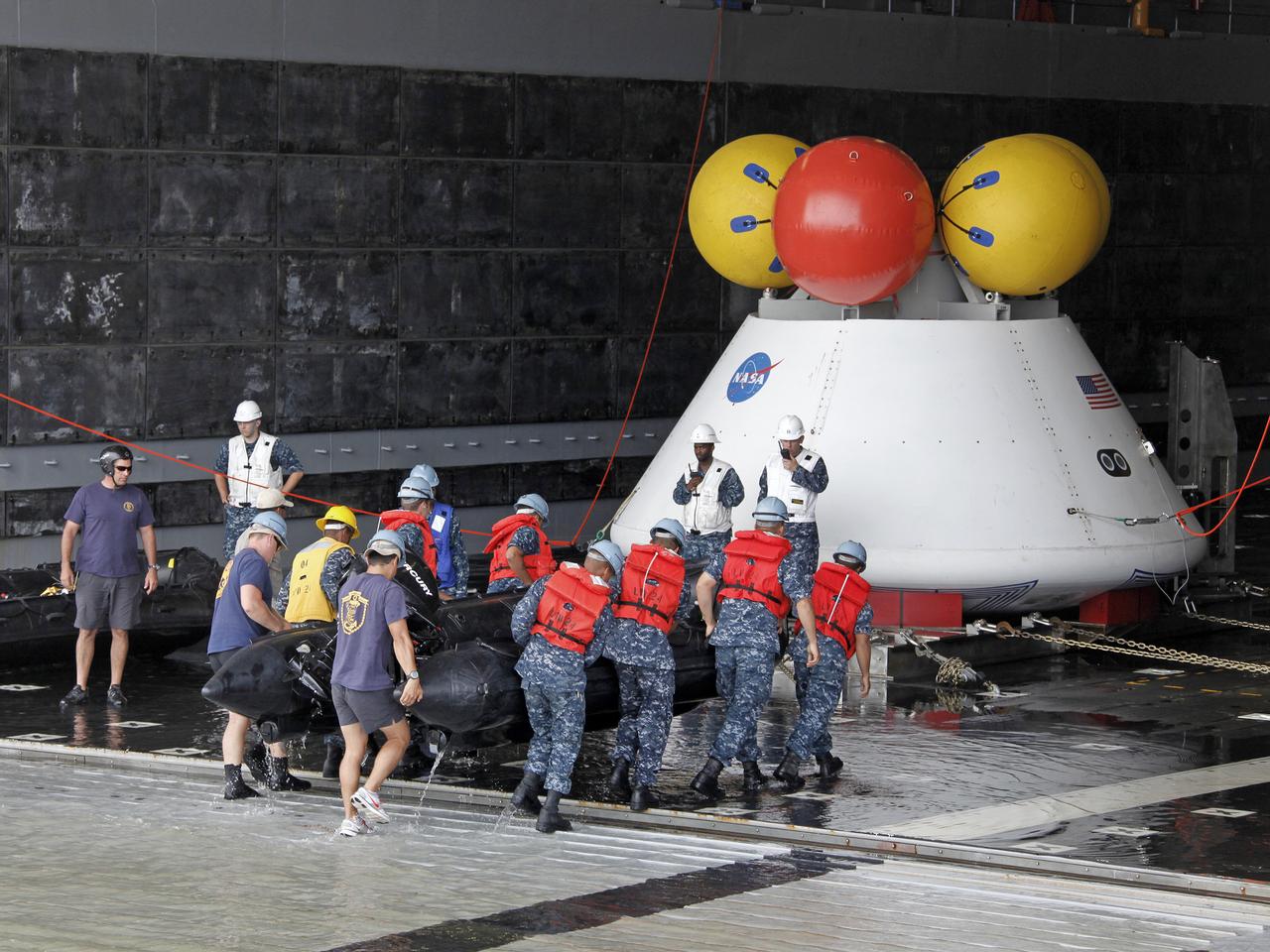
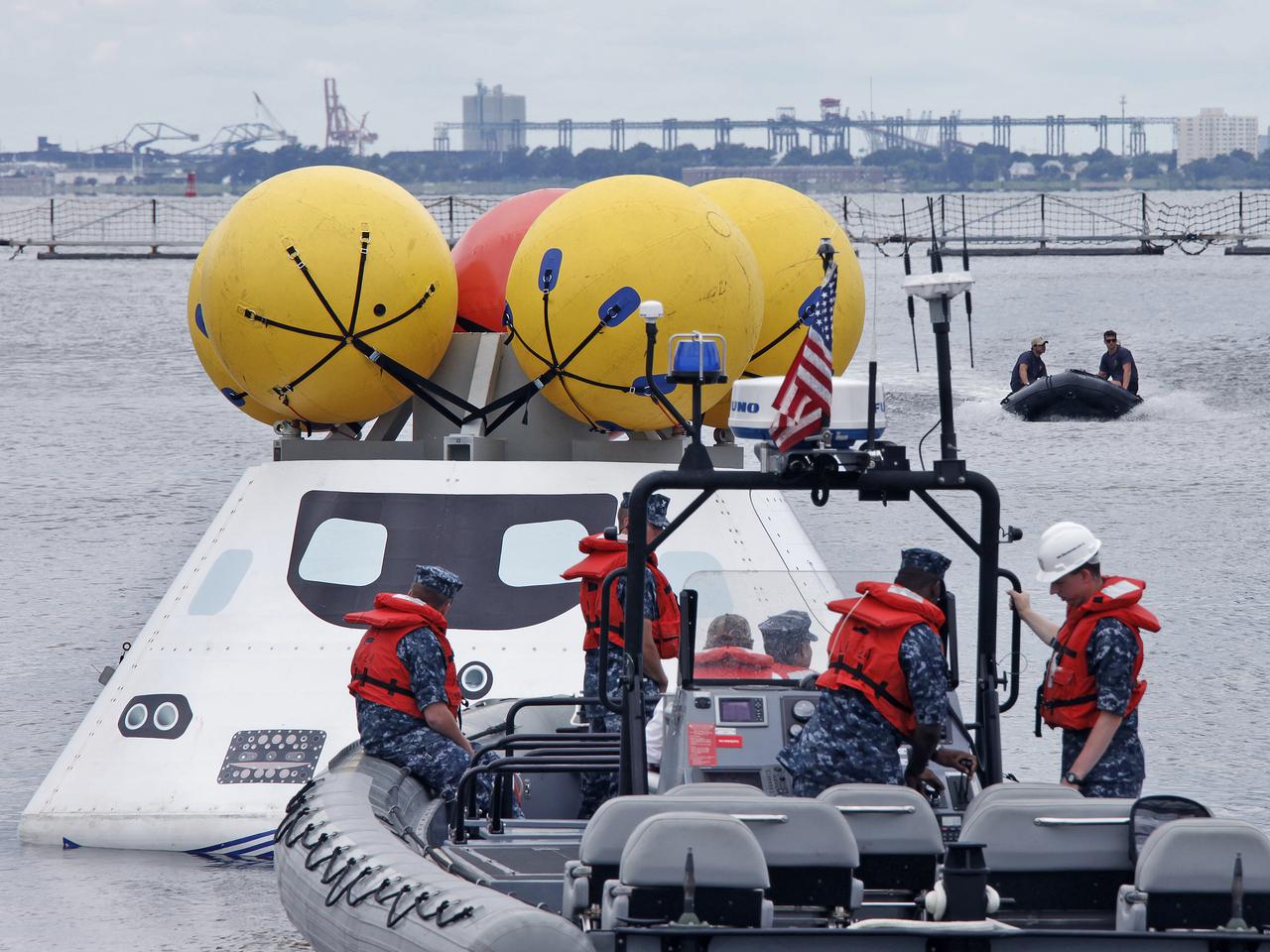
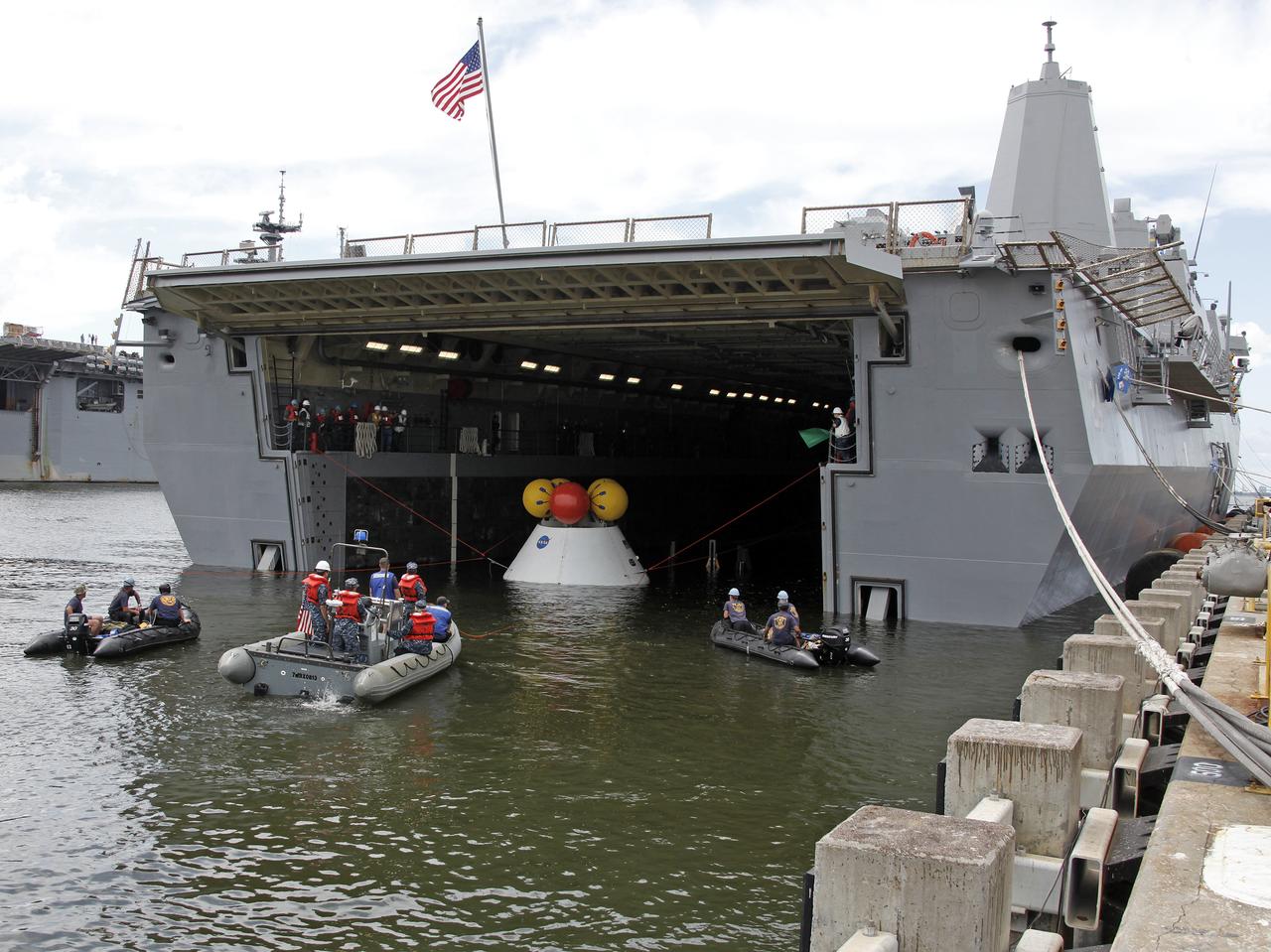
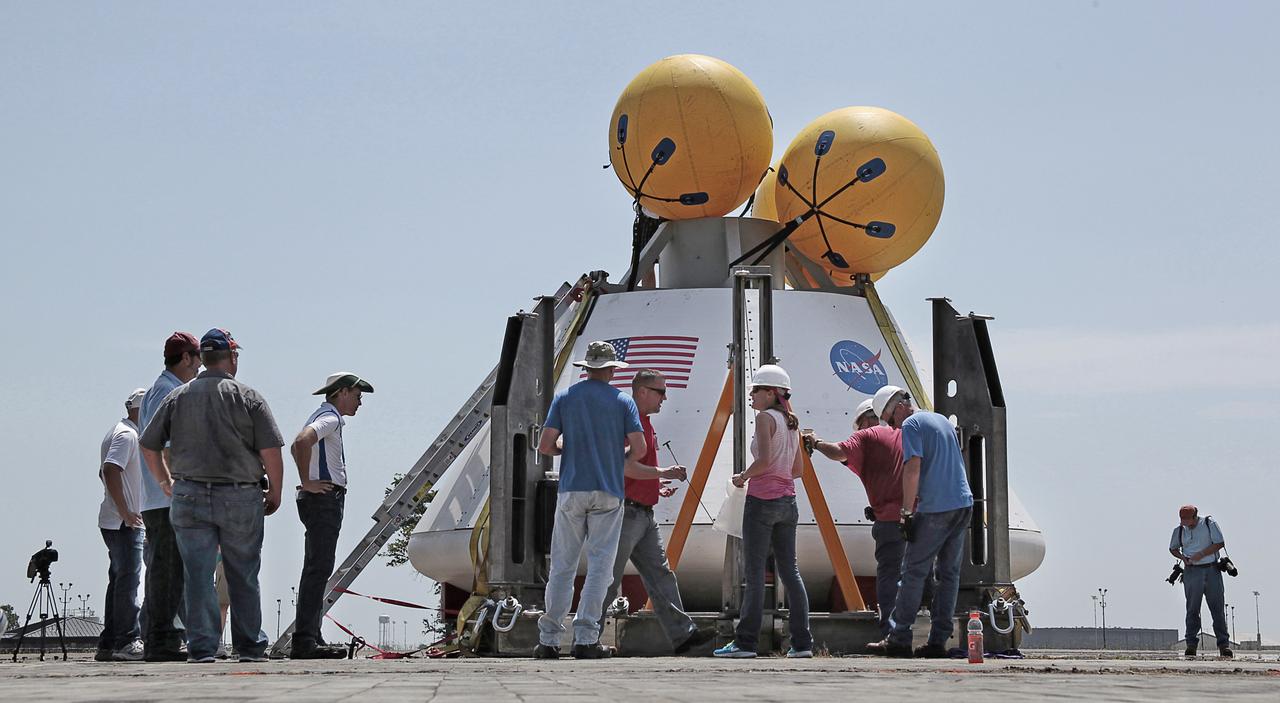
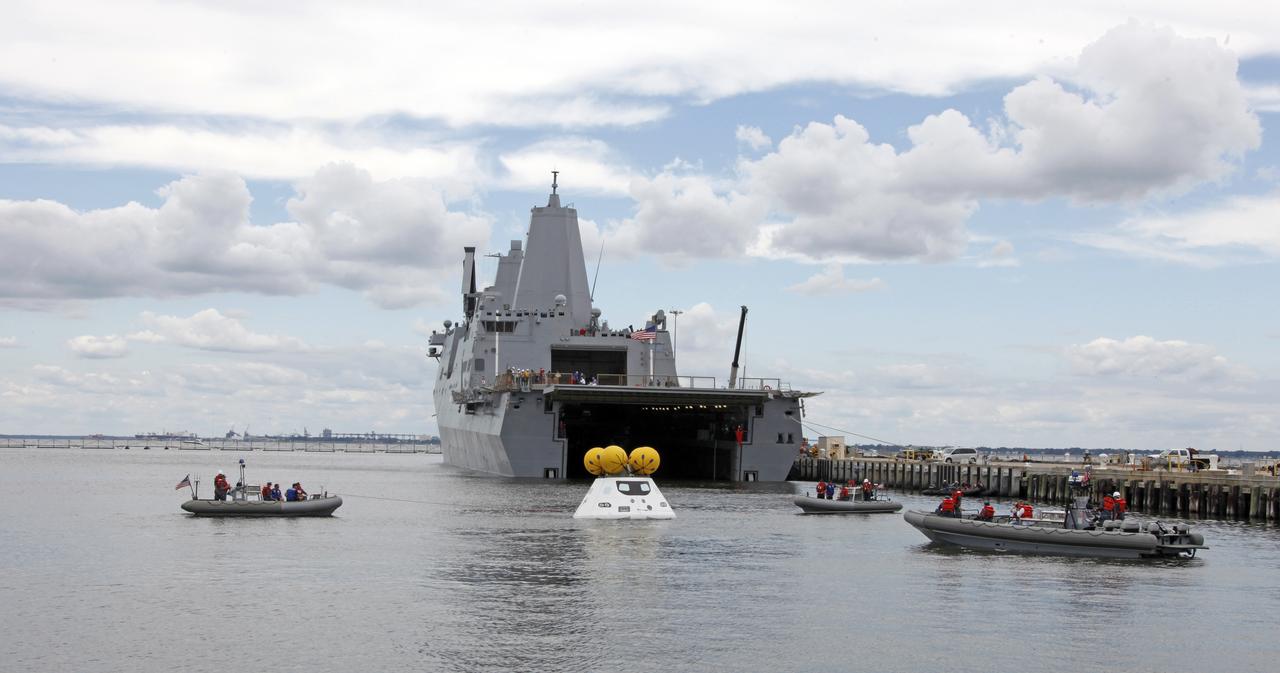
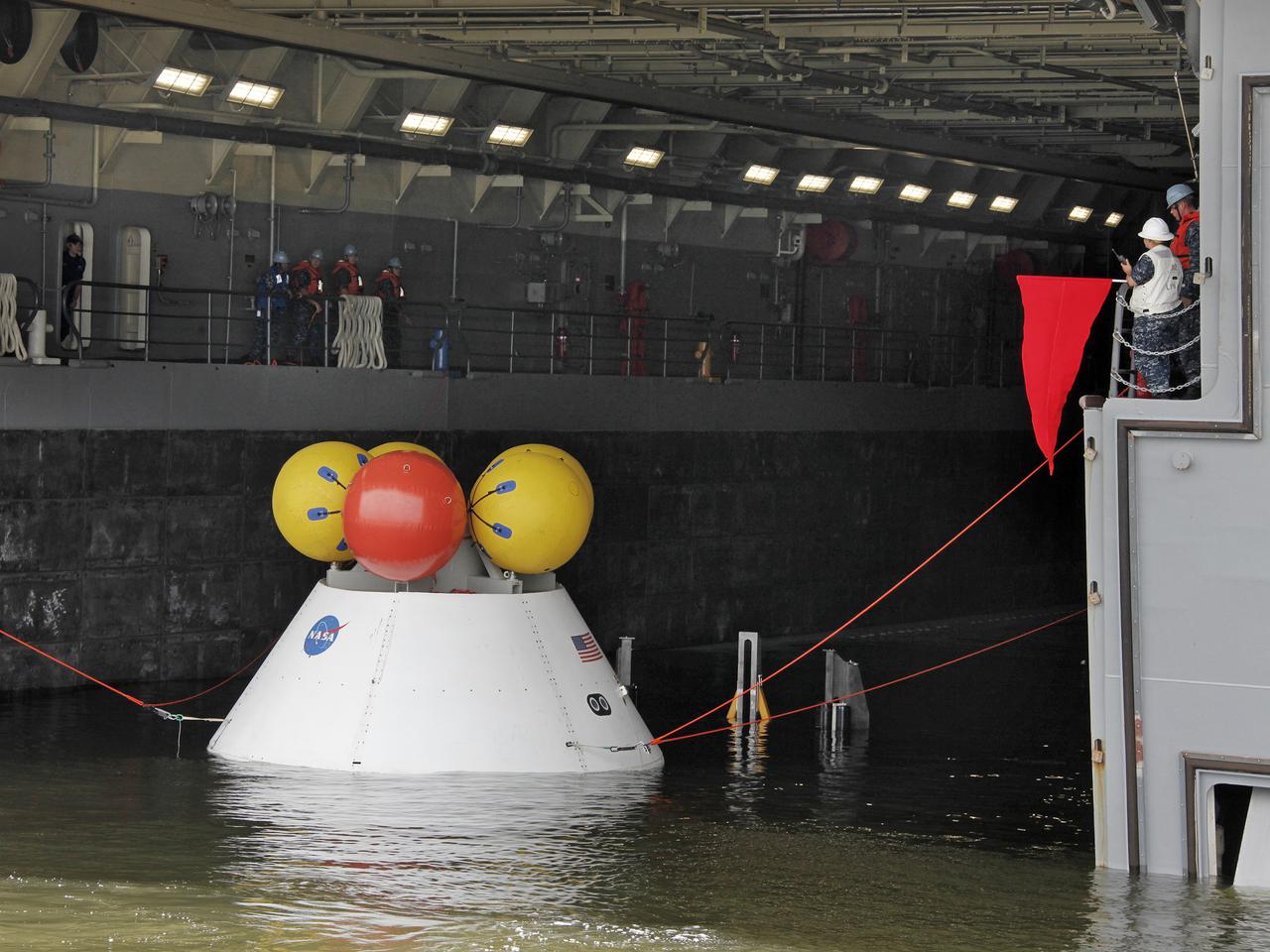
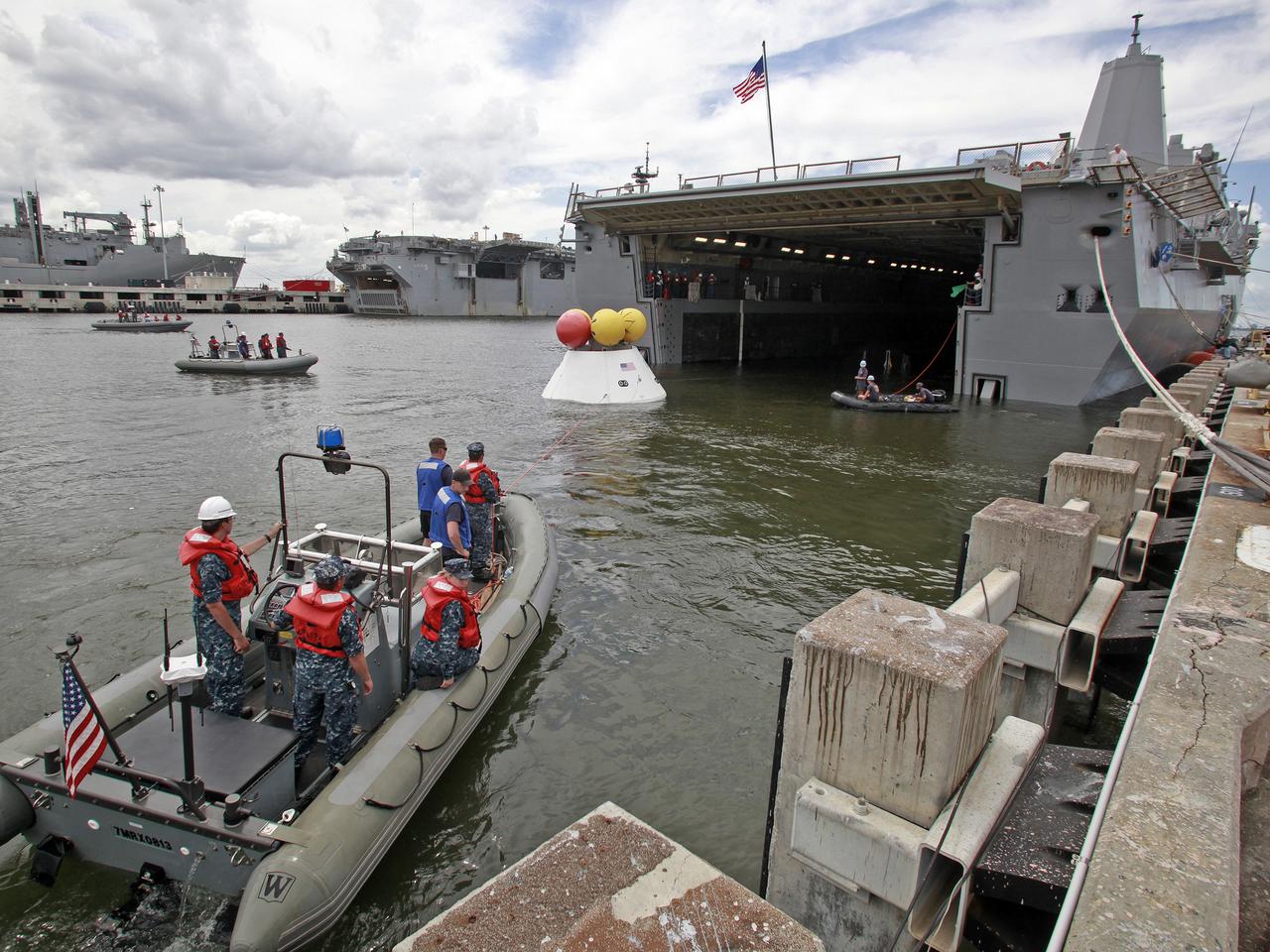
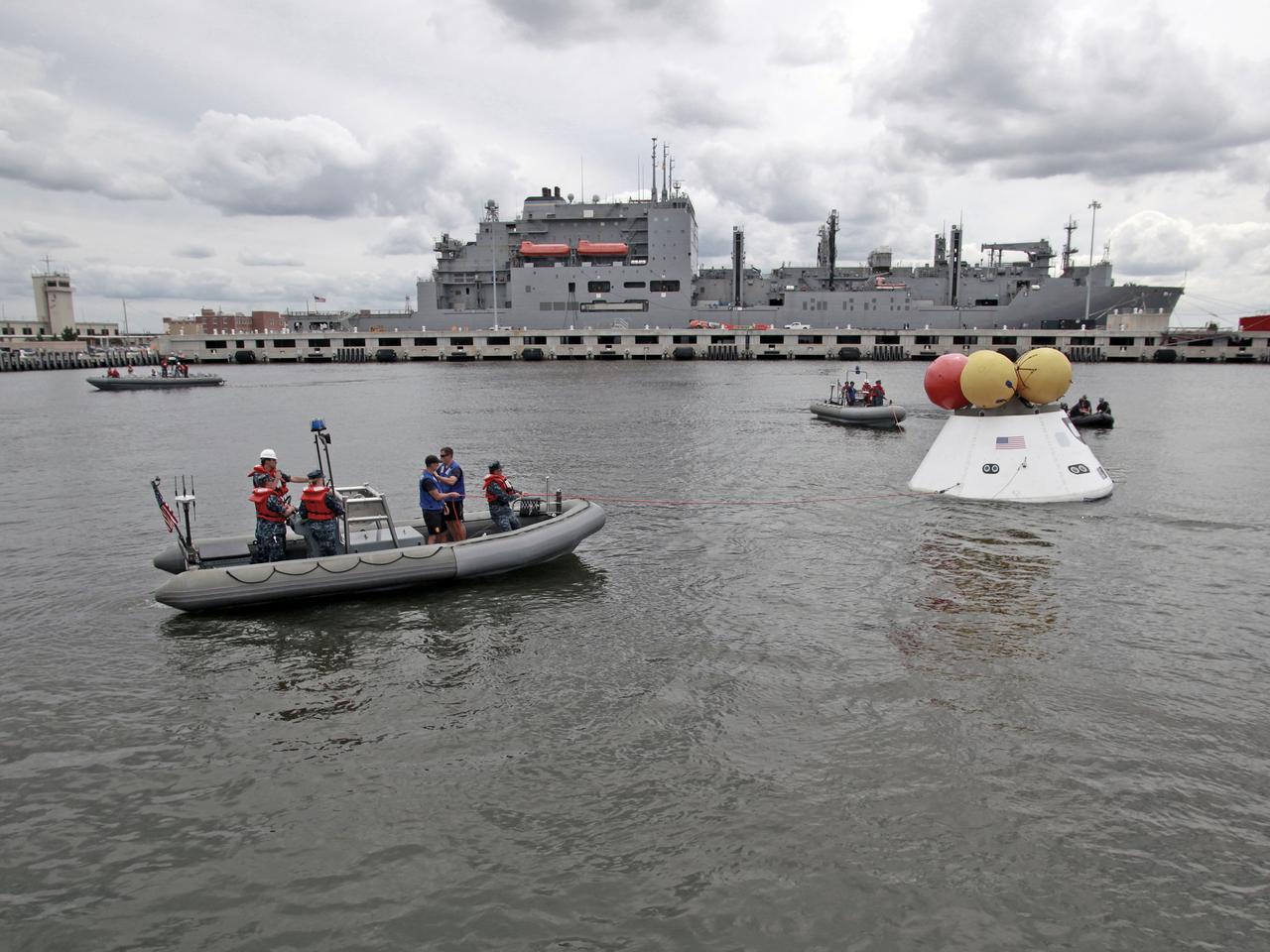
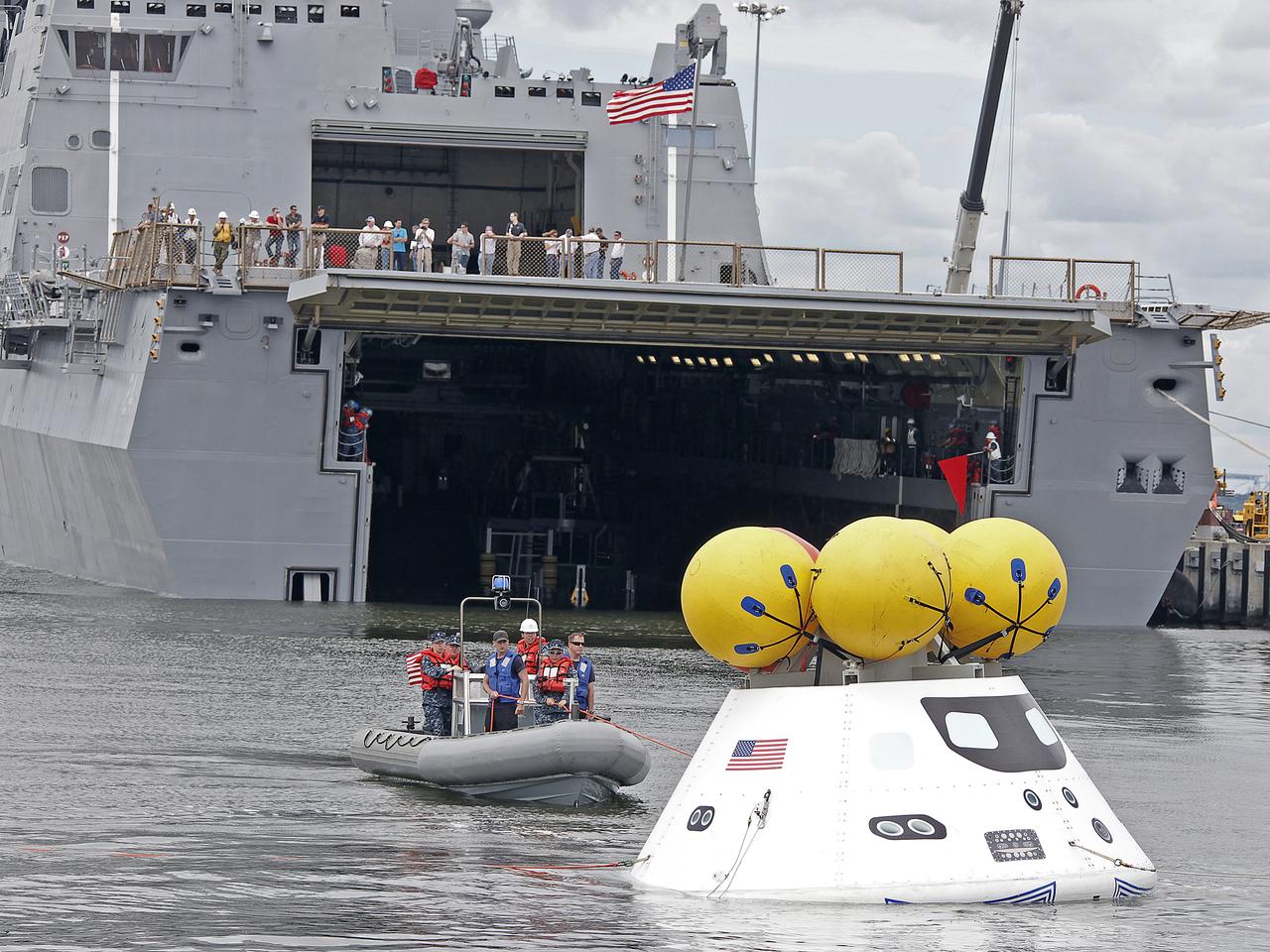
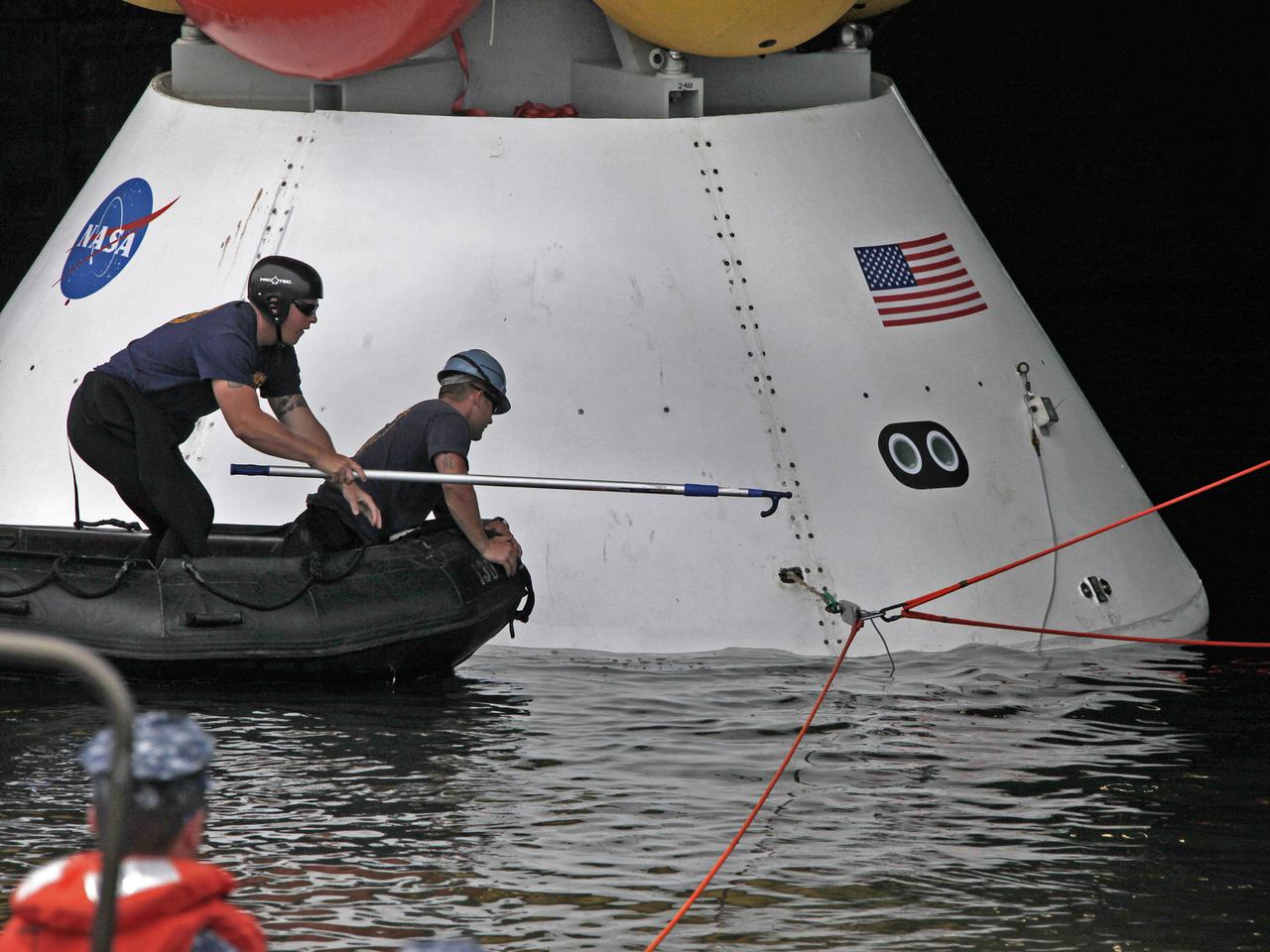
On August 15, 2013, at the Naval Station Norfolk near NASA’s Langley Research Center in Virginia, NASA and the U.S. Navy conducted a stationary recovery test on the Orion boilerplate test article in the water near a U.S. Navy ship. NASA and the U.S. Navy are conducting tests to prepare for recovery of the Orion crew module and forward bay cover on its return from a deep space mission. The stationary recovery tests allow the teams to demonstrate and evaluate the recovery processes, the hardware and the test personnel in a controlled environment. During the test, the U.S Navy Dive Team checked the capsule for hazards while sailors from the USS Arlington approached the capsule in inflatable boats, and towed it back to the ship’s flooded well deck. A second test will be conducted next year in the open waters of the Pacific Ocean.
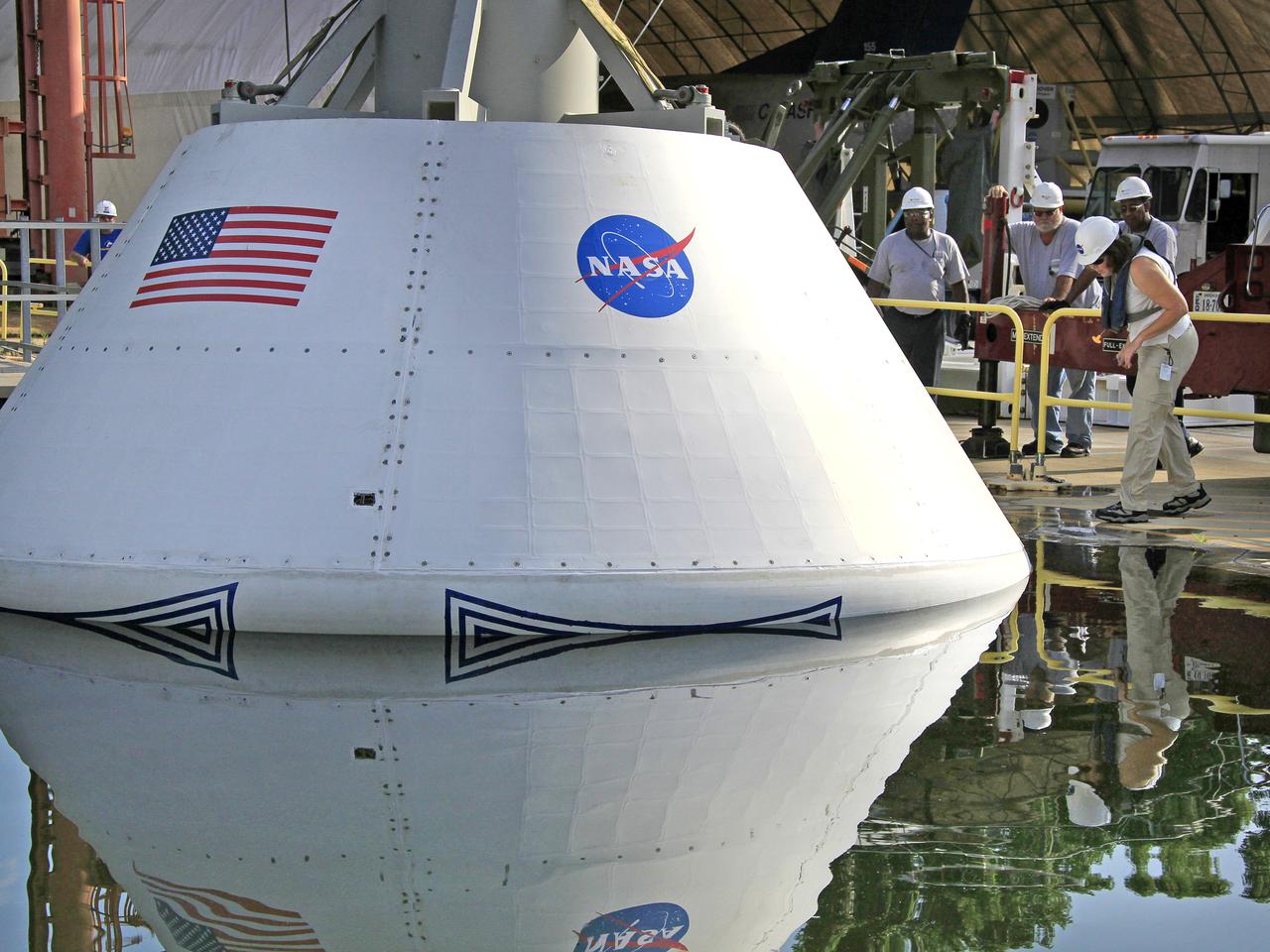
NASA and the U.S. Navy conducted a stationary Recovery Test on t
The Orion Test Capsule spent 4 hour in the water tank under NASA Langley's gantry to prove it is ready for the open water recovery test at Norfolk Naval Station.
The Orion Test Capsule at NASA's Langley Research Center's Hydro
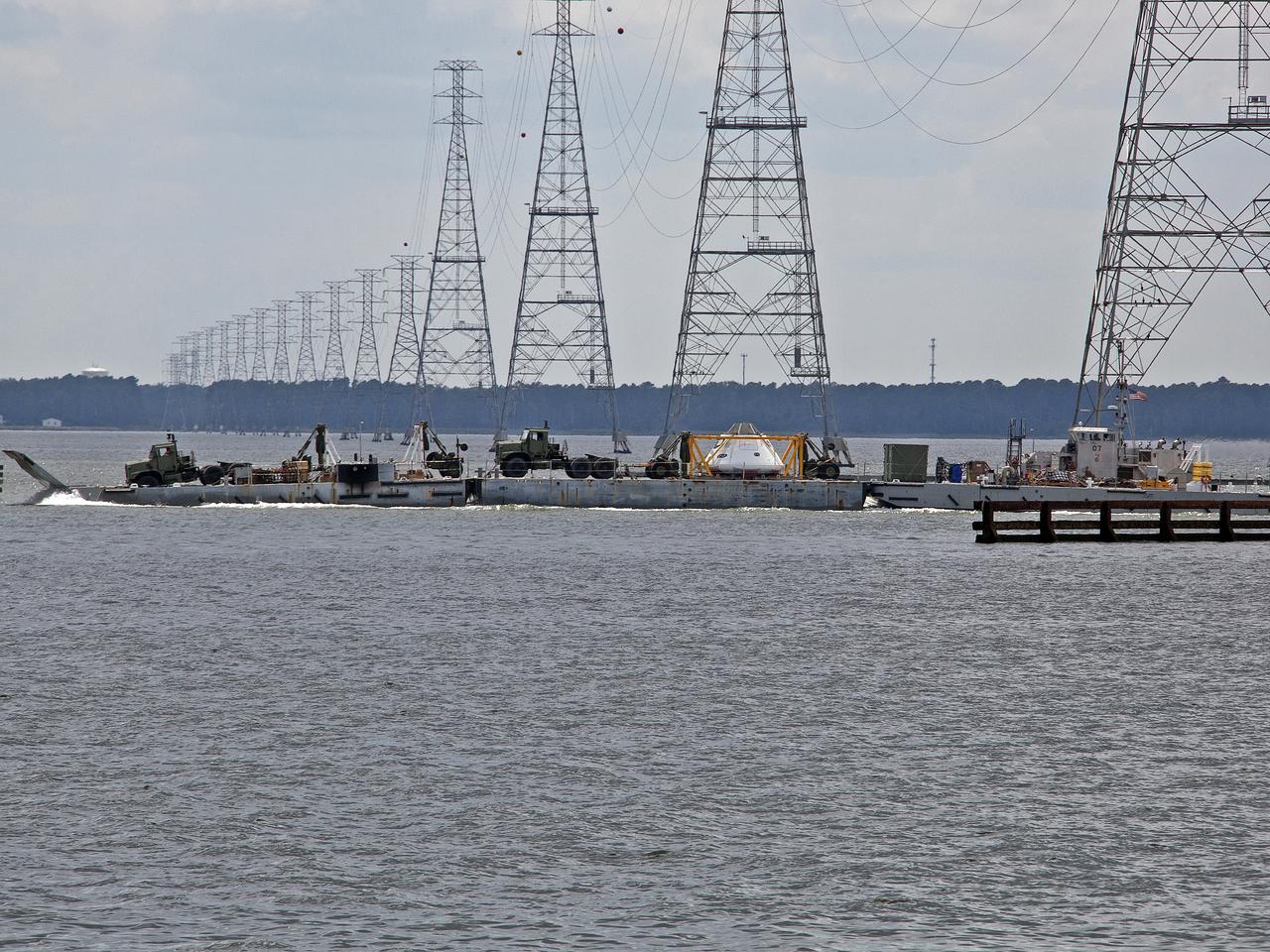
The Orion Test Capsule and a number of other items used in the capsule recovery at being transported down the James River on a Navy INLS "Improved Navy Lighterage System" from Fort Eustis from where it was loaded. Its liquid route will take them to Little Creek Amphibious Base in Norfolk, where it will stay until scheduled recovery test will be performed.
The Orion Test Capsule and a number of other items used in the c
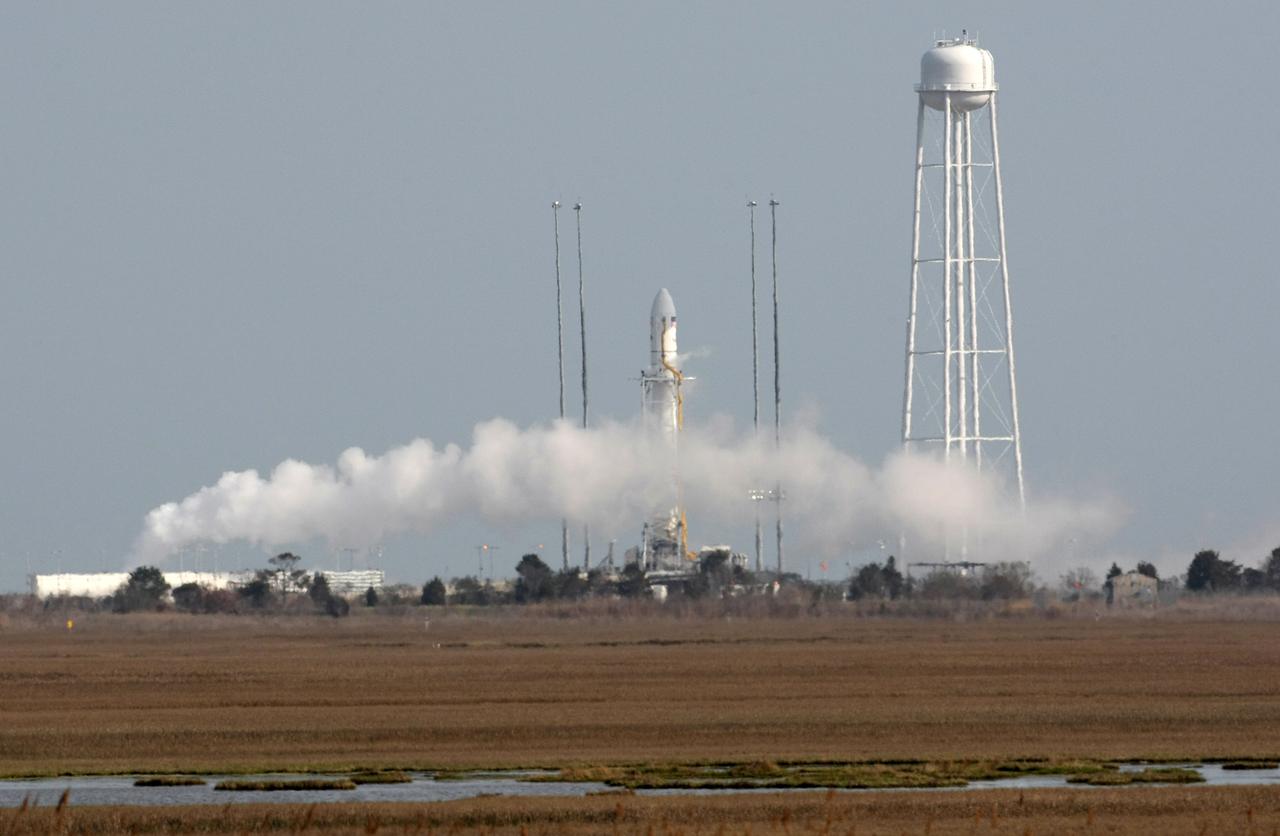
The first launch attempt for the Antares rocket was aborted.
Antares Rocket Launch Failure at Wallops Island Virginia
The Orion Test Capsule and a number of other items used in the capsule recovery at being transported down the James River on a Navy INLS "Improved Navy Lighterage System" from Fort Eustis from where it was loaded. Its liquid route will take them to Little Creek Amphibious Base in Norfolk, where it will stay until scheduled recovery test will be performed.
The Orion Test Capsule and a number of other items used in the c
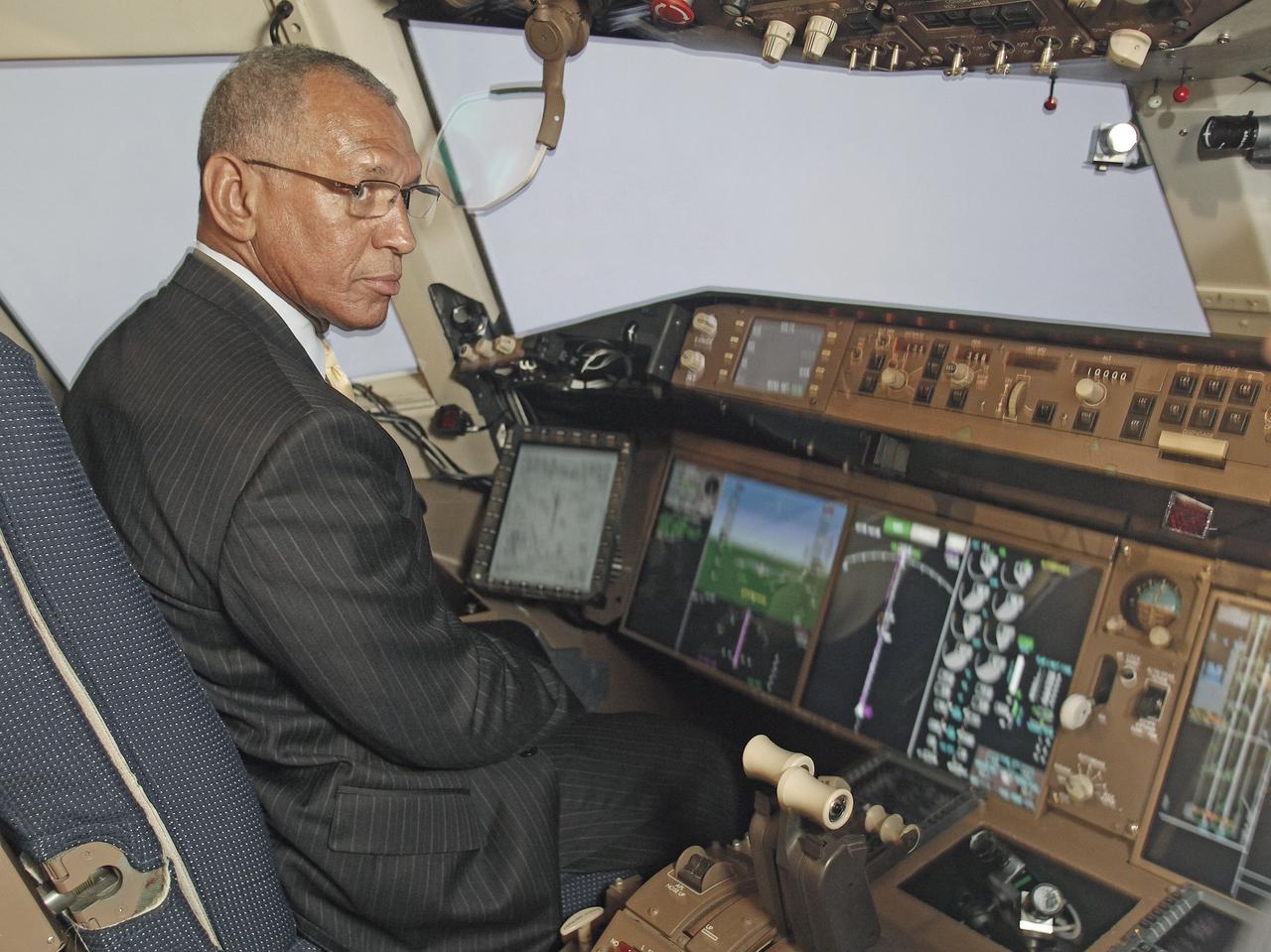
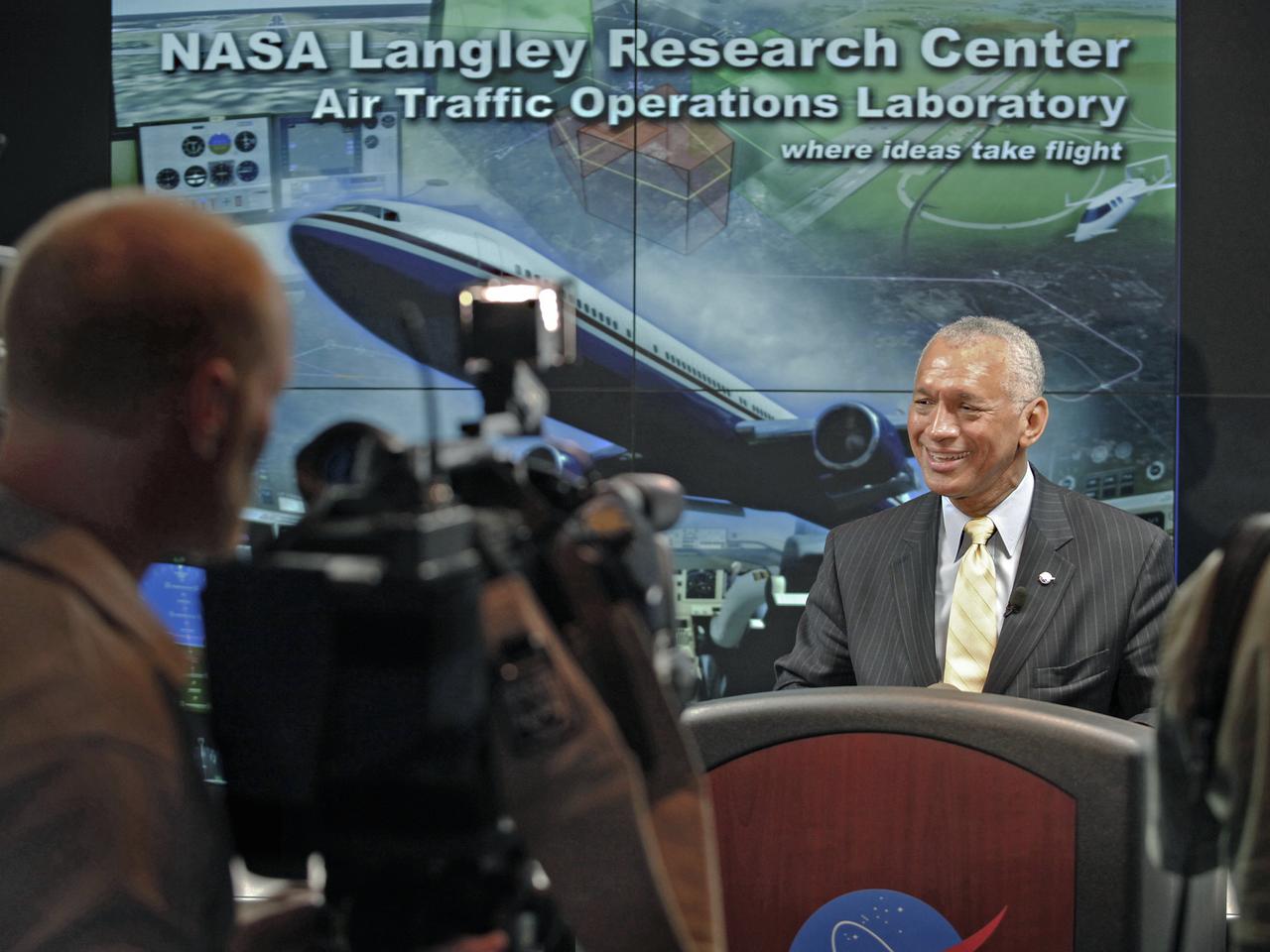
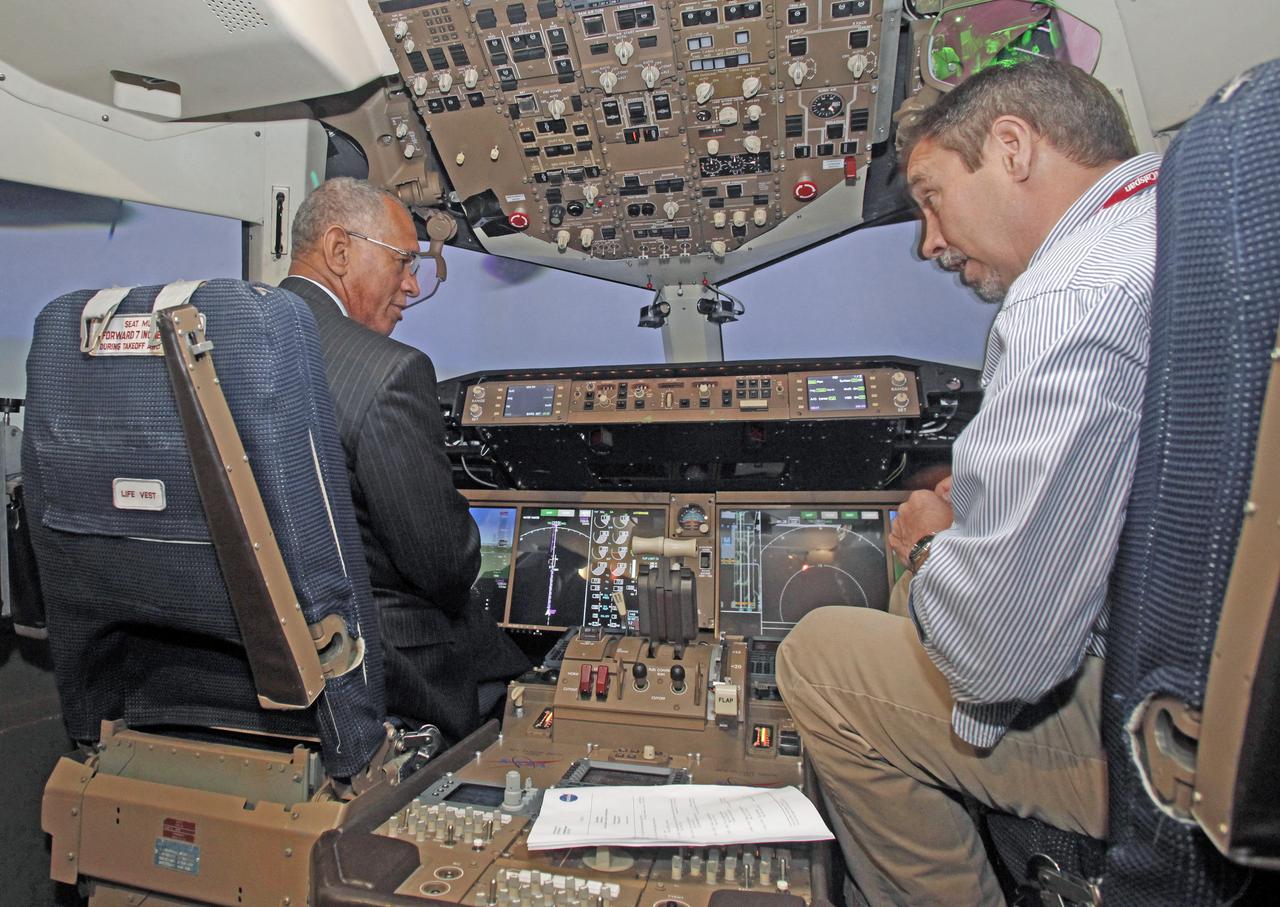
NASA Administrator Charles Bolden at the Air Traffic Operations Lab , observed a simulation of cockpit technologies for the Air Traffic Management Demonstration-1 (ATD-1)
NASA Administrator Charles Bolden Paid a Brief Visit to NASA's L
Helicopter active flow control tests in the 14X22 subsonic wind tunnel. Photos include preparation of the model before testing and the control room where testing is monitored and data collected
Helicopter Active Flow Control Tests in the 14x22 Subsonic Wind
The Orion Test Capsule spent 4 hour in the water tank under NASA Langley's gantry to prove it is ready for the open water recovery test at Norfolk Naval Station.
The Orion Test Capsule at NASA's Langley Research Center's Hydro
On August 15, 2013, at the Naval Station Norfolk near NASA’s Langley Research Center in Virginia, NASA and the U.S. Navy conducted a stationary recovery test on the Orion boilerplate test article in the water near a U.S. Navy ship. NASA and the U.S. Navy are conducting tests to prepare for recovery of the Orion crew module and forward bay cover on its return from a deep space mission. The stationary recovery tests allow the teams to demonstrate and evaluate the recovery processes, the hardware and the test personnel in a controlled environment. During the test, the U.S Navy Dive Team checked the capsule for hazards while sailors from the USS Arlington approached the capsule in inflatable boats, and towed it back to the ship’s flooded well deck. A second test will be conducted next year in the open waters of the Pacific Ocean.
NASA and the U.S. Navy conducted a stationary Recovery Test on t
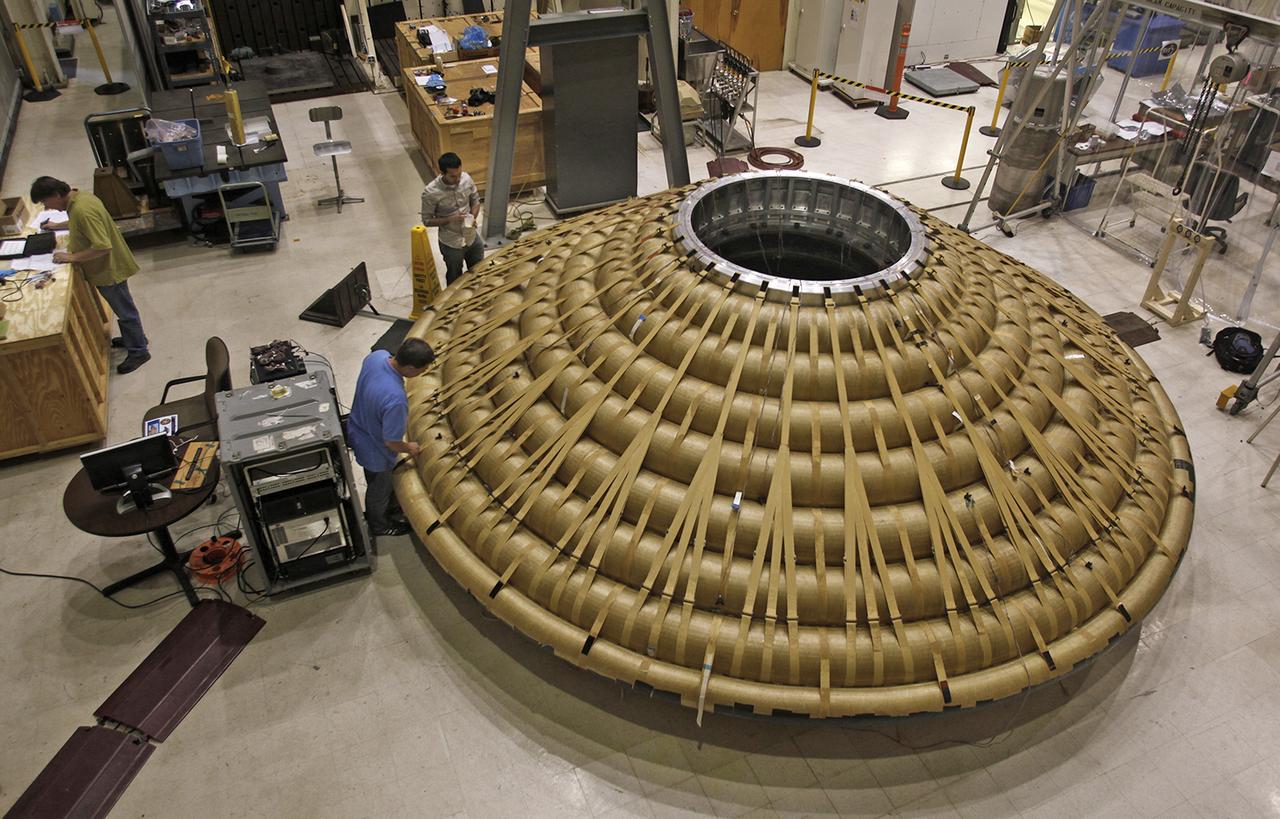
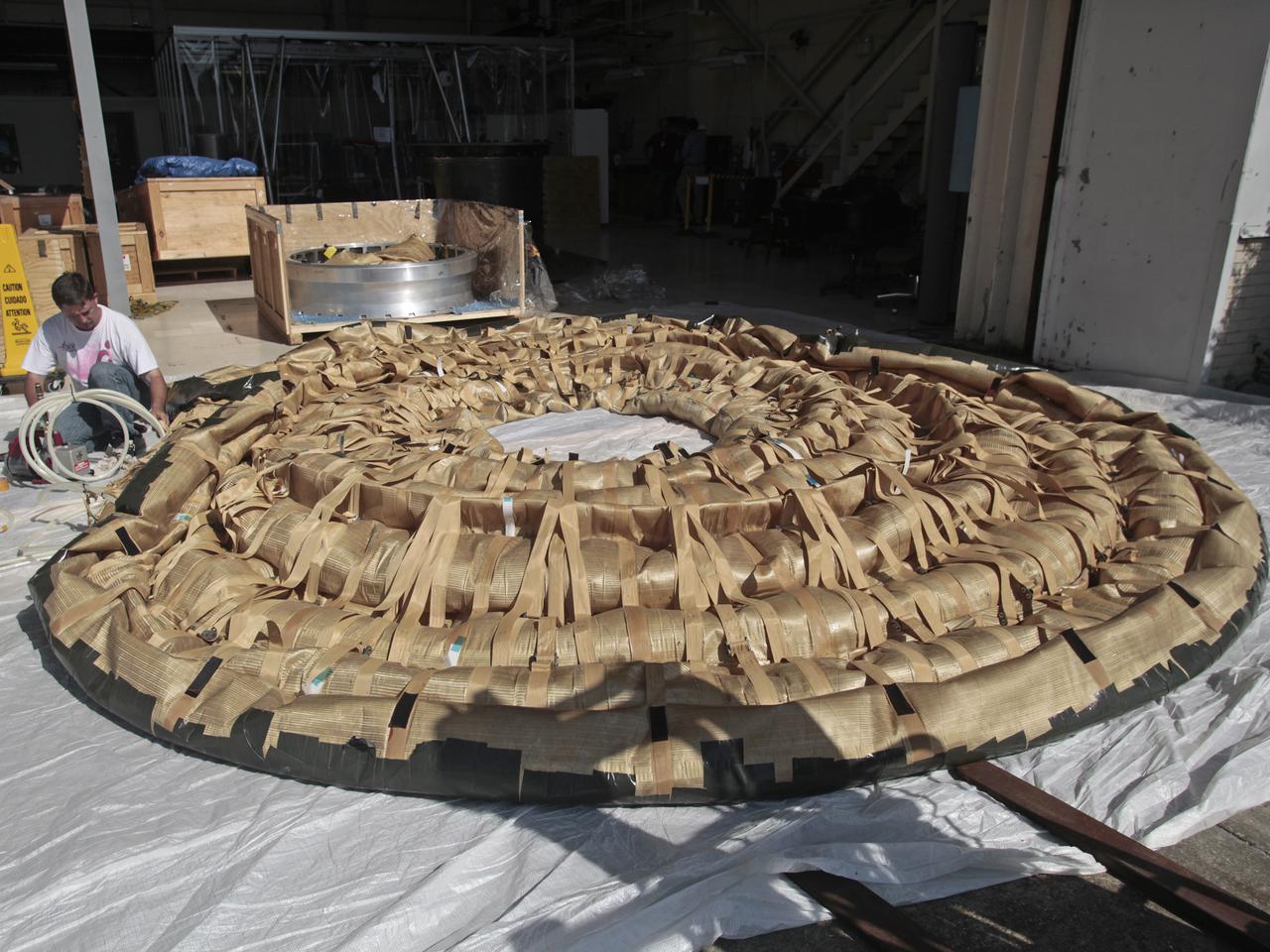
The HIAD stands for Hypersonic Inflatable Aerodynamic Decelerator, an inflatable spacecraft technology that allows payloads to survive the harsh conditions of atmospheric re-entry. This photo was taken at  NASA Langley in Building 1250 when sensors were being applied.
The HIAD stands for Hypersonic Inflatable Aerodynamic Decelerato
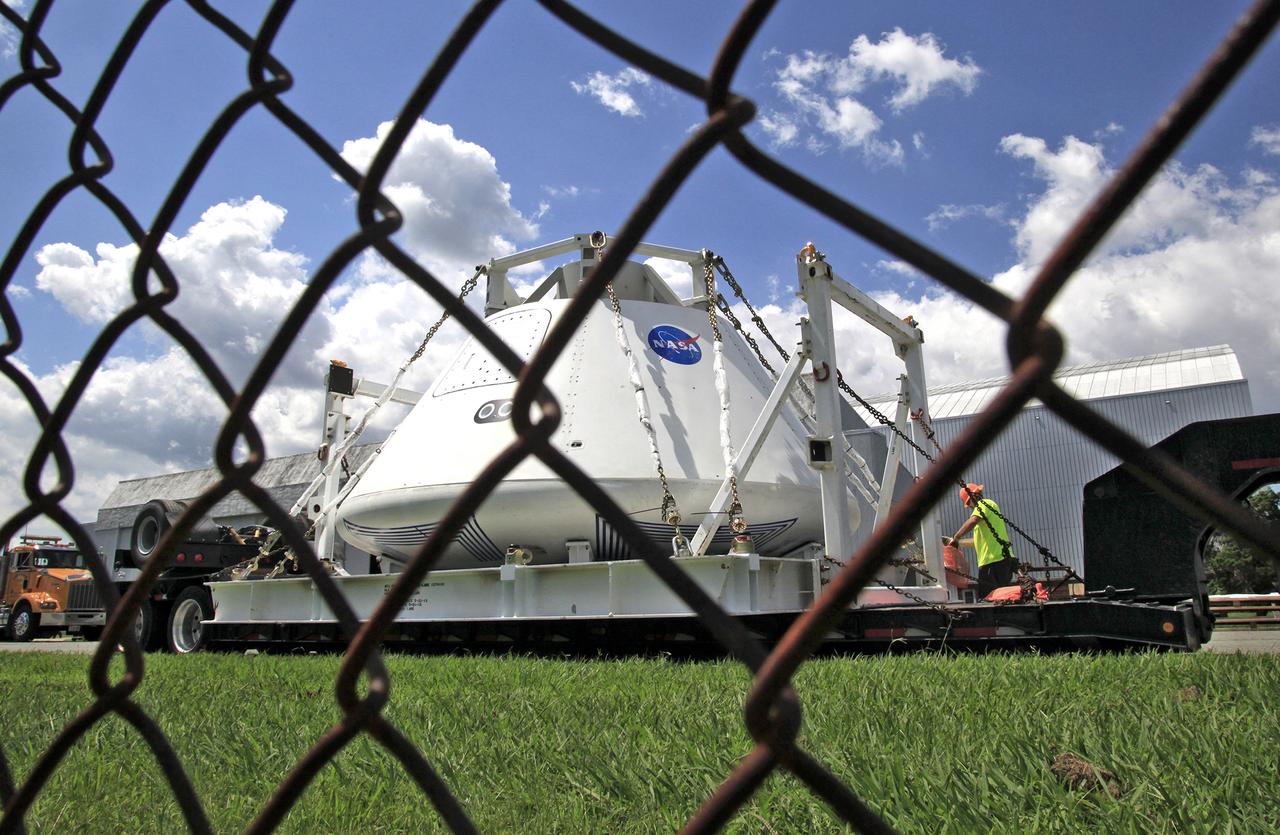
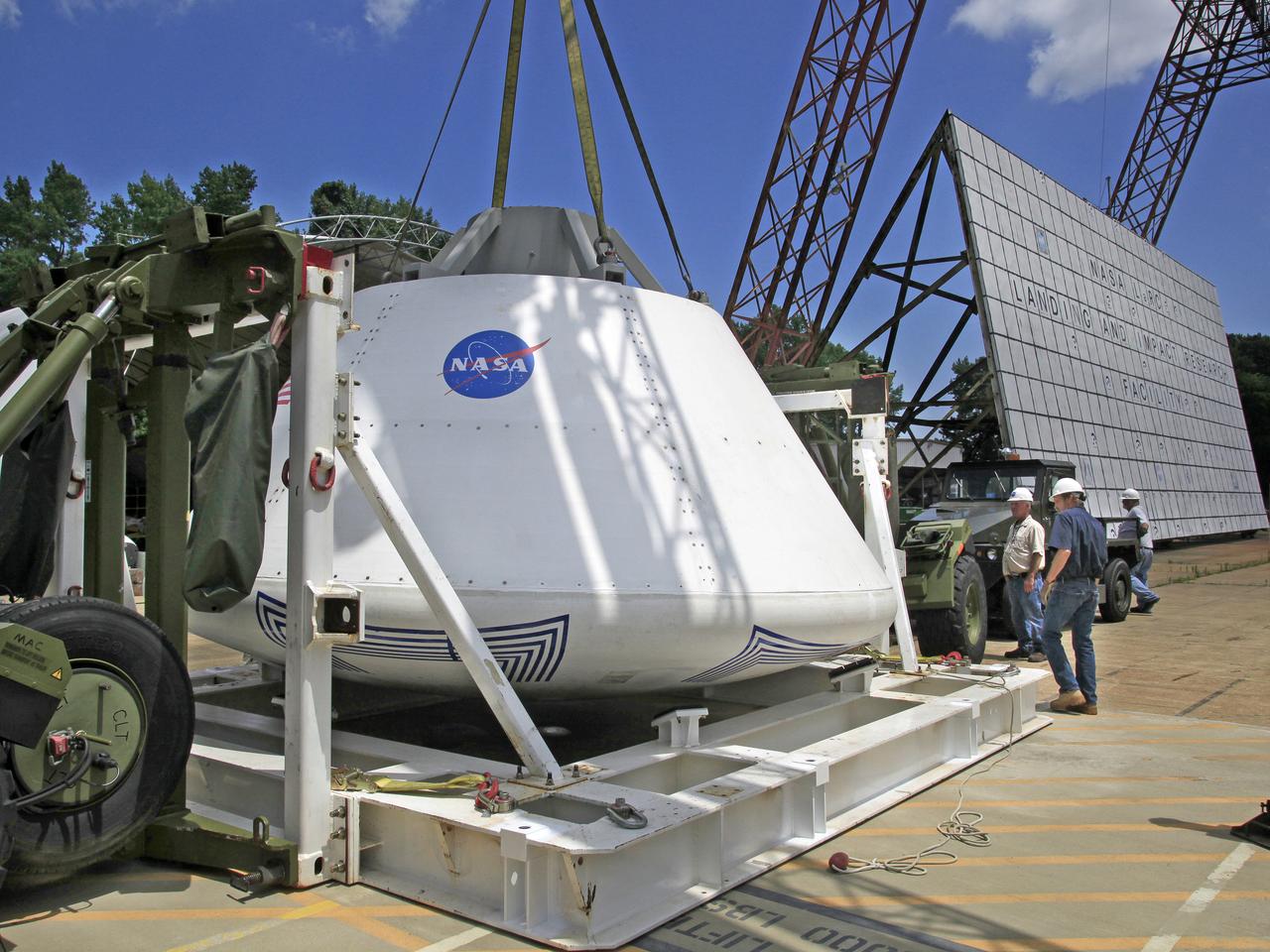
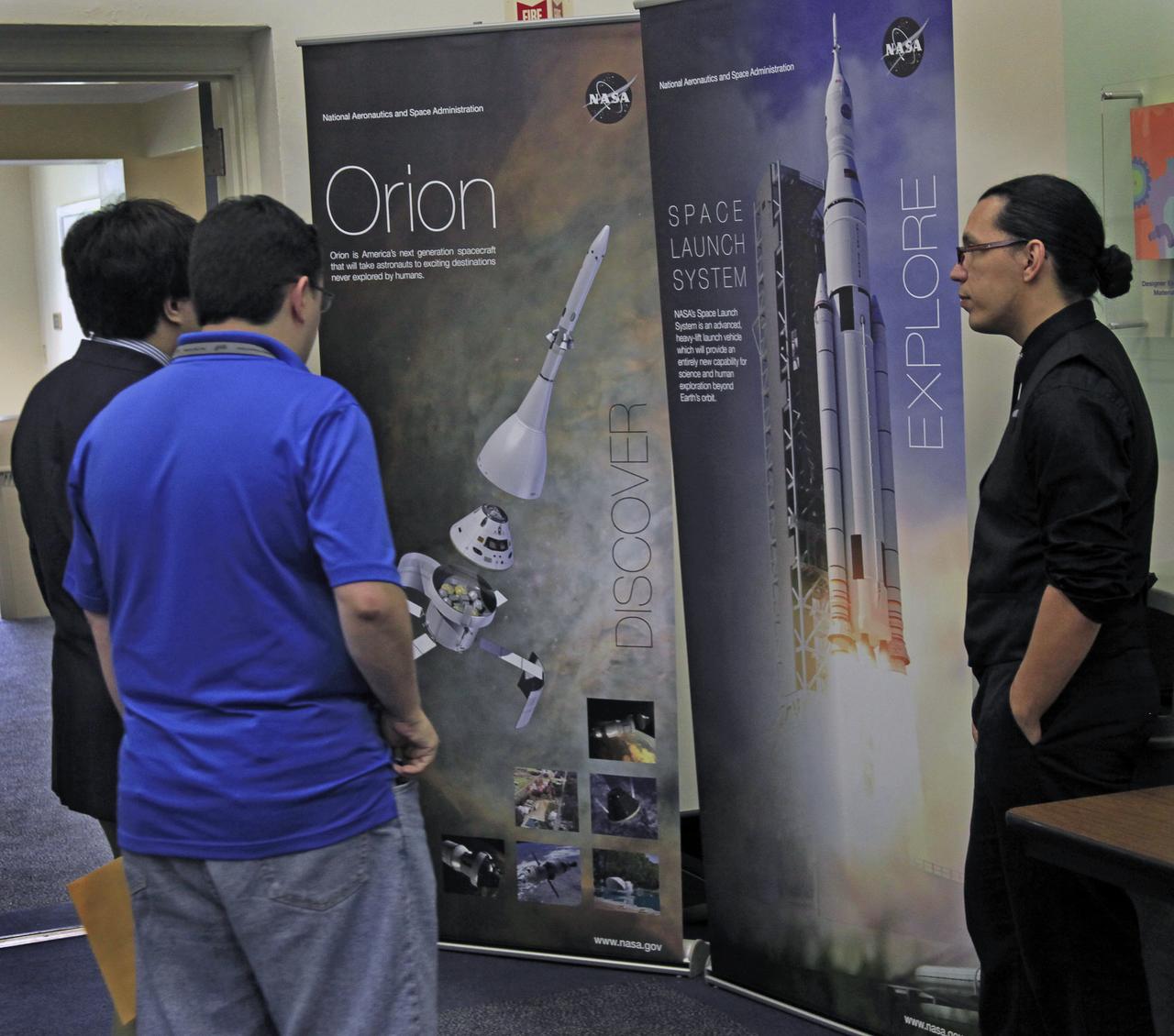
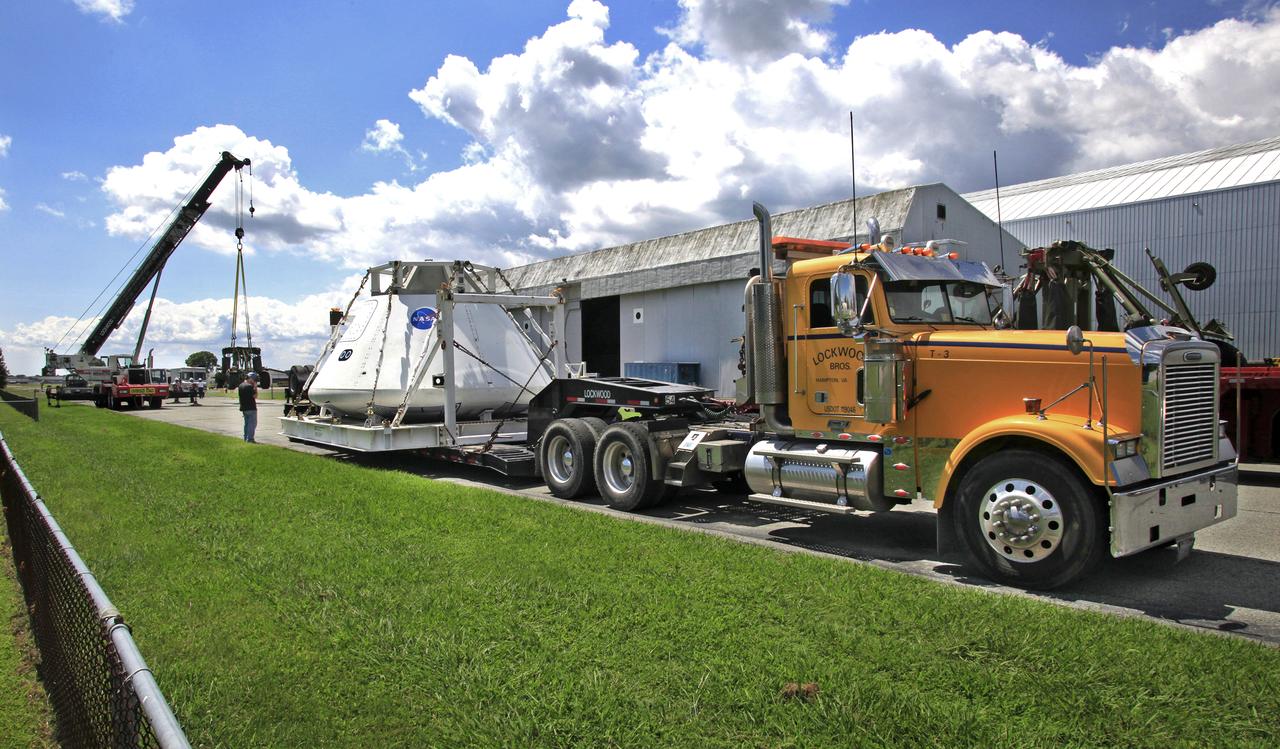
Orion Test Capsule loaded on a flatbed trailer at NASA Langley to be transport to Fort Eustis, VA. where it will be transported by barge to Norfolk Va. for open water recovery test.
Model of the Space Launch System for the Orion Space Capsule is
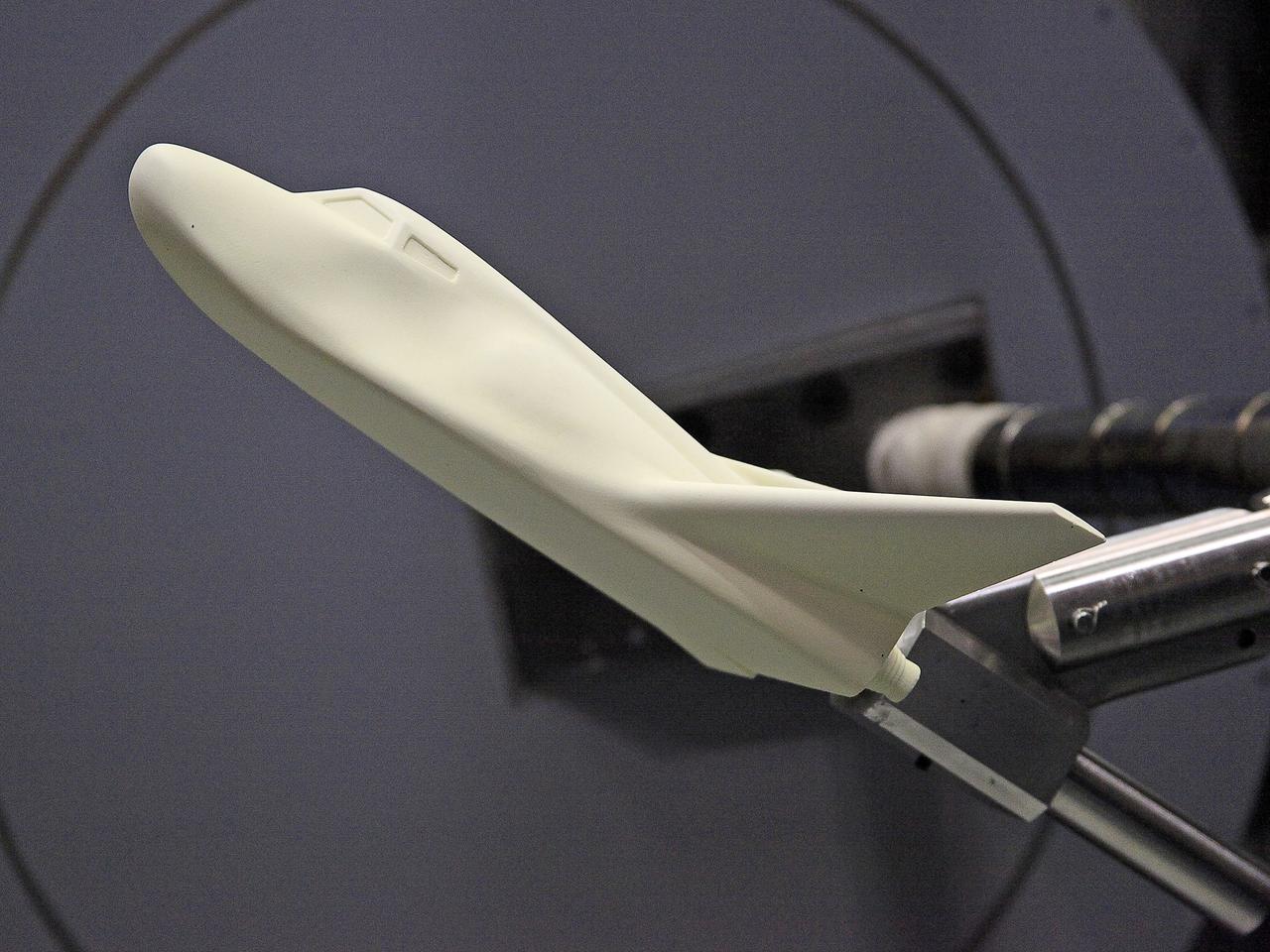
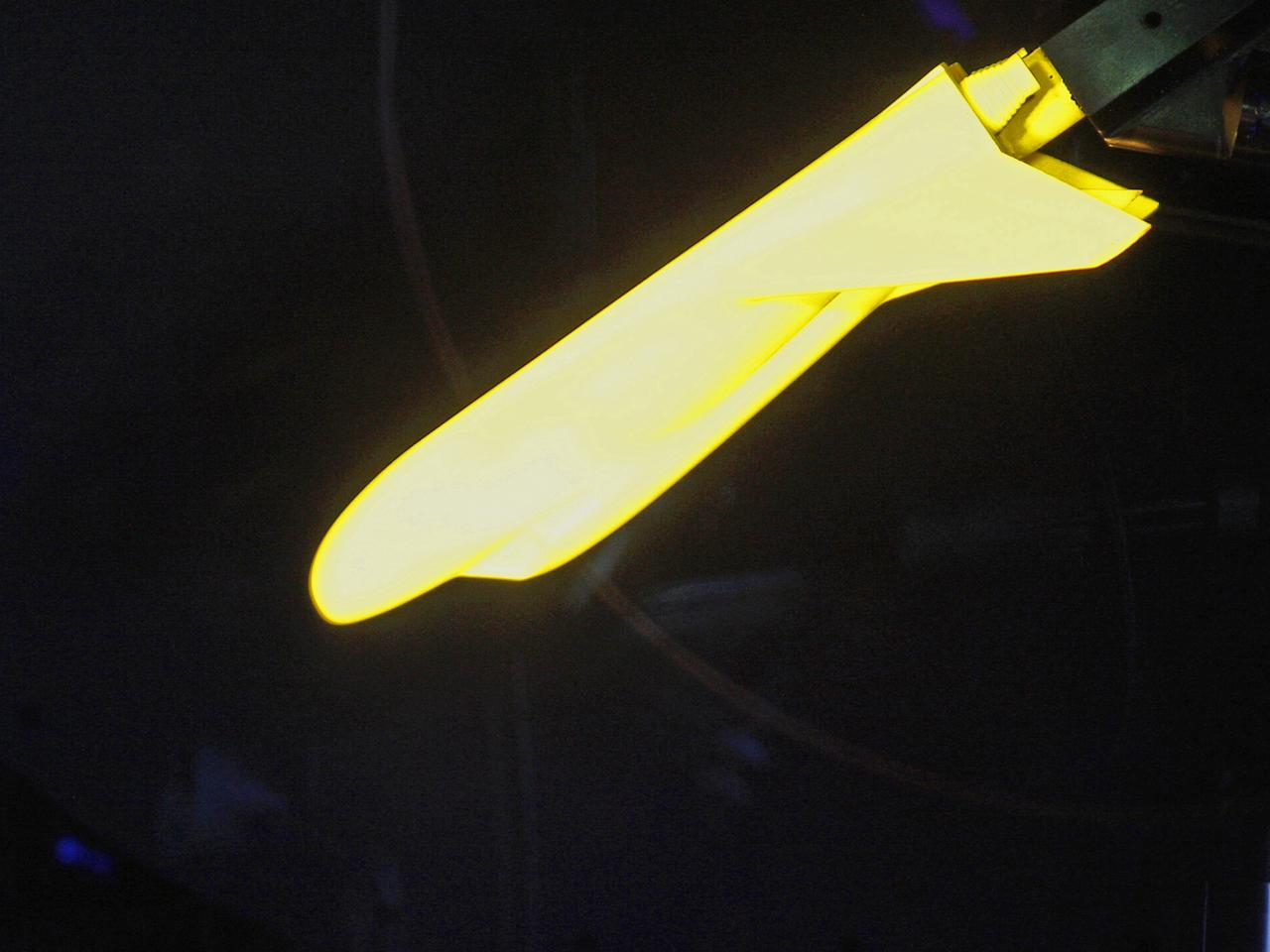
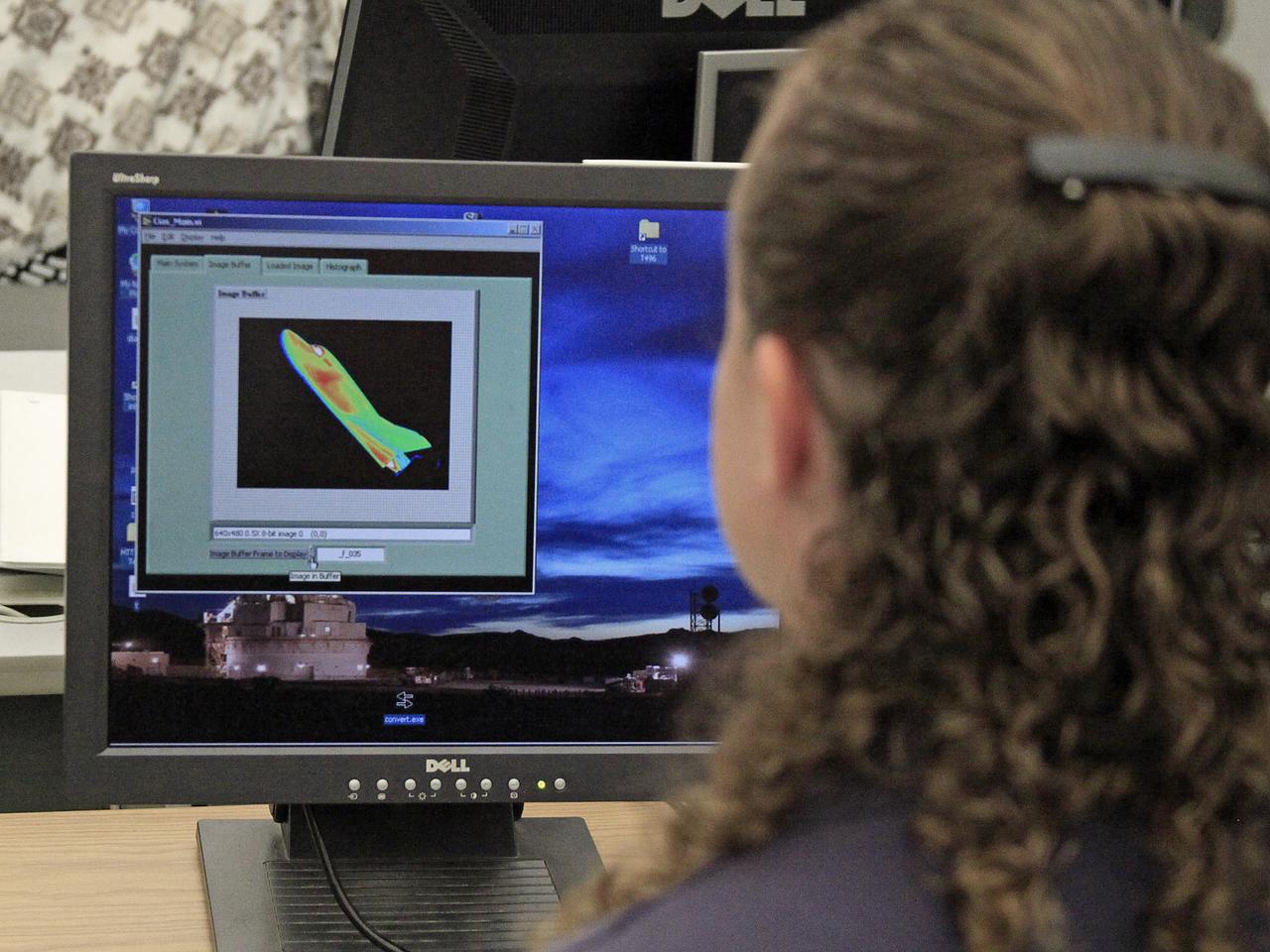
NASA's Langley Research Center in Hampton, Va., recently conducted hypersonic testing of Dream Chaser models for SNC as part of the agency's Commercial Crew Program in order to obtain necessary data for the material selection and design of the TPS
Dream Chaser Model Being Tested at Langley Research Center (LaRC
The HIAD stands for Hypersonic Inflatable Aerodynamic Decelerator, an inflatable spacecraft technology that allows payloads to survive the harsh conditions of atmospheric re-entry. This photo was taken at  NASA Langley in Building 1250 when sensors were being applied.
The HIAD stands for Hypersonic Inflatable Aerodynamic Decelerato
250 students participated in the Langley Aerospace Research Summer Scholars (LARSS) Presentations focused on 3D modeling of STARBUKS calibration components in the National Transonic Facility, hypersonic aerodynamic inflatable decelerator, and optimization of a microphone-based array for flight testing.  Reid Center LaRC Hampton, VA
Langley Aerospace Research Summer Scholars (LARSS) Scholars Pres
The Orion Test Capsule spent 4 hour in the water tank under NASA Langley's gantry to prove it is ready for the open water recovery test at Norfolk Naval Station.
The Orion Test Capsule at NASA's Langley Research Center's Hydro
The Orion Test Capsule spent 4 hour in the water tank under NASA Langley's gantry to prove it is ready for the open water recovery test at Norfolk Naval Station.
The Orion Test Capsule at NASA's Langley Research Center's Hydro
NASA Administrator Charles Bolden at the Air Traffic Operations Lab , observed a simulation of cockpit technologies for the Air Traffic Management Demonstration-1 (ATD-1)
NASA Administrator Charles Bolden Paid a Brief Visit to NASA's L
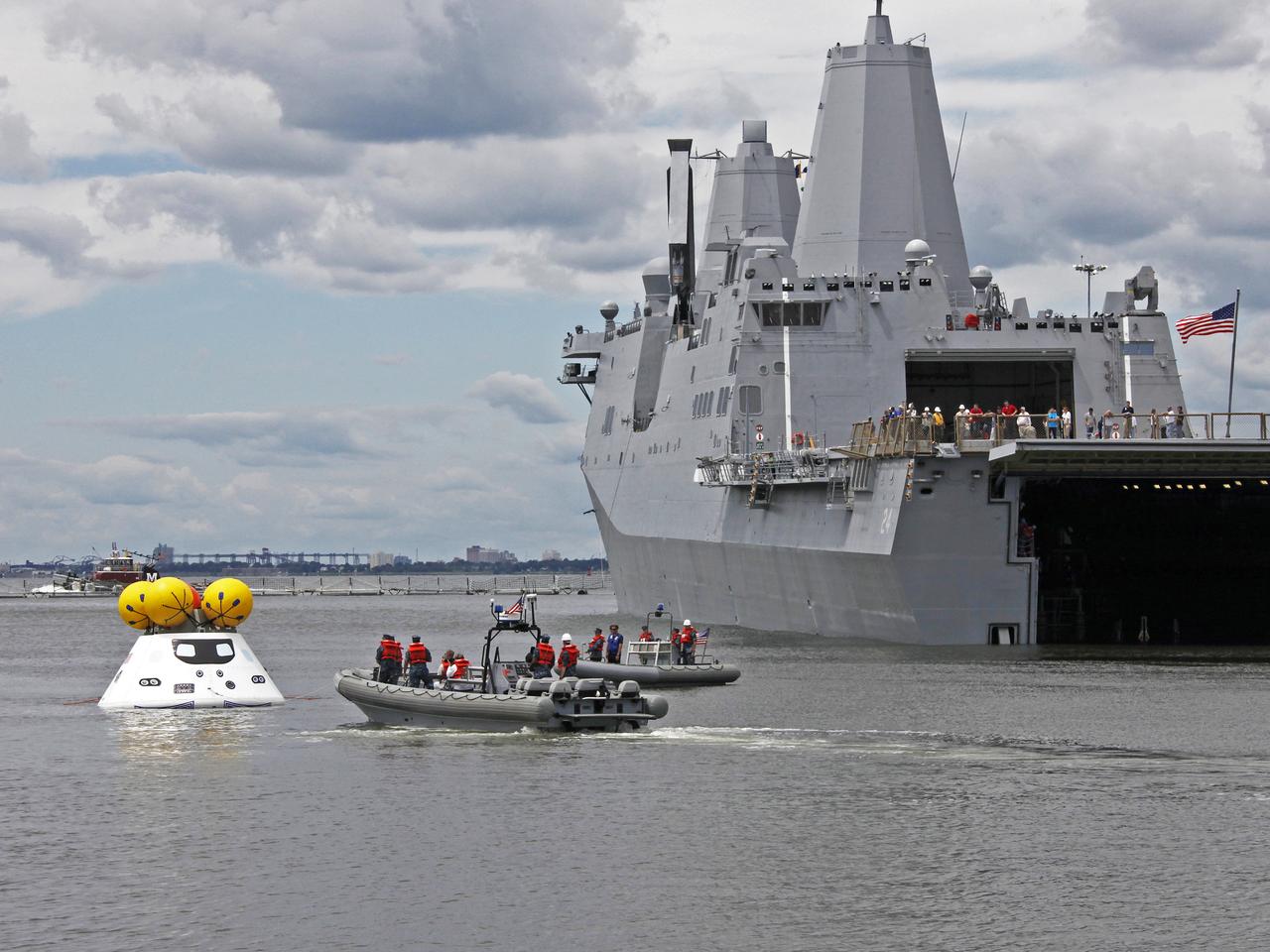
On August 15, 2013, at the Naval Station Norfolk near NASA’s Langley Research Center in Virginia, NASA and the U.S. Navy conducted a stationary recovery test on the Orion boilerplate test article in the water near a U.S. Navy ship. NASA and the U.S. Navy are conducting tests to prepare for recovery of the Orion crew module and forward bay cover on its return from a deep space mission. The stationary recovery tests allow the teams to demonstrate and evaluate the recovery processes, the hardware and the test personnel in a controlled environment. During the test, the U.S Navy Dive Team checked the capsule for hazards while sailors from the USS Arlington approached the capsule in inflatable boats, and towed it back to the ship’s flooded well deck. A second test will be conducted next year in the open waters of the Pacific Ocean.
NASA and the U.S. Navy conducted a stationary Recovery Test on t
The Orion Test Capsule was loaded on a Navy INLS "Improved Navy Lighterage System" at Fort Eustis Tuesday from where it will be transported to Little Creek Amphibious Base in Norfolk.
The Orion Test Capsule Loaded on a Navy INLS "Improved Navy Ligh
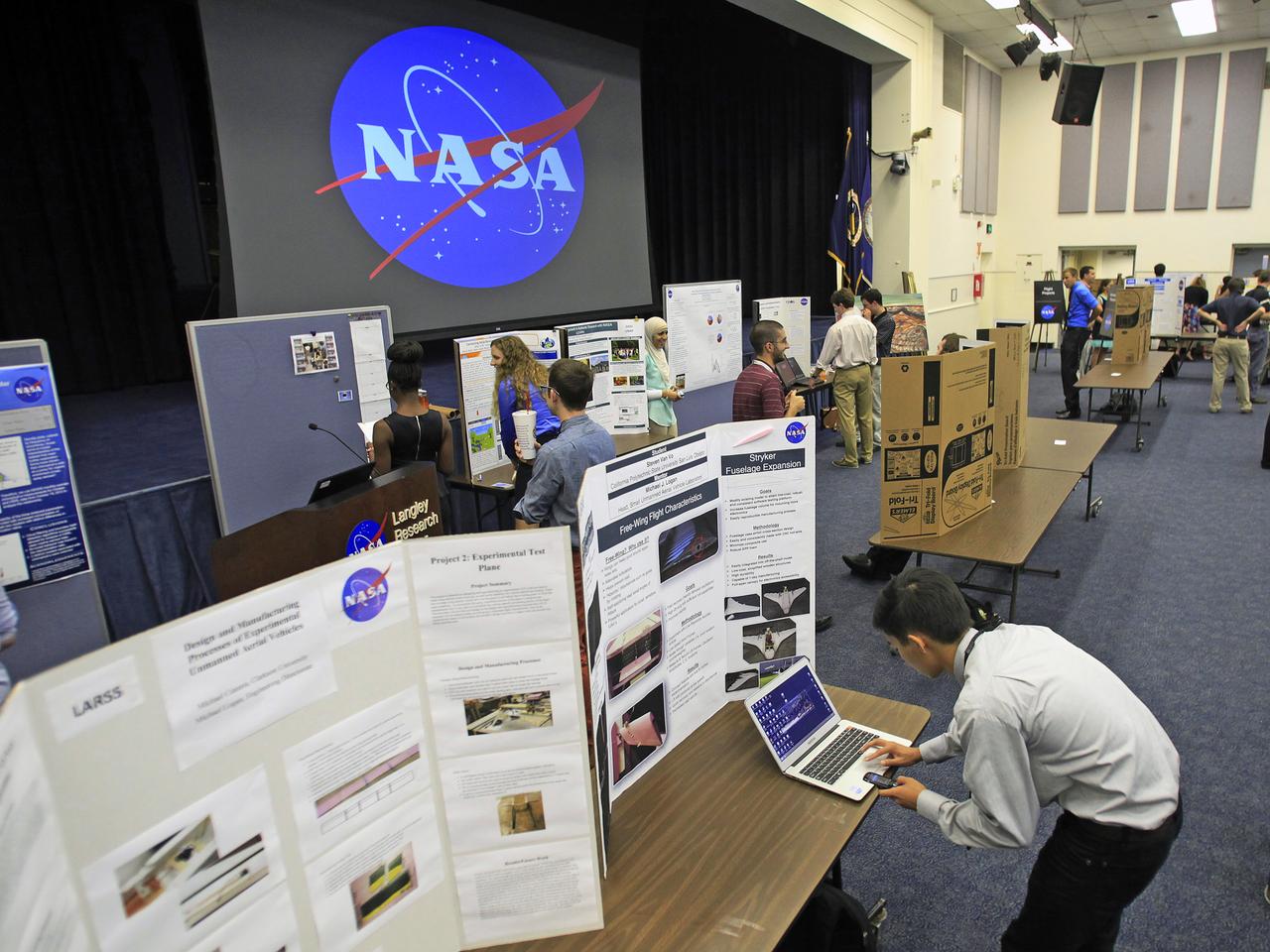
On August 15, 2013, at the Naval Station Norfolk near NASA’s Langley Research Center in Virginia, NASA and the U.S. Navy conducted a stationary recovery test on the Orion boilerplate test article in the water near a U.S. Navy ship. NASA and the U.S. Navy are conducting tests to prepare for recovery of the Orion crew module and forward bay cover on its return from a deep space mission. The stationary recovery tests allow the teams to demonstrate and evaluate the recovery processes, the hardware and the test personnel in a controlled environment. During the test, the U.S Navy Dive Team checked the capsule for hazards while sailors from the USS Arlington approached the capsule in inflatable boats, and towed it back to the ship’s flooded well deck. A second test will be conducted next year in the open waters of the Pacific Ocean.
NASA and the U.S. Navy conducted a stationary Recovery Test on t
The Orion Test Capsule was loaded on a Navy INLS "Improved Navy Lighterage System" at Fort Eustis Tuesday from where it will be transported to Little Creek Amphibious Base in Norfolk.
The Orion Test Capsule Loaded on a Navy INLS "Improved Navy Ligh
NASA's Langley Research Center in Hampton, Va., recently conducted hypersonic testing of Dream Chaser models for SNC as part of the agency's Commercial Crew Program in order to obtain necessary data for the material selection and design of the TPS
Dream Chaser Model Being Tested at Langley Research Center (LaRC
Orion Test Capsule loaded on a flatbed trailer at NASA Langley to be transport to Fort Eustis, VA. where it will be transported by barge to Norfolk Va. for open water recovery test.
Model of the Space Launch System for the Orion Space Capsule is
250 students participated in the Langley Aerospace Research Summer Scholars (LARSS) Presentations focused on 3D modeling of STARBUKS calibration components in the National Transonic Facility, hypersonic aerodynamic inflatable decelerator, and optimization of a microphone-based array for flight testing.  Reid Center LaRC Hampton, VA
Langley Aerospace Research Summer Scholars (LARSS) Scholars Pres
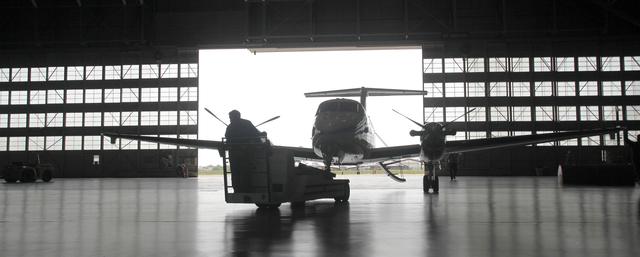
On August 15, 2013, at the Naval Station Norfolk near NASA’s Langley Research Center in Virginia, NASA and the U.S. Navy conducted a stationary recovery test on the Orion boilerplate test article in the water near a U.S. Navy ship. NASA and the U.S. Navy are conducting tests to prepare for recovery of the Orion crew module and forward bay cover on its return from a deep space mission. The stationary recovery tests allow the teams to demonstrate and evaluate the recovery processes, the hardware and the test personnel in a controlled environment. During the test, the U.S Navy Dive Team checked the capsule for hazards while sailors from the USS Arlington approached the capsule in inflatable boats, and towed it back to the ship’s flooded well deck. A second test will be conducted next year in the open waters of the Pacific Ocean.
NASA and the U.S. Navy conducted a stationary Recovery Test on t
250 students participated in the Langley Aerospace Research Summer Scholars (LARSS) Presentations focused on 3D modeling of STARBUKS calibration components in the National Transonic Facility, hypersonic aerodynamic inflatable decelerator, and optimization of a microphone-based array for flight testing.  Reid Center LaRC Hampton, VA
Langley Aerospace Research Summer Scholars (LARSS) Scholars Pres
The Orion Test Capsule spent 4 hour in the water tank under NASA Langley's gantry to prove it is ready for the open water recovery test at Norfolk Naval Station.
The Orion Test Capsule at NASA's Langley Research Center's Hydro
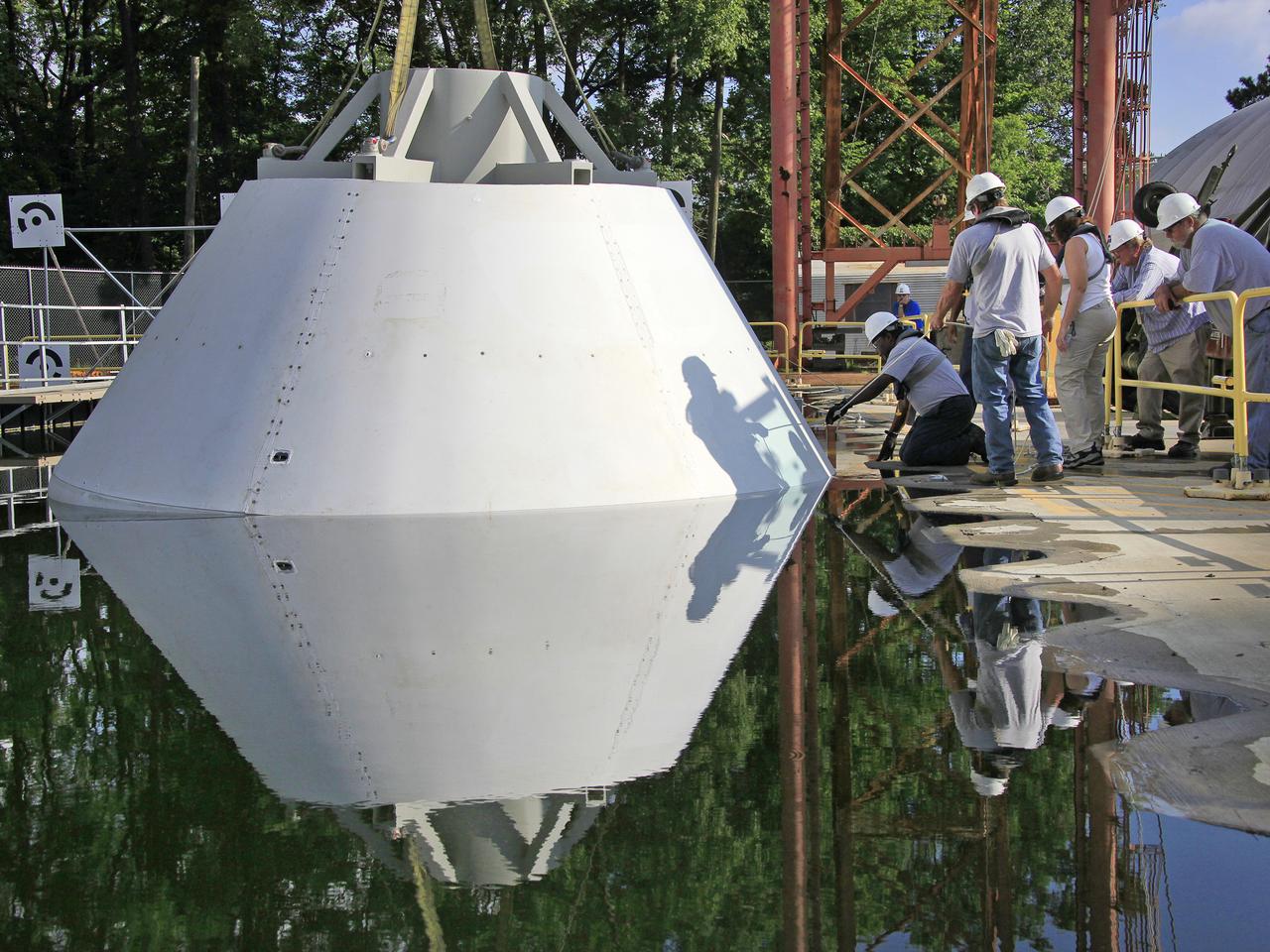
On August 15, 2013, at the Naval Station Norfolk near NASA’s Langley Research Center in Virginia, NASA and the U.S. Navy conducted a stationary recovery test on the Orion boilerplate test article in the water near a U.S. Navy ship. NASA and the U.S. Navy are conducting tests to prepare for recovery of the Orion crew module and forward bay cover on its return from a deep space mission. The stationary recovery tests allow the teams to demonstrate and evaluate the recovery processes, the hardware and the test personnel in a controlled environment. During the test, the U.S Navy Dive Team checked the capsule for hazards while sailors from the USS Arlington approached the capsule in inflatable boats, and towed it back to the ship’s flooded well deck. A second test will be conducted next year in the open waters of the Pacific Ocean.
NASA and the U.S. Navy conducted a stationary Recovery Test on t
Engineers and technicians from NASA Langley Research Center in Virginia, Kennedy Space Center in Florida and Lockheed Martin in Colorado conduct a fit check on the Orion Crew Module at NASA Langley
Fit check on the Orion Crew Module at NASA Langley
250 students participated in the Langley Aerospace Research Summer Scholars (LARSS) Presentations focused on 3D modeling of STARBUKS calibration components in the National Transonic Facility, hypersonic aerodynamic inflatable decelerator, and optimization of a microphone-based array for flight testing.  Reid Center LaRC Hampton, VA
Langley Aerospace Research Summer Scholars (LARSS) Scholars Pres
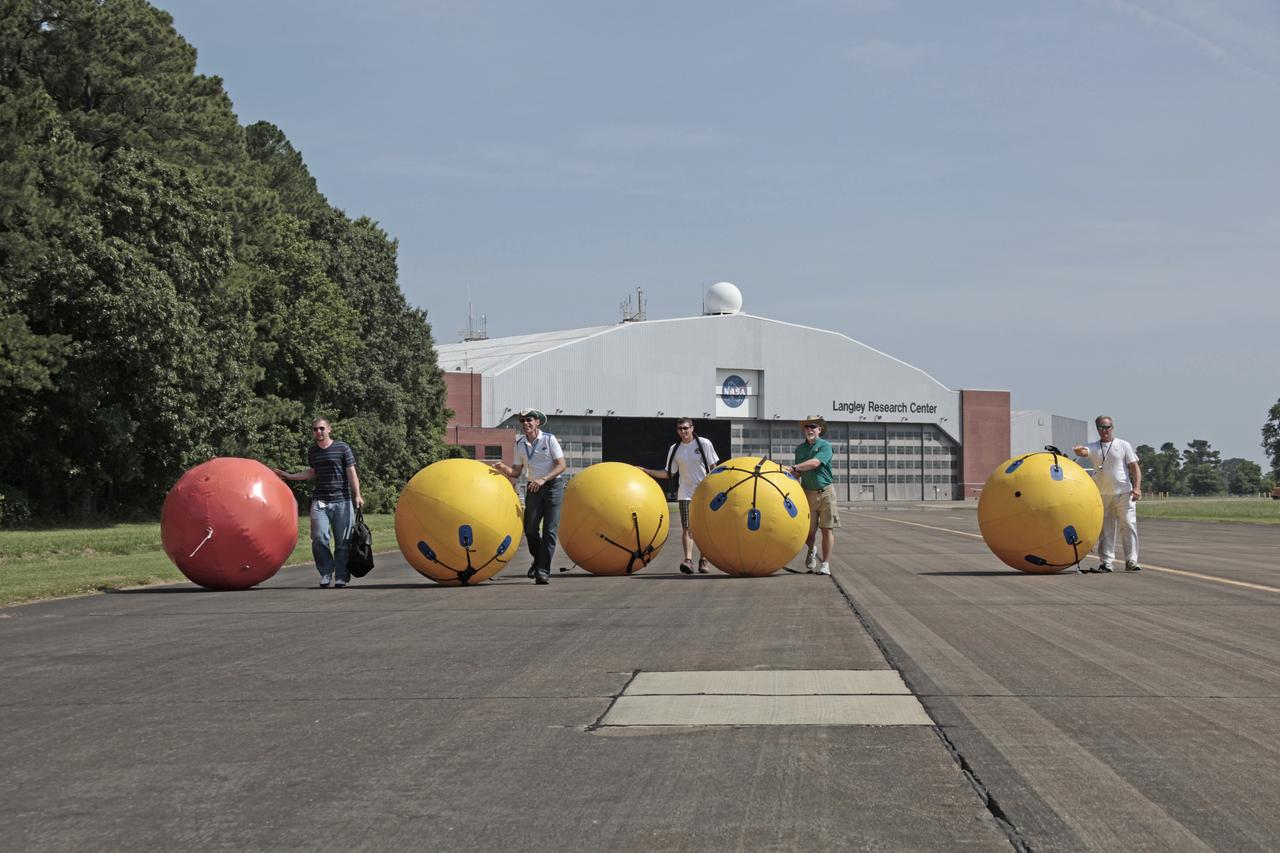
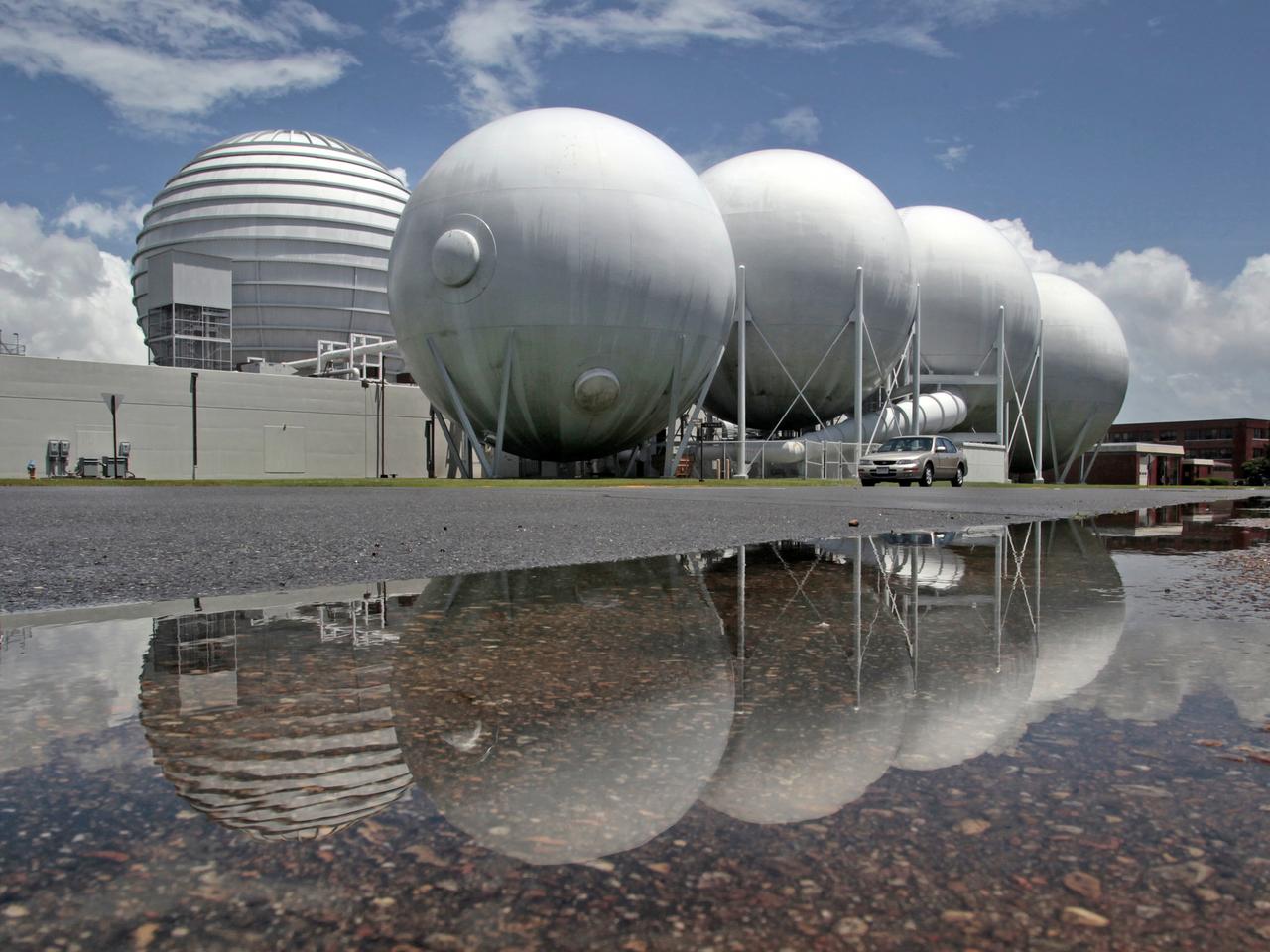
The vacuum spheres outside of building 1247 are reflected in a pool of rain water after an unusual break in weather on Friday, which gave a brief moment of sunshine, blue skies and standing water as Tropical Storm Andrea approaches from the south.
Vacuum Spheres Outside of Building 1247 NASA LaRC
Helicopter active flow control tests in the 14X22 subsonic wind tunnel. Photos include preparation of the model before testing and the control room where testing is monitored and data collected
Helicopter Active Flow Control Tests in the 14x22 Subsonic Wind
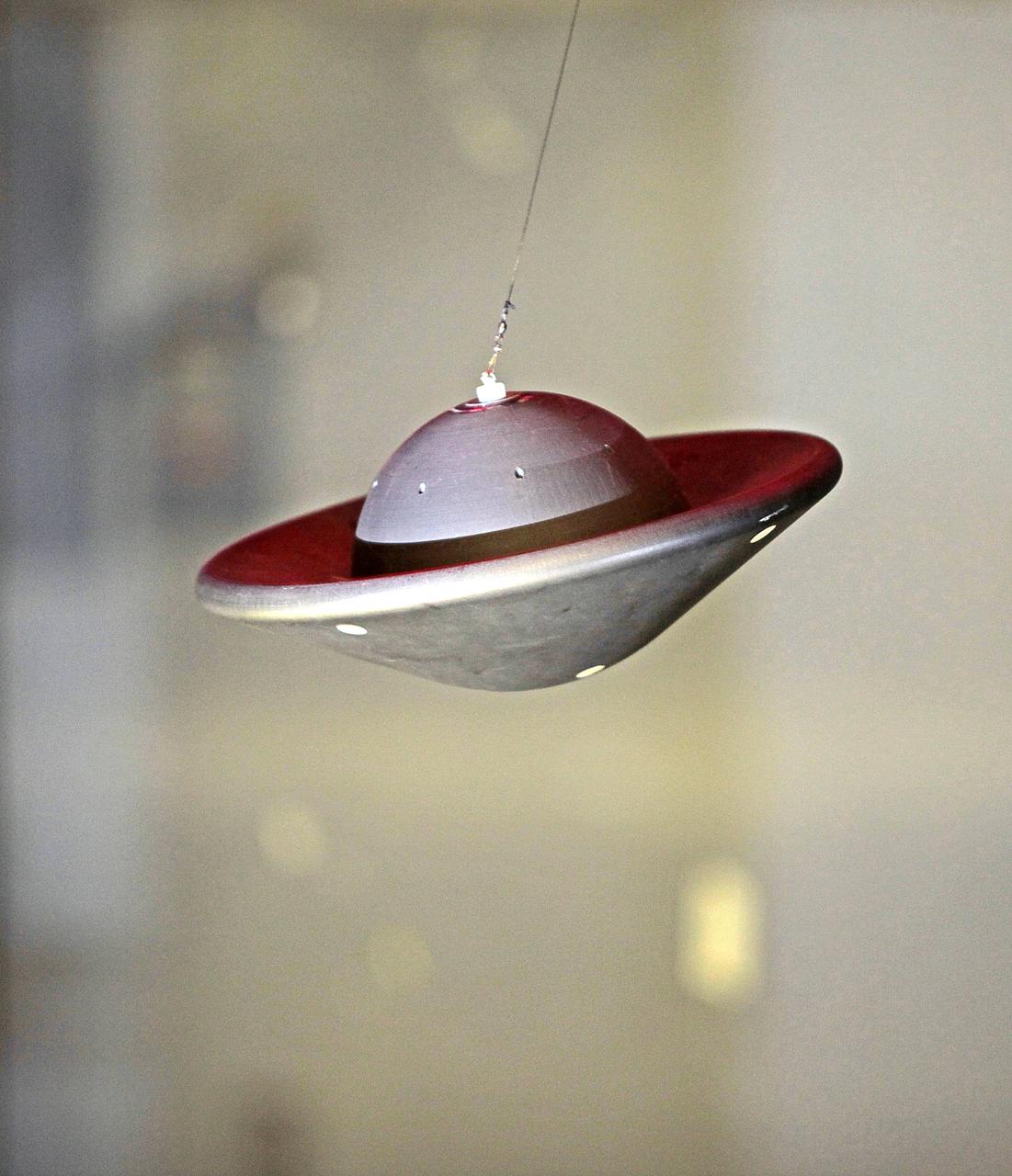
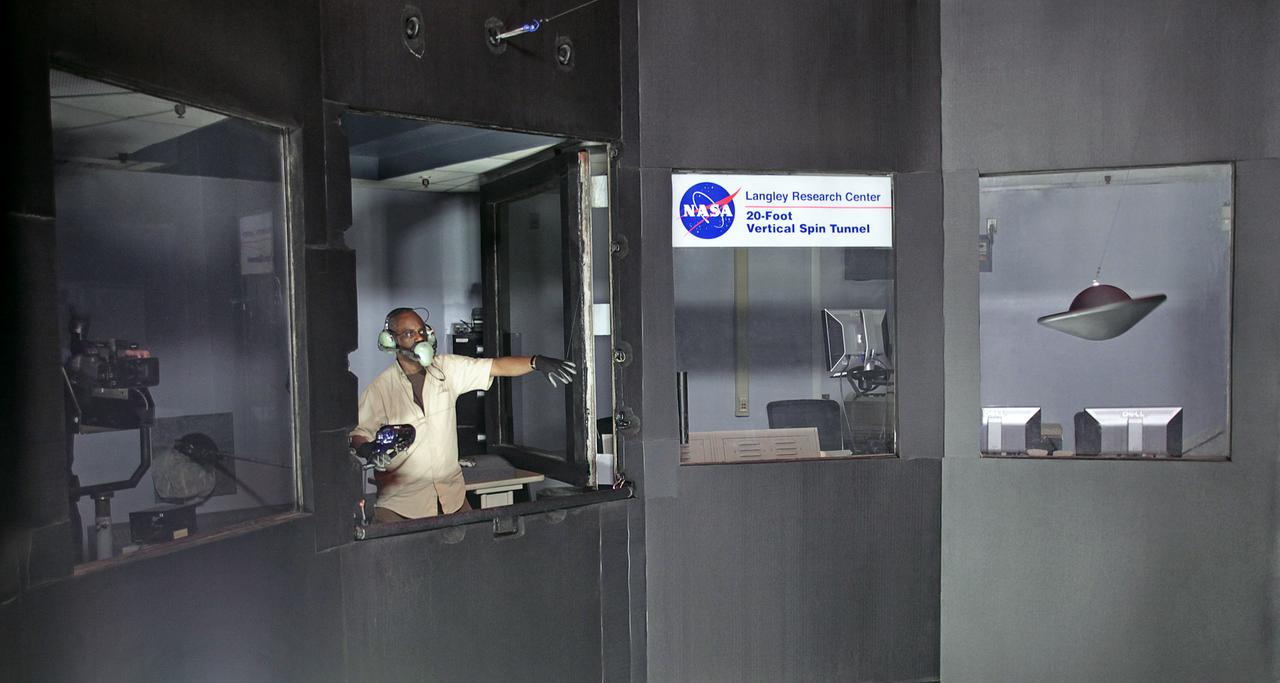
NASA Langley engineer, Clinton Duncan maintains controls of the tethered Multi Mission Earth Entry Vehicle model while being tested in the Vertical Spin Tunnel.
Multi Mission Earth Entry Vehicle (MMEEV) Model
The Orion Test Capsule spent 4 hour in the water tank under NASA Langley's gantry to prove it is ready for the open water recovery test at Norfolk Naval Station.
The Orion Test Capsule at NASA's Langley Research Center's Hydro
The Orion Test Capsule and a number of other items used in the capsule recovery at being transported down the James River on a Navy INLS "Improved Navy Lighterage System" from Fort Eustis from where it was loaded. Its liquid route will take them to Little Creek Amphibious Base in Norfolk, where it will stay until scheduled recovery test will be performed.
The Orion Test Capsule and a number of other items used in the c
NASA's Langley Research Center in Hampton, Va., recently conducted hypersonic testing of Dream Chaser models for SNC as part of the agency's Commercial Crew Program in order to obtain necessary data for the material selection and design of the TPS
Dream Chaser Model Being Tested at Langley Research Center (LaRC
250 students participated in the Langley Aerospace Research Summer Scholars (LARSS) Presentations focused on 3D modeling of STARBUKS calibration components in the National Transonic Facility, hypersonic aerodynamic inflatable decelerator, and optimization of a microphone-based array for flight testing.  Reid Center LaRC Hampton, VA
Langley Aerospace Research Summer Scholars (LARSS) Scholars Pres
The tethered Multi Mission Earth Entry Vehicle model while being tested in the Vertical Spin Tunnel at NASA Langely Research Center, Hampton VA.
Multi Mission Earth Entry Vehicle (MMEEV) Model
NASA Administrator Charles Bolden at the Air Traffic Operations Lab , observed a simulation of cockpit technologies for the Air Traffic Management Demonstration-1 (ATD-1)
NASA Administrator Charles Bolden Paid a Brief Visit to NASA's L
On August 15, 2013, at the Naval Station Norfolk near NASA’s Langley Research Center in Virginia, NASA and the U.S. Navy conducted a stationary recovery test on the Orion boilerplate test article in the water near a U.S. Navy ship. NASA and the U.S. Navy are conducting tests to prepare for recovery of the Orion crew module and forward bay cover on its return from a deep space mission. The stationary recovery tests allow the teams to demonstrate and evaluate the recovery processes, the hardware and the test personnel in a controlled environment. During the test, the U.S Navy Dive Team checked the capsule for hazards while sailors from the USS Arlington approached the capsule in inflatable boats, and towed it back to the ship’s flooded well deck. A second test will be conducted next year in the open waters of the Pacific Ocean.
NASA and the U.S. Navy conducted a stationary Recovery Test on t
Helicopter active flow control tests in the 14X22 subsonic wind tunnel. Photos include preparation of the model before testing and the control room where testing is monitored and data collected
Helicopter Active Flow Control Tests in the 14x22 Subsonic Wind
Orion Test Capsule loaded on a flatbed trailer at NASA Langley to be transport to Fort Eustis, VA. where it will be transported by barge to Norfolk Va. for open water recovery test.
Model of the Space Launch System for the Orion Space Capsule is
On August 15, 2013, at the Naval Station Norfolk near NASA’s Langley Research Center in Virginia, NASA and the U.S. Navy conducted a stationary recovery test on the Orion boilerplate test article in the water near a U.S. Navy ship. NASA and the U.S. Navy are conducting tests to prepare for recovery of the Orion crew module and forward bay cover on its return from a deep space mission. The stationary recovery tests allow the teams to demonstrate and evaluate the recovery processes, the hardware and the test personnel in a controlled environment. During the test, the U.S Navy Dive Team checked the capsule for hazards while sailors from the USS Arlington approached the capsule in inflatable boats, and towed it back to the ship’s flooded well deck. A second test will be conducted next year in the open waters of the Pacific Ocean.
NASA and the U.S. Navy conducted a stationary Recovery Test on t
250 students participated in the Langley Aerospace Research Summer Scholars (LARSS) Presentations focused on 3D modeling of STARBUKS calibration components in the National Transonic Facility, hypersonic aerodynamic inflatable decelerator, and optimization of a microphone-based array for flight testing.  Reid Center LaRC Hampton, VA
Langley Aerospace Research Summer Scholars (LARSS) Scholars Pres
Engineers and technicians from NASA Langley Research Center in Virginia, Kennedy Space Center in Florida and Lockheed Martin in Colorado conduct a fit check on the Orion Crew Module at NASA Langley
Fit check on the Orion Crew Module at NASA Langley
On August 15, 2013, at the Naval Station Norfolk near NASA’s Langley Research Center in Virginia, NASA and the U.S. Navy conducted a stationary recovery test on the Orion boilerplate test article in the water near a U.S. Navy ship. NASA and the U.S. Navy are conducting tests to prepare for recovery of the Orion crew module and forward bay cover on its return from a deep space mission. The stationary recovery tests allow the teams to demonstrate and evaluate the recovery processes, the hardware and the test personnel in a controlled environment. During the test, the U.S Navy Dive Team checked the capsule for hazards while sailors from the USS Arlington approached the capsule in inflatable boats, and towed it back to the ship’s flooded well deck. A second test will be conducted next year in the open waters of the Pacific Ocean.
NASA and the U.S. Navy conducted a stationary Recovery Test on t
Helicopter active flow control tests in the 14X22 subsonic wind tunnel. Photos include preparation of the model before testing and the control room where testing is monitored and data collected
Helicopter Active Flow Control Tests in the 14x22 Subsonic Wind
Helicopter active flow control tests in the 14X22 subsonic wind tunnel. Photos include preparation of the model before testing and the control room where testing is monitored and data collected
Helicopter Active Flow Control Tests in the 14x22 Subsonic Wind
On August 15, 2013, at the Naval Station Norfolk near NASA’s Langley Research Center in Virginia, NASA and the U.S. Navy conducted a stationary recovery test on the Orion boilerplate test article in the water near a U.S. Navy ship. NASA and the U.S. Navy are conducting tests to prepare for recovery of the Orion crew module and forward bay cover on its return from a deep space mission. The stationary recovery tests allow the teams to demonstrate and evaluate the recovery processes, the hardware and the test personnel in a controlled environment. During the test, the U.S Navy Dive Team checked the capsule for hazards while sailors from the USS Arlington approached the capsule in inflatable boats, and towed it back to the ship’s flooded well deck. A second test will be conducted next year in the open waters of the Pacific Ocean.
NASA and the U.S. Navy conducted a stationary Recovery Test on t
On August 15, 2013, at the Naval Station Norfolk near NASA’s Langley Research Center in Virginia, NASA and the U.S. Navy conducted a stationary recovery test on the Orion boilerplate test article in the water near a U.S. Navy ship. NASA and the U.S. Navy are conducting tests to prepare for recovery of the Orion crew module and forward bay cover on its return from a deep space mission. The stationary recovery tests allow the teams to demonstrate and evaluate the recovery processes, the hardware and the test personnel in a controlled environment. During the test, the U.S Navy Dive Team checked the capsule for hazards while sailors from the USS Arlington approached the capsule in inflatable boats, and towed it back to the ship’s flooded well deck. A second test will be conducted next year in the open waters of the Pacific Ocean.
NASA and the U.S. Navy conducted a stationary Recovery Test on t
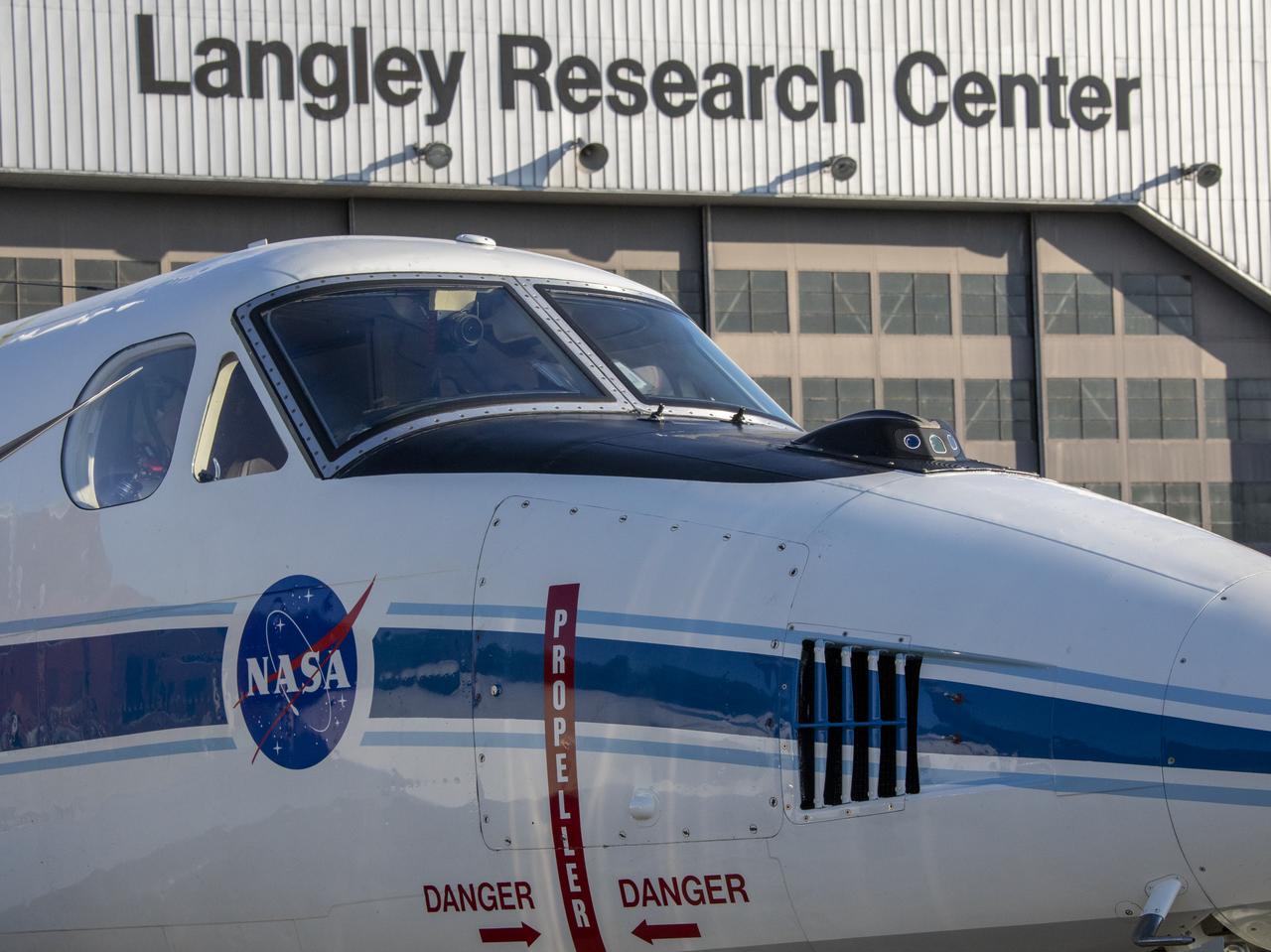
The NASA Langley's twin-engine turboprop, Beechcraft King Air B200 aircraft is towed through the large doors and inside the hangar of the Research Center, Building 1244.
The NASA Langley's Beechcraft King Air B200 Aircraft is Towed Th
Helicopter active flow control tests in the 14X22 subsonic wind tunnel. Photos include preparation of the model before testing and the control room where testing is monitored and data collected
Helicopter Active Flow Control Tests in the 14x22 Subsonic Wind
NASA's Langley Research Center in Hampton, Va., recently conducted hypersonic testing of Dream Chaser models for SNC as part of the agency's Commercial Crew Program in order to obtain necessary data for the material selection and design of the TPS
Dream Chaser Model Being Tested at Langley Research Center (LaRC
250 students participated in the Langley Aerospace Research Summer Scholars (LARSS) Presentations focused on 3D modeling of STARBUKS calibration components in the National Transonic Facility, hypersonic aerodynamic inflatable decelerator, and optimization of a microphone-based array for flight testing.  Reid Center LaRC Hampton, VA
Langley Aerospace Research Summer Scholars (LARSS) Scholars Pres
NASA's Langley Research Center in Hampton, Va., recently conducted hypersonic testing of Dream Chaser models for SNC as part of the agency's Commercial Crew Program in order to obtain necessary data for the material selection and design of the TPS
Dream Chaser Model Being Tested at Langley Research Center (LaRC
NASA's Langley Research Center in Hampton, Va., recently conducted hypersonic testing of Dream Chaser models for SNC as part of the agency's Commercial Crew Program in order to obtain necessary data for the material selection and design of the TPS
Dream Chaser Model Being Tested at Langley Research Center (LaRC
On August 15, 2013, at the Naval Station Norfolk near NASA’s Langley Research Center in Virginia, NASA and the U.S. Navy conducted a stationary recovery test on the Orion boilerplate test article in the water near a U.S. Navy ship. NASA and the U.S. Navy are conducting tests to prepare for recovery of the Orion crew module and forward bay cover on its return from a deep space mission. The stationary recovery tests allow the teams to demonstrate and evaluate the recovery processes, the hardware and the test personnel in a controlled environment. During the test, the U.S Navy Dive Team checked the capsule for hazards while sailors from the USS Arlington approached the capsule in inflatable boats, and towed it back to the ship’s flooded well deck. A second test will be conducted next year in the open waters of the Pacific Ocean.
NASA and the U.S. Navy conducted a stationary Recovery Test on t
The Orion Test Capsule was loaded on a Navy INLS "Improved Navy Lighterage System" at Fort Eustis Tuesday from where it will be transported to Little Creek Amphibious Base in Norfolk.
The Orion Test Capsule Loaded on a Navy INLS "Improved Navy Ligh
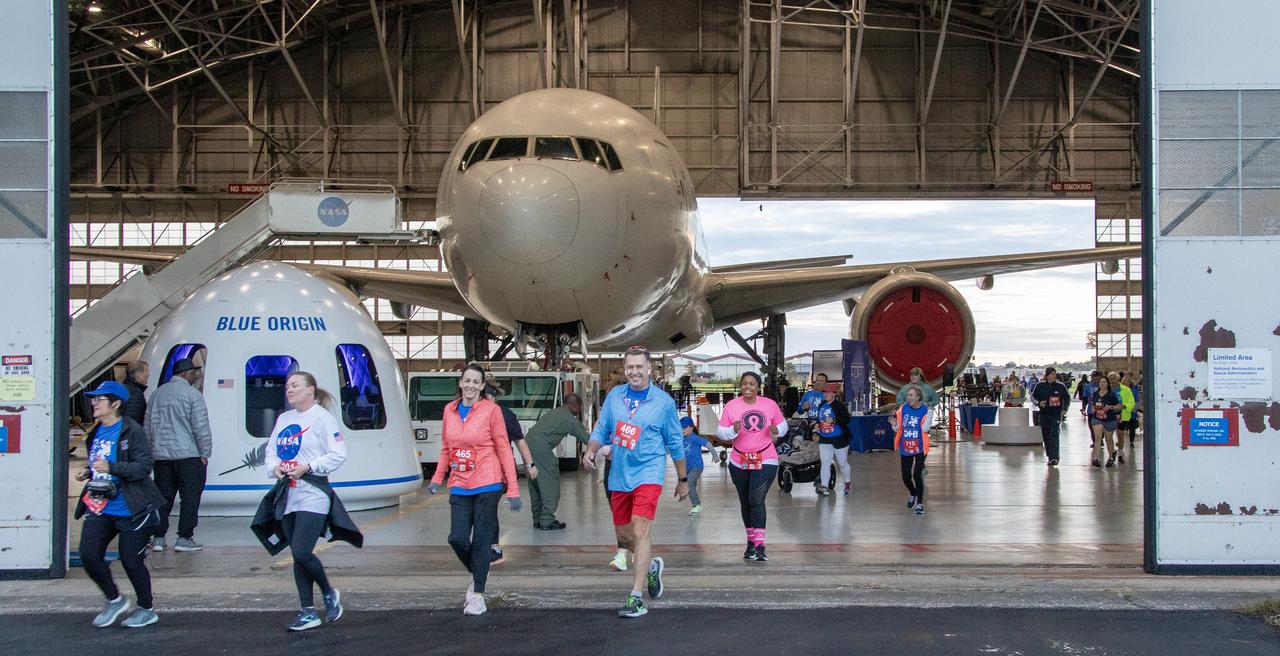
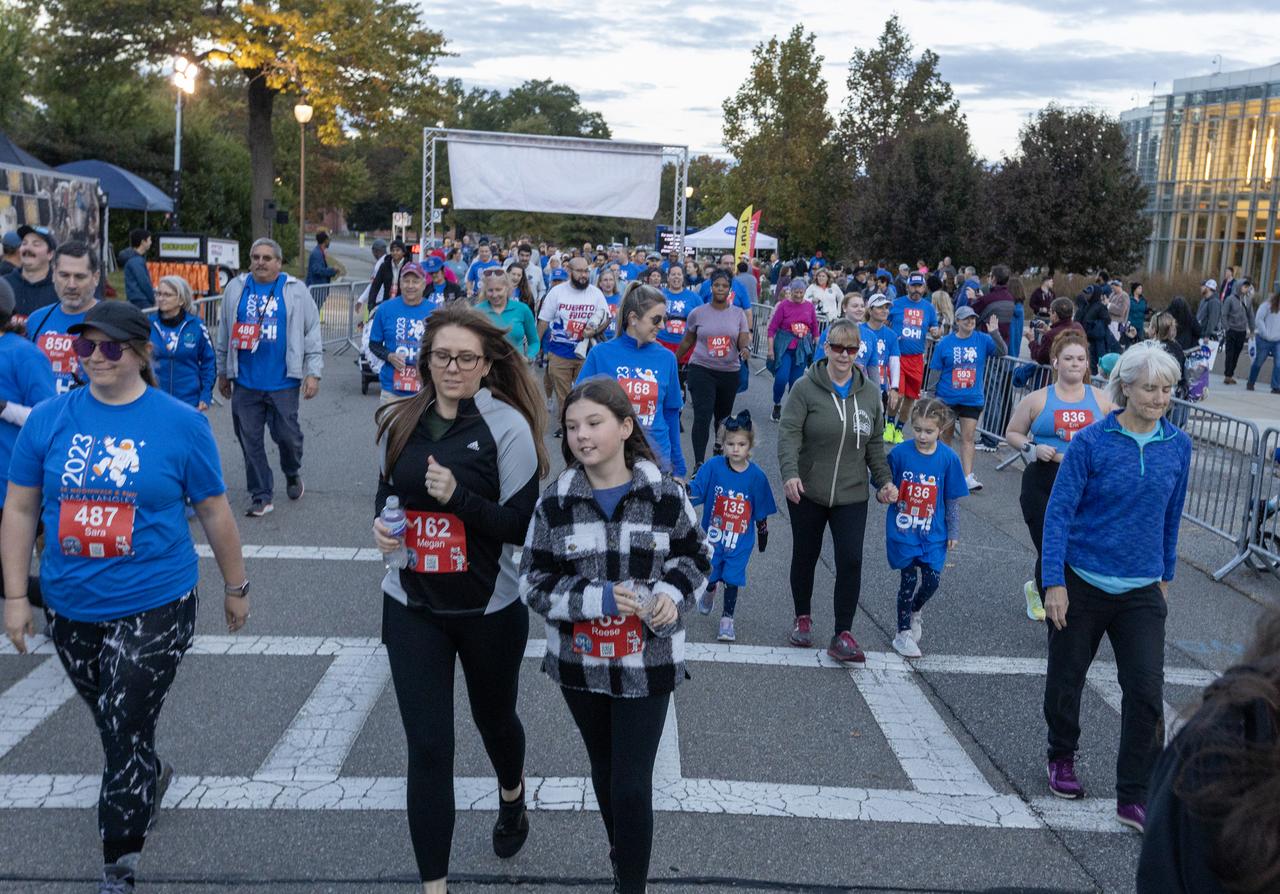
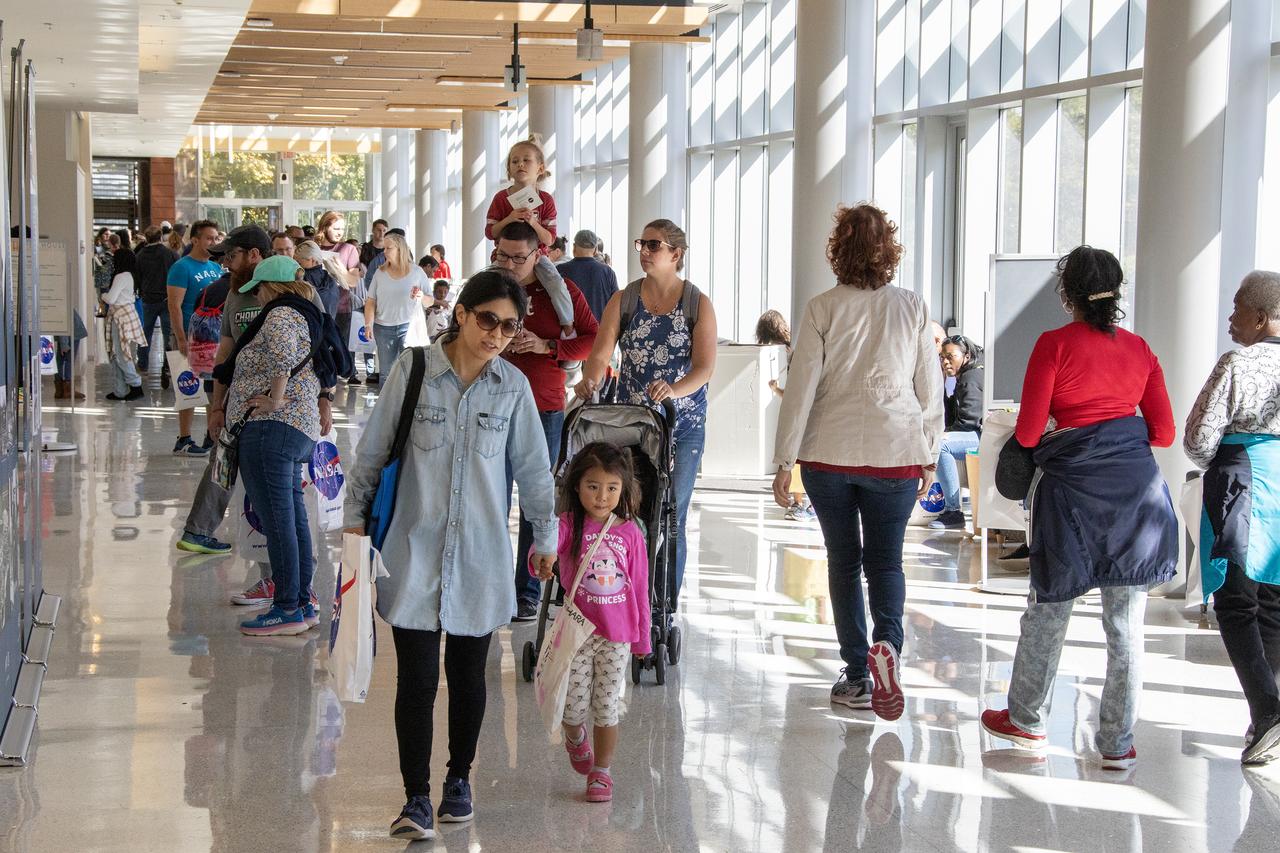
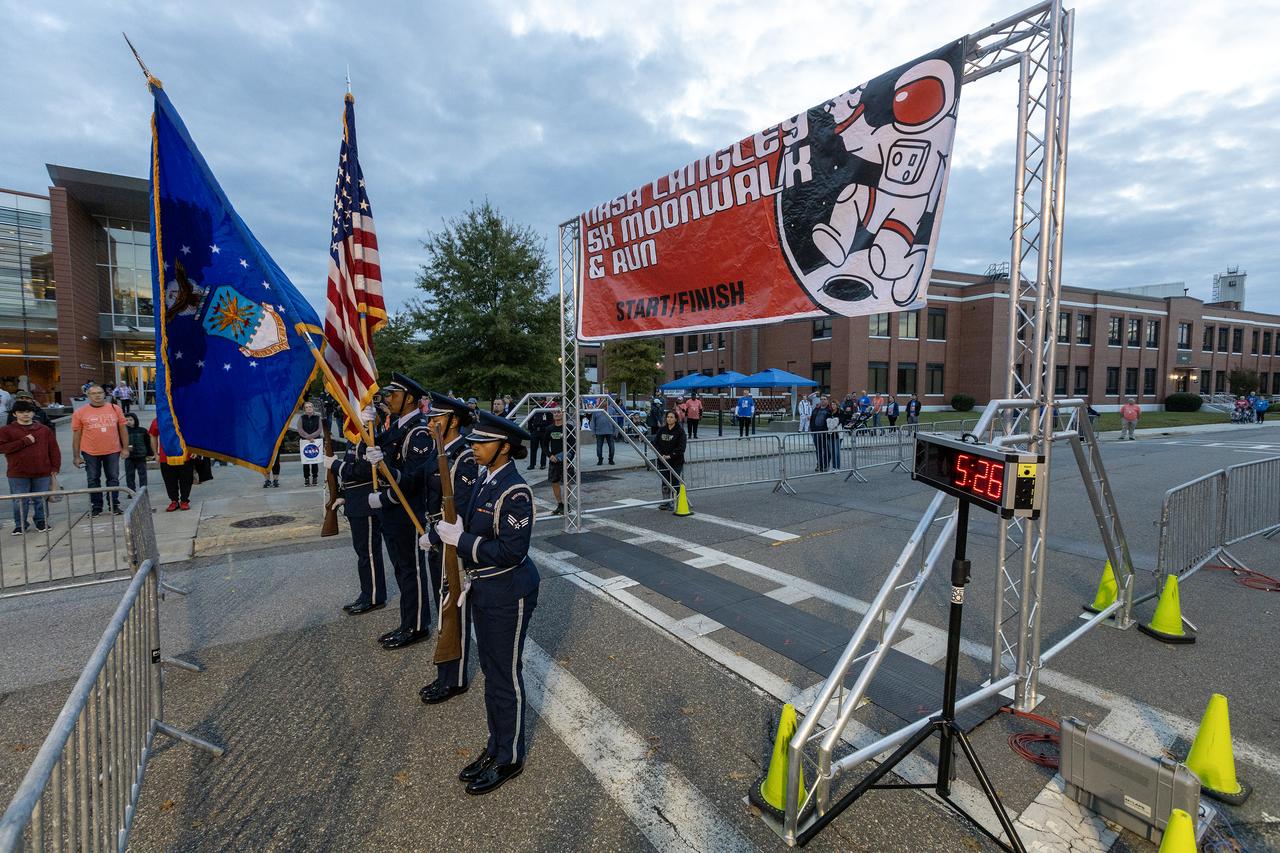
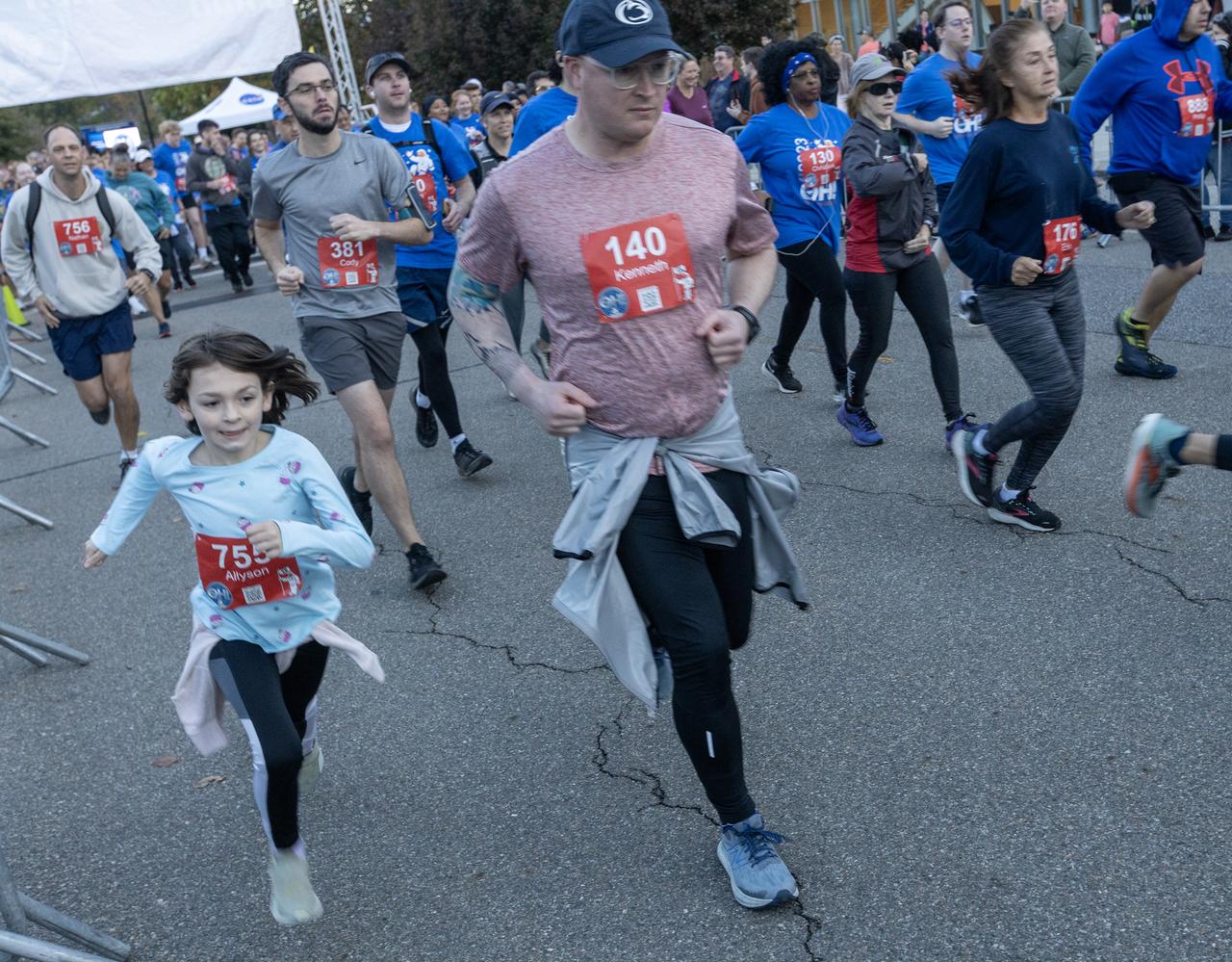
More than 37,000 people registered to attend the NASA Langley open house. Starting with the Annual 5K Moon Walk Run and the talented Nils Larson, X59 pilot and Astronaut Victor Glover reunited at Langley’s hangar and hosted by Center Director Clayton Turner.
2023 NASA Langley Open House
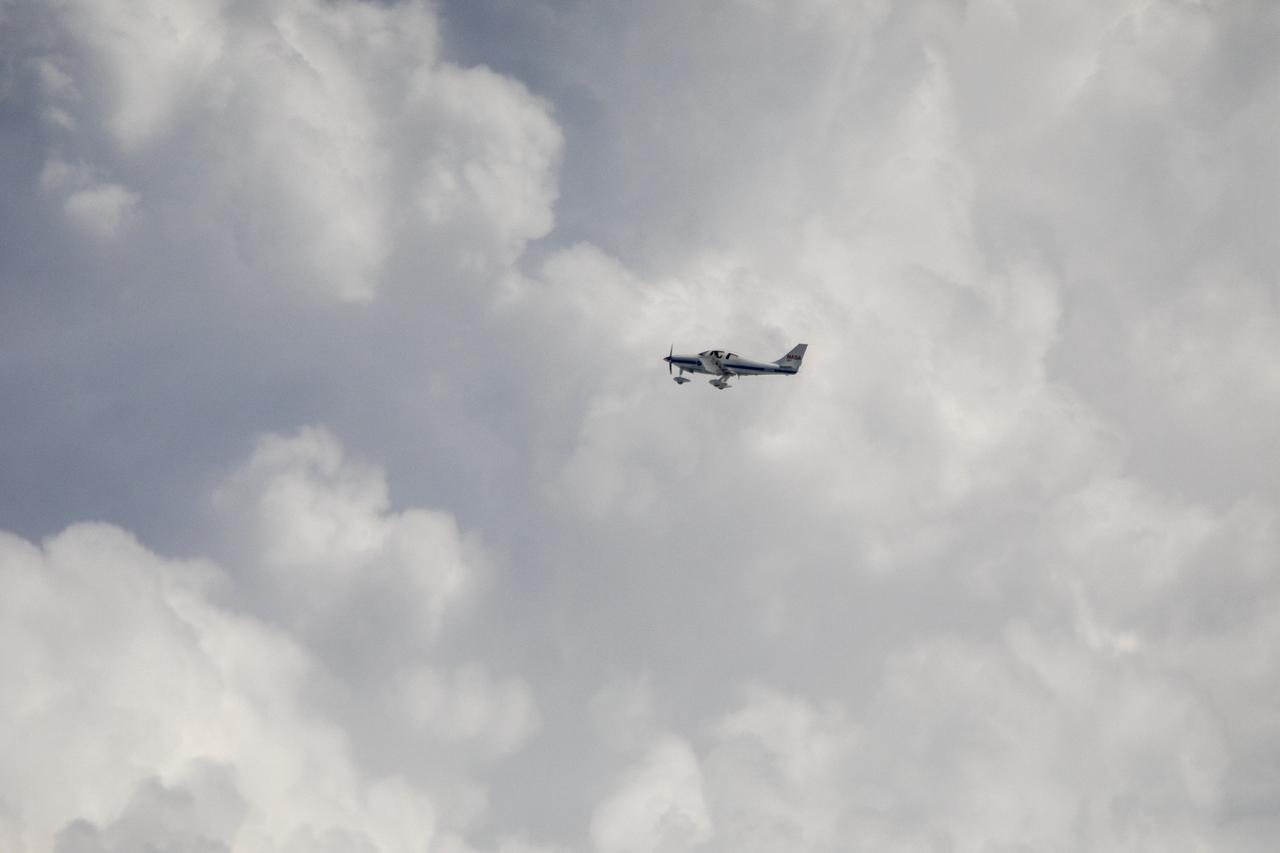
First test flight testing the visual display for the X59. The XVS display is aboard the B200 and the LC40 will be interacting as part of the test.
Testing of the External Vision System (XVS) Software on the B200 King Air
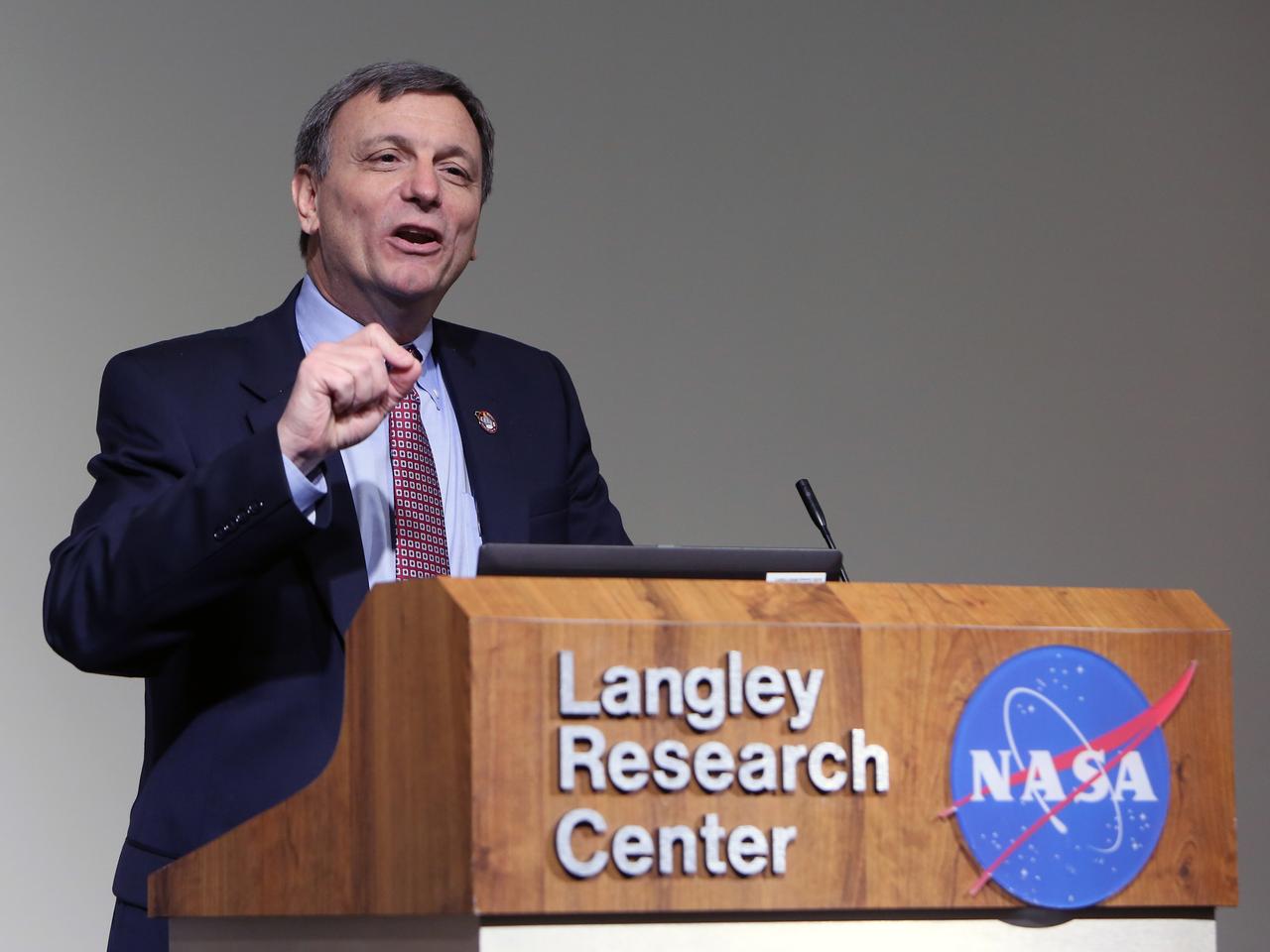
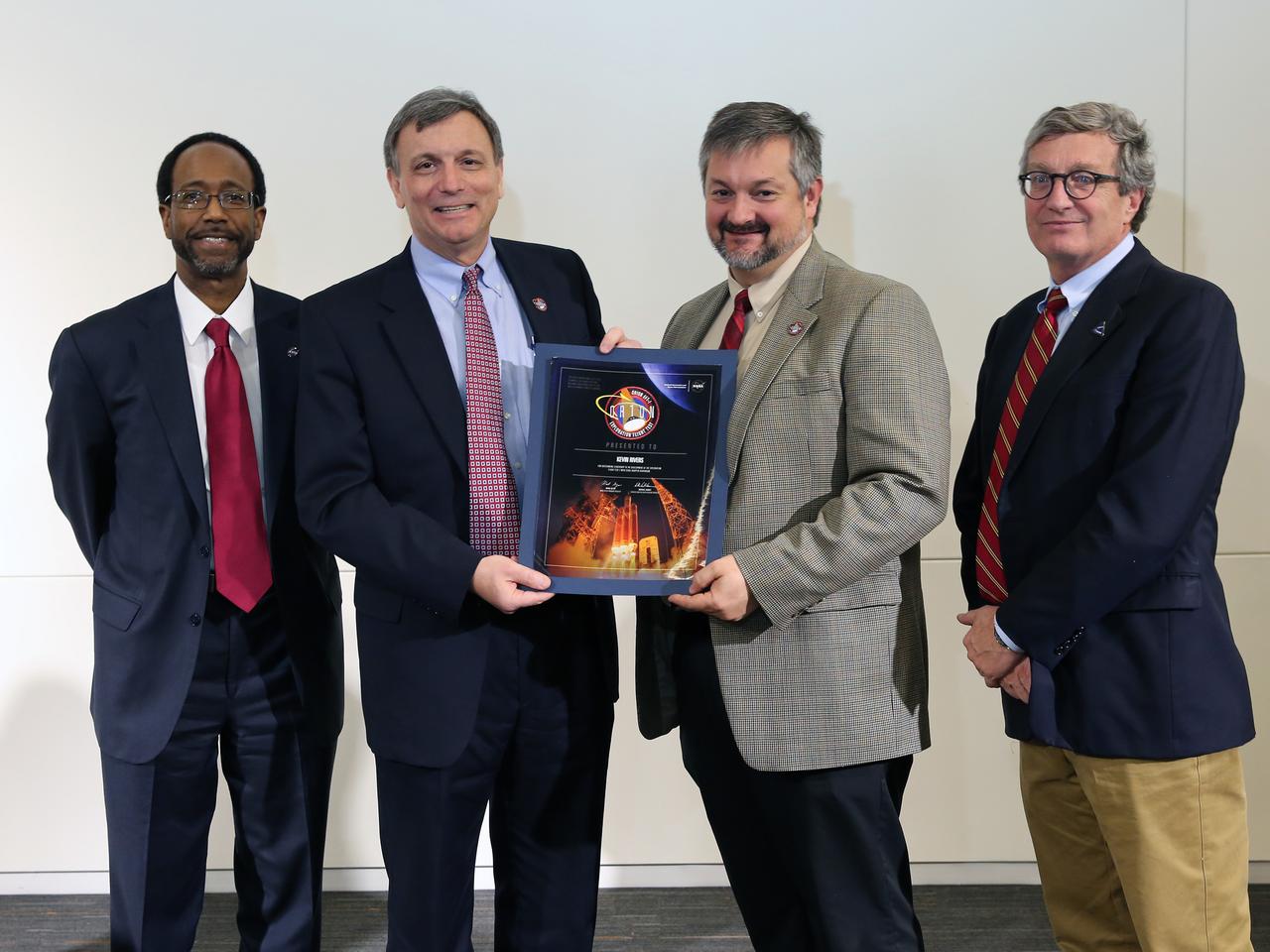
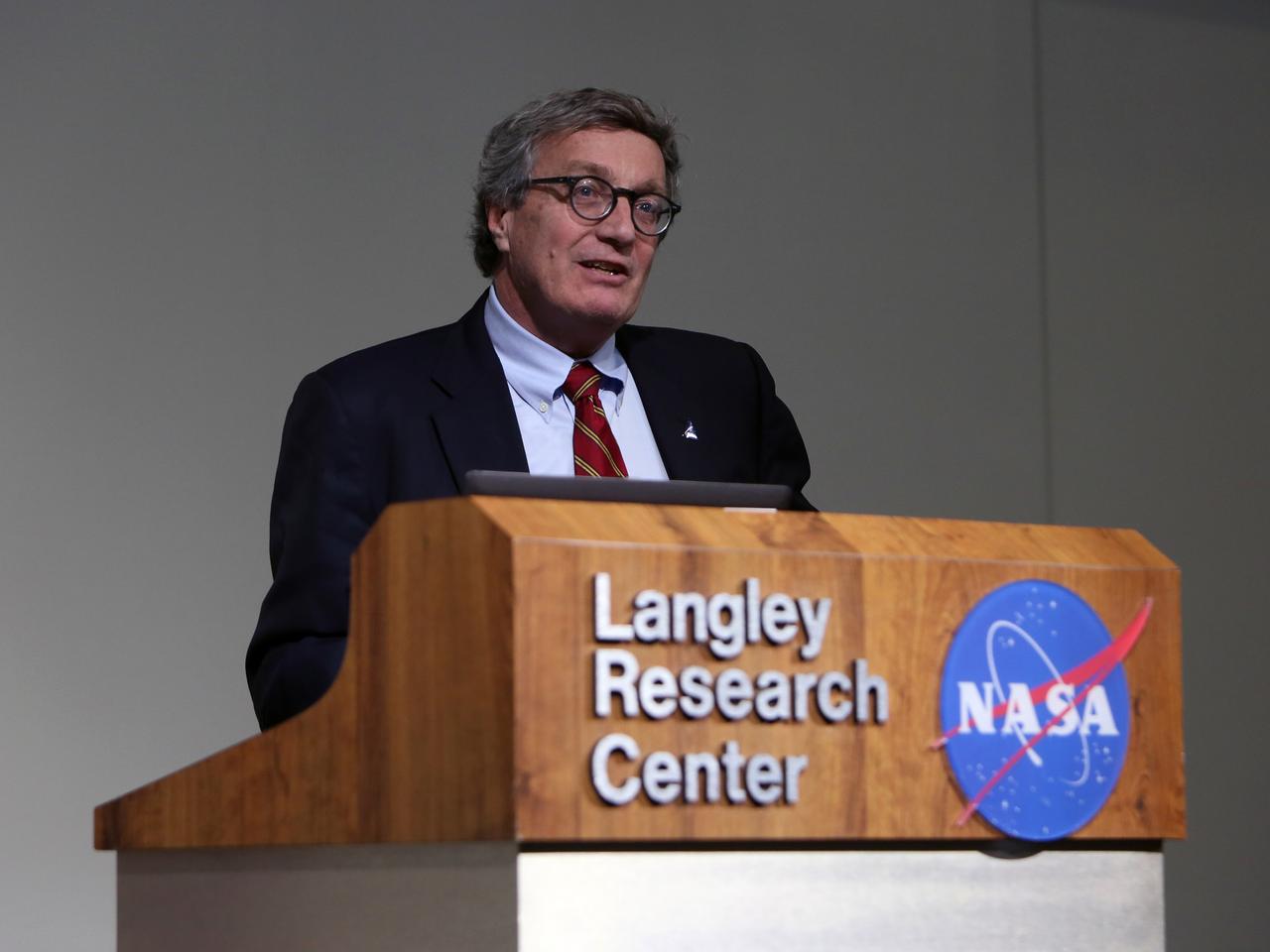
NASA and Lockheed Martin Orion leadership visit Langley Research Center in Hampton, VA on March 19, 2015 to celebrate the center's contribution to Orion's Exploration Flight Test-1 (EFT-1).  Part of Batch image transfer from Flickr.
Langley Research Center
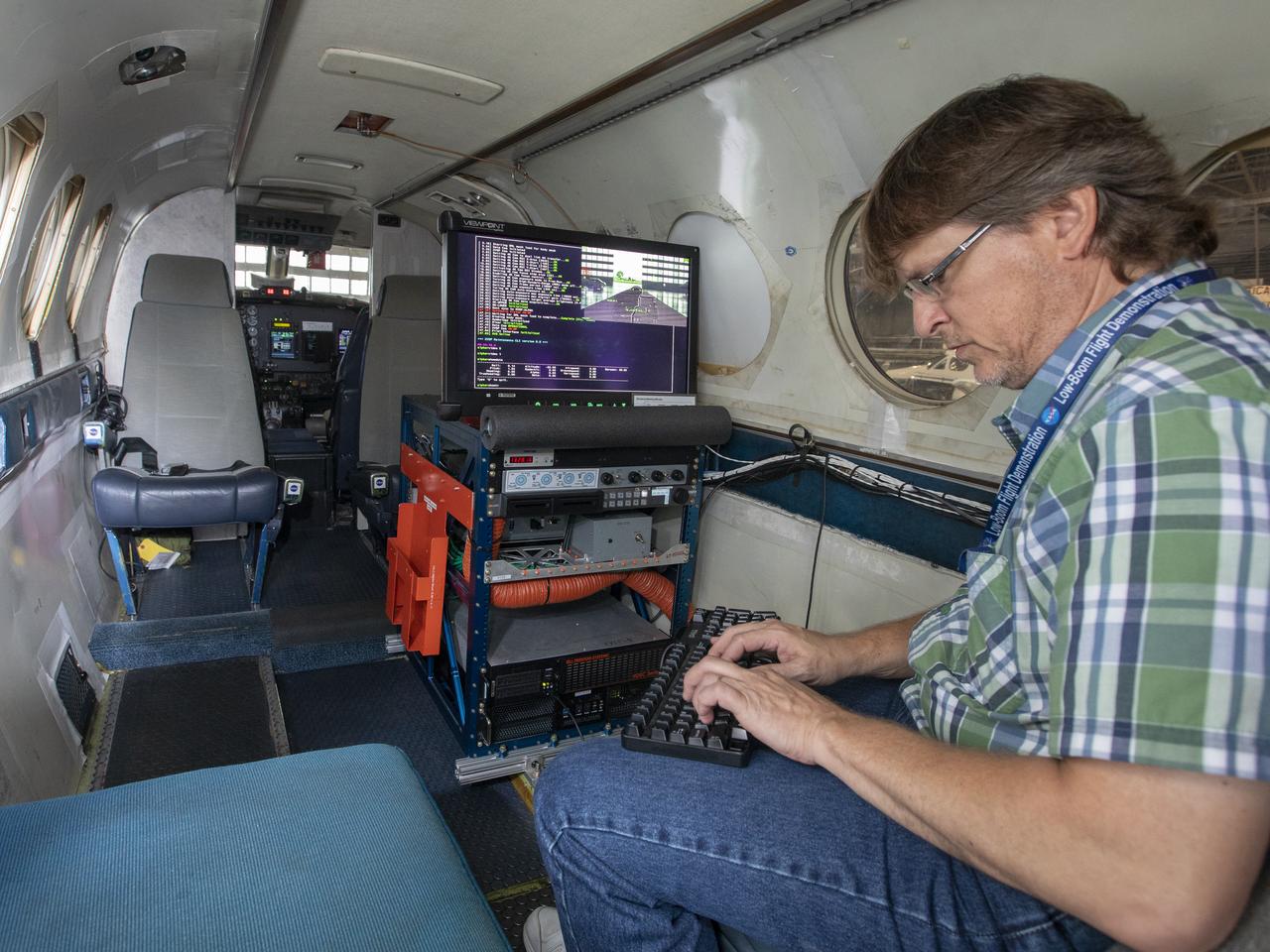
Steve Williams working on the software upgrade for the flight display for the X59.
Testing of the External Vision System (XVS) Software on the B200 King Air
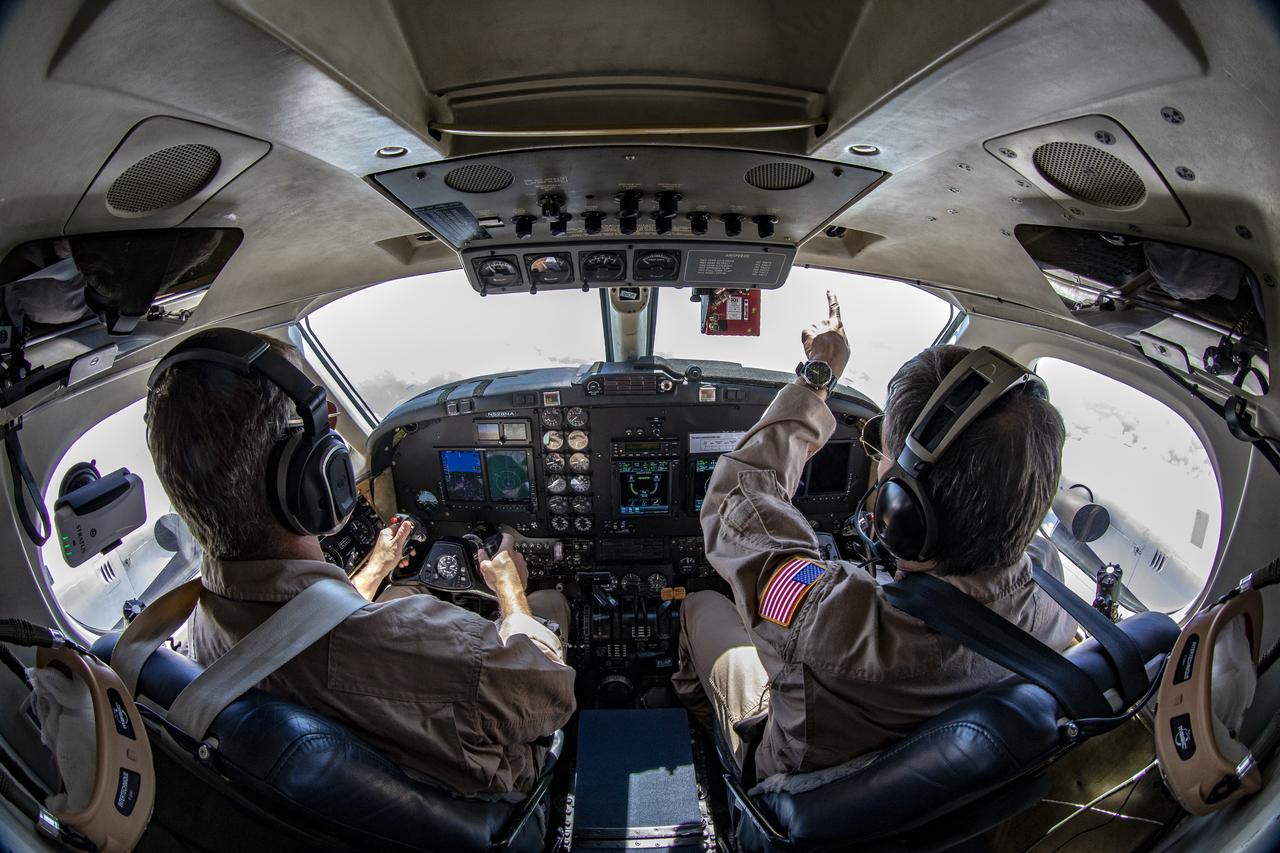
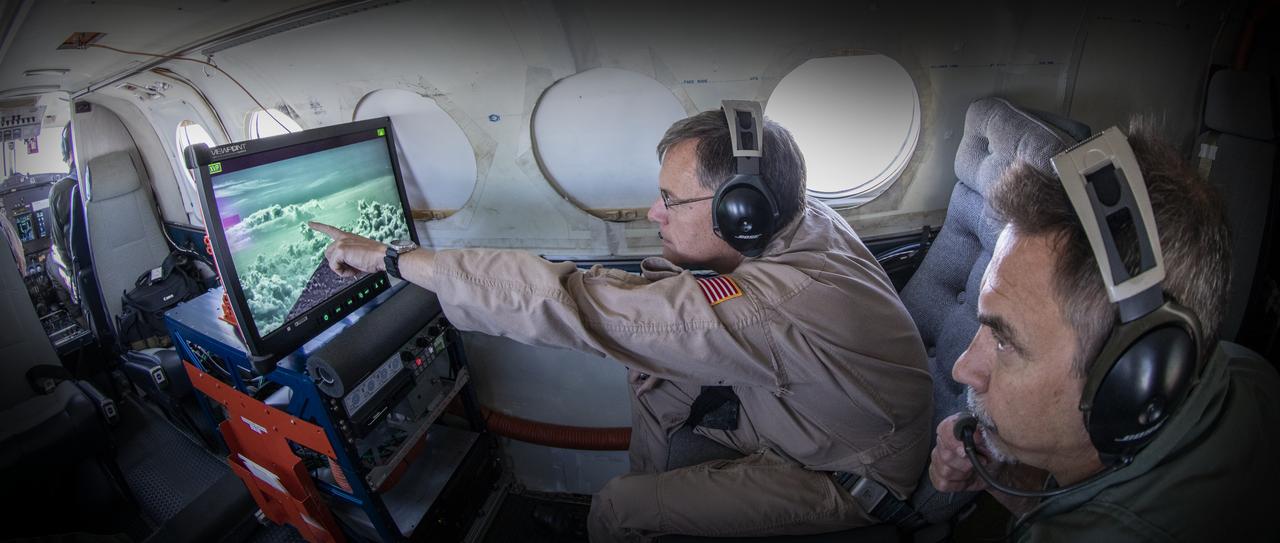
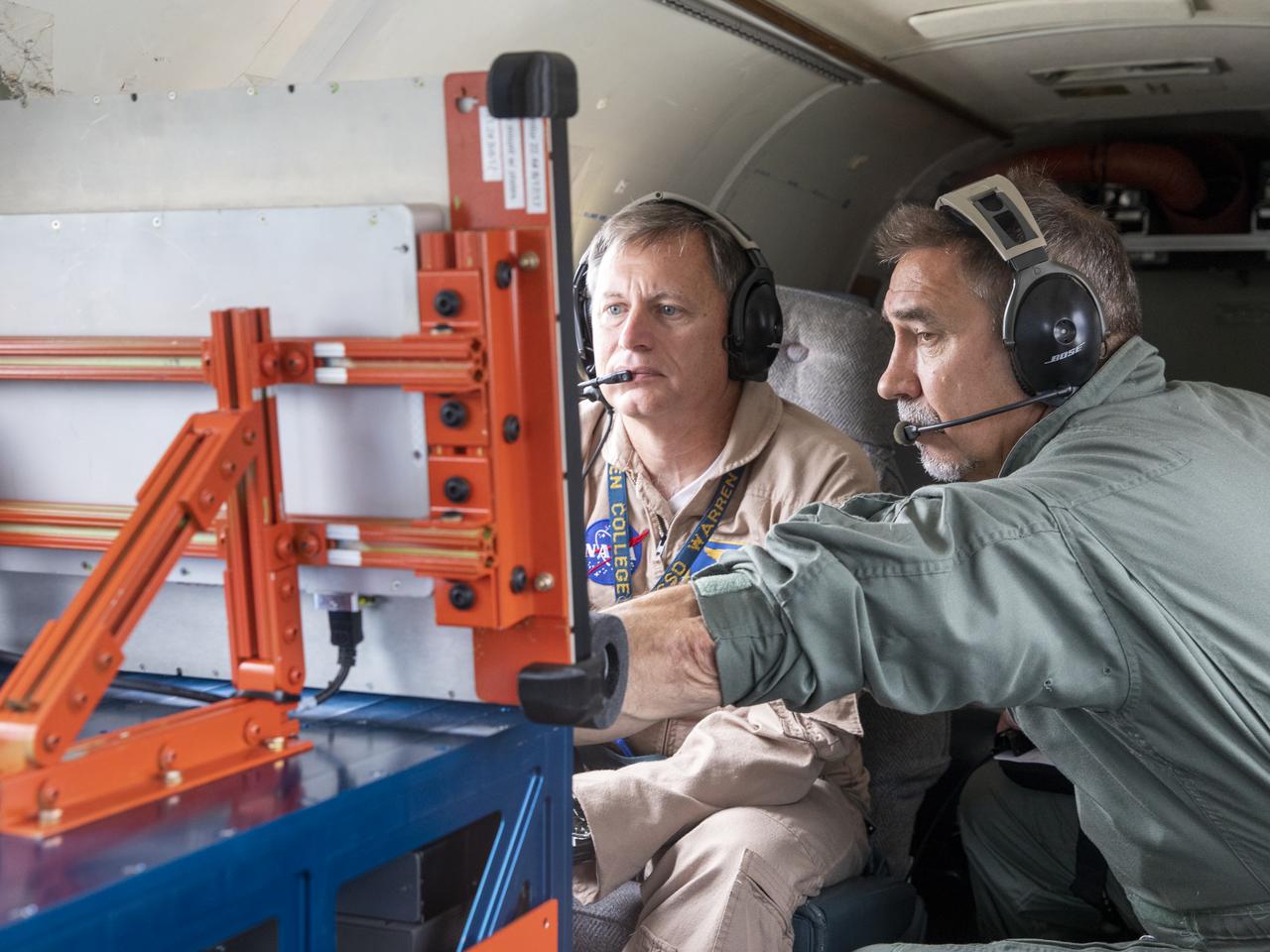
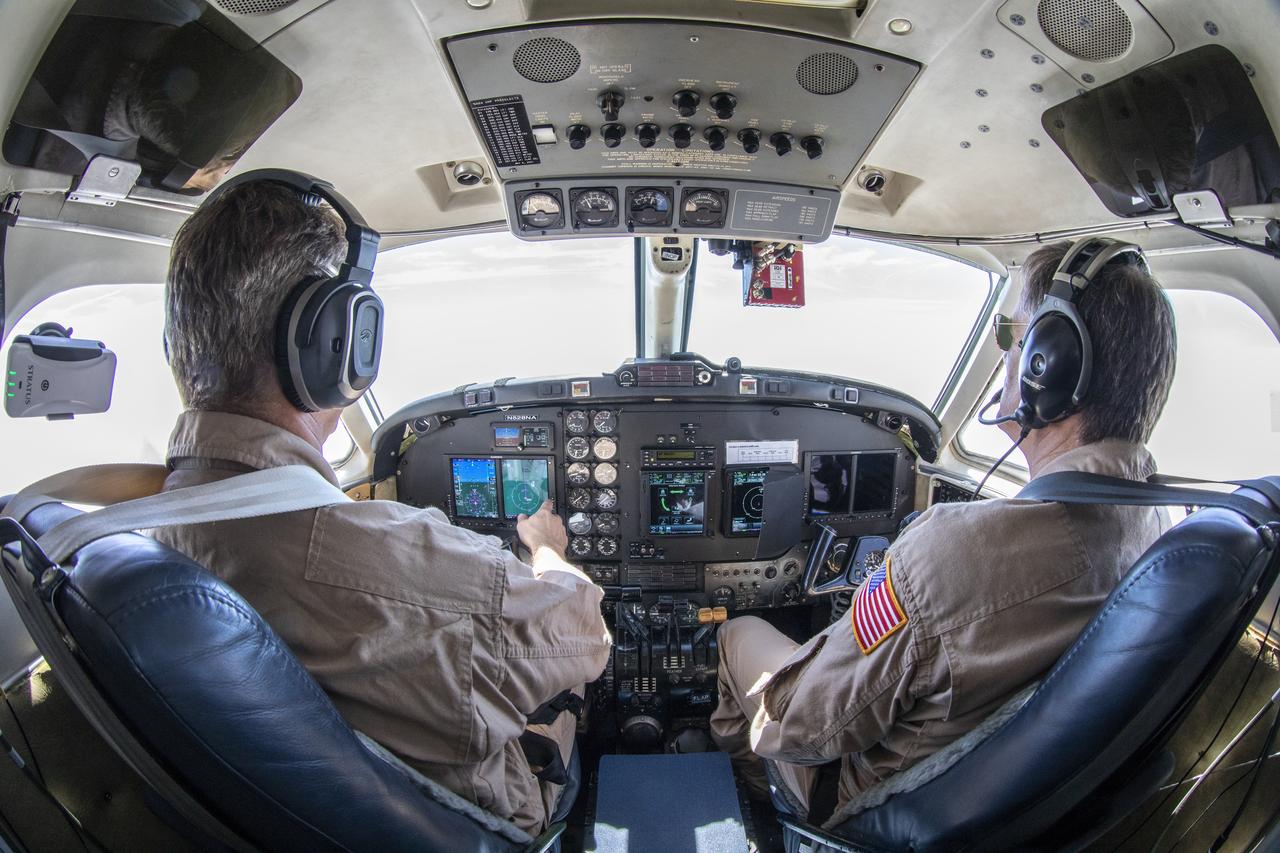
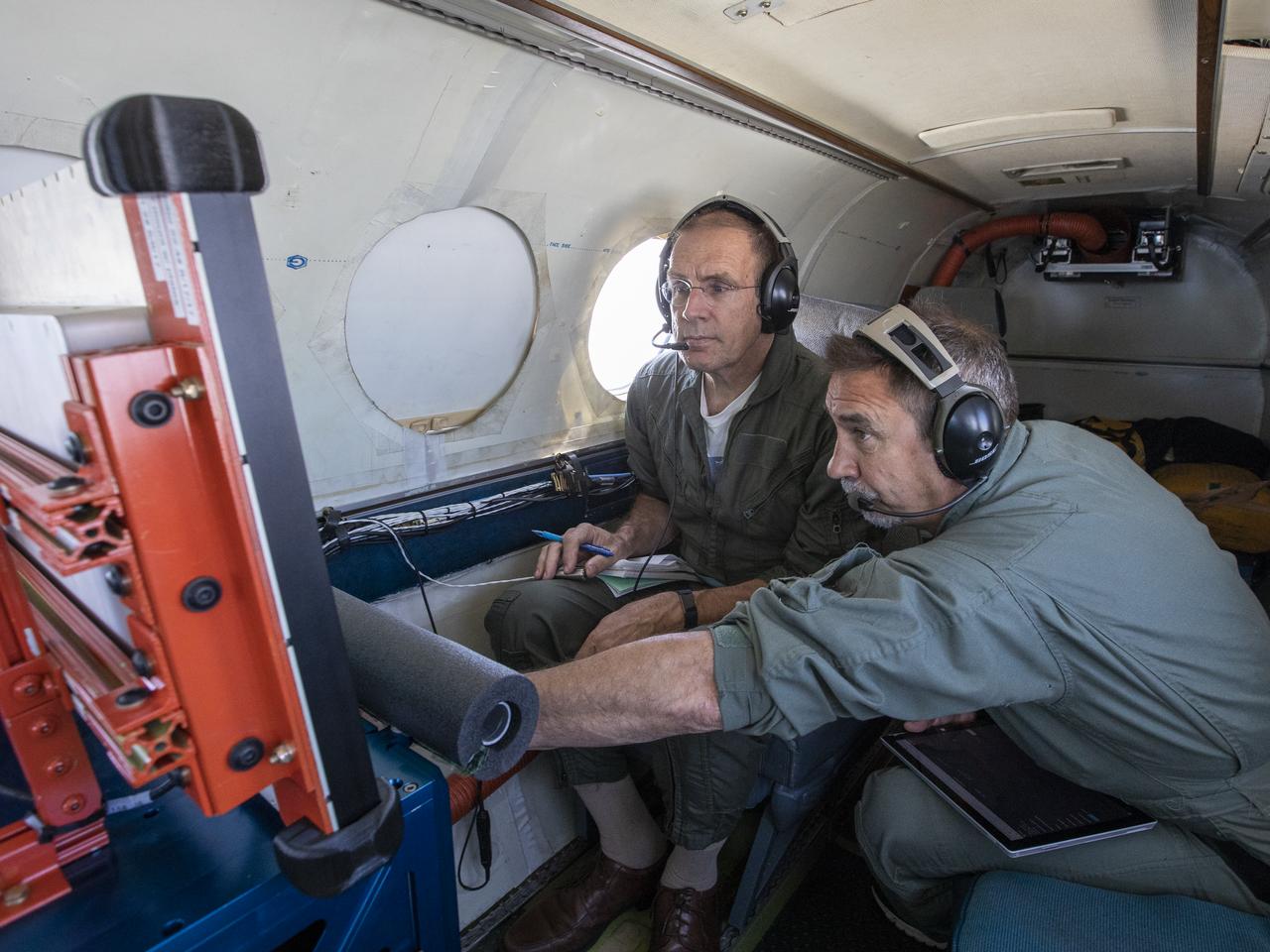
Testing the External Vision System (XVS) software on the B200 King Air. Pilots, Peter Coen and Wayne Ringelberg attempt to spot an incoming aircraft on the XVS monitor.
Testing of the External Vision System (XVS) Software on the B200 King Air
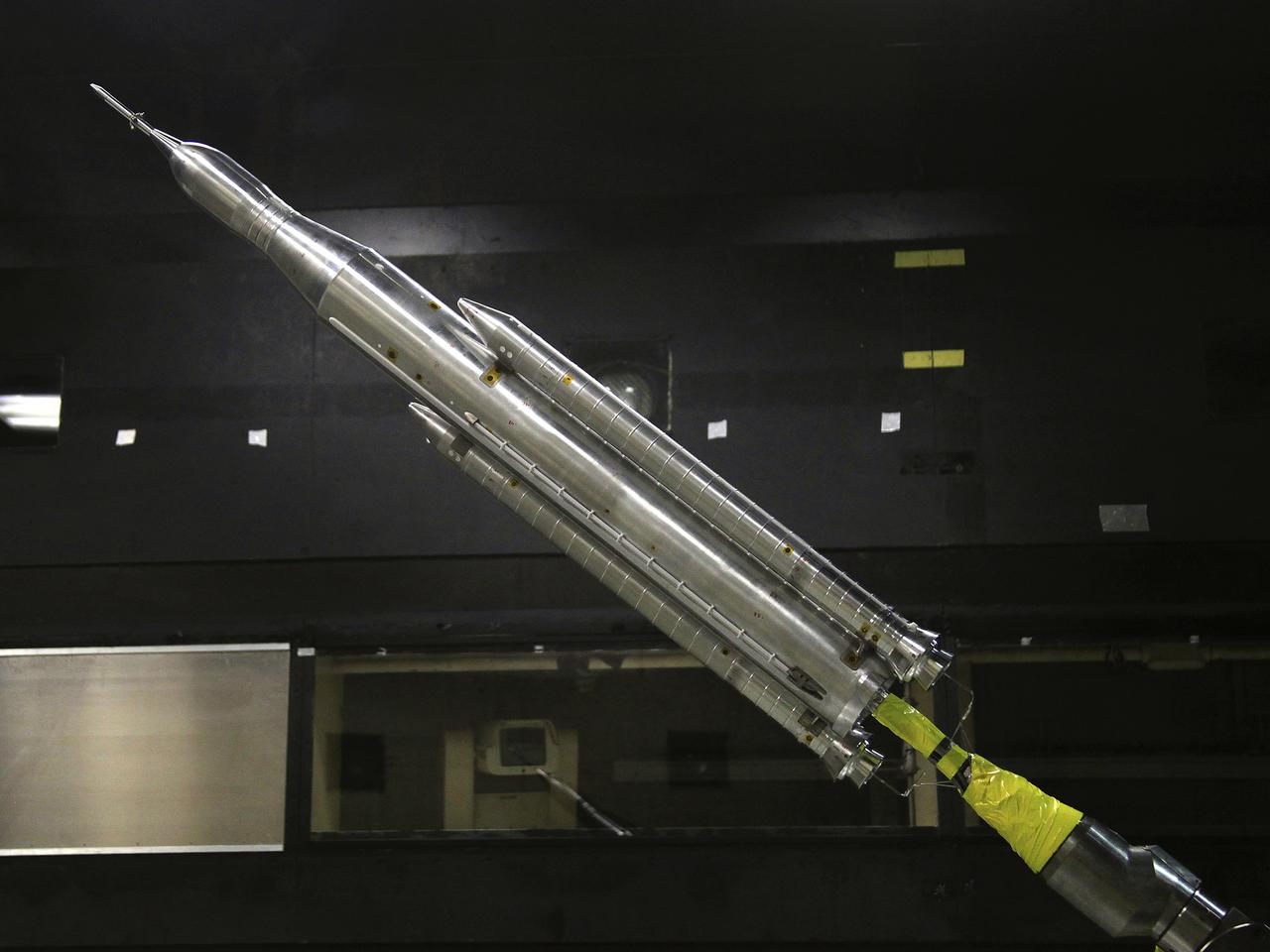
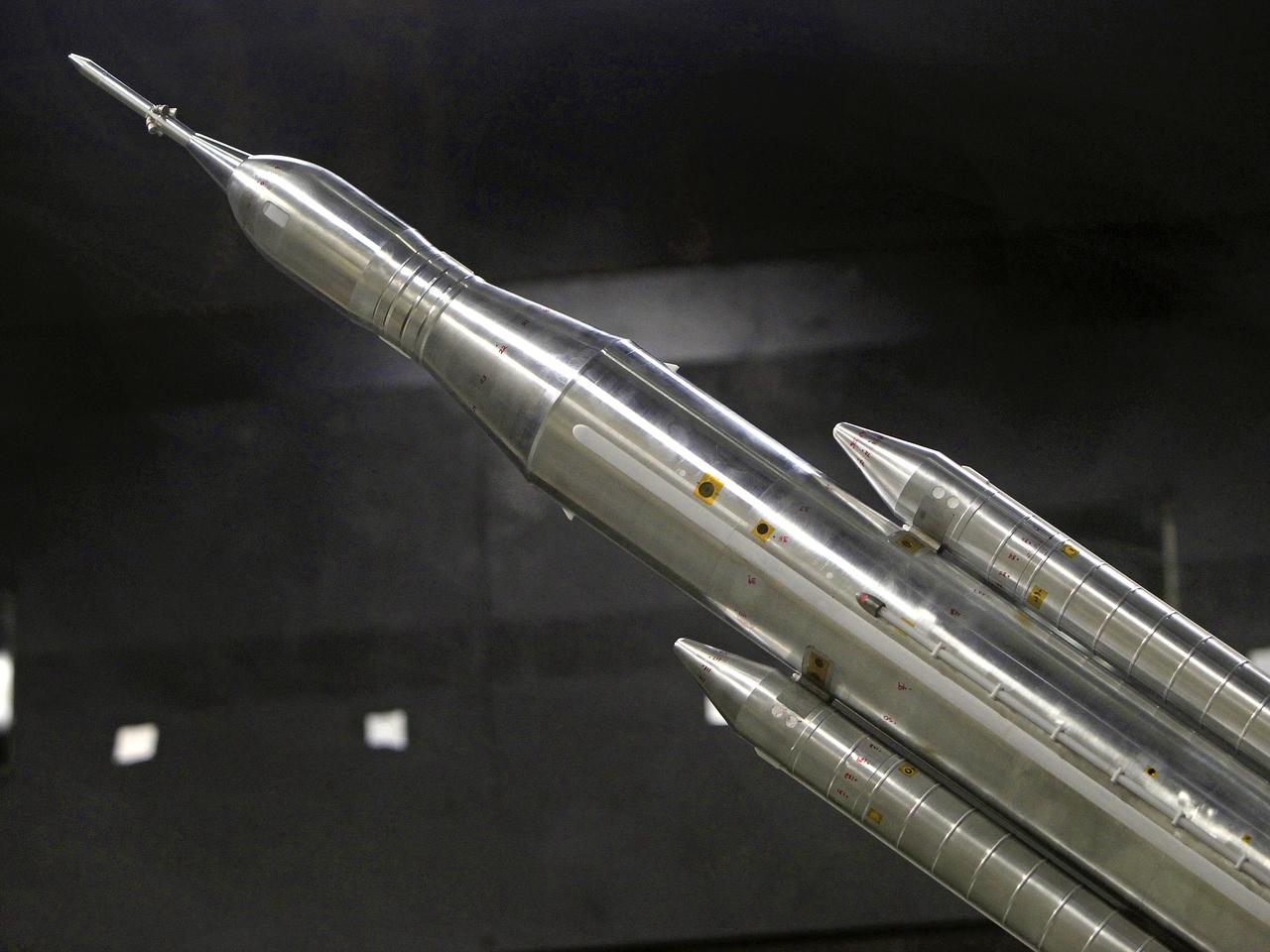
The model of the Space Launch System for the Orion Space Capsule is being prepared for windtunnel test in the 14x22 Subsonic windtunnel at NASA Langley.
Model of the Space Launch System for the Orion Space Capsule is
Testing the External Vision System (XVS) software on the B200 King Air. Pilots, Peter Coen and Wayne Ringelberg attempt to spot an incoming aircraft on the XVS monitor.
Testing of the External Vision System (XVS) Software on the B200 King Air
Testing the External Vision System (XVS) software on the B200 King Air. Pilots, Peter Coen and Wayne Ringelberg attempt to spot an incoming aircraft on the XVS monitor.
Testing of the External Vision System (XVS) Software on the B200 King Air
Testing the External Vision System (XVS) software on the B200 King Air. Pilots, Peter Coen and Wayne Ringelberg attempt to spot an incoming aircraft on the XVS monitor.
Testing of the External Vision System (XVS) Software on the B200 King Air
Testing the External Vision System (XVS) software on the B200 King Air. Pilots, Peter Coen and Wayne Ringelberg attempt to spot an incoming aircraft on the XVS monitor.
Testing of the External Vision System (XVS) Software on the B200 King Air
The model of the Space Launch System for the Orion Space Capsule is being prepared for windtunnel test in the 14x22 Subsonic windtunnel at NASA Langley.
Model of the Space Launch System for the Orion Space Capsule is
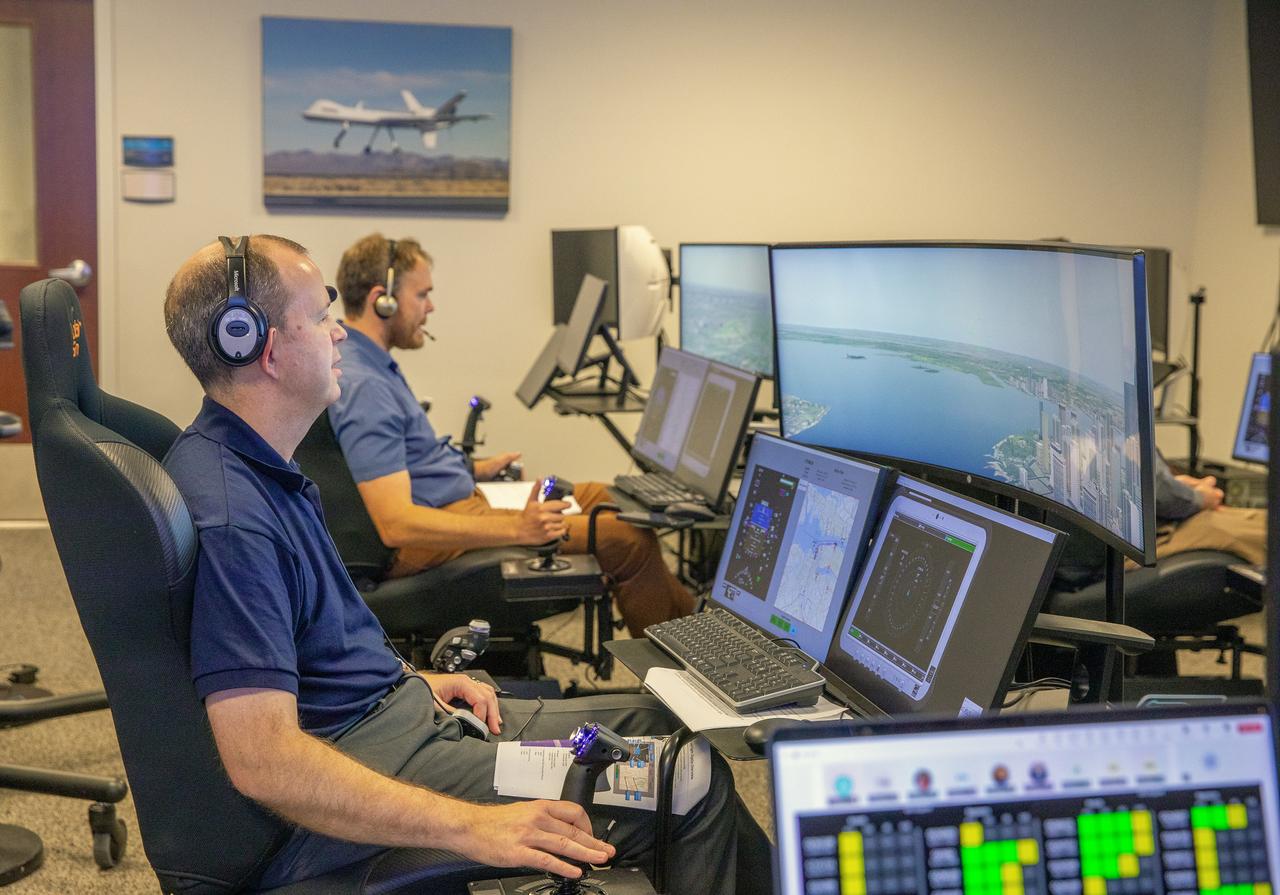
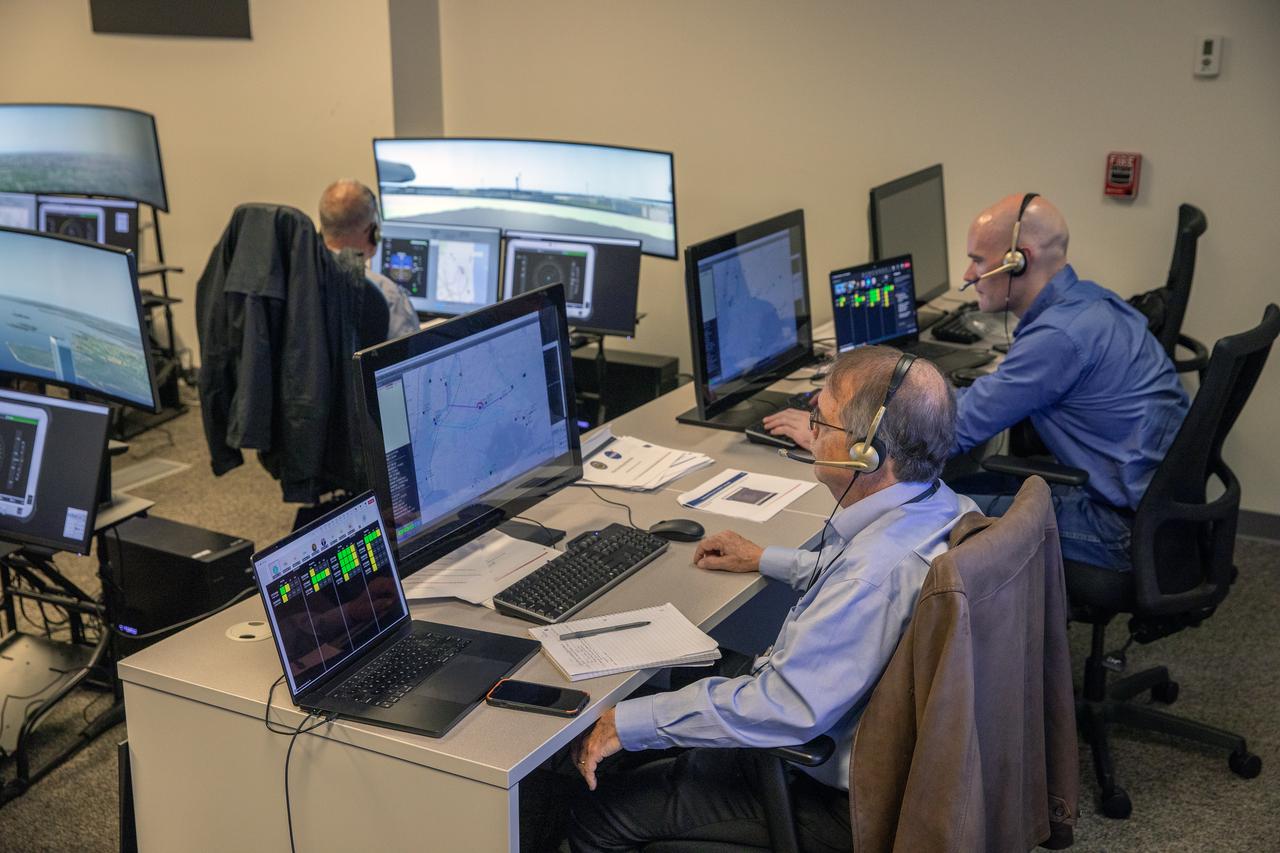
Focus on active photos –Class B Simulation Evaluation in the ATOL Lab at Langley (Also at FAA Tech Center) where team is working with one another in the lab, reviewing data on the monitors. Working the software, adjusting the software systems. Going over the shoulder to show the displays and screens as the software is running.   John Foster (left) in the role of an air taxi pilot in the simulator chair with Jim Chamberlain and Terence McClain at the flight manager stations running virtual air taxi integration simulations focusing on urban air space at NASA’s Langley Research Center in Hampton, Virginia on Sept. 25, 2024.
Researchers tracking air taxi flights simulations using NASA developed mission operations software
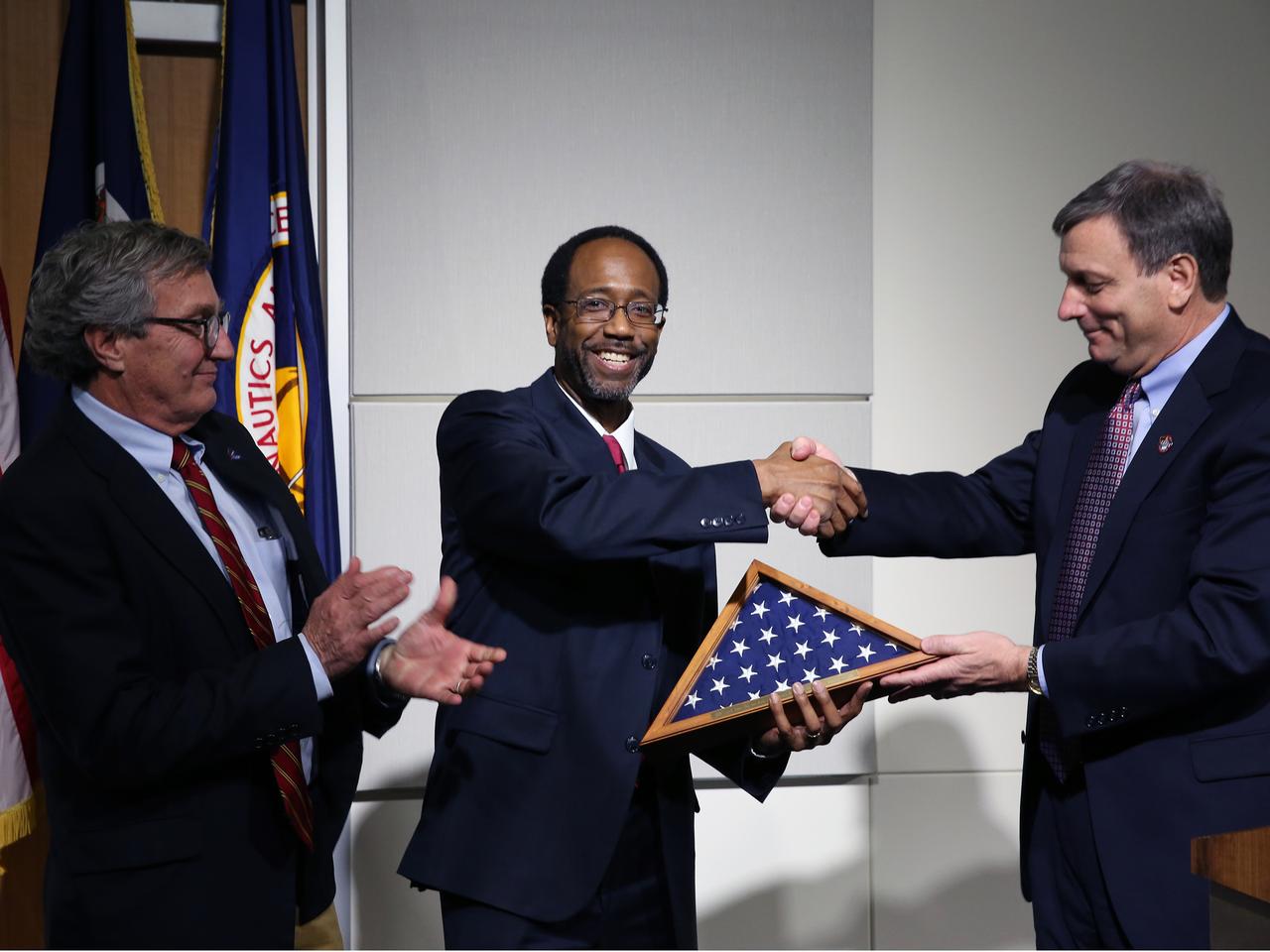
NASA and Lockheed Martin Orion leadership visit Langley Research Center in Hampton, VA on March 19, 2015 to celebrate the center's contribution to Orion's Exploration Flight Test-1 (EFT-1). Award presented to Mike Rodriguez. Part of Batch image transfer from Flickr.
Langley Research Center
Debriefing before the first test flight testing the visual display for the X59. The XVS display is aboard the B200.
Testing of the External Vision System (XVS) Software on the B200 King Air
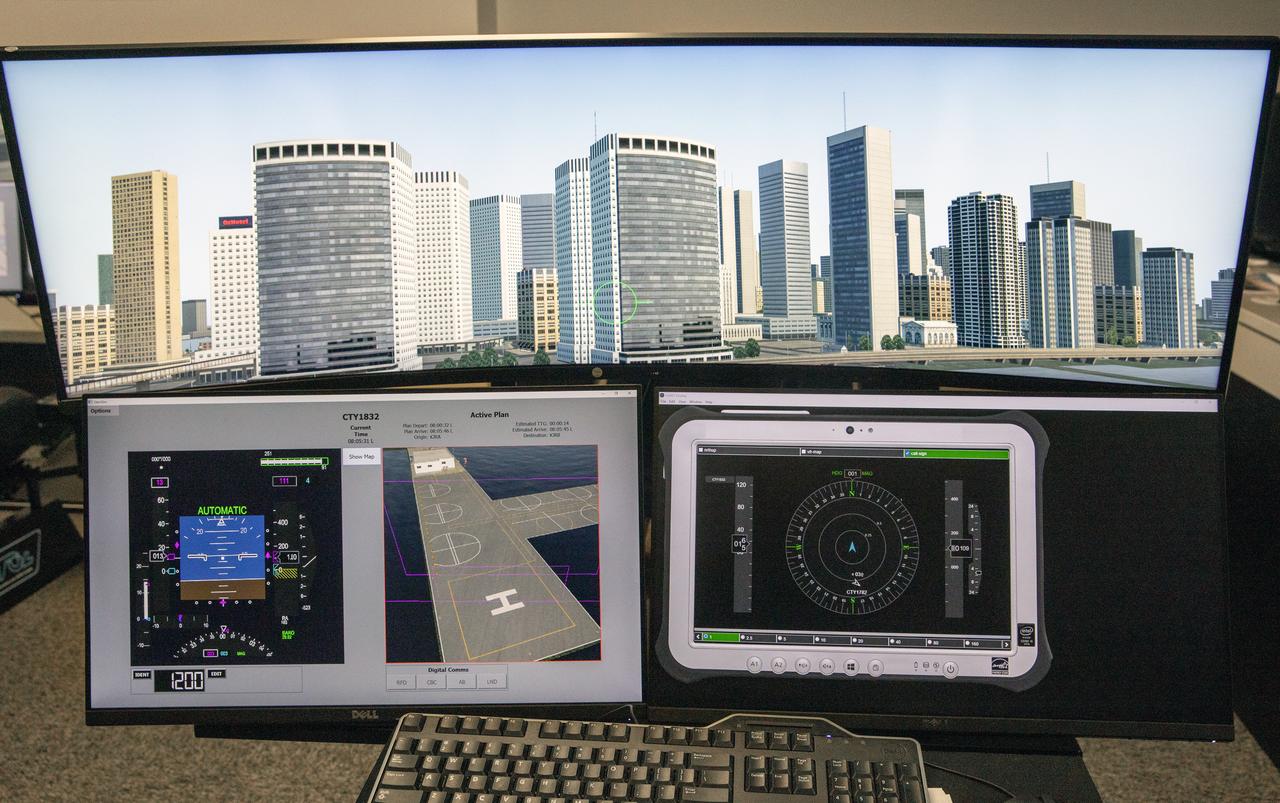
Focus on active photos –Class B Simulation Evaluation in the ATOL Lab at Langley (Also at FAA Tech Center) where team is working with one another in the lab, reviewing data on the monitors. Working the software, adjusting the software systems. Going over the shoulder to show the displays and screens as the software is running.   A pilot’s point of view from the controls of the air taxi simulator. An out-the-window simulation appears on the top screen, the primary flight display on the lower left, the virtual moving map in the middle, and the detect and avoid display on the lower right at NASA’s Langley Research Center in Hampton, Virginia on Sept. 25, 2024.
Air taxi urban air space simulation control screens from the pilot perspective
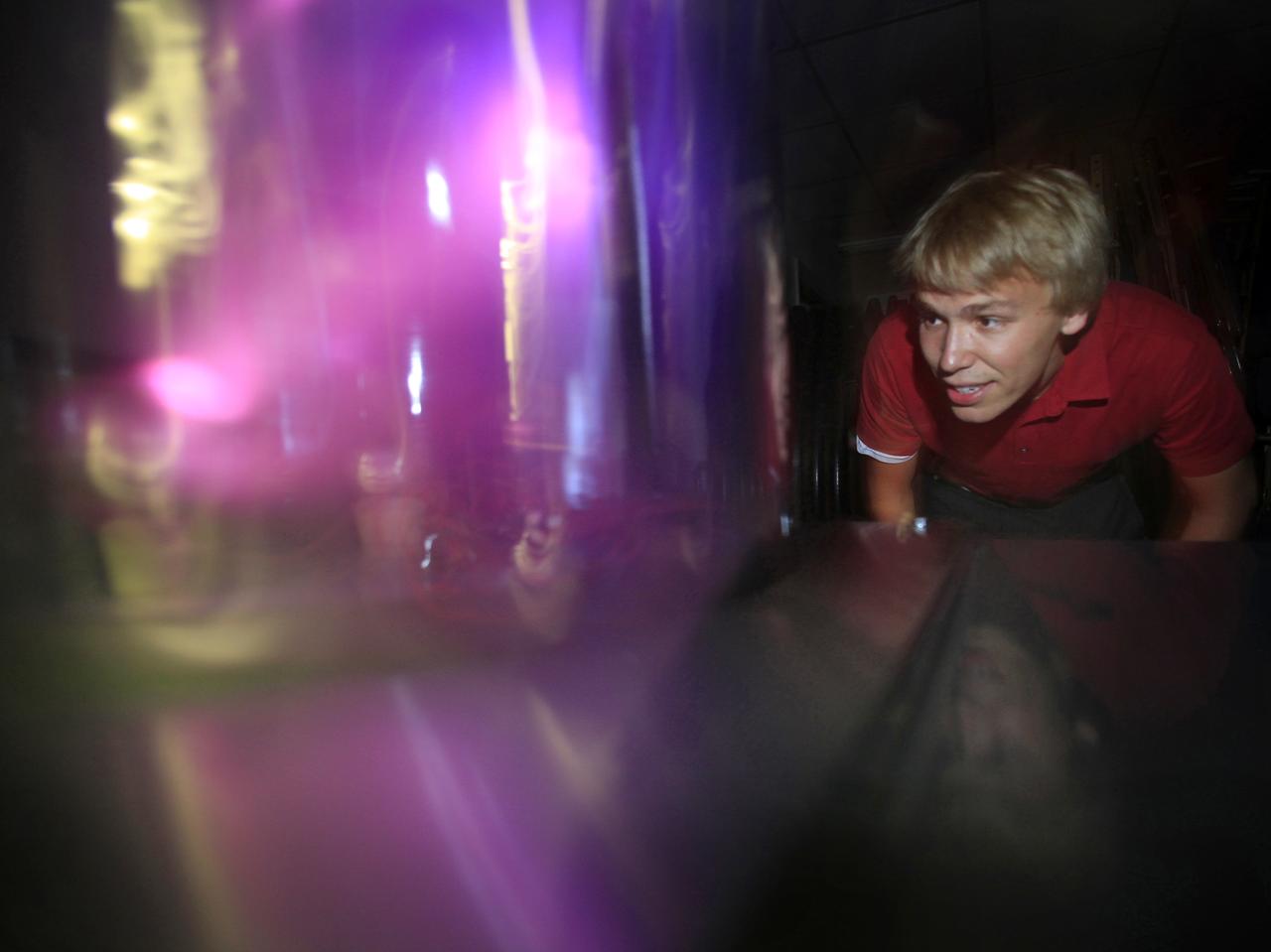
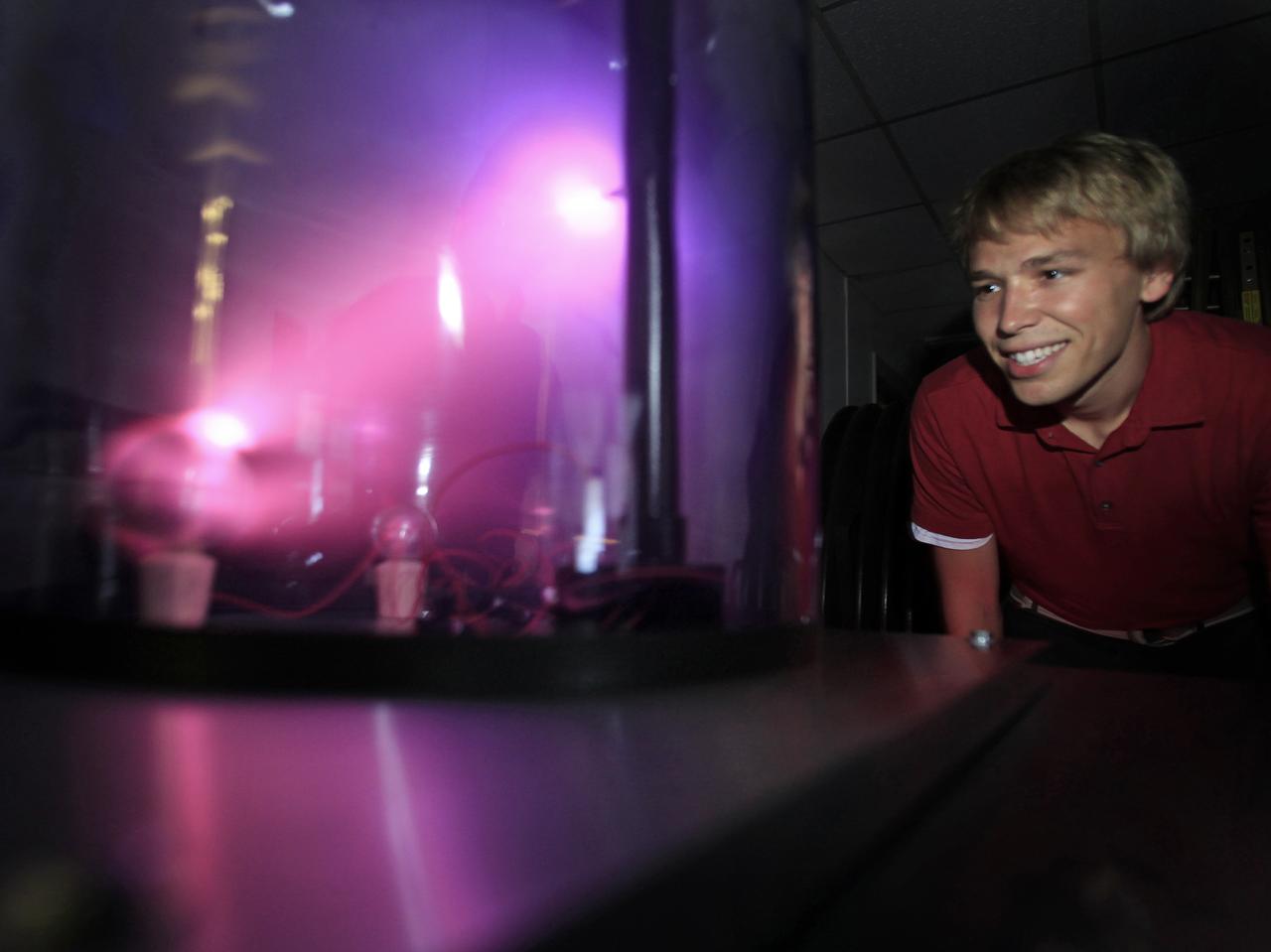
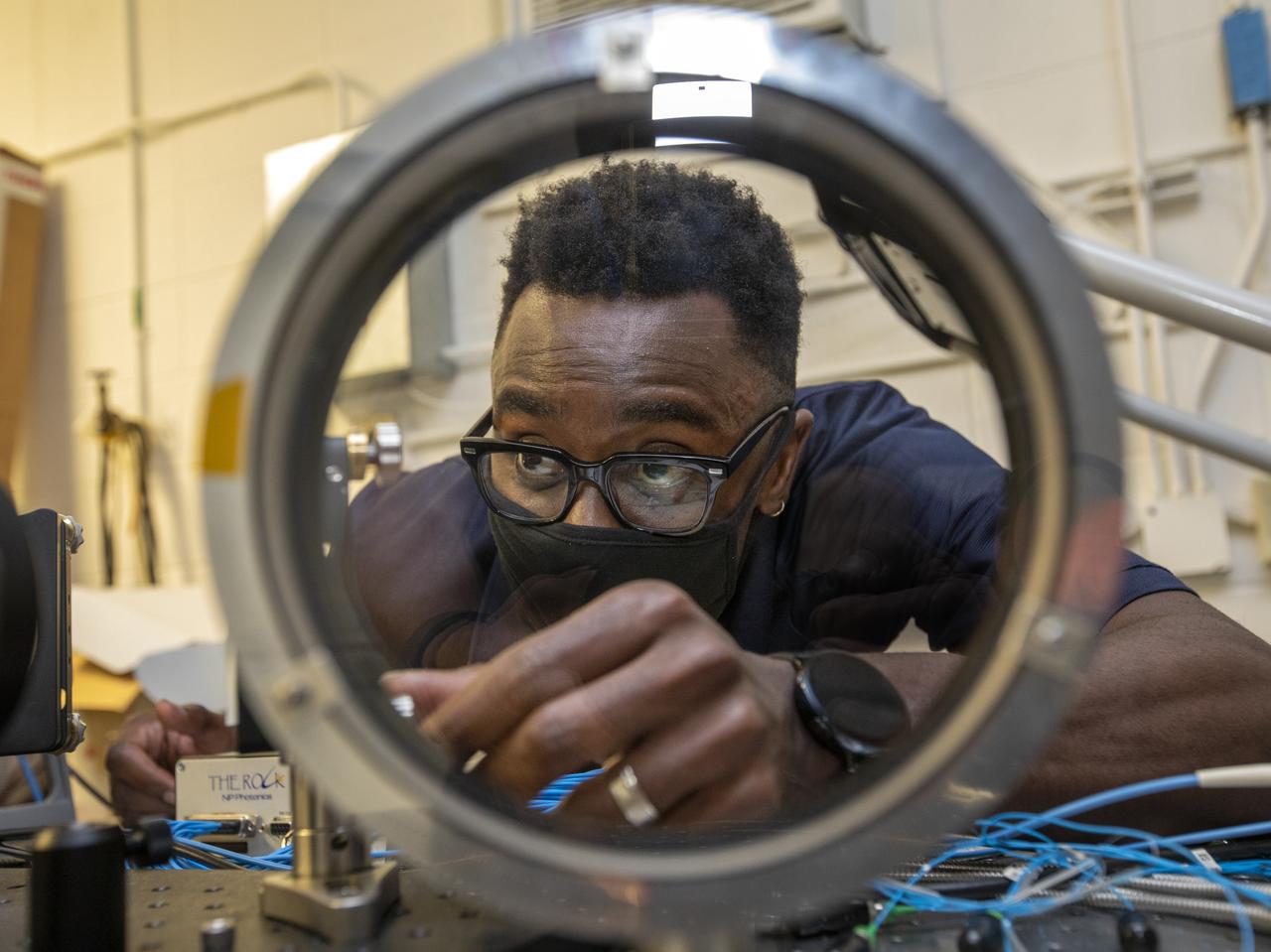
Framed through directional optics glass, Stanley Ikpe is latest of new engineers coming to work at NASA Langley.
New Engineer at NASA Langley, Stanley Ikpe
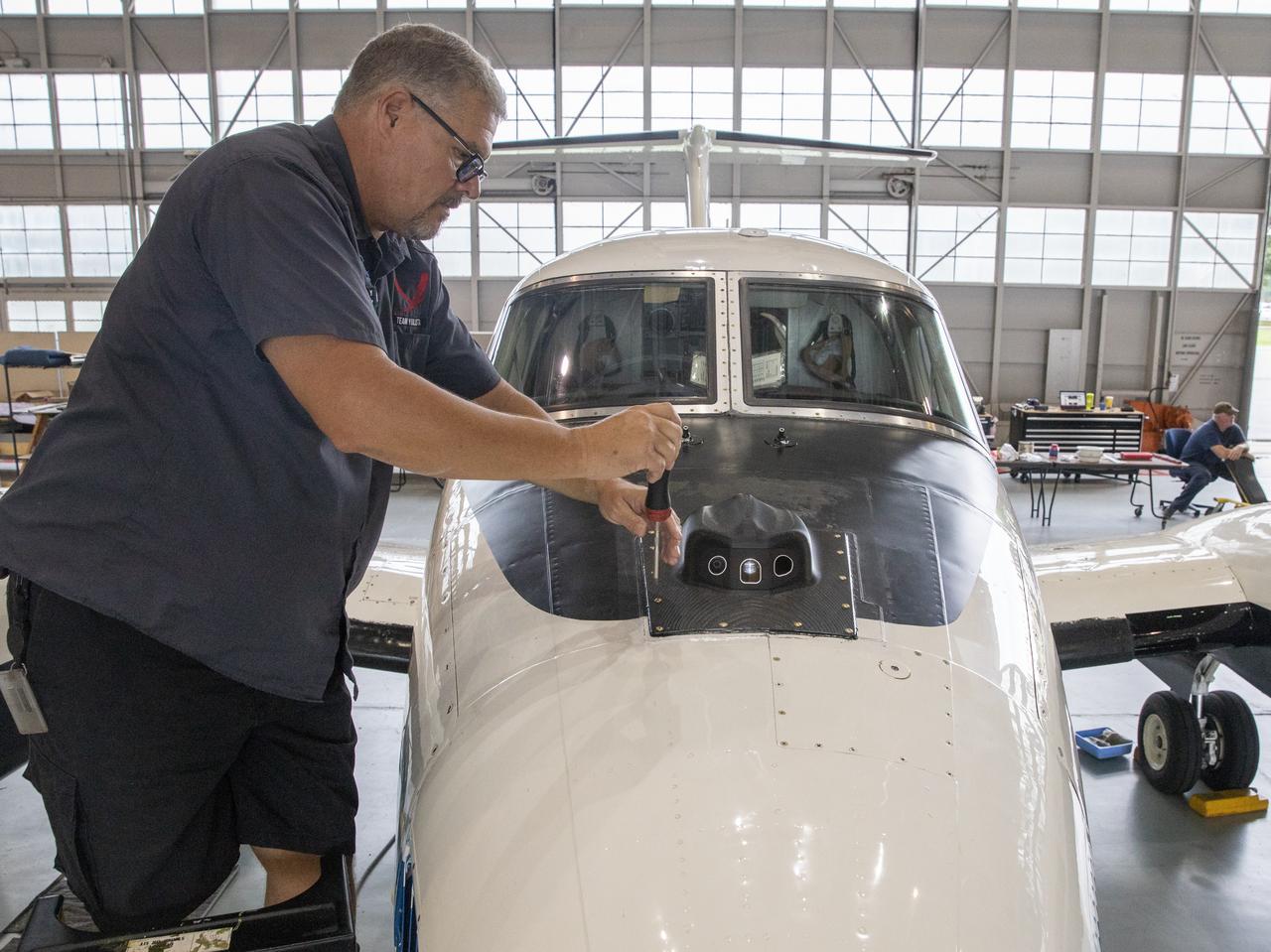
Nose camera for the X59 is being prepared for testing on the B200 King Air.
Testing of the External Vision System (XVS) Software on the B200 King Air
More than 37,000 people registered to attend the NASA Langley open house. Starting with the Annual 5K Moon Walk Run and the talented Nils Larson, X59 pilot and Astronaut Victor Glover reunited at Langley’s hangar and hosted by Center Director Clayton Turner.
2023 NASA Langley Open House
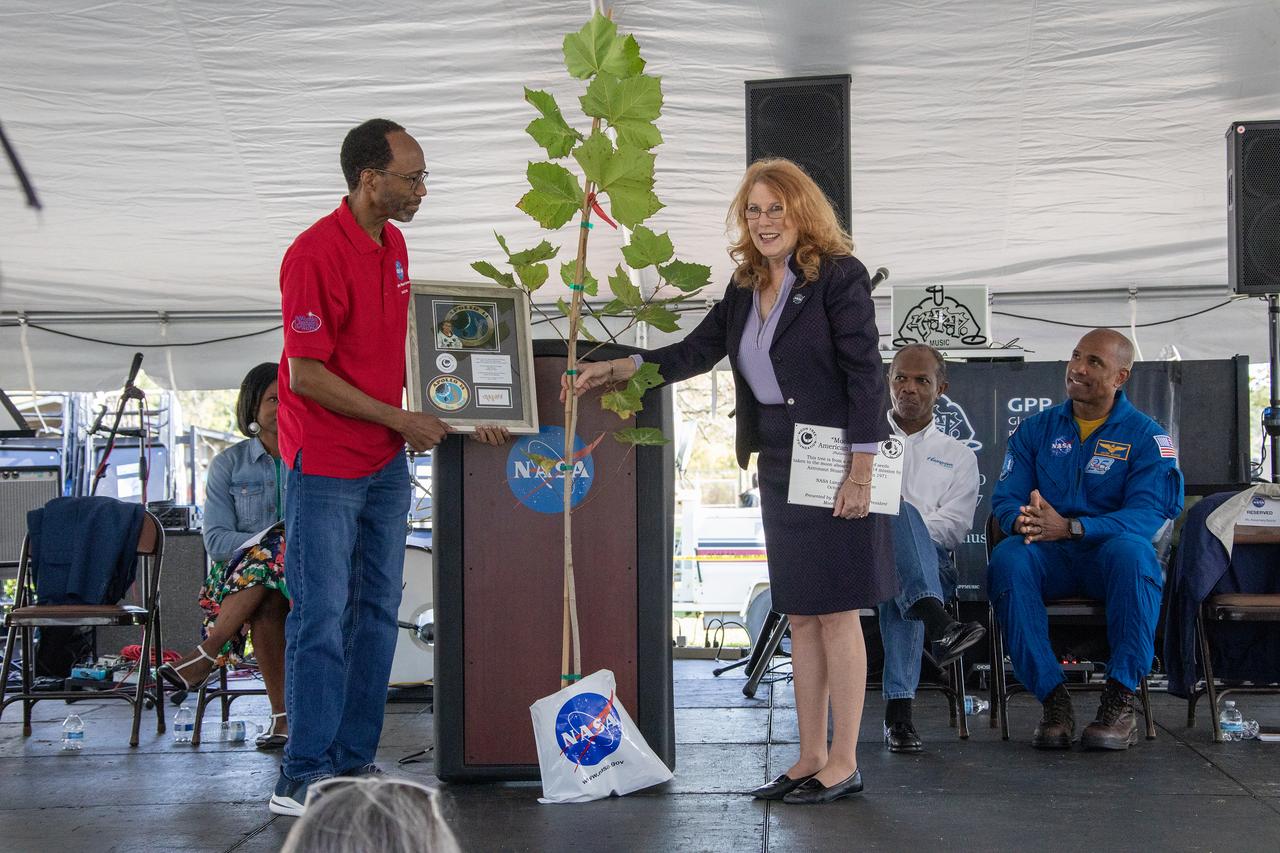
Artemis II astronaut Victor J. Glover participates in NASA Langley’s Open House on Saturday, Oct. 21.  More than 37,000 people registered to attend the NASA Langley open house. Starting with the Annual 5K Moon Walk Run and the talented Nils Larson, X59 pilot and Astronaut Victor Glover reunited at Langley’s hangar and hosted by Center Director Clayton Turner.
2023 NASA Langley Open House
More than 37,000 people registered to attend the NASA Langley open house. Starting with the Annual 5K Moon Walk Run and the talented Nils Larson, X59 pilot and Astronaut Victor Glover reunited at Langley’s hangar and hosted by Center Director Clayton Turner.
2023 NASA Langley Open House
Testing the External Vision System (XVS) software on the B200 King Air. Pilots, Peter Coen and Wayne Ringelberg attempt to spot an incoming aircraft on the XVS monitor.
Testing of the External Vision System (XVS) Software on the B200 King Air
First test flight testing the visual display for the X59. Pilot Matt Coldsnow making a flight check before taking off.
Testing of the External Vision System (XVS) Software on the B200 King Air
Testing the External Vision System (XVS) software on the B200 King Air. Pilots, Peter Coen and Wayne Ringelberg attempt to spot an incoming aircraft on the XVS monitor.
Testing of the External Vision System (XVS) Software on the B200 King Air
First test flight testing the visual display for the X59. The XVS display is aboard the B200 and the LC40 will be interacting as part of the test.
Testing of the External Vision System (XVS) Software on the B200 King Air
Testing the External Vision System (XVS) software on the B200 King Air. Pilots, Peter Coen and Wayne Ringelberg attempt to spot an incoming aircraft on the XVS monitor.
Testing of the External Vision System (XVS) Software on the B200 King Air
Testing the External Vision System (XVS) software on the B200 King Air. Pilots, Peter Coen and Wayne Ringelberg attempt to spot an incoming aircraft on the XVS monitor.
Testing of the External Vision System (XVS) Software on the B200 King Air
First test flight testing the visual display for the X59. Researchers Lynda Kramer, pilot Kevin Shelton, Steve Williams and ? pose for photo
Testing of the External Vision System (XVS) Software on the B200 King Air
Testing the External Vision System (XVS) software on the B200 King Air. Pilots, Peter Coen and Wayne Ringelberg attempt to spot an incoming aircraft on the XVS monitor.
Testing of the External Vision System (XVS) Software on the B200 King Air
Aircraft mechanic C. Garber working on the camera housing to be tested for the flight display for the X59.
Testing of the External Vision System (XVS) Software on the B200 King Air
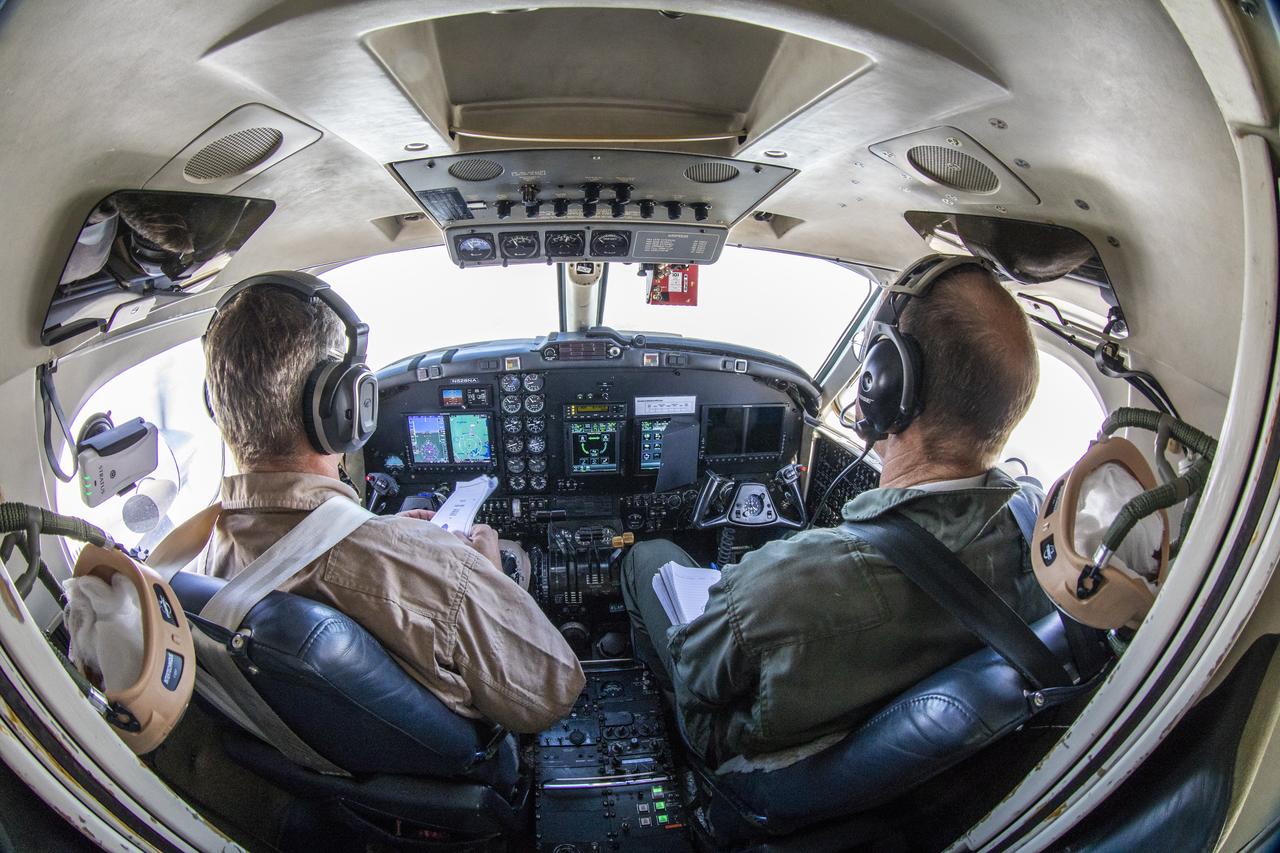
First test flight testing the visual display for the X59. The XVS display is aboard the B200 and the camera is mounted on the nose of the aircraft and inside the cockpit.
Testing of the External Vision System (XVS) Software on the B200 King Air
The model of the Space Launch System for the Orion Space Capsule is being prepared for windtunnel test in the 14x22 Subsonic windtunnel at NASA Langley.
Model of the Space Launch System for the Orion Space Capsule is
Testing the External Vision System (XVS) software on the B200 King Air. Pilots, Peter Coen and Wayne Ringelberg attempt to spot an incoming aircraft on the XVS monitor.
Testing of the External Vision System (XVS) Software on the B200 King Air
Testing the External Vision System (XVS) software on the B200 King Air. Pilots, Peter Coen and Wayne Ringelberg attempt to spot an incoming aircraft on the XVS monitor.
Testing of the External Vision System (XVS) Software on the B200 King Air
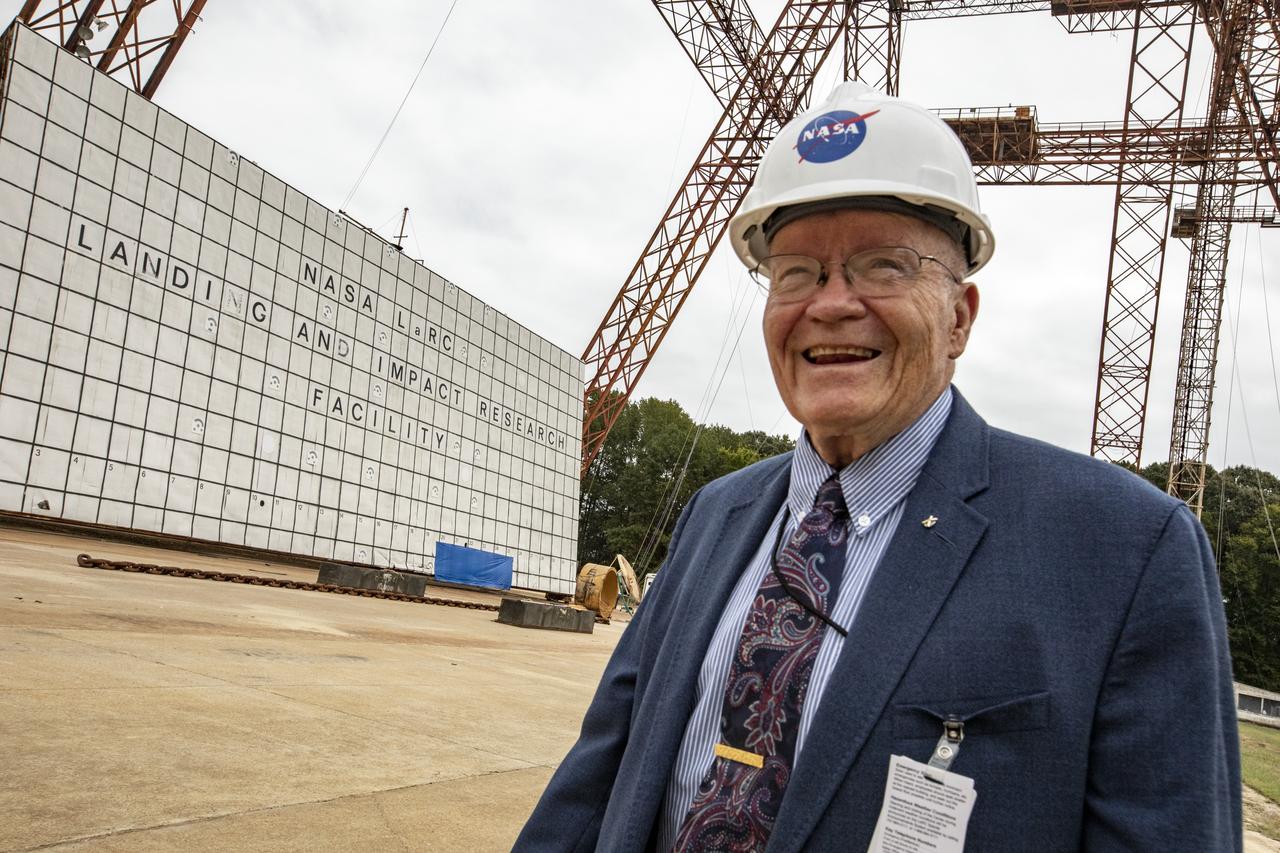
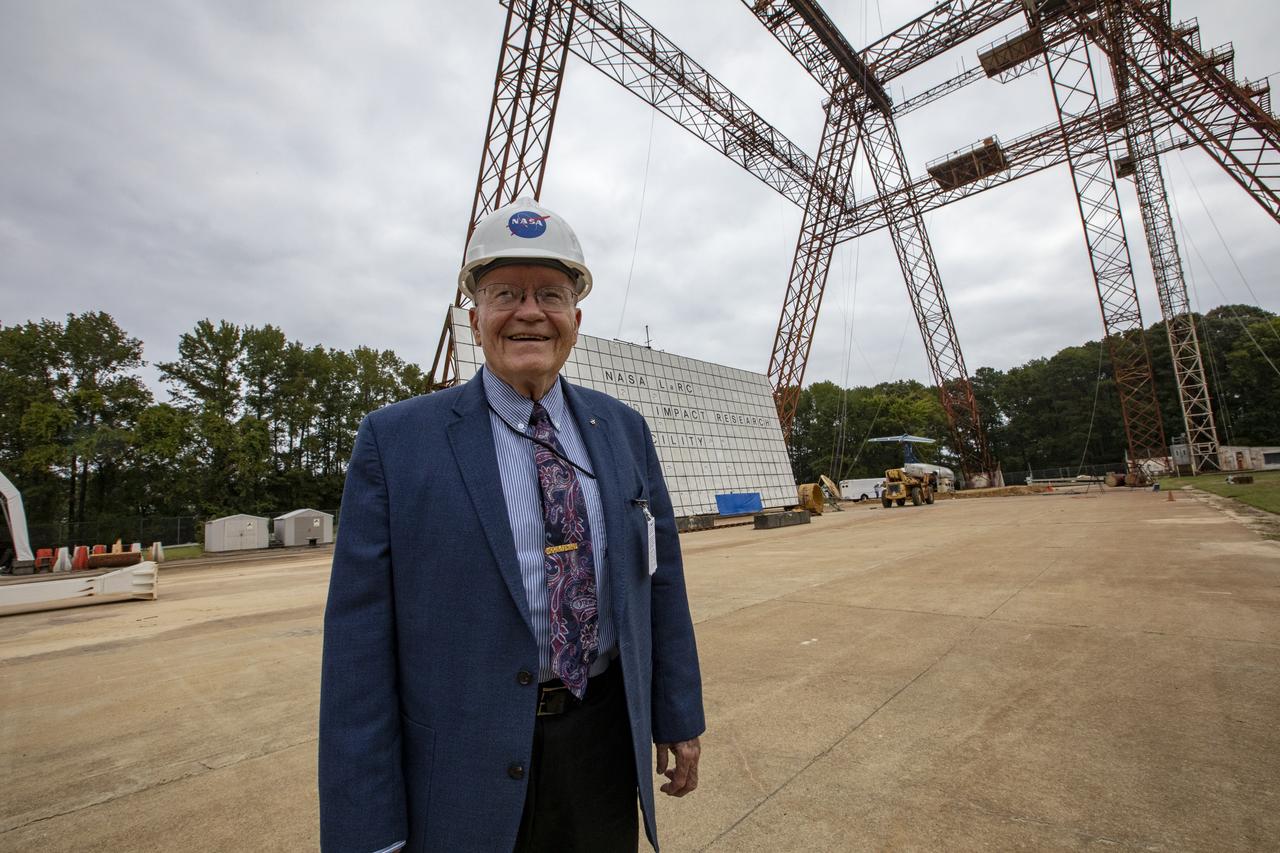
Apollo Astronaut Fred Haise visiting NASA Langley historic gantry where Fred once trained to fly the lunar lander.
LRC-2019-H1_P_FredHaise-100105
NASA and Lockheed Martin Orion leadership visit Langley Research Center in Hampton, VA on March 19, 2015 to celebrate the center's contribution to Orion's Exploration Flight Test-1 (EFT-1). Award presented to Wayne Walters. Part of Batch image transfer from Flickr.
Langley Research Center