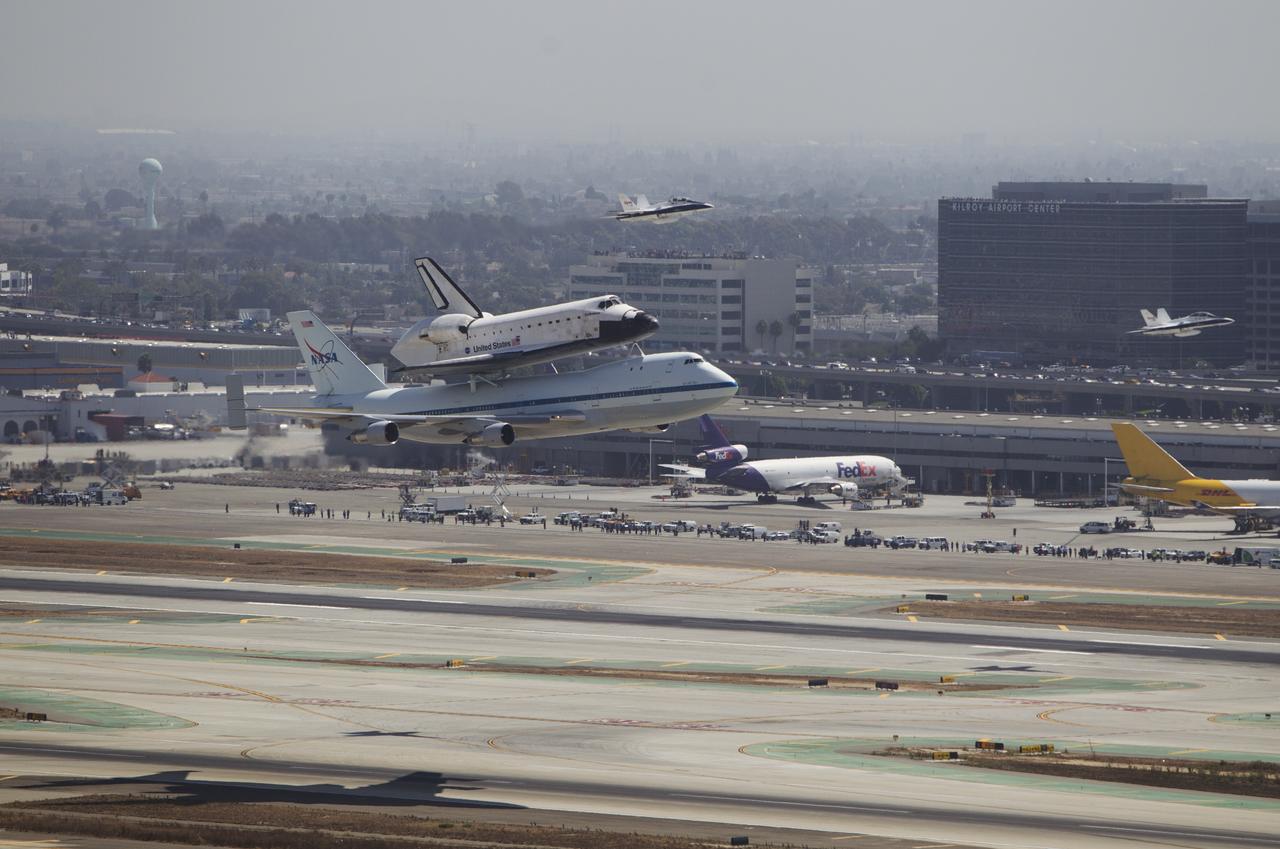
The space shuttle Endeavour, atop the Shuttle Carrier Aircraft, or SCA, performs a fly-by of Los Angeles International Airport on Tuesday, Sept. 21, 2012 in Los Angeles where it will be placed on public display at the California Science Center. Today's flight marks the final scheduled ferry flight of the Space Shuttle Program. Photo Credit: (NASA/Joel Kowsky)
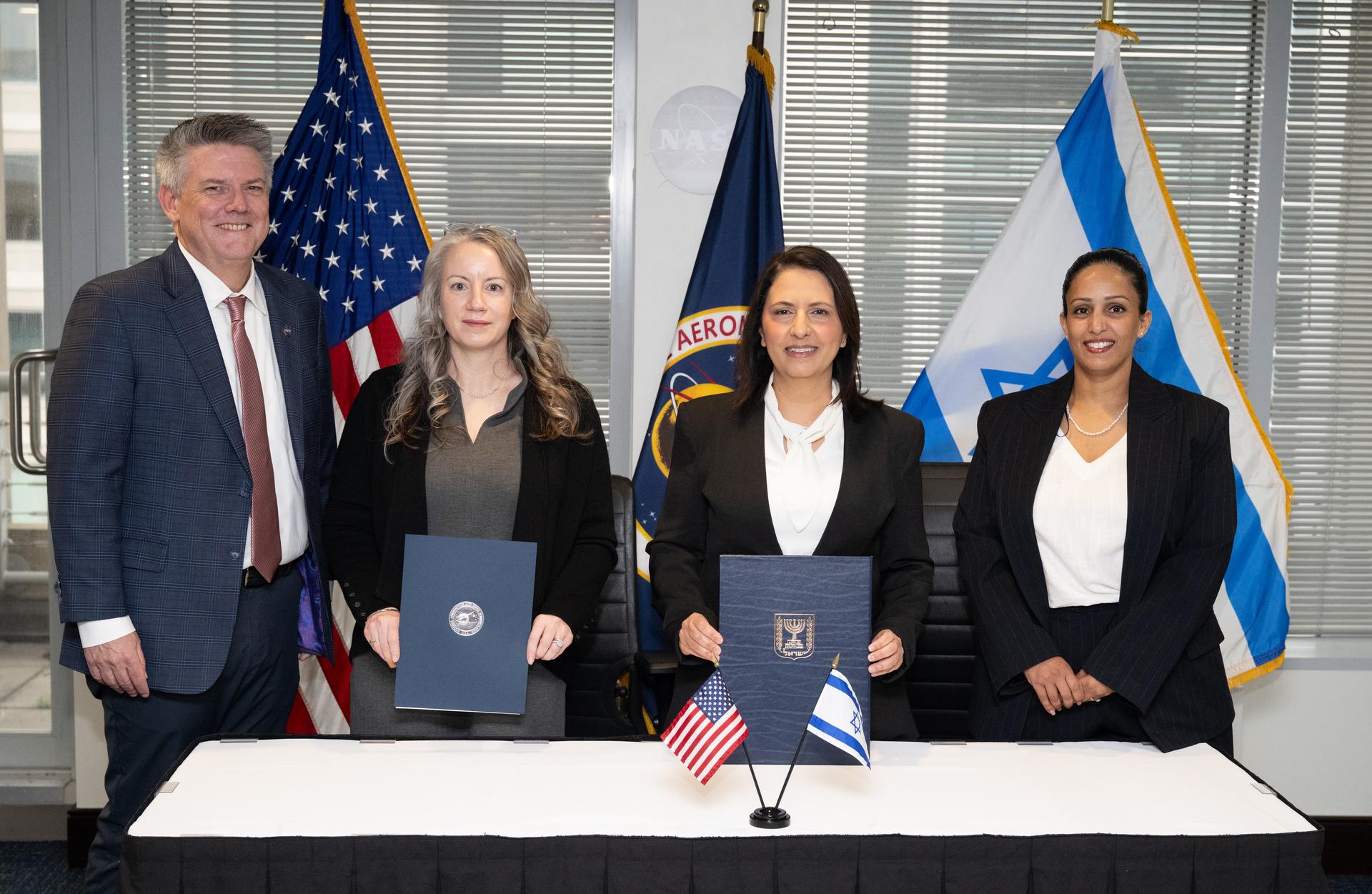
Brian Hughes, NASA Chief of Staff, left, Meredith McKay, acting associate administrator for NASA’s Office of International and Interagency Relations, second from left, Israel’s Minister for Innovation, Science, and Technology Gila Gamliel, and Shani Edri, director of International Relations in Israel’s Ministry of Innovation, Science, and Technology pose for a picture after the signing the US-Israel Space Cooperation Framework Agreement Extension, Wednesday, Dec. 10, 2025, at the Mary W. Jackson NASA Headquarters building in Washington. Photo Credit: (NASA/Joel Kowsky)

Family and friends of former astronaut Alan Bean are seen during interment services, Thursday, Nov. 8, 2018 at Arlington National Cemetery in Virginia. Selected as an astronaut in 1963, Bean flew in space twice, becoming the fourth human to walk on the Moon on Nov. 19, 1969 and spent 59 days in space as commander of the second Skylab mission in 1973. Photo Credit: (NASA/Joel Kowsky)
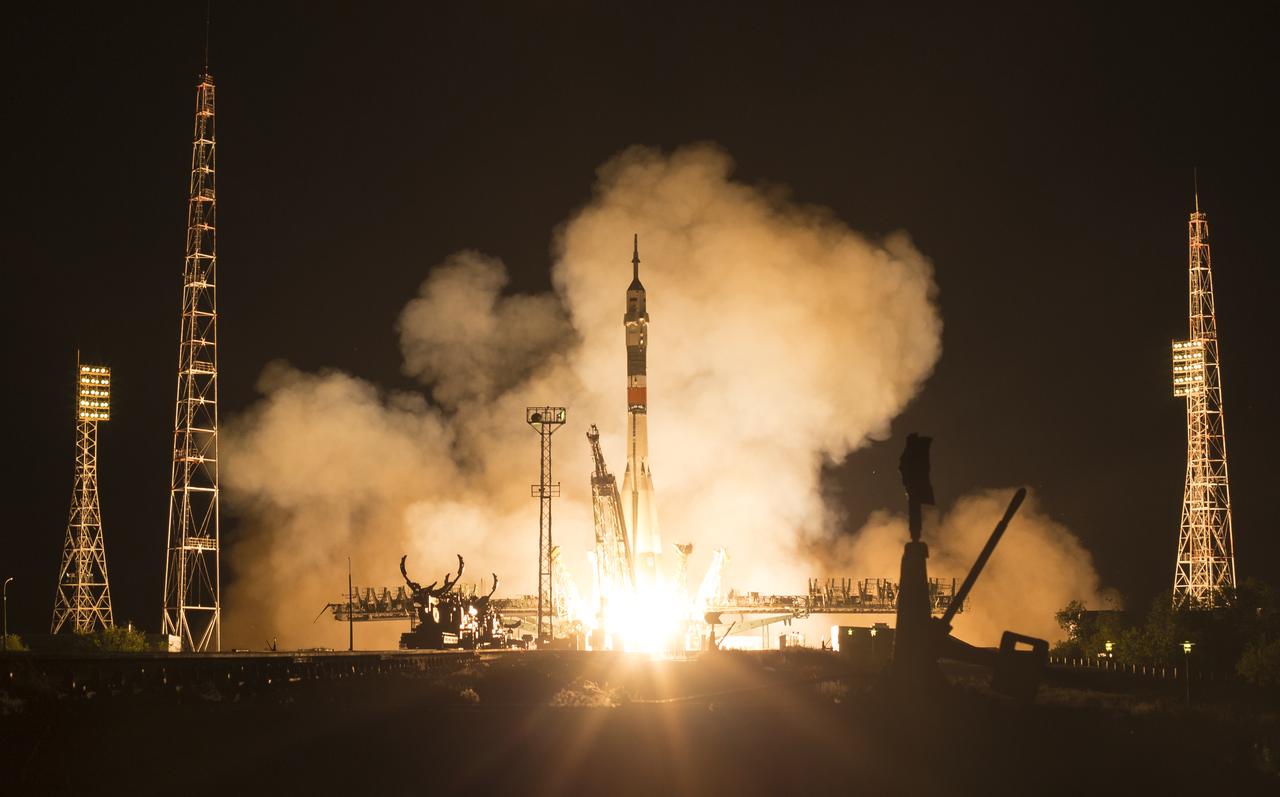
The Soyuz MS-13 rocket is launched with Expedition 60 Soyuz Commander Alexander Skvortsov of Roscosmos, flight engineer Andrew Morgan of NASA, and flight engineer Luca Parmitano of ESA (European Space Agency), Saturday, July 20, 2019 at the Baikonur Cosmodrome in Kazakhstan. Skvortsov, Morgan, and Parmitano launched at 12:28 p.m. Eastern time (9:28 p.m. Baikonur time) to begin their mission to the International Space Station. Photo Credit: (NASA/Joel Kowsky)
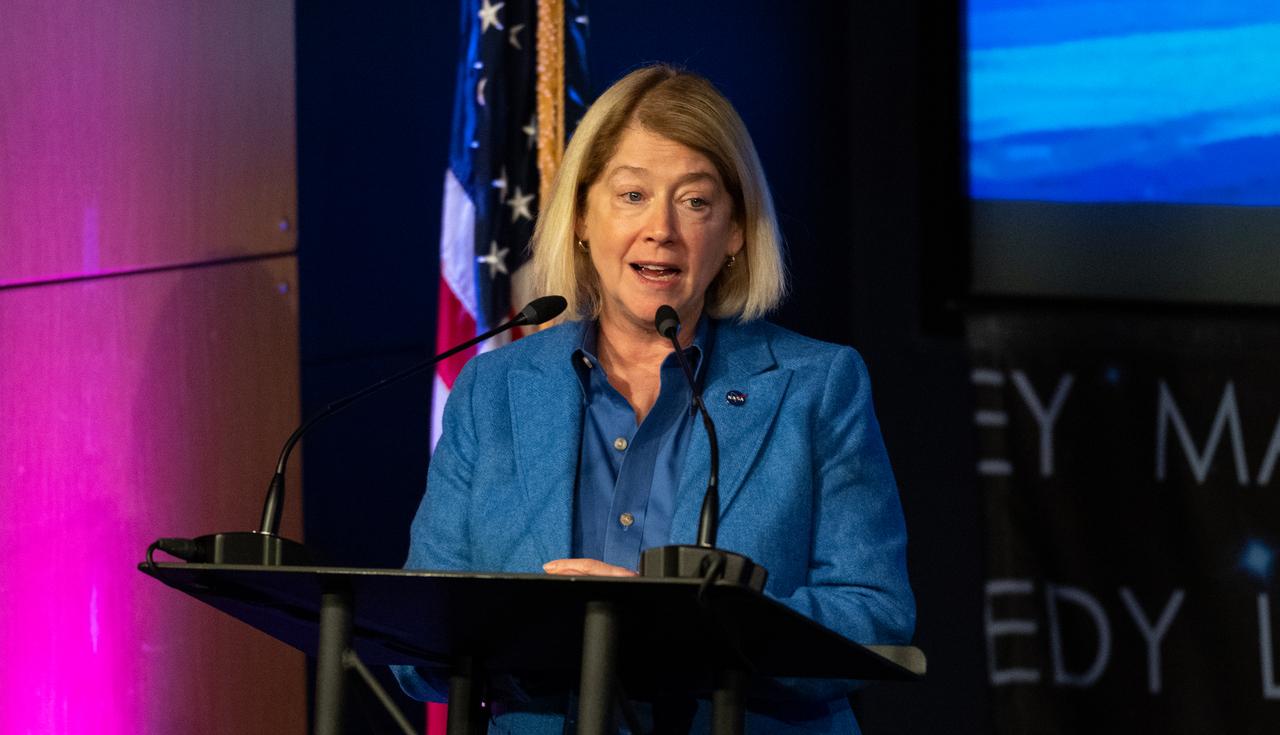
NASA Deputy Administrator Pam Melroy delivers remarks during an end-of-the year all hands with senior leadership, Tuesday, Dec. 13, 2022, at the Mary W. Jackson NASA Headquarters building in Washington. Melroy, NASA Administrator Bill Nelson, and NASA Associate Administrator Bob Cabana highlighted the agency’s 2022 accomplishments and looked forward to what is coming in 2023 and beyond. Photo Credit: (NASA/Joel Kowsky)
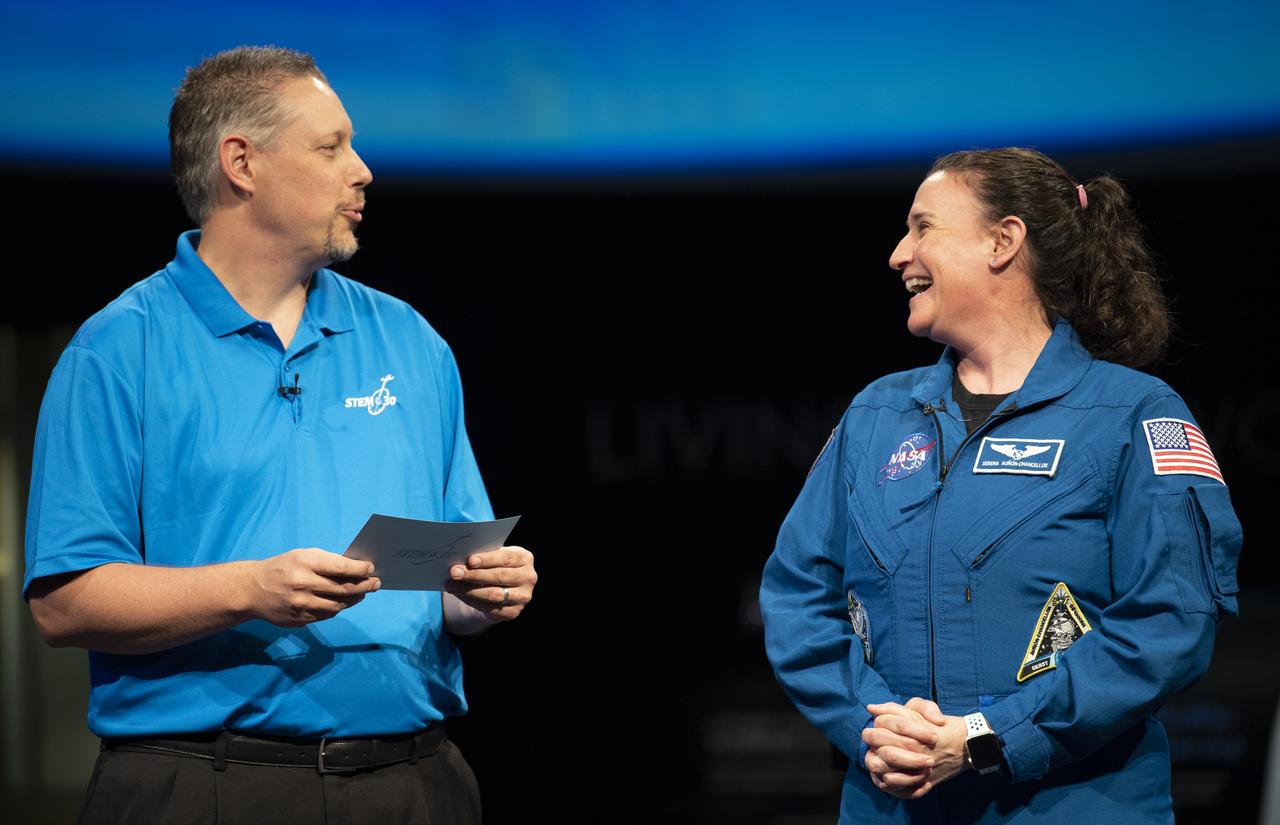
Marty Kelsey of the Smithsonian National Air and Space Museum asks NASA astronaut Serena Auñón-Chancellor questions about being in middle school for a short video, Friday, June 14, 2019 the Smithsonian's National Air and Space Museum in Washington, DC. Auñón-Chancellor spent 197 days living and working onboard the orbital laboratory as part of Expeditions 56 and 57, contributing to hundreds of experiments in biology, biotechnology, physical science, and Earth science while there. She began her career at NASA as a flight surgeon before being selected as an astronaut in 2009. Photo Credit: (NASA/Joel Kowsky)
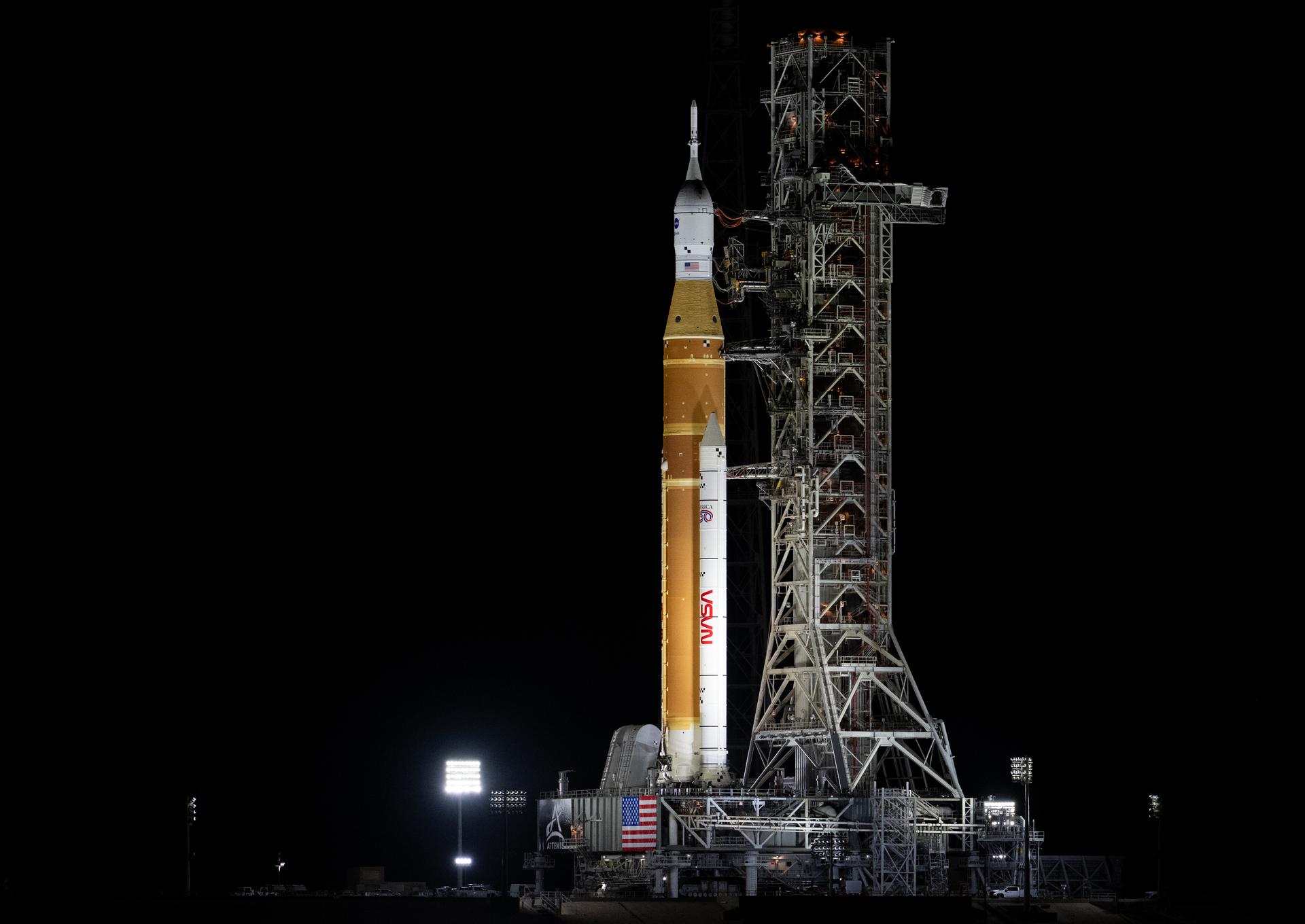
NASA’s Space Launch System (SLS) rocket and Orion spacecraft, secured to the mobile launcher, are seen at Launch Pad 39B, Saturday, Jan. 17, 2026, at NASA’s Kennedy Space Center in Florida. NASA’s Artemis II test flight will take Commander Reid Wiseman, Pilot Victor Glover, and Mission Specialist Christina Koch from NASA, and Mission Specialist Jeremy Hansen from the CSA (Canadian Space Agency), around the Moon and back to Earth no later than April 2026. Photo Credit: (NASA/Joel Kowsky)
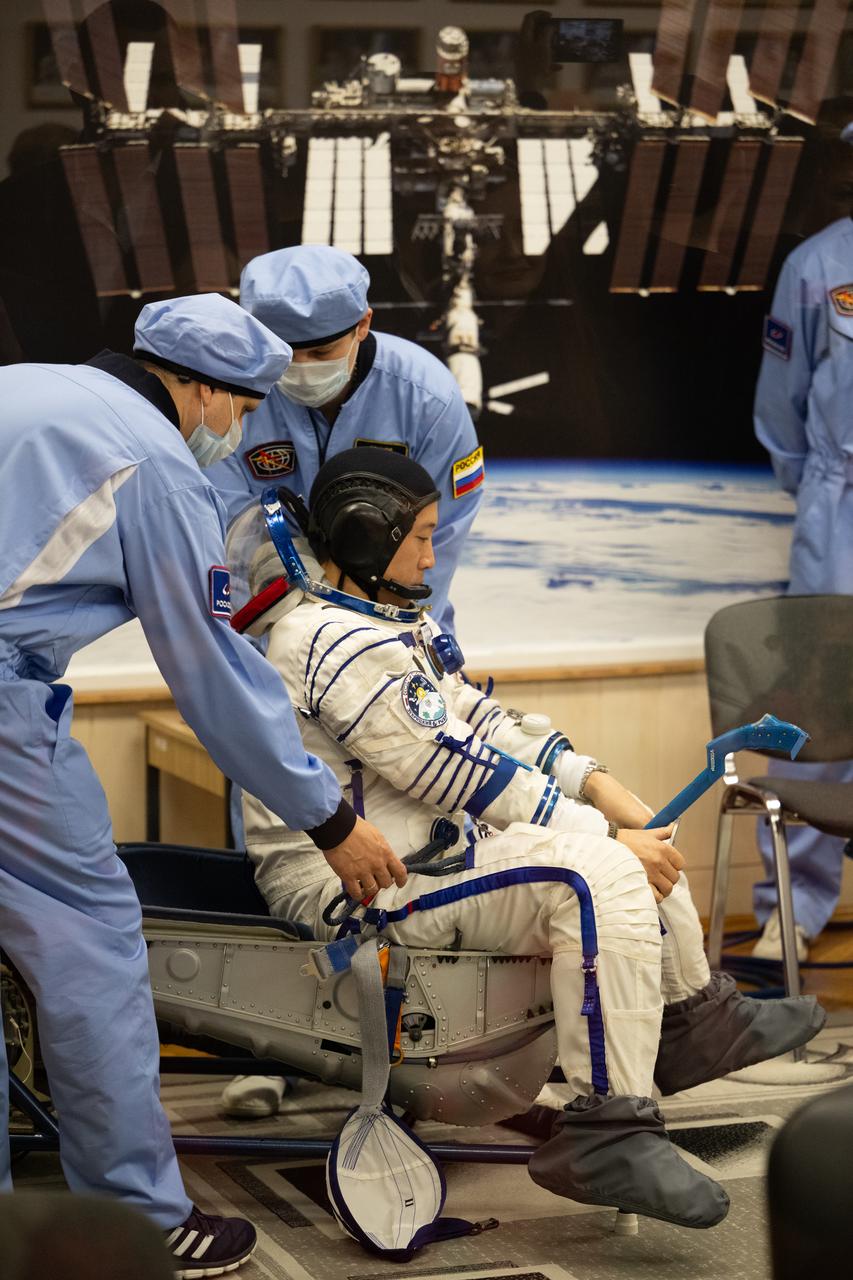
NASA astronaut Jonny Kim prepares to have his Russian Sokol suit pressure checked as he and fellow crewmates, Roscosmos cosmonauts Sergey Ryzhikov and Alexey Zubritskiy prepare for their Soyuz launch to the International Space Station Tuesday, April 8, 2025 (April 7 Eastern Time), in Baikonur, Kazakhstan. The launch will send Kim, Ryzhikov, Zubritskiy on a mission to the International Space Station. Photo Credit: (NASA/Joel Kowsky)
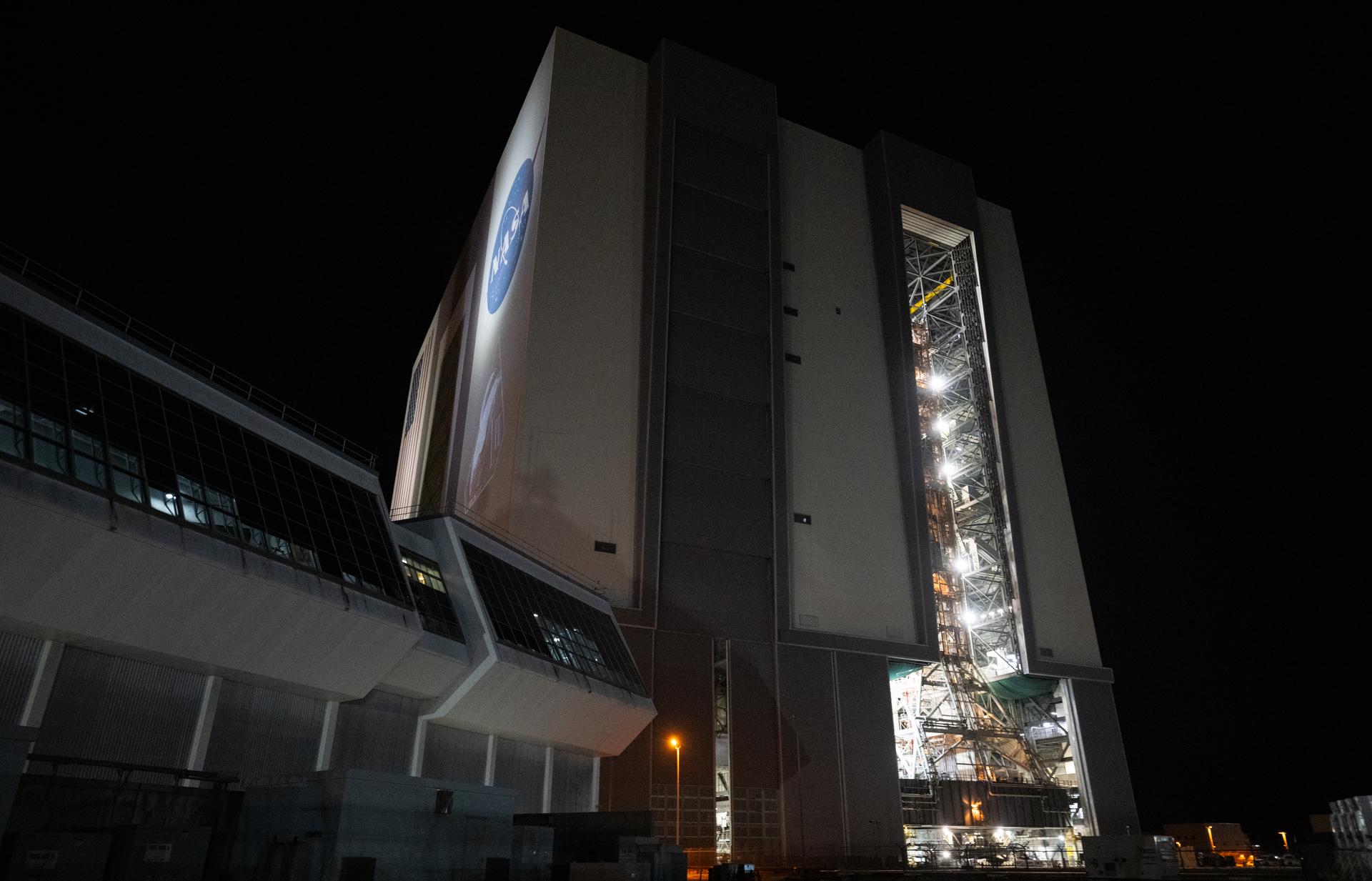
The mobile launcher with NASA’s Artemis II Space Launch System (SLS) rocket and Orion spacecraft secured to it is seen inside the Vehicle Assembly Building following the opening of the doors before rolling out to Launch Pad 39B, Saturday, Jan. 17, 2026, at NASA’s Kennedy Space Center in Florida. NASA’s Artemis II test flight will take Commander Reid Wiseman, Pilot Victor Glover, and Mission Specialist Christina Koch from NASA, and Mission Specialist Jeremy Hansen from the CSA (Canadian Space Agency), around the Moon and back to Earth no later than April 2026. Photo Credit: (NASA/Joel Kowsky)
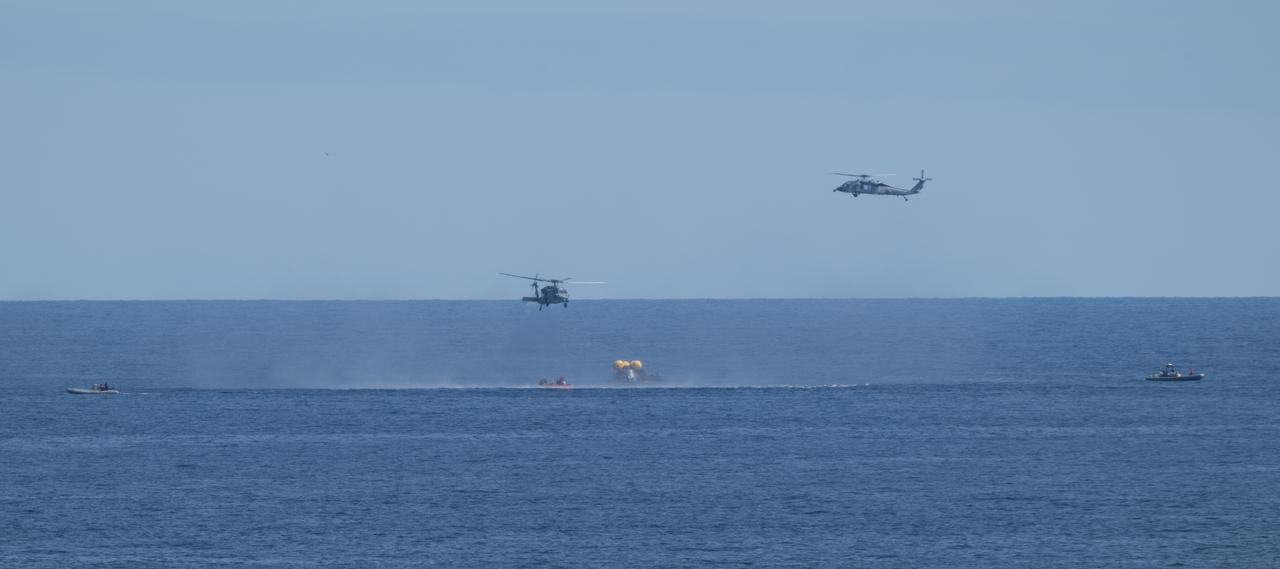
Two Navy MH-60 Seahawks from Helicopter Sea Combat Squadron (HSC) 23 are seen as they approach the Crew Module Test Article (CMTA) to recover crew members as NASA and Navy recovery teams practice operations during Underway Recovery Test-12 onboard USS Somerset, Thursday, March 27, 2025. During the test, NASA and Department of Defense teams are practicing to ensure recovery procedures are validated as NASA plans to send the Artemis II astronauts around the Moon and splashdown in the Pacific Ocean. Photo Credit: (NASA/Joel Kowsky)
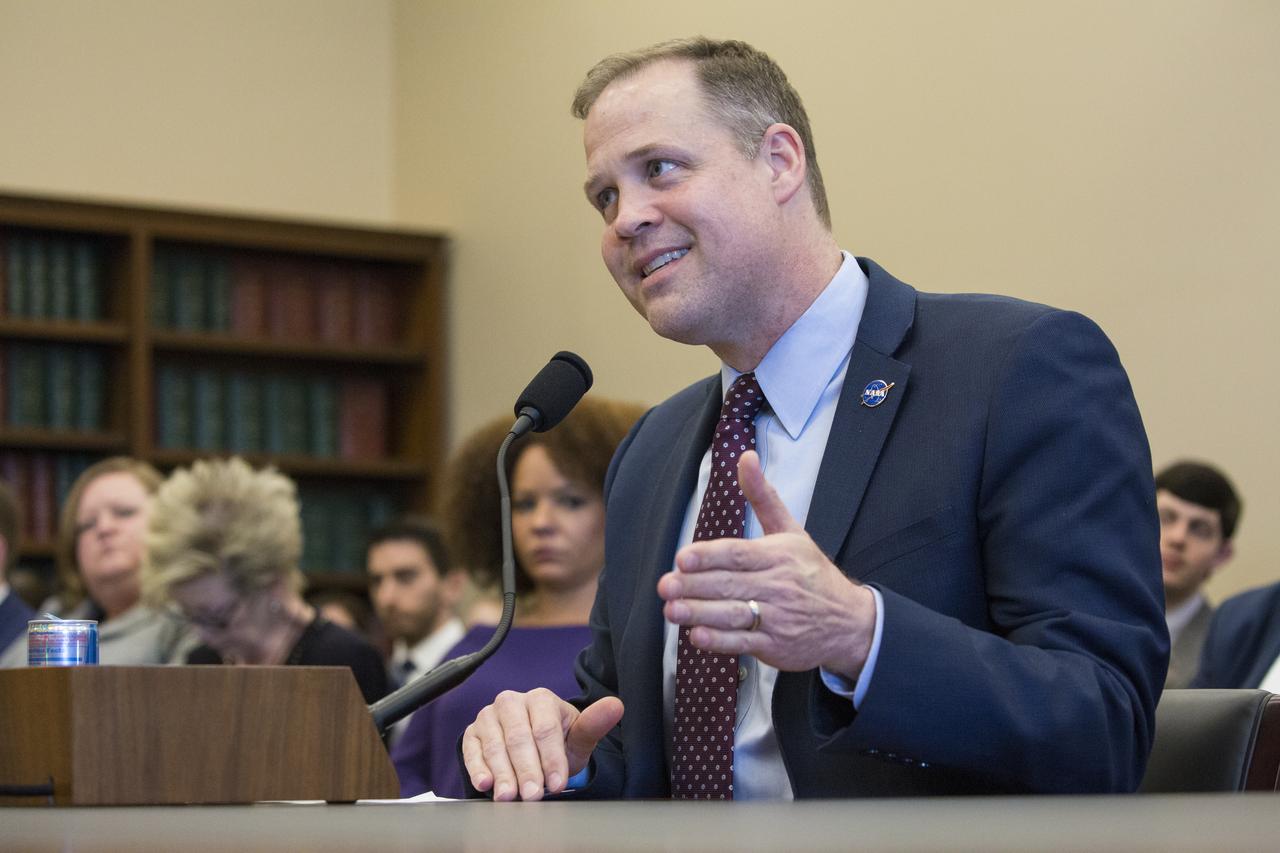
NASA Administrator Jim Bridenstine testifies before the House Appropriations Committee's Commerce, Justice, Science, and Related Agencies Subcommittee during a hearing to review the Fiscal Year 2020 funding request and budget justification for the agency, Wednesday, March 27, 2019 in the Rayburn House Office Building in Washington. Photo Credit: (NASA/Joel Kowsky)
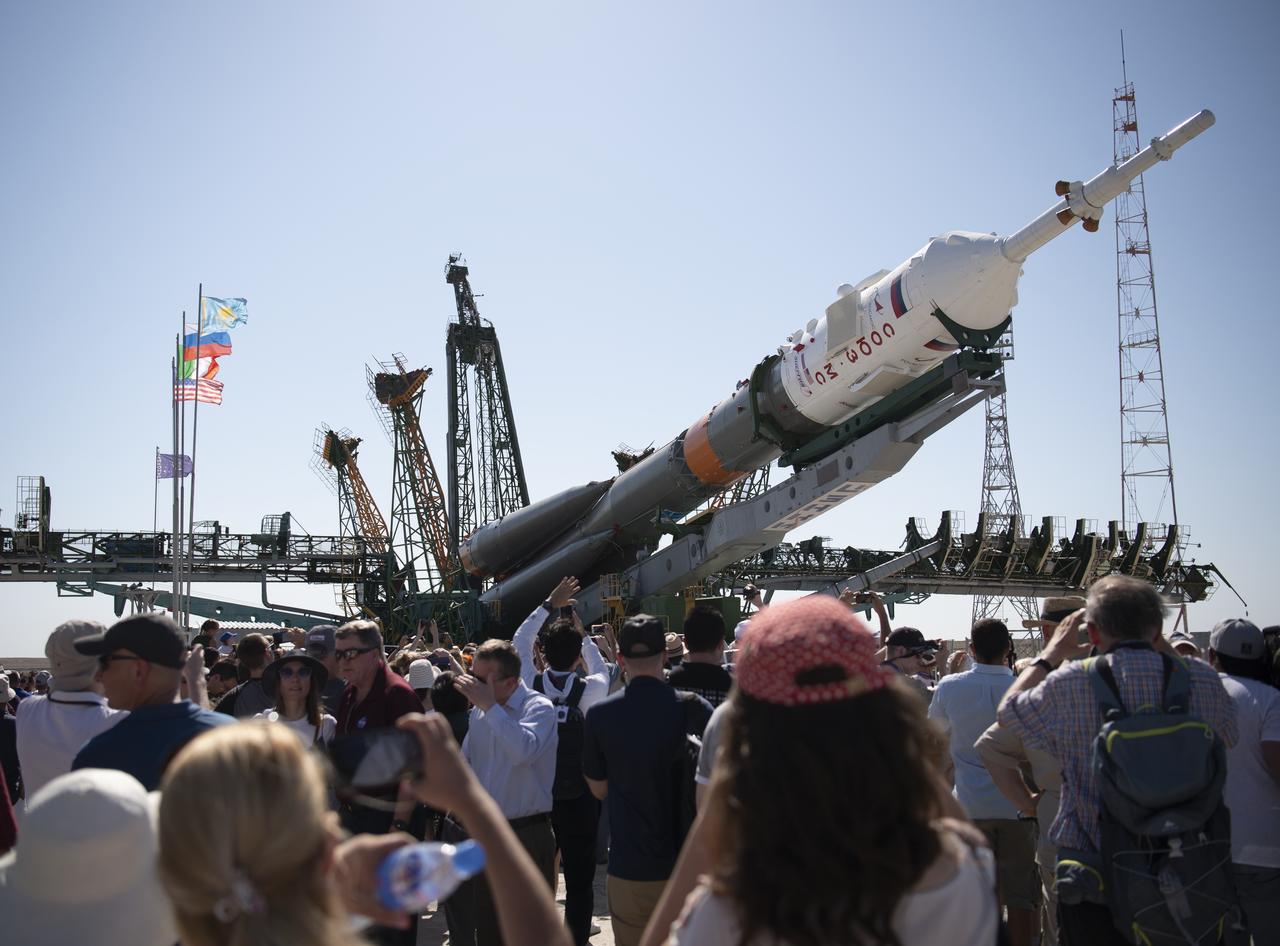
The Soyuz rocket is seen as it is raised into a vertical position on the launch pad, Thursday, July 18, 2019 at the Baikonur Cosmodrome in Kazakhstan. Expedition 60 Soyuz Commander Alexander Skvortsov of Roscosmos, flight engineer Andrew Morgan of NASA, and flight engineer Luca Parmitano of ESA (European Space Agency) are scheduled to launch aboard their Soyuz MS-13 spacecraft at 12:28 p.m. Eastern time (9:28 p.m. Baikonur time) , on Saturday, July 20. Photo Credit: (NASA/Joel Kowsky)
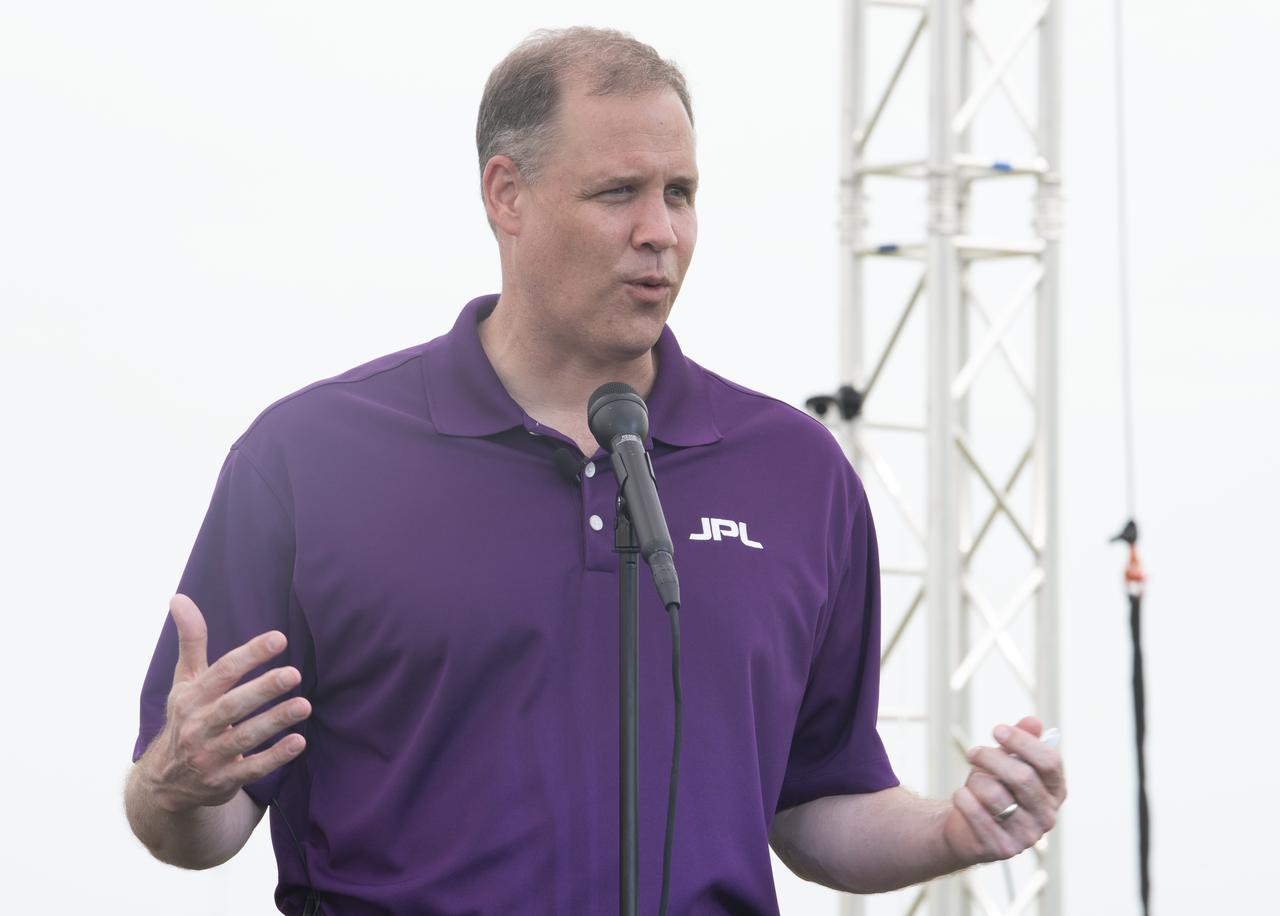
NASA Administrator Jim Bridenstine answers social media questions ahead of the launch of NASA’s Mars 2020 Perseverance rover, Wednesday, July 29, 2020, at NASA’s Kennedy Space Center in Florida. The Perseverance rover is part of NASA’s Mars Exploration Program, a long-term effort of robotic exploration of the Red Planet. Launch is scheduled for Thursday, July 30. Photo Credit: (NASA/Joel Kowsky)
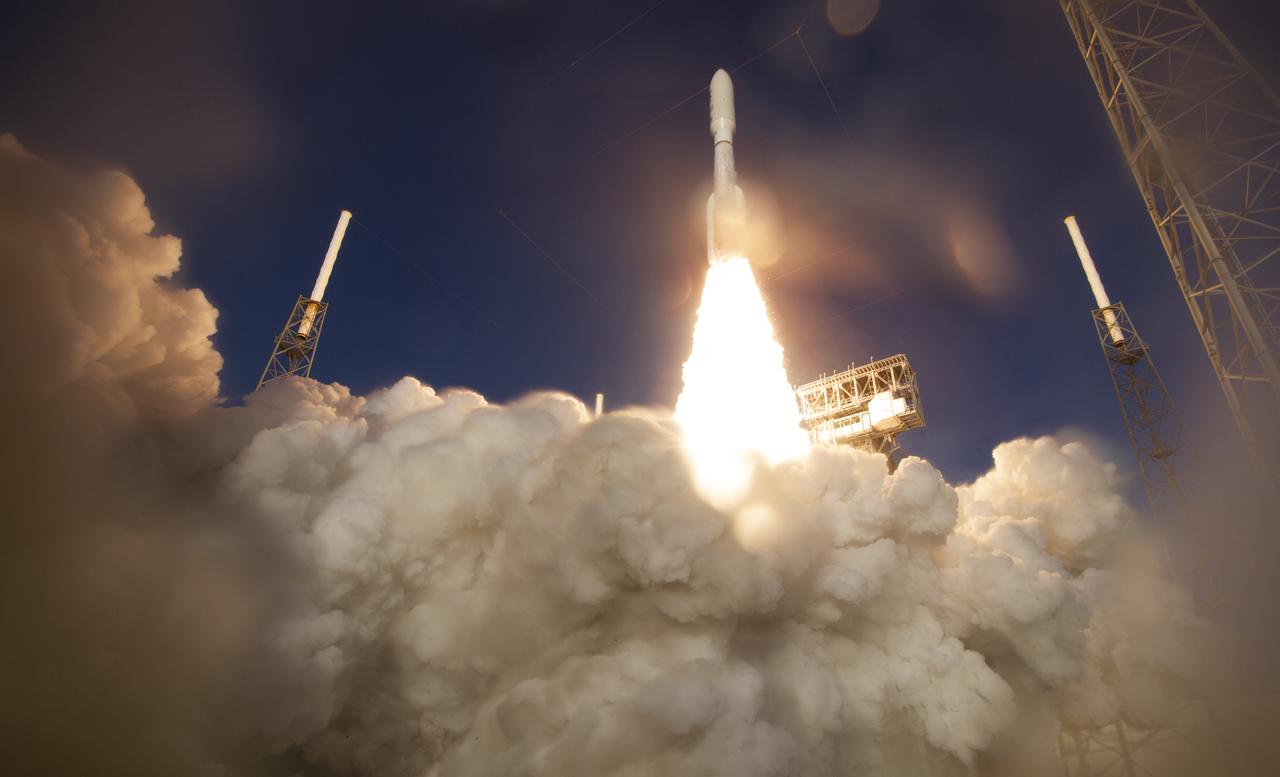
A United Launch Alliance Atlas V rocket with NASA’s Mars 2020 Perseverance rover onboard launches from Space Launch Complex 41, Thursday, July 30, 2020, at Cape Canaveral Air Force Station in Florida. The Perseverance rover is part of NASA’s Mars Exploration Program, a long-term effort of robotic exploration of the Red Planet. Photo Credit: (NASA/Joel Kowsky)
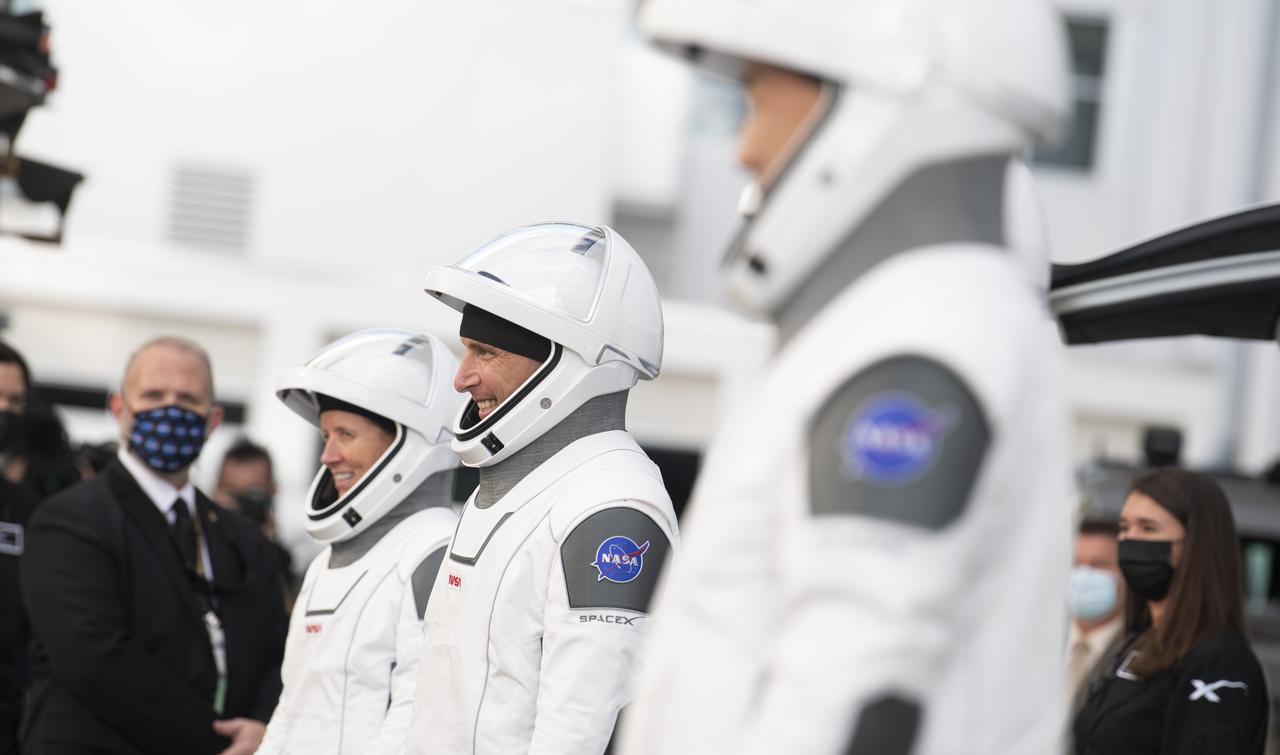
NASA astronauts Mike Hopkins, center, Shannon Walker left, and Japan Aerospace Exploration Agency (JAXA) astronaut Soichi Noguchi, right, wearing SpaceX spacesuits, are seen as they prepare to depart the Neil A. Armstrong Operations and Checkout Building along with fellow crewmate NASA astronaut Victor Glover for Launch Complex 39A to board the SpaceX Crew Dragon spacecraft for the Crew-1 mission launch, Sunday, Nov. 15, 2020, at NASA’s Kennedy Space Center in Florida. NASA’s SpaceX Crew-1 mission is the first crew rotation mission of the SpaceX Crew Dragon spacecraft and Falcon 9 rocket to the International Space Station as part of the agency’s Commercial Crew Program. Hopkins, Glover, Walker, and Noguchi are scheduled to launch at 7:27 p.m. EST from Launch Complex 39A at the Kennedy Space Center. Photo Credit: (NASA/Joel Kowsky)
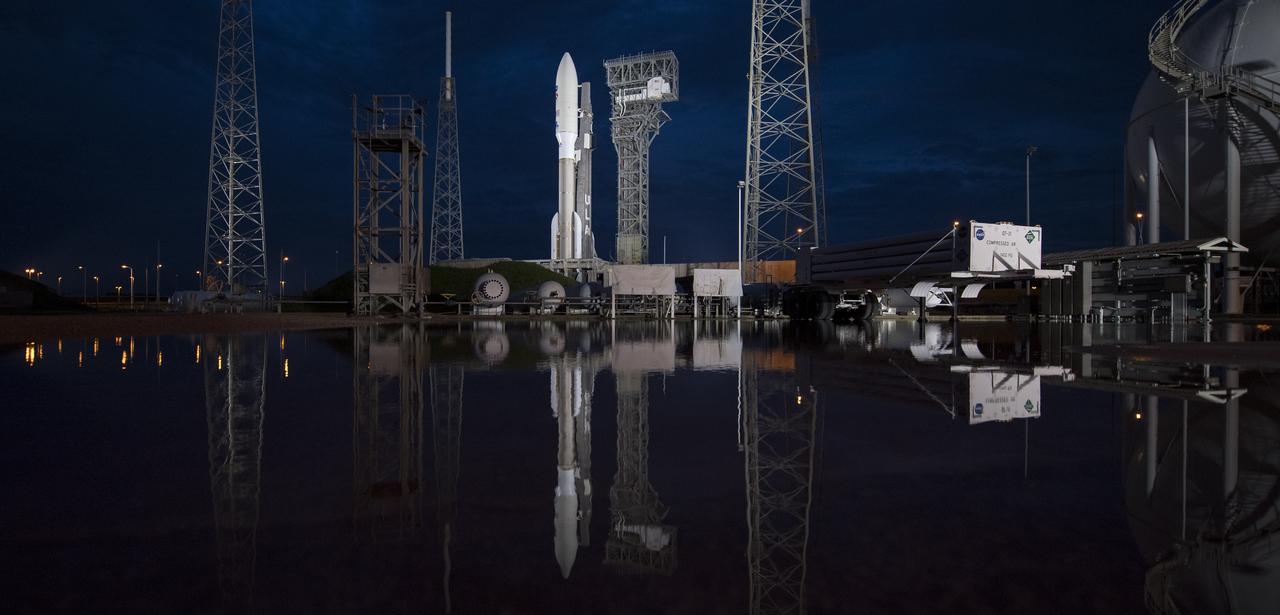
A United Launch Alliance Atlas V rocket with NASA’s Mars 2020 Perseverance rover onboard is seen illuminated by spotlights on the launch pad at Space Launch Complex 41, Tuesday, July 28, 2020, at Cape Canaveral Air Force Station in Florida. The Perseverance rover is part of NASA’s Mars Exploration Program, a long-term effort of robotic exploration of the Red Planet. Launch is scheduled for Thursday, July 30. Photo Credit: (NASA/Joel Kowsky)
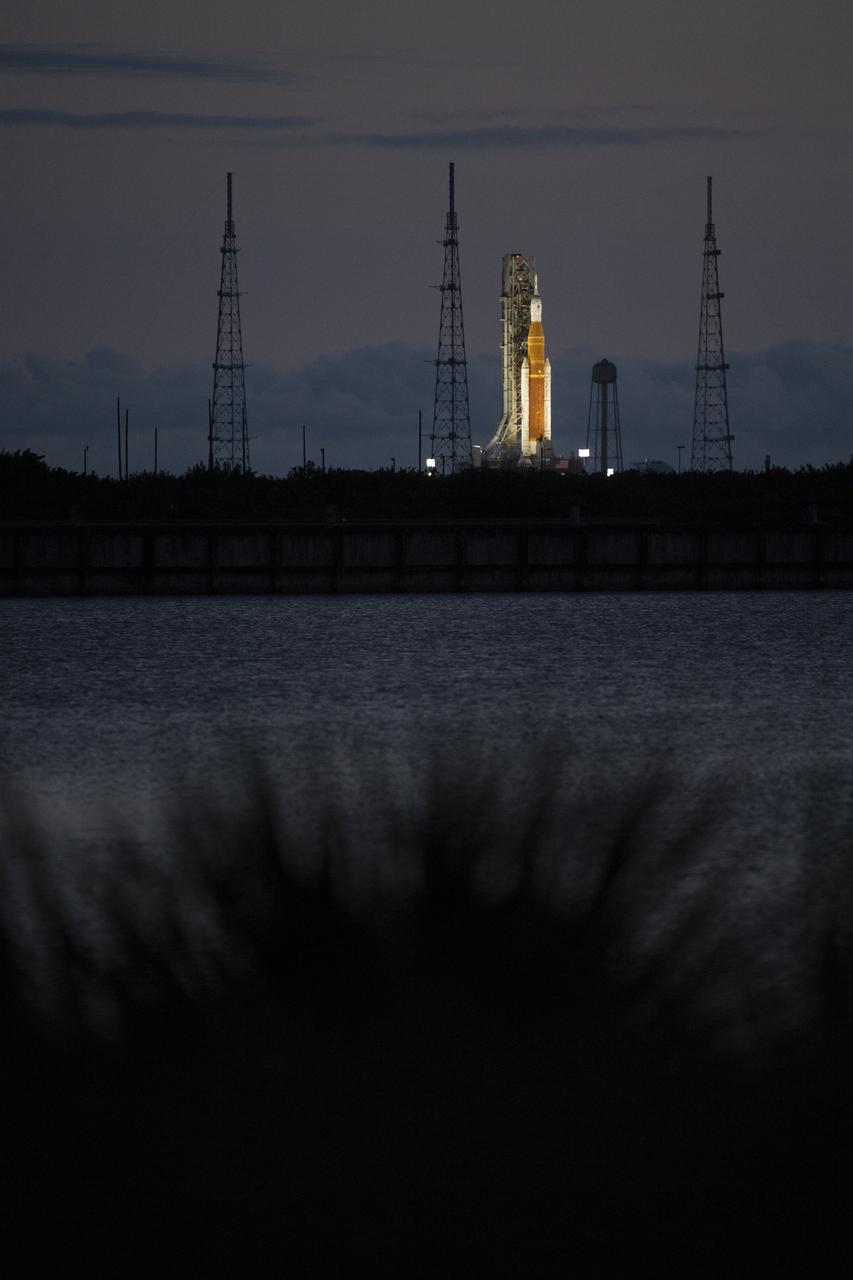
NASA’s Space Launch System (SLS) rocket with the Orion spacecraft aboard is seen at sunrise atop a mobile launcher at Launch Complex 39B, Sunday, April 3, 2022, as the Artemis I launch team conducts the wet dress rehearsal test at NASA’s Kennedy Space Center in Florida. Ahead of NASA’s Artemis I flight test, the wet dress rehearsal will run the Artemis I launch team through operations to load propellant, conduct a full launch countdown, demonstrate the ability to recycle the countdown clock, and drain the tanks to practice timelines and procedures for launch. Photo Credit: (NASA/Joel Kowsky)
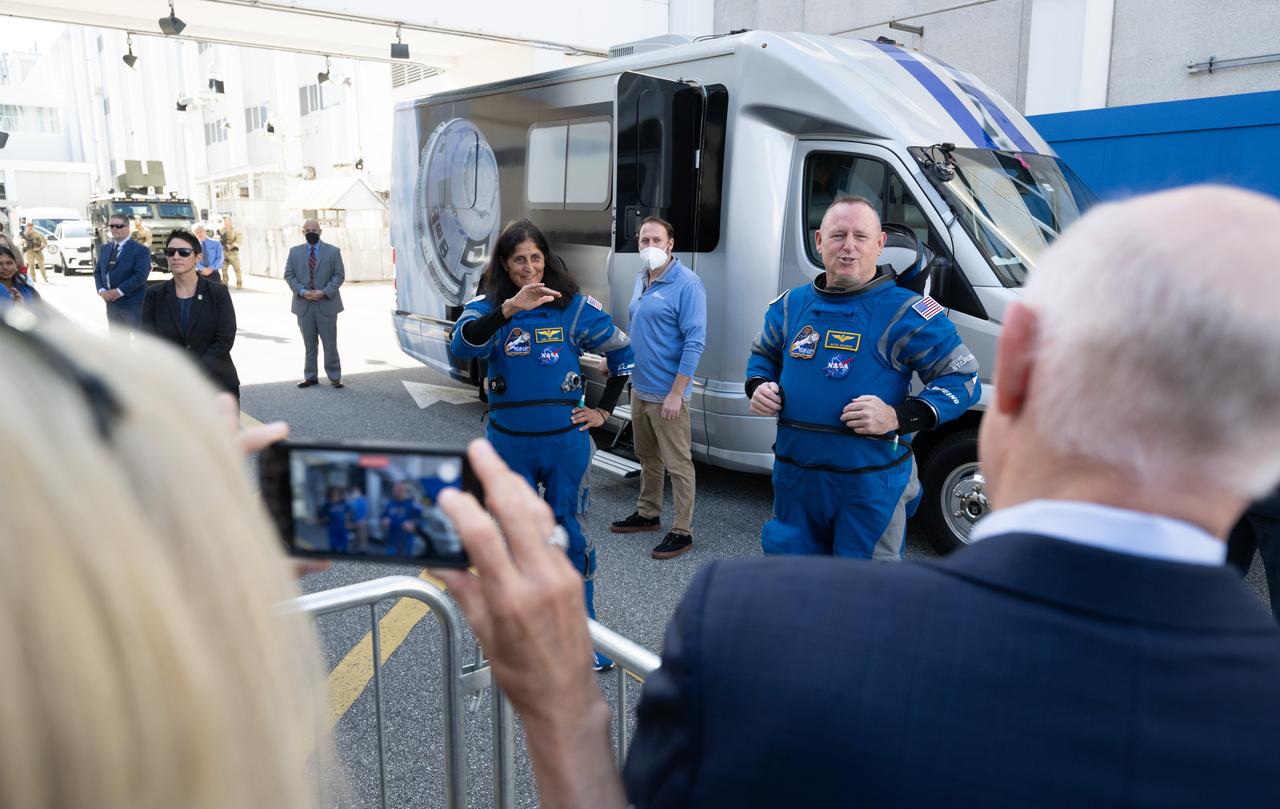
NASA astronauts Suni Williams, left, and Butch Wilmore, wearing Boeing spacesuits, are seen as they speak with NASA, Boeing, and ULA leadership as they prepare to depart the Neil A. Armstrong Operations and Checkout Building for Launch Complex 41 on Cape Canaveral Space Force Station to board the Boeing CST-100 Starliner spacecraft for the Crew Flight Test launch, Saturday, June 1, 2024, at NASA’s Kennedy Space Center in Florida. NASA’s Boeing Crew Flight Test is the first launch with astronauts of the Boeing CFT-100 spacecraft and United Launch Alliance Atlas V rocket to the International Space Station as part of the agency’s Commercial Crew Program. The flight test, targeted for launch at 12:25 p.m. EDT, serves as an end-to-end demonstration of Boeing’s crew transportation system and will carry NASA astronauts Butch Wilmore and Suni Williams to and from the orbiting laboratory. Photo Credit: (NASA/Joel Kowsky)
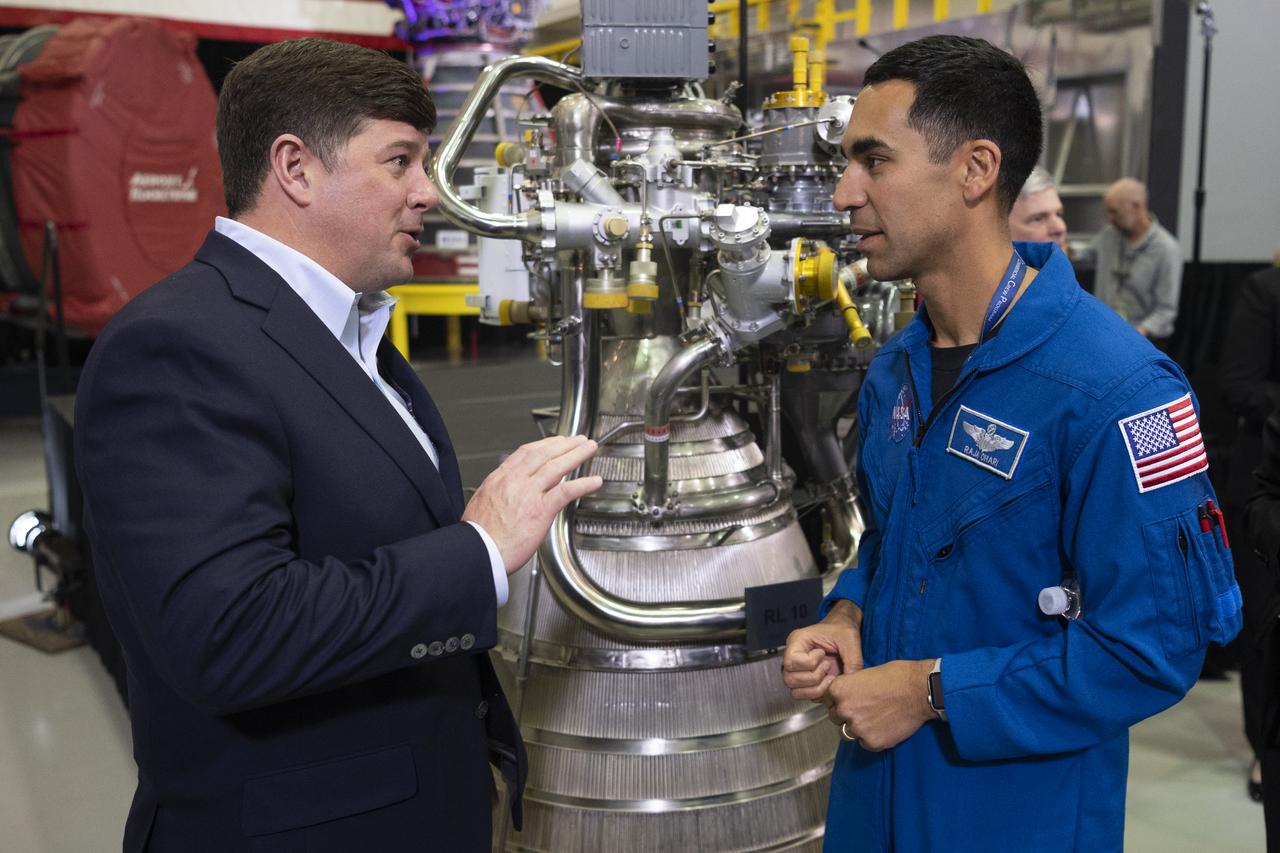
U.S. Representative Steven Palazzo (R-Miss.), left, speaks with NASA astronaut Raja Chari following the State of NASA address, Monday, Feb. 10, 2020, at Aerojet Rocketdyne’s facility at NASA’s Stennis Space Center near Bay St. Louis, Mississippi. Photo Credit: (NASA/Joel Kowsky)
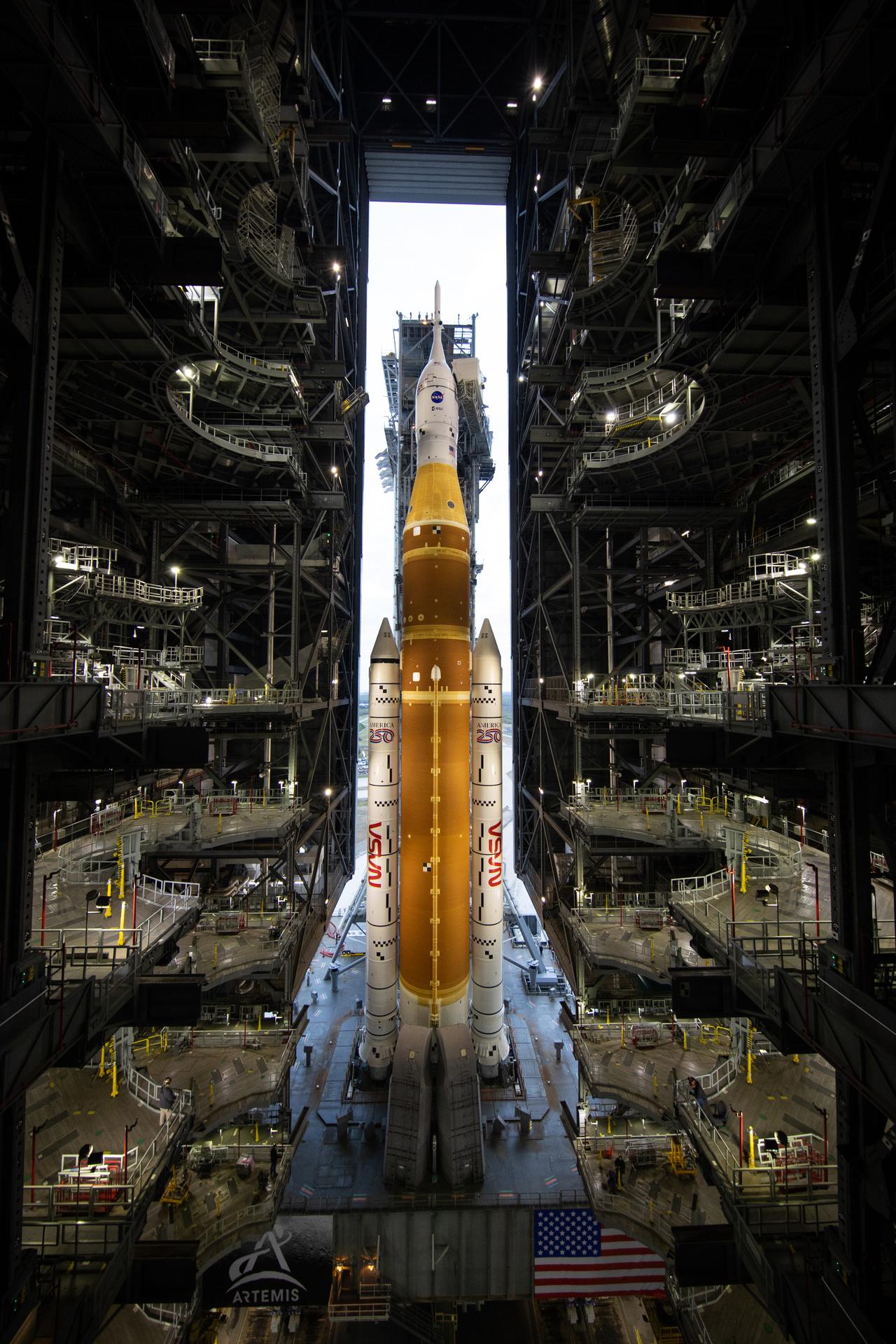
NASA’s Space Launch System (SLS) rocket and Orion spacecraft, secured to the mobile launcher, is seen as it rolls out of the Vehicle Assembly Building to Launch Pad 39B, Saturday, Jan. 17, 2026, at NASA’s Kennedy Space Center in Florida. NASA’s Artemis II test flight will take Commander Reid Wiseman, Pilot Victor Glover, and Mission Specialist Christina Koch from NASA, and Mission Specialist Jeremy Hansen from the CSA (Canadian Space Agency), around the Moon and back to Earth no later than April 2026. Photo Credit: (NASA/Joel Kowsky)
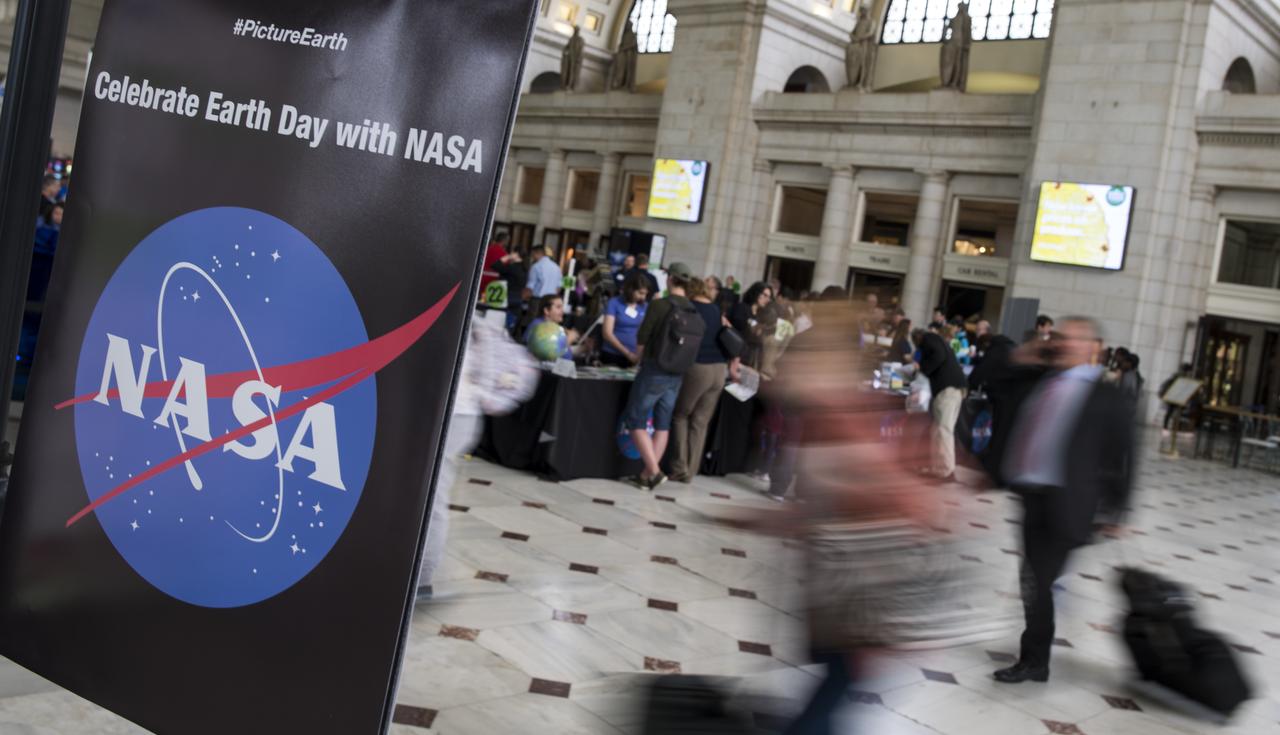
Travelers walk past NASA's exhibits at the Earth Day event held at Union Station on Monday, April 22, 2019, Washington, D.C. Photo Credit: (NASA/Joel Kowsky)
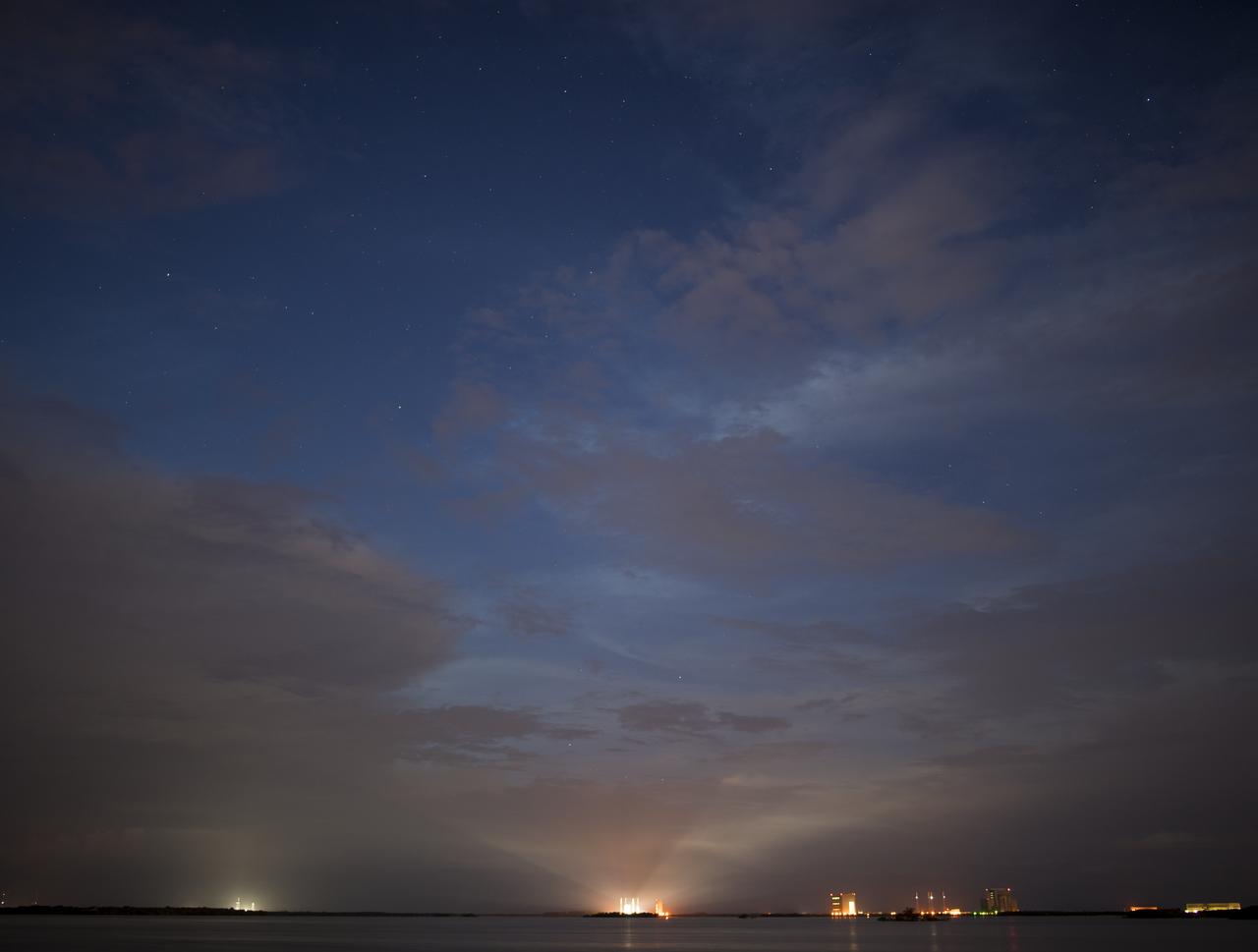
Space Launch Complex 41 is seen illuminated by spotlights, Wednesday, July 29, 2020, ahead of the launch of a United Launch Alliance Atlas V rocket with NASA’s Mars 2020 Perseverance rover onboard from Cape Canaveral Air Force Station in Florida. The Perseverance rover is part of NASA’s Mars Exploration Program, a long-term effort of robotic exploration of the Red Planet. Launch is scheduled for Thursday, July 30. Photo Credit: (NASA/Joel Kowsky)
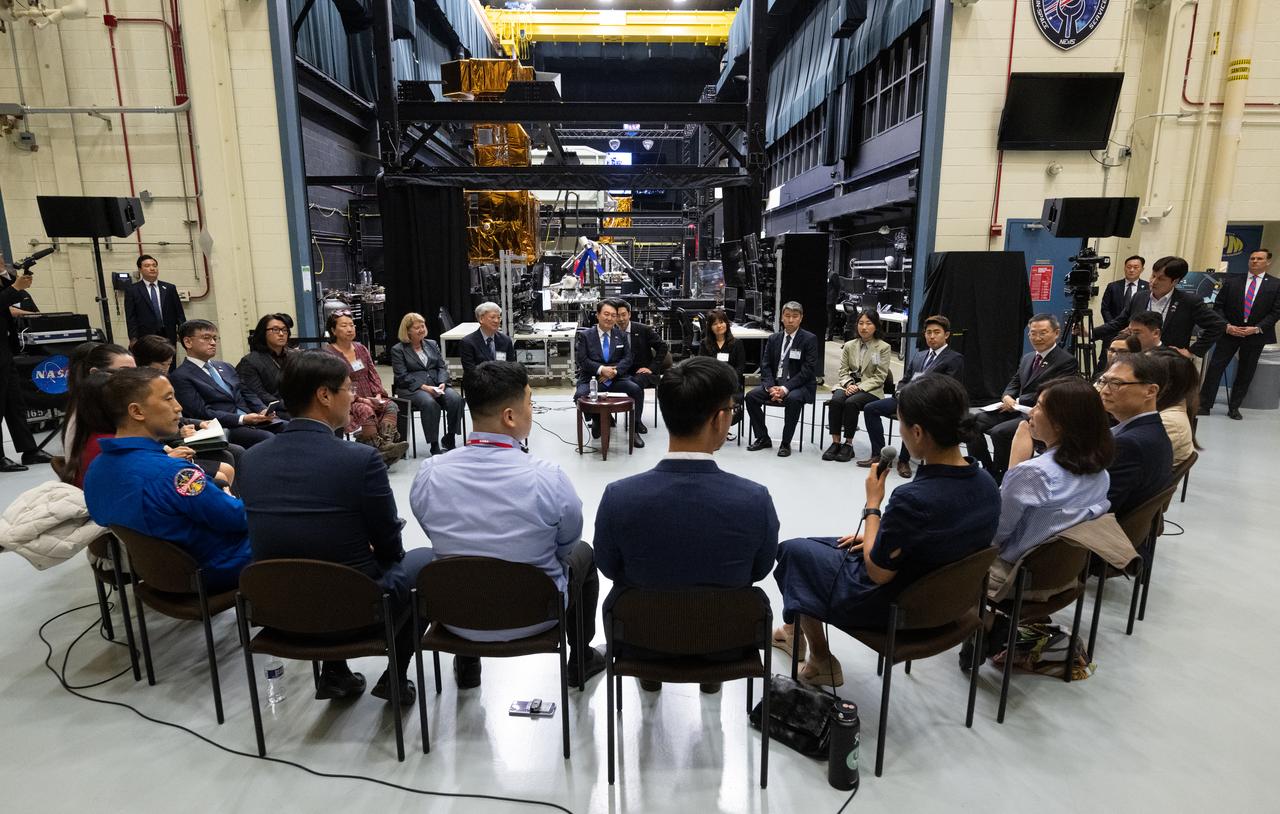
President Yoon Suk Yeol of the Republic of Korea, center, meets with Korean-American employees during a tour of NASA’s Goddard Space Flight Center, Tuesday, April 25, 2023, in Greenbelt, Md. Photo Credit: (NASA/Joel Kowsky)
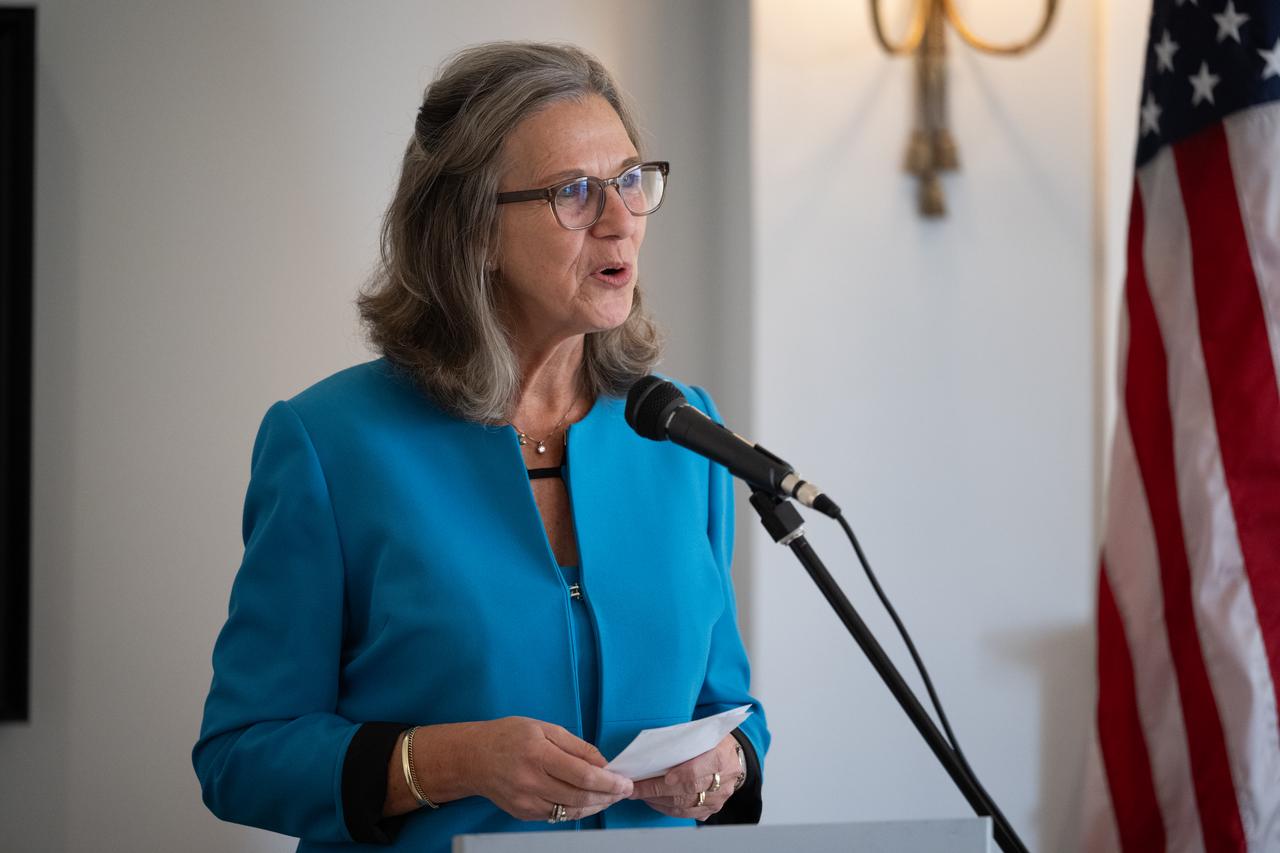
Ambassador of the Kingdom of the Netherlands to the United States Birgitta Tazelaar delivers remarks during an Artemis Accords signing ceremony, Wednesday, Nov. 1, 2023, at the Dutch Ambassador’s Residence in Washington. Netherlands is the 31st country to sign the Artemis Accords, which establish a practical set of principles to guide space exploration cooperation among nations participating in NASA’s Artemis program. Photo Credit: (NASA/Joel Kowsky)
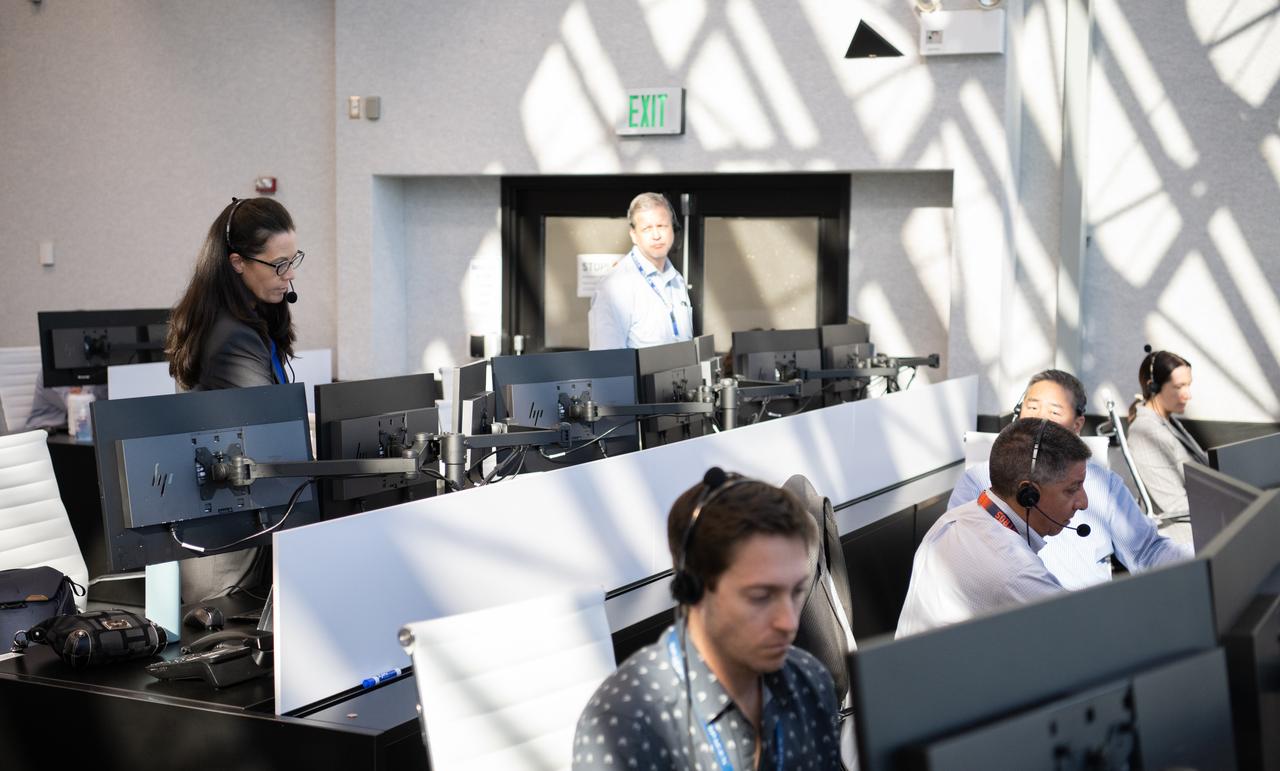
Emily Nelson, NASA's chief flight director, left, Richard Jones, manager of the Mission Management and Integration Office for NASA's Commercial Crew Program, center right, are seen as they monitor the countdown during a dress rehearsal in preparation for the launch of a SpaceX Falcon 9 rocket carrying the company's Crew Dragon spacecraft on NASA’s SpaceX Crew-5 mission with NASA astronauts Nicole Mann and Josh Cassada, Japan Aerospace Exploration Agency (JAXA) astronaut Koichi Wakata, and Roscosmos cosmonaut Anna Kikina onboard, Sunday, Oct. 2, 2022, in firing room four of the Rocco A. Petrone Launch Control Center at NASA’s Kennedy Space Center in Florida. NASA’s SpaceX Crew-5 mission is the fifth crew rotation mission of the SpaceX Crew Dragon spacecraft and Falcon 9 rocket to the International Space Station as part of the agency’s Commercial Crew Program. Mann, Cassada, Wakata, and Kikini are scheduled to launch at 12:00 p.m. EDT on Oct. 5, from Launch Complex 39A at the Kennedy Space Center. Photo Credit: (NASA/Joel Kowsky)
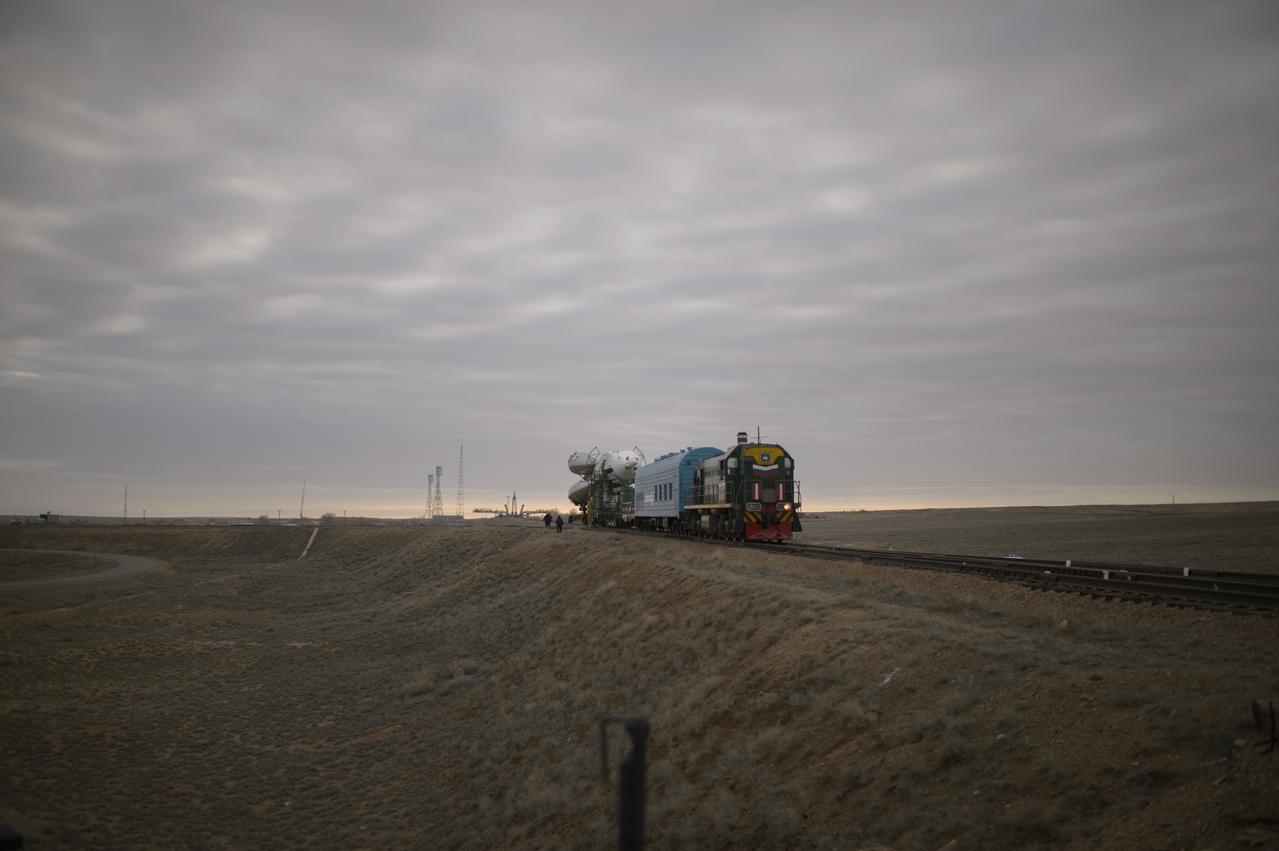
The Soyuz TMA-12M spacecraft is rolled out to the launch pad by train on Sunday, March 23, 2014, at the Baikonur Cosmodrome in Kazakhstan. Launch of the Soyuz rocket is scheduled for March 26 and will send Expedition 39 Soyuz Commander Alexander Skvortsov of the Russian Federal Space Agency, Roscosmos, Flight Engineer Steven Swanson of NASA, and Flight Engineer Oleg Artemyev of Roscosmos on a six-month mission aboard the International Space Station. Photo Credit: (NASA/Joel Kowsky)
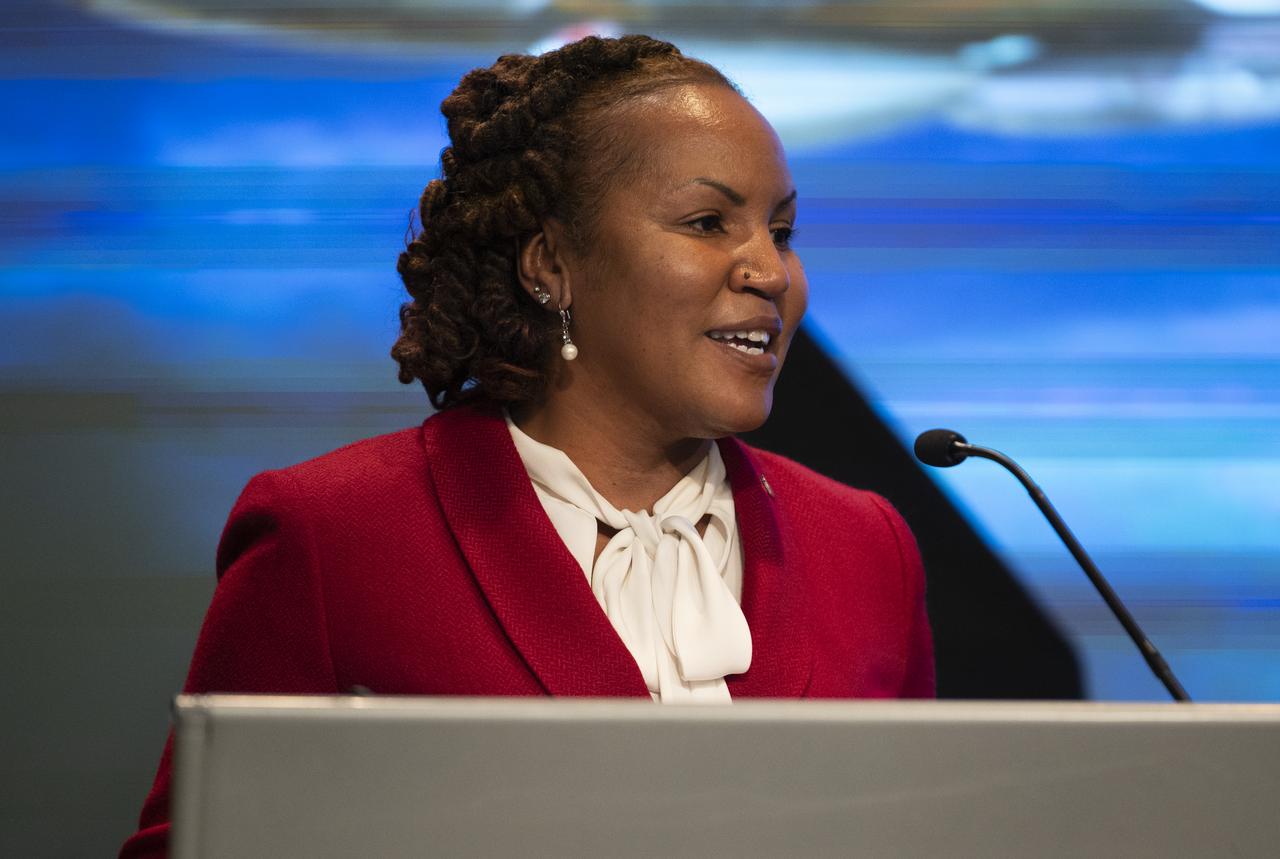
Monica Manning, Assistant Administrator for Procurement at NASA, introduces Retired U.S. Air Force Honorary Brigadier General Charles McGee and NASA astronaut Alvin Drew during a Black History Month program titled “Trailblazers, The Story of a Tuskegee Airman,” Wednesday, Feb. 5, 2020, at NASA Headquarters in Washington, DC. McGee, a pilot with the Tuskegee Airmen during World War II, was a career officer in the Air Force also serving during the Korean and Vietnam Wars. Over his 30 years of service he flew 409 combat missions. Of the 355 Tuskegee pilots who flew in combat, McGee is one of only nine surviving. Photo Credit: (NASA/Joel Kowsky)
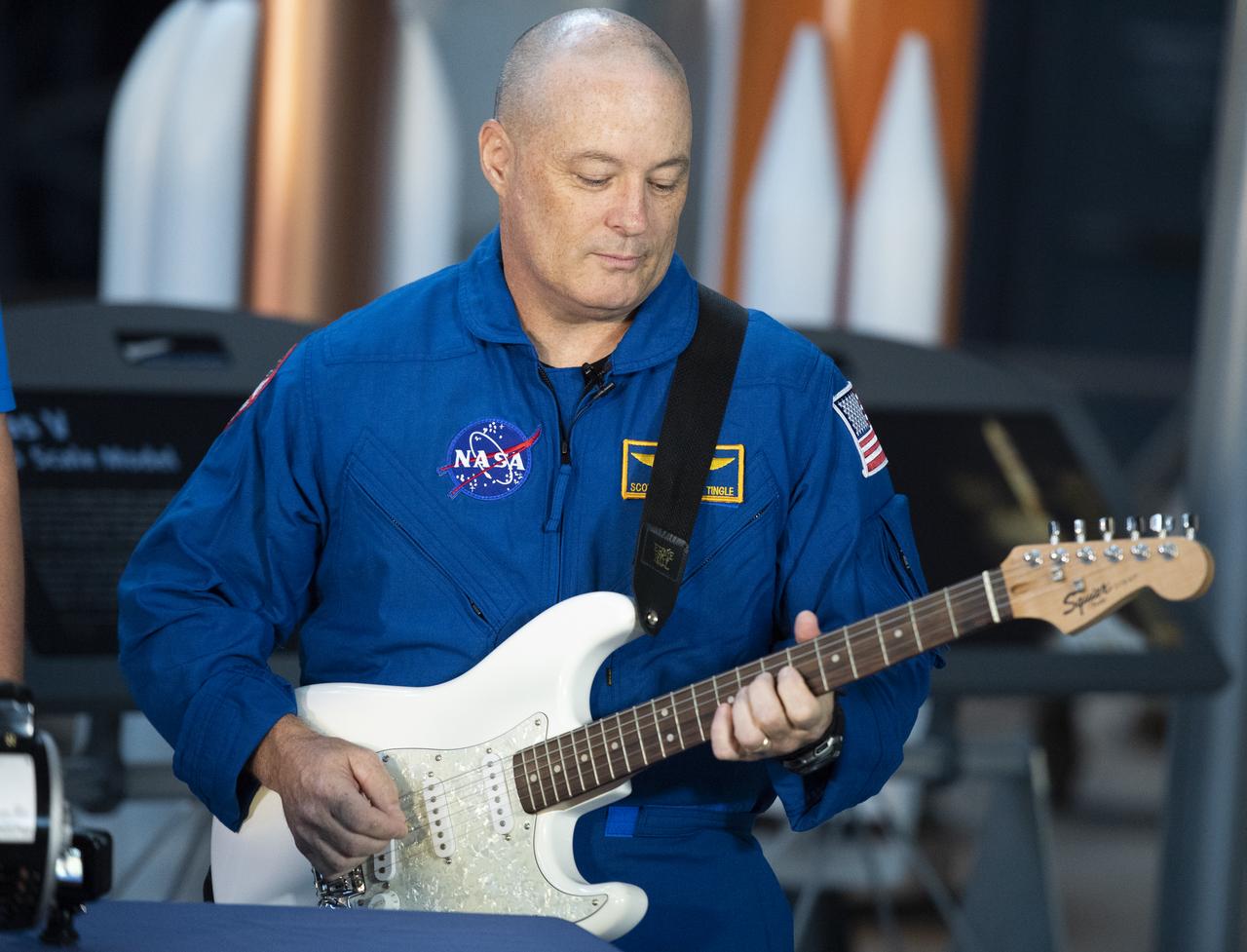
NASA astronaut Scott Tingle plays an electric guitar during a taping of STEM in 30, Wednesday, Sept. 12, 2018 at the Smithsonian National Air and Space Museum's Steven F. Udvar-Hazy Center in Chantilly, Va. Tingle spent 168 days onboard the International Space Station as part of Expeditions 54 and 55. Photo Credit: (NASA/Joel Kowsky)
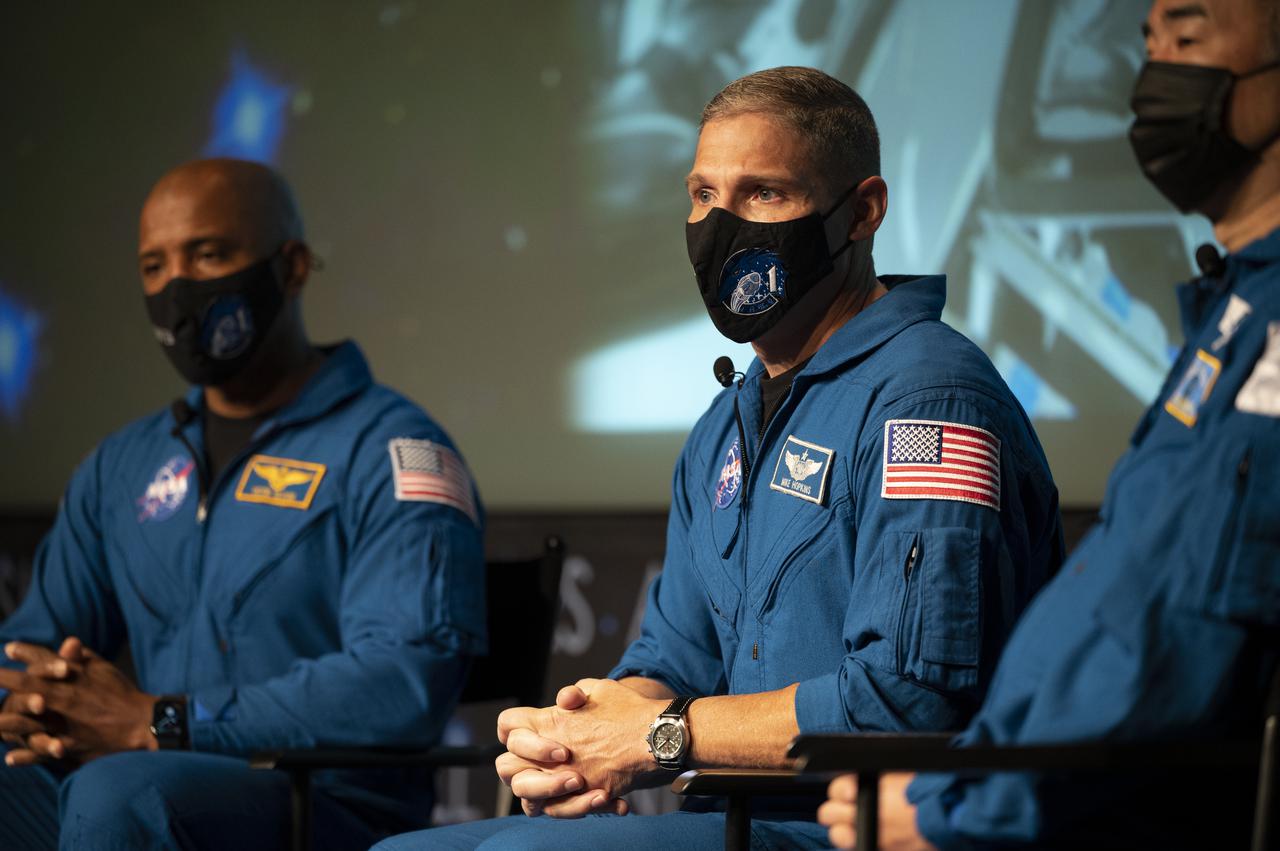
NASA astronaut Mike Hopkins, center, along with fellow SpaceX Crew-1 crew members Victor Glover, Shannon Walker, and Japan Aerospace Exploration Agency (JAXA) astronaut Soichi Noguchi speak with employees of the Space Operations and Exploration Systems Development Mission Directorates about the Crew-1 mission, Monday, Nov. 15, 2021, at the Mary W. Jackson NASA Headquarters Building in Washington. Hopkins, Glover, Walker, and Noguchi launched on the first crew rotation mission to the International Space Station for SpaceX’s Falcon 9 and Crew Dragon spacecraft as part of the agency’s Commercial Crew Program and spent 168 days in space across Expeditions 64 and 65. Photo Credit: (NASA/Joel Kowsky)
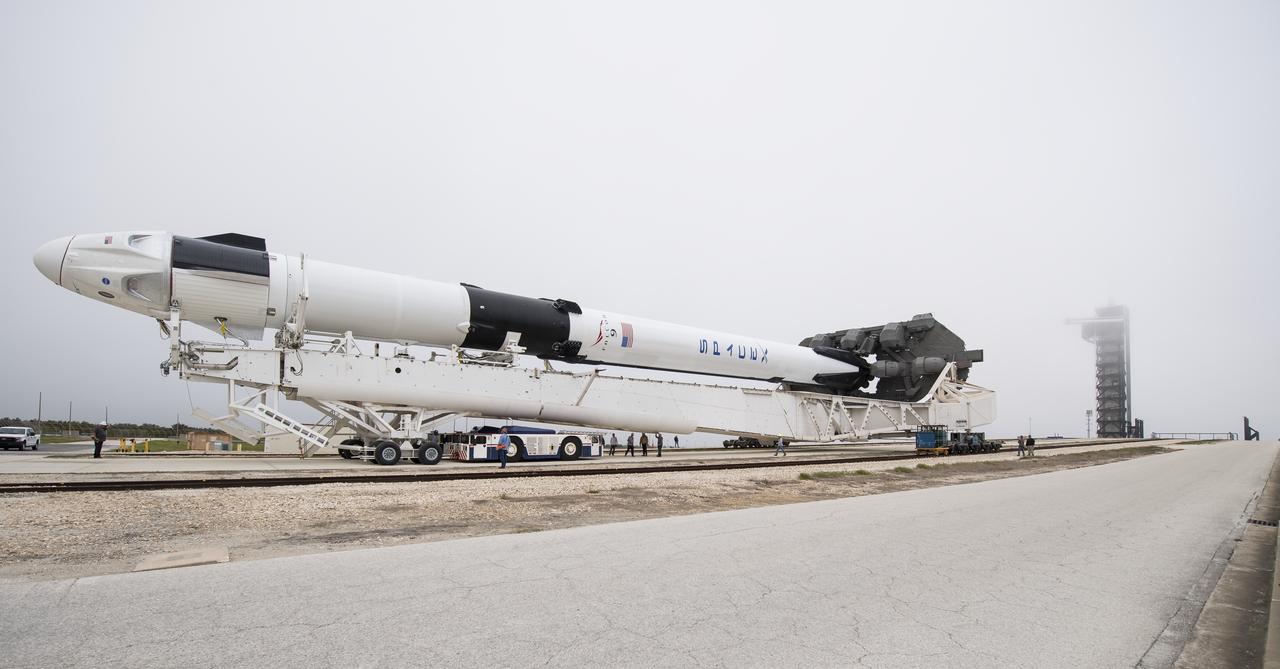
A SpaceX Falcon 9 rocket with the company's Crew Dragon spacecraft onboard is seen as it is rolled out of the horizontal integration facility at Launch Complex 39A as preparations continue for the Demo-1 mission, Feb. 28, 2019 at the Kennedy Space Center in Florida. The Demo-1 mission will be the first launch of a commercially built and operated American spacecraft and space system designed for humans as part of NASA's Commercial Crew Program. The mission, currently targeted for a 2:49am launch on March 2, will serve as an end-to-end test of the system's capabilities. Photo Credit: (NASA/Joel Kowsky)
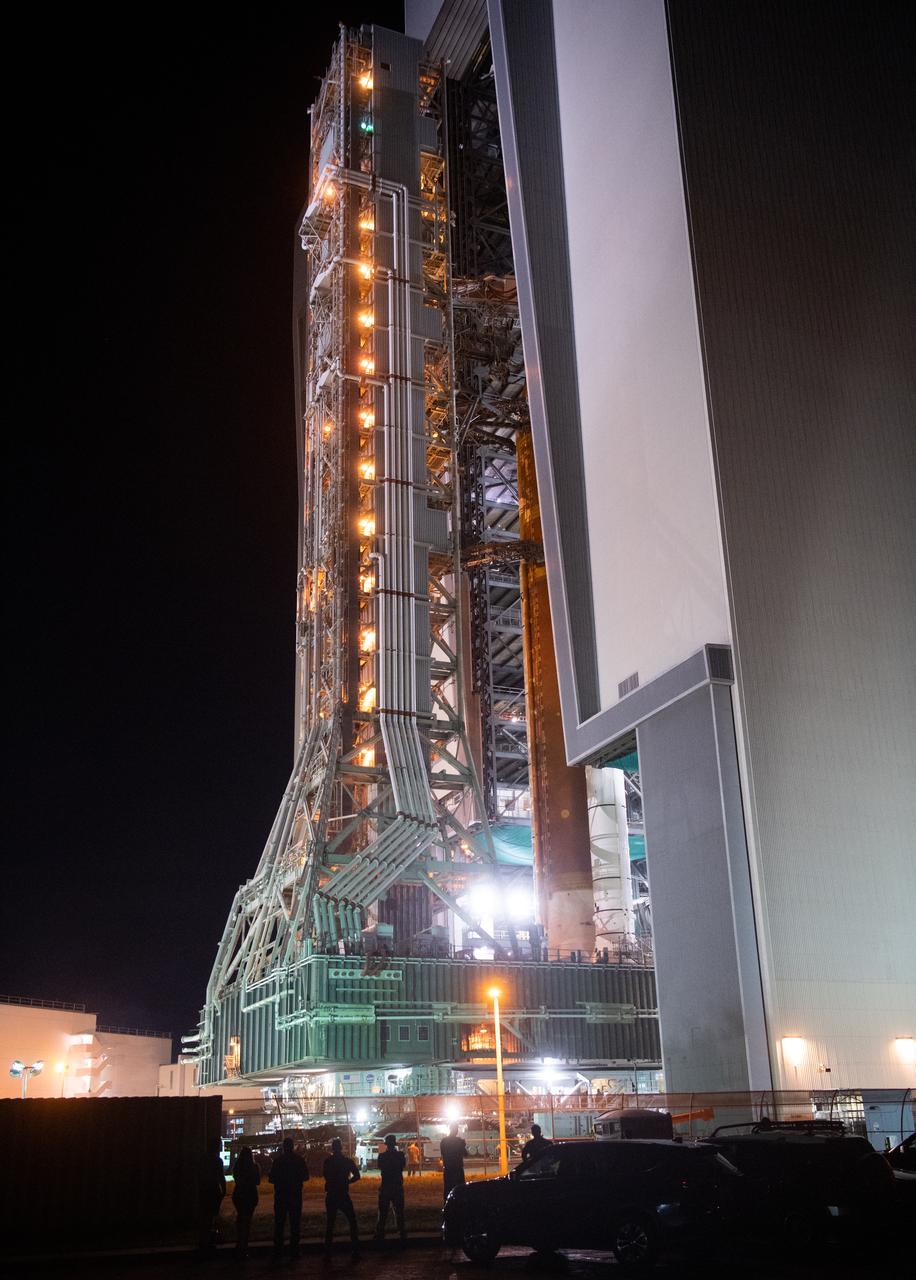
NASA’s Space Launch System (SLS) rocket with the Orion spacecraft aboard is seen atop the mobile launcher as it rolls out of the Vehicle Assembly Building to Launch Complex 39B, Tuesday, Aug. 16, 2022, at NASA’s Kennedy Space Center in Florida. NASA’s Artemis I mission is the first integrated test of the agency’s deep space exploration systems: the Orion spacecraft, SLS rocket, and supporting ground systems. Launch of the uncrewed flight test is targeted for no earlier than Aug. 29. Photo Credit: (NASA/Joel Kowsky)
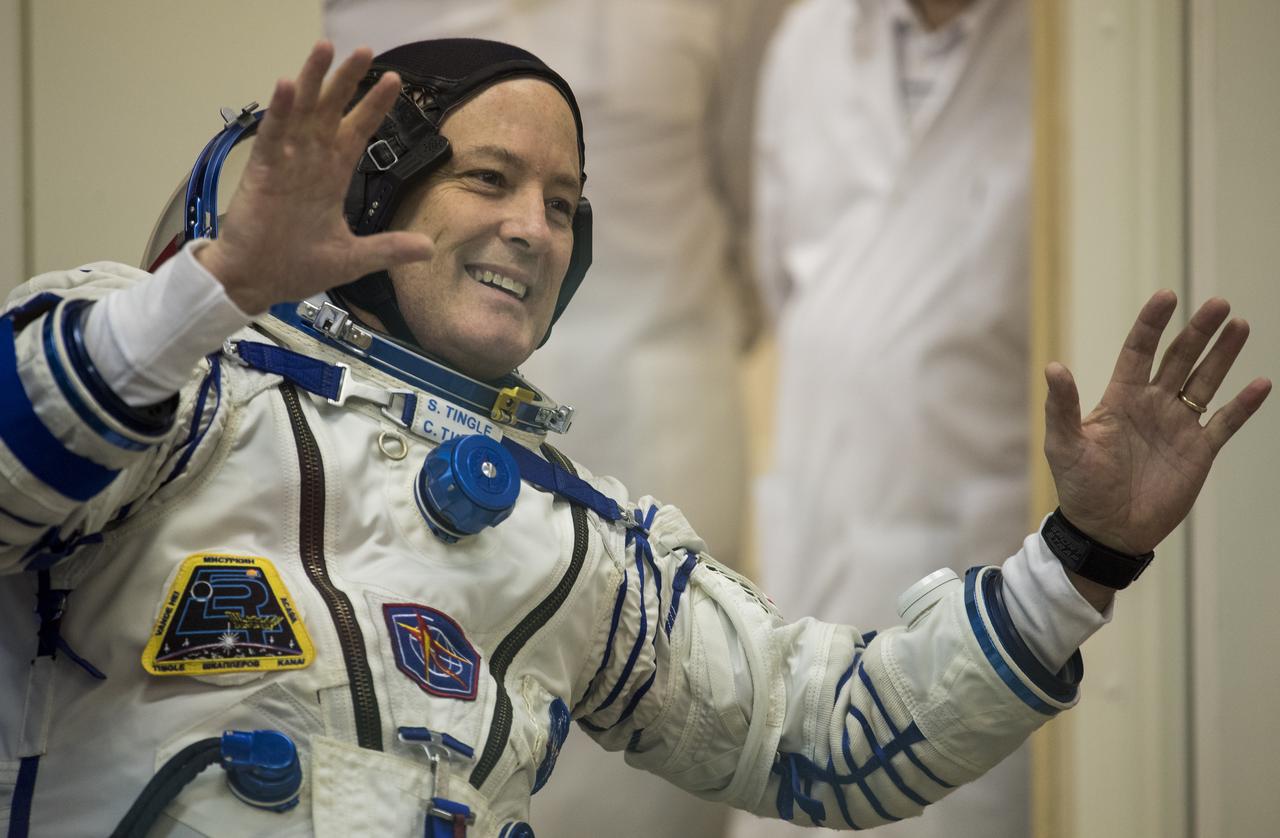
Expedition 54 flight engineer Scott Tingle of NASA is seen as he waits to have his Russian Sokol suit pressure checked in preparation for launch aboard the Soyuz MS-07 spacecraft, Sunday, Dec. 17, 2017 at the Baikonur Cosmodrome Kazakhstan. Launch of the Soyuz rocket will send Tingle and fellow crewmates Soyuz Commander Anton Shkaplerov of Roscosmos and flight engineer Norishige Kanai of the Japan Aerospace Exploration Agency (JAXA) on a five month mission aboard the International Space Station. Photo Credit: (NASA/Joel Kowsky)

The Soyuz rocket is rolled out by train to the launch pad, Monday, March 19, 2018 at the Baikonur Cosmodrome in Kazakhstan. Expedition 55 crewmembers Ricky Arnold and Drew Feustel of NASA and Oleg Artemyev of Roscosmos are scheduled to launch at 1:44 p.m. Eastern time (11:44 p.m. Baikonur time) on March 21 and will spend the next five months living and working aboard the International Space Station. Photo Credit: (NASA/Joel Kowsky)
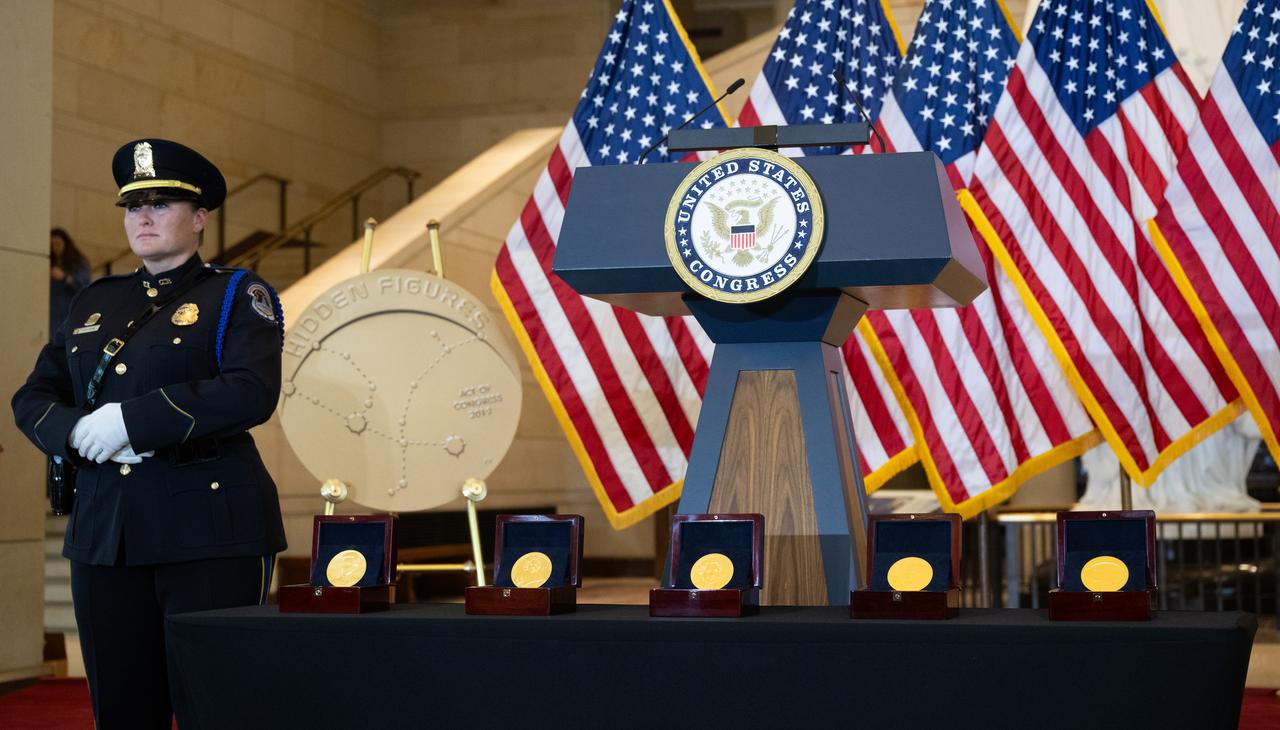
The Congressional Gold Medals to be presented are seen before the start of a ceremony recognizing NASA’s Hidden Figures, Wednesday, Sept. 18, 2024, in Emancipation Hall at the U.S. Capitol in Washington. Congressional Gold Medals were awarded to Katherine Johnson, Dr. Christine Darden, Dorothy Vaughan, and Mary W. Jackson in recognition of their service to the United States as well as a Congressional Gold Medal in recognition of all the women who served as computers, mathematicians, and engineers at the National Advisory Committee for Aeronautics and NASA between the 1930s and 1970s. Photo Credit: (NASA/Joel Kowsky)
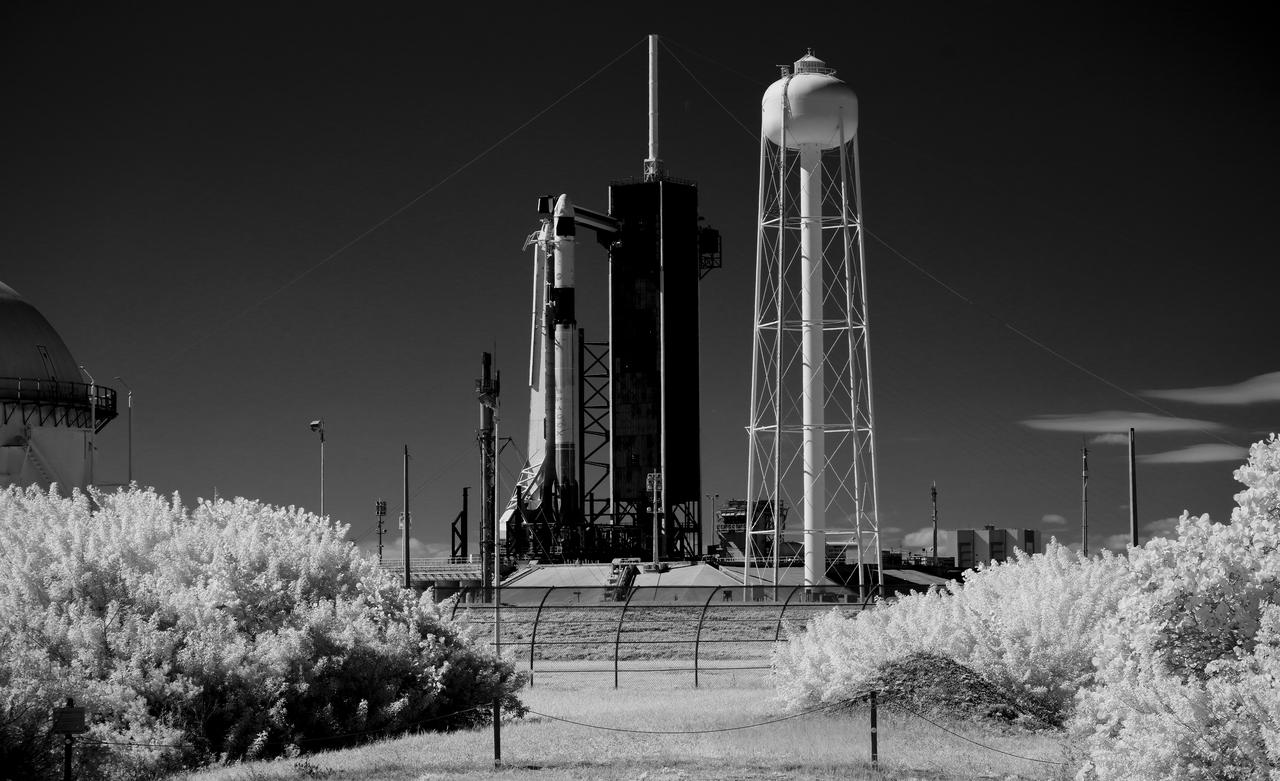
In this black and white infrared image, a SpaceX Falcon 9 rocket with the company's Crew Dragon spacecraft onboard is seen on the launch pad at Launch Complex 39A as preparations continue for the Crew-3 mission, Sunday, Oct. 31, 2021, at NASA’s Kennedy Space Center in Florida. NASA’s SpaceX Crew-3 mission is the third crew rotation mission of the SpaceX Crew Dragon spacecraft and Falcon 9 rocket to the International Space Station as part of the agency’s Commercial Crew Program. NASA astronauts Raja Chari, Tom Marshburn, Kayla Barron, and ESA (European Space Agency) astronaut Matthias Maurer are scheduled to launch on Nov. 3 at 1:10 a.m. ET, from Launch Complex 39A at the Kennedy Space Center. Photo Credit: (NASA/Joel Kowsky)

Roscosmos cosmonaut Sergey Ryzhikov has his Russian Sokol suit pressure checked as he and fellow crewmates, NASA astronaut Jonny Kim and Roscosmos cosmonaut Alexey Zubritskiy prepare for their Soyuz launch to the International Space Station Tuesday, April 8, 2025 (April 7 Eastern Time), in Baikonur, Kazakhstan. The launch will send Kim, Ryzhikov, Zubritskiy on a mission to the International Space Station. Photo Credit: (NASA/Joel Kowsky)
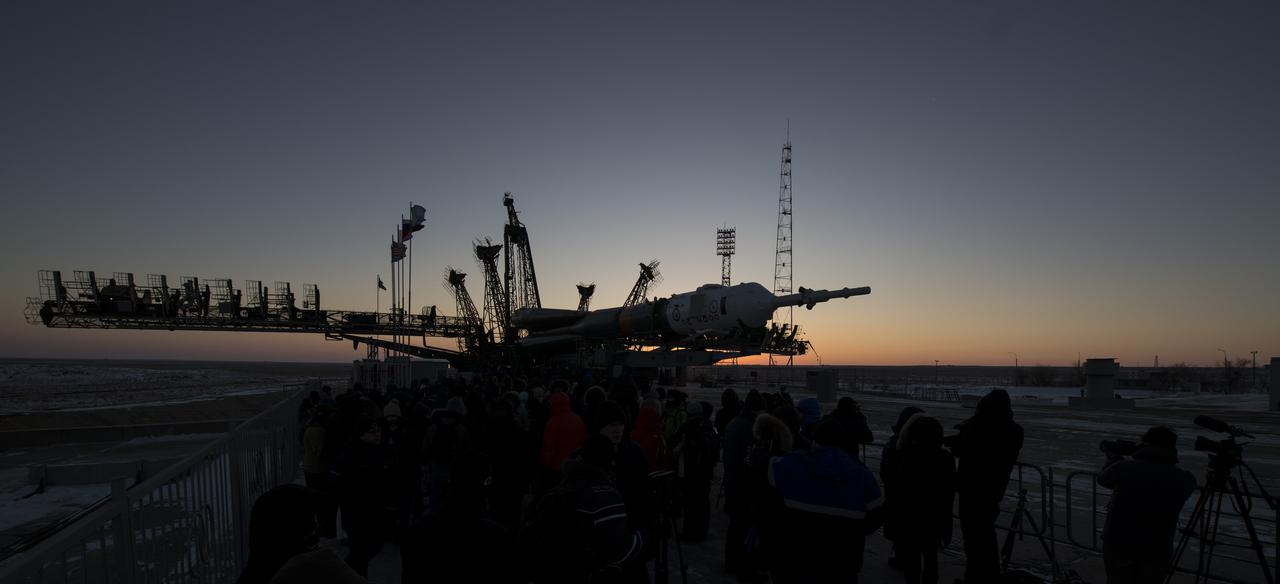
The Soyuz rocket is seen on the launch pad shortly after being rolled out by train, Friday, Dec. 15, 2017 at the Baikonur Cosmodrome in Kazakhstan. Expedition 54 Soyuz Commander Anton Shkaplerov of Roscosmos, flight engineer Scott Tingle of NASA, and flight engineer Norishige Kanai of the Japan Aerospace Exploration Agency (JAXA) are scheduled to launch at 2:21 a.m. Eastern Time (1:21 p.m. Baikonur time) on Dec. 17 and will spend the next five months living and working aboard the International Space Station. Photo Credit: (NASA/Joel Kowsky)
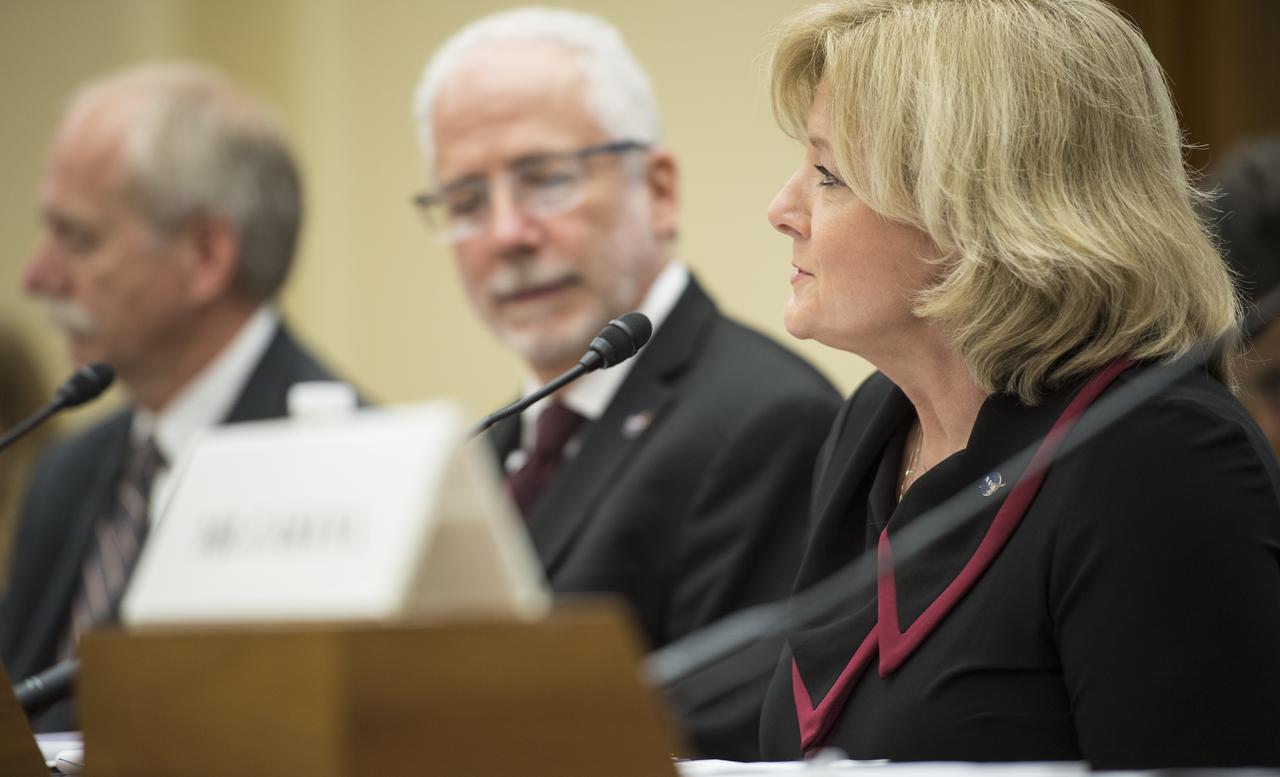
Jody Singer, Director of NASA's Marshall Space Flight Center, testifies during a House Subcommittee on Space hearing titled "60 Years of NASA Leadership in Human Space Exploration: Past, Present, and Future," Wednesday, Sept. 26, 2018 at the Rayburn House Office Building in Washington. Photo Credit: (NASA/Joel Kowsky)
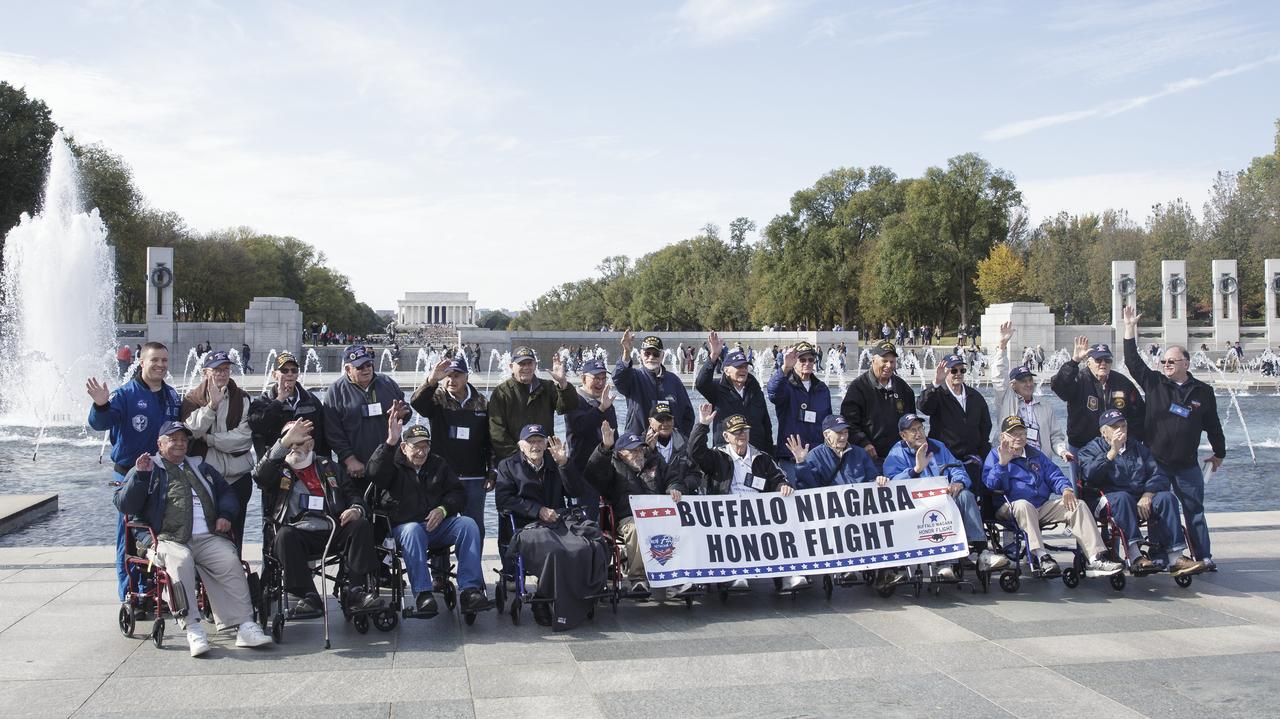
NASA astronaut Jack Fischer poses for a group photo at the World War II Memorial with veterans who traveled to Washington, DC with the Buffalo Niagara Honor Flight, Saturday, Nov. 4, 2017. Photo Credit: (NASA/Joel Kowsky)
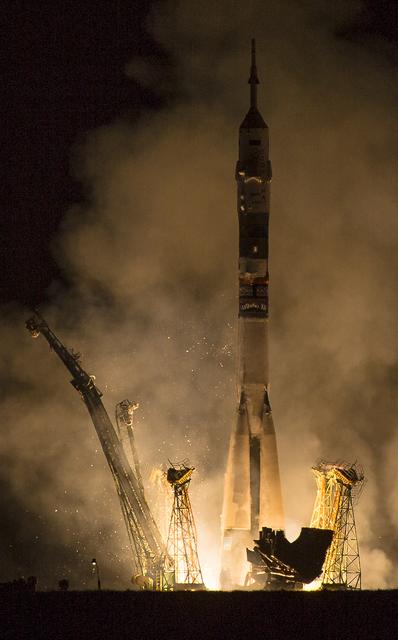
The Soyuz TMA-14M rocket is launched with Expedition 41 Soyuz Commander Alexander Samokutyaev of the Russian Federal Space Agency (Roscosmos) Flight Engineer Elena Serova of Roscosmos, and Flight Engineer Barry Wilmore of NASA, Friday, September 26, 2014 at the Baikonur Cosmodrome in Kazakhstan. Samokutyaev, Serova, and Wilmore will spend the next five and a half months aboard the International Space Station. Serova will become the fourth Russian woman to fly in space and the first Russian woman to live and work on the station. Photo Credit: (NASA/Joel Kowsky)
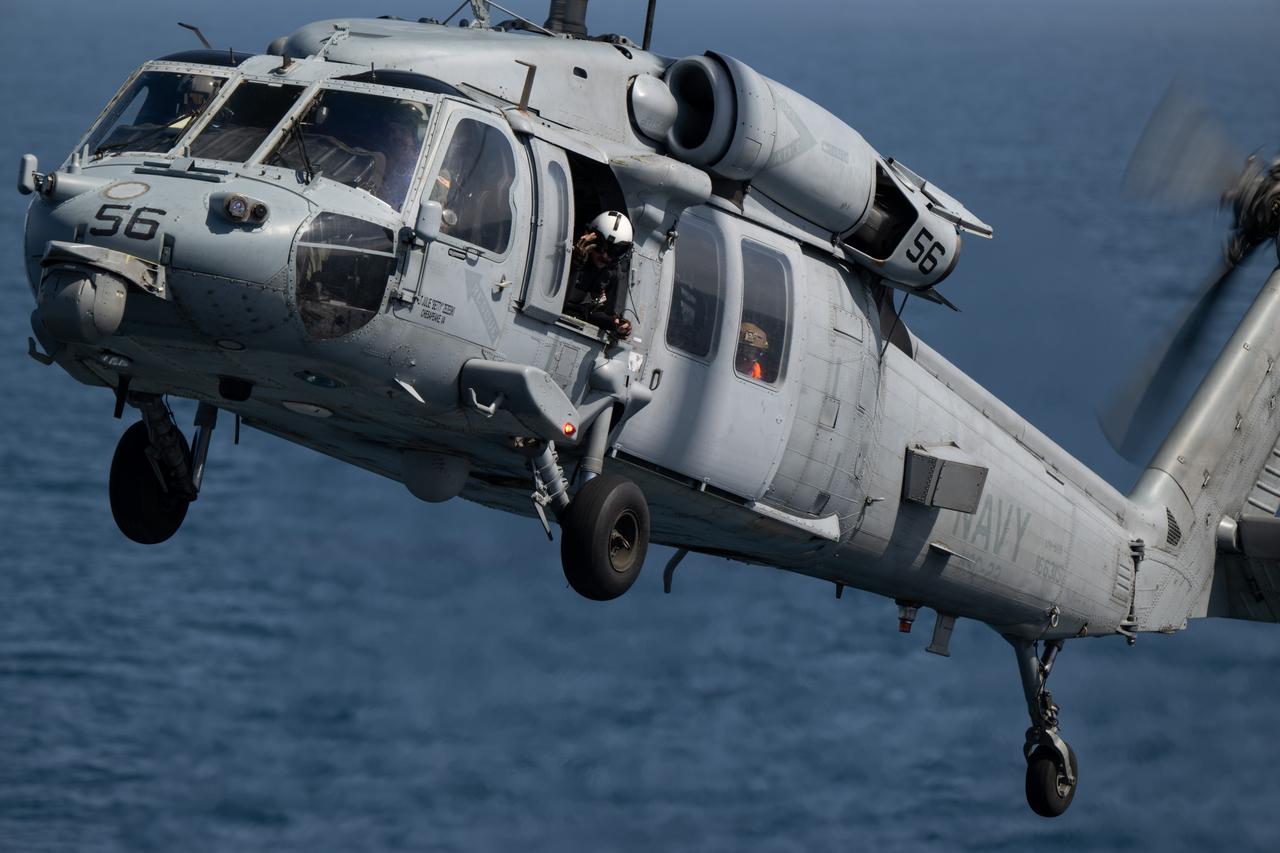
ESA (European Space Agency) astronaut Luca Parmitano is seen in the window as a Navy MH-60 Seahawk from Helicopter Sea Combat Squadron (HSC) 23 returns to USS Somerset as teams practice Artemis recovery operations during Underway Recovery Test-12 off the coast of California, Friday, March 28, 2025. During the test, NASA and Department of Defense teams are practicing to ensure recovery procedures are validated as NASA plans to send the Artemis II astronauts around the Moon and splashdown in the Pacific Ocean. Photo Credit: (NASA/Joel Kowsky)
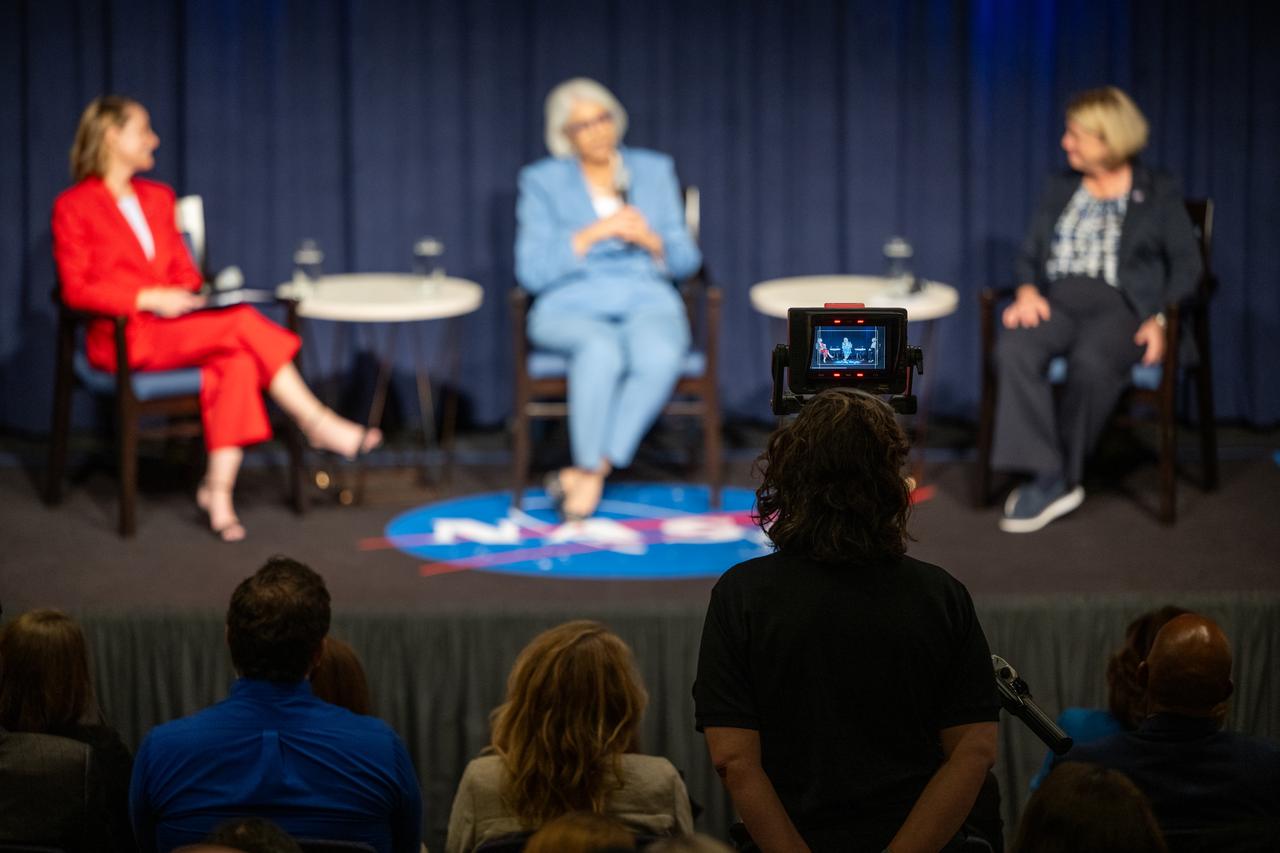
Erica Rodgers, director of advanced programs for NASA’s Office of Technology, Policy, and Strategy, left, Arati Prabhakar, Director of the White House Office of Science and Technology Policy, center, and NASA Deputy administrator Pam Melroy, are seen during a NASA employee town hall, Monday, Sept. 9, 2024, at the Mary W. Jackson NASA Headquarters building in Washington. Photo Credit: (NASA/Joel Kowsky)
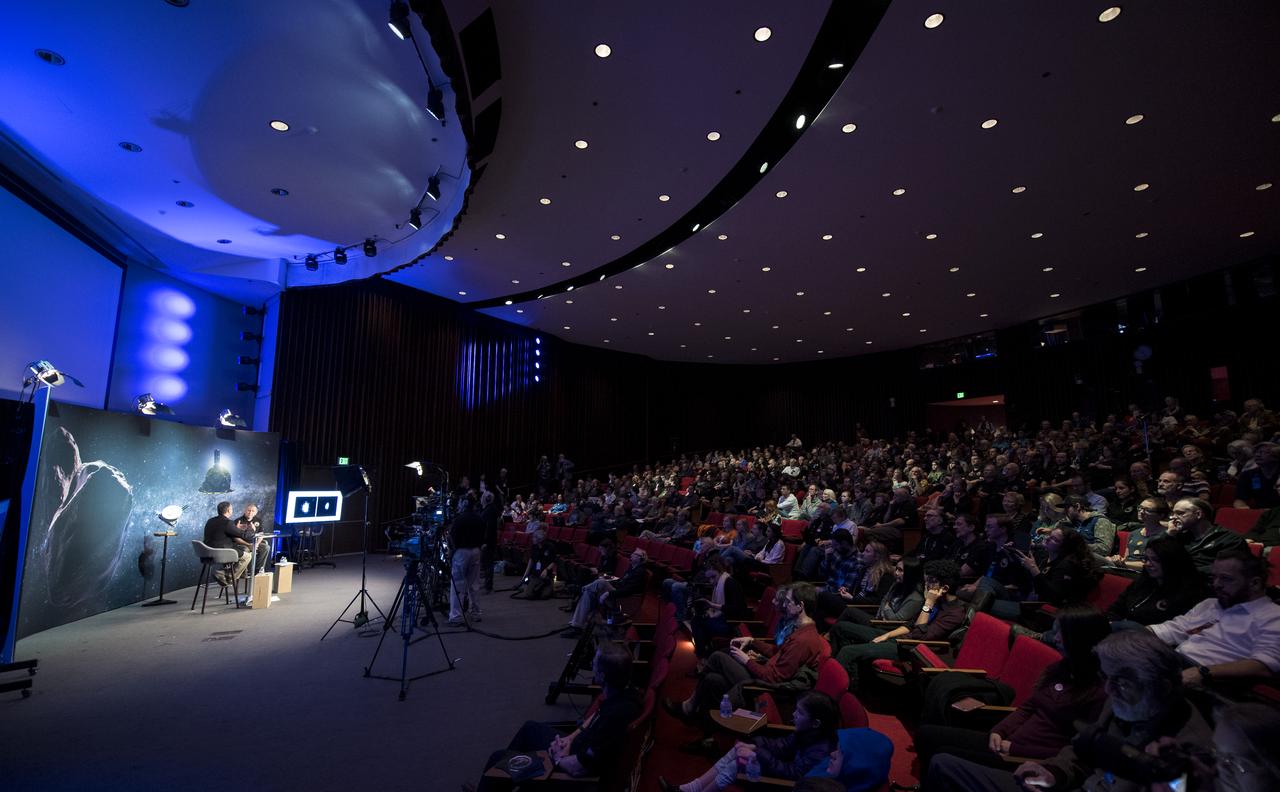
New Horizons team members and guests watch a live feed of the Mission Operations Center (MOC) as the team waits to receive confirmation from the spacecraft that it has completed the flyby of Ultima Thule, Tuesday, Jan. 1, 2019 at Johns Hopkins University Applied Physics Laboratory (APL) in Laurel, Maryland. Photo Credit: (NASA/Joel Kowsky)
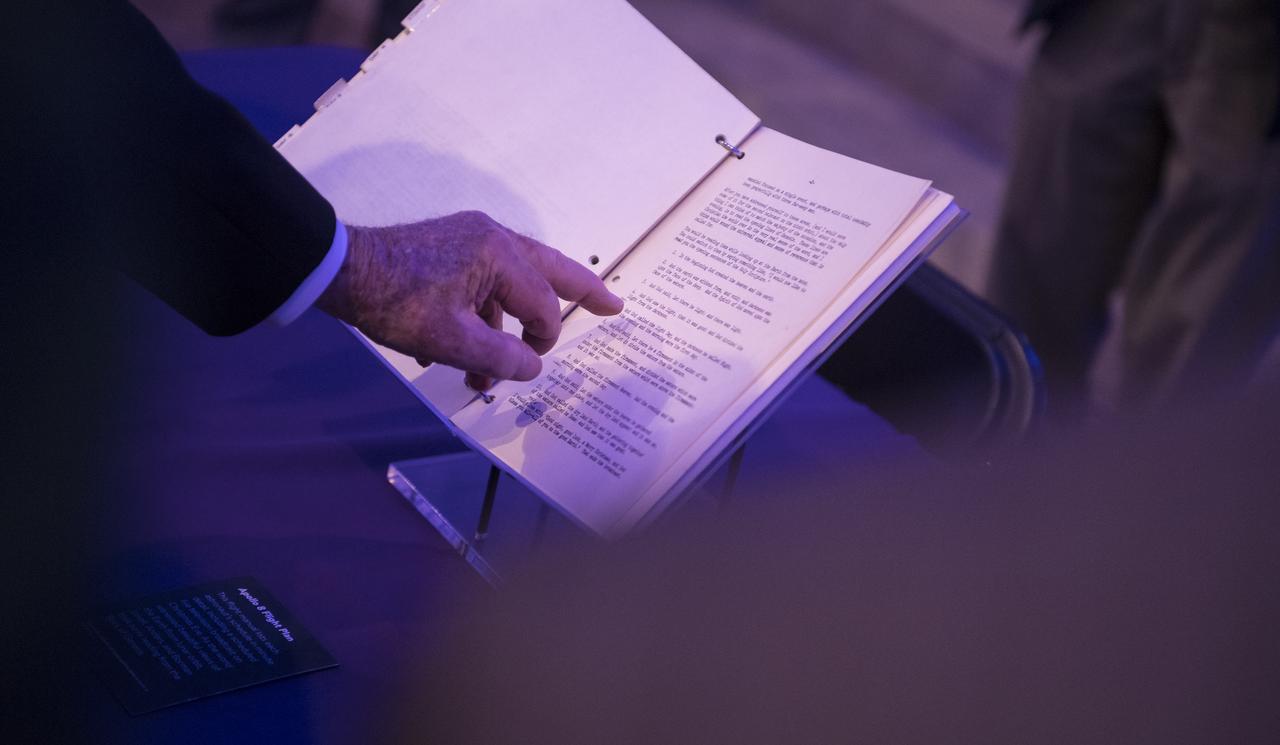
Apollo 8 astronaut Jim Lovell points to the lines from Genesis in his flight plan that were read during a television broadcast by him, Frank Borman, and William Anders as they orbited the Moon on Christmas Eve in 1968, Tuesday, Dec. 11, 2018 at the Washington National Cathedral in Washington, DC. Lovell's flight plan, which is usually displayed at the Adler Planetarium in Chicago, was one of the artifacts from the mission that were on display during the Smithsonian National Air and Space Museum's Spirit of Apollo event commemorating the 50th anniversary of Apollo 8. Apollo 8 was humanity's first journey to another world, taking astronauts Frank Borman, Jim Lovell, and William Anders to the Moon and back in December of 1968. Photo Credit: (NASA/Joel Kowsky)
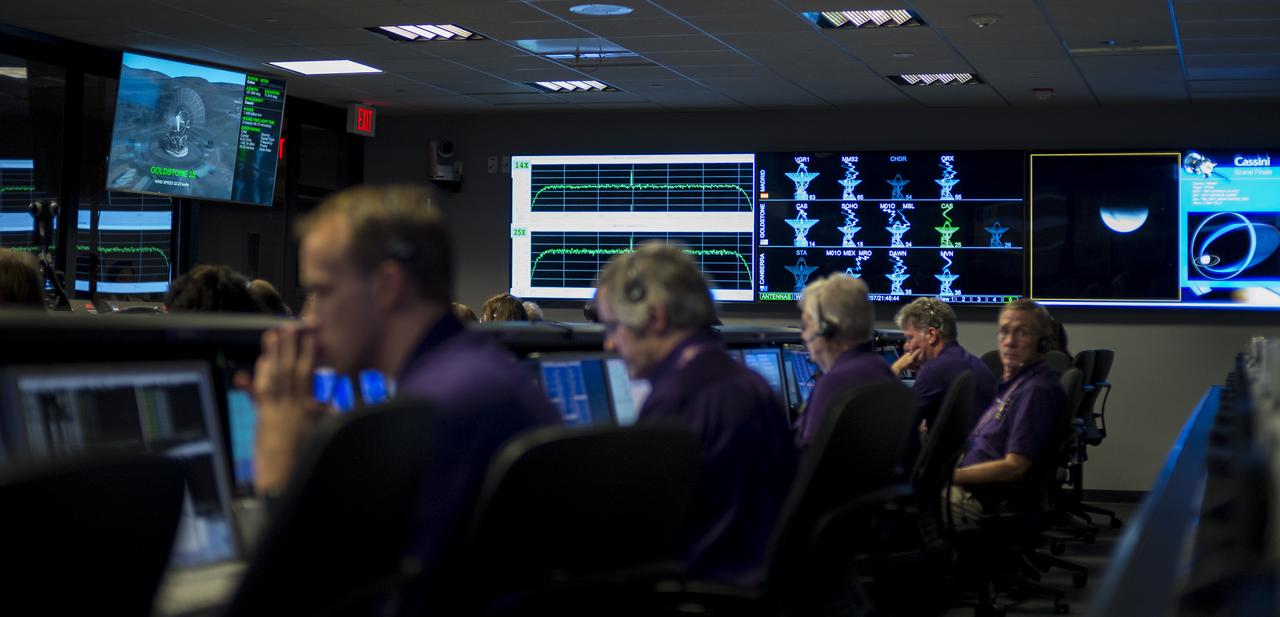
Monitors in mission control of the Space Flight Operations Center display the status of NASA's Deep Space Network as the Cassini spacecraft begins the final playback of its data recorder, Thursday, Sept. 14, 2017 at NASA's Jet Propulsion Laboratory in Pasadena, California. Since its arrival in 2004, the Cassini-Huygens mission has been a discovery machine, revolutionizing our knowledge of the Saturn system and captivating us with data and images never before obtained with such detail and clarity. On Sept. 15, 2017, operators will deliberately plunge the spacecraft into Saturn, as Cassini gathered science until the end. The “plunge” ensures Saturn’s moons will remain pristine for future exploration. During Cassini’s final days, mission team members from all around the world gathered at NASA’s Jet Propulsion Laboratory, Pasadena, California, to celebrate the achievements of this historic mission. Photo Credit: (NASA/Joel Kowsky)
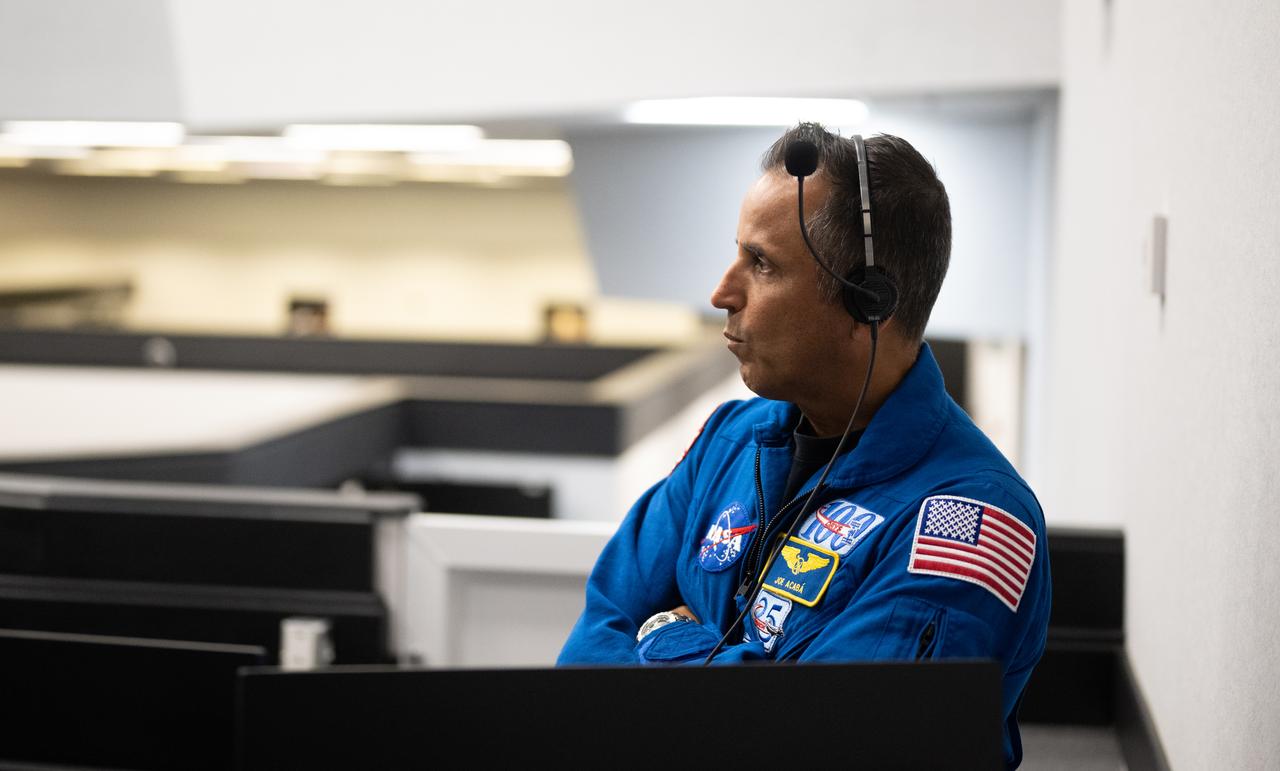
Joe Acaba, Chief of the Astronaut Office, monitors the countdown of the attempted launch of a SpaceX Falcon 9 rocket carrying the company's Dragon spacecraft on NASA’s SpaceX Crew-6 mission with NASA astronauts Stephen Bowen and Warren "Woody" Hoburg, UAE (United Arab Emirates) astronaut Sultan Alneyadi, and Roscosmos cosmonaut Andrey Fedyaev onboard, Monday, Feb. 27, 2023, in firing room four of the Launch Control Center at NASA’s Kennedy Space Center in Florida. NASA’s SpaceX Crew-6 mission is the sixth crew rotation mission of the SpaceX Dragon spacecraft and Falcon 9 rocket to the International Space Station as part of the agency’s Commercial Crew Program. Today’s launch attempt was scrubbed due to an issue with ground systems. The next launch attempt is targeted for 12:34am ET on Thursday, March 2. Photo Credit: (NASA/Joel Kowsky)
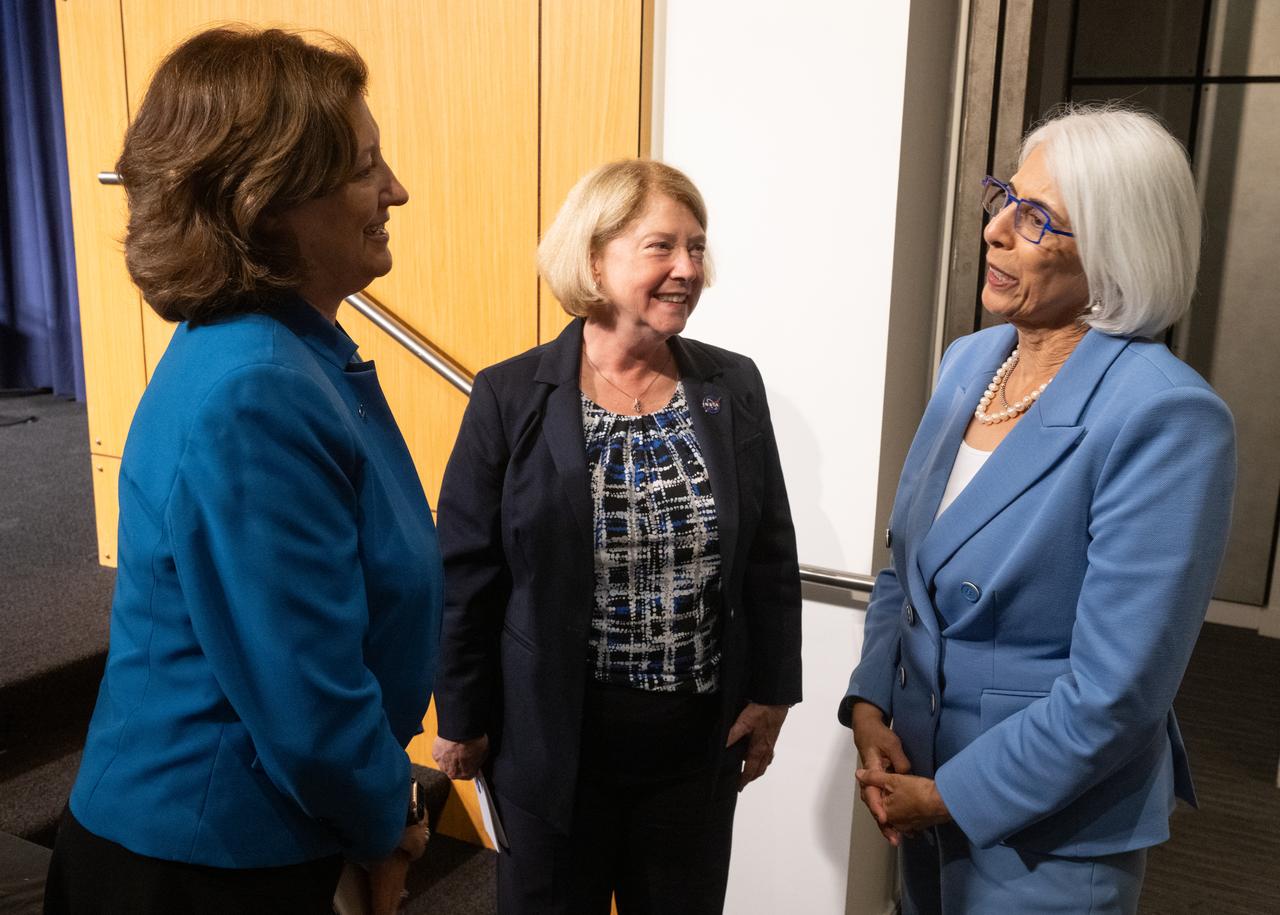
Laurie Leshin, director of NASA’s Jet Propulsion Laboratory, left, Arati Prabhakar, Director of the White House Office of Science and Technology Policy, right, and NASA Deputy administrator Pam Melroy, center, are seen following a NASA employee town hall, Monday, Sept. 9, 2024, at the Mary W. Jackson NASA Headquarters building in Washington. Photo Credit: (NASA/Joel Kowsky)
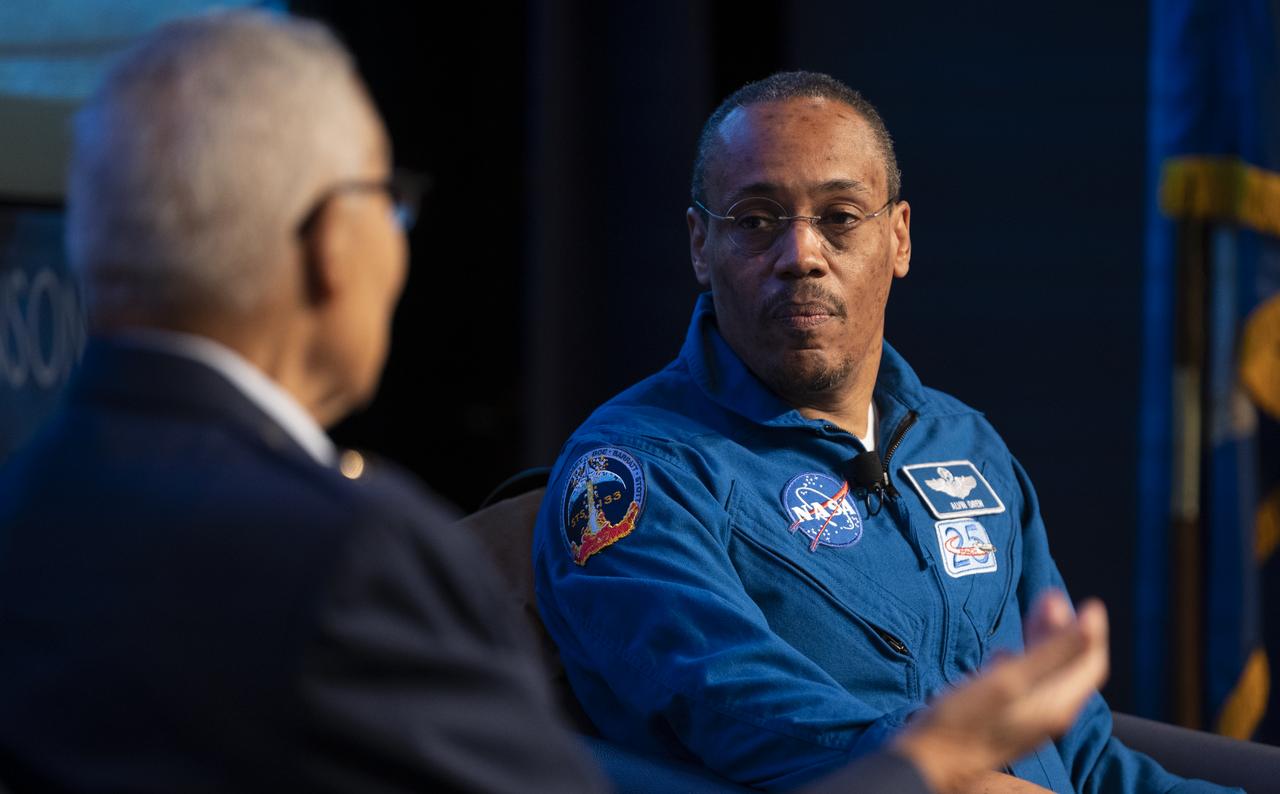
NASA astronaut Alvin Drew speaks with retired U.S. Air Force Honorary Brigadier General Charles McGee during a Black History Month program titled “Trailblazers, The Story of a Tuskegee Airman,” Wednesday, Feb. 5, 2020, at NASA Headquarters in Washington, DC. McGee, a pilot with the Tuskegee Airmen during World War II, was a career officer in the Air Force also serving during the Korean and Vietnam Wars. Over his 30 years of service he flew 409 combat missions. Of the 355 Tuskegee pilots who flew in combat, McGee is one of only nine surviving. Photo Credit: (NASA/Joel Kowsky)
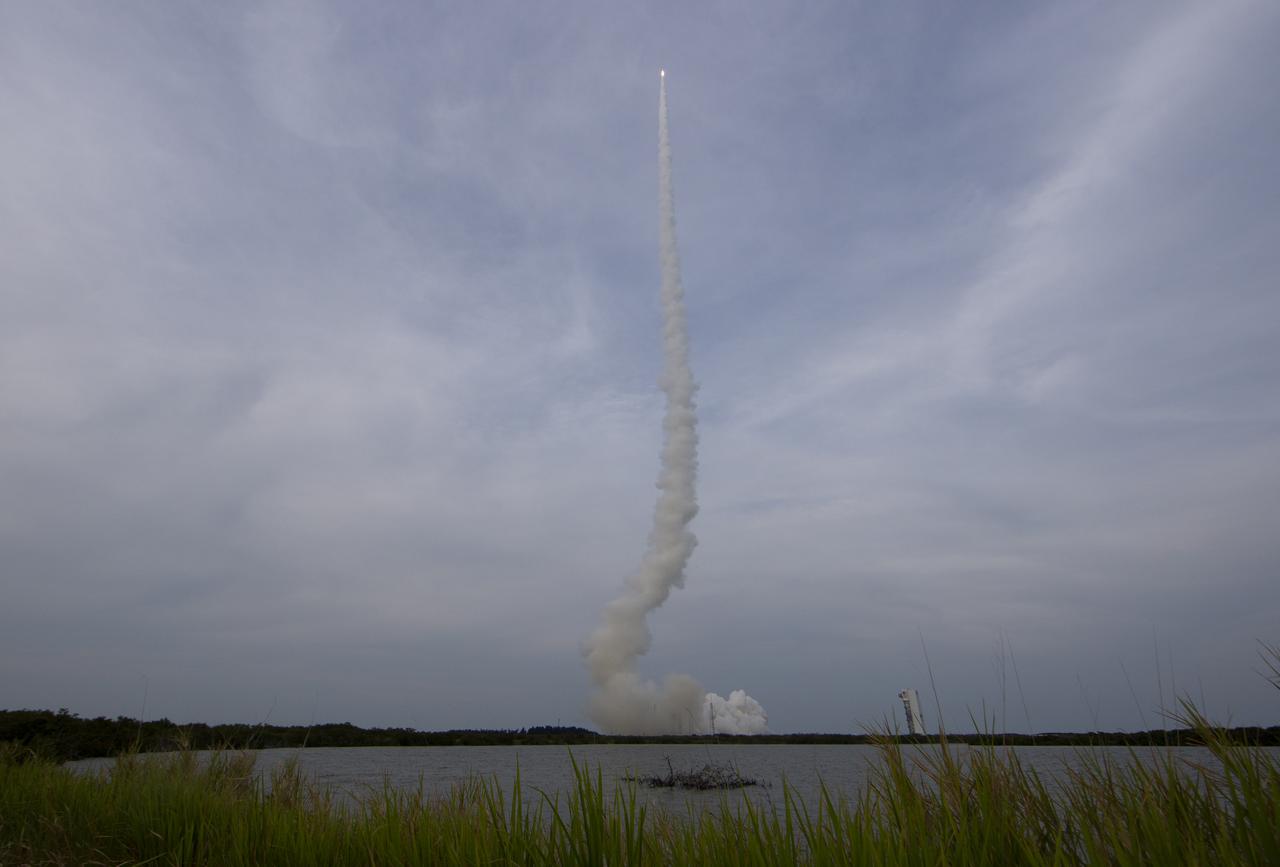
A United Launch Alliance Atlas V rocket with Boeing’s CST-100 Starliner spacecraft aboard launches from Space Launch Complex 41, Thursday, May 19, 2022, at Cape Canaveral Space Force Station in Florida. Boeing’s Orbital Flight Test-2 (OFT-2) is Starliner’s second uncrewed flight test and will dock to the International Space Station as part of NASA's Commercial Crew Program. OFT-2 launched at 6:54 p.m. ET, and will serve as an end-to-end test of the system's capabilities. Photo Credit: (NASA/Joel Kowsky)
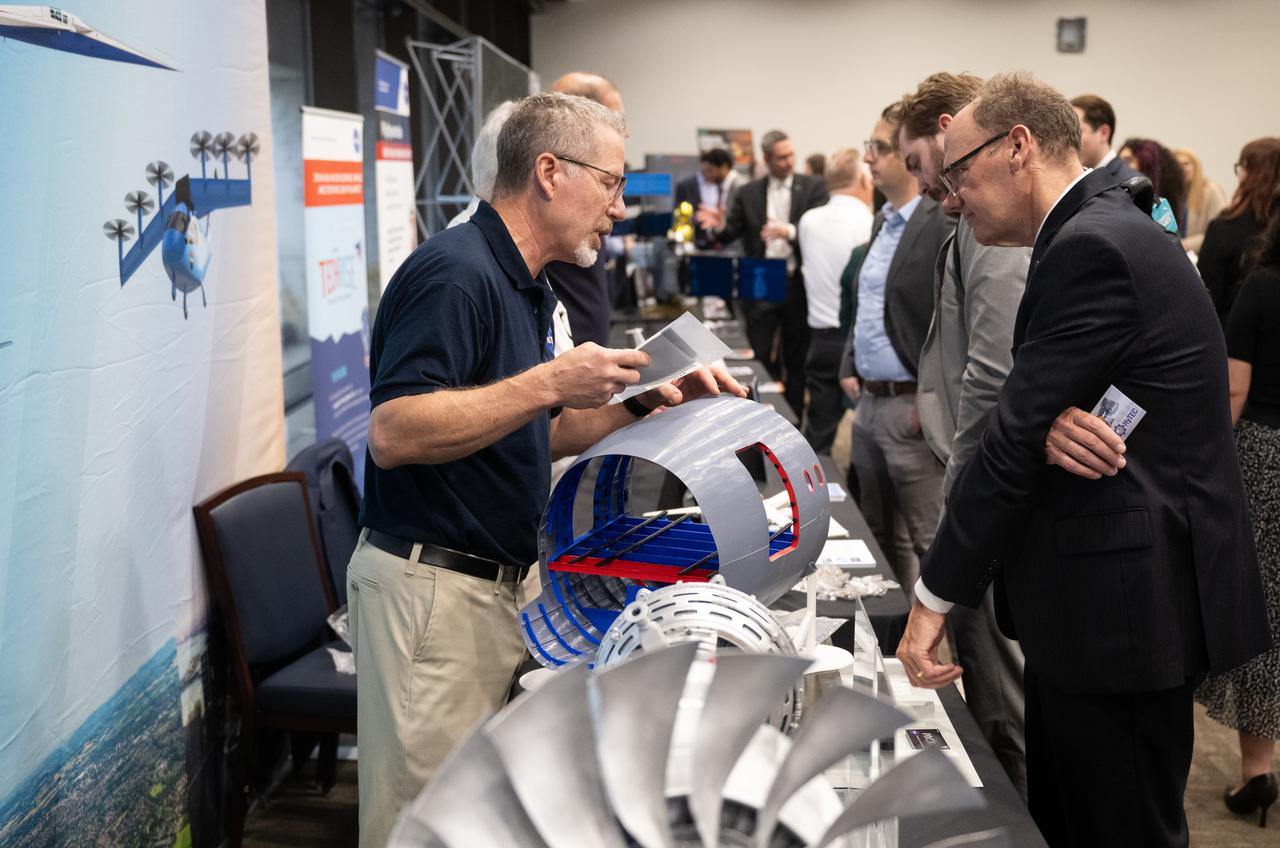
Attendees view exhibits during NASA’s Day on the Hill, Tuesday, Sept. 16, 2025, at the Hart Senate Office Building in Washington. Photo Credit: (NASA/Joel Kowsky)
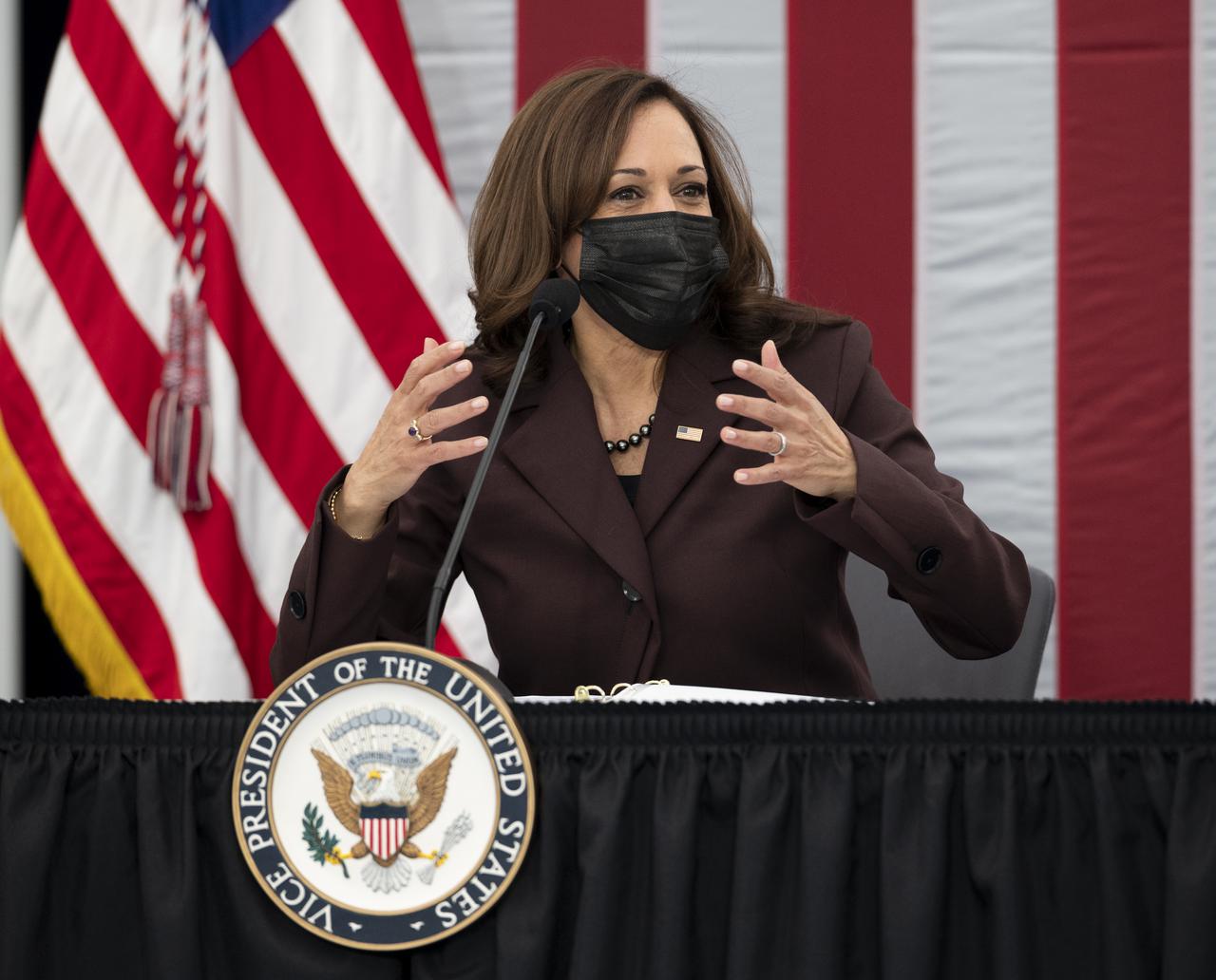
Vice President Kamala Harris is seen during the National Space Council’s first meeting, Wednesday, Dec. 1, 2021 at the United States Institute of Peace in Washington. Chaired by Vice President Harris, the council's role is to advise the President regarding national space policy and strategy, and ensuring the United States capitalizes on the opportunities presented by the country’s space activities. Photo Credit: (NASA/Joel Kowsky)
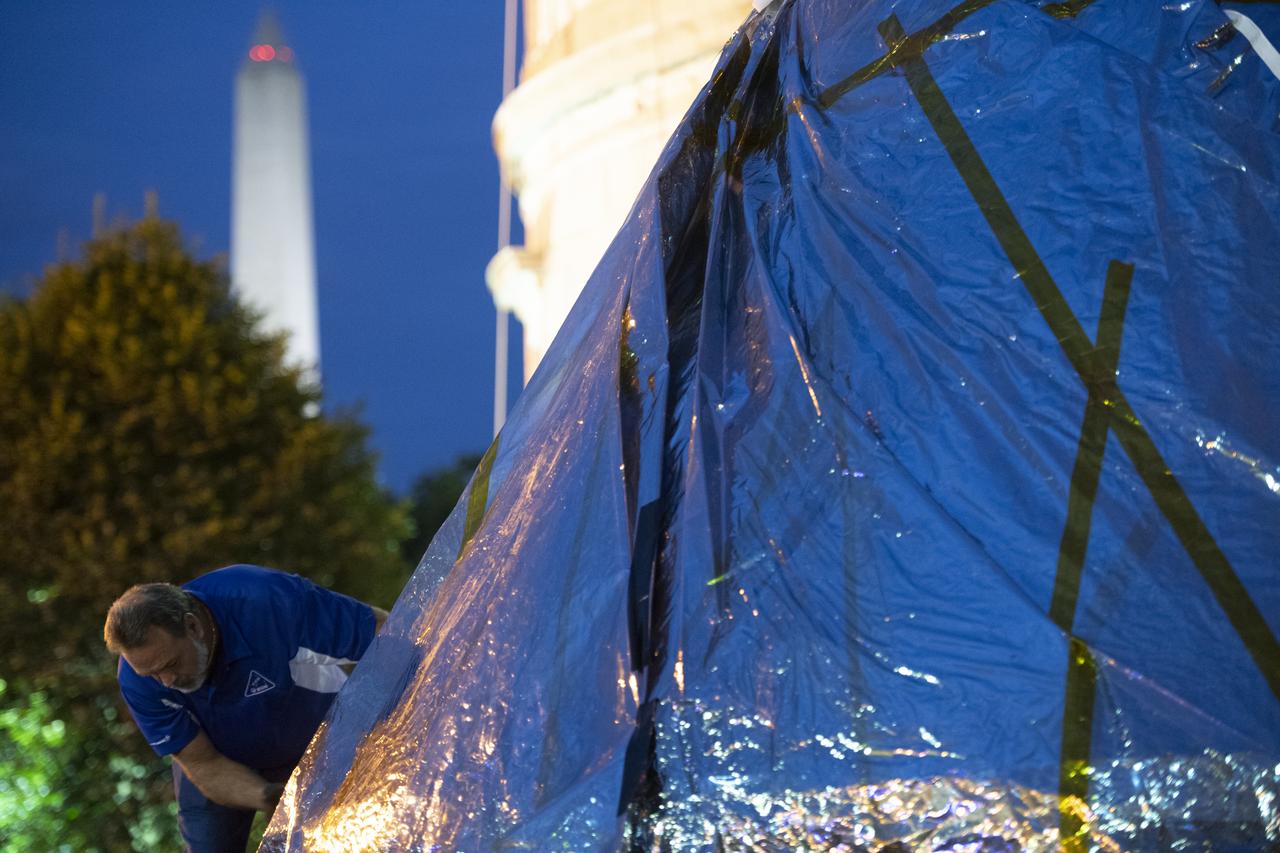
NASA's Orion spacecraft that flew Exploration Flight Test-1 on Dec. 5, 2014 is seen as it arrives at the White House complex, Saturday, July 21, 2018 in Washington, DC. Lockheed Martin, NASA’s prime contractor for Orion, began manufacturing the Orion crew module in 2011 and delivered it in July 2012 to NASA's Kennedy Space Center where final assembly, integration and testing was completed. More than 1,000 companies across the country manufactured or contributed elements to the spacecraft. Photo Credit: (NASA/Joel Kowsky)
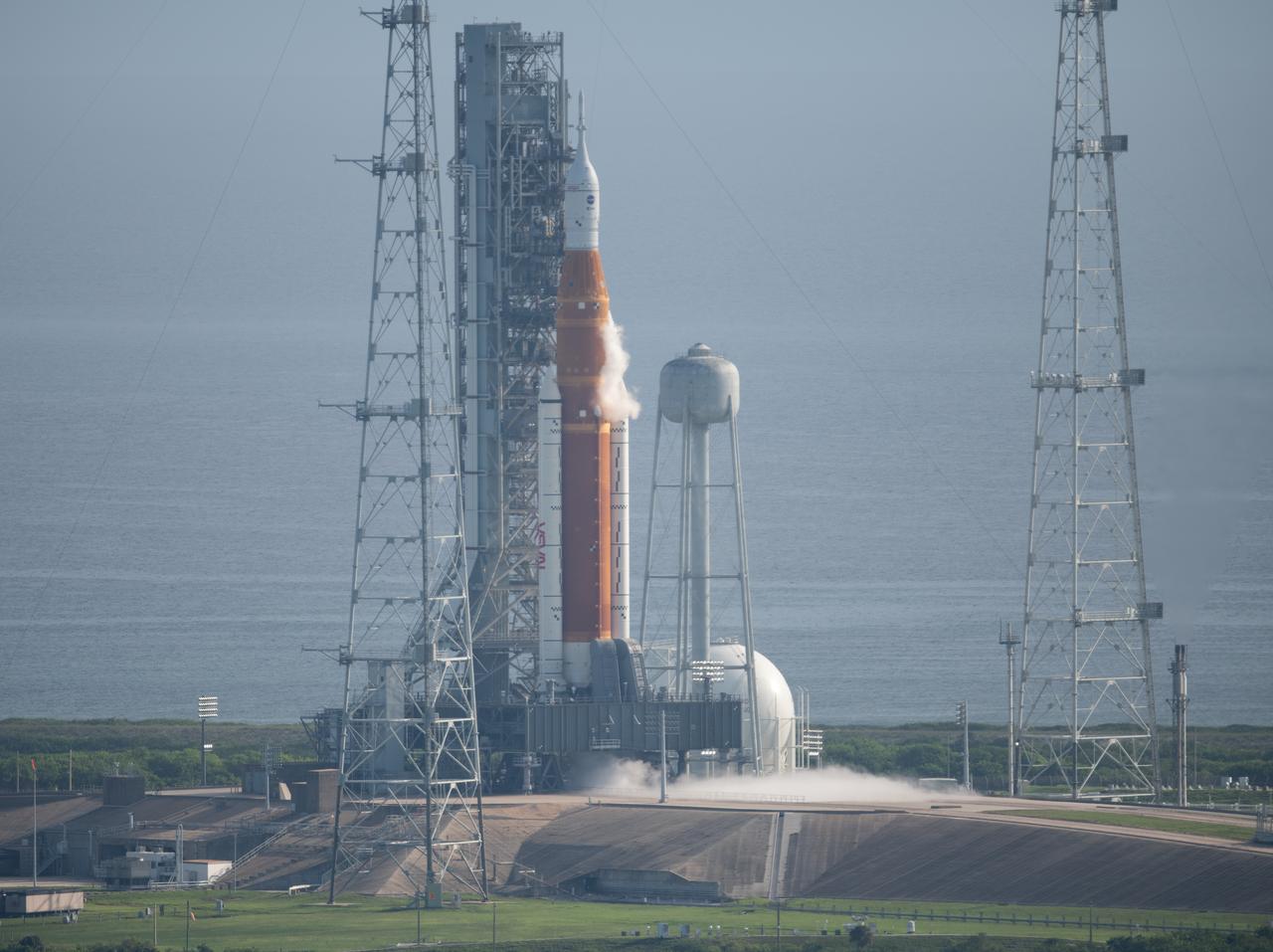
NASA’s Space Launch System (SLS) rocket with the Orion spacecraft aboard is seen atop the mobile launcher at Launch Pad 39B, Saturday, Sept. 3, 2022, as the Artemis I launch teams load more than 700,000 gallons of cryogenic propellants including liquid hydrogen and liquid oxygen as the launch countdown progresses at NASA’s Kennedy Space Center in Florida. NASA’s Artemis I flight test is the first integrated test of the agency’s deep space exploration systems: the Orion spacecraft, SLS rocket, and supporting ground systems. Launch of the uncrewed flight test is targeted for no earlier than no earlier than 2:17 p.m. EDT. Photo Credit: (NASA/Joel Kowsky)
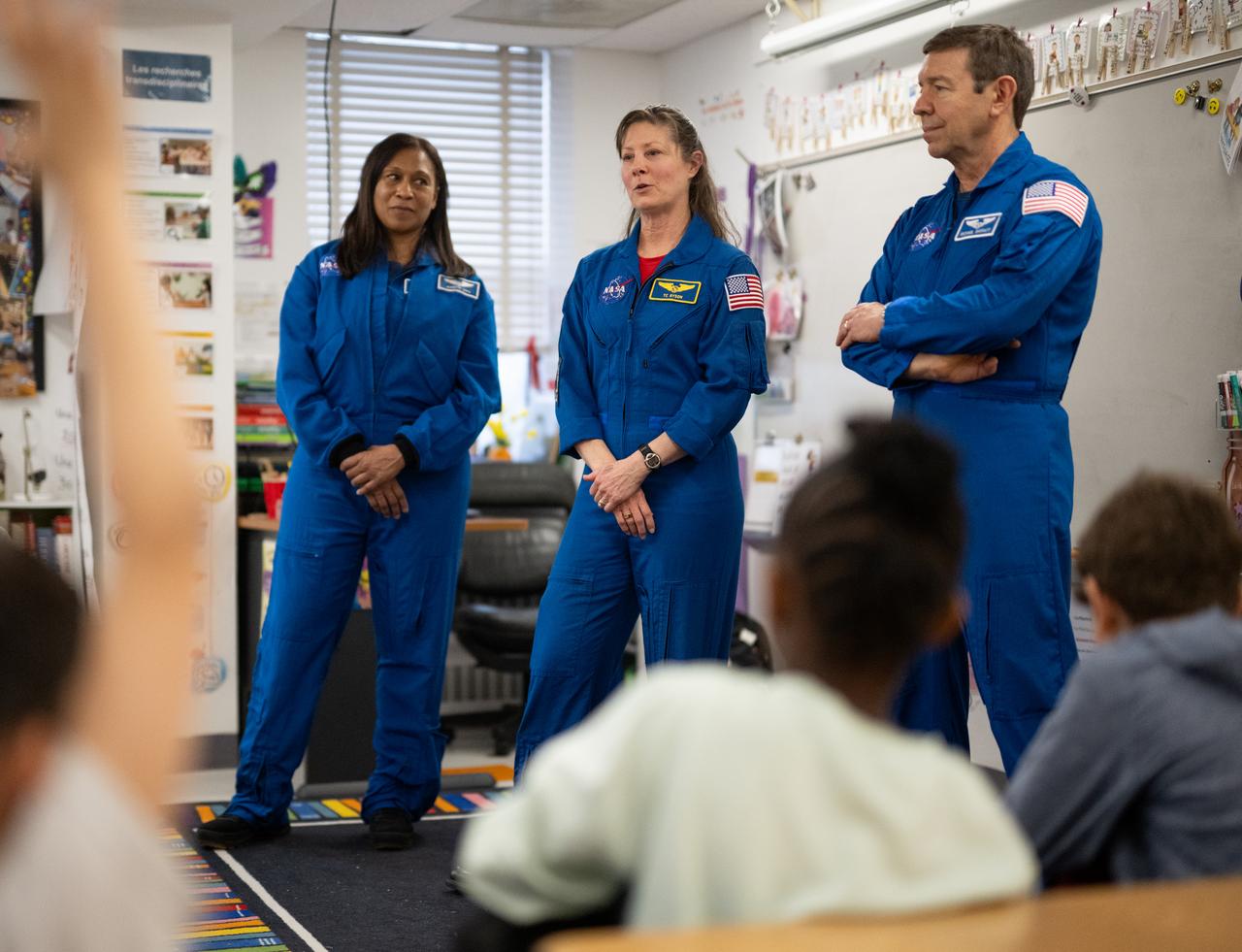
Expedition 71 NASA astronauts Jeanette Epps, left, Tracy Dyson, and Michael Barratt, speak to students, Wednesday, March 5, 2025 at Elsie Whitlow Stokes Community Freedom Public Charter School in Washington. Epps, Barratt, and Dyson served as part of Expedition 71 aboard the International Space Station. Photo Credit: (NASA/Joel Kowsky)
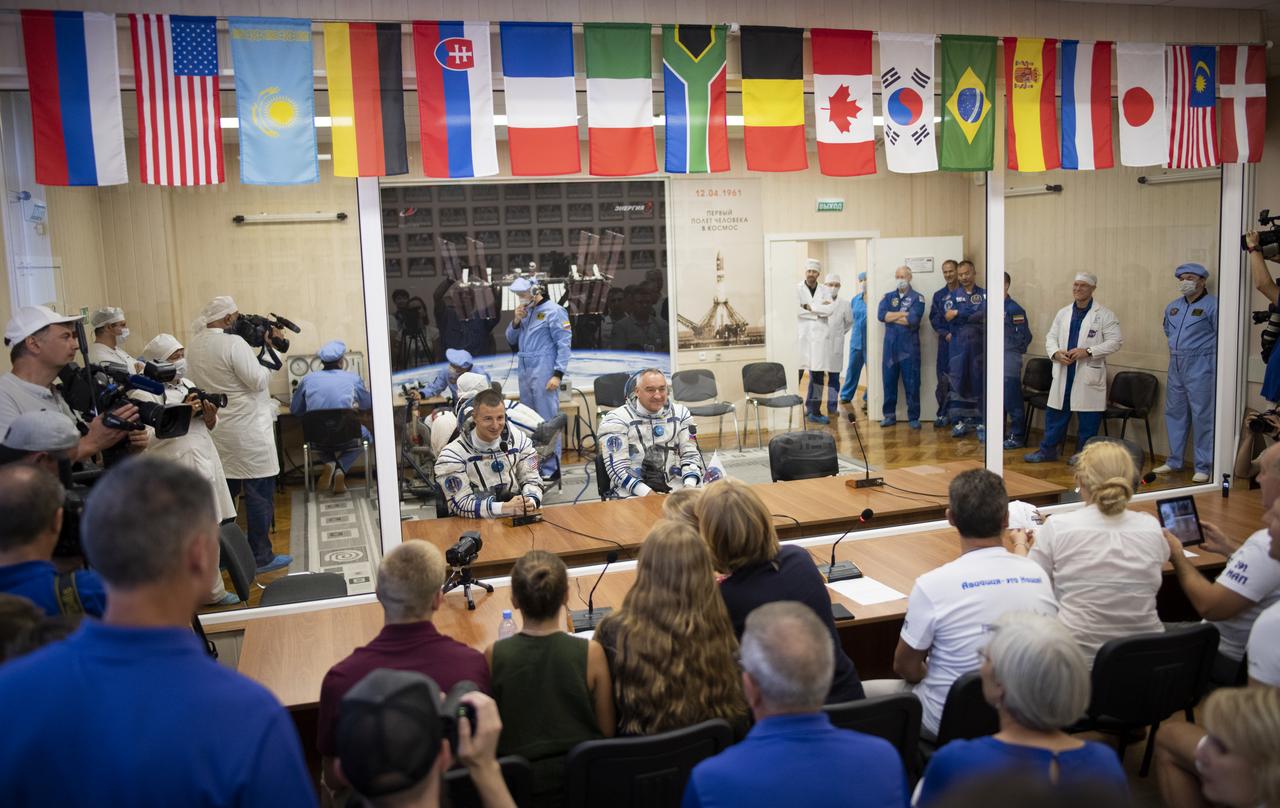
Expedition 60 flight engineer Andrew Morgan of NASA, left, and Soyuz Commander Alexander Skvortsov of Roscosmos, right, speaks with family as flight engineer Luca Parmitano of ESA (European Space Agency) has his Russian Sokol suit pressure checked in preparation for launch aboard the Soyuz MS-13 spacecraft, Saturday, July 20, 2019 at the Baikonur Cosmodrome in Kazakhstan. Morgan, Skvortsov, and Parmitano launched aboard the Soyuz MS-13 spacecraft at 12:28 p.m. Eastern time (9:28 p.m. Baikonur time) on July 20 to begin their journey to the International Space Station. Photo Credit: (NASA/Joel Kowsky)
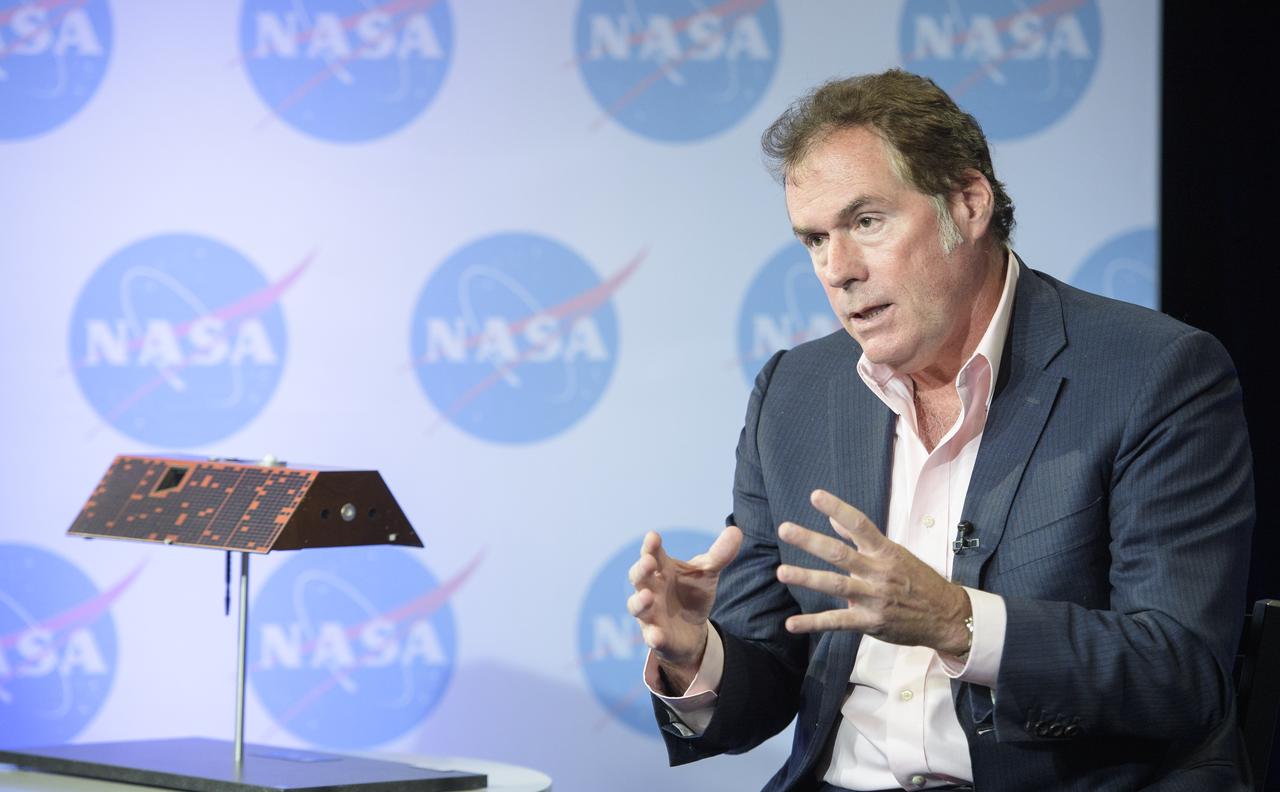
Michael Watkins, GRACE-FO science lead and director of NASA's Jet Propulsion Laboratory, discusses the upcoming launch of the Gravity Recovery and Climate Experiment Follow-On (GRACE-FO) mission, Monday, April 30, 2018 at NASA Headquarters in Washington. The twin GRACE-FO spacecraft will measure and monitor monthly changes in how mass is redistributed within and among Earth's atmosphere, oceans, land and ice sheets, as well as within Earth itself. Photo Credit: (NASA/Joel Kowsky)
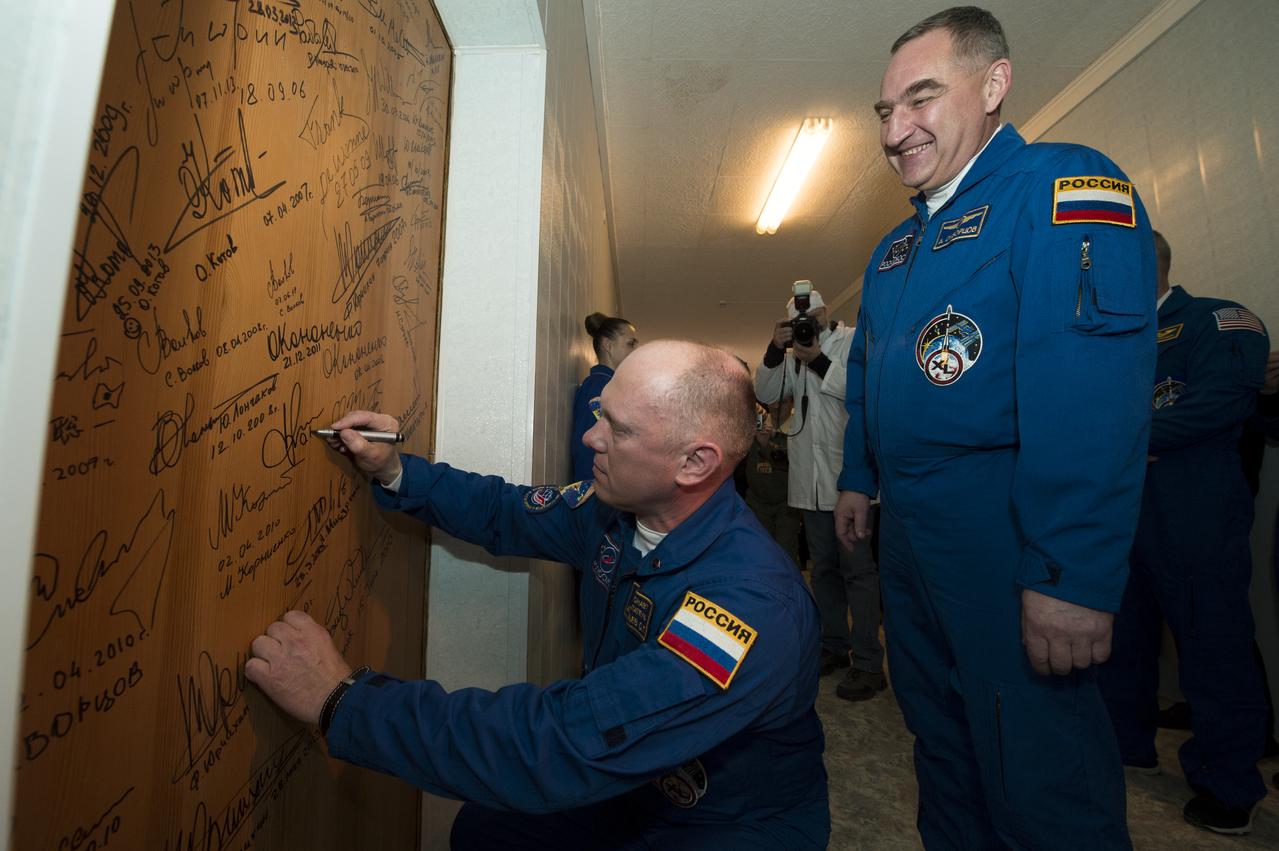
Expedition 39 Flight Engineer Oleg Artemyev, left, of the Russian Federal Space Agency, Roscosmos, performs the traditional door signing at the Cosmonaut hotel as Soyuz Commander Alexander Skvortsov of Roscosmos, looks on, Tuesday, March 25, 2014, in Baikonur, Kazakhstan. Artemyev, Skvortsov, and fellow crew member Flight Engineer Steve Swanson of NASA will launch in their Soyuz TMA-12M spacecraft to the International Space Station to begin a six-month mission. Photo Credit (NASA/Joel Kowsky)

Attendees view exhibits and listen to speakers during NASA’s Science Day on the Hill event, Wednesday, June 7, 2023, at the Rayburn House Office Building in Washington. Photo Credit: (NASA/Joel Kowsky)
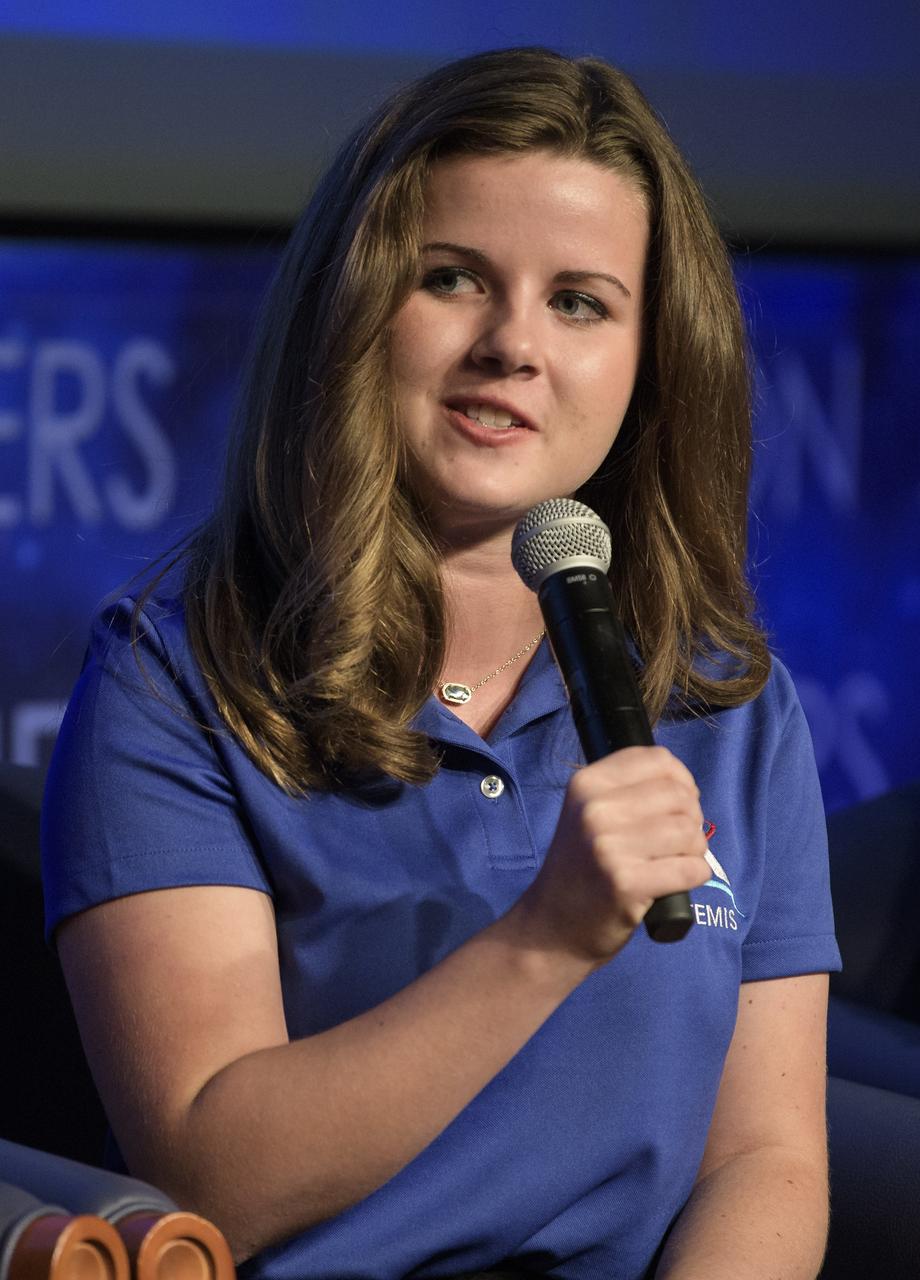
Alexis Vance, a Pathways student engineering trainee at NASA’s Johnson Space Center, speaks about being an intern at NASA’s Johnson Space Center during an interactive STEM discussion with students attending the 70th International Astronautical Congress, Wednesday, Oct. 23, 2019, at NASA Headquarters in Washington. Photo Credit: (NASA/Joel Kowsky)
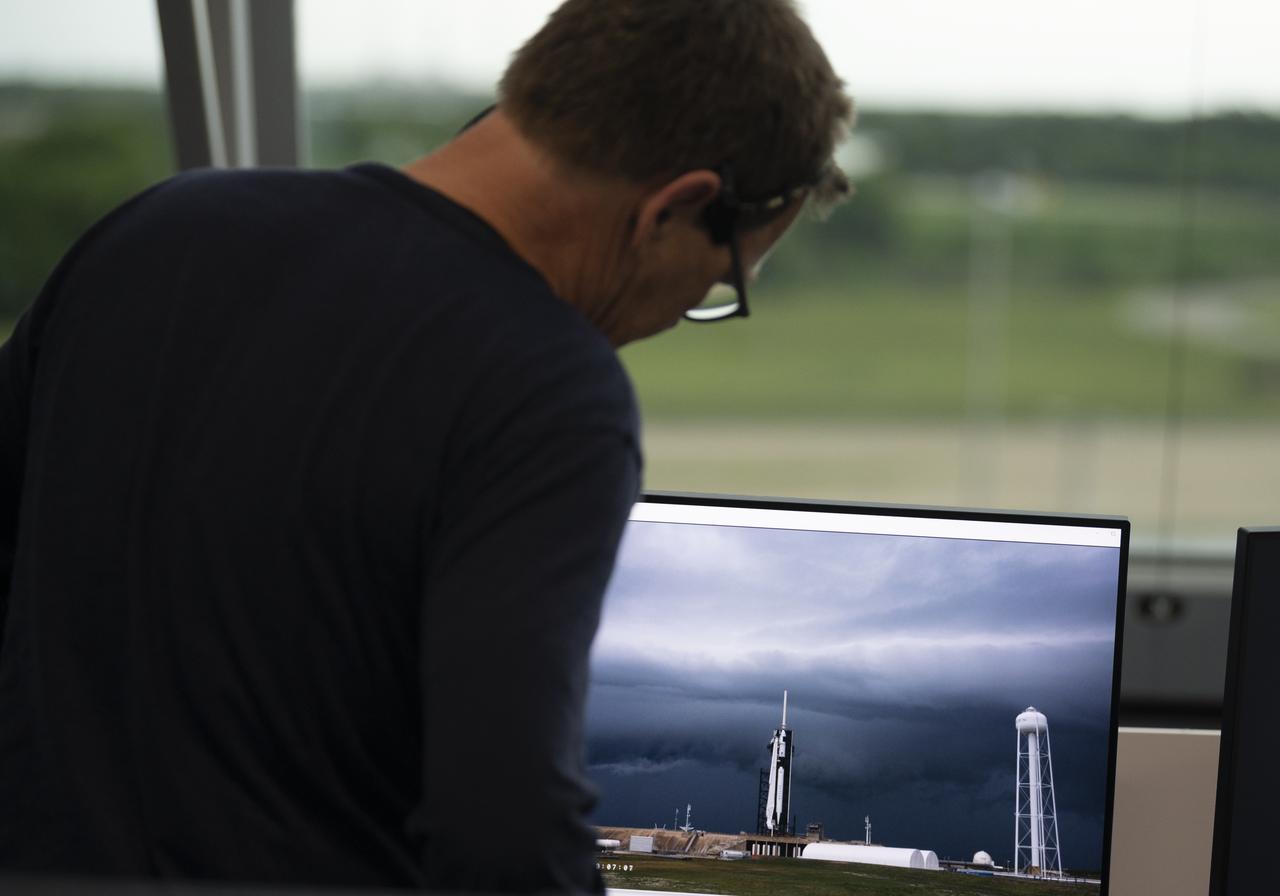
Hans Koenigsmann, vice president for build and flight reliability at SpaceX, looks at a monitor showing a live feed of a SpaceX Falcon 9 rocket carrying the company's Crew Dragon spacecraft on the launch pad during the countdown for a launch attempt of NASA’s SpaceX Demo-2 mission with NASA astronauts Robert Behnken and Douglas Hurley onboard, Wednesday, May 27, 2020, in firing room four of the Launch Control Center at NASA’s Kennedy Space Center in Florida. NASA’s SpaceX Demo-2 mission is the first launch with astronauts of the SpaceX Crew Dragon spacecraft and Falcon 9 rocket to the International Space Station as part of the agency’s Commercial Crew Program. The test flight serves as an end-to-end demonstration of SpaceX’s crew transportation system. Today’s launch of Behnken and Hurley was scrubbed due to weather and is now scheduled for 3:22 p.m. EDT on Saturday, May 30, from Launch Complex 39A at the Kennedy Space Center. A new era of human spaceflight is set to begin as American astronauts once again launch on an American rocket from American soil to low-Earth orbit for the first time since the conclusion of the Space Shuttle Program in 2011. Photo Credit: (NASA/Joel Kowsky)
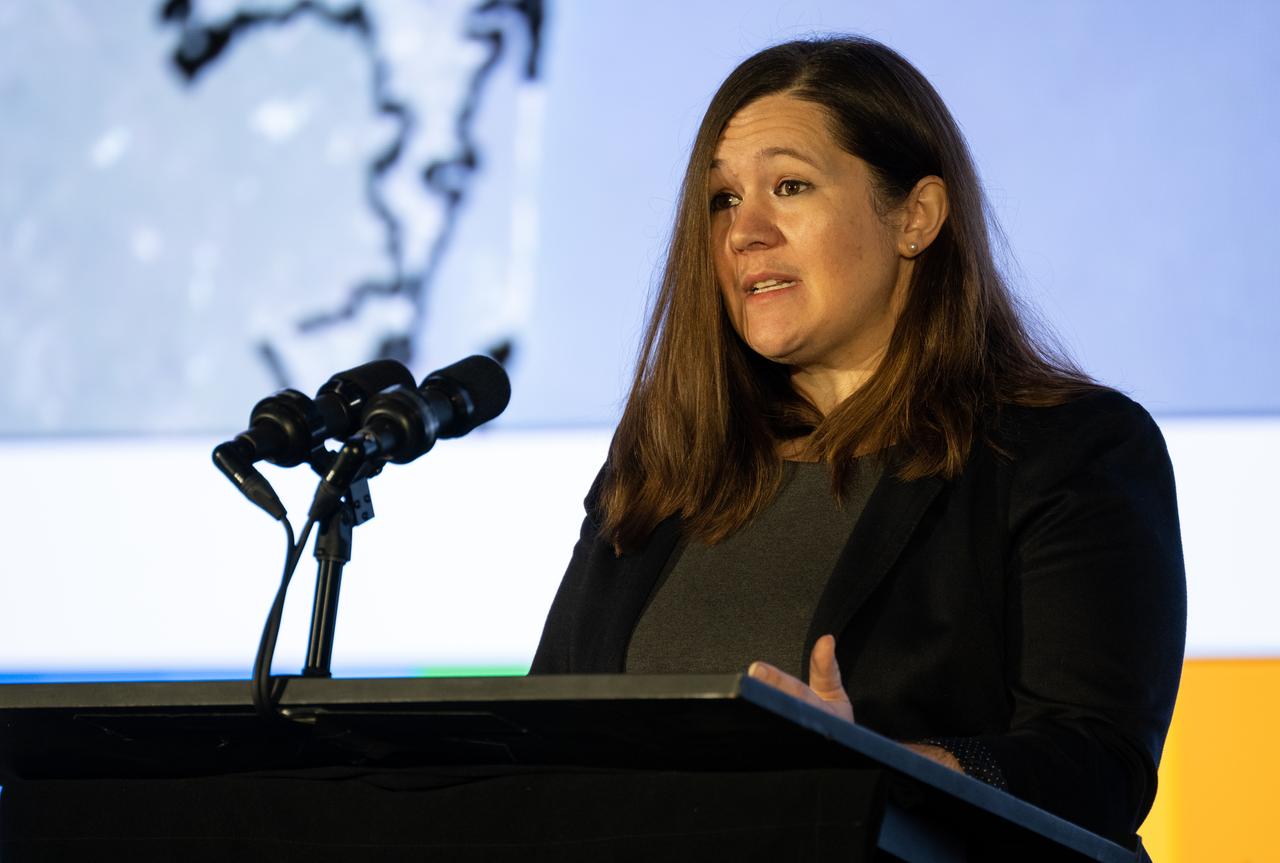
Erika Wright, education specialist at the Center for Astrophysics | Harvard & Smithsonian, speaks during a briefing on NASA’s TEMPO (Tropospheric Emissions: Monitoring of Pollution) instrument, Tuesday, March 14, 2023 at the Smithsonian’s National Air and Space Museum in Washington. NASA’s TEMPO instrument, the first Earth Venture Instrument mission, will measure air pollution across North America from Mexico City to the Canadian oil sands and from the Atlantic to the Pacific hourly and at a high spatial resolution. A partnership between NASA and the Center for Astrophysics | Harvard & Smithsonian, TEMPO will launch on a commercial satellite to geostationary orbit as early as April. Photo Credit: (NASA/Joel Kowsky)
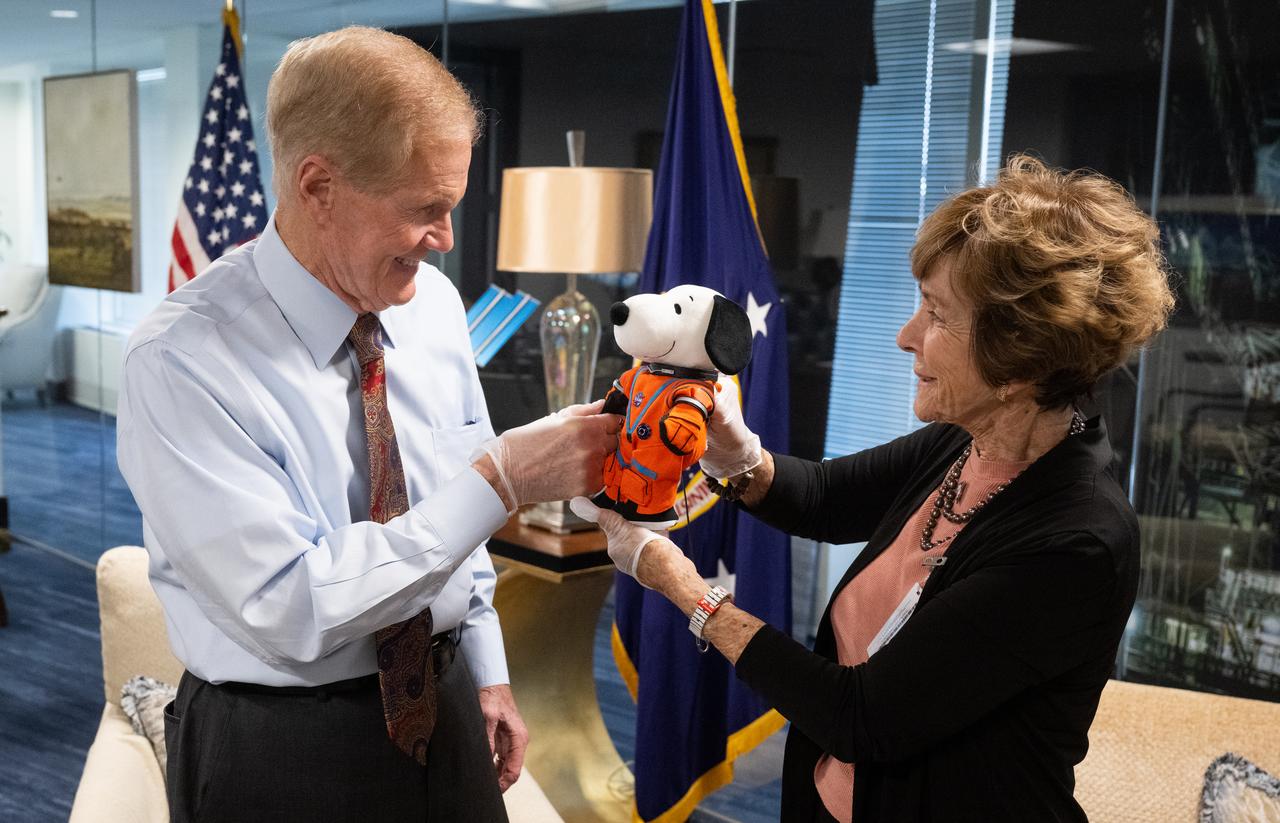
NASA Administrator Bill Nelson, left, is seen with Jeannie Schulz, widow of Peanuts gang creator Charles M. Schulz, right, holding the Artemis I Snoopy zero gravity indicator, Wednesday, April 5, 2023, during a visit to the Mary W. Jackson NASA Headquarters building in Washington. Schulz awarded a NASA Exceptional Achievement Medal by Administrator Nelson at an “Our Blue Planet” concert at the John F. Kennedy Center for the Performing Arts. Snoopy rode along as the zero gravity indicator on NASA’s Artemis I mission as part of a partnership with the agency and continues to help NASA inspire kids of all ages to follow along with Artemis missions. As part of the visit, Schulz showed the flown Artemis I Snoopy zero gravity indicator before it goes to its final home for display at the Schulz Museum in Santa Rosa, California. Photo Credit: (NASA/Joel Kowsky)
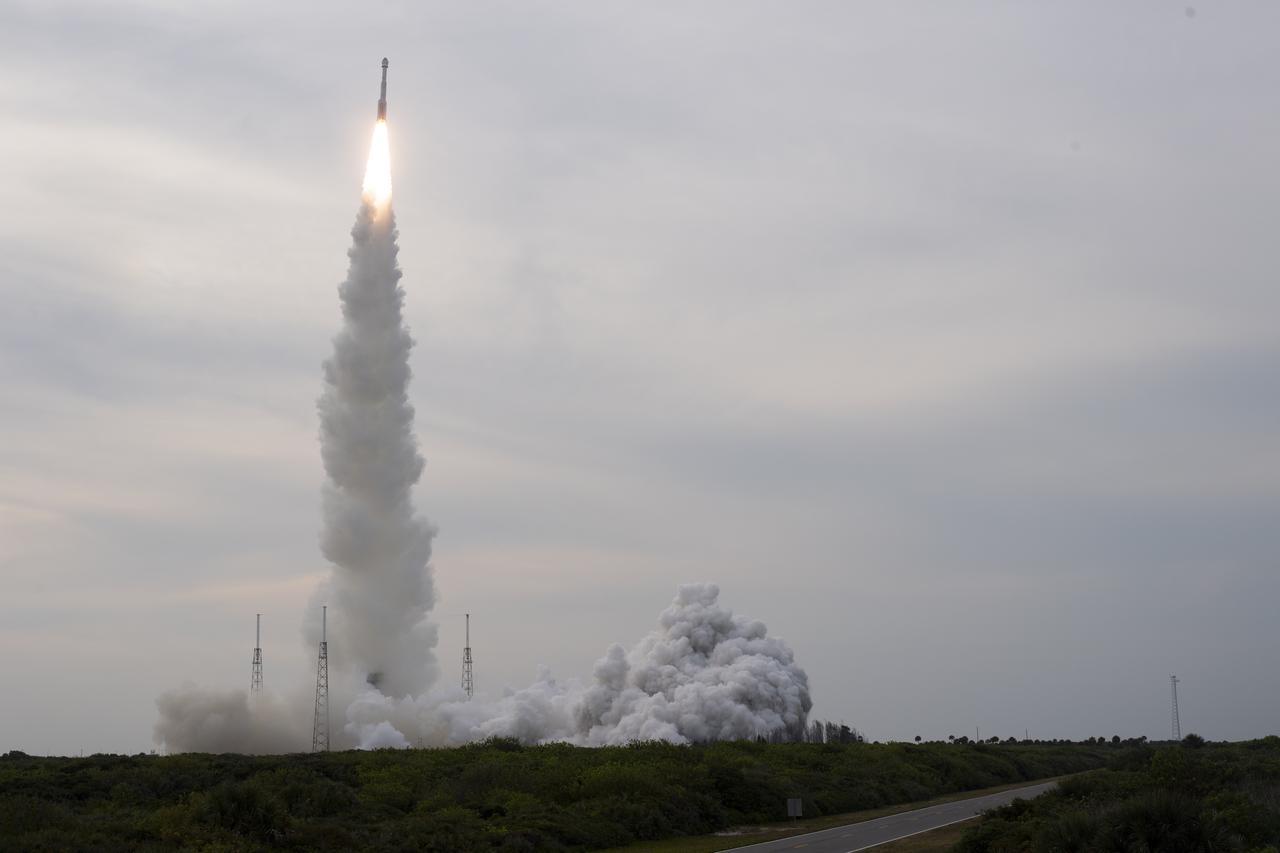
A United Launch Alliance Atlas V rocket with Boeing’s CST-100 Starliner spacecraft aboard launches from Space Launch Complex 41, Thursday, May 19, 2022, at Cape Canaveral Space Force Station in Florida. Boeing’s Orbital Flight Test-2 (OFT-2) is Starliner’s second uncrewed flight test and will dock to the International Space Station as part of NASA's Commercial Crew Program. OFT-2 launched at 6:54 p.m. ET, and will serve as an end-to-end test of the system's capabilities. Photo Credit: (NASA/Joel Kowsky)
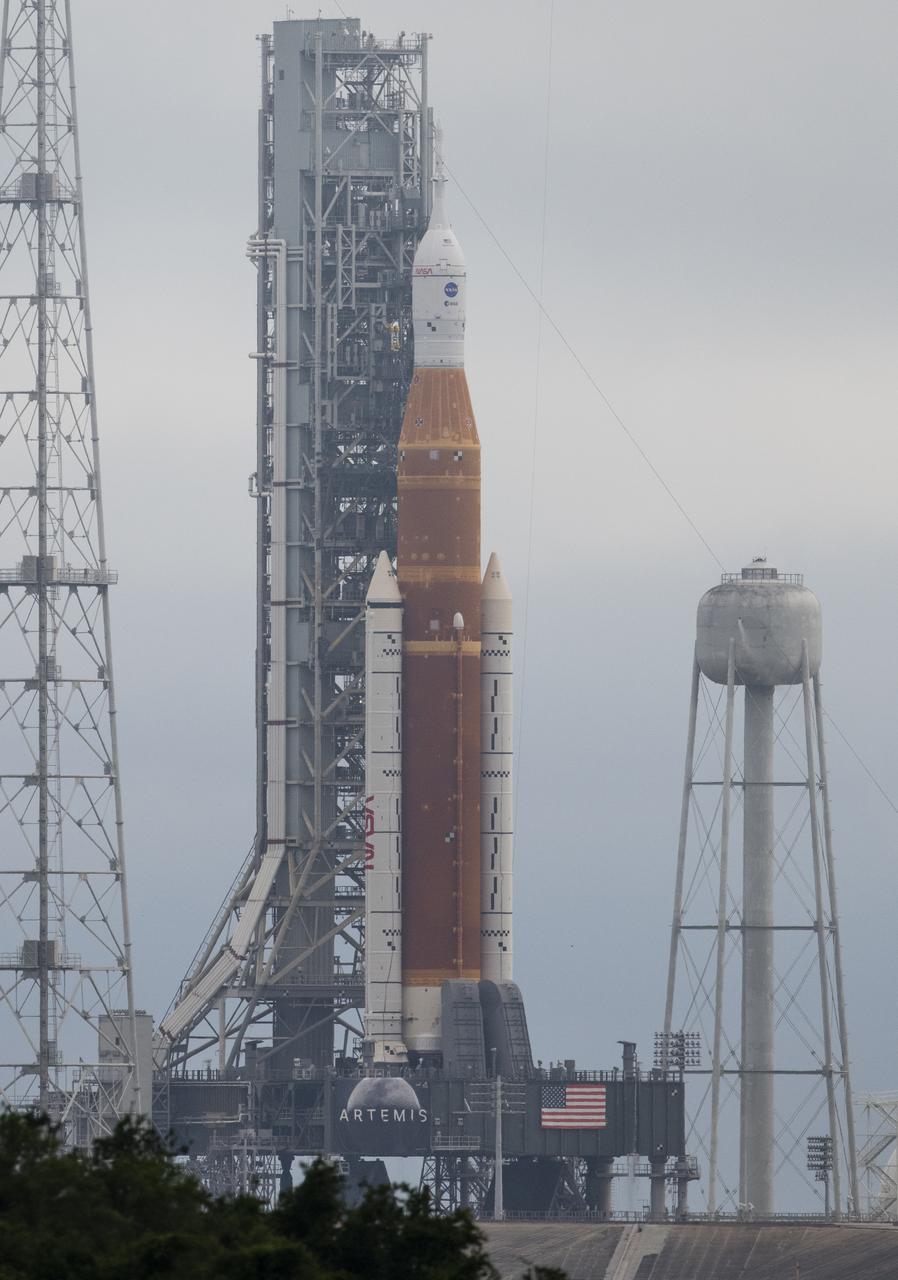
NASA’s Space Launch System (SLS) rocket with the Orion spacecraft aboard is seen atop a mobile launcher at Launch Complex 39B, Sunday, April 3, 2022, as the Artemis I launch team conducts the wet dress rehearsal test at NASA’s Kennedy Space Center in Florida. Ahead of NASA’s Artemis I flight test, the wet dress rehearsal will run the Artemis I launch team through operations to load propellant, conduct a full launch countdown, demonstrate the ability to recycle the countdown clock, and drain the tanks to practice timelines and procedures for launch. Photo Credit: (NASA/Joel Kowsky)
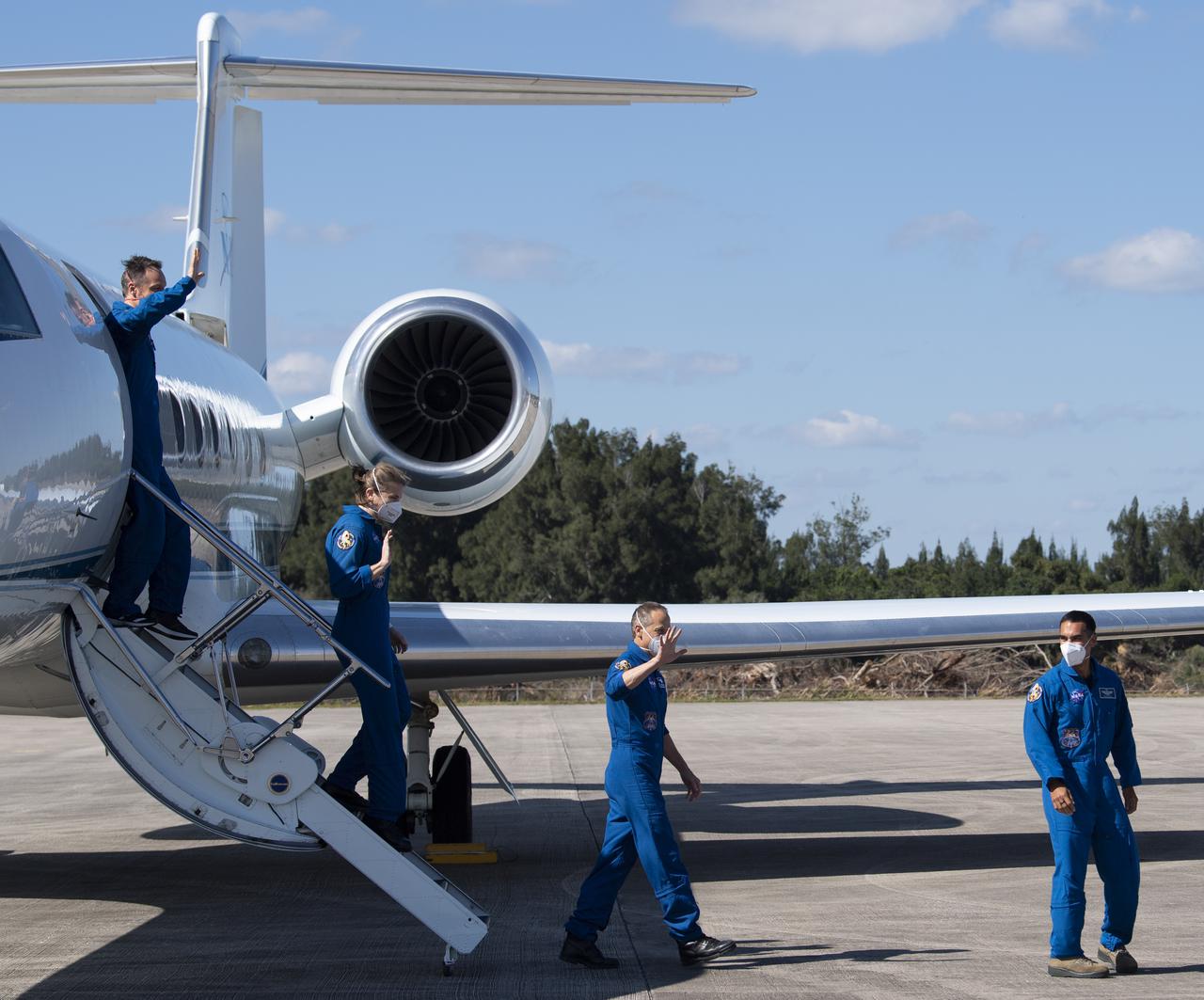
NASA astronauts Raja Chari, right, Tom Marshburn, second from right, Kayla Barron, second from left, and ESA (European Space Agency) astronaut Matthias Maurer, left, are seen as they arrive from Houston at the Launch and Landing Facility at NASA’s Kennedy Space Center ahead of SpaceX’s Crew-3 mission, Tuesday, Oct. 26, 2021, in Florida. NASA’s SpaceX Crew-3 mission is the third crew rotation mission of the SpaceX Crew Dragon spacecraft and Falcon 9 rocket to the International Space Station as part of the agency’s Commercial Crew Program. Chari, Marshburn, Barron, Maurer are scheduled to launch at Oct. 31 at 2:21 a.m. ET, from Launch Complex 39A at the Kennedy Space Center. Photo Credit: (NASA/Joel Kowsky)
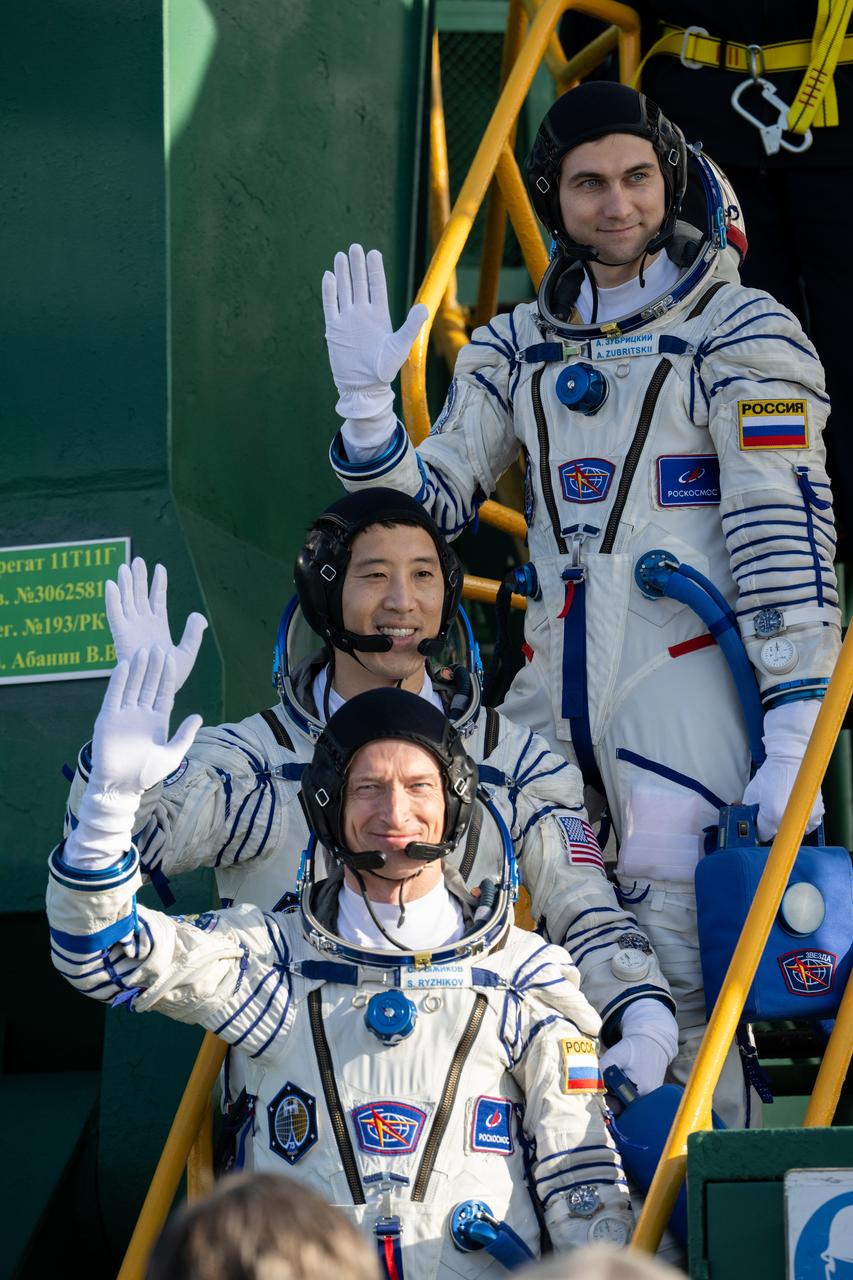
Roscosmos cosmonaut Sergey Ryzhikov, bottom, NASA astronaut Jonny Kim, middle, and Roscosmos cosmonaut Alexey Zubritskiy, top, wave farewell prior to boarding the Soyuz MS-27 spacecraft for launch, Tuesday, April 8, 2025 at the Baikonur Cosmodrome in Kazakhstan. Launch of the Soyuz rocket will send the trio on a mission to the International Space Station. Photo Credit: (NASA/Joel Kowsky)
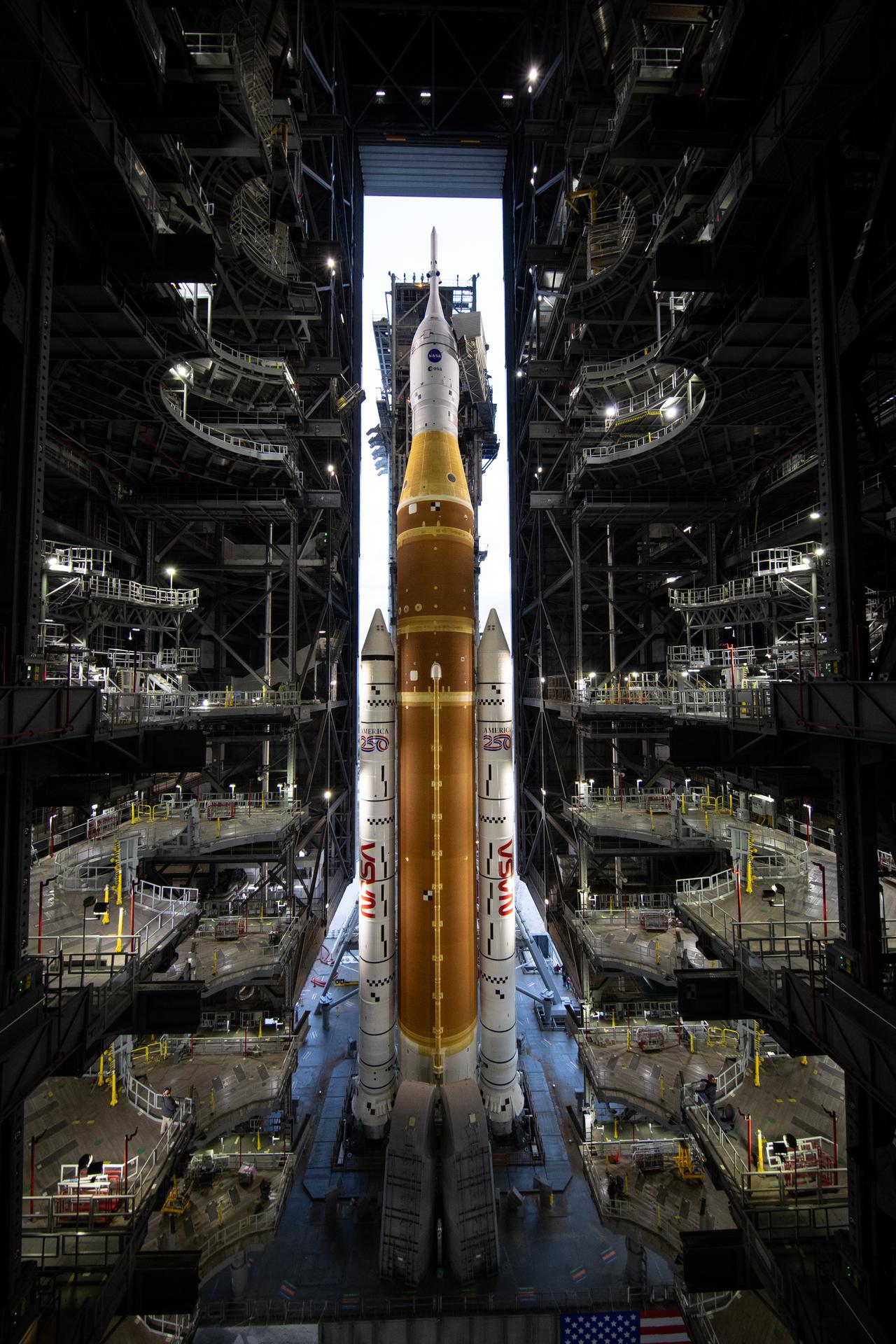
NASA’s Space Launch System (SLS) rocket and Orion spacecraft, secured to the mobile launcher, is seen as it rolls out of the Vehicle Assembly Building to Launch Pad 39B, Saturday, Jan. 17, 2026, at NASA’s Kennedy Space Center in Florida. NASA’s Artemis II test flight will take Commander Reid Wiseman, Pilot Victor Glover, and Mission Specialist Christina Koch from NASA, and Mission Specialist Jeremy Hansen from the CSA (Canadian Space Agency), around the Moon and back to Earth no later than April 2026. Photo Credit: (NASA/Joel Kowsky)
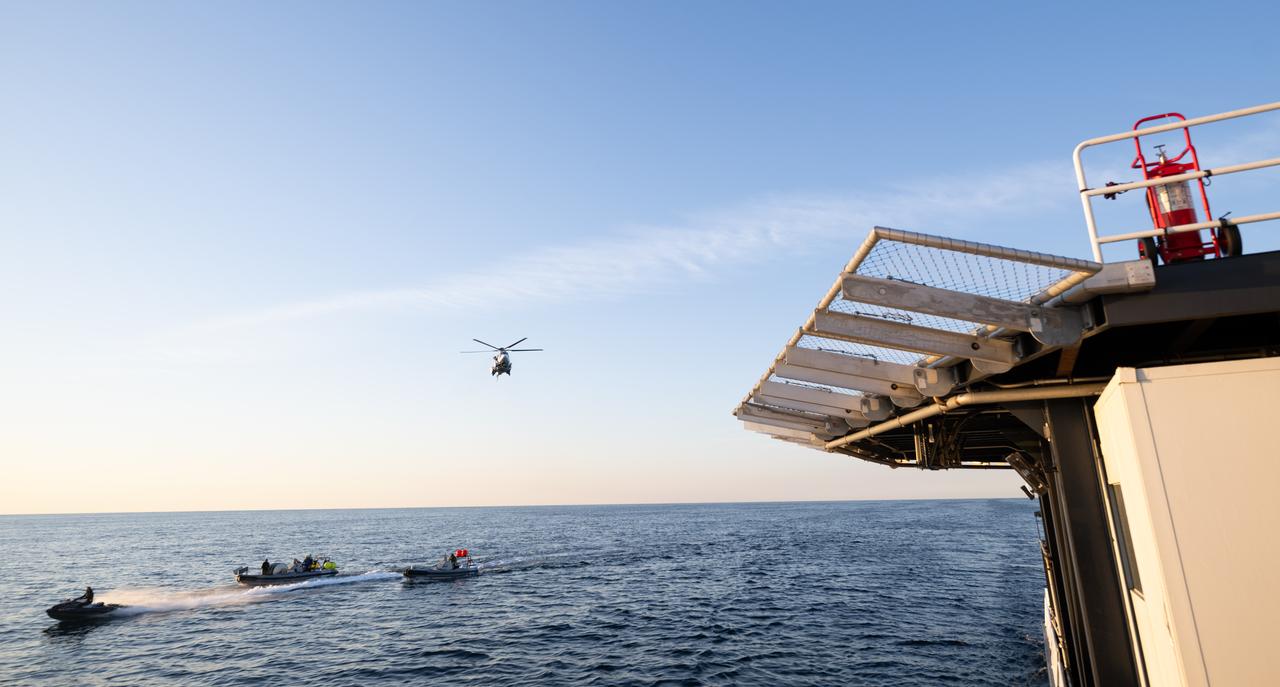
The helicopter that will carry cargo and support personnel back to shore is seen as it approaches the SpaceX recovery ship MEGAN in the Gulf of Mexico off the coast of Pensacola, Florida, Tuesday, March 12, 2024. Moghbeli, Mogensen, Furukawa, and Borisov are returning after nearly six-months in space as part of Expedition 70 aboard the International Space Station. Photo Credit: (NASA/Joel Kowsky)
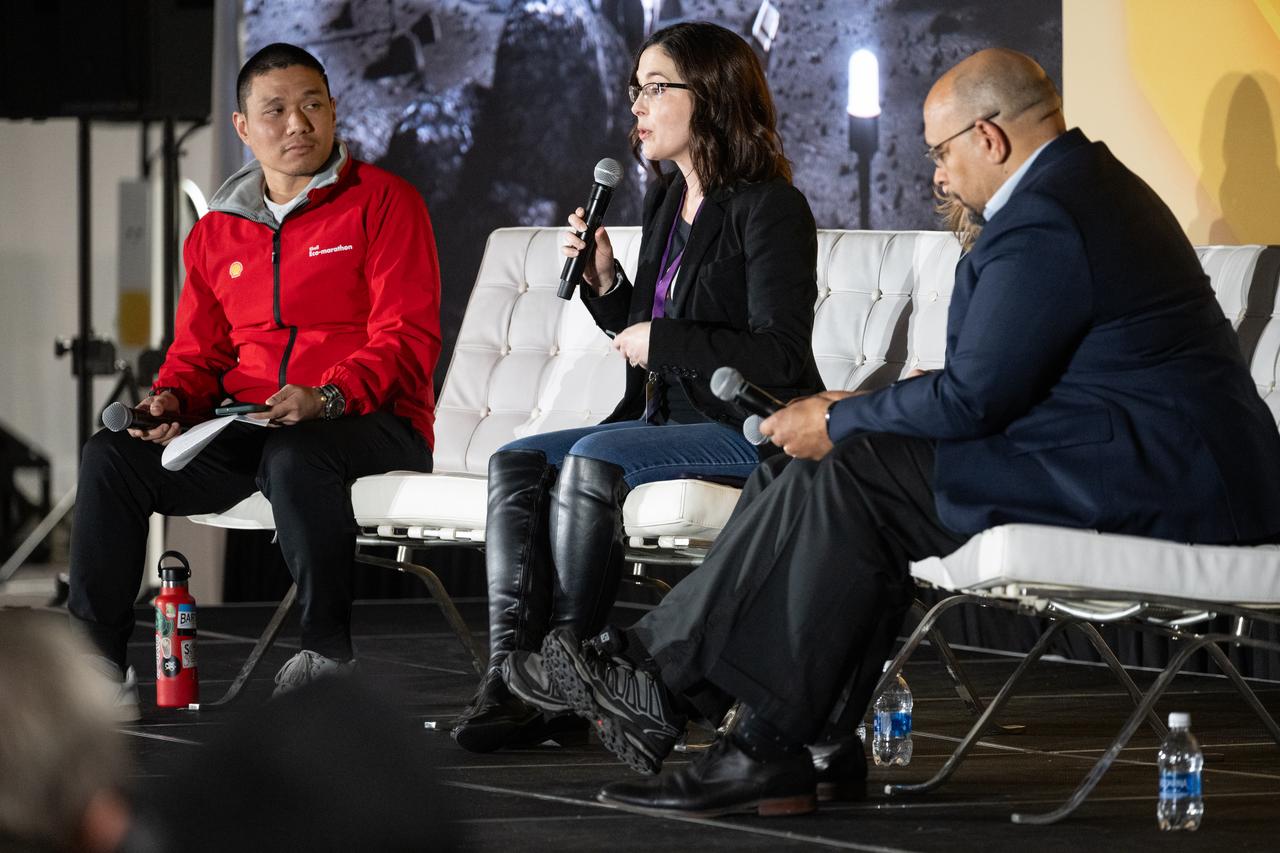
Patricia Moore, communications strategist for the Moon to Mars Program Office in NASA's Exploration Systems Development Mission Directorate, center, speak to students about careers in STEM during a panel discussion at the Shell Eco-marathon Americas along with Jason Cruz, with the Shell Eco-marathon, Andrea Mueller, engineer at Team Penske , and Torry Johnson, deputy associate administrator for STEM Engagement in NASA's Office of STEM Engagement, Thursday, April 4, 2024, at the Indianapolis Motor Speedway in Indianapolis, Ind. Photo Credit: (NASA/Joel Kowsky)
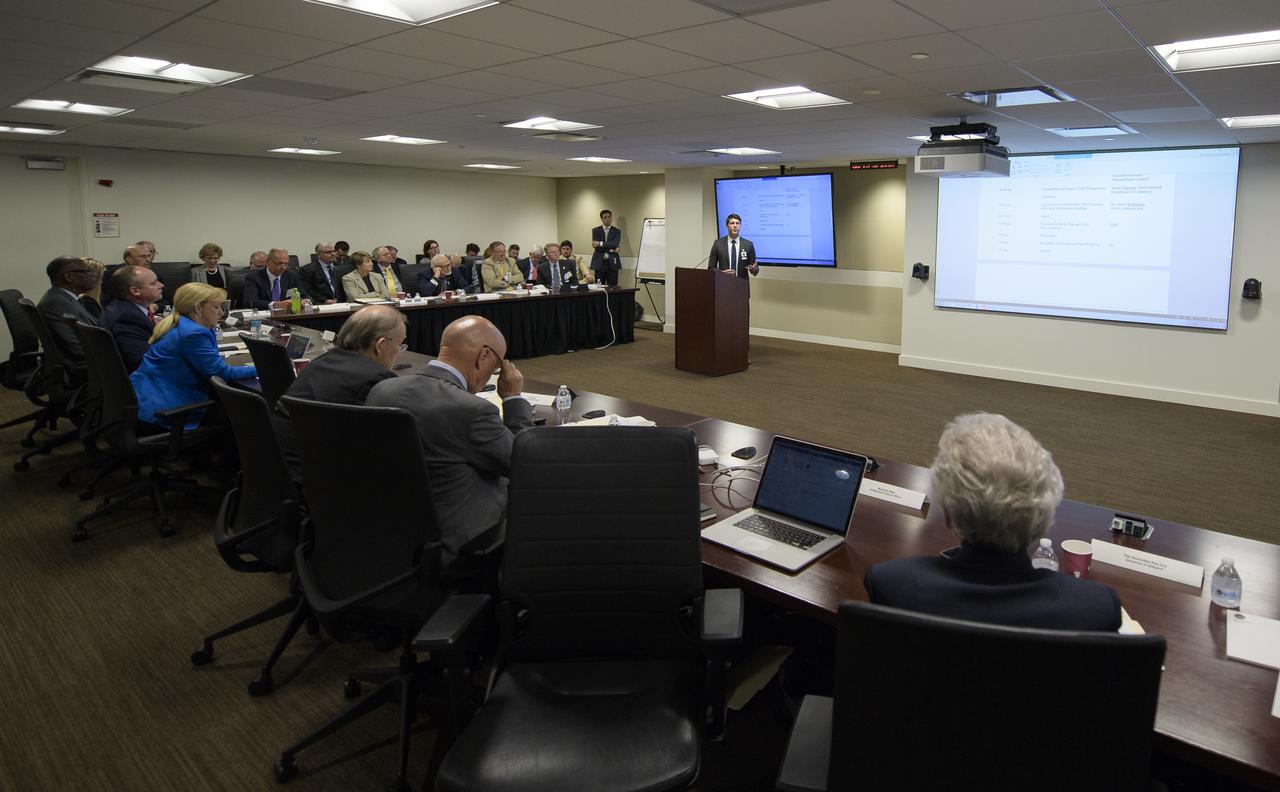
James Uthmeier, of the Department of Commerce, speaks about deregulation and space traffic management initiatives at the first meeting of the National Space Council Users' Advisory Group, Tuesday, June 19, 2018 at NASA Headquarters in Washington. The Users' Advisory Group will advise and inform the National Space Council on a broad range of aerospace topics, including the impacts of U.S. and international laws and regulations, national security space priorities, scientific and human space exploration priorities, and ways to bolster support. Photo Credit: (NASA/Joel Kowsky)
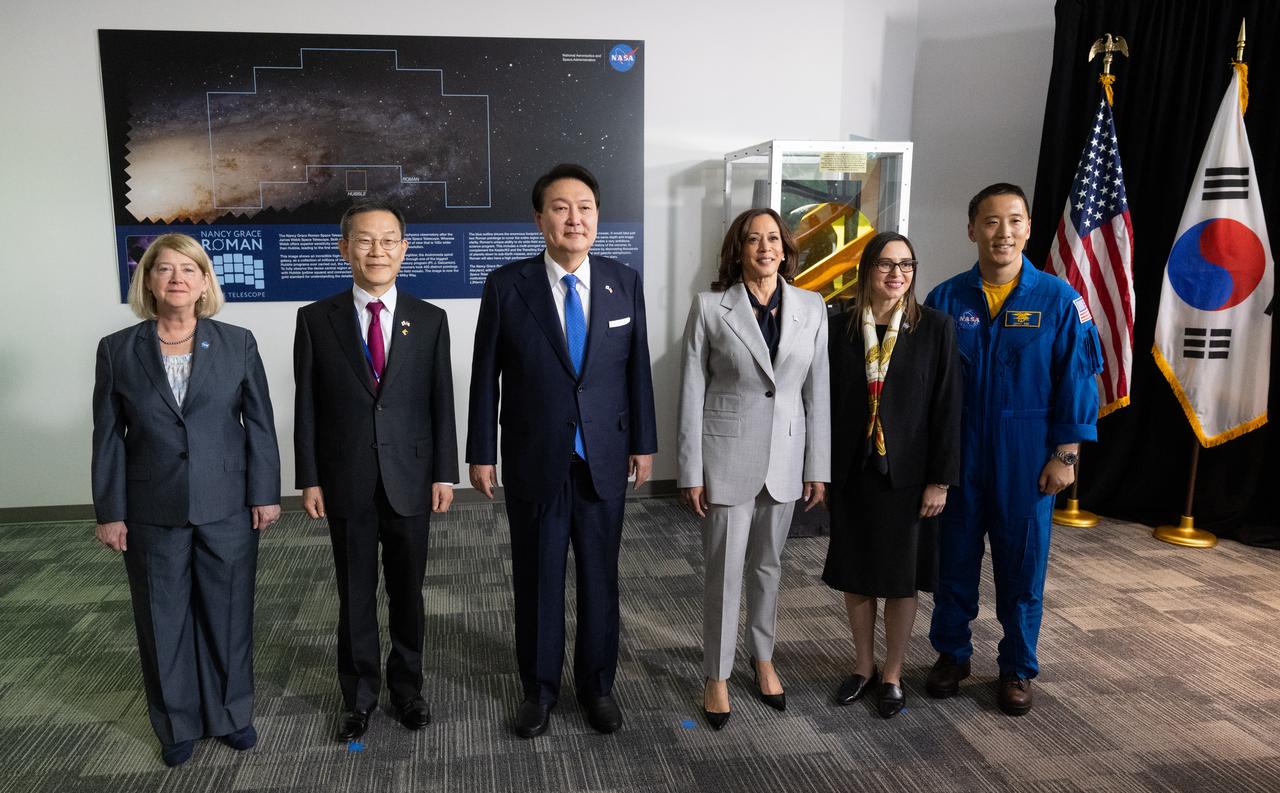
Vice President Kamala Harris, third from right, and President Yoon Suk Yeol of the Republic of Korea, third from left, pose for a picture with NASA Deputy Administrator Pam Melroy, left, MSIT Minister Jong-Ho Lee, Dr. Makenzie Lystrup, Director of NASA’s Goddard Space Flight Center, and NASA Astronaut Jonny Kim, Tuesday, April 25, 2023, during a tour of NASA’s Goddard Space Flight Center in Greenbelt, Md. Photo Credit: (NASA/Joel Kowsky)
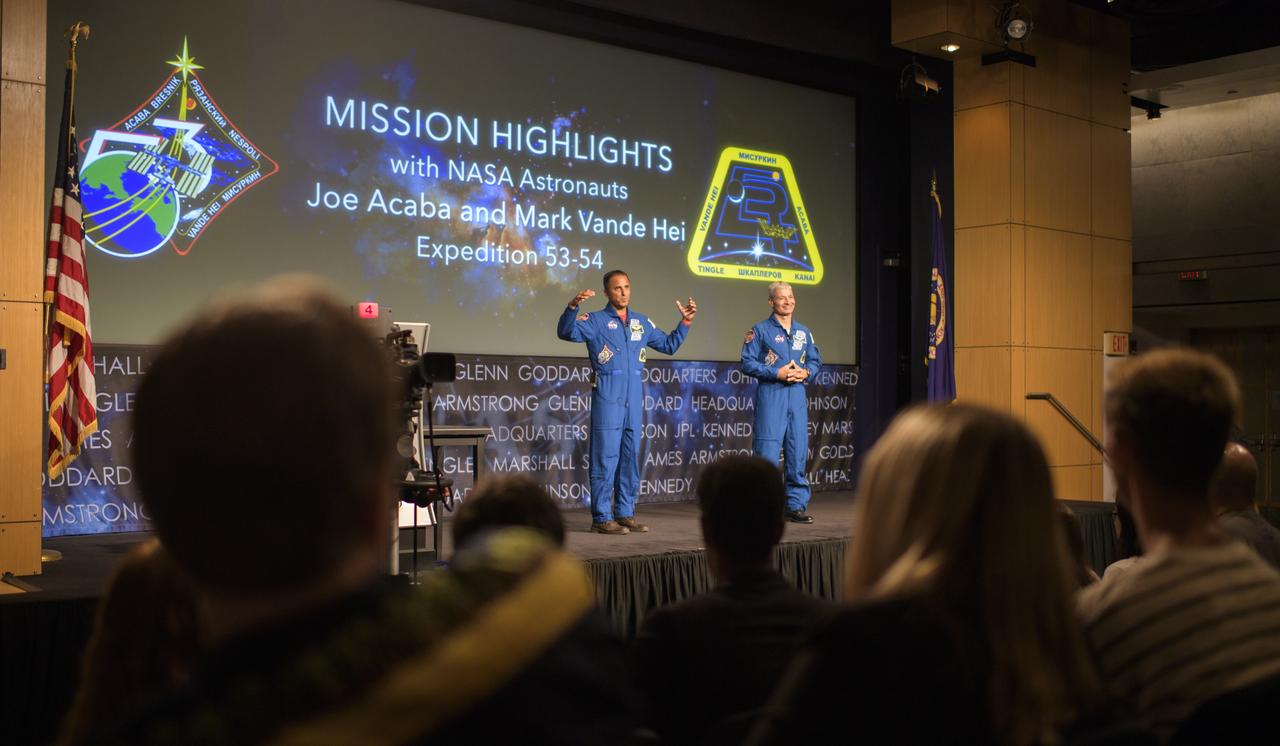
NASA astronauts Joe Acaba, left, and Mark Vande Hei, right, answer questions from the audience after speaking about their time onboard the International Space Station, Friday, June 15, 2018 at NASA Headquarters in Washington. Acaba and Vande Hei answered questions from the audience and spoke about their experiences aboard the International Space Station for 168 days as part of Expedition 53 and 54. Photo Credit: (NASA/Joel Kowsky)
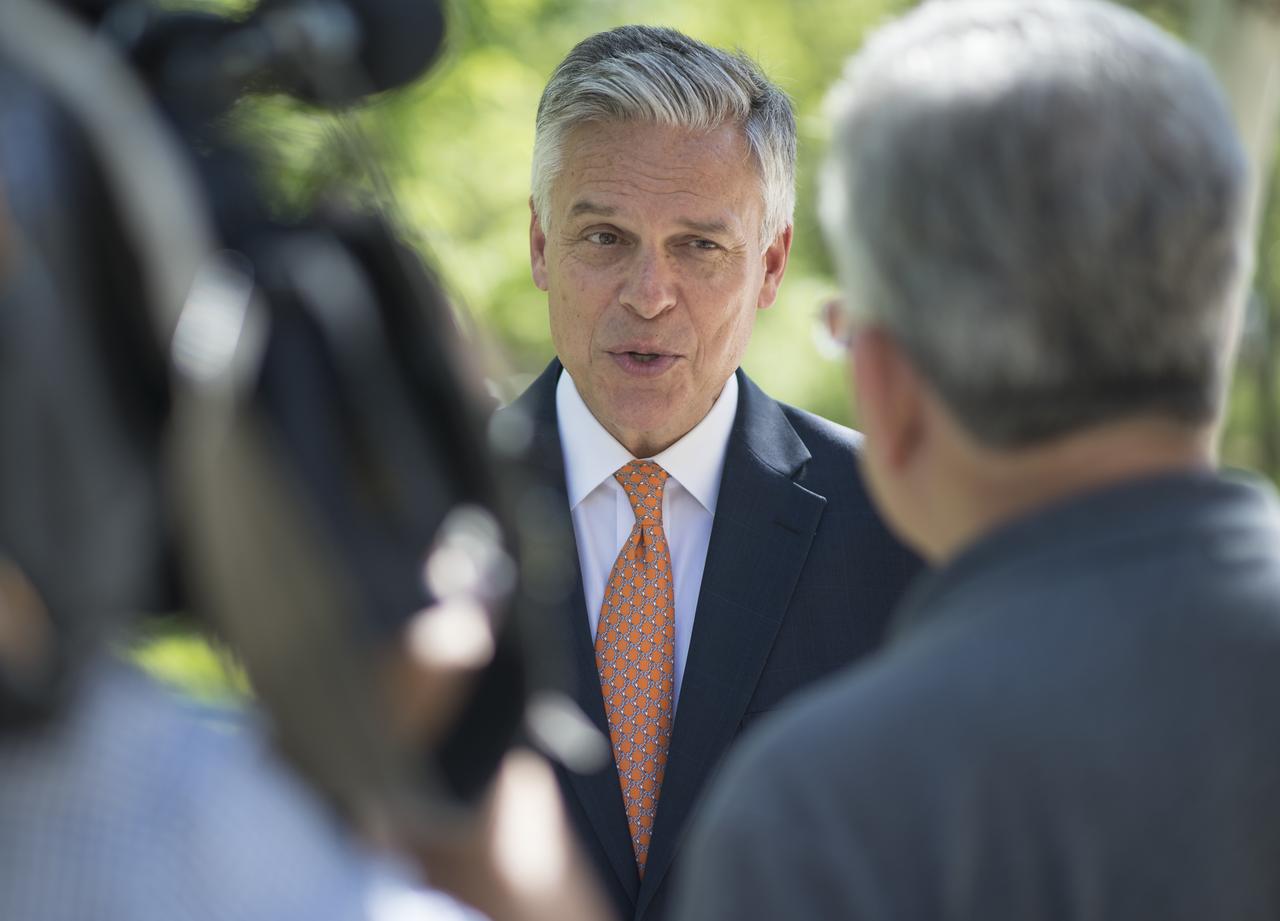
U.S. Ambassador to Russia Jon Huntsman Jr. is interviewed by NASA Public Affairs Officer Rob Navias after the completion of the State Commission meeting to approve the Soyuz launch of Expedition 56 to the International Space Station, Tuesday, June 5, 2018 at the Cosmonaut Hotel in Baikonur, Kazakhstan. Expedition 56 Soyuz Commander Sergey Prokopyev of Roscosmos, Serena Auñón-Chancellor of NASA, and Alexander Gerst of ESA (European Space Agency) are scheduled to launch to the International Space Station aboard the Soyuz MS-09 spacecraft on Wednesday, June 6. Photo Credit: (NASA/Joel Kowsky)
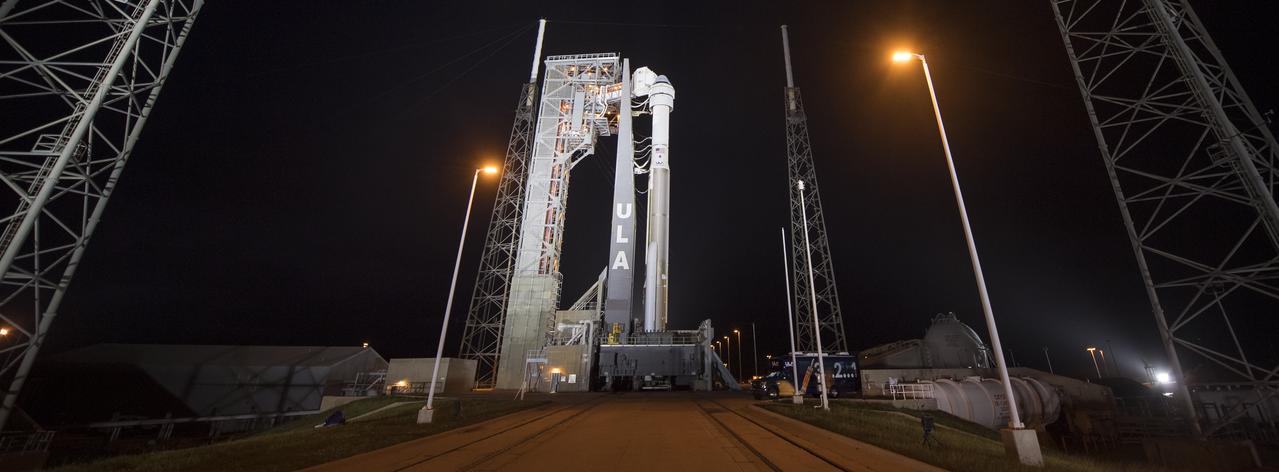
A United Launch Alliance Atlas V rocket with Boeing’s CST-100 Starliner spacecraft onboard is seen illuminated by spotlights on the launch pad at Space Launch Complex 41 ahead of the Orbital Flight Test mission, Wednesday, Dec. 18, 2019 at Cape Canaveral Air Force Station in Florida. The uncrewed Orbital Flight Test will be Starliner’s maiden mission to the International Space Station for NASA's Commercial Crew Program. The mission, currently targeted for a 6:26 a.m. EST launch on Dec. 20, will serve as an end-to-end test of the system's capabilities. Photo Credit: (NASA/Joel Kowsky)
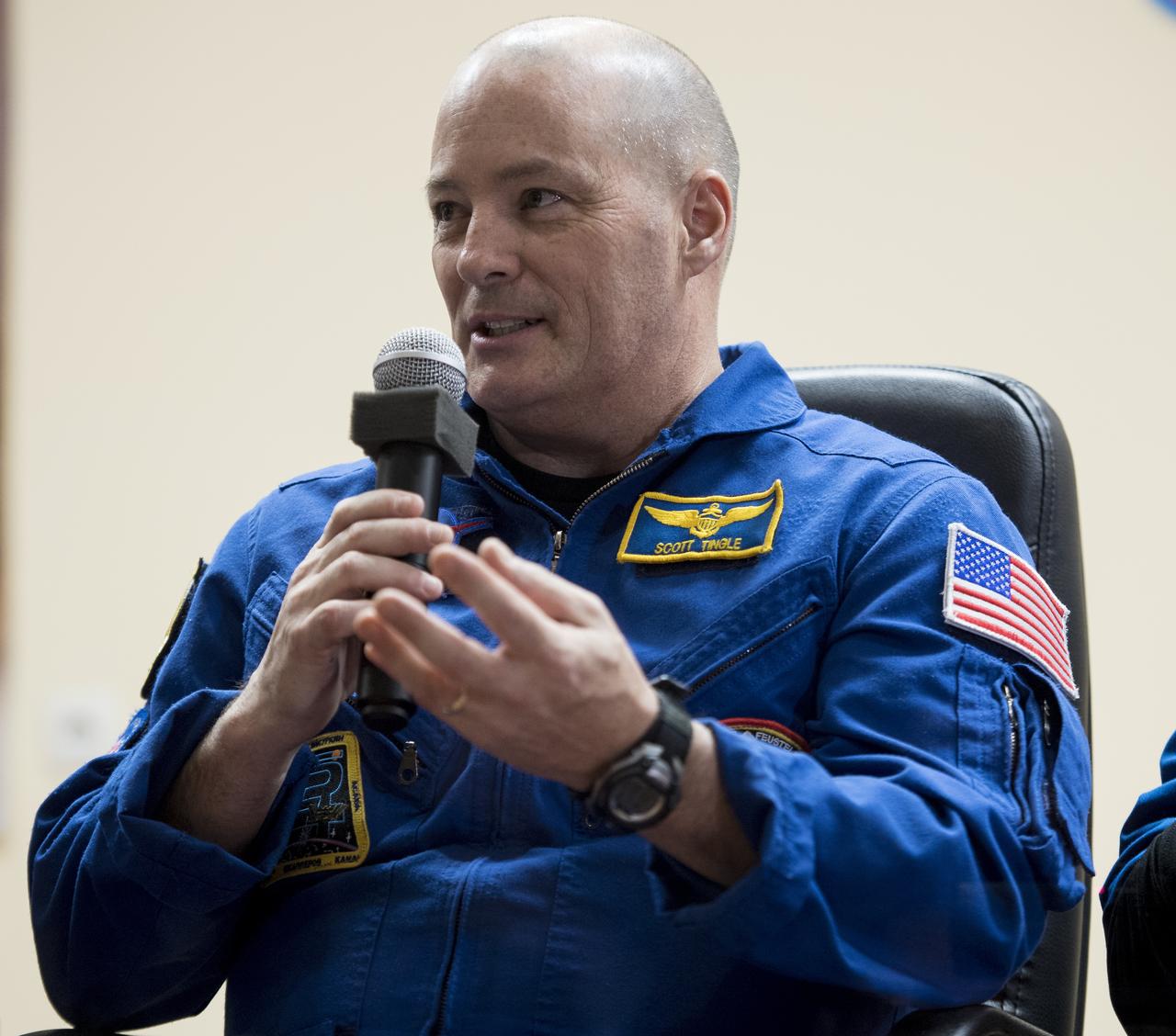
Expedition 54 flight engineer Scott Tingle of NASA answers a question during a press conference, Saturday, Dec. 16, 2017 at the Cosmonaut Hotel in Baikonur, Kazakhstan. Tingle, Soyuz Commander Anton Shkaplerov of Roscosmos, and flight engineer Norishige Kanai of the Japan Aerospace Exploration Agency (JAXA) are scheduled to launch to the International Space Station aboard the Soyuz spacecraft from the Baikonur Cosmodrome on December 17. Photo Credit: (NASA/Joel Kowsky)
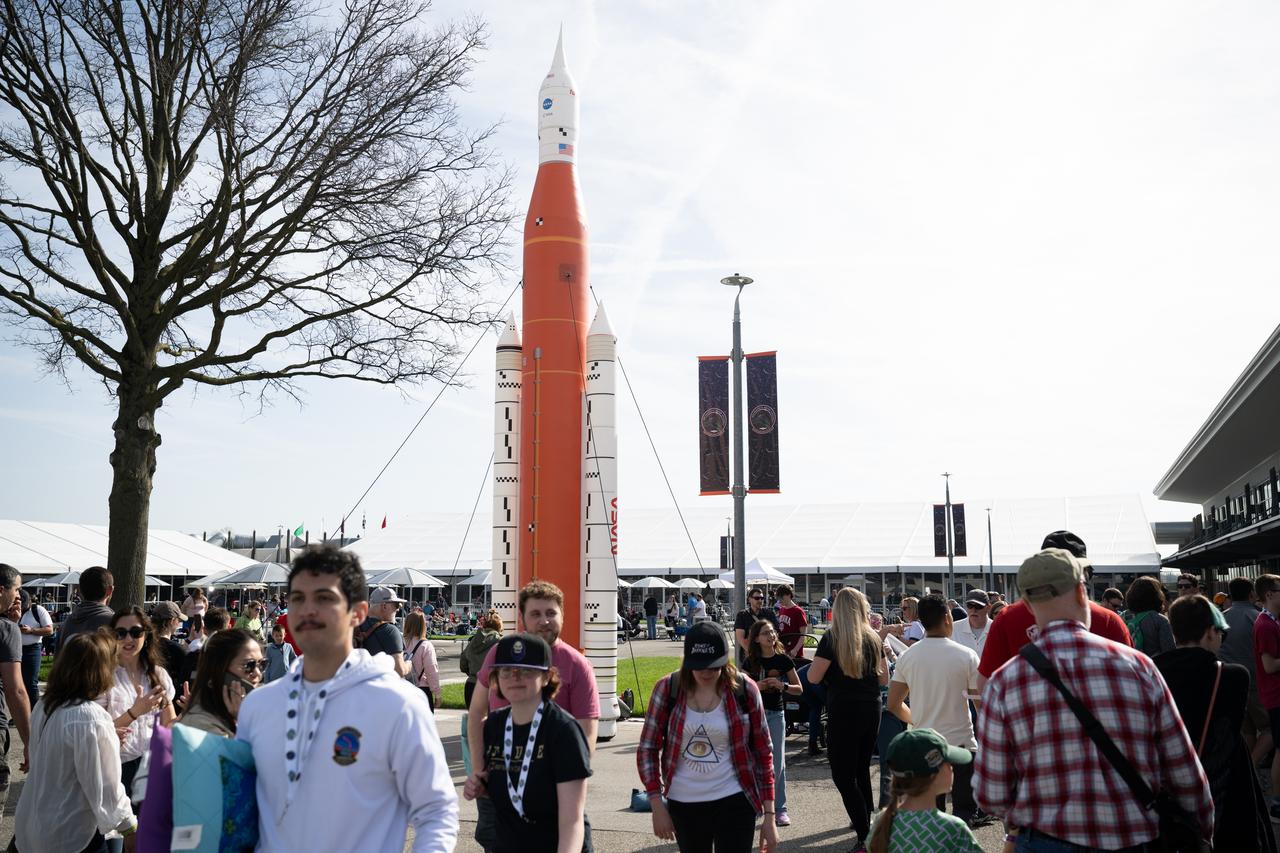
Attendees at the Indianapolis Motor Speedway walk past an inflatable version of NASA’s Space Launch System rocket ahead of the total solar eclipse, Monday, April 8, 2024, in Indianapolis, Ind. A total solar eclipse swept across a narrow portion of the North American continent from Mexico’s Pacific coast to the Atlantic coast of Newfoundland, Canada. A partial solar eclipse was visible across the entire North American continent along with parts of Central America and Europe. Photo Credit: (NASA/Joel Kowsky)
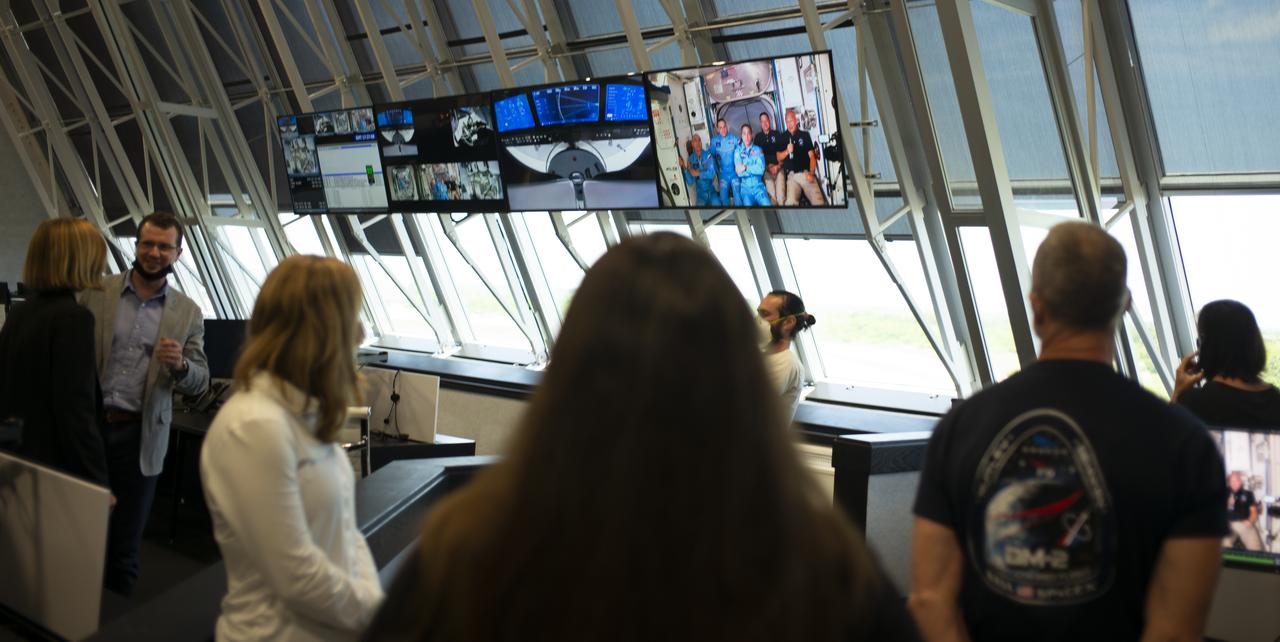
NASA astronauts Robert Behnken and Douglas Hurley are seen with Expedition 53 Commander NASA astronaut Chris Cassidy and cosmonauts Anatoly Ivanishin and Ivan Vagner of Roscosmos onboard the International Space Station after hatches were opened between SpaceX’s Crew Dragon spacecraft the orbiting laboratory, Sunday, May 31, 2020, in firing room four of the Launch Control Center at NASA’s Kennedy Space Center in Florida. NASA’s SpaceX Demo-2 mission is the first launch with astronauts of the SpaceX Crew Dragon spacecraft and Falcon 9 rocket to the International Space Station as part of the agency’s Commercial Crew Program. The test flight serves as an end-to-end demonstration of SpaceX’s crew transportation system. Behnken and Hurley launched at 3:22 p.m. EDT on Saturday, May 30, from Launch Complex 39A at the Kennedy Space Center and docked with the International Space Station at 10:16am EDT on Sunday, May 31. A new era of human spaceflight is set to begin as American astronauts once again launch on an American rocket from American soil to low-Earth orbit for the first time since the conclusion of the Space Shuttle Program in 2011. Photo Credit: (NASA/Joel Kowsky)
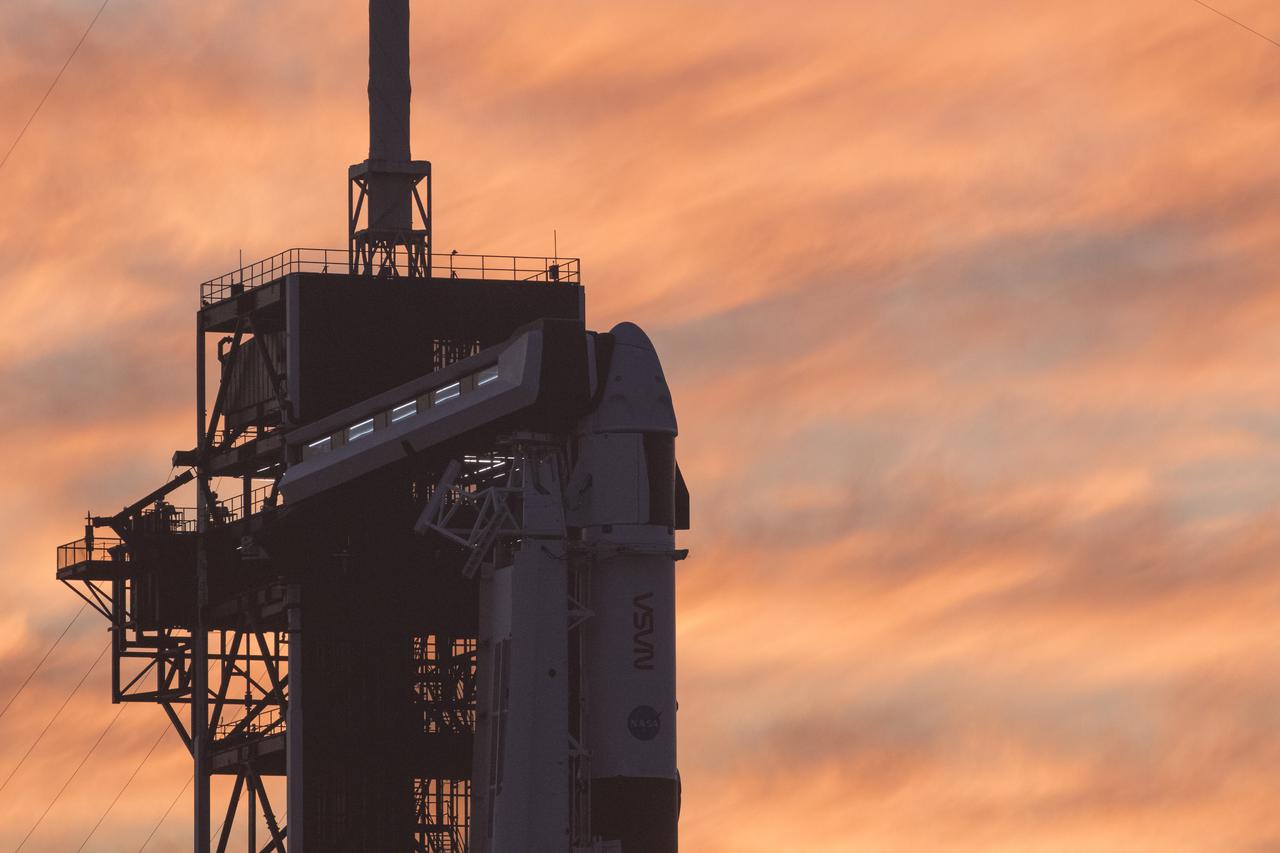
A SpaceX Falcon 9 rocket with the company's Crew Dragon spacecraft onboard is seen at sunset on the launch pad at Launch Complex 39A as preparations continue for the Crew-2 mission, Wednesday, April 21, 2021, at NASA’s Kennedy Space Center in Florida. NASA’s SpaceX Crew-2 mission is the second crew rotation mission of the SpaceX Crew Dragon spacecraft and Falcon 9 rocket to the International Space Station as part of the agency’s Commercial Crew Program. NASA astronauts Shane Kimbrough and Megan McArthur, ESA (European Space Agency) astronaut Thomas Pesquet, and Japan Aerospace Exploration Agency (JAXA) astronaut Akihiko Hoshide are scheduled to launch at 5:49 a.m. EDT on Friday, April 23, from Launch Complex 39A at the Kennedy Space Center. Photo Credit: (NASA/Joel Kowsky)
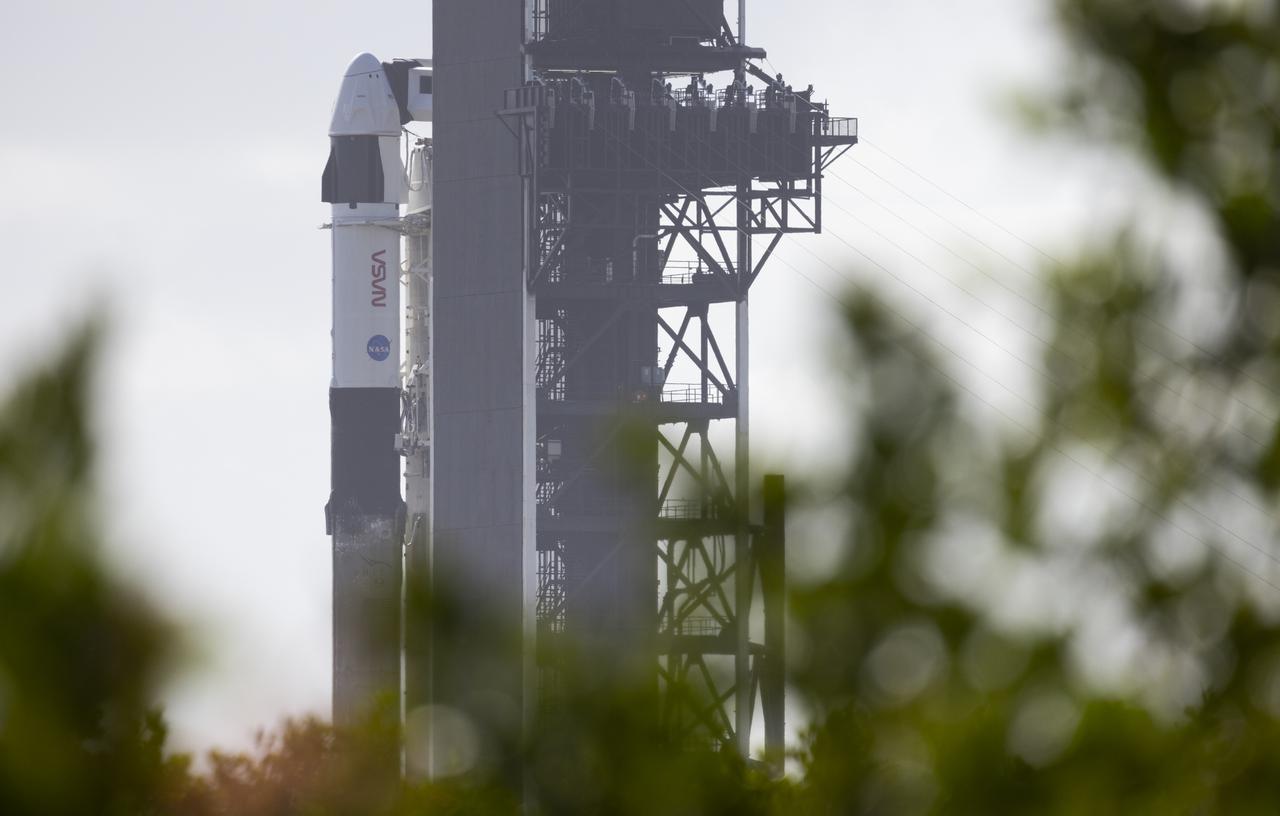
A SpaceX Falcon 9 rocket with the company's Crew Dragon spacecraft onboard is seen on the launch pad at Launch Complex 39A as preparations continue for the Crew-4 mission, Friday, April 22, 2022, at NASA’s Kennedy Space Center in Florida. NASA’s SpaceX Crew-4 mission is the fourth crew rotation mission of the SpaceX Crew Dragon spacecraft and Falcon 9 rocket to the International Space Station as part of the agency’s Commercial Crew Program. NASA astronauts Kjell Lindgren, Robert Hines, Jessica Watkins, and ESA (European Space Agency) astronaut Samantha Cristoforetti are scheduled to launch no earlier than April 26, from Launch Complex 39A at the Kennedy Space Center. Photo Credit: (NASA/Joel Kowsky)
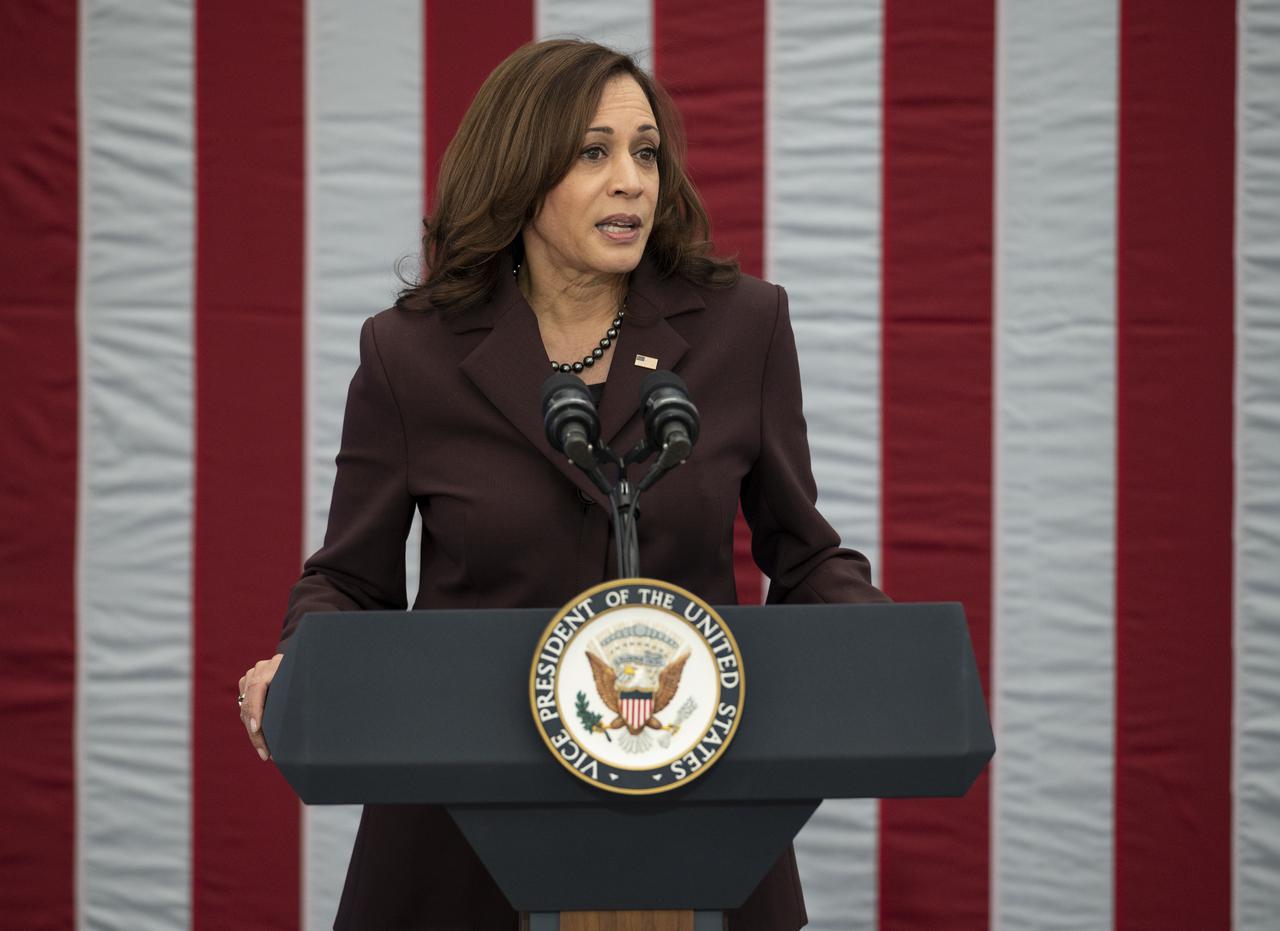
Vice President Kamala Harris delivers opening remarks at the first meeting of the National Space Council, Wednesday, Dec. 1, 2021, at the United States Institute of Peace in Washington. Chaired by Vice President Harris, the council's role is to advise the President regarding national space policy and strategy, and ensuring the United States capitalizes on the opportunities presented by the country’s space activities. Photo Credit: (NASA/Joel Kowsky)
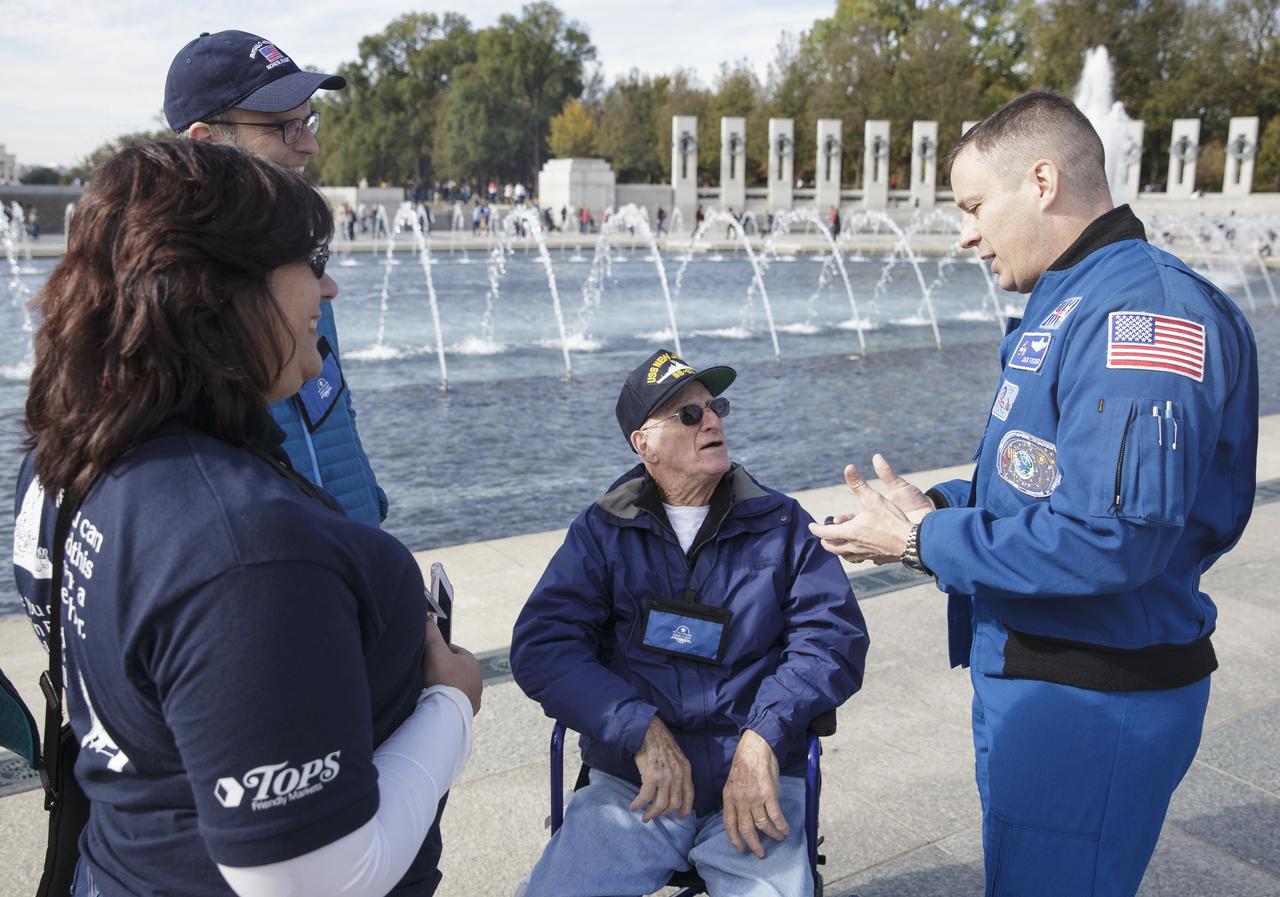
NASA astronaut Jack Fischer talks with veterans at the World War II Memorial who traveled to Washington, DC with the Buffalo Niagara Honor Flight, Saturday, Nov. 4, 2017. Photo Credit: (NASA/Joel Kowsky)
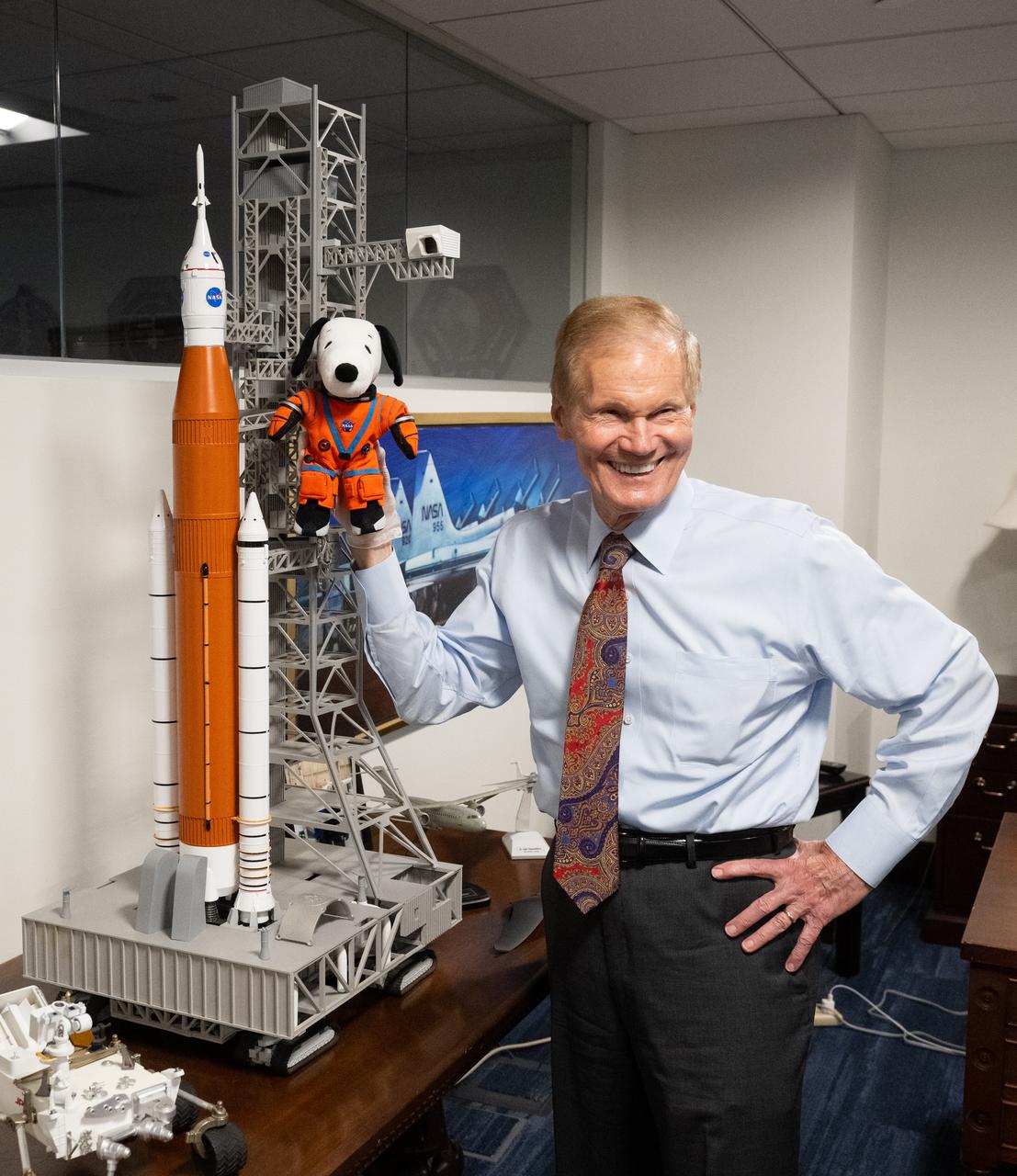
NASA Administrator Bill Nelson, holding the Artemis I Snoopy zero gravity indicator, is seen during a visit with Jeannie Schulz, widow of Peanuts gang creator Charles M. Schulz, Wednesday, April 5, 2023, at the Mary W. Jackson NASA Headquarters building in Washington. Schulz awarded a NASA Exceptional Achievement Medal by Administrator Nelson at an “Our Blue Planet” concert at the John F. Kennedy Center for the Performing Arts. Snoopy rode along as the zero gravity indicator on NASA’s Artemis I mission as part of a partnership with the agency and continues to help NASA inspire kids of all ages to follow along with Artemis missions. As part of the visit, Schulz showed the flown Artemis I Snoopy zero gravity indicator before it goes to its final home for display at the Schulz Museum in Santa Rosa, California. Photo Credit: (NASA/Joel Kowsky)
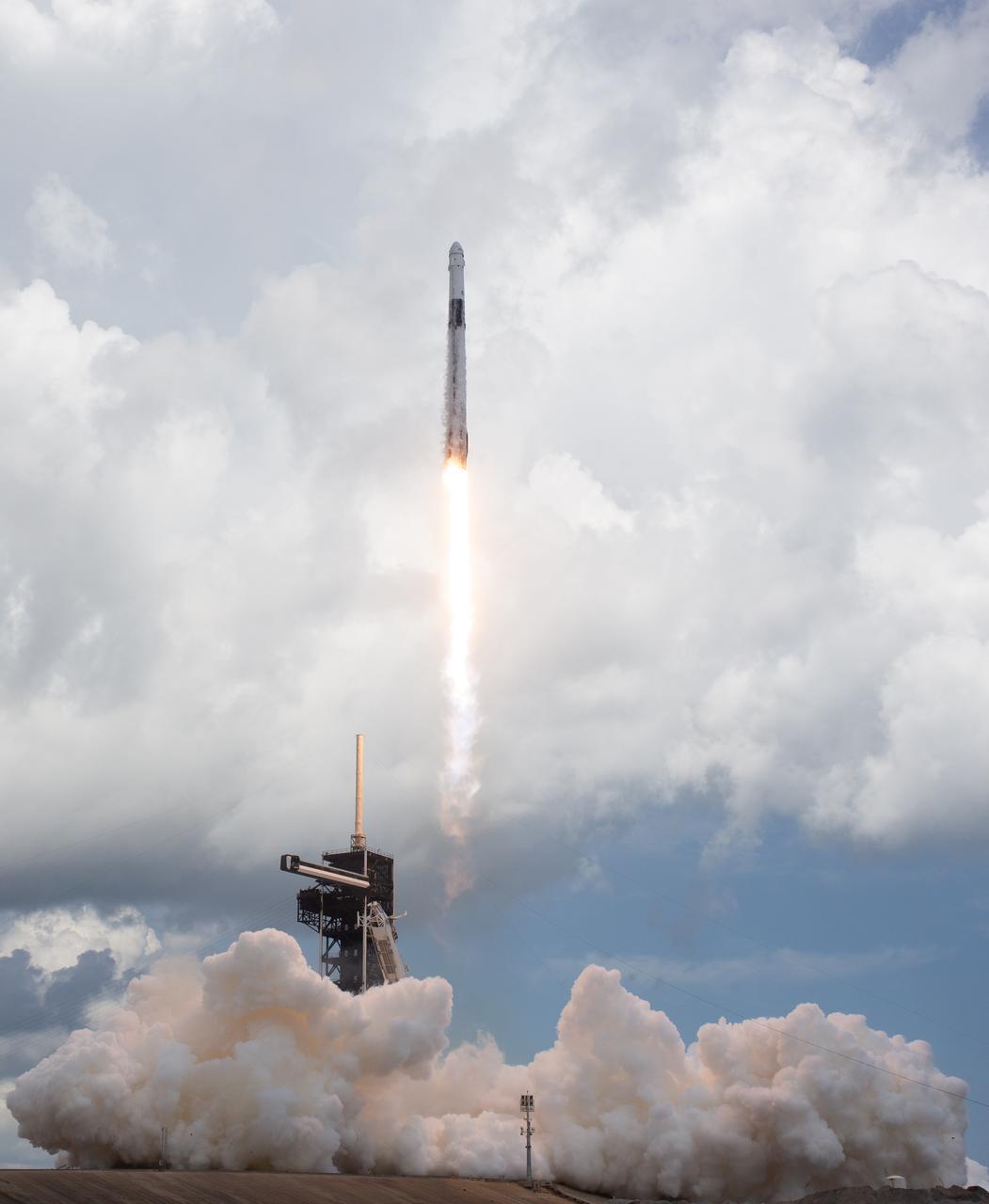
A SpaceX Falcon 9 rocket carrying the company's Dragon spacecraft is launched on NASA’s SpaceX Crew-11 mission to the International Space Station with NASA astronauts Zena Cardman, Mike Fincke, JAXA (Japan Aerospace Exploration Agency) astronaut Kimiya Yui, and Roscosmos cosmonaut Oleg Platonov onboard, Friday, Aug. 1, 2025, from NASA's Kennedy Space Center in Florida. NASA’s SpaceX Crew-11 mission is the eleventh crew rotation mission of the SpaceX Dragon spacecraft and Falcon 9 rocket to the International Space Station as part of the agency’s Commercial Crew Program. Cardman, Fincke, Yui, Platonov launched at 11:43 a.m. EDT from Launch Complex 39A at the NASA's Kennedy Space Center to begin a six month mission aboard the orbital outpost. Photo Credit: (NASA/Joel Kowsky)
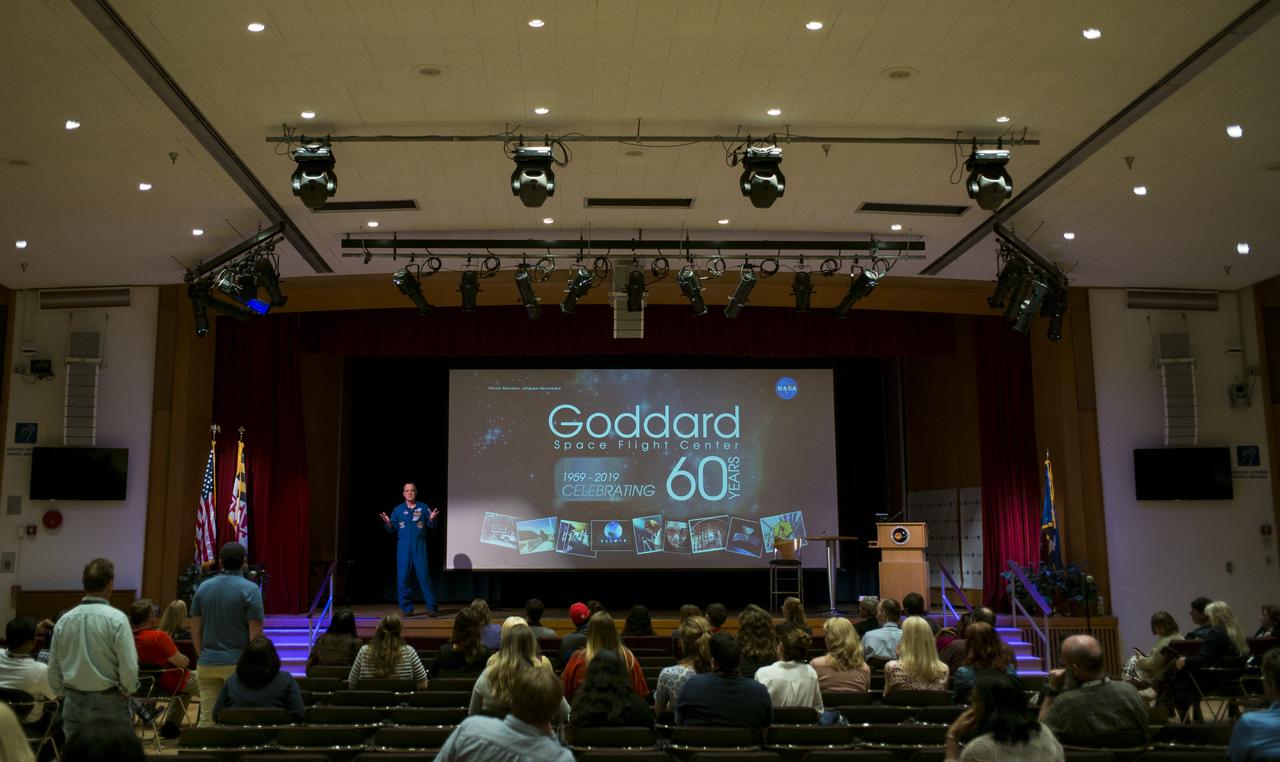
NASA astronaut Ricky Arnold answers questions from the audience after speaking about his time onboard the International Space Station, Thursday, May 2, 2019 at NASA’s Goddard Space Flight Center in Greenbelt, Md. During Arnold’s 197 days onboard the International Space Station, as part of Expeditions 55 and 56, he ventured outside the space station on three spacewalks in addition to conducting numerous experiments and educational downlink events. Photo Credit: (NASA/Joel Kowsky)
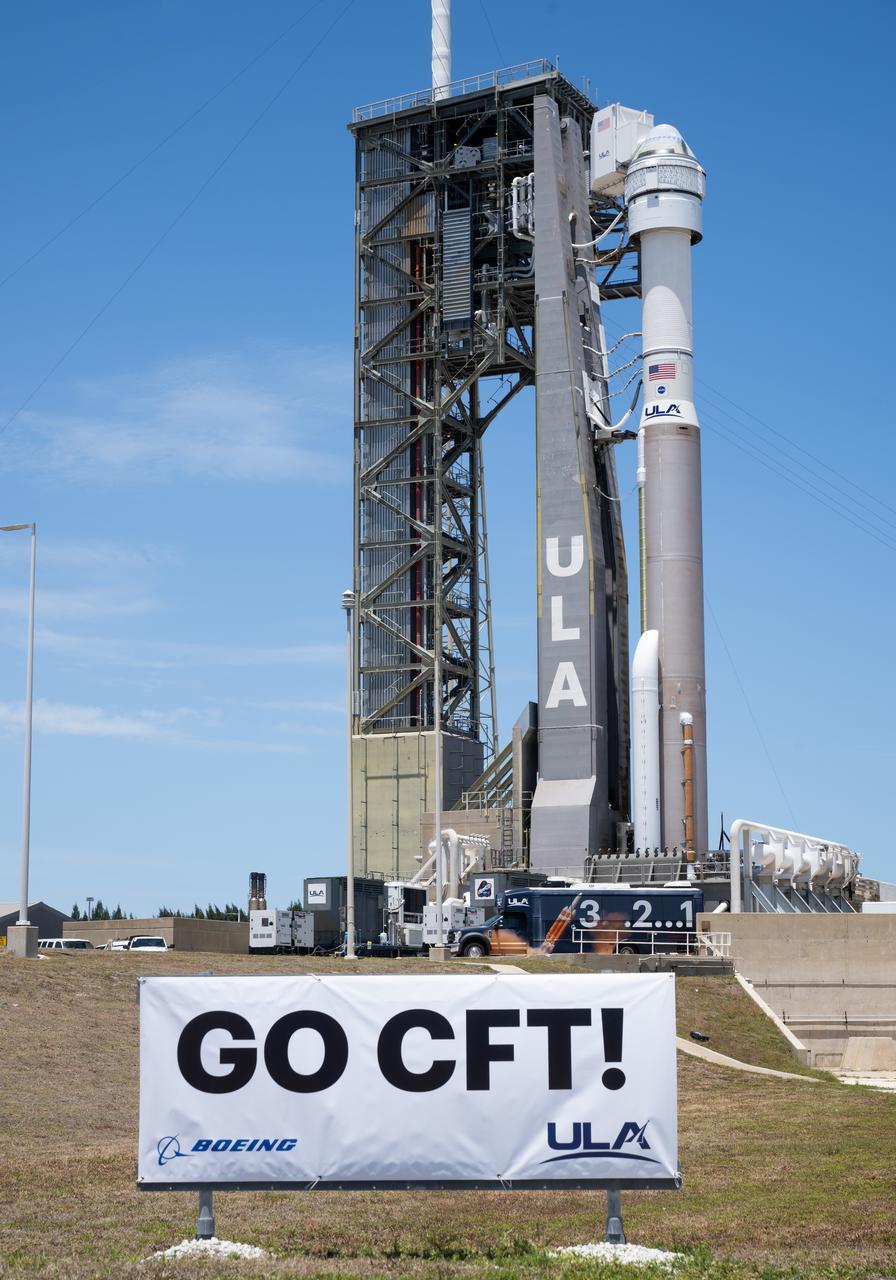
A United Launch Alliance Atlas V rocket with Boeing’s CST-100 Starliner spacecraft aboard is seen on the launch pad at Space Launch Complex 41 ahead of the NASA’s Boeing Crew Flight Test, Saturday, May 4, 2024 at Cape Canaveral Space Force Station in Florida. NASA’s Boeing Crew Flight Test is the first launch with astronauts of the Boeing CFT-100 spacecraft and United Launch Alliance Atlas V rocket to the International Space Station as part of the agency’s Commercial Crew Program. The flight test, targeted for launch at 10:34 p.m. EDT on Monday, May 6, serves as an end-to-end demonstration of Boeing’s crew transportation system and will carry NASA astronauts Butch Wilmore and Suni Williams to and from the orbiting laboratory. Photo Credit: (NASA/Joel Kowsky)
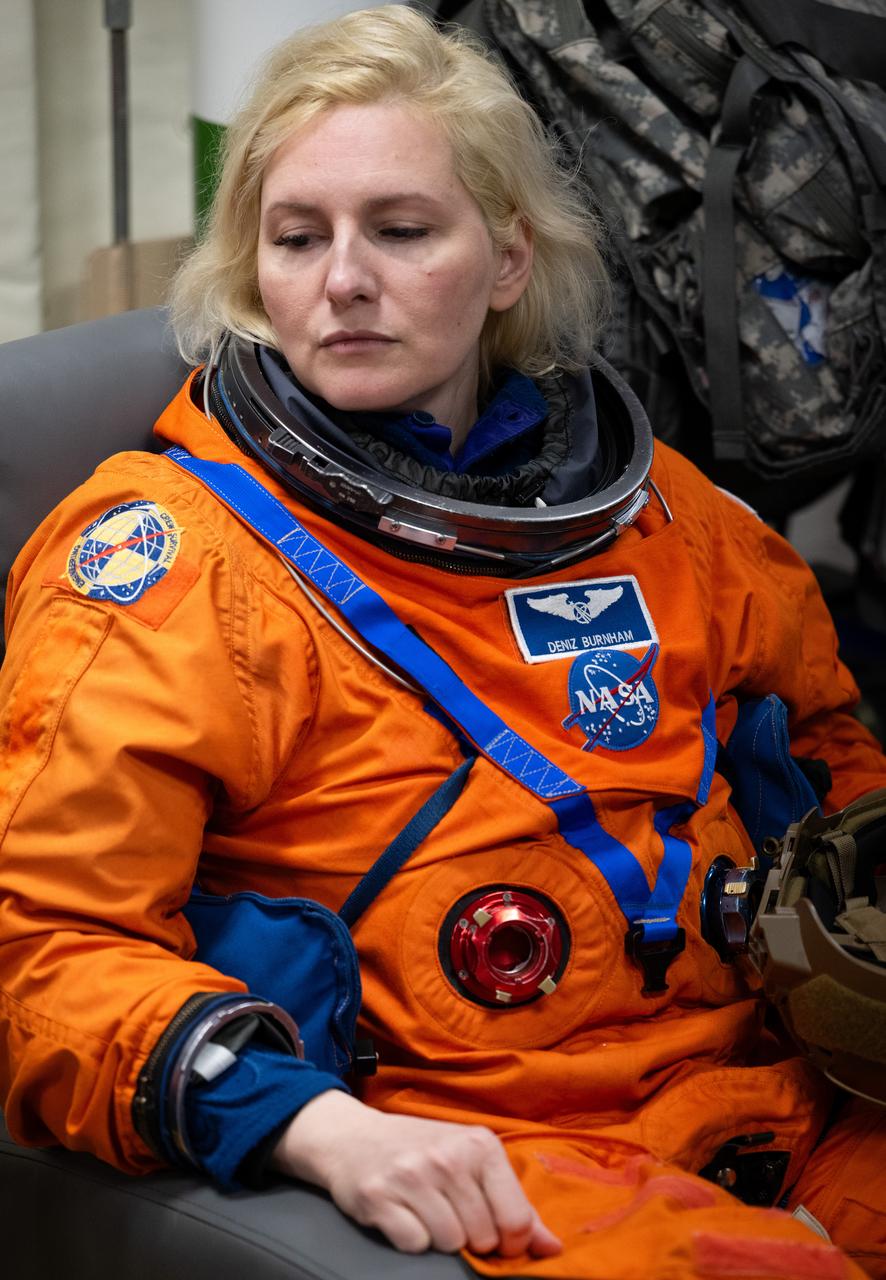
NASA astronaut Deniz Burnham is seen as she prepares to take part in practicing Artemis recovery procedures during Underway Recovery Test-12 onboard USS Somerset off the coast of California, Friday, March 28, 2025. During the test, NASA and Department of Defense teams are practicing to ensure recovery procedures are validated as NASA plans to send the Artemis II astronauts around the Moon and splashdown in the Pacific Ocean. Photo Credit: (NASA/Joel Kowsky)
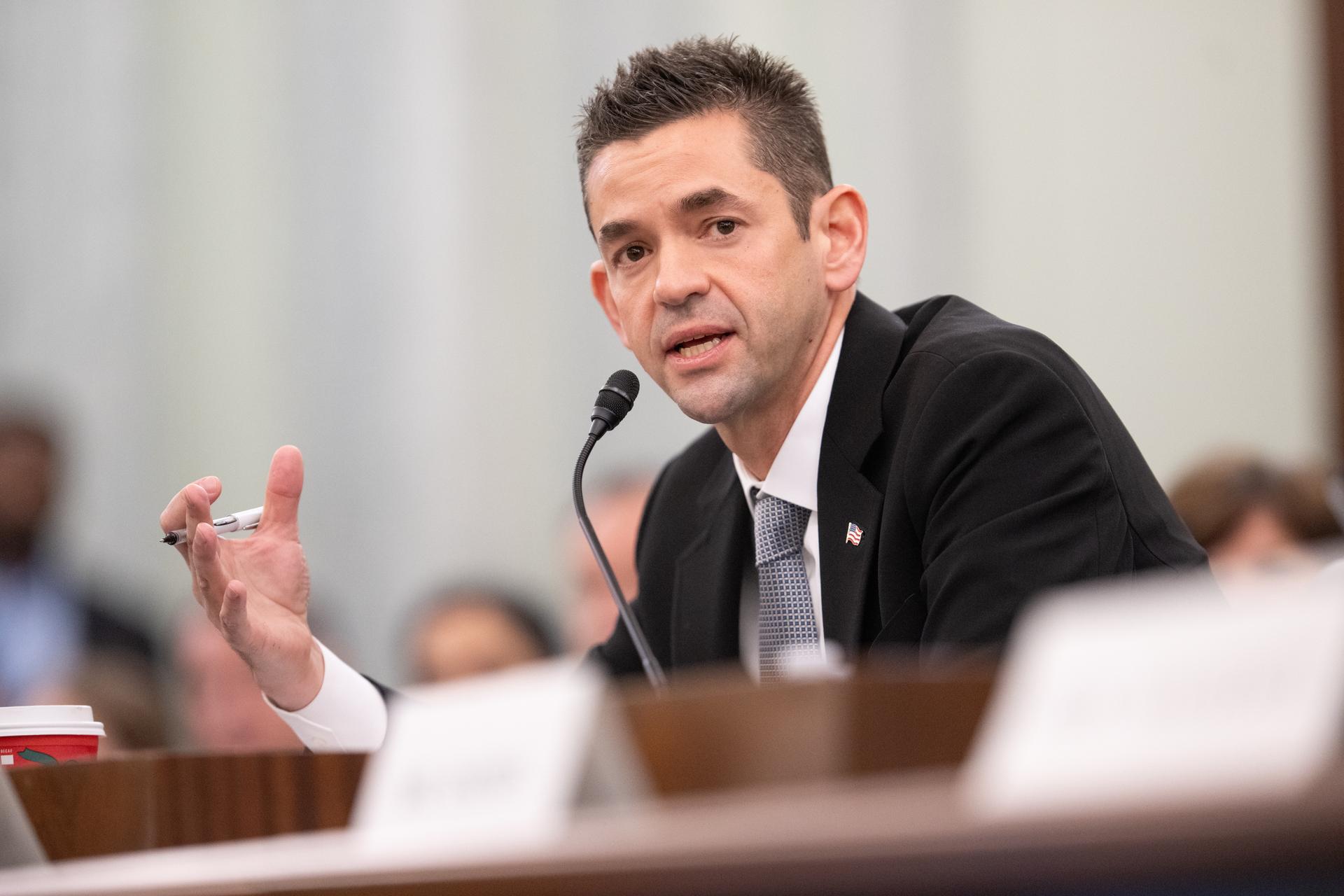
Jared Isaacman, President Donald Trump’s nominee to be the next administrator of NASA, appears before the Senate Committee on Commerce, Science, and Transportation, Wednesday, Dec. 3, 2025, at the Russell Senate Office Building in Washington. Photo Credit: (NASA/Joel Kowsky)
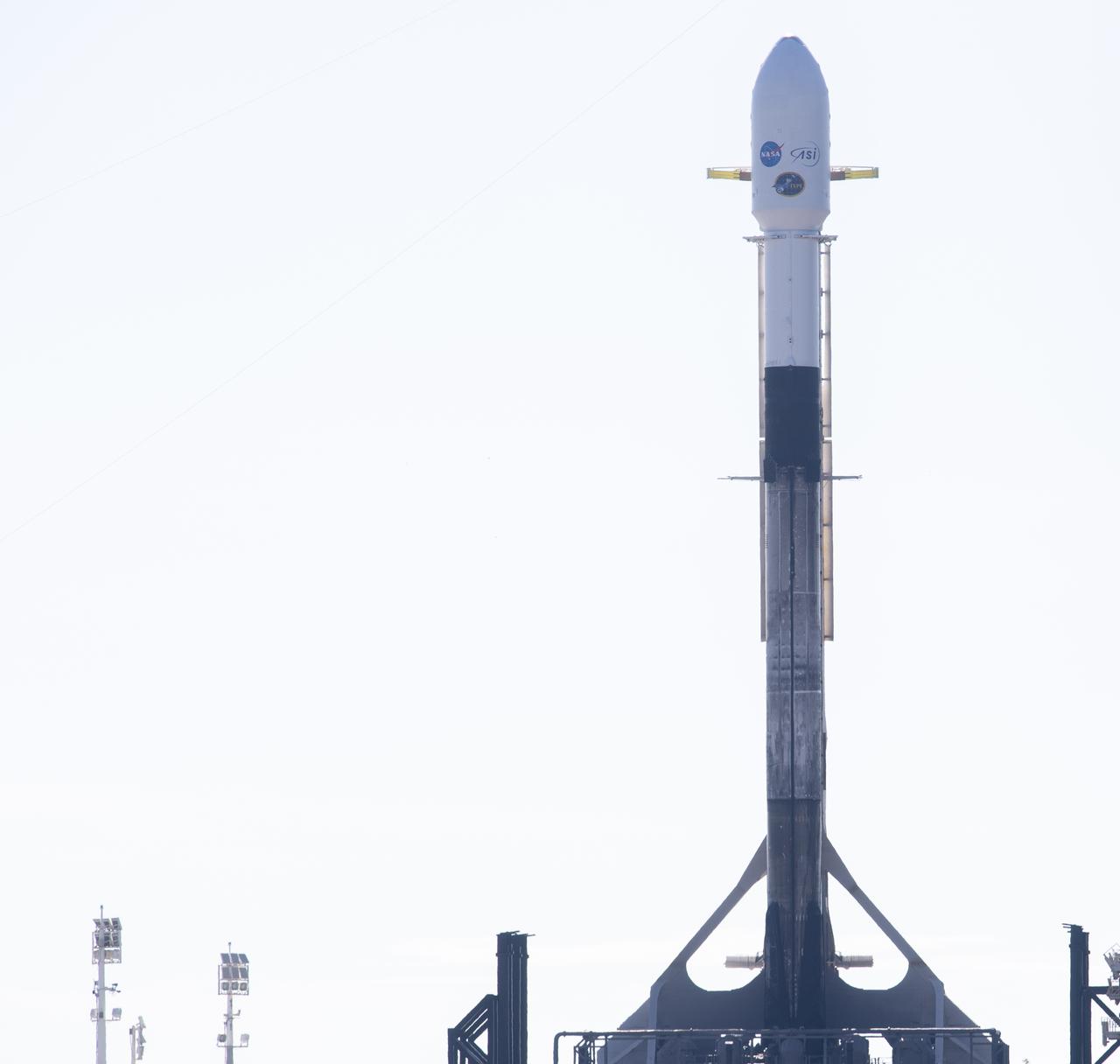
A SpaceX Falcon 9 rocket carrying NASA’s Imaging X-ray Polarimetry Explorer (IXPE) spacecraft is seen on the launch pad at Launch Complex 39A, Wednesday, Dec. 8, 2021, at NASA’s Kennedy Space Center in Florida. The IXPE spacecraft is the first satellite dedicated to measuring the polarization of X-rays from a variety of cosmic sources, such as black holes and neutron stars. Photo Credit: (NASA/Joel Kowsky)
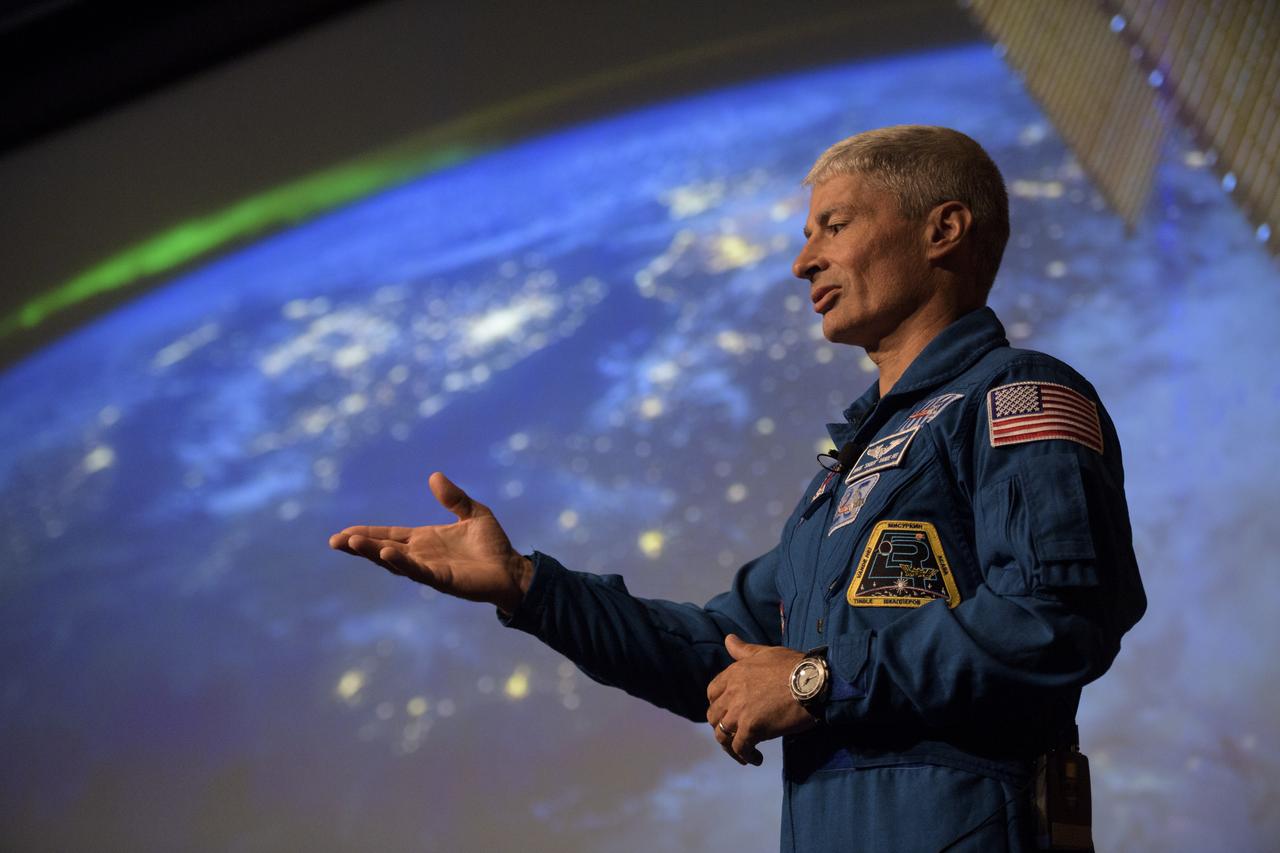
NASA astronaut Mark Vande Hei speaks about his time onboard the International Space Station, Friday, June 15, 2018 at NASA Headquarters in Washington. Vande Hei and astronaut Joe Acaba answered questions from the audience and spoke about their experiences aboard the International Space Station for 168 days as part of Expedition 53 and 54. Photo Credit: (NASA/Joel Kowsky)
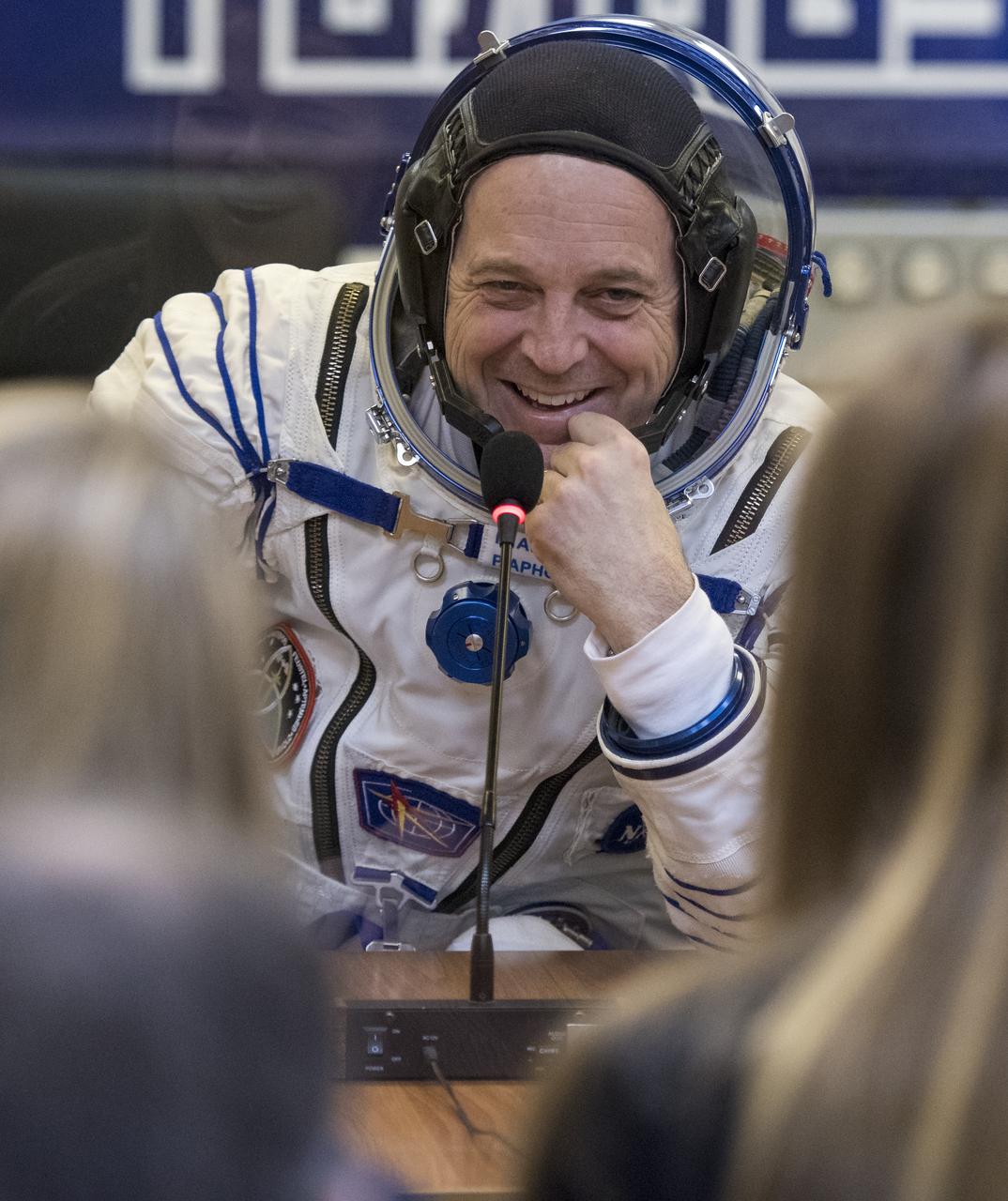
Expedition 55 flight engineer Ricky Arnold of NASA speaks with family and friends after having his Russian Sokol suit pressure checked in preparation for launch aboard the Soyuz MS-08 spacecraft, Wednesday, March 21, 2018 at the Baikonur Cosmodrome in Kazakhstan. Arnold, Soyuz Commander Oleg Artemyev of Roscosmos, and flight engineer Drew Feustel of NASA launched aboard the Soyuz MS-08 spacecraft at 1:44 p.m. Eastern time (11:44 p.m. Baikonur time) on March 21 to begin their journey to the International Space Station. Photo Credit: (NASA/Joel Kowsky)

Chairman Hal Rogers, R-Ky., delivers an opening statement before NASA Administrator Bill Nelson testifies before the House Appropriations Committee’s Commerce, Justice, Science, and Related Agencies Subcomittee, during a hearing on the fiscal year 2025 budget request, Wednesday, April 17, 2024 at the Rayburn House Office Building in Washington, DC. Photo Credit: (NASA/Joel Kowsky)
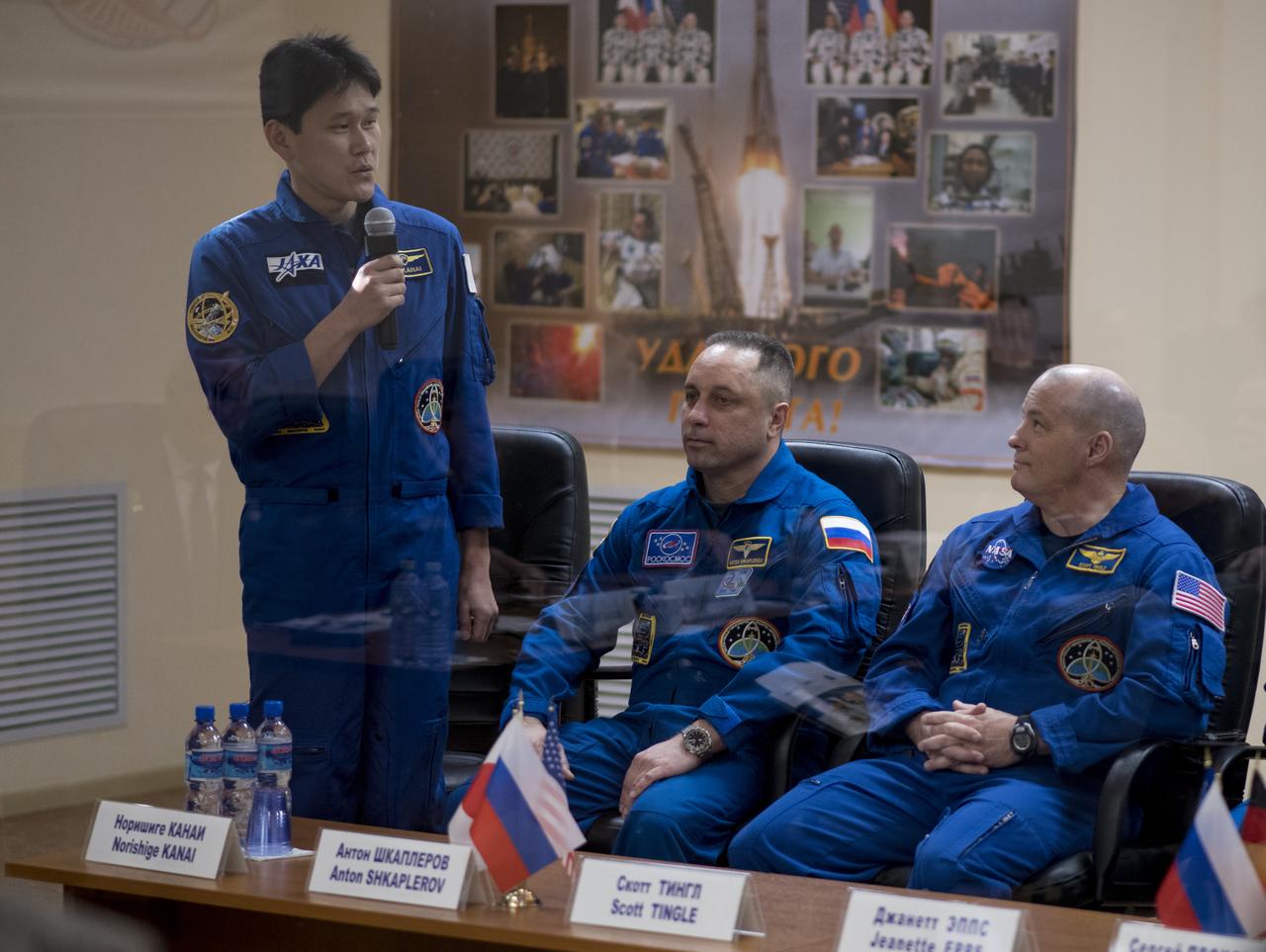
Expedition 54 flight engineer Norishige Kanai of the Japan Aerospace Exploration Agency (JAXA) speaks during the State Commission meeting to approve the Soyuz launch of Expedition 54 to the International Space Station, Saturday, Dec. 16, 2017 at the Cosmonaut Hotel in Baikonur, Kazakhstan. Kanai, Soyuz Commander Anton Shkaplerov of Roscosmos, and flight engineer Scott Tingle of NASA are scheduled to launch to the International Space Station aboard the Soyuz spacecraft from the Baikonur Cosmodrome on December 17. Photo Credit: (NASA/Joel Kowsky)
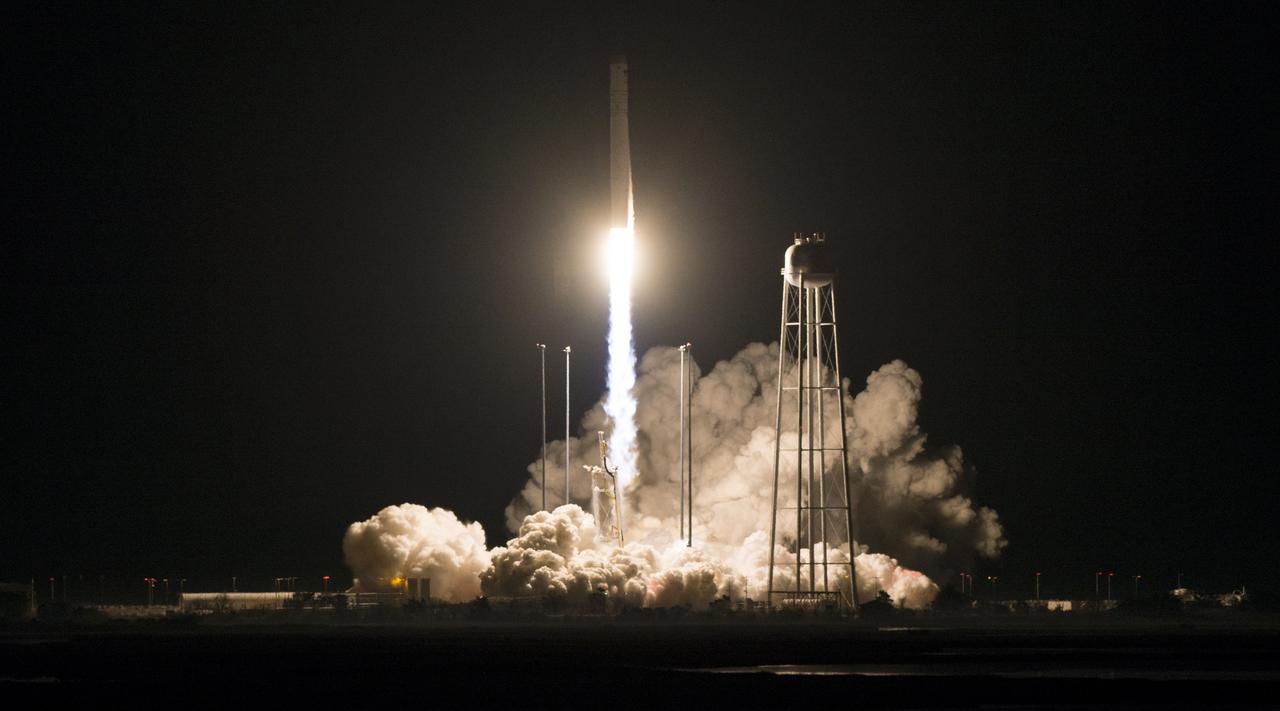
The Northrop Grumman Antares rocket, with Cygnus resupply spacecraft onboard, launches from Pad-0A, Saturday, Nov. 17, 2018 at NASA's Wallops Flight Facility in Virginia. Northrop Grumman's 10th contracted cargo resupply mission for NASA to the International Space Station will deliver about 7,400 pounds of science and research, crew supplies and vehicle hardware to the orbital laboratory and its crew. Photo Credit: (NASA/Joel Kowsky)
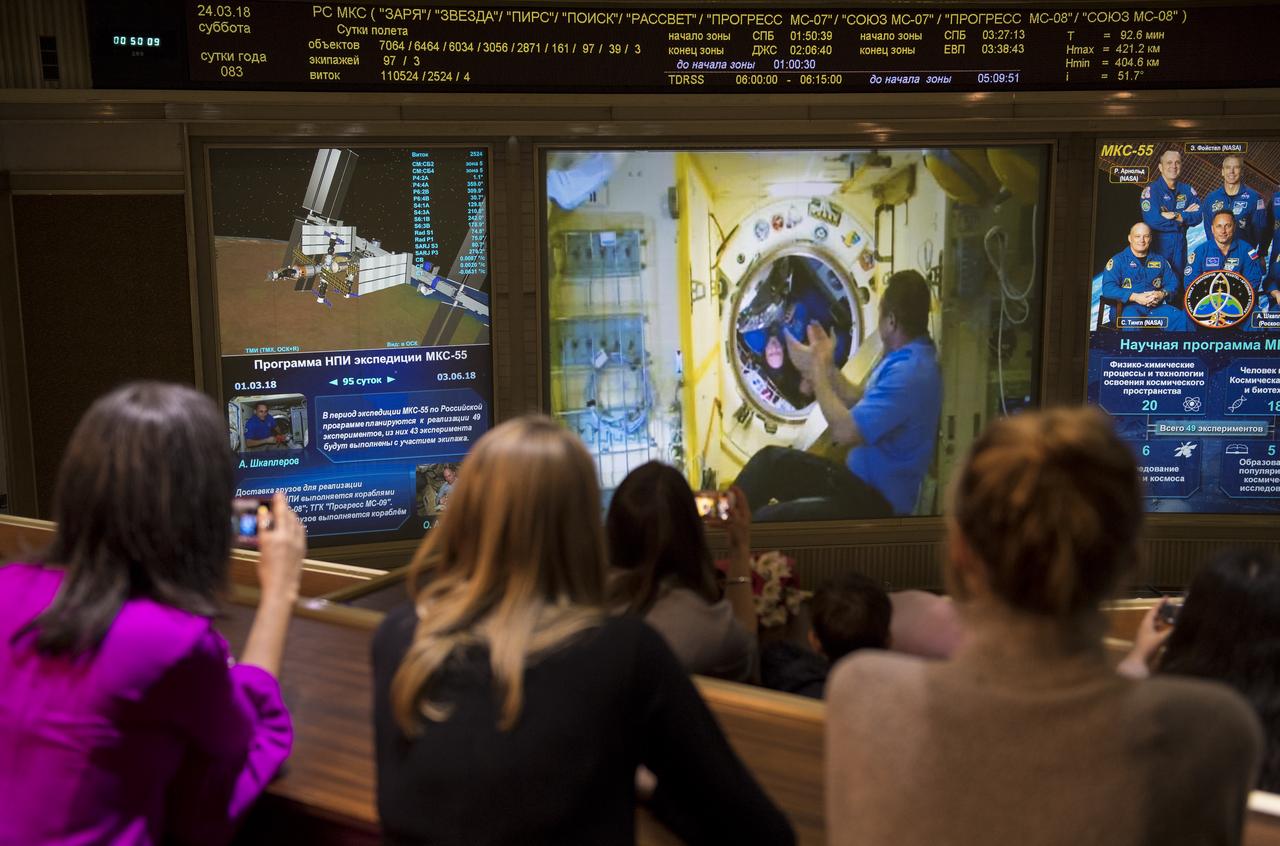
Expedition 55 Commander Anton Shkaplerov of Roscosmos is seen on screen greeting Oleg Artemyev of Roscosmos the hatches were opened between the Soyuz MS-08 spacecraft and the International Space Station at the Moscow Mission Control Center in Korolev, Russia, Saturday, March 24, 2018, a few hours after the Soyuz MS-08 docked to the International Space Station. Hatches were opened at 5:48 p.m. Eastern time on March 23 (12:48 a.m. Moscow time on March 24) and Artemyev, Ricky Arnold of NASA, and Drew Feustel of NASA joined Expedition 55 Commander Anton Shkaplerov of Roscosmos, Scott Tingle of NASA, and Norishige Kanai of the Japan Aerospace Exploration Agency (JAXA) onboard the orbiting laboratory. Photo Credit: (NASA/Joel Kowsky)

Howard Hu, manager of the Orion Program at NASA’s Johnson Space Center, center, speaks during an Artemis Program progress update panel at the 2024 Artemis Suppliers Conference, Tuesday, Feb. 27, 2024, at the Grand Hyatt Hotel in Washington. Also participating in the panel was, from left, Amit Kshatriya, deputy associate administrator for the Moon to Mars Program in NASA’s Explorations Systems Development Mission Directorate; Shawn Quinn, manager of Exploration Ground Systems at NASA’s Kennedy Space Center; John Honeycutt, manager of the Space Launch System Program at NASA’s Marshall Space Flight Center; Lisa Watson-Morgan, manager of the Human Landing System Program at NASA’s Marshall Space Flight Center; Jon B. Olansen, manager of the Gateway Program at NASA’s Johnson Space Center; and Lara Kearney, manager of Extravehicular Activity and Human Surface Mobility Program at NASA’s Johnson Space Center. Photo Credit: (NASA/Joel Kowsky)
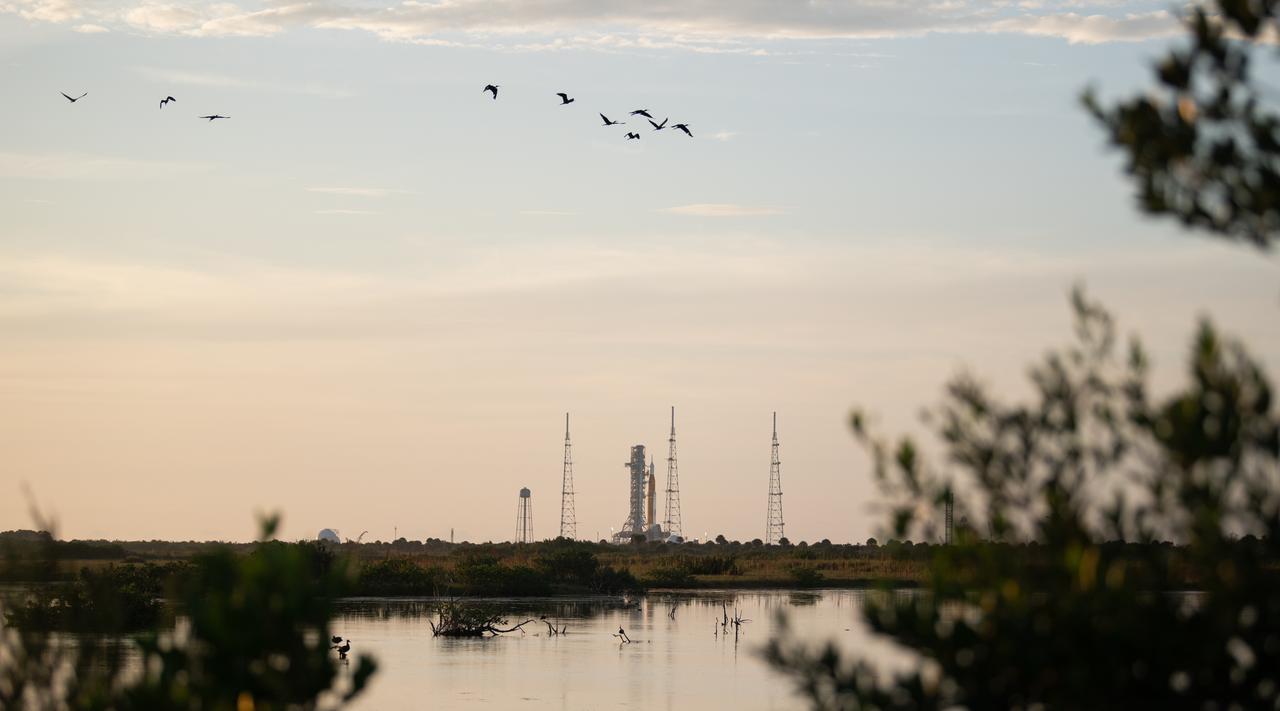
NASA’s Space Launch System (SLS) rocket with the Orion spacecraft aboard is seen at sunrise atop the mobile launcher at Launch Pad 39B as preparations for launch continue, Friday, Sept. 2, 2022, at NASA’s Kennedy Space Center in Florida. NASA’s Artemis I flight test is the first integrated test of the agency’s deep space exploration systems: the Orion spacecraft, SLS rocket, and supporting ground systems. Launch of the uncrewed flight test is targeted for Sept. 3 at 2:17 p.m. EDT. Photo Credit: (NASA/Joel Kowsky)
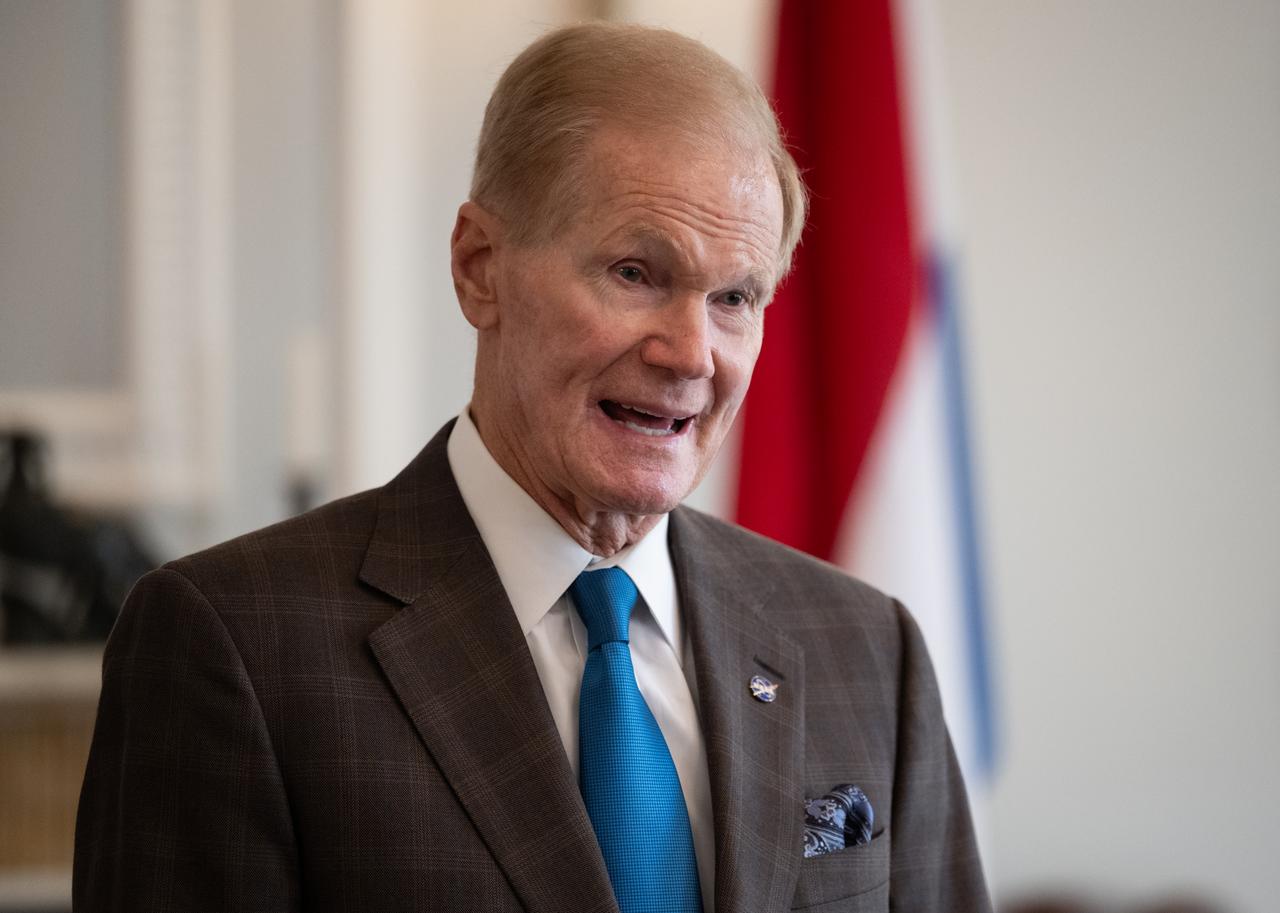
NASA Administrator Bill Nelson delivers remarks during an Artemis Accords signing ceremony, Wednesday, Nov. 1, 2023, at the Dutch Ambassador’s Residence in Washington. Netherlands is the 31st country to sign the Artemis Accords, which establish a practical set of principles to guide space exploration cooperation among nations participating in NASA’s Artemis program. Photo Credit: (NASA/Joel Kowsky)
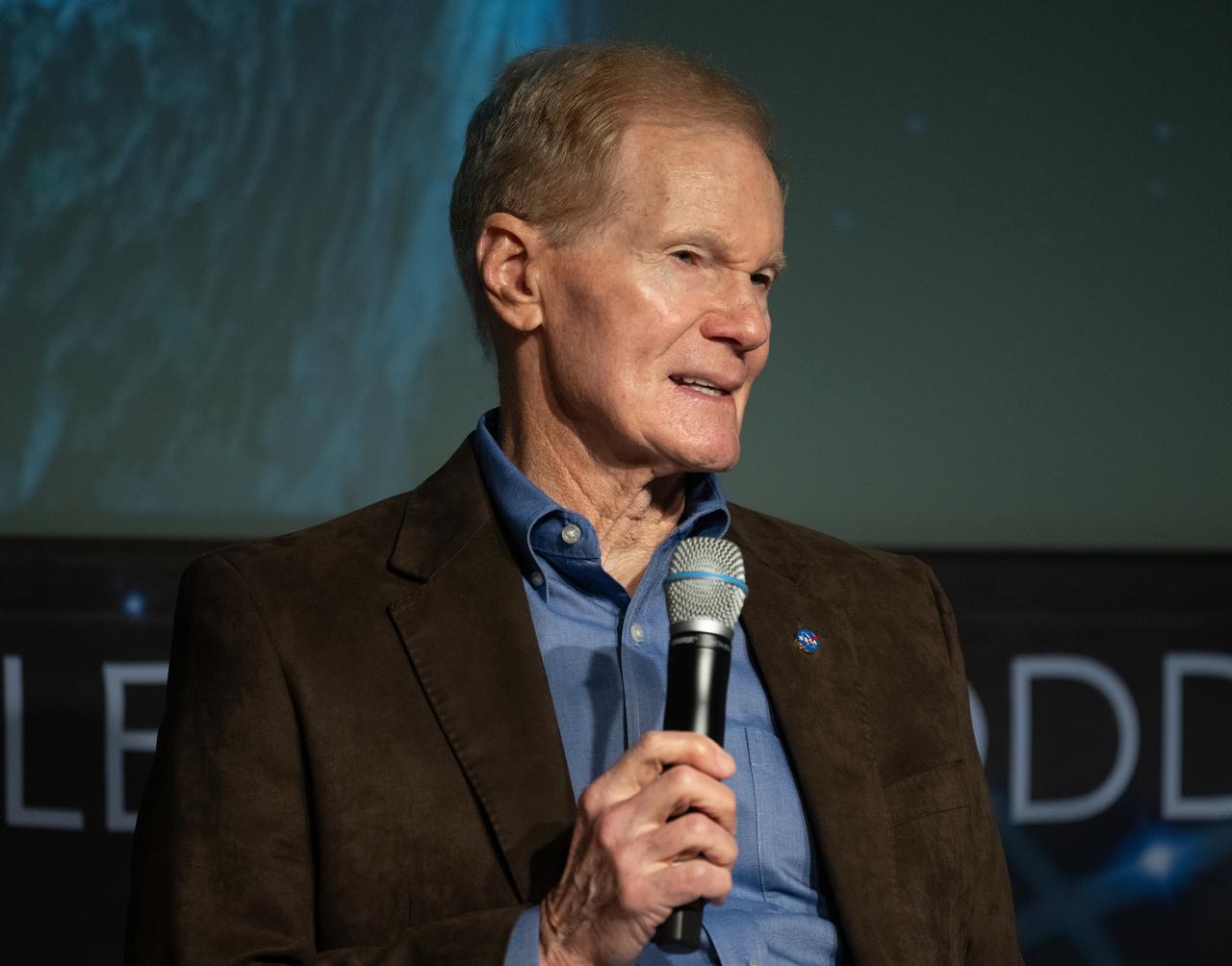
NASA Administrator Bill Nelson speaks during a briefing in advance of Earth Day to share updates on NASA’s climate science, Friday, April 19, 2024, at the Mary W. Jackson NASA Headquarters building in Washington. Nelson, Karen St. Germain, division director of the Earth Science Division of NASA’s Science Mission Directorate, and Tom Wagner, associate director for Earth Action in the Earth Science Division of NASA’s Science Mission Directorate, discussed early data from NASA’s PACE (Plankton, Aerosol, Cloud, ocean Ecosystem) mission and announced new airborne science missions. Photo Credit: (NASA/Joel Kowsky)
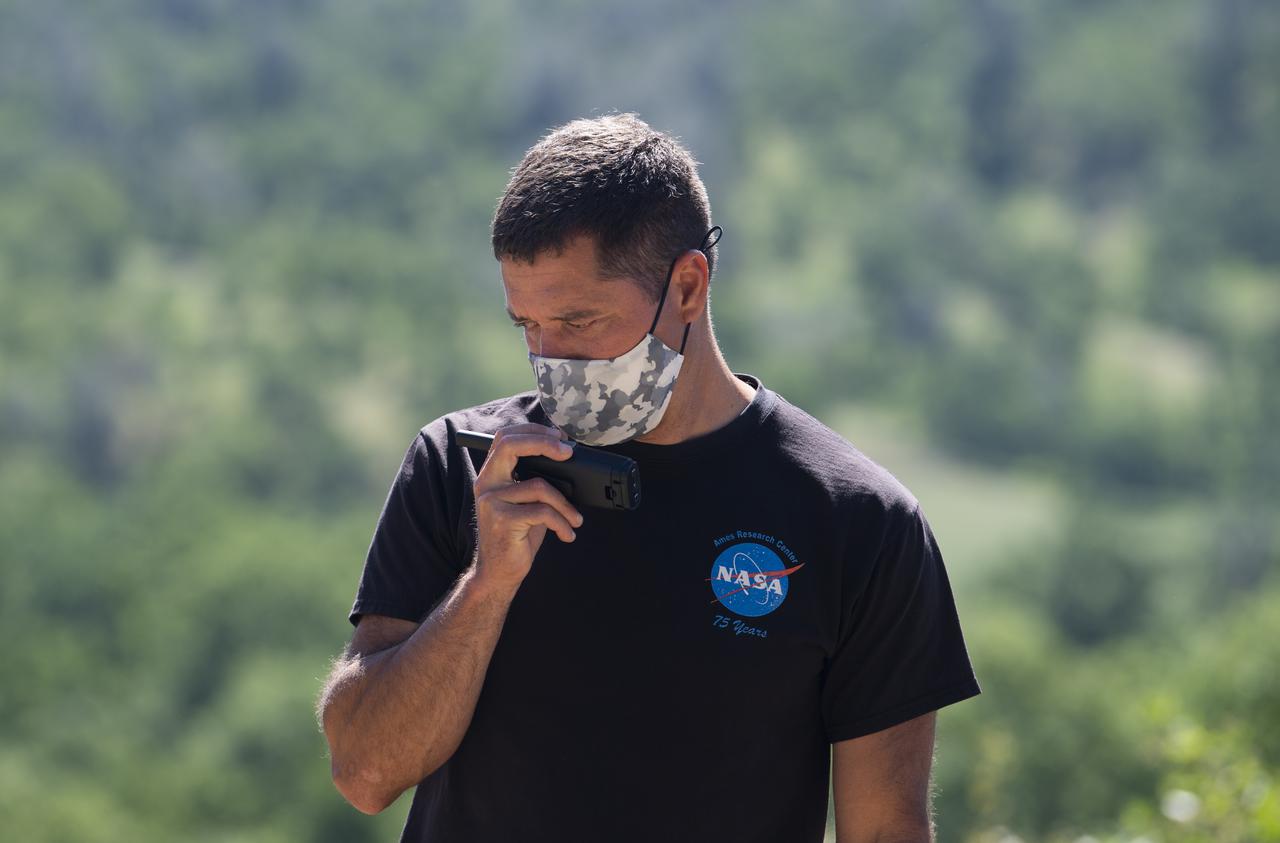
Joey Mercer, principle investigator for STEReO, the Scalable Traffic Management for Emergency Response Operations project, at NASA's Ames Research Center, is seen making a radio call during STEReO field testing, Tuesday, May 4, 2021 as Cal Fire conducts aerial fire fighting training exercises near Redding, California. STEReO, the Scalable Traffic Management for Emergency Response Operations project, led by NASA’s Ames Research Center, builds on NASA’s expertise in air traffic management, human factors research, and autonomous technology development to apply the agency’s work in Unmanned Aircraft Systems Traffic Management, or UTM, to public safety uses. Photo Credit: (NASA/Joel Kowsky)
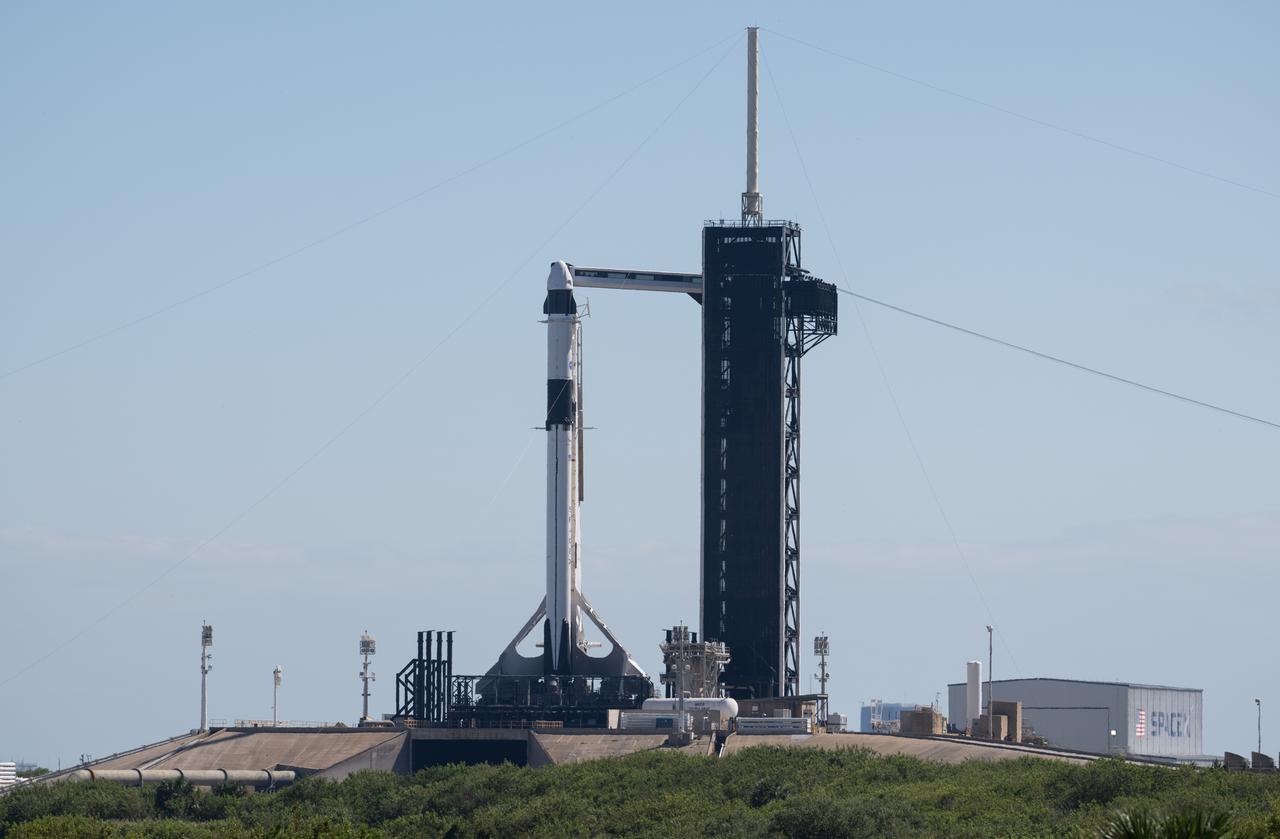
A SpaceX Falcon 9 rocket with the company's Crew Dragon spacecraft onboard is seen on the launch pad at Launch Complex 39A as preparations continue for the Crew-5 mission, Saturday, Oct. 1, 2022, at NASA’s Kennedy Space Center in Florida. NASA’s SpaceX Crew-5 mission is the fifth crew rotation mission of the SpaceX Crew Dragon spacecraft and Falcon 9 rocket to the International Space Station as part of the agency’s Commercial Crew Program. NASA astronauts Nicole Mann and Josh Cassada, Japan Aerospace Exploration Agency (JAXA) astronaut Koichi Wakata, and Roscosmos cosmonaut Anna Kikina are scheduled to launch at 12:00 p.m. EDT on Oct. 5 from Launch Complex 39A at the Kennedy Space Center. Photo Credit: (NASA/Joel Kowsky)