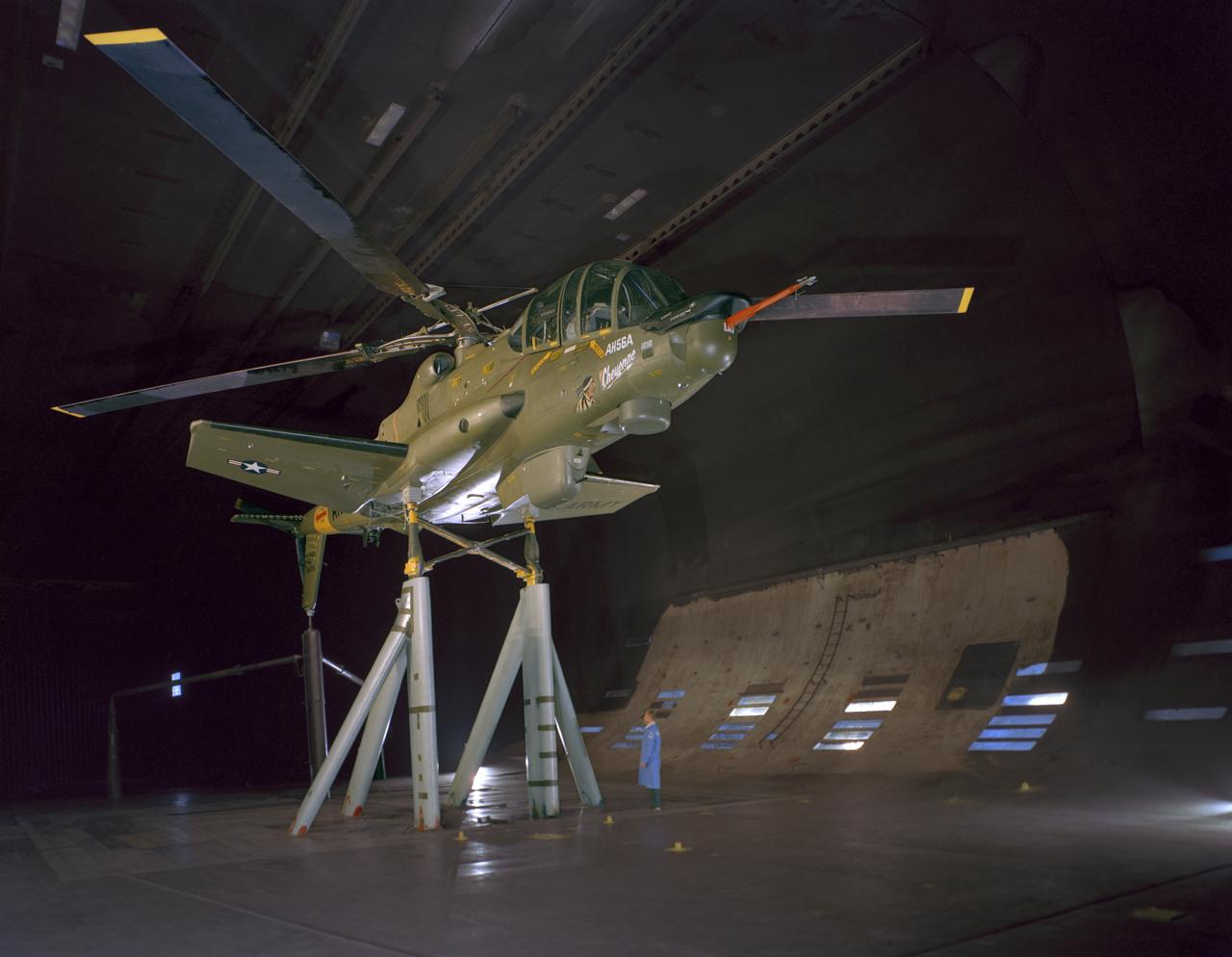
3/4 front view of Lockheed AH-56A (Cheyenne) Helicopter in Ames 40x80 Foot Wind Tunnel
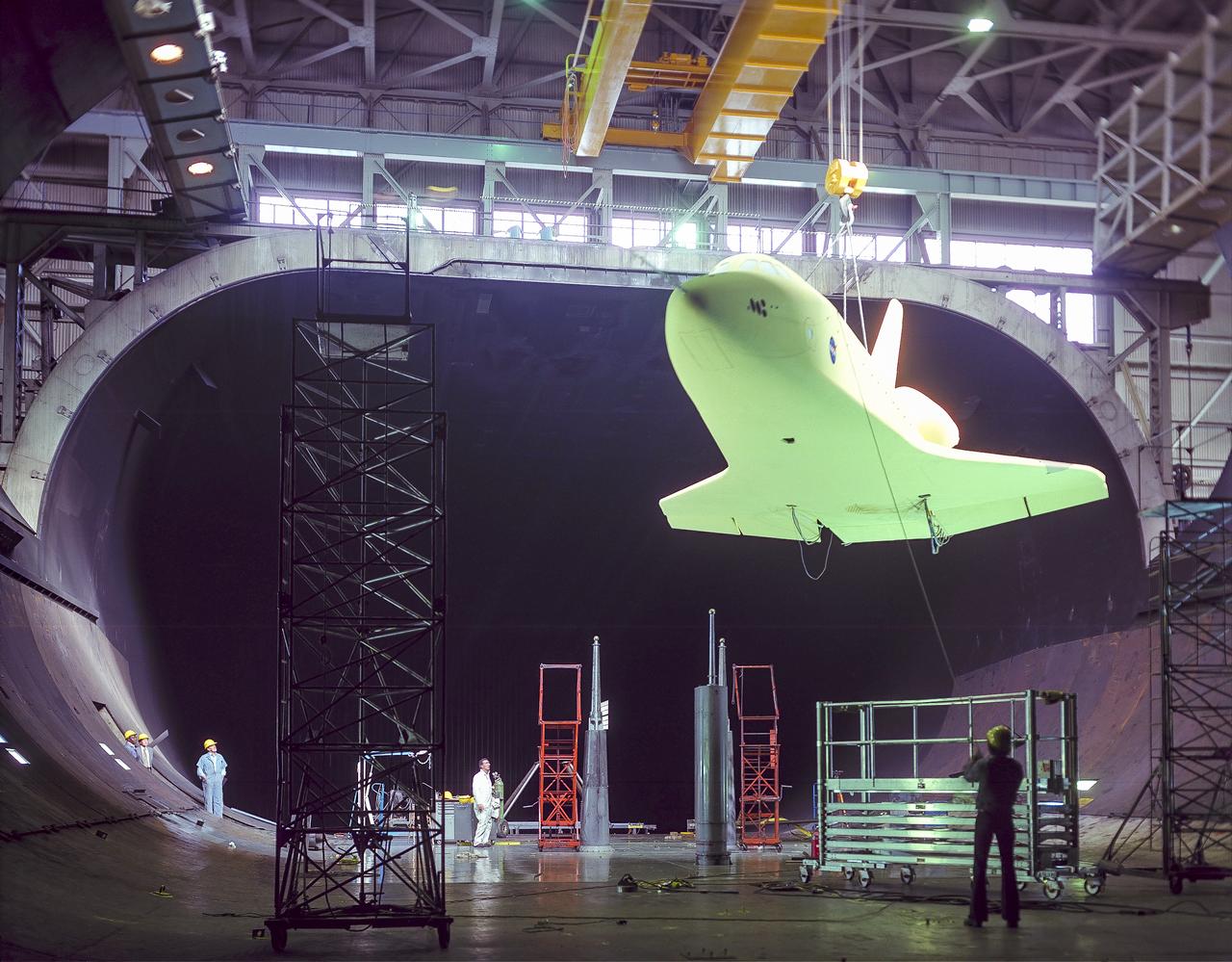
Installation of 1/3 scale model of space shuttle orbiter into the test section of the Ames 40x80 foot wind tunnel with overhead doors open.

Charles Hall, Pioneer Project Manager in Pioneer Mission Control Center (PMOC) with Mr. Parker (?)
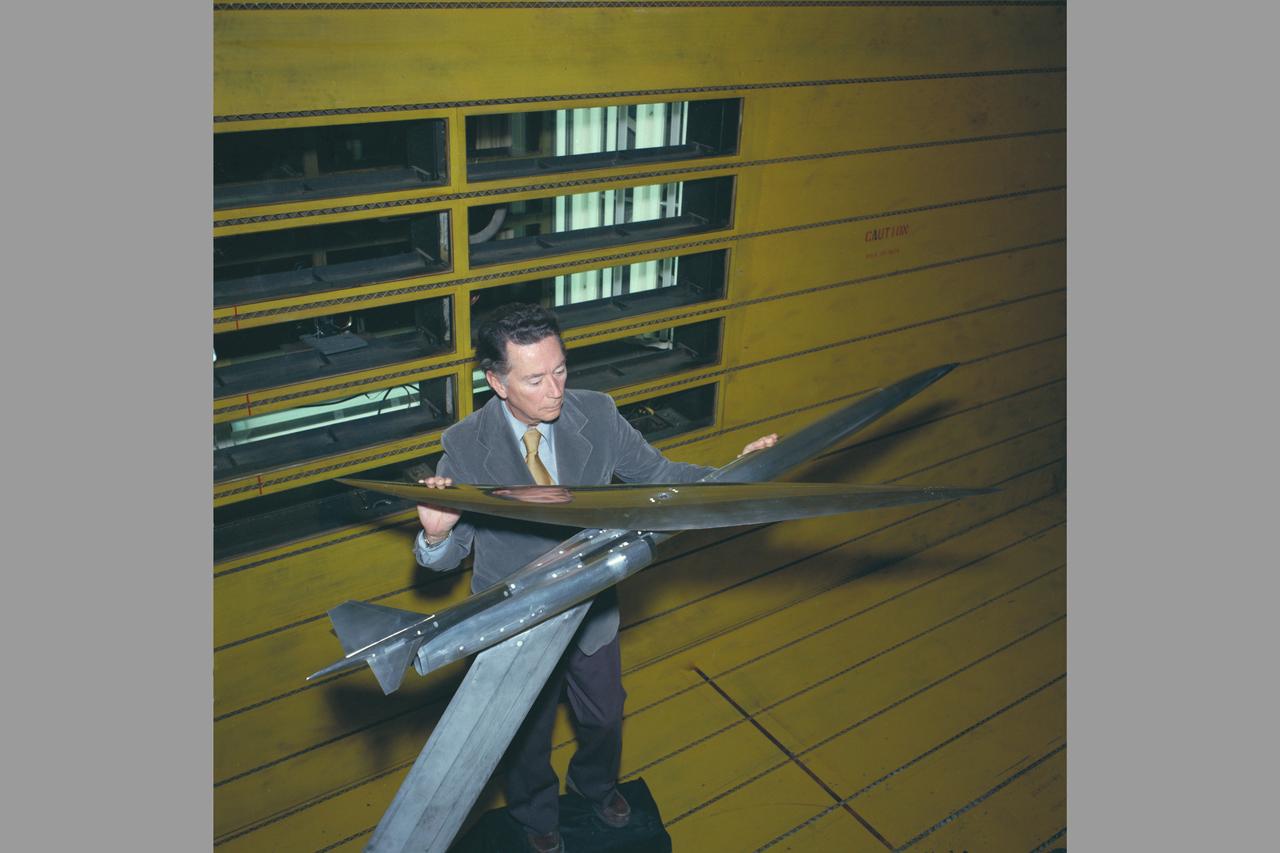
Oblique wing in 11ft. wind tunnel with R. T. Jones. Test-11-026.
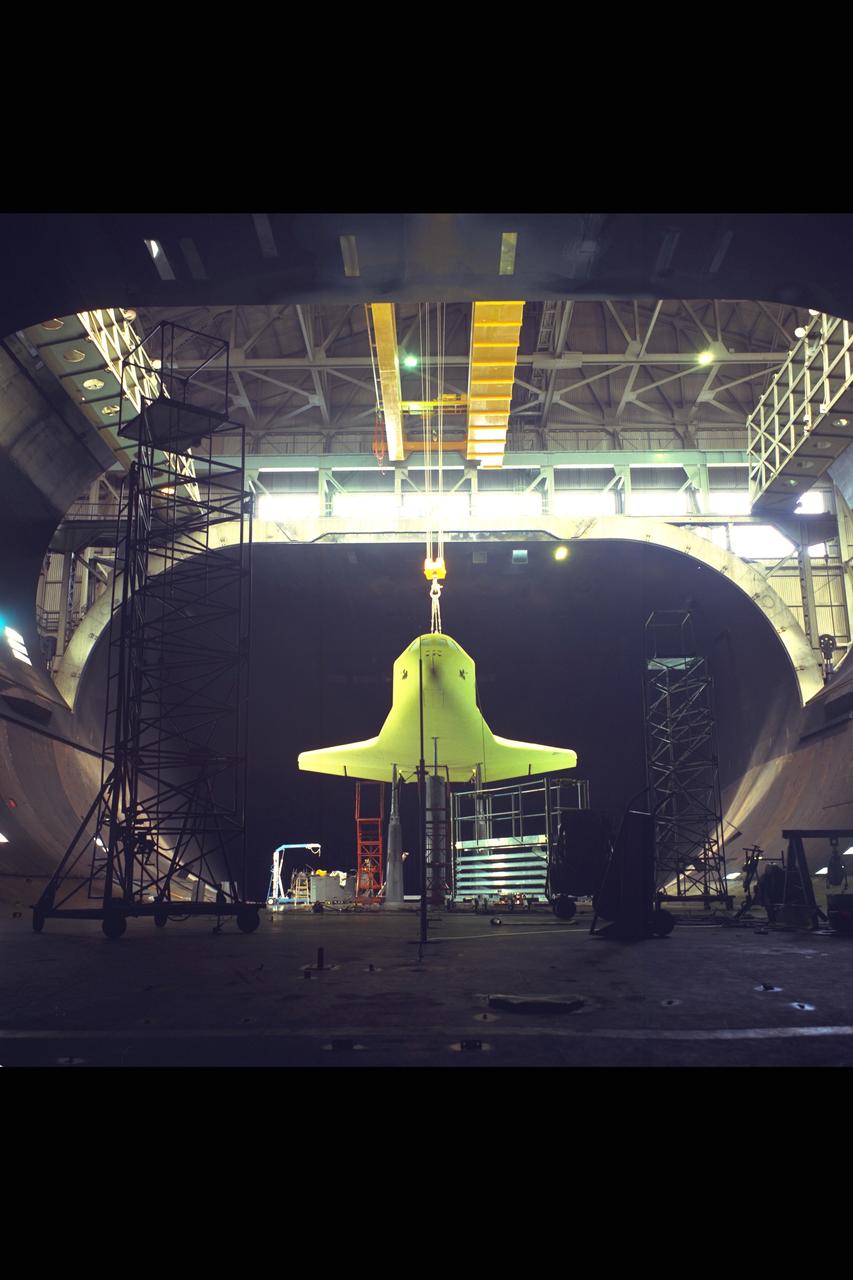
Space Shuttle Orbiter 101 model installation in the NASA Ames 40x80ft Subsonic Wind Tunnel. Test-462
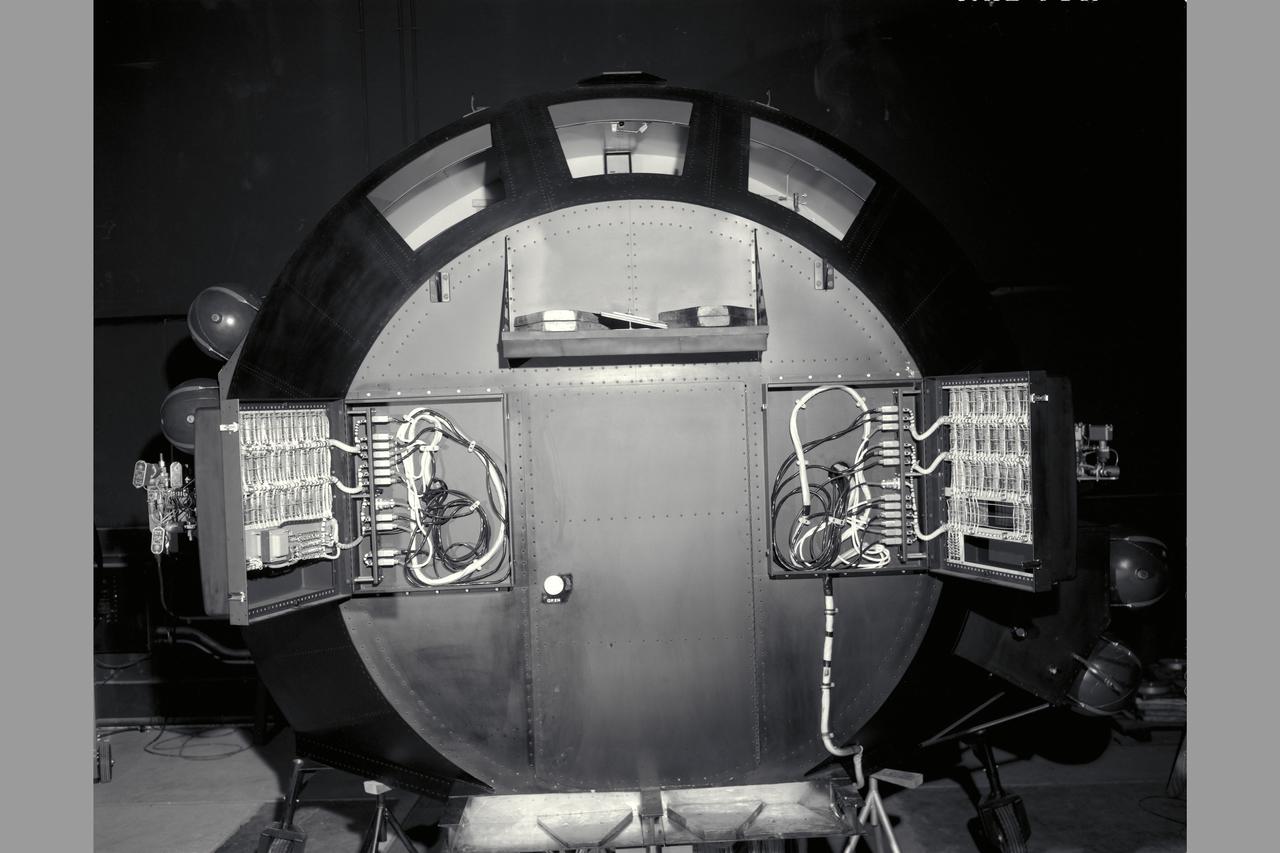
Apollo Capsule simulator
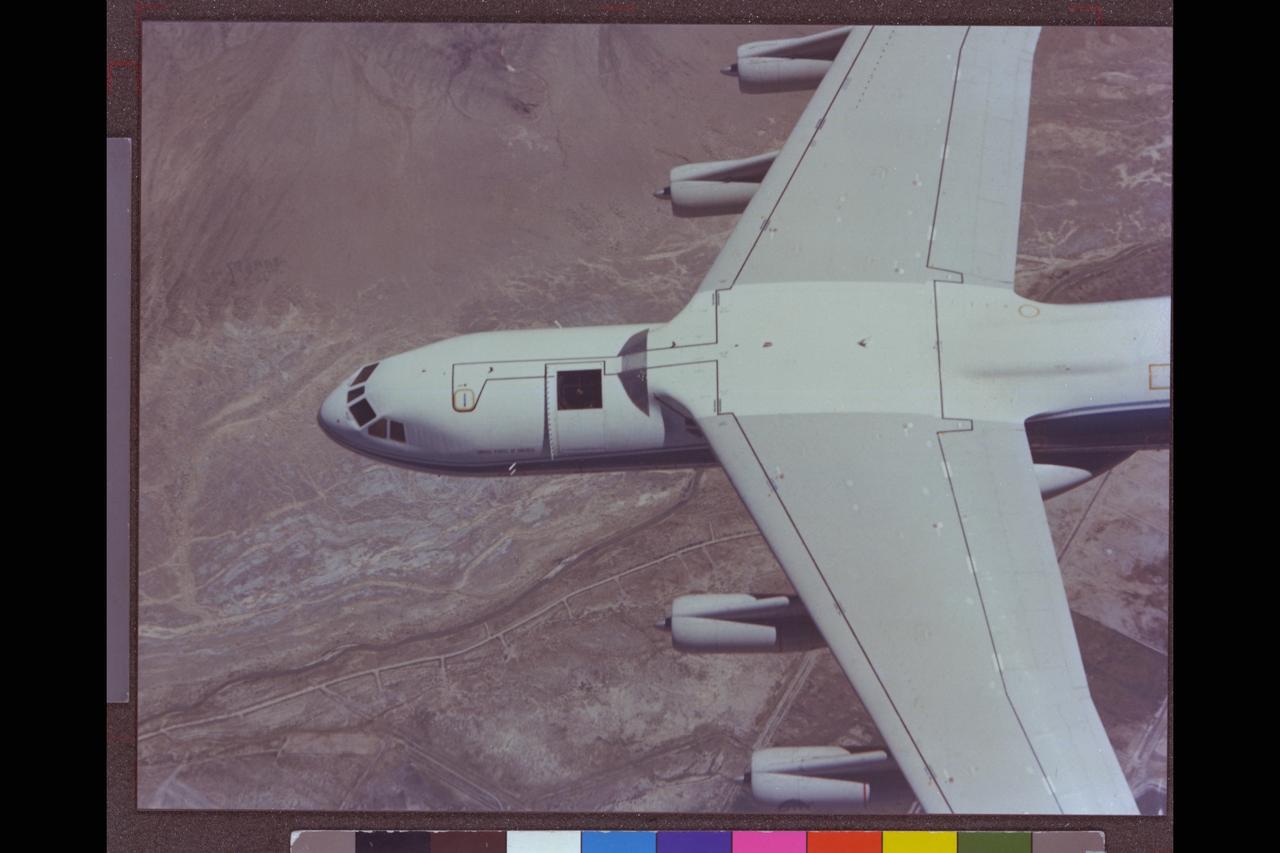
C-141 (NASA-714) Kuipter Airborne Observatory in flight, telescope hatch open
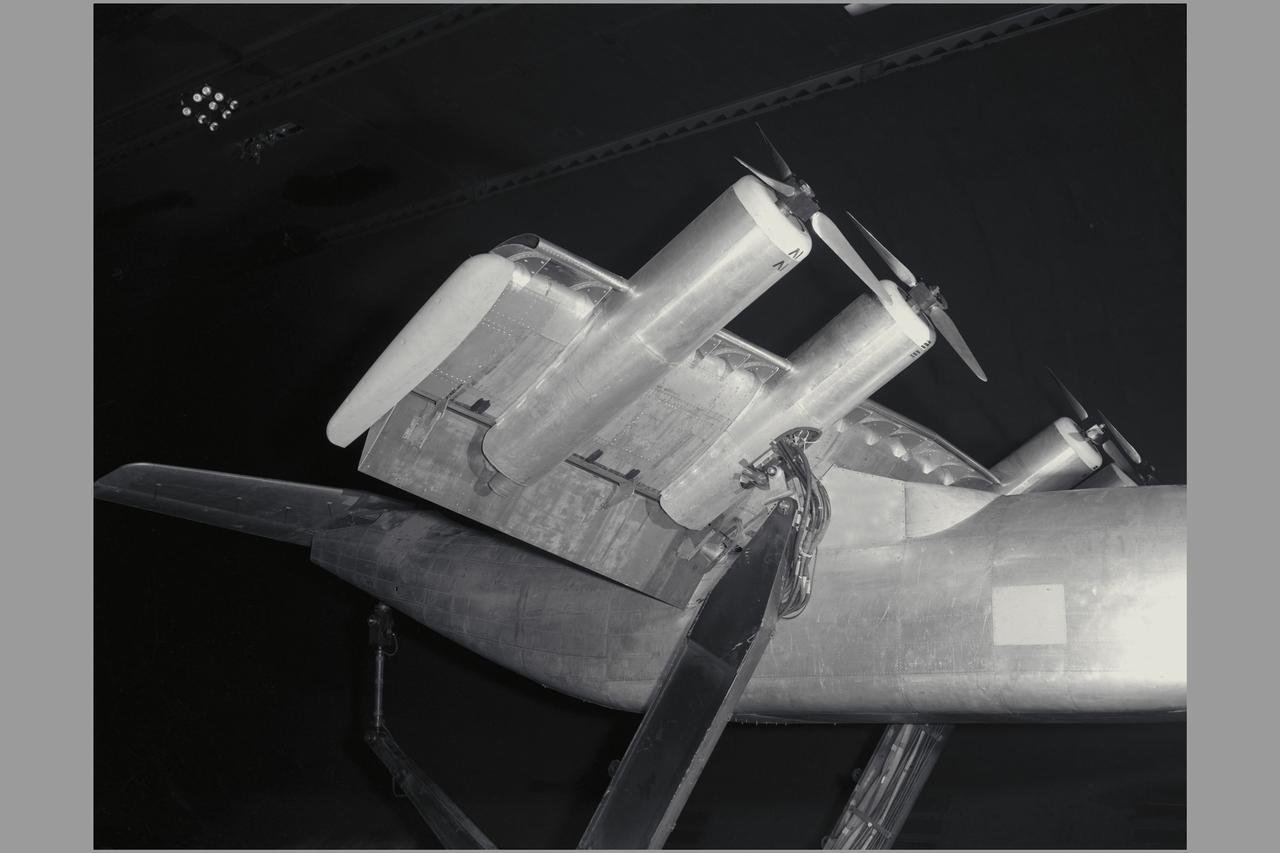
Tilt-Wing Propeller model with blowing flaps in 40x80ft w.t.
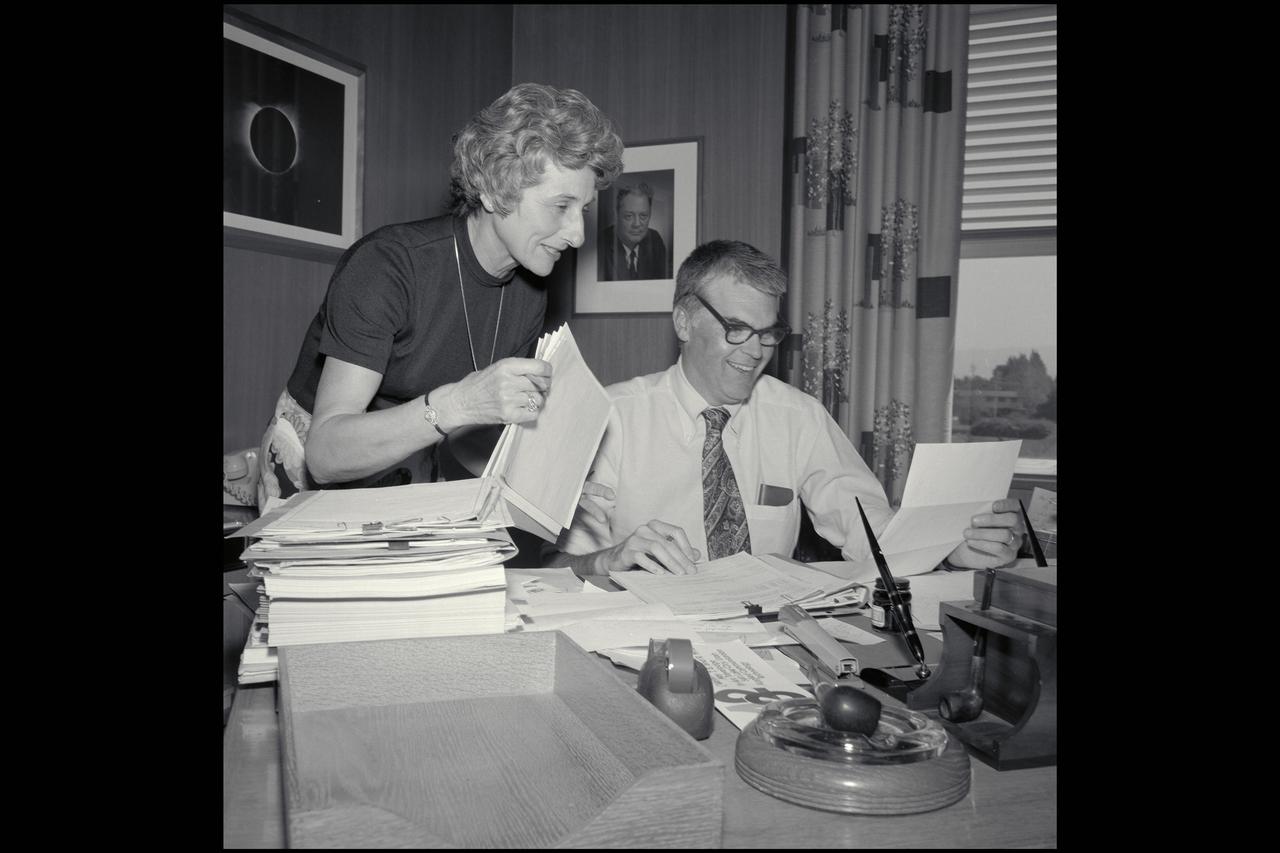
Dr Hans Mark, Ames Director in his office with his secretary Edie Watson

John H. Wolfe, Pioneer Project Scientist, explains observations made by Pioneer 10 as it traversed the Jovian system
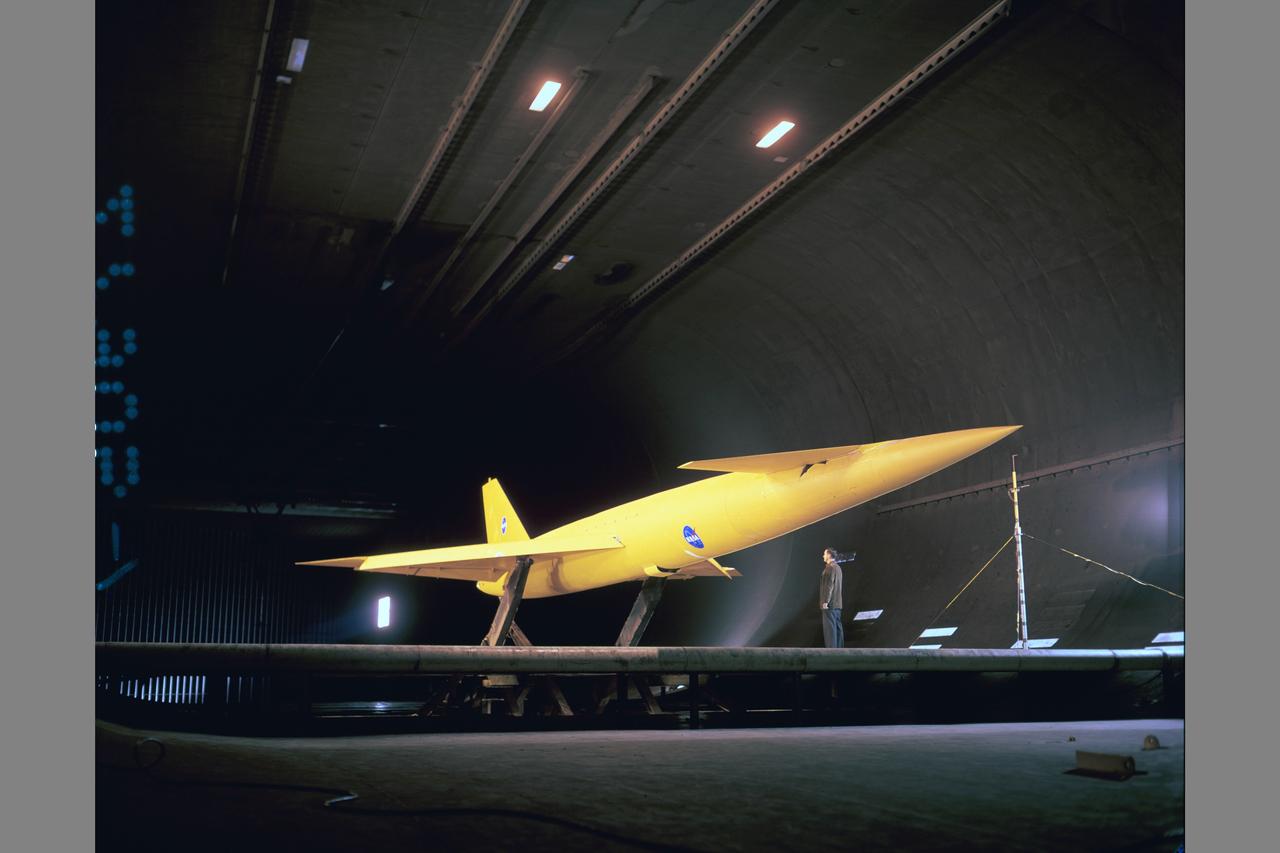
Supersonic Transport installed in 40x80ft w.t.
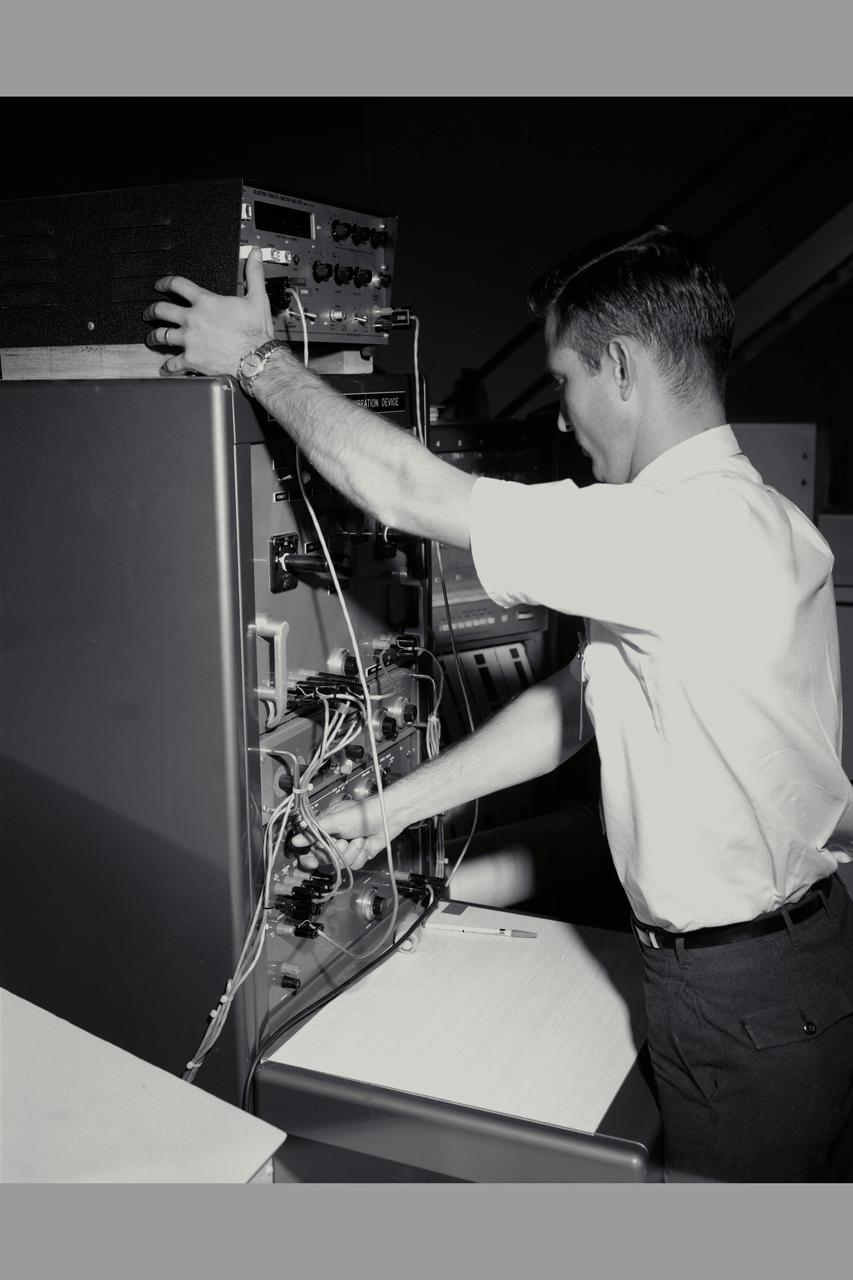
Vibration effects on Humans in a Biased Acceleration Field with Hubert C Vykukal at console
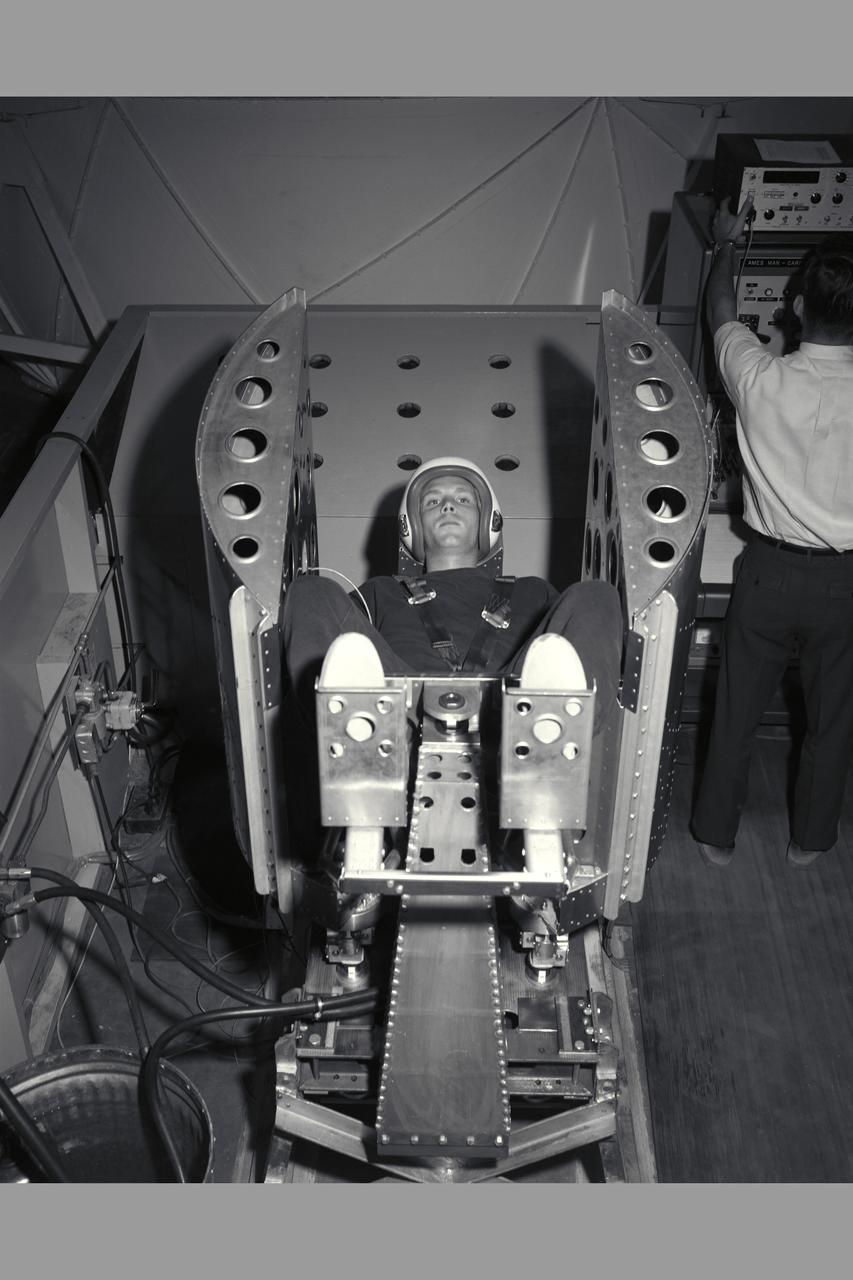
Vibration effects on Humans in a Biased Acceleration Field with David Millengurg in chair
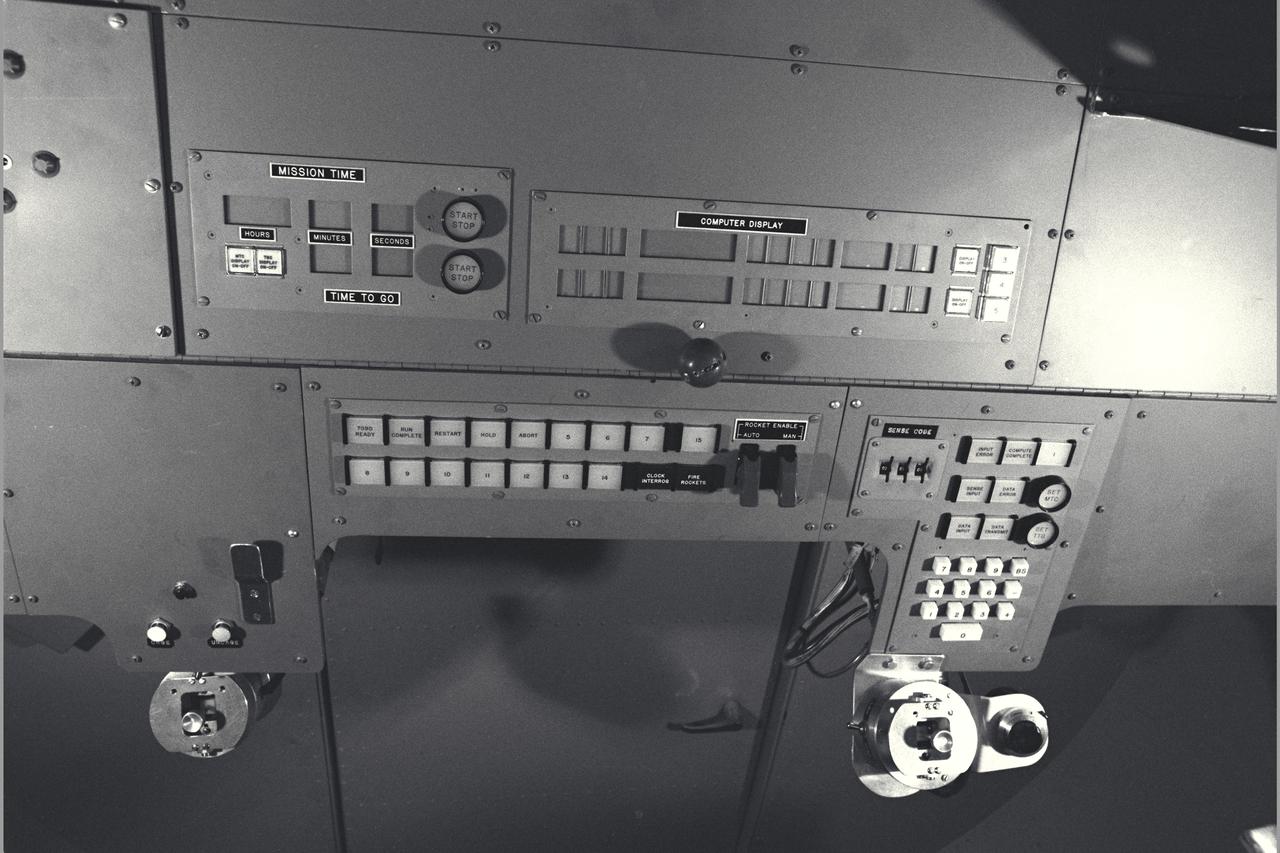
Apollo Capsule simulator

Charles Hall, Pioneer Project Manager in Pioneer Mission Control Center (PMOC) with Mr. Parker (?)
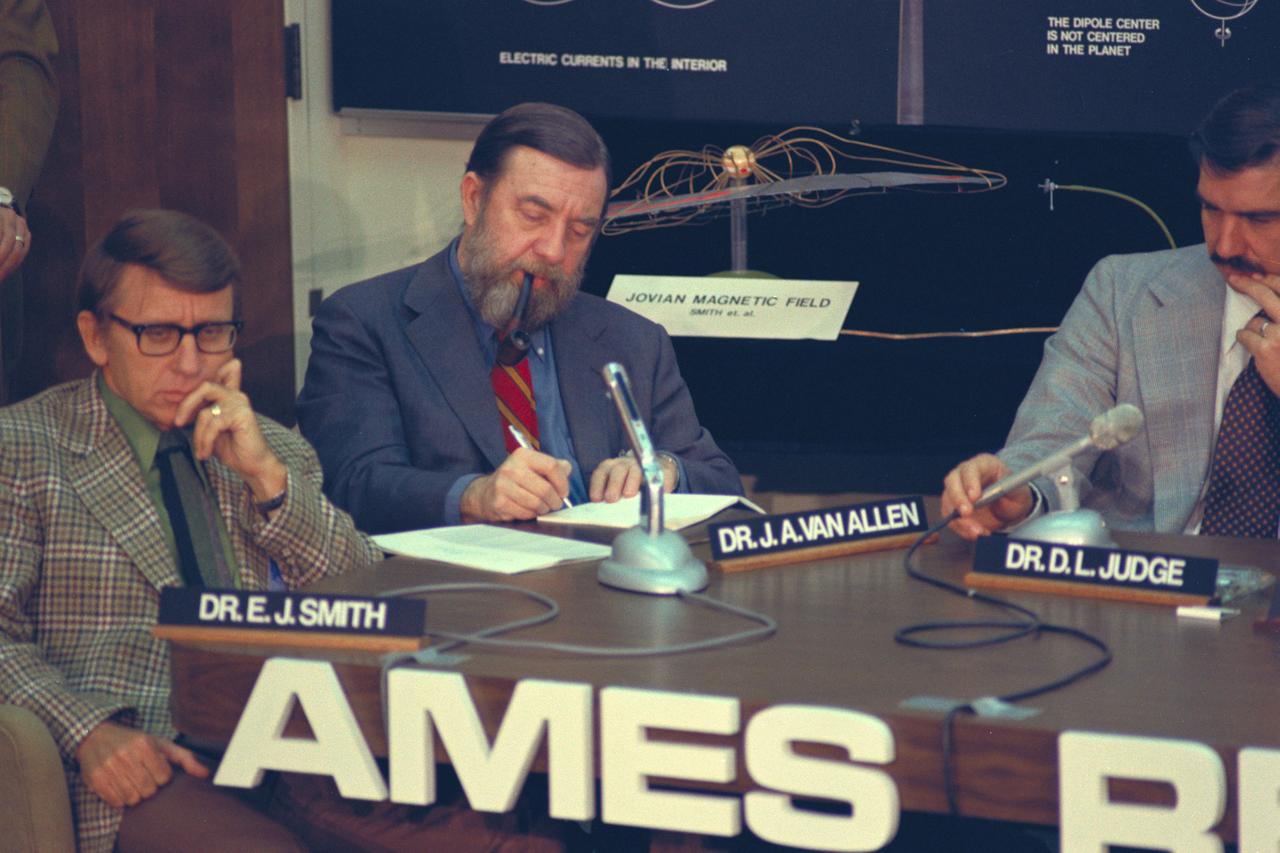
Pioneer 11 Mission to Jupiter: encounter briefing with (L-R) Dr. E. J. Smith, Dr J. A. Van Allen, and Dr D. L. Judge
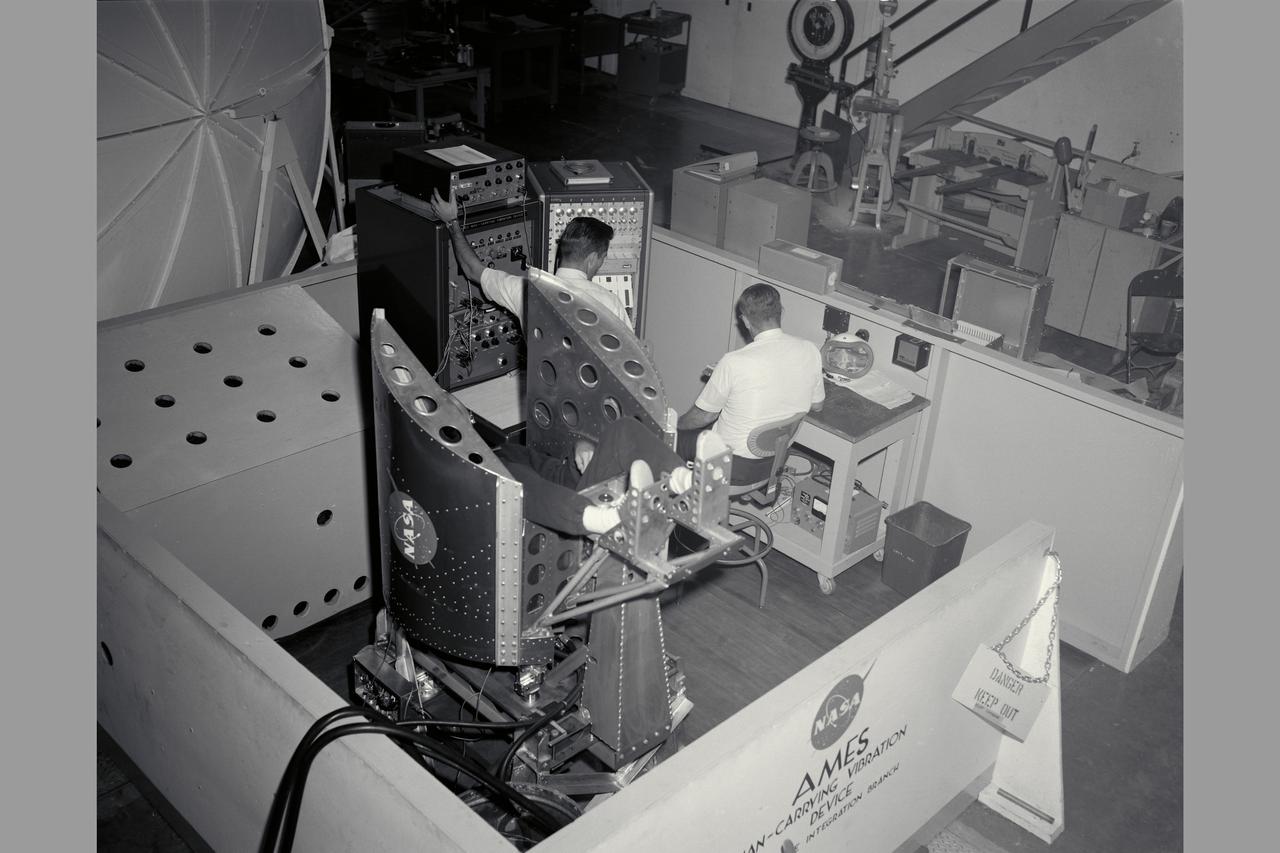
Vibration effects on Humans in a Biased Acceleration Field with Hubert C Vykukal and Roy H St John
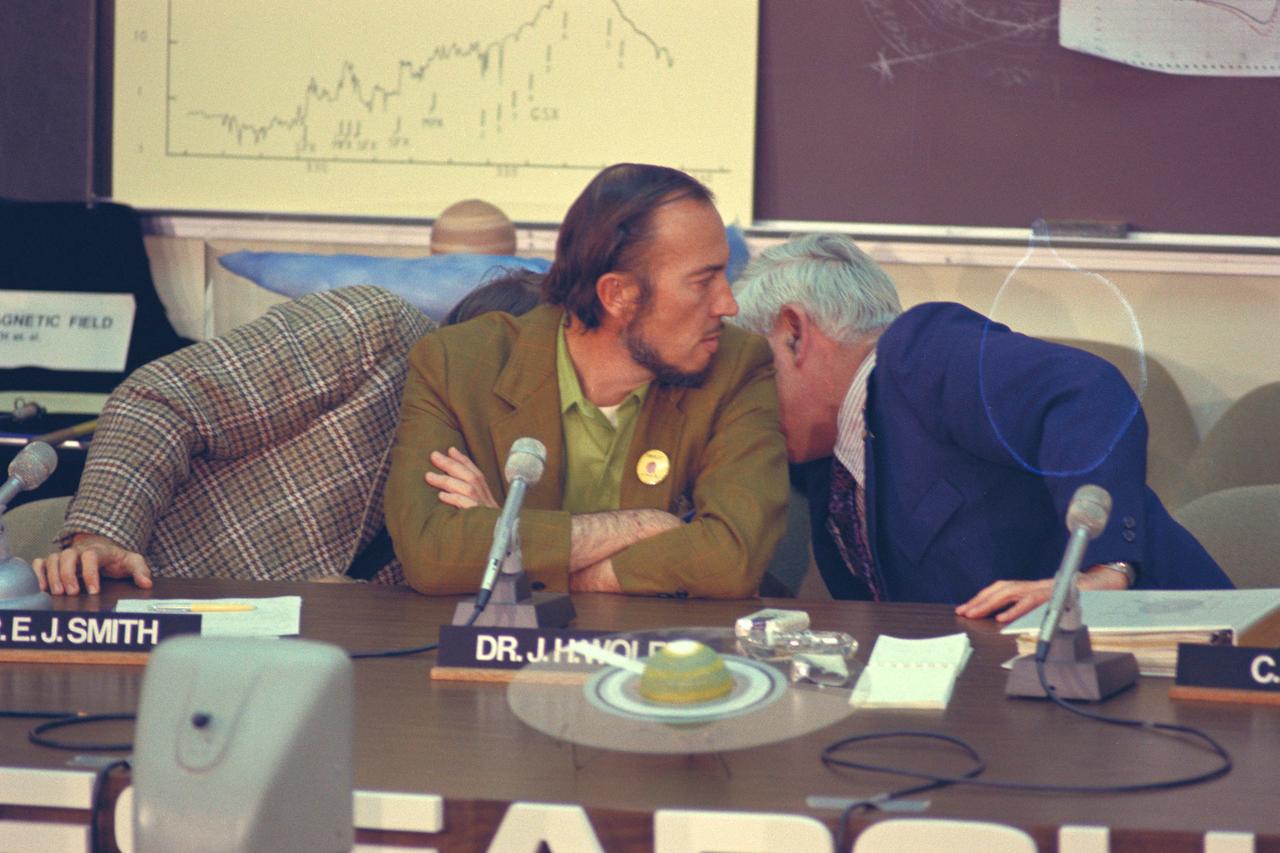
Dr E. J.Smith, John Wolf (Ames) and Charles Hall (Ames) confer during press conference for Pioneer 11 Jupiter encounter

Oblique wing in 11ft. wind tunnel with R. T. Jones. Test 11-026.
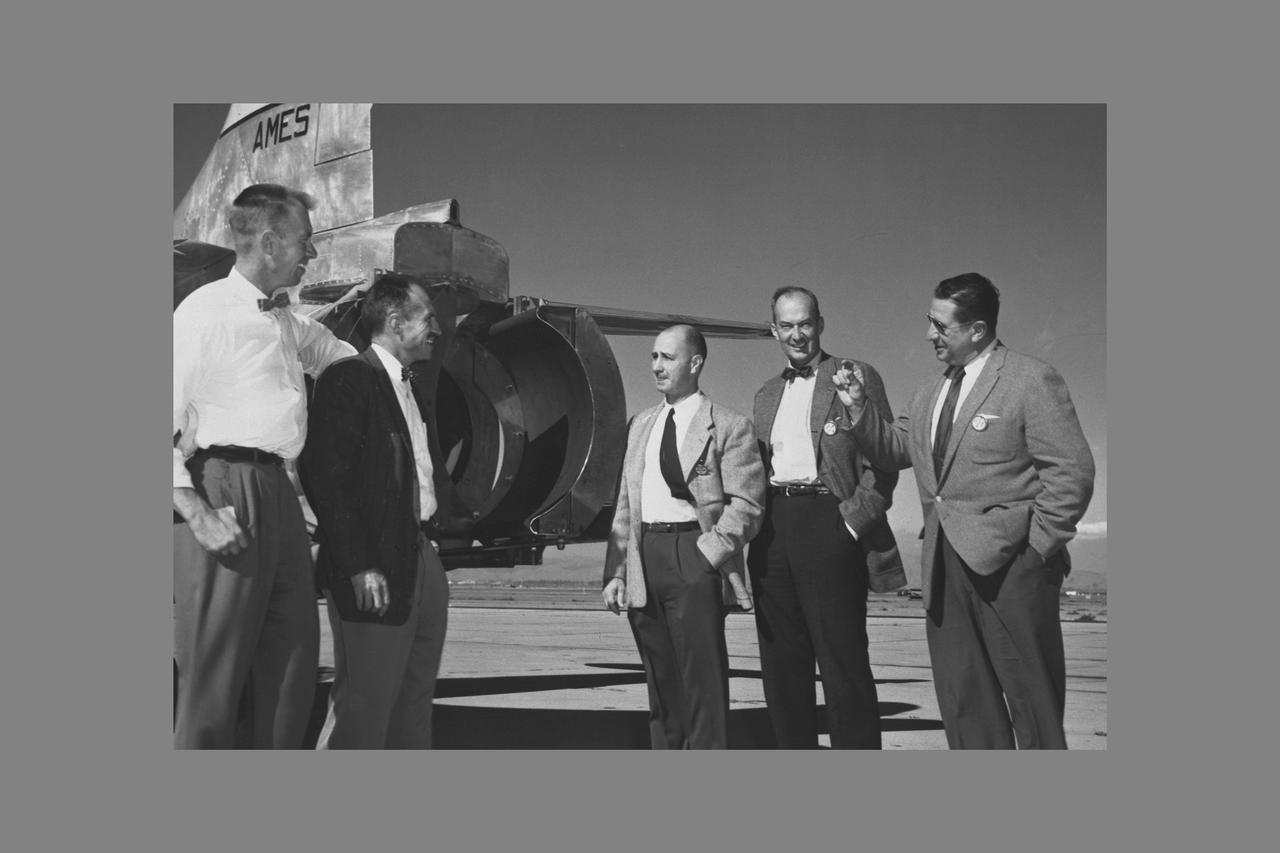
NACA AMES ENGINEERS: Seth B. ANDERSON AND NACA AMES PILOT Gorge E. COOPER WITH W.E. RHOADES, ROBERT McIVER, MICHAEL CASSENLY OF UNITED AIRLINES. Visit Ames to dicuss Thrust Reverser Problems.
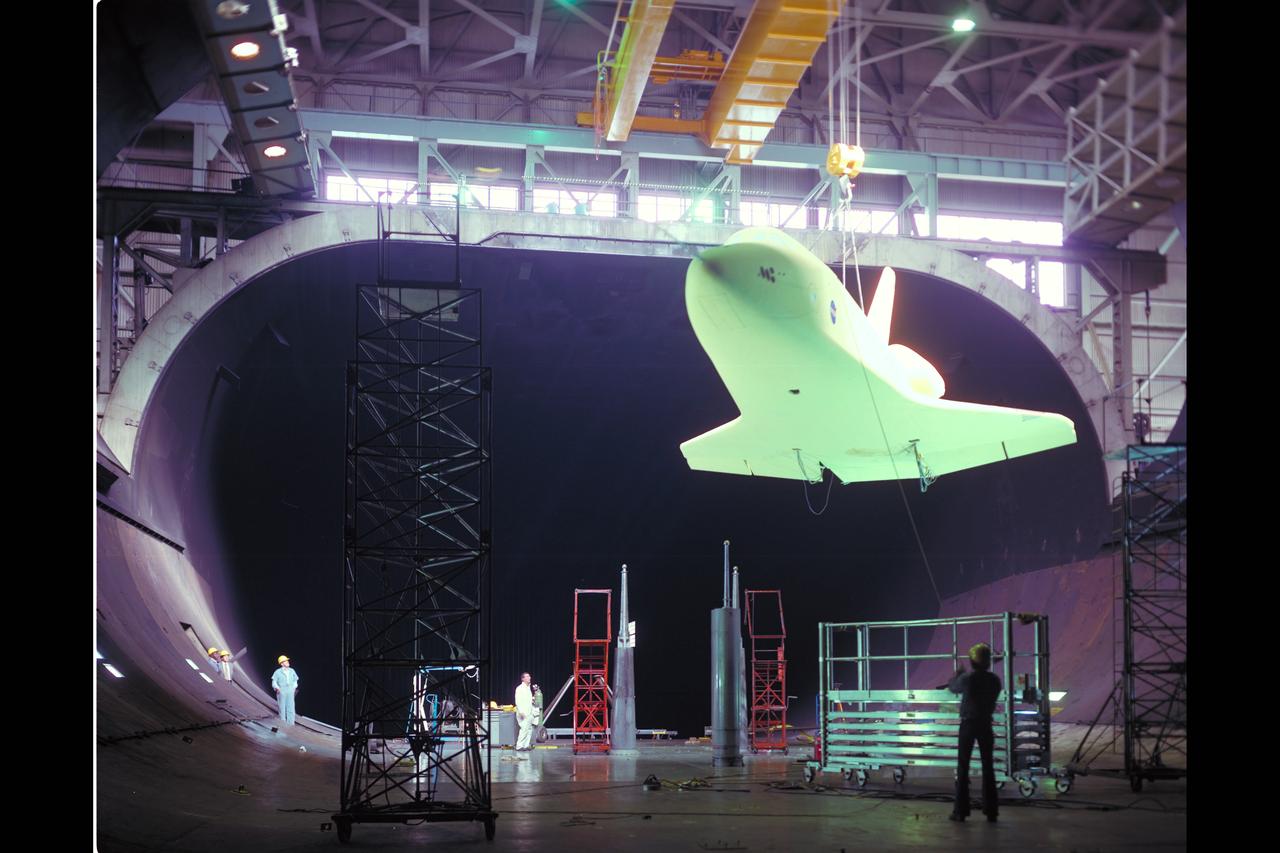
Space Shuttle Orbiter 101 model installation in the 40x80ft W.T. Test 462
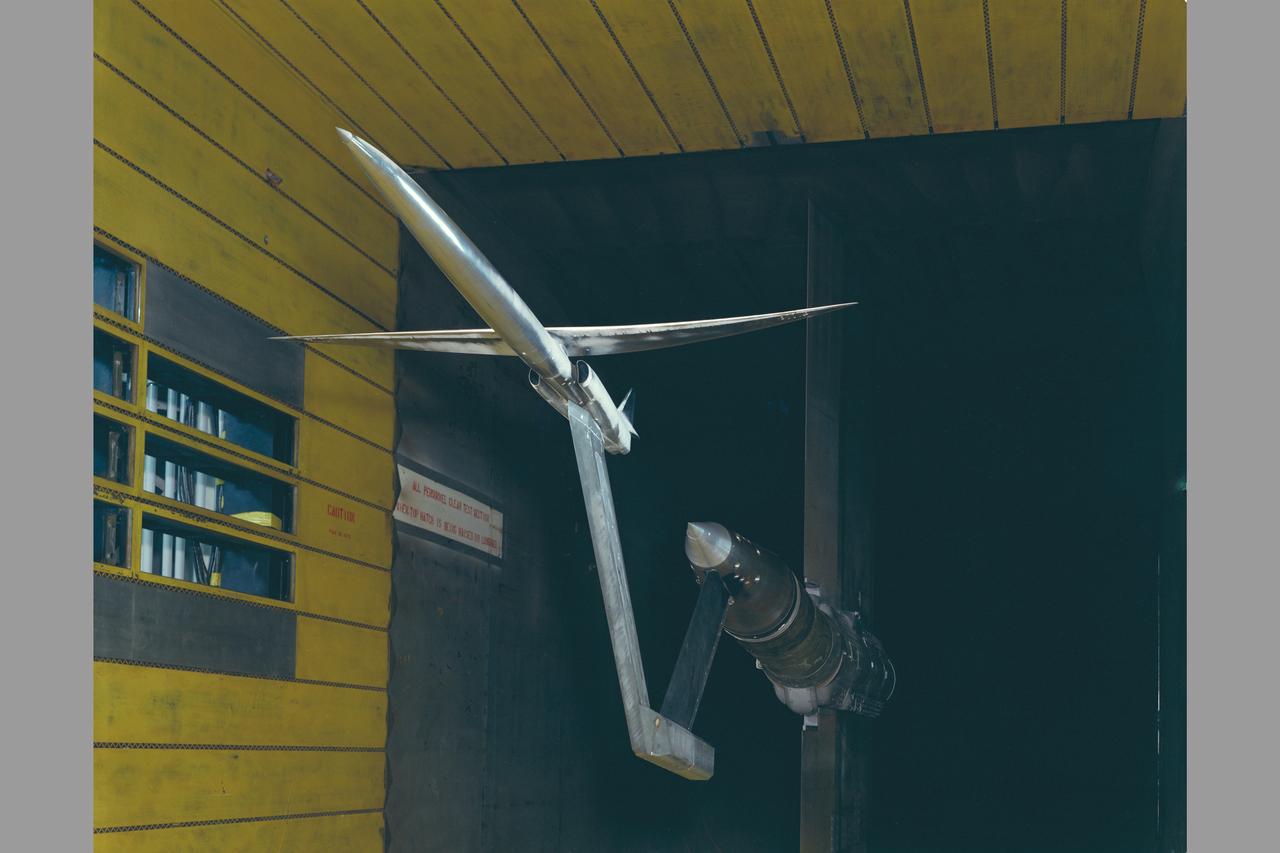
Oblique wing in 11ft. wind tunnel Test 11-026.
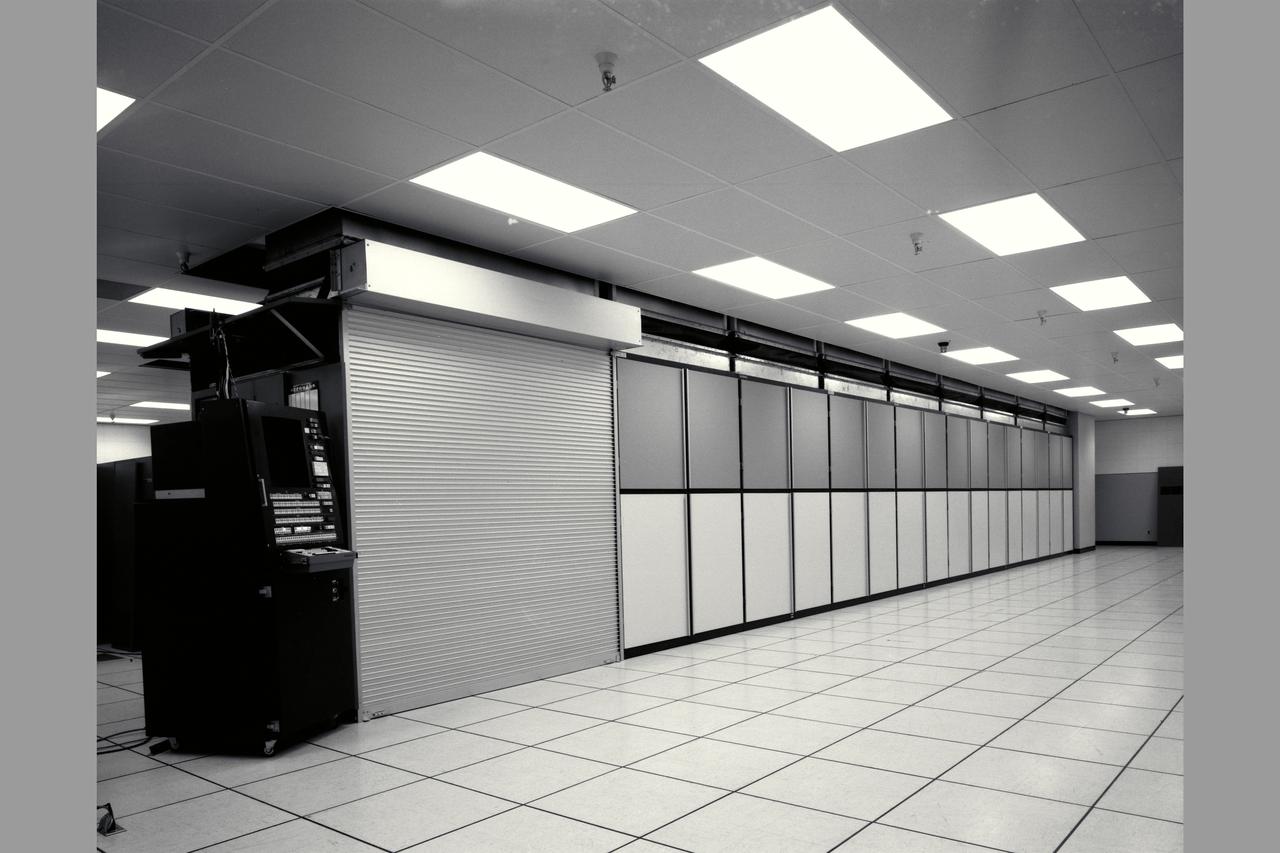
ILLIAC IV Quadrant with processing unit extended

(L) Dr. Harold P Klein and (R) Dr Cyril Ponnamperuma
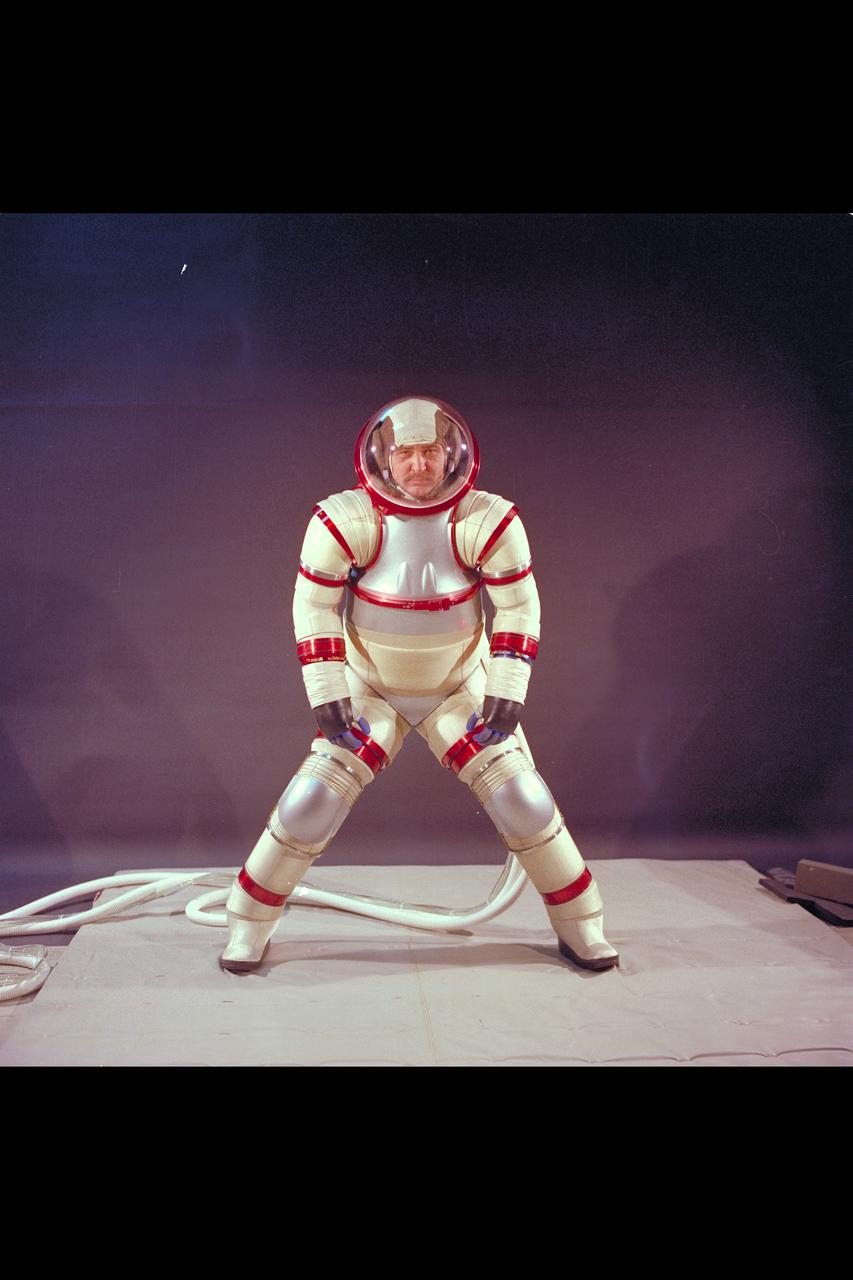
Hubert Vykukal demonstrates mobility of the Hardsuit AX-3 Space Suit design
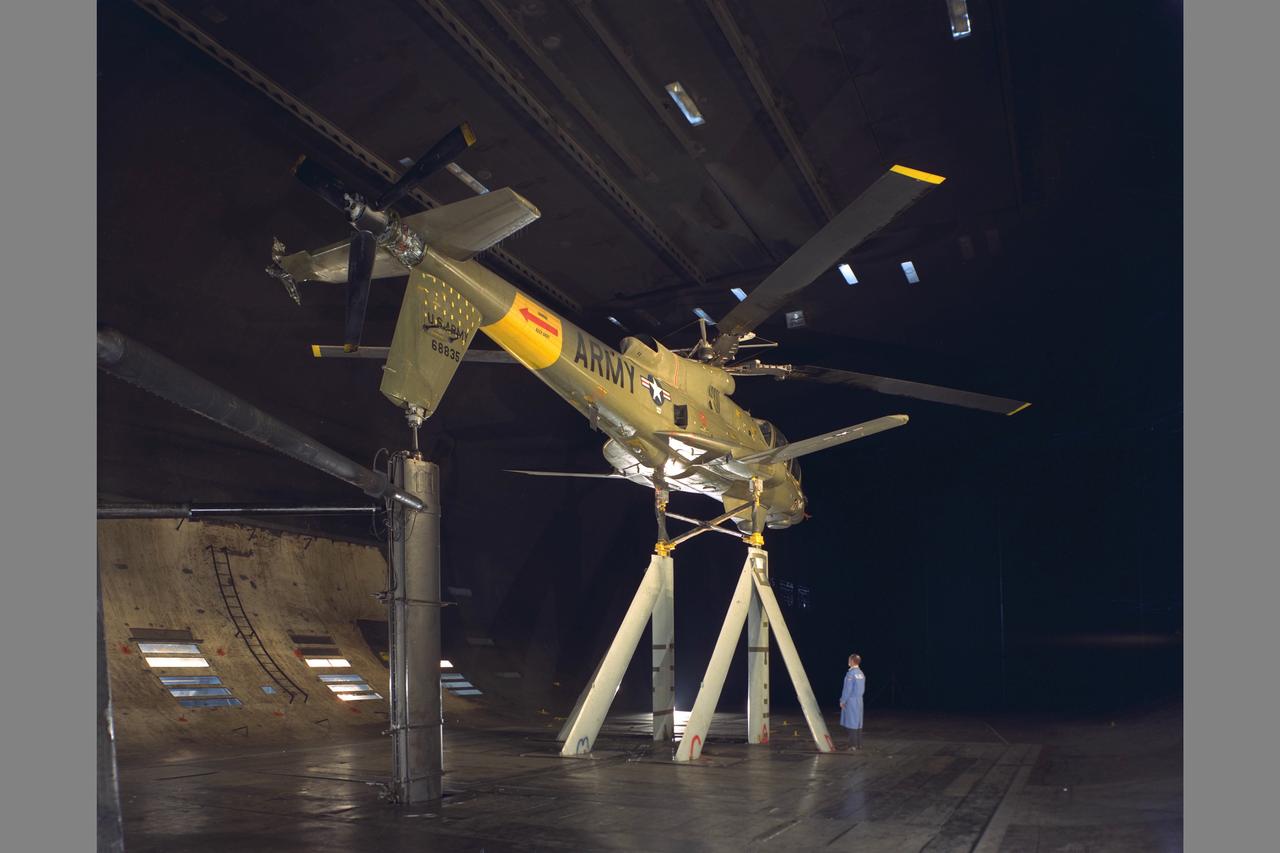
Lockheed AH-56 Helicopter; Cheyenne, 40 x 80 ft. Wind Tunnel. (3/4 rear view)
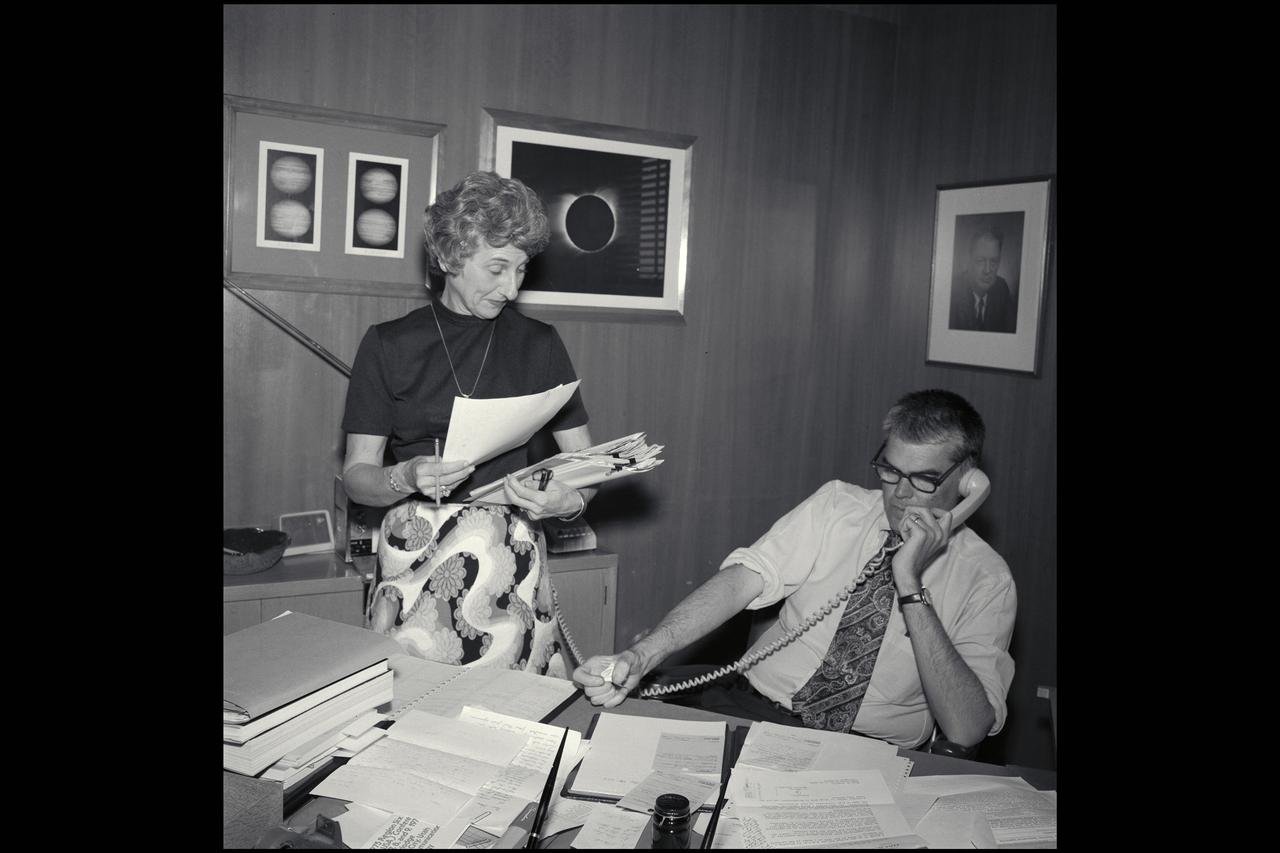
Dr Hans Mark, Ames Director in his office with his secretary Edie Watson
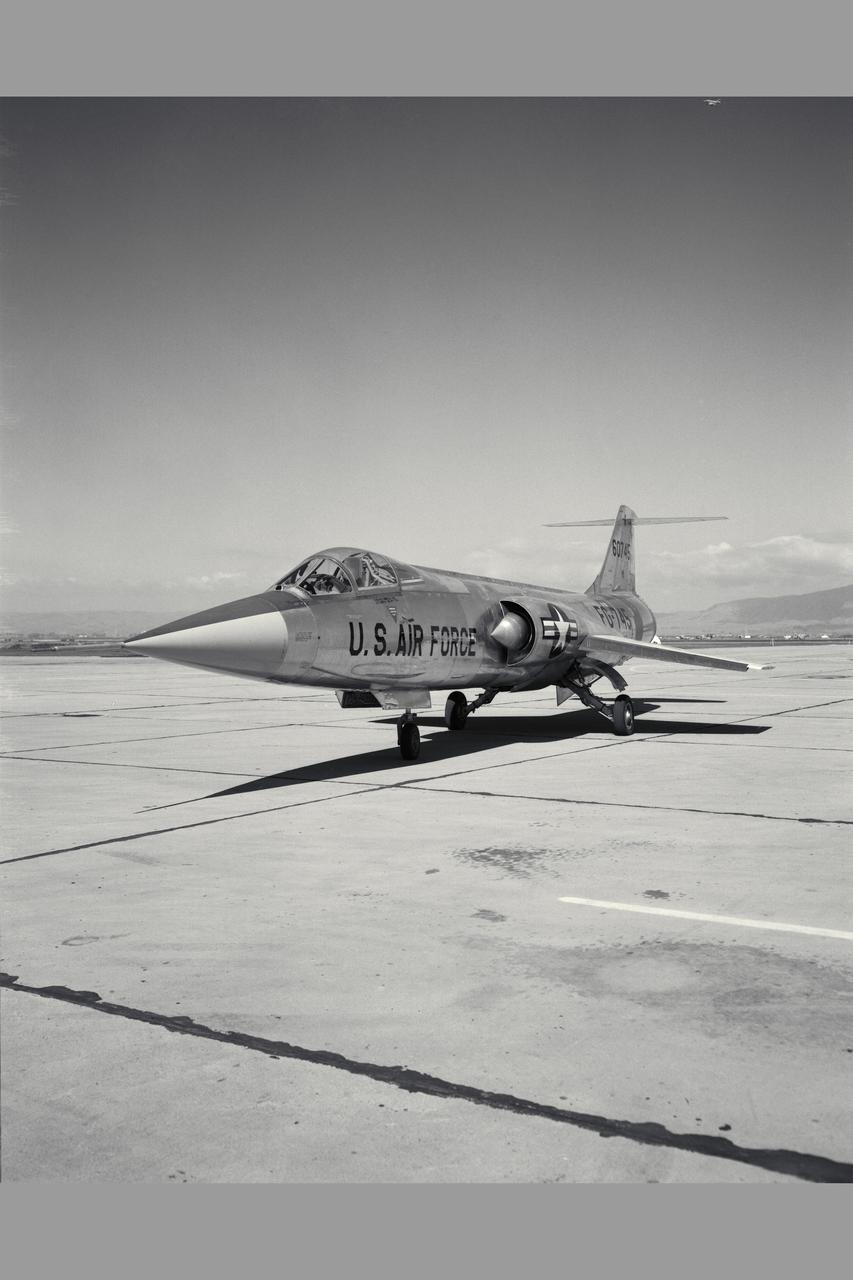
Lockheed JF-104A (AF56-745A Tail No. 60745) Starfighter airplane piloted by Fred Drinkwater conducted flight testing that demonstrated steep approaches that were ultimately used by the space shuttle. Steep descent testing, including power-off landing approaches and demonstration of minimum lift-to-drag ratio (L/D) landings came out of the interest in the use of low L/D lifting bodies for recovery to landing from space. Note: Used in publication in Flight Research at Ames; 57 Years of Development and Validation of Aeronautical Technology NASA SP-1998-3300 fig 93
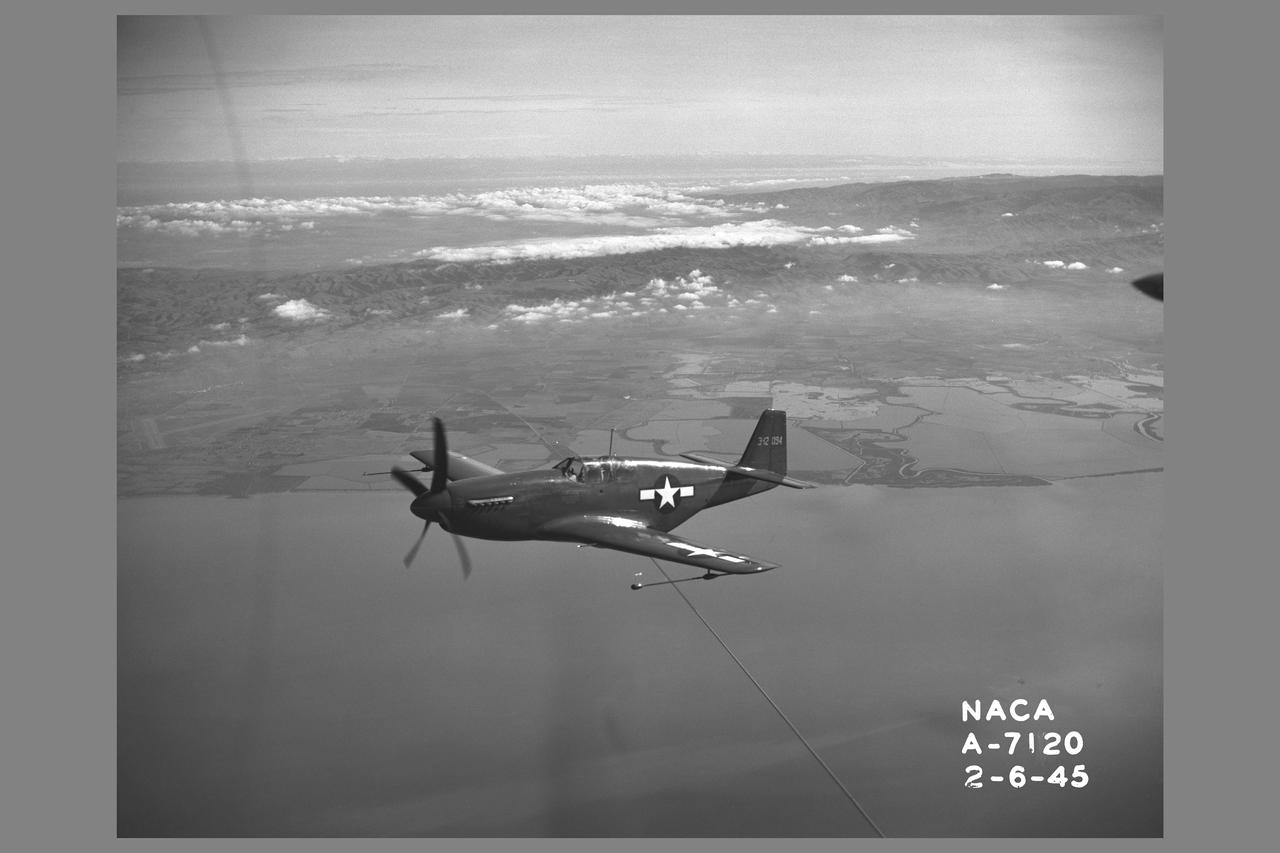
North American P-51B 'Mustang' fighter in flight over bay area. The P-51 with its new laminar-flow wing sections developed by NACA was the first airplane selected for testing of airplane drag in flight and wind tunnel comparison
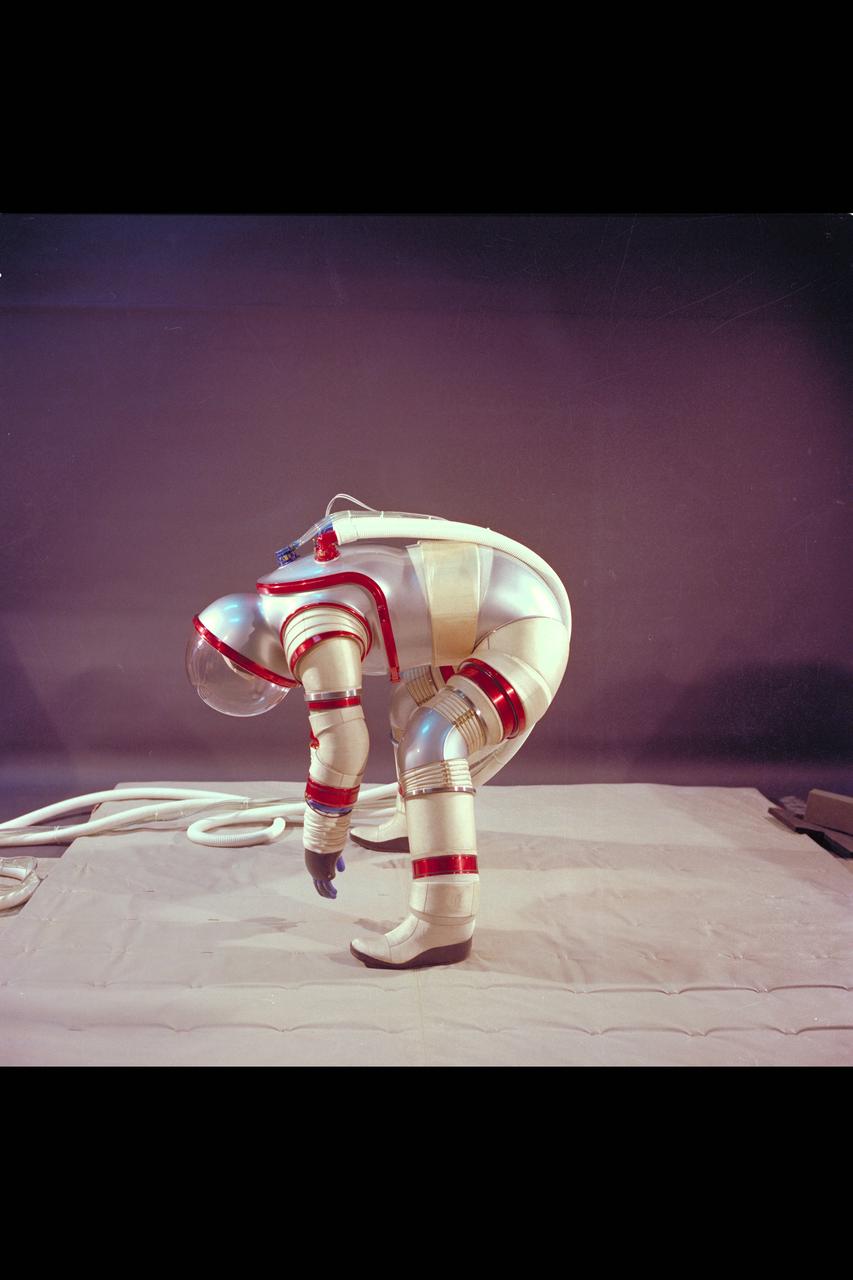
Hubert Vykukal demonstrates mobility of the Hardsuit AX-3 Space Suit design
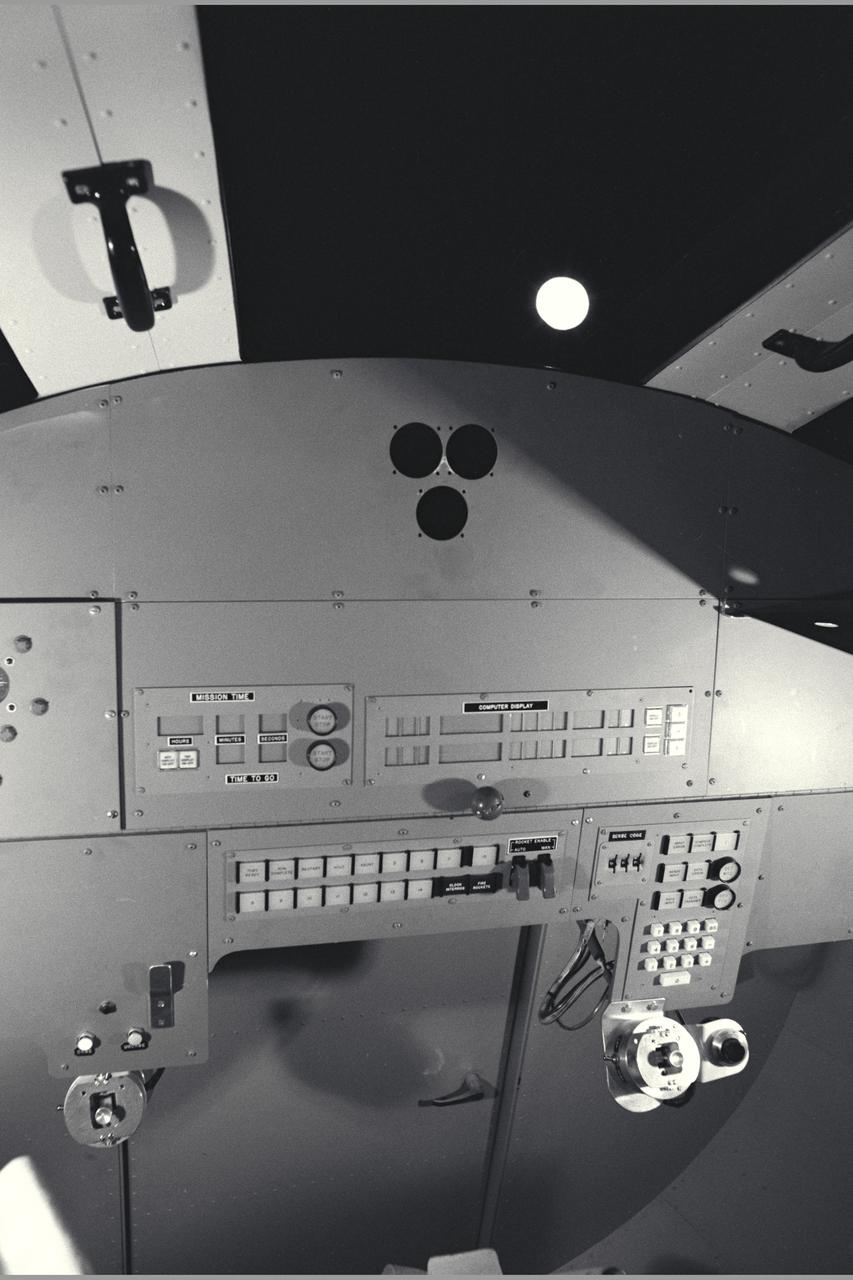
Apollo Capsule simulator
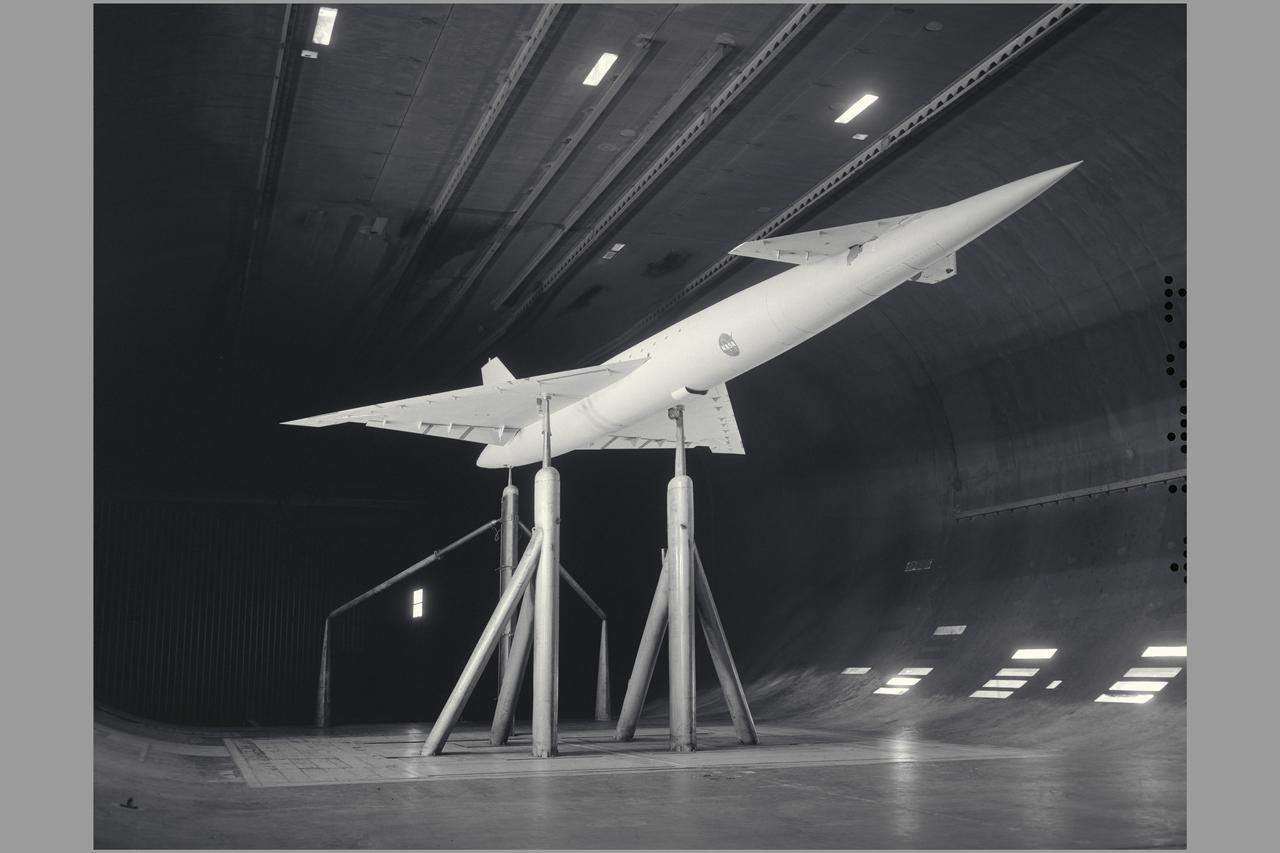
Supersonic Transport Model (SST) in 40x80ft w.t.
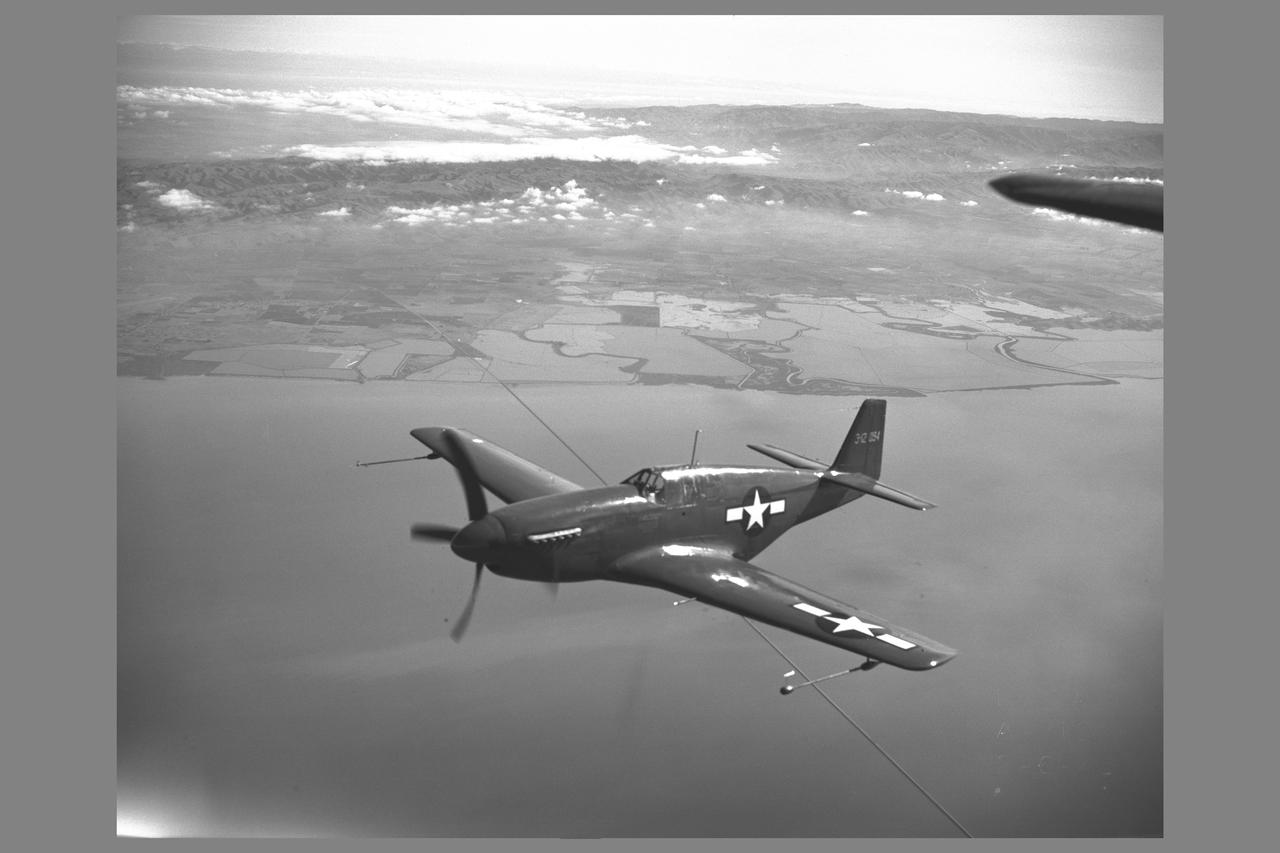
North American P-51B 'Mustang' fighter in flight over bay area. The P-51 with its new laminar-flow wing sections developed by NACA was the first airplane selected for testing of airplane drag in flight and wind tunnel comparison NOTE: used in NASA Publication; Flight Research at Ames: 57 Years of Development and Validation of Aeronautical Technology' Transonic Model Testing fig. 9 NASA SP-1998-3300
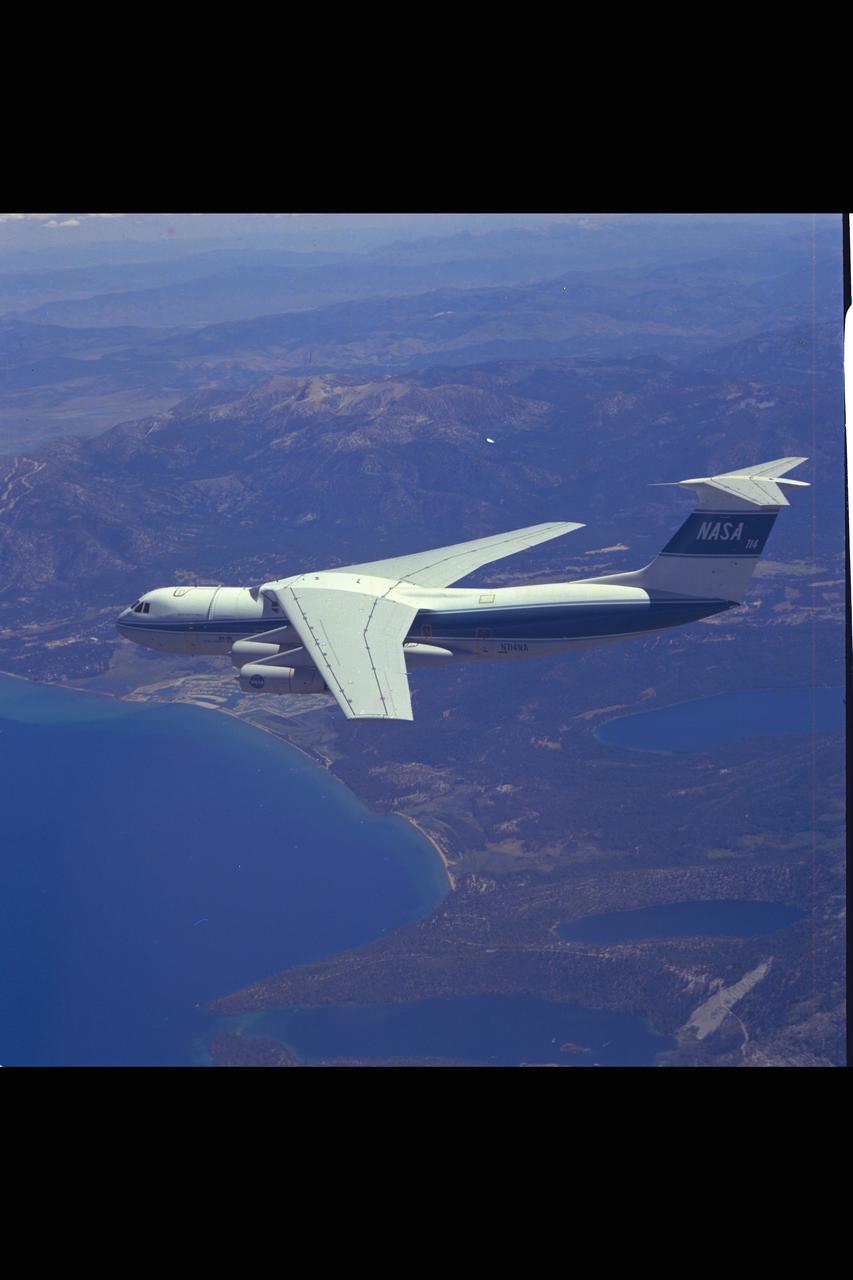
C-141 (NASA-714) Kuipter Airborne Observatory in flight.
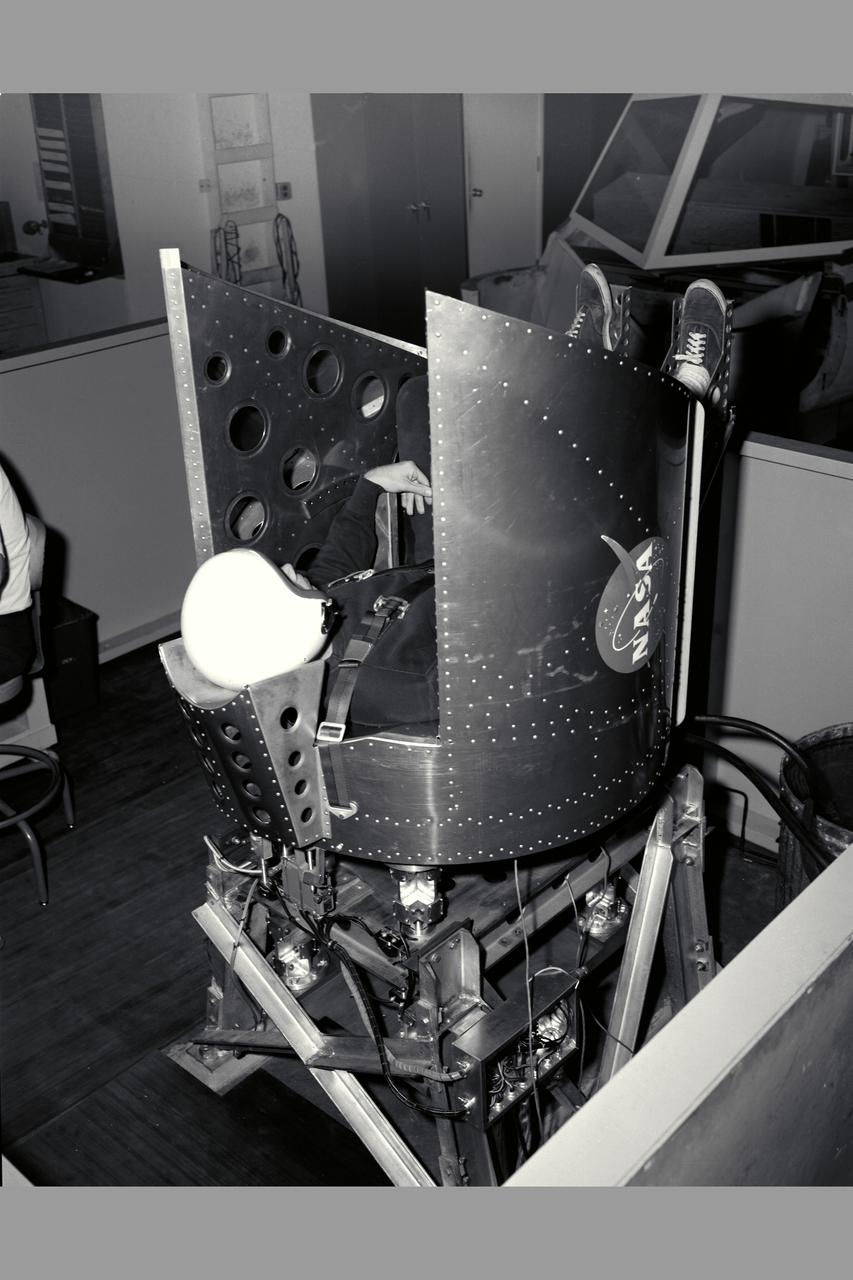
Vibration effects on Humans in a Biased Acceleration Field with David Millerburg in chair
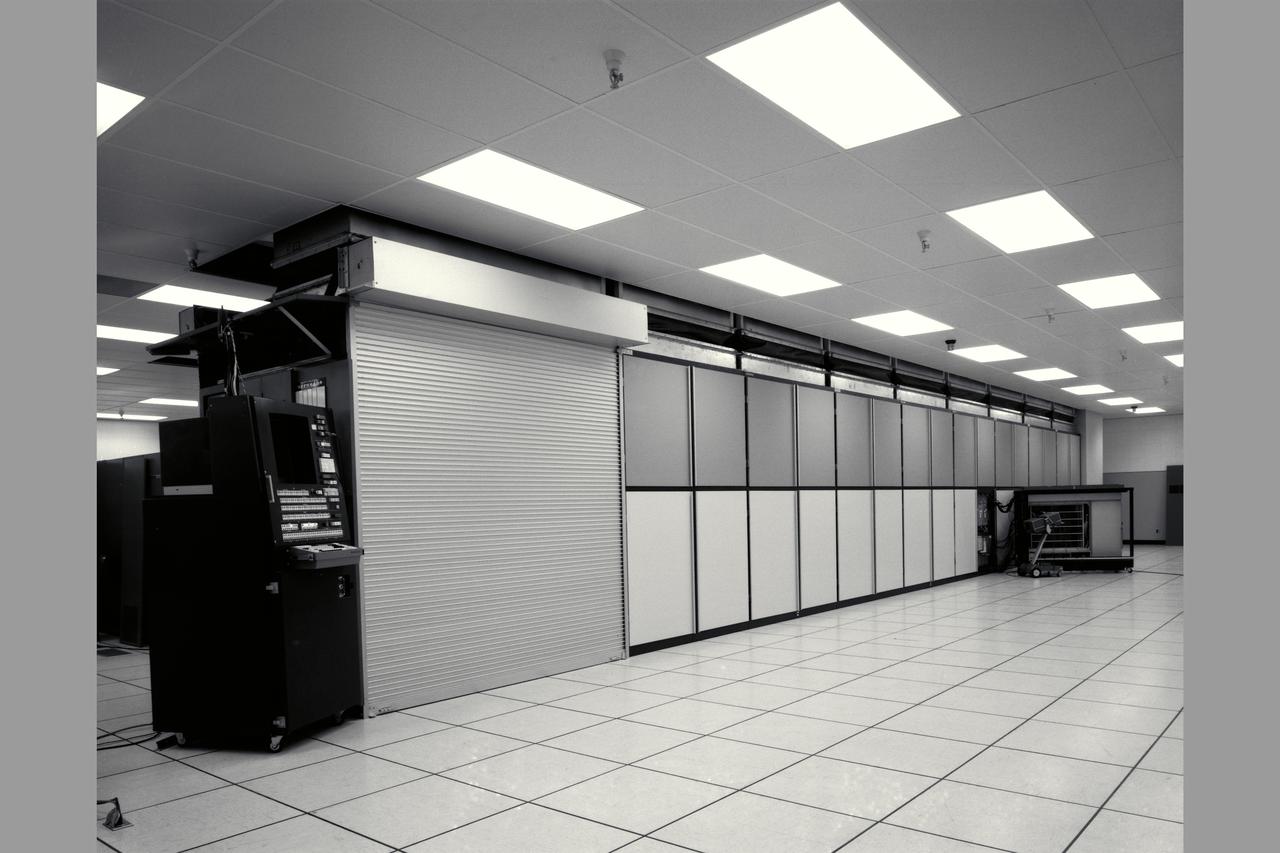
ILLIAC IV Quadrant with processing unit extended
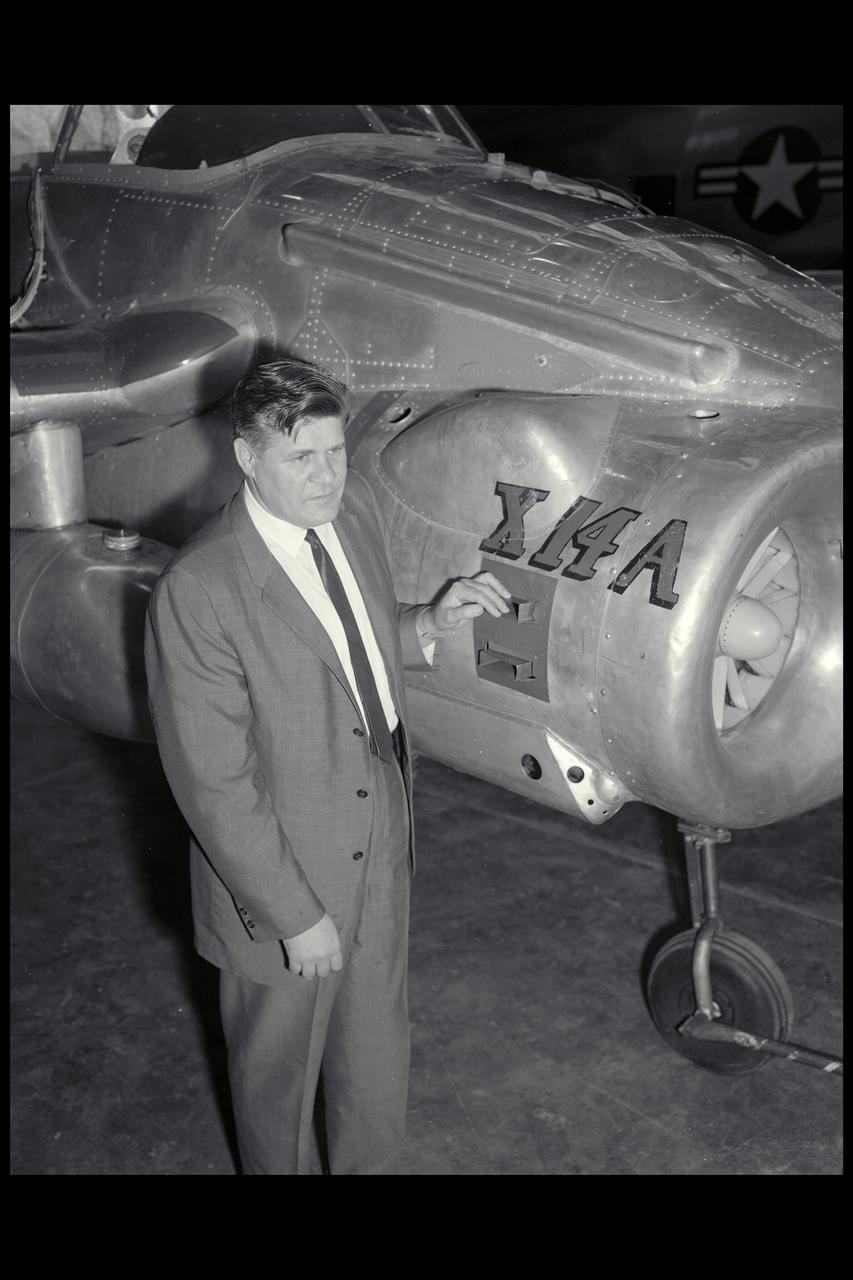
Woody Cook standing by X-14
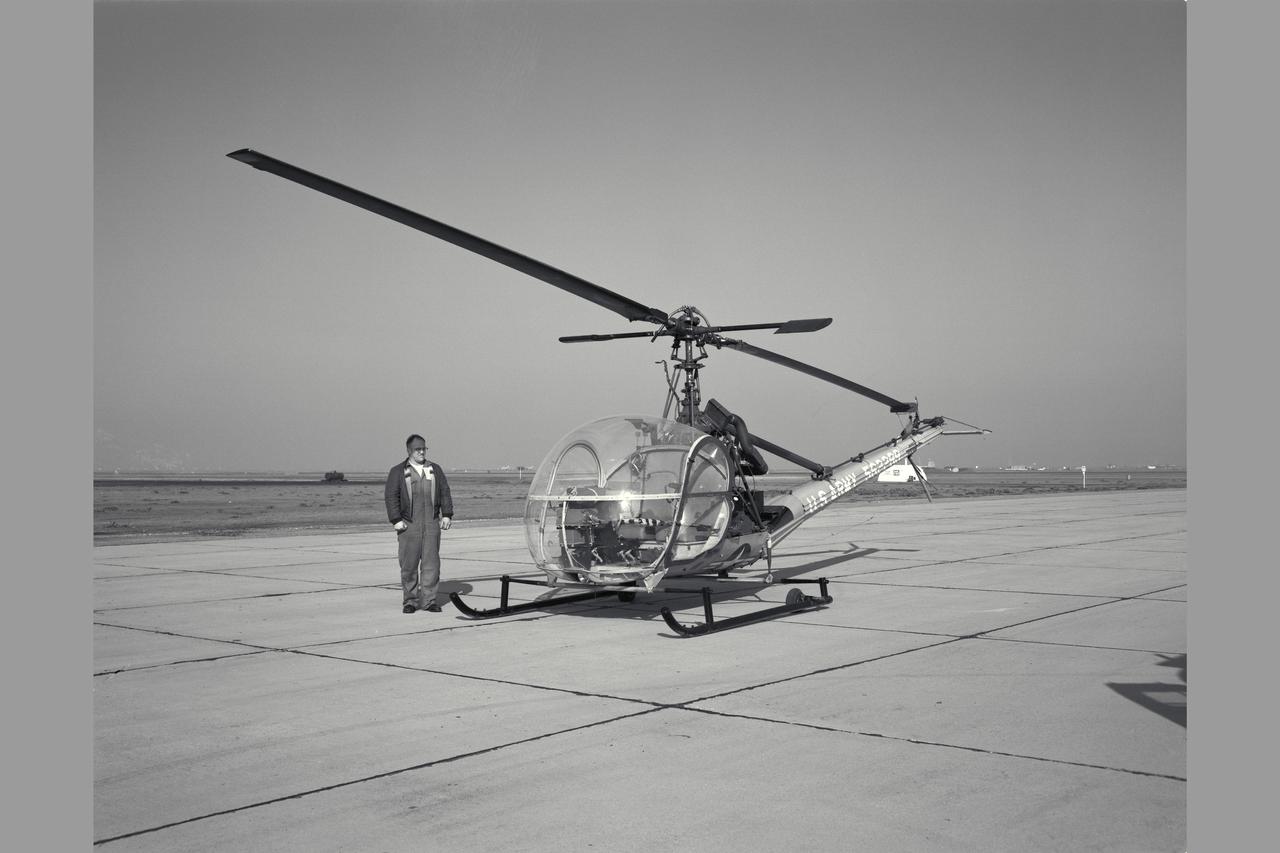
3/4 FRONT VIEW OF HILLER H-23C (USA 56-2288). USE OF THE HILLER H-23 HELICOPTER AS AN AID IN ESTABLISHING SATISFACTORY FLYING QUALITIES & REQUIREMENTS FOR VTOL AIRCRAFT. Rotocraft Research. NASA SP Flight Research at Ames: 57 Years of Development and Validation of Aeronautical Technology
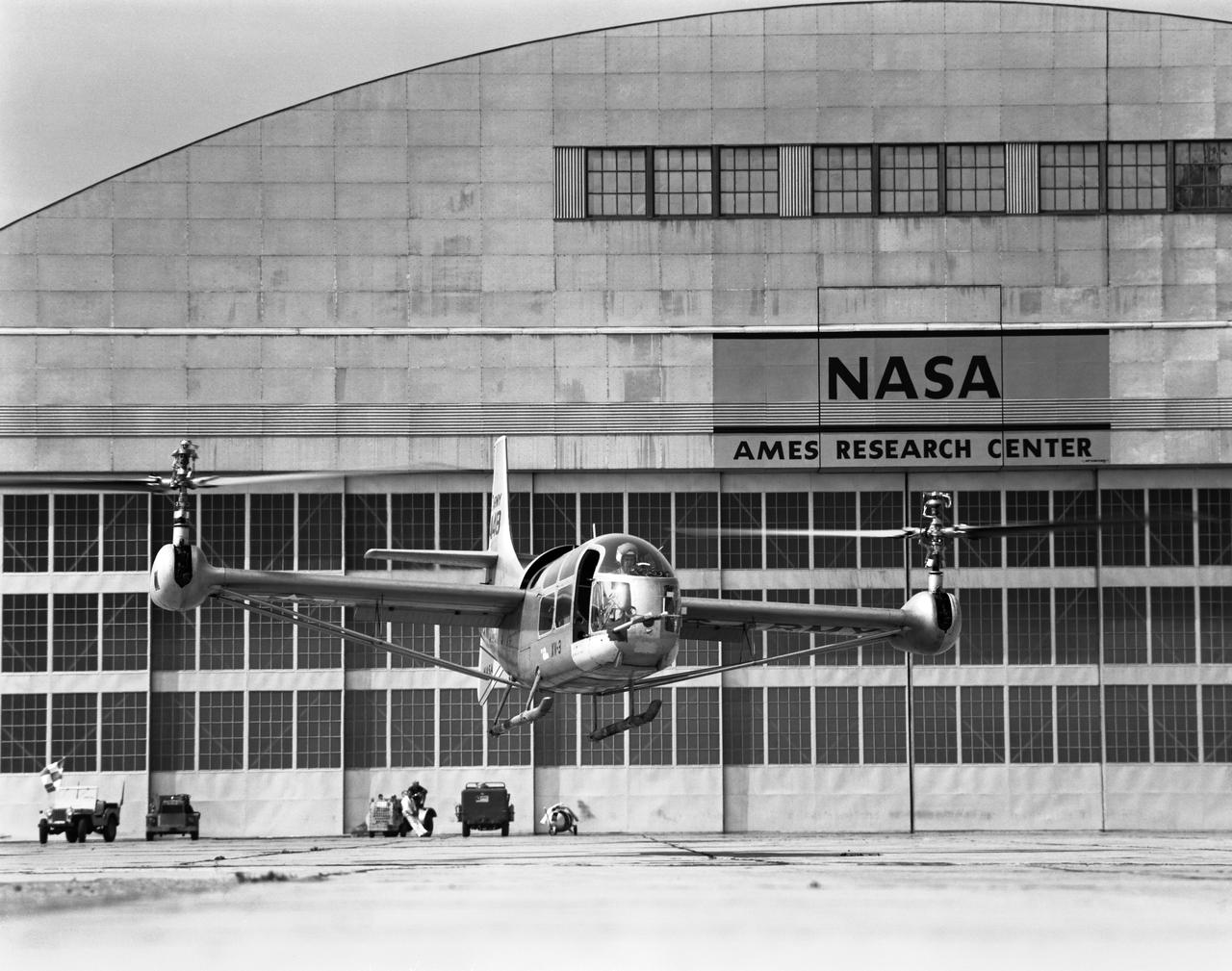
XV-3 airplane helicopter hovering VTOLin front of the NASA Ames Research Center, Moffett Field, CA hangar N-211
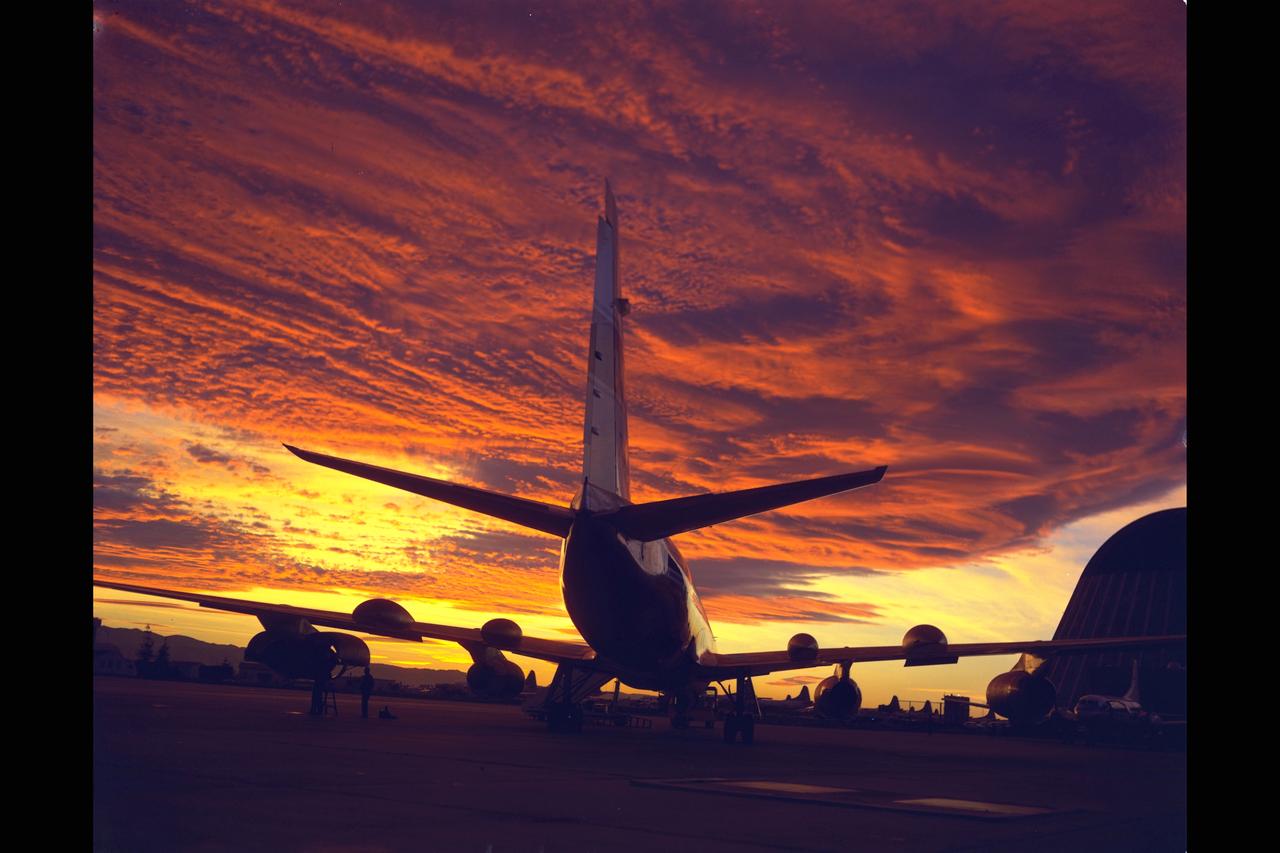
CV-990 (NASA 711) on Ames ramp at sunrise
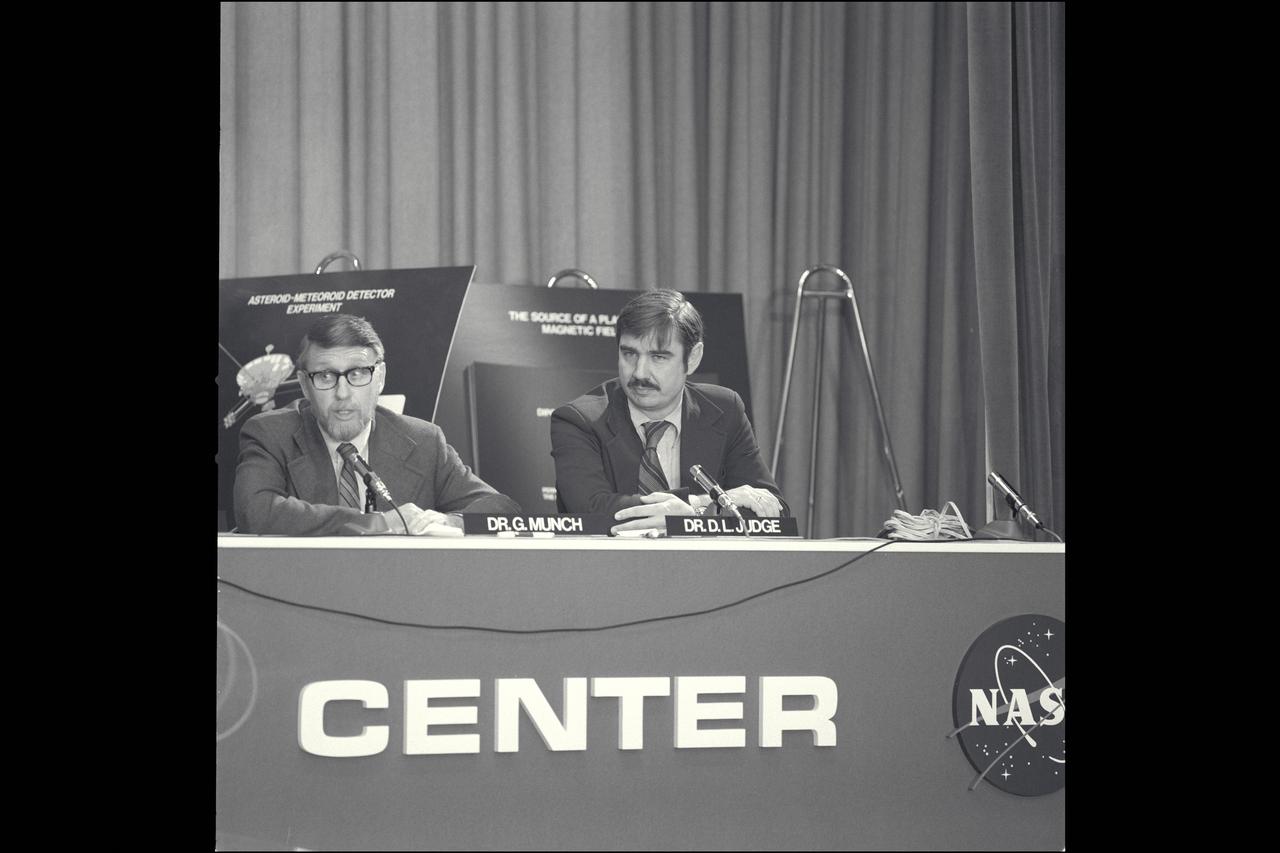
Dr G Munch and Dr D.l. Judge sit on Press Panel during the Pioneer 10 Mission to Jupiter live from Ames Research Center
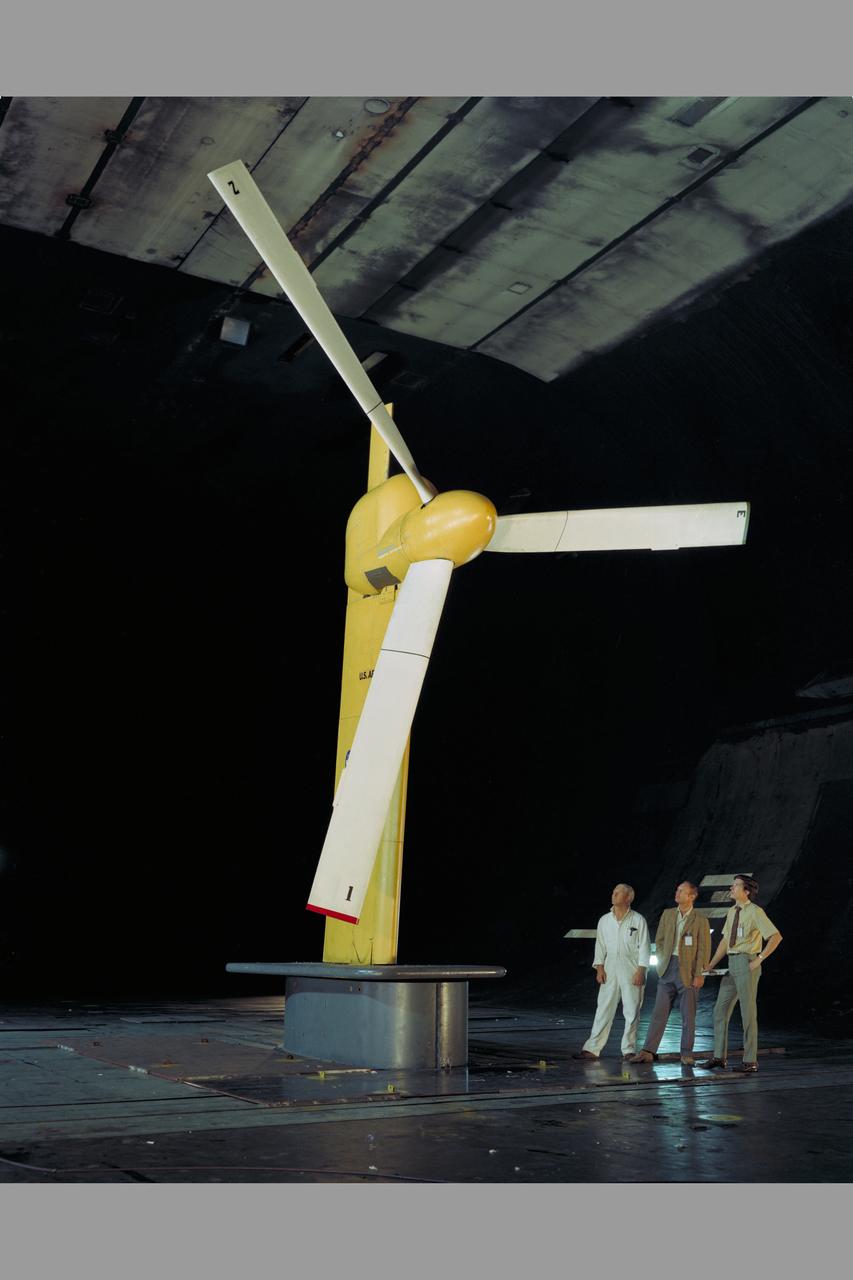
Rigid Tilt Rotor Research: Boeing 26-ft. diameter proprotor on semi-span wing in Ames Research Center 40x80ft w.t. (Photo by Ames photographer Lee Jones; composite of test results by Ames Graphics)
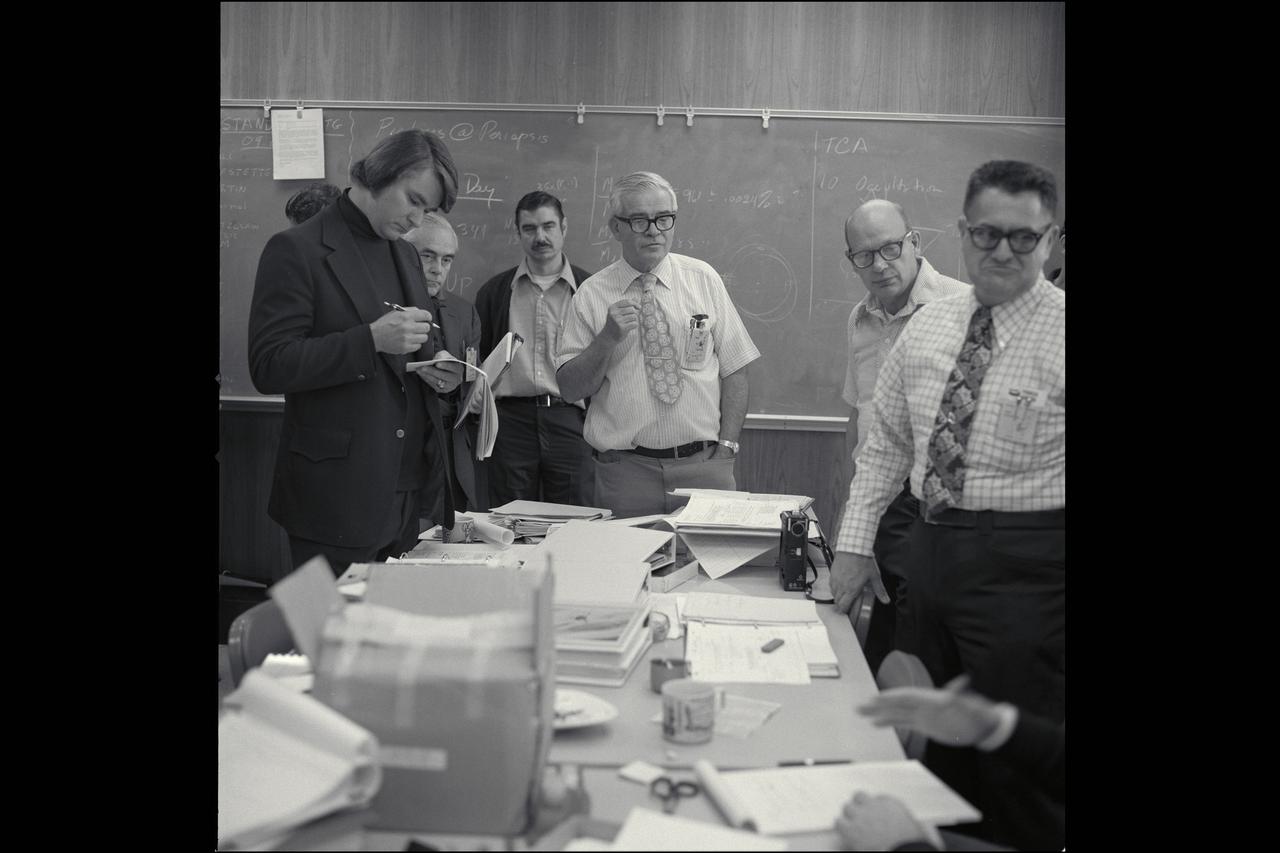
Pioneer 10; Mission to Jupiter Project Manager Charlie Hall (center) leads the Pioneer staff through his efficient (and infamous) stand-up meeting (also shown (L-foreground) Skip Nunamaker and (R-foreground) Richard Fimmel
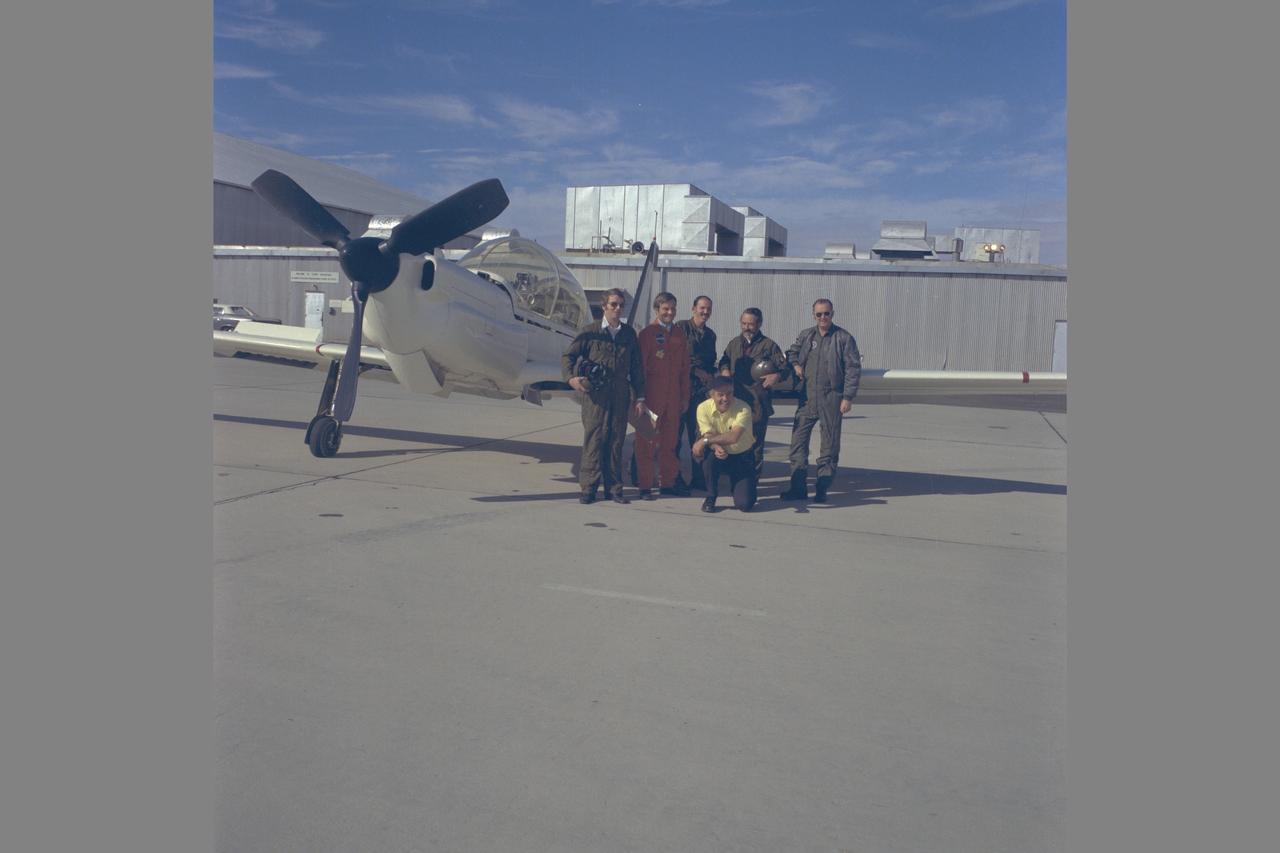
Lockheed YO-3A (USA 69-18010 NASA 718) TEST FLIGHT AT EDWARDS AIRFORCE BASE (FLIGHT RESEARCH CENTER). Rotorcraft Research. Acoustics Research Team from left to right: Don Boxwell, Fred Schmitz, Bob Williams, Lee Jones, Bob George, Vance Duffy. NASA SP Flight Research at Ames: 57 Years of Development and Validation of Aeronautical Technology Fig. 142
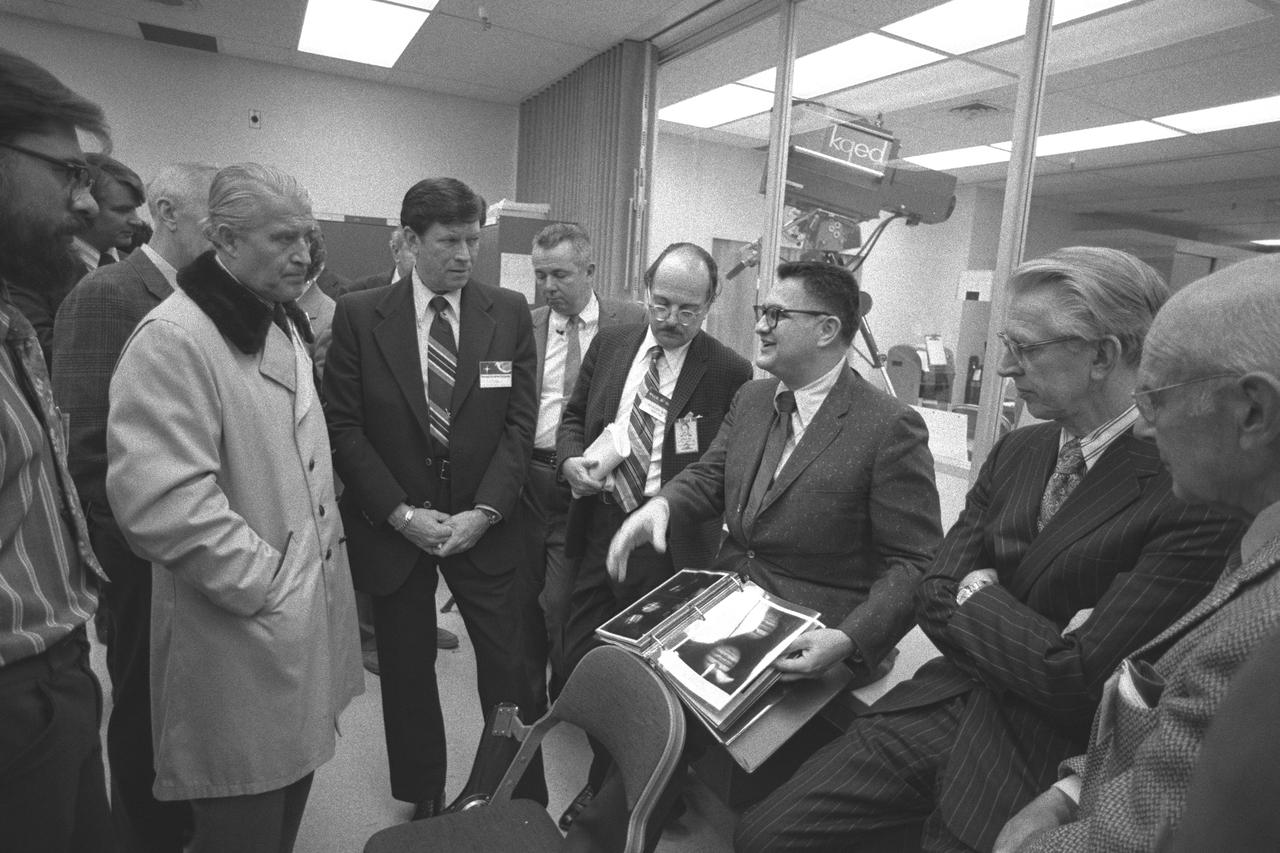
Pioneer 10 Mission to Jupiter; Press conference and tour of Mission Control for VIP visitors with Dr. Werner Von Braun on left (in trench coat) Dr Richard Fimmel, Ames, center (with album) and Dr Fletcher, NASA Administrator to his right.
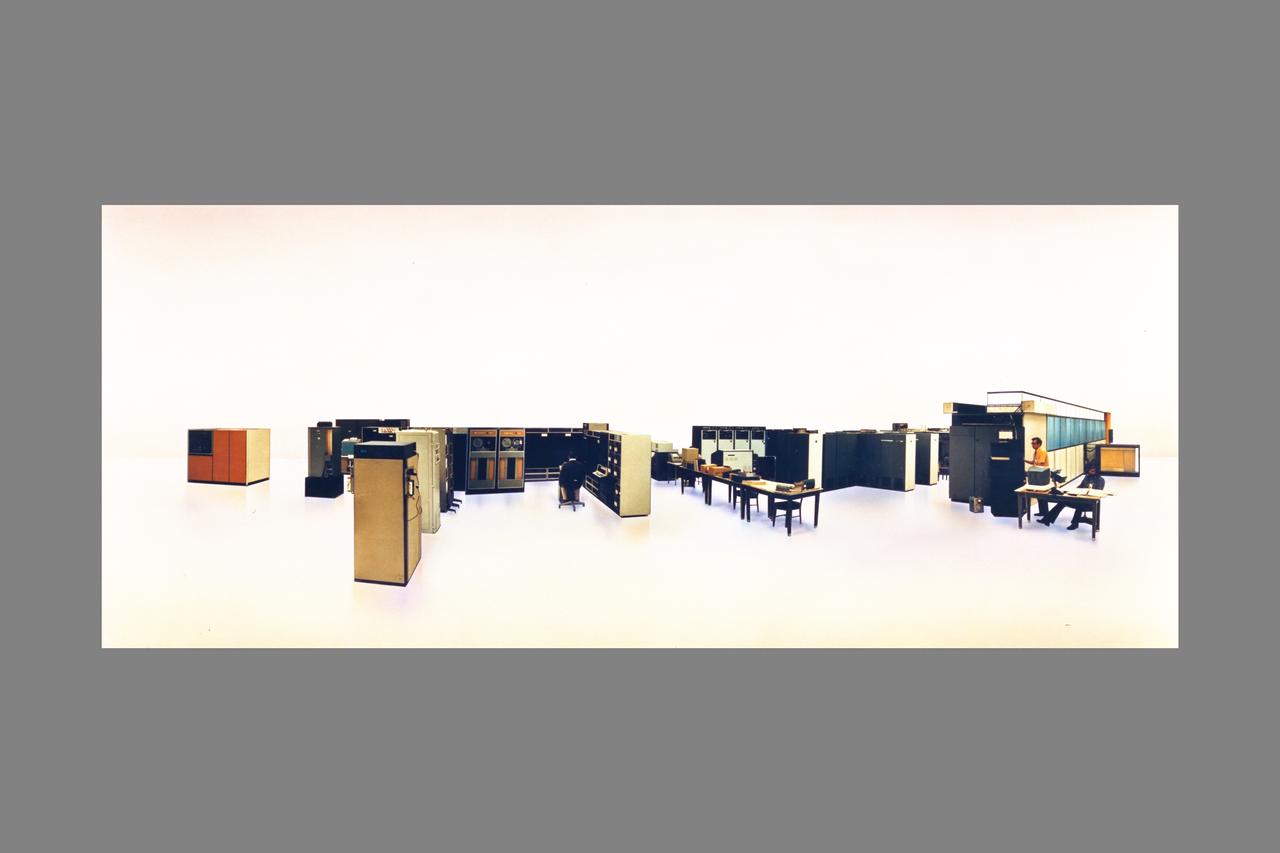
ILLIAC IV computer system layout bldg N-233
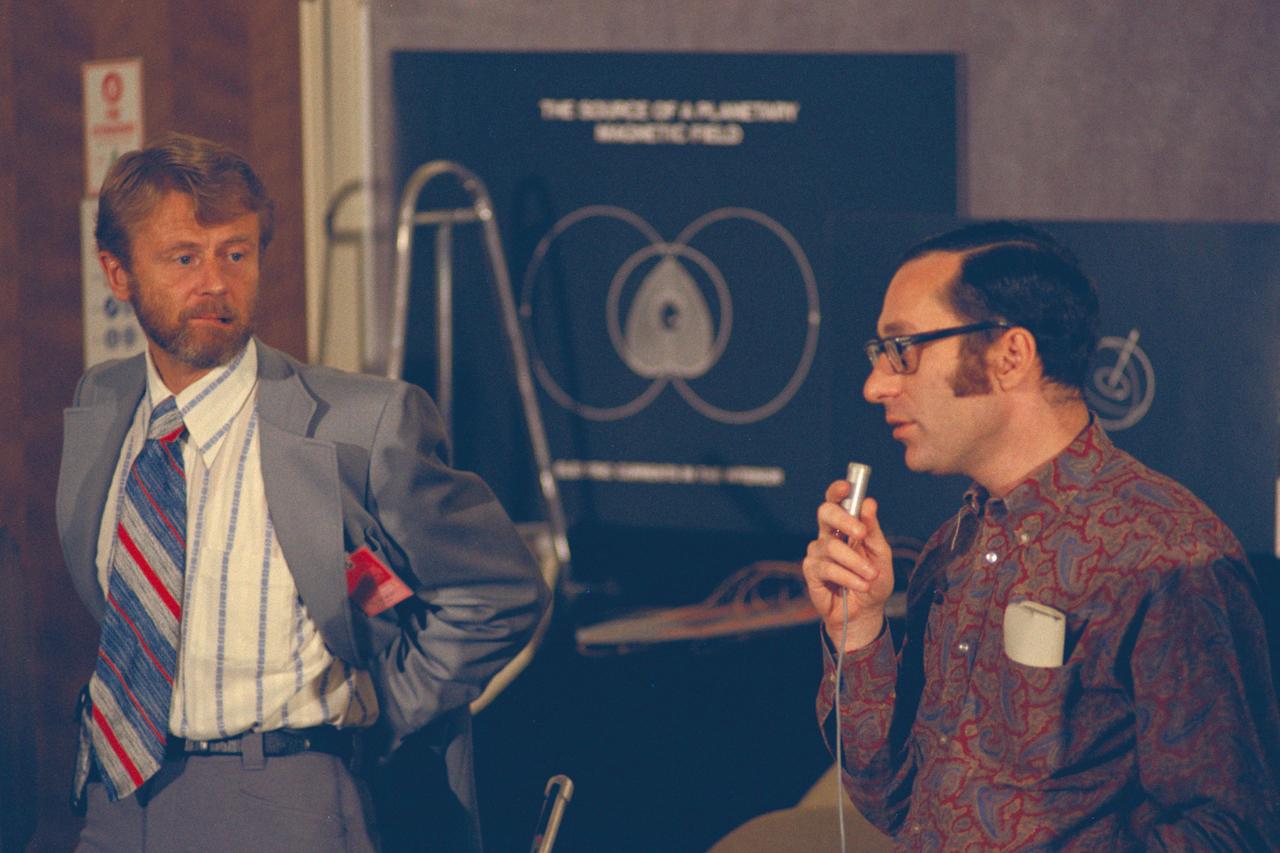
Dr. James Pollack (Ames) and Dr Tom Gehrels during press conference for Pioneer 11 Jupiter encounter
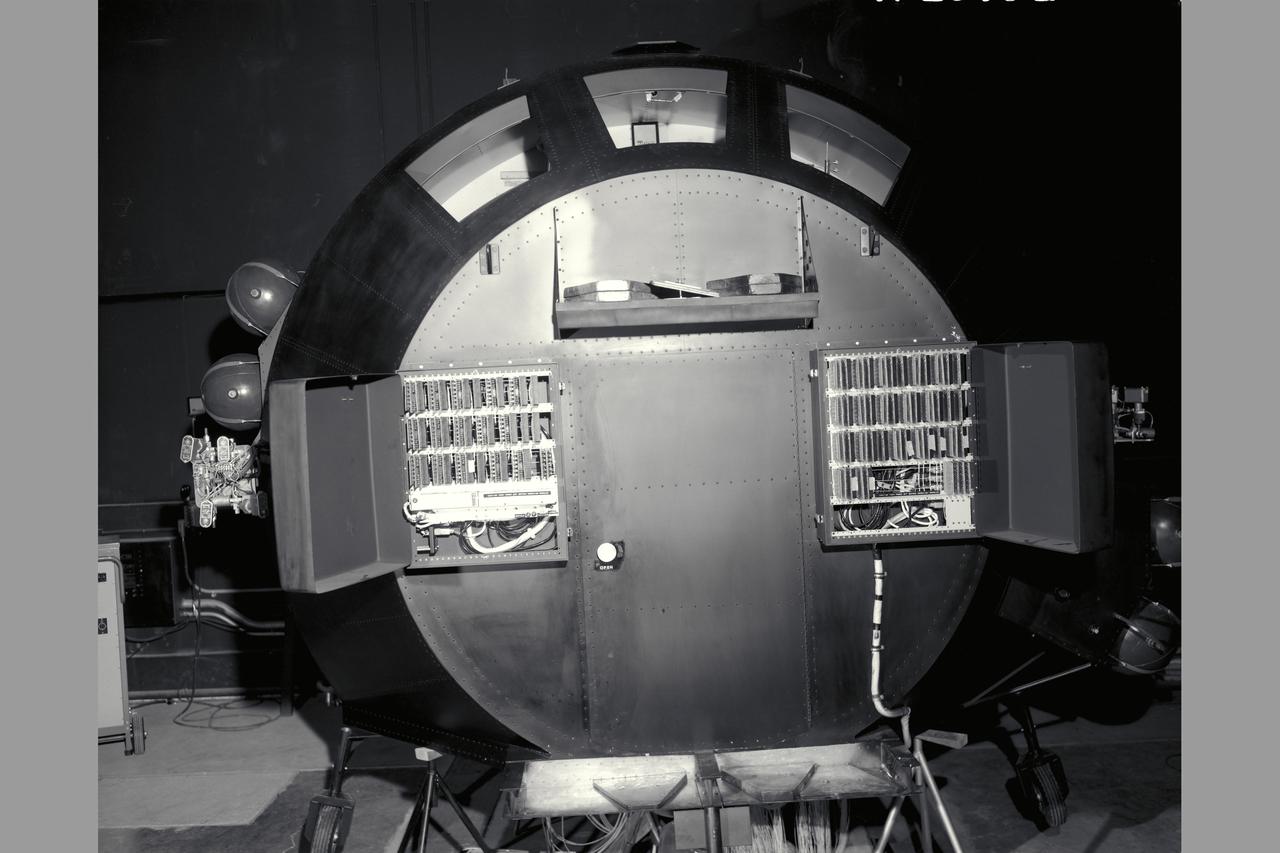
Apollo Capsule simulator - navigation guidance system
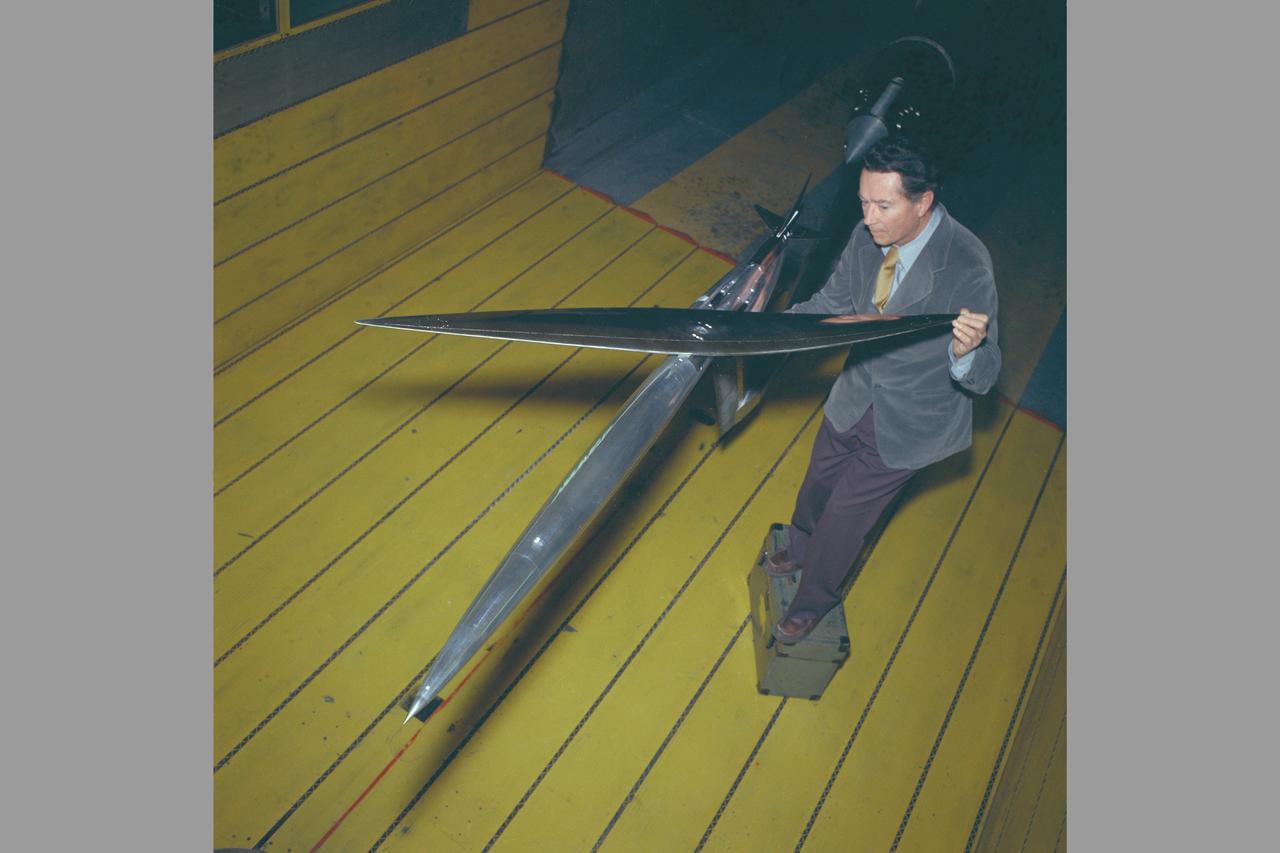
Oblique Wing model mounted in 11ft W. T. with R. T. Jones, Designer/Engineer. The asymmetrical design allows the plane to fly much faster, yet consume the same fuel and generate less noise.
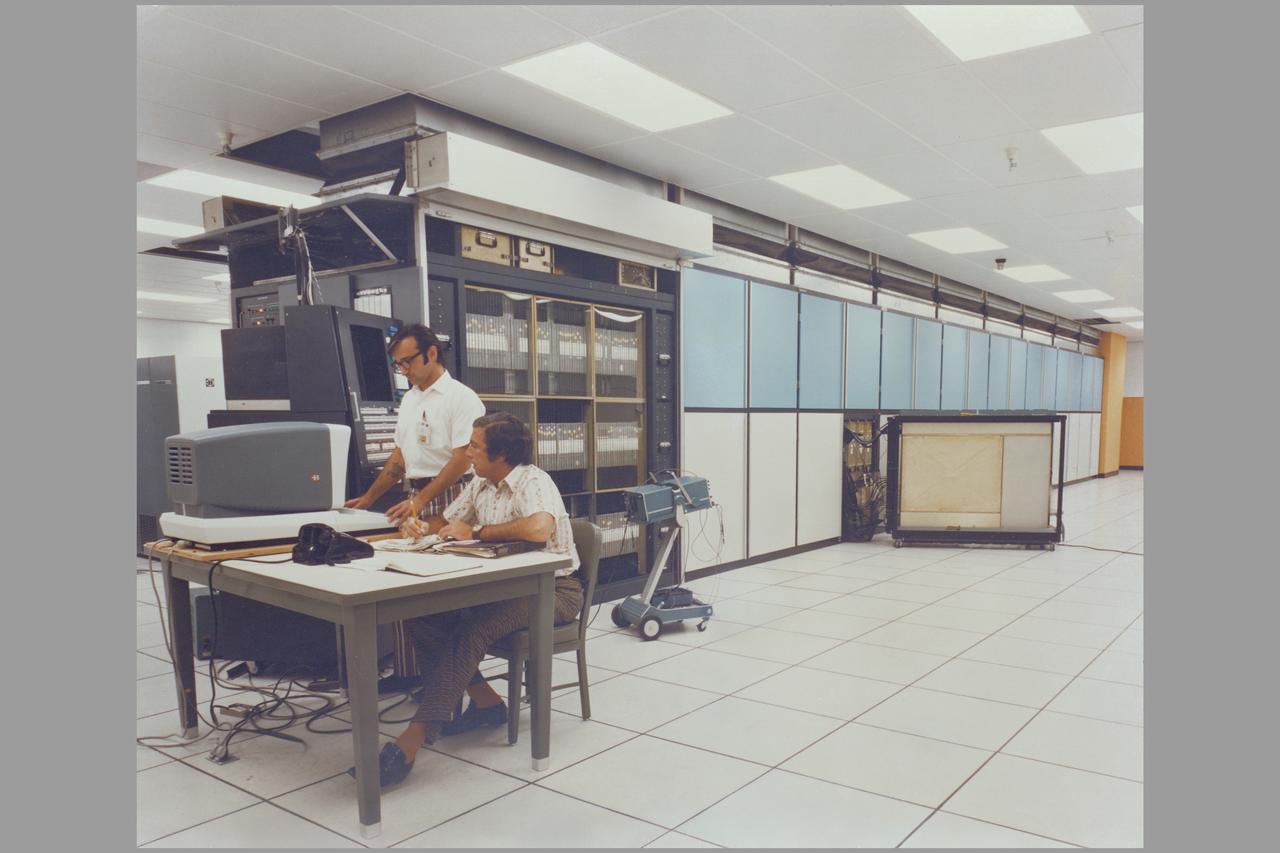
ILLIAC IV Quadrant with V Tosti (standing) and S Kravity N-233
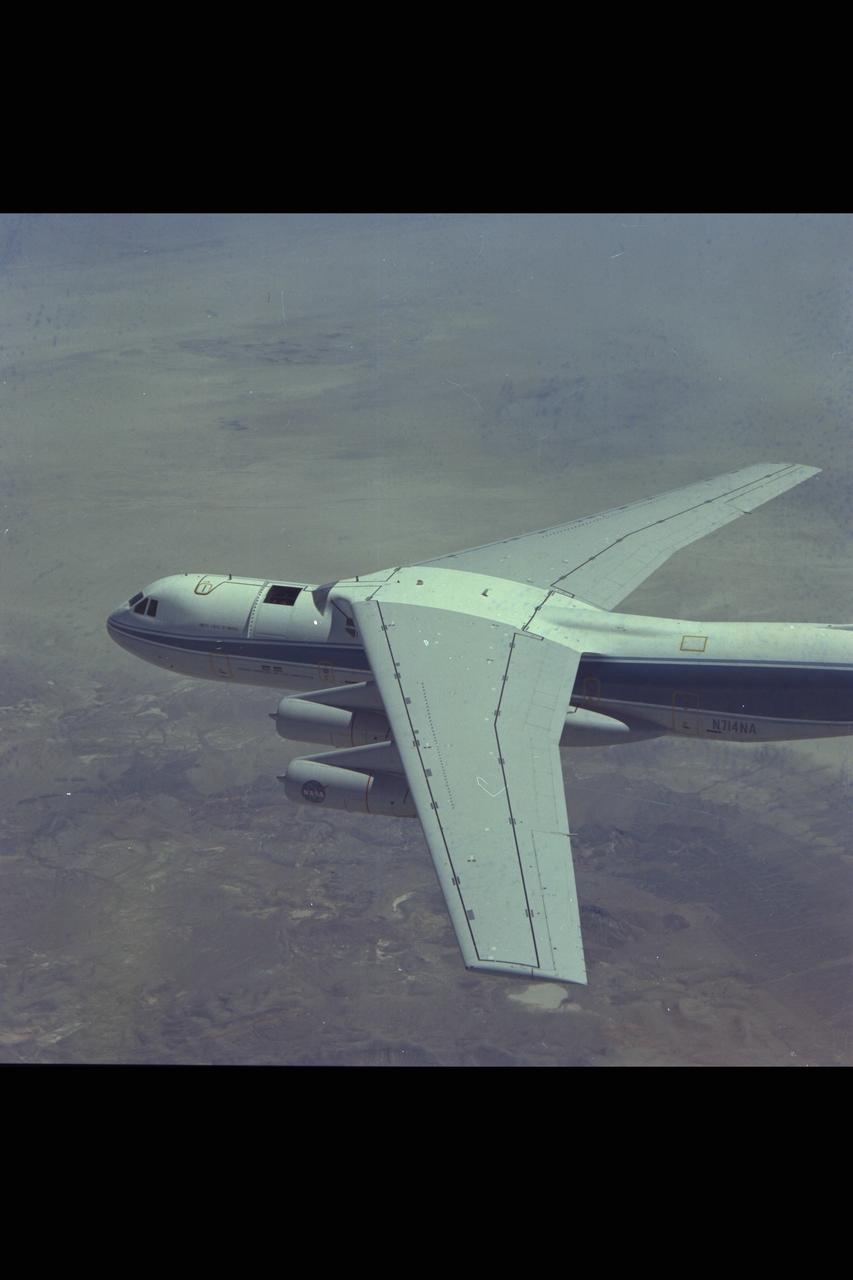
C-141 (NASA-714) Kuipter Airborne Observatory in flight, telescope hatch open
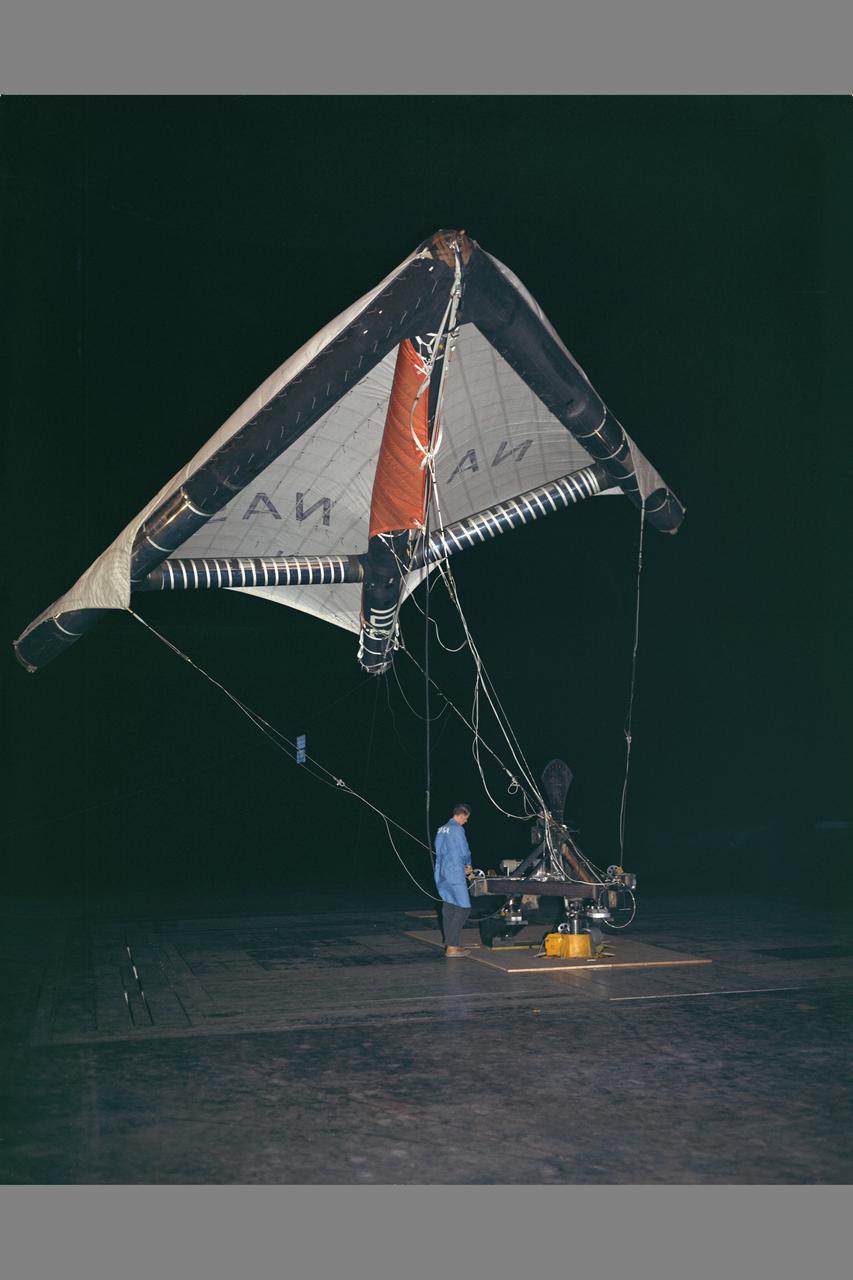
Paraglider Test in 40x80ft W.T.
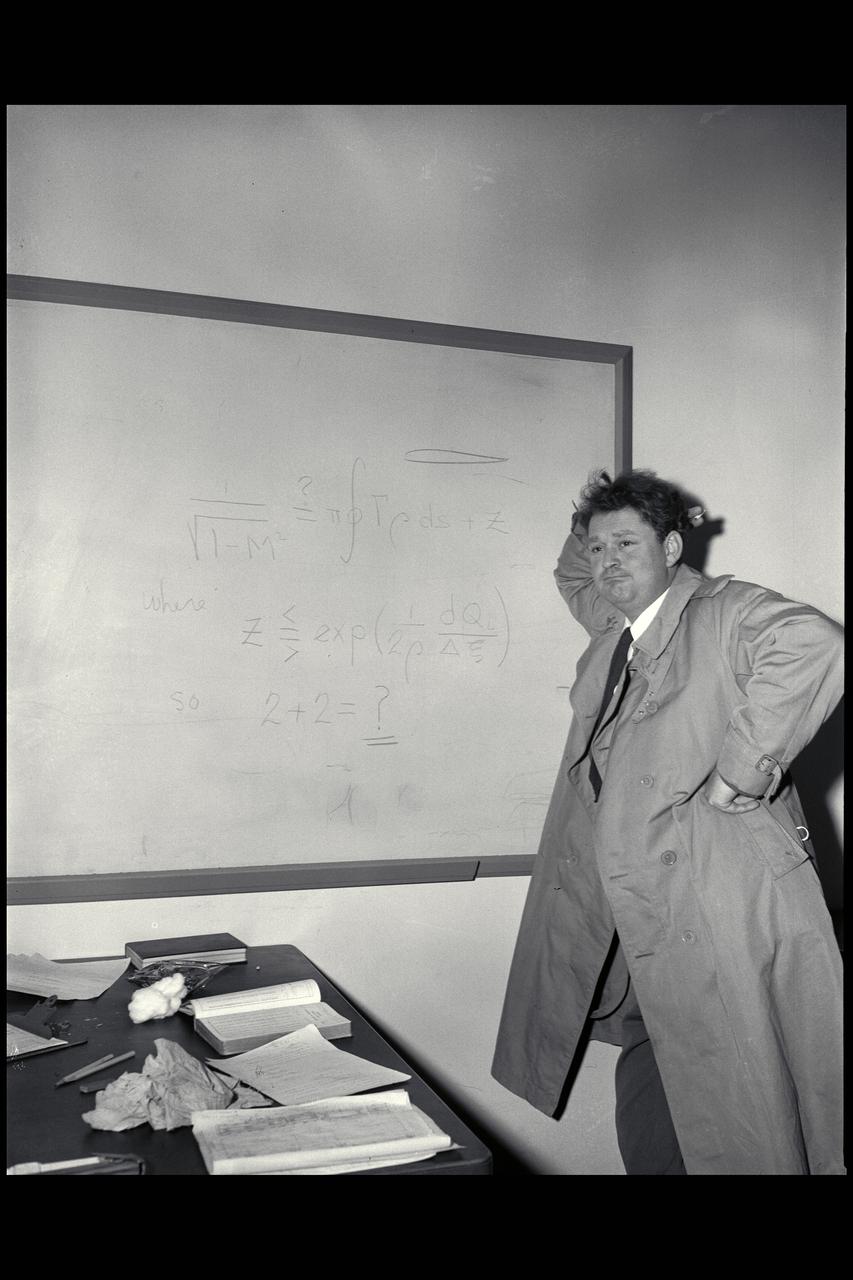
NASA Ames Center Director Harvey Allen (1965-1969) at the board.
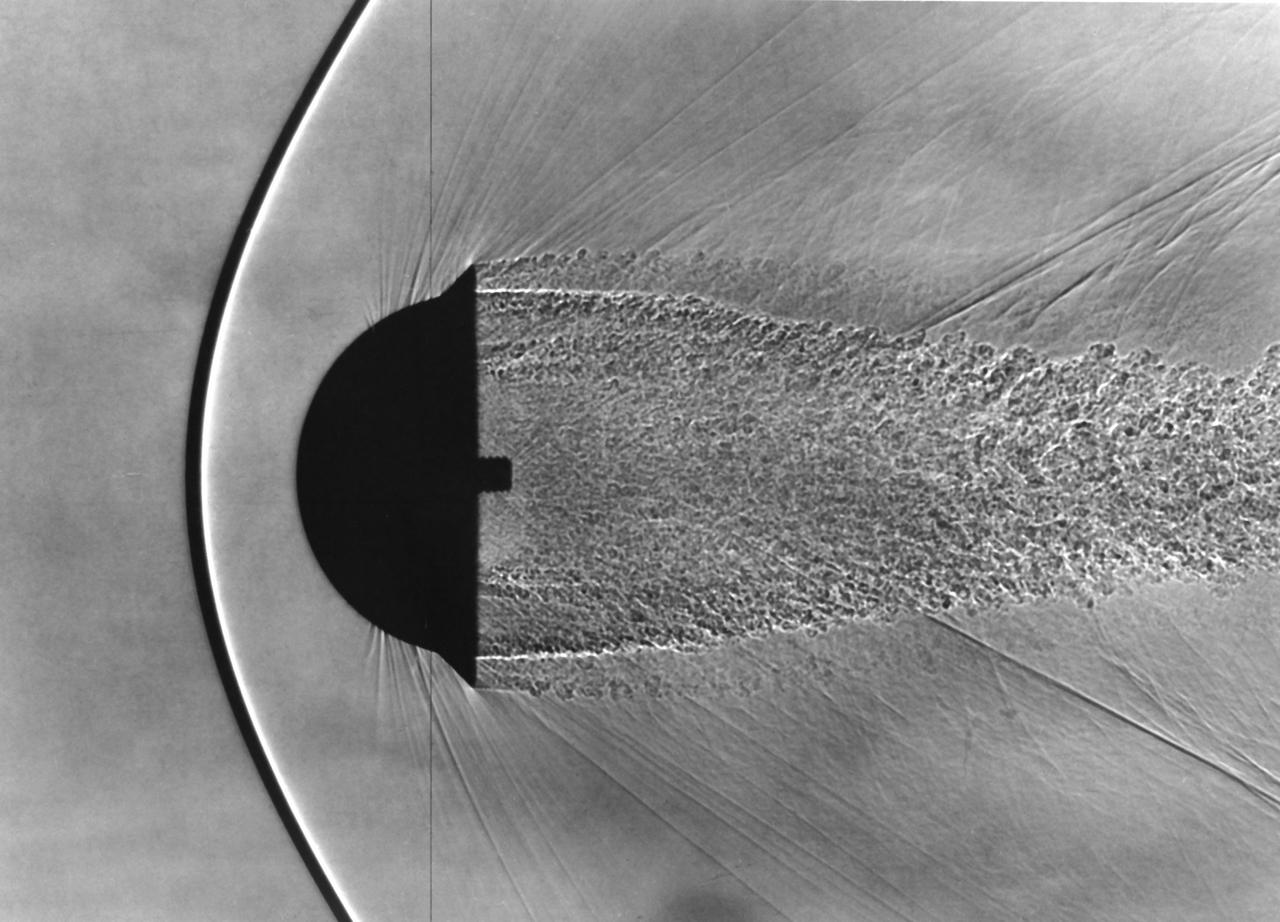
Shadowgraph of Finned Hemispherical model in free-flight show shock waves produced by blunt bodies (H. Julian Allen blunt nose theory) (Used in NASA/AMES publication 'Adventures in Research' A history of Ames Research Center 1940 - 1965 by Edwin P. Hartman - SP-4302)
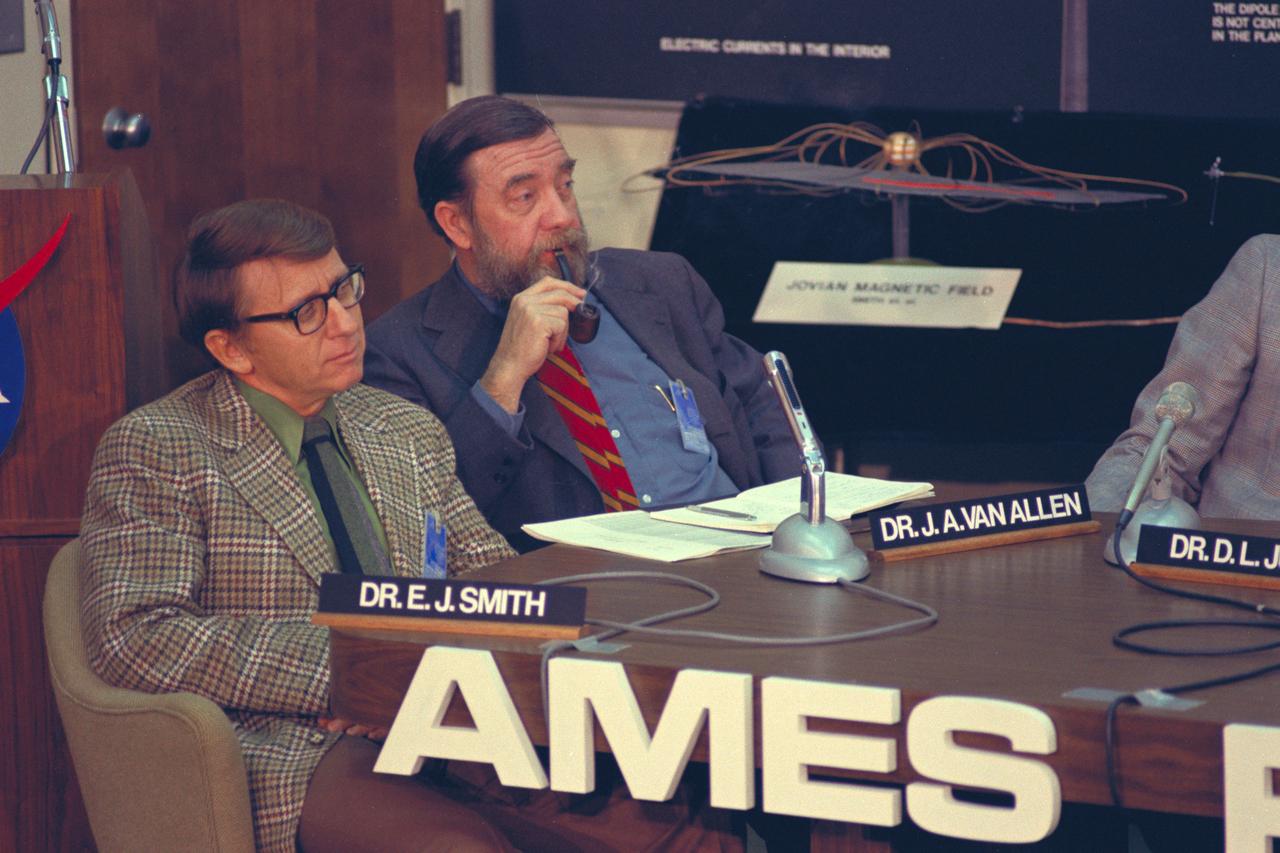
Dr. E. J. Smith (L) Dr. James Van Allen (R) during press conference for Pioneer 11 Jupiter encounter
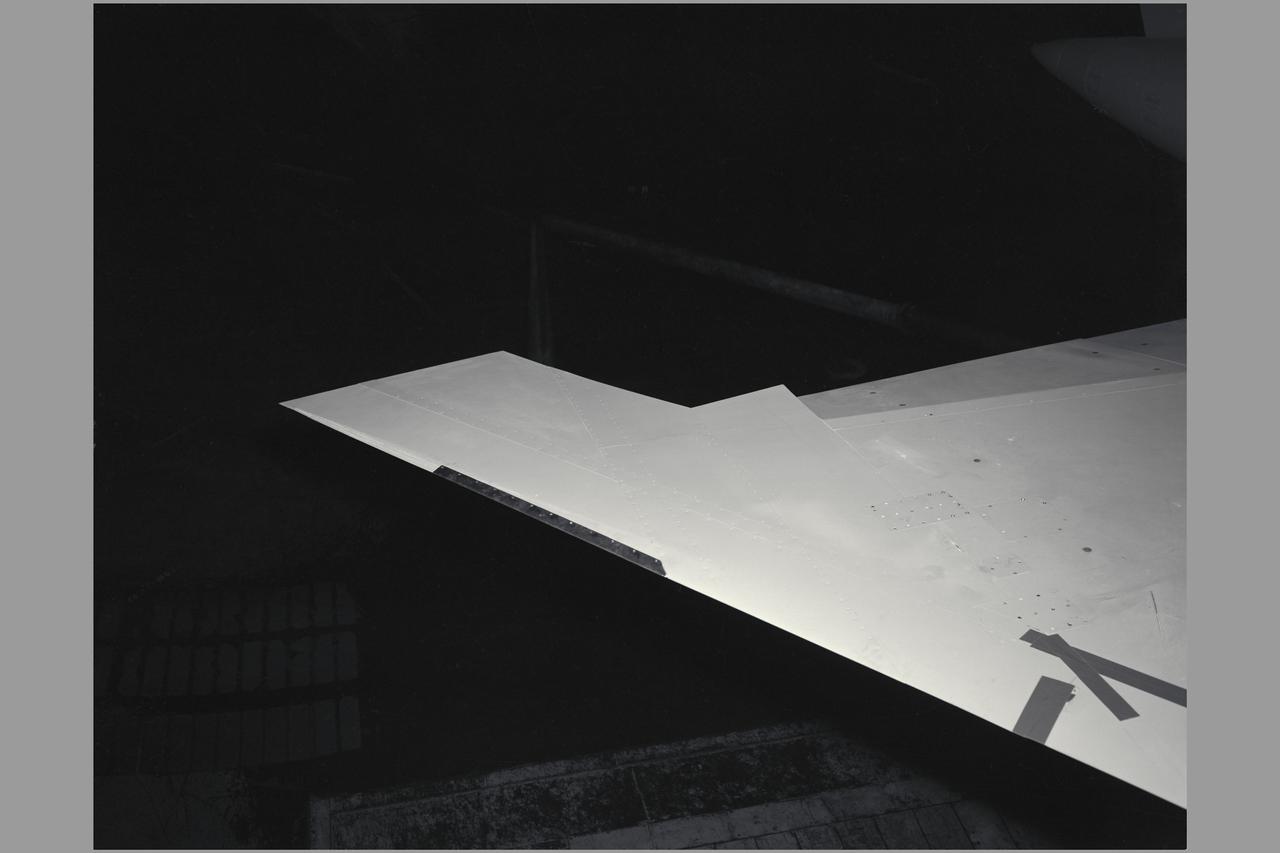
Close-up from stand, 0 degrees nose flap deflection. Supersonic Transport model - landing & take-off problems, extended wing tips. 40x80ft w.t.

John H. Wolfe, Pioneer Project Scientist, explains observations made by Pioneer 10 as it traversed the Jovian system
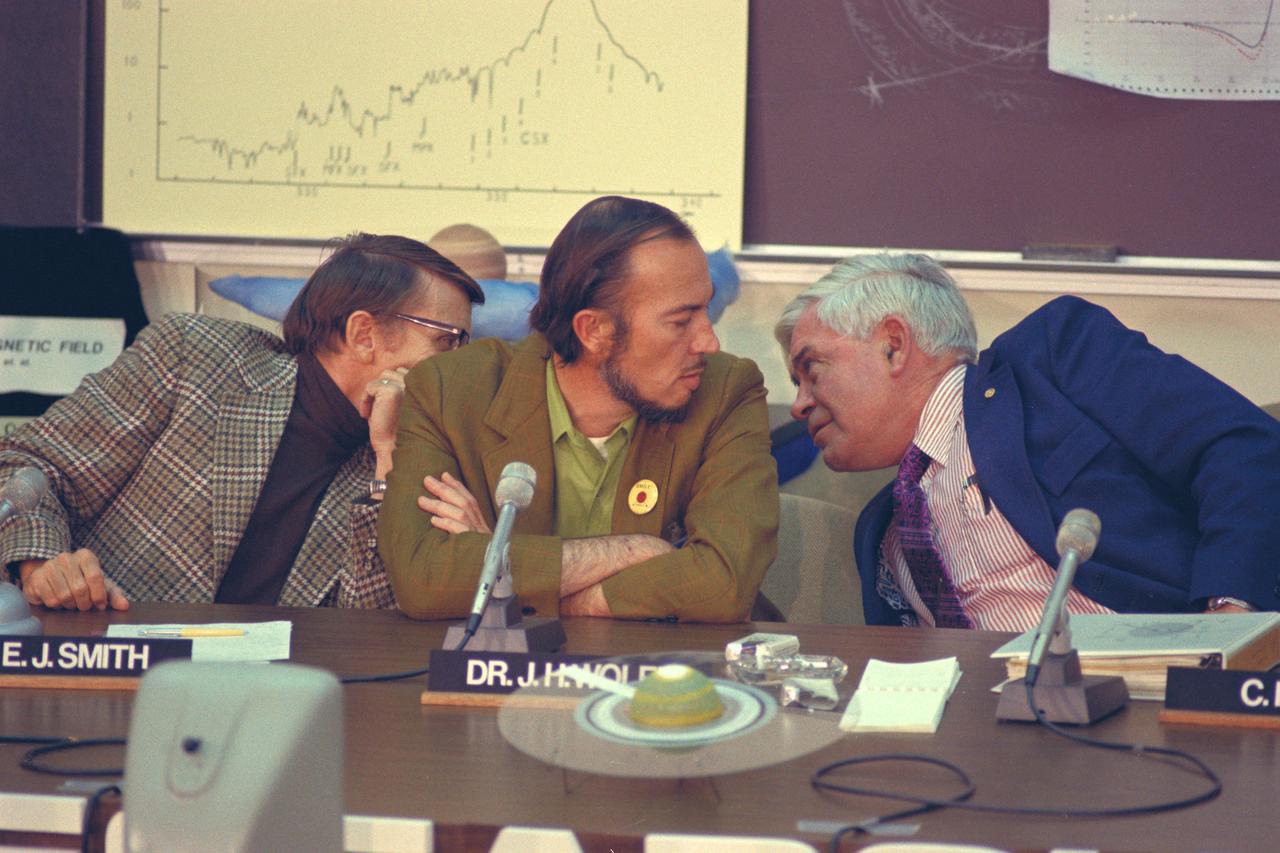
Dr E. J.Smith, John Wolf (Ames) and Charles Hall (Ames) confer during press conference for Pioneer 11 Jupiter encounter
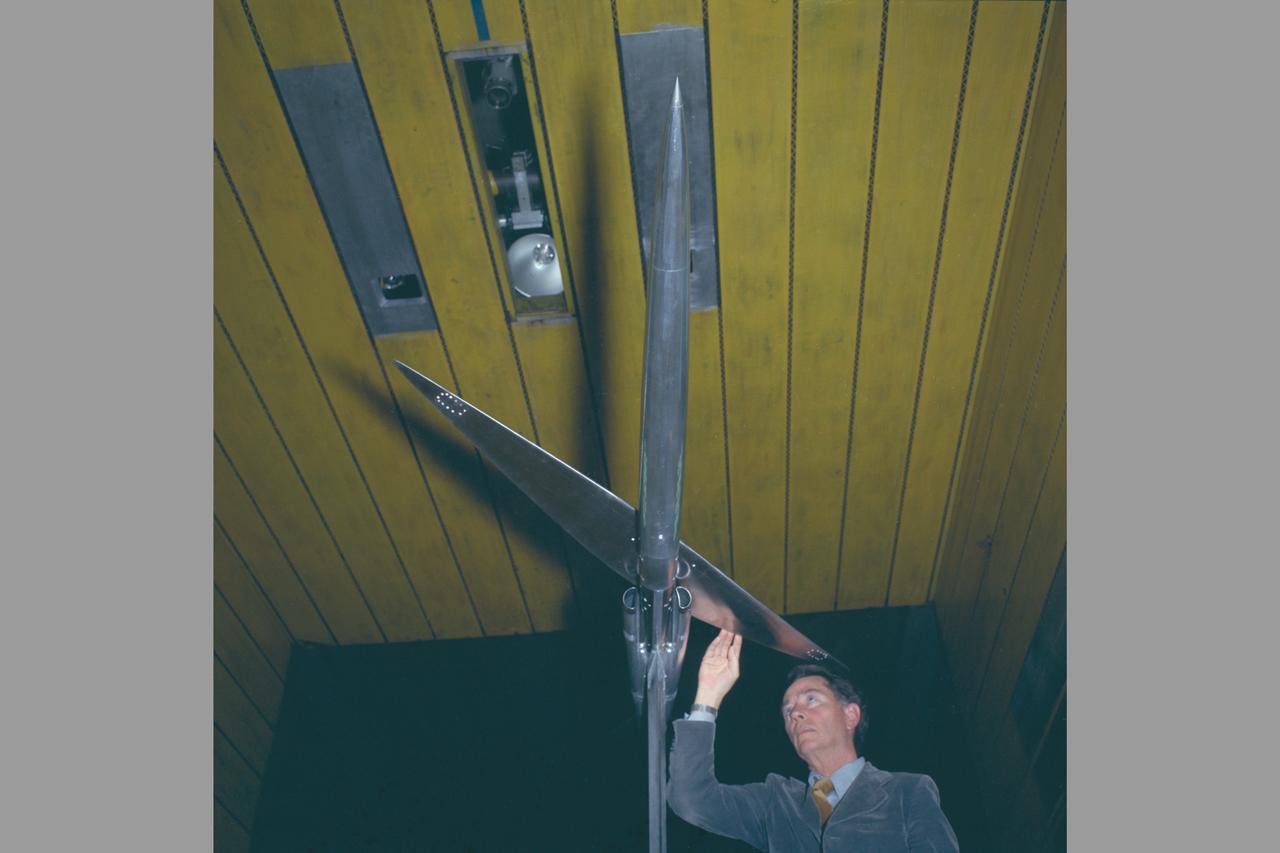
Oblique wing in 11ft. wind tunnel with R. T. Jones. Test 11-026.

3 degree simulator with engineer John Dusterberry
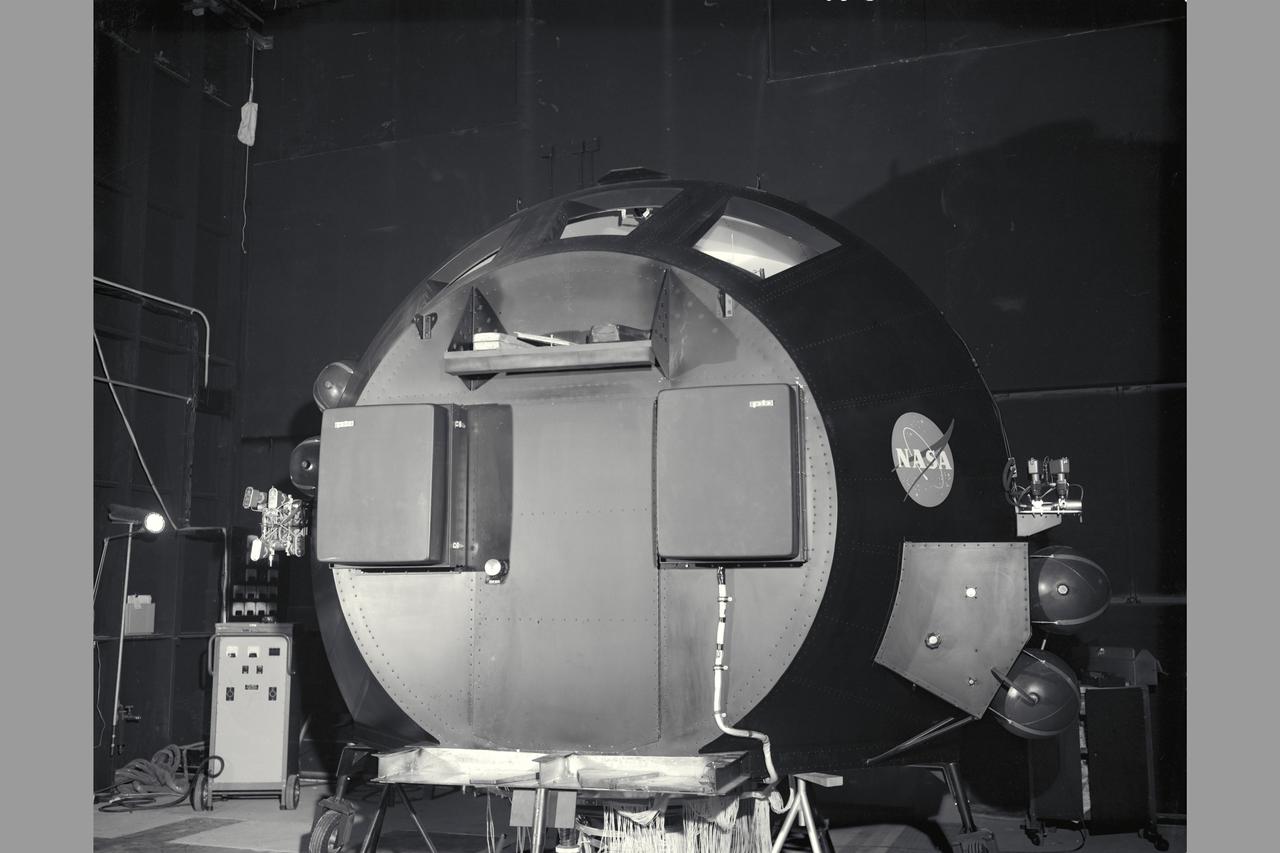
Apollo Capsule simulator
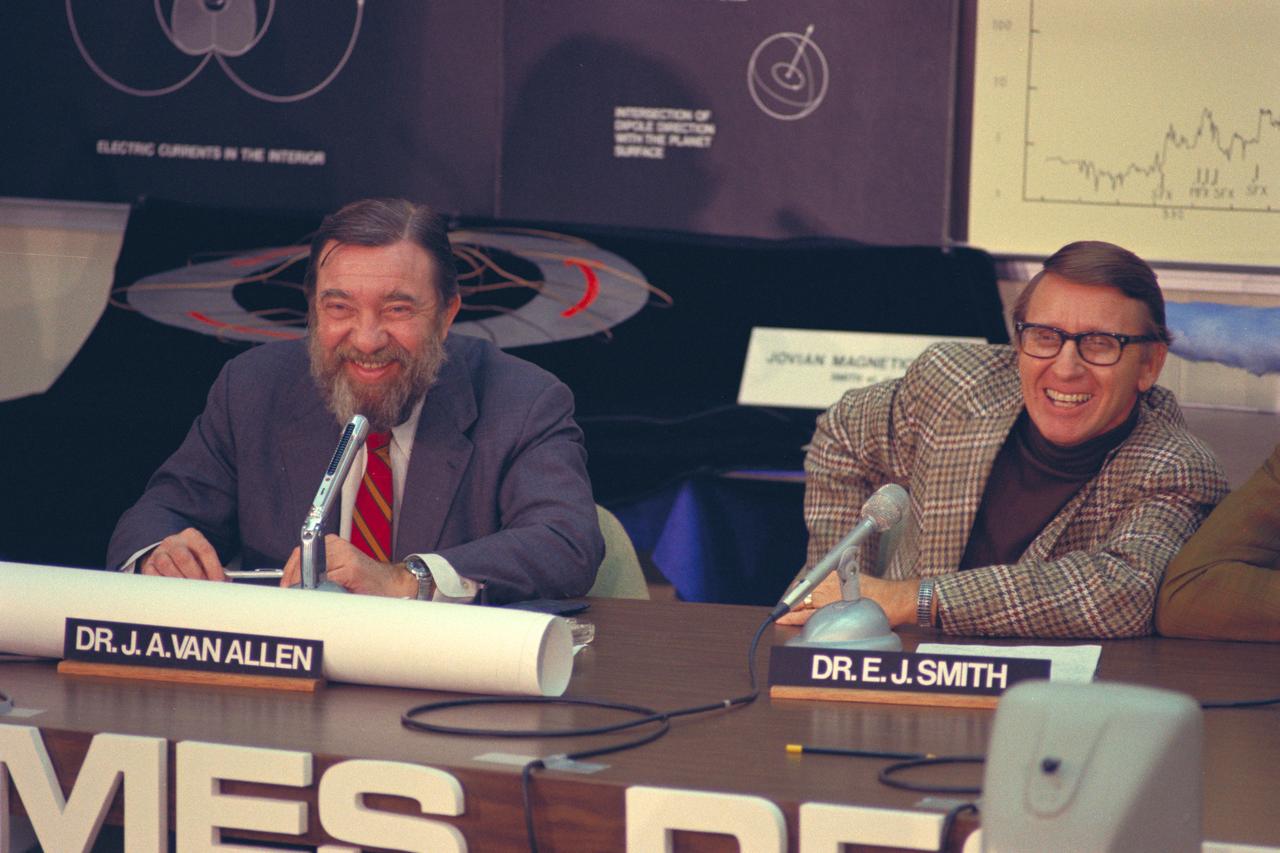
Dr James Van Allen (L) and Dr E. J. Smith (R) during press conference for Pioneer 11 Jupiter encounter
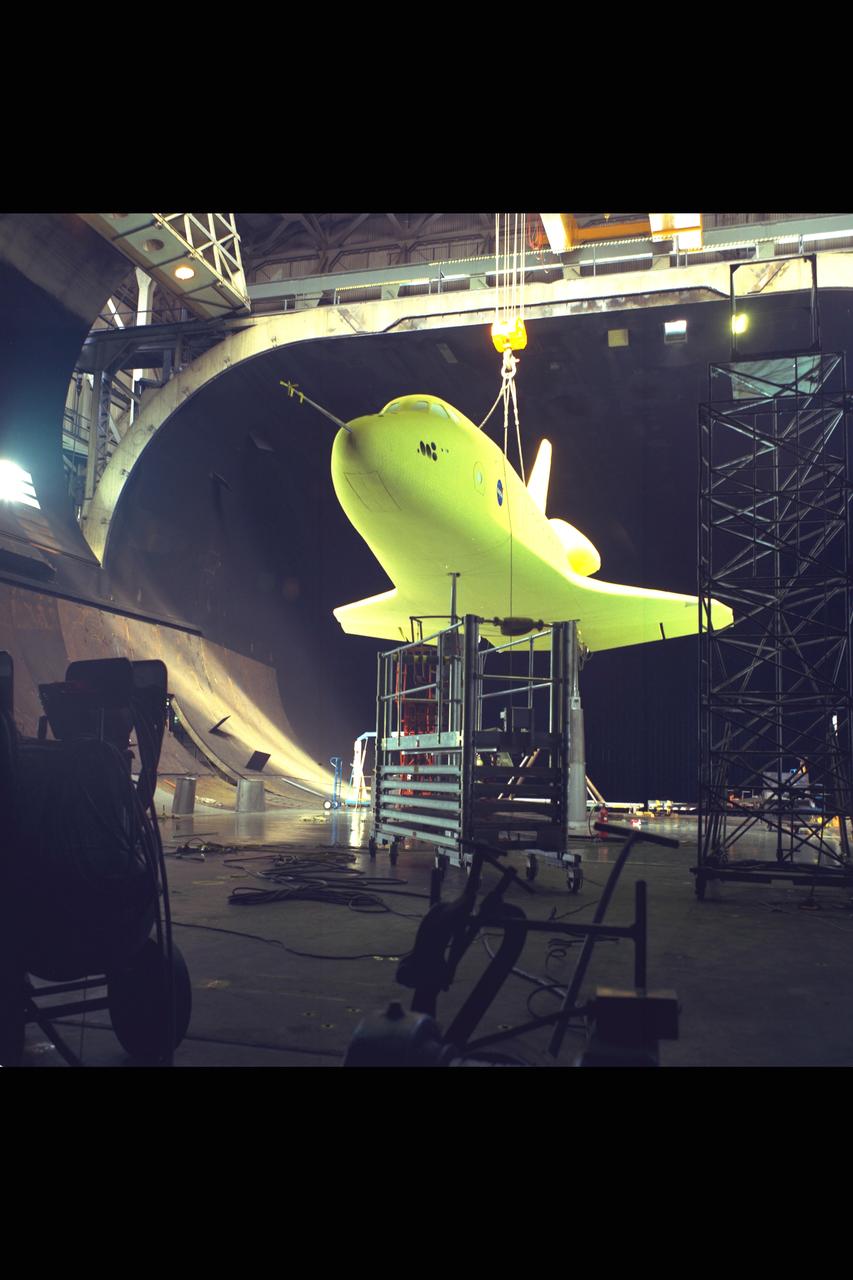
Space Shuttle A-100 installation in the NASA Ames 40x80ft Supsonic Wind Tunnel.
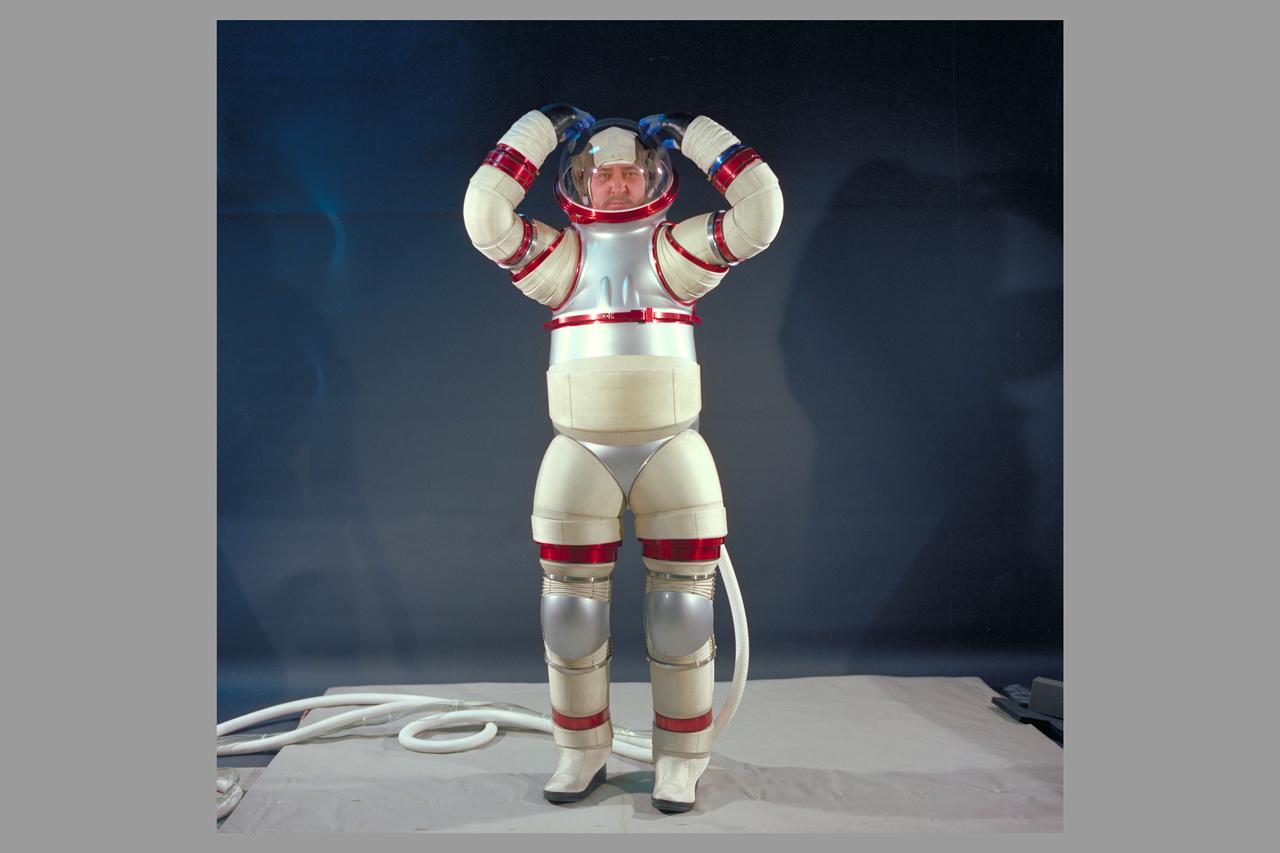
Vic Vykukal model the Ames developed AX-3 Hard Space Suit

NC-130B in front of NASA Ames Research Center Hangar. A Study of STOL Operational Techniques. BLC instrumentation
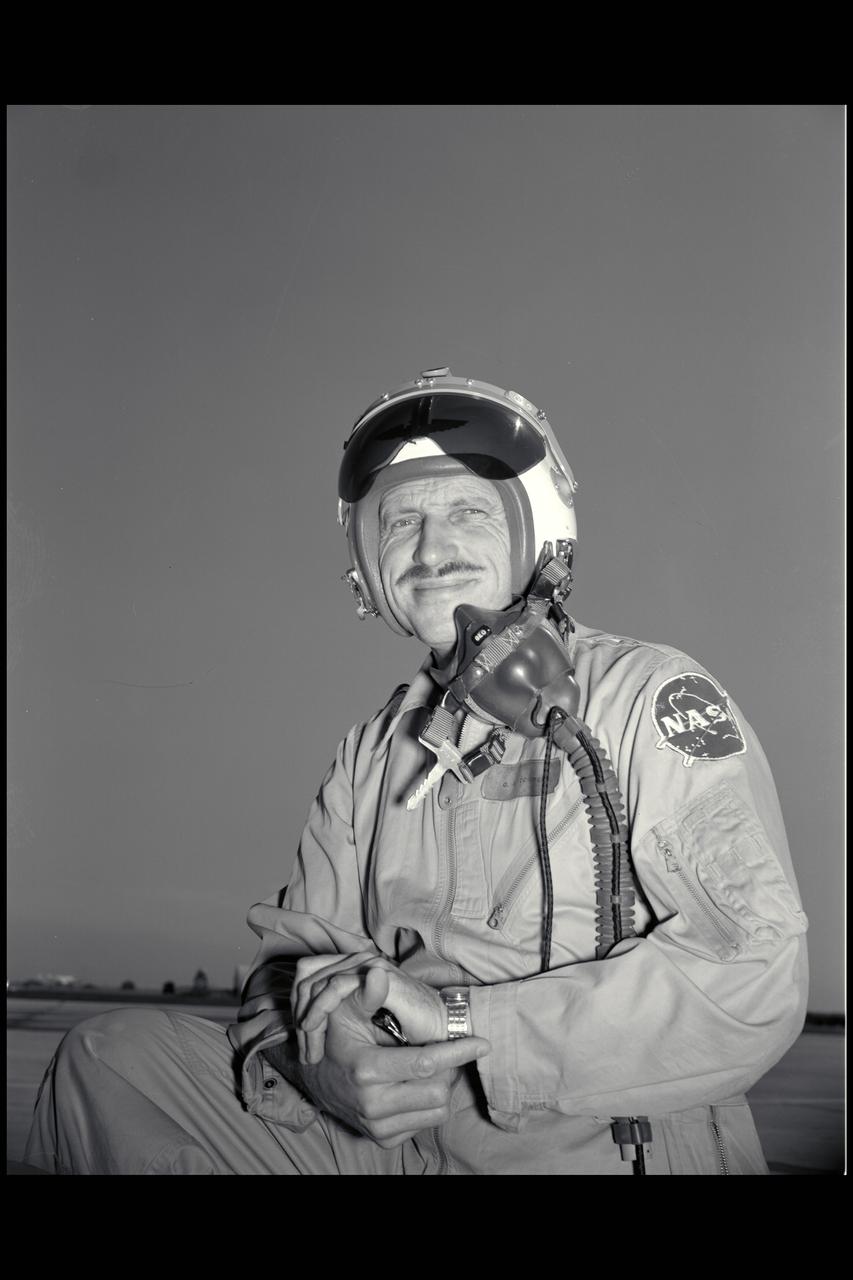
George E. Cooper (Ames Pilot)
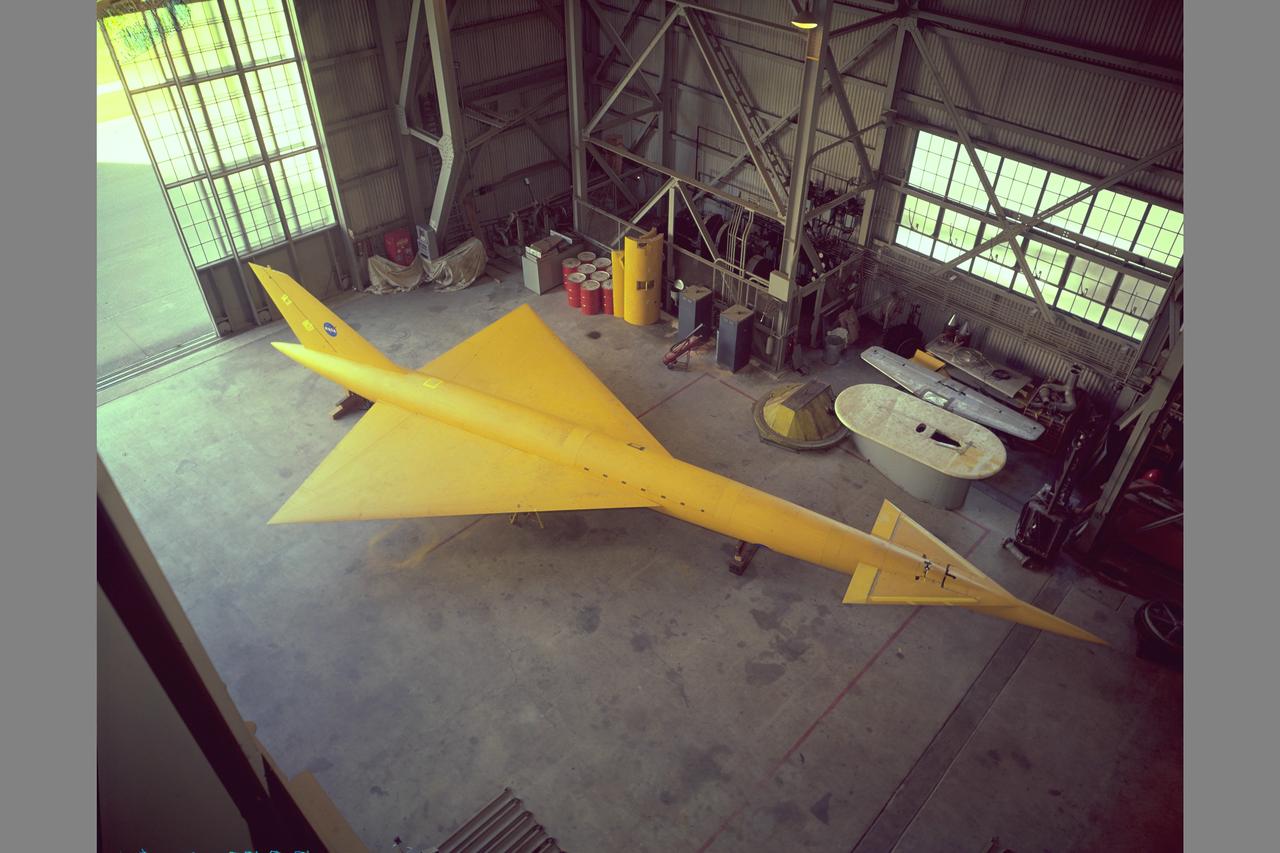
Supersonic Transport being installed in 40x80ft w.t.
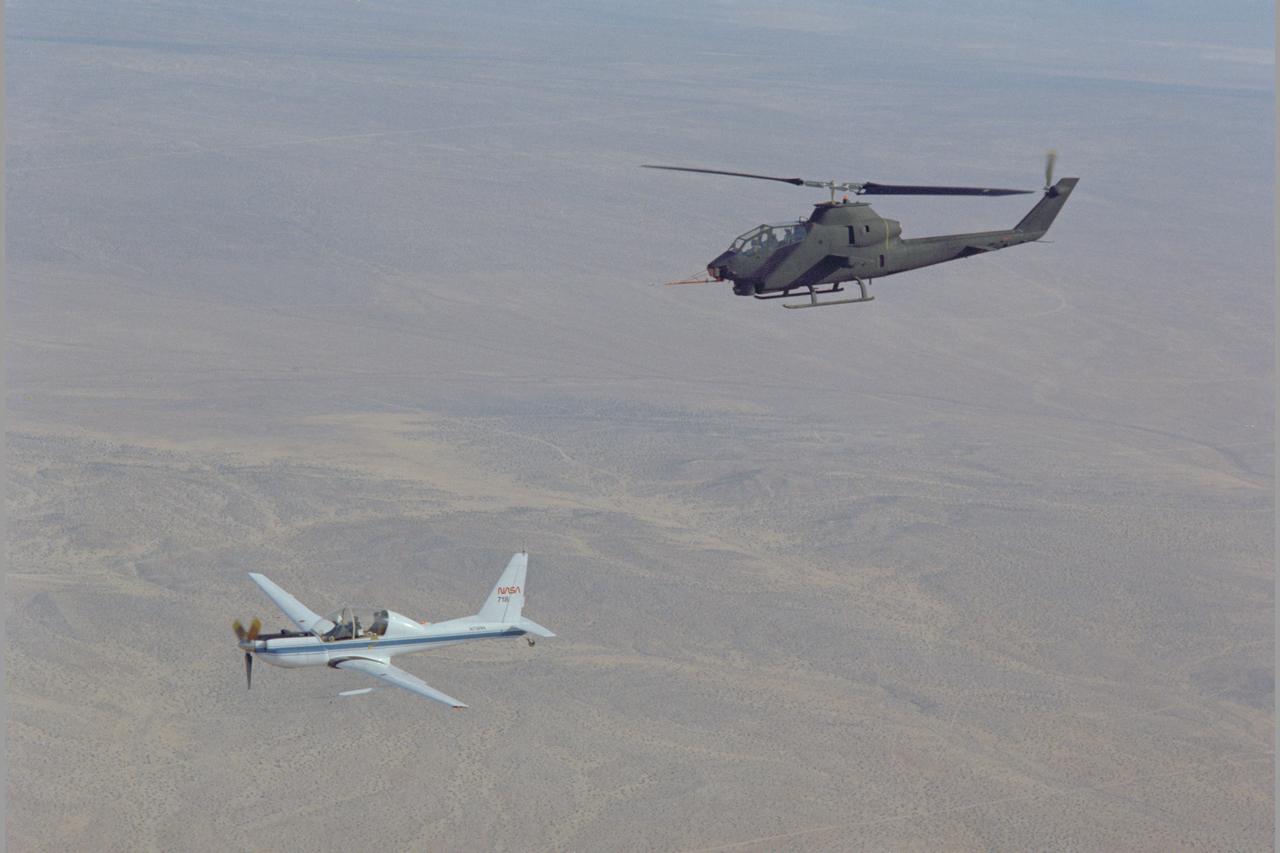
Lockheed YO-3A (USA 69-18010 NASA 718) A/C & BELL COBRA HELICOPTER FLIGHT & GROUND TESTS AT EDWARDS AIR FORCE BASE. Rotorcraft Research. NASA SP-1998-3300 Flight Research at Ames: 57 Years of Development and Validation of Aeronautical Technology Fig. 143
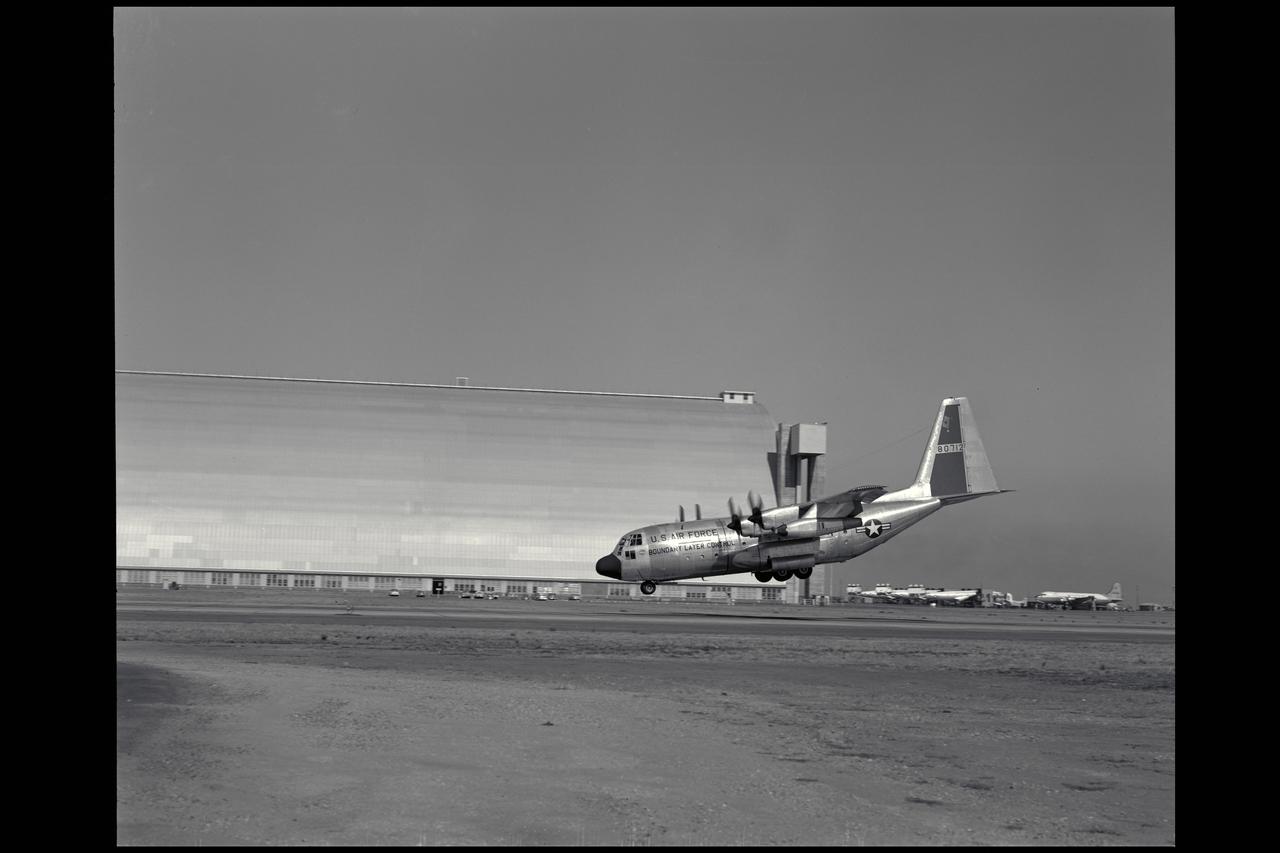
Lockheed NC-130B (AF58-712) Aircraft. A Study of STOL Operational Techniques; landing approach. Nose-low pitch attitude of the aircraft was required in wave-off (or go-around) at 85 knots with flaps 70 degrees. An increase in stall-speed margin could be required to produce a more positive climb angle. (Nov 1962) Note: Used in publication in Flight Research at Ames; 57 Years of Development and Validation of Aeronautical Technology NASA SP-1998-3300 fig. 104; 60yrs at Ames, Atmosphere of Freedom NASA SP-2000-4314
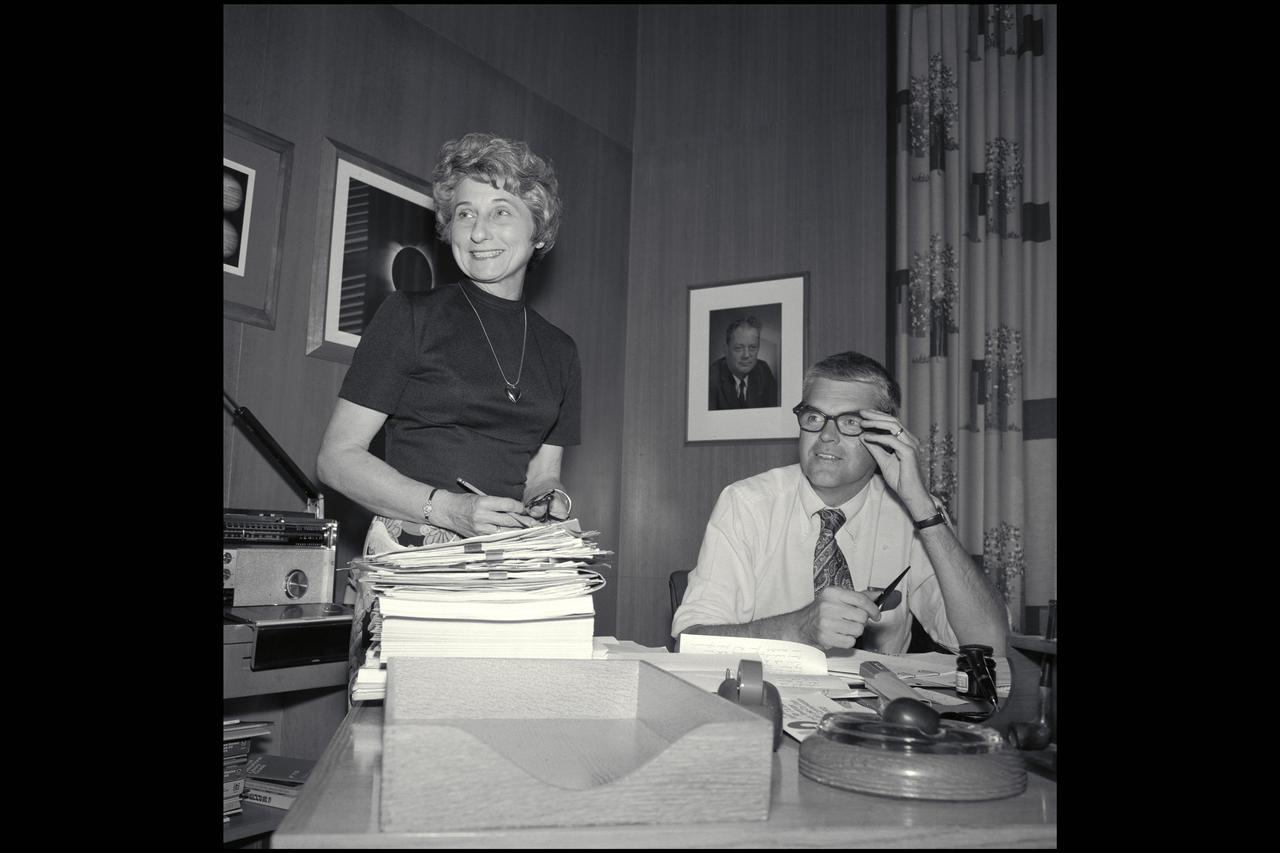
Dr Hans Mark, Ames Director in his office with his secretary Edie Watson
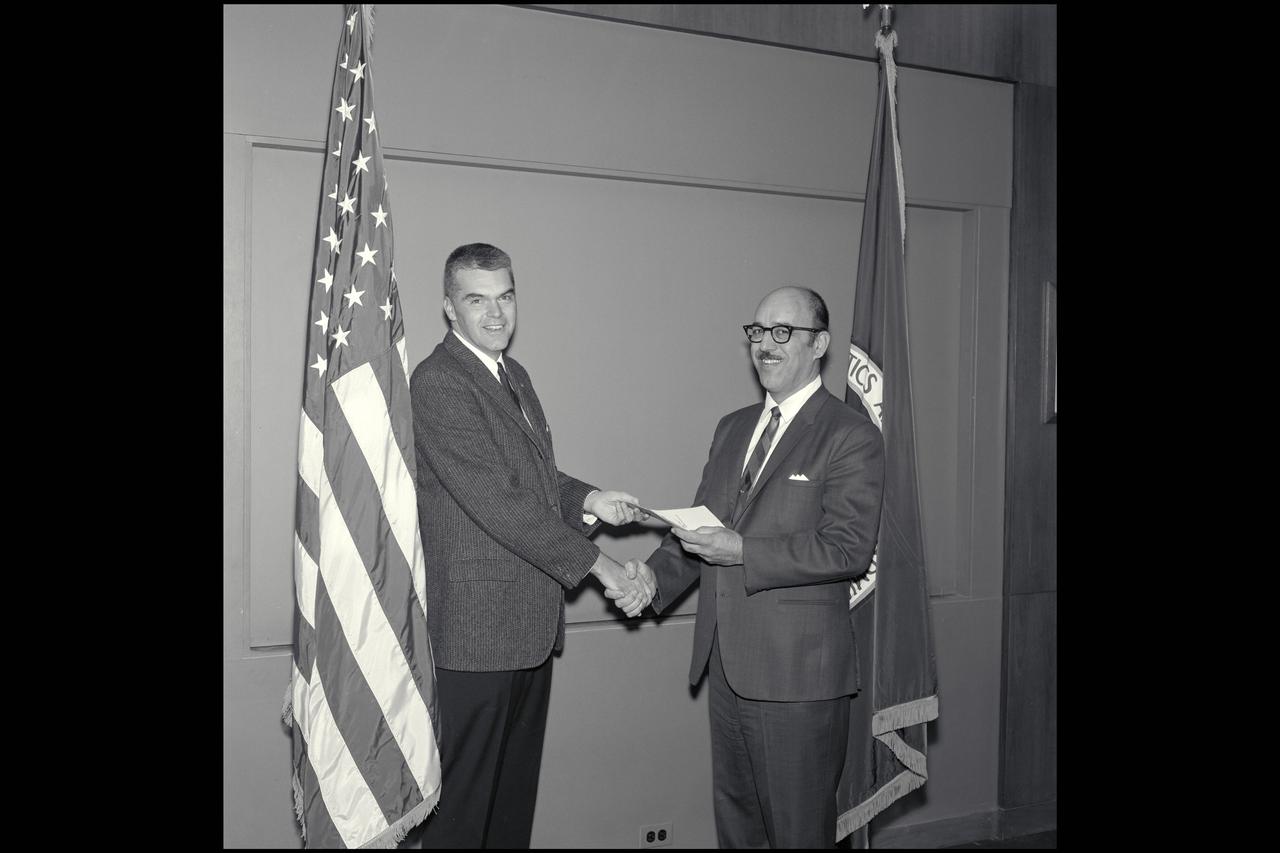
Dr Hans Mark presents Patent award to John Dimeff
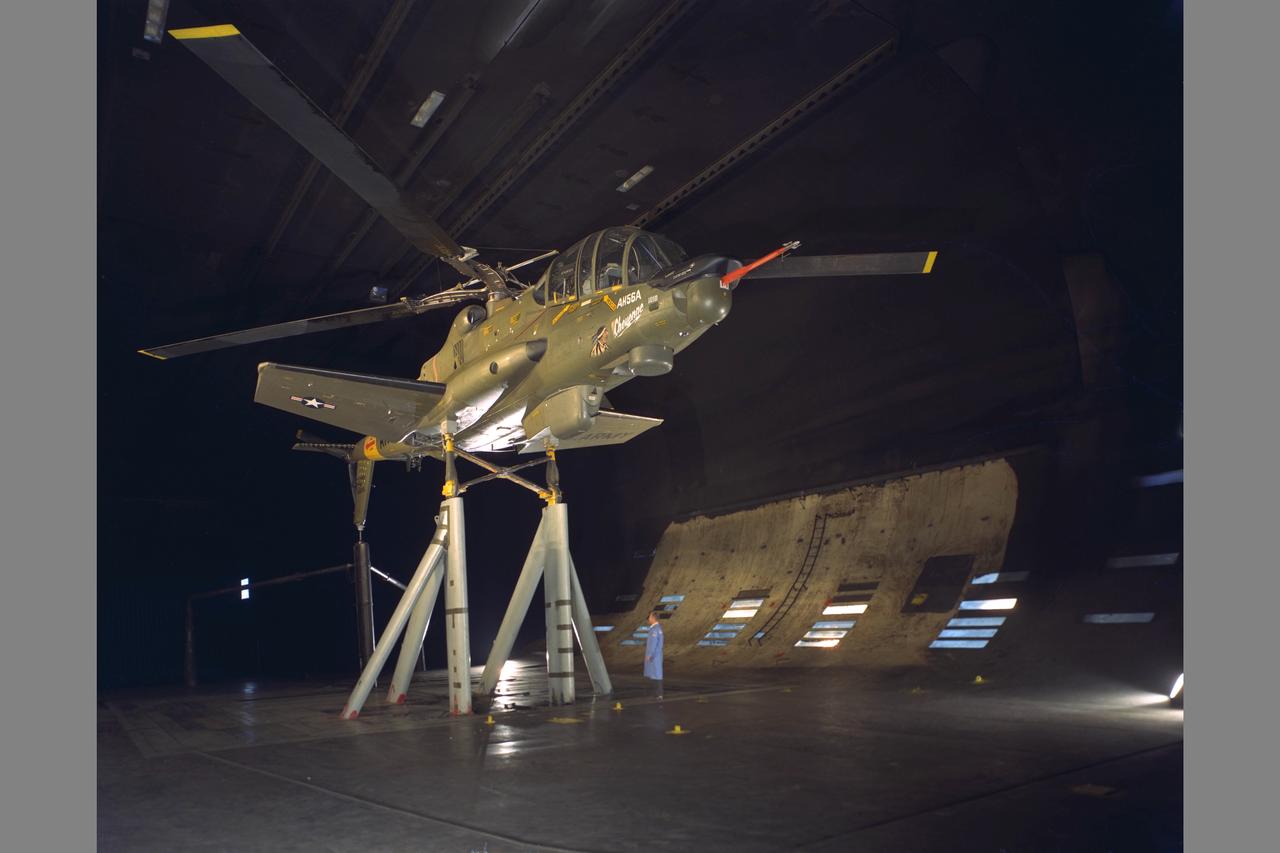
Lockheed AH-56 Helicopter; Cheyenne, 40 x 80 ft. Wind Tunnel. (3/4 front view)
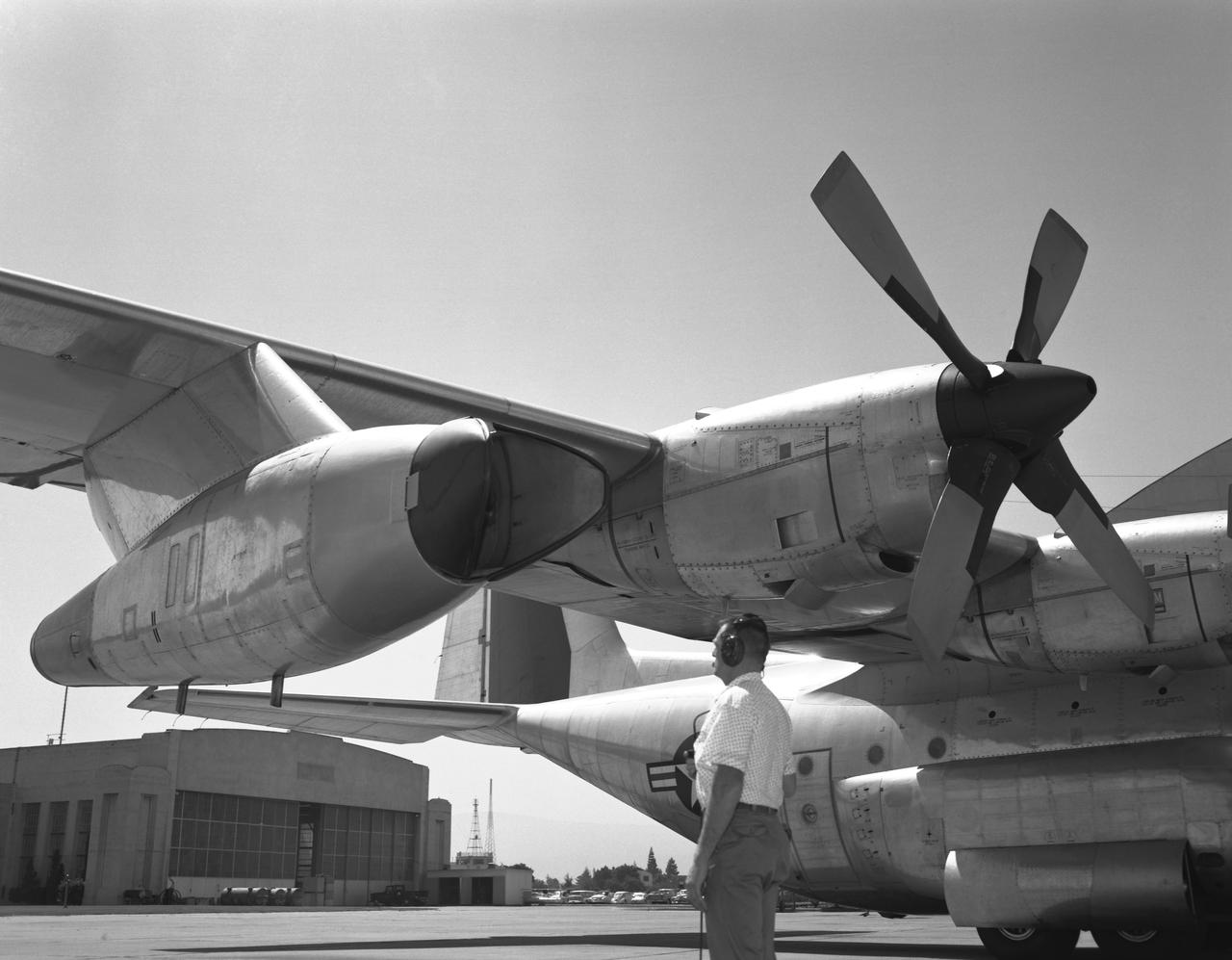
close up of CLAM SHELL. NC-130B Aircraft. A Study of STOL Operational Techniques. BLC instrumentation
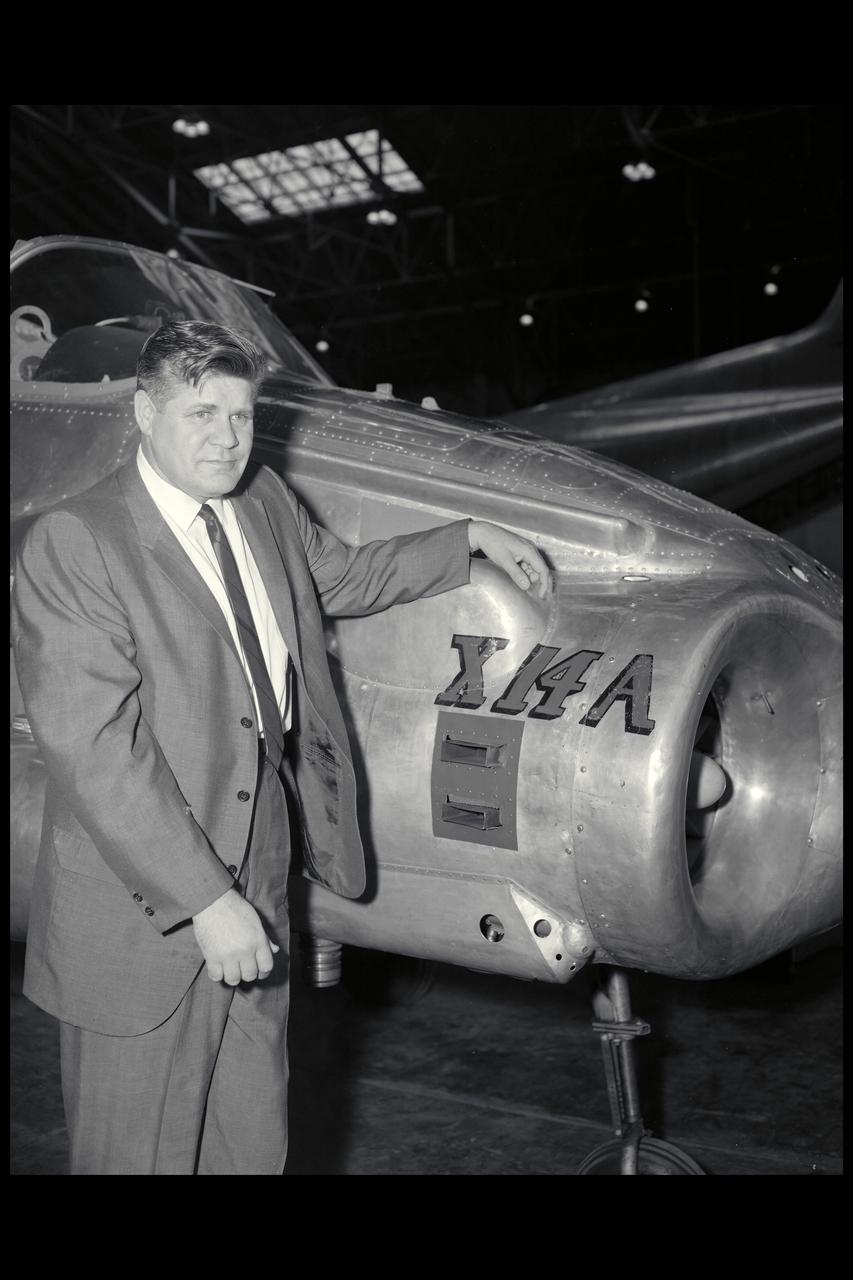
Woody Cook standing by X-14
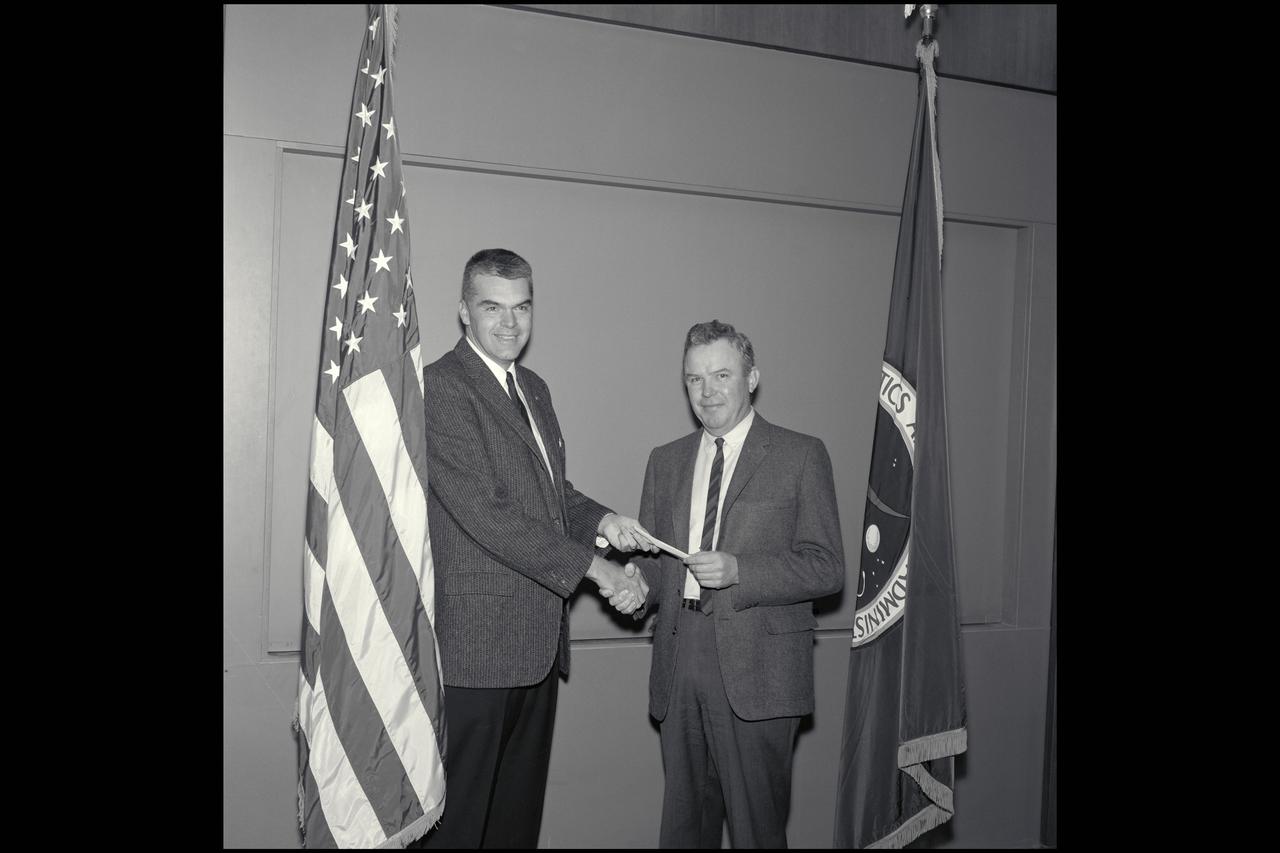
Dr Hans Mark presents Patent award to Harvard 'Harv' Lomax
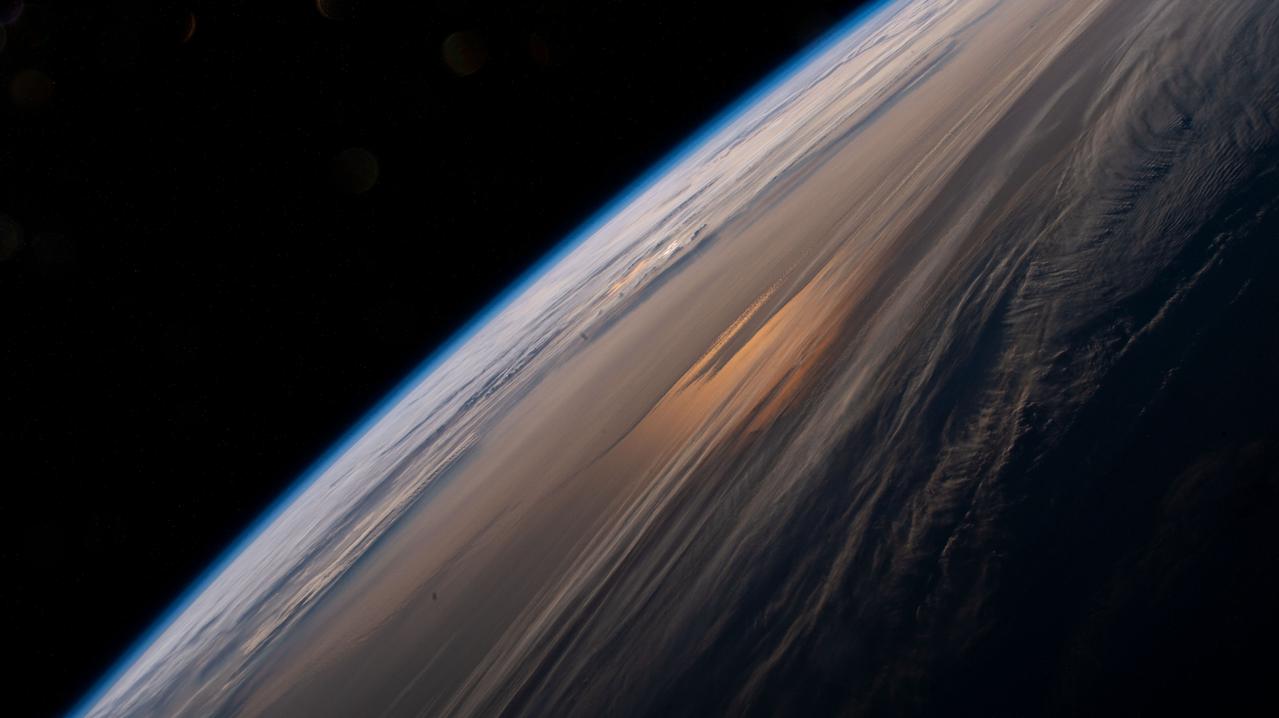
iss065e009308 (April 28, 2021) --- The early morning hues of an orbital sunrise are pictured from the International Space Station as it soared 264 miles above the China-Russia border in far eastern Asia near the the Sea of Japan.

Stability and Control Branch Photo: Names, rows front to back, people left to right: Row 1: 1. ?? Graduate Student (USAF) 2. Robert Dunning 3. Rhonda Harvey Poppen 4. Katherine G. Johnson 5. ?? Graduate Student (USAF) 6. Vladislav Klein Row 2: 1. Mario Smith 2. Jeff Williams 3. N. Sundararajan 4. Tony Fontana 5. John Young Row 3: 1. Lawrence Taylor 2. Jim Batterson 3. Suresh Joshi 4. Daniel P. Giesy Row 4: 1. Bill Suit 2. Albert A. Schy 3. Al Hamer 4. Ernest Armstrong 5. Claude Keckler Row 5: 1. Chris Brown 2. Robert Bullock 3. Ray Montgomery 4. Jim Williams 5. Sahajendra Singh 6. Graduate Student (Egypt) Names given by Daniel P. Giesy.
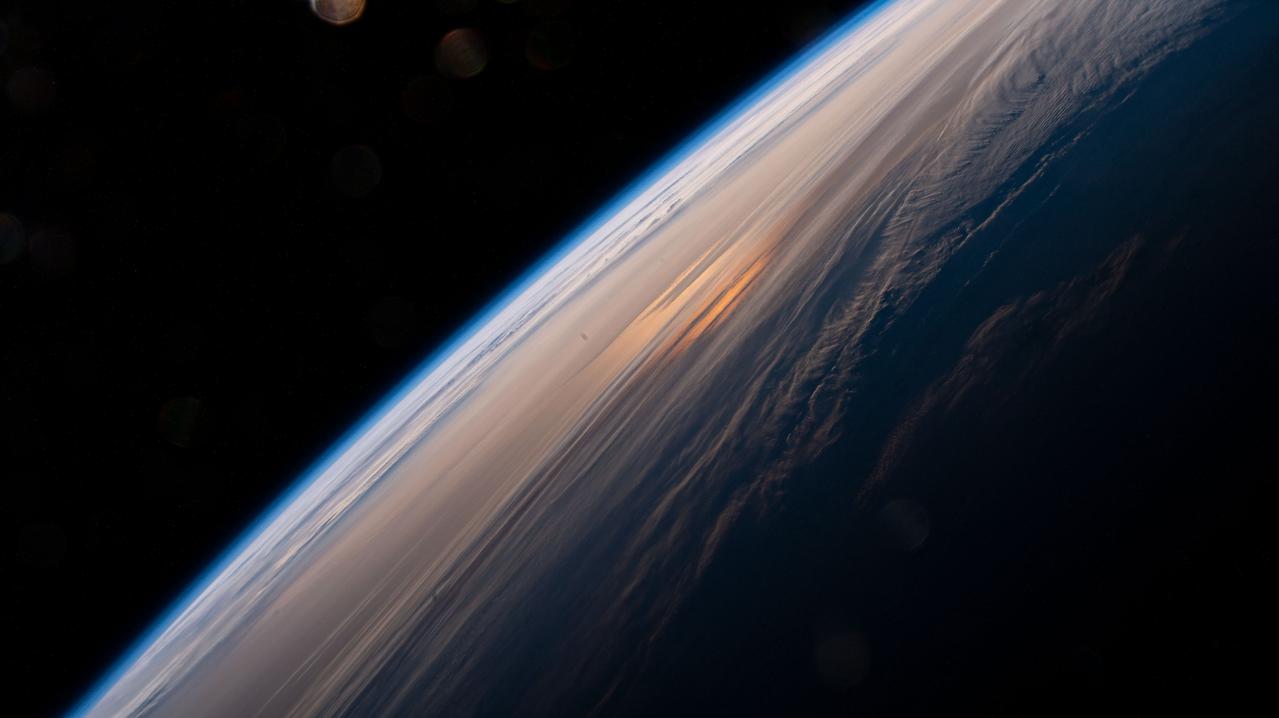
iss065e009307 (April 28, 2021) --- The early morning hues of an orbital sunrise are pictured from the International Space Station as it soared 264 miles above the China-Russia border in far eastern Asia near the the Sea of Japan.
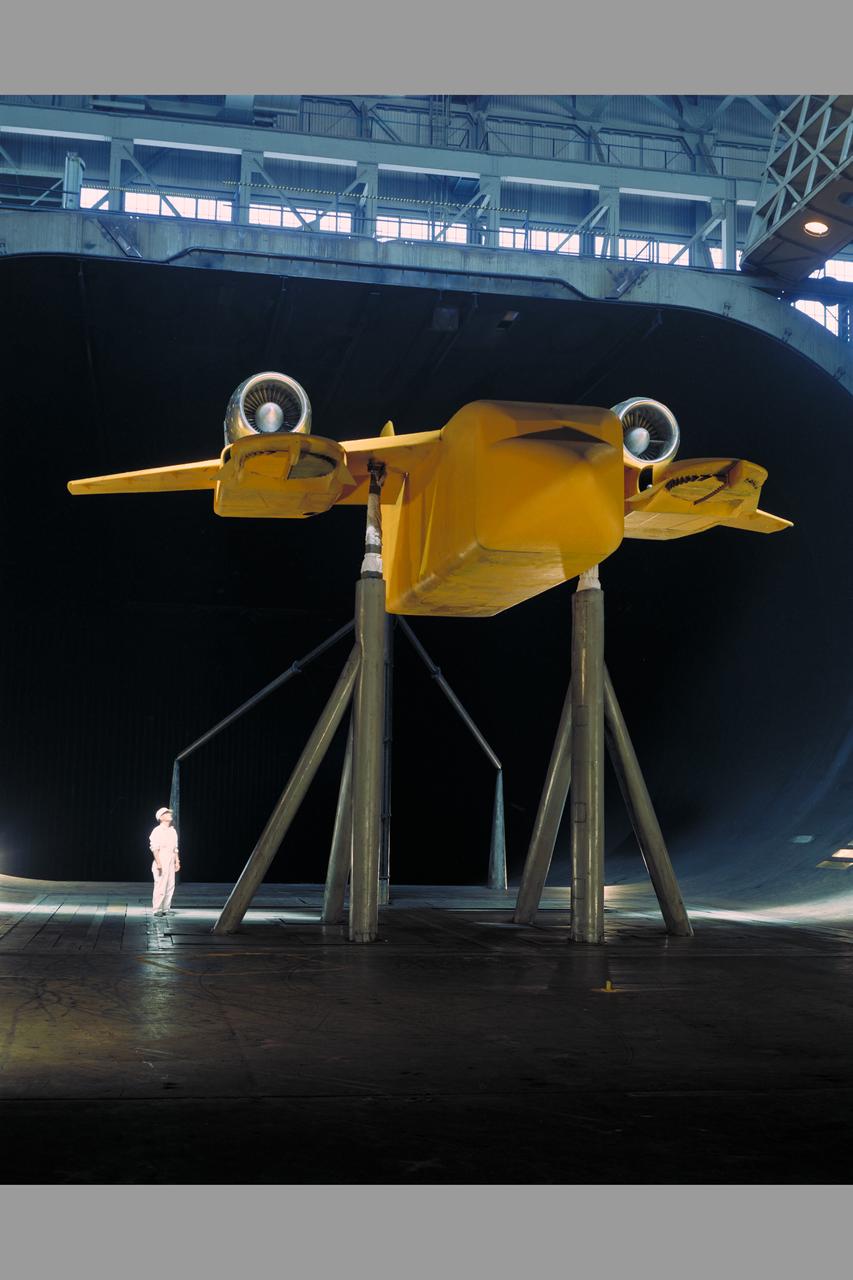
V/STOL Lift -cruise fan transport with Stan Dickenson in 40 x 80 ft. W. T.
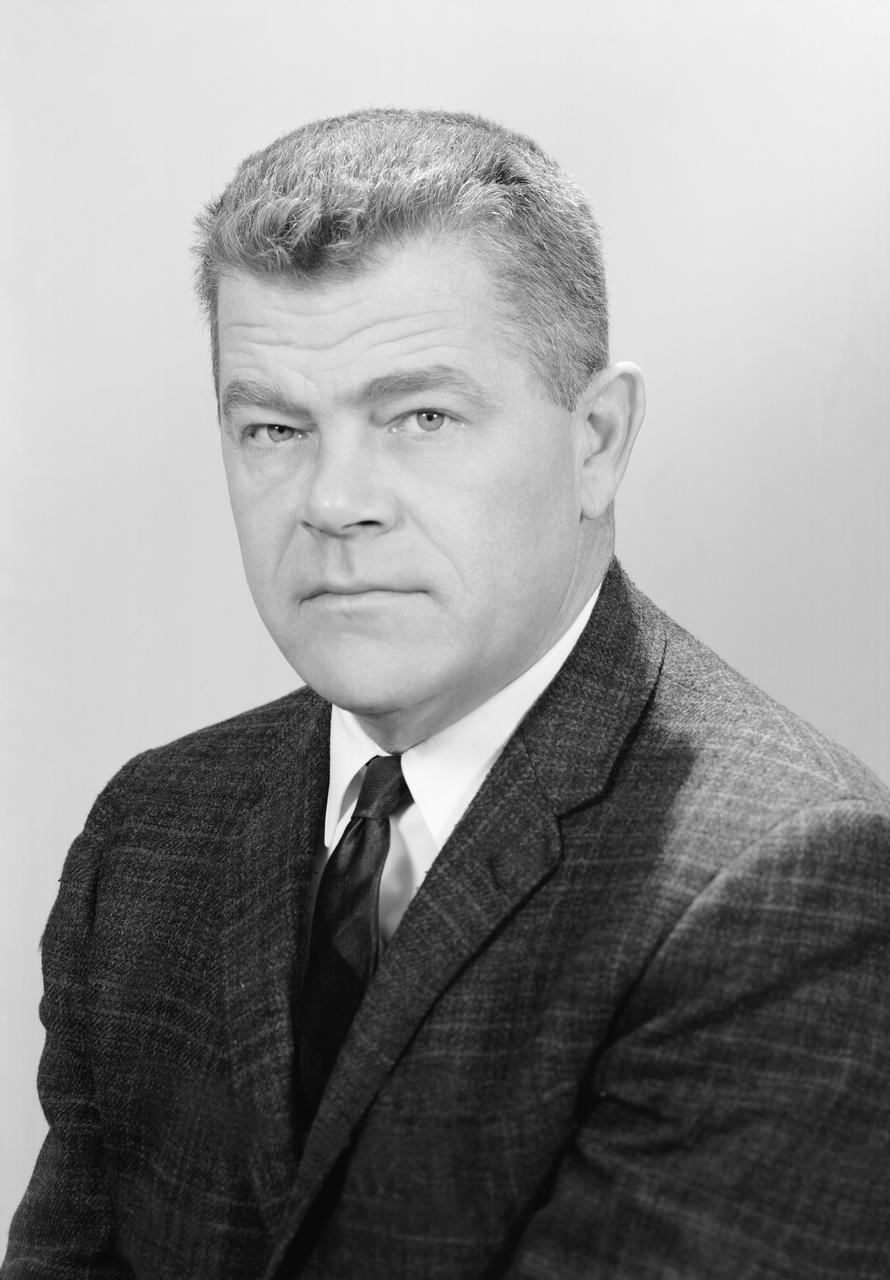
Portrait of Author W. Vogeley
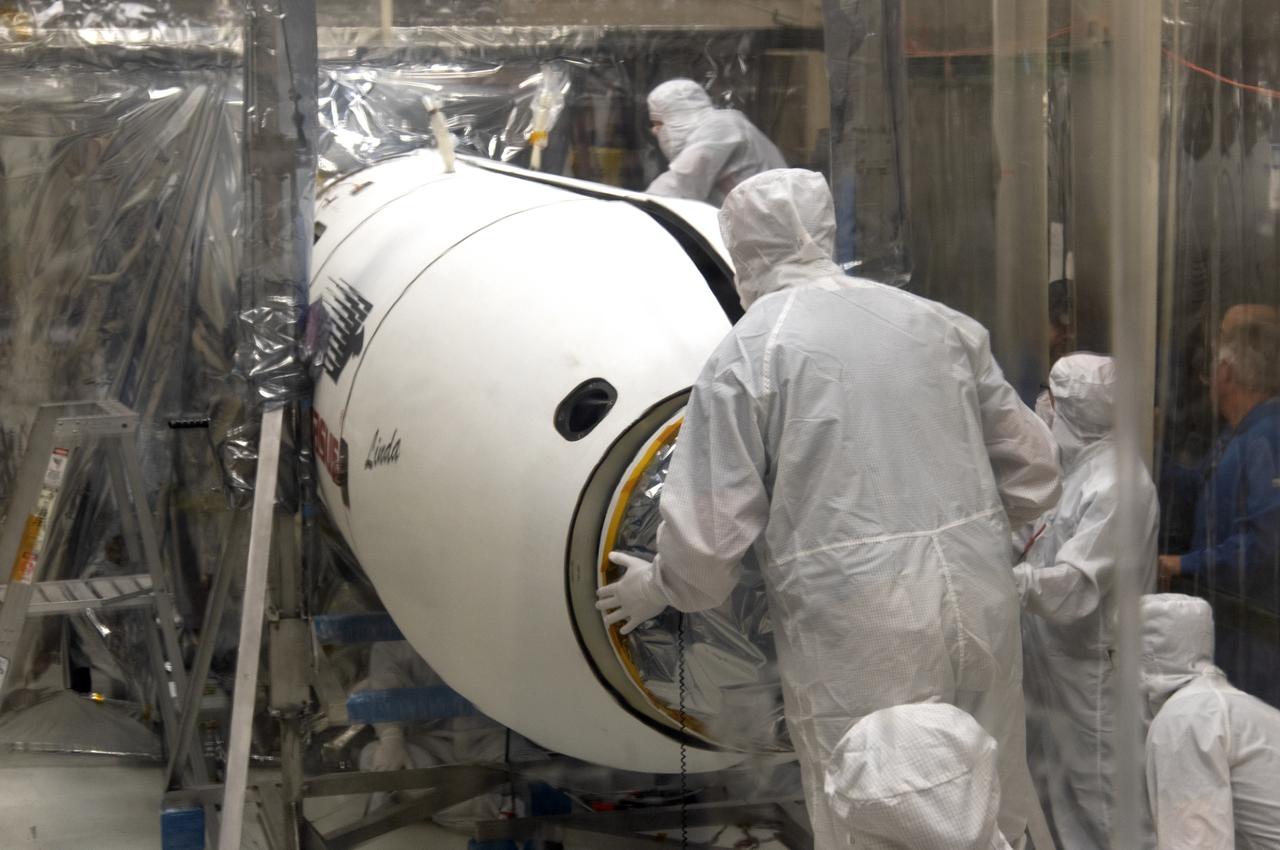
Inside a clean room in Building 1555 at Vandenberg Air Force Base in California, technicians complete installation of the Northrop Grumman Pegasus XL port and starboard payload fairings around NASA's Ionospheric Connection Explorer (ICON) on Aug. 22, 2018. ICON is being prepared for its launch on the Pegasus XL rocket, which is attached beneath the company's L-1011 Stargazer aircraft. Launch is scheduled for Oct. 26, from the Skid Strip at Cape Canaveral Air Force Station in Florida. ICON will study the frontier of space - the dynamic zone high in Earth's atmosphere where terrestrial weather from below meets space weather above. The explorer will help determine the physics of Earth's space environment and pave the way for mitigating its effects on our technology, communications systems and society.

Inside a clean room in Building 1555 at Vandenberg Air Force Base in California, technicians begin to install the first half of the Northrop Grumman Pegasus XL payload fairing around NASA's Ionospheric Connection Explorer (ICON) on Aug. 22, 2018. ICON is being prepared for its launch on the Pegasus XL rocket, which is attached beneath the company's L-1011 Stargazer aircraft. Launch is scheduled for Oct. 26, from the Skid Strip at Cape Canaveral Air Force Station in Florida. ICON will study the frontier of space - the dynamic zone high in Earth's atmosphere where terrestrial weather from below meets space weather above. The explorer will help determine the physics of Earth's space environment and pave the way for mitigating its effects on our technology, communications systems and society.
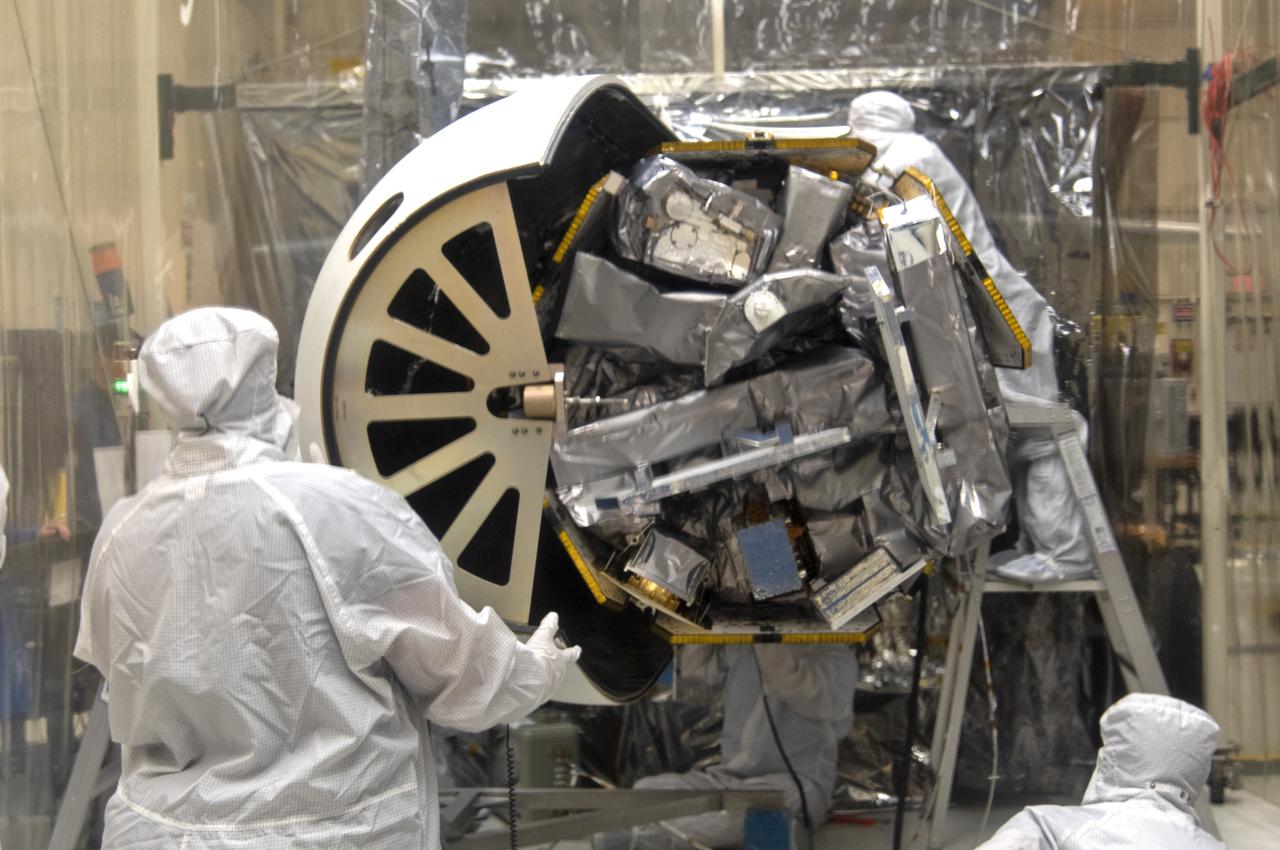
Inside a clean room in Building 1555 at Vandenberg Air Force Base in California, technicians begin to install the first half of the Northrop Grumman Pegasus XL payload fairing around NASA's Ionospheric Connection Explorer (ICON) on Aug. 22, 2018. ICON is being prepared for its launch on the Pegasus XL rocket, which is attached beneath the company's L-1011 Stargazer aircraft. Launch is scheduled for Oct. 26, from the Skid Strip at Cape Canaveral Air Force Station in Florida. ICON will study the frontier of space - the dynamic zone high in Earth's atmosphere where terrestrial weather from below meets space weather above. The explorer will help determine the physics of Earth's space environment and pave the way for mitigating its effects on our technology, communications systems and society.
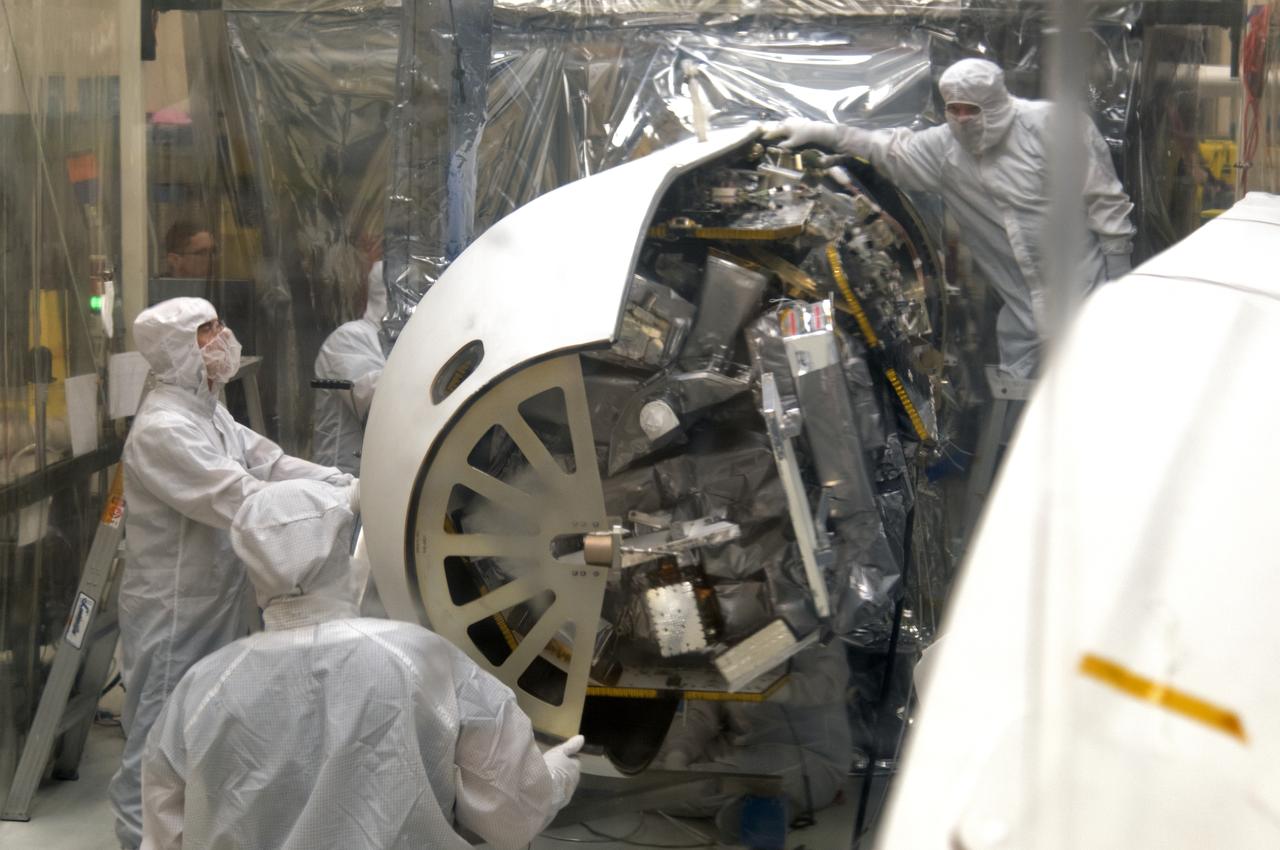
Inside a clean room in Building 1555 at Vandenberg Air Force Base in California, technicians install the first half of the Northrop Grumman Pegasus XL payload fairing around NASA's Ionospheric Connection Explorer (ICON) on Aug. 22, 2018. ICON is being prepared for its launch on the Pegasus XL rocket, which is attached beneath the company's L-1011 Stargazer aircraft. Launch is scheduled for Oct. 26, from the Skid Strip at Cape Canaveral Air Force Station in Florida. ICON will study the frontier of space - the dynamic zone high in Earth's atmosphere where terrestrial weather from below meets space weather above. The explorer will help determine the physics of Earth's space environment and pave the way for mitigating its effects on our technology, communications systems and society.
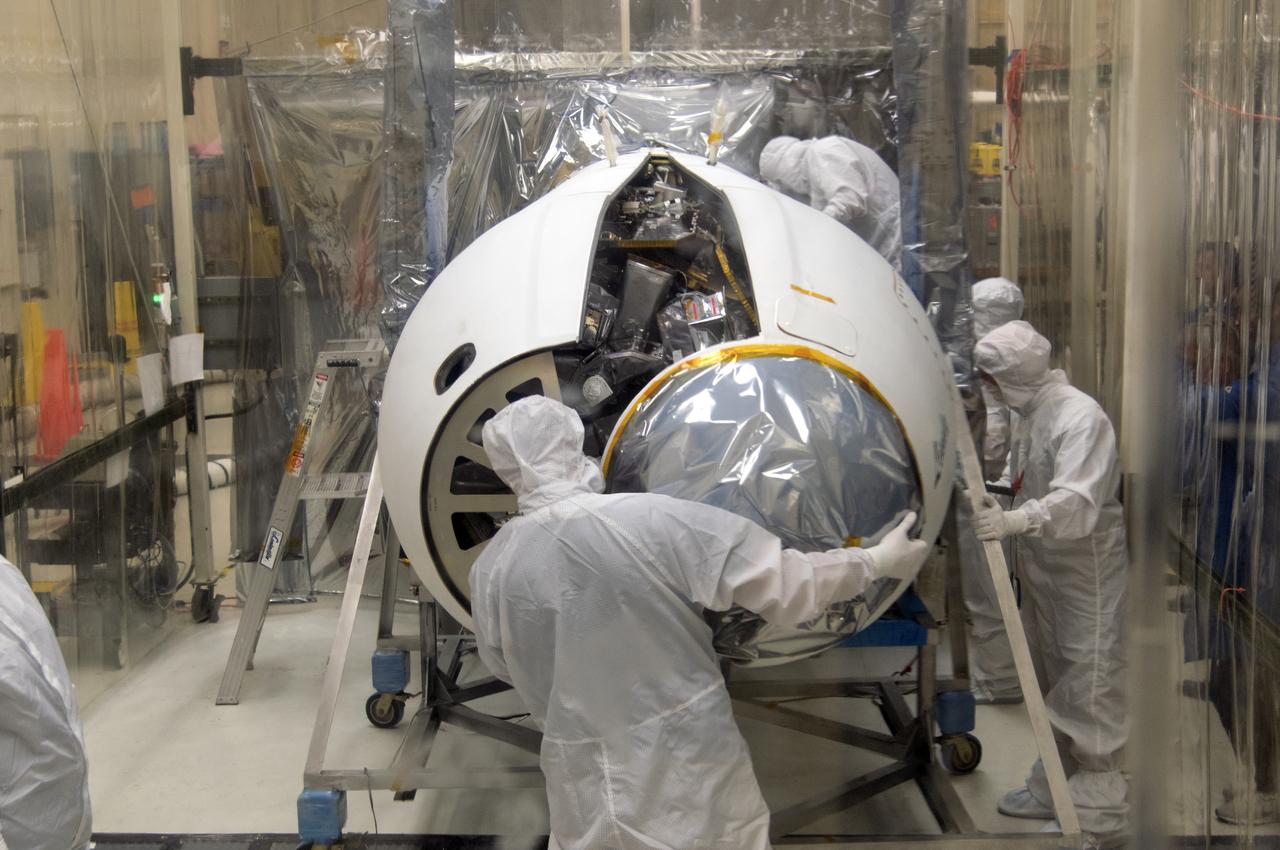
Inside a clean room in Building 1555 at Vandenberg Air Force Base in California, technicians install the second half of the Northrop Grumman Pegasus XL payload fairing around NASA's Ionospheric Connection Explorer (ICON) on Aug. 22, 2018. ICON is being prepared for its launch on the Pegasus XL rocket, which is attached beneath the company's L-1011 Stargazer aircraft. Launch is scheduled for Oct 26, from the Skid Strip at Cape Canaveral Air Force Station in Florida. ICON will study the frontier of space - the dynamic zone high in Earth's atmosphere where terrestrial weather from below meets space weather above. The explorer will help determine the physics of Earth's space environment and pave the way for mitigating its effects on our technology, communications systems and society.