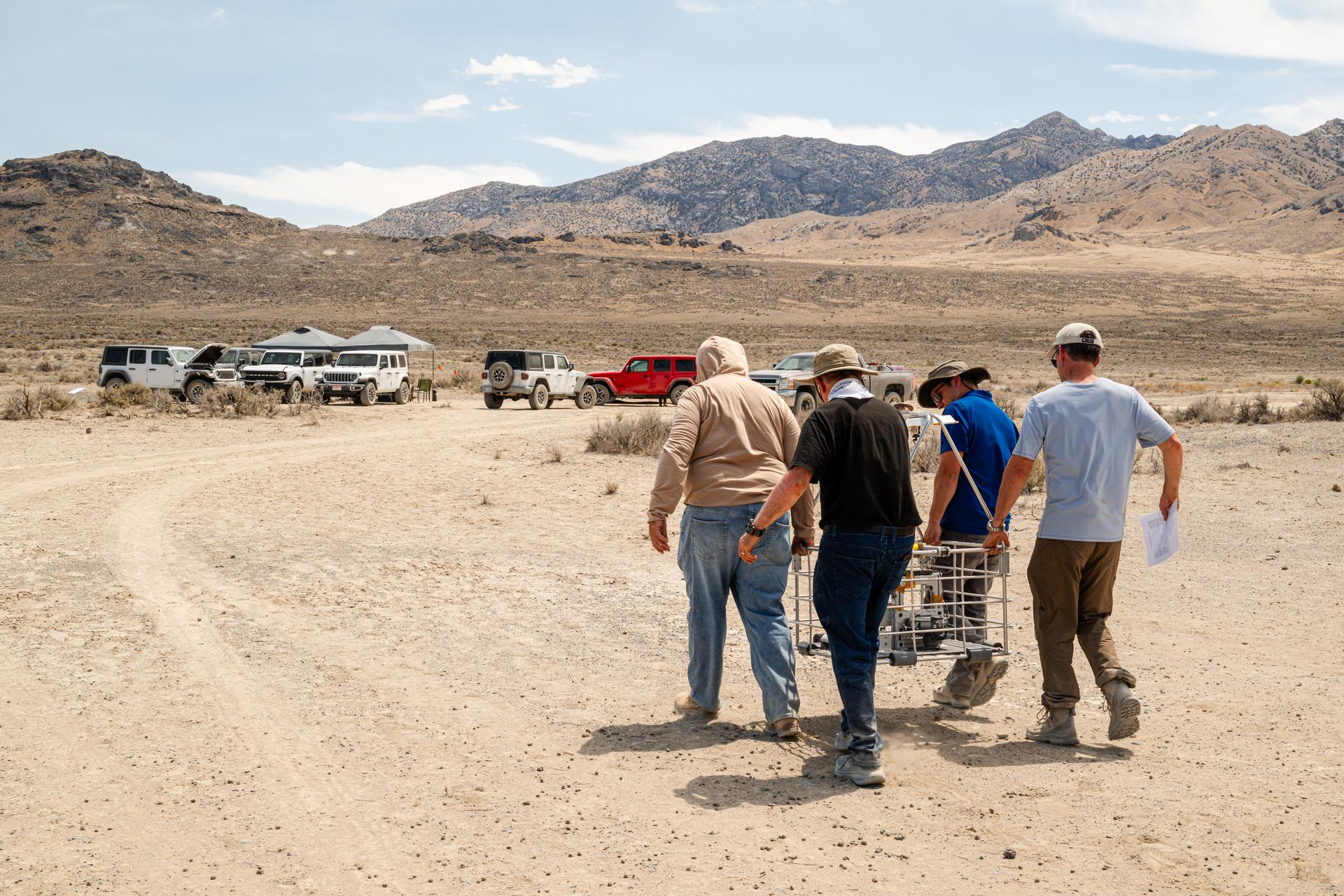
DAVINCI VADIX team carries the VADIX payload from the helicopter back to basecamp so they can retrieve flight data and get the payload back onto the helicopter for the next test flight at Crater Island, Utah, June 24, 2026. NASA/Mike Guinto
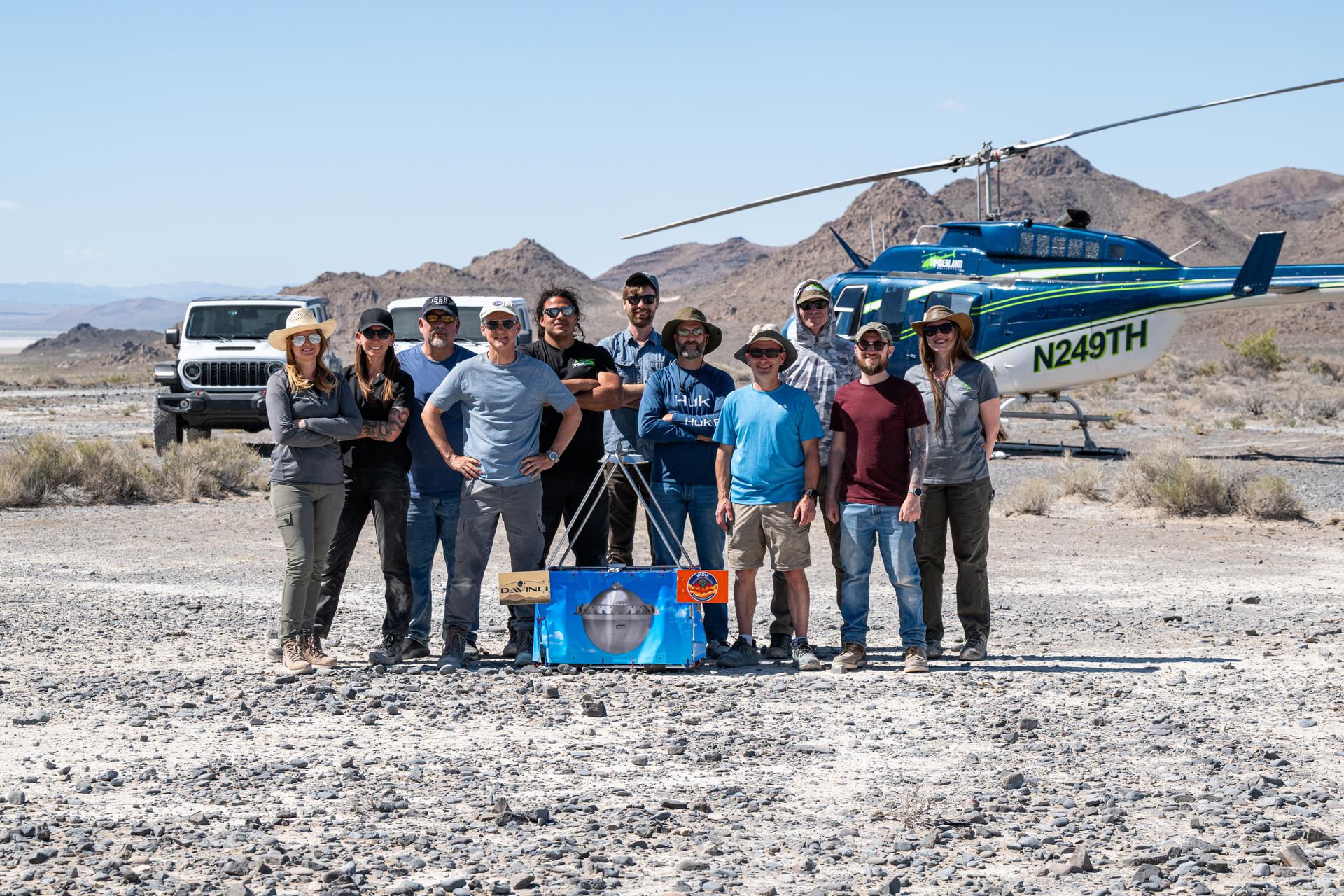
The DAVINCI VADIX dress rehearsal team poses for a group photo at Crater Island, June 4, 2026. From left to right, Erika Kohler, Terra Hardwick, Mike Vitulio, Brent Bos, Will Rivera, Christian Tate, Ben Schumacher, Phil Coulter, Joe Turner, Mike Guinto, Hailey. NASA/MIke Guinto
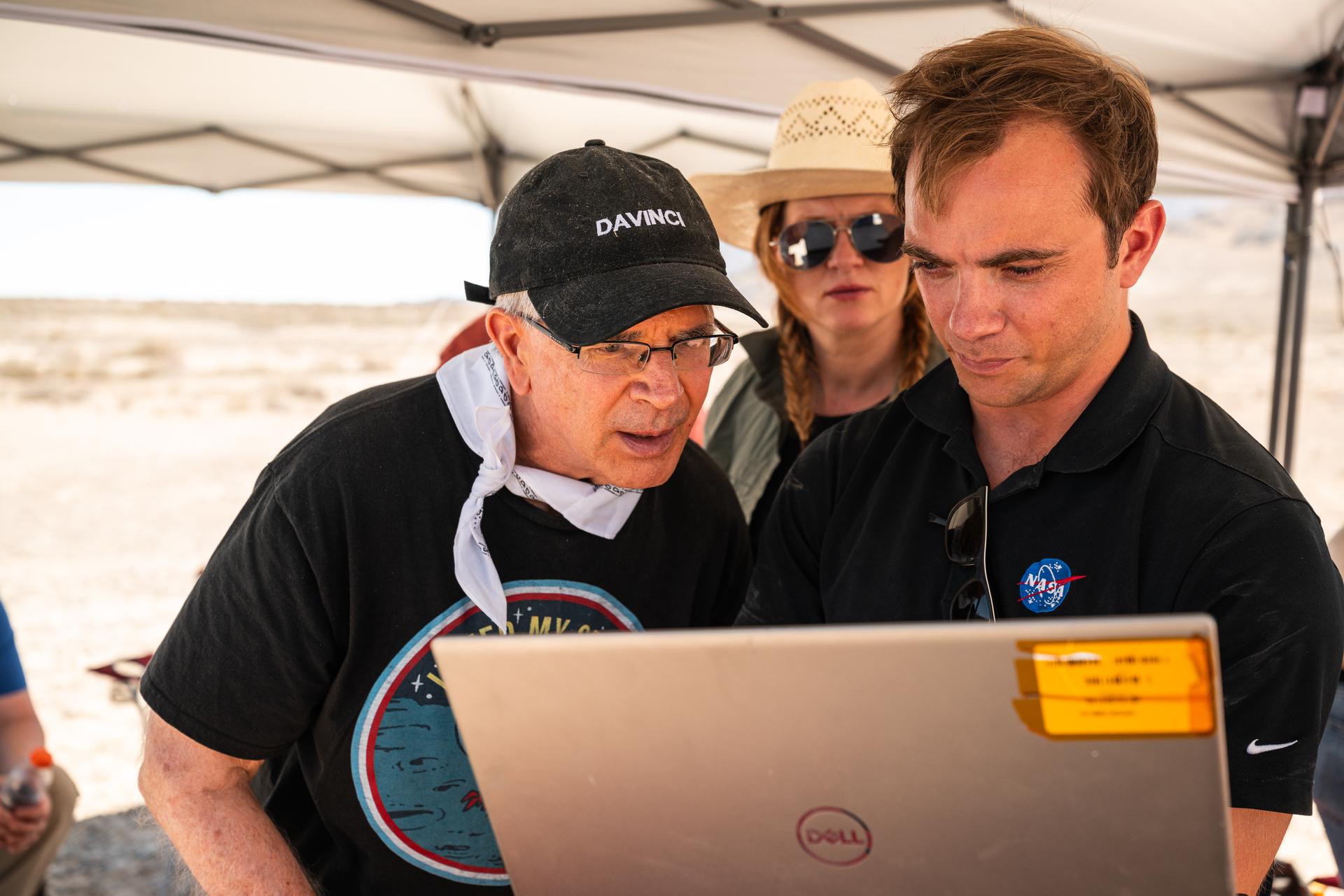
Pictured are DAVINCI’s (left to right) Jim Garvin, mission principal investigator; Erika Kohler, acting deputy principal investigator; and Matthew Mullin, space laser engineer, evaluating flight data in real-time to adapt their future tests to the lessons learned from each flight. The researchers are standing in an area of Crater Island, Utah, which was the site of a series of tests (June 23-25, 2026) of the camera system that will one day fly aboard NASA’s DAVINCI mission probe to Venus.
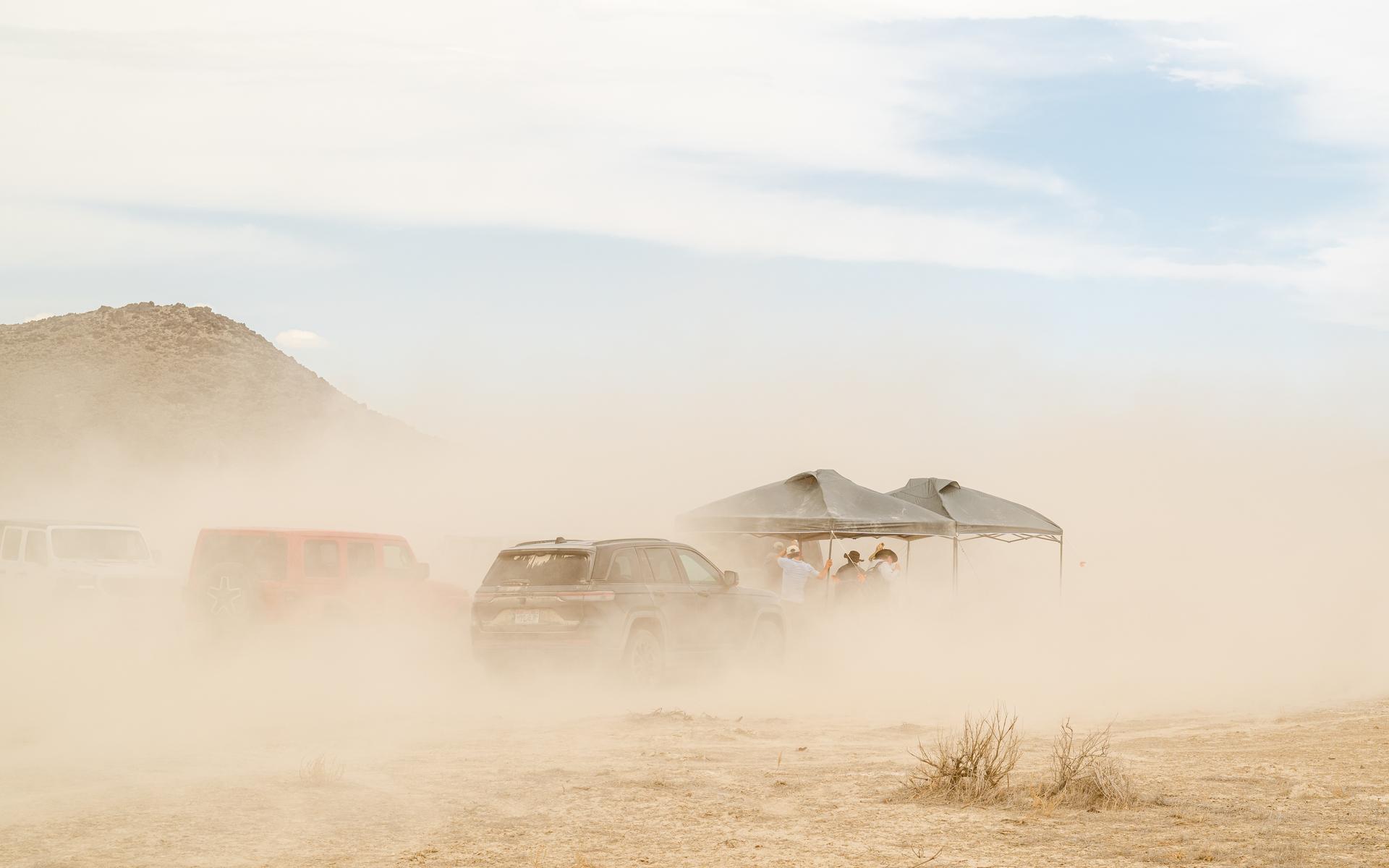
A strong wind kicks up a lot of dirt around the DAVINCI VADIX basecamp at Crater Island, Utah, June 24, 2026. This area was the site of a series of tests (June 23-25, 2026) of the camera system that will one day fly aboard NASA’s DAVINCI mission to Venus. NASA/Mike Guinto
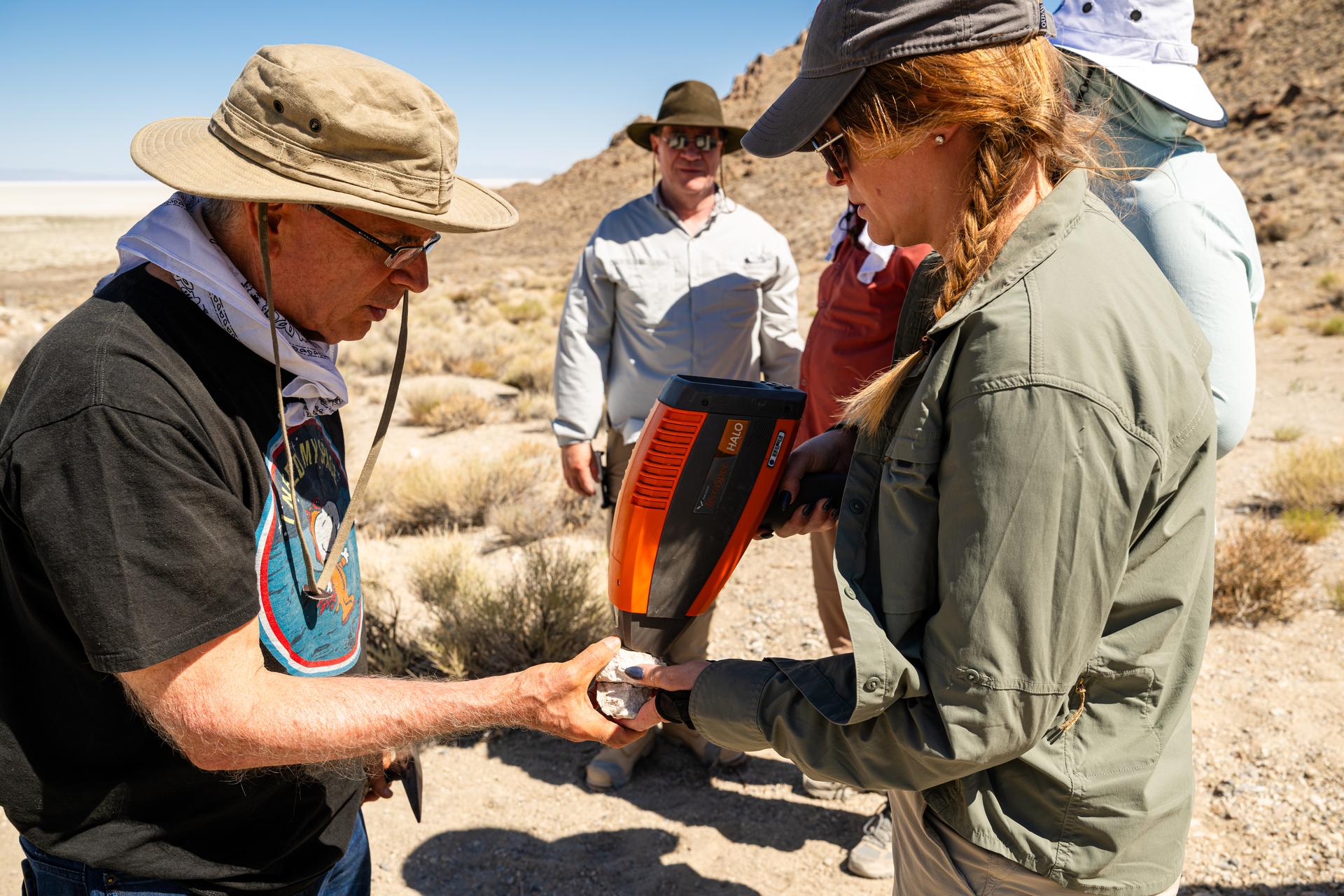
Dr. Jim Garvin, mission principal investigator, left, and Dr. Erika Kohler, acting deputy principal investigator, right, take measurements of rock samples found at Crater Island, Utah on June 23, 2026. These samples become the "ground truth" for the measurements from the VADIX prototype camera system which flew over the crater island site, taking photos and measurements from the air. NASA/Mike Guinto
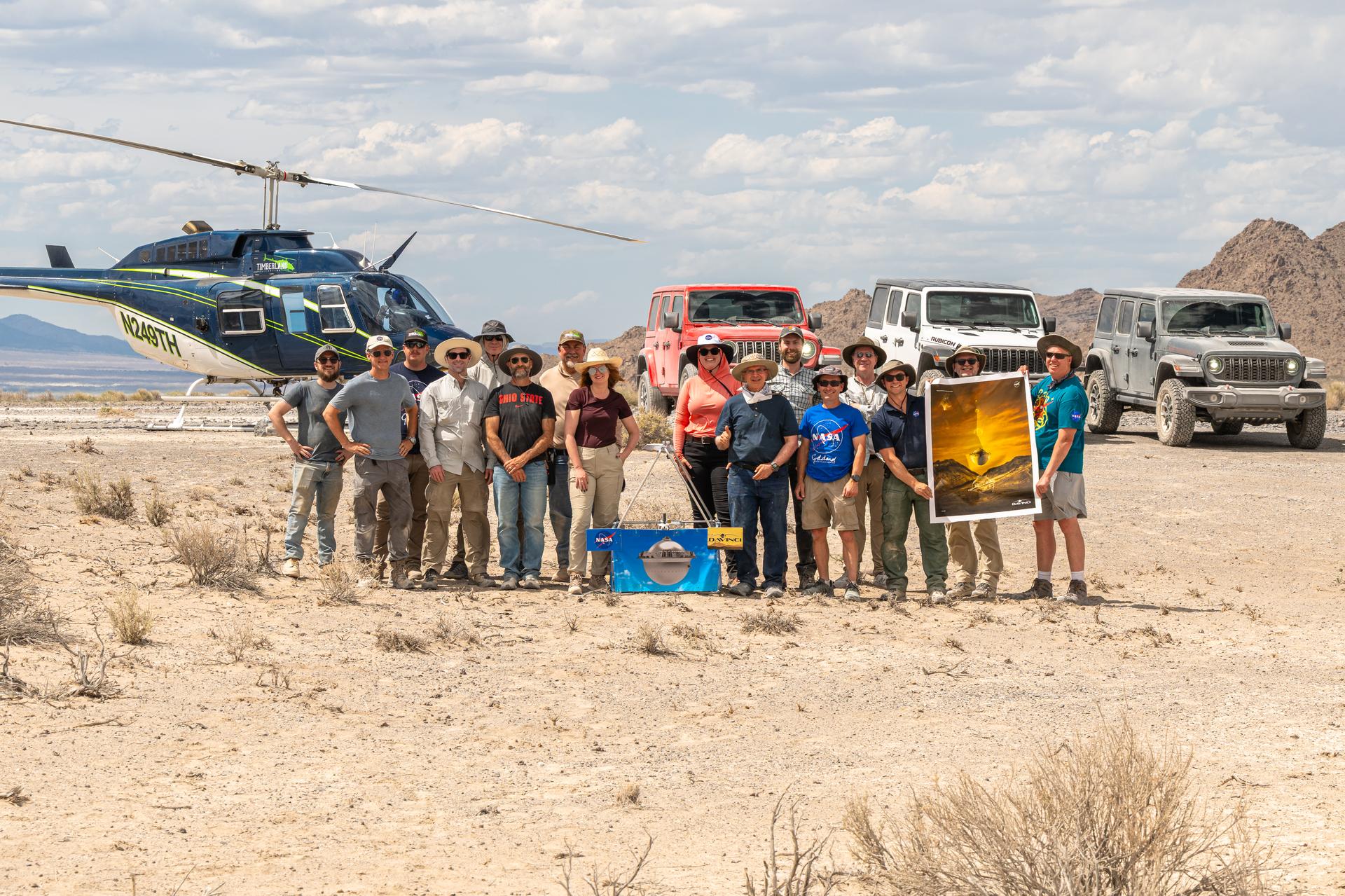
The DAVINCI VADIX team, from left to right, Mike Guinto, Brent Bos, Jason Burt, Dan Gallagher,Joe Turner, Ben Schumacher, Mike Vitulio, Erika Kohler, Lacey Young, Jim Garvin, Christian Tate, Phil Coulter, Mike Ravine, Matt Mullin, Bob Podgurski, Nick Lang; pose for a group photo in front of their vehicles at Crater Island, Utah, June 25, 2026. This area was the site of a series of tests (June 23-25, 2026) of the camera system that will one day fly aboard NASA’s DAVINCI mission to Venus. NASA/Mike Guinto
/GSFC_20260805_DS_000914 (1)~large.jpg)
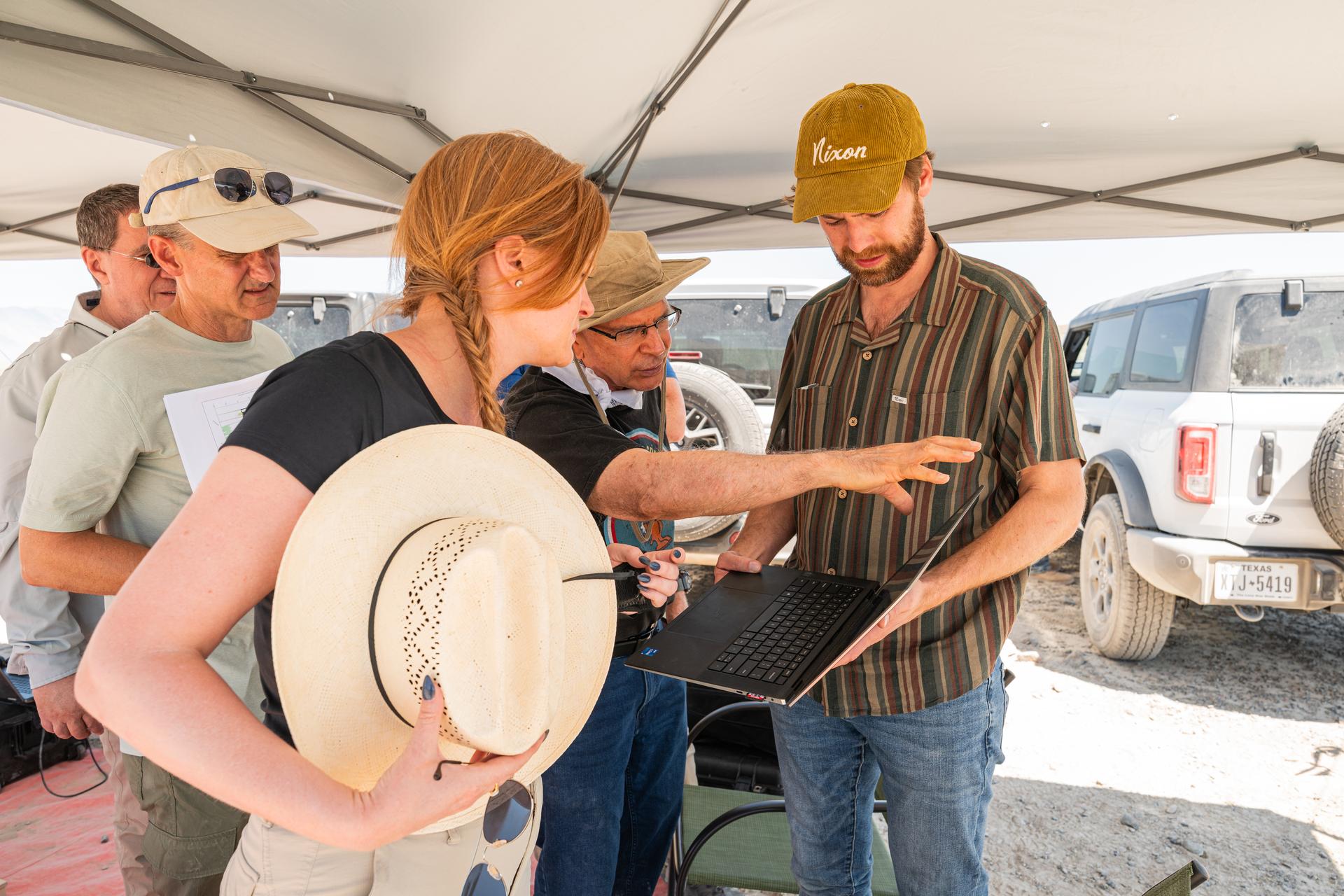
Pictured are DAVINCI’s (left to right) Mike Ravine, Brent Bos, Erika Kohler, Jim Garvin, and Christian Tate, evaluating flight data in real-time to adapt their future tests to the lessons learned from each flight. The researchers are standing in an area of Crater Island, Utah, which was the site of a series of tests (June 23-25, 2026) of the camera system that will one day fly aboard NASA’s DAVINCI mission probe to Venus. NASA/Mike Guinto
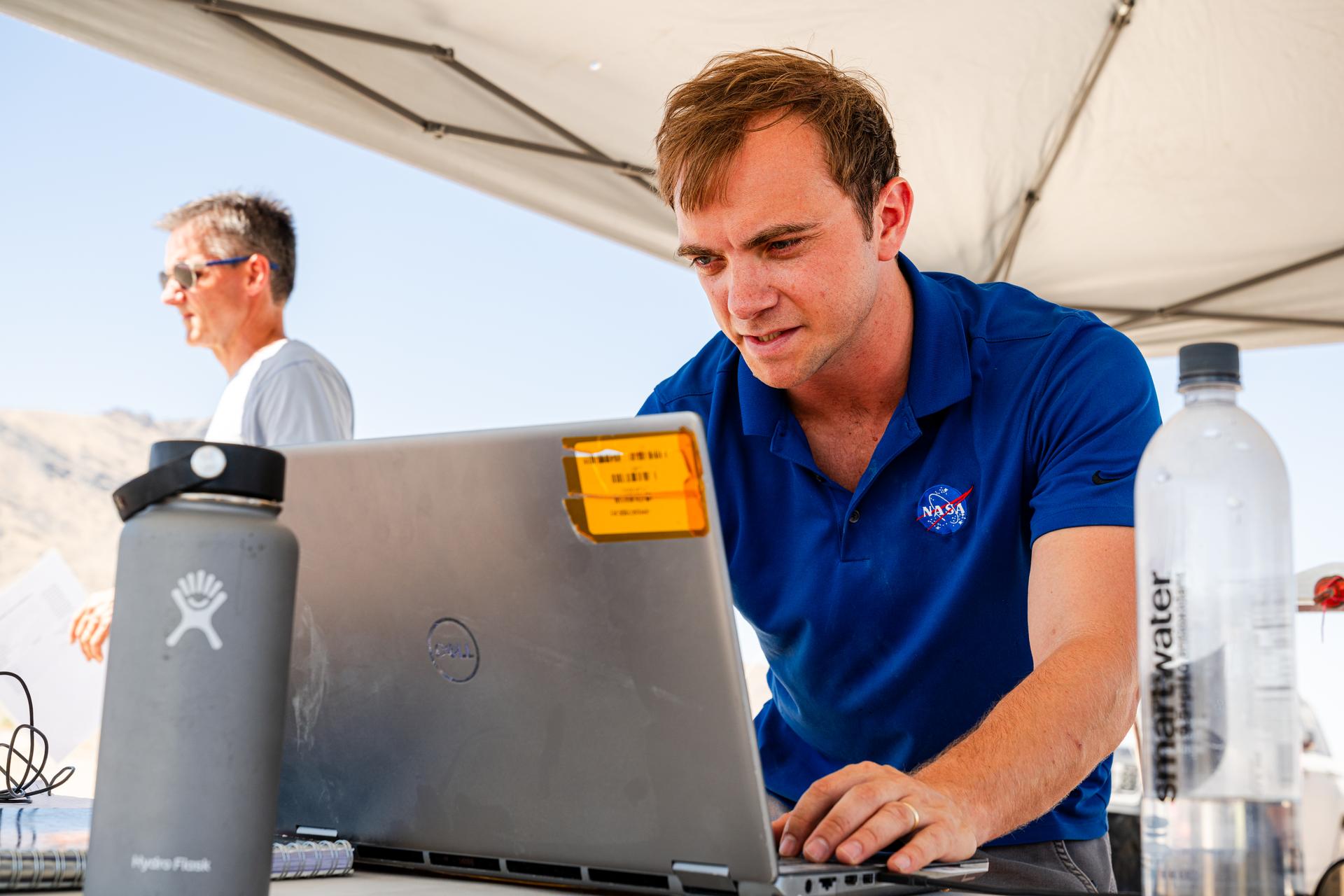
DAVINCI's Matthew Mullin, space laser engineer, reviews data in between test flights at Crater Island, Utah June 24, 2026. NASA/Mike Guinto
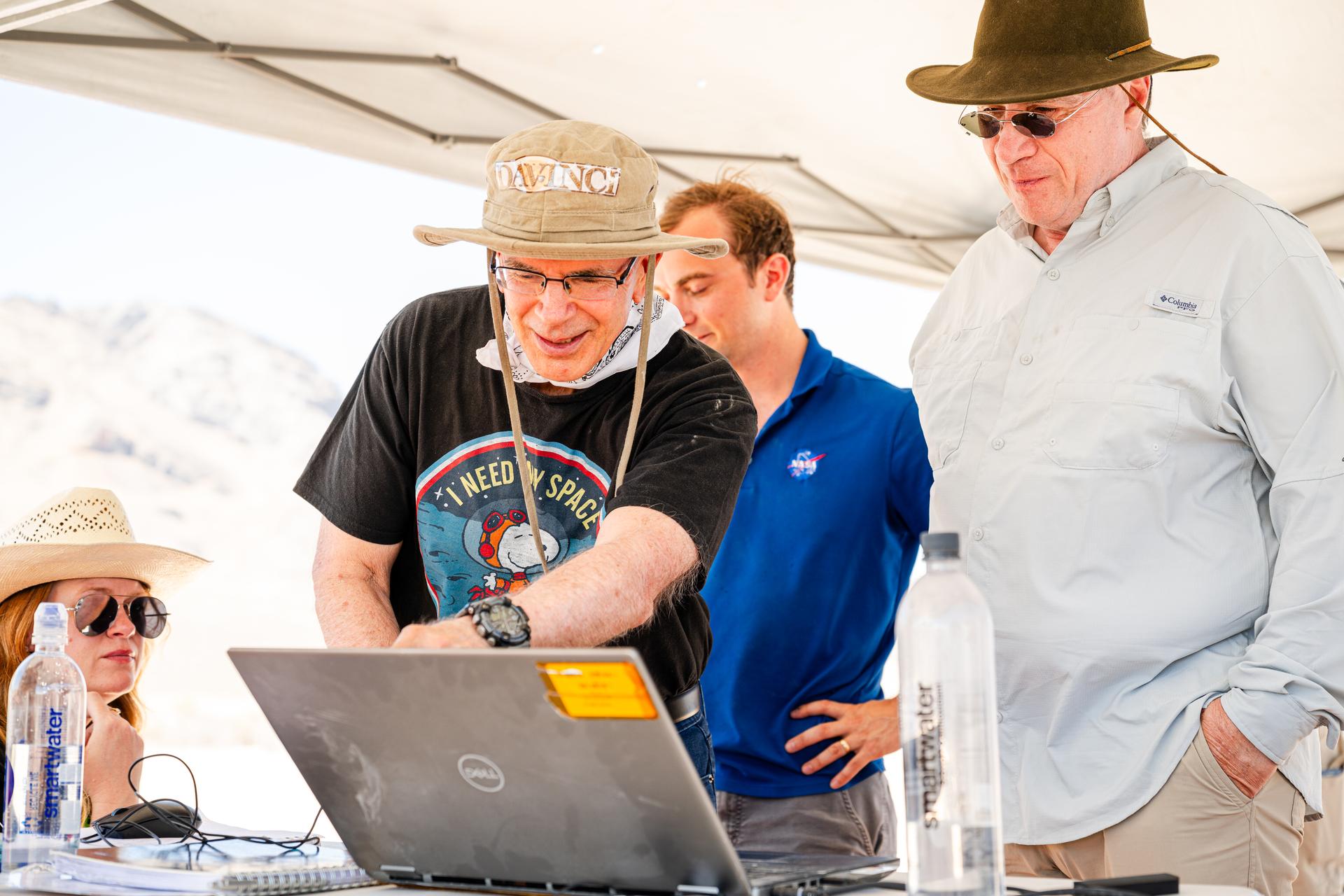
Dr. Jim Garvin, left, and Mike Ravine review flight data inbetween test flights over Crater Island, Utah as part of the DAVINCI VADIX experiment, June 24, 2026. NASA/Mike Guinto
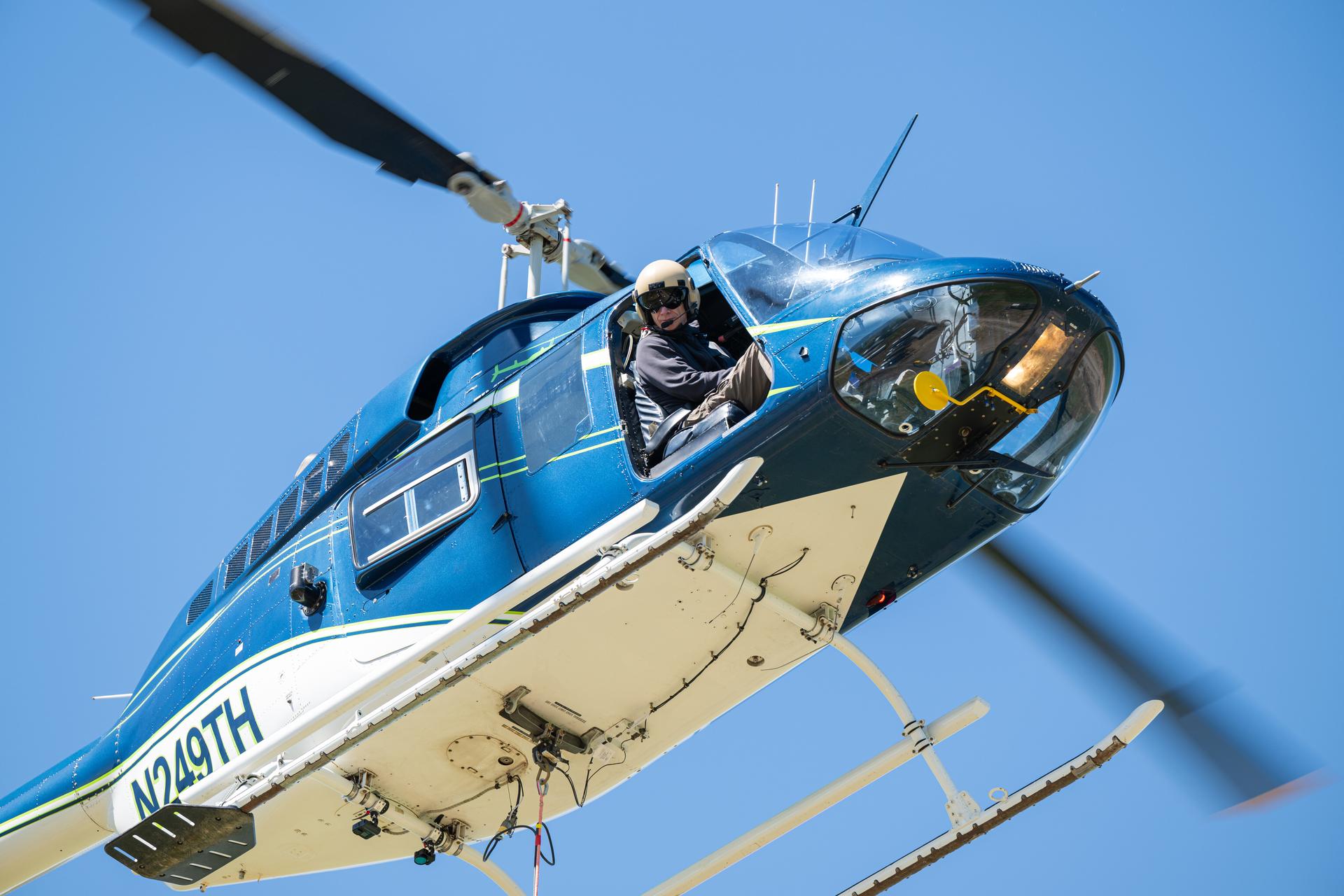
Joe Turner, a pilot with Timberland Helicopters, looks out the window of their helicopter while performing test flights with NASA's DAVINCI VADIX prototype tethered to the helicopter. VADIX is a prototype of a camera system which will one day fly on NASA's DAVINCI mission to Venus. NASA/Mike Guinto
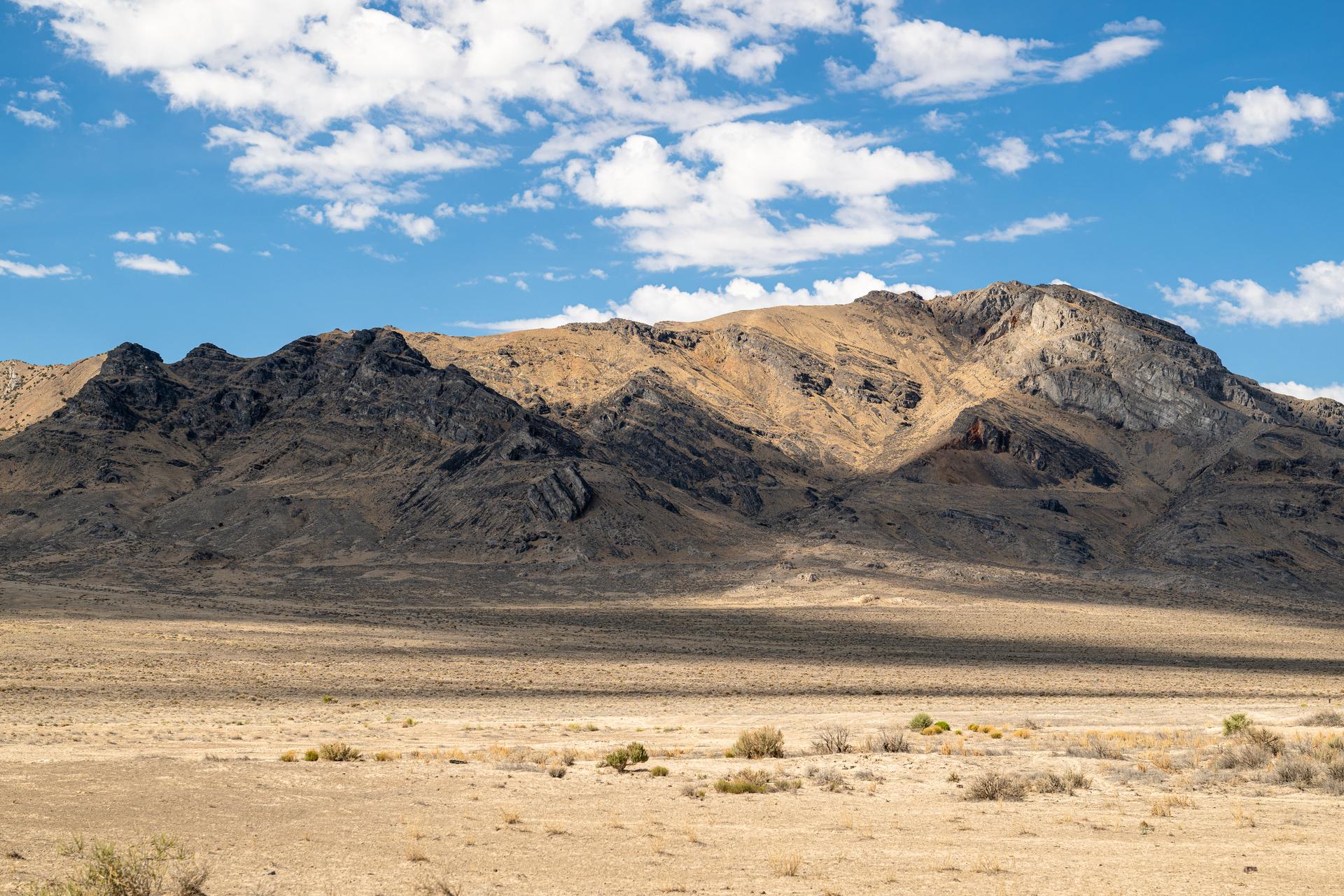
A view from the DAVINCI VADIX Basecamp near Crater Island, Utah, June 25, 2026. This area was the site of a series of tests (June 23-25, 2026) of the camera system that will one day fly aboard NASA’s DAVINCI mission to Venus. NASA/Mike Guinto
/GSFC_20260805_DS_000924 (1)~large.jpg)
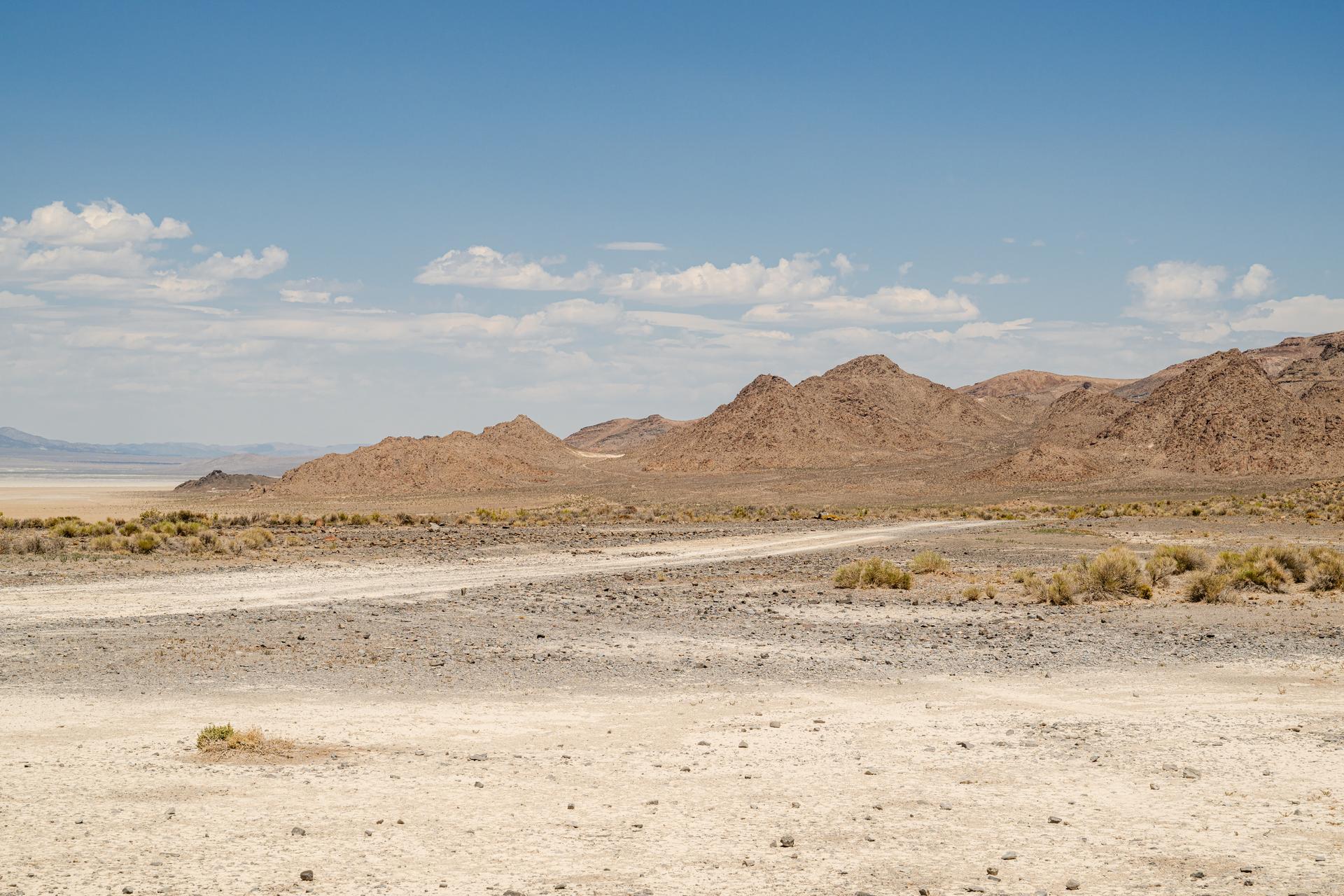
A view of Crater Island from the VADIX Basecamp, Crater Island, Utah June 24, 2026. This area was the site of a series of tests (June 23-25, 2026) of the camera system that will one day fly aboard NASA’s DAVINCI mission to Venus. NASA/Mike Guinto
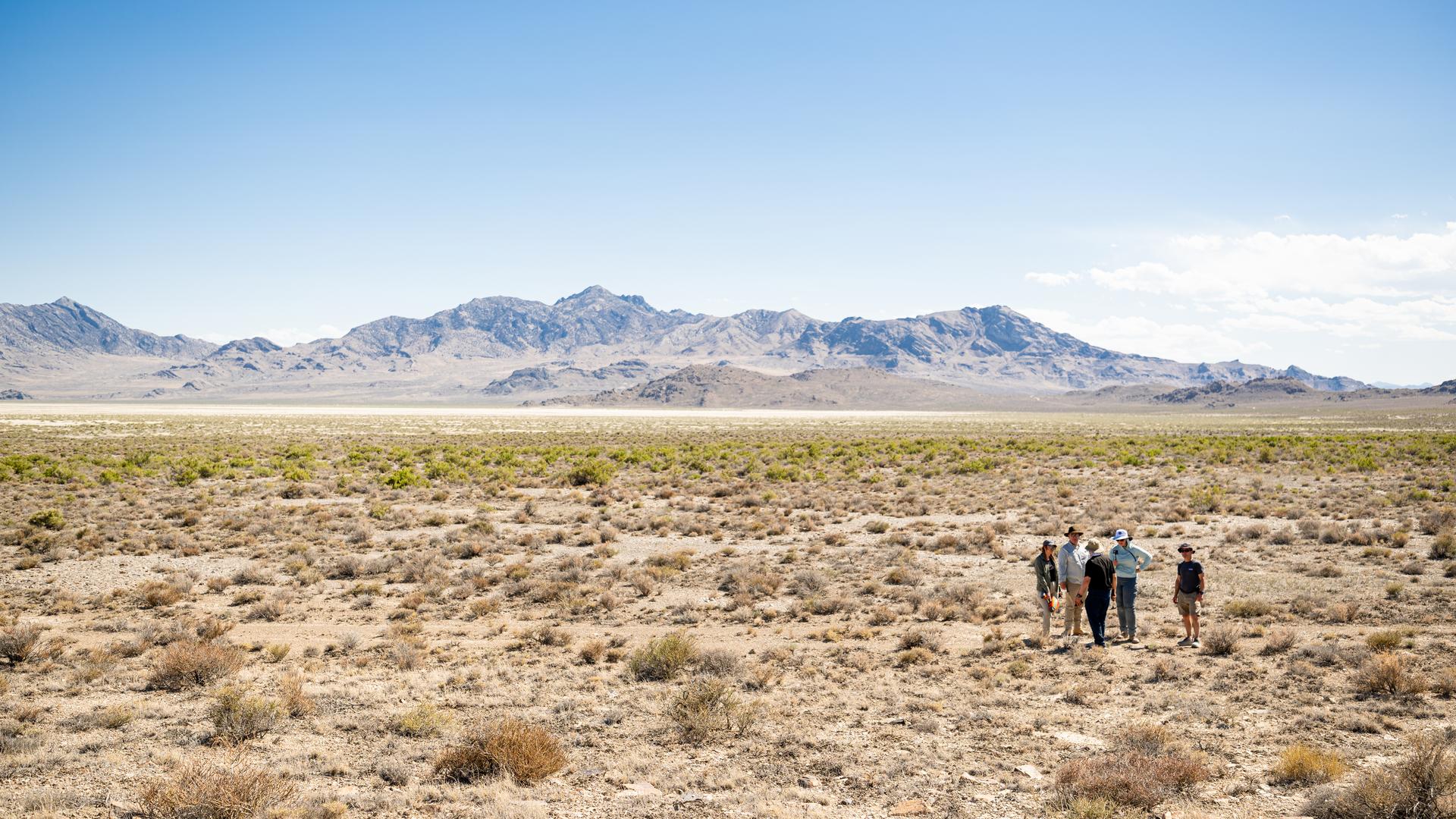
DAVINCI VADIX team members discuss observations at Crater Island, Utah, June 23, 2026. NASA/Mike Guinto
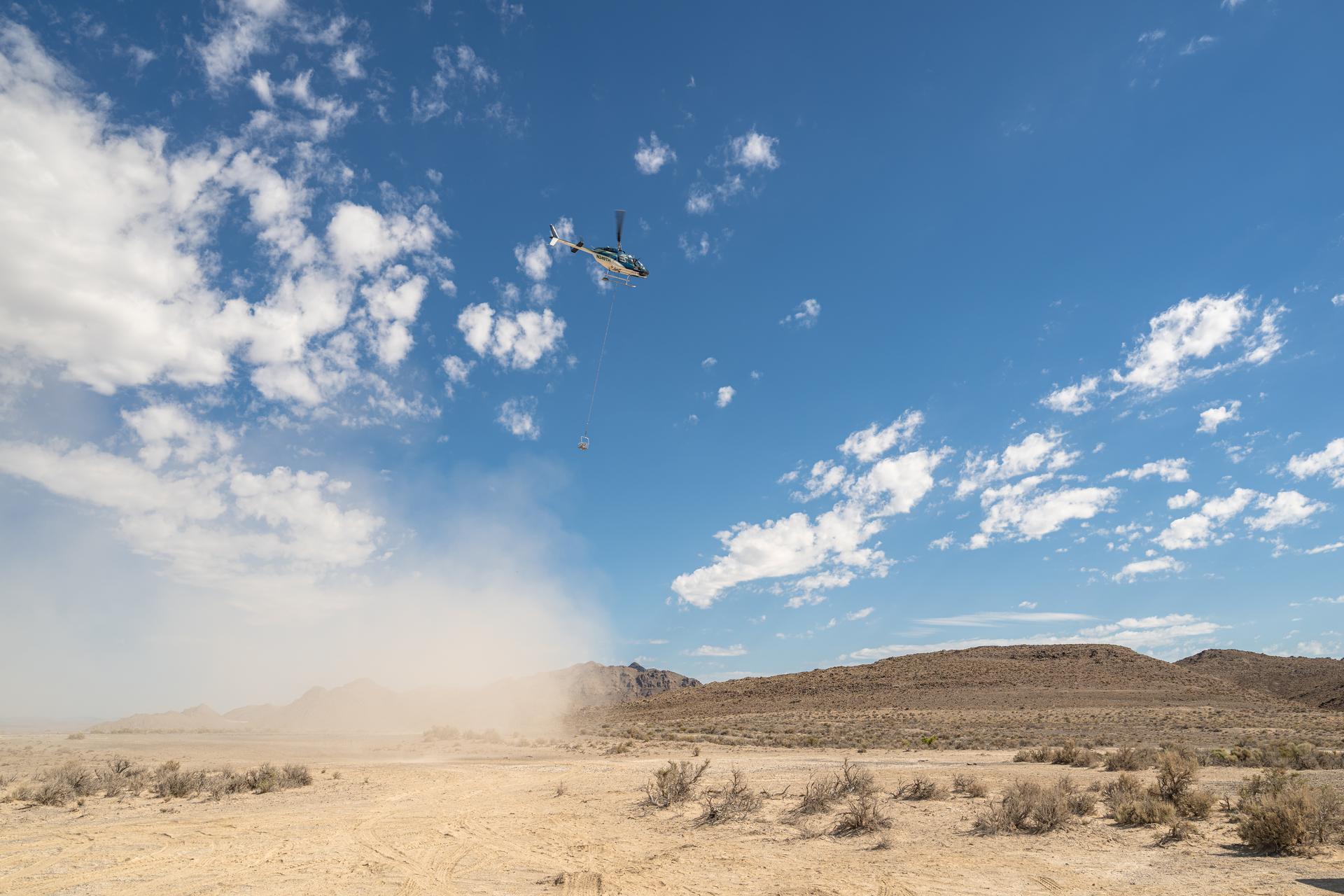
A helicopter flying in U.S. Air Force restricted space over Crater Island, Utah, carrying a basket of nine instruments during a series of tests (June 23-25, 2026) of a prototype of the camera system that will one day fly aboard NASA’s DAVINCI probe to Venus. NASA/Mike Guinto
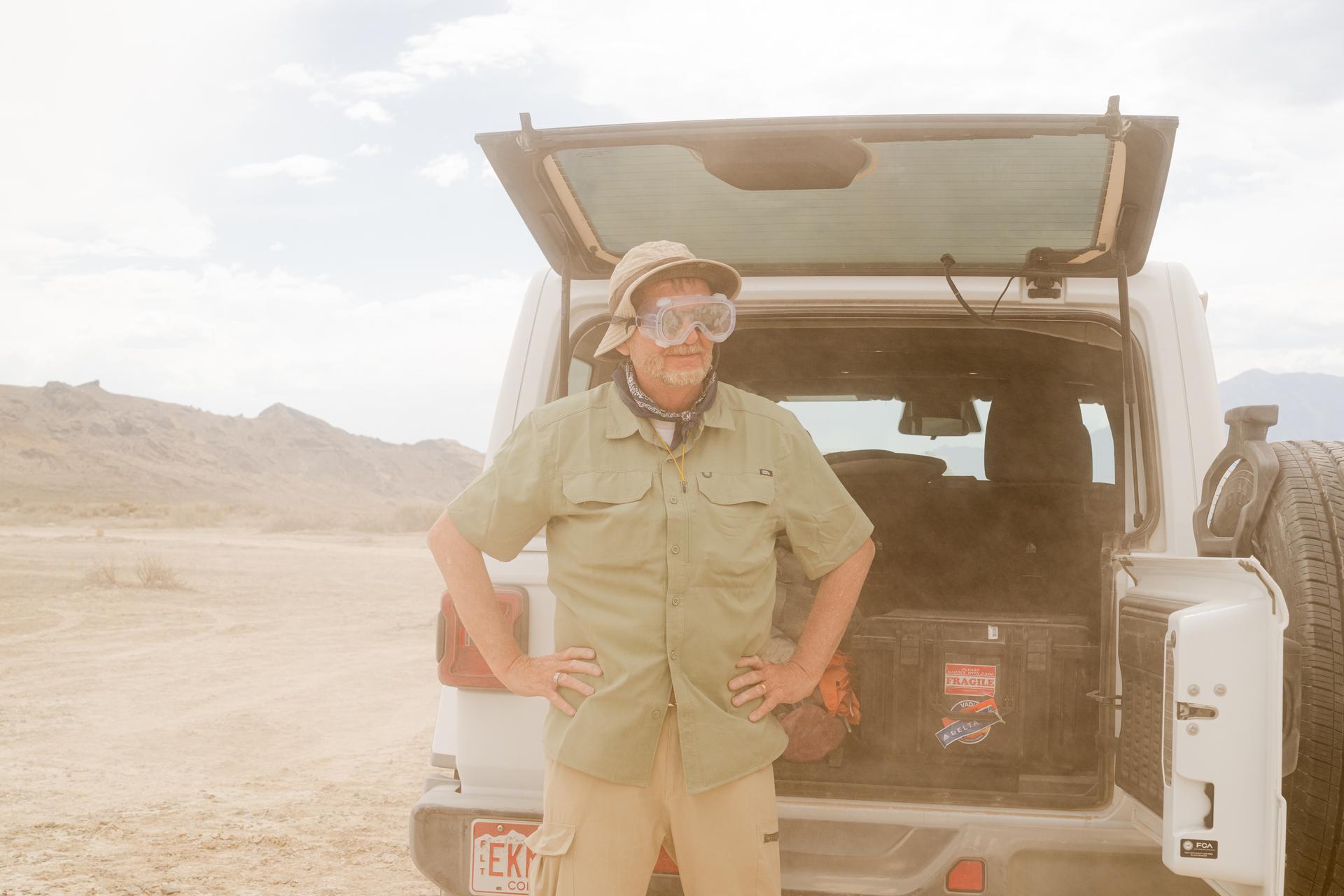
Bob Podgurski wears goggles during a dust event at the DAVINCI VADIX basecamp, Crater Island, Utah, June 24, 2026. This area was the site of a series of tests (June 23-25, 2026) of the camera system that will one day fly aboard NASA’s DAVINCI mission to Venus. NASA/Mike Guinto
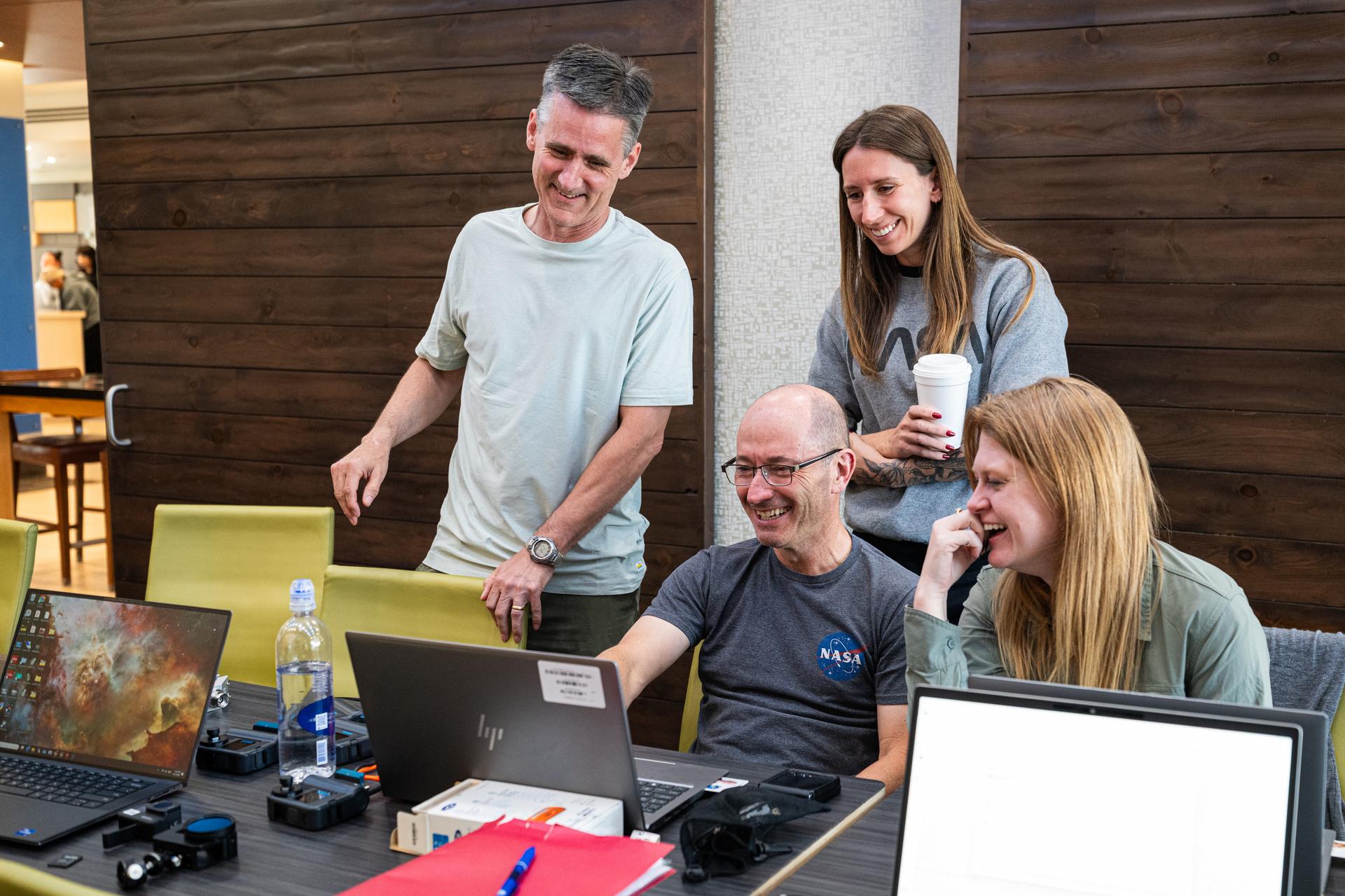
Brent Bos, (left) Phillip Coulter, Terra Hardwick, and Erika Kohler (right) review images from a preliminary test of the Venus Analog Descent Imaging Experiment (VADIX) hardware in Brigham City, Utah, June 2, 2026. VADIX is a prototype camera system which will one day fly aboard NASA's DAVINCI probe to Venus.
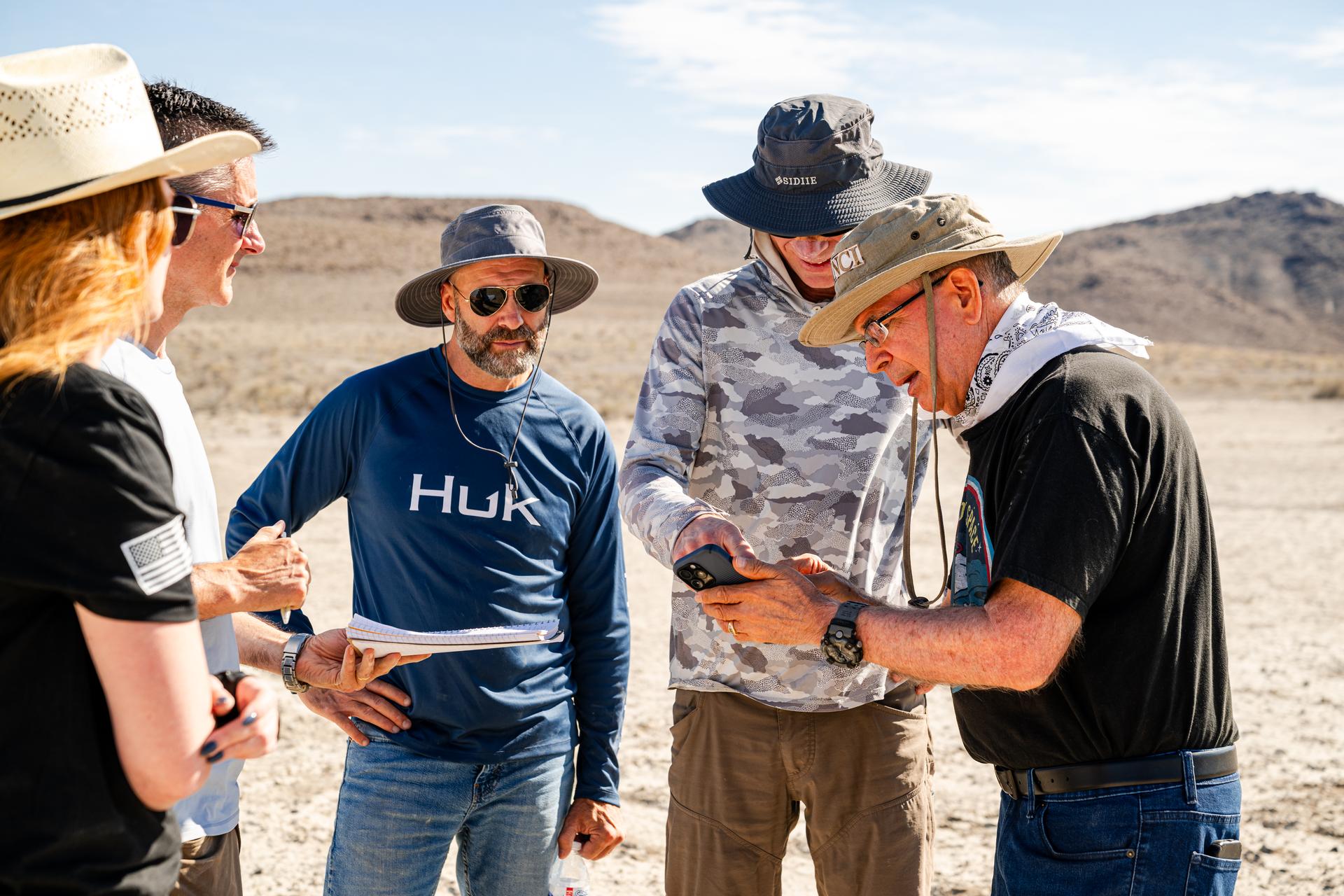
Dr. Jim Garvin, right, discusses flight plans with the pilots in between test flights at Crater Island, Utah, June 24, 2026. NASA/Mike Guinto
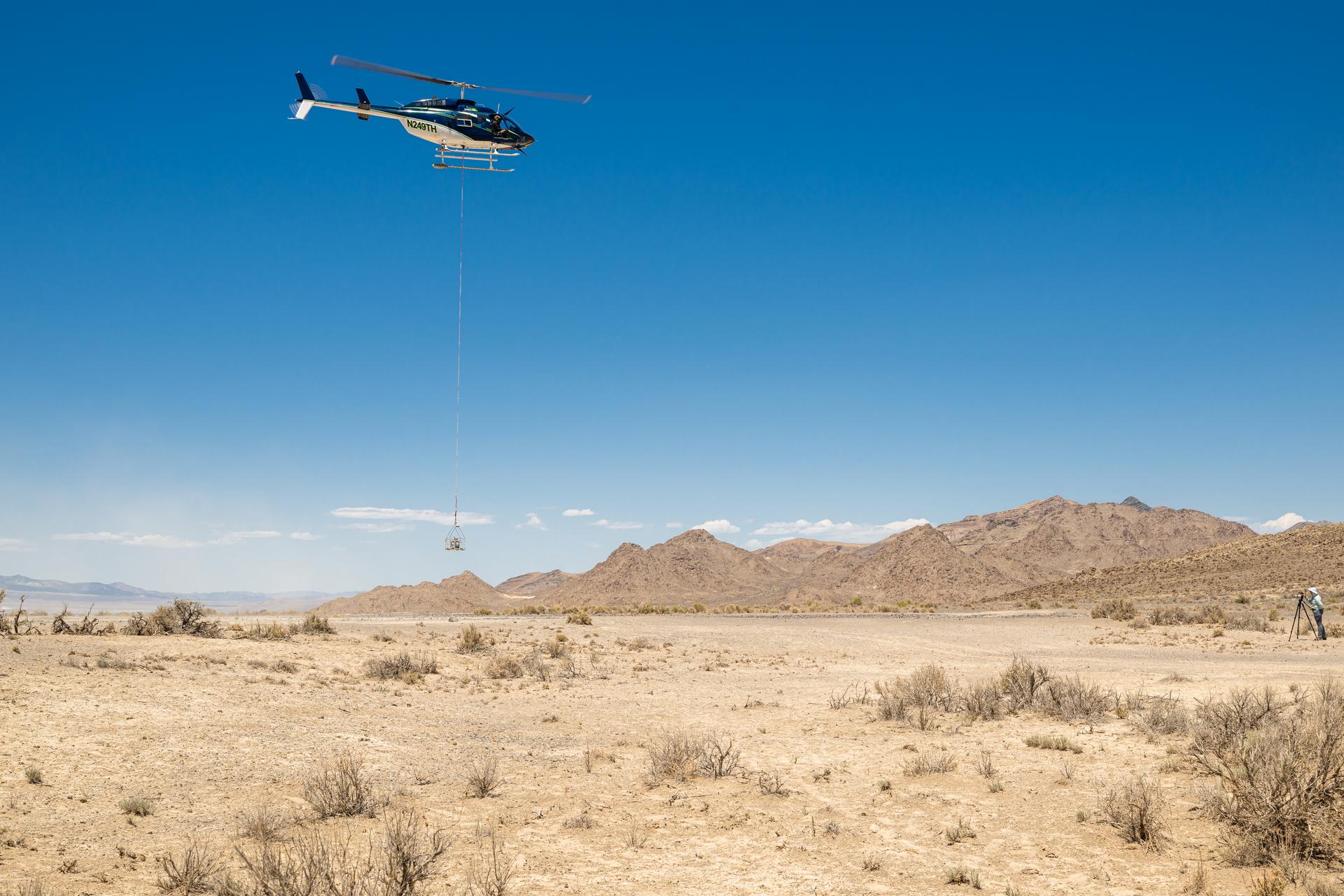
Timberland Helicopter flying the DAVINCI VADIX payload lifts off from Crater Island, Utah, June 23, 2026. NASA/Mike Guinto
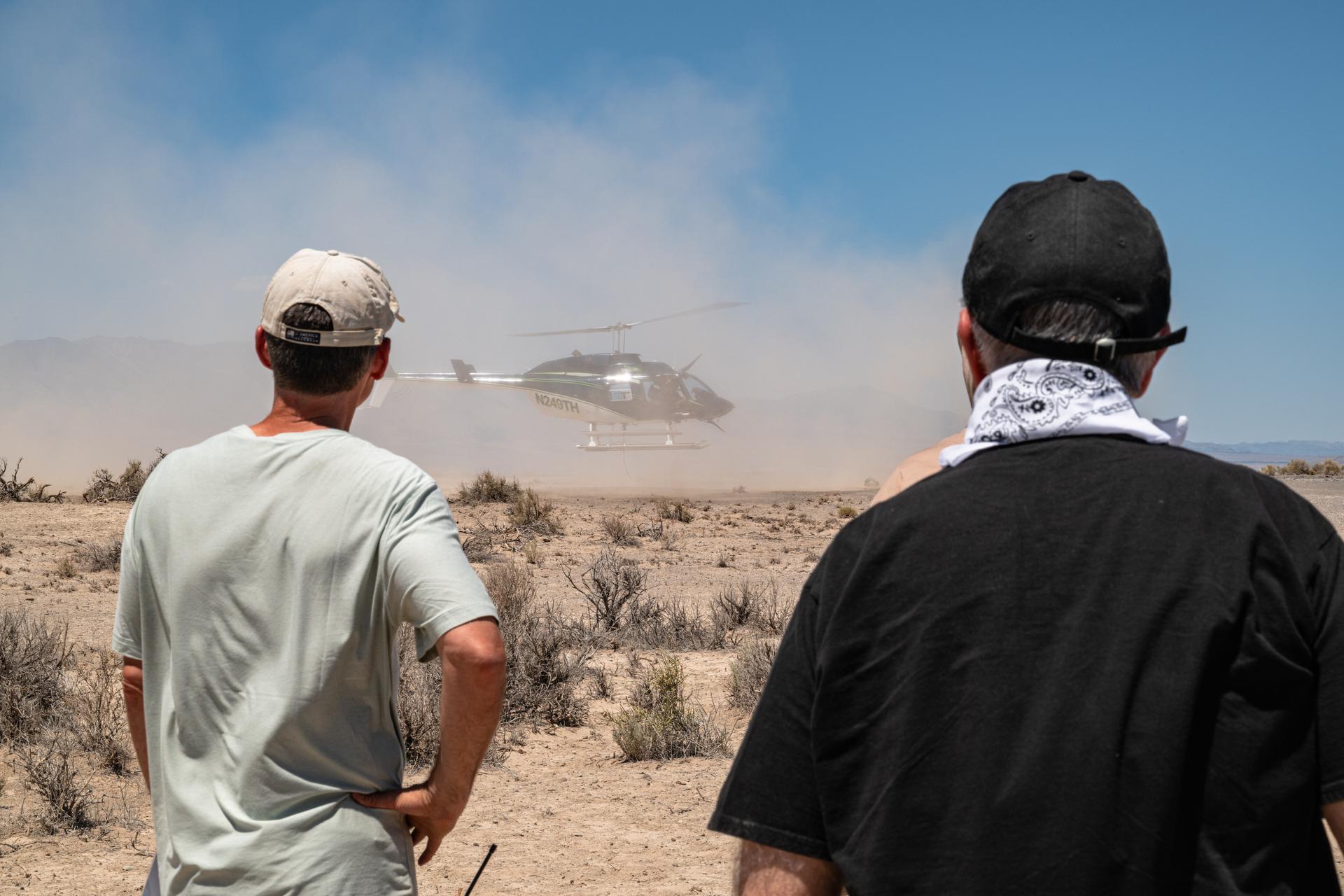
Brent Bos, left, and Jim Garvin, right, watch the helicopter carrying the VADIX payload lift off from Crater Island, Utah, June 23, 2026. VADIX is a test of the camera system that will one day fly aboard NASA’s DAVINCI mission probe to Venus. NASA/Mike Guinto
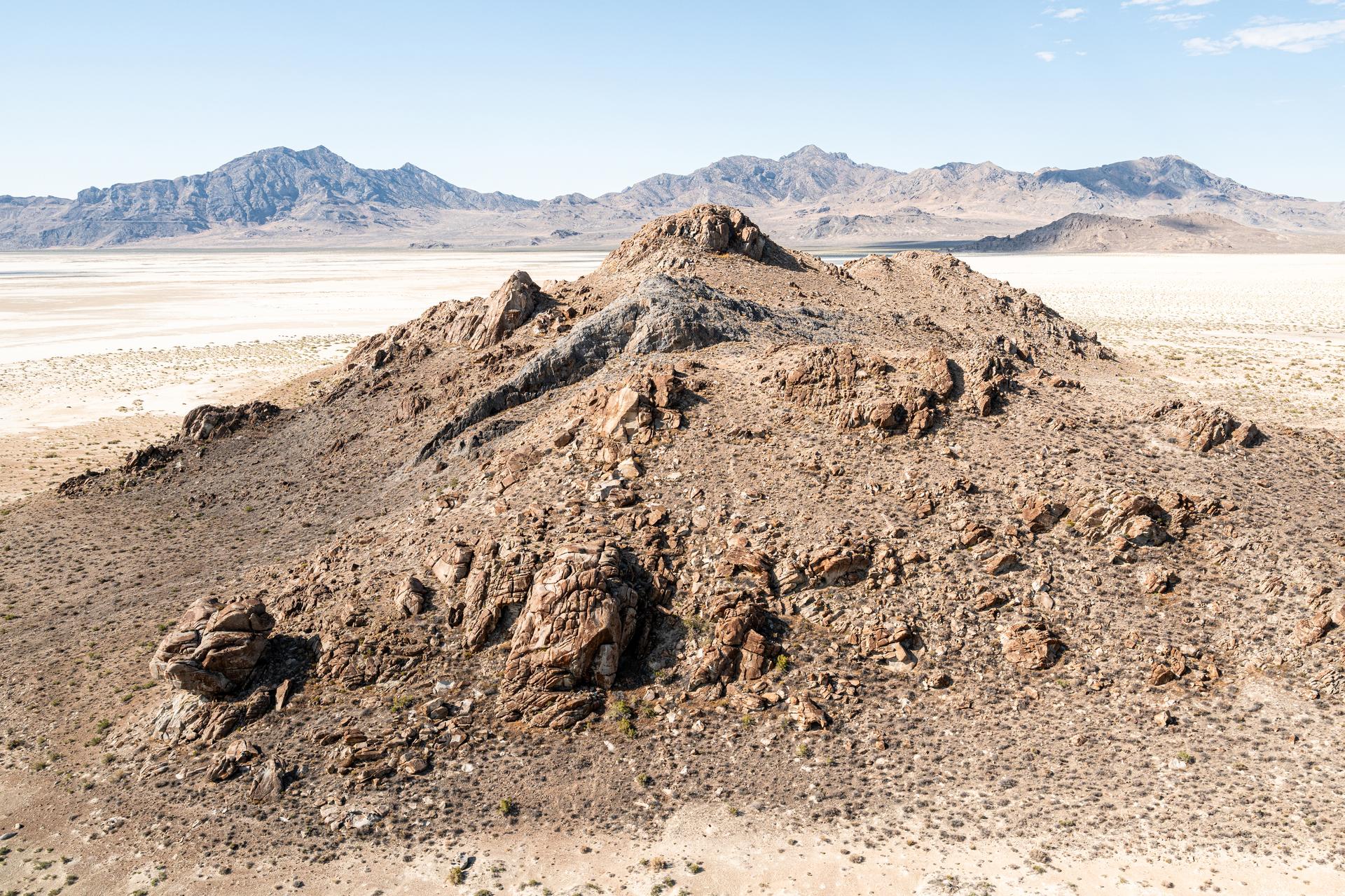
Detailed view of a rock outcrop at Crater Island, Utah on June 23, 2026. This outcropping was one of the points of interest to NASA's DAVINCI VADIX Mission for its distinct geologic properties. NASA/Mike Guinto
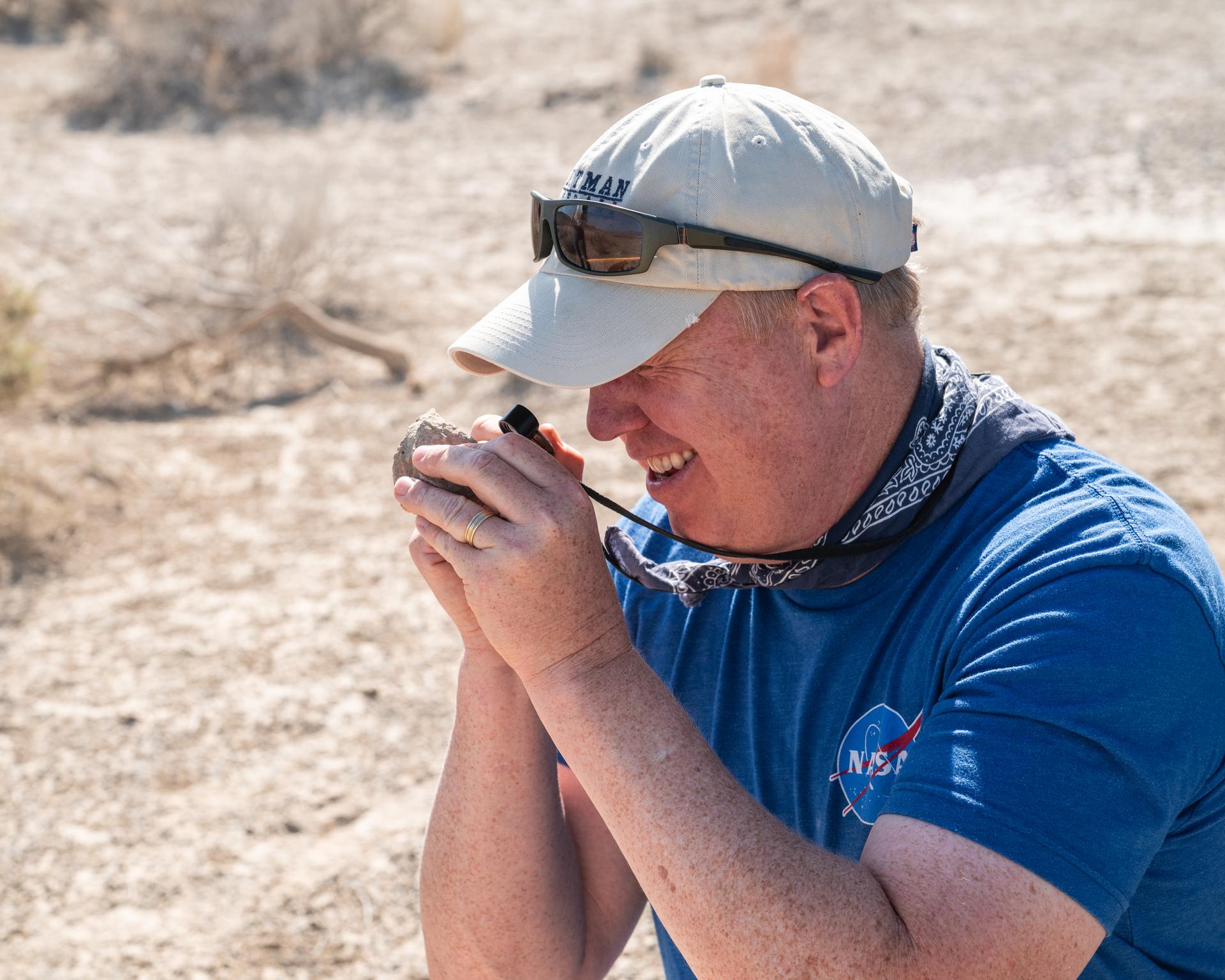
Nick Lang, DAVINCI Science Program Manager at Headquarters NASA, inspects a rock found at Crater Island, Utah during the DAVINCI VADIX experiment, June 23, 2026. NASA/Mike Guinto
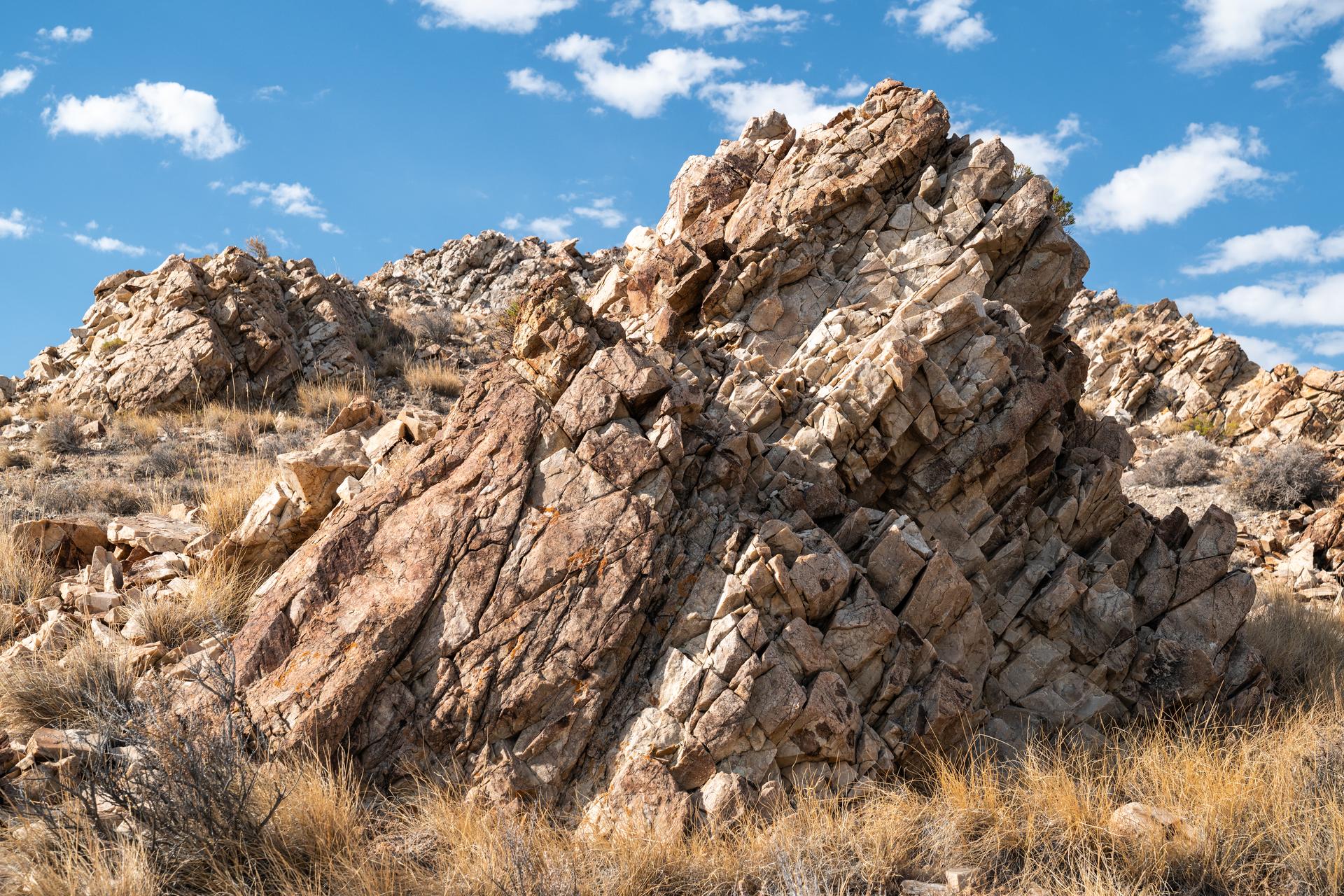
Detailed view of a granite outcrop at Crater Island, Utah on June 23, 2026. This outcropping was one of the points of interest to NASA's DAVINCI VADIX Mission for its distinct geologic properties. NASA/Mike Guinto
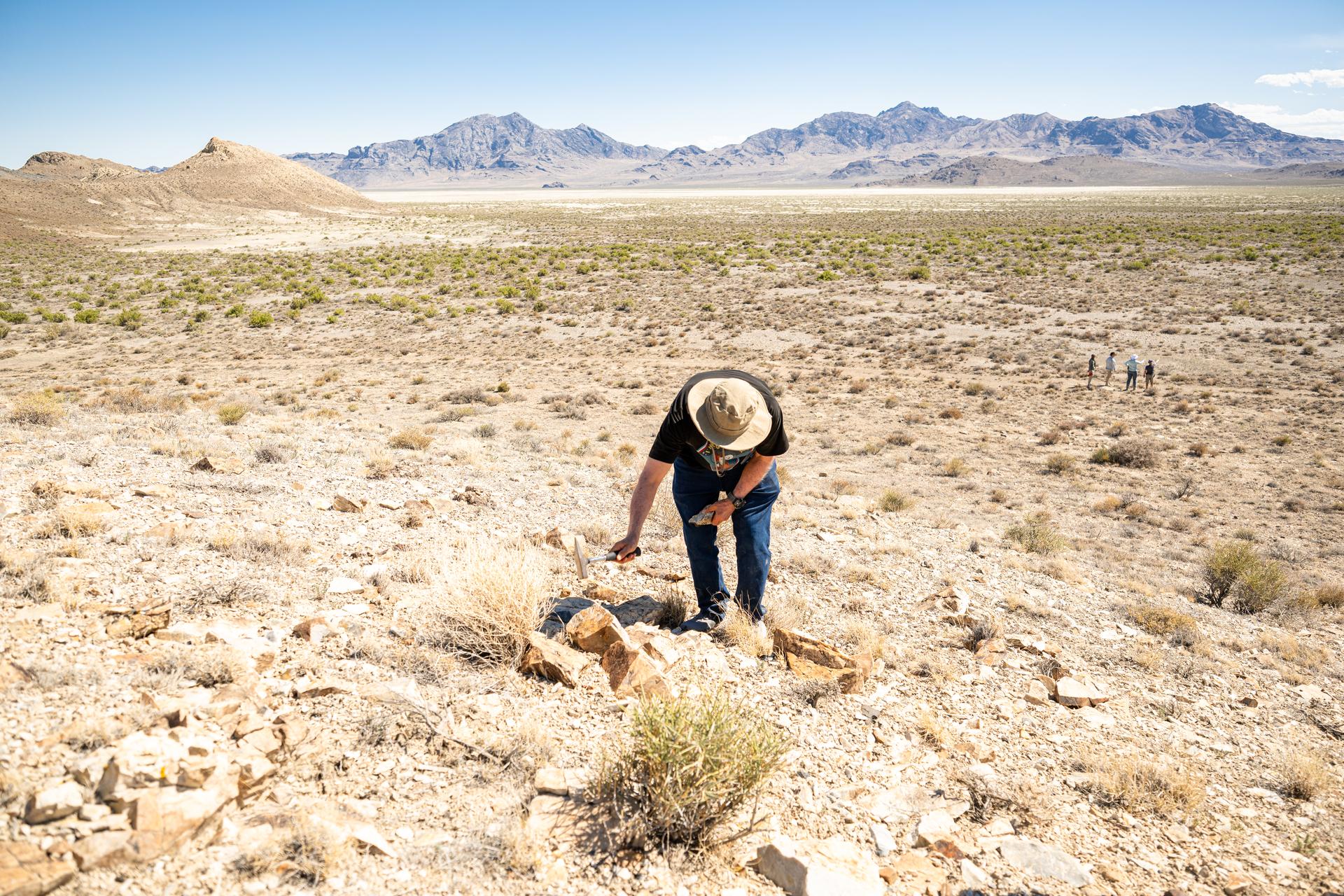
Dr. Jim Garvin, mission principal investigator,collect samples of rocks found at Crater Island, Utah on June 23, 2026. These samples become the "ground truth" for the measurements from the VADIX prototype camera system which flew over the crater island site, taking photos and measurements from the air. NASA/Mike Guinto
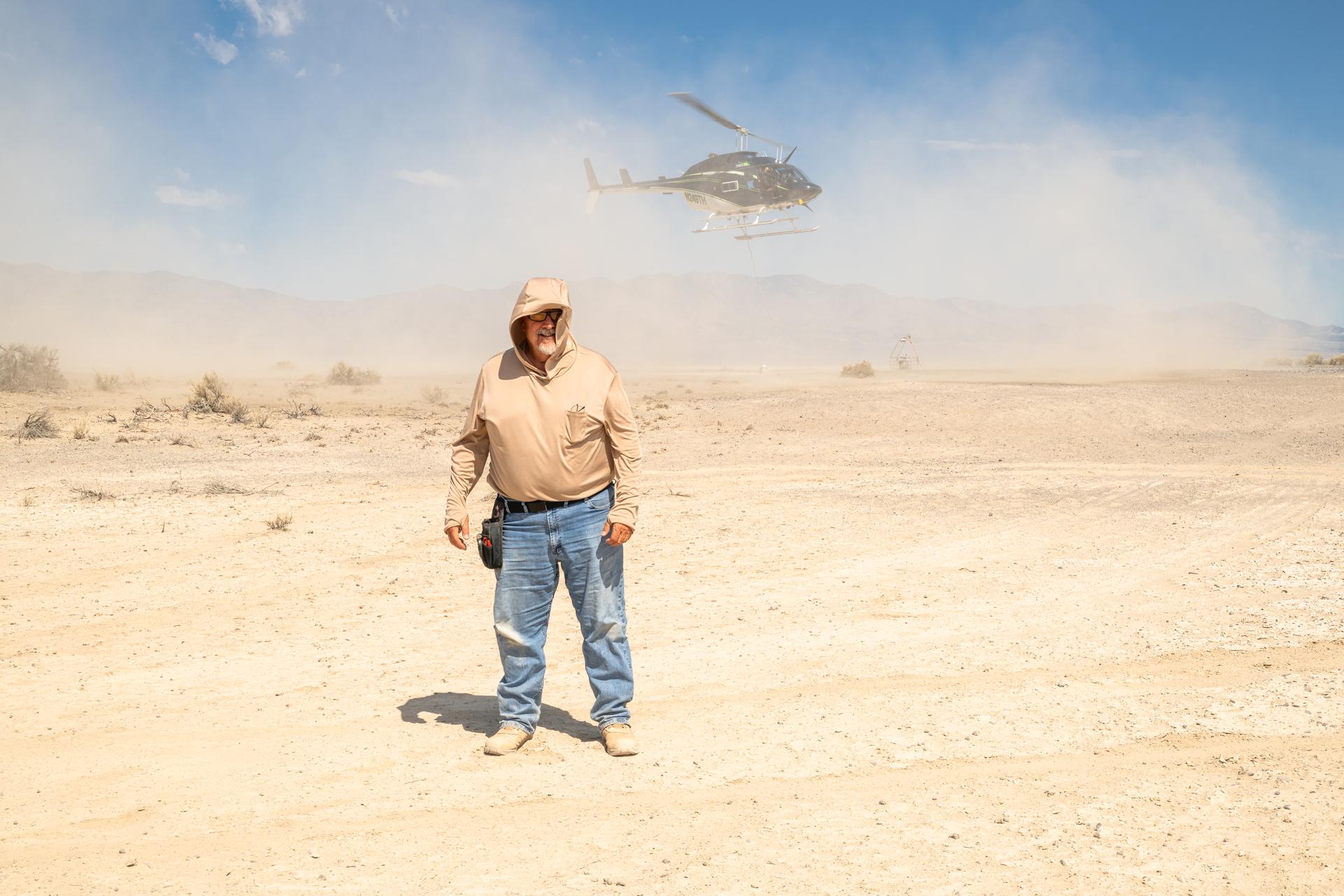
Mike Vitulio, a NASA mechanical integration engineering technician and machinist working on the DAVINCI project poses stands with his back to the helicopter as it takes off to shield himself from the roto-wash at Crater Island, Utah, June 25, 2026. NASA/Mike Guinto
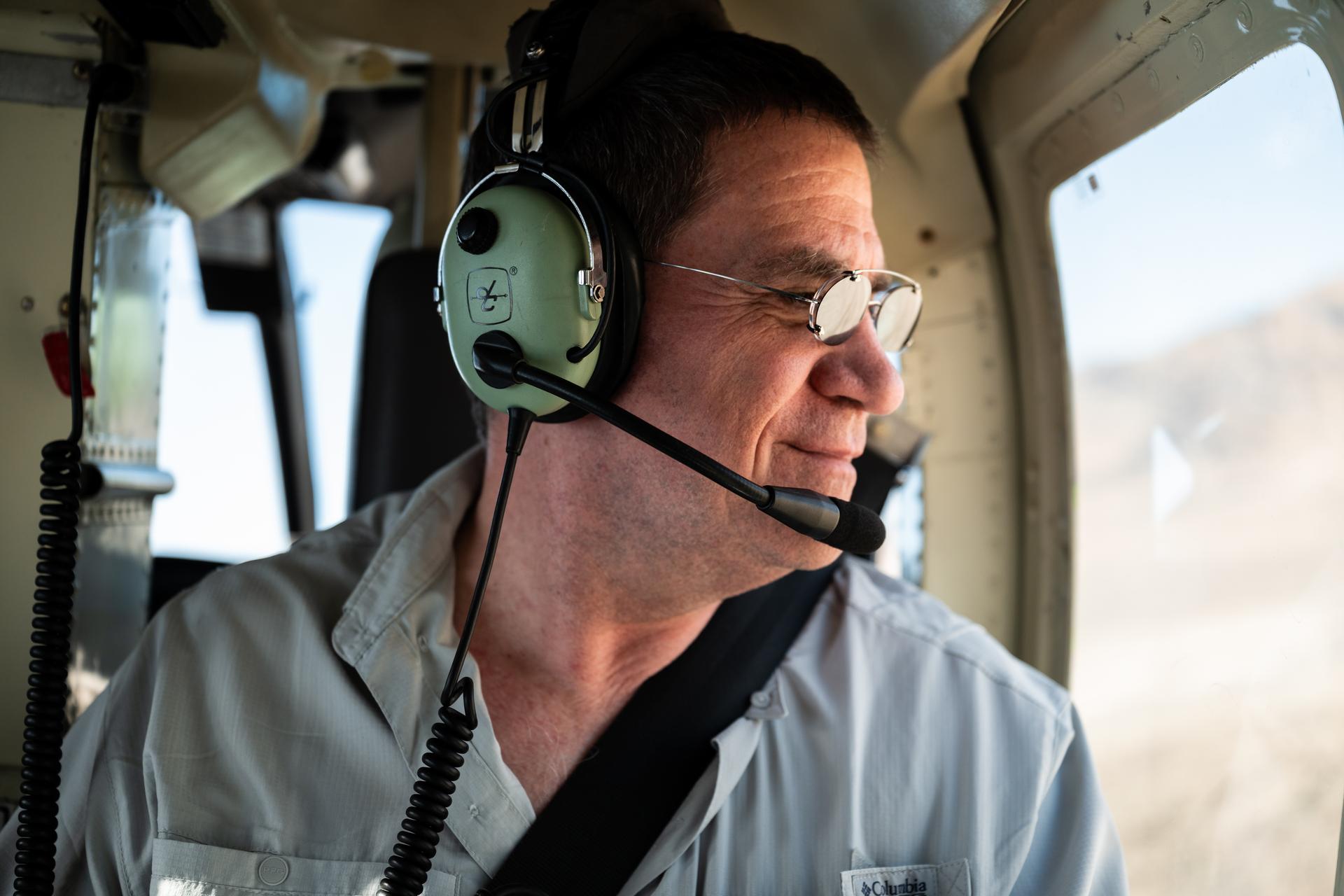
Mike Ravine observes out the helicopter window while in flight over Crater Island, Utah as part of the DAVINCI VADIX experiment, June 23, 2026. NASA/Mike Guinto
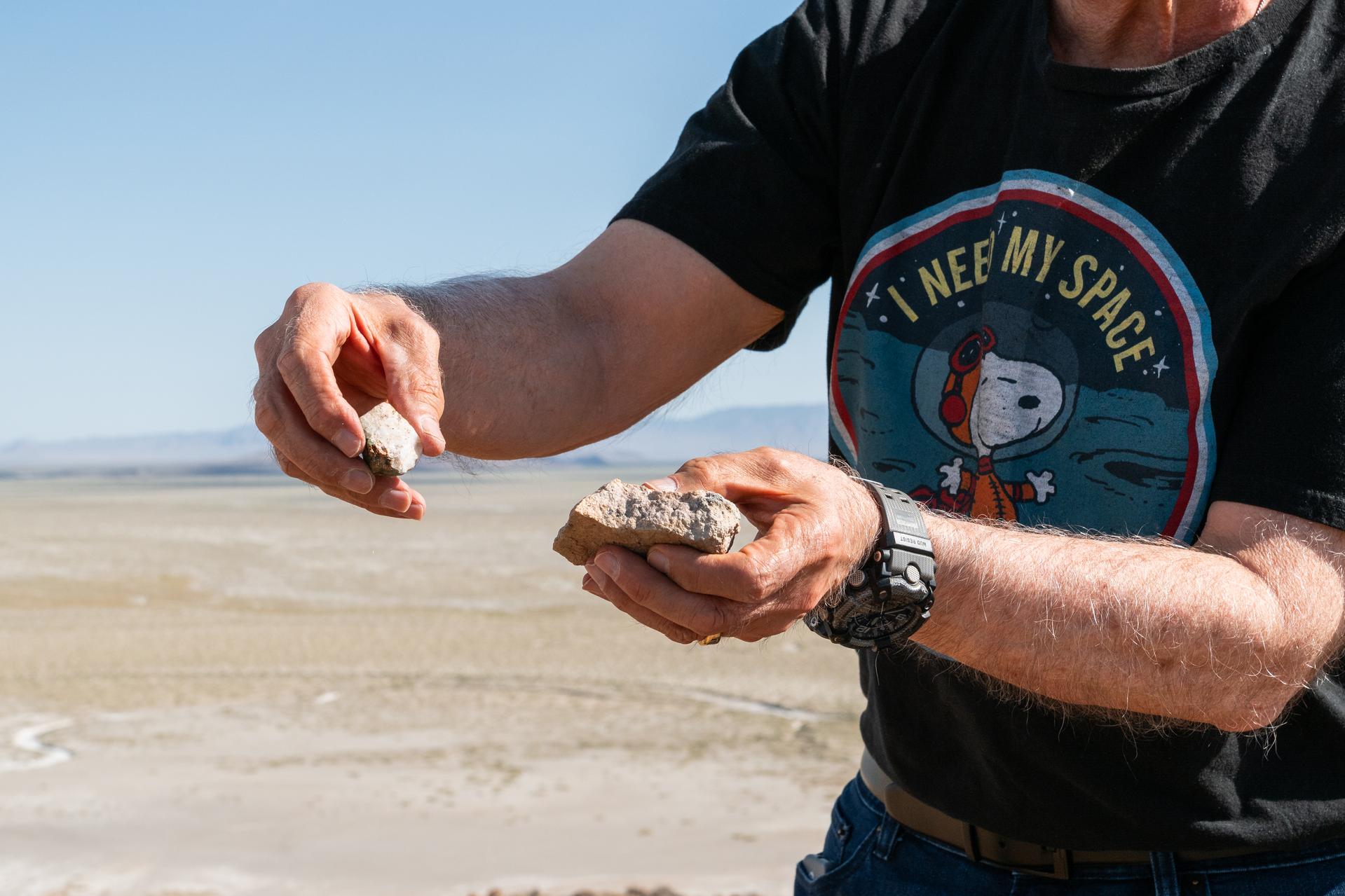
Dr. Jim Garvin presents rock samples found at Crater Island, Utah on June 23, 2026. Dr. Garvin is the principal investigator for NASA's DAVINCI probe which will one day be making discoveries on Venus.
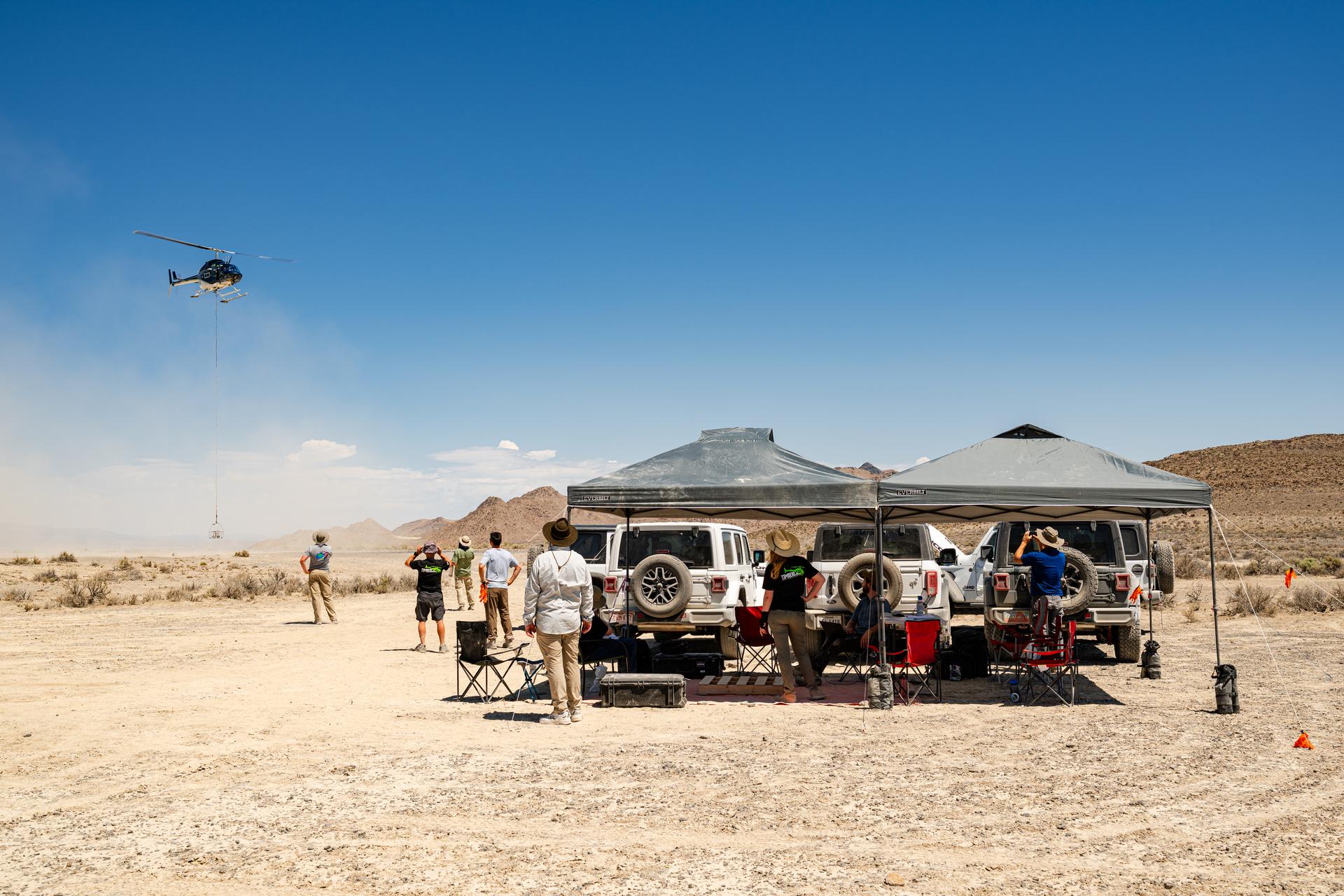
Helicopter carrying the VADIX payload flies past the DAVINCI VADIX base camp in crater island, Utah on June 24, 2026. NASA/Mike Guinto
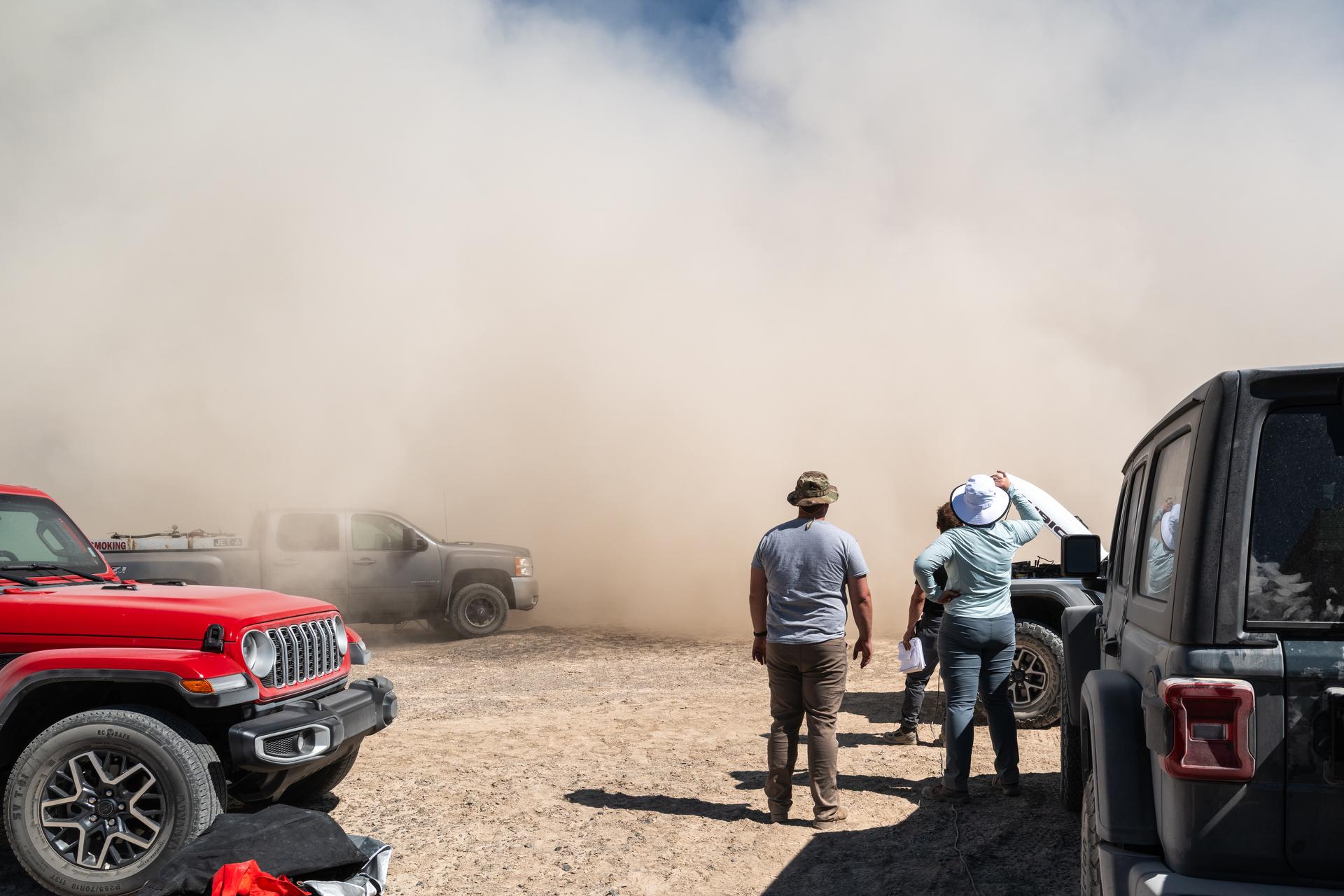
Jason Burt, Lacey Young, and Matt Mullin watch as a helicopter takes off from a test site at Crater Island, June 23, 2026. As the helicopter takes off, it kicks up dust from the ground, reffered to as "roto wash" the dust cloud quickly rises up into a wall of dust before it is blown away by the wind. NASA/Mike Guinto
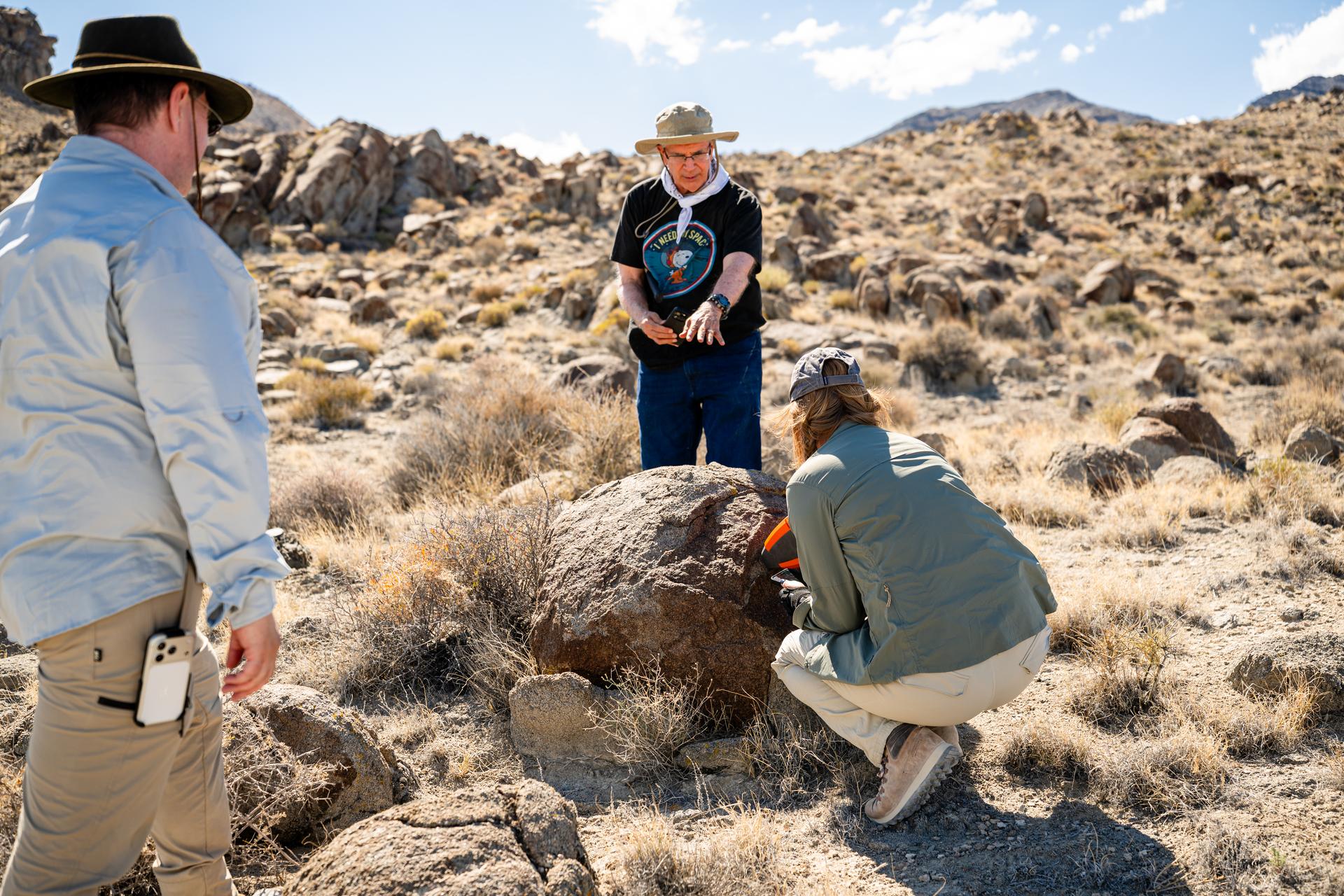
Mike Ravine, left, Jim Garvin, and Erika Kohler, take direct measurements of rocks observed at Crater Island, Utah as part of the DAVINCI VADIX experiment, June 23, 2026. NASA/Mike Guinto
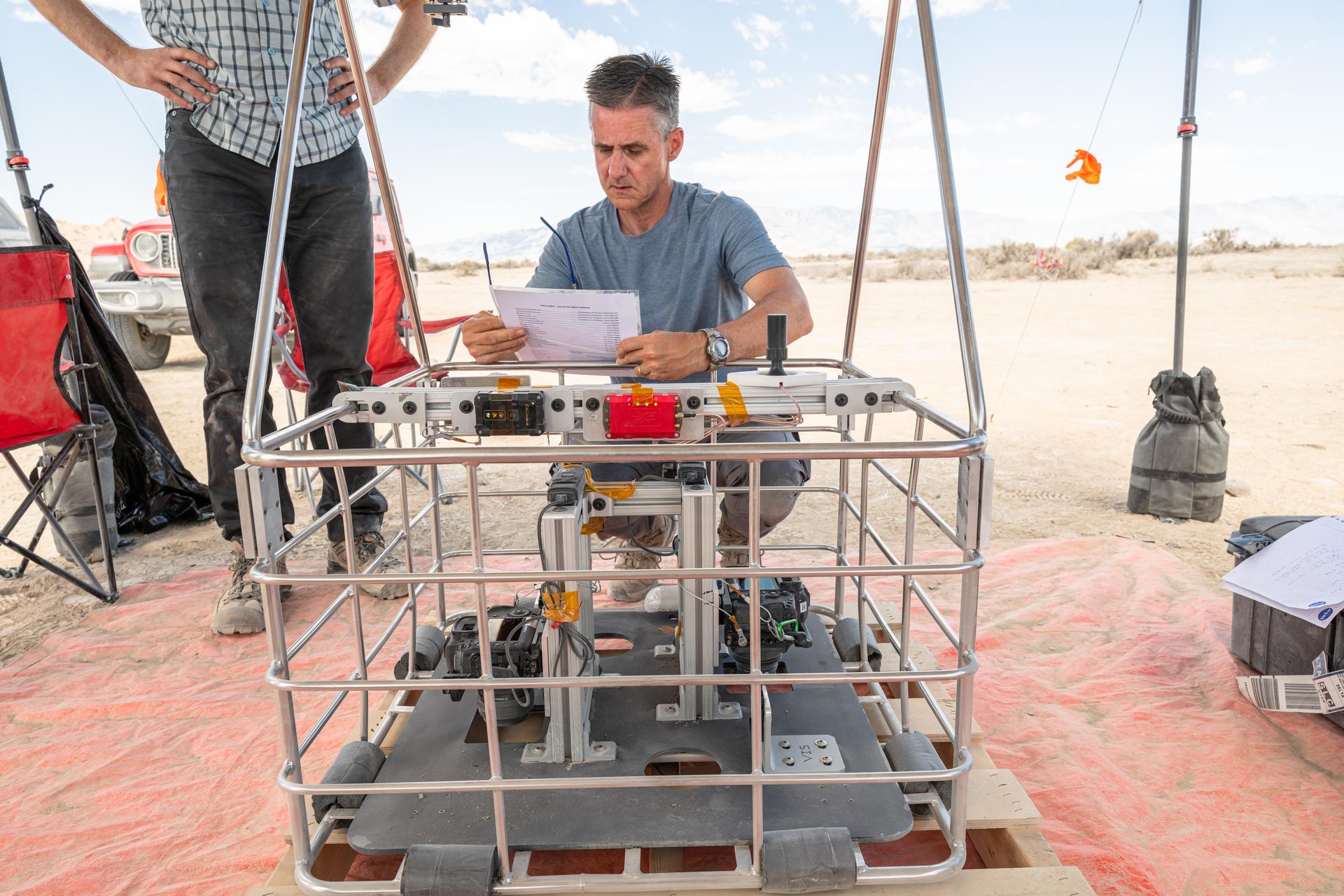
Brent Bos, a research physicist at NASA’s Goddard Space Flight Center in Greenbelt, Maryland, does a pre-flight check of a basket of instruments before one of the 10 high-altitude test flights at Crater Island, Utah. This area was the site of a series of tests (June 23-25, 2026) of the camera system that will one day fly aboard NASA’s DAVINCI mission probe to Venus.
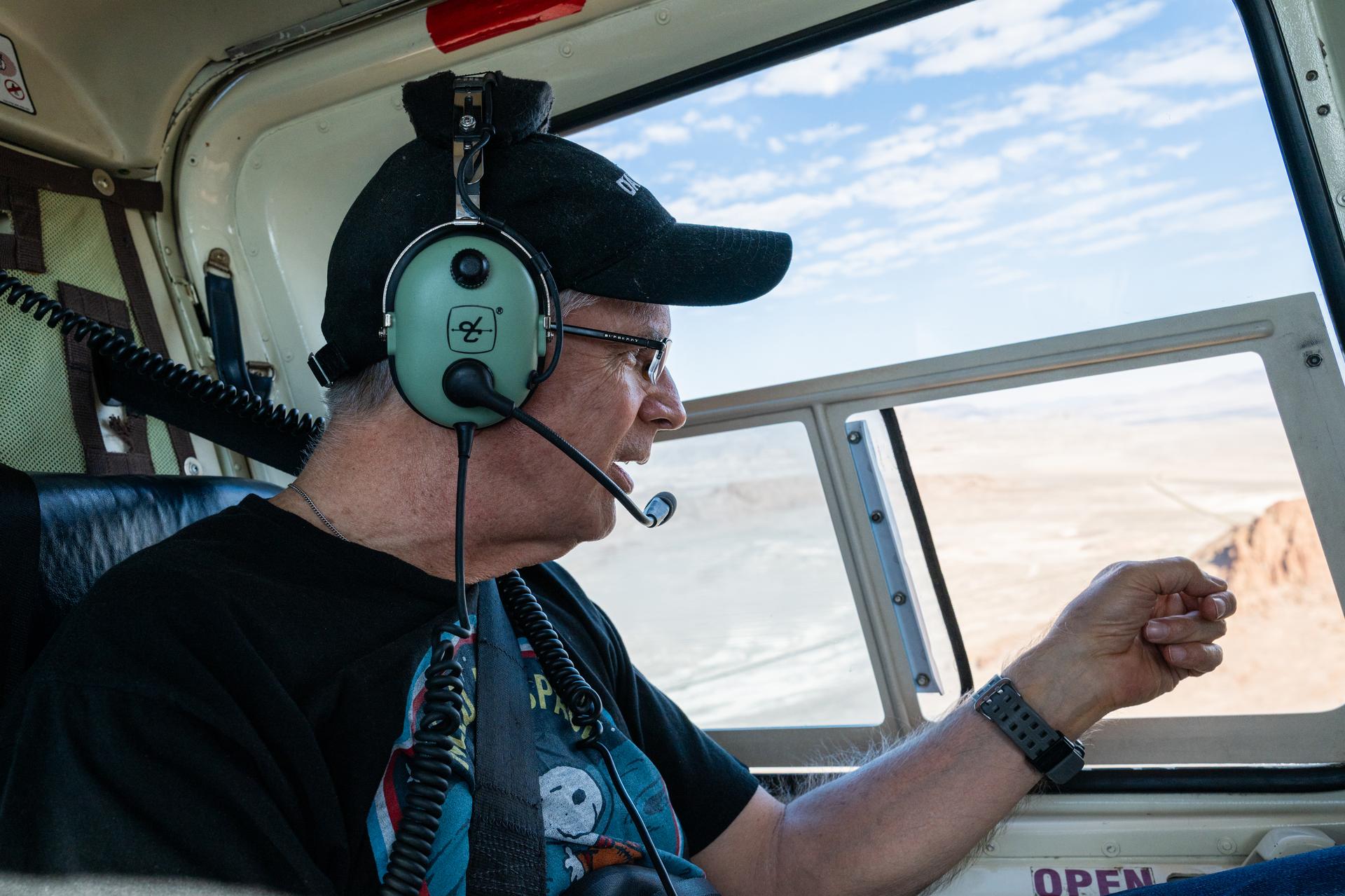
Dr. Jim Garvin makes observations from the window of a helicopter while flying from Wendover Utah to Crater Island, June 23, 2026. The flight was in coordination with the VADIX mission, a preliminary experiment which will demonstrate a prototype camera system that will one day fly on the DAVINCI probe to Venus. NASA/Mike Guinto
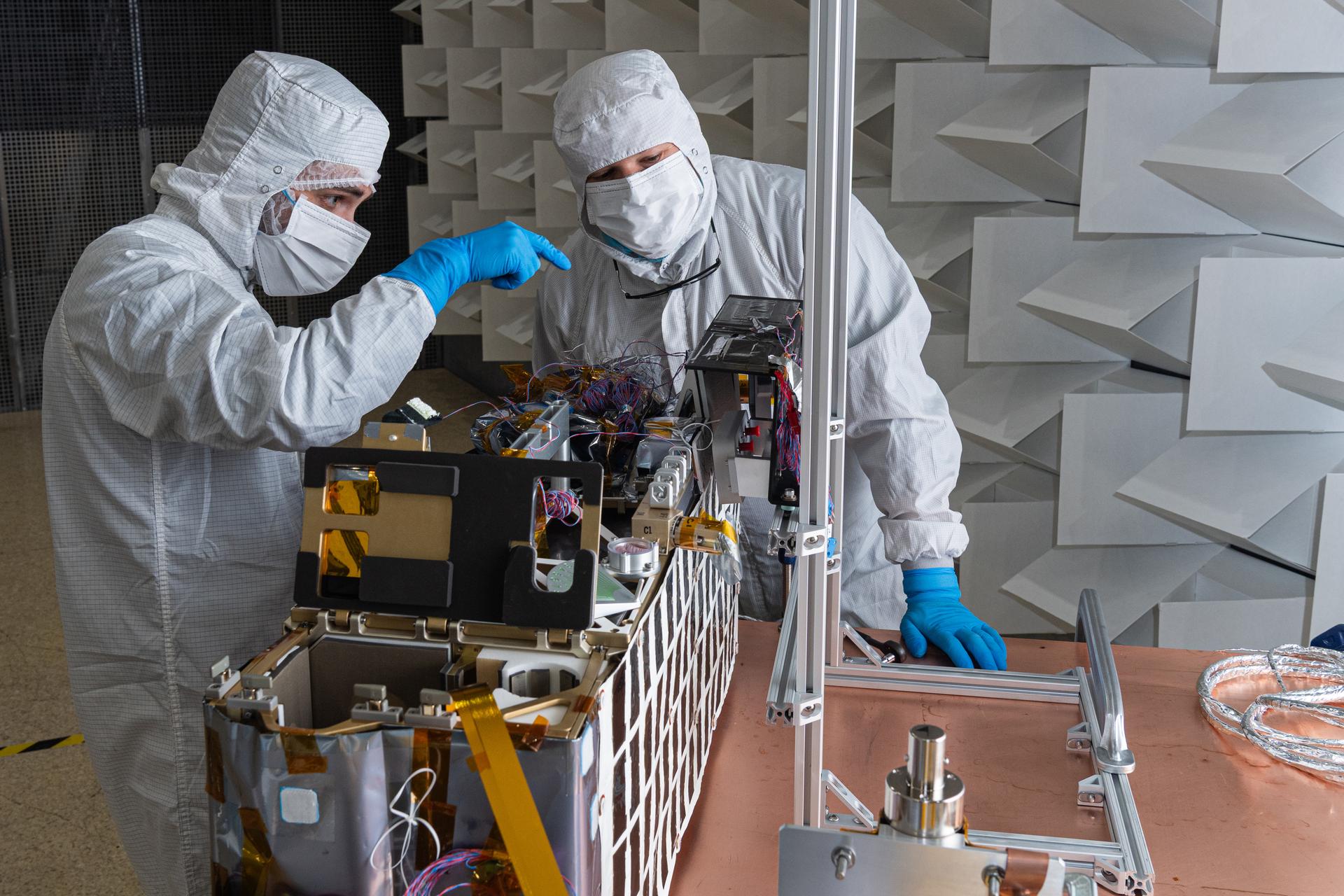
Mitchell Hamann and John Pindell configure the Lunar Environment Monitoring Station (LEMS) instrument for testing in the Electromagnetic Interference/Electromagnetic Compatibility (EMI/EMC) Chamber at Goddard Space Flight Center, Greenbelt Md., Feb 17, 2026. LEMS is a compact, autonomous, and self-sustaining seismometer suite designed to carry out continuous, long-term, monitoring of the lunar seismic environment at the South Polar region. Photo Credit: NASA/Mike Guinto
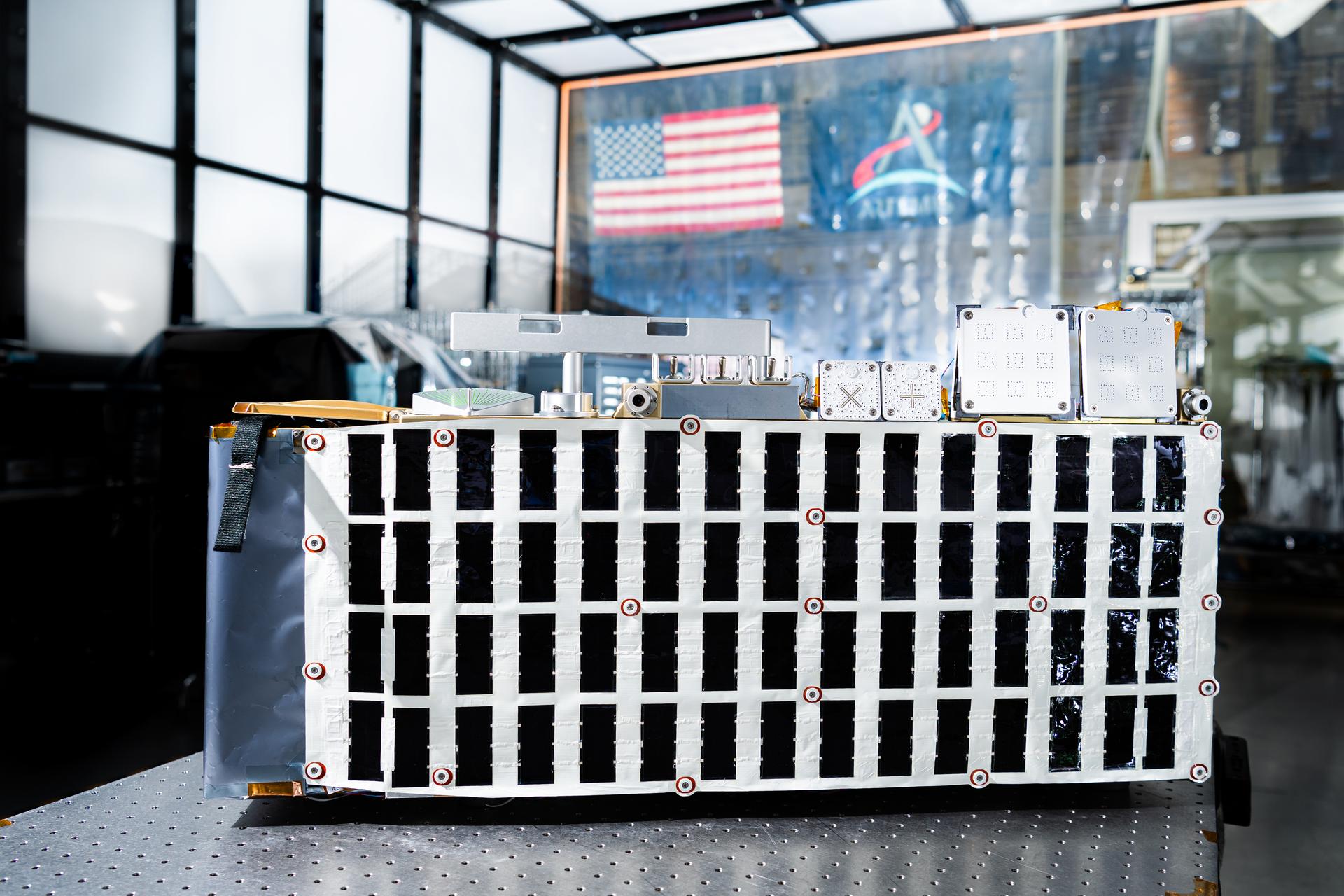
A detail view of the Lunar Environment Monitoring Station, (LEMS) inside the cleanroom at Goddard Space Flight Center, Greenbelt Md., Jan 30, 2026. The Lunar Environment Monitoring Station for Artemis (LEMS) is a compact, autonomous, and self-sustaining seismometer suite designed to carry out continuous, long-term, monitoring of the lunar seismic environment at the South Polar region. Photo Credit: NASA/Mike Guinto
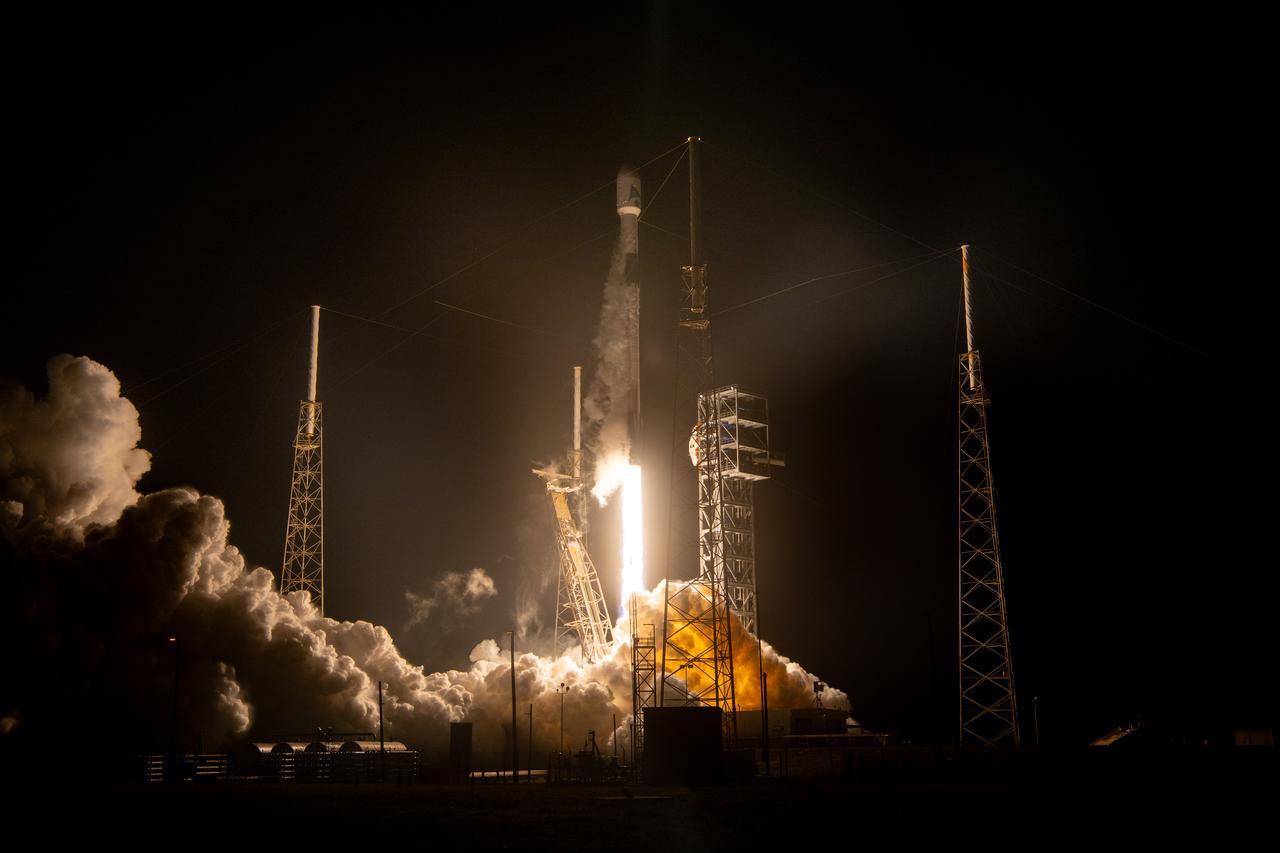
NASA’s PACE (Plankton, Aerosol, Cloud, ocean Ecosystem) spacecraft, atop a SpaceX Falcon 9 rocket, successfully lifts off from Space Launch Complex 40 at Cape Canaveral Space Force Station in Florida at 1:33 a.m. EST Thursday, Feb. 8. PACE is NASA’s newest earth-observing satellite that will help increase our understanding of Earth’s oceans, atmosphere, and climate by delivering hyperspectral observations of microscopic marine organisms called phytoplankton, as well new data on clouds and aerosols.
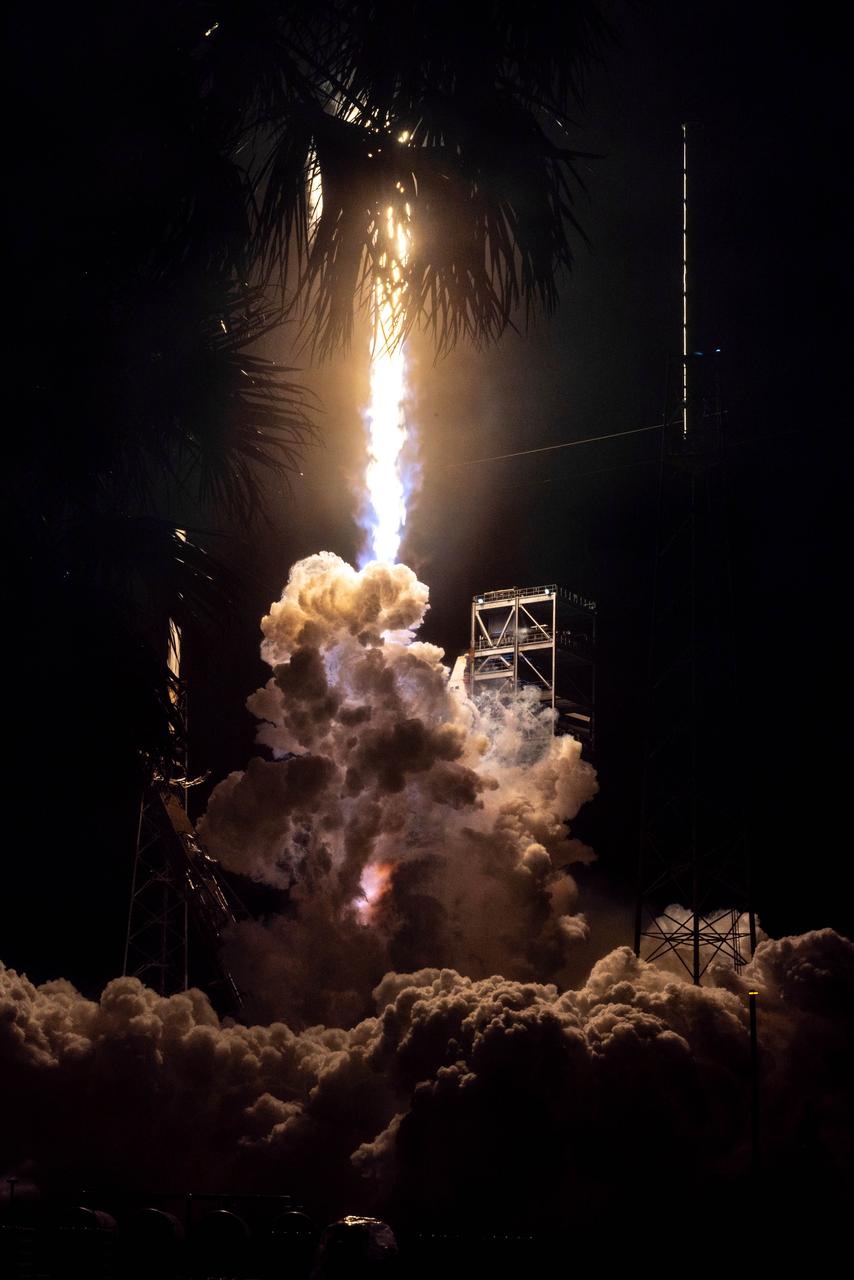
NASA’s PACE (Plankton, Aerosol, Cloud, ocean Ecosystem) spacecraft, atop a SpaceX Falcon 9 rocket, successfully lifts off from Space Launch Complex 40 at Cape Canaveral Space Force Station in Florida at 1:33 a.m. EST Thursday, Feb. 8. PACE is NASA’s newest earth-observing satellite that will help increase our understanding of Earth’s oceans, atmosphere, and climate by delivering hyperspectral observations of microscopic marine organisms called phytoplankton, as well new data on clouds and aerosols.
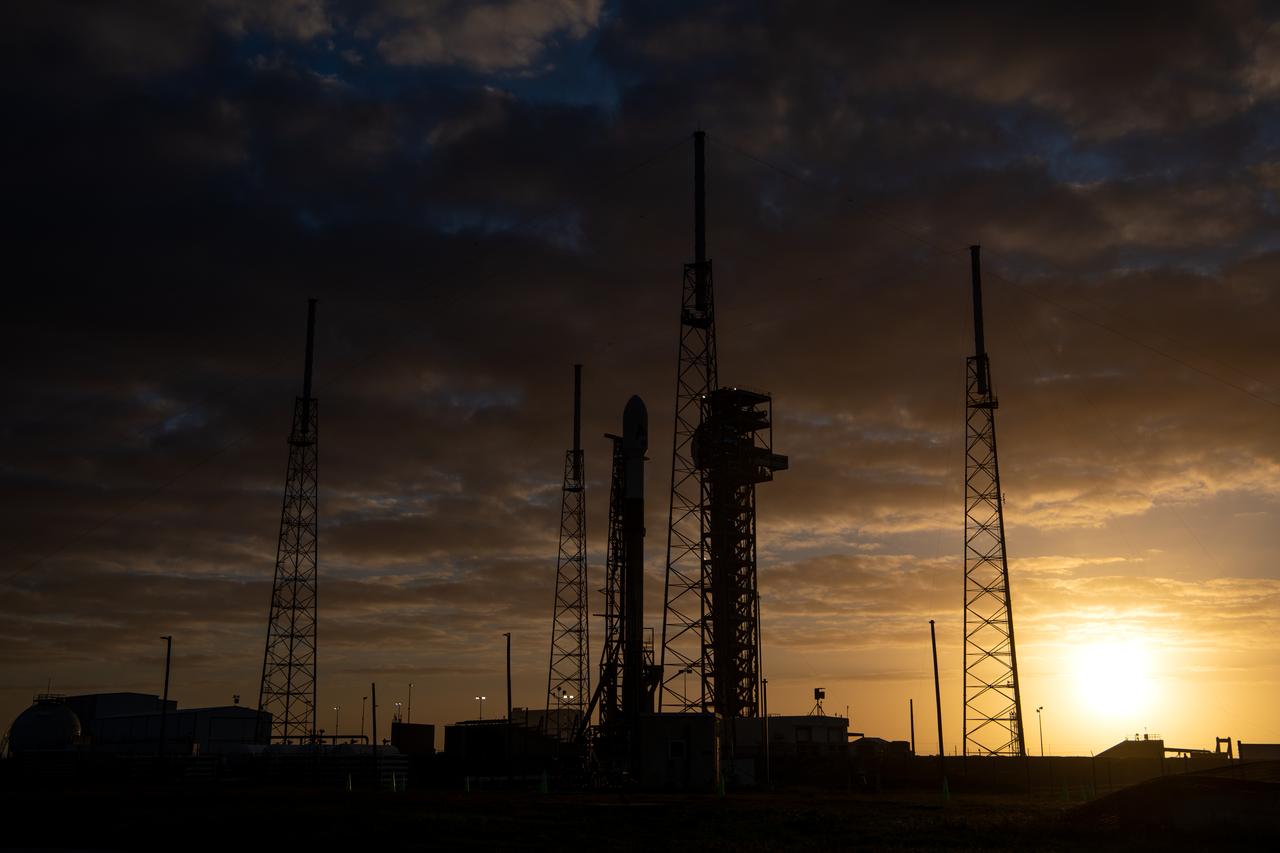
A SpaceX Falcon 9 rocket with NASA’s PACE (Plankton, Aerosol, Cloud, ocean Ecosystem) spacecraft stands vertical at Space Launch Complex 40 at Cape Canaveral Space Force Station in Florida on Monday, Feb. 5, 2024. PACE is NASA’s newest earth-observing satellite that will help increase our understanding of Earth’s oceans, atmosphere, and climate by delivering hyperspectral observations of microscopic marine organisms called phytoplankton as well new data on clouds and aerosols. Liftoff of the PACE mission is set for no earlier than 1:33 a.m. EST on Wednesday, Feb. 7, 2024.

NASA’s PACE (Plankton, Aerosol, Cloud, ocean Ecosystem) spacecraft, atop a SpaceX Falcon 9 rocket, successfully lifts off from Space Launch Complex 40 at Cape Canaveral Space Force Station in Florida at 1:33 a.m. EST Thursday, Feb. 8. PACE is NASA’s newest earth-observing satellite that will help increase our understanding of Earth’s oceans, atmosphere, and climate by delivering hyperspectral observations of microscopic marine organisms called phytoplankton, as well new data on clouds and aerosols.
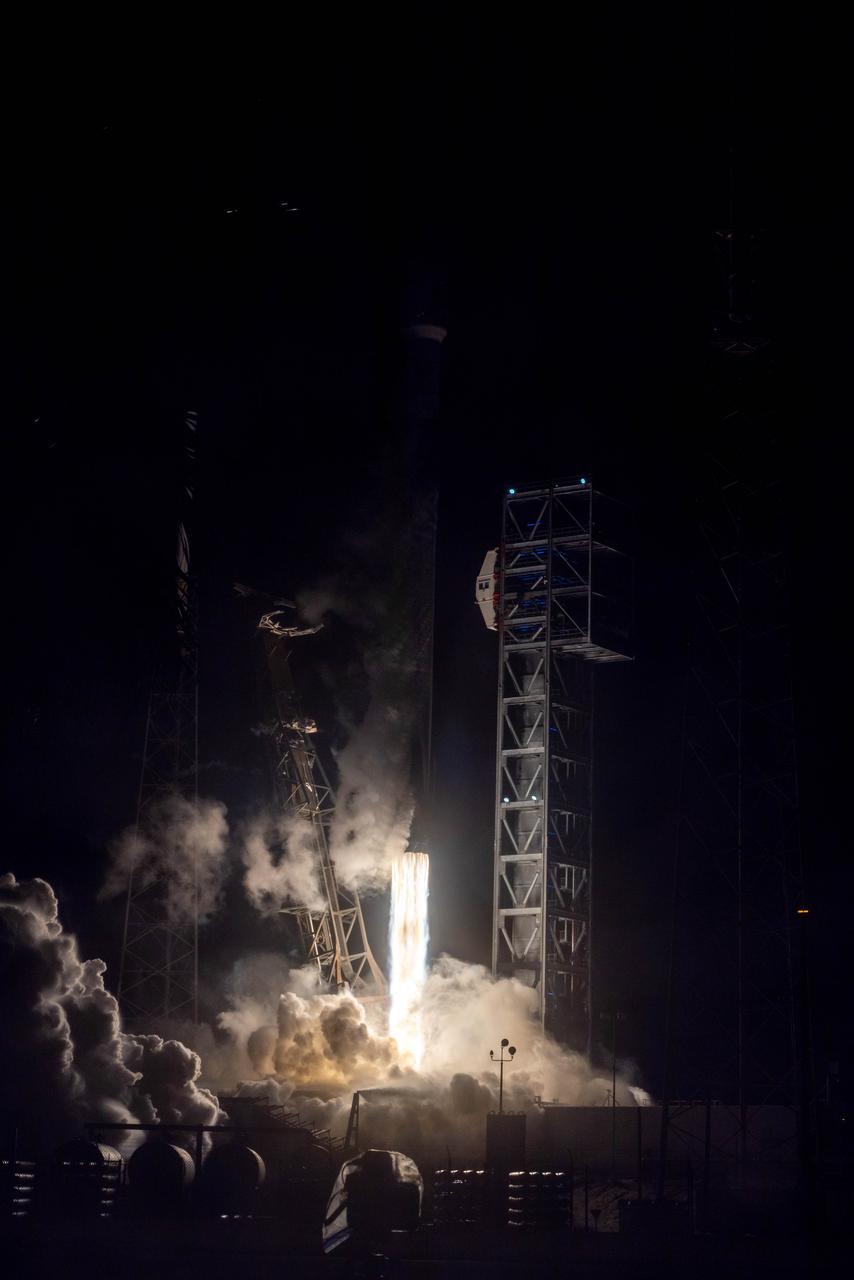
NASA’s PACE (Plankton, Aerosol, Cloud, ocean Ecosystem) spacecraft, atop a SpaceX Falcon 9 rocket, successfully lifts off from Space Launch Complex 40 at Cape Canaveral Space Force Station in Florida at 1:33 a.m. EST Thursday, Feb. 8. PACE is NASA’s newest earth-observing satellite that will help increase our understanding of Earth’s oceans, atmosphere, and climate by delivering hyperspectral observations of microscopic marine organisms called phytoplankton, as well new data on clouds and aerosols.