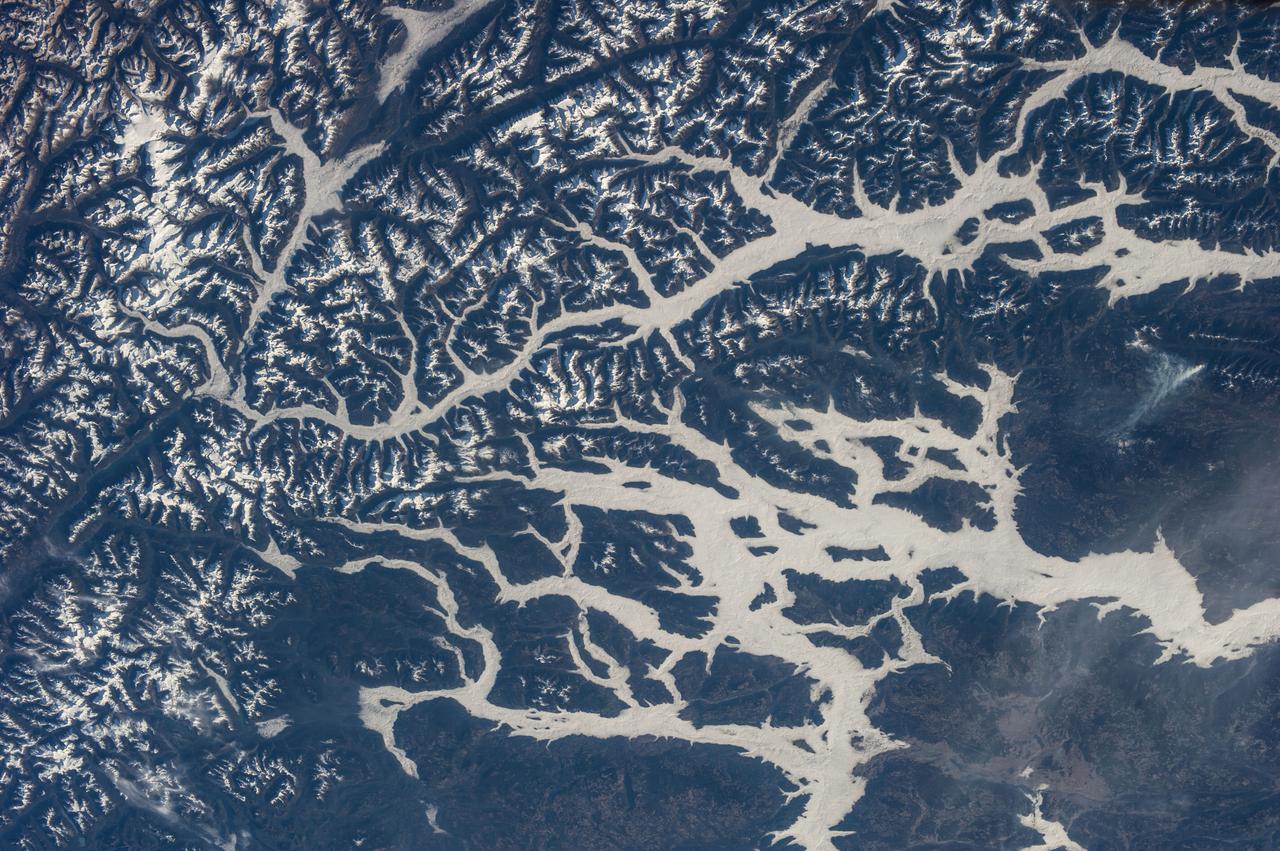
Earth observation taken during a day pass by an Expedition 37 crew member on board the International Space Station (ISS).
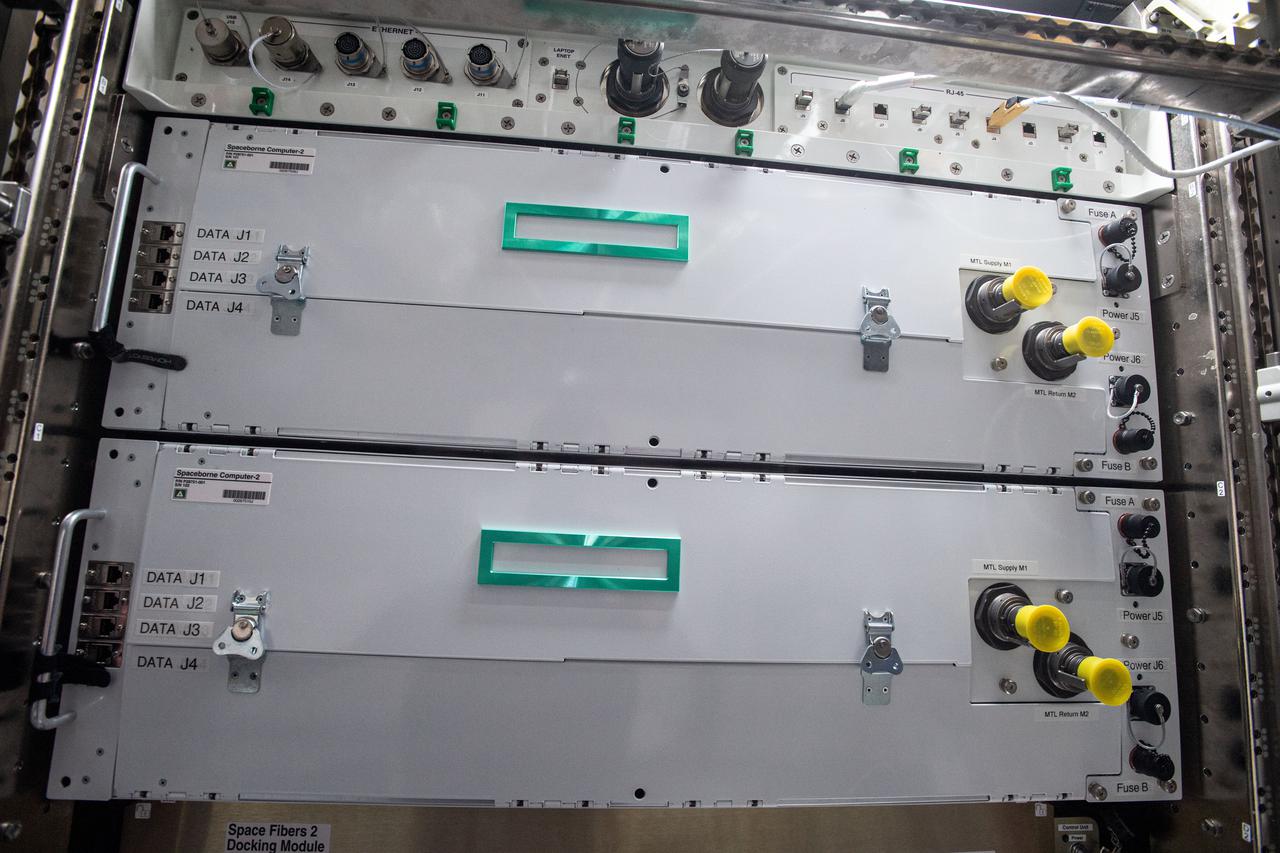
iss065e009492 4/29/2021 --- A view of the Spaceborne Computer-2 High Performance Commercial Off-The-Shelf (COTS) Computer System on the ISS (Spaceborne Computer-2) aboard the International Space Station (ISS). The study explores how space exploration can be advanced by the use of the commercial off-the-shelf computer systems. Spaceborne Computer-2 further tests additional techniques for recovering or mitigating errors in the extreme environment of unprotected solar radiation, galactic cosmic radiation (GCR) and other events.
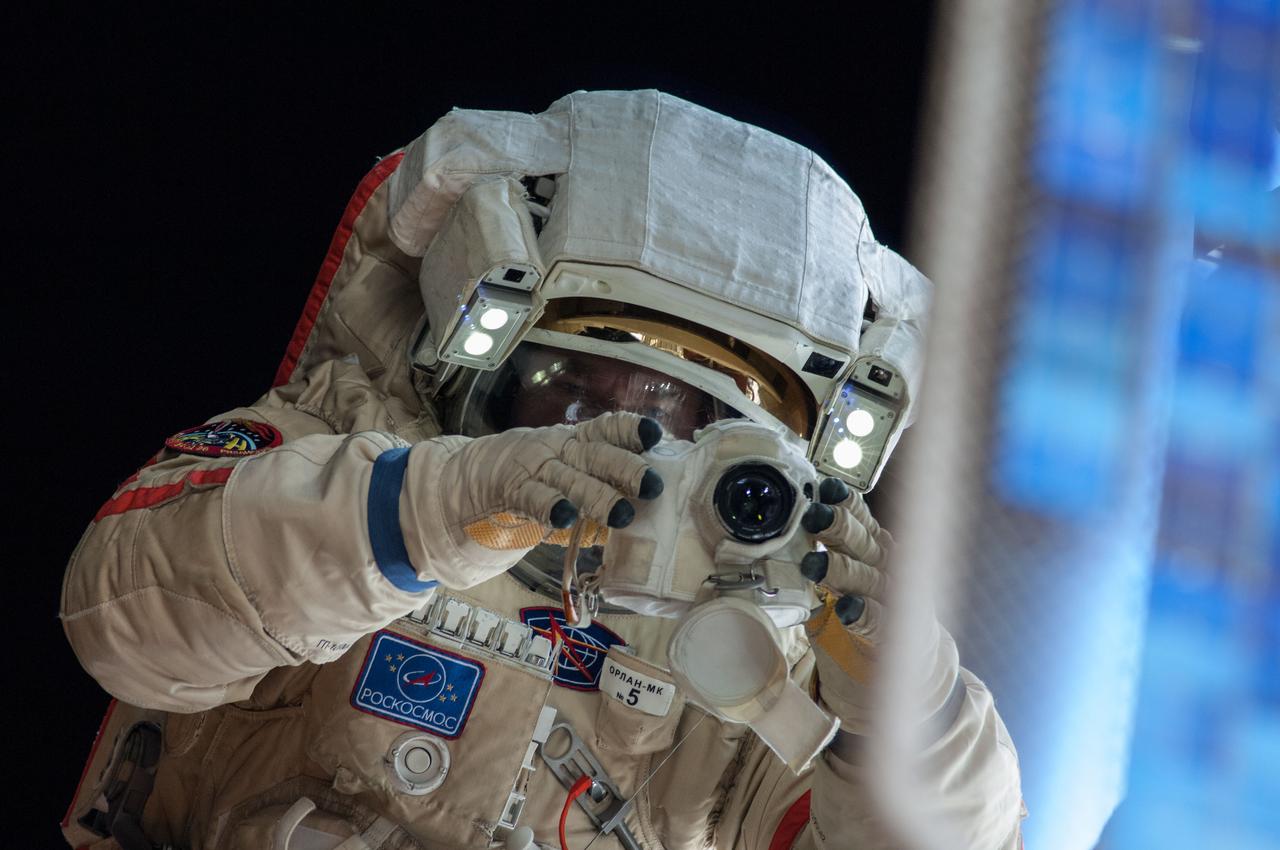
ISS037-E-028569 (9 Nov. 2013) --- Russian cosmonaut Oleg Kotov, Expedition 37 flight engineer, attired in a Russian Orlan spacesuit, uses a still camera during a session of extravehicular activity (EVA) in support of assembly and maintenance on the International Space Station. During the five-hour, 50-minute spacewalk, Kotov and Russian cosmonaut Sergey Ryazanskiy (out of frame) continued the setup of a combination EVA workstation and biaxial pointing platform that was installed during an Expedition 36 spacewalk on Aug. 22.
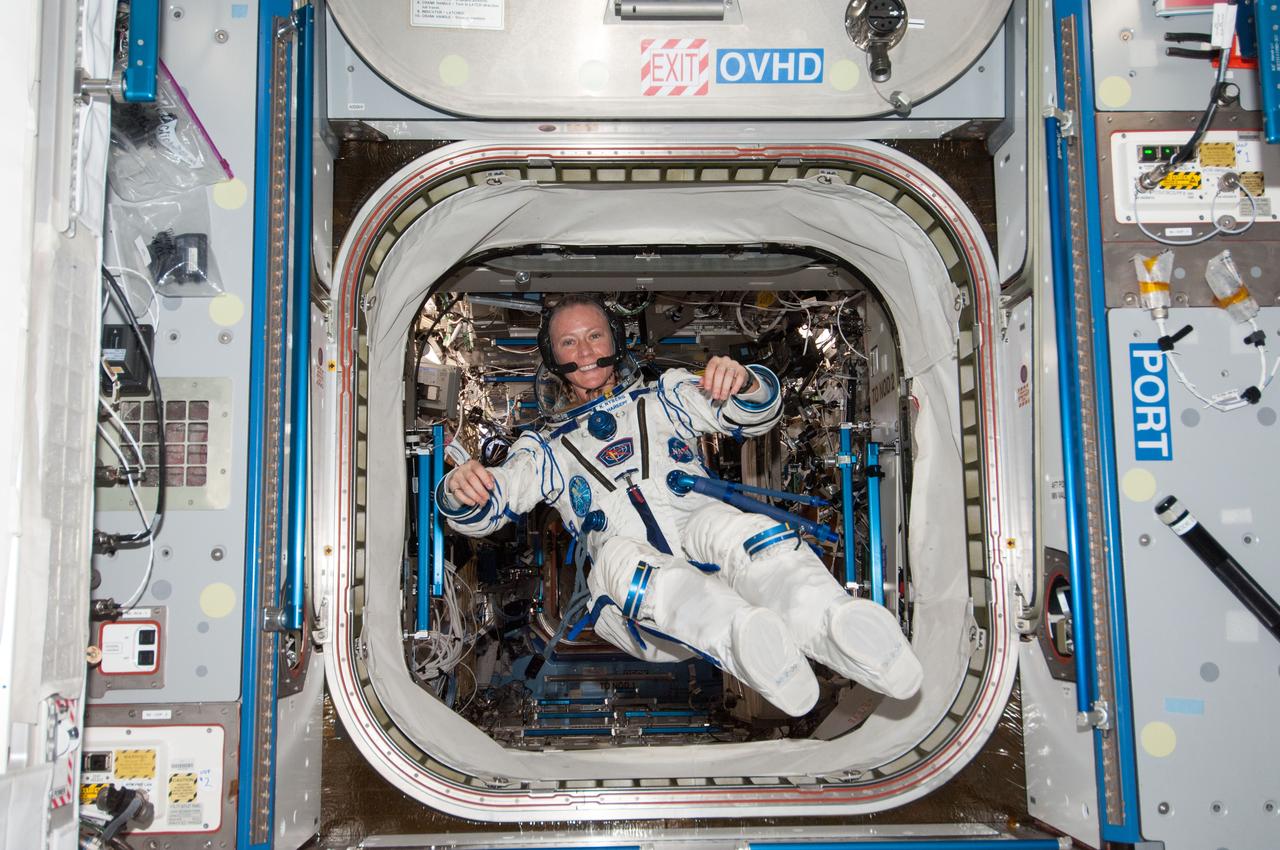
ISS037-E-022011 (28 Oct. 2013) --- Attired in a Russian Sokol launch and entry suit, NASA astronaut Karen Nyberg, Expedition 37 flight engineer, floats freely in the Harmony node of the International Space Station.
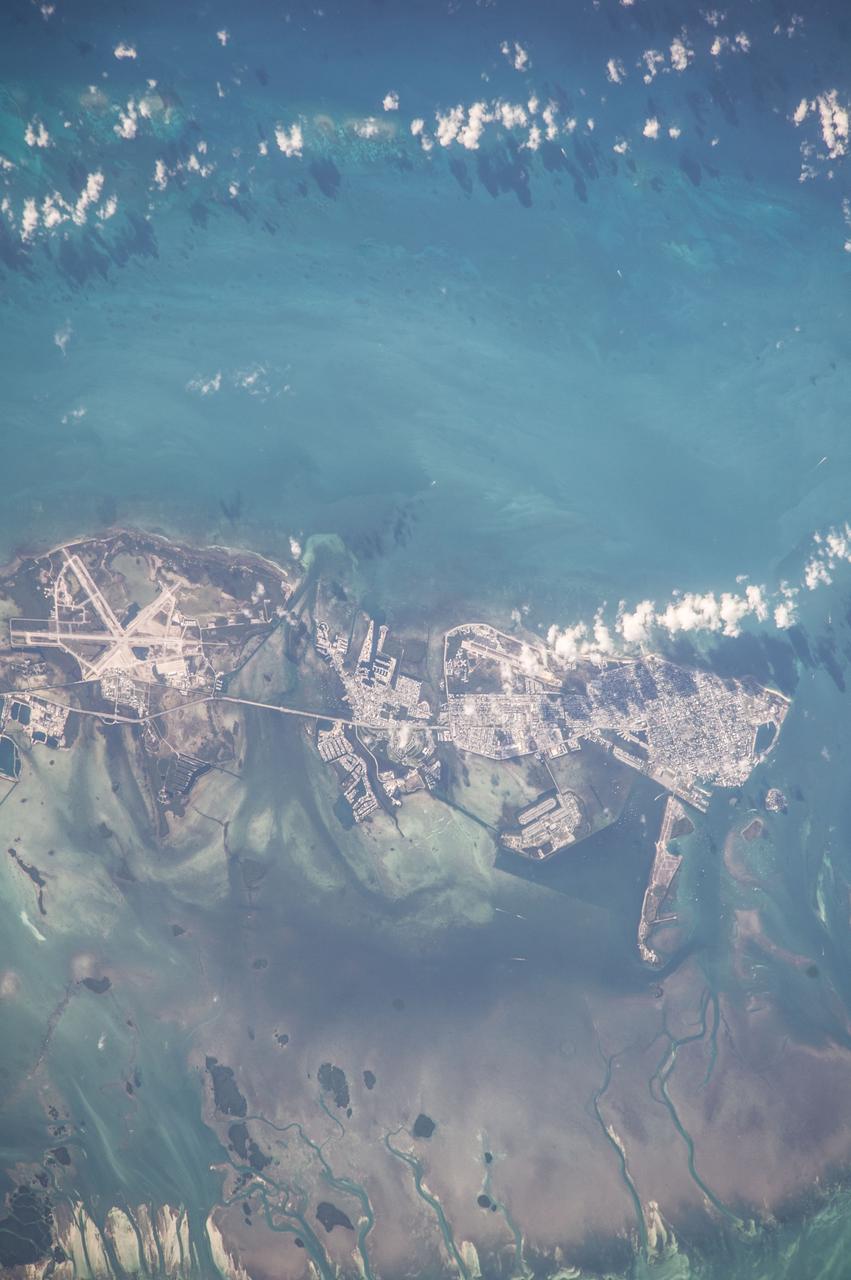
ISS038-E-007756 (24 Nov. 2013) --- One of the Expedition 38 crew members aboard the Earth-orbiting International Space Station used an 800mm lens to record this nadir image of Key West, Florida on Nov. 24, 2013.
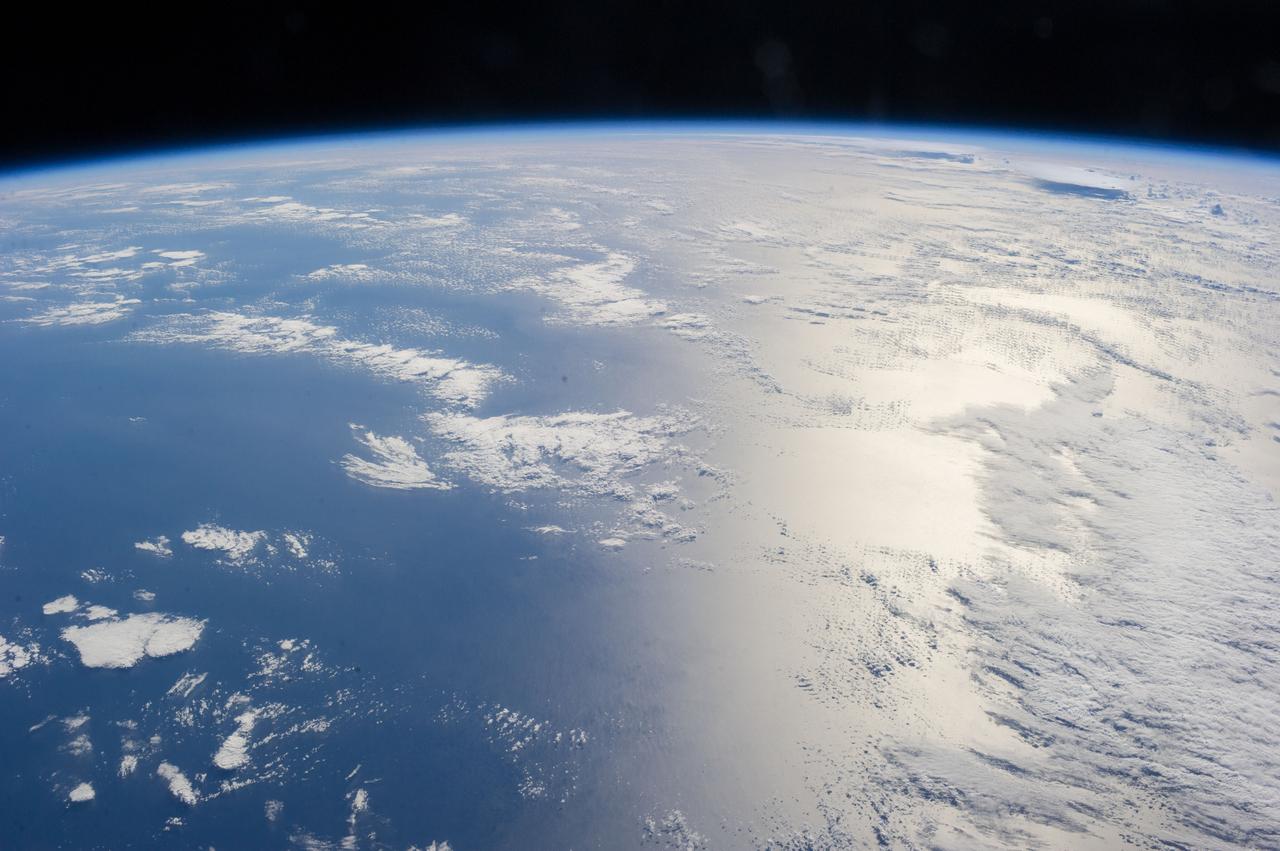
Earth observations taken by Expedition 38 crewmember. Earth limb is visible. Image was released by astronaut on Twitter.
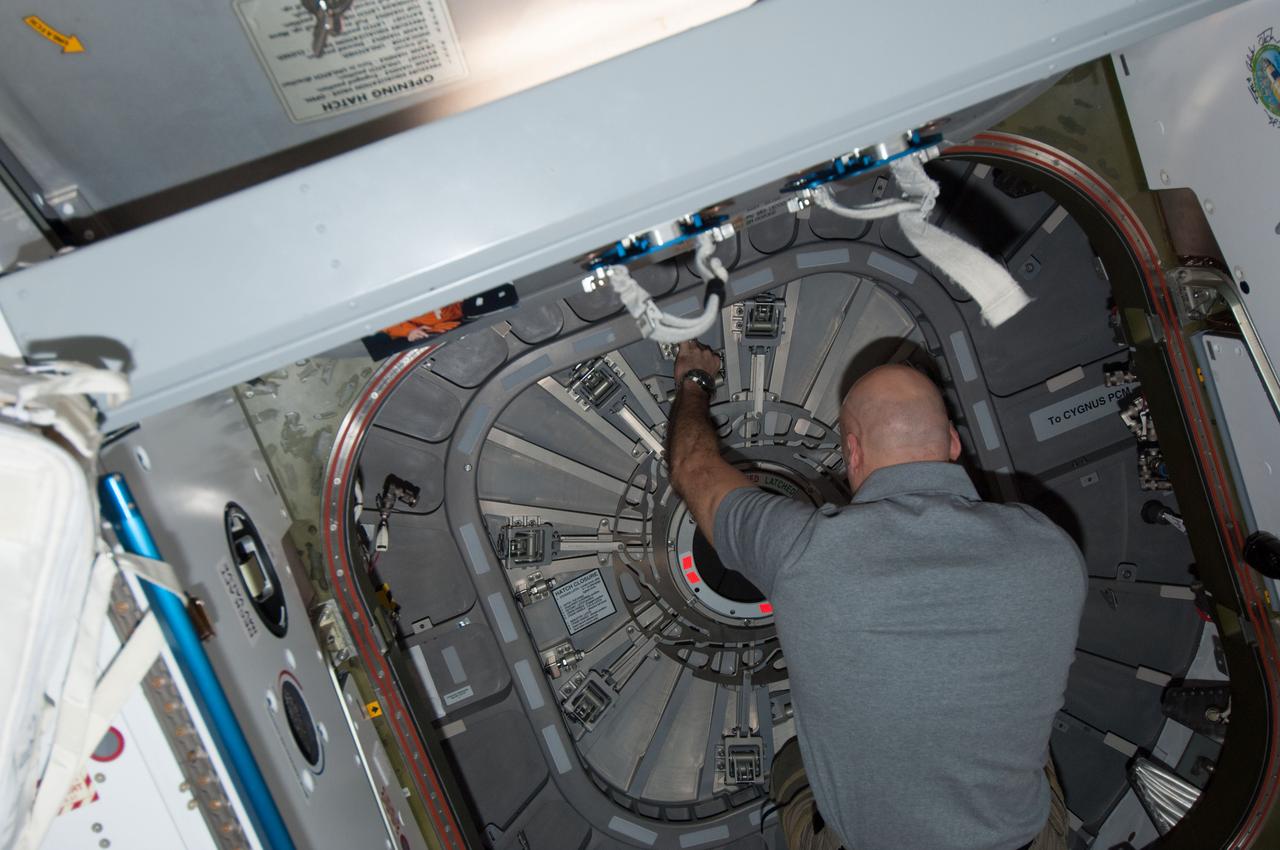
ISS037-E-016750 (21 Oct. 2013) --- European Space Agency astronaut Luca Parmitano, Expedition 37 flight engineer, closes the hatch between the International Space Station’s Harmony node and the Orbital Sciences’ Cygnus commercial cargo spacecraft in preparation for its release after completing a successful demonstration mission to the space station. Cygnus delivered 1,300 pounds of gear on Sept. 29 when it arrived and was captured by Canadarm2 and berthed to the Harmony node.
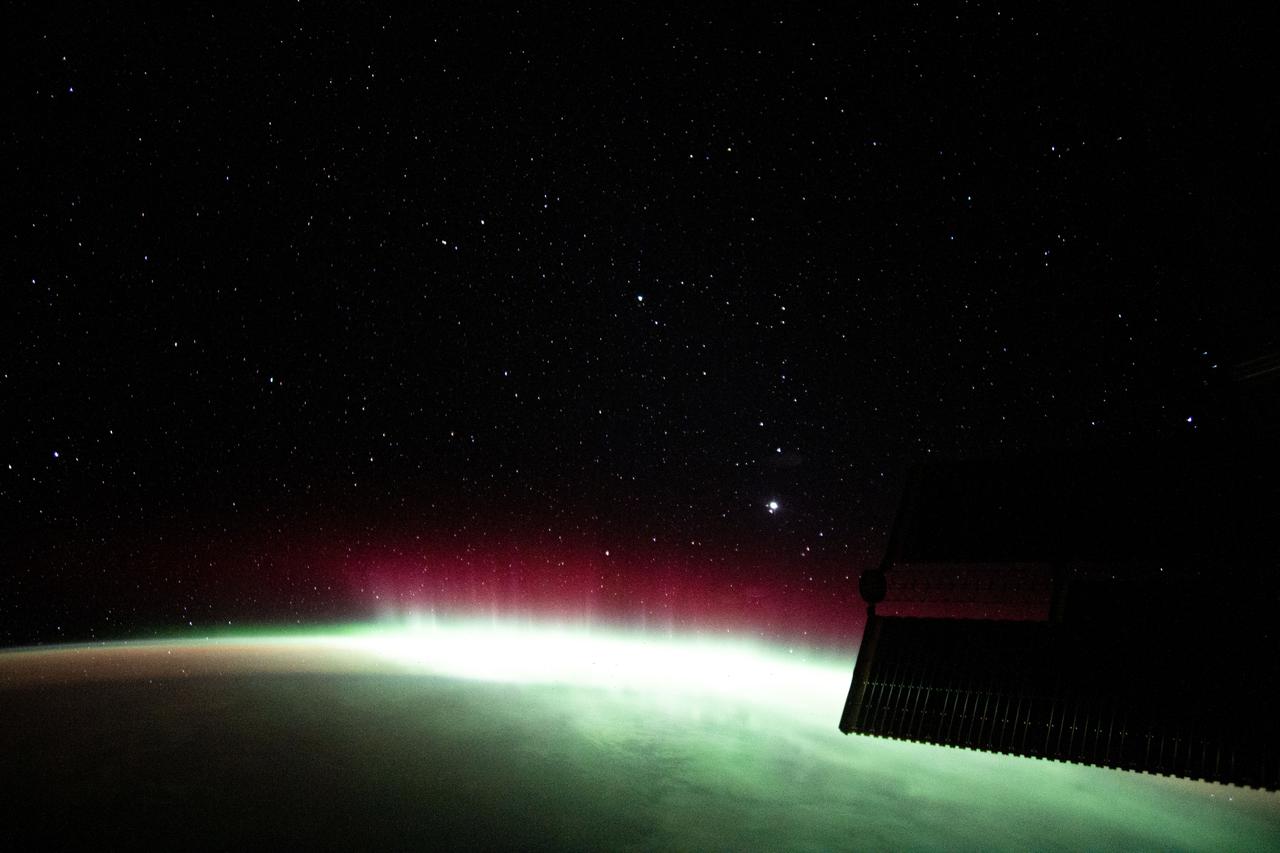
iss065e001061 (April 17, 2021) --- An aurora is pictured streaming above the Earth from a window aboard the SpaceX Crew Dragon Resilience. The International Space Station was orbiting 271 miles above the Indian Ocean in between South Africa and Antarctica.
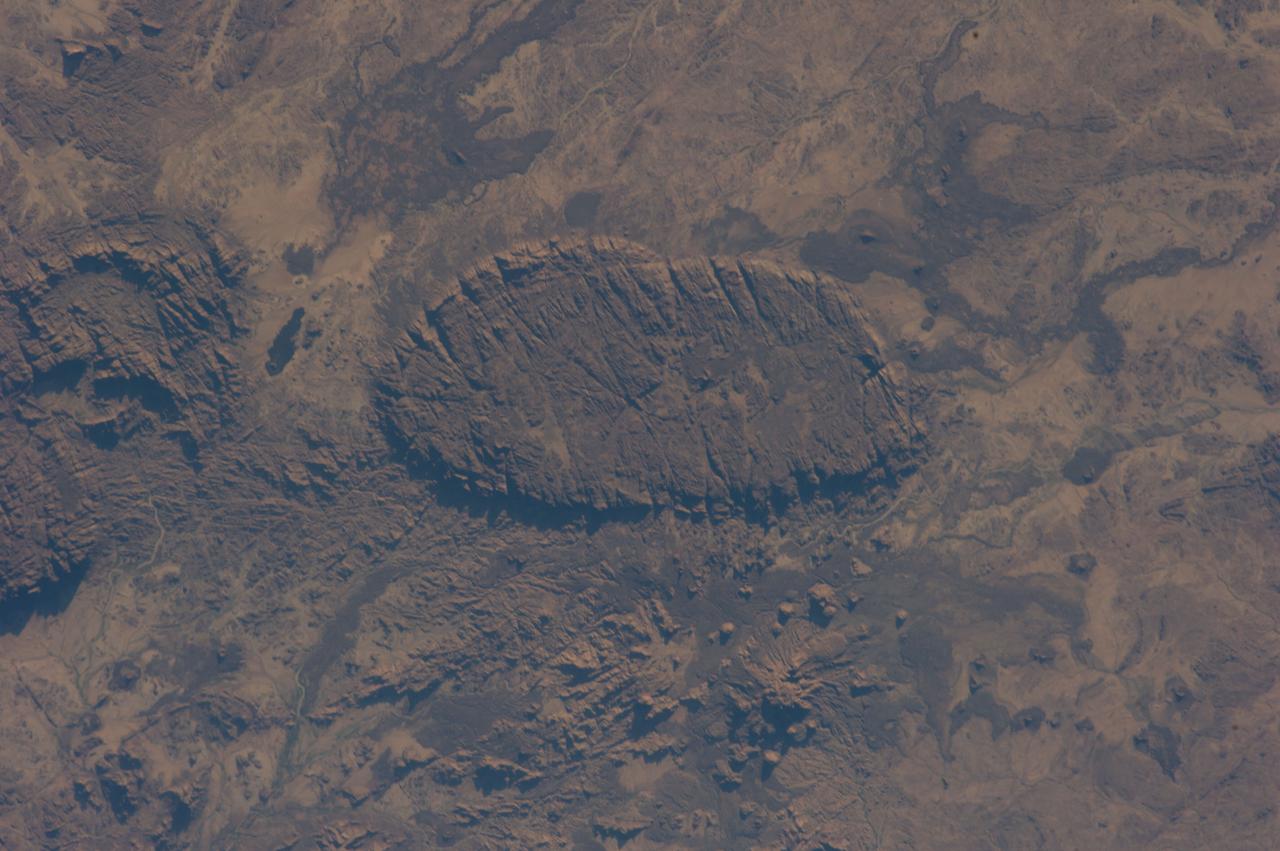
ISS037-E-026753 (4 Nov. 2013) --- One of the Expedition 37 crew members aboard the International Space Station photograph this vertical view of mountainous terrain in Niger, a landlocked country in Africa surrounded by seven other nations.
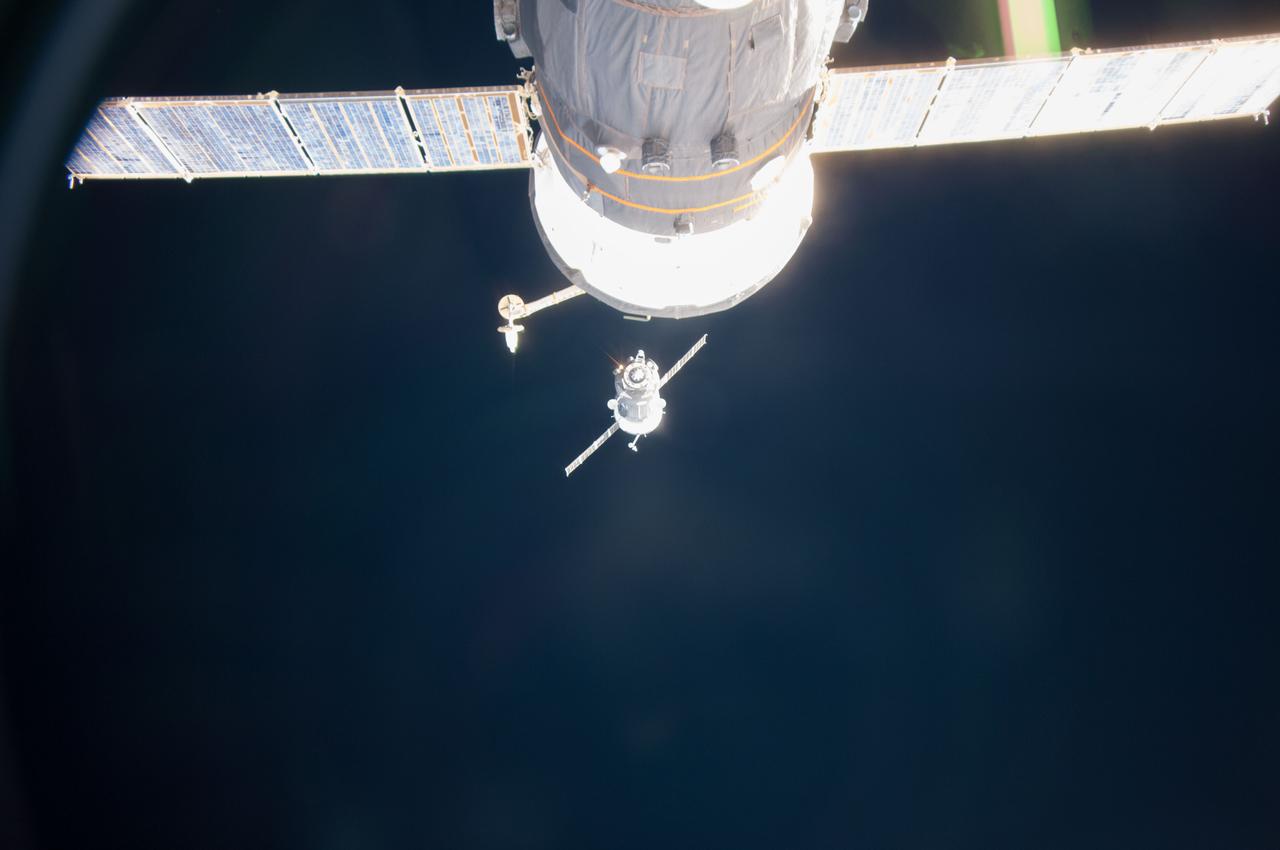
ISS037-E-027527 (7 Nov. 2013) --- The Soyuz TMA-11M spacecraft approaches the International Space Station, carrying Expedition 38 Soyuz Commander Mikhail Tyurin, NASA Flight Engineer Rick Mastracchio and JAXA Flight Engineer Koichi Wakata. The Soyuz docked to the Rassvet docking compartment at 5:27 a.m. (EST) on Nov. 7, 2013.
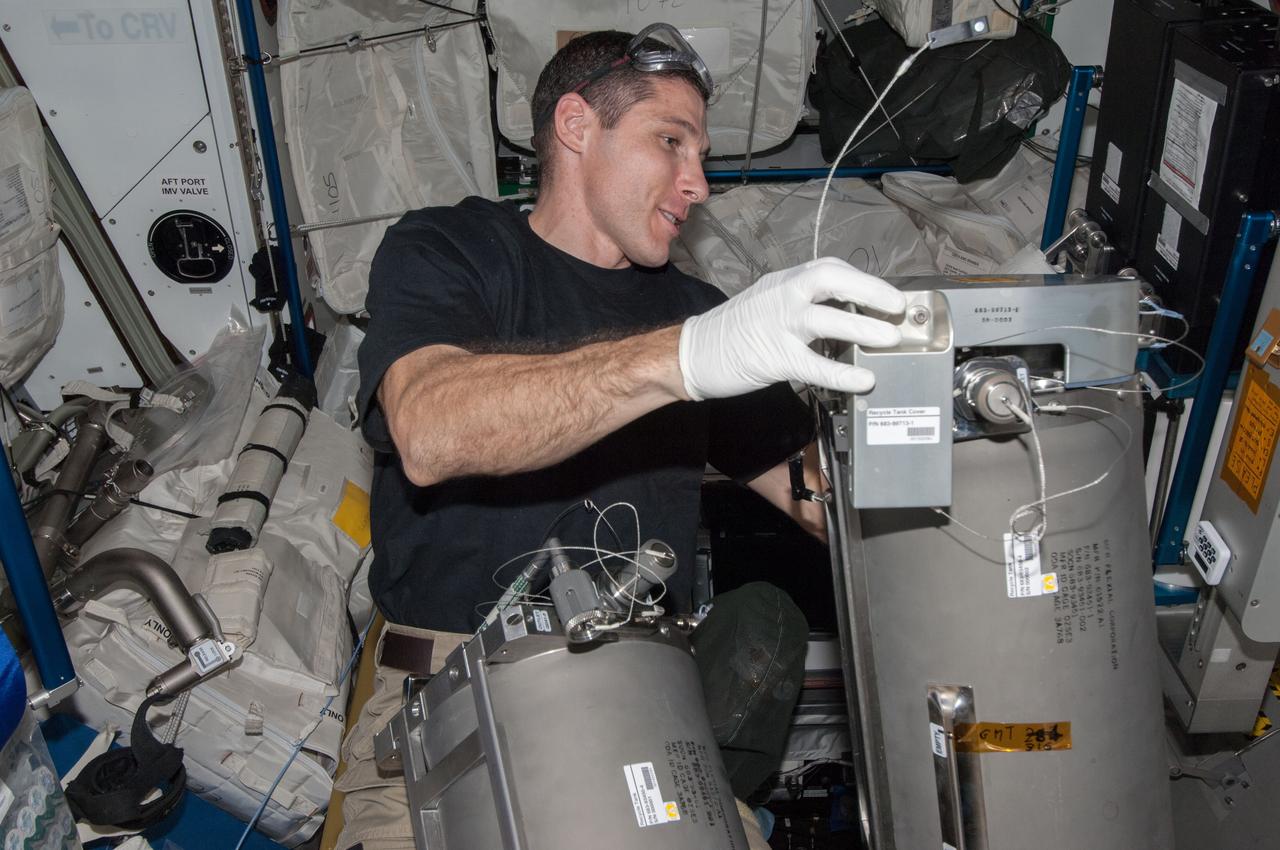
ISS038-E-008289 (24 Nov. 2013) --- NASA astronaut Michael Hopkins, Expedition 38 flight engineer, works with tanks from the Advanced Recycle Filter Tank Assembly (ARFTA) in the Tranquility node of the International Space Station.
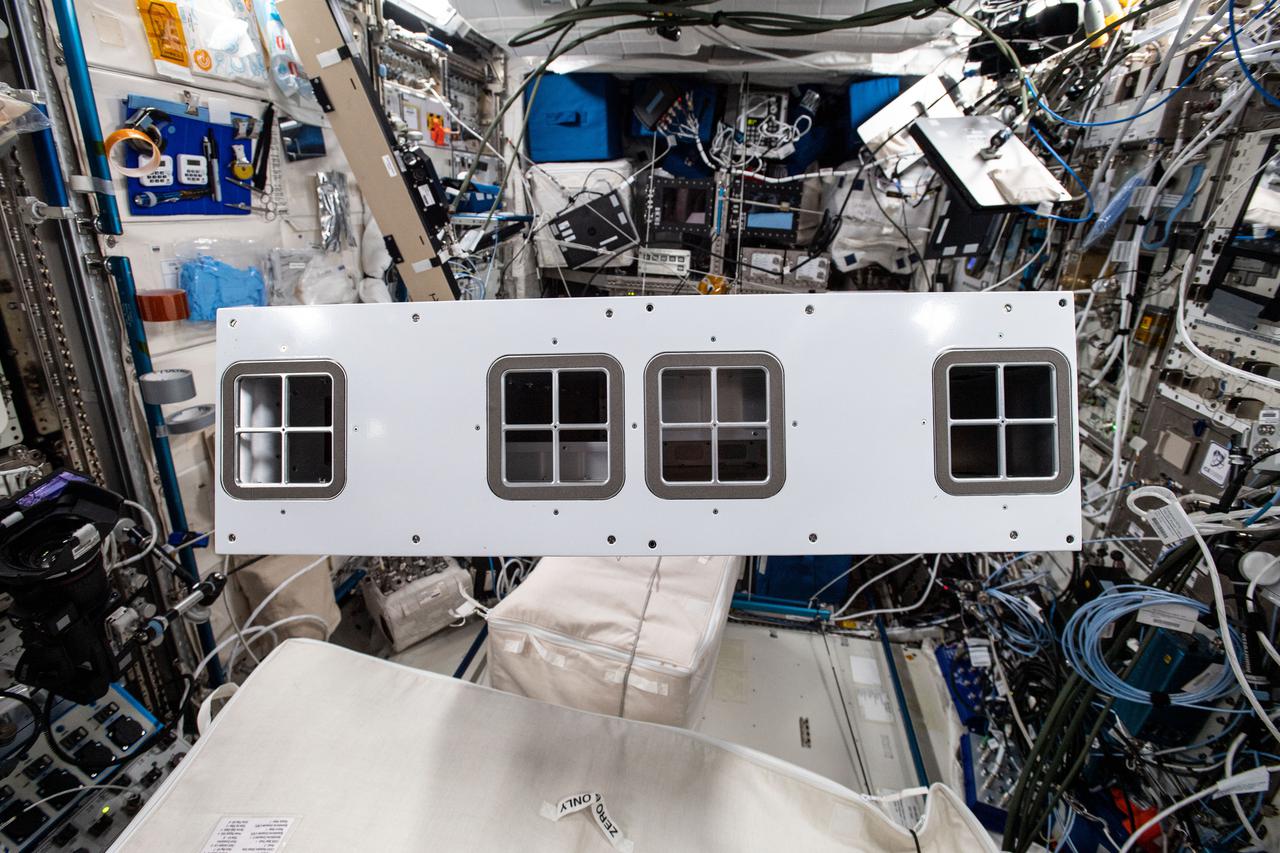
iss065e009485 4/29/2021 --- A view of the Spaceborne Computer-2 High Performance Commercial Off-The-Shelf (COTS) Computer System on the ISS (Spaceborne Computer-2) aboard the International Space Station (ISS). The study explores how space exploration can be advanced by the use of the commercial off-the-shelf computer systems. Spaceborne Computer-2 further tests additional techniques for recovering or mitigating errors in the extreme environment of unprotected solar radiation, galactic cosmic radiation (GCR) and other events.

Close-up view of plant growth taken by the Expedition 37 crew.
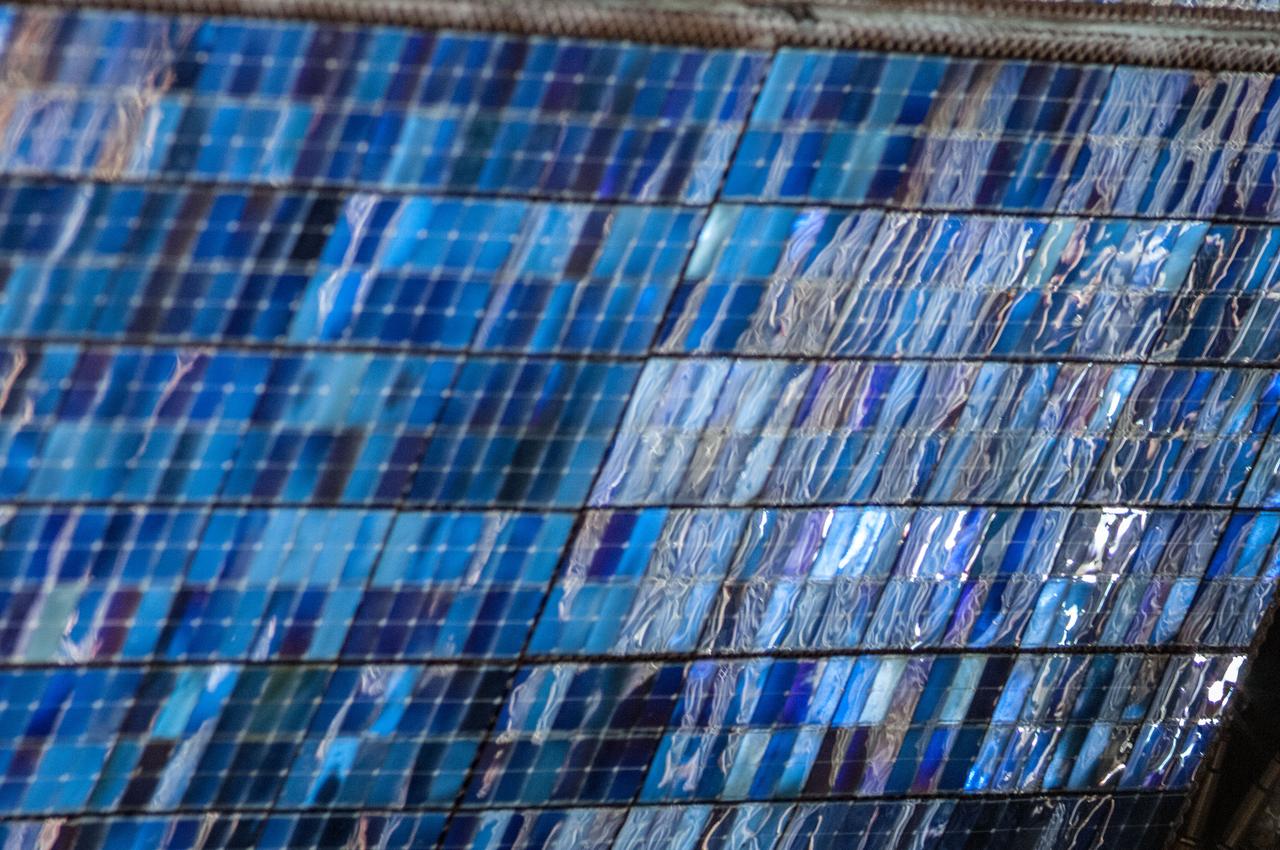
View of FGB solar array panels taken during Russian extravehicular activity (EVA) 36 in support of assembly and maintenance on the International Space Station.
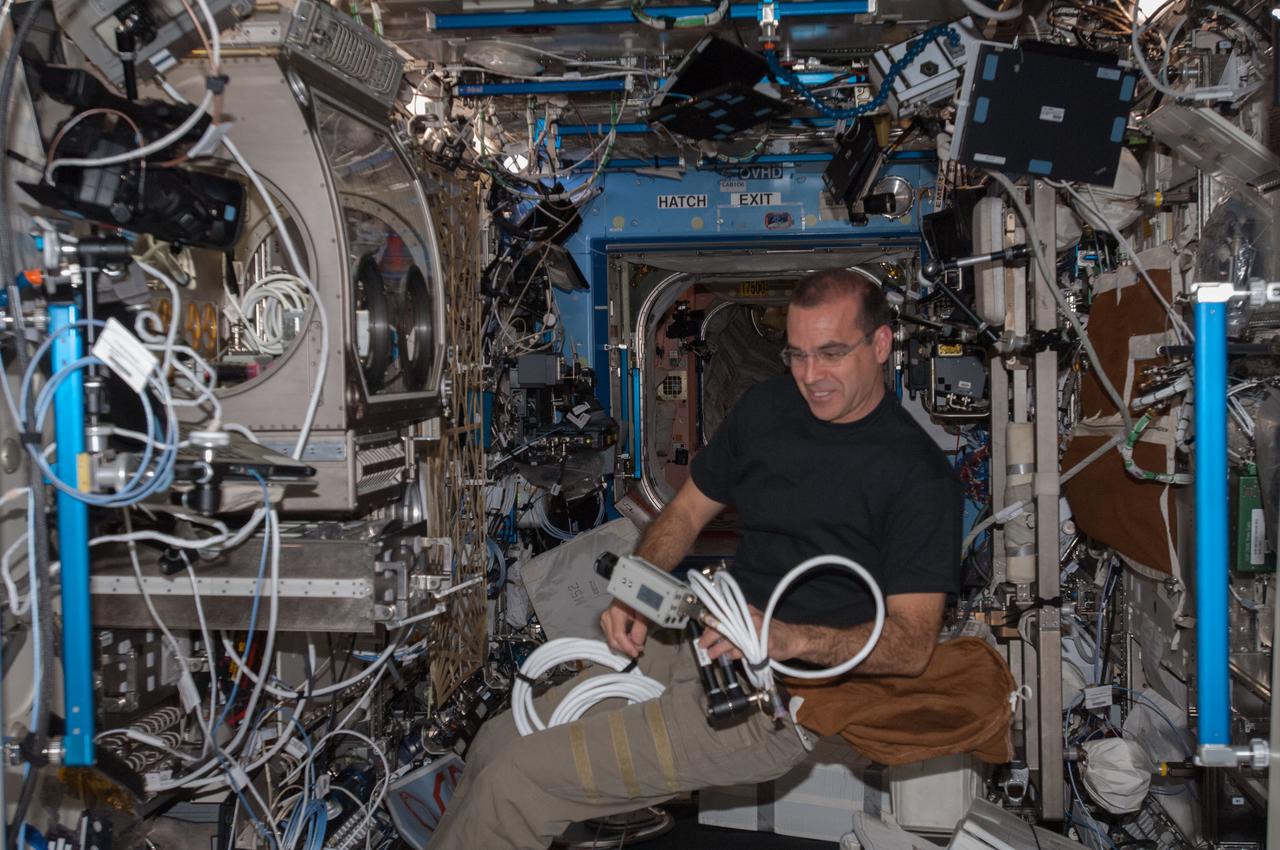
ISS038-E-000714 (13 Nov. 2013) --- NASA astronaut Rick Mastracchio, Expedition 38 flight engineer, works with equipment in the Destiny laboratory of the International Space Station.
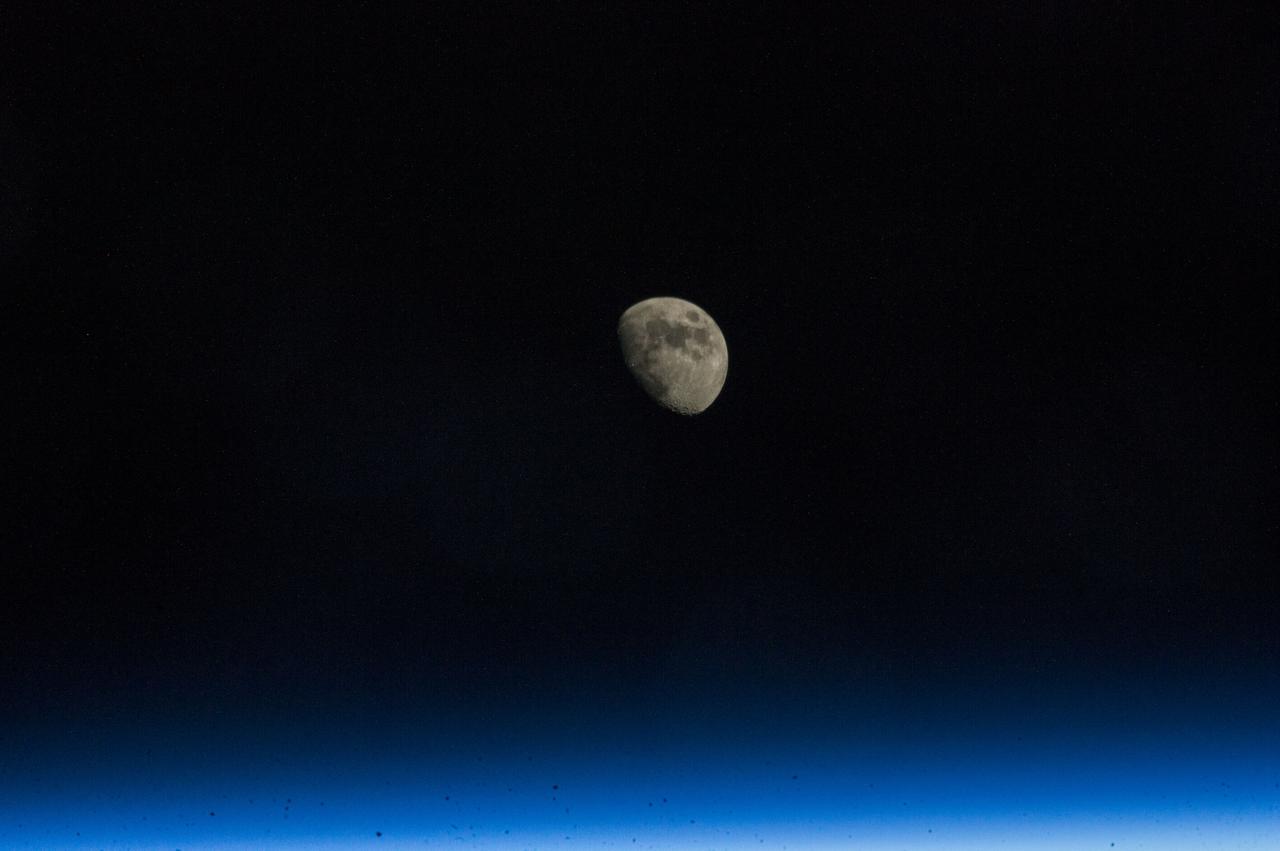
ISS038-E-000649 (12 Nov. 2013) --- Although crew members on the International Space Station view literally hundreds of scenes of the moon rising and setting over Earth on each several- month increment, the home planet's natural satellite never ceases to escape the crew's attention and impulse to grab a camera from time to time. Such was the case with this image of a waxing gibbous moon recorded exactly at 00:00:00 GMT, Nov. 12, 2013.
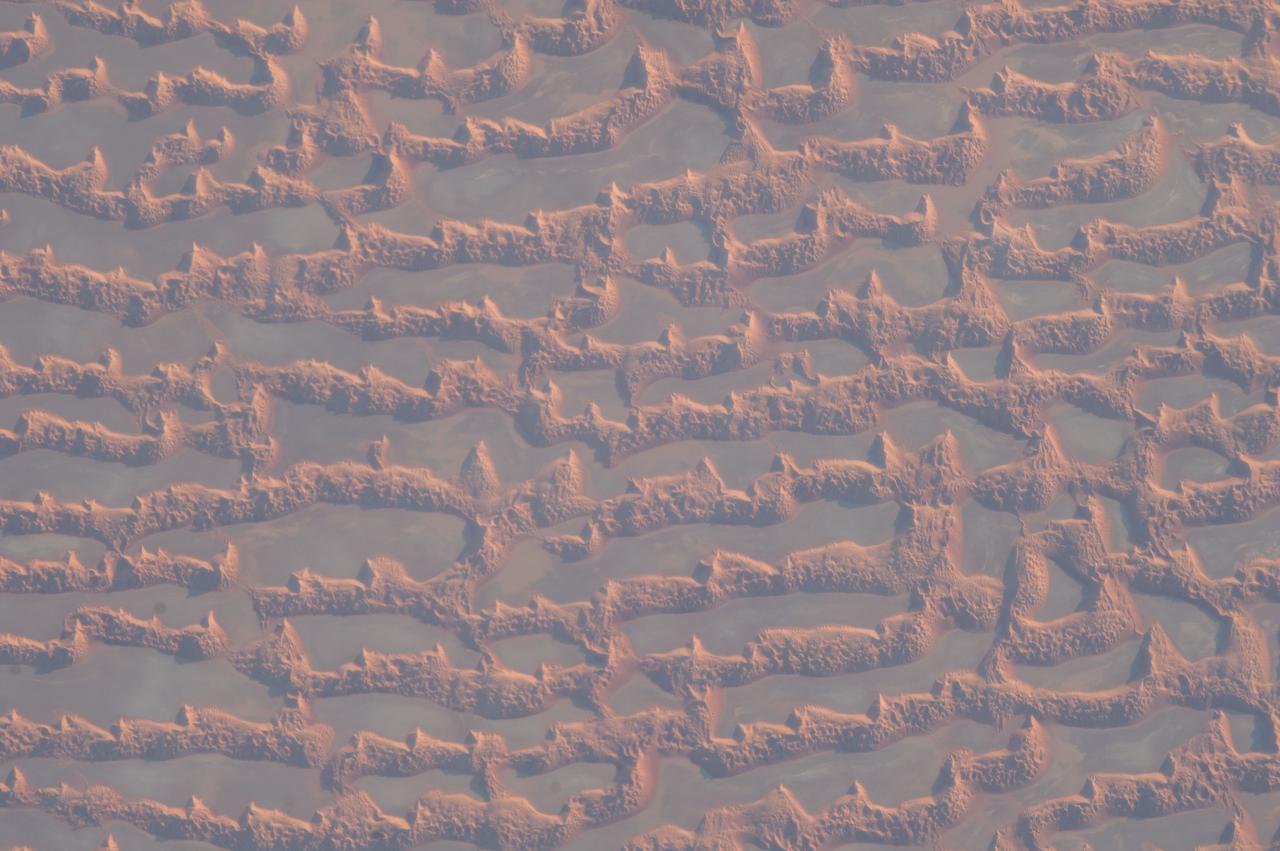
Earth observation taken during a day pass by an Expedition 37 crew member on board the International Space Station (ISS).
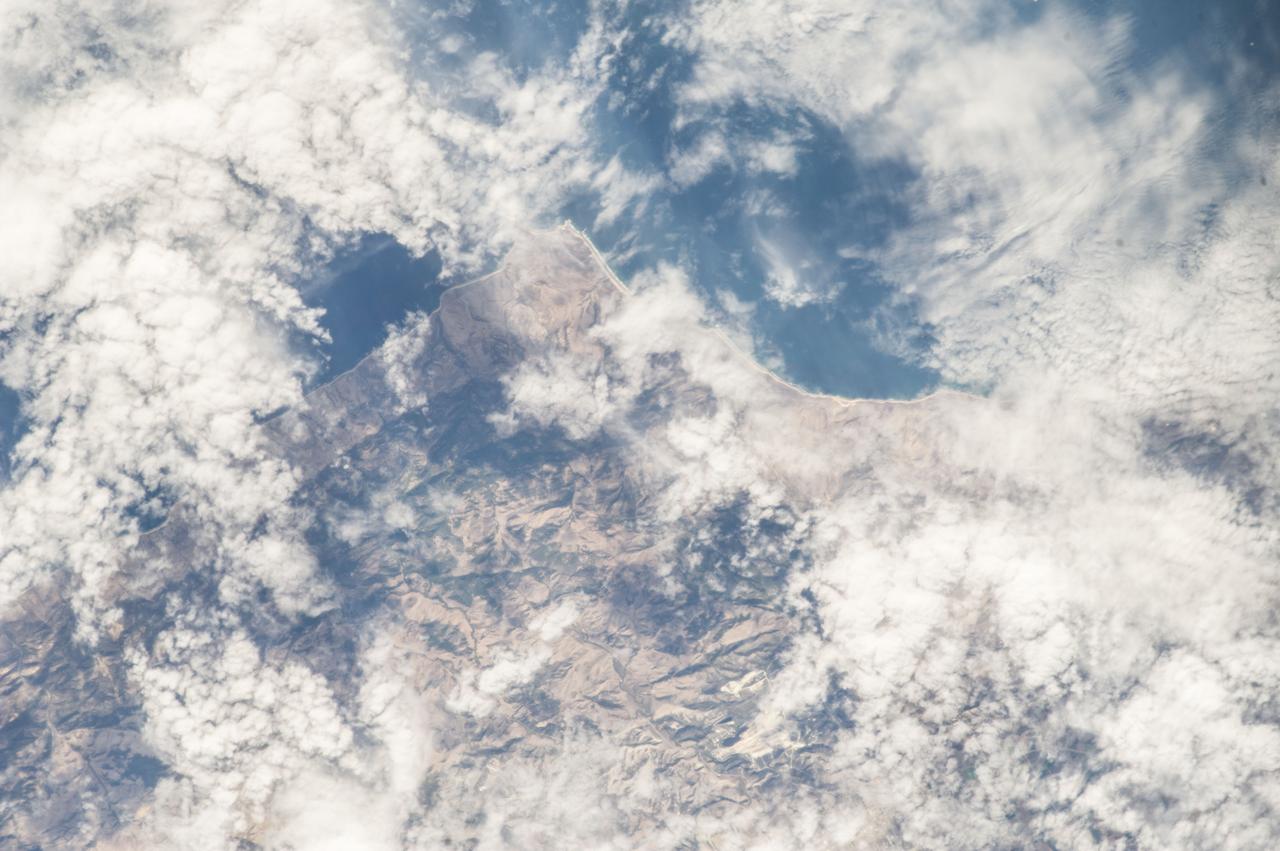
Earth Observations taken by Expeditiion 38 crewmember. Image was released by astronaut on Twitter.
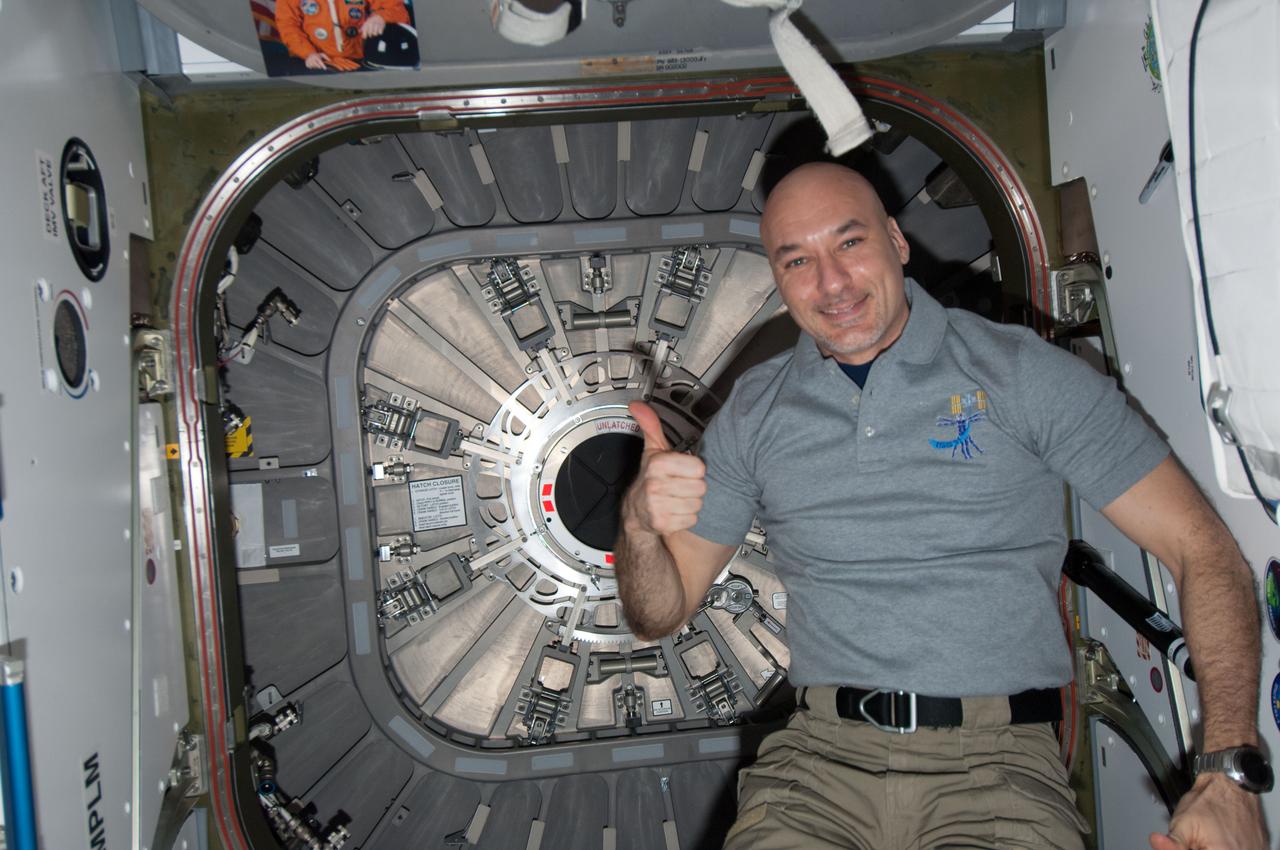
ISS037-E-016758 (21 Oct. 2013) --- European Space Agency astronaut Luca Parmitano, Expedition 37 flight engineer, gives a thumbs up signal after closing the hatch between the International Space Station’s Harmony node and the Orbital Sciences’ Cygnus commercial cargo spacecraft in preparation for its release after completing a successful demonstration mission to the space station. Cygnus delivered 1,300 pounds of gear on Sept. 29 when it arrived and was captured by Canadarm2 and berthed to the Harmony node.
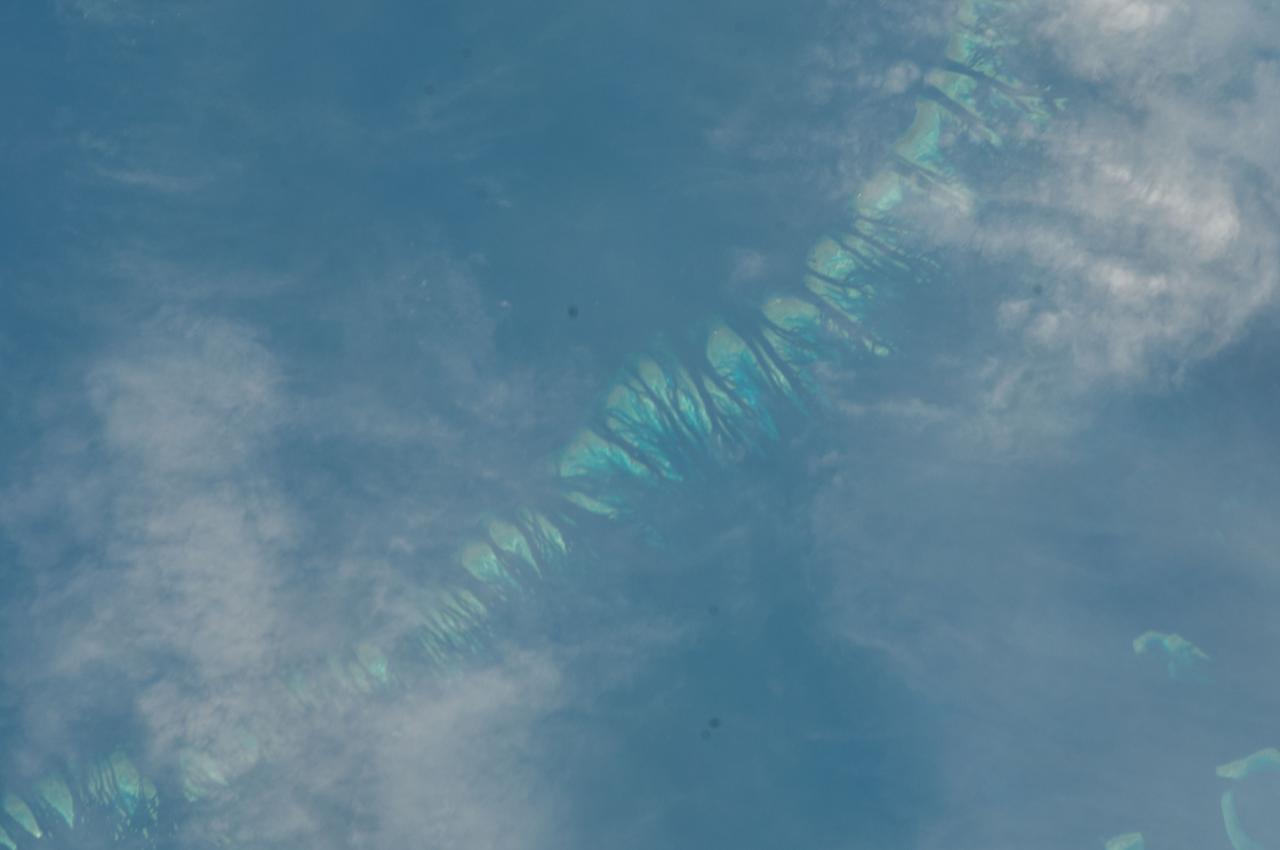
Earth Observations taken by Expedition 38 crewmember. Image was released by astronaut on Twitter.
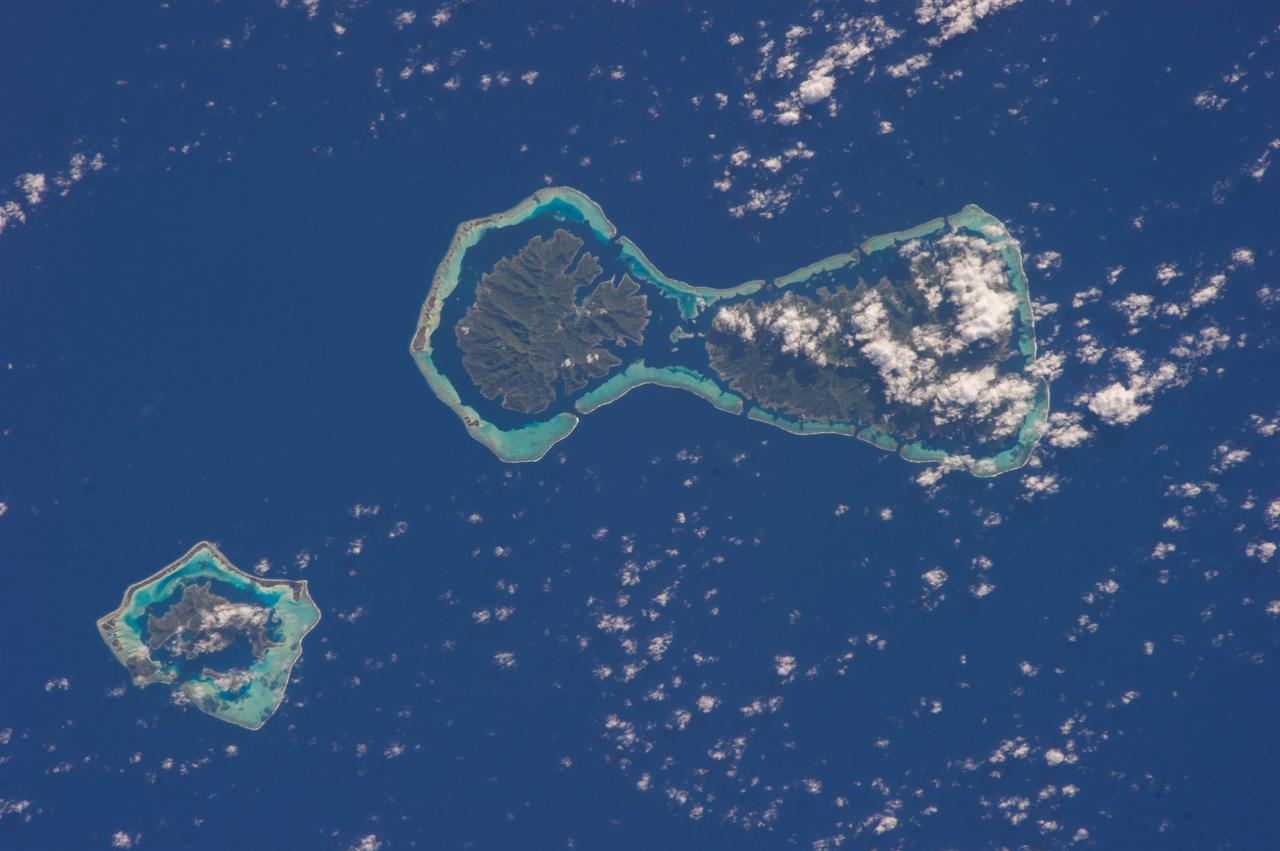
ISS037-E-022125 (28 Oct. 2013) --- The interesting color contrasts of the water surrounding the atolls of Pinaki (bottom) and Nukutavake in French Polynesia caught the eye of one of the Expedition 37 crew members aboard the Earth-orbiting International Space Station on Oct. 28. At first glance to a pair of sleepy eyes, the atolls might look somewhat like a bottle cap and a bottle opener.
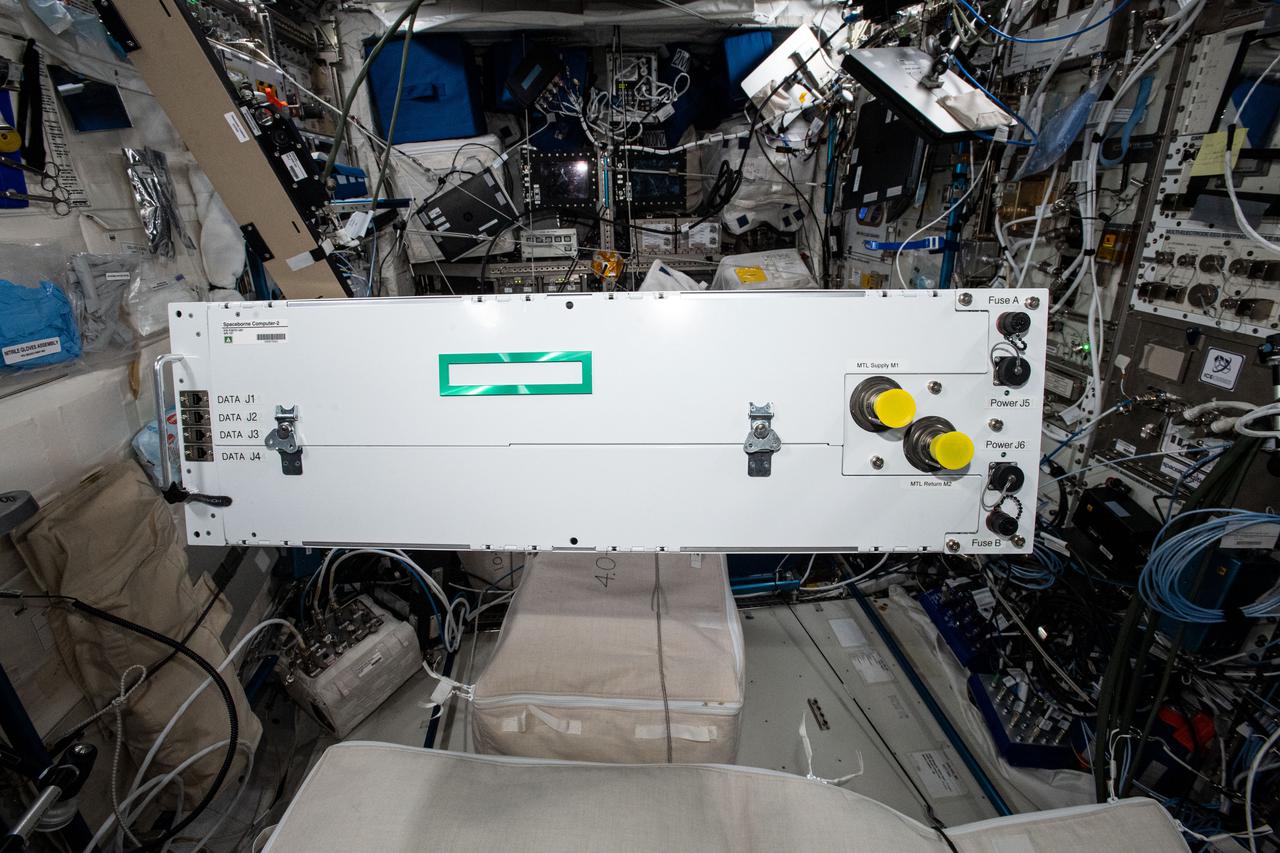
iss065e009467 4/29/2021 --- A view of the Spaceborne Computer-2 High Performance Commercial Off-The-Shelf (COTS) Computer System on the ISS (Spaceborne Computer-2) aboard the International Space Station (ISS). The study explores how space exploration can be advanced by the use of the commercial off-the-shelf computer systems. Spaceborne Computer-2 further tests additional techniques for recovering or mitigating errors in the extreme environment of unprotected solar radiation, galactic cosmic radiation (GCR) and other events.
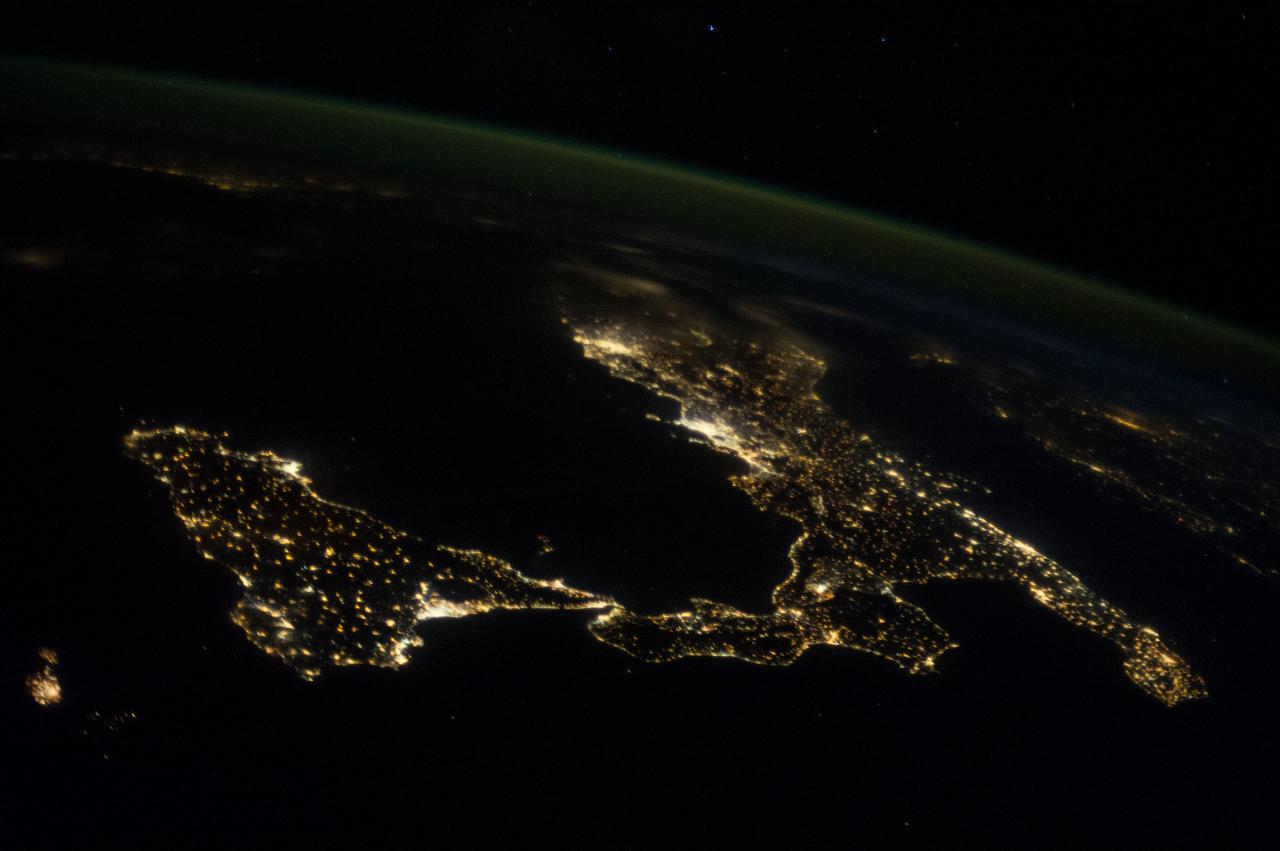
ISS037-E-018864 (23 Oct. 2013) --- This night image of most of Italy and all of Sicily was photographed by one of the Expedition 37 crew members aboard the International Space Station flying approximately 240 miles above Earth on Oct. 23, 2013. The night lights of Rome and Naples are visible near the center of the frame. Many other major cities are also visible by their lights. The Adriatic Sea is on the east (right) side of Italy.
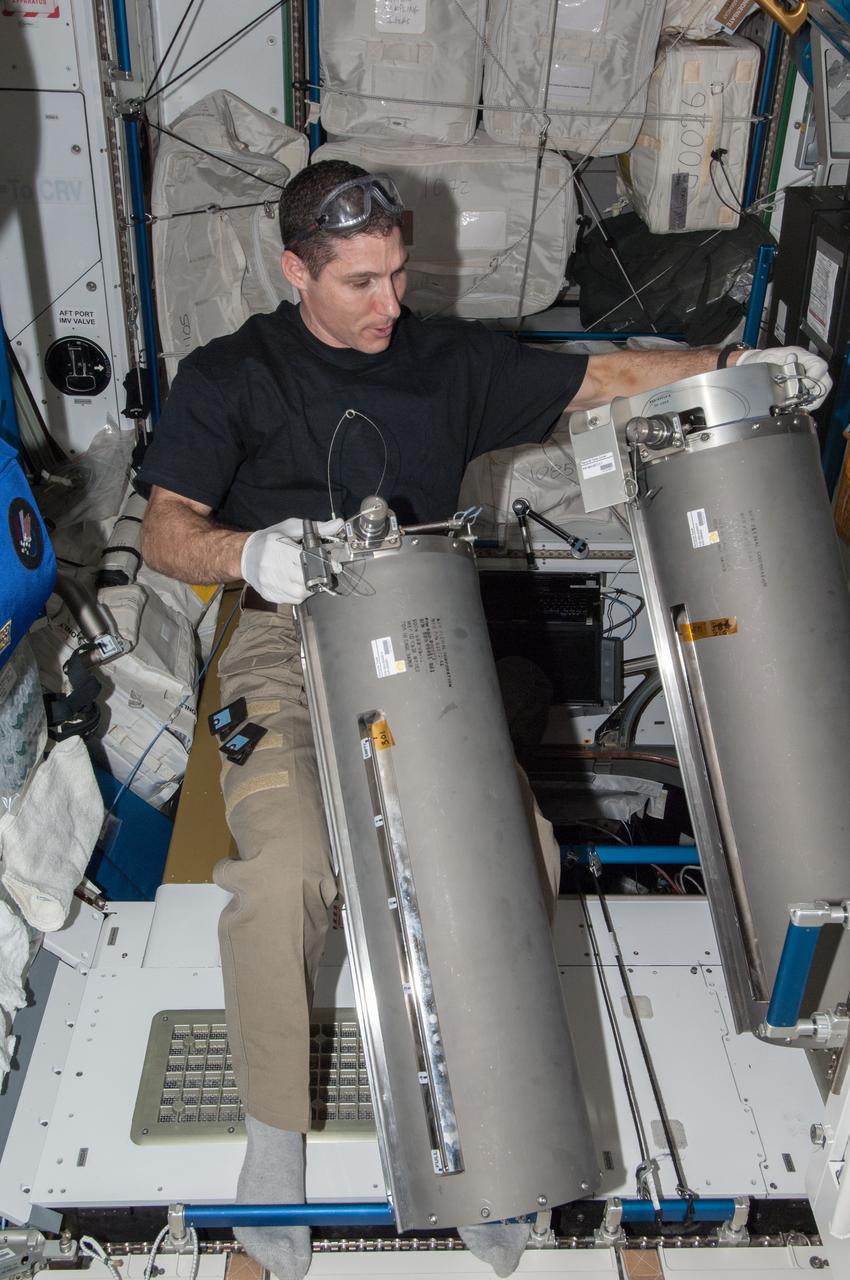
ISS038-E-008287 (24 Nov. 2013) --- NASA astronaut Michael Hopkins, Expedition 38 flight engineer, works with tanks from the Advanced Recycle Filter Tank Assembly (ARFTA) in the Tranquility node of the International Space Station.
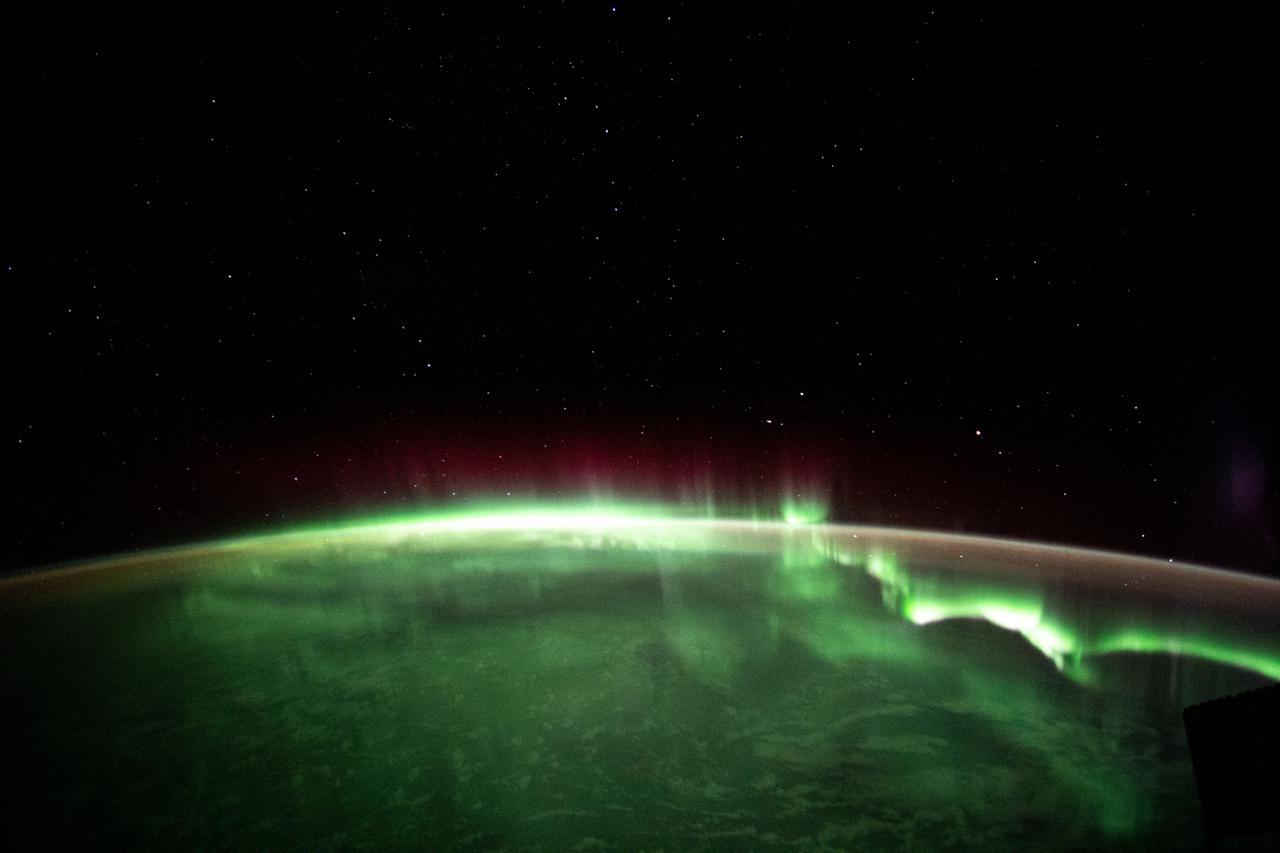
iss065e001065 (April 19, 2021) --- An aurora is pictured streaming above the Earth from a window aboard the SpaceX Crew Dragon Resilience. The International Space Station was orbiting 271 miles above the Indian Ocean in between Australia and Antarctica.
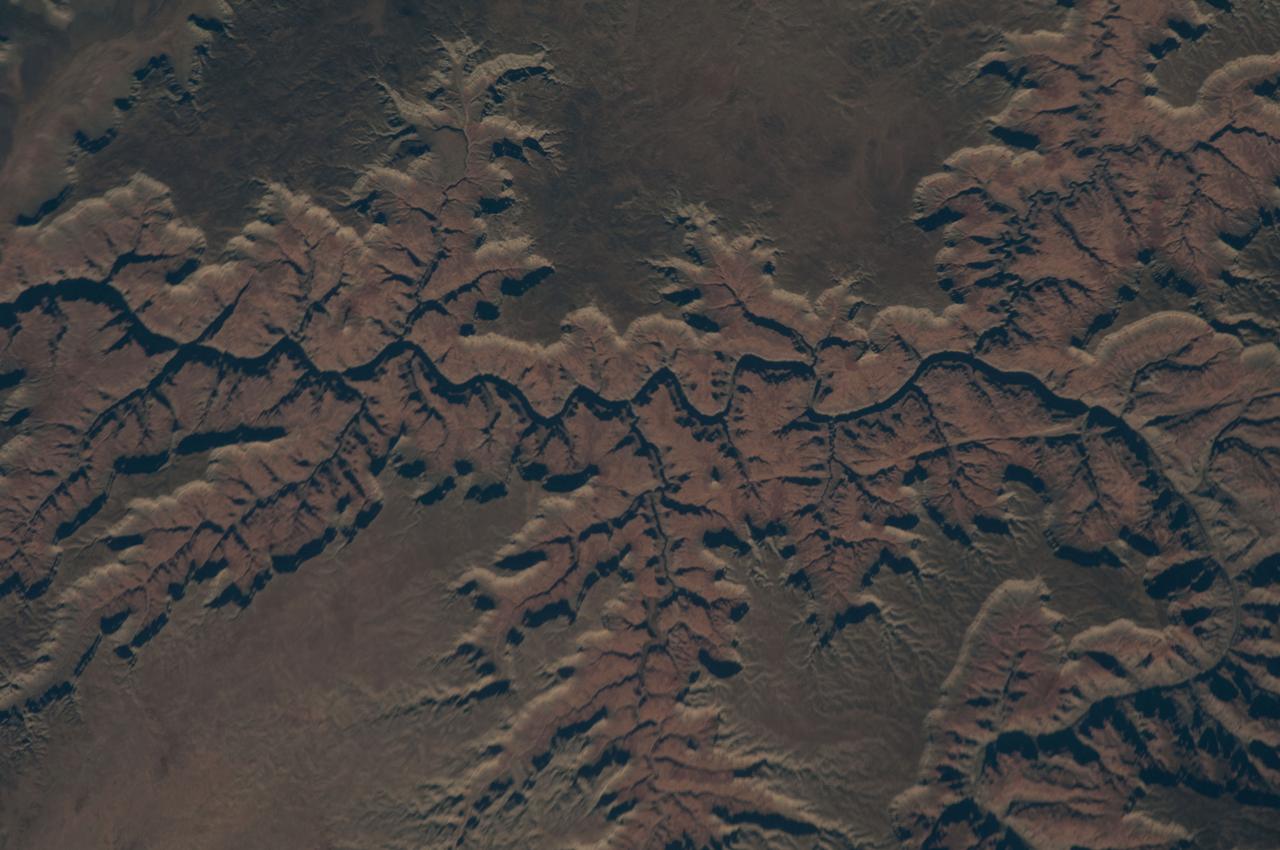
Earth observation taken during a day pass by the Expedition 37 crew.
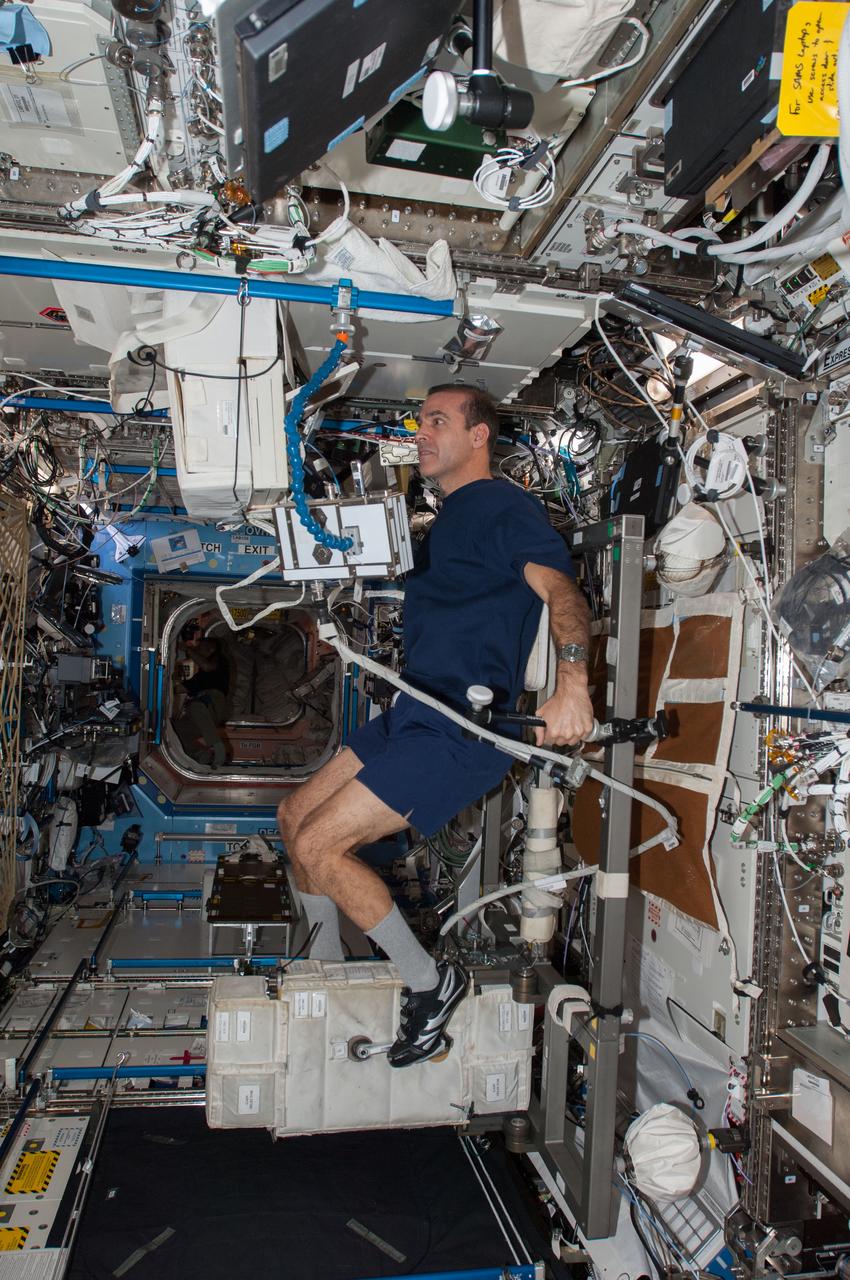
ISS038-E-007156 (22 Nov. 2013) --- NASA astronaut Rick Mastracchio, Expedition 38 flight engineer, exercises on the Cycle Ergometer with Vibration Isolation System (CEVIS) in the Destiny laboratory of the International Space Station.
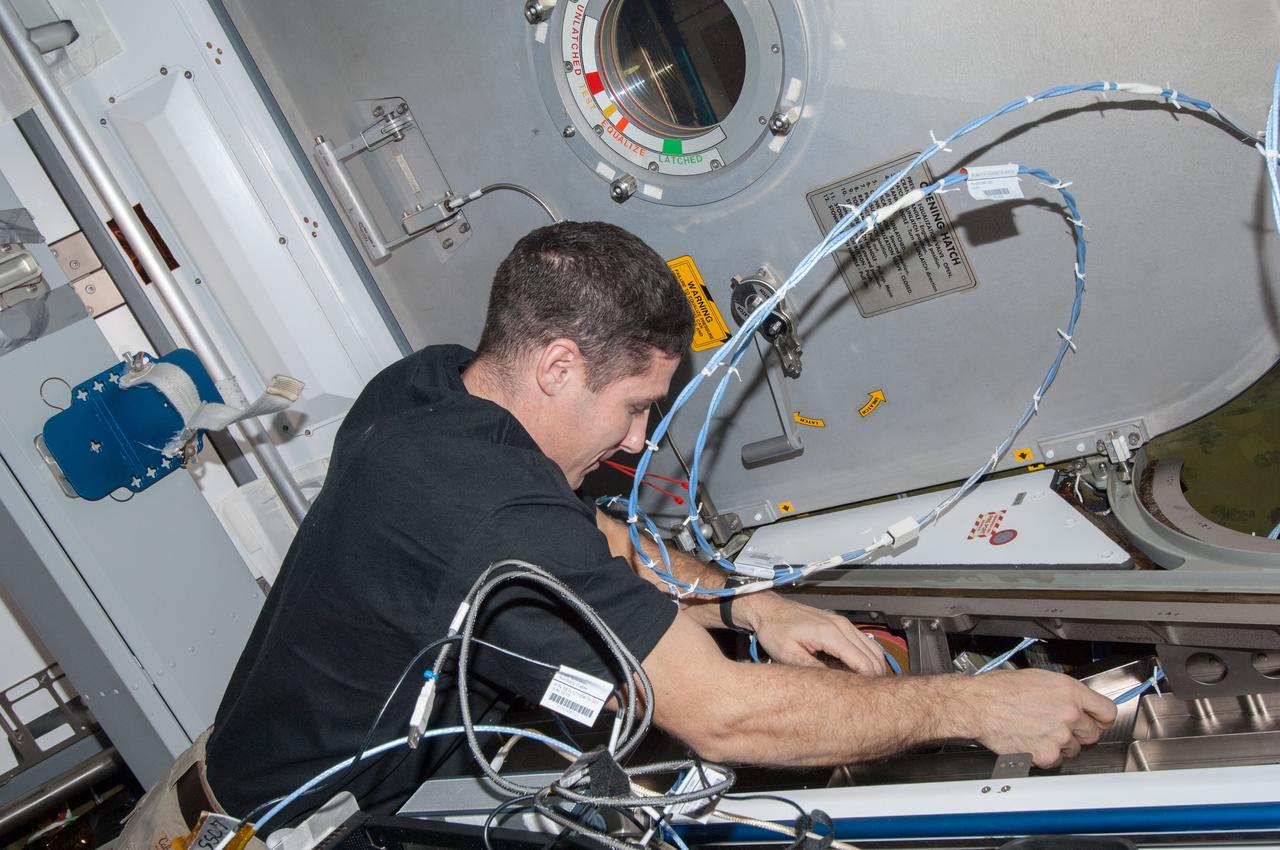
ISS038-E-008291 (24 Nov. 2013) --- NASA astronaut Michael Hopkins, Expedition 38 flight engineer, installs wire harnesses in the International Space Station?s Harmony node to support the installation of Ethernet video cables for the station?s local area network. These new cables will provide Ethernet connectivity to the visiting vehicles that dock to Harmony?s Earth-facing port.