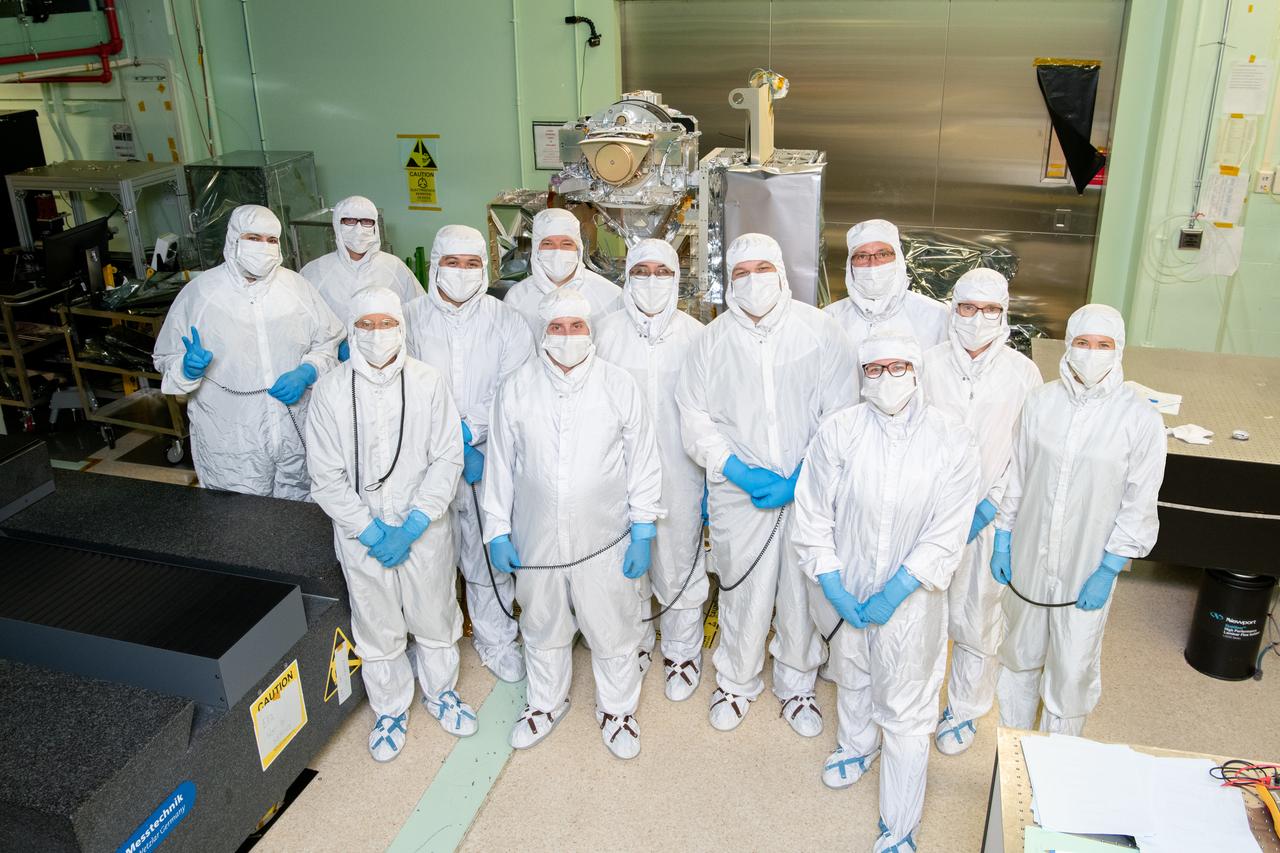
Mechanical integration team members pose with the Ocean Color Instrument (OCI) after successful integration of the main optical components onto the flight deck. OCI is a highly advanced optical spectrometer that will be used to measure properties of light over portions of the electromagnetic spectrum. It will enable continuous measurement of light at finer wavelength resolution than previous NASA satellite sensors, extending key system ocean color data records for climate studies. OCI is PACE's (Plankton, Aerosol, Cloud, ocean Ecosystem) primary sensor built at Goddard Space Flight Center in Greenbelt, MD.

The transport carrier containing NASA’s Plankton, Aerosol, Cloud, ocean Ecosystem (PACE) observatory spacecraft arrives at the Astrotech Space Operations Facility near the agency’s Kennedy Space Center in Florida on Tuesday, Nov. 14, 2023. PACE was shipped from the agency’s Goddard Space Flight Center in Greenbelt, Maryland, and is targeted to launch on January 30, 2024, on a SpaceX Falcon 9 rocket lifting off from Space Launch Complex 40 at Cape Canaveral Space Force Station. The PACE observatory will help us better understand how the ocean and atmosphere exchange carbon dioxide, measure key atmospheric variables associated with air quality and Earth's climate, and monitor ocean health, in part by studying phytoplankton, tiny plants and algae that sustain the marine food web.
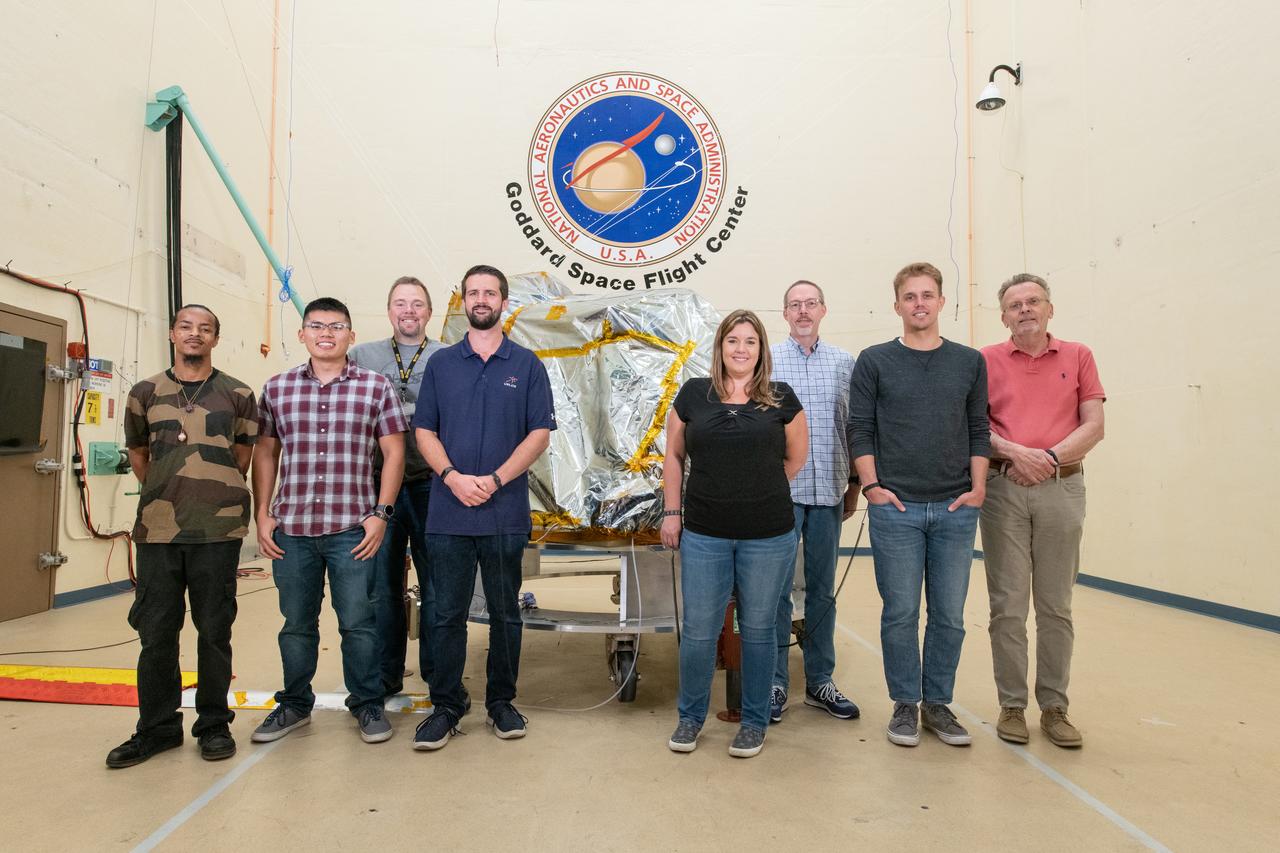
The Goddard Space Flight Center (GSFC) environmental testing team poses with the bagged Ocean Color Instrument (OCI) behind them in the acoustic chamber prior to testing. The acoustic testing will ensure that functionality of OCI is not impaired by severe launch environments. OCI is a highly advanced optical spectrometer that will be used to measure properties of light over portions of the electromagnetic spectrum. It will enable continuous measurement of light at finer wavelength resolution than previous NASA satellite sensors, extending key system ocean color data records for climate studies. OCI is PACE's (Plankton, Aerosol, Cloud, ocean Ecosystem) primary sensor built at Goddard Space Flight Center in Greenbelt, MD.
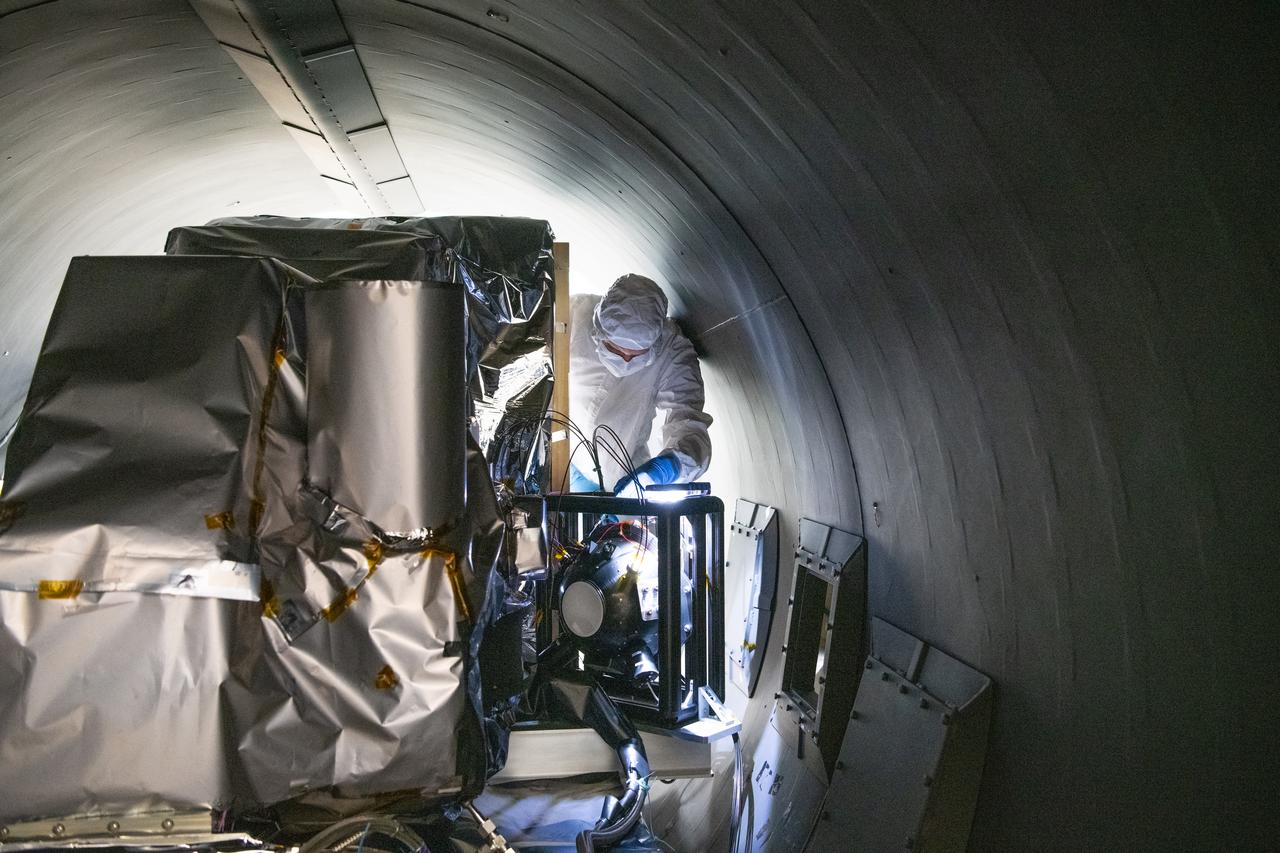
Engineer, Joe Thomes, disconnects the Multi-Lens Array fibers from the Ocean Color Instrument (OCI) in the thermal vacuum chamber after successful thermal testing. OCI is a highly advanced optical spectrometer that will be used to measure properties of light over portions of the electromagnetic spectrum. It will enable continuous measurement of light at finer wavelength resolution than previous NASA satellite sensors, extending key system ocean color data records for climate studies. OCI is PACE's (Plankton, Aerosol, Cloud, ocean Ecosystem) primary sensor built at Goddard Space Flight Center in Greenbelt, MD.

NASA’s PACE (Plankton, Aerosol, Cloud, ocean Ecosystem) spacecraft, atop a SpaceX Falcon 9 rocket, successfully lifts off from Space Launch Complex 40 at Cape Canaveral Space Force Station in Florida at 1:33 a.m. EST Thursday, Feb. 8. PACE is NASA’s newest earth-observing satellite that will help increase our understanding of Earth’s oceans, atmosphere, and climate by delivering hyperspectral observations of microscopic marine organisms called phytoplankton, as well new data on clouds and aerosols.
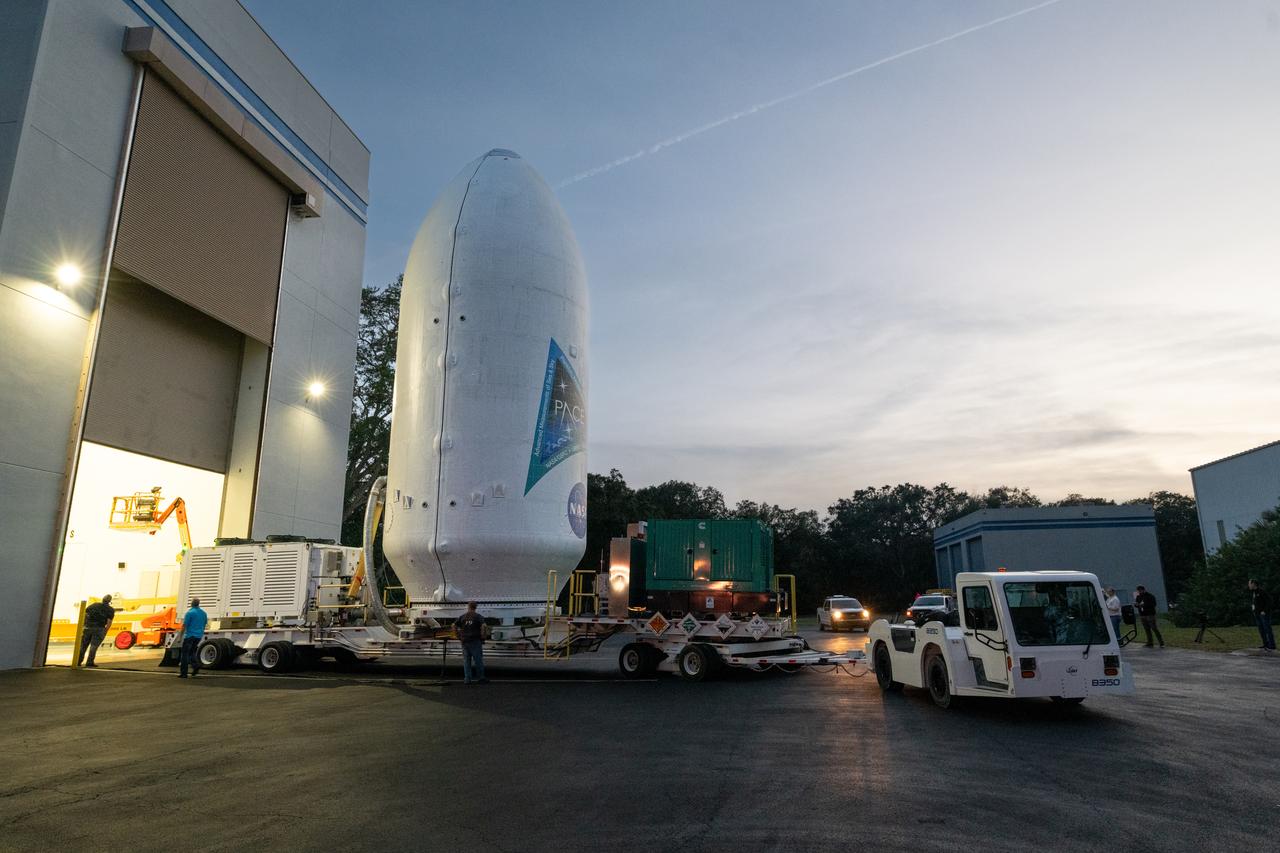
NASA’s PACE (Plankton, Aerosol, Cloud, ocean Ecosystem) spacecraft encapsulated inside SpaceX’s Falcon 9 payload fairings is transported from the Astrotech Space Operations Facility near the agency’s Kennedy Space Center in Florida to Space Launch Complex 40 at Cape Canaveral Space Force Station on Thursday, Feb. 1, 2024, to be mated with a SpaceX Falcon 9 in preparation for liftoff set for no earlier than 1:33 a.m. EST on Tuesday, Feb. 6, 2024. PACE is NASA’s newest earth-observing satellite that will help increase our understanding of Earth’s oceans, atmosphere, and climate by delivering hyperspectral observations of microscopic marine organisms called phytoplankton as well new data on clouds and aerosols.

Mechanical technician, Joseph Eddy, carefully guides the Ocean Color Instrument (OCI) Main Optics Bench (MOB) during a crane lift onto its turnover fixture. This fixture allows the team to integrate additional components multiple different orientations. OCI is a highly advanced optical spectrometer that will be used to measure properties of light over portions of the electromagnetic spectrum. It will enable continuous measurement of light at finer wavelength resolution than previous NASA satellite sensors, extending key system ocean color data records for climate studies. OCI is PACE's (Plankton, Aerosol, Cloud, ocean Ecosystem) primary sensor built at Goddard Space Flight Center in Greenbelt, MD.
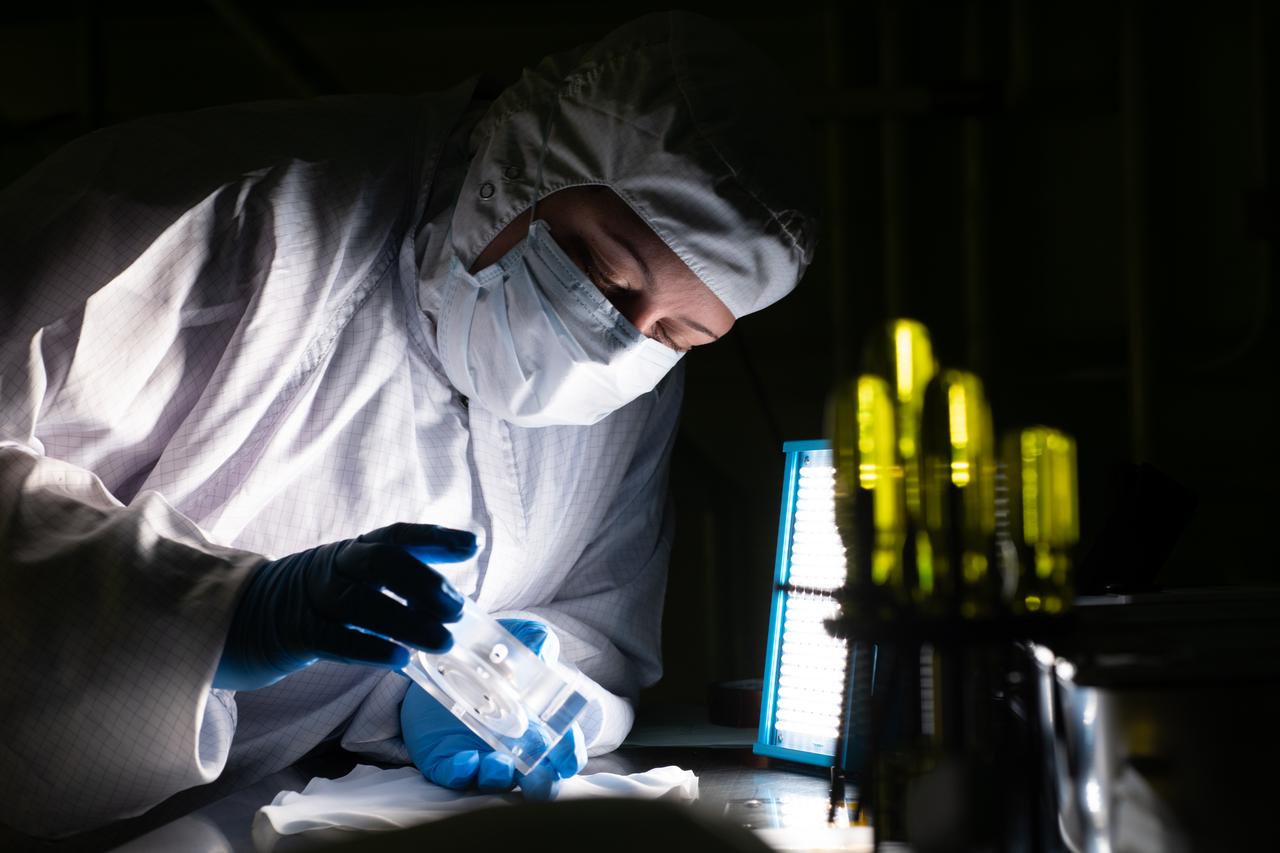
After removal from the handling container physical science technician, Kristen Washington, performs an inspection of the Ocean Color Instrument (OCI) fold flat mirror to note any scratches or damage on the optical surface before it is integrated with the other optical components of the instrument. OCI is a highly advanced optical spectrometer that will be used to measure properties of light over portions of the electromagnetic spectrum. It will enable continuous measurement of light at finer wavelength resolution than previous NASA satellite sensors, extending key system ocean color data records for climate studies. OCI is PACE's (Plankton, Aerosol, Cloud, ocean Ecosystem) primary sensor built at Goddard Space Flight Center in Greenbelt, MD.
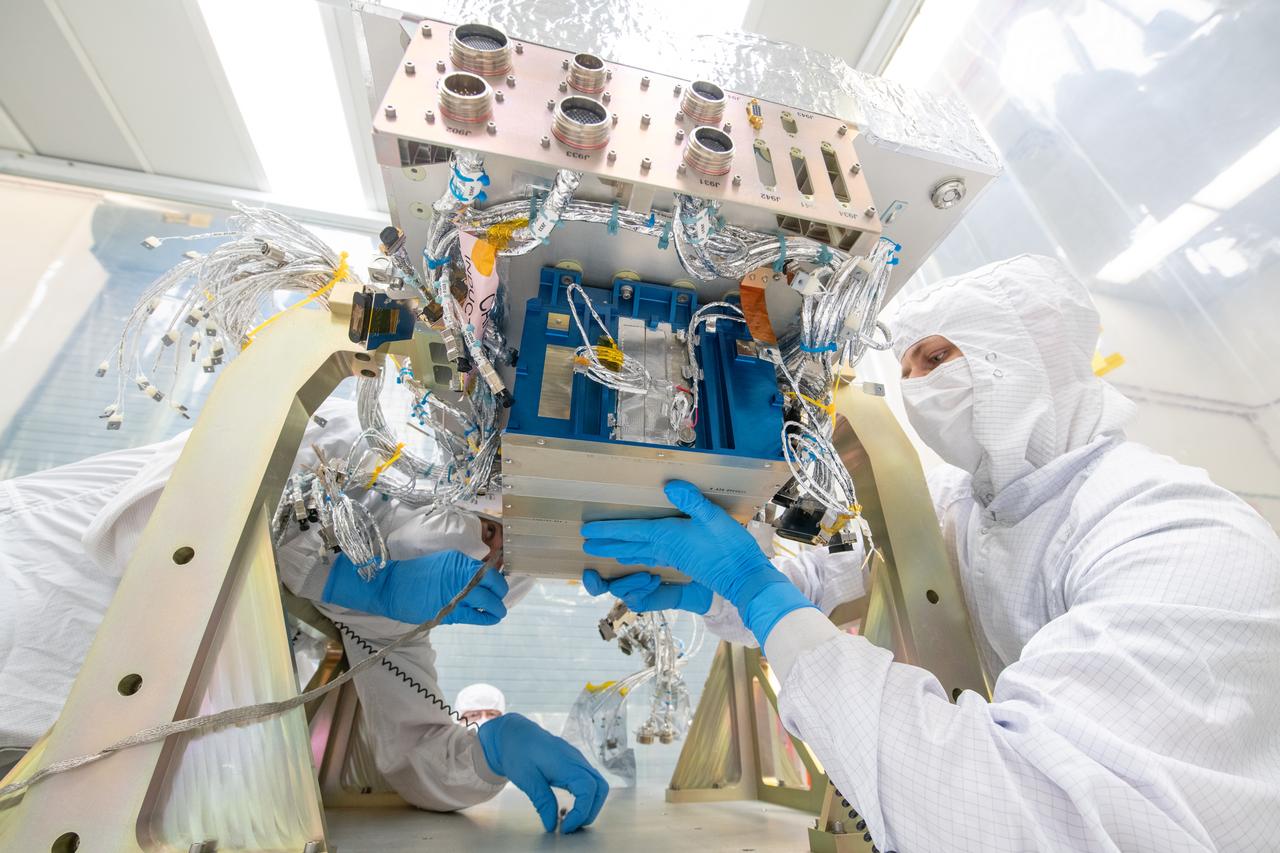
Mechanical technicians, Thomas Huber and Joseph Eddy, integrate an electronics box to the Ocean Color Instrument (OCI) flight deck in preparation for electrical connections and testing. OCI is a highly advanced optical spectrometer that will be used to measure properties of light over portions of the electromagnetic spectrum. It will enable continuous measurement of light at finer wavelength resolution than previous NASA satellite sensors, extending key system ocean color data records for climate studies. OCI is PACE's (Plankton, Aerosol, Cloud, ocean Ecosystem) primary sensor built at Goddard Space Flight Center in Greenbelt, MD.
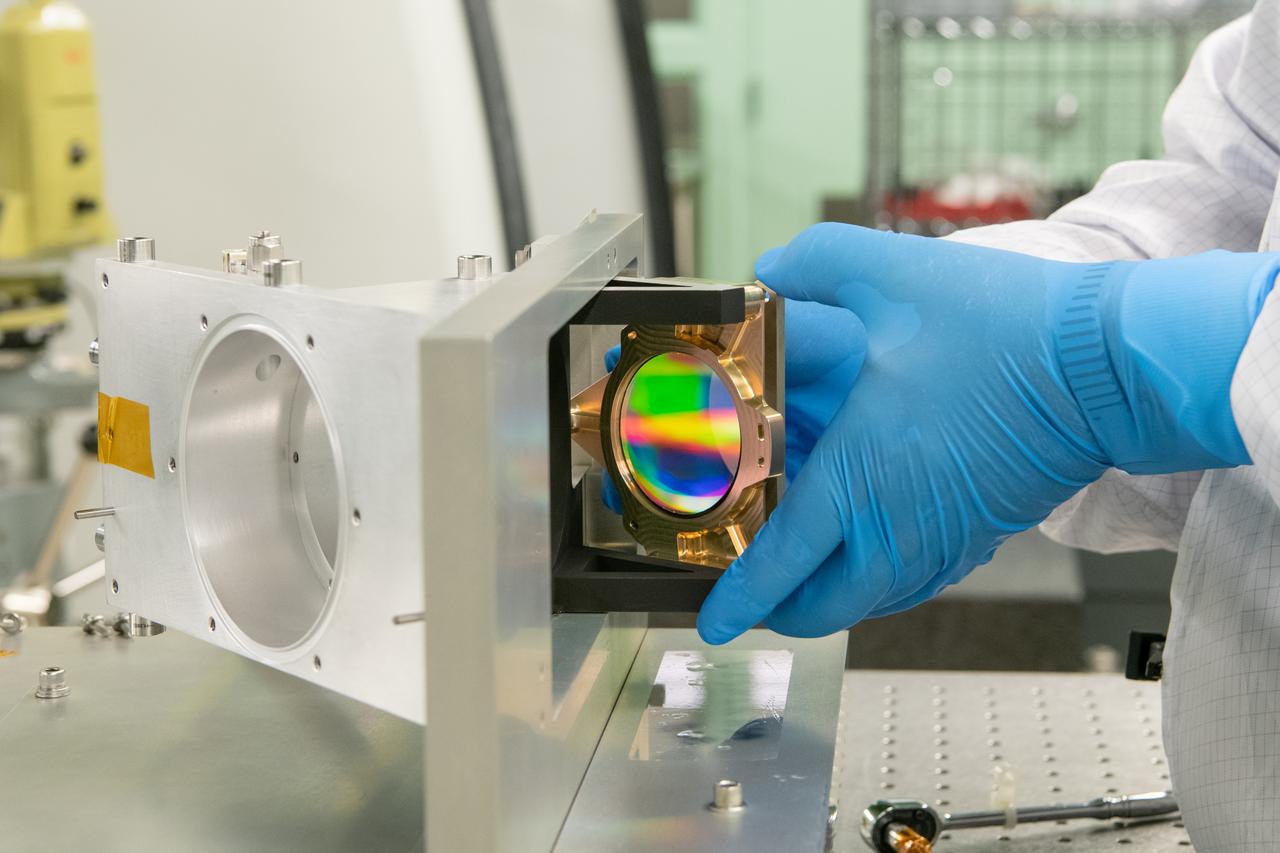
An Ocean Color Instrument (OCI) optical lens is installed into the flight housing hardware for alignment measurements. OCI is a highly advanced optical spectrometer that will be used to measure properties of light over portions of the electromagnetic spectrum. It will enable continuous measurement of light at finer wavelength resolution than previous NASA satellite sensors, extending key system ocean color data records for climate studies. OCI is PACE's (Plankton, Aerosol, Cloud, ocean Ecosystem) primary sensor built at Goddard Space Flight Center in Greenbelt, MD.
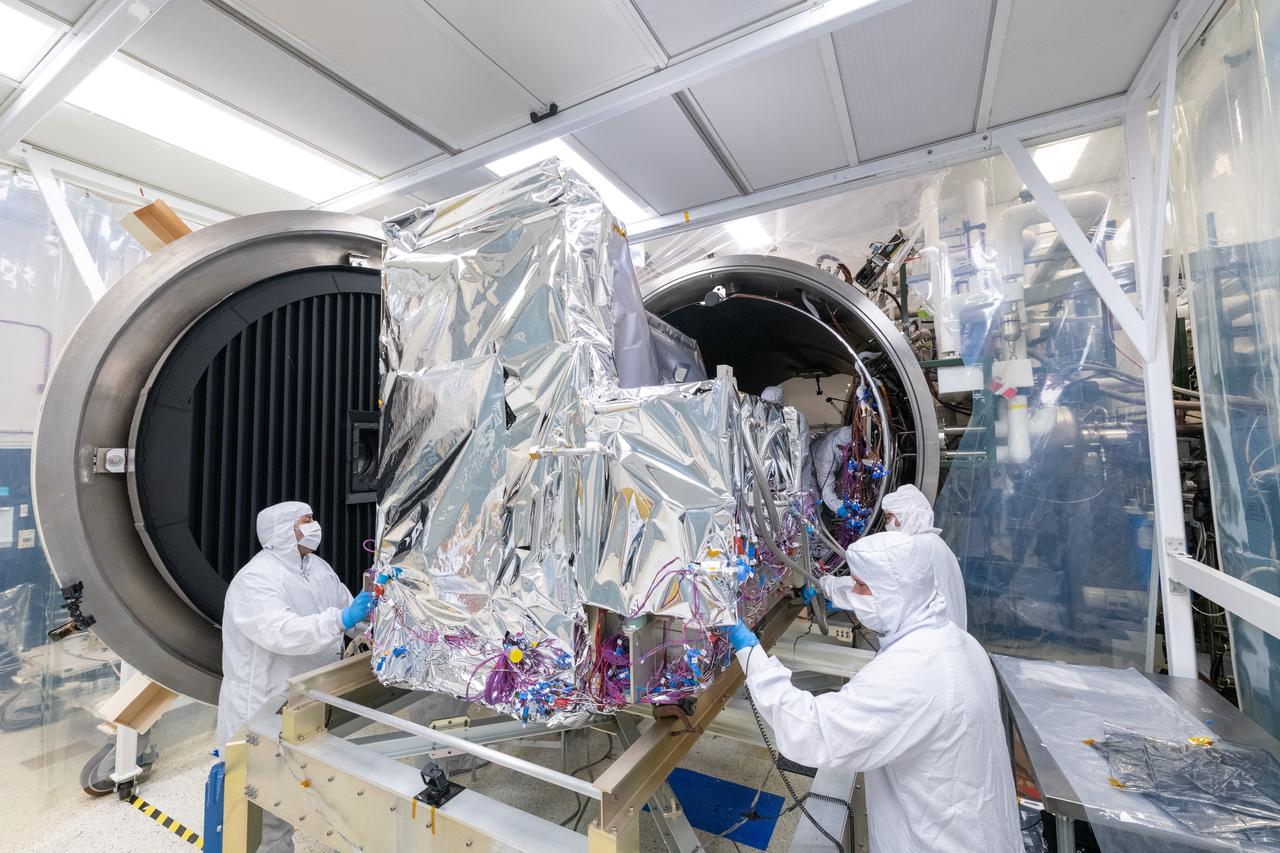
The Ocean Color Instrument (OCI) mechanical team aligns the instrument on a transportation sled and slowly pushes the instrument into a thermal vacuum chamber to prepare it for a sixty day thermal test to ensure the instrument will perform effectively once it launches into the airless environment of space. OCI is a highly advanced optical spectrometer that will be used to measure properties of light over portions of the electromagnetic spectrum. It will enable continuous measurement of light at finer wavelength resolution than previous NASA satellite sensors, extending key system ocean color data records for climate studies. OCI is PACE's (Plankton, Aerosol, Cloud, ocean Ecosystem) primary sensor built at Goddard Space Flight Center in Greenbelt, MD.
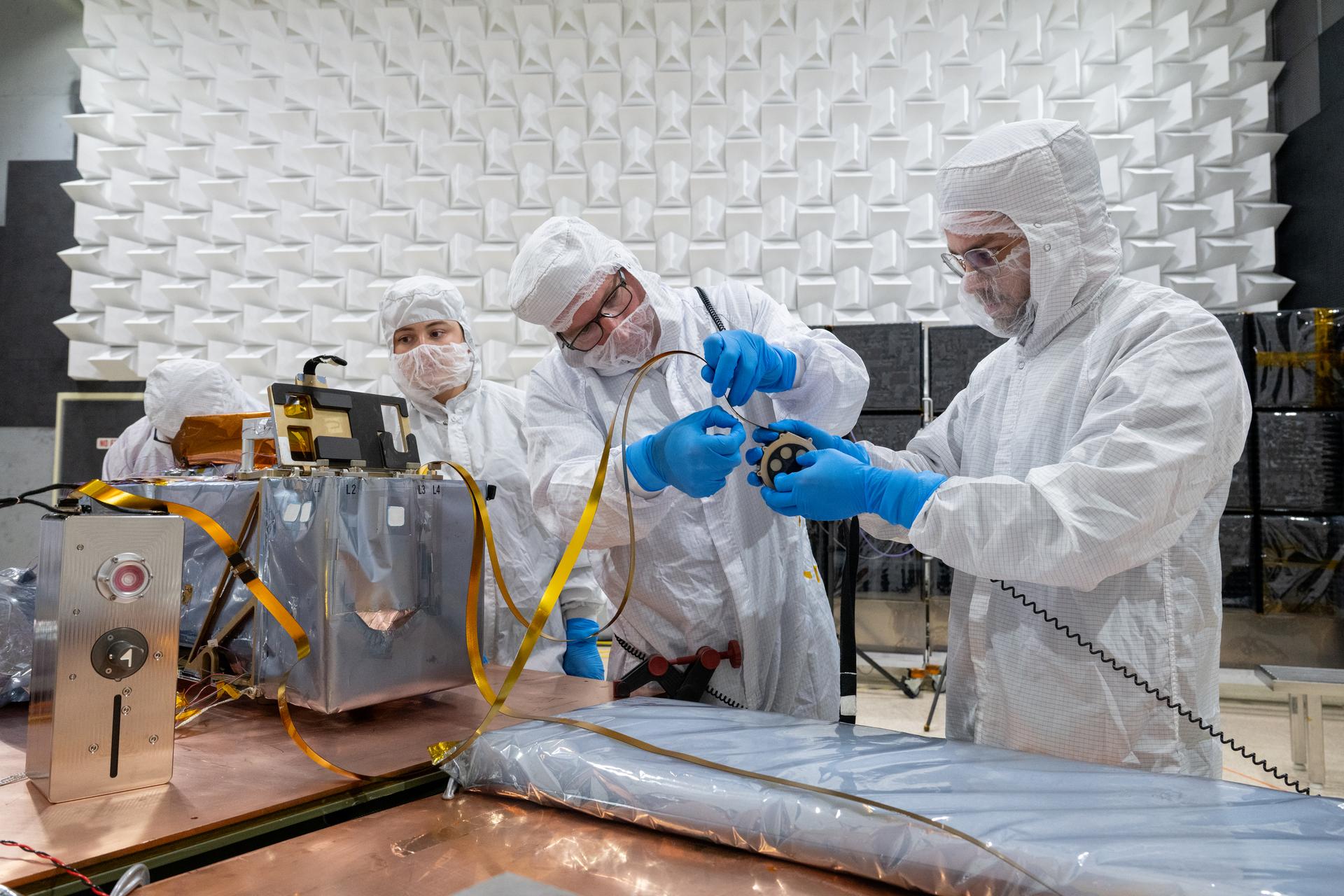
From left, mechanical engineer Brie Ludwig, technician Alex Schaeffer, and mechanical engineer Mitchell Hamann stow a seismometer after Electromagnetic Interference testing of the Lunar Environment Monitoring Station (LEMS) instrument at Goddard Space Flight Center, Greenbelt Md., May 15, 2026. LEMS is a compact, autonomous, and self-sustaining seismometer suite designed to carry out continuous, long-term, monitoring of the lunar seismic environment at the South Polar region. Photo Credit: NASA/Desiree Stover
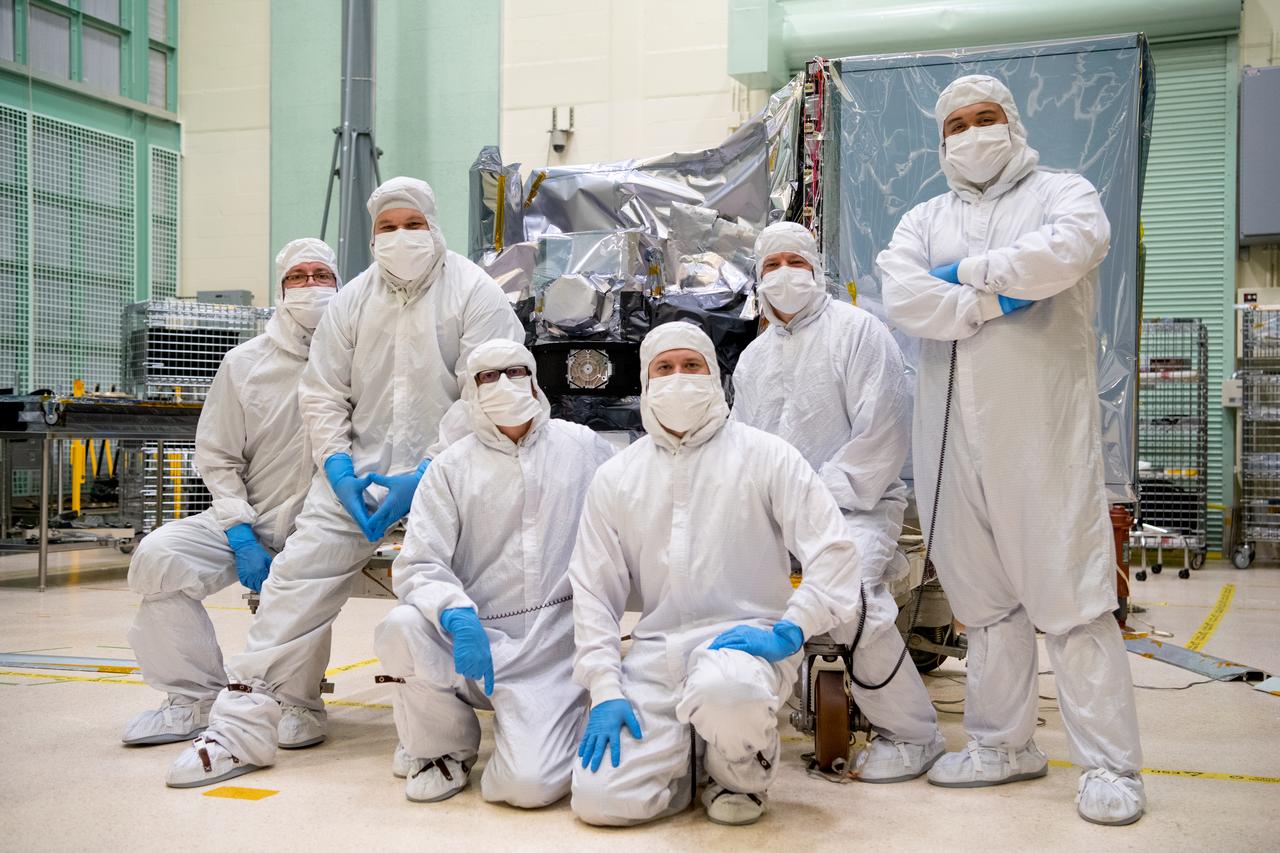
The Ocean Color Instrument (OCI) mechanical technician team pose in front of the instrument after successfully installing the earth shade. OCI is a highly advanced optical spectrometer that will be used to measure properties of light over portions of the electromagnetic spectrum. It will enable continuous measurement of light at finer wavelength resolution than previous NASA satellite sensors, extending key system ocean color data records for climate studies. OCI is PACE's (Plankton, Aerosol, Cloud, ocean Ecosystem) primary sensor built at Goddard Space Flight Center in Greenbelt, MD.
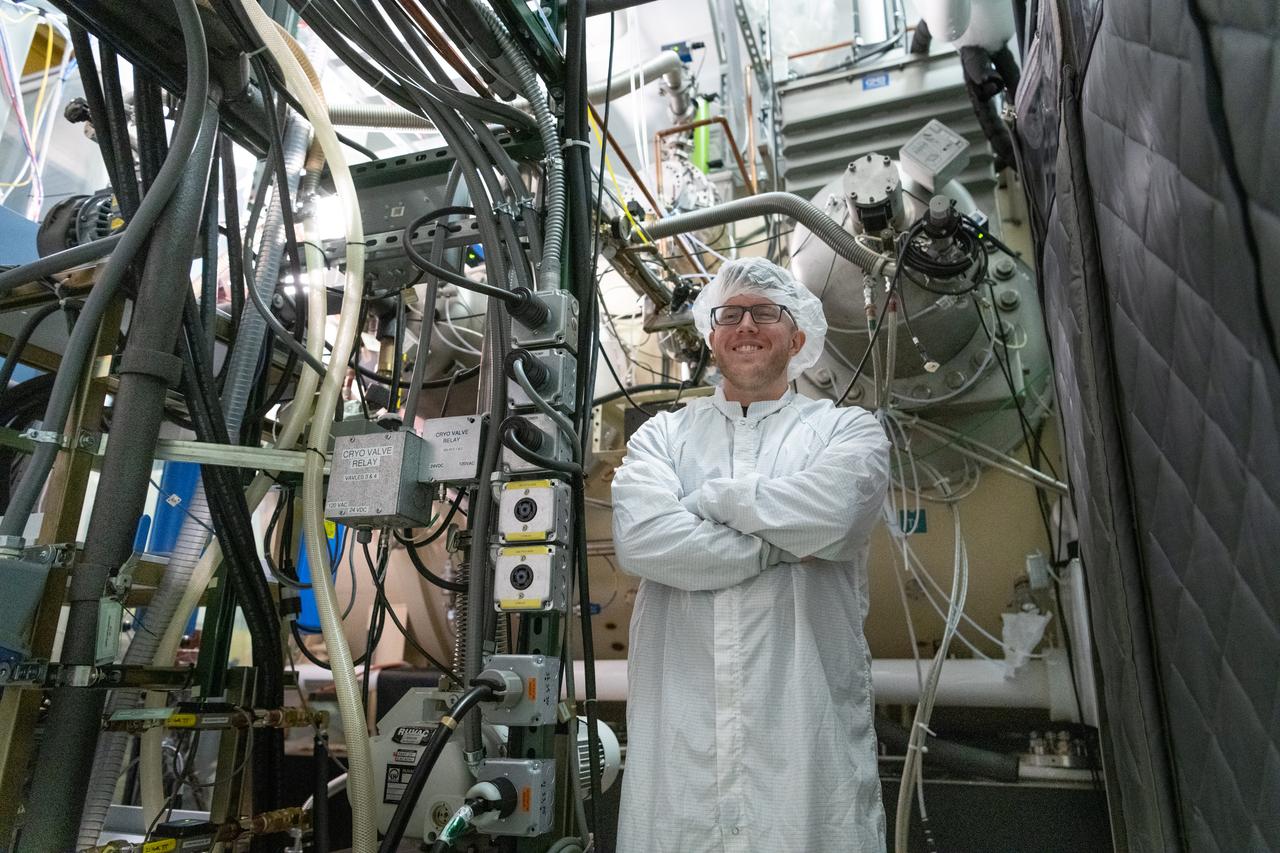
Thermal vacuum technician, Sean Cook, monitors the Ocean Color Instrument (OCI) thermal vacuum chamber temperatures during the environmental test campaign. OCI is a highly advanced optical spectrometer that will be used to measure properties of light over portions of the electromagnetic spectrum. It will enable continuous measurement of light at finer wavelength resolution than previous NASA satellite sensors, extending key system ocean color data records for climate studies. OCI is PACE's (Plankton, Aerosol, Cloud, ocean Ecosystem) primary sensor built at Goddard Space Flight Center in Greenbelt, MD.
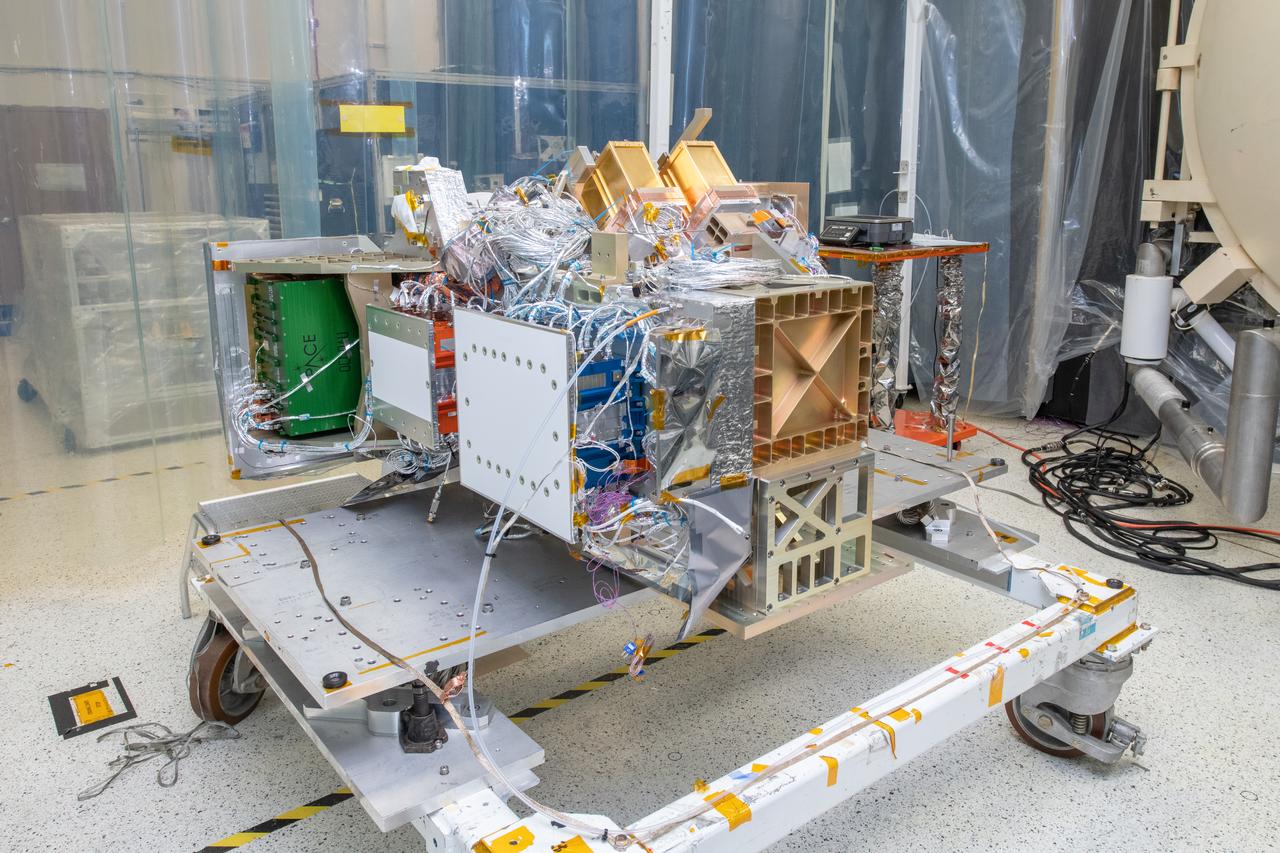
The Ocean Color Instrument (OCI) is installed on its transportation dolly and prepared for additional integration operations in a clean tent. OCI is a highly advanced optical spectrometer that will be used to measure properties of light over portions of the electromagnetic spectrum. It will enable continuous measurement of light at finer wavelength resolution than previous NASA satellite sensors, extending key system ocean color data records for climate studies. OCI is PACE's (Plankton, Aerosol, Cloud, ocean Ecosystem) primary sensor built at Goddard Space Flight Center in Greenbelt, MD.
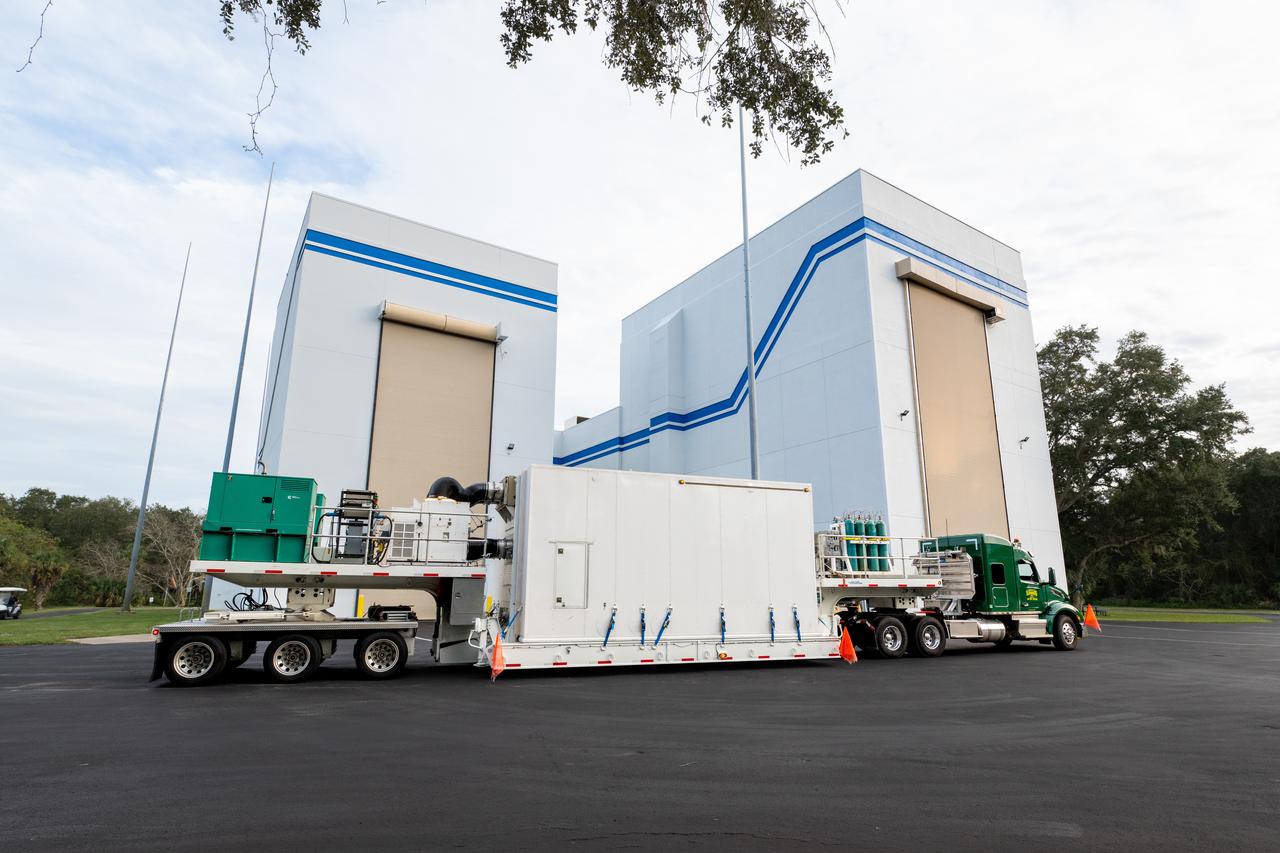
The transport carrier containing NASA’s Plankton, Aerosol, Cloud, ocean Ecosystem (PACE) observatory spacecraft arrives at the Astrotech Space Operations Facility near the agency’s Kennedy Space Center in Florida on Tuesday, Nov. 14, 2023. PACE was shipped from the agency’s Goddard Space Flight Center in Greenbelt, Maryland, and is targeted to launch on January 30, 2024, on a SpaceX Falcon 9 rocket lifting off from Space Launch Complex 40 at Cape Canaveral Space Force Station. The PACE observatory will help us better understand how the ocean and atmosphere exchange carbon dioxide, measure key atmospheric variables associated with air quality and Earth's climate, and monitor ocean health, in part by studying phytoplankton, tiny plants and algae that sustain the marine food web.
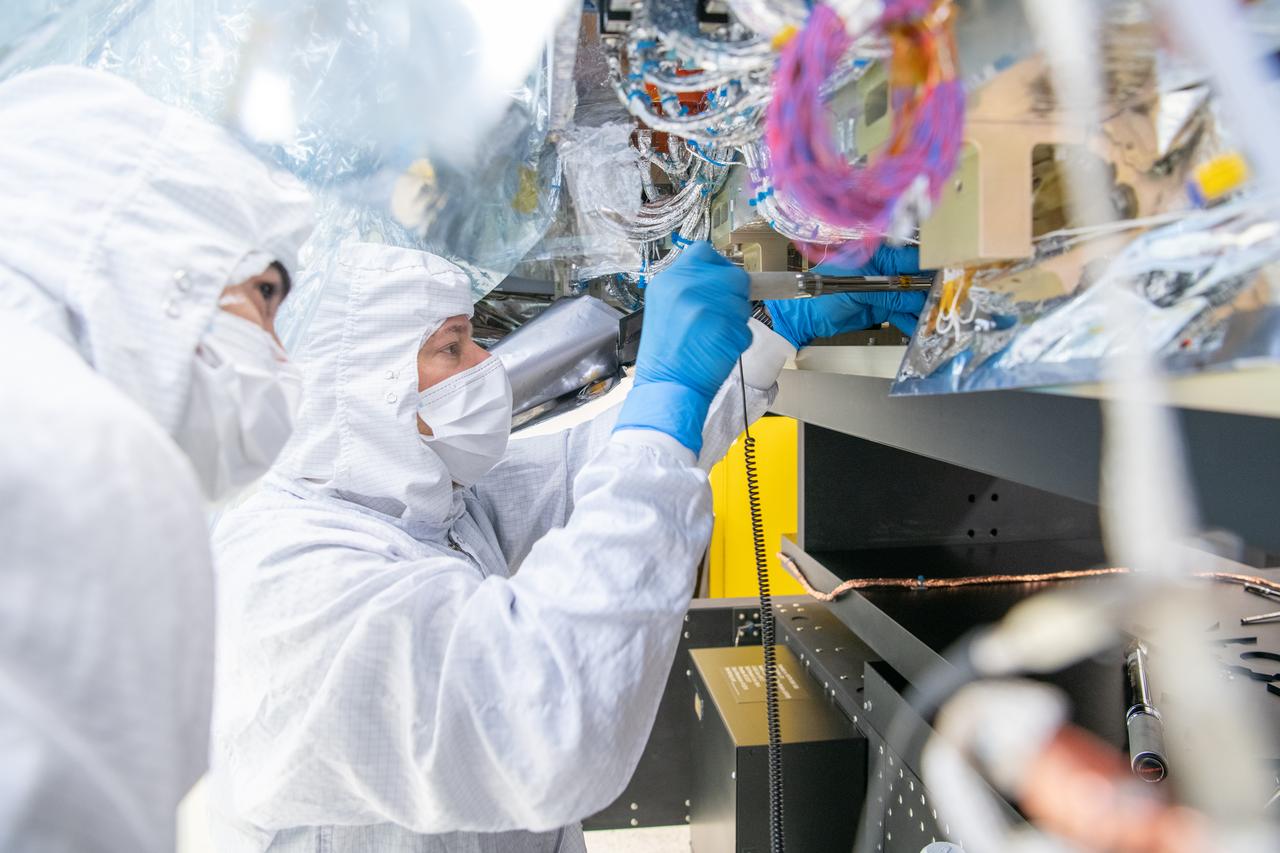
Mechanical technician, Thomas Huber, tightens bolts on the Ocean Color Instrument (OCI) is installed onto the Ground Support Equipment Application for Tilt or Rotation (GAToR) made by Newton Engineering. GAToR will allow engineers to tilt and rotate OCI in different orientations for further testing prior to integration onto the PACE (Plankton, Aerosol, Cloud, ocean Ecosystem) spacecraft. OCI is a highly advanced optical spectrometer that will be used to measure properties of light over portions of the electromagnetic spectrum. It will enable continuous measurement of light at finer wavelength resolution than previous NASA satellite sensors, extending key system ocean color data records for climate studies. OCI is PACE's (Plankton, Aerosol, Cloud, ocean Ecosystem) primary sensor built at Goddard Space Flight Center in Greenbelt, MD.
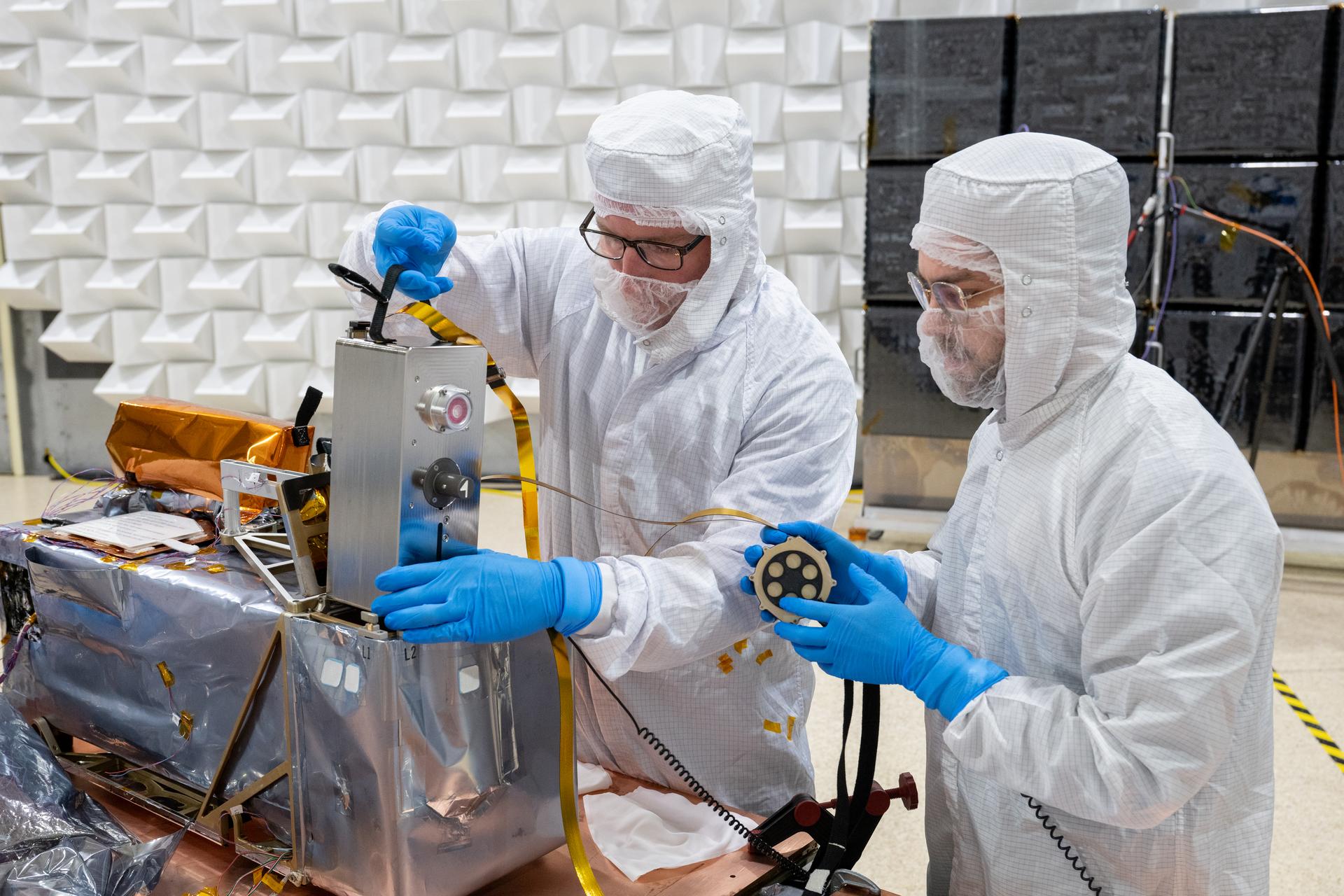
Technician Alex Schaeffer (left), and mechanical engineer Mitchell Hamann stow a seismometer after Electromagnetic Interference testing of the Lunar Environment Monitoring Station (LEMS) instrument at Goddard Space Flight Center, Greenbelt Md., May 15, 2026. LEMS is a compact, autonomous, and self-sustaining seismometer suite designed to carry out continuous, long-term, monitoring of the lunar seismic environment at the South Polar region. Photo Credit: NASA/Desiree Stover

Lunar Environment Monitoring Station (LEMS) team members Computer Engineer James Olsen & Principle Investigator Dr. Medhi Benna perform electrical test procedures in the avoinics lab at at Goddard Space Flight Center in Greenbelt, Maryland. LEMS is a compact, autonomous, and self-sustaining seismometer suite designed to carry out continuous, long-term, monitoring of the lunar seismic environment at the South Polar region.NASA/Desiree Stover.

The transport carrier containing NASA’s Plankton, Aerosol, Cloud, ocean Ecosystem (PACE) observatory spacecraft arrives at the Astrotech Space Operations Facility near the agency’s Kennedy Space Center in Florida on Tuesday, Nov. 14, 2023. PACE was shipped from the agency’s Goddard Space Flight Center in Greenbelt, Maryland, and is targeted to launch on January 30, 2024, on a SpaceX Falcon 9 rocket lifting off from Space Launch Complex 40 at Cape Canaveral Space Force Station. The PACE observatory will help us better understand how the ocean and atmosphere exchange carbon dioxide, measure key atmospheric variables associated with air quality and Earth's climate, and monitor ocean health, in part by studying phytoplankton, tiny plants and algae that sustain the marine food web.
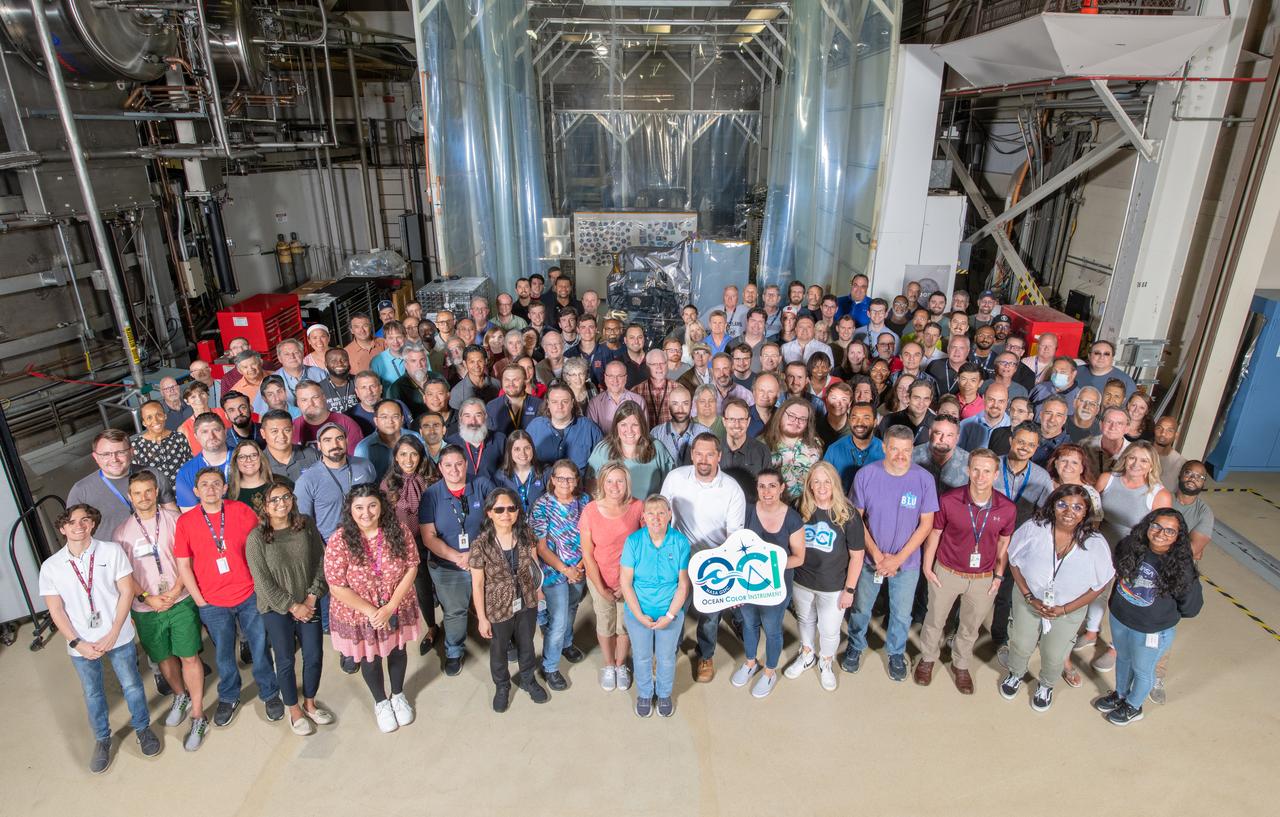
The Ocean Color Instrument (OCI) team pose with OCI and its integrated Earth Shade behind a clean tent curtain. This composite image made of two frames shows the Ocean Color Instrument team standing in front of the flight hardware before the instrument is integrated to the Plankton, Aerosol, Cloud, ocean Ecosystem spacecraft in summer, 2022. OCI is a highly advanced optical spectrometer that will be used to measure properties of light over portions of the electromagnetic spectrum. It will enable continuous measurement of light at finer wavelength resolution than previous NASA satellite sensors, extending key system ocean color data records for climate studies. OCI is PACE's (Plankton, Aerosol, Cloud, ocean Ecosystem) primary sensor built at Goddard Space Flight Center in Greenbelt, MD.

Thermal blanket technicians, Aldine Joseph-pierre and Paula Cain, adjust blankets on the Ocean Color Instrument (OCI) in preparation for metrology on the Ground Support Equipment Application for Tilt or Rotation (GATOR). OCI is a highly advanced optical spectrometer that will be used to measure properties of light over portions of the electromagnetic spectrum. It will enable continuous measurement of light at finer wavelength resolution than previous NASA satellite sensors, extending key system ocean color data records for climate studies. OCI is PACE's (Plankton, Aerosol, Cloud, ocean Ecosystem) primary sensor built at Goddard Space Flight Center in Greenbelt, MD.

Optical engineer, Maurice Stancil, performs final optical alignment metrology measurements prior to the Ocean Color Instrument (OCI) integration to the Plankton, Aerosol, Cloud, ocean Ecosystem (PACE) spacecraft. As he collects data and measures angles on OCI, he is able to determine if the flight hardware is in the correct position. OCI is a highly advanced optical spectrometer that will be used to measure properties of light over portions of the electromagnetic spectrum. It will enable continuous measurement of light at finer wavelength resolution than previous NASA satellite sensors, extending key system ocean color data records for climate studies. OCI is PACE's primary sensor built at Goddard Space Flight Center in Greenbelt, MD.
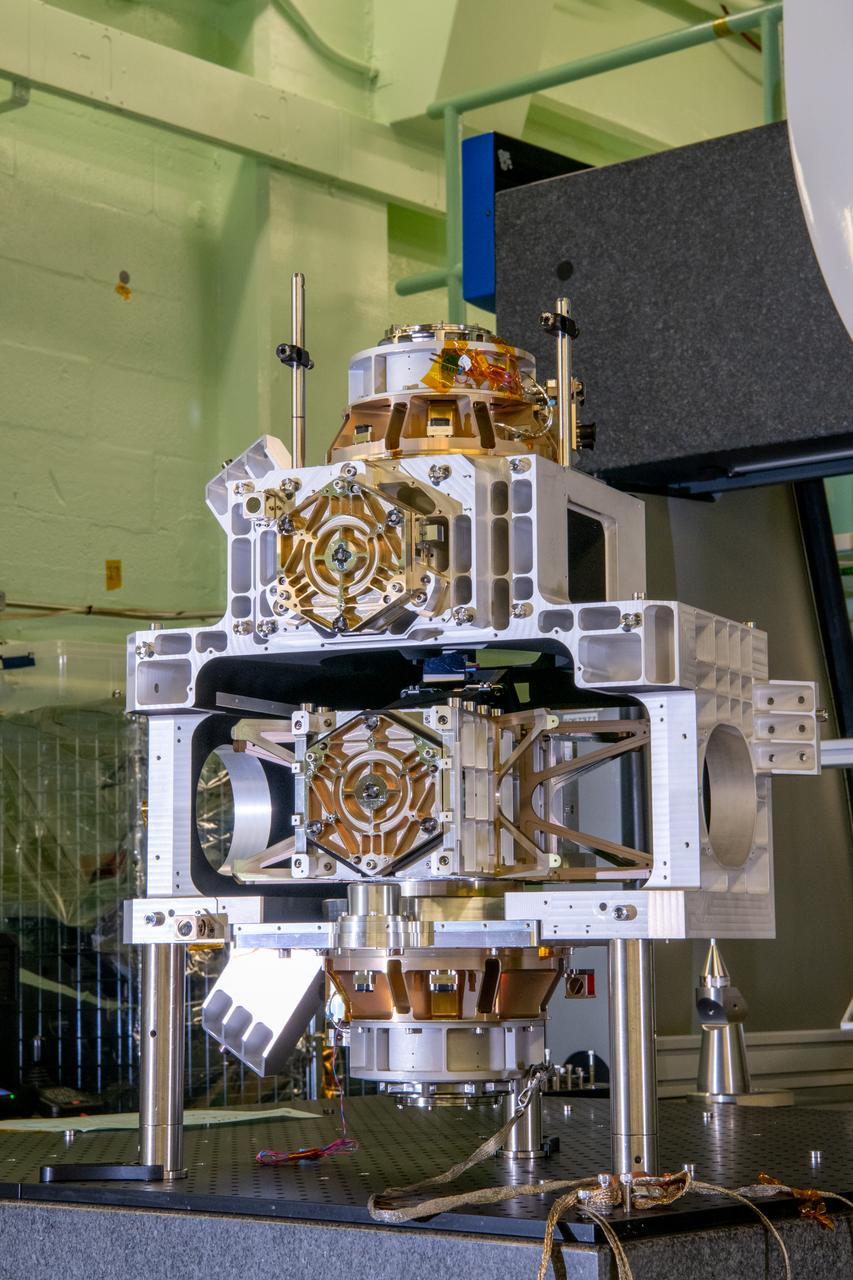
The Ocean Color Instrument (OCI) Main Optics Bench (MOB) is integrated with the Collimator Slit Assembly (CSA). The CSA is installed to measure the height, width, and depth of the hardware using a Coordinate Measurement Machine. OCI is a highly advanced optical spectrometer that will be used to measure properties of light over portions of the electromagnetic spectrum. It will enable continuous measurement of light at finer wavelength resolution than previous NASA satellite sensors, extending key system ocean color data records for climate studies. OCI is PACE's (Plankton, Aerosol, Cloud, ocean Ecosystem) primary sensor built at Goddard Space Flight Center in Greenbelt, MD.

Systems engineer, Joseph Knuble, adjusts the intensity of a lamp during stray light testing on the Ocean Color Instrument (OCI). OCI is a highly advanced optical spectrometer that will be used to measure properties of light over portions of the electromagnetic spectrum. It will enable continuous measurement of light at finer wavelength resolution than previous NASA satellite sensors, extending key system ocean color data records for climate studies. OCI is PACE's (Plankton, Aerosol, Cloud, ocean Ecosystem) primary sensor built at Goddard Space Flight Center in Greenbelt, MD.
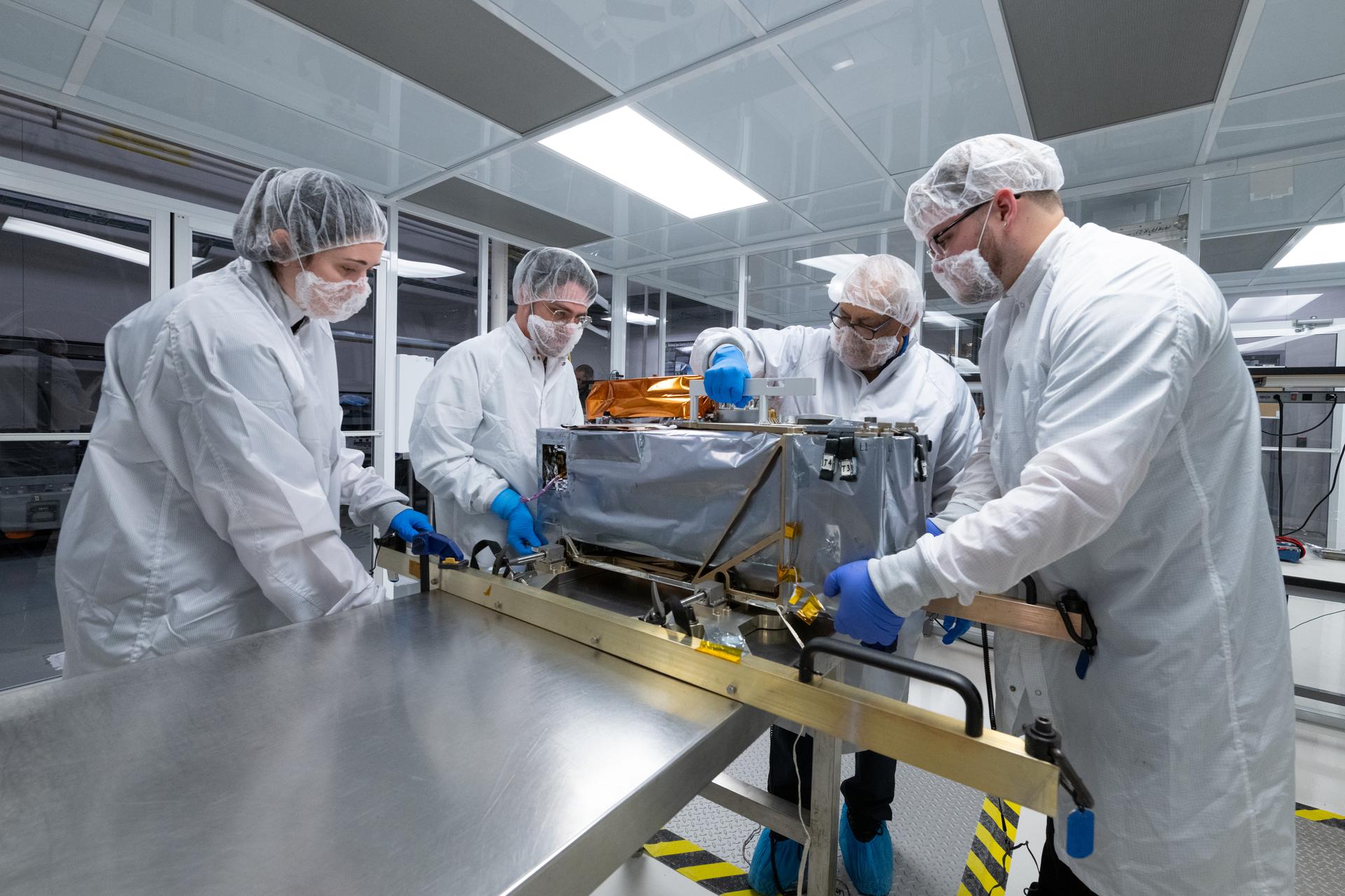
From left, systems engineer Sam Hicks, mechanical engineer Mitchell Hamann, quality engineer Luis Mendez, and technician Lucas Keim lift the Lunar Environment Monitoring Station (LEMS) instrument during testing at the Space Science Center at Morehead State University in Morehead, KY on May 28, 2026. Morehead State University provided LEMS’ telecommunication system and will operate the instrument on the surface. LEMS is a compact, autonomous, and self-sustaining seismometer suite designed to carry out continuous, long-term, monitoring of the lunar seismic environment at the South Polar region. Photo Credit: NASA/Desiree Stover

Quality engineer, John Tota, poses with a magnifying glass and stands close to the textured wall in the Electro Magnetic Interference (EMI) chamber. Mr. Tota works to ensure the overall quality of the flight hardware builds on the Ocean Color Instrument (OCI). OCI is a highly advanced optical spectrometer that will be used to measure properties of light over portions of the electromagnetic spectrum. It will enable continuous measurement of light at finer wavelength resolution than previous NASA satellite sensors, extending key system ocean color data records for climate studies. OCI is PACE's (Plankton, Aerosol, Cloud, ocean Ecosystem) primary sensor built at Goddard Space Flight Center in Greenbelt, MD.
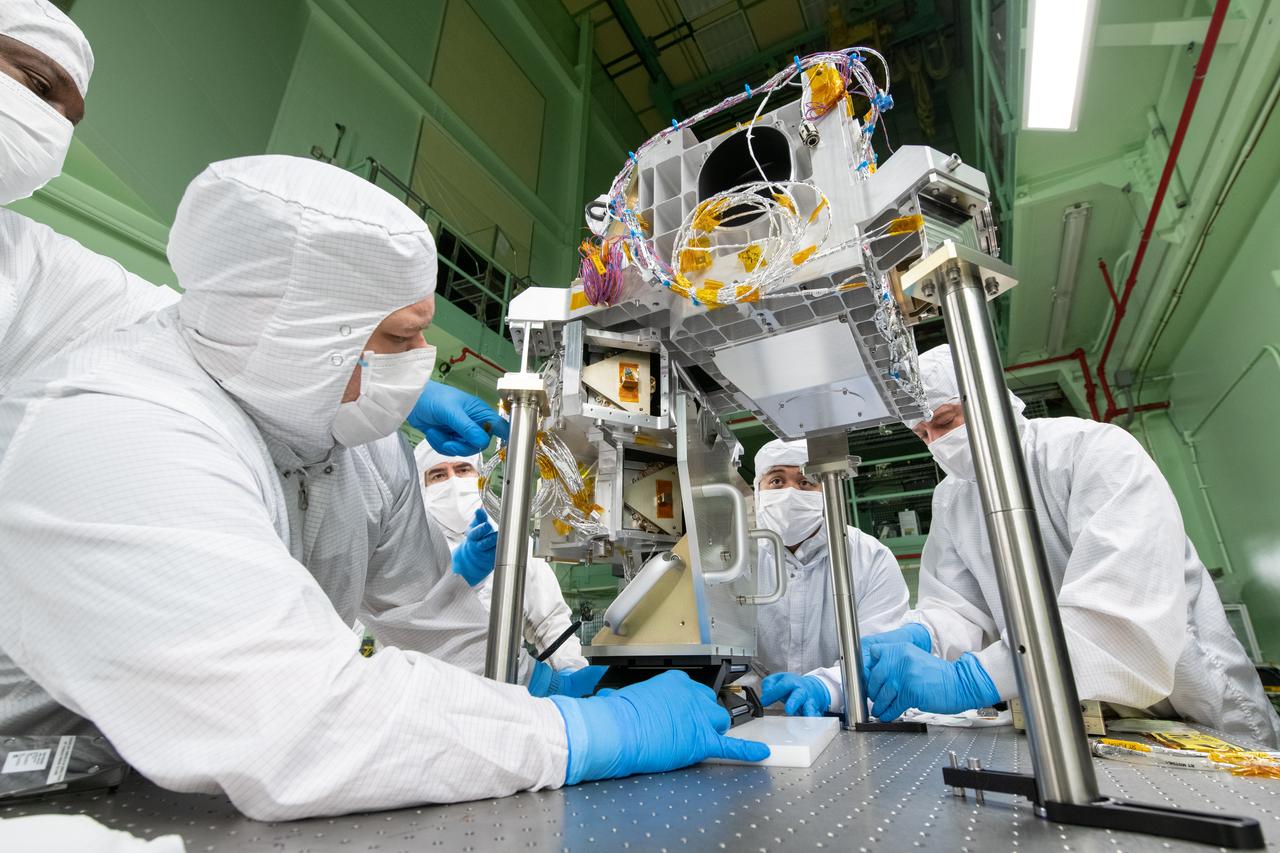
Mechanical technician, Andrew Scharmann, slides a lift fixture into position to ensure the Ocean Color Instrument (OCI) Main Optics Bench (MOB) and Main Optics Sub Bench (MOSB) are aligned. OCI is a highly advanced optical spectrometer that will be used to measure properties of light over portions of the electromagnetic spectrum. It will enable continuous measurement of light at finer wavelength resolution than previous NASA satellite sensors, extending key system ocean color data records for climate studies. OCI is PACE's (Plankton, Aerosol, Cloud, ocean Ecosystem) primary sensor built at Goddard Space Flight Center in Greenbelt, MD.

NASA’s PACE (Plankton, Aerosol, Cloud, ocean Ecosystem) spacecraft, atop a SpaceX Falcon 9 rocket, successfully lifts off from Space Launch Complex 40 at Cape Canaveral Space Force Station in Florida at 1:33 a.m. EST Thursday, Feb. 8. PACE is NASA’s newest earth-observing satellite that will help increase our understanding of Earth’s oceans, atmosphere, and climate by delivering hyperspectral observations of microscopic marine organisms called phytoplankton, as well new data on clouds and aerosols.
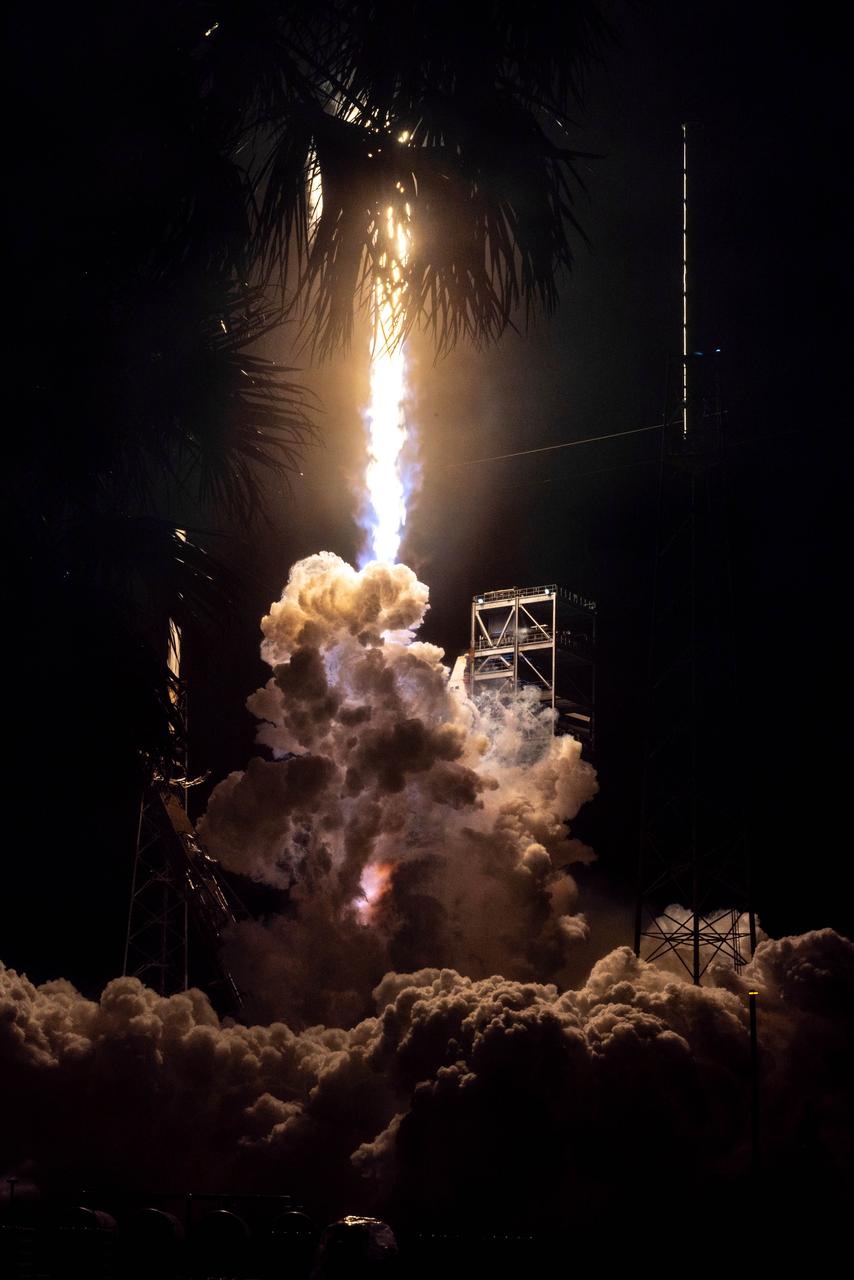
NASA’s PACE (Plankton, Aerosol, Cloud, ocean Ecosystem) spacecraft, atop a SpaceX Falcon 9 rocket, successfully lifts off from Space Launch Complex 40 at Cape Canaveral Space Force Station in Florida at 1:33 a.m. EST Thursday, Feb. 8. PACE is NASA’s newest earth-observing satellite that will help increase our understanding of Earth’s oceans, atmosphere, and climate by delivering hyperspectral observations of microscopic marine organisms called phytoplankton, as well new data on clouds and aerosols.

A SpaceX Falcon 9 rocket with NASA’s PACE (Plankton, Aerosol, Cloud, ocean Ecosystem) spacecraft stands vertical at Space Launch Complex 40 at Cape Canaveral Space Force Station in Florida on Monday, Feb. 5, 2024. PACE is NASA’s newest earth-observing satellite that will help increase our understanding of Earth’s oceans, atmosphere, and climate by delivering hyperspectral observations of microscopic marine organisms called phytoplankton as well new data on clouds and aerosols. Liftoff of the PACE mission is set for no earlier than 1:33 a.m. EST on Wednesday, Feb. 7, 2024.

NASA’s PACE (Plankton, Aerosol, Cloud, ocean Ecosystem) spacecraft, atop a SpaceX Falcon 9 rocket, successfully lifts off from Space Launch Complex 40 at Cape Canaveral Space Force Station in Florida at 1:33 a.m. EST Thursday, Feb. 8. PACE is NASA’s newest earth-observing satellite that will help increase our understanding of Earth’s oceans, atmosphere, and climate by delivering hyperspectral observations of microscopic marine organisms called phytoplankton, as well new data on clouds and aerosols.
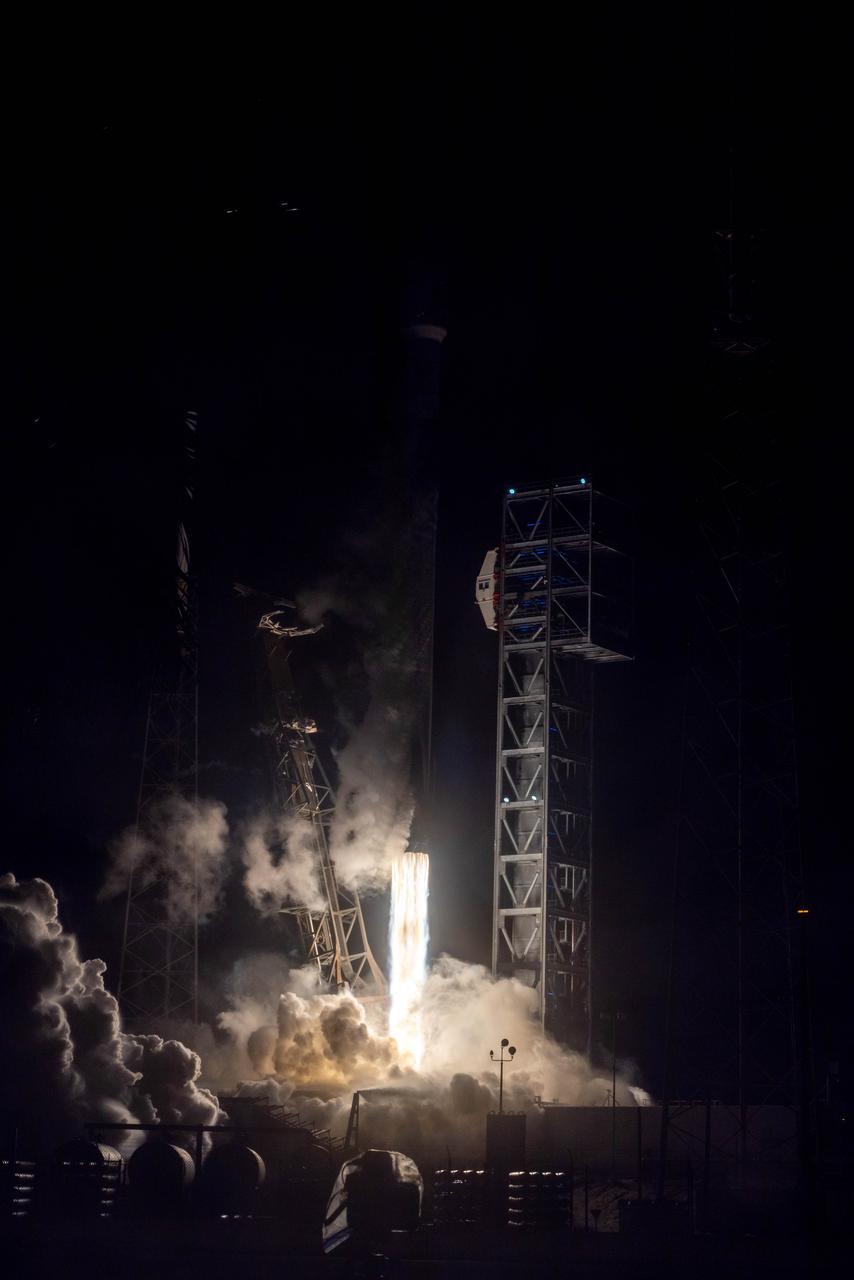
NASA’s PACE (Plankton, Aerosol, Cloud, ocean Ecosystem) spacecraft, atop a SpaceX Falcon 9 rocket, successfully lifts off from Space Launch Complex 40 at Cape Canaveral Space Force Station in Florida at 1:33 a.m. EST Thursday, Feb. 8. PACE is NASA’s newest earth-observing satellite that will help increase our understanding of Earth’s oceans, atmosphere, and climate by delivering hyperspectral observations of microscopic marine organisms called phytoplankton, as well new data on clouds and aerosols.