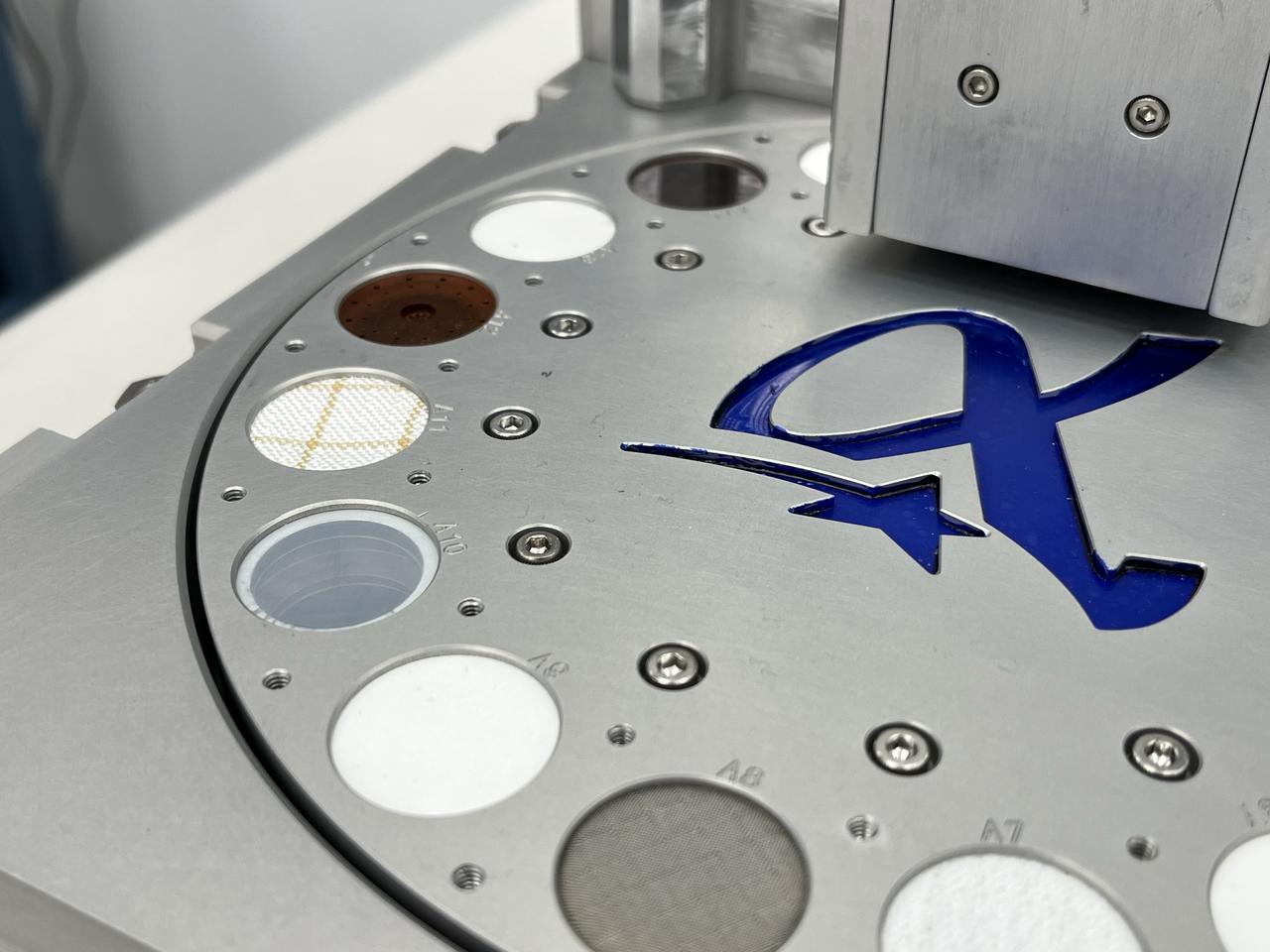
A science instrument flying aboard the next delivery for NASA’s CLPS (Commercial Lunar Payload Services) initiative is planning to study how different materials react to the lunar environment. Regolith Adherence Characterization, or RAC, is one of 10 payloads set to be carried to the Moon by the Blue Ghost 1 lunar lander in 2025. Developed by Aegis Aerospace, RAC’s wheels feature a series of different sample materials, helping researchers to better understand how lunar dust repels or attaches to each. Investigations and demonstrations, such as RAC, launched on CLPS flights will help NASA study Earth’s nearest neighbor under Artemis and pave the way for future crewed missions on the Moon. NASA’s Marshall Space Flight Center in Huntsville, Alabama, manages the development for seven of the 10 CLPS payloads that will be carried on Firefly’s Blue Ghost lunar lander.
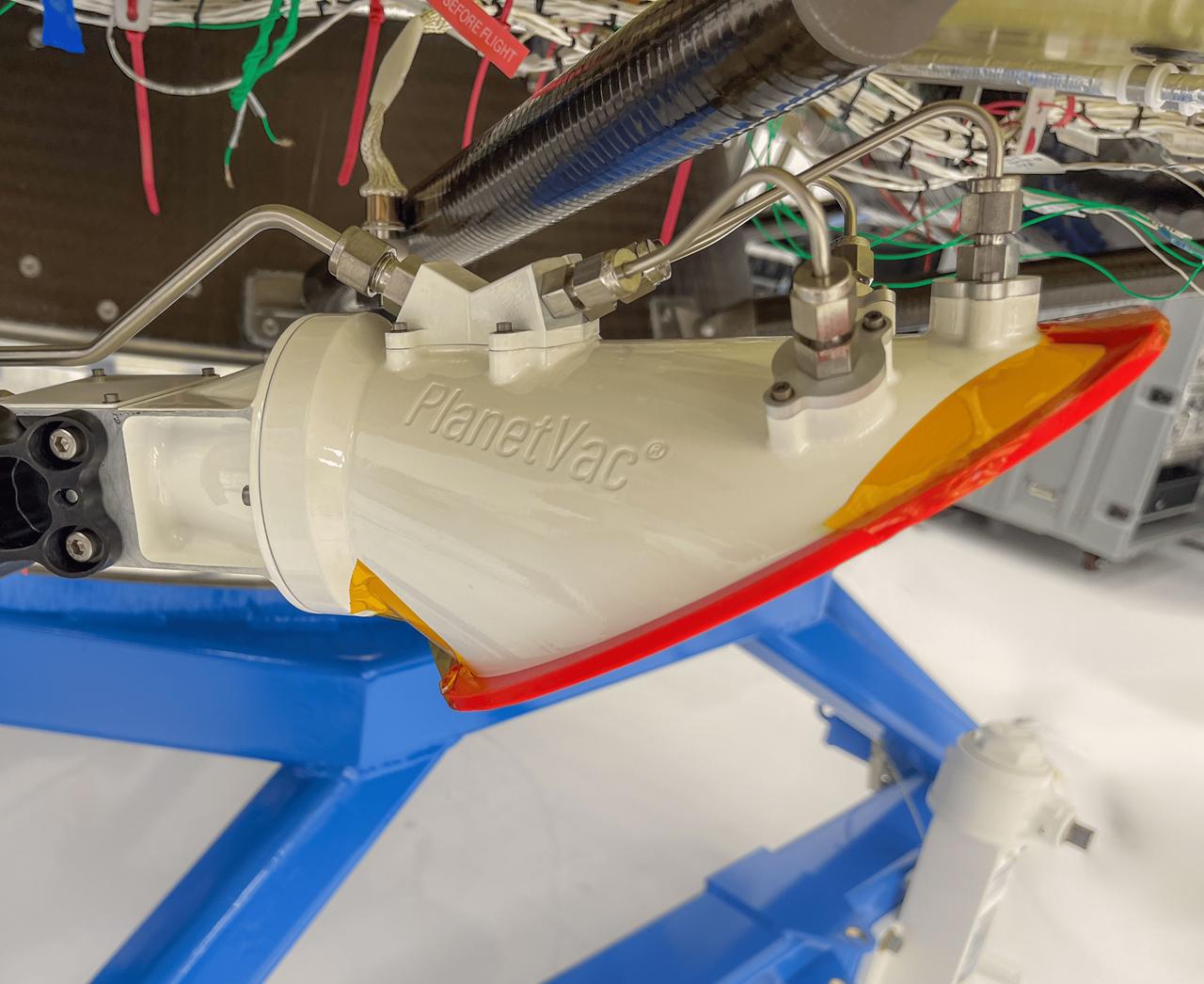
A technology demonstration flying aboard the next delivery for NASA’s CLPS (Commercial Lunar Payload Services) initiative could change how research teams collect and study soil and rock samples on other planetary bodies. Lunar PlanetVac, or LPV, is one of 10 payloads set to be carried to the Moon by the Blue Ghost 1 lunar lander in 2025. Developed by Honeybee Robotics, a Blue Origin company of Altadena, California, LPV is designed to, essentially, operate as a vacuum cleaner with a pneumatic, compressed gas-powered sample acquisition and delivery system to efficiently collect and transfer lunar soil from the surface to other science instruments or sample return containers. Investigations and demonstrations, such as LPV, launched on CLPS flights will help NASA study Earth’s nearest neighbor under Artemis and pave the way for future crewed missions on the Moon. NASA’s Marshall Space Flight Center in Huntsville, Alabama, manages the development for seven of the 10 CLPS payloads that will be carried on Firefly’s Blue Ghost lunar lander.
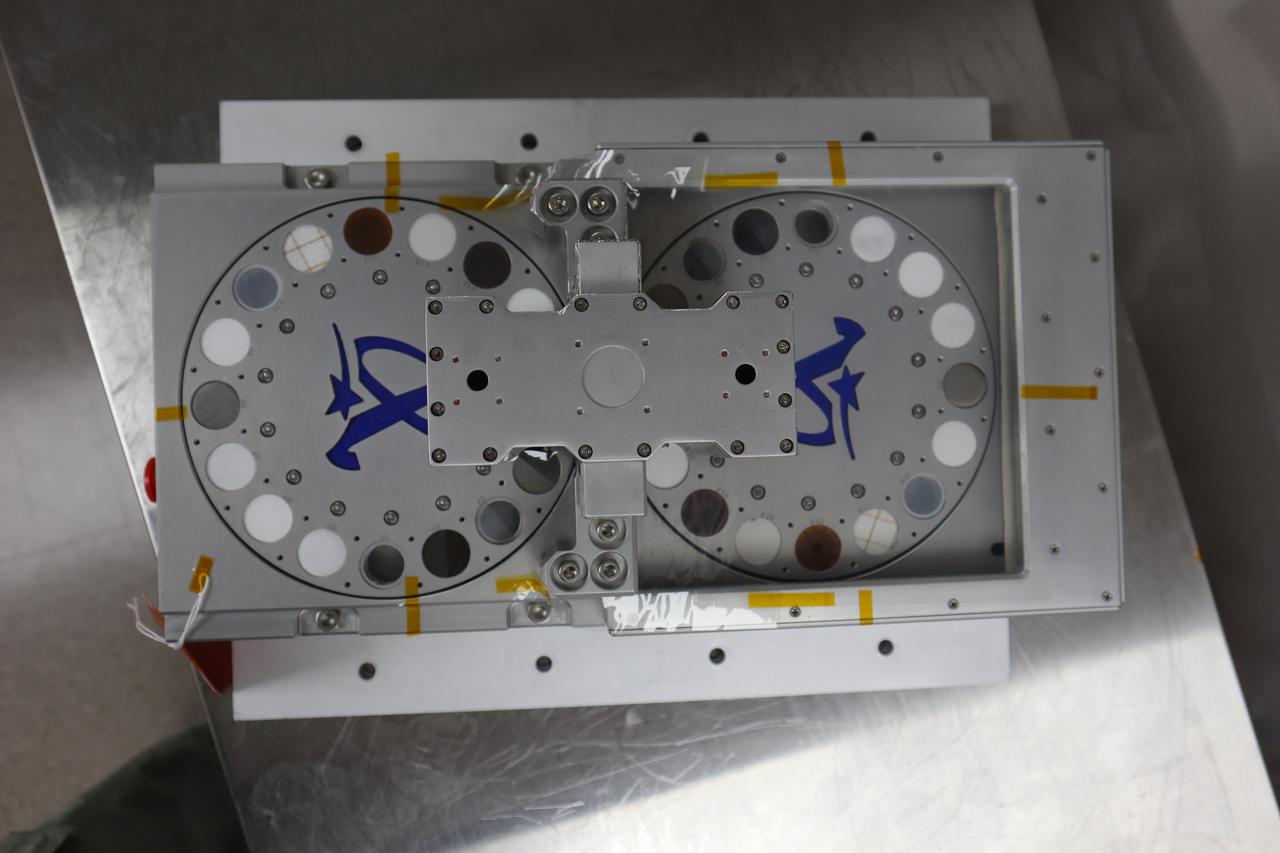
A science instrument flying aboard the next delivery for NASA’s CLPS (Commercial Lunar Payload Services) initiative is planning to study how different materials react to the lunar environment. Regolith Adherence Characterization, or RAC, is one of 10 payloads set to be carried to the Moon by the Blue Ghost 1 lunar lander in 2025. Developed by Aegis Aerospace, RAC’s wheels feature a series of different sample materials, helping researchers to better understand how lunar dust repels or attaches to each. Investigations and demonstrations, such as RAC, launched on CLPS flights will help NASA study Earth’s nearest neighbor under Artemis and pave the way for future crewed missions on the Moon. NASA’s Marshall Space Flight Center in Huntsville, Alabama, manages the development for seven of the 10 CLPS payloads that will be carried on Firefly’s Blue Ghost lunar lander.
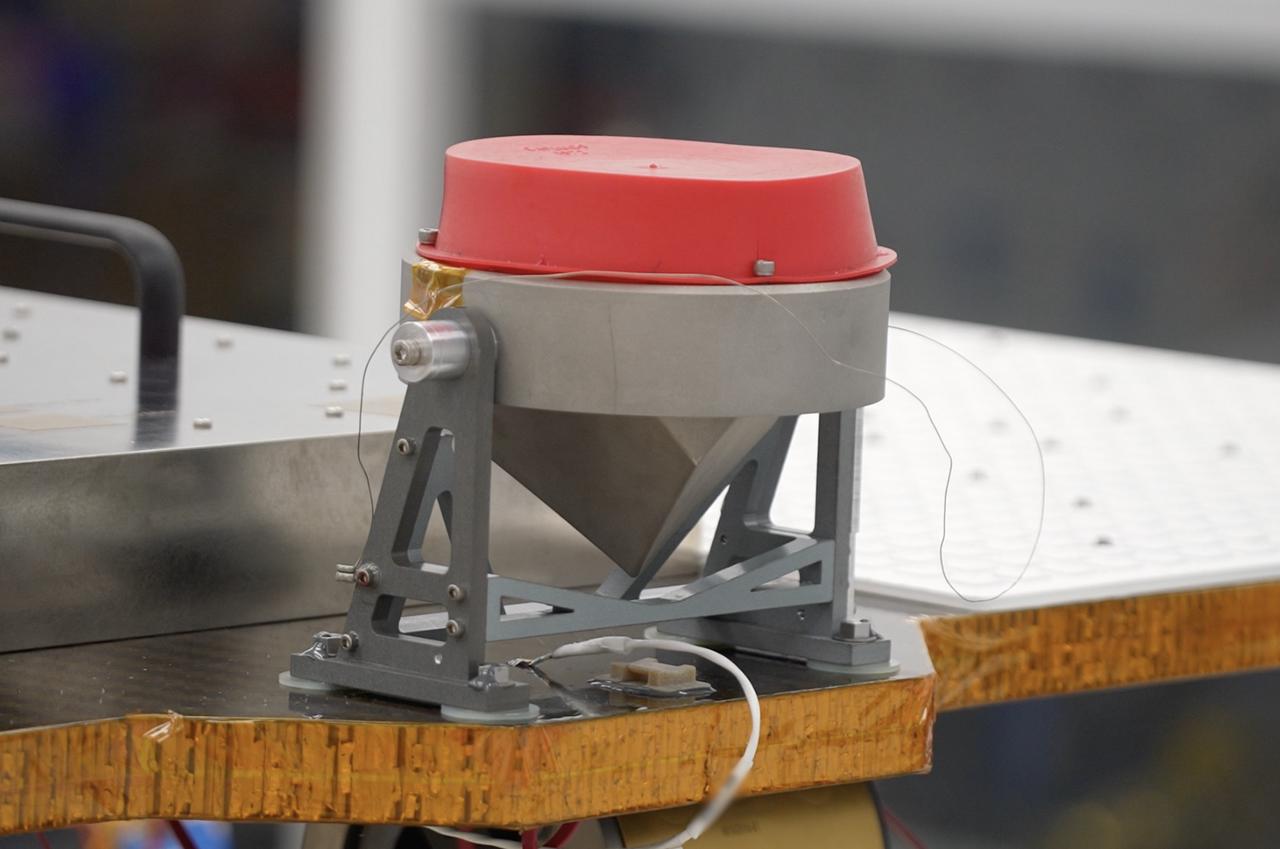
A science instrument flying aboard the next delivery for NASA’s CLPS (Commercial Lunar Payload Services) initiative is expected to significantly expand our knowledge of the Moon. Next Generation Lunar Retroreflector, or NGLR-1, is one of 10 payloads set to be carried to the Moon by the Blue Ghost 1 lunar lander in 2025. Developed by the University of Maryland in College Park, NGLR-1 is designed to reflect very short laser pulses from Earth-based lunar laser ranging observatories using a retroreflector, or a mirror designed to reflect the incoming light back in the same incoming direction. Investigations and demonstrations, such as NGLR-1, launched on CLPS flights will help NASA study Earth’s nearest neighbor under Artemis and pave the way for future crewed missions on the Moon. NASA’s Marshall Space Flight Center in Huntsville, Alabama, manages the development for seven of the 10 CLPS payloads that will be carried on Firefly’s Blue Ghost lunar lander.
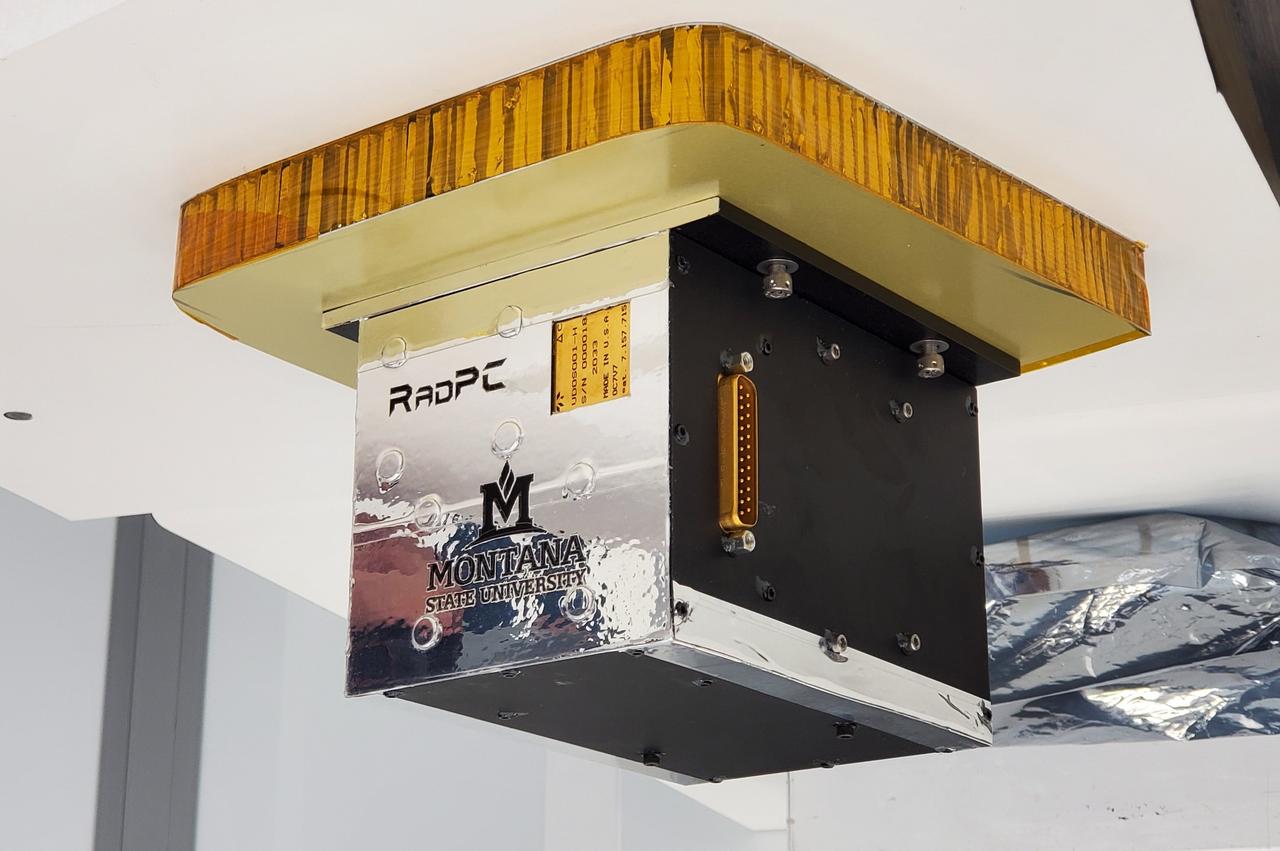
A technology demonstration flying aboard the next delivery for NASA’s CLPS (Commercial Lunar Payload Services) initiative could help mitigate radiation effects on computers in space. Radiation Tolerant Computer, or RadPC, is one of 10 payloads set to be carried to the Moon by the Blue Ghost 1 lunar lander in 2025. Developed by Montana State University in Bozeman, RadPC is designed designed to demonstrate computer recovery from faults caused by single-event effects of ionizing radiation. Investigations and demonstrations, such as RadPC, launched on CLPS flights will help NASA study Earth’s nearest neighbor under Artemis and pave the way for future crewed missions on the Moon. NASA’s Marshall Space Flight Center in Huntsville, Alabama, manages the development for seven of the 10 CLPS payloads that will be carried on Firefly’s Blue Ghost lunar lander.
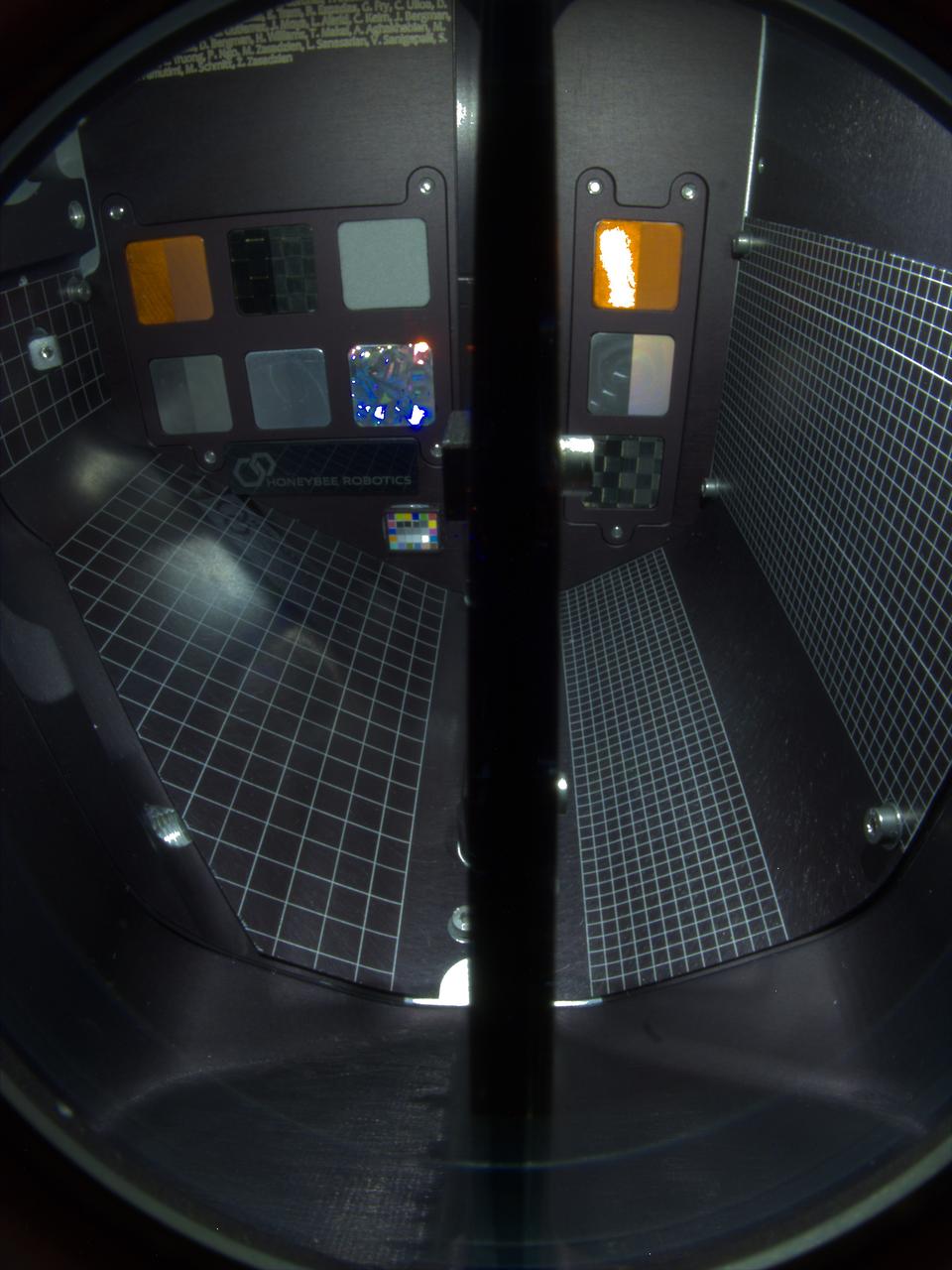

A technology demonstration flying aboard the next delivery for NASA’s CLPS (Commercial Lunar Payload Services) initiative could change how research teams collect and study soil and rock samples on other planetary bodies. Lunar PlanetVac, or LPV, is one of 10 payloads set to be carried to the Moon by the Blue Ghost 1 lunar lander in 2025. Developed by Honeybee Robotics, a Blue Origin company of Altadena, California, LPV is designed to, essentially, operate as a vacuum cleaner with a pneumatic, compressed gas-powered sample acquisition and delivery system to efficiently collect and transfer lunar soil from the surface to other science instruments or sample return containers. Investigations and demonstrations, such as LPV, launched on CLPS flights will help NASA study Earth’s nearest neighbor under Artemis and pave the way for future crewed missions on the Moon. NASA’s Marshall Space Flight Center in Huntsville, Alabama, manages the development for seven of the 10 CLPS payloads that will be carried on Firefly’s Blue Ghost lunar lander.
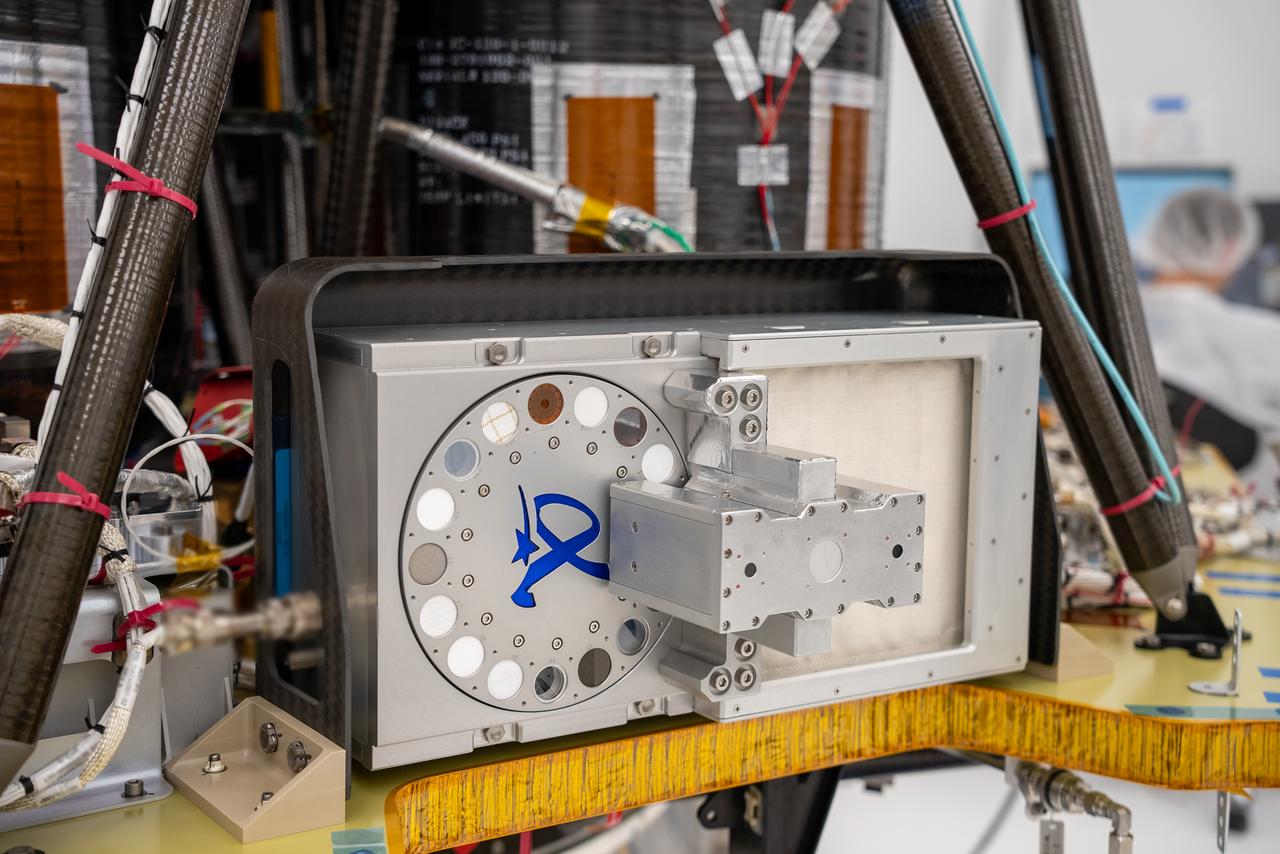
A science instrument flying aboard the next delivery for NASA’s CLPS (Commercial Lunar Payload Services) initiative is planning to study how different materials react to the lunar environment. Regolith Adherence Characterization, or RAC, is one of 10 payloads set to be carried to the Moon by the Blue Ghost 1 lunar lander in 2025. Developed by Aegis Aerospace, RAC’s wheels feature a series of different sample materials, helping researchers to better understand how lunar dust repels or attaches to each. Investigations and demonstrations, such as RAC, launched on CLPS flights will help NASA study Earth’s nearest neighbor under Artemis and pave the way for future crewed missions on the Moon. NASA’s Marshall Space Flight Center in Huntsville, Alabama, manages the development for seven of the 10 CLPS payloads that will be carried on Firefly’s Blue Ghost lunar lander.
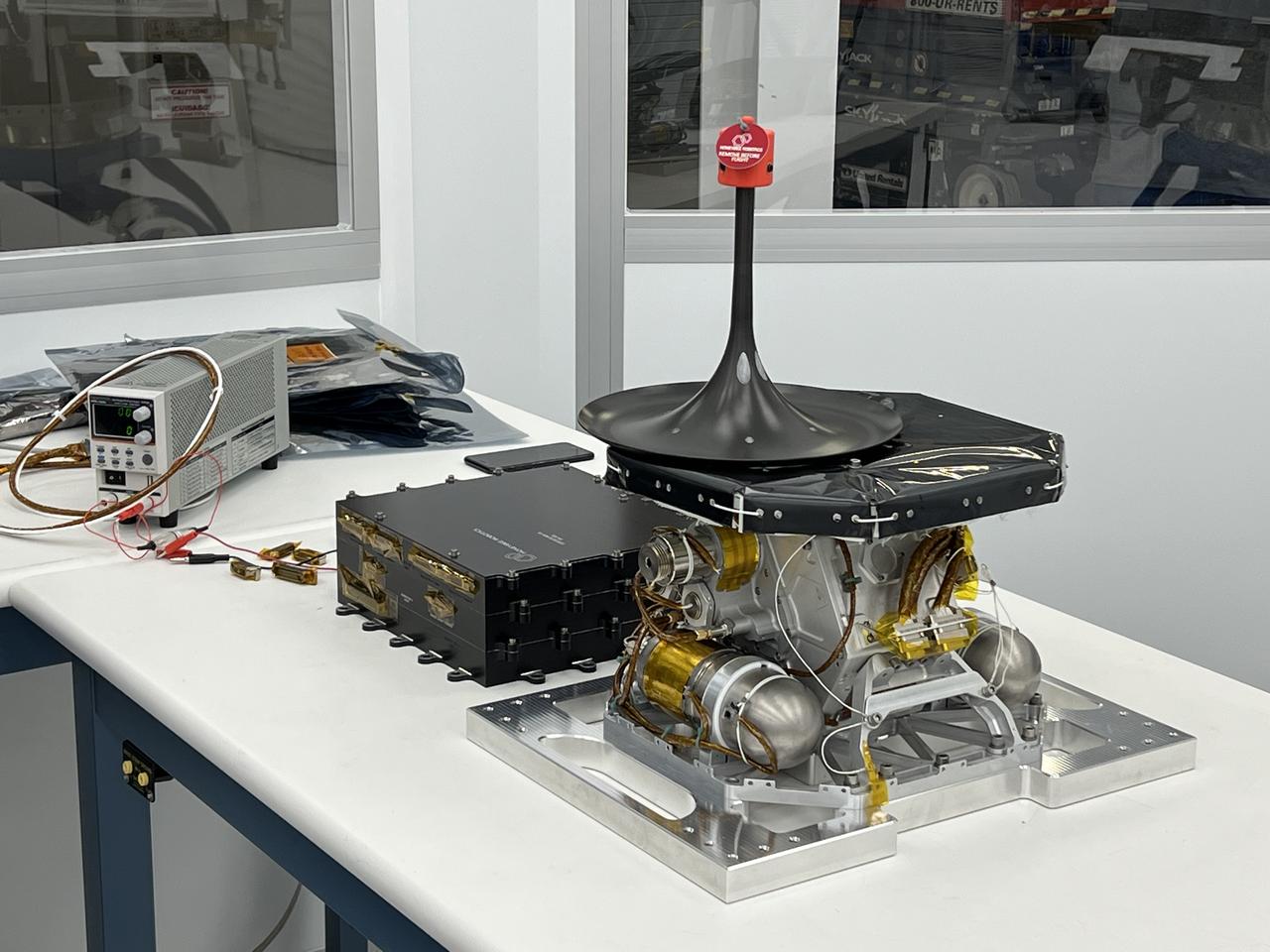
A science instrument flying aboard the next delivery for NASA’s CLPS (Commercial Lunar Payload Services) initiative could help improve our understanding of the Moon. The Lunar Instrumentation for Subsurface Thermal Exploration with Rapidity, or LISTER, is one of 10 payloads set to be carried to the Moon by the Blue Ghost 1 lunar lander in 2025. Developed jointly by Texas Tech University and Honeybee Robotics, LISTER’s planned mission is to measure the flow of heat from the Moon’s interior using a specialized drill. Investigations and demonstrations, such as LISTER, launched on CLPS flights will help NASA study Earth’s nearest neighbor under Artemis and pave the way for future crewed missions on the Moon. NASA’s Marshall Space Flight Center in Huntsville, Alabama, manages the development and operations for seven of the 10 CLPS payloads that will be carried on Firefly’s Blue Ghost lunar lander.
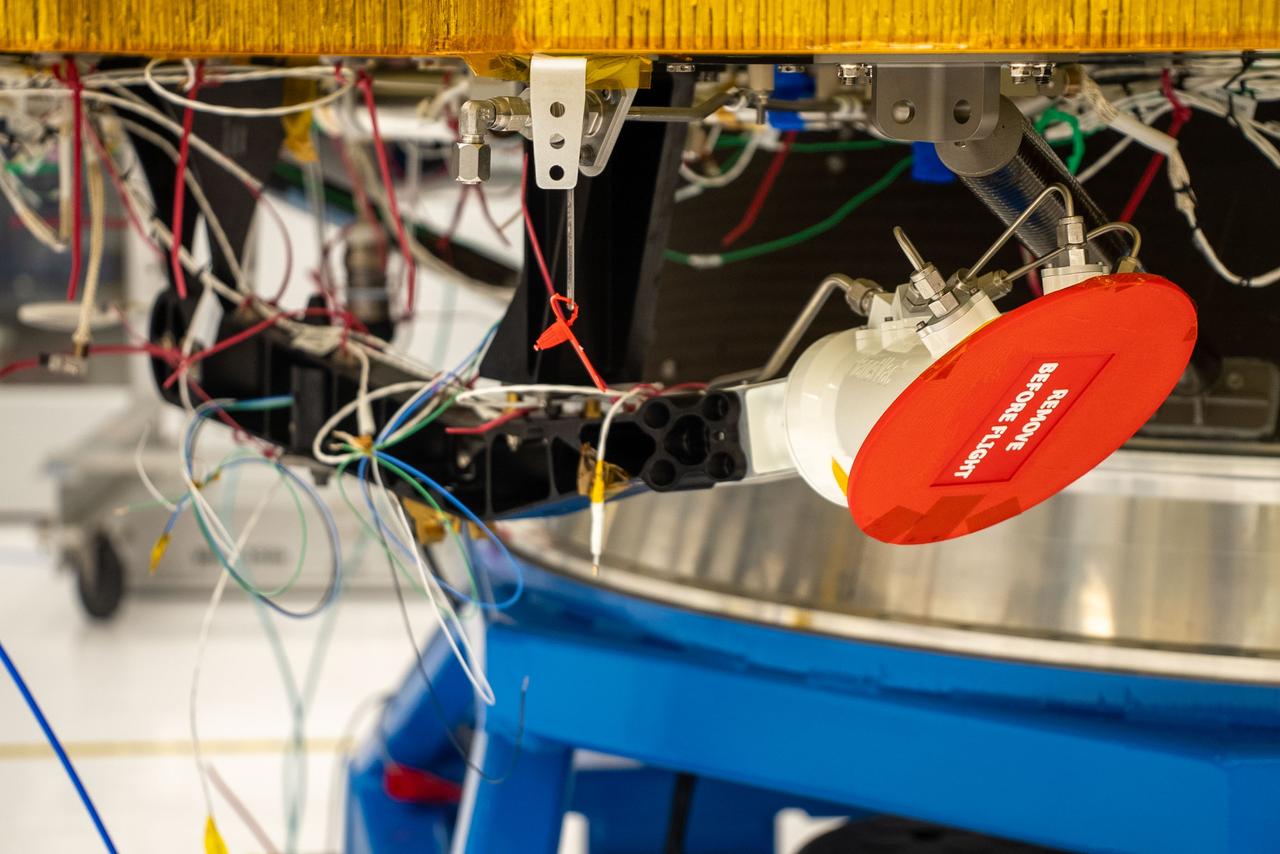

A technology demonstration flying aboard the next delivery for NASA’s CLPS (Commercial Lunar Payload Services) initiative could change how research teams collect and study soil and rock samples on other planetary bodies. Lunar PlanetVac, or LPV, is one of 10 payloads set to be carried to the Moon by the Blue Ghost 1 lunar lander in 2025. Developed by Honeybee Robotics, a Blue Origin company of Altadena, California, LPV is designed to, essentially, operate as a vacuum cleaner with a pneumatic, compressed gas-powered sample acquisition and delivery system to efficiently collect and transfer lunar soil from the surface to other science instruments or sample return containers. Investigations and demonstrations, such as LPV, launched on CLPS flights will help NASA study Earth’s nearest neighbor under Artemis and pave the way for future crewed missions on the Moon. NASA’s Marshall Space Flight Center in Huntsville, Alabama, manages the development for seven of the 10 CLPS payloads that will be carried on Firefly’s Blue Ghost lunar lander.
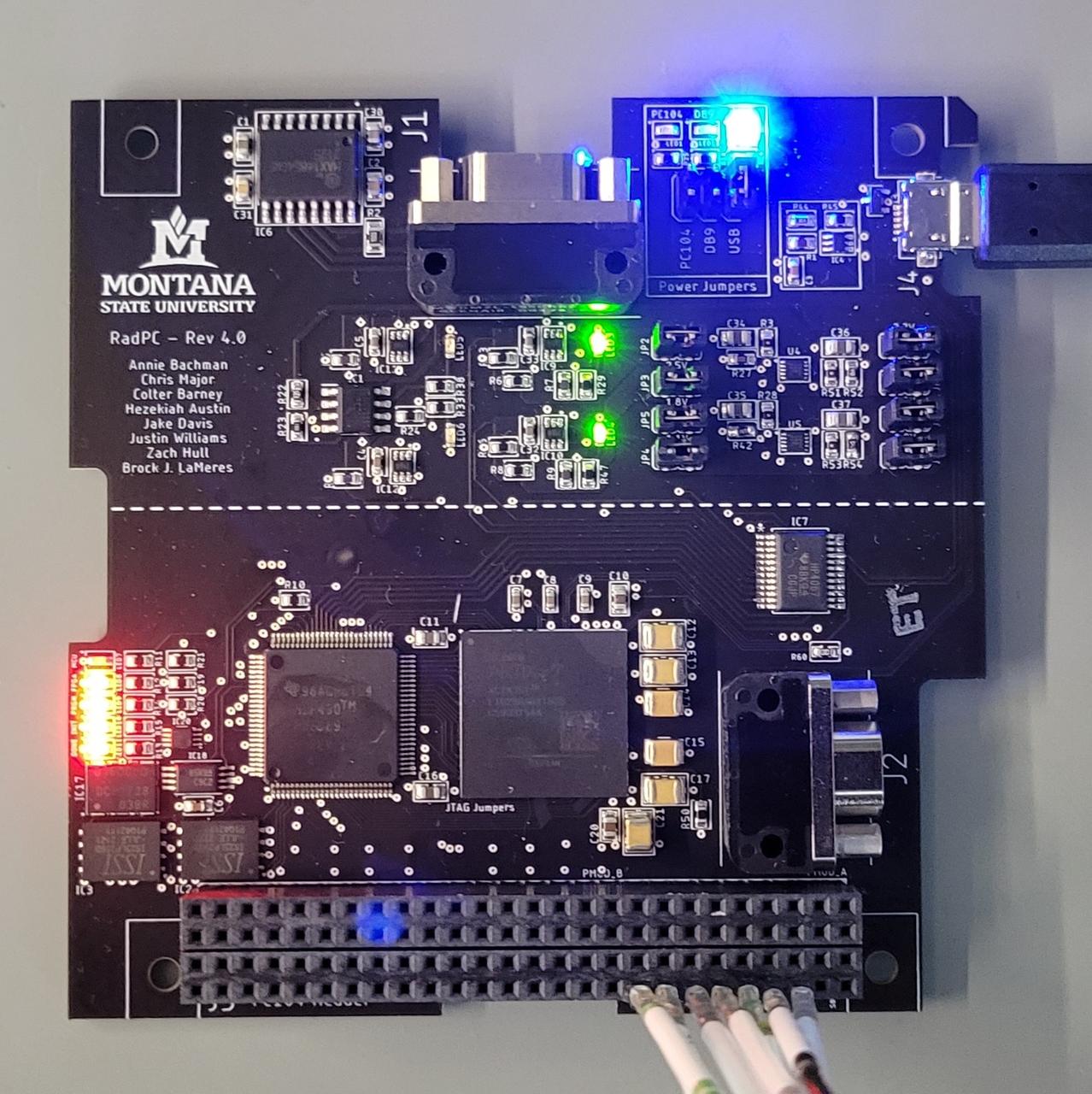
A technology demonstration flying aboard the next delivery for NASA’s CLPS (Commercial Lunar Payload Services) initiative could help mitigate radiation effects on computers in space. Radiation Tolerant Computer, or RadPC, is one of 10 payloads set to be carried to the Moon by the Blue Ghost 1 lunar lander in 2025. Developed by Montana State University in Bozeman, RadPC is designed designed to demonstrate computer recovery from faults caused by single-event effects of ionizing radiation. Investigations and demonstrations, such as RadPC, launched on CLPS flights will help NASA study Earth’s nearest neighbor under Artemis and pave the way for future crewed missions on the Moon. NASA’s Marshall Space Flight Center in Huntsville, Alabama, manages the development for seven of the 10 CLPS payloads that will be carried on Firefly’s Blue Ghost lunar lander.