
From left, Ray Sadler, Ted Powers, and Walter Hargis align load pads on the aircraft surface of a F/A-18E from the Naval Air Systems Command (NAVAIR) in Patuxent River, Maryland. The aircraft is in NASA’s Armstrong Flight Research Center Flight Loads Laboratory in Edwards, California, for the center’s biggest load calibrations tests. This testing is needed before the aircraft can serve as a test vehicle for determining if it can safely manage maneuvers and proposed upgrades.
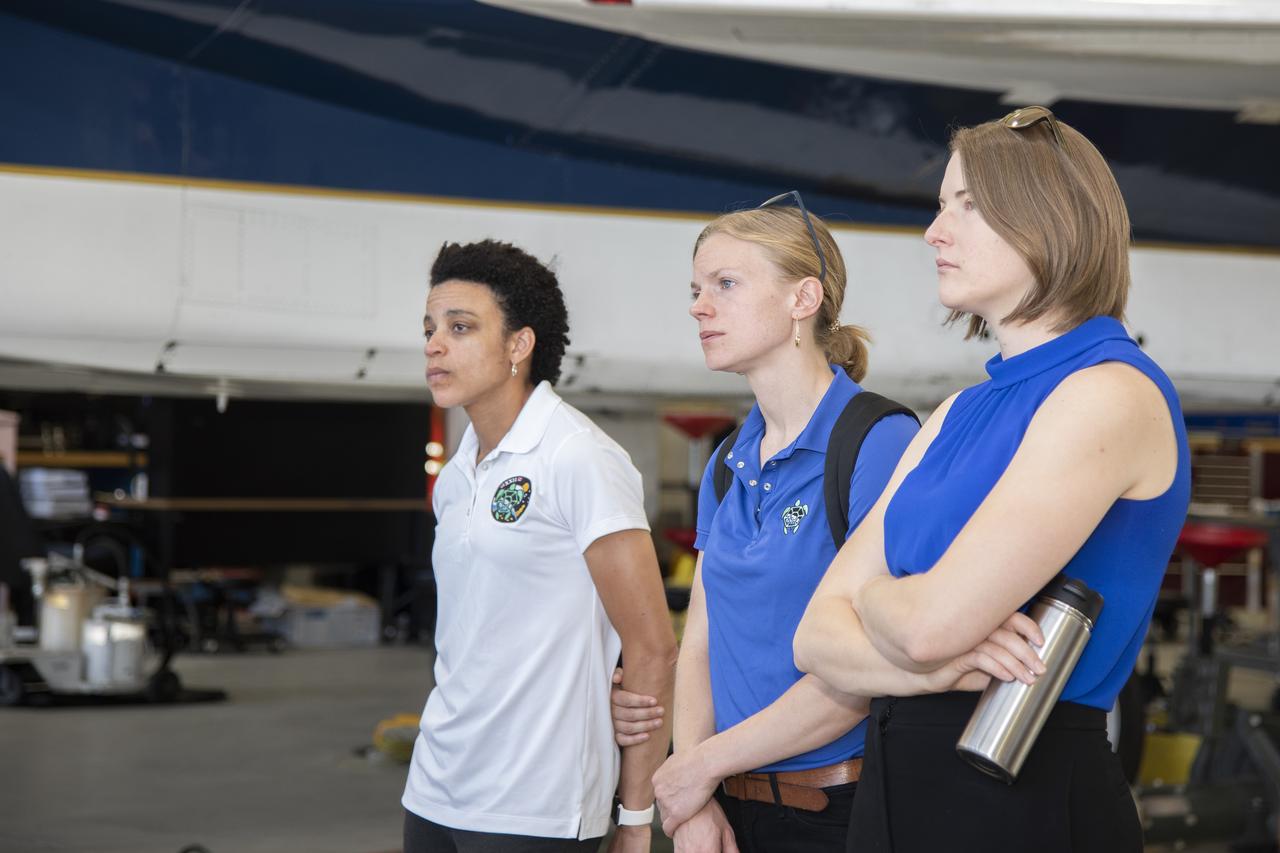
NASA’s 2017 astronaut candidates (L to R) Jessica Watkins, Zena Cardman, Kayla Barron toured aircraft hangar at Armstrong Flight Research Center, in Southern California where they were briefed on the use of Armstrong's F-15 and F-18 aircraft for studying sonic booms. The aircraft will be used during the development of the low-boom X-59 aircraft that is planned to fly supersonically over land, which is not allowed at this time because of the loud noise created when flying beyond the speed of sound.
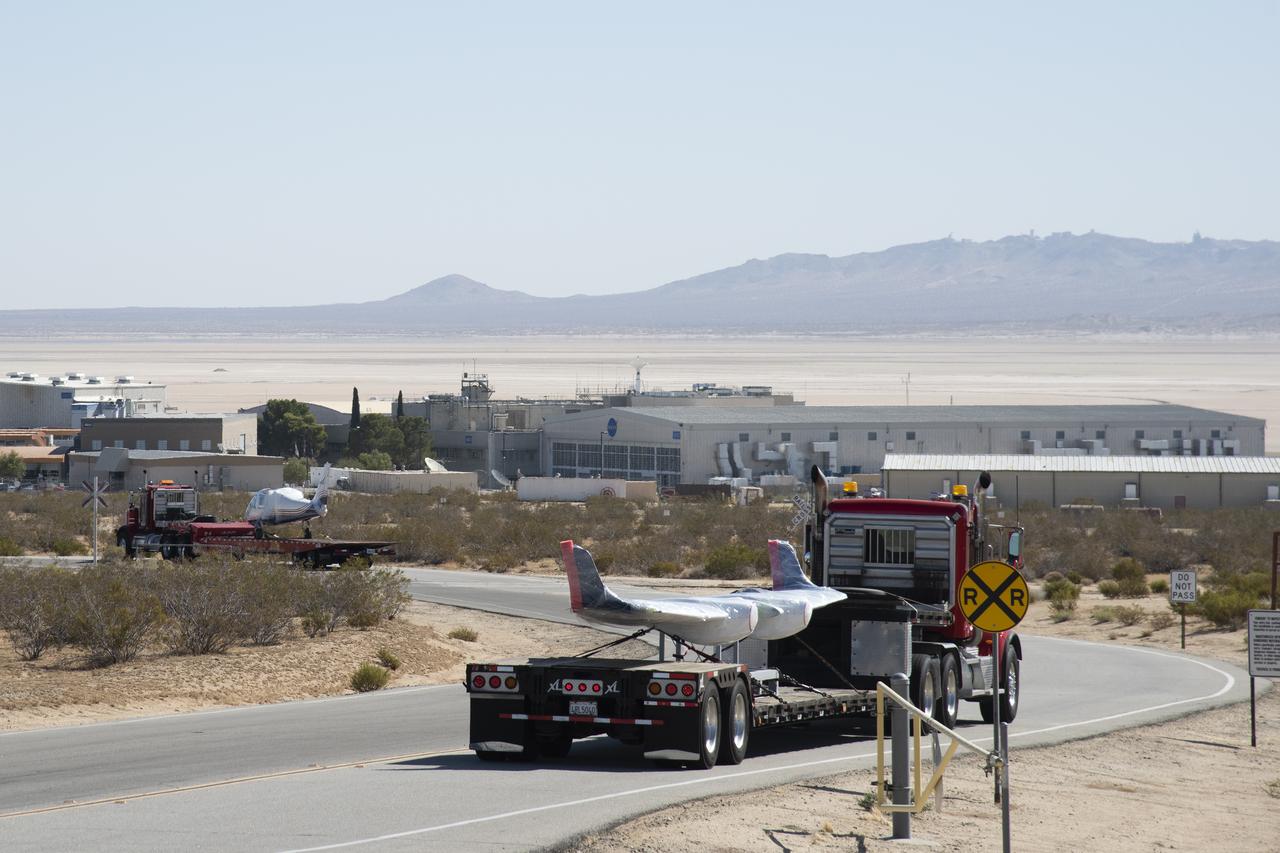
NASA’s all-electric X-57 Maxwell, in its Mod II configuration, arrives at NASA’s Armstrong Flight Research Center in Edwards, California. The X-plane was delivered by prime contractor Empirical Systems Aerospace of San Luis Obispo, California, in two parts, with the wing separated from the fuselage, to aid in a more timely delivery. X-57 is NASA’s first crewed X-plane in two decades, and seeks to further advance the design and airworthiness process for distributed electric propulsion technology for general aviation aircraft.
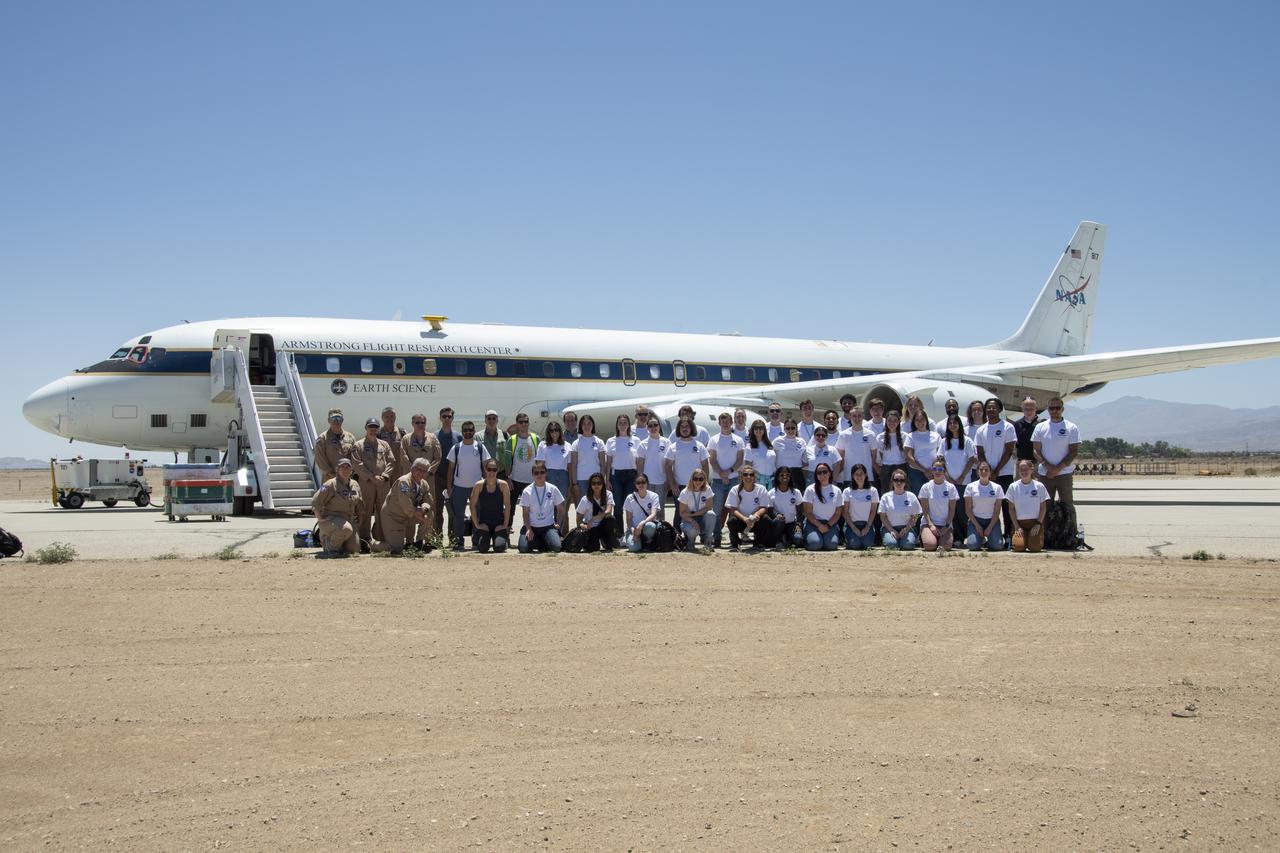
A group of university students and mentors flew aboard NASA Armstrong Flight Research Center’s DC-8 aircraft to study air quality as part of NASA’s Student Airborne Research Program (SARP). Based at NASA’s Armstrong Building 703 in Palmdale, California, the DC-8 flew over the Central Valley to measure pollution and monitor air quality on Tuesday, June 21, 2022.
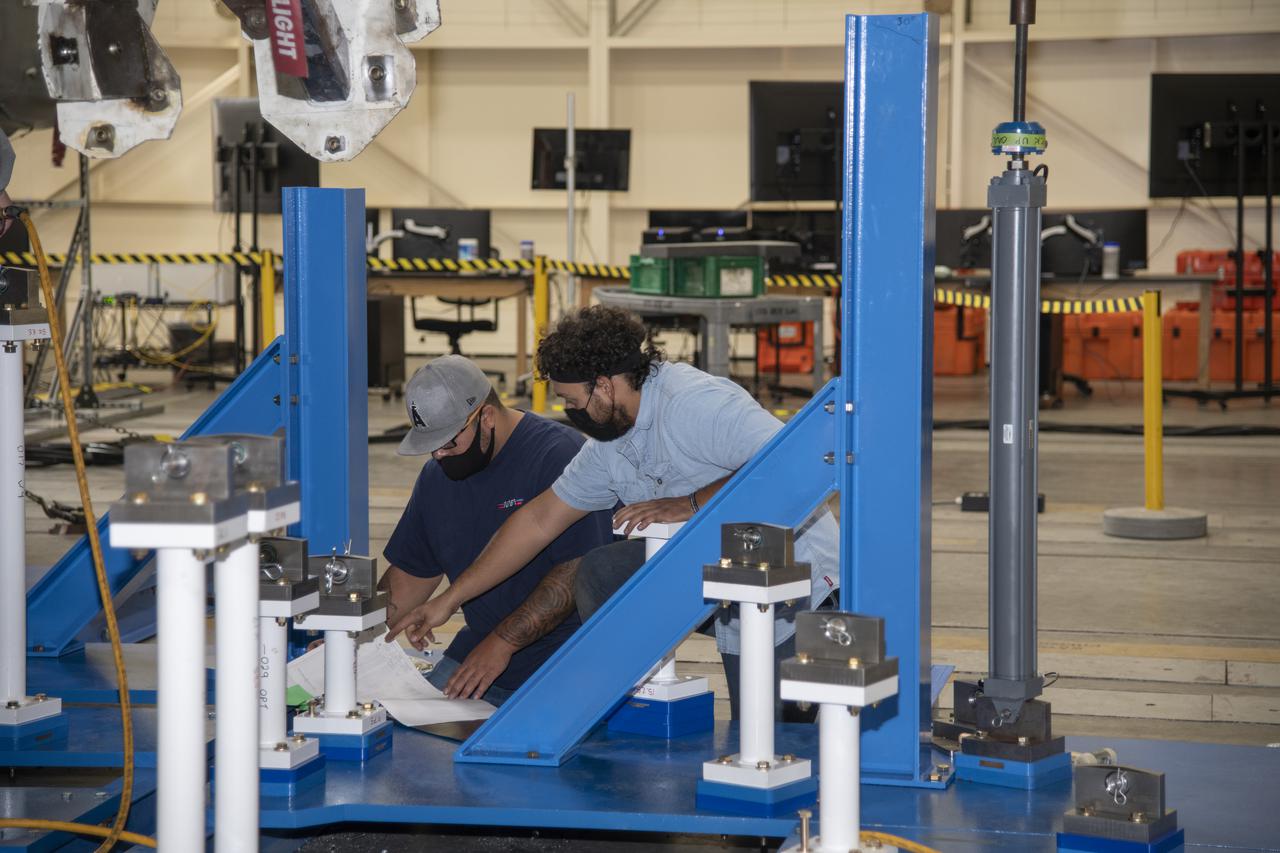
From left, Dominic Barela and Lucas Oramas review a drawing for installing the wing load test fixturing on a F/A-18E from the Naval Air Systems Command (NAVAIR) in Patuxent River, Maryland. The aircraft is in NASA’s Armstrong Flight Research Center Flight Loads Laboratory in Edwards, California, for the center’s biggest load calibrations tests. This testing is needed before the aircraft can serve as a test vehicle for determining if it can safely manage maneuvers and proposed upgrades.
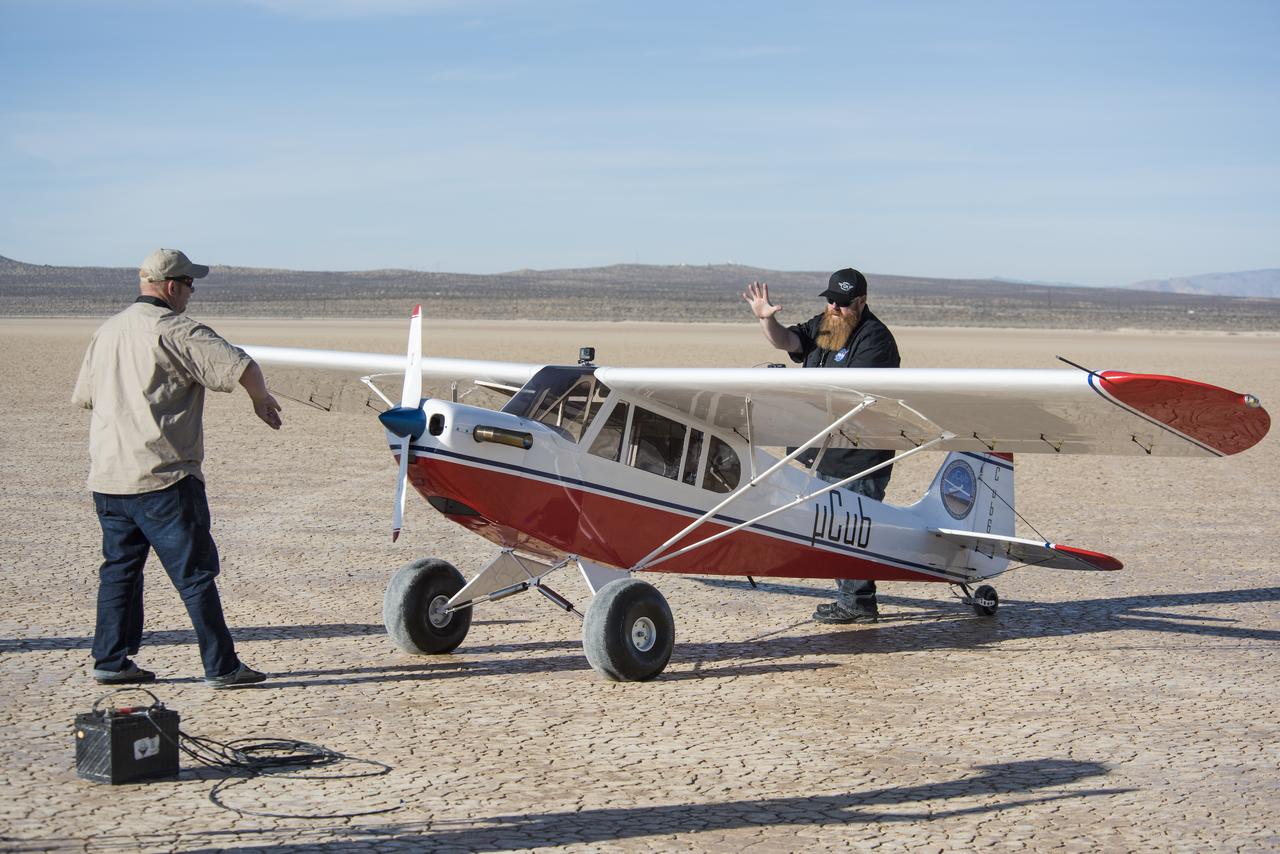
Crew members of the Subscale Research Lab at NASA’s Armstrong Flight Research Center in California perform a series of preflight system checks of the MicroCub to ensure the aircraft is ready for its maiden flight.
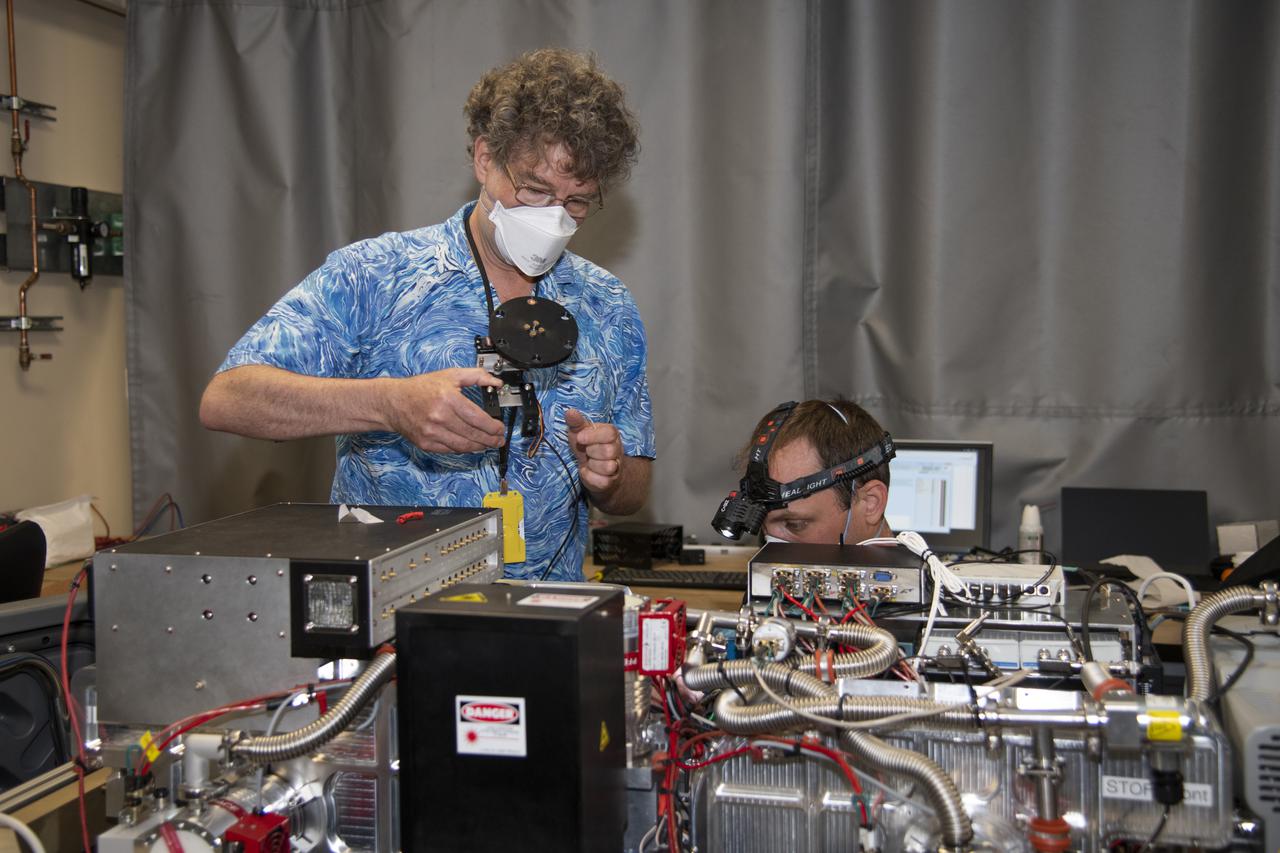
Particle Analysis by Laser Mass Spectrometry or PALMS instrument maintained by Dave Thomson and Justin Jacquot of Purdue University as part of NASA's Dynamics and Chemistry of the Summer Stratosphere (DCOTSS) mission
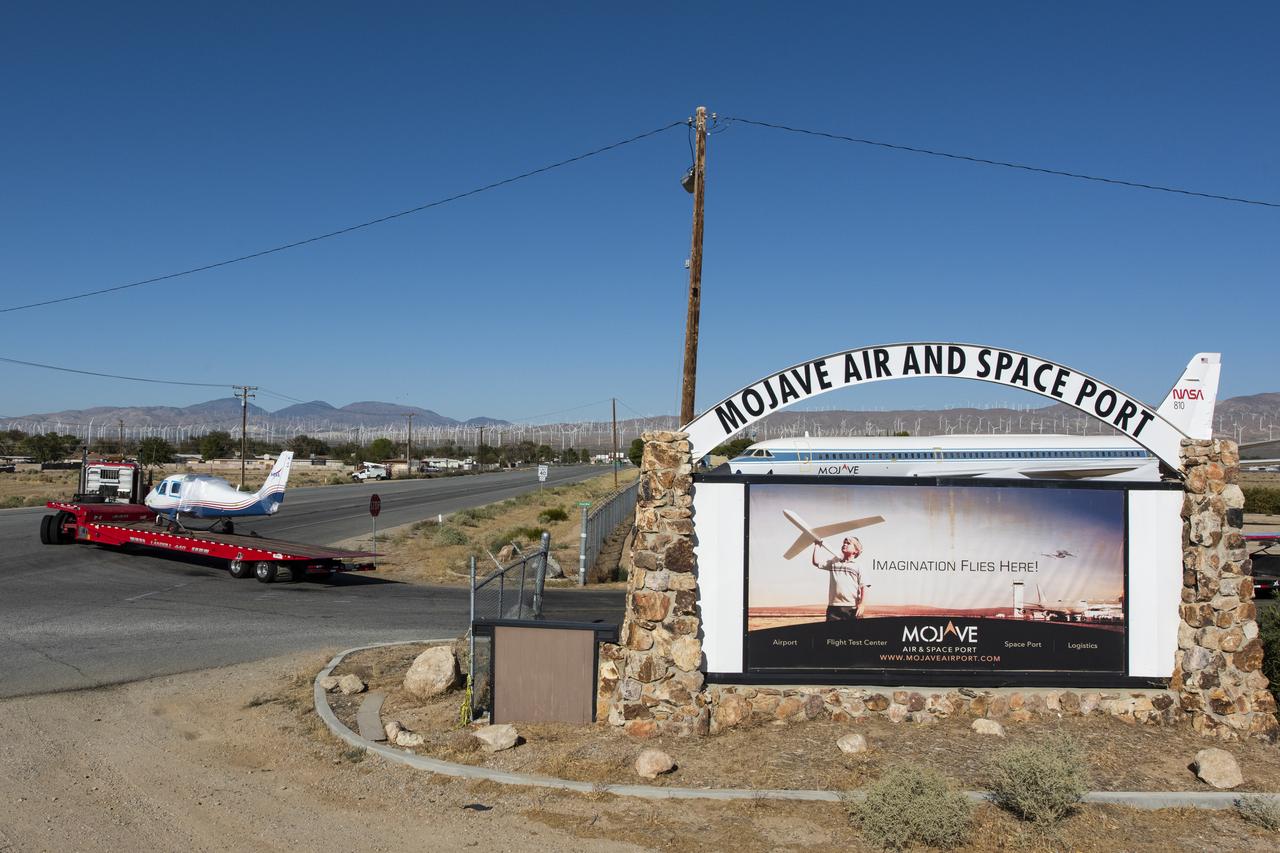
NASA’s all-electric X-57 Maxwell, in its Mod II configuration, departs Scaled Composites’ facility at Mojave Air and Space Port, en route to NASA’s Armstrong Flight Research Center in Edwards, California for delivery. The aircraft, shipped as two parts – the fuselage and the wing – was delivered to NASA Armstrong’s Research Aircraft Integration Facility, where it will be reintegrated to begin ground tests, to be followed by taxi tests, and eventually, flight tests. X-57’s Mod II configuration, the first of three primary modifications for the project, involves testing of the aircraft’s cruise electric propulsion system. The goal of the X-57 project is to share the aircraft’s electric-propulsion-focused design and airworthiness process with regulators, to advance certification approaches for distributed electric propulsion in general aviation.
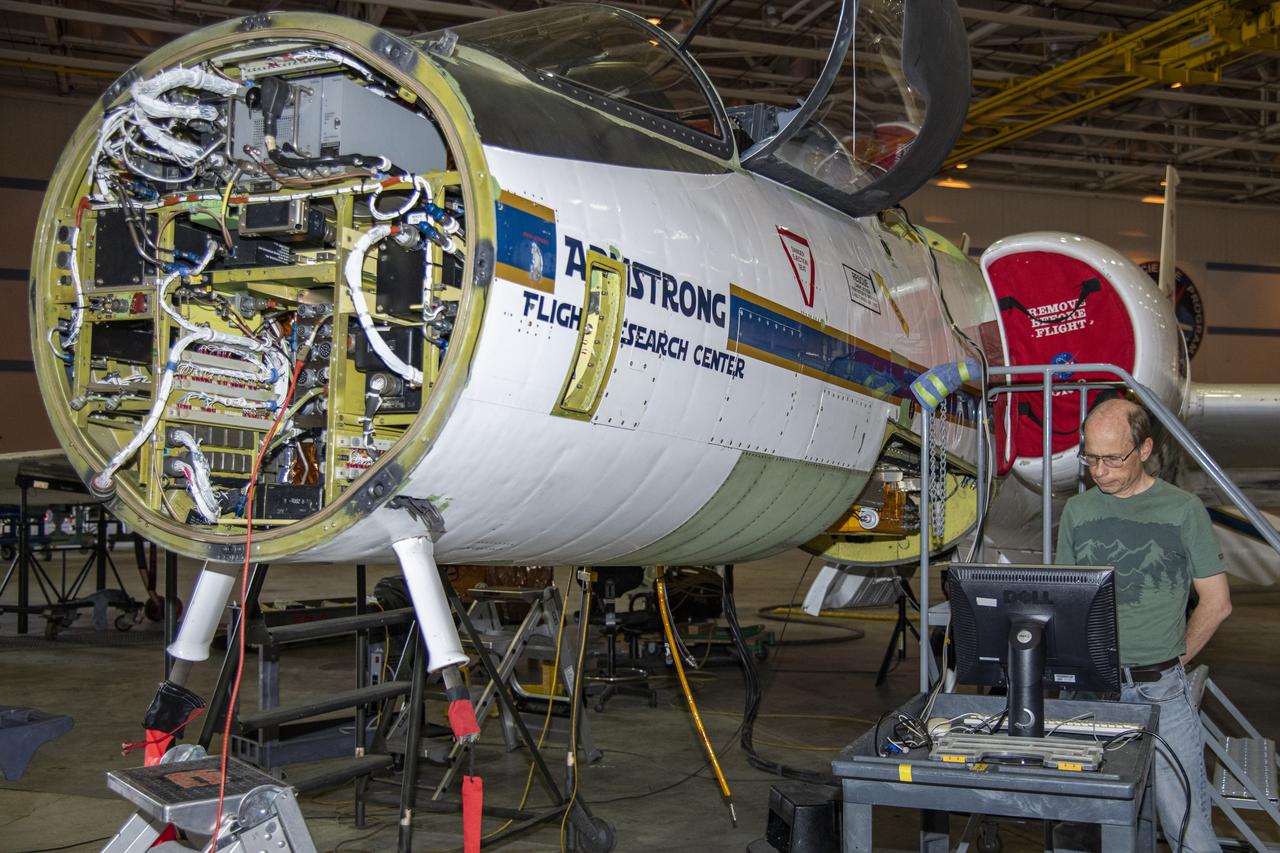
NASA's ER-2 aircraft is prepared for a check flight by Eric Hintsa, scientist of the Unmanned Aircraft Systems (UAS) Chromatograph for Atmospheric Trace Species (UCATS) instrument, on May 13, 2022.
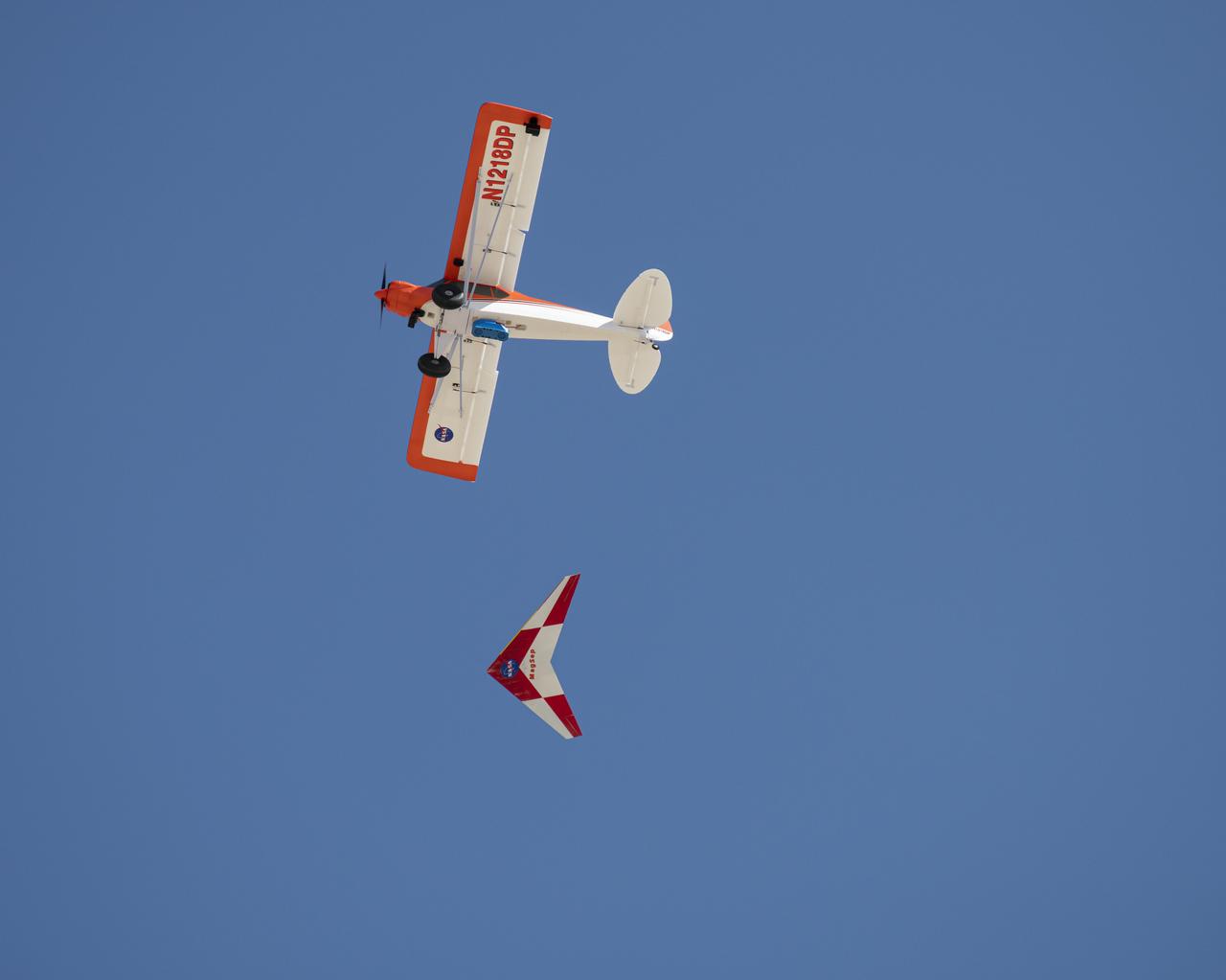
The Preliminary Research Aerodynamic Design to Land on Mars, or Prandtl-M, glider flies after a magnetic release mechanism on the Carbon-Z Cub was activated to air launch the aircraft. A team from NASA's Armstrong Flight Research Center in Edwards, California, conducted the successful research flight.
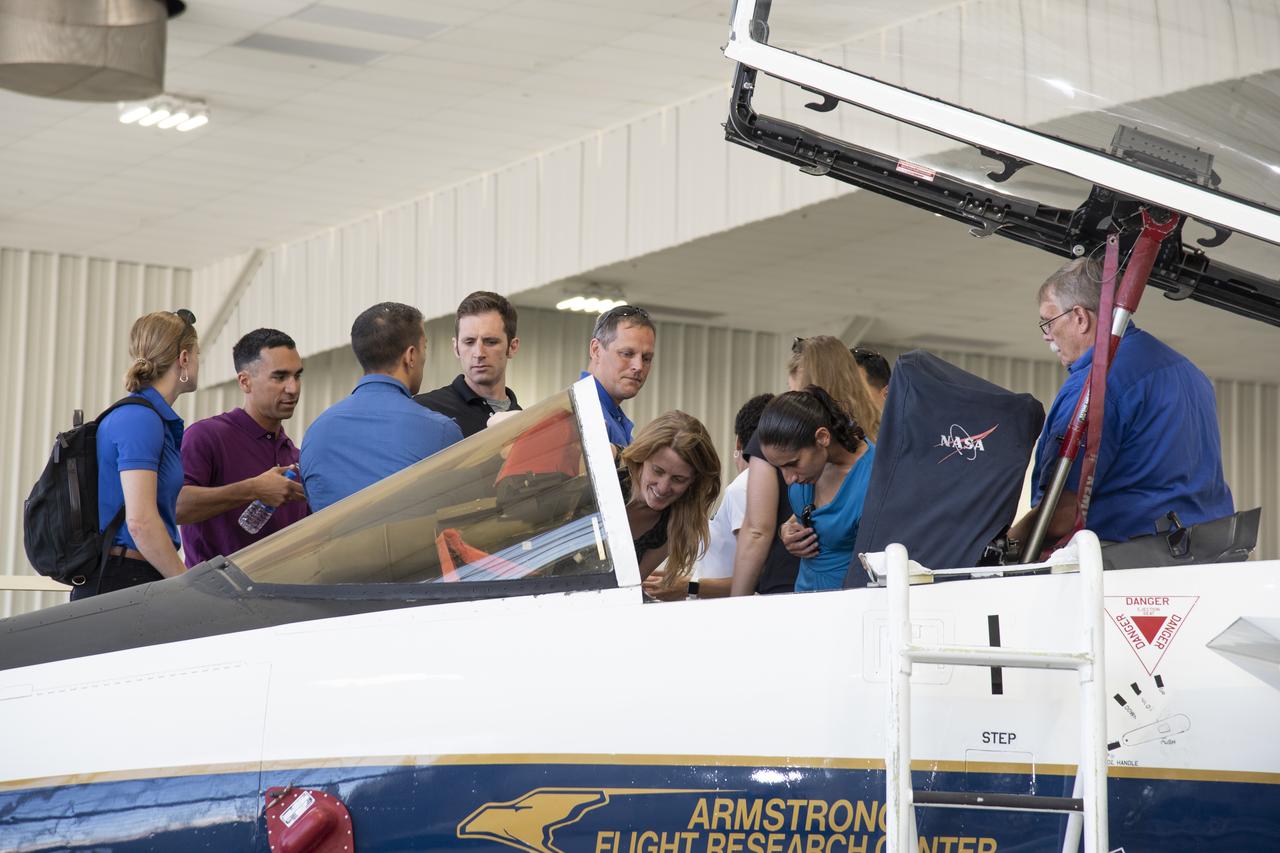
NASA's 2017 astronaut candidates toured aircraft hangar at Armstrong Flight Research Center, in Southern California where they checked out a F-15 cockpit. The center is using its fleet of supersonic research support aircraft for sonic boom research, including the F-15, which will fly in tandem with the X-59 QueSST during early flight test stages, and the F-18, which is conducting supersonic research in support of the overall mission.
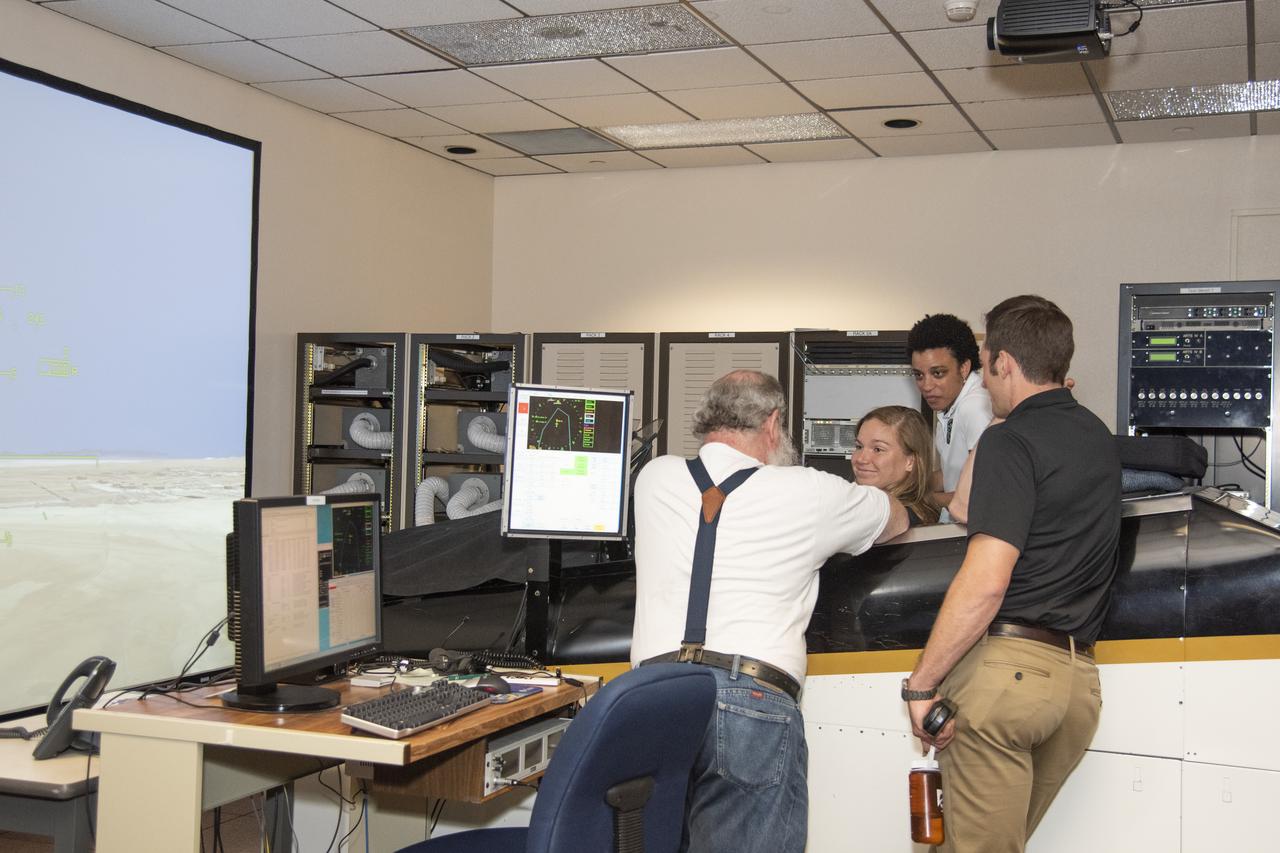
NASA's 2017 astronaut candidates (L to R) Jenni Sidey-Gibbons, Jessica Watkins and Joshua Kutryk practice flying in an F-18 aircraft cockpit simulator at Armstrong Flight Research Center, in Southern California. The F-18's are flown for research support and pilot proficiency. Currently, the F-18 is conducting supersonic research in support of the X-59 QueSST overall mission.

NASA's Armstrong Flight Research Center installed a conformal antenna on the door of its T-34C aircraft to test its performance parameters. The conformal antenna was designed through a cross-center collaboration through the Conformal Lightweight Antenna Structures for Aeronautical Communications Technologies project.
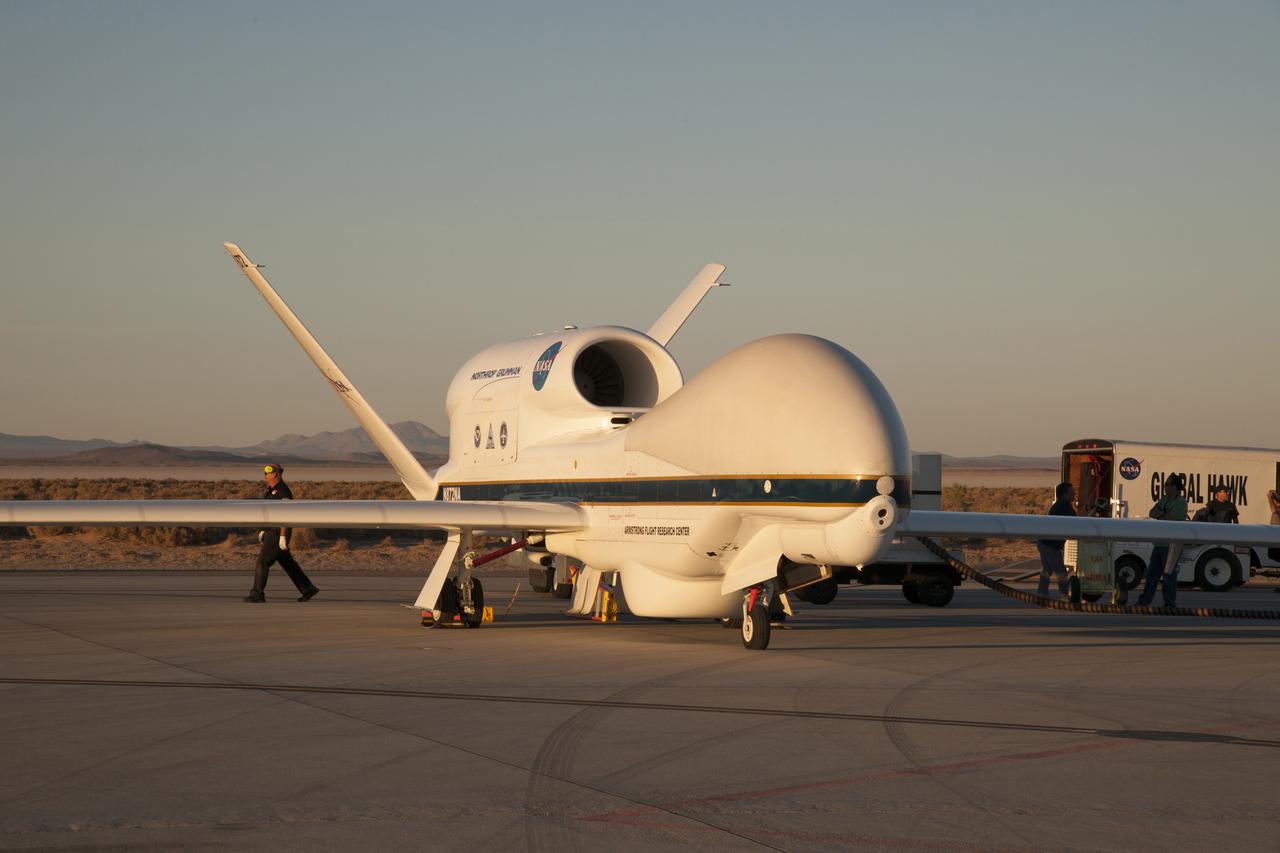
NASA’s Global Hawk aircraft was deployed to Florida from Armstrong Flight Research Center at Edwards, CA. on Oct. 6 to monitor and take scientific measurements of Hurricane Matthew. The unmanned Global Hawk will gather scientific data in support of NOAA’s Sensing Hazards with Operational Unmanned Technology (SHOUT) mission.
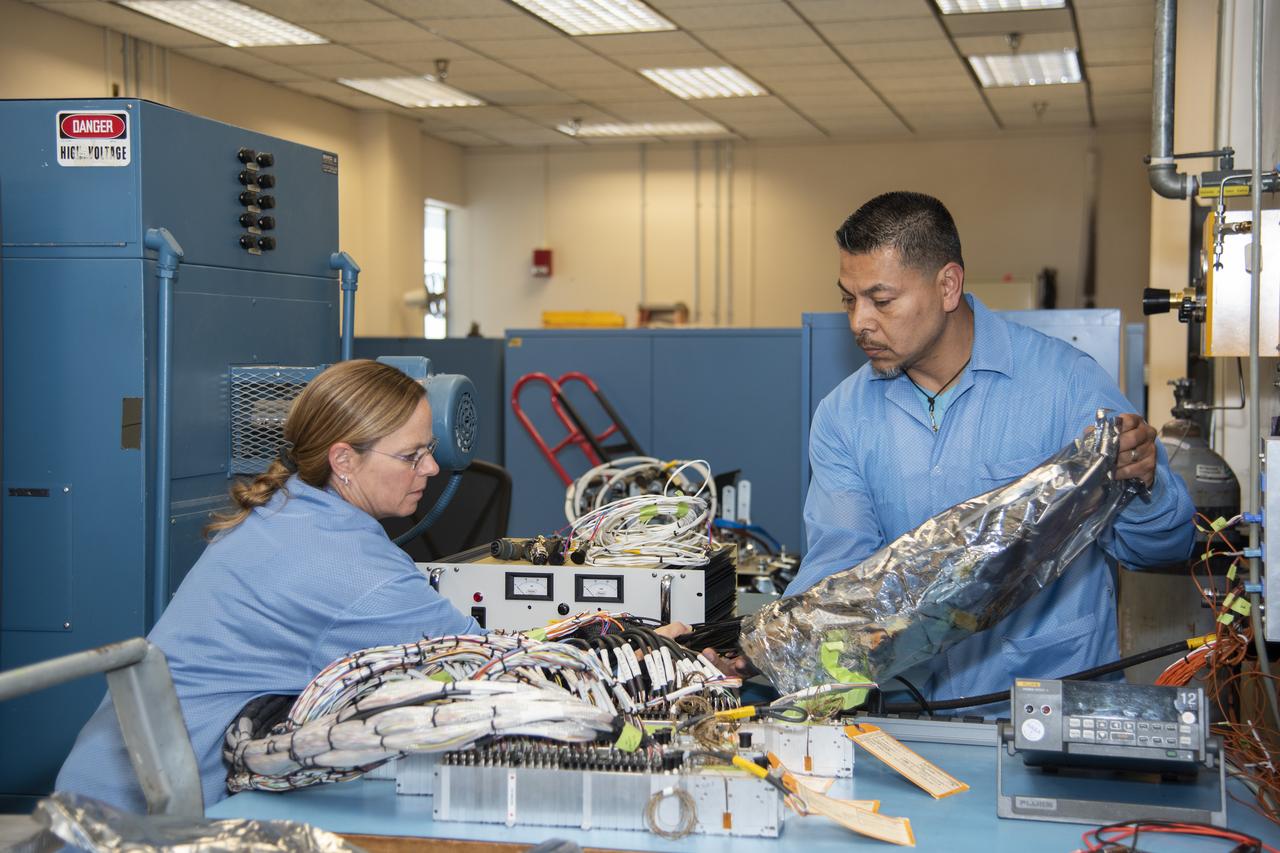
April Torres and Angelo De La Rosa remove wire harnesses for signal input for the Orion AA-2 vehicle from electrostatic discharge protective covers at NASA’s Armstrong Flight Research Center in California. The AA-2 test article is scheduled for a flight in 2019.
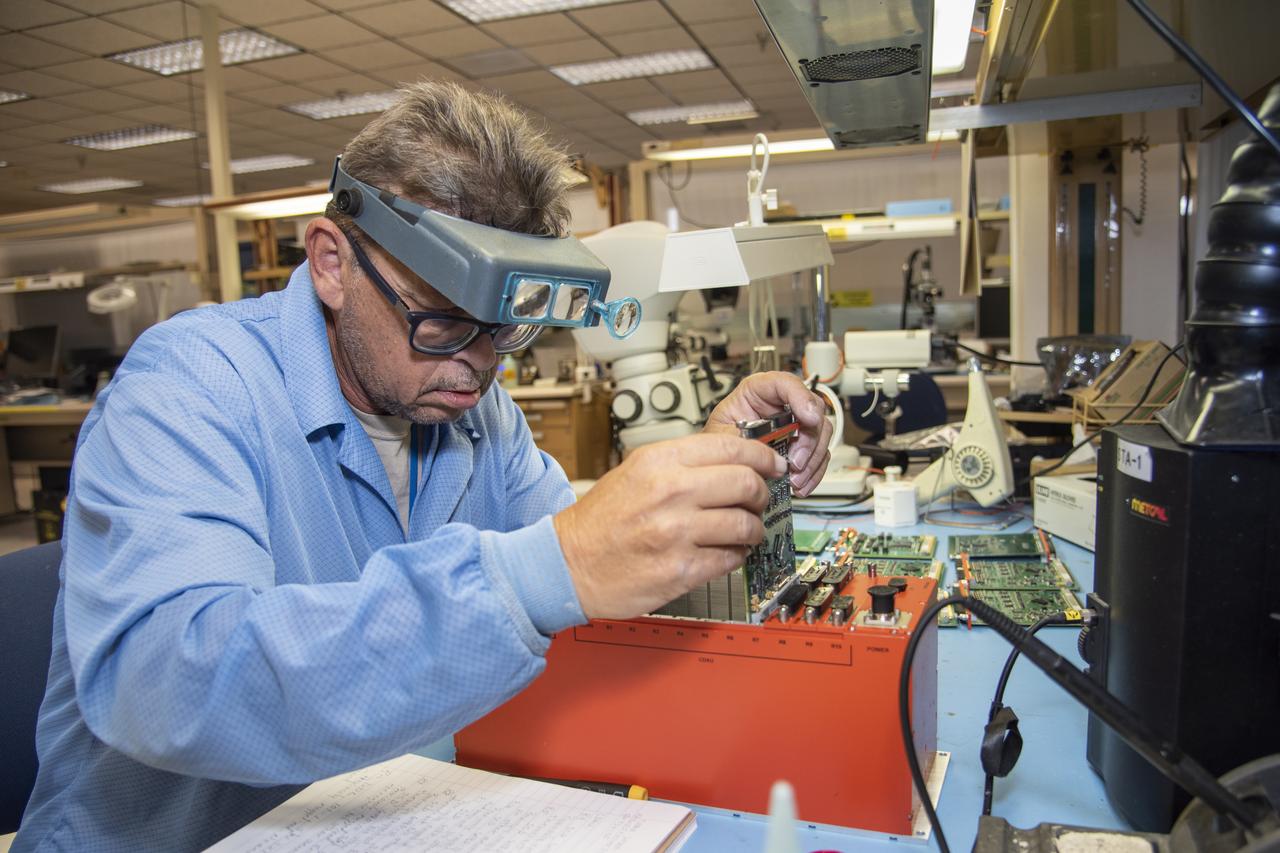
Randy Wagner prepares elements of the Orion Ascent Abort 2 crew module backup data acquisition system for thermal testing at NASA's Armstrong Flight Research Center in California.
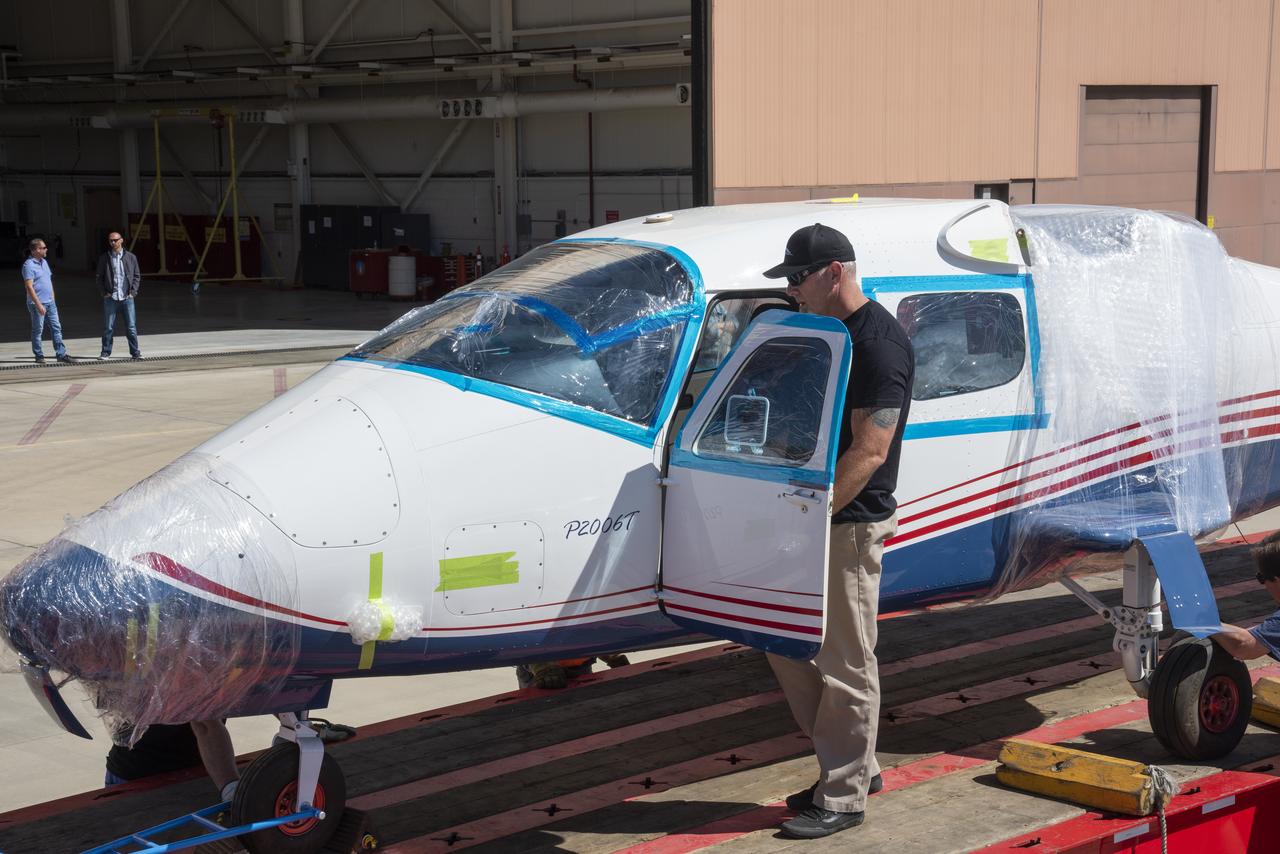
NASA's X-57 Maxwell, the agency's first all-electric X-plane and first crewed X-planed in two decades, is delivered to NASA's Armstrong Flight Research Center in Edwards, California in its Mod II configuration. The first of three primary modifications for the project, Mod II involves testing of the aircraft's cruise electric propulsion system. Delivery to NASA from prime contractor Empirical Systems Aerospace of San Luis Obispo, California, marks a major milestone for the project, at which point the vehicle is reintegrated for ground tests, to be followed by taxi tests, and eventually, flight tests. X-57's goal is to further advance the design and airworthiness process for distributed electric propulsion technology for general aviation aircraft, which can provide multiple benefits to efficiency, emissions, and noise.
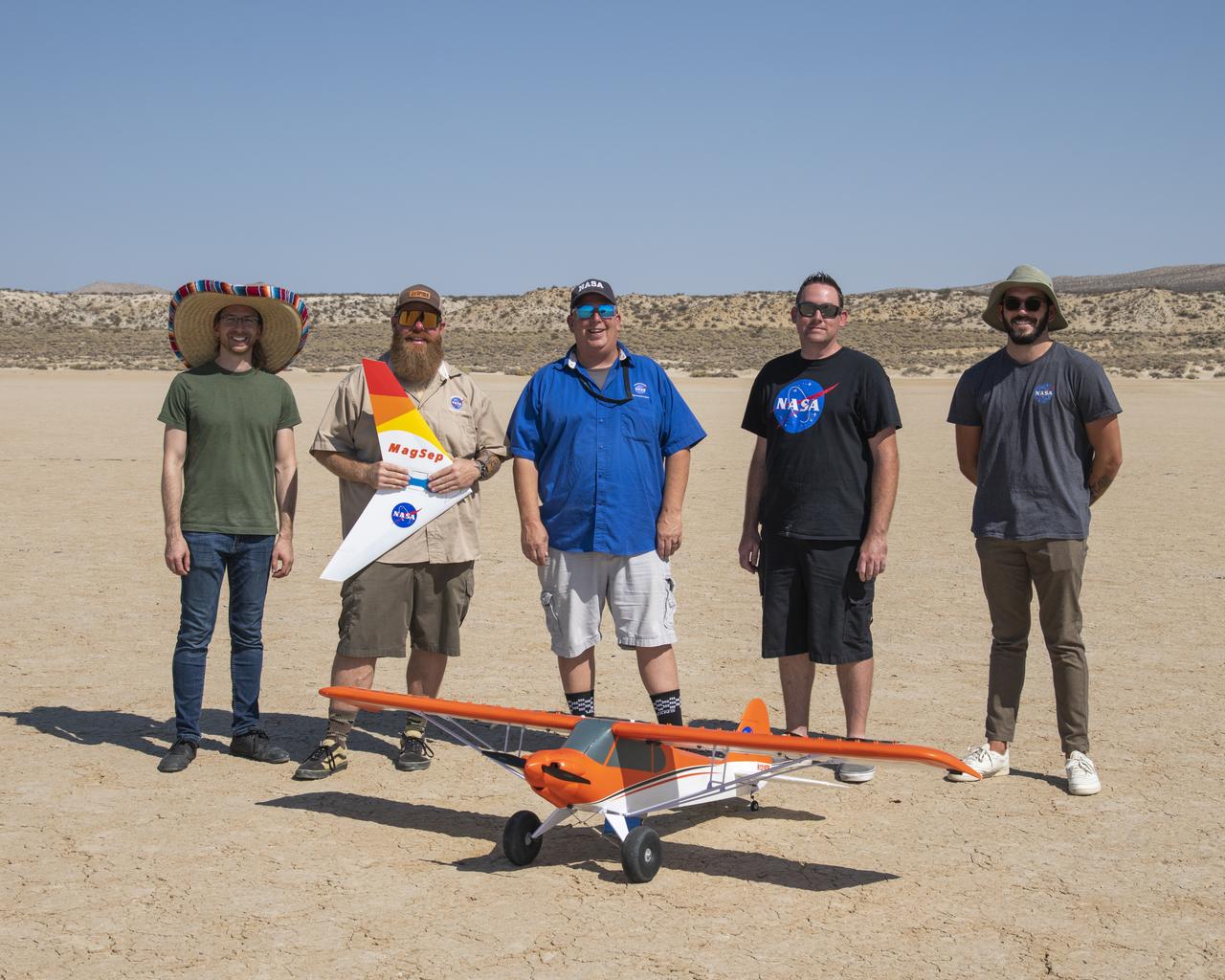
A Preliminary Research Aerodynamic Design to Land on Mars, or Prandtl-M, glider was air launched Sept. 7 using a magnetic release mechanism mounted on a Carbon-Z Cub. The team, based at NASA's Armstrong Flight Research Center in Edwards, California, includes, from left, Paul Bean, Justin Hall, Red Jensen, Justin Link, and Nathan Allaire.
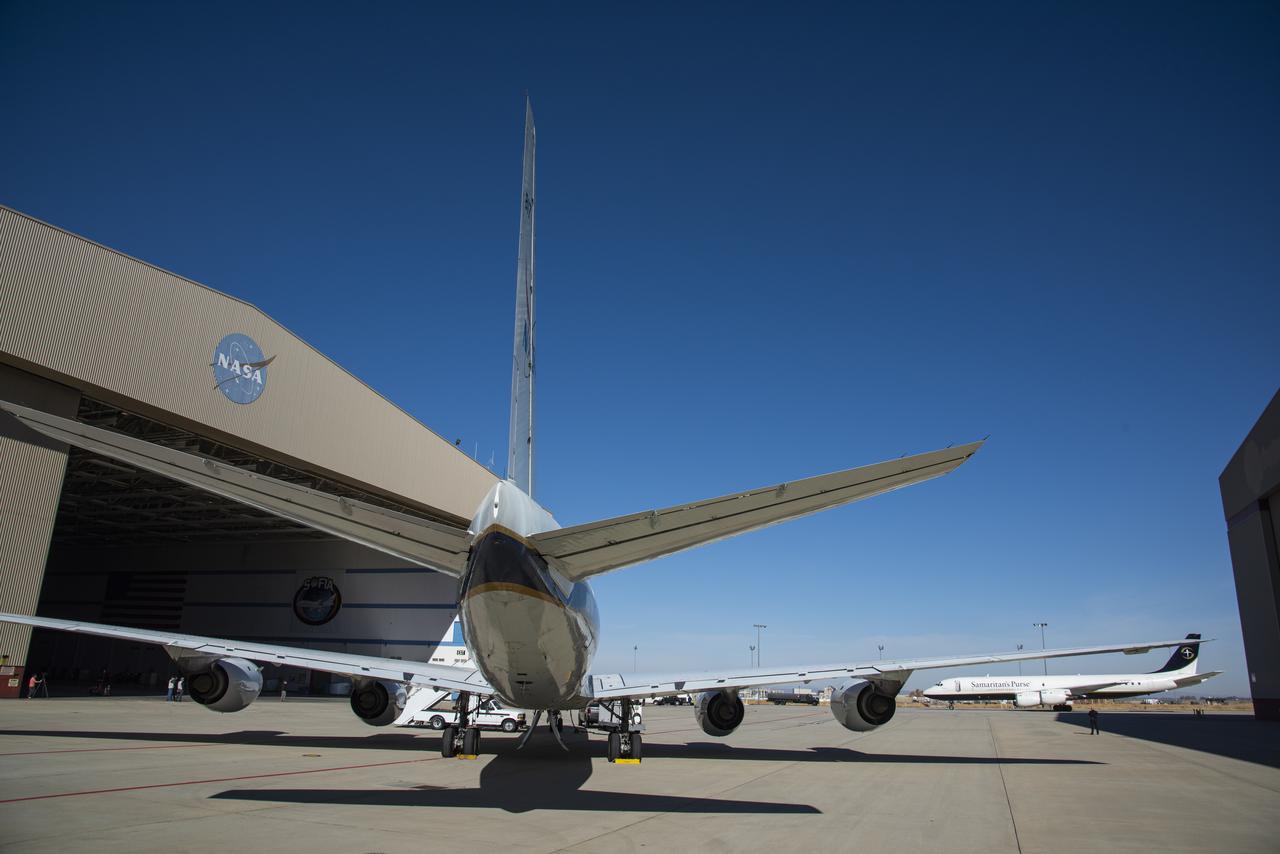
NASA and Samaritan's Purse DC-8 aircrafts met on the ramp in front of NASA's Armstrong Flight Research Center Building 703.
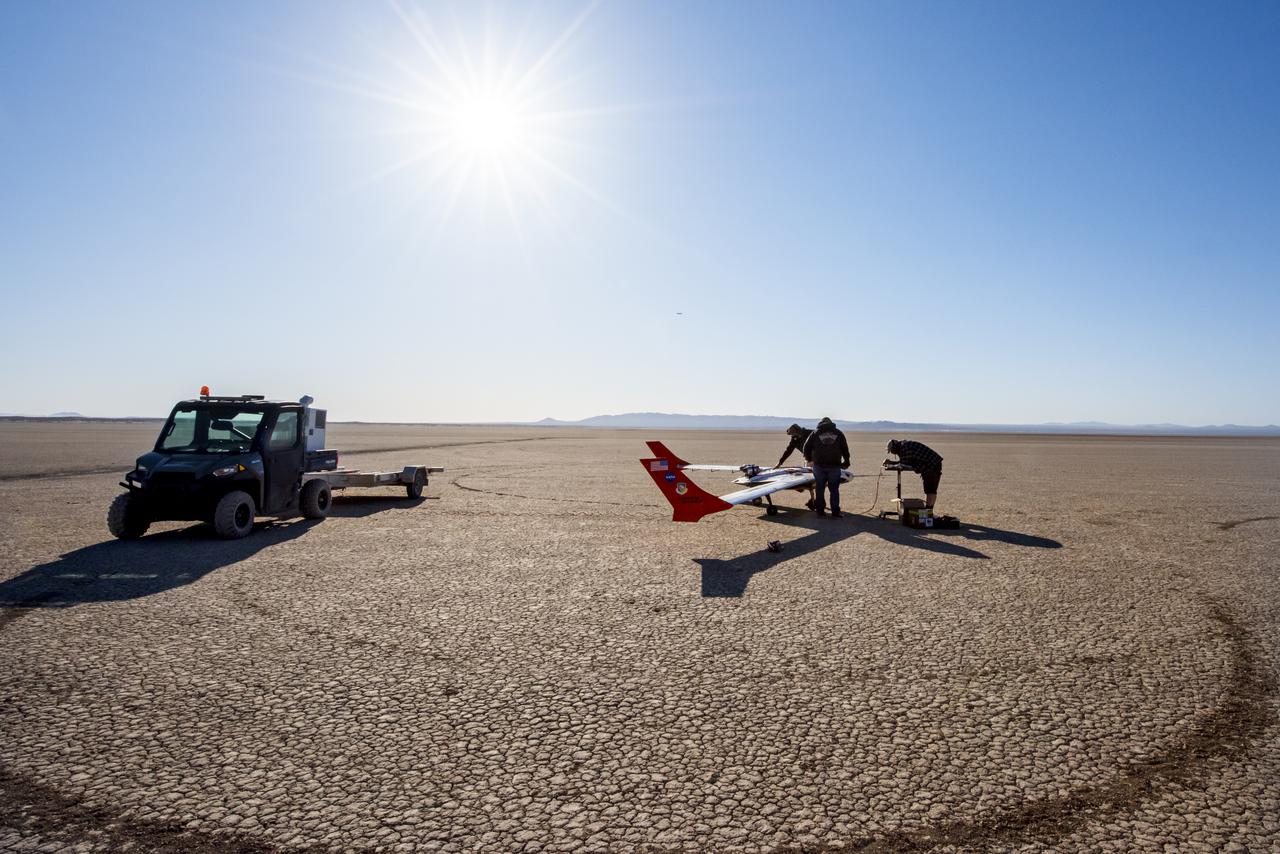
The X-56B remotely piloted aircraft ground crew prepares the aircraft to begin a new flight series. The flight was April 19 at NASA's Armstrong Flight Research Center in Edwards, California, with partner Northrop Grumman.
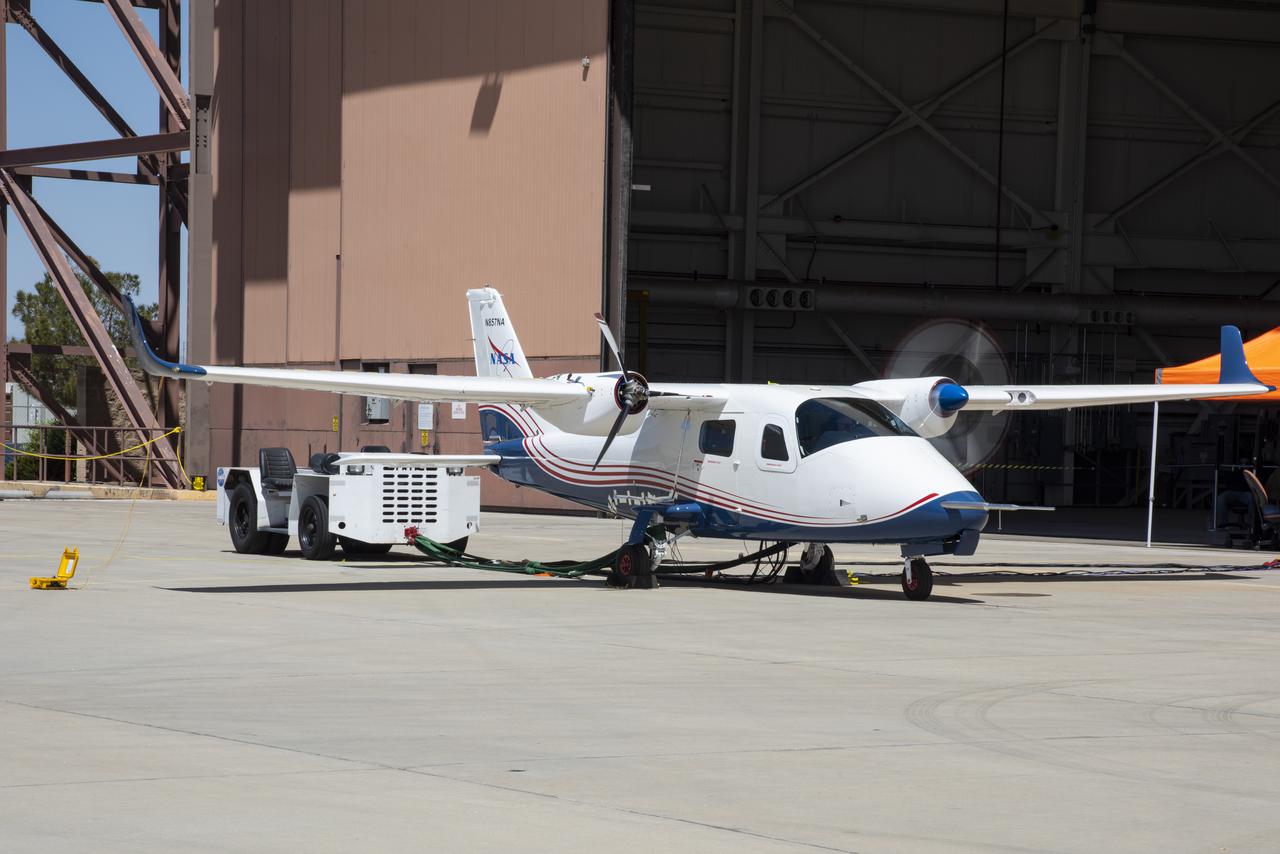
NASA's all-electric X-57 Maxwell continues to undergo high-voltage ground testing with successful spinning of the propellers under electric power at NASA's Armstrong Flight Research Center in California. The principal goals of the X-57 Project are to share the X-57 design and airworthiness process with regulators and standards organizations; and to establish the X-57 as a reference platform for integrated approaches of distributed electric propulsion technologies.
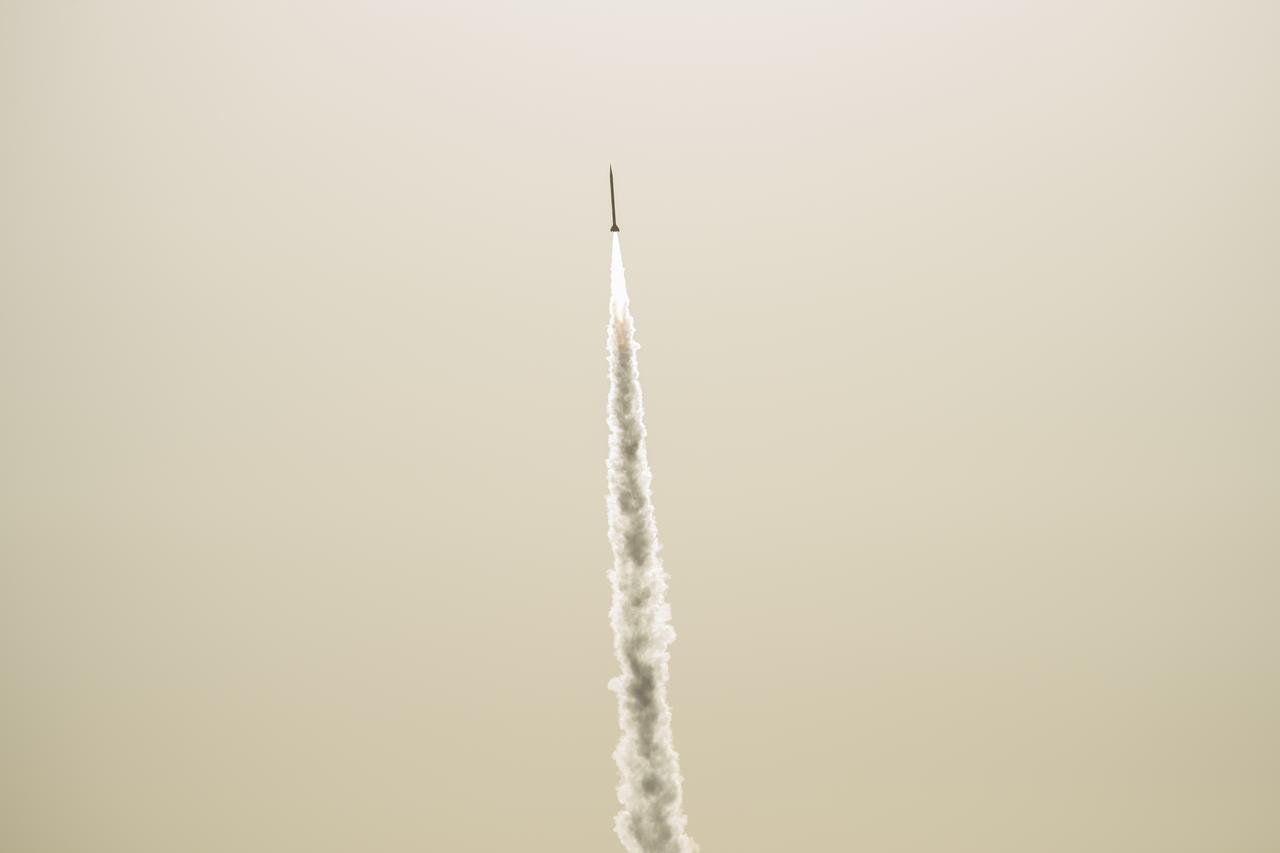
UP Aerospace SpaceLoft rocket launched into space Sept 12, 2018 from Spaceport America in New Mexico carrying three NASA technologies onboard to test in microgravity.
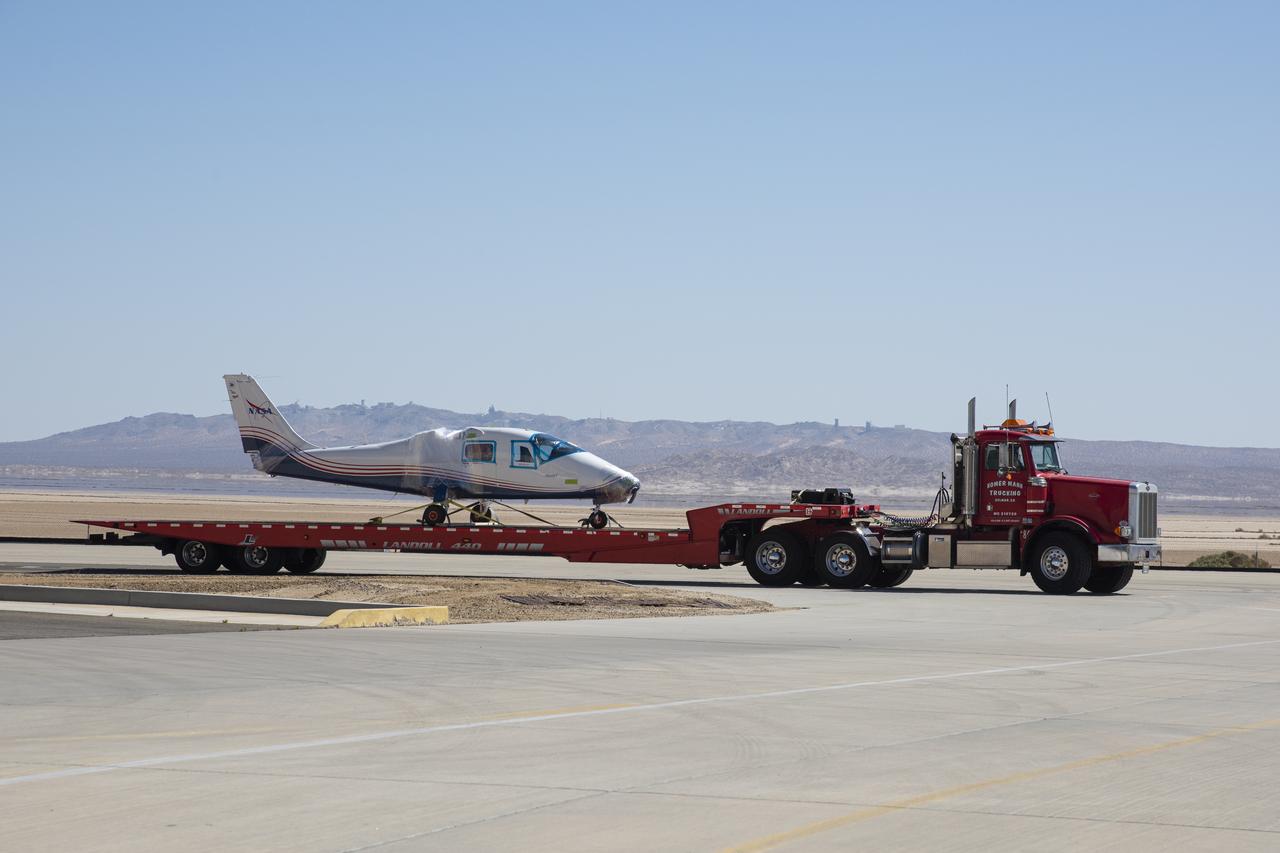
NASA’s all-electric X-57 Maxwell, in its Mod II configuration, arrives at NASA’s Armstrong Flight Research Center in Edwards, California. The X-plane was delivered by prime contractor Empirical Systems Aerospace of San Luis Obispo, California, in two parts, with the wing separated from the fuselage, to aid in a more timely delivery. X-57 is NASA’s first crewed X-plane in two decades, and seeks to further advance the design and airworthiness process for distributed electric propulsion technology for general aviation aircraft.
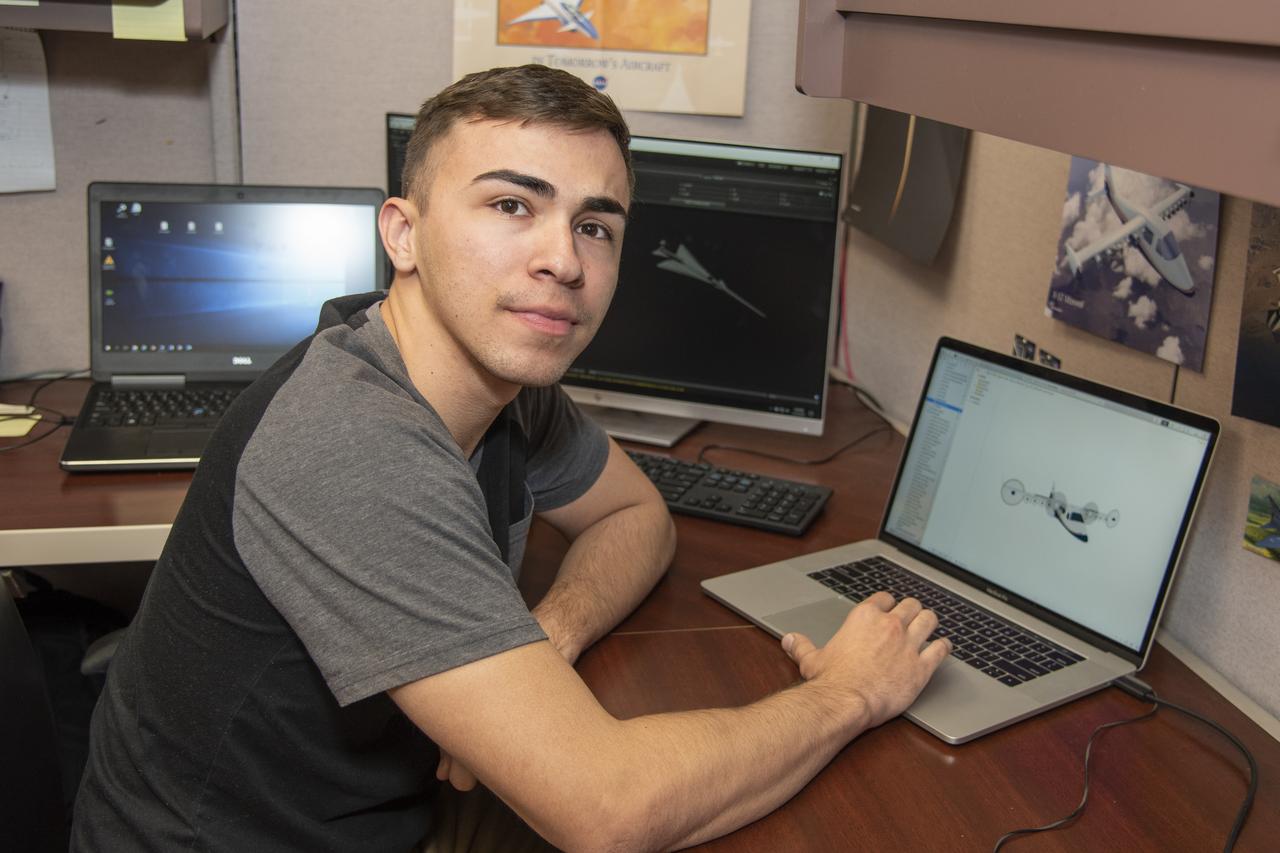
Christopher Morales, spring and summer 2019 intern, works to produce the first iOS version of the app
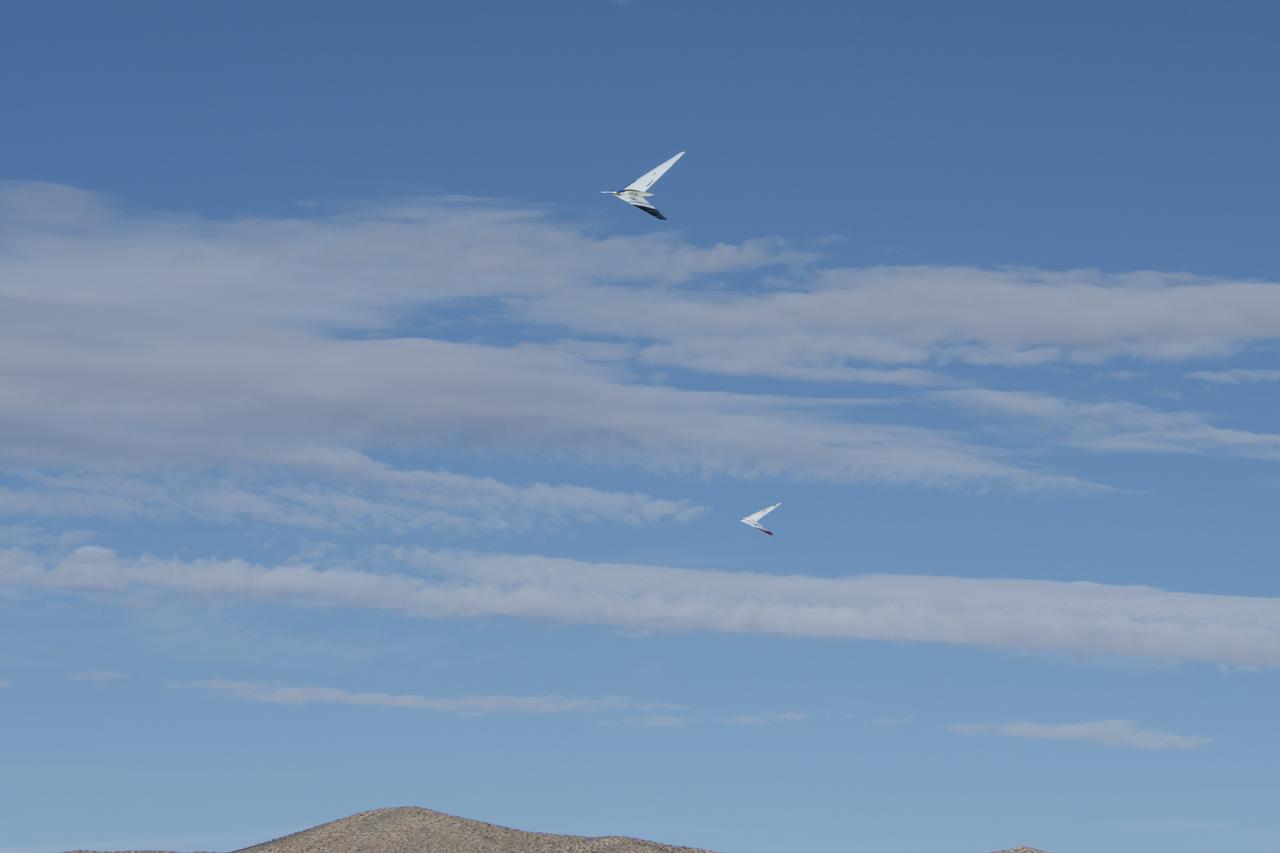
NASA Armstrong Flight Research Center conducted its first formation flight with the Preliminary Research Aerodynamic Design to Lower Drag (Prandtl) aircrafts Prandtl-D2 and Prandtl-3C.
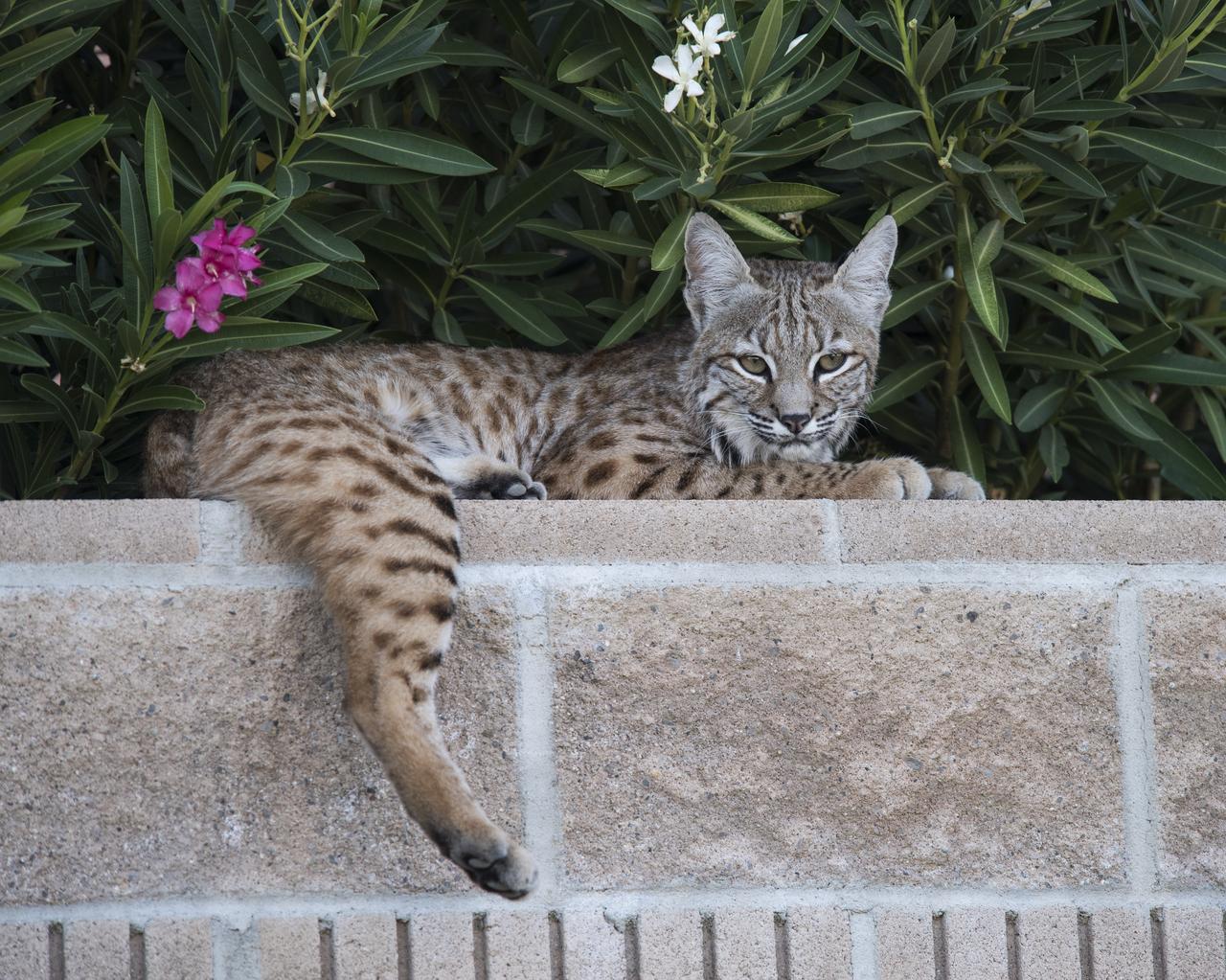
A bobcat resting leisurely on a retaining wall among the flowering bushes at Armstrong Flight Research Center in Edwards, California. The facility is home to a number of wild animals including the bobcats which are free to roam the more than 300,000 acres of Mojave Desert.
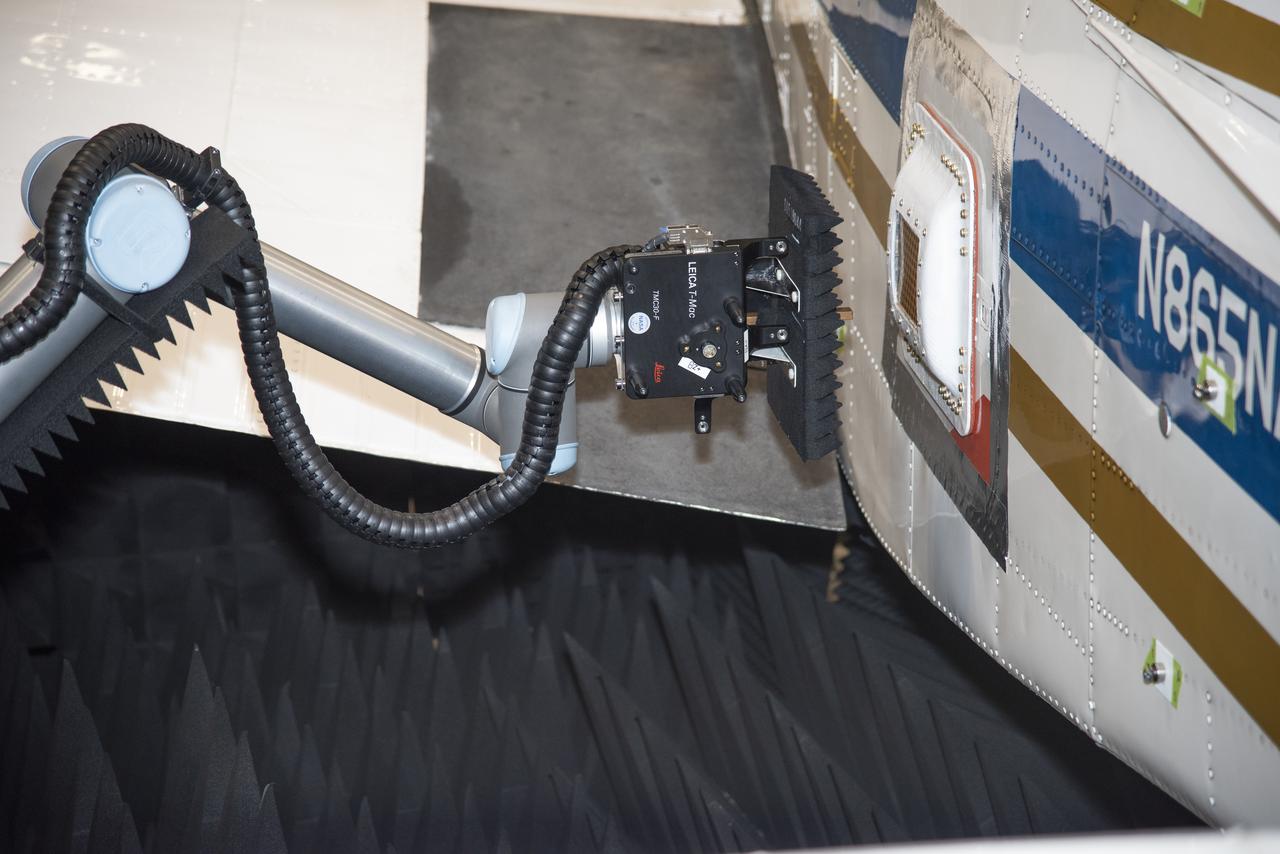
Tests were conducted with a robotic antenna scanner at NASA's Armstrong Flight Research Center in California. The scanner was used to test the in-situ radiation pattern of the conformal antenna to verify its performance parameters before being tested on an aircraft.

NASA Armstrong Flight Research Center photographer Lauren Hughes takes photos of the Super Blue Blood Moon eclipse from California’s Trona Pinnacles Desert National Conservation for the Jan. 31 of the total lunar eclipse that provided a rare opportunity to capture a supermoon, a blue moon and a lunar eclipse at the same time. A supermoon occurs when the Moon is closer to Earth in its orbit and appearing 14 percent brighter than usual. As the second full moon of the month, this moon is also commonly known as a blue moon, though it will not be blue in appearance. The super blue moon passed through Earth’s shadow and took on a reddish tint, known as a blood moon. This total lunar eclipse occurs when the Sun, Earth, and a full moon form a near-perfect lineup in space. The Moon passes directly behind the Earth into its umbra (shadow).
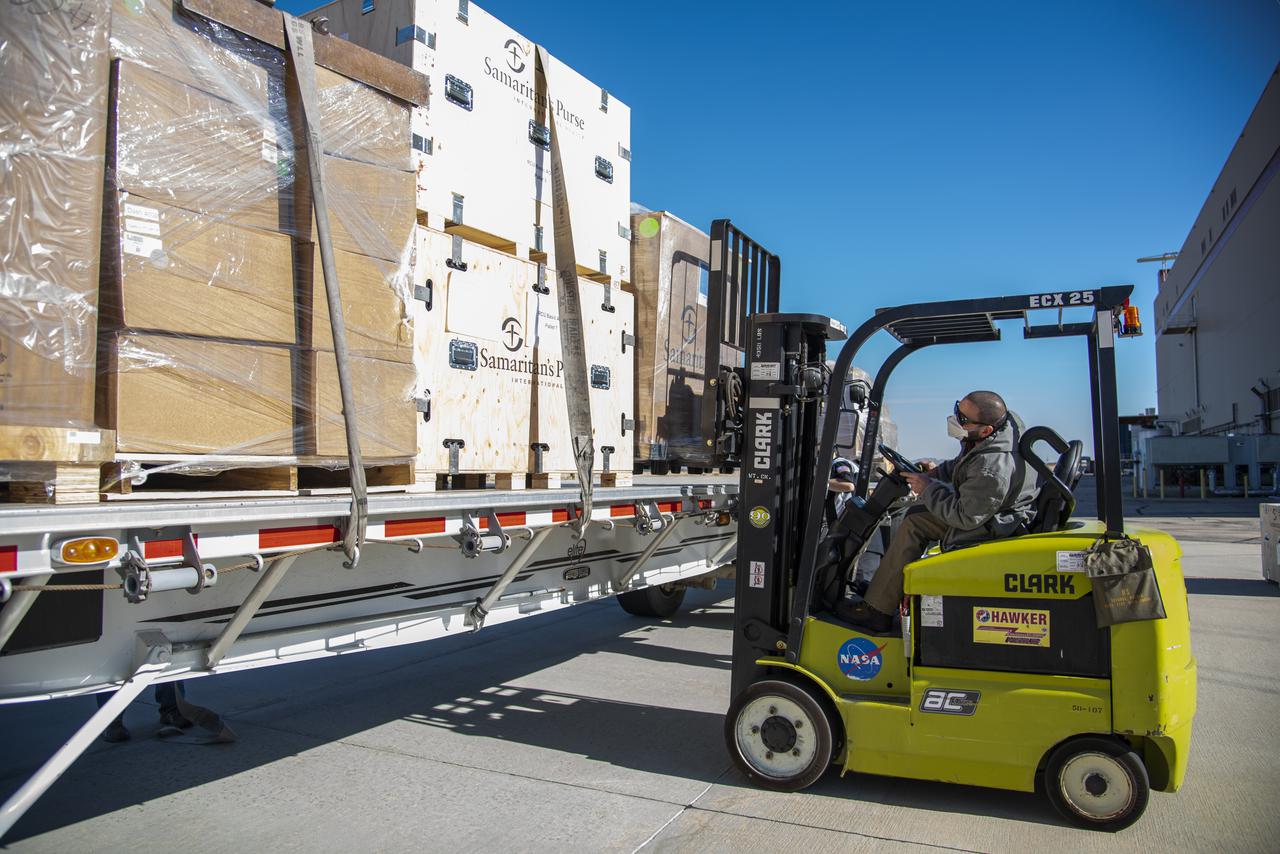
Marlon Espinoza uses a forklift at NASA's Armstrong Flight Research Center Building 703 in Palmdale, California, to assist in Samaritan Purse's COVID-19 aid work. The supplies were unloaded from a DC-8 and loaded onto a truck.
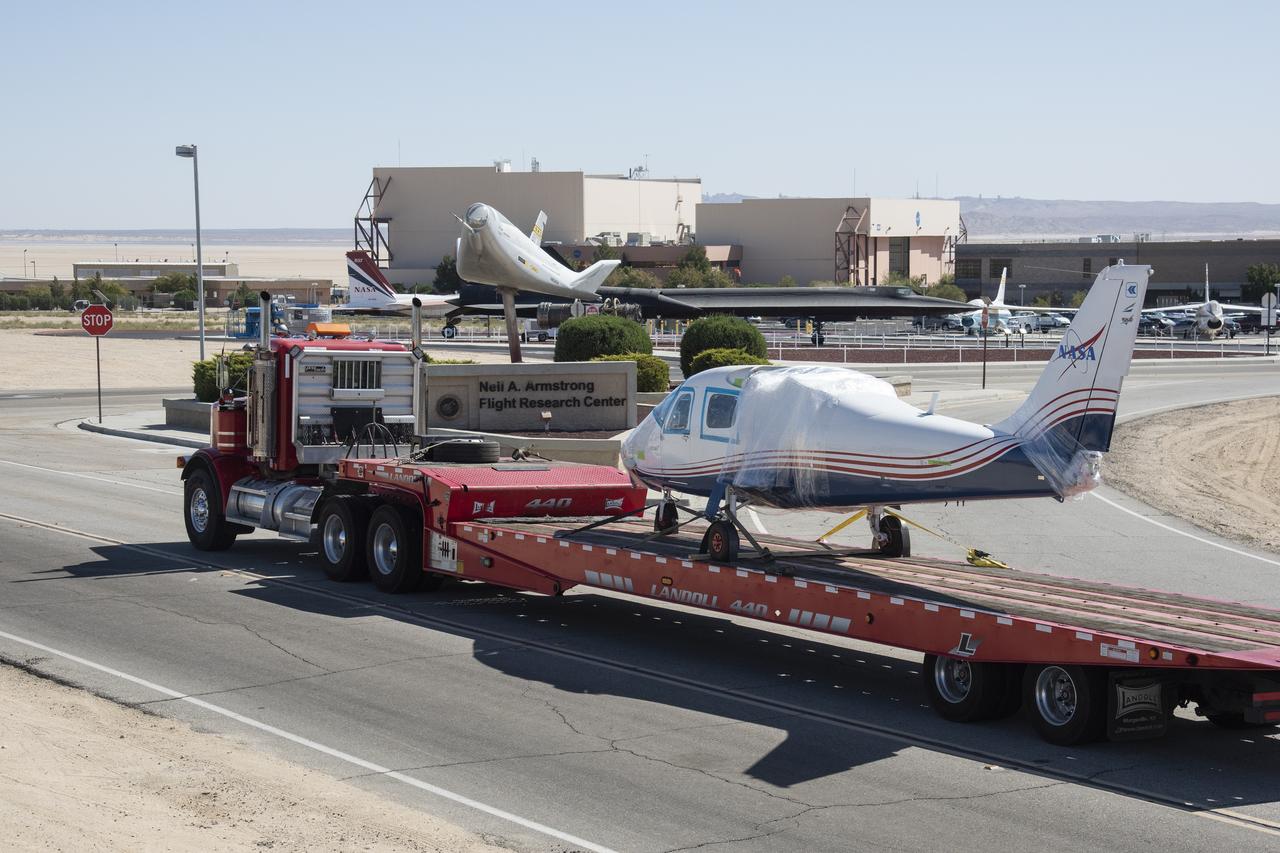
NASA's all-electric X-57 Maxwell, in its Mod II configuration, arrives at NASA's Armstrong Flight Research Center in Edwards, California. The X-plane was delivered by prime contractor Empirical Systems Aerospace of San Luis Obispo, California, in two parts, with the wing separated from the fuselage, to aid in a more timely delivery. X-57 is NASA's first crewed X-plane in two decades, and seeks to further advance the design and airworthiness process for distributed electric propulsion technology for general aviation aircraft.
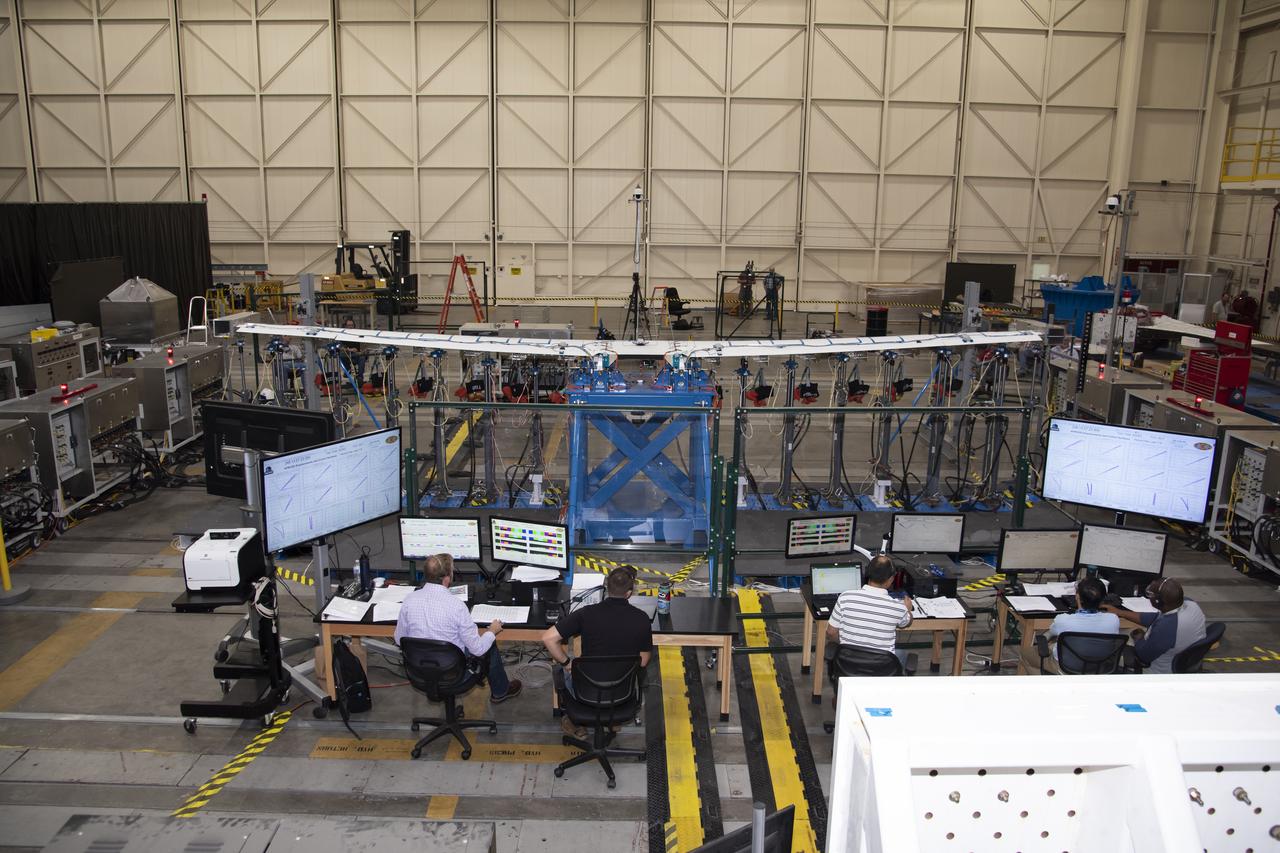
The X-57 distributed electric aircraft wing that will fly in the final configuration of the flight tests completed its testing at NASA's Armstrong Flight Research Center in California. The test above researched the wing's structure under stress of 120% of the design limit. Tests increased confidence in the wing's durability and calibrated installed strain gauges for inflight load monitoring of the wing. From left to right are Eric Miller, Tony Cash, Welsey Li, Shun-fat Lung and Ashante Jordan.
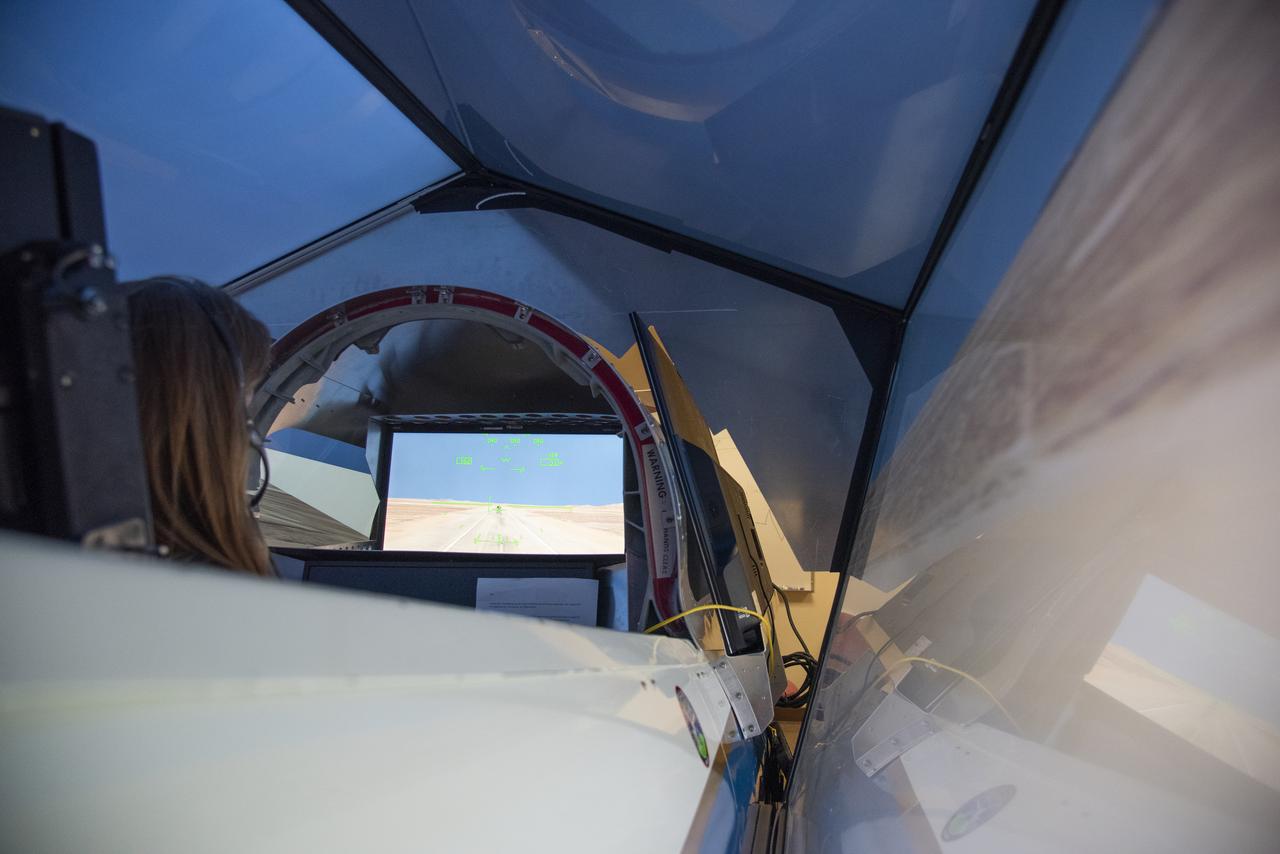
NASA's 2017 astronaut candidate Kayla Barron practices flying in an X-59 QueSST simulator at Armstrong Flight Research Center, in Southern California. The low boom flight demonstrator, X-59, being built at Lockheed Martin and was designed to fly at supersonic speeds over land without the loud noise of breaking the sound barrier and disturbing communities.
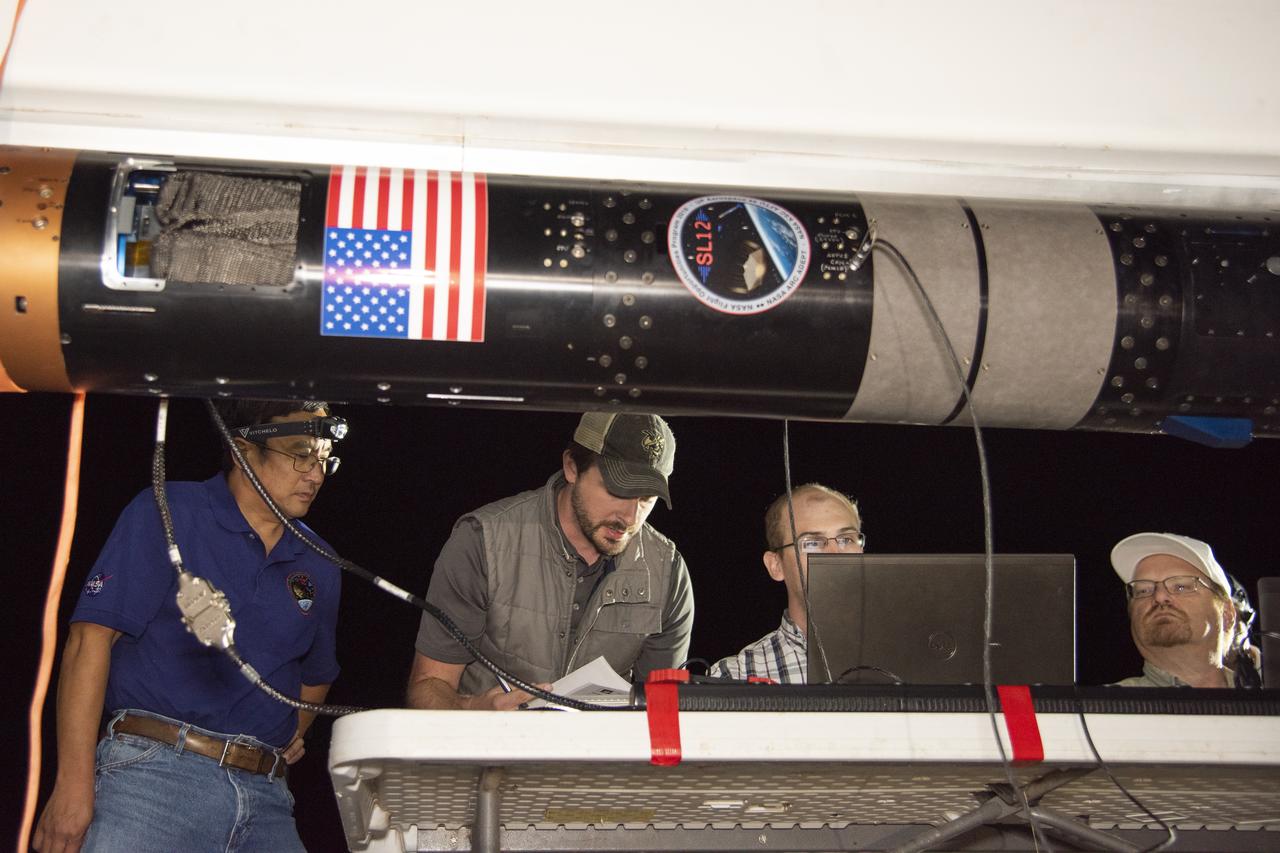
UP Aerospace employees preparing their SpaceLoft rocket to carry NASA technologies for testing in microgravity.
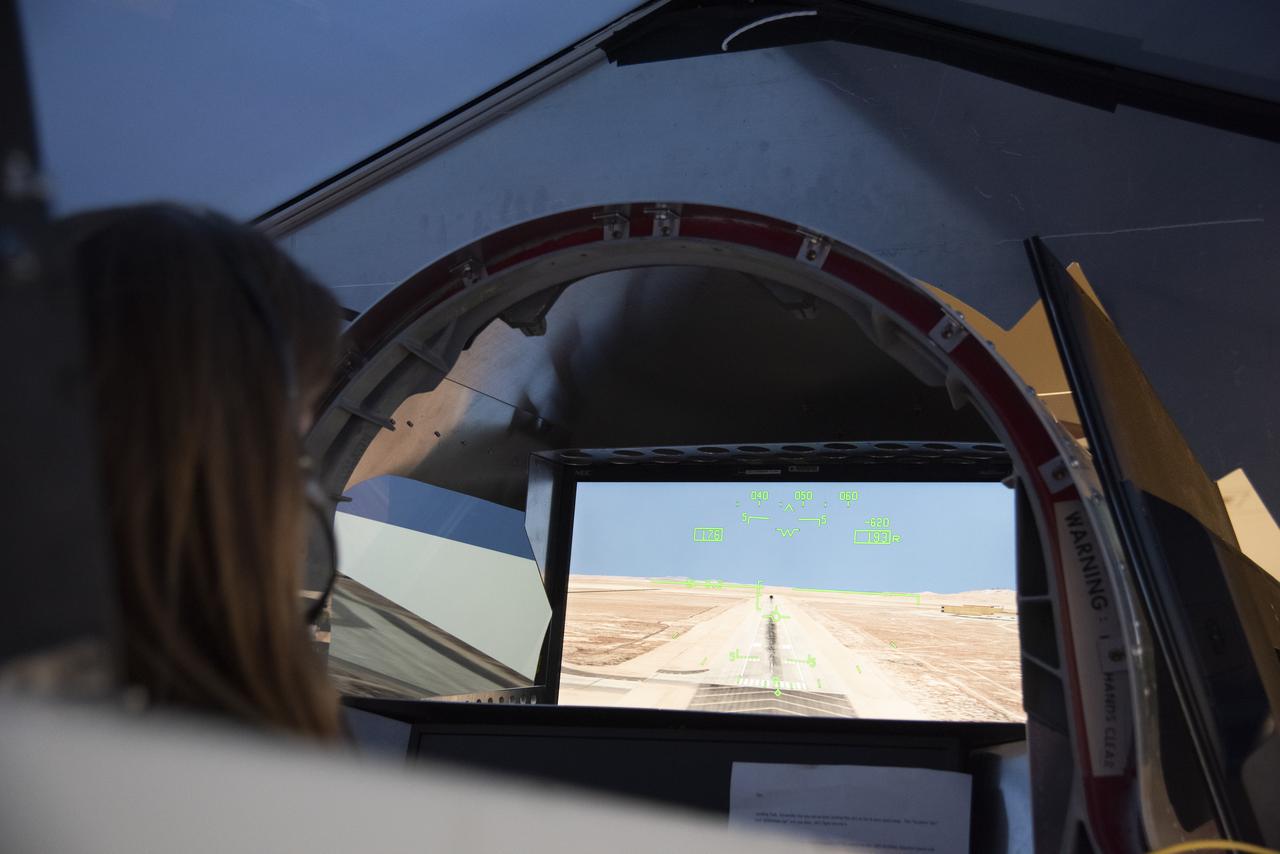
NASA's 2017 astronaut candidate Kayla Barron practices flying in an X-59 QueSST simulator at Armstrong Flight Research Center, in Southern California. The low boom flight demonstrator, X-59, being built at Lockheed Martin and was designed to fly at supersonic speeds over land without the loud noise of breaking the sound barrier and disturbing communities.
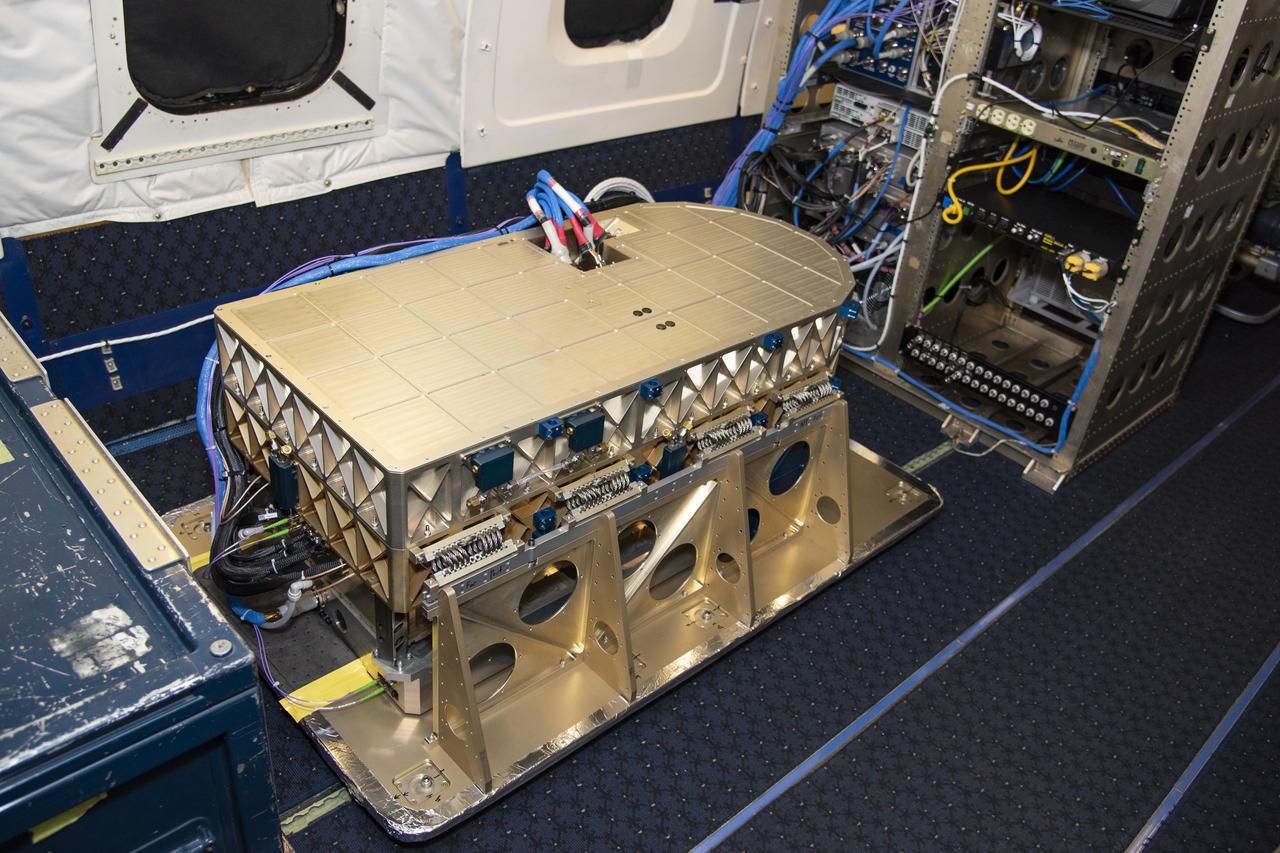
Aerosol data from the High Altitude Lidar Observatory (HALO), pictured here, will give mission scientists a better sense how Doppler Aerosol Wind Lidar (DAWN) is working and what its strengths and weaknesses are.

A NASA F/A-18 is towed to the apron at NASA's Armstrong Flight Research Center in Edwards, California during sunrise over Rogers Dry Lake. The F/A-18 was used to test a transmitter for an air navigation system, called the Airborne Location Integrating Geospatial Navigation System, or ALIGNS. This system, designed to allow pilots to position their aircraft at precise distances to each other, will be critical for acoustic validation efforts of NASA's next supersonic X-plane, the X-59 Quiet SuperSonic Technology.
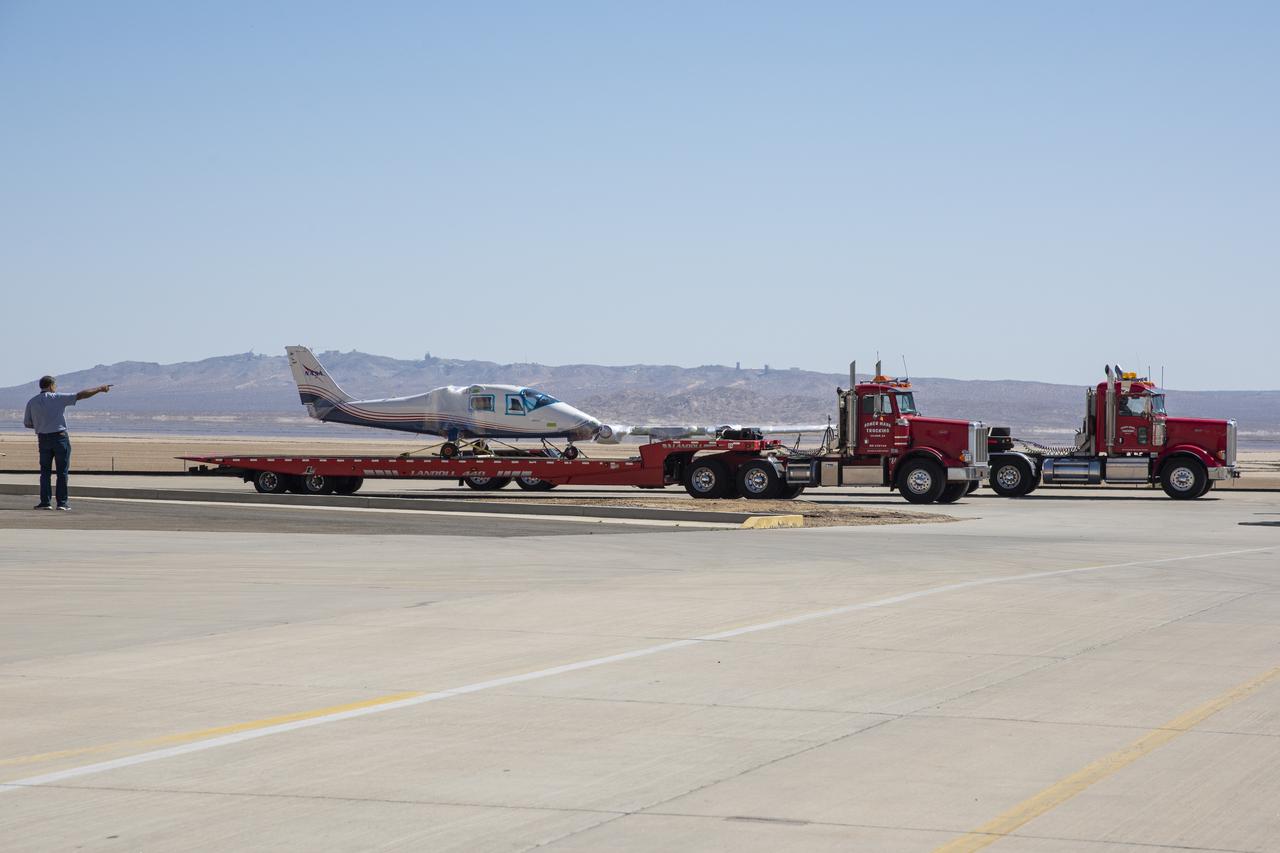
NASA's all-electric X-57 Maxwell, in its Mod II configuration, arrives at NASA's Armstrong Flight Research Center in Edwards, California. The X-plane was delivered by prime contractor Empirical Systems Aerospace of San Luis Obispo, California, in two parts, with the wing separated from the fuselage, to aid in a more timely delivery. X-57 is NASA's first crewed X-plane in two decades, and seeks to further advance the design and airworthiness process for distributed electric propulsion technology for general aviation aircraft.
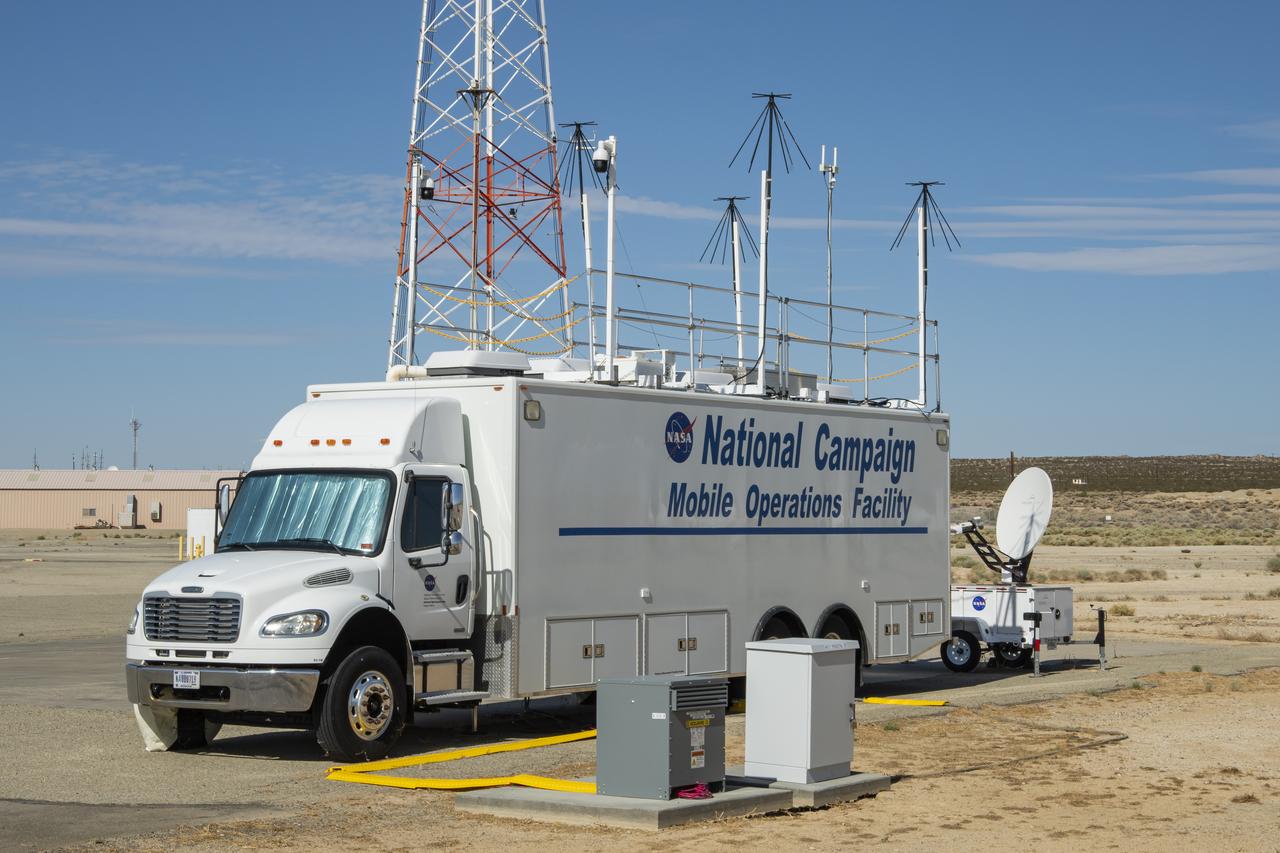
Photos taken on July 20, 2022, show new logos added to the side of the National Campaign’s upgraded Mobile Operations Facility, which has been outfitted to obtain and transmit data from anywhere in the country. This mobile command unit is housed at NASA Armstrong Flight Research Center in Edwards, California.
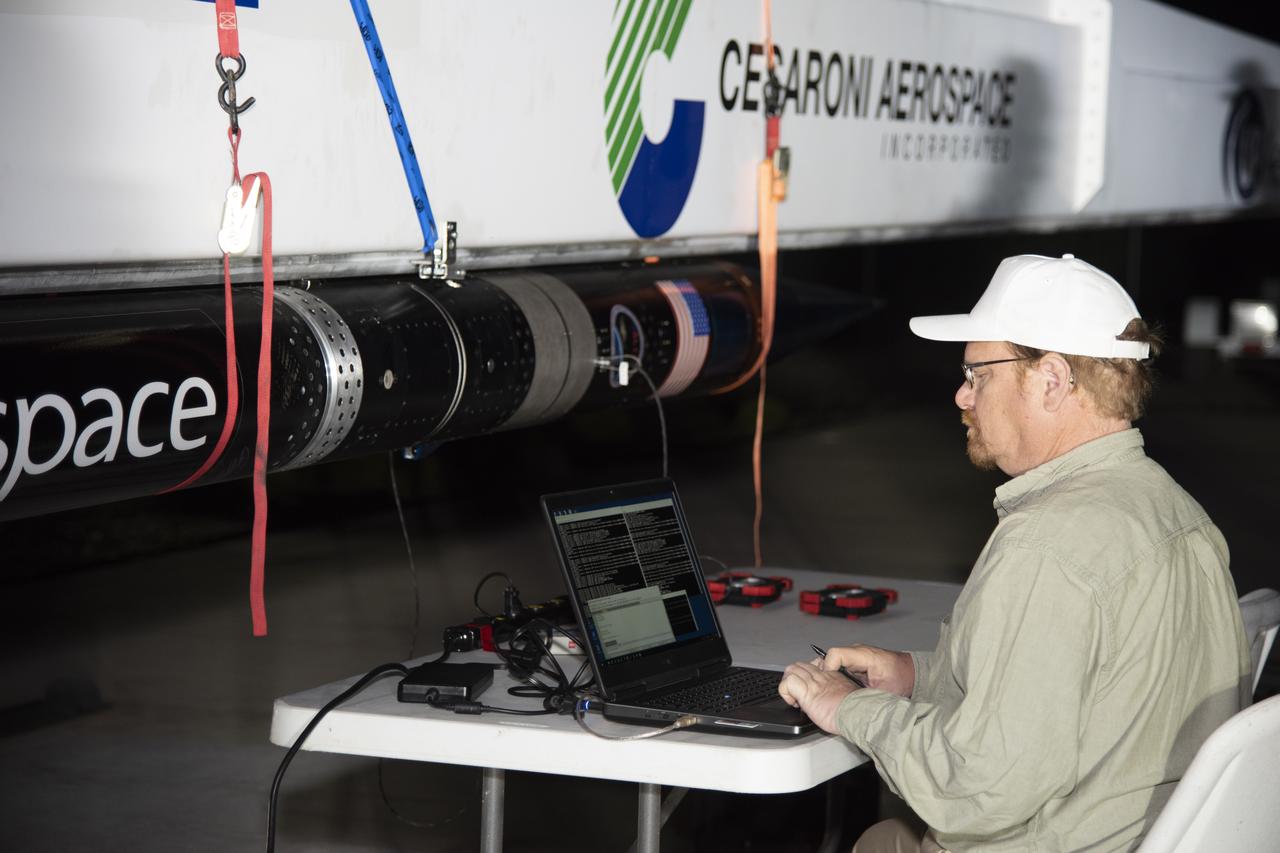
UP Aerospace employees preparing their SpaceLoft rocket to carry NASA technologies for testing in microgravity.
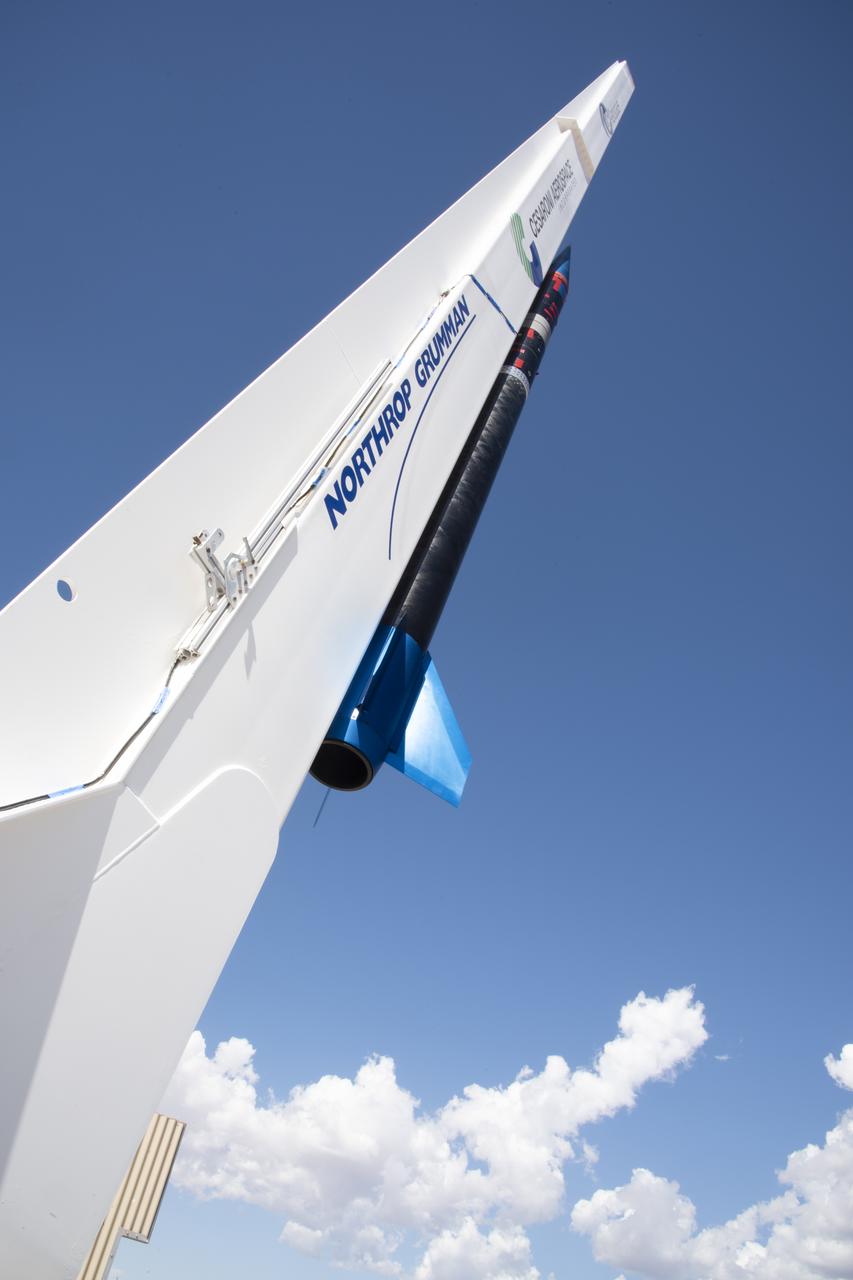
NASA's Flight Opportunities funds flight of space technology on UP Aerospace's rocket poised to launch at Spaceport America in New Mexico.
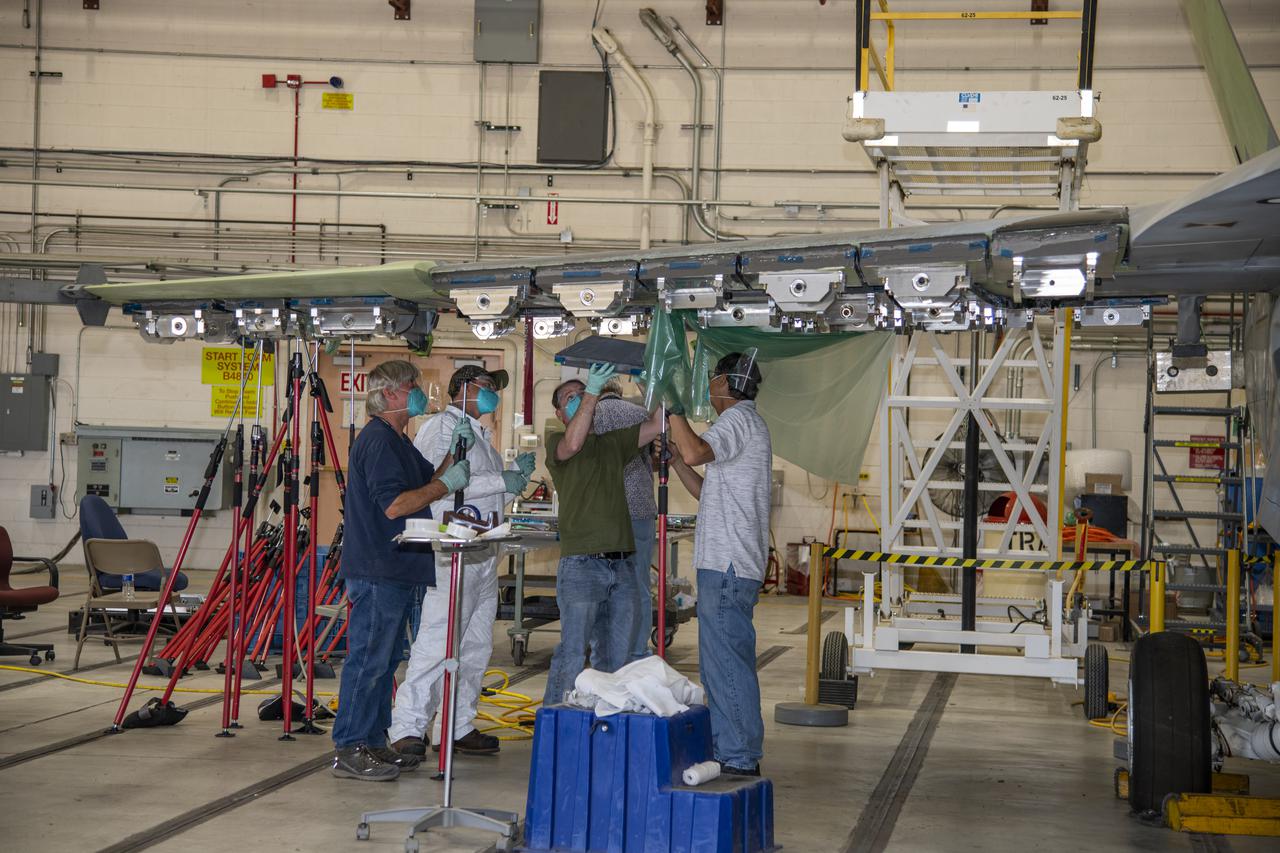
From left, Wally Hargis, Ray Sadler, Chris Mount, and Ronnie Haraguchi place a load pad on the aircraft surface of a F/A-18E from the Naval Air Systems Command (NAVAIR) in Patuxent River, Maryland. The aircraft is in NASA’s Armstrong Flight Research Center Flight Loads Laboratory in Edwards, California, for the center’s biggest load calibrations tests. This testing is needed before the aircraft can serve as a test vehicle for determining if it can safely manage maneuvers and proposed upgrades.
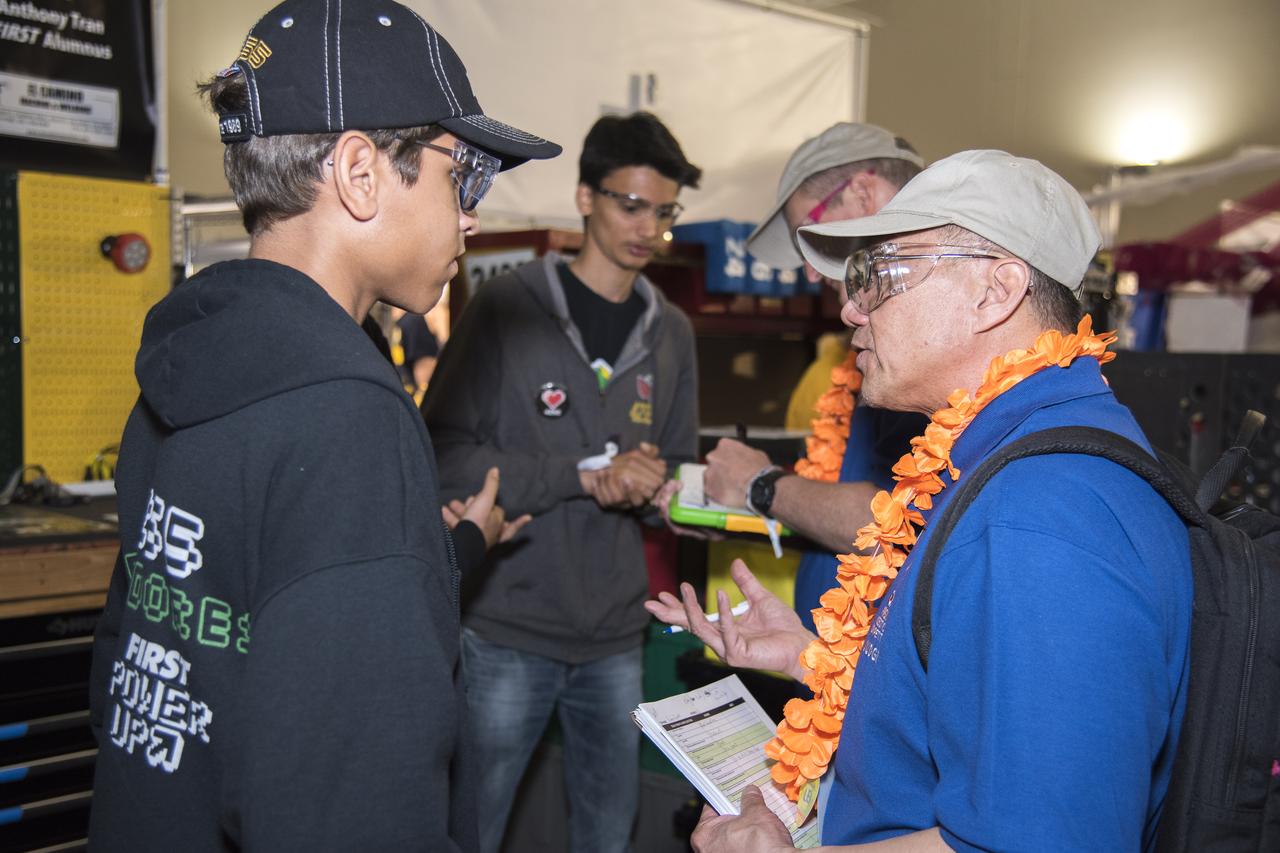
NASA systems engineer, Daniel Eng, right, talks with student participants at the 2019 Aerospace Valley Robotics Competition at the Palmdale Aerospace Academy in Palmdale, California.
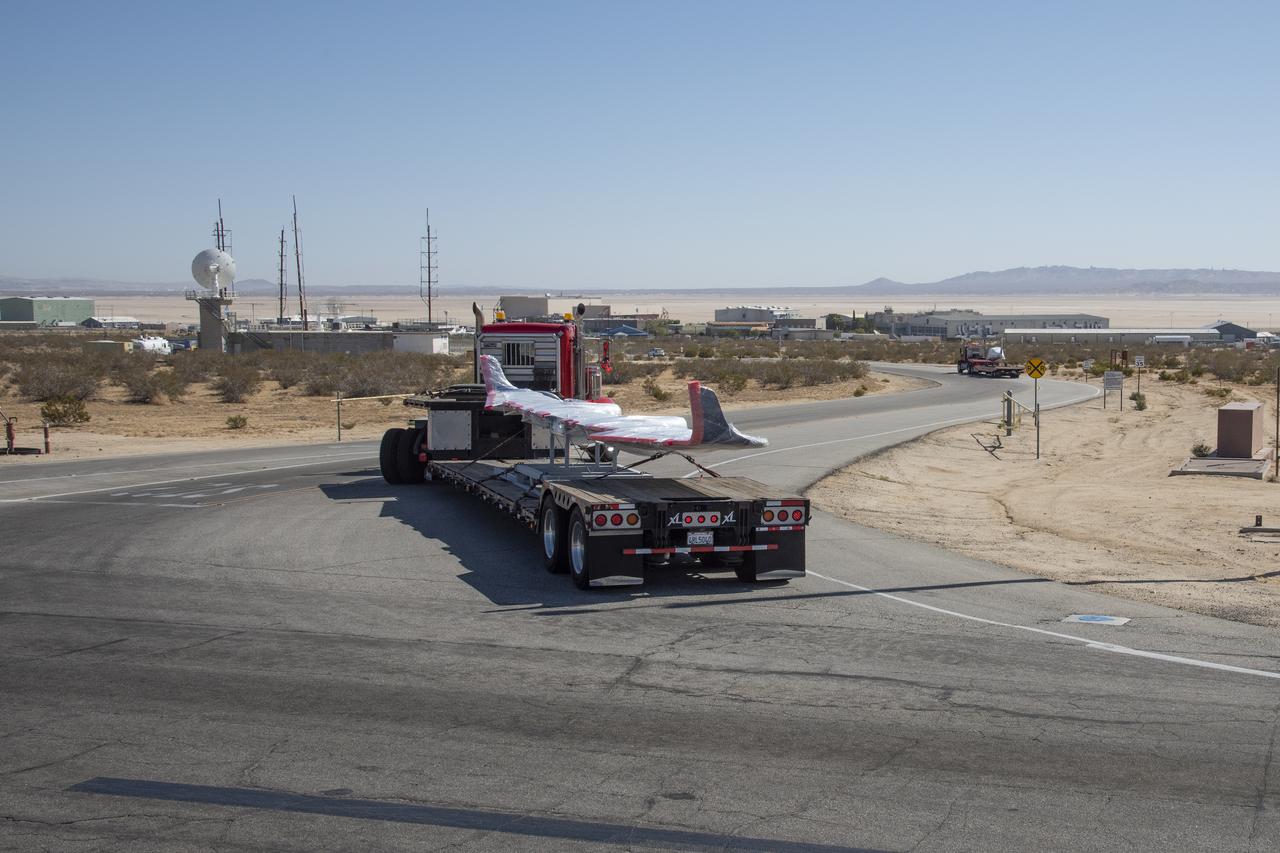
NASA’s all-electric X-57 Maxwell, in its Mod II configuration, arrives at NASA’s Armstrong Flight Research Center in Edwards, California. The X-plane was delivered by prime contractor Empirical Systems Aerospace of San Luis Obispo, California, in two parts, with the wing separated from the fuselage, to aid in a more timely delivery. X-57 is NASA’s first crewed X-plane in two decades, and seeks to further advance the design and airworthiness process for distributed electric propulsion technology for general aviation aircraft.
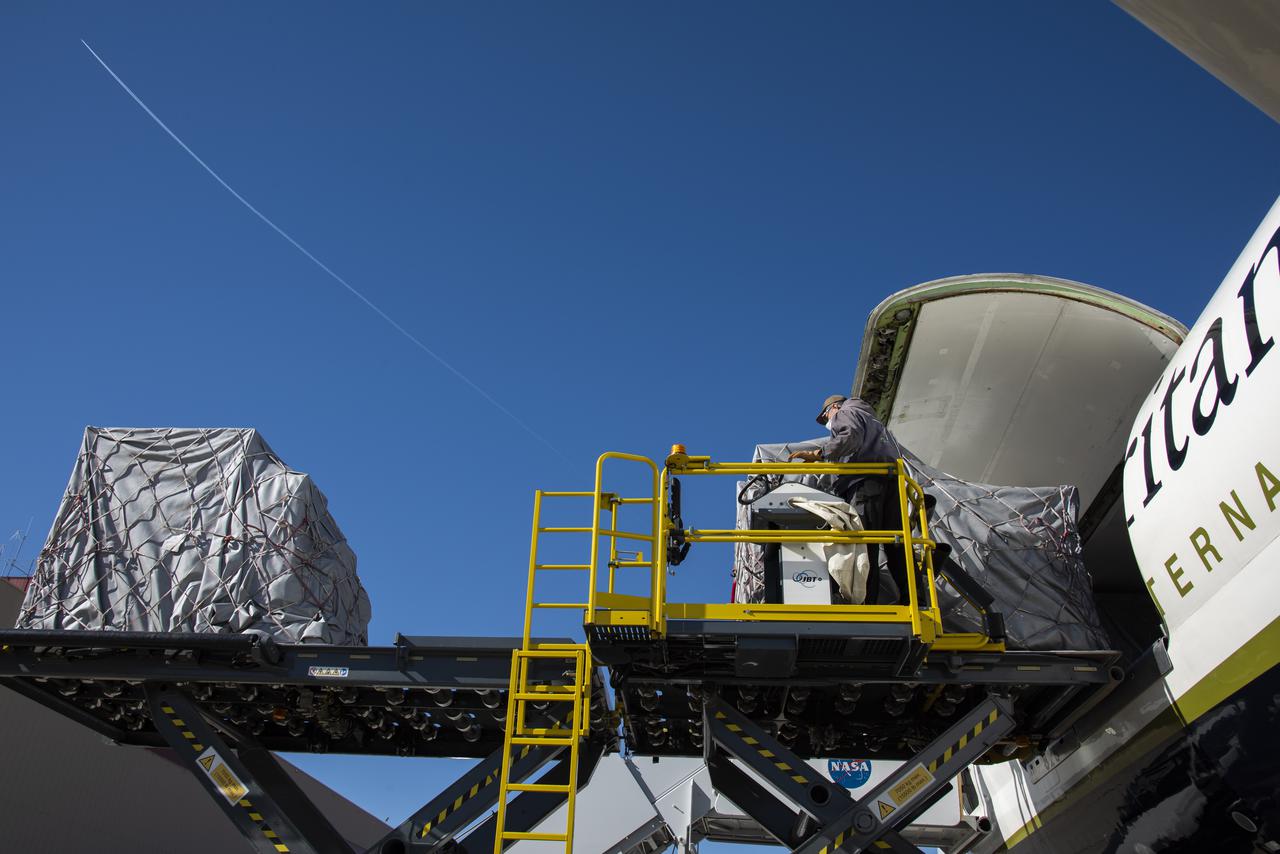
NASA and Samaritan's Purse DC-8 aircrafts met on the ramp in front of NASA's Armstrong Flight Research Center Building 703.

The MicroCub is the newest addition to NASA Armstrong's fleet of subscale research aircraft. The aircraft is a modified a Bill Hempel 60-percent-scale super cub, designed with a 21-foot wingspan, a Piccolo Autopilot guidance system and a JetCat SPT-15 Turboprop.
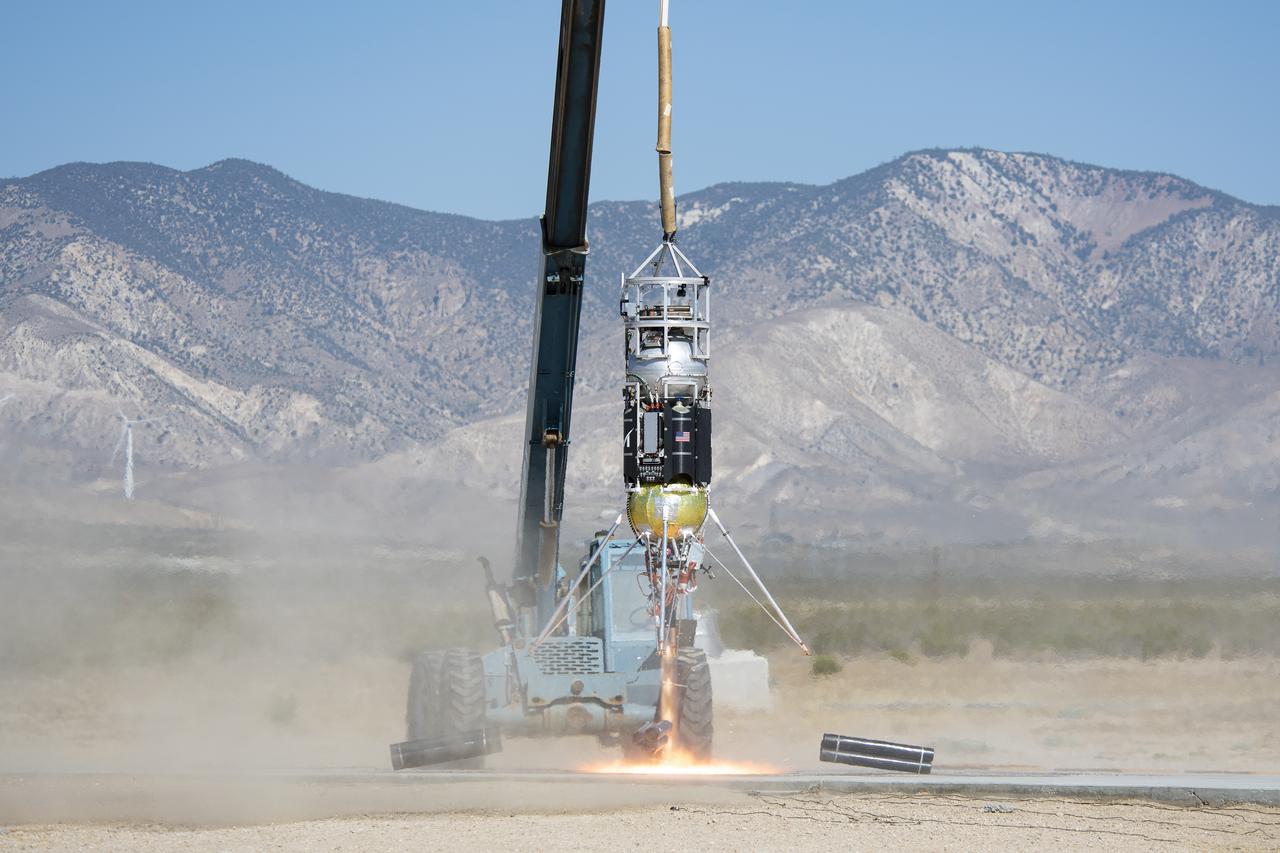
Masten Space Systems’ Xodiac lander completes a tethered flight test at the Mojave Air & Space Port. Xodiac is one of several suborbital vehicles used to flight test NASA-sponsored technologies supported by the agency’s Flight Opportunities program.
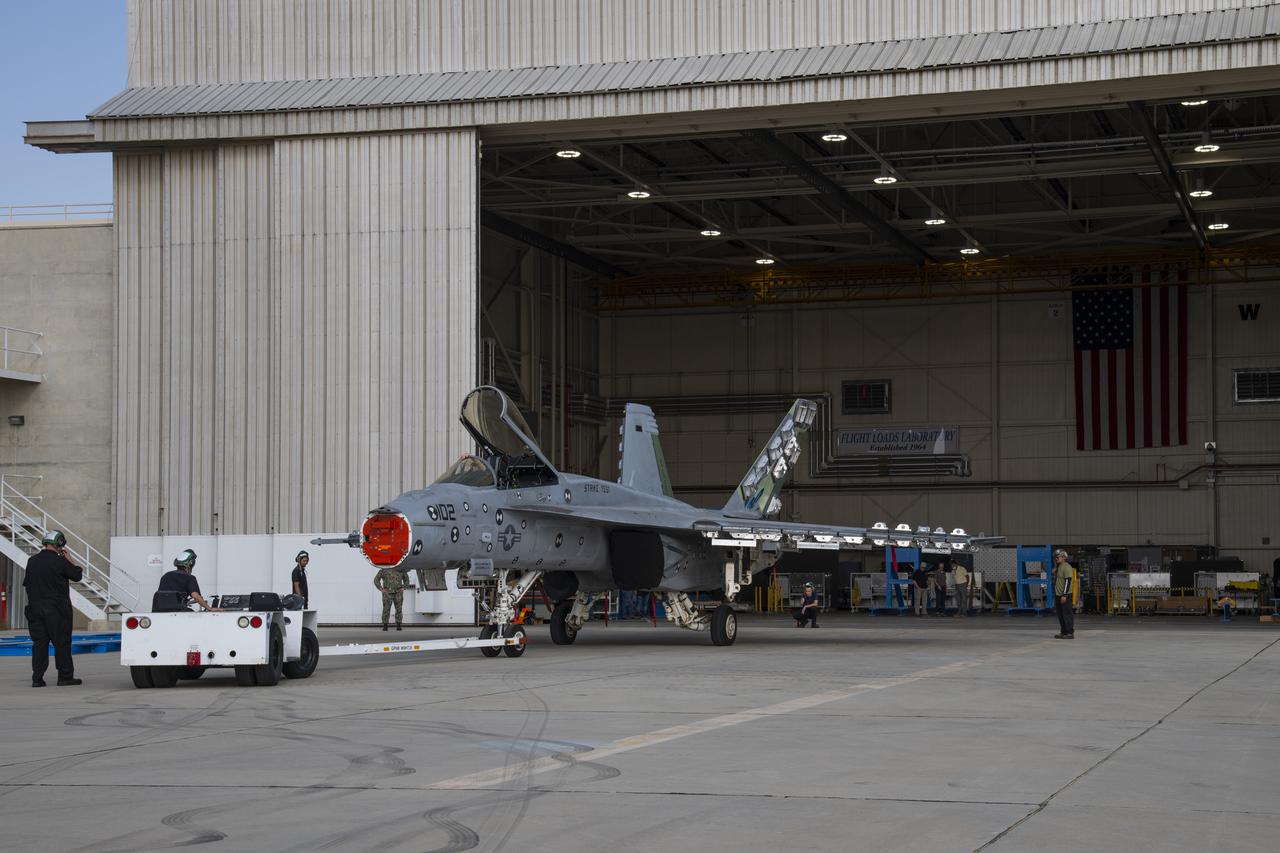
The Naval Air Systems Command (NAVAIR) in Patuxent River, Maryland F/A-18E is moved to NASA’s Armstrong Flight Research Center Flight Loads Laboratory in Edwards, California. NASA Armstrong is working on its biggest load calibrations tests on an F/A-18E Super Hornet. This testing is needed before the aircraft can serve as a test vehicle for determining if it can safely manage maneuvers and proposed upgrades.
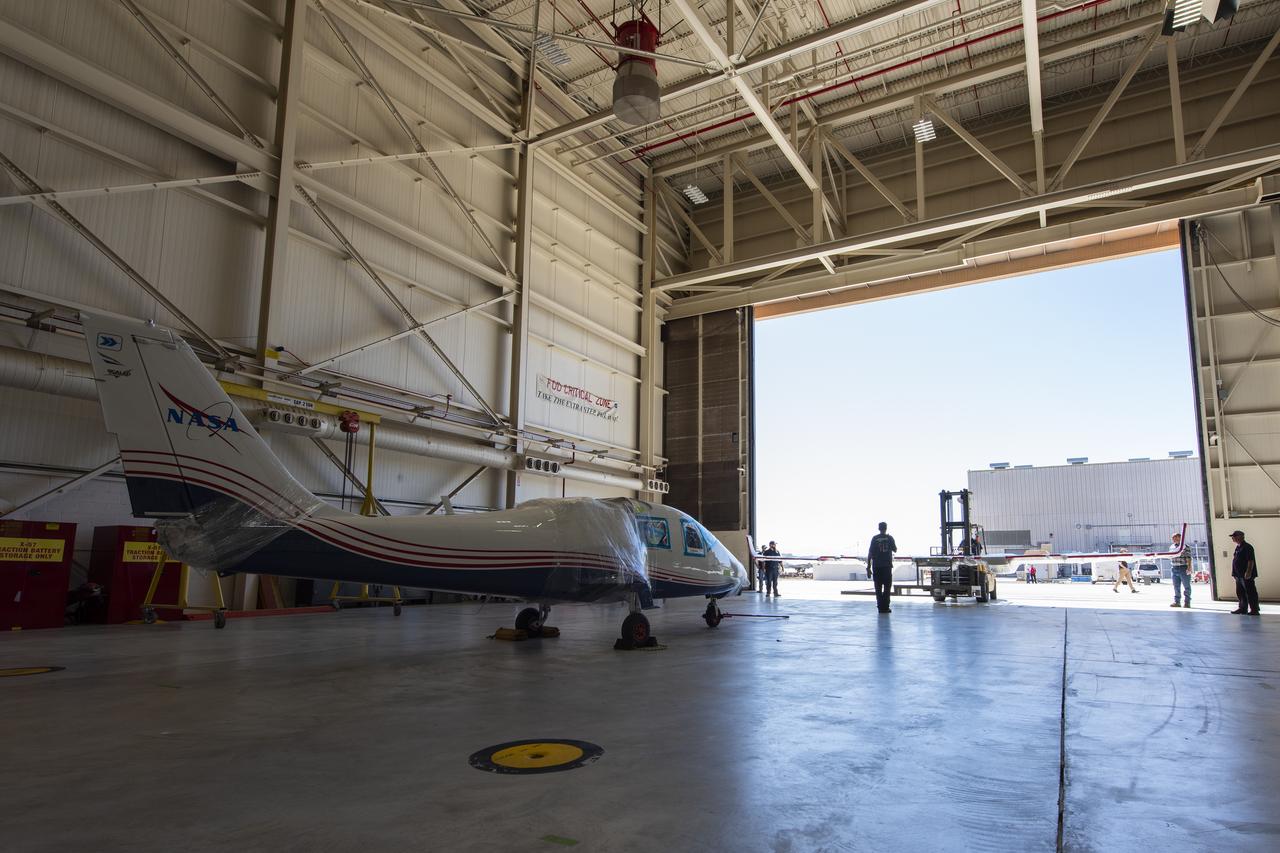
NASA's X-57 Maxwell, the agency's first all-electric X-plane and first crewed X-planed in two decades, is delivered to NASA's Armstrong Flight Research Center in Edwards, California in its Mod II configuration. The first of three primary modifications for the project, Mod II involves testing of the aircraft's cruise electric propulsion system. Delivery to NASA from prime contractor Empirical Systems Aerospace of San Luis Obispo, California, marks a major milestone for the project, at which point the vehicle is reintegrated for ground tests, to be followed by taxi tests, and eventually, flight tests. X-57's goal is to further advance the design and airworthiness process for distributed electric propulsion technology for general aviation aircraft, which can provide multiple benefits to efficiency, emissions, and noise.
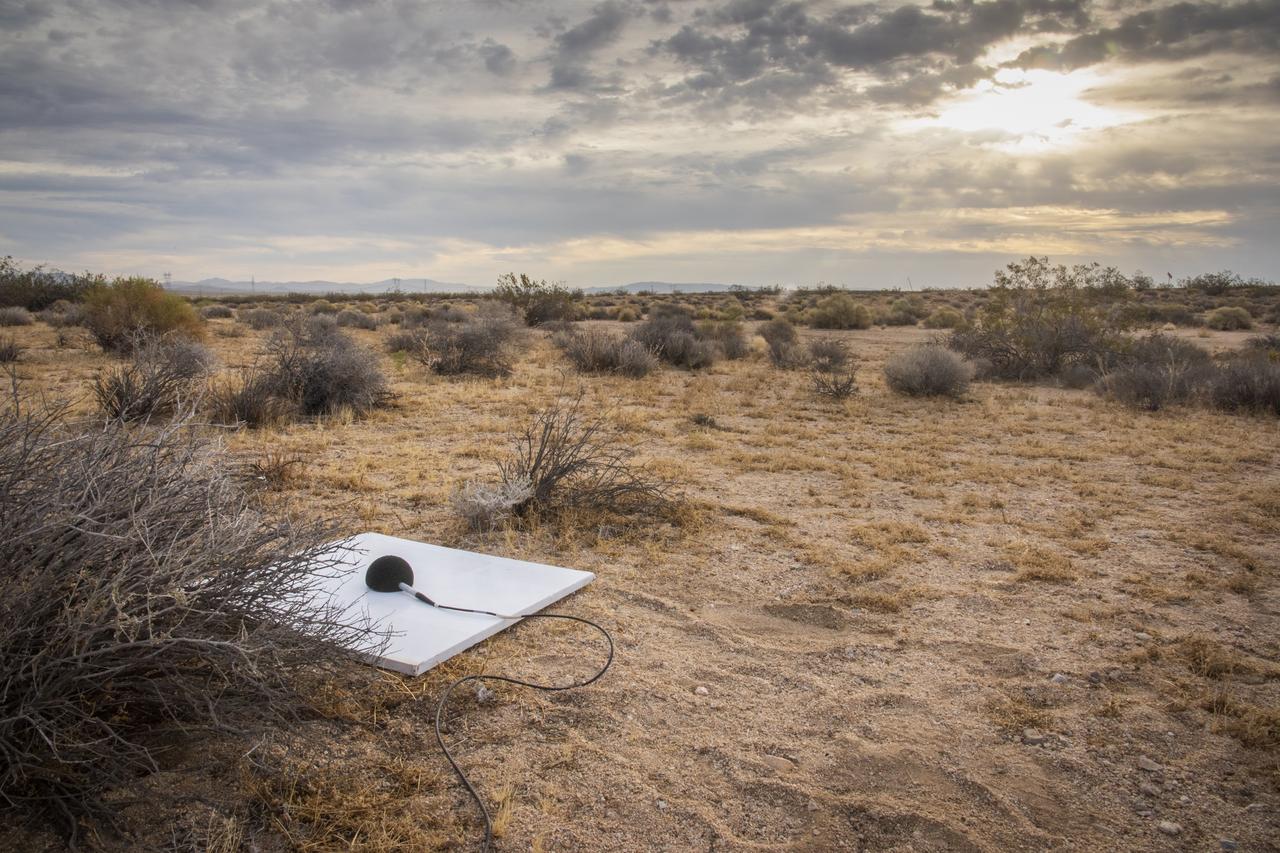
One of multiple microphone stations used in the CarpetDIEM flight series, which gave researchers valuable lessons learned in preparations to deploy a similar array for the quiet supersonic X-59. Prior to community overflights, X-59 will undergo an acoustic validation phase, during which NASA will deploy the array of specially-configured microphones to measure the X-59’s thumps, in order to verify that they are as quiet as predicted.
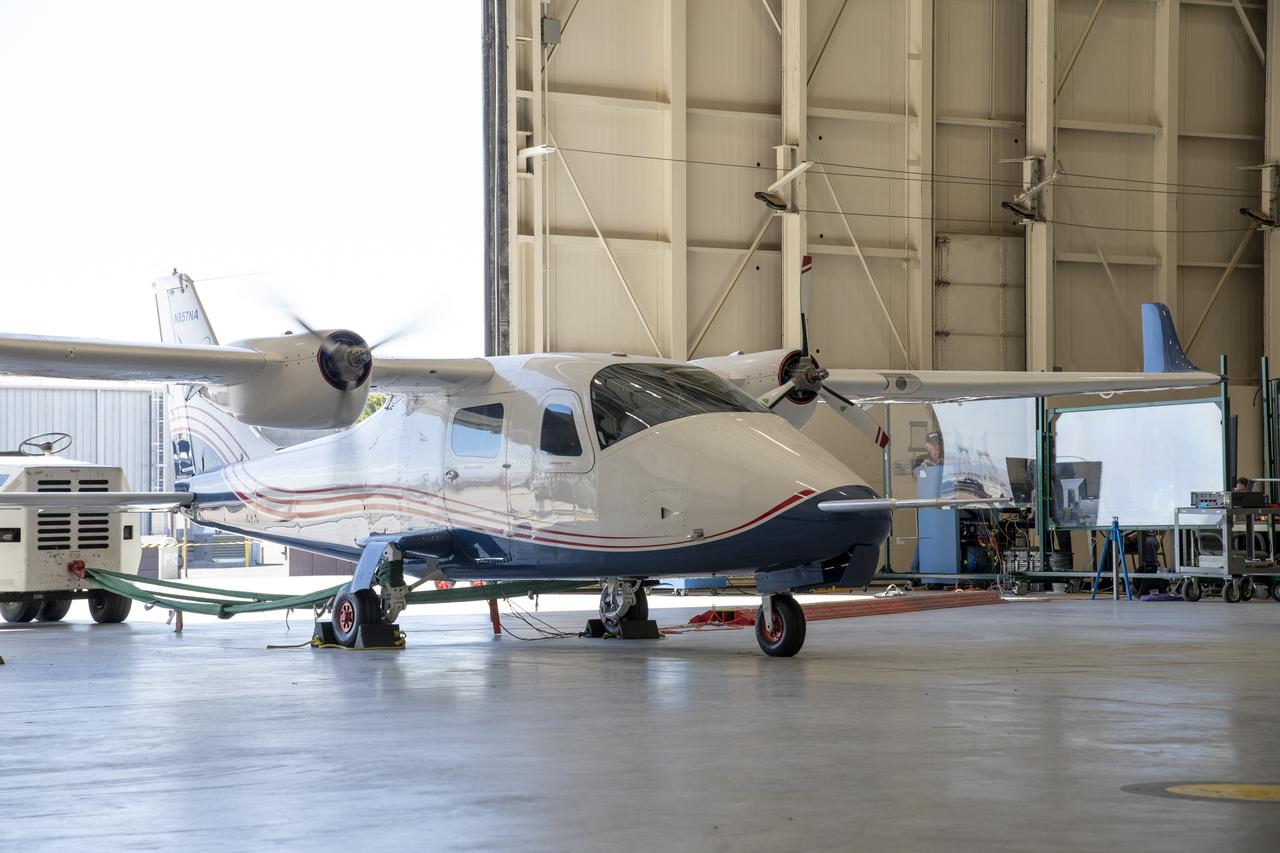
NASA's all-electric X-57 Maxwell aircraft tests the motors with the battery packs installed on the aircraft at NASA's Armstrong Flight Research Center in California. A goal of the X-57 project is to help the Federal Aviation Administration set certification standards for emerging electric aircraft markets.
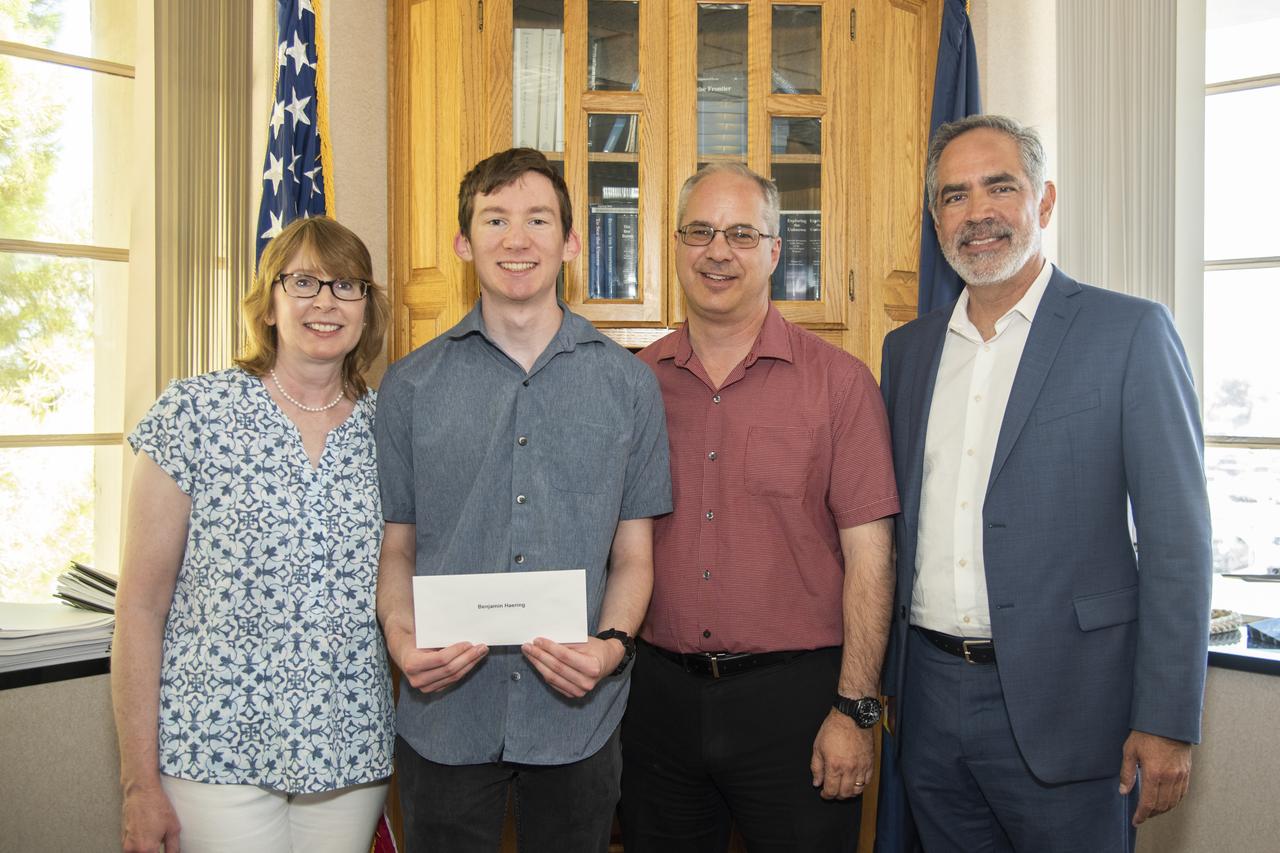
The Employee Exchange Council at NASA’s Armstrong Flight Research Center in California recently awarded its 2019 scholarship to Ben Haering, second from left. Armstrong Center Director David McBride, at right, presented the award. Also in the photo are Haering’s parents Ed and Kathy Haering.
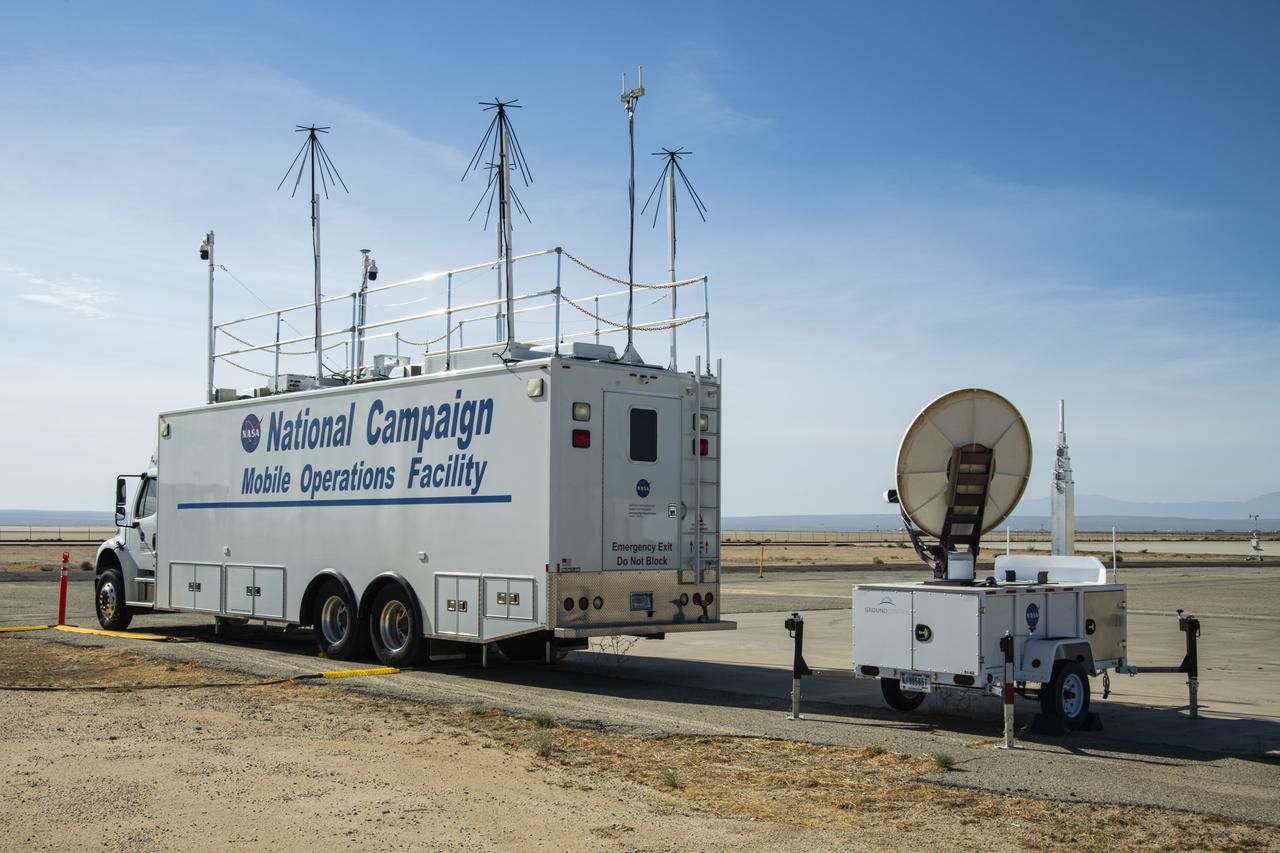
NASA's Mobile Operations Facility is shown here with new decals at NASA Armstrong Flight Research Center in Edwards, California on July 20, 2022. Antennas, sensors, and radar communications, housed inside and outside of the vehicle, help monitor aircraft and transmit data. NASA's Advanced Air Mobility project’s National Campaign uses the vehicle for testing.
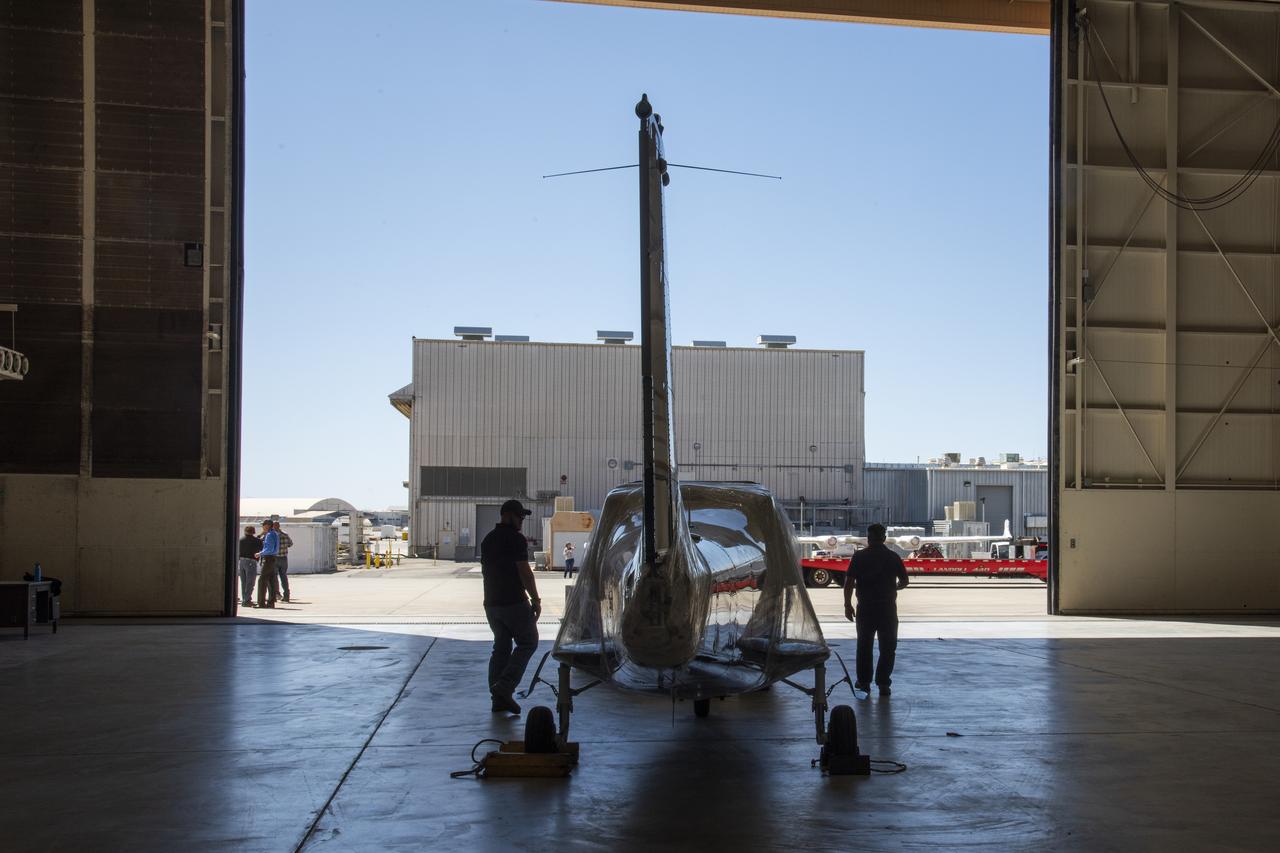
NASA's X-57 Maxwell, the agency's first all-electric X-plane and first crewed X-planed in two decades, is delivered to NASA's Armstrong Flight Research Center in Edwards, California in its Mod II configuration. The first of three primary modifications for the project, Mod II involves testing of the aircraft's cruise electric propulsion system. Delivery to NASA from prime contractor Empirical Systems Aerospace of San Luis Obispo, California, marks a major milestone for the project, at which point the vehicle is reintegrated for ground tests, to be followed by taxi tests, and eventually, flight tests. X-57's goal is to further advance the design and airworthiness process for distributed electric propulsion technology for general aviation aircraft, which can provide multiple benefits to efficiency, emissions, and noise.
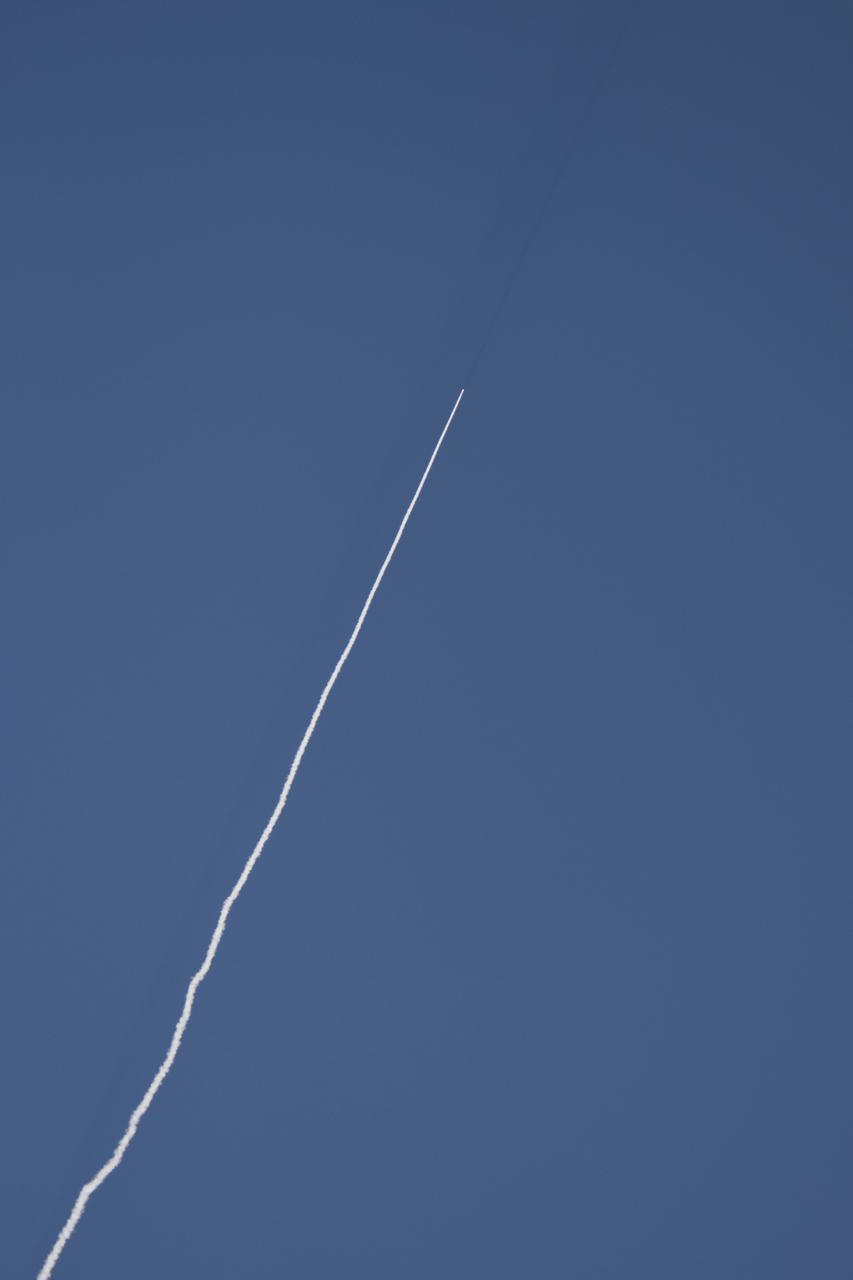
UP Aerospace SpaceLoft rocket launched into space Sept 12, 2018 from Spaceport America in New Mexico carrying three NASA technologies onboard to test in microgravity.
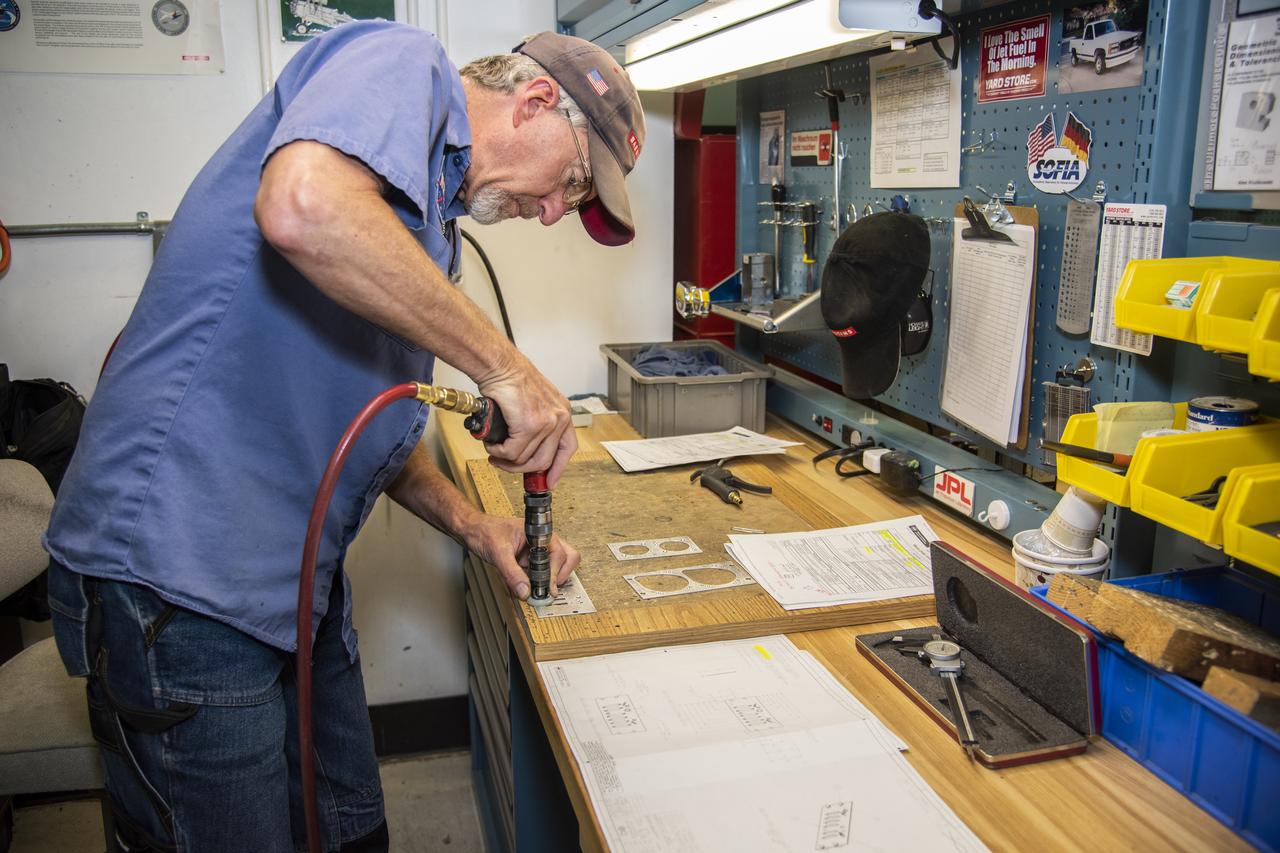
Andrew Shaw works on a component for the high-altitude ER-2 aircraft's instrument panel.
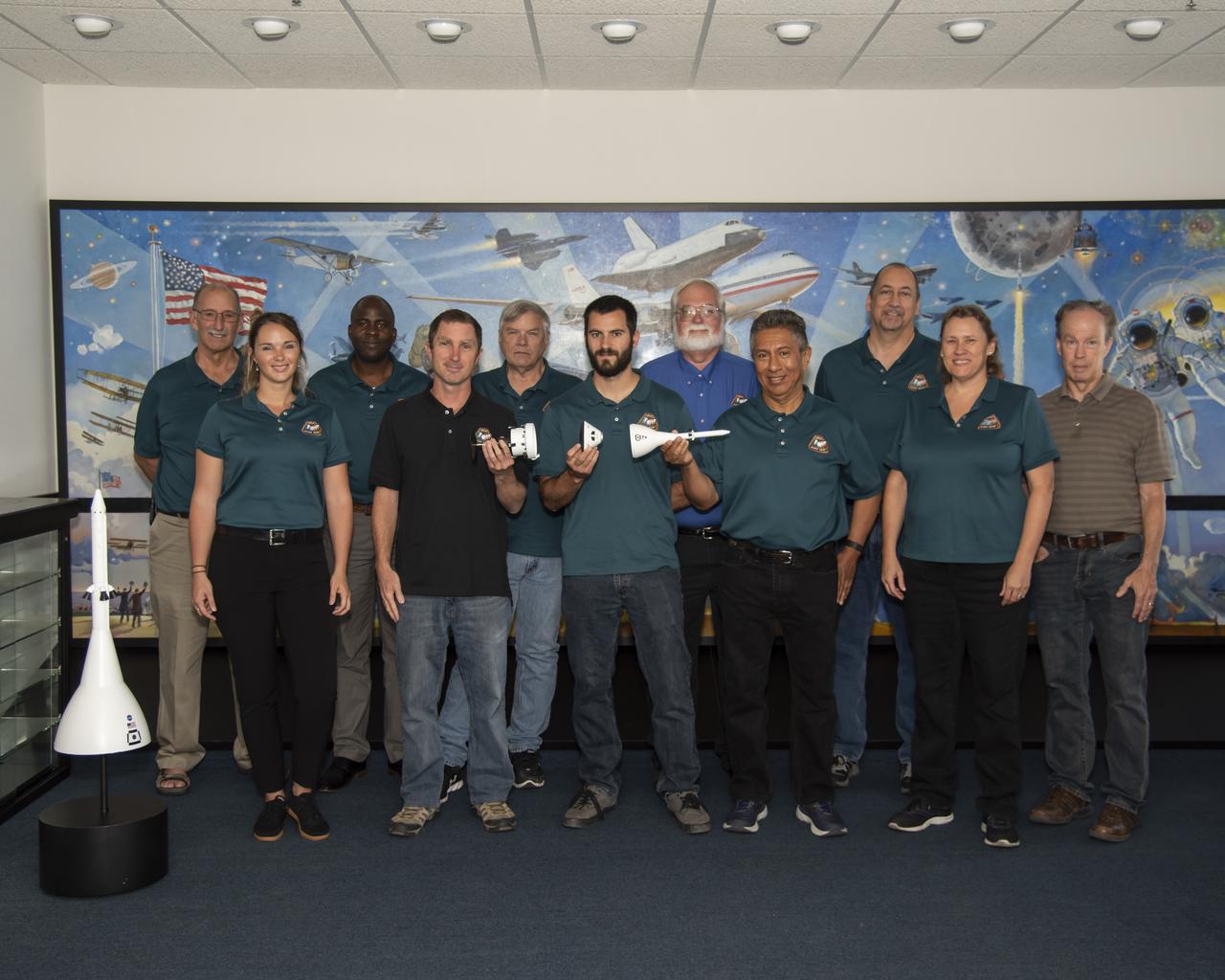
Members of the NASA Armstrong Flight Research Center Ascent Abort-2 management and engineering team contributed to the AA-2 launch at Cape Canaveral in Florida July 2, 2019. From left are Gary Martin, Rose Blomquist, Ernest Mwajagu, Lucas Moxey, Leo Gross, Jeff Sutherland, Chuck Rogers, Joe Hernandez, David Dowdell, Jeri Myers and Dan Nolan. Additional engineering team members include Paul Aristo, Bob Clark and Nikki Martin. Team members hold elements of the stack that was launched to show how the separation ring, crew module and Launch Abort System fit together.


NASA’s flight systems engineer, Kassidy Mclaughlin conducts environmental testing on an instrumentation pallet. The pallet was used during NASA’s National Campaign project in 2020 at NASA’s Armstrong Flight Research Center in Edwards, California.
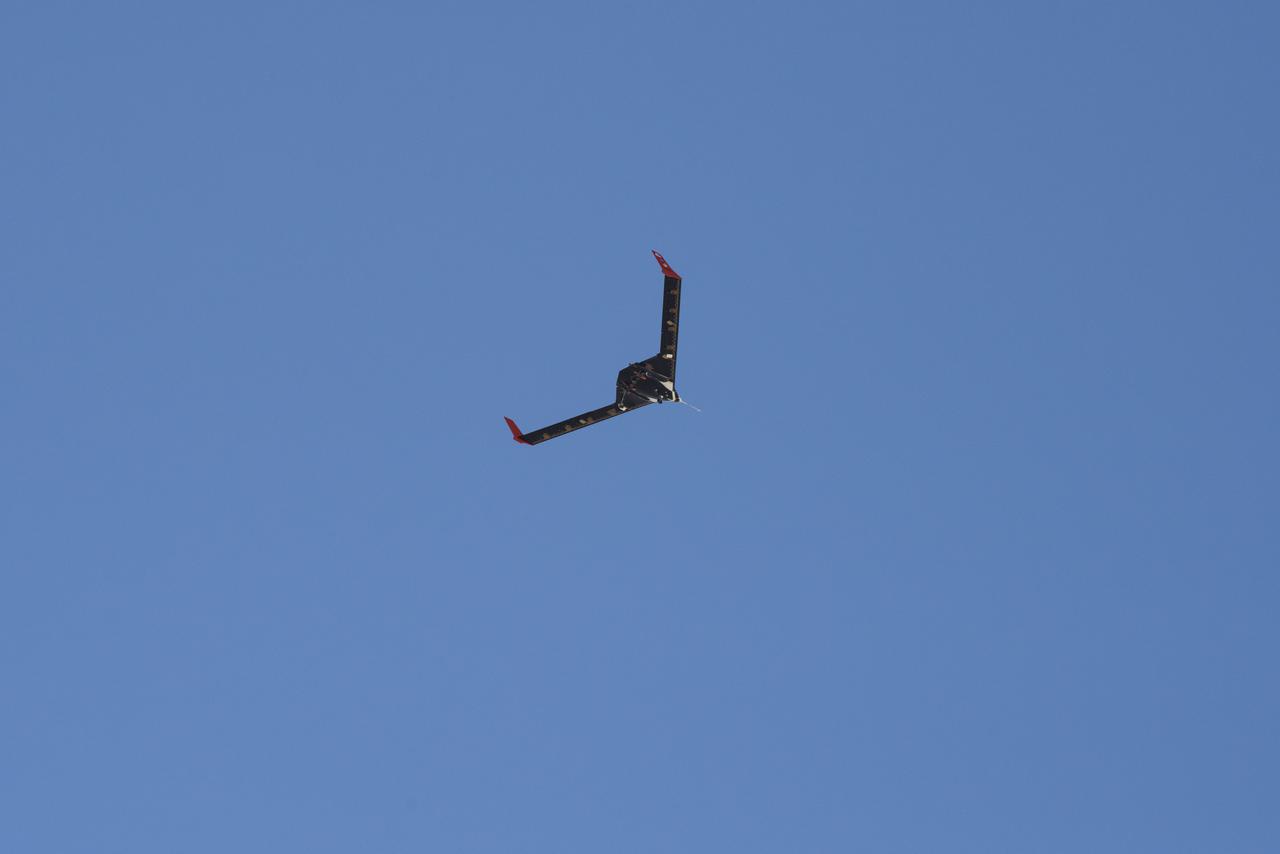
The X-56B remotely piloted aircraft began a new flight series April 19 at NASA's Armstrong Flight Research Center in Edwards, California, with partner Northrop Grumman.
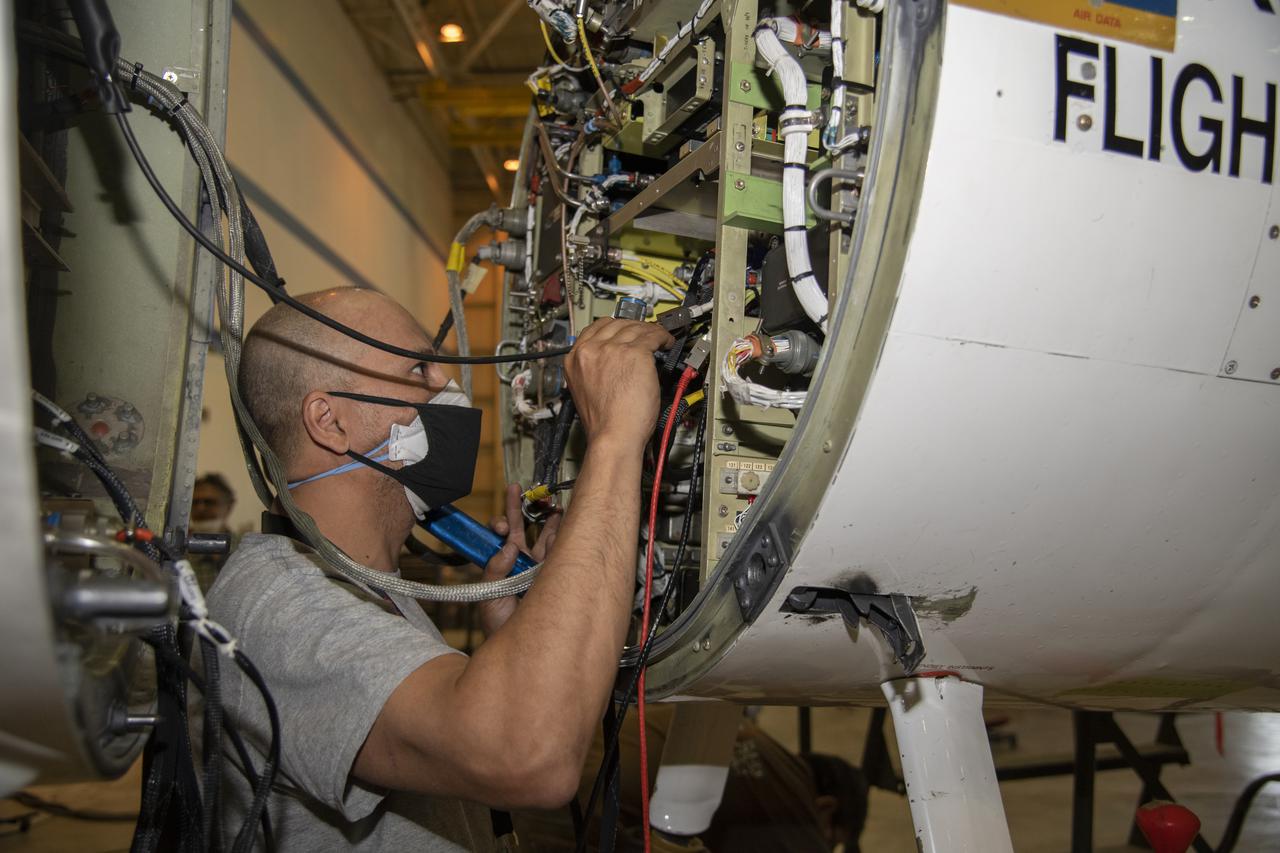
NASA’s Armstrong Flight Research Center ER-2 #809 high-altitude aircraft maintained by avionics technician Gregory Bantalin for Dynamics and Chemistry of the Summer Stratosphere (DCOTSS) science flights.
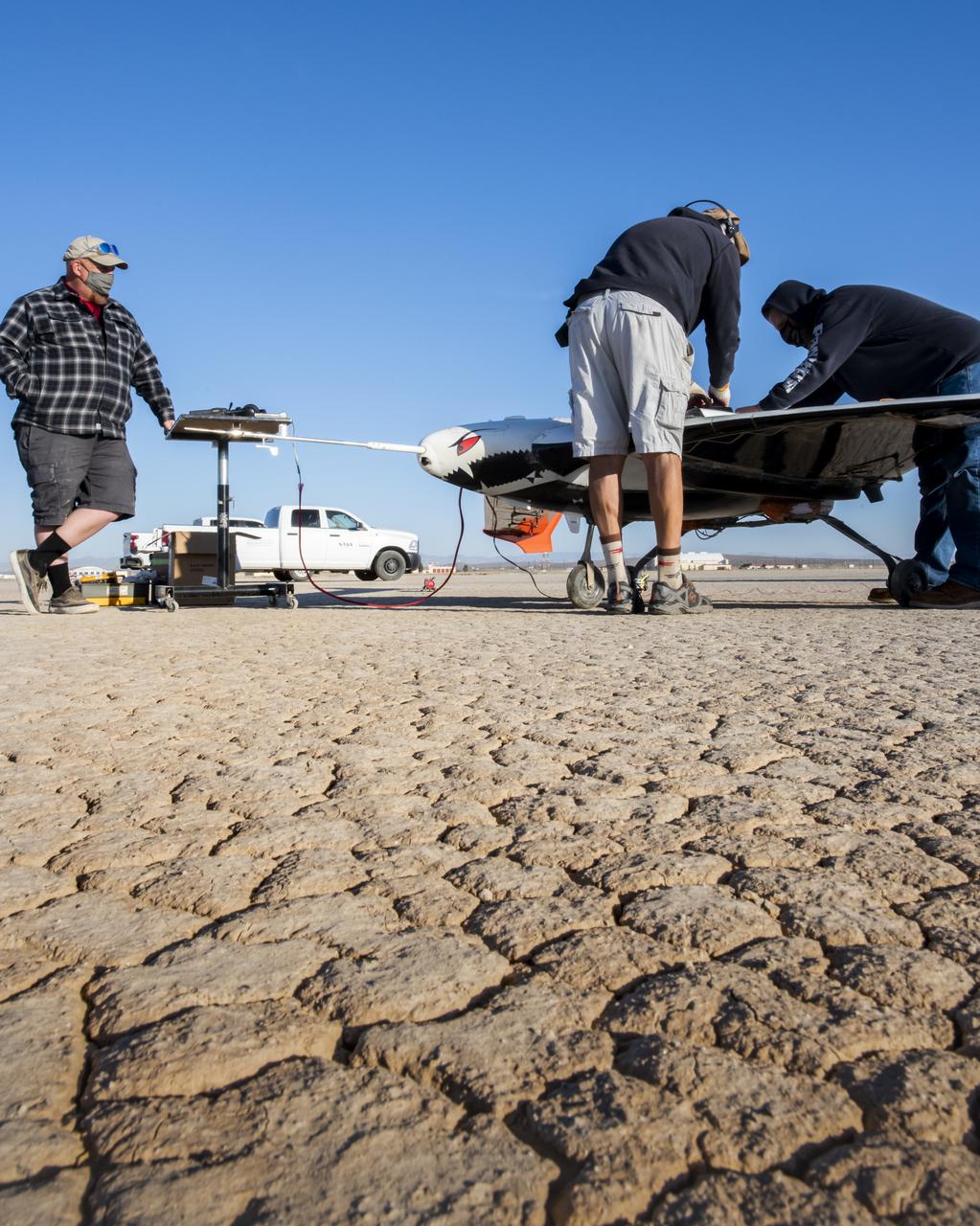
The X-56B remotely piloted aircraft ground crew prepares the aircraft to begin a new flight series. The flight was April 19 at NASA's Armstrong Flight Research Center in Edwards, California, with partner Northrop Grumman.
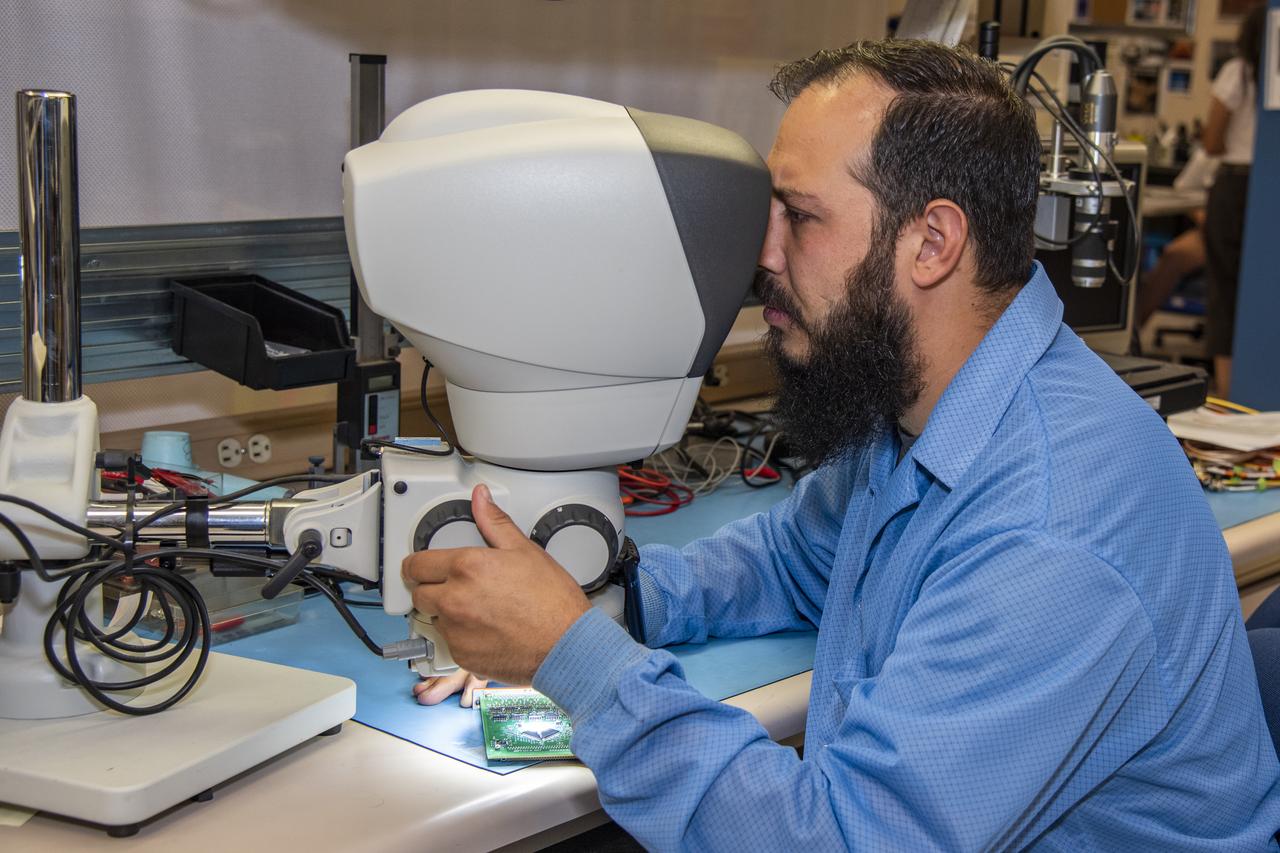
Clark Johnson inspects components tested in the Environmental Laboratory at NASA’s Armstrong Flight Research Center in California. He ensures none of the research items were damaged during testing and a check to see that the workmanship standards for the components are met.
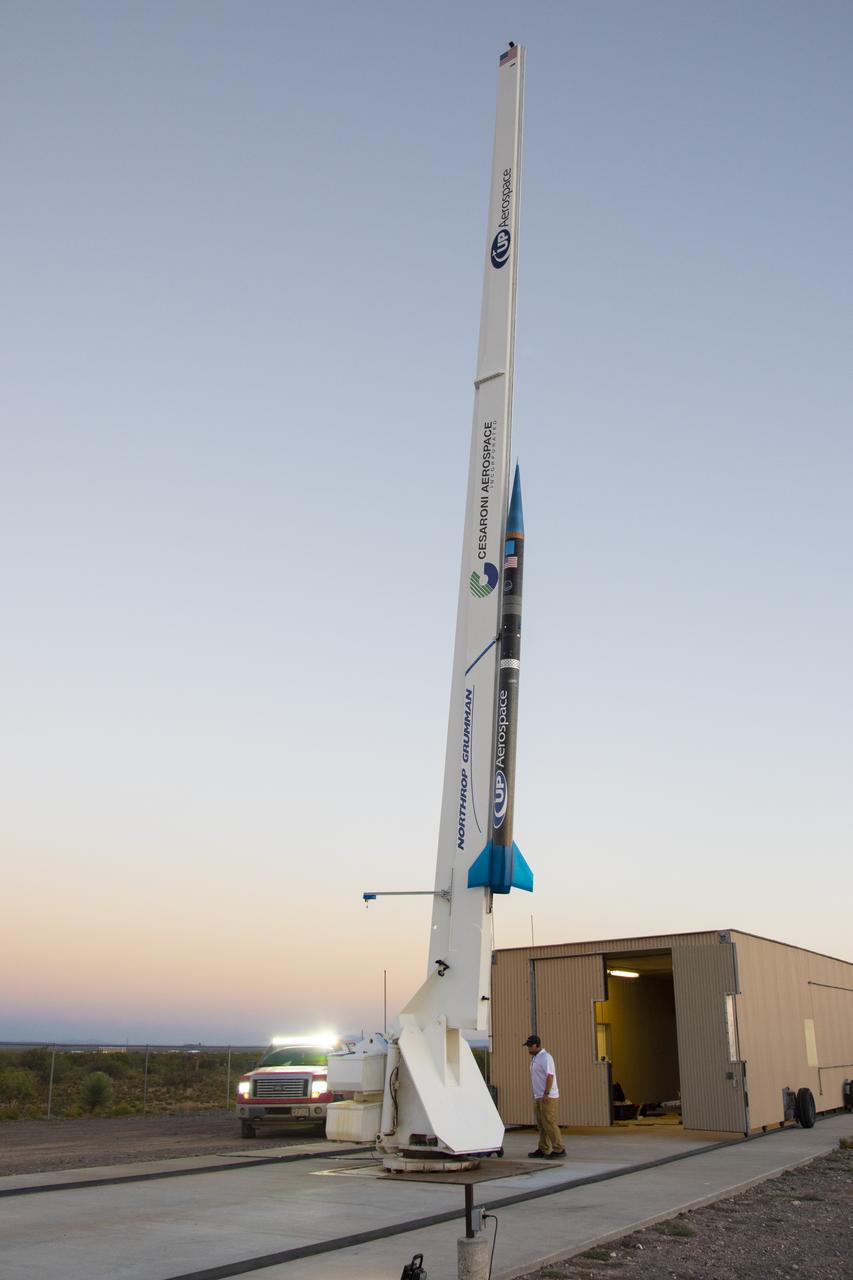
NASA's Flight Opportunities funds flight of space technology on UP Aerospace's rocket poised to launch at Spaceport America in New Mexico.
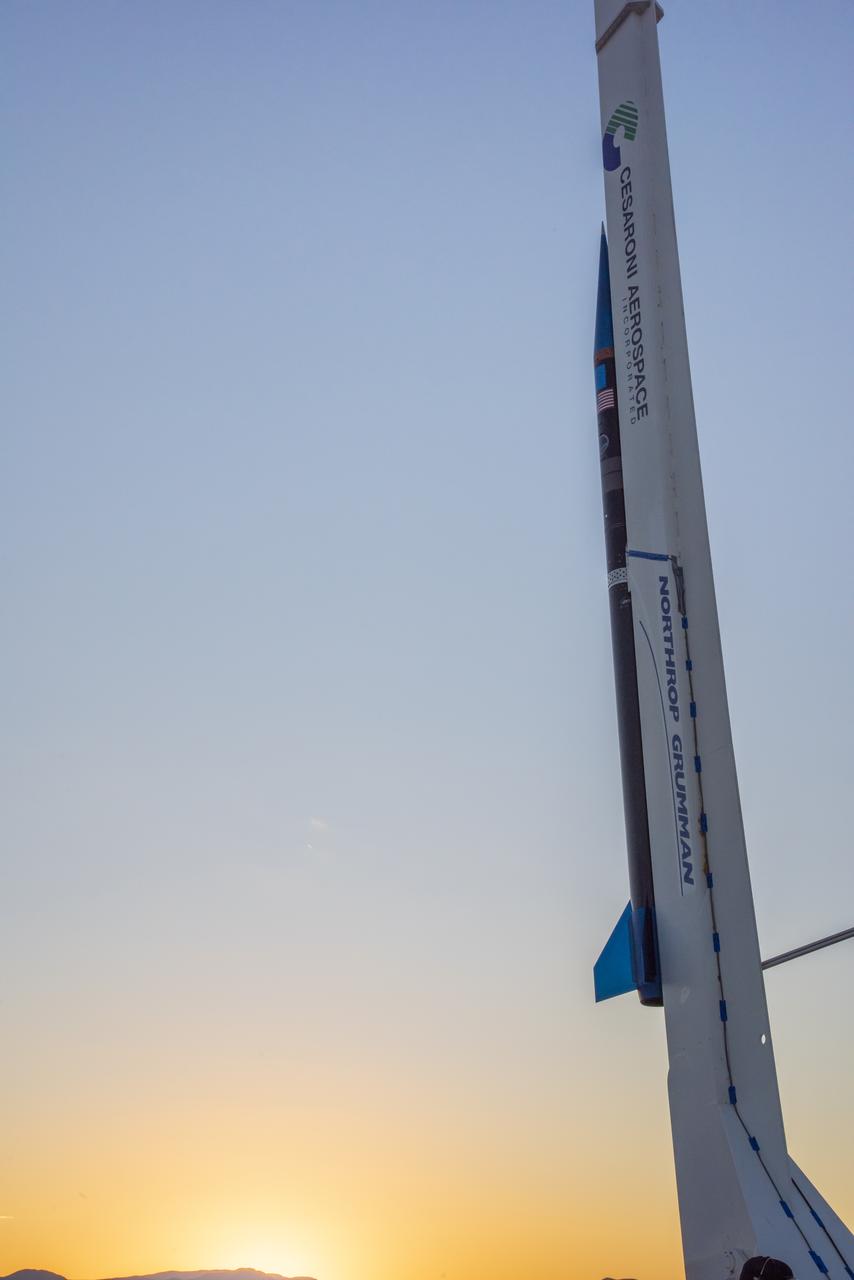
NASA’s Flight Opportunities funds flight of space technology on UP Aerospace’s rocket poised to launch at Spaceport America in New Mexico.
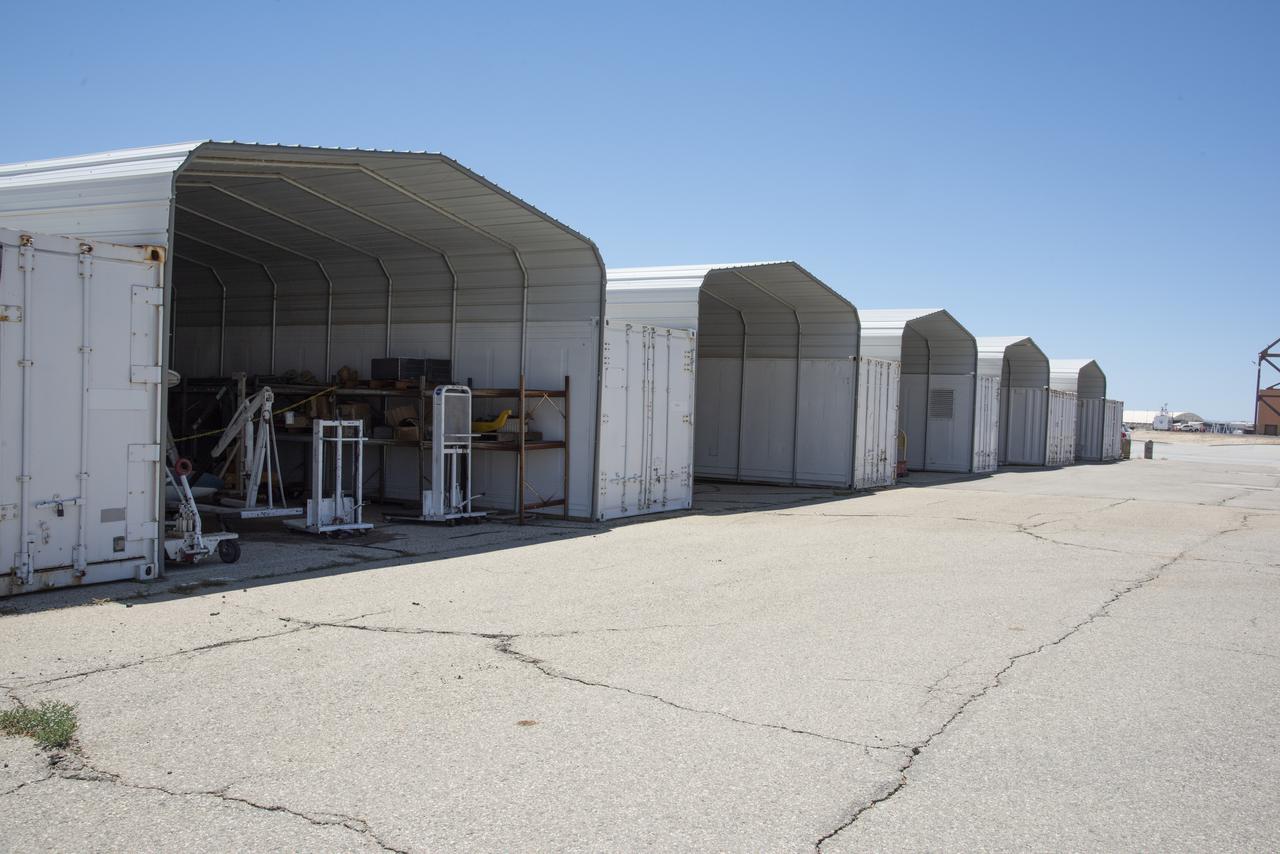
This 8,800-square-foot canopy area was demolished during the refurbishment of the east side of Building 4826, the future home of the X-59 Quiet SuperSonic Technology aircraft, at NASA's Armstrong Flight Research Center in Edwards, California.
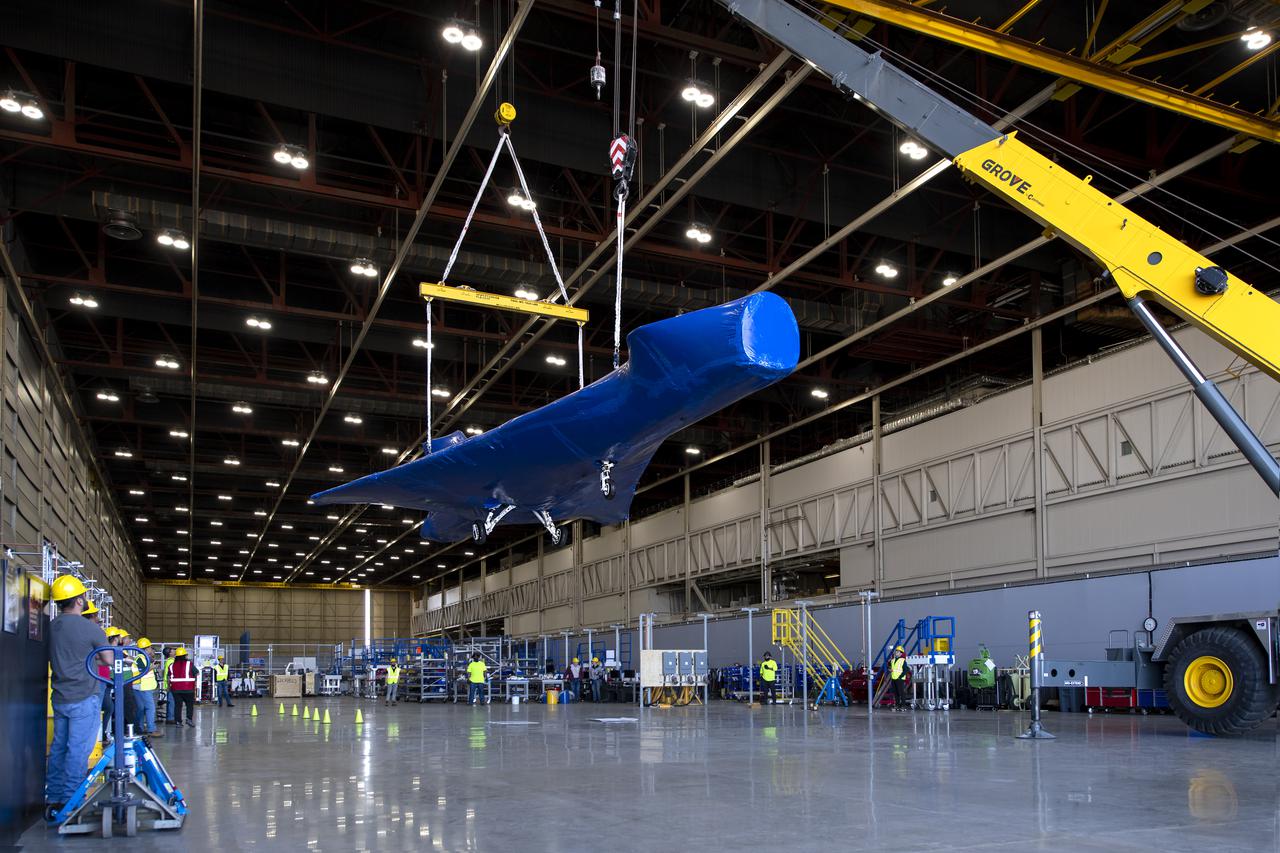
The X-59, NASA’s quiet supersonic technology experimental aircraft, is suspended in the air at Lockheed Martin’s Skunk Works facility in Palmdale, California, following several months of critical ground testing in Ft. Worth, Texas
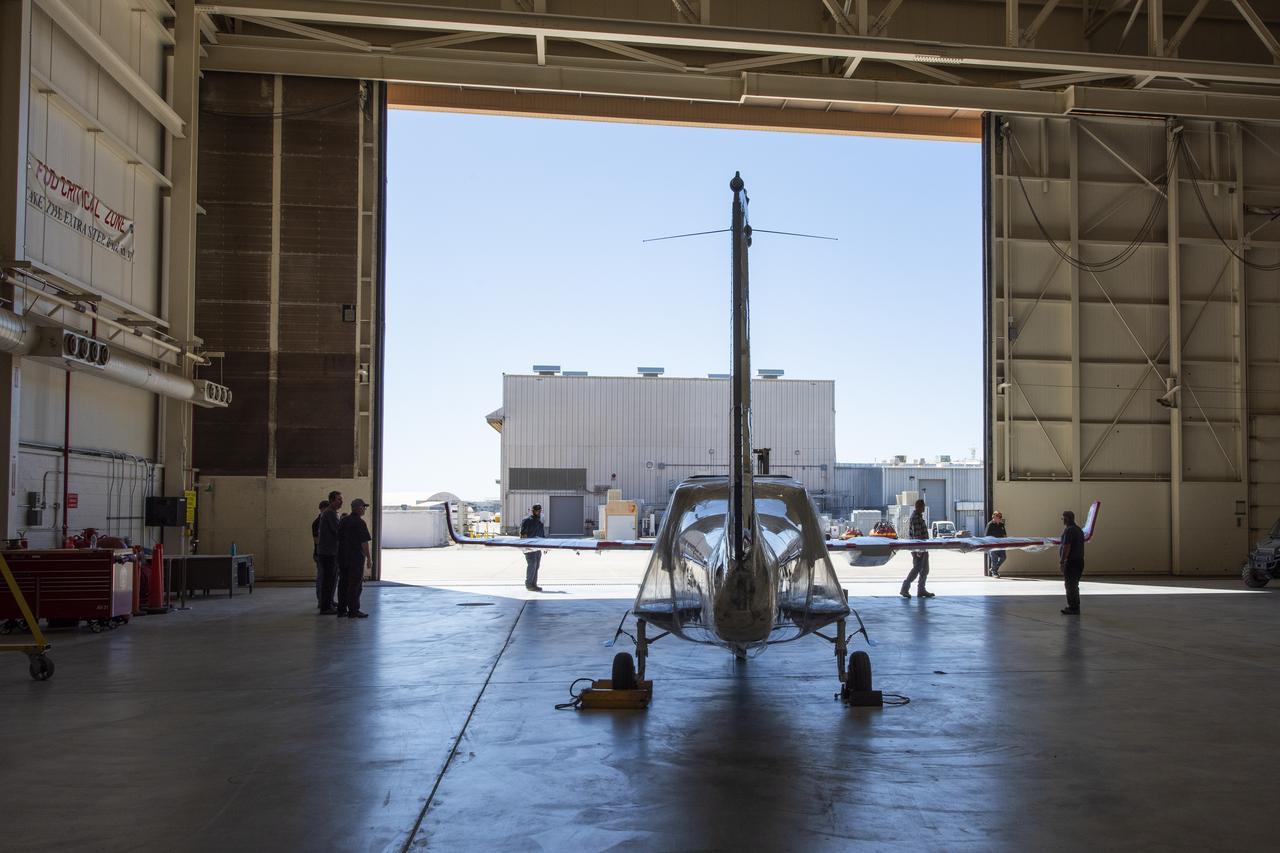
NASA’s X-57 Maxwell, the agency’s first all-electric X-plane and first crewed X-planed in two decades, is delivered to NASA’s Armstrong Flight Research Center in Edwards, California in its Mod II configuration. The first of three primary modifications for the project, Mod II involves testing of the aircraft’s cruise electric propulsion system. Delivery to NASA from prime contractor Empirical Systems Aerospace of San Luis Obispo, California, marks a major milestone for the project, at which point the vehicle is reintegrated for ground tests, to be followed by taxi tests, and eventually, flight tests. X-57’s goal is to further advance the design and airworthiness process for distributed electric propulsion technology for general aviation aircraft, which can provide multiple benefits to efficiency, emissions, and noise.
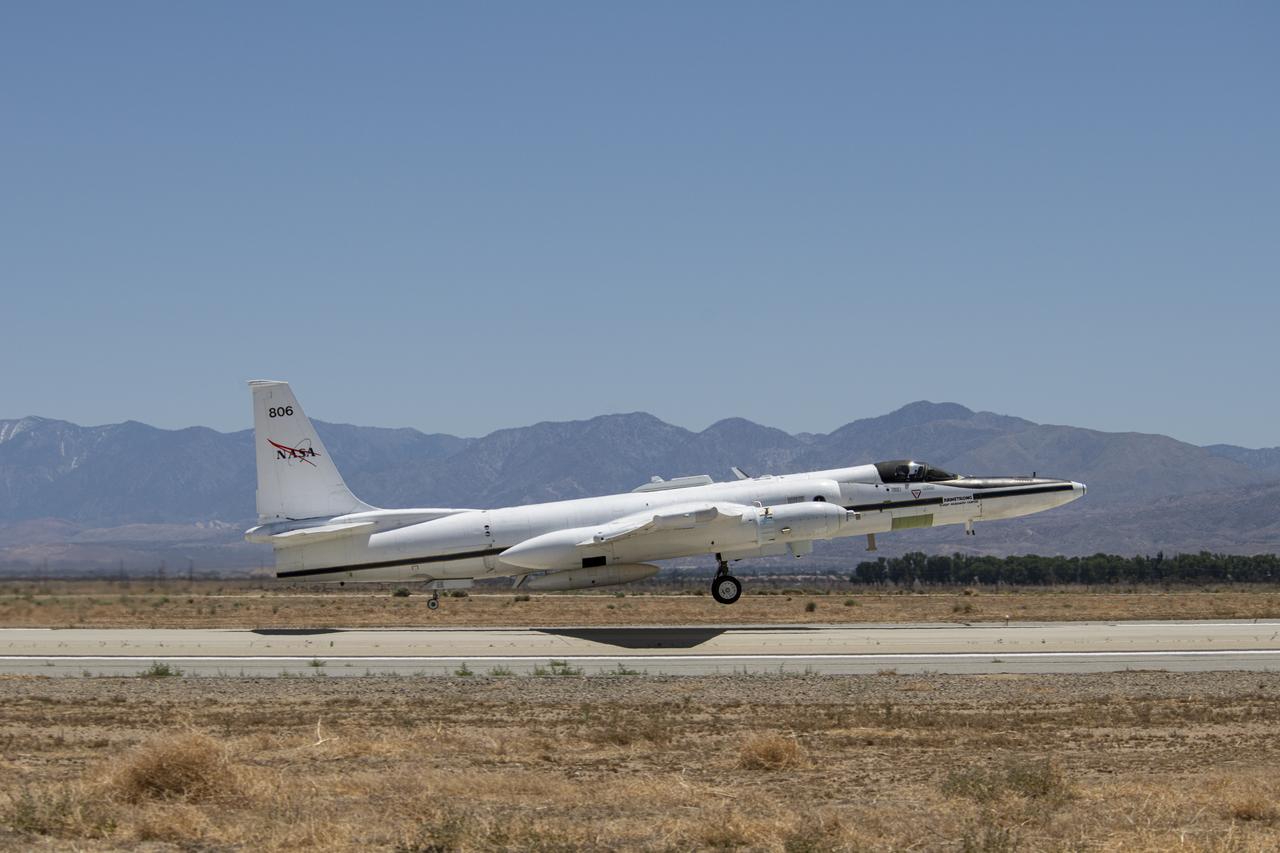
NASA's ER-2 high altitude aircraft takes off from Armstrong Flight Research Center Building 703 in Palmdale, California to perform a check flight for the the Dynamics and Chemistry of the Summer Stratosphere, or DCOTSS, 2022 campaign on May 13, 2022.
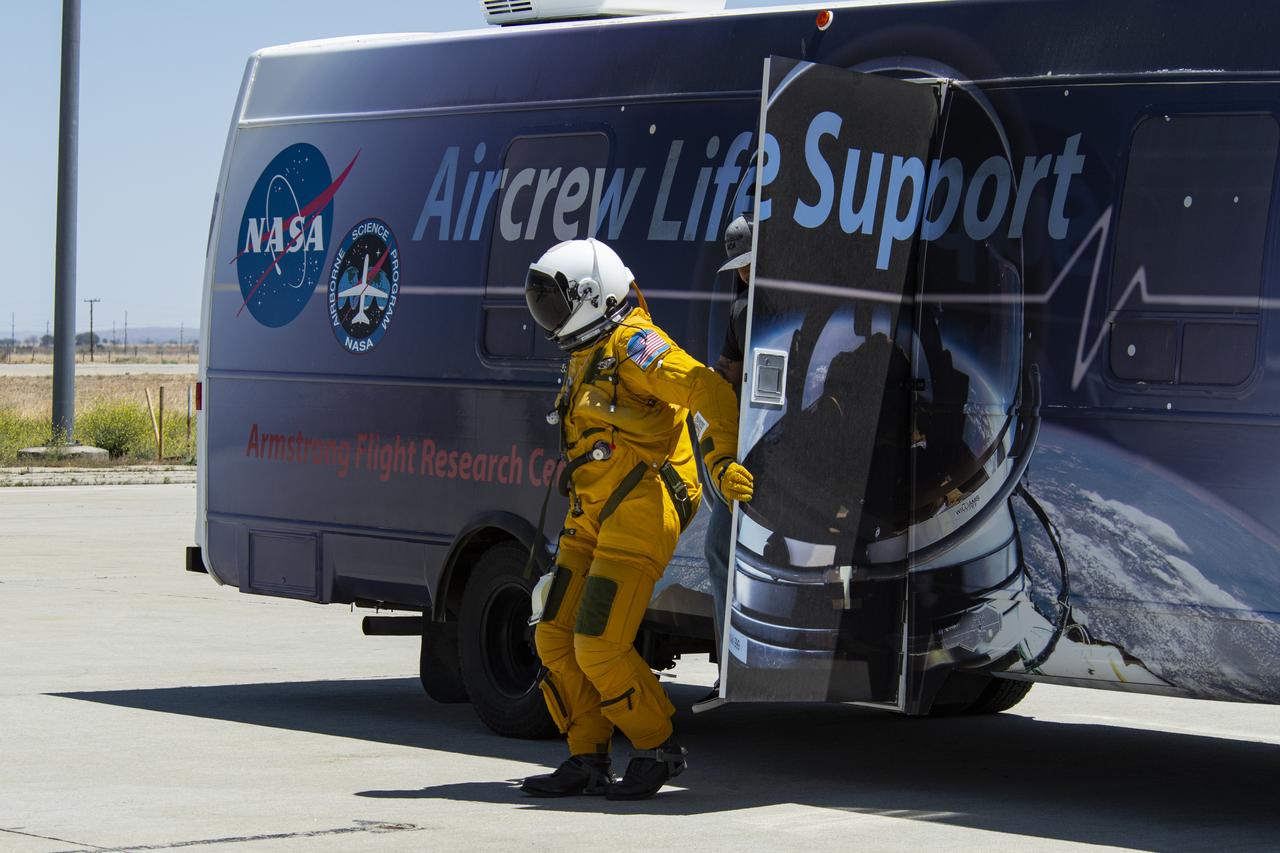
NASA ER-2 pilot Tim Williams prepares for a check flight with life support on May 13, 2022.

The Triplex 7M telemetry antenna at far right and the two radars to the left are a few assets of the Dryden Aeronautical Test Range at NASA’s Armstrong Flight Research Center in California.
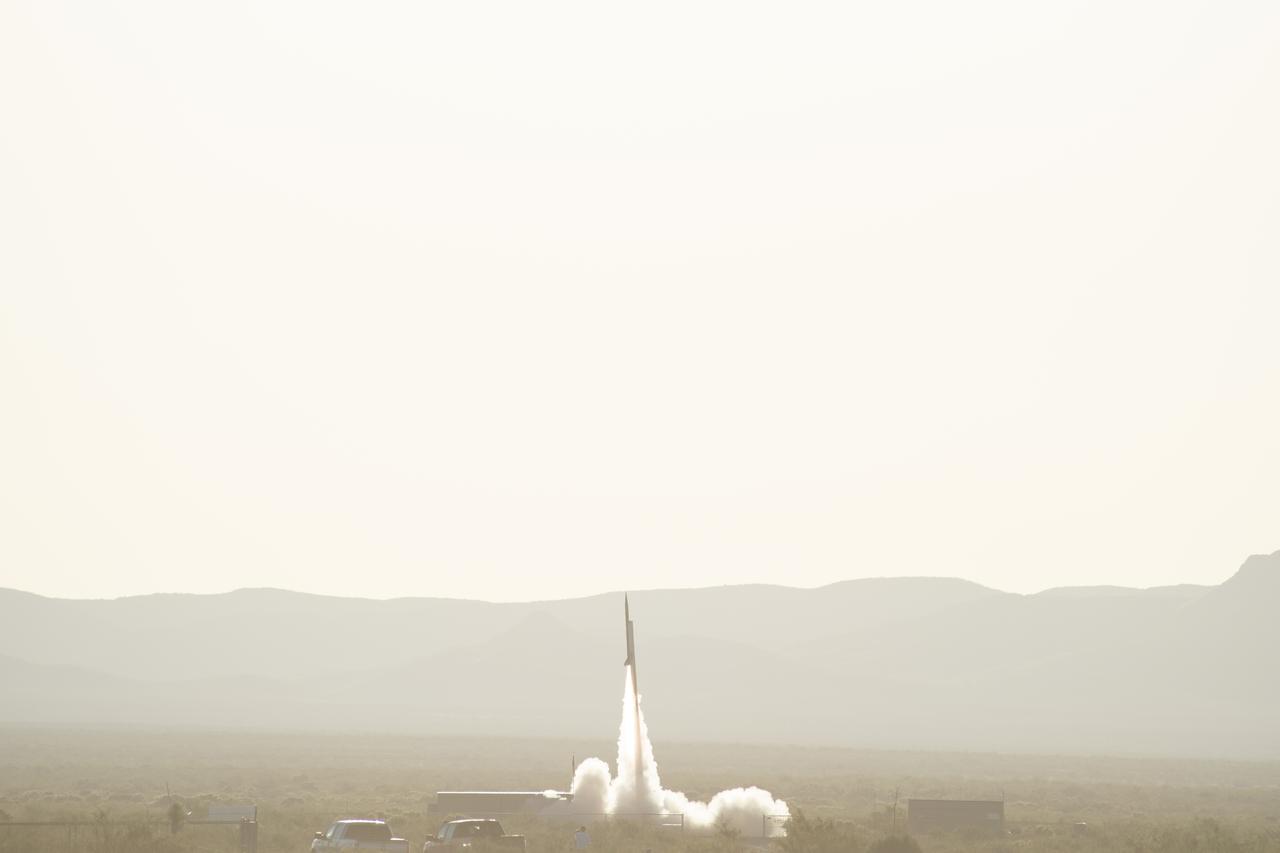
UP Aerospace SpaceLoft rocket launched into space Sept 12, 2018 from Spaceport America in New Mexico carrying three NASA technologies onboard to test in microgravity.
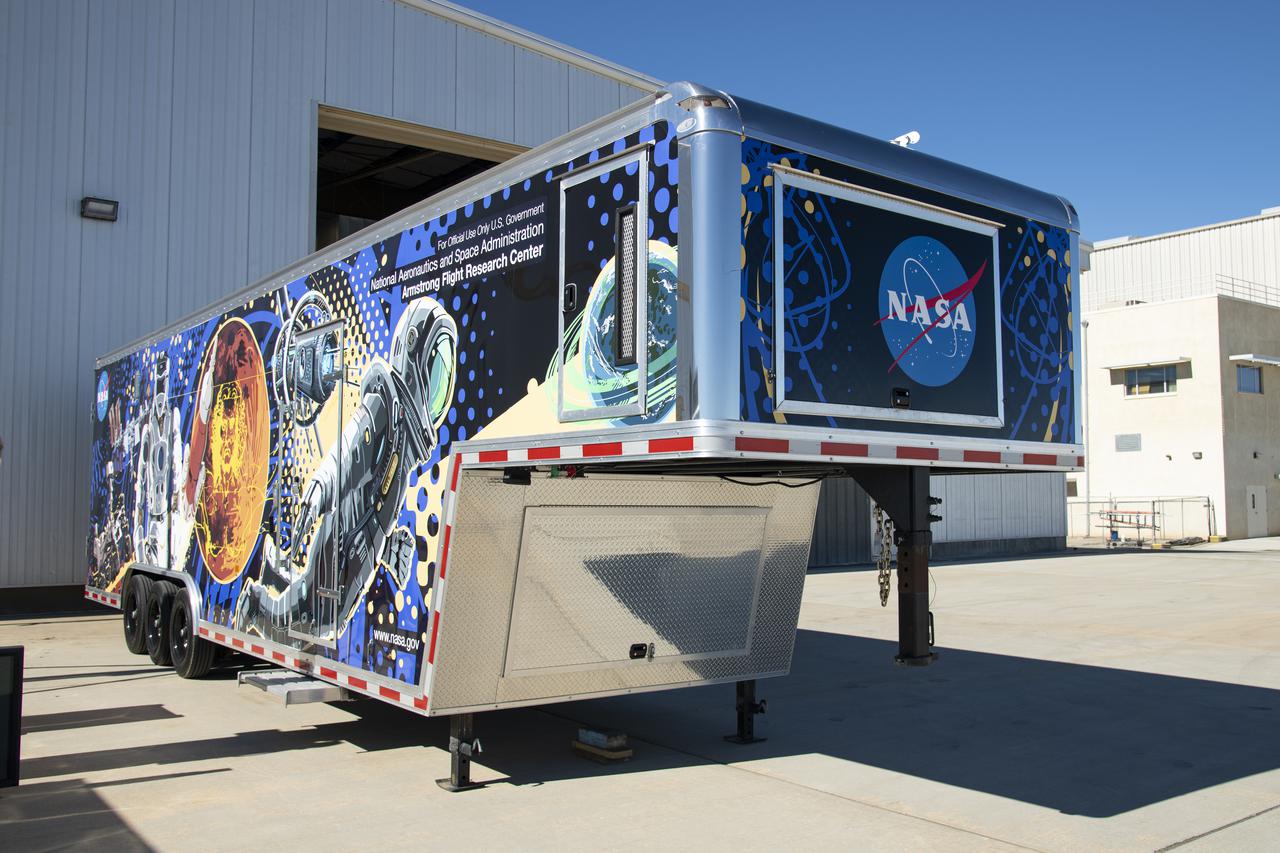
The Mobile Fabrication Shop was received at NASA Armstrong on February 7, 2022 as part of the Robotics Alliance Program based at NASA’s Johnson Space Center. This view shows the front of the wrapped trailer that attends robotics competitions to help students during their robotics competitions.
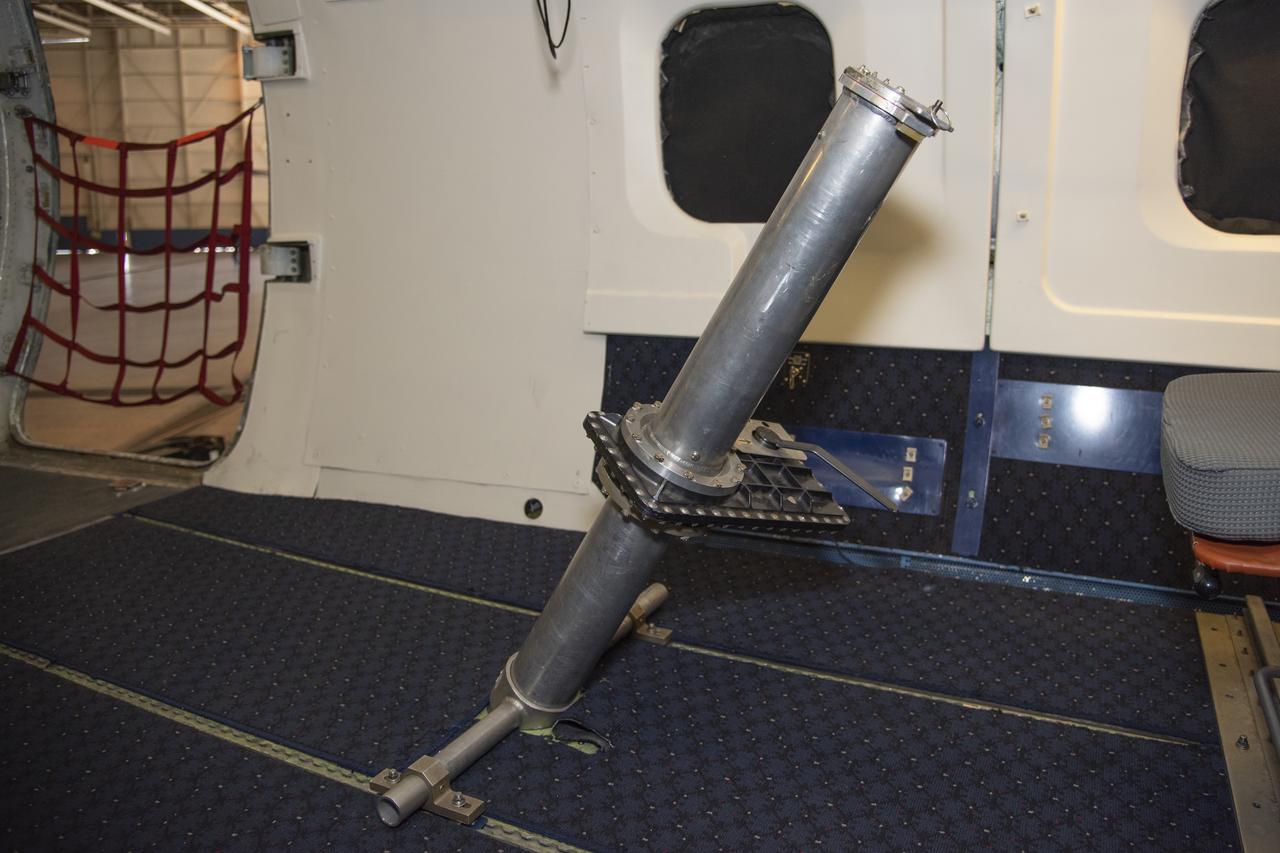
To verify the lidar data they're collecting on the DC-8 airborne science laboratory, Aeolus mission scientists will use dropsondes, which are devices they'll drop from this tube in the aircraft to collect wind and water vapor data.
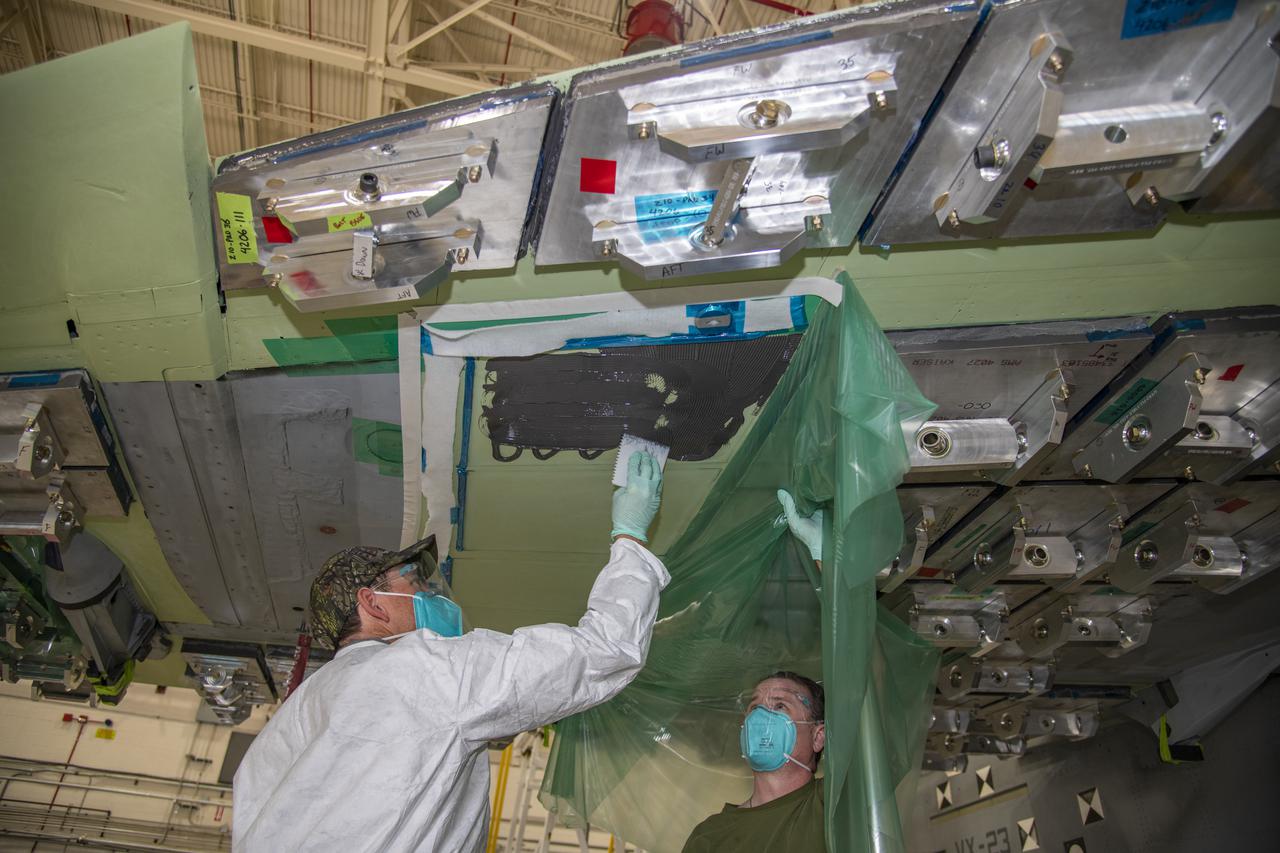
Ray Sadler, left, and Chris Mount spread tank sealant on the aircraft surface of a F/A-18E from the Naval Air Systems Command (NAVAIR) in Patuxent River, Maryland. The aircraft is in NASA’s Armstrong Flight Research Center Flight Loads Laboratory in Edwards, California, for the center’s biggest load calibrations tests. This testing is needed before the aircraft can serve as a test vehicle for determining if it can safely manage maneuvers and proposed upgrades.
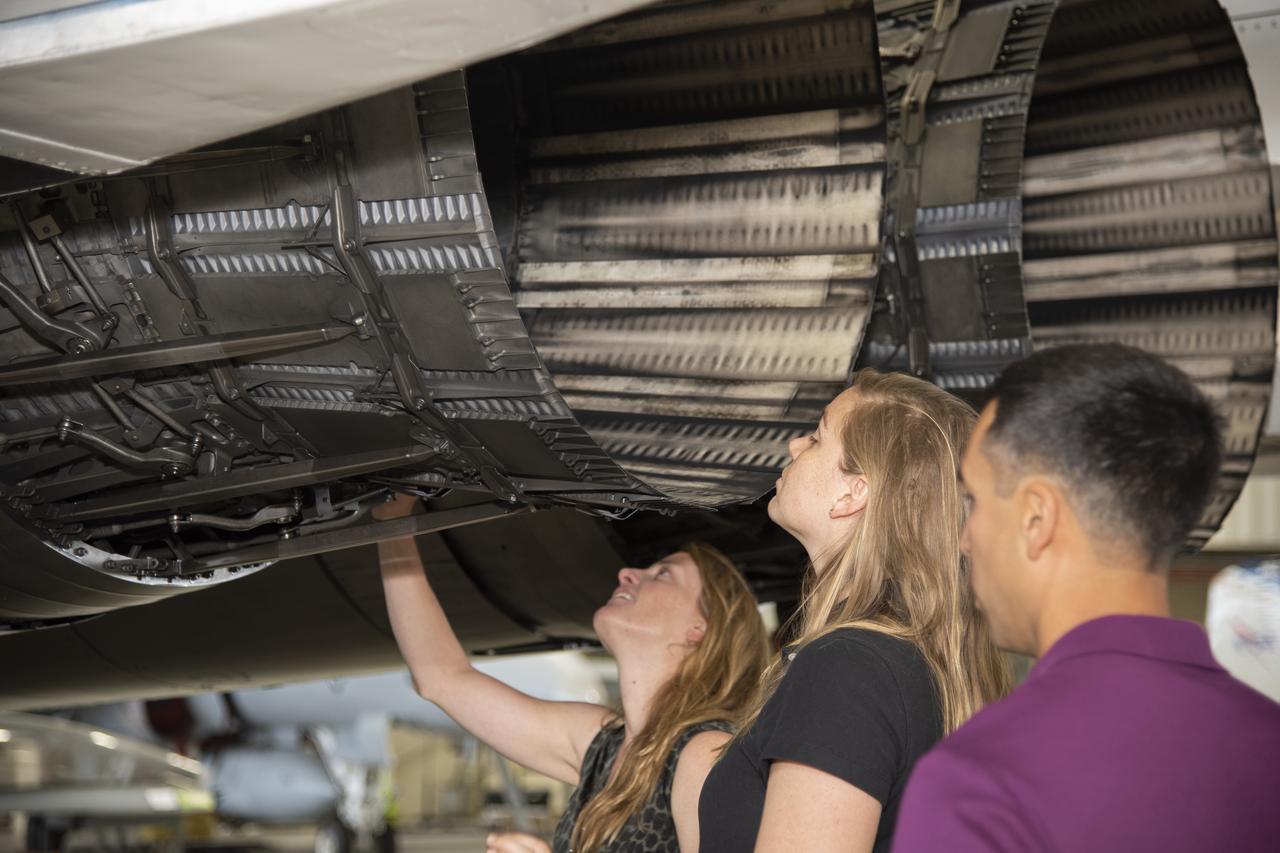
NASA's 2017 astronaut candidates toured aircraft hangar at Armstrong Flight Research Center, in Southern California where (L to R) Loral O'Hara, Jenni Sidey-Gibbons and Raja Chari look inside the engine nozzle of an F-15 jet. The F-15 will fly in tandem with the X-59 QueSST during early flight test stages for the X-59 development.
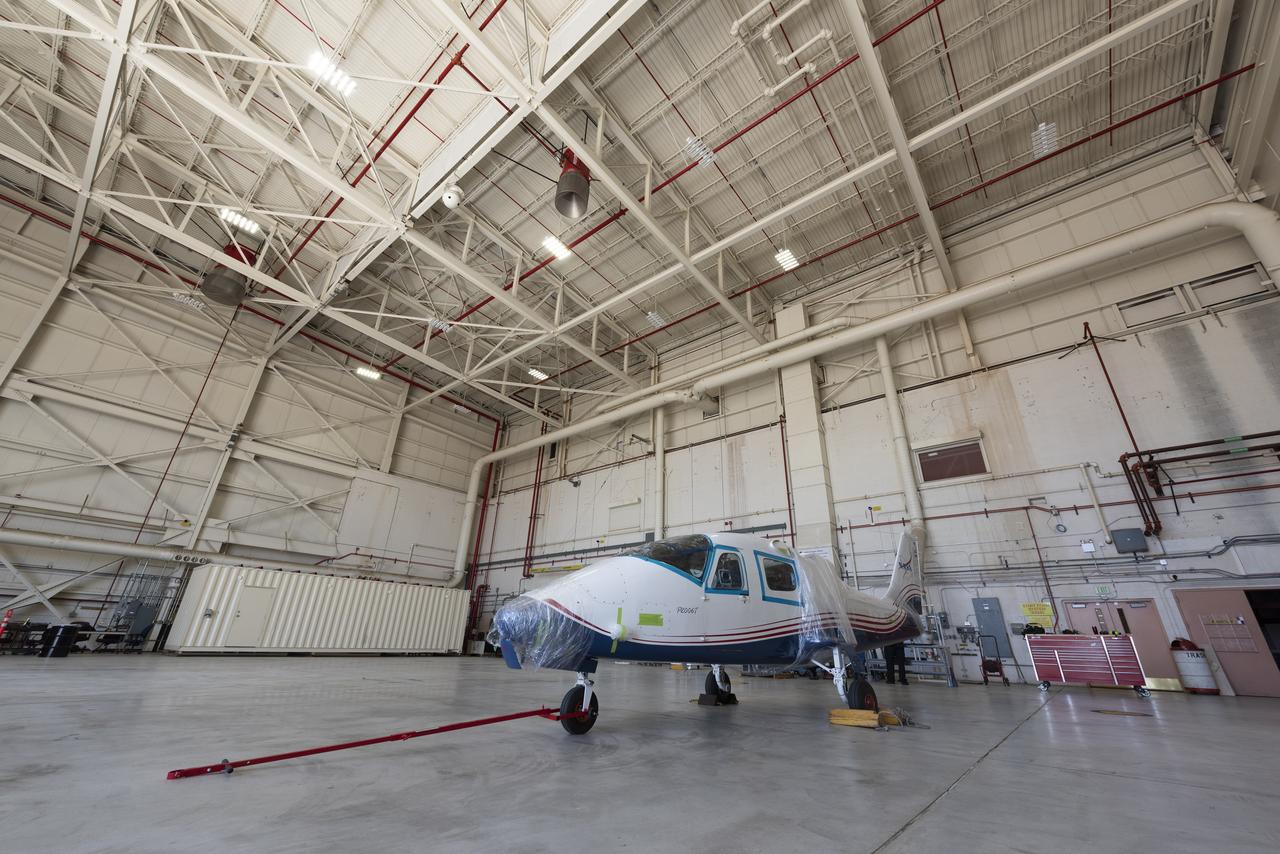
NASA's X-57 Maxwell, the agency's first all-electric X-plane and first crewed X-planed in two decades, is delivered to NASA's Armstrong Flight Research Center in Edwards, California in its Mod II configuration. The first of three primary modifications for the project, Mod II involves testing of the aircraft's cruise electric propulsion system. Delivery to NASA from prime contractor Empirical Systems Aerospace of San Luis Obispo, California, marks a major milestone for the project, at which point the vehicle is reintegrated for ground tests, to be followed by taxi tests, and eventually, flight tests. X-57's goal is to further advance the design and airworthiness process for distributed electric propulsion technology for general aviation aircraft, which can provide multiple benefits to efficiency, emissions, and noise.
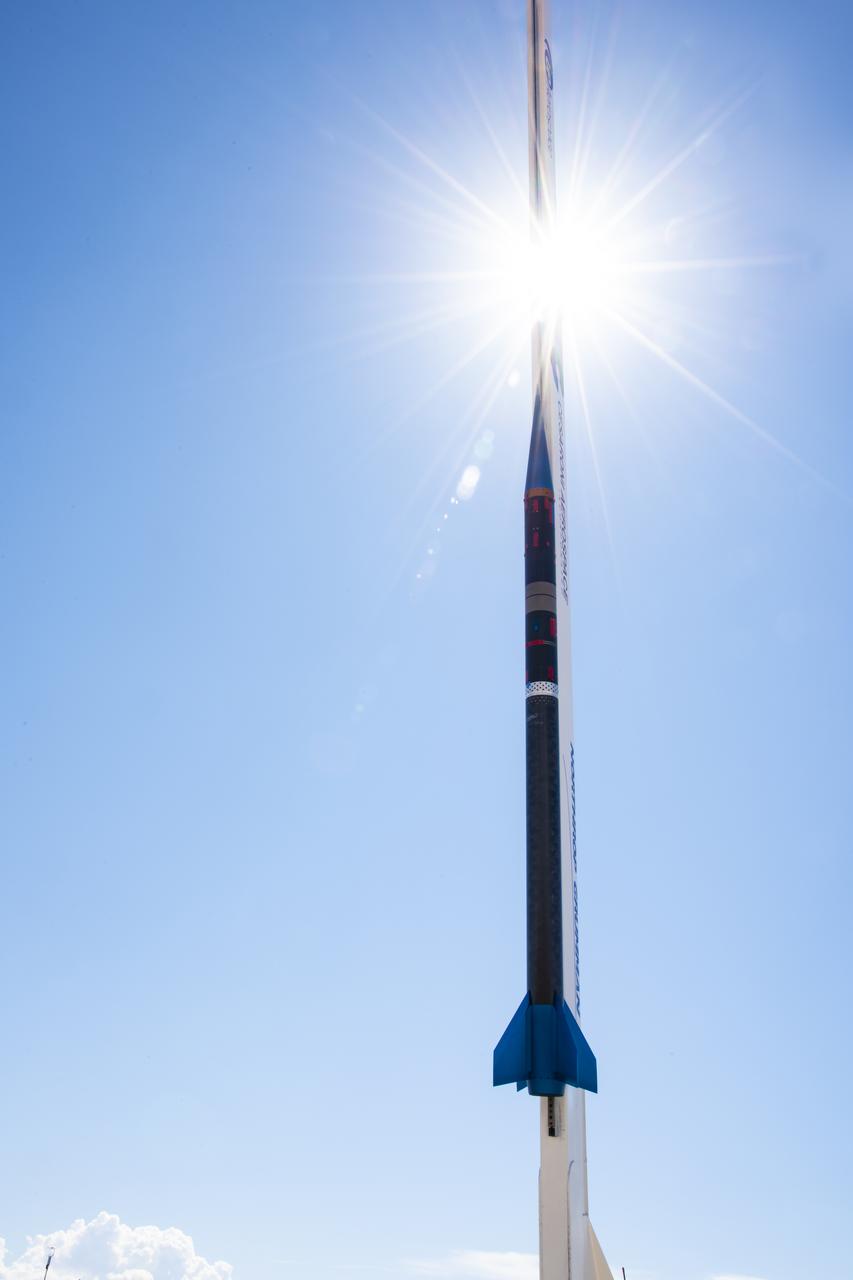
NASA's Flight Opportunities funds flight of space technology on UP Aerospace's rocket poised to launch at Spaceport America in New Mexico.
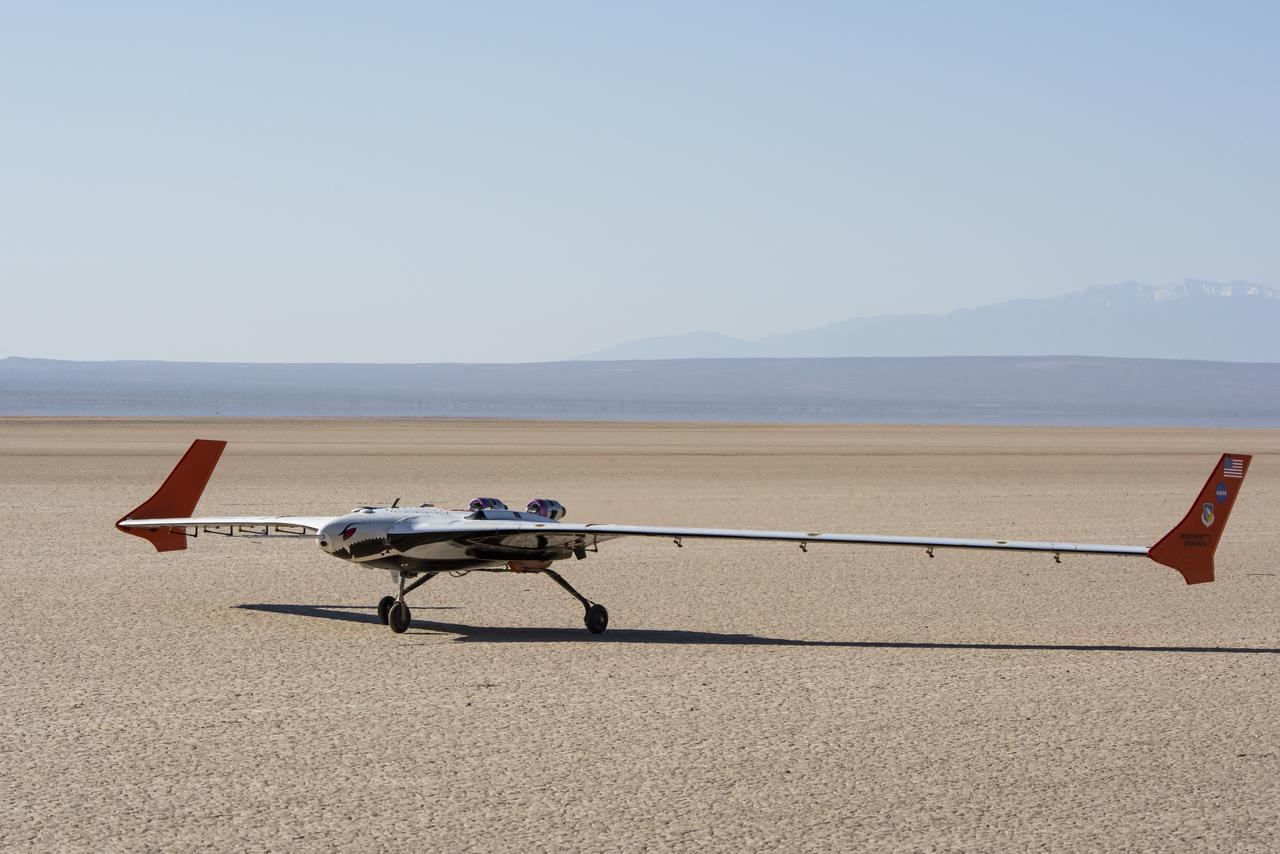
The X-56B remotely piloted aircraft lands following the first of a new flight series. The flight was April 19 at NASA's Armstrong Flight Research Center in Edwards, California, with partner Northrop Grumman.
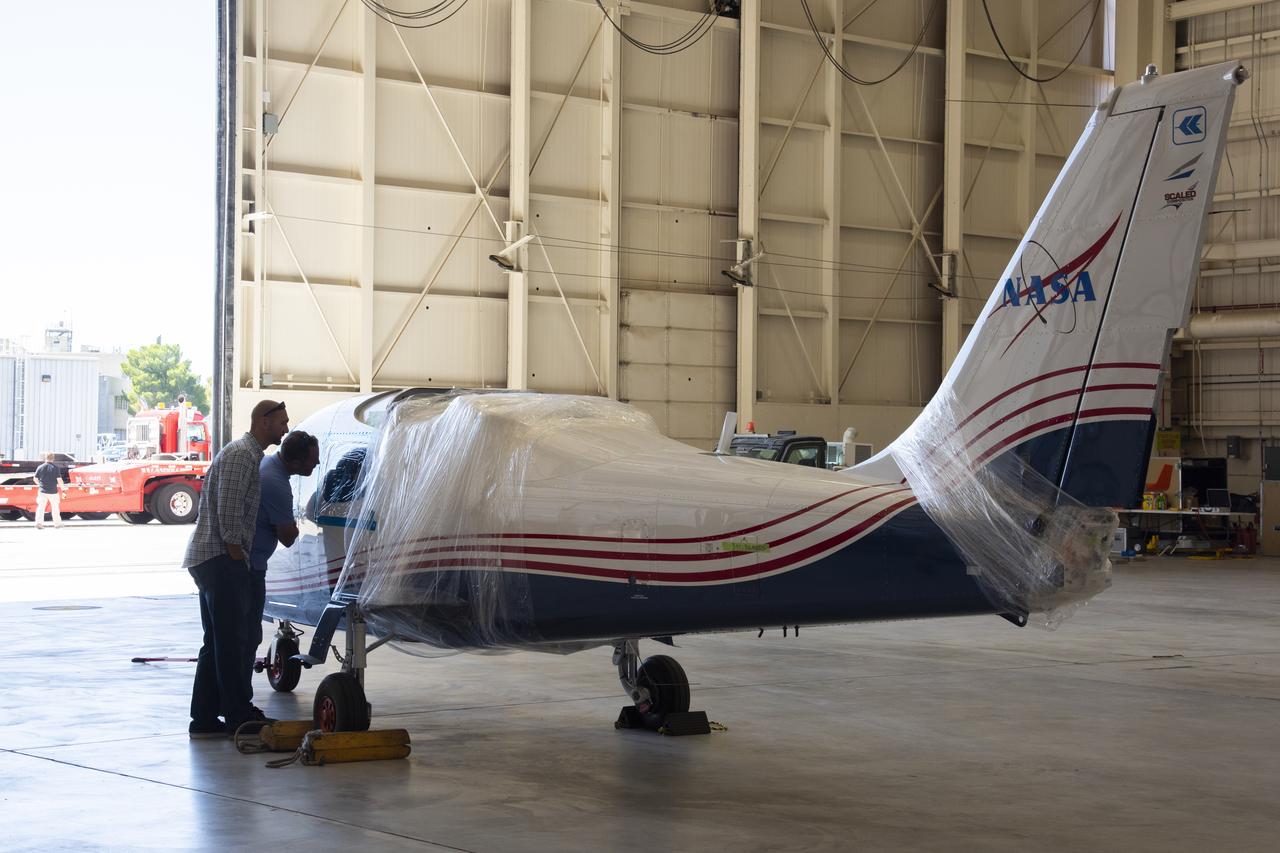
NASA's X-57 Maxwell, the agency's first all-electric X-plane and first crewed X-planed in two decades, is delivered to NASA's Armstrong Flight Research Center in Edwards, California in its Mod II configuration. The first of three primary modifications for the project, Mod II involves testing of the aircraft's cruise electric propulsion system. Delivery to NASA from prime contractor Empirical Systems Aerospace of San Luis Obispo, California, marks a major milestone for the project, at which point the vehicle is reintegrated for ground tests, to be followed by taxi tests, and eventually, flight tests. X-57's goal is to further advance the design and airworthiness process for distributed electric propulsion technology for general aviation aircraft, which can provide multiple benefits to efficiency, emissions, and noise.
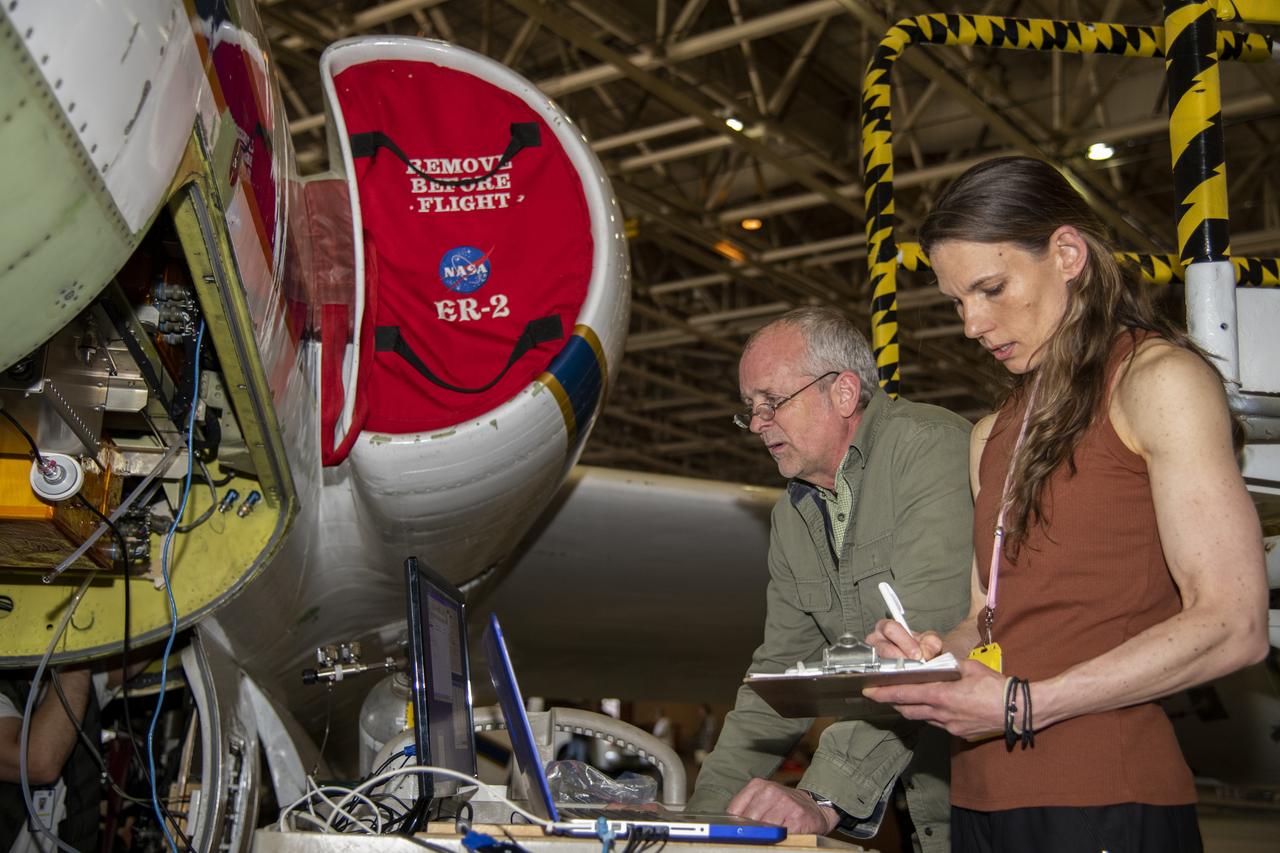
NASA's ER-2 aircraft is prepared for a check flight by Principal Investigator, Bruce Daube and co-principal investigator, Jasna Pitman, of the Harvard Picarro Cavity Ring Down Spectrometer (HUPCRS) instrument on May 13, 2022.
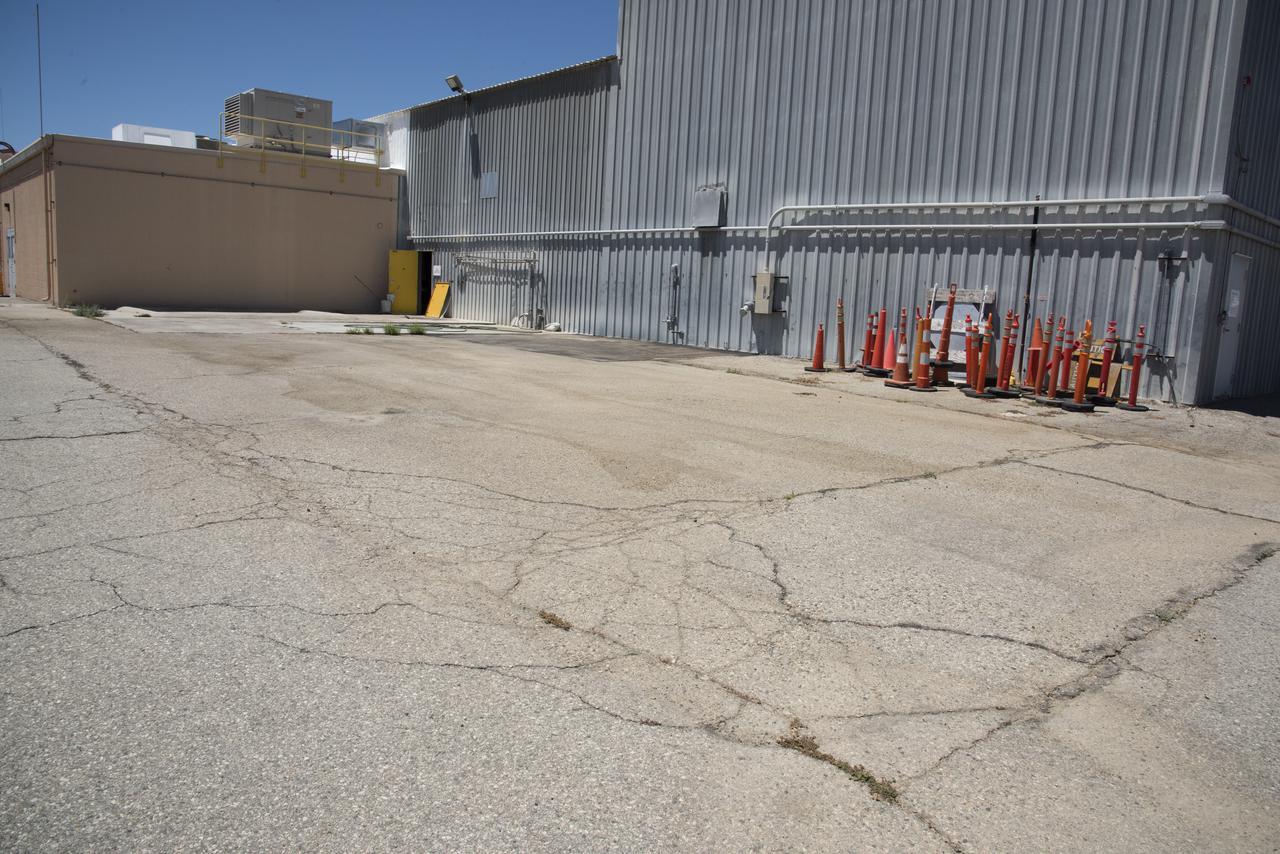
On the east side of Building 4826, the future home of the X-59 Quiet SuperSonic Technology aircraft, a conference room, offices, restrooms and a communications room are under construction at NASA's Armstrong Flight Research Center in Edwards, California.
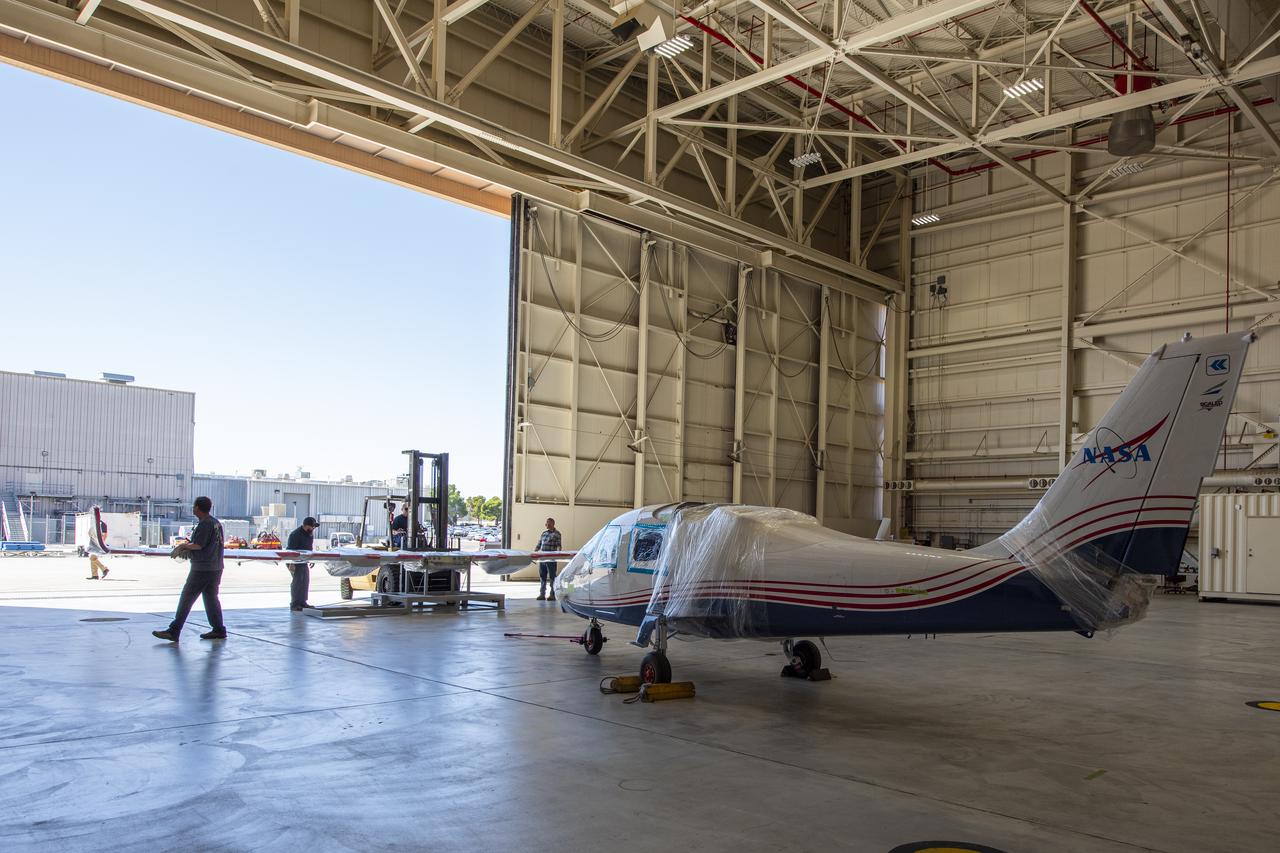
NASA’s X-57 Maxwell, the agency’s first all-electric X-plane and first crewed X-planed in two decades, is delivered to NASA’s Armstrong Flight Research Center in Edwards, California in its Mod II configuration. The first of three primary modifications for the project, Mod II involves testing of the aircraft’s cruise electric propulsion system. Delivery to NASA from prime contractor Empirical Systems Aerospace of San Luis Obispo, California, marks a major milestone for the project, at which point the vehicle is reintegrated for ground tests, to be followed by taxi tests, and eventually, flight tests. X-57’s goal is to further advance the design and airworthiness process for distributed electric propulsion technology for general aviation aircraft, which can provide multiple benefits to efficiency, emissions, and noise.
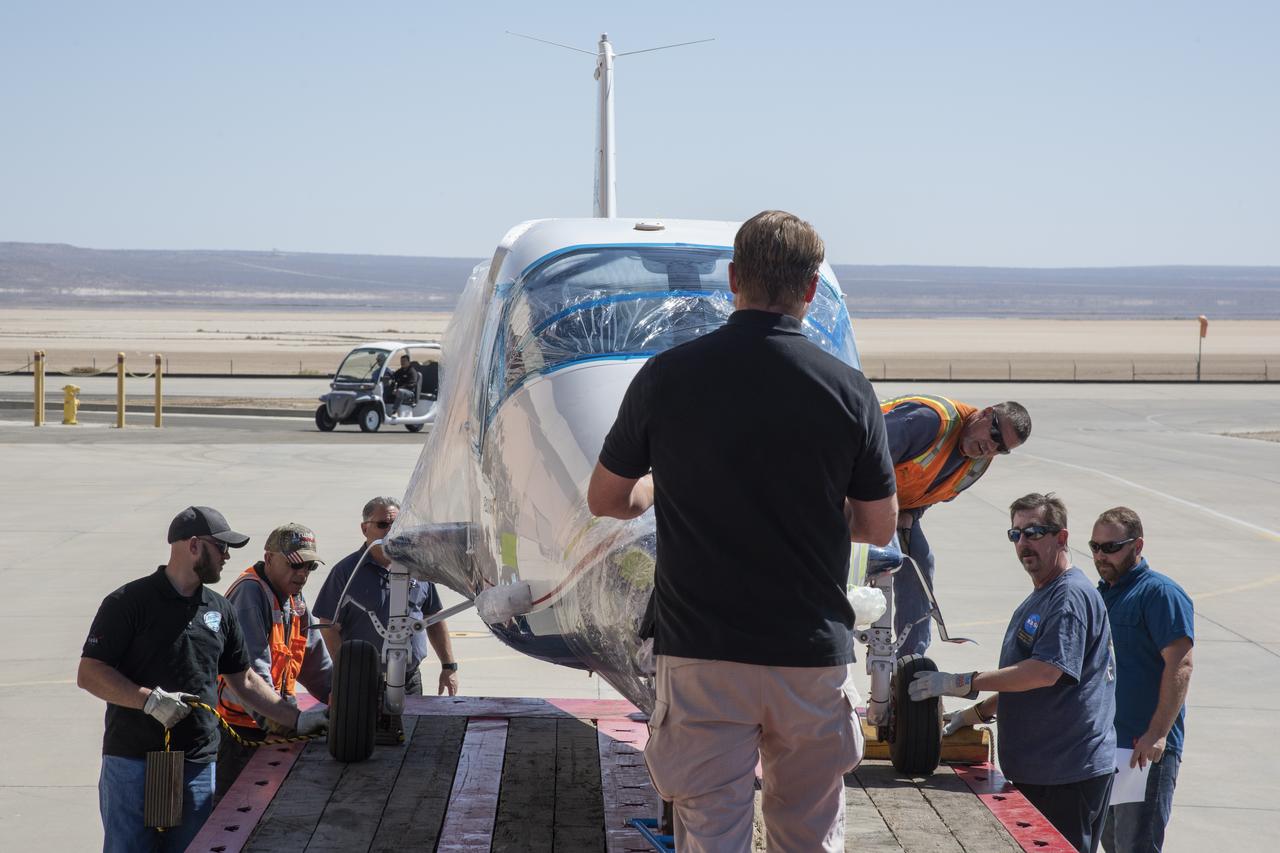
NASA's X-57 Maxwell, the agency's first all-electric X-plane and first crewed X-planed in two decades, is delivered to NASA's Armstrong Flight Research Center in Edwards, California in its Mod II configuration. The first of three primary modifications for the project, Mod II involves testing of the aircraft's cruise electric propulsion system. Delivery to NASA from prime contractor Empirical Systems Aerospace of San Luis Obispo, California, marks a major milestone for the project, at which point the vehicle is reintegrated for ground tests, to be followed by taxi tests, and eventually, flight tests. X-57's goal is to further advance the design and airworthiness process for distributed electric propulsion technology for general aviation aircraft, which can provide multiple benefits to efficiency, emissions, and noise.
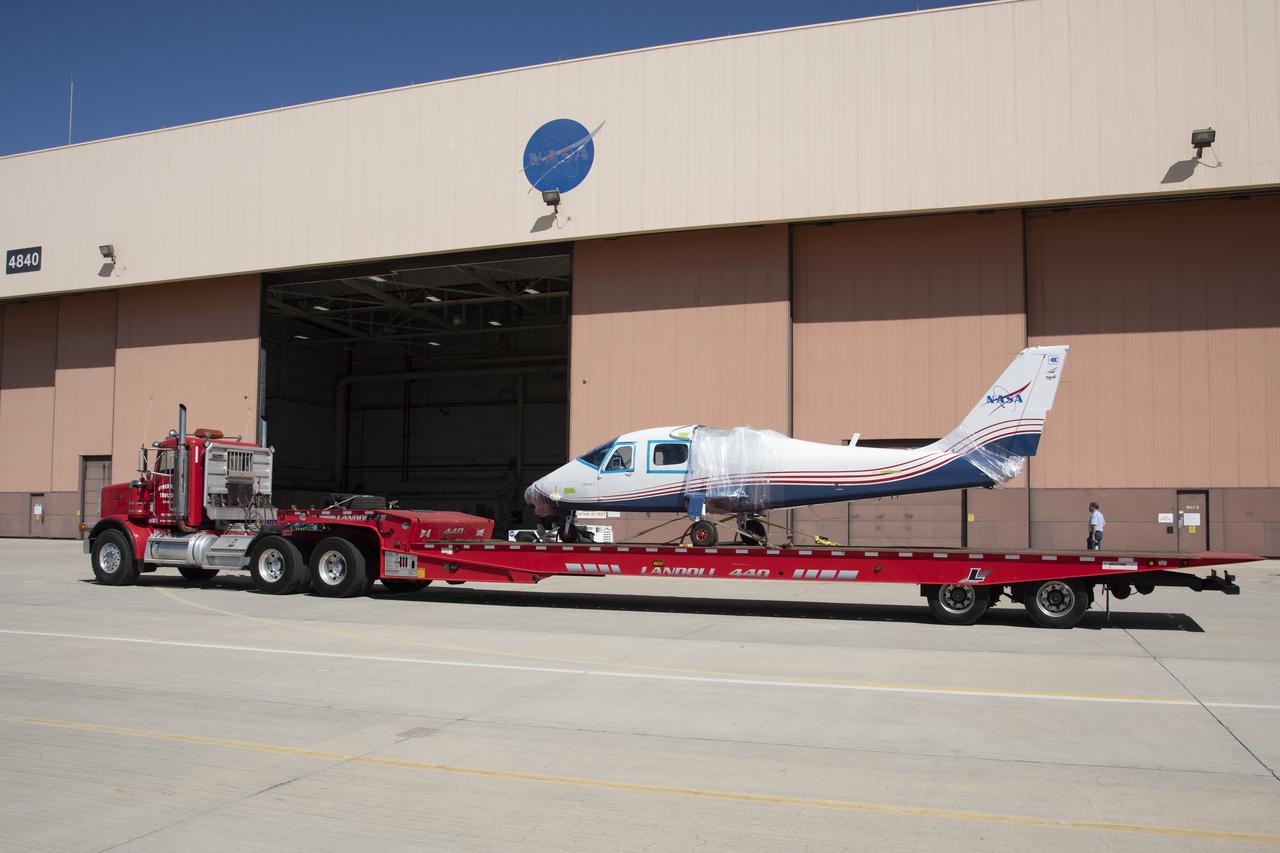
NASA's X-57 Maxwell, the agency's first all-electric X-plane and first crewed X-planed in two decades, is delivered to NASA's Armstrong Flight Research Center in Edwards, California in its Mod II configuration. The first of three primary modifications for the project, Mod II involves testing of the aircraft's cruise electric propulsion system. Delivery to NASA from prime contractor Empirical Systems Aerospace of San Luis Obispo, California, marks a major milestone for the project, at which point the vehicle is reintegrated for ground tests, to be followed by taxi tests, and eventually, flight tests. X-57's goal is to further advance the design and airworthiness process for distributed electric propulsion technology for general aviation aircraft, which can provide multiple benefits to efficiency, emissions, and noise.
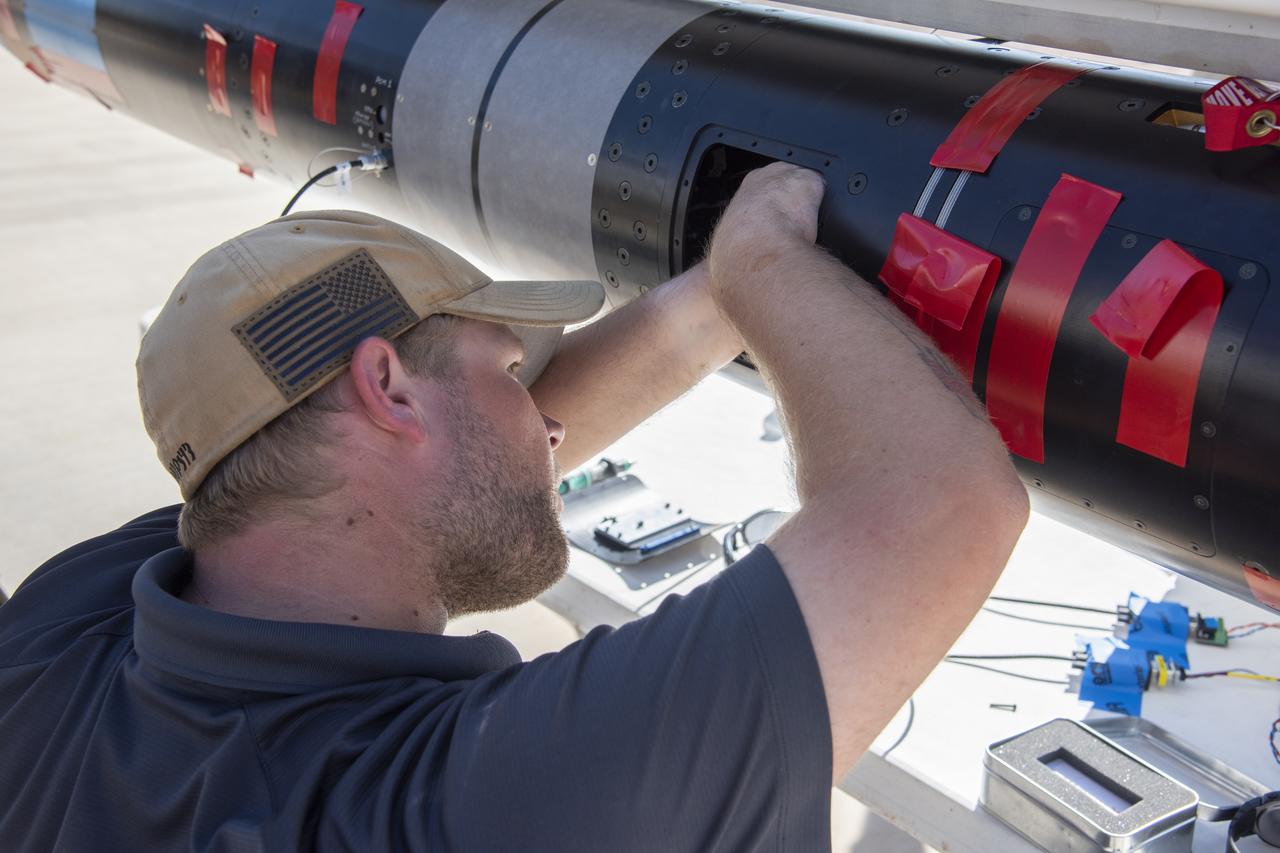
UP Aerospace employees preparing their SpaceLoft rocket to carry NASA technologies for testing in microgravity.
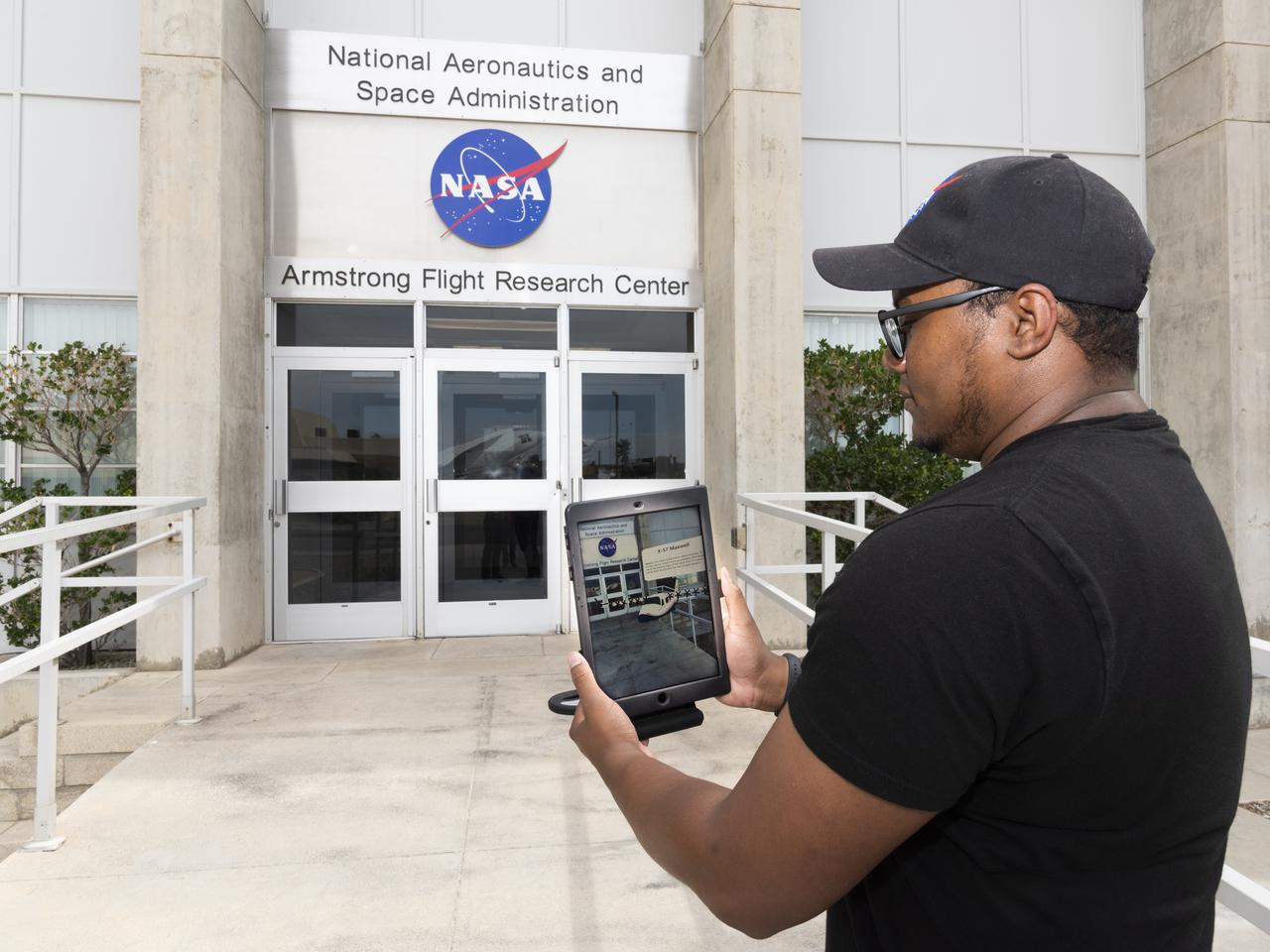
Daniel Williams, intern, shows what the app looks like while in use with the 3D model of the X-57 Maxwell displayed on the screen.

An image of the Comet C/2020 F3 NEOWISE (Comet NEOWISE) captured above the tree line of Lone Pine Lake, located on the Mount Whitney Trail in the Eastern Sierra Nevada Mountains in California. The photo was taken at 4:59 am on July 14, 2020. Visiting from the distant parts of the solar system, it’s characterized by a glowing tail and is visible during the month of July. The comet returns in 6,800 years.
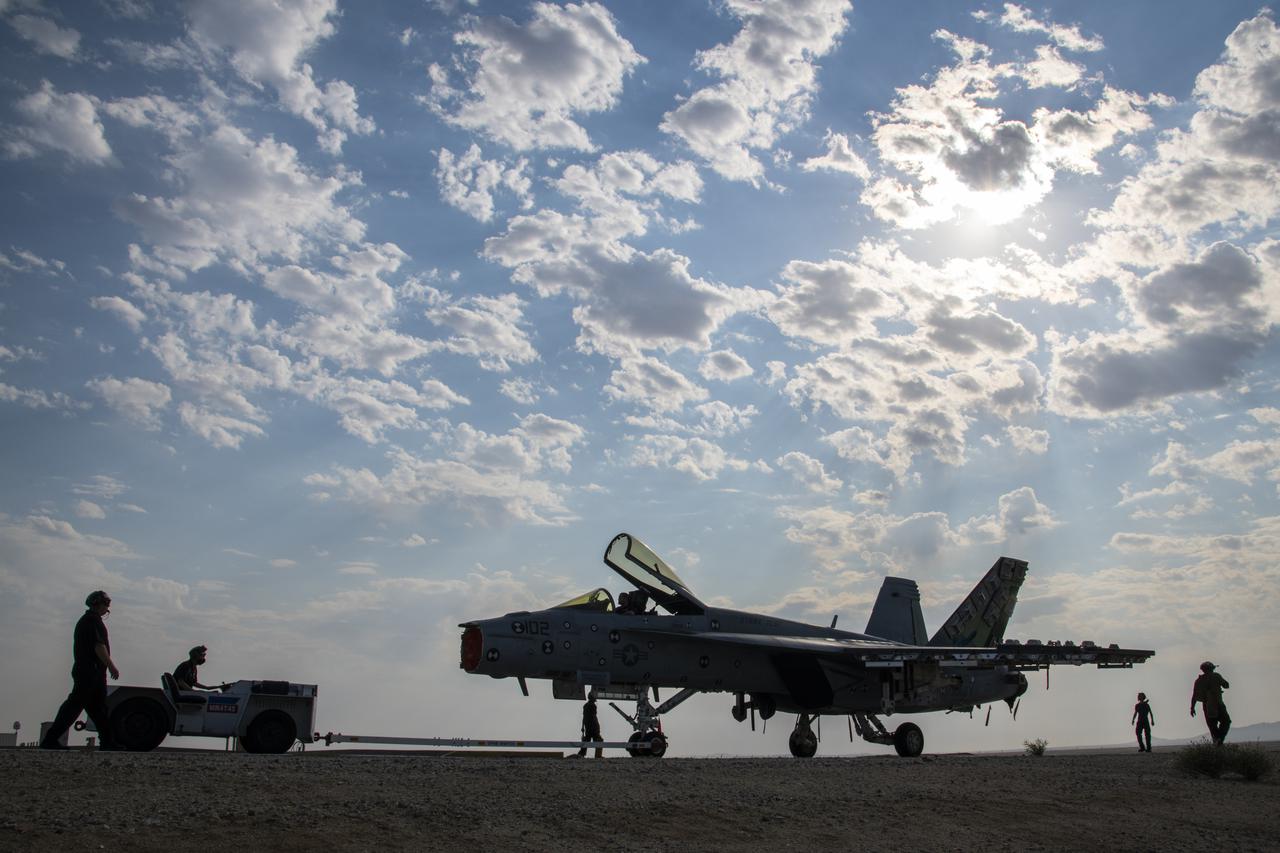
The Naval Air Systems Command (NAVAIR) in Patuxent River, Maryland F/A-18E is moved to NASA’s Armstrong Flight Research Center Flight Loads Laboratory in Edwards, California. NASA Armstrong is working on its biggest load calibrations tests on an F/A-18E Super Hornet. This testing is needed before the aircraft can serve as a test vehicle for determining if it can safely manage maneuvers and proposed upgrades.
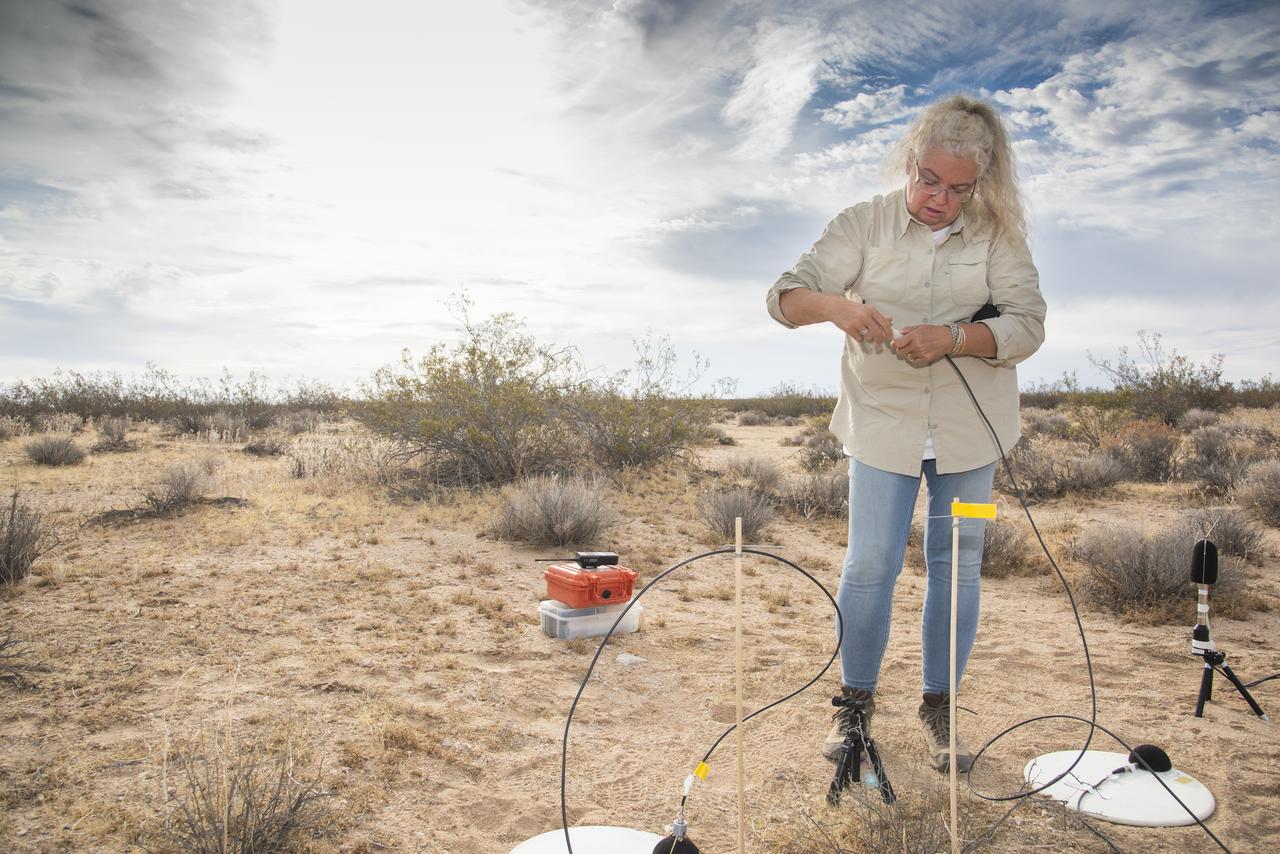
Juliet Page, a physical scientist with the Volpe National Transportation Systems Center, calibrates a microphone station during the CarpetDIEM flight series. The array featured high-fidelity microphones arranged in several configurations, giving researchers the ability to obtain accurate sound data and assess the loudness of the sonic booms, just as they will measure the quiet sonic thumps from the X-59.
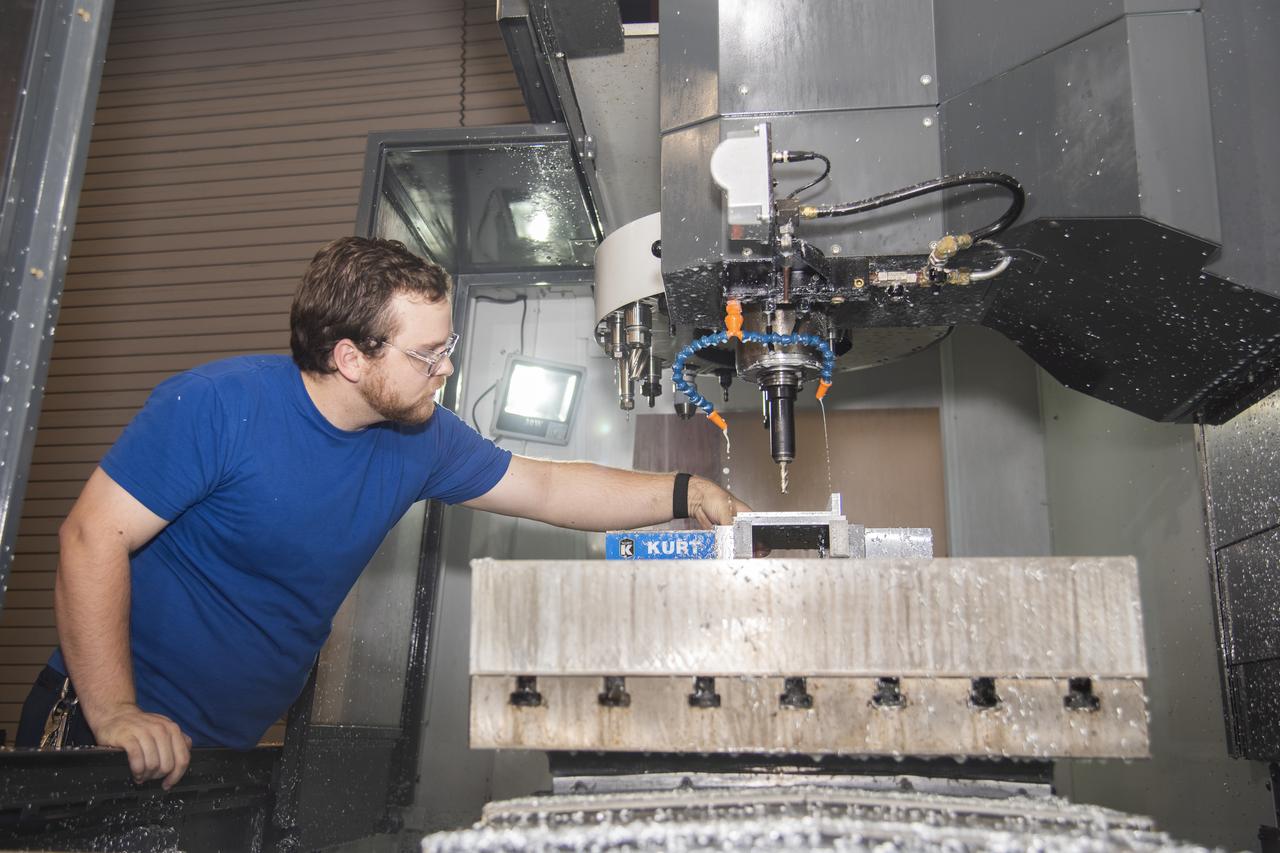
R.J. Smith mills a plate for the backup data acquisition system for the Orion Ascent Abort 2 crew module at NASA's Armstrong Flight Research Center in California.
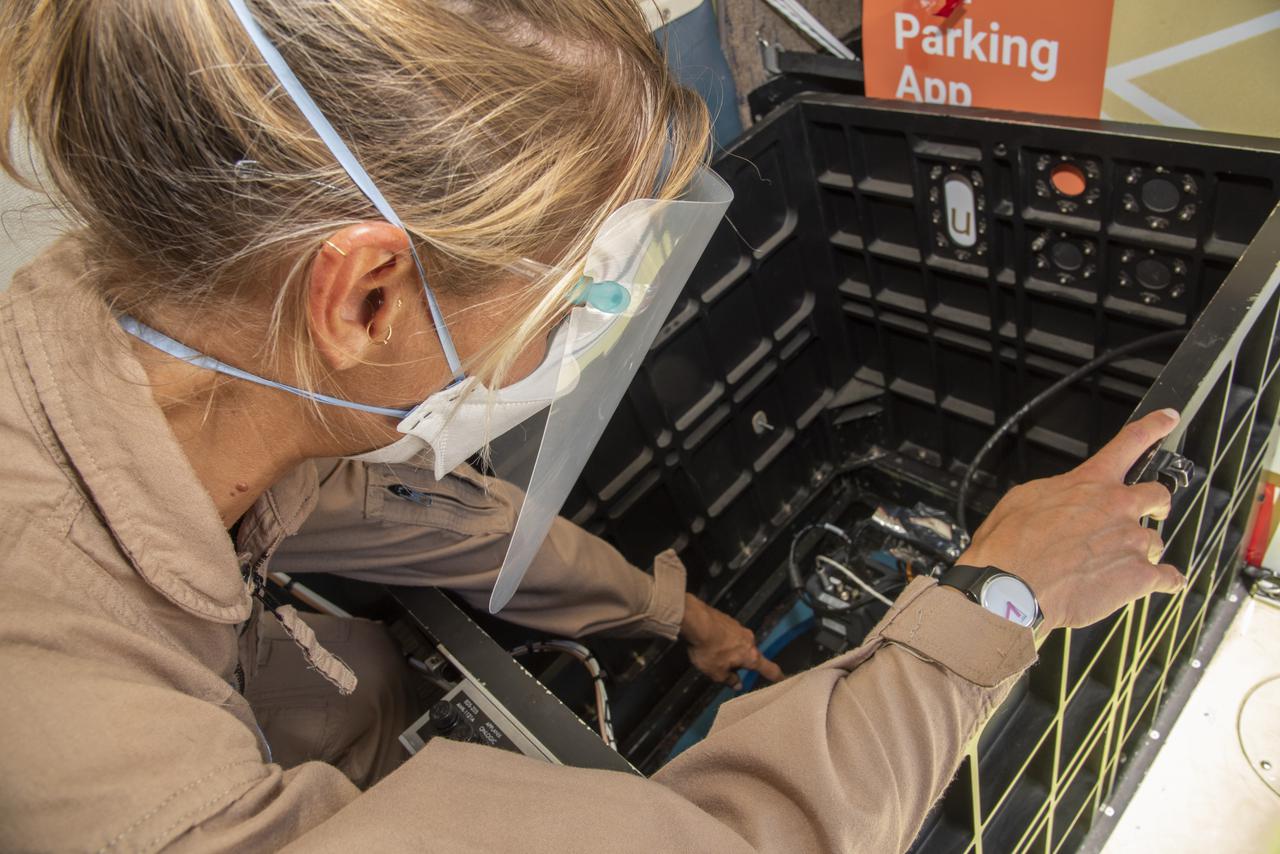
Delphine Hypolite, Multiscale Observing System of the Ocean Surface (MOSES) Operator from University of California Los Angeles, performs pre-flight checks on the MOSES Camera System at NASA's Armstrong Flight Research Center in Edwards, California.
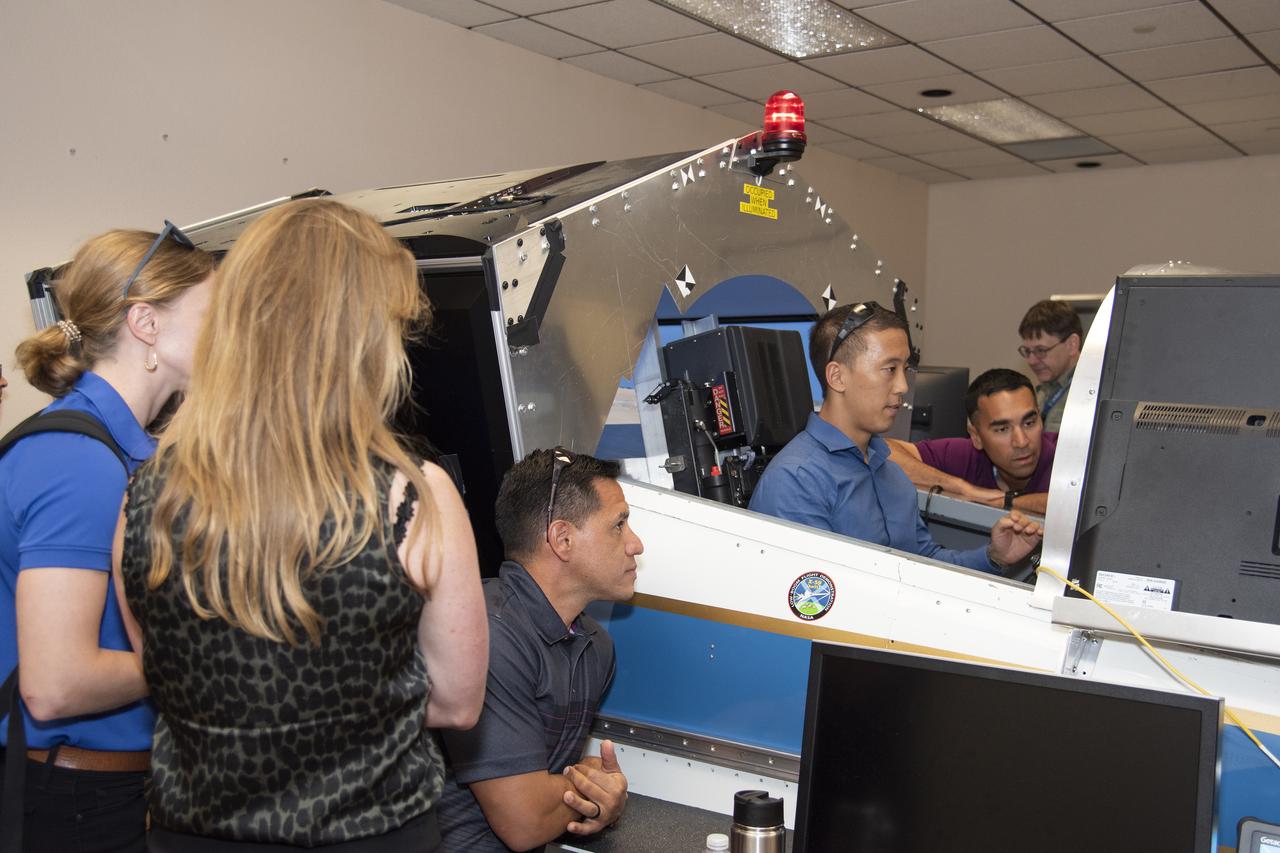
NASA's 2017 astronaut candidates (L to R) Zena Cardman, Loral O'Hara, Frank Rubio, Jonny Kim, Raja Chari practice flying in an X-59 QueSST simulator at Armstrong Flight Research Center, in Southern California. The low boom flight demonstrator, X-59, being built at Lockheed Martin and was designed to fly at supersonic speeds over land without the loud noise of breaking the sound barrier and disturbing communities.
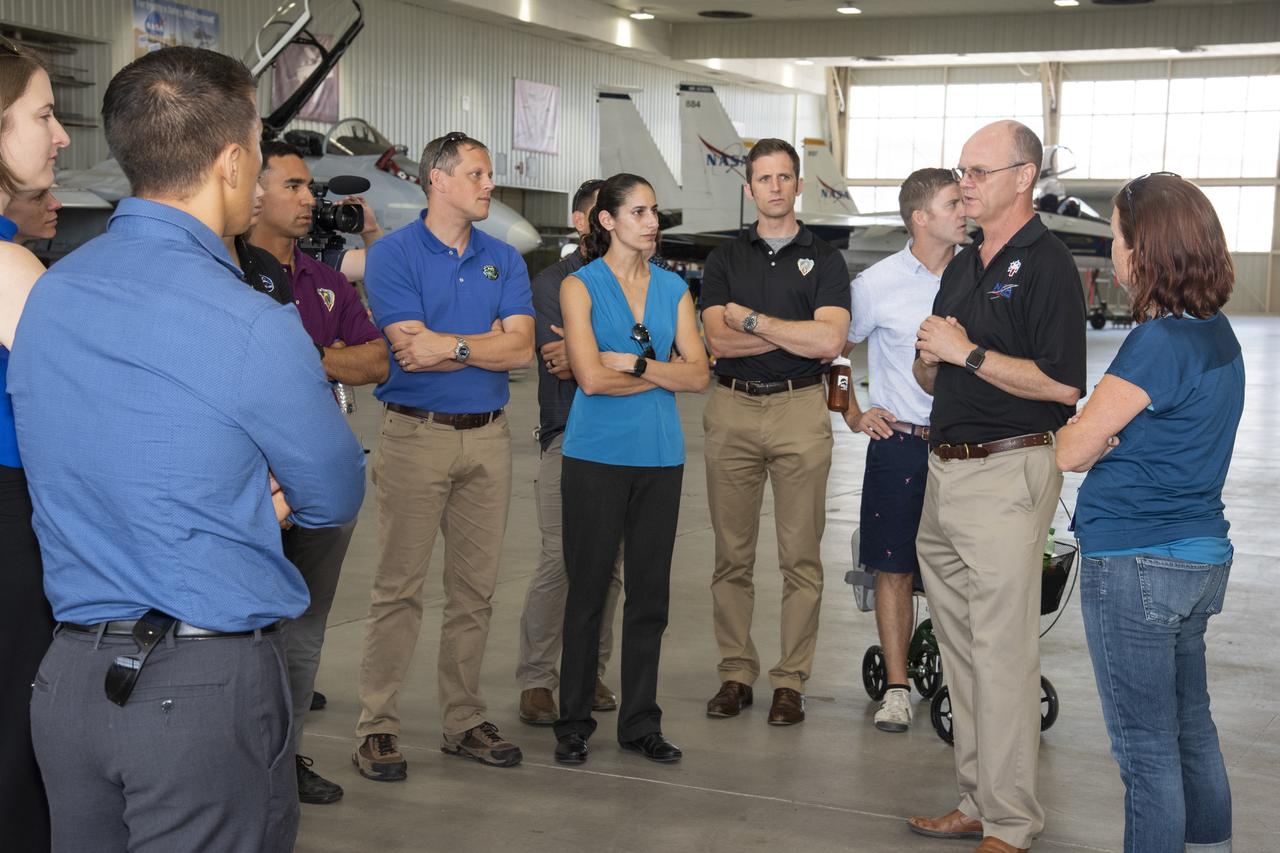
NASA’s 2017 astronaut candidates toured aircraft hangar at Armstrong Flight Research Center, in Southern California. On the right, NASA’s, X-59 pilot Nils Larsen, briefs the astronauts as they look at Armstrong’s fleet of supersonic research support aircraft, including the F-15, which will fly in tandem with the X-59 QueSST during early flight test stages, and the F-18, which is conducting supersonic research in support of the overall mission.

Researchers Anna Noe and Eric Altman check out the Doppler Aerosol Wind Lidar (DAWN), an airborne instrument that uses pulsed lasers to detect the movement of atmospheric aerosols such as dust or sea salt. In detecting those movements, it can profile wind vector — both speed and direction. Researchers are testing DAWNs capabilities during flights over the eastern Pacific.
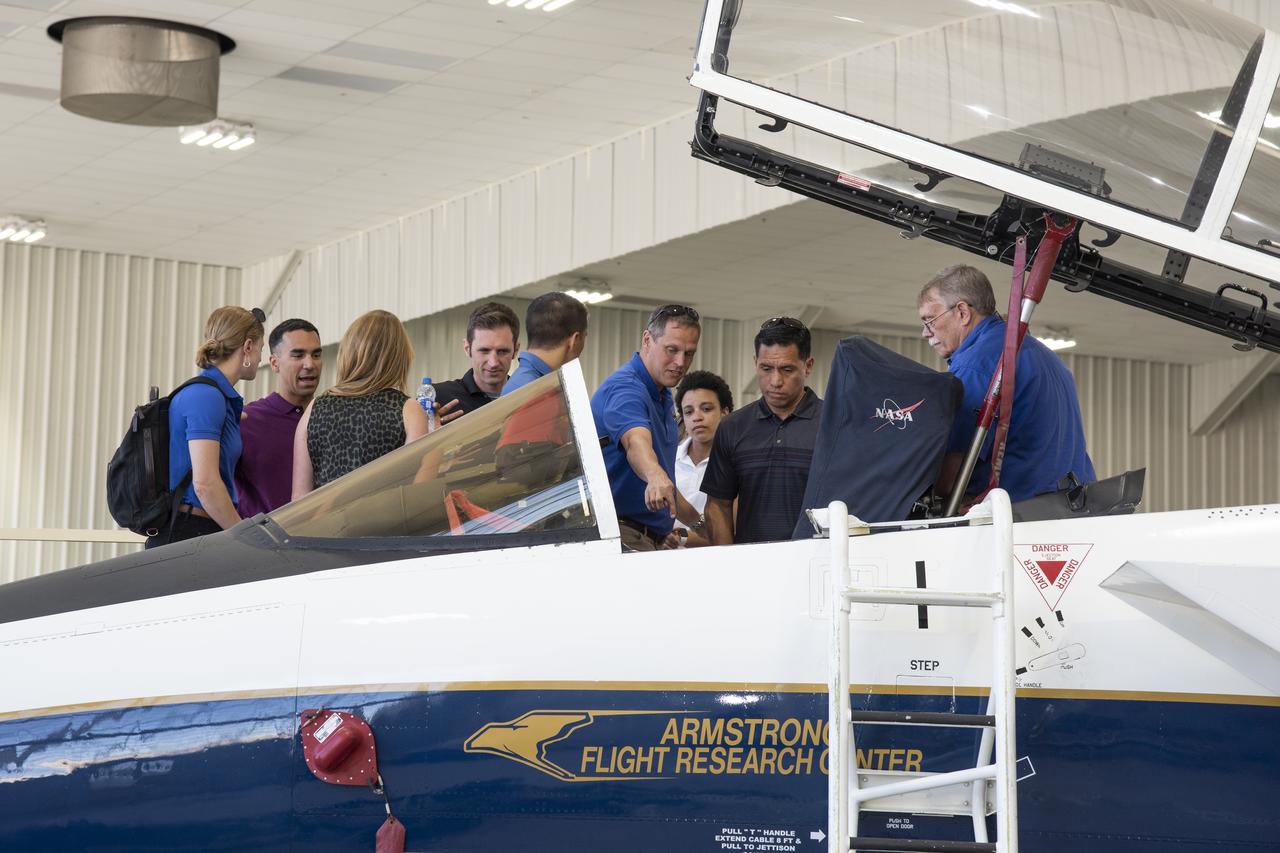
NASA’s 2017 astronaut candidates toured aircraft hangar at Armstrong Flight Research Center, in Southern California where they checked out a F-15 cockpit. The center is using its fleet of supersonic research support aircraft for sonic boom research, including the F-15, which will fly in tandem with the X-59 QueSST during early flight test stages, and the F-18, which is conducting supersonic research in support of the overall mission.
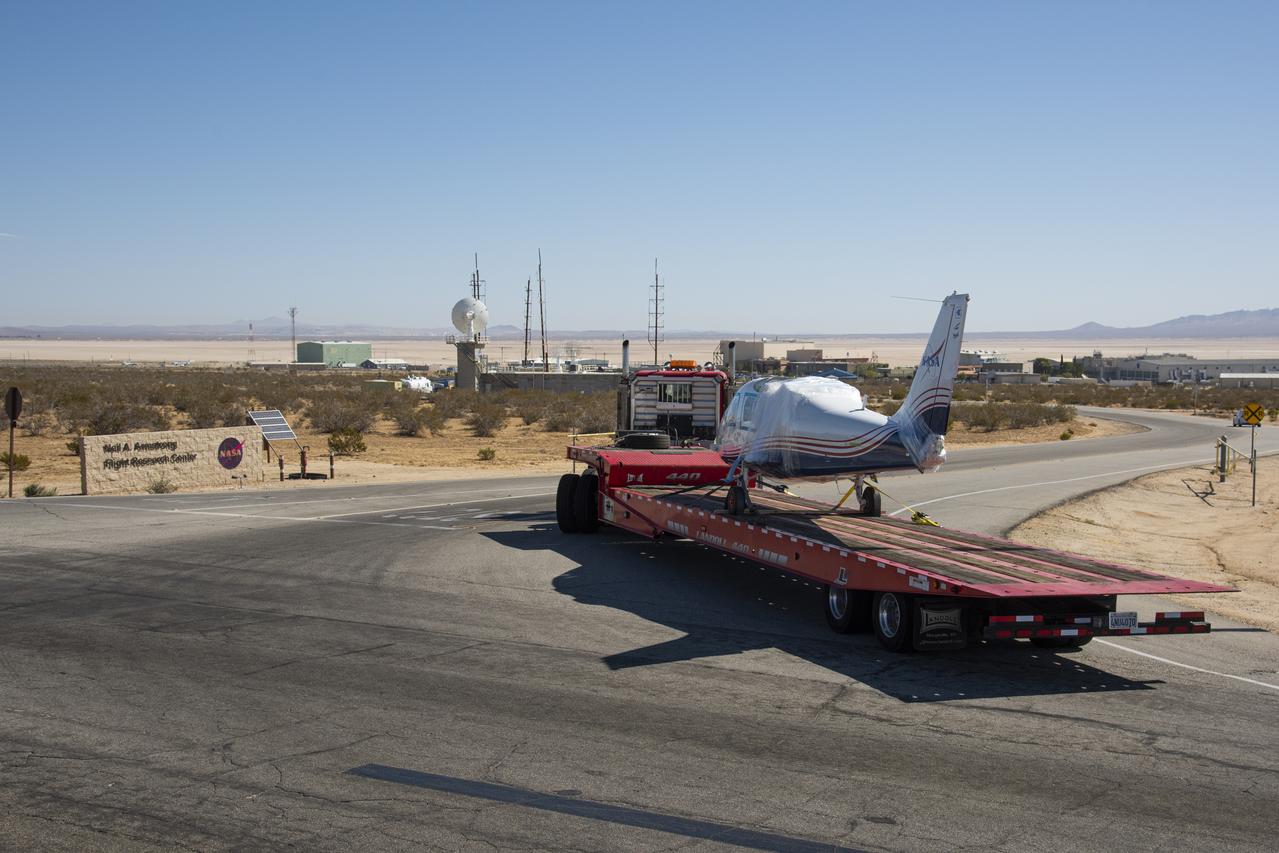
NASA's all-electric X-57 Maxwell, in its Mod II configuration, arrives at NASAâ's Armstrong Flight Research Center in Edwards, California. The X-plane was delivered by prime contractor Empirical Systems Aerospace of San Luis Obispo, California, in two parts, with the wing separated from the fuselage, to aid in a more timely delivery. X-57 is NASA's first crewed X-plane in two decades, and seeks to further advance the design and airworthiness process for distributed electric propulsion technology for general aviation aircraft.
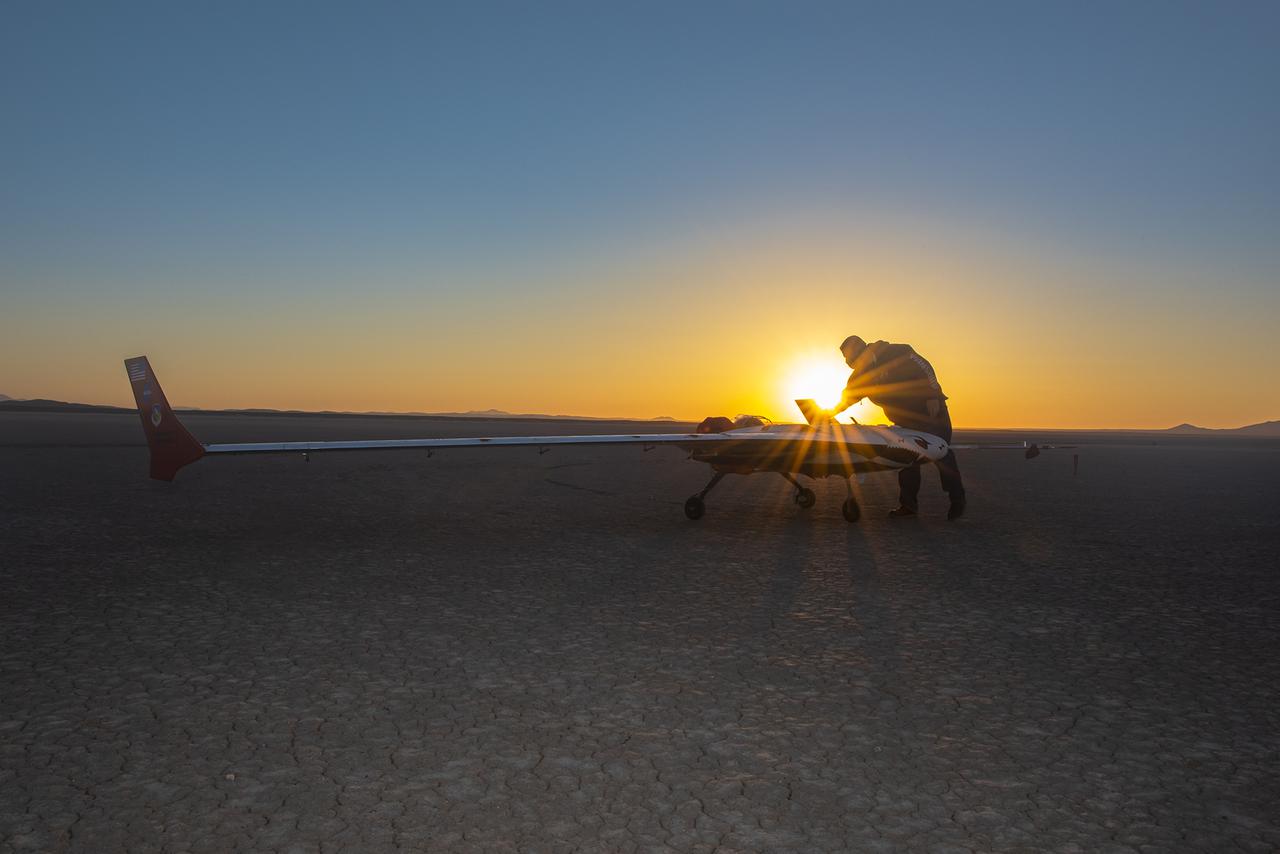
Preparations for the X-56B remotely piloted aircraft to begin a new flight series continue as the sun rises on Rogers Dry Lake. The flight was April 19 at NASA's Armstrong Flight Research Center in Edwards, California, with partner Northrop Grumman.
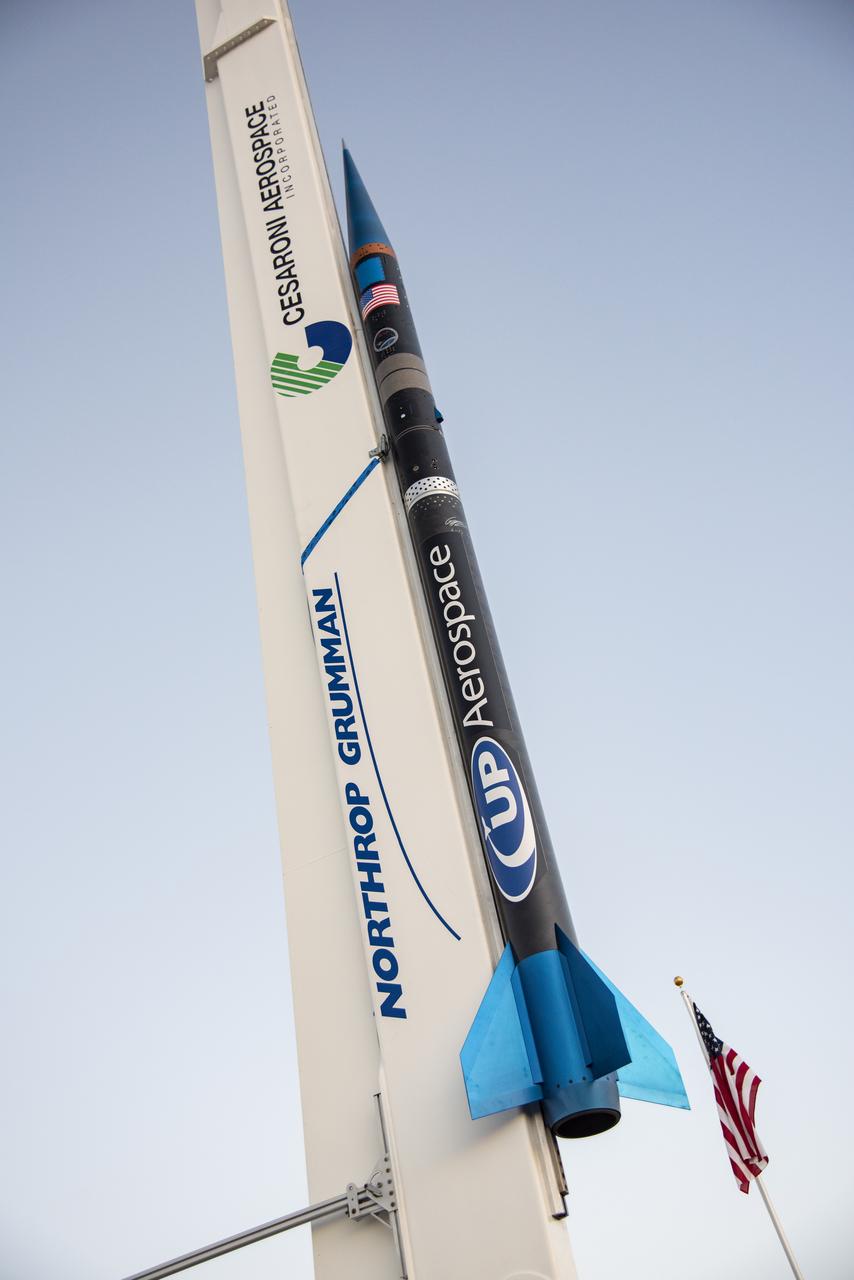
NASA’s Flight Opportunities funds flight of space technology on UP Aerospace’s rocket poised to launch at Spaceport America in New Mexico.
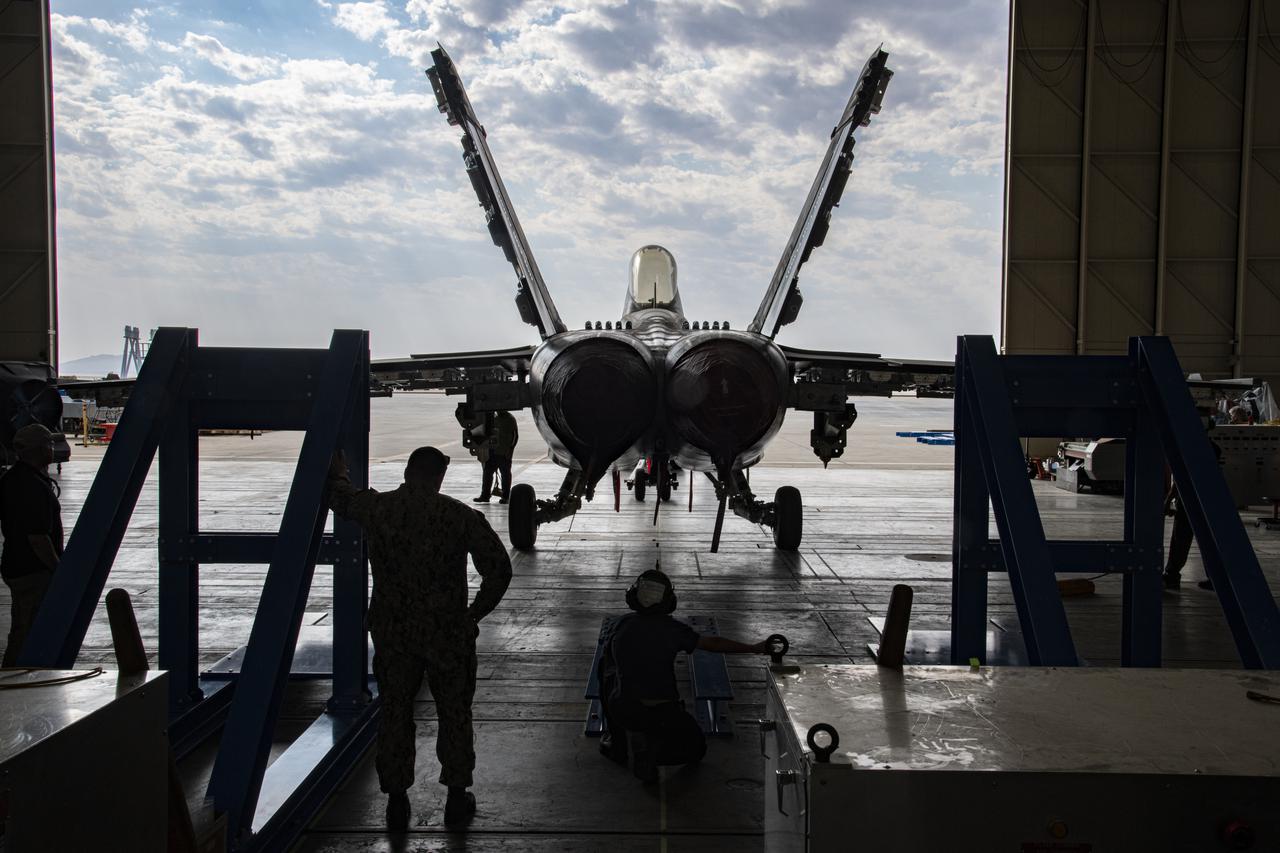
The Naval Air Systems Command (NAVAIR) in Patuxent River, Maryland F/A-18E is moved to NASA’s Armstrong Flight Research Center Flight Loads Laboratory in Edwards, California. NASA Armstrong is working on its biggest load calibrations tests on an F/A-18E Super Hornet. This testing is needed before the aircraft can serve as a test vehicle for determining if it can safely manage maneuvers and proposed upgrades.
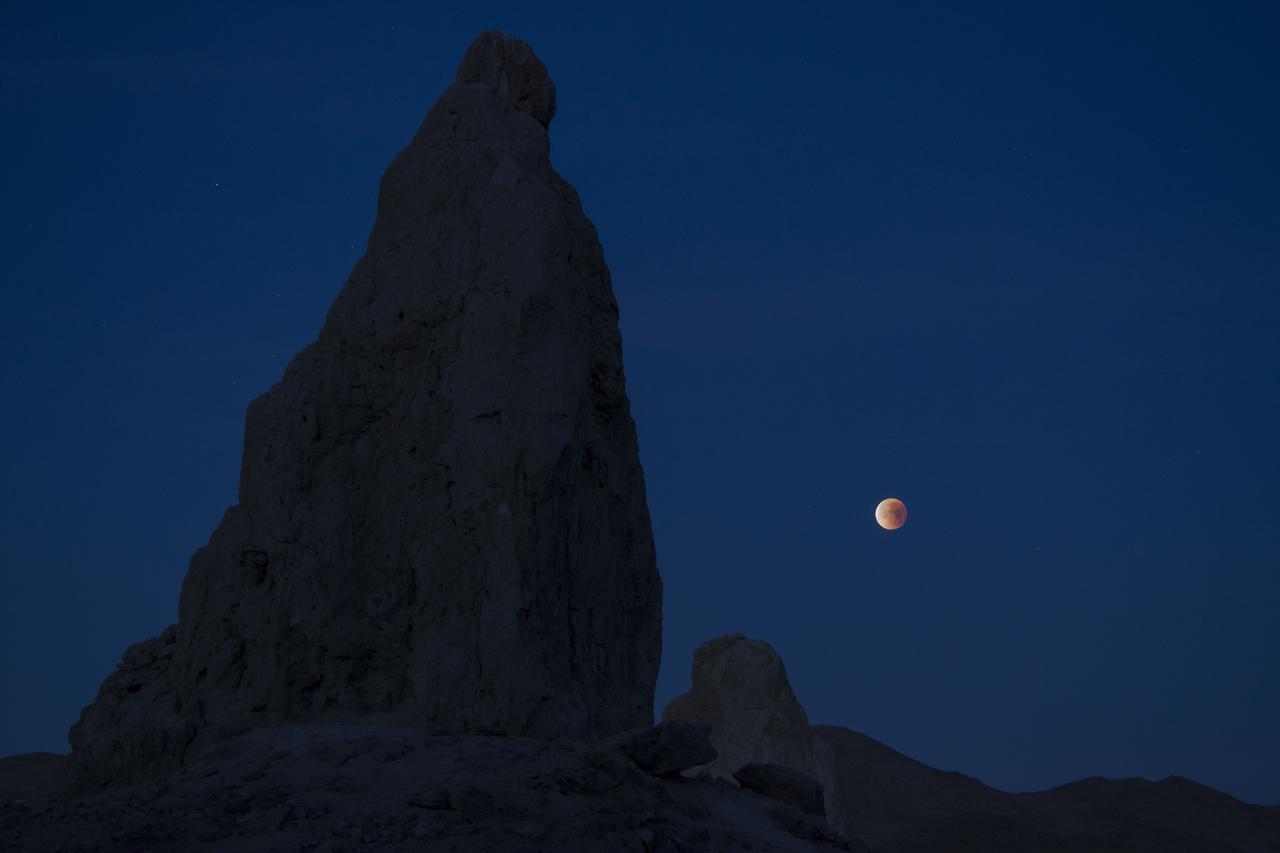
NASA Armstrong Flight Research Center photographer Lauren Hughes takes photos of the Super Blue Blood Moon eclipse from California's Trona Pinnacles Desert National Conservation for the Jan. 31 of the total lunar eclipse that provided a rare opportunity to capture a supermoon, a blue moon and a lunar eclipse at the same time. A supermoon occurs when the Moon is closer to Earth in its orbit and appearing 14 percent brighter than usual. As the second full moon of the month, this moon is also commonly known as a blue moon, though it will not be blue in appearance. The super blue moon passed through Earth's shadow and took on a reddish tint, known as a blood moon. This total lunar eclipse occurs when the Sun, Earth, and a full moon form a near-perfect lineup in space. The Moon passes directly behind the Earth into its umbra (shadow).