
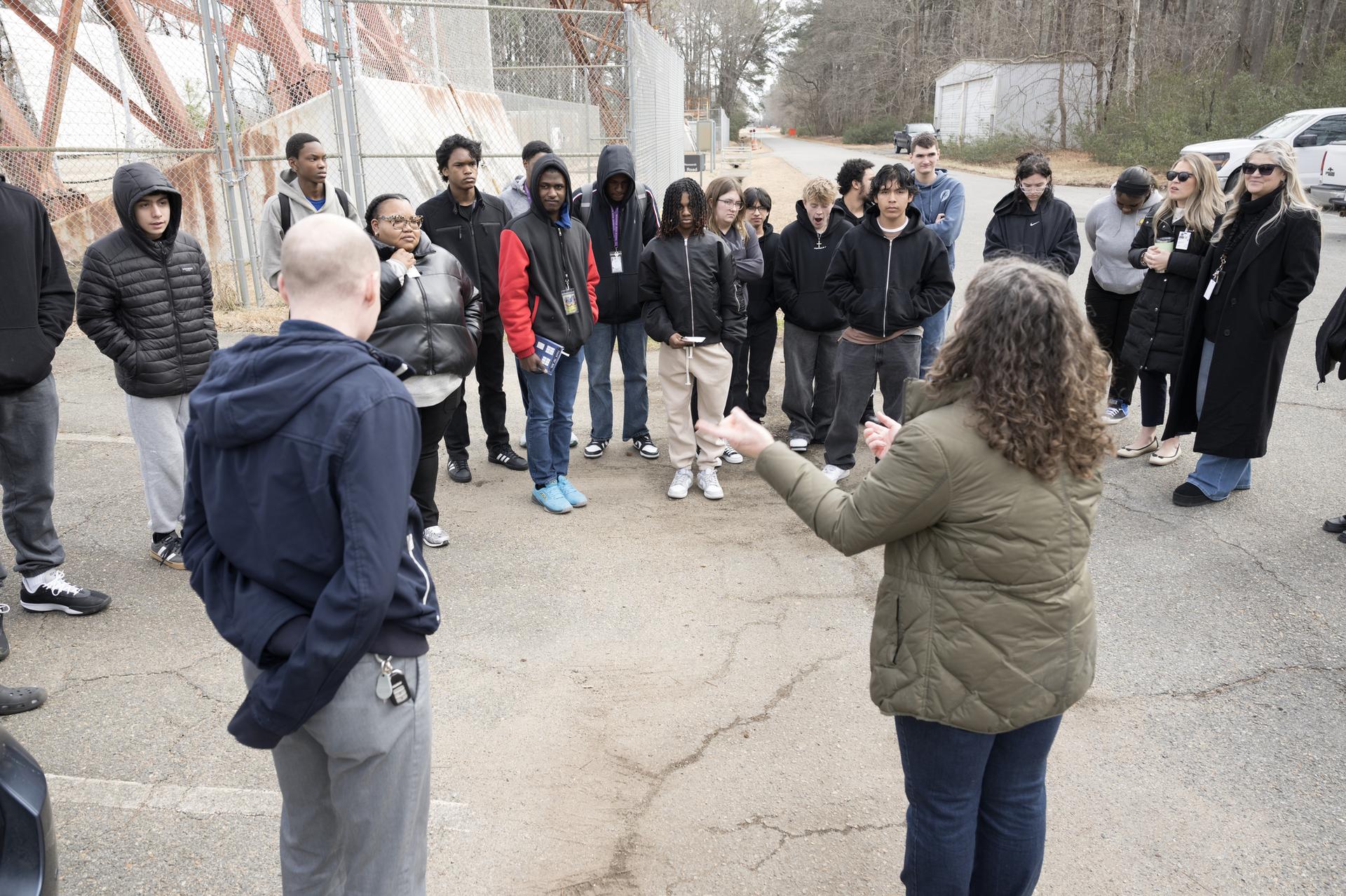
NASA Astronaut Joe Acaba speaks to students and educators during their tour stop at the Lunar Landing Research Facility during an aerospace technical field career day event at Langley Research Center, Hampton Va., Wednesday, April 29, 2026. Photo Credit (NASA/Mark L Knopp)
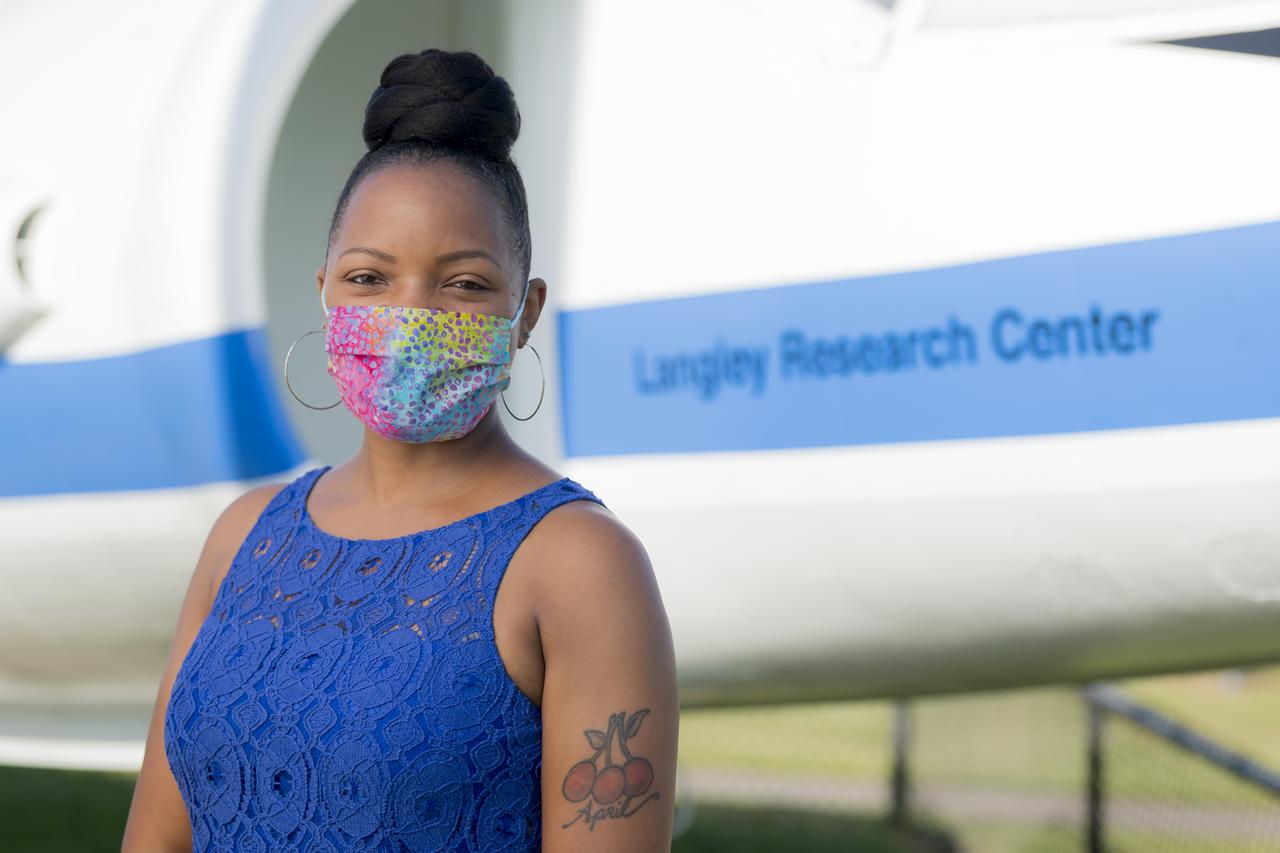
Portrait of April Albert in front of NASA Langley's Hawker Siddeley P-1127 on display at Air Power Park in Hampton, Virginia. Due to the COVID-19 pandemic, masks were mandated by Governor Northam in Virginia in public settings. This is for the faces of NASA project. "I am really made to feel like I am part of a family. I don’t feel like anybody is treated differently. We are all one team. To be a part of NASA, to me, is to be part of something special. There is nothing like the camaraderie of NASA. I feel like I’m where I belong.” — April Albert, Schedule Analyst, Langley Research Center

This is the 3rd entry of the TTBW model in 14x22. This test specifically is a lateral-directional test looking at the effects of 3D printed ventral, keel, and dorsal strakes on the stability and control characteristics of the model. Cooperative agreement between Boeing and NASA.
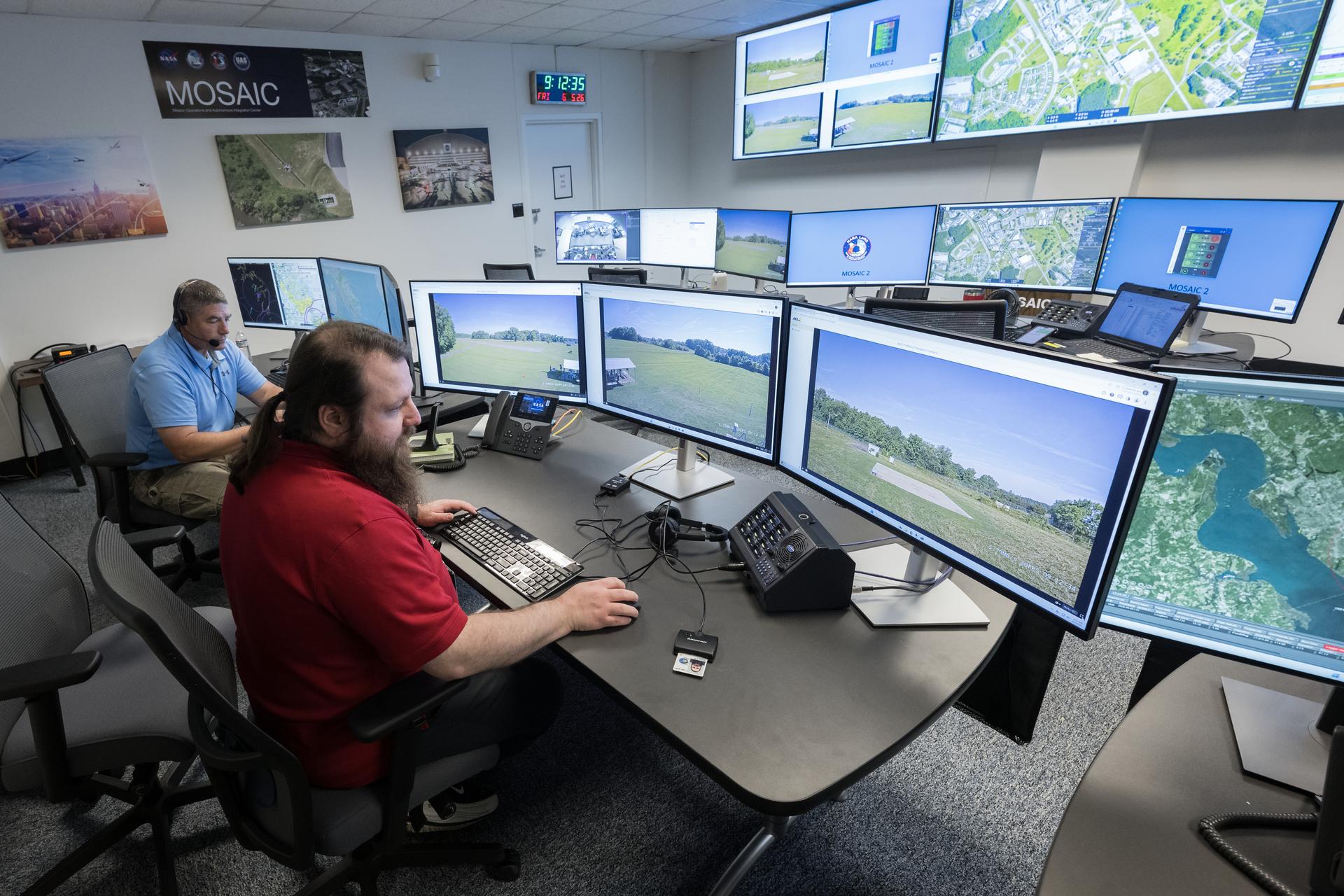
NASA Langley partnered with UNOS, a non-profit organization that manages the U.S. organ transplant system, to conduct the first-of-its-kind organ transport drone test with a human kidney on June 5, 2026 at Langley Research Center in Hampton, Va. Photo Credit NASA/Mark Knopp
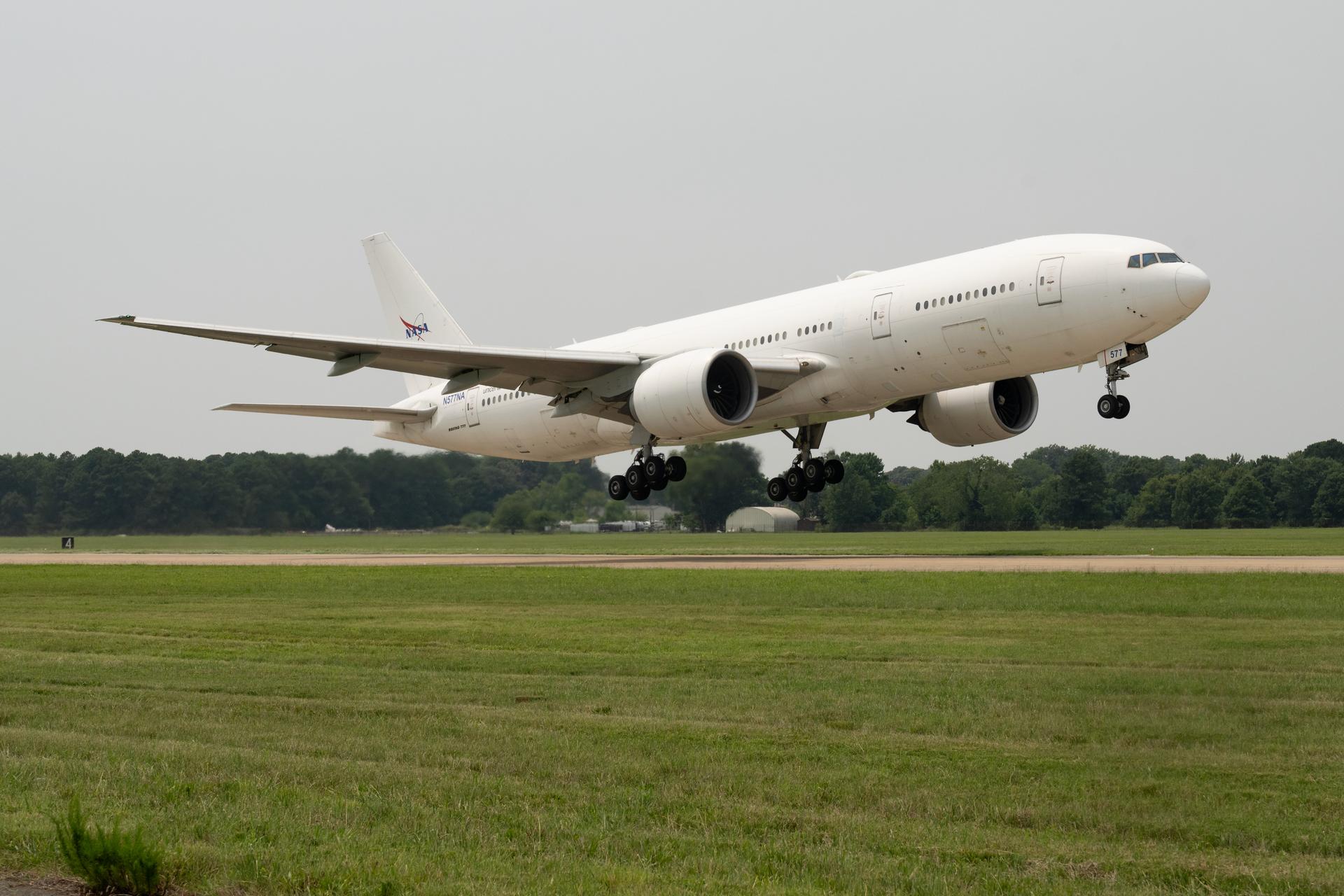
NASA Langley's B777 aircraft before it departs Langley Research Center to receive its new livery (paint job), prior to its departure on July 16th, it received ground maintenance in the center’s hangar. (Photo Credit NASA/ Mark Knopp)

Inside view from the back of an aircraft cabin. The Lift Plus Cruise #2: eVTOL swing and drop test held at the Landing And Impact Research Facility (LandIR), known as the Gantry.

Photos of LaRC team weighting and performing Center of Gravity (CG) measurements of the Structural Test Article (STA) at NASA Langley Research Center.

NASA Mechanical Engineer Christopher B. Meek speaks to students and educators during their tour stop at the Lunar Landing Research Facility for an aerospace technical field career day event at Langley Research Center, Hampton Va., Wednesday, April 29, 2026. Photo Credit (NASA/Mark L. Knopp)
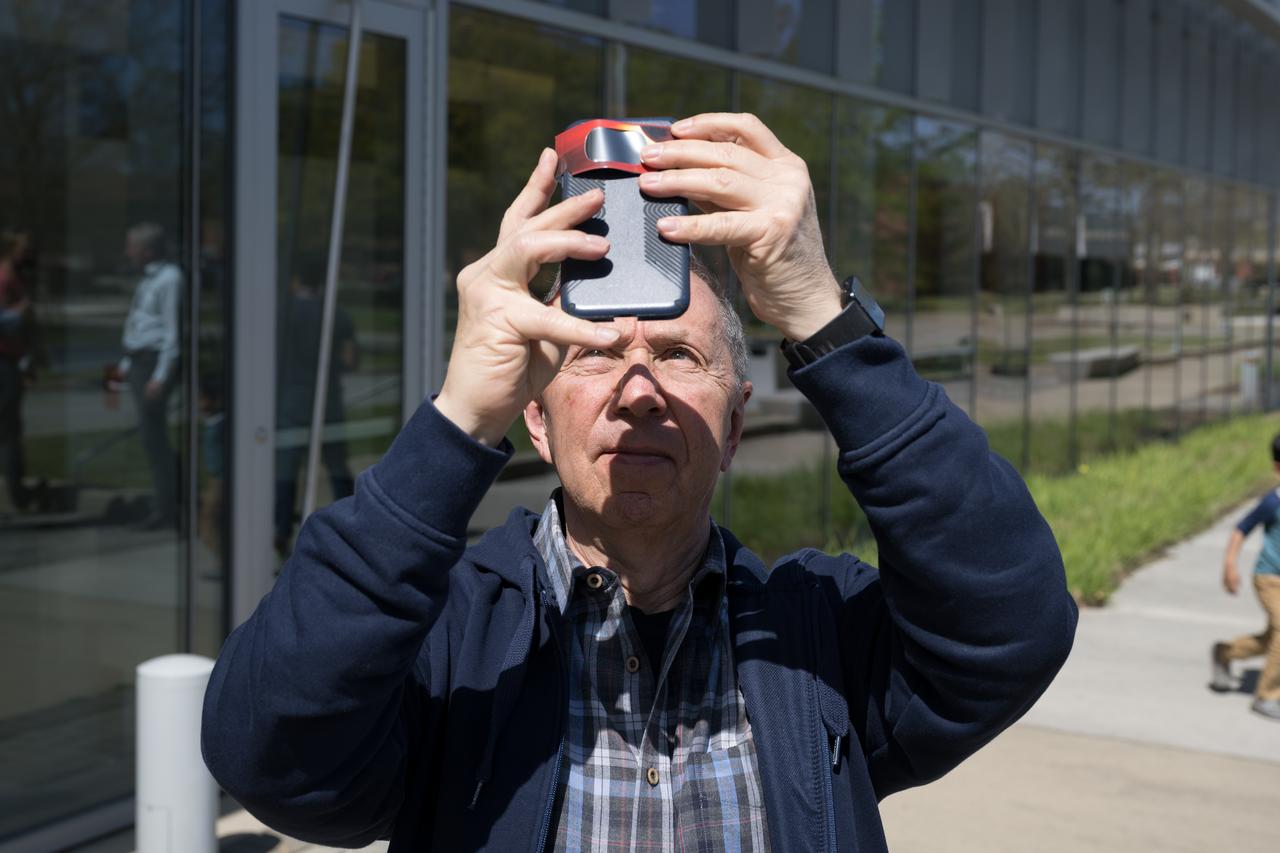
People are seen viewing the partial solar eclipse from NASA Langley Research Center in Hampton, VA, Monday, April 8, 2024. A total solar eclipse swept across a narrow portion of the North American continent from Mexico’s Pacific coast to the Atlantic coast of Newfoundland, Canada. A partial solar eclipse was visible across the entire North American continent along with parts of Central America and Europe. Photo Credit: (NASA/Mark Knopp)

High school and college students, and educators spent a day learning about careers in technical fields in aerospace. They engaged in hands-on activities, tours, and listening to keynote presentations and panels, interacting with NASA’s subject matter experts at Langley Research Center, Hampton Va, Wednesday, April 29, 2026. Photo Credit (NASA/Mark L. Knopp)

Unwrapping of Orion STA
Old Dominion University's (ODU) Maritime Engineering and Environmental Studies Academy (MEESA) lab school juniors, tour the NASA Langley’s Landing and Impact Research Facility (LandIR), also know as the Gantry. The students were task to create an exhibit for the Vestil Aluminum/Steel Crane (VASC) of the crane used to build the Gantry.

High school and college students, and educators spent a day learning about careers in technical fields in aerospace. They engaged in hands-on activities, tours, and listening to keynote presentations and panels, interacting with NASA’s subject matter experts at Langley Research Center, Hampton Va, Wednesday, April 29, 2026. Photo Credit (NASA/Mark L. Knopp)
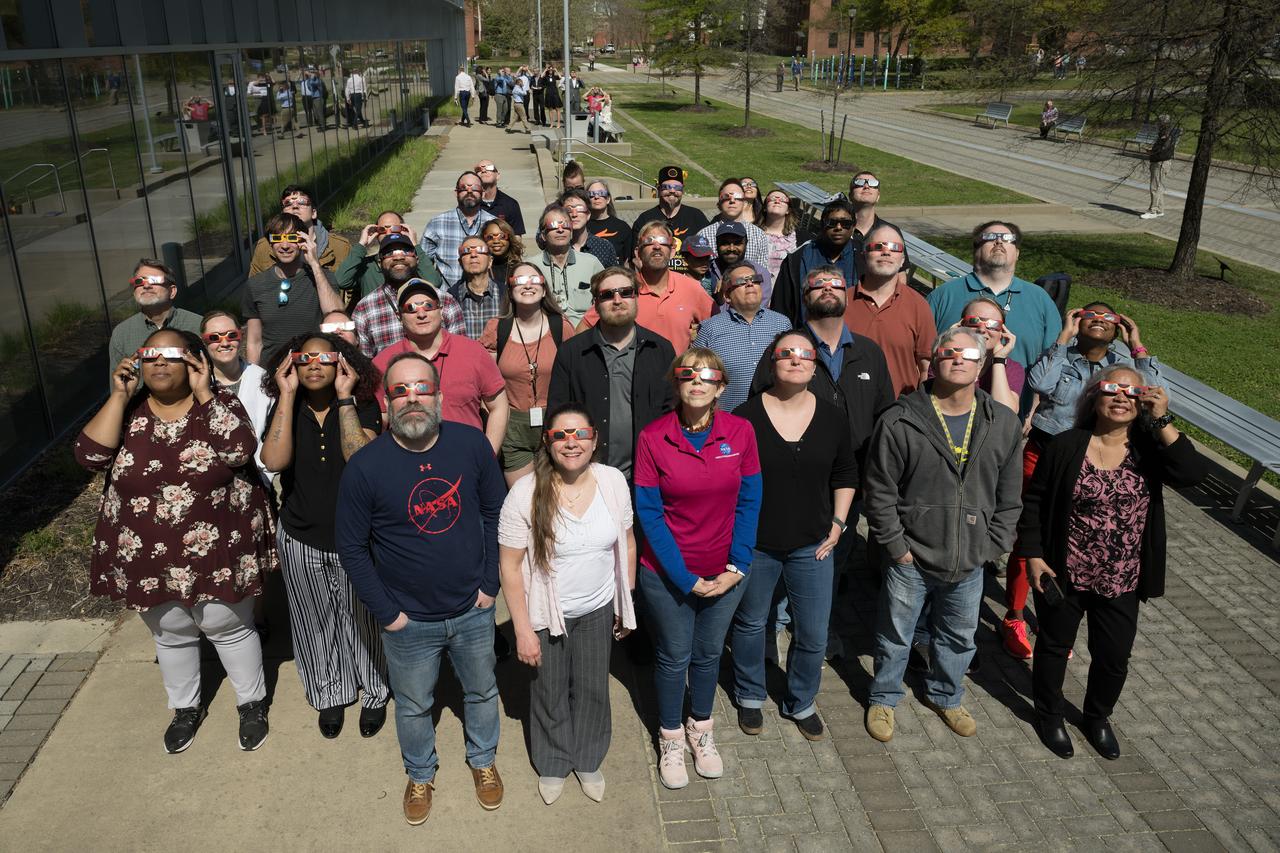
People are seen viewing the partial solar eclipse from NASA Langley Research Center in Hampton, VA, Monday, April 8, 2024. A total solar eclipse swept across a narrow portion of the North American continent from Mexico’s Pacific coast to the Atlantic coast of Newfoundland, Canada. A partial solar eclipse was visible across the entire North American continent along with parts of Central America and Europe. Photo Credit: (NASA/Mark Knopp)

High school and college students, and educators spent a day learning about careers in technical fields in aerospace. They engaged in hands-on activities, tours, and listening to keynote presentations and panels, interacting with NASA’s subject matter experts at Langley Research Center, Hampton Va, Wednesday, April 29, 2026. Photo Credit (NASA/Mark L. Knopp)
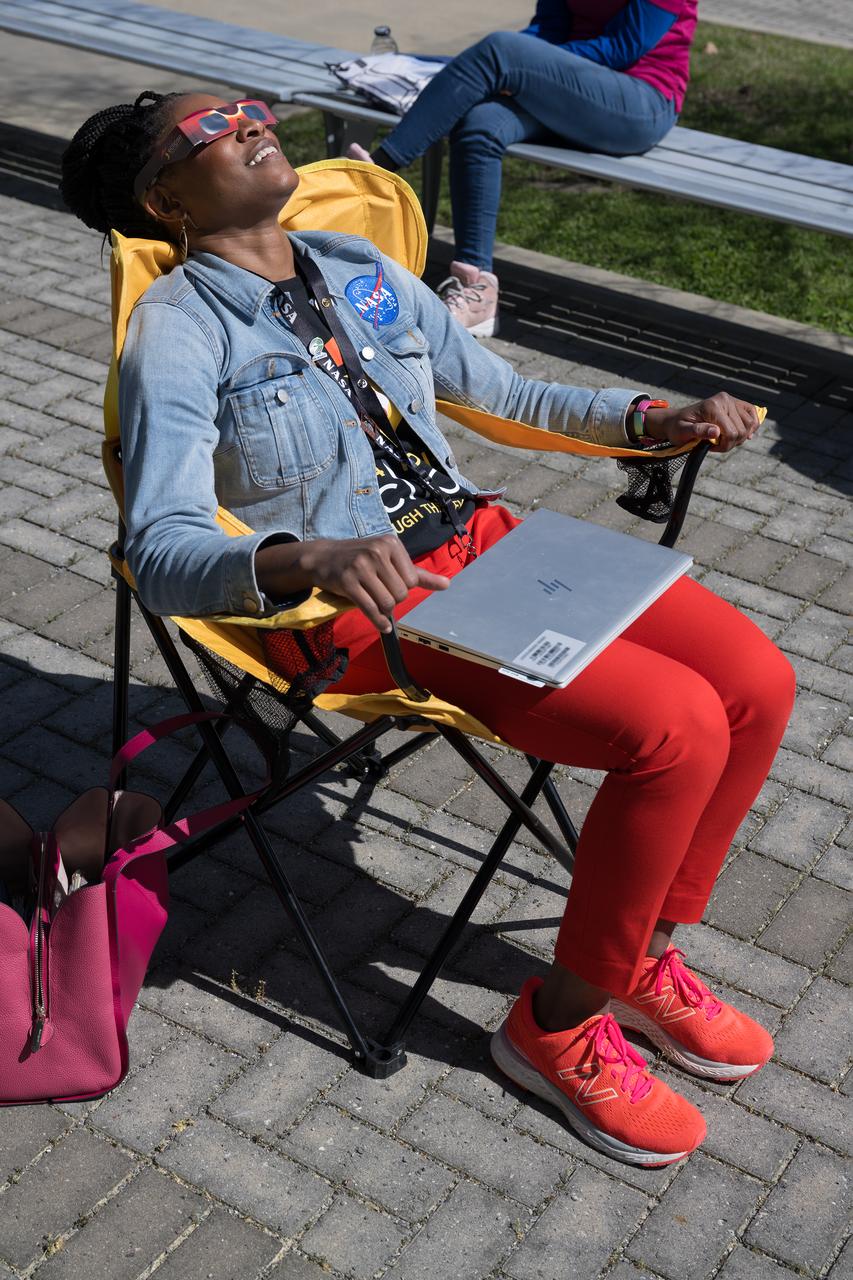
People are seen viewing the partial solar eclipse from NASA Langley Research Center in Hampton, VA, Monday, April 8, 2024. A total solar eclipse swept across a narrow portion of the North American continent from Mexico’s Pacific coast to the Atlantic coast of Newfoundland, Canada. A partial solar eclipse was visible across the entire North American continent along with parts of Central America and Europe. Photo Credit: (NASA/Mark Knopp)
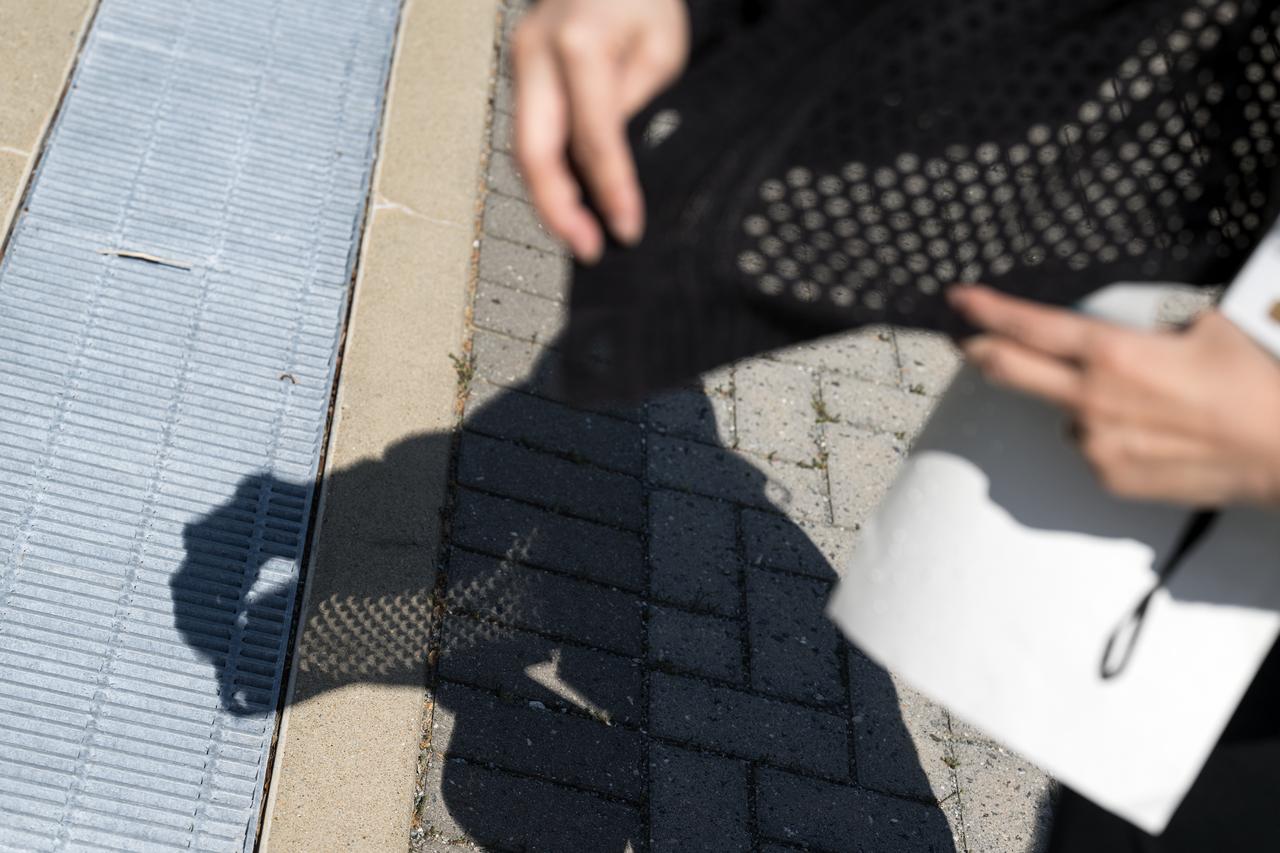
People are seen viewing the partial solar eclipse from NASA Langley Research Center in Hampton, VA, Monday, April 8, 2024. A total solar eclipse swept across a narrow portion of the North American continent from Mexico’s Pacific coast to the Atlantic coast of Newfoundland, Canada. A partial solar eclipse was visible across the entire North American continent along with parts of Central America and Europe. Photo Credit: (NASA/Mark Knopp)
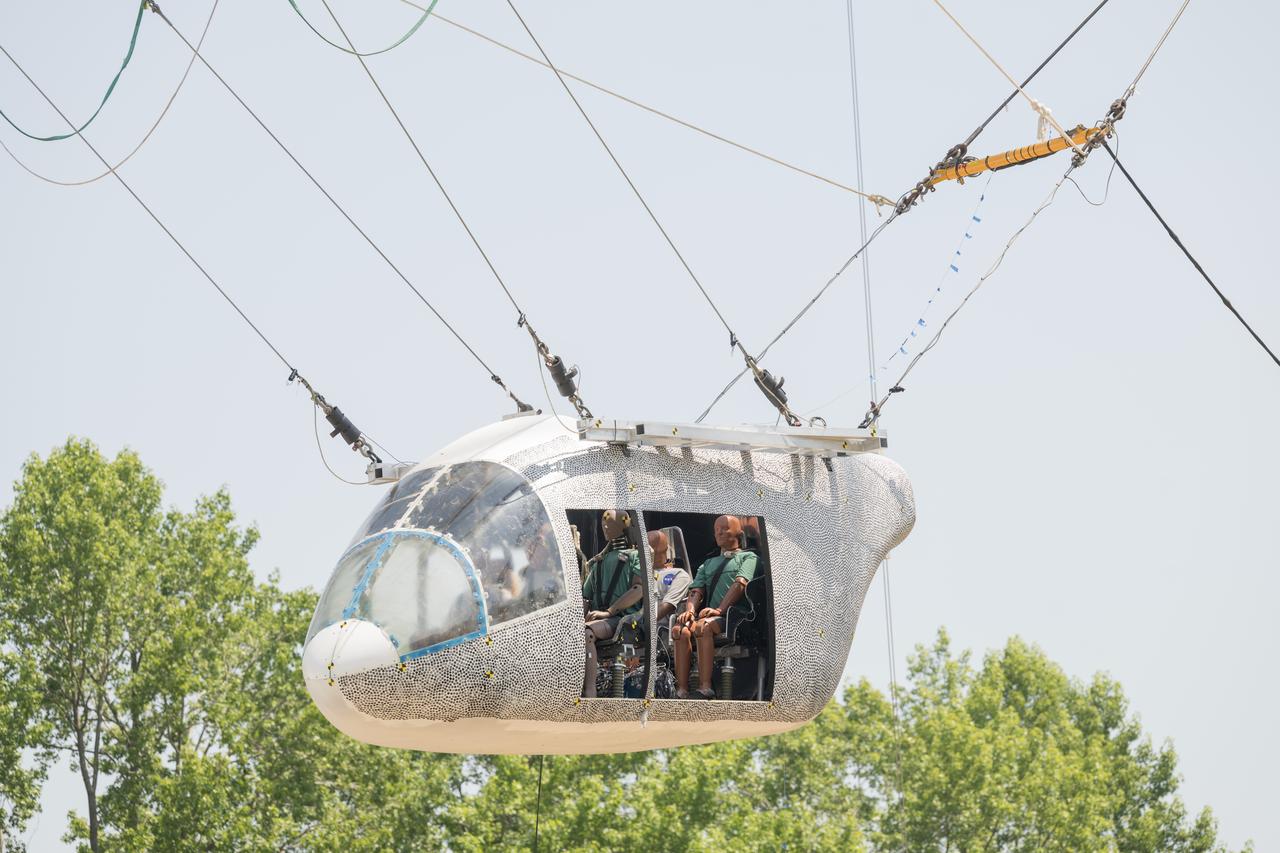
An aircraft body modeled after an air taxi with weighted test dummies inside is hoisted about 35 feet in the air by cables at NASA’s Langley Research Center in Hampton, Virginia. The aircraft was dropped from a tall steel structure, known as a gantry, on June 26 at Langley’s Landing and Impact Research Facility. NASA researchers are investigating aircraft materials that best absorb impact forces in a crash.
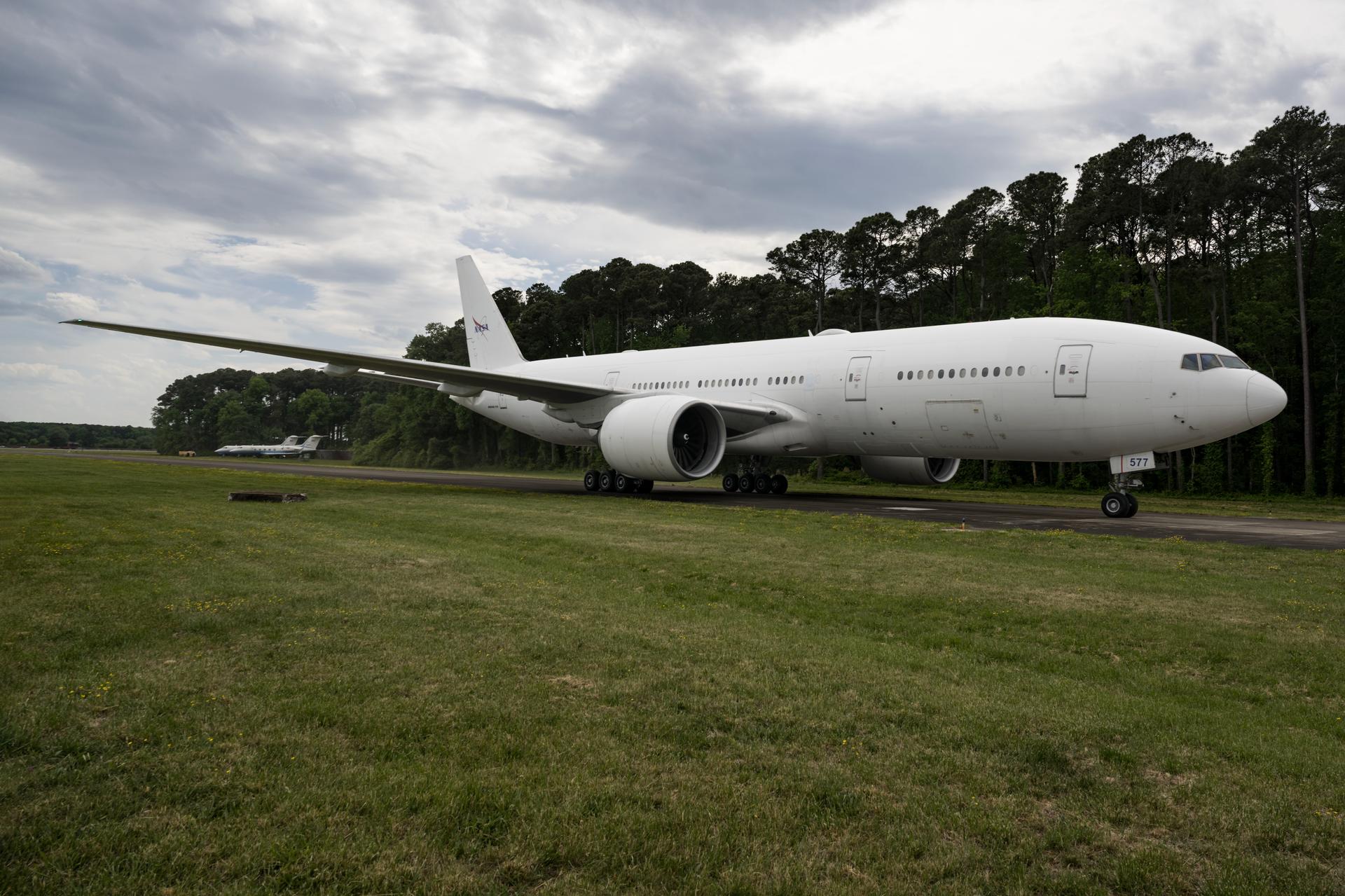
NASA Langley's B777 aircraft before it departs Langley Research Center to receive its new livery (paint job), prior to its departure on July 16th, it received ground maintenance in the center’s hangar. (Photo Credit NASA/ Mark Knopp)

Robert E Quinn, Supervisory Information Technology Specialist, an Administrator's Flight Experience Award recipient getting out of NASA Langley's aircraft. The Administrator’s Flight Experience Awards, is a ride-along program to recognize and reward members of the workforce for their dedication to accomplishing agency priorities. Langley Research Center, Hampton Va. (Photo Credit: NASA, Mark Knopp)
People are seen viewing the partial solar eclipse from NASA Langley Research Center in Hampton, VA, Monday, April 8, 2024. A total solar eclipse swept across a narrow portion of the North American continent from Mexico’s Pacific coast to the Atlantic coast of Newfoundland, Canada. A partial solar eclipse was visible across the entire North American continent along with parts of Central America and Europe. Photo Credit: (NASA/Mark Knopp)

High school and college students, and educators spent a day learning about careers in technical fields in aerospace. They engaged in hands-on activities, tours, and listening to keynote presentations and panels, interacting with NASA’s subject matter experts at Langley Research Center, Hampton Va, Wednesday, April 29, 2026. Photo Credit (NASA/Mark L. Knopp)
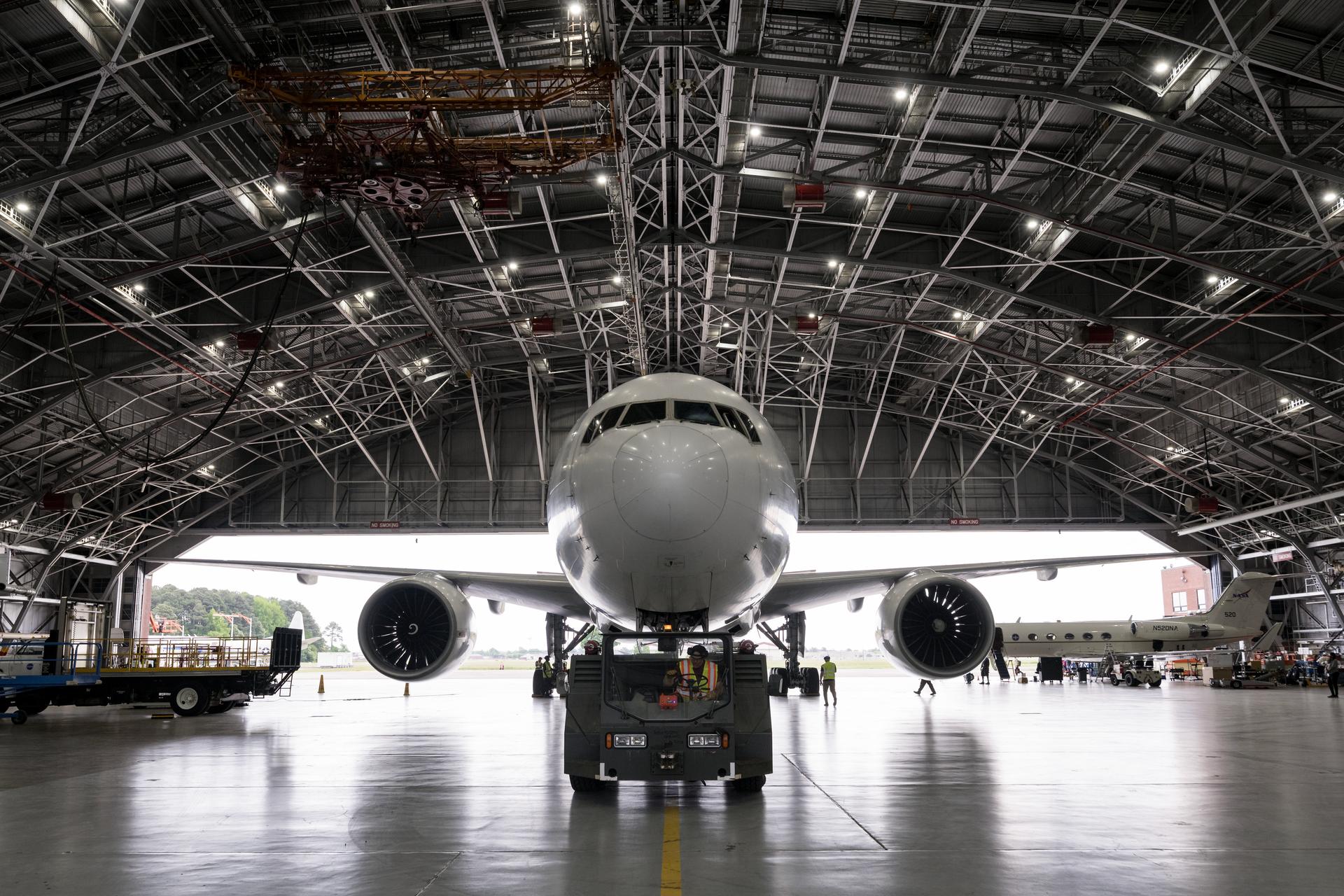
NASA Langley's B777 aircraft before it departs Langley Research Center to receive its new livery (paint job), prior to its departure on July 16th, it received ground maintenance in the center’s hangar. (Photo Credit NASA/ Mark Knopp)

High school and college students, and educators spent a day learning about careers in technical fields in aerospace. They engaged in hands-on activities, tours, and listening to keynote presentations and panels, interacting with NASA’s subject matter experts at Langley Research Center, Hampton Va, Wednesday, April 29, 2026. Photo Credit (NASA/Mark L. Knopp)
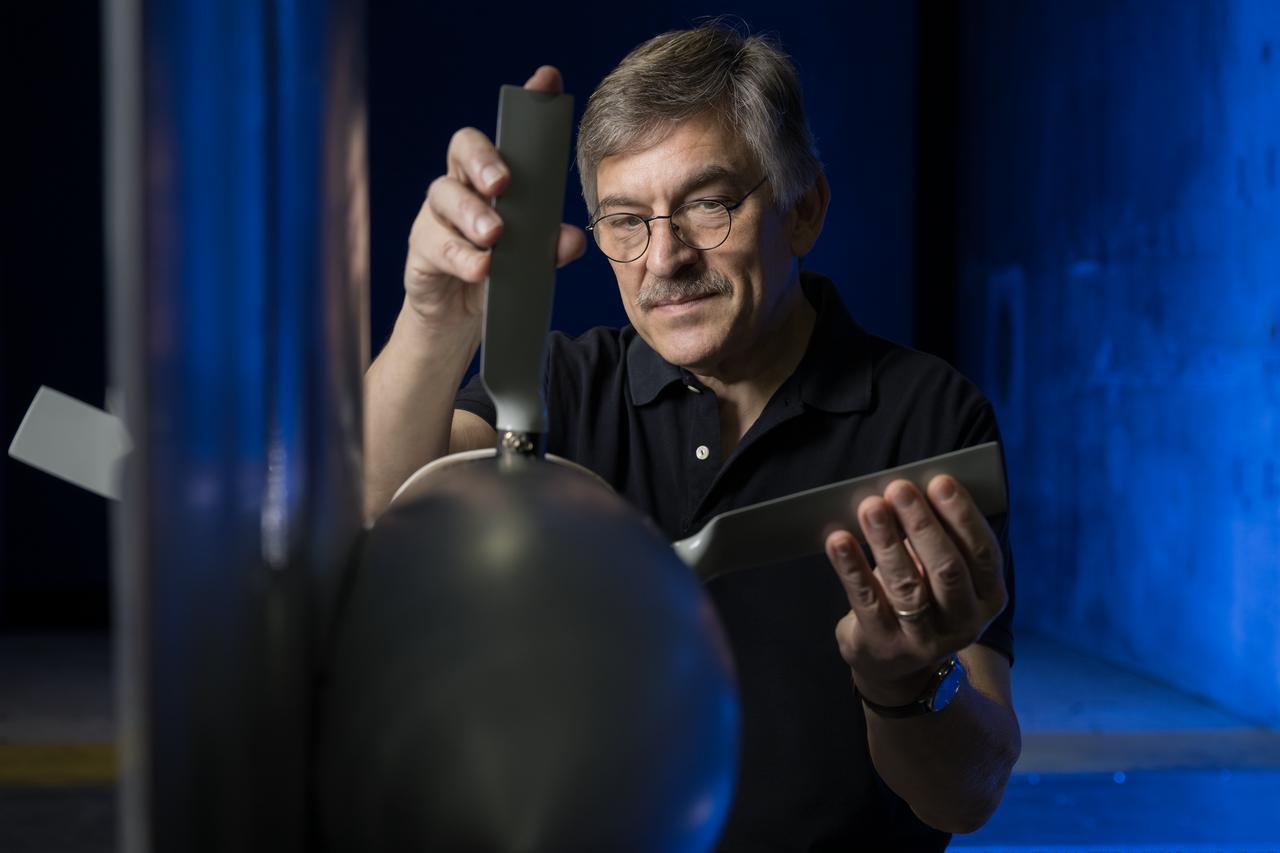
NASA researcher Norman W. Schaeffler adjusts a propellor, which is part of a 7-foot wing model that was recently tested at NASA’s Langley Research Center in Hampton, Virginia. In May and June, NASA researchers tested the wing in the 14-by-22-Foot Subsonic Wind Tunnel to collect data on critical propeller-wing interactions. The lessons learned from this testing will be shared with the public to support advanced air mobility aircraft development.

First Robotics Team 122, NASA Knights share about STEM and their robotics program during an aerospace technical field career day event at in the in gym at Langley Research Center, Hampton Va., Wednesday, April 29, 2026. (NASA/Mark L Knopp)

High school and college students, and educators spent a day learning about careers in technical fields in aerospace. They engaged in hands-on activities, tours, and listening to keynote presentations and panels, interacting with NASA’s subject matter experts at Langley Research Center, Hampton Va, Wednesday, April 29, 2026. Photo Credit (NASA/Mark L. Knopp)
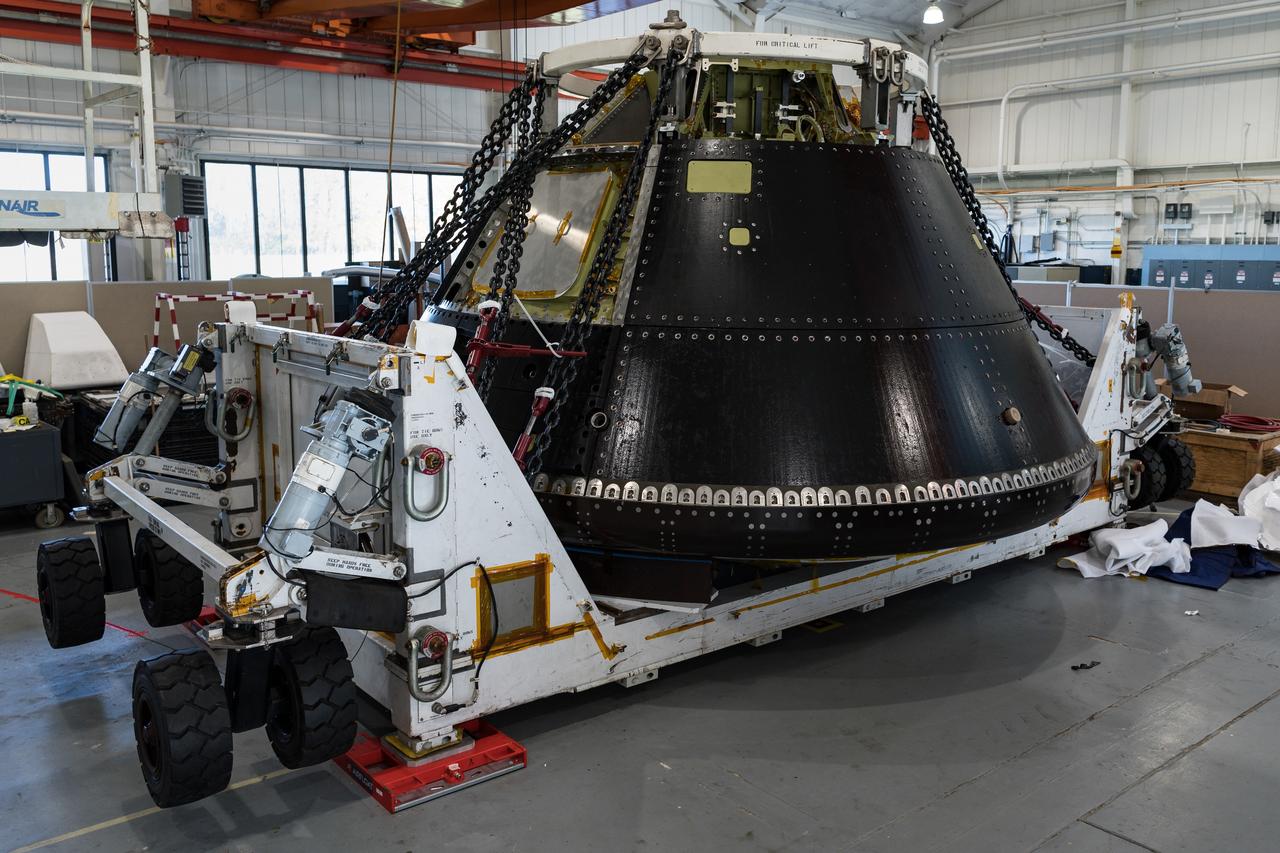
Unwrapping of Orion STA
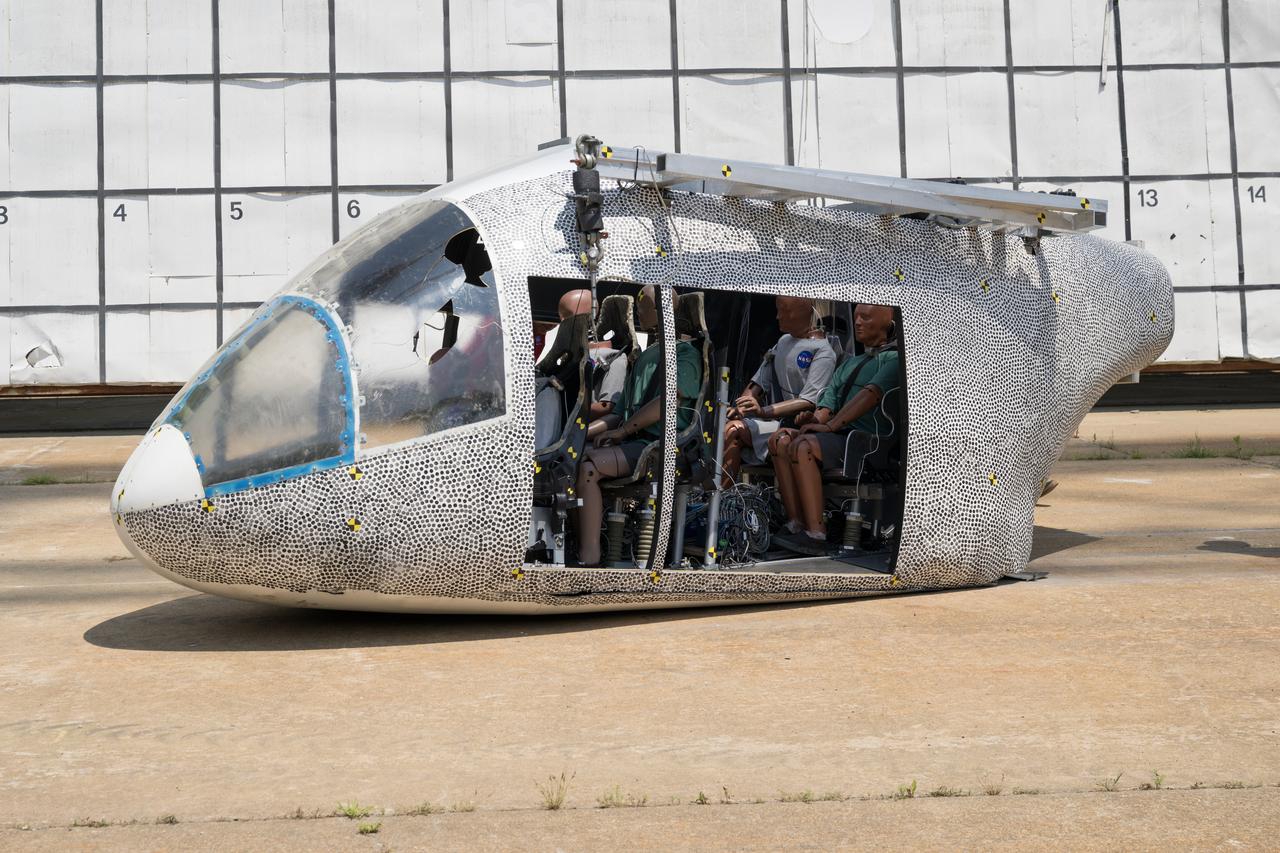
An aircraft body modeled after an air taxi with weighted test dummies inside is shown after a drop test at NASA’s Langley Research Center in Hampton, Virginia. The test was completed June 26 at Langley’s Landing and Impact Research Facility. The aircraft was dropped from a tall steel structure, known as a gantry, after being hoisted about 35 feet in the air by cables. NASA researchers are investigating aircraft materials that best absorb impact forces in a crash.
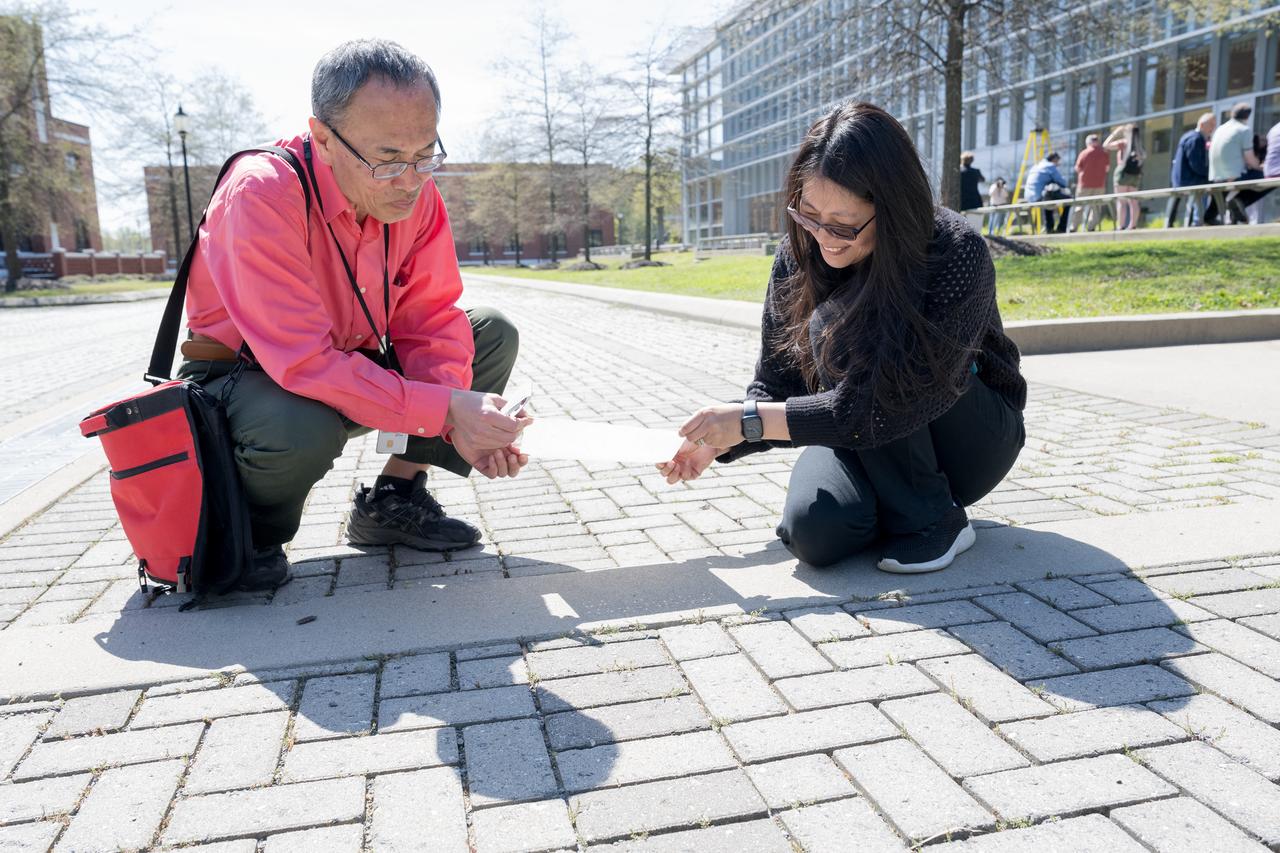
People are seen viewing the partial solar eclipse from NASA Langley Research Center in Hampton, VA, Monday, April 8, 2024. A total solar eclipse swept across a narrow portion of the North American continent from Mexico’s Pacific coast to the Atlantic coast of Newfoundland, Canada. A partial solar eclipse was visible across the entire North American continent along with parts of Central America and Europe. Photo Credit: (NASA/Mark Knopp)

Lindsay Rogers (L), and Robert Quinn (R) were presented the Administrator’s Flight Experience Award by Dr. Trina Dyal, Acting Center Director, The awards is apart of a ride-along program to recognize and reward members of the workforce for their dedication to accomplishing agency priorities. Langley Research Center, Hampton Va. (Photo Credit: NASA, Mark Knopp)
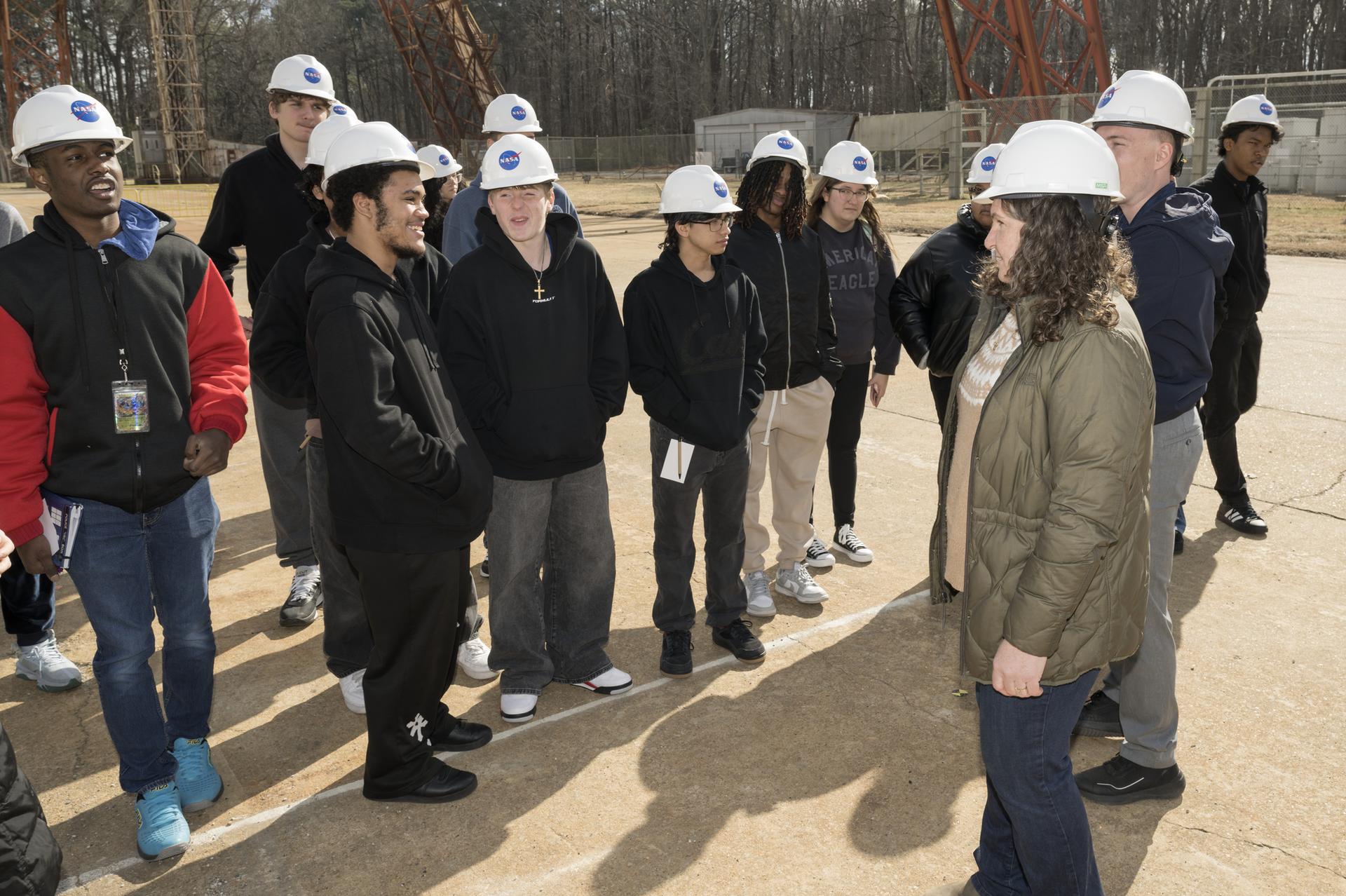
Old Dominion University's (ODU) Maritime Engineering and Environmental Studies Academy (MEESA) lab school juniors, tour the NASA Langley’s Landing and Impact Research Facility (LandIR), also know as the Gantry. The students were task to create an exhibit for the Vestil Aluminum/Steel Crane (VASC) of the crane used to build the Gantry.
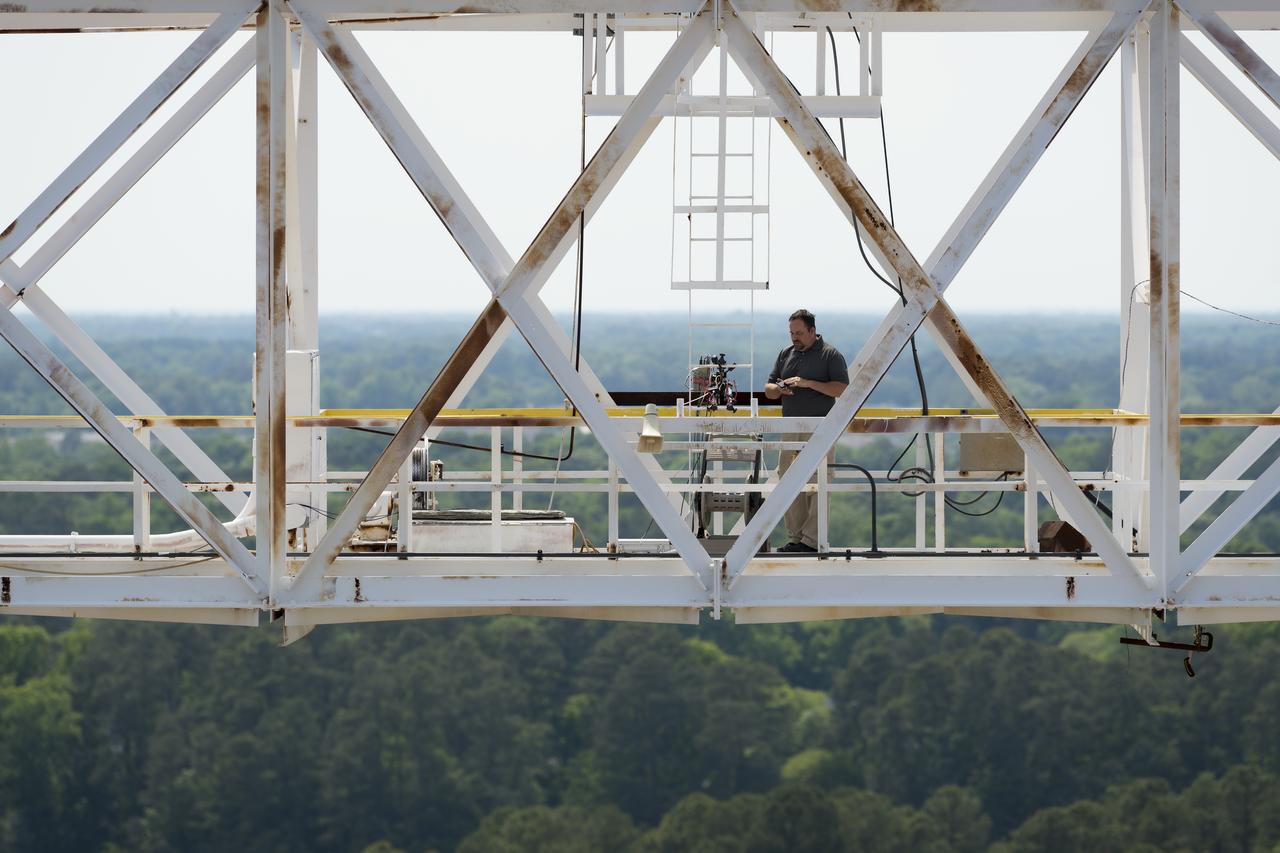
Images from Orion Structural Test Article (STA) vertical water impact testing (WIT) Swing Test 4, Photographer Harlen Capen at the top of the Impact Dynamics Facility or Gantry as it is know at NASA Langley Research Center.

Full-Scale Test Campaign of Gravity Offloading and Analysis of Long Imperfection-Sensitive Elements (GOALIE) TRAC boom in B1293B Thor Tower, Test of Load Case C, Off-axis Compression
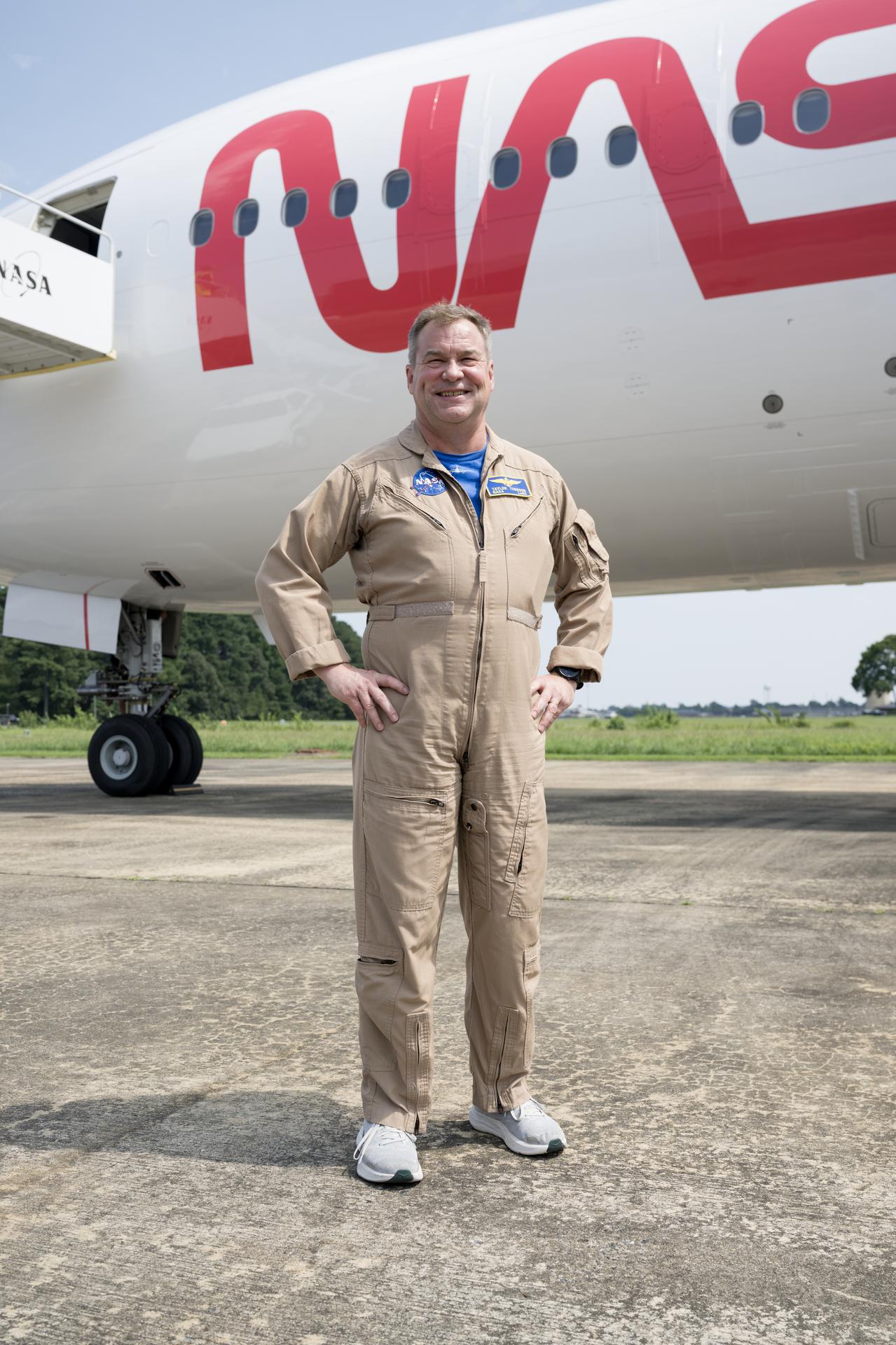
NASA B777-200ER (N577NA) arrived at Langley Research Center’s Hangar with new paint livery Aug 12. It was flown by NASA pilot Taylor Thorson, as this marks his final flight. Photo Credit NASA/ Mark Knopp
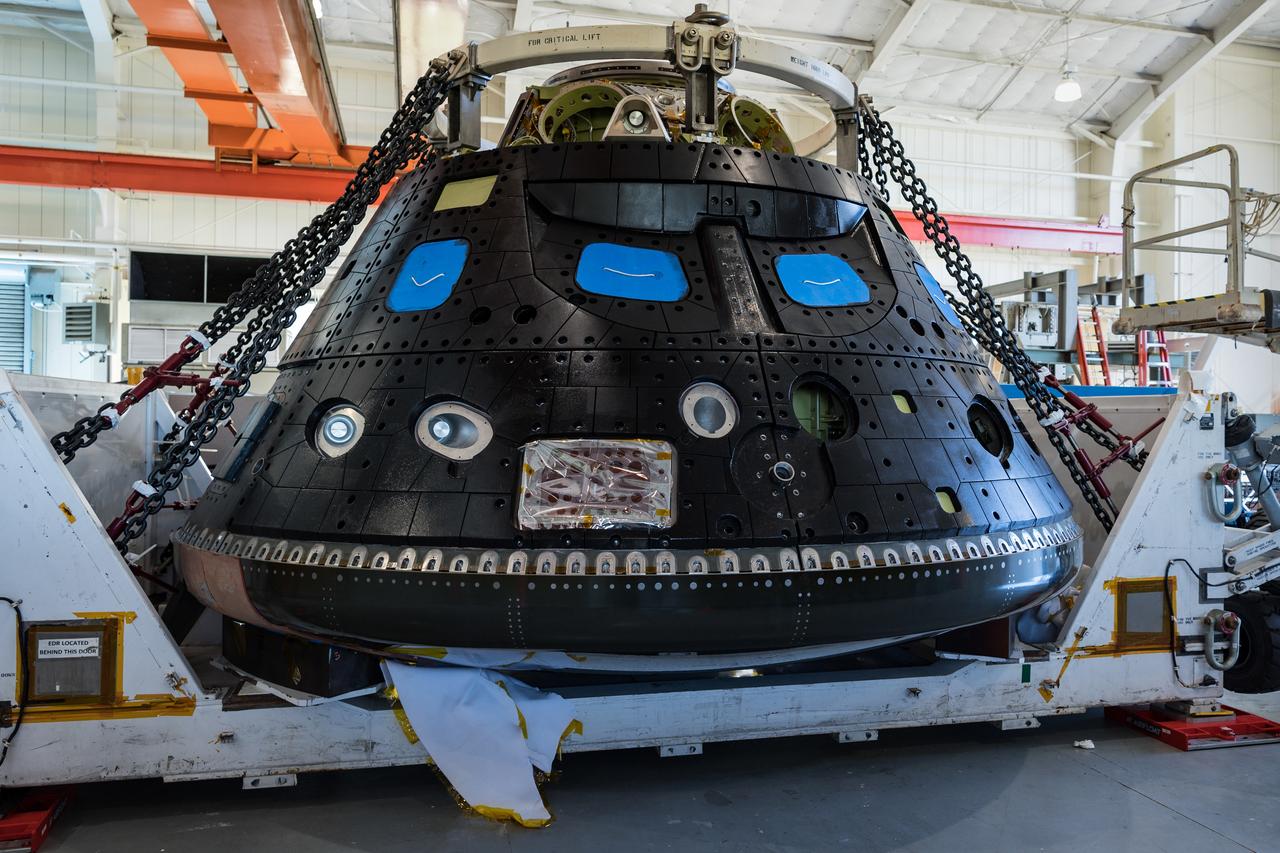
Unwrapping of Orion STA

High school and college students, and educators spent a day learning about careers in technical fields in aerospace. They engaged in hands-on activities, tours, and listening to keynote presentations and panels, interacting with NASA’s subject matter experts at Langley Research Center, Hampton Va, Wednesday, April 29, 2026. Photo Credit (NASA/Mark L. Knopp)
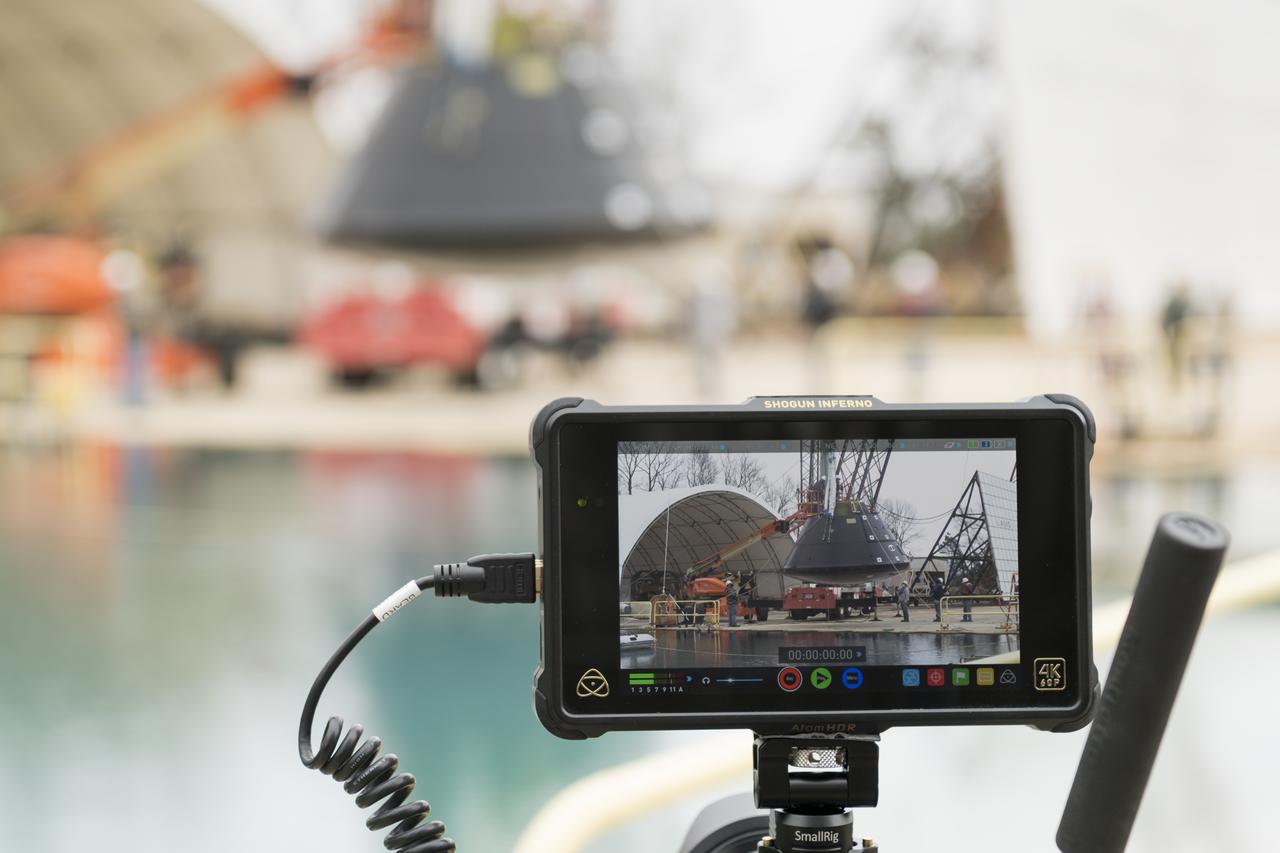
Images of Structural Test Article (STA) vertical water impact testing (WIT) testing at Impact Dynamics Facility NASA Langley Research Center.
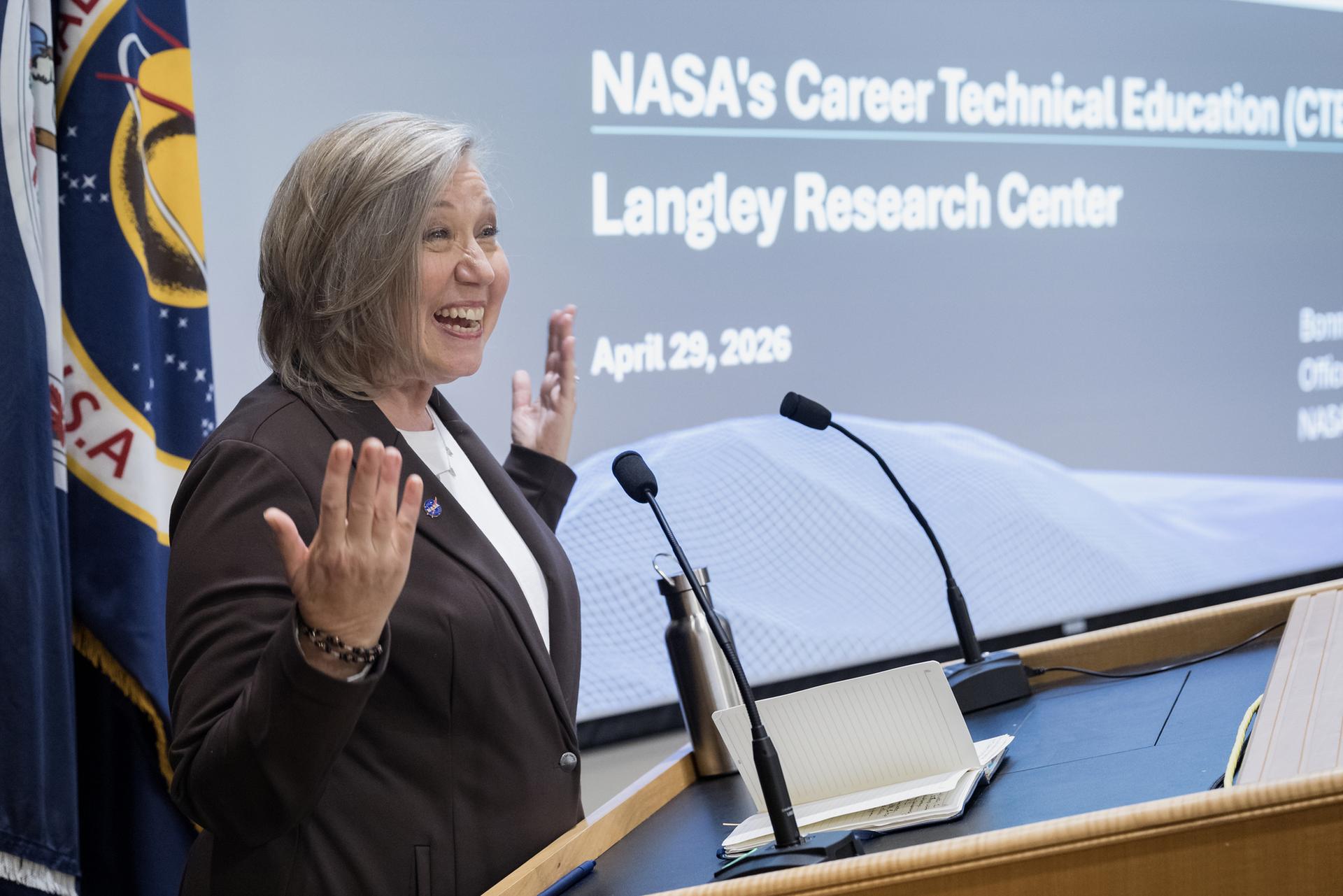
Bonnie Murray, NASA Program Specialist, speaks to an audience of high school and college students, and educators during an aerospace technical field career day event at Langley Research Center, Hampton Va., Wednesday, April 29, 2026. Photo Credit (NASA/Mark L Knopp)
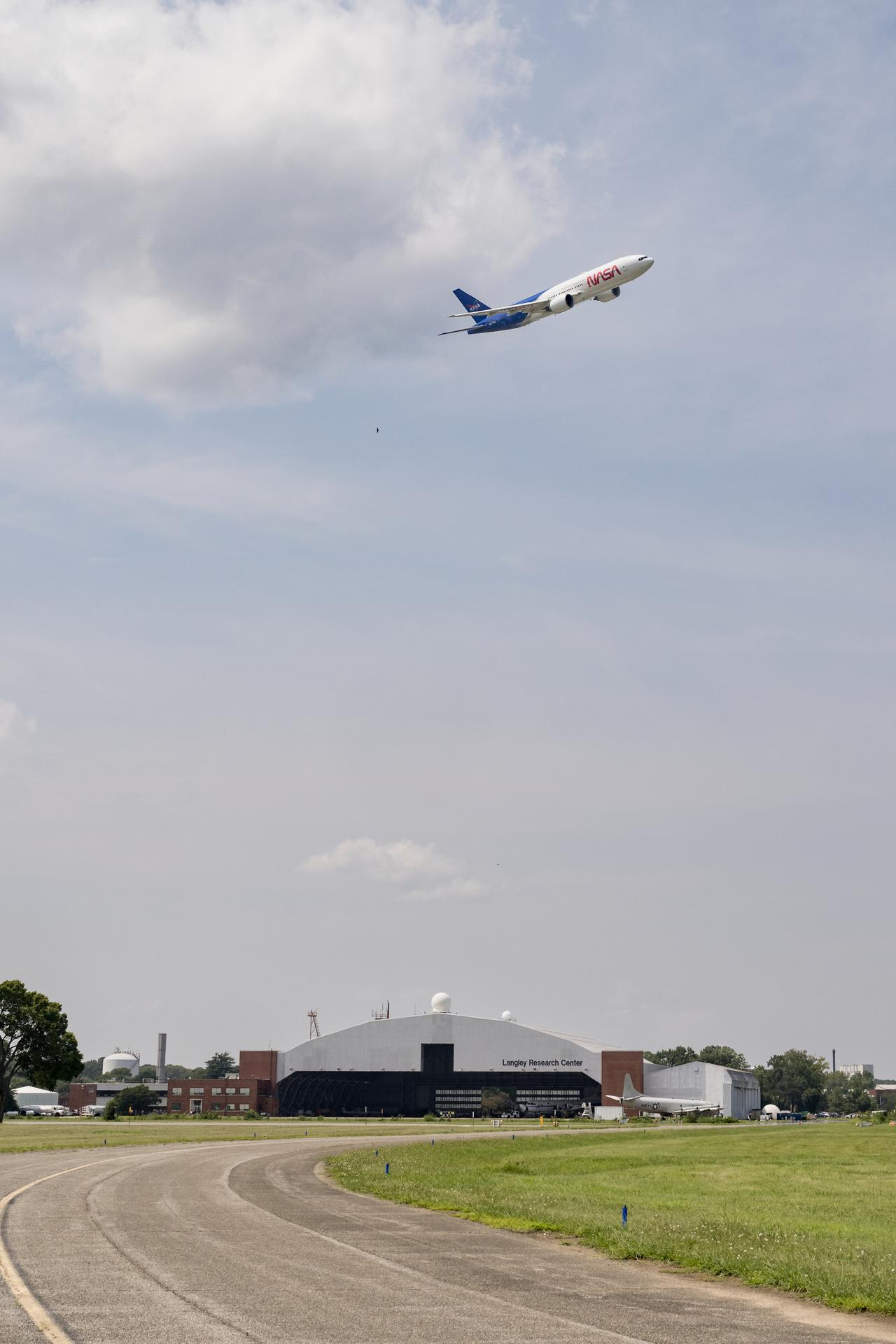
NASA B777-200ER (N577NA) arrived at Langley Research Center’s Hangar with new paint livery Aug 12. It was flown by NASA pilot Taylor Thorson, as this marks his final flight. Photo Credit NASA/ Mark Knopp

People are seen viewing the partial solar eclipse from NASA Langley Research Center in Hampton, VA, Monday, April 8, 2024. A total solar eclipse swept across a narrow portion of the North American continent from Mexico’s Pacific coast to the Atlantic coast of Newfoundland, Canada. A partial solar eclipse was visible across the entire North American continent along with parts of Central America and Europe. Photo Credit: (NASA/Mark Knopp)
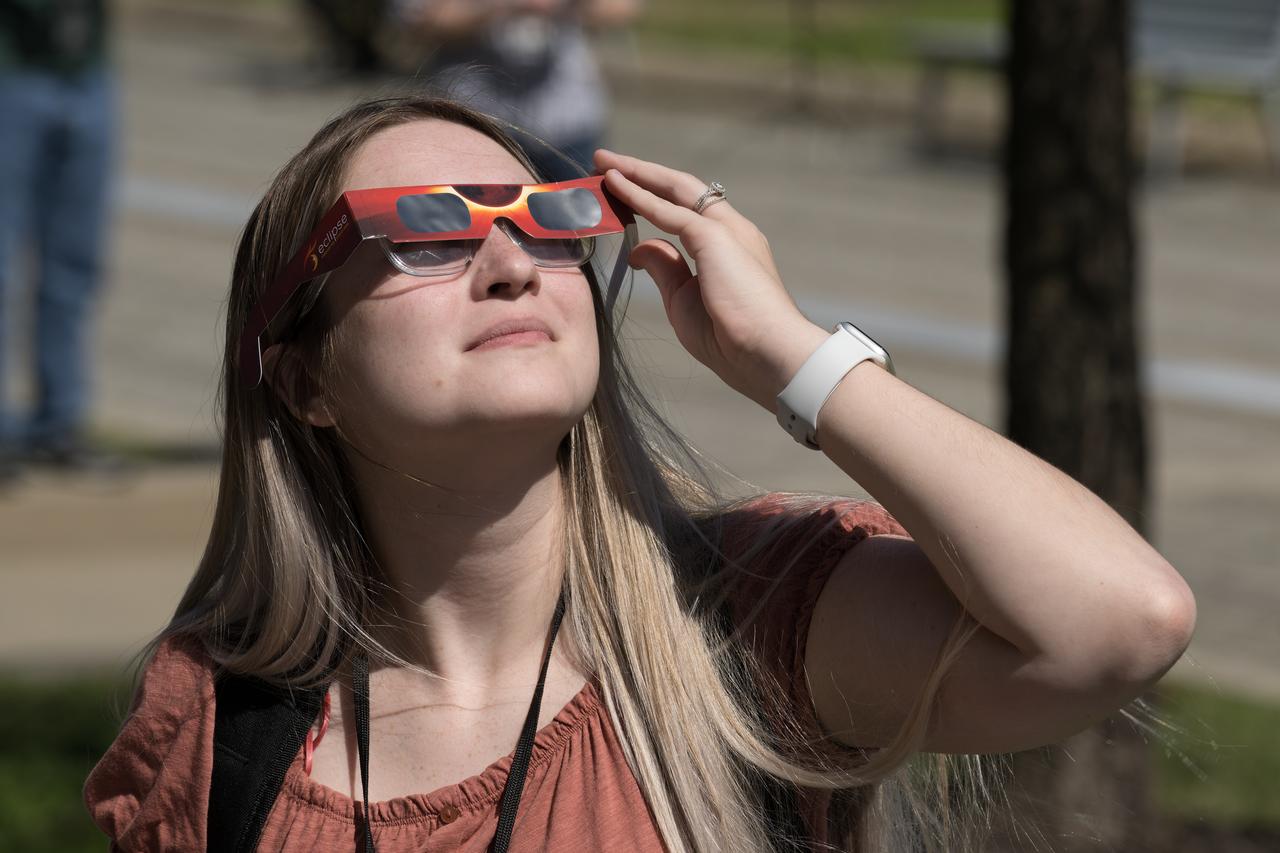
People are seen viewing the partial solar eclipse from NASA Langley Research Center in Hampton, VA, Monday, April 8, 2024. A total solar eclipse swept across a narrow portion of the North American continent from Mexico’s Pacific coast to the Atlantic coast of Newfoundland, Canada. A partial solar eclipse was visible across the entire North American continent along with parts of Central America and Europe. Photo Credit: (NASA/Mark Knopp)

High school and college students, and educators spent a day learning about careers in technical fields in aerospace. They engaged in hands-on activities, tours, and listening to keynote presentations and panels, interacting with NASA’s subject matter experts at Langley Research Center, Hampton Va, Wednesday, April 29, 2026. Photo Credit (NASA/Mark L. Knopp)

High school and college students, and educators spent a day learning about careers in technical fields in aerospace. They engaged in hands-on activities, tours, and listening to keynote presentations and panels, interacting with NASA’s subject matter experts at Langley Research Center, Hampton Va, Wednesday, April 29, 2026. Photo Credit (NASA/Mark L. Knopp)
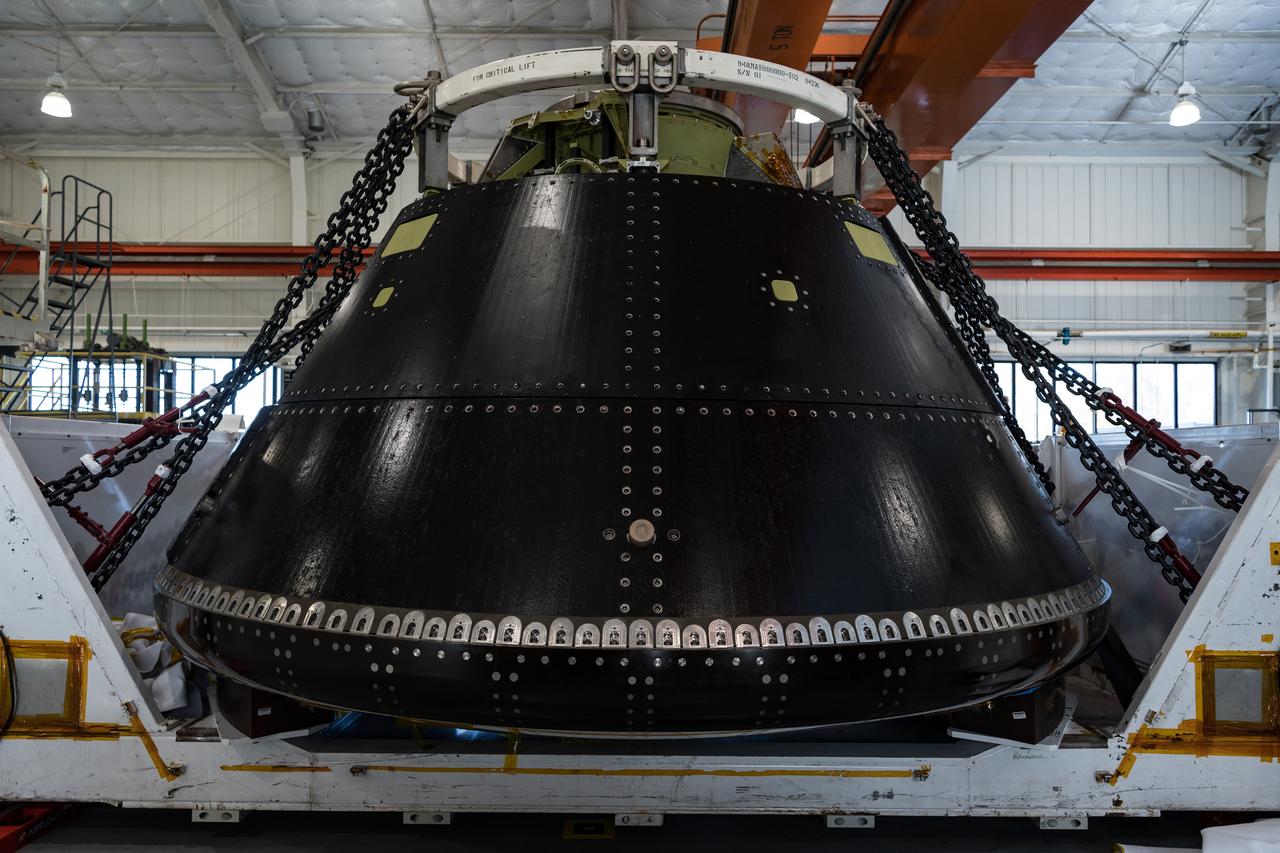
Unwrapping of Orion STA
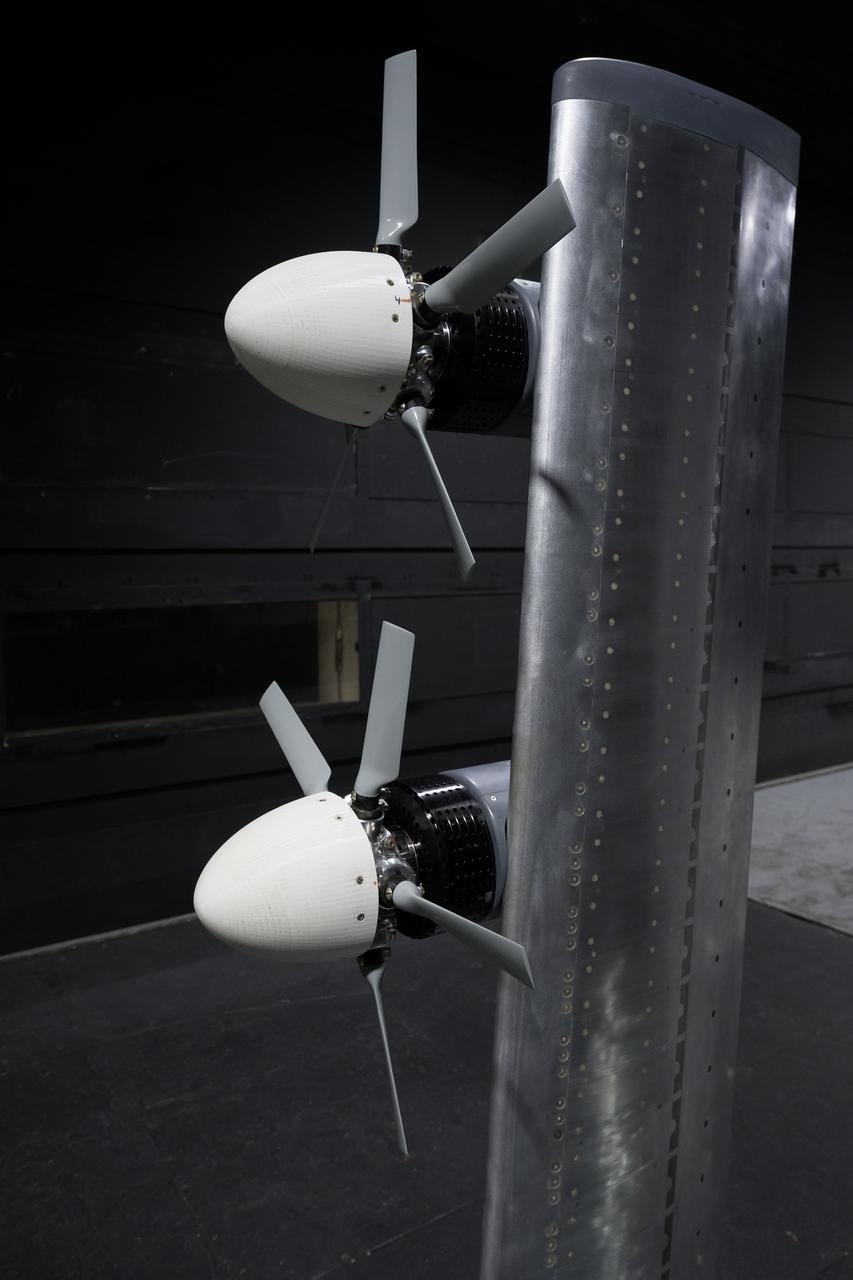
In May and June, NASA researchers tested a 7-foot wing model in the 14-by-22-Foot Subsonic Wind Tunnel at NASA’s Langley Research Center in Hampton, Virginia. The team collected data on critical propeller-wing interactions over the course of several weeks
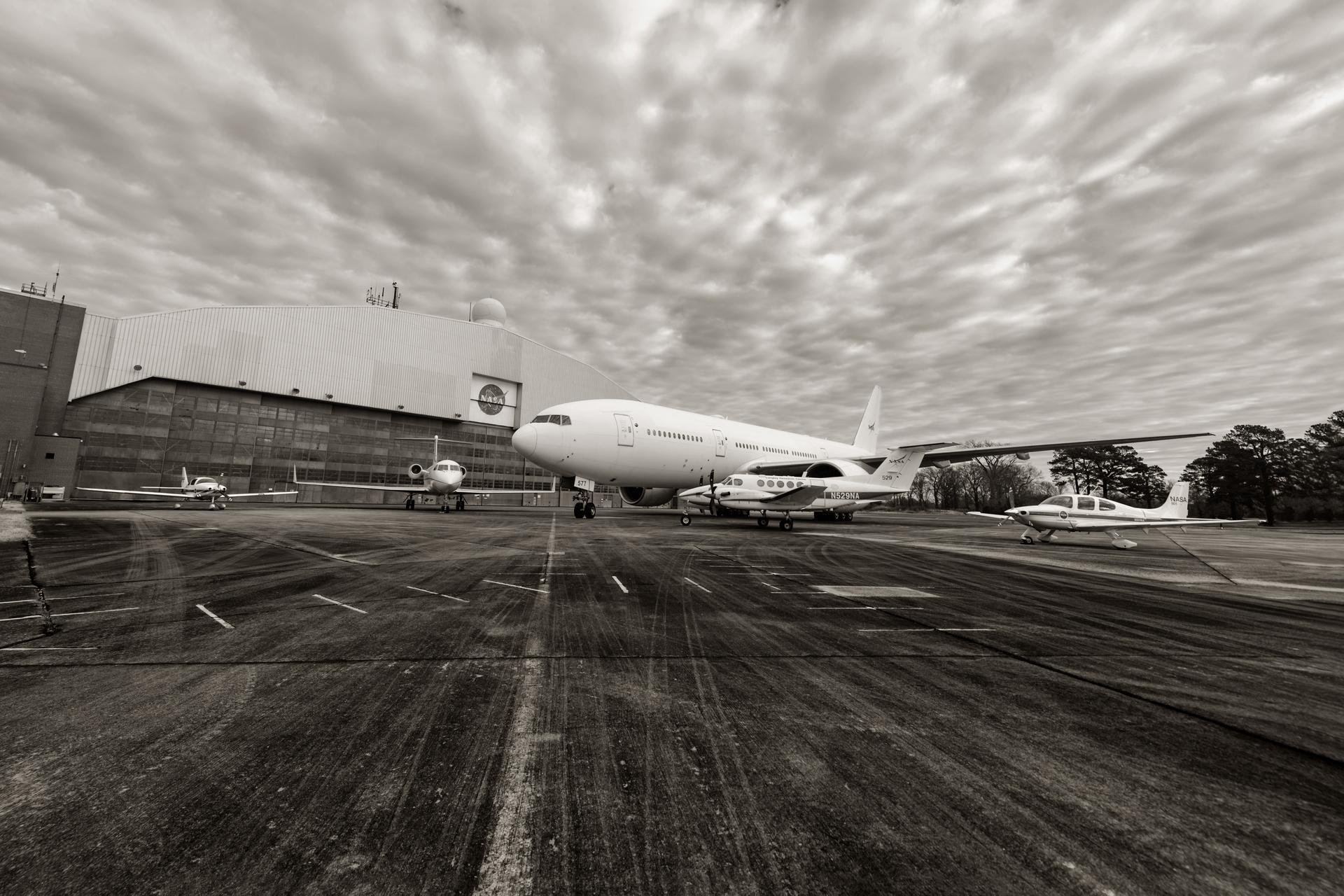
NASA Langley Research Science Directorate (RSD) Aircraft outside the hangar in Hampton Va in black white.

An aircraft body modeled after an air taxi with weighted test dummies inside is being prepared for a drop test by researchers at NASA’s Langley Research Center in Hampton, Virginia. The test was completed June 26 at Langley’s Landing and Impact Research Facility. The aircraft was dropped from a tall steel structure, known as a gantry, after being hoisted about 35 feet in the air by cables. NASA researchers are investigating aircraft materials that best absorb impact forces in a crash.
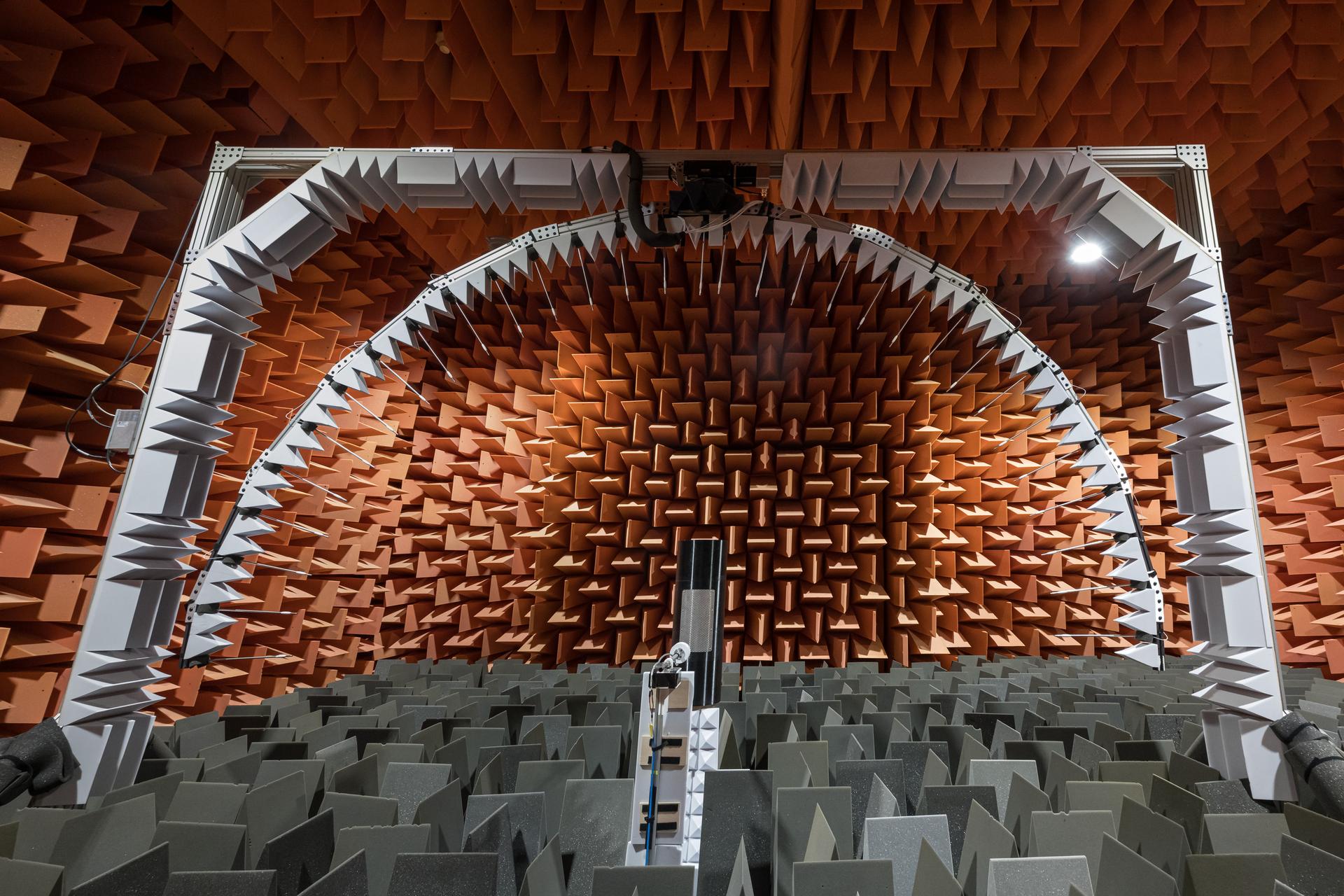
Scattering of Acoustically Lined Simplified Airframes (SALSA) Test with High Resolution Traversing Microphone Array (HiRTMA) in Structural Acoustics Loads and Transmission Facility (SALT) in Building 1208.
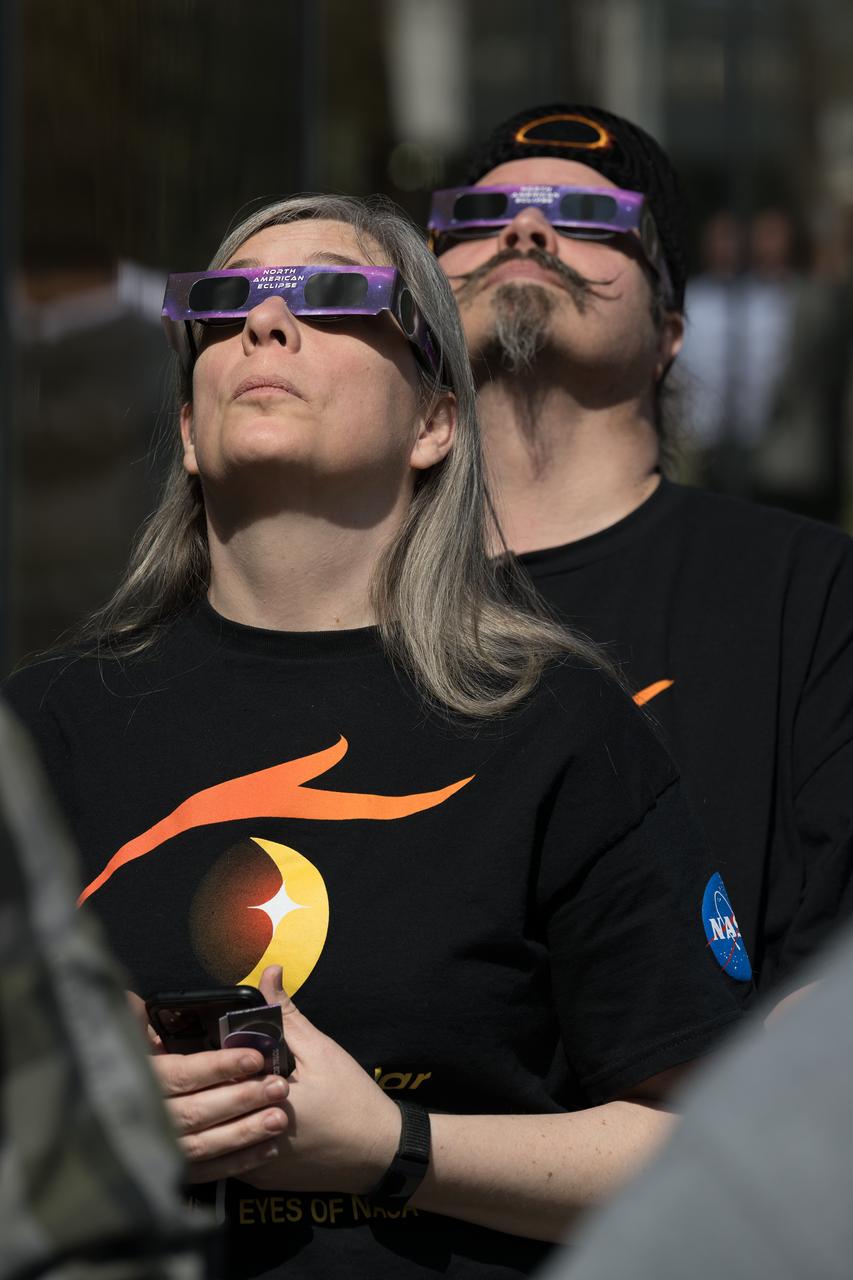
People are seen viewing the partial solar eclipse from NASA Langley Research Center in Hampton, VA, Monday, April 8, 2024. A total solar eclipse swept across a narrow portion of the North American continent from Mexico’s Pacific coast to the Atlantic coast of Newfoundland, Canada. A partial solar eclipse was visible across the entire North American continent along with parts of Central America and Europe. Photo Credit: (NASA/Mark Knopp)
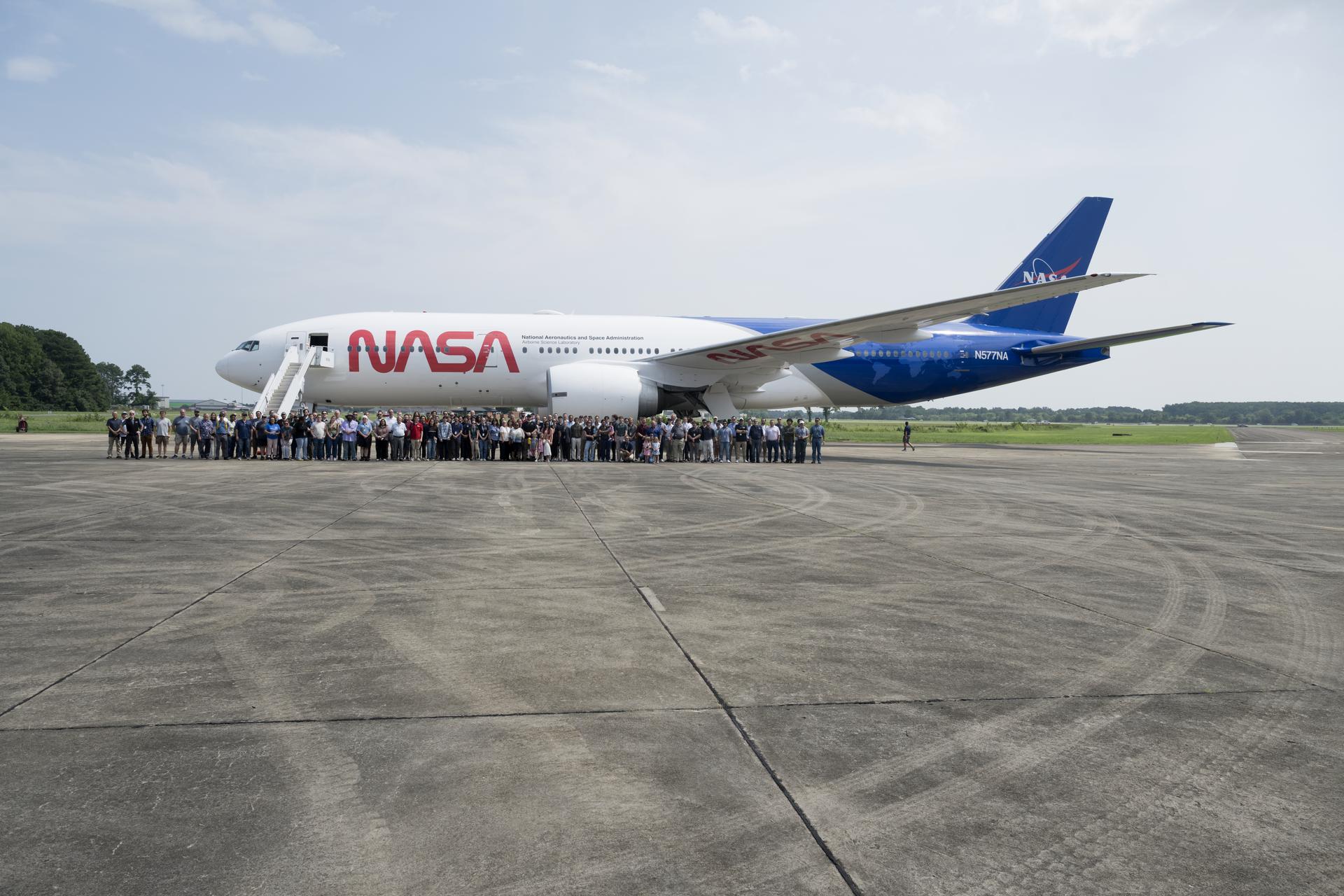
NASA B777-200ER (N577NA) arrived at Langley Research Center’s Hangar with new paint livery Aug 12. It was flown by NASA pilot Taylor Thorson, as this marks his final flight. Photo Credit NASA/ Mark Knopp

People are seen viewing the partial solar eclipse from NASA Langley Research Center in Hampton, VA, Monday, April 8, 2024. A total solar eclipse swept across a narrow portion of the North American continent from Mexico’s Pacific coast to the Atlantic coast of Newfoundland, Canada. A partial solar eclipse was visible across the entire North American continent along with parts of Central America and Europe. Photo Credit: (NASA/Mark Knopp)
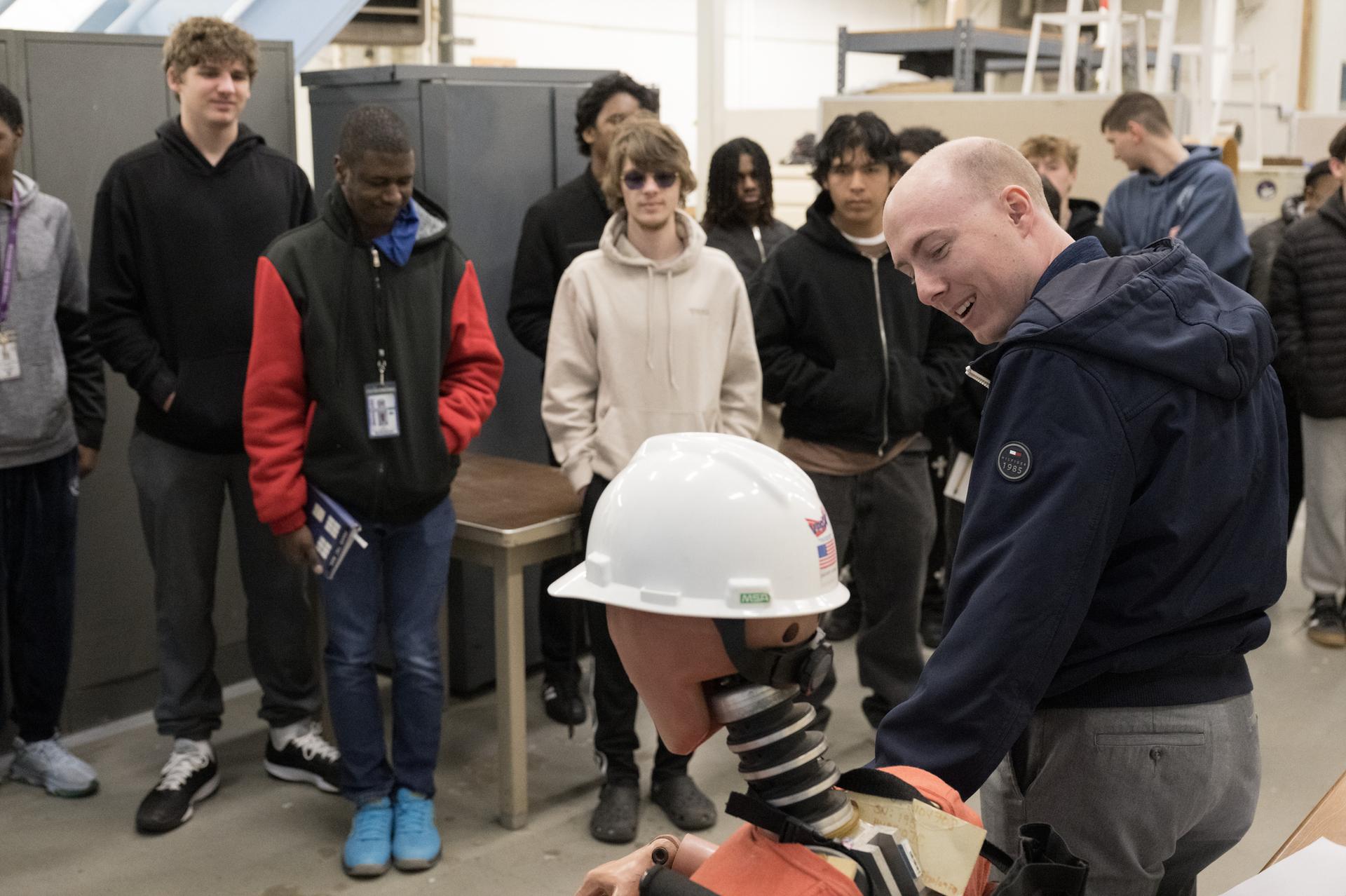
Old Dominion University's (ODU) Maritime Engineering and Environmental Studies Academy (MEESA) lab school juniors, tour the NASA Langley’s Landing and Impact Research Facility (LandIR), also know as the Gantry. The students were task to create an exhibit for the Vestil Aluminum/Steel Crane (VASC) of the crane used to build the Gantry.

Lindsay Rogers, Principal Deputy Chief Financial Officer (CFO), Office of the Chief Financial Officer (OCFO), poses with NASA Langley’s pilot Taylor Thorson after receiving the Administrator's Flight Experience Award under Administrator Jared Isaacman initiated employee incentive program at NASA Langley Research Center, Hampton Va. (Photo Credit: NASA, Mark Knopp)
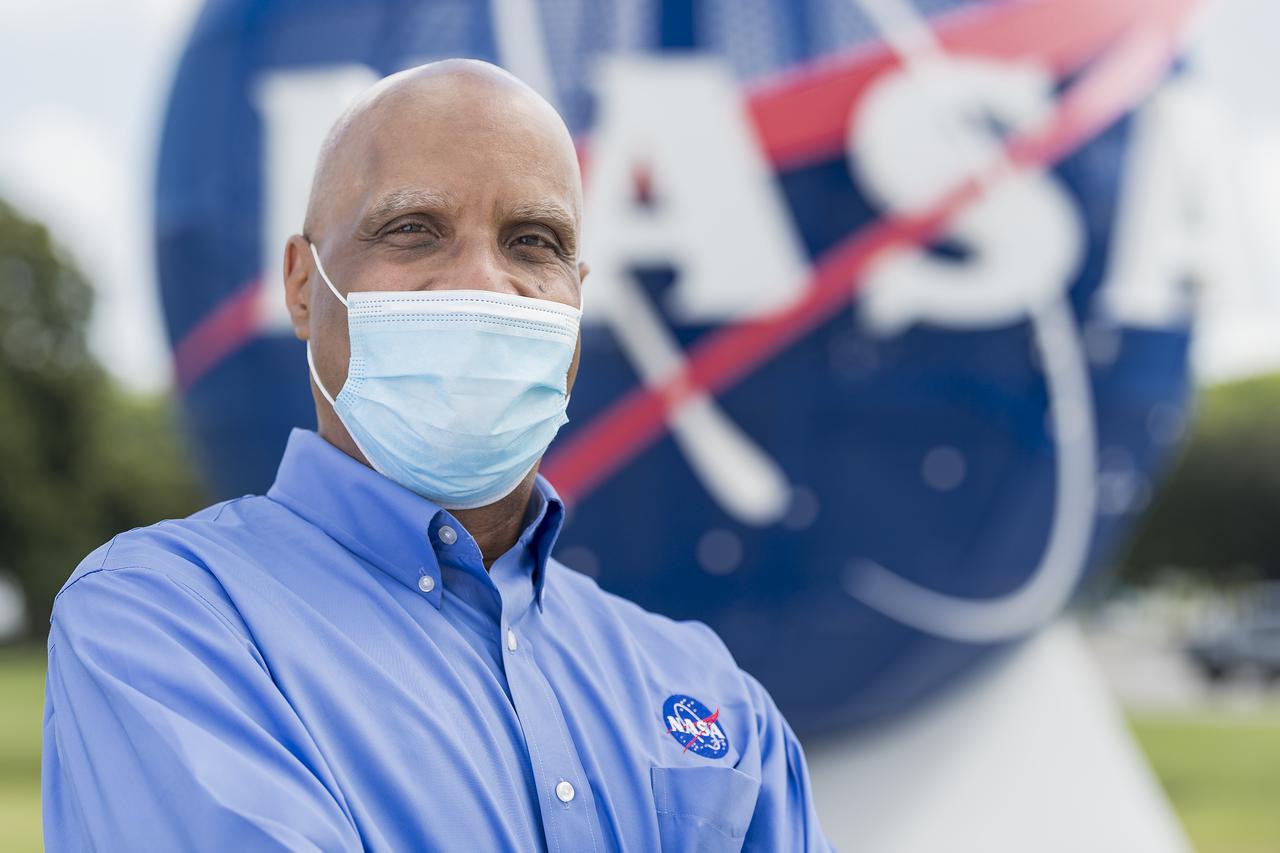
Portrait of Robin "Rob" Lee of the Office of Diversity & Equal Opp. Branch, in front of NASA Langley's "Meatball." The portrait was done for Thalia Patrinos at NASA Headquarters as part of "Faces of NASA" project. Due to the COVID-19 pandemic, masks were mandated by Governor Northam in Virginia in public settings. "Well, little did I know, even at a young age, he instilled in me the importance of seeing people for people. And being able to help people and being able to meet them in their time of need. And that carried me throughout my entire life. Even still today.” — Robin Lee, Director of Office of Diversity and Equal Opportunity, Langley Research Center
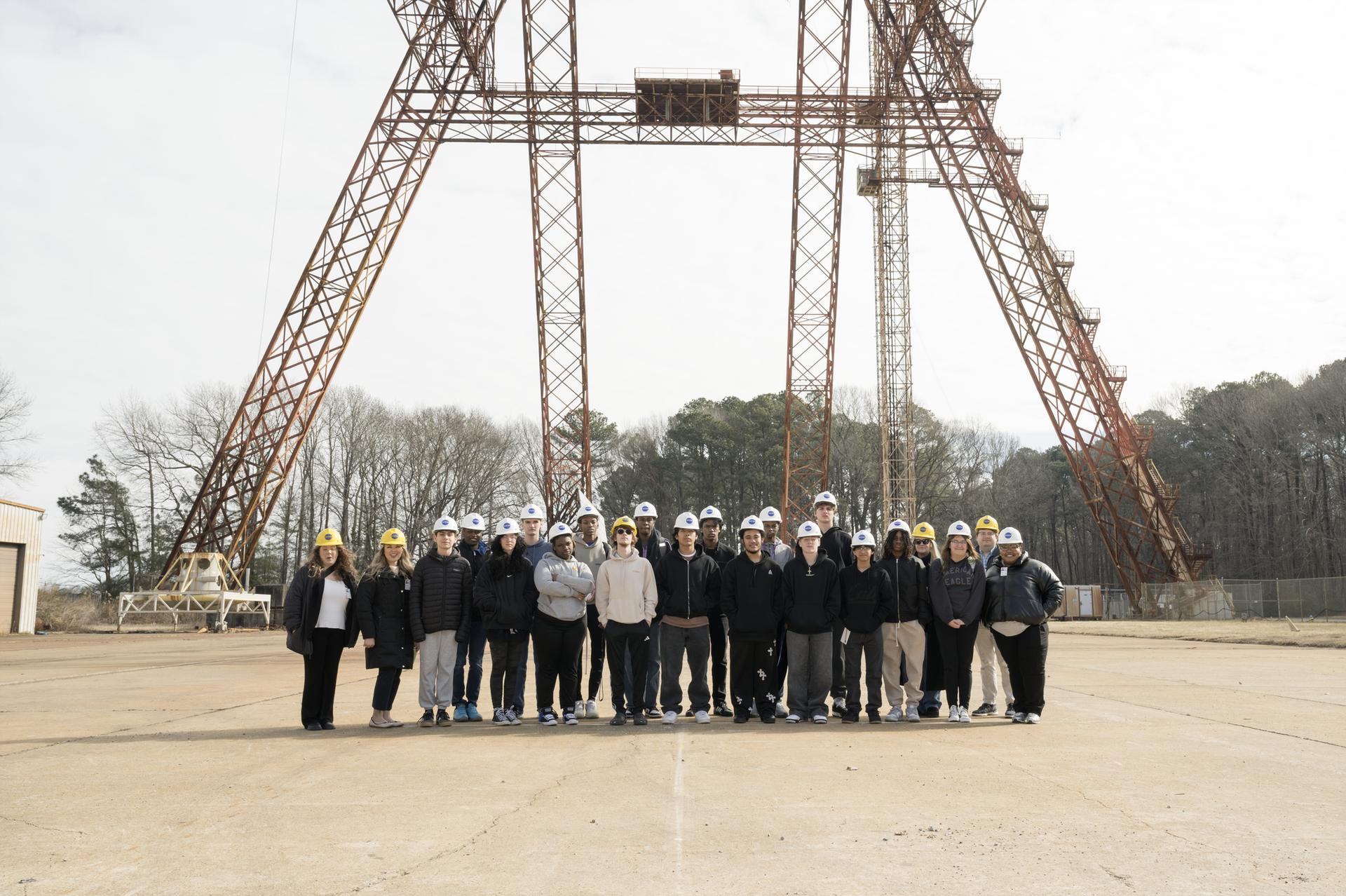
Old Dominion University's (ODU) Maritime Engineering and Environmental Studies Academy (MEESA) lab school juniors, tour the NASA Langley’s Landing and Impact Research Facility (LandIR), also know as the Gantry. The students were task to create an exhibit for the Vestil Aluminum/Steel Crane (VASC) of the crane used to build the Gantry.

Students learn about research model aircraft and spacecraft built in the Aerospace Composite and Model Development Section during a visit to NASA Langley Research Center, Wednesday, April 29, 2026. Photo Credit (NASA/ Mark L. Knopp)

Photo of Sue Grafton taken in advance of the Flight Dynamic Research Facility's (FDRF) ribbon cutting. Sue started as a researcher for the N.A.C.A. and worked in the vertical spin tunnel (VST). She has since worked in the 30x60 full-scale tunnel for many years before its closure and then returned to VST and 12ft (NASA’s oldest operational wind tunnels). She will also be onboard for the commissioning of the FDRF, NASA’s newest wind tunnel.
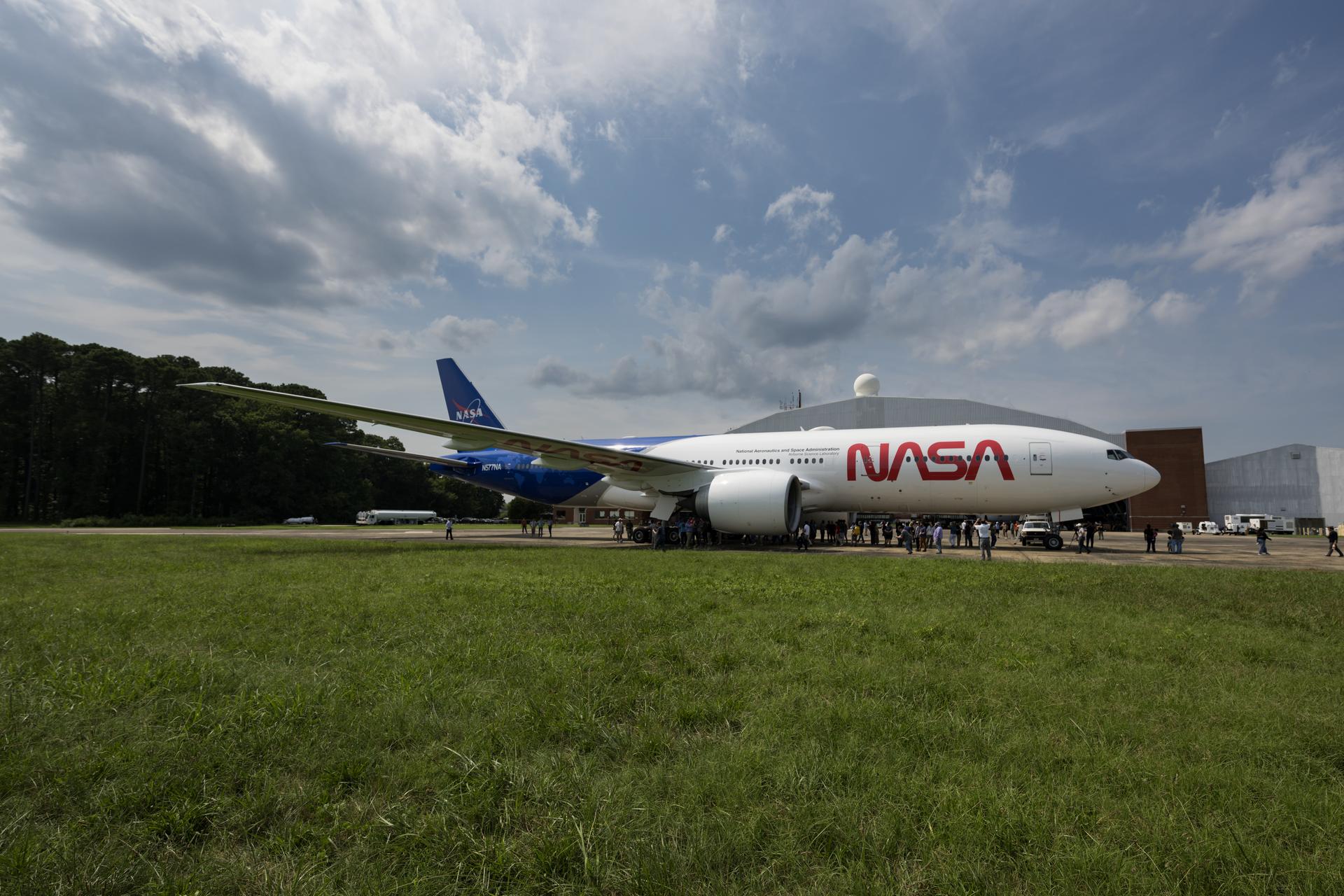
NASA B777-200ER (N577NA) arrived at Langley Research Center’s Hangar with new paint livery Aug 12. It was flown by NASA pilot Taylor Thorson, as this marks his final flight. Photo Credit NASA/ Mark Knopp
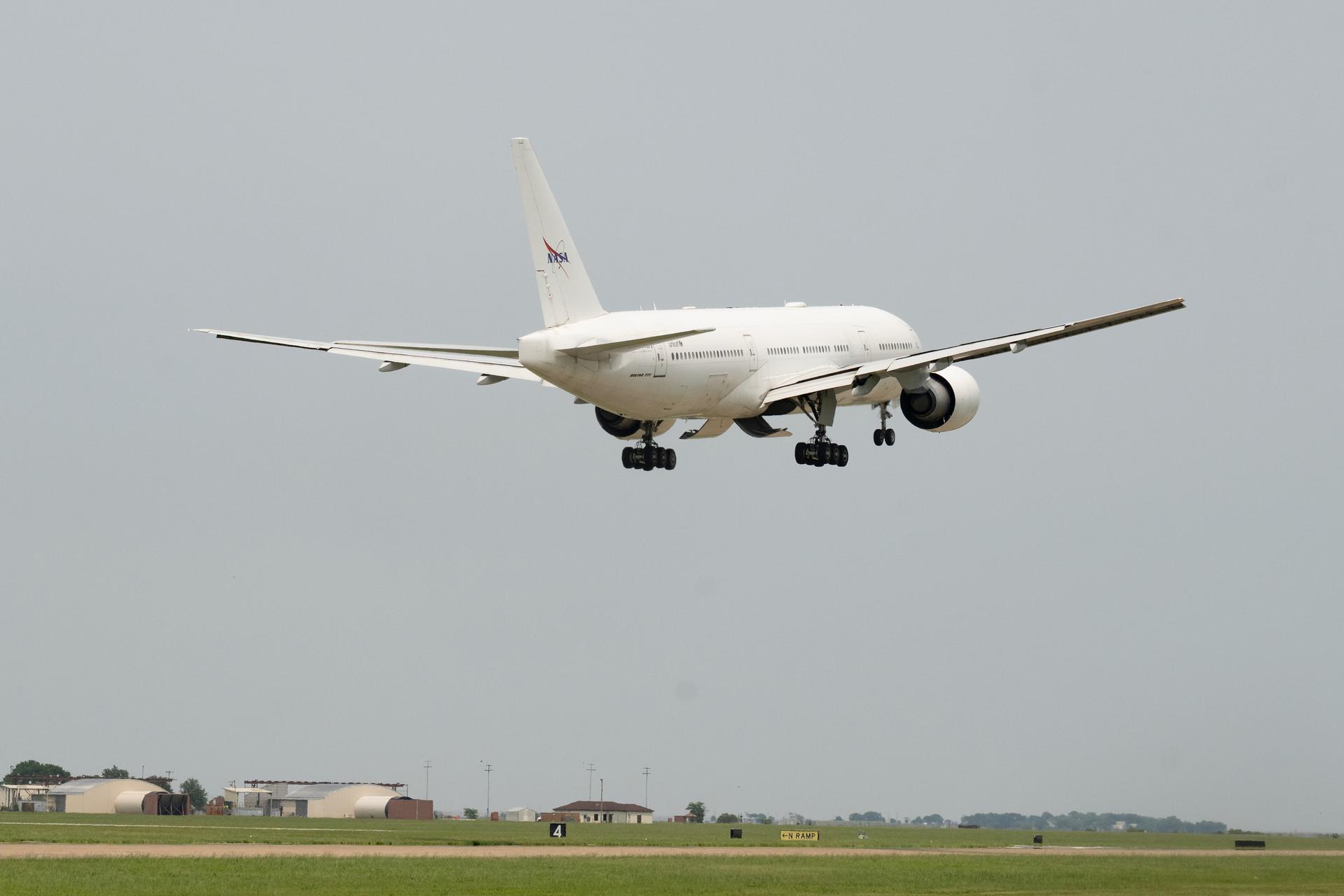
NASA Langley's B777 aircraft before it departs Langley Research Center to receive its new livery (paint job), prior to its departure on July 16th, it received ground maintenance in the center’s hangar. (Photo Credit NASA/ Mark Knopp)
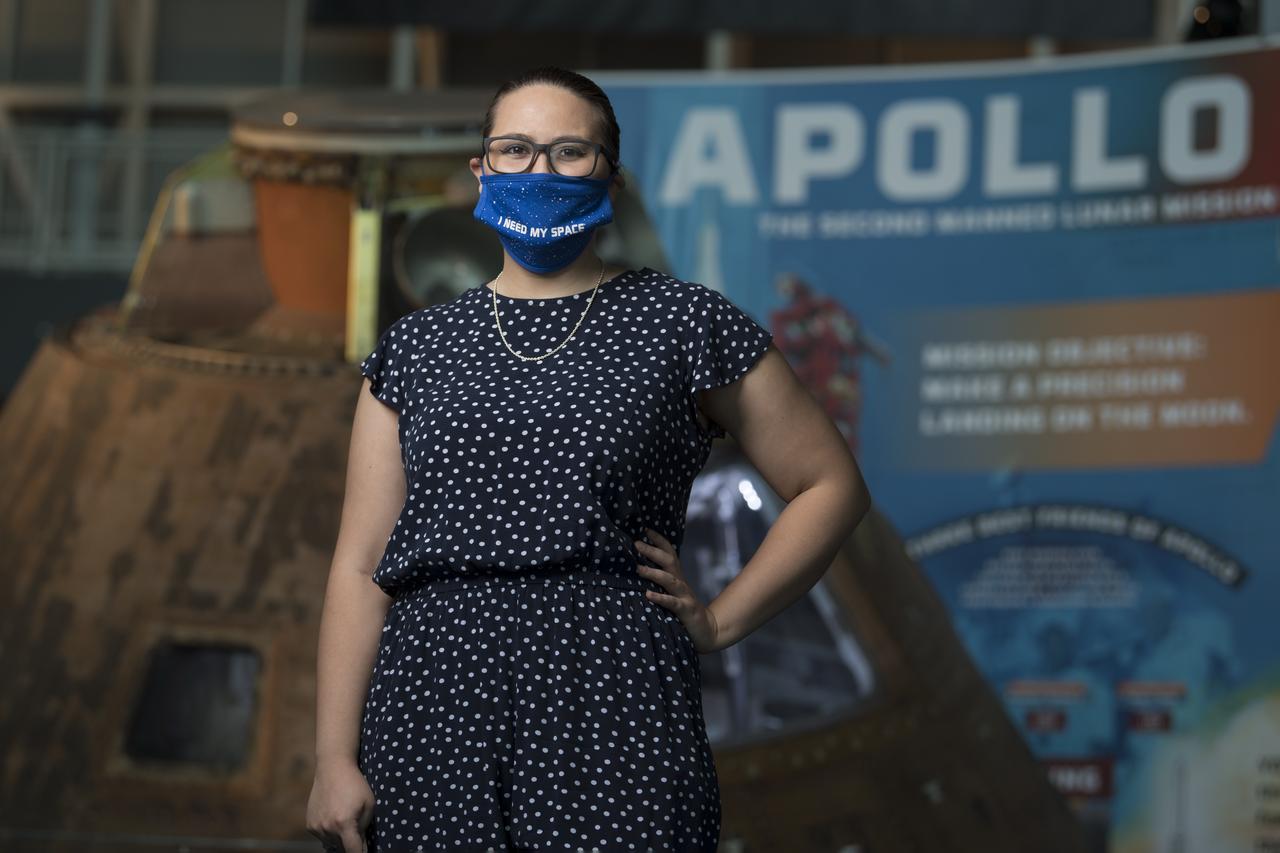
Portrait of Casey Denham in front of the Apollo 12 Command Module "Yankee Clipper" display at the Virginia Air and Space Center in Hampton, Virginia. Due to the COVID-19 pandemic, masks were mandated by Governor Northam in Virginia in public settings. This was for the faces of NASA project. "Now my whole family likes to brag that they have a rocket scientist daughter who works at NASA.” — Casey Denham, Pathways Intern, Langley Research Center

People are seen viewing the partial solar eclipse from NASA Langley Research Center in Hampton, VA, Monday, April 8, 2024. A total solar eclipse swept across a narrow portion of the North American continent from Mexico’s Pacific coast to the Atlantic coast of Newfoundland, Canada. A partial solar eclipse was visible across the entire North American continent along with parts of Central America and Europe. Photo Credit: (NASA/Mark Knopp)
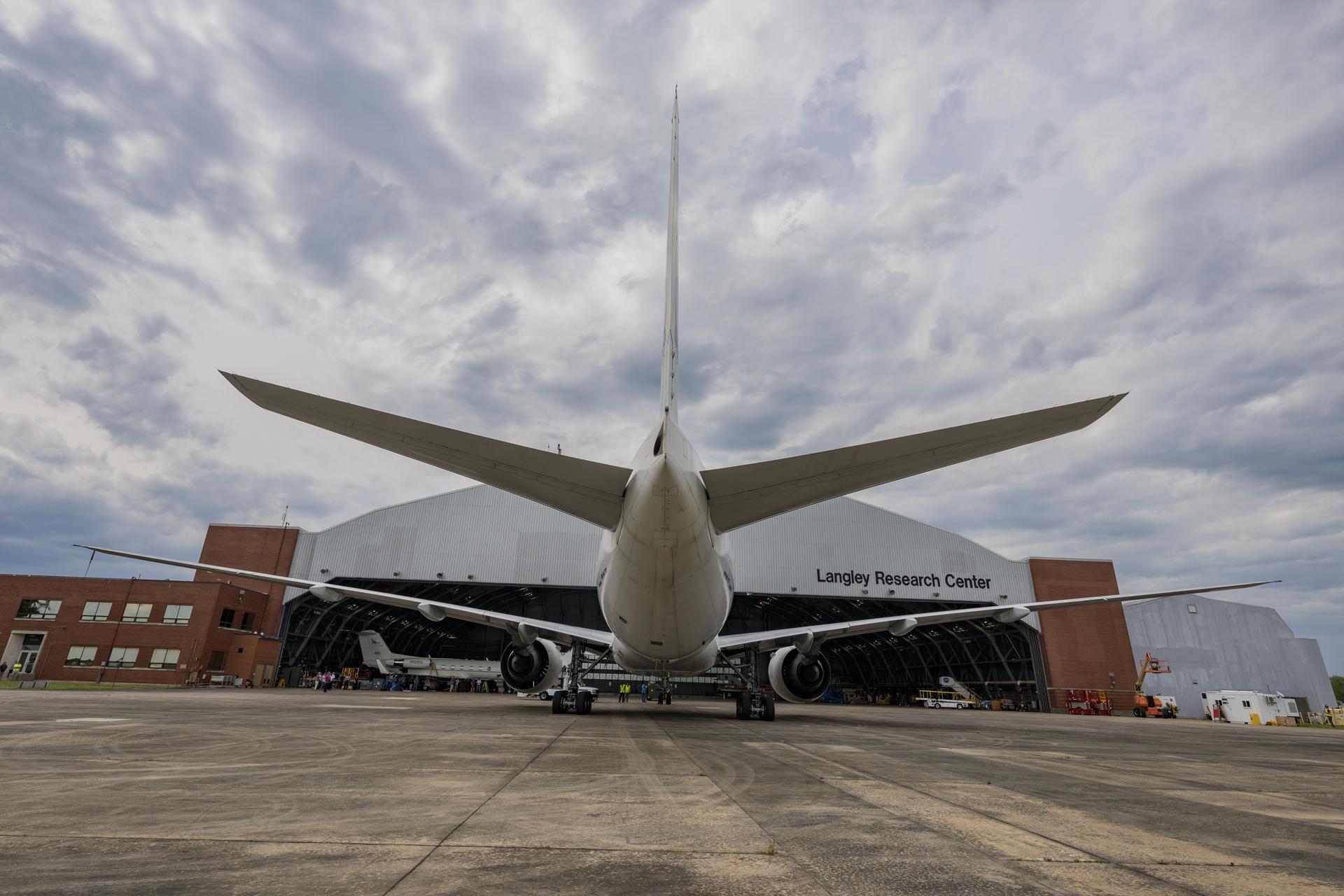
NASA Langley's B777 aircraft before it departs Langley Research Center to receive its new livery (paint job), prior to its departure on July 16th, it received ground maintenance in the center’s hangar. (Photo Credit NASA/ Mark Knopp)

Robert E Quinn, Supervisory Information Technology Specialist, Office of the Chief Information Officer (OCIO), poses with NASA Langley’s pilot Pat Bookey after receiving the Administrator's Flight Experience Award under Administrator Jared Isaacman initiated employee incentive program at NASA Langley Research Center, Hampton Va. (Photo Credit: NASA, Mark Knopp)

High school and college students, and educators spent a day learning about careers in technical fields in aerospace. They engaged in hands-on activities, tours, and listening to keynote presentations and panels, interacting with NASA’s subject matter experts at Langley Research Center, Hampton Va, Wednesday, April 29, 2026. Photo Credit (NASA/Mark L. Knopp)
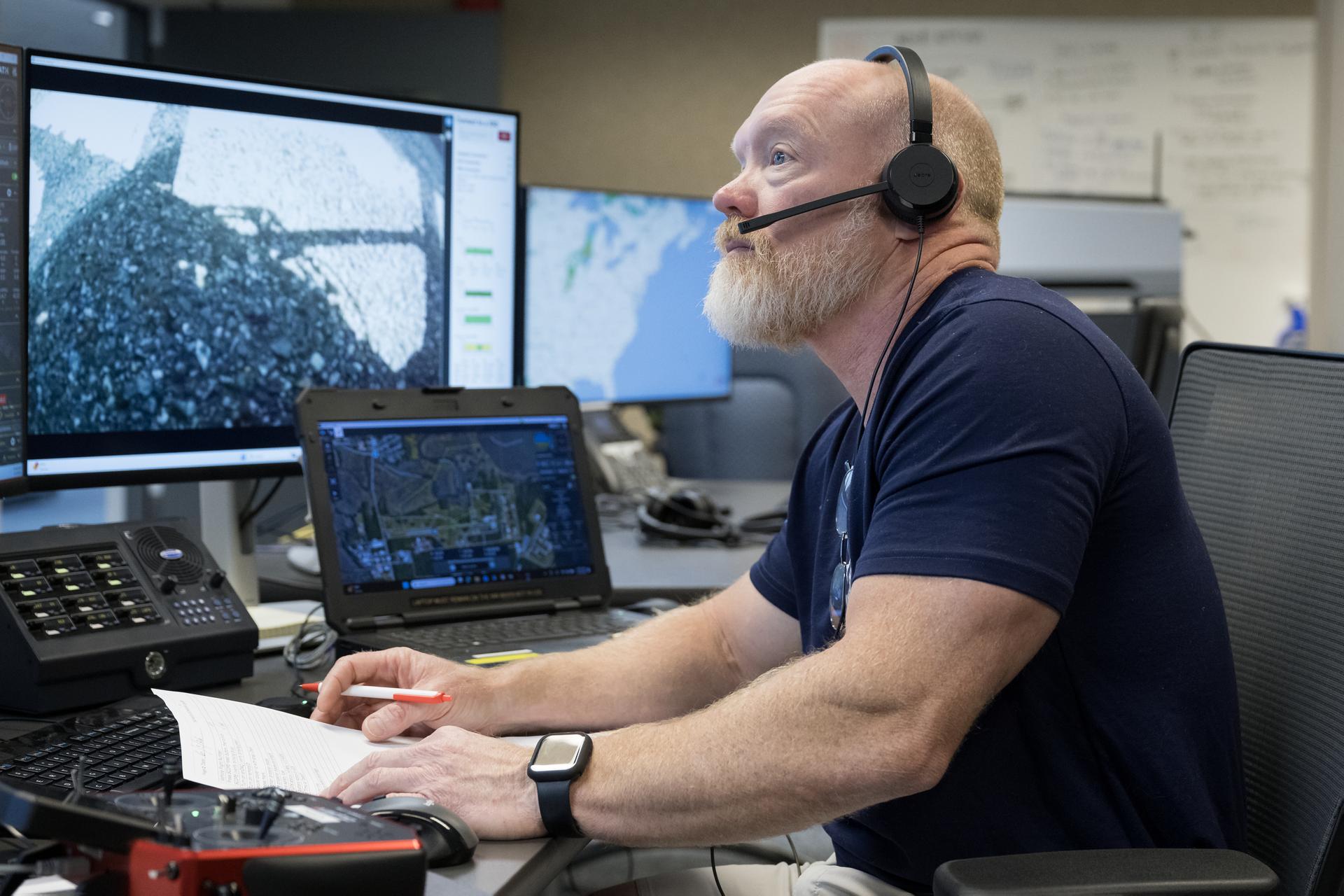
NASA Langley partnered with UNOS, a non-profit organization that manages the U.S. organ transplant system, to conduct the first-of-its-kind organ transport drone test with a human kidney on June 5, 2026 at Langley Research Center in Hampton, Va. Photo Credit NASA/Mark Knopp

Sue Grafton, NASA engineer poses in advance of the Flight Dynamic Research Facility's (FDRF) grand opening. Sue started as a researcher for the N.A.C.A. and worked in the vertical spin tunnel (VST). She has since worked in the 30x60 full-scale tunnel for many years before its closure and then returned to VST and 12ft (NASA’s oldest operational wind tunnels). She will also be onboard for the commissioning of the FDRF, NASA’s newest wind tunnel.

Students learn about research model aircraft and spacecraft built in the Aerospace Composite and Model Development Section during a visit to NASA Langley Research Center, Wednesday, April 29, 2026. Photo Credit (NASA/ Mark L. Knopp)
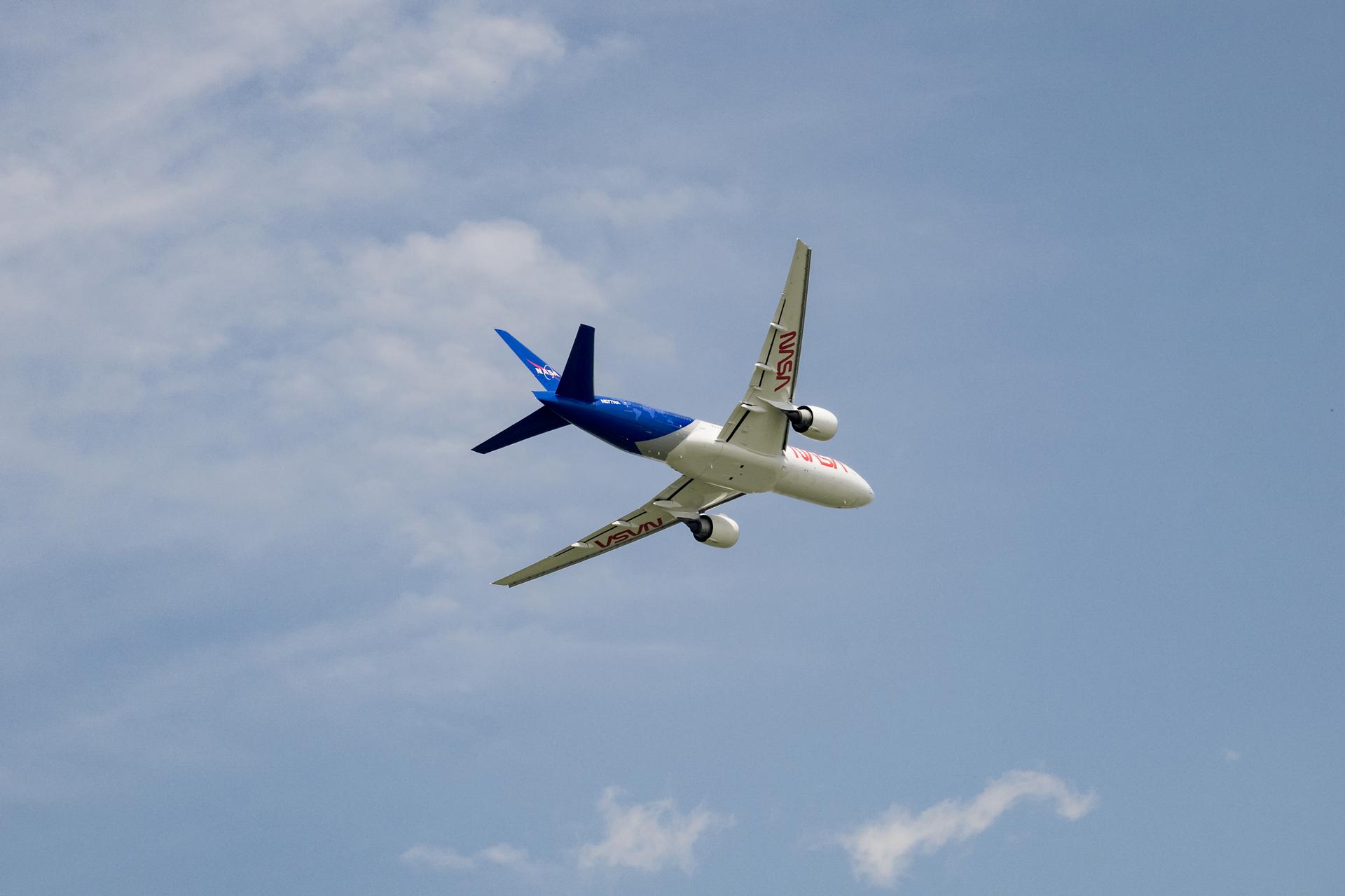
NASA B777-200ER (N577NA) arrived at Langley Research Center’s Hangar with new paint livery Aug 12. It was flown by NASA pilot Taylor Thorson, as this marks his final flight. Photo Credit NASA/ Mark Knopp