
An aerial view of a proposed new launch site, Launch Complex 49, on Dec. 28, 2021, at NASA’s Kennedy Space Center in Florida. In response to an inquiry from SpaceX, NASA is preparing to conduct environmental assessments to develop the proposed launch site. The 175-acre site, located north of Launch Complex 39B within the center’s security perimeter, would support the launch and landing of SpaceX’s Starship and Super Heavy launch vehicle. NASA and SpaceX are moving forward with the initial environmental assessment before concluding a potential agreement to develop the property.
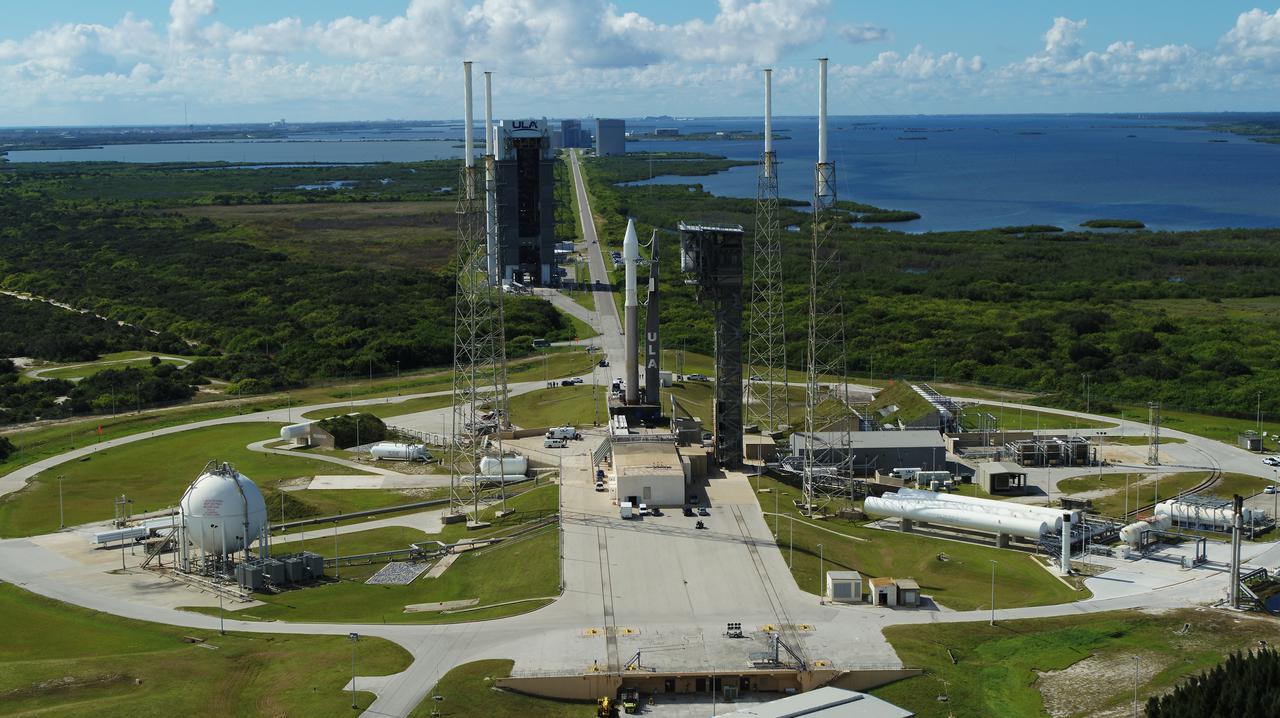
A United Launch Alliance V 401 rocket, with NASA’s Lucy spacecraft atop, arrives at Cape Canaveral Space Force Station’s Space Launch Complex 41 after making the short trek from the Vertical Integration Facility on Thursday, Oct. 14, 2021, in preparation for its targeted 5:34 a.m. EDT liftoff on Saturday, Oct. 16. NASA’s Launch Services Program, based at Kennedy Space Center, is managing the launch. During its 12-year primary mission, Lucy will explore a record-breaking number of asteroids, flying by one asteroid in the solar system’s main belt and seven Trojan asteroids. Additionally, Lucy’s path will circle back to Earth three times for gravity assists, making it the first spacecraft ever to return to the vicinity of Earth from the outer solar system.
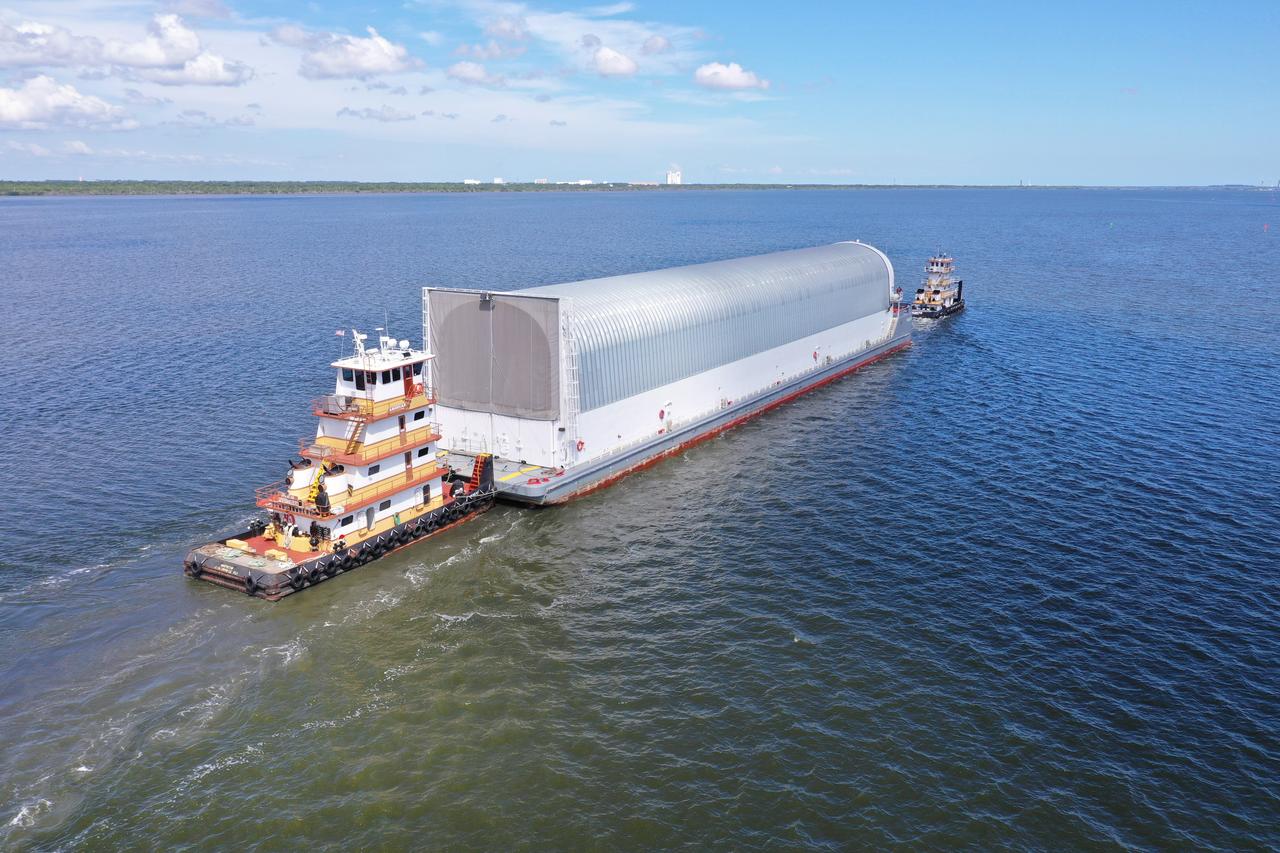
NASA's Pegasus Barge makes its way along the intercoastal waterway to its destination at the Kennedy Space Center Launch Complex 39 turn basin wharf, to make its first delivery to Kennedy in support of the agency's Artemis missions. The upgraded 310-foot-long barge arrived Sept. 27, 2019, ferrying the 212-foot-long Space Launch System rocket core stage pathfinder. The pathfinder is a full-scale mock-up of the rocket's core stage. The pathfinder will be used by the Exploration Ground Systems Program and their contractor, Jacobs, to practice offloading, moving and stacking maneuvers, using important ground support equipment to train employees and certify all the equipment works properly. The pathfinder will stay at Kennedy for approximately one month before trekking back to NASA's Michoud Assembly Facility in Louisiana.
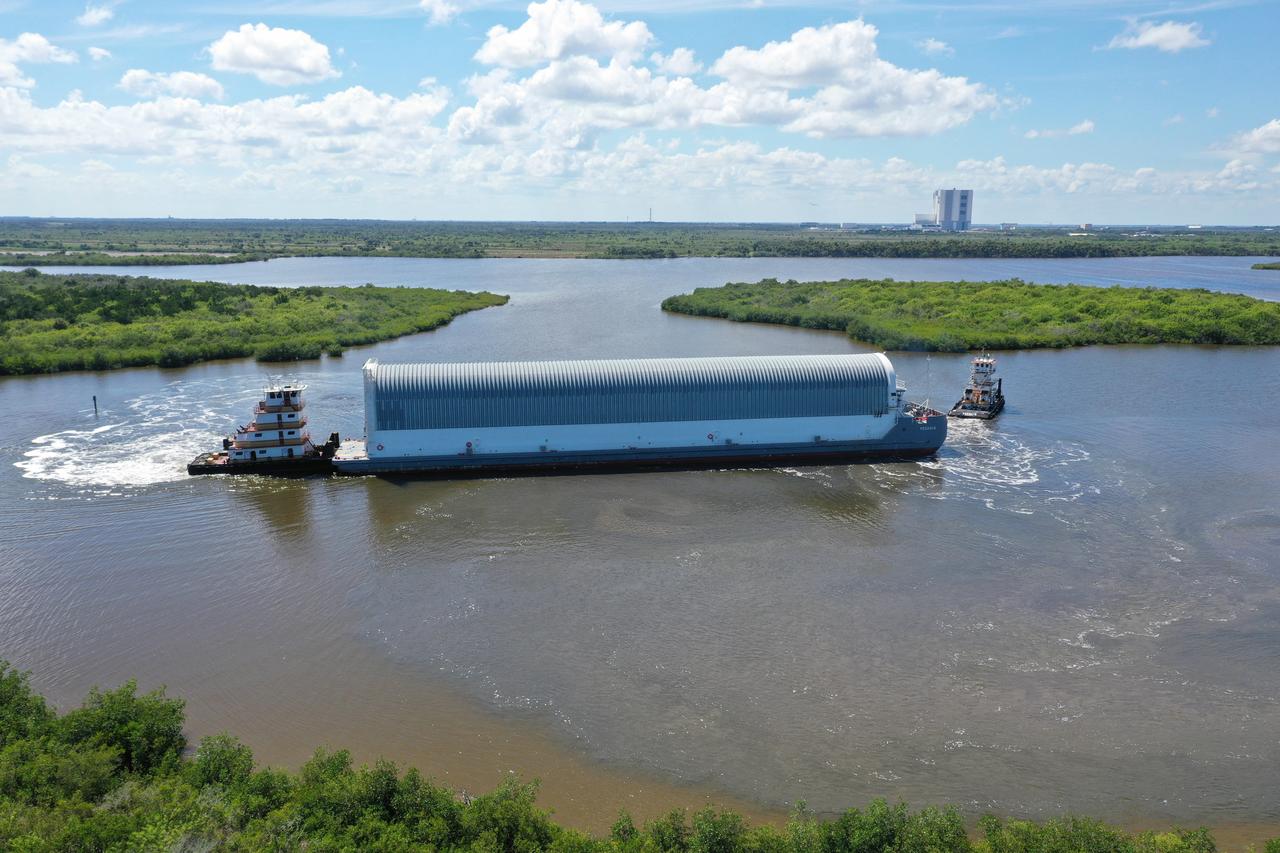
NASA's Pegasus Barge makes its way along the intercoastal waterway to its destination at the Kennedy Space Center Launch Complex 39 turn basin wharf, to make its first delivery to Kennedy in support of the agency's Artemis missions. The upgraded 310-foot-long barge arrived Sept. 27, 2019, ferrying the 212-foot-long Space Launch System rocket core stage pathfinder. The pathfinder is a full-scale mock-up of the rocket's core stage. The pathfinder will be used by the Exploration Ground Systems Program and their contractor, Jacobs, to practice offloading, moving and stacking maneuvers, using important ground support equipment to train employees and certify all the equipment works properly. The pathfinder will stay at Kennedy for approximately one month before trekking back to NASA's Michoud Assembly Facility in Louisiana.
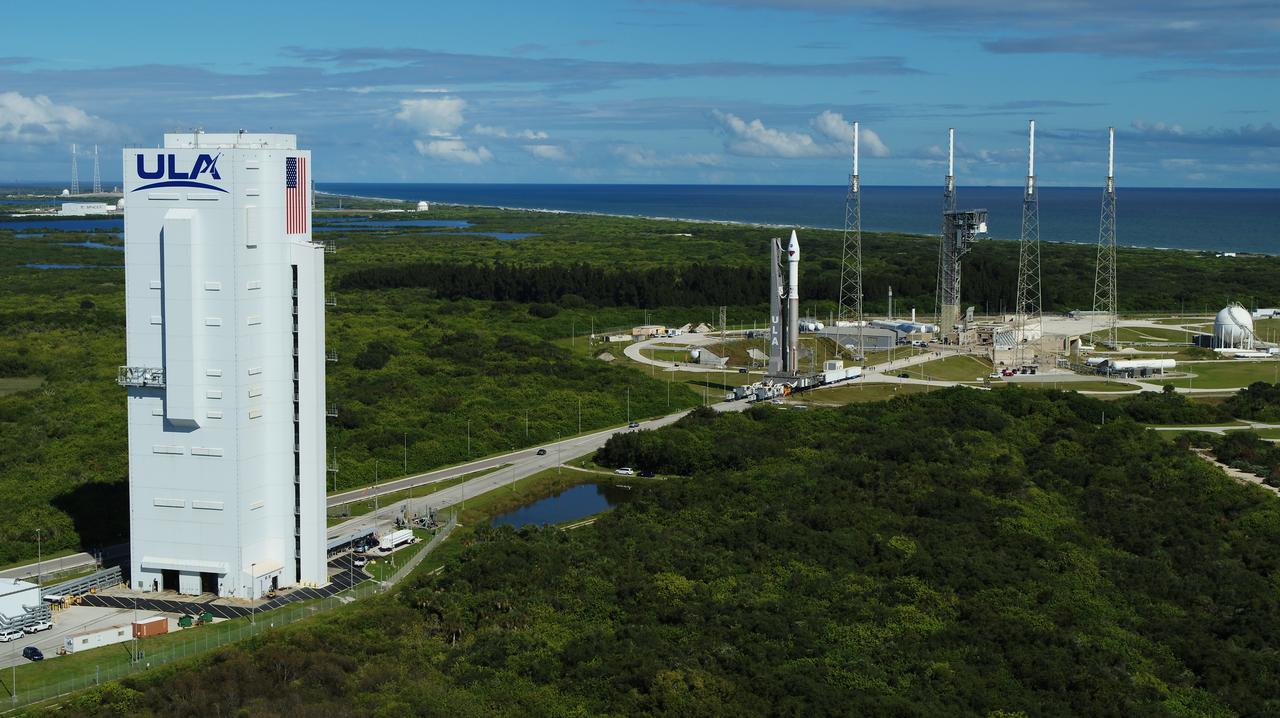
A United Launch Alliance V 401 rocket, with NASA’s Lucy spacecraft atop, makes its way from Cape Canaveral Space Force Station’s Vertical Integration Facility to Space Launch Complex 41 on Thursday, Oct. 14, 2021, in preparation for its targeted 5:34 a.m. EDT liftoff on Saturday, Oct. 16. NASA’s Launch Services Program, based at Kennedy Space Center, is managing the launch. During its 12-year primary mission, Lucy will explore a record-breaking number of asteroids, flying by one asteroid in the solar system’s main belt and seven Trojan asteroids. Additionally, Lucy’s path will circle back to Earth three times for gravity assists, making it the first spacecraft ever to return to the vicinity of Earth from the outer solar system.
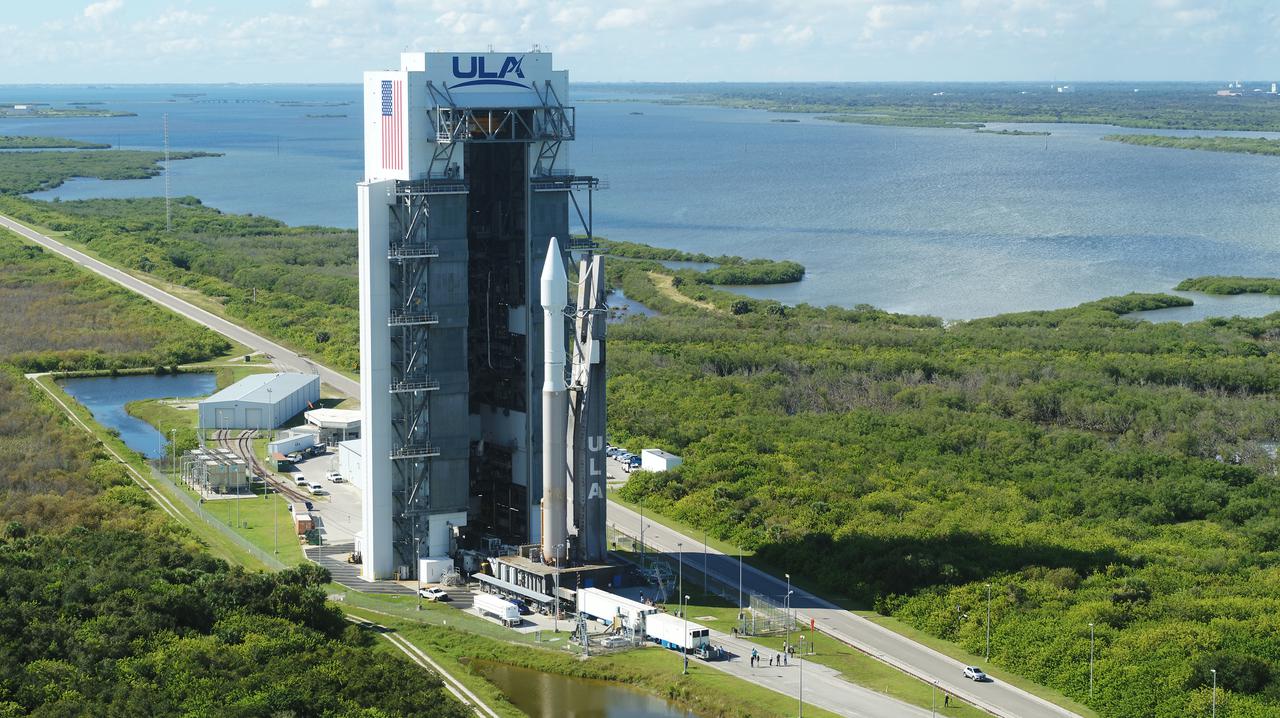
A United Launch Alliance V 401 rocket, with NASA’s Lucy spacecraft atop, leaves Cape Canaveral Space Force Station’s Vertical Integration Facility en route to Space Launch Complex 41 on Thursday, Oct. 14, 2021, in preparation for its targeted 5:34 a.m. EDT liftoff on Saturday, Oct. 16. NASA’s Launch Services Program, based at Kennedy Space Center, is managing the launch. During its 12-year primary mission, Lucy will explore a record-breaking number of asteroids, flying by one asteroid in the solar system’s main belt and seven Trojan asteroids. Additionally, Lucy’s path will circle back to Earth three times for gravity assists, making it the first spacecraft ever to return to the vicinity of Earth from the outer solar system.
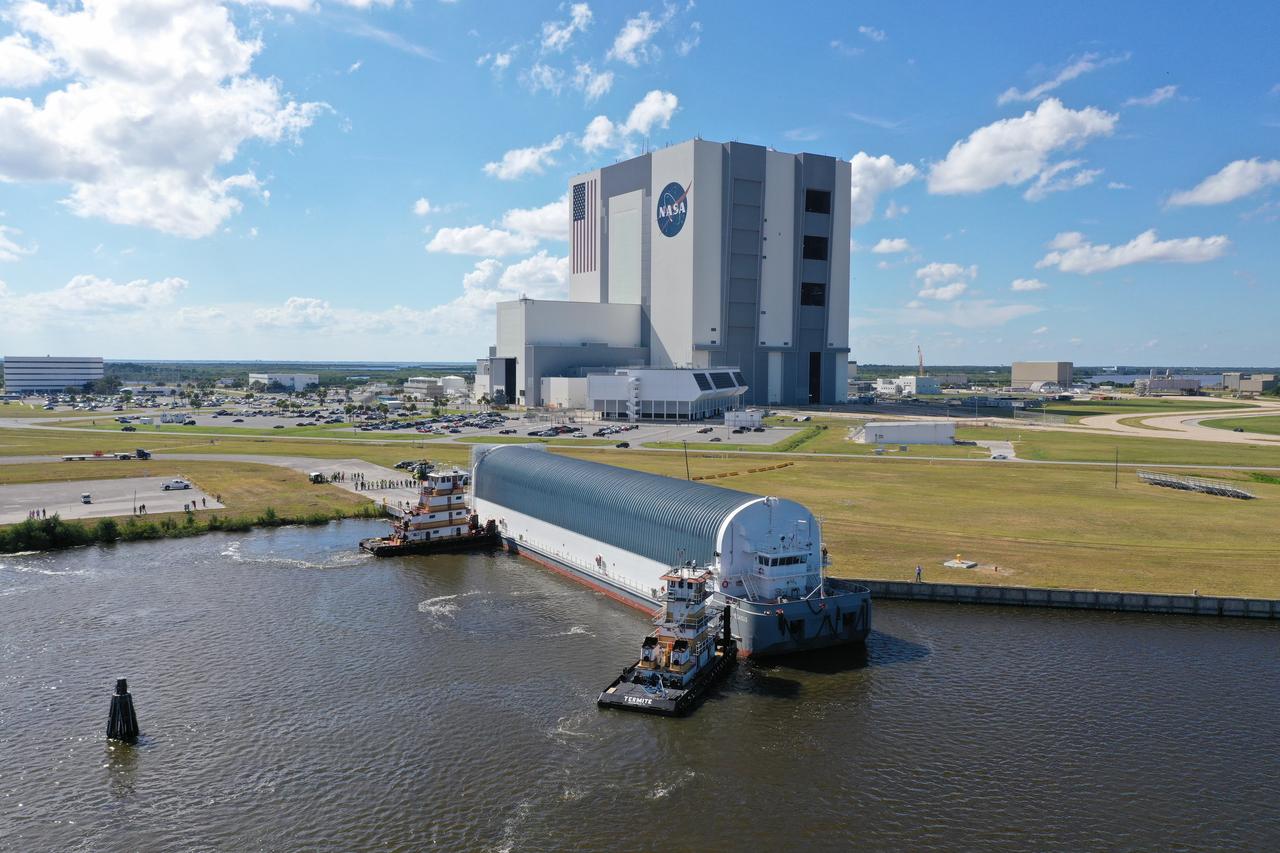
NASA's Pegasus Barge arrives at the Launch Complex 39 turn basin wharf at Kennedy Space Center in Florida to make its first delivery to Kennedy in support of the agency's Artemis missions. The upgraded 310-foot-long barge arrived Sept. 27, 2019, ferrying the 212-foot-long Space Launch System rocket core stage pathfinder. The pathfinder is a full-scale mock-up of the rocket's core stage. The pathfinder will be used by the Exploration Ground Systems Program and their contractor, Jacobs, to practice offloading, moving and stacking maneuvers, using important ground support equipment to train employees and certify all the equipment works properly. The pathfinder will stay at Kennedy for approximately one month before trekking back to NASA's Michoud Assembly Facility in Louisiana.
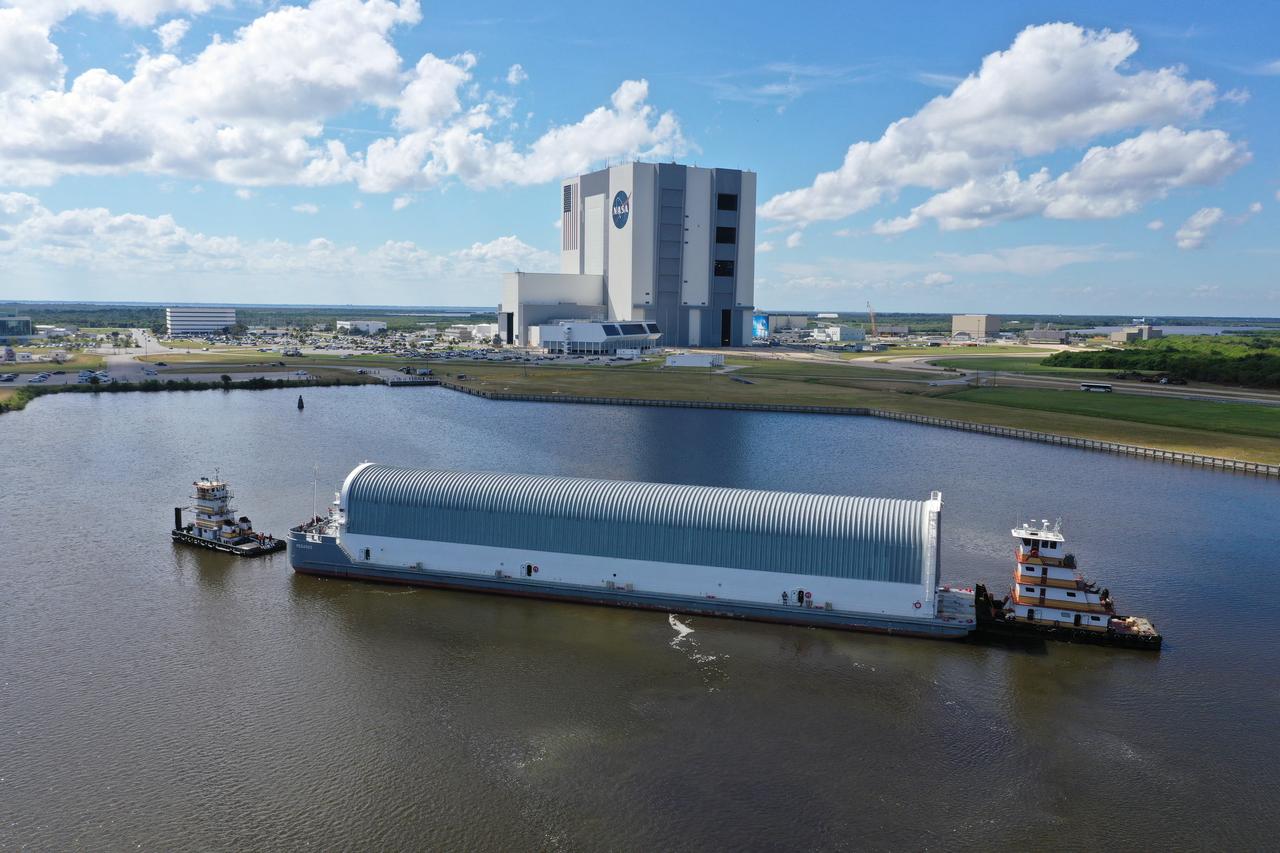
NASA's Pegasus Barge travels on the inland waterway to its destination at the Kennedy Space Center Launch Complex 39 turn basin wharf, to make its first delivery to Kennedy in support of the agency's Artemis missions. The upgraded 310-foot-long barge arrived Sept. 27, 2019, ferrying the 212-foot-long Space Launch System rocket core stage pathfinder. The pathfinder is a full-scale mock-up of the rocket's core stage. The pathfinder will be used by the Exploration Ground Systems Program and their contractor, Jacobs, to practice offloading, moving and stacking maneuvers, using important ground support equipment to train employees and certify all the equipment works properly. The pathfinder will stay at Kennedy for approximately one month before trekking back to NASA's Michoud Assembly Facility in Louisiana.
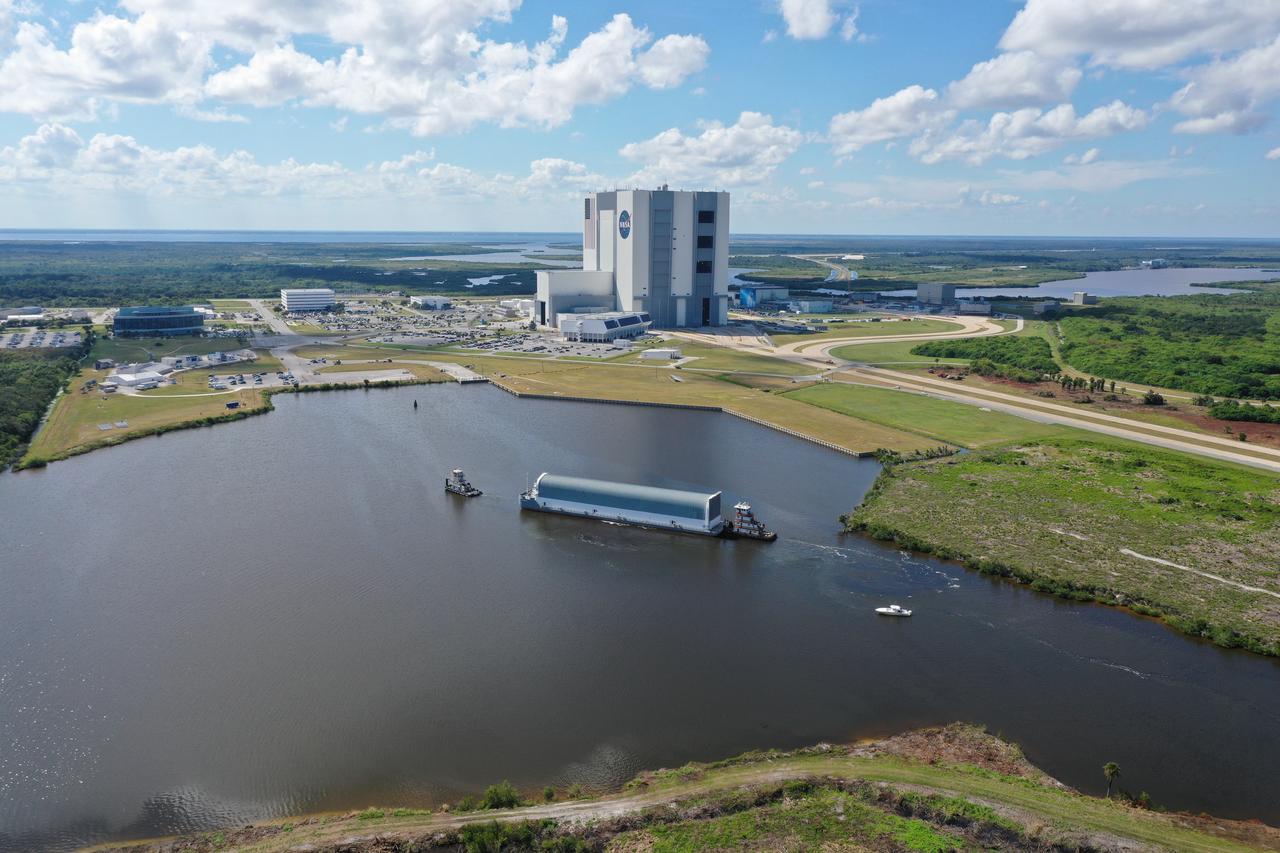
NASA's Pegasus Barge travels on the inland waterway to its destination at the Kennedy Space Center Launch Complex 39 turn basin wharf, to make its first delivery to Kennedy in support of the agency's Artemis missions. The upgraded 310-foot-long barge arrived Sept. 27, 2019, ferrying the 212-foot-long Space Launch System rocket core stage pathfinder. The pathfinder is a full-scale mock-up of the rocket's core stage. The pathfinder will be used by the Exploration Ground Systems Program and their contractor, Jacobs, to practice offloading, moving and stacking maneuvers, using important ground support equipment to train employees and certify all the equipment works properly. The pathfinder will stay at Kennedy for approximately one month before trekking back to NASA's Michoud Assembly Facility in Louisiana.
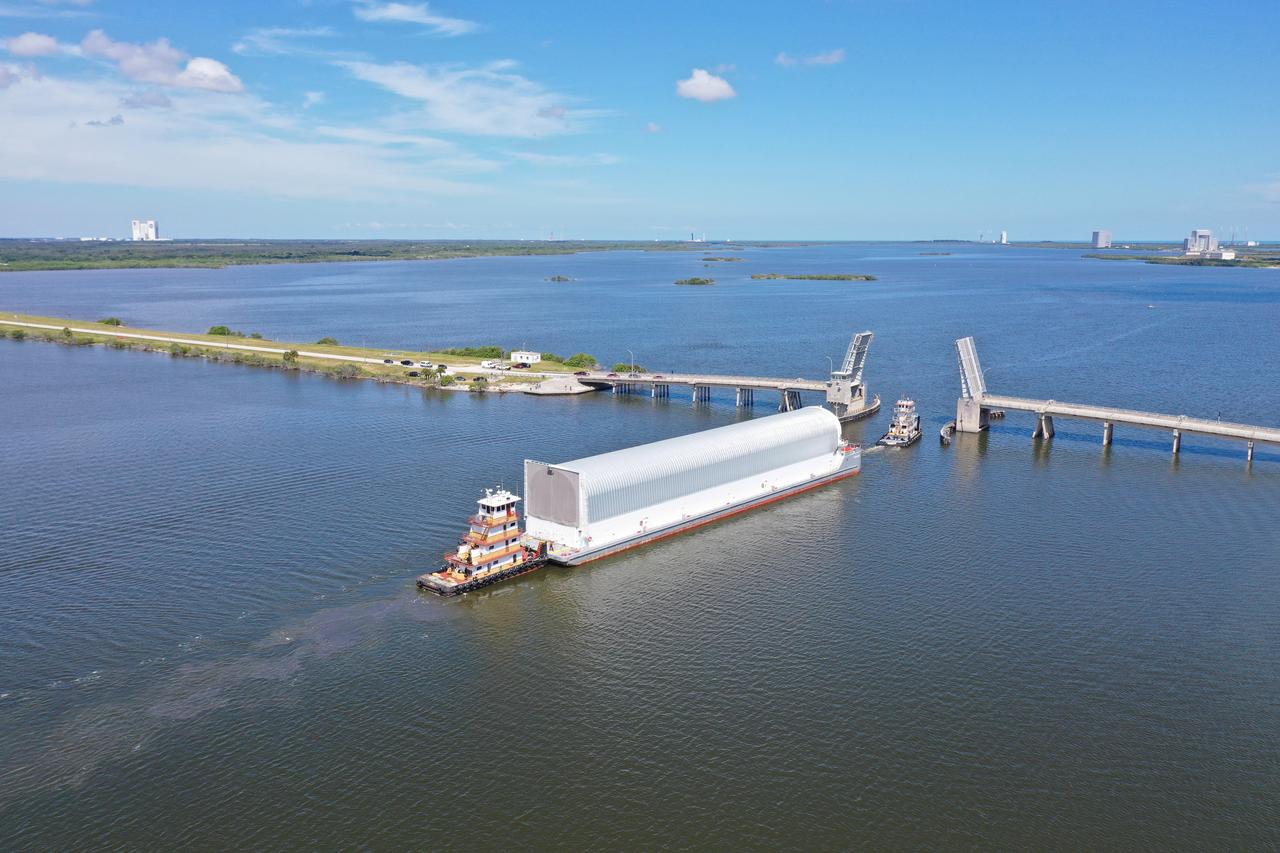
NASA's Pegasus Barge makes its way along the intercoastal waterway to its destination at the Kennedy Space Center Launch Complex 39 turn basin wharf, to make its first delivery to Kennedy in support of the agency's Artemis missions. The upgraded 310-foot-long barge arrived Sept. 27, 2019, ferrying the 212-foot-long Space Launch System rocket core stage pathfinder. The pathfinder is a full-scale mock-up of the rocket's core stage. The pathfinder will be used by the Exploration Ground Systems Program and their contractor, Jacobs, to practice offloading, moving and stacking maneuvers, using important ground support equipment to train employees and certify all the equipment works properly. The pathfinder will stay at Kennedy for approximately one month before trekking back to NASA's Michoud Assembly Facility in Louisiana.
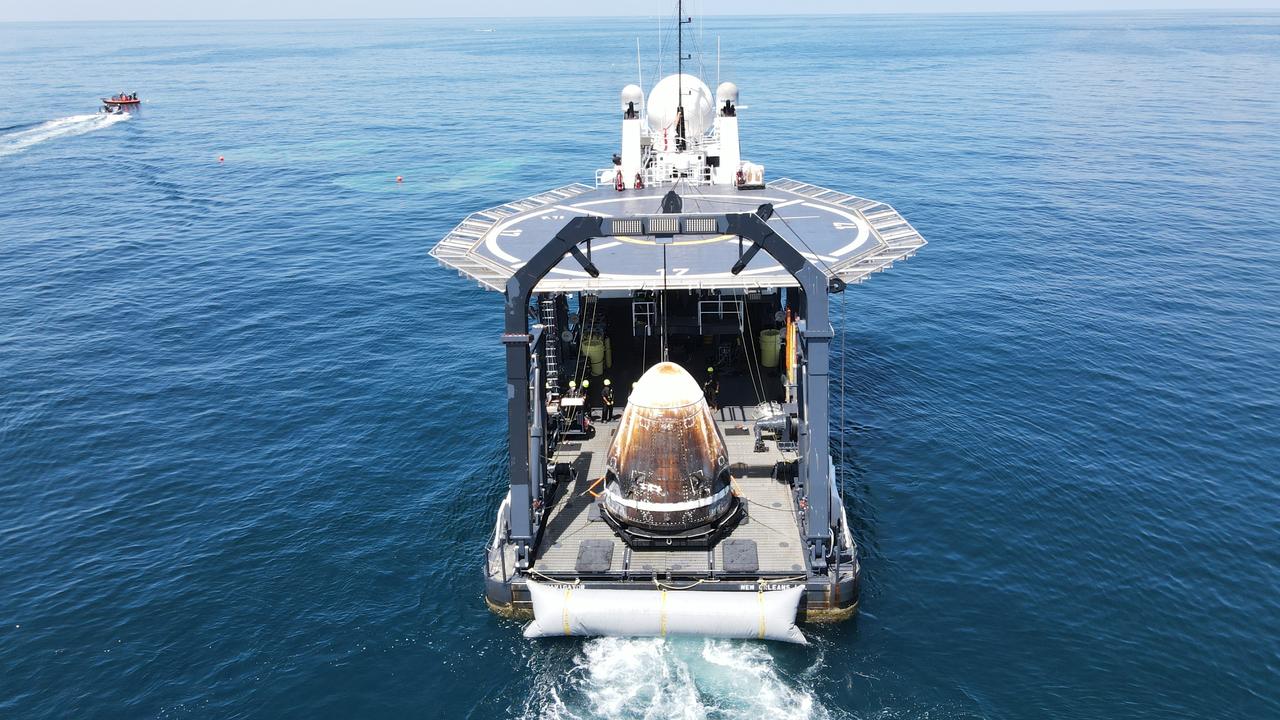
The SpaceX Crew Dragon spacecraft, with NASA astronauts Robert Behnken and Douglas Hurley inside, is seen aboard SpaceX’s GO Navigator recovery ship shortly after splashing down in the Gulf of Mexico off the coast of Pensacola, Florida, on Aug. 2, 2020. Behnken and Hurley spent 62 days aboard the International Space Station for NASA’s SpaceX Demo-2 mission, becoming the first astronauts to launch to the orbiting laboratory from U.S. soil since the end of the shuttle program in 2011. The final flight test for SpaceX, Demo-2 will pave the way for the agency to certify the company’s transportation system for regular, crewed flights to the orbiting laboratory.
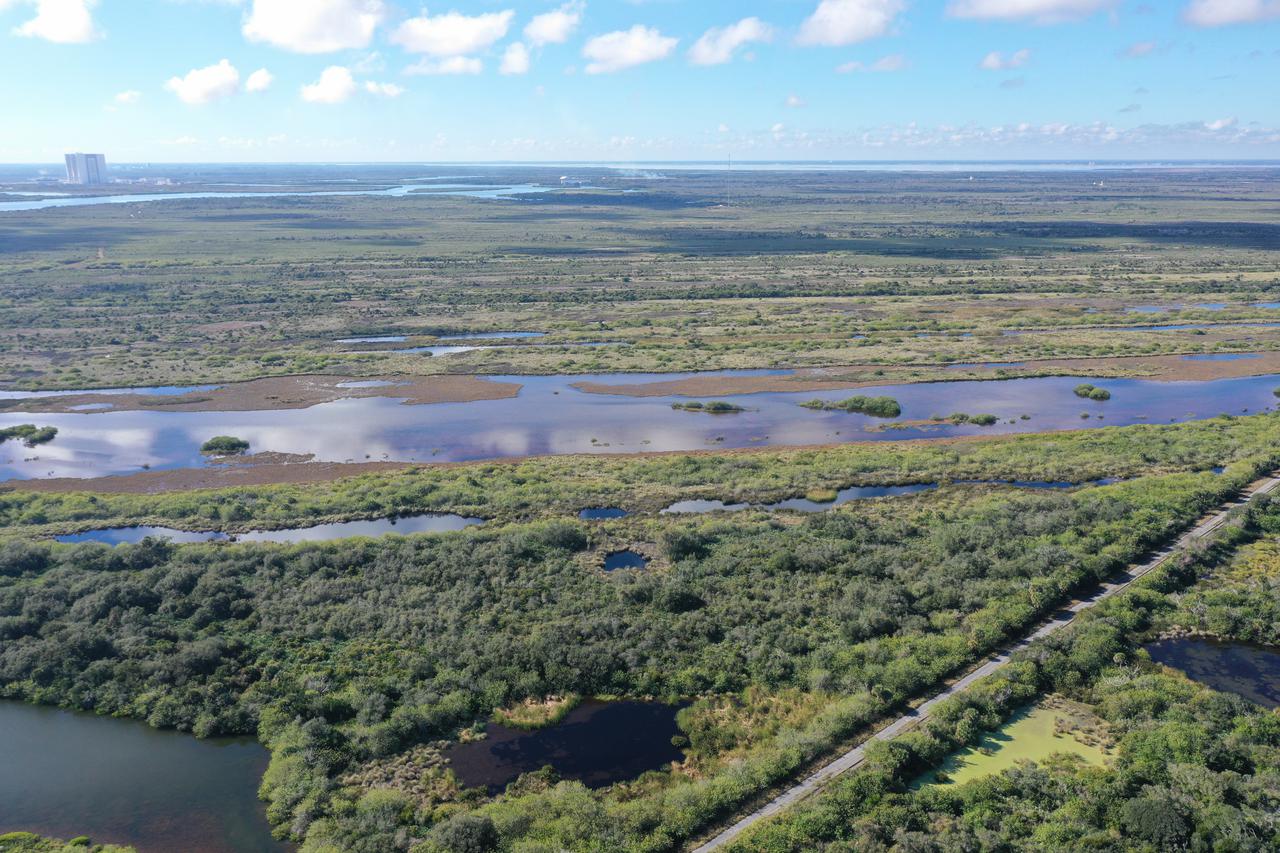
An aerial view of a proposed new launch site, Launch Complex 49, on Dec. 28, 2021, at NASA’s Kennedy Space Center in Florida. In response to an inquiry from SpaceX, NASA is preparing to conduct environmental assessments to develop the proposed launch site. The 175-acre site, located north of Launch Complex 39B within the center’s security perimeter, would support the launch and landing of SpaceX’s Starship and Super Heavy launch vehicle. NASA and SpaceX are moving forward with the initial environmental assessment before concluding a potential agreement to develop the property.
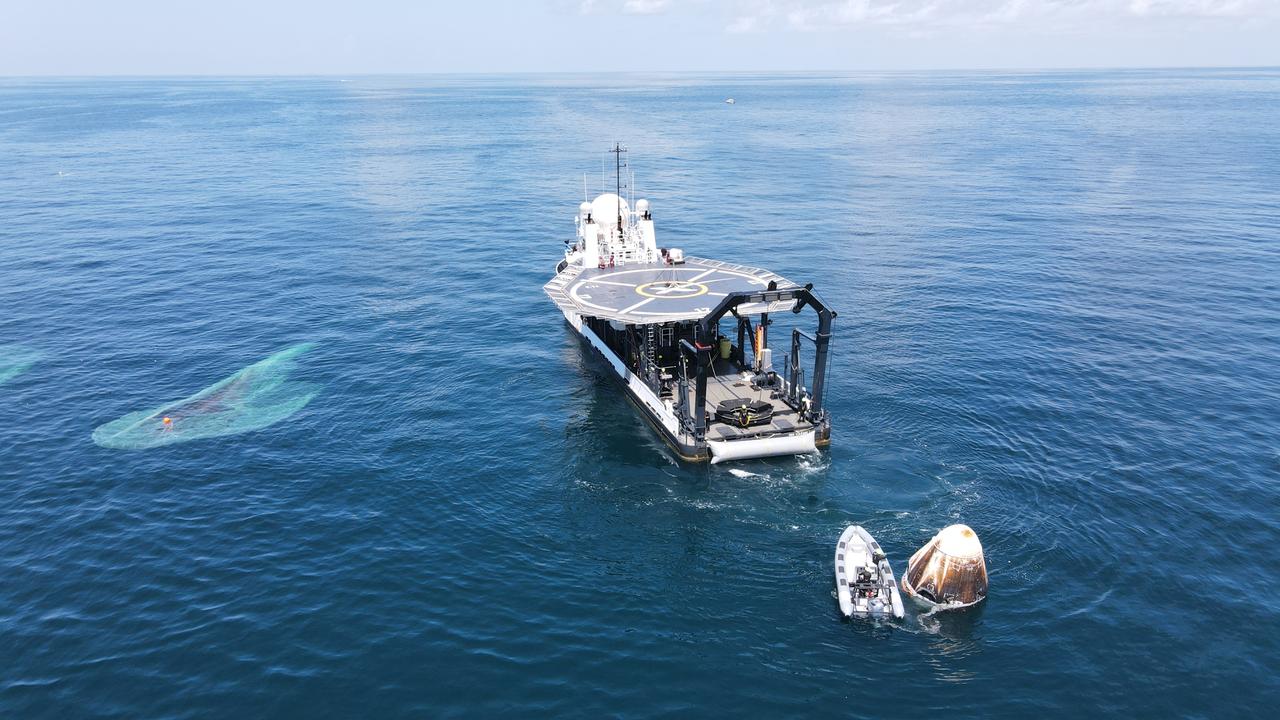
Support teams arrive at the SpaceX Crew Dragon spacecraft, with NASA astronauts Robert Behnken and Douglas Hurley onboard, shortly after it splashed down in the Gulf of Mexico off the coast of Pensacola, Florida, on Aug. 2, 2020, for the agency’s SpaceX Demo-2 mission. Behind them is the SpaceX GO Navigator recovery ship, where Crew Dragon was taken for Behnken and Hurley to exit the capsule. The final flight test for SpaceX under NASA’s Commercial Crew Program, Demo-2 will pave the way for the agency to certify the company’s transportation system for regular, crewed flights to the orbiting laboratory.
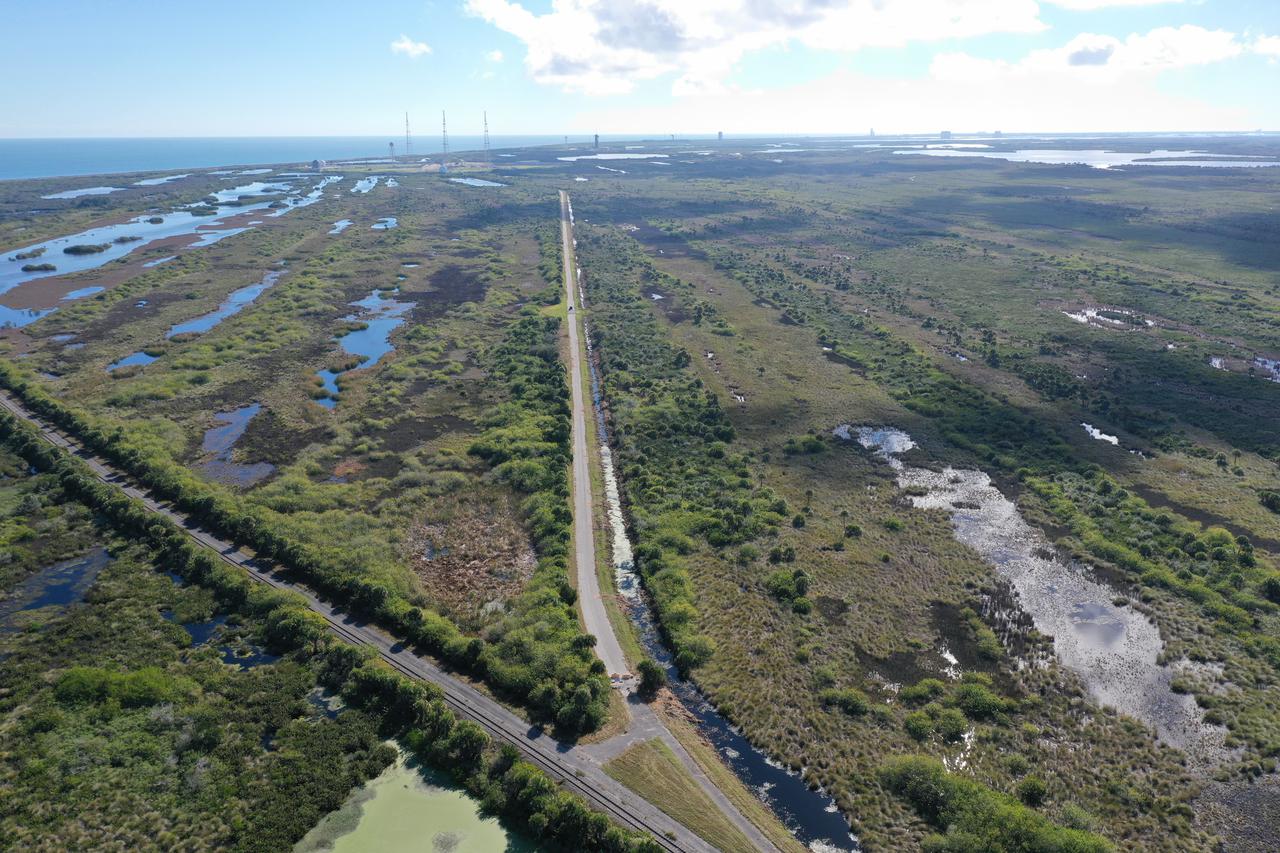
An aerial view of a proposed new launch site, Launch Complex 49, on Dec. 28, 2021, at NASA’s Kennedy Space Center in Florida. In response to an inquiry from SpaceX, NASA is preparing to conduct environmental assessments to develop the proposed launch site. The 175-acre site, located north of Launch Complex 39B within the center’s security perimeter, would support the launch and landing of SpaceX’s Starship and Super Heavy launch vehicle. NASA and SpaceX are moving forward with the initial environmental assessment before concluding a potential agreement to develop the property.
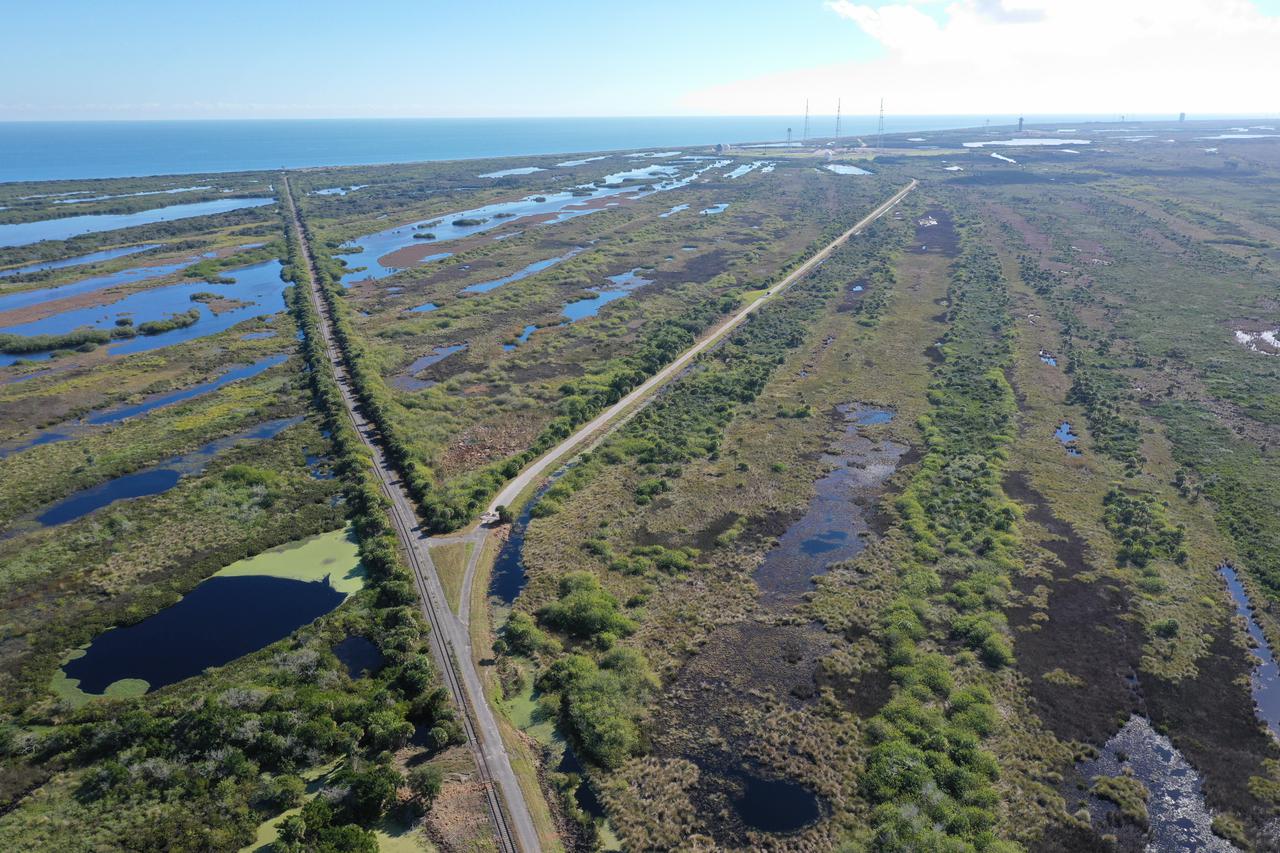
An aerial view of a proposed new launch site, Launch Complex 49, on Dec. 28, 2021, at NASA’s Kennedy Space Center in Florida. In response to an inquiry from SpaceX, NASA is preparing to conduct environmental assessments to develop the proposed launch site. The 175-acre site, located north of Launch Complex 39B within the center’s security perimeter, would support the launch and landing of SpaceX’s Starship and Super Heavy launch vehicle. NASA and SpaceX are moving forward with the initial environmental assessment before concluding a potential agreement to develop the property.
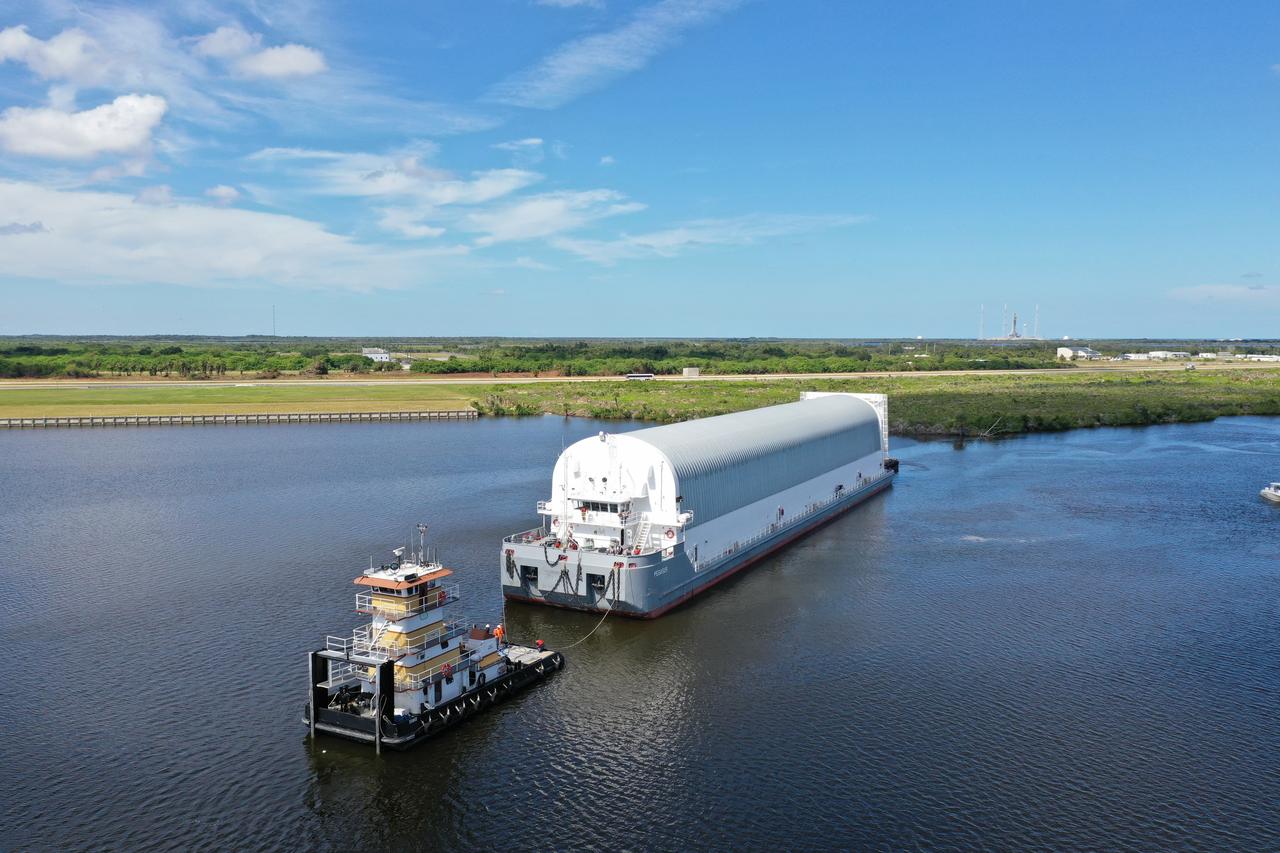
NASA's Pegasus Barge travels on the inland waterway to its destination at the Kennedy Space Center Launch Complex 39 turn basin wharf, to make its first delivery to Kennedy in support of the agency's Artemis missions. The upgraded 310-foot-long barge arrived Sept. 27, 2019, ferrying the 212-foot-long Space Launch System rocket core stage pathfinder. The pathfinder is a full-scale mock-up of the rocket's core stage. The pathfinder will be used by the Exploration Ground Systems Program and their contractor, Jacobs, to practice offloading, moving and stacking maneuvers, using important ground support equipment to train employees and certify all the equipment works properly. The pathfinder will stay at Kennedy for approximately one month before trekking back to NASA's Michoud Assembly Facility in Louisiana.
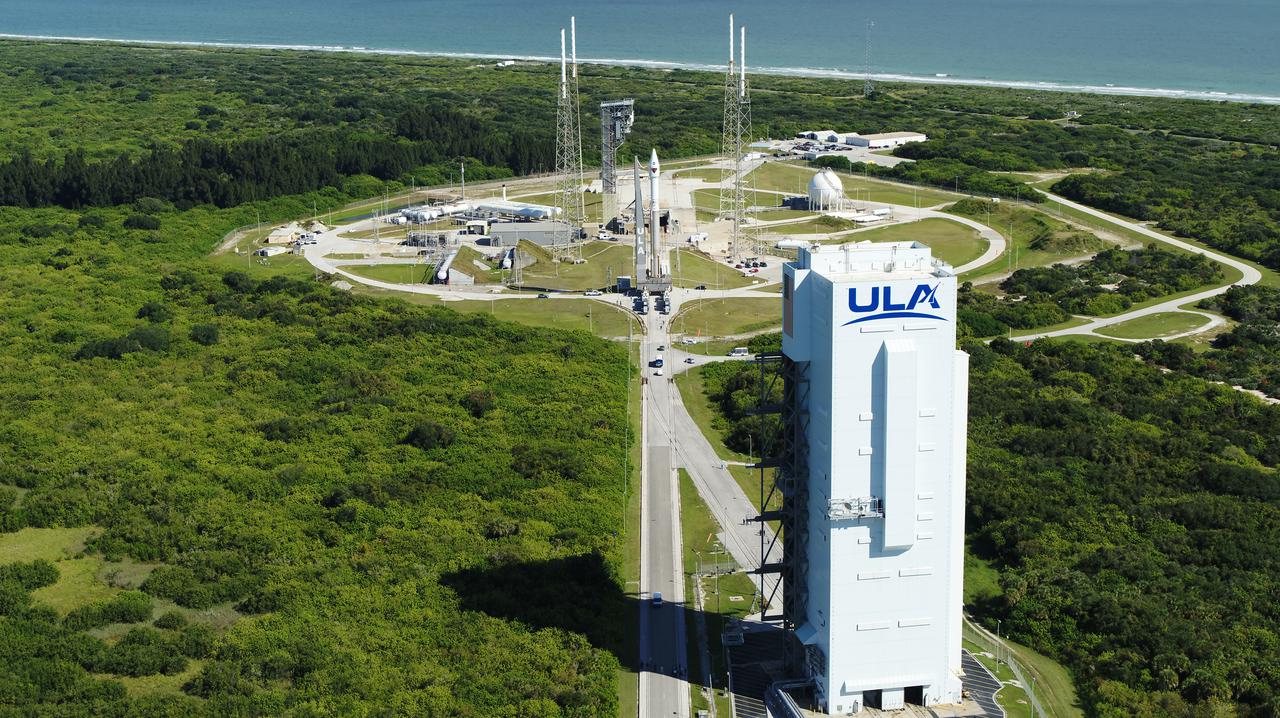
A United Launch Alliance V 401 rocket, with NASA’s Lucy spacecraft atop, makes its way from Cape Canaveral Space Force Station’s Vertical Integration Facility to Space Launch Complex 41 on Thursday, Oct. 14, 2021, in preparation for its targeted 5:34 a.m. EDT liftoff on Saturday, Oct. 16. NASA’s Launch Services Program, based at Kennedy Space Center, is managing the launch. During its 12-year primary mission, Lucy will explore a record-breaking number of asteroids, flying by one asteroid in the solar system’s main belt and seven Trojan asteroids. Additionally, Lucy’s path will circle back to Earth three times for gravity assists, making it the first spacecraft ever to return to the vicinity of Earth from the outer solar system.
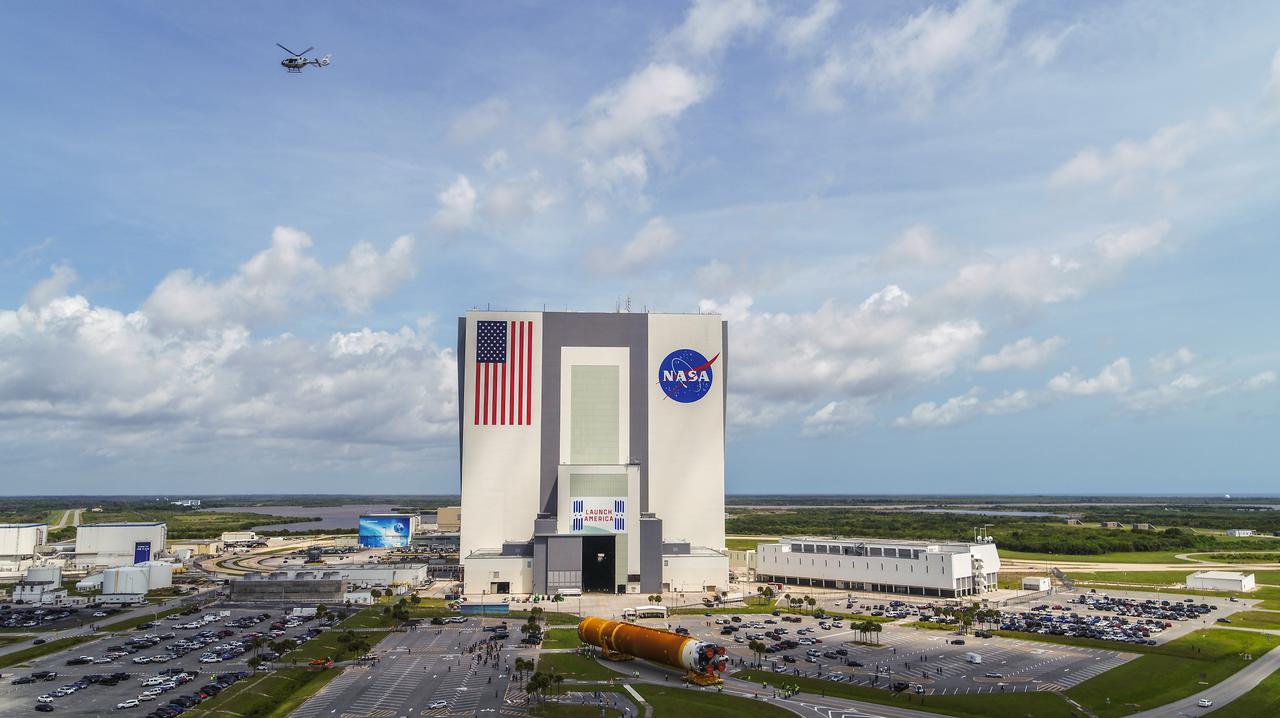
After completing its journey from NASA’s Stennis Space Center in Mississippi aboard the Pegasus barge, teams with Exploration Ground Systems (EGS) and lead contractor Jacobs transport the massive Space Launch System (SLS) core stage to Kennedy Space Center’s Vehicle Assembly Building in Florida on April 29, 2021 in this aerial view. A NASA helicopter is in view in the upper left of the photograph. Once inside the VAB, the core stage will be prepared for integration with the completed stack of solid rocket boosters atop the mobile launcher ahead of the Artemis I launch. The first in a series of increasingly complex missions, Artemis I will test SLS and Orion as an integrated system prior to crewed flights to the Moon.