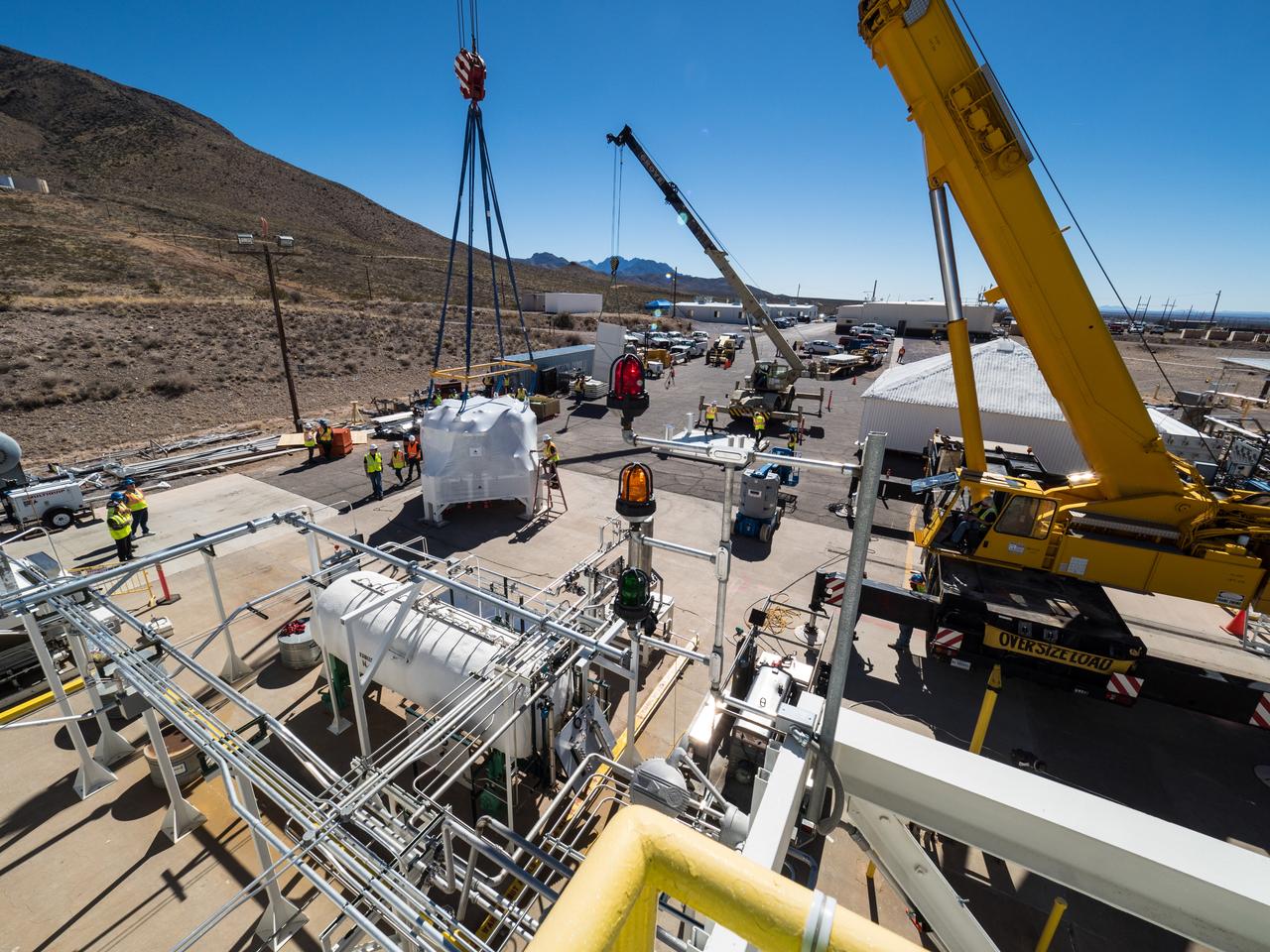
On Feb. 21, 2017 engineers successfully install ESA’s European Service Module Propulsion Qualification Module (PQM) at NASA’s White Sands Test Facility in New Mexico that was delivered by Airbus – ESA’s prime contractor for the Service Module. The module will be equipped with a total of 21 engines to support NASA’s Orion spacecraft: one U.S. Space Shuttle Orbital Maneuvering System (OMS) engine, eight auxiliary thrusters and 12 smaller thrusters produced by Airbus Safran Launchers in Germany. The all-steel PQM structure is used to test the propulsion systems on Orion, including “hot firing” of the OMS engine and thrusters.
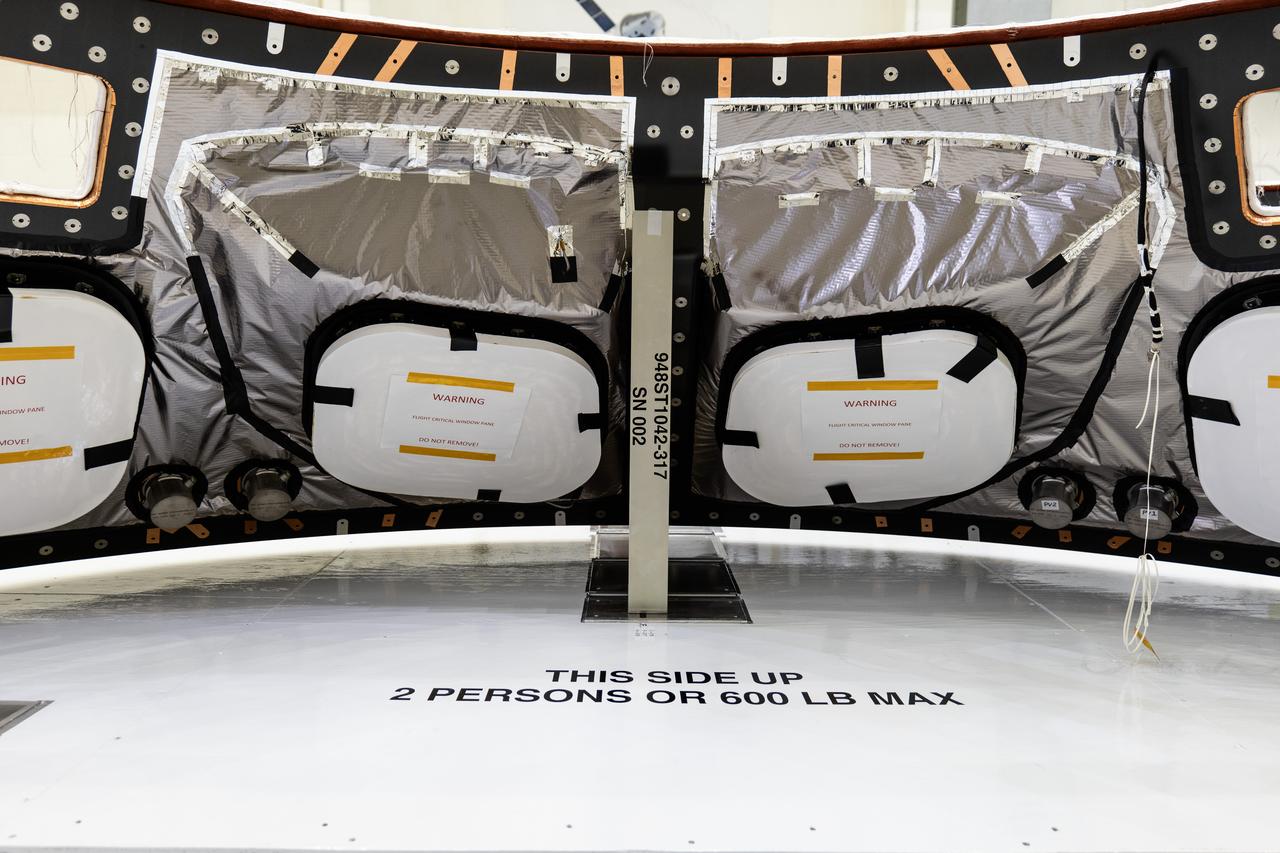
Back shell panels are visible on the Orion spacecraft for the Artemis II mission inside the Neil A. Armstrong Operations and Checkout Building high bay at NASA's Kennedy Space Center in Florida on Monday, Dec. 15, 2024. The back shell panels serve as the outer layer of the spacecraft and will protect it against the extreme temperatures of re-entry from deep space.
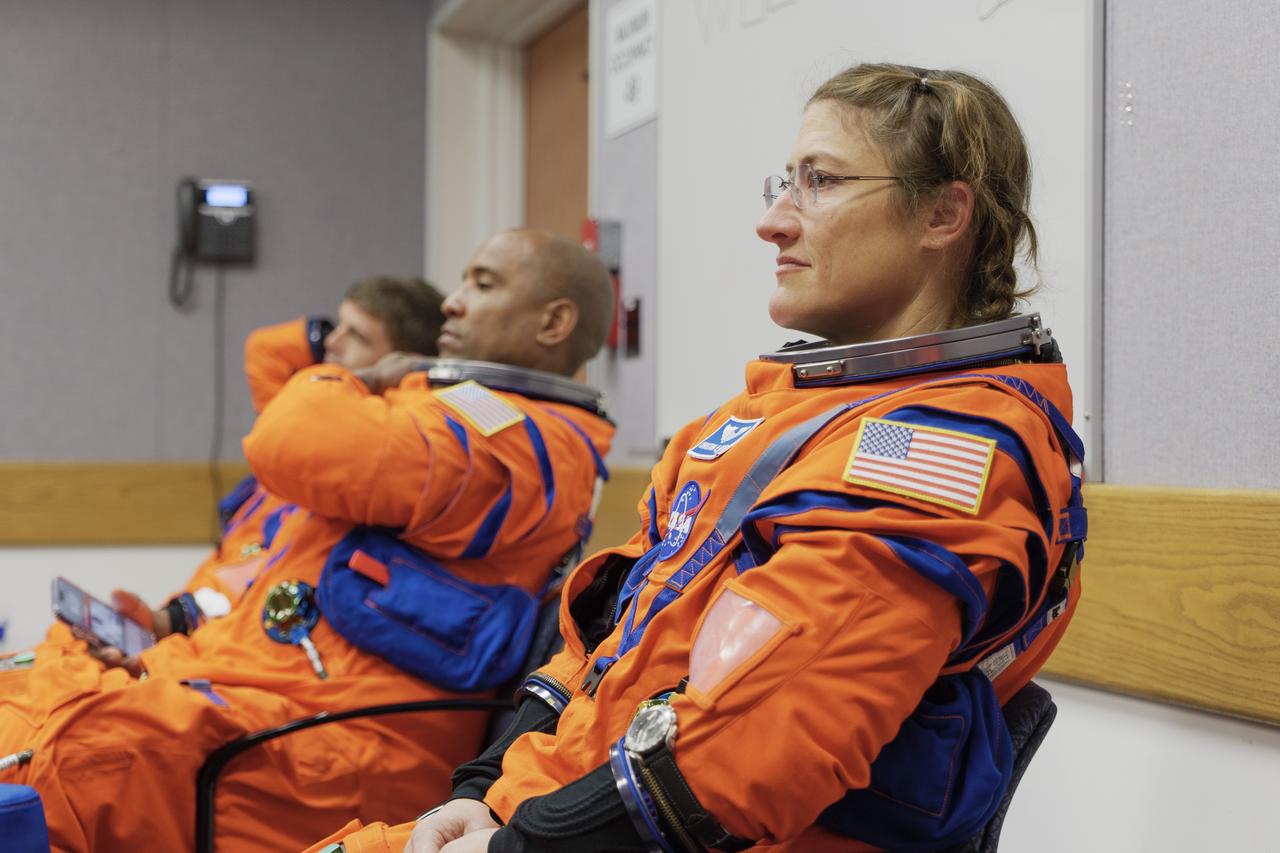
The crew of NASA’s Artemis II mission participates in a suited crew test on Thursday, July 31, 2025, at the agency’s Kennedy Space Center in Florida. From left, NASA astronauts Reid Wiseman, Artemis II commander; Victor Glover, Artemis II pilot; and Christina Koch, mission specialist, and CSA (Canadian Space Agency) Jeremy Hansen (not pictured), donned their Orion crew survival system spacesuits, for training at NASA’s Kennedy’s Multi-Payload Processing Facility, where they entered their fully powered Orion spacecraft as part of the test. Artemis II will take the four astronauts around the Moon, as the first crewed mission on NASA’s path to establishing a long-term presence for science and exploration through Artemis.
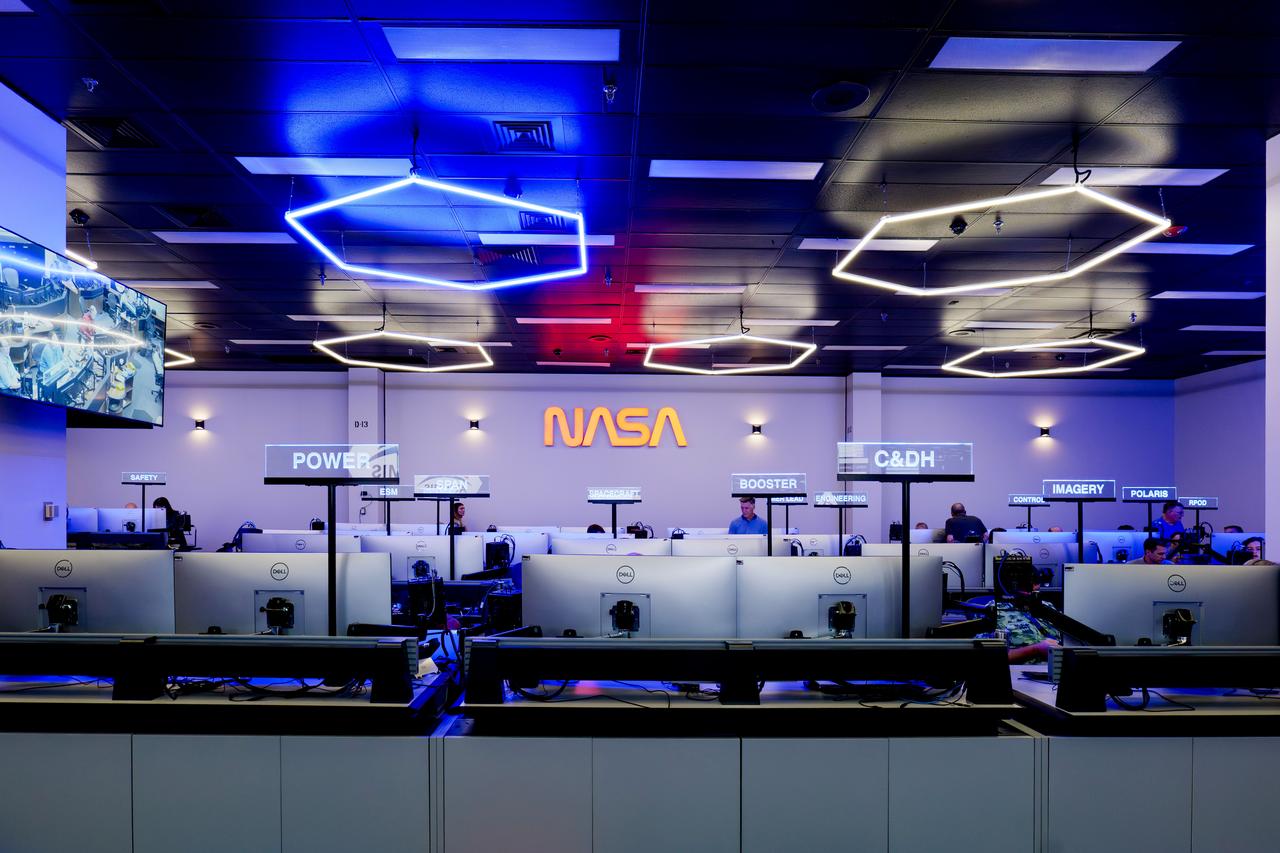
The Orion Mission Evaluation Room (MER) team works during an Artemis II mission simulation on Aug. 19, 2025, from the new Orion MER inside the Mission Control Center at NASA’s Johnson Space Center in Houston.
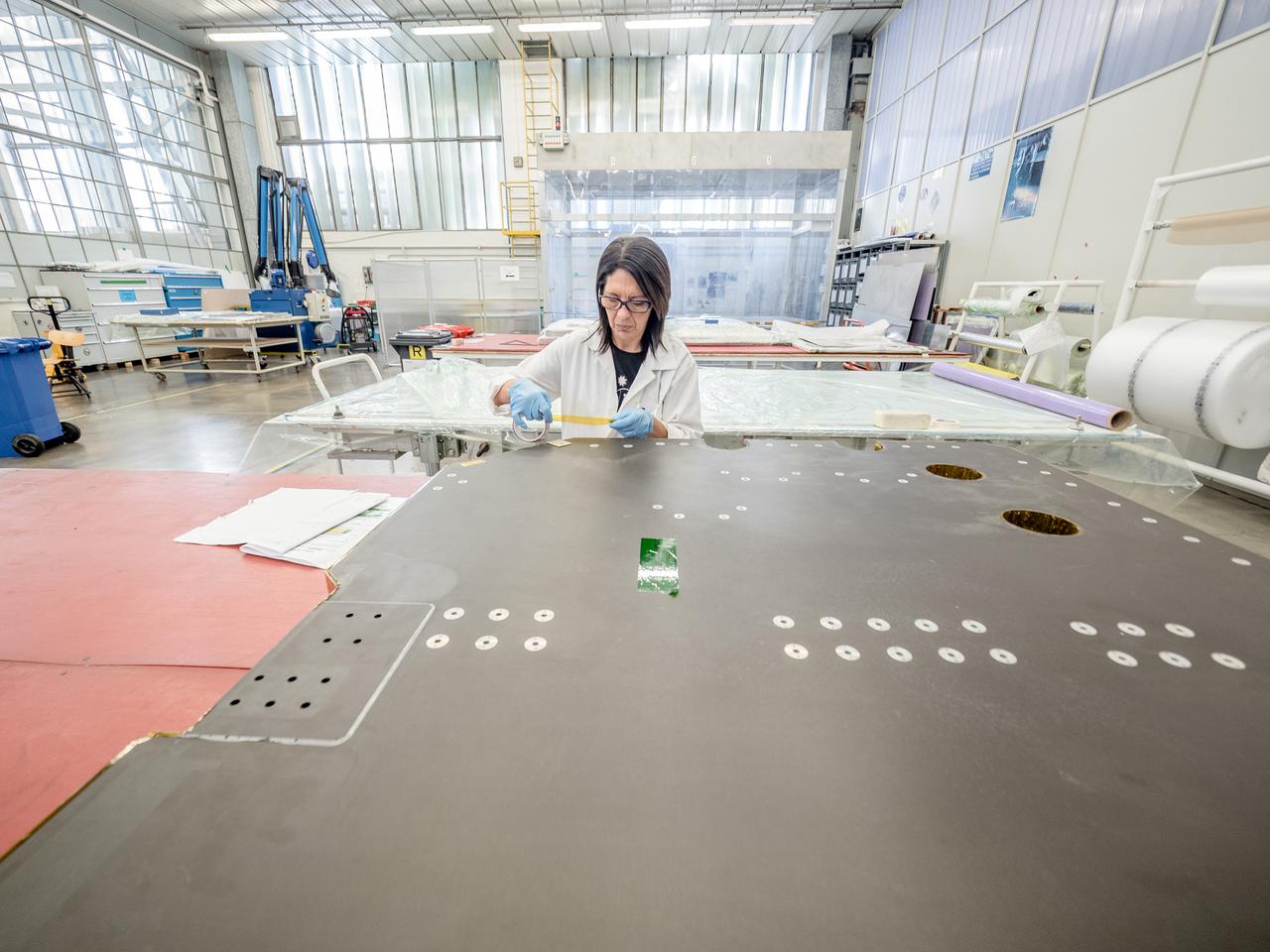
While engineers in Europe continue to outfit the Orion spacecraft’s service module for Artemis I in preparation for shipment to NASA’s Kennedy Space Center in Florida next year, work is already beginning on the service module that will power, propel, cool and provide air and water for the first crewed mission in the Orion spacecraft in the early 2020s. On Sept. 19, 2017, technicians at Thales Alenia in Turin, Italy, work on the primary structure of the European Service Module that will carry astronauts in Orion beyond the Moon during Artemis II. ESA (European Space Agency) and its contractors are providing Orion’s service module for its first two missions atop the Space Launch System rocket. NASA is leading the next steps in human space exploration and will send astronauts to the vicinity of the Moon to build and test the systems needed for challenging missions to deep space destinations including Mars. NASA is working with domestic and international partners to solve the great challenges of deep space exploration.
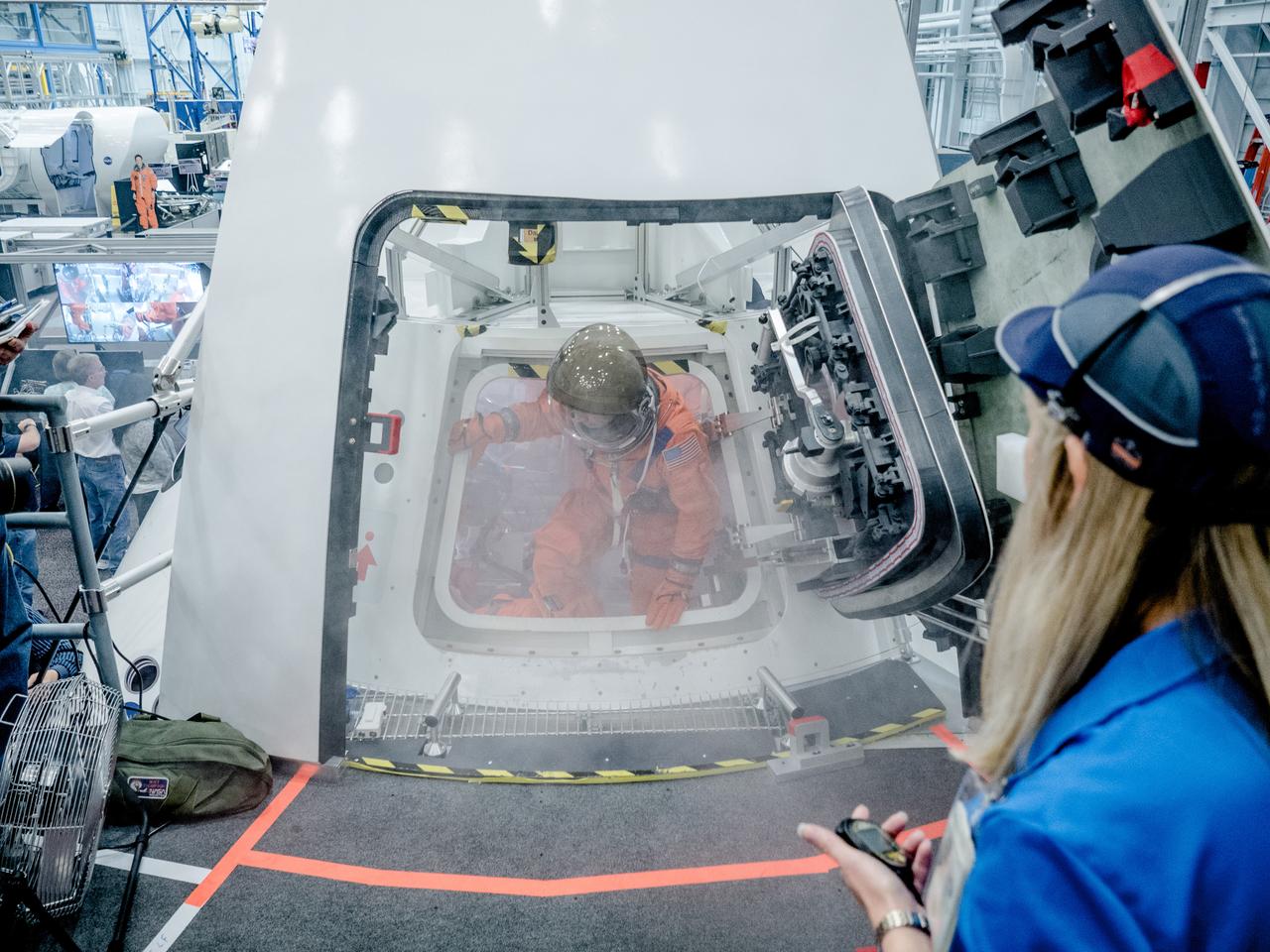
NASA is performing a series of tests to evaluate how astronauts and ground crew involved in final preparations before Orion missions will quickly get out of the spacecraft if an emergency were to occur on the pad prior to launch. In the hours before astronauts launch to space in Orion from NASA’s modernized spaceport in Florida in on the agency’s Space Launch System rocket, they will cross the Crew Access Arm 300 feet above the ground and climb inside the crew module with the assistance of ground personnel trained to help them strap into their seats and take care of last-minute needs. The testing is helping engineers evaluate hardware designs and establish procedures that would be used to get astronauts and ground crew out of the capsule as quickly as possible. Flight and ground crew are required to get out of Orion within two minutes to protect for a variety of failure scenarios that do not require the launch abort system to be activated, such as crew incapacitation, fire or the presence of toxins in the cabin. This testing took place the week of Oct. 30, 2017 using the Orion mockup in the Space Vehicle Mockup Facility at NASA’s Johnson Space Center in Houston. In this photo, engineers used fake smoke to imitate a scenario in which astronauts must exit the capsule when their vision is obscured. Markings on the ground indicate where the Crew Access Arm would be located and help guide the crew. This testing is a collaborative effort between the Orion and Ground Systems Development and Operations programs. Previous egress testing at Johnson and in the Gulf of Mexico has evaluated how crew will exit the spacecraft at the end of their missions..

The NASA Photo Social at NASA’s Michoud Assembly Facility (MAF) in New Orleans, Louisiana, gathered social media-savvy photographers together on Aug. 16, 2018 to snap and share photos of the facility where NASA is building components for its deep space rocket, the Space Launch System, and crew vehicle, the Orion spacecraft. NASA Michoud is a world-class facility that is unique because it is one of the largest production buildings in the nation with a rich history of manufacturing excellence.
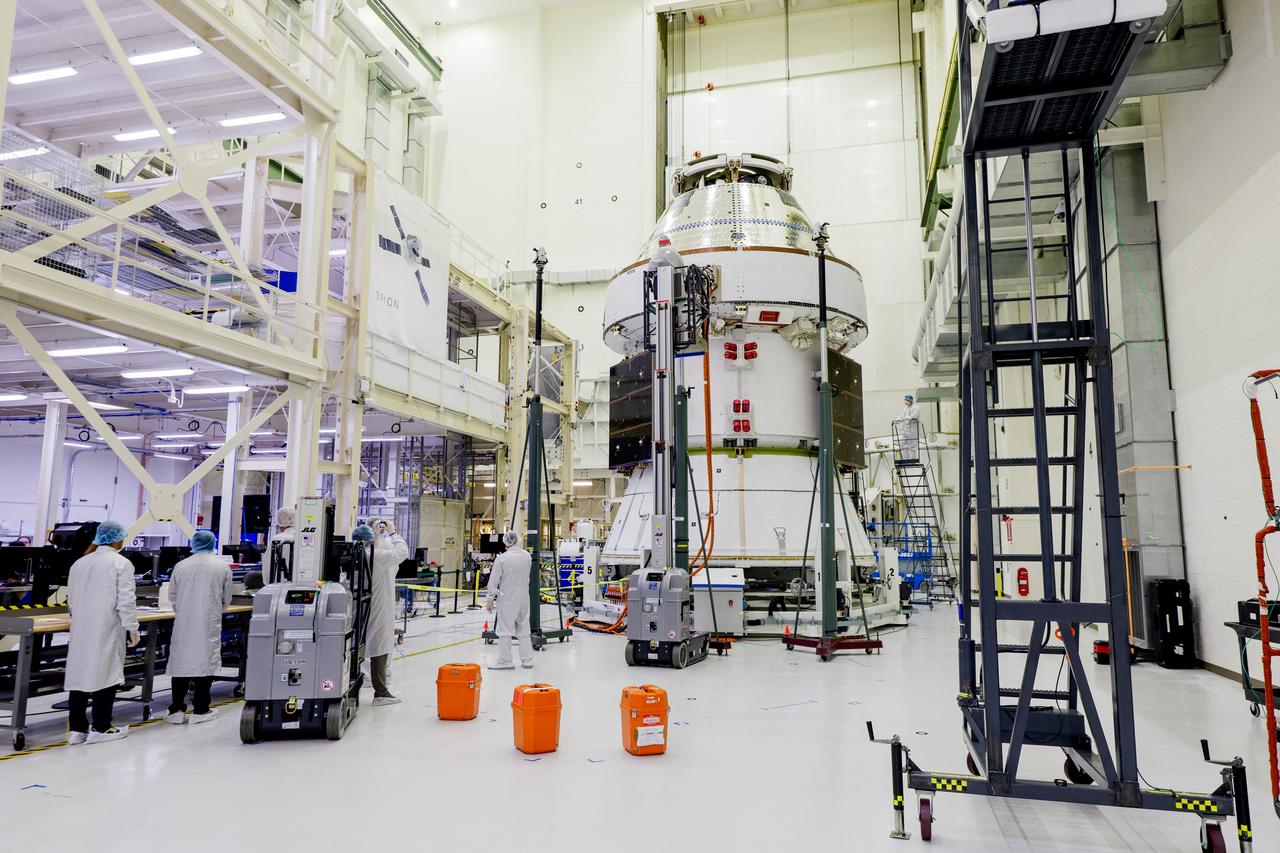
The four solar array wings for the Artemis II Orion spacecraft are installed inside the Operations and Checkout Building at NASA's Kennedy Space Center in Florida on March 7, 2025. Artemis II is Orion’s first crewed flight test around the Moon under the agency’s Artemis campaign.
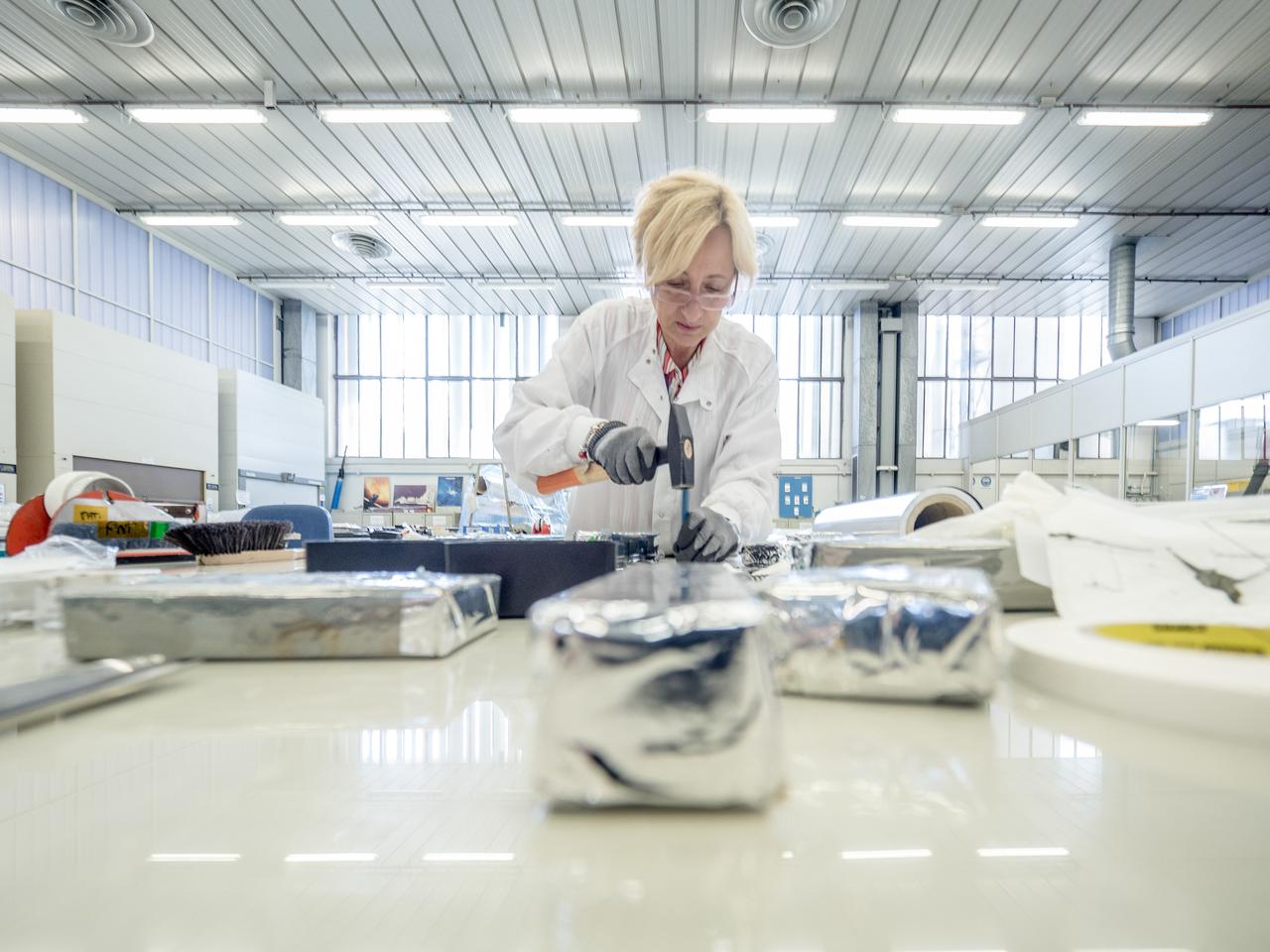
While engineers in Europe continue to outfit the Orion spacecraft’s service module for Artemis I in preparation for shipment to NASA’s Kennedy Space Center in Florida next year, work is already beginning on the service module that will power, propel, cool and provide air and water for the first crewed mission in the Orion spacecraft in the early 2020s. On Sept. 19, 2017, technicians at Thales Alenia in Turin, Italy, work on the primary structure of the European Service Module that will carry astronauts in Orion beyond the Moon during Artemis II. ESA (European Space Agency) and its contractors are providing Orion’s service module for its first two missions atop the Space Launch System rocket. NASA is leading the next steps in human space exploration and will send astronauts to the vicinity of the Moon to build and test the systems needed for challenging missions to deep space destinations including Mars. NASA is working with domestic and international partners to solve the great challenges of deep space exploration.
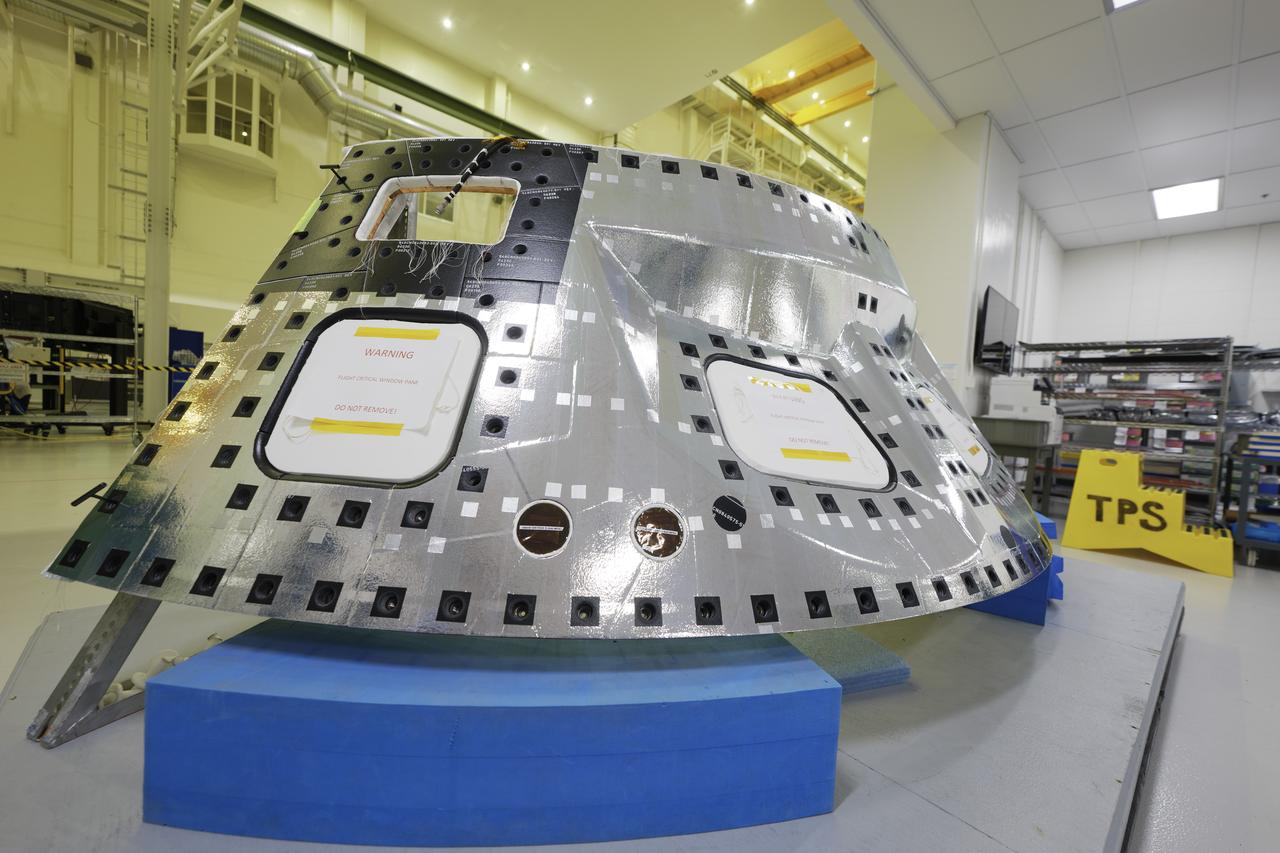
Inside the Operations and Checkout building at NASA's Kennedy Space Center in Florida on Thursday, Feb. 1, 2024, backshell panels and insulation for the Artemis II Orion spacecraft’s exterior are prepped for install. The spacecraft’s exterior will protect the Orion spacecraft and the astronauts inside from the harsh environments they will encounter on their mission.
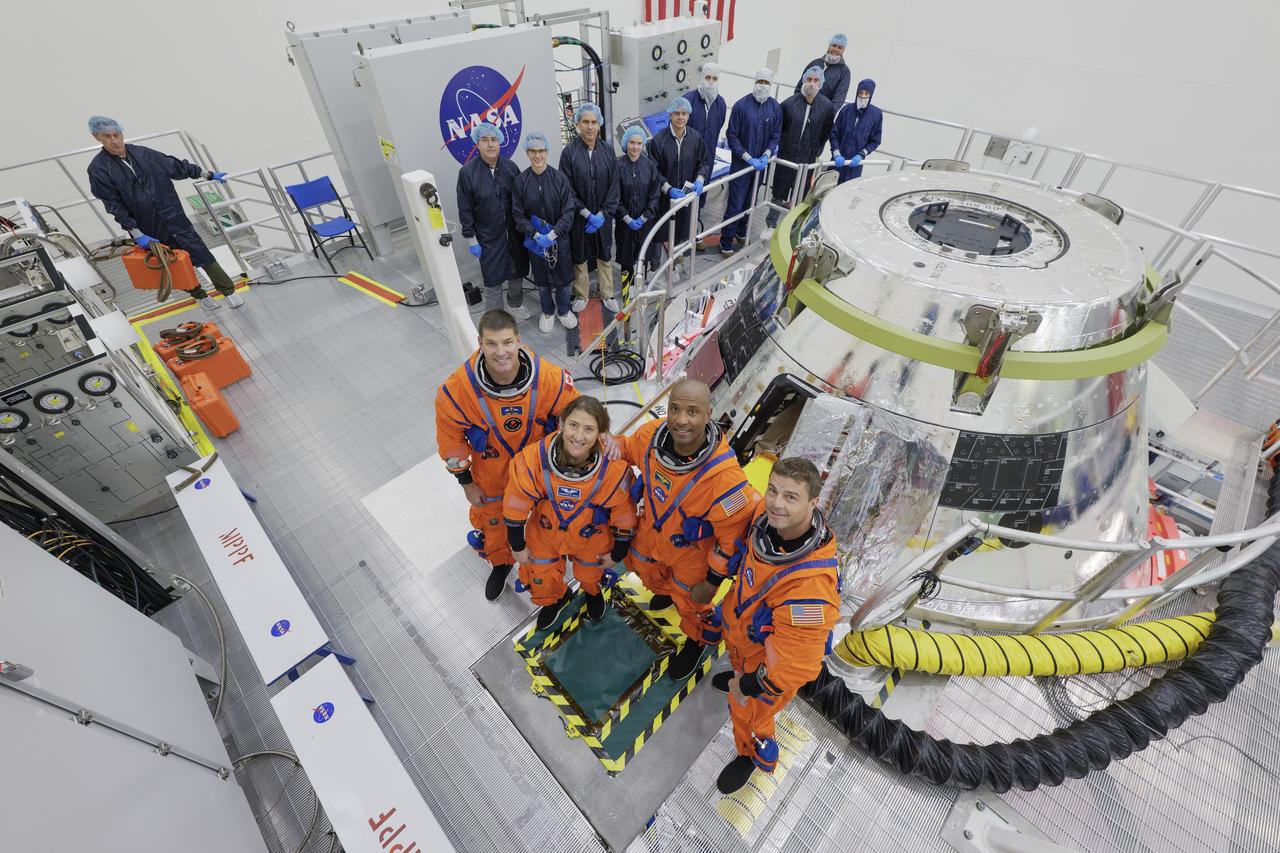
The Artemis II crew (from left to right) CSA (Canadian Space Agency) Jeremy Hansen, mission specialist; Christina Koch, mission specialist; Victor Glover, pilot; and Reid Wiseman, commander, don their Orion Crew Survival System Suits for a multi-day crew module training beginning Thursday, July 31, 2025 at the agency’s Kennedy Space Center in Florida. Behind the crew, wearing clean room apparel, are members of the Artemis II closeout crew. Testing included a suited crew test and crew equipment interface test, performing launch day and simulated orbital activities inside the Orion spacecraft. This series of tests marks the first time the crew entered their spacecraft that will take them around the Moon and back to Earth while wearing their spacesuits.
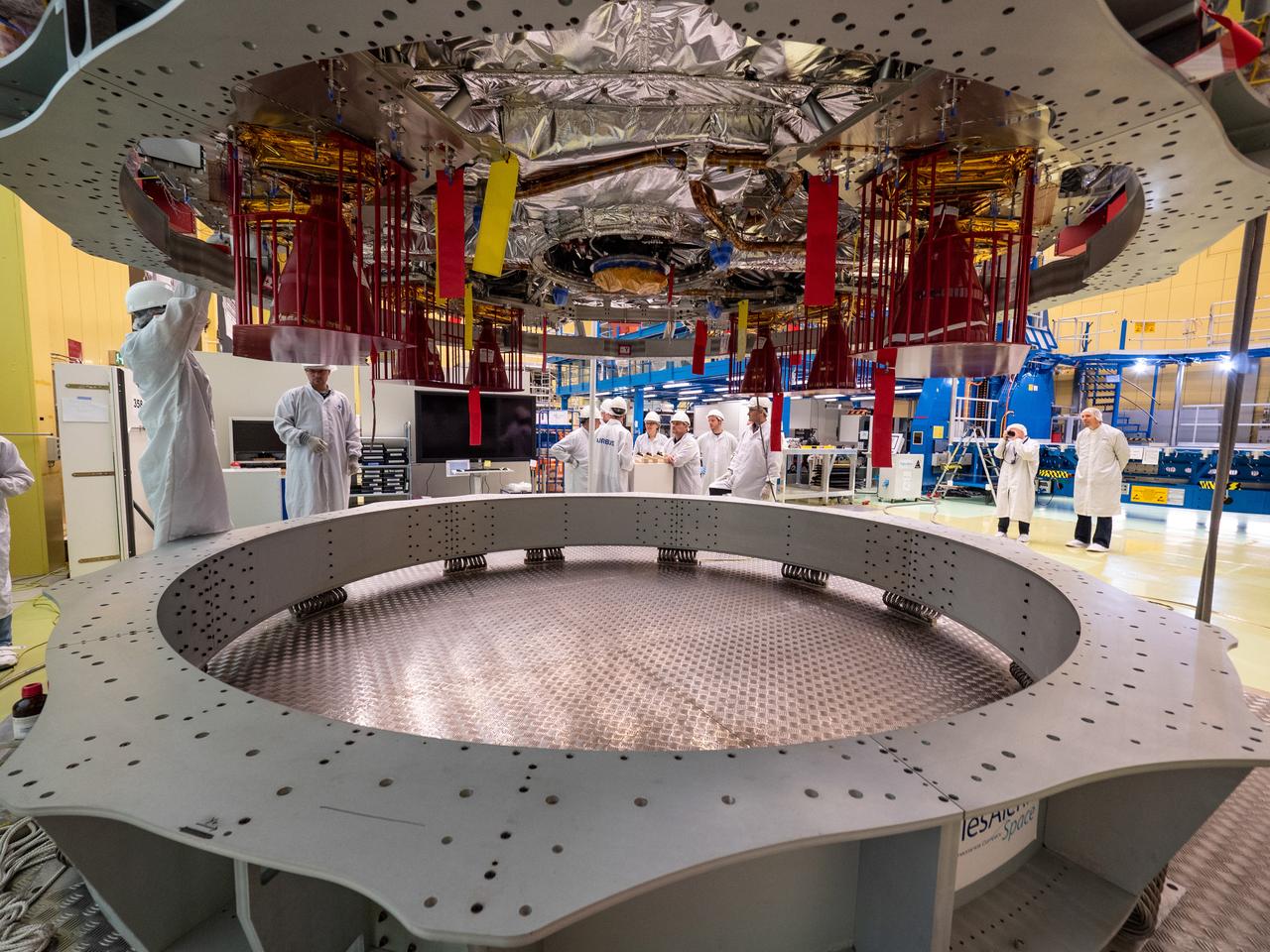
Technicians at the Airbus facility in Bremen, Germany prepare the European Service Module for shipment to Kennedy Space Center on Nov. 1, 2018. The service module will depart Germany on November 5, 2018 and will arrive in the U.S. on November 6...For the first time, NASA will use a European-built system as a critical element to power an American spacecraft, extending the international cooperation of the International Space Station into deep space. The European Service Module is a unique collaboration across space agencies and industry including ESA’s prime contractor, Airbus, and 10 European countries. The completion of service module work in Europe and shipment to Kennedy signifies a major milestone toward NASA’s human deep space exploration missions to the Moon and beyond.
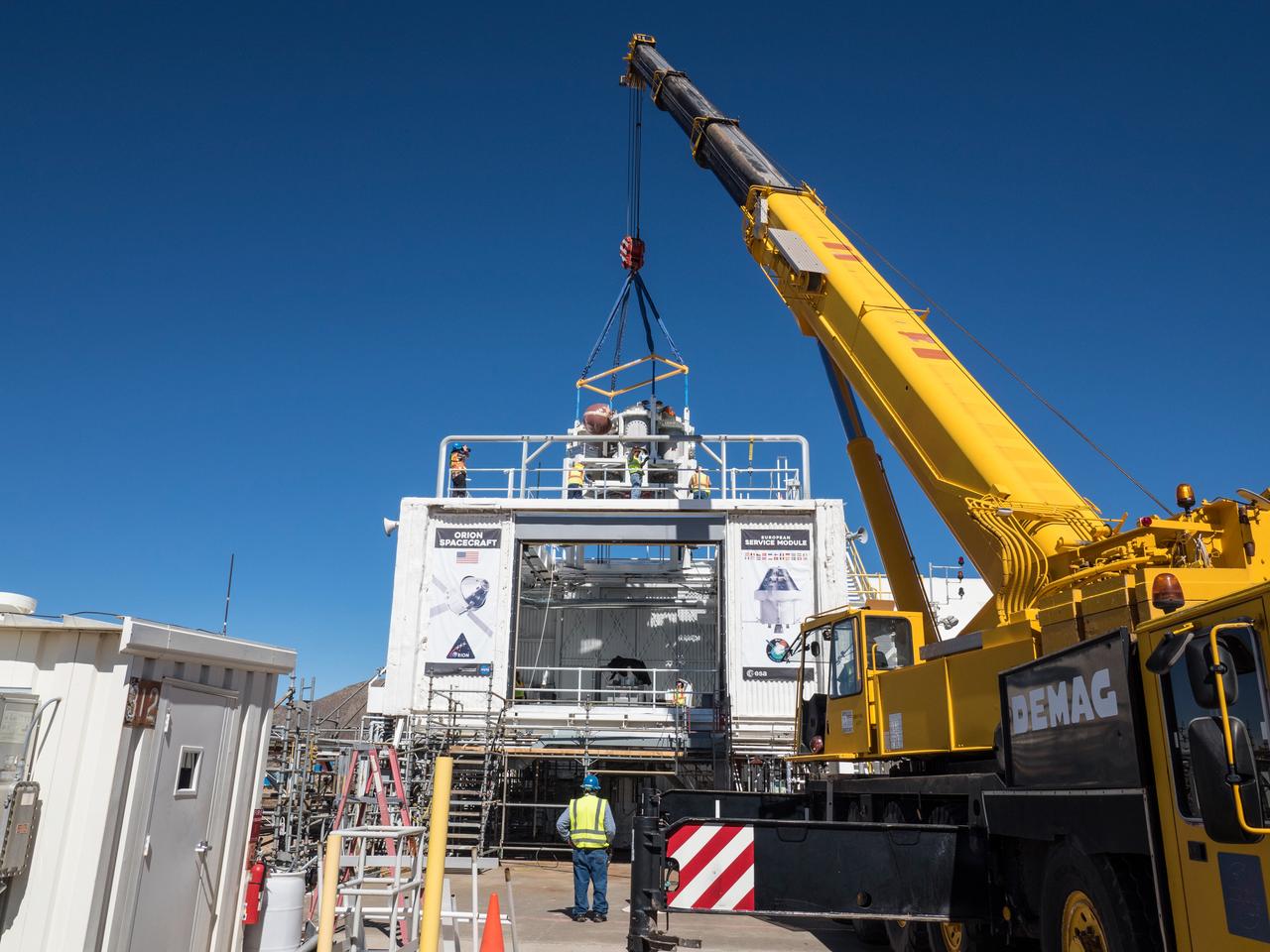
On Feb. 22, engineers successfully install ESA’s European Service Module Propulsion Qualification Module (PQM) at NASA’s White Sands Test Facility in New Mexico that was delivered by Airbus – ESA’s prime contractor for the Service Module. The module will be equipped with a total of 21 engines to support NASA’s Orion spacecraft: one U.S. Space Shuttle Orbital Maneuvering System (OMS) engine, eight auxiliary thrusters and 12 smaller thrusters produced by Airbus Safran Launchers in Germany. The all-steel PQM structure is used to test the propulsion systems on Orion, including “hot firing” of the OMS engine and thrusters.
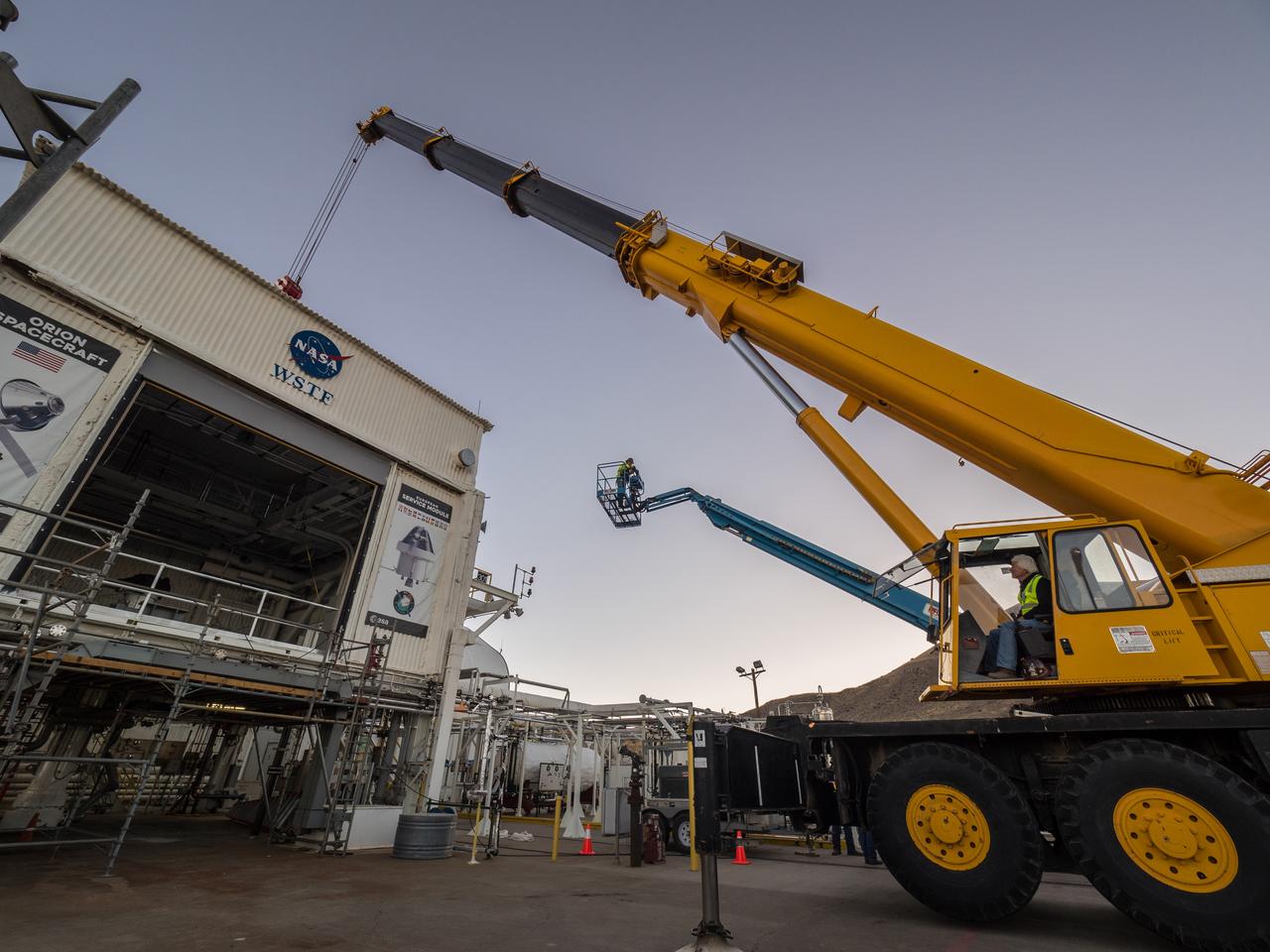
On Feb. 21, 2017 engineers successfully install ESA’s European Service Module Propulsion Qualification Module (PQM) at NASA’s White Sands Test Facility in New Mexico that was delivered by Airbus – ESA’s prime contractor for the Service Module. The module will be equipped with a total of 21 engines to support NASA’s Orion spacecraft: one U.S. Space Shuttle Orbital Maneuvering System (OMS) engine, eight auxiliary thrusters and 12 smaller thrusters produced by Airbus Safran Launchers in Germany. The all-steel PQM structure is used to test the propulsion systems on Orion, including “hot firing” of the OMS engine and thrusters.
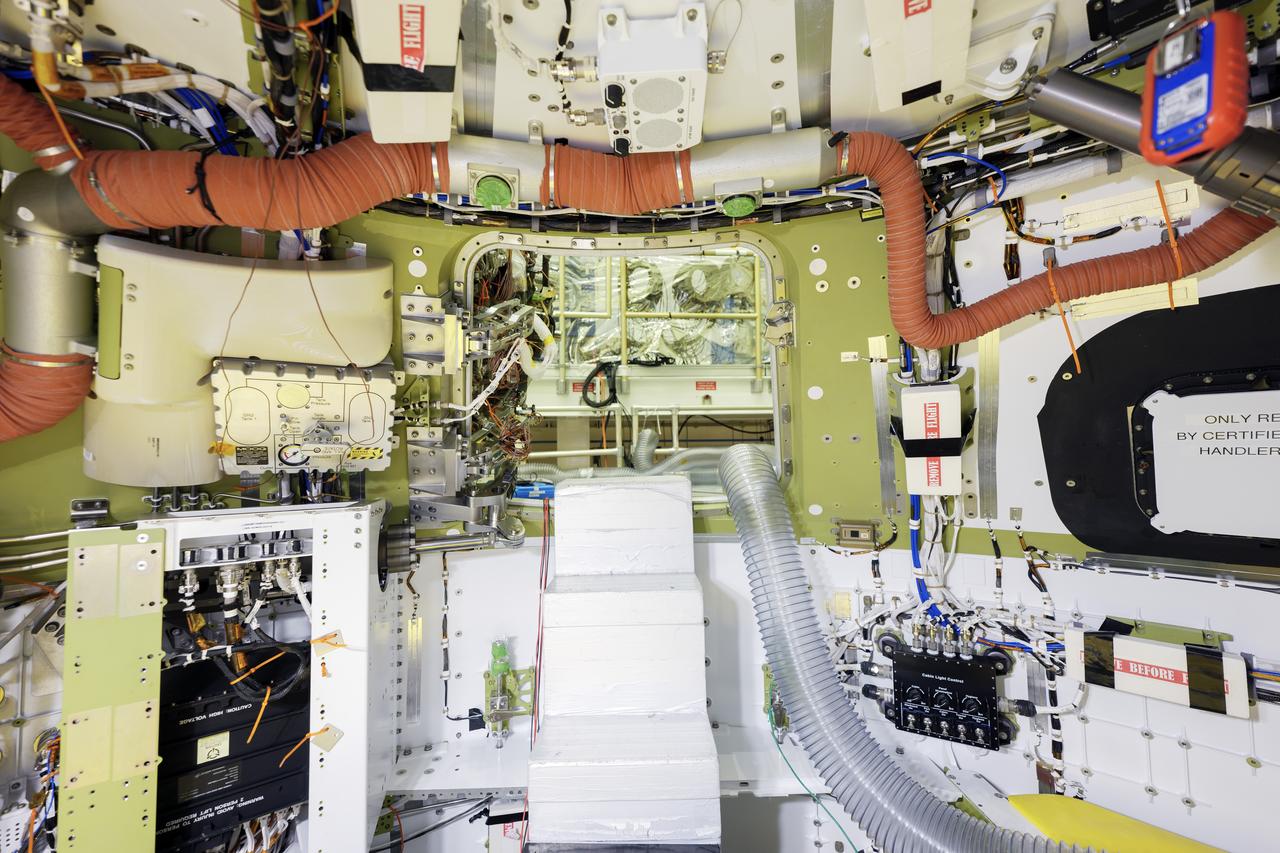
Teams inside the Operations and Checkout building at NASA’s Kennedy Space Center in Florida on Thursday, Feb. 1, 2024, work on the Orion spacecraft crew module that will carry the Artemis II astronauts on their 10-day journey around the Moon. Technicians are finalizing the crew cabin’s interior, and installing backshell panels and insulation on the spacecraft’s exterior that will protect Orion and the astronauts inside from the harsh environments they will encounter on their mission.
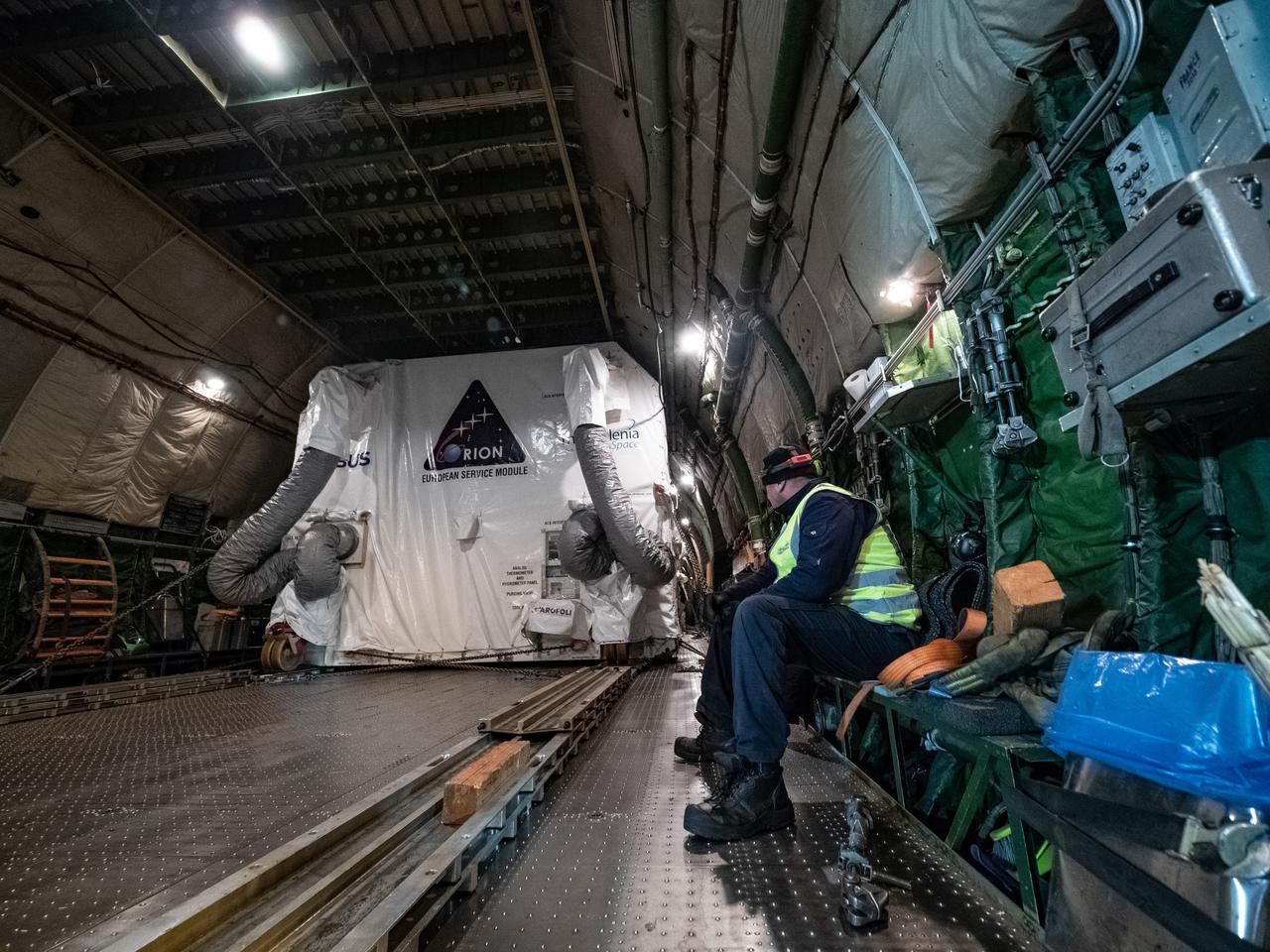
Orion's European Service Module is loaded on the Antonov airplane in Bremen, Germany on Nov. 5, 2018 for transport to Kennedy Space Center...For the first time, NASA will use a European-built system as a critical element to power an American spacecraft, extending the international cooperation of the International Space Station into deep space. The European Service Module is a unique collaboration across space agencies and industry including ESA’s prime contractor, Airbus, and 10 European countries. The completion of service module work in Europe and shipment to Kennedy signifies a major milestone toward NASA’s human deep space exploration missions to the Moon and beyond.

Technicians at the Airbus facility in Bremen, Germany weigh the European Service Module on Oct. 31, 2018 ahead of shipment to Kennedy Space Center. The service module will depart Germany on November 5th, 2018 and will arrive in the U.S. on November 6...For the first time, NASA will use a European-built system as a critical element to power an American spacecraft, extending the international cooperation of the International Space Station into deep space. The European Service Module is a unique collaboration across space agencies and industry including ESA’s prime contractor, Airbus, and 10 European countries. The completion of service module work in Europe and shipment to Kennedy signifies a major milestone toward NASA’s human deep space exploration missions to the Moon and beyond.
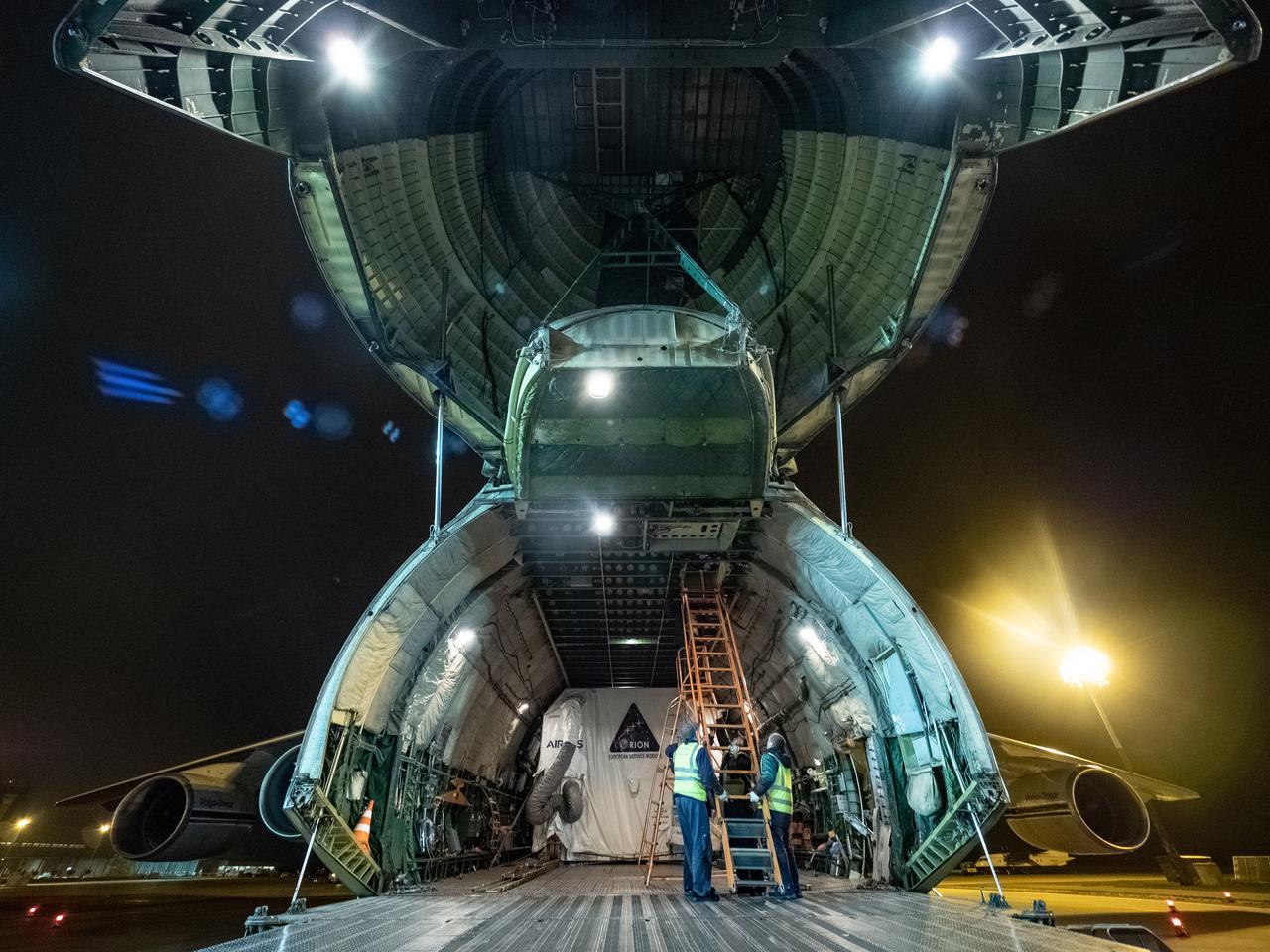
Orion's European Service Module is loaded on the Antonov airplane in Bremen, Germany on Nov. 5, 2018 for transport to Kennedy Space Center...For the first time, NASA will use a European-built system as a critical element to power an American spacecraft, extending the international cooperation of the International Space Station into deep space. The European Service Module is a unique collaboration across space agencies and industry including ESA’s prime contractor, Airbus, and 10 European countries. The completion of service module work in Europe and shipment to Kennedy signifies a major milestone toward NASA’s human deep space exploration missions to the Moon and beyond.
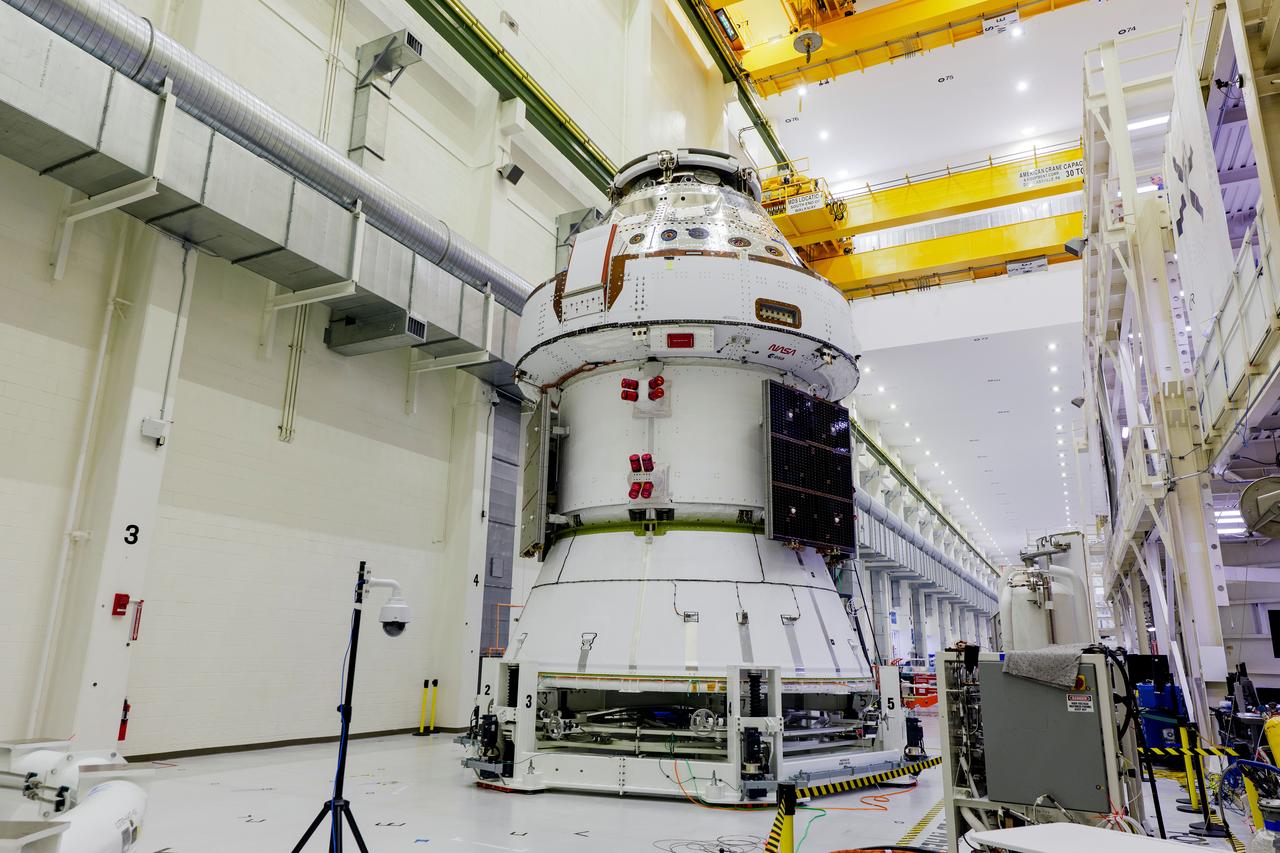
The four solar array wings for the Artemis II Orion spacecraft are installed inside the Operations and Checkout Building at NASA's Kennedy Space Center in Florida on March 7, 2025. Artemis II is Orion’s first crewed flight test around the Moon under the agency’s Artemis campaign.
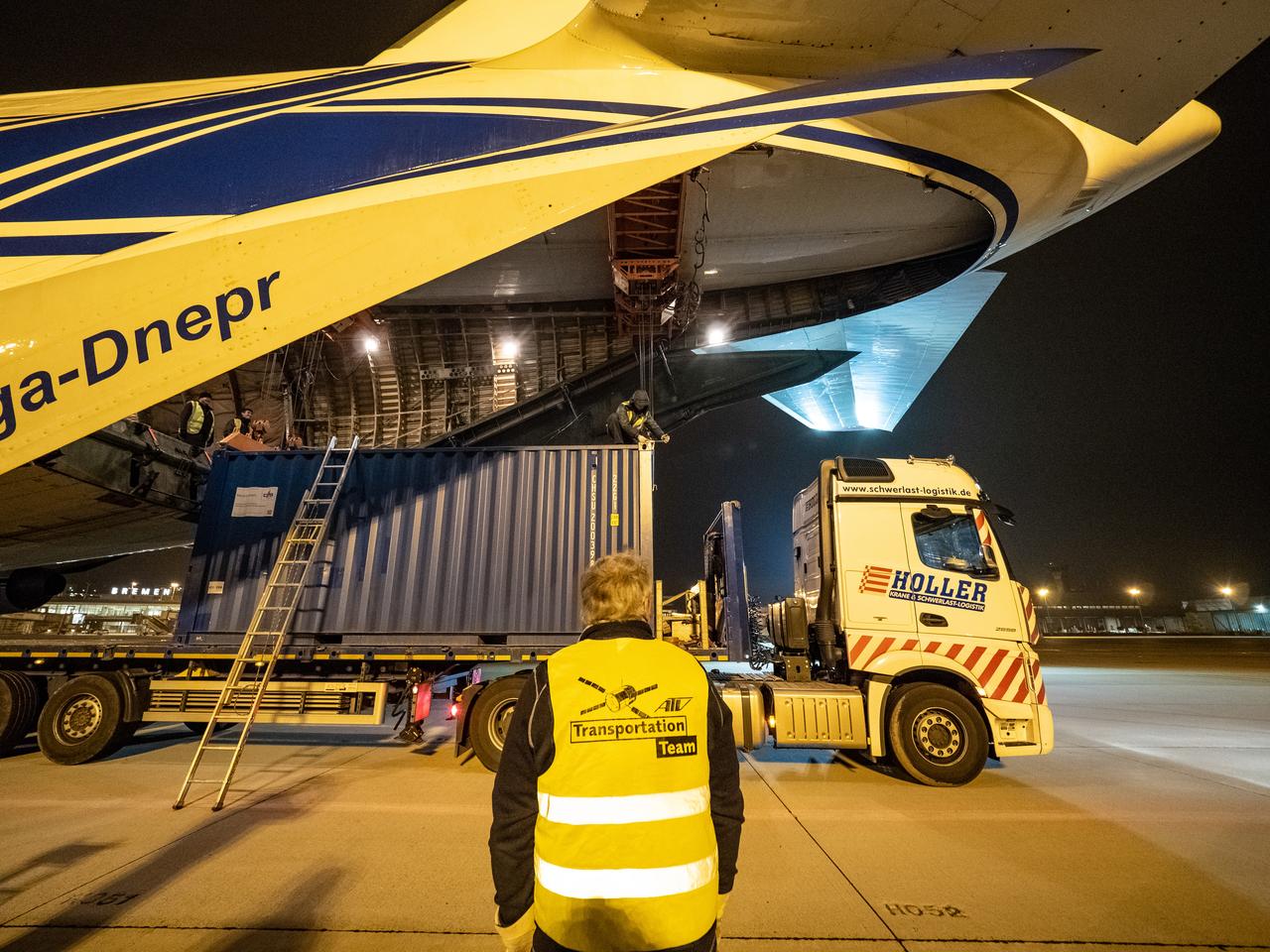
Orion's European Service Module is loaded on the Antonov airplane in Bremen, Germany on Nov. 5, 2018 for transport to Kennedy Space Center...For the first time, NASA will use a European-built system as a critical element to power an American spacecraft, extending the international cooperation of the International Space Station into deep space. The European Service Module is a unique collaboration across space agencies and industry including ESA’s prime contractor, Airbus, and 10 European countries. The completion of service module work in Europe and shipment to Kennedy signifies a major milestone toward NASA’s human deep space exploration missions to the Moon and beyond.
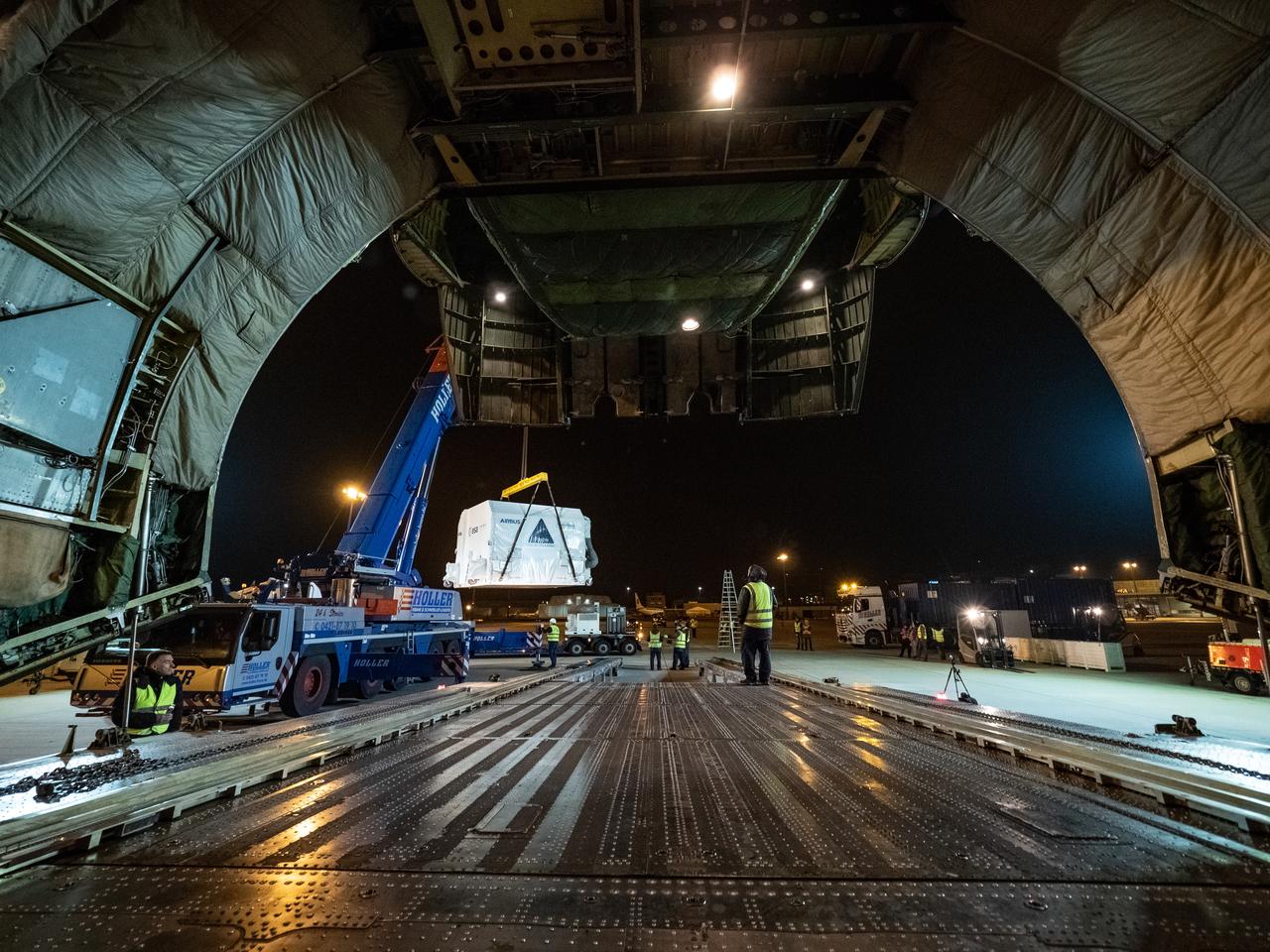
Orion's European Service Module is loaded on the Antonov airplane in Bremen, Germany on Nov. 5, 2018 for transport to Kennedy Space Center...For the first time, NASA will use a European-built system as a critical element to power an American spacecraft, extending the international cooperation of the International Space Station into deep space. The European Service Module is a unique collaboration across space agencies and industry including ESA’s prime contractor, Airbus, and 10 European countries. The completion of service module work in Europe and shipment to Kennedy signifies a major milestone toward NASA’s human deep space exploration missions to the Moon and beyond.

On Feb. 21, 2017 engineers successfully install ESA’s European Service Module Propulsion Qualification Module (PQM) at NASA’s White Sands Test Facility in New Mexico that was delivered by Airbus – ESA’s prime contractor for the Service Module. The module will be equipped with a total of 21 engines to support NASA’s Orion spacecraft: one U.S. Space Shuttle Orbital Maneuvering System (OMS) engine, eight auxiliary thrusters and 12 smaller thrusters produced by Airbus Safran Launchers in Germany. The all-steel PQM structure is used to test the propulsion systems on Orion, including “hot firing” of the OMS engine and thrusters.
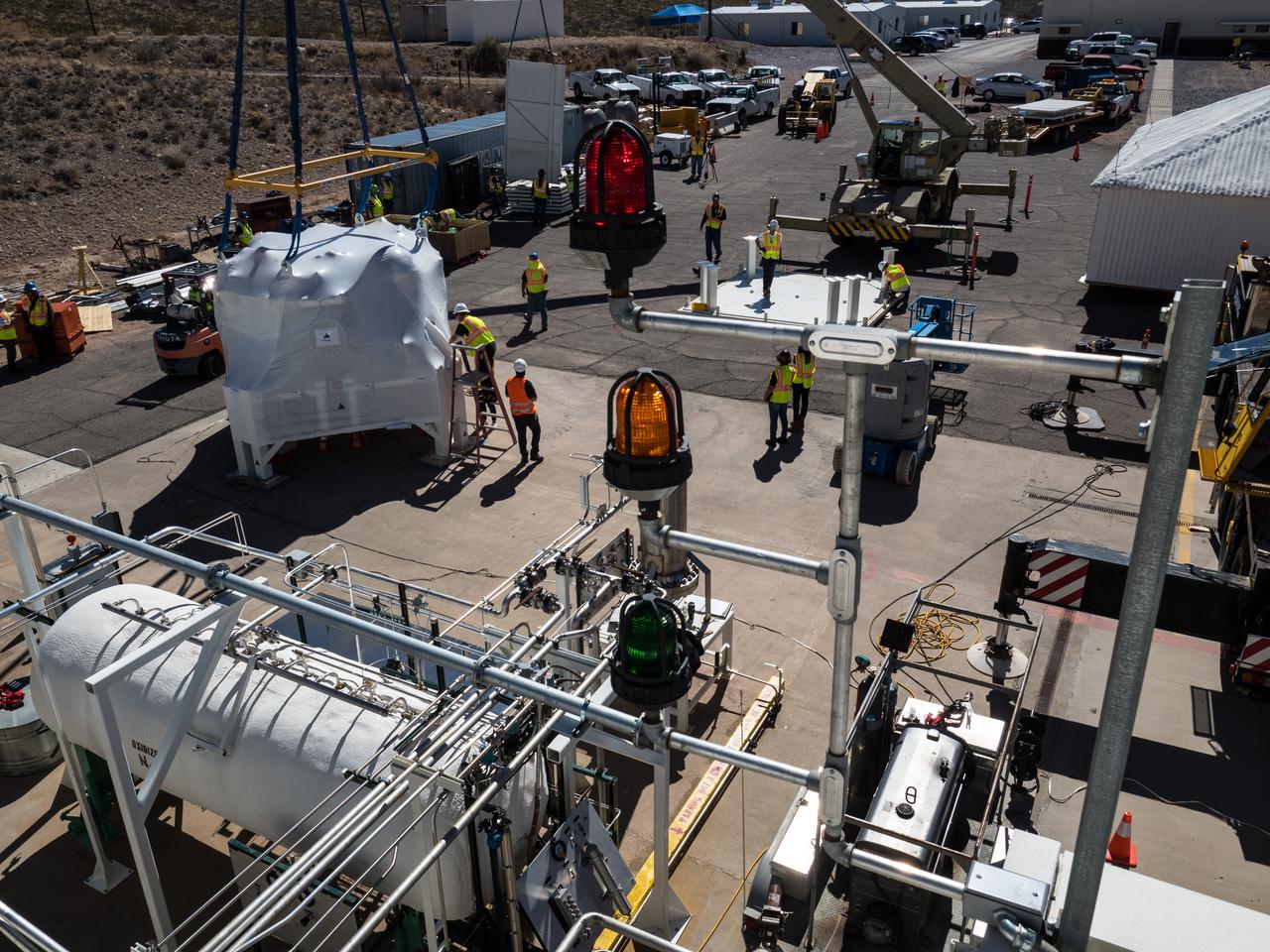
On Feb. 21, 2017 engineers successfully install ESA’s European Service Module Propulsion Qualification Module (PQM) at NASA’s White Sands Test Facility in New Mexico that was delivered by Airbus – ESA’s prime contractor for the Service Module. The module will be equipped with a total of 21 engines to support NASA’s Orion spacecraft: one U.S. Space Shuttle Orbital Maneuvering System (OMS) engine, eight auxiliary thrusters and 12 smaller thrusters produced by Airbus Safran Launchers in Germany. The all-steel PQM structure is used to test the propulsion systems on Orion, including “hot firing” of the OMS engine and thrusters.
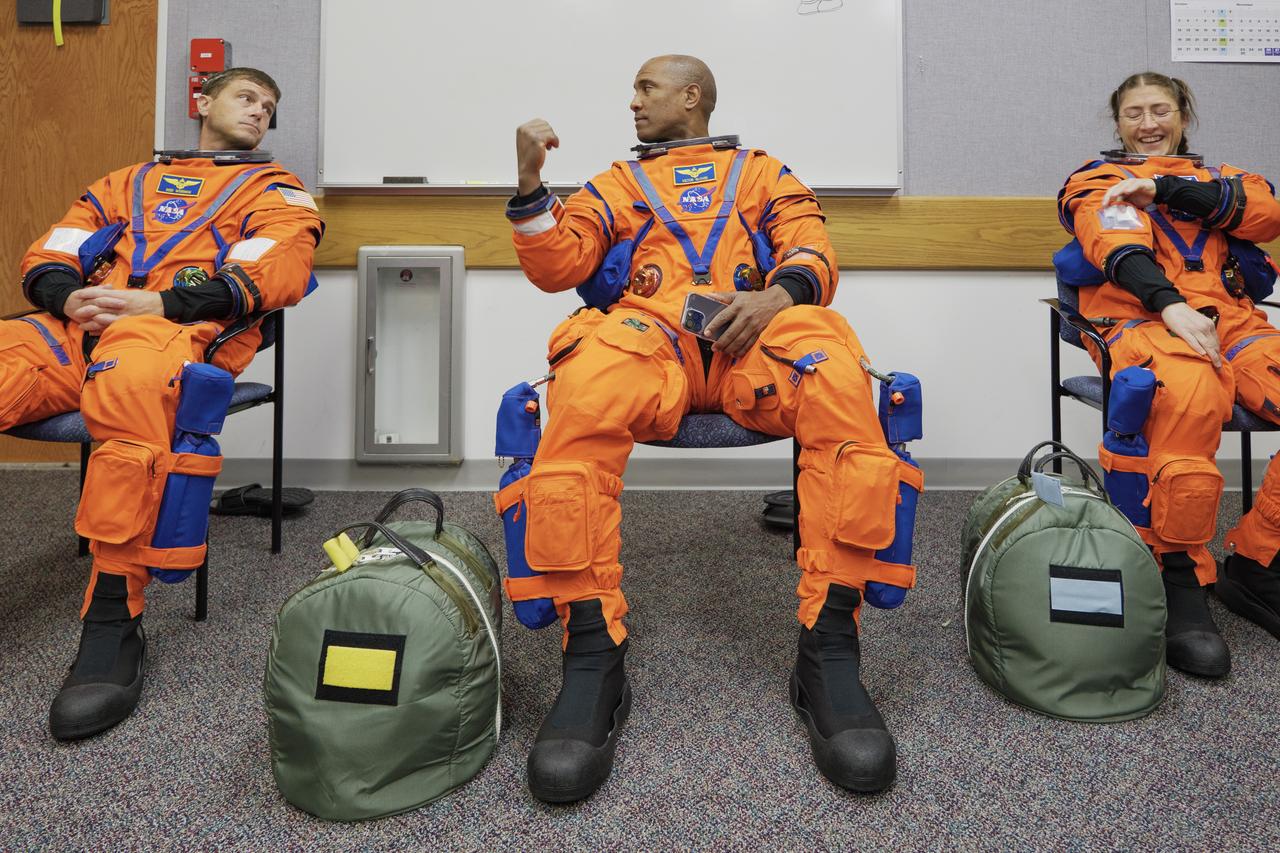
From left, NASA astronauts Reid Wiseman, Artemis II commander; Victor Glover, Artemis II pilot; and Christina Koch, mission specialist, participate in a suited crew test on Thursday, July 31, 2025, at the agency’s Kennedy Space Center in Florida. Along with CSA (Canadian Space Agency) astronaut Jeremy Hansen, mission specialist, the crew of NASA’s Artemis II mission donned their Orion crew survival system spacesuits for training at NASA’s Kennedy’s Multi-Payload Processing Facility, where they entered their fully powered Orion spacecraft as part of the test. Artemis II will take the four astronauts around the Moon, as the first crewed mission on NASA’s path to establishing a long-term presence for science and exploration through Artemis.
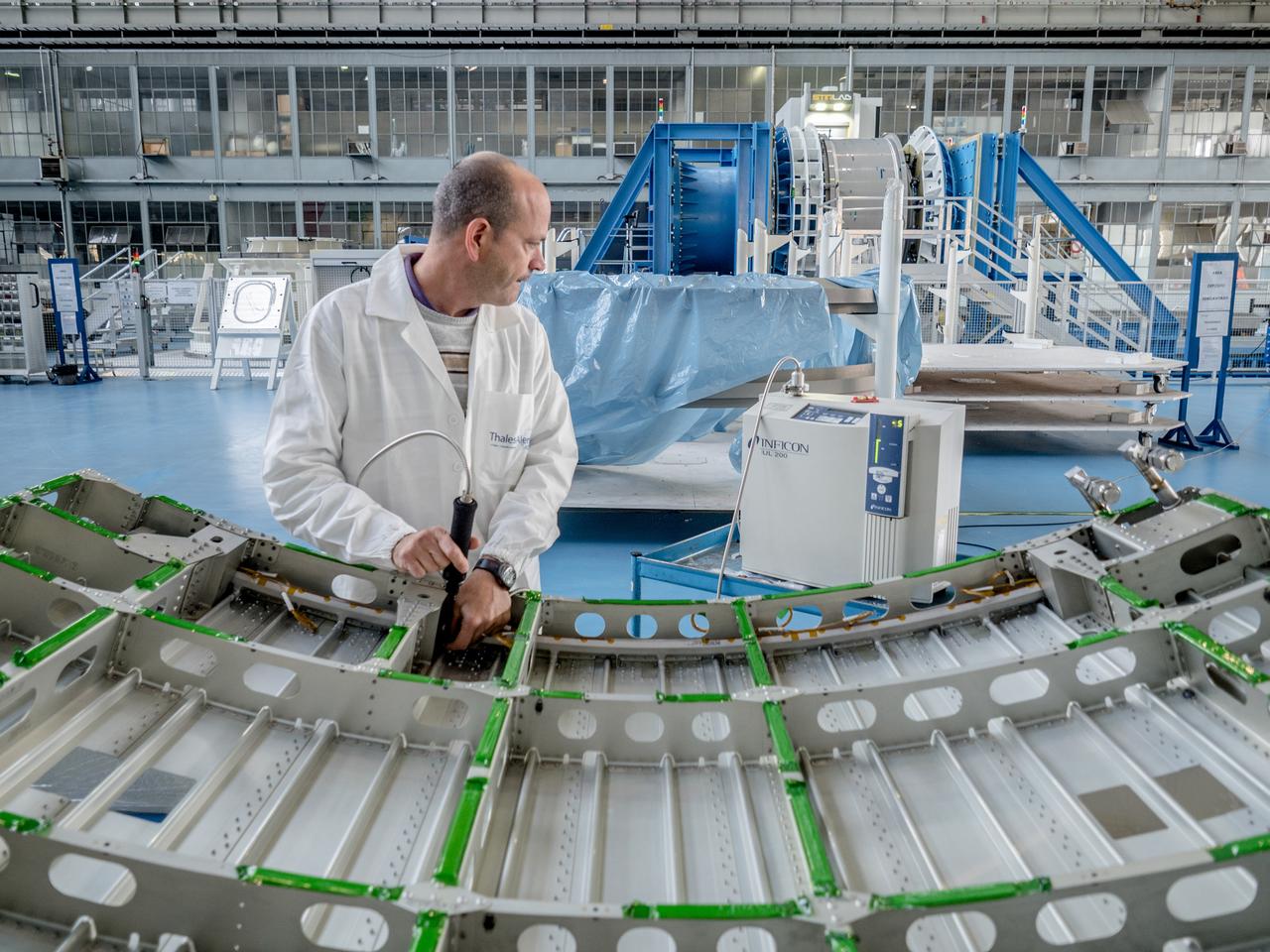
While engineers in Europe continue to outfit the Orion spacecraft’s service module for Artemis I in preparation for shipment to NASA’s Kennedy Space Center in Florida next year, work is already beginning on the service module that will power, propel, cool and provide air and water for the first crewed mission in the Orion spacecraft in the early 2020s. On Sept. 19, 2017, technicians at Thales Alenia in Turin, Italy, work on the primary structure of the European Service Module that will carry astronauts in Orion beyond the Moon during Artemis II. ESA (European Space Agency) and its contractors are providing Orion’s service module for its first two missions atop the Space Launch System rocket. NASA is leading the next steps in human space exploration and will send astronauts to the vicinity of the Moon to build and test the systems needed for challenging missions to deep space destinations including Mars. NASA is working with domestic and international partners to solve the great challenges of deep space exploration.
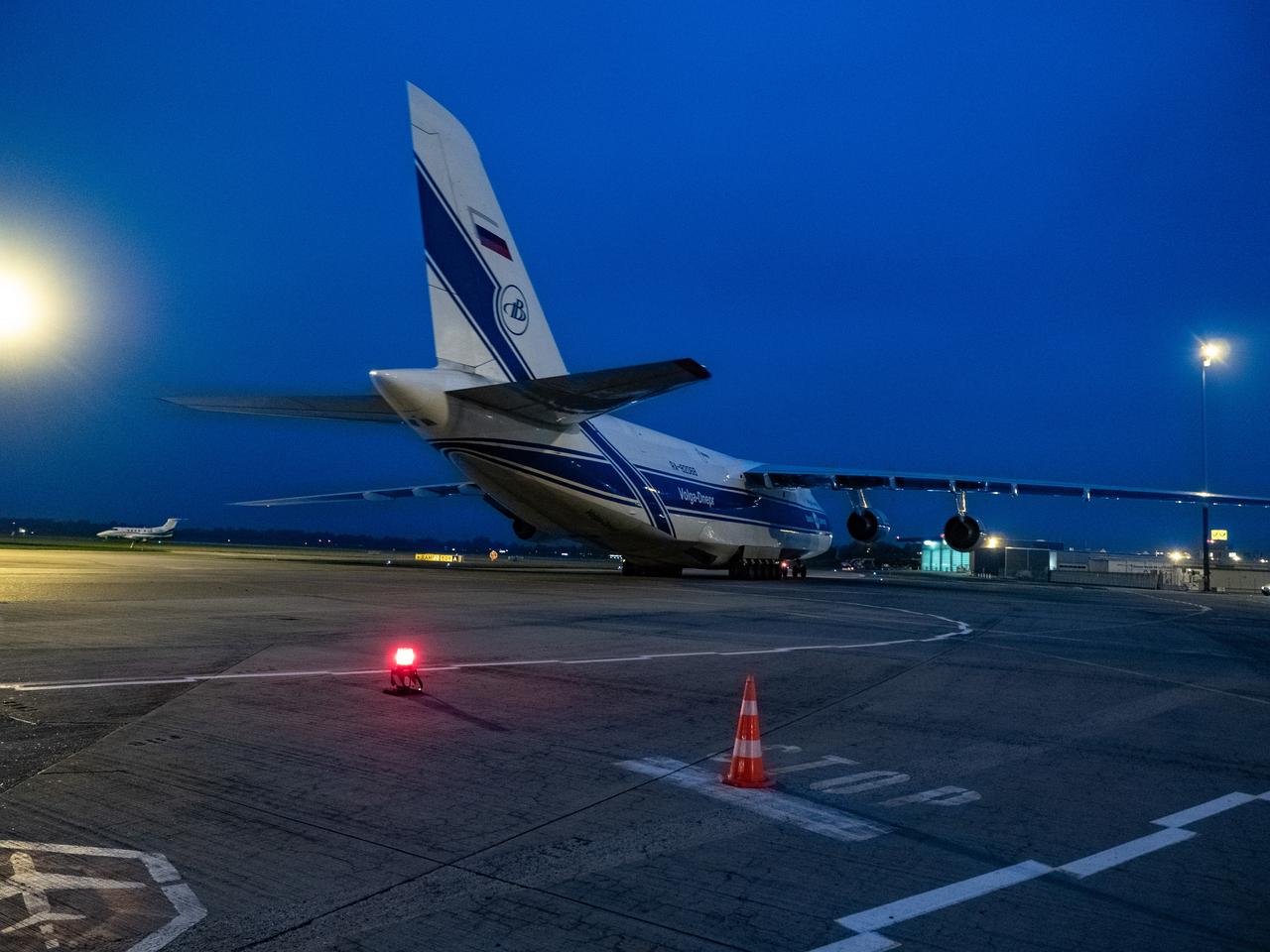
Orion's European Service Module is loaded on the Antonov airplane in Bremen, Germany on Nov. 5, 2018 for transport to Kennedy Space Center...For the first time, NASA will use a European-built system as a critical element to power an American spacecraft, extending the international cooperation of the International Space Station into deep space. The European Service Module is a unique collaboration across space agencies and industry including ESA’s prime contractor, Airbus, and 10 European countries. The completion of service module work in Europe and shipment to Kennedy signifies a major milestone toward NASA’s human deep space exploration missions to the Moon and beyond.
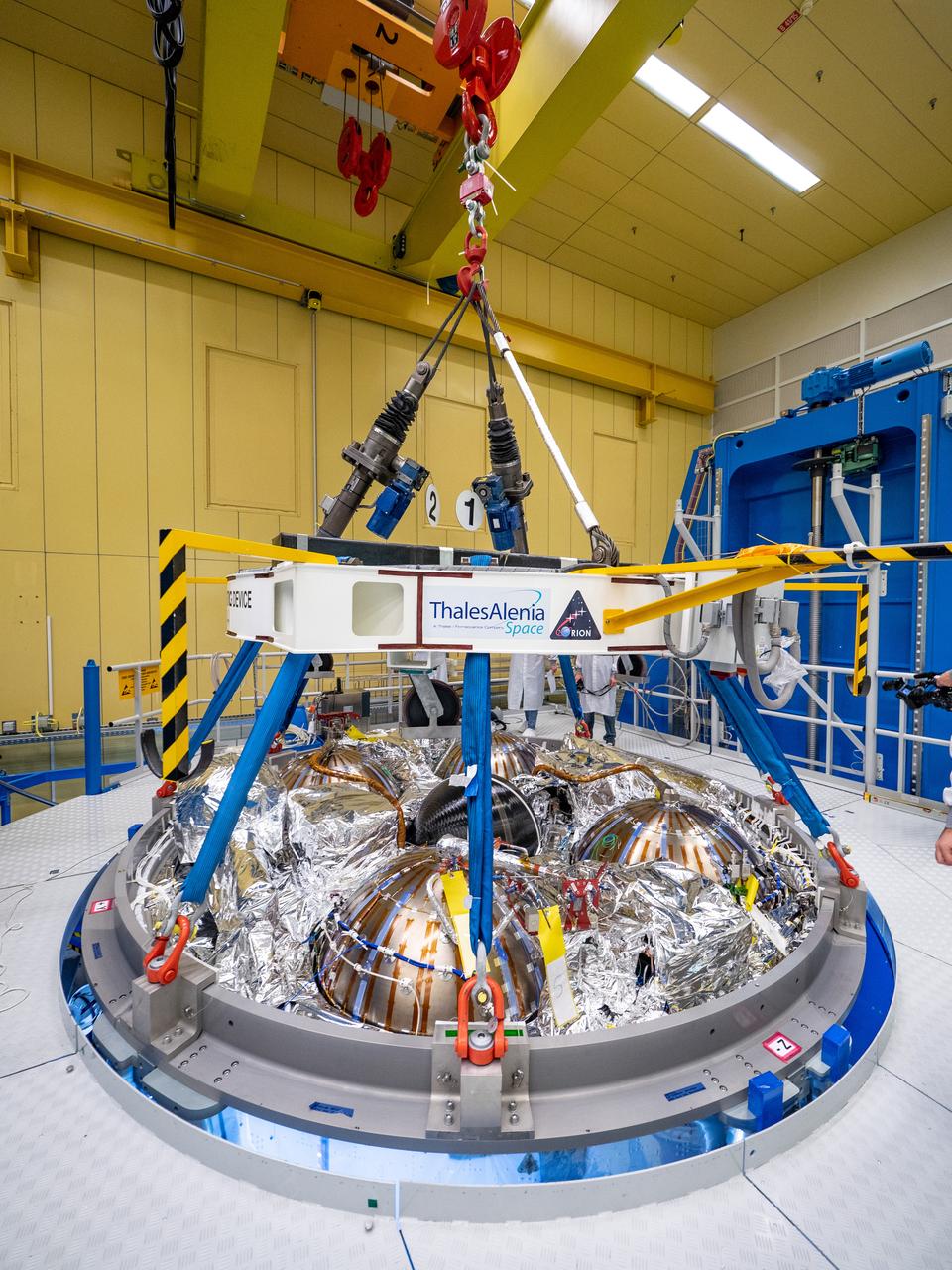
Technicians at the Airbus facility in Bremen, Germany weigh the European Service Module on Oct. 31, 2018 ahead of shipment to Kennedy Space Center. The service module will depart Germany on November 5th, 2018 and will arrive in the U.S. on November 6...For the first time, NASA will use a European-built system as a critical element to power an American spacecraft, extending the international cooperation of the International Space Station into deep space. The European Service Module is a unique collaboration across space agencies and industry including ESA’s prime contractor, Airbus, and 10 European countries. The completion of service module work in Europe and shipment to Kennedy signifies a major milestone toward NASA’s human deep space exploration missions to the Moon and beyond.
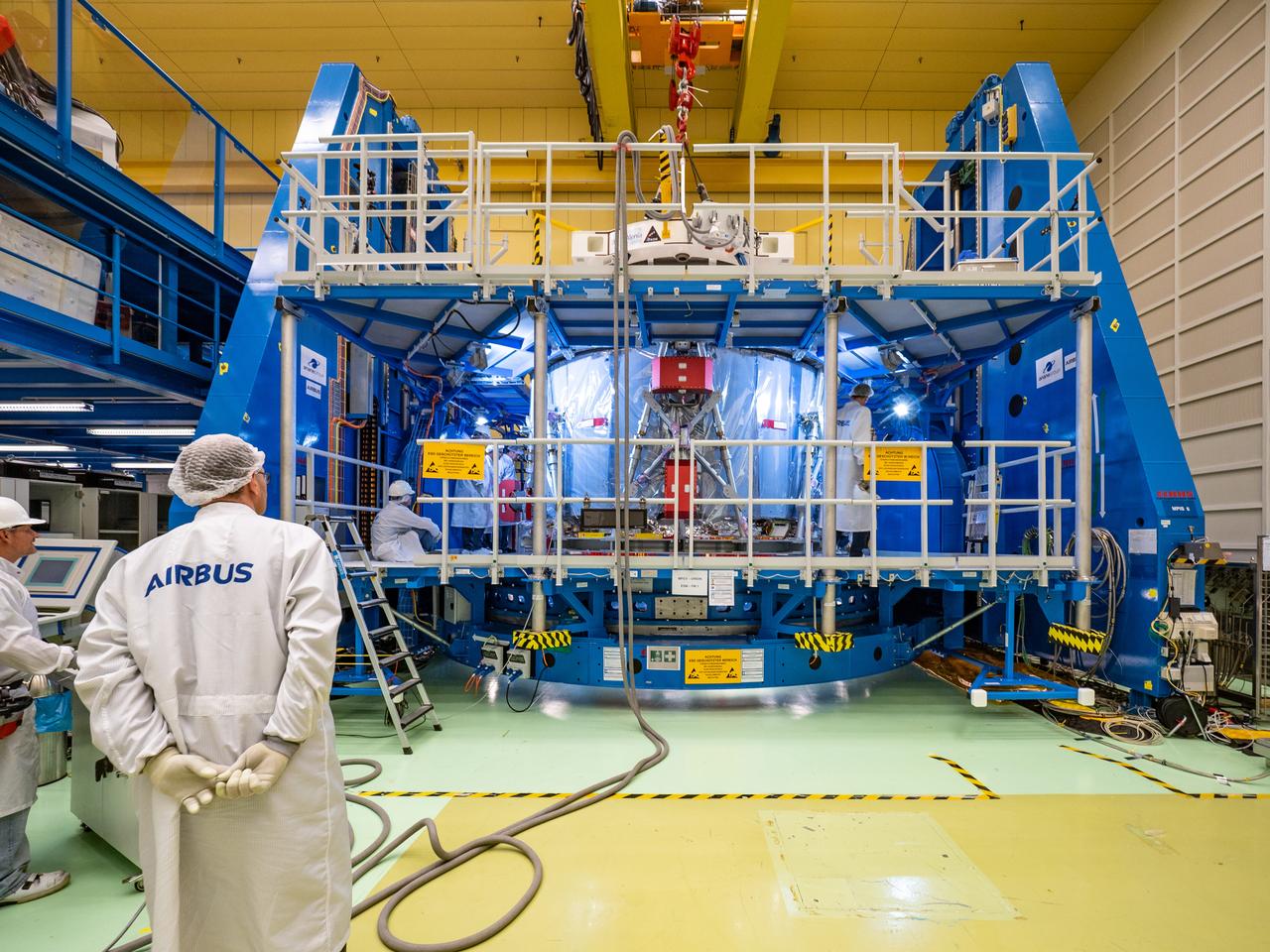
Technicians at the Airbus facility in Bremen, Germany weigh the European Service Module on Oct. 31, 2018 ahead of shipment to Kennedy Space Center. The service module will depart Germany on November 5th, 2018 and will arrive in the U.S. on November 6...For the first time, NASA will use a European-built system as a critical element to power an American spacecraft, extending the international cooperation of the International Space Station into deep space. The European Service Module is a unique collaboration across space agencies and industry including ESA’s prime contractor, Airbus, and 10 European countries. The completion of service module work in Europe and shipment to Kennedy signifies a major milestone toward NASA’s human deep space exploration missions to the Moon and beyond.
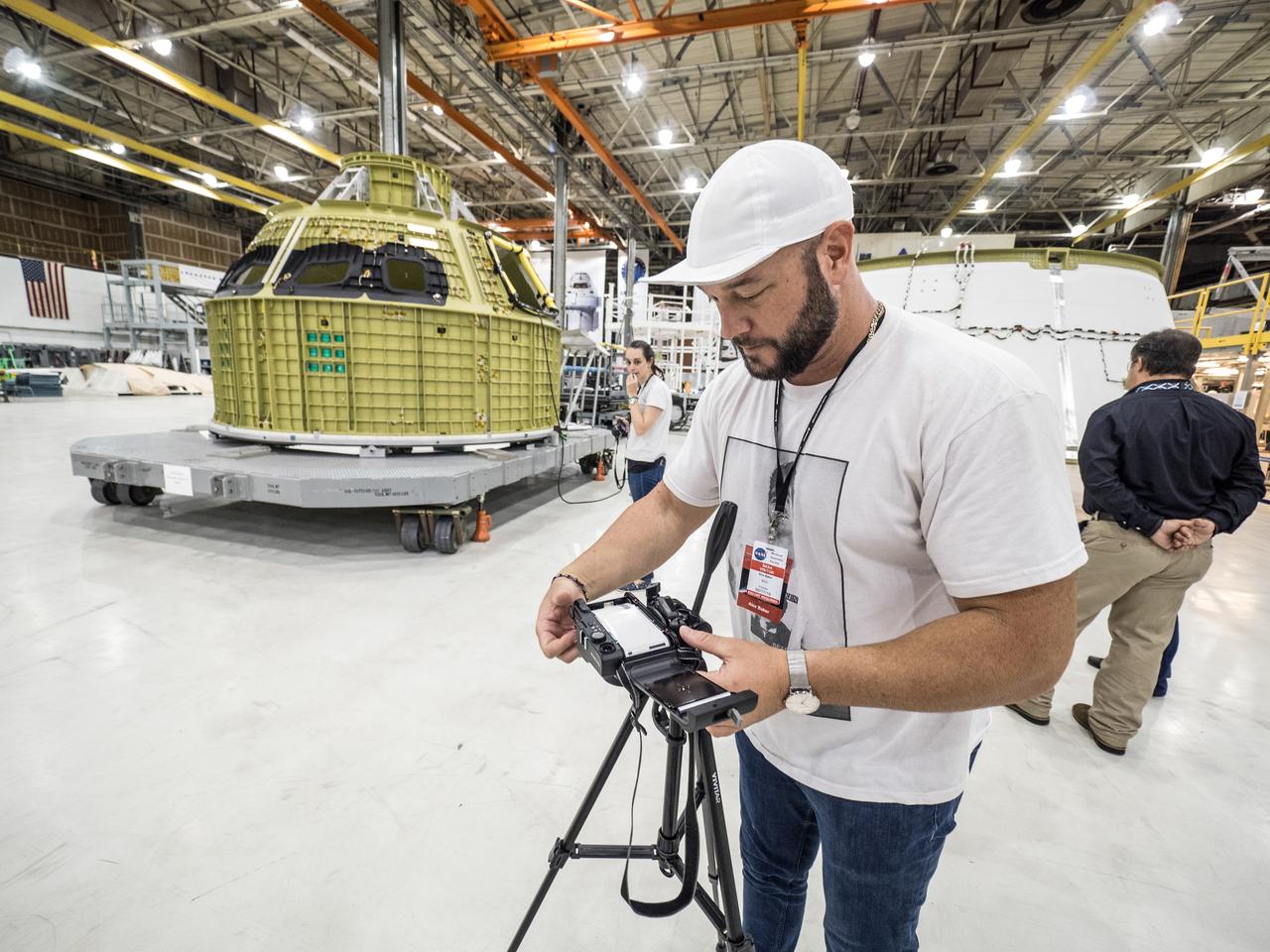
The NASA Photo Social at NASA’s Michoud Assembly Facility (MAF) in New Orleans, Louisiana, gathered social media-savvy photographers together on Aug. 16, 2018 to snap and share photos of the facility where NASA is building components for its deep space rocket, the Space Launch System, and crew vehicle, the Orion spacecraft. NASA Michoud is a world-class facility that is unique because it is one of the largest production buildings in the nation with a rich history of manufacturing excellence.
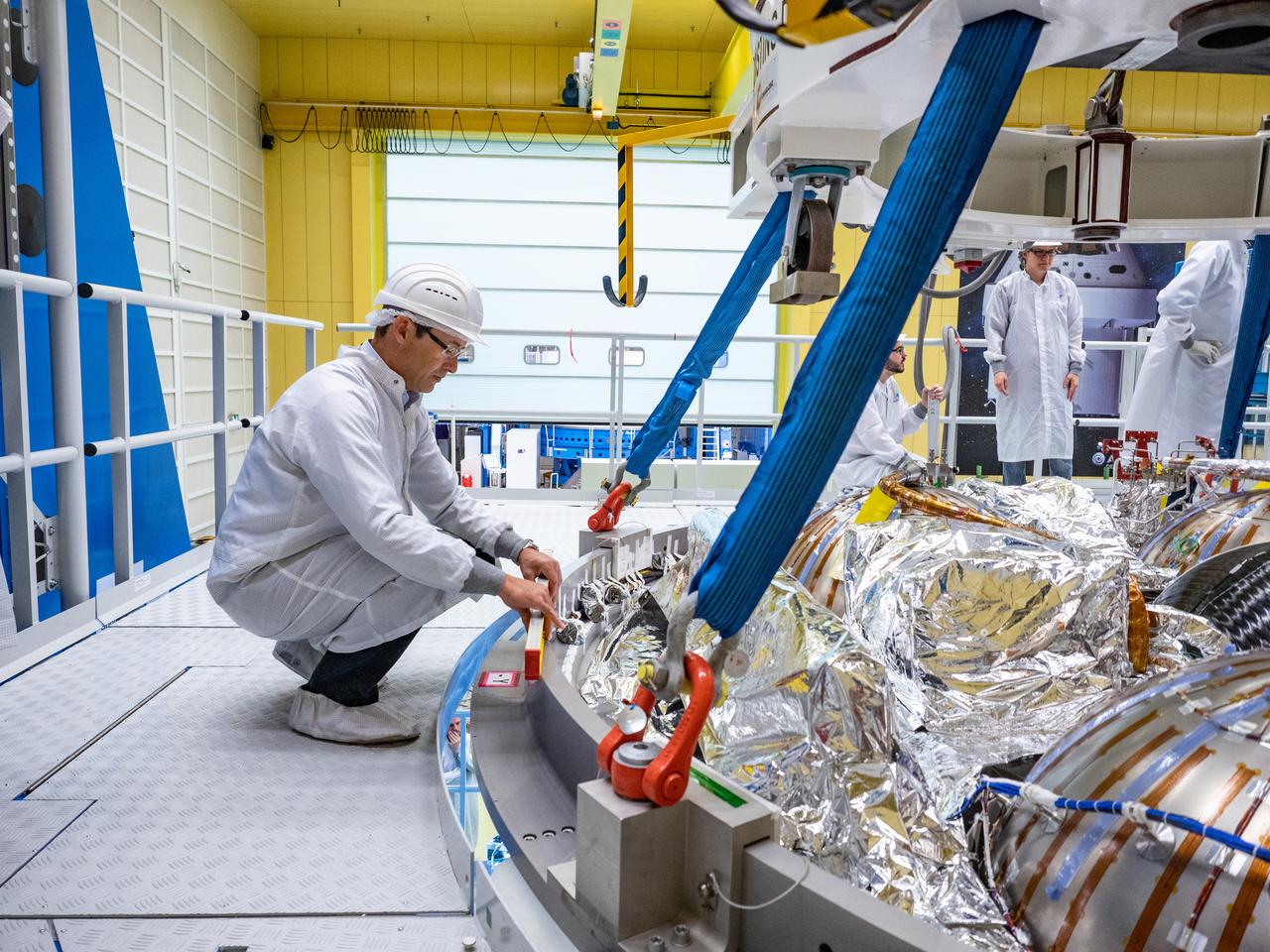
Technicians at the Airbus facility in Bremen, Germany weigh the European Service Module on Oct. 31, 2018 ahead of shipment to Kennedy Space Center. The service module will depart Germany on November 5th, 2018 and will arrive in the U.S. on November 6...For the first time, NASA will use a European-built system as a critical element to power an American spacecraft, extending the international cooperation of the International Space Station into deep space. The European Service Module is a unique collaboration across space agencies and industry including ESA’s prime contractor, Airbus, and 10 European countries. The completion of service module work in Europe and shipment to Kennedy signifies a major milestone toward NASA’s human deep space exploration missions to the Moon and beyond.
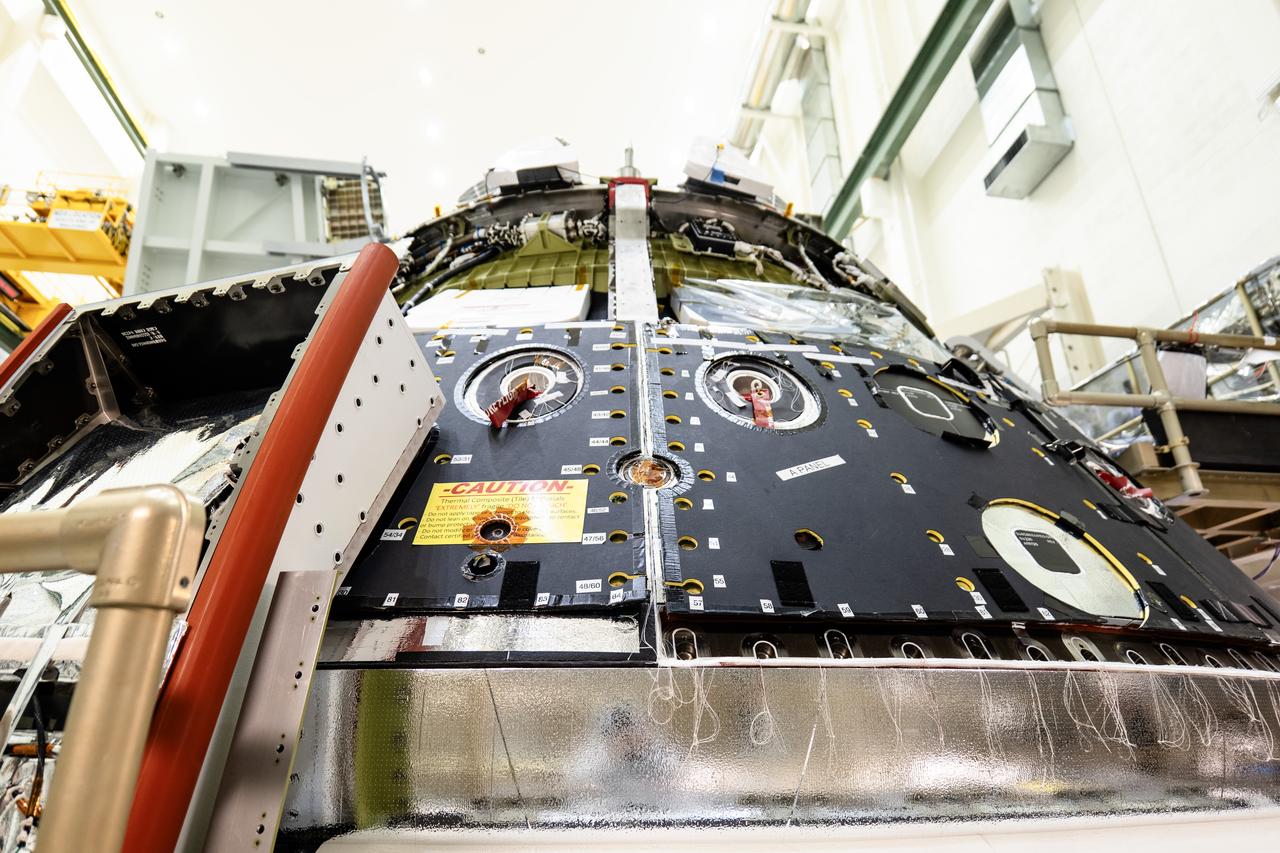
The Orion spacecraft for NASA’s Artemis II mission undergoes checkouts in the Final Assembly and System Testing (FAST) cell inside the high bay of the Neil A. Armstrong Operations and Checkout Building at NASA’s Kennedy Space Center in Florida on Monday, Dec. 15, 2024. The Orion spacecraft will carry NASA astronauts Victor Glover, Christina Koch, and Reid Wiseman, as well as CSA (Canadian Space Agency) astronaut Jeremy Hansen, on a 10-day journey around the Moon and back for the Artemis II test flight.
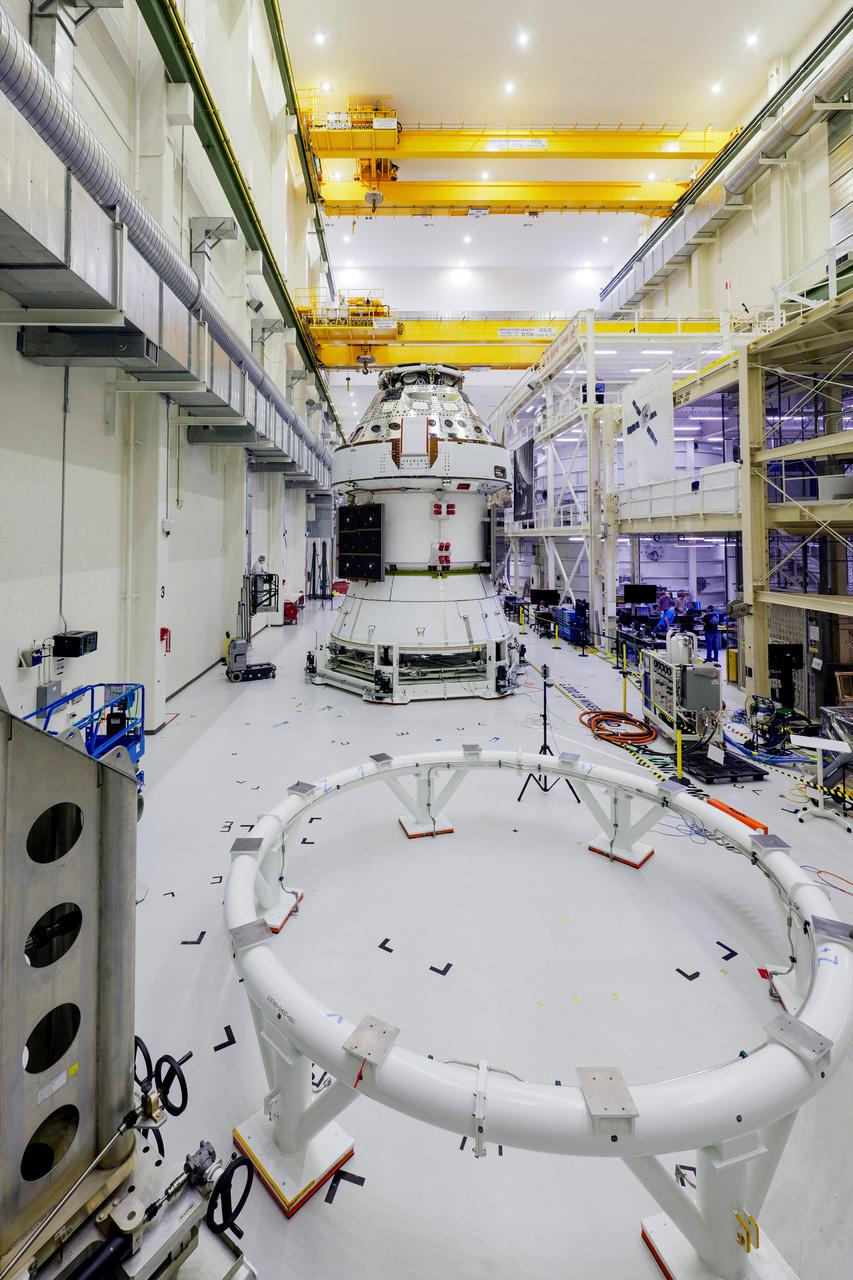
The four solar array wings for the Artemis II Orion spacecraft are installed inside the Operations and Checkout Building at NASA's Kennedy Space Center in Florida on March 7, 2025. Artemis II is Orion’s first crewed flight test around the Moon under the agency’s Artemis campaign.
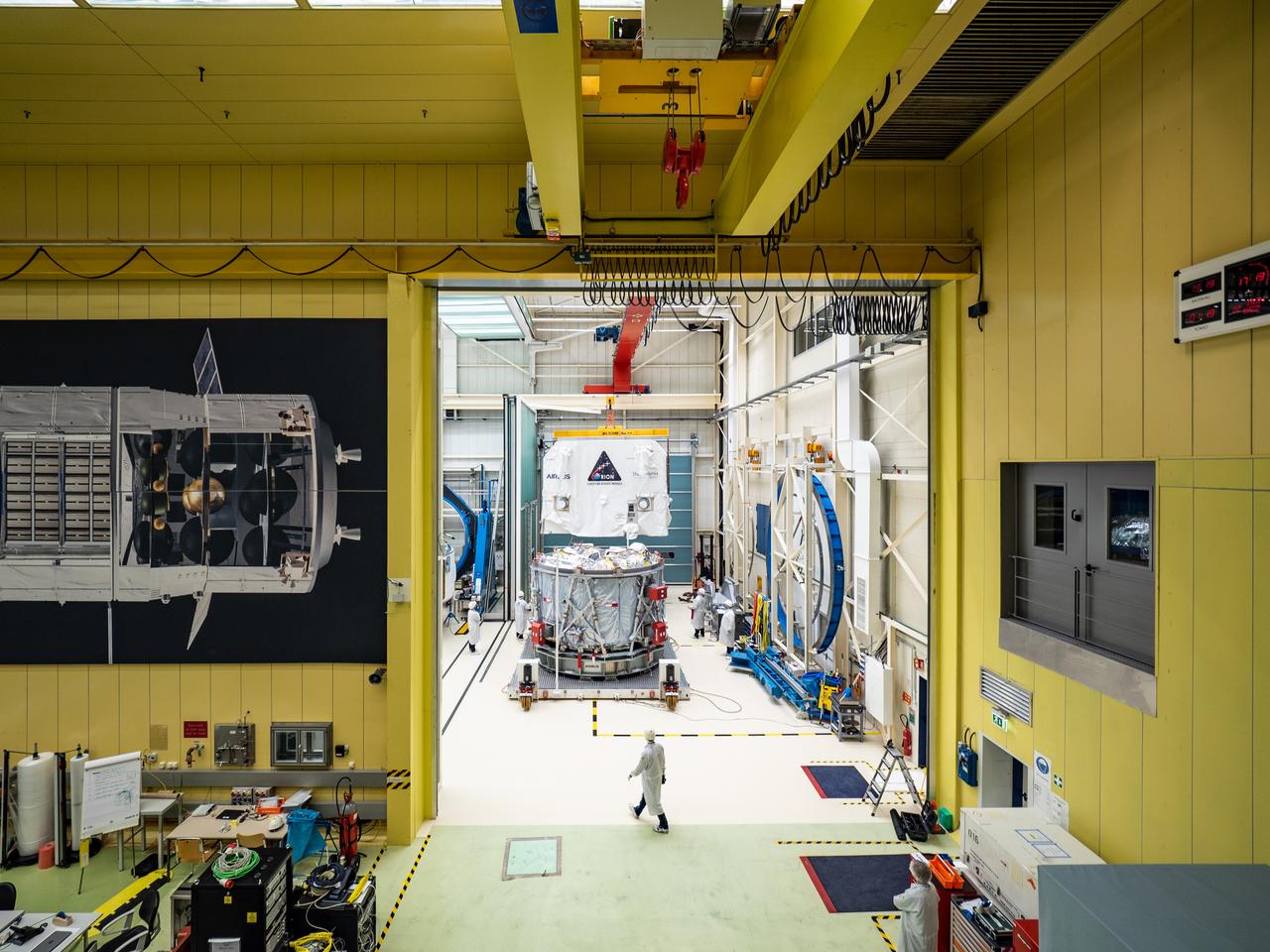
Technicians at the Airbus facility in Bremen, Germany prepare the European Service Module for shipment to Kennedy Space Center on Nov. 1, 2018. The service module will depart Germany on November 5, 2018 and will arrive in the U.S. on November 6...For the first time, NASA will use a European-built system as a critical element to power an American spacecraft, extending the international cooperation of the International Space Station into deep space. The European Service Module is a unique collaboration across space agencies and industry including ESA’s prime contractor, Airbus, and 10 European countries. The completion of service module work in Europe and shipment to Kennedy signifies a major milestone toward NASA’s human deep space exploration missions to the Moon and beyond.
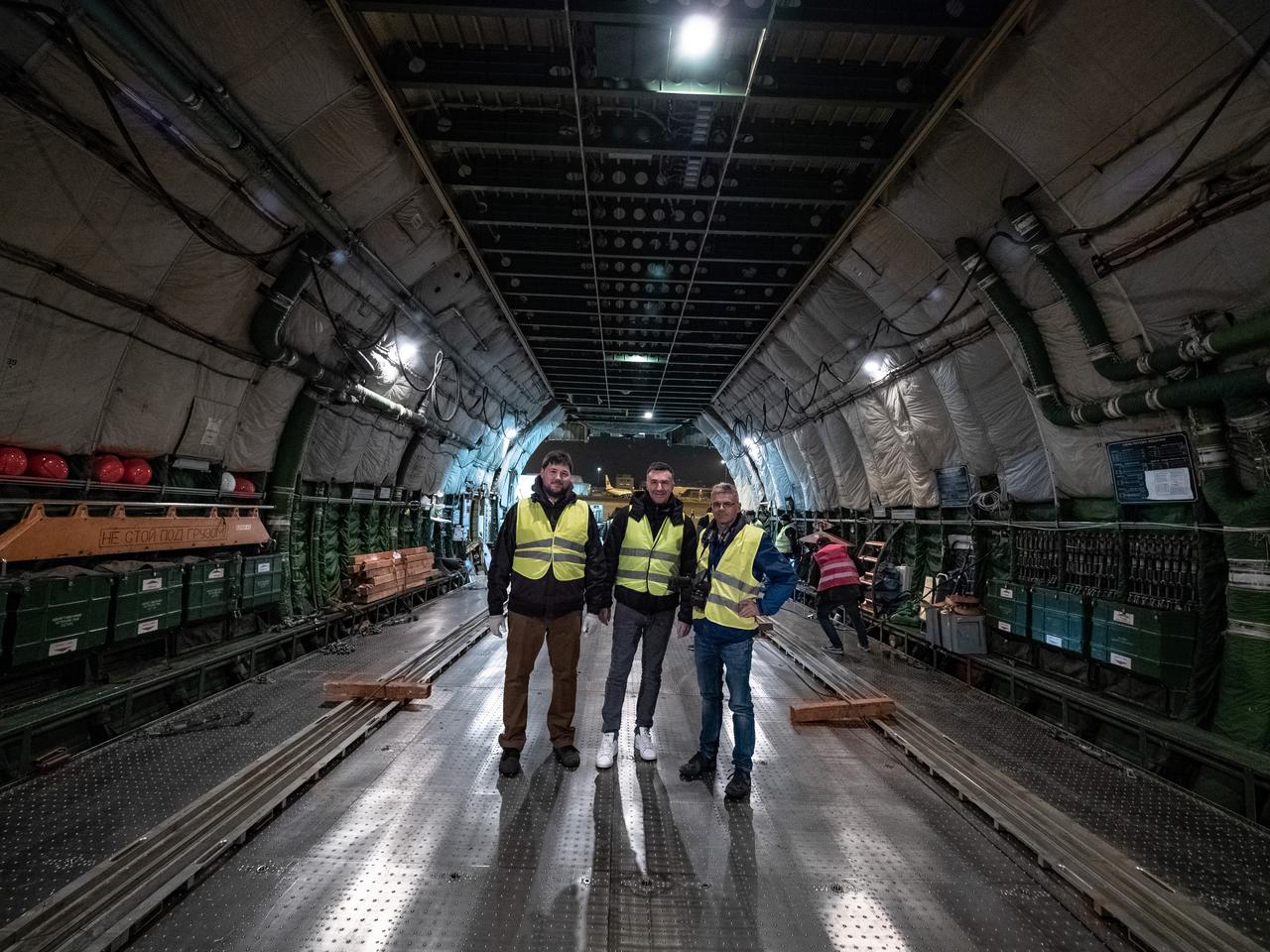
Orion's European Service Module is loaded on the Antonov airplane in Bremen, Germany on Nov. 5, 2018 for transport to Kennedy Space Center...For the first time, NASA will use a European-built system as a critical element to power an American spacecraft, extending the international cooperation of the International Space Station into deep space. The European Service Module is a unique collaboration across space agencies and industry including ESA’s prime contractor, Airbus, and 10 European countries. The completion of service module work in Europe and shipment to Kennedy signifies a major milestone toward NASA’s human deep space exploration missions to the Moon and beyond.
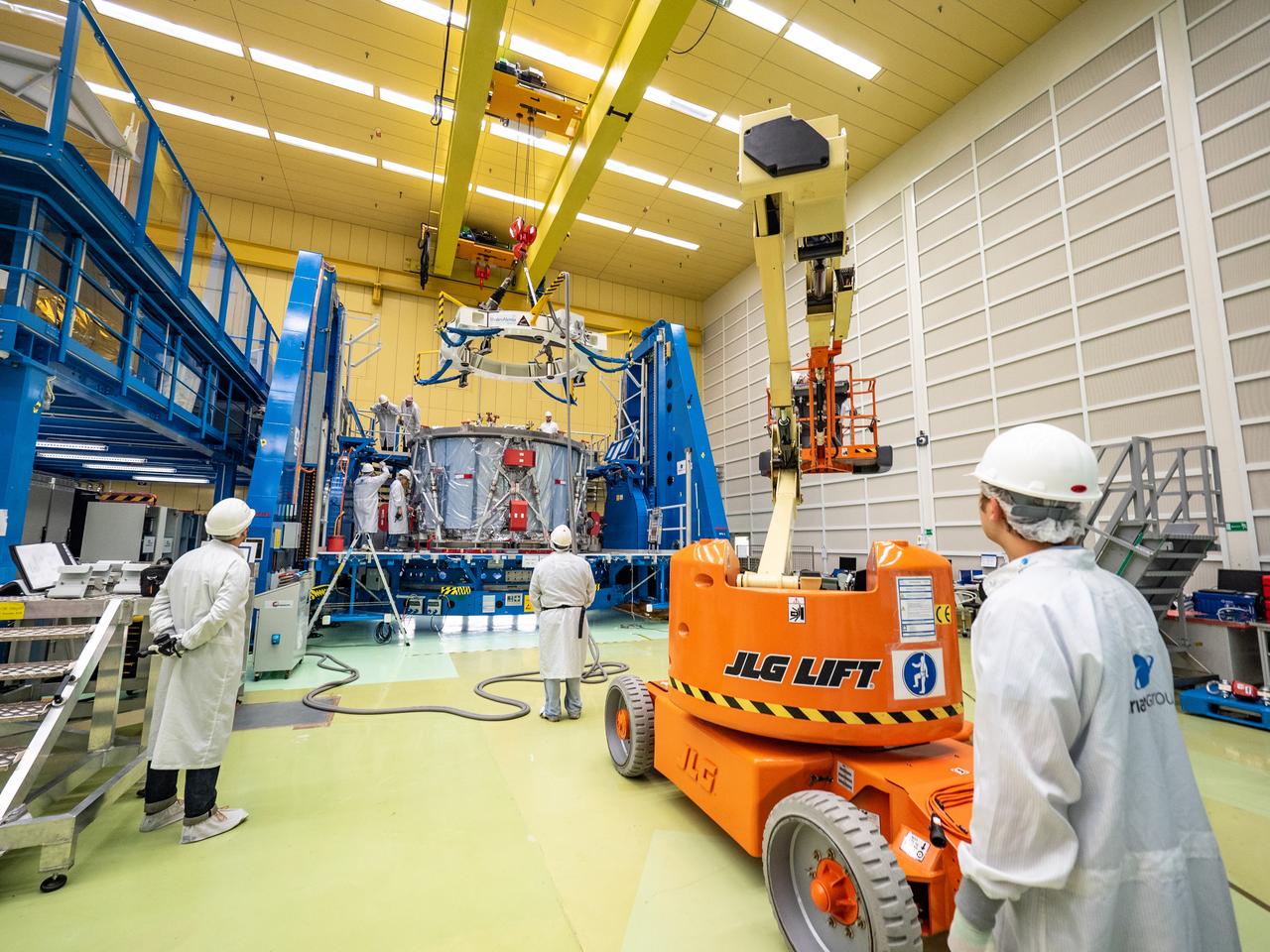
Technicians at the Airbus facility in Bremen, Germany prepare the European Service Module for shipment to Kennedy Space Center on Nov. 1, 2018. The service module will depart Germany on November 5, 2018 and will arrive in the U.S. on November 6...For the first time, NASA will use a European-built system as a critical element to power an American spacecraft, extending the international cooperation of the International Space Station into deep space. The European Service Module is a unique collaboration across space agencies and industry including ESA’s prime contractor, Airbus, and 10 European countries. The completion of service module work in Europe and shipment to Kennedy signifies a major milestone toward NASA’s human deep space exploration missions to the Moon and beyond.
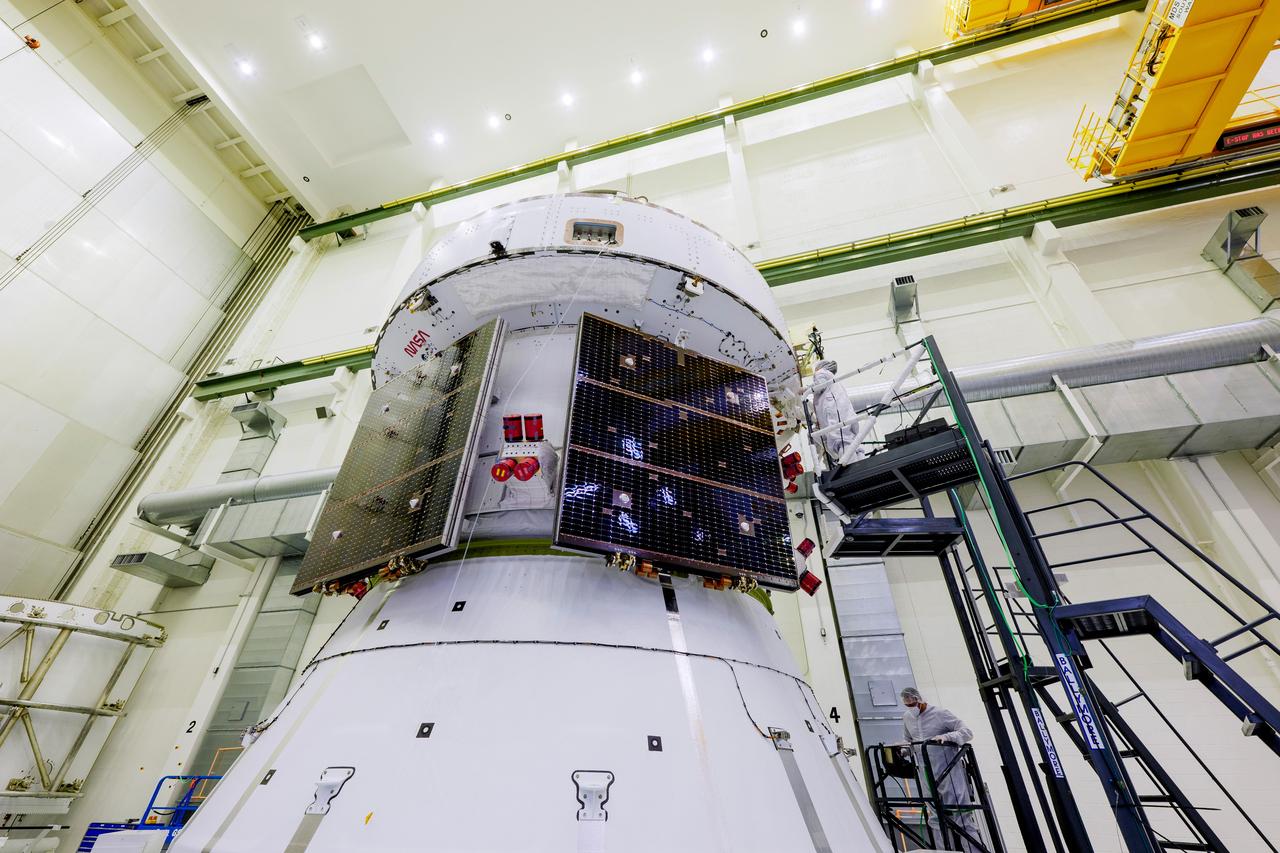
The four solar array wings for the Artemis II Orion spacecraft are installed inside the Operations and Checkout Building at NASA's Kennedy Space Center in Florida on March 7, 2025. Artemis II is Orion’s first crewed flight test around the Moon under the agency’s Artemis campaign.

On Feb. 22, engineers successfully install ESA’s European Service Module Propulsion Qualification Module (PQM) at NASA’s White Sands Test Facility in New Mexico that was delivered by Airbus – ESA’s prime contractor for the Service Module. The module will be equipped with a total of 21 engines to support NASA’s Orion spacecraft: one U.S. Space Shuttle Orbital Maneuvering System (OMS) engine, eight auxiliary thrusters and 12 smaller thrusters produced by Airbus Safran Launchers in Germany. The all-steel PQM structure is used to test the propulsion systems on Orion, including “hot firing” of the OMS engine and thrusters.

Technicians work on the Artemis III Orion crew module inside the Operations and Checkout Building at NASA's Kennedy Space Center in Florida on March 5, 2025.
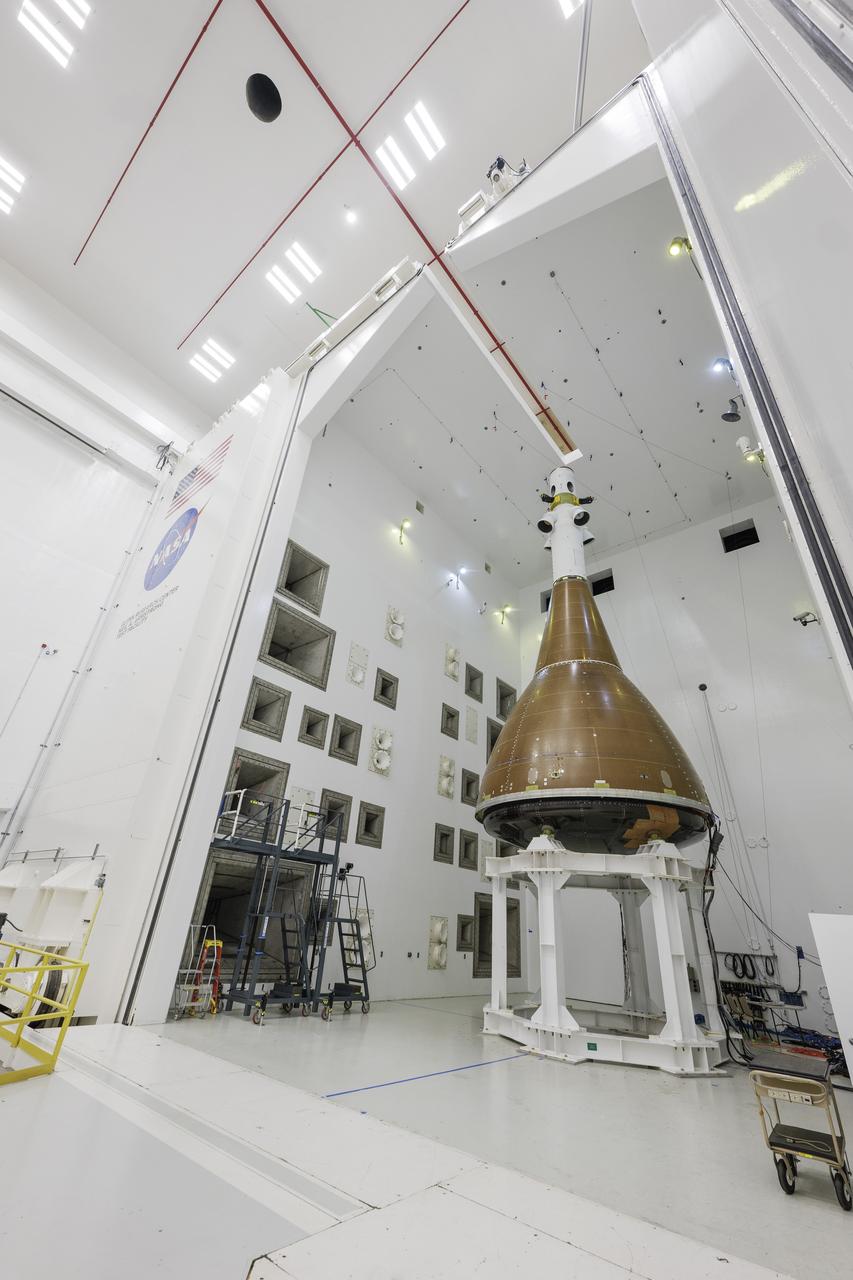
The team at NASA's Armstrong Test Facility in Sandusky, Ohio has begun vibro-acoustic testing on the Orion spacecraft that flew around the Moon on Artemis I, now known as the Environmental Test Article. The testing will help ensure the safety of future crews aboard Orion. Photo credit: NASA / Rad Sinyak
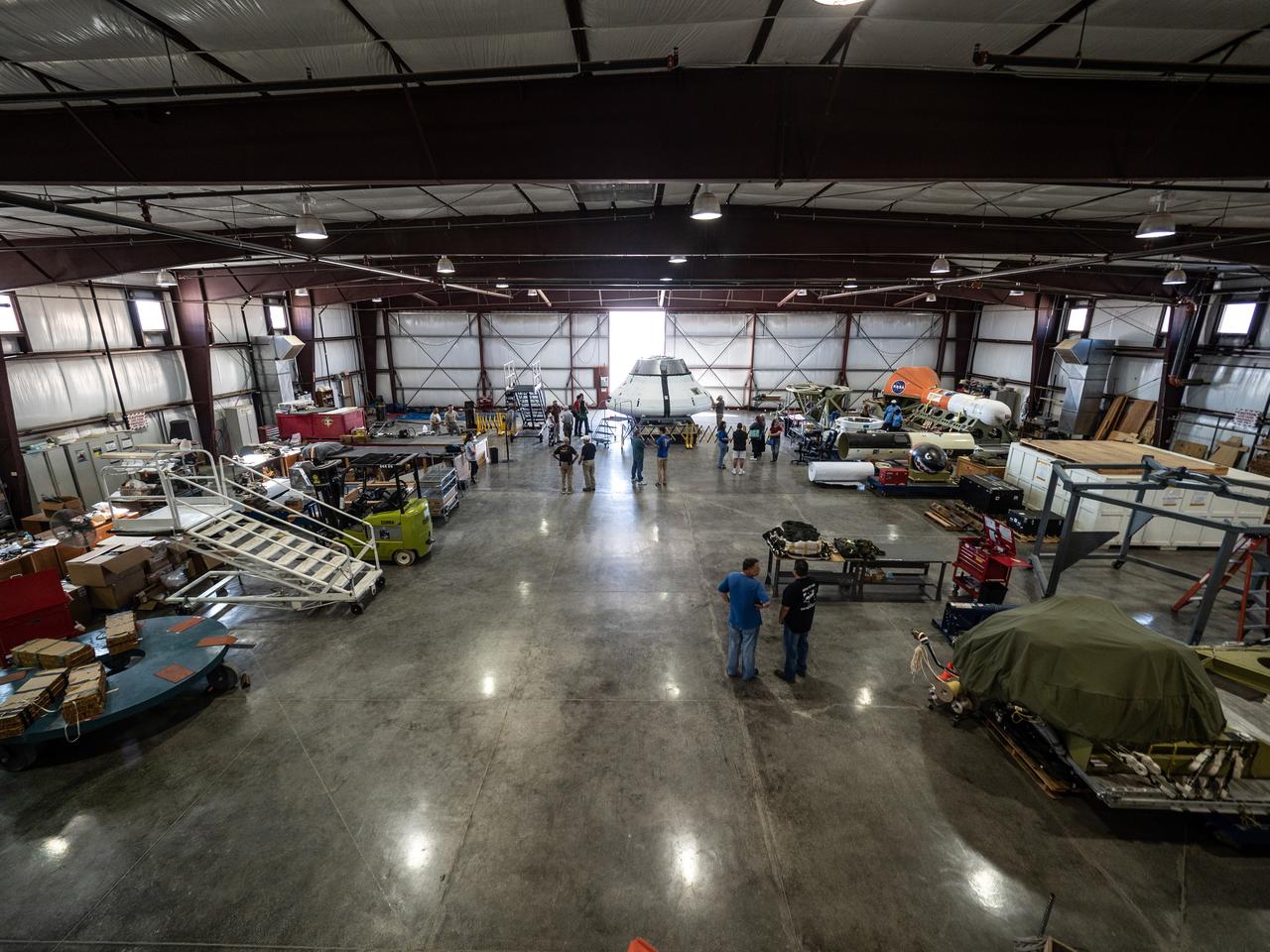
The Orion team prepares the parachute test vehicle for the final drop test which will qualify Orion's parachutes for human flight on Sept. 10, 2018...On September 12, 2018 an Orion test capsule will be dropped from a C-17 aircraft at an altitude of more than six miles to verify the spacecraft’s complex system of 11 parachutes, cannon-like mortars, and pyrotechnic devices work in sequence to slow the capsule’s descent for a safe landing on Earth.

The NASA Photo Social at NASA’s Michoud Assembly Facility (MAF) in New Orleans, Louisiana, gathered social media-savvy photographers together on Aug. 16, 2018 to snap and share photos of the facility where NASA is building components for its deep space rocket, the Space Launch System, and crew vehicle, the Orion spacecraft. NASA Michoud is a world-class facility that is unique because it is one of the largest production buildings in the nation with a rich history of manufacturing excellence.
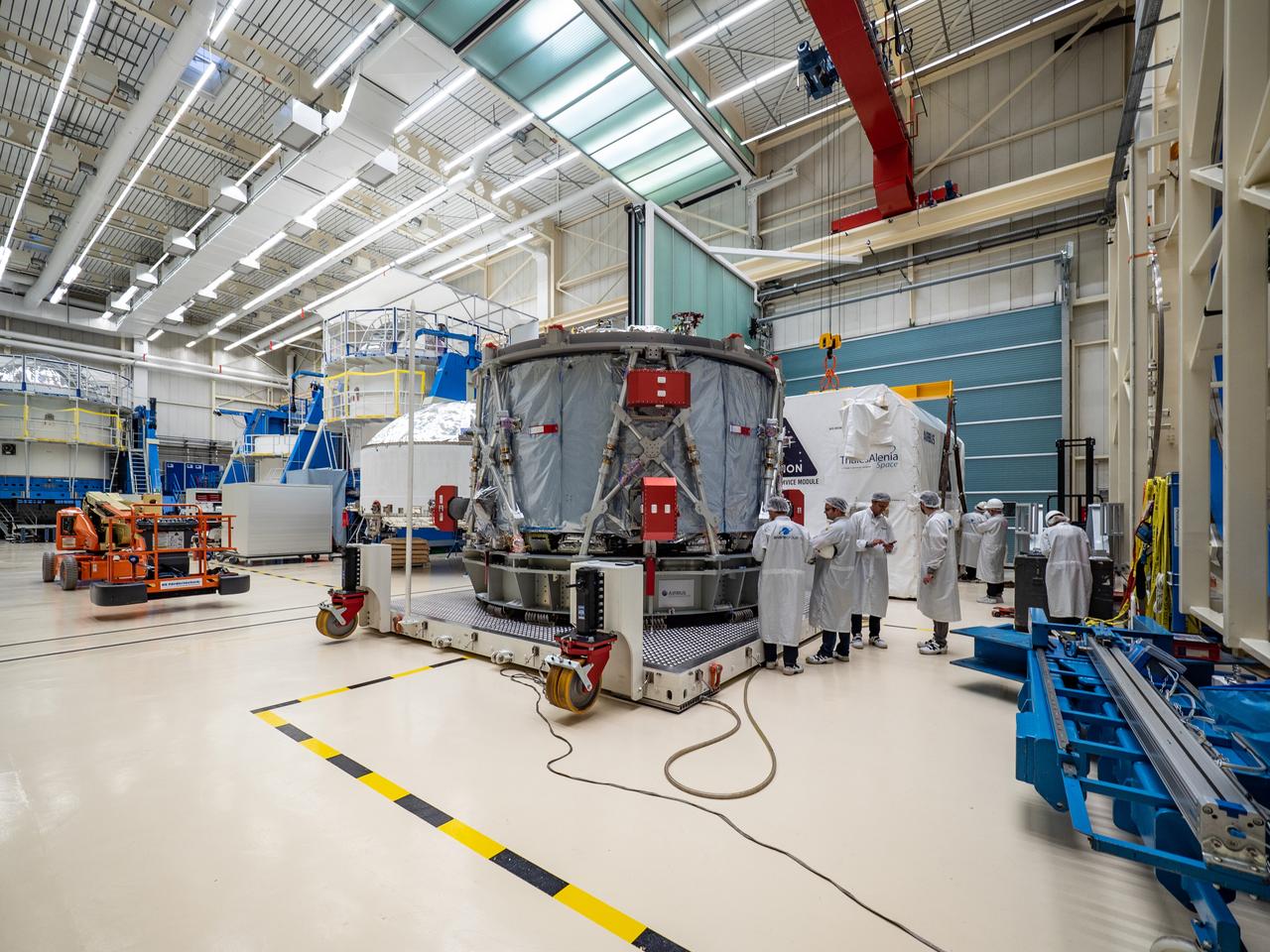
Technicians at the Airbus facility in Bremen, Germany prepare the European Service Module for shipment to Kennedy Space Center on Nov. 1, 2018. The service module will depart Germany on November 5, 2018 and will arrive in the U.S. on November 6...For the first time, NASA will use a European-built system as a critical element to power an American spacecraft, extending the international cooperation of the International Space Station into deep space. The European Service Module is a unique collaboration across space agencies and industry including ESA’s prime contractor, Airbus, and 10 European countries. The completion of service module work in Europe and shipment to Kennedy signifies a major milestone toward NASA’s human deep space exploration missions to the Moon and beyond.
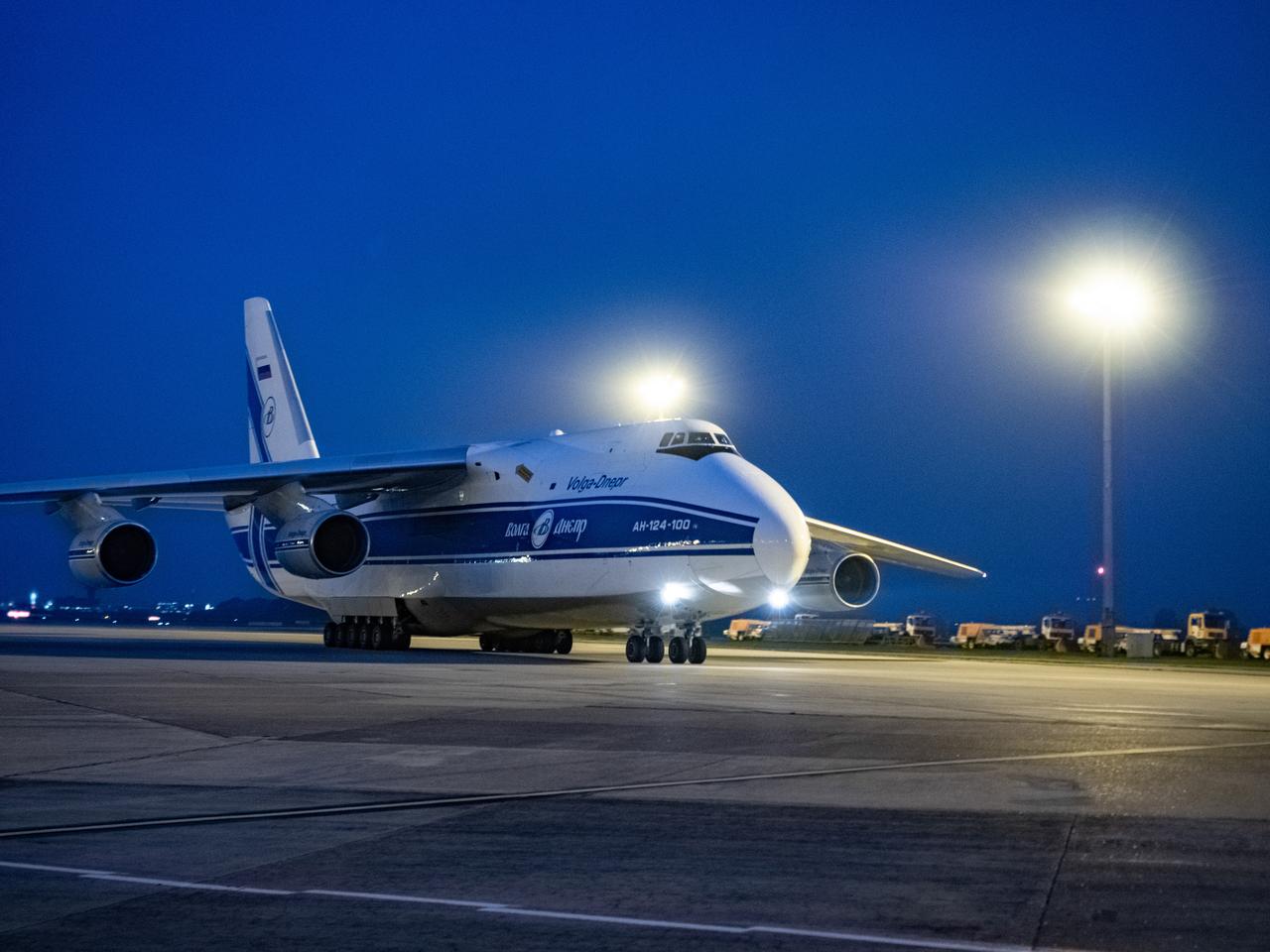
Orion's European Service Module is loaded on the Antonov airplane in Bremen, Germany on Nov. 5, 2018 for transport to Kennedy Space Center...For the first time, NASA will use a European-built system as a critical element to power an American spacecraft, extending the international cooperation of the International Space Station into deep space. The European Service Module is a unique collaboration across space agencies and industry including ESA’s prime contractor, Airbus, and 10 European countries. The completion of service module work in Europe and shipment to Kennedy signifies a major milestone toward NASA’s human deep space exploration missions to the Moon and beyond.
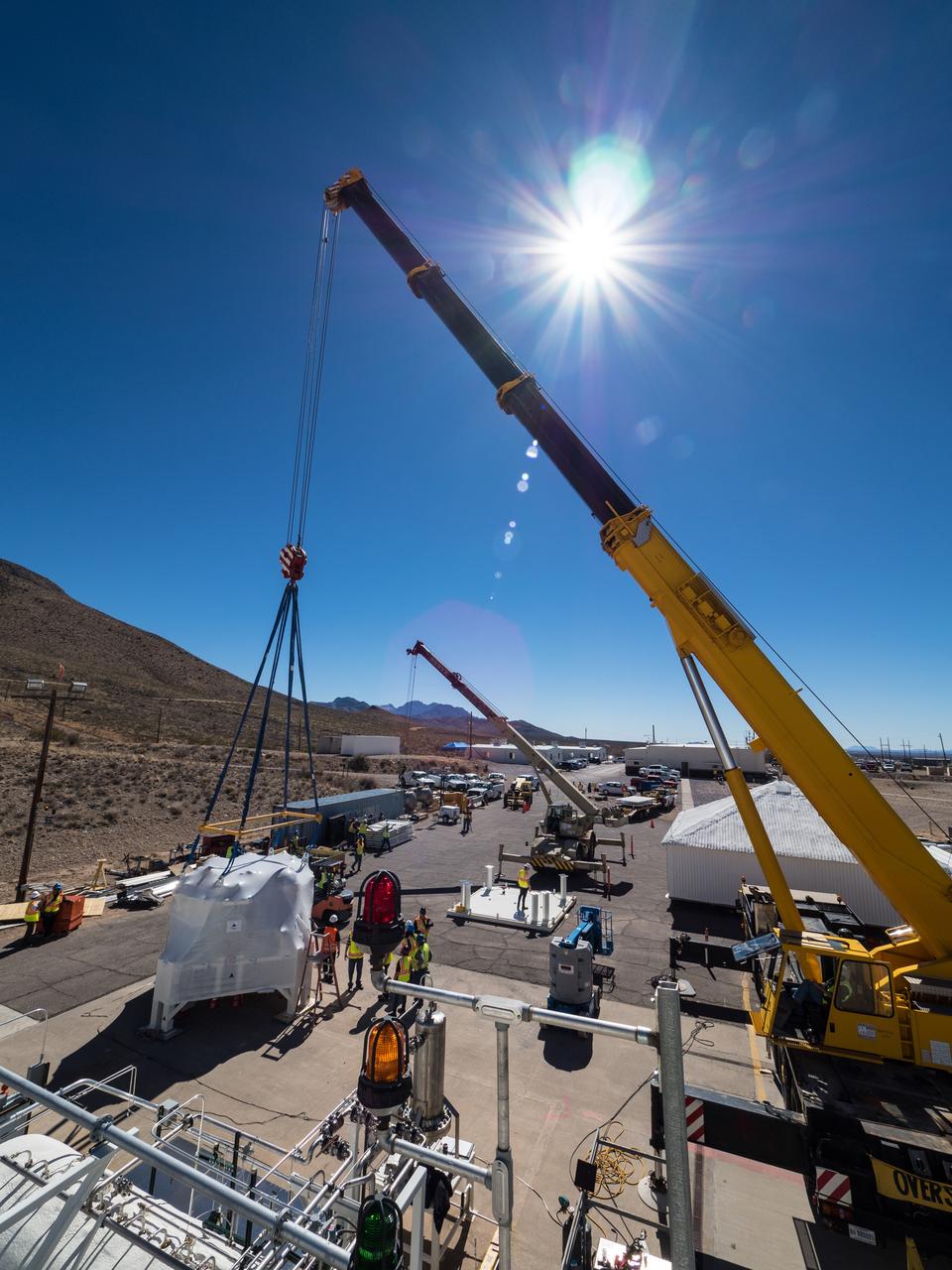
On Feb. 21, 2017 engineers successfully install ESA’s European Service Module Propulsion Qualification Module (PQM) at NASA’s White Sands Test Facility in New Mexico that was delivered by Airbus – ESA’s prime contractor for the Service Module. The module will be equipped with a total of 21 engines to support NASA’s Orion spacecraft: one U.S. Space Shuttle Orbital Maneuvering System (OMS) engine, eight auxiliary thrusters and 12 smaller thrusters produced by Airbus Safran Launchers in Germany. The all-steel PQM structure is used to test the propulsion systems on Orion, including “hot firing” of the OMS engine and thrusters.
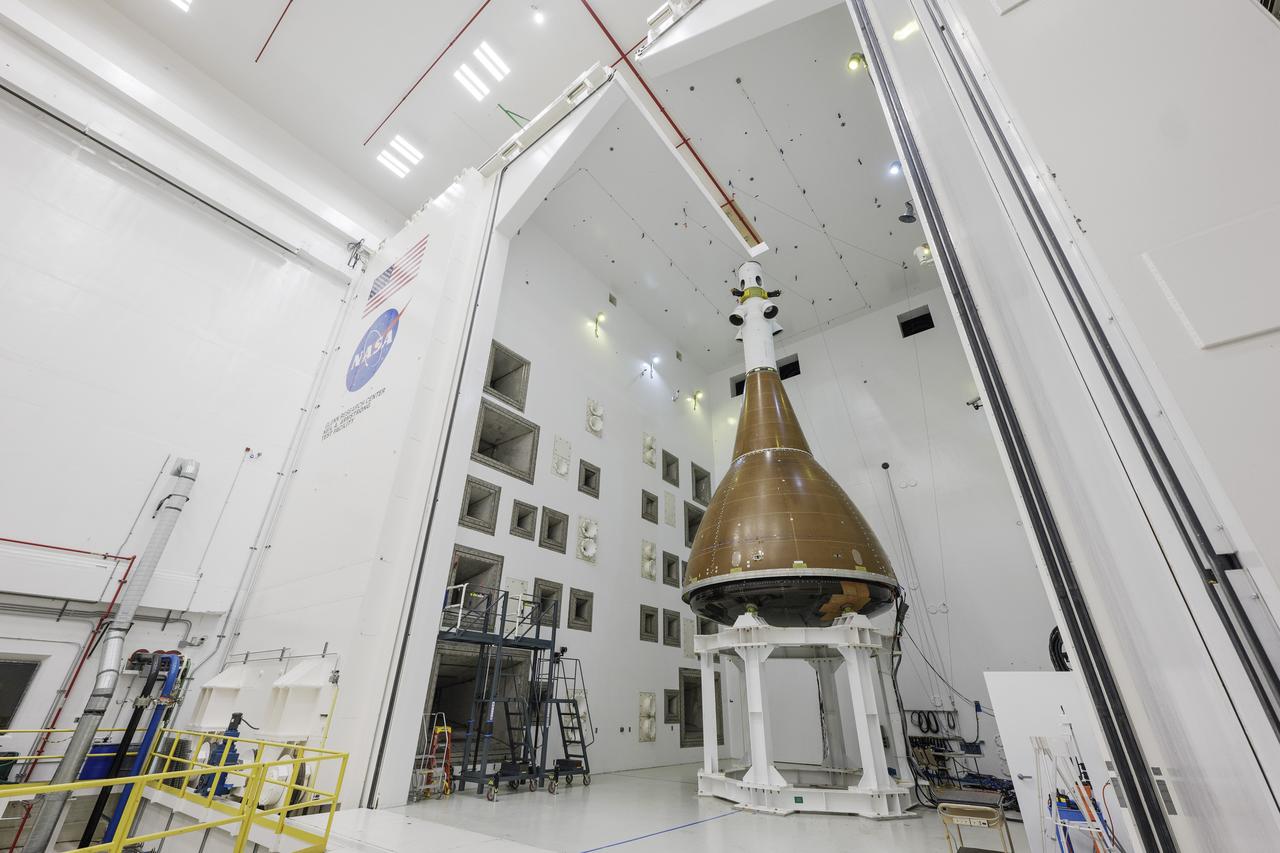
The team at NASA's Armstrong Test Facility in Sandusky, Ohio has begun vibro-acoustic testing on the Orion spacecraft that flew around the Moon on Artemis I, now known as the Environmental Test Article. The testing will help ensure the safety of future crews aboard Orion. Photo credit: NASA / Rad Sinyak
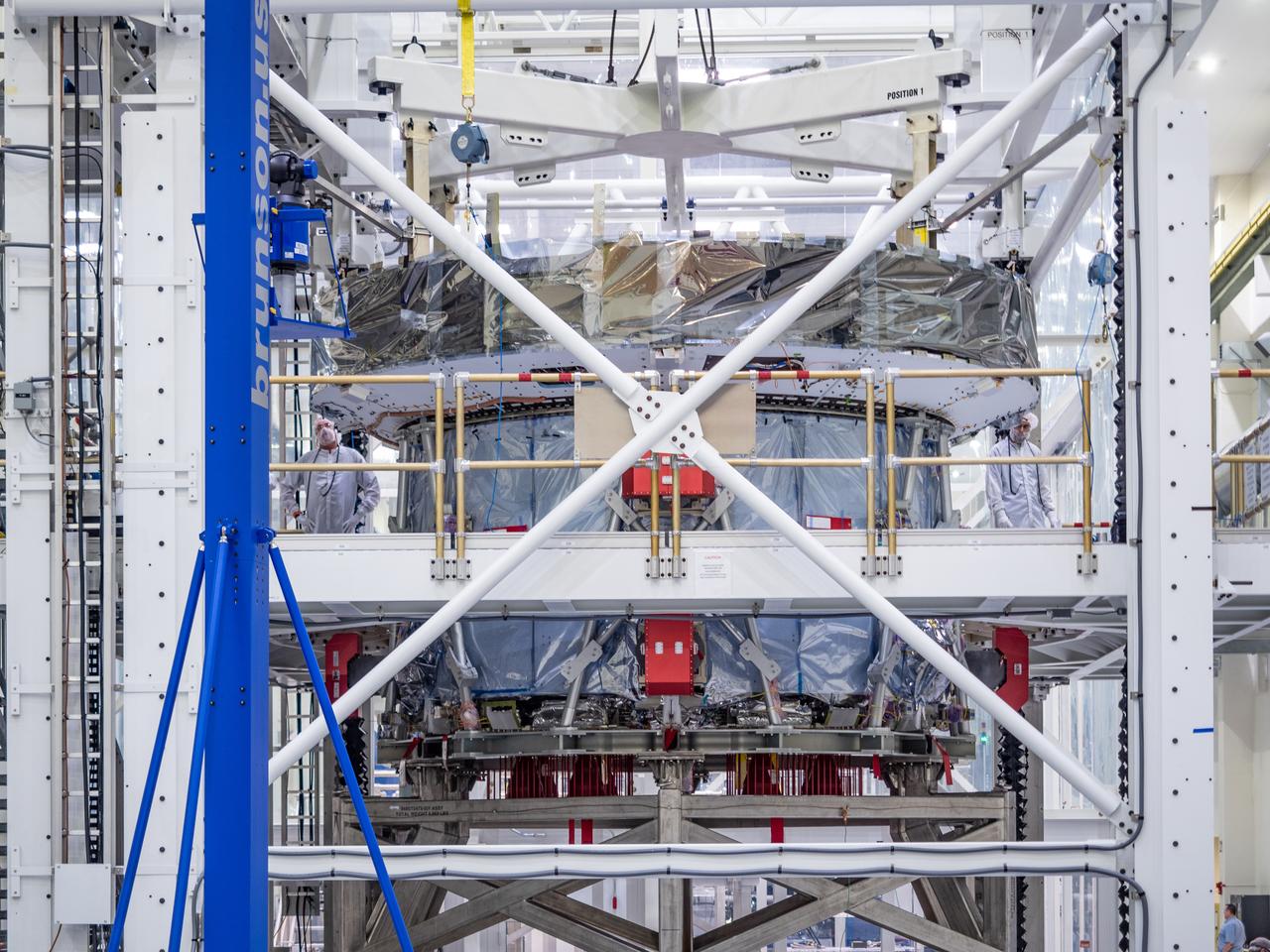
At the Operations and Checkout Building at Kennedy Space Center, Lockheed Martin technicians work to mate Orion's crew module adapter to the European Service Module on Nov. 14, 2018...For the first time, NASA will use a European-built system as a critical element to power an American spacecraft, extending the international cooperation of the International Space Station into deep space. The European Service Module is a unique collaboration across space agencies and industry including ESA’s prime contractor, Airbus, and 10 European countries. The completion of service module work in Europe and shipment to Kennedy signifies a major milestone toward NASA’s human deep space exploration missions to the Moon and beyond.
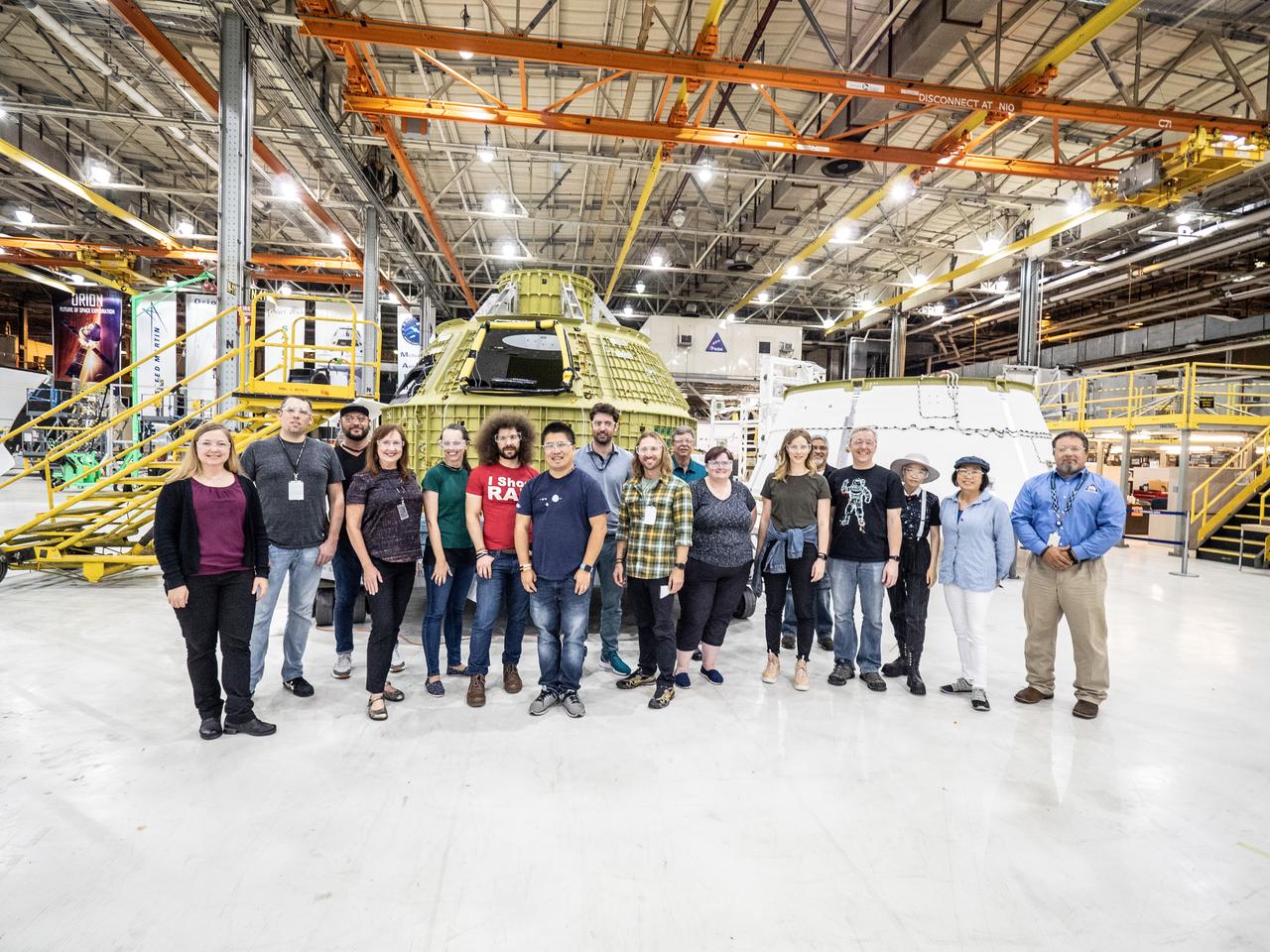
The NASA Photo Social at NASA’s Michoud Assembly Facility (MAF) in New Orleans, Louisiana, gathered social media-savvy photographers together on Aug. 16, 2018 to snap and share photos of the facility where NASA is building components for its deep space rocket, the Space Launch System, and crew vehicle, the Orion spacecraft. NASA Michoud is a world-class facility that is unique because it is one of the largest production buildings in the nation with a rich history of manufacturing excellence.
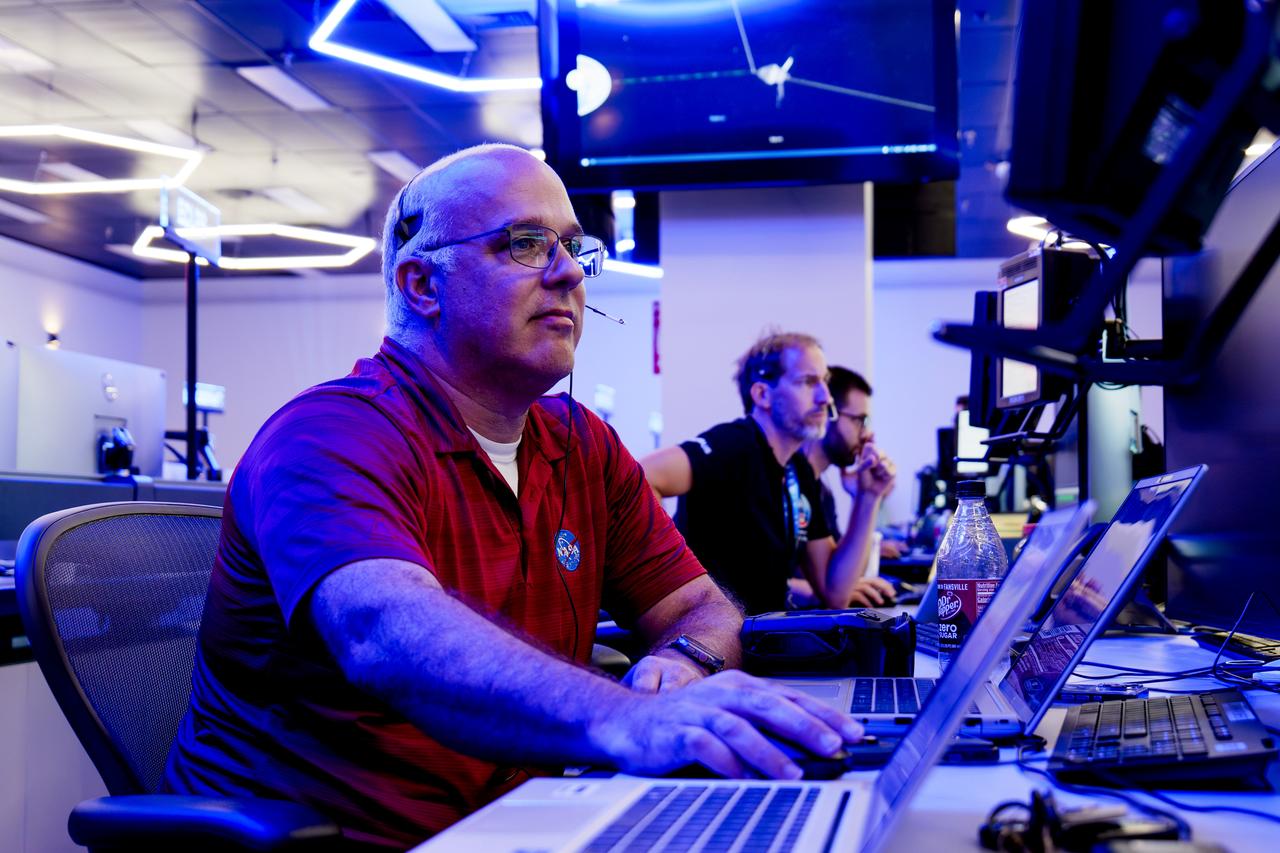
The Orion Mission Evaluation Room (MER) team works during an Artemis II mission simulation on Aug. 19, 2025, from the new Orion MER inside the Mission Control Center at NASA’s Johnson Space Center in Houston.
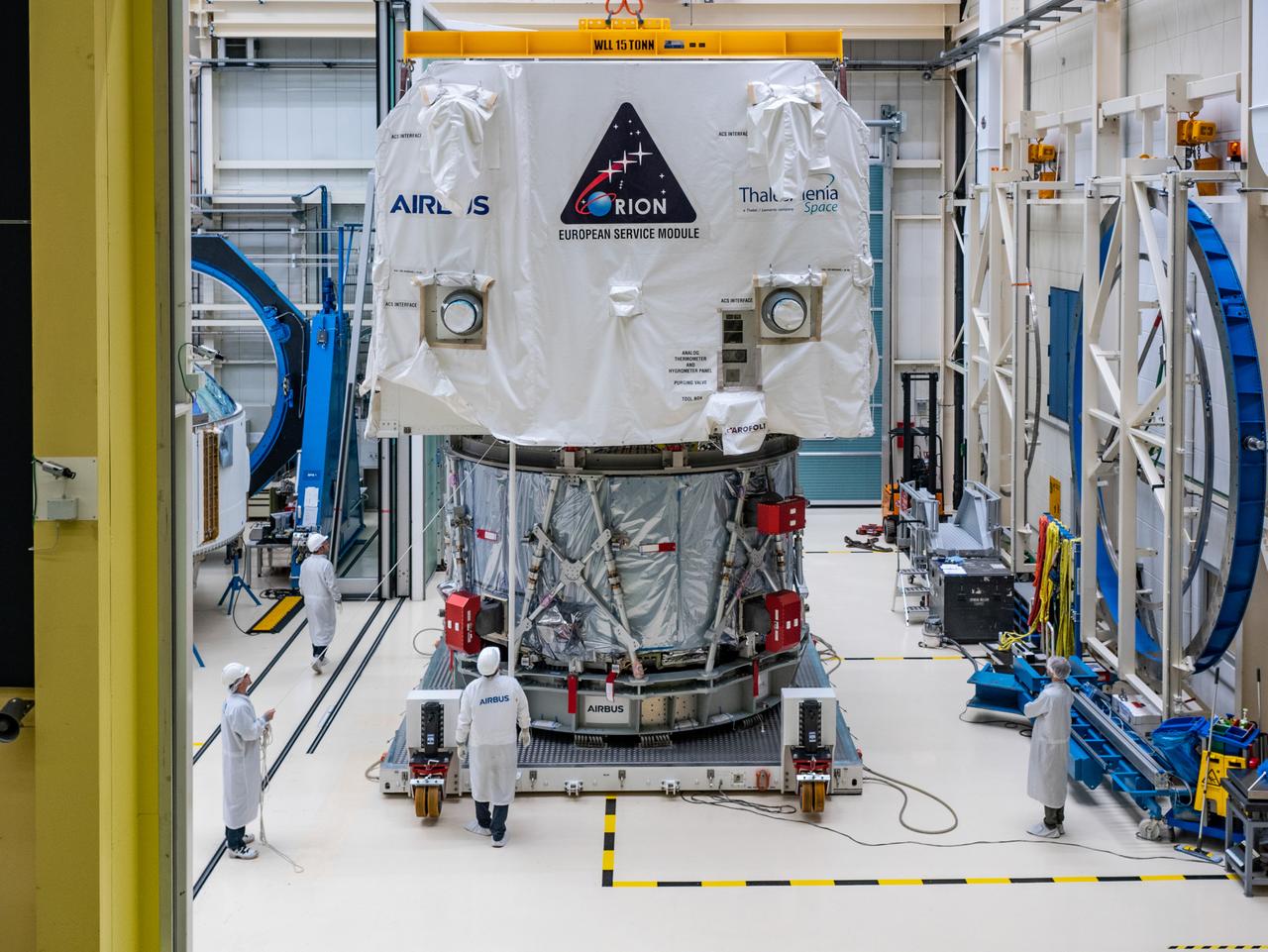
Technicians at the Airbus facility in Bremen, Germany prepare the European Service Module for shipment to Kennedy Space Center on Nov. 1, 2018. The service module will depart Germany on November 5, 2018 and will arrive in the U.S. on November 6...For the first time, NASA will use a European-built system as a critical element to power an American spacecraft, extending the international cooperation of the International Space Station into deep space. The European Service Module is a unique collaboration across space agencies and industry including ESA’s prime contractor, Airbus, and 10 European countries. The completion of service module work in Europe and shipment to Kennedy signifies a major milestone toward NASA’s human deep space exploration missions to the Moon and beyond.
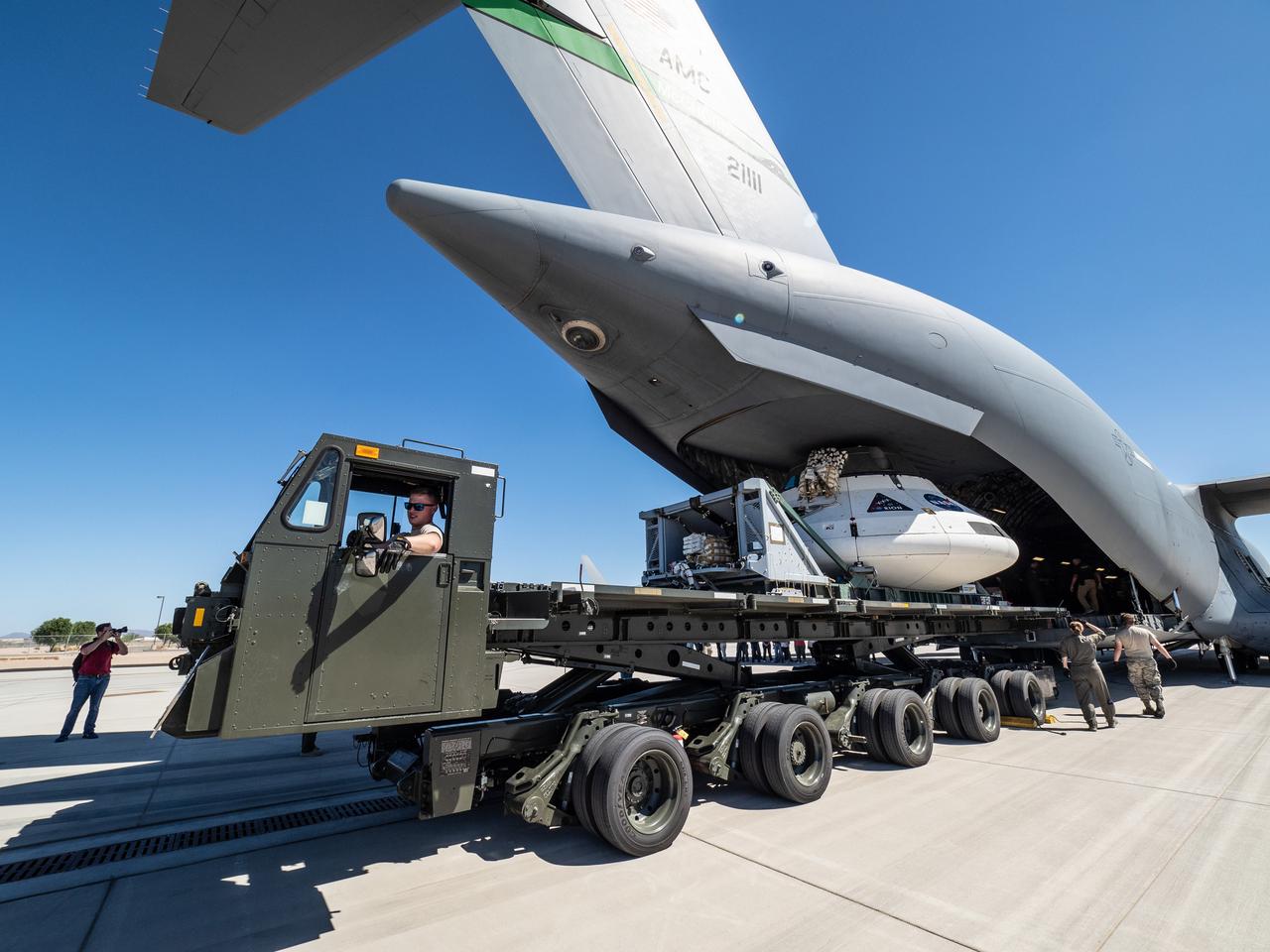
The Orion team prepares the parachute test vehicle for the final drop test which will qualify Orion's parachutes for human flight on Sept. 10, 2018...On September 12, 2018 an Orion test capsule will be dropped from a C-17 aircraft at an altitude of more than six miles to verify the spacecraft’s complex system of 11 parachutes, cannon-like mortars, and pyrotechnic devices work in sequence to slow the capsule’s descent for a safe landing on Earth.
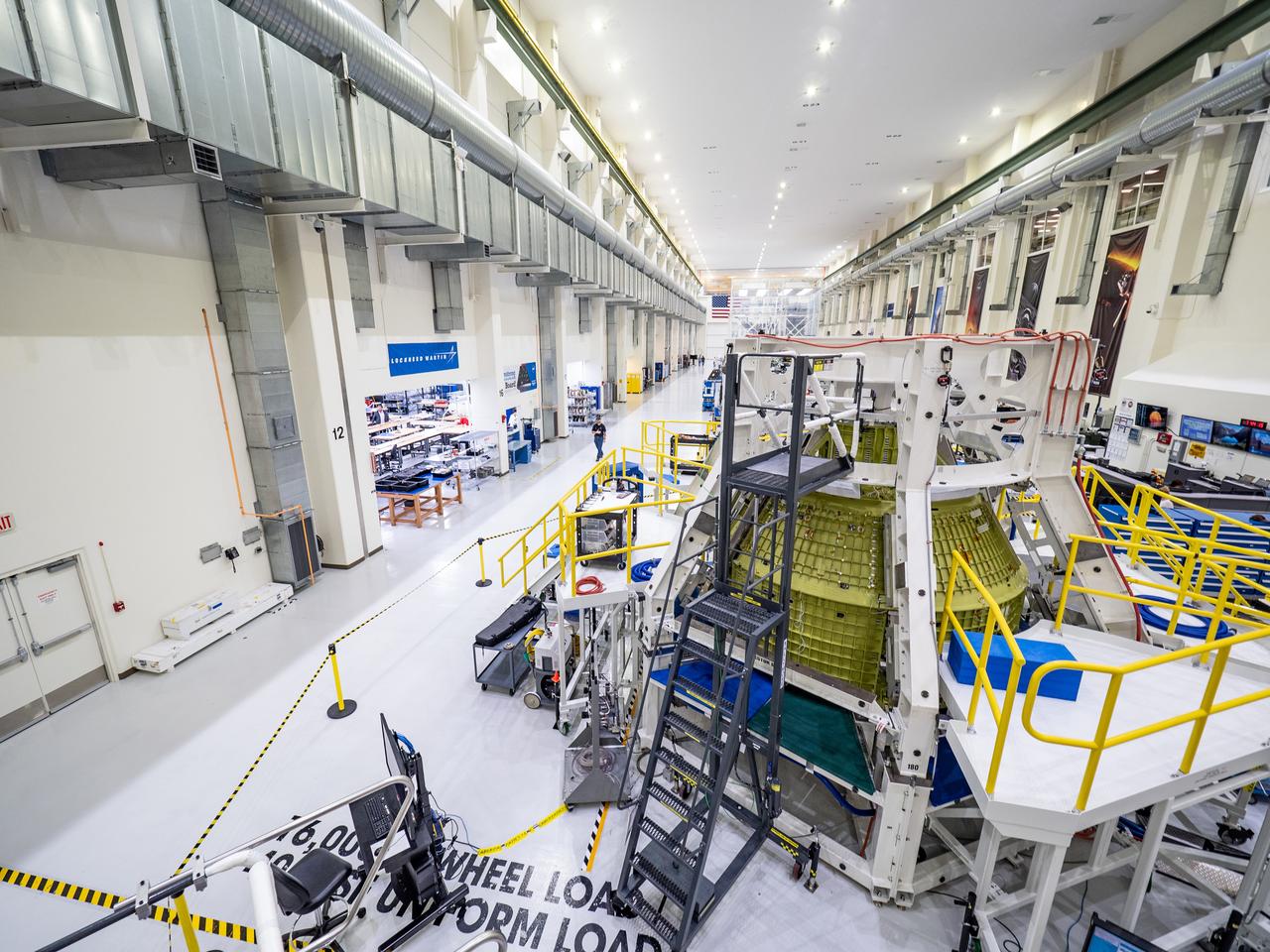
Orion's crew module for Artemis I at the Operations and Checkout Building at Kennedy Space Center on Nov. 14, 2018..
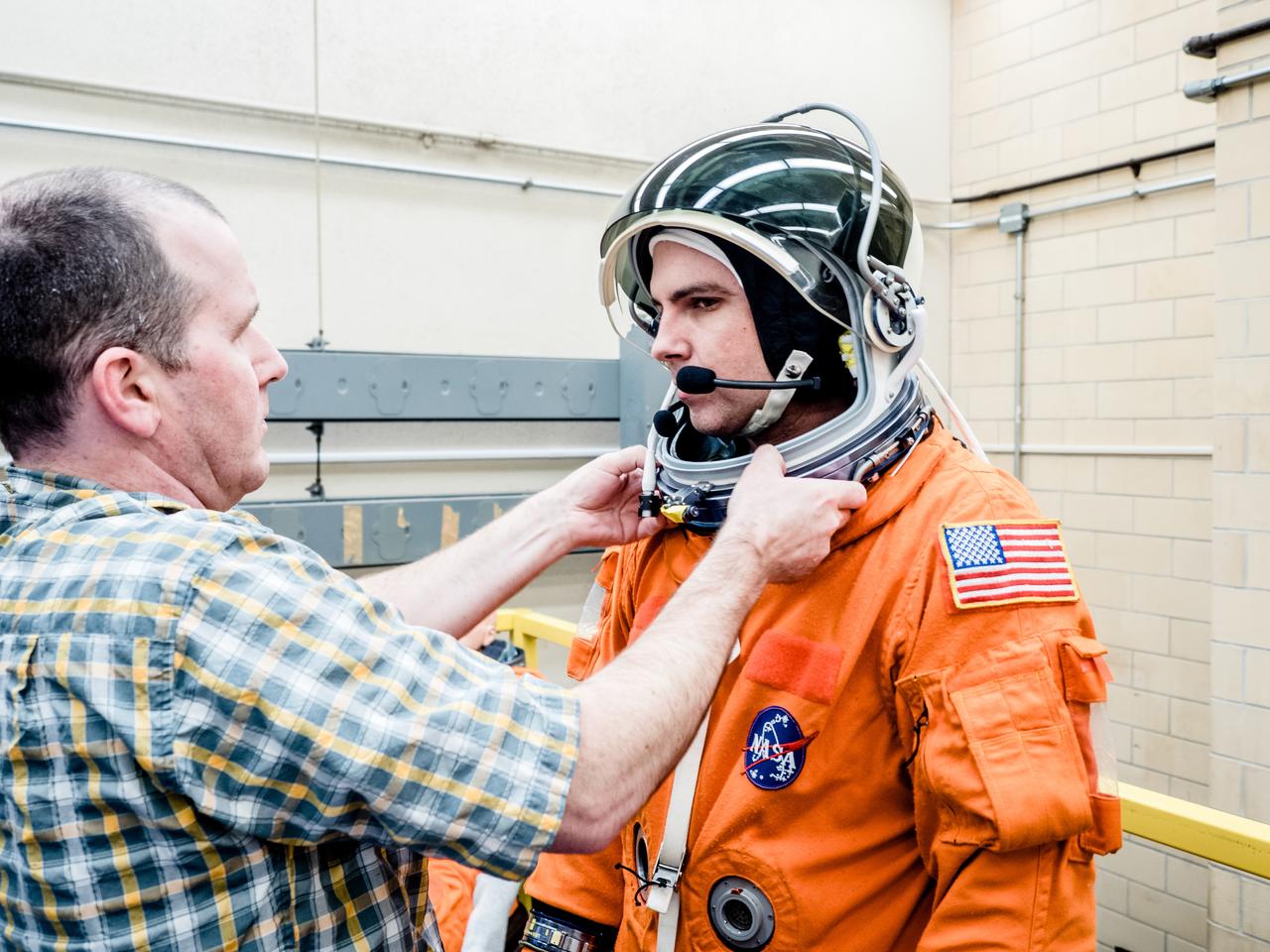
In a lab at NASA’s Johnson Space Center in Houston, engineers simulate conditions that astronauts in space suits would experience when the Orion spacecraft is vibrating during launch atop the agency’s powerful Space Launch System rocket on its way to deep space destinations on Jan. 19, 2017. A series of tests occurring this month at Johnson will help human factors engineers assess how well the crew can interact with the displays and controls they will use to monitor Orion’s systems and operate the spacecraft when necessary...Test subjects wore modified advanced crew escape suits that are being developed for astronauts in Orion, and sat in the latest design of the seat atop the crew impact attenuation system. This was the first time this key hardware was brought together to evaluate how launch vibrations may impact the astronaut’s ability to view the displays and controls.

On Feb. 21, 2017 engineers successfully install ESA’s European Service Module Propulsion Qualification Module (PQM) at NASA’s White Sands Test Facility in New Mexico that was delivered by Airbus – ESA’s prime contractor for the Service Module. The module will be equipped with a total of 21 engines to support NASA’s Orion spacecraft: one U.S. Space Shuttle Orbital Maneuvering System (OMS) engine, eight auxiliary thrusters and 12 smaller thrusters produced by Airbus Safran Launchers in Germany. The all-steel PQM structure is used to test the propulsion systems on Orion, including “hot firing” of the OMS engine and thrusters.
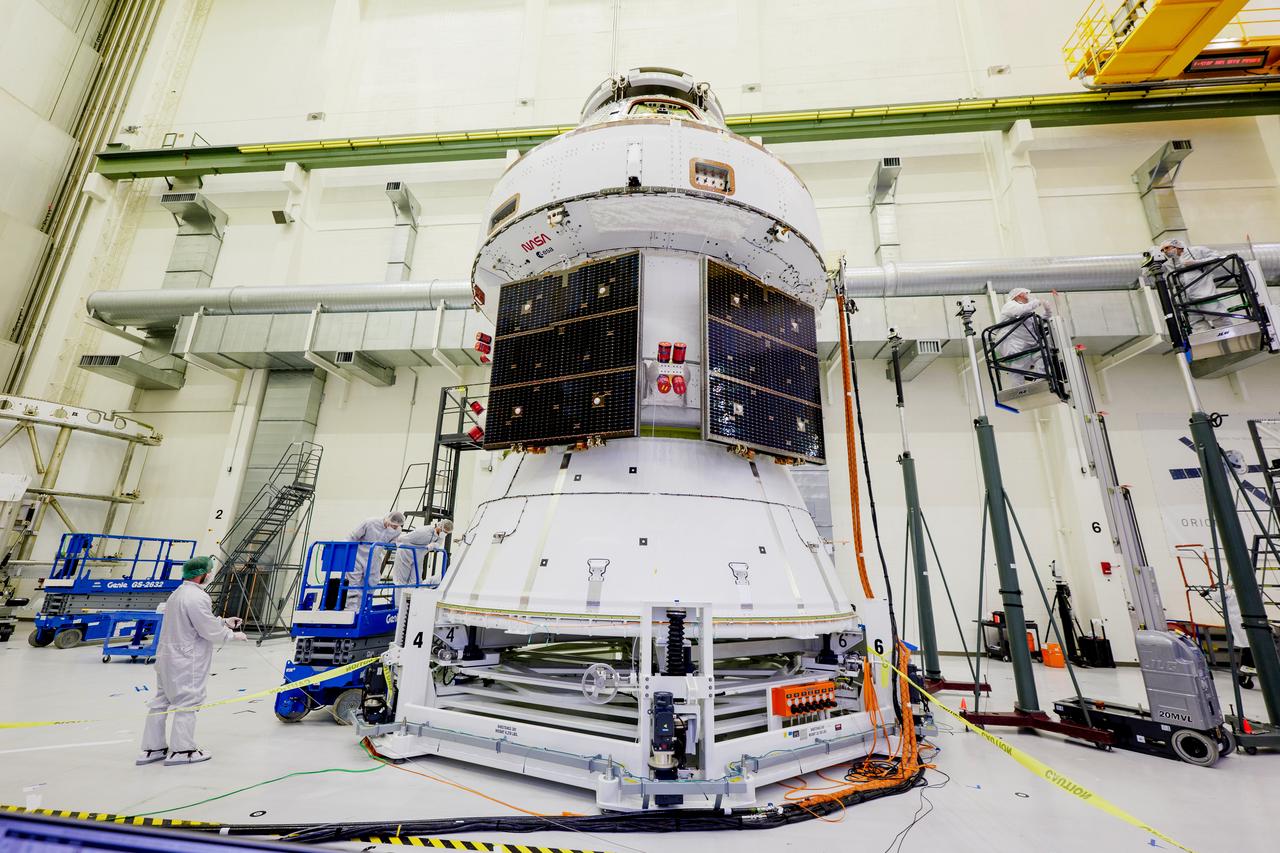
The four solar array wings for the Artemis II Orion spacecraft are installed inside the Operations and Checkout Building at NASA's Kennedy Space Center in Florida on March 7, 2025. Artemis II is Orion’s first crewed flight test around the Moon under the agency’s Artemis campaign.
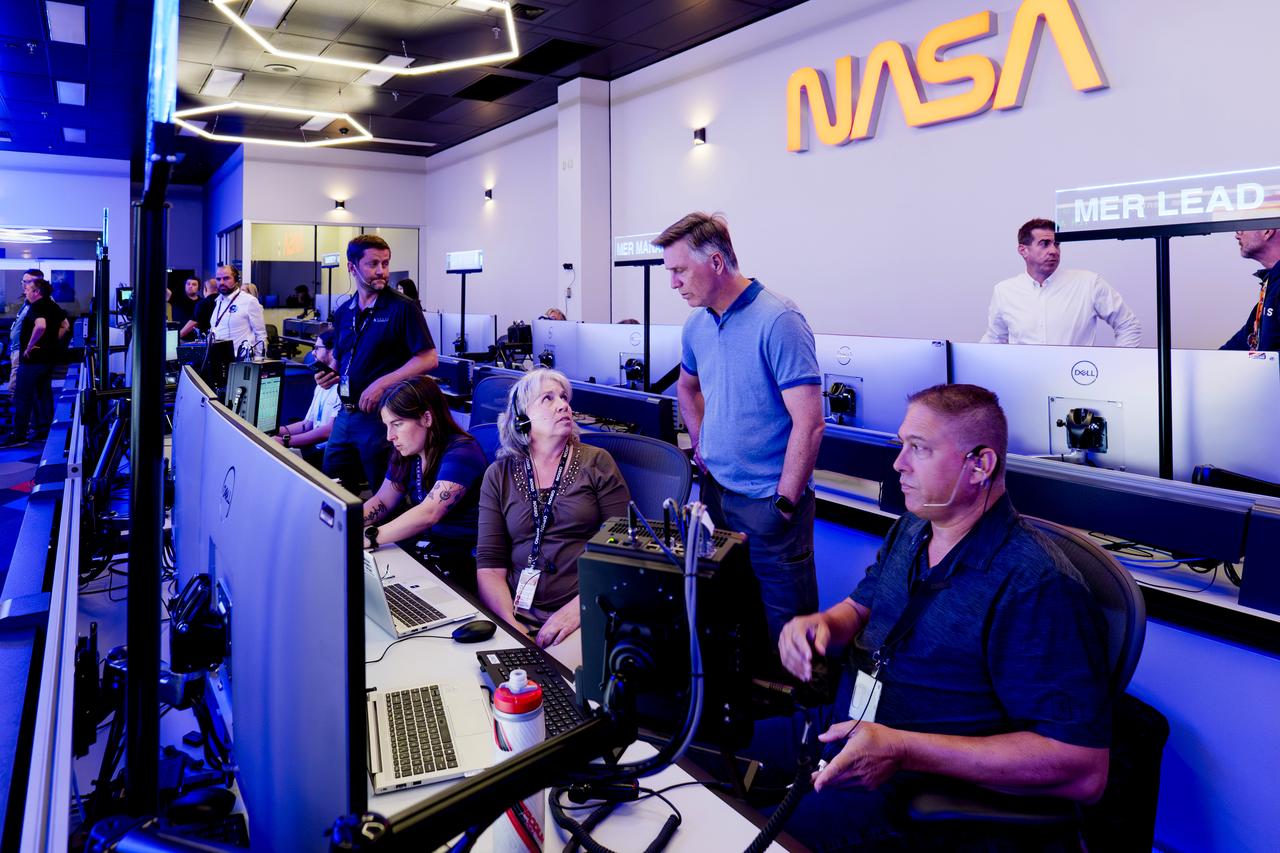
The Orion Mission Evaluation Room (MER) team works during an Artemis II mission simulation on Aug. 19, 2025, from the new Orion MER inside the Mission Control Center at NASA’s Johnson Space Center in Houston.
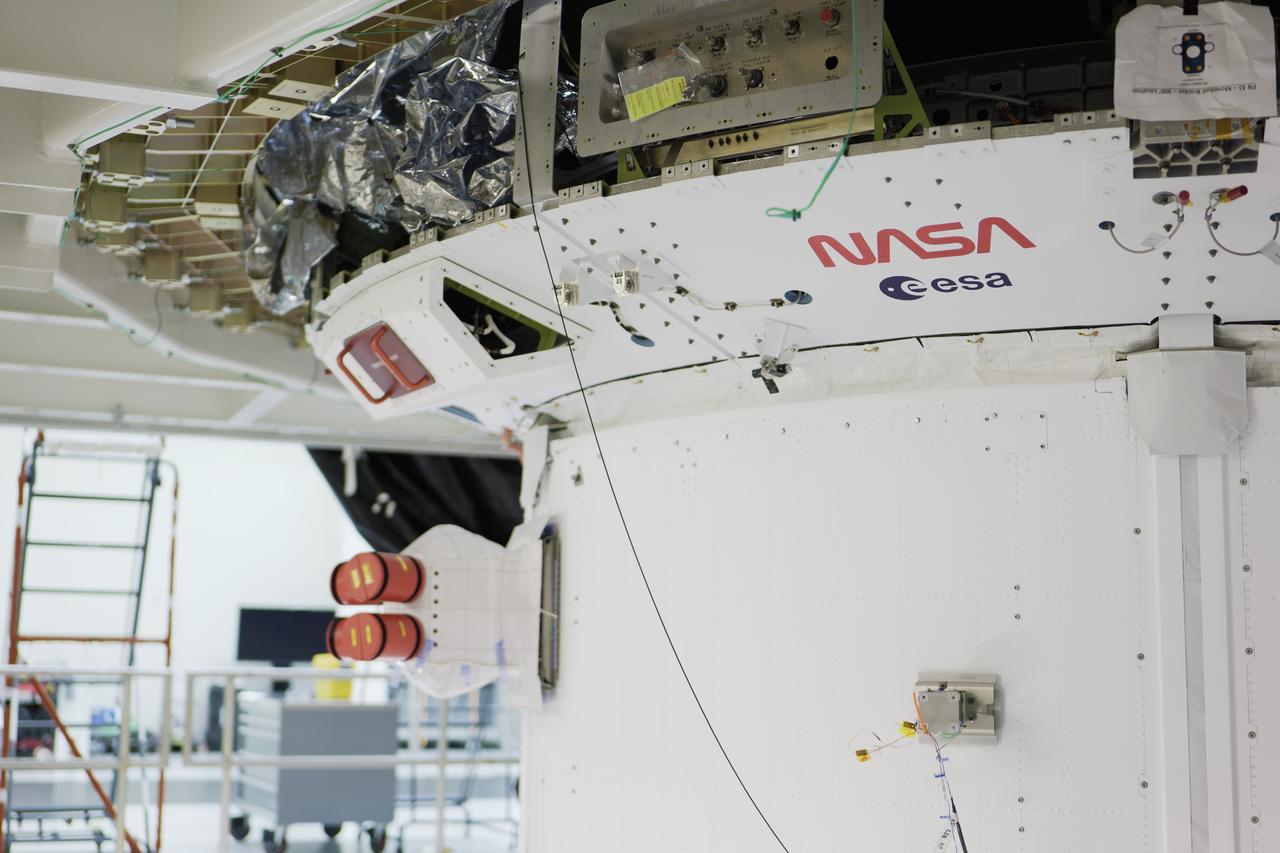
The Orion spacecraft for NASA’s Artemis II mission received its latest makeover. Teams adhered the agency’s iconic “worm” logo and ESA (European Space Agency) insignia on the spacecraft’s crew module adapter on Sunday, Jan. 28, inside the Neil Armstrong Operations and Checkout Building at NASA’s Kennedy Space Center in Florida.
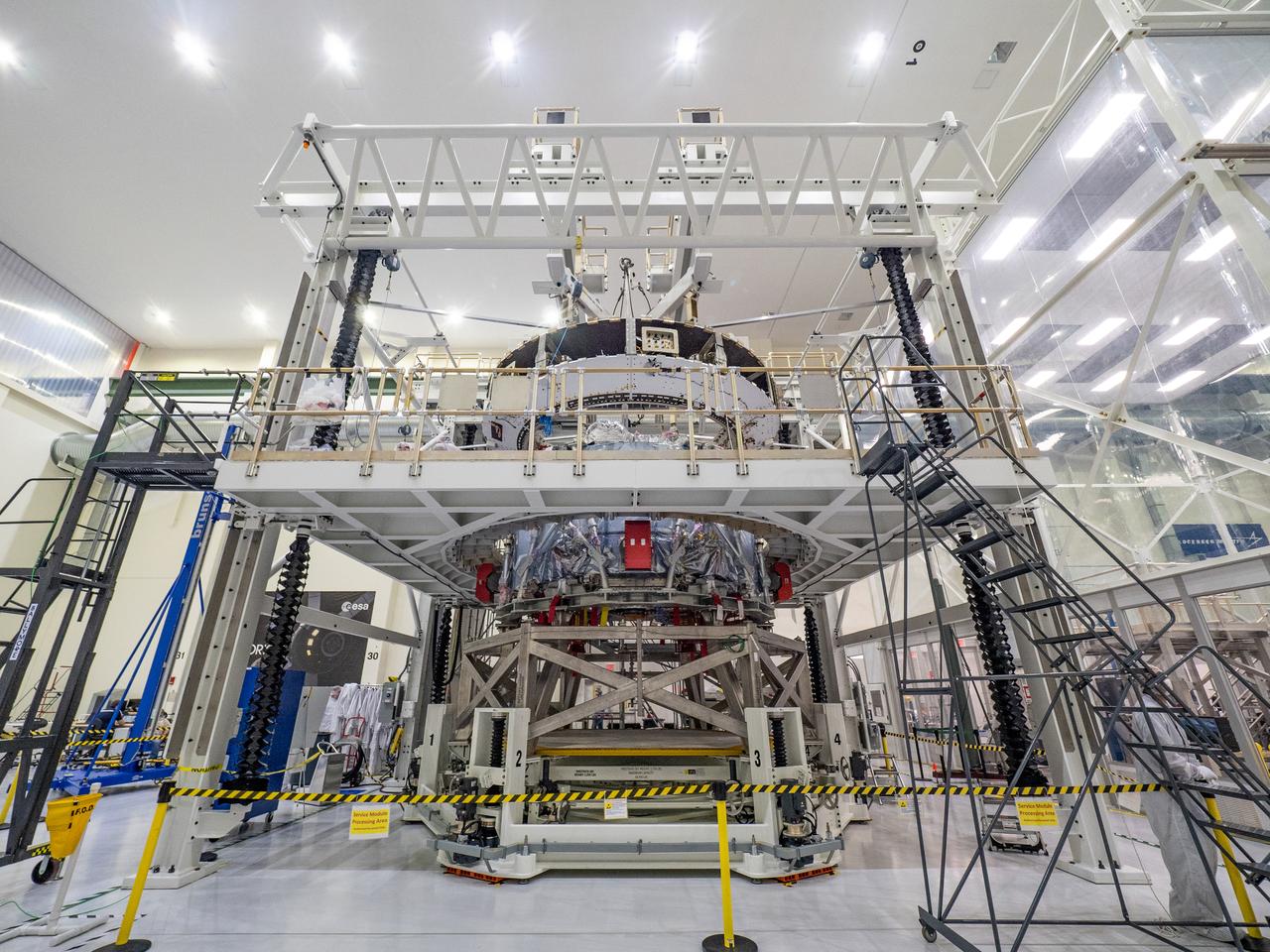
At the Operations and Checkout Building at Kennedy Space Center, Lockheed Martin technicians work to mate Orion's crew module adapter to the European Service Module on Nov. 13, 2018...For the first time, NASA will use a European-built system as a critical element to power an American spacecraft, extending the international cooperation of the International Space Station into deep space. The European Service Module is a unique collaboration across space agencies and industry including ESA’s prime contractor, Airbus, and 10 European countries. The completion of service module work in Europe and shipment to Kennedy signifies a major milestone toward NASA’s human deep space exploration missions to the Moon and beyond.
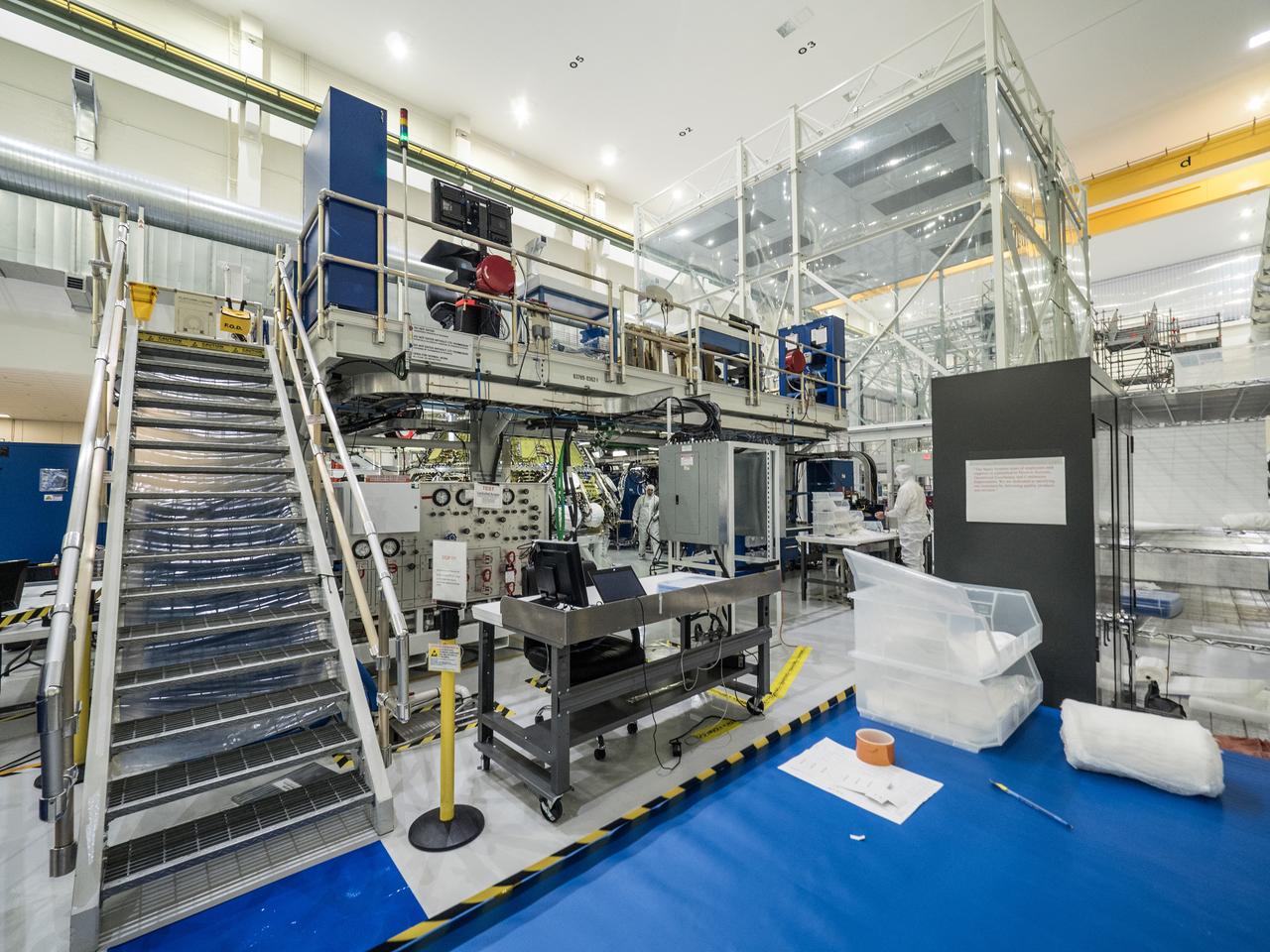
Lockheed Martin engineers assemble Orion's Artemis I crew module at NASA's Kennedy Space Center Operations and Checkout Building on April 27, 2018.
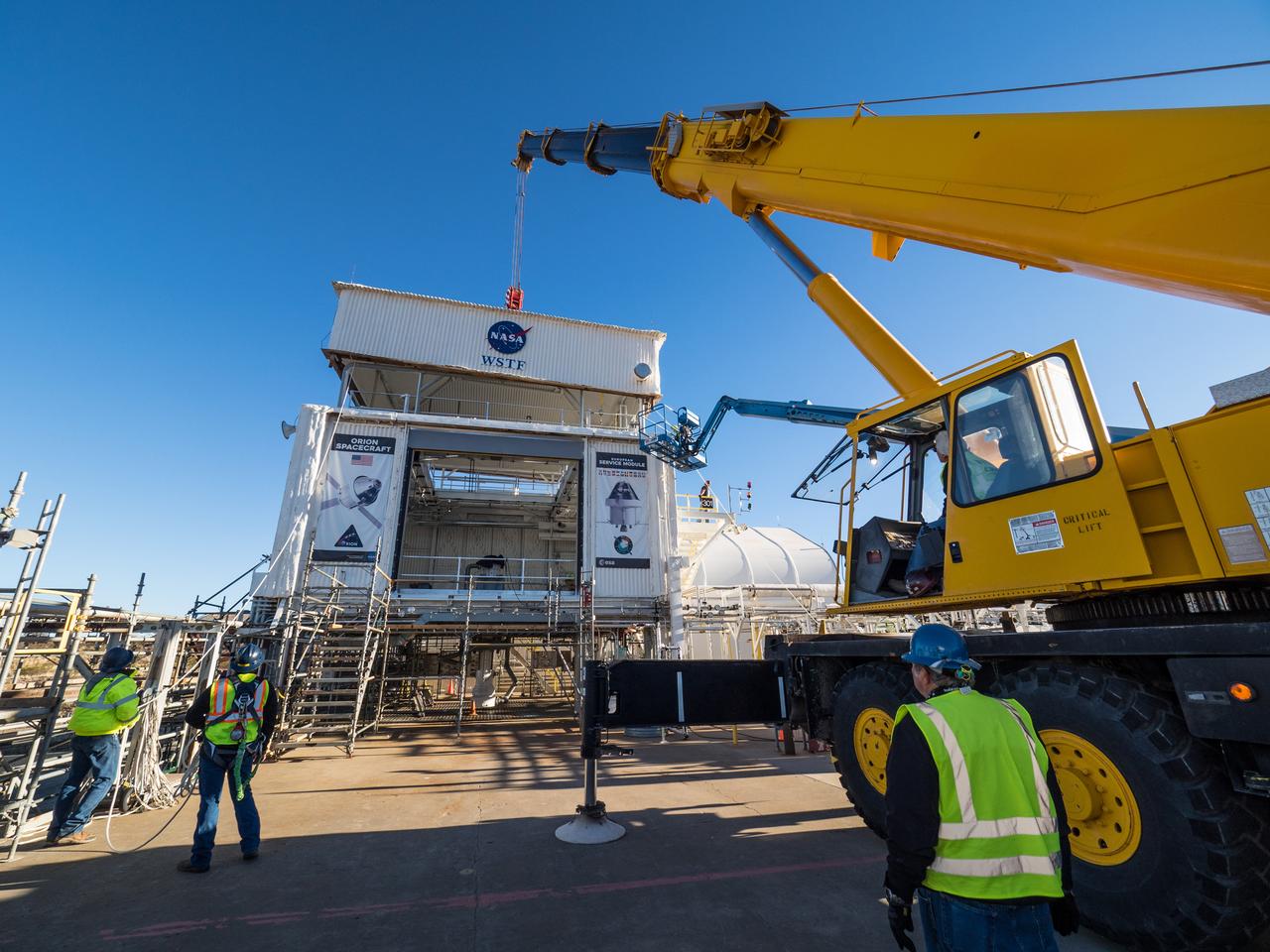
On Feb. 21, 2017 engineers successfully install ESA’s European Service Module Propulsion Qualification Module (PQM) at NASA’s White Sands Test Facility in New Mexico that was delivered by Airbus – ESA’s prime contractor for the Service Module. The module will be equipped with a total of 21 engines to support NASA’s Orion spacecraft: one U.S. Space Shuttle Orbital Maneuvering System (OMS) engine, eight auxiliary thrusters and 12 smaller thrusters produced by Airbus Safran Launchers in Germany. The all-steel PQM structure is used to test the propulsion systems on Orion, including “hot firing” of the OMS engine and thrusters.
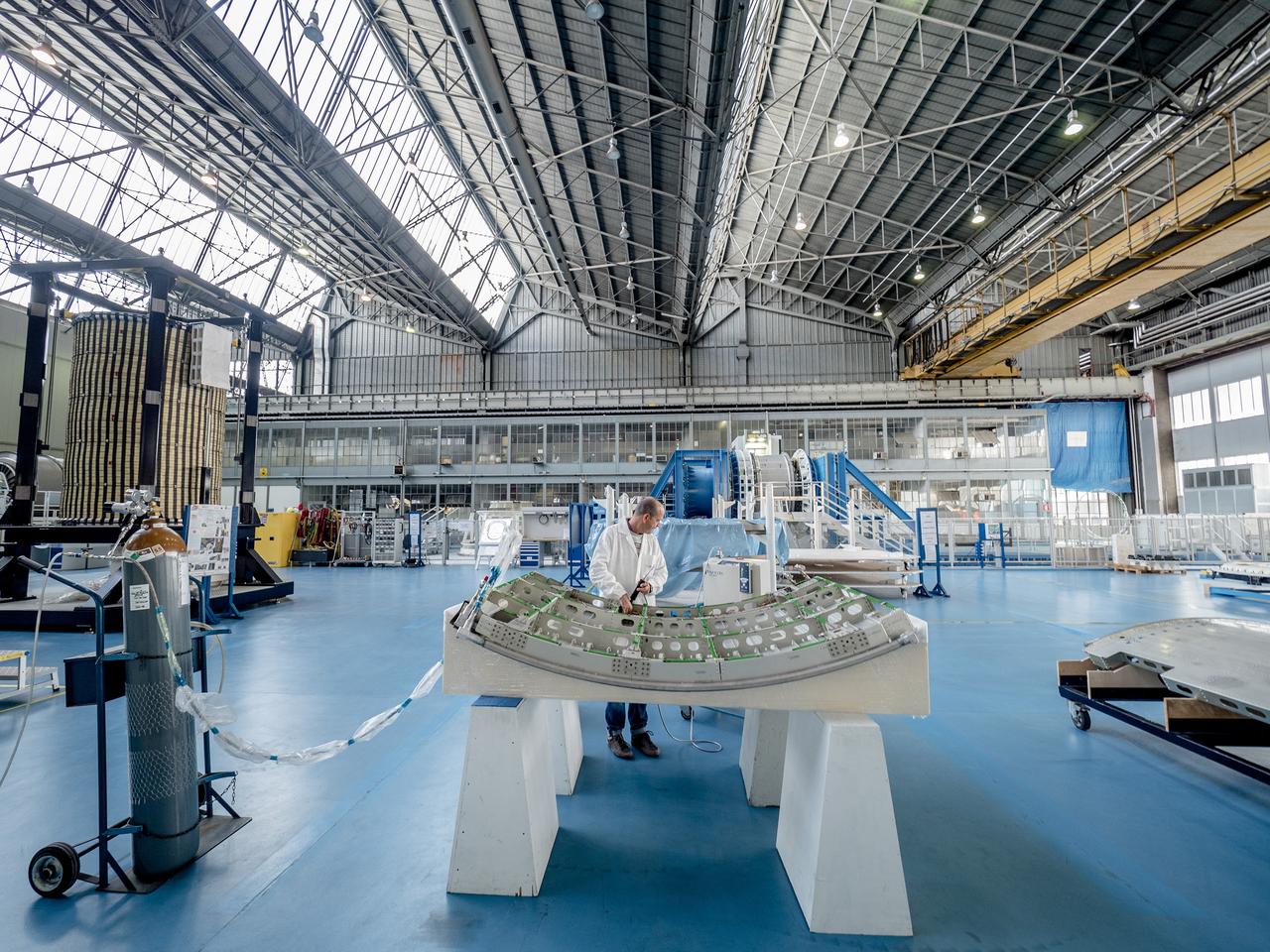
While engineers in Europe continue to outfit the Orion spacecraft’s service module for Artemis I in preparation for shipment to NASA’s Kennedy Space Center in Florida next year, work is already beginning on the service module that will power, propel, cool and provide air and water for the first crewed mission in the Orion spacecraft in the early 2020s. On Sept. 19, 2017, technicians at Thales Alenia in Turin, Italy, work on the primary structure of the European Service Module that will carry astronauts in Orion beyond the Moon during Artemis II. ESA (European Space Agency) and its contractors are providing Orion’s service module for its first two missions atop the Space Launch System rocket. NASA is leading the next steps in human space exploration and will send astronauts to the vicinity of the Moon to build and test the systems needed for challenging missions to deep space destinations including Mars. NASA is working with domestic and international partners to solve the great challenges of deep space exploration.
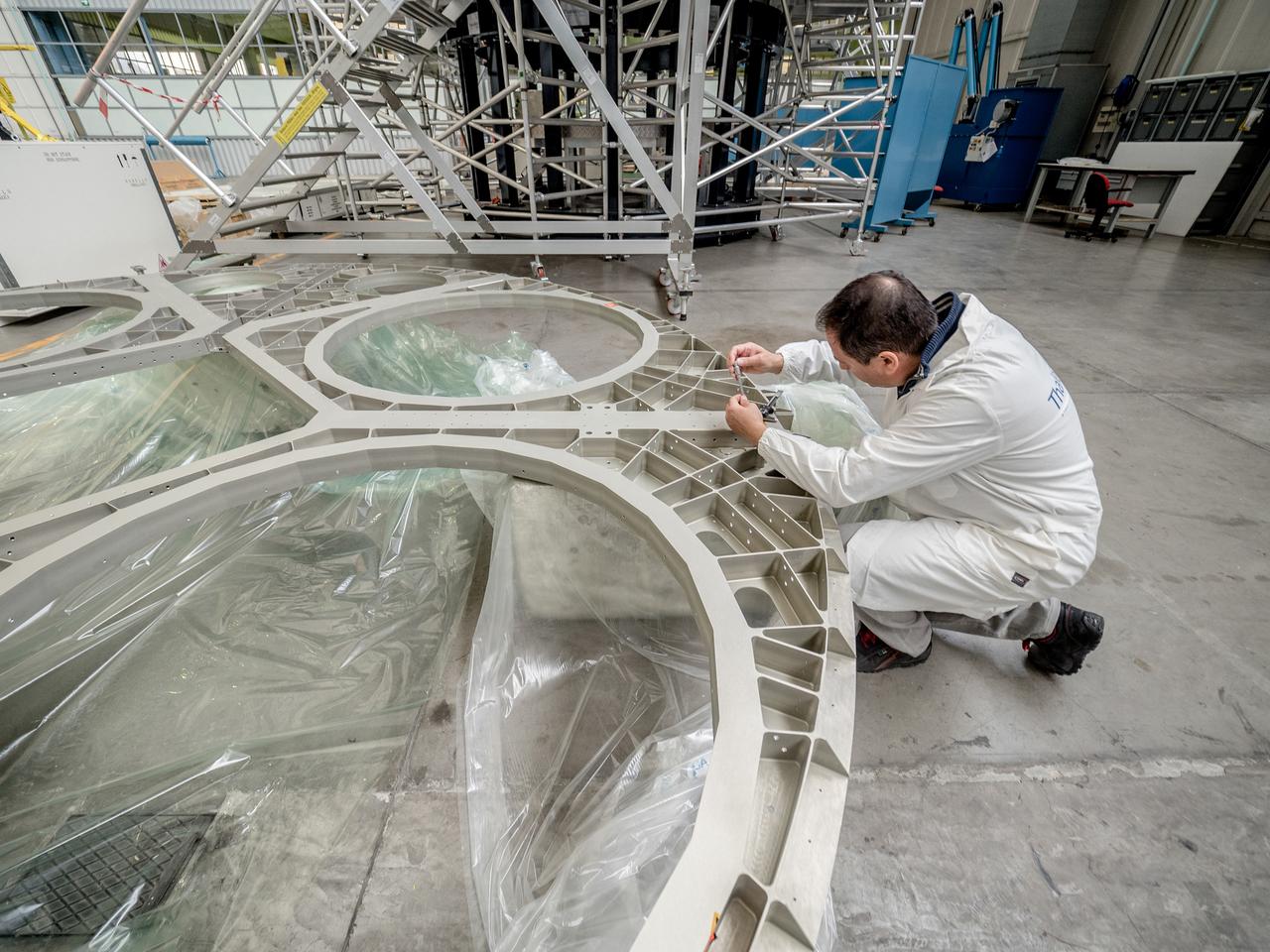
While engineers in Europe continue to outfit the Orion spacecraft’s service module for Artemis I in preparation for shipment to NASA’s Kennedy Space Center in Florida next year, work is already beginning on the service module that will power, propel, cool and provide air and water for the first crewed mission in the Orion spacecraft in the early 2020s. On Sept. 19, 2017, technicians at Thales Alenia in Turin, Italy, work on the primary structure of the European Service Module that will carry astronauts in Orion beyond the Moon during Artemis II. ESA (European Space Agency) and its contractors are providing Orion’s service module for its first two missions atop the Space Launch System rocket. NASA is leading the next steps in human space exploration and will send astronauts to the vicinity of the Moon to build and test the systems needed for challenging missions to deep space destinations including Mars. NASA is working with domestic and international partners to solve the great challenges of deep space exploration.
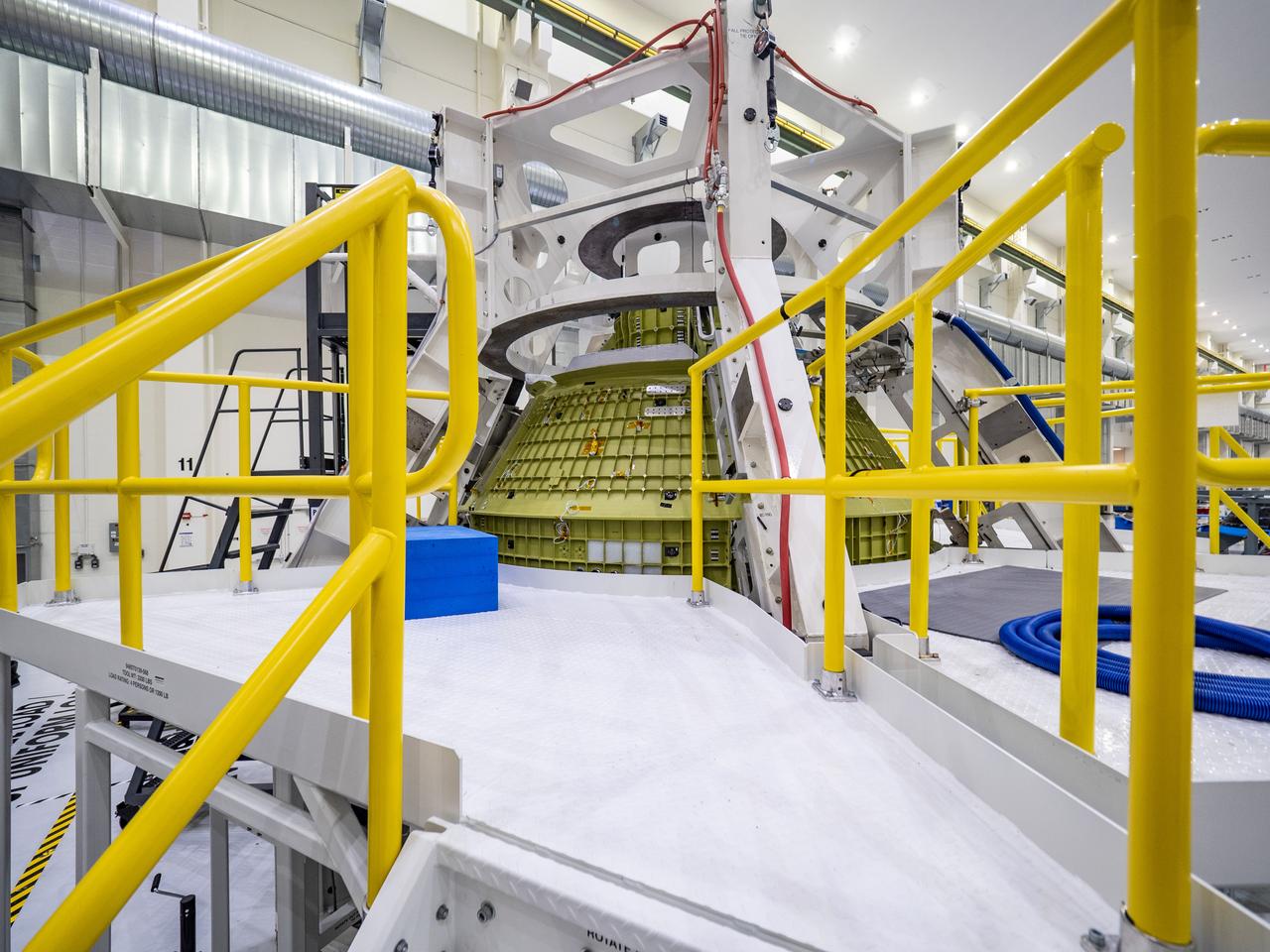
Orion's crew module for Artemis I at the Operations and Checkout Building at Kennedy Space Center on Nov. 14, 2018.
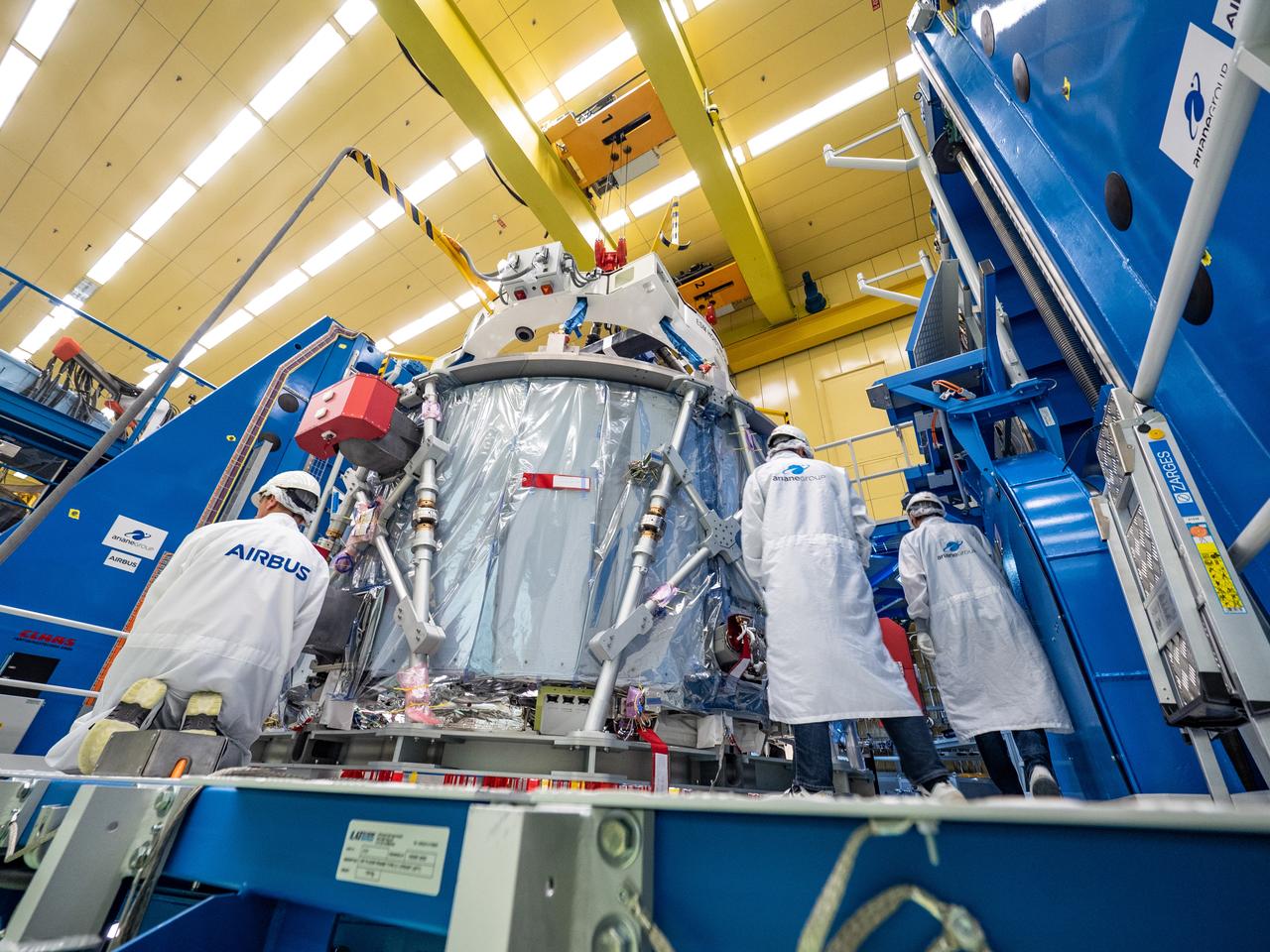
Technicians at the Airbus facility in Bremen, Germany prepare the European Service Module for shipment to Kennedy Space Center on Nov. 1, 2018. The service module will depart Germany on November 5, 2018 and will arrive in the U.S. on November 6...For the first time, NASA will use a European-built system as a critical element to power an American spacecraft, extending the international cooperation of the International Space Station into deep space. The European Service Module is a unique collaboration across space agencies and industry including ESA’s prime contractor, Airbus, and 10 European countries. The completion of service module work in Europe and shipment to Kennedy signifies a major milestone toward NASA’s human deep space exploration missions to the Moon and beyond.
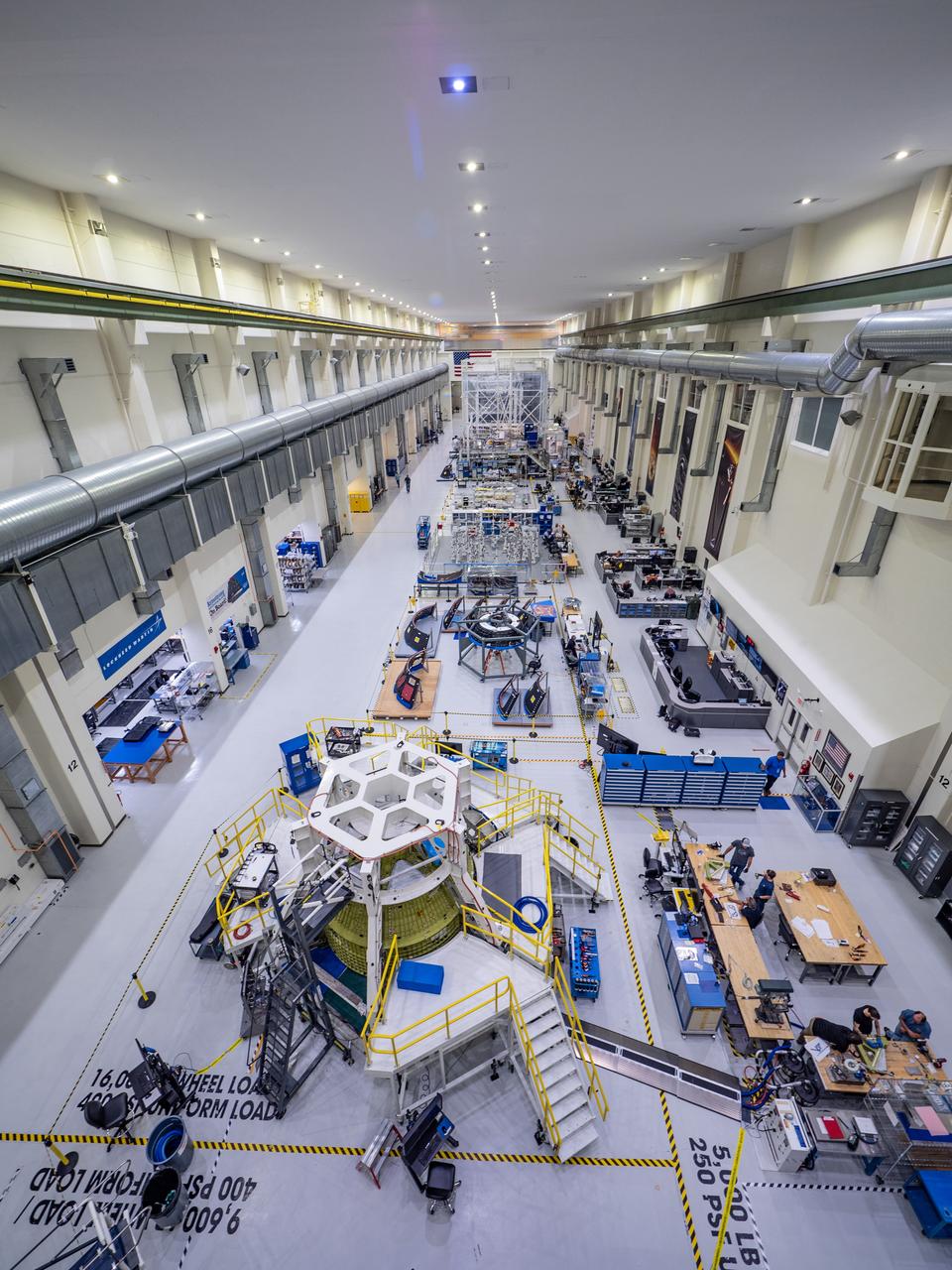
Orion assembly line at the Operations and Checkout Building at Kennedy Space Center where Lockheed Martin technicians are working to assemble the Orion spacecraft for Artemis I and II on Nov. 15, 2018.
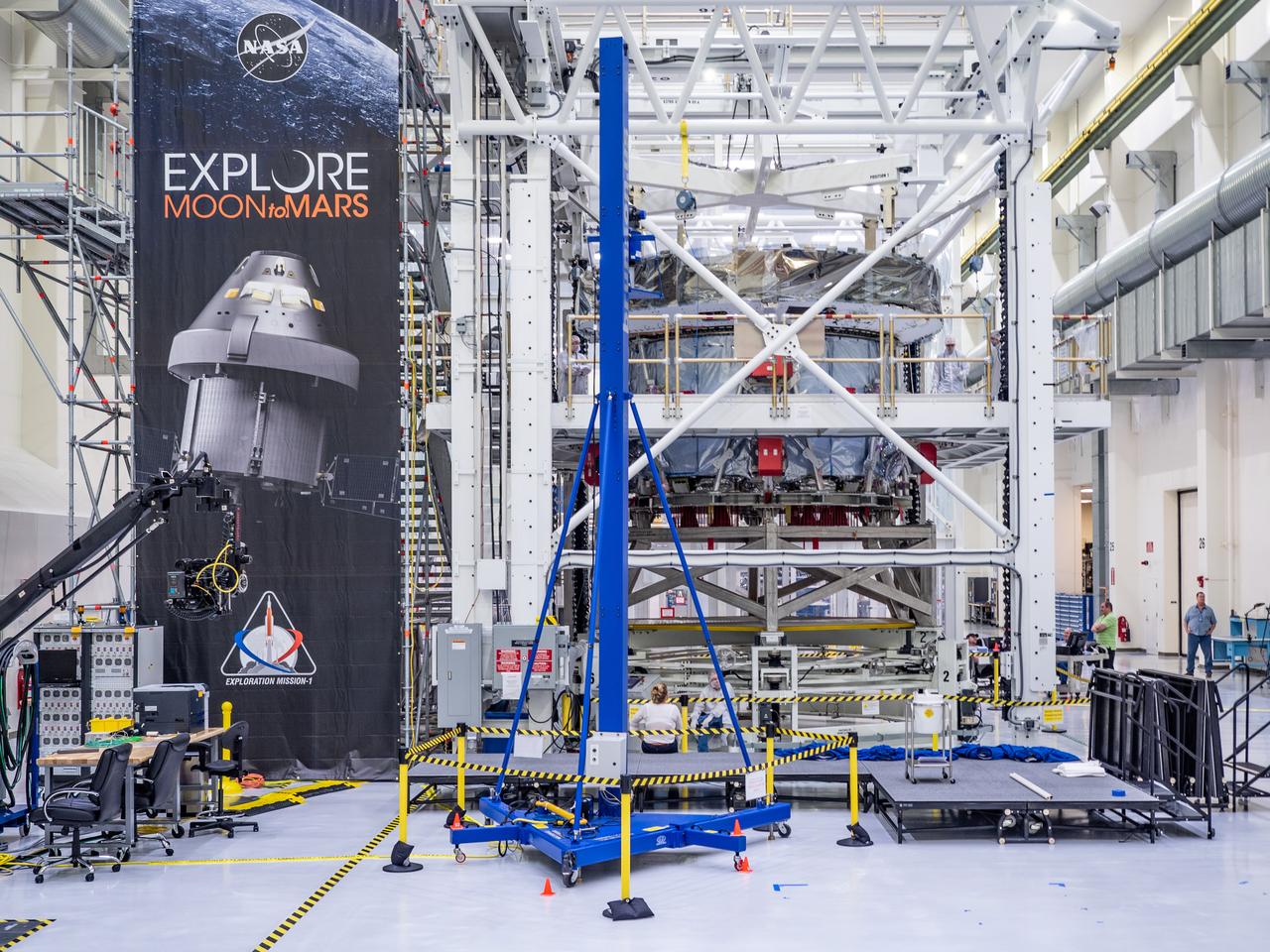
At the Operations and Checkout Building at Kennedy Space Center, Lockheed Martin technicians work to mate Orion's crew module adapter to the European Service Module on Nov. 14, 2018...For the first time, NASA will use a European-built system as a critical element to power an American spacecraft, extending the international cooperation of the International Space Station into deep space. The European Service Module is a unique collaboration across space agencies and industry including ESA’s prime contractor, Airbus, and 10 European countries. The completion of service module work in Europe and shipment to Kennedy signifies a major milestone toward NASA’s human deep space exploration missions to the Moon and beyond.
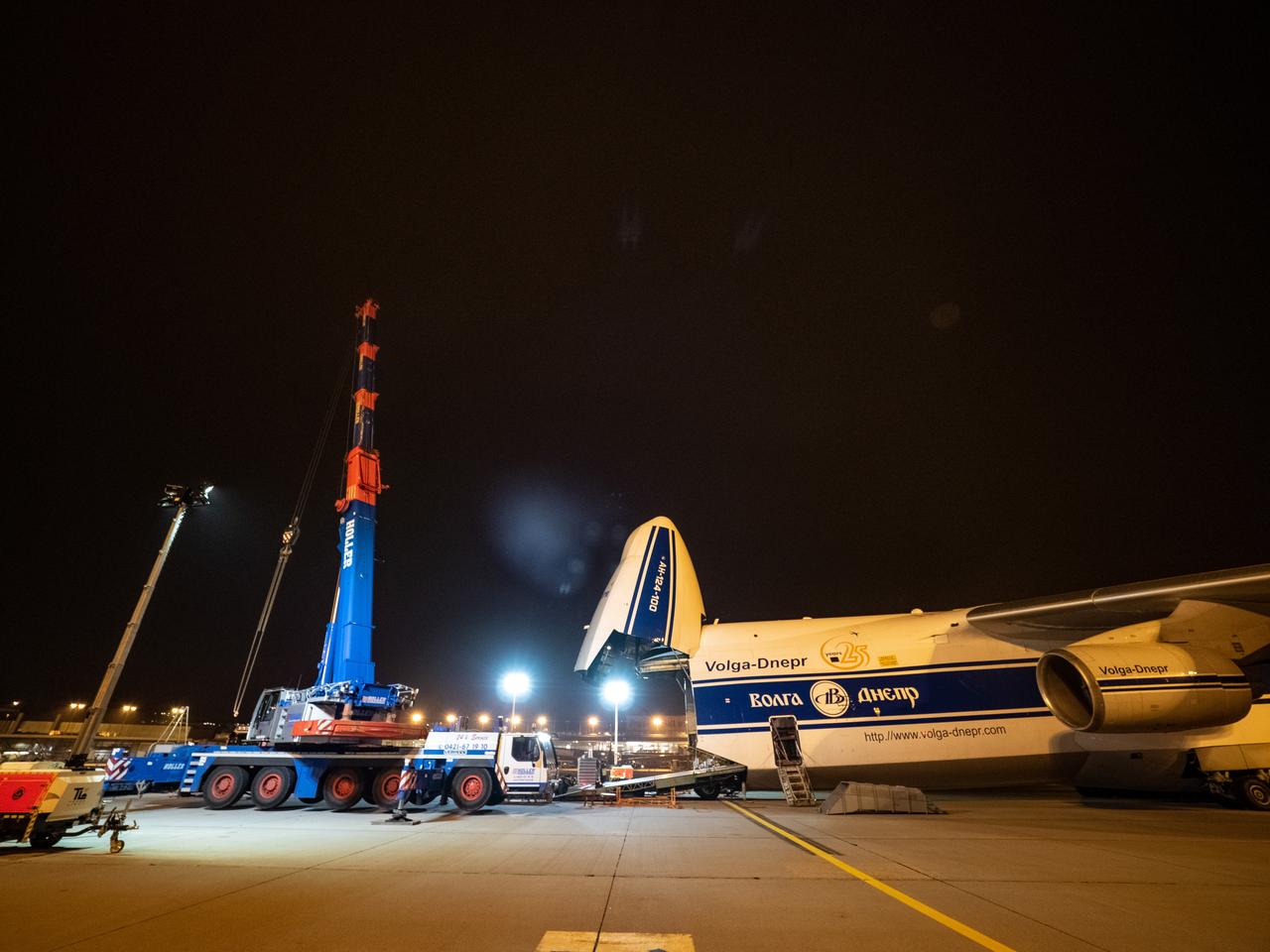
Orion's European Service Module is loaded on the Antonov airplane in Bremen, Germany on Nov. 5, 2018 for transport to Kennedy Space Center...For the first time, NASA will use a European-built system as a critical element to power an American spacecraft, extending the international cooperation of the International Space Station into deep space. The European Service Module is a unique collaboration across space agencies and industry including ESA’s prime contractor, Airbus, and 10 European countries. The completion of service module work in Europe and shipment to Kennedy signifies a major milestone toward NASA’s human deep space exploration missions to the Moon and beyond.
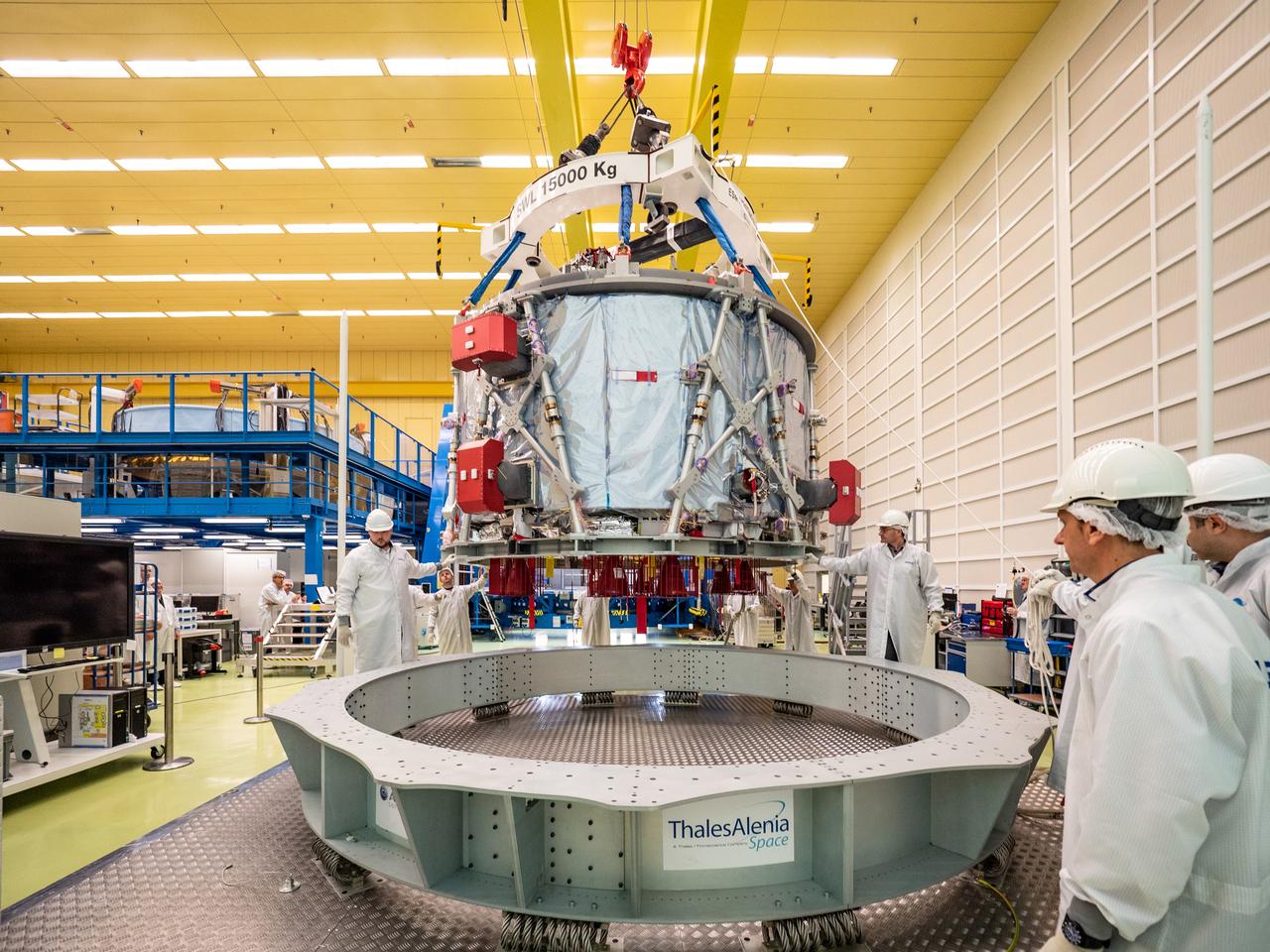
Technicians at the Airbus facility in Bremen, Germany prepare the European Service Module for shipment to Kennedy Space Center on Nov. 1, 2018. The service module will depart Germany on November 5, 2018 and will arrive in the U.S. on November 6...For the first time, NASA will use a European-built system as a critical element to power an American spacecraft, extending the international cooperation of the International Space Station into deep space. The European Service Module is a unique collaboration across space agencies and industry including ESA’s prime contractor, Airbus, and 10 European countries. The completion of service module work in Europe and shipment to Kennedy signifies a major milestone toward NASA’s human deep space exploration missions to the Moon and beyond.
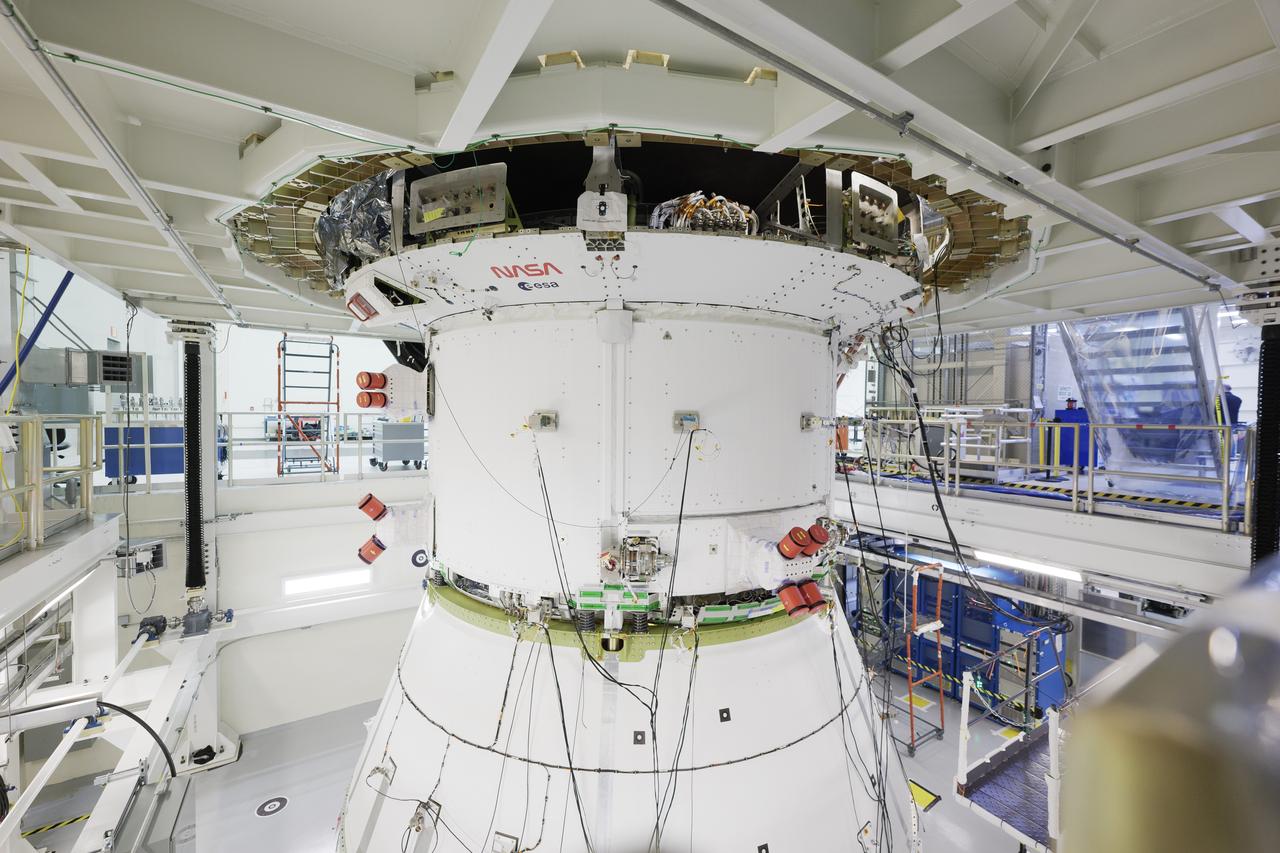
Work for Artemis II continues inside the Operations and Checkout building at NASA's Kennedy Space Center on Thursday, Feb. 1, 2024. Teams with Lockheed Martin and NASA are preparing the Orion spacecraft for vacuum testing this spring. Four astronauts will venture around the Moon in the Orion spacecraft on Artemis II, the first crewed mission on NASA's path to establishing a long-term presence at the Moon for science and exploration through the Artemis campaign.
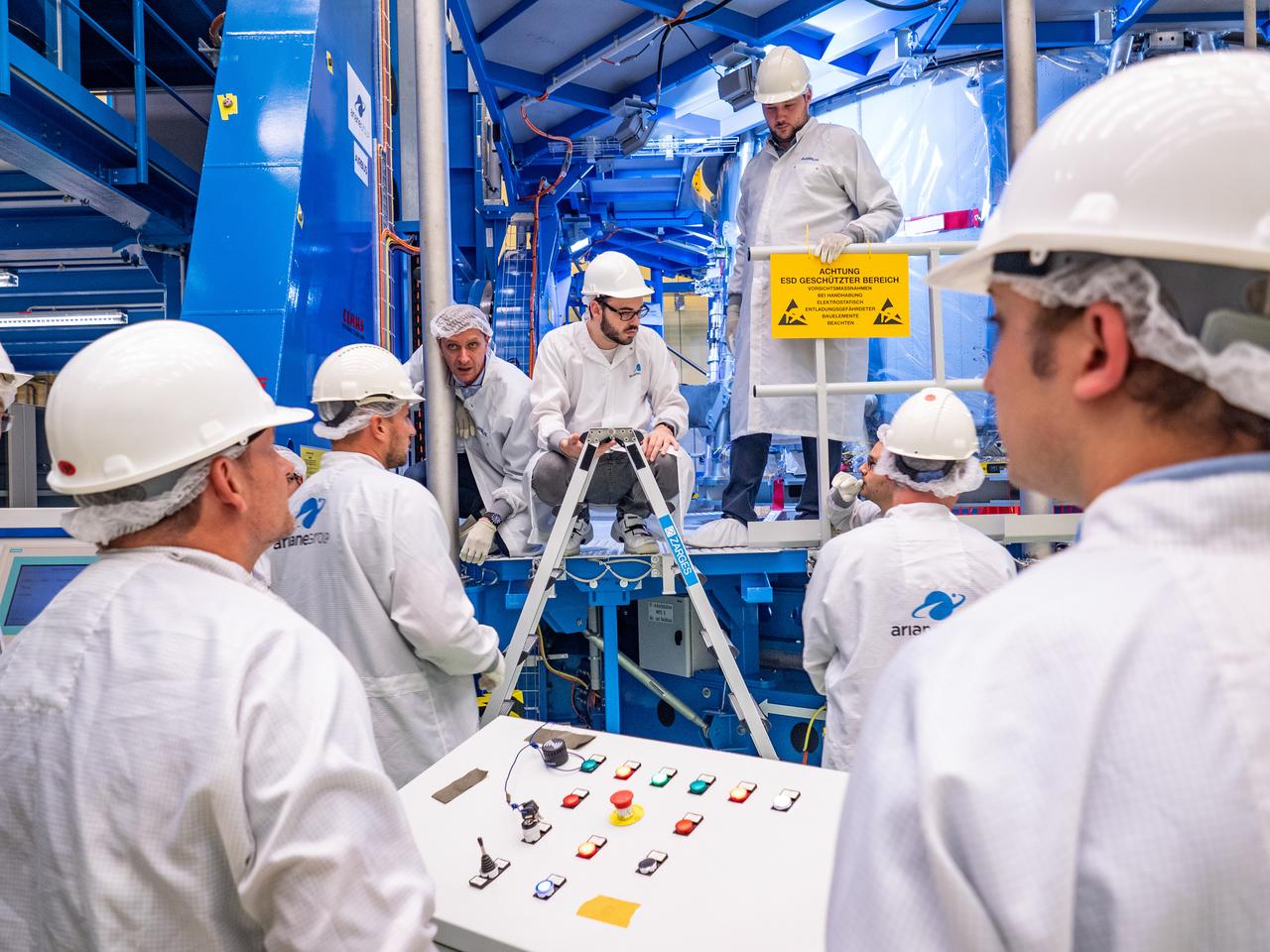
Technicians at the Airbus facility in Bremen, Germany weigh the European Service Module on Oct. 31, 2018 ahead of shipment to Kennedy Space Center. The service module will depart Germany on November 5th, 2018 and will arrive in the U.S. on November 6...For the first time, NASA will use a European-built system as a critical element to power an American spacecraft, extending the international cooperation of the International Space Station into deep space. The European Service Module is a unique collaboration across space agencies and industry including ESA’s prime contractor, Airbus, and 10 European countries. The completion of service module work in Europe and shipment to Kennedy signifies a major milestone toward NASA’s human deep space exploration missions to the Moon and beyond.
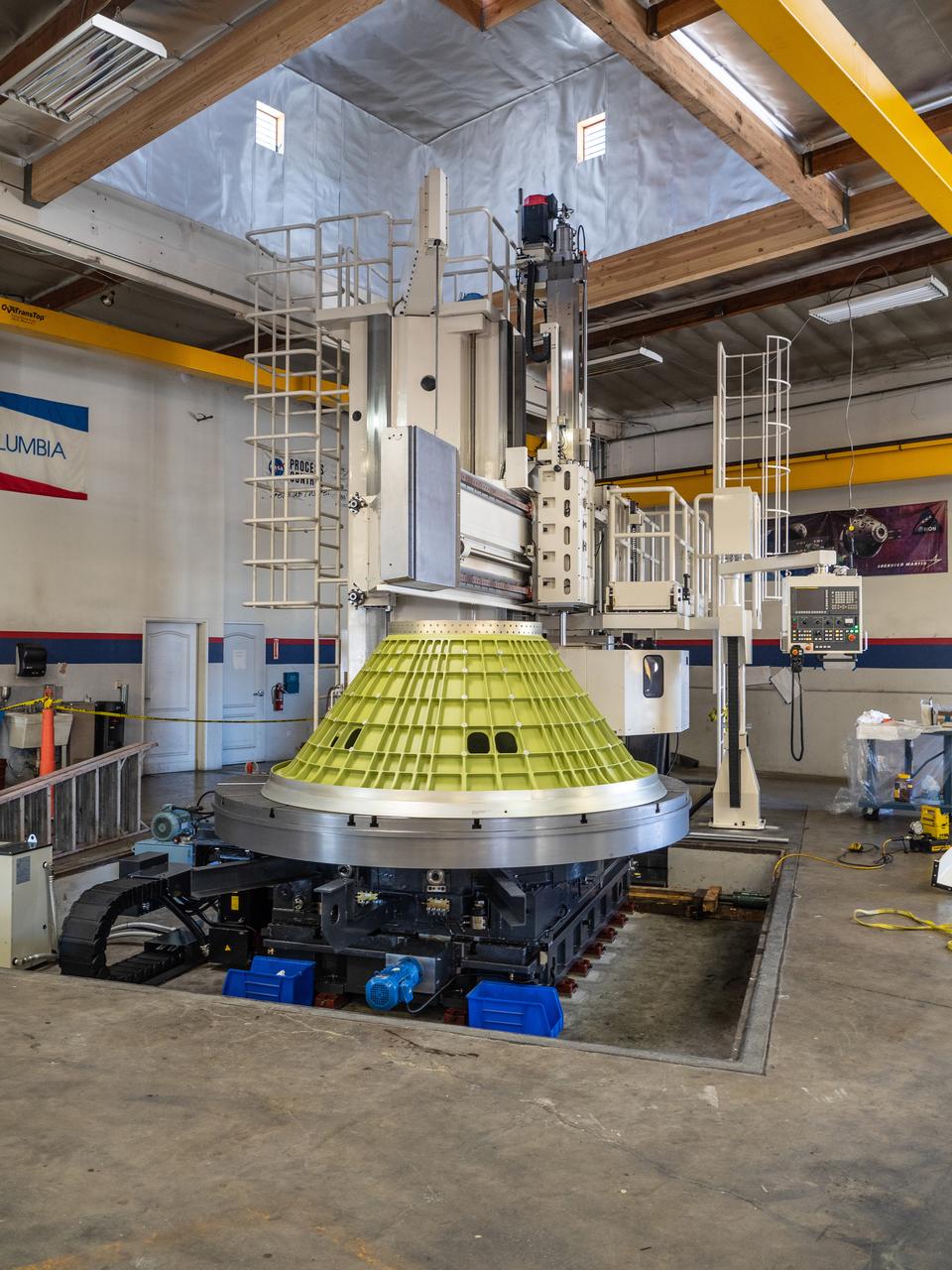
The Motor Adapter Truss Assembly (MATA) adapter for Artemis I Orion, which connects the crew module to the launch abort system, is ready for shipment at AMRO Fabricating Corporation in California on June 18, 2018.
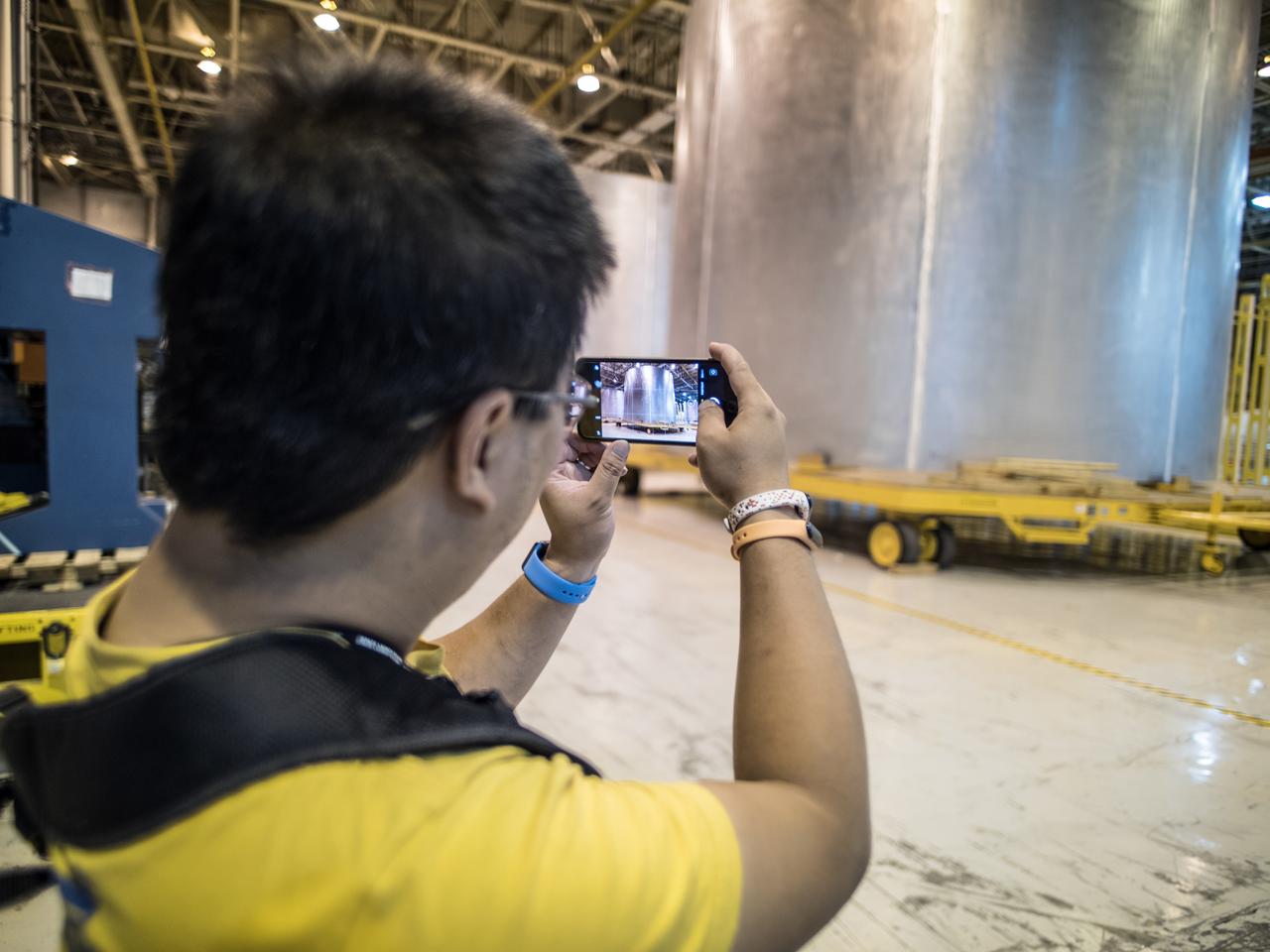
The NASA Photo Social at NASA’s Michoud Assembly Facility (MAF) in New Orleans, Louisiana, gathered social media-savvy photographers together on Aug. 16, 2018 to snap and share photos of the facility where NASA is building components for its deep space rocket, the Space Launch System, and crew vehicle, the Orion spacecraft. NASA Michoud is a world-class facility that is unique because it is one of the largest production buildings in the nation with a rich history of manufacturing excellence.
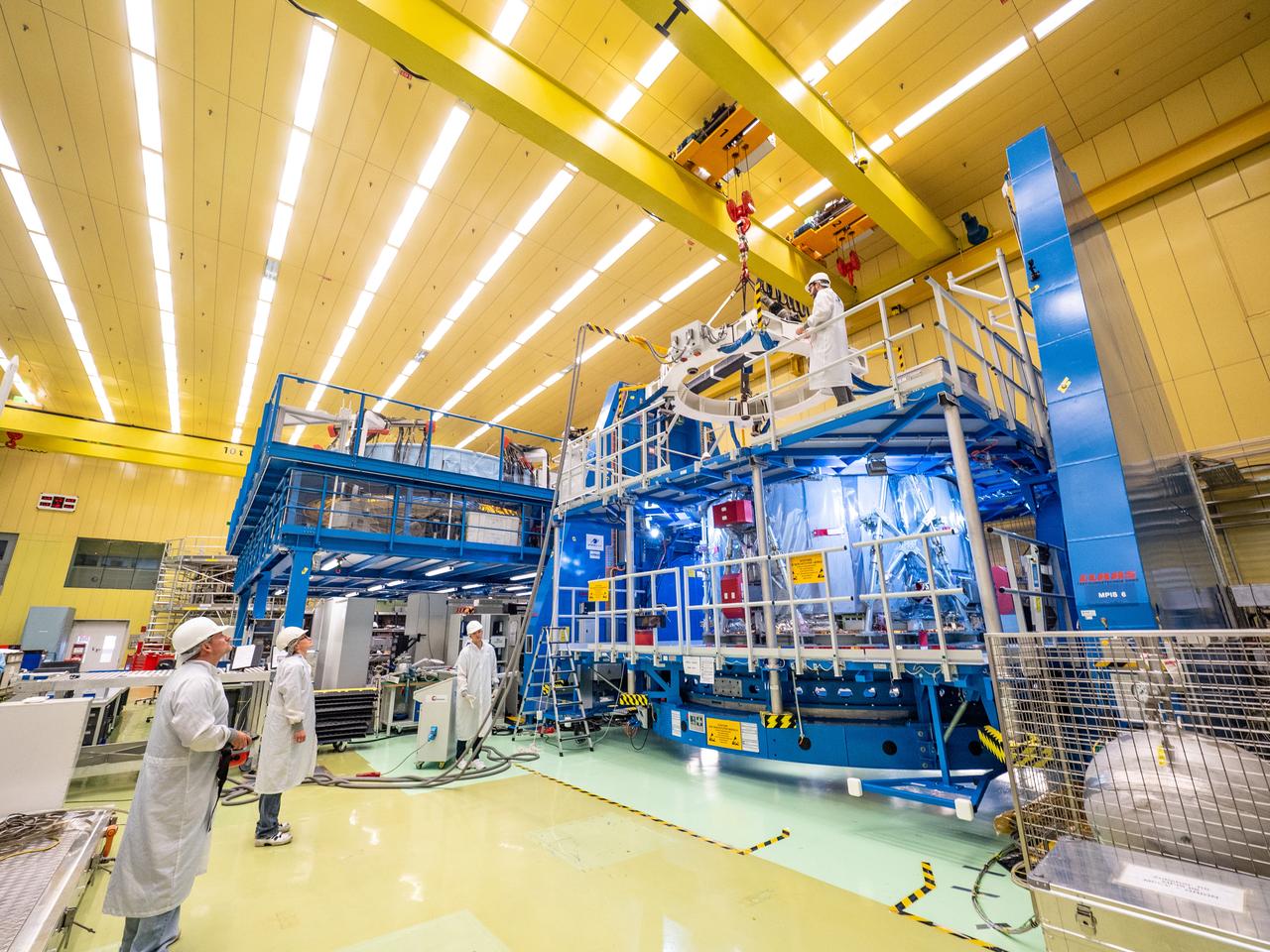
Technicians at the Airbus facility in Bremen, Germany weigh the European Service Module on Oct. 31, 2018 ahead of shipment to Kennedy Space Center. The service module will depart Germany on November 5th, 2018 and will arrive in the U.S. on November 6...For the first time, NASA will use a European-built system as a critical element to power an American spacecraft, extending the international cooperation of the International Space Station into deep space. The European Service Module is a unique collaboration across space agencies and industry including ESA’s prime contractor, Airbus, and 10 European countries. The completion of service module work in Europe and shipment to Kennedy signifies a major milestone toward NASA’s human deep space exploration missions to the Moon and beyond.
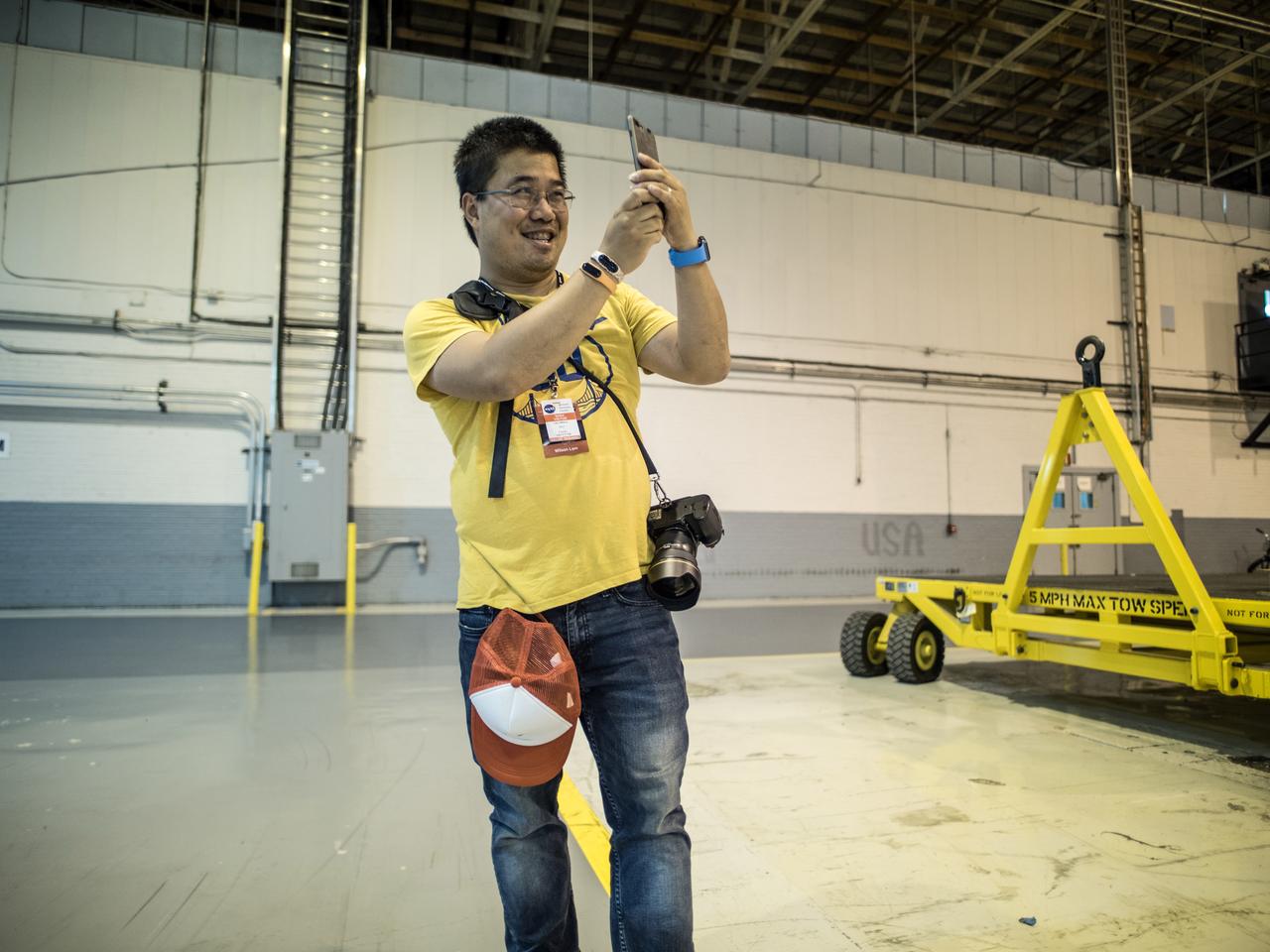
The NASA Photo Social at NASA’s Michoud Assembly Facility (MAF) in New Orleans, Louisiana, gathered social media-savvy photographers together on Aug. 16, 2018 to snap and share photos of the facility where NASA is building components for its deep space rocket, the Space Launch System, and crew vehicle, the Orion spacecraft. NASA Michoud is a world-class facility that is unique because it is one of the largest production buildings in the nation with a rich history of manufacturing excellence.
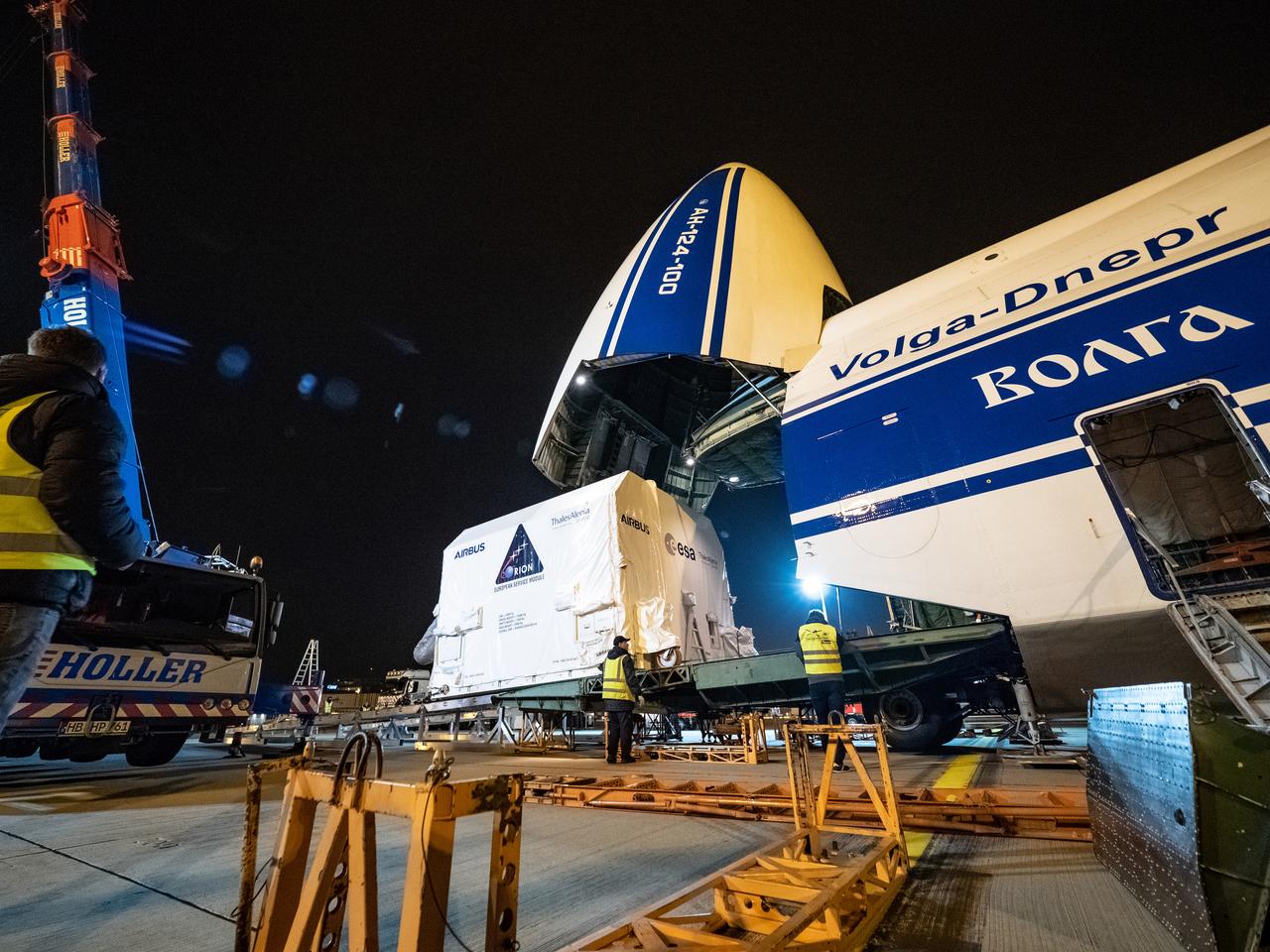
Orion's European Service Module is loaded on the Antonov airplane in Bremen, Germany on Nov. 5, 2018 for transport to Kennedy Space Center...For the first time, NASA will use a European-built system as a critical element to power an American spacecraft, extending the international cooperation of the International Space Station into deep space. The European Service Module is a unique collaboration across space agencies and industry including ESA’s prime contractor, Airbus, and 10 European countries. The completion of service module work in Europe and shipment to Kennedy signifies a major milestone toward NASA’s human deep space exploration missions to the Moon and beyond.
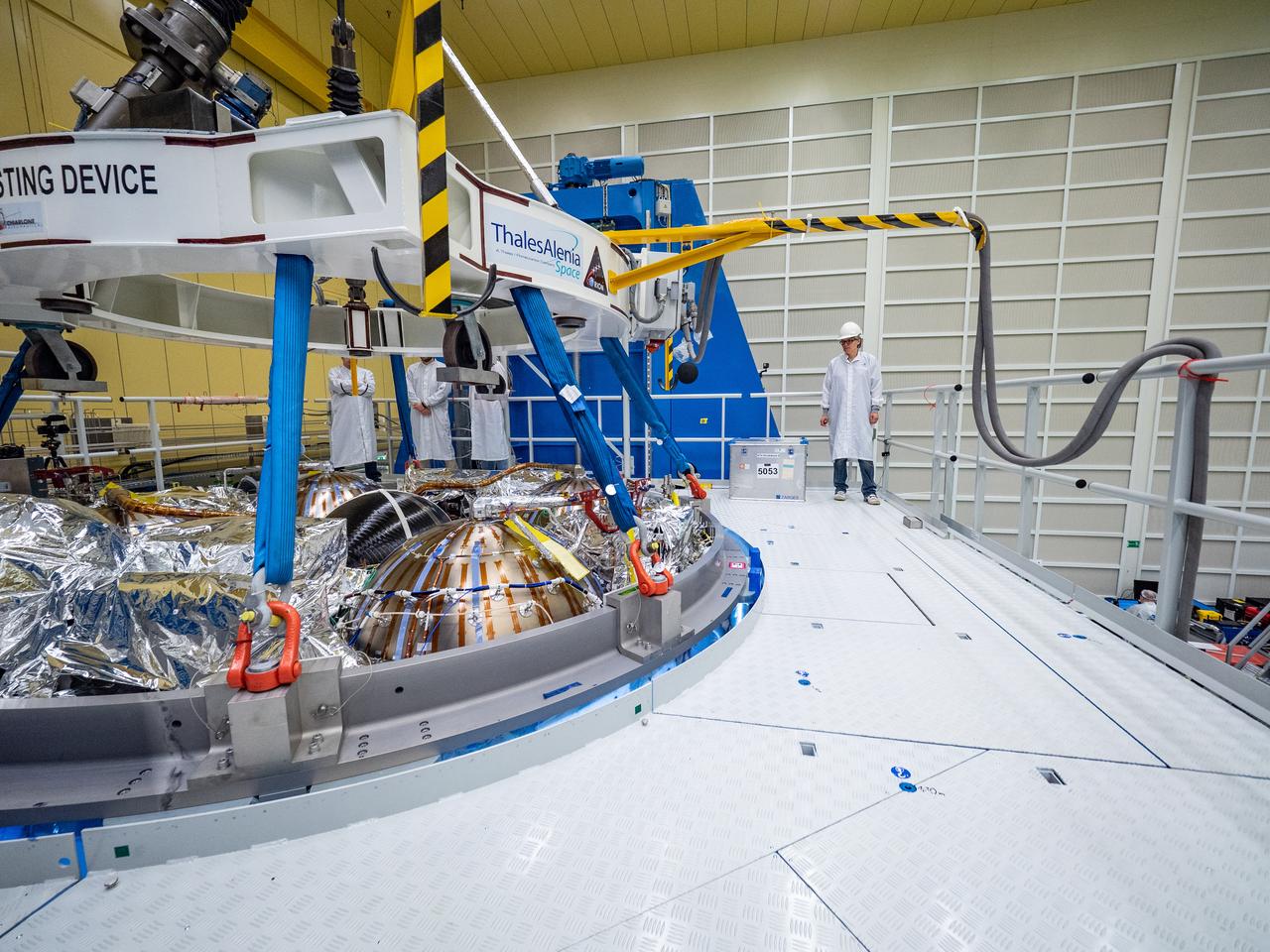
Technicians at the Airbus facility in Bremen, Germany weigh the European Service Module on Oct. 31, 2018 ahead of shipment to Kennedy Space Center. The service module will depart Germany on November 5th, 2018 and will arrive in the U.S. on November 6...For the first time, NASA will use a European-built system as a critical element to power an American spacecraft, extending the international cooperation of the International Space Station into deep space. The European Service Module is a unique collaboration across space agencies and industry including ESA’s prime contractor, Airbus, and 10 European countries. The completion of service module work in Europe and shipment to Kennedy signifies a major milestone toward NASA’s human deep space exploration missions to the Moon and beyond.
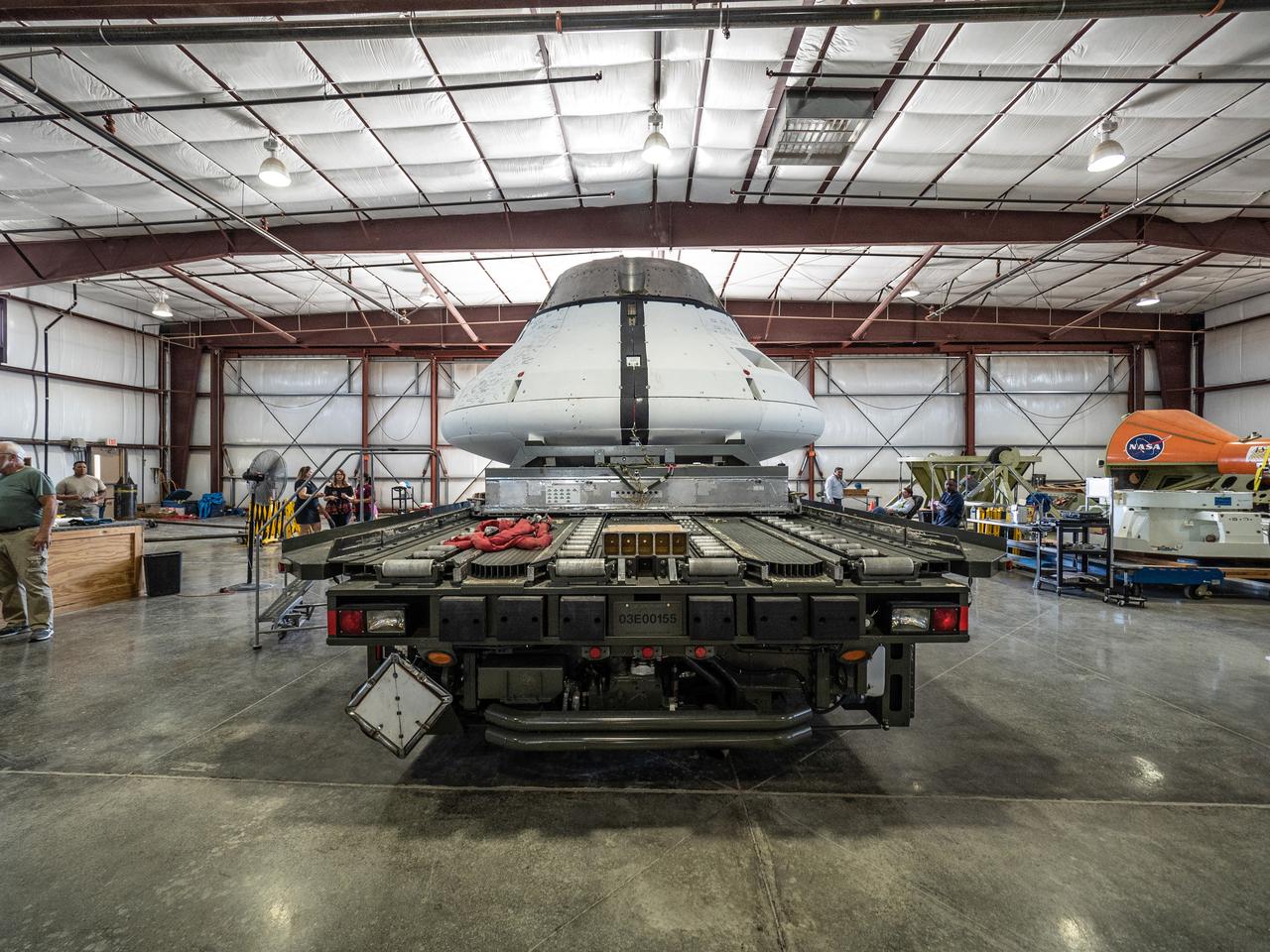
The Orion team prepares the parachute test vehicle for the final drop test which will qualify Orion's parachutes for human flight on Sept. 10, 2018...On September 12, 2018 an Orion test capsule will be dropped from a C-17 aircraft at an altitude of more than six miles to verify the spacecraft’s complex system of 11 parachutes, cannon-like mortars, and pyrotechnic devices work in sequence to slow the capsule’s descent for a safe landing on Earth.
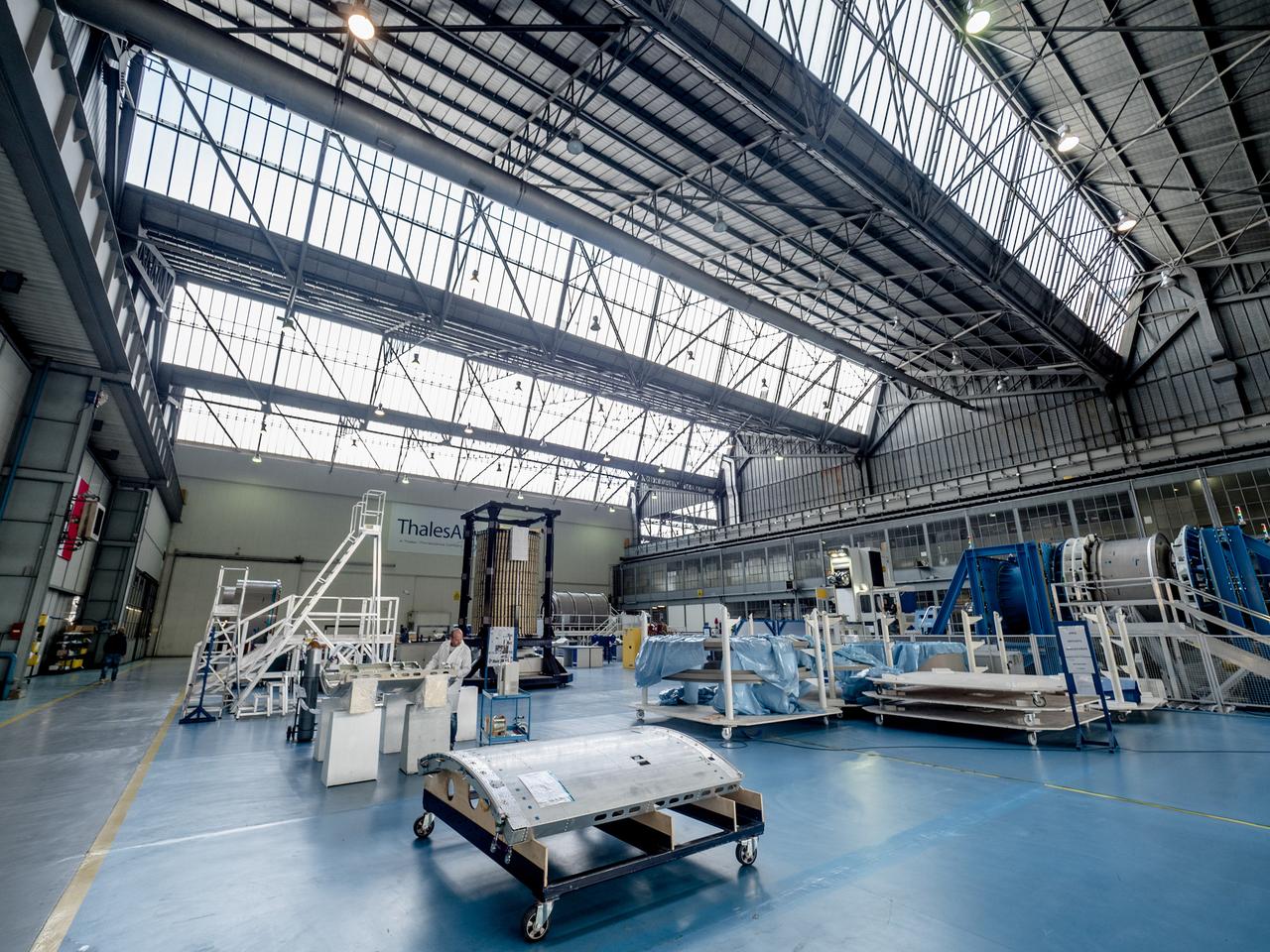
While engineers in Europe continue to outfit the Orion spacecraft’s service module for Artemis I in preparation for shipment to NASA’s Kennedy Space Center in Florida next year, work is already beginning on the service module that will power, propel, cool and provide air and water for the first crewed mission in the Orion spacecraft in the early 2020s. On Sept. 19, 2017, technicians at Thales Alenia in Turin, Italy, work on the primary structure of the European Service Module that will carry astronauts in Orion beyond the Moon during Artemis II. ESA (European Space Agency) and its contractors are providing Orion’s service module for its first two missions atop the Space Launch System rocket. NASA is leading the next steps in human space exploration and will send astronauts to the vicinity of the Moon to build and test the systems needed for challenging missions to deep space destinations including Mars. NASA is working with domestic and international partners to solve the great challenges of deep space exploration.
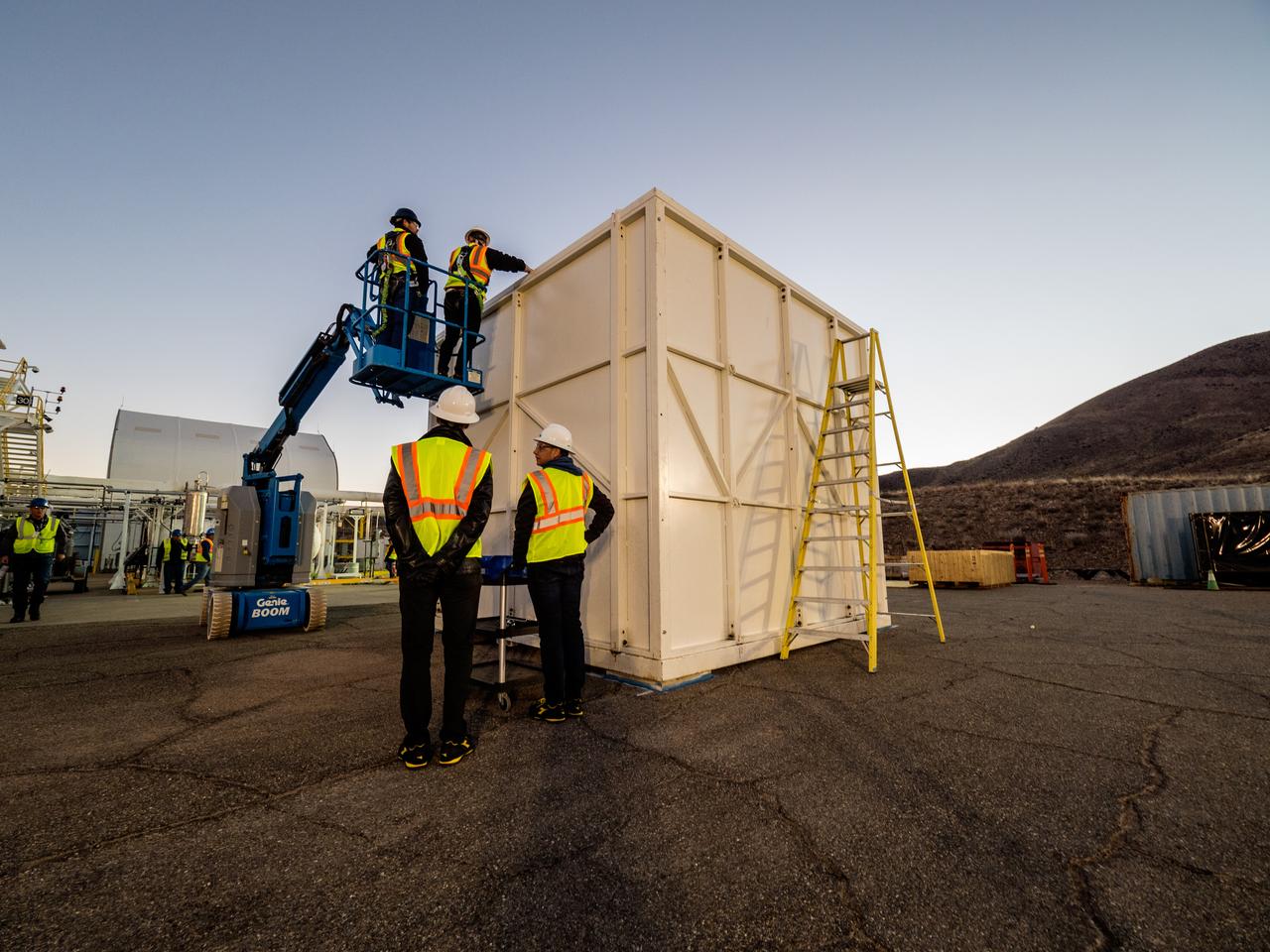
On Feb. 21, 2017 engineers successfully install ESA’s European Service Module Propulsion Qualification Module (PQM) at NASA’s White Sands Test Facility in New Mexico that was delivered by Airbus – ESA’s prime contractor for the Service Module. The module will be equipped with a total of 21 engines to support NASA’s Orion spacecraft: one U.S. Space Shuttle Orbital Maneuvering System (OMS) engine, eight auxiliary thrusters and 12 smaller thrusters produced by Airbus Safran Launchers in Germany. The all-steel PQM structure is used to test the propulsion systems on Orion, including “hot firing” of the OMS engine and thrusters.
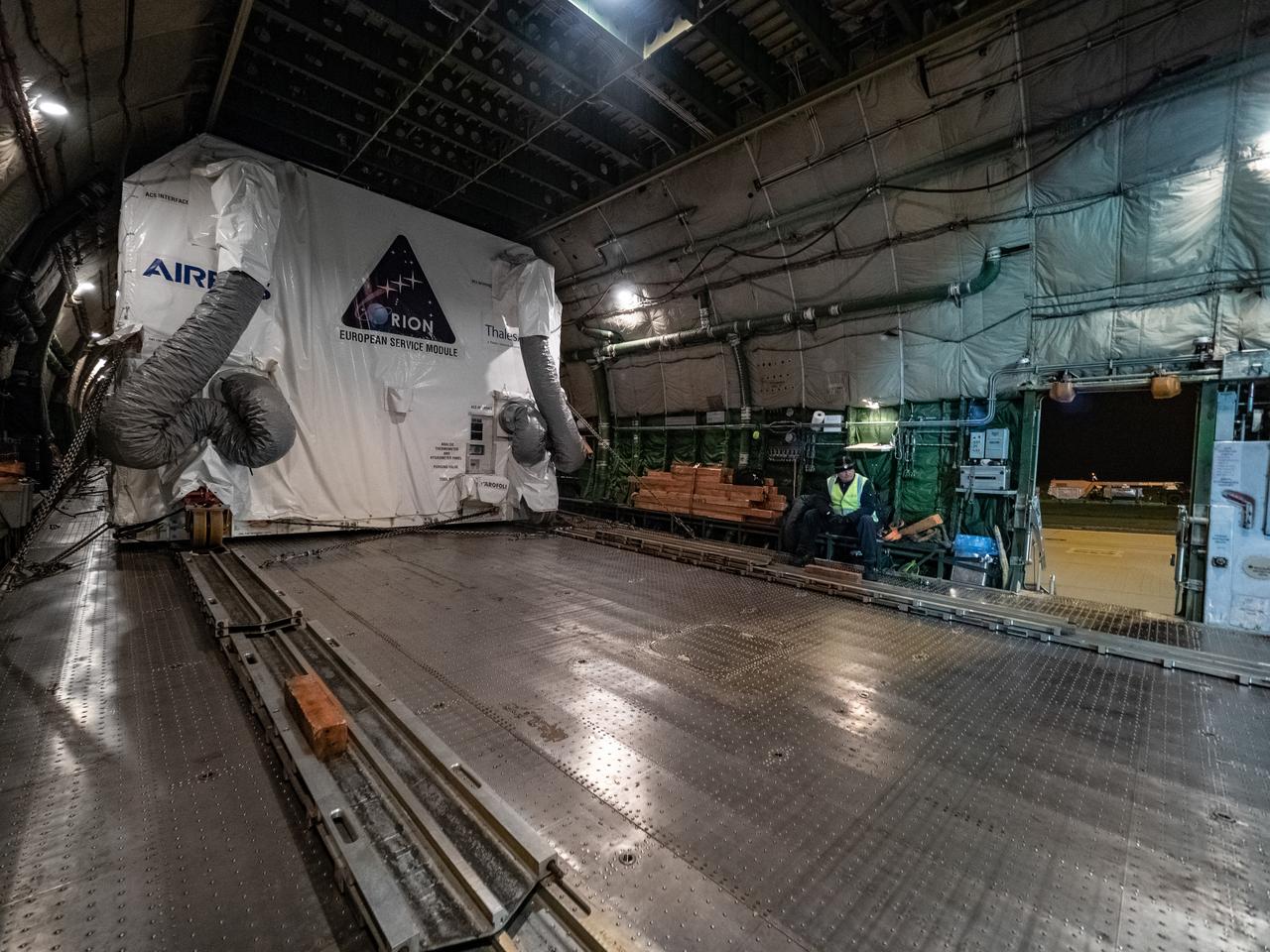
Orion's European Service Module is loaded on the Antonov airplane in Bremen, Germany on Nov. 5, 2018 for transport to Kennedy Space Center...For the first time, NASA will use a European-built system as a critical element to power an American spacecraft, extending the international cooperation of the International Space Station into deep space. The European Service Module is a unique collaboration across space agencies and industry including ESA’s prime contractor, Airbus, and 10 European countries. The completion of service module work in Europe and shipment to Kennedy signifies a major milestone toward NASA’s human deep space exploration missions to the Moon and beyond.

The four solar array wings for the Artemis II Orion spacecraft are installed inside the Operations and Checkout Building at NASA's Kennedy Space Center in Florida on March 7, 2025. Artemis II is Orion’s first crewed flight test around the Moon under the agency’s Artemis campaign.

The NASA Photo Social at NASA’s Michoud Assembly Facility (MAF) in New Orleans, Louisiana, gathered social media-savvy photographers together on Aug. 16, 2018 to snap and share photos of the facility where NASA is building components for its deep space rocket, the Space Launch System, and crew vehicle, the Orion spacecraft. NASA Michoud is a world-class facility that is unique because it is one of the largest production buildings in the nation with a rich history of manufacturing excellence.
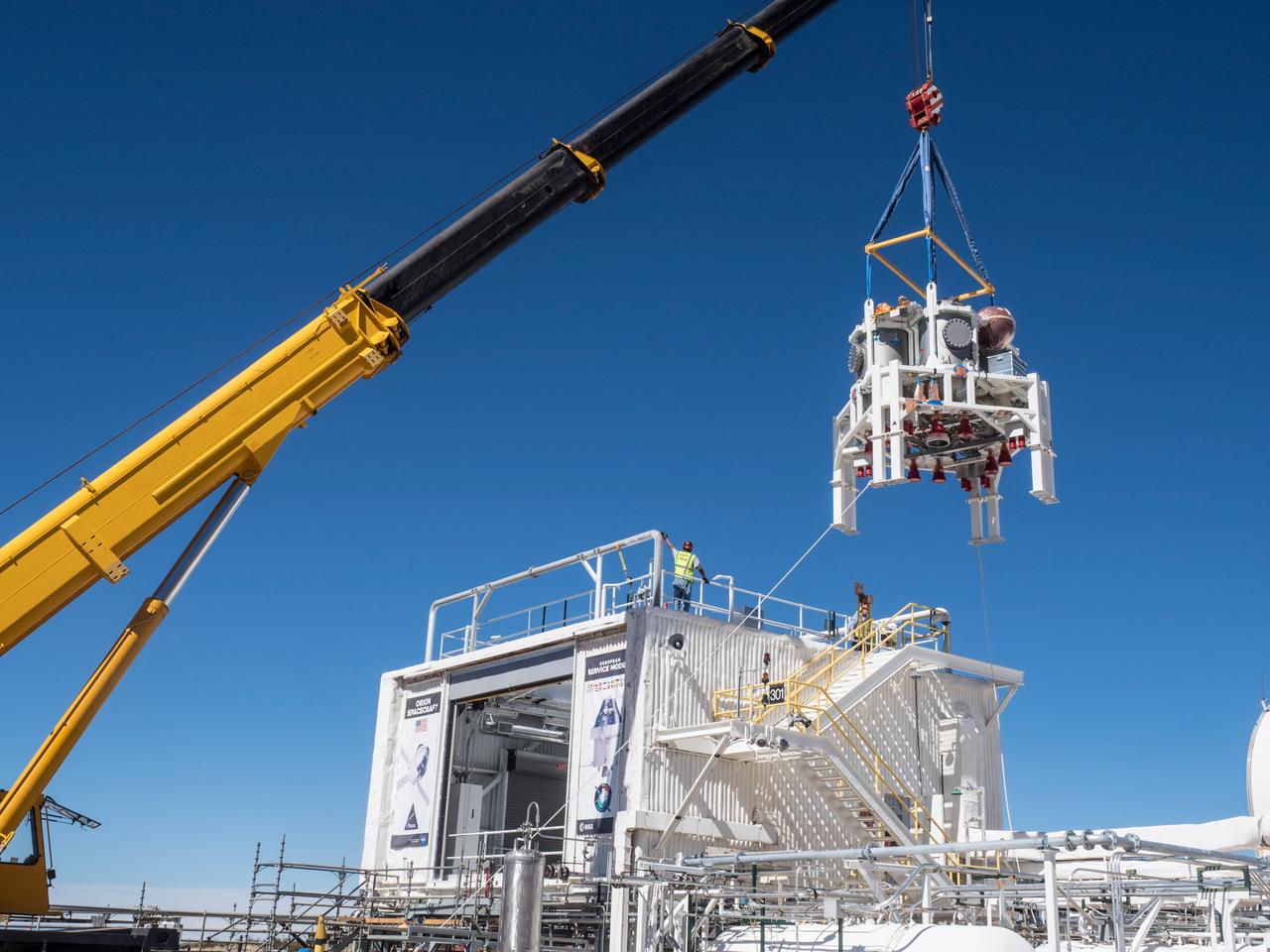
On Feb. 22, engineers successfully install ESA’s European Service Module Propulsion Qualification Module (PQM) at NASA’s White Sands Test Facility in New Mexico that was delivered by Airbus – ESA’s prime contractor for the Service Module. The module will be equipped with a total of 21 engines to support NASA’s Orion spacecraft: one U.S. Space Shuttle Orbital Maneuvering System (OMS) engine, eight auxiliary thrusters and 12 smaller thrusters produced by Airbus Safran Launchers in Germany. The all-steel PQM structure is used to test the propulsion systems on Orion, including “hot firing” of the OMS engine and thrusters.
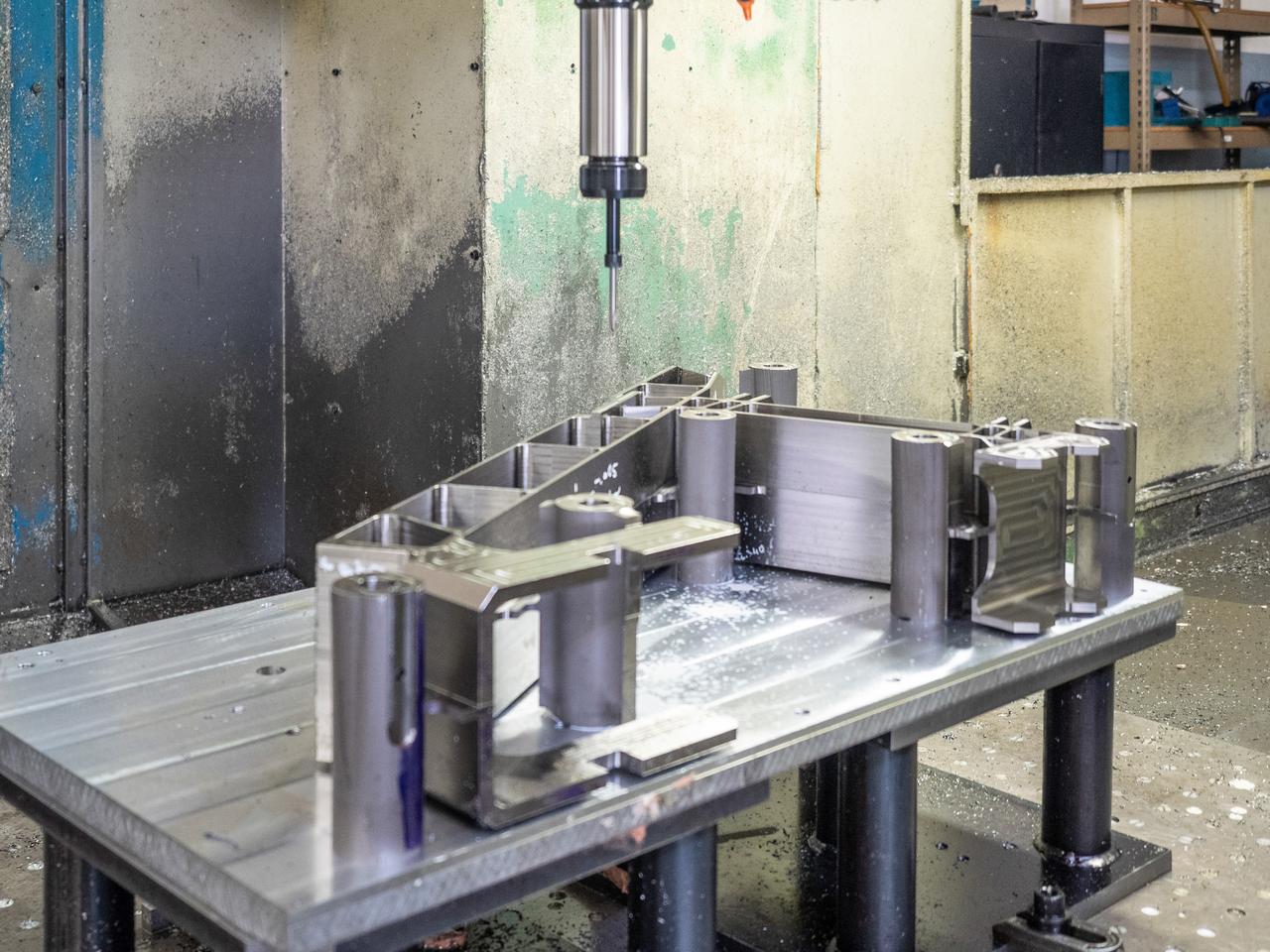
Parts for the Orion crew module which will carry astronauts on Artemis II are machined at Aerospace Engineering Corporation in California on June 18, 2018.

Orion's crew module for Artemis I at the Operations and Checkout Building at Kennedy Space Center on Nov. 13, 2018.

The four solar array wings for the Artemis II Orion spacecraft are installed inside the Operations and Checkout Building at NASA's Kennedy Space Center in Florida on March 7, 2025. Artemis II is Orion’s first crewed flight test around the Moon under the agency’s Artemis campaign.
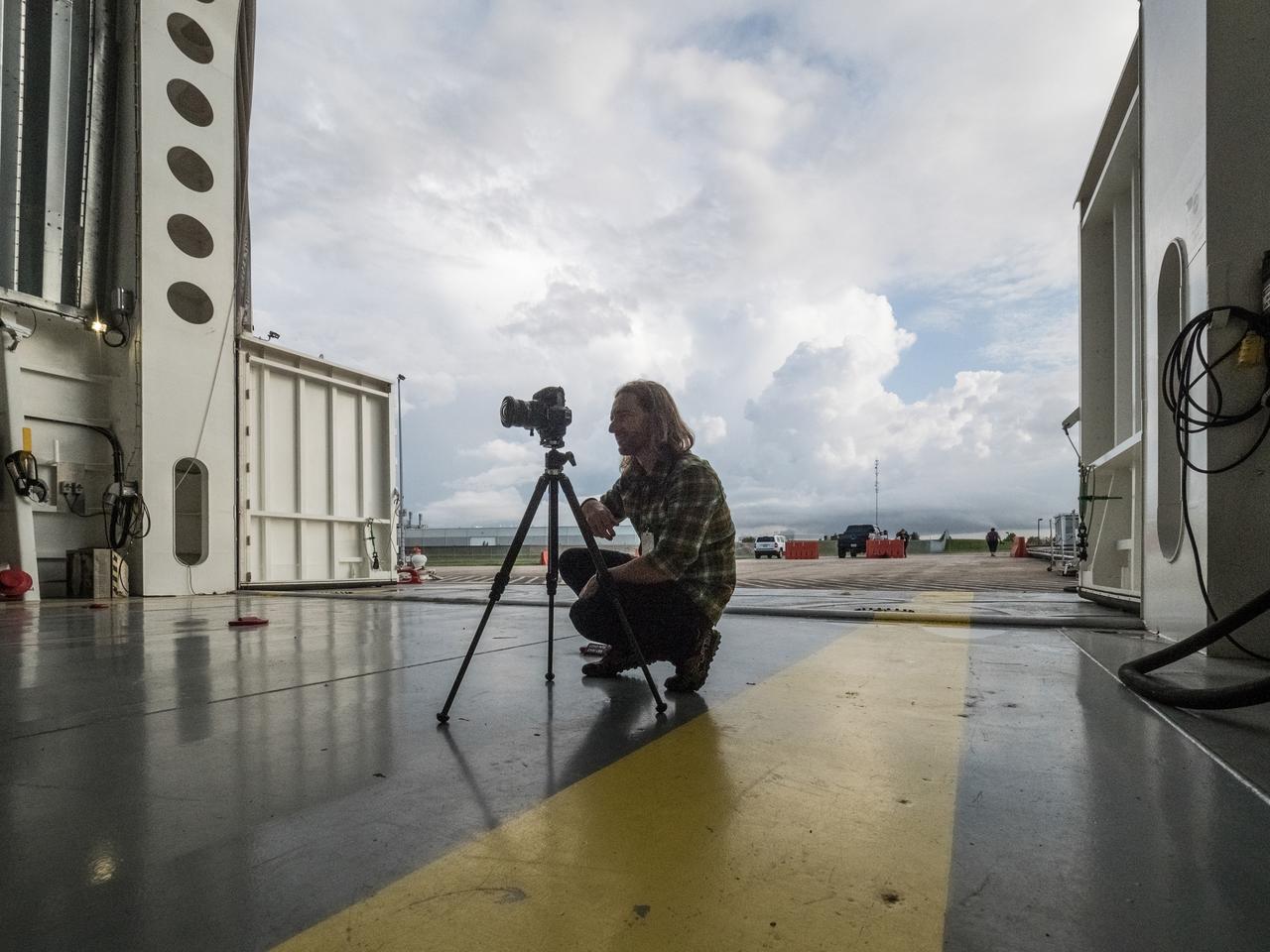
The NASA Photo Social at NASA’s Michoud Assembly Facility (MAF) in New Orleans, Louisiana, gathered social media-savvy photographers together on Aug. 16, 2018 to snap and share photos of the facility where NASA is building components for its deep space rocket, the Space Launch System, and crew vehicle, the Orion spacecraft. NASA Michoud is a world-class facility that is unique because it is one of the largest production buildings in the nation with a rich history of manufacturing excellence.
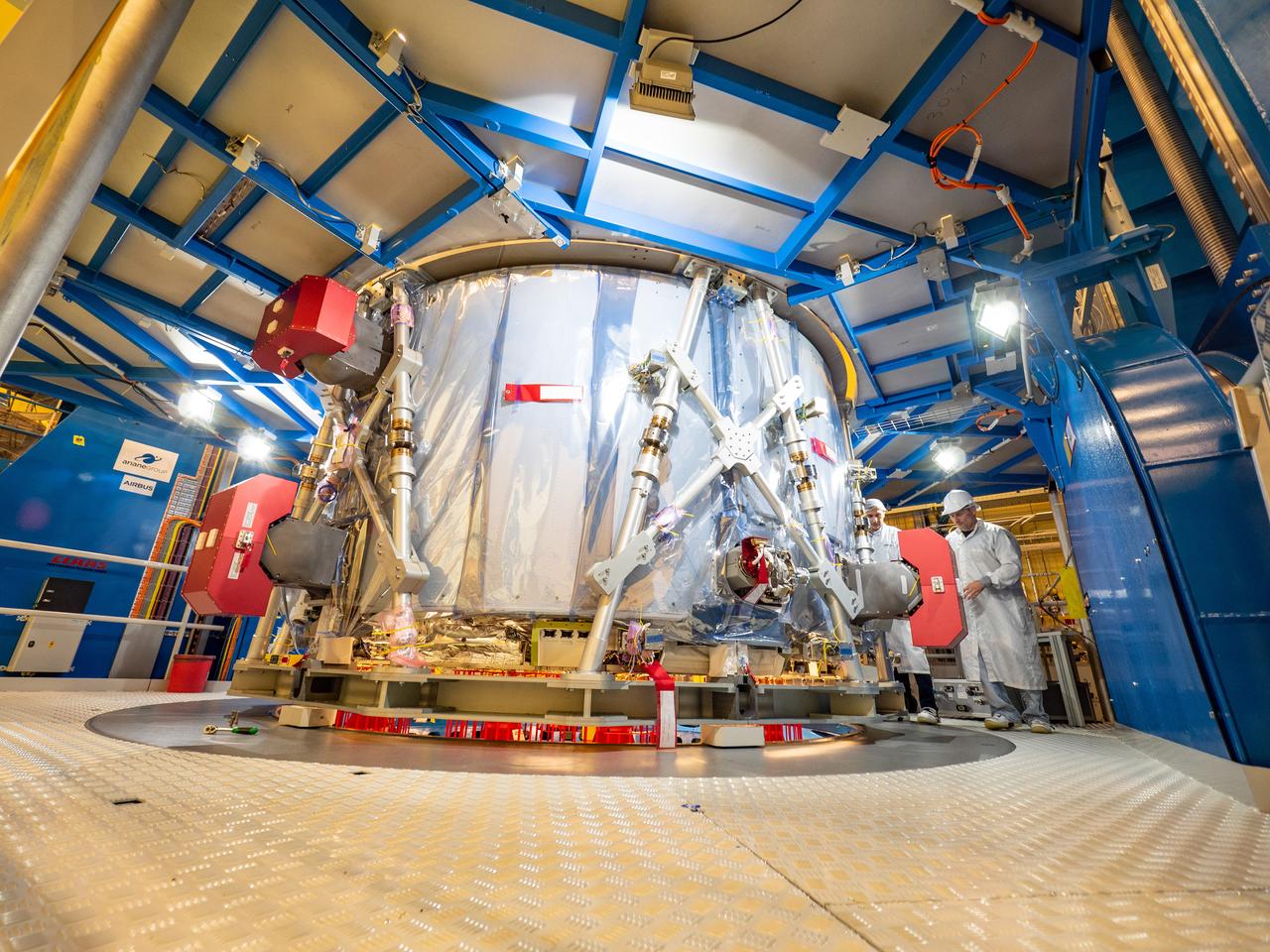
Technicians at the Airbus facility in Bremen, Germany weigh the European Service Module on Oct. 31, 2018 ahead of shipment to Kennedy Space Center. The service module will depart Germany on November 5th, 2018 and will arrive in the U.S. on November 6...For the first time, NASA will use a European-built system as a critical element to power an American spacecraft, extending the international cooperation of the International Space Station into deep space. The European Service Module is a unique collaboration across space agencies and industry including ESA’s prime contractor, Airbus, and 10 European countries. The completion of service module work in Europe and shipment to Kennedy signifies a major milestone toward NASA’s human deep space exploration missions to the Moon and beyond.
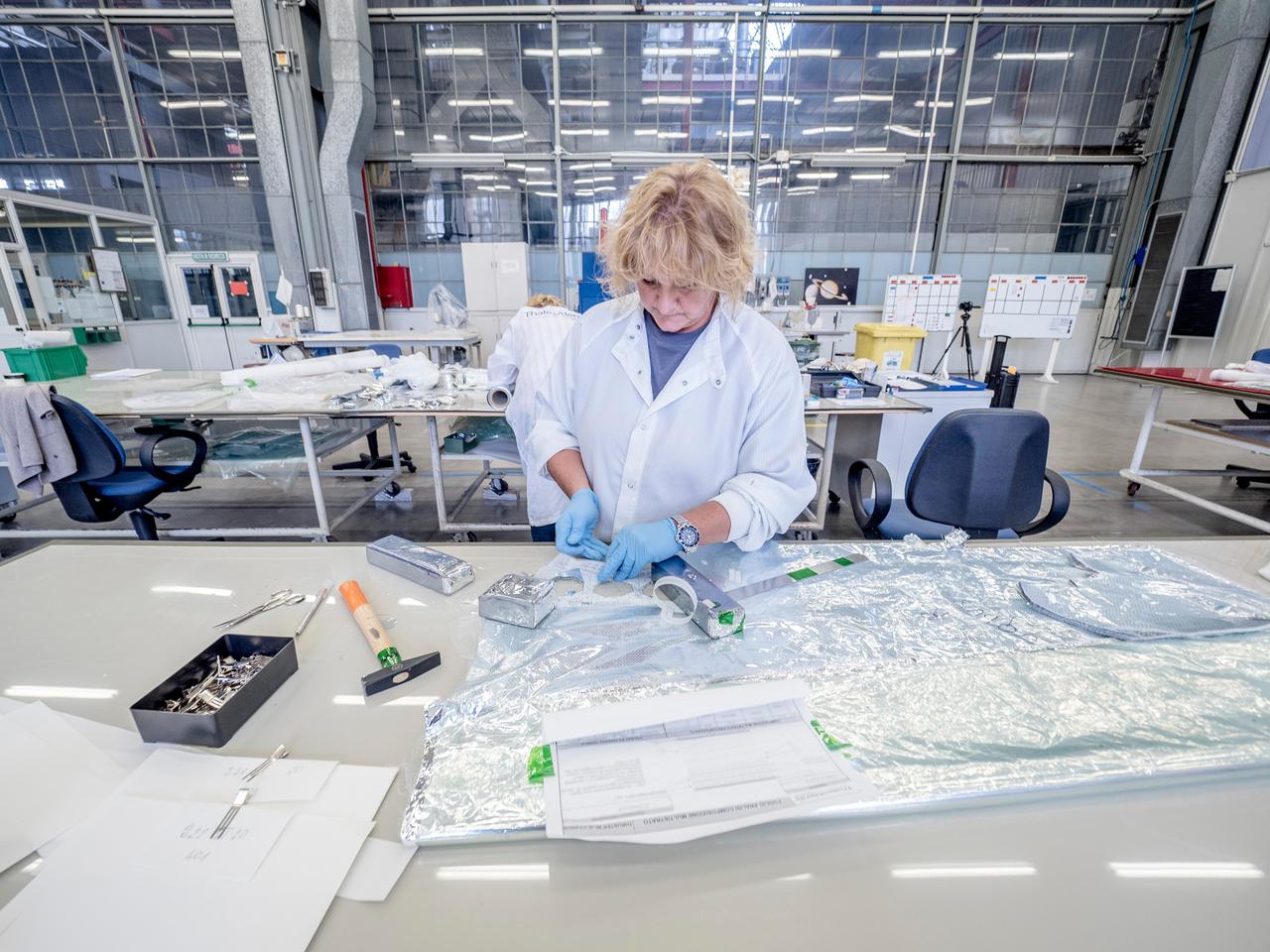
While engineers in Europe continue to outfit the Orion spacecraft’s service module for Artemis I in preparation for shipment to NASA’s Kennedy Space Center in Florida next year, work is already beginning on the service module that will power, propel, cool and provide air and water for the first crewed mission in the Orion spacecraft in the early 2020s. On Sept. 19, 2017, technicians at Thales Alenia in Turin, Italy, work on the primary structure of the European Service Module that will carry astronauts in Orion beyond the Moon during Artemis II. ESA (European Space Agency) and its contractors are providing Orion’s service module for its first two missions atop the Space Launch System rocket. NASA is leading the next steps in human space exploration and will send astronauts to the vicinity of the Moon to build and test the systems needed for challenging missions to deep space destinations including Mars. NASA is working with domestic and international partners to solve the great challenges of deep space exploration.
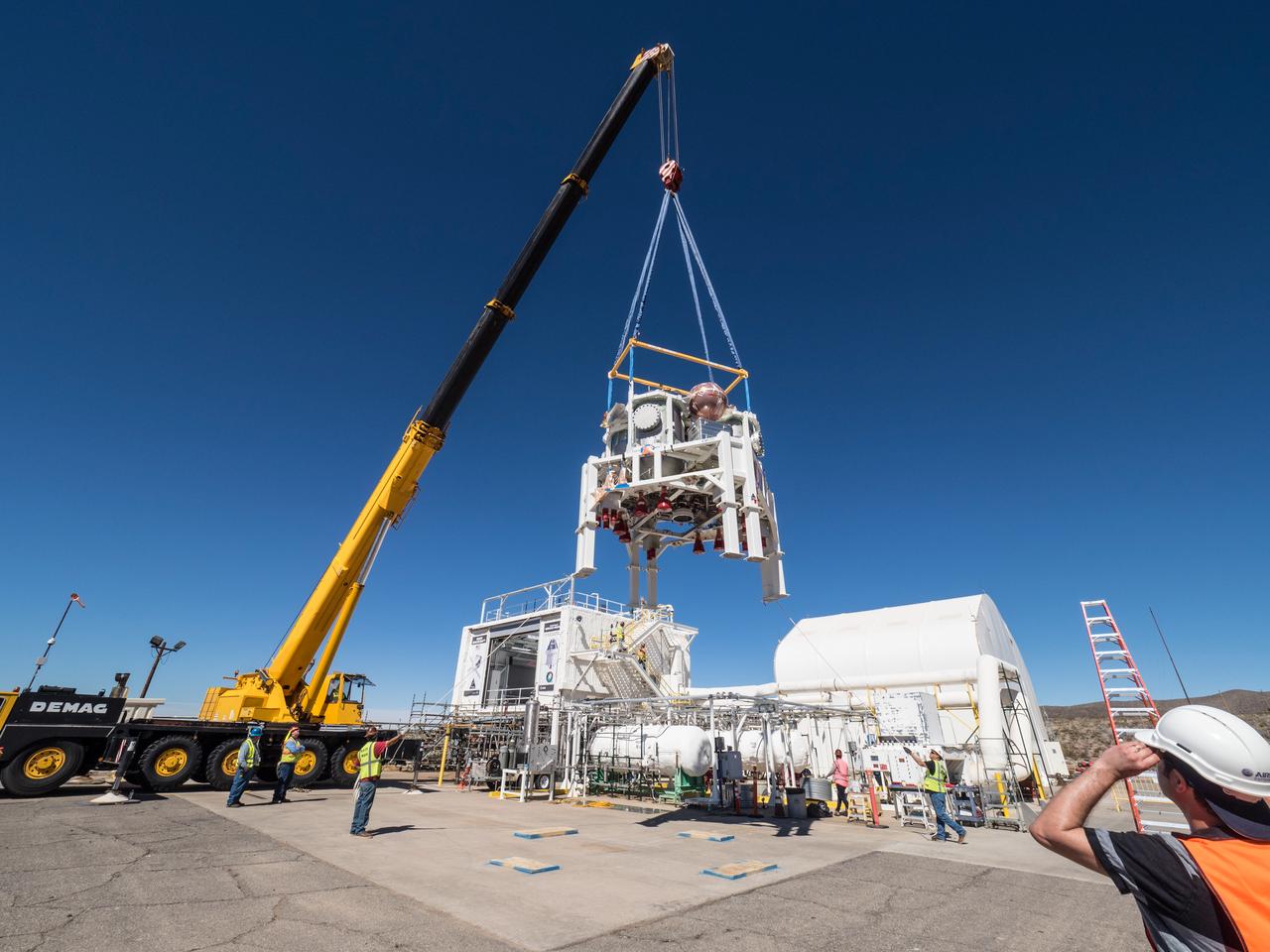
On Feb. 22, engineers successfully install ESA’s European Service Module Propulsion Qualification Module (PQM) at NASA’s White Sands Test Facility in New Mexico that was delivered by Airbus – ESA’s prime contractor for the Service Module. The module will be equipped with a total of 21 engines to support NASA’s Orion spacecraft: one U.S. Space Shuttle Orbital Maneuvering System (OMS) engine, eight auxiliary thrusters and 12 smaller thrusters produced by Airbus Safran Launchers in Germany. The all-steel PQM structure is used to test the propulsion systems on Orion, including “hot firing” of the OMS engine and thrusters.
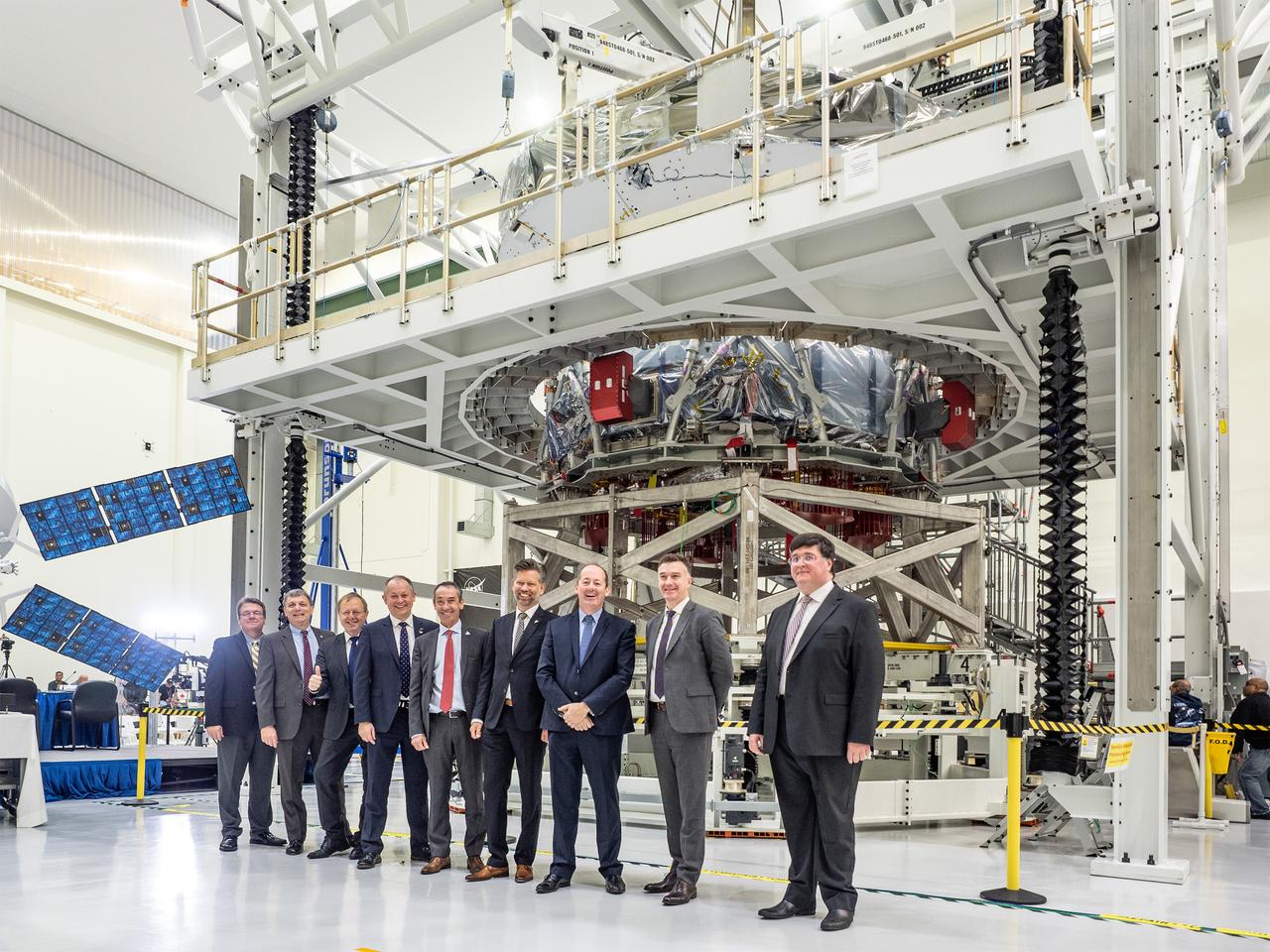
A European Service Module arrival event takes at the Neil Armstrong Operations and Checkout Building at Kennedy Space Center in Florida on Nov. 16, 2018...For the first time, NASA will use a European-built system as a critical element to power an American spacecraft, extending the international cooperation of the International Space Station into deep space. The European Service Module is a unique collaboration across space agencies and industry including ESA’s prime contractor, Airbus, and 10 European countries. The completion of service module work in Europe and shipment to Kennedy signifies a major milestone toward NASA’s human deep space exploration missions to the Moon and beyond.
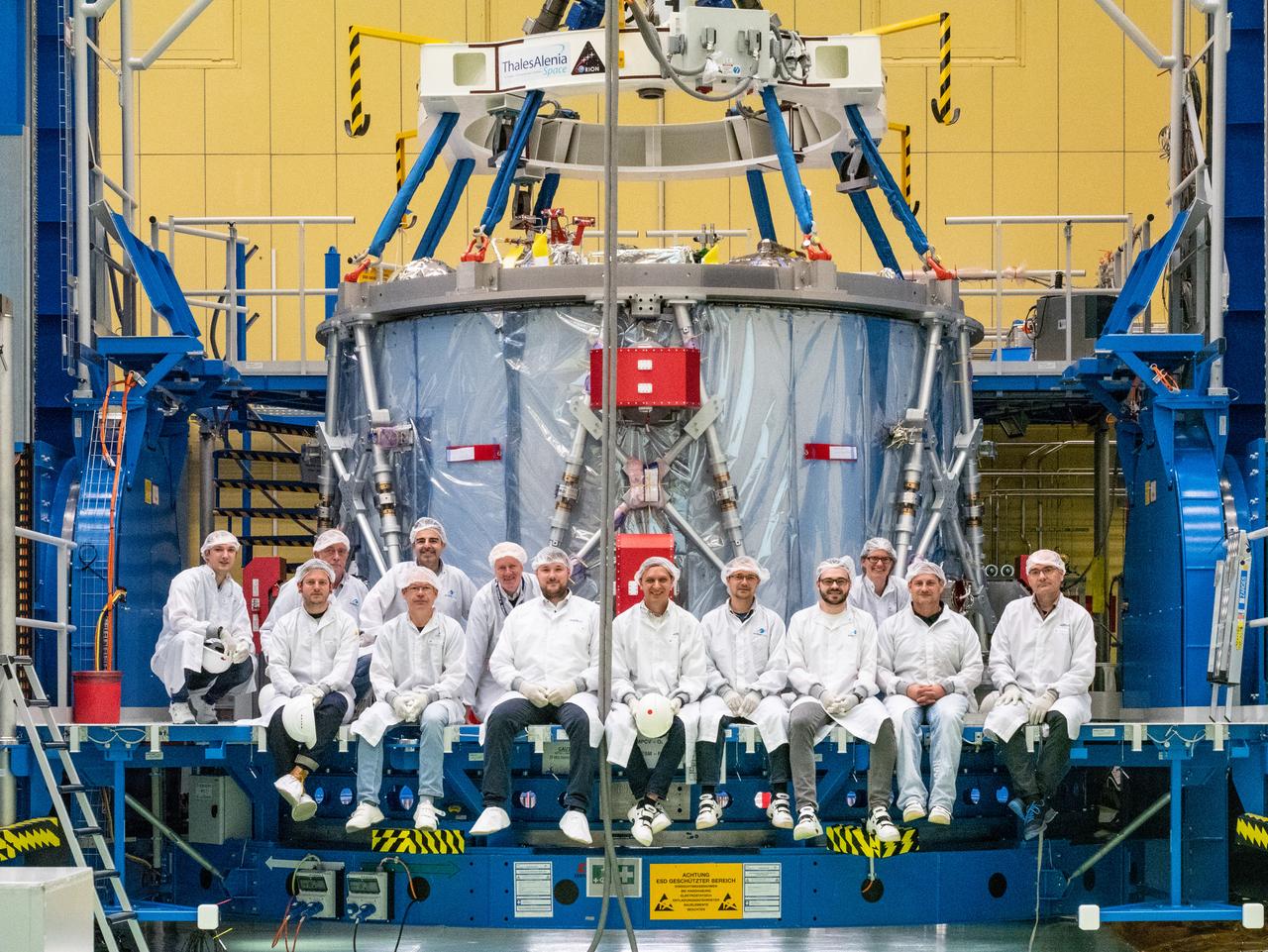
Technicians at the Airbus facility in Bremen, Germany prepare the European Service Module for shipment to Kennedy Space Center on Nov. 1, 2018. The service module will depart Germany on November 5, 2018 and will arrive in the U.S. on November 6...For the first time, NASA will use a European-built system as a critical element to power an American spacecraft, extending the international cooperation of the International Space Station into deep space. The European Service Module is a unique collaboration across space agencies and industry including ESA’s prime contractor, Airbus, and 10 European countries. The completion of service module work in Europe and shipment to Kennedy signifies a major milestone toward NASA’s human deep space exploration missions to the Moon and beyond.

NASA is performing a series of tests to evaluate how astronauts and ground crew involved in final preparations before Orion missions will quickly get out of the spacecraft if an emergency were to occur on the pad prior to launch. In the hours before astronauts launch to space in Orion from NASA’s modernized spaceport in Florida in on the agency’s Space Launch System rocket, they will cross the Crew Access Arm 300 feet above the ground and climb inside the crew module with the assistance of ground personnel trained to help them strap into their seats and take care of last-minute needs. The testing is helping engineers evaluate hardware designs and establish procedures that would be used to get astronauts and ground crew out of the capsule as quickly as possible. Flight and ground crew are required to get out of Orion within two minutes to protect for a variety of failure scenarios that do not require the launch abort system to be activated, such as crew incapacitation, fire or the presence of toxins in the cabin. This testing took place the week of Oct. 30, 2017 using the Orion mockup in the Space Vehicle Mockup Facility at NASA’s Johnson Space Center in Houston. In this photo, engineers used fake smoke to imitate a scenario in which astronauts must exit the capsule when their vision is obscured. Markings on the ground indicate where the Crew Access Arm would be located and help guide the crew. This testing is a collaborative effort between the Orion and Ground Systems Development and Operations programs. Previous egress testing at Johnson and in the Gulf of Mexico has evaluated how crew will exit the spacecraft at the end of their missions..
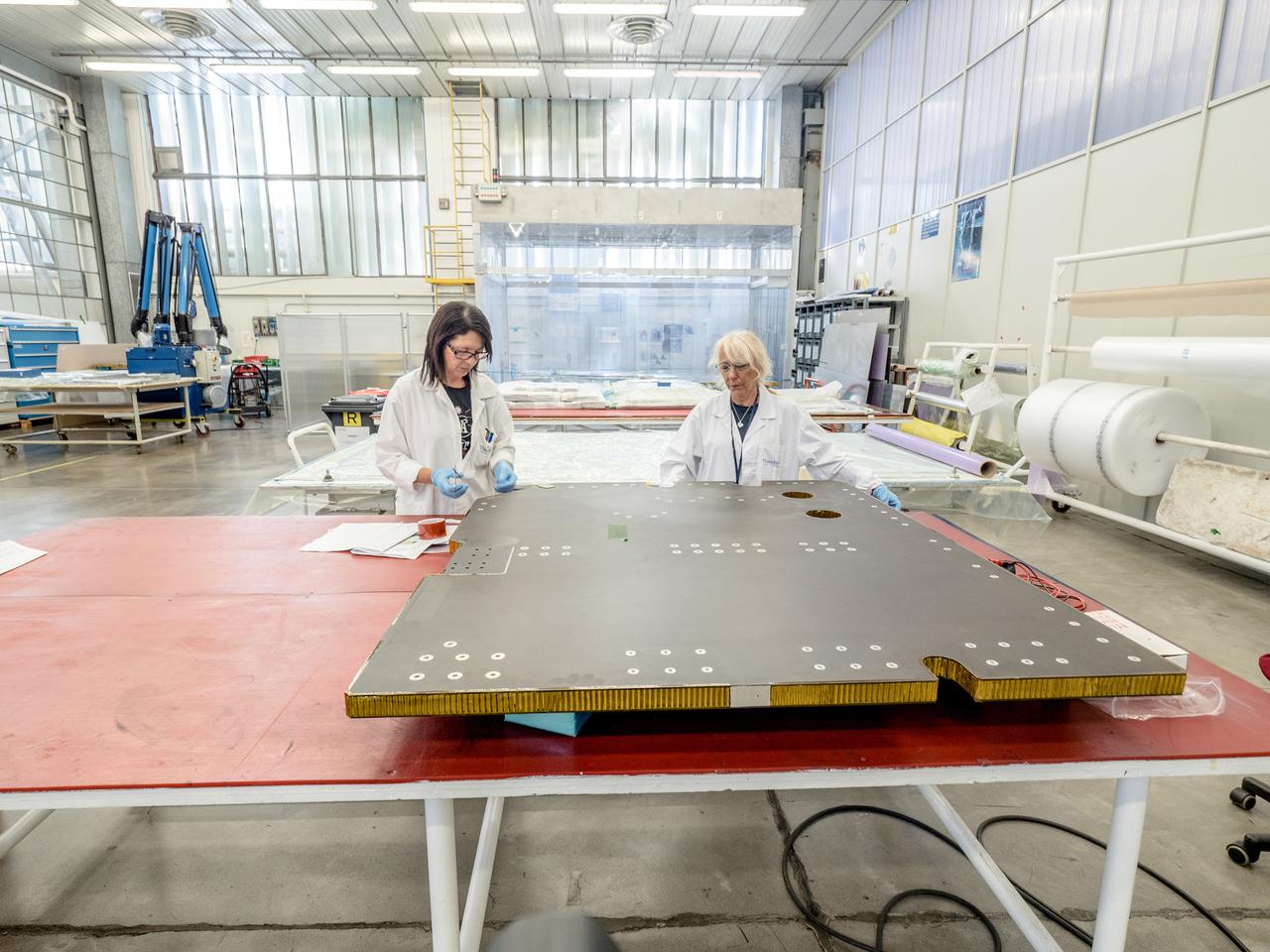
While engineers in Europe continue to outfit the Orion spacecraft’s service module for Artemis I in preparation for shipment to NASA’s Kennedy Space Center in Florida next year, work is already beginning on the service module that will power, propel, cool and provide air and water for the first crewed mission in the Orion spacecraft in the early 2020s. On Sept. 19, 2017, technicians at Thales Alenia in Turin, Italy, work on the primary structure of the European Service Module that will carry astronauts in Orion beyond the Moon during Artemis II. ESA (European Space Agency) and its contractors are providing Orion’s service module for its first two missions atop the Space Launch System rocket. NASA is leading the next steps in human space exploration and will send astronauts to the vicinity of the Moon to build and test the systems needed for challenging missions to deep space destinations including Mars. NASA is working with domestic and international partners to solve the great challenges of deep space exploration.
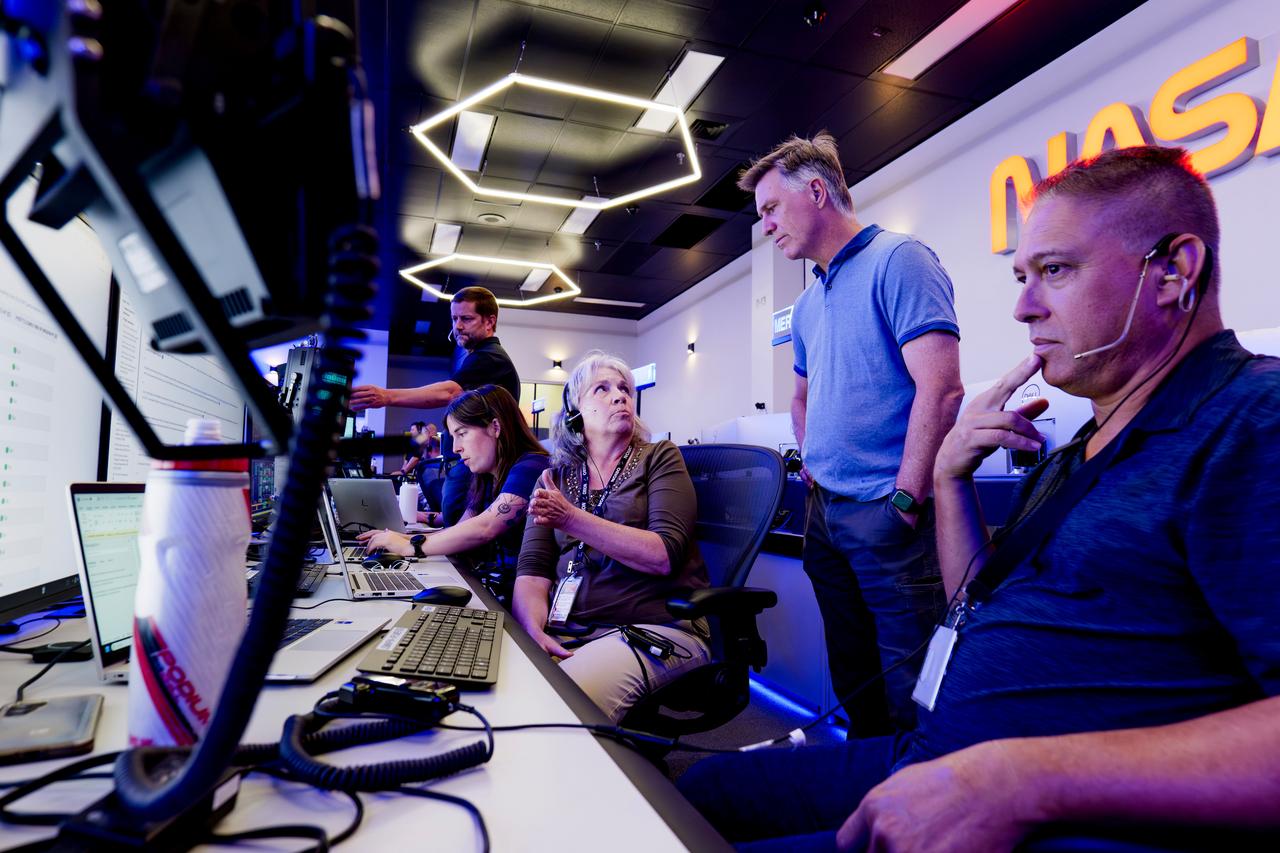
The Orion Mission Evaluation Room (MER) team works during an Artemis II mission simulation on Aug. 19, 2025, from the new Orion MER inside the Mission Control Center at NASA’s Johnson Space Center in Houston.
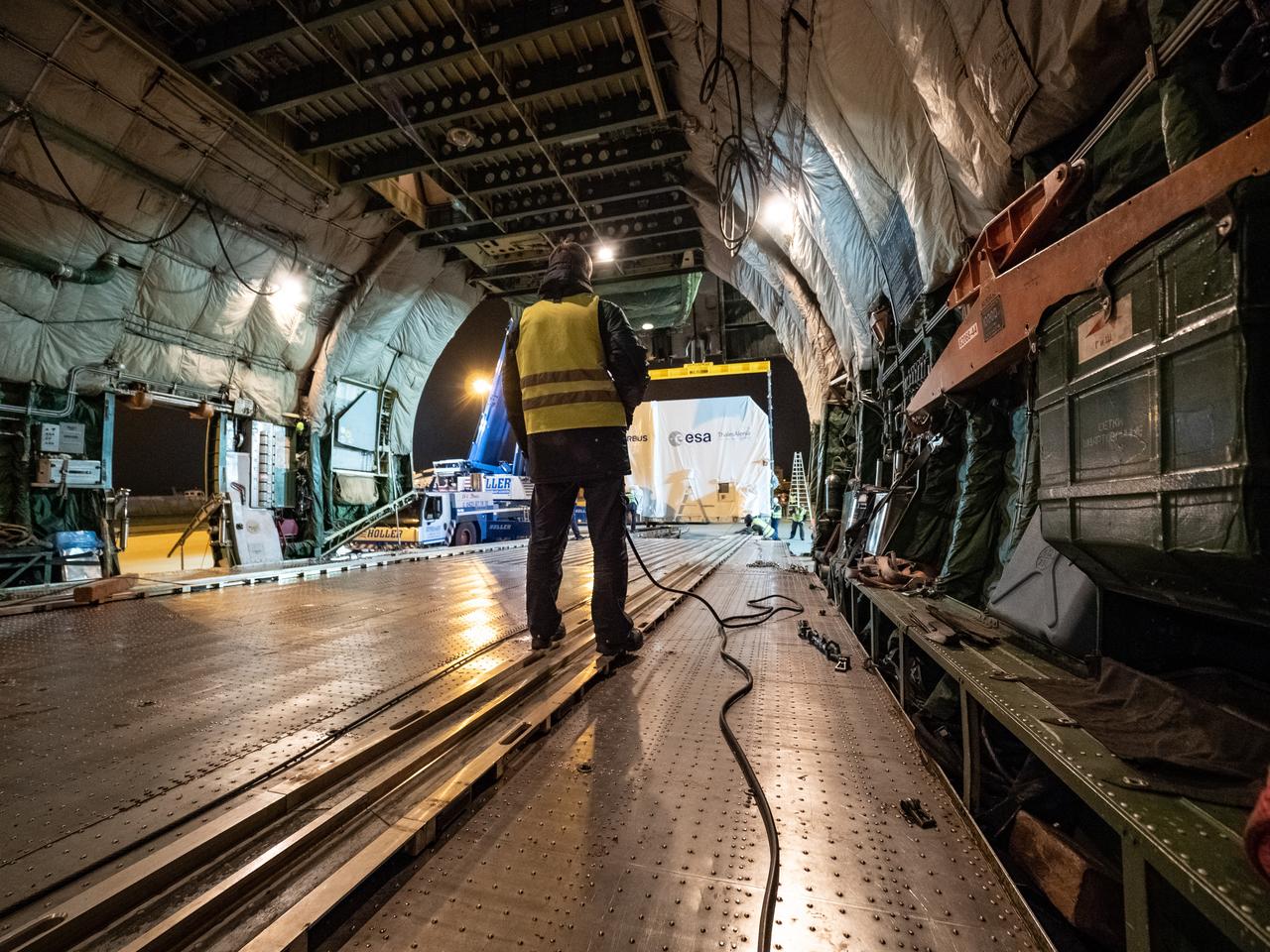
Orion's European Service Module is loaded on the Antonov airplane in Bremen, Germany on Nov. 5, 2018 for transport to Kennedy Space Center...For the first time, NASA will use a European-built system as a critical element to power an American spacecraft, extending the international cooperation of the International Space Station into deep space. The European Service Module is a unique collaboration across space agencies and industry including ESA’s prime contractor, Airbus, and 10 European countries. The completion of service module work in Europe and shipment to Kennedy signifies a major milestone toward NASA’s human deep space exploration missions to the Moon and beyond.
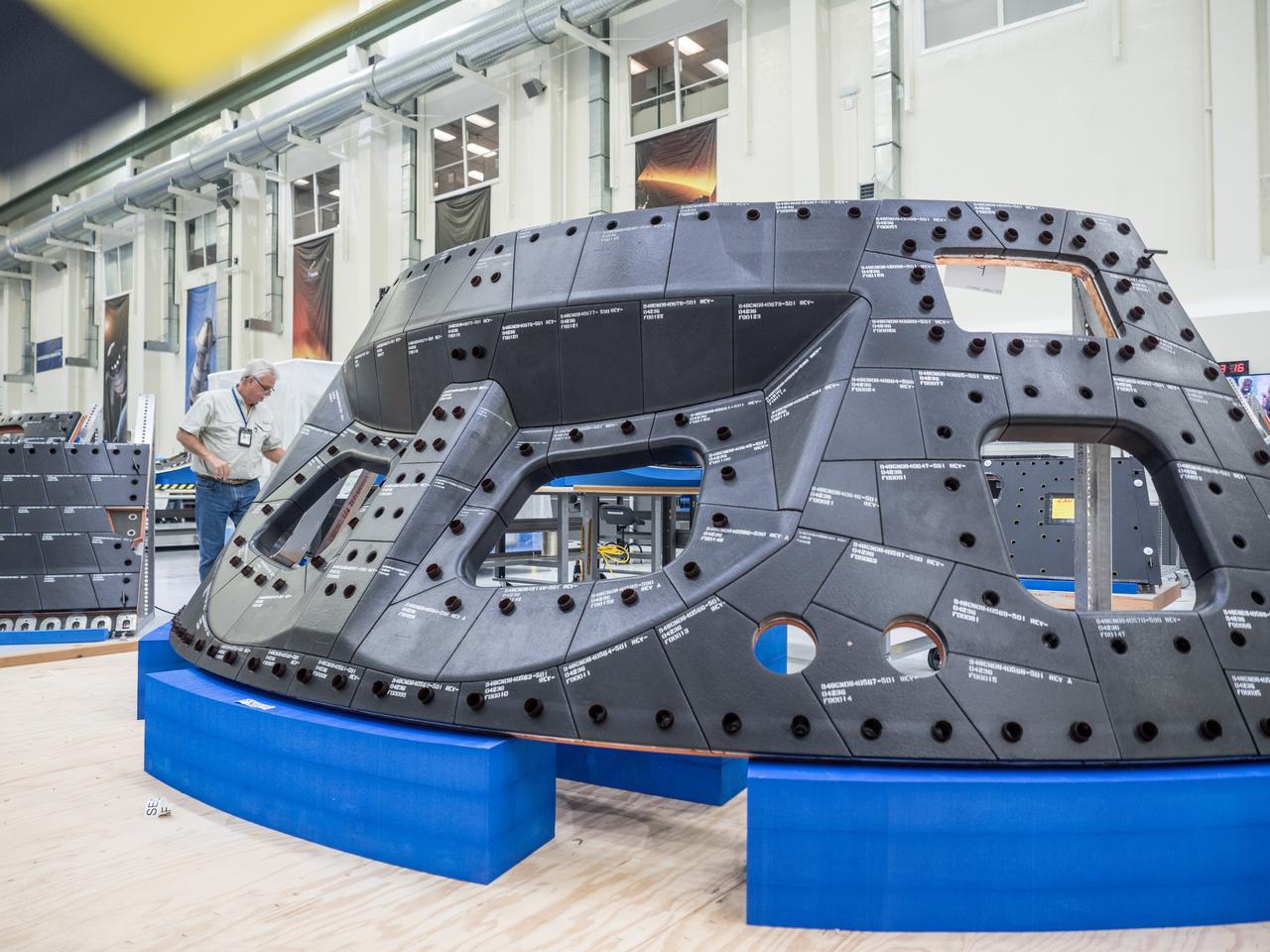
Lockheed Martin engineers assemble Orion's Artemis I crew module at NASA's Kennedy Space Center Operations and Checkout Building on April 27, 2018.
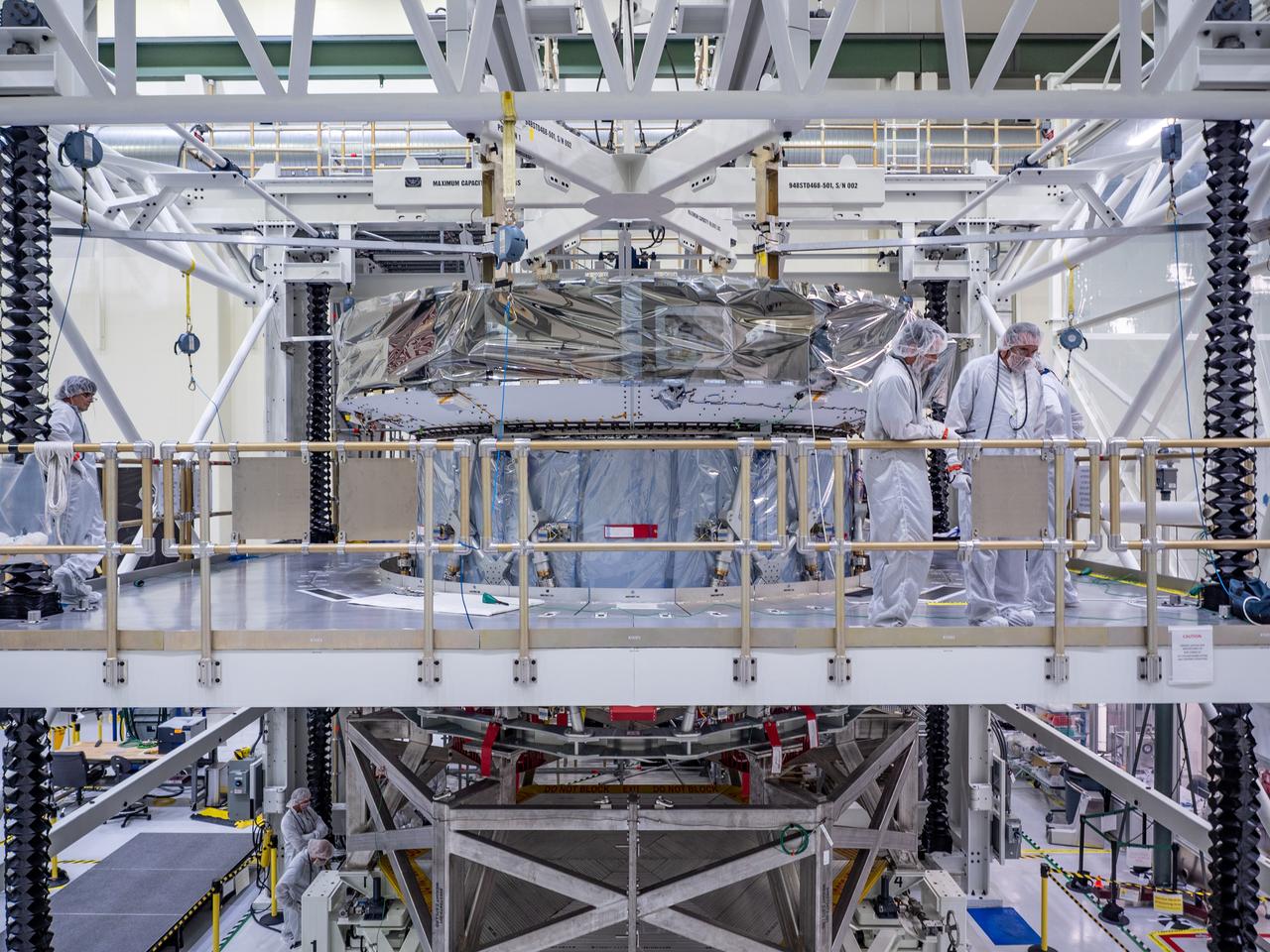
At the Operations and Checkout Building at Kennedy Space Center, Lockheed Martin technicians work to mate Orion's crew module adapter to the European Service Module on Nov. 14, 2018...For the first time, NASA will use a European-built system as a critical element to power an American spacecraft, extending the international cooperation of the International Space Station into deep space. The European Service Module is a unique collaboration across space agencies and industry including ESA’s prime contractor, Airbus, and 10 European countries. The completion of service module work in Europe and shipment to Kennedy signifies a major milestone toward NASA’s human deep space exploration missions to the Moon and beyond.
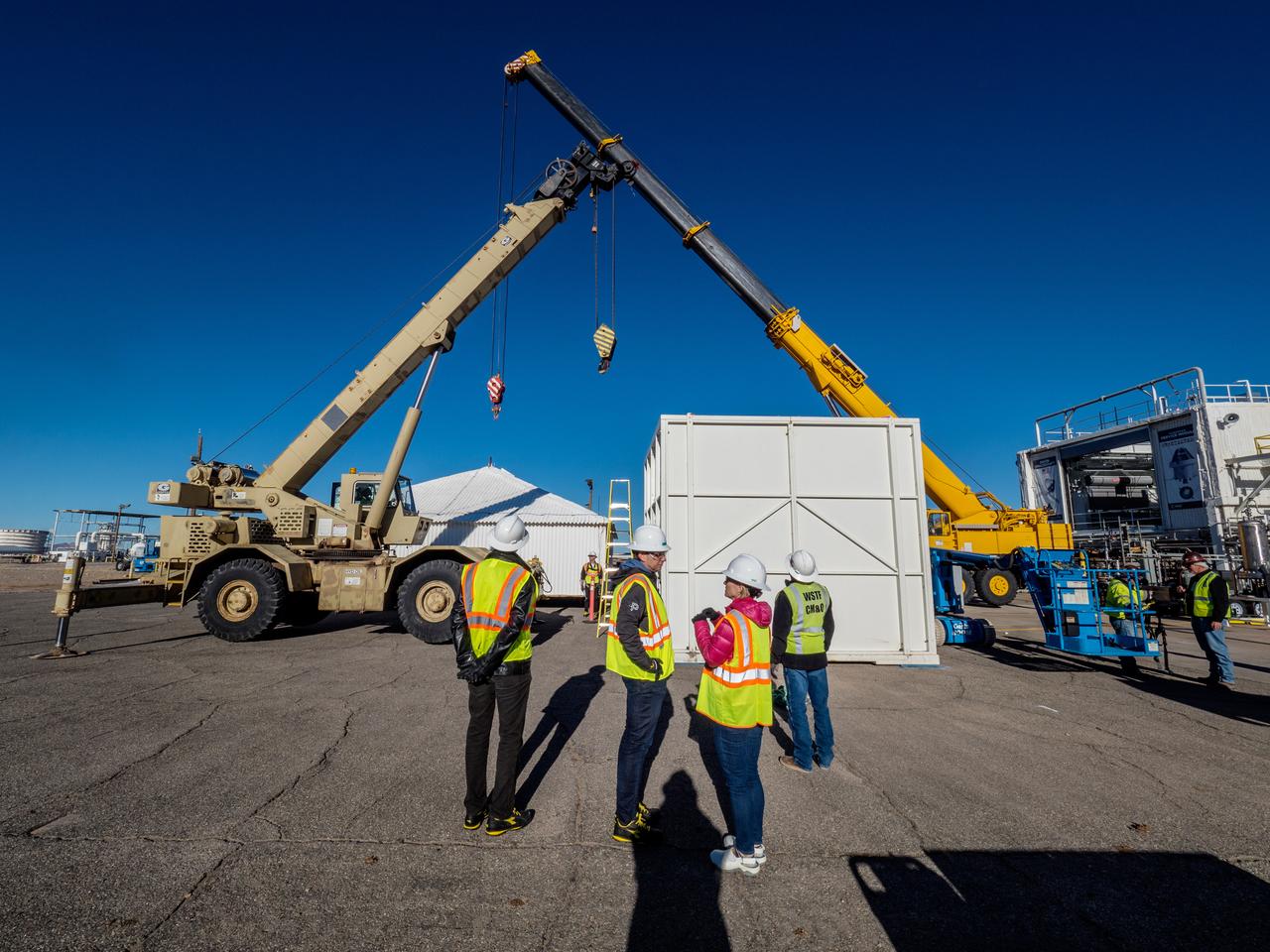
On Feb. 21, 2017 engineers successfully install ESA’s European Service Module Propulsion Qualification Module (PQM) at NASA’s White Sands Test Facility in New Mexico that was delivered by Airbus – ESA’s prime contractor for the Service Module. The module will be equipped with a total of 21 engines to support NASA’s Orion spacecraft: one U.S. Space Shuttle Orbital Maneuvering System (OMS) engine, eight auxiliary thrusters and 12 smaller thrusters produced by Airbus Safran Launchers in Germany. The all-steel PQM structure is used to test the propulsion systems on Orion, including “hot firing” of the OMS engine and thrusters.
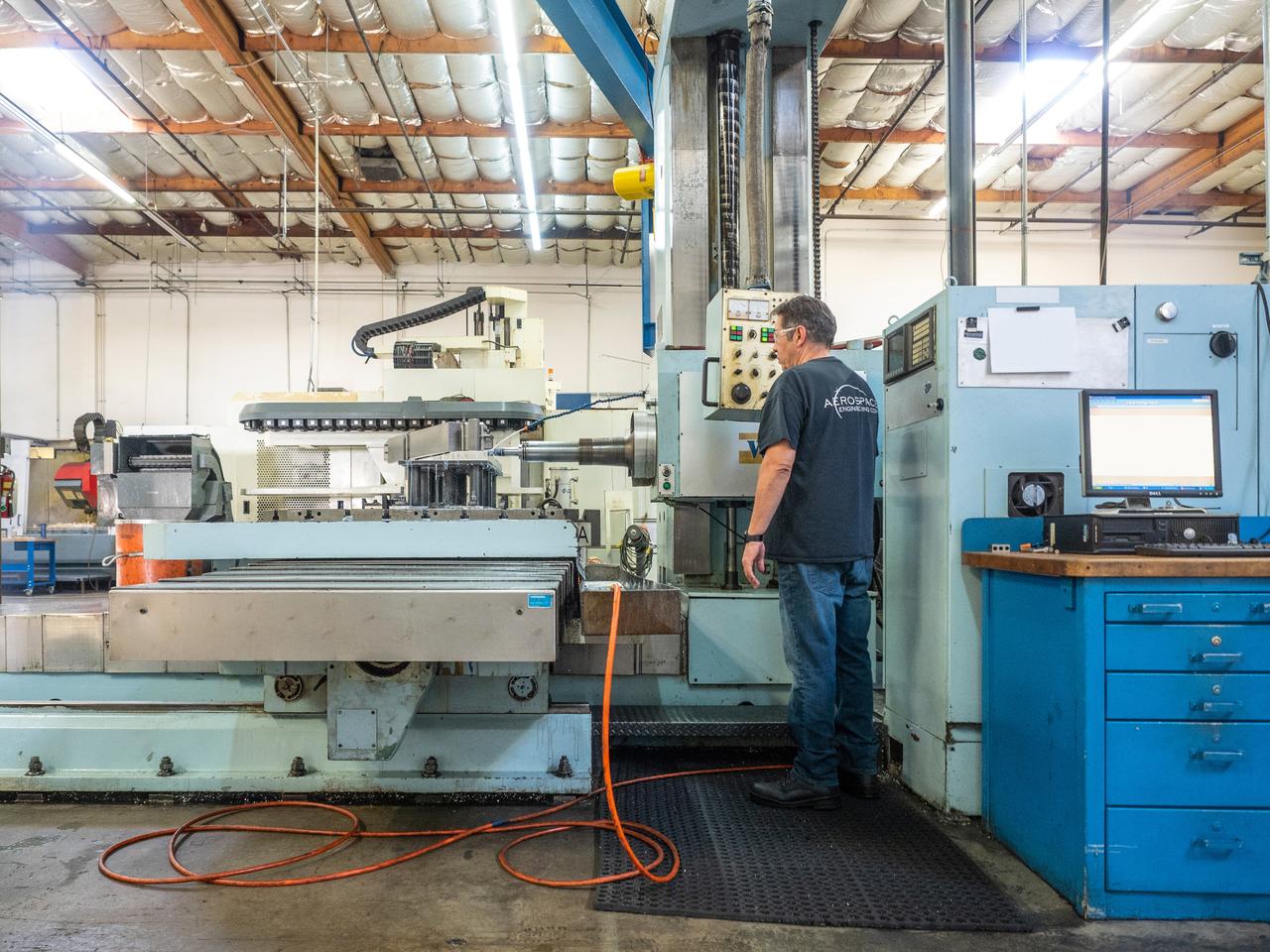
Parts for the Orion crew module which will carry astronauts on Artemis II are machined at Aerospace Engineering Corporation in California on June 18, 2018.
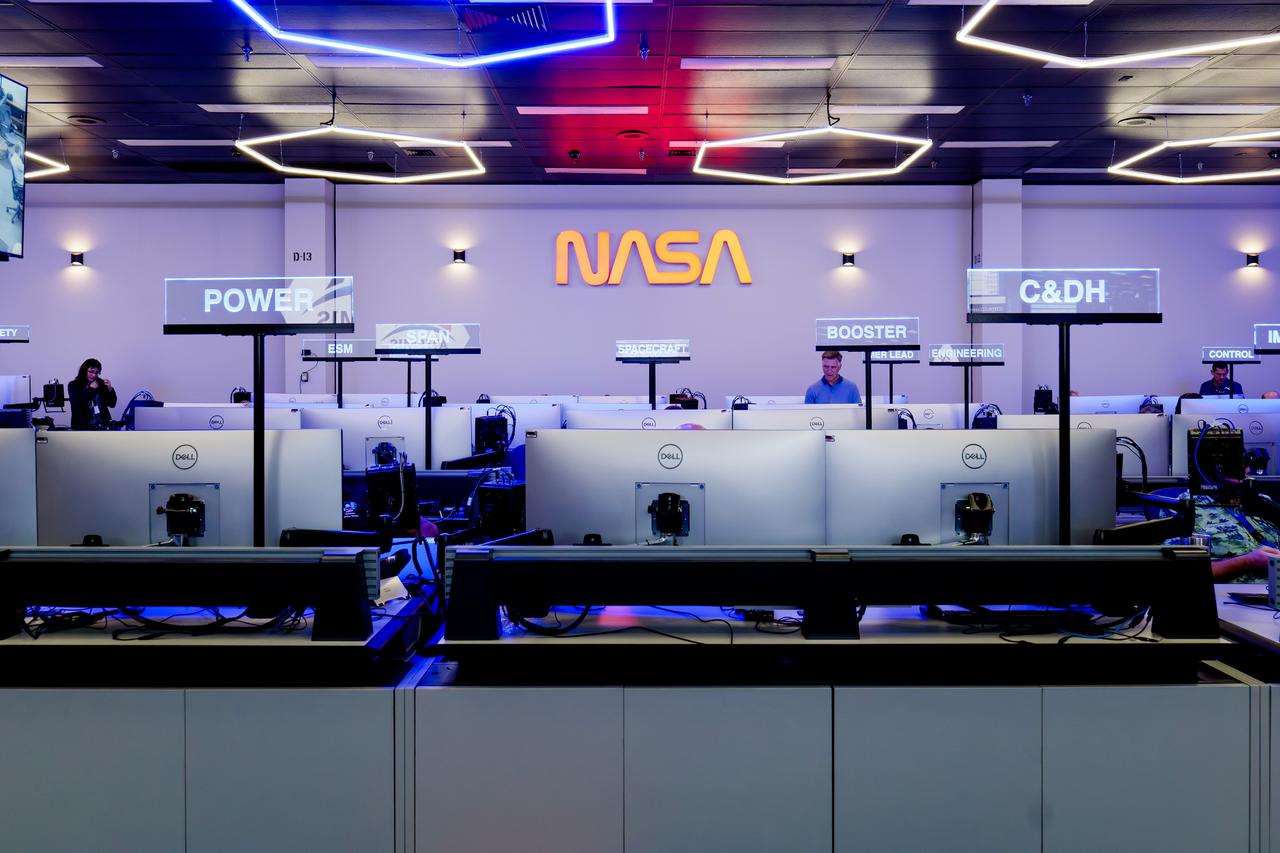
The Orion Mission Evaluation Room (MER) team works during an Artemis II mission simulation on Aug. 19, 2025, from the new Orion MER inside the Mission Control Center at NASA’s Johnson Space Center in Houston.