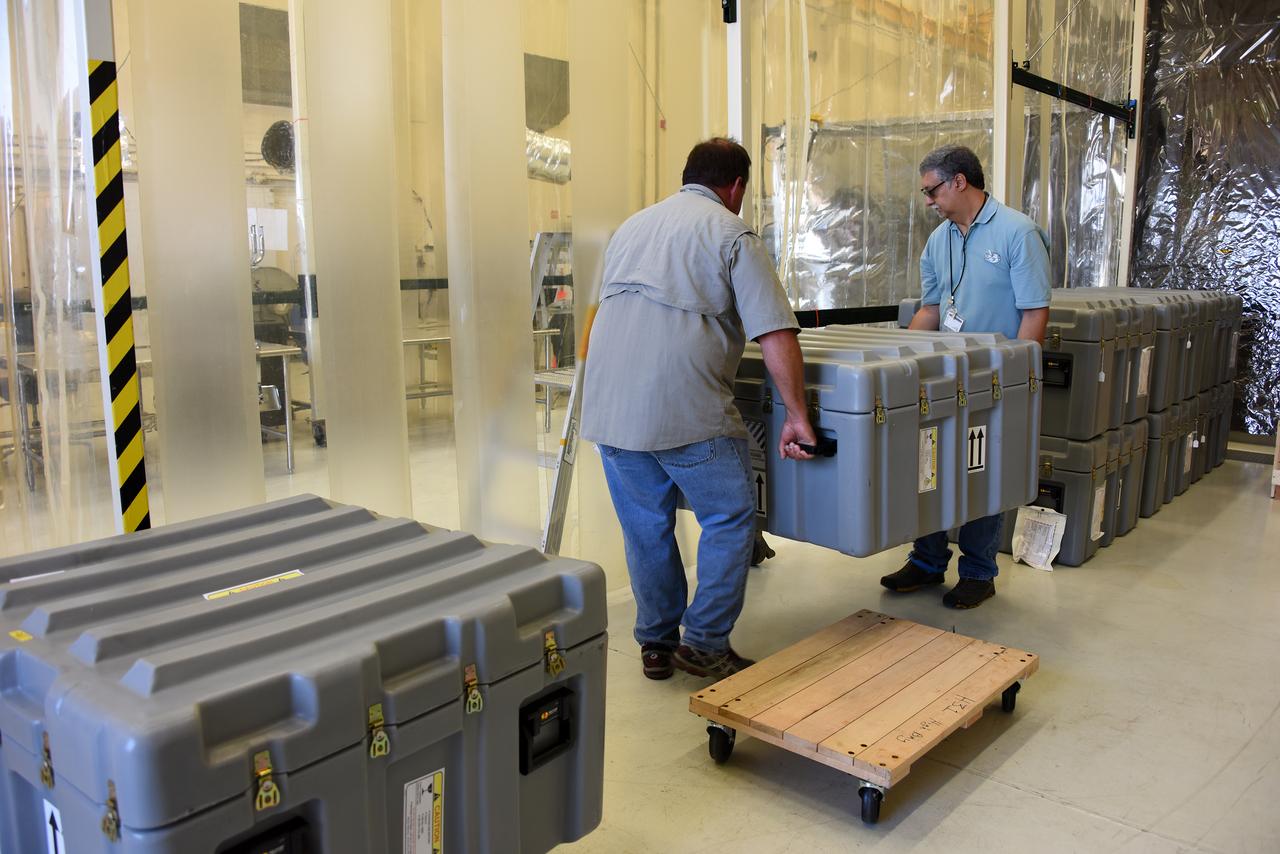
Parts for NASA’s Cyclone Global Navigation Satellite System (CYGNSS) arrive in shipping containers at Building 1555 at Vandenberg Air Force Base in California. CYGNSS is being prepared at Vandenberg, and then will be transported to NASA’s Kennedy Space Center in Florida in the Orbital ATK Pegasus XL rocket which will be attached to the Orbital ATK L-1011 carrier aircraft. CYGNSS will launch on the Pegasus XL rocket from the Skid Strip at Cape Canaveral Air Force Station. CYGNSS will make frequent and accurate measurements of ocean surface winds throughout the life cycle of tropical storms and hurricanes. The data that CYGNSS provides will enable scientists to probe key air-sea interaction processes that take place near the core of storms, which are rapidly changing and play a critical role in the beginning and intensification of hurricanes.
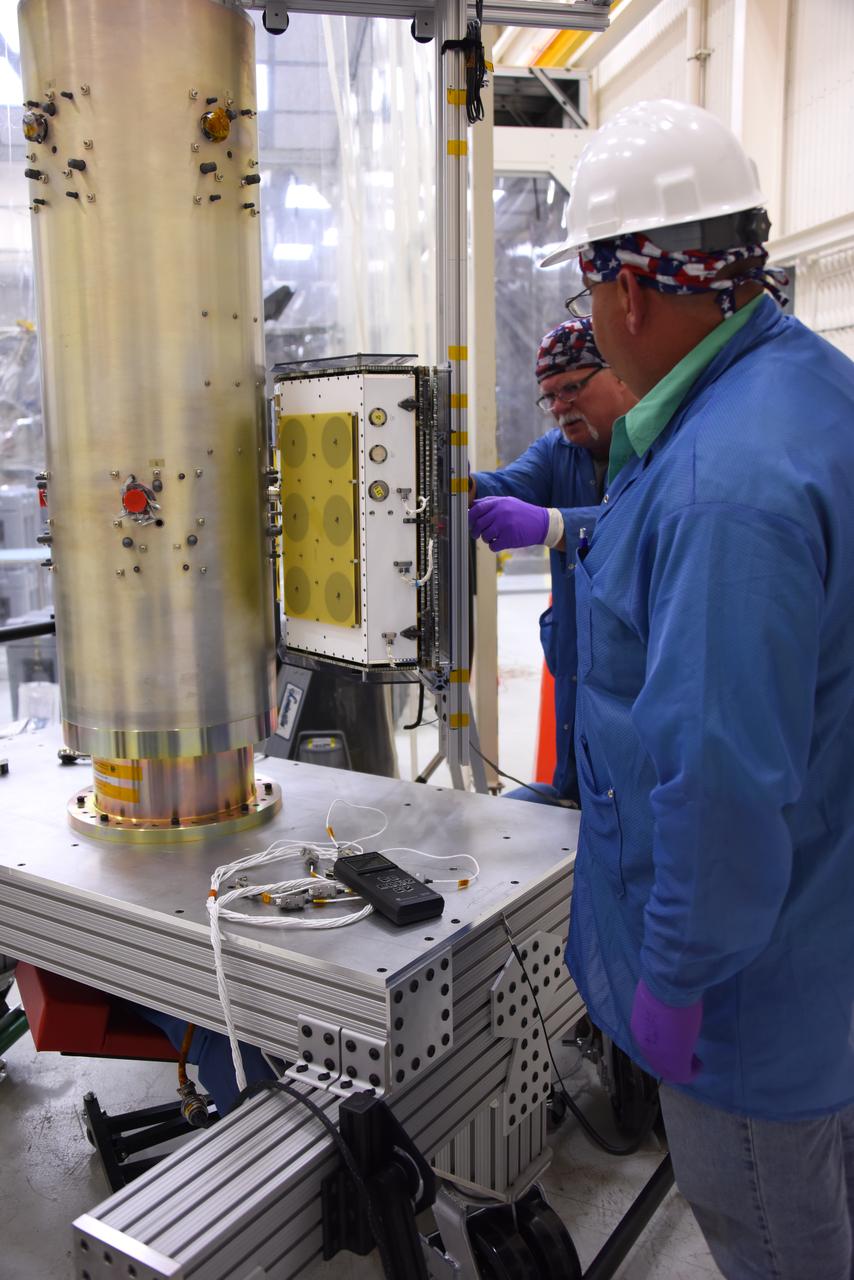
Technicians with Orbital ATK install the first set of micro satellites on the deployment module for NASA’s Cyclone Global Navigation Satellite System (CYGNSS) in Building 1555 at Vandenberg Air Force Base in California. CYGNSS is being prepared at Vandenberg, and then will be transported to NASA’s Kennedy Space Center in Florida aboard the Orbital ATK Pegasus XL rocket which will be attached to the Orbital ATK L-1011 carrier aircraft. CYGNSS will launch on the Pegasus XL rocket from the Skid Strip at Cape Canaveral Air Force Station. CYGNSS will make frequent and accurate measurements of ocean surface winds throughout the life cycle of tropical storms and hurricanes. The data that CYGNSS provides will enable scientists to probe key air-sea interaction processes that take place near the core of storms, which are rapidly changing and play a critical role in the beginning and intensification of hurricanes.
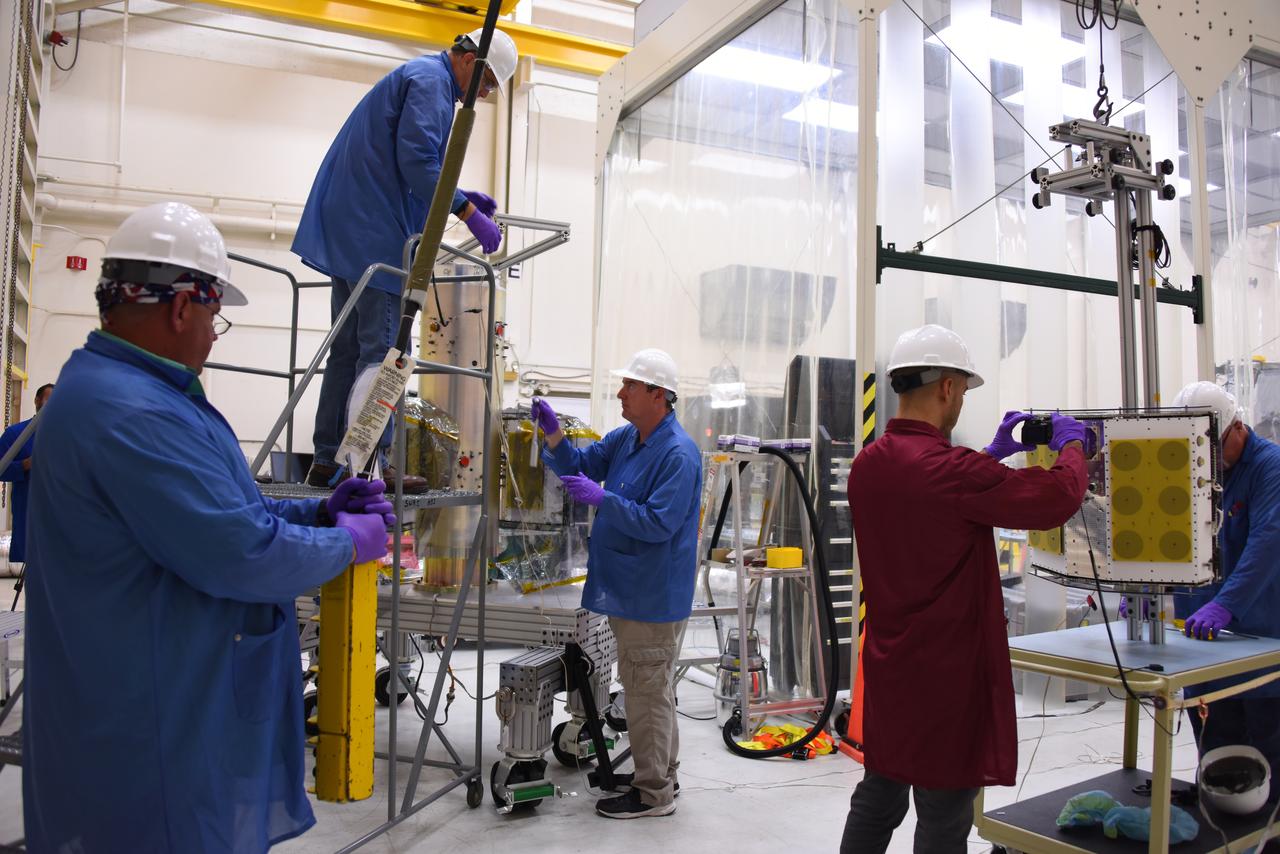
Technicians with Orbital ATK prepare to install micro satellites on the deployment module for NASA’s Cyclone Global Navigation Satellite System (CYGNSS) in Building 1555 at Vandenberg Air Force Base in California. CYGNSS is being prepared at Vandenberg, and then will be transported to NASA’s Kennedy Space Center in Florida aboard the Orbital ATK Pegasus XL rocket which will be attached to the Orbital ATK L-1011 carrier aircraft. CYGNSS will launch on the Pegasus XL rocket from the Skid Strip at Cape Canaveral Air Force Station. CYGNSS will make frequent and accurate measurements of ocean surface winds throughout the life cycle of tropical storms and hurricanes. The data that CYGNSS provides will enable scientists to probe key air-sea interaction processes that take place near the core of storms, which are rapidly changing and play a critical role in the beginning and intensification of hurricanes.
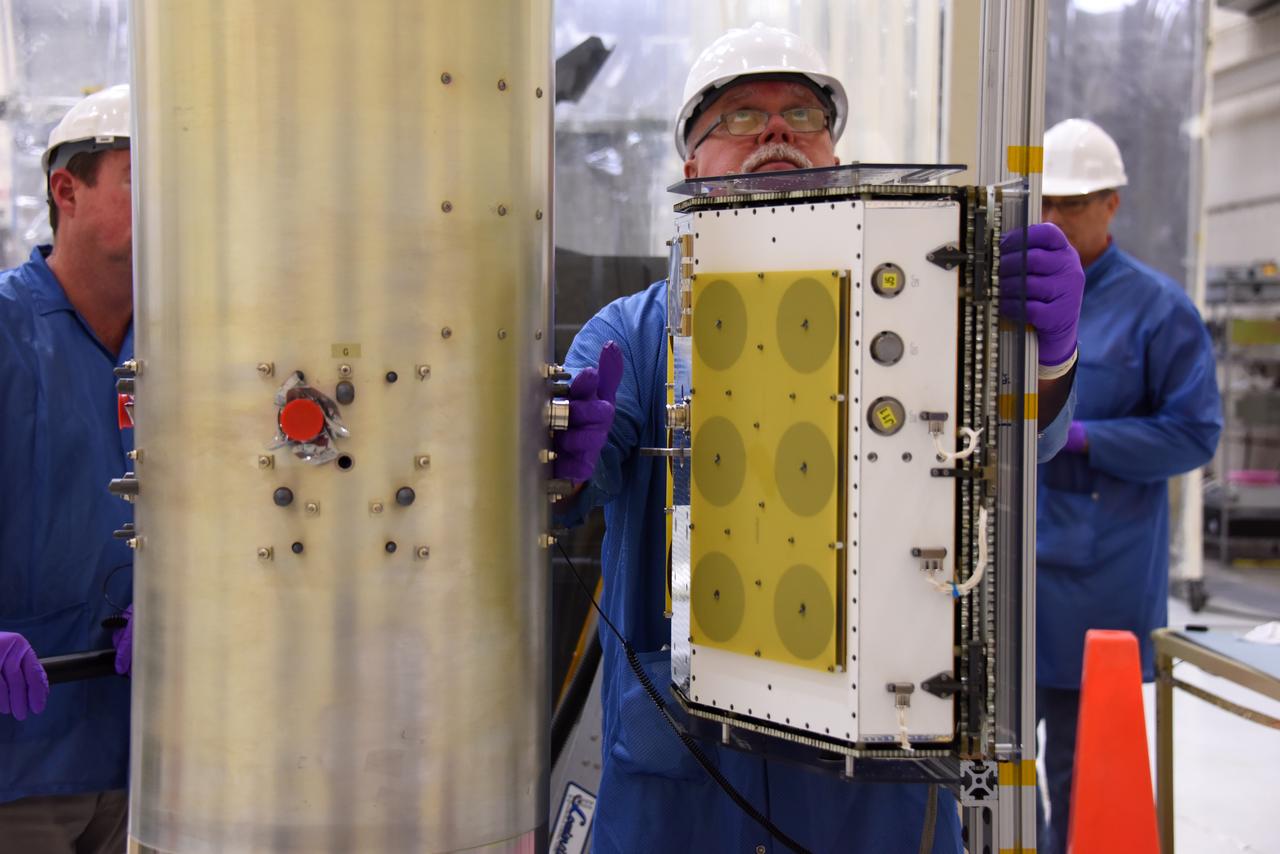
Technicians with Orbital ATK prepare the micro satellites for installation on the deployment module for NASA’s Cyclone Global Navigation Satellite System (CYGNSS) in Building 1555 at Vandenberg Air Force Base in California. CYGNSS is being prepared at Vandenberg, and then will be transported to NASA’s Kennedy Space Center in Florida aboard the Orbital ATK Pegasus XL rocket which will be attached to the Orbital ATK L-1011 carrier aircraft. CYGNSS will launch on the Pegasus XL rocket from the Skid Strip at Cape Canaveral Air Force Station. CYGNSS will make frequent and accurate measurements of ocean surface winds throughout the life cycle of tropical storms and hurricanes. The data that CYGNSS provides will enable scientists to probe key air-sea interaction processes that take place near the core of storms, which are rapidly changing and play a critical role in the beginning and intensification of hurricanes.
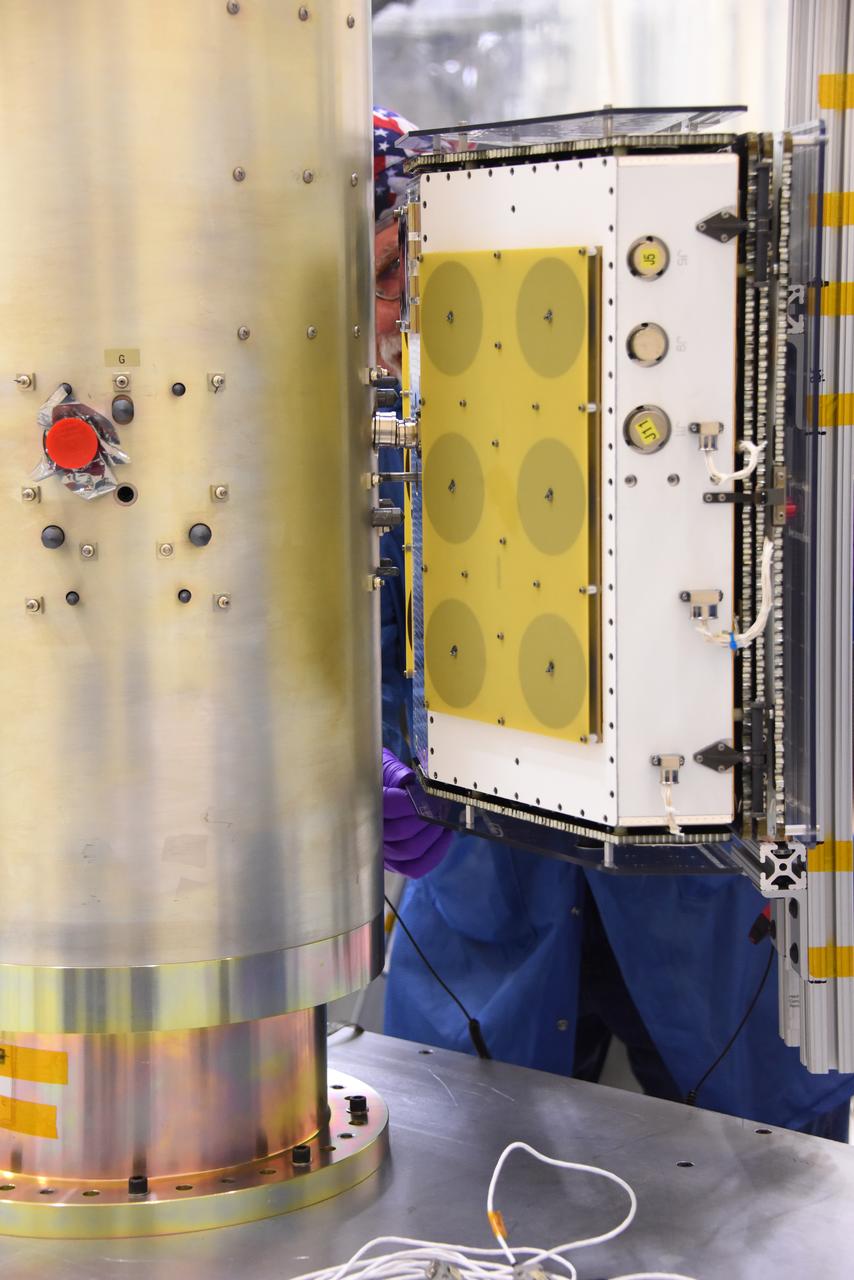
Technicians with Orbital ATK prepare to install the micro satellites on the deployment module for NASA’s Cyclone Global Navigation Satellite System (CYGNSS) in Building 1555 at Vandenberg Air Force Base in California. CYGNSS is being prepared at Vandenberg, and then will be transported to NASA’s Kennedy Space Center in Florida aboard the Orbital ATK Pegasus XL rocket which will be attached to the Orbital ATK L-1011 carrier aircraft. CYGNSS will launch on the Pegasus XL rocket from the Skid Strip at Cape Canaveral Air Force Station. CYGNSS will make frequent and accurate measurements of ocean surface winds throughout the life cycle of tropical storms and hurricanes. The data that CYGNSS provides will enable scientists to probe key air-sea interaction processes that take place near the core of storms, which are rapidly changing and play a critical role in the beginning and intensification of hurricanes.
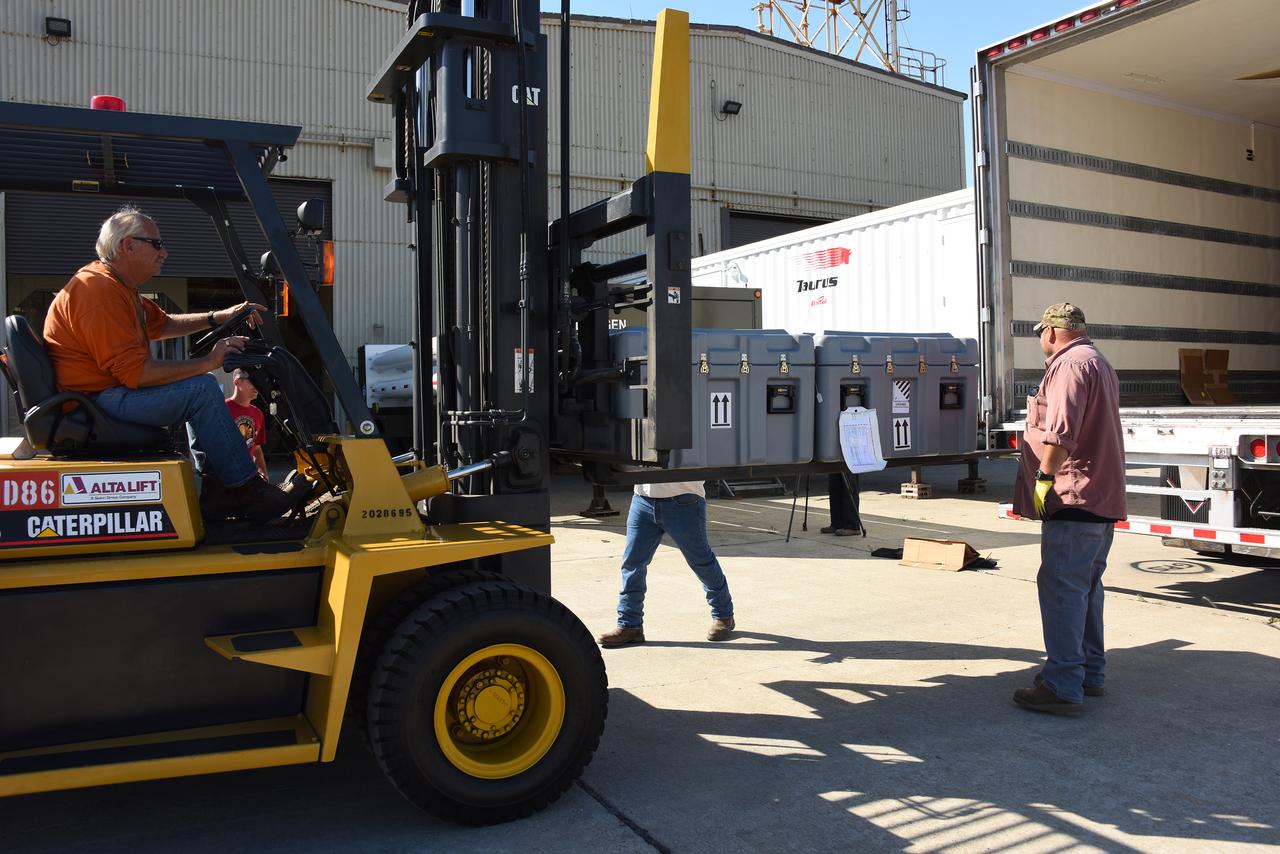
Parts for NASA’s Cyclone Global Navigation Satellite System (CYGNSS) arrive in shipping containers at Building 1555 at Vandenberg Air Force Base in California. CYGNSS is being prepared at Vandenberg, and then will be transported to NASA’s Kennedy Space Center in Florida in the Orbital ATK Pegasus XL rocket which will be attached to the Orbital ATK L-1011 carrier aircraft. CYGNSS will launch on the Pegasus XL rocket from the Skid Strip at Cape Canaveral Air Force Station. CYGNSS will make frequent and accurate measurements of ocean surface winds throughout the life cycle of tropical storms and hurricanes. The data that CYGNSS provides will enable scientists to probe key air-sea interaction processes that take place near the core of storms, which are rapidly changing and play a critical role in the beginning and intensification of hurricanes.
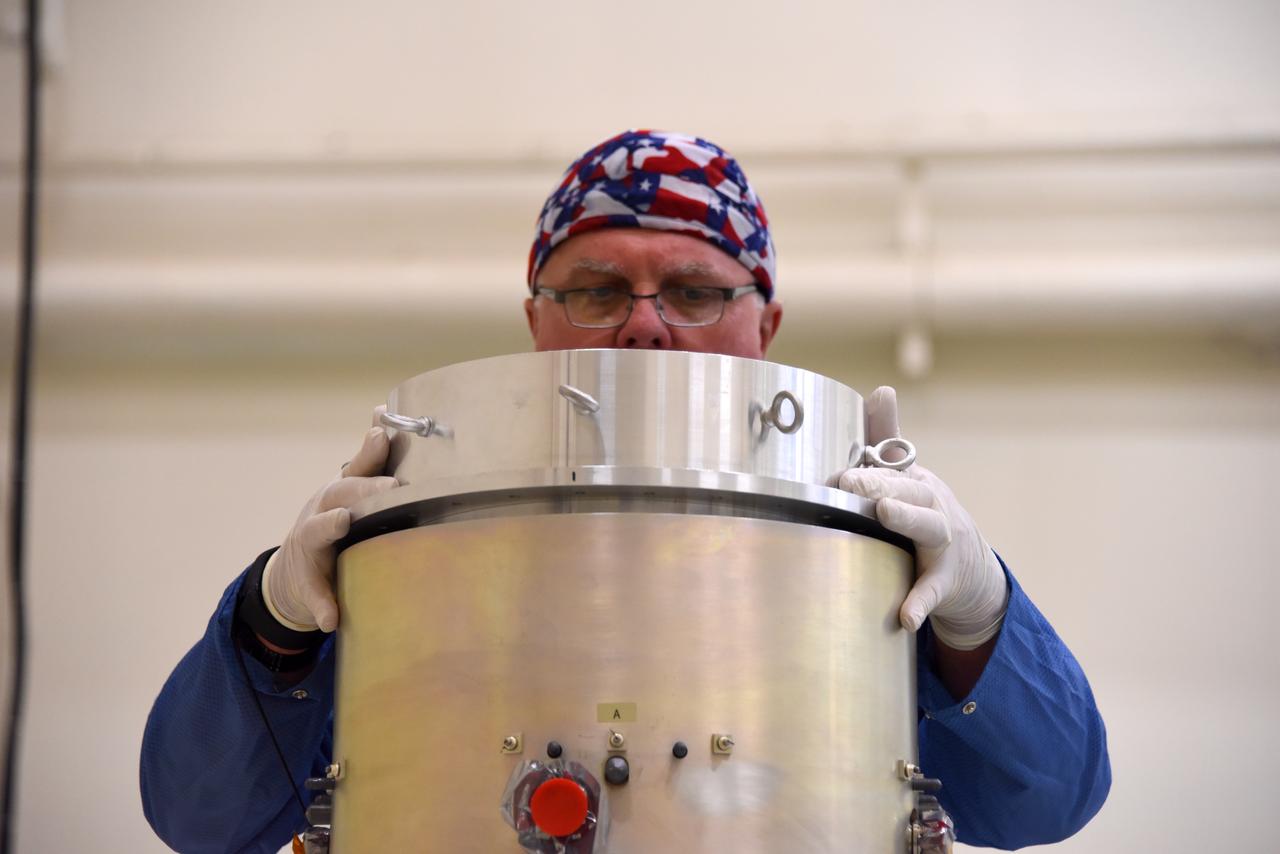
A technician with Orbital ATK assembles the micro satellites deployment module for NASA’s Cyclone Global Navigation Satellite System (CYGNSS) in Building 1555 at Vandenberg Air Force Base in California. CYGNSS is being prepared at Vandenberg, and then will be transported to NASA’s Kennedy Space Center in Florida aboard the Orbital ATK Pegasus XL rocket which will be attached to the Orbital ATK L-1011 carrier aircraft. CYGNSS will launch on the Pegasus XL rocket from the Skid Strip at Cape Canaveral Air Force Station. CYGNSS will make frequent and accurate measurements of ocean surface winds throughout the life cycle of tropical storms and hurricanes. The data that CYGNSS provides will enable scientists to probe key air-sea interaction processes that take place near the core of storms, which are rapidly changing and play a critical role in the beginning and intensification of hurricanes.
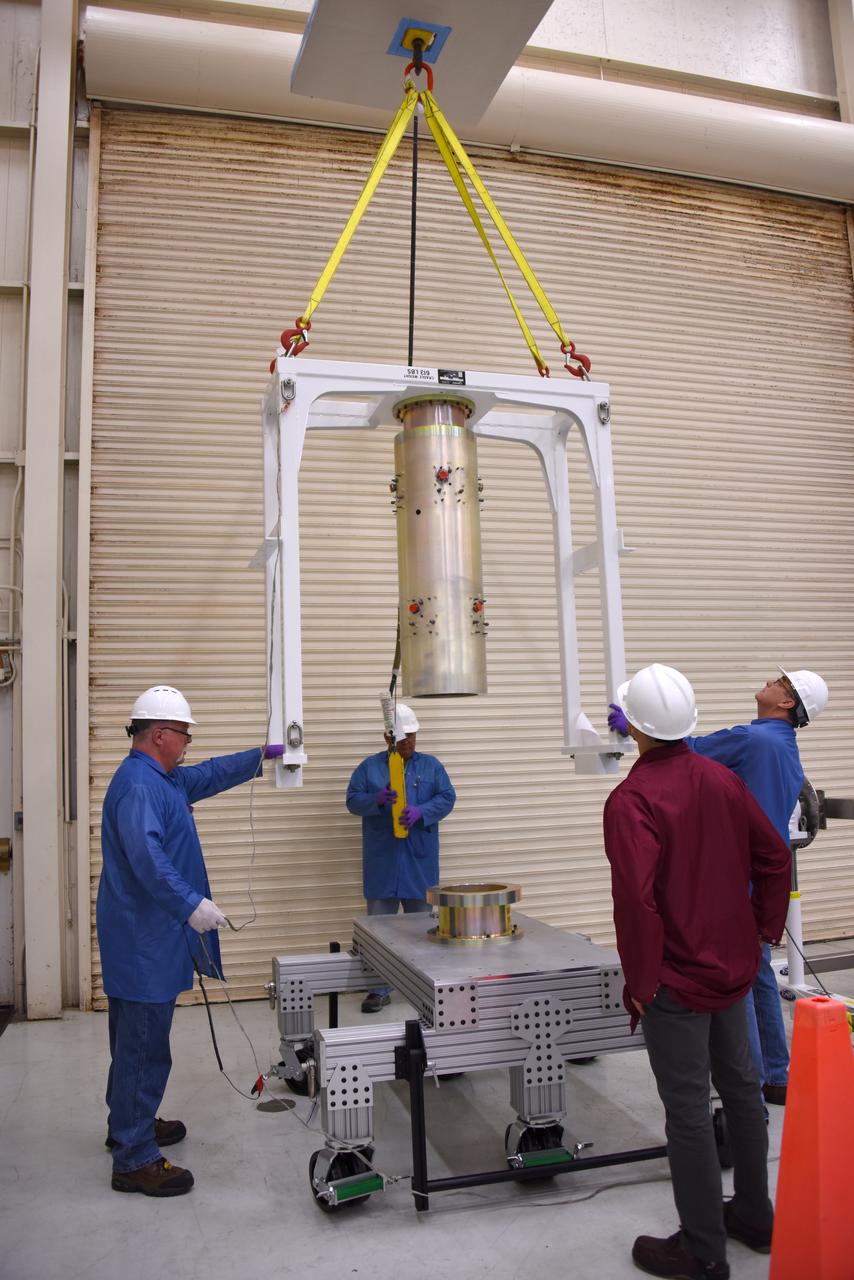
Technicians with Orbital ATK check out the micro satellites deployment module for NASA’s Cyclone Global Navigation Satellite System (CYGNSS) in Building 1555 at Vandenberg Air Force Base in California. CYGNSS is being prepared at Vandenberg, and then will be transported to NASA’s Kennedy Space Center in Florida aboard the Orbital ATK Pegasus XL rocket which will be attached to the Orbital ATK L-1011 carrier aircraft. CYGNSS will launch on the Pegasus XL rocket from the Skid Strip at Cape Canaveral Air Force Station. CYGNSS will make frequent and accurate measurements of ocean surface winds throughout the life cycle of tropical storms and hurricanes. The data that CYGNSS provides will enable scientists to probe key air-sea interaction processes that take place near the core of storms, which are rapidly changing and play a critical role in the beginning and intensification of hurricanes.
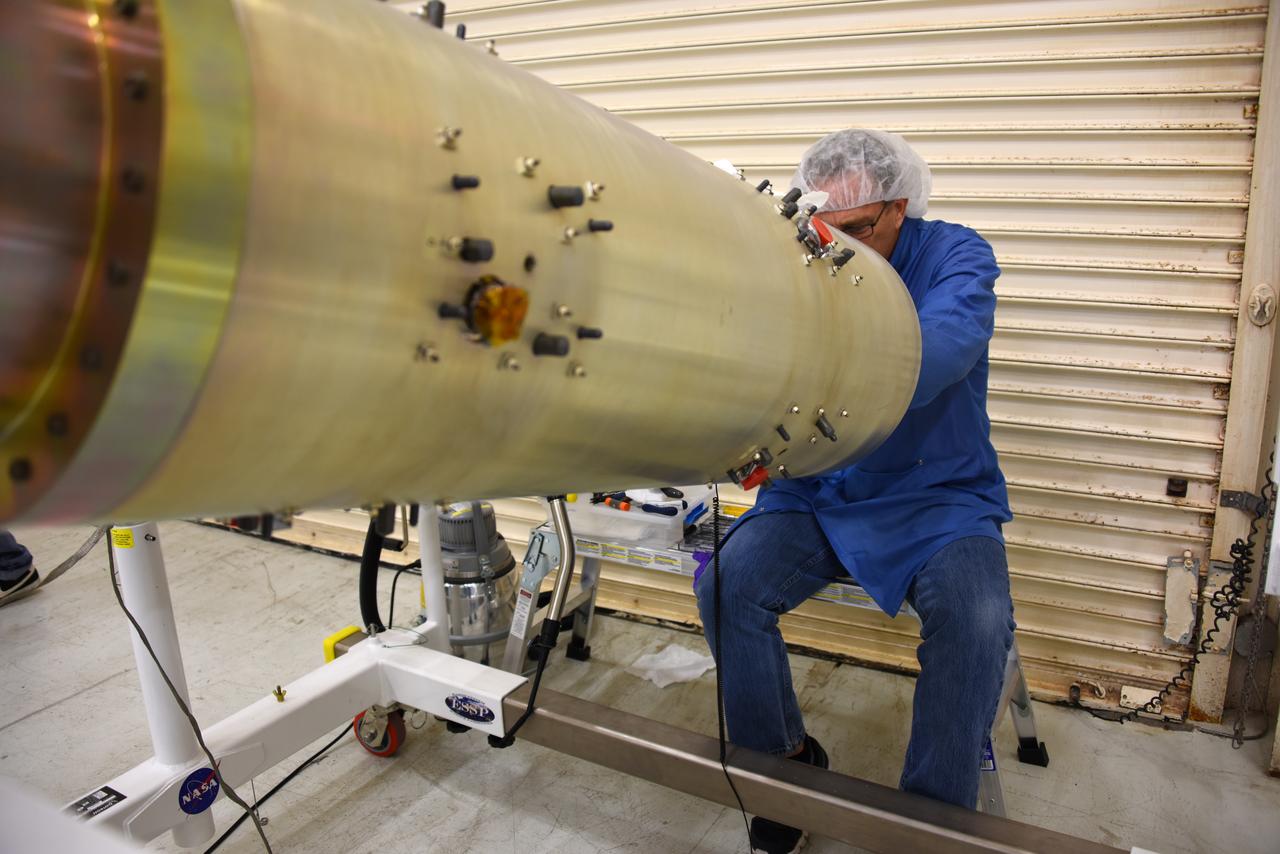
A technician with Orbital ATK prepares the deployment module for NASA’s Cyclone Global Navigation Satellite System (CYGNSS) for micro satellites installation in Building 1555 at Vandenberg Air Force Base in California. CYGNSS is being prepared at Vandenberg, and then will be transported to NASA’s Kennedy Space Center in Florida aboard the Orbital ATK Pegasus XL rocket which will be attached to the Orbital ATK L-1011 carrier aircraft. CYGNSS will launch on the Pegasus XL rocket from the Skid Strip at Cape Canaveral Air Force Station. CYGNSS will make frequent and accurate measurements of ocean surface winds throughout the life cycle of tropical storms and hurricanes. The data that CYGNSS provides will enable scientists to probe key air-sea interaction processes that take place near the core of storms, which are rapidly changing and play a critical role in the beginning and intensification of hurricanes.
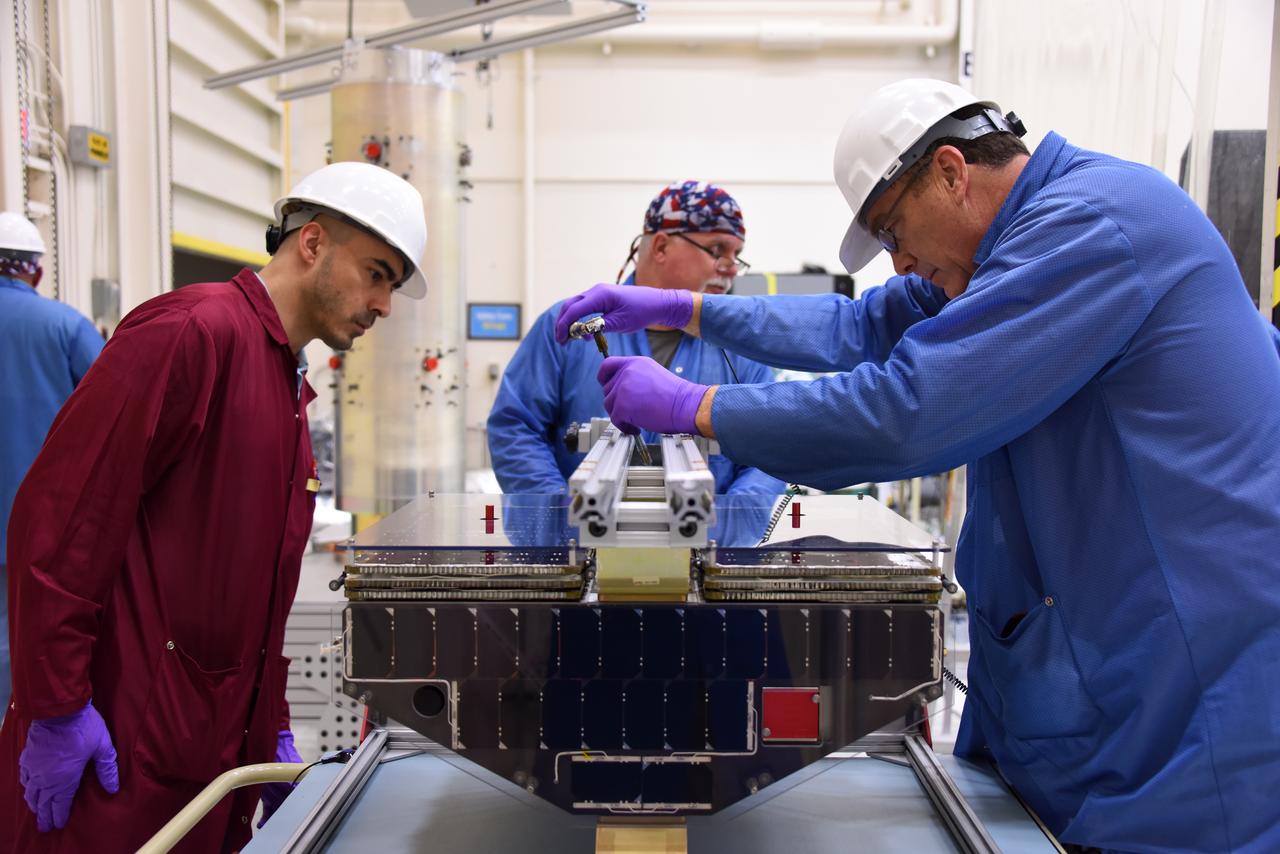
Technicians with Orbital ATK prepare the micro satellites for installation on the deployment module for NASA’s Cyclone Global Navigation Satellite System (CYGNSS) in Building 1555 at Vandenberg Air Force Base in California. CYGNSS is being prepared at Vandenberg, and then will be transported to NASA’s Kennedy Space Center in Florida aboard the Orbital ATK Pegasus XL rocket which will be attached to the Orbital ATK L-1011 carrier aircraft. CYGNSS will launch on the Pegasus XL rocket from the Skid Strip at Cape Canaveral Air Force Station. CYGNSS will make frequent and accurate measurements of ocean surface winds throughout the life cycle of tropical storms and hurricanes. The data that CYGNSS provides will enable scientists to probe key air-sea interaction processes that take place near the core of storms, which are rapidly changing and play a critical role in the beginning and intensification of hurricanes.
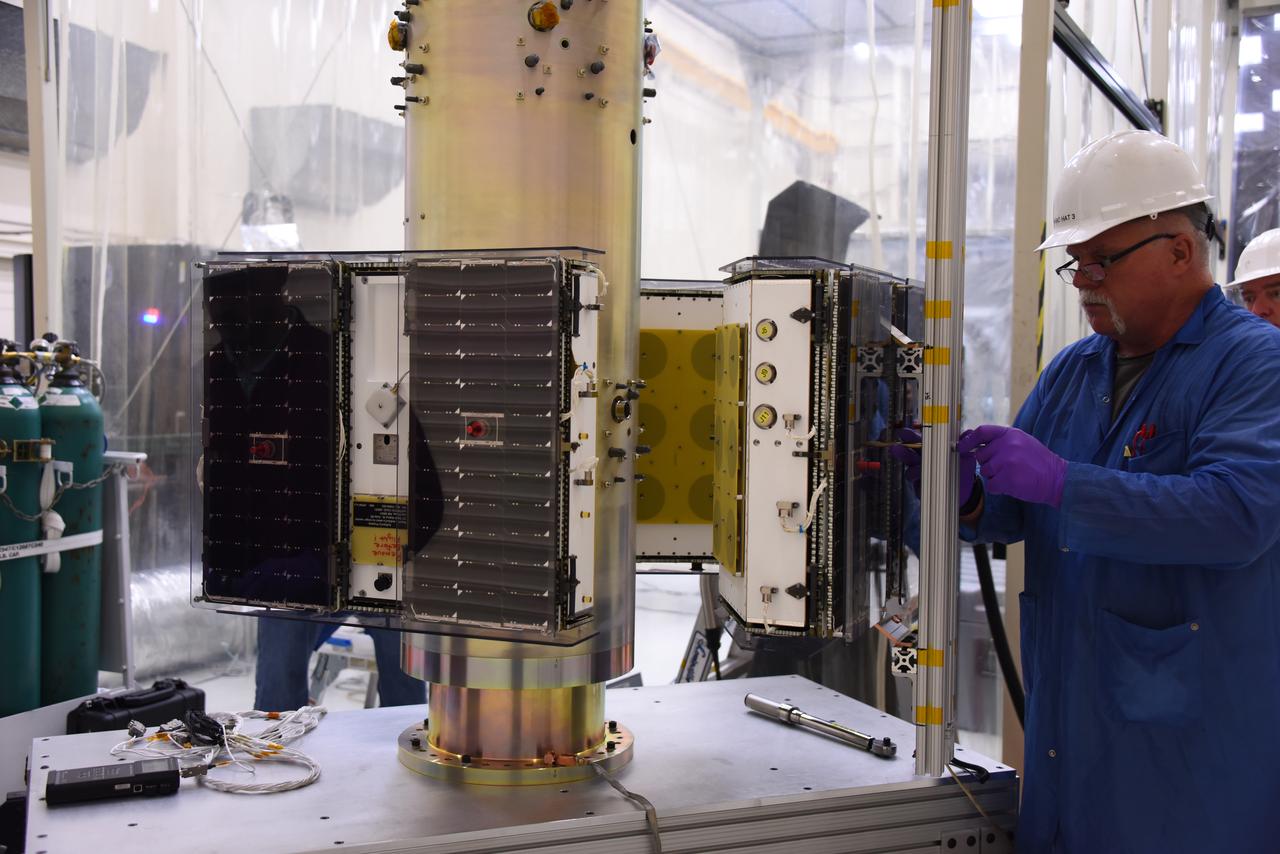
A technician with Orbital ATK prepares a set of micro satellites for installation on the deployment module for NASA’s Cyclone Global Navigation Satellite System (CYGNSS) in Building 1555 at Vandenberg Air Force Base in California. CYGNSS is being prepared at Vandenberg, and then will be transported to NASA’s Kennedy Space Center in Florida aboard the Orbital ATK Pegasus XL rocket which will be attached to the Orbital ATK L-1011 carrier aircraft. CYGNSS will launch on the Pegasus XL rocket from the Skid Strip at Cape Canaveral Air Force Station. CYGNSS will make frequent and accurate measurements of ocean surface winds throughout the life cycle of tropical storms and hurricanes. The data that CYGNSS provides will enable scientists to probe key air-sea interaction processes that take place near the core of storms, which are rapidly changing and play a critical role in the beginning and intensification of hurricanes.
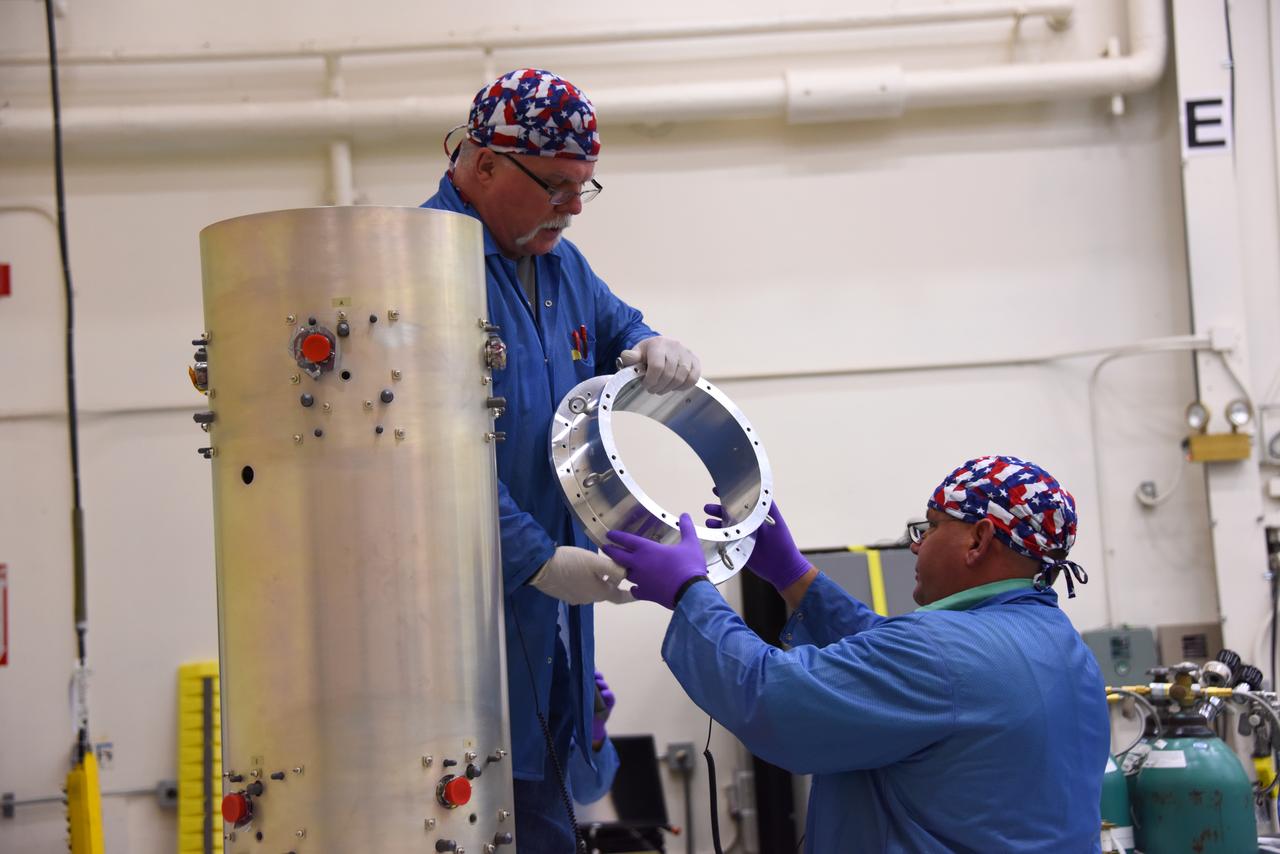
Technicians with Orbital ATK check assemble the micro satellites deployment module for NASA’s Cyclone Global Navigation Satellite System (CYGNSS) in Building 1555 at Vandenberg Air Force Base in California. CYGNSS is being prepared at Vandenberg, and then will be transported to NASA’s Kennedy Space Center in Florida aboard the Orbital ATK Pegasus XL rocket which will be attached to the Orbital ATK L-1011 carrier aircraft. CYGNSS will launch on the Pegasus XL rocket from the Skid Strip at Cape Canaveral Air Force Station. CYGNSS will make frequent and accurate measurements of ocean surface winds throughout the life cycle of tropical storms and hurricanes. The data that CYGNSS provides will enable scientists to probe key air-sea interaction processes that take place near the core of storms, which are rapidly changing and play a critical role in the beginning and intensification of hurricanes.
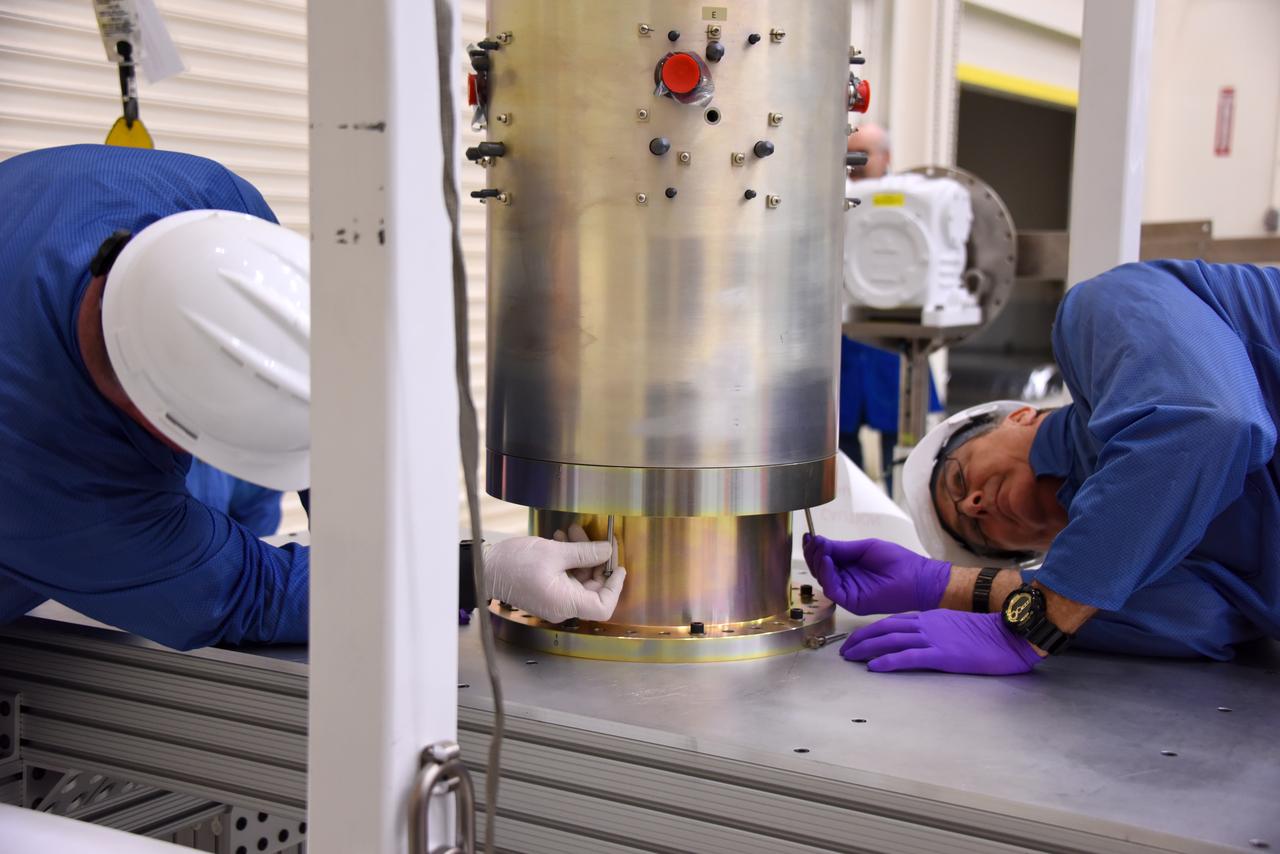
Technicians with Orbital ATK check out the micro satellites deployment module for NASA’s Cyclone Global Navigation Satellite System (CYGNSS) in Building 1555 at Vandenberg Air Force Base in California. CYGNSS is being prepared at Vandenberg, and then will be transported to NASA’s Kennedy Space Center in Florida aboard the Orbital ATK Pegasus XL rocket which will be attached to the Orbital ATK L-1011 carrier aircraft. CYGNSS will launch on the Pegasus XL rocket from the Skid Strip at Cape Canaveral Air Force Station. CYGNSS will make frequent and accurate measurements of ocean surface winds throughout the life cycle of tropical storms and hurricanes. The data that CYGNSS provides will enable scientists to probe key air-sea interaction processes that take place near the core of storms, which are rapidly changing and play a critical role in the beginning and intensification of hurricanes.
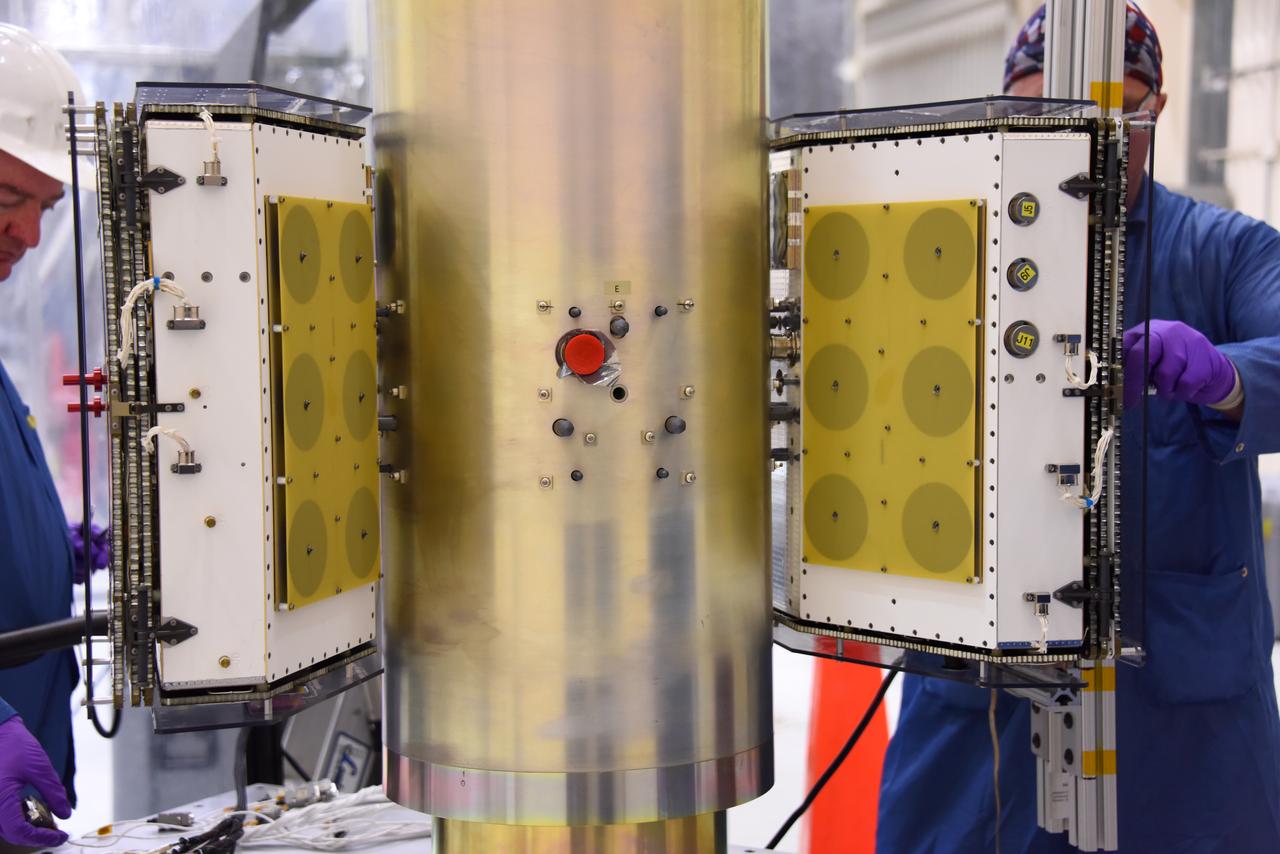
Technicians with Orbital ATK install the first two sets of micro satellites on the deployment module for NASA’s Cyclone Global Navigation Satellite System (CYGNSS) in Building 1555 at Vandenberg Air Force Base in California. CYGNSS is being prepared at Vandenberg, and then will be transported to NASA’s Kennedy Space Center in Florida aboard the Orbital ATK Pegasus XL rocket which will be attached to the Orbital ATK L-1011 carrier aircraft. CYGNSS will launch on the Pegasus XL rocket from the Skid Strip at Cape Canaveral Air Force Station. CYGNSS will make frequent and accurate measurements of ocean surface winds throughout the life cycle of tropical storms and hurricanes. The data that CYGNSS provides will enable scientists to probe key air-sea interaction processes that take place near the core of storms, which are rapidly changing and play a critical role in the beginning and intensification of hurricanes.
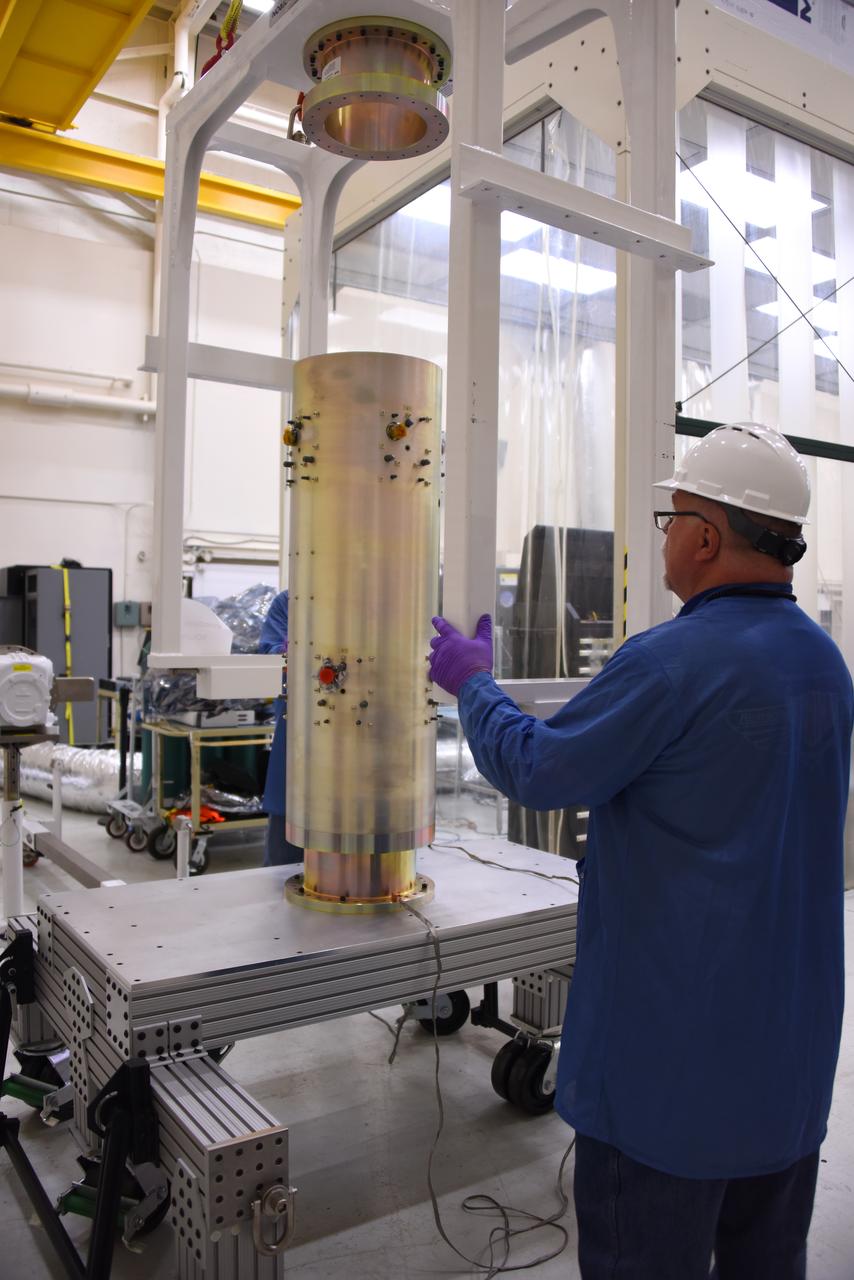
A technician with Orbital ATK checks out the micro satellites deployment module for NASA’s Cyclone Global Navigation Satellite System (CYGNSS) in Building 1555 at Vandenberg Air Force Base in California. CYGNSS is being prepared at Vandenberg, and then will be transported to NASA’s Kennedy Space Center in Florida aboard the Orbital ATK Pegasus XL rocket which will be attached to the Orbital ATK L-1011 carrier aircraft. CYGNSS will launch on the Pegasus XL rocket from the Skid Strip at Cape Canaveral Air Force Station. CYGNSS will make frequent and accurate measurements of ocean surface winds throughout the life cycle of tropical storms and hurricanes. The data that CYGNSS provides will enable scientists to probe key air-sea interaction processes that take place near the core of storms, which are rapidly changing and play a critical role in the beginning and intensification of hurricanes.
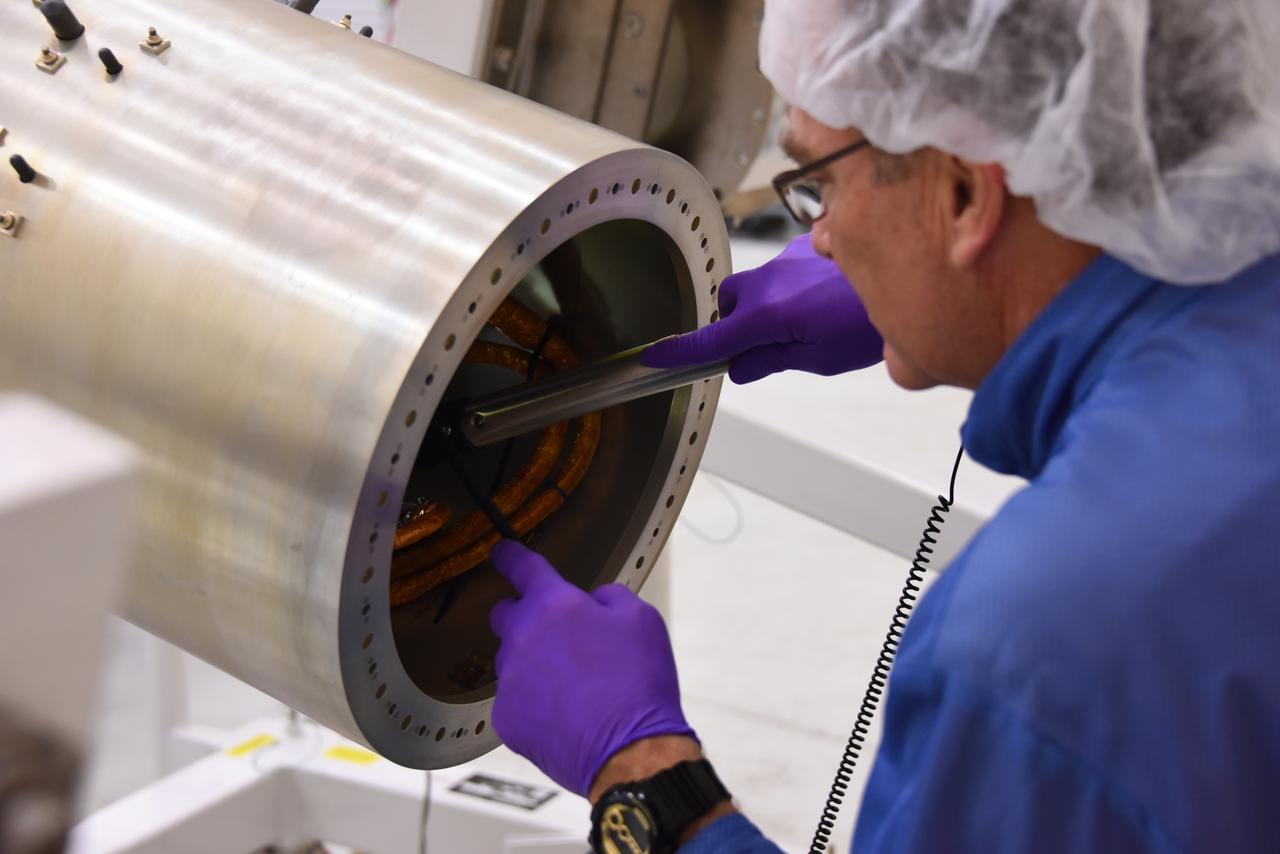
A technician with Orbital ATK prepares the deployment module for NASA’s Cyclone Global Navigation Satellite System (CYGNSS) for micro satellites installation in Building 1555 at Vandenberg Air Force Base in California. CYGNSS is being prepared at Vandenberg, and then will be transported to NASA’s Kennedy Space Center in Florida aboard the Orbital ATK Pegasus XL rocket which will be attached to the Orbital ATK L-1011 carrier aircraft. CYGNSS will launch on the Pegasus XL rocket from the Skid Strip at Cape Canaveral Air Force Station. CYGNSS will make frequent and accurate measurements of ocean surface winds throughout the life cycle of tropical storms and hurricanes. The data that CYGNSS provides will enable scientists to probe key air-sea interaction processes that take place near the core of storms, which are rapidly changing and play a critical role in the beginning and intensification of hurricanes.
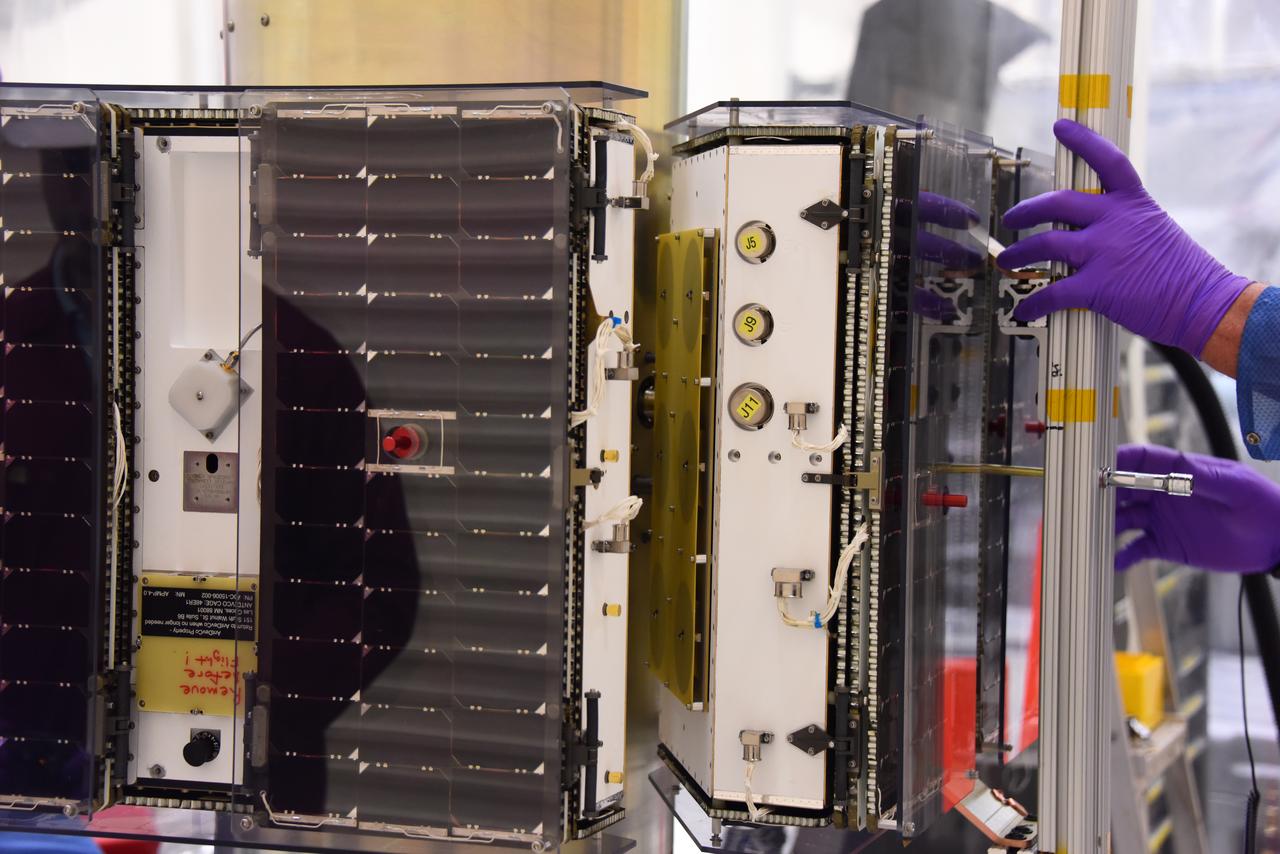
Technicians with Orbital ATK prepare a set of micro satellites for installation on the deployment module for NASA’s Cyclone Global Navigation Satellite System (CYGNSS) in Building 1555 at Vandenberg Air Force Base in California. CYGNSS is being prepared at Vandenberg, and then will be transported to NASA’s Kennedy Space Center in Florida aboard the Orbital ATK Pegasus XL rocket which will be attached to the Orbital ATK L-1011 carrier aircraft. CYGNSS will launch on the Pegasus XL rocket from the Skid Strip at Cape Canaveral Air Force Station. CYGNSS will make frequent and accurate measurements of ocean surface winds throughout the life cycle of tropical storms and hurricanes. The data that CYGNSS provides will enable scientists to probe key air-sea interaction processes that take place near the core of storms, which are rapidly changing and play a critical role in the beginning and intensification of hurricanes.
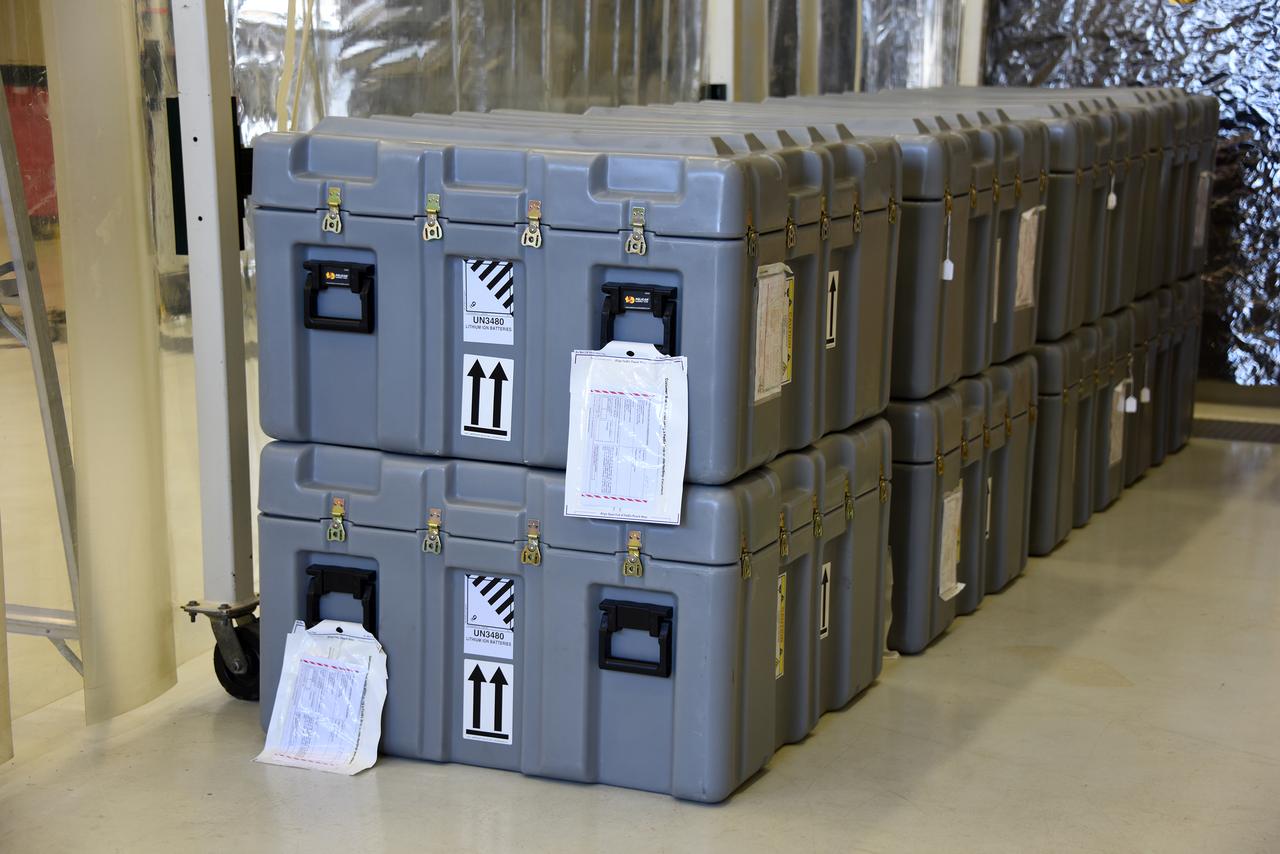
Parts for NASA’s Cyclone Global Navigation Satellite System (CYGNSS) arrive in shipping containers and are stacked inside Building 1555 at Vandenberg Air Force Base in California. CYGNSS is being prepared at Vandenberg, and then will be transported to NASA’s Kennedy Space Center in Florida in the Orbital ATK Pegasus XL rocket which will be attached to the Orbital ATK L-1011 carrier aircraft. CYGNSS will launch on the Pegasus XL rocket from the Skid Strip at Cape Canaveral Air Force Station. CYGNSS will make frequent and accurate measurements of ocean surface winds throughout the life cycle of tropical storms and hurricanes. The data that CYGNSS provides will enable scientists to probe key air-sea interaction processes that take place near the core of storms, which are rapidly changing and play a critical role in the beginning and intensification of hurricanes.
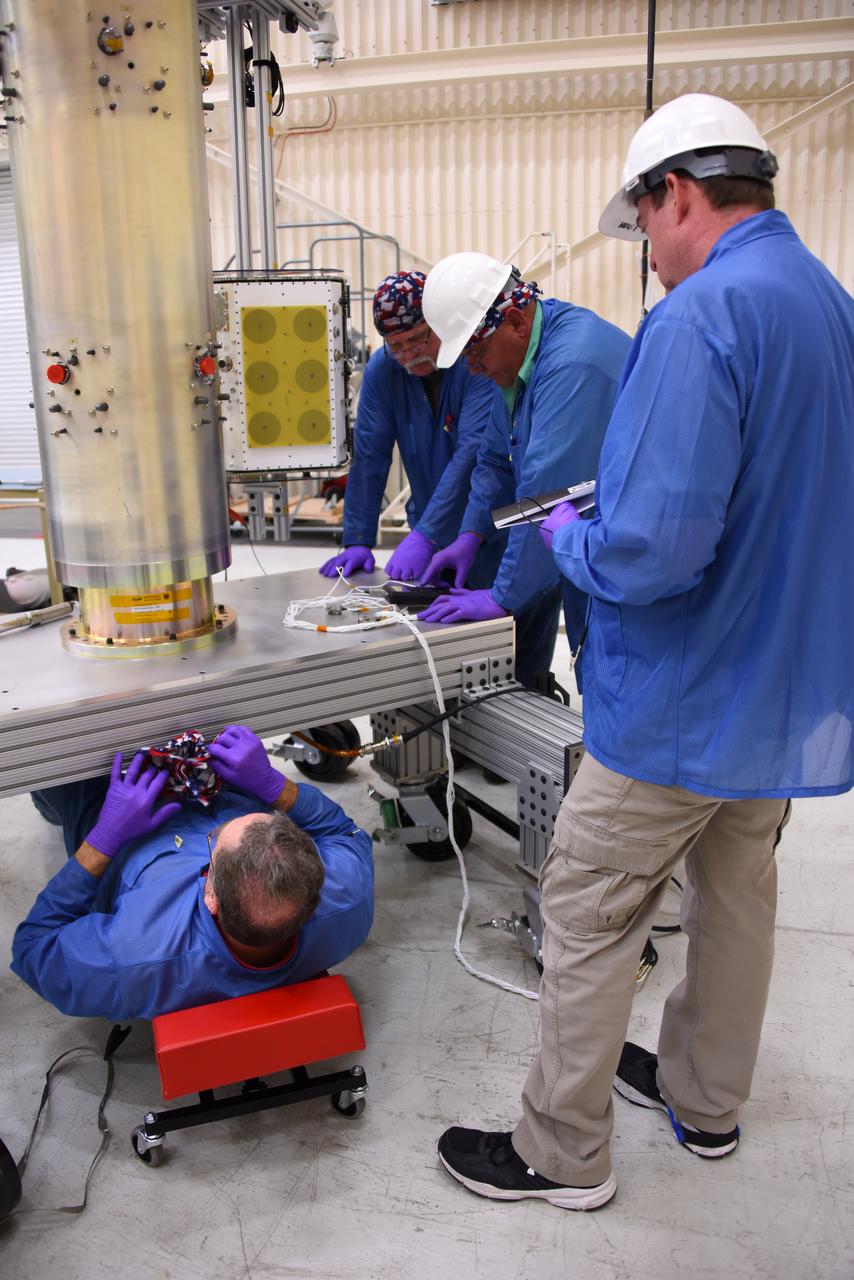
Technicians with Orbital ATK prepare to install the micro satellites on the deployment module for NASA’s Cyclone Global Navigation Satellite System (CYGNSS) in Building 1555 at Vandenberg Air Force Base in California. CYGNSS is being prepared at Vandenberg, and then will be transported to NASA’s Kennedy Space Center in Florida aboard the Orbital ATK Pegasus XL rocket which will be attached to the Orbital ATK L-1011 carrier aircraft. CYGNSS will launch on the Pegasus XL rocket from the Skid Strip at Cape Canaveral Air Force Station. CYGNSS will make frequent and accurate measurements of ocean surface winds throughout the life cycle of tropical storms and hurricanes. The data that CYGNSS provides will enable scientists to probe key air-sea interaction processes that take place near the core of storms, which are rapidly changing and play a critical role in the beginning and intensification of hurricanes.