
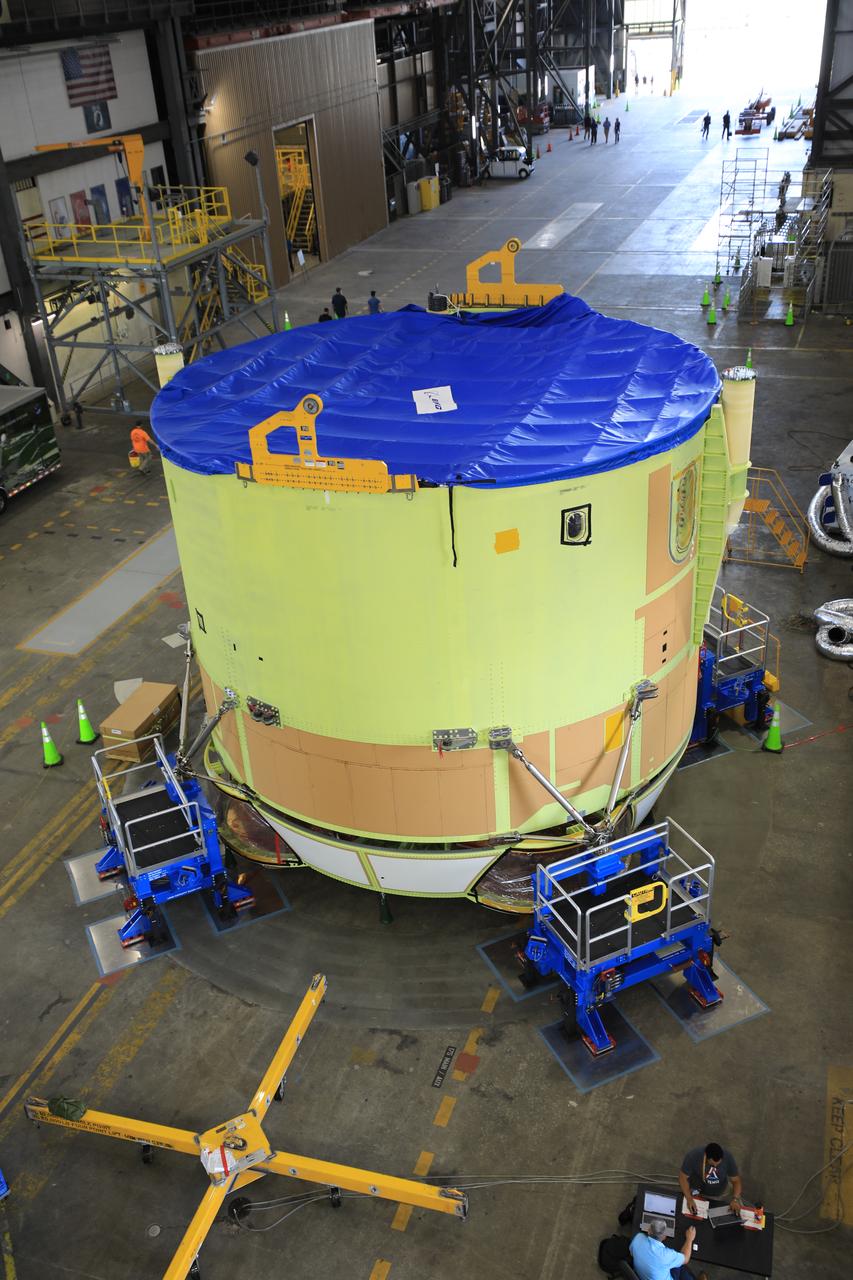
Teams from NASA’s Kennedy Space Center in Florida integrate NASA’s Artemis III SLS (Space Launch System) core stage engine section with its boat-tail inside the spaceport’s Vehicle Assembly Building on Wednesday, July 30, 2025. The boat-tail is a fairing-like structure that protects the bottom end of the core stage, while the engine section is one the most complex and intricate parts of the rocket stage that will help power the Artemis missions to the Moon.
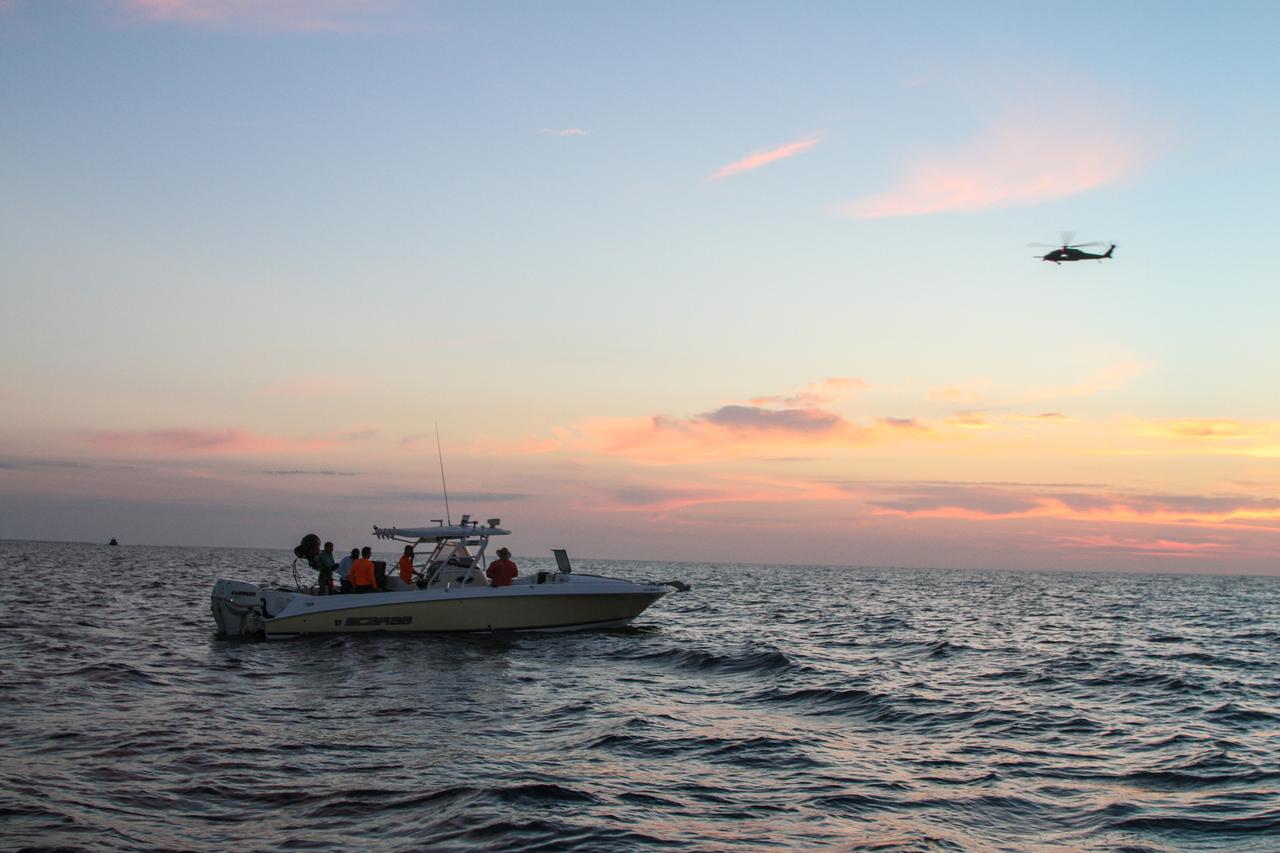
Members of the NASA Ejectable Data Recorder Recovery Team search for the ejectable data recorders in the Atlantic Ocean off the coast of Florida on July 2, 2019, after the Ascent Abort-2 (AA-2) flight test. During AA-2, a fully functional Launch Abort System (LAS) with a test version of Orion attached, launched atop a Northrop Grumman provided booster from Launch Pad 46 at Cape Canaveral Air Force Station on July 2, 2019. Liftoff was at 7 a.m. EDT. During AA-2, the booster sent the LAS and Orion to an altitude of 31,000 feet, traveling at Mach 1.15 (more than 1,000 mph). The LAS’ three motors worked together to pull the crew module away from the booster and prepare it for splashdown in the Atlantic Ocean. The flight test proves that the abort system can pull crew to safety in the unlikely event of an emergency during ascent. Data from the recorders will be analyzed by engineers.
Teams from NASA’s Kennedy Space Center in Florida integrate NASA’s Artemis III SLS (Space Launch System) core stage engine section with its boat-tail inside the spaceport’s Vehicle Assembly Building on Wednesday, July 30, 2025. The boat-tail is a fairing-like structure that protects the bottom end of the core stage, while the engine section is one the most complex and intricate parts of the rocket stage that will help power the Artemis missions to the Moon.
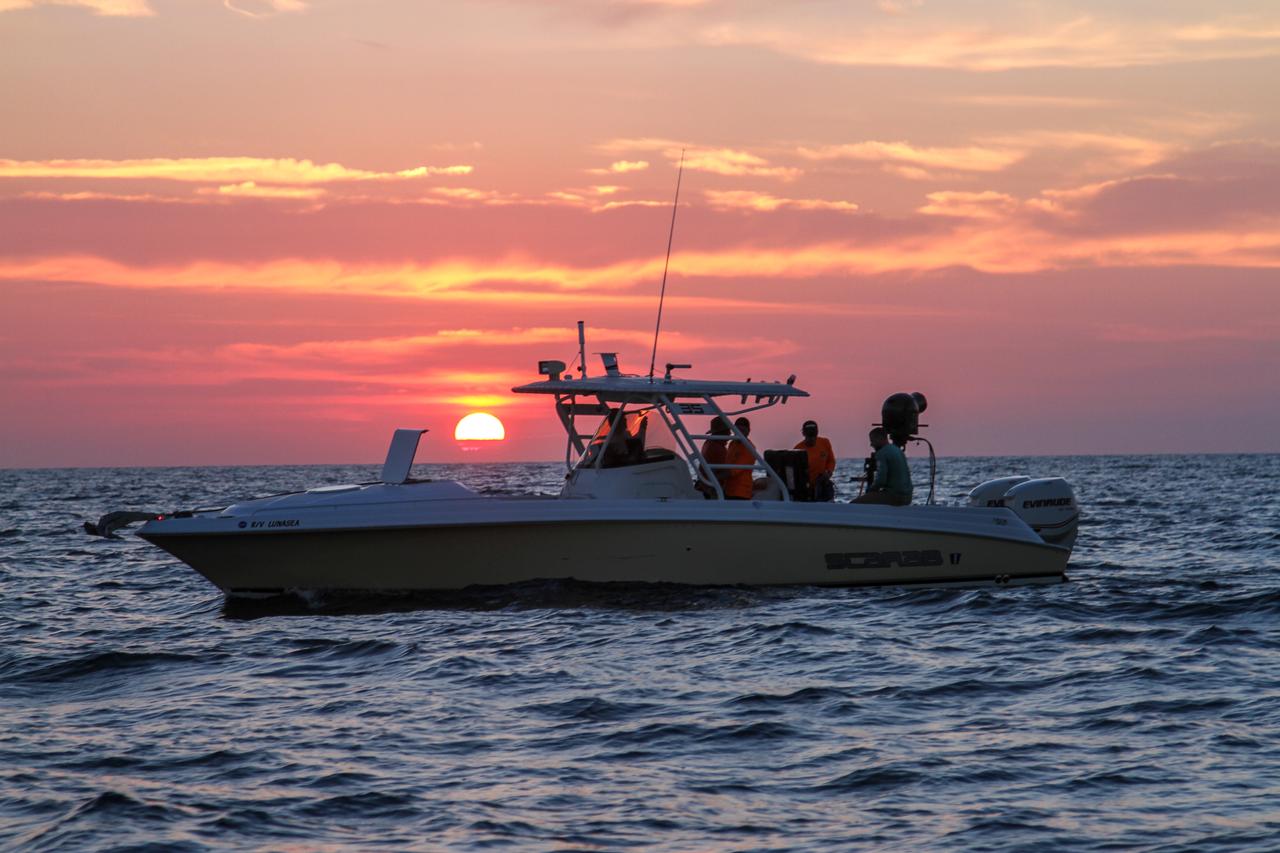
Members of the NASA Ejectable Data Recorder Recovery Team search for the ejectable data recorders in the Atlantic Ocean off the coast of Florida on July 2, 2019, after the Ascent Abort-2 (AA-2) flight test. During AA-2, a fully functional Launch Abort System (LAS) with a test version of Orion attached, launched atop a Northrop Grumman provided booster from Launch Pad 46 at Cape Canaveral Air Force Station on July 2, 2019. Liftoff was at 7 a.m. EDT. During AA-2, the booster sent the LAS and Orion to an altitude of 31,000 feet, traveling at Mach 1.15 (more than 1,000 mph). The LAS’ three motors worked together to pull the crew module away from the booster and prepare it for splashdown in the Atlantic Ocean. The flight test proves that the abort system can pull crew to safety in the unlikely event of an emergency during ascent. Data from the recorders will be analyzed by engineers.
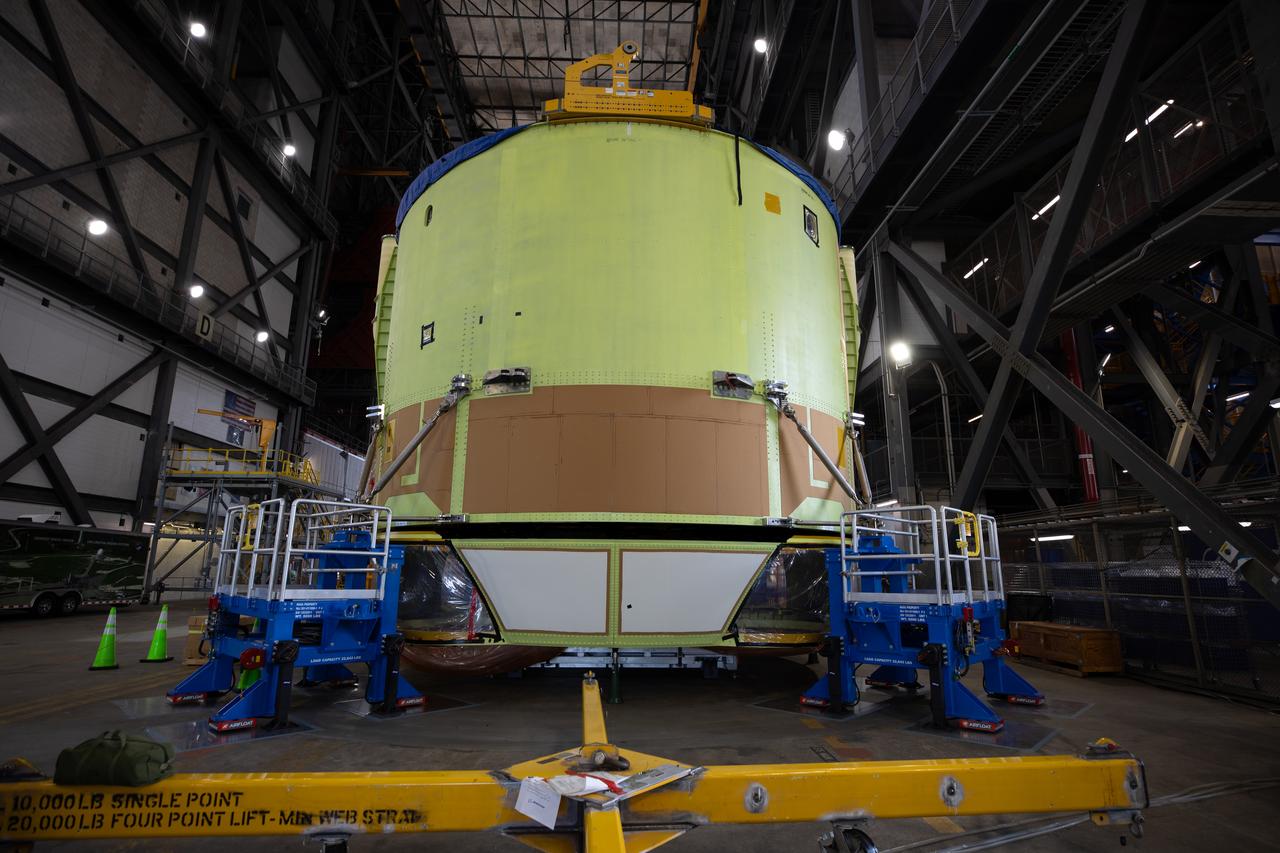
Teams from NASA’s Kennedy Space Center in Florida integrate NASA’s Artemis III SLS (Space Launch System) core stage engine section with its boat-tail inside the spaceport’s Vehicle Assembly Building on Wednesday, July 30, 2025. The boat-tail is a fairing-like structure that protects the bottom end of the core stage, while the engine section is one the most complex and intricate parts of the rocket stage that will help power the Artemis missions to the Moon.

Teams from NASA’s Kennedy Space Center in Florida integrate NASA’s Artemis III SLS (Space Launch System) core stage engine section with its boat-tail inside the spaceport’s Vehicle Assembly Building on Wednesday, July 30, 2025. The boat-tail is a fairing-like structure that protects the bottom end of the core stage, while the engine section is one the most complex and intricate parts of the rocket stage that will help power the Artemis missions to the Moon.
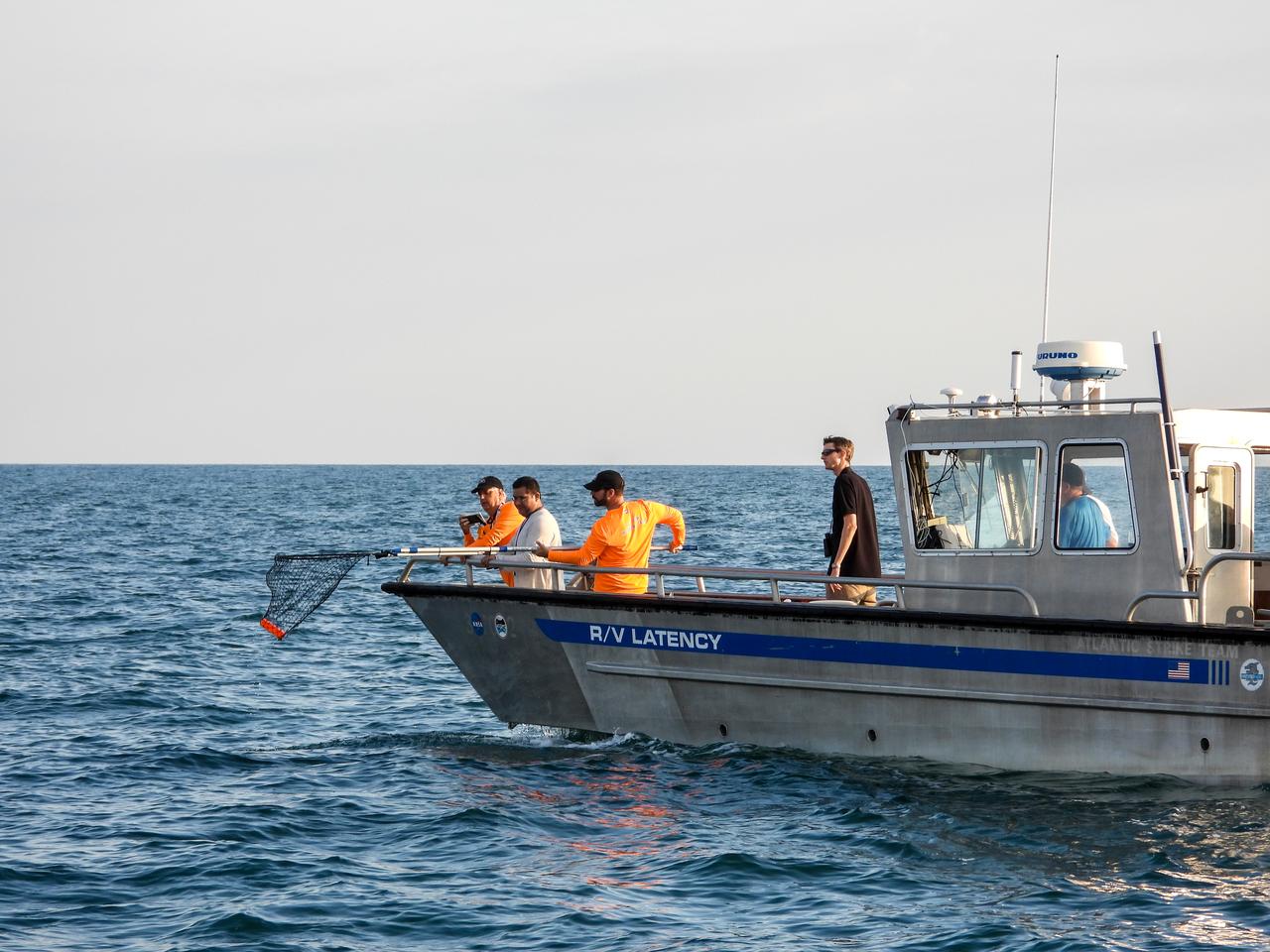
One of the 12 ejectable data recorders from NASA’s Ascent Abort-2 (AA-2) flight test is retrieved from the Atlantic Ocean off the coast of Florida by the NASA Ejectable Data Recorder Recovery Team on July 2, 2019. During AA-2, a fully functional Launch Abort System (LAS) with a test version of Orion attached, launched atop a Northrop Grumman provided booster from Launch Pad 46 at Cape Canaveral Air Force Station on July 2, 2019. Liftoff was at 7 a.m. EDT. During AA-2, the booster sent the LAS and Orion to an altitude of 31,000 feet, traveling at Mach 1.15 (more than 1,000 mph). The LAS’ three motors worked together to pull the crew module away from the booster and prepare it for splashdown in the Atlantic Ocean. The flight test proves that the abort system can pull crew to safety in the unlikely event of an emergency during ascent. Data from the recorders will be analyzed by engineers.
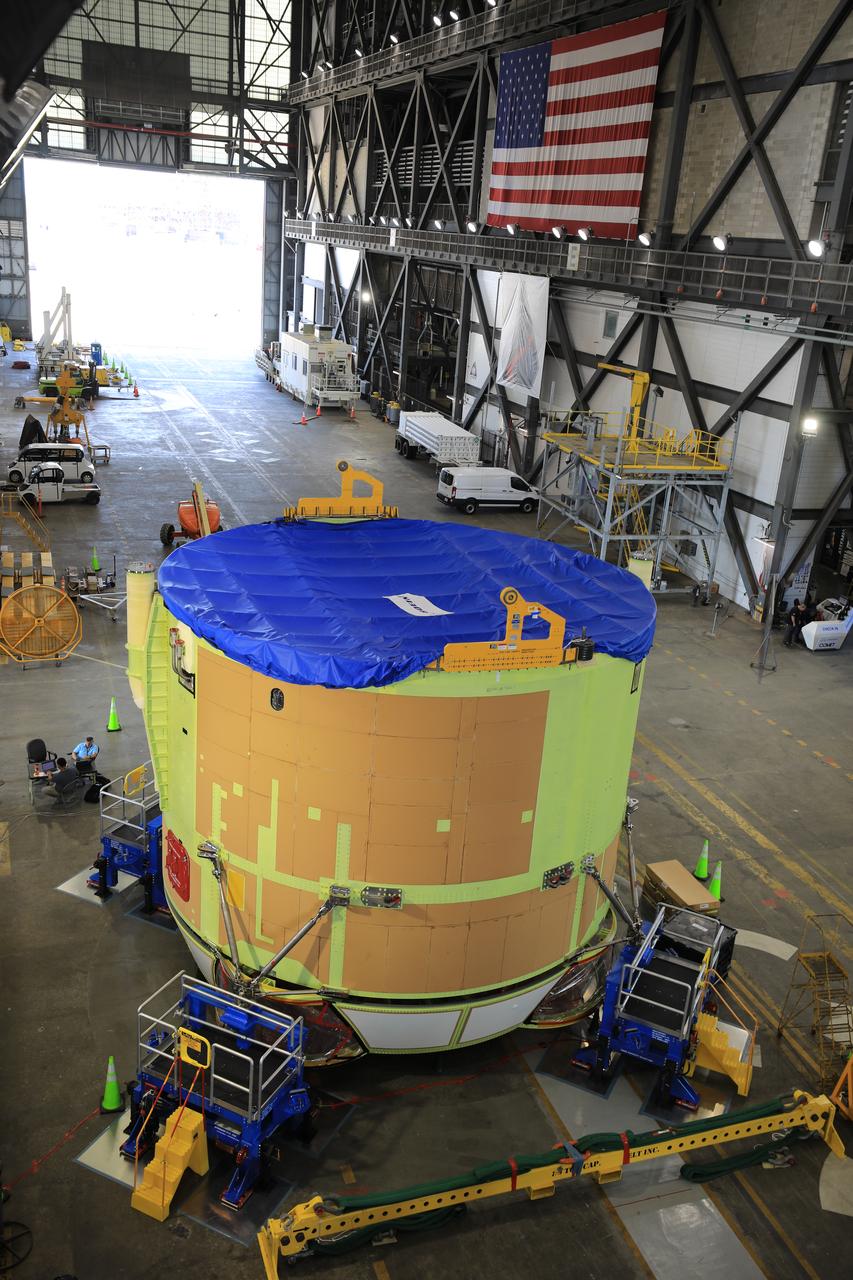
Teams from NASA’s Kennedy Space Center in Florida integrate NASA’s Artemis III SLS (Space Launch System) core stage engine section with its boat-tail inside the spaceport’s Vehicle Assembly Building on Wednesday, July 30, 2025. The boat-tail is a fairing-like structure that protects the bottom end of the core stage, while the engine section is one the most complex and intricate parts of the rocket stage that will help power the Artemis missions to the Moon.
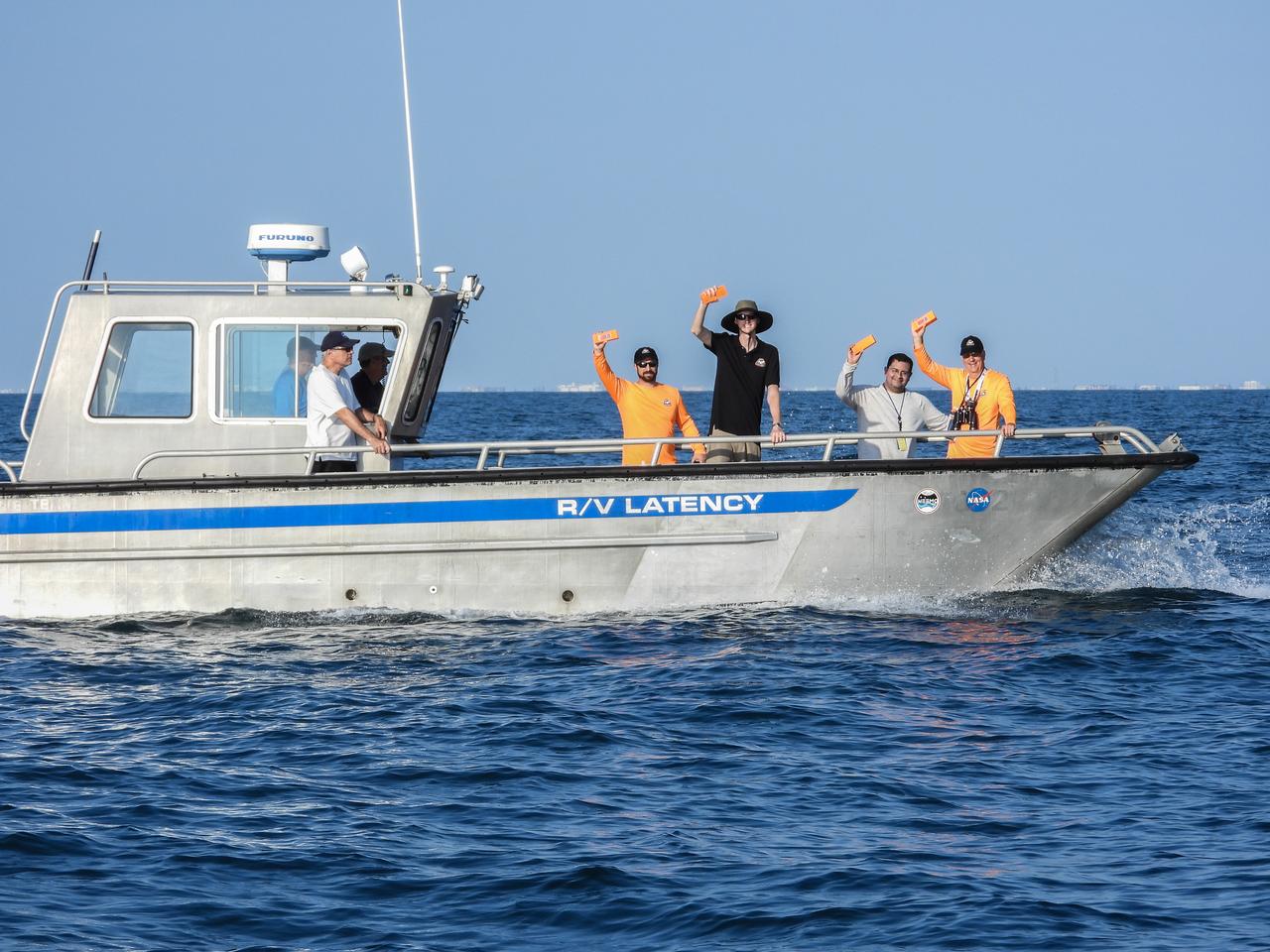
Members of the NASA Ejectable Data Recorder Recovery Team display some of the ejectable data recorders they recovered in the Atlantic Ocean off the coast of Florida on July 2, 2019, after the Ascent Abort-2 (AA-2) flight test. During AA-2, a fully functional Launch Abort System (LAS) with a test version of Orion attached, launched atop a Northrop Grumman provided booster from Launch Pad 46 at Cape Canaveral Air Force Station on July 2, 2019. Liftoff was at 7 a.m. EDT. During AA-2, the booster sent the LAS and Orion to an altitude of 31,000 feet, traveling at Mach 1.15 (more than 1,000 mph). The LAS’ three motors worked together to pull the crew module away from the booster and prepare it for splashdown in the Atlantic Ocean. The flight test proves that the abort system can pull crew to safety in the unlikely event of an emergency during ascent. Data from the recorders will be analyzed by engineers.
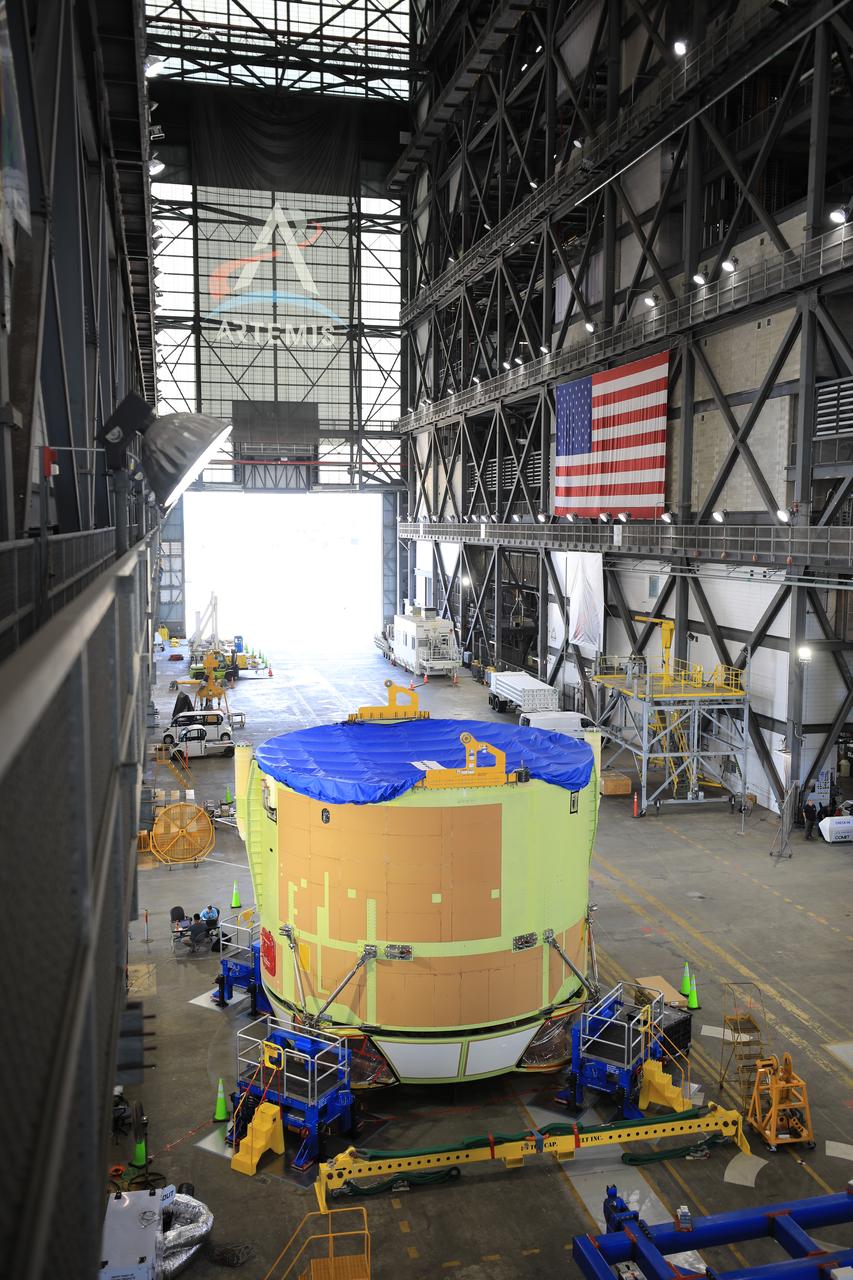
Teams from NASA’s Kennedy Space Center in Florida integrate NASA’s Artemis III SLS (Space Launch System) core stage engine section with its boat-tail inside the spaceport’s Vehicle Assembly Building on Wednesday, July 30, 2025. The boat-tail is a fairing-like structure that protects the bottom end of the core stage, while the engine section is one the most complex and intricate parts of the rocket stage that will help power the Artemis missions to the Moon.
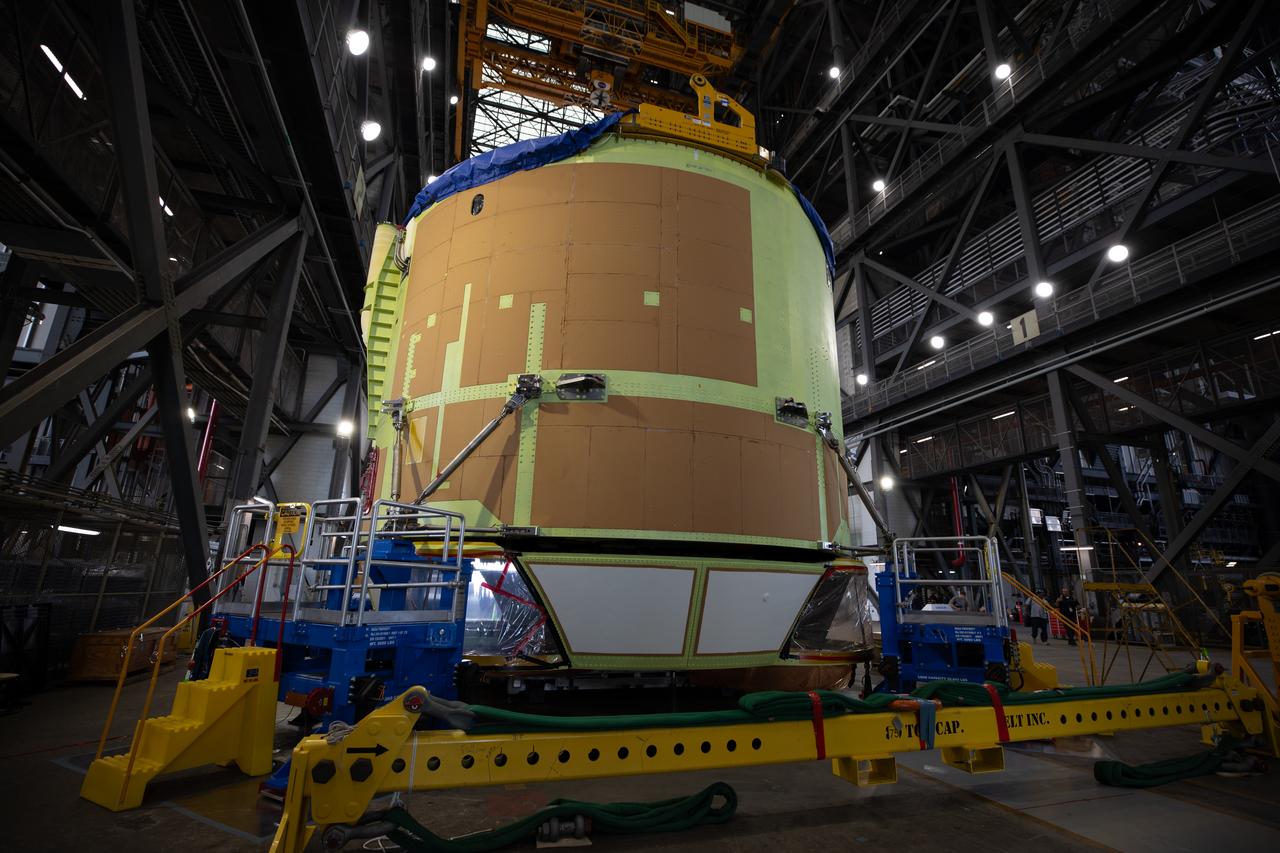
Teams from NASA’s Kennedy Space Center in Florida integrate NASA’s Artemis III SLS (Space Launch System) core stage engine section with its boat-tail inside the spaceport’s Vehicle Assembly Building on Wednesday, July 30, 2025. The boat-tail is a fairing-like structure that protects the bottom end of the core stage, while the engine section is one the most complex and intricate parts of the rocket stage that will help power the Artemis missions to the Moon.
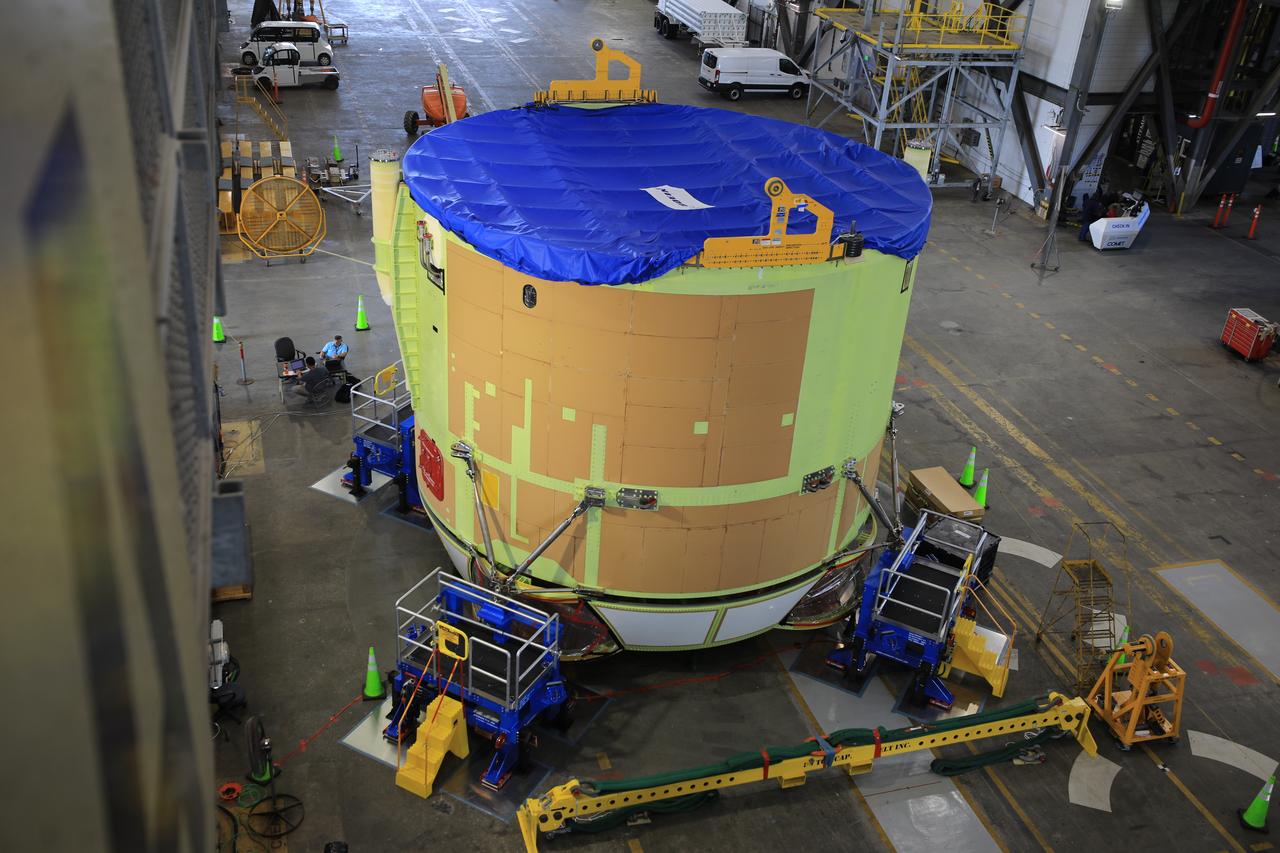
Teams from NASA’s Kennedy Space Center in Florida integrate NASA’s Artemis III SLS (Space Launch System) core stage engine section with its boat-tail inside the spaceport’s Vehicle Assembly Building on Wednesday, July 30, 2025. The boat-tail is a fairing-like structure that protects the bottom end of the core stage, while the engine section is one the most complex and intricate parts of the rocket stage that will help power the Artemis missions to the Moon.