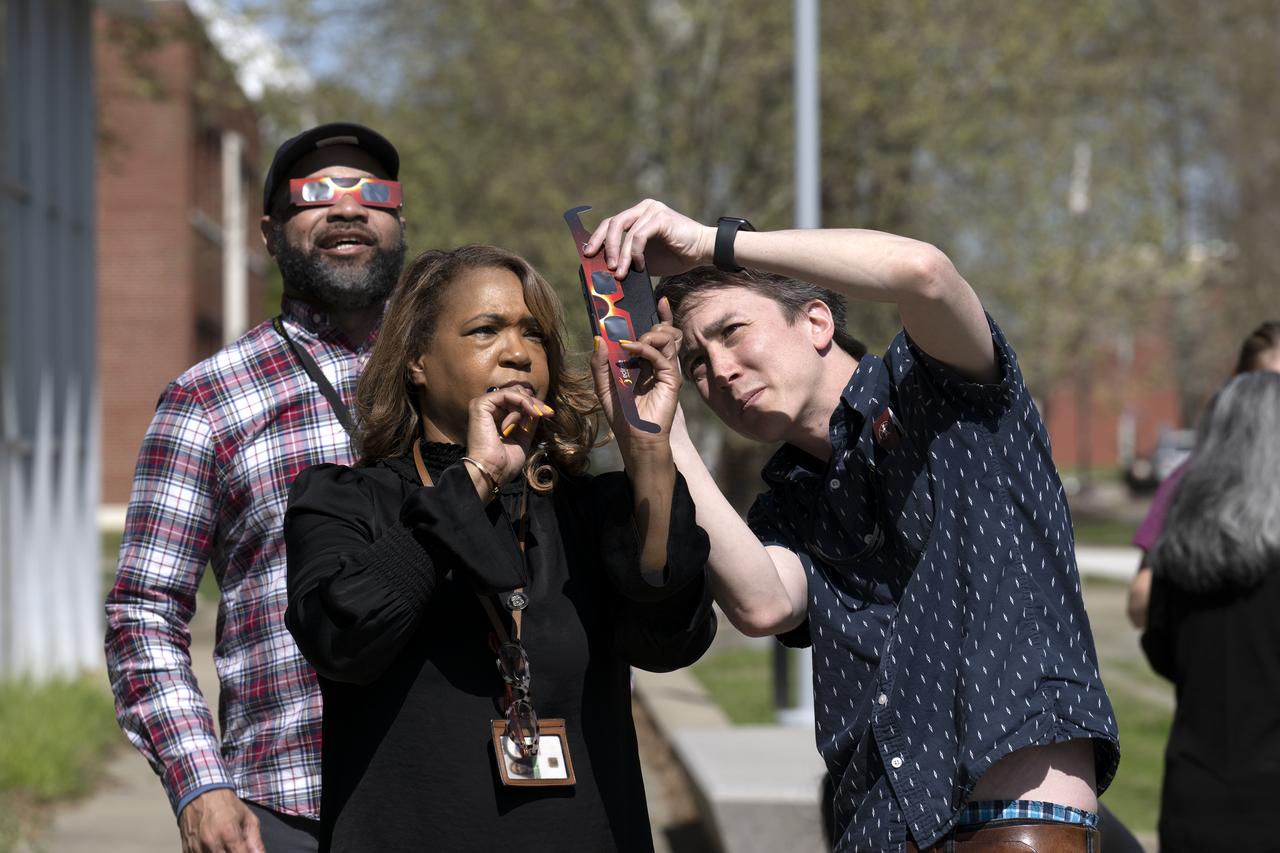
People are seen viewing the partial solar eclipse from NASA Langley Research Center in Hampton, VA, Monday, April 8, 2024. A total solar eclipse swept across a narrow portion of the North American continent from Mexico’s Pacific coast to the Atlantic coast of Newfoundland, Canada. A partial solar eclipse was visible across the entire North American continent along with parts of Central America and Europe. Photo Credit: (NASA/Ryan Hill)

Students learn about research model aircraft and spacecraft built in the Aerospace Composite and Model Development Section during a visit to NASA Langley Research Center, Wednesday, April 29, 2026. Photo Credit (NASA/Ryan H. Hill)
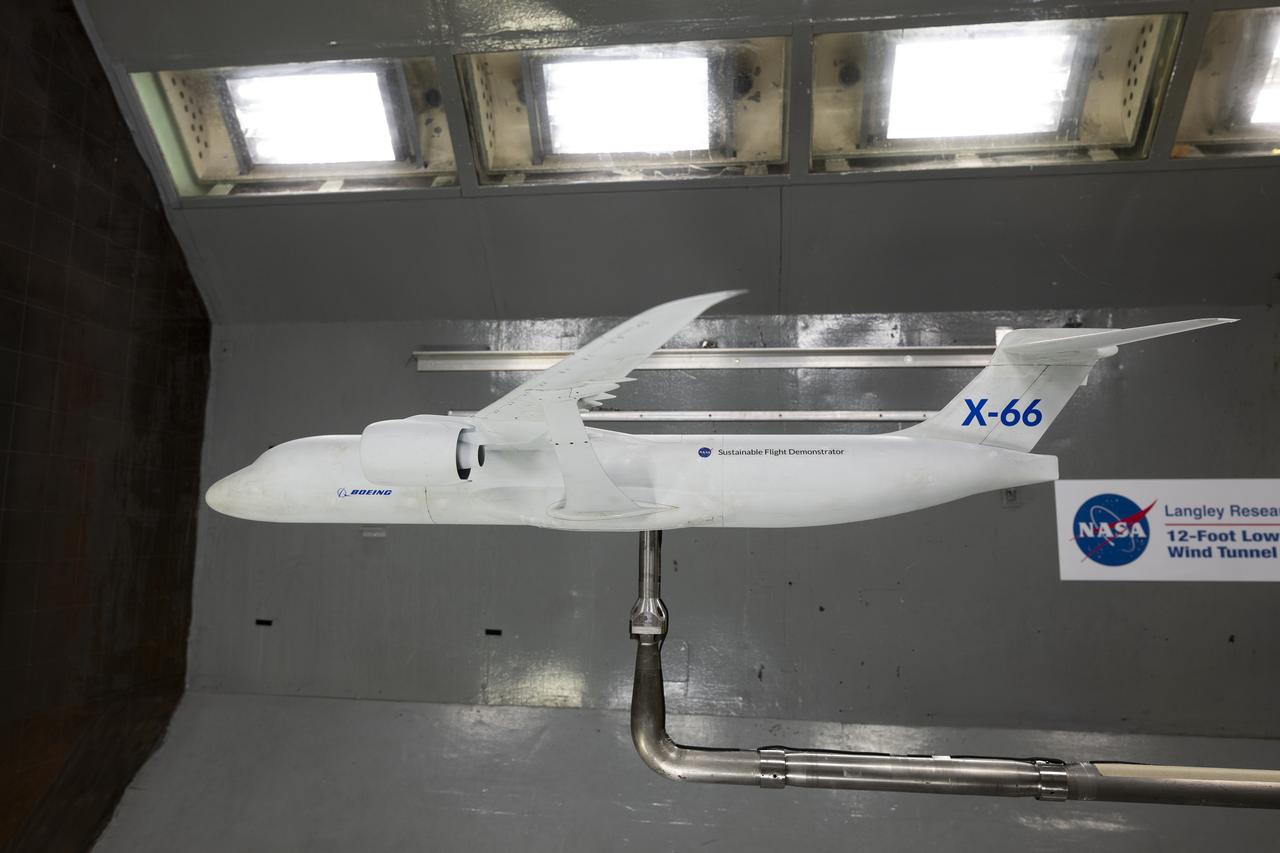
A model of the X-66 aircraft with a wingspan of almost 6 feet was placed in the 12-Foot Low-Speed Wind Tunnel at NASA’s Langley Research Center in Hampton, Virginia on October 30, 2024. During the tests, the team captured measurements of forces such as lift and drag over many aerodynamic configurations and flight conditions.

Lindsay Rogers and Robert Quinn participants in Administrator Jared Isaacman’s initiated employee incentive program, received the Administrator's Flight Experience Award, presented by Acting Center Director Trina M. Dyal at NASA Langley Research Center, Hampton Va. (Photo Credit: NASA, Ryan Hill)
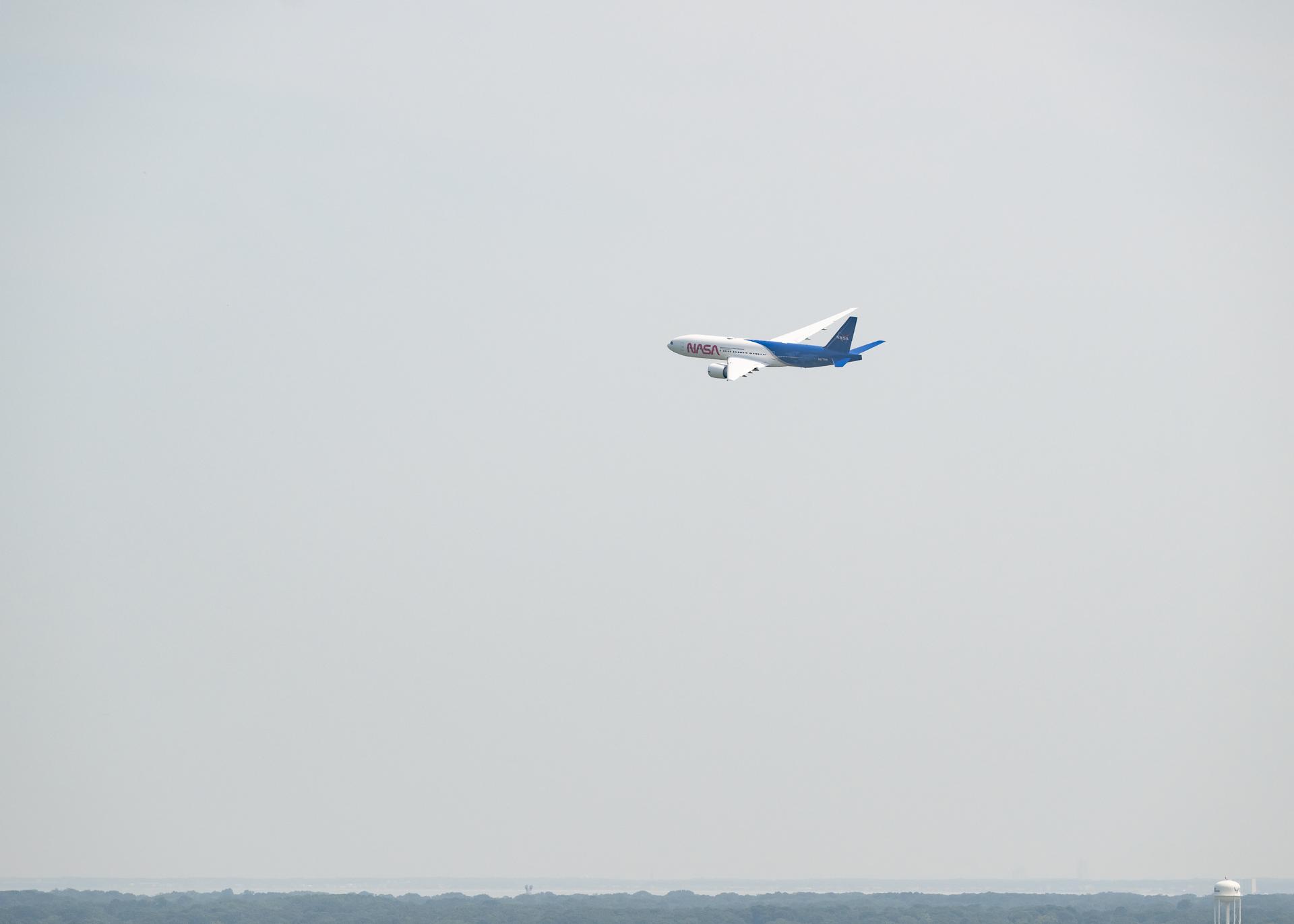
NASA's B777 aircraft returning to NASA Langley Research Center the 31st of July in Hampton, Virginia after a new paint job. It will now continue its maintenance and instrument integration schedule to prepare for its initial airborne science flights in 2027. (Photo Credit NASA/ Ryan Hill)
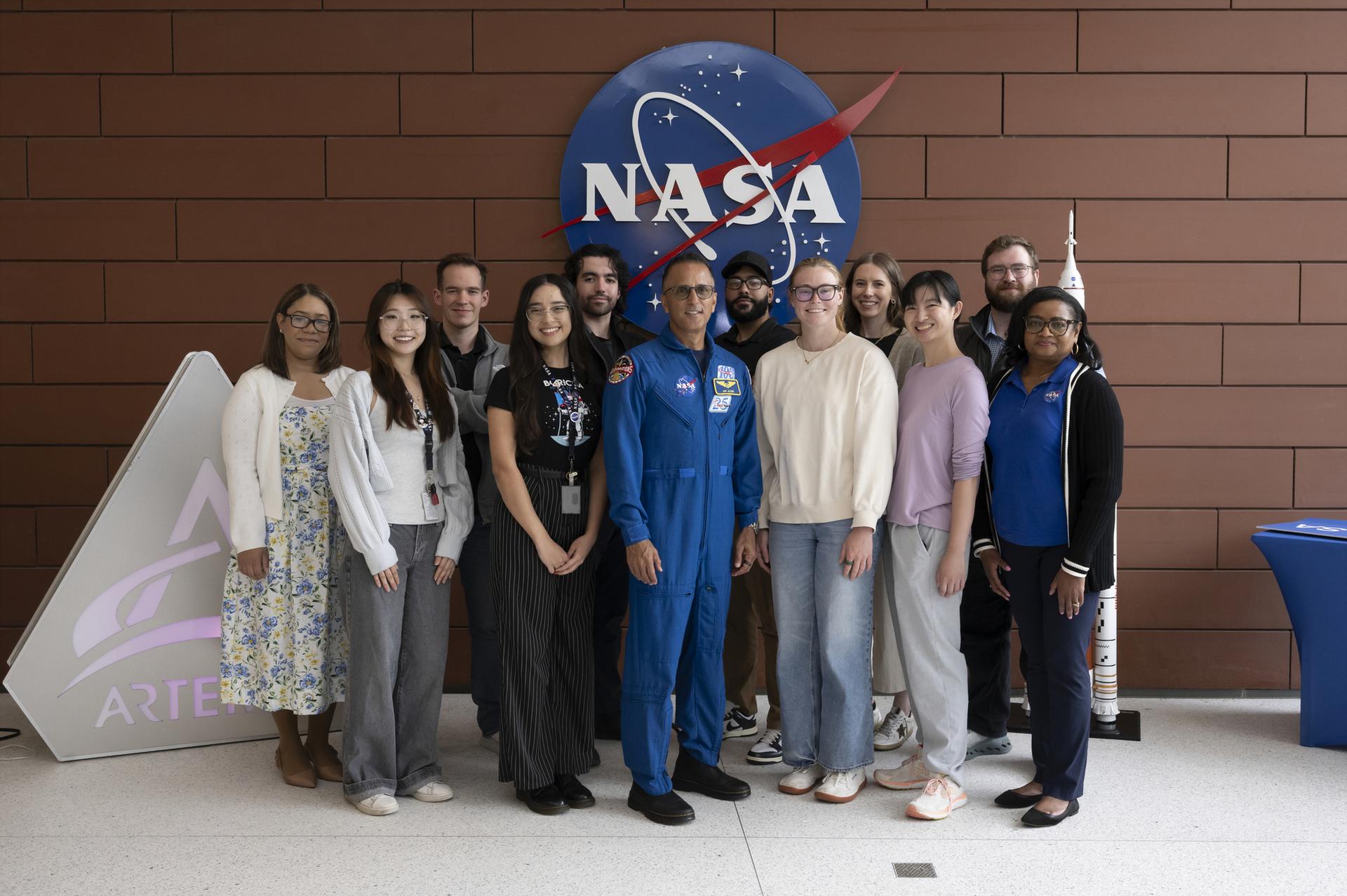
High school and college students, and educators spent a day learning about careers in technical fields in aerospace. They engaged in hands-on activities, tours, and listening to keynote presentations and panels, interacting with NASA’s subject matter experts at Langley Research Center, Hampton Va, Wednesday, April 29, 2026. Photo Credit (NASA/Ryan H. Hill)
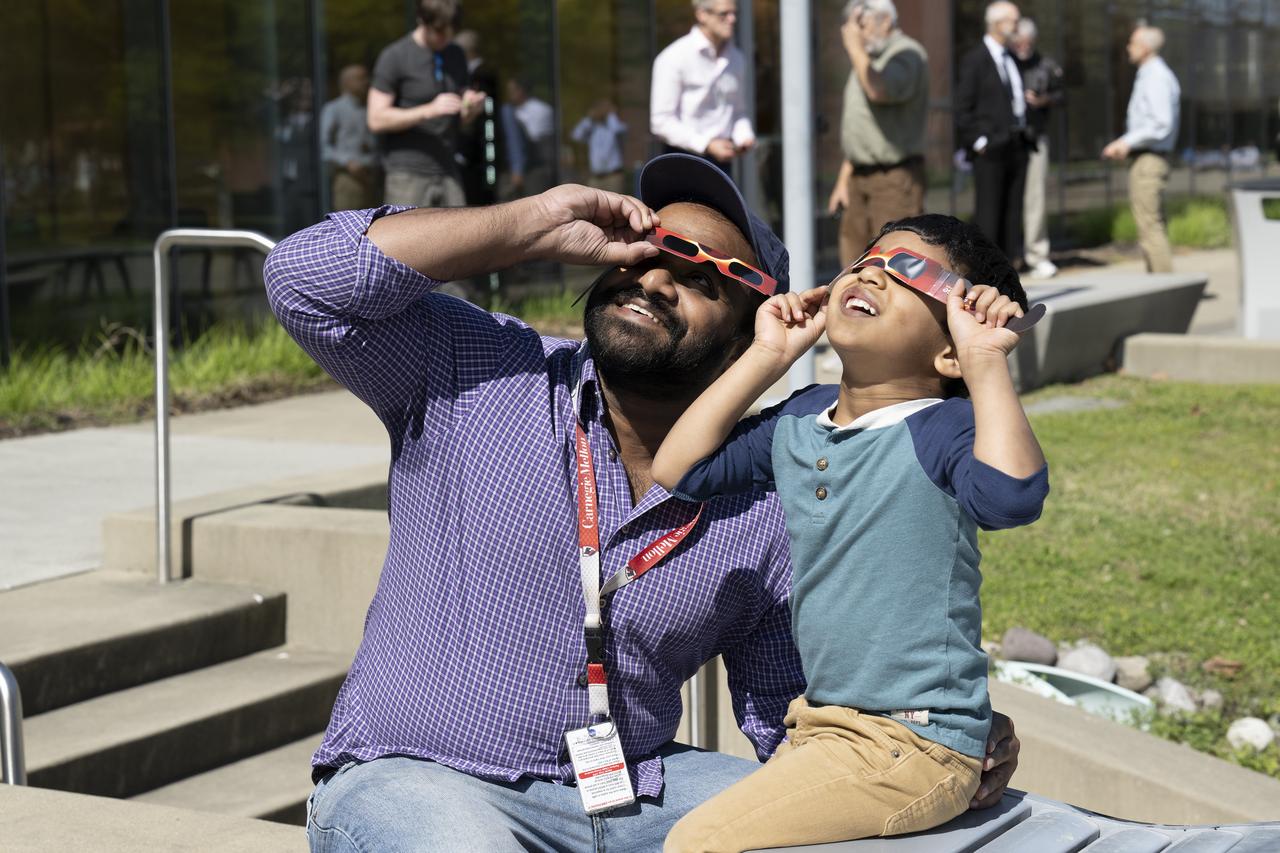
People are seen viewing the partial solar eclipse from NASA Langley Research Center in Hampton, VA, Monday, April 8, 2024. A total solar eclipse swept across a narrow portion of the North American continent from Mexico’s Pacific coast to the Atlantic coast of Newfoundland, Canada. A partial solar eclipse was visible across the entire North American continent along with parts of Central America and Europe. Photo Credit: (NASA/Ryan Hill)

High school and college students, and educators spent a day learning about careers in technical fields in aerospace. They engaged in hands-on activities, tours, and listening to keynote presentations and panels, interacting with NASA’s subject matter experts at Langley Research Center, Hampton Va, Wednesday, April 29, 2026. Photo Credit (NASA/Ryan H. Hill)

High school and college students, and educators spent a day learning about careers in technical fields in aerospace. They engaged in hands-on activities, tours, and listening to keynote presentations and panels, interacting with NASA’s subject matter experts at Langley Research Center, Hampton Va, Wednesday, April 29, 2026. Photo Credit (NASA/Ryan H. Hill)
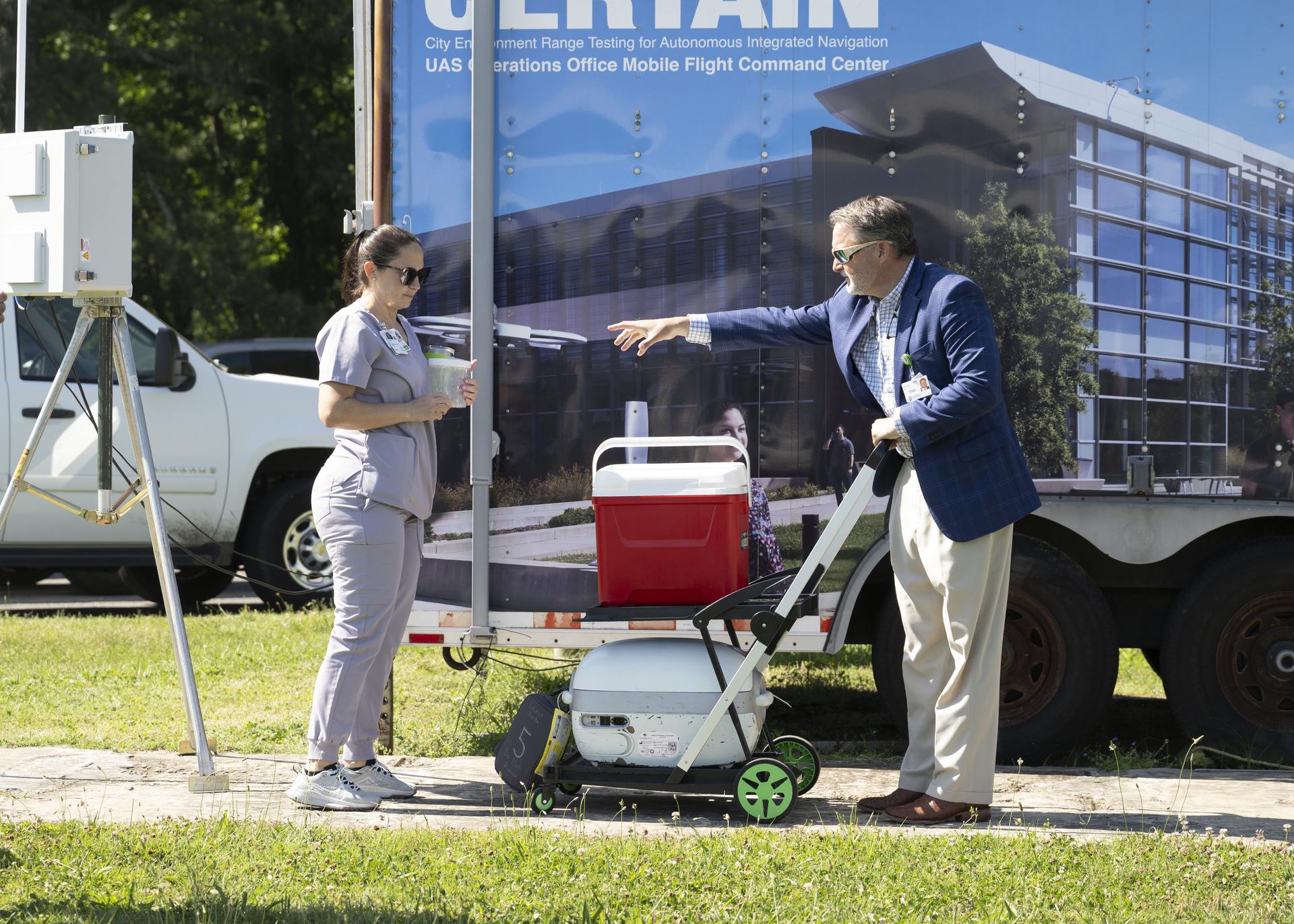
NASA Langley partnered with UNOS, a non-profit organization that manages the U.S. organ transplant system, to conduct the first-of-its-kind organ transport drone test with a human kidney on June 5, 2026 at Langley Research Center in Hampton, Va. Photo Credit NASA/Ryan Hill

First Robotics Team 122, NASA Knights share about STEM and their robotics program during an aerospace technical field career day event at in the in gym at Langley Research Center, Hampton Va., Wednesday, April 29, 2026. Photo Credit (NASA/Ryan H. Hill)

First Robotics Team 122, NASA Knights share about STEM and their robotics program during an aerospace technical field career day event at in the in gym at Langley Research Center, Hampton Va., Wednesday, April 29, 2026. Photo Credit (NASA/Ryan H. Hill)

Students learn about research model aircraft and spacecraft built in the Aerospace Composite and Model Development Section during a visit to NASA Langley Research Center, Wednesday, April 29, 2026. Photo Credit (NASA/Ryan H. Hill)
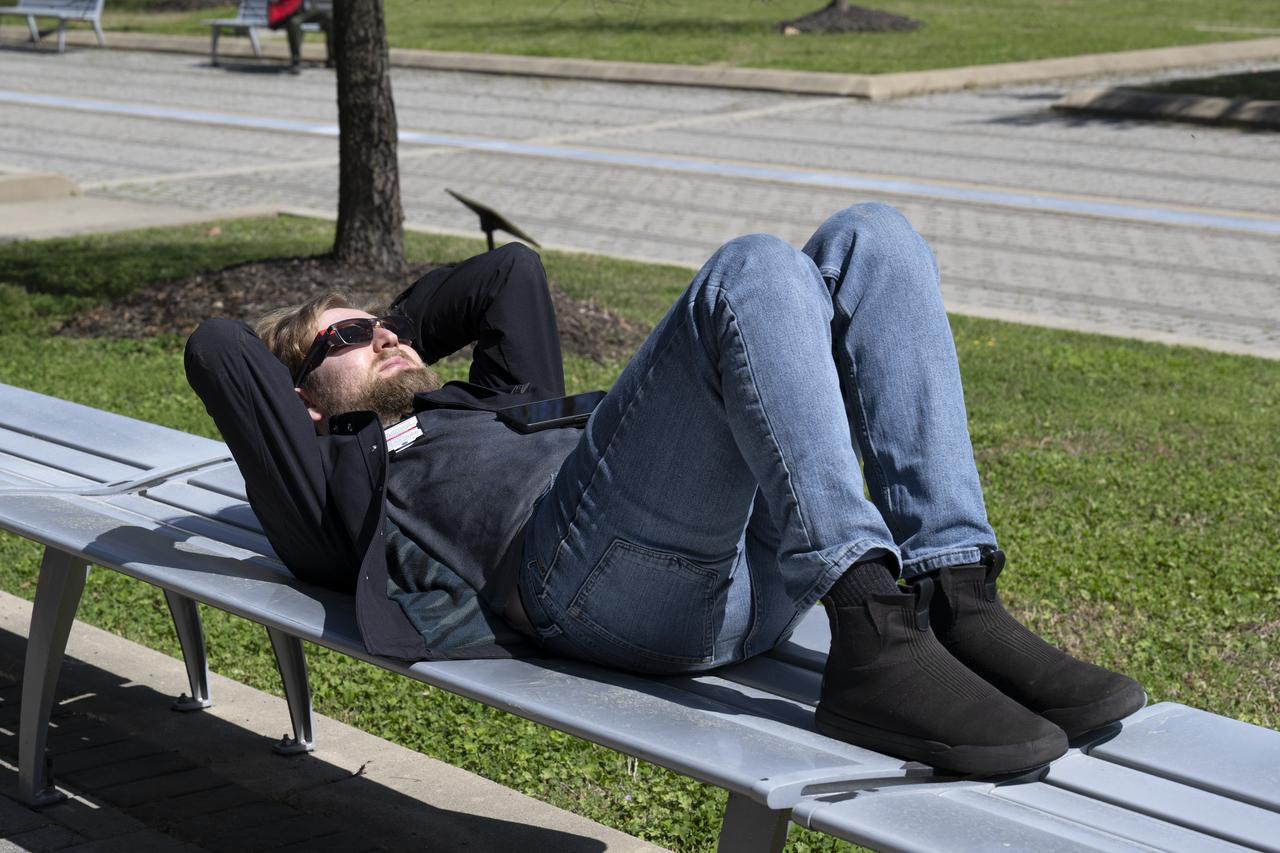
People are seen viewing the partial solar eclipse from NASA Langley Research Center in Hampton, VA, Monday, April 8, 2024. A total solar eclipse swept across a narrow portion of the North American continent from Mexico’s Pacific coast to the Atlantic coast of Newfoundland, Canada. A partial solar eclipse was visible across the entire North American continent along with parts of Central America and Europe. Photo Credit: (NASA/Ryan Hill)
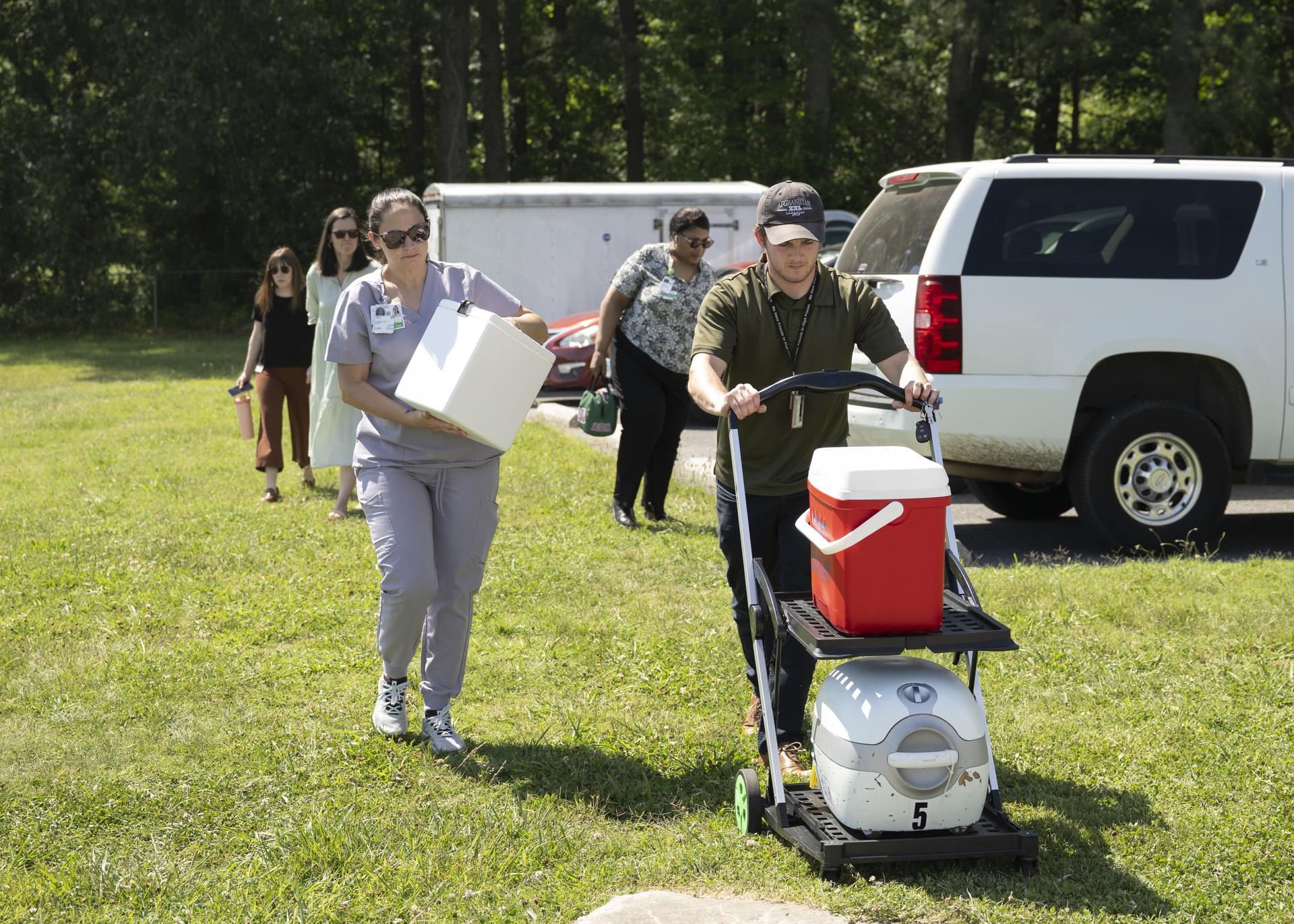
NASA Langley partnered with UNOS, a non-profit organization that manages the U.S. organ transplant system, to conduct the first-of-its-kind organ transport drone test with a human kidney on June 5, 2026 at Langley Research Center in Hampton, Va.Photo Credit NASA/Ryan Hill
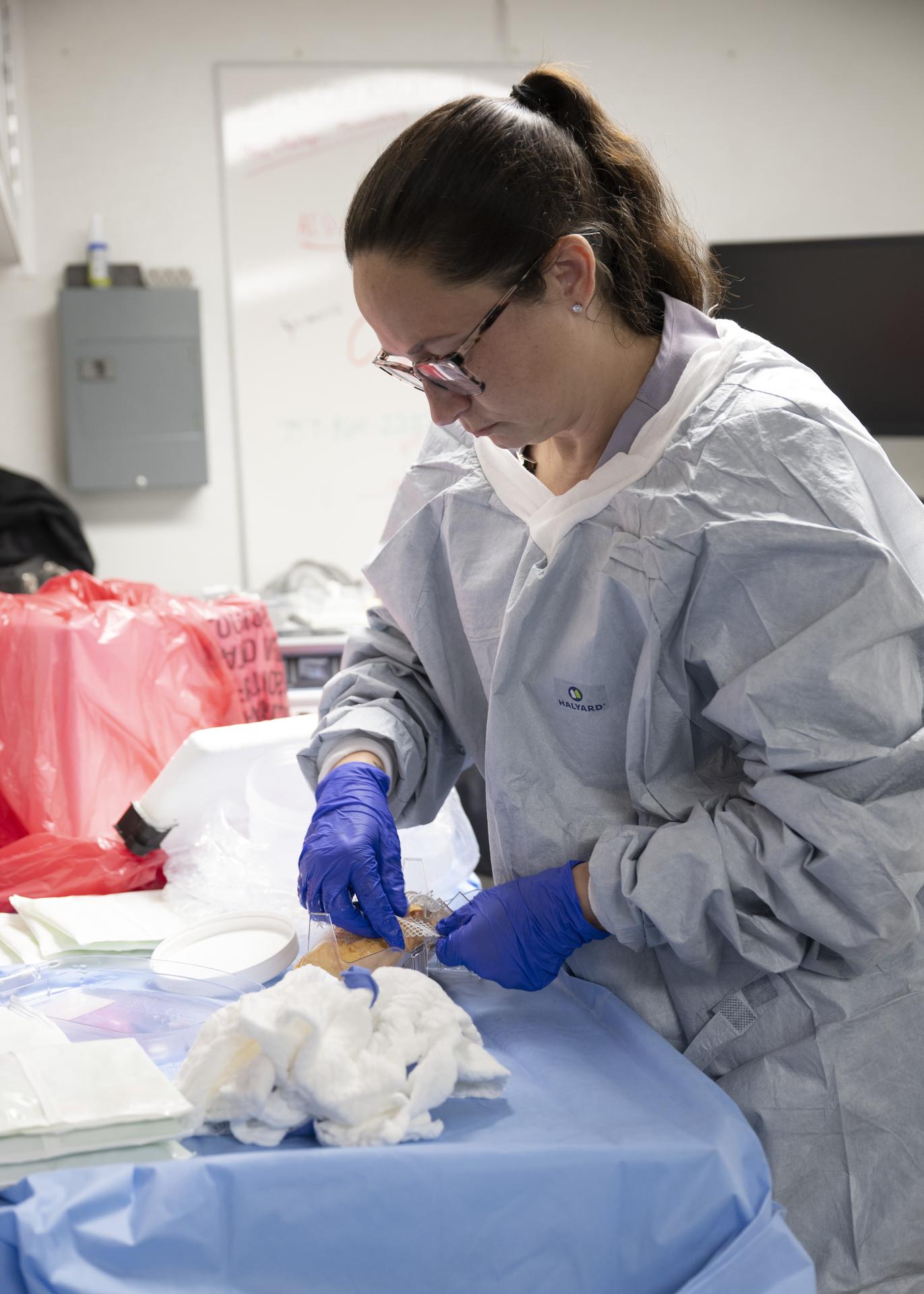
NASA Langley partnered with UNOS, a non-profit organization that manages the U.S. organ transplant system, to conduct the first-of-its-kind organ transport drone test with a human kidney on June 5, 2026 at Langley Research Center in Hampton, Va. Photo Credit NASA/Ryan Hill

High school and college students, and educators spent a day learning about careers in technical fields in aerospace. They engaged in hands-on activities, tours, and listening to keynote presentations and panels, interacting with NASA’s subject matter experts at Langley Research Center, Hampton Va, Wednesday, April 29, 2026. Photo Credit (NASA/Ryan H. Hill)
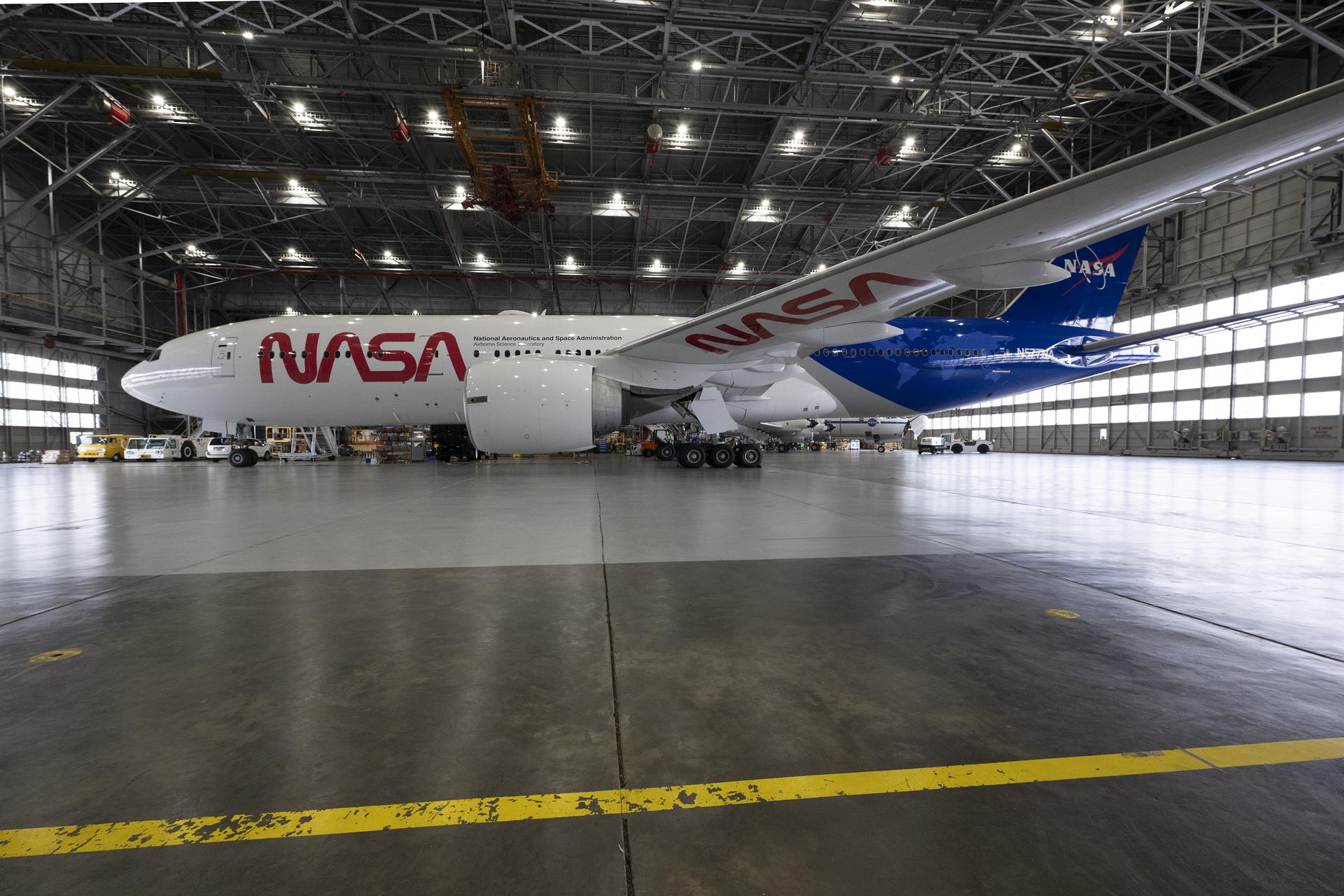
NASA's B777 aircraft returned to NASA Langley Research Center in Hampton, Virginia on Aug 12th with its new livery or paint job. It will now continue its maintenance and instrument integration schedule to prepare for its initial airborne science flights in 2027. Photo Credit NASA/Ryan Hill
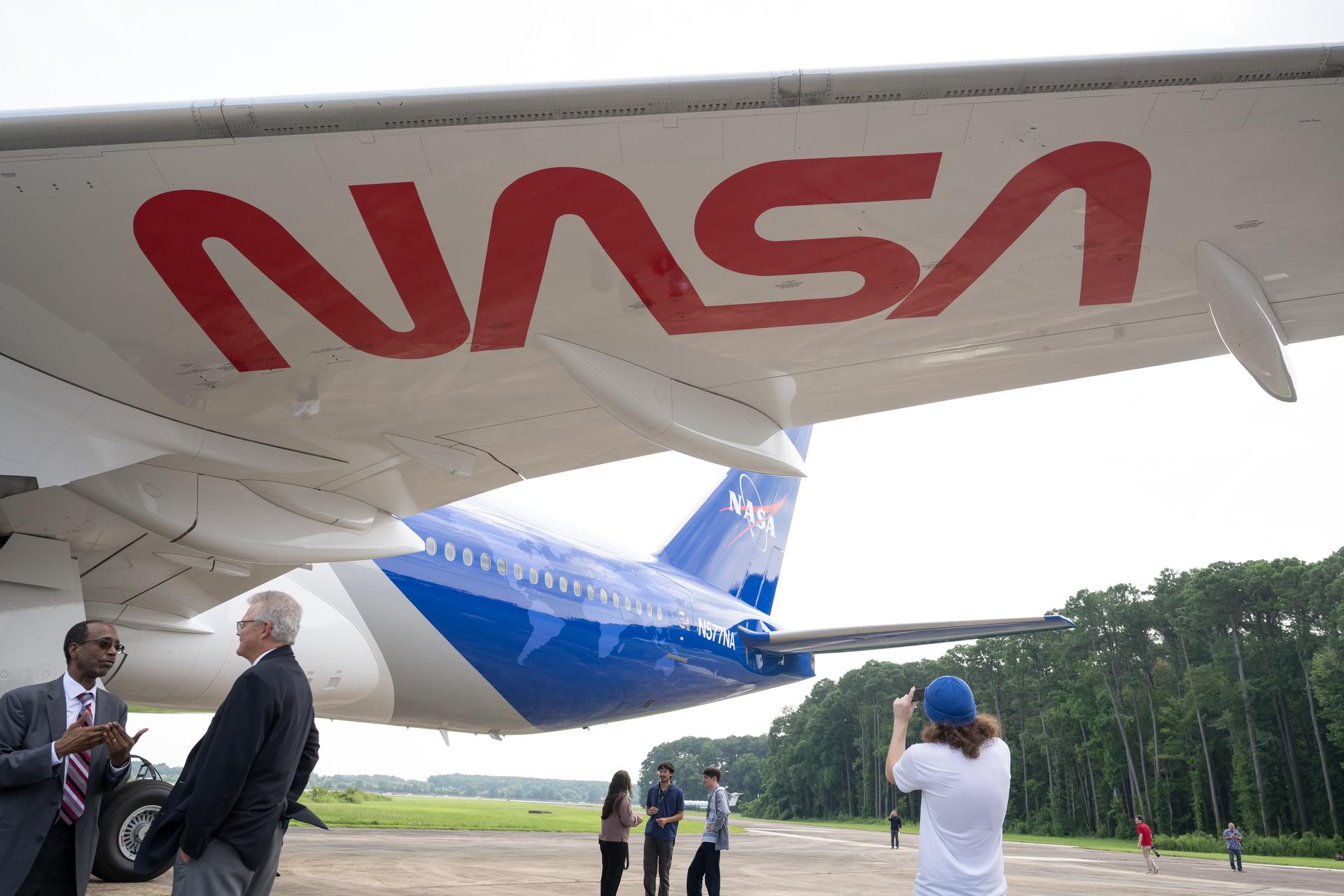
NASA's B777 aircraft returning to NASA Langley Research Center the 31st of July in Hampton, Virginia after a new paint job. It will now continue its maintenance and instrument integration schedule to prepare for its initial airborne science flights in 2027. Photo Credit NASA/ Ryan Hill)
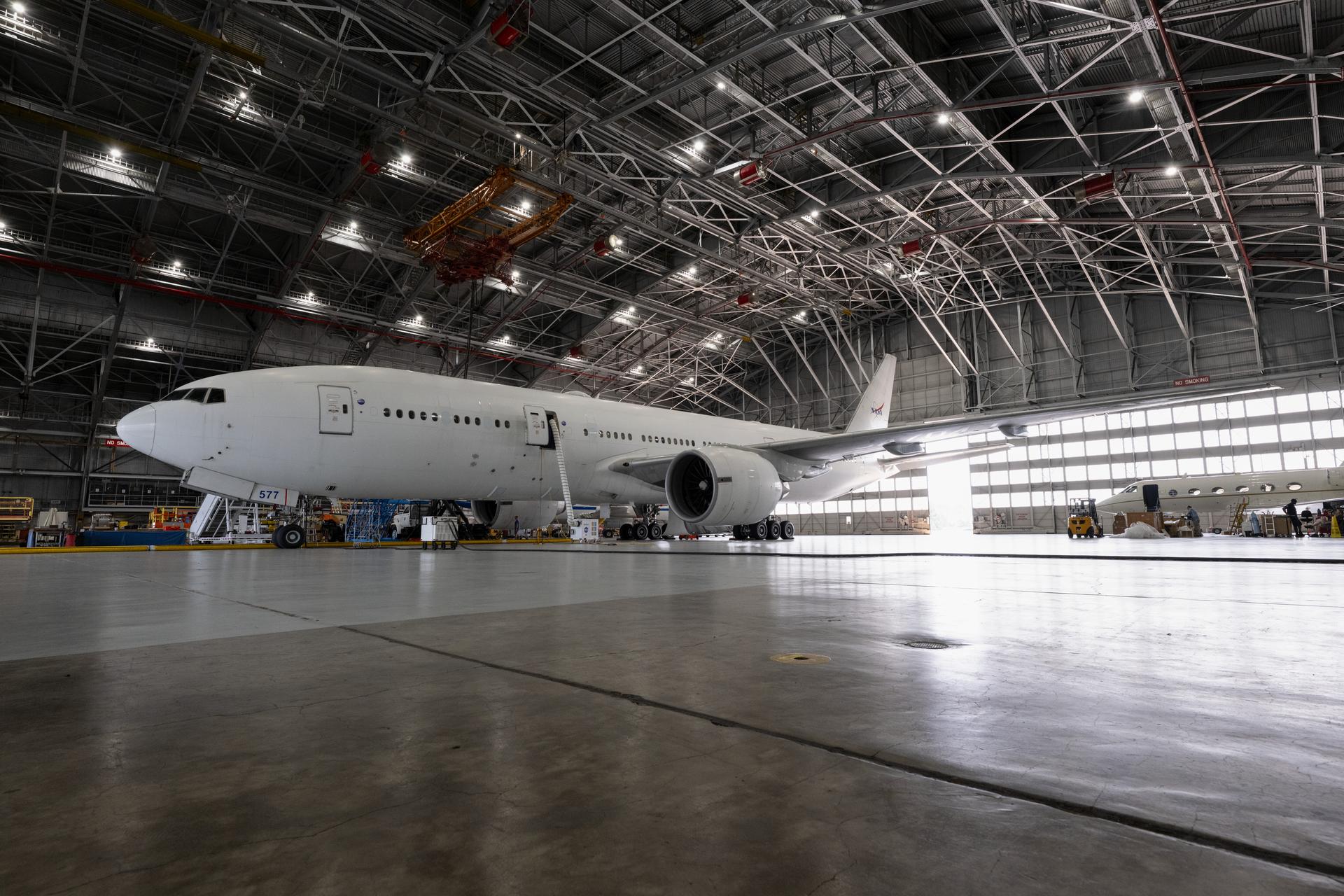
NASA Langley's B777 aircraft before it departs Langley Research Center to receive its new livery (paint job), prior to its departure on July 16th, it received ground maintenance in the center’s hangar. (Photo Credit NASA/ Ryan Hill)

Lindsay Rogers Principal Deputy Chief Financial Officer (CFO), an Administrator's Flight Experience Award recipient inside NASA Langley aircraft. The Administrator’s Flight Experience Awards, is a ride-along program to recognize and reward members of the workforce for their dedication to accomplishing agency priorities. Langley Research Center, Hampton Va. (Photo Credit: NASA, Ryan Hill)

Students learn about research model aircraft and spacecraft built in the Aerospace Composite and Model Development Section during a visit to NASA Langley Research Center, Wednesday, April 29, 2026. Photo Credit (NASA/Ryan H. Hill)
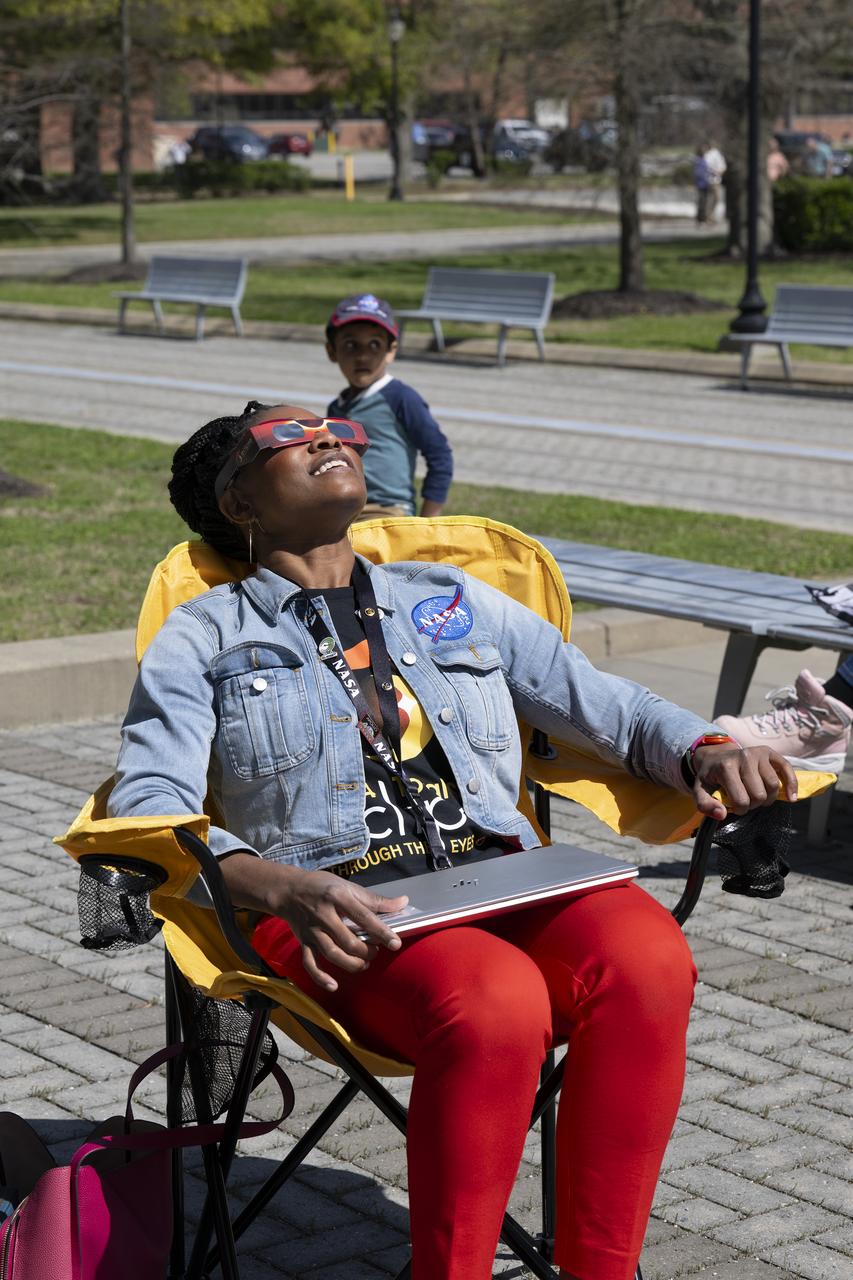
People are seen viewing the partial solar eclipse from NASA Langley Research Center in Hampton, VA, Monday, April 8, 2024. A total solar eclipse swept across a narrow portion of the North American continent from Mexico’s Pacific coast to the Atlantic coast of Newfoundland, Canada. A partial solar eclipse was visible across the entire North American continent along with parts of Central America and Europe. Photo Credit: (NASA/Ryan Hill)

NASA Astronaut Joe Acaba addresses students and educators on a panel, during a aerospace technical field career day event held at Langley Research Center, Wednesday, April 29, 2026. Photo Credit (NASA/Ryan H. Hill)
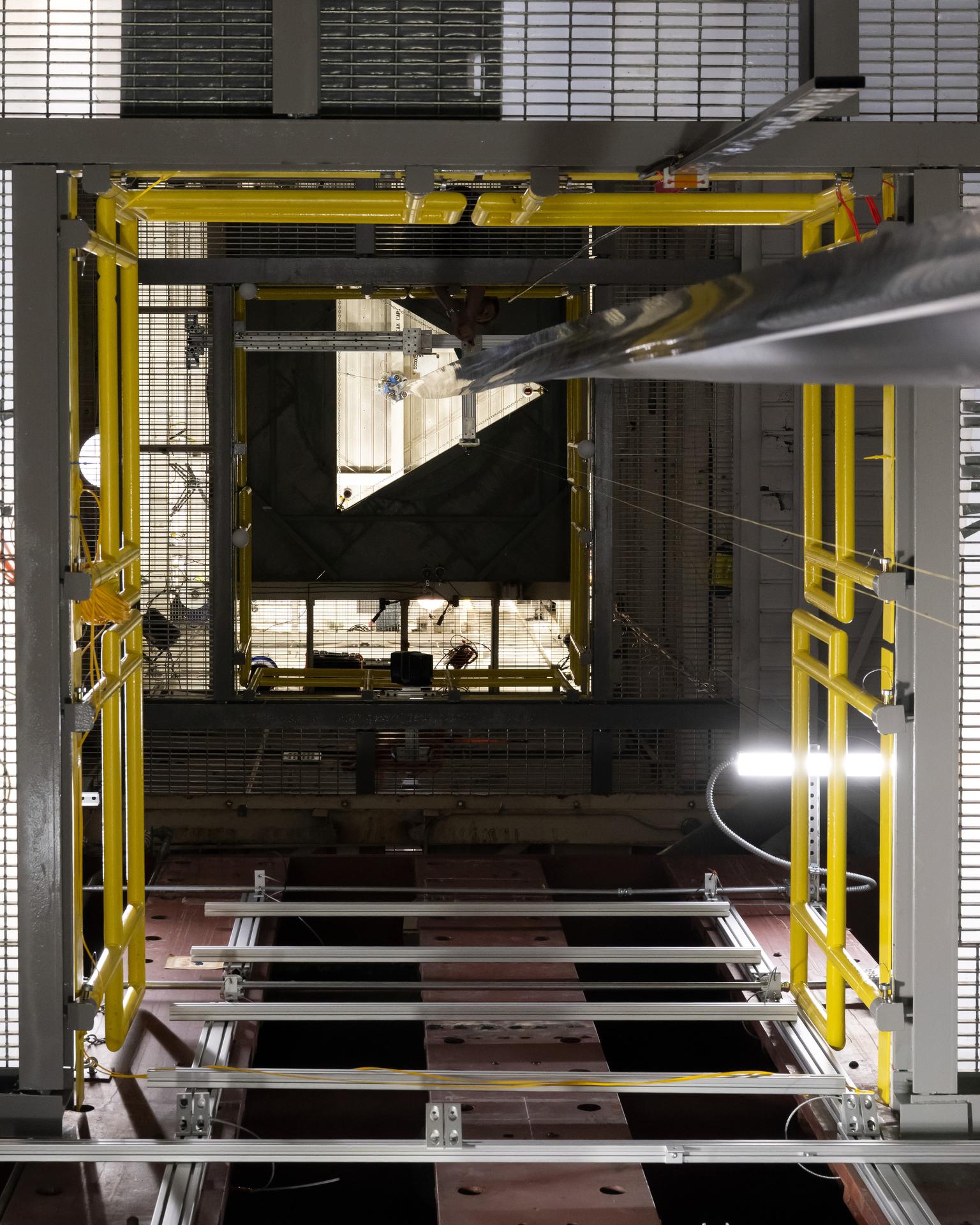
Full-Scale Test Campaign of Gravity Offloading and Analysis of Long Imperfection-Sensitive Elements (GOALIE) TRAC boom in B1293B Thor Tower, Test of Load Case C, Off-axis Compression
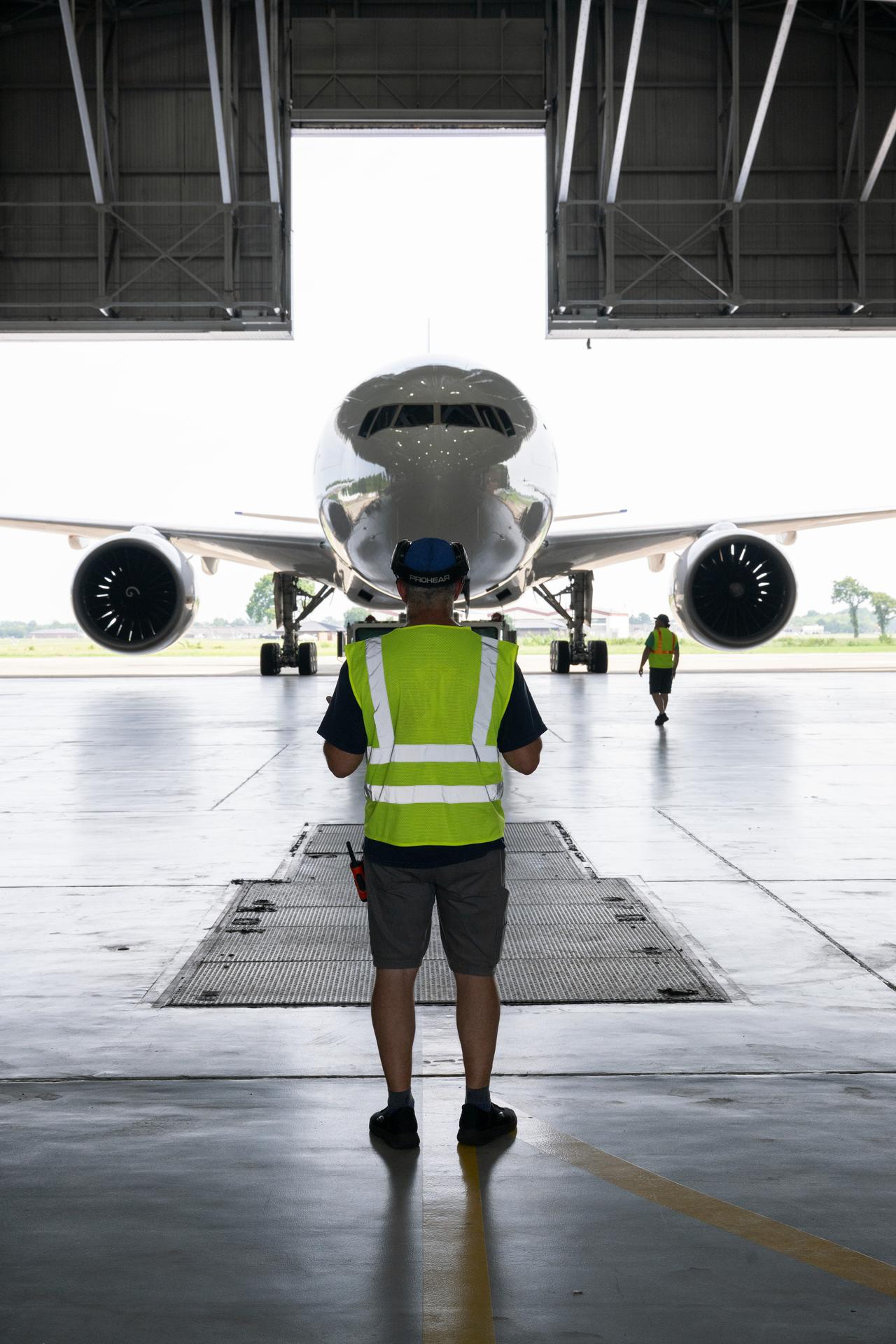
NASA's B777 aircraft as it returns to NASA Langley Research Center the 31st of July in Hampton, Virginia. It will now continue its maintenance and instrument integration schedule to prepare for its initial airborne science flights in 2027. Photo Credit NASA/ Ryan Hill)
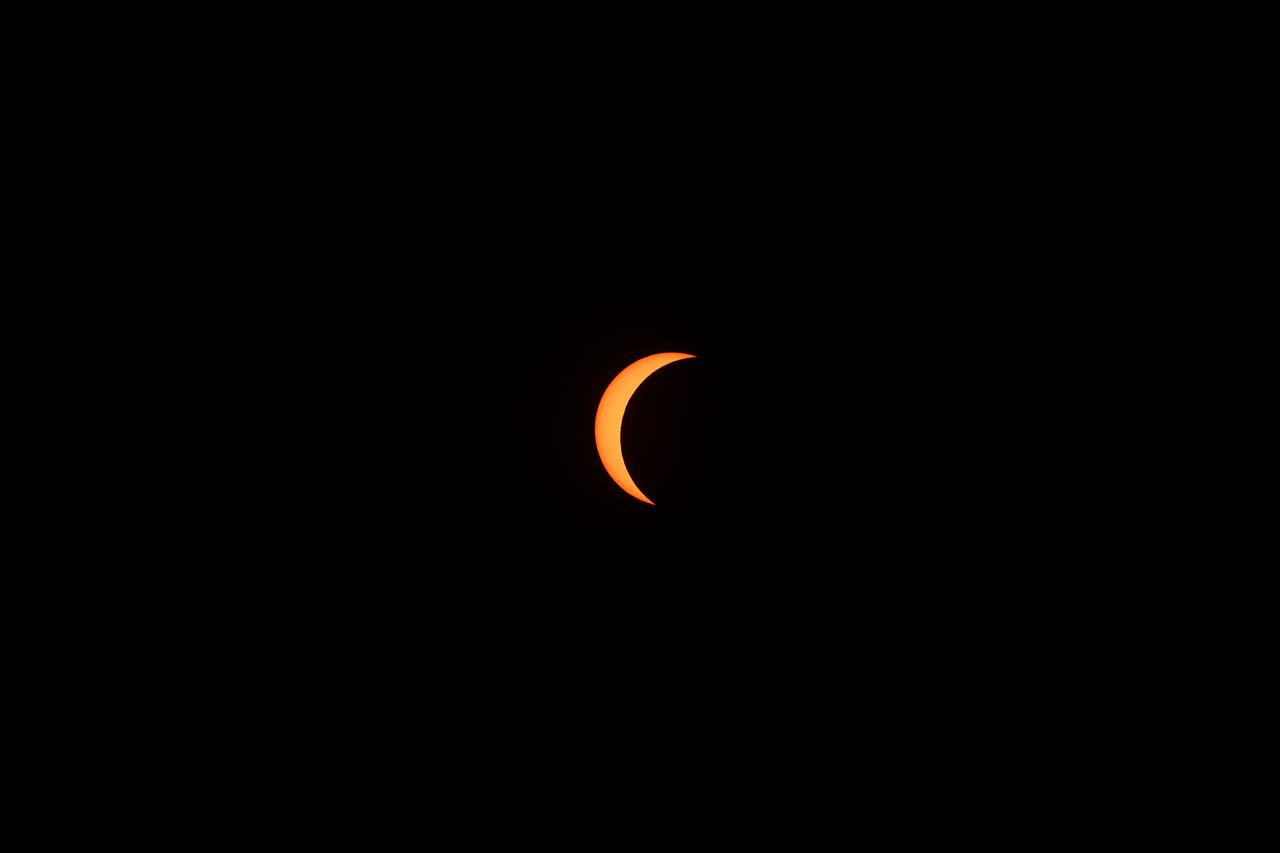
The moon is seen passing in front of the sun during a partial solar eclipse from NASA Langley Research Center in Hampton, VA, Monday, April 8, 2024. A total solar eclipse swept across a narrow portion of the North American continent from Mexico’s Pacific coast to the Atlantic coast of Newfoundland, Canada. A partial solar eclipse was visible across the entire North American continent along with parts of Central America and Europe. Photo Credit: (NASA/Ryan Hill)
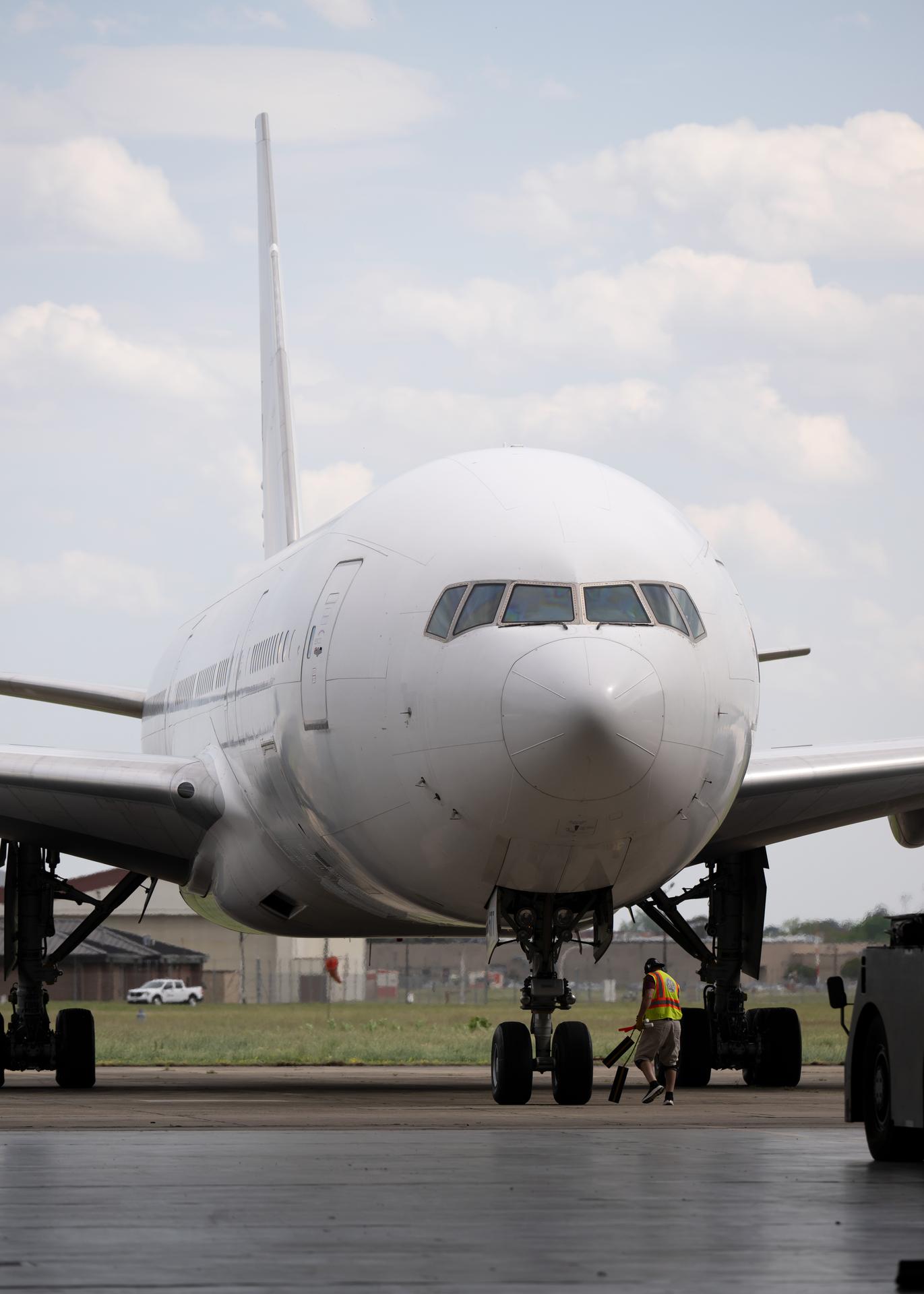
NASA Langley's B777 aircraft before it departs Langley Research Center to receive its new livery (paint job), prior to its departure on July 16th, it received ground maintenance in the center’s hangar. (Photo Credit NASA/ Ryan Hill)
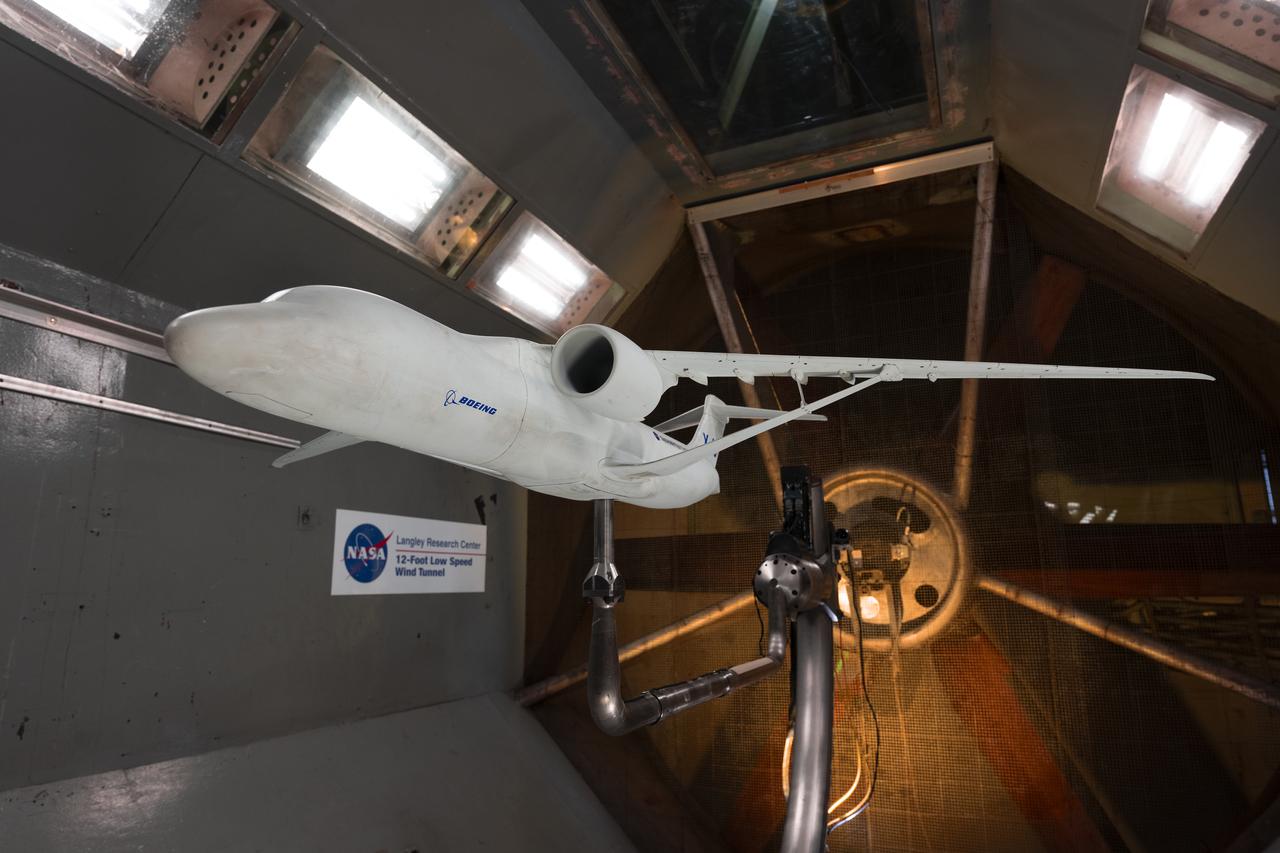
A model of the X-66 aircraft with a wingspan of almost 6 feet was placed in the 12-Foot Low-Speed Wind Tunnel at NASA’s Langley Research Center in Hampton, Virginia on October 30, 2024. During the tests, the team captured measurements of forces such as lift and drag over many aerodynamic configurations and flight conditions.
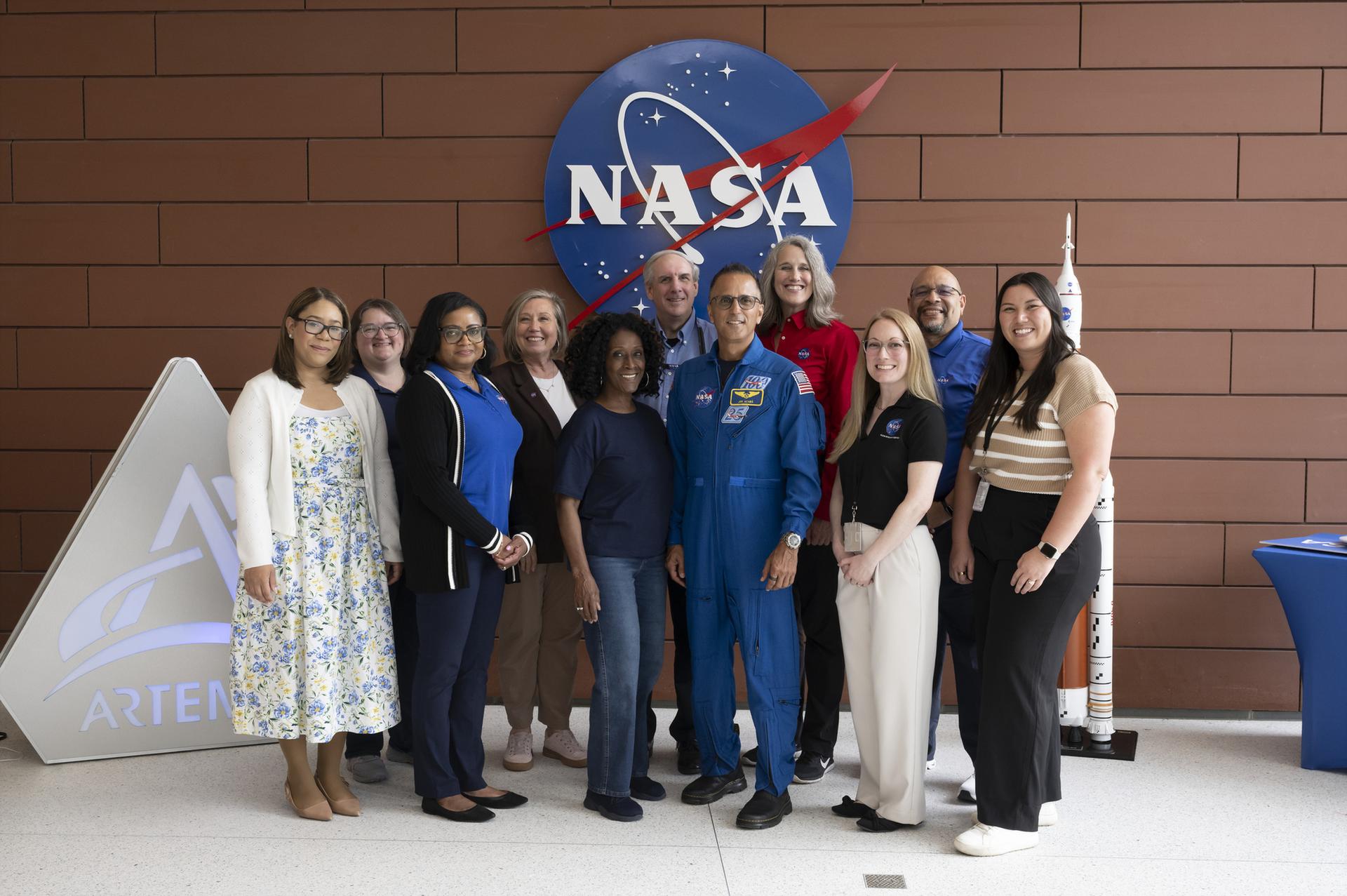
High school and college students, and educators spent a day learning about careers in technical fields in aerospace. They engaged in hands-on activities, tours, and listening to keynote presentations and panels, interacting with NASA’s subject matter experts at Langley Research Center, Hampton Va, Wednesday, April 29, 2026. Photo Credit (NASA/Ryan H. Hill)
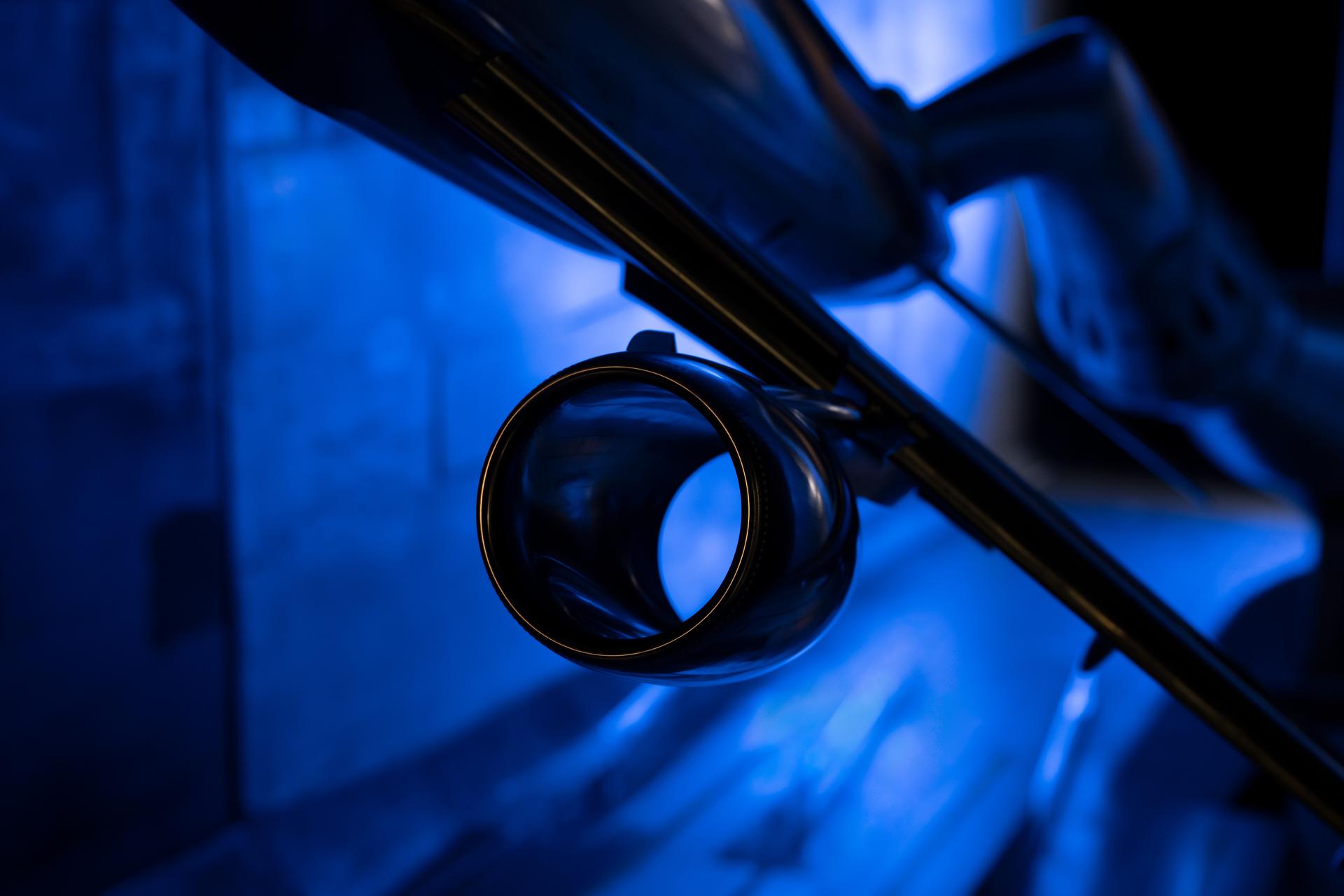
CRM-HL model (2.7% full span) installed in the National Transonic Facility (NTF)

Students learn about research model aircraft and spacecraft built in the Aerospace Composite and Model Development Section during a visit to NASA Langley Research Center, Wednesday, April 29, 2026. Photo Credit (NASA/Ryan H. Hill)
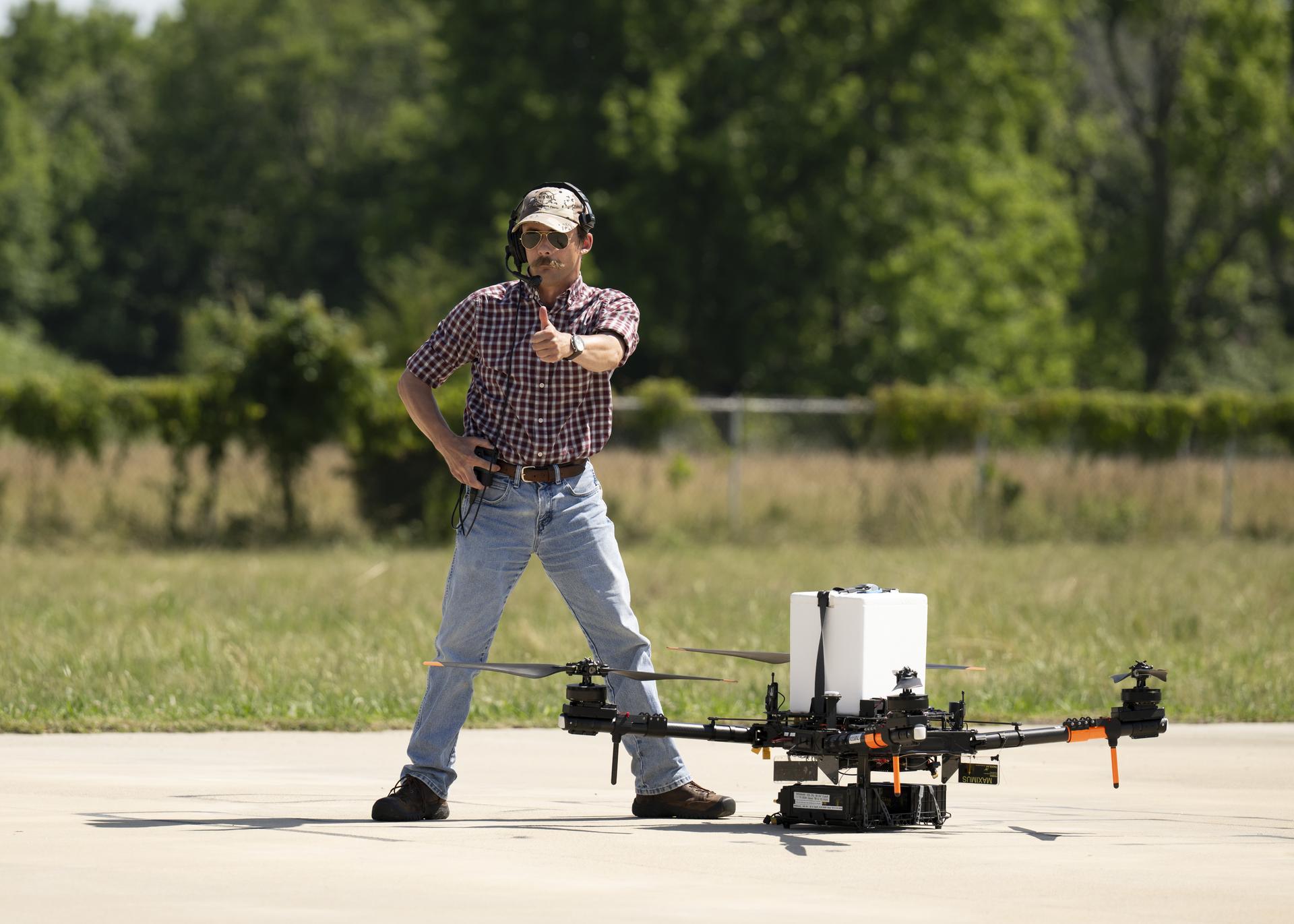
NASA Langley partnered with UNOS, a non-profit organization that manages the U.S. organ transplant system, to conduct the first-of-its-kind organ transport drone test with a human kidney on June 5, 2026 at Langley Research Center in Hampton, Va. Photo Credit NASA/Ryan Hill

Research, Science, and Engineering Services (RSES) intern tour of the 8ft high temperature hypersonic wind tunnel (8ft HTT/B1265)
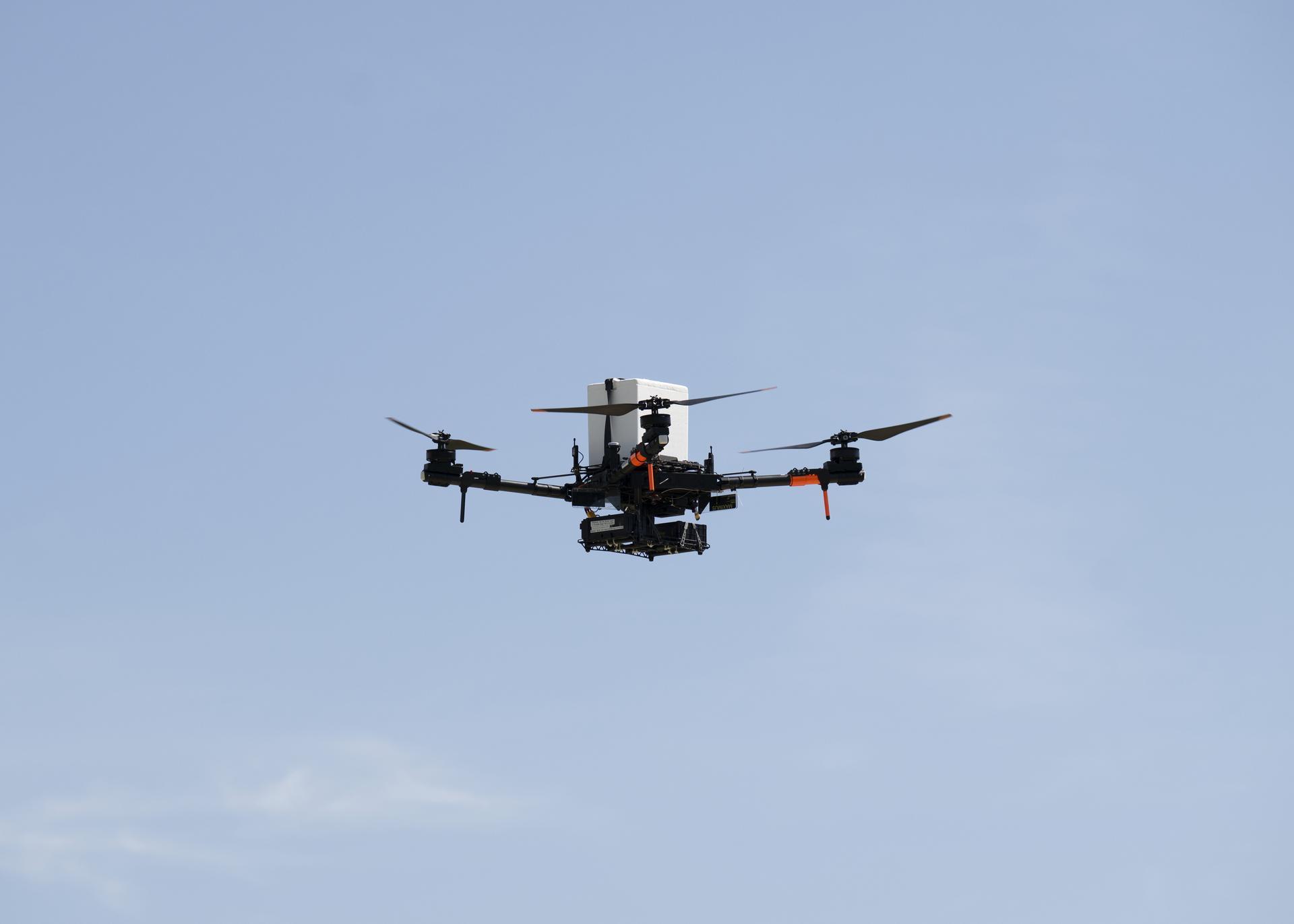
NASA Langley partnered with UNOS, a non-profit organization that manages the U.S. organ transplant system, to conduct the first-of-its-kind organ transport drone test with a human kidney on June 5, 2026 at Langley Research Center in Hampton, Va. Photo Credit NASA/Ryan Hill

Robert Quinn (middle) and Lindsay Rogers (R) seen with NASA Langley’s pilot Pat Bookey, are recipients of the Administrator’s Flight Experience Awards, a ride-along program to recognize and reward members of the workforce for their dedication to accomplishing agency priorities at Langley Research Center, Hampton Va. (Photo Credit: NASA, Ryan Hill)
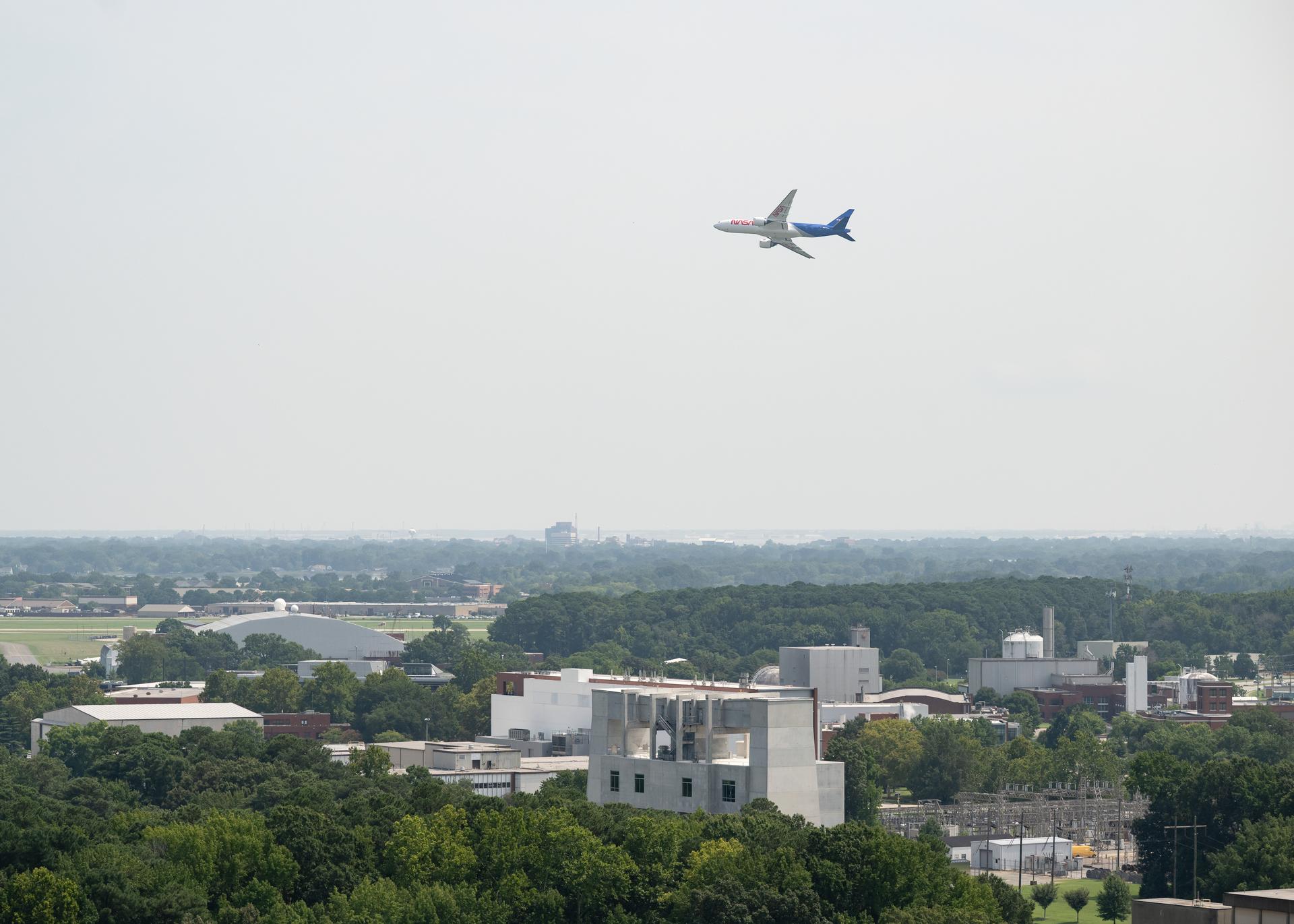
NASA's B777 aircraft returning to NASA Langley Research Center the 31st of July in Hampton, Virginia after a new paint job. It will now continue its maintenance and instrument integration schedule to prepare for its initial airborne science flights in 2027. (Photo Credit NASA/ Ryan Hill)

High school and college students, and educators spent a day learning about careers in technical fields in aerospace. They engaged in hands-on activities, tours, and listening to keynote presentations and panels, interacting with NASA’s subject matter experts at Langley Research Center, Hampton Va, Wednesday, April 29, 2026. Photo Credit (NASA/Ryan H. Hill)

Lindsay Rogers, Office of the Chief Financial Officer (OCFO), and Robert Quinn, Office of the Chief Information Officer (OCIO) participate in an employee incentive flying event with NASA Langley pilots Taylor Thorson and Pat Bookey. Rogers and Quinn flew in NASA Langley’s aircraft as part of the Administrator’s Flight Experience Awards, a ride-along program to recognize and reward members of the workforce for their dedication to accomplishing agency priorities. NASA Langley Research Center aircraft in Hampton Va. (Photo Credit: NASA, Ryan Hill)

First Robotics Team 122, NASA Knights share about STEM and their robotics program during an aerospace technical field career day event at in the in gym at Langley Research Center, Hampton Va., Wednesday, April 29, 2026. Photo Credit (NASA/Ryan H. Hill)

Students learn about research model aircraft and spacecraft built in the Aerospace Composite and Model Development Section during a visit to NASA Langley Research Center, Wednesday, April 29, 2026. Photo Credit (NASA/Ryan H. Hill)
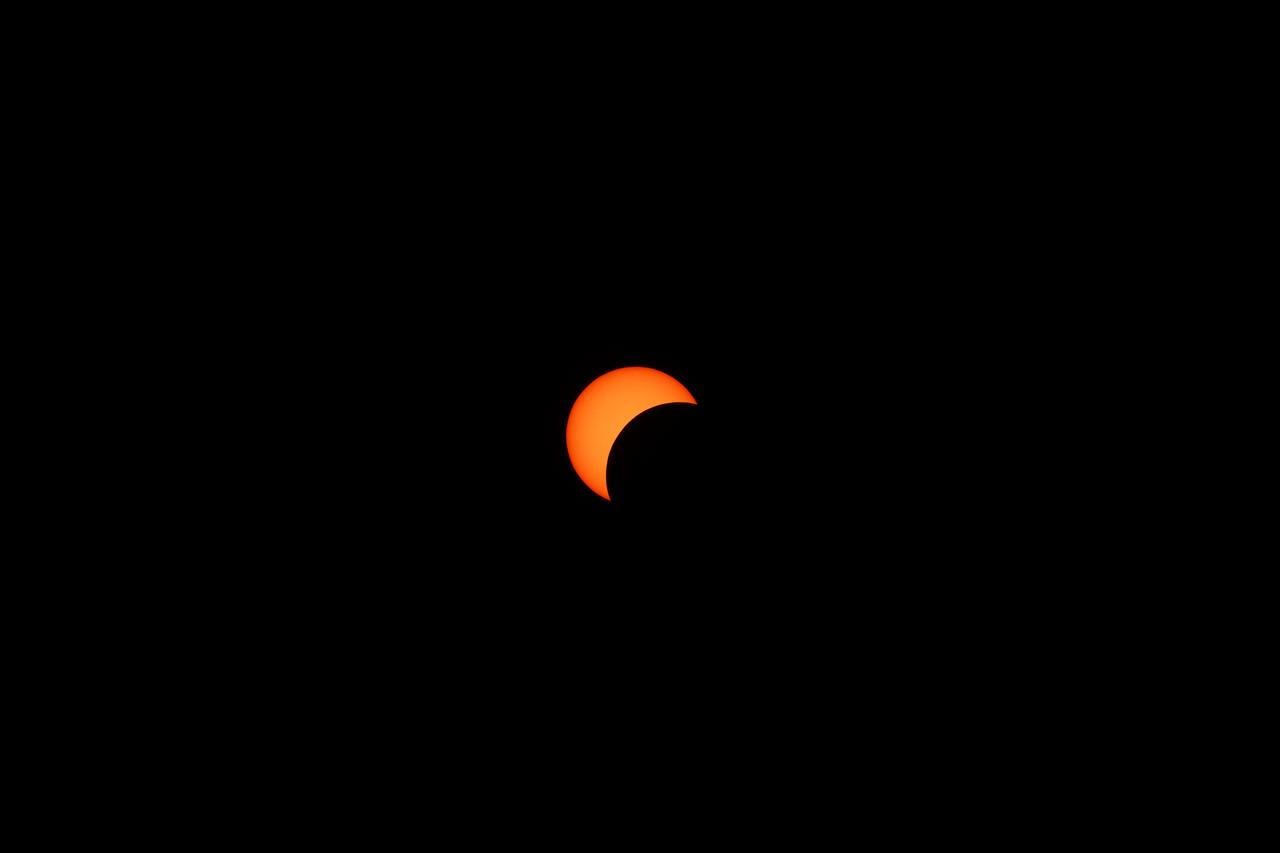
The moon is seen passing in front of the sun during a partial solar eclipse from NASA Langley Research Center in Hampton, VA, Monday, April 8, 2024. A total solar eclipse swept across a narrow portion of the North American continent from Mexico’s Pacific coast to the Atlantic coast of Newfoundland, Canada. A partial solar eclipse was visible across the entire North American continent along with parts of Central America and Europe. Photo Credit: (NASA/Ryan Hill)

High school and college students, and educators spent a day learning about careers in technical fields in aerospace. They engaged in hands-on activities, tours, and listening to keynote presentations and panels, interacting with NASA’s subject matter experts at Langley Research Center, Hampton Va, Wednesday, April 29, 2026. Photo Credit (NASA/Ryan H. Hill)
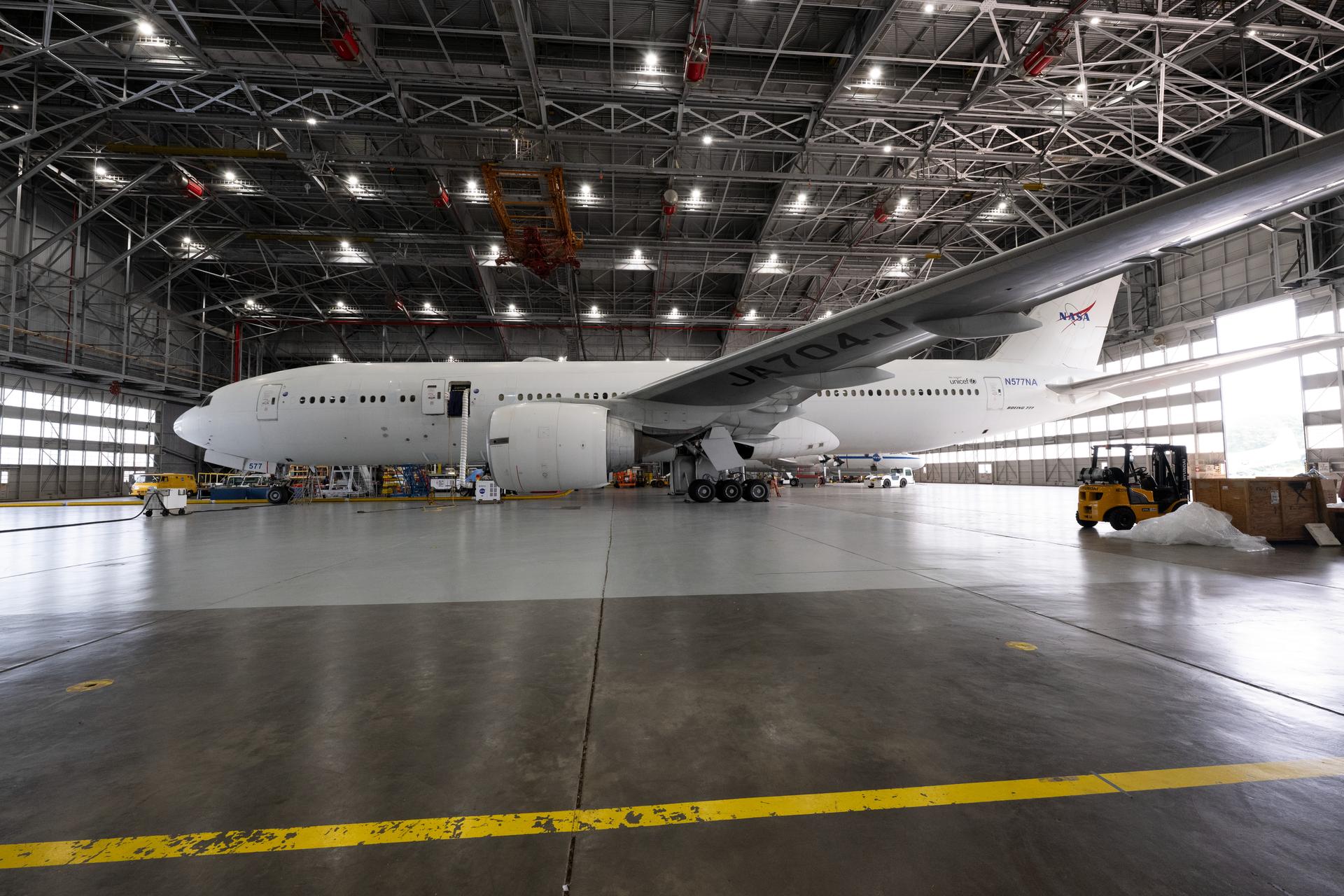
Before Langley's B777 aircraft departed Langley Research Center to received its NASA livery (paint job), it received ground maintenance in the hangar on center. Photo Credit NASA/Ryan Hill

Students learn about research model aircraft and spacecraft built in the Aerospace Composite and Model Development Section during a visit to NASA Langley Research Center, Wednesday, April 29, 2026. Photo Credit (NASA/Ryan H. Hill)
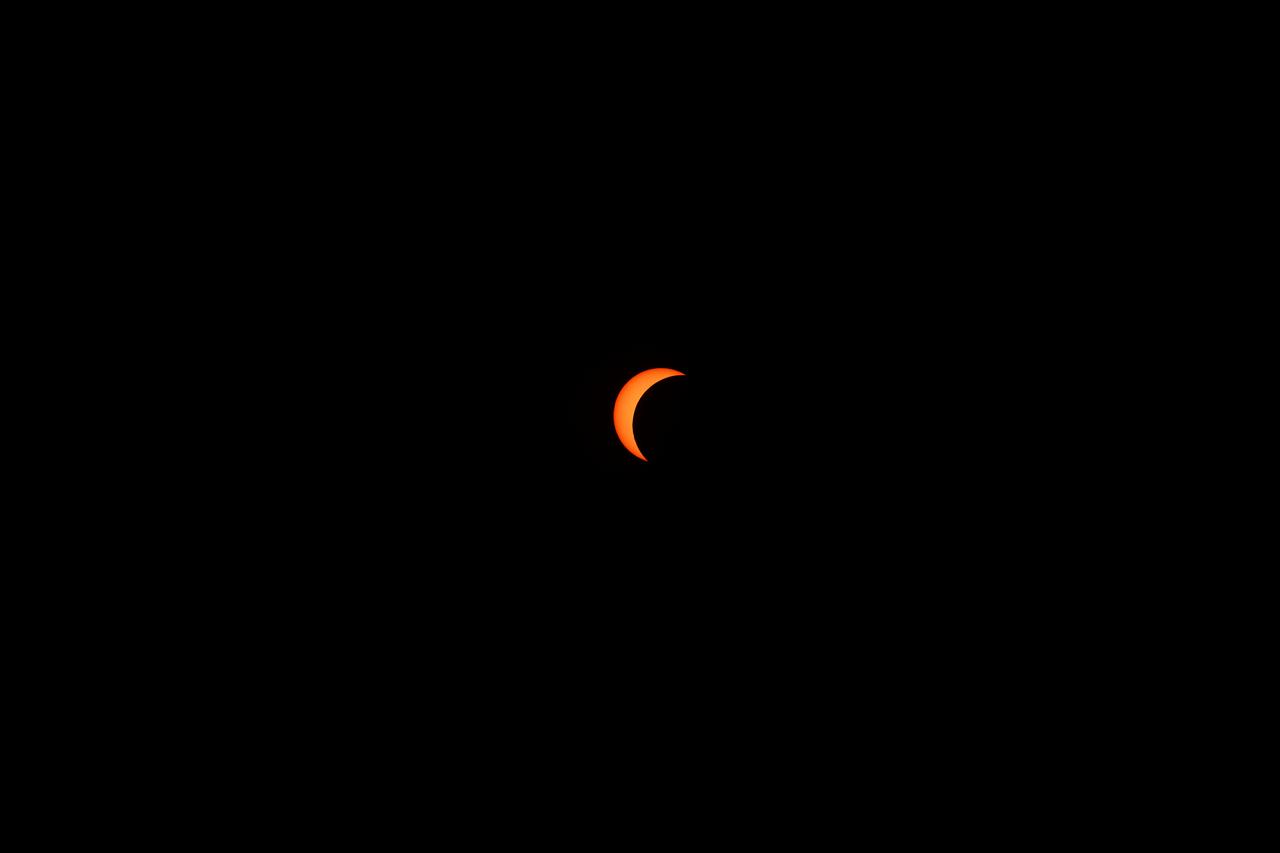
The moon is seen passing in front of the sun during a partial solar eclipse from NASA Langley Research Center in Hampton, VA, Monday, April 8, 2024. A total solar eclipse swept across a narrow portion of the North American continent from Mexico’s Pacific coast to the Atlantic coast of Newfoundland, Canada. A partial solar eclipse was visible across the entire North American continent along with parts of Central America and Europe. Photo Credit: (NASA/Ryan Hill)
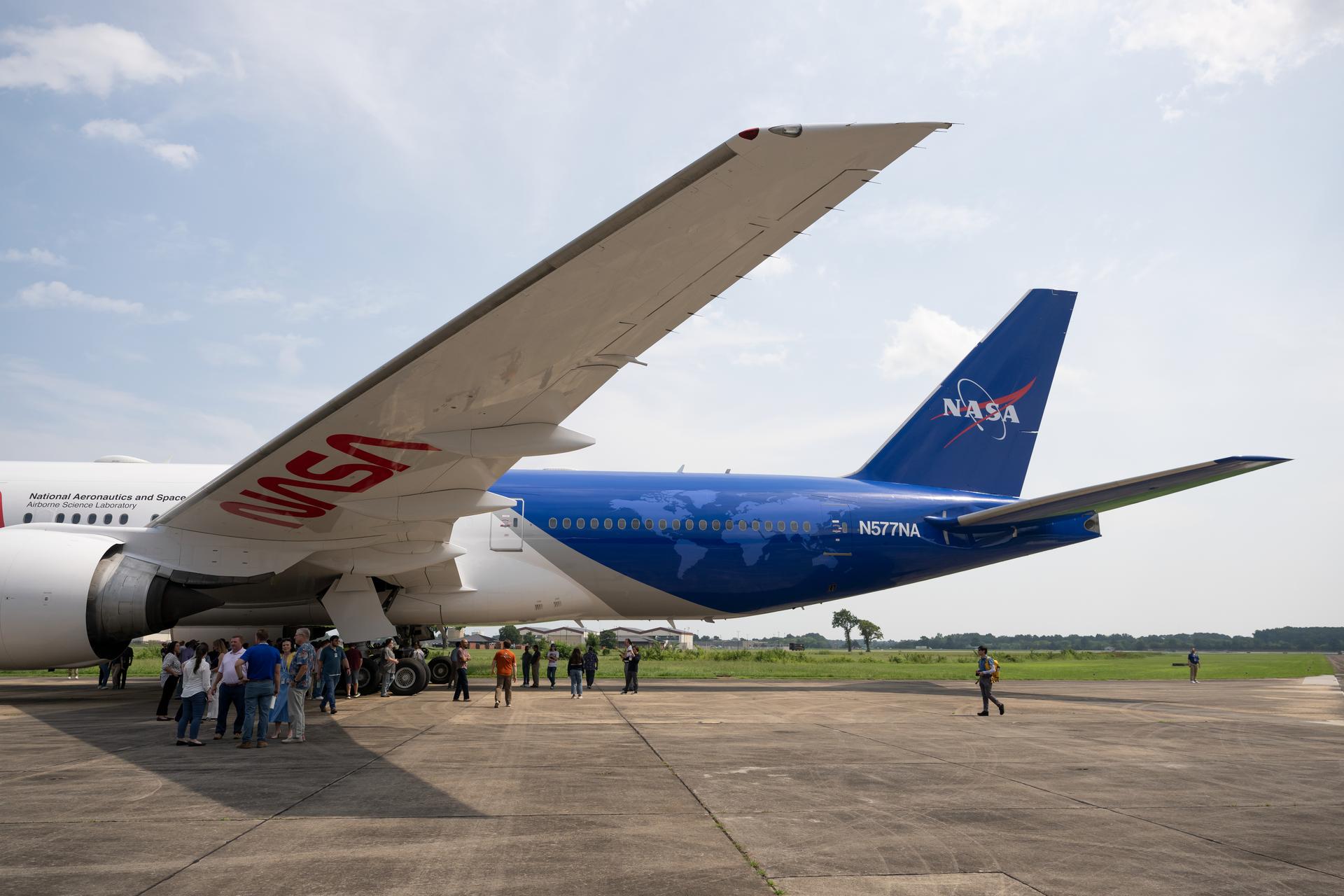
NASA's B777 aircraft returning to NASA Langley Research Center the 31st of July in Hampton, Virginia after a new paint job. It will now continue its maintenance and instrument integration schedule to prepare for its initial airborne science flights in 2027. Photo Credit NASA/ Ryan Hill)
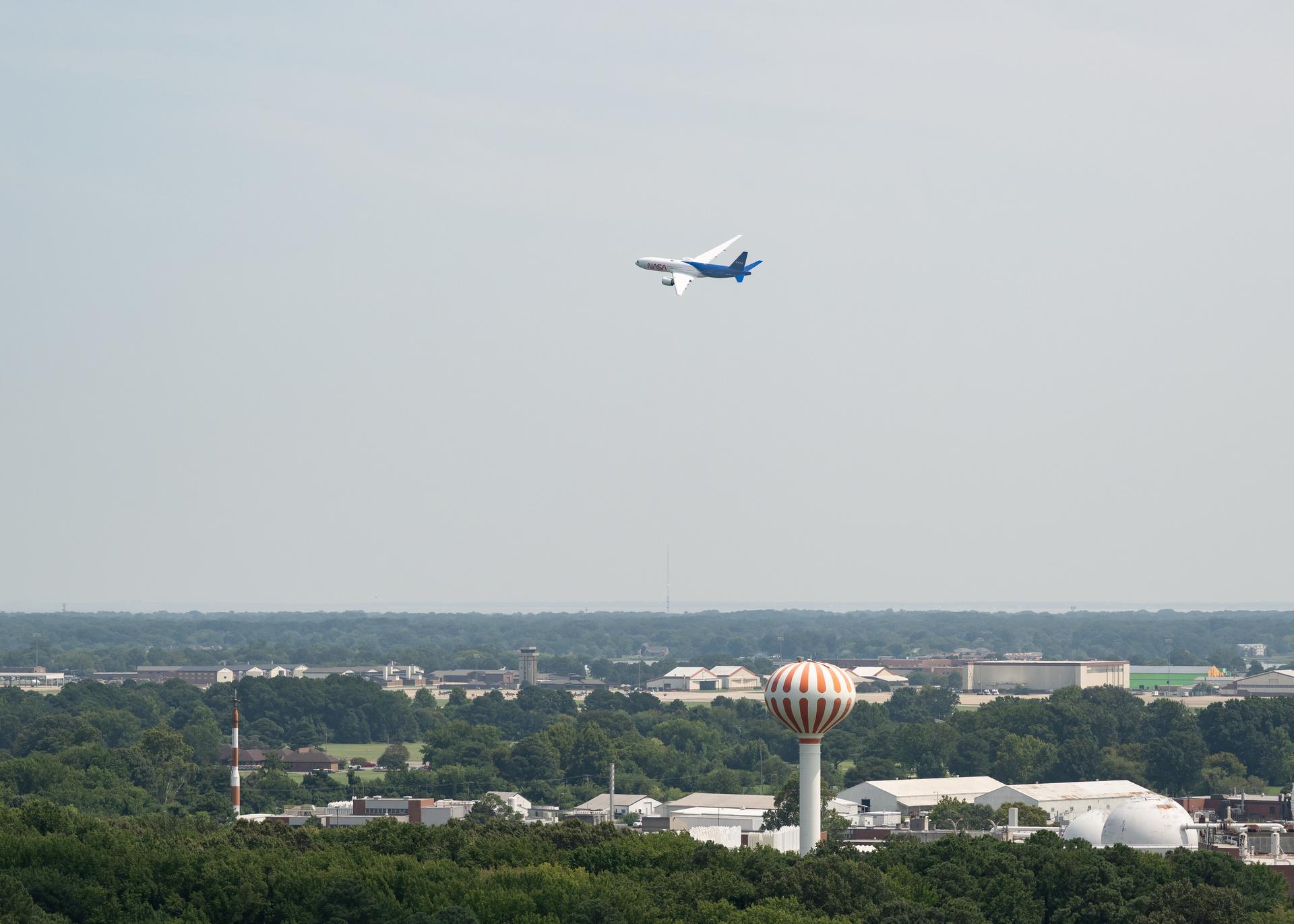
NASA's B777 aircraft returning to NASA Langley Research Center the 31st of July in Hampton, Virginia after a new paint job. It will now continue its maintenance and instrument integration schedule to prepare for its initial airborne science flights in 2027. Photo Credit NASA/ Ryan Hill)