
A SpaceX Falcon 9 rocket lifts off from Space Launch Complex 40 at Cape Canaveral Air Force Station in Florida, carrying NASA's Transiting Exoplanet Survey Satellite (TESS). Liftoff was at 6:51 p.m. EDT. TESS will search for planets outside of our solar system. The mission will find exoplanets that periodically block part of the light from their host stars, events called transits. The satellite will survey the nearest and brightest stars for two years to search for transiting exoplanets.
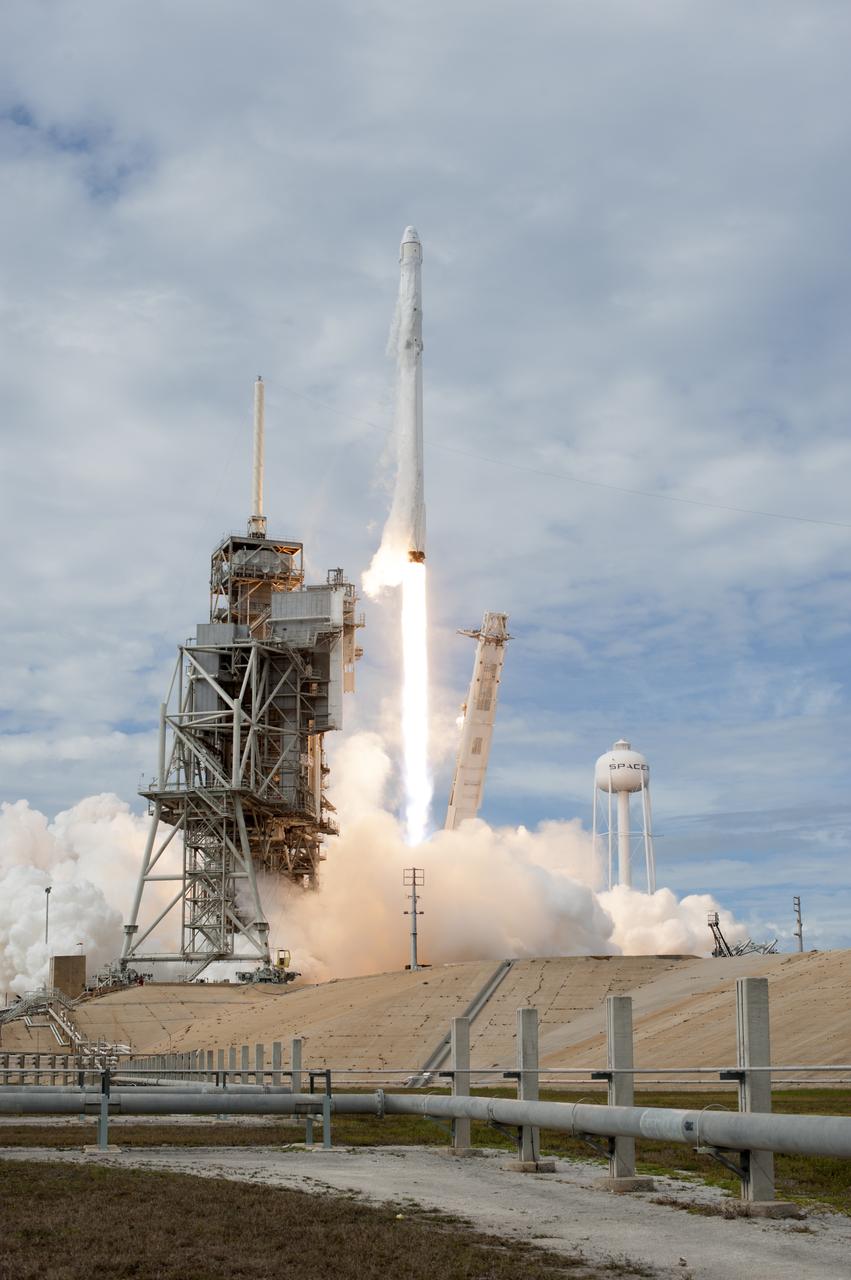
A SpaceX Falcon 9 rocket lifts off from Launch Complex 39A at NASA's Kenney Space Center in Florida, the company's 11th commercial resupply services mission to the International Space Station. Liftoff was at 5:07 p.m. EDT from the historic launch site now operated by SpaceX under a property agreement with NASA. The Dragon spacecraft will deliver 6,000 pounds of supplies, such as the Neutron star Interior Composition Explorer, or NICER, designed to study the extraordinary physics of these stars, providing insights into their nature and behavior.
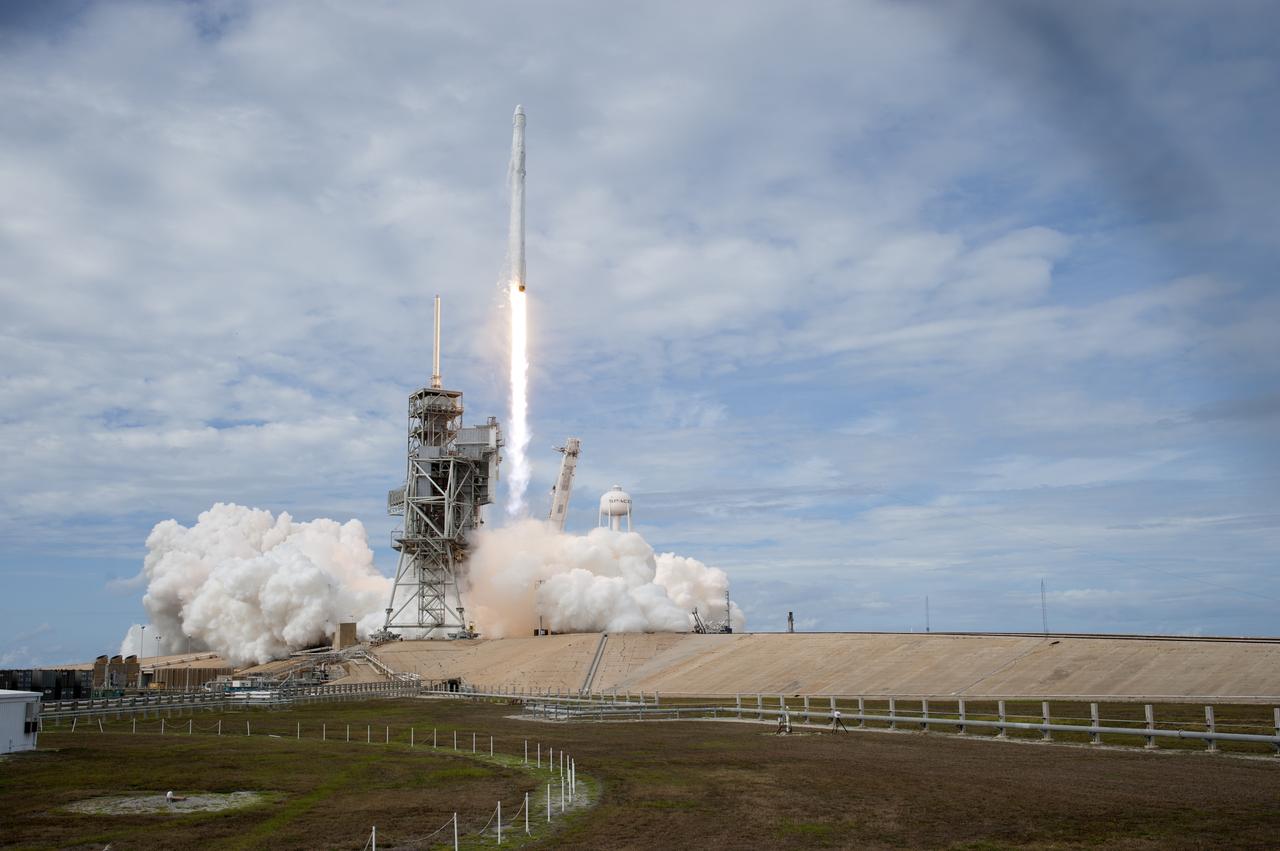
A SpaceX Falcon 9 rocket lifts off from Launch Complex 39A at NASA's Kenney Space Center in Florida, the company's 11th commercial resupply services mission to the International Space Station. Liftoff was at 5:07 p.m. EDT from the historic launch site now operated by SpaceX under a property agreement with NASA. The Dragon spacecraft will deliver 6,000 pounds of supplies, such as the Neutron star Interior Composition Explorer, or NICER, designed to study the extraordinary physics of these stars, providing insights into their nature and behavior.
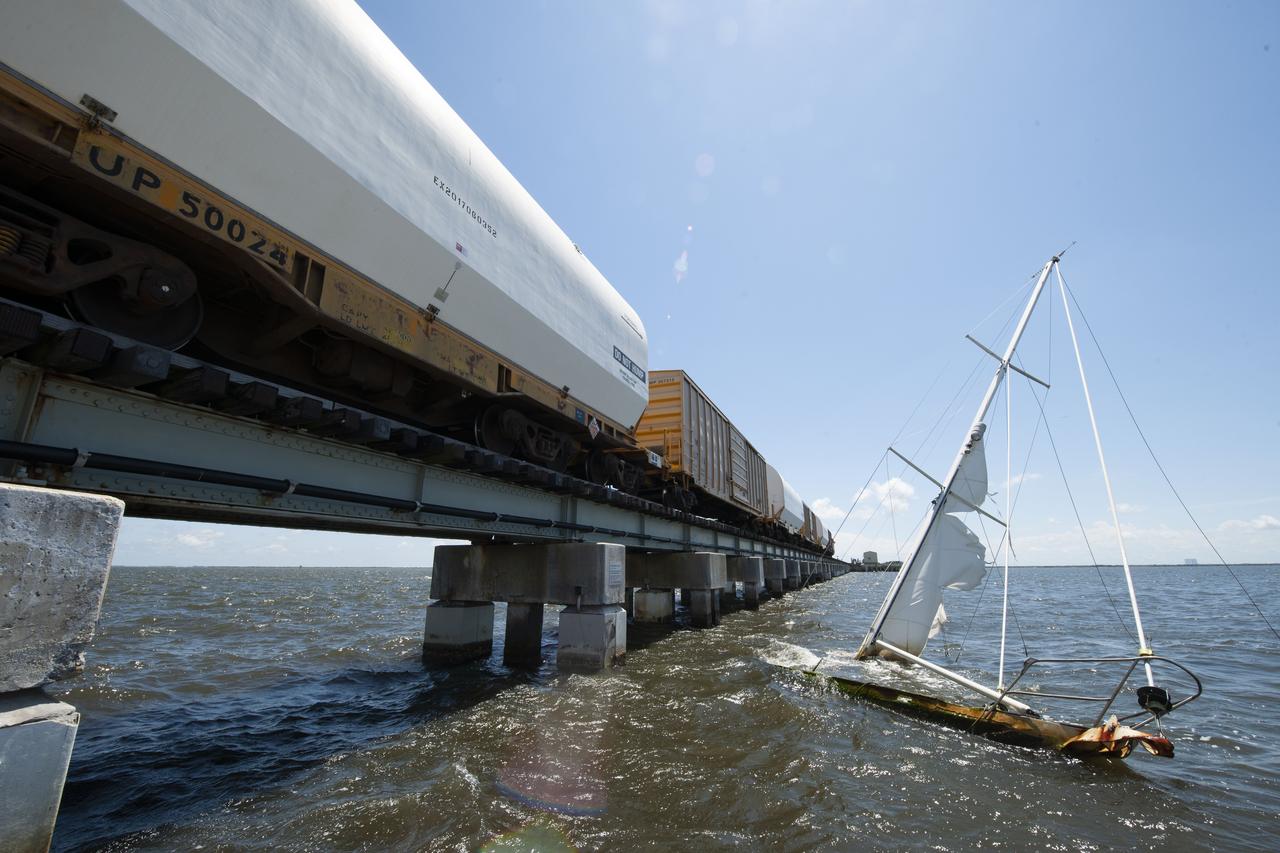
Twin rocket boosters for NASA’s Space Launch System (SLS) that will power Artemis missions to the Moon have arrived at the agency’s Kennedy Space Center in Florida. The two motor segments, each comprised of five segments, arrived at Kennedy’s Rotation, Processing and Surge Facility (RPSF) on June 15, 2020, by train from a Northrop Grumman manufacturing facility in Promontory, Utah. The booster segments will remain in the RPSF for inspection prior to processing until it’s time to move them to the Vehicle Assembly Building for stacking on the mobile launcher. This is the first piece of flight hardware to arrive at Kennedy by train for the Artemis program, but NASA’s Exploration Ground Systems (EGS) can expect to receive additional hardware soon, including the Launch Vehicle Service Adapter and the rocket’s core stage. NASA is working toward an Artemis I launch date in 2021, keeping the program moving at the best possible pace toward the earliest possible opportunity.
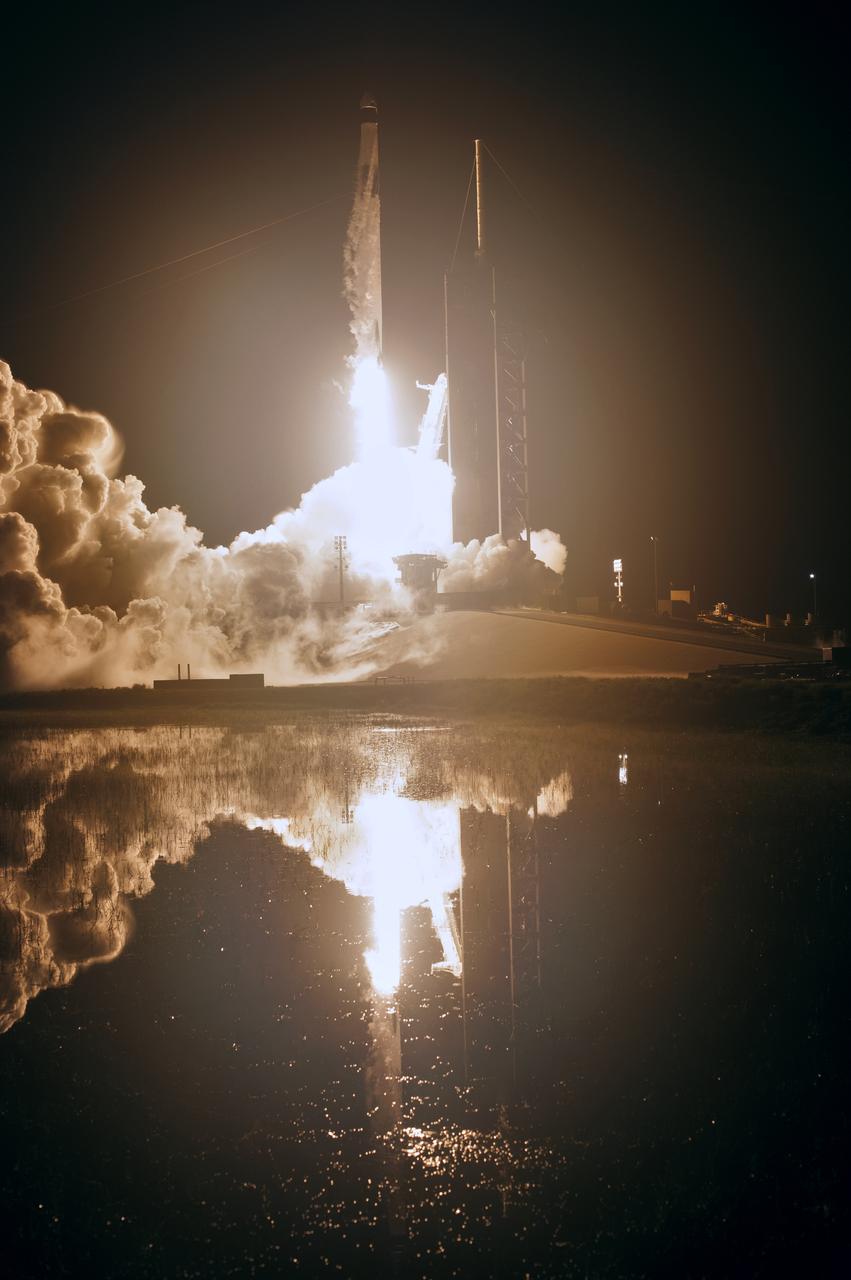
A two-stage SpaceX Falcon 9 rocket lifts off from Launch Complex 39A at NASA’s Kennedy Space Center in Florida for Demo-1, the first uncrewed mission of the agency’s Commercial Crew Program. Liftoff was at 2:49 a.m., March 2, 2019. The SpaceX Crew Dragon’s trip to the International Space Station is designed to validate end-to-end systems and capabilities, leading to certification to fly crew. NASA has worked with SpaceX and Boeing in developing the Commercial Crew Program spacecraft to facilitate new human spaceflight systems launching from U.S. soil with the goal of safe, reliable and cost-effective access to low-Earth orbit destinations, such as the space station.
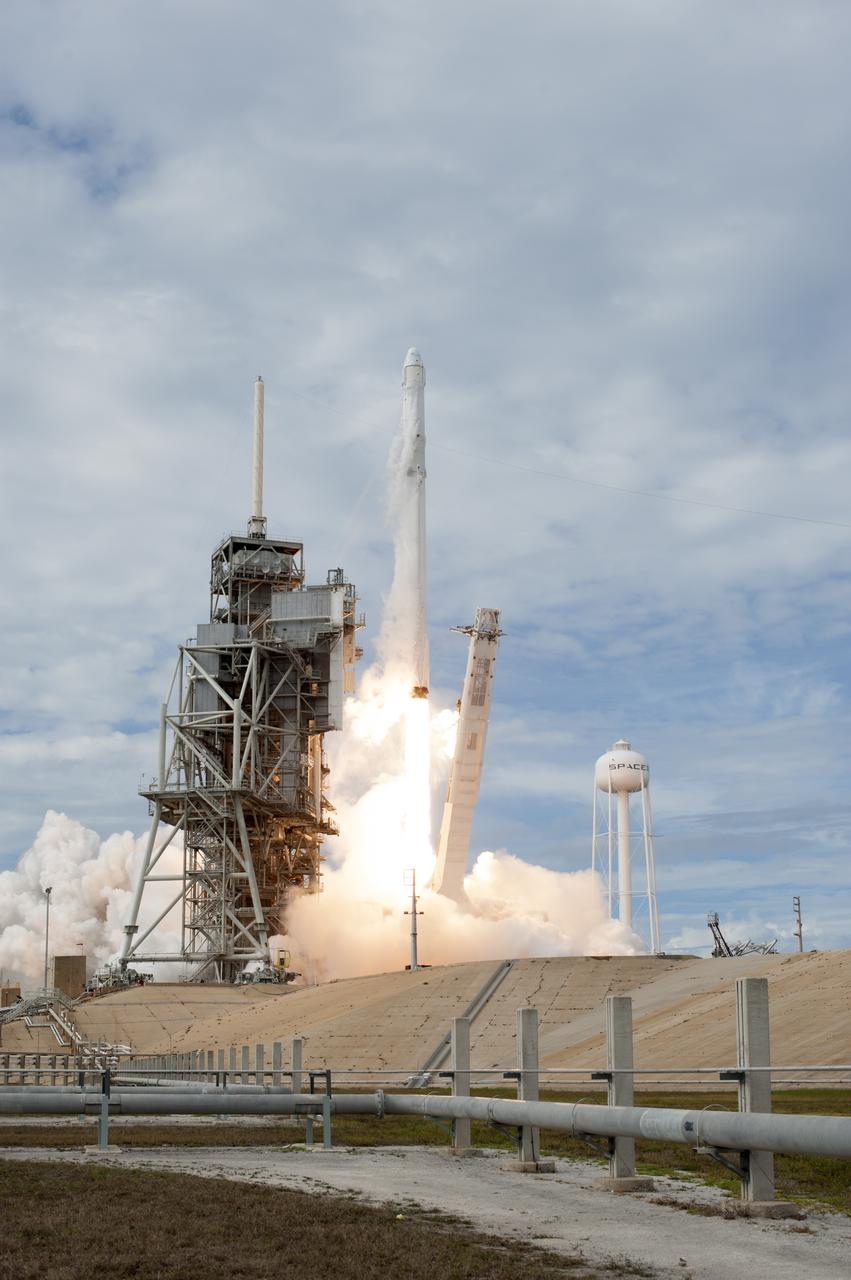
A SpaceX Falcon 9 rocket lifts off from Launch Complex 39A at NASA's Kenney Space Center in Florida, the company's 11th commercial resupply services mission to the International Space Station. Liftoff was at 5:07 p.m. EDT from the historic launch site now operated by SpaceX under a property agreement with NASA. The Dragon spacecraft will deliver 6,000 pounds of supplies, such as the Neutron star Interior Composition Explorer, or NICER, designed to study the extraordinary physics of these stars, providing insights into their nature and behavior.
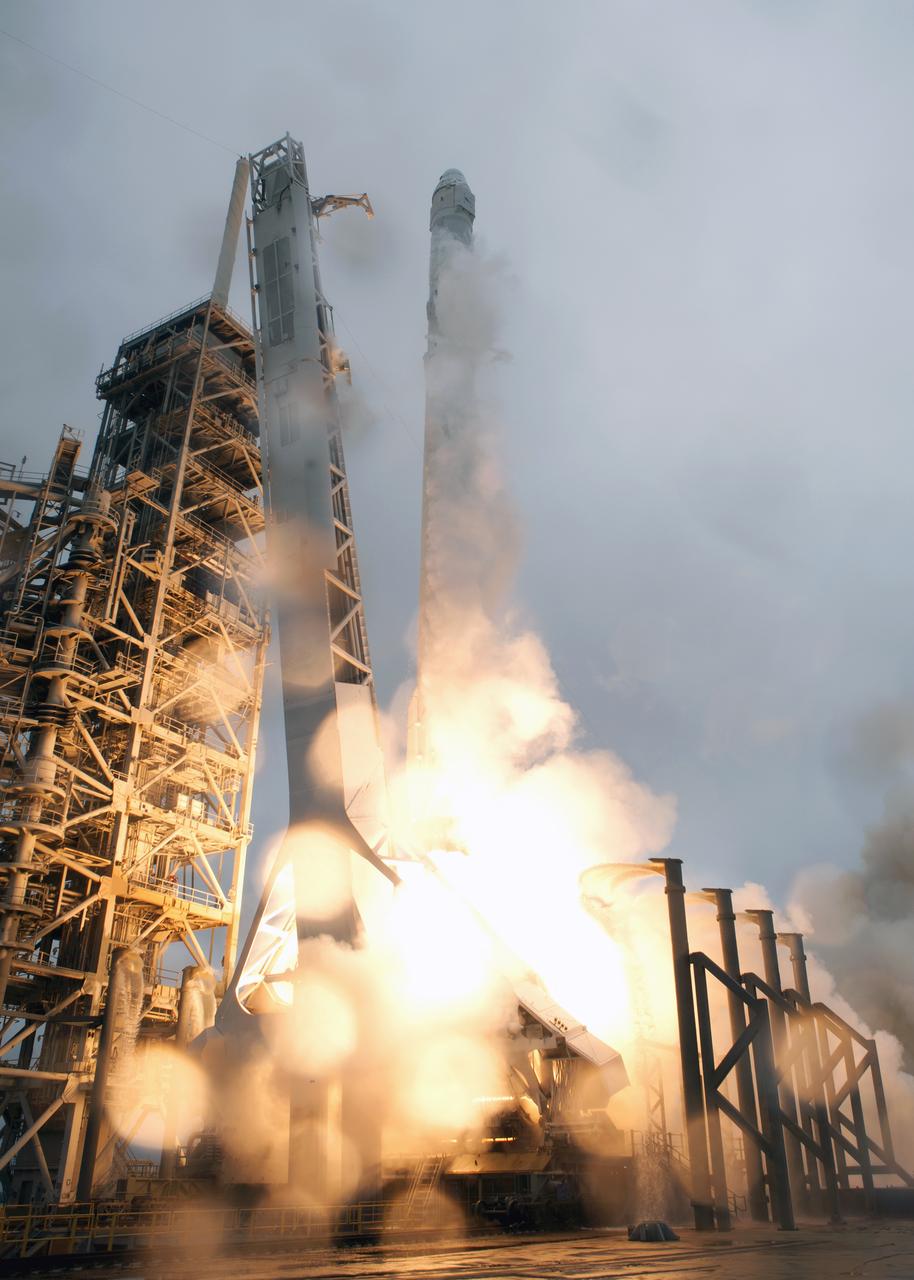
A SpaceX Falcon 9 rocket lifts off from Launch Complex 39A at NASA's Kenney Space Center in Florida. This is the company's 10th commercial resupply services mission to the International Space Station. Liftoff was at 9:39 a.m. EST from the historic launch site now operated by SpaceX under a property agreement with NASA. The Dragon spacecraft will deliver about 5,500 pounds of supplies to the space station, including the Stratospheric Aerosol and Gas Experiment (SAGE) III instrument to further study ozone in the atmosphere.
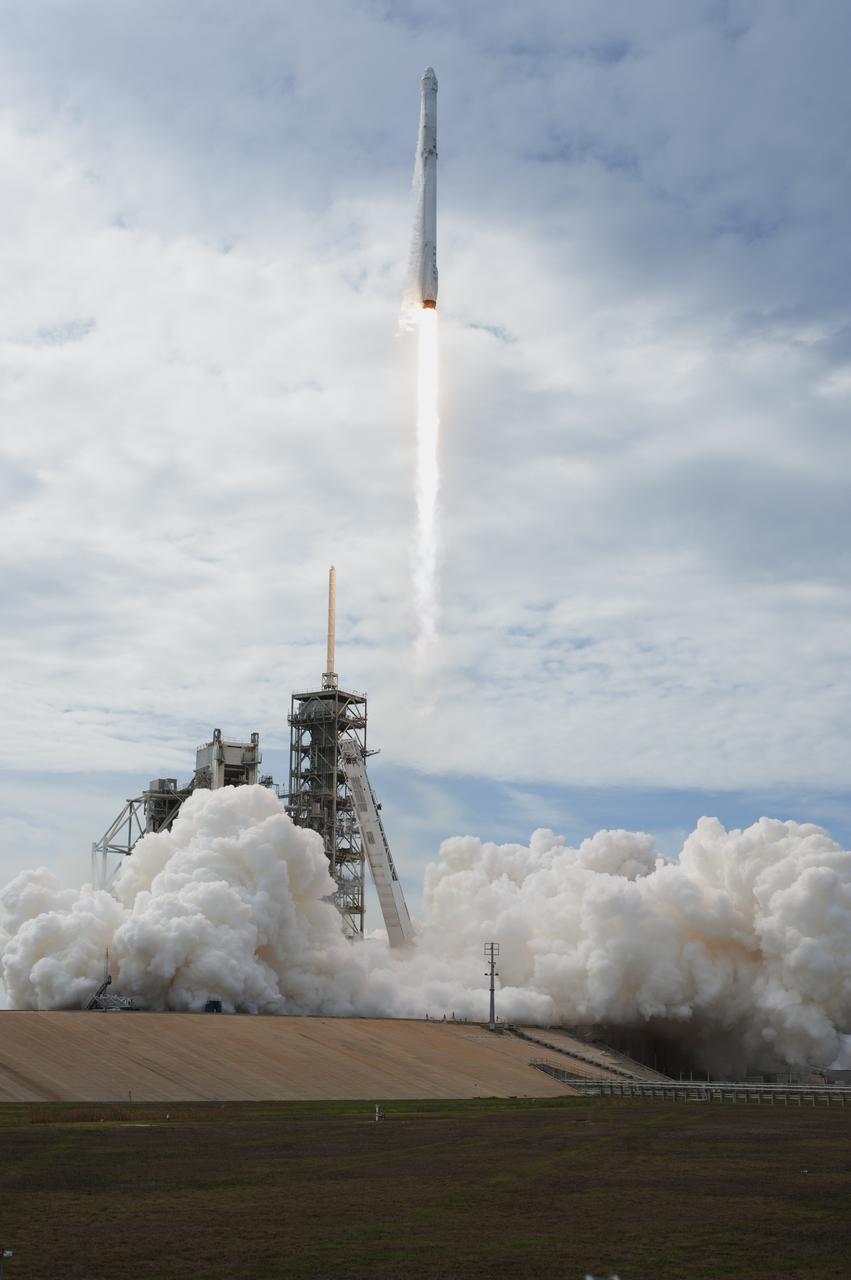
A SpaceX Falcon 9 rocket lifts off from Launch Complex 39A at NASA's Kenney Space Center in Florida, the company's 11th commercial resupply services mission to the International Space Station. Liftoff was at 5:07 p.m. EDT from the historic launch site now operated by SpaceX under a property agreement with NASA. The Dragon spacecraft will deliver 6,000 pounds of supplies, such as the Neutron star Interior Composition Explorer, or NICER, designed to study the extraordinary physics of these stars, providing insights into their nature and behavior.
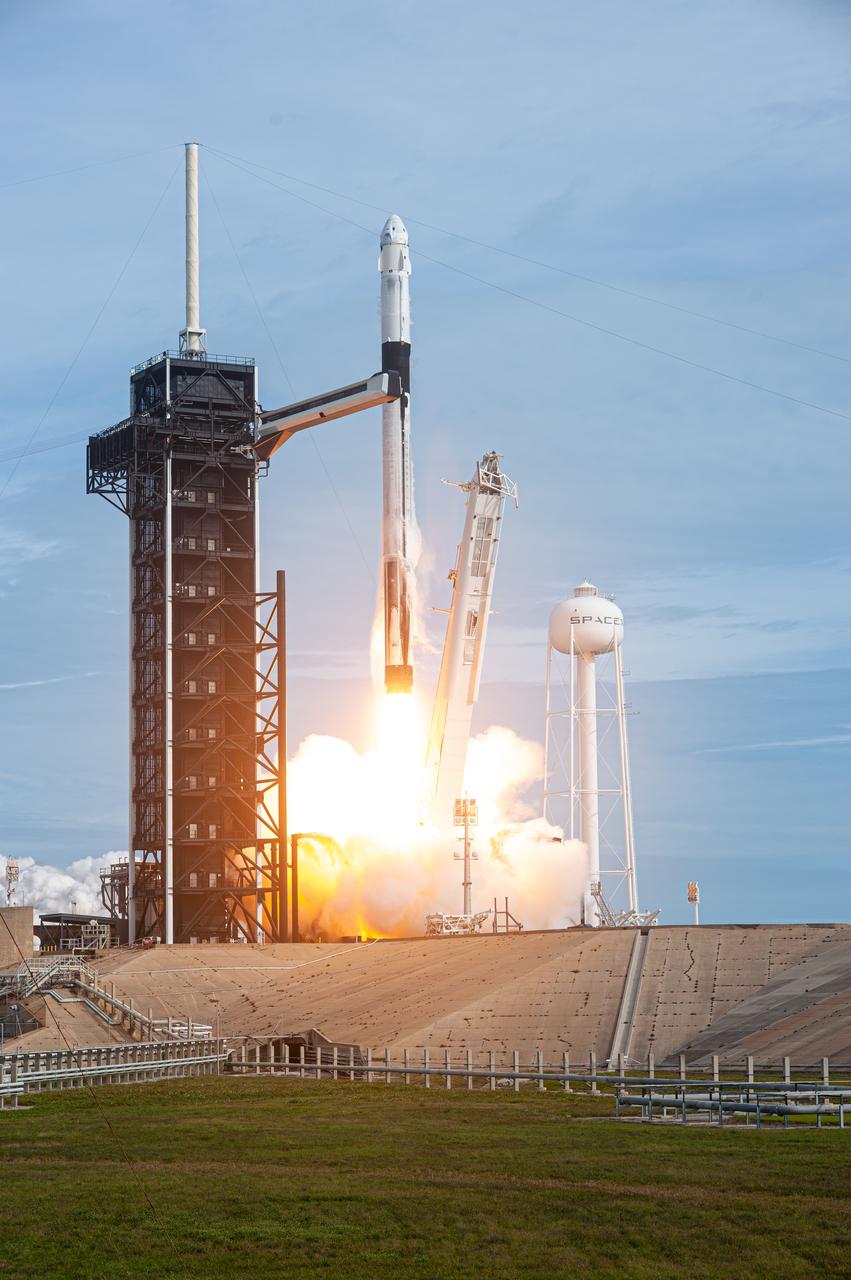
A SpaceX Falcon 9 rocket lifts off from Launch Complex 39A at NASA’s Kennedy Space Center in Florida at 10:30 a.m. EST on Jan. 19, 2020, carrying the Crew Dragon spacecraft on the company’s uncrewed In-Flight Abort Test. The flight test demonstrated the spacecraft’s escape capabilities in preparation for crewed flights to the International Space Station as part of the agency’s Commercial Crew Program.
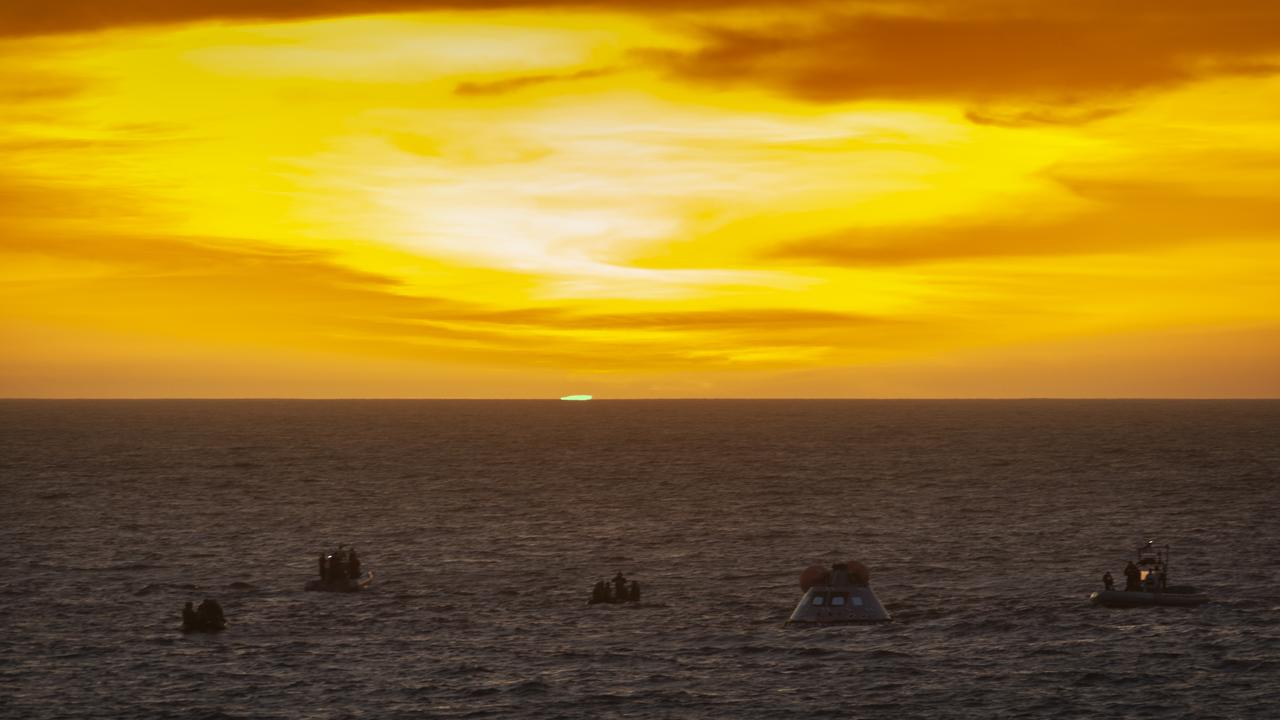
At sunset on Nov. 1, 2018, NASA's Recovery Team, along with the U.S. Navy, practice recovering a test version of the Orion capsule as part of Underway Recovery Test-7 (URT-7) in the Pacific Ocean. URT-7 is one in a series of tests that the Exploration Ground Systems Recovery Team, along with the U.S. Navy, are conducting to verify and validate procedures and hardware that will be used to recover the Orion spacecraft after it splashes down in the Pacific Ocean following deep space exploration missions. Orion will have emergency abort capability, sustain the crew during space travel and provide safe re-entry from deep space return velocities.
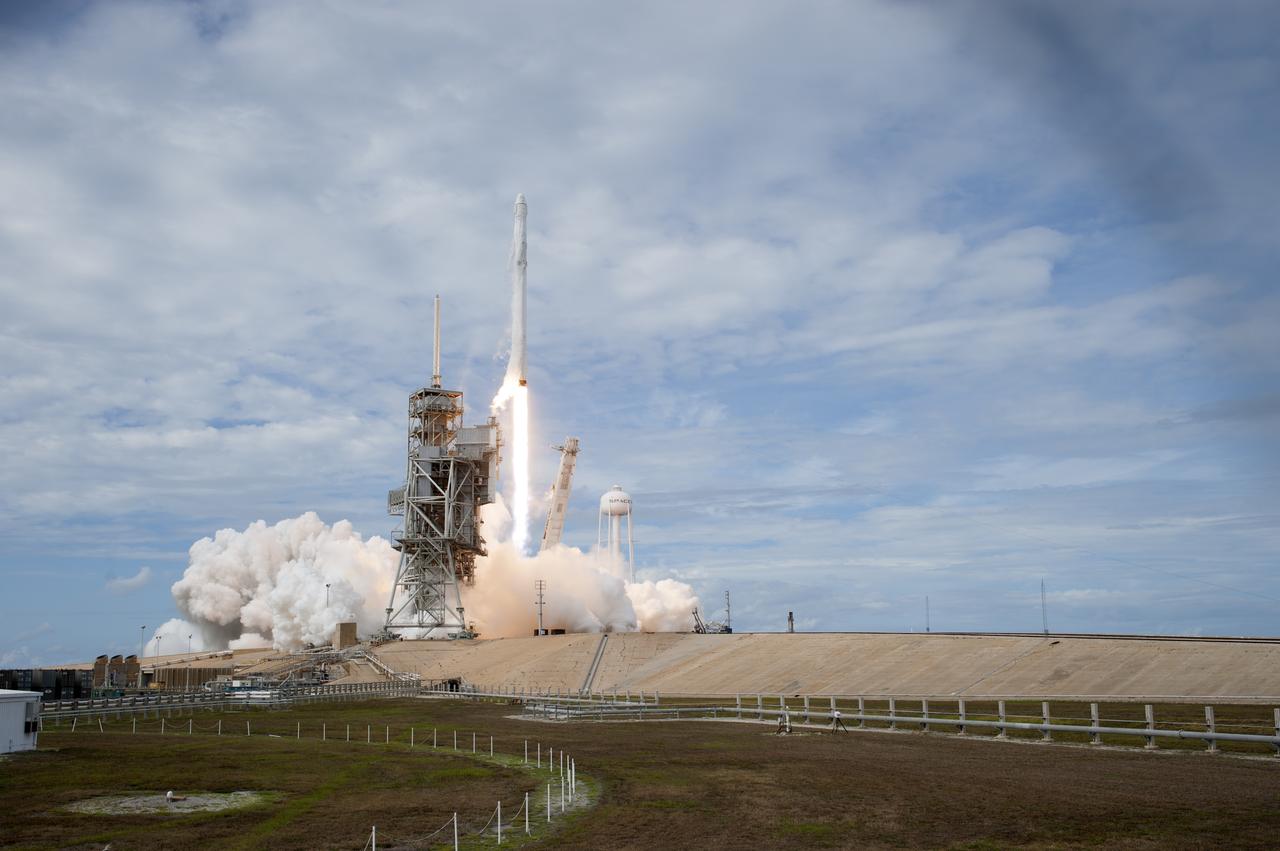
A SpaceX Falcon 9 rocket lifts off from Launch Complex 39A at NASA's Kenney Space Center in Florida, the company's 11th commercial resupply services mission to the International Space Station. Liftoff was at 5:07 p.m. EDT from the historic launch site now operated by SpaceX under a property agreement with NASA. The Dragon spacecraft will deliver 6,000 pounds of supplies, such as the Neutron star Interior Composition Explorer, or NICER, designed to study the extraordinary physics of these stars, providing insights into their nature and behavior.
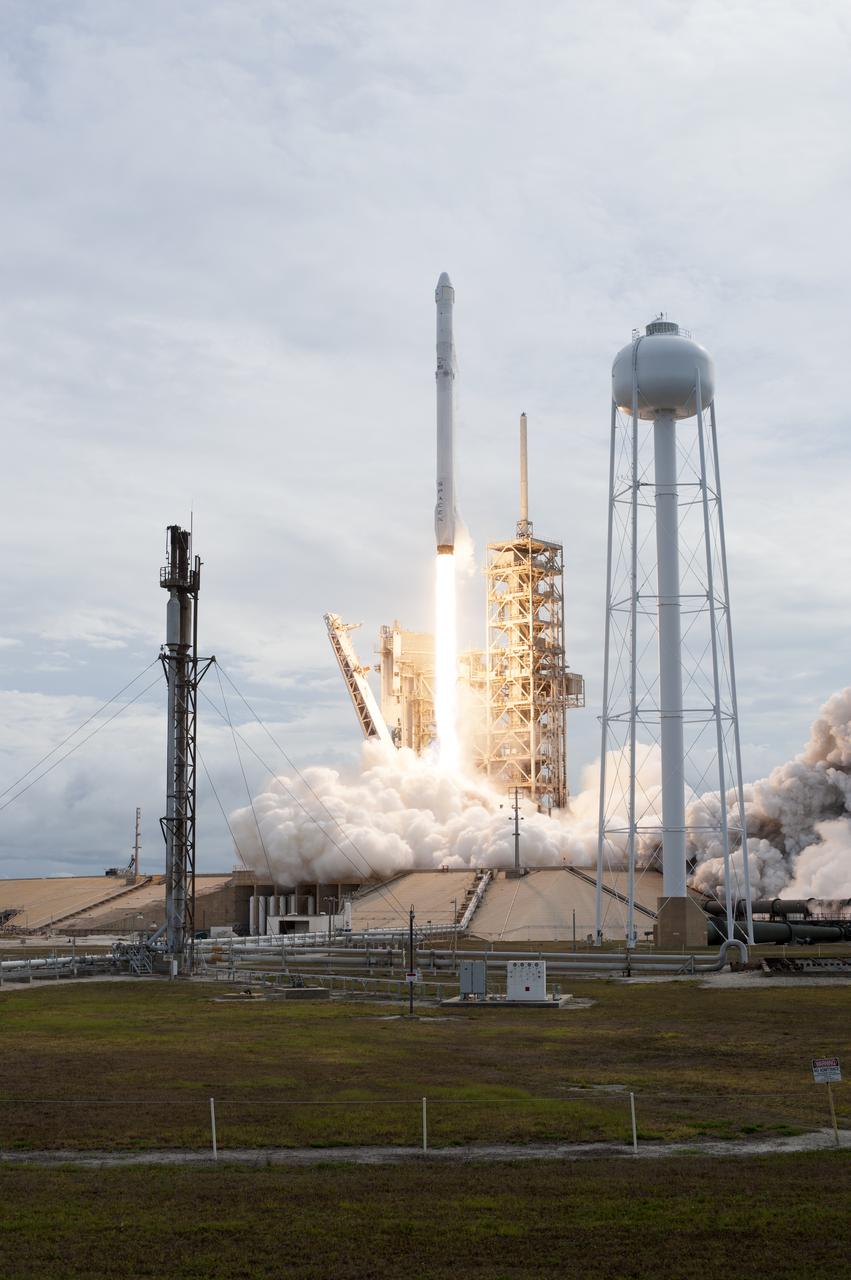
A SpaceX Falcon 9 rocket lifts off from Launch Complex 39A at NASA's Kenney Space Center in Florida, the company's 11th commercial resupply services mission to the International Space Station. Liftoff was at 5:07 p.m. EDT from the historic launch site now operated by SpaceX under a property agreement with NASA. The Dragon spacecraft will deliver 6,000 pounds of supplies, such as the Neutron star Interior Composition Explorer, or NICER, designed to study the extraordinary physics of these stars, providing insights into their nature and behavior.
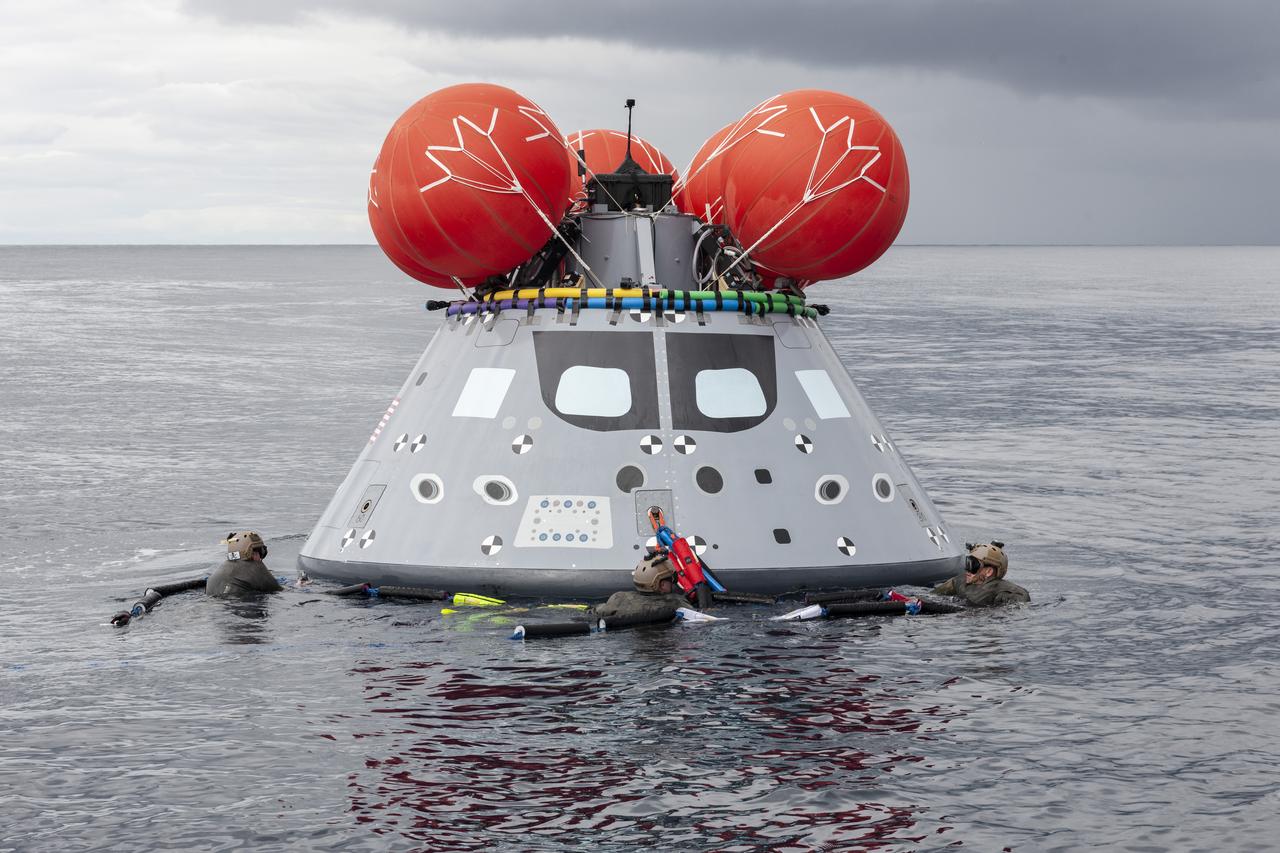
During Underway Recovery Test-8, NASA's Landing and Recovery team from Exploration Ground Systems at Kennedy Space Center performed their first full mission profile test of the recovery procedures for Artemis I aboard the USS John P. Murtha in the Pacific Ocean. Artemis I will be the first integrated flight test of NASA's Deep Space Exploration Systems: the Orion spacecraft, Space Launch System rocket, with the newly upgraded Exploration Ground Systems at Kennedy Space Center.
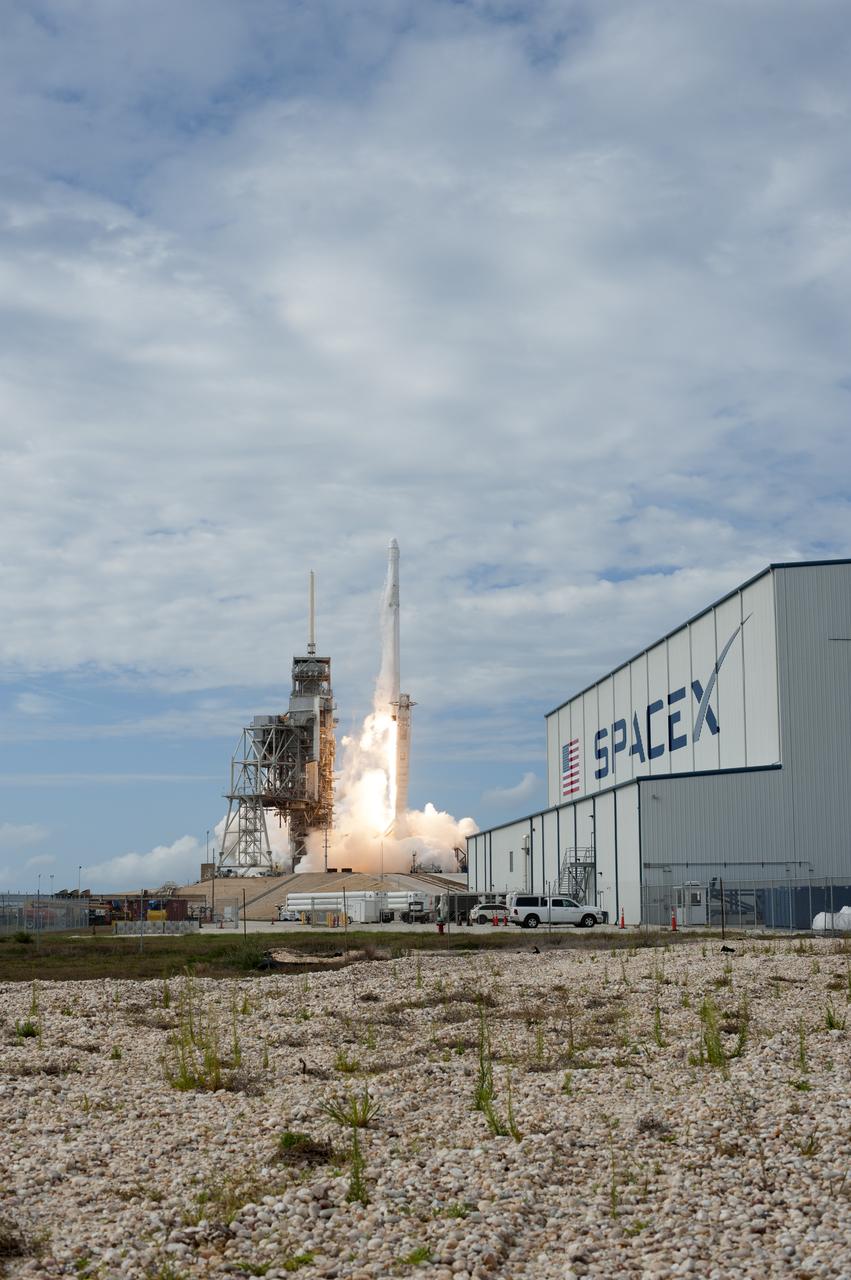
A SpaceX Falcon 9 rocket lifts off from Launch Complex 39A at NASA's Kenney Space Center in Florida, the company's 11th commercial resupply services mission to the International Space Station. Liftoff was at 5:07 p.m. EDT from the historic launch site now operated by SpaceX under a property agreement with NASA. The Dragon spacecraft will deliver 6,000 pounds of supplies, such as the Neutron star Interior Composition Explorer, or NICER, designed to study the extraordinary physics of these stars, providing insights into their nature and behavior.
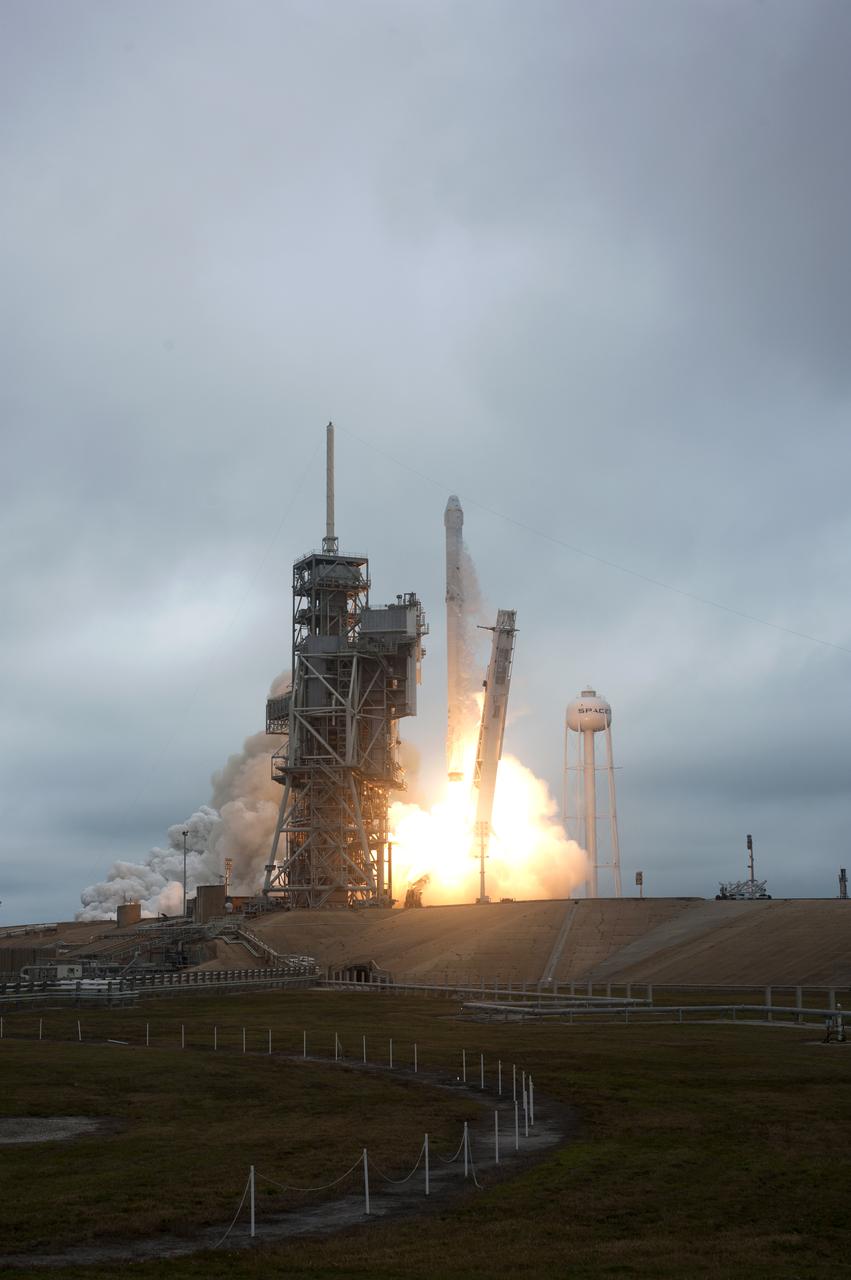
A SpaceX Falcon 9 rocket lifts off from Launch Complex 39A at NASA's Kenney Space Center in Florida. This is the company's 10th commercial resupply services mission to the International Space Station. Liftoff was at 9:39 a.m. EST from the historic launch site now operated by SpaceX under a property agreement with NASA. The Dragon spacecraft will deliver about 5,500 pounds of supplies to the space station, including the Stratospheric Aerosol and Gas Experiment (SAGE) III instrument to further study ozone in the atmosphere.
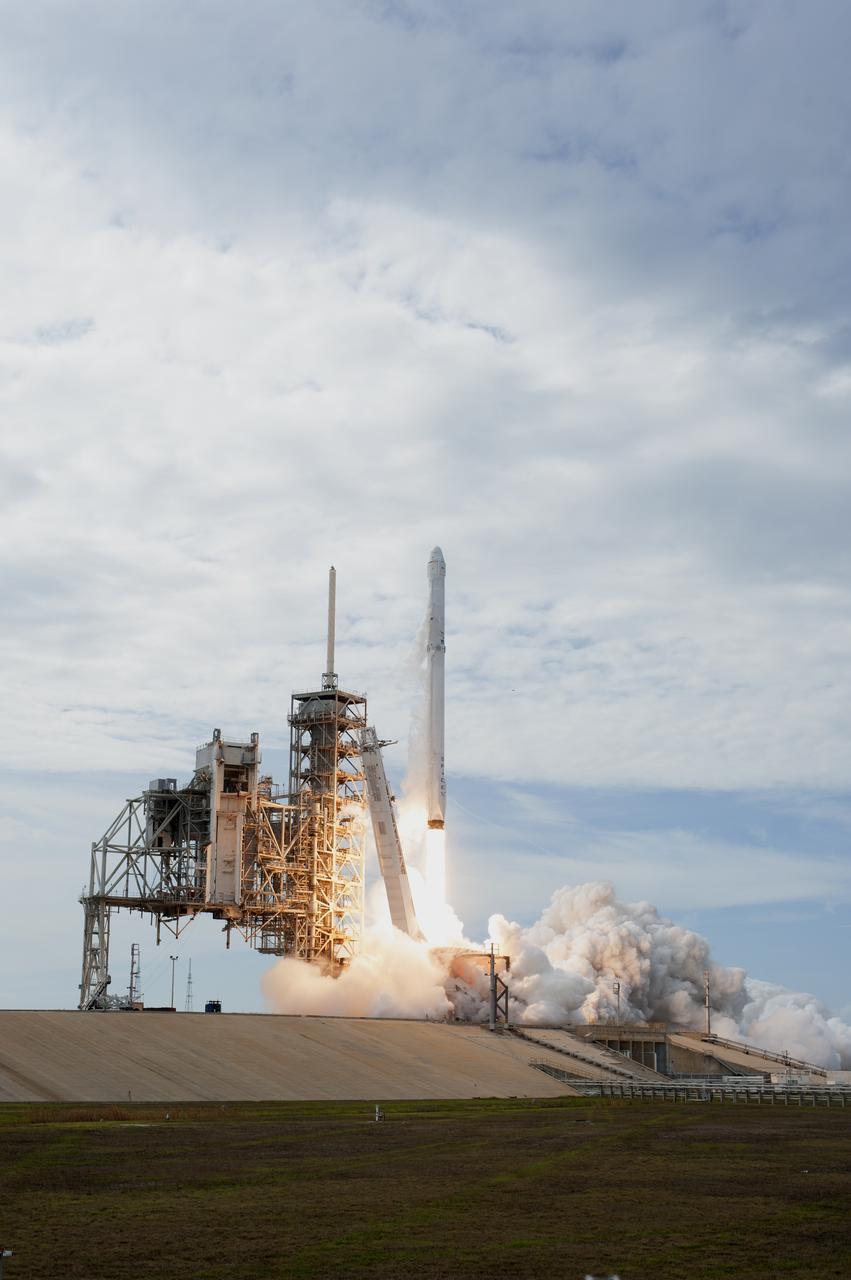
A SpaceX Falcon 9 rocket lifts off from Launch Complex 39A at NASA's Kenney Space Center in Florida, the company's 11th commercial resupply services mission to the International Space Station. Liftoff was at 5:07 p.m. EDT from the historic launch site now operated by SpaceX under a property agreement with NASA. The Dragon spacecraft will deliver 6,000 pounds of supplies, such as the Neutron star Interior Composition Explorer, or NICER, designed to study the extraordinary physics of these stars, providing insights into their nature and behavior.
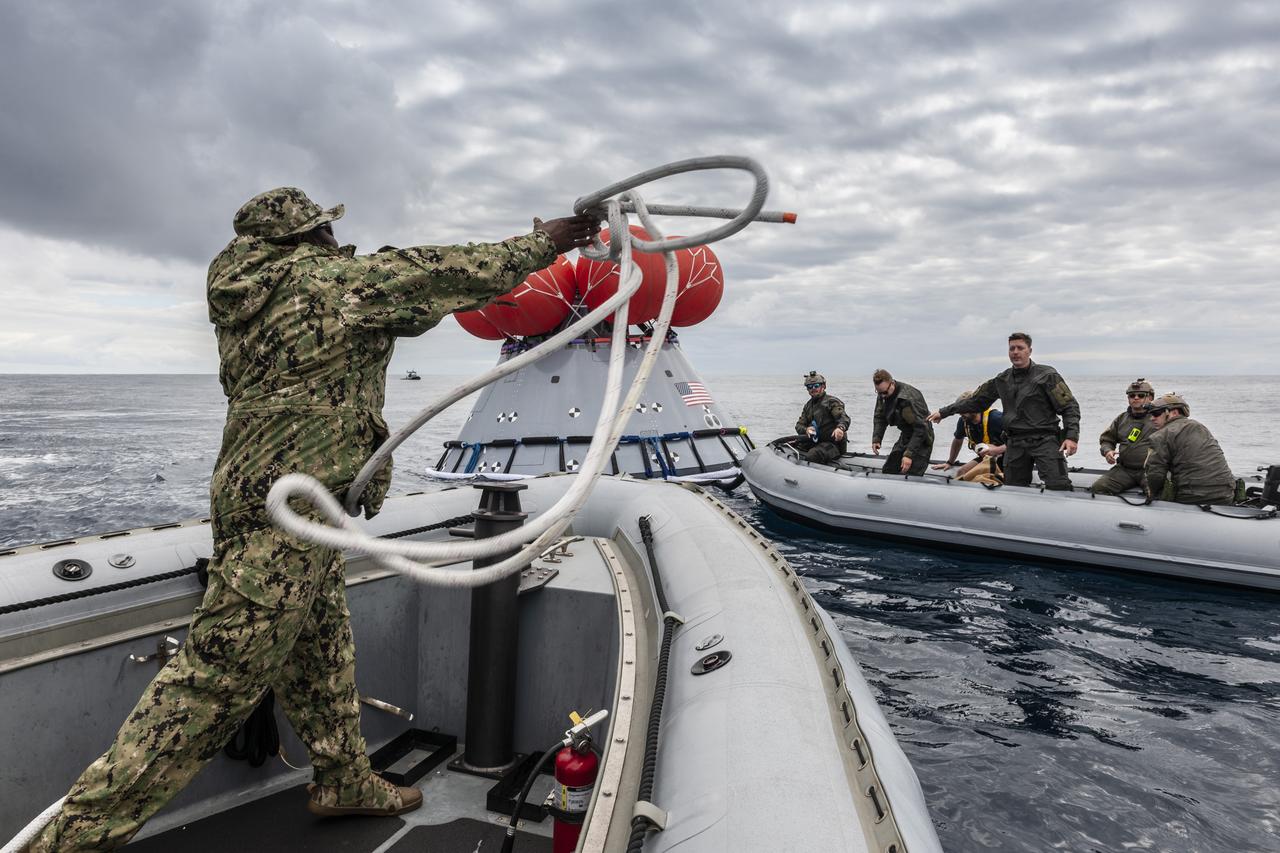
During Underway Recovery Test-8, NASA's Landing and Recovery team from Exploration Ground Systems at Kennedy Space Center performed their first full mission profile test of the recovery procedures for Artemis I aboard the USS John P. Murtha in the Pacific Ocean. Artemis I will be the first integrated flight test of NASA's Deep Space Exploration Systems: the Orion spacecraft, Space Launch System rocket, with the newly upgraded Exploration Ground Systems at Kennedy Space Center.
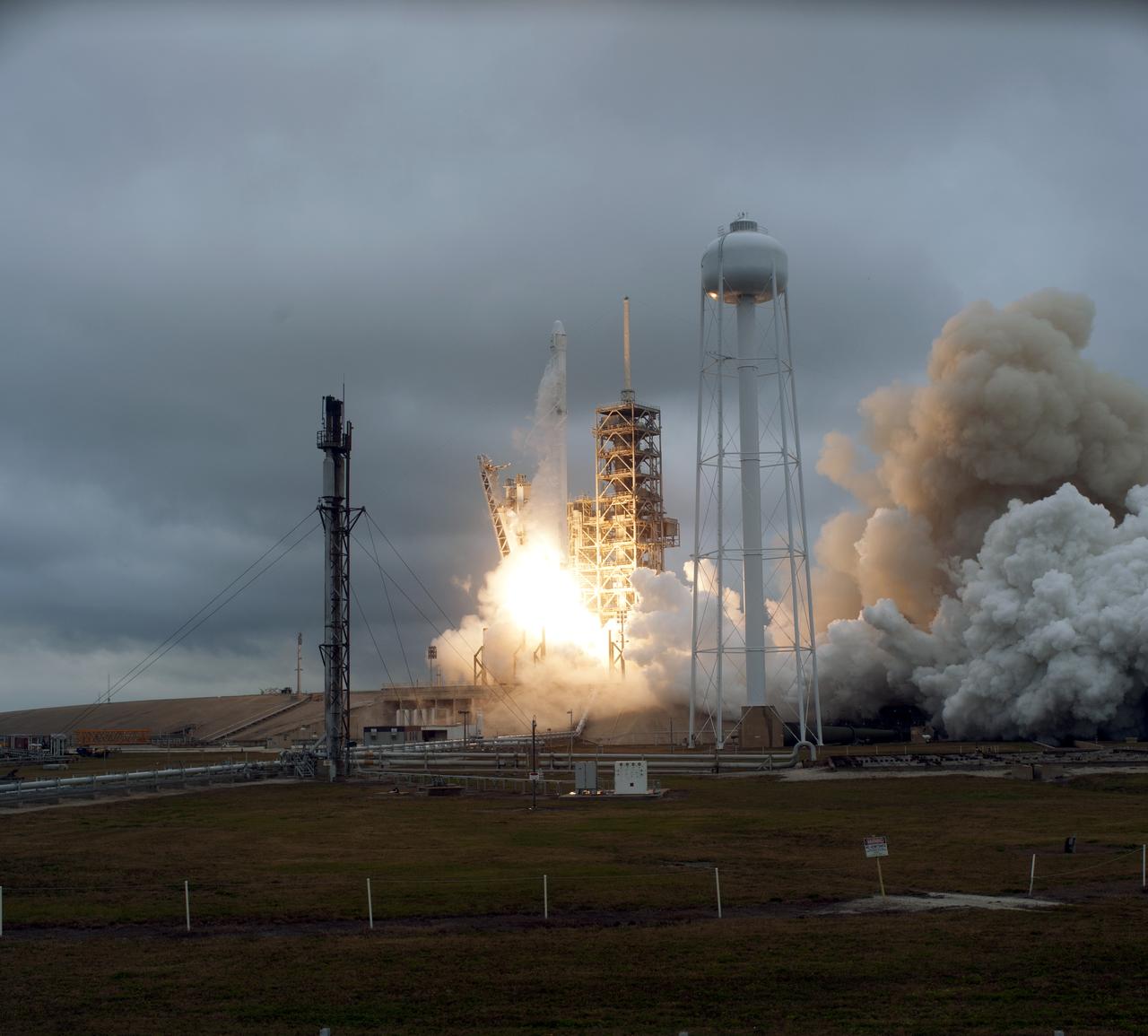
A SpaceX Falcon 9 rocket lifts off from Launch Complex 39A at NASA's Kenney Space Center in Florida. This is the company's 10th commercial resupply services mission to the International Space Station. Liftoff was at 9:39 a.m. EST from the historic launch site now operated by SpaceX under a property agreement with NASA. The Dragon spacecraft will deliver about 5,500 pounds of supplies to the space station, including the Stratospheric Aerosol and Gas Experiment (SAGE) III instrument to further study ozone in the atmosphere.
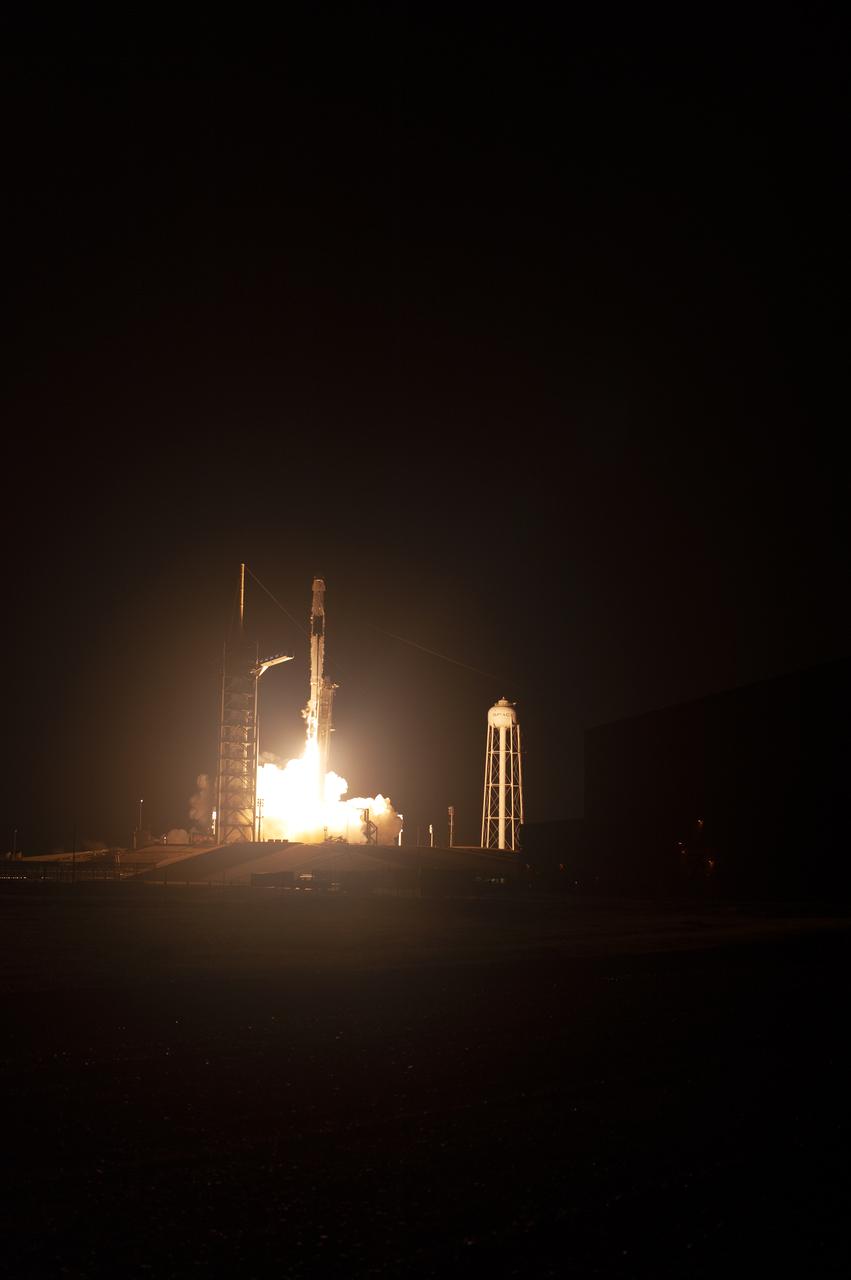
A two-stage SpaceX Falcon 9 rocket lifts off from Launch Complex 39A at NASA’s Kennedy Space Center in Florida for Demo-1, the first uncrewed mission of the agency’s Commercial Crew Program. Liftoff was at 2:49 a.m., March 2, 2019. The SpaceX Crew Dragon’s trip to the International Space Station is designed to validate end-to-end systems and capabilities, leading to certification to fly crew. NASA has worked with SpaceX and Boeing in developing the Commercial Crew Program spacecraft to facilitate new human spaceflight systems launching from U.S. soil with the goal of safe, reliable and cost-effective access to low-Earth orbit destinations, such as the space station.
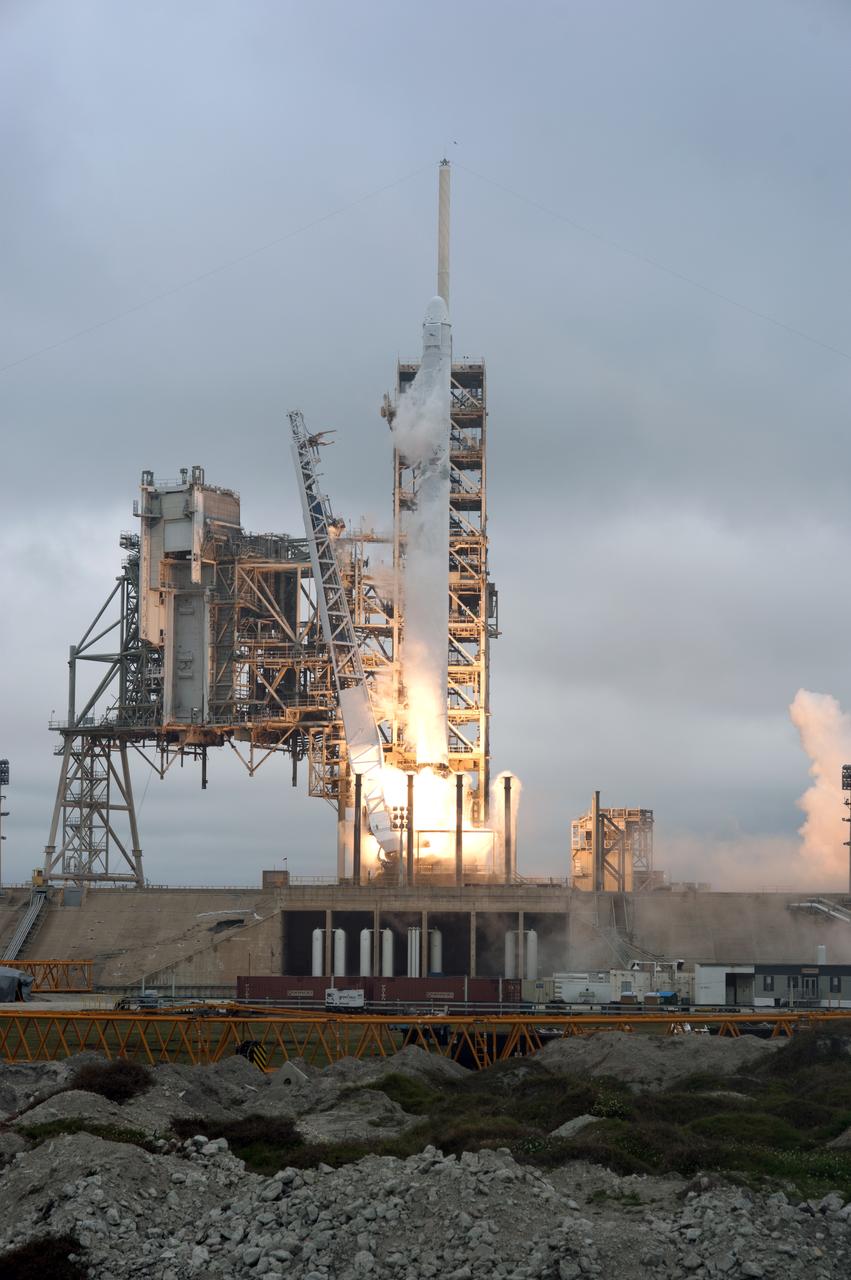
A SpaceX Falcon 9 rocket lifts off from Launch Complex 39A at NASA's Kenney Space Center in Florida. This is the company's 10th commercial resupply services mission to the International Space Station. Liftoff was at 9:39 a.m. EST from the historic launch site now operated by SpaceX under a property agreement with NASA. The Dragon spacecraft will deliver about 5,500 pounds of supplies to the space station, including the Stratospheric Aerosol and Gas Experiment (SAGE) III instrument to further study ozone in the atmosphere.
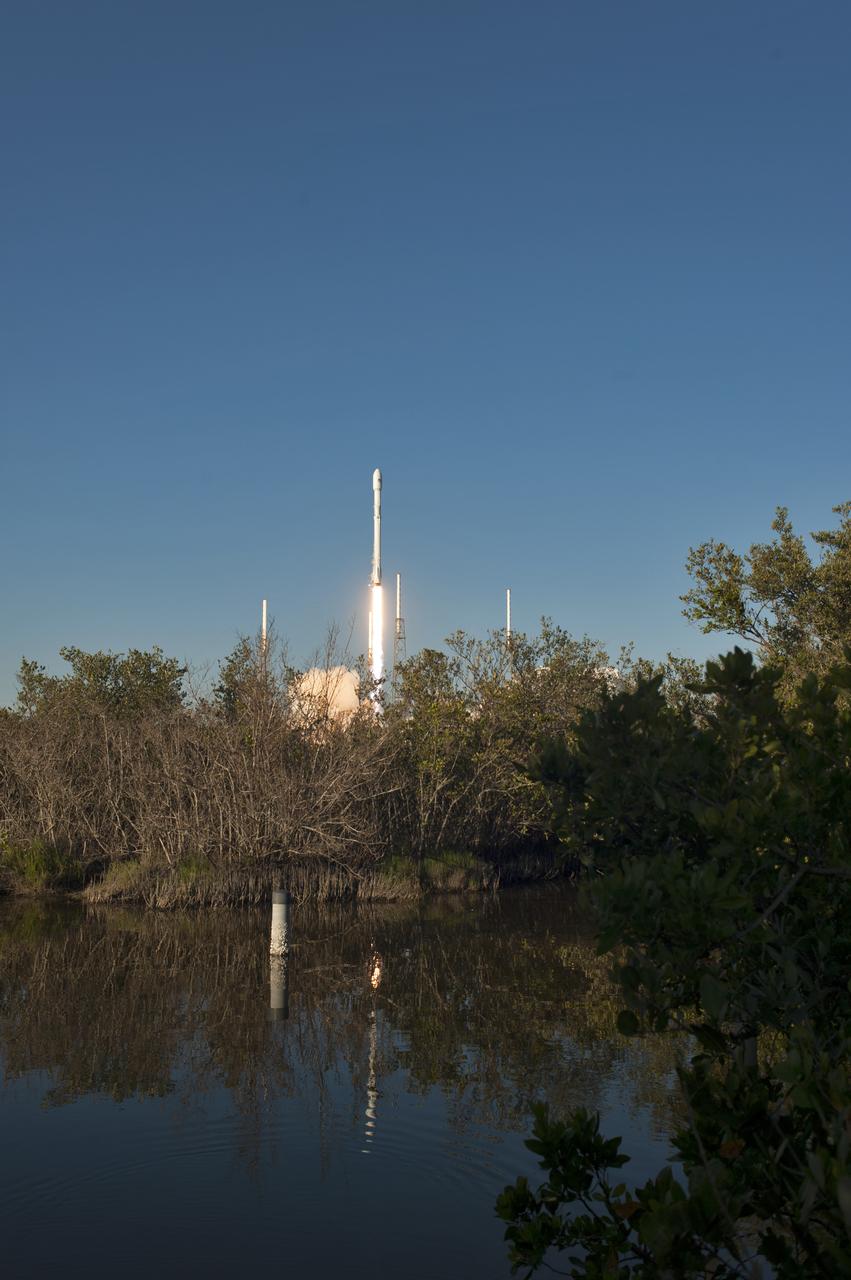
A SpaceX Falcon 9 rocket lifts off from Space Launch Complex 40 at Cape Canaveral Air Force Station in Florida, carrying NASA's Transiting Exoplanet Survey Satellite (TESS). Liftoff was at 6:51 p.m. EDT. TESS will search for planets outside of our solar system. The mission will find exoplanets that periodically block part of the light from their host stars, events called transits. The satellite will survey the nearest and brightest stars for two years to search for transiting exoplanets.
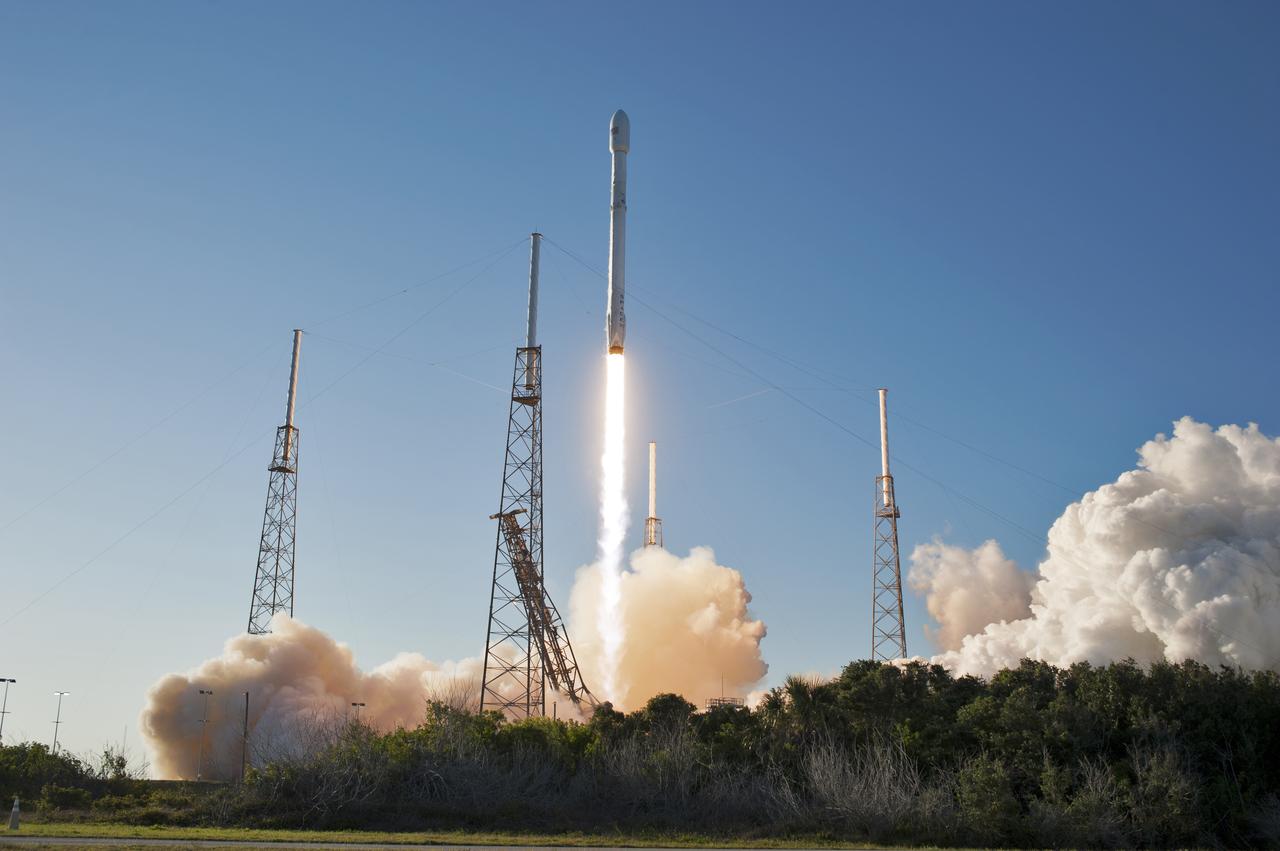
A SpaceX Falcon 9 rocket lifts off from Space Launch Complex 40 at Cape Canaveral Air Force Station in Florida, carrying NASA's Transiting Exoplanet Survey Satellite (TESS). Liftoff was at 6:51 p.m. EDT. TESS will search for planets outside of our solar system. The mission will find exoplanets that periodically block part of the light from their host stars, events called transits. The satellite will survey the nearest and brightest stars for two years to search for transiting exoplanets.
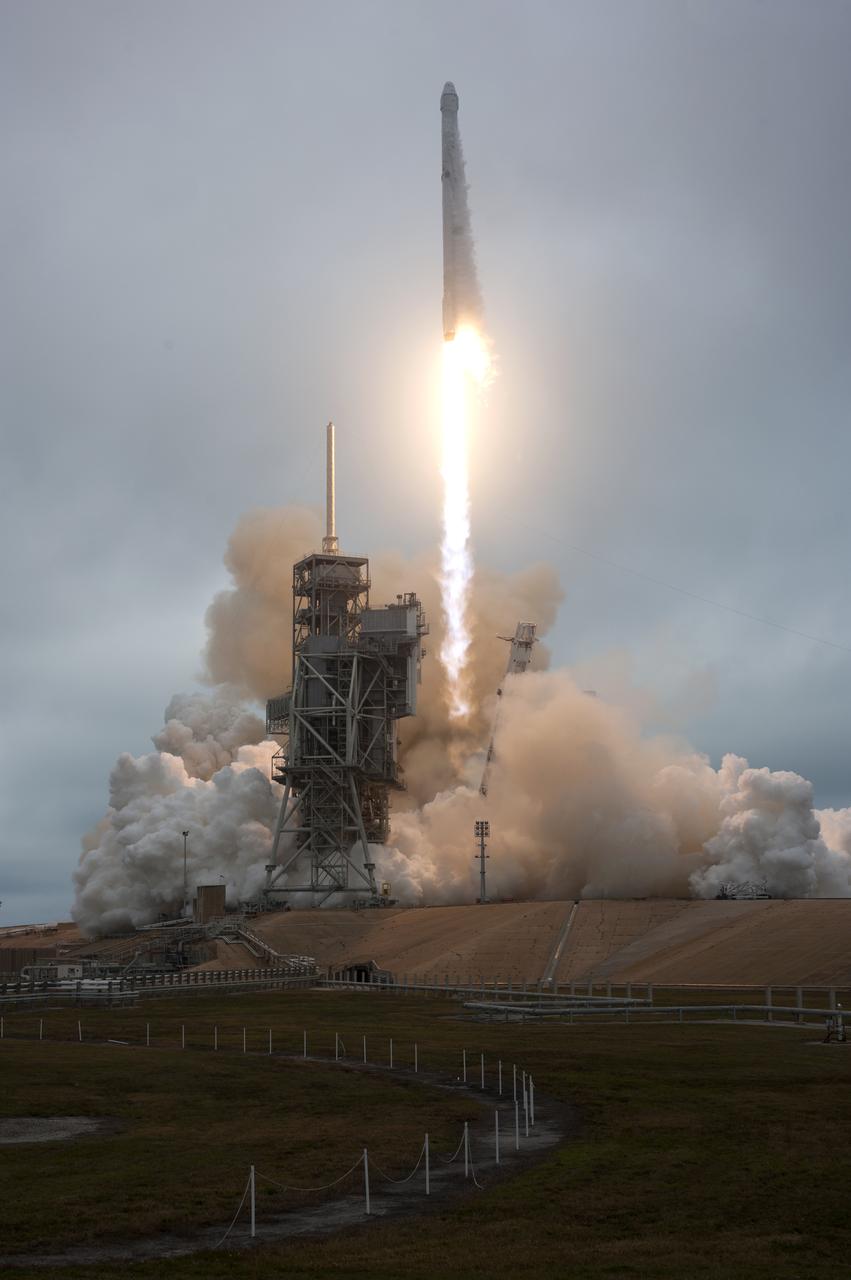
A SpaceX Falcon 9 rocket lifts off from Launch Complex 39A at NASA's Kenney Space Center in Florida. This is the company's 10th commercial resupply services mission to the International Space Station. Liftoff was at 9:39 a.m. EST from the historic launch site now operated by SpaceX under a property agreement with NASA. The Dragon spacecraft will deliver about 5,500 pounds of supplies to the space station, including the Stratospheric Aerosol and Gas Experiment (SAGE) III instrument to further study ozone in the atmosphere.
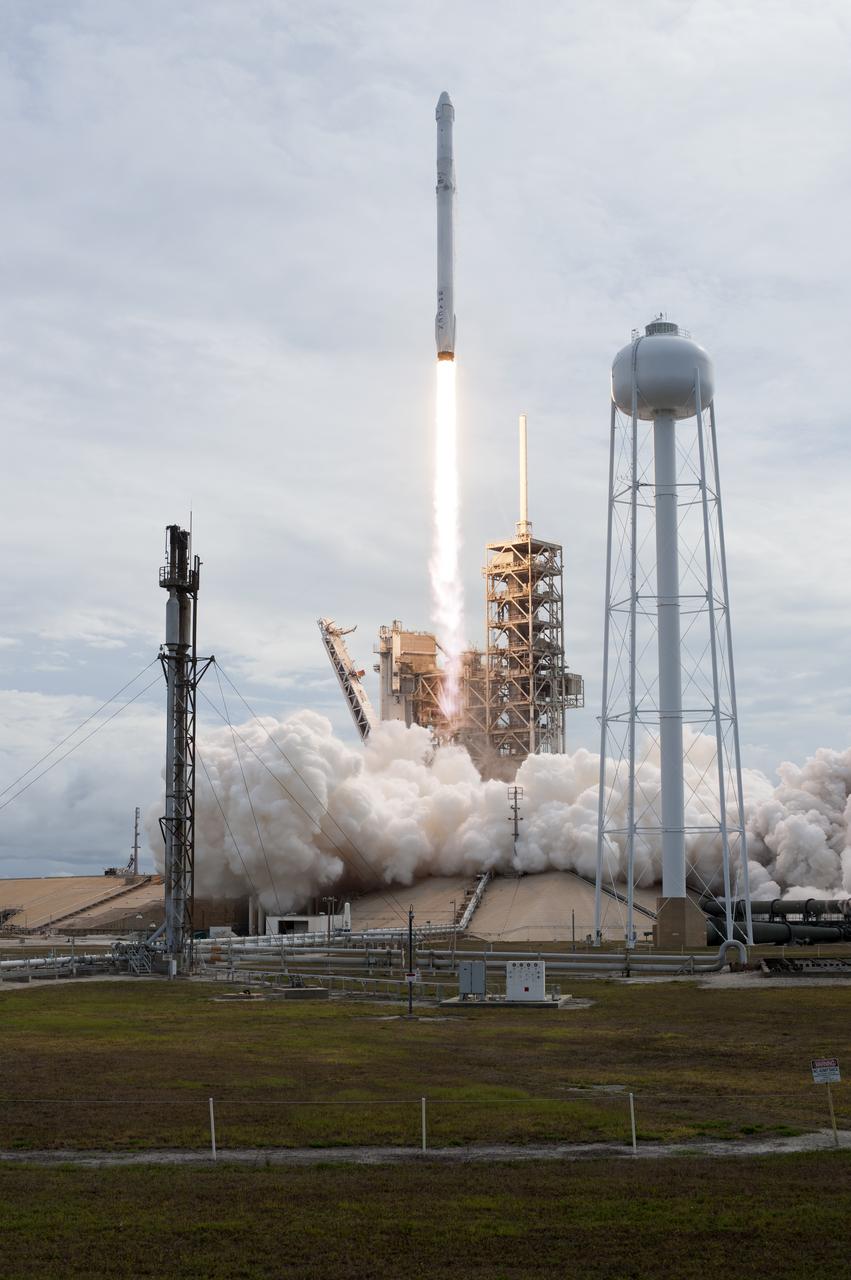
A SpaceX Falcon 9 rocket lifts off from Launch Complex 39A at NASA's Kenney Space Center in Florida, the company's 11th commercial resupply services mission to the International Space Station. Liftoff was at 5:07 p.m. EDT from the historic launch site now operated by SpaceX under a property agreement with NASA. The Dragon spacecraft will deliver 6,000 pounds of supplies, such as the Neutron star Interior Composition Explorer, or NICER, designed to study the extraordinary physics of these stars, providing insights into their nature and behavior.
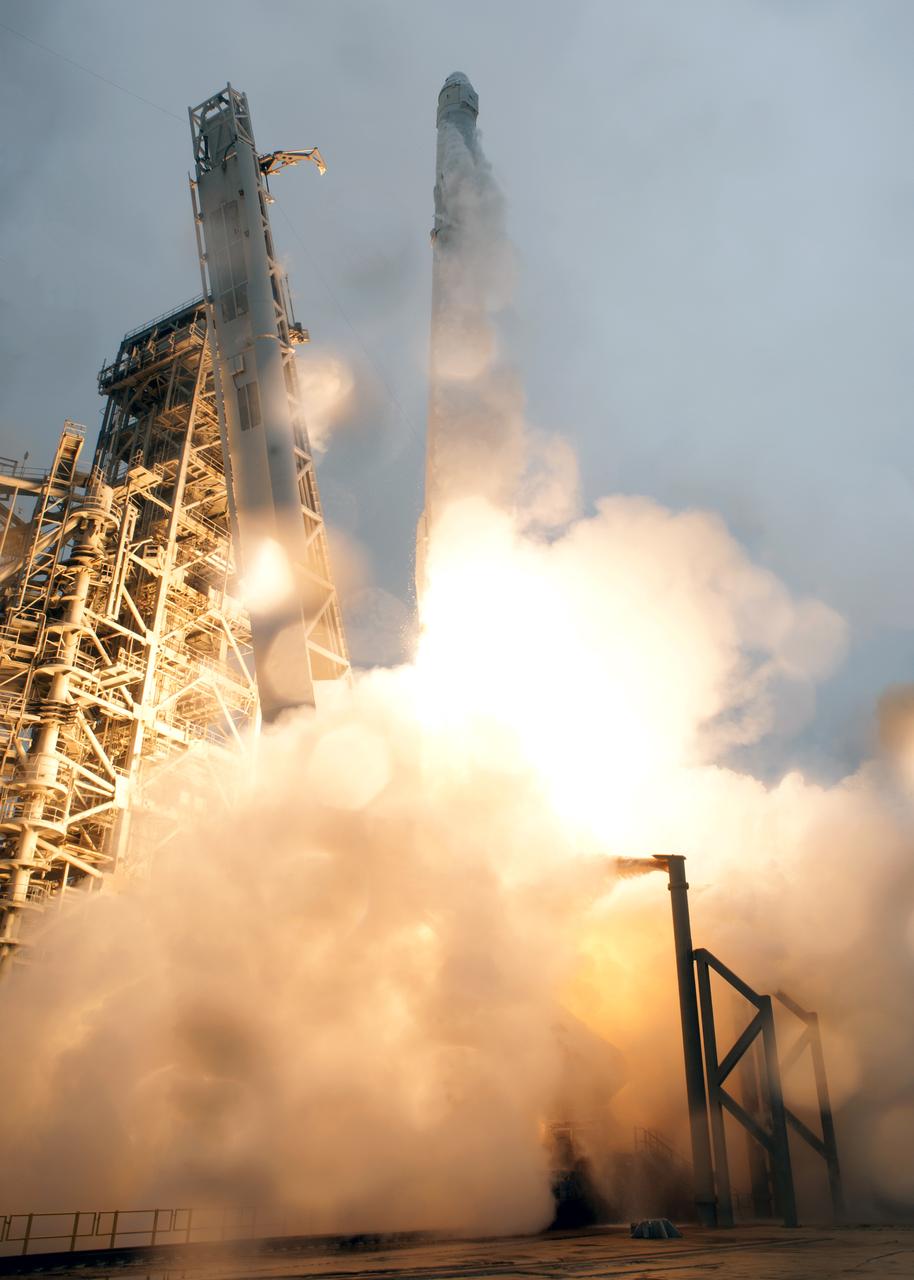
A SpaceX Falcon 9 rocket lifts off from Launch Complex 39A at NASA's Kenney Space Center in Florida. This is the company's 10th commercial resupply services mission to the International Space Station. Liftoff was at 9:39 a.m. EST from the historic launch site now operated by SpaceX under a property agreement with NASA. The Dragon spacecraft will deliver about 5,500 pounds of supplies to the space station, including the Stratospheric Aerosol and Gas Experiment (SAGE) III instrument to further study ozone in the atmosphere.
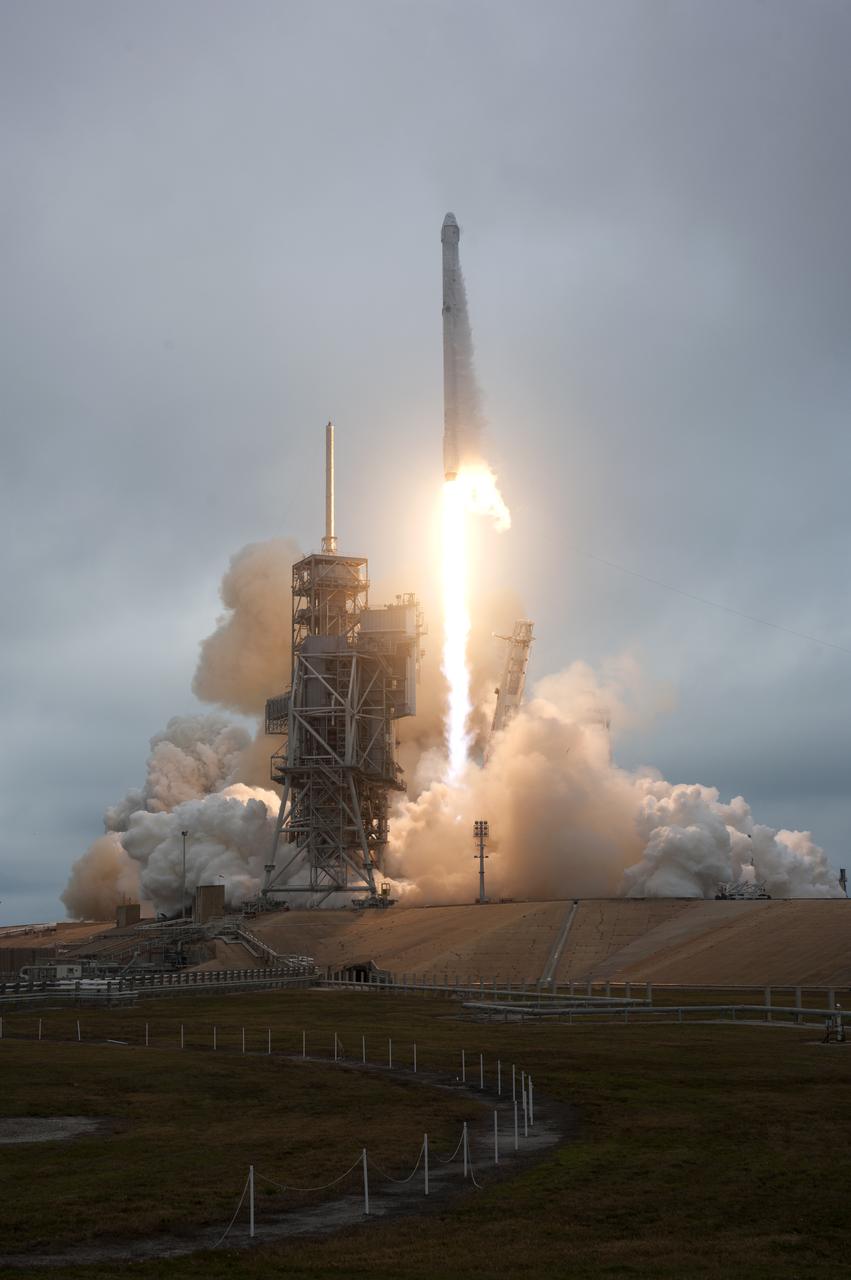
A SpaceX Falcon 9 rocket lifts off from Launch Complex 39A at NASA's Kenney Space Center in Florida. This is the company's 10th commercial resupply services mission to the International Space Station. Liftoff was at 9:39 a.m. EST from the historic launch site now operated by SpaceX under a property agreement with NASA. The Dragon spacecraft will deliver about 5,500 pounds of supplies to the space station, including the Stratospheric Aerosol and Gas Experiment (SAGE) III instrument to further study ozone in the atmosphere.
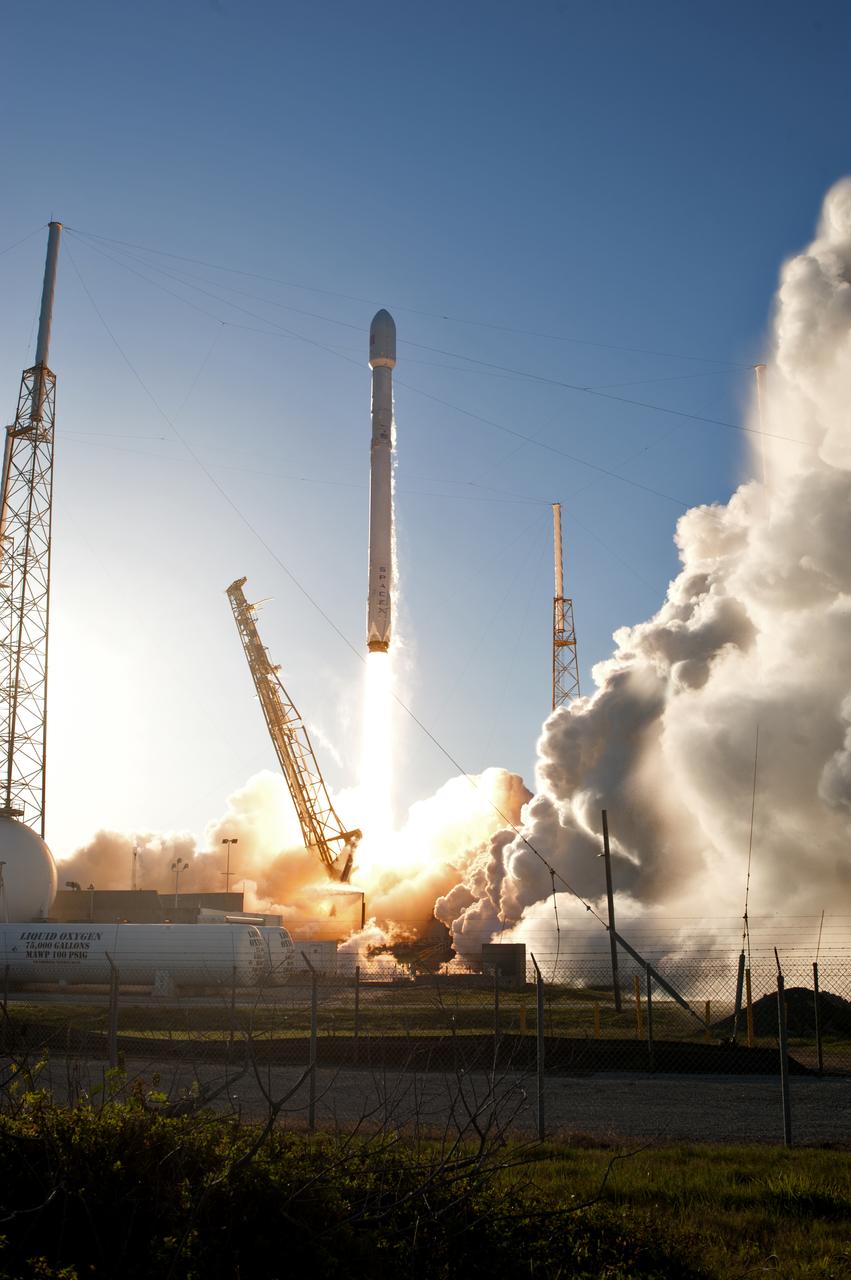
A SpaceX Falcon 9 rocket lifts off from Space Launch Complex 40 at Cape Canaveral Air Force Station in Florida, carrying NASA's Transiting Exoplanet Survey Satellite (TESS). Liftoff was at 6:51 p.m. EDT. TESS will search for planets outside of our solar system. The mission will find exoplanets that periodically block part of the light from their host stars, events called transits. The satellite will survey the nearest and brightest stars for two years to search for transiting exoplanets.

The SpaceX Falcon 9 rocket with the Dragon cargo module lifts off Space Launch Complex 40 on Cape Canaveral Air Force Station in Florida in the early afternoon on Dec. 5, 2019. Liftoff was at 12:29 p.m. EST. This is SpaceX’s 19th Commercial Resupply Services (CRS-19) mission for NASA to the International Space Station. The Dragon cargo module will deliver more than 5,700 pounds of science and research, crew supplies and vehicle hardware to the orbital laboratory and its crew.

A SpaceX Falcon 9 rocket lifts off from Launch Complex 39A at NASA's Kenney Space Center in Florida. This is the company's 10th commercial resupply services mission to the International Space Station. Liftoff was at 9:39 a.m. EST from the historic launch site now operated by SpaceX under a property agreement with NASA. The Dragon spacecraft will deliver about 5,500 pounds of supplies to the space station, including the Stratospheric Aerosol and Gas Experiment (SAGE) III instrument to further study ozone in the atmosphere.
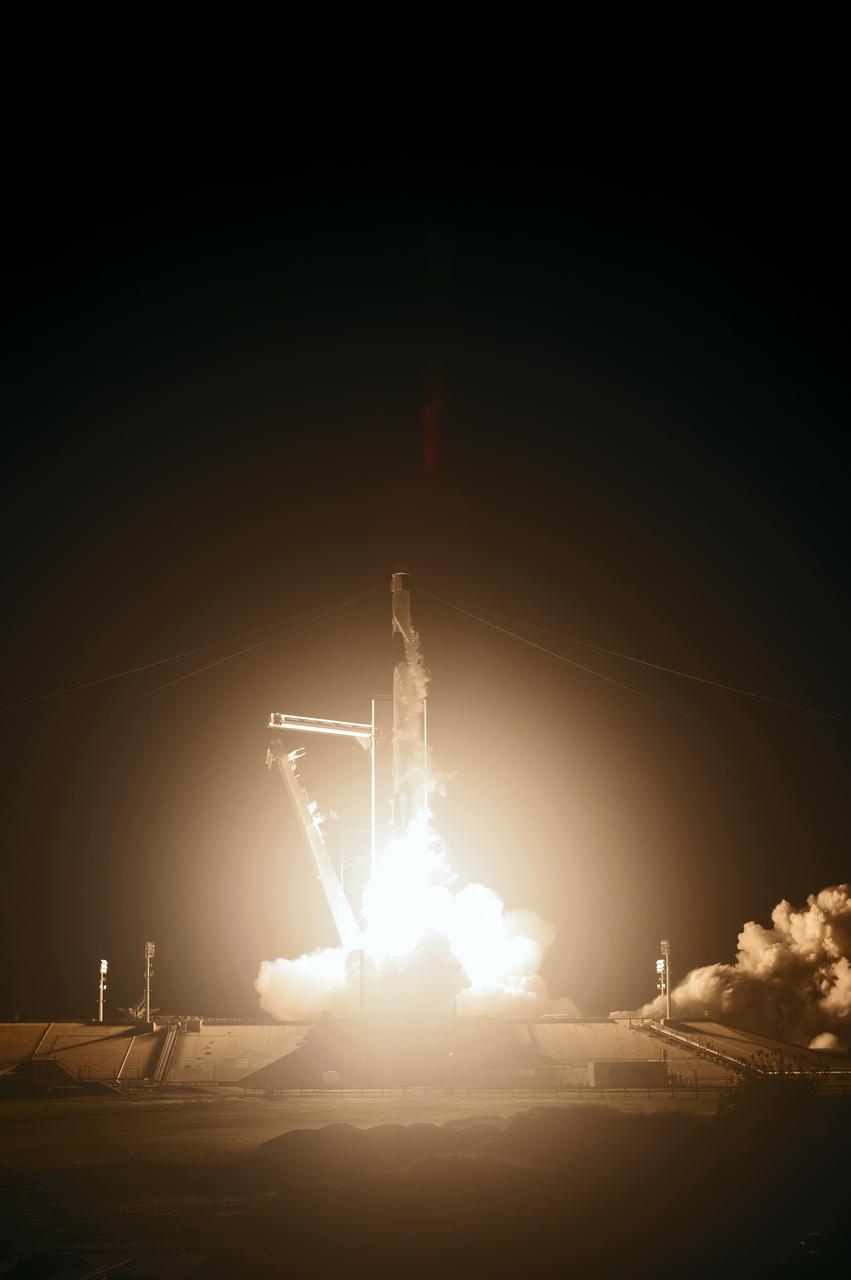
A two-stage SpaceX Falcon 9 rocket lifts off from Launch Complex 39A at NASA’s Kennedy Space Center in Florida for Demo-1, the first uncrewed mission of the agency’s Commercial Crew Program. Liftoff was at 2:49 a.m., March 2, 2019. The SpaceX Crew Dragon’s trip to the International Space Station is designed to validate end-to-end systems and capabilities, leading to certification to fly crew. NASA has worked with SpaceX and Boeing in developing the Commercial Crew Program spacecraft to facilitate new human spaceflight systems launching from U.S. soil with the goal of safe, reliable and cost-effective access to low-Earth orbit destinations, such as the space station.
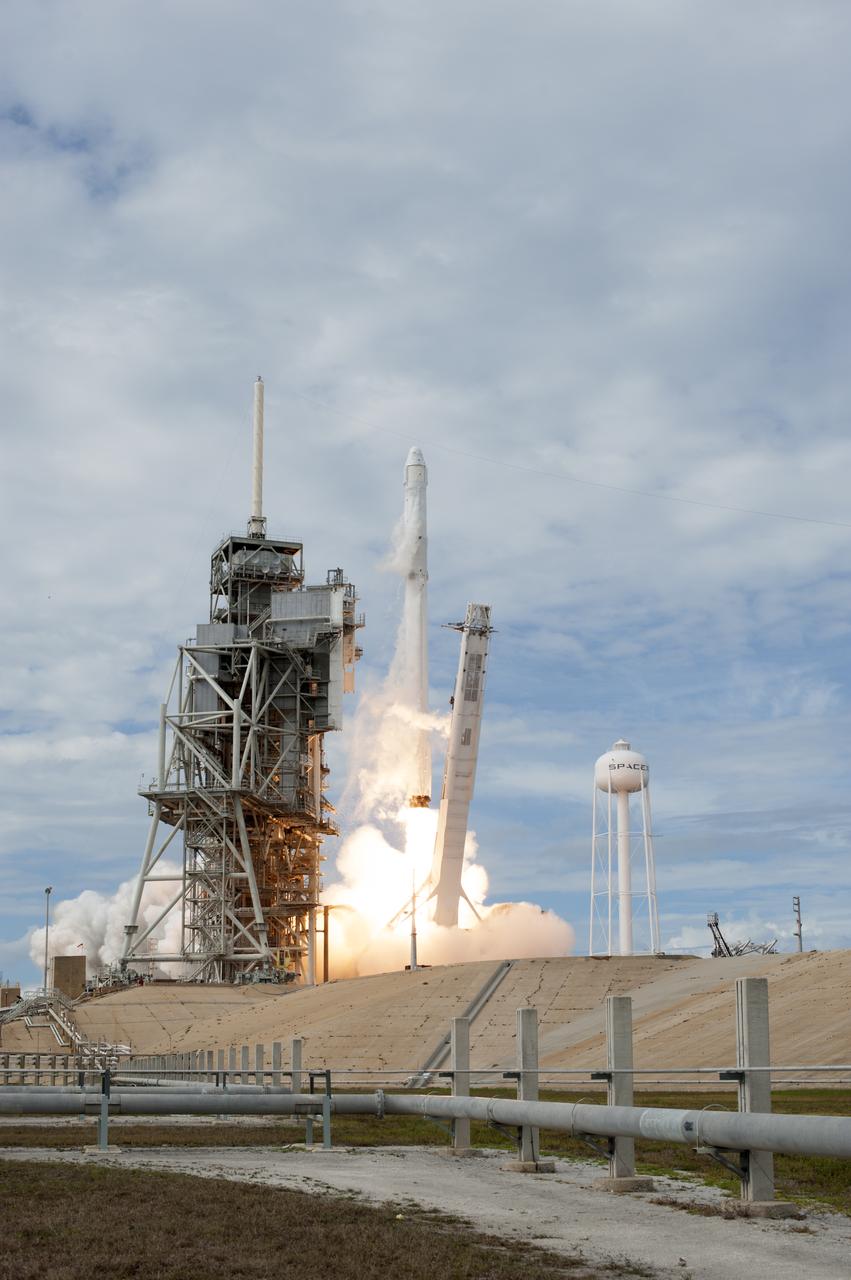
A SpaceX Falcon 9 rocket lifts off from Launch Complex 39A at NASA's Kenney Space Center in Florida, the company's 11th commercial resupply services mission to the International Space Station. Liftoff was at 5:07 p.m. EDT from the historic launch site now operated by SpaceX under a property agreement with NASA. The Dragon spacecraft will deliver 6,000 pounds of supplies, such as the Neutron star Interior Composition Explorer, or NICER, designed to study the extraordinary physics of these stars, providing insights into their nature and behavior.
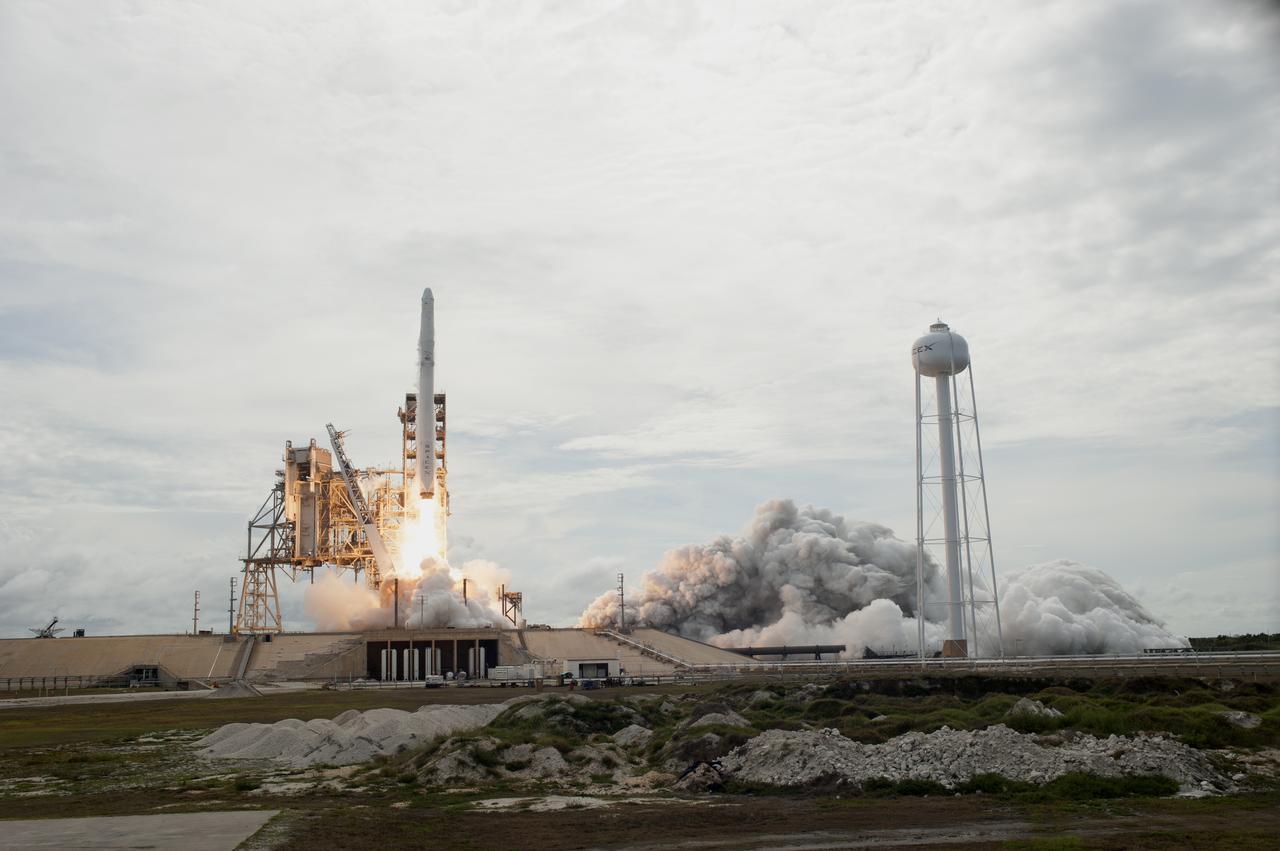
A SpaceX Falcon 9 rocket lifts off from Launch Complex 39A at NASA's Kenney Space Center in Florida, the company's 11th commercial resupply services mission to the International Space Station. Liftoff was at 5:07 p.m. EDT from the historic launch site now operated by SpaceX under a property agreement with NASA. The Dragon spacecraft will deliver 6,000 pounds of supplies, such as the Neutron star Interior Composition Explorer, or NICER, designed to study the extraordinary physics of these stars, providing insights into their nature and behavior.
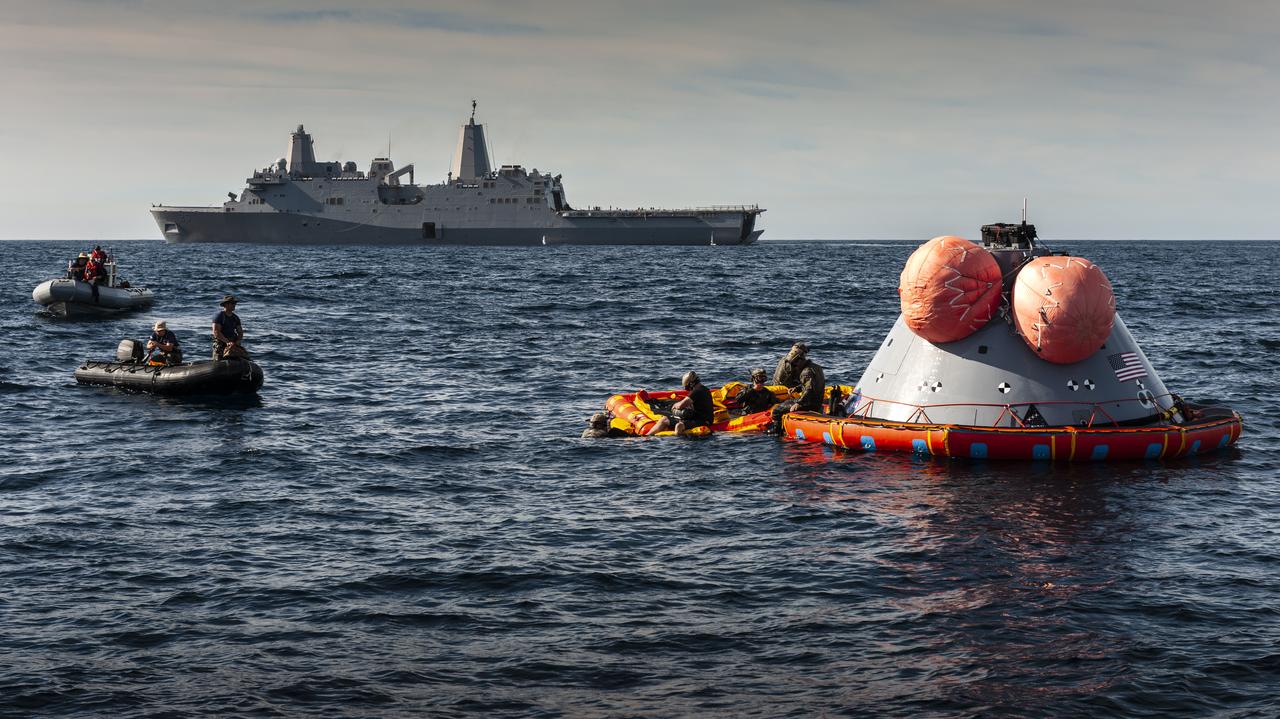
U.S. Navy divers prepare to attach the "front porch" to a test version of the Orion capsule on Nov. 1, 2018, as part of Underway Recovery Test-7 (URT-7) in the open water of the Pacific Ocean. Nearby is the USS John P. Murtha. Orion will be towed into the ship's well deck. There are two large, orange mockup uprighting bags in this view, but when Orion actually splashes down there will be five. URT-7 is one in a series of tests that the Exploration Ground Systems Recovery Team, along with the U.S. Navy, are conducting to verify and validate procedures and hardware that will be used to recover the Orion spacecraft after it splashes down in the Pacific Ocean following deep space exploration missions. Orion will have emergency abort capability, sustain the crew during space travel and provide safe re-entry from deep space return velocities.
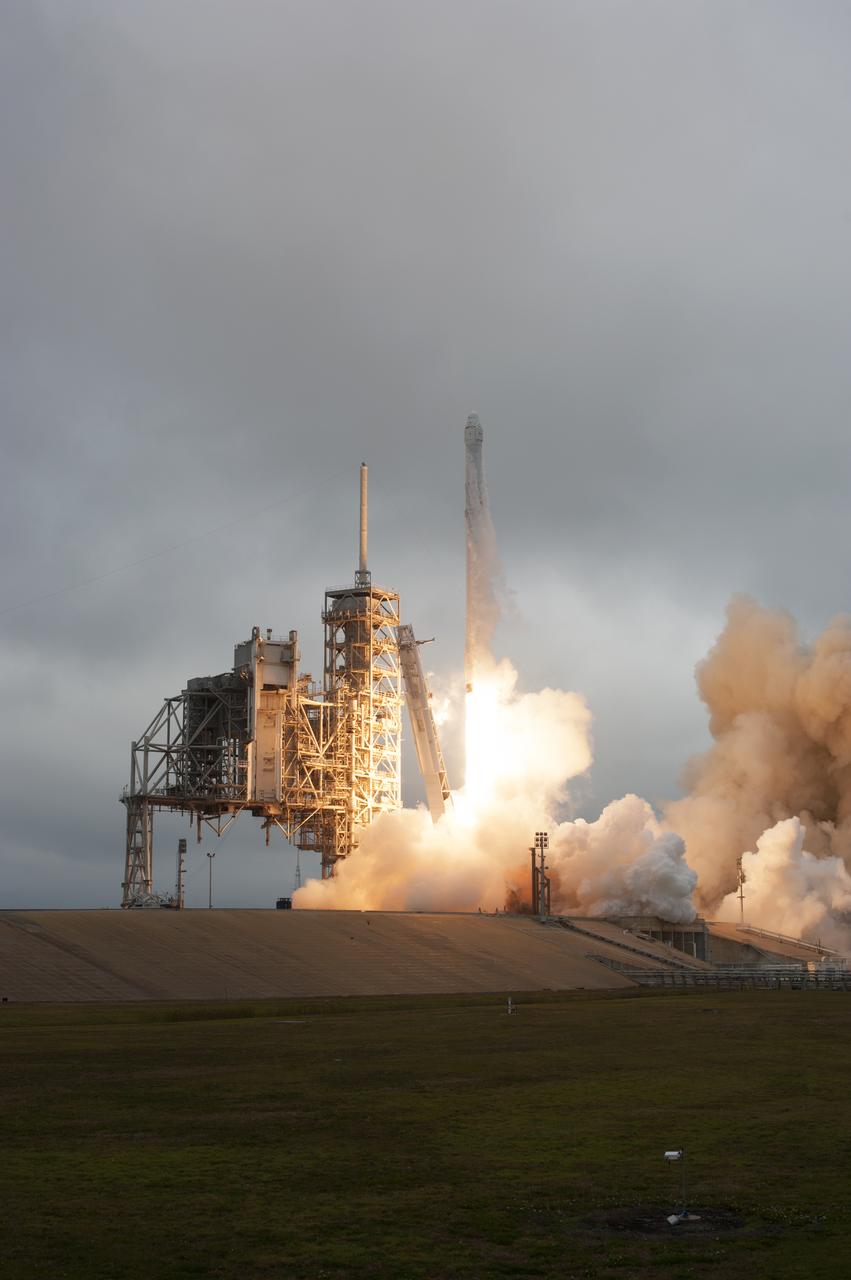
A SpaceX Falcon 9 rocket lifts off from Launch Complex 39A at NASA's Kenney Space Center in Florida. This is the company's 10th commercial resupply services mission to the International Space Station. Liftoff was at 9:39 a.m. EST from the historic launch site now operated by SpaceX under a property agreement with NASA. The Dragon spacecraft will deliver about 5,500 pounds of supplies to the space station, including the Stratospheric Aerosol and Gas Experiment (SAGE) III instrument to further study ozone in the atmosphere.
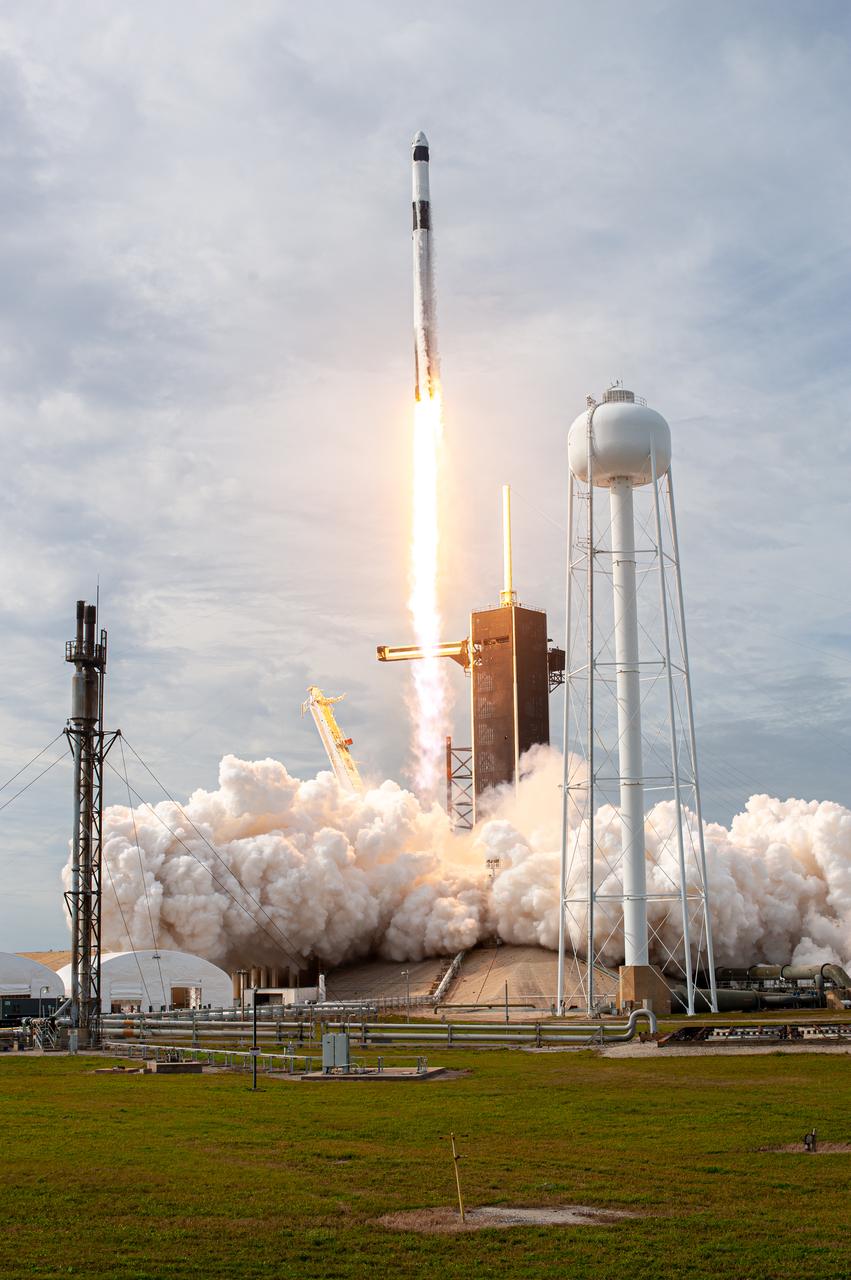
A SpaceX Falcon 9 rocket lifts off from Launch Complex 39A at NASA’s Kennedy Space Center in Florida at 10:30 a.m. EST on Jan. 19, 2020, carrying the Crew Dragon spacecraft on the company’s uncrewed In-Flight Abort Test. The flight test demonstrated the spacecraft’s escape capabilities in preparation for crewed flights to the International Space Station as part of the agency’s Commercial Crew Program.
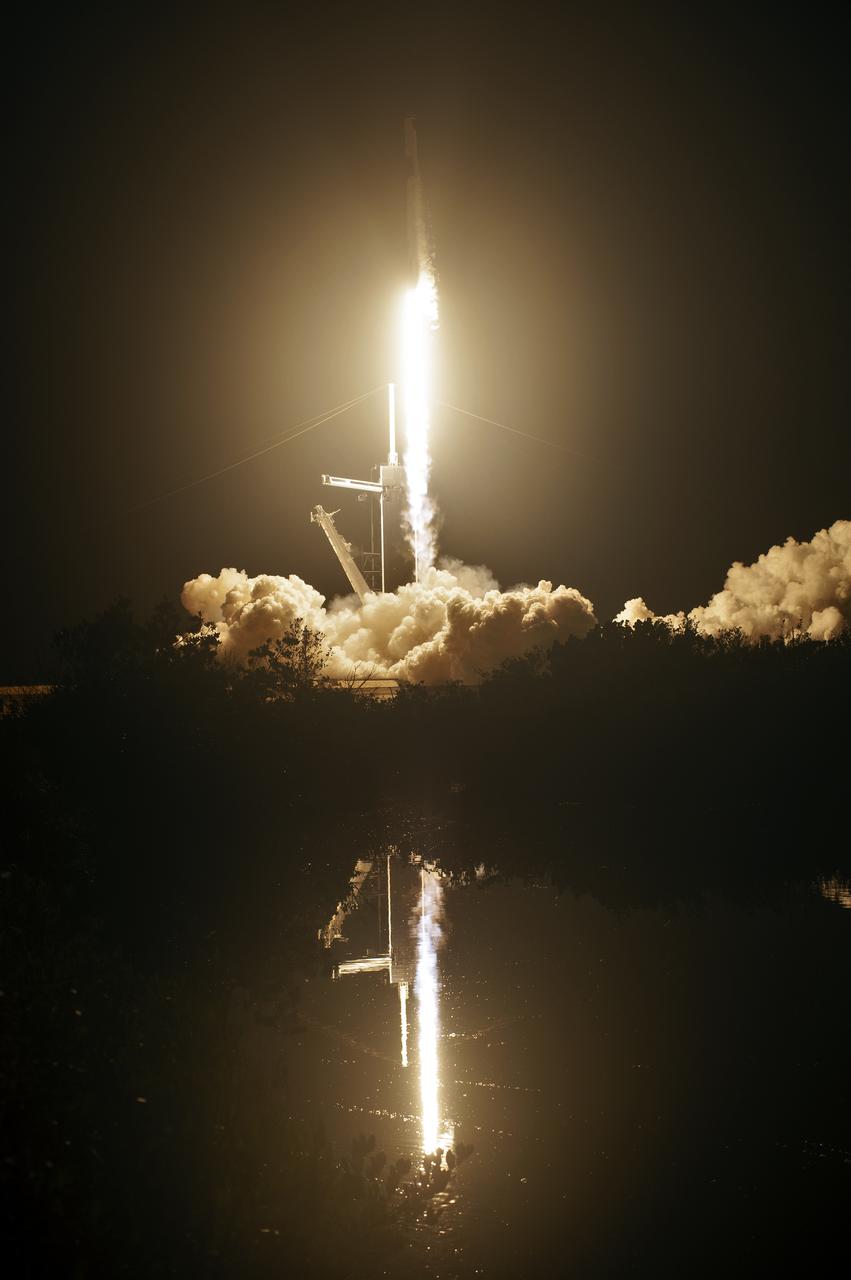
A two-stage SpaceX Falcon 9 rocket lifts off from Launch Complex 39A at NASA’s Kennedy Space Center in Florida for Demo-1, the first uncrewed mission of the agency’s Commercial Crew Program. Liftoff was at 2:49 a.m., March 2, 2019. The SpaceX Crew Dragon’s trip to the International Space Station is designed to validate end-to-end systems and capabilities, leading to certification to fly crew. NASA has worked with SpaceX and Boeing in developing the Commercial Crew Program spacecraft to facilitate new human spaceflight systems launching from U.S. soil with the goal of safe, reliable and cost-effective access to low-Earth orbit destinations, such as the space station.
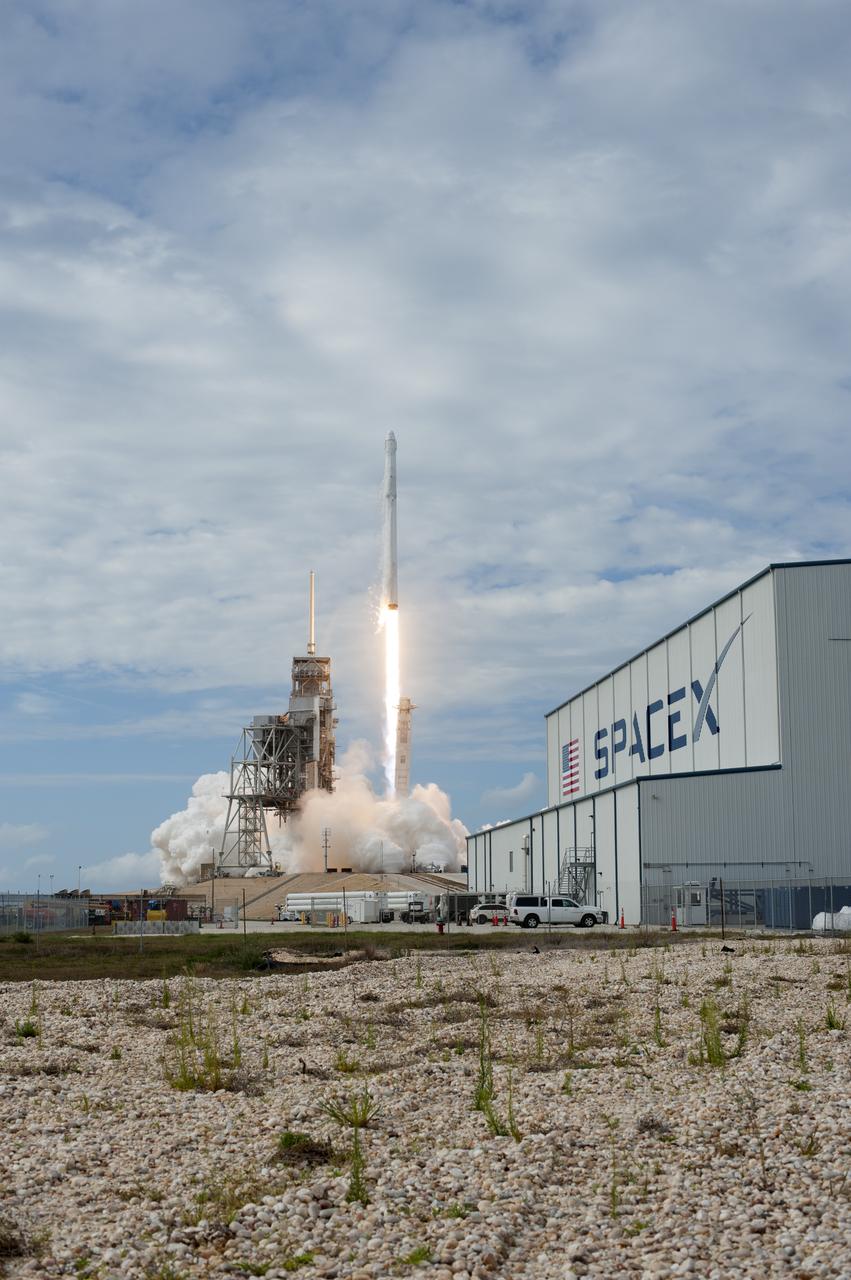
A SpaceX Falcon 9 rocket lifts off from Launch Complex 39A at NASA's Kenney Space Center in Florida, the company's 11th commercial resupply services mission to the International Space Station. Liftoff was at 5:07 p.m. EDT from the historic launch site now operated by SpaceX under a property agreement with NASA. The Dragon spacecraft will deliver 6,000 pounds of supplies, such as the Neutron star Interior Composition Explorer, or NICER, designed to study the extraordinary physics of these stars, providing insights into their nature and behavior.
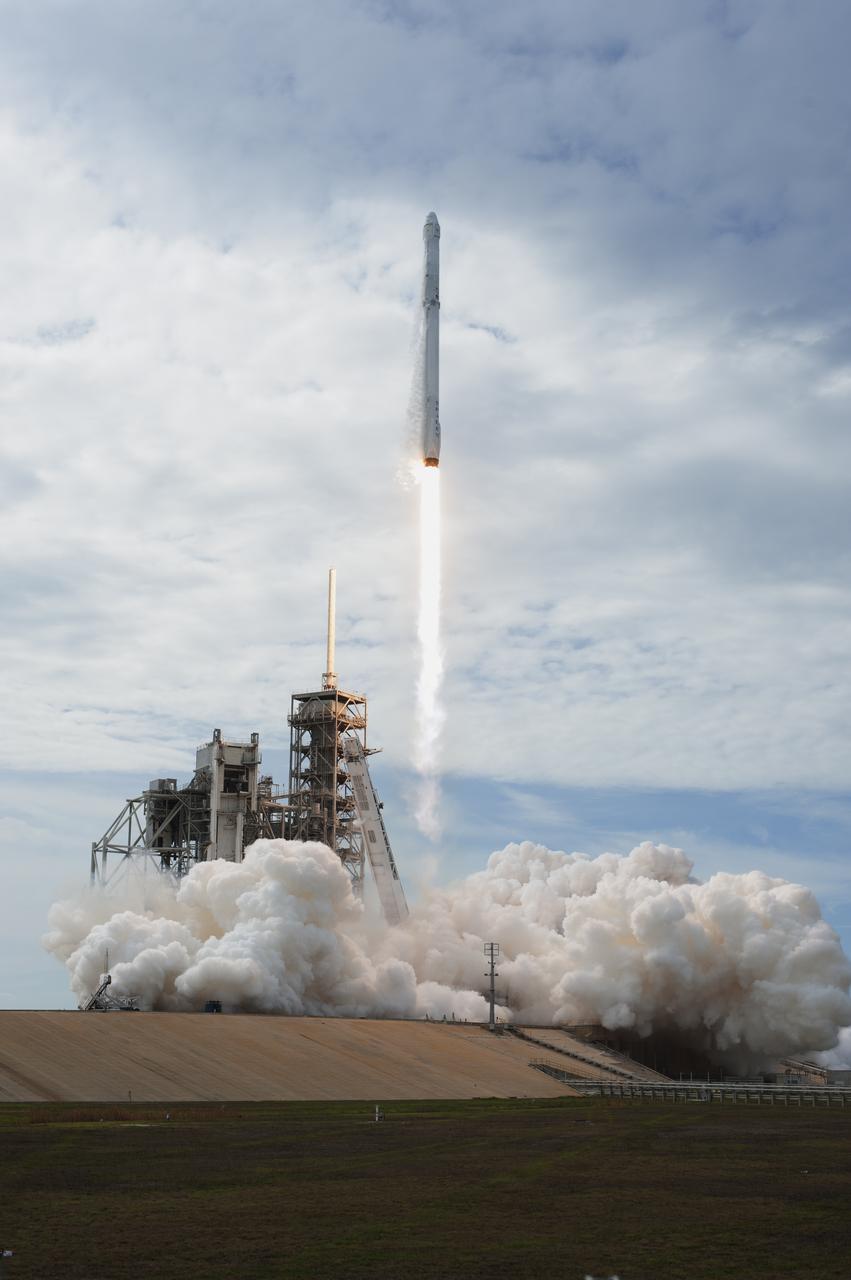
A SpaceX Falcon 9 rocket lifts off from Launch Complex 39A at NASA's Kenney Space Center in Florida, the company's 11th commercial resupply services mission to the International Space Station. Liftoff was at 5:07 p.m. EDT from the historic launch site now operated by SpaceX under a property agreement with NASA. The Dragon spacecraft will deliver 6,000 pounds of supplies, such as the Neutron star Interior Composition Explorer, or NICER, designed to study the extraordinary physics of these stars, providing insights into their nature and behavior.
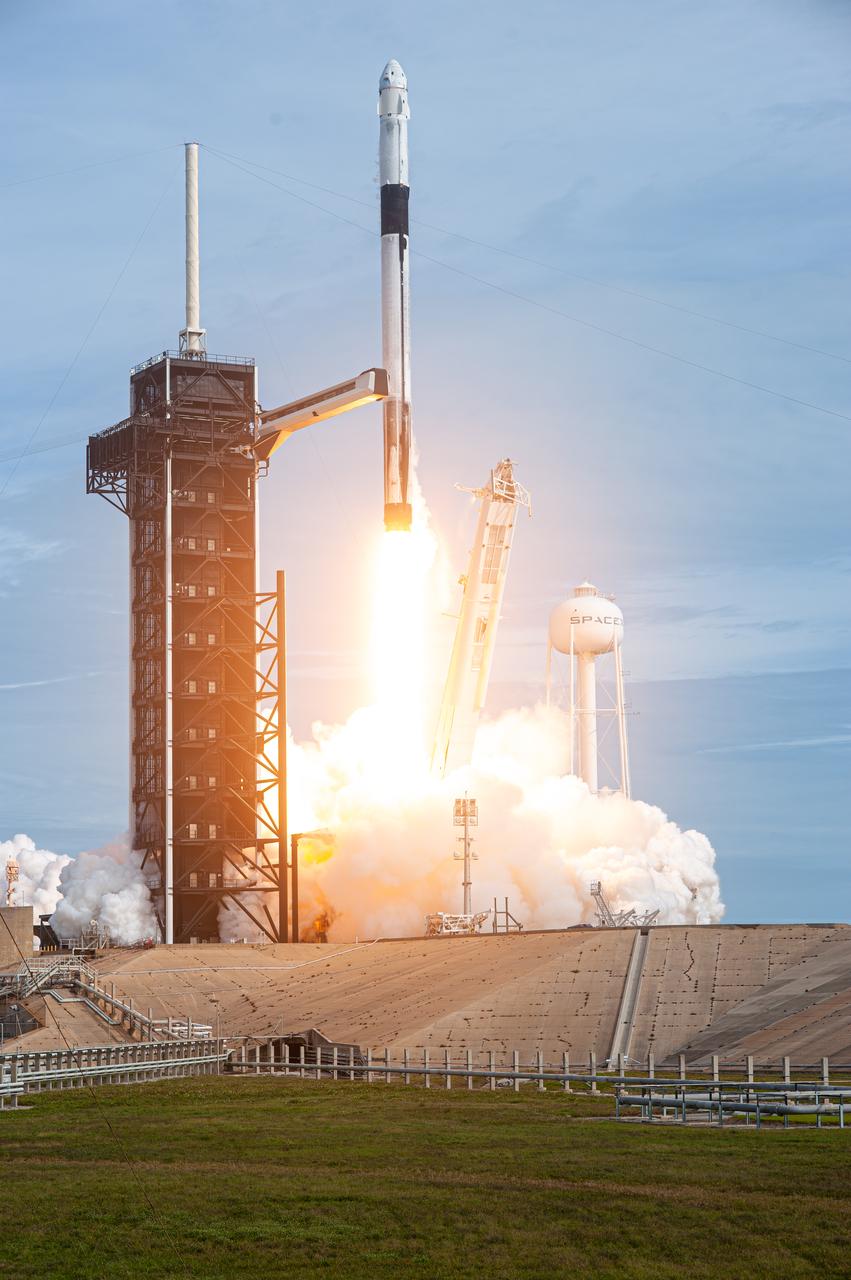
A SpaceX Falcon 9 rocket lifts off from Launch Complex 39A at NASA’s Kennedy Space Center in Florida at 10:30 a.m. EST on Jan. 19, 2020, carrying the Crew Dragon spacecraft on the company’s uncrewed In-Flight Abort Test. The flight test demonstrated the spacecraft’s escape capabilities in preparation for crewed flights to the International Space Station as part of the agency’s Commercial Crew Program.
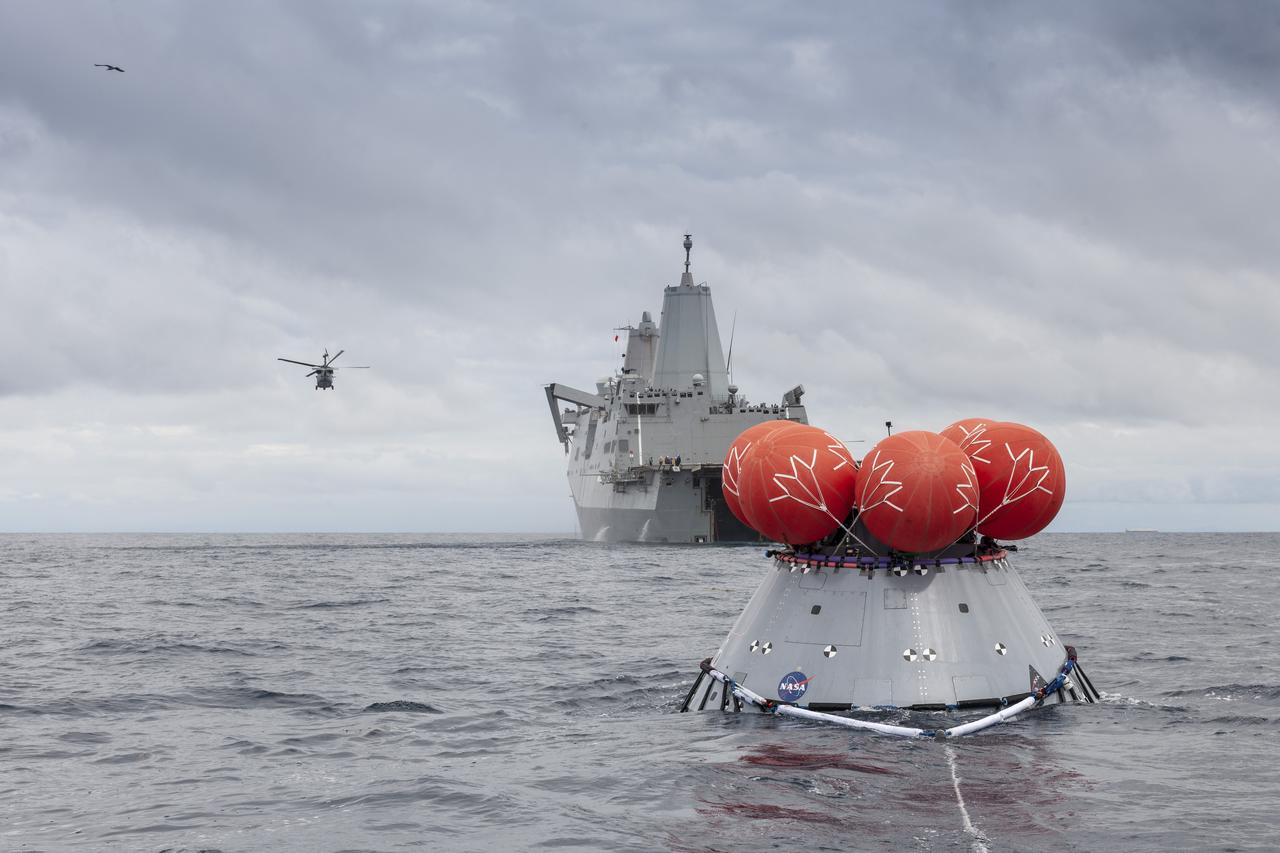
During Underway Recovery Test-8, NASA's Landing and Recovery team from Exploration Ground Systems at Kennedy Space Center performed their first full mission profile test of the recovery procedures for Artemis I aboard the USS John P. Murtha in the Pacific Ocean. Artemis I will be the first integrated flight test of NASA's Deep Space Exploration Systems: the Orion spacecraft, Space Launch System rocket, with the newly upgraded Exploration Ground Systems at Kennedy Space Center.
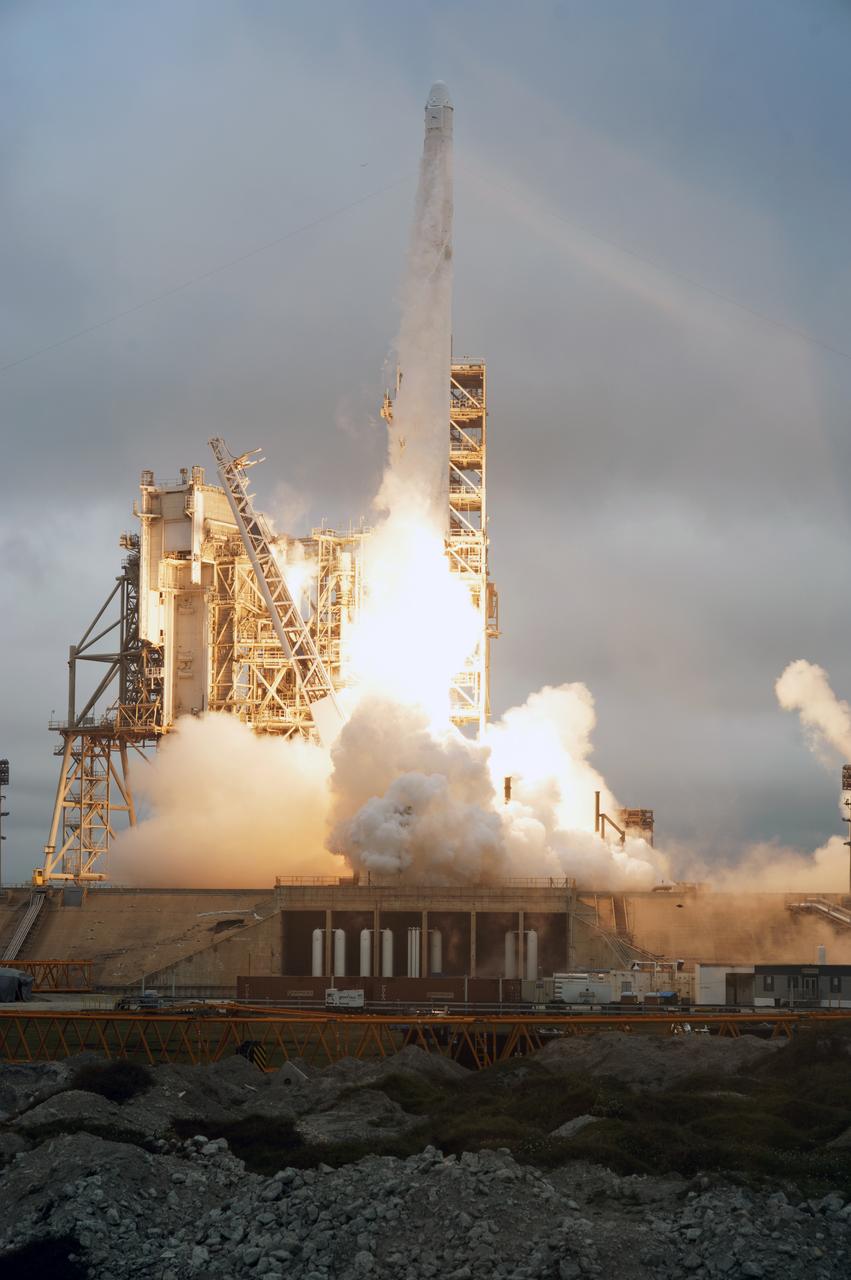
A SpaceX Falcon 9 rocket lifts off from Launch Complex 39A at NASA's Kenney Space Center in Florida. This is the company's 10th commercial resupply services mission to the International Space Station. Liftoff was at 9:39 a.m. EST from the historic launch site now operated by SpaceX under a property agreement with NASA. The Dragon spacecraft will deliver about 5,500 pounds of supplies to the space station, including the Stratospheric Aerosol and Gas Experiment (SAGE) III instrument to further study ozone in the atmosphere.
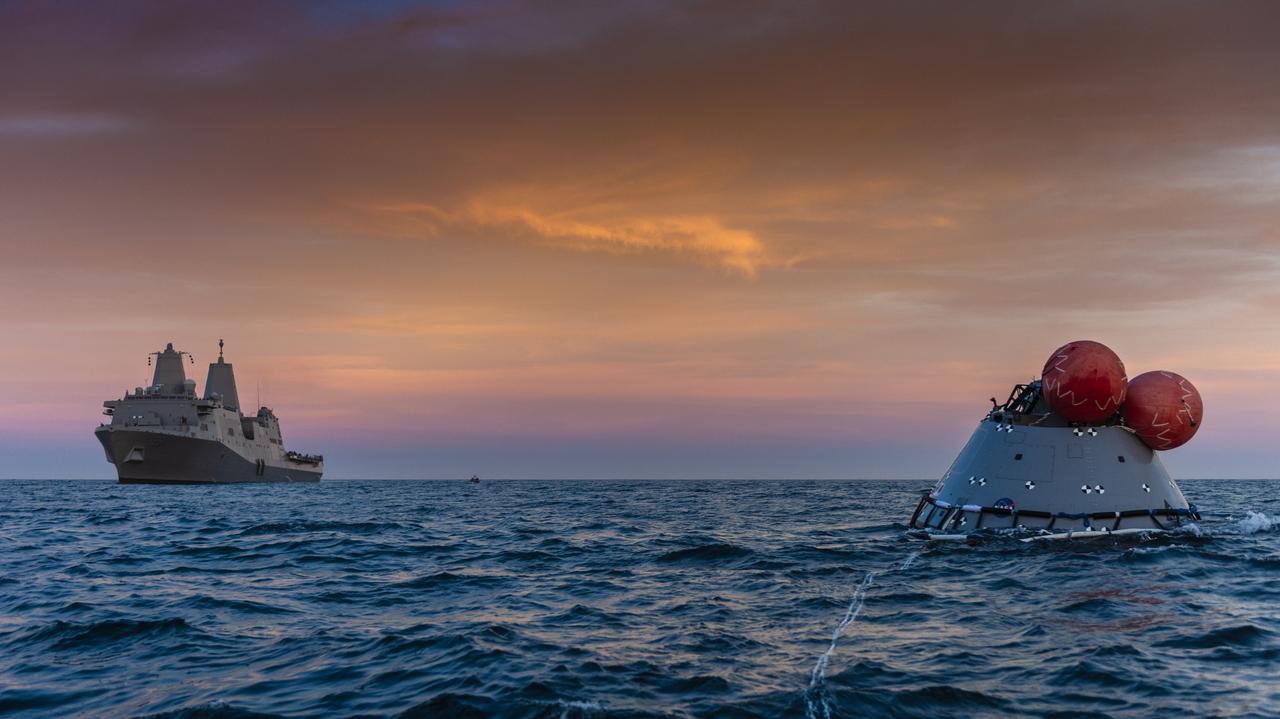
At sunset, a test version of the Orion capsule floats in the Pacific Ocean on Nov. 1, 2018, during Underway Recovery Test-7 (URT-7). Nearby is the USS John P. Murtha. Orion will be towed into the ship's well deck. URT-7 is one in a series of tests that the Exploration Ground Systems Recovery Team, along with the U.S. Navy, are conducting to verify and validate procedures and hardware that will be used to recover the Orion spacecraft after it splashes down in the Pacific Ocean following deep space exploration missions. Orion will have emergency abort capability, sustain the crew during space travel and provide safe re-entry from deep space return velocities.
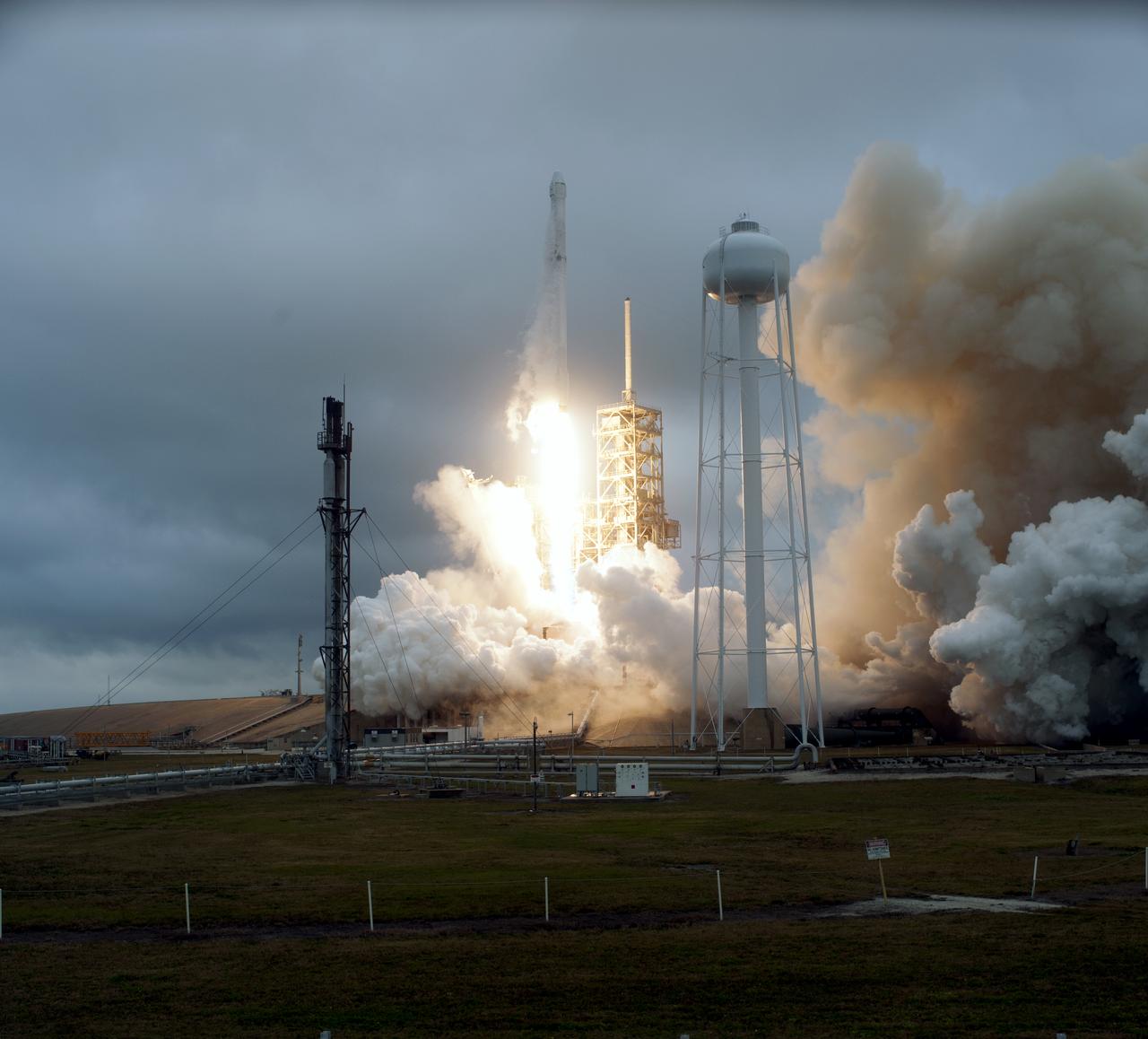
A SpaceX Falcon 9 rocket lifts off from Launch Complex 39A at NASA's Kenney Space Center in Florida. This is the company's 10th commercial resupply services mission to the International Space Station. Liftoff was at 9:39 a.m. EST from the historic launch site now operated by SpaceX under a property agreement with NASA. The Dragon spacecraft will deliver about 5,500 pounds of supplies to the space station, including the Stratospheric Aerosol and Gas Experiment (SAGE) III instrument to further study ozone in the atmosphere.
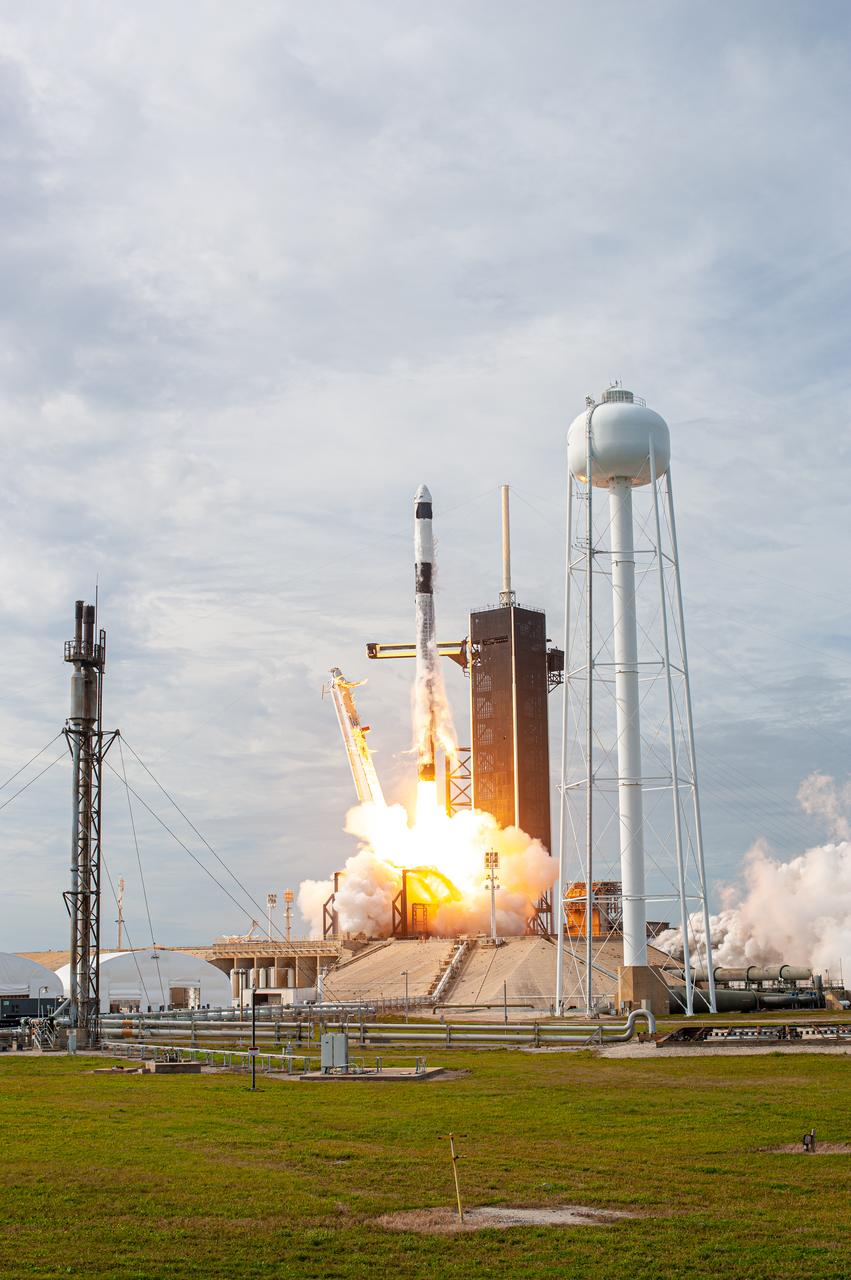
A SpaceX Falcon 9 rocket lifts off from Launch Complex 39A at NASA’s Kennedy Space Center in Florida at 10:30 a.m. EST on Jan. 19, 2020, carrying the Crew Dragon spacecraft on the company’s uncrewed In-Flight Abort Test. The flight test demonstrated the spacecraft’s escape capabilities in preparation for crewed flights to the International Space Station as part of the agency’s Commercial Crew Program.
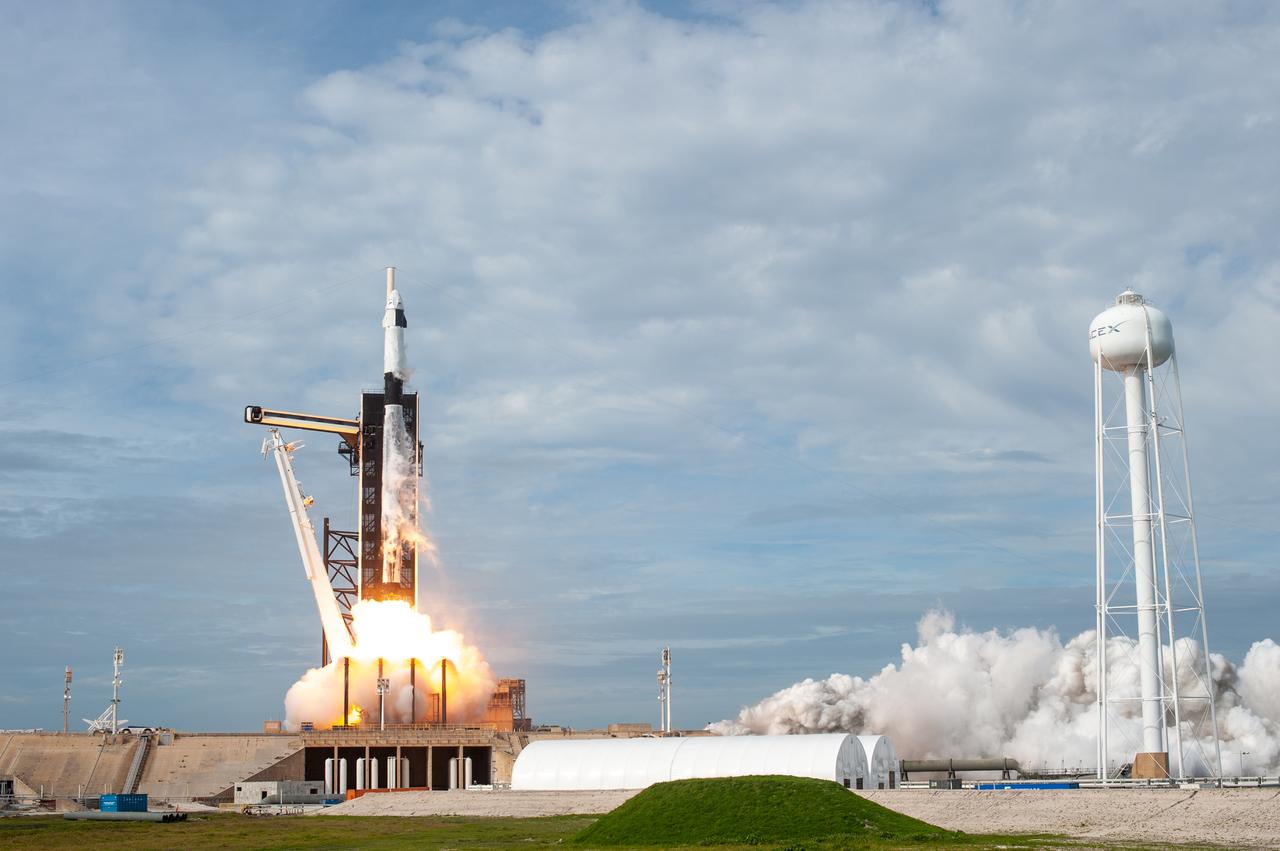
A SpaceX Falcon 9 rocket lifts off from Launch Complex 39A at NASA’s Kennedy Space Center in Florida at 10:30 a.m. EST on Jan. 19, 2020, carrying the Crew Dragon spacecraft on the company’s uncrewed In-Flight Abort Test. The flight test demonstrated the spacecraft’s escape capabilities in preparation for crewed flights to the International Space Station as part of the agency’s Commercial Crew Program.
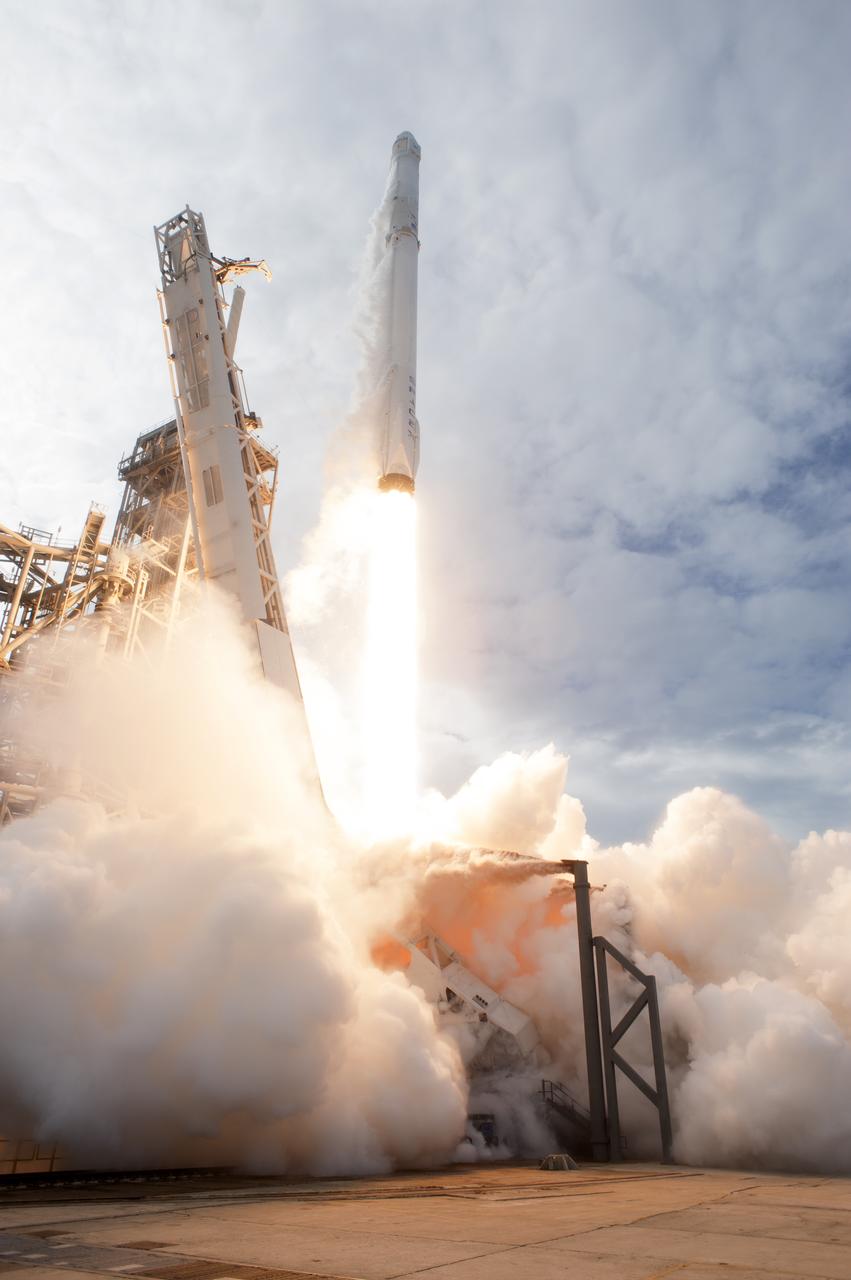
A SpaceX Falcon 9 rocket lifts off from Launch Complex 39A at NASA's Kenney Space Center in Florida, the company's 11th commercial resupply services mission to the International Space Station. Liftoff was at 5:07 p.m. EDT from the historic launch site now operated by SpaceX under a property agreement with NASA. The Dragon spacecraft will deliver 6,000 pounds of supplies, such as the Neutron star Interior Composition Explorer, or NICER, designed to study the extraordinary physics of these stars, providing insights into their nature and behavior.
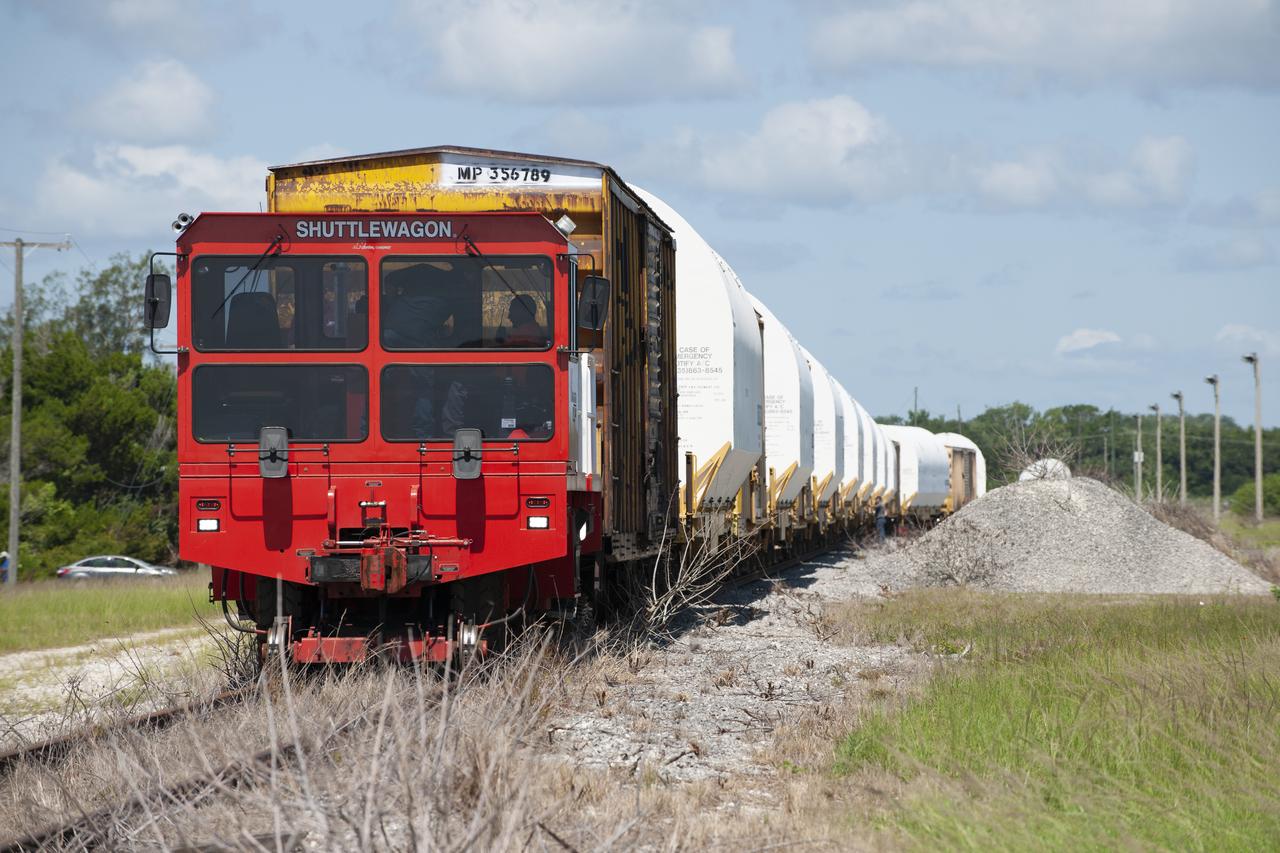
Twin rocket boosters for NASA’s Space Launch System (SLS) that will power Artemis missions to the Moon have arrived at the agency’s Kennedy Space Center in Florida. The two motor segments, each comprised of five segments, arrived at Kennedy’s Rotation, Processing and Surge Facility (RPSF) on June 15, 2020, by train from a Northrop Grumman manufacturing facility in Promontory, Utah. The booster segments will remain in the RPSF for inspection prior to processing until it’s time to move them to the Vehicle Assembly Building for stacking on the mobile launcher. This is the first piece of flight hardware to arrive at Kennedy by train for the Artemis program, but NASA’s Exploration Ground Systems (EGS) can expect to receive additional hardware soon, including the Launch Vehicle Service Adapter and the rocket’s core stage. NASA is working toward an Artemis I launch date in 2021, keeping the program moving at the best possible pace toward the earliest possible opportunity.
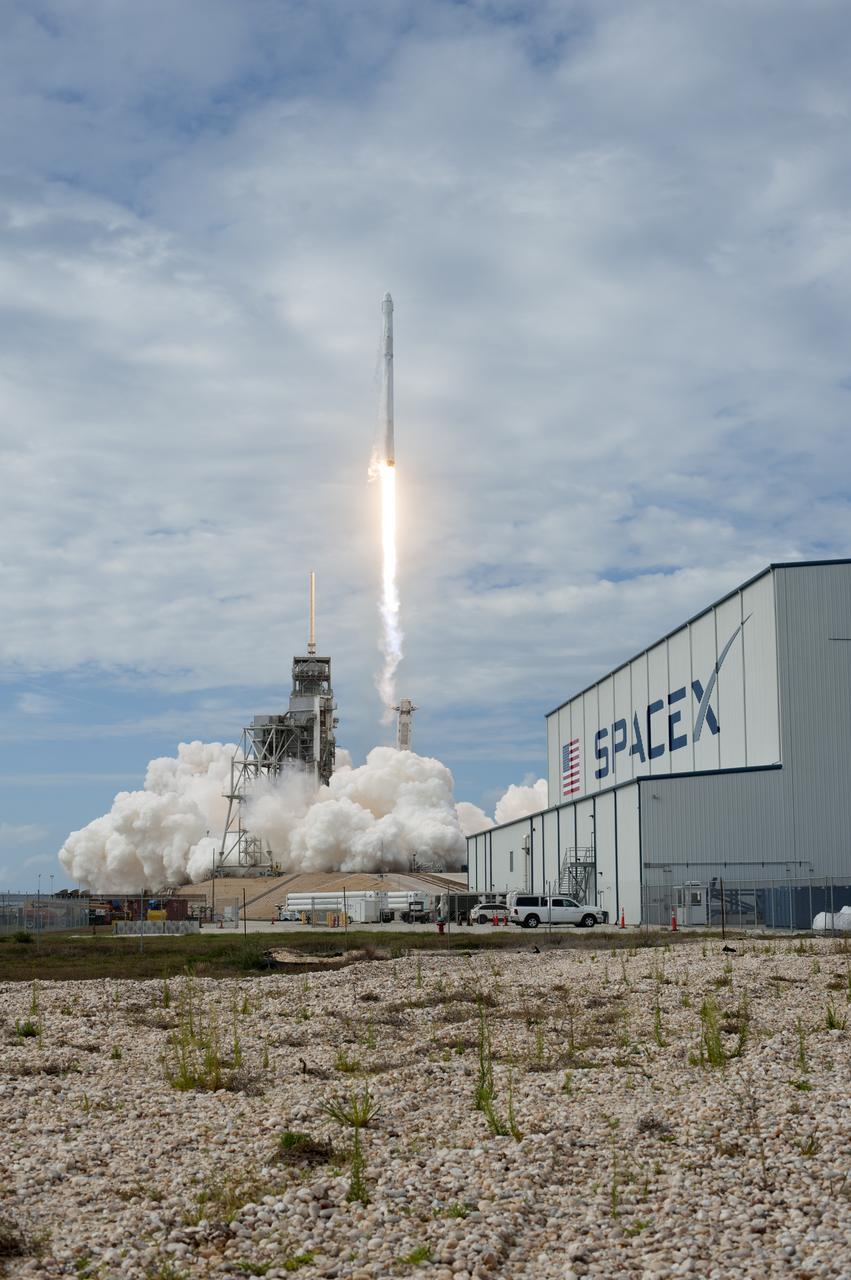
A SpaceX Falcon 9 rocket lifts off from Launch Complex 39A at NASA's Kenney Space Center in Florida, the company's 11th commercial resupply services mission to the International Space Station. Liftoff was at 5:07 p.m. EDT from the historic launch site now operated by SpaceX under a property agreement with NASA. The Dragon spacecraft will deliver 6,000 pounds of supplies, such as the Neutron star Interior Composition Explorer, or NICER, designed to study the extraordinary physics of these stars, providing insights into their nature and behavior.
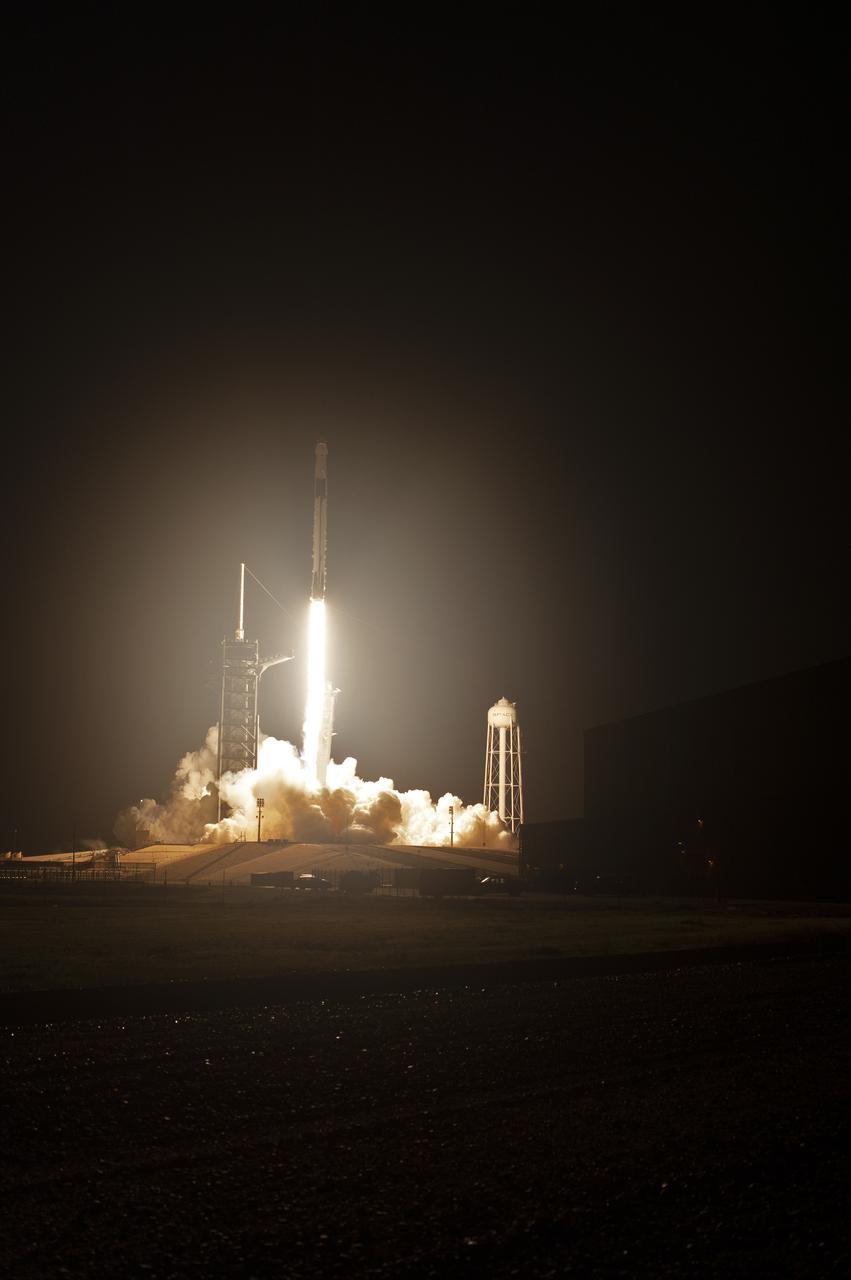
A two-stage SpaceX Falcon 9 rocket lifts off from Launch Complex 39A at NASA’s Kennedy Space Center in Florida for Demo-1, the first uncrewed mission of the agency’s Commercial Crew Program. Liftoff was at 2:49 a.m., March 2, 2019. The SpaceX Crew Dragon’s trip to the International Space Station is designed to validate end-to-end systems and capabilities, leading to certification to fly crew. NASA has worked with SpaceX and Boeing in developing the Commercial Crew Program spacecraft to facilitate new human spaceflight systems launching from U.S. soil with the goal of safe, reliable and cost-effective access to low-Earth orbit destinations, such as the space station.
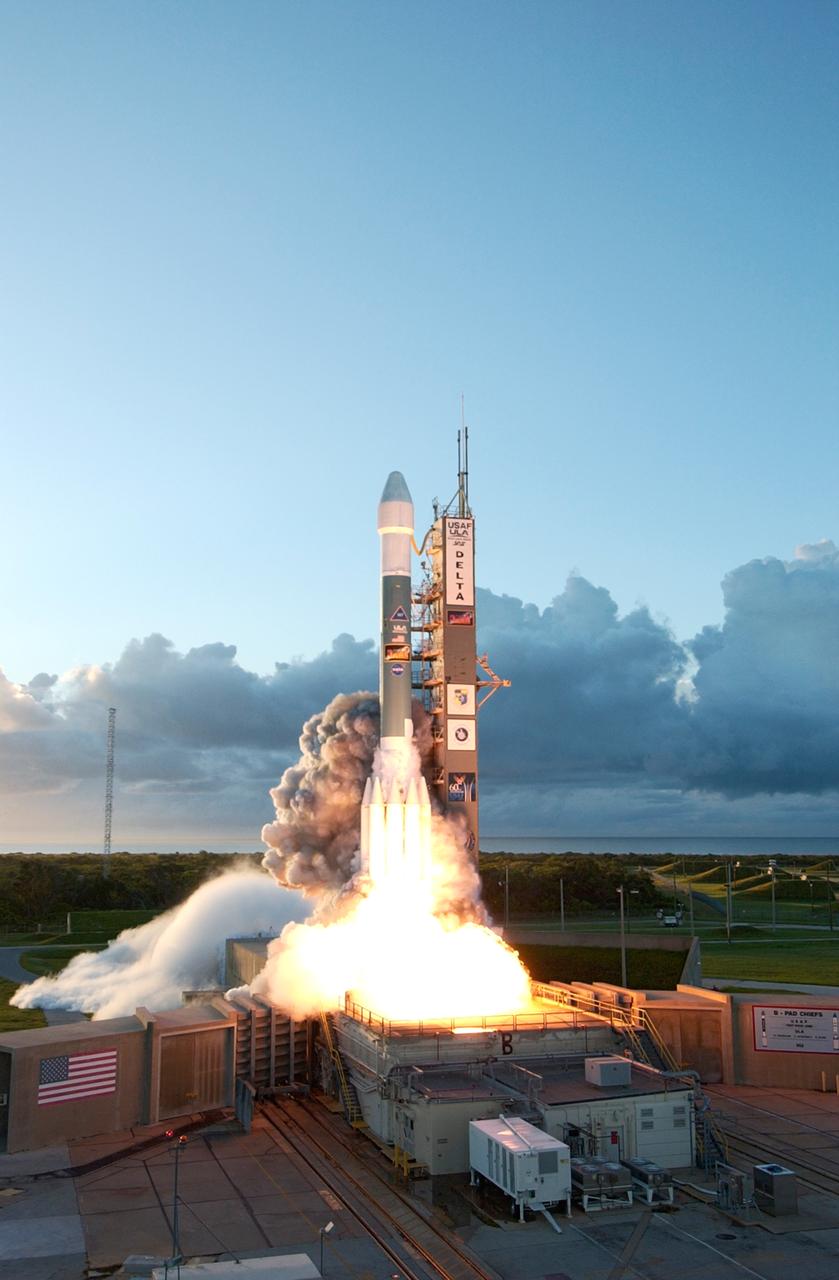
Against a backdrop of clouds on the horizon, the Delta II rocket carrying NASA's Dawn spacecraft rises from the smoke and fire on the launch pad to begin its 1.7-billion-mile journey through the inner solar system to study a pair of asteroids. Liftoff was at 7:34 a.m. EDT from Pad 17-B at Cape Canaveral Air Force Station. Dawn is the ninth mission in NASA's Discovery Program. The spacecraft will be the first to orbit two planetary bodies, asteroid Vesta and dwarf planet Ceres, during a single mission. Vesta and Ceres lie in the asteroid belt between Mars and Jupiter. It is also NASA's first purely scientific mission powered by three solar electric ion propulsion engines.
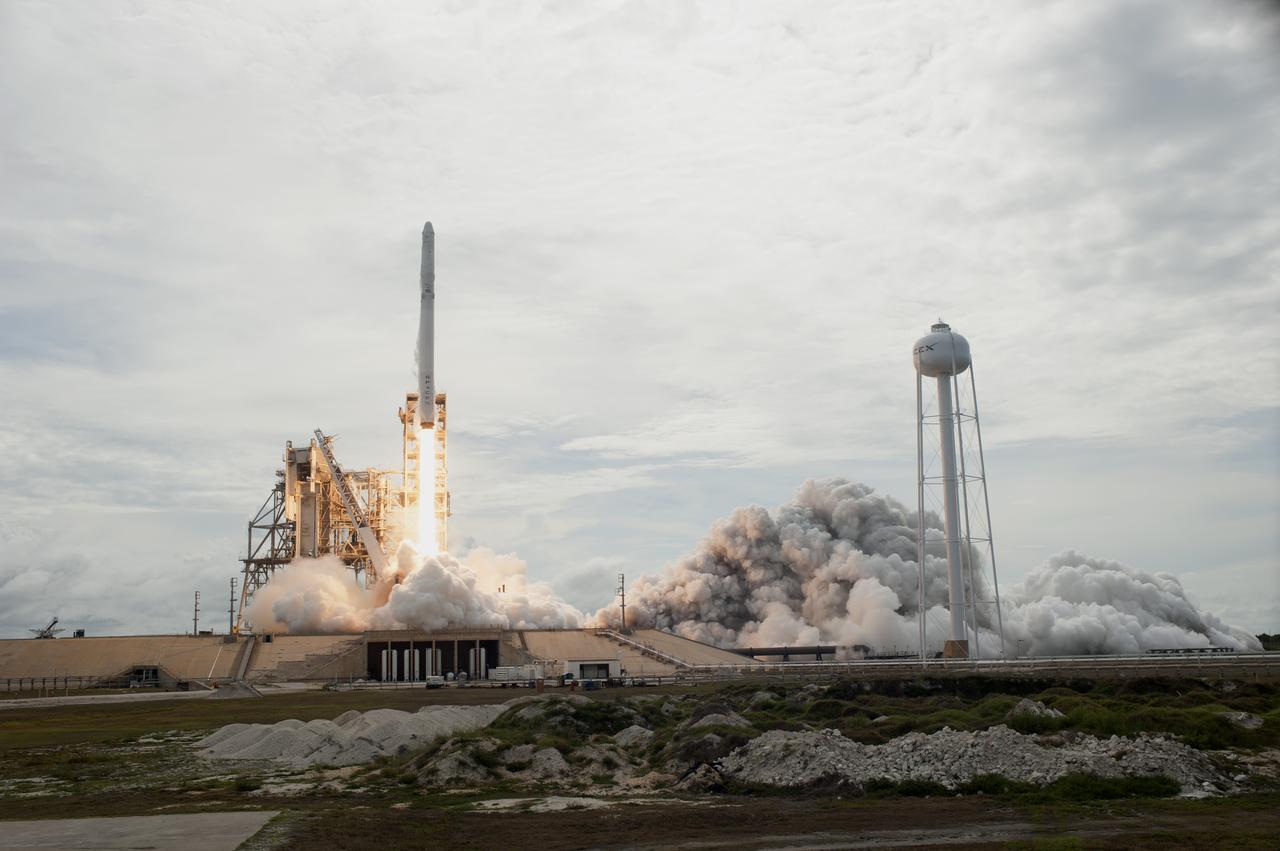
A SpaceX Falcon 9 rocket lifts off from Launch Complex 39A at NASA's Kenney Space Center in Florida, the company's 11th commercial resupply services mission to the International Space Station. Liftoff was at 5:07 p.m. EDT from the historic launch site now operated by SpaceX under a property agreement with NASA. The Dragon spacecraft will deliver 6,000 pounds of supplies, such as the Neutron star Interior Composition Explorer, or NICER, designed to study the extraordinary physics of these stars, providing insights into their nature and behavior.
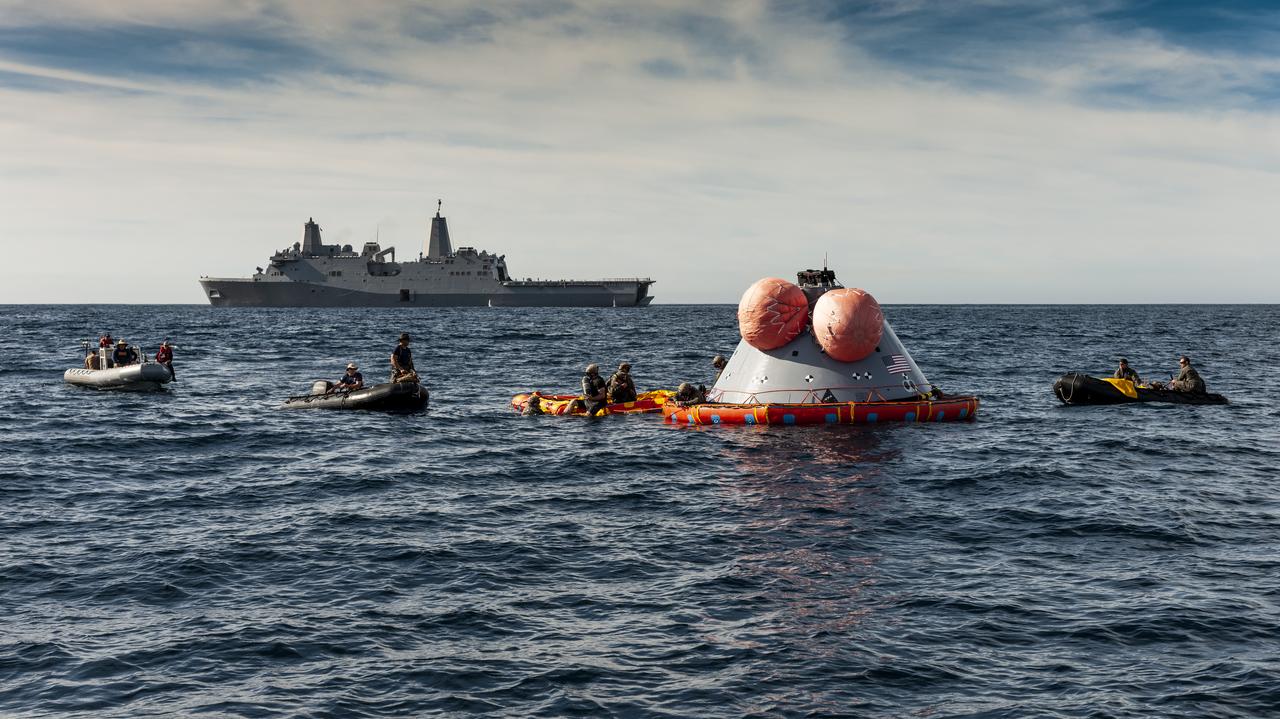
U.S. Navy divers prepare to attach the "front porch" to a test version of the Orion capsule on Nov. 1, 2018, as part of Underway Recovery Test-7 (URT-7) in the open water of the Pacific Ocean. Nearby is the USS John P. Murtha. Orion will be towed into the ship's well deck. There are two large, orange mockup uprighting bags in this view, but when Orion actually splashes down there will be five. URT-7 is one in a series of tests that the Exploration Ground Systems Recovery Team, along with the U.S. Navy, are conducting to verify and validate procedures and hardware that will be used to recover the Orion spacecraft after it splashes down in the Pacific Ocean following deep space exploration missions. Orion will have emergency abort capability, sustain the crew during space travel and provide safe re-entry from deep space return velocities.
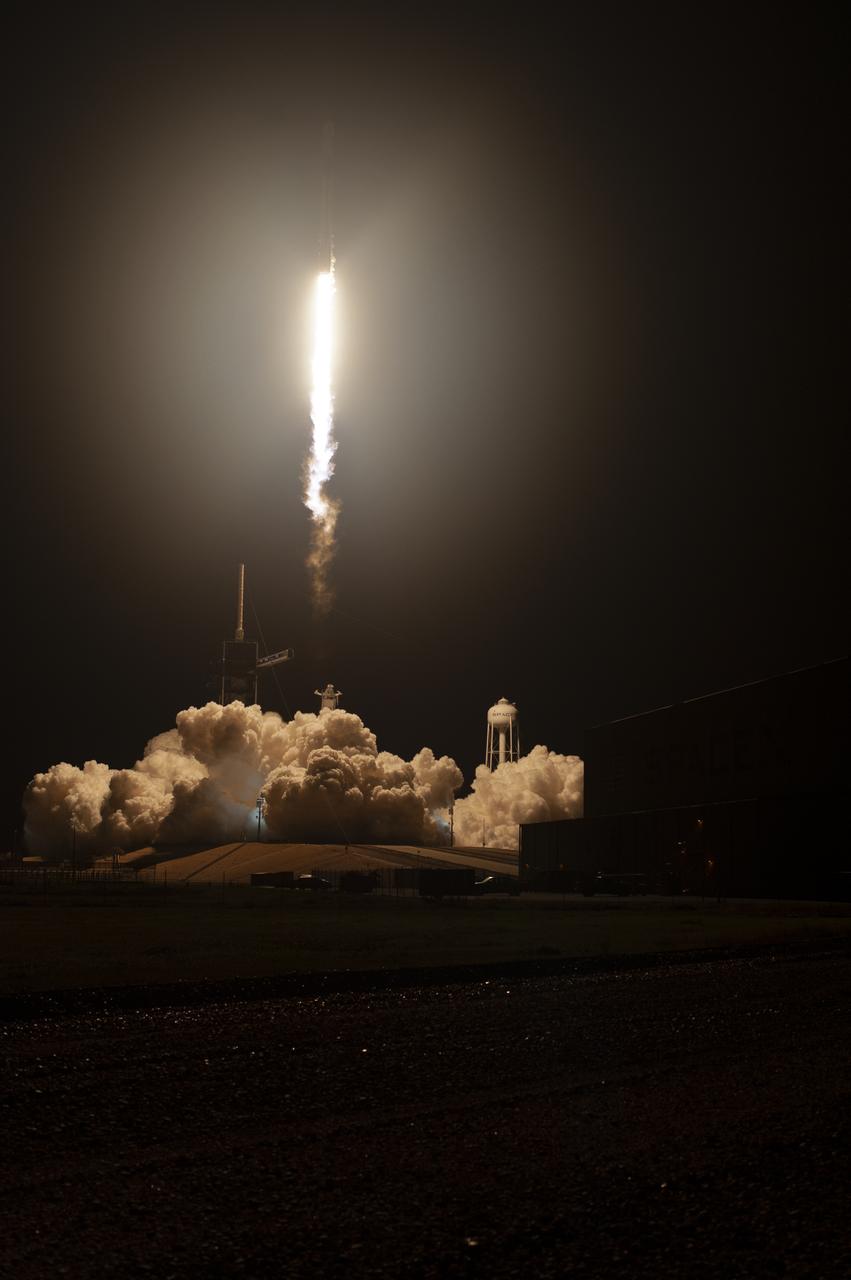
A two-stage SpaceX Falcon 9 rocket lifts off from Launch Complex 39A at NASA’s Kennedy Space Center in Florida for Demo-1, the first uncrewed mission of the agency’s Commercial Crew Program. Liftoff was at 2:49 a.m., March 2, 2019. The SpaceX Crew Dragon’s trip to the International Space Station is designed to validate end-to-end systems and capabilities, leading to certification to fly crew. NASA has worked with SpaceX and Boeing in developing the Commercial Crew Program spacecraft to facilitate new human spaceflight systems launching from U.S. soil with the goal of safe, reliable and cost-effective access to low-Earth orbit destinations, such as the space station.
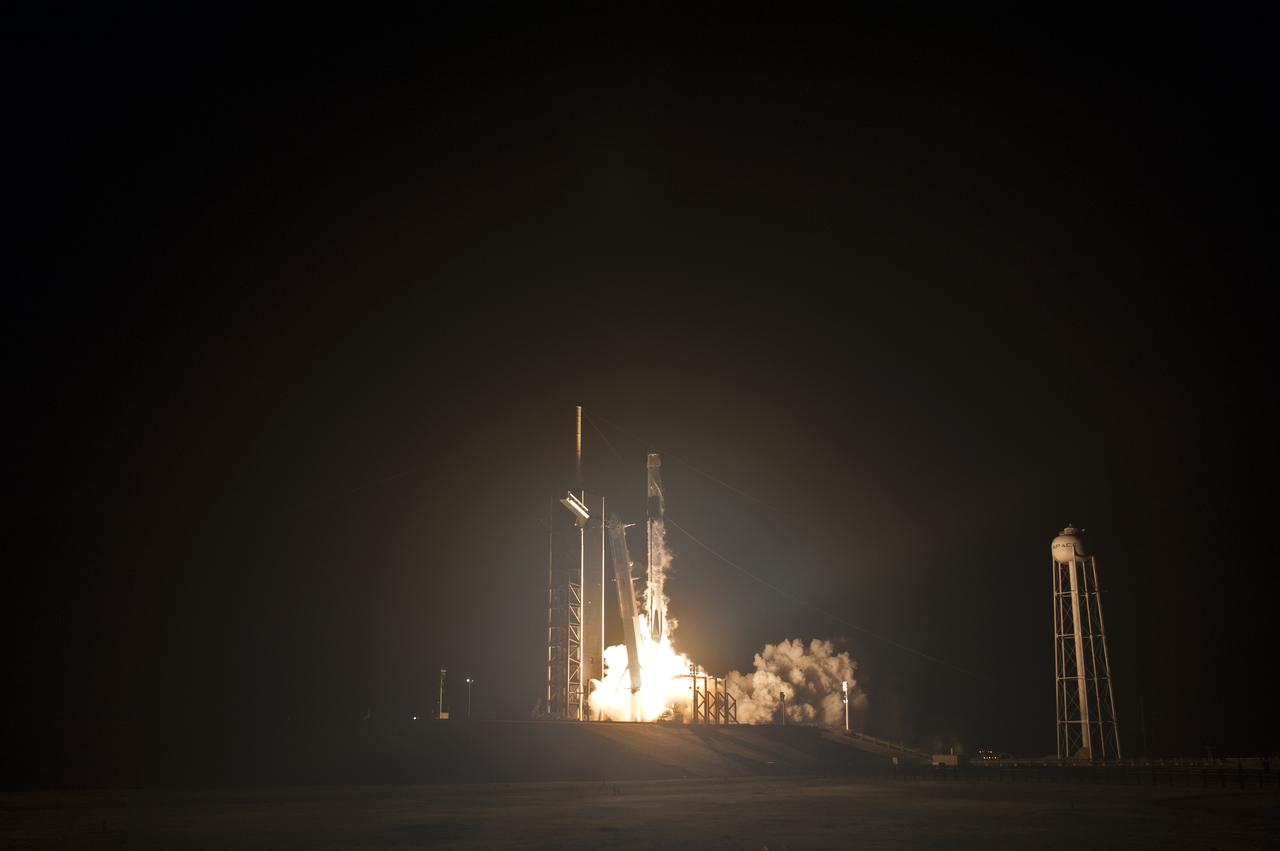
A two-stage SpaceX Falcon 9 rocket lifts off from Launch Complex 39A at NASA’s Kennedy Space Center in Florida for Demo-1, the first uncrewed mission of the agency’s Commercial Crew Program. Liftoff was at 2:49 a.m., March 2, 2019. The SpaceX Crew Dragon’s trip to the International Space Station is designed to validate end-to-end systems and capabilities, leading to certification to fly crew. NASA has worked with SpaceX and Boeing in developing the Commercial Crew Program spacecraft to facilitate new human spaceflight systems launching from U.S. soil with the goal of safe, reliable and cost-effective access to low-Earth orbit destinations, such as the space station.
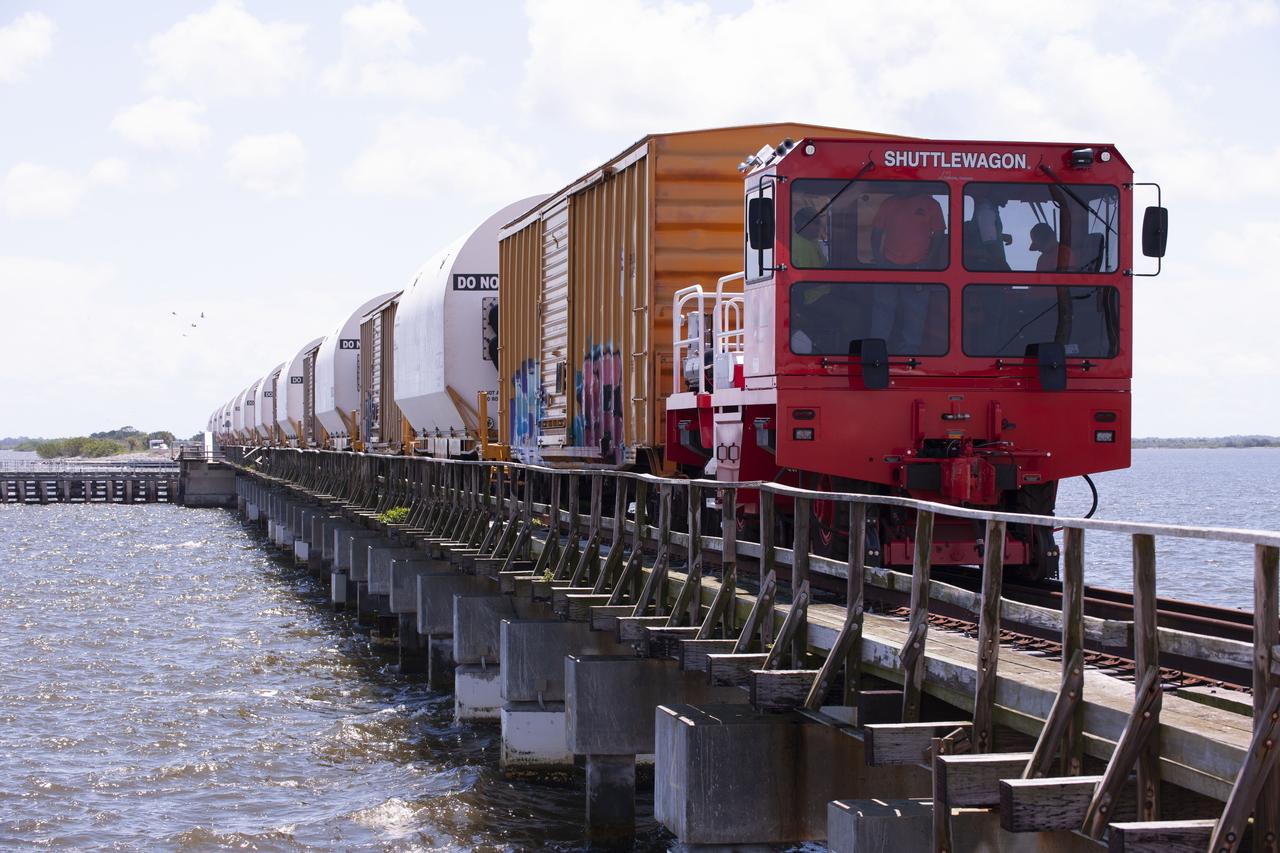
Twin rocket boosters for NASA’s Space Launch System (SLS) that will power Artemis missions to the Moon have arrived at the agency’s Kennedy Space Center in Florida. The two motor segments, each comprised of five segments, arrived at Kennedy’s Rotation, Processing and Surge Facility (RPSF) on June 15, 2020, by train from a Northrop Grumman manufacturing facility in Promontory, Utah. The booster segments will remain in the RPSF for inspection prior to processing until it’s time to move them to the Vehicle Assembly Building for stacking on the mobile launcher. This is the first piece of flight hardware to arrive at Kennedy by train for the Artemis program, but NASA’s Exploration Ground Systems (EGS) can expect to receive additional hardware soon, including the Launch Vehicle Service Adapter and the rocket’s core stage. NASA is working toward an Artemis I launch date in 2021, keeping the program moving at the best possible pace toward the earliest possible opportunity.
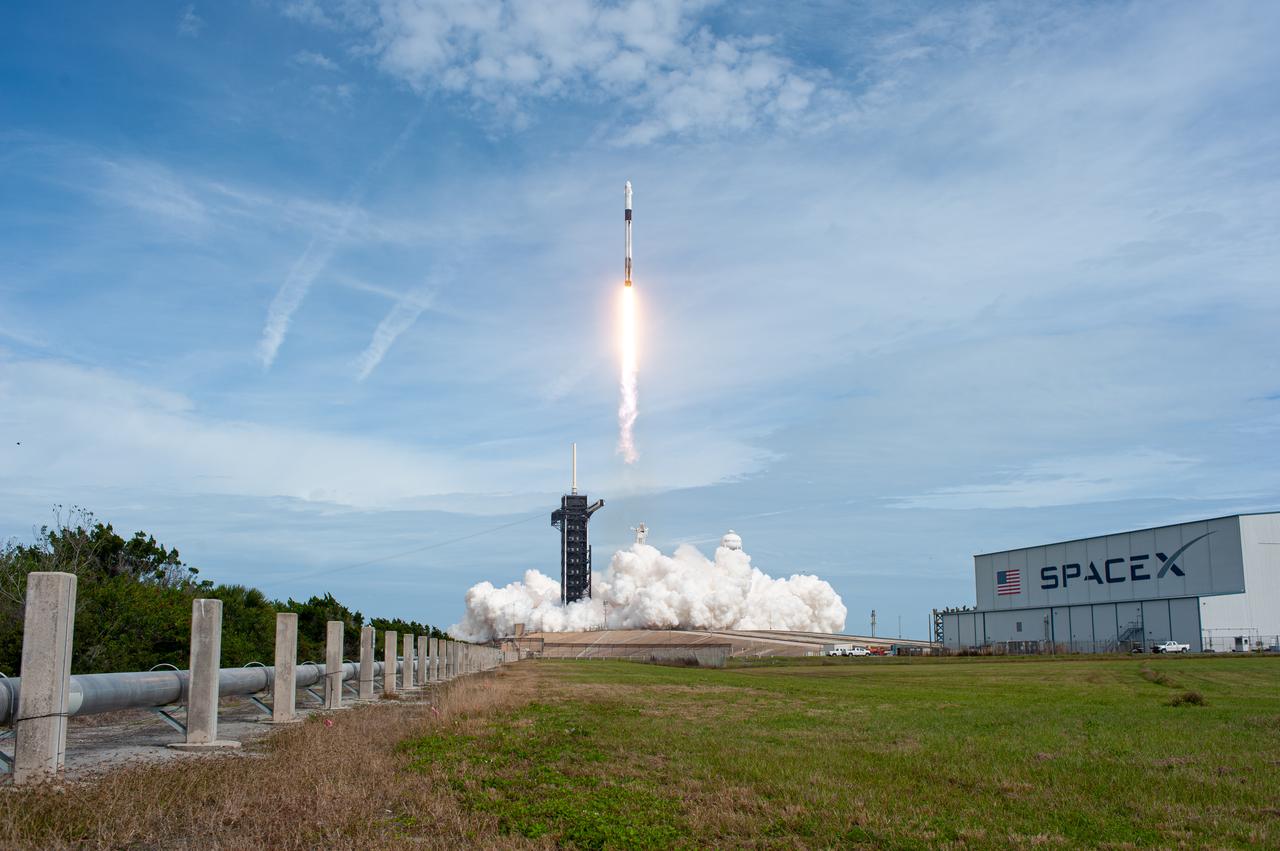
A SpaceX Falcon 9 rocket lifts off from Launch Complex 39A at NASA’s Kennedy Space Center in Florida at 10:30 a.m. EST on Jan. 19, 2020, carrying the Crew Dragon spacecraft on the company’s uncrewed In-Flight Abort Test. The flight test demonstrated the spacecraft’s escape capabilities in preparation for crewed flights to the International Space Station as part of the agency’s Commercial Crew Program.
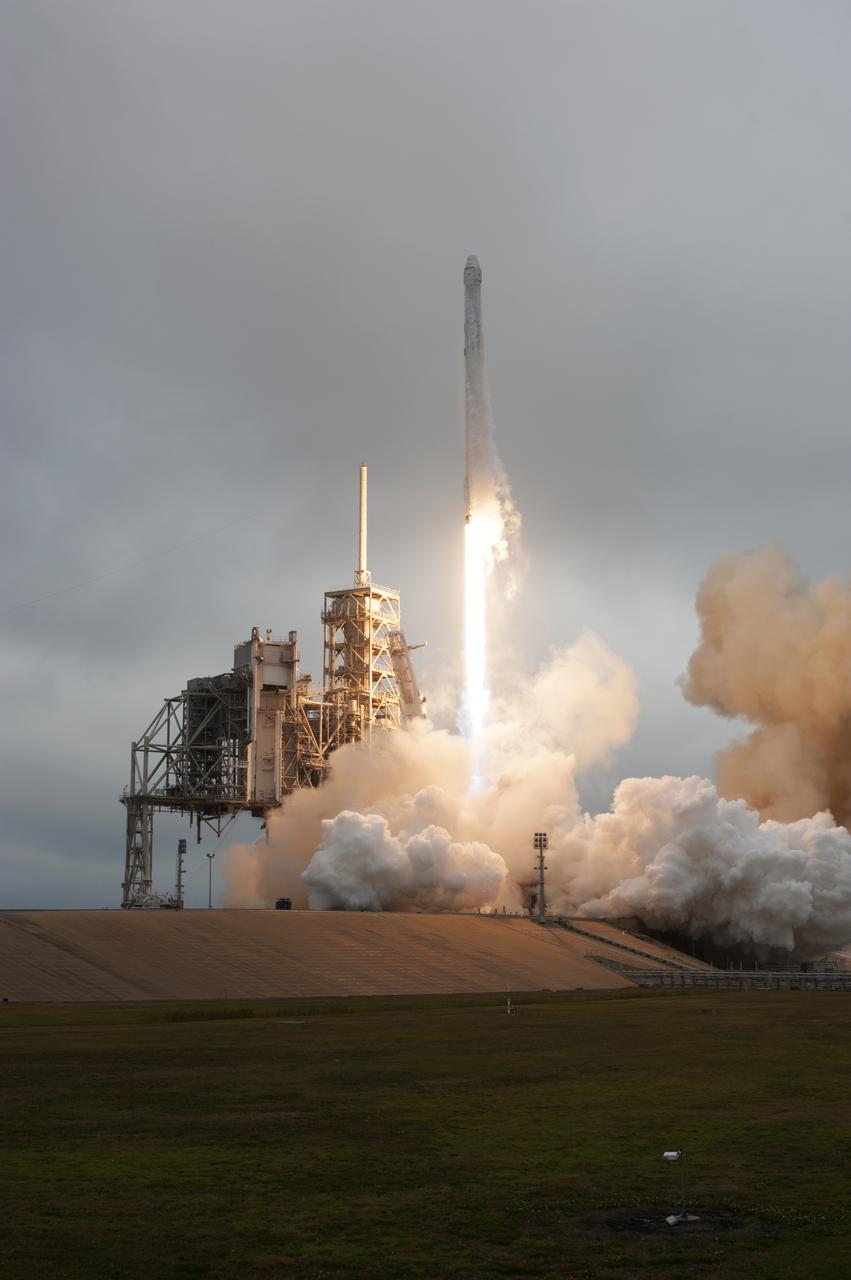
A SpaceX Falcon 9 rocket lifts off from Launch Complex 39A at NASA's Kenney Space Center in Florida. This is the company's 10th commercial resupply services mission to the International Space Station. Liftoff was at 9:39 a.m. EST from the historic launch site now operated by SpaceX under a property agreement with NASA. The Dragon spacecraft will deliver about 5,500 pounds of supplies to the space station, including the Stratospheric Aerosol and Gas Experiment (SAGE) III instrument to further study ozone in the atmosphere.
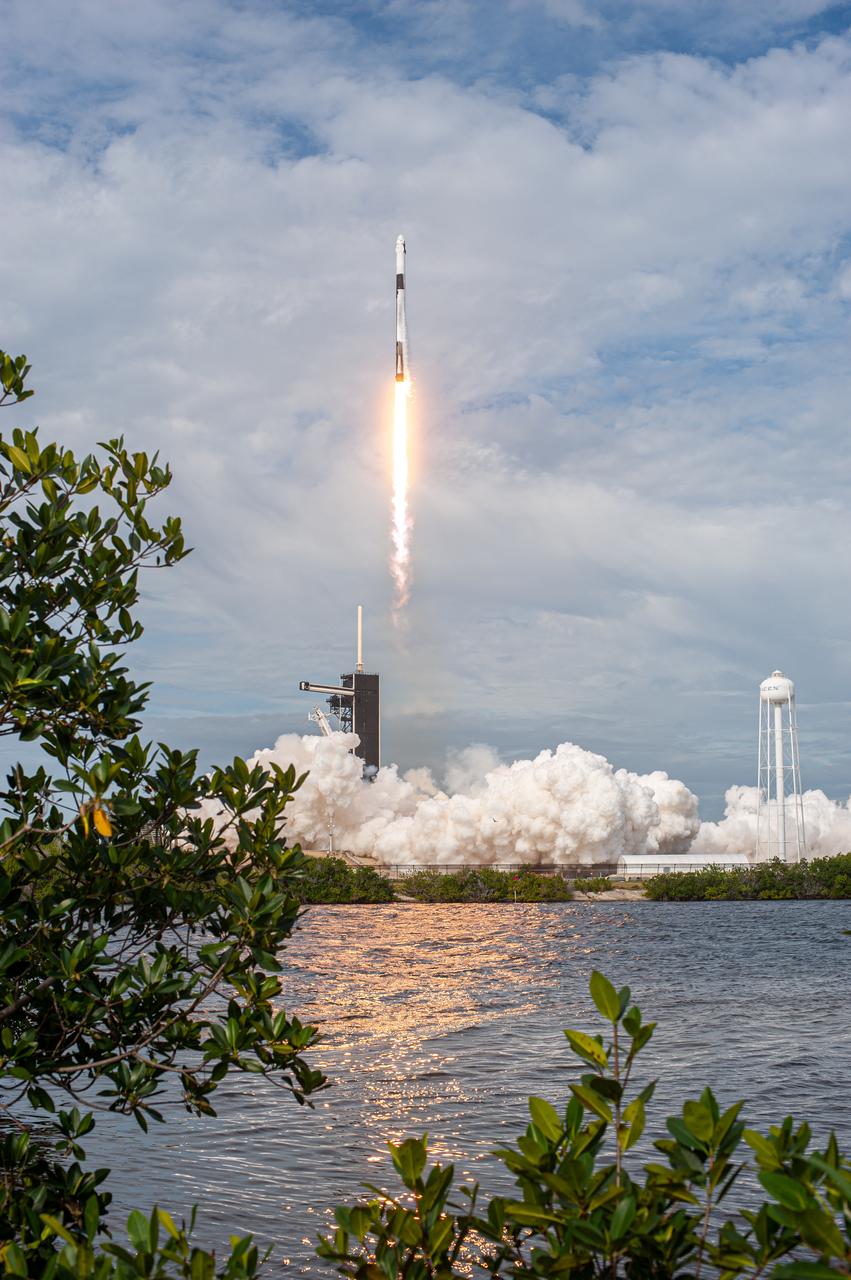
A SpaceX Falcon 9 rocket lifts off from Launch Complex 39A at NASA’s Kennedy Space Center in Florida at 10:30 a.m. EST on Jan. 19, 2020, carrying the Crew Dragon spacecraft on the company’s uncrewed In-Flight Abort Test. The flight test demonstrated the spacecraft’s escape capabilities in preparation for crewed flights to the International Space Station as part of the agency’s Commercial Crew Program.
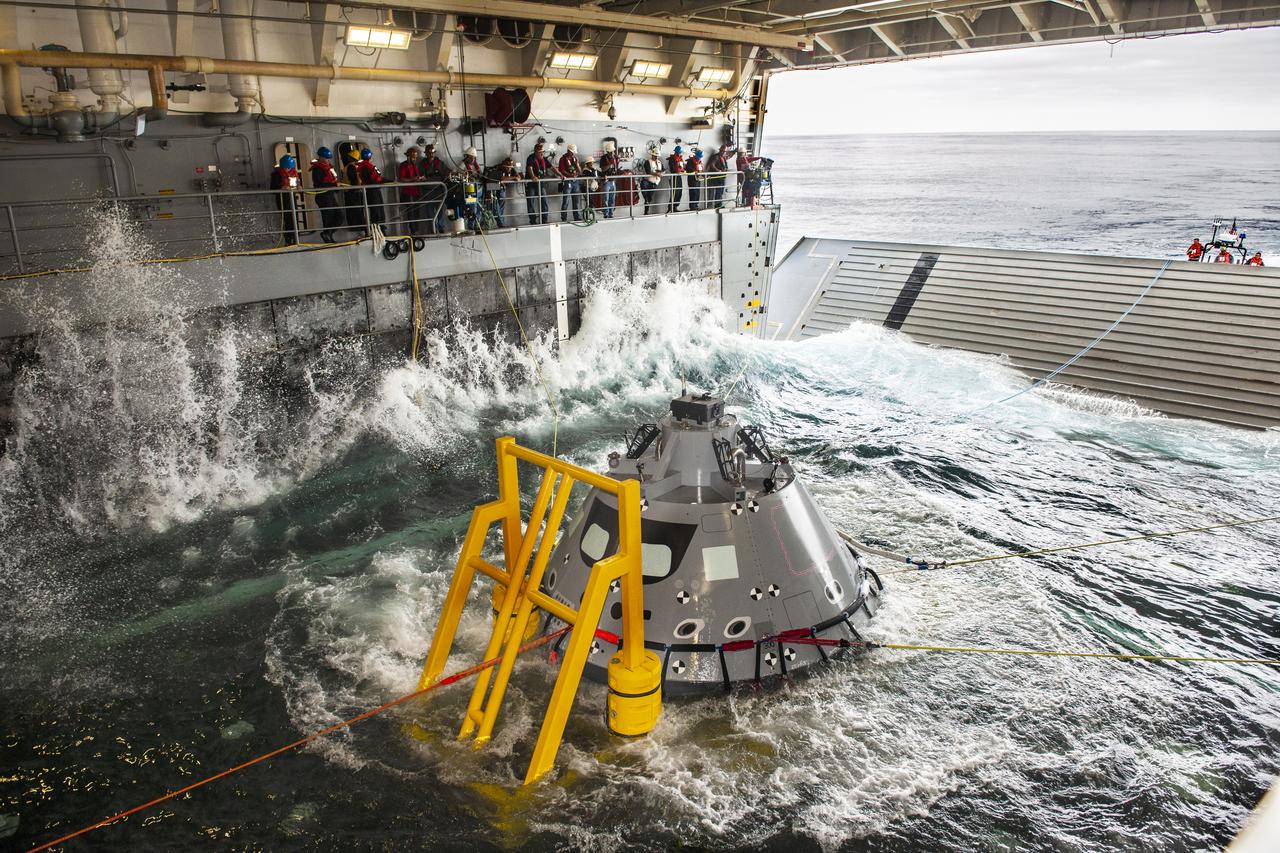
NASA Recovery Team members watch as a test version of the Orion capsule is pulled into the flooded well deck of the USS John P. Murtha, during Underway Recovery Test-7 (URT-7) on Oct. 30, 2018. URT-7 is one in a series of tests that the Exploration Ground Systems Recovery Team, along with the U.S. Navy, are conducting to verify and validate procedures and hardware that will be used to recover the Orion spacecraft after it splashes down in the Pacific Ocean following deep space exploration missions. Orion will have emergency abort capability, sustain the crew during space travel and provide safe re-entry from deep space return velocities.
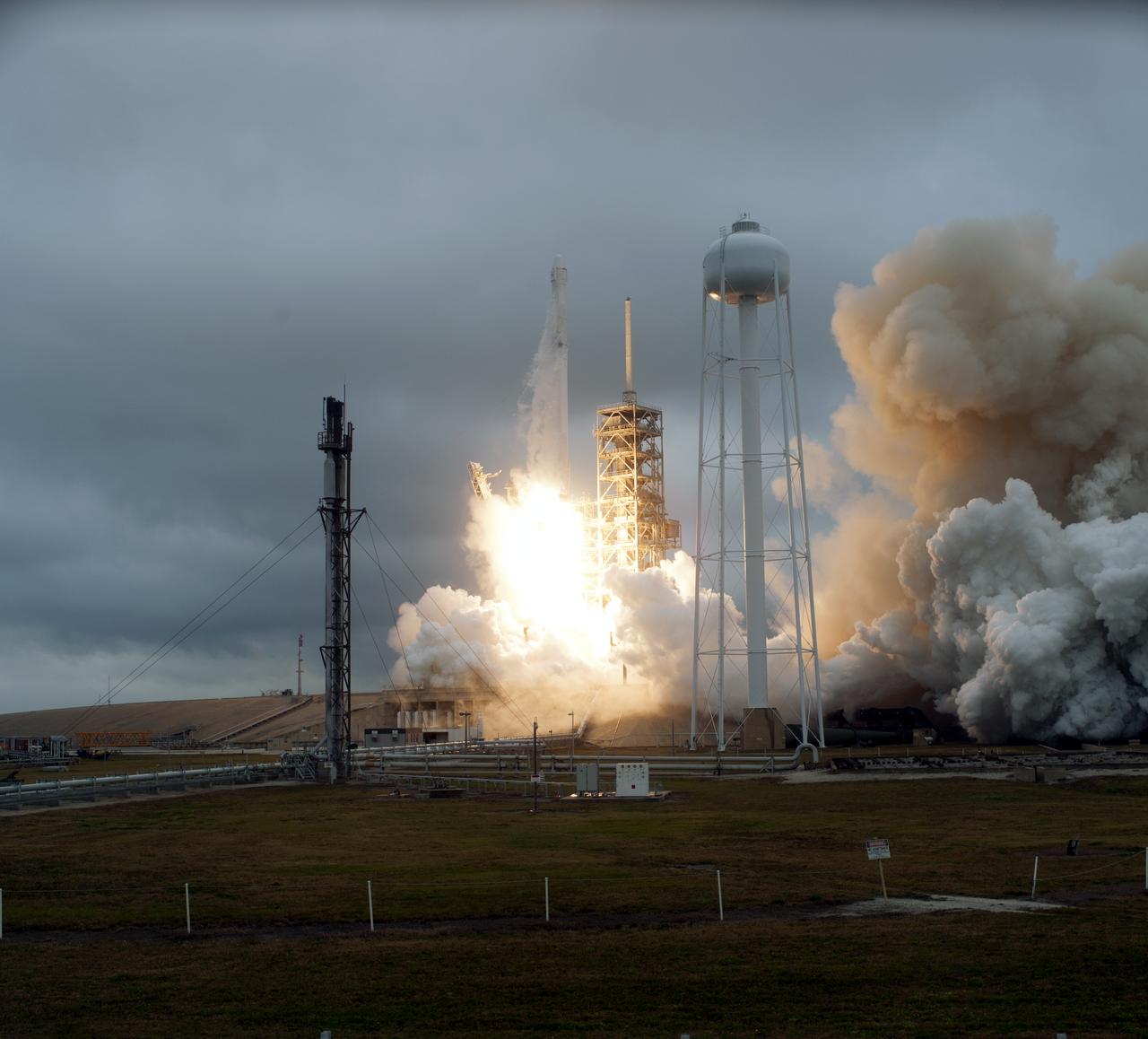
A SpaceX Falcon 9 rocket lifts off from Launch Complex 39A at NASA's Kenney Space Center in Florida. This is the company's 10th commercial resupply services mission to the International Space Station. Liftoff was at 9:39 a.m. EST from the historic launch site now operated by SpaceX under a property agreement with NASA. The Dragon spacecraft will deliver about 5,500 pounds of supplies to the space station, including the Stratospheric Aerosol and Gas Experiment (SAGE) III instrument to further study ozone in the atmosphere.

A SpaceX Falcon 9 rocket lifts off from Launch Complex 39A at NASA's Kenney Space Center in Florida, the company's 11th commercial resupply services mission to the International Space Station. Liftoff was at 5:07 p.m. EDT from the historic launch site now operated by SpaceX under a property agreement with NASA. The Dragon spacecraft will deliver 6,000 pounds of supplies, such as the Neutron star Interior Composition Explorer, or NICER, designed to study the extraordinary physics of these stars, providing insights into their nature and behavior.
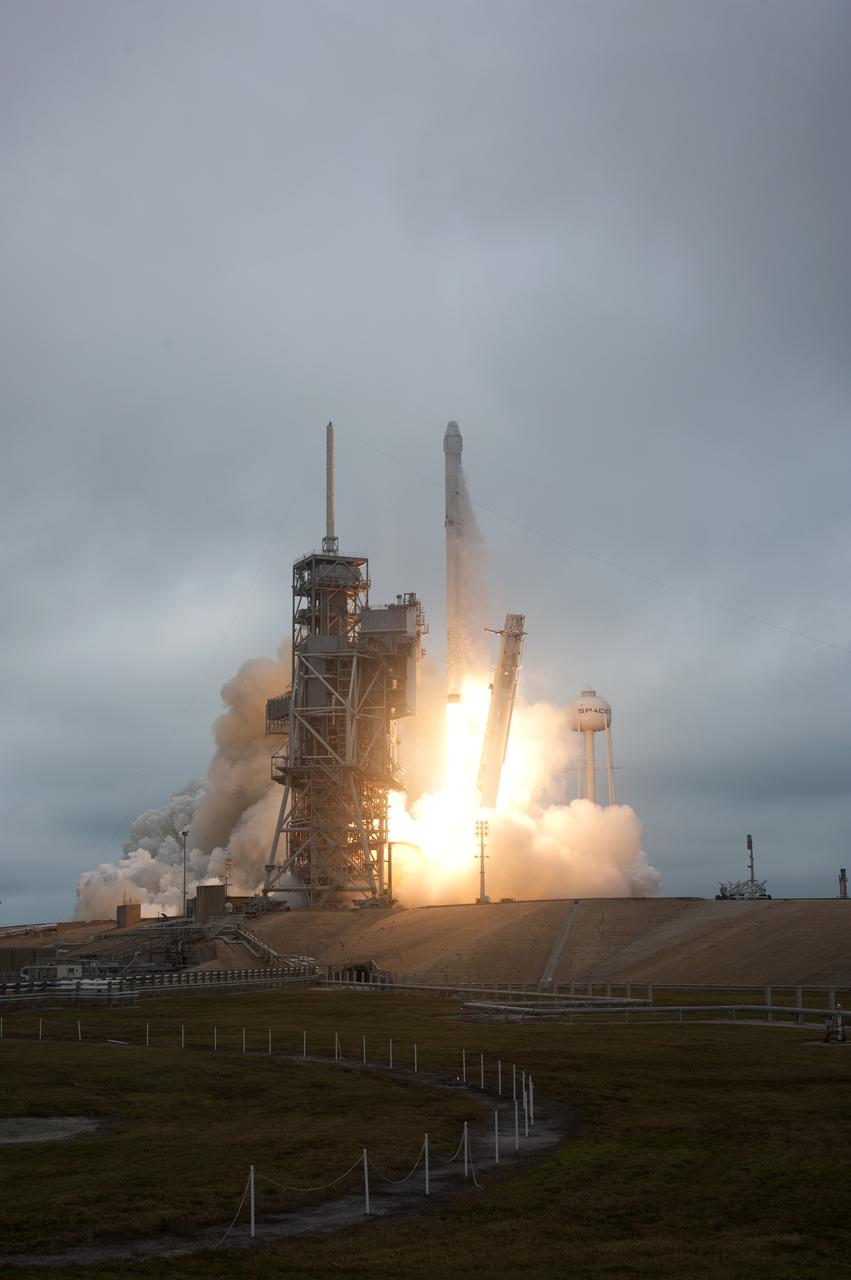
A SpaceX Falcon 9 rocket lifts off from Launch Complex 39A at NASA's Kenney Space Center in Florida. This is the company's 10th commercial resupply services mission to the International Space Station. Liftoff was at 9:39 a.m. EST from the historic launch site now operated by SpaceX under a property agreement with NASA. The Dragon spacecraft will deliver about 5,500 pounds of supplies to the space station, including the Stratospheric Aerosol and Gas Experiment (SAGE) III instrument to further study ozone in the atmosphere.
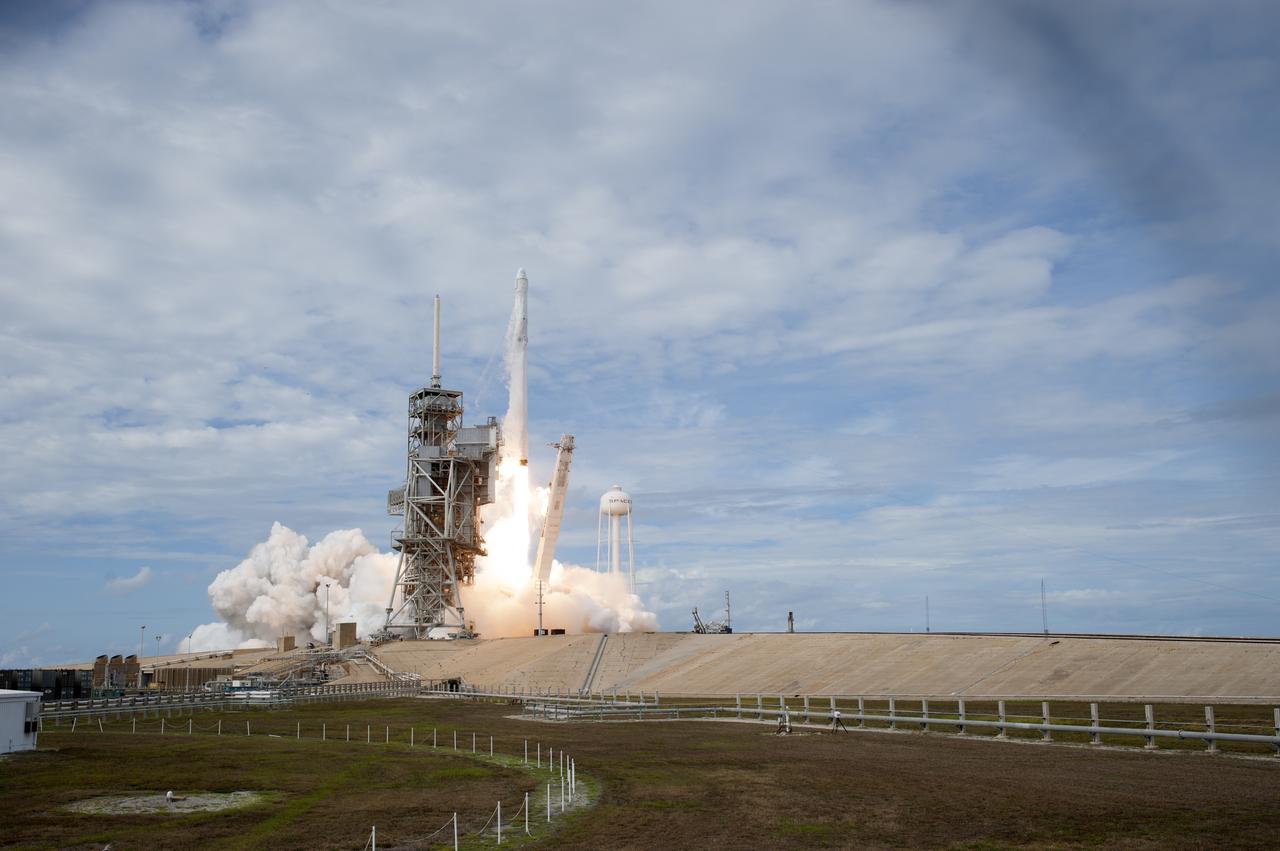
A SpaceX Falcon 9 rocket lifts off from Launch Complex 39A at NASA's Kenney Space Center in Florida, the company's 11th commercial resupply services mission to the International Space Station. Liftoff was at 5:07 p.m. EDT from the historic launch site now operated by SpaceX under a property agreement with NASA. The Dragon spacecraft will deliver 6,000 pounds of supplies, such as the Neutron star Interior Composition Explorer, or NICER, designed to study the extraordinary physics of these stars, providing insights into their nature and behavior.
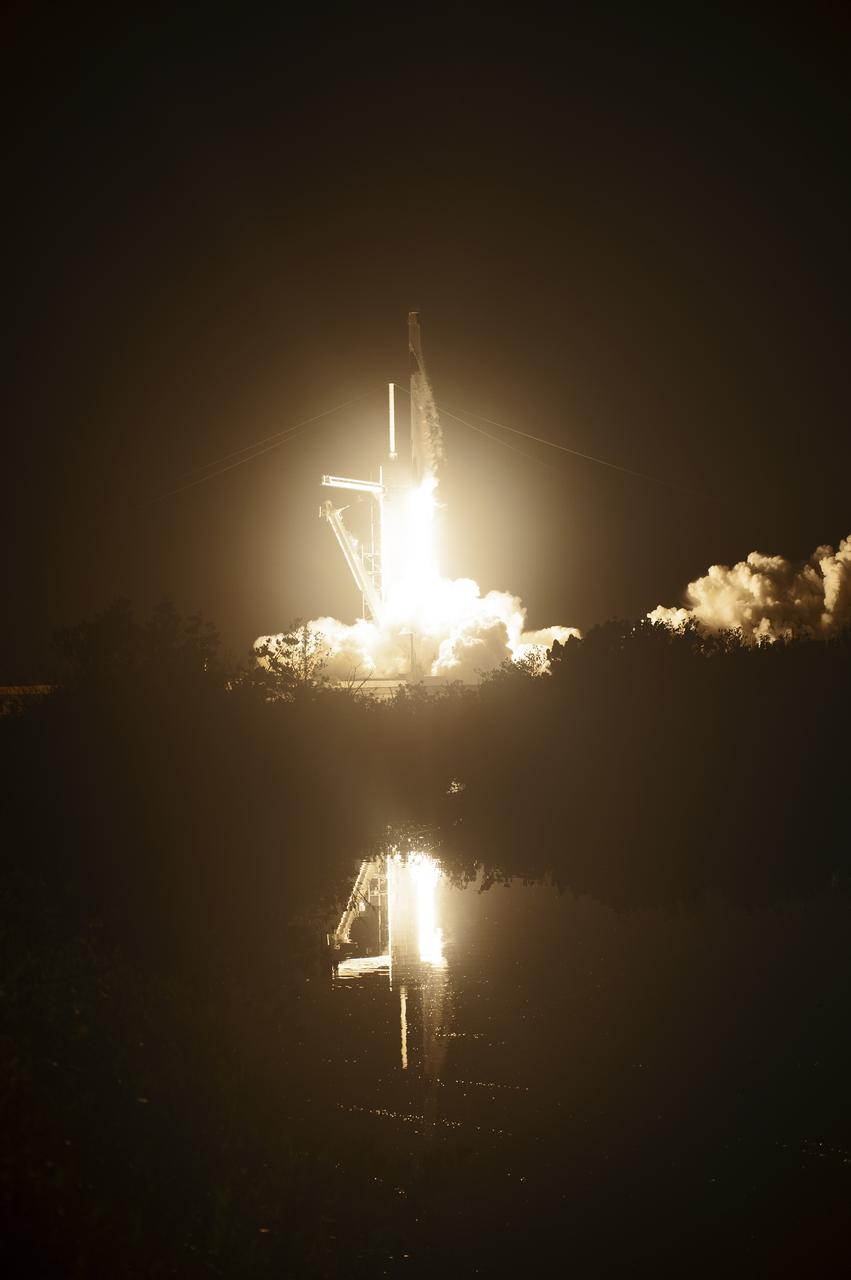
A two-stage SpaceX Falcon 9 rocket lifts off from Launch Complex 39A at NASA’s Kennedy Space Center in Florida for Demo-1, the first uncrewed mission of the agency’s Commercial Crew Program. Liftoff was at 2:49 a.m., March 2, 2019. The SpaceX Crew Dragon’s trip to the International Space Station is designed to validate end-to-end systems and capabilities, leading to certification to fly crew. NASA has worked with SpaceX and Boeing in developing the Commercial Crew Program spacecraft to facilitate new human spaceflight systems launching from U.S. soil with the goal of safe, reliable and cost-effective access to low-Earth orbit destinations, such as the space station.
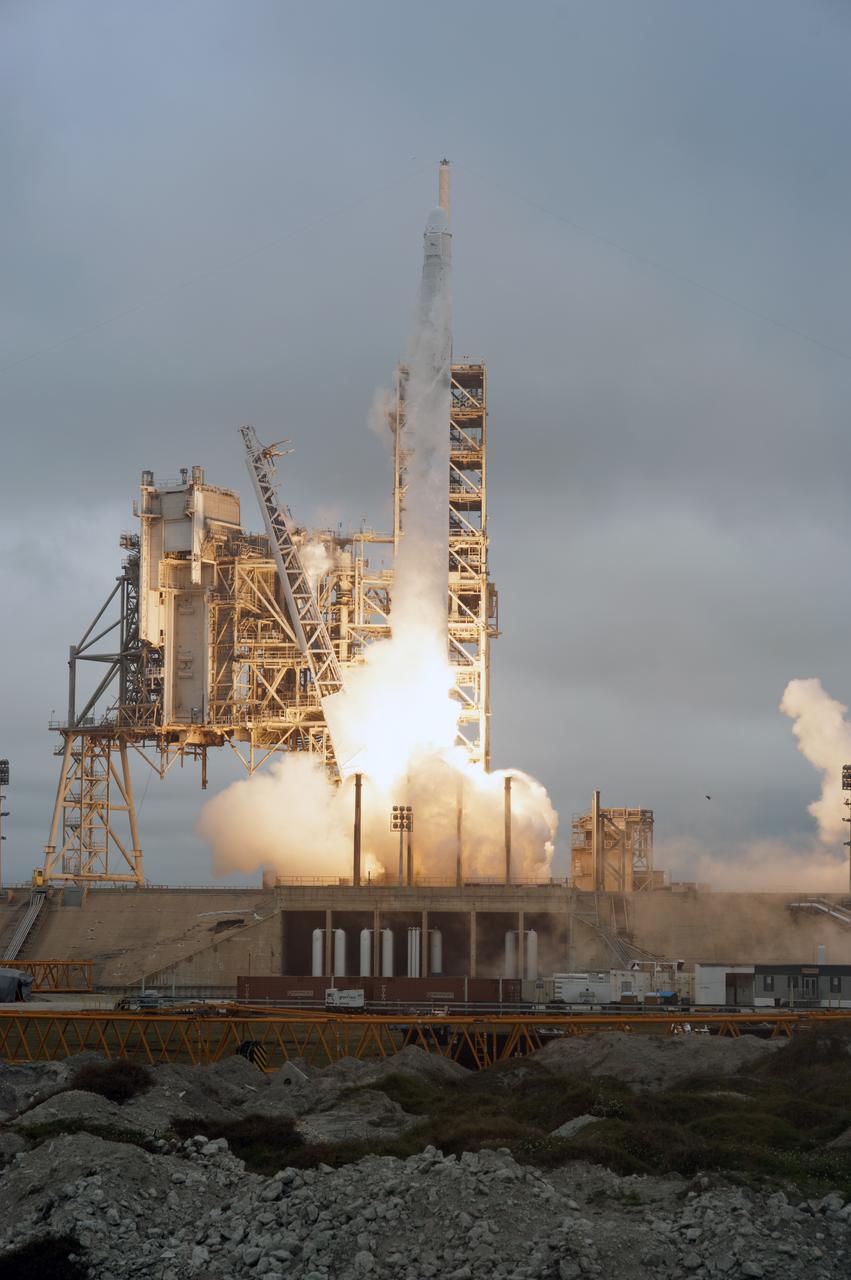
A SpaceX Falcon 9 rocket lifts off from Launch Complex 39A at NASA's Kenney Space Center in Florida, the company's 11th commercial resupply services mission to the International Space Station. Liftoff was at 5:07 p.m. EDT from the historic launch site now operated by SpaceX under a property agreement with NASA. The Dragon spacecraft will deliver 6,000 pounds of supplies, such as the Neutron star Interior Composition Explorer, or NICER, designed to study the extraordinary physics of these stars, providing insights into their nature and behavior.
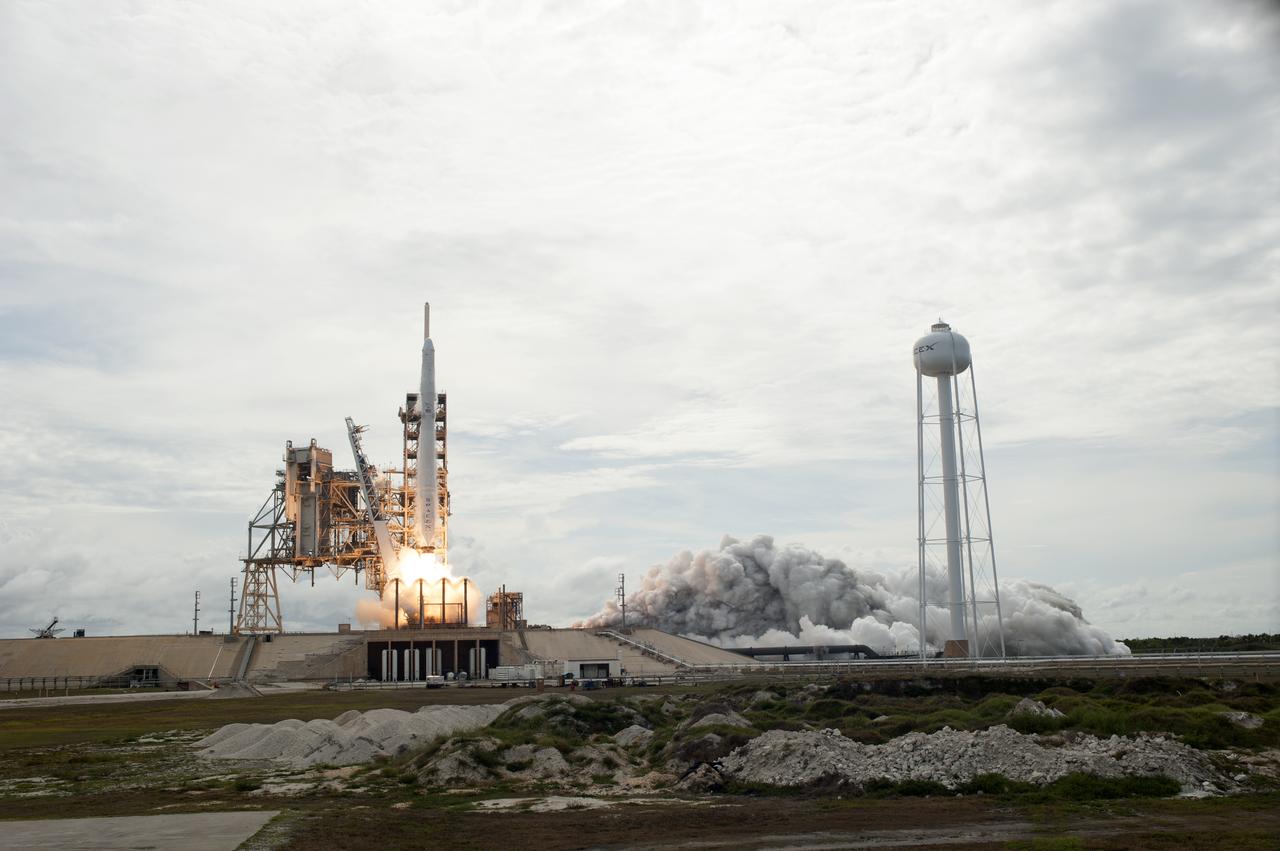
A SpaceX Falcon 9 rocket lifts off from Launch Complex 39A at NASA's Kenney Space Center in Florida. This is the company's 10th commercial resupply services mission to the International Space Station. Liftoff was at 9:39 a.m. EST from the historic launch site now operated by SpaceX under a property agreement with NASA. The Dragon spacecraft will deliver about 5,500 pounds of supplies to the space station, including the Stratospheric Aerosol and Gas Experiment (SAGE) III instrument to further study ozone in the atmosphere.
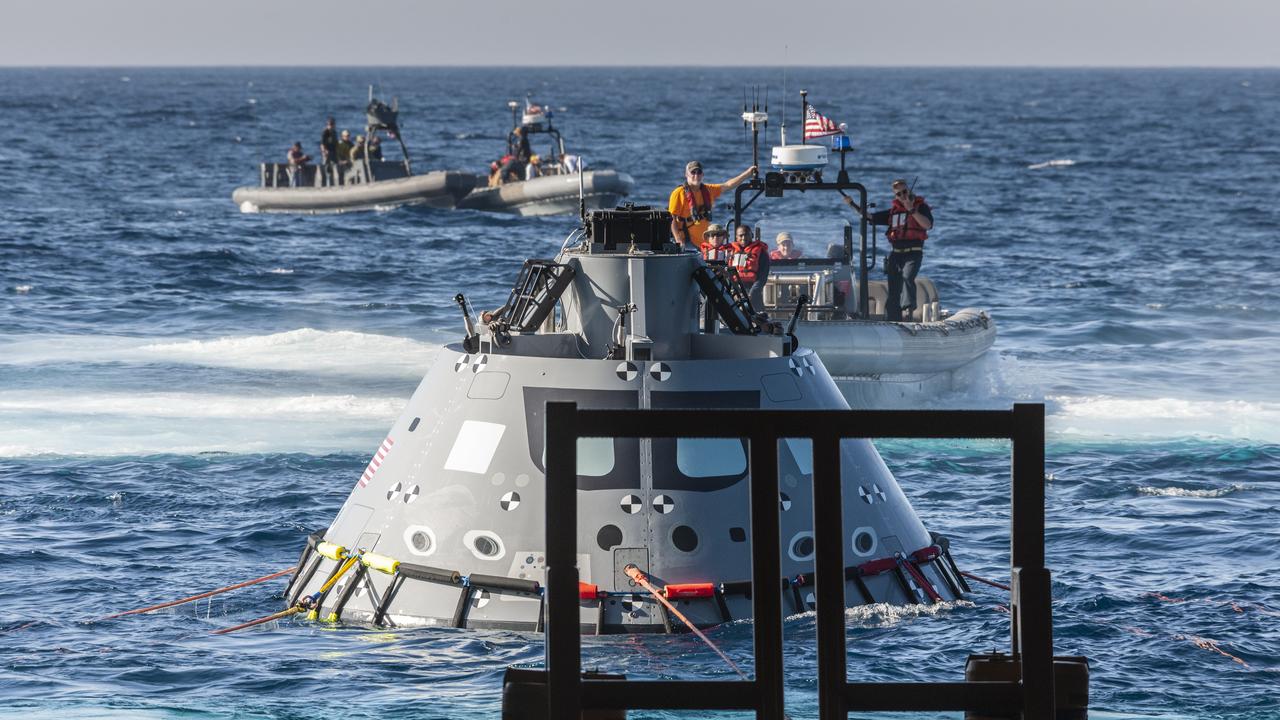
NASA Recovery Team members with Exploration Ground Systems (EGS) and the U.S. Navy practice recovering a test version of the Orion capsule on Oct. 31, 2018, during Underway Recovery Test-7 (URT-7) in the Pacific Ocean. URT-7 is one in a series of tests that the EGS Recovery Team, along with the U.S. Navy, are conducting to verify and validate procedures and hardware that will be used to recover the Orion spacecraft after it splashes down in the Pacific Ocean following deep space exploration missions. Orion will have emergency abort capability, sustain the crew during space travel and provide safe re-entry from deep space return velocities.
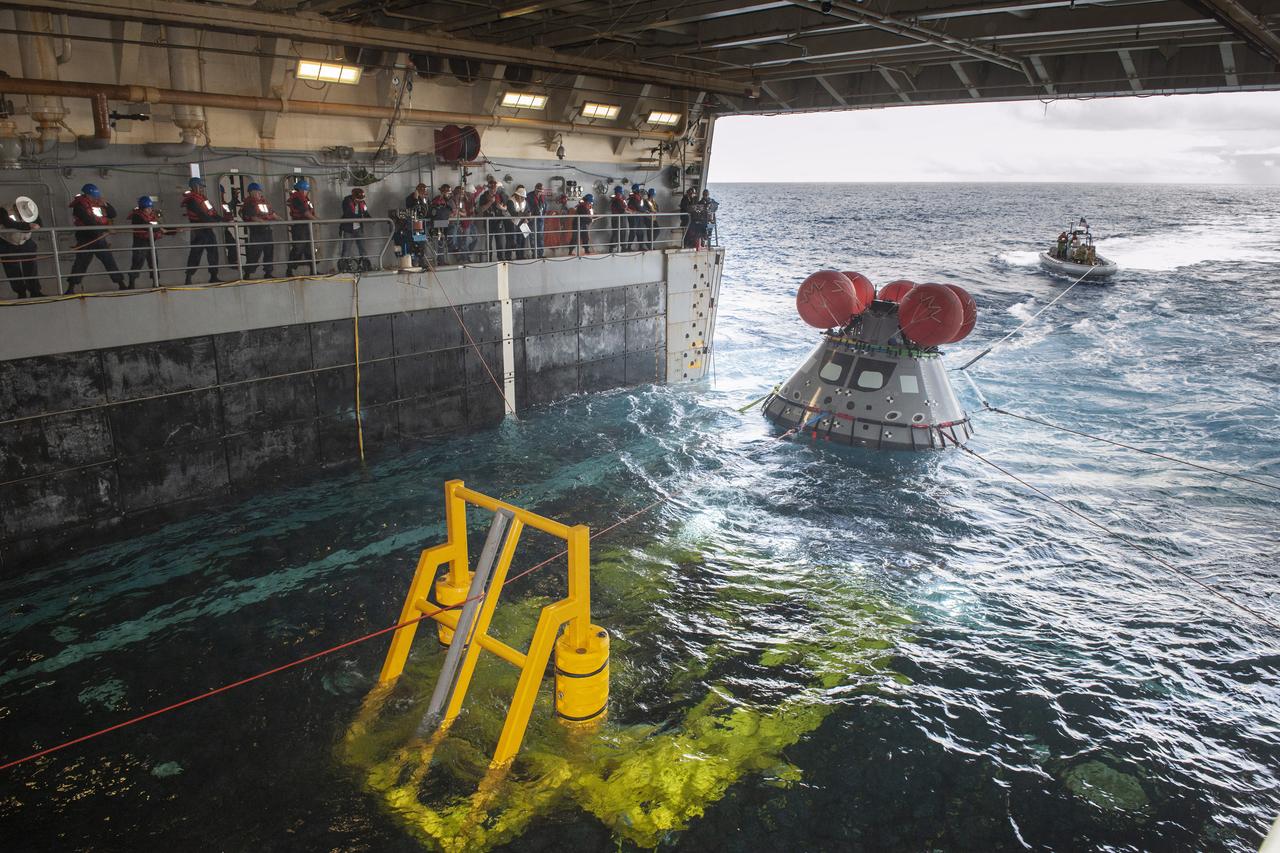
During Underway Recovery Test-8, NASA's Landing and Recovery team from Exploration Ground Systems at Kennedy Space Center performed their first full mission profile test of the recovery procedures for Artemis I aboard the USS John P. Murtha in the Pacific Ocean. Artemis I will be the first integrated flight test of NASA's Deep Space Exploration Systems: the Orion spacecraft, Space Launch System rocket, with the newly upgraded Exploration Ground Systems at Kennedy Space Center.
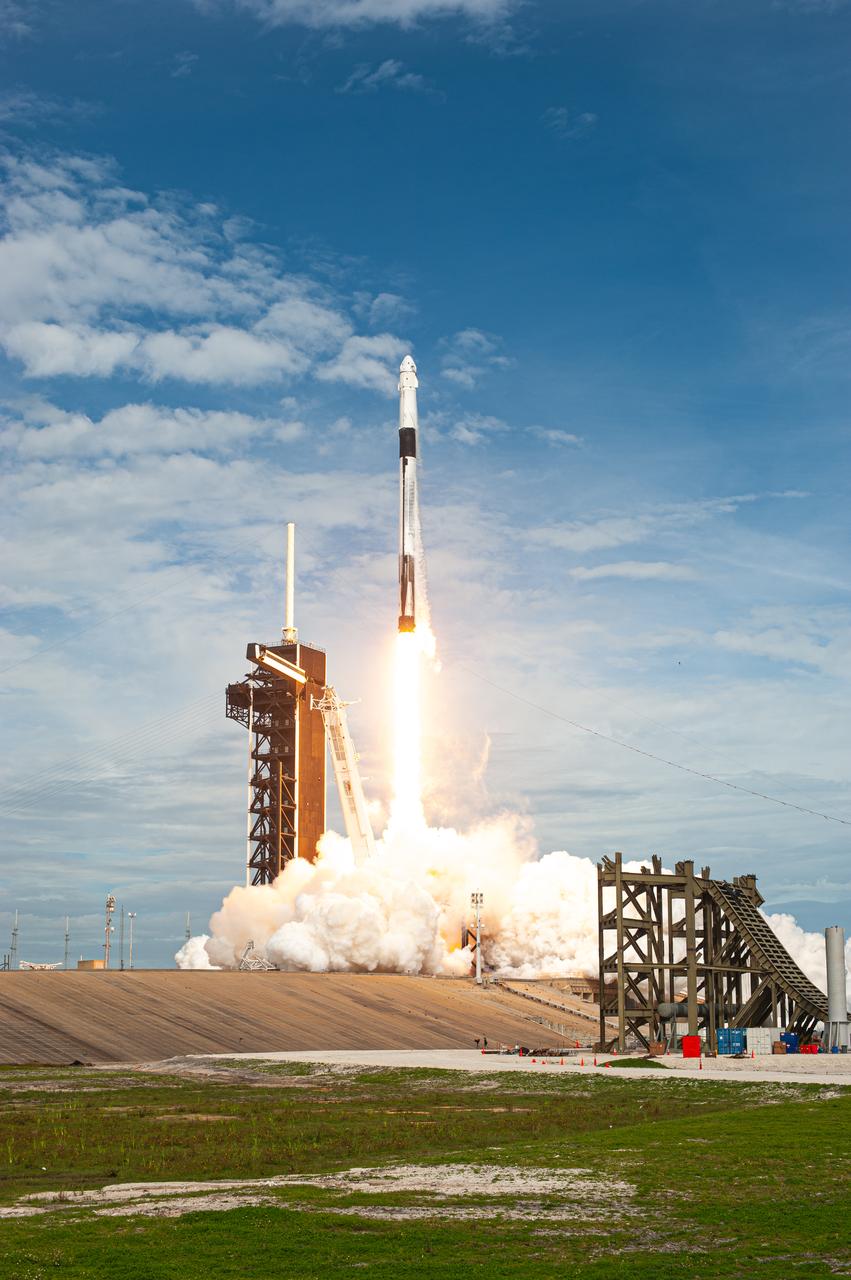
A SpaceX Falcon 9 rocket lifts off from Launch Complex 39A at NASA’s Kennedy Space Center in Florida at 10:30 a.m. EST on Jan. 19, 2020, carrying the Crew Dragon spacecraft on the company’s uncrewed In-Flight Abort Test. The flight test demonstrated the spacecraft’s escape capabilities in preparation for crewed flights to the International Space Station as part of the agency’s Commercial Crew Program.
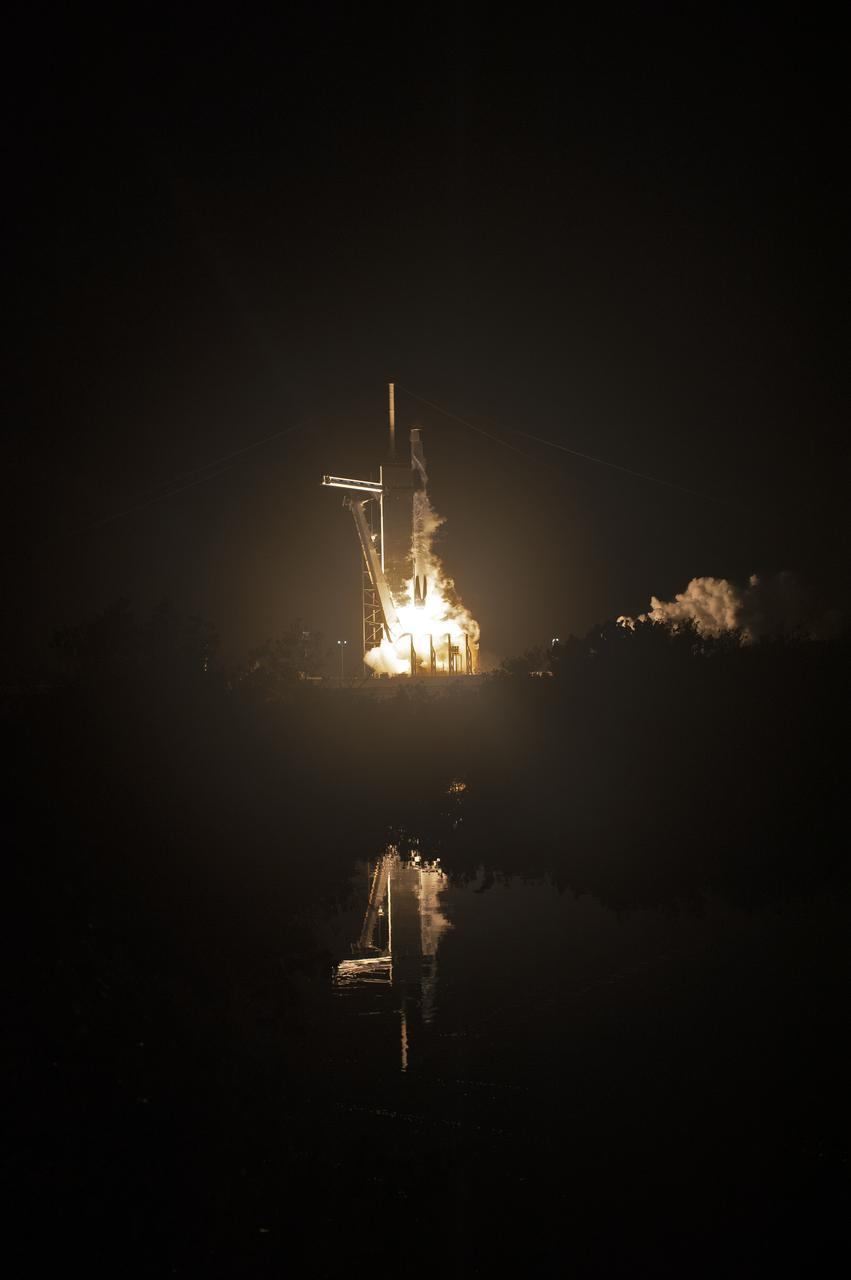
A two-stage SpaceX Falcon 9 rocket lifts off from Launch Complex 39A at NASA’s Kennedy Space Center in Florida for Demo-1, the first uncrewed mission of the agency’s Commercial Crew Program. Liftoff was at 2:49 a.m., March 2, 2019. The SpaceX Crew Dragon’s trip to the International Space Station is designed to validate end-to-end systems and capabilities, leading to certification to fly crew. NASA has worked with SpaceX and Boeing in developing the Commercial Crew Program spacecraft to facilitate new human spaceflight systems launching from U.S. soil with the goal of safe, reliable and cost-effective access to low-Earth orbit destinations, such as the space station.

A SpaceX Falcon 9 rocket lifts off from Launch Complex 39A at NASA's Kenney Space Center in Florida, the company's 11th commercial resupply services mission to the International Space Station. Liftoff was at 5:07 p.m. EDT from the historic launch site now operated by SpaceX under a property agreement with NASA. The Dragon spacecraft will deliver 6,000 pounds of supplies, such as the Neutron star Interior Composition Explorer, or NICER, designed to study the extraordinary physics of these stars, providing insights into their nature and behavior.
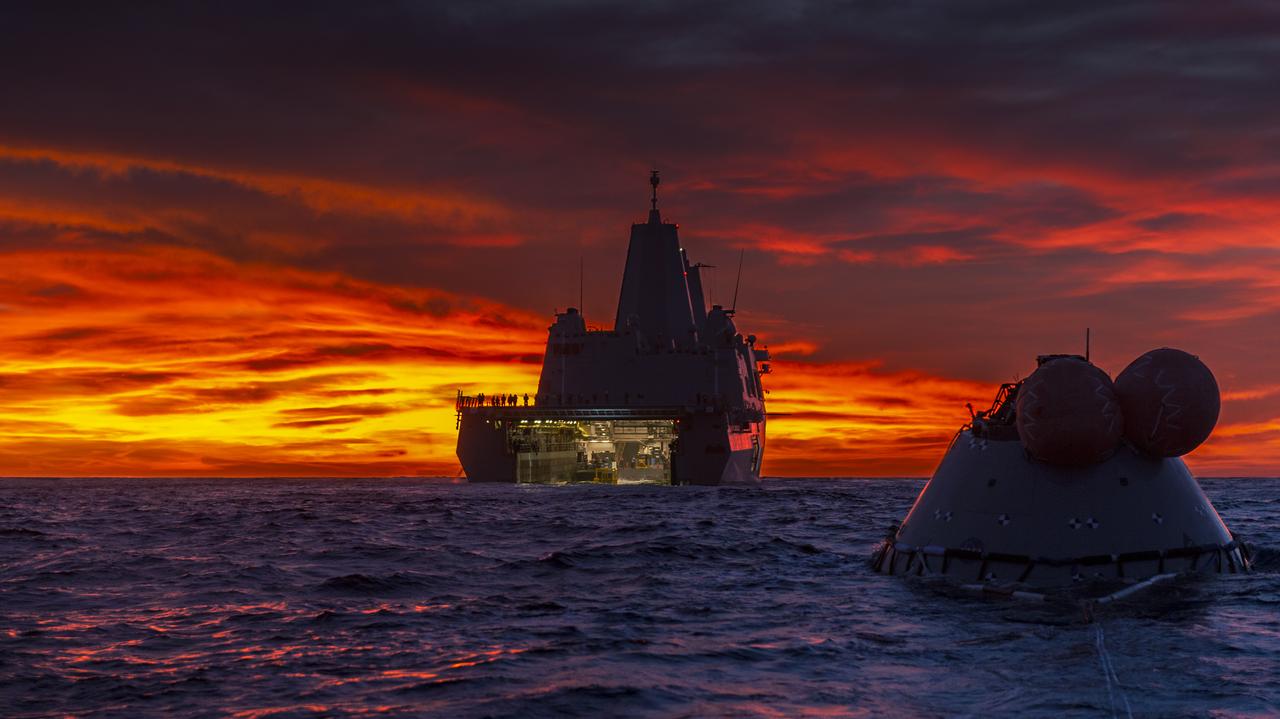
The USS John P. Murtha and a test version of the Orion capsule are in view at sunset on Nov. 1, 2018, during Underway Recovery Test-7 (URT-7) in the Pacific Ocean. URT-7 is one in a series of tests that the Exploration Ground Systems Recovery Team, along with the U.S. Navy, are conducting to verify and validate procedures and hardware that will be used to recover the Orion spacecraft after it splashes down in the Pacific Ocean following deep space exploration missions. Orion will have emergency abort capability, sustain the crew during space travel and provide safe re-entry from deep space return velocities.
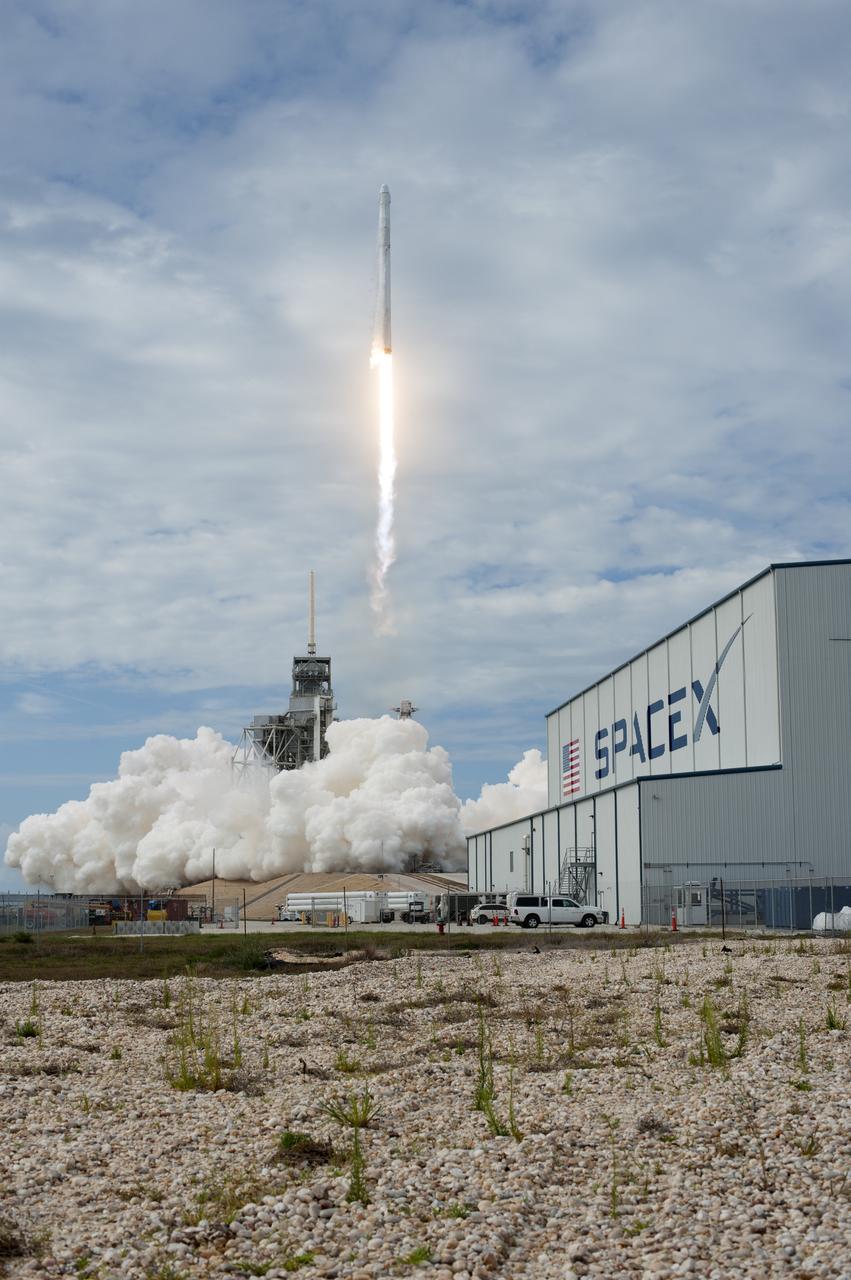
A SpaceX Falcon 9 rocket lifts off from Launch Complex 39A at NASA's Kenney Space Center in Florida, the company's 11th commercial resupply services mission to the International Space Station. Liftoff was at 5:07 p.m. EDT from the historic launch site now operated by SpaceX under a property agreement with NASA. The Dragon spacecraft will deliver 6,000 pounds of supplies, such as the Neutron star Interior Composition Explorer, or NICER, designed to study the extraordinary physics of these stars, providing insights into their nature and behavior.
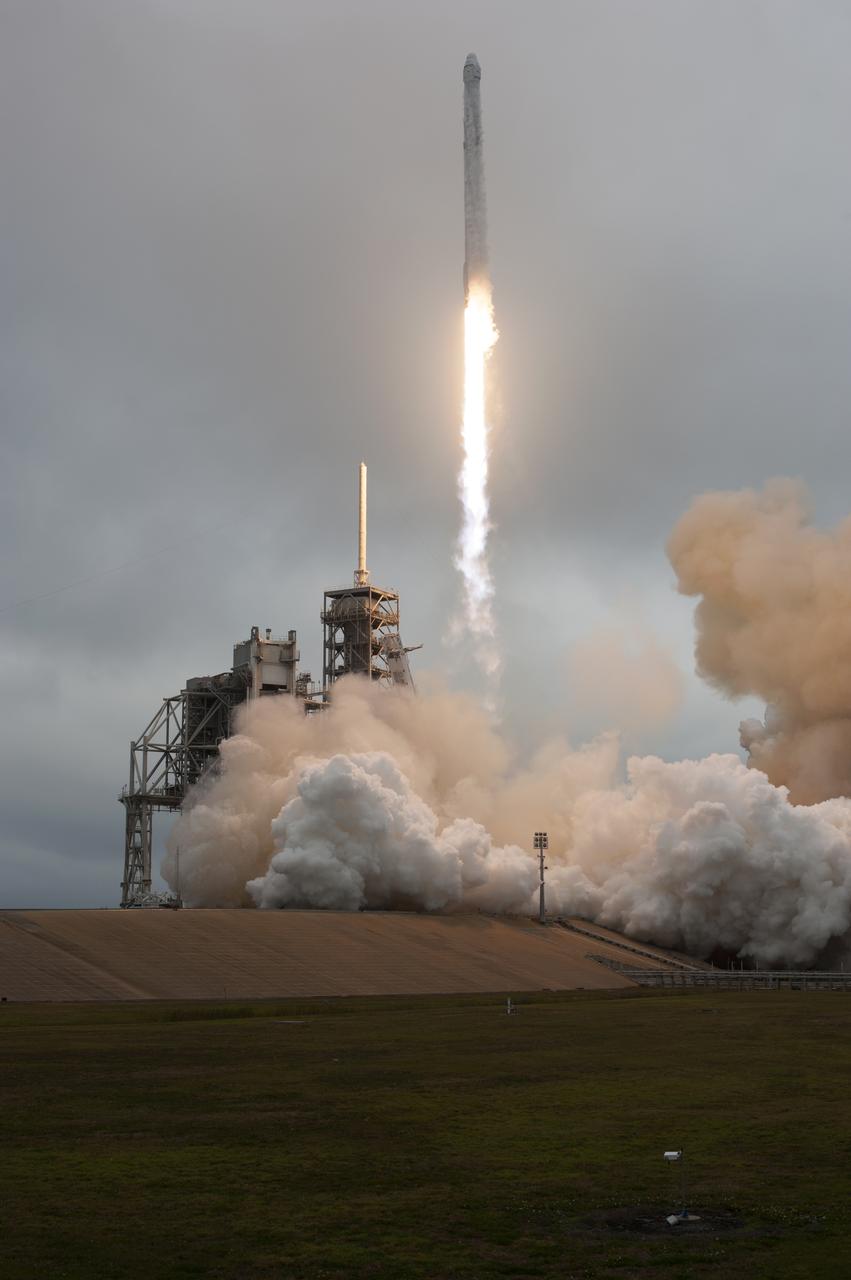
A SpaceX Falcon 9 rocket lifts off from Launch Complex 39A at NASA's Kenney Space Center in Florida. This is the company's 10th commercial resupply services mission to the International Space Station. Liftoff was at 9:39 a.m. EST from the historic launch site now operated by SpaceX under a property agreement with NASA. The Dragon spacecraft will deliver about 5,500 pounds of supplies to the space station, including the Stratospheric Aerosol and Gas Experiment (SAGE) III instrument to further study ozone in the atmosphere.
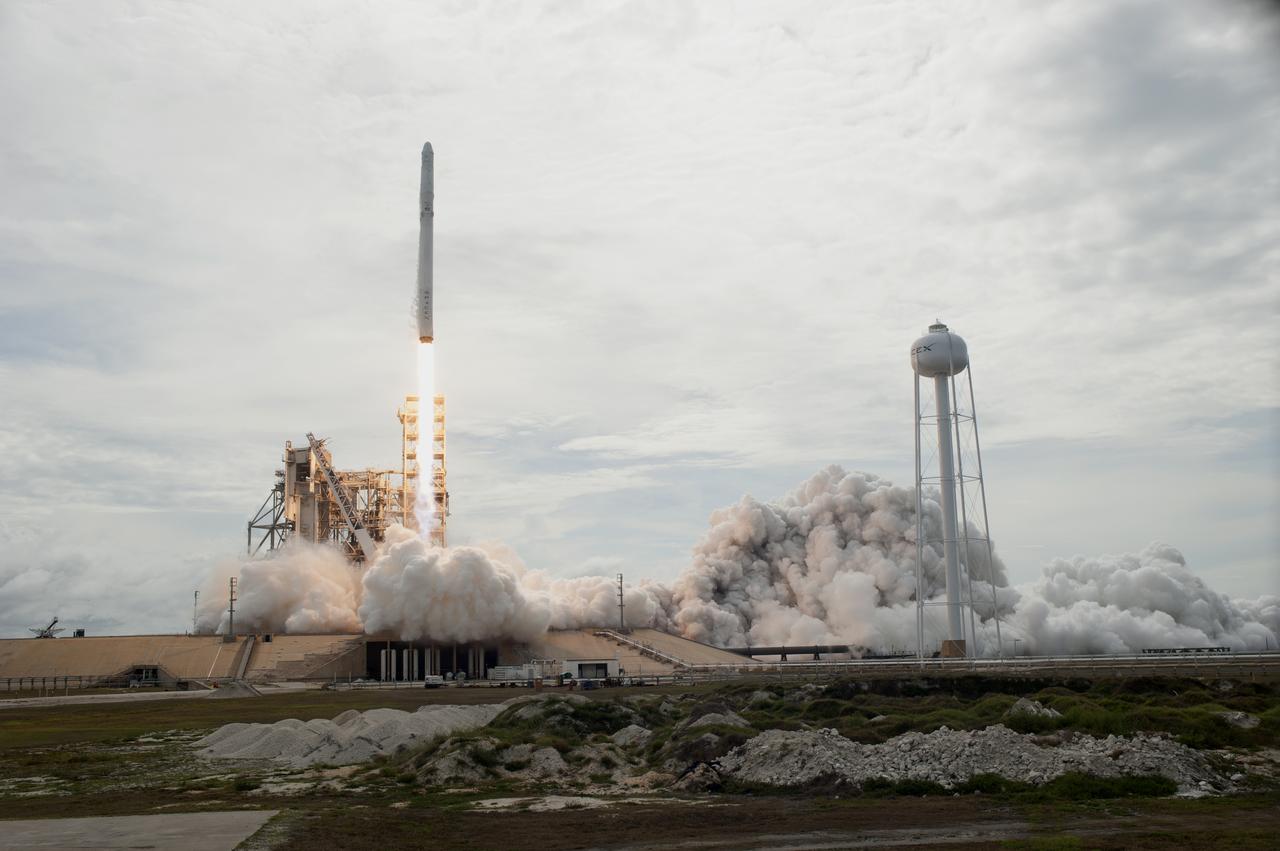
A SpaceX Falcon 9 rocket lifts off from Launch Complex 39A at NASA's Kenney Space Center in Florida, the company's 11th commercial resupply services mission to the International Space Station. Liftoff was at 5:07 p.m. EDT from the historic launch site now operated by SpaceX under a property agreement with NASA. The Dragon spacecraft will deliver 6,000 pounds of supplies, such as the Neutron star Interior Composition Explorer, or NICER, designed to study the extraordinary physics of these stars, providing insights into their nature and behavior.
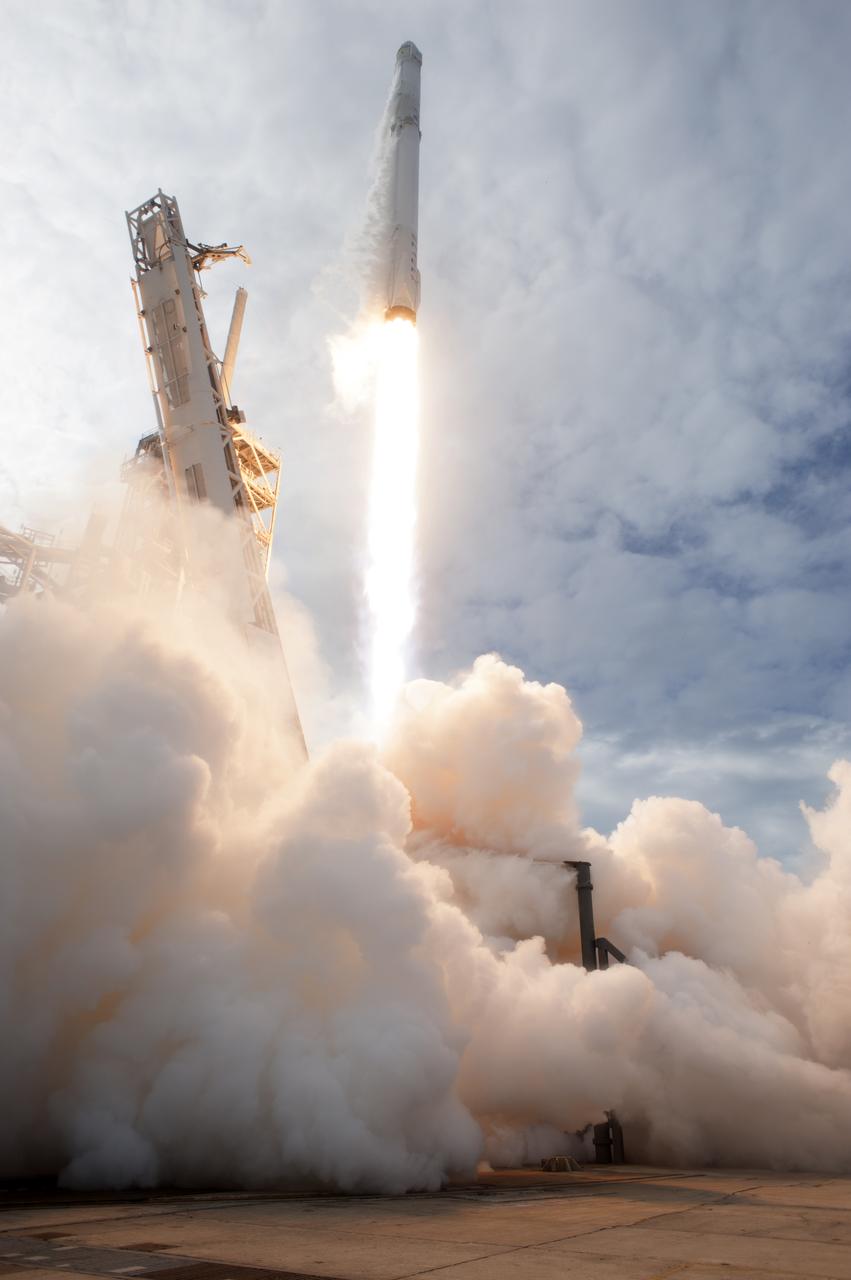
A SpaceX Falcon 9 rocket lifts off from Launch Complex 39A at NASA's Kenney Space Center in Florida, the company's 11th commercial resupply services mission to the International Space Station. Liftoff was at 5:07 p.m. EDT from the historic launch site now operated by SpaceX under a property agreement with NASA. The Dragon spacecraft will deliver 6,000 pounds of supplies, such as the Neutron star Interior Composition Explorer, or NICER, designed to study the extraordinary physics of these stars, providing insights into their nature and behavior.
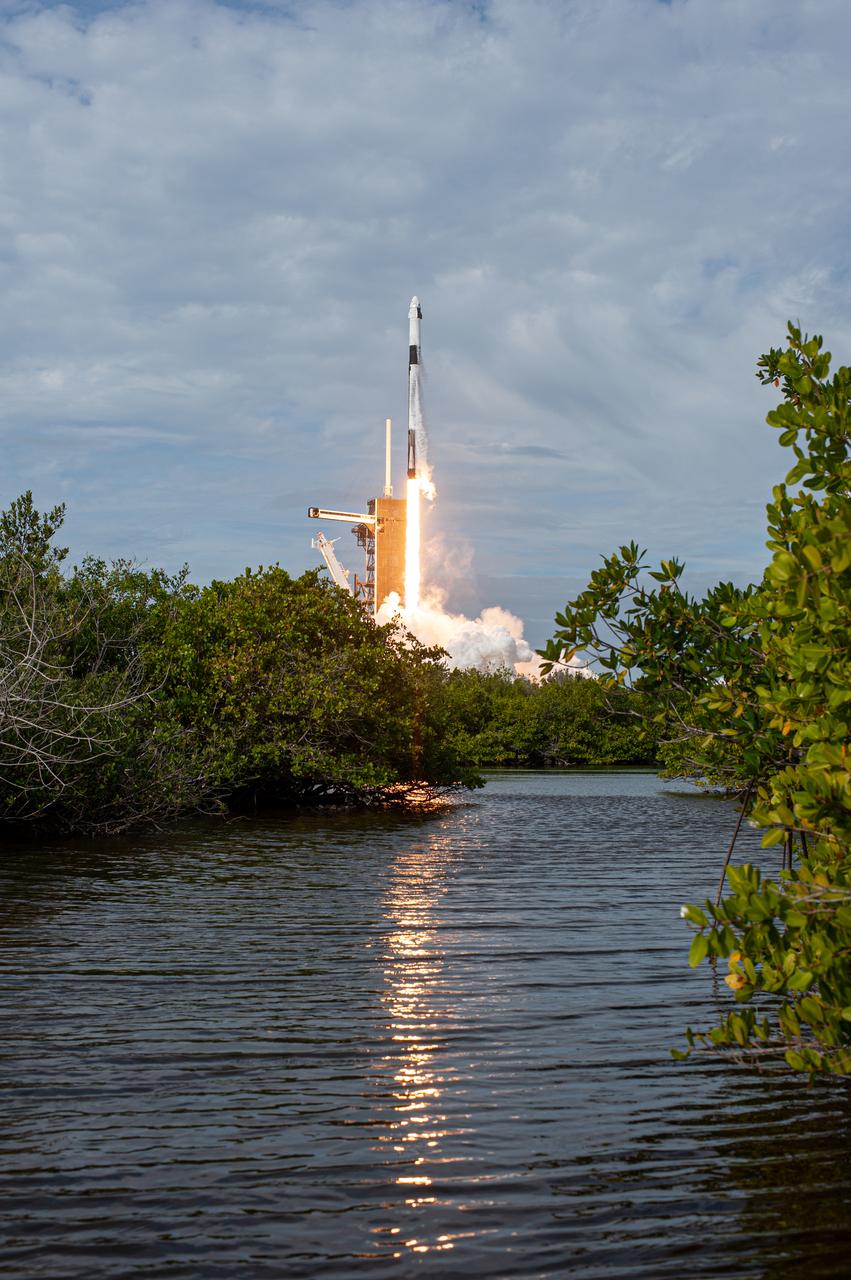
A SpaceX Falcon 9 rocket lifts off from Launch Complex 39A at NASA’s Kennedy Space Center in Florida at 10:30 a.m. EST on Jan. 19, 2020, carrying the Crew Dragon spacecraft on the company’s uncrewed In-Flight Abort Test. The flight test demonstrated the spacecraft’s escape capabilities in preparation for crewed flights to the International Space Station as part of the agency’s Commercial Crew Program.
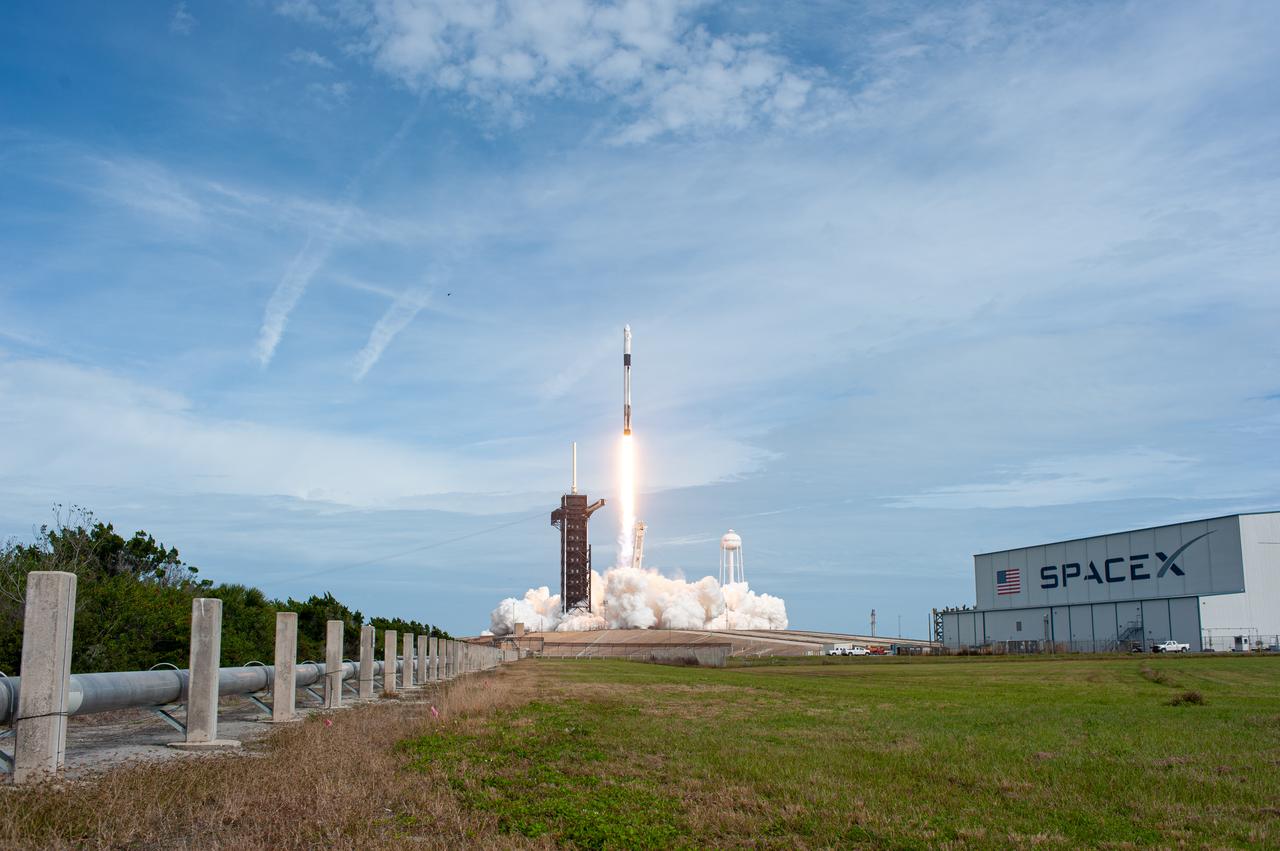
A SpaceX Falcon 9 rocket lifts off from Launch Complex 39A at NASA’s Kennedy Space Center in Florida at 10:30 a.m. EST on Jan. 19, 2020, carrying the Crew Dragon spacecraft on the company’s uncrewed In-Flight Abort Test. The flight test demonstrated the spacecraft’s escape capabilities in preparation for crewed flights to the International Space Station as part of the agency’s Commercial Crew Program.
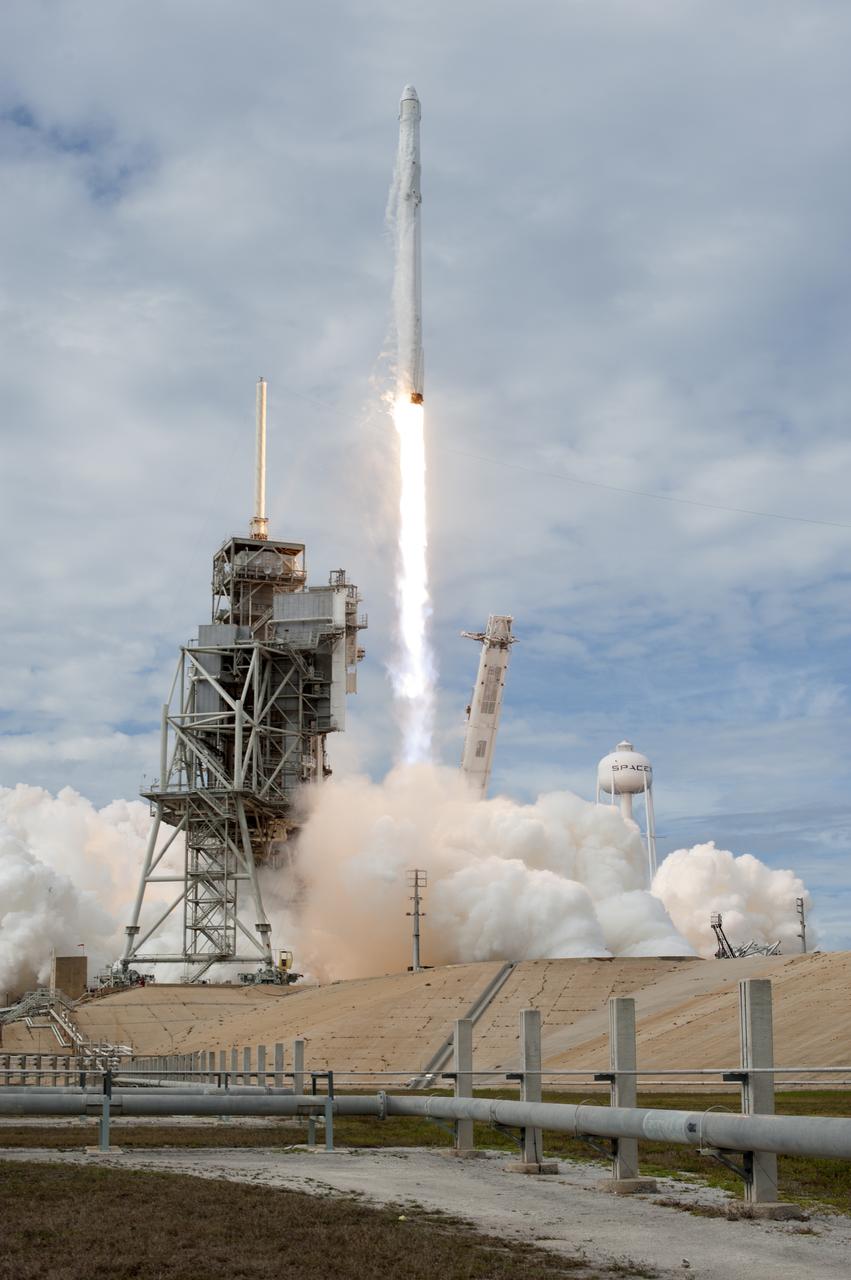
A SpaceX Falcon 9 rocket lifts off from Launch Complex 39A at NASA's Kenney Space Center in Florida, the company's 11th commercial resupply services mission to the International Space Station. Liftoff was at 5:07 p.m. EDT from the historic launch site now operated by SpaceX under a property agreement with NASA. The Dragon spacecraft will deliver 6,000 pounds of supplies, such as the Neutron star Interior Composition Explorer, or NICER, designed to study the extraordinary physics of these stars, providing insights into their nature and behavior.
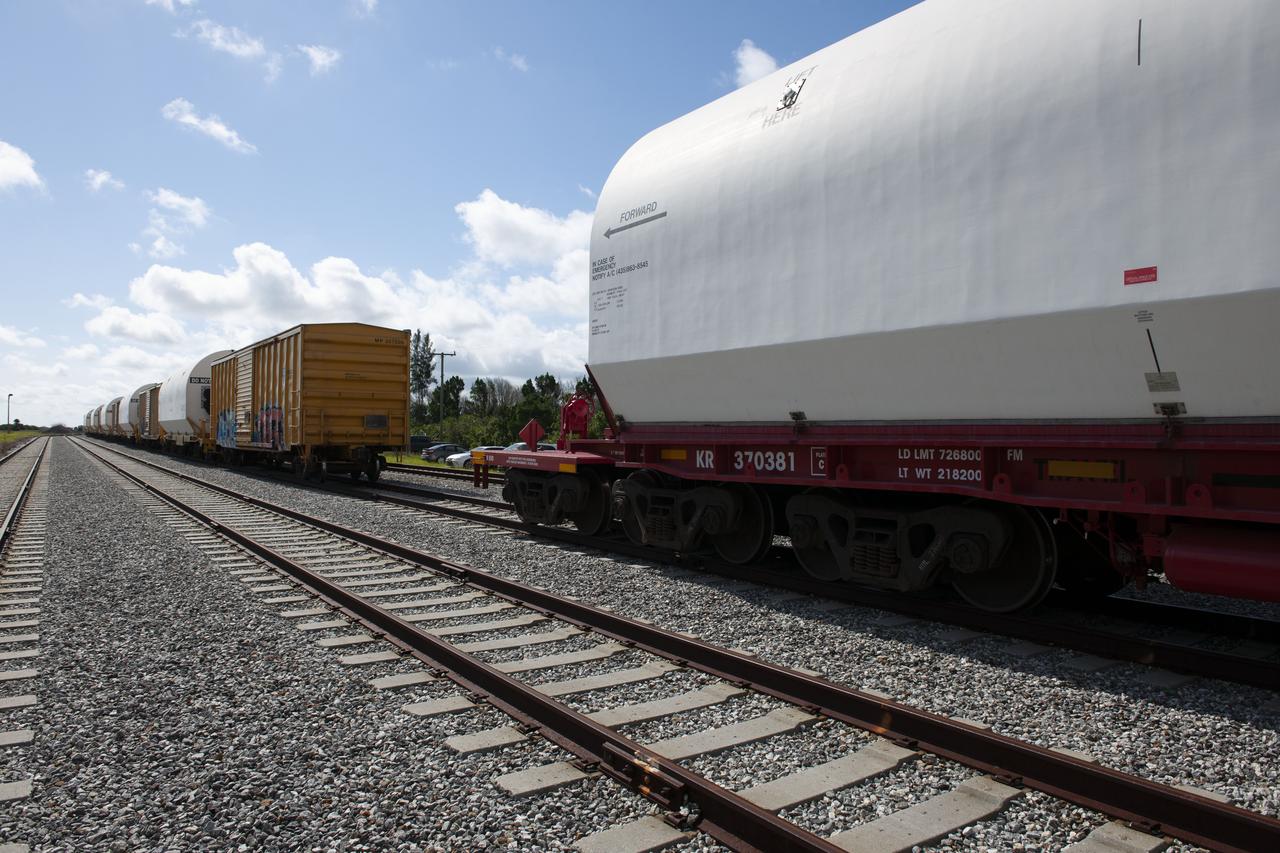
Twin rocket boosters for NASA’s Space Launch System (SLS) that will power Artemis missions to the Moon have arrived at the agency’s Kennedy Space Center in Florida. The two motor segments, each comprised of five segments, arrived at Kennedy’s Rotation, Processing and Surge Facility (RPSF) on June 15, 2020, by train from a Northrop Grumman manufacturing facility in Promontory, Utah. The booster segments will remain in the RPSF for inspection prior to processing until it’s time to move them to the Vehicle Assembly Building for stacking on the mobile launcher. This is the first piece of flight hardware to arrive at Kennedy by train for the Artemis program, but NASA’s Exploration Ground Systems (EGS) can expect to receive additional hardware soon, including the Launch Vehicle Service Adapter and the rocket’s core stage. NASA is working toward an Artemis I launch date in 2021, keeping the program moving at the best possible pace toward the earliest possible opportunity.
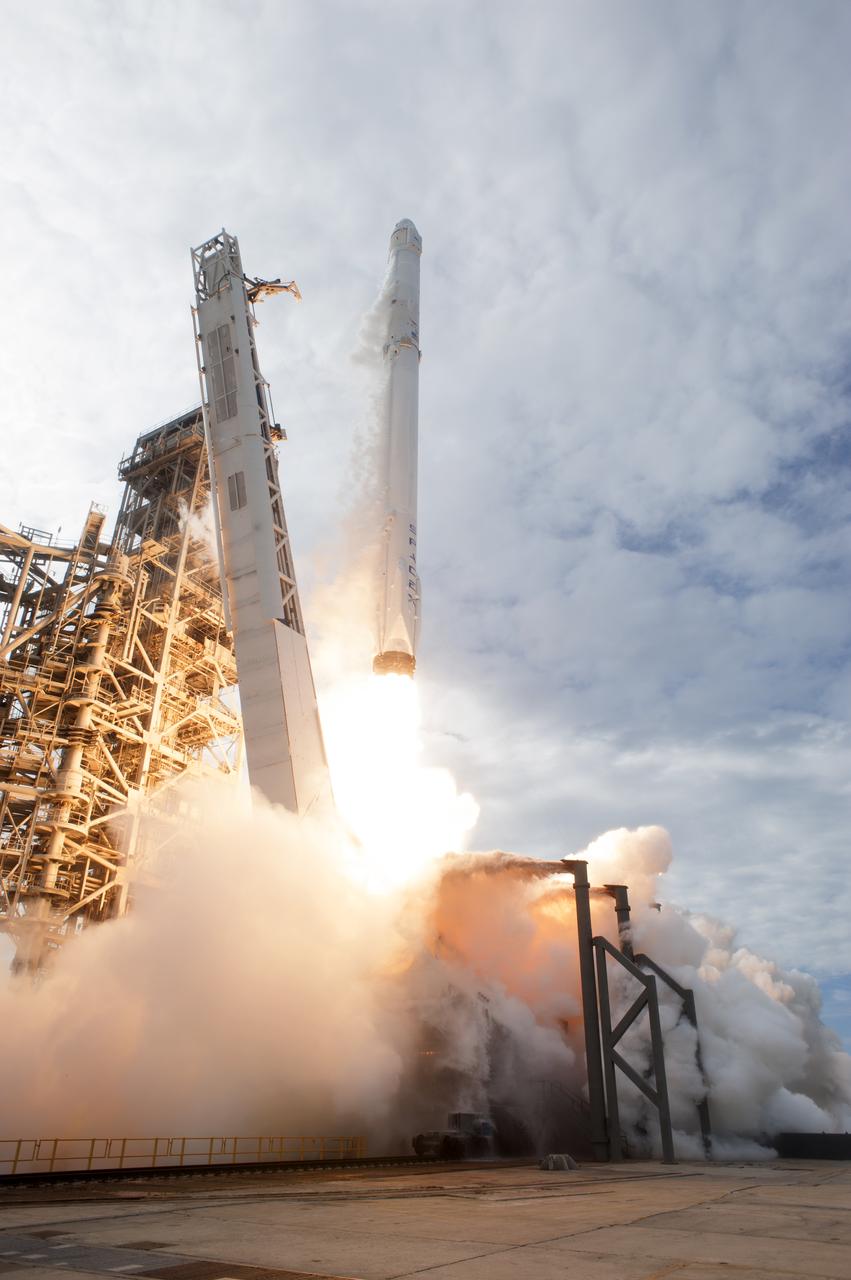
A SpaceX Falcon 9 rocket lifts off from Launch Complex 39A at NASA's Kenney Space Center in Florida, the company's 11th commercial resupply services mission to the International Space Station. Liftoff was at 5:07 p.m. EDT from the historic launch site now operated by SpaceX under a property agreement with NASA. The Dragon spacecraft will deliver 6,000 pounds of supplies, such as the Neutron star Interior Composition Explorer, or NICER, designed to study the extraordinary physics of these stars, providing insights into their nature and behavior.
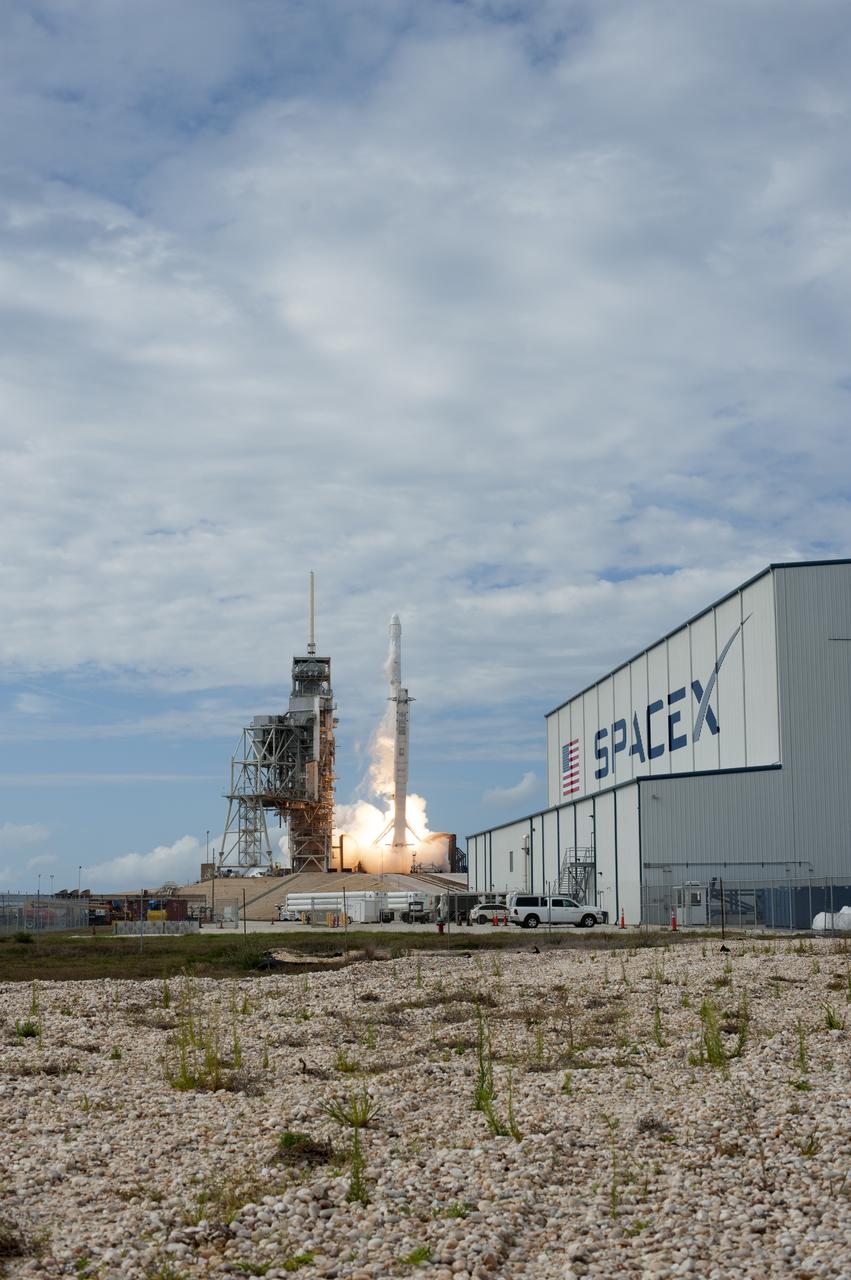
A SpaceX Falcon 9 rocket lifts off from Launch Complex 39A at NASA's Kenney Space Center in Florida, the company's 11th commercial resupply services mission to the International Space Station. Liftoff was at 5:07 p.m. EDT from the historic launch site now operated by SpaceX under a property agreement with NASA. The Dragon spacecraft will deliver 6,000 pounds of supplies, such as the Neutron star Interior Composition Explorer, or NICER, designed to study the extraordinary physics of these stars, providing insights into their nature and behavior.

The USS John P. Murtha is in view at sunset on Nov. 1, 2018, during Underway Recovery Test-7 (URT-7) in the Pacific Ocean. URT-7 is one in a series of tests that the Exploration Ground Systems Recovery Team, along with the U.S. Navy, are conducting to verify and validate procedures and hardware that will be used to recover the Orion spacecraft after it splashes down in the Pacific Ocean following deep space exploration missions. Orion will have emergency abort capability, sustain the crew during space travel and provide safe re-entry from deep space return velocities.
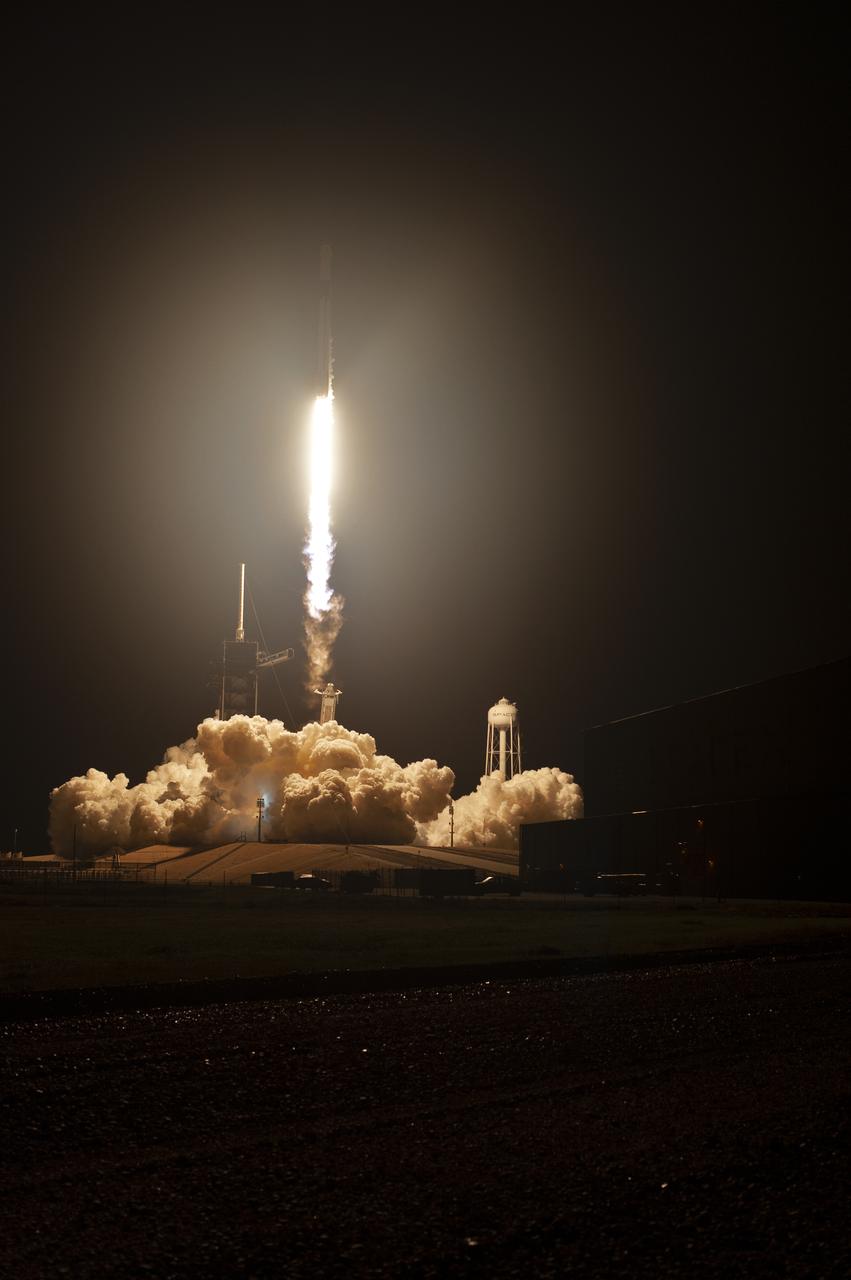
A two-stage SpaceX Falcon 9 rocket lifts off from Launch Complex 39A at NASA’s Kennedy Space Center in Florida for Demo-1, the first uncrewed mission of the agency’s Commercial Crew Program. Liftoff was at 2:49 a.m., March 2, 2019. The SpaceX Crew Dragon’s trip to the International Space Station is designed to validate end-to-end systems and capabilities, leading to certification to fly crew. NASA has worked with SpaceX and Boeing in developing the Commercial Crew Program spacecraft to facilitate new human spaceflight systems launching from U.S. soil with the goal of safe, reliable and cost-effective access to low-Earth orbit destinations, such as the space station.
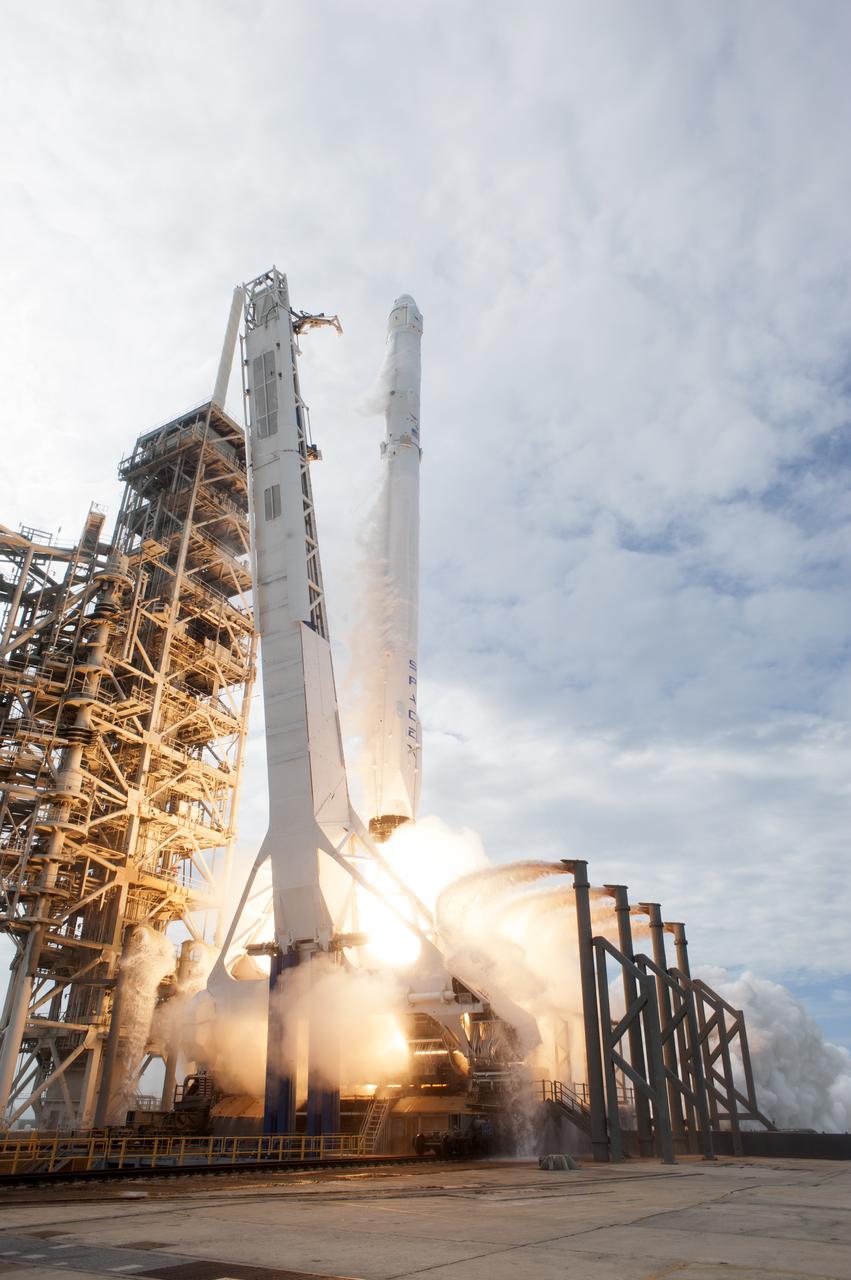
A SpaceX Falcon 9 rocket lifts off from Launch Complex 39A at NASA's Kenney Space Center in Florida, the company's 11th commercial resupply services mission to the International Space Station. Liftoff was at 5:07 p.m. EDT from the historic launch site now operated by SpaceX under a property agreement with NASA. The Dragon spacecraft will deliver 6,000 pounds of supplies, such as the Neutron star Interior Composition Explorer, or NICER, designed to study the extraordinary physics of these stars, providing insights into their nature and behavior.
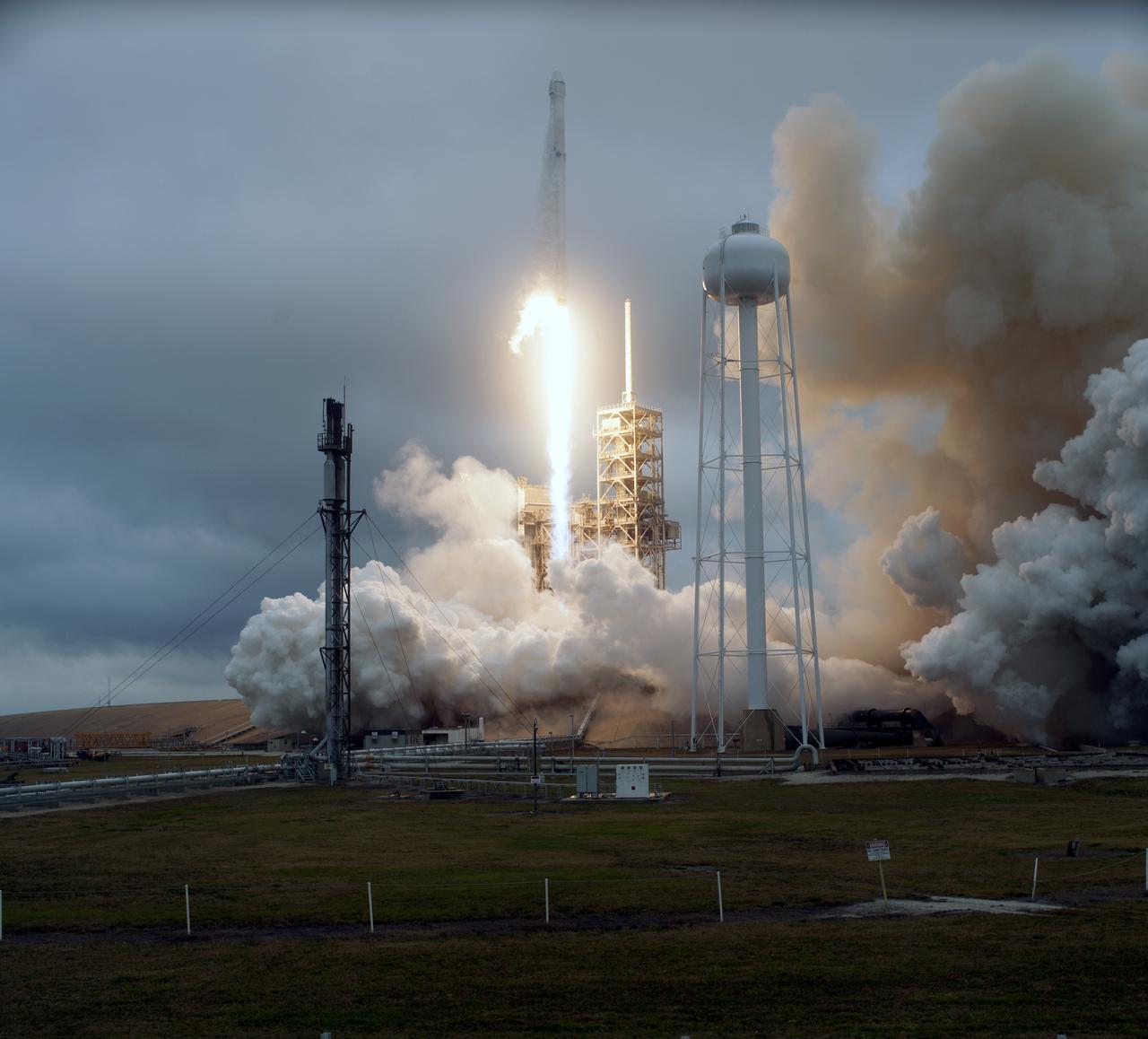
A SpaceX Falcon 9 rocket lifts off from Launch Complex 39A at NASA's Kenney Space Center in Florida. This is the company's 10th commercial resupply services mission to the International Space Station. Liftoff was at 9:39 a.m. EST from the historic launch site now operated by SpaceX under a property agreement with NASA. The Dragon spacecraft will deliver about 5,500 pounds of supplies to the space station, including the Stratospheric Aerosol and Gas Experiment (SAGE) III instrument to further study ozone in the atmosphere.

A two-stage SpaceX Falcon 9 rocket lifts off from Launch Complex 39A at NASA’s Kennedy Space Center in Florida for Demo-1, the first uncrewed mission of the agency’s Commercial Crew Program. Liftoff was at 2:49 a.m., March 2, 2019. The SpaceX Crew Dragon’s trip to the International Space Station is designed to validate end-to-end systems and capabilities, leading to certification to fly crew. NASA has worked with SpaceX and Boeing in developing the Commercial Crew Program spacecraft to facilitate new human spaceflight systems launching from U.S. soil with the goal of safe, reliable and cost-effective access to low-Earth orbit destinations, such as the space station.
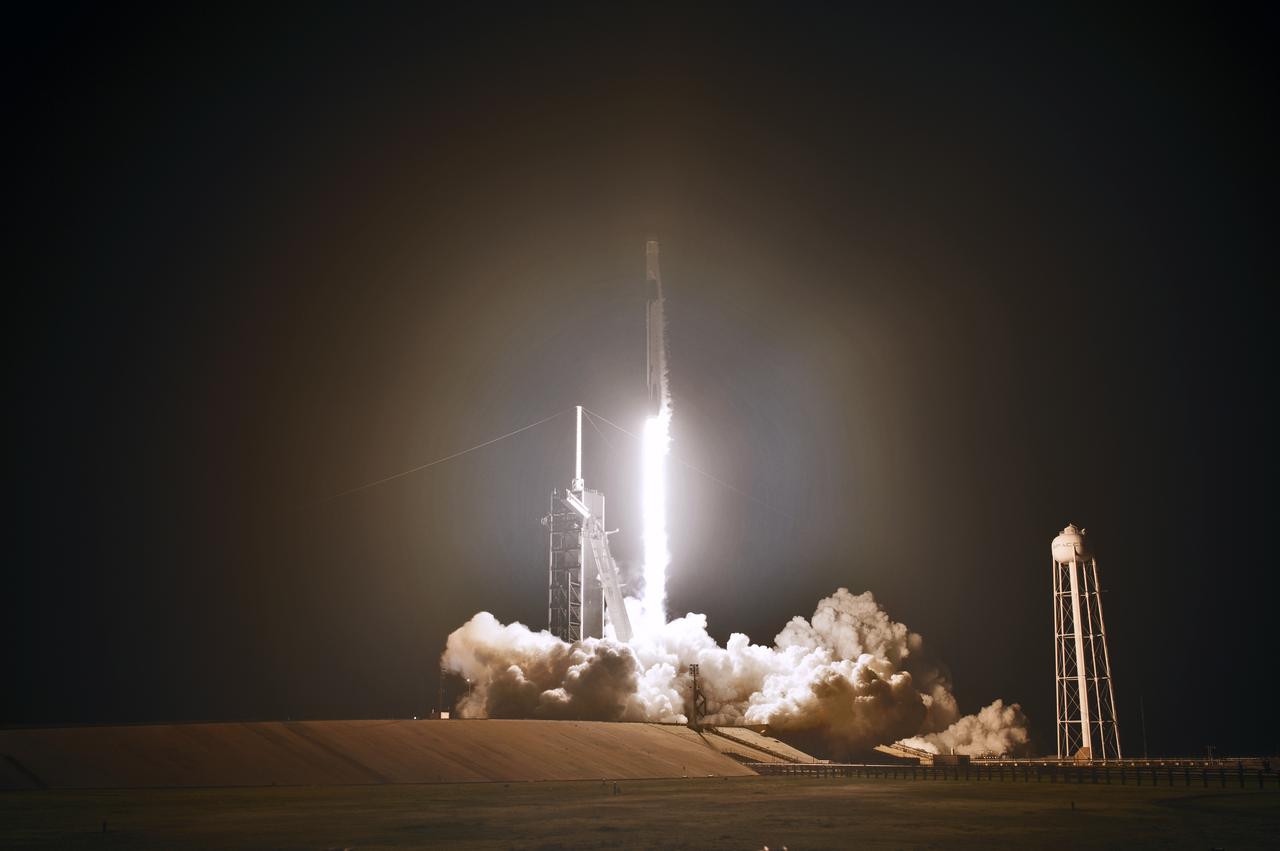
A two-stage SpaceX Falcon 9 rocket lifts off from Launch Complex 39A at NASA’s Kennedy Space Center in Florida for Demo-1, the first uncrewed mission of the agency’s Commercial Crew Program. Liftoff was at 2:49 a.m., March 2, 2019. The SpaceX Crew Dragon’s trip to the International Space Station is designed to validate end-to-end systems and capabilities, leading to certification to fly crew. NASA has worked with SpaceX and Boeing in developing the Commercial Crew Program spacecraft to facilitate new human spaceflight systems launching from U.S. soil with the goal of safe, reliable and cost-effective access to low-Earth orbit destinations, such as the space station.

A SpaceX Falcon 9 rocket lifts off from Launch Complex 39A at NASA's Kenney Space Center in Florida, the company's 11th commercial resupply services mission to the International Space Station. Liftoff was at 5:07 p.m. EDT from the historic launch site now operated by SpaceX under a property agreement with NASA. The Dragon spacecraft will deliver 6,000 pounds of supplies, such as the Neutron star Interior Composition Explorer, or NICER, designed to study the extraordinary physics of these stars, providing insights into their nature and behavior.
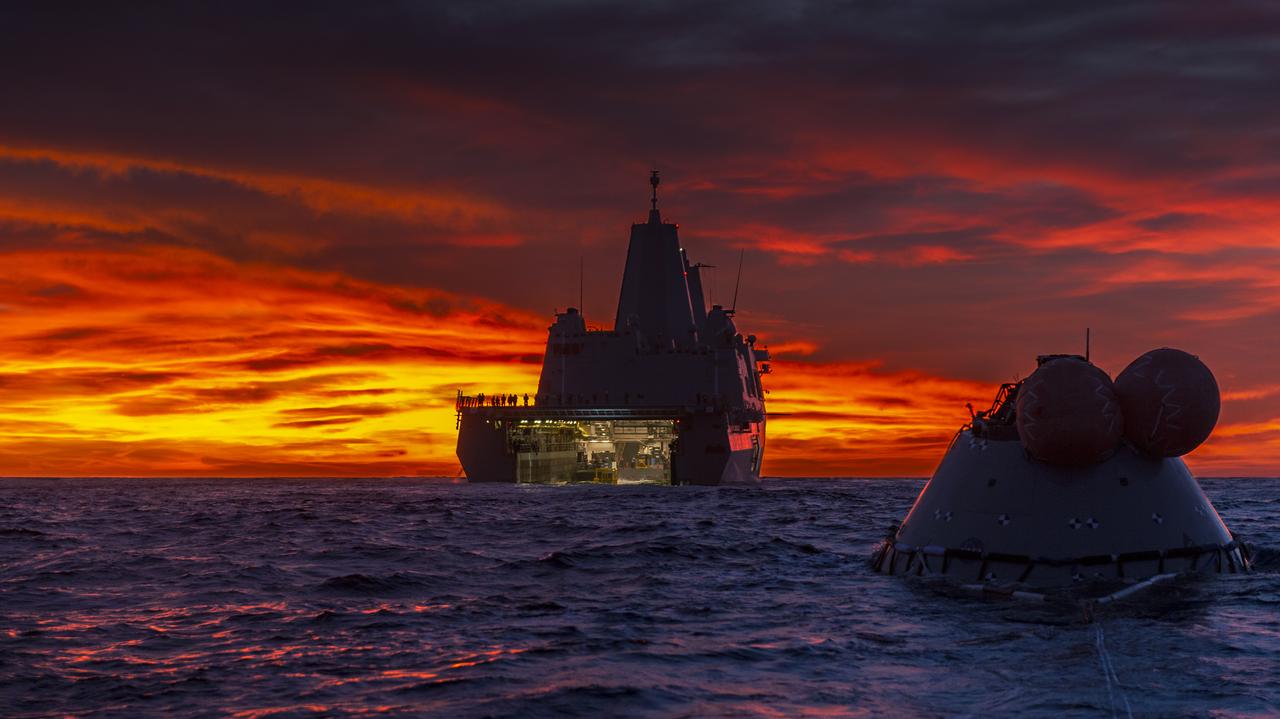
The USS John P. Murtha and a test version of the Orion capsule are in view at sunset on Nov. 1, 2018, during Underway Recovery Test-7 (URT-7) in the Pacific Ocean. URT-7 is one in a series of tests that the Exploration Ground Systems Recovery Team, along with the U.S. Navy, are conducting to verify and validate procedures and hardware that will be used to recover the Orion spacecraft after it splashes down in the Pacific Ocean following deep space exploration missions. Orion will have emergency abort capability, sustain the crew during space travel and provide safe re-entry from deep space return velocities.
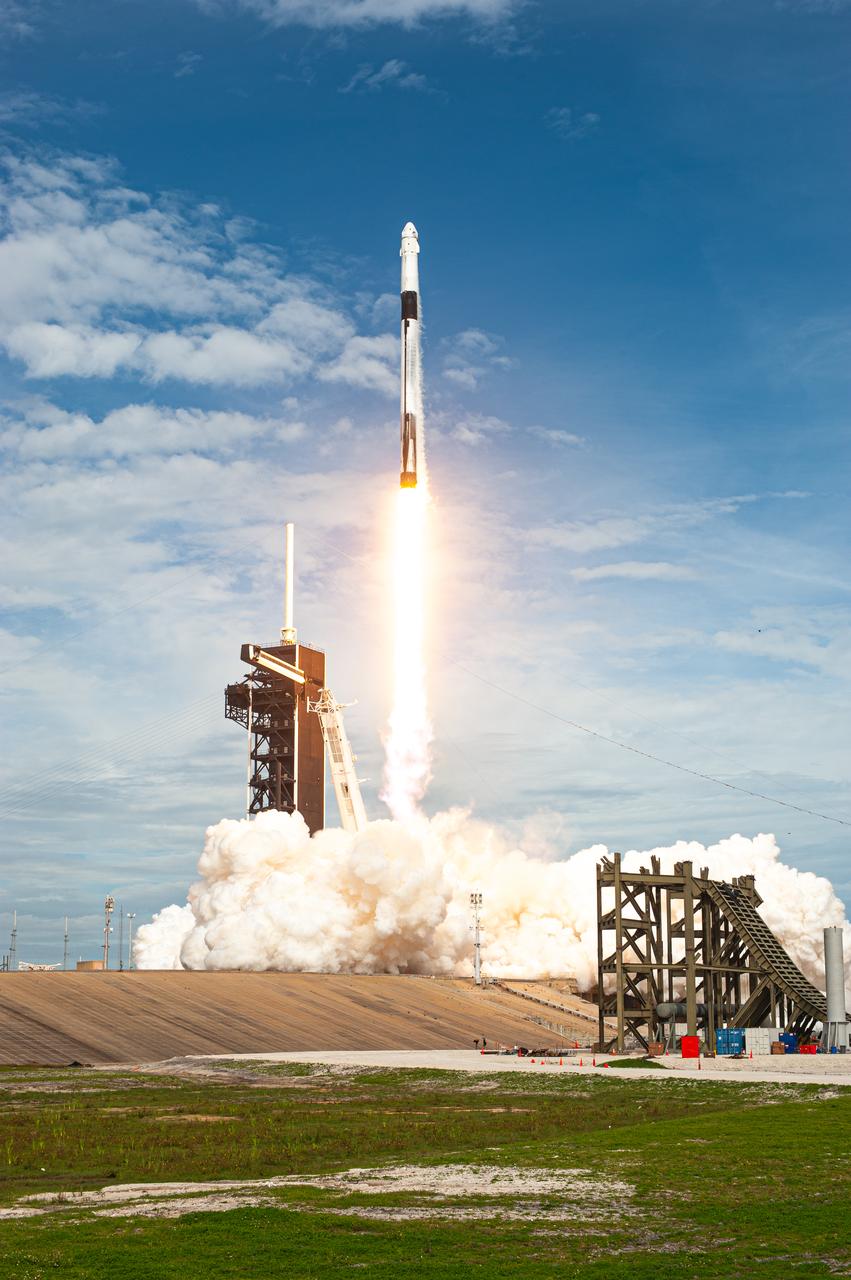
A SpaceX Falcon 9 rocket lifts off from Launch Complex 39A at NASA’s Kennedy Space Center in Florida at 10:30 a.m. EST on Jan. 19, 2020, carrying the Crew Dragon spacecraft on the company’s uncrewed In-Flight Abort Test. The flight test demonstrated the spacecraft’s escape capabilities in preparation for crewed flights to the International Space Station as part of the agency’s Commercial Crew Program.
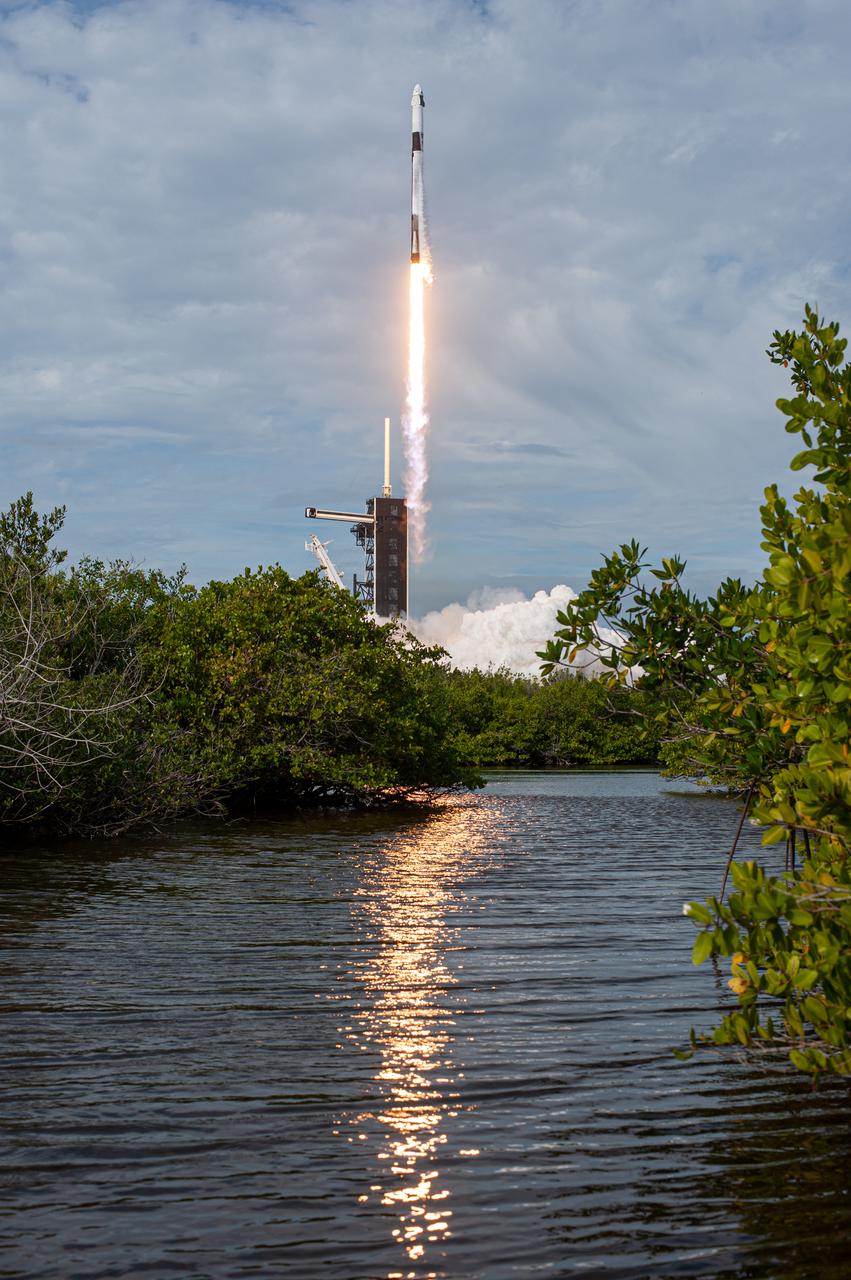
A SpaceX Falcon 9 rocket lifts off from Launch Complex 39A at NASA’s Kennedy Space Center in Florida at 10:30 a.m. EST on Jan. 19, 2020, carrying the Crew Dragon spacecraft on the company’s uncrewed In-Flight Abort Test. The flight test demonstrated the spacecraft’s escape capabilities in preparation for crewed flights to the International Space Station as part of the agency’s Commercial Crew Program.
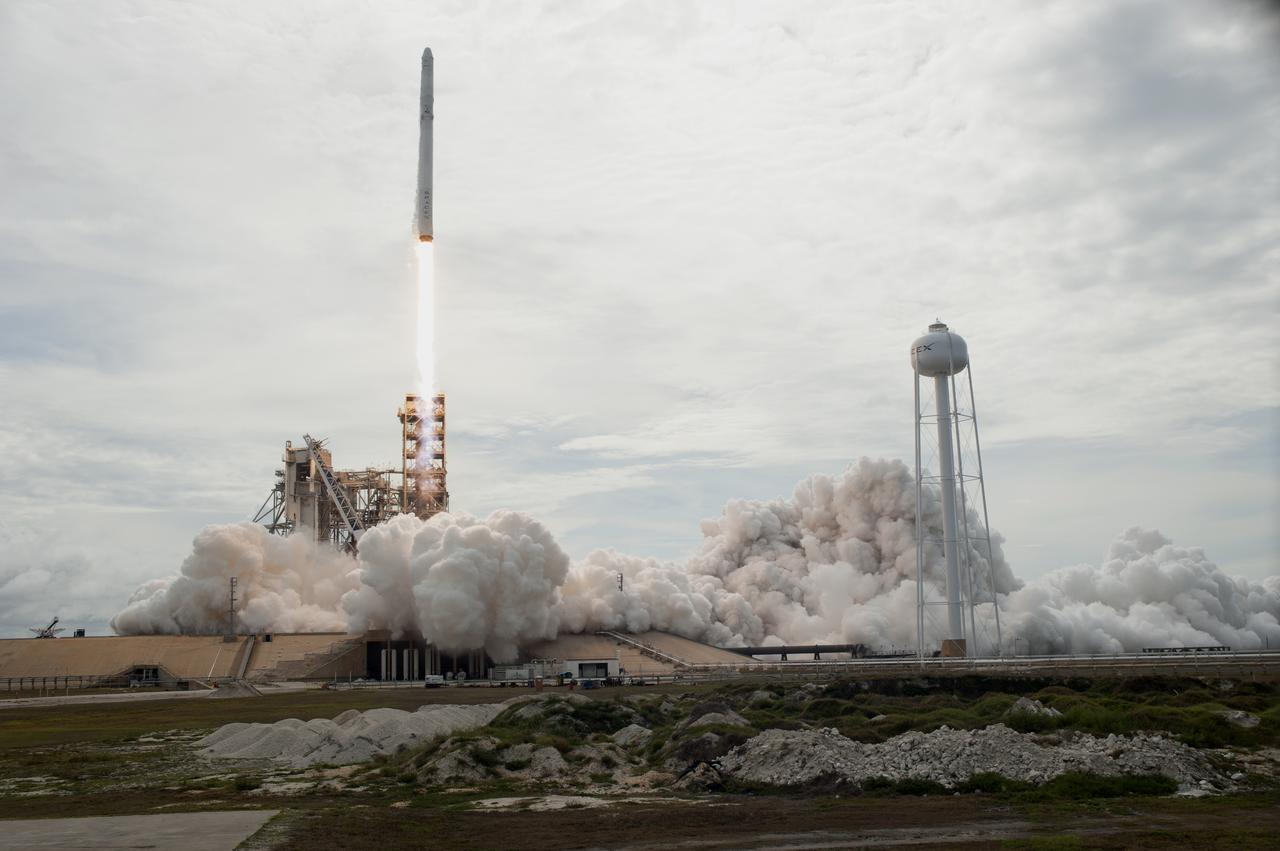
A SpaceX Falcon 9 rocket lifts off from Launch Complex 39A at NASA's Kenney Space Center in Florida, the company's 11th commercial resupply services mission to the International Space Station. Liftoff was at 5:07 p.m. EDT from the historic launch site now operated by SpaceX under a property agreement with NASA. The Dragon spacecraft will deliver 6,000 pounds of supplies, such as the Neutron star Interior Composition Explorer, or NICER, designed to study the extraordinary physics of these stars, providing insights into their nature and behavior.
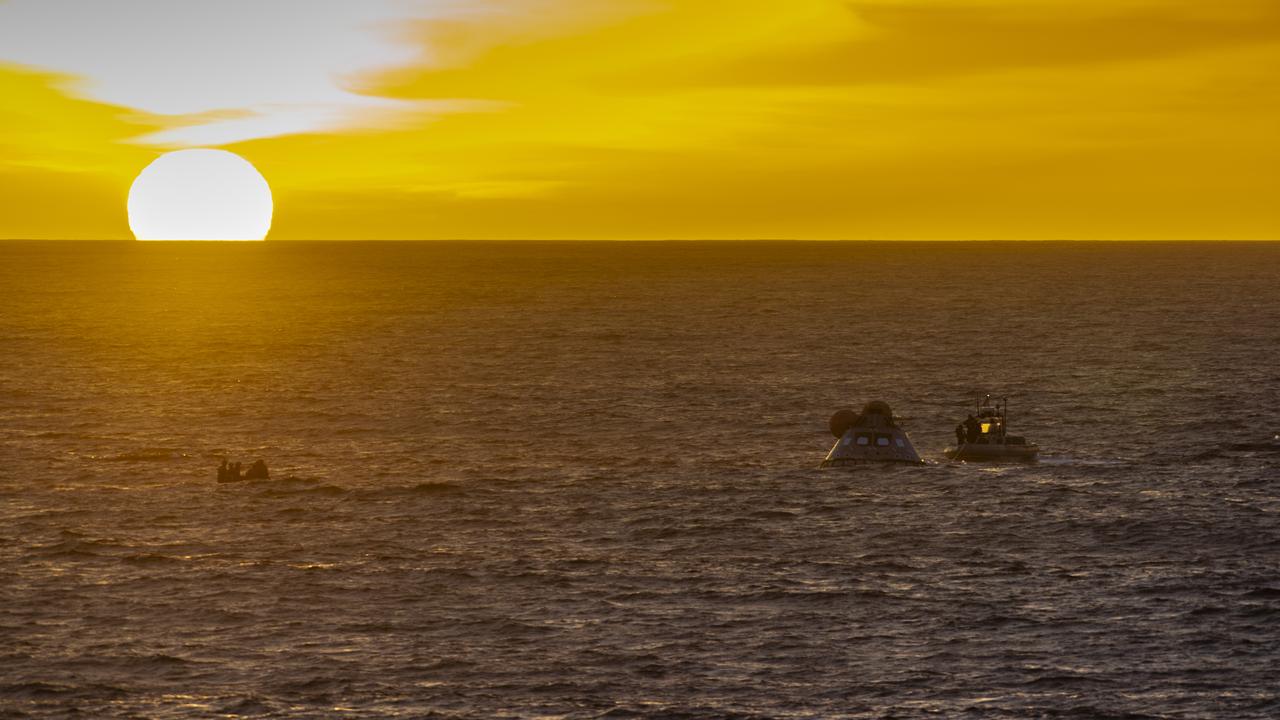
At sunset on Nov. 1, 2018, NASA's Recovery Team, along with the U.S. Navy, practice recovering a test version of the Orion capsule as part of Underway Recovery Test-7 (URT-7) in the Pacific Ocean. URT-7 is one in a series of tests that the Exploration Ground Systems Recovery Team, along with the U.S. Navy, are conducting to verify and validate procedures and hardware that will be used to recover the Orion spacecraft after it splashes down in the Pacific Ocean following deep space exploration missions. Orion will have emergency abort capability, sustain the crew during space travel and provide safe re-entry from deep space return velocities.
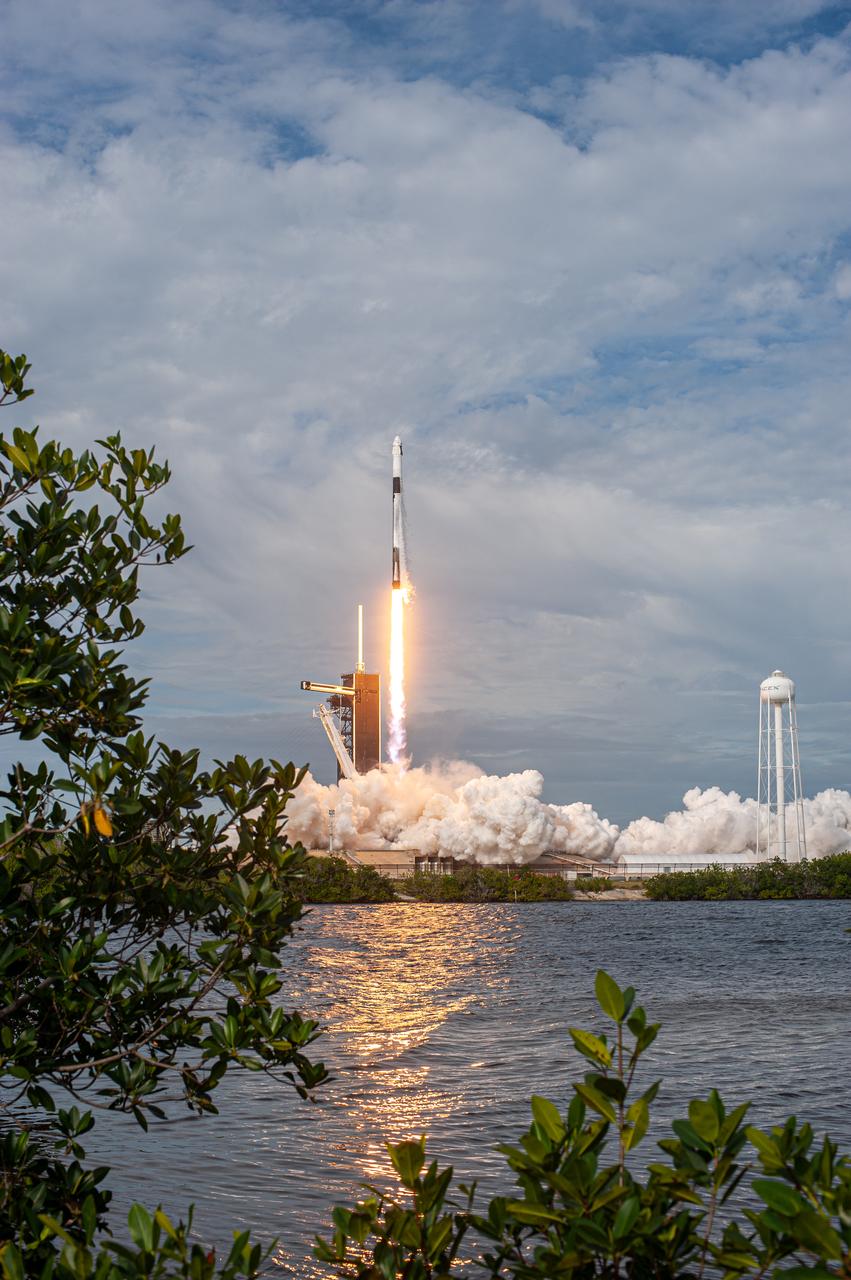
A SpaceX Falcon 9 rocket lifts off from Launch Complex 39A at NASA’s Kennedy Space Center in Florida at 10:30 a.m. EST on Jan. 19, 2020, carrying the Crew Dragon spacecraft on the company’s uncrewed In-Flight Abort Test. The flight test demonstrated the spacecraft’s escape capabilities in preparation for crewed flights to the International Space Station as part of the agency’s Commercial Crew Program.
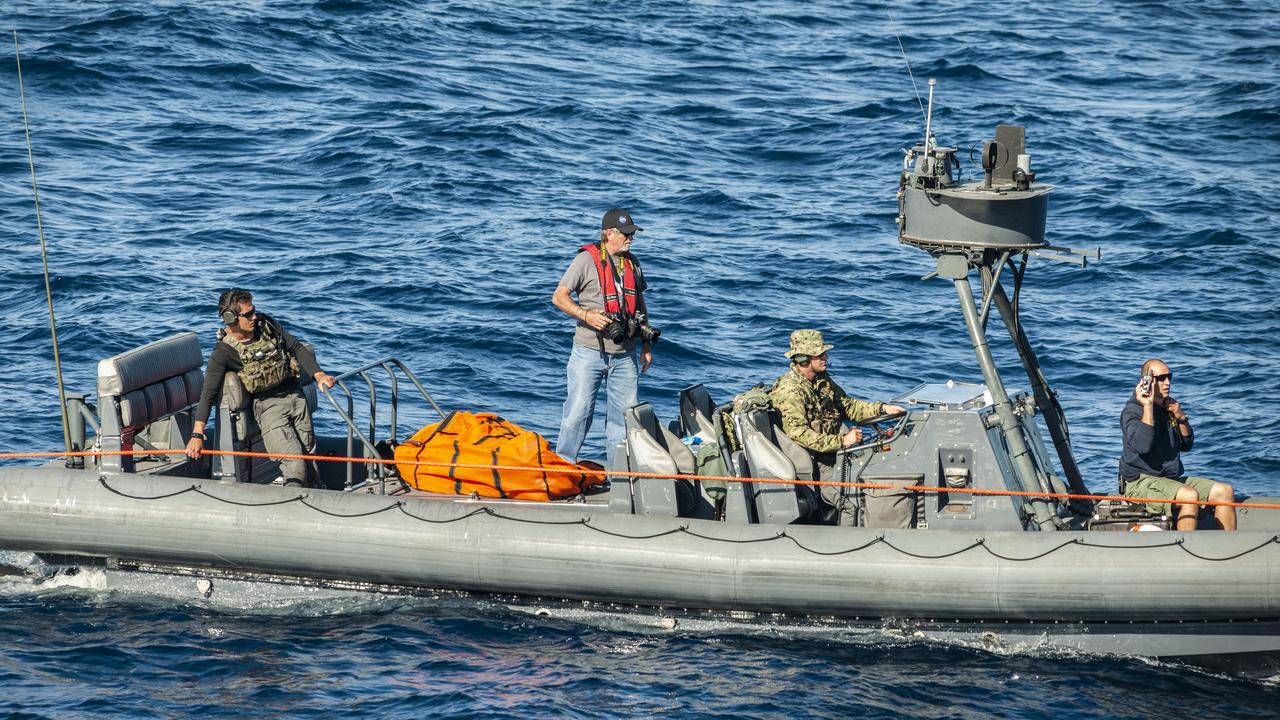
NASA Recovery Team members aboard a rigid hull boat monitor the winch line attached to a test version of the Orion capsule during Underway Recovery Test-7 (URT-7) on Oct. 31, 2018, in the Pacific Ocean. URT-7 is one in a series of tests that the EGS Recovery Team, along with the U.S. Navy, are conducting to verify and validate procedures and hardware that will be used to recover the Orion spacecraft after it splashes down in the Pacific Ocean following deep space exploration missions. Orion will have emergency abort capability, sustain the crew during space travel and provide safe re-entry from deep space return velocities.
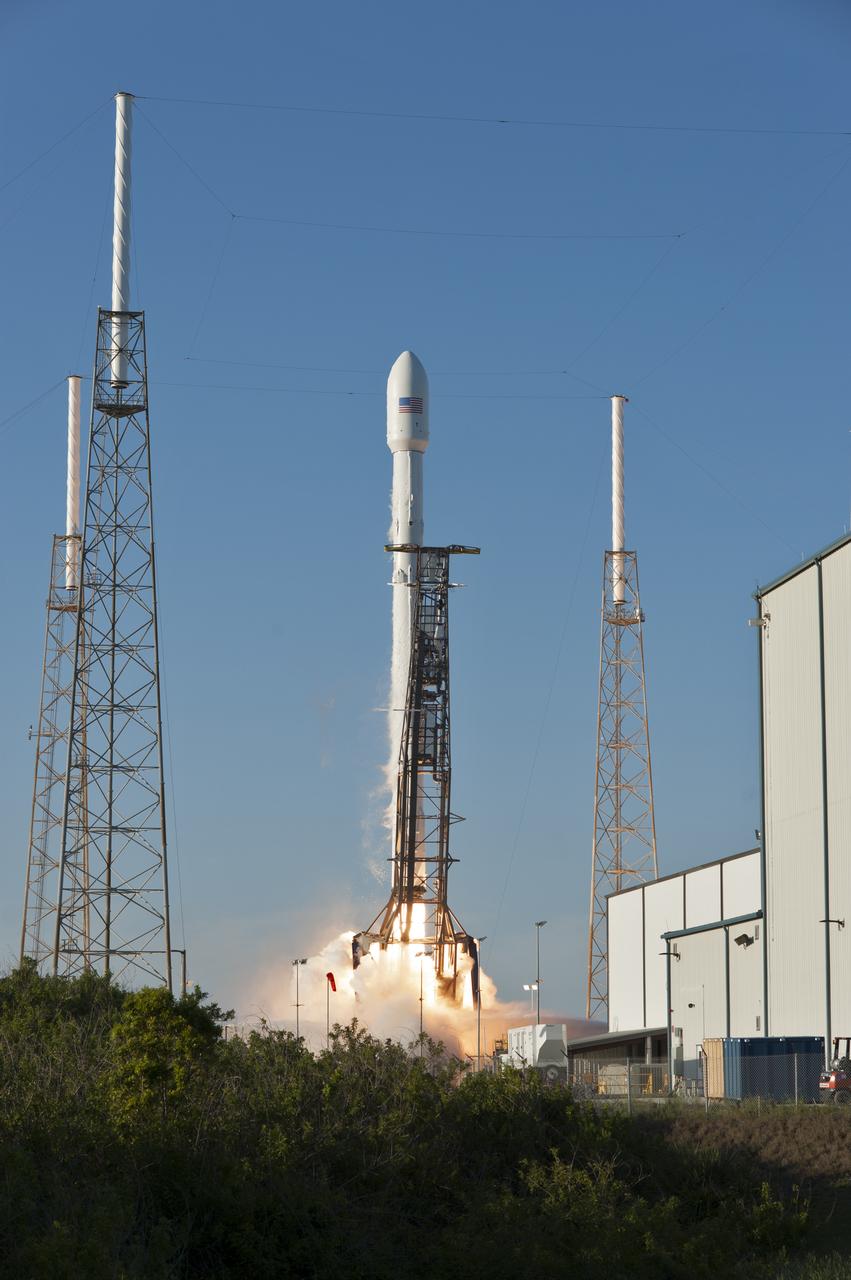
A SpaceX Falcon 9 rocket lifts off from Space Launch Complex 40 at Cape Canaveral Air Force Station in Florida, carrying NASA's Transiting Exoplanet Survey Satellite (TESS). Liftoff was at 6:51 p.m. EDT. TESS will search for planets outside of our solar system. The mission will find exoplanets that periodically block part of the light from their host stars, events called transits. The satellite will survey the nearest and brightest stars for two years to search for transiting exoplanets.
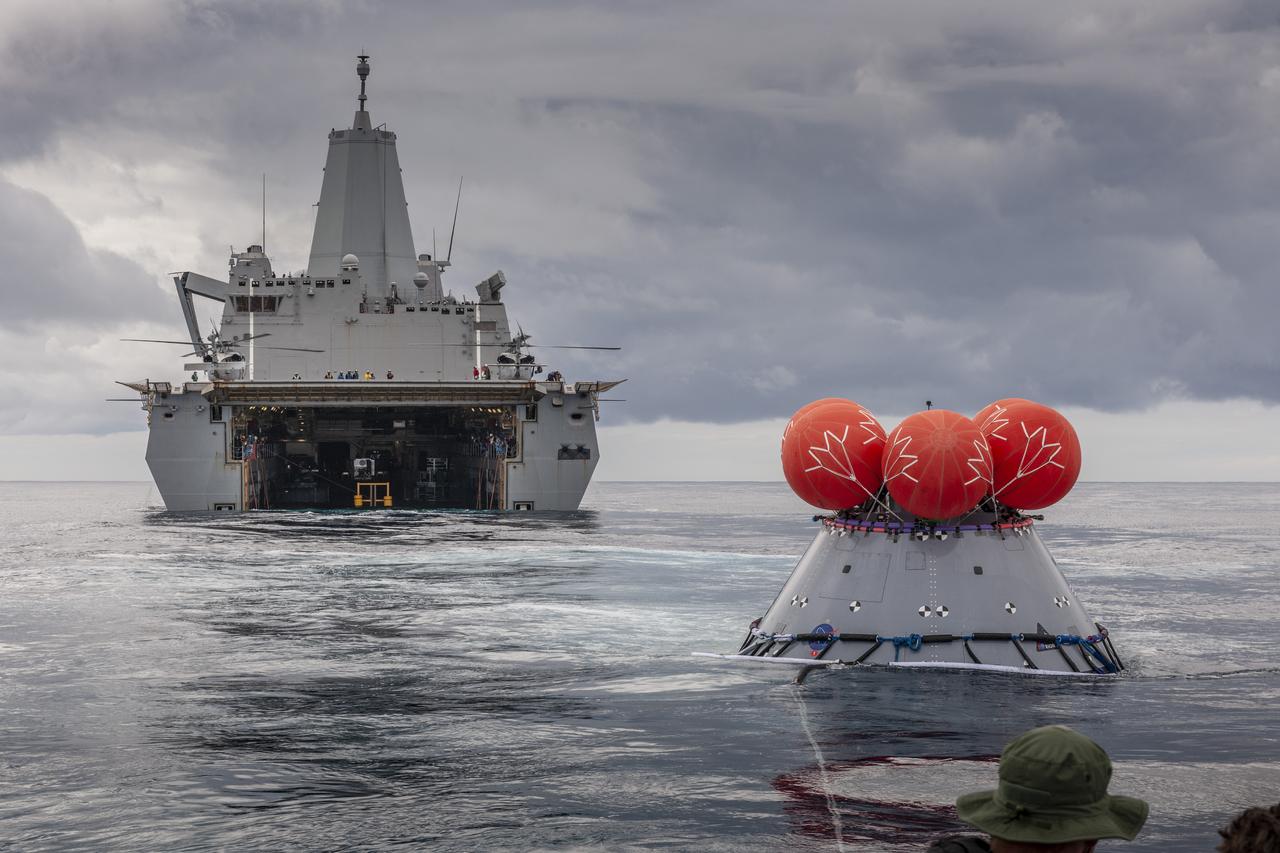
During Underway Recovery Test-8, NASA's Landing and Recovery team from Exploration Ground Systems at Kennedy Space Center performed their first full mission profile test of the recovery procedures for Artemis I aboard the USS John P. Murtha in the Pacific Ocean. Artemis I will be the first integrated flight test of NASA's Deep Space Exploration Systems: the Orion spacecraft, Space Launch System rocket, with the newly upgraded Exploration Ground Systems at Kennedy Space Center.
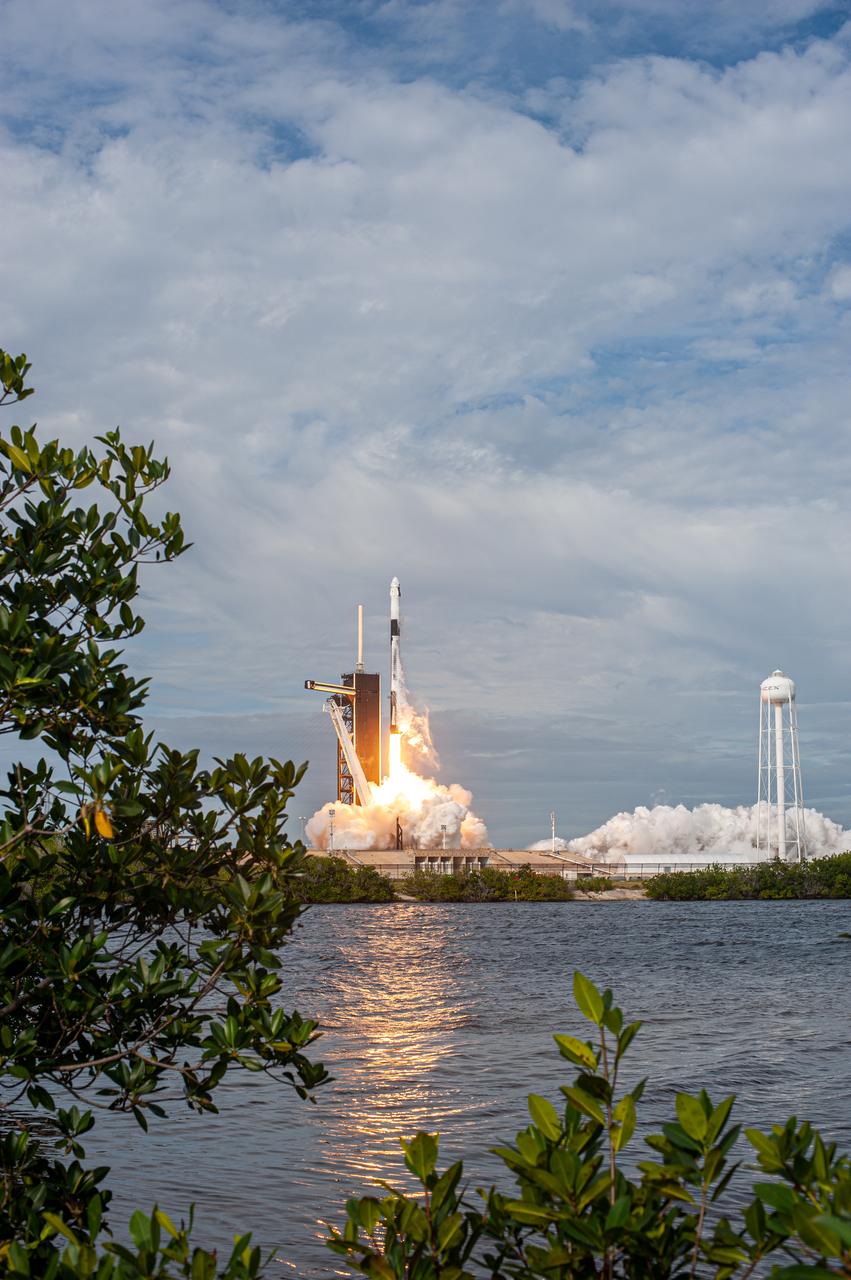
A SpaceX Falcon 9 rocket lifts off from Launch Complex 39A at NASA’s Kennedy Space Center in Florida at 10:30 a.m. EST on Jan. 19, 2020, carrying the Crew Dragon spacecraft on the company’s uncrewed In-Flight Abort Test. The flight test demonstrated the spacecraft’s escape capabilities in preparation for crewed flights to the International Space Station as part of the agency’s Commercial Crew Program.
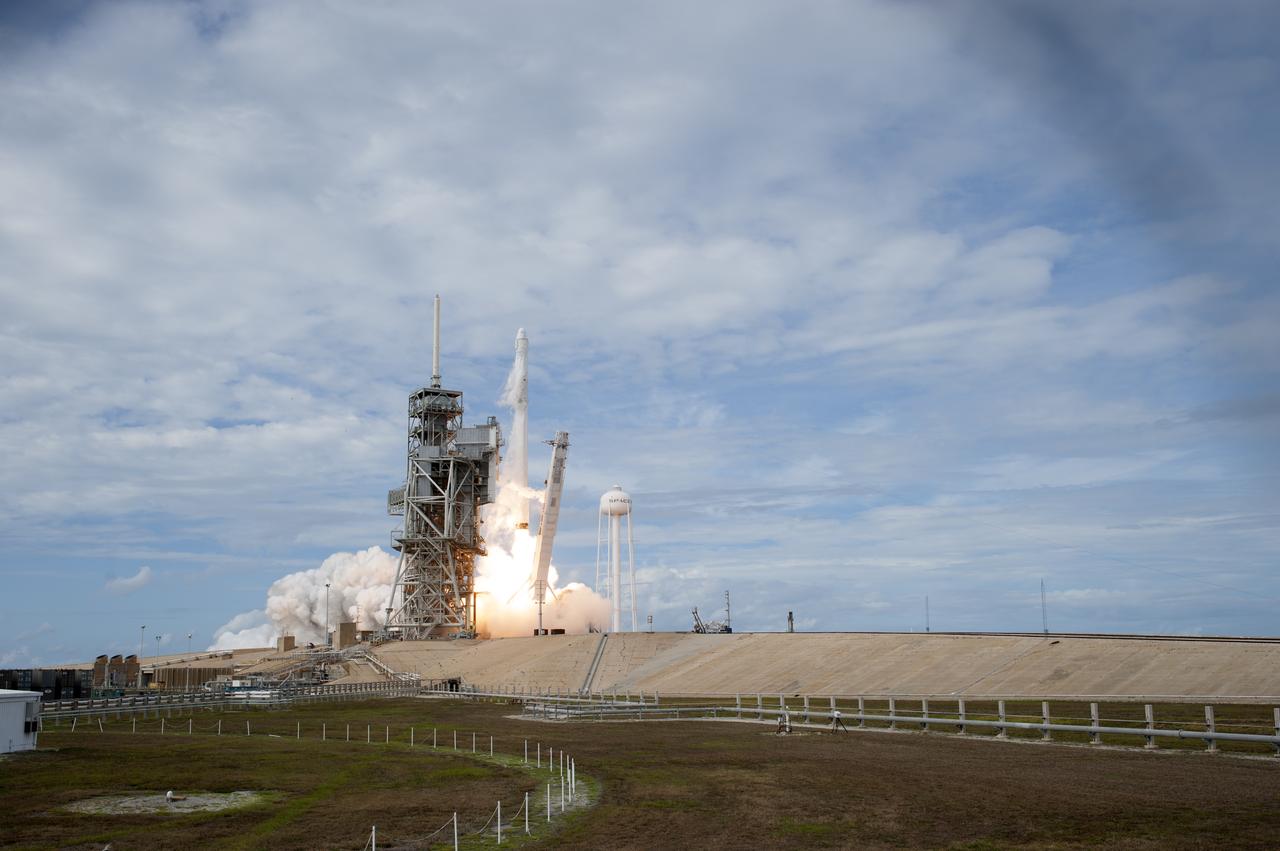
A SpaceX Falcon 9 rocket lifts off from Launch Complex 39A at NASA's Kenney Space Center in Florida, the company's 11th commercial resupply services mission to the International Space Station. Liftoff was at 5:07 p.m. EDT from the historic launch site now operated by SpaceX under a property agreement with NASA. The Dragon spacecraft will deliver 6,000 pounds of supplies, such as the Neutron star Interior Composition Explorer, or NICER, designed to study the extraordinary physics of these stars, providing insights into their nature and behavior.